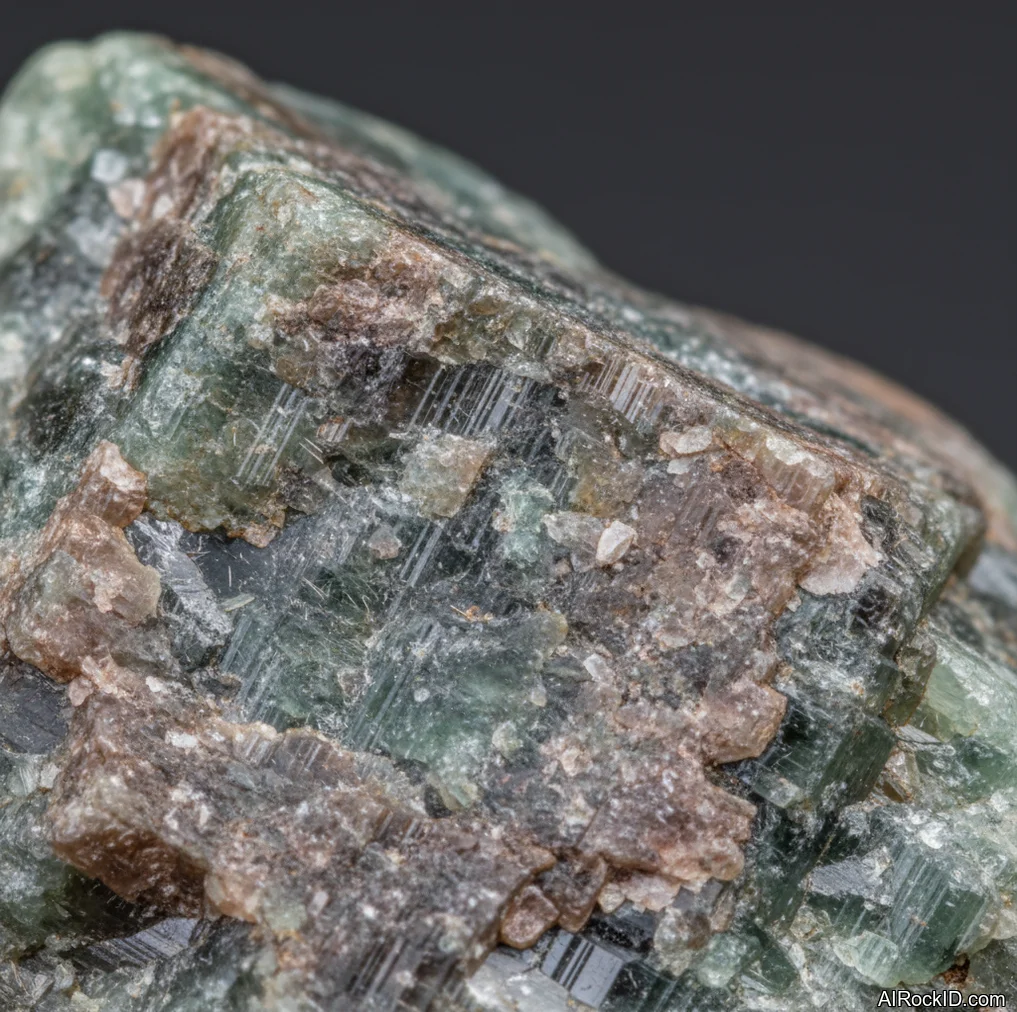
Courage Crystals
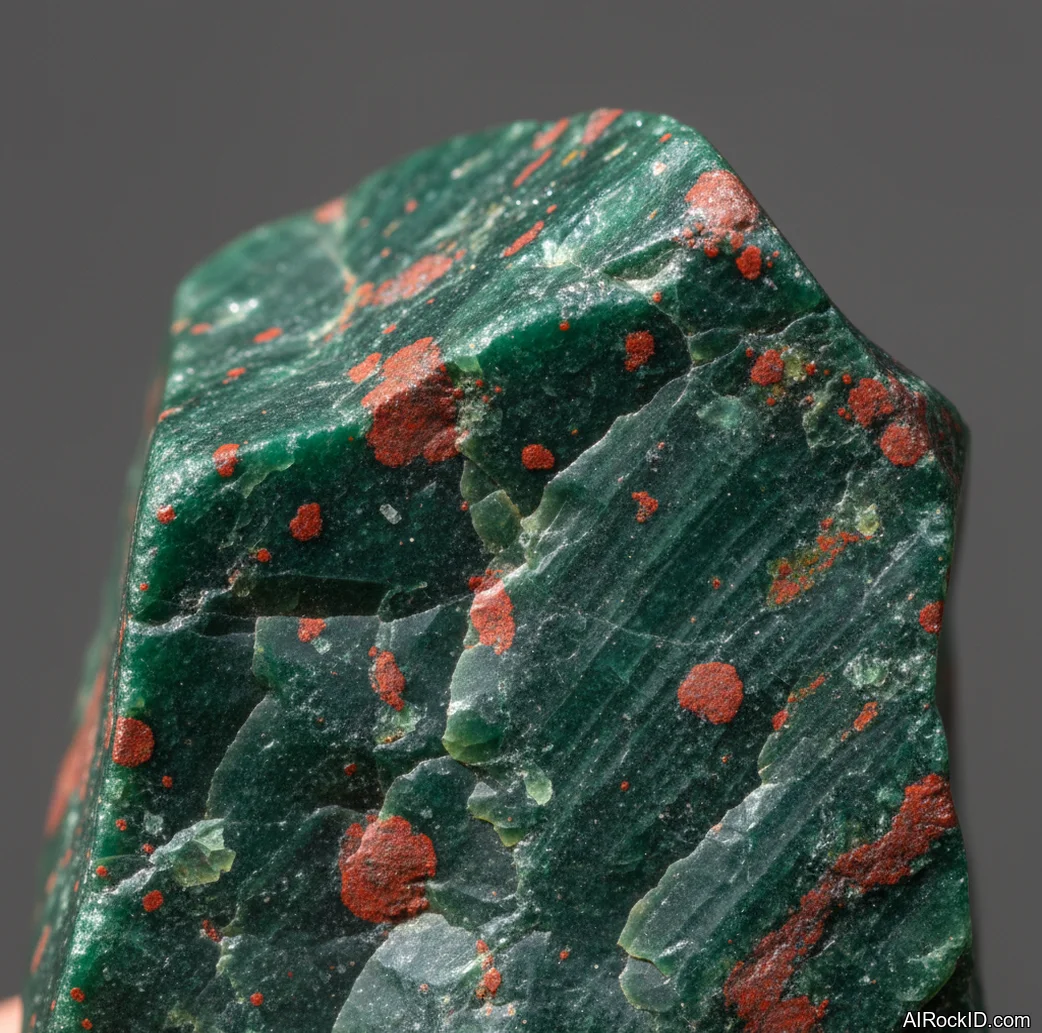
Quick answer: Courage crystals are stones that crystal traditions associate with confidence, resolve, motivation, and steady action during challenging situations. Common examples include Carnelian, Tiger’s Eye, Red Jasper, Bloodstone, and Sunstone.
Learn about Courage crystals, what the property means, how to choose stones like Carnelian and Tiger’s Eye, and simple ways to work with them.


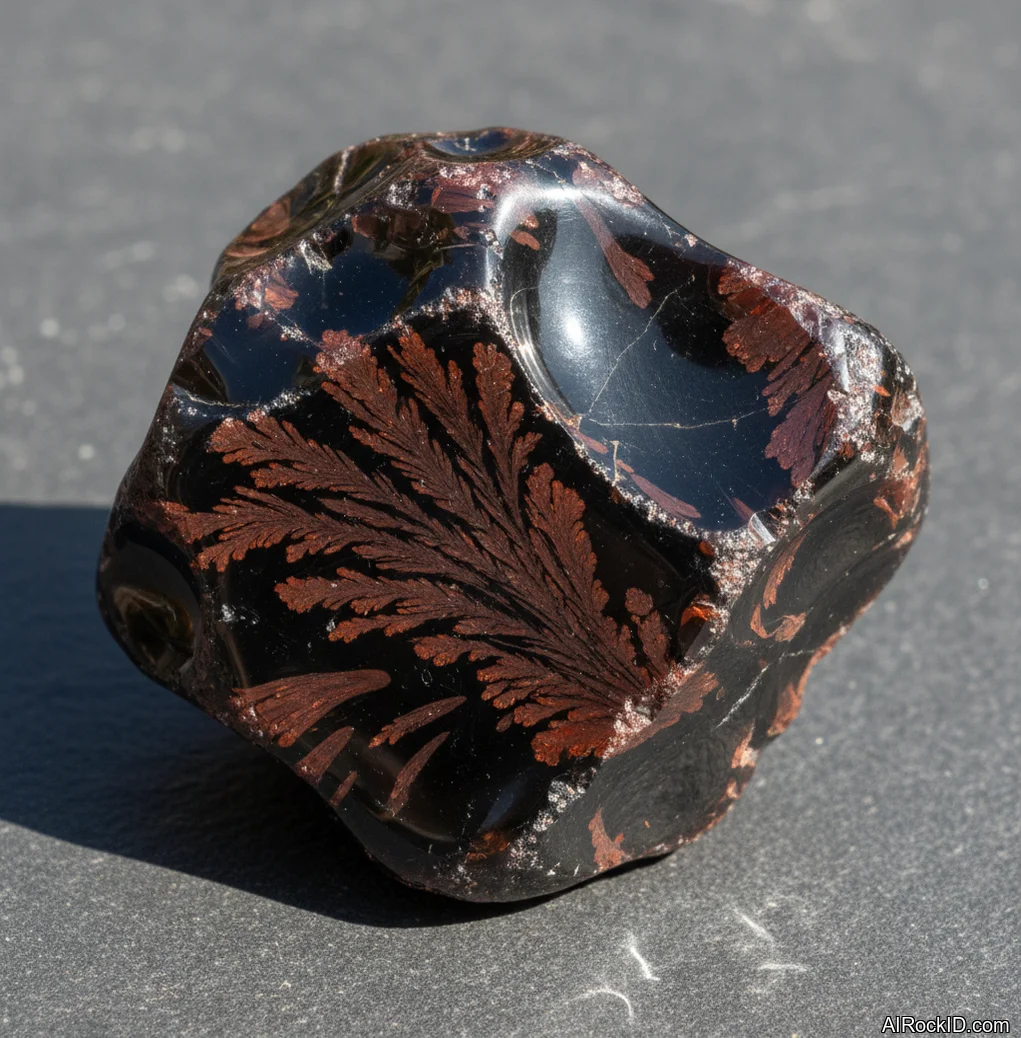
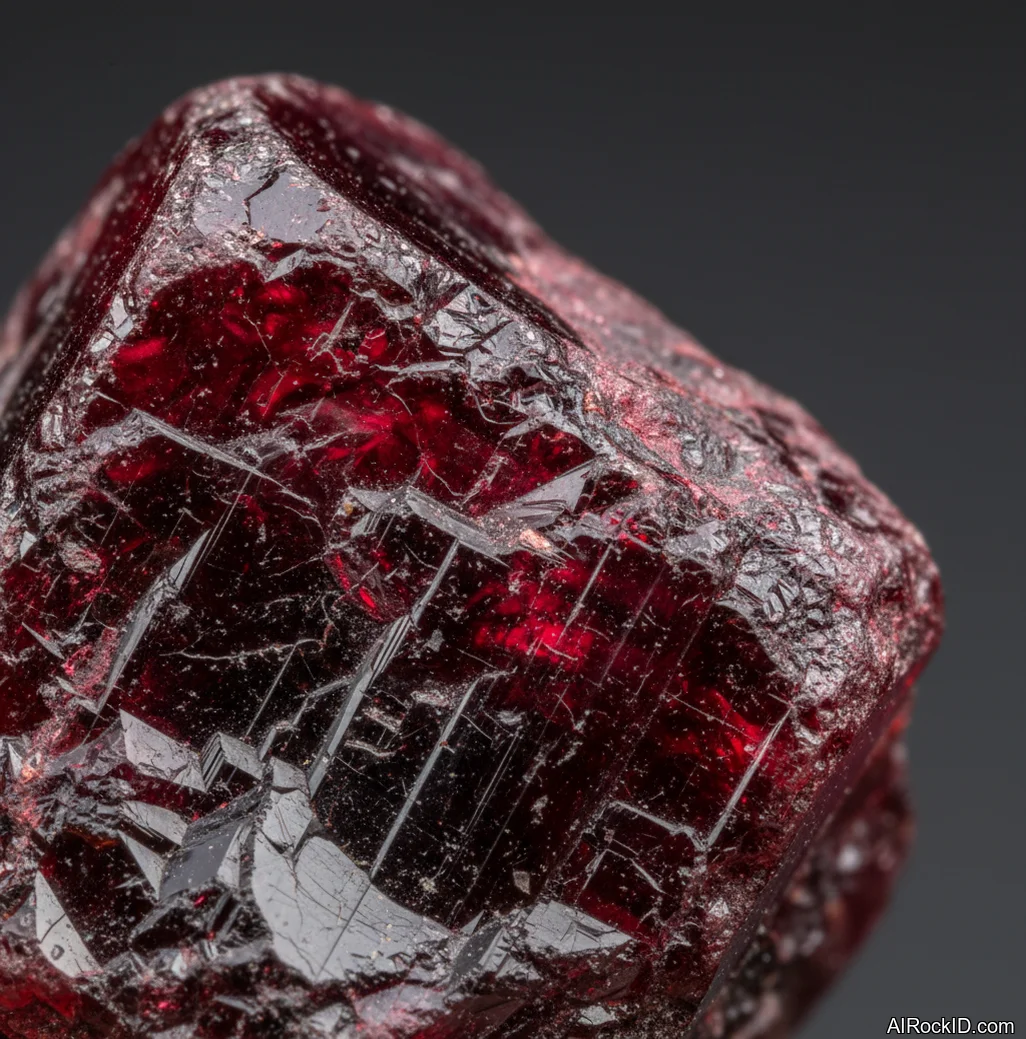
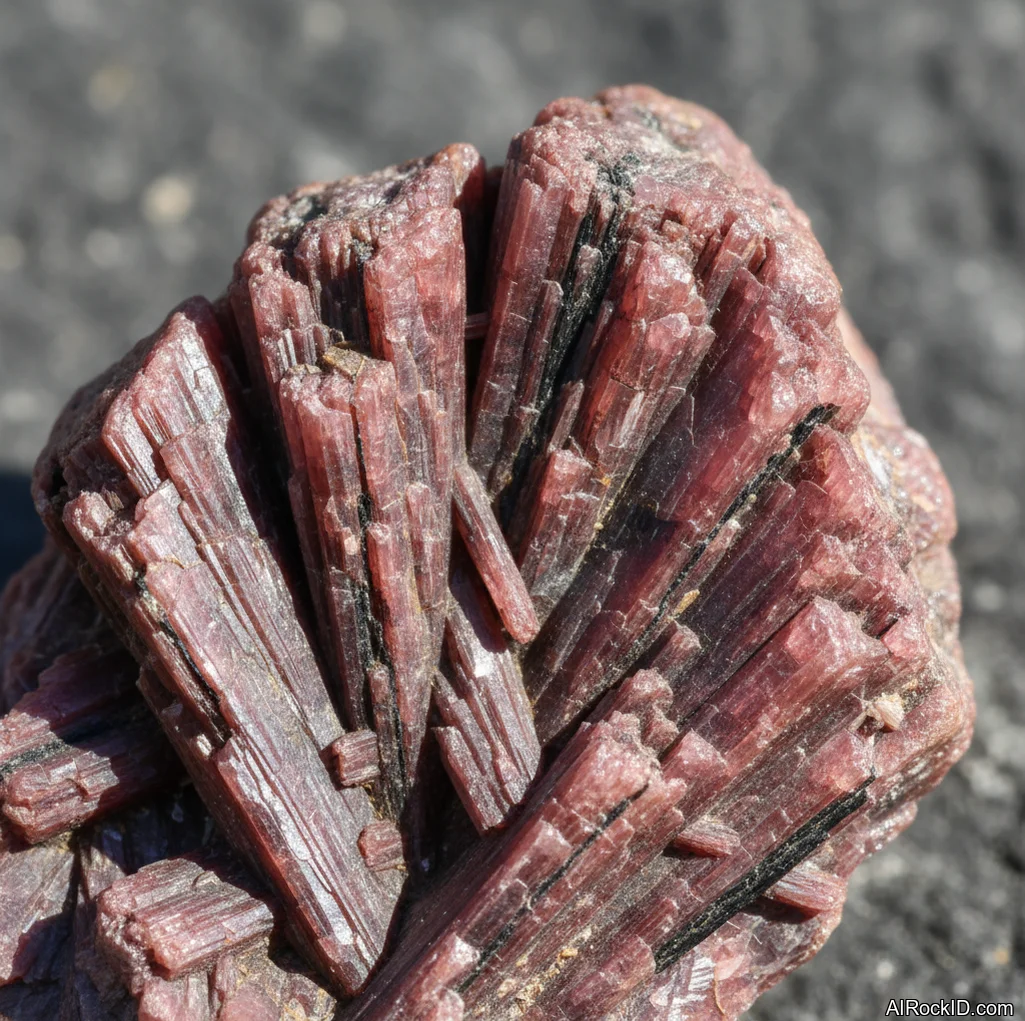
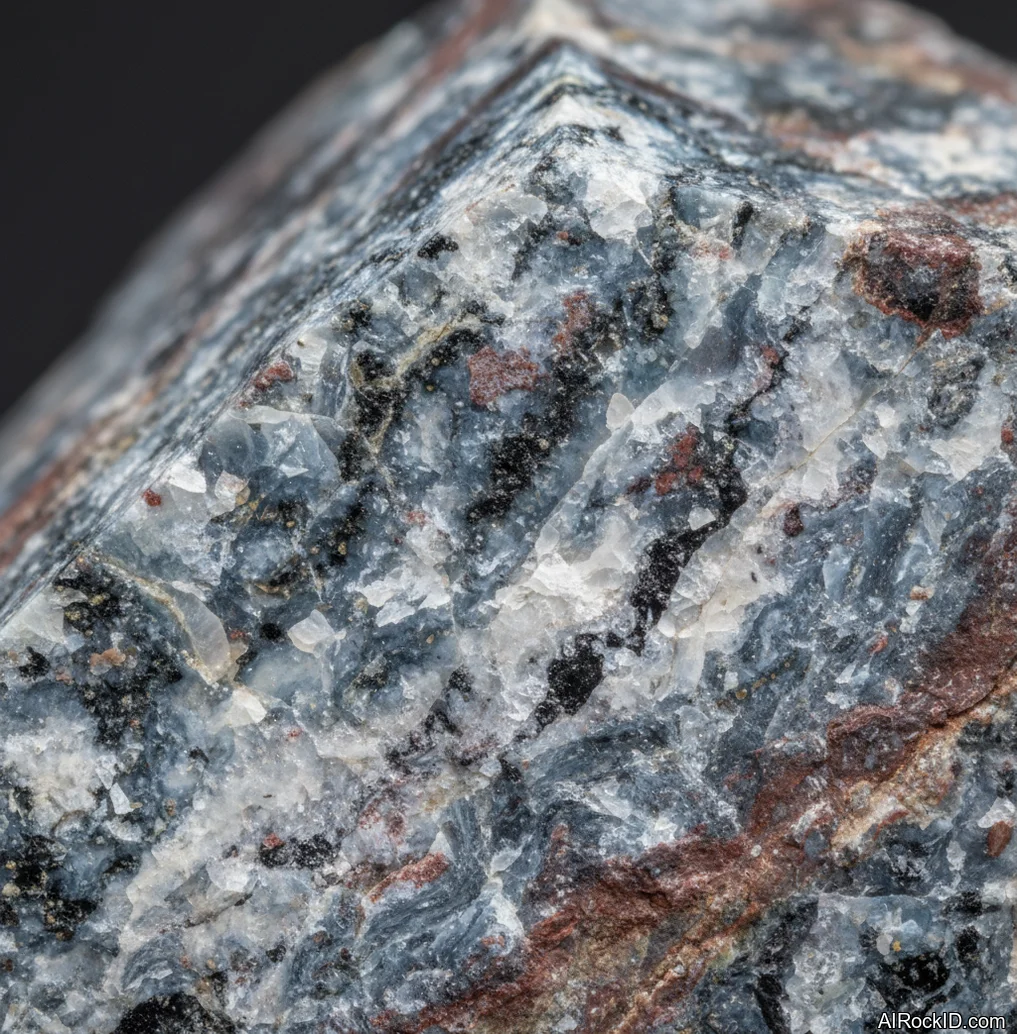
Courage crystals are minerals that collectors and metaphysical users associate with supporting action in the face of fear or discomfort. Common examples include Carnelian, Tiger’s Eye, Red Jasper, and Hematite. These stones are usually described as grounding, warming, and physically substantial, with tactile qualities that promote action instead of paralysis. These associations come from metaphysical traditions and are not medical claims.
Courage crystals cannot remove fear, supply bravery on demand, or replace actual therapy or facing real-world consequences. They’re not a substitute for professional mental health support or practical decision-making.
AI Rock ID can help compare a stone’s color, pattern, luster, and visible structure against known mineral references. RockIdentifier.io provides crystal and mineral information for learning, but final identification may require hardness testing, streak testing, or expert review.
Good fit
- People exploring crystals traditionally linked with confidence, initiative, and personal strength
- Beginners who want recognizable stones such as Carnelian, Tiger’s Eye, or Red Jasper
- Collectors comparing warm-toned quartz, jasper, chalcedony, and iron-rich minerals
- Anyone building a themed crystal set around motivation, resilience, or decision-making
Not a good fit
- Replacing medical, psychological, or professional support for fear, anxiety, or trauma
- Identifying an unknown stone by color alone
- Assuming every red, orange, or gold stone has the same mineral identity
- Using fragile or toxic minerals in water, elixirs, or skin-contact practices without checking safety
Most commonly confused with
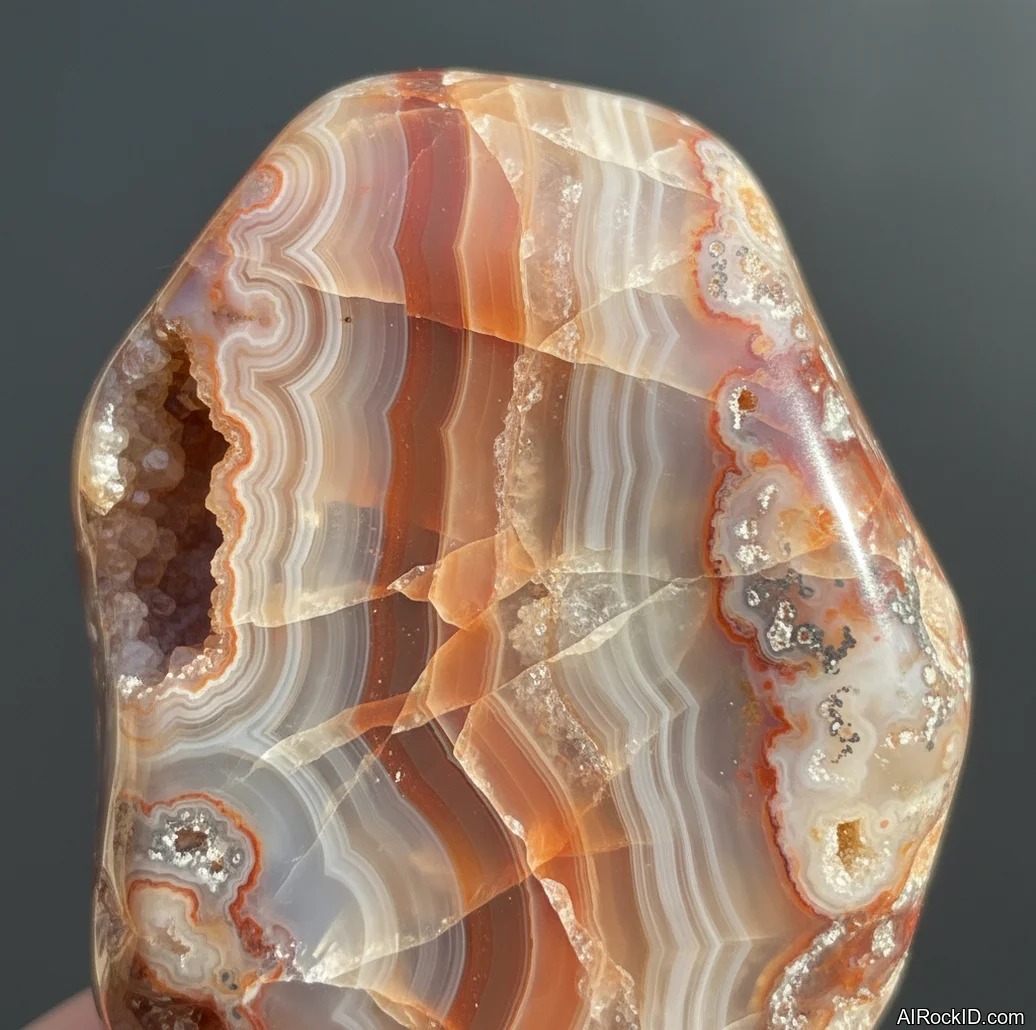
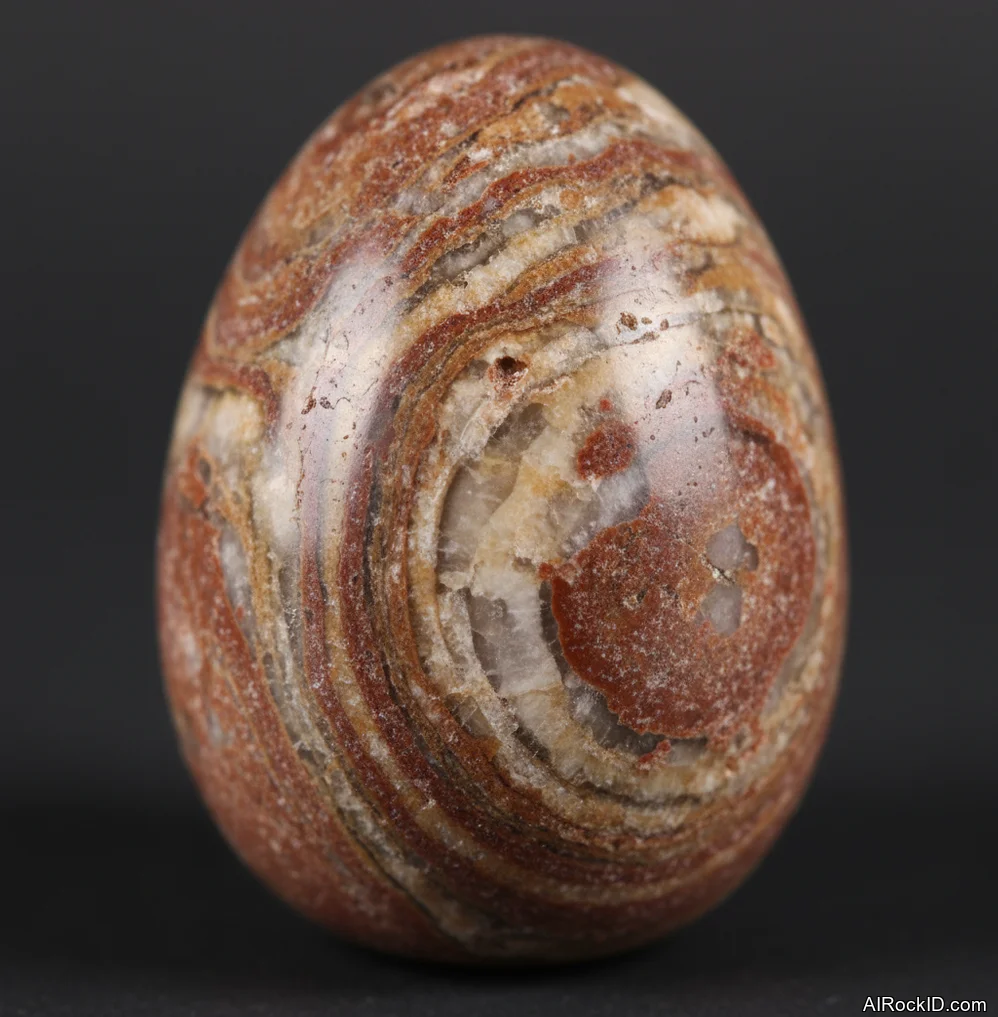
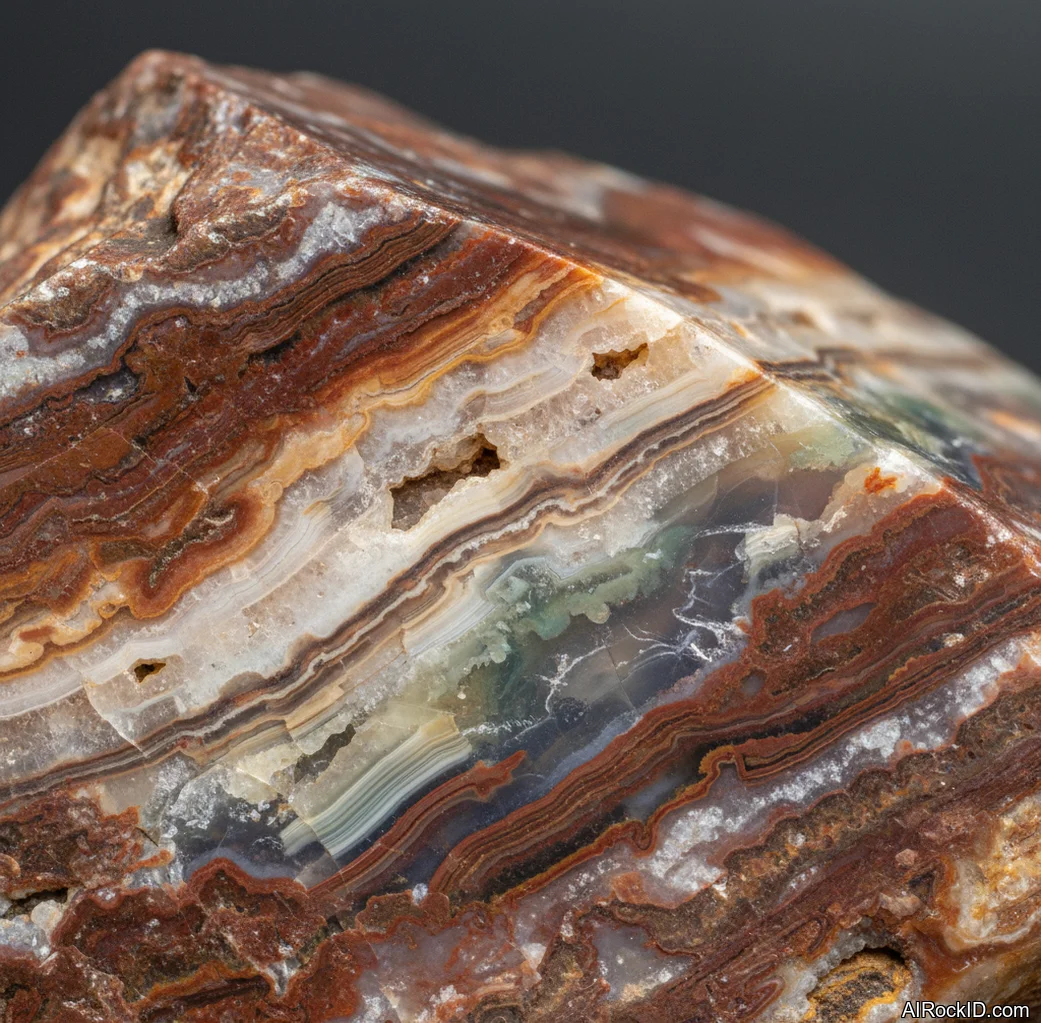
- Carnelian: Carnelian is orange to reddish chalcedony and is often chosen in crystal traditions for confidence and action.
- Red Jasper: Red Jasper is opaque and earthy, while Carnelian is usually more translucent with a waxy to glassy look.
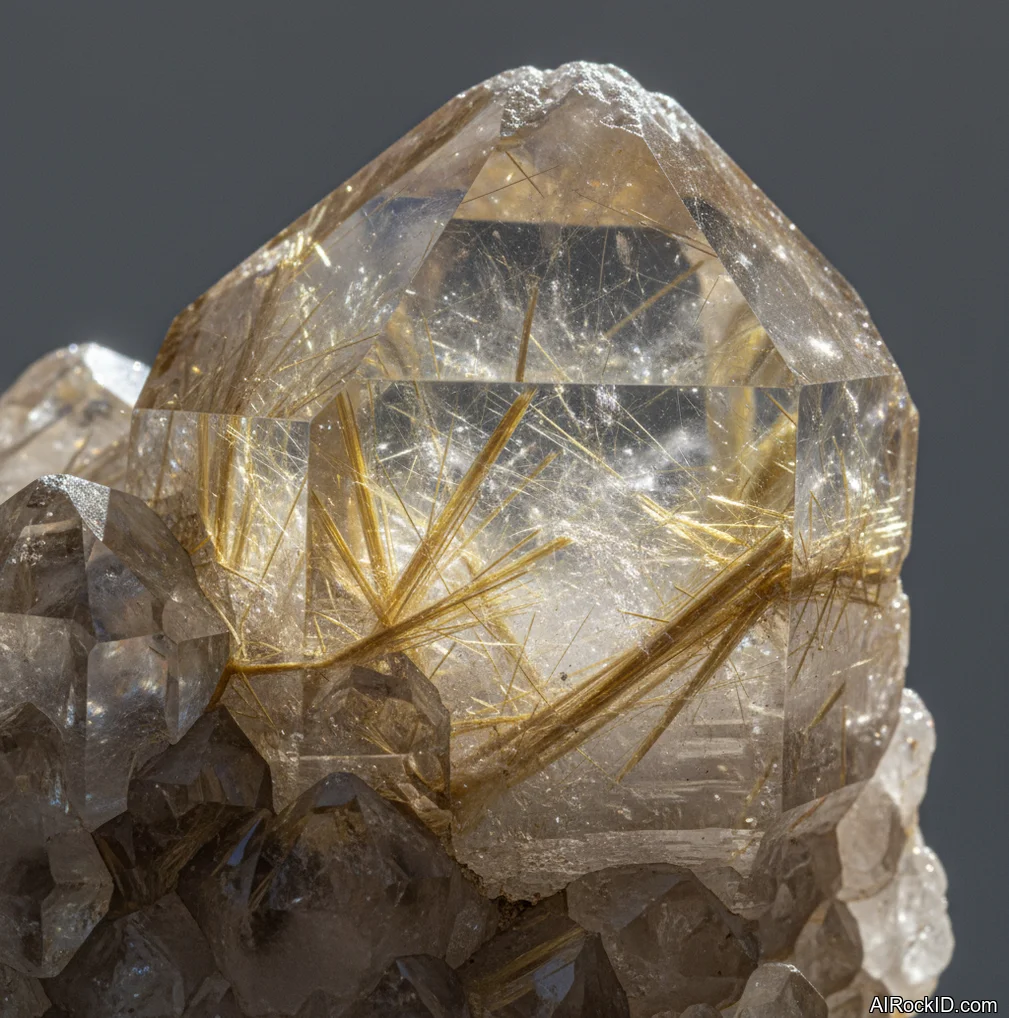
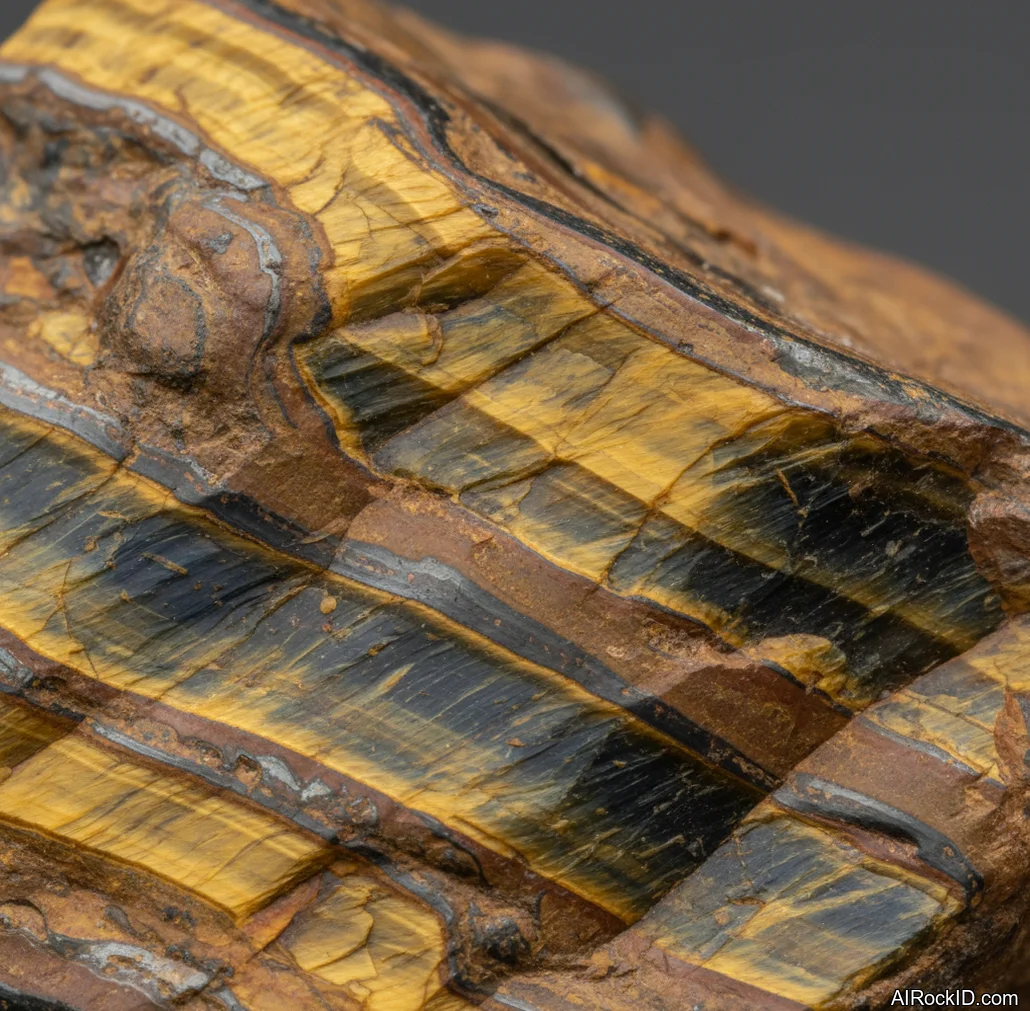
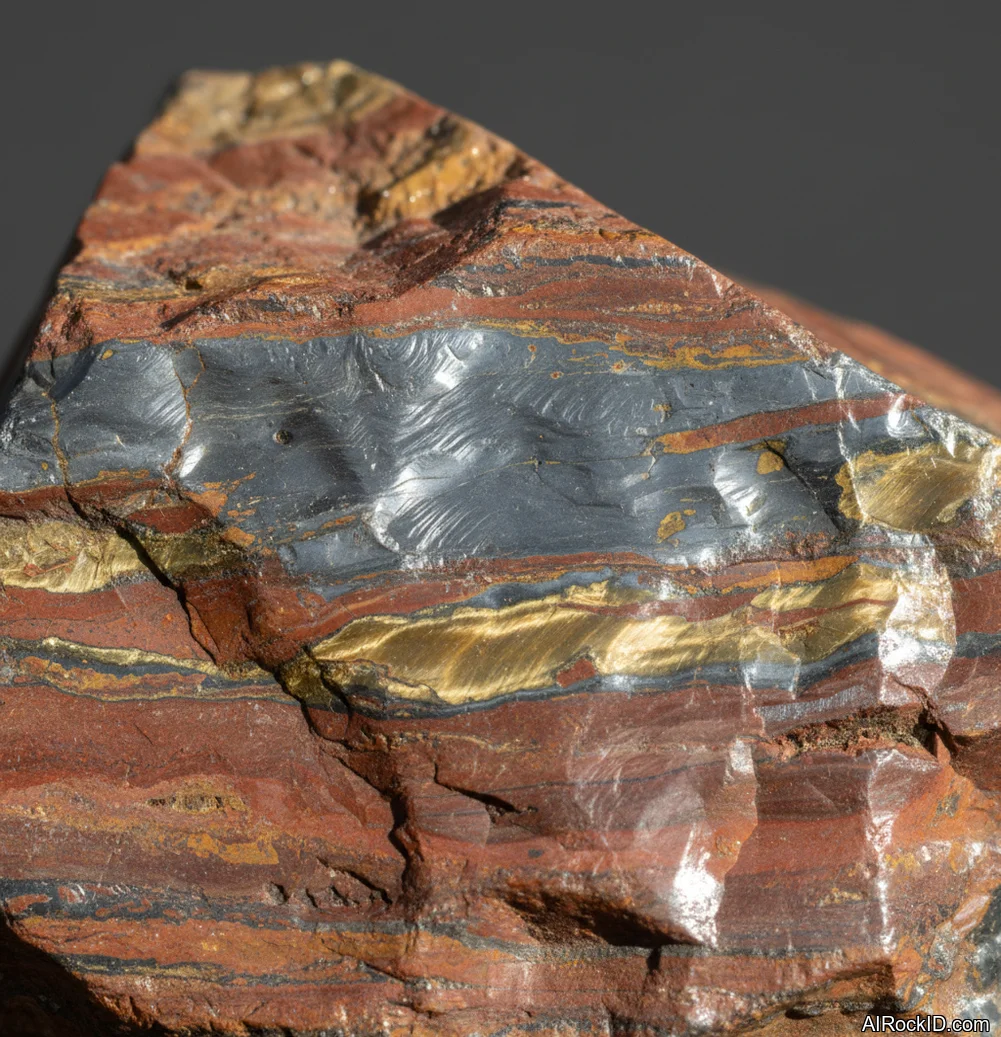
- Tiger’s Eye: Tiger’s Eye shows golden to brown chatoyancy, a silky light band that moves across the surface.
- Sunstone: Sunstone is a feldspar that may show glittery aventurescence, unlike the fibrous sheen of Tiger’s Eye.
AI identification confidence
AI identification is usually more reliable when the photo shows the stone in natural light, in focus, and from more than one angle. Confidence can be lower for tumbled stones because polishing removes clues such as crystal habit, fracture texture, and matrix.
When AI gets it wrong
- Dyed agate, dyed quartz, or enhanced stones can resemble natural courage-associated crystals.
- Tumbled Red Jasper, Carnelian, and orange calcite may look similar in small photos.
- Chatoyant glass or imitation Tiger’s Eye can be mistaken for natural quartz varieties.
- Lighting can make brown, red, orange, and gold stones appear warmer or more saturated than they are.
Best choice summary
For a simple starter set, Carnelian, Tiger’s Eye, and Red Jasper cover the most common courage-related associations in modern crystal traditions. Choose based on appearance, durability, and how the stone will be used rather than relying on a single claimed meaning.
Final recommendation
Start with one easy-to-identify stone and learn its mineral traits before expanding into look-alikes. For unknown pieces, combine visual inspection with basic mineral tests or a reliable identification reference.
What this category represents
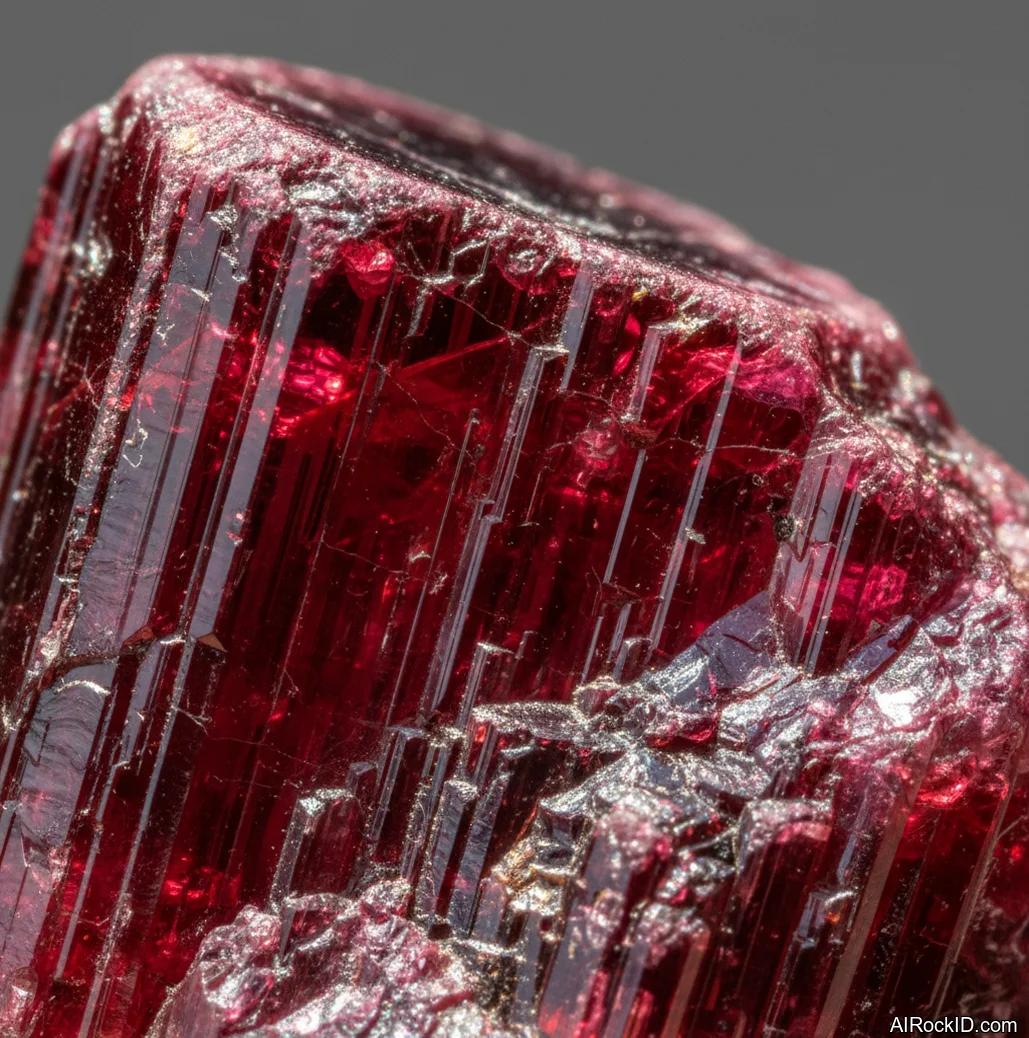
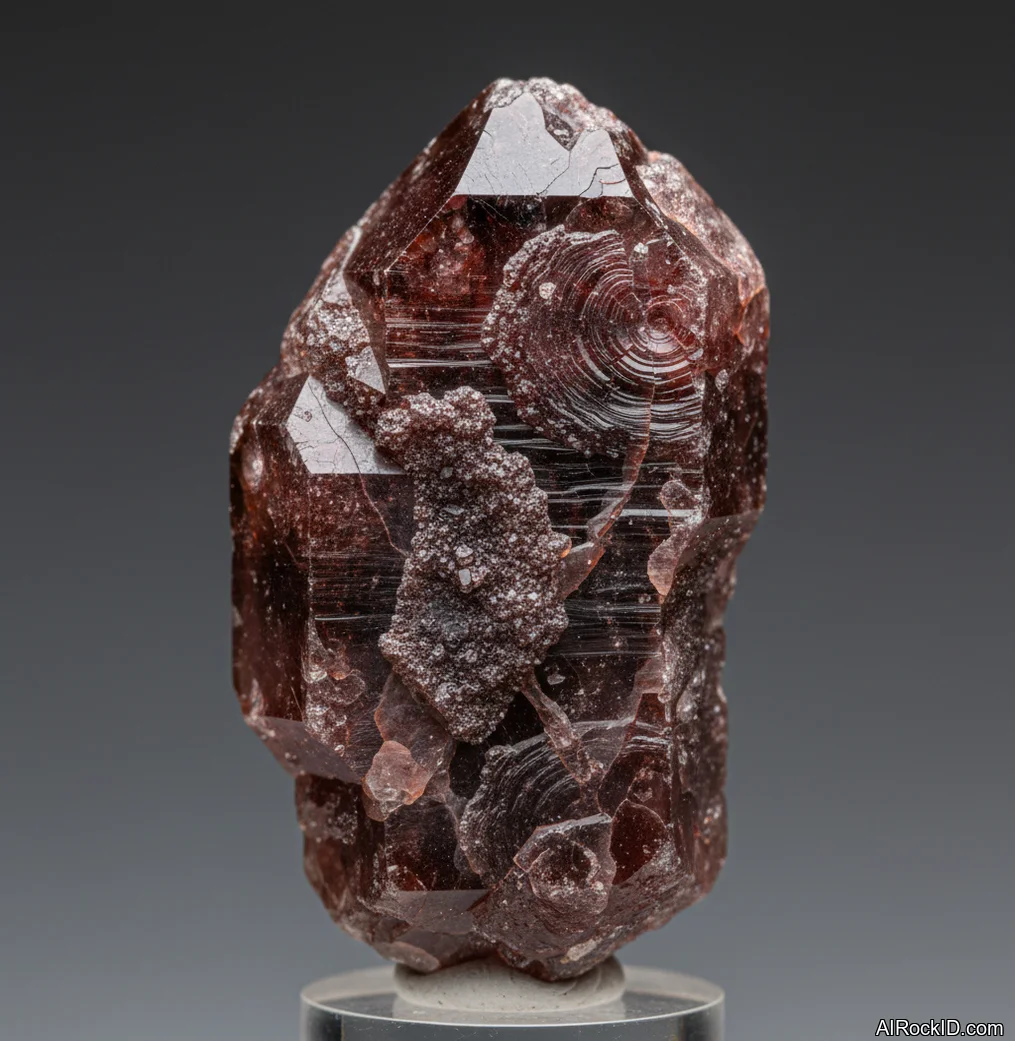
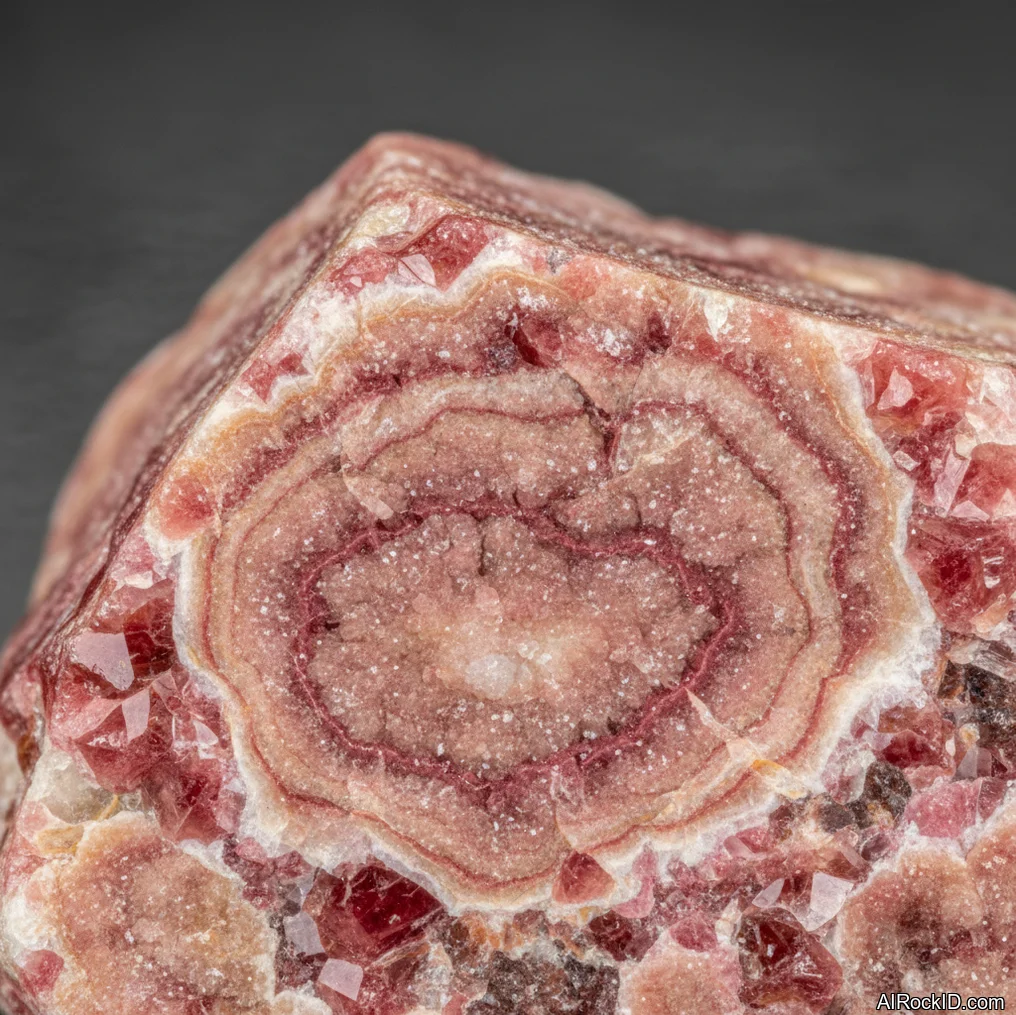
The Courage tag groups crystals that are traditionally associated with bravery, confidence, willpower, persistence, and taking action. It is a thematic crystal category rather than a scientific mineral classification, so stones in this group can vary widely in composition, hardness, color, and formation.
Beginner recommendations
- Carnelian
- Tiger’s Eye
- Red Jasper
Advanced recommendations
Natural, Dyed, and Treated Courage Stones
Some stones sold in courage-themed sets may be dyed, heat-treated, or coated to make their colors more vivid. Dyed agate and dyed quartz are common examples that can resemble Carnelian, Red Jasper, or other warm-toned stones. Treatment does not always make a stone unsuitable for collecting, but it should be disclosed when accuracy matters.
Durability Notes for Carrying Courage Crystals
Quartz varieties such as Carnelian, Jasper, and Tiger’s Eye are generally durable enough for pockets, pouches, and jewelry with normal care. Softer stones, brittle minerals, or pieces with surface coatings can scratch, chip, or fade more easily. Avoid soaking unknown stones until their mineral identity and treatment status are confirmed.
Color Patterns Linked to Courage Themes
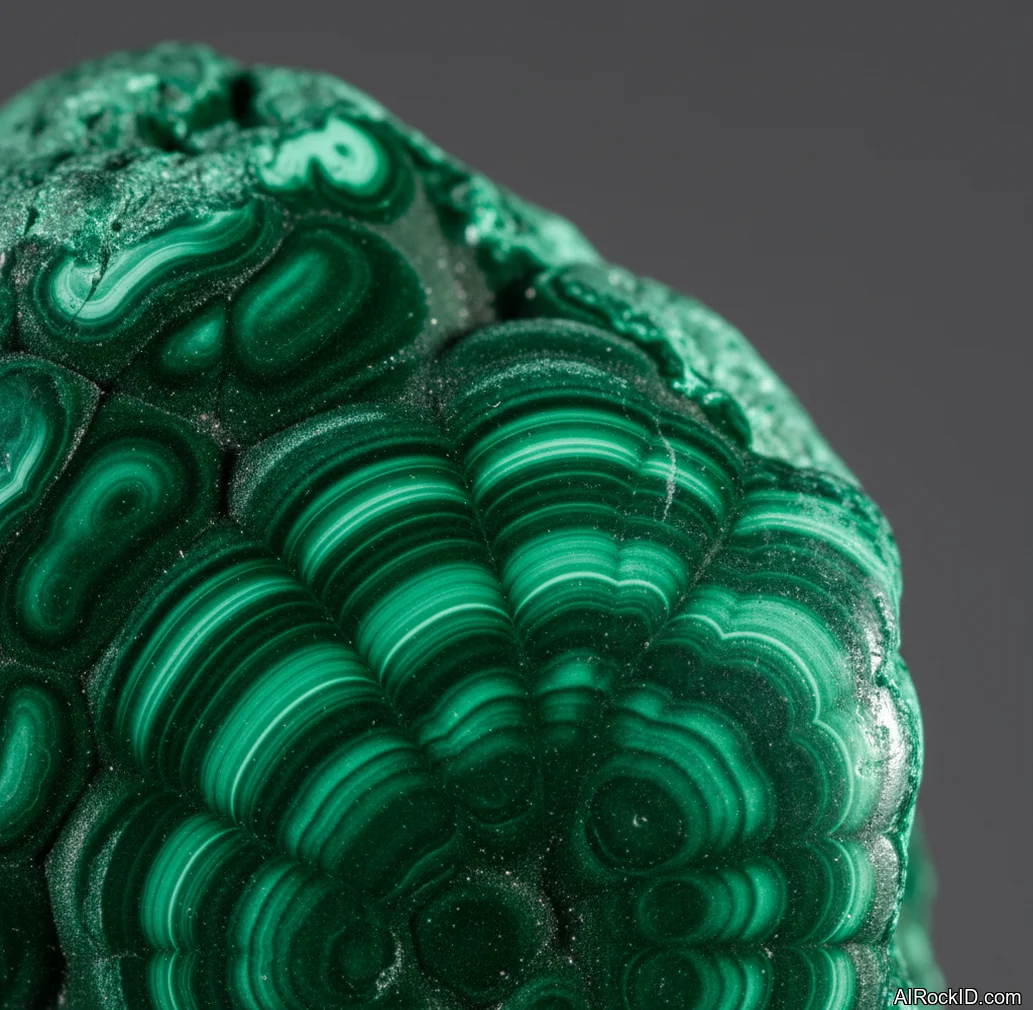
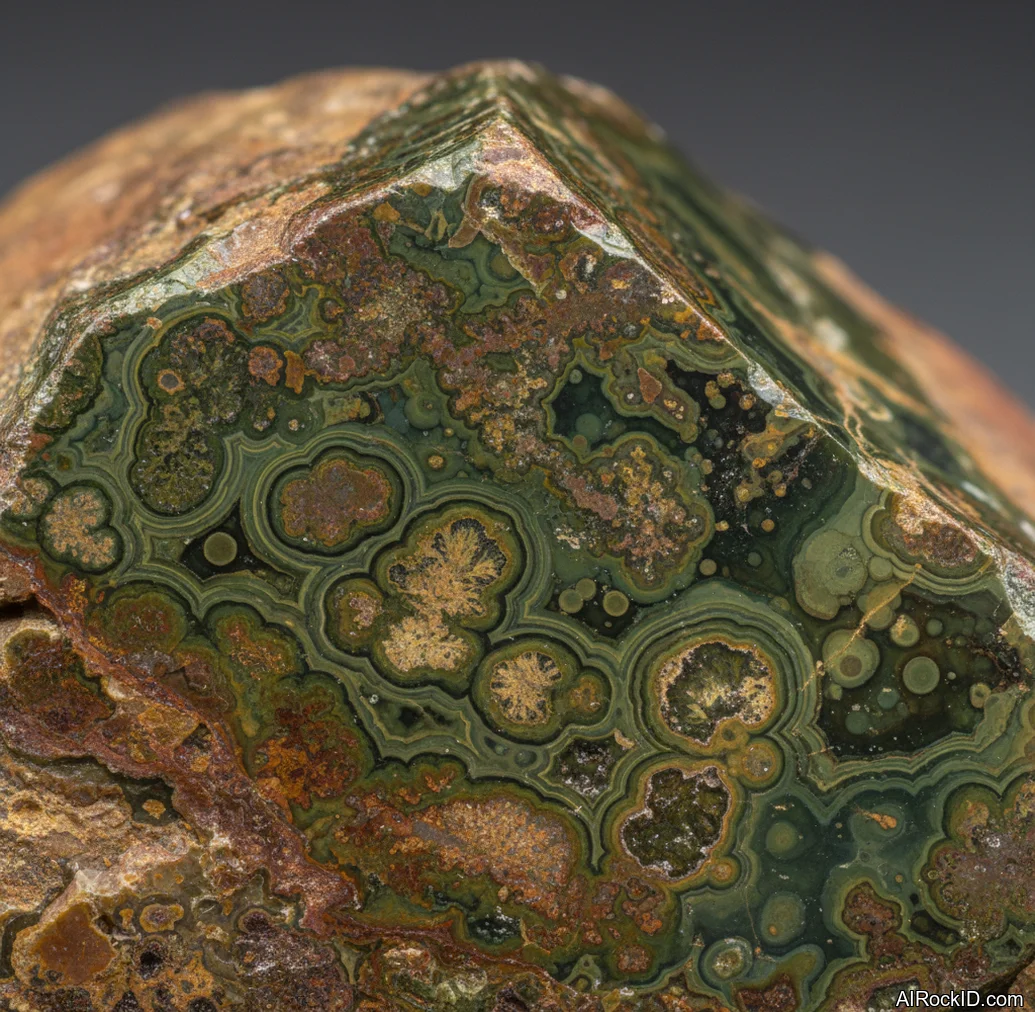
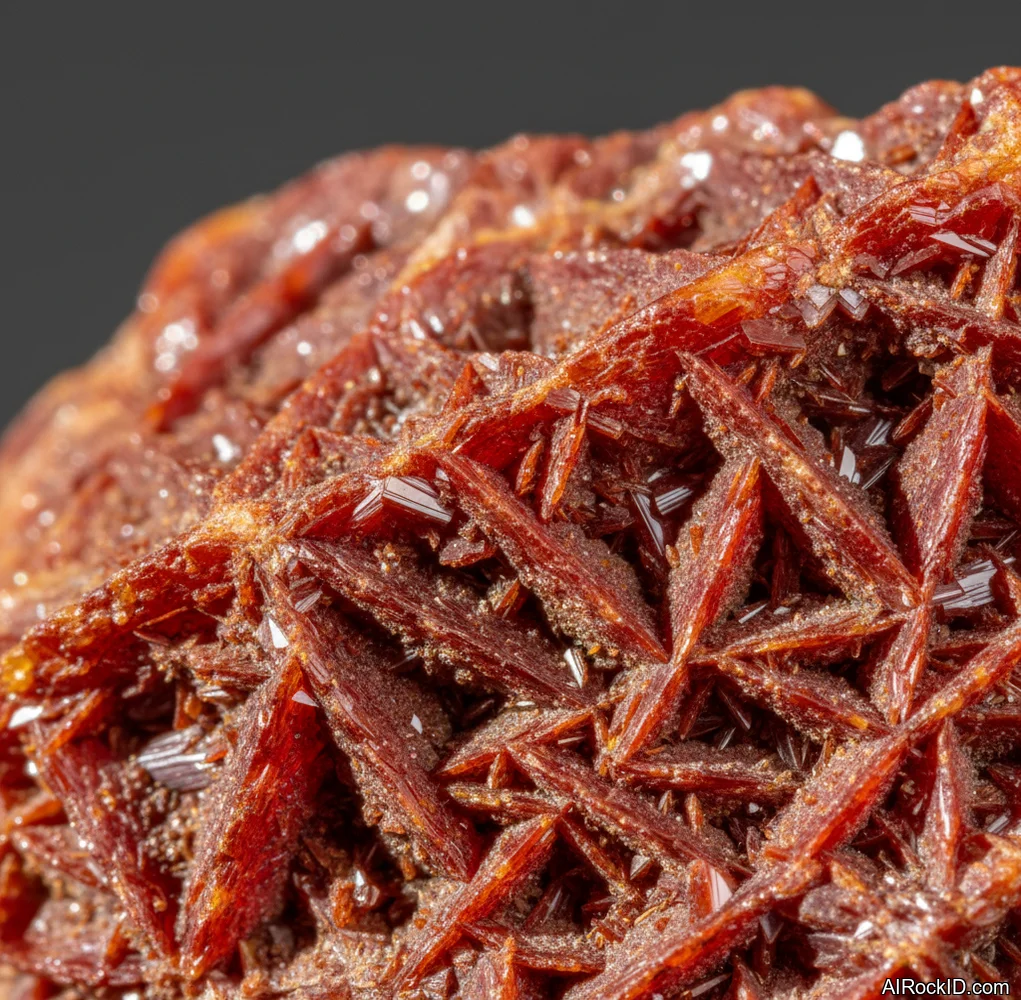
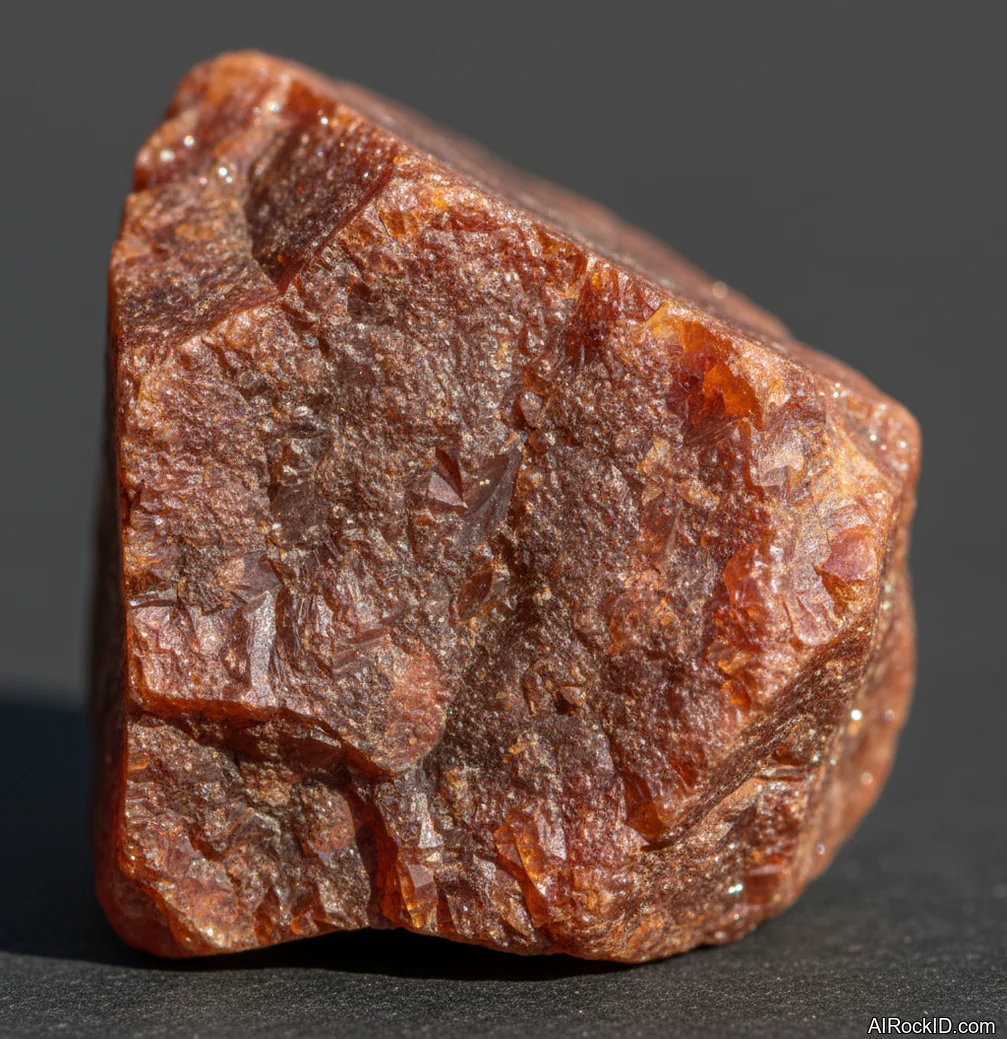
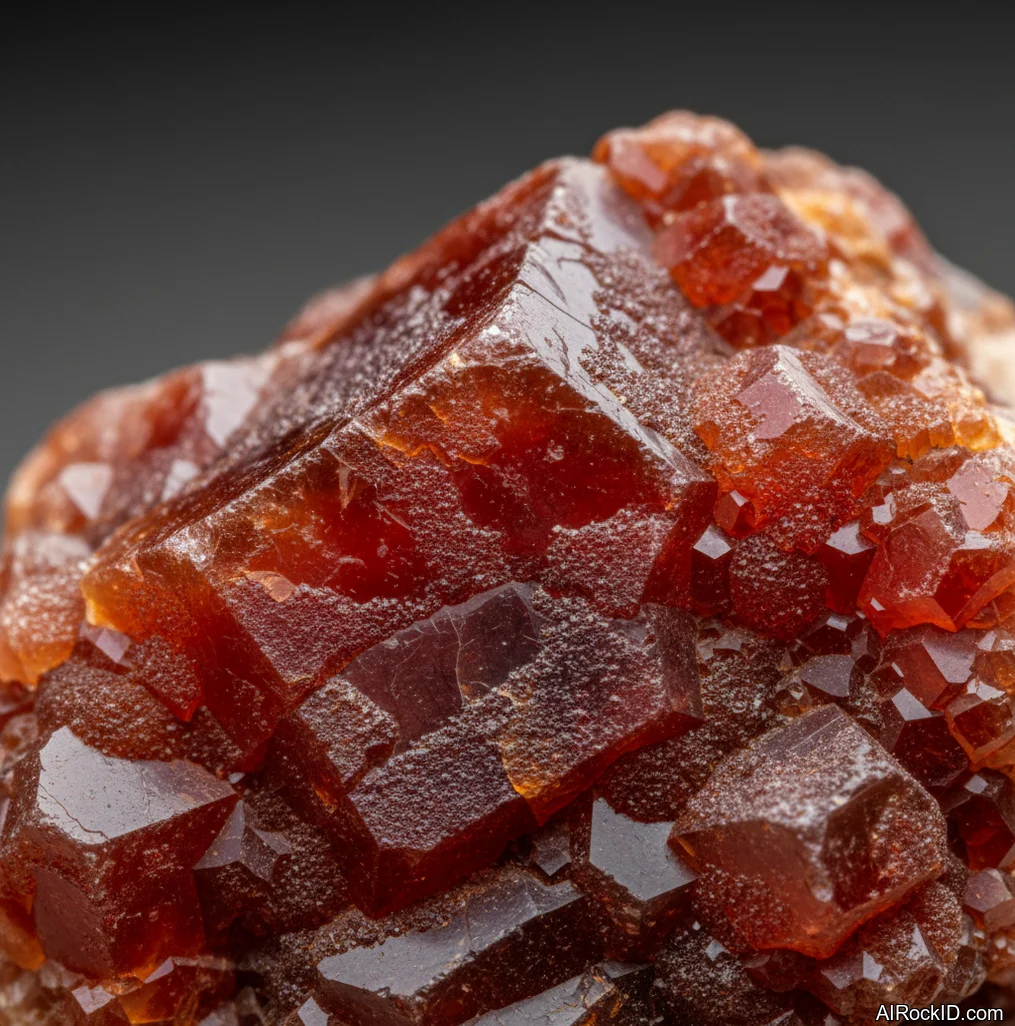
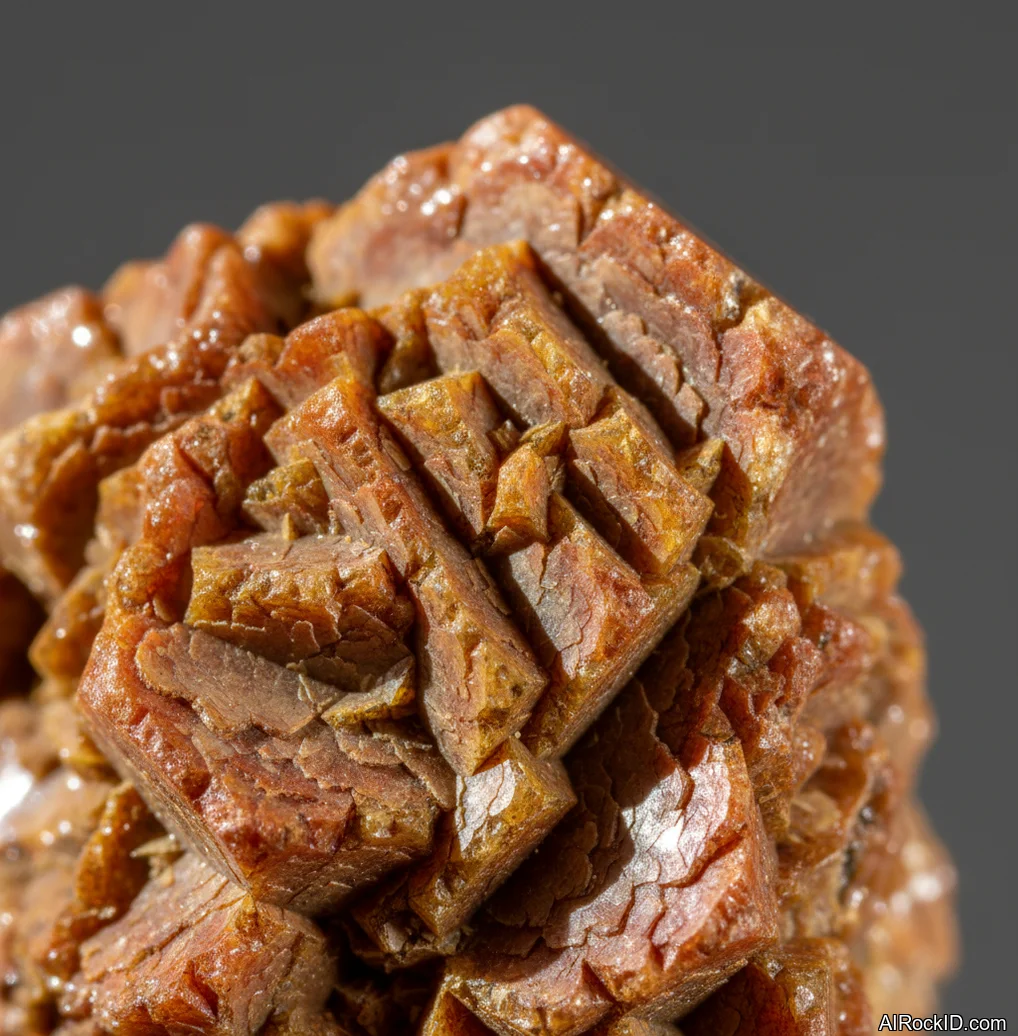
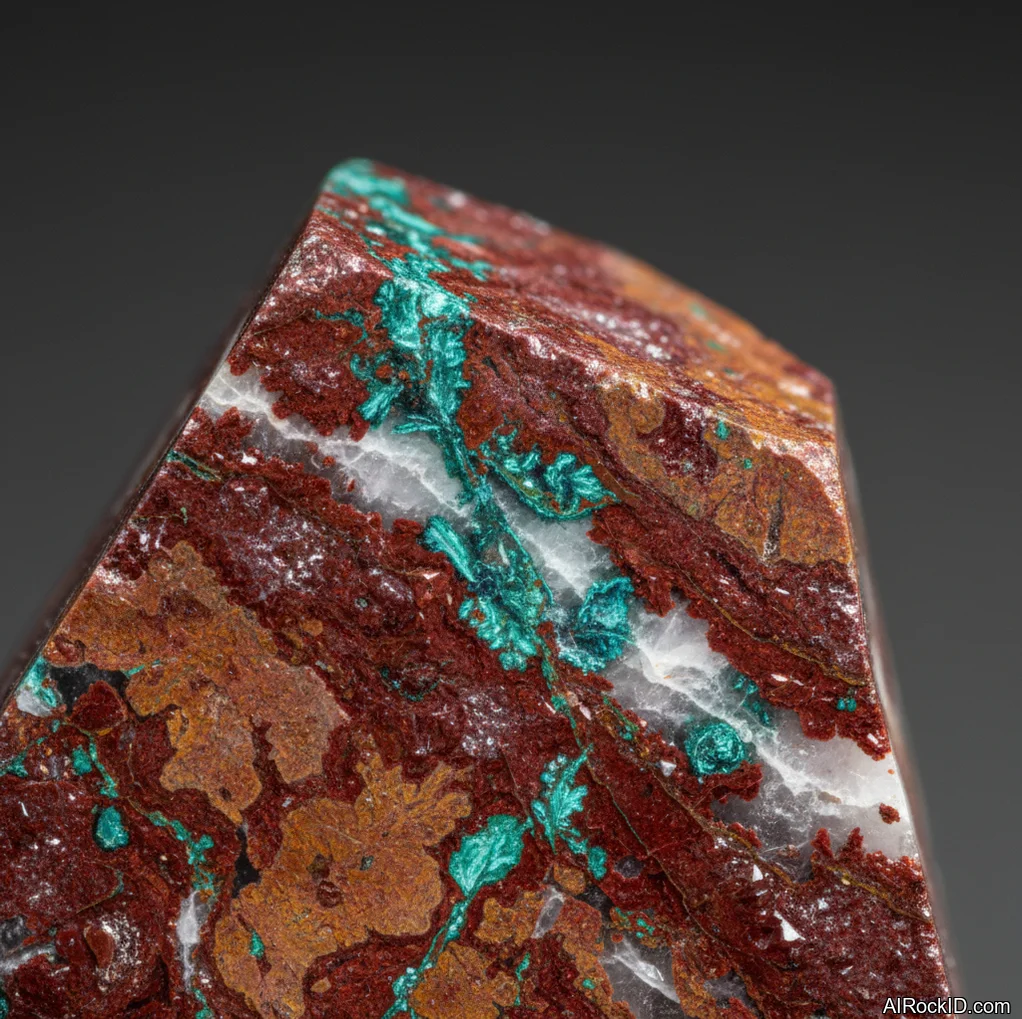
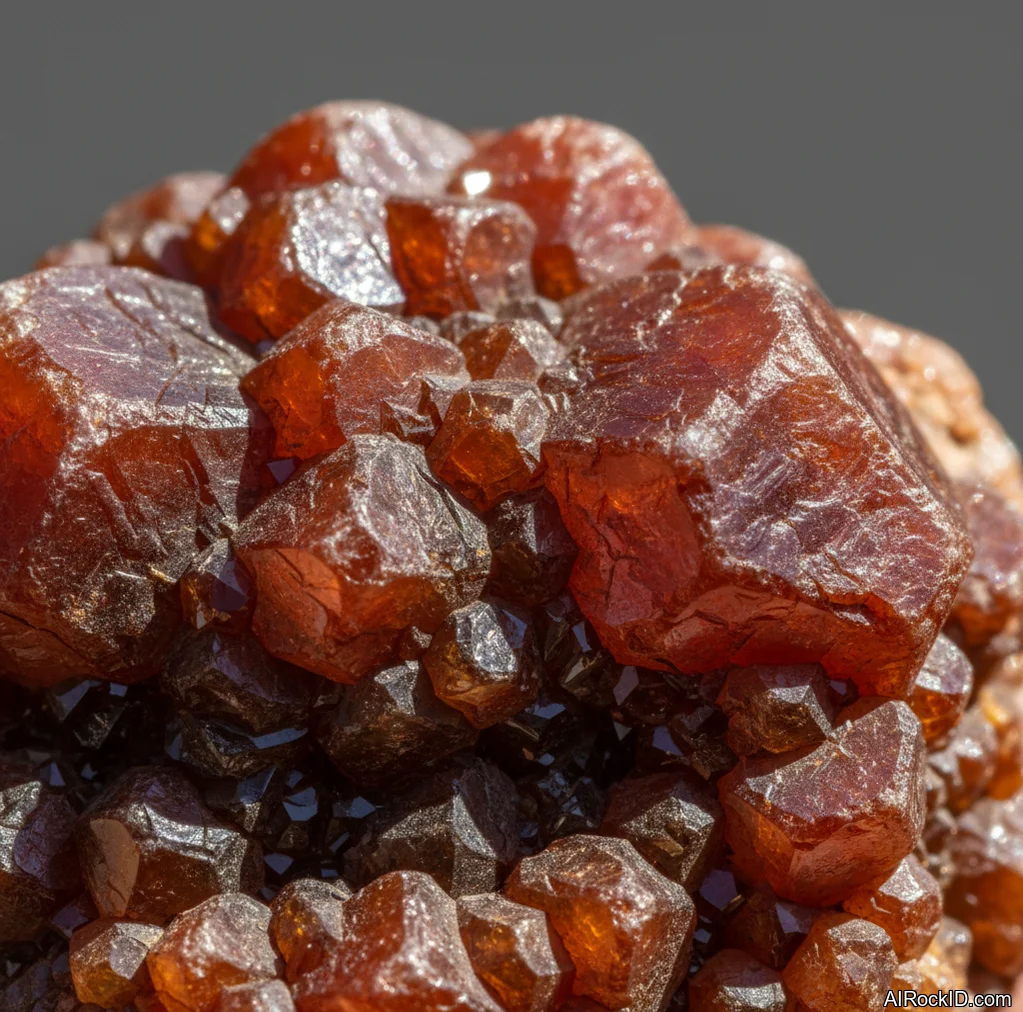
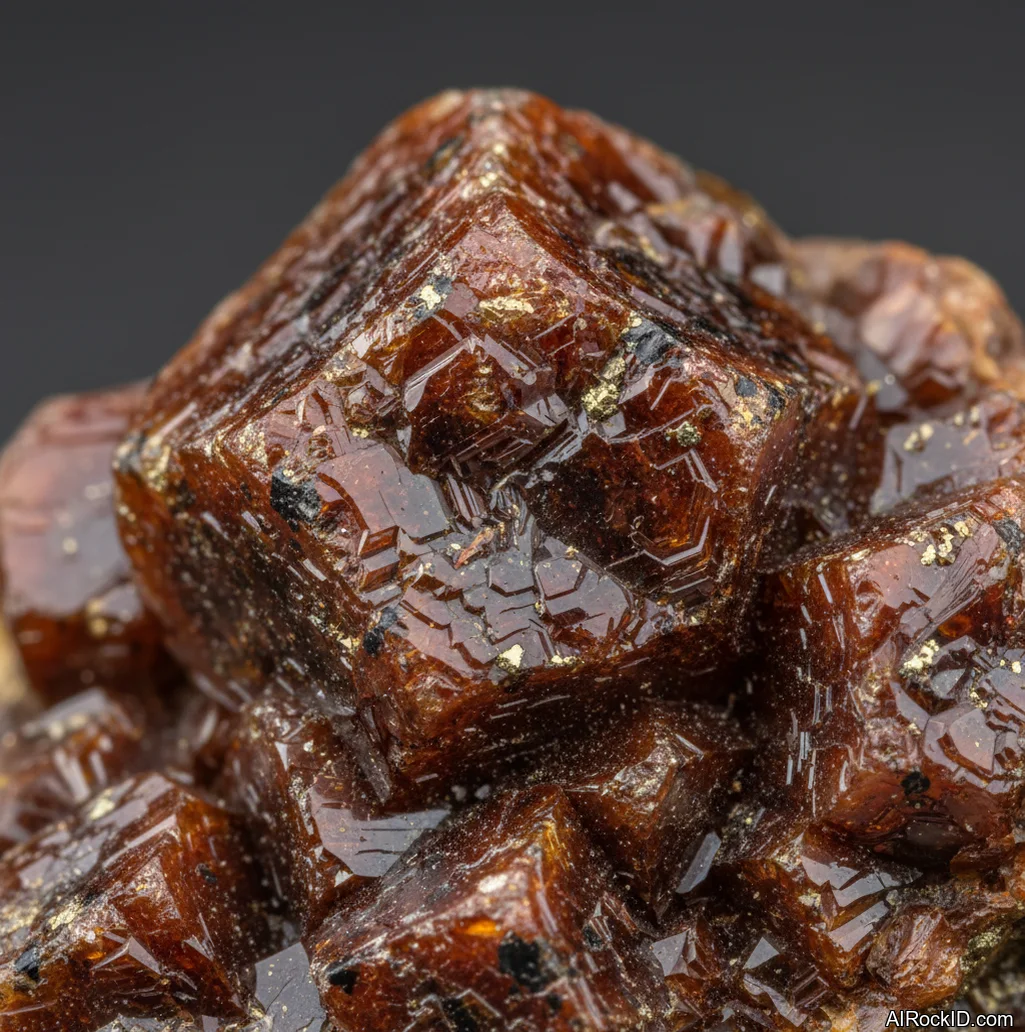
Many courage-associated stones are red, orange, gold, brown, or dark green in crystal traditions. These colors often come from iron oxides, chalcedony varieties, feldspar inclusions, or other mineral structures. Color can support a first impression, but mineral identity depends on multiple traits, not color alone.
What Courage Means in the Crystal World
Pick up a stone you trust and you feel it before you think. Some pieces sit heavy and steady in your palm, almost like a paperweight for your nervous system. That’s the vibe people are chasing when they look up Courage in crystal terms: staying present when your stomach drops, taking the next step even if you don’t know how it’ll go, and holding your ground without turning into a brick. In the crystal world, Courage isn’t acting fearless. It’s more like momentum—a push to get out of your head and do the thing. Stones linked to Courage usually feel warming, grounding, and blunt in a good way. They’re the ones that bump you out of the mental loop and into real action.
Physical Properties of Top Courage Crystals
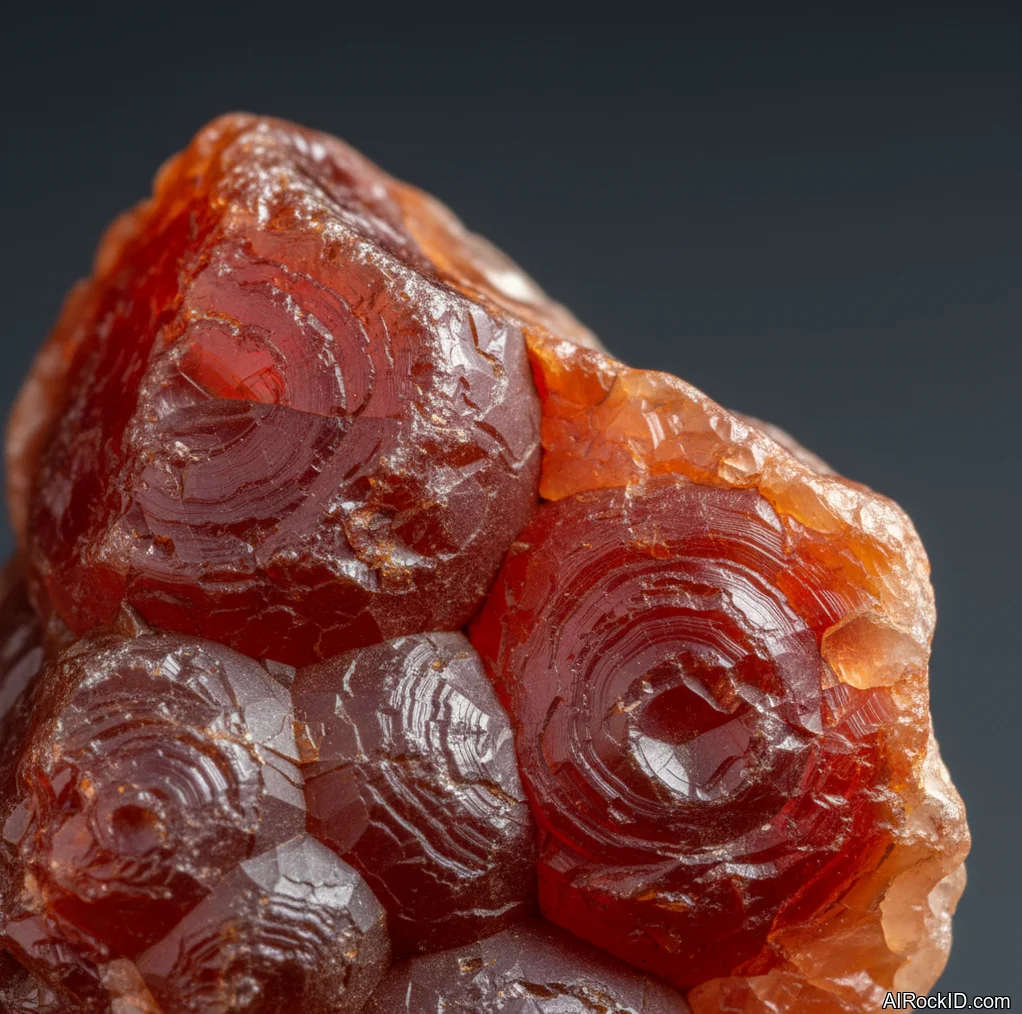
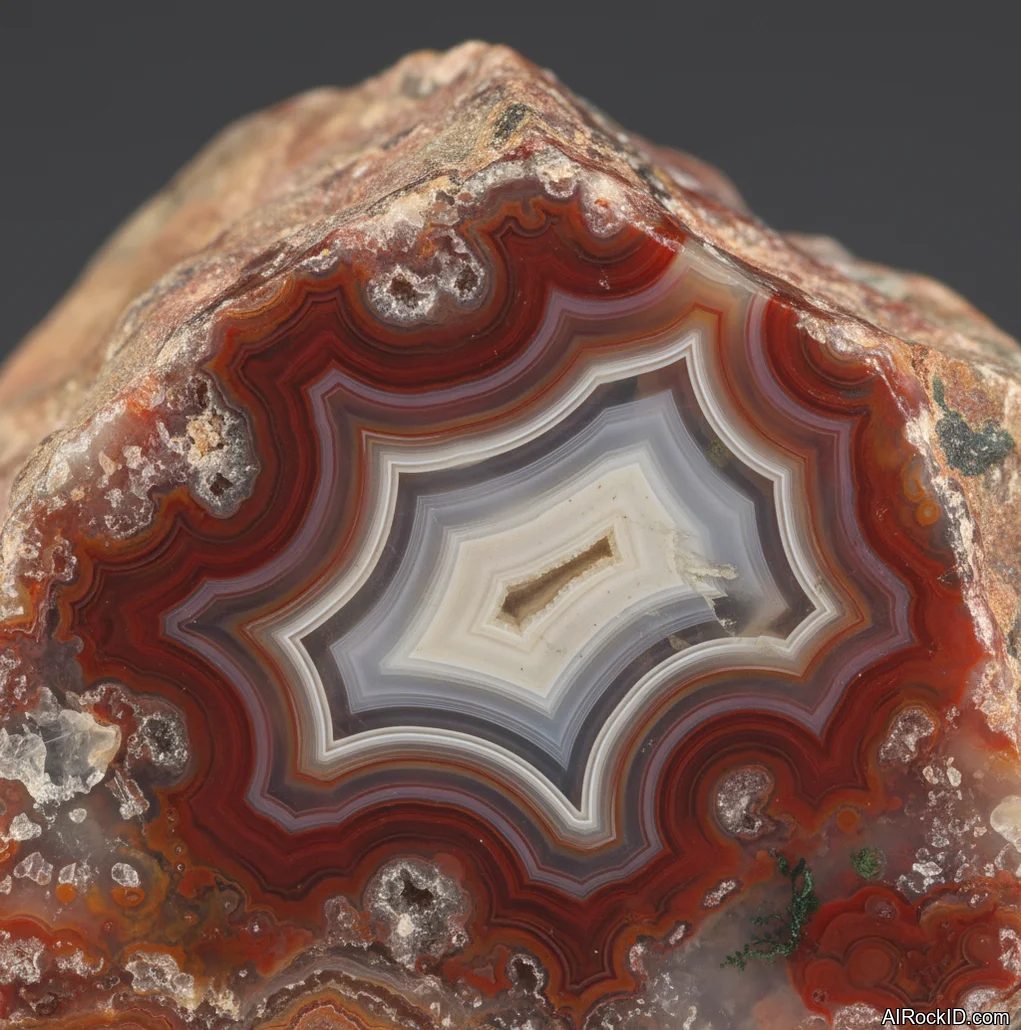
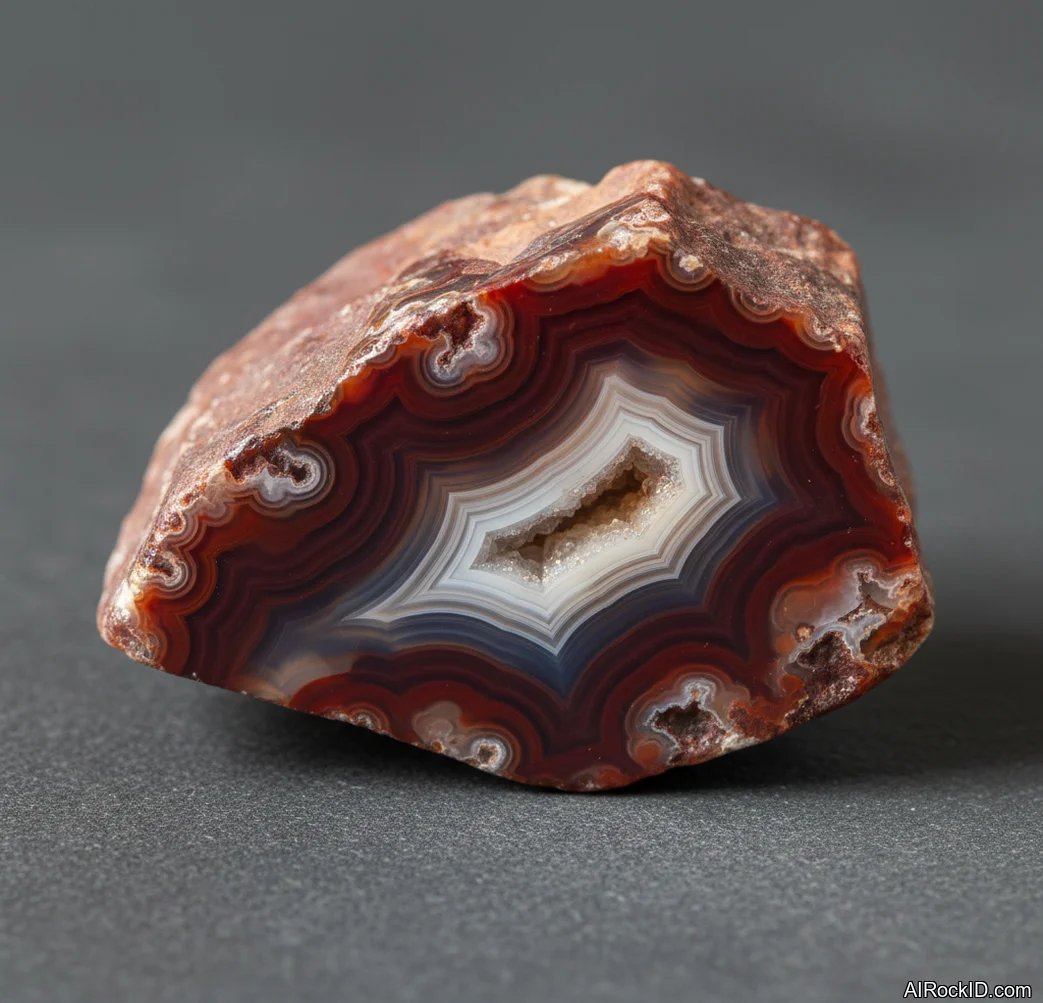
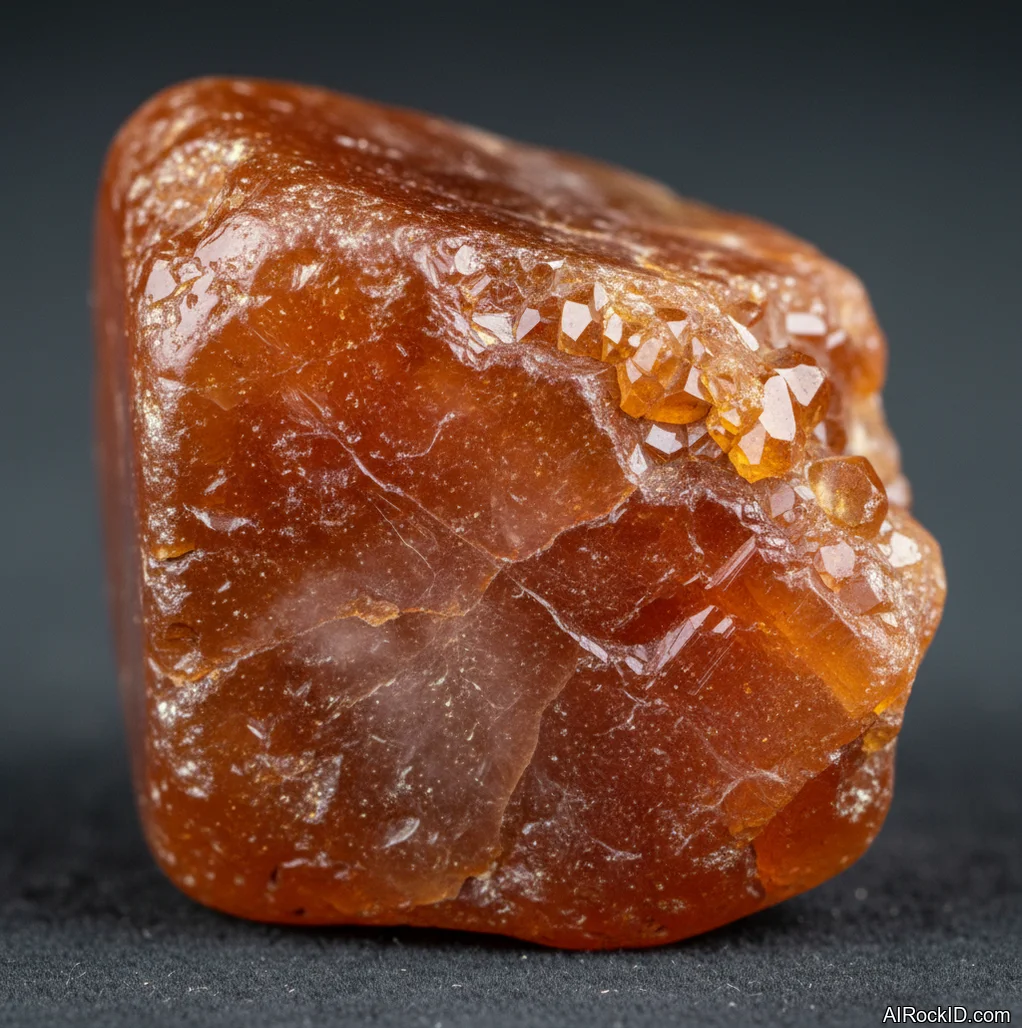
Carnelian shows up constantly when people talk about Courage. Good carnelian isn’t just flat orange. The best pieces have that orange-red glow, like they’re holding a low flame inside. Look for ones with cloudy bands, a hint of milkiness, and sometimes little speckles of iron. When I’m sorting bowls of tumbled carnelian in a shop, the stones with the most 'courage' appeal are heavier, denser, and start out cool in your hand before they warm up. Tiger’s Eye is another classic for Courage. The chatoyancy is the giveaway—a silky flash that moves when you tilt it under the light. It’s hard to stay scattered while you’re focused on that shifting line. People pick these stones for their physical presence as much as their look.
Courage Stones for Real-Life Tough Spots
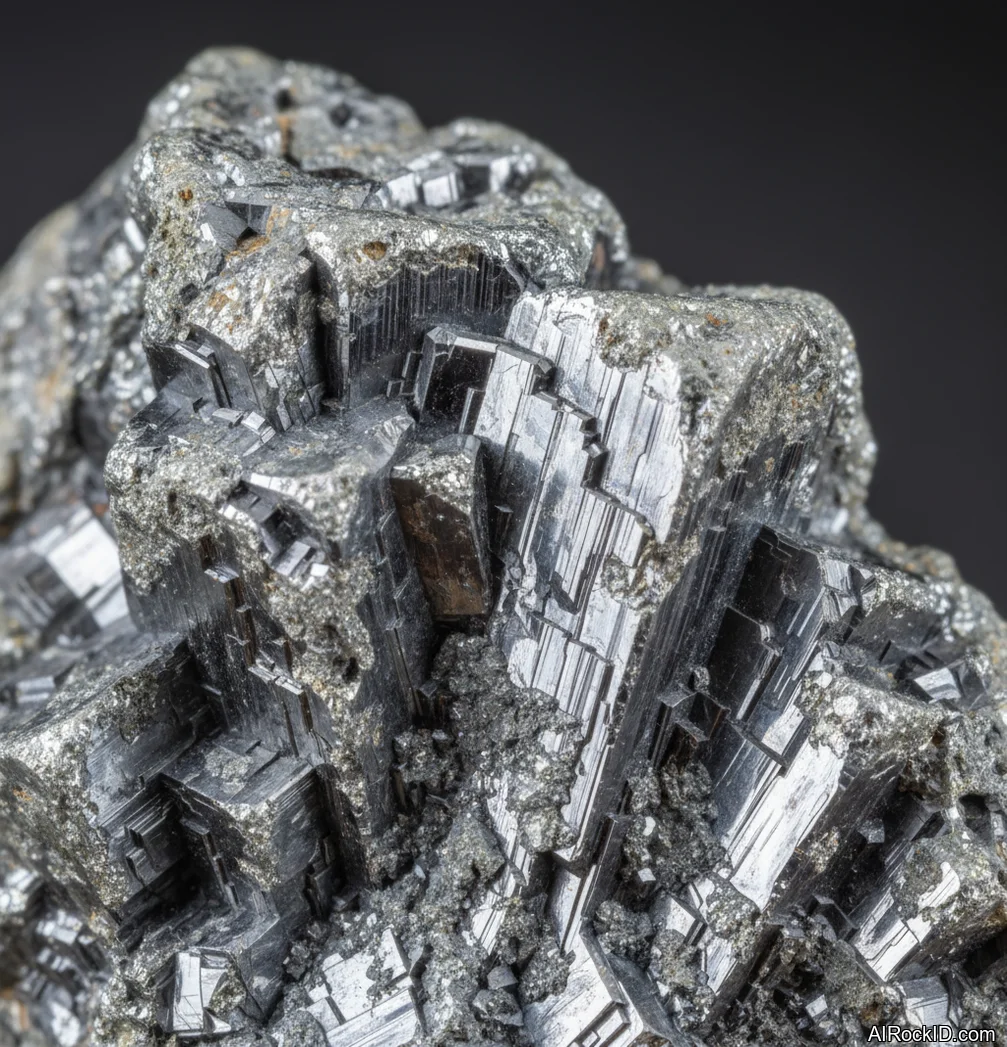
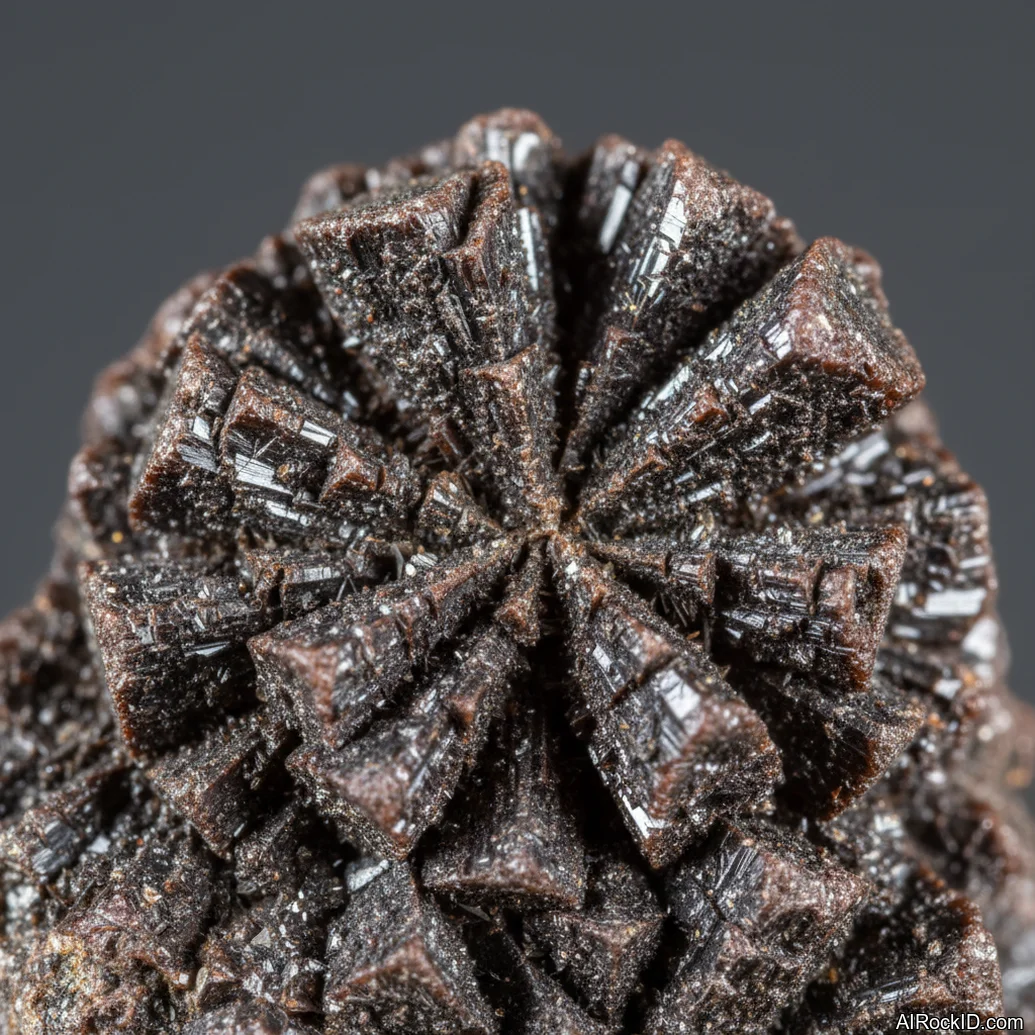
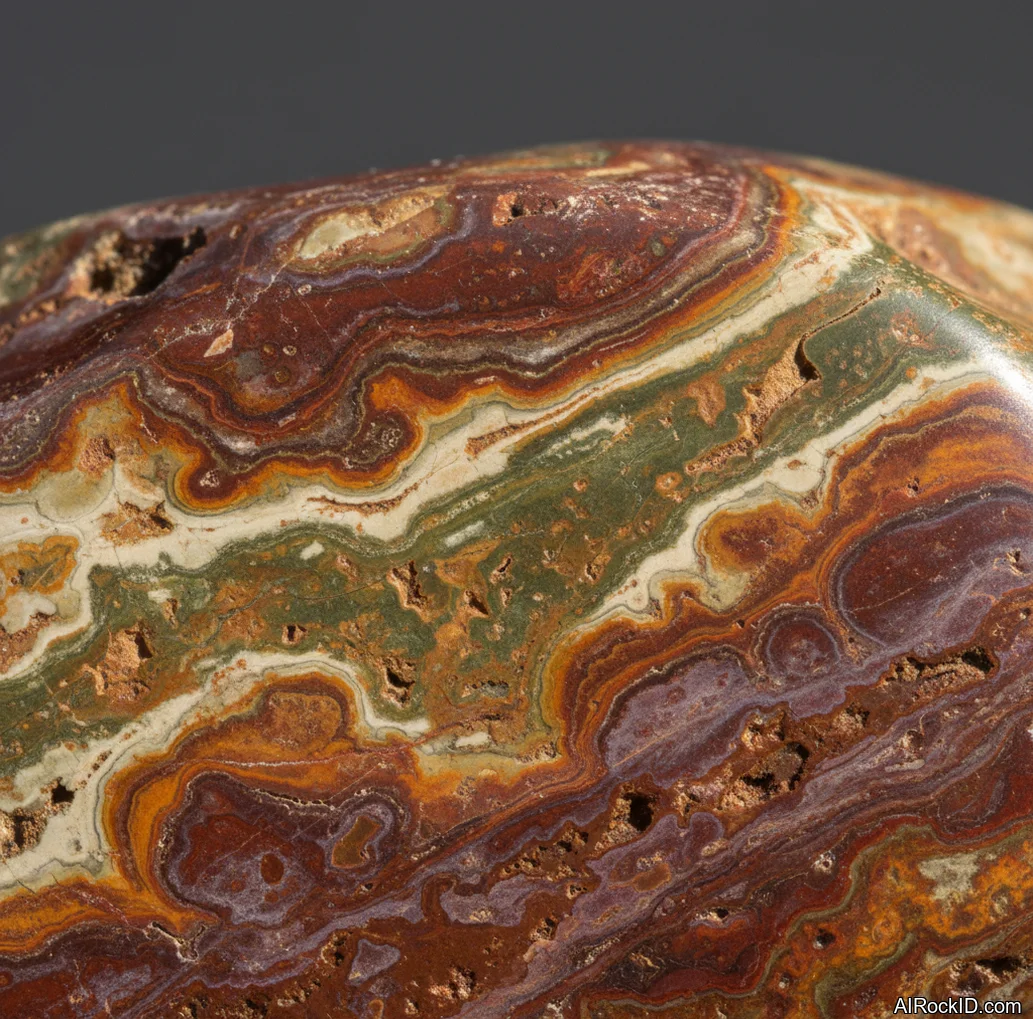
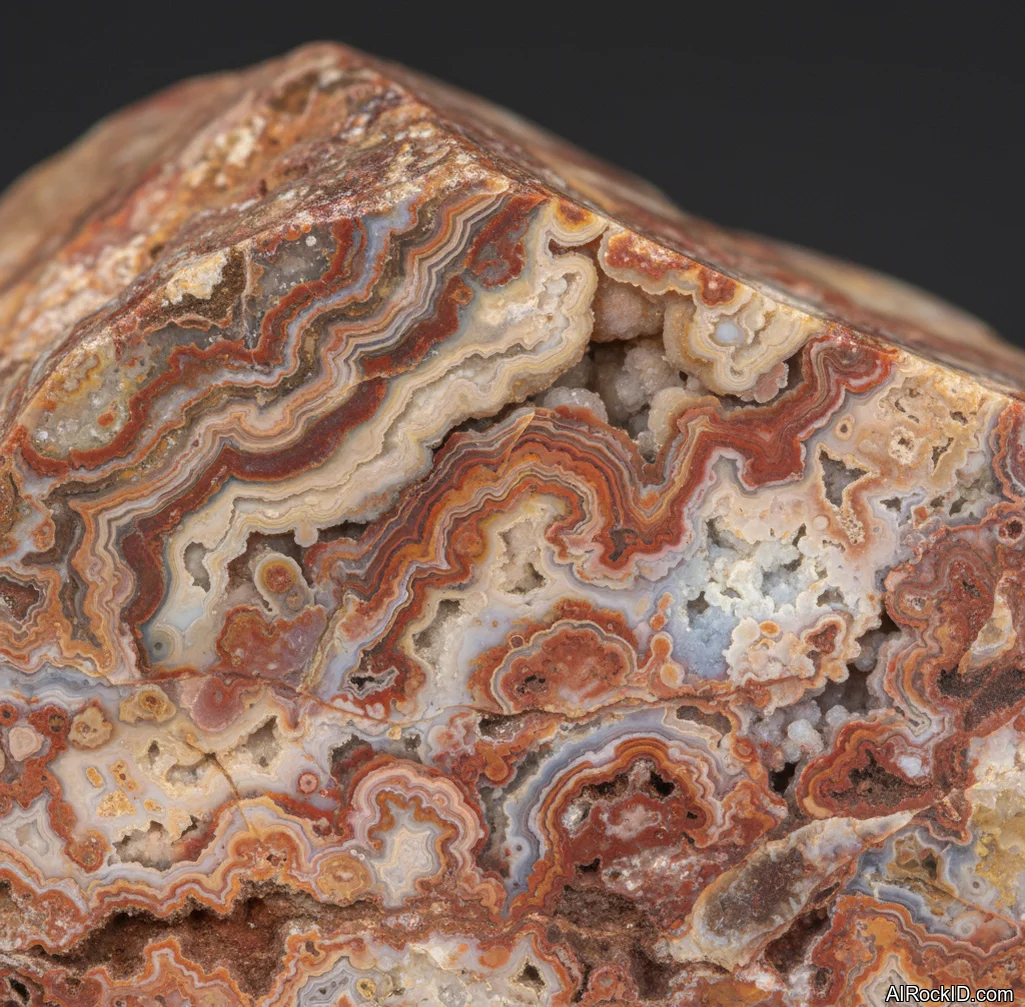
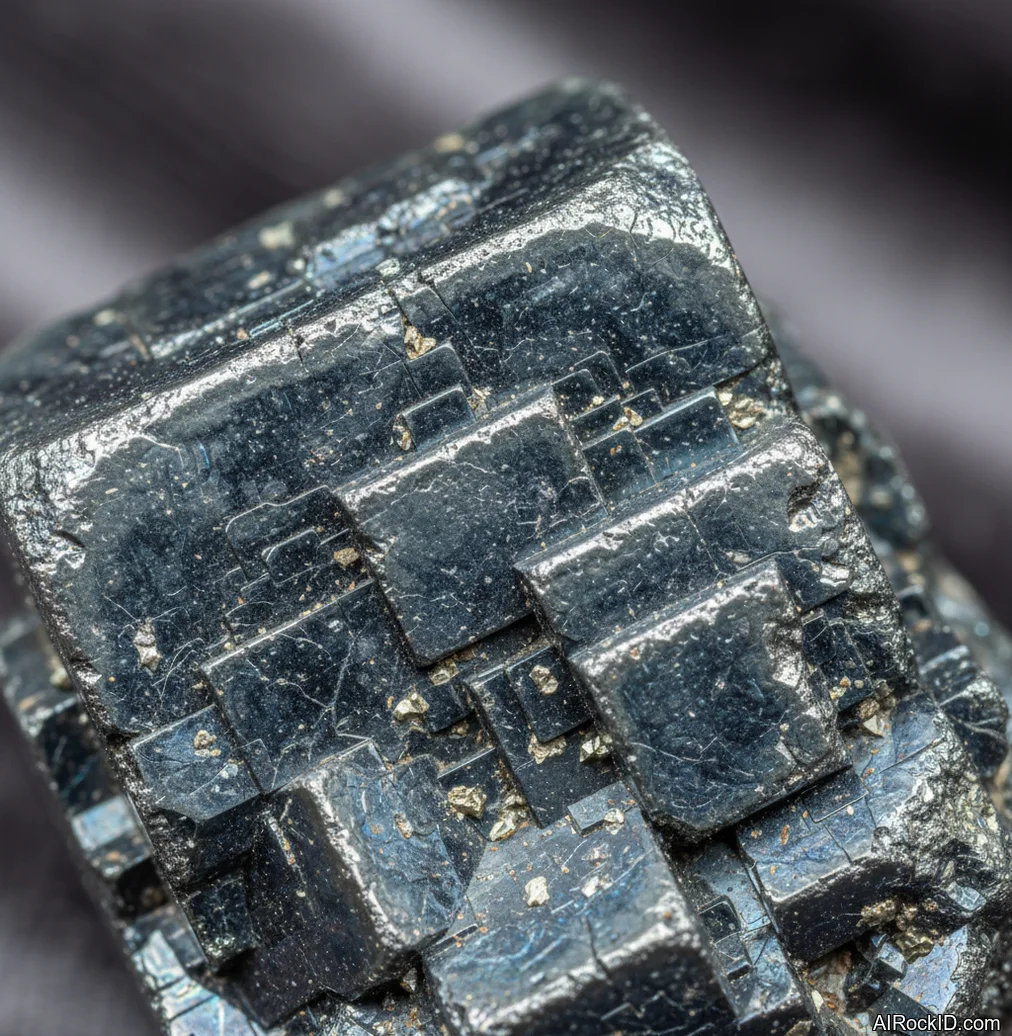
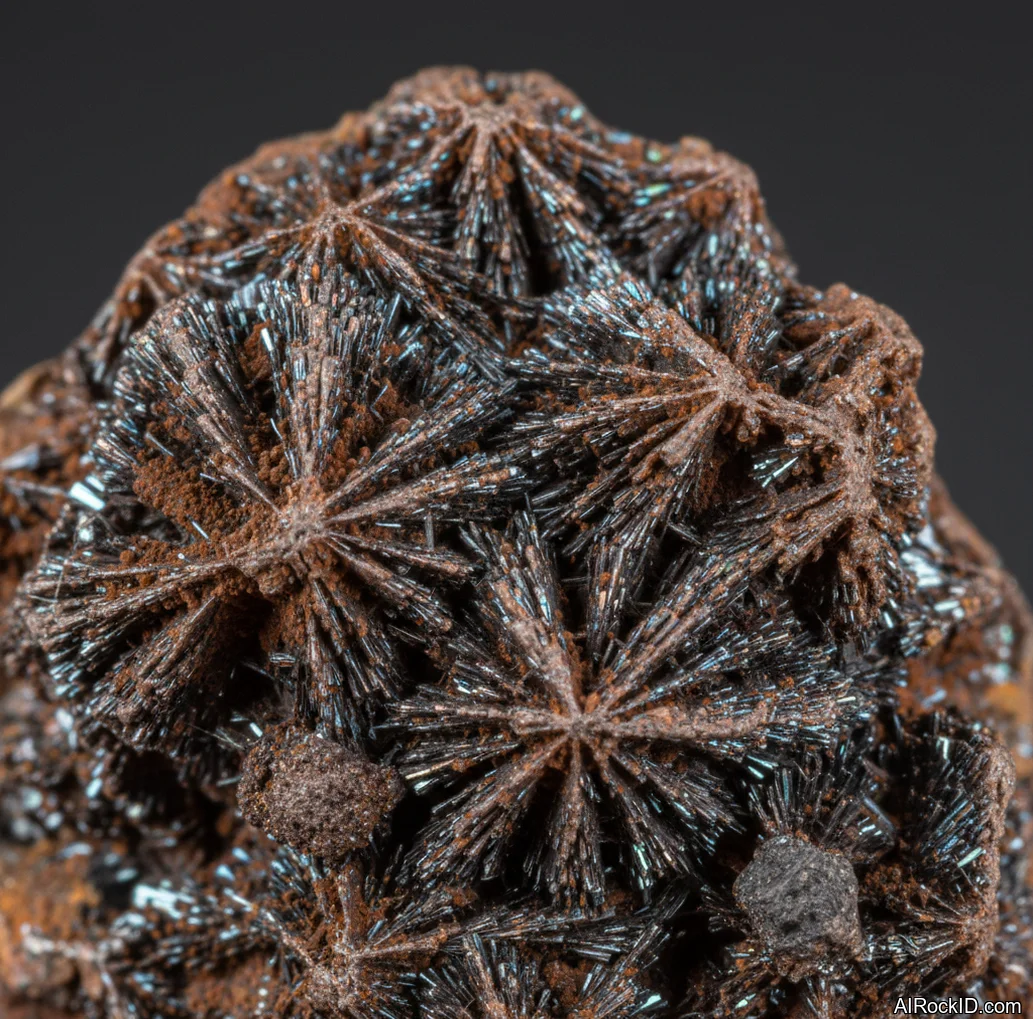
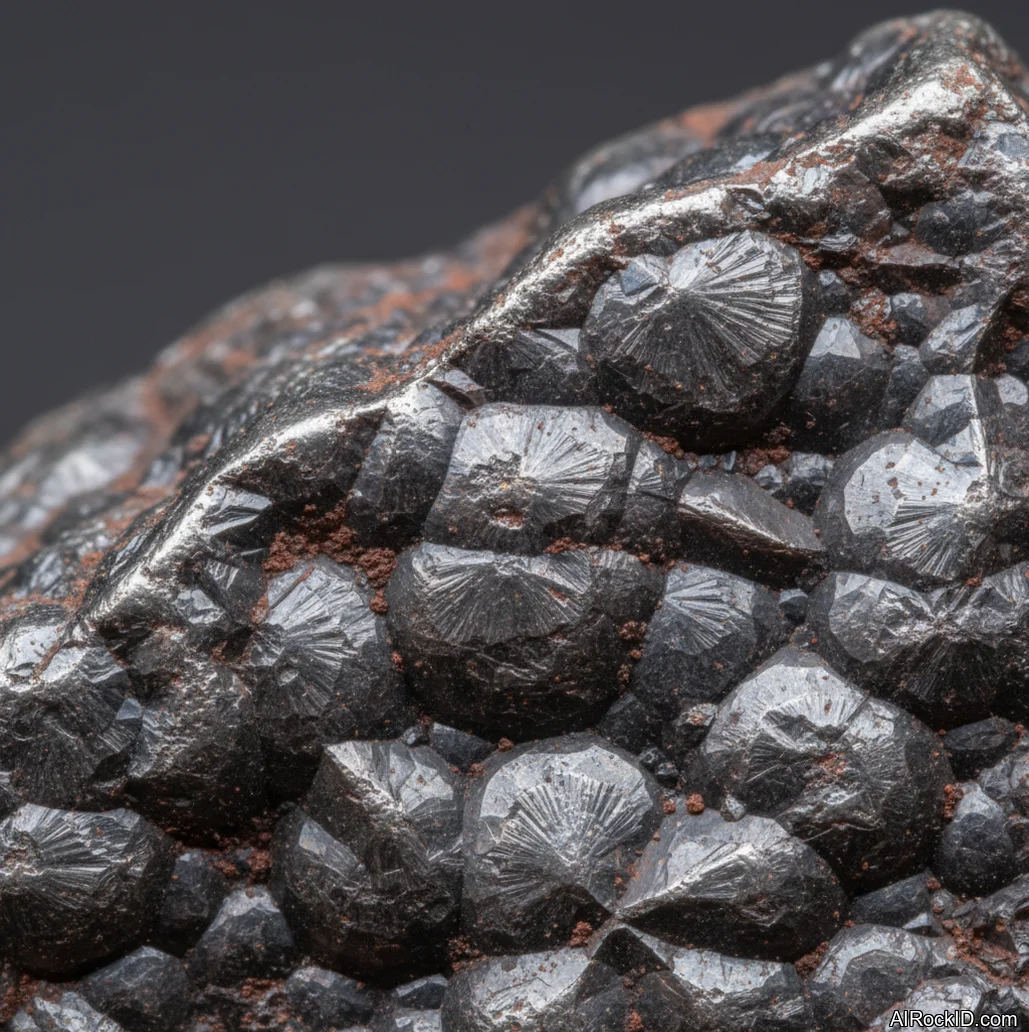
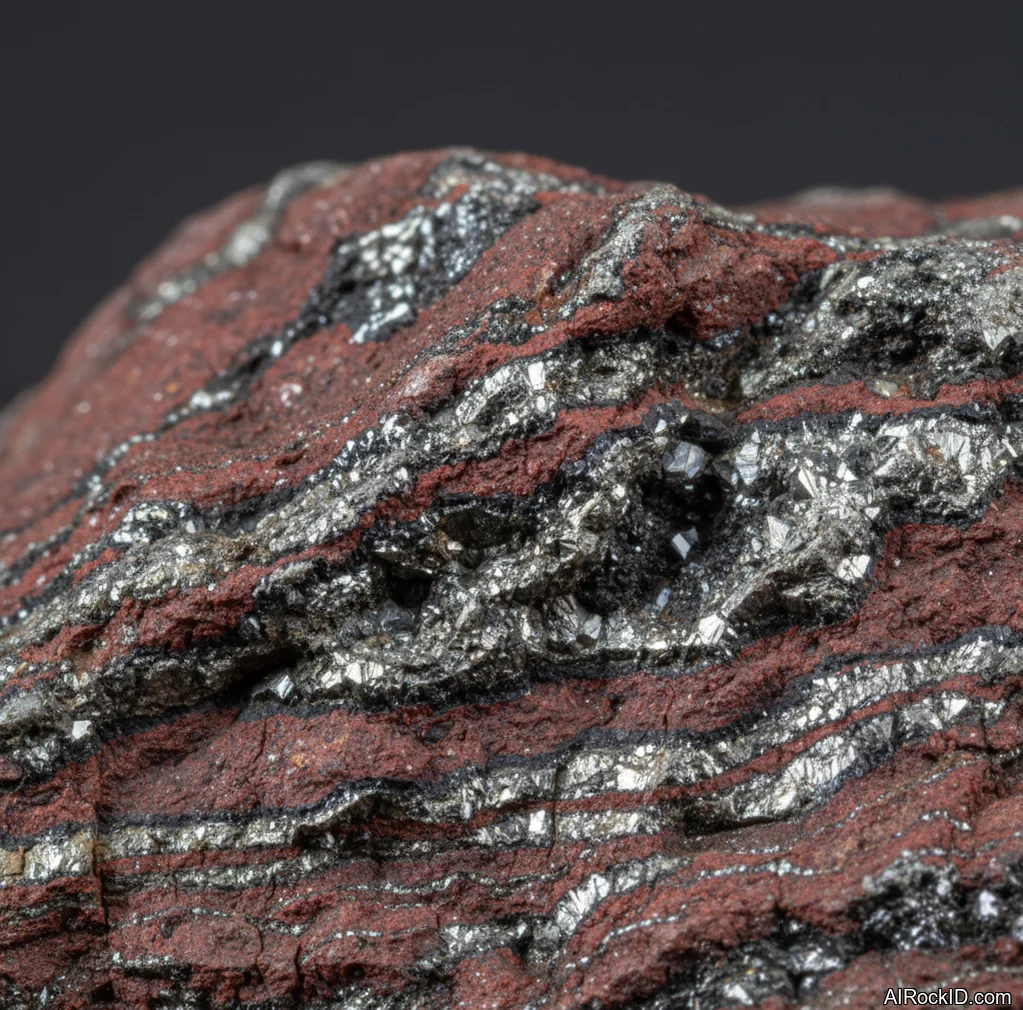
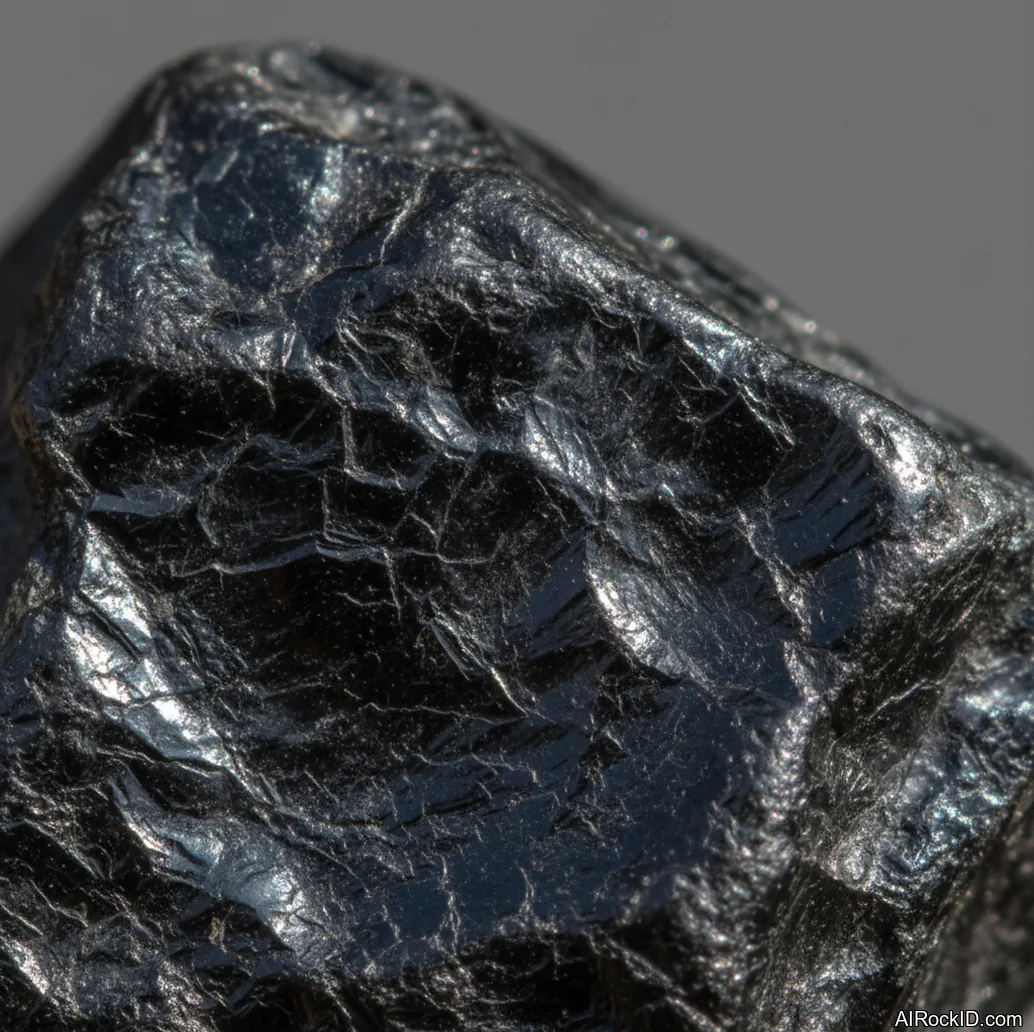
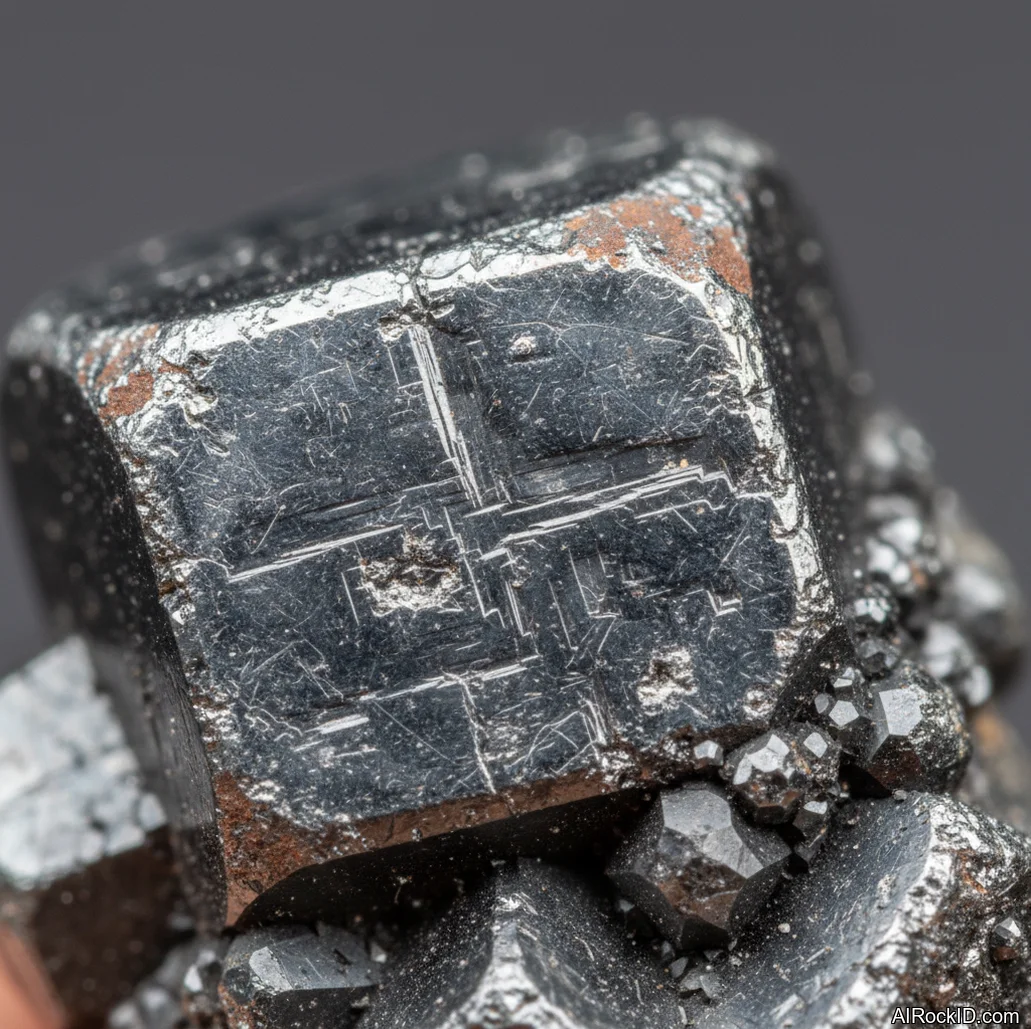
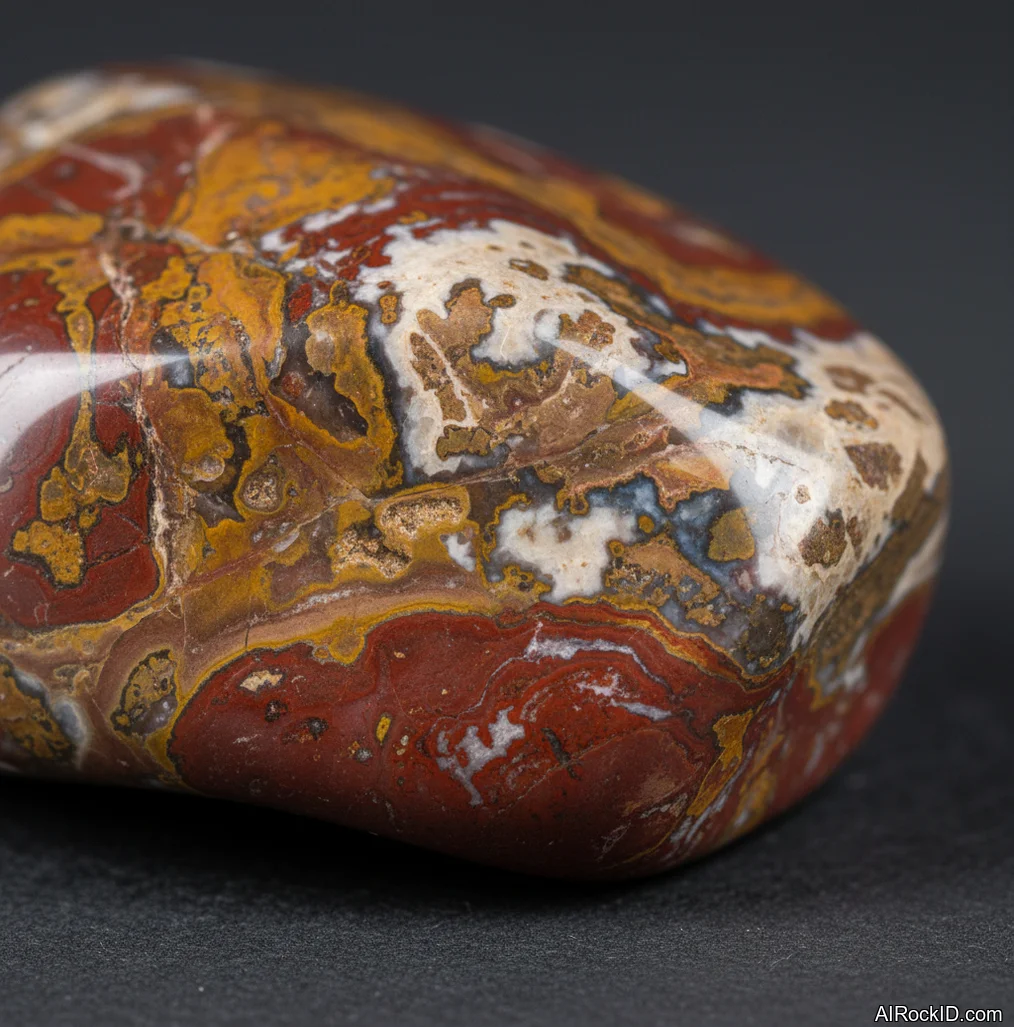
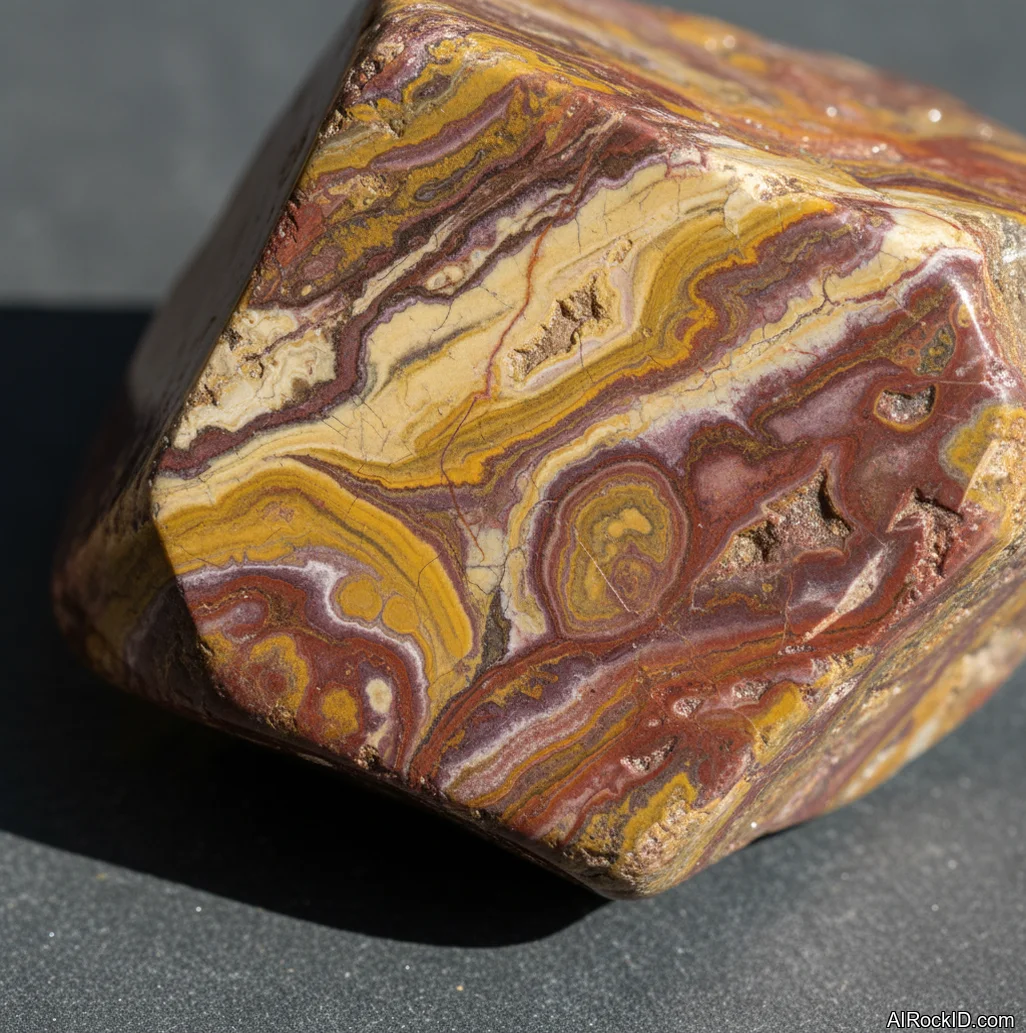
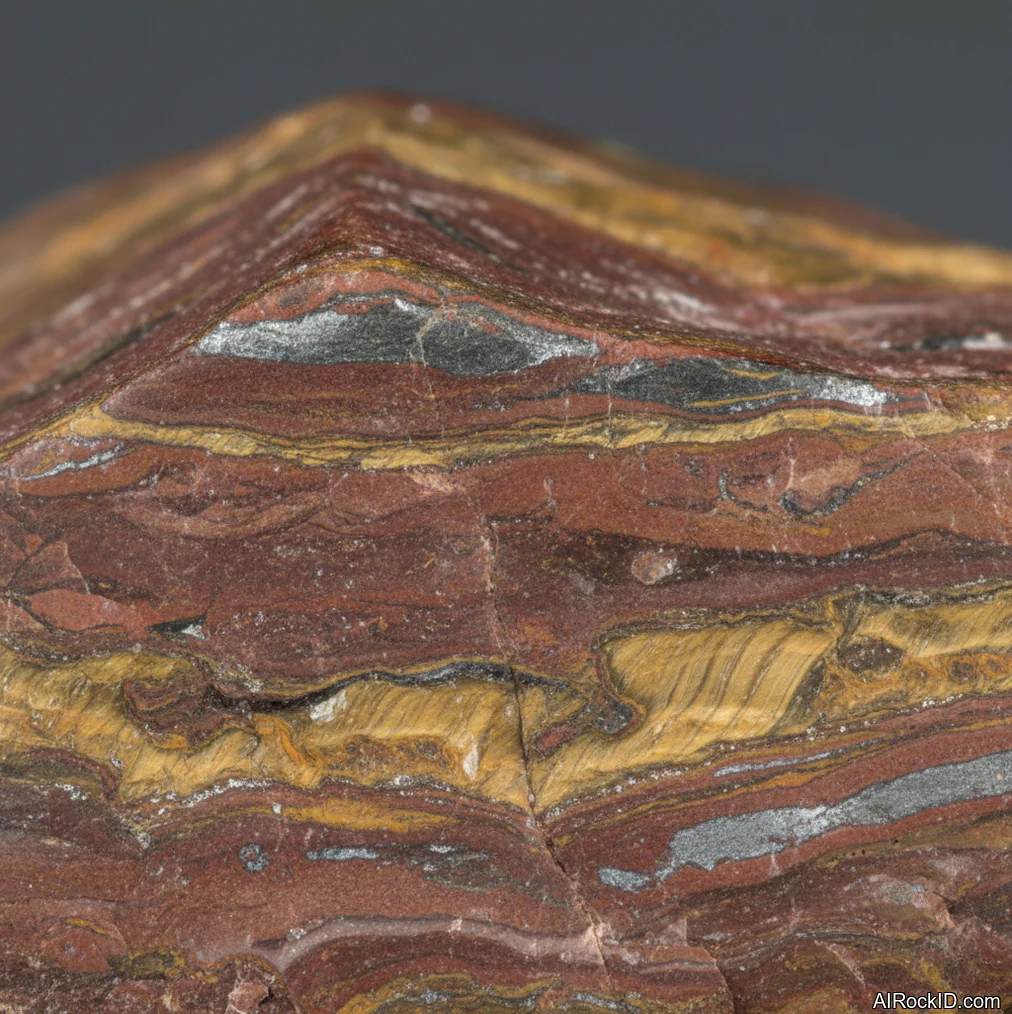
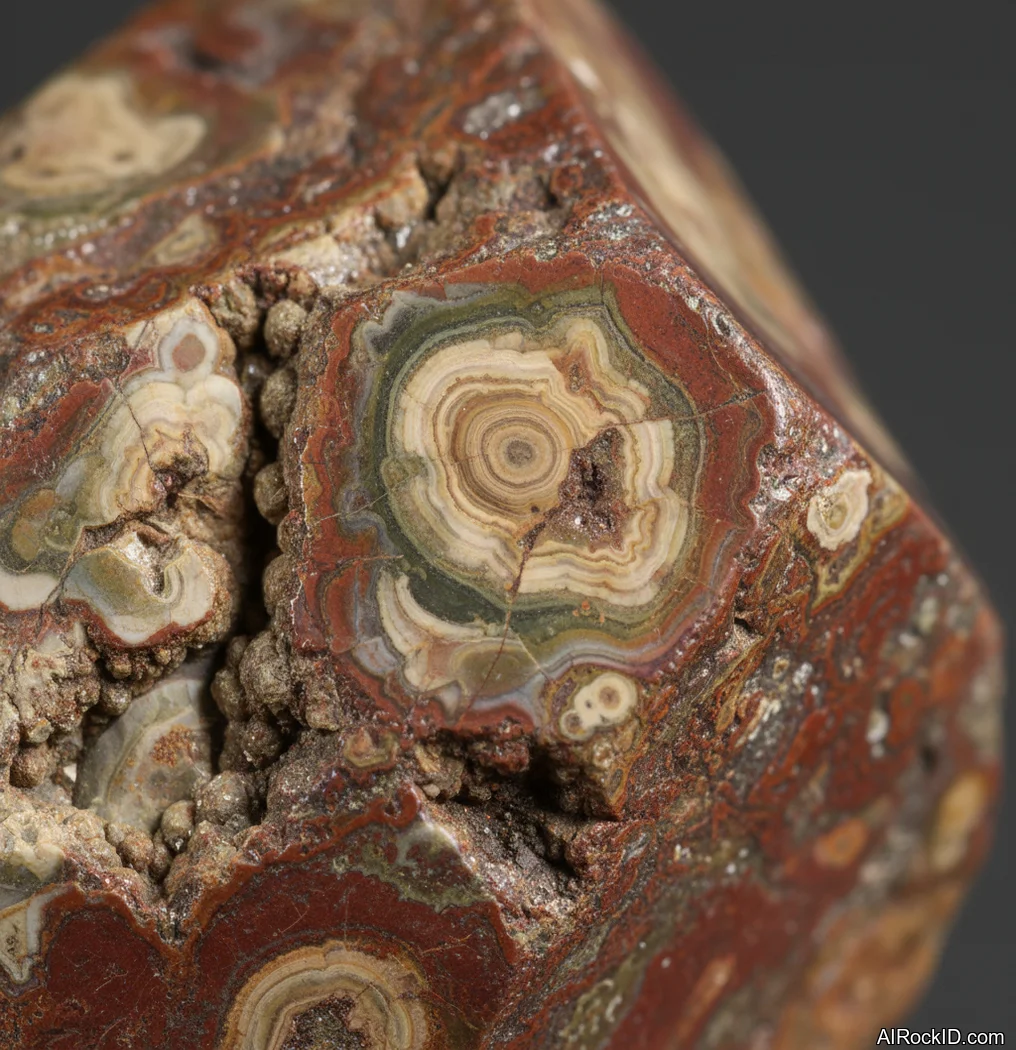
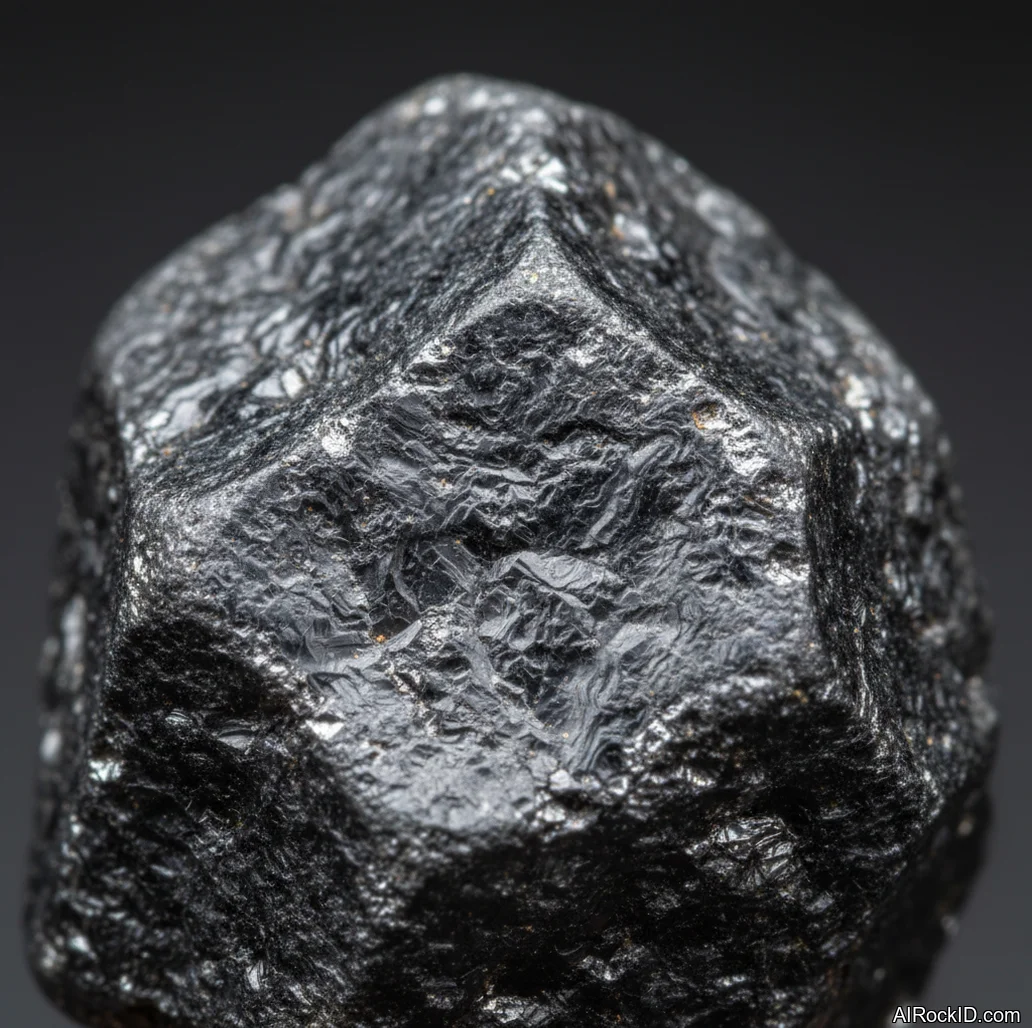
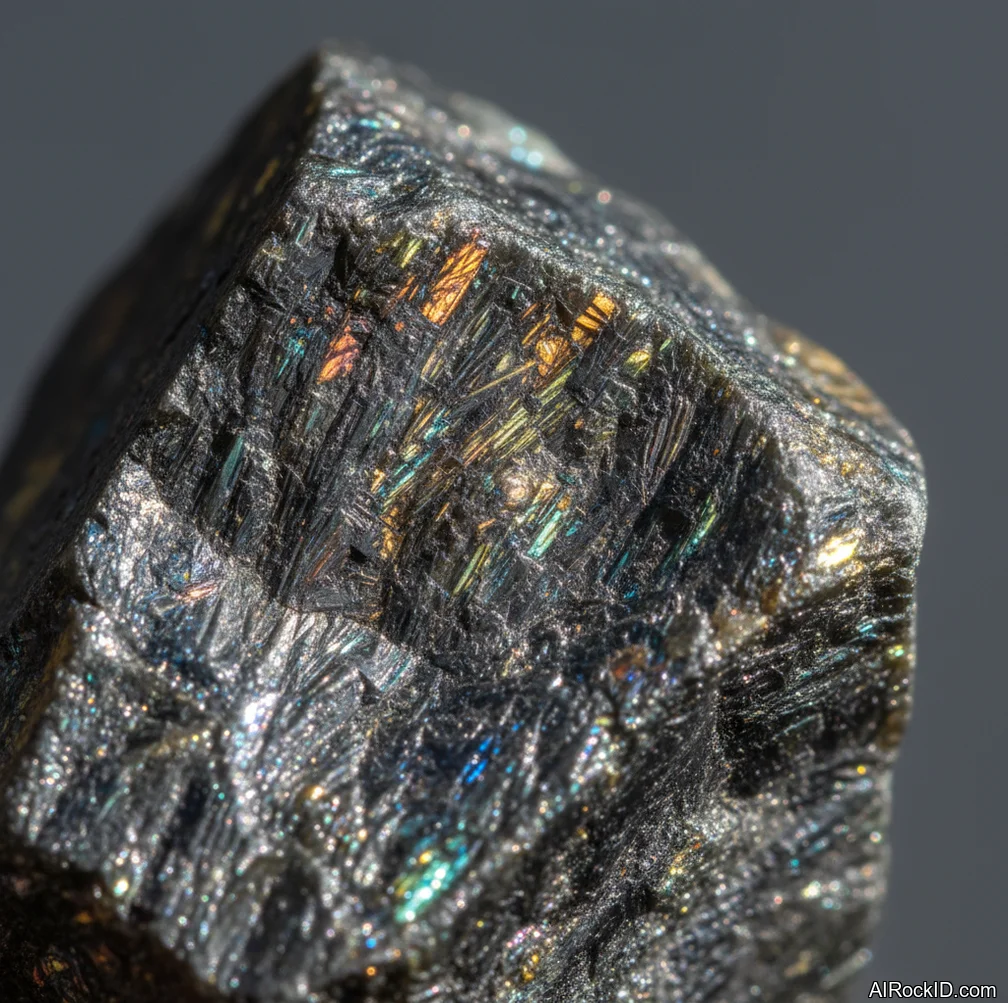
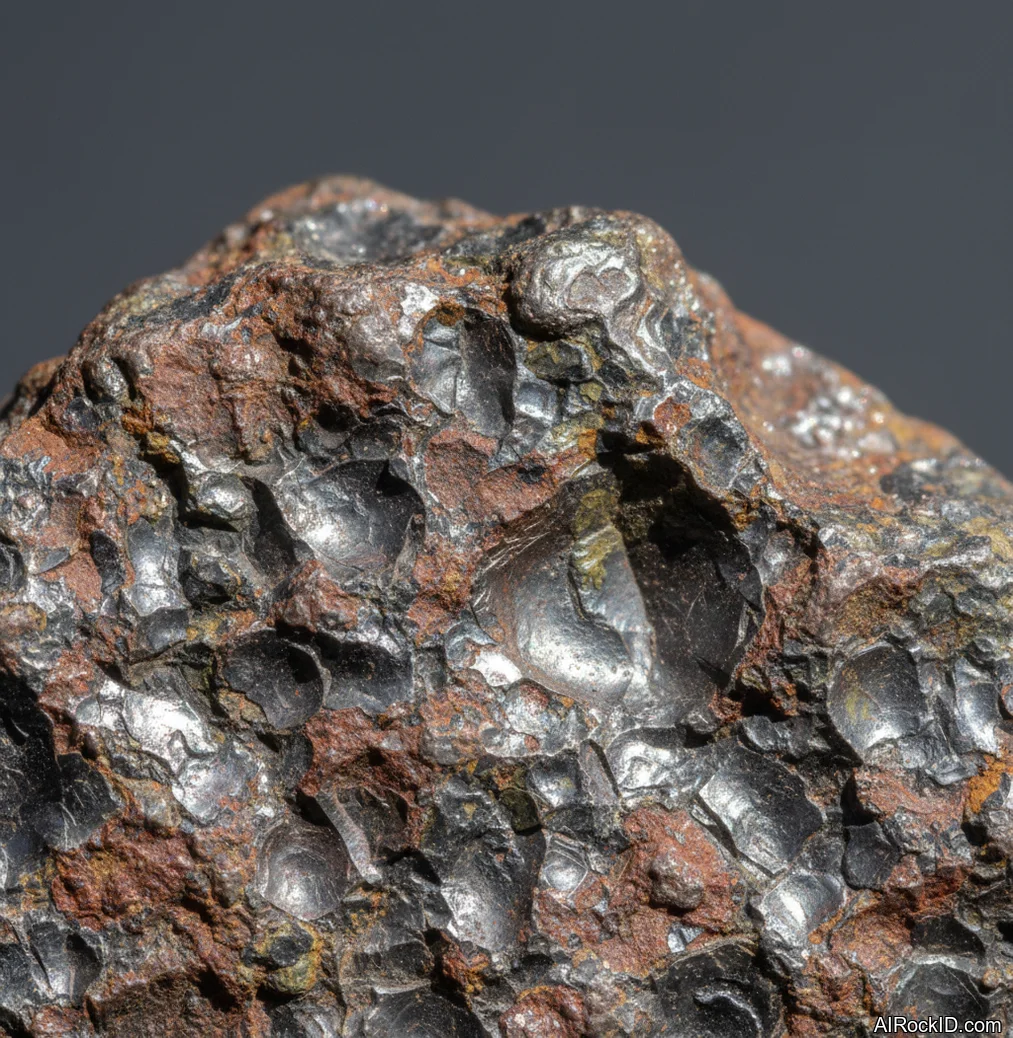
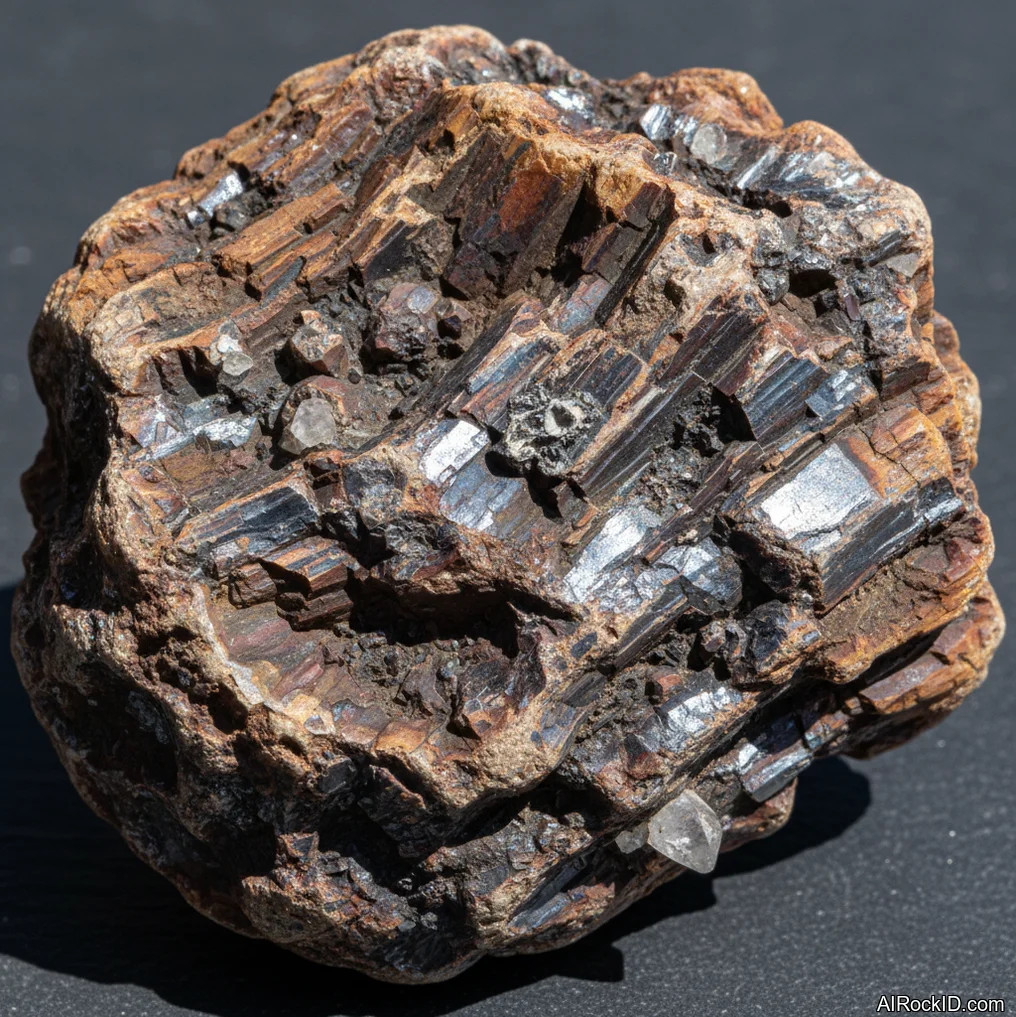
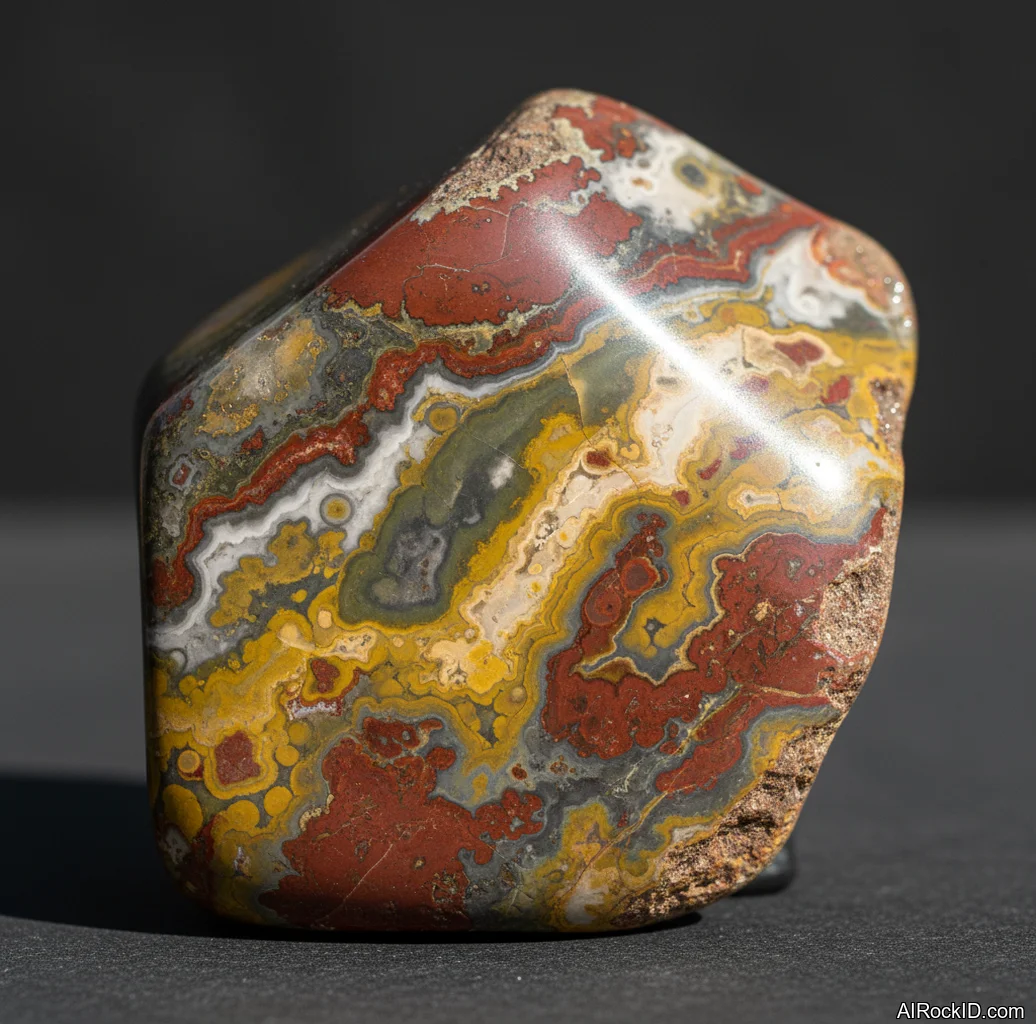
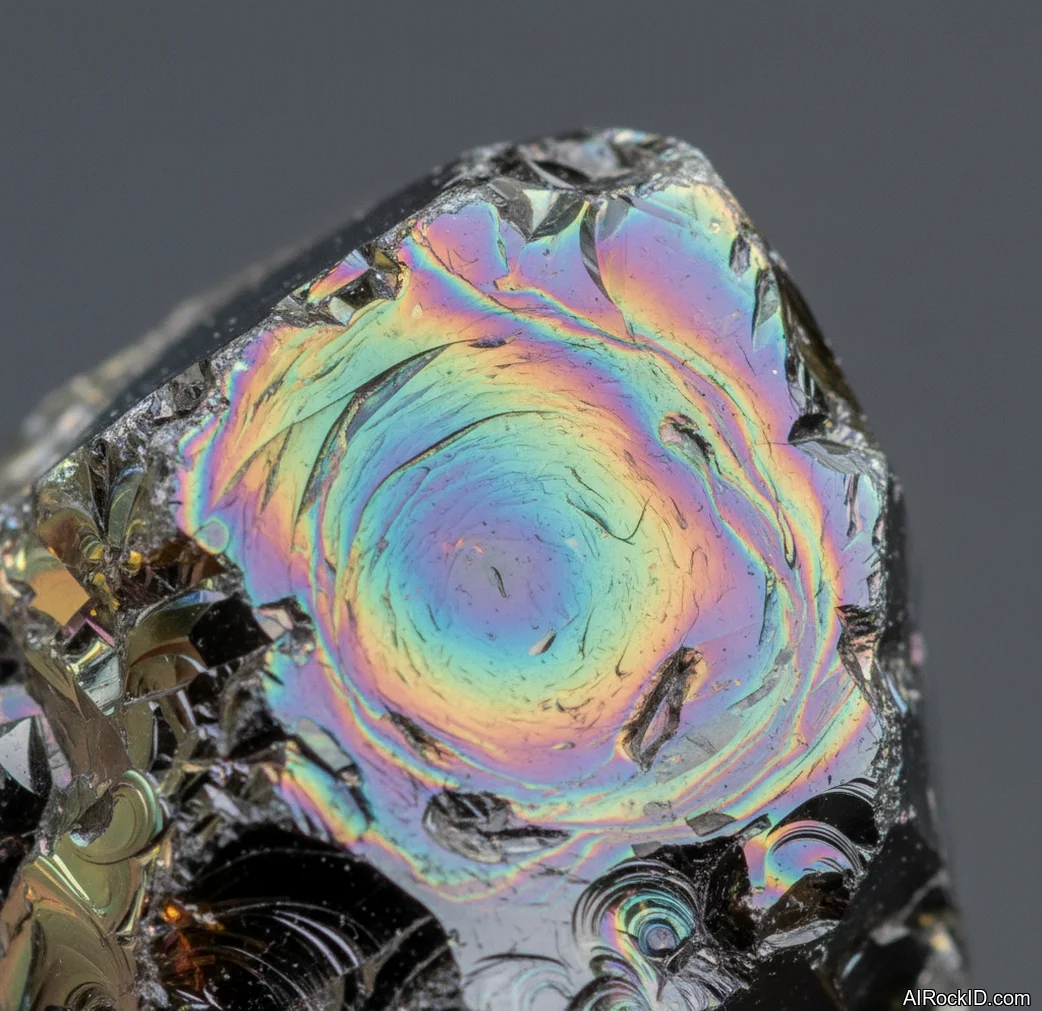
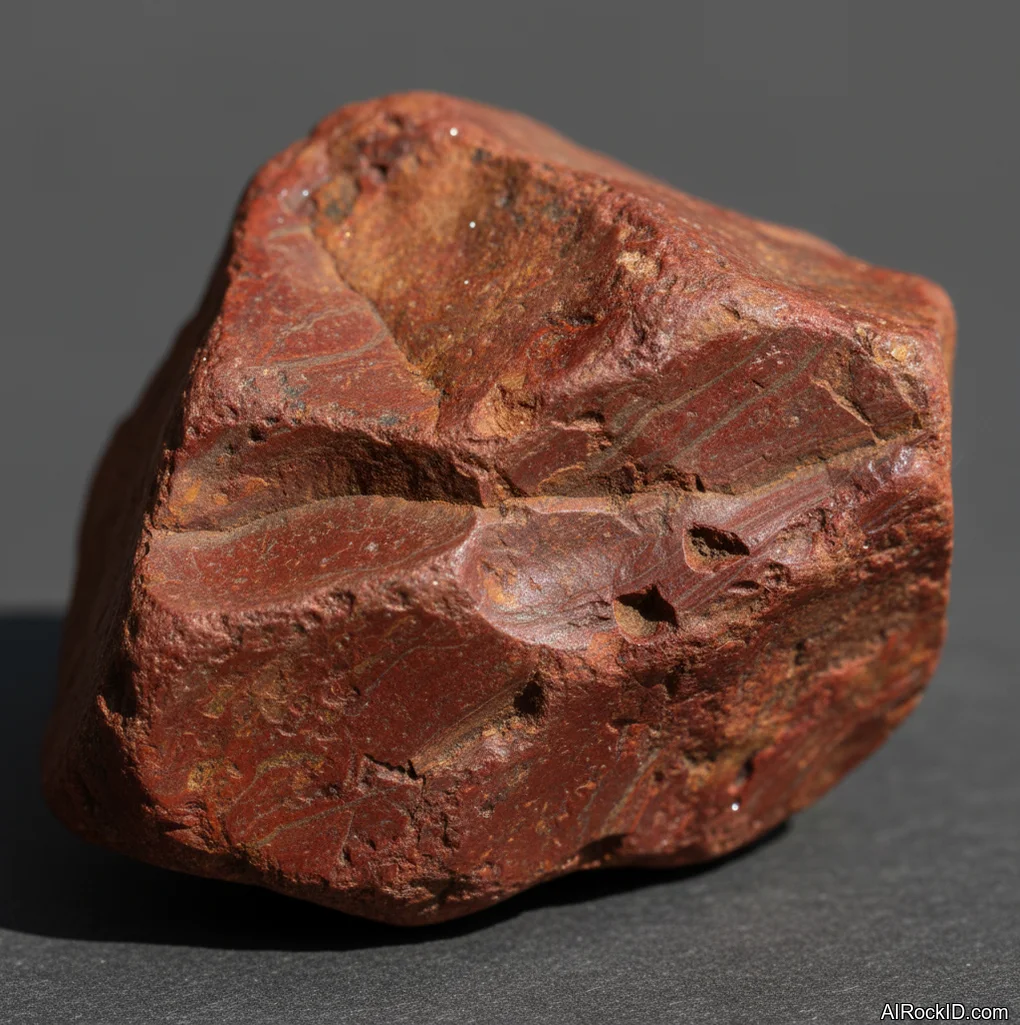
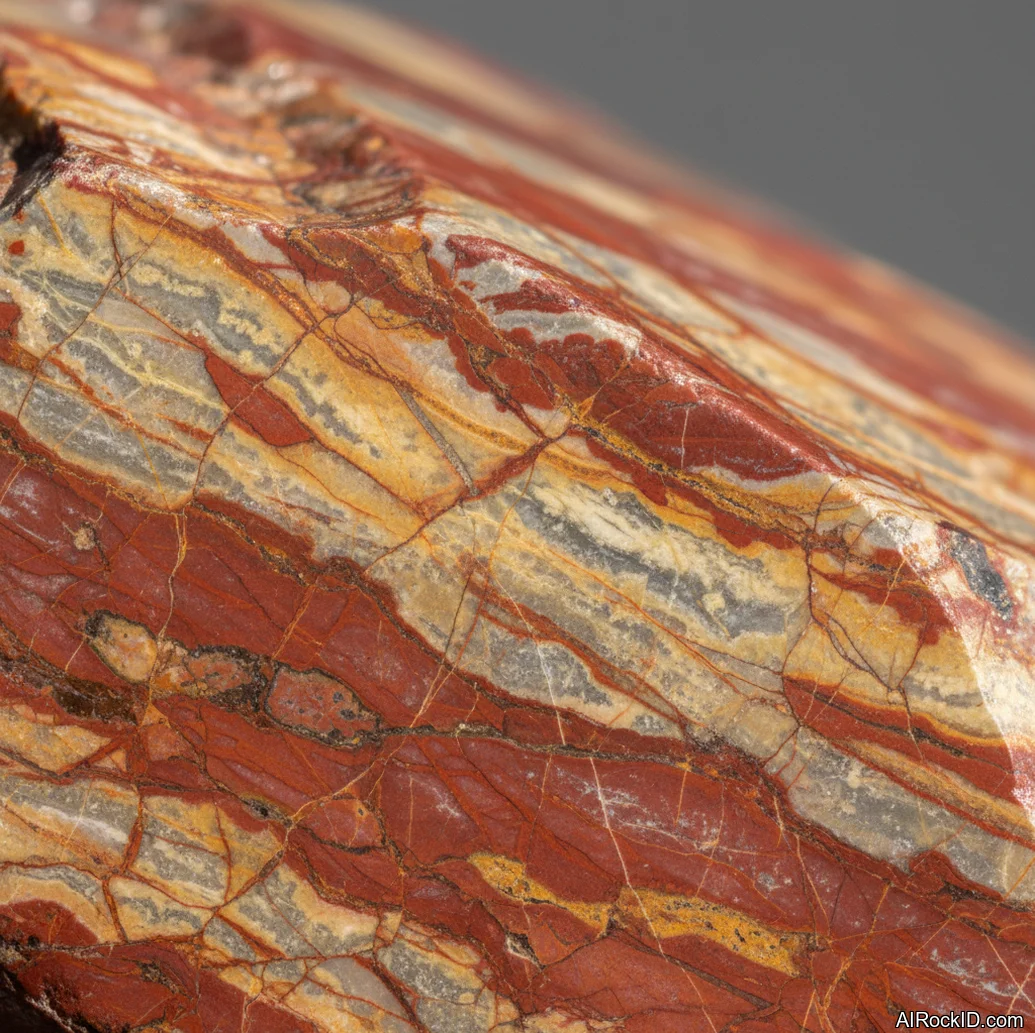
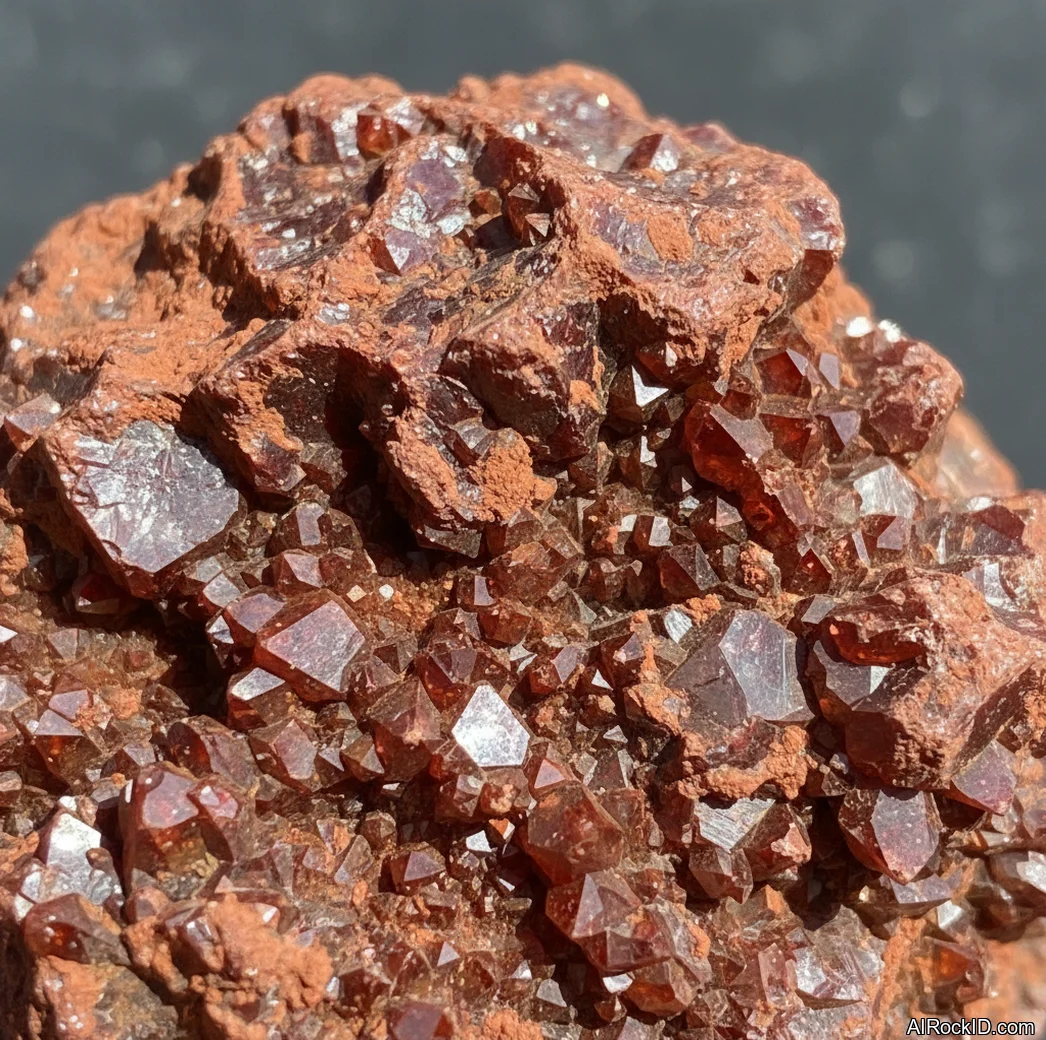
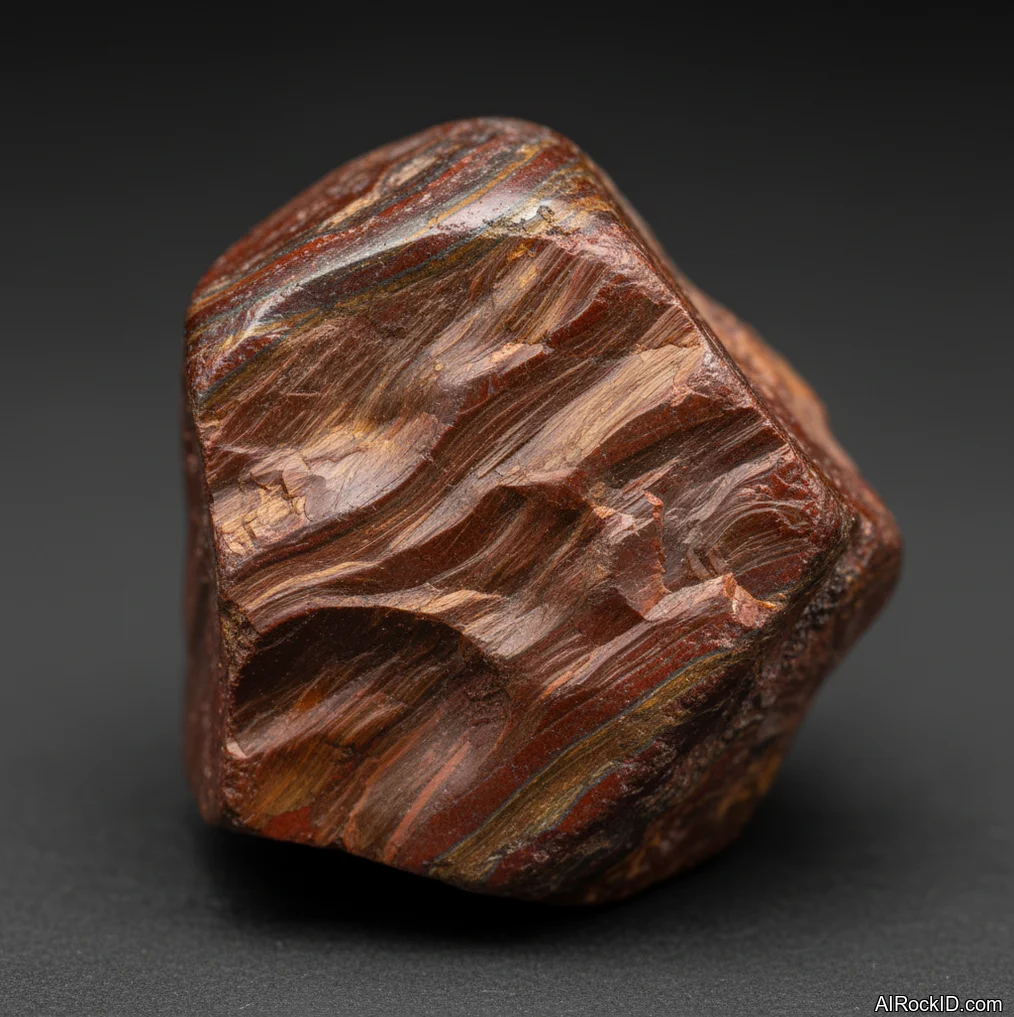
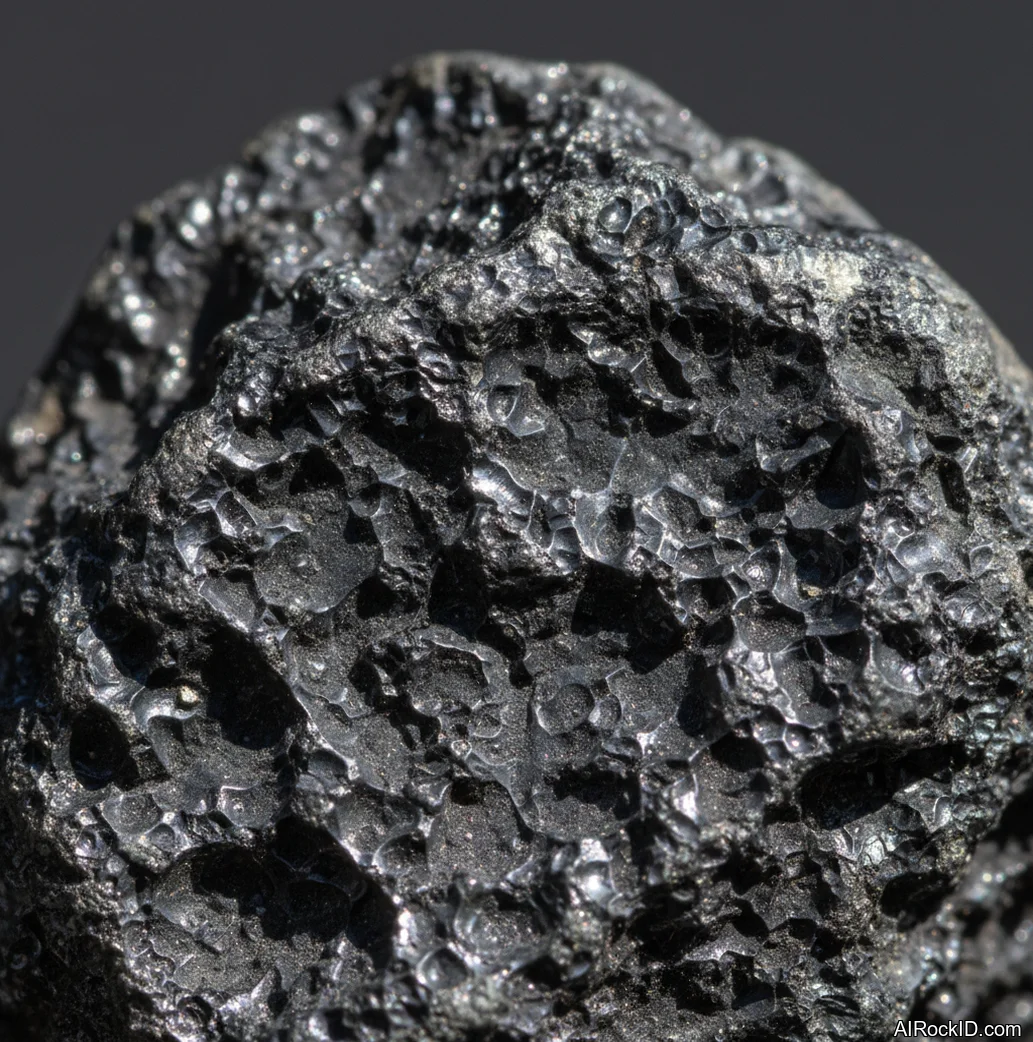
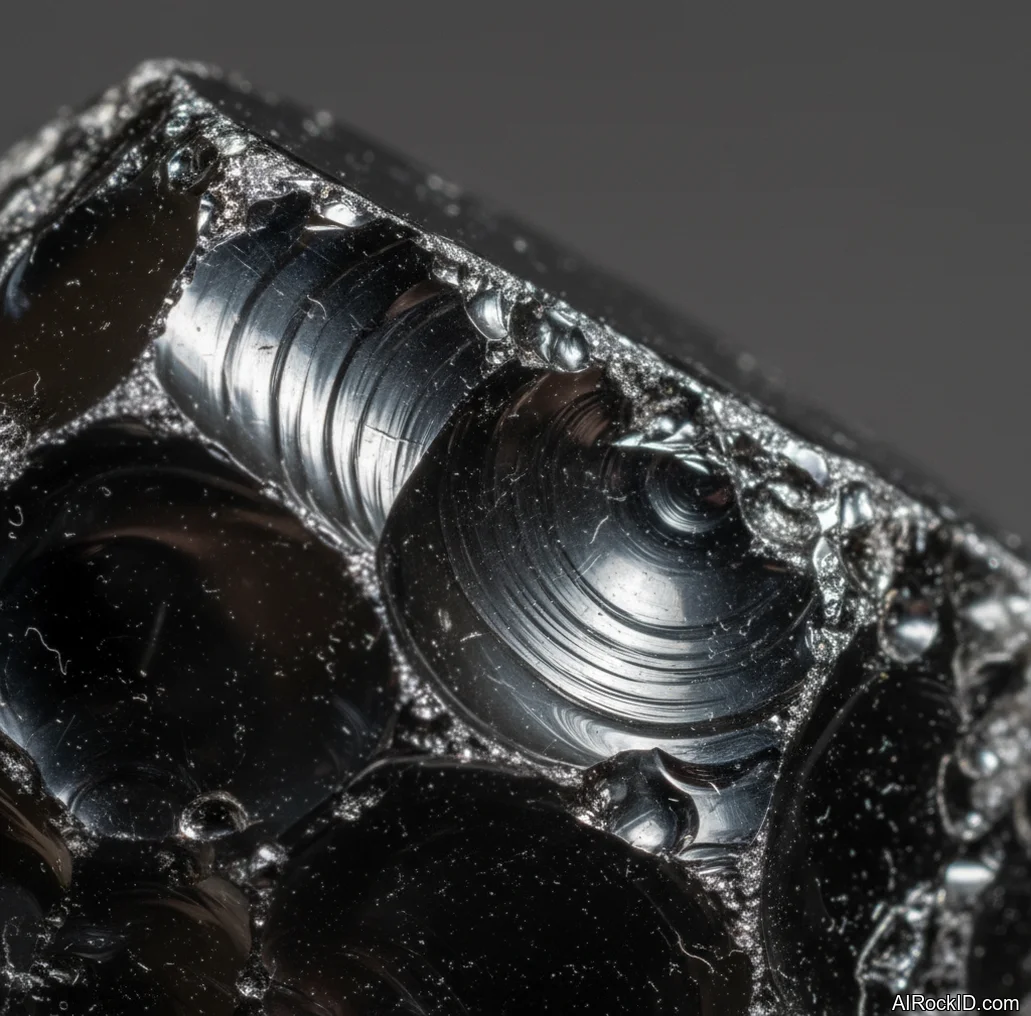
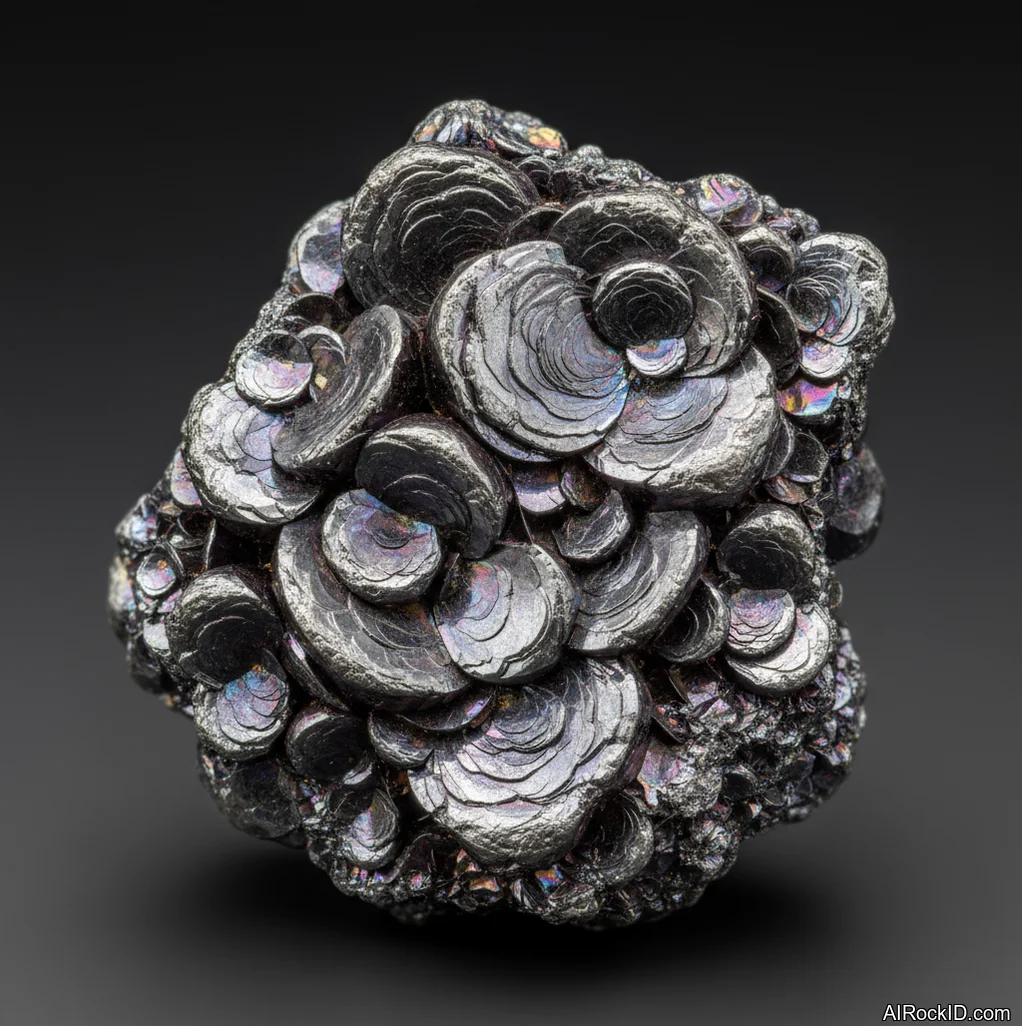
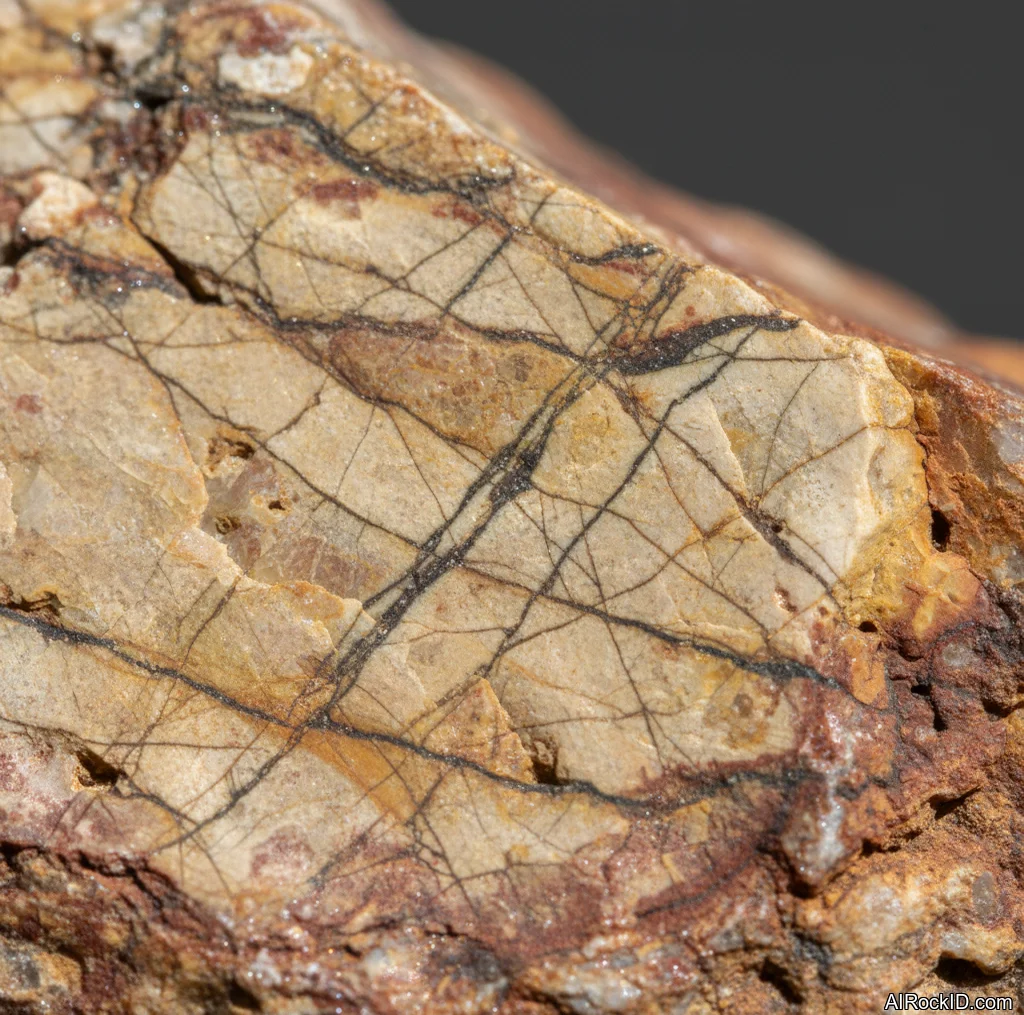
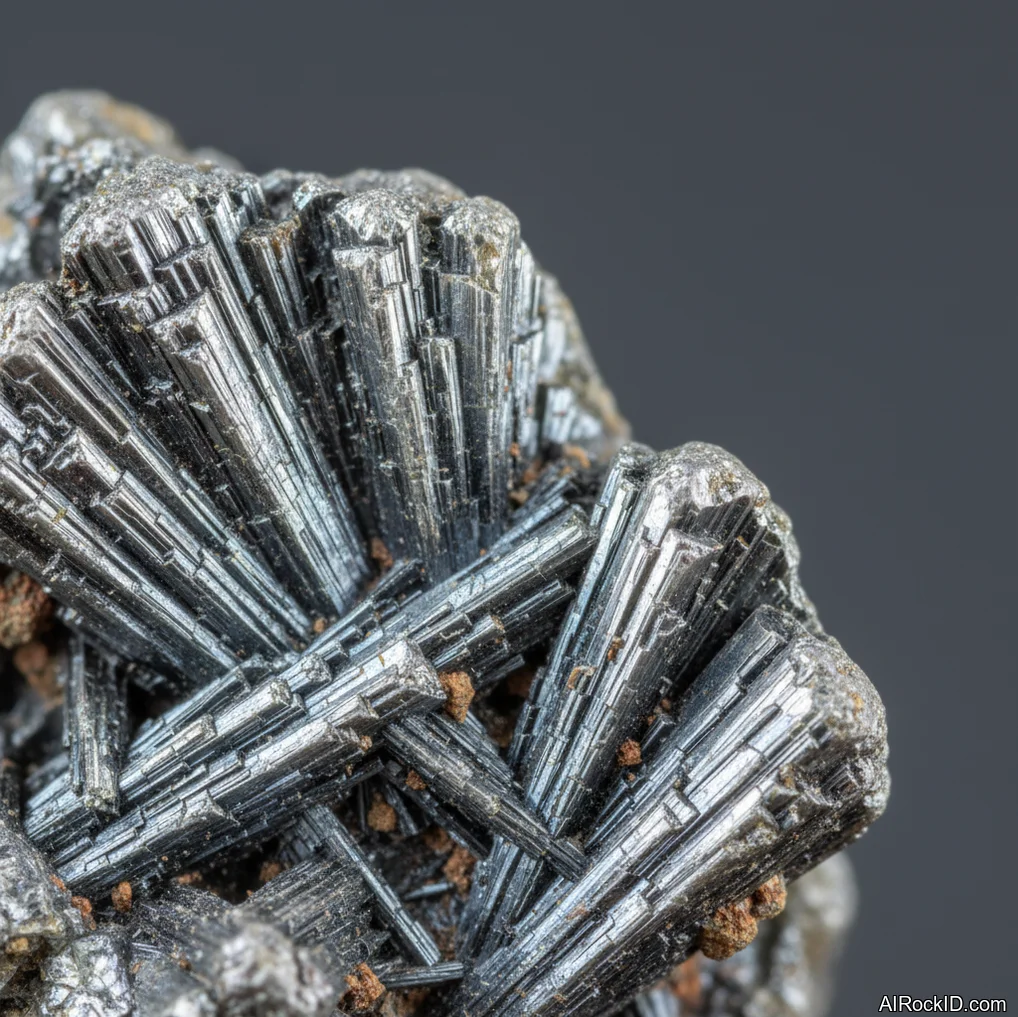
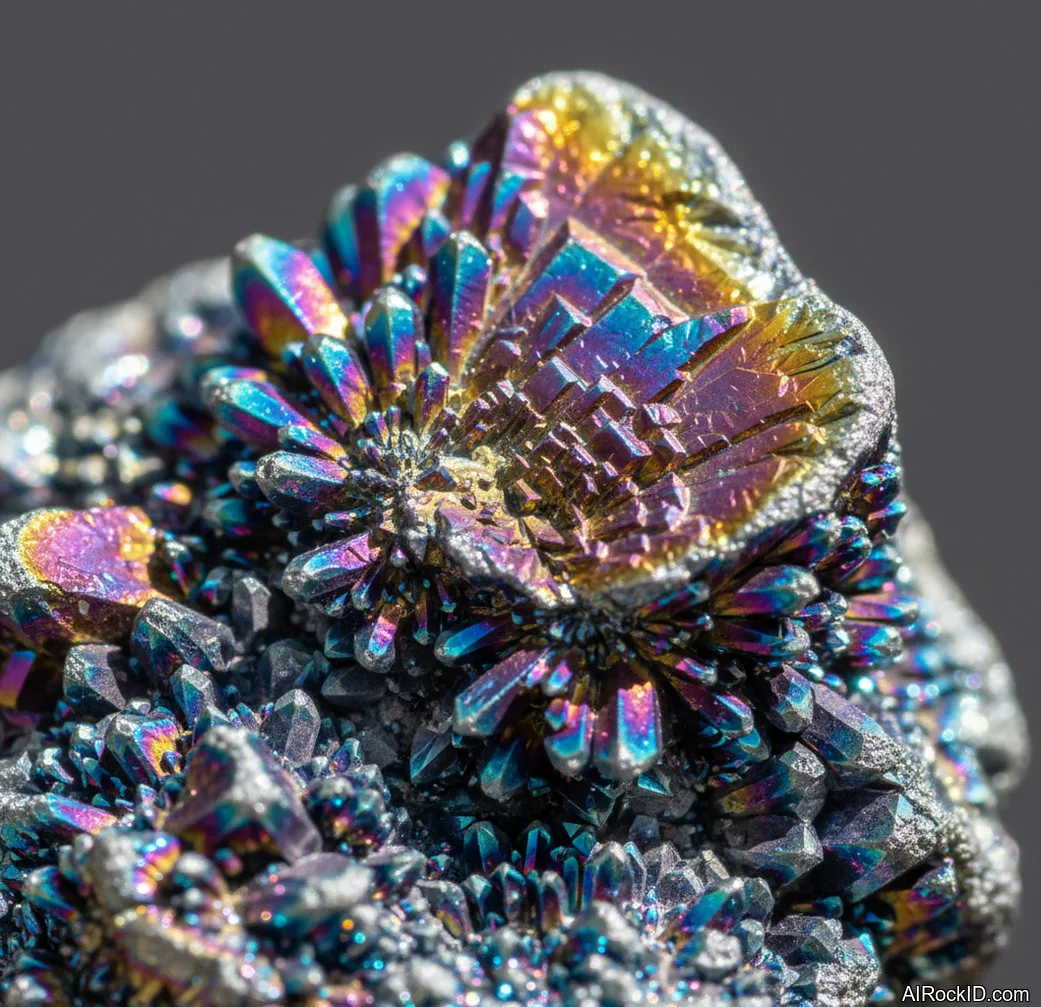
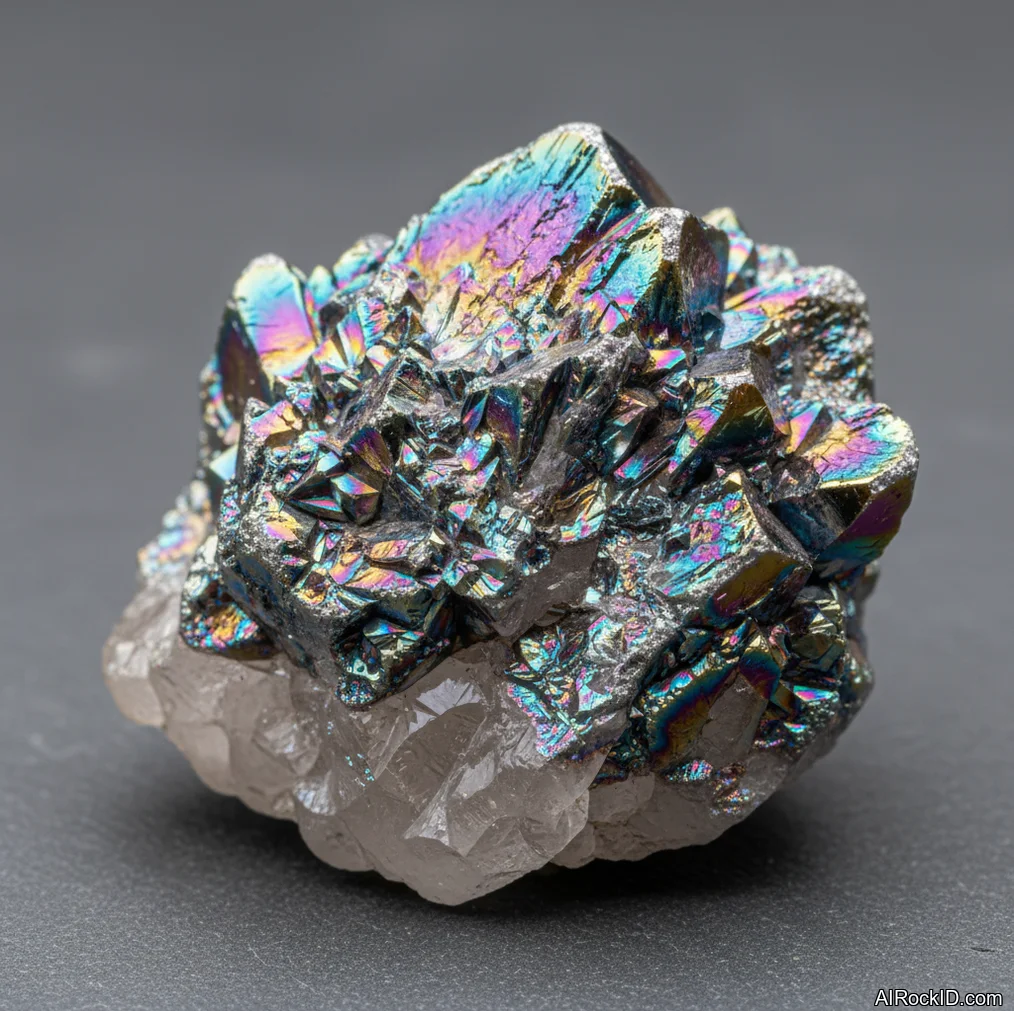
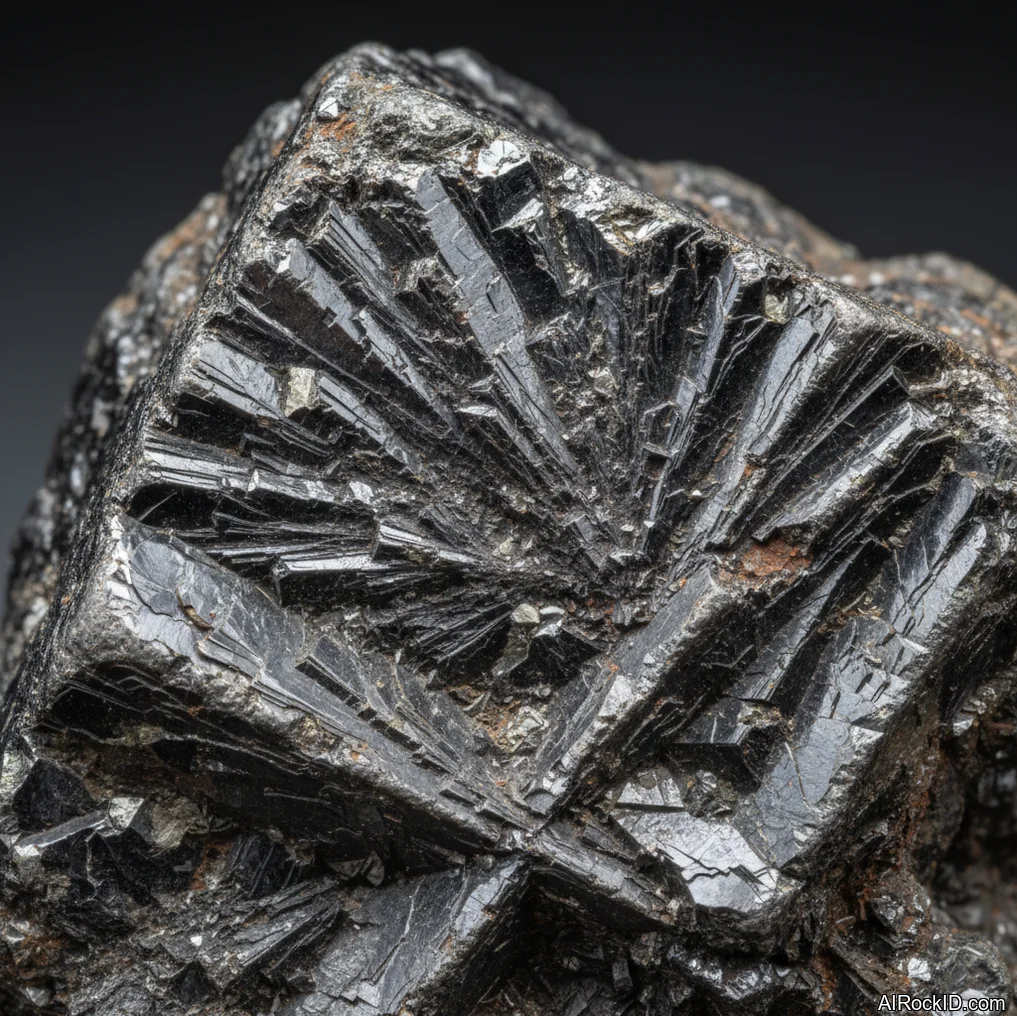
A lot of folks go hunting for Courage crystals when something actual is on the line. We’re talking tough conversations, moving out, starting a new job, leaving relationships, speaking in public, or even just walking into a medical appointment. Fear hits the body first, so people choose stones that feel body-forward, too. Tiger’s Eye sits smooth and weighty in the pocket, and people fidget with it during stressful moments. Red Jasper is another. It’s usually brick red with streaks or flecks, sometimes almost brown, always opaque. It feels solid, like a stone that won’t budge. Hematite is a funny one because it’s not classically 'pretty,' but it’s got that dark metallic heft. Raw hematite leaves a red streak if you drag it across unglazed tile, and it’ll leave a little dust on your fingers if it’s not polished. That physical directness is why it lands on Courage lists.
Courage Crystals vs Protection and Grounding Stones
Courage and protection often get lumped together, but they’re different animals. Protection stones feel like a wall, Courage stones feel like a push. Black Tourmaline gets tossed into both lists, but in hand, it’s brittle—real pieces break if you drop them on tile, and raw chunks flake easily. Red Jasper, by comparison, can take a beating. Tourmaline’s more for boundary-setting, while jasper and carnelian push you forward. Most people want Courage stones when they’re stuck or frozen, not just when they’re scared. The weight, temperature, and texture of these stones matter. A tumbled stone that warms up in your palm, or a raw chunk with a little iron dust, gives the body something to hold onto while the mind catches up.
Best Courage Crystals to Start With
| Level | Crystal | Note |
| Gentle / Beginner | Tumbled Carnelian | It’s smooth, warm, and not overwhelming. Most people find carnelian easy to carry and less intimidating than metallic or sharp-edged stones. |
| Balanced / Everyday | Tiger’s Eye | Polished tiger’s eye is easy to find, pocket-friendly, and the moving chatoyancy gives anxious hands something to focus on. |
| Intense / Advanced | Raw Hematite | It’s heavy, solid, and leaves a mark. Using raw hematite means dealing with iron dust and real weight—no gloss, just directness. |
| Best for Carrying | Tumbled Red Jasper | Dense and tough, red jasper doesn’t chip in a pocket or bag. The shape is comfortable for fidgeting during stressful moments. |
| Best for Display | Polished Tiger’s Eye Slab | A big slab shows off the chatoyancy and color bands, catches light in a way that draws your attention—ideal for a desk or meeting space. |
Courage Crystal Comparison
| Crystal | Common Use | Feel / Use Style | Care Caution |
| Carnelian | Starting new projects, boosting drive | Dense, smooth, warms up quickly, orange-red with cloudy patches | Color fades in strong sunlight |
| Tiger’s Eye | Confidence, staying grounded while taking risks | Silky chatoyant bands, cool at first, weighty, stripes of gold-brown | Sensitive to acids and can chip if dropped |
| Red Jasper | Standing your ground, physical courage | Opaque, brick red, heavy for its size, rarely cold | Stable, but some pieces have surface cracks |
| Hematite | Directness, pushing past hesitation | Metallic, very heavy, can stain hands red if raw | Brittle; raw pieces fray, polished chips easily |
How to Identify Courage Crystals with AI Rock ID
To identify Courage crystals with an AI Rock ID app, take clear photos in natural light. Include both a full stone view and a close-up of any bands, chatoyancy, or surface texture. Upload images and compare the app’s results to physical traits like weight, hardness, and luster. Checking the Mohs hardness or testing for a streak (with hematite, especially) can help confirm if what you have matches the Courage stones you’re seeking.
All Courage Crystals (333)