Pink Diamond


Quick answer: Pink diamond is a natural or treated diamond variety valued for its pink to rose color, durability, and rarity. Identification should consider diamond testing, color origin reports, clarity, cut, and provenance because simulants and treated stones can look similar in photos.
AI Rock ID can help screen a pink diamond candidate from a clear photo by comparing visible color, luster, transparency, and cut style with known visual patterns. RockIdentifier.io should be used as a first-pass reference, while final confirmation for valuable pink diamonds should come from a qualified gemological laboratory.
Good fit
- Collectors comparing rare colored diamonds with pink sapphires, spinels, or simulants
- Buyers who want a durable gemstone for jewelry and need authenticity checks
- Readers researching natural color versus treated or lab-grown pink diamonds
- Anyone documenting an inherited or estate jewelry stone before appraisal
Not a good fit
- People who need instant price confirmation from a photo alone
- Buyers unwilling to request a lab report for a high-value stone
- Anyone expecting metaphysical traditions to replace professional medical or financial advice
Most commonly confused with
- Pink Sapphire: Pink sapphire is corundum, not diamond, and has Mohs 9 hardness with different refractive properties.
- Pink Spinel: Pink spinel can show vivid pink color but is a different mineral with lower hardness and different optical behavior.
- Cubic Zirconia: Pink cubic zirconia is a diamond simulant that is typically heavier for its size and lacks diamond’s thermal properties.
- Moissanite: Moissanite can be coated or tinted pink and often shows stronger fire and double refraction unlike diamond.
Pink Diamond vs. Common Lookalikes
| Stone | Key Difference | Typical ID Clue | Disclosure Concern |
|---|---|---|---|
| Pink diamond | Carbon mineral with Mohs 10 hardness | High brilliance, diamond tester response, lab report details | Natural, treated, or lab-grown origin |
| Pink sapphire | Corundum with Mohs 9 hardness | Different refractive index and inclusions | Heat treatment is common |
| Pink spinel | Magnesium aluminum oxide mineral | Singly refractive with distinct spectrum features | Natural vs. synthetic spinel |
| Pink cubic zirconia | Man-made diamond simulant | Higher density and softer than diamond | Often sold as a simulant |
| Pink moissanite | Silicon carbide gemstone | Strong fire and possible doubling under magnification | Coating or lab-created origin |
AI identification confidence
AI identification can be moderately helpful for separating pink diamond from obvious lookalikes when the image is sharp, well lit, and shows the stone from multiple angles. Confidence is lower for faceted gems because natural diamond, lab-grown diamond, treated diamond, and simulants can share similar color and brilliance in photos.
When AI gets it wrong
- The stone is photographed under pink, warm, or colored lighting that changes the apparent body color
- A faceted simulant has diamond-like brilliance in a single front-facing photo
- The image lacks scale, side views, inclusions, or visible facet details
- The stone is mounted in jewelry, making weight, girdle inscriptions, and pavilion features hard to inspect
Final recommendation
For any pink diamond purchase of significant value, request an independent lab report that states whether the stone is natural, lab-grown, treated, or color-origin undetermined. Use visual ID tools for preliminary comparison, then rely on professional testing for buying, insurance, or resale decisions.
Natural, Treated, and Lab-Grown Pink Diamonds
Pink diamonds may be natural-color stones, color-treated diamonds, or lab-grown diamonds with pink coloration. These categories can look similar to the unaided eye, but they have different rarity, disclosure standards, and market values. A reputable grading report should identify origin and note treatments when detectable.
Documents to Request Before Buying
A pink diamond should be accompanied by a report from a recognized gemological laboratory for important purchases. Useful report details include carat weight, color grade or color description, clarity, cut, measurements, fluorescence, and comments about treatments or laboratory growth. Appraisals and sales receipts are helpful, but they do not replace gemological identification.
Photo Tips for Pink Diamond Identification
Photograph the stone in neutral daylight or balanced white light, and avoid colored backgrounds that exaggerate pink tones. Include close-up views from the top, side, and pavilion, plus any laser inscription or report number if visible. A scale reference, such as a ruler or coin, can help separate size impressions from actual carat weight.
What Is Pink Diamond?
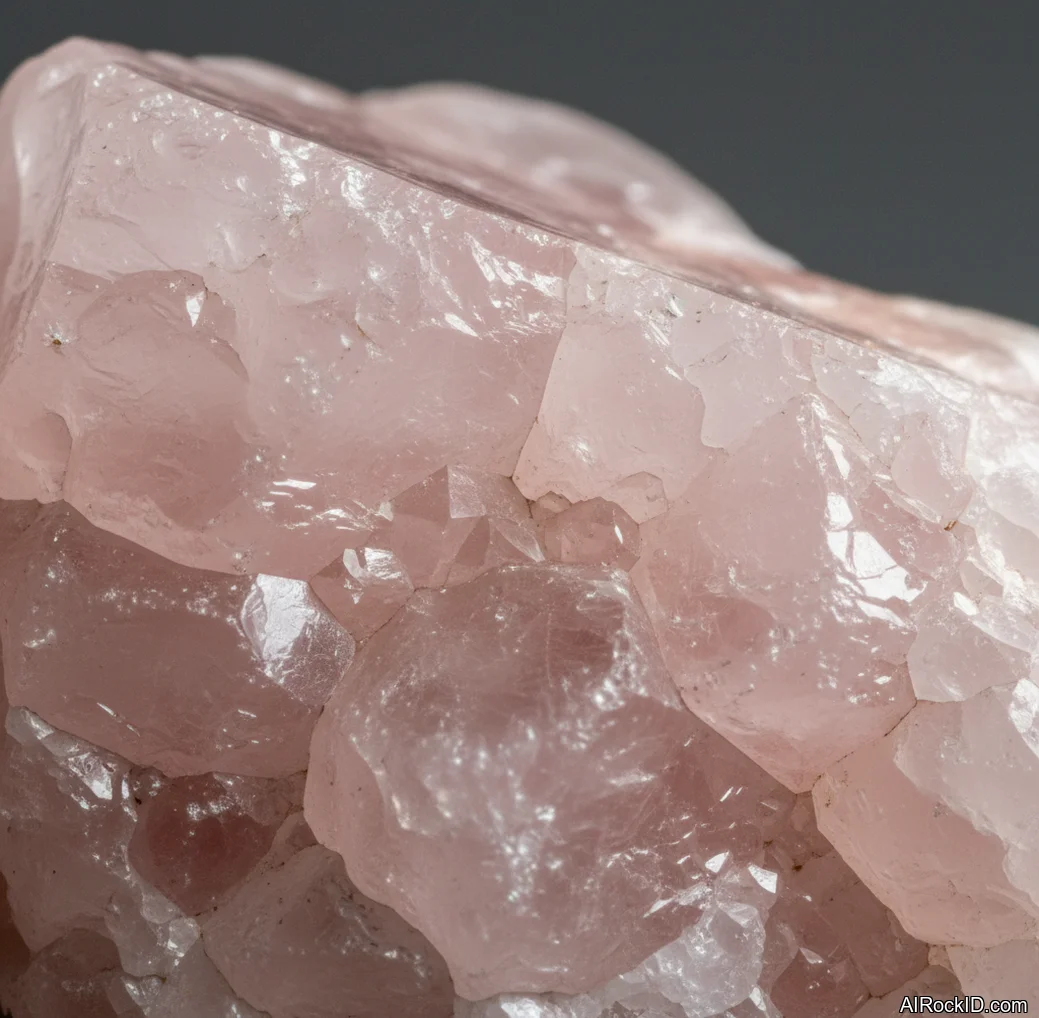
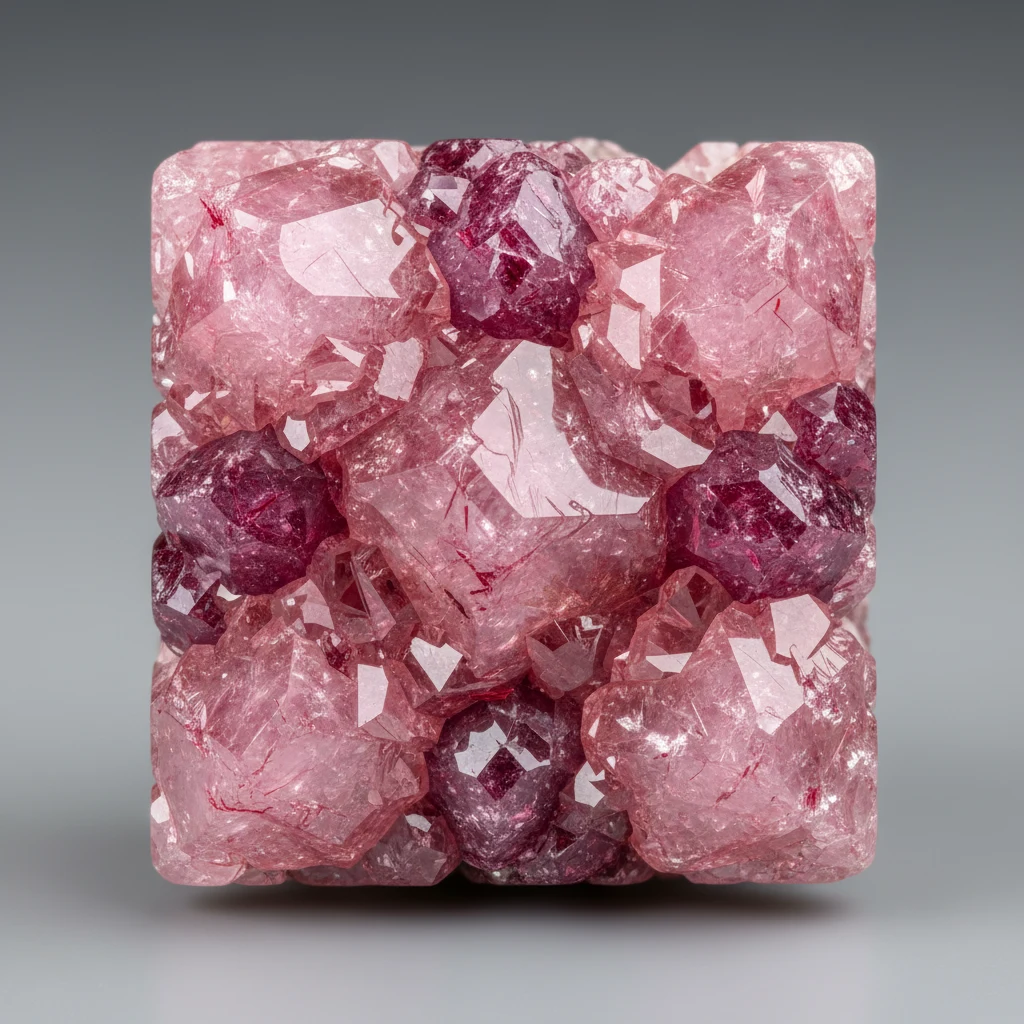
Pink Diamond is a rare variety of diamond prized for its pink, rose, and sometimes red body color. In the hand, a fine specimen reads as clean, bright, and concentrated: transparent, adamantine, and visually sharp rather than soft or waxy. Its Mohs hardness is 10, making it very hard, with excellent scratch resistance and excellent toughness.
Collectors value Pink Diamond because beauty and scarcity meet in a compact, durable gem. Its formula is C, its crystal system is cubic, and its density is listed as 3.52 g/cm3. Prices are strongly shaped by color intensity, clarity, and carat weight, so a deeper rose color with high clarity commands a different response than a paler pink stone.
Origin & History
The name diamond comes from the Greek word adamas, meaning invincible, a fitting name for a gem with Mohs 10 hardness and a brilliant adamantine luster. Pink diamonds were first recognized in the 18th century, and they remain among the most coveted colored diamond varieties because their pink hue is both distinctive and rare.
In collector notes, Pink Diamond is best documented with its color range, weight, clarity, and locality when known. The most frequently cited source area in the provided data is Australia, especially the Argyle Mine. For locality-style cross-checking and specimen documentation, collectors often compare names against mindat.org.
Where Is Pink Diamond Found?
Pink Diamond is found in Australia, South Africa, and Russia, with the Argyle Mine in Australia named as the most common source in the provided data. Other notable localities include the Premier Mine in South Africa and Yakutia in Russia. For a collector, locality can matter as much as color when building provenance.
Formation
Pink diamonds form deep within the Earth's mantle under high pressure and temperature conditions. That deep origin is part of the appeal: the finished gem may be small and polished, but its story belongs to extreme geologic environments far below the surface.
The resulting material is transparent, non-magnetic diamond with conchoidal fracture, colorless streak, and an adamantine luster. In optical terms, Pink Diamond has a refractive index of 2.42, no birefringence, no pleochroism, and isotropic optical character, all consistent with its cubic crystal system.
How to Identify Pink Diamond
Identify Pink Diamond first by its color: it ranges from light pink to deep rose, with some specimens described in the red color family. A real stone should show a brilliant adamantine luster rather than a dull surface, and transparent material with high clarity is especially prized.
Because value is high, visual inspection is not enough for confirmation. Look for the unique pink hue and clarity, then have a gemologist confirm authenticity through specialized testing. Useful listed properties include Mohs hardness 10, cubic crystal system, density of 3.52 g/cm3, colorless streak, and non-magnetic behavior.
Properties of Pink Diamond
Physical Properties
| Crystal System | Cubic |
| Hardness (Mohs) | 10 (Very Hard) |
| Density | 3.52 g/cm3 |
| Luster | Adamantine |
| Diaphaneity | Transparent |
| Fracture | Conchoidal |
| Streak | Colorless |
| Magnetism | Non-magnetic |
| Colors | Pink, Rose, Red |
Chemical Properties
| Classification | Carbonate |
| Formula | C |
| Elements | C |
| Common Impurities |
Optical Properties
| Refractive Index | 2.42 |
| Birefringence | None |
| Pleochroism | None |
| Optical Character | Isotropic |
Pink Diamond Health & Safety
There are no significant health risks associated with handling pink diamonds.
Pink Diamond Value & Price
Price Range
Rough/Tumbled: $10,000 - $25,000 per specimen
Cut/Polished: $30,000 - $100,000 per carat
Price is influenced by color intensity, clarity, and carat weight.
Durability
Very Durable — Scratch resistance: Excellent, Toughness: Excellent
Pink diamonds are stable under normal conditions.
How to Care for Pink Diamond
Use & Storage
Store in a soft pouch or box to avoid scratches.
Cleaning
Clean with warm soapy water and a soft brush. Rinse thoroughly and dry with a soft cloth.
Cleanse & Charge
Use moonlight or sunlight to cleanse and charge the stone.
Placement
Place in a location where it receives gentle light.
Caution
Avoid exposing to harsh chemicals or extreme temperatures.
Works Well With
Pink Diamond Meaning & Healing Properties
In crystal healing practice, Pink Diamond is associated with love, compassion, harmony, and emotional healing. It is linked with the Heart chakra, Venus, the Earth element, and the zodiac signs Libra and Taurus. These meanings are cultural and spiritual associations, not a substitute for medical treatment.
For daily use, place Pink Diamond where it receives gentle light, or work with it during meditation for themes of inner peace, trust, joy, growth, courage, and transformation. It pairs well with clear quartz, amethyst, and rose quartz. Clean it with warm soapy water and a soft brush, then rinse and dry with a soft cloth.
Identify Pink Diamond from a photo
Compare Pink Diamond traits, care tips, value clues, and common lookalikes with a clear photo.
Common mistakes
- Assuming every pink faceted stone is a diamond because it has strong sparkle
- Relying on seller color terms such as rose, blush, or fancy pink without a lab report
- Confusing natural pink diamond with treated or lab-grown pink diamond
- Judging value from color alone while ignoring clarity, cut, carat weight, and origin
- Using a basic diamond tester as the only proof when moissanite or mounted settings may complicate results
- Buying antique or estate jewelry without checking whether the center stone has been replaced