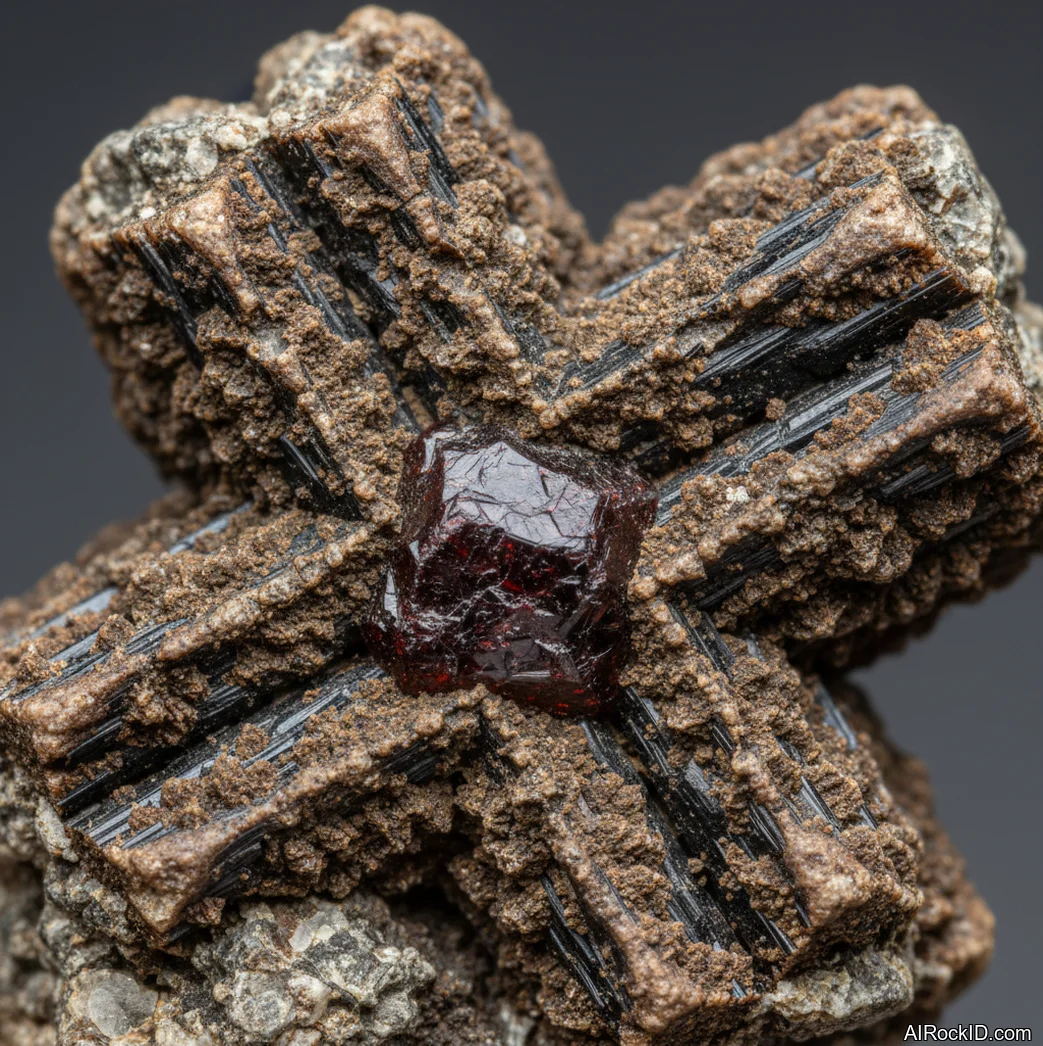
Strength Crystals
Learn about Strength crystals, what Strength means spiritually, how to use Strength crystals daily, and tips for buying real stones with confidence.
Strength, in a crystal context, isn’t about looking tough. Not that. It’s the steadier kind. The kind that shows up when you’re tired, triggered, grieving, or just done with everyone’s noise, and you still manage to keep your footing. People go looking for “Strength” stones when they want backbone without turning into a brick wall. Think stamina, self-control, consistency, and staying present when life gets loud.
Pick up a real piece of hematite and you notice the weight first. It sits heavy in your palm in a way that feels almost deliberate, like it’s trying to anchor your hand to the moment (sounds dramatic, but you’ll know what I mean). That physical heaviness is a big reason hematite gets tied to Strength in so many crystal lists. It’s not floaty. It doesn’t read as “dreamy.” It reads as grounded, contained, and steady.
A lot of folks reach for Strength crystals when their willpower’s getting tested. New boundaries. Breaking a habit. Starting over after a blow to confidence. Or just trying to keep routines when motivation keeps bailing. In shop conversations, the pattern’s pretty consistent: people aren’t asking for a miracle. They’re asking for something they can touch that reminds them to hold the line. Strength crystals turn into a physical cue. Pocket it. Feel it. Reset.
Working with hematite is usually simple. Keep it close. A tumbled stone in a pocket is the classic move, but I’ve also seen people keep a smooth palm stone on a desk and rub it during stressful calls. And the cooler feel of hematite helps here. Even at room temp, it tends to feel colder than quartz in the same tray, and that sensory snap can yank you out of spiraling thoughts. If you’re into intention setting, be specific. “I’m strong” is fuzzy. “I’m staying calm when I get criticized” gives your brain something real to practice.
Look, check what you’re buying, because the hematite market is messy. Real hematite is iron oxide, and it’s dense. Many cheap “hematite” bracelets are actually magnetic hematite, which is typically a man-made material sold under the same name. That doesn’t mean it’s useless for someone’s practice. But it’s not the same mineral, and the price should reflect that. The basic test is easy: most natural hematite pieces won’t cling strongly to a magnet, while magnetic hematite will snap right to it. Also, natural hematite often shows a reddish-brown streak if you drag an unpolished edge across unglazed porcelain. Old-school trick. Still works.
Finish matters too. Polished hematite can be mirror-like, gunmetal to near-black, with bright highlights that show every fingerprint (seriously, every one). Raw hematite can look more dull or even slightly earthy, sometimes with botryoidal (grape-like) surfaces that feel bumpy under your thumb. For Strength work, I like pieces that feel good in the hand, because you’ll actually use them. A sharp-edged chunk that snags fabric? That’s not living in your pocket for long.
There are practical considerations. Hematite is relatively hard, but it can chip if you drop it on tile, and those crisp mirror-polished edges can take a ding. Keep it away from water if it’s set in cheap metal findings, since rust and plating issues are common. If you’re cleansing stones, skip saltwater so you don’t invite corrosion in jewelry components. A dry cloth wipe, smoke cleansing, or a quick sound cleanse works fine for most people.
Thing is, Strength is also about consistency. So build a routine you can repeat. Try pairing a hematite stone with a habit you already do every day, like morning coffee or brushing your teeth. Hold the stone for thirty seconds and set one concrete action for the day. Not a whole life overhaul. One action. Strength shows up in boring places.
Compared to flashier stones, hematite doesn’t always get the love in display cases, but it earns its spot. It’s one of those minerals that feels like it has gravity. There’s a reason it’s sold as worry stones, beads, and smooth palm pieces. It’s tactile, it’s sturdy, and it’s easy to keep on you. Strength work is personal, but the goal is pretty universal: stay steady, choose your response, and keep going.
If you’re buying online, ask for clear photos in natural light, not just studio glare. Real hematite usually has a steel-gray look with bright reflections, while some dyed or coated lookalikes have an oddly uniform black that reads more like paint than mineral. Weight is hard to judge through a screen, so look for sellers who list grams or dimensions. A small hematite piece can feel surprisingly hefty for its size, and that “heavy in the hand” quality is part of what people are paying for.
And Strength crystals don’t fix your life for you. They’re better as tools than promises. If hematite helps you slow down, breathe, and pick the next right move, that’s the whole point.