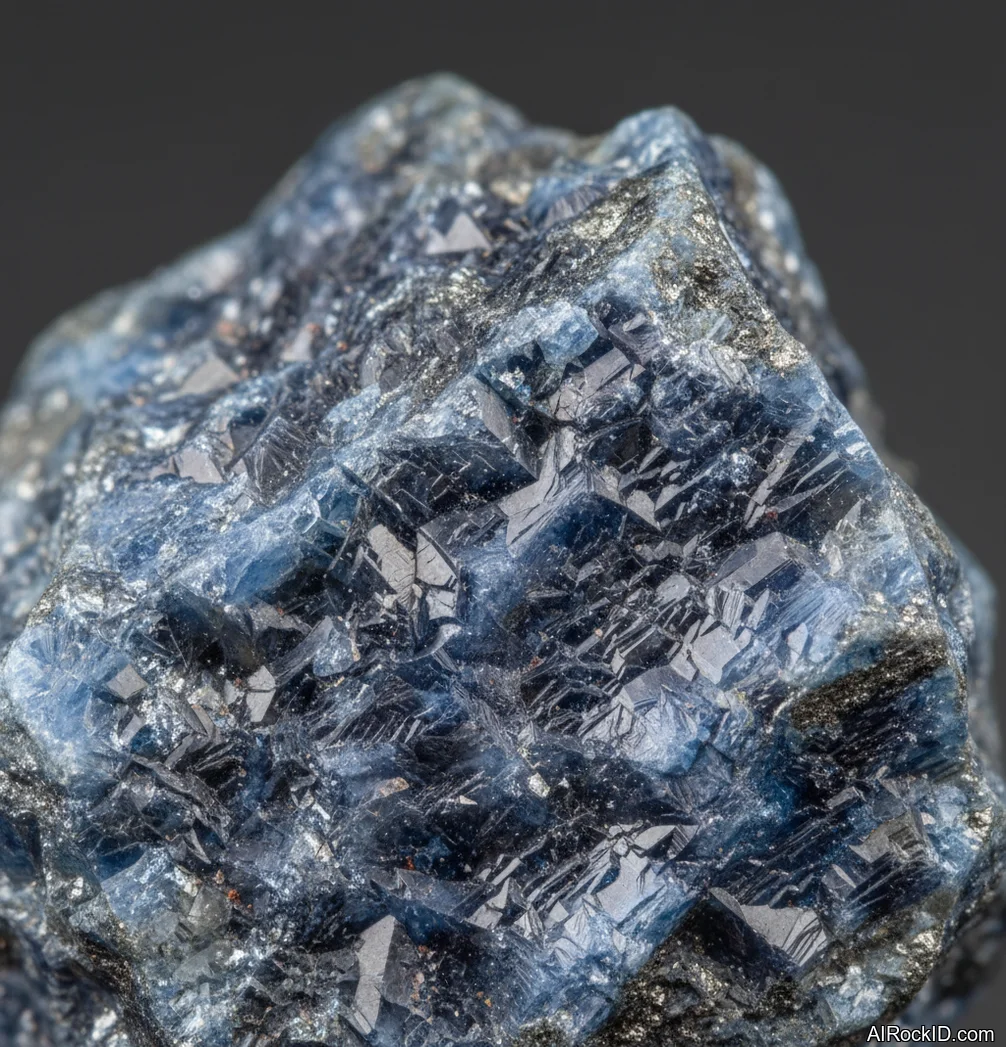
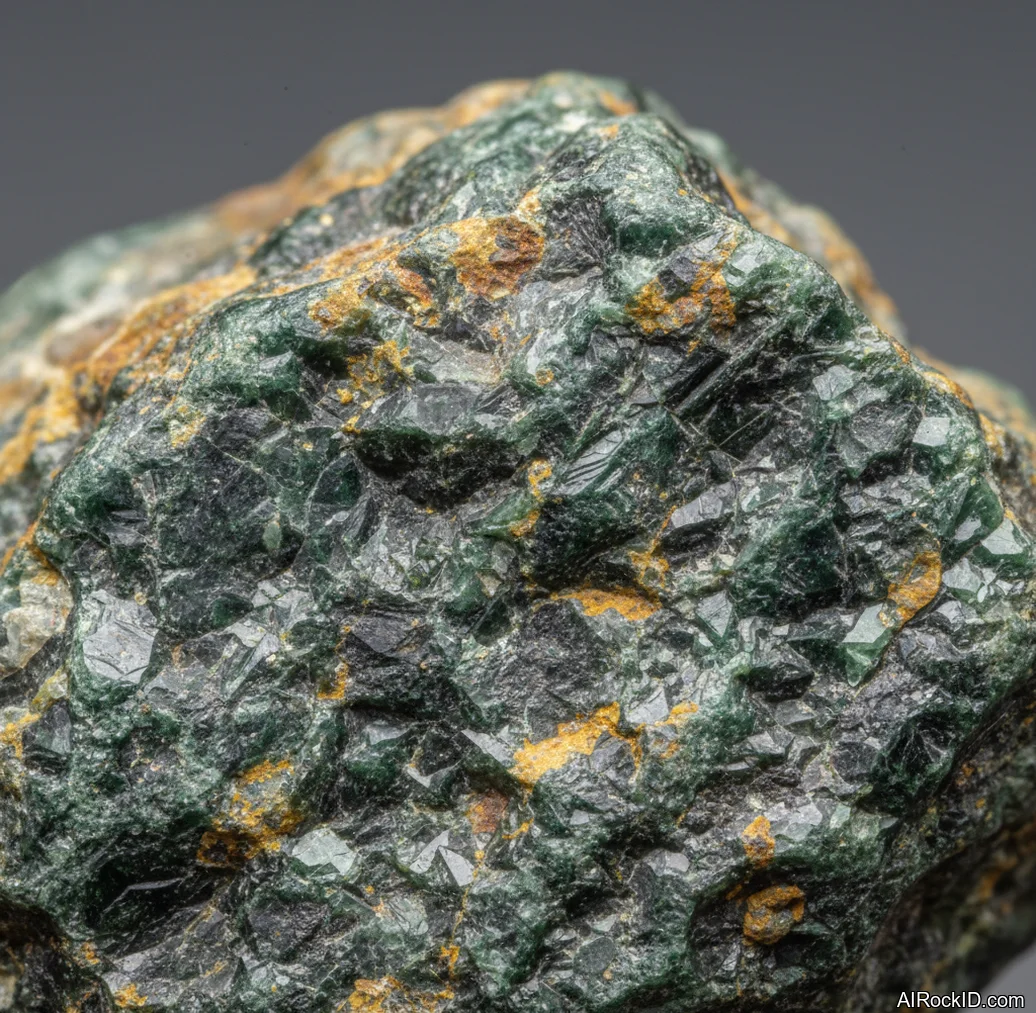
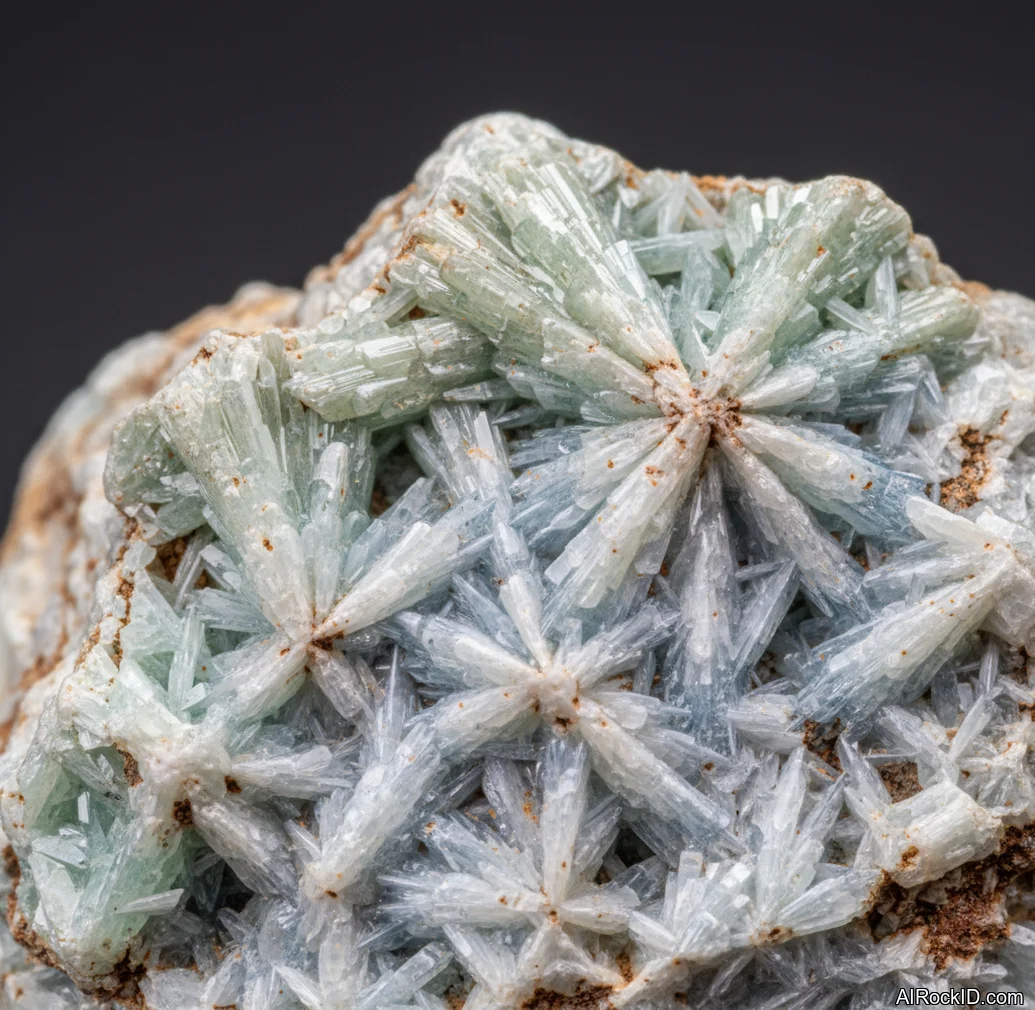
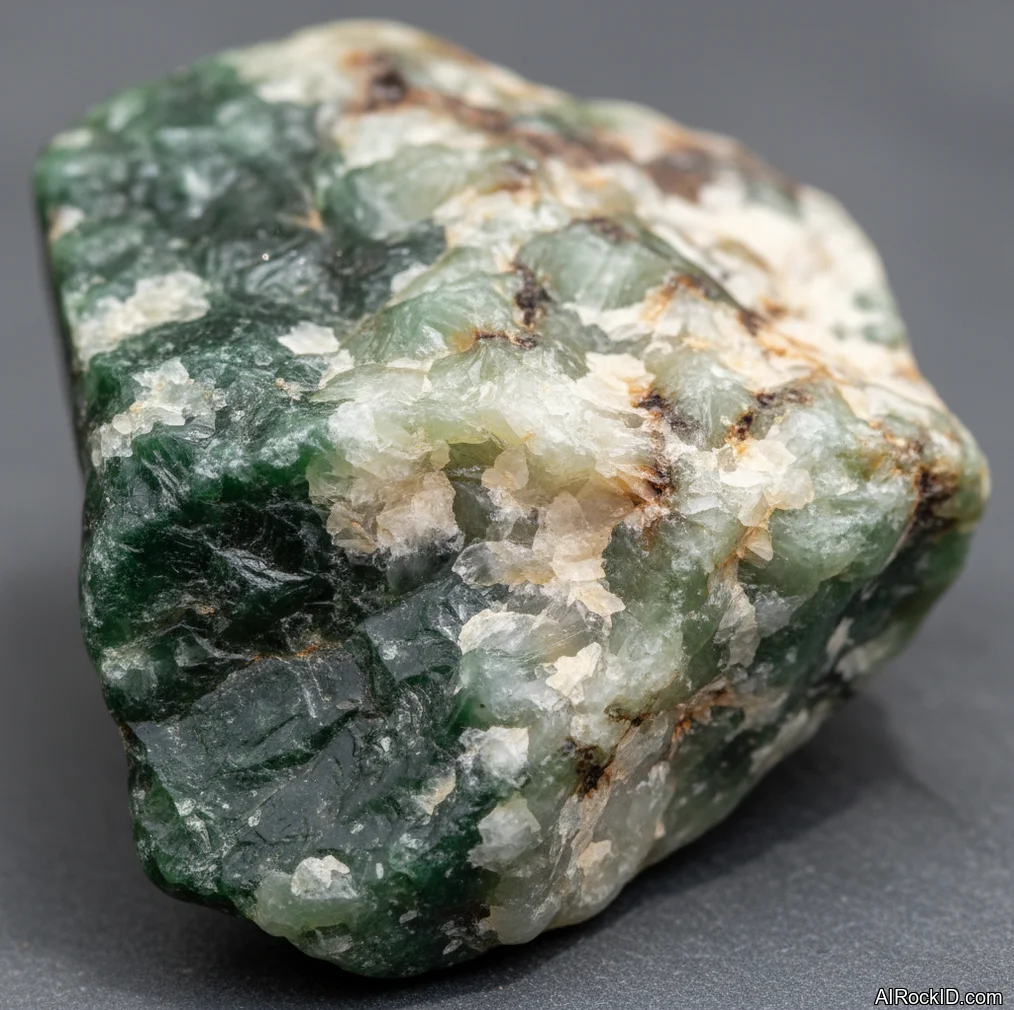
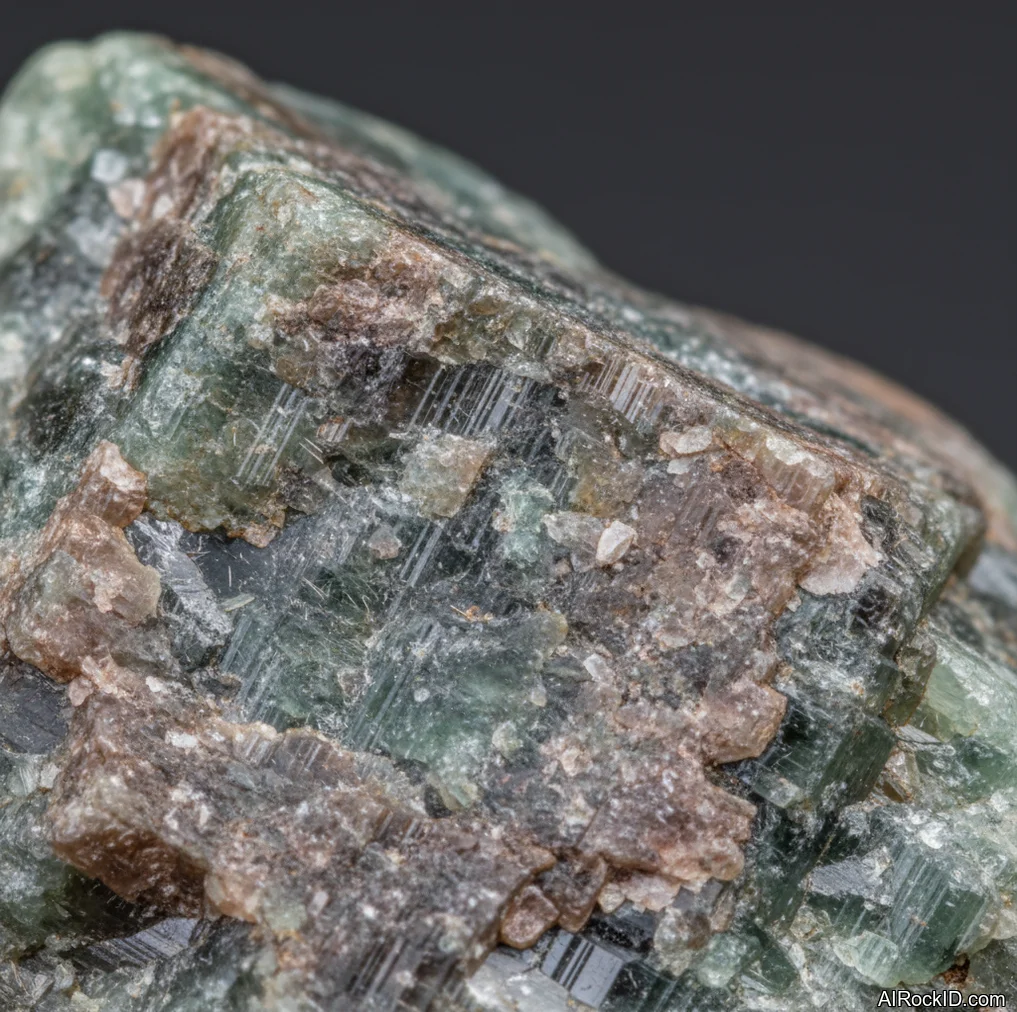
Growth Crystals
Explore Growth crystals and what they’re used for, with tips on choosing real stones like malachite, moss agate, citrine, and peridot.
Growth, in crystal talk, isn’t just “self-improvement.” It’s the push and pull that shows up when you’re actually changing: building a new habit, dropping an old pattern, starting over after a breakup, leveling up at work, or getting your body back on track. It’s messy. And growth has that slightly uncomfortable edge, like stretching a muscle and you can tell it’s working.
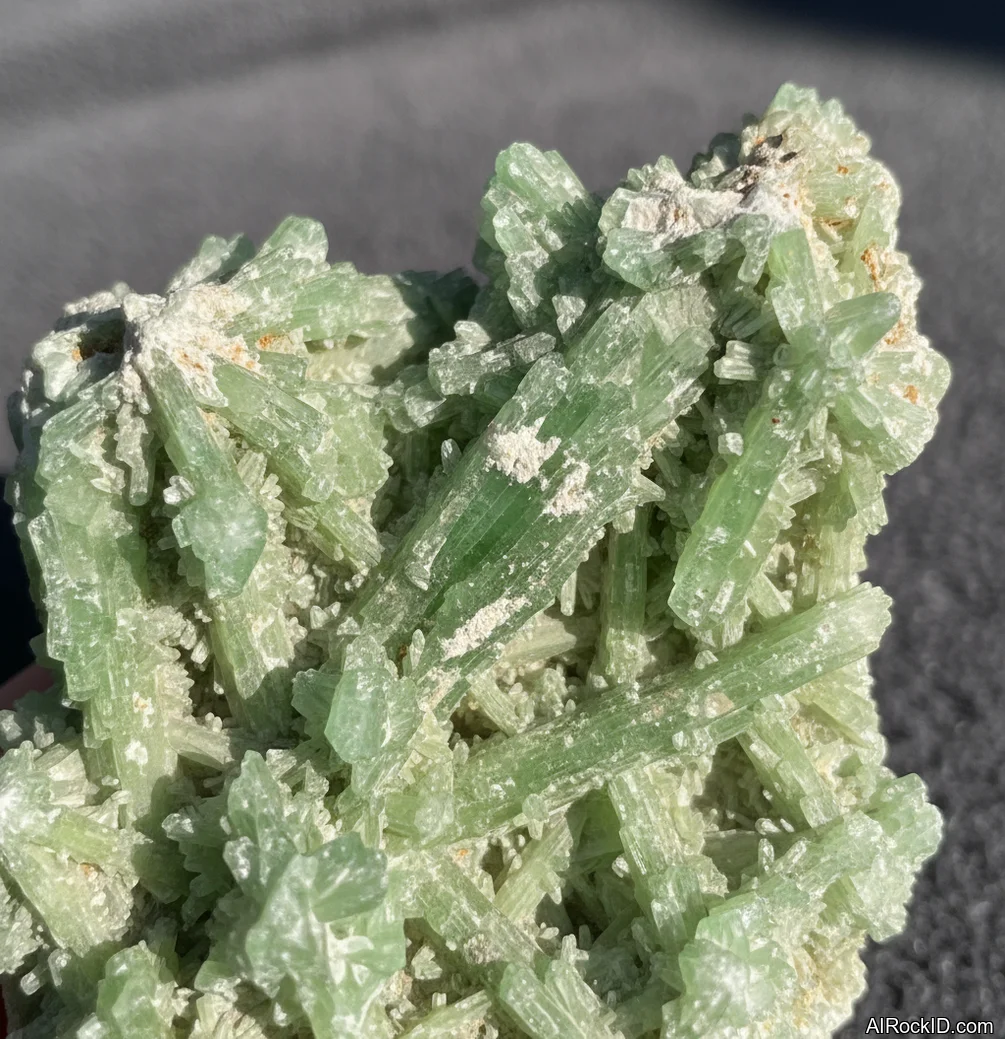
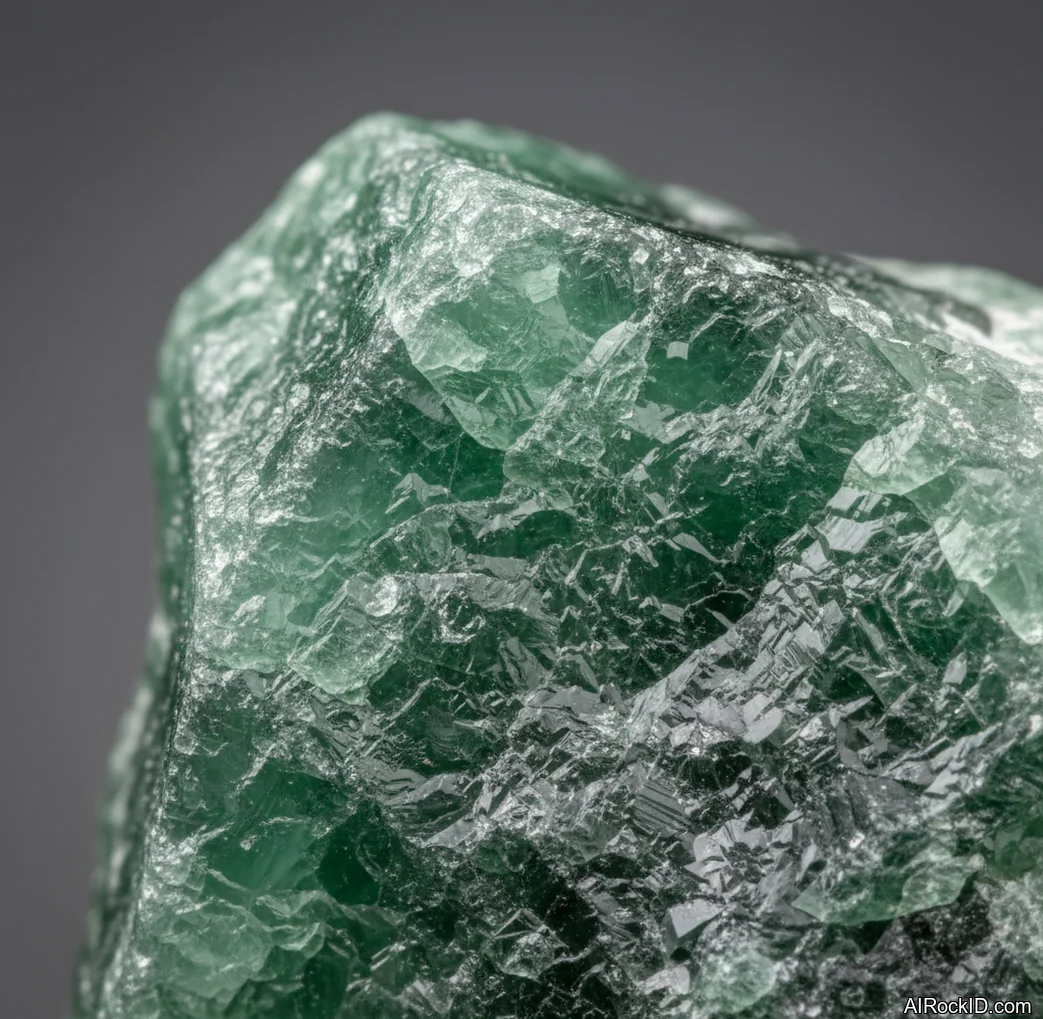
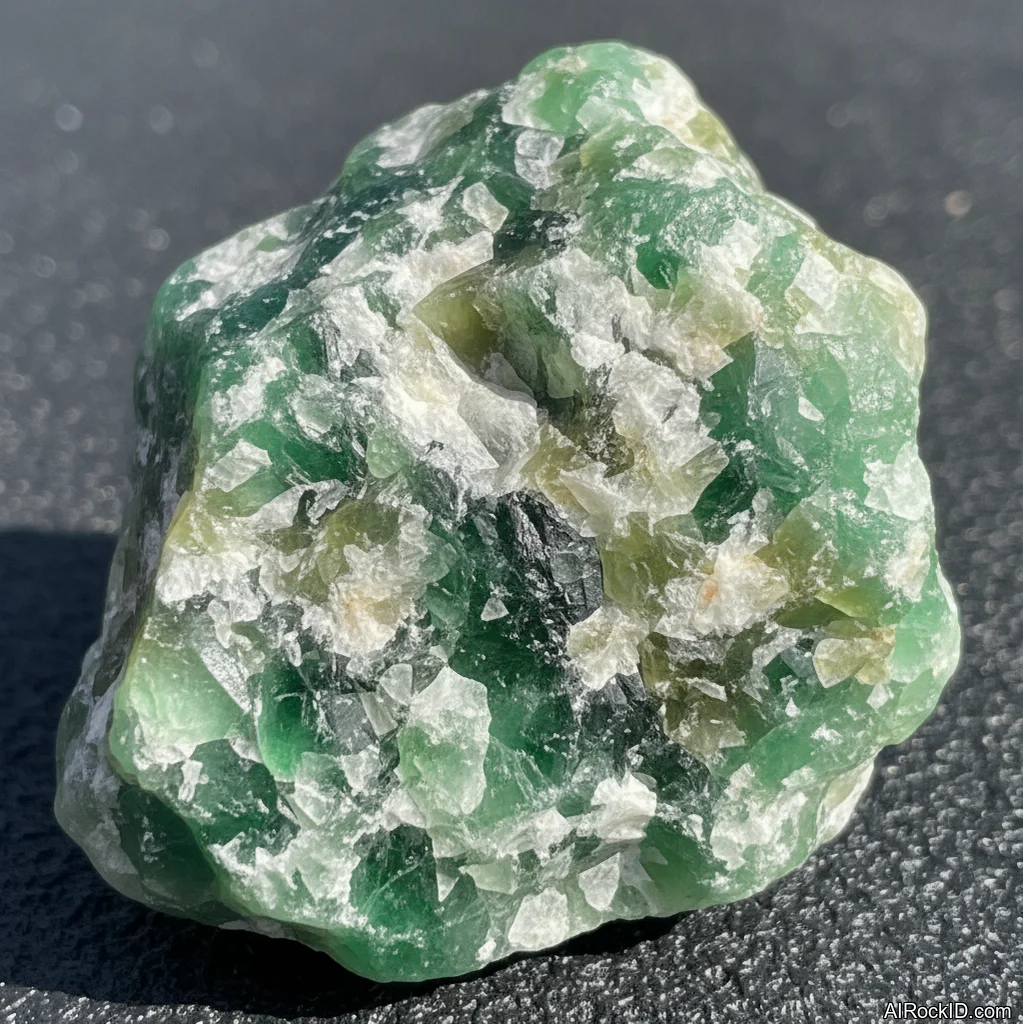
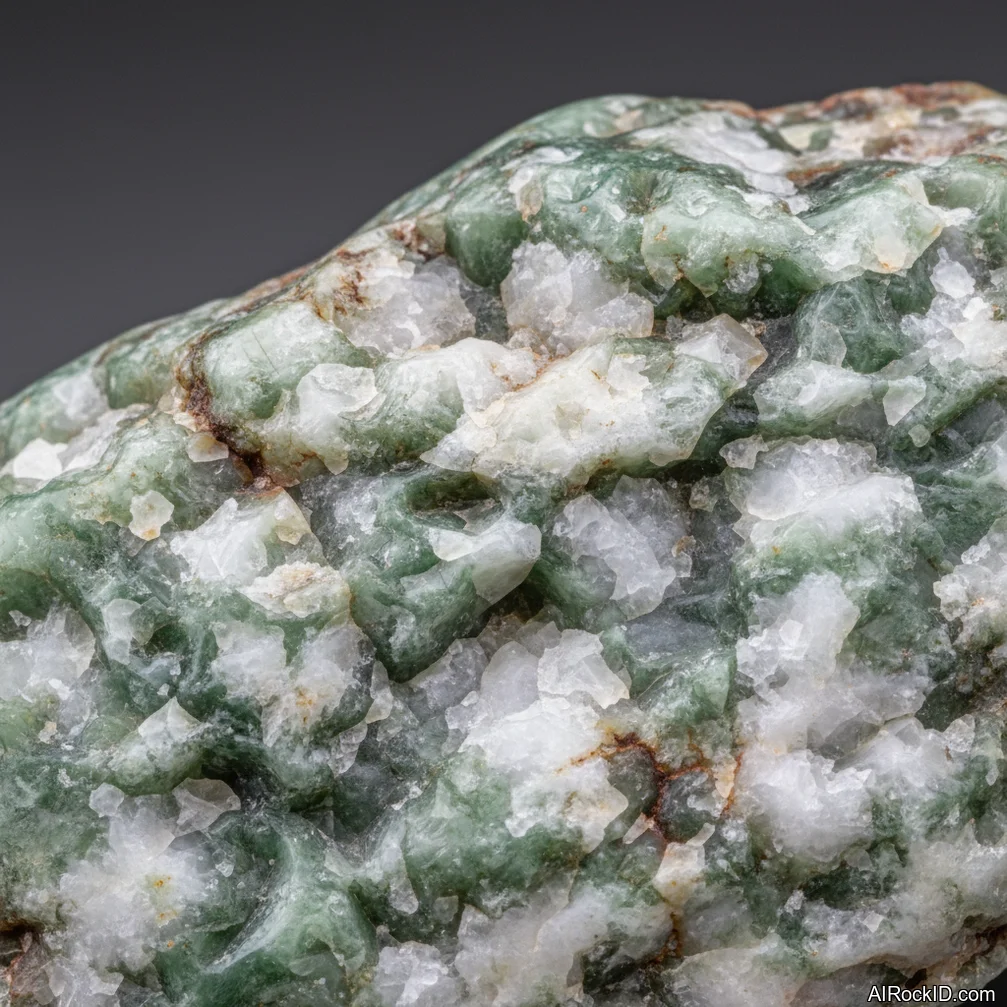
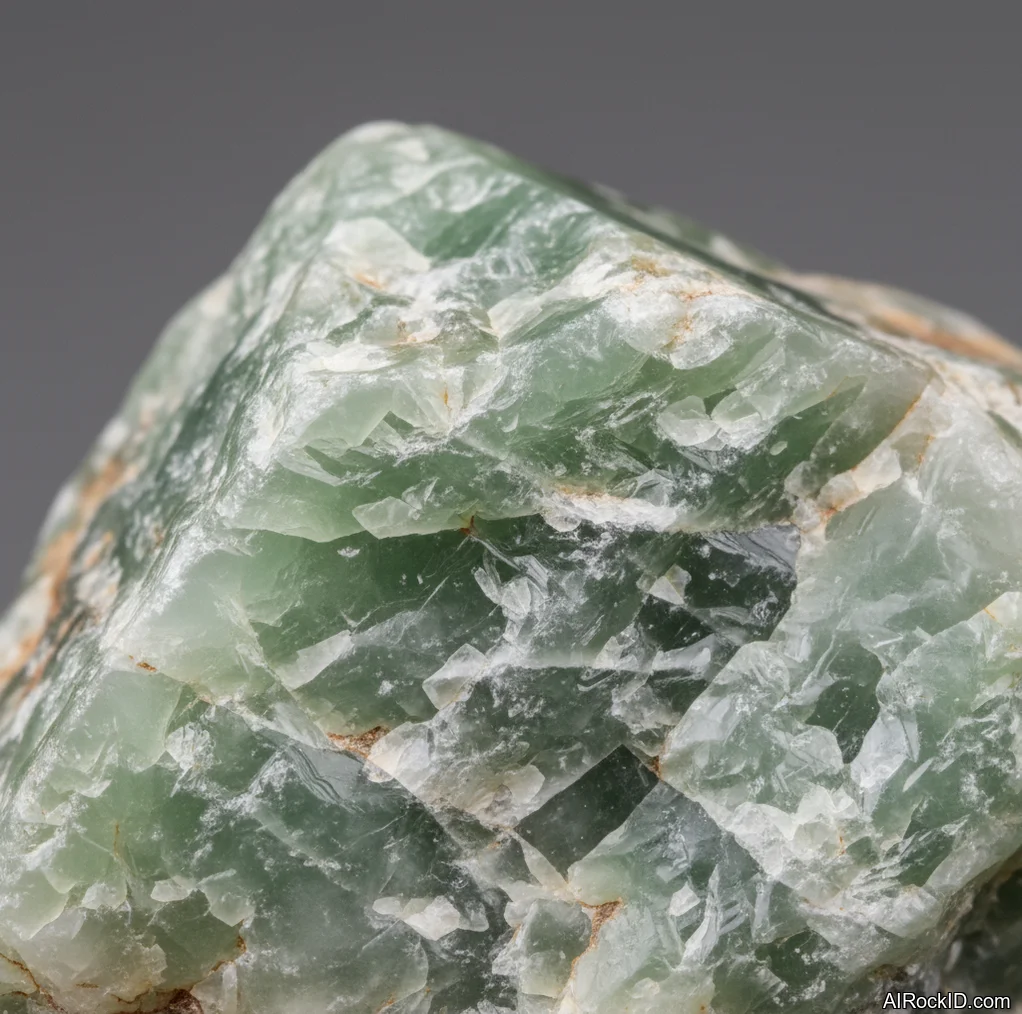
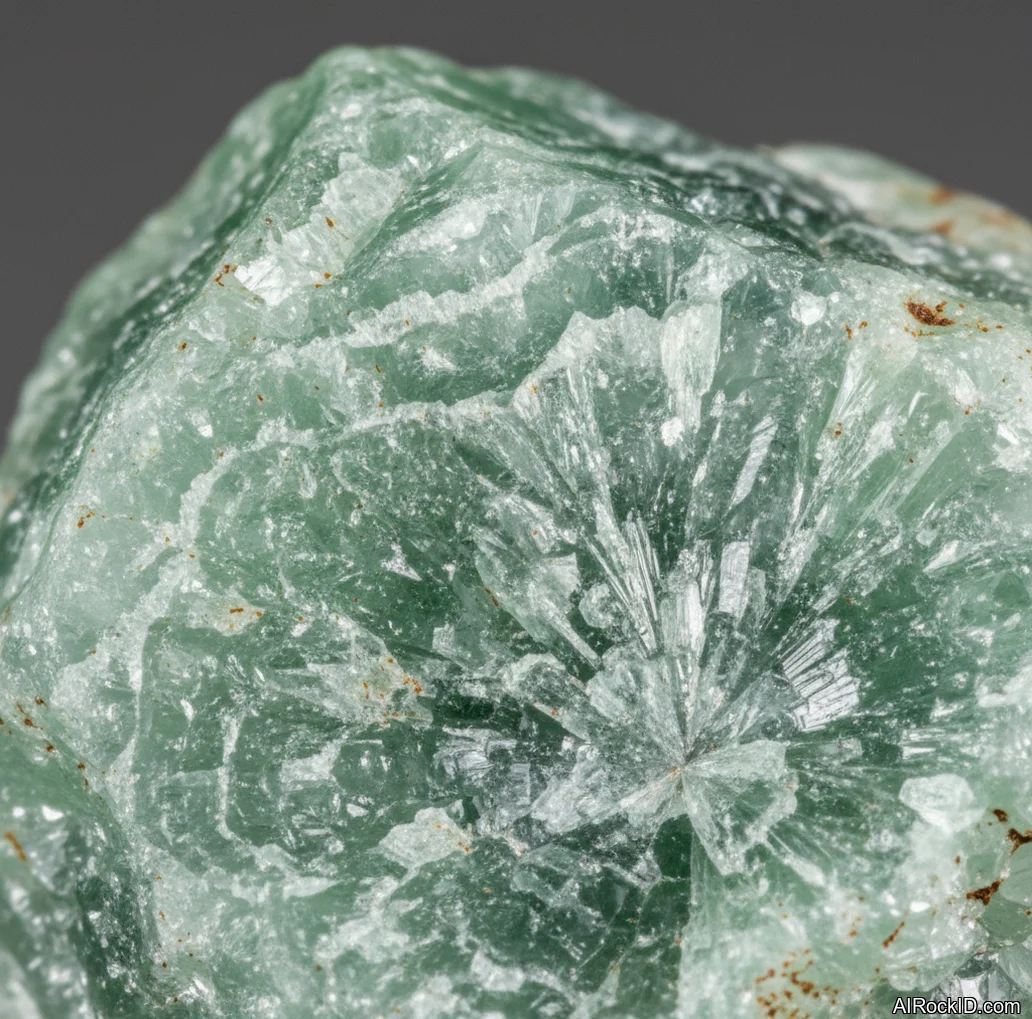
Pick up a stone tied to Growth and check in with your body first. Real minerals stay cool in the hand for a bit, even in a warm room. A chunky piece of green aventurine has a steady, almost dense feel, while a thin slice of malachite can feel surprisingly heavy for its size because it’s packed with copper. That physical reality is part of why people like working with crystals for Growth. It’s not just an idea in your head. You’ve got something you can touch, carry, and come back to when you’re trying to make something stick.
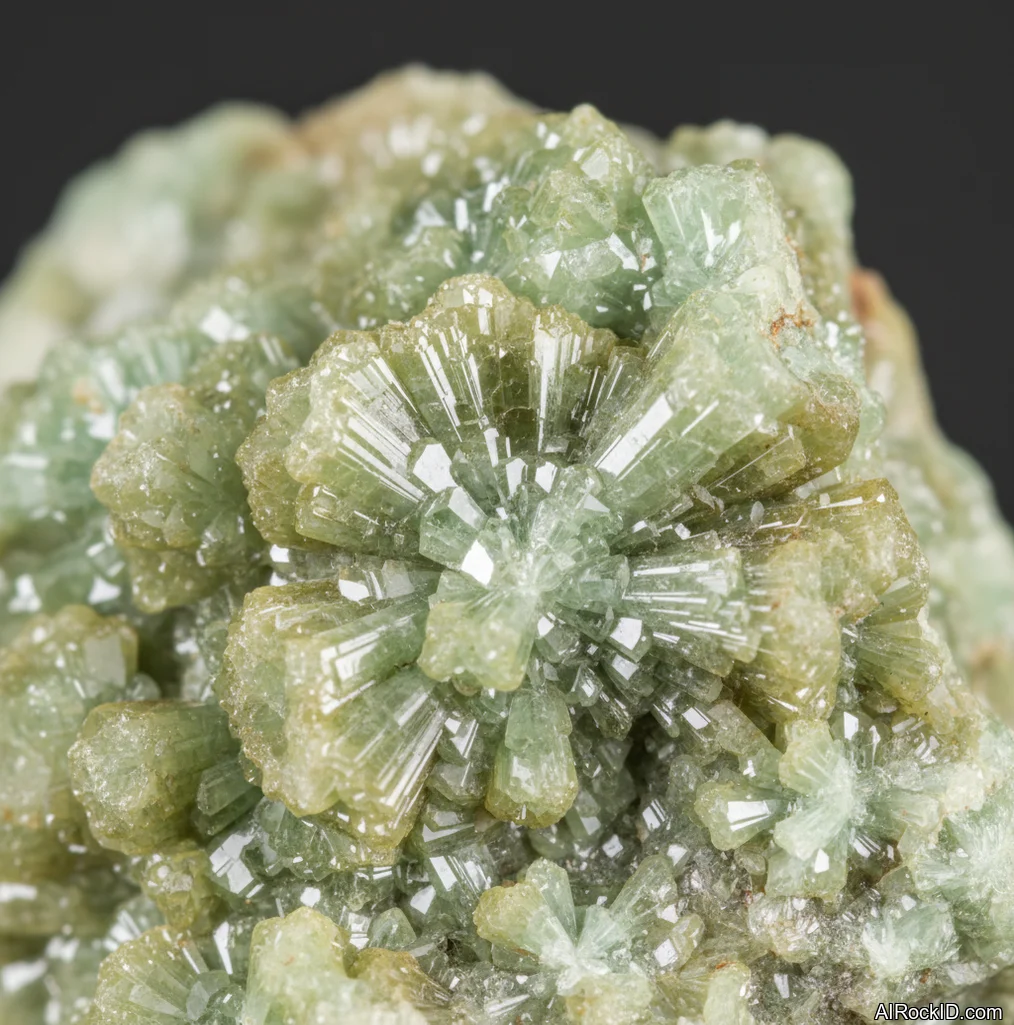
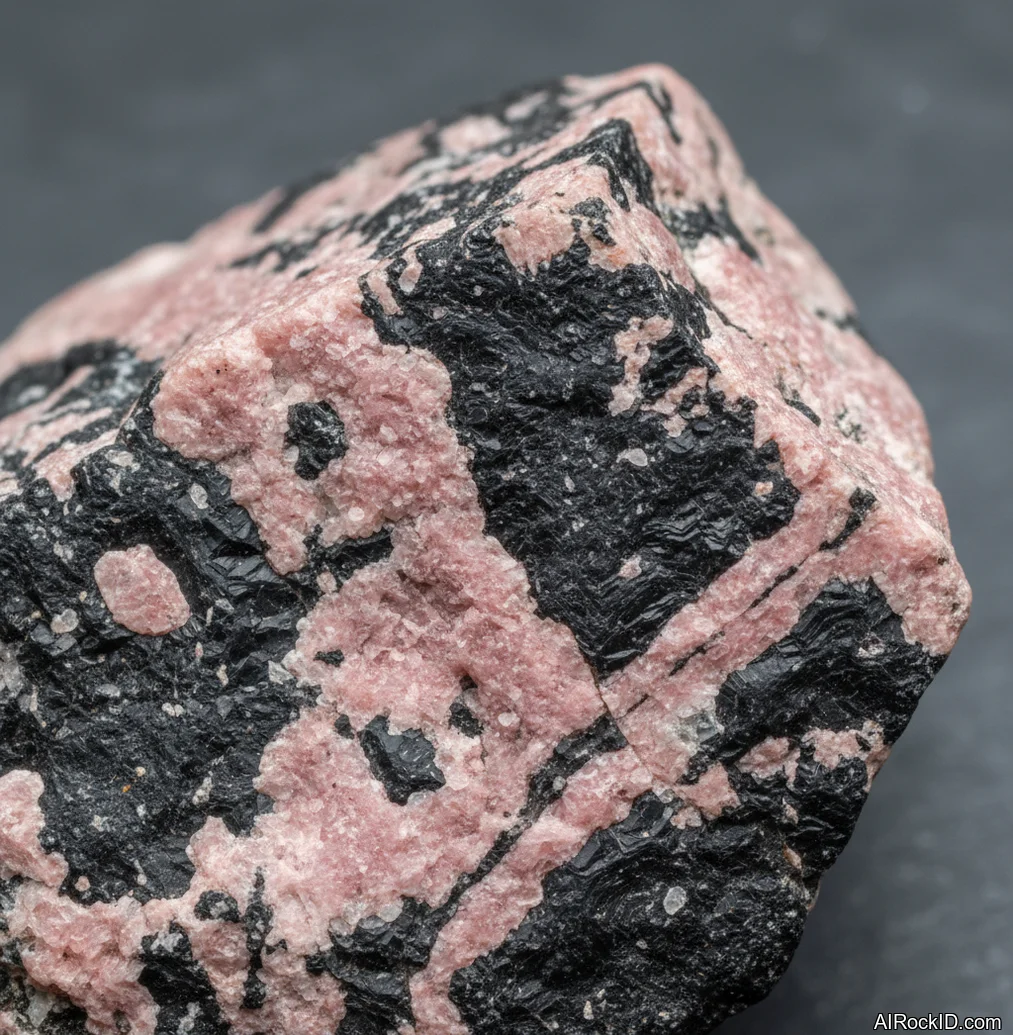
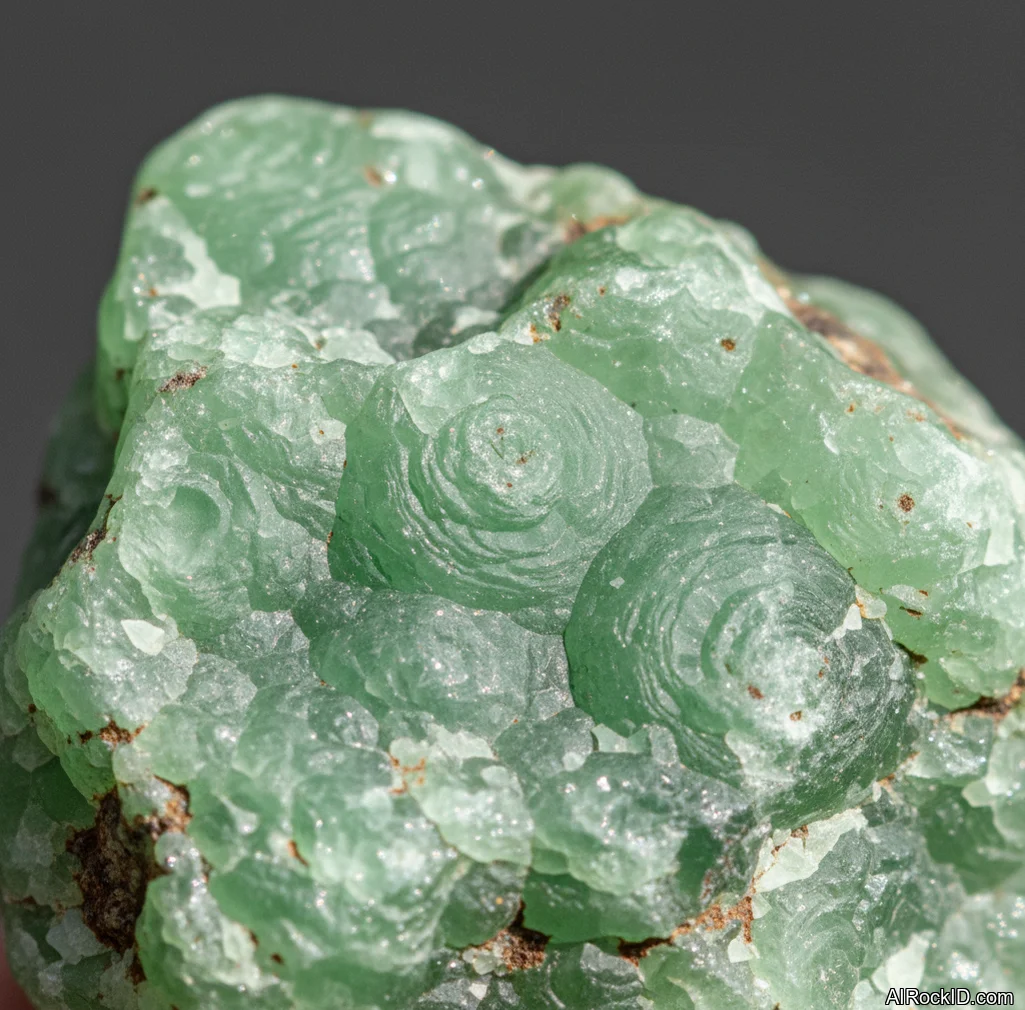
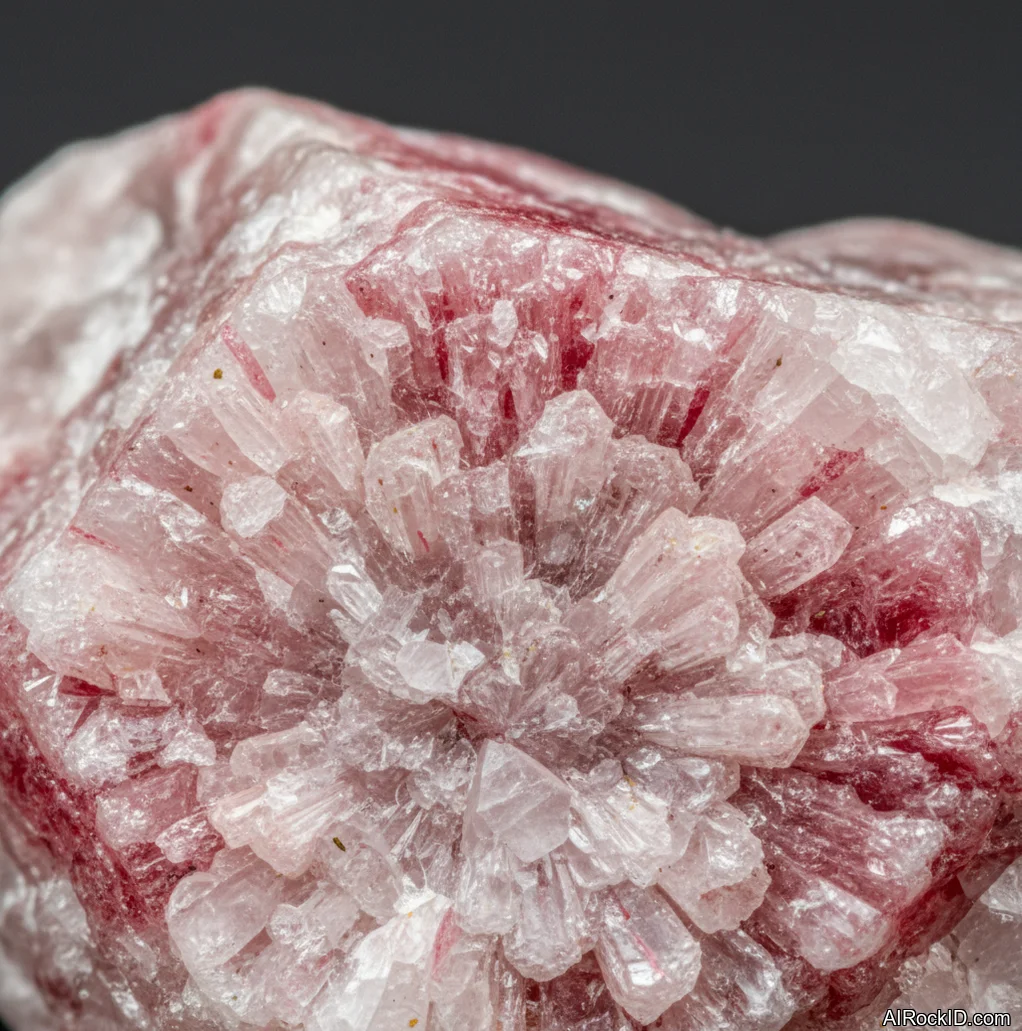
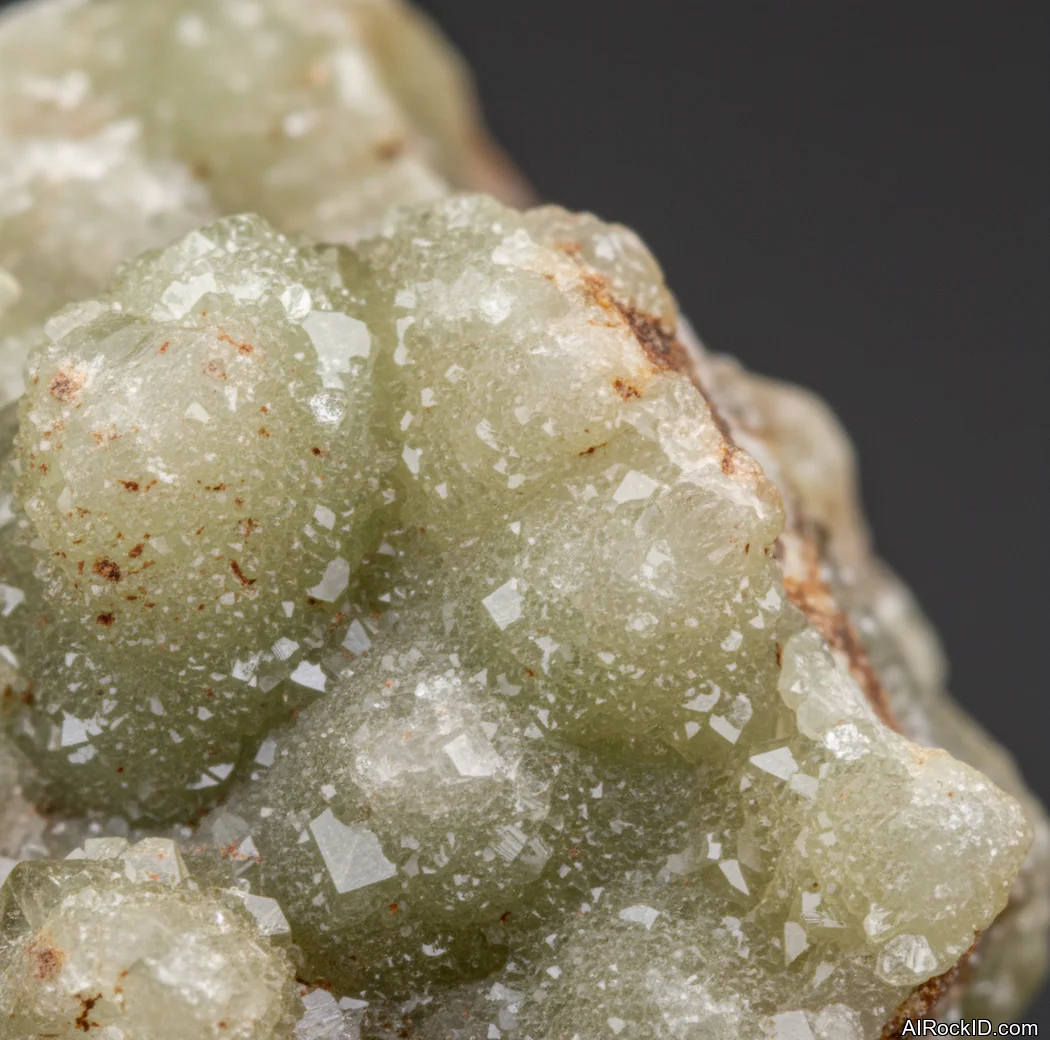
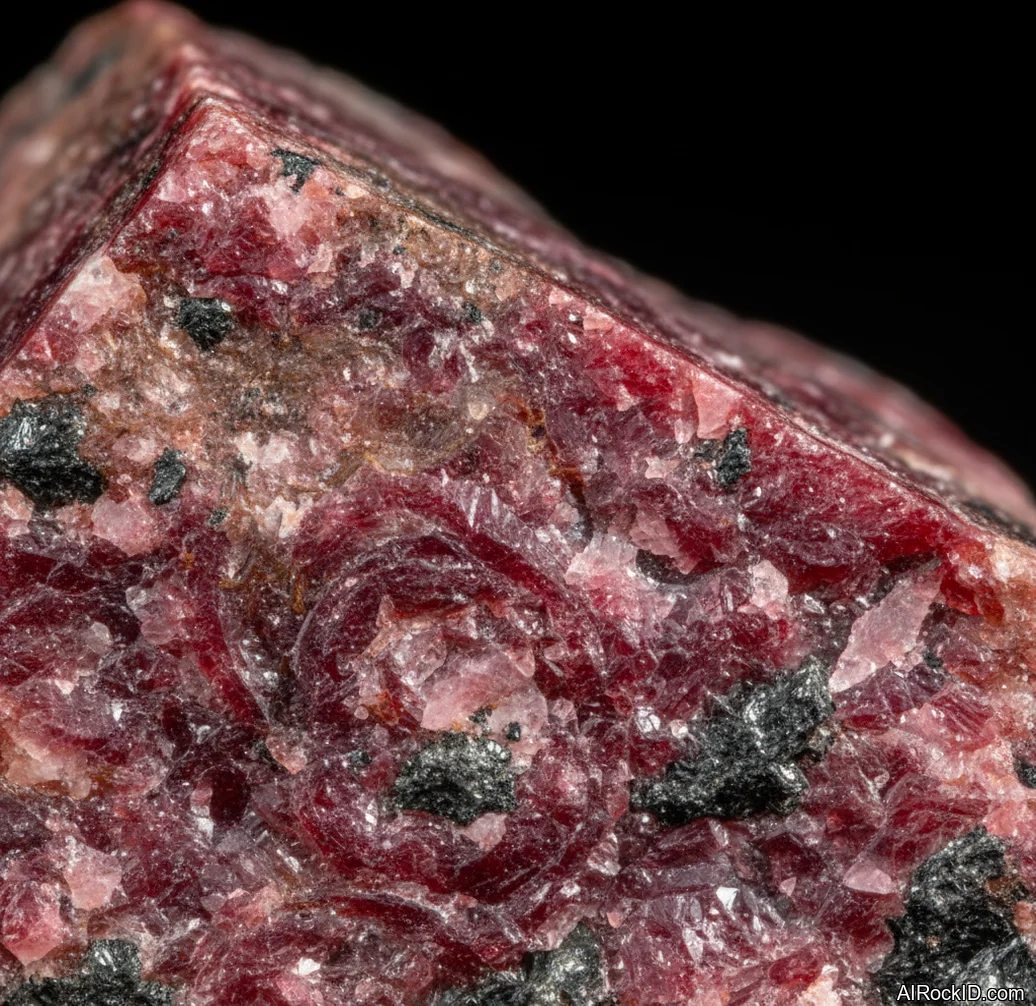
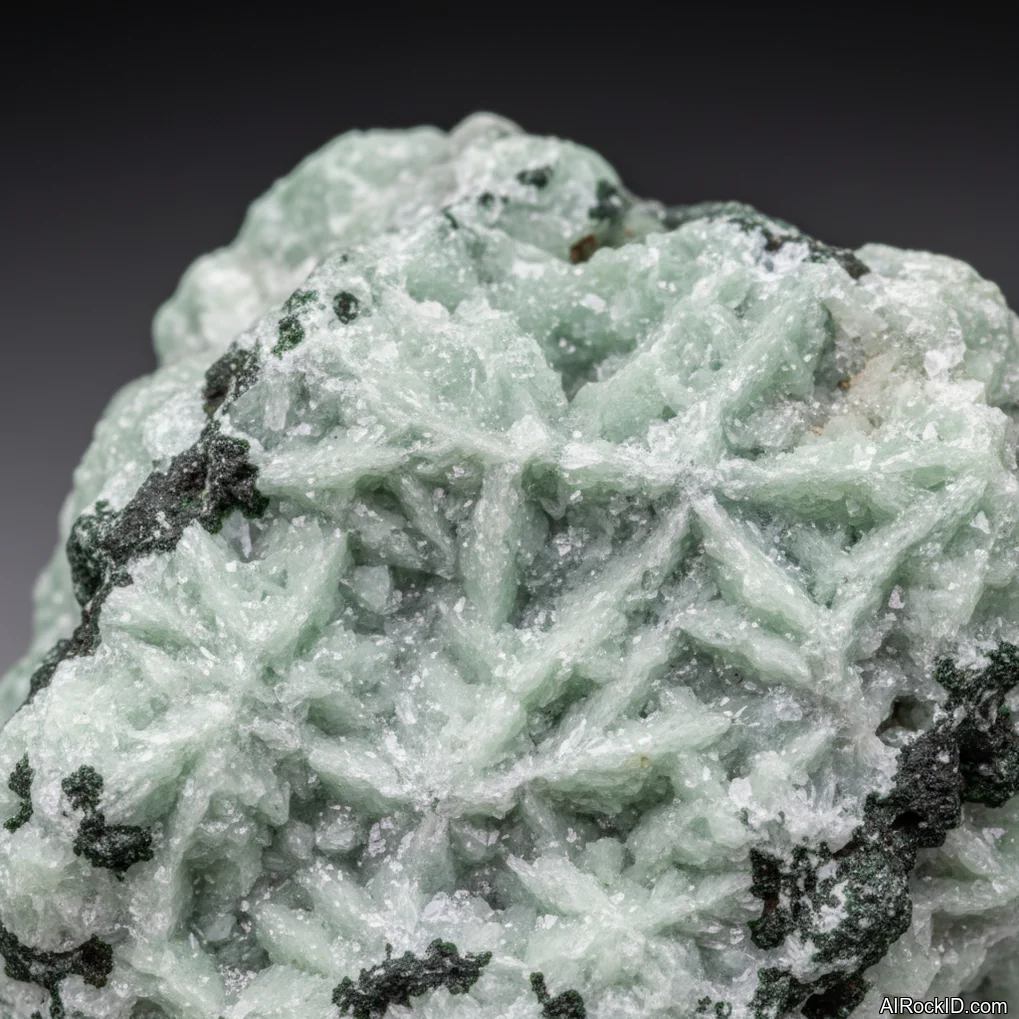
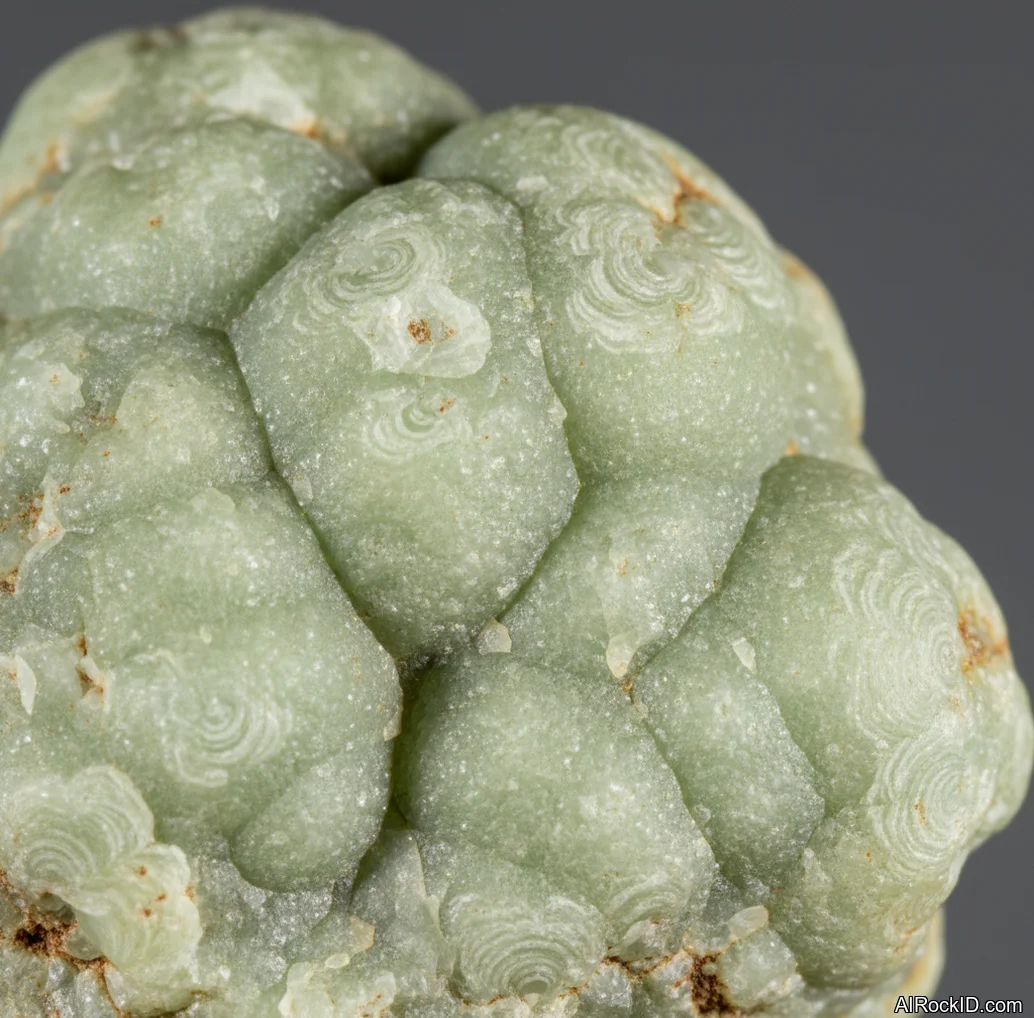
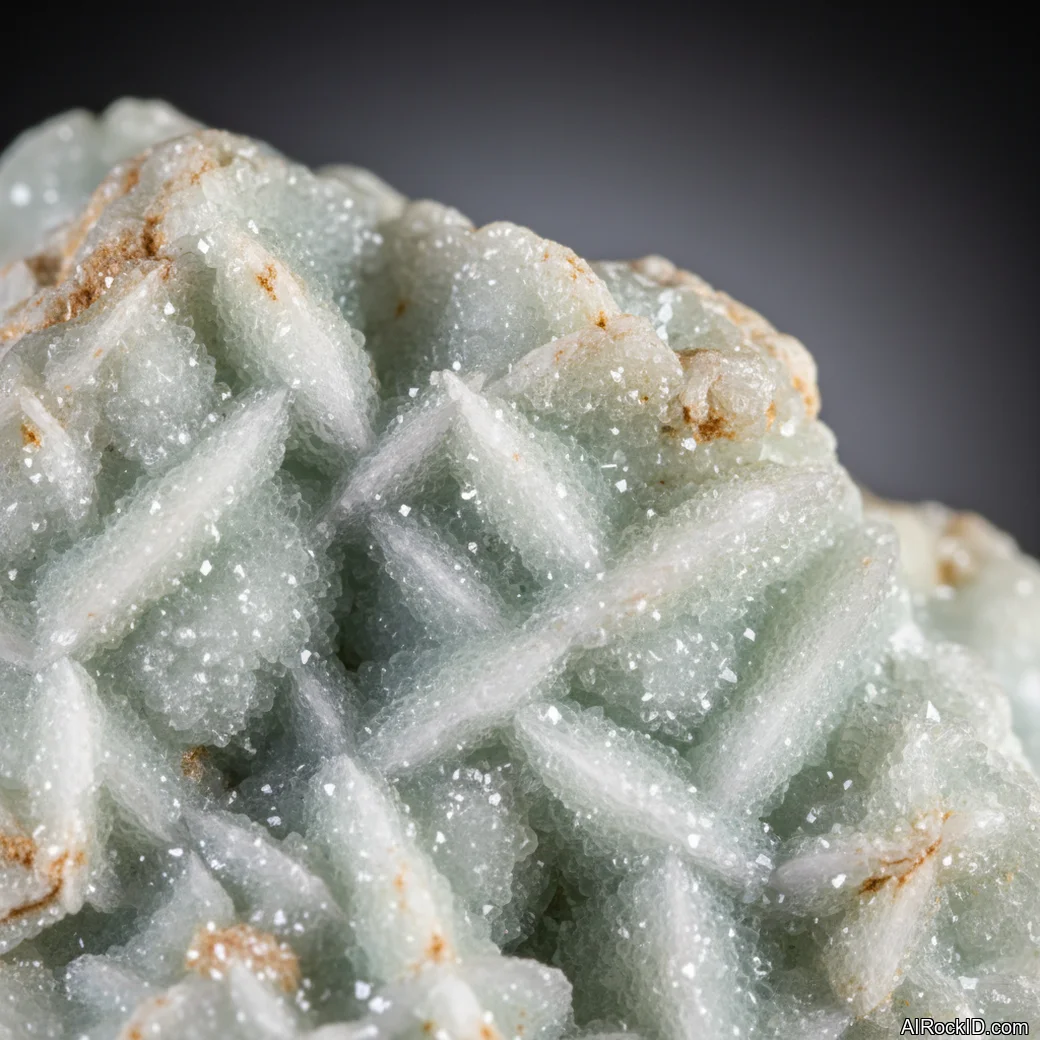
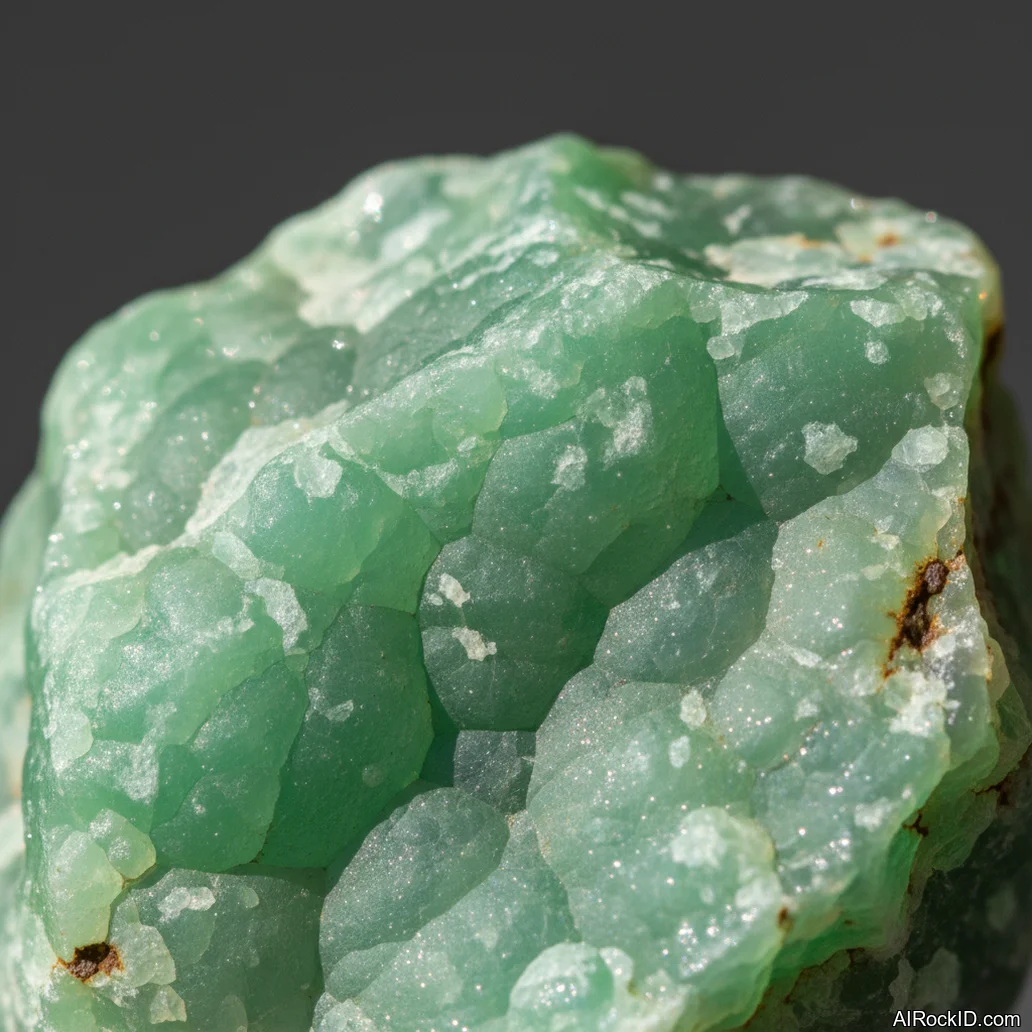
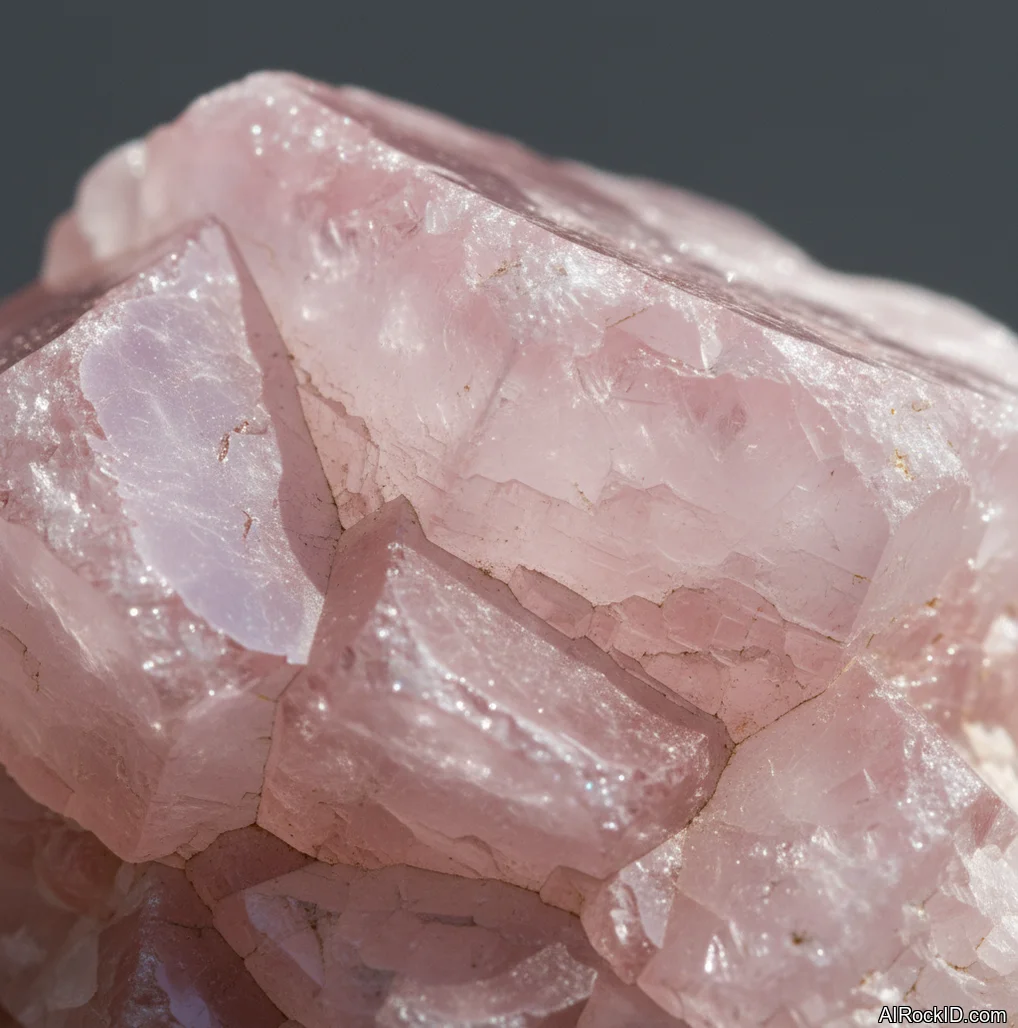
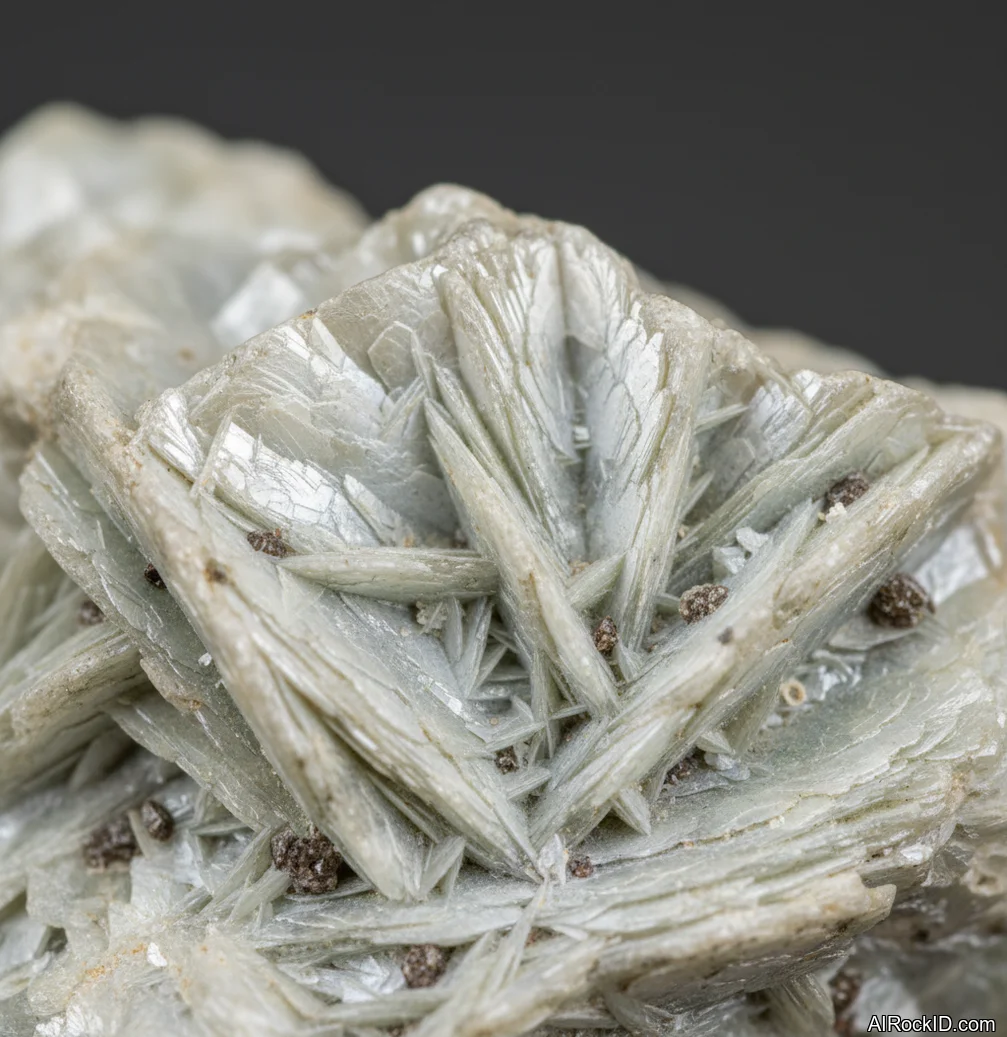
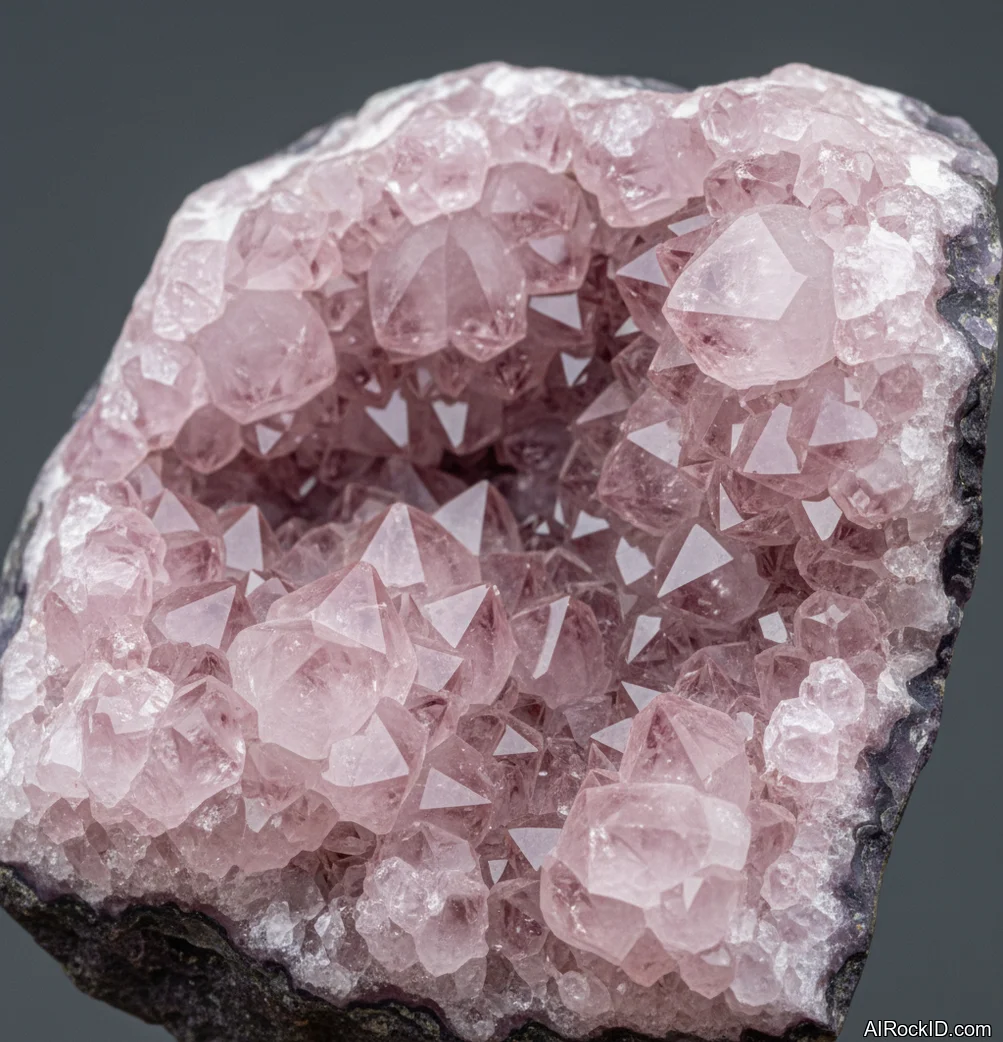
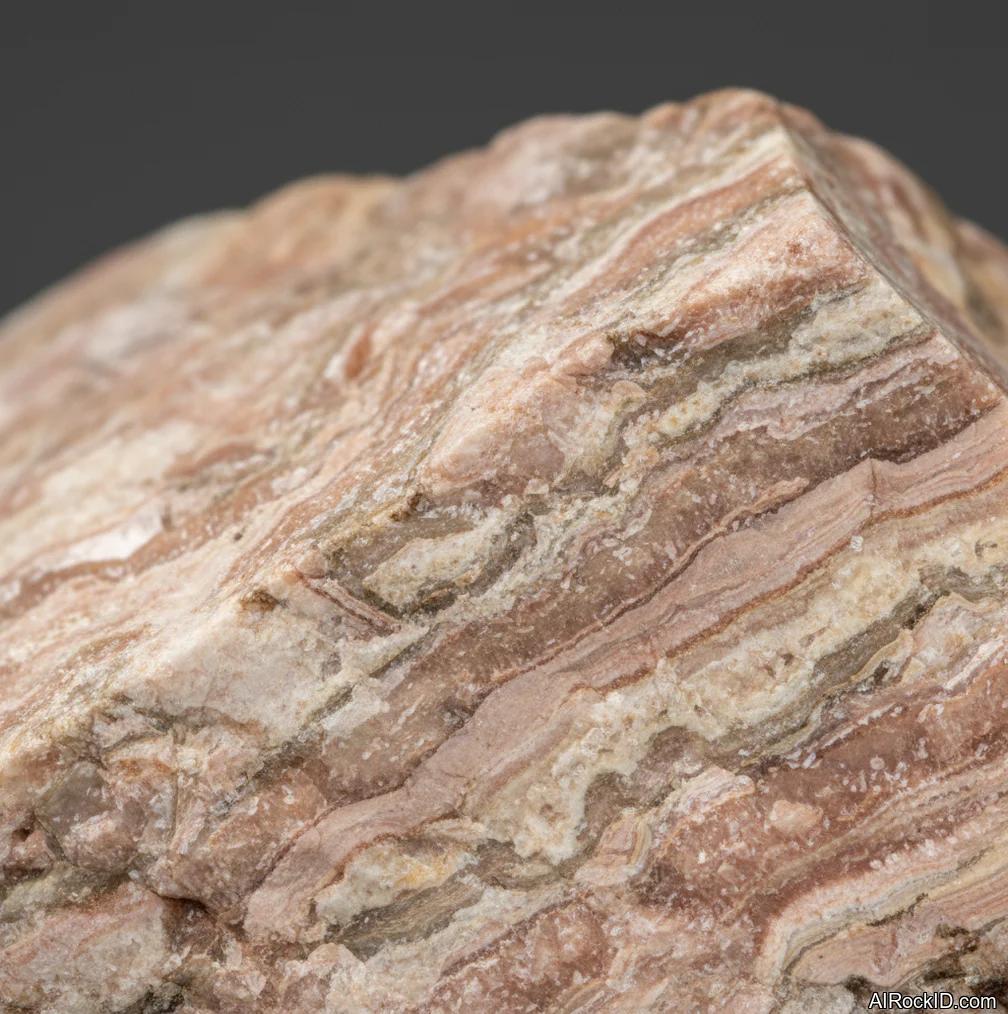
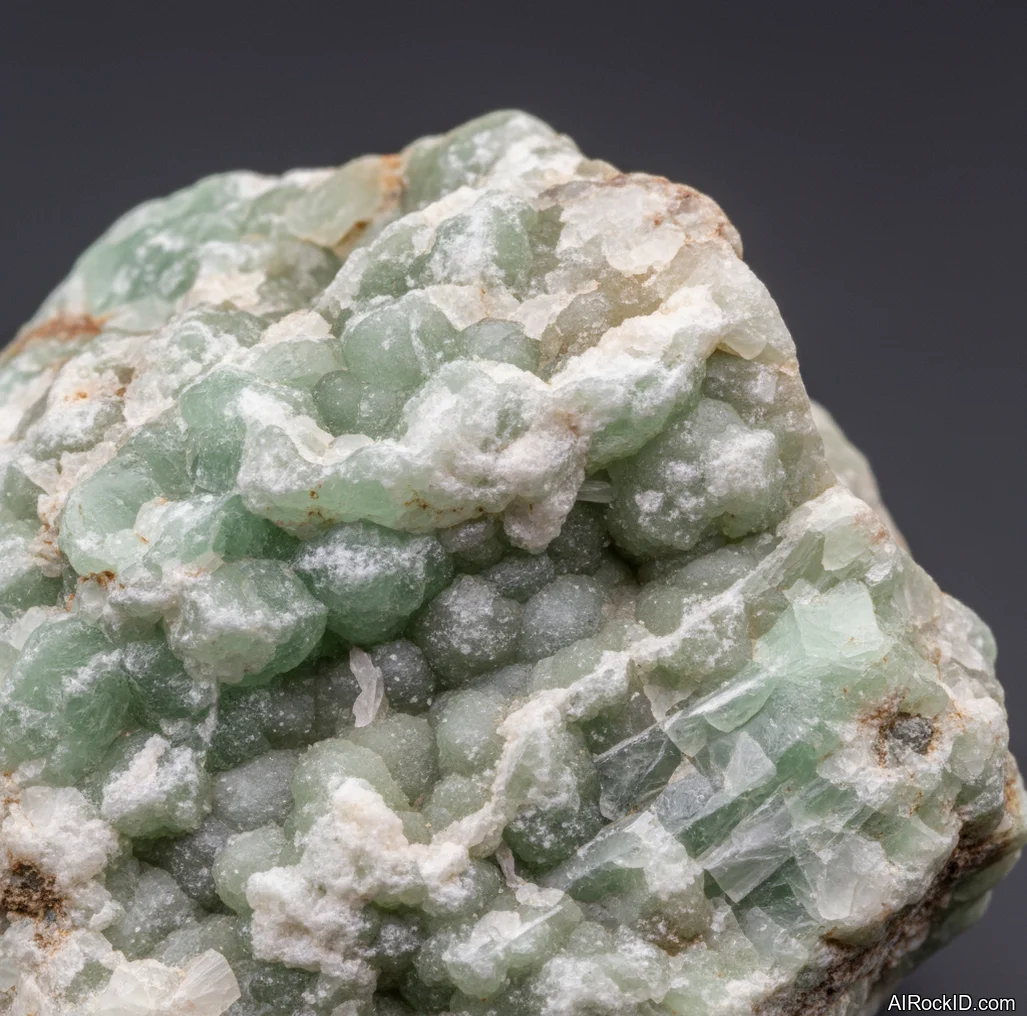
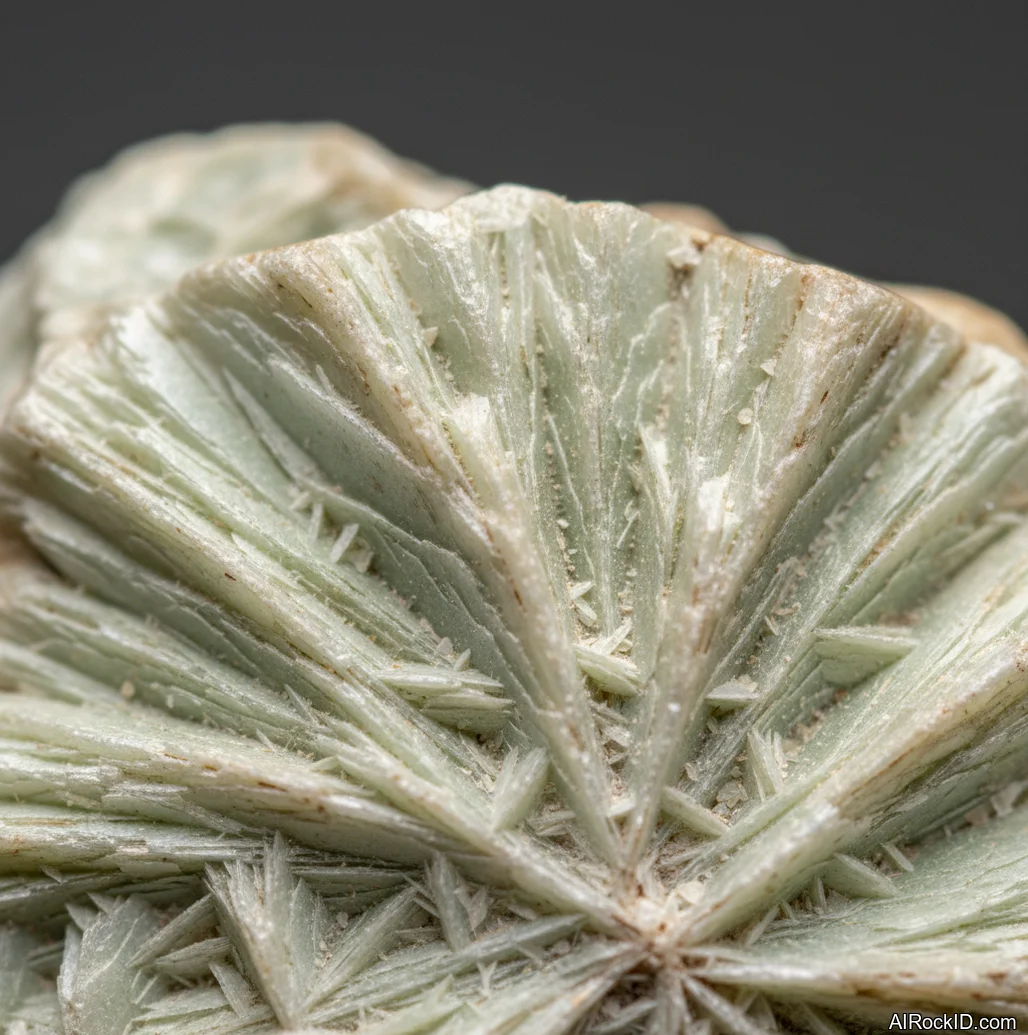
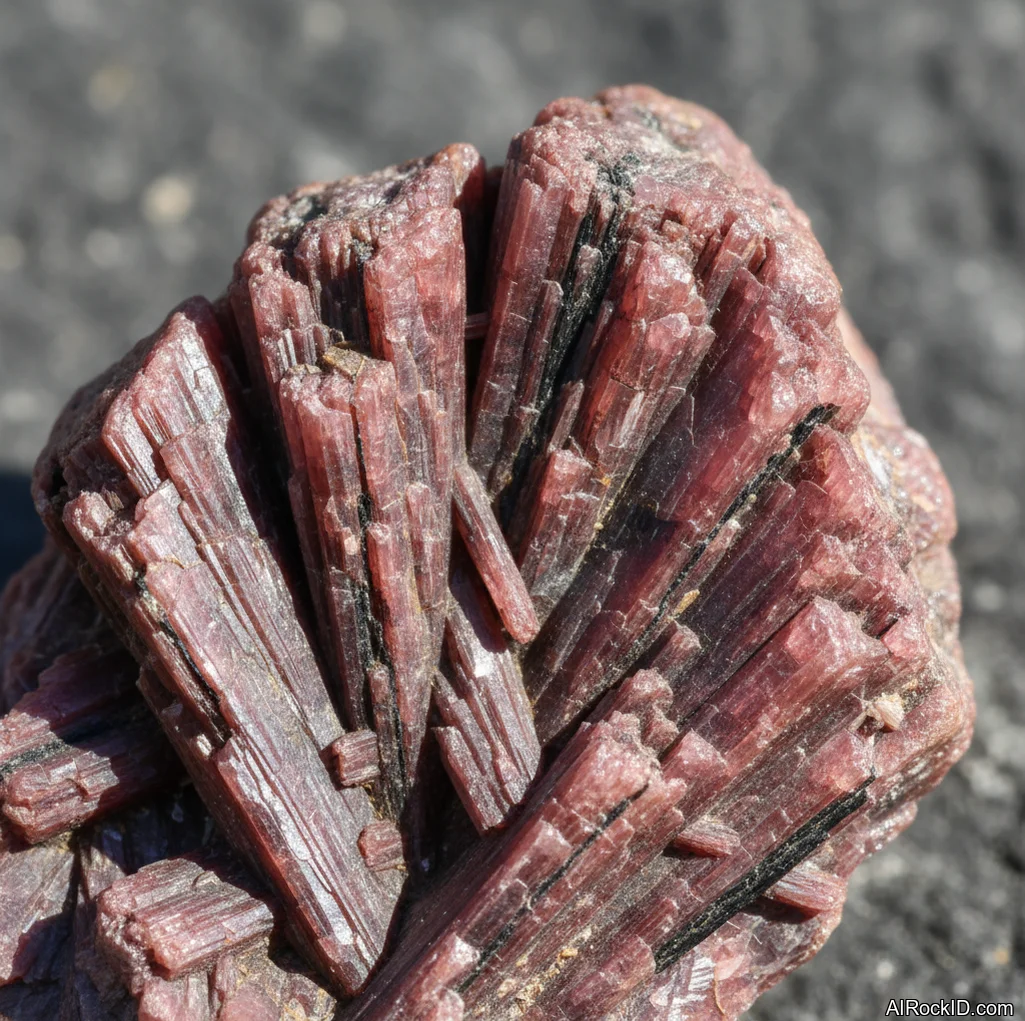
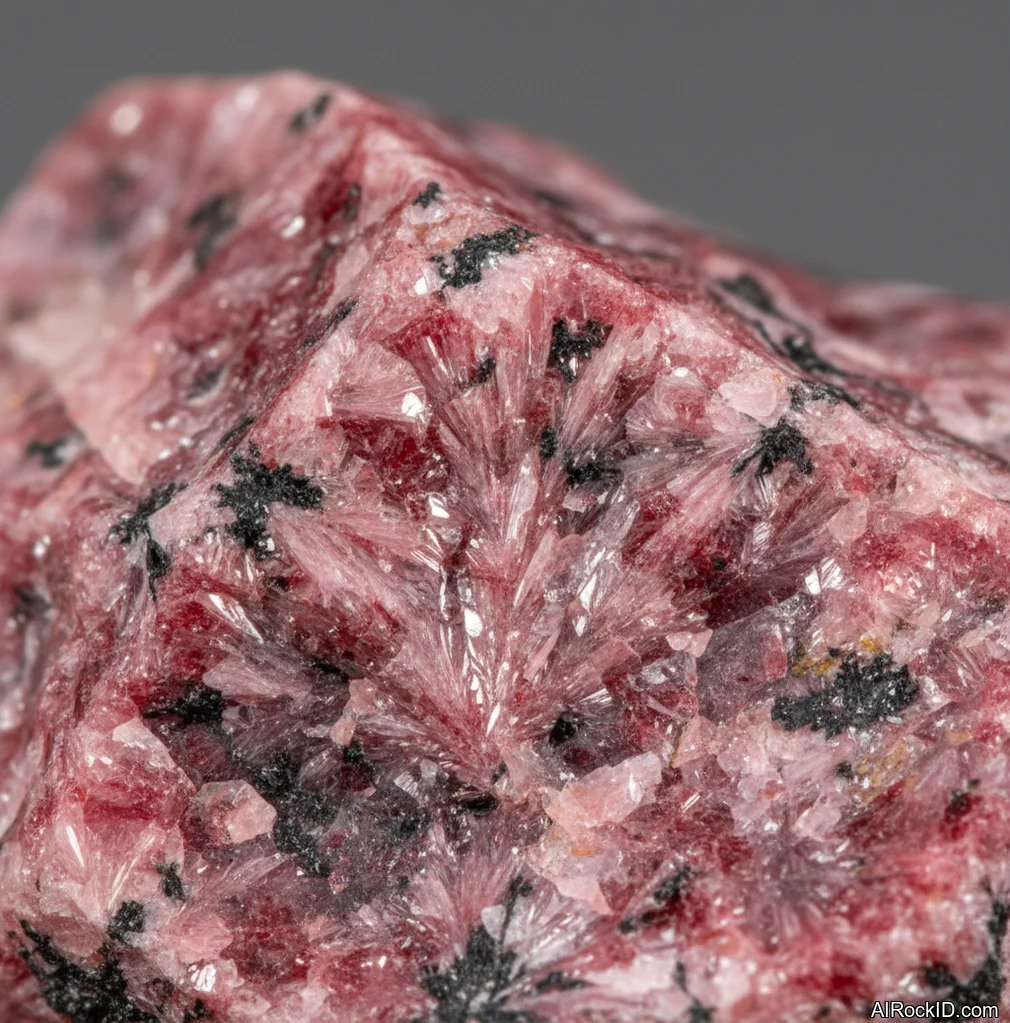
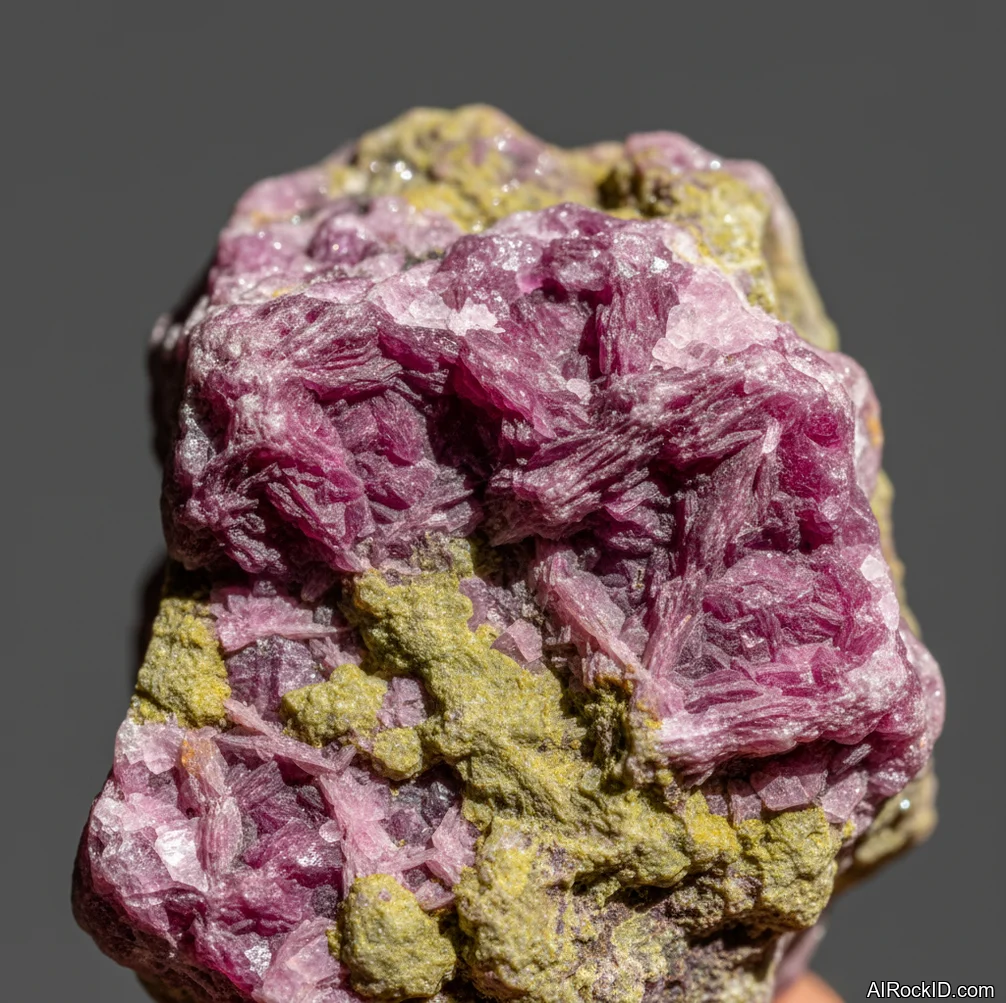
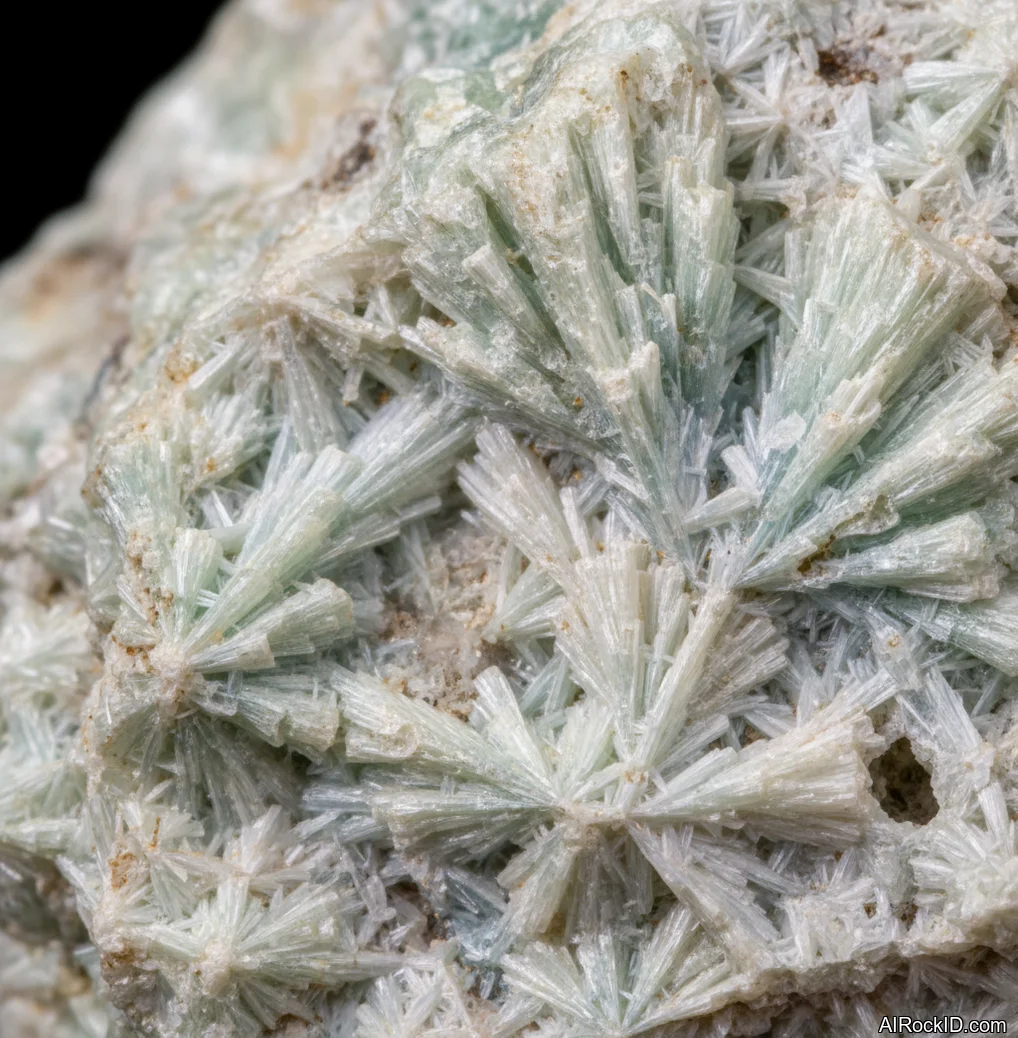
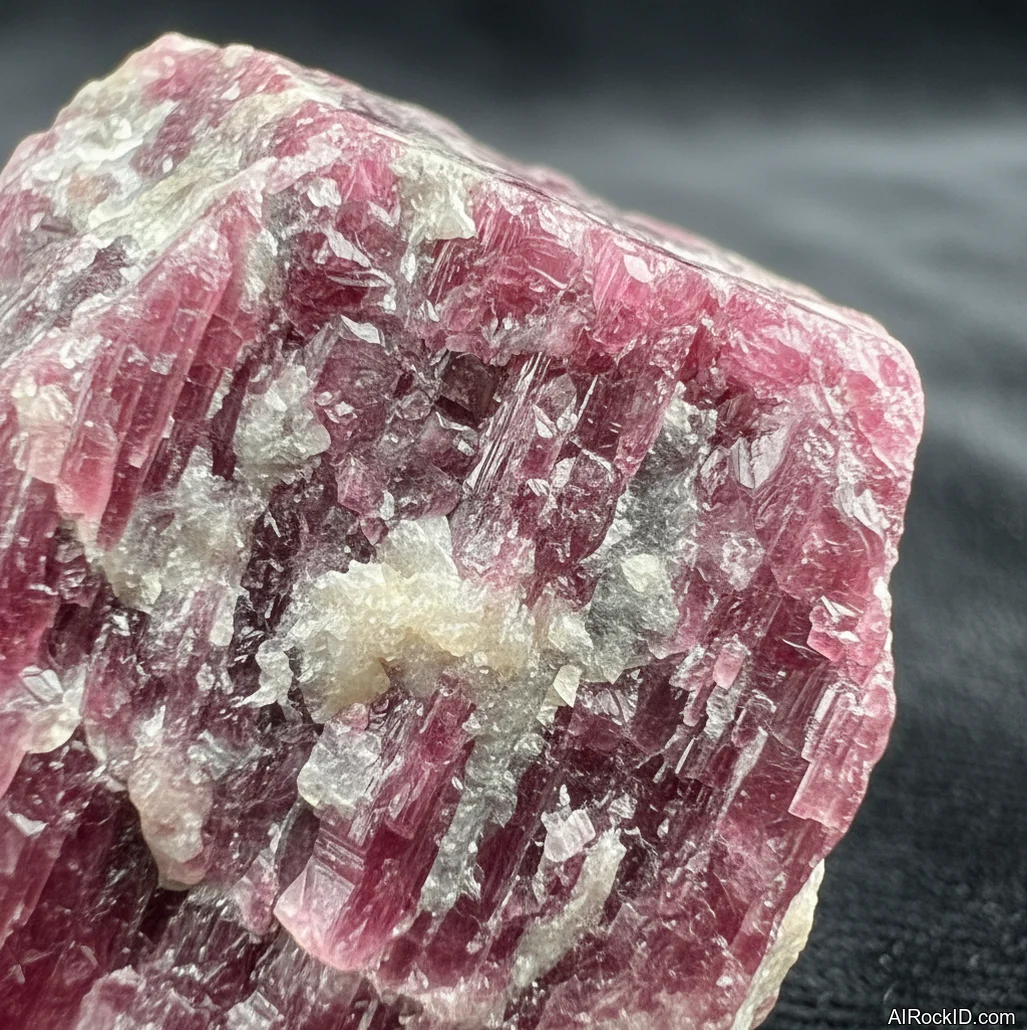
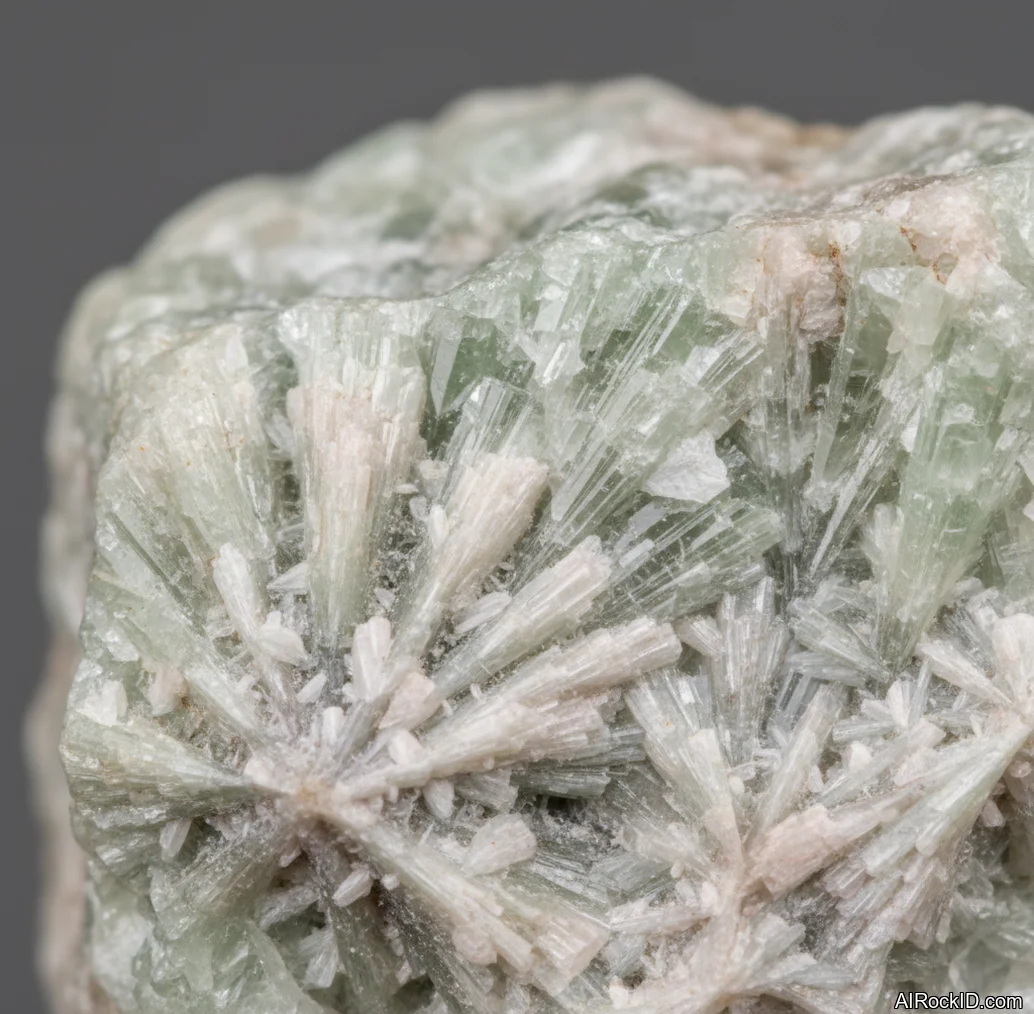
A lot of folks reach for Growth crystals when they’re starting something new, but I see them get used most when people are halfway in and tired. That point where the “new job energy” wears off and you’re left with routines, feedback, and the boring parts. Stones like citrine, pyrite, and sunstone tend to get picked for that forward-motion vibe, especially around goals and confidence. But for emotional growth, people usually drift toward green and pink material: rose quartz when the work is softer, rhodonite when it’s about repair and boundaries, and prehnite when the goal is calmer decision-making.
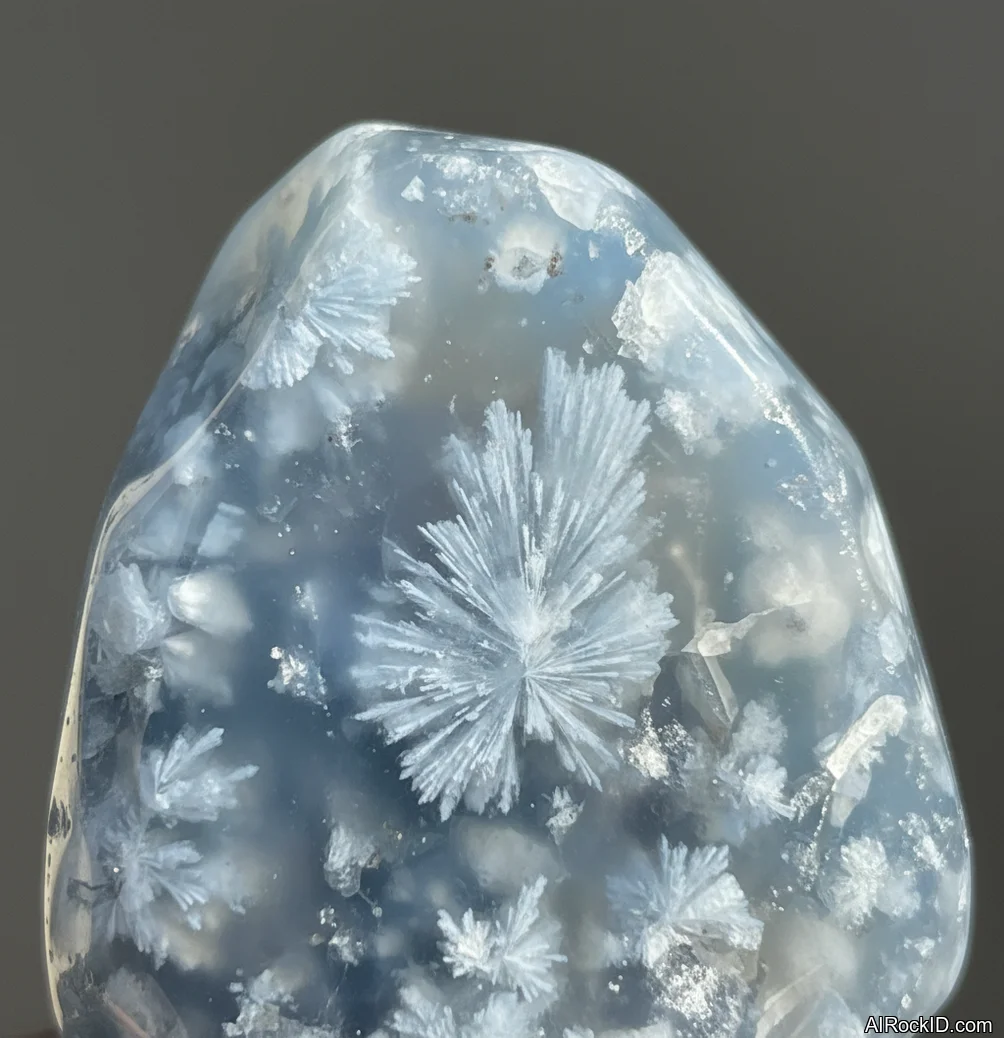
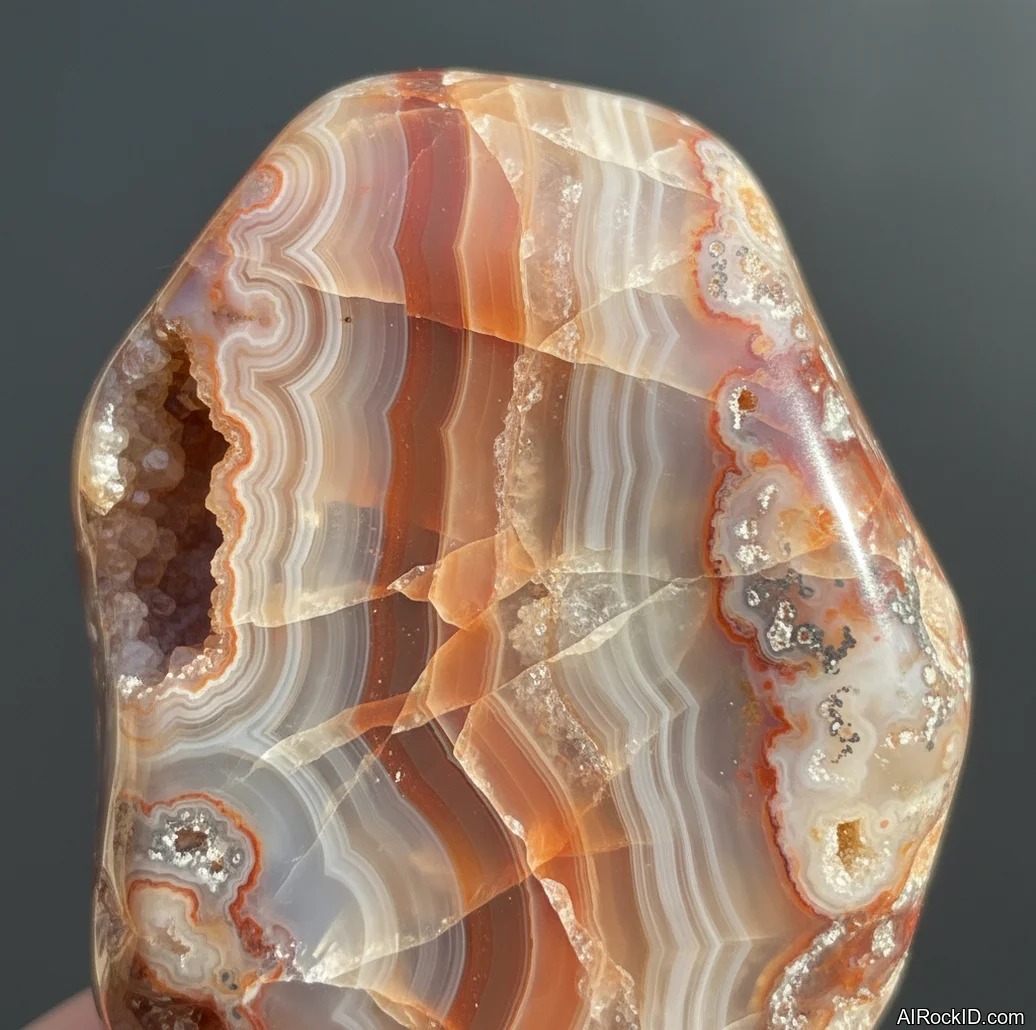
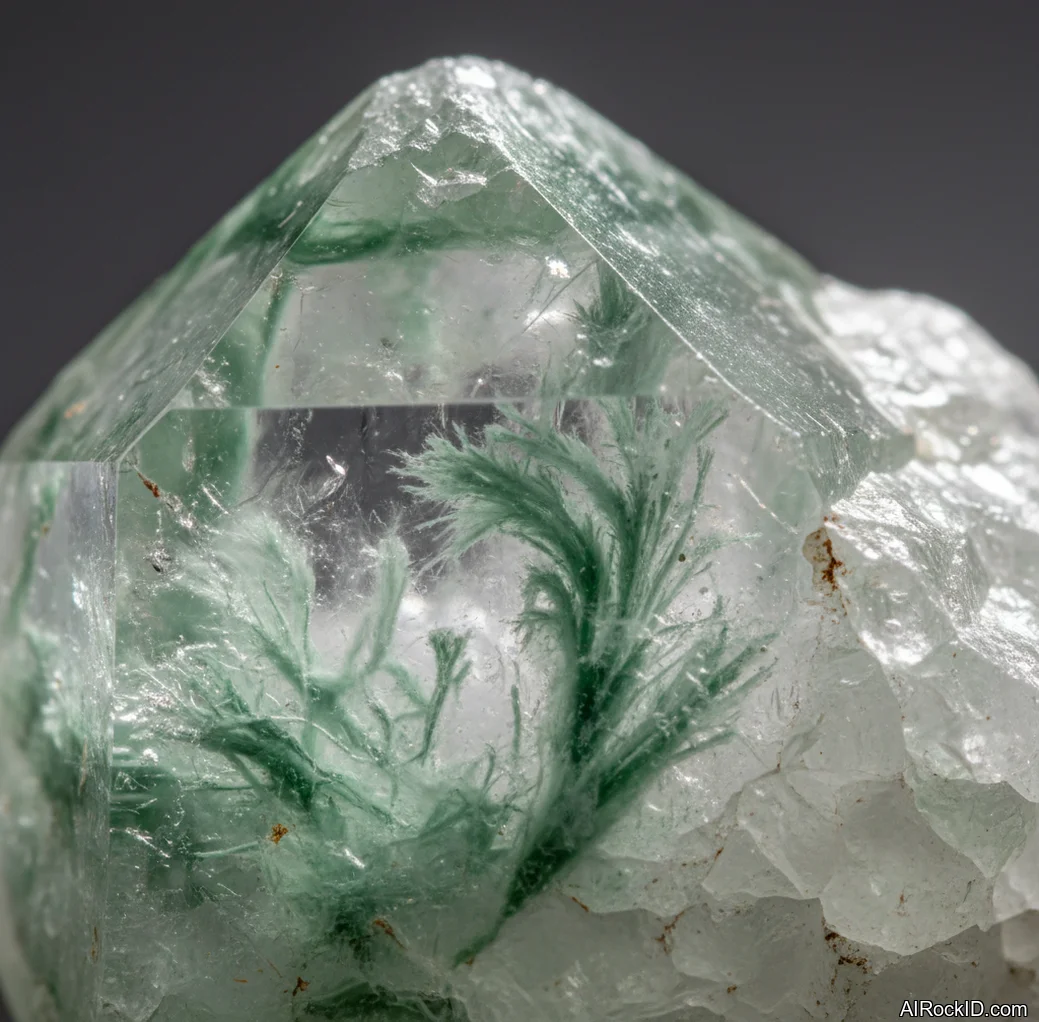
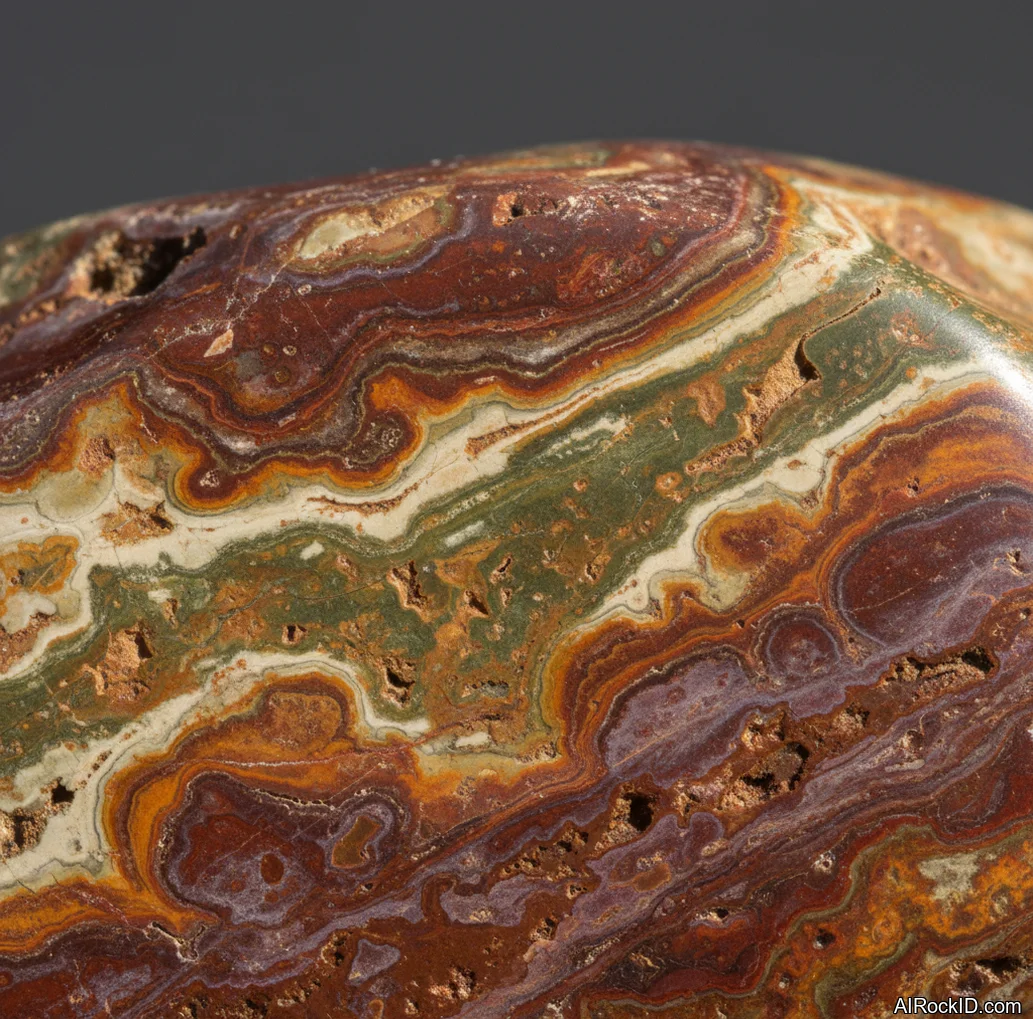
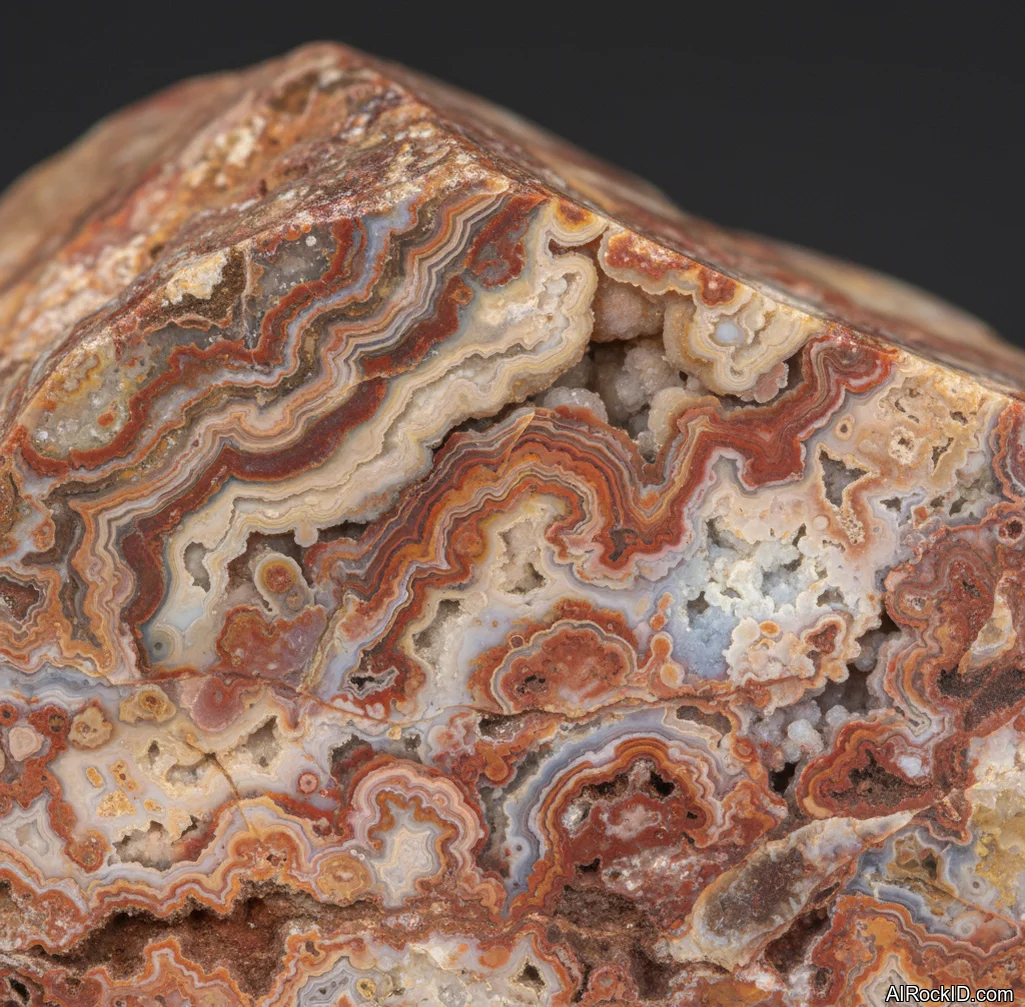
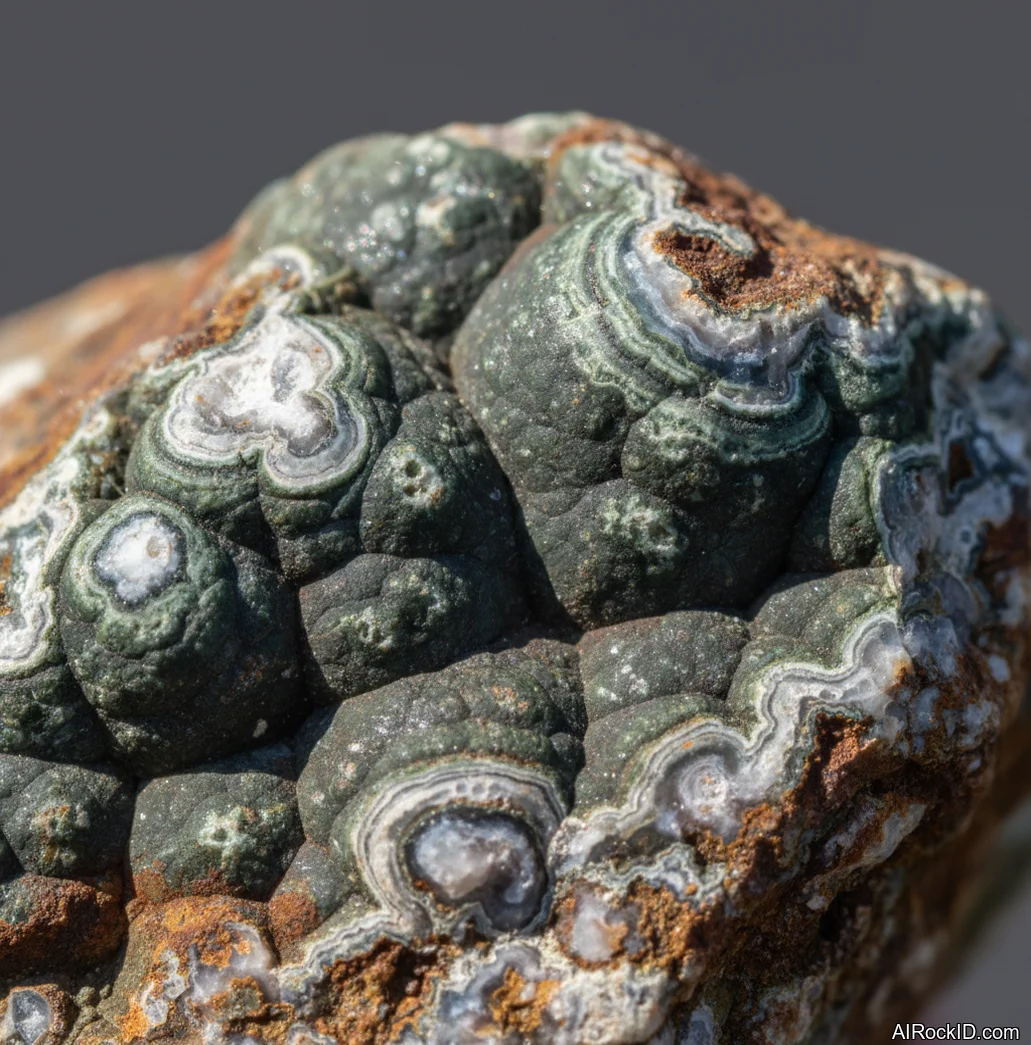
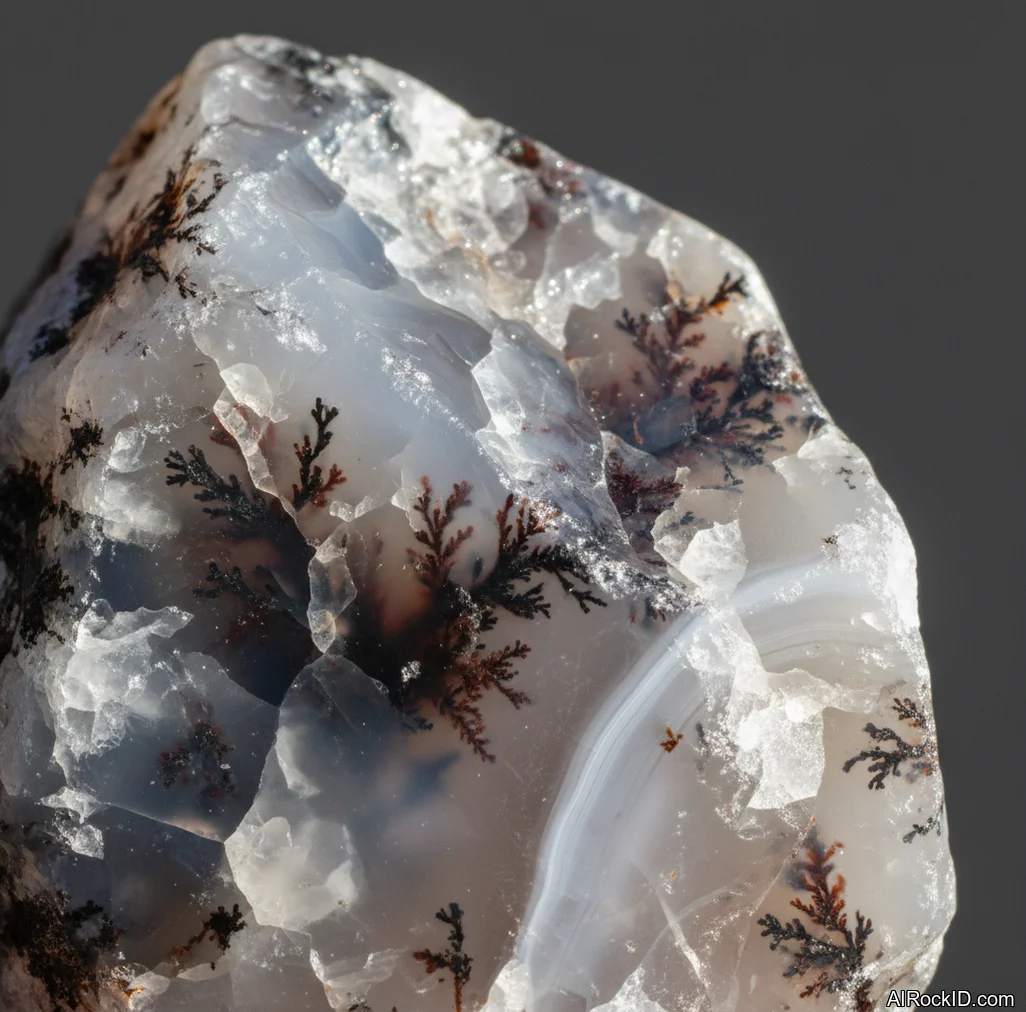
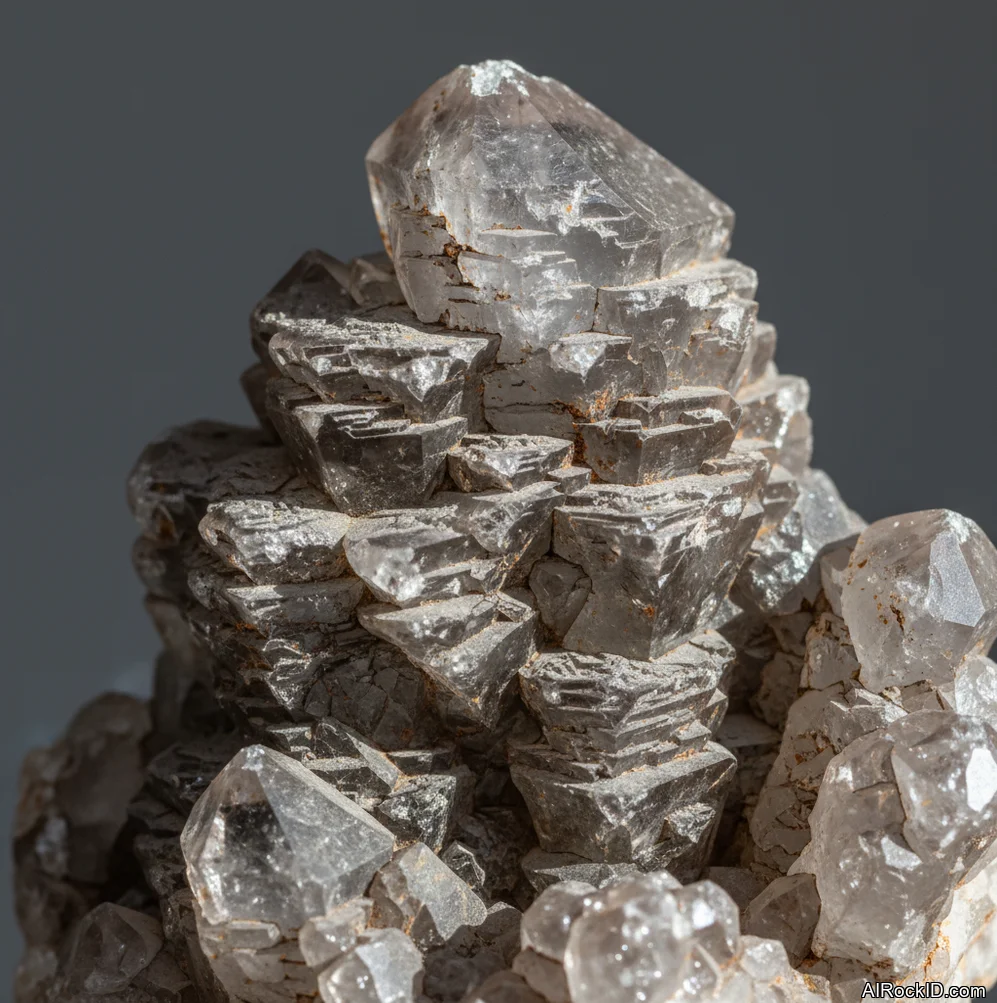
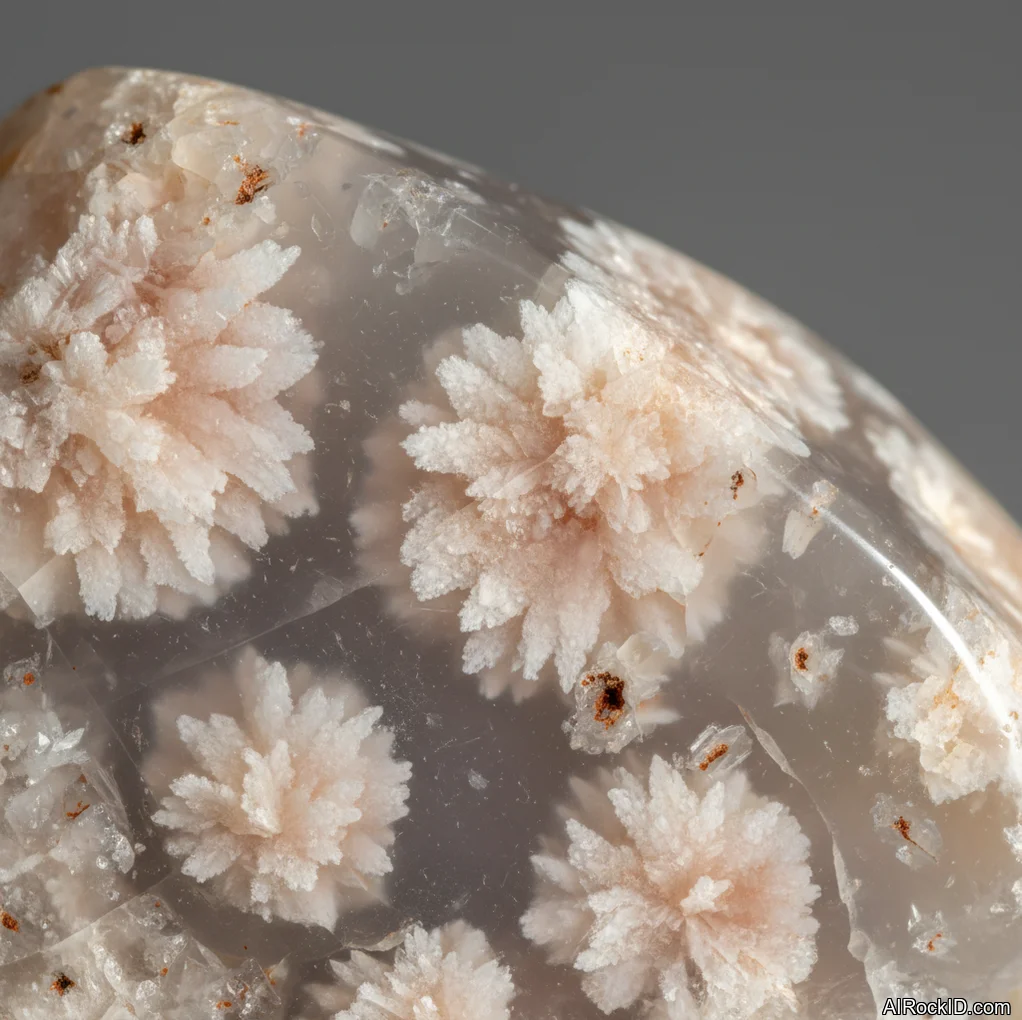
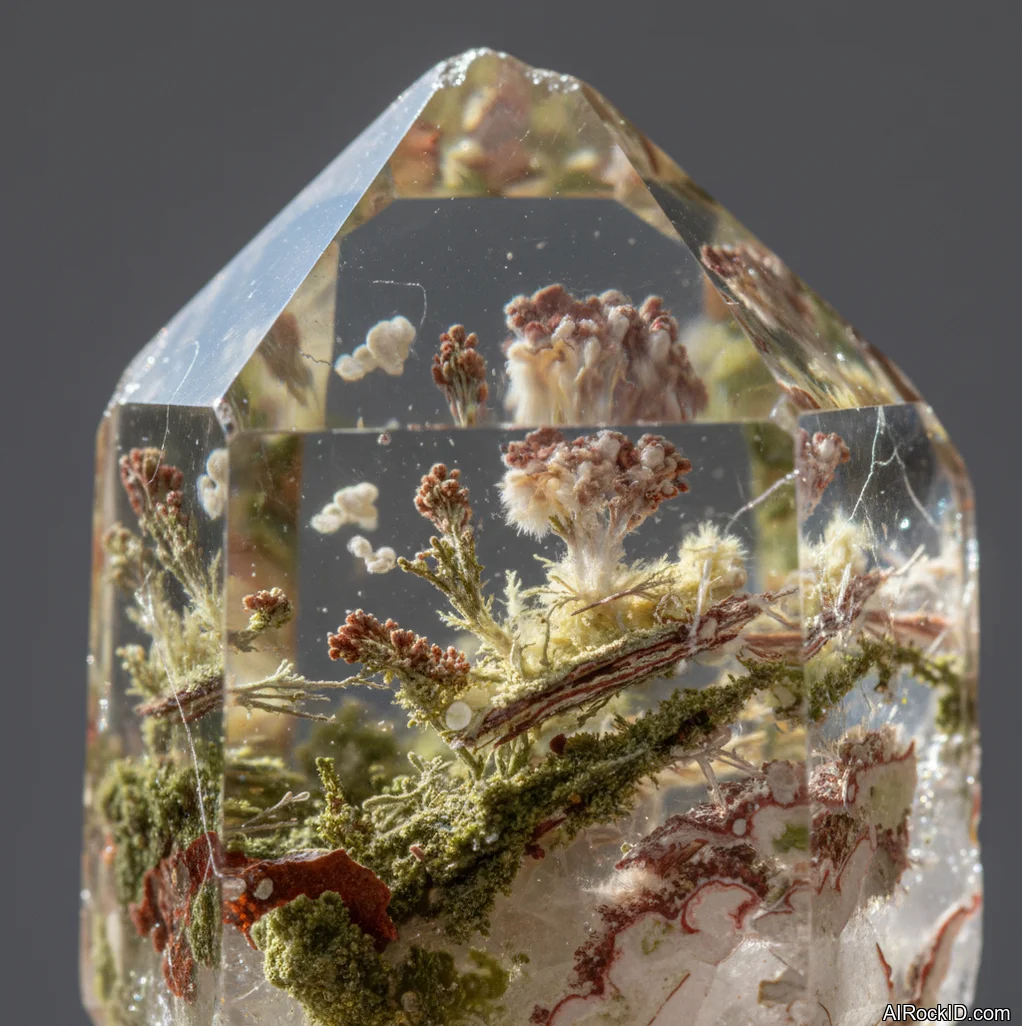
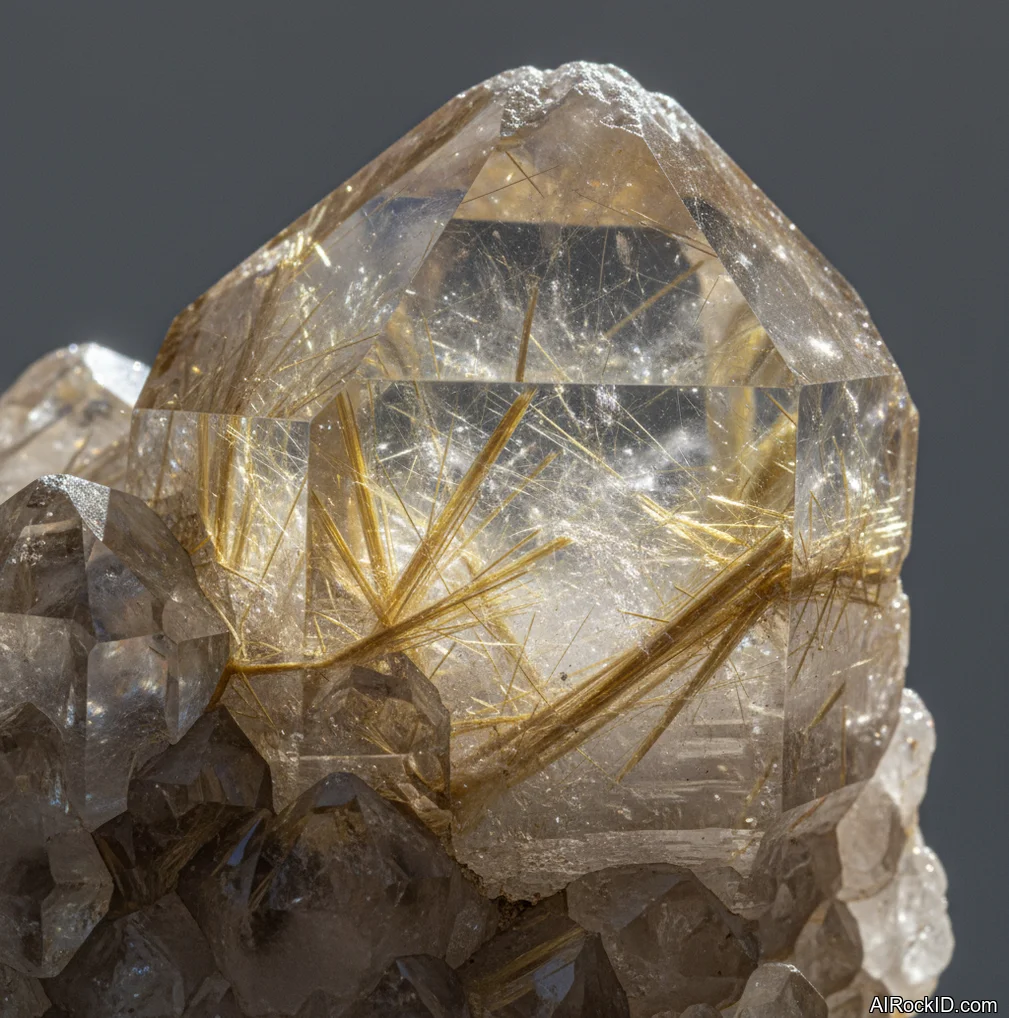
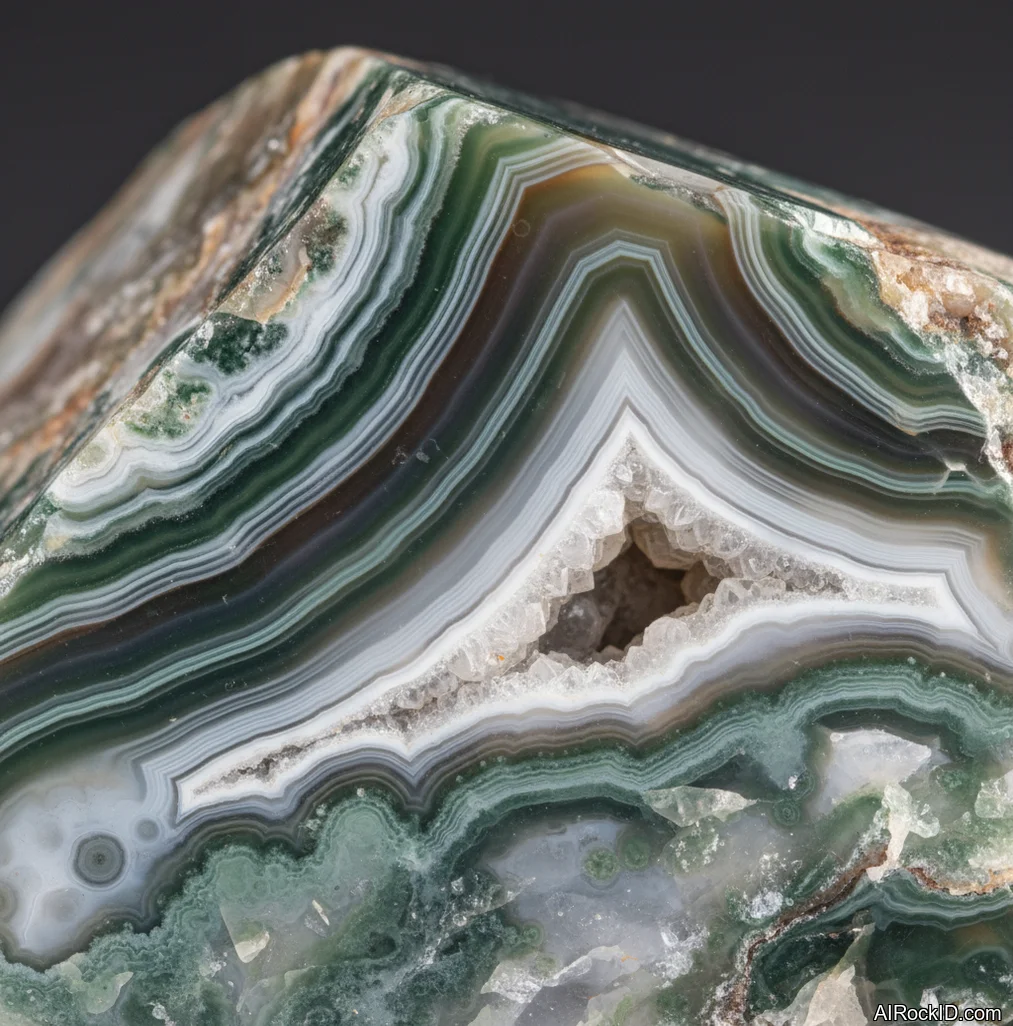
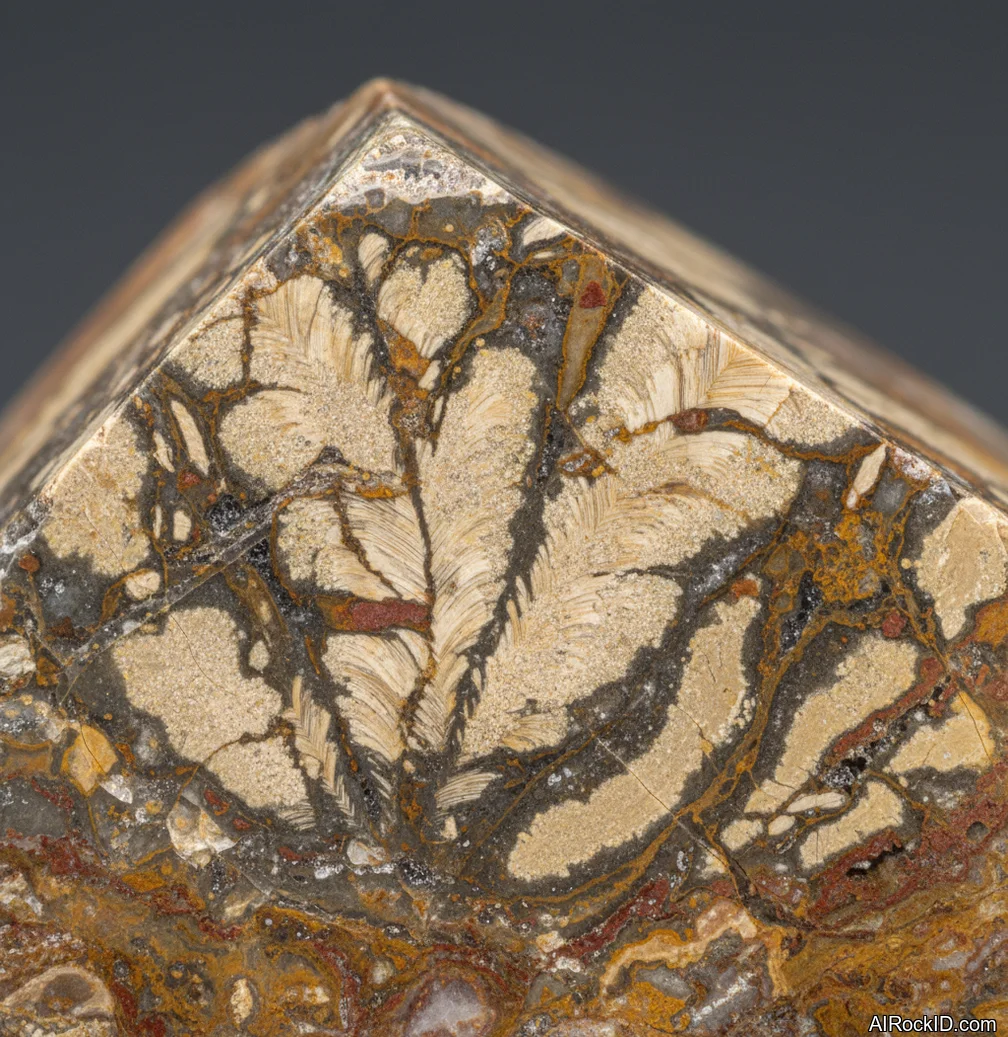
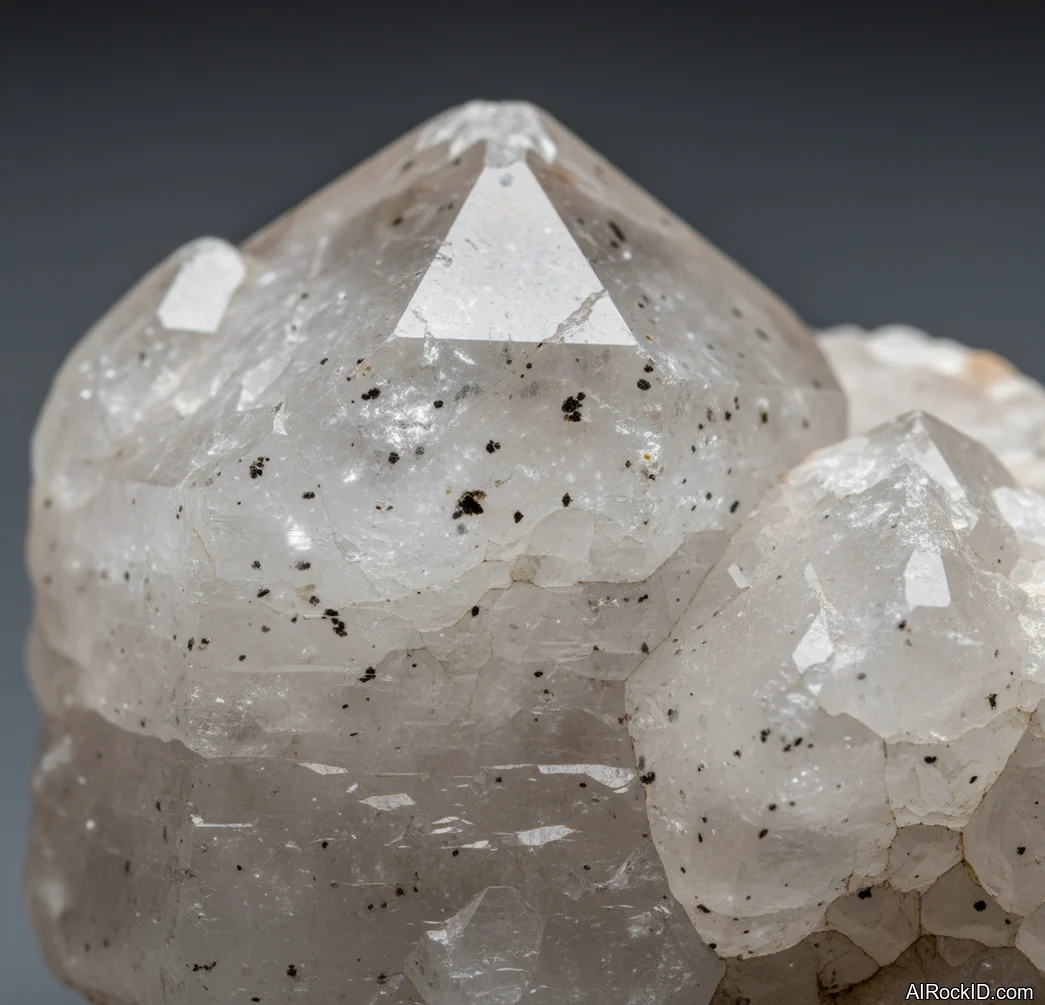
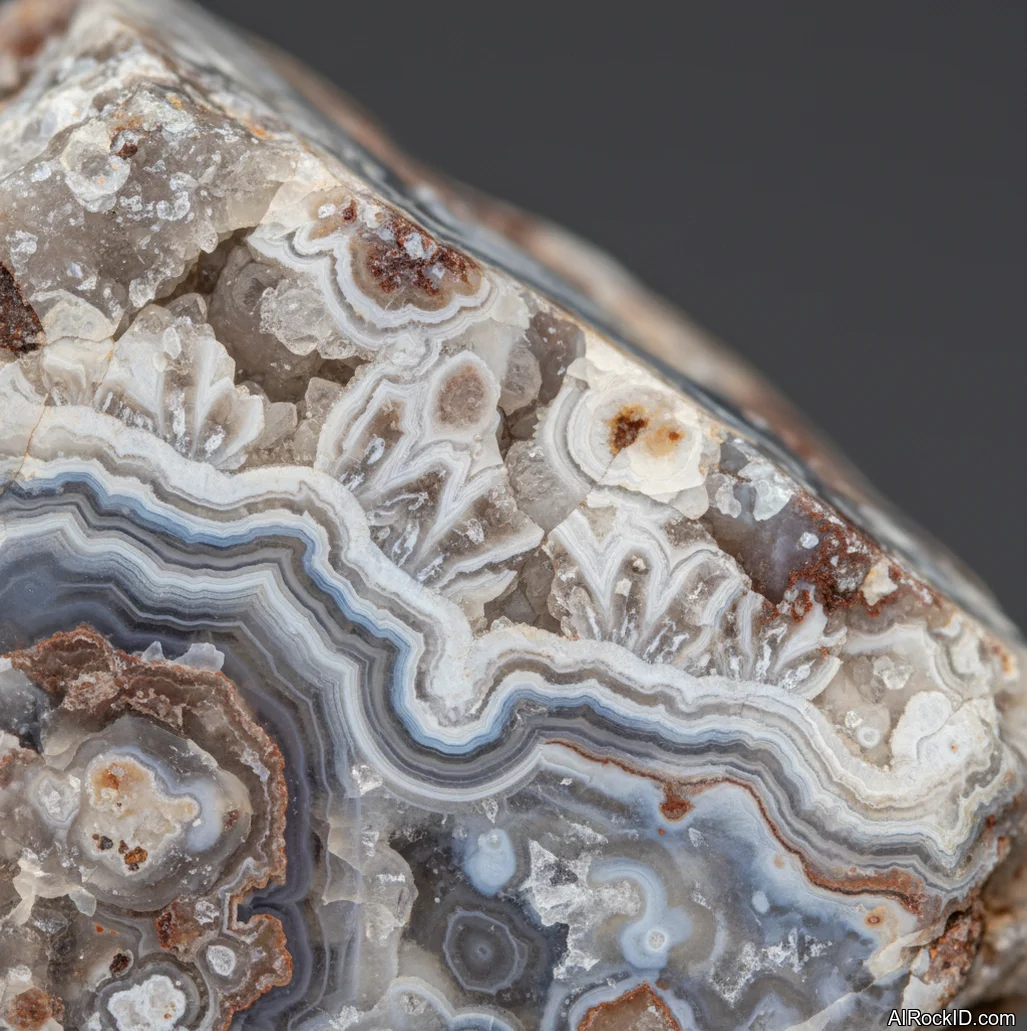
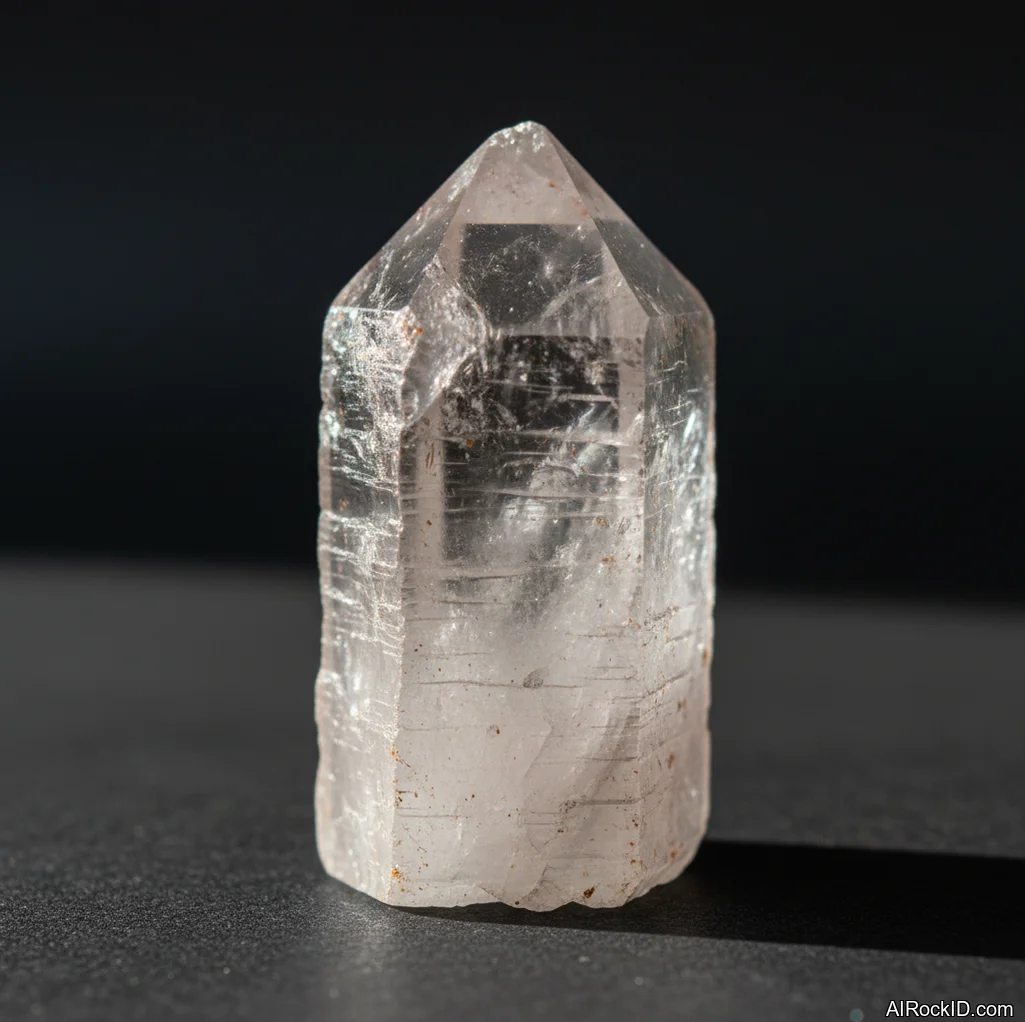
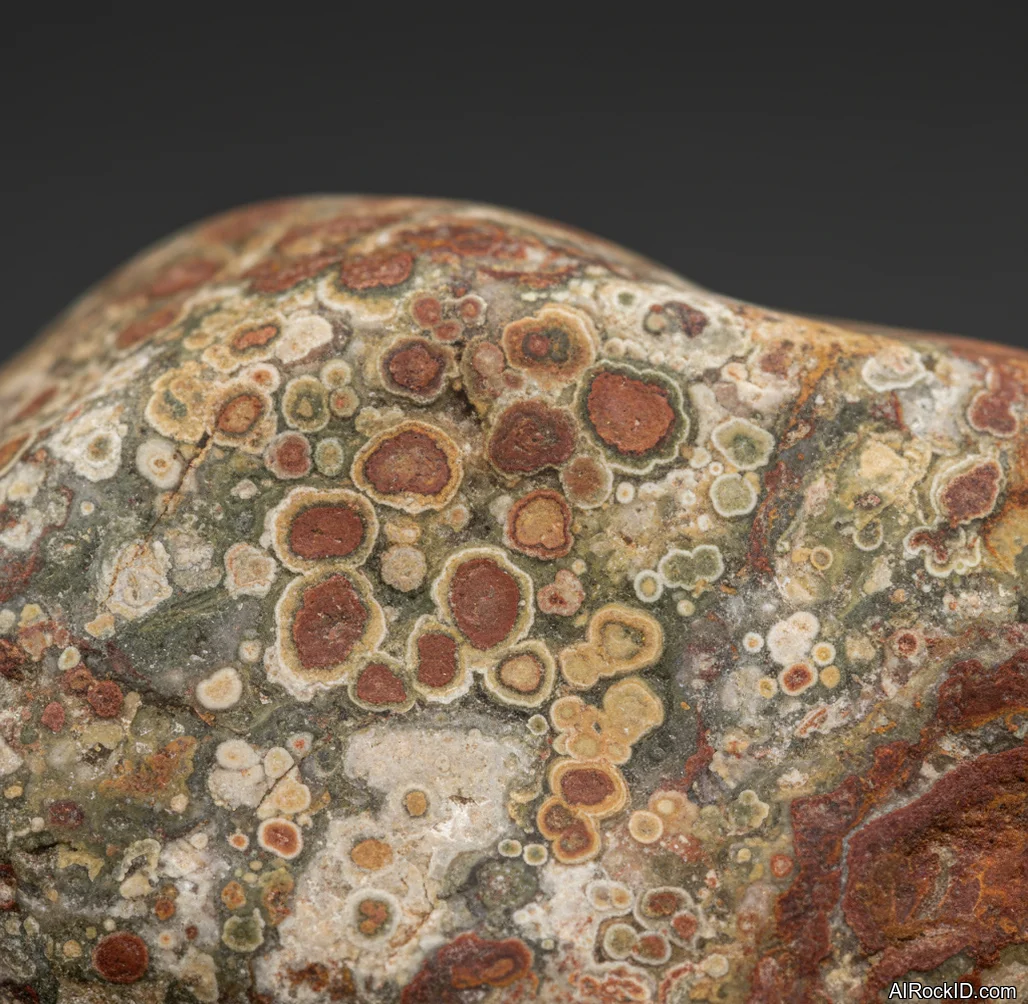
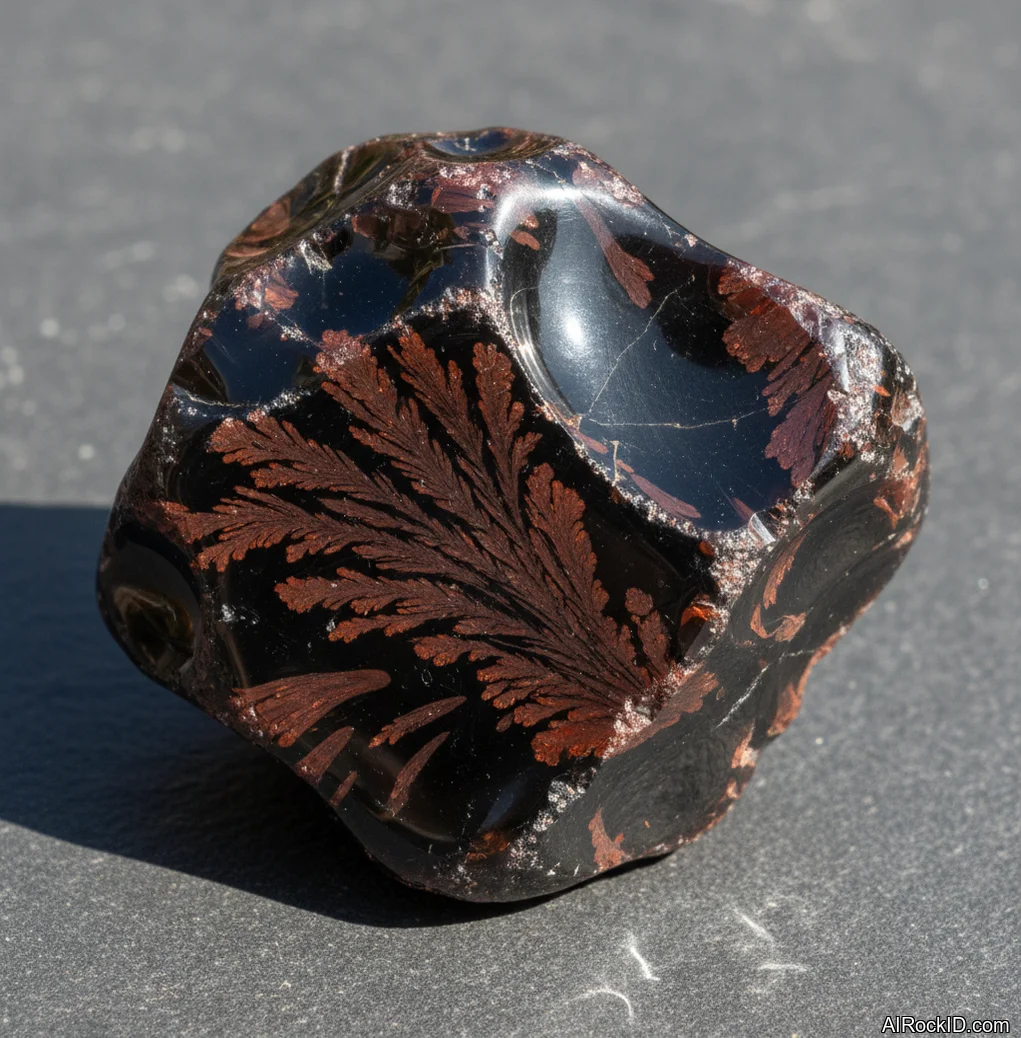
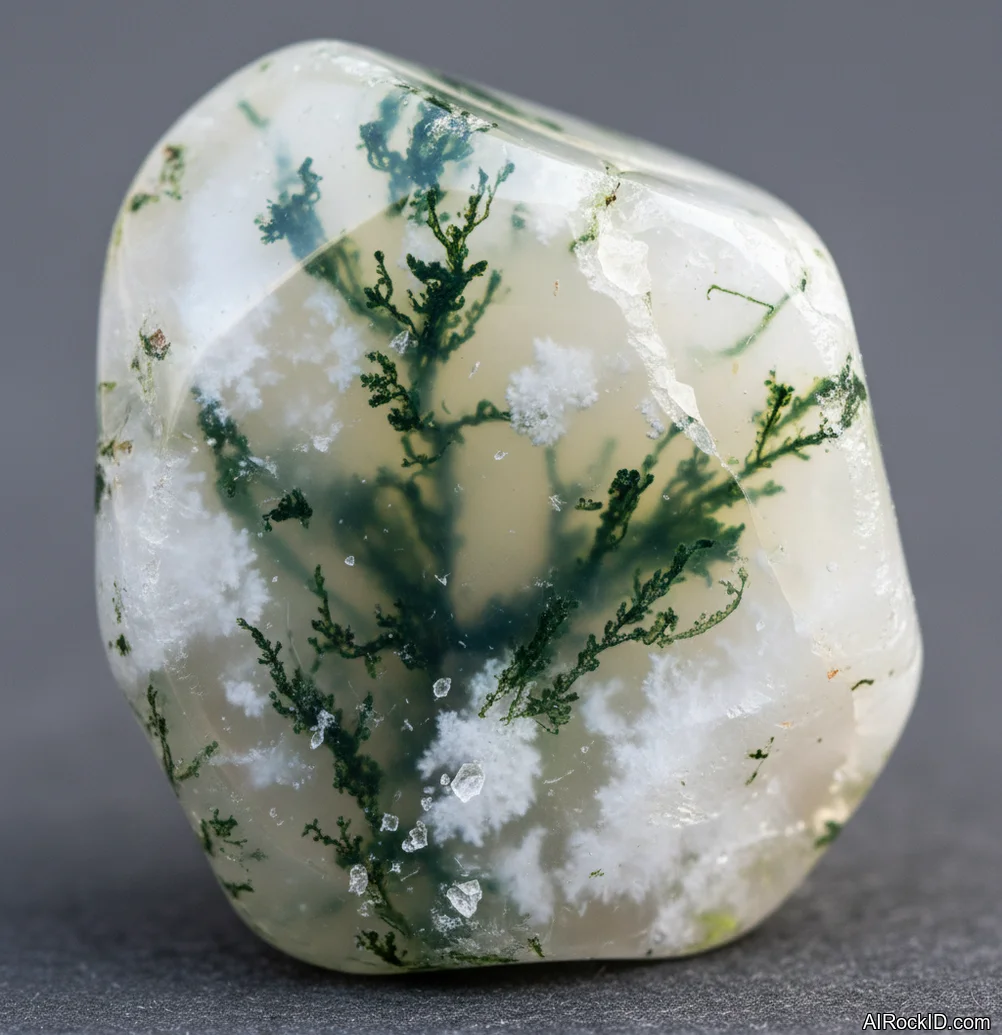
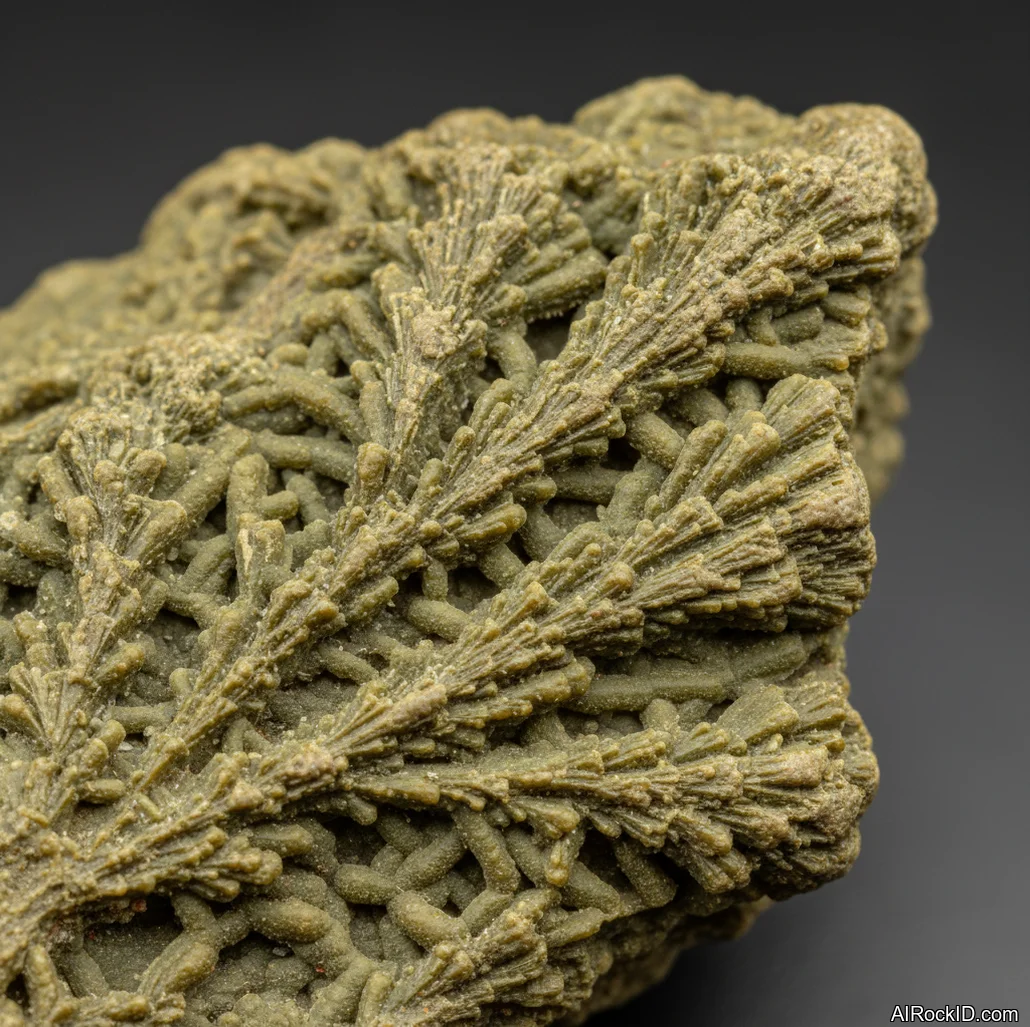
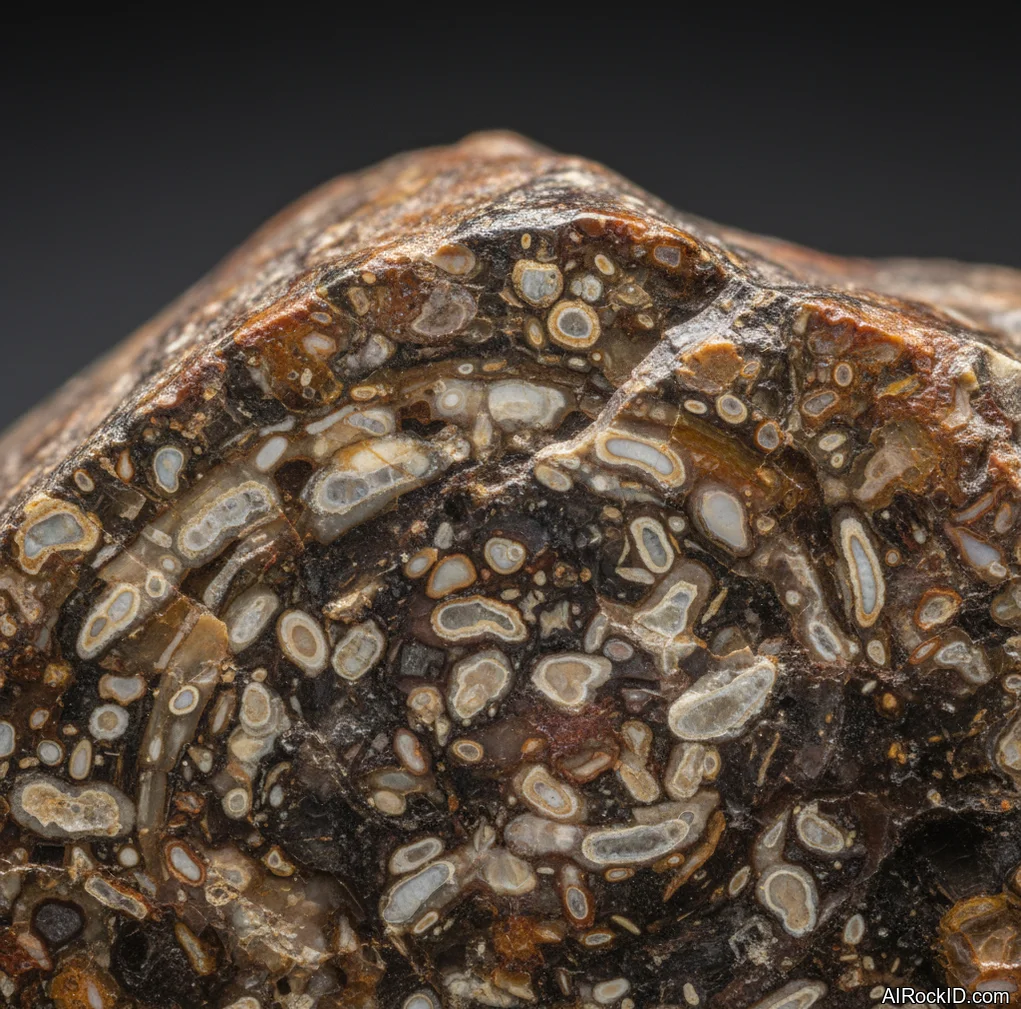
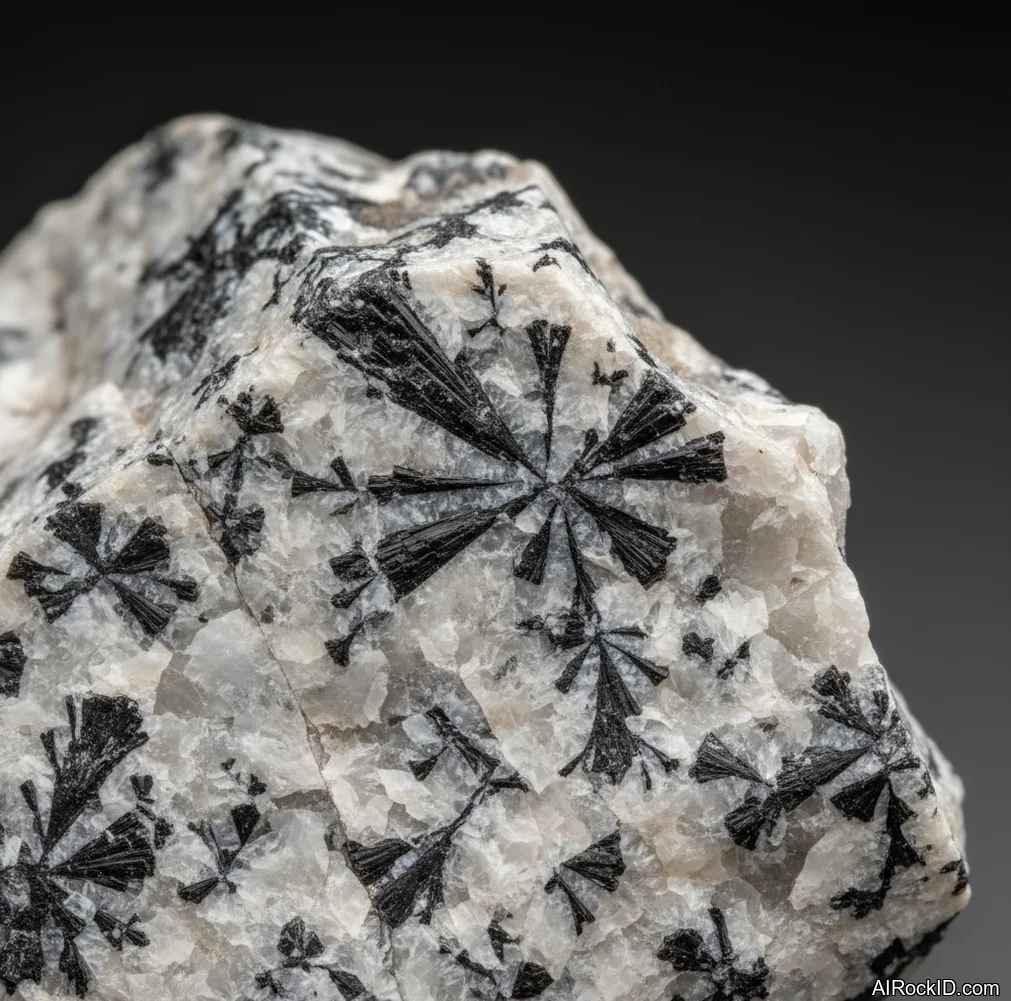
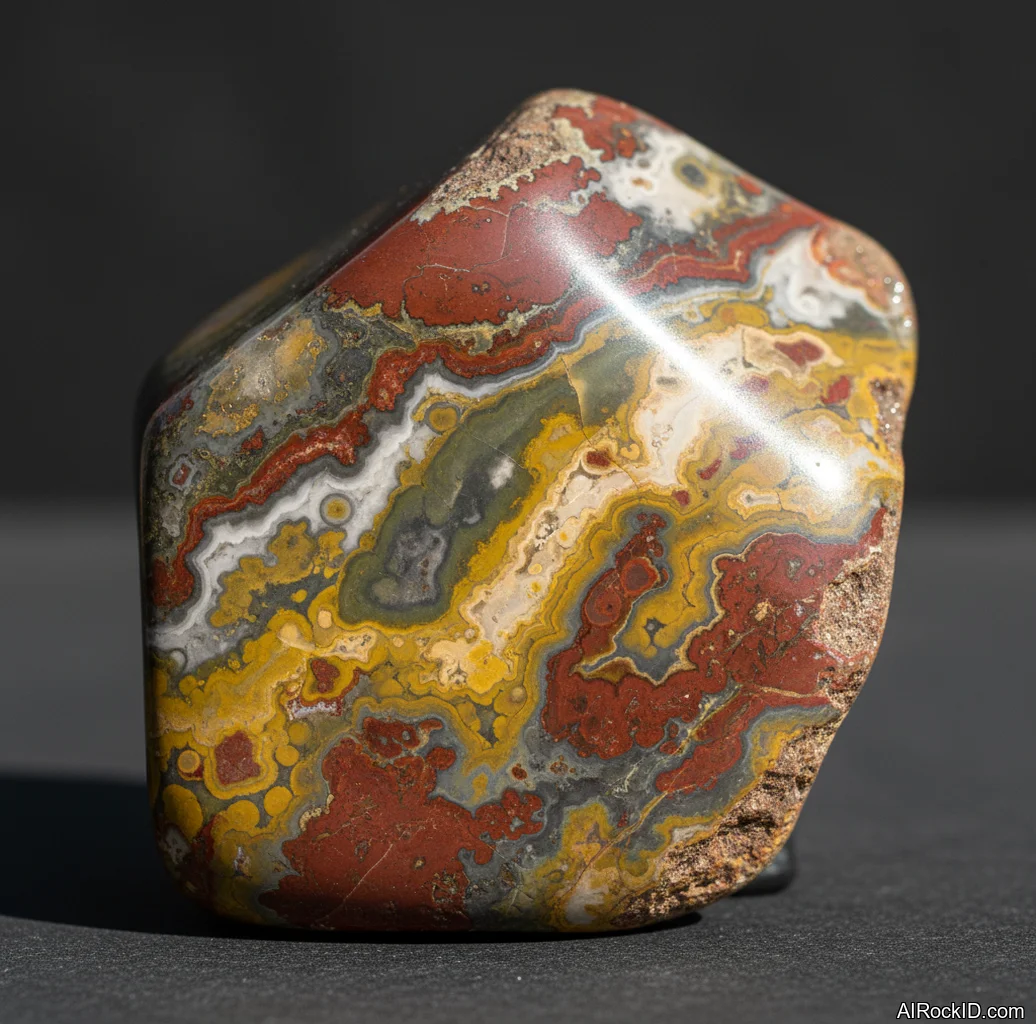
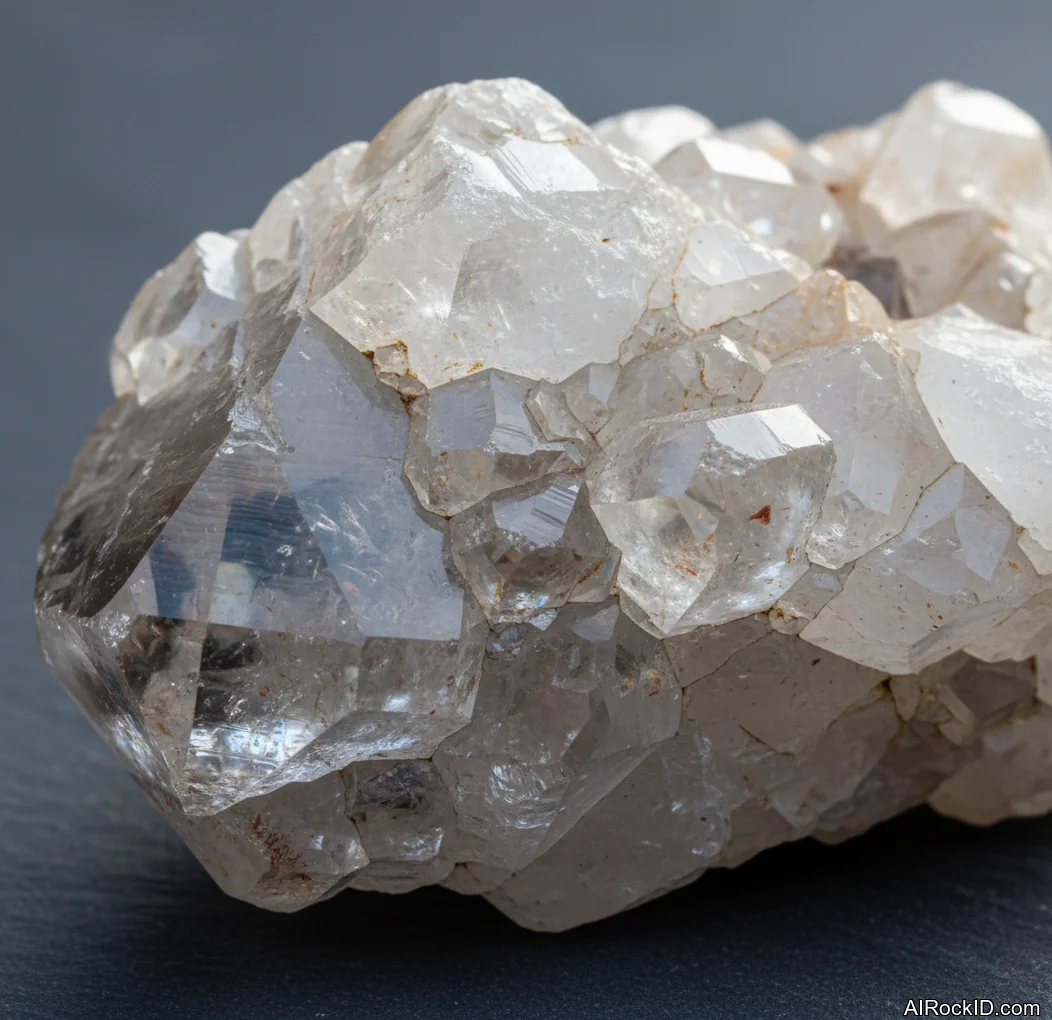
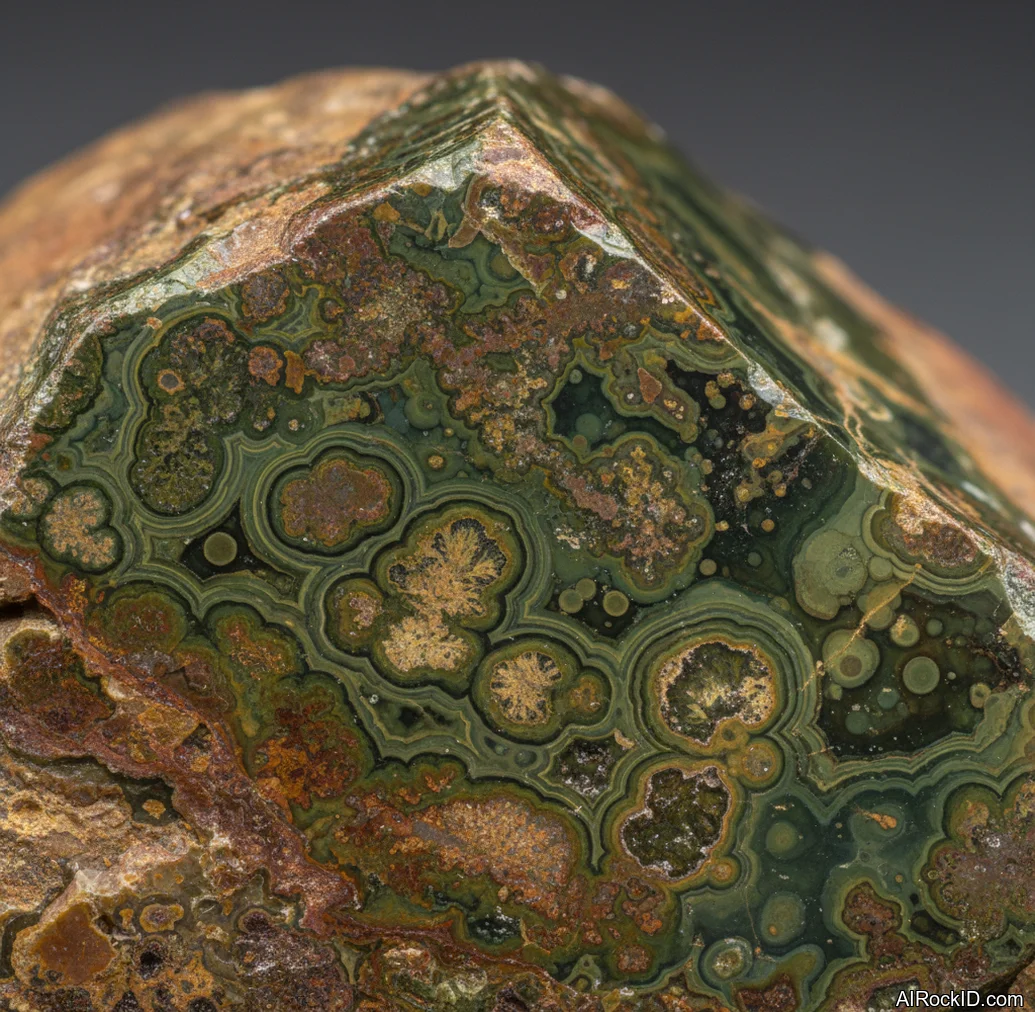
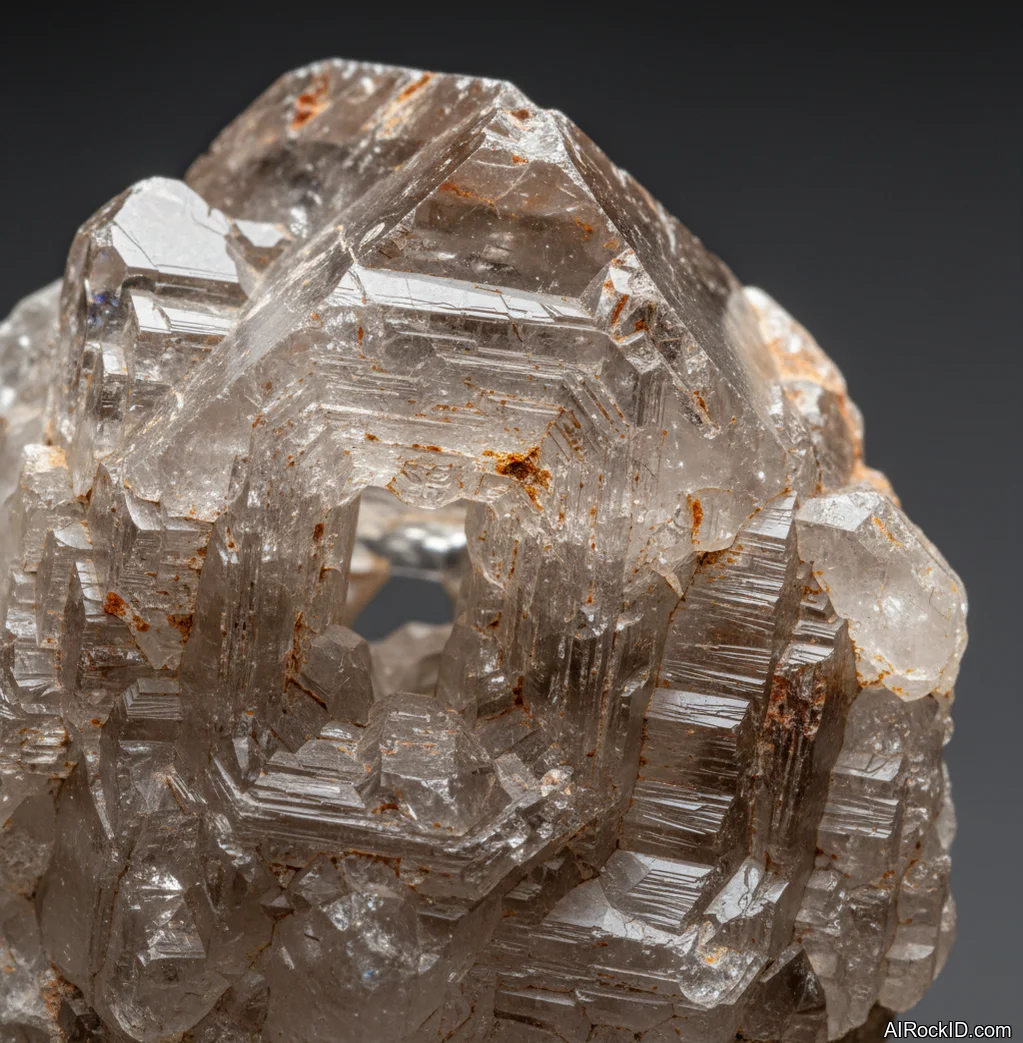
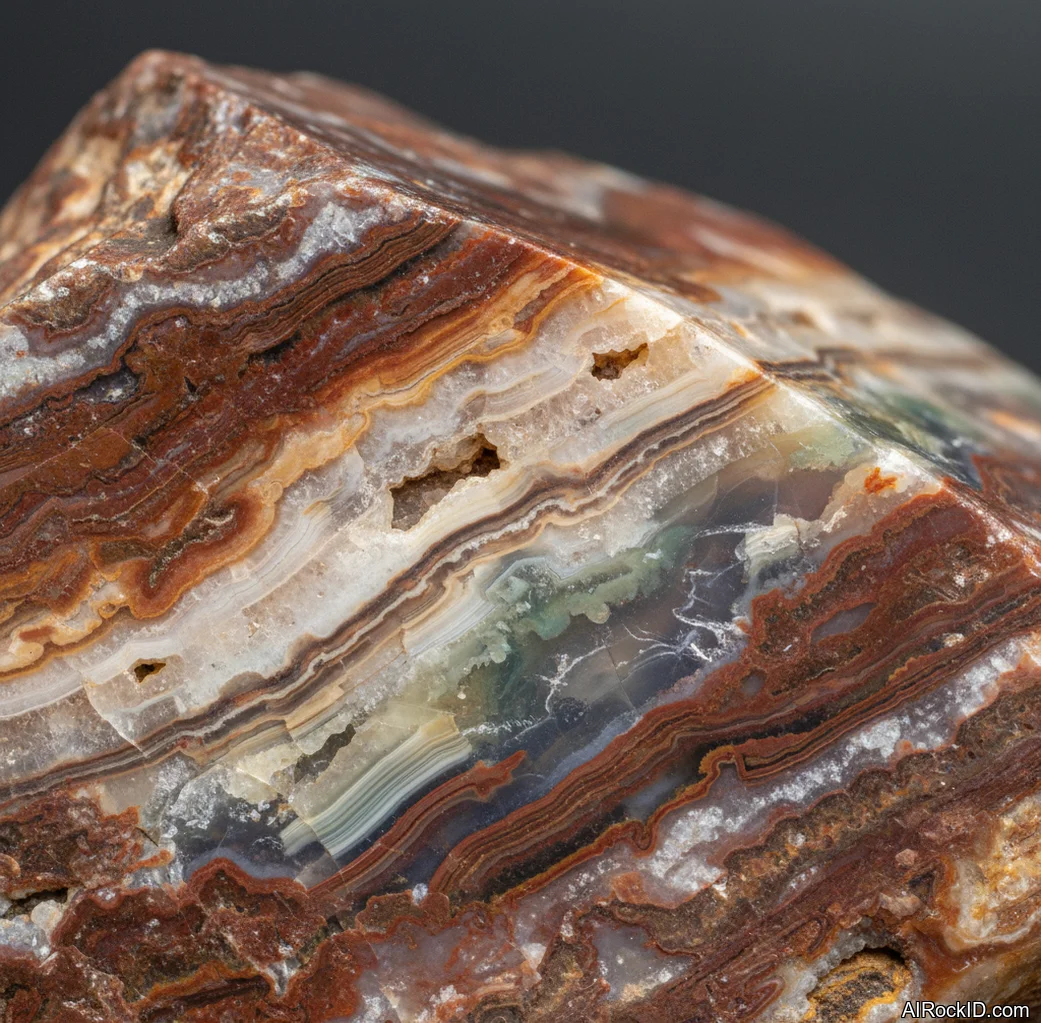
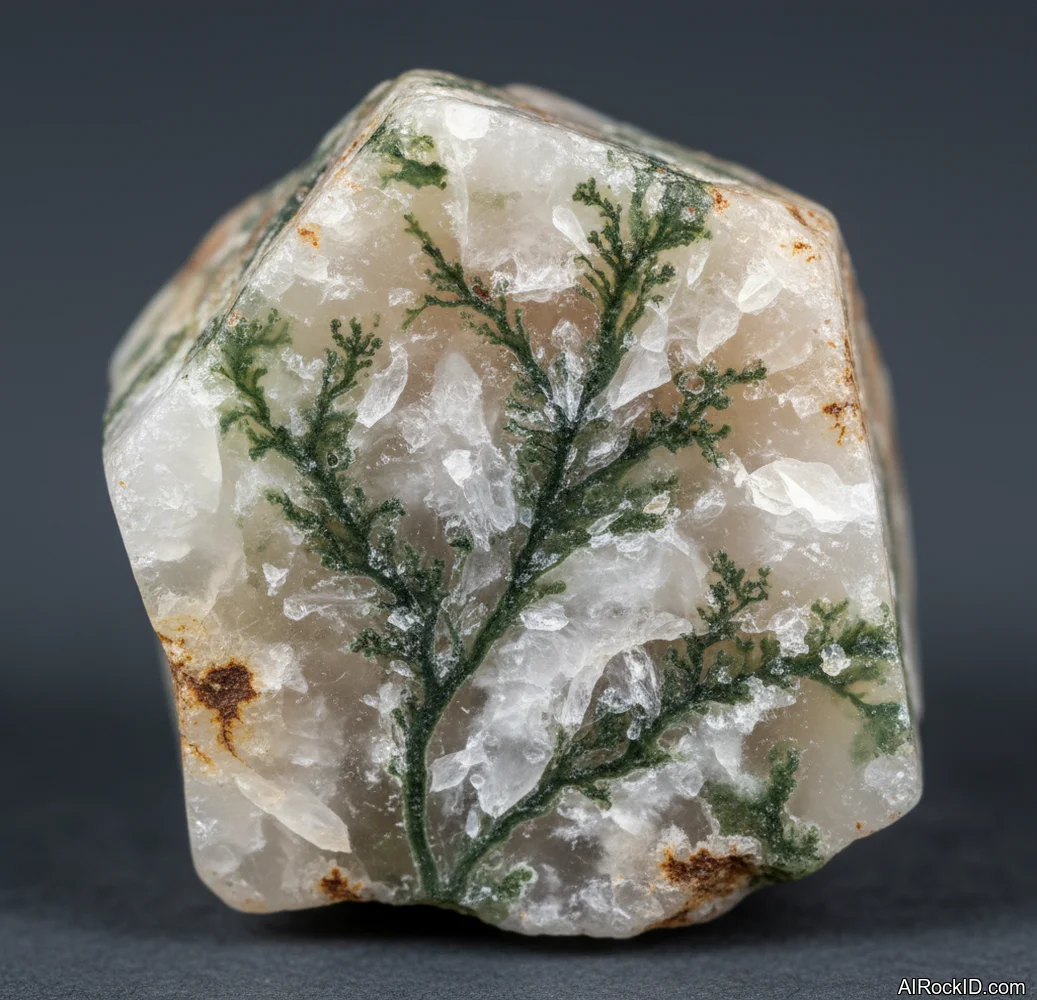
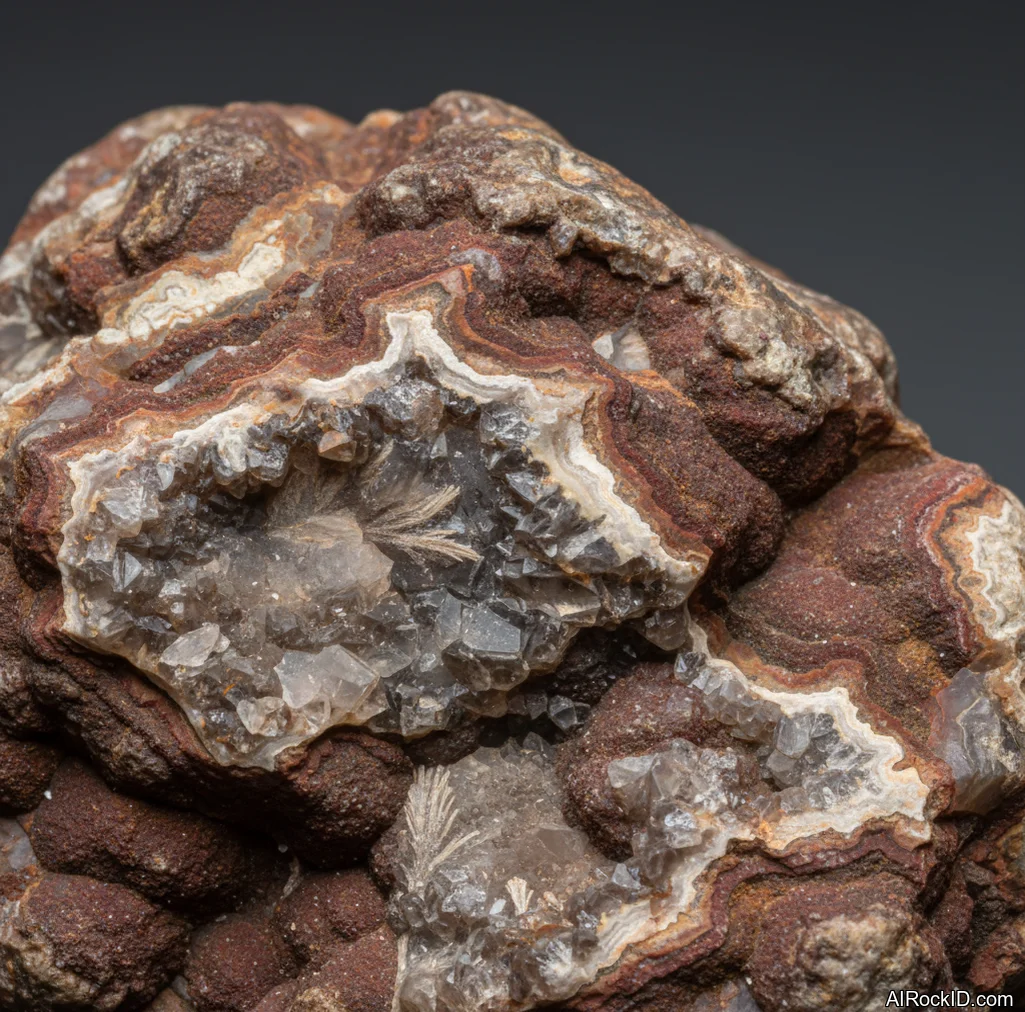
Look, take a close look at moss agate if you want a Growth stone that feels grounded. Good moss agate has those little dendritic plumes that look like algae suspended in glass. Rotate it under a lamp and you’ll see depth, not a flat printed pattern. It’s a favorite for “slow growth,” the kind that’s more like tending a garden than flipping a switch. Pair it with smoky quartz if you’re trying to stay consistent, because smoky quartz has that steady, down-to-earth presence and it doesn’t get precious about being kept spotless.
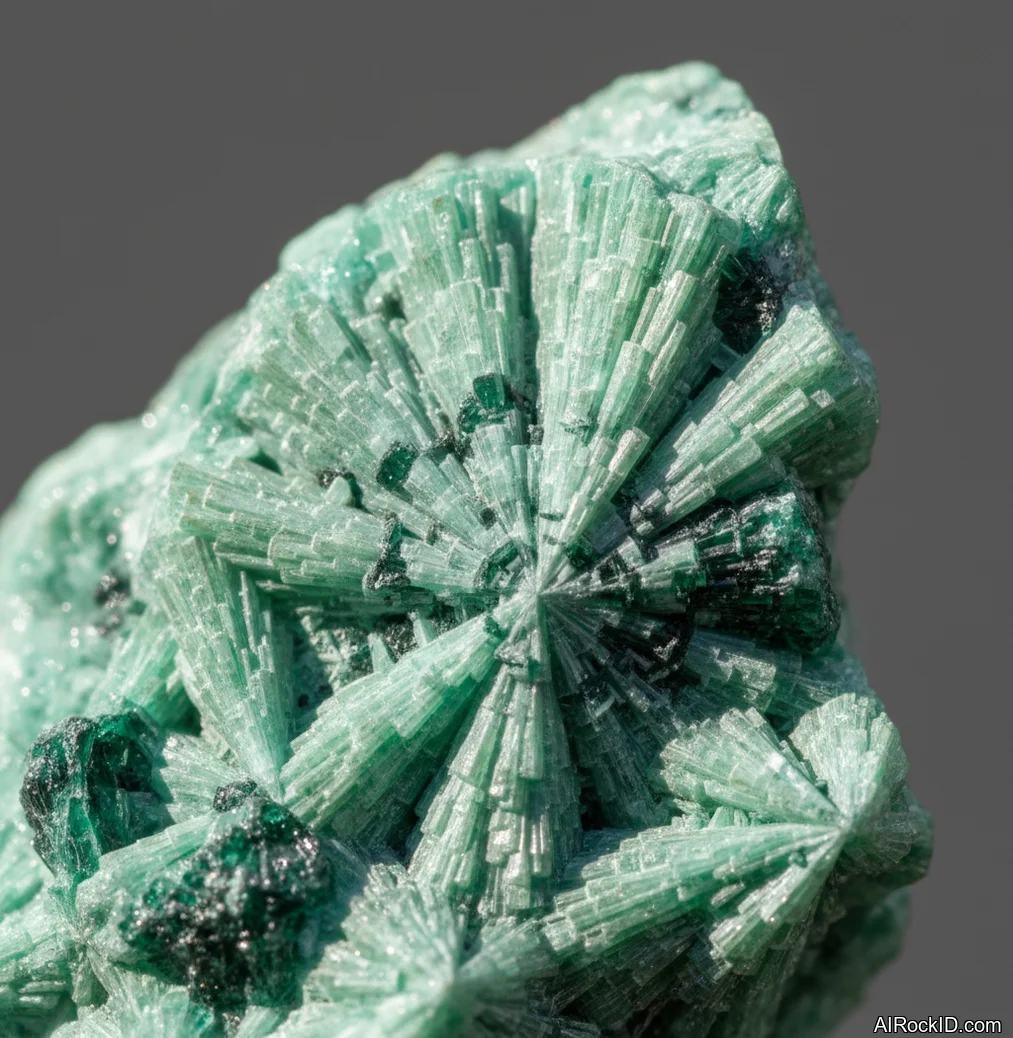
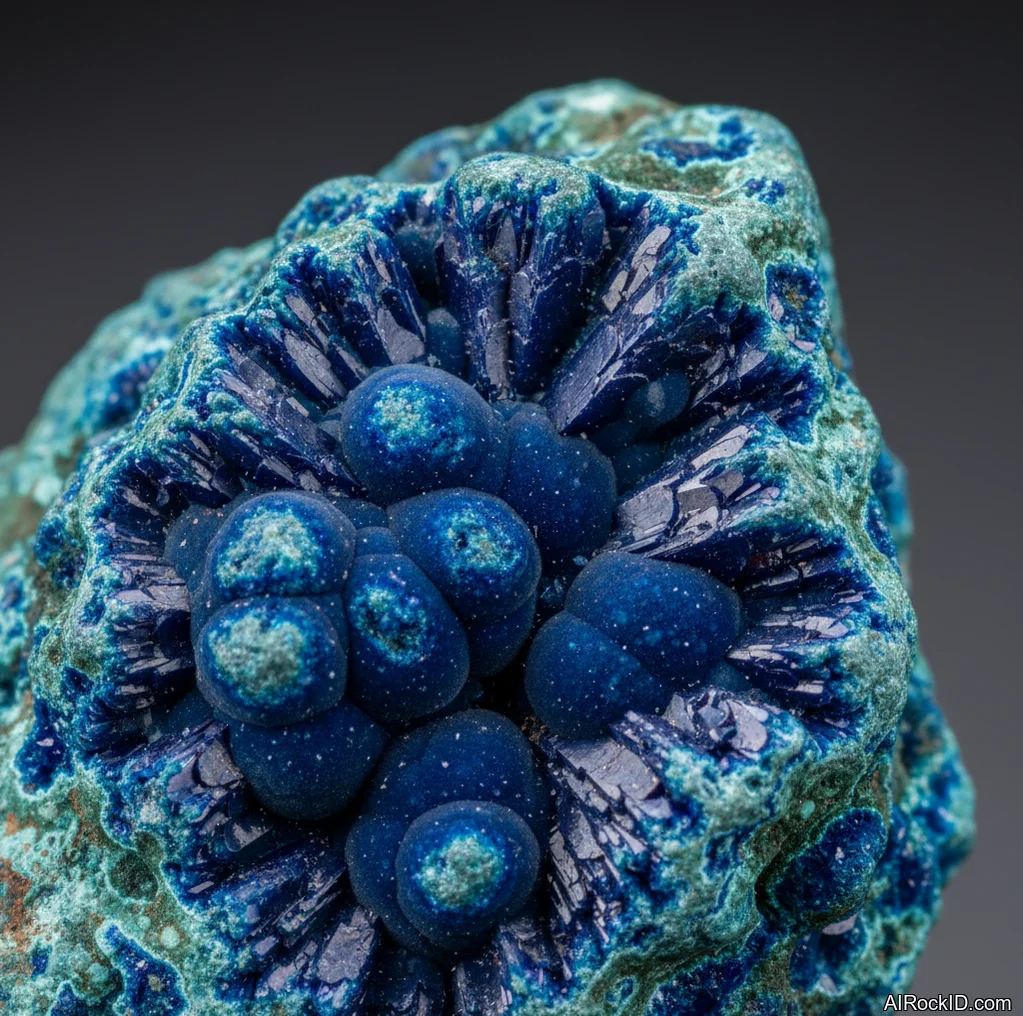
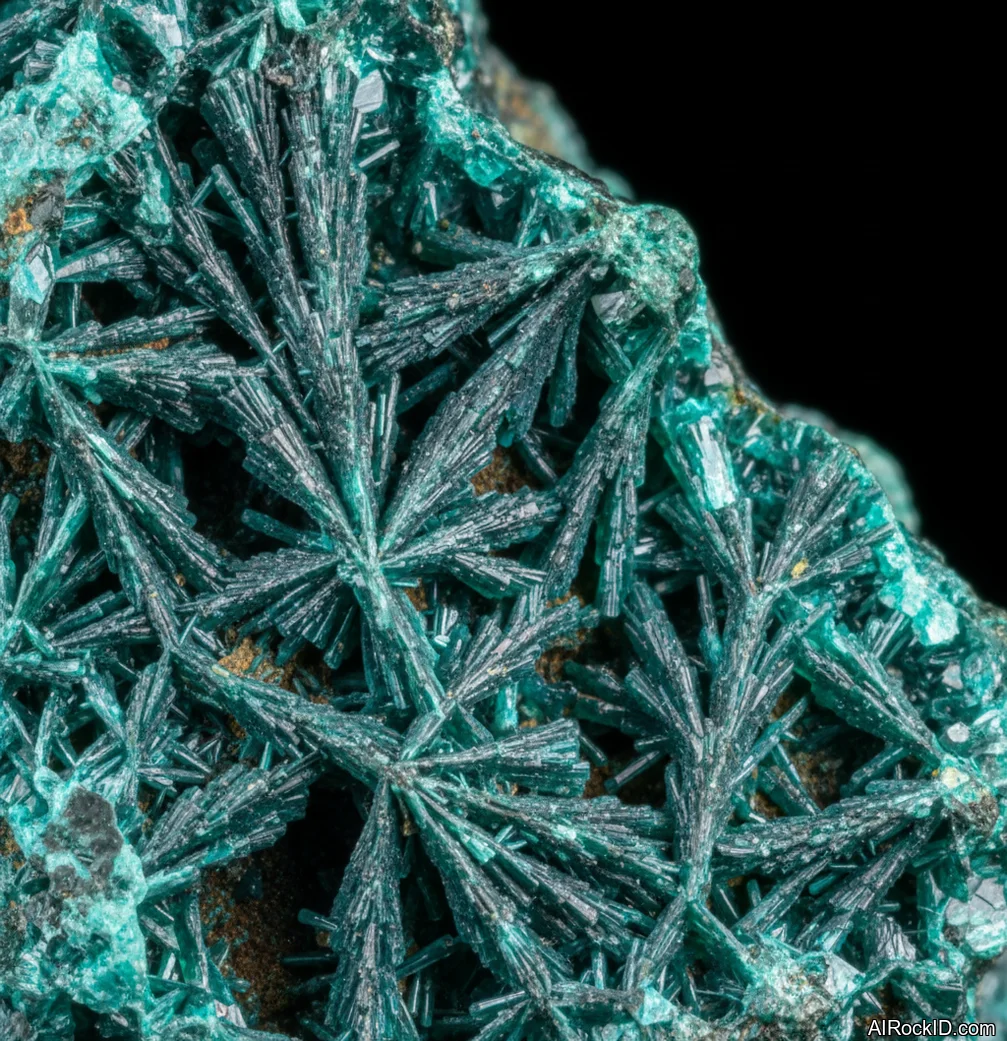
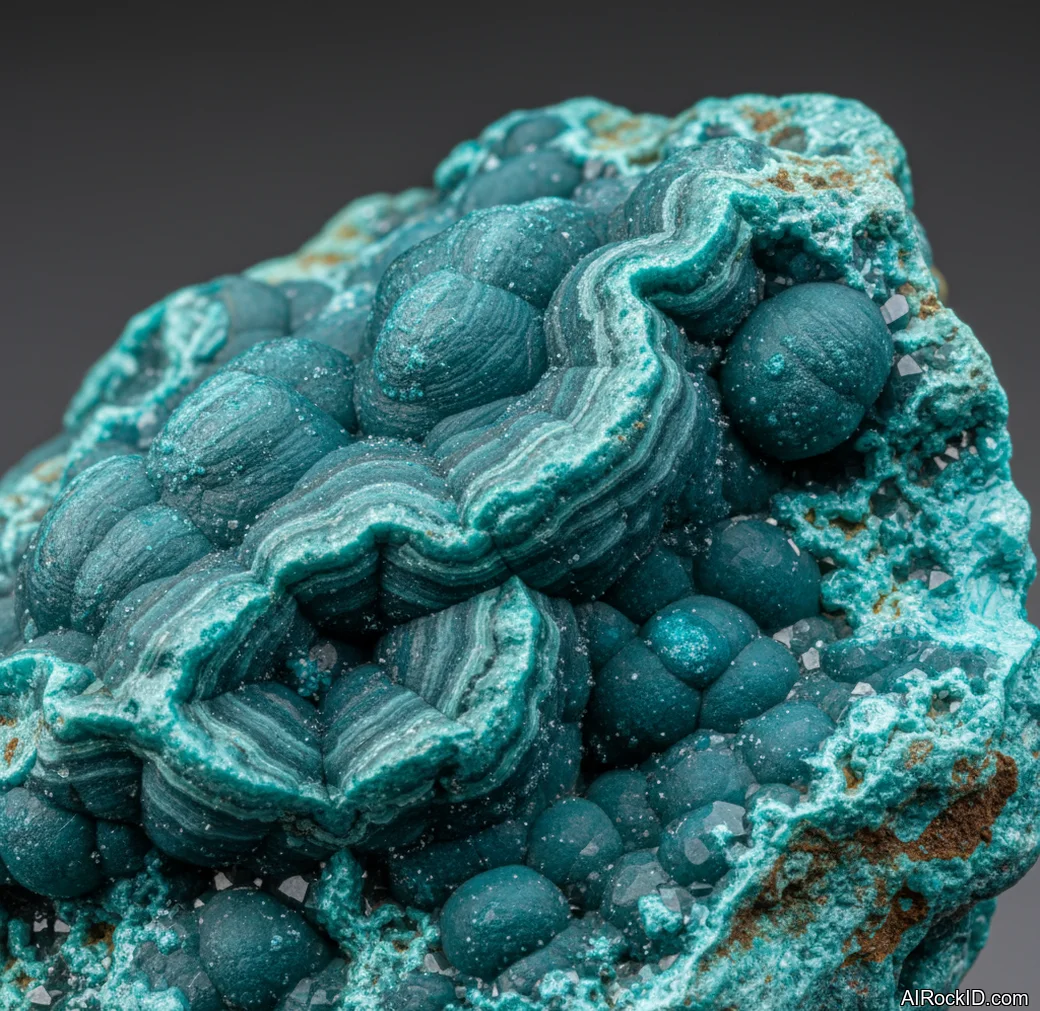
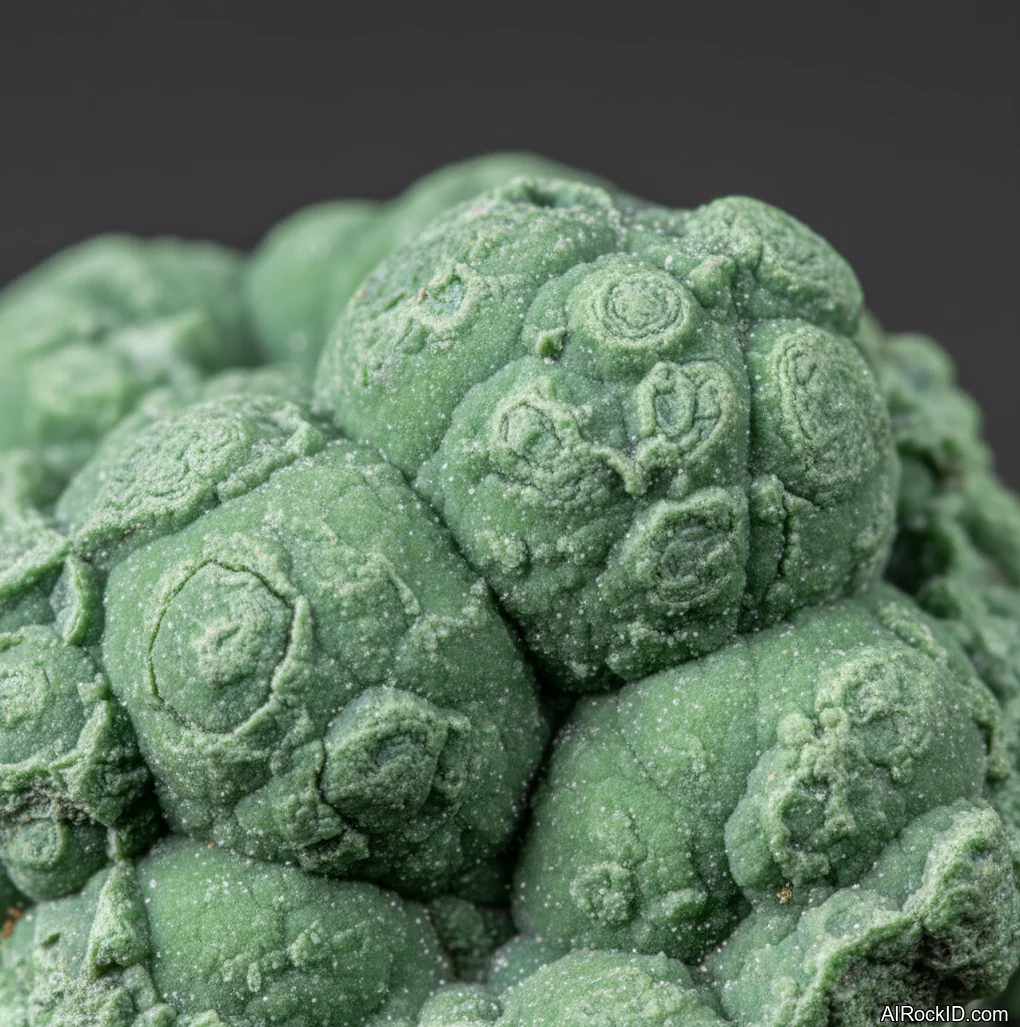
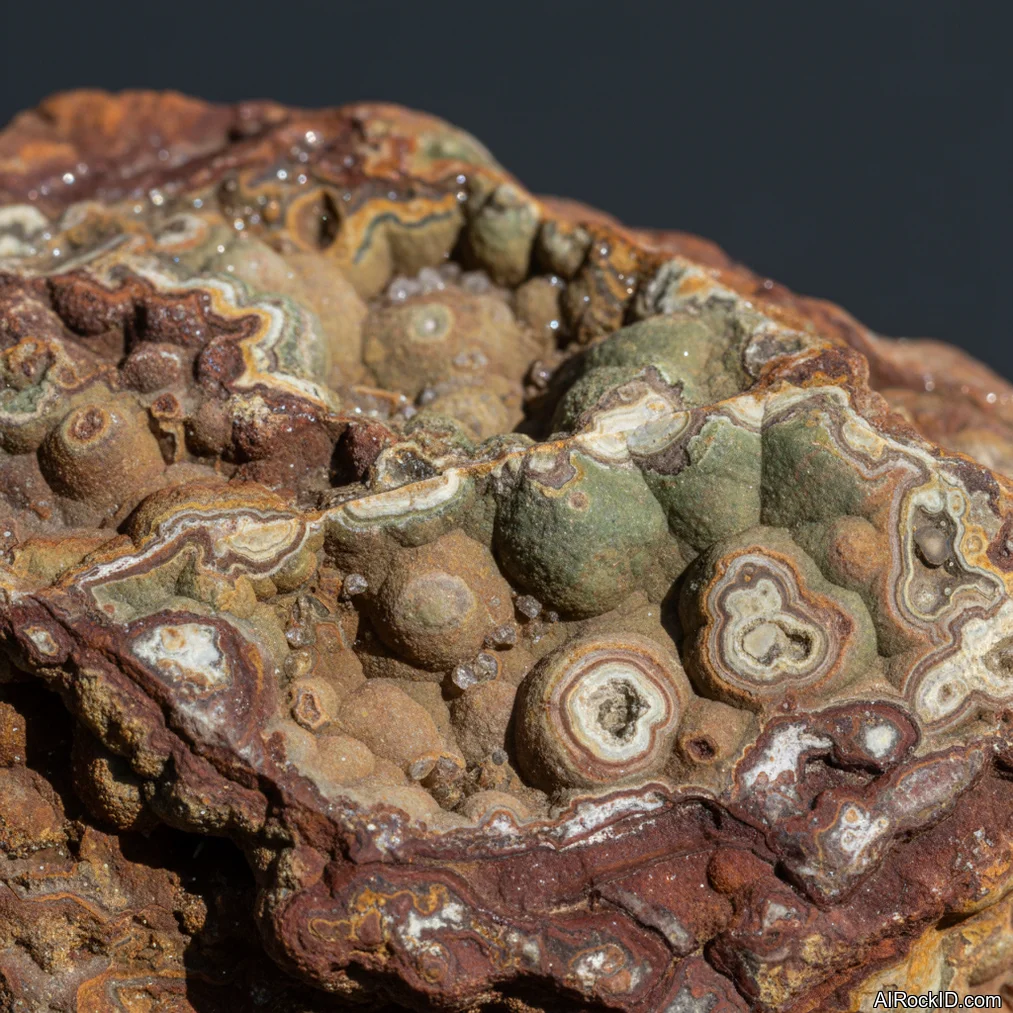
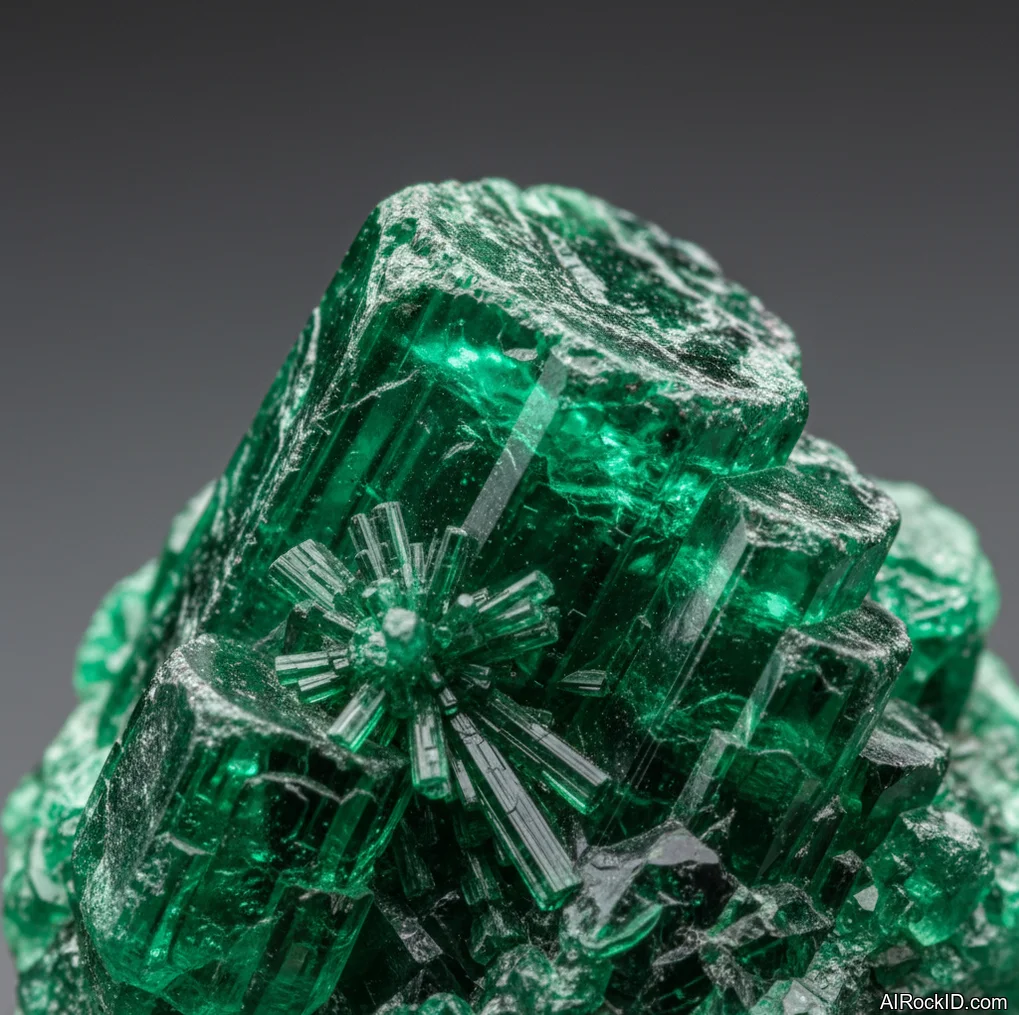
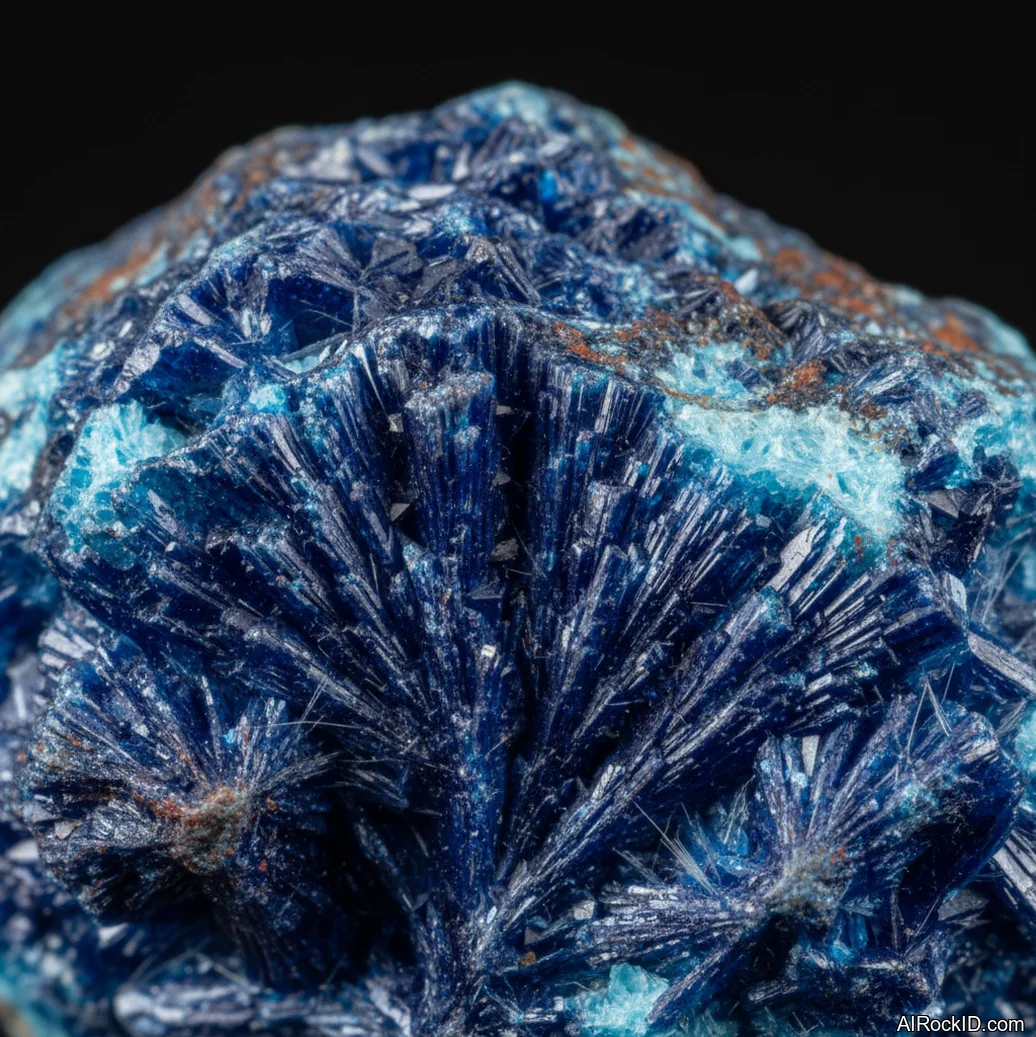
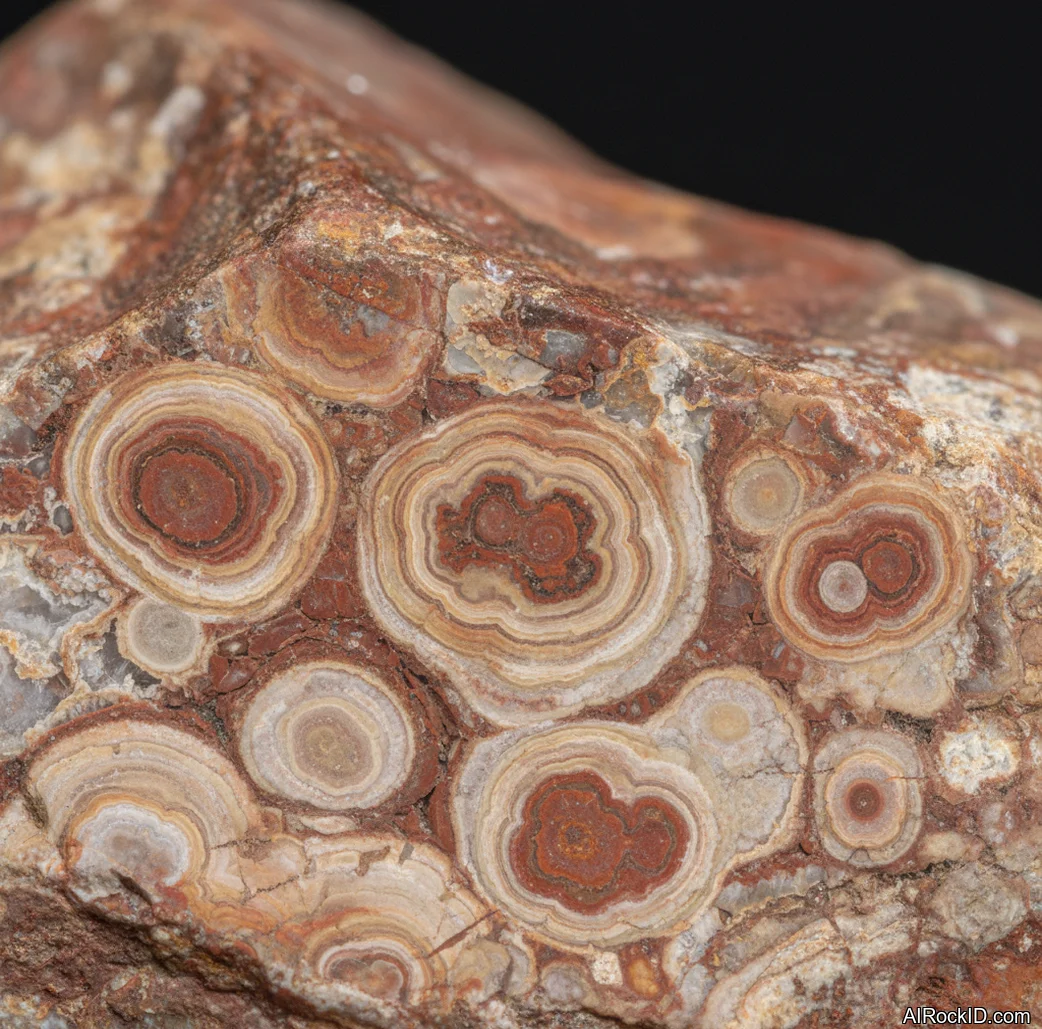
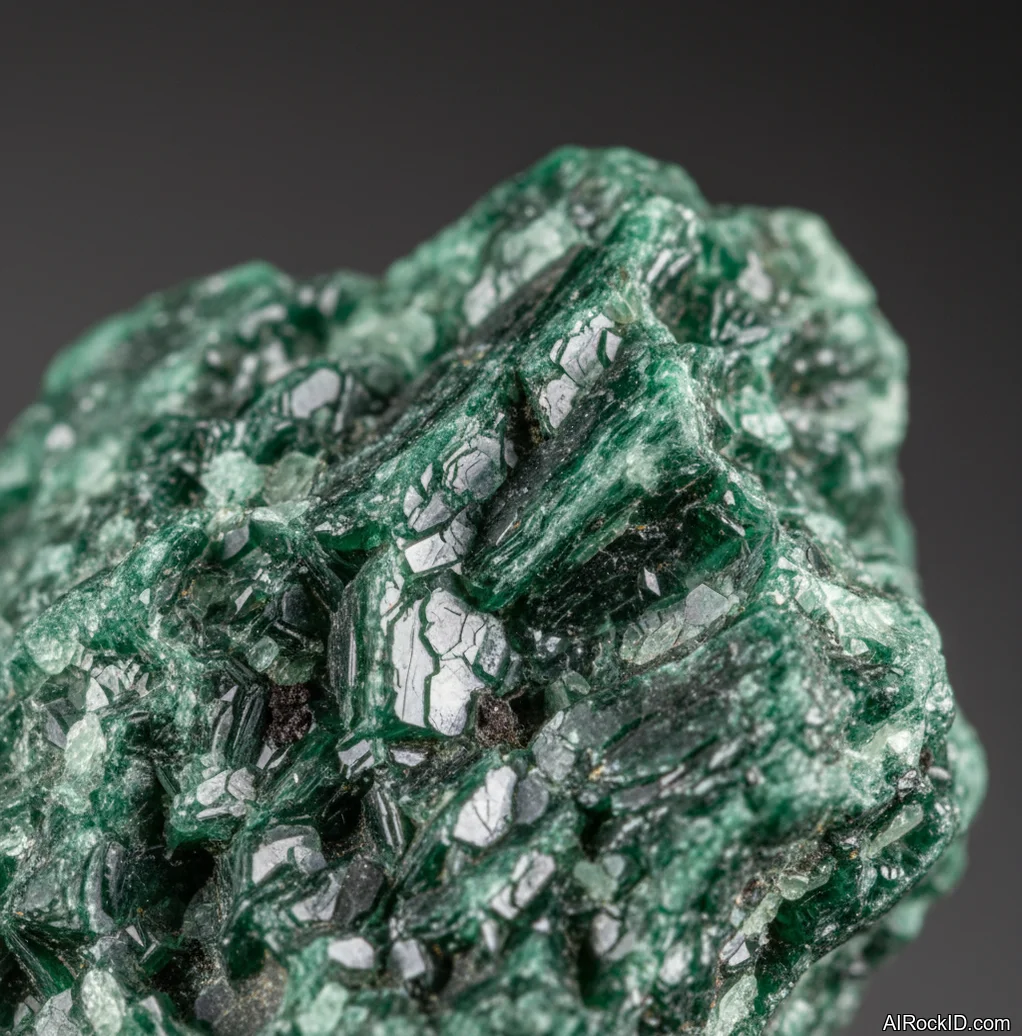
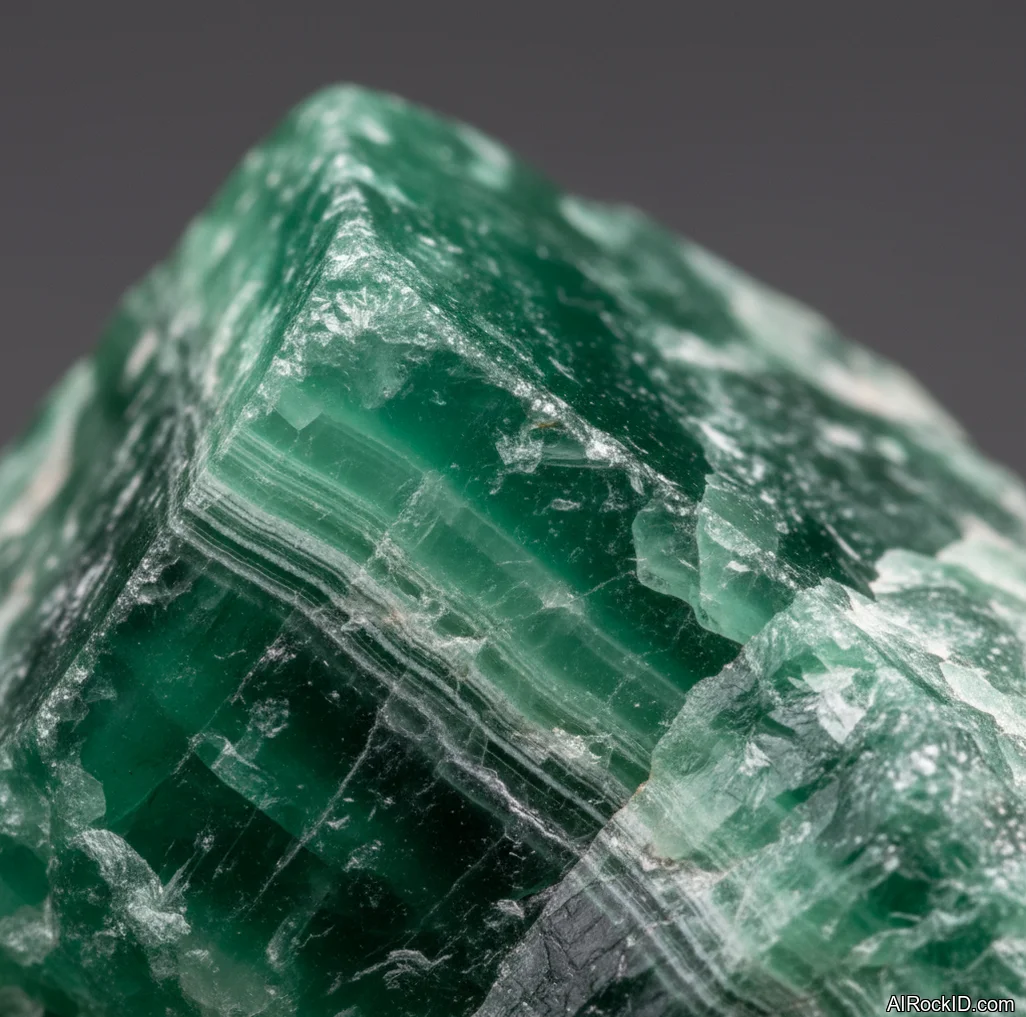
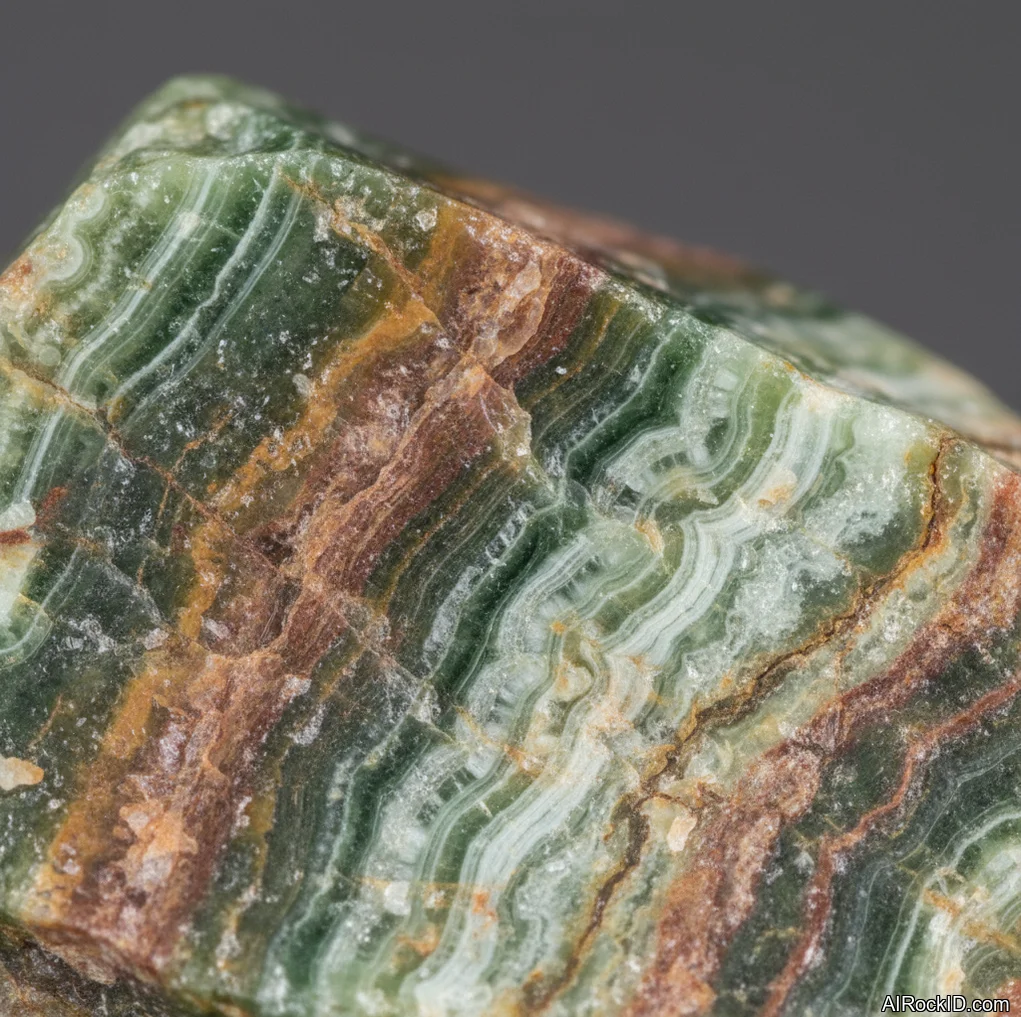
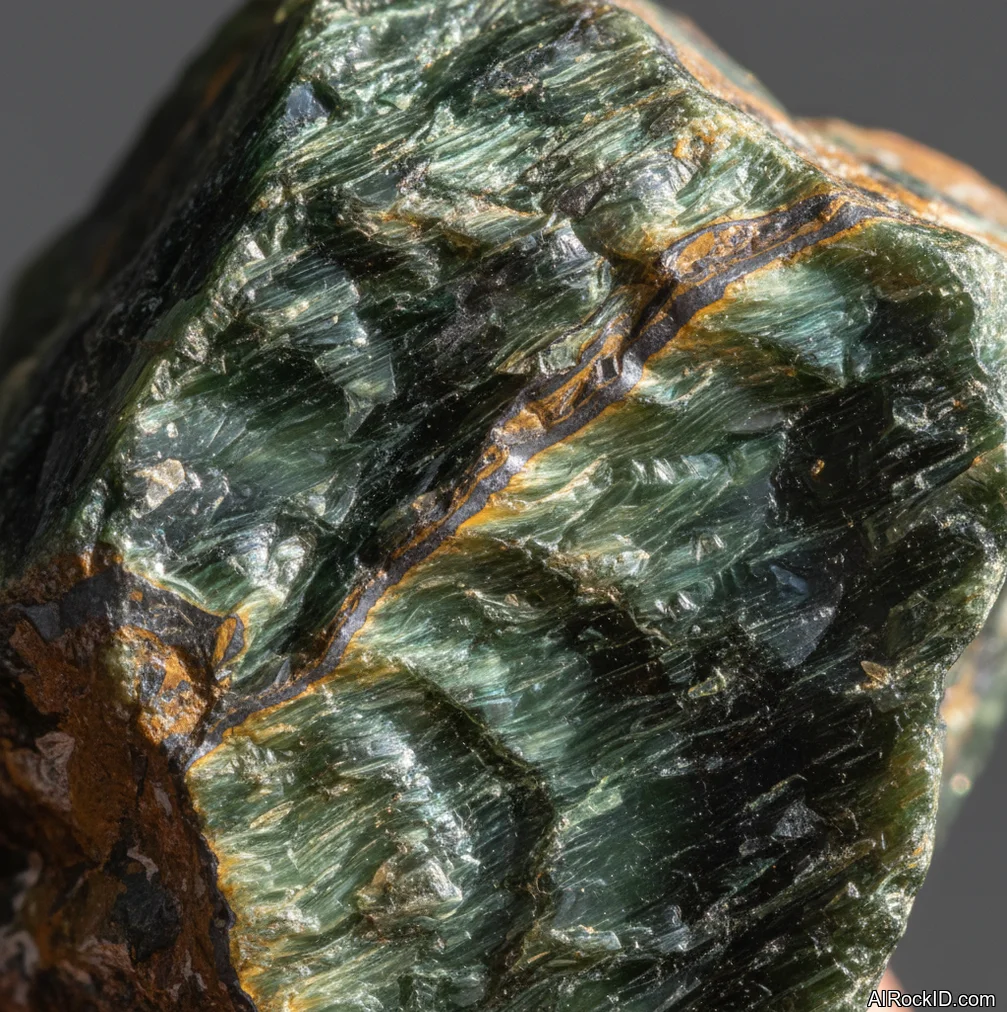
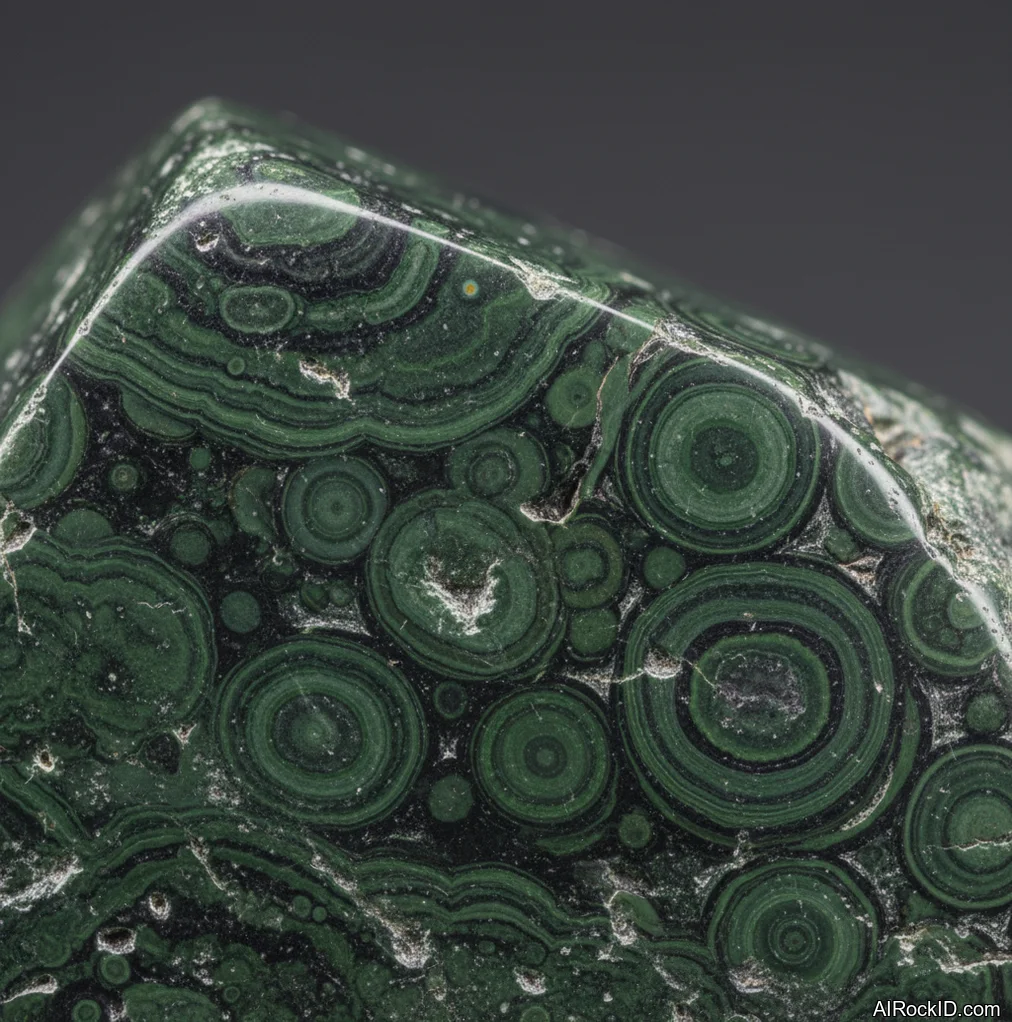
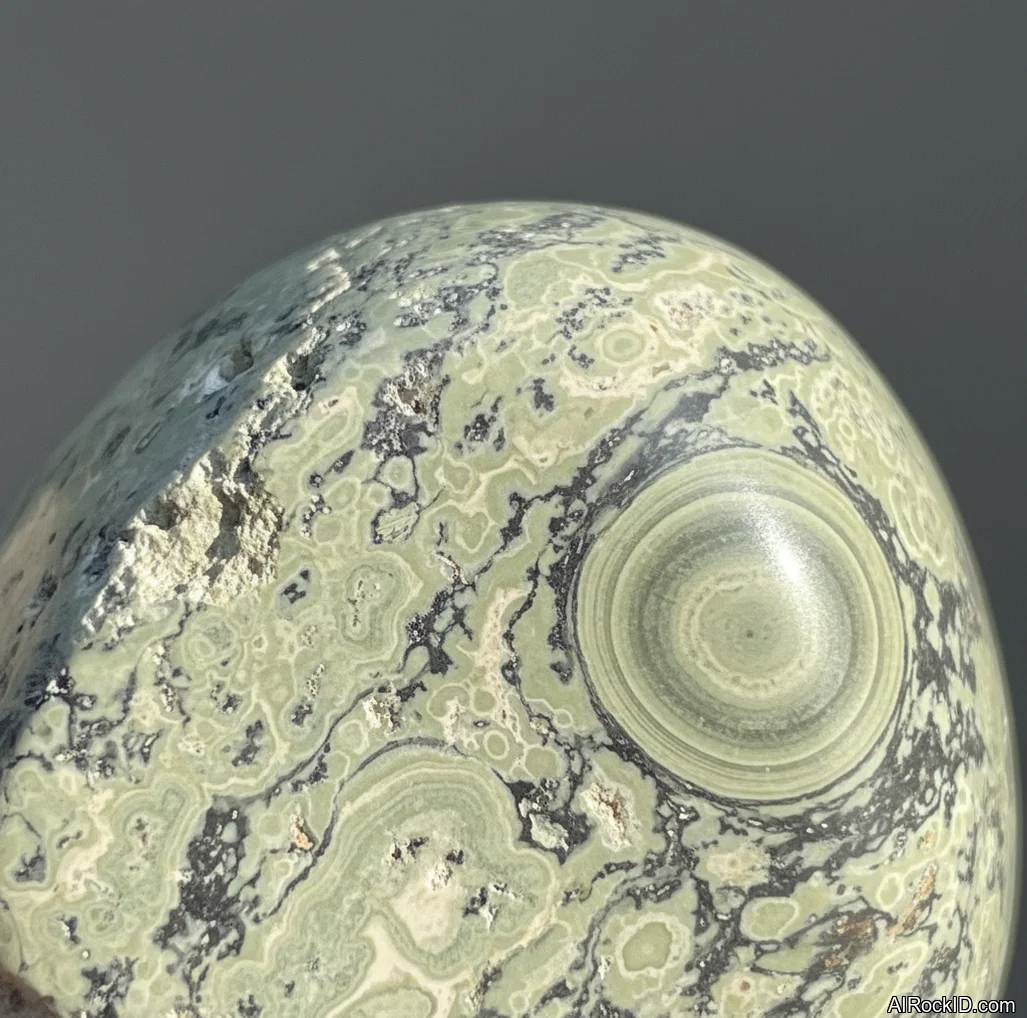
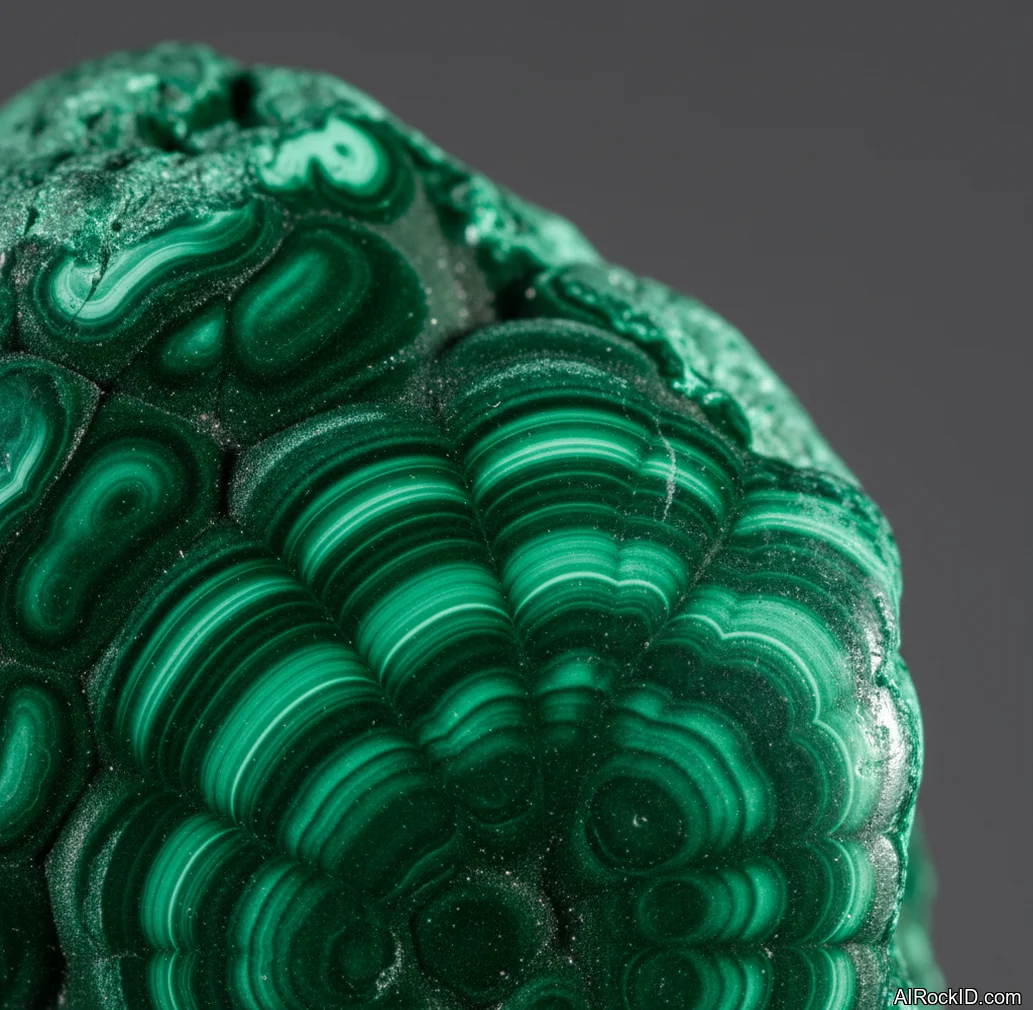
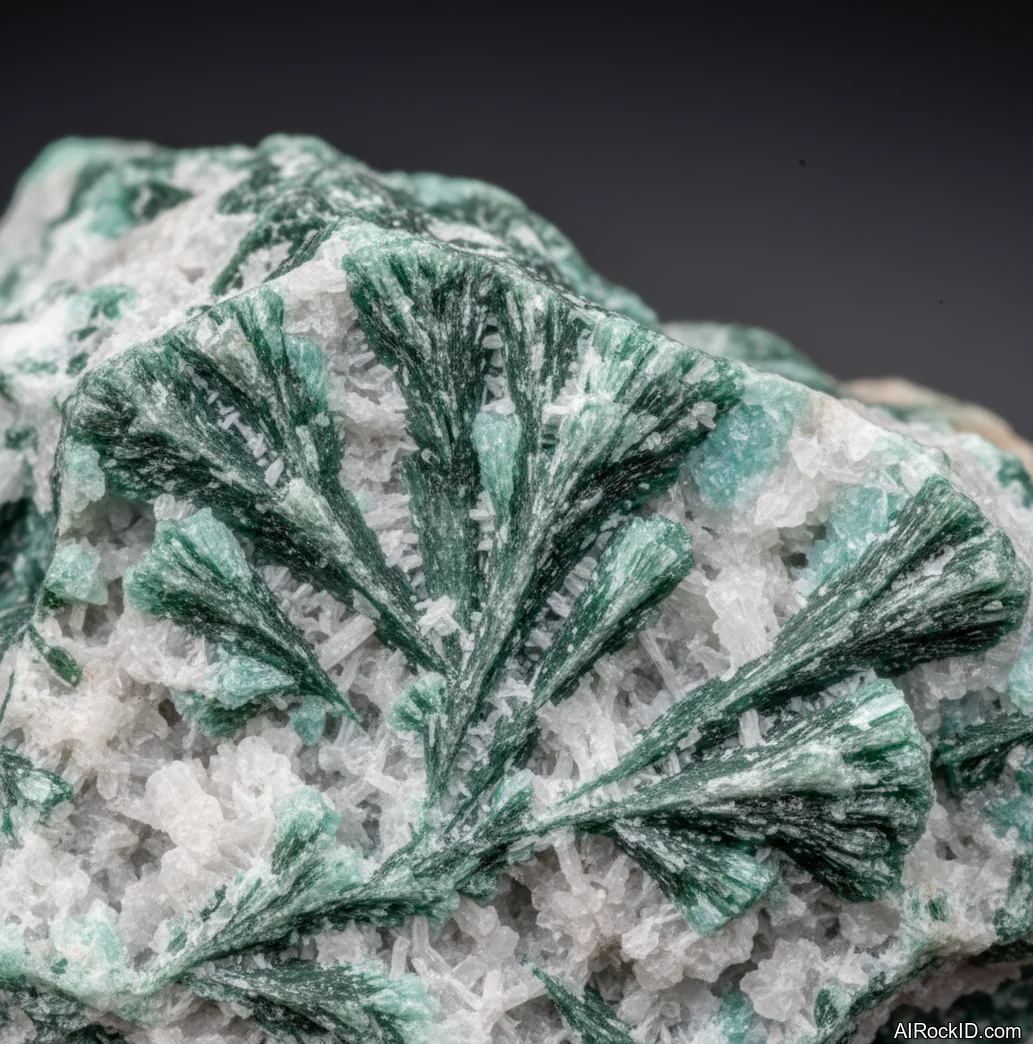
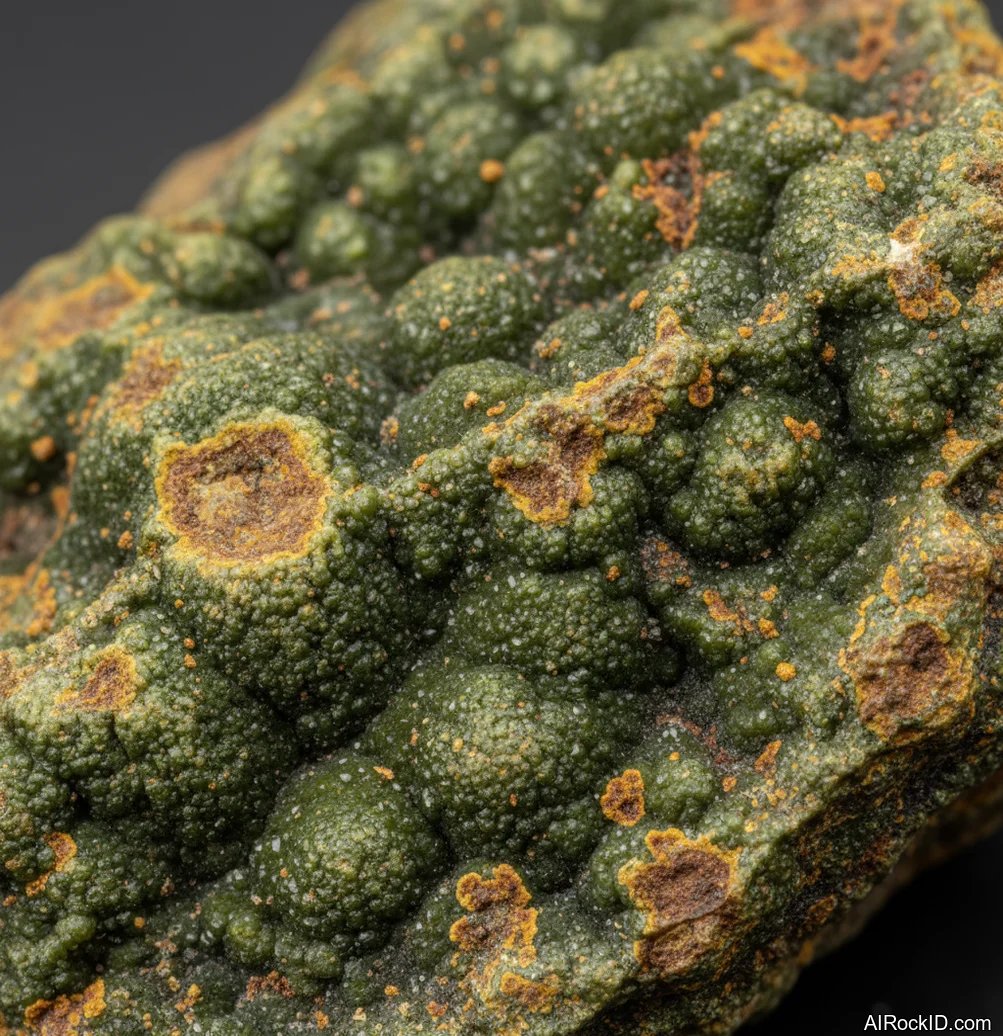
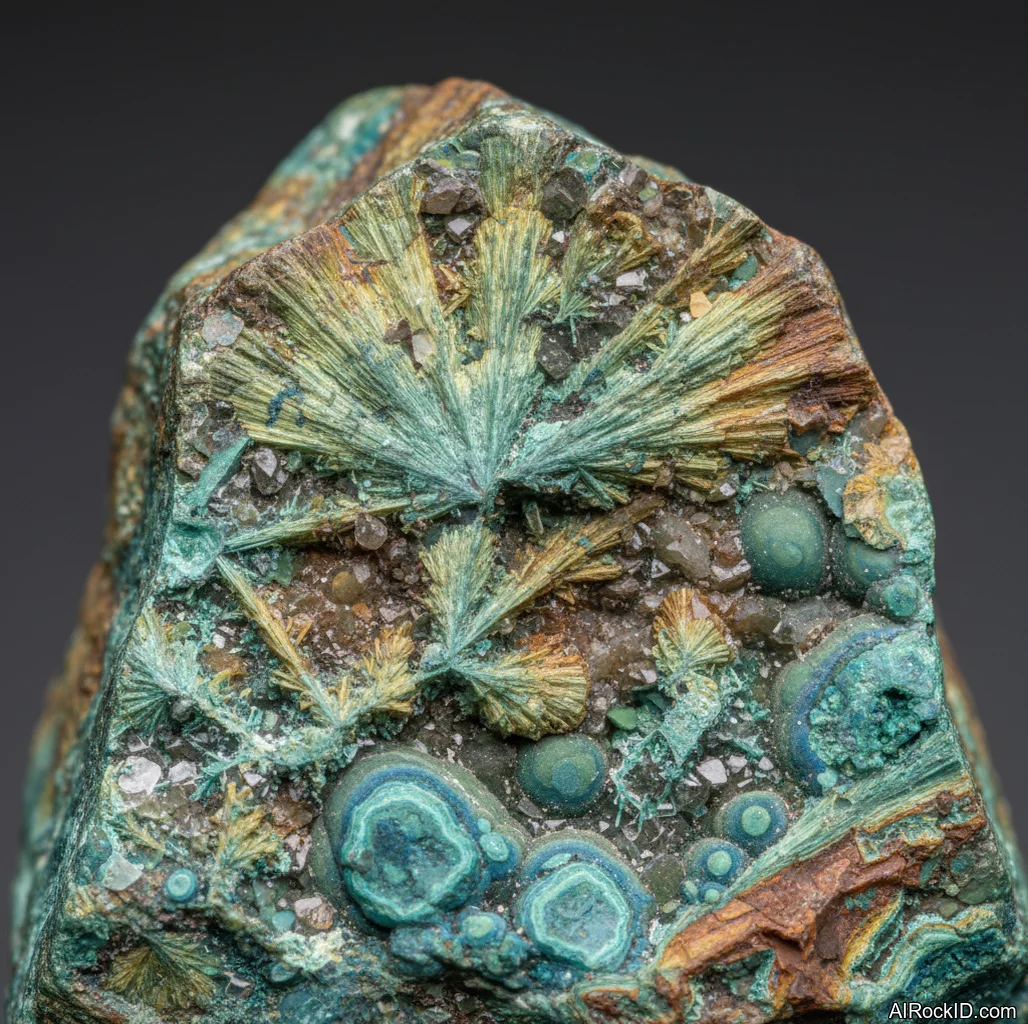
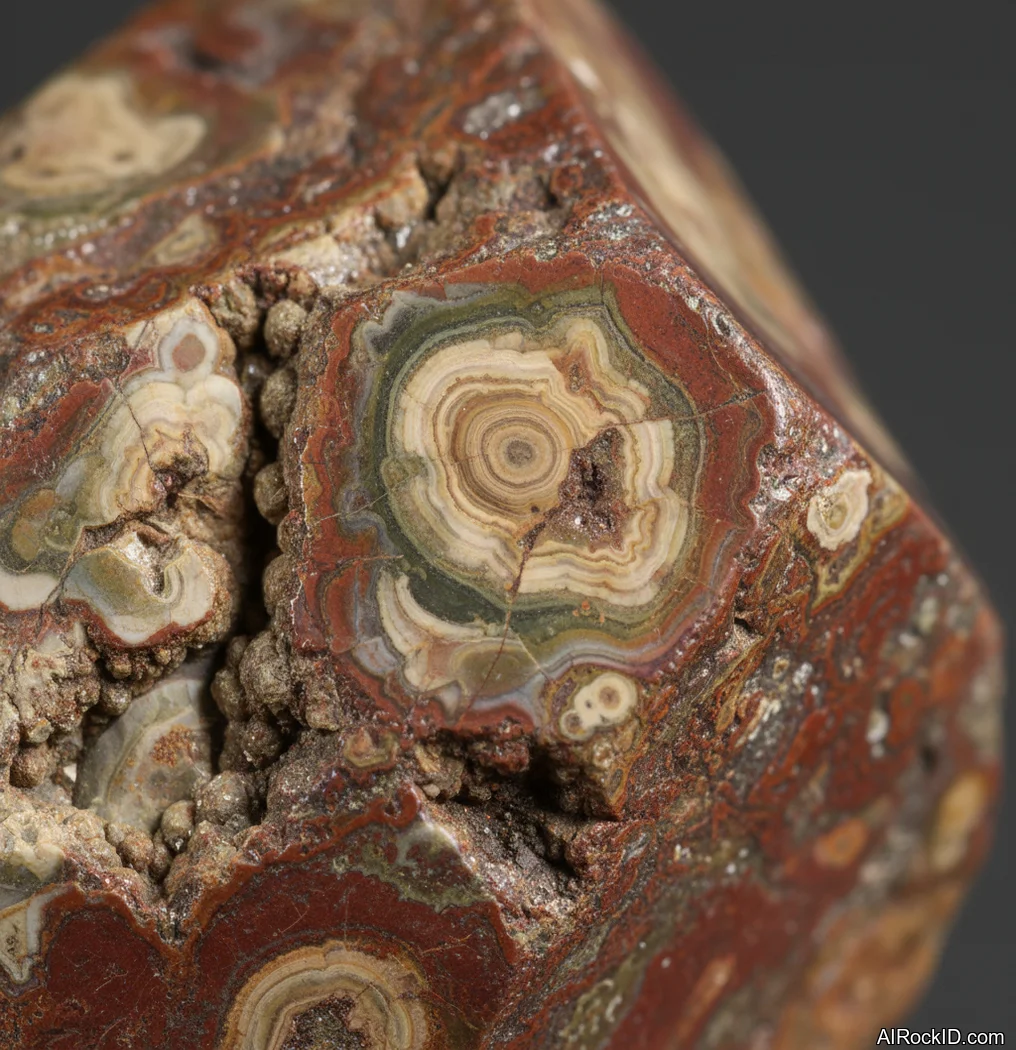
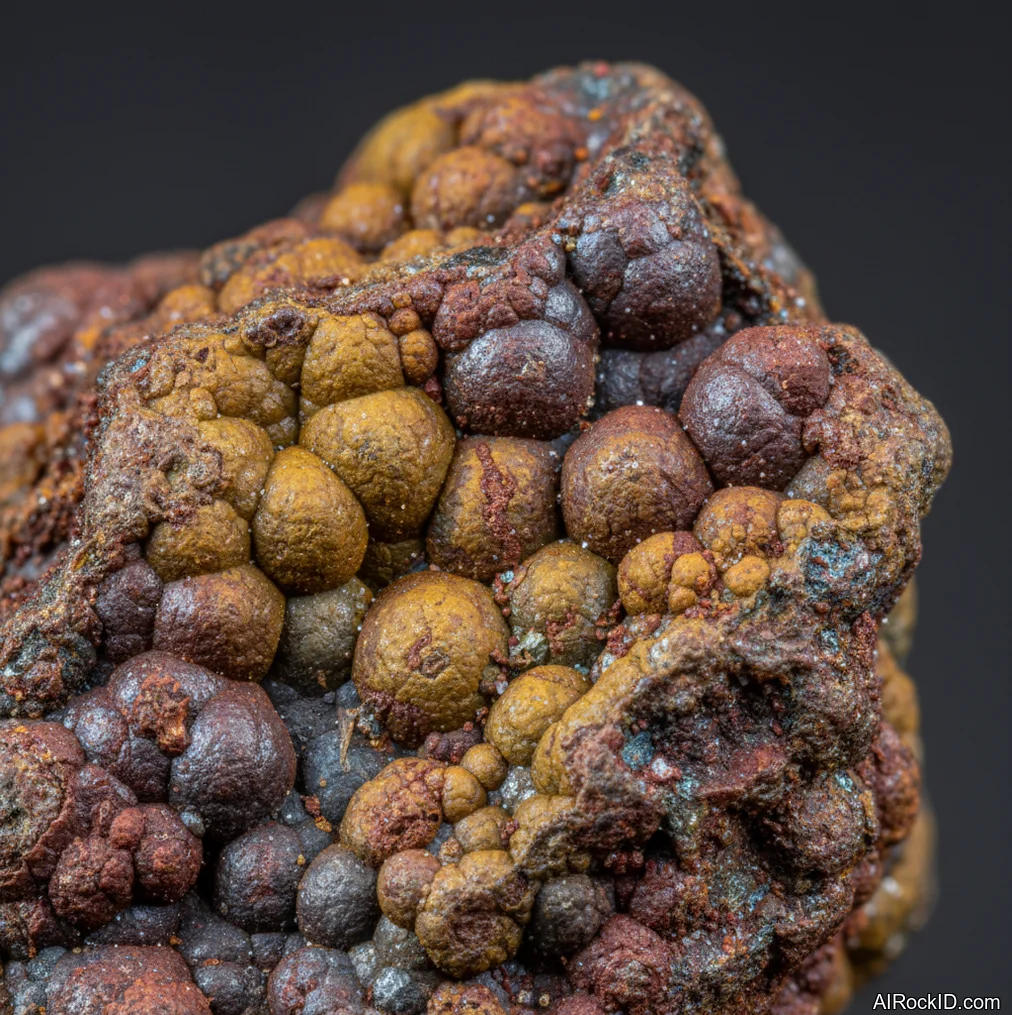
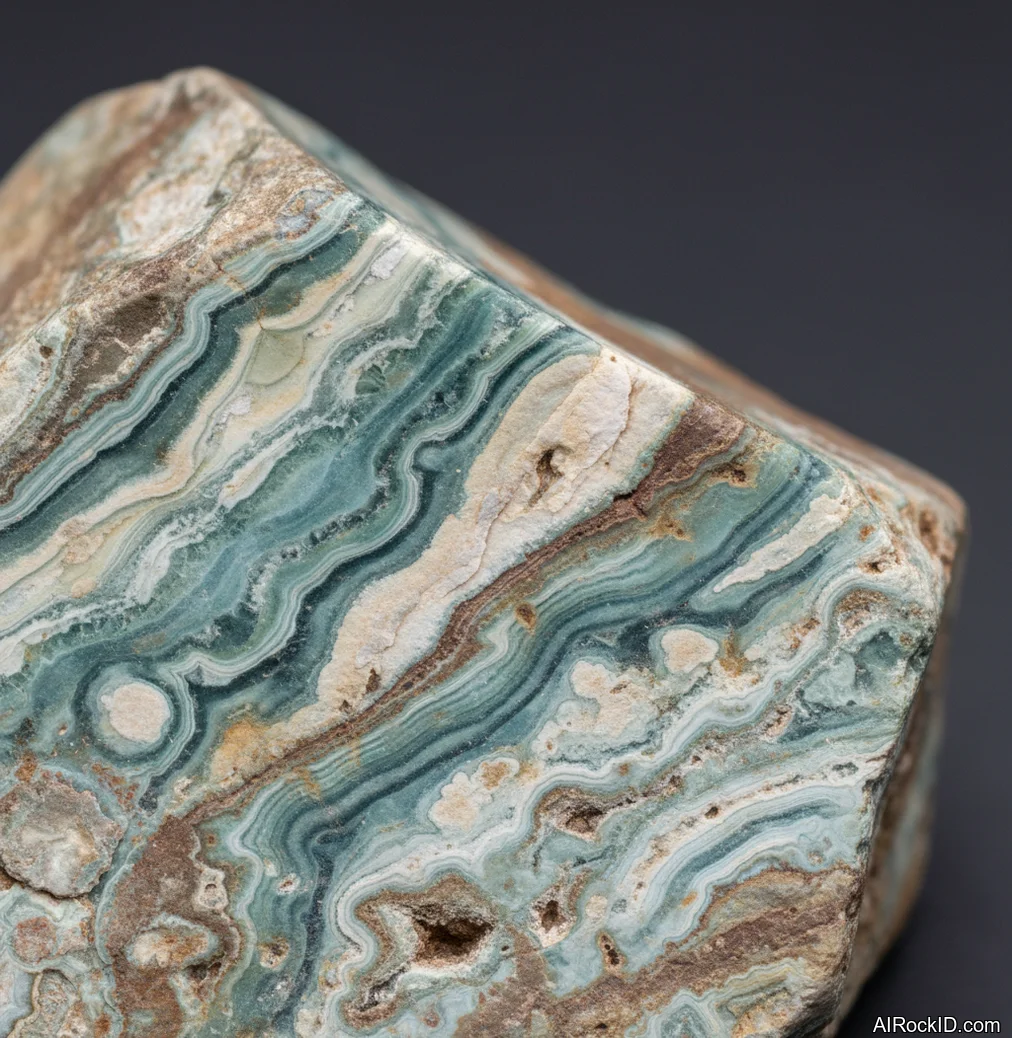
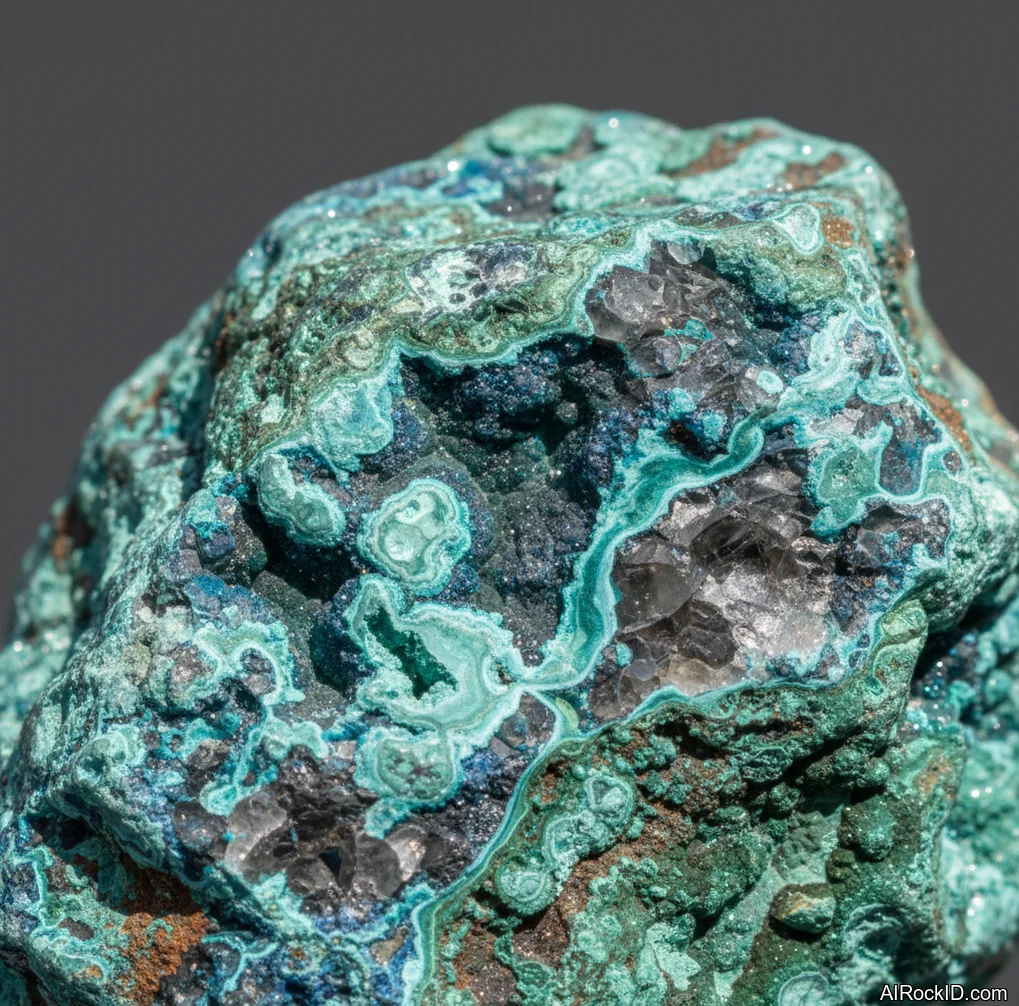
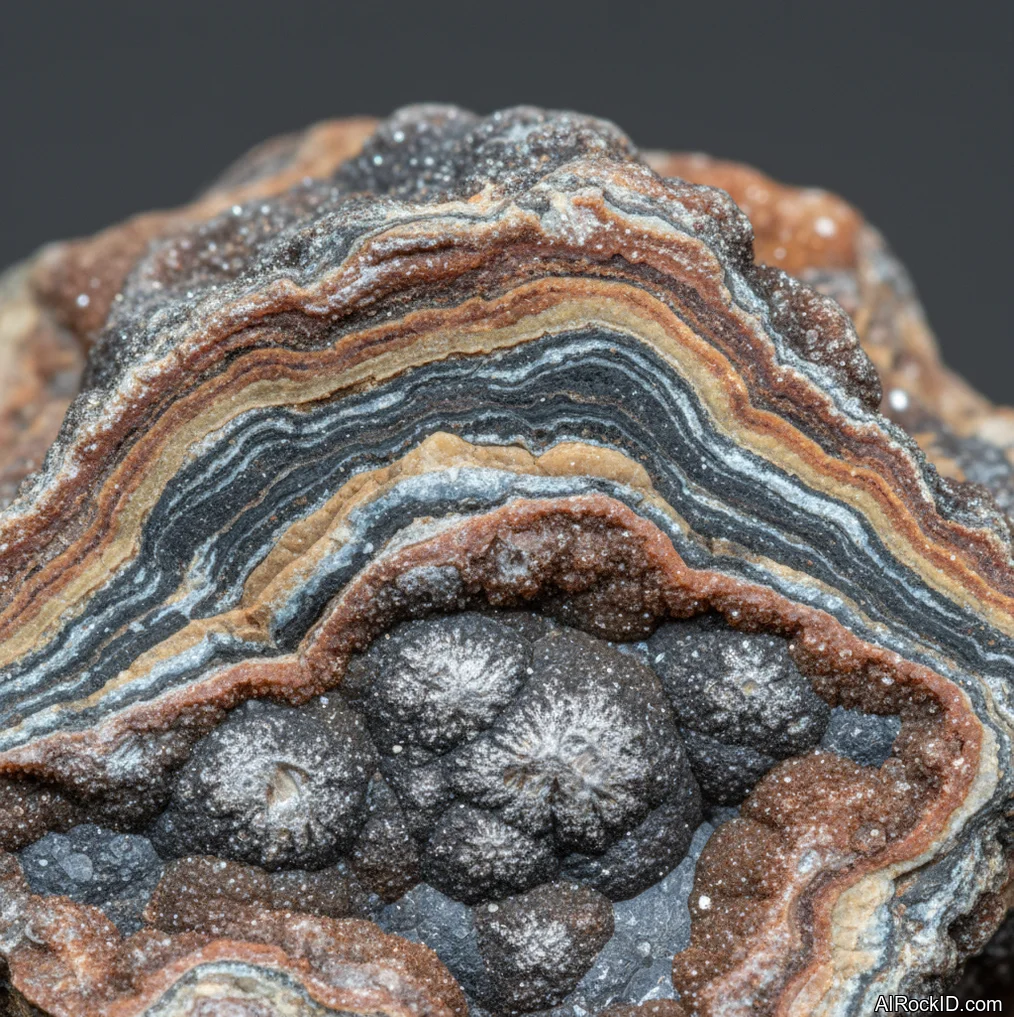
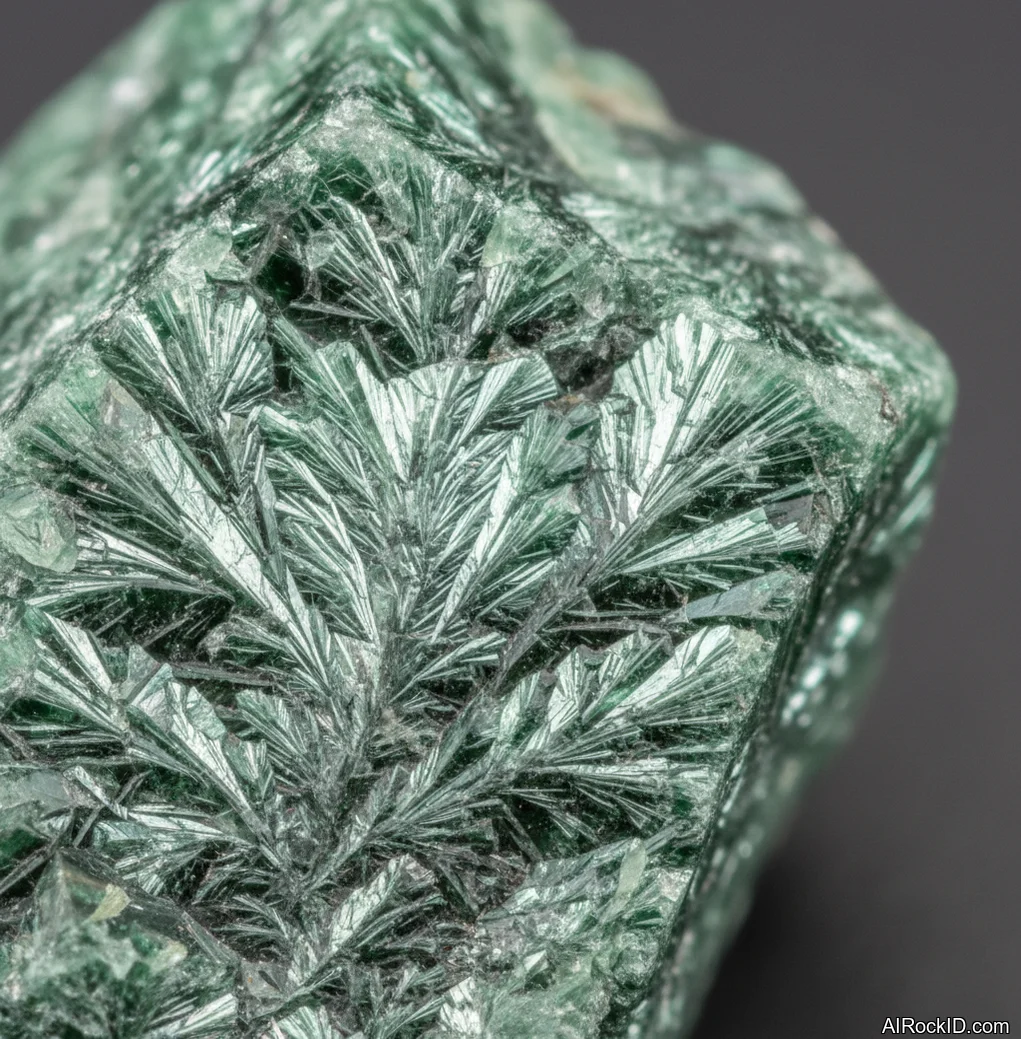
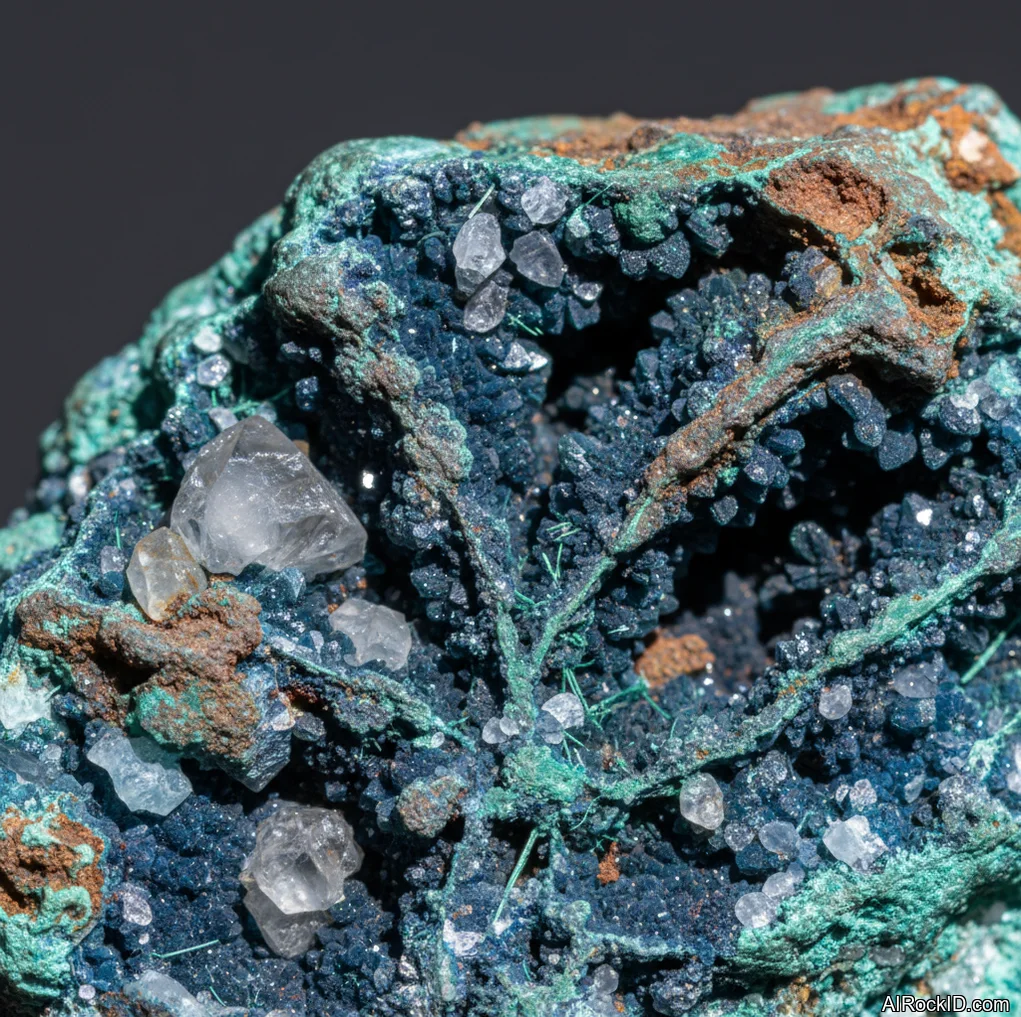
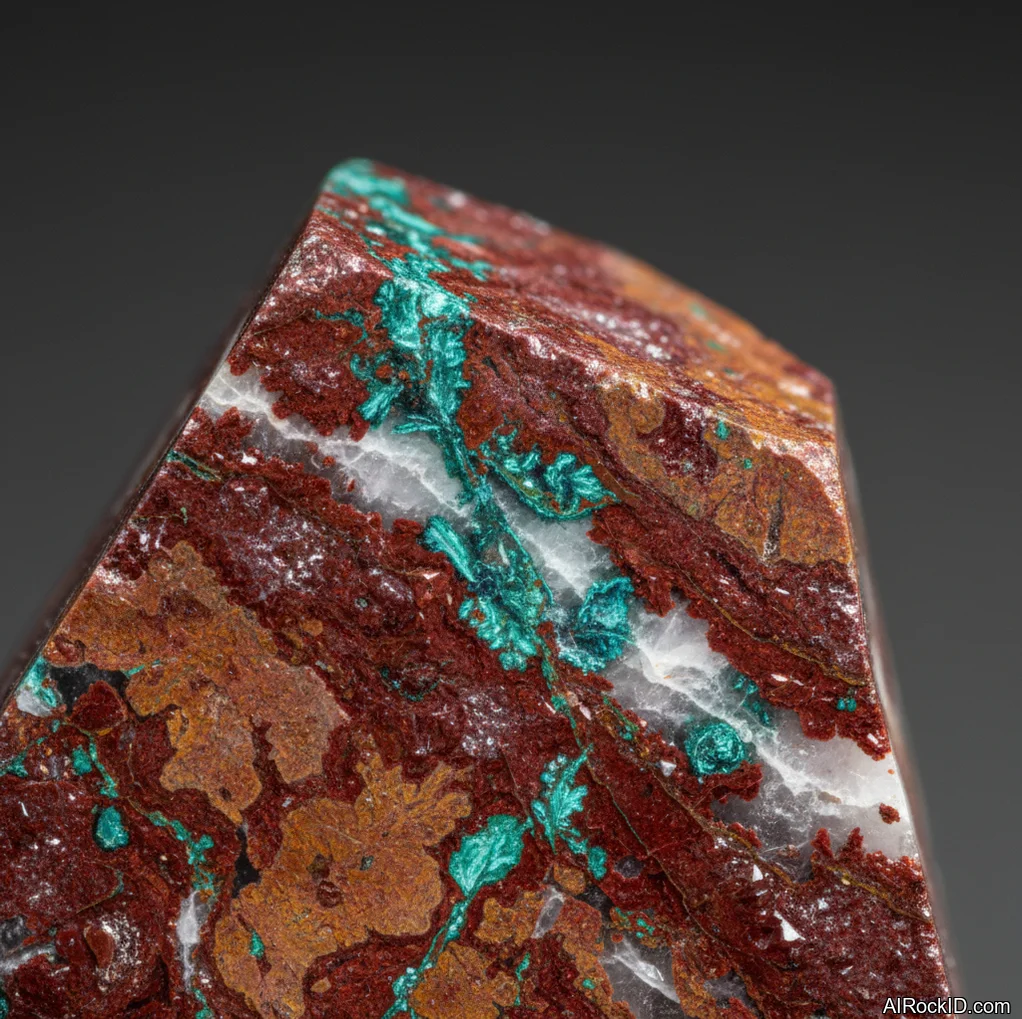
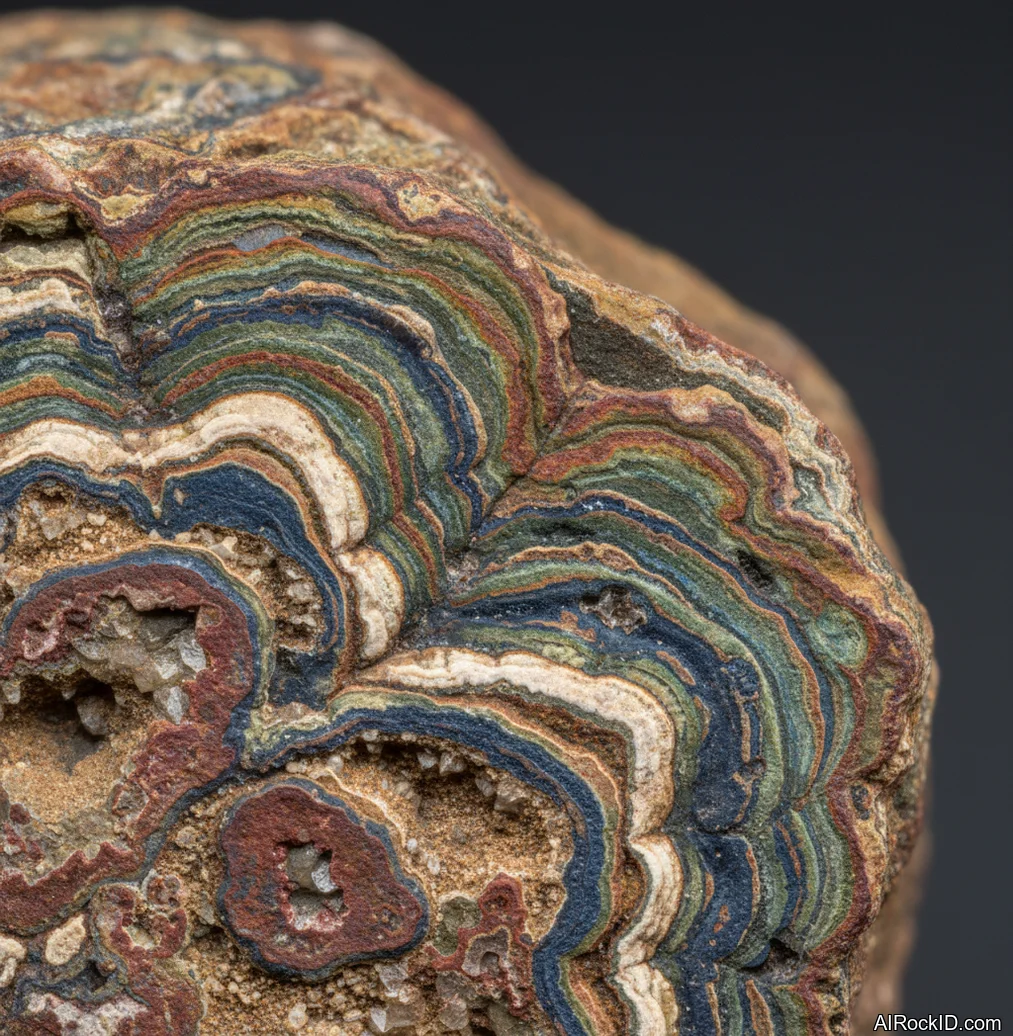
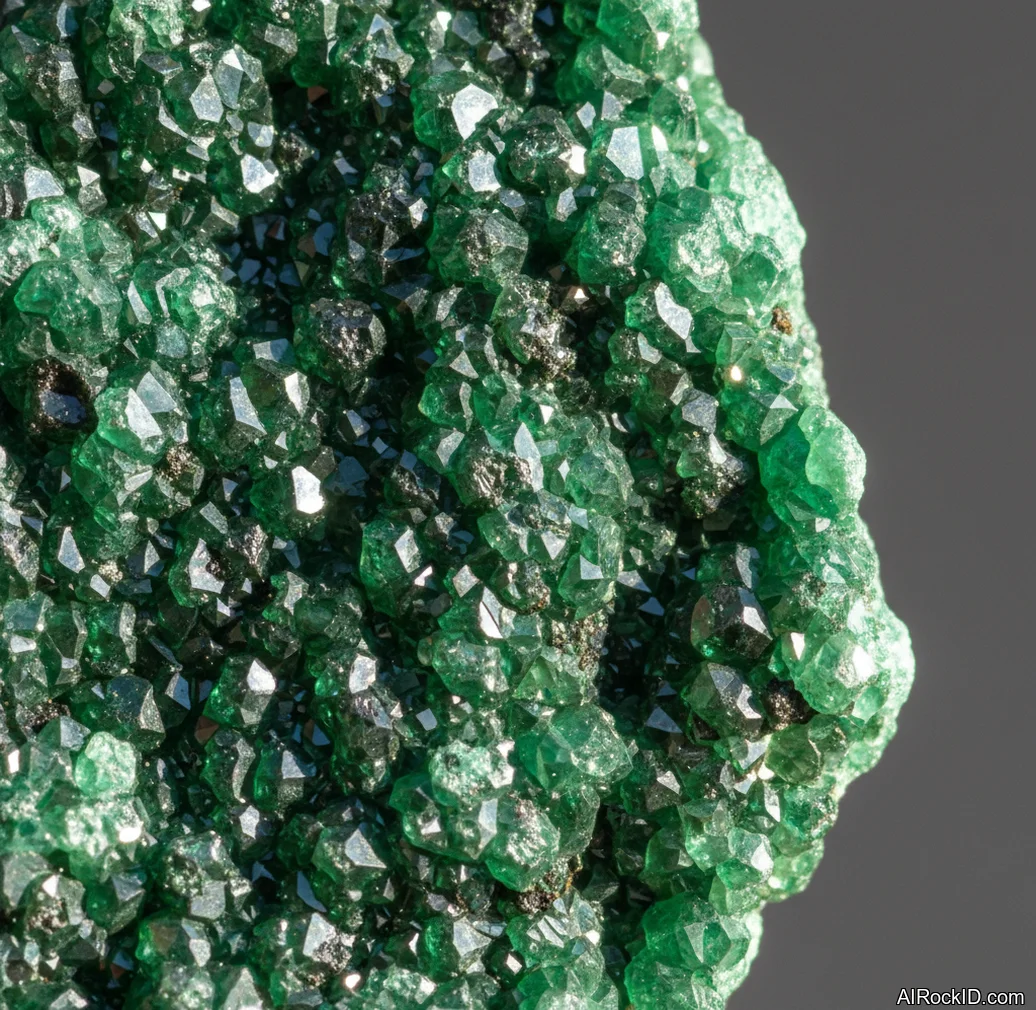
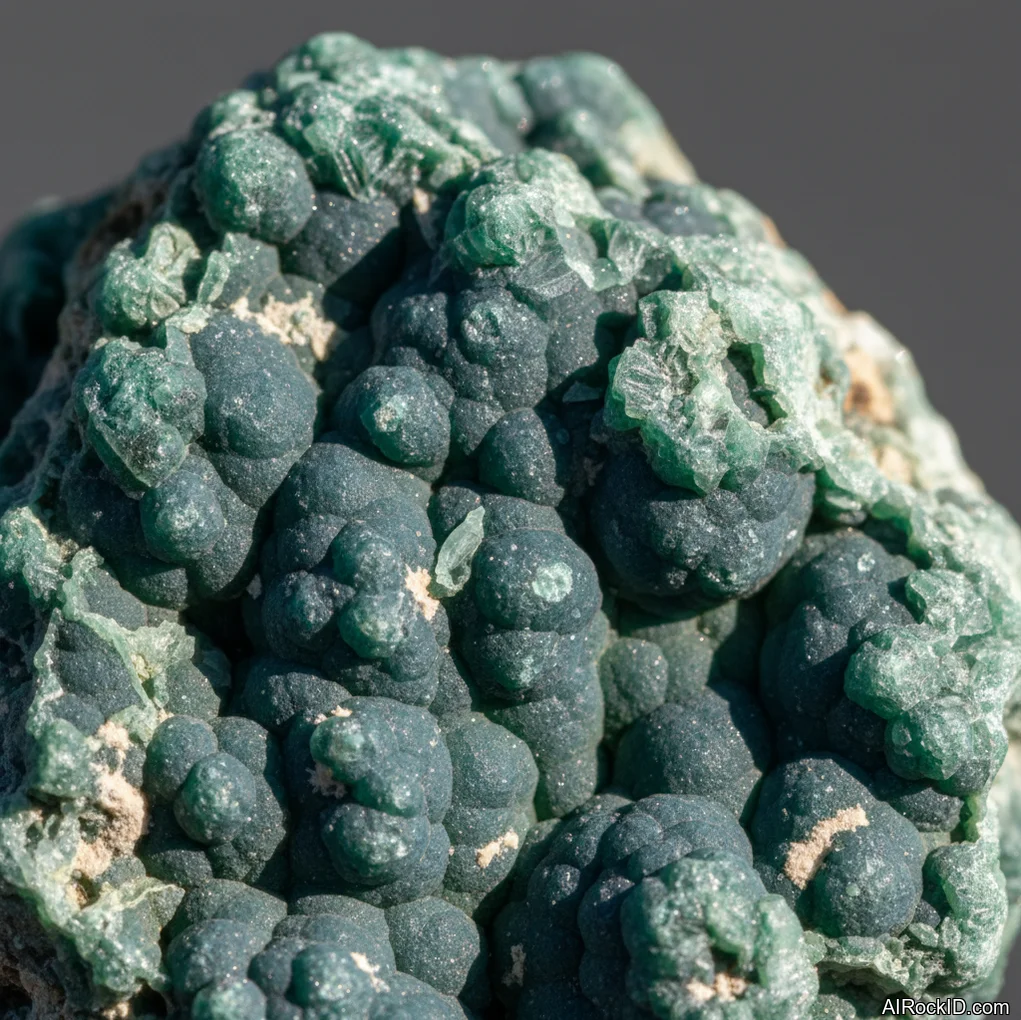
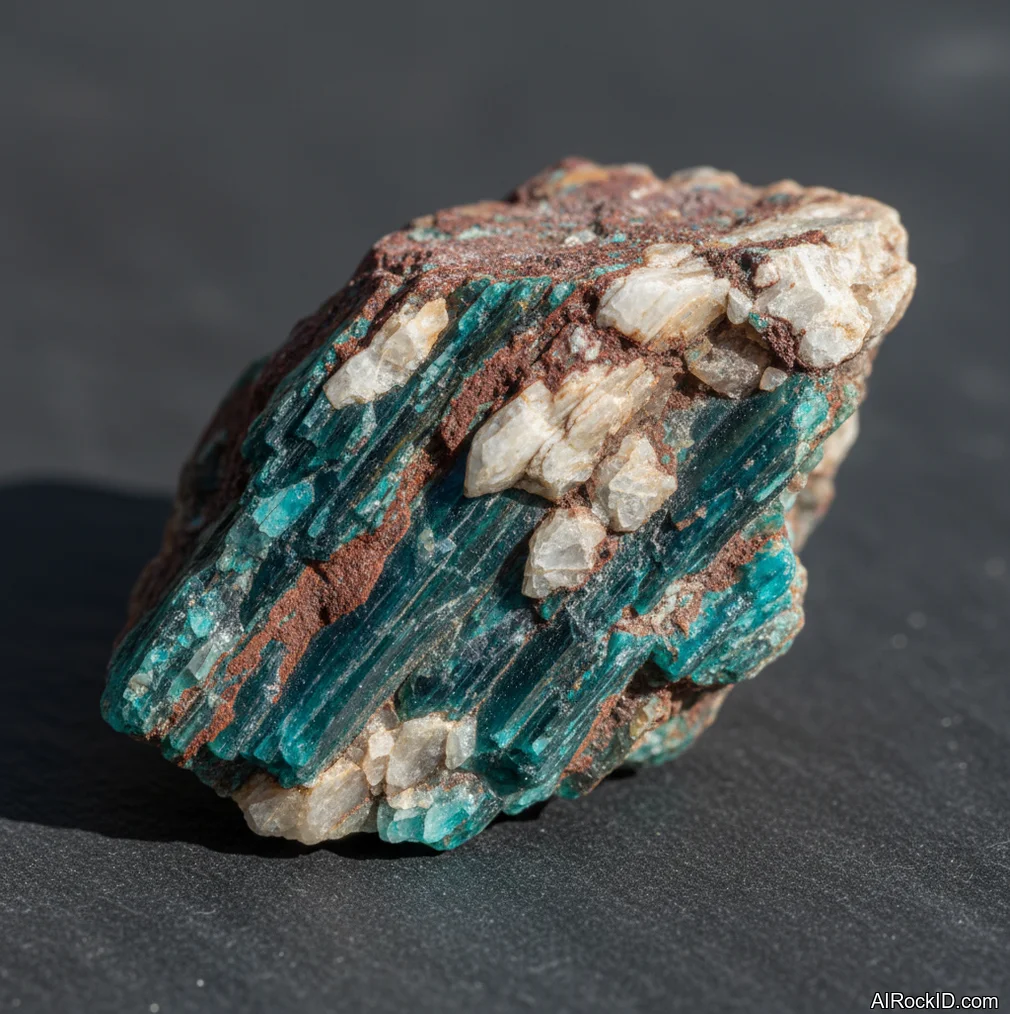
Malachite is a different beast. Those bullseye bands and rippling greens can look unreal, and that’s part of the problem. The market’s full of reconstructed malachite made from dust and resin, and it can still look pretty until you notice the pattern repeats like wallpaper or the surface feels oddly plastic-warm. Real malachite often has tiny pits and a slightly silky luster when polished, and the banding doesn’t loop in perfect circles forever. If you’re buying raw, remember it’s a copper carbonate and it’s soft. It scratches easier than people expect. And you don’t want to soak it in water or toss it in a salt bowl.
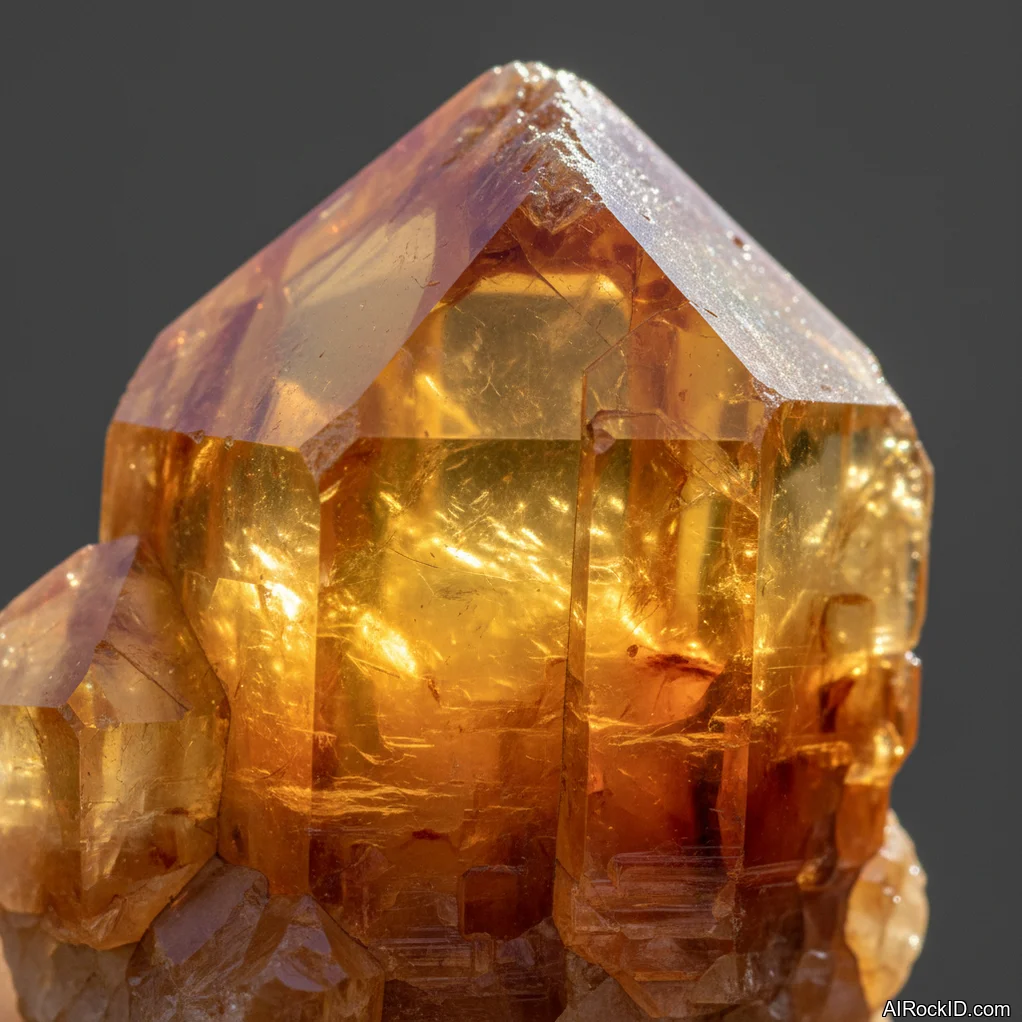
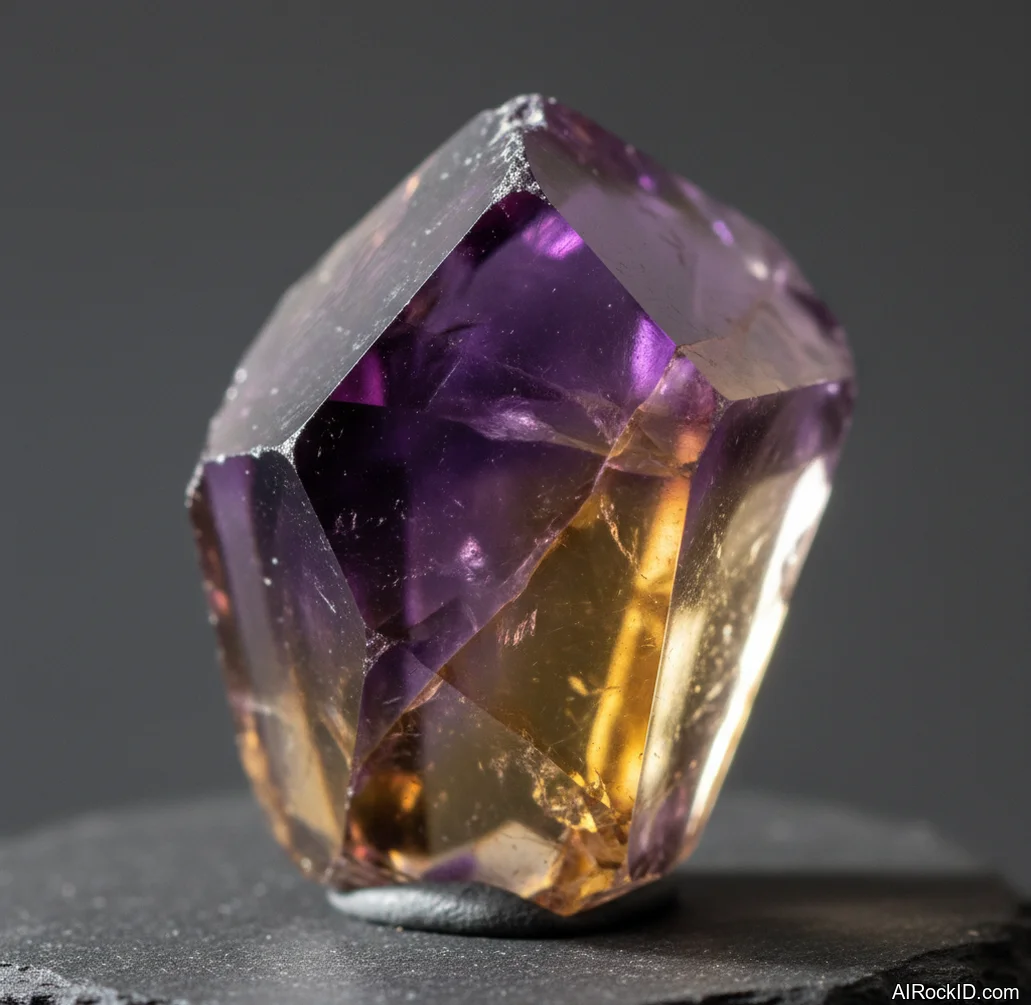
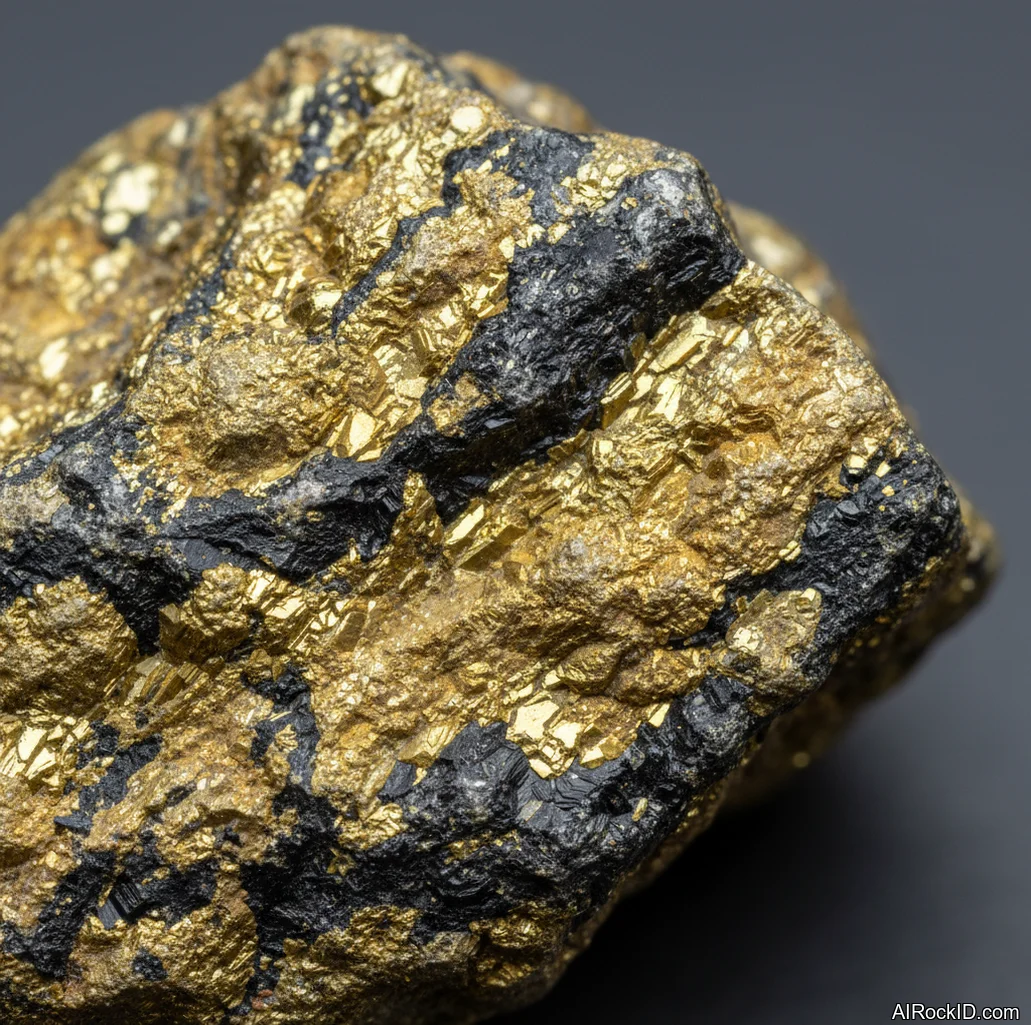
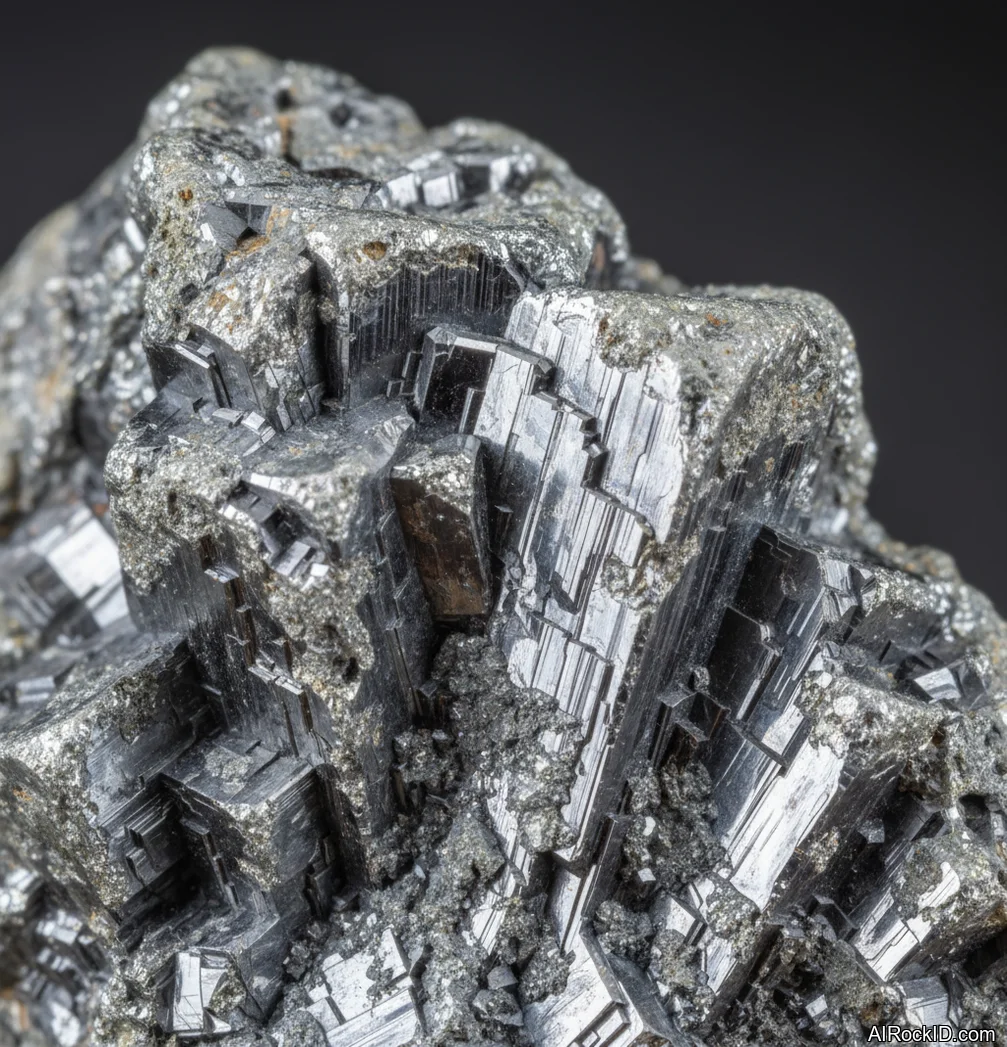
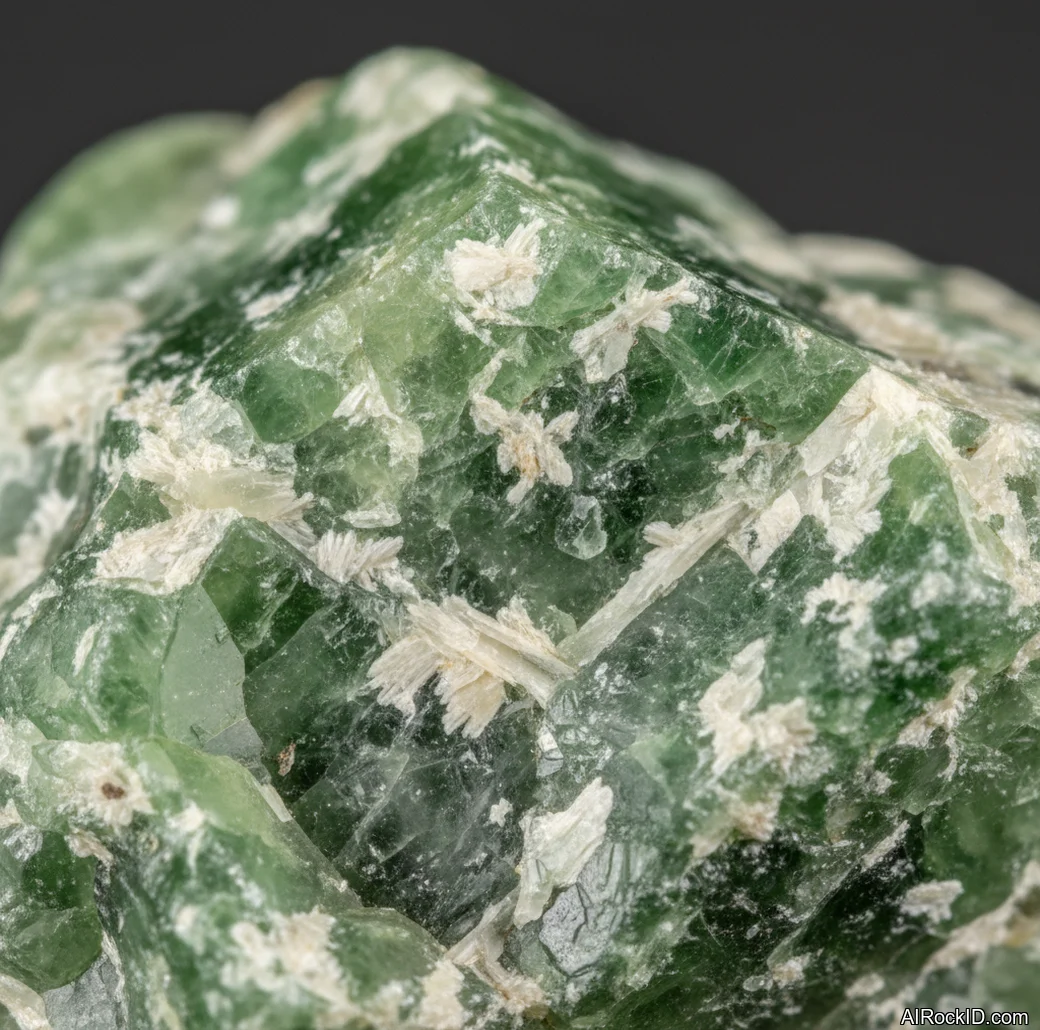
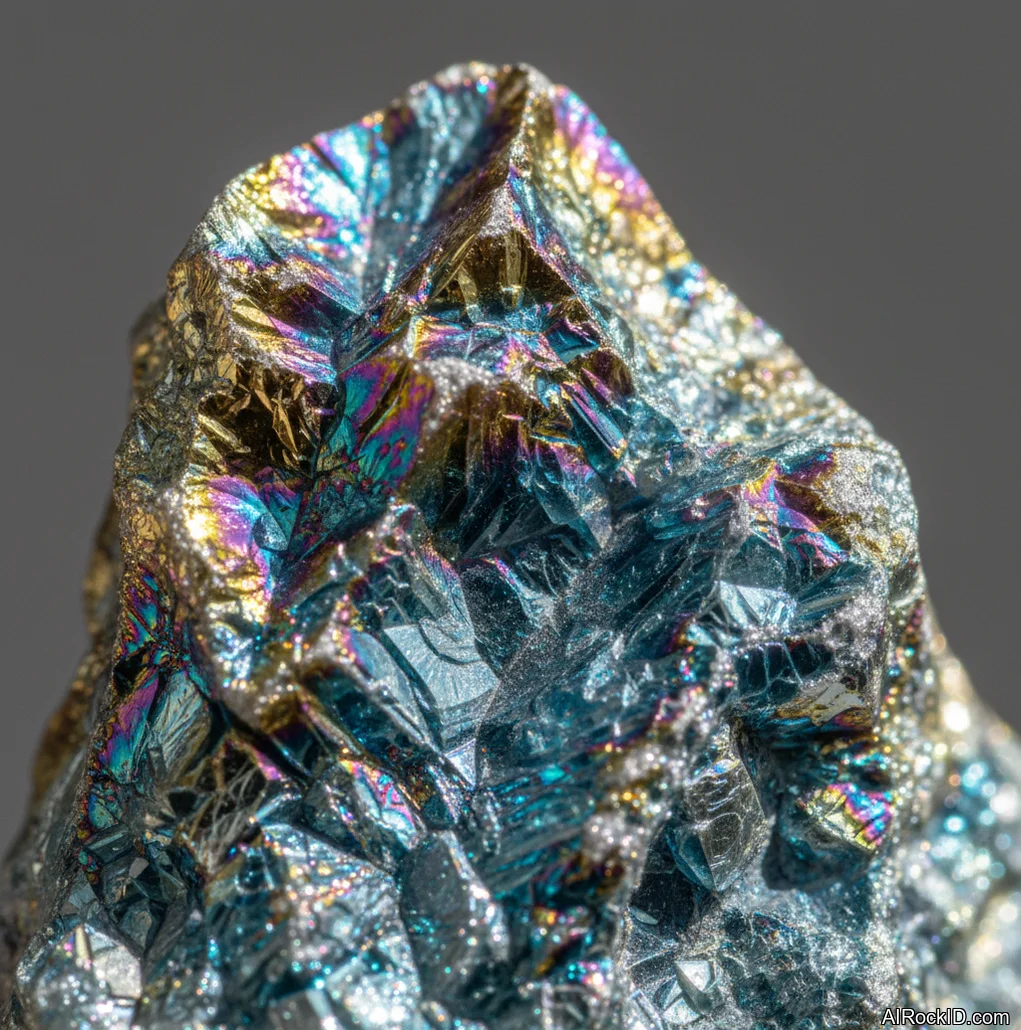
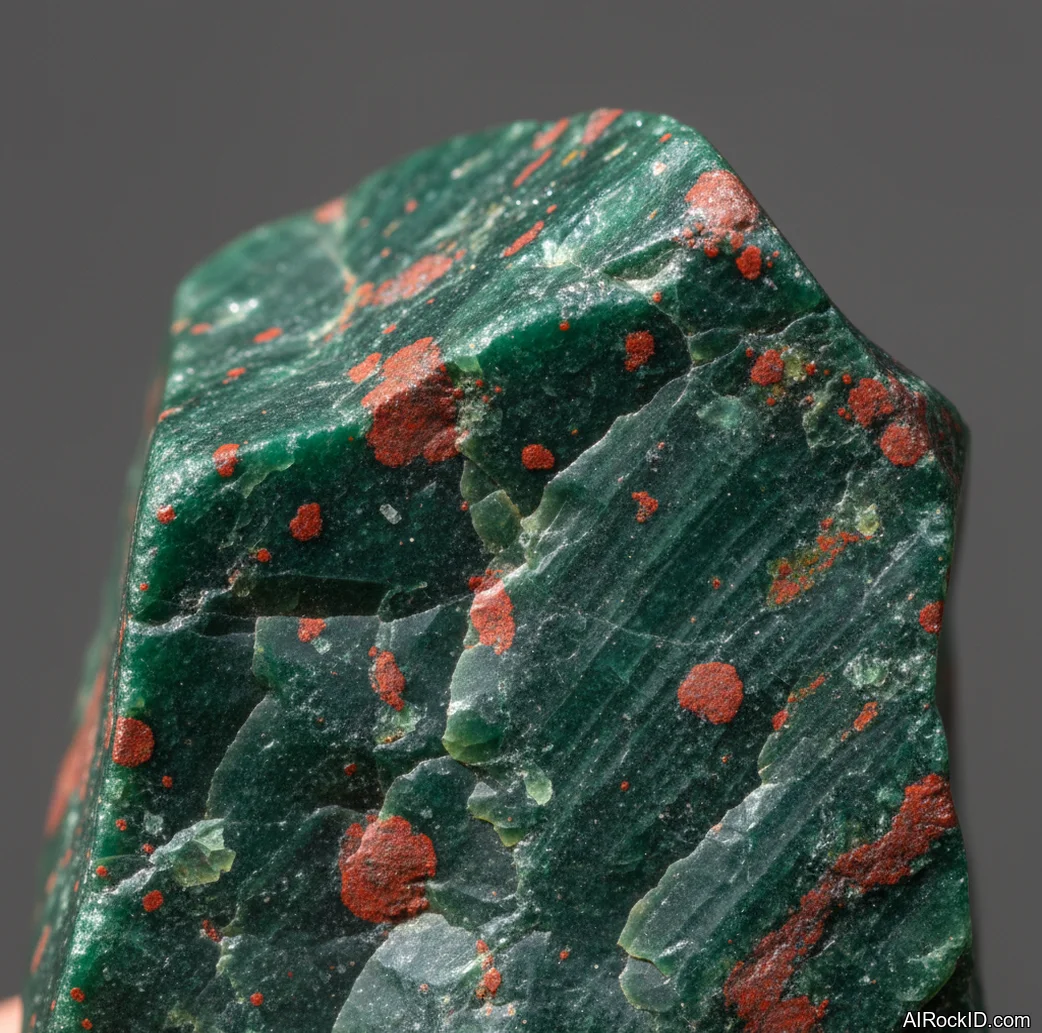
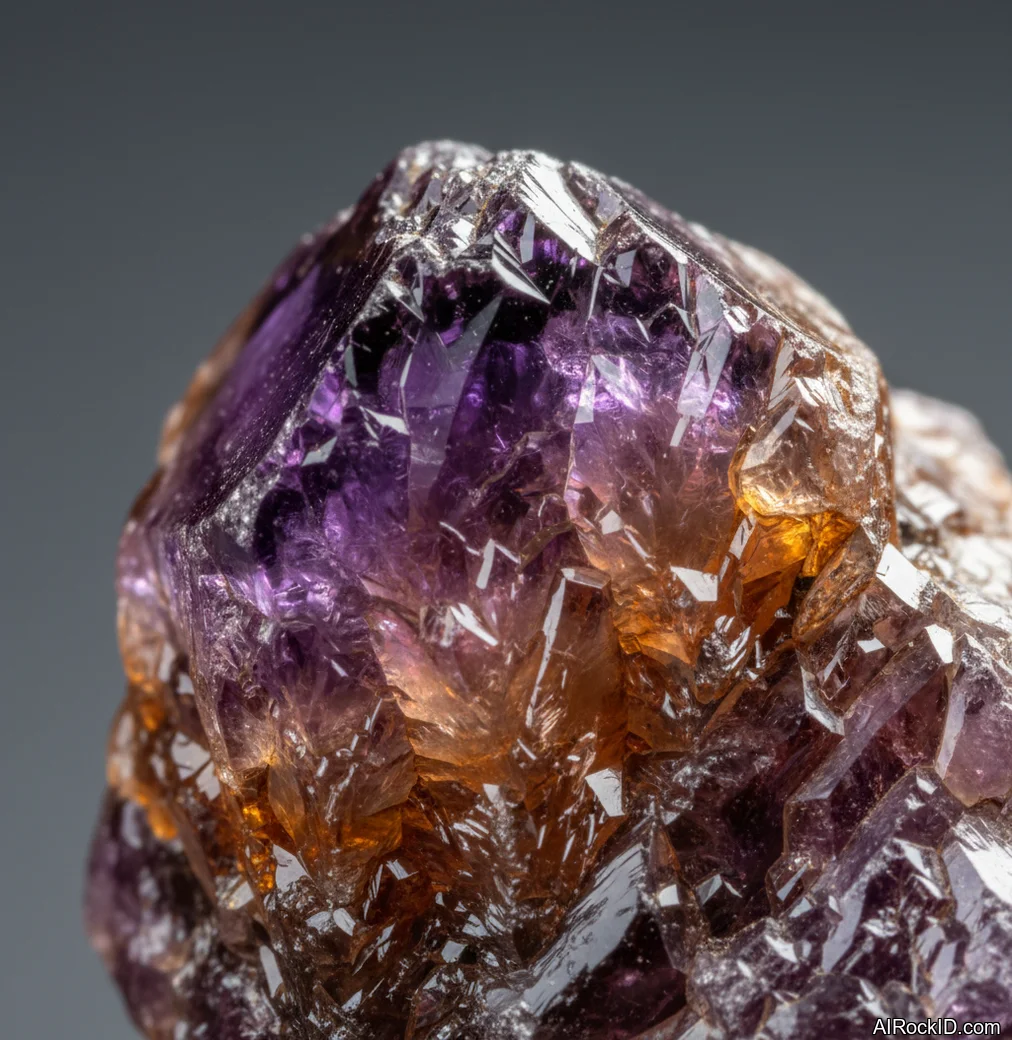
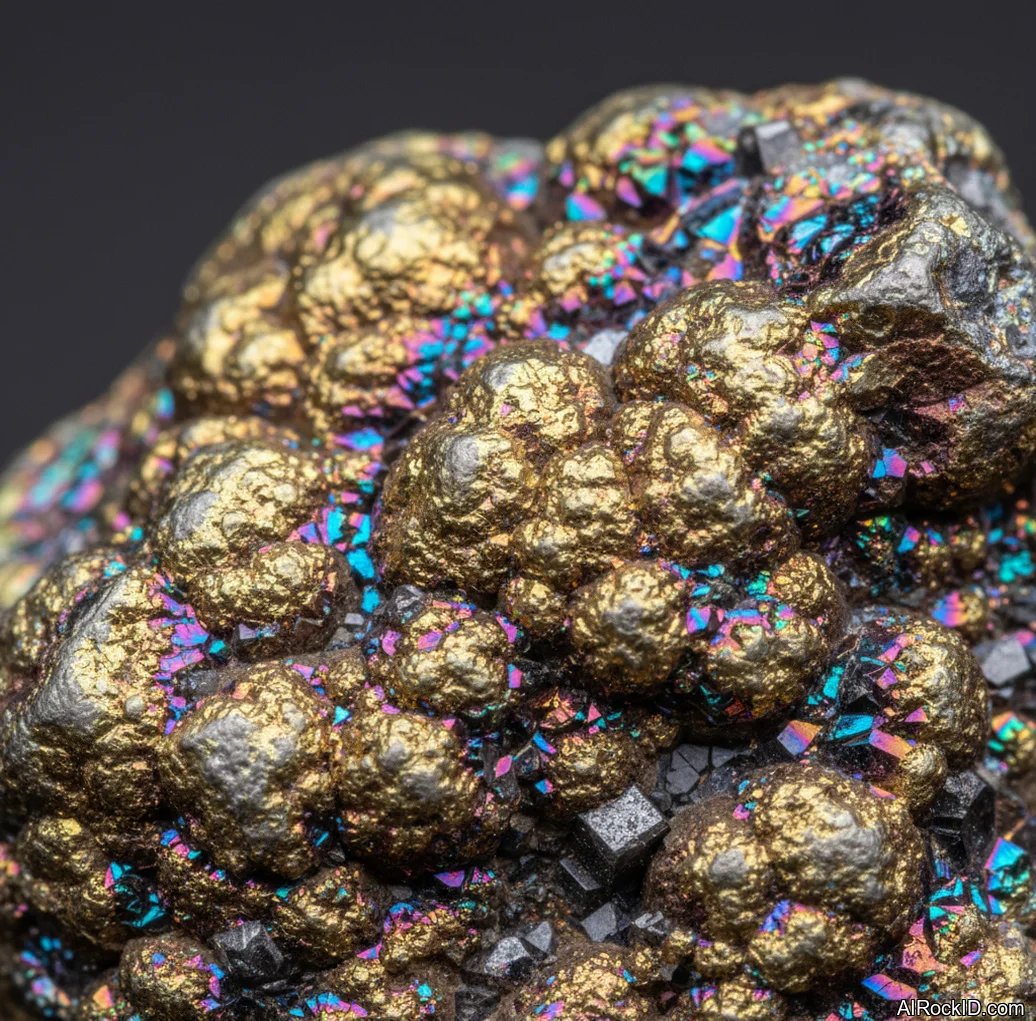
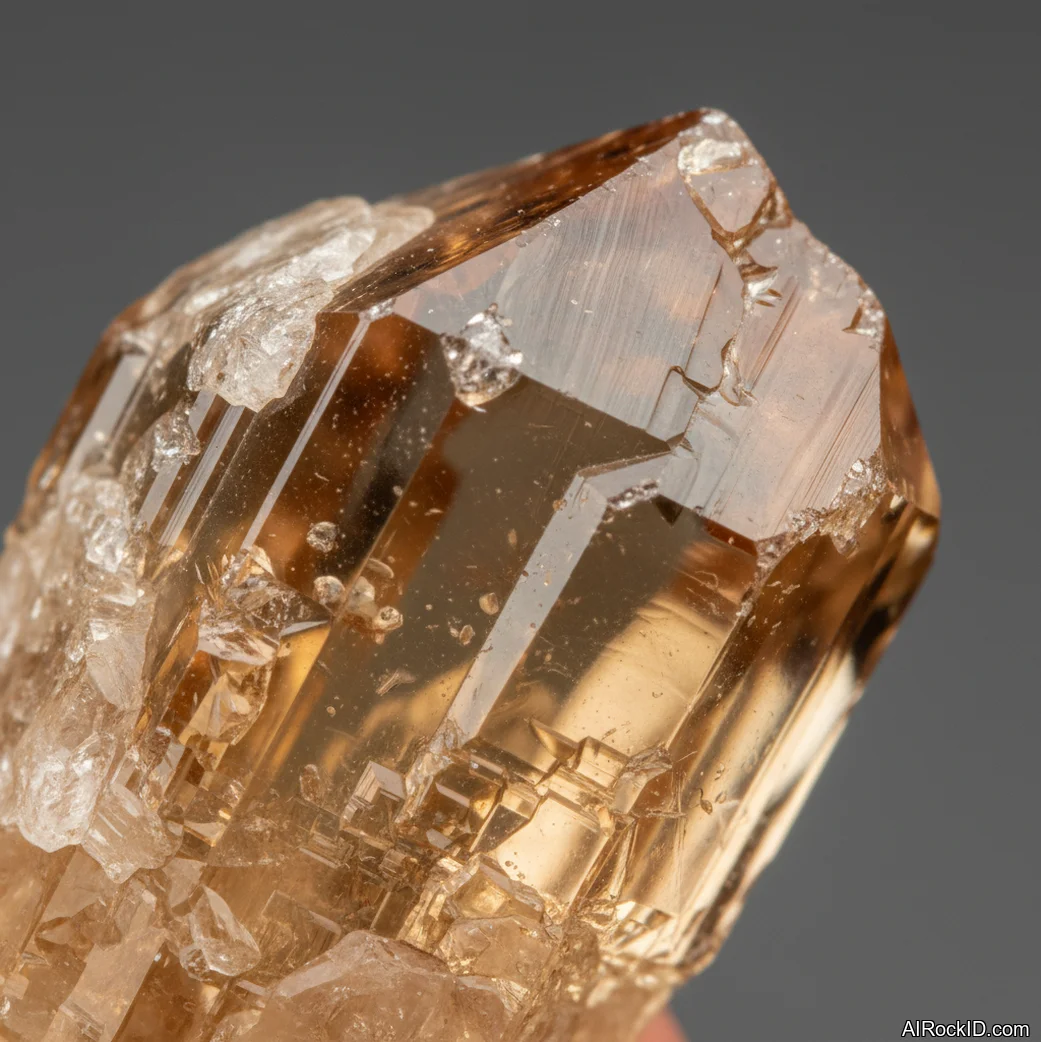
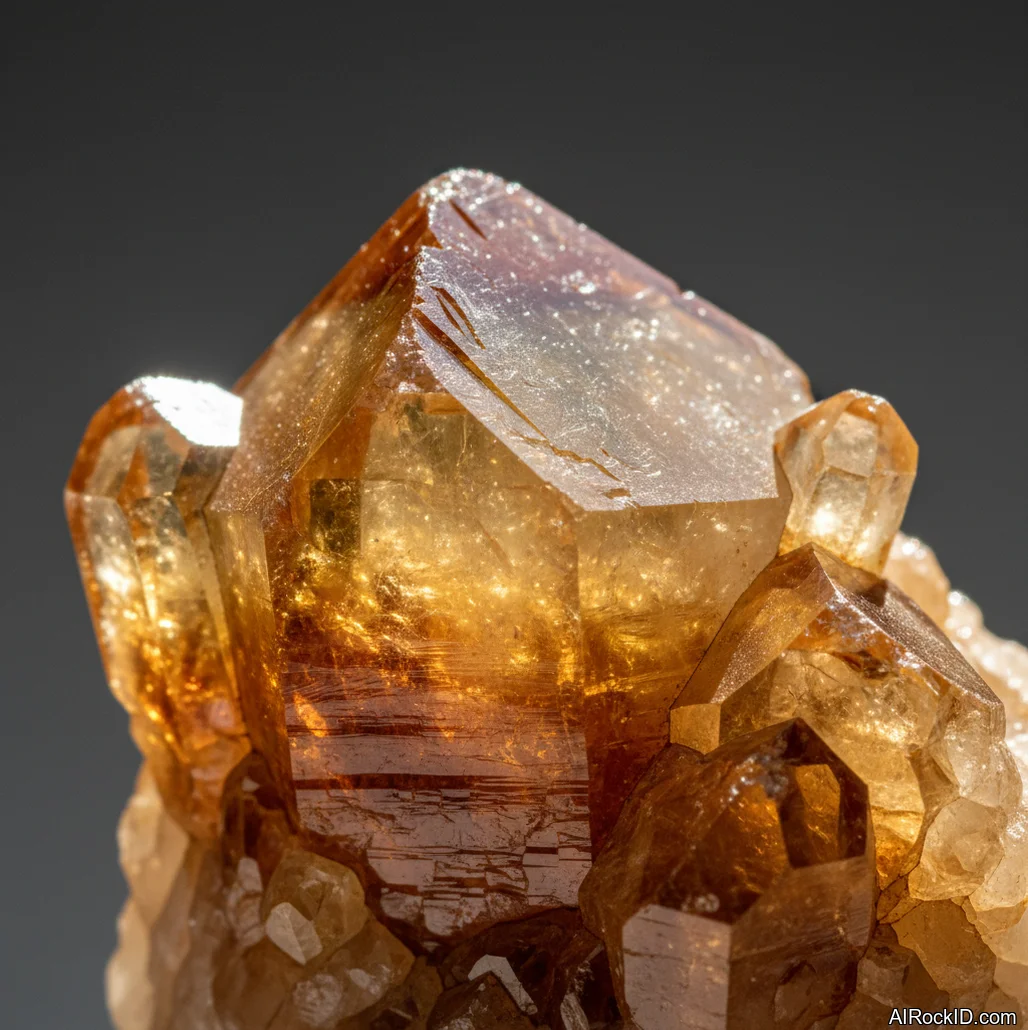
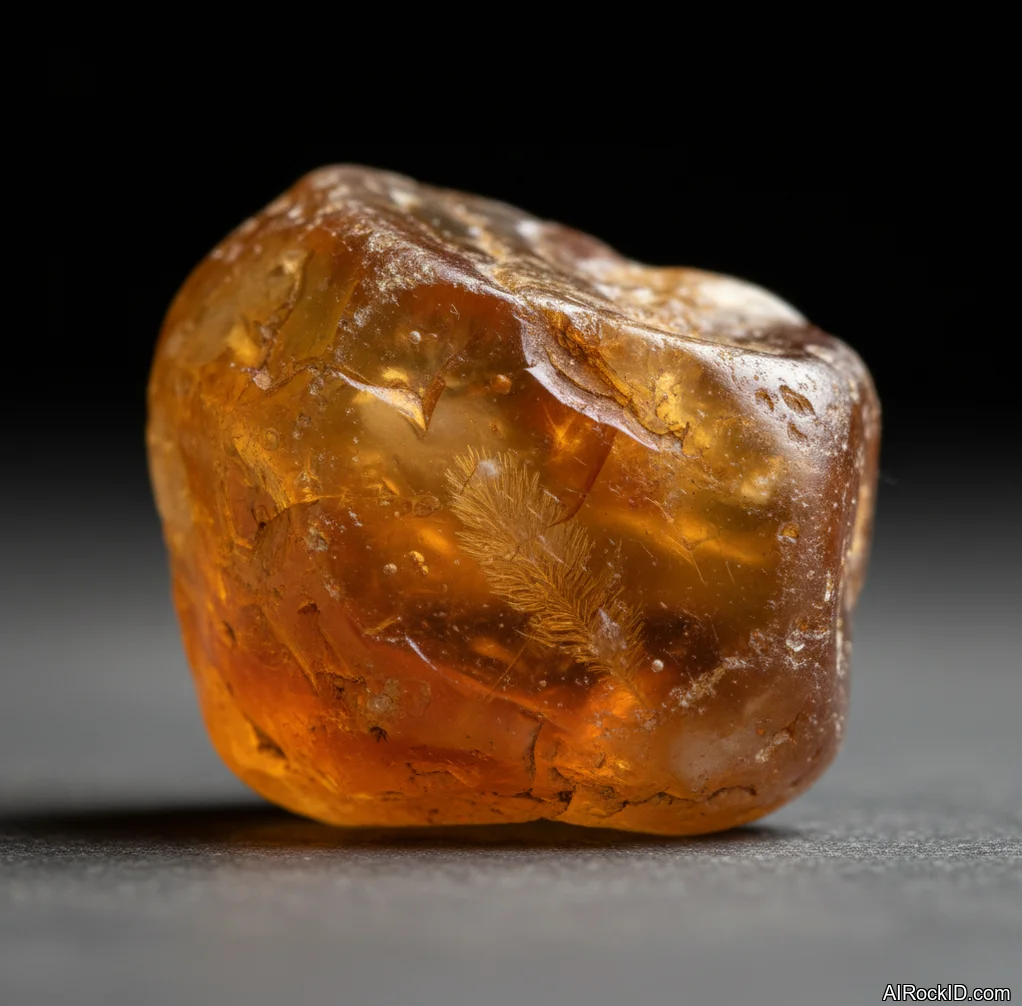
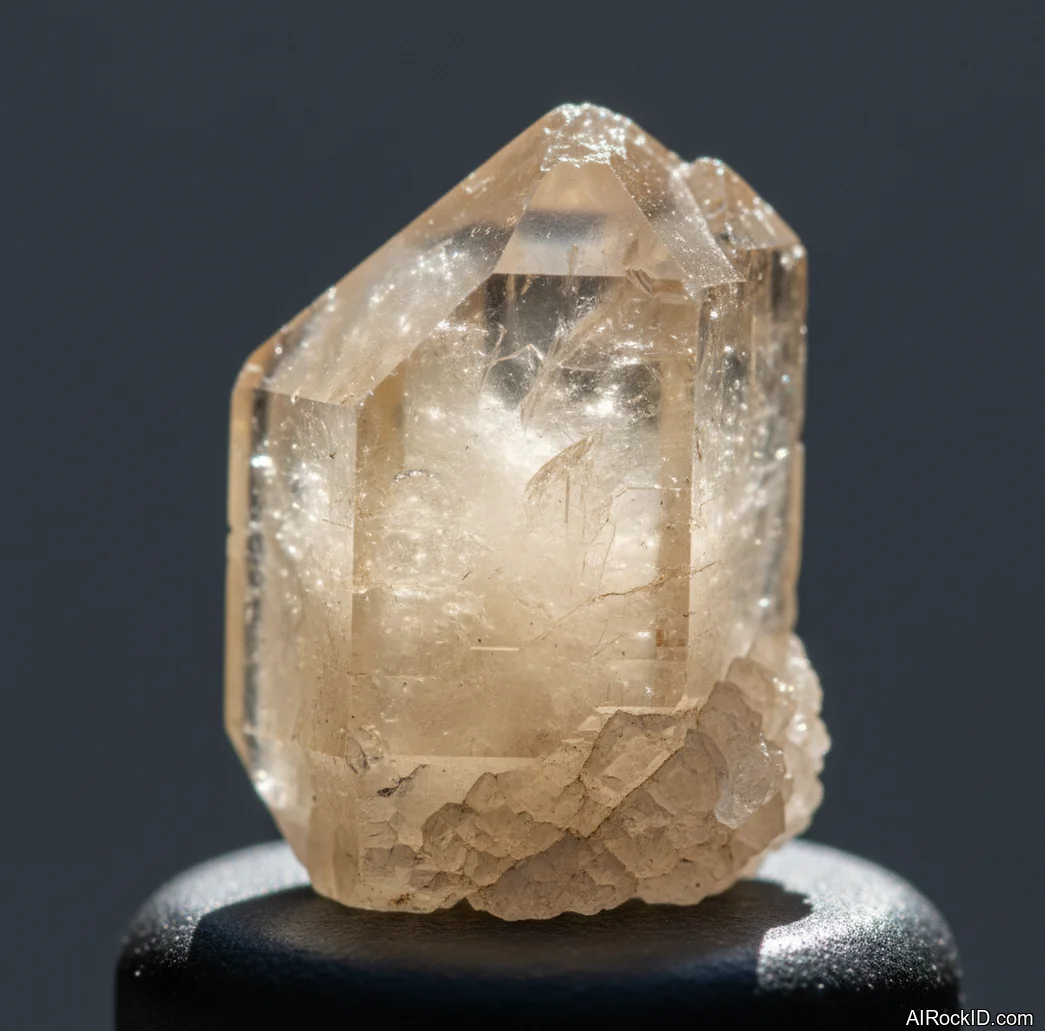
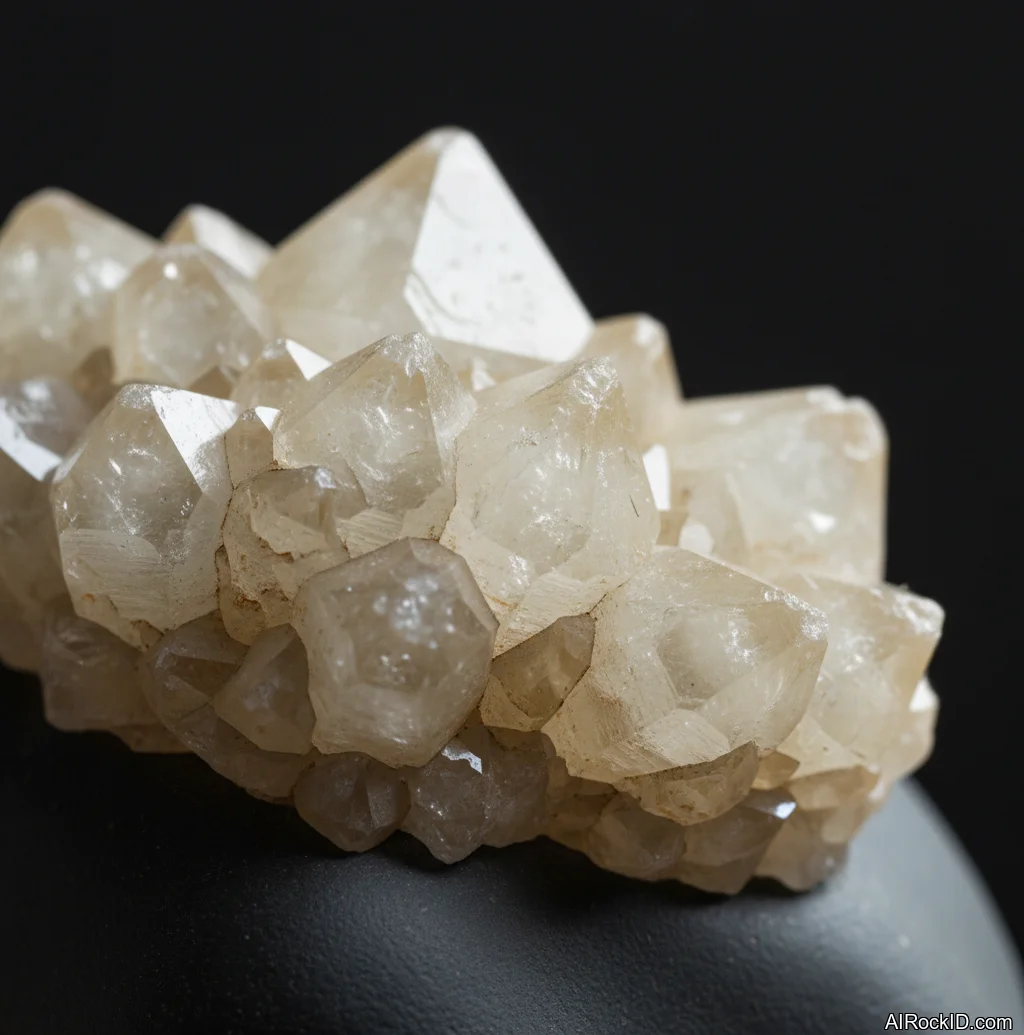
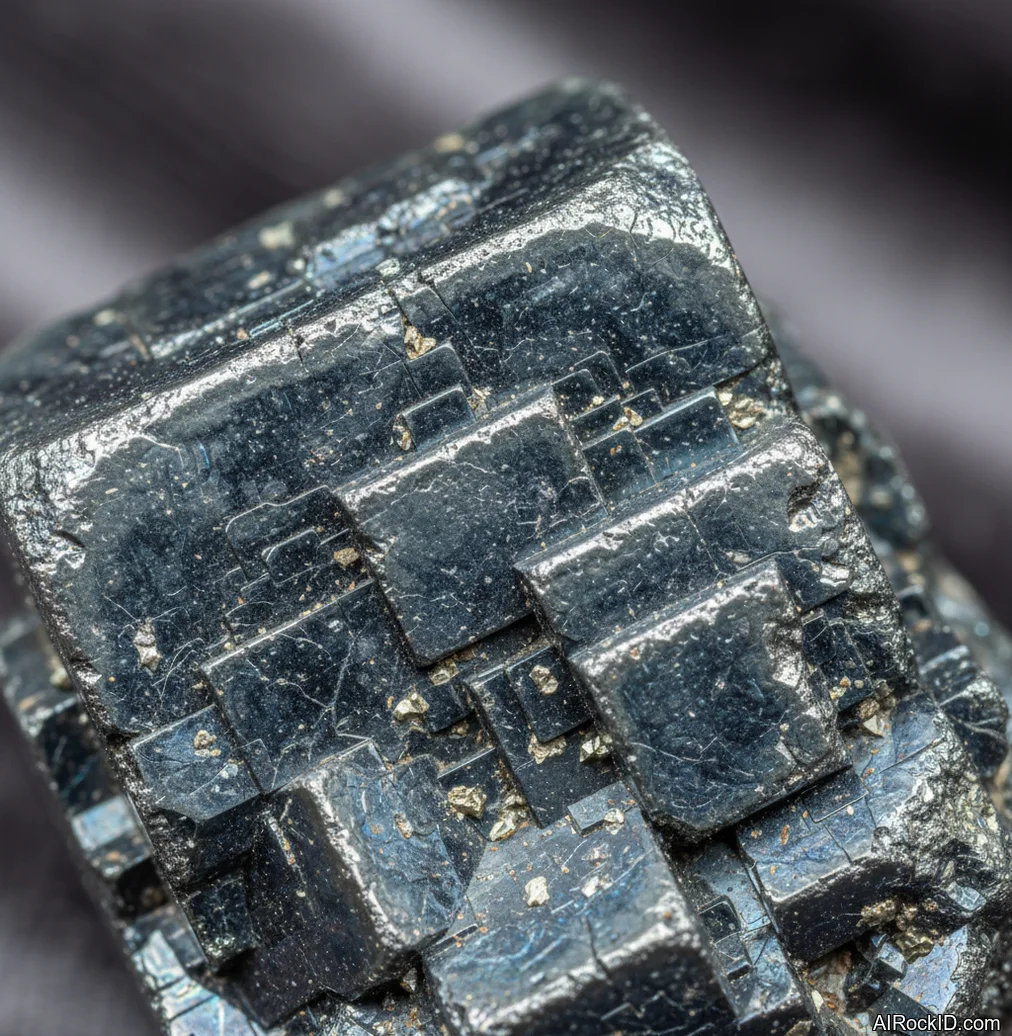
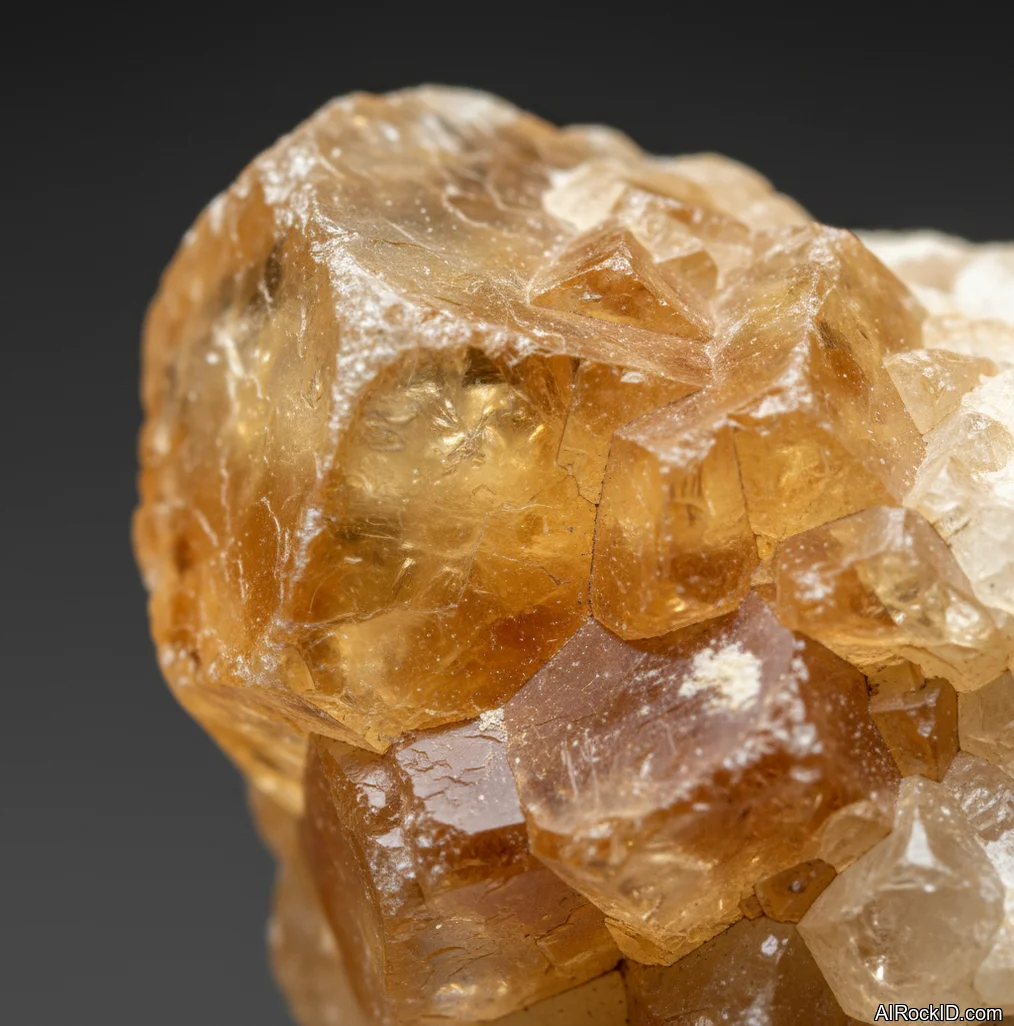
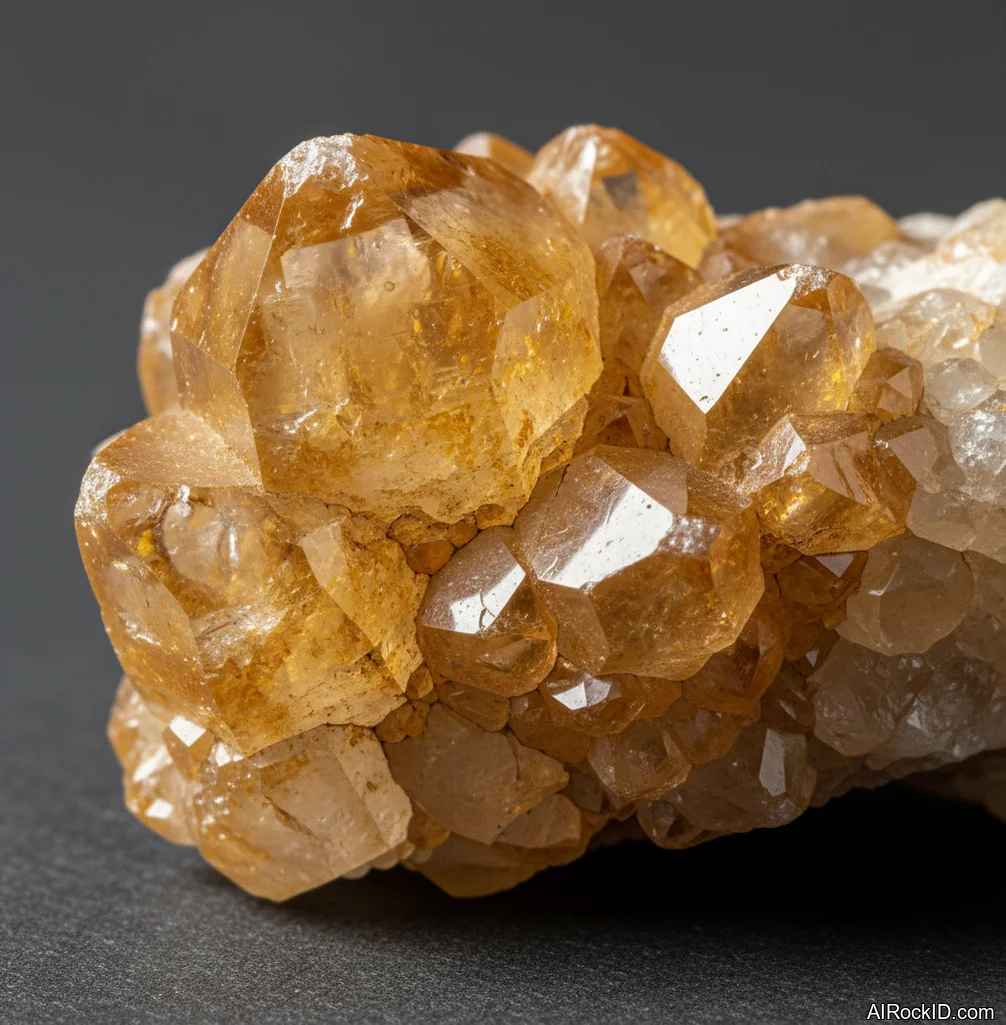
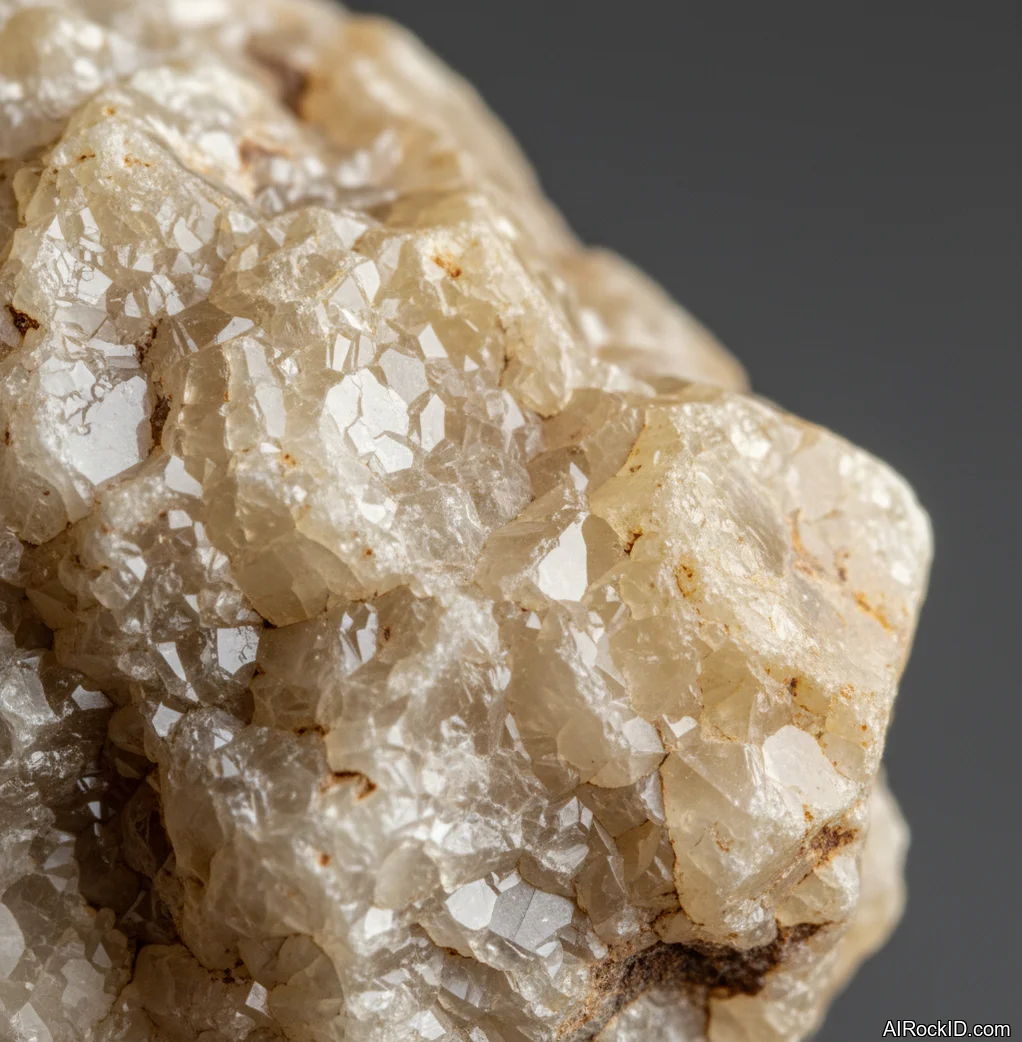
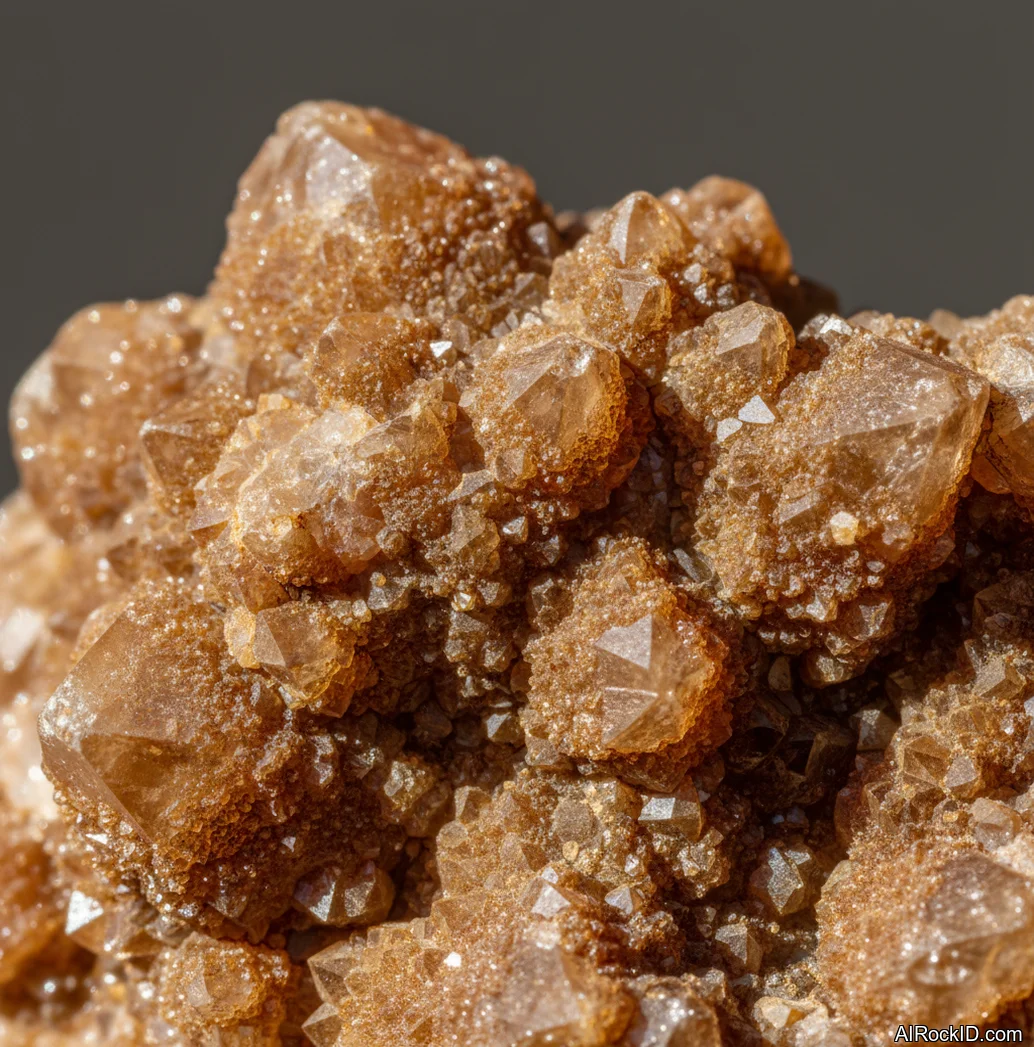
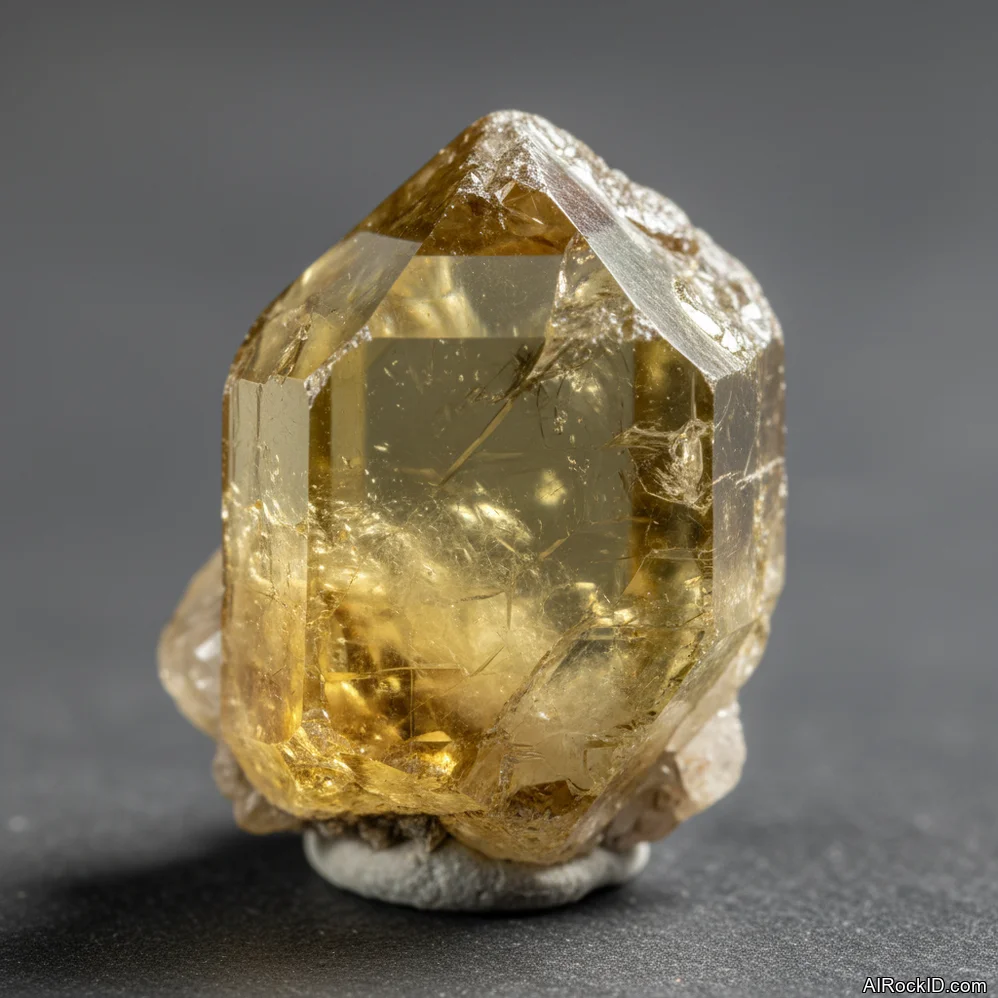
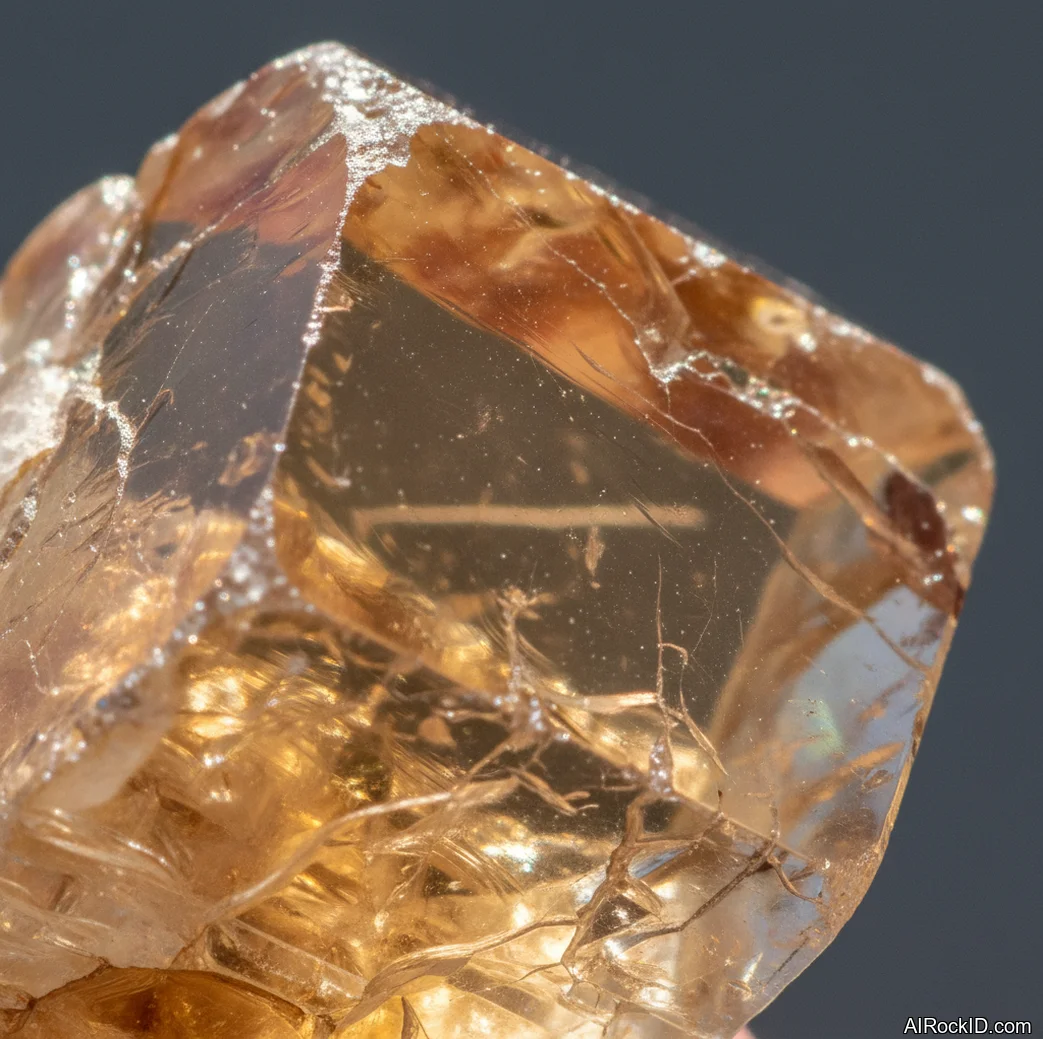
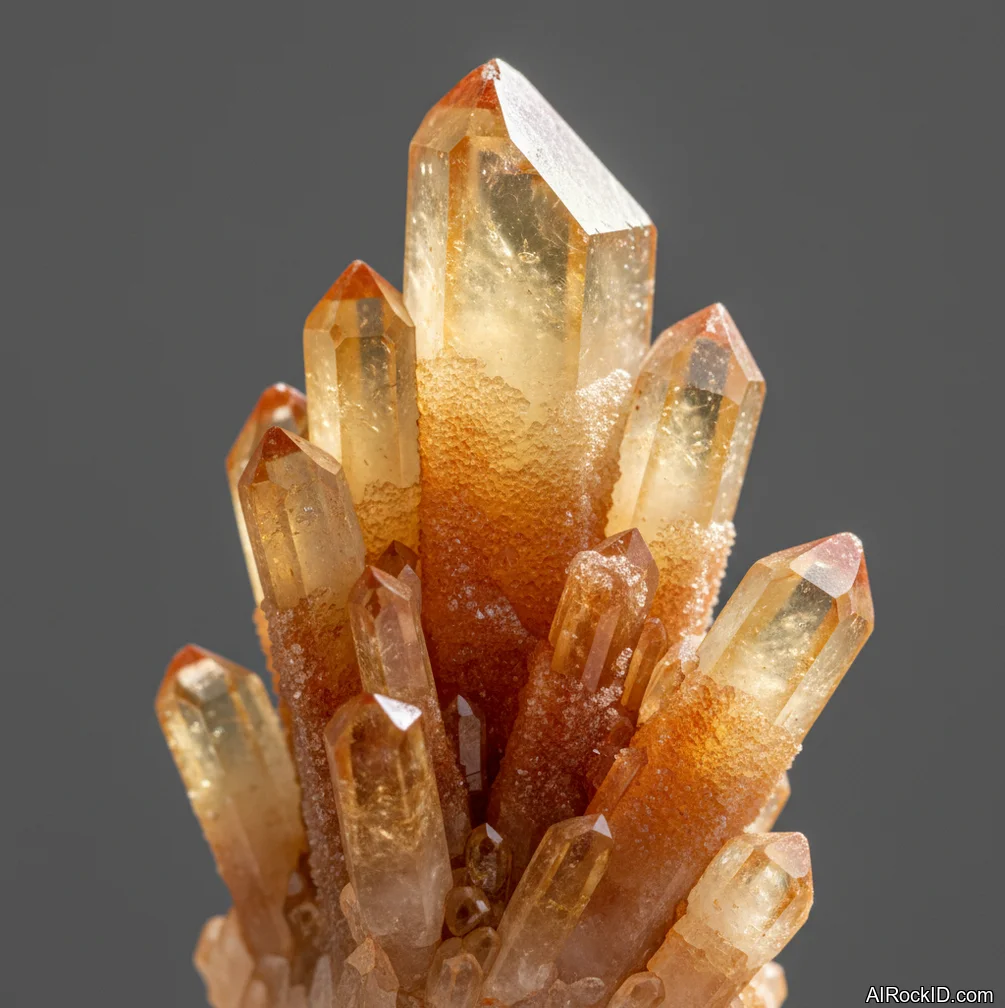
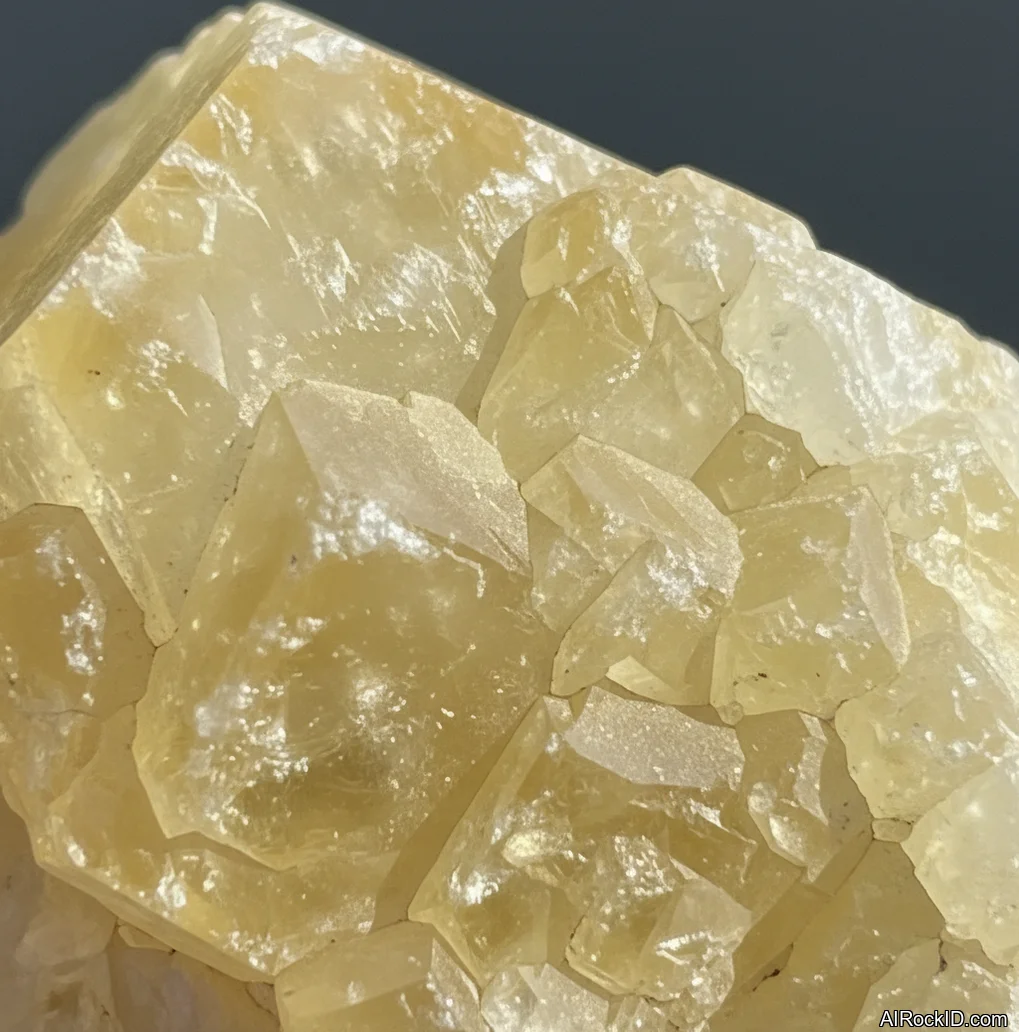
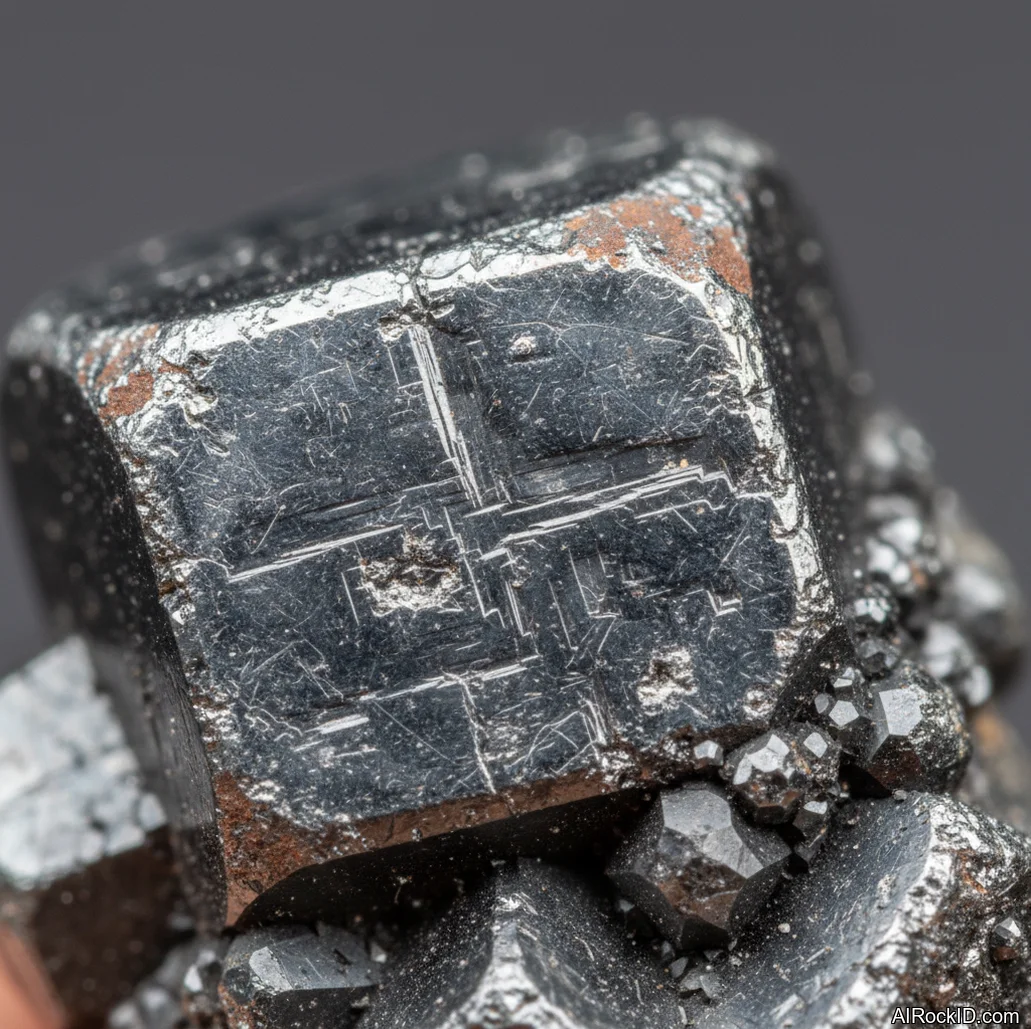
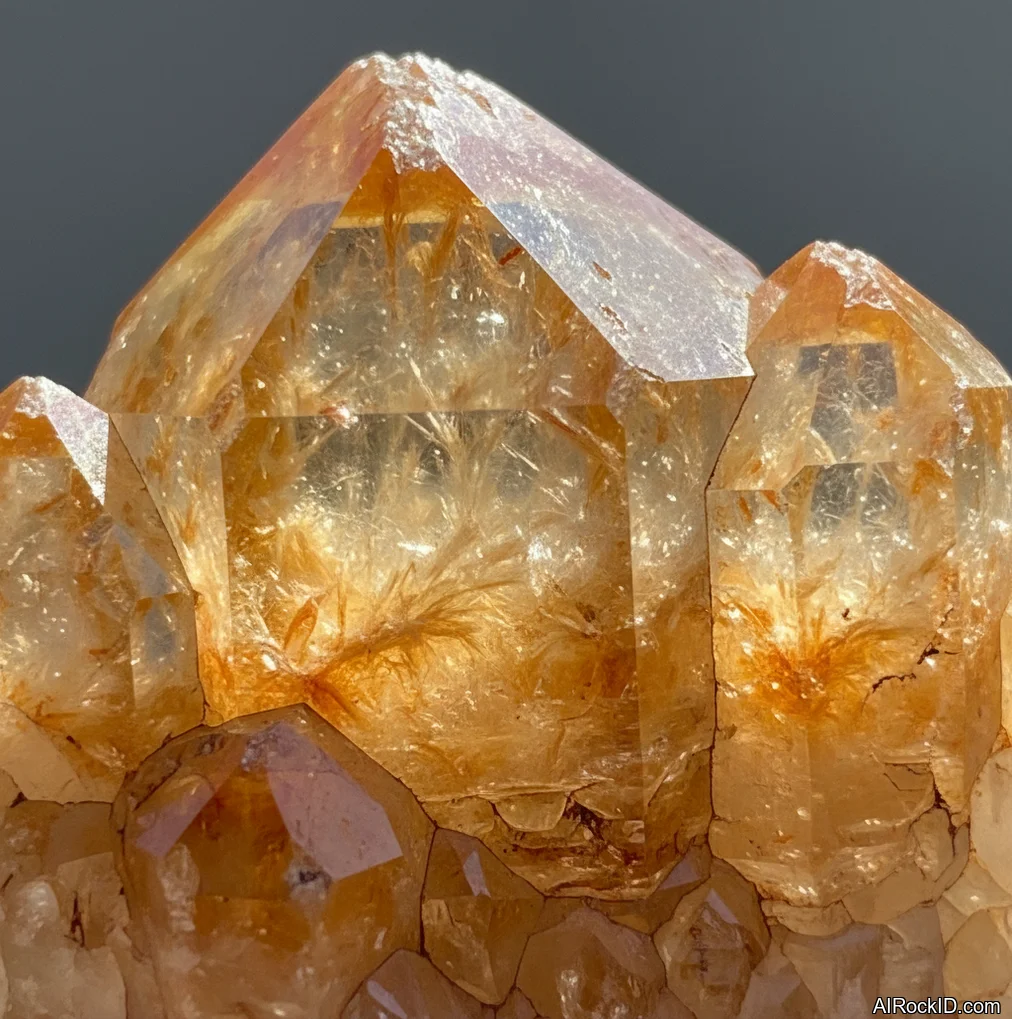
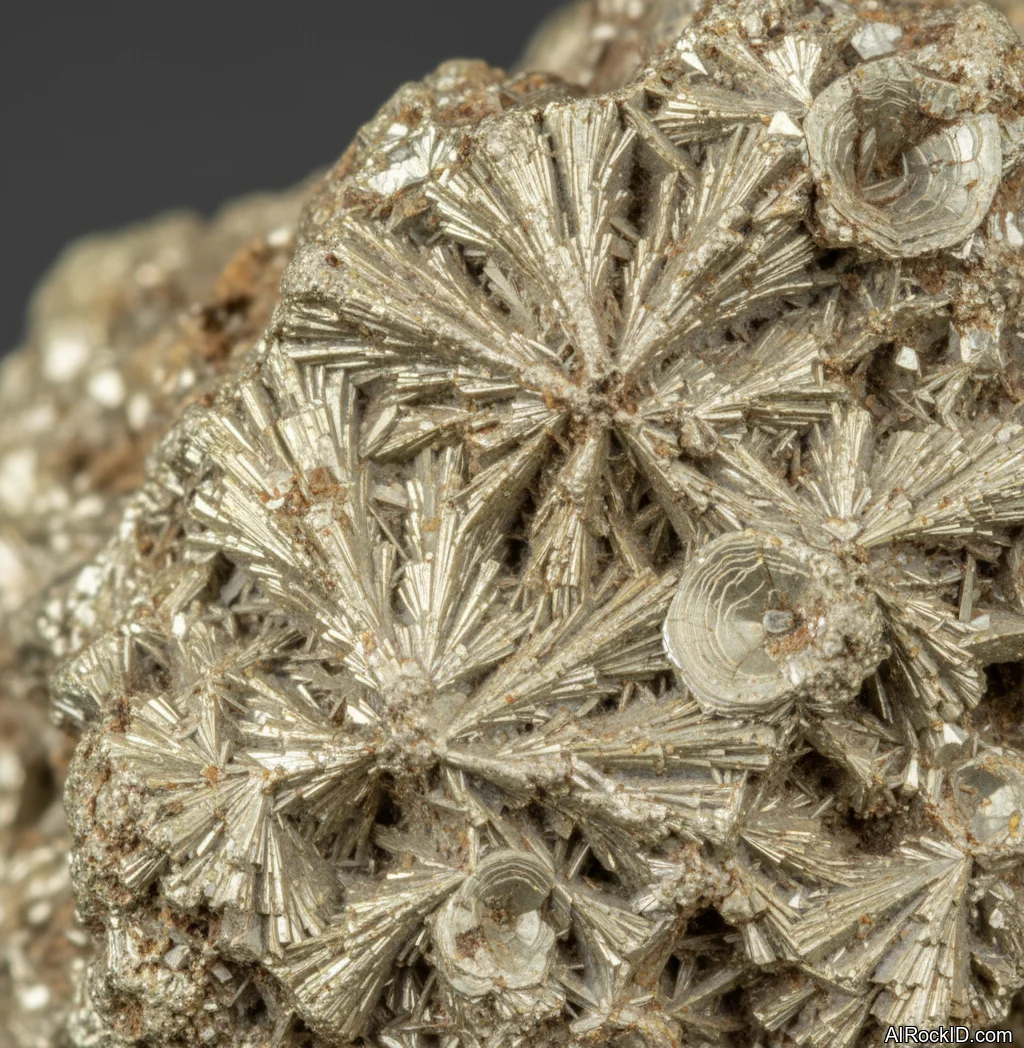
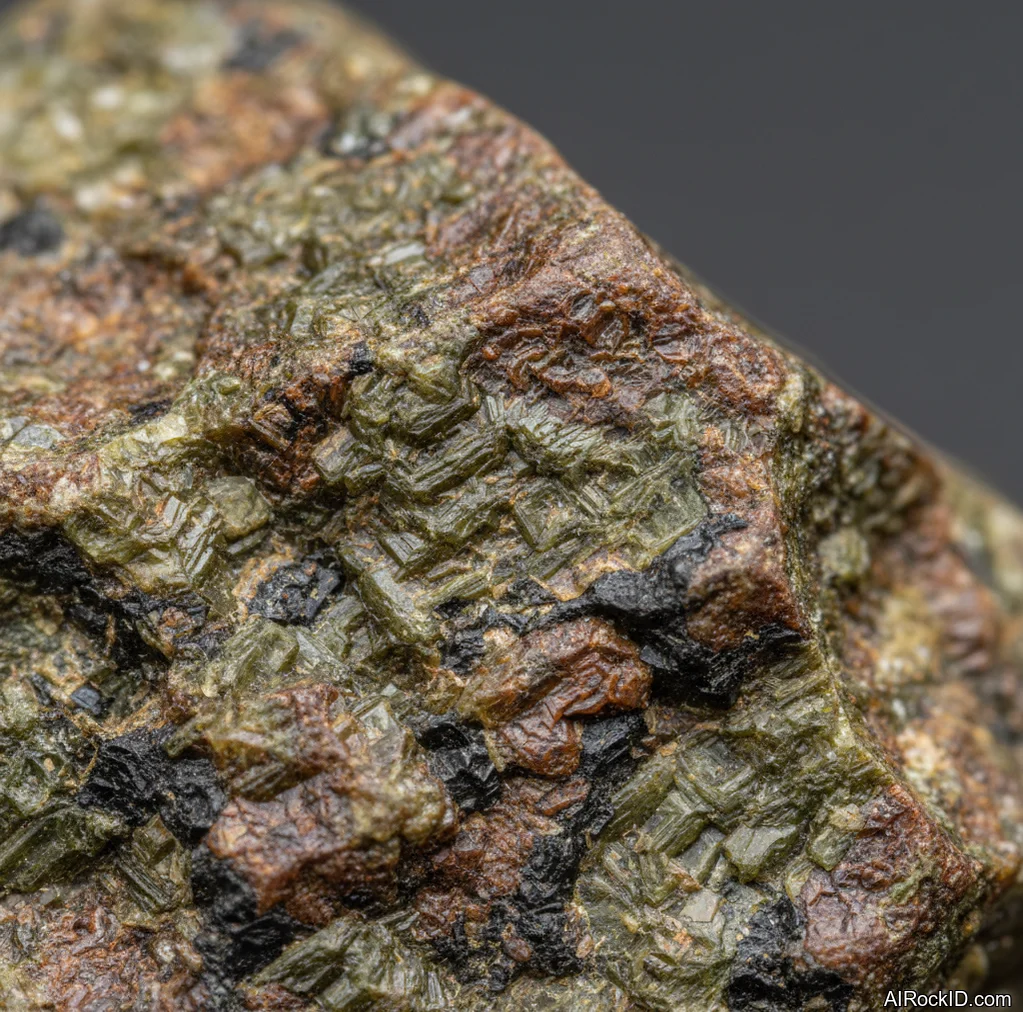
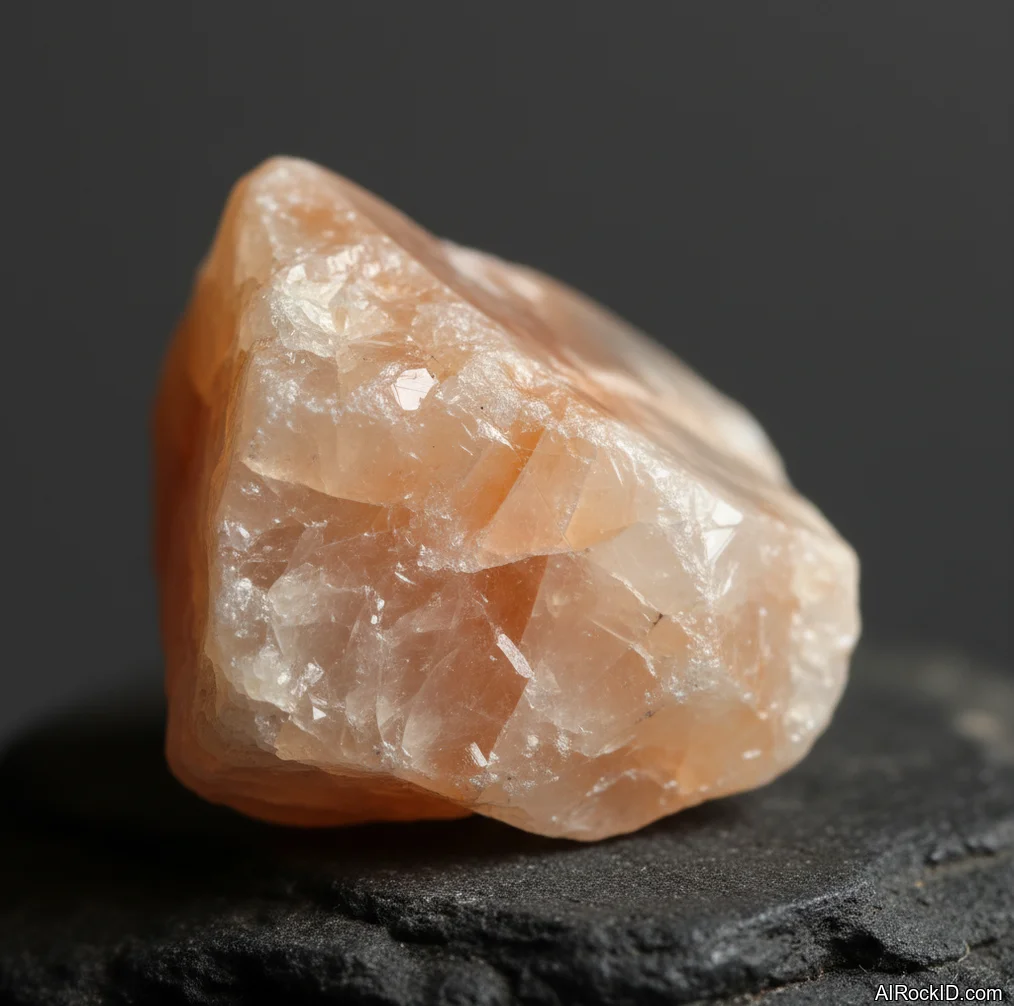
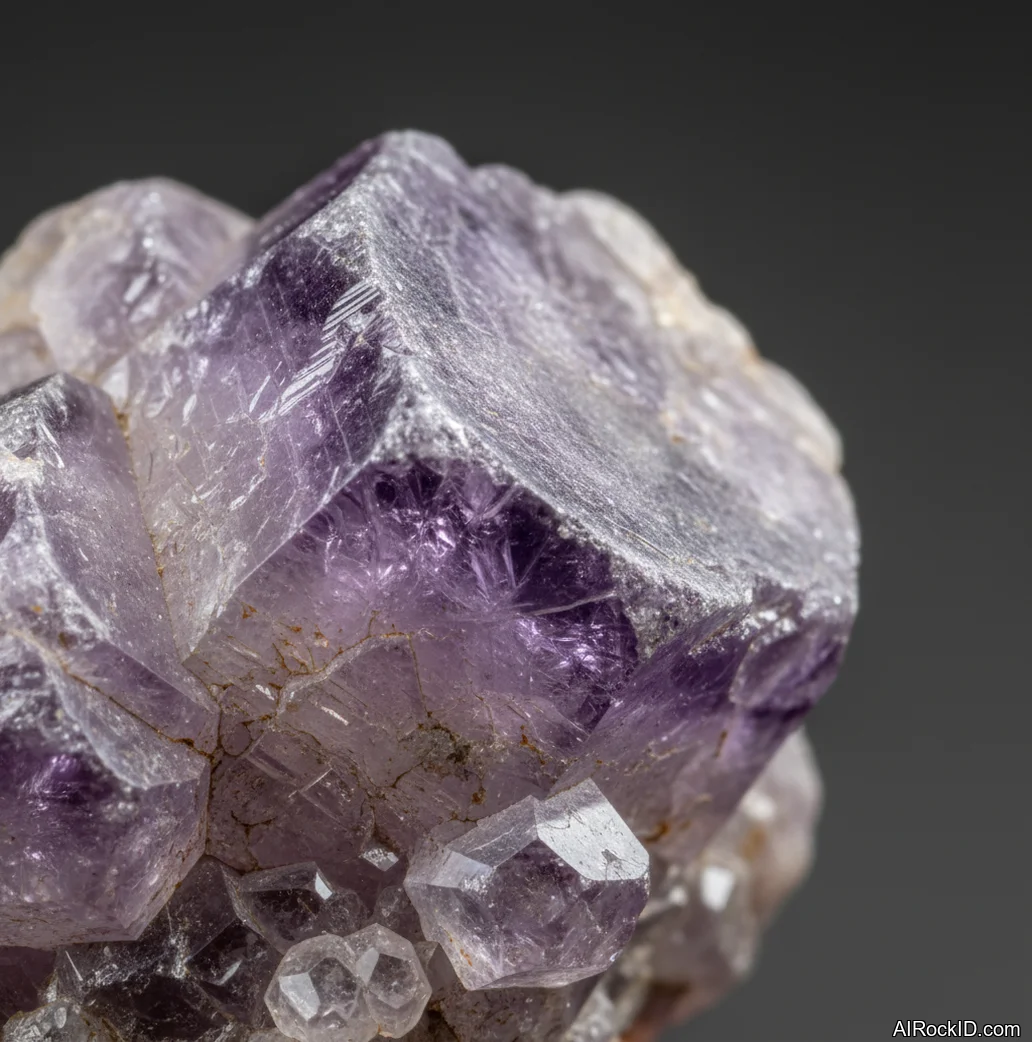
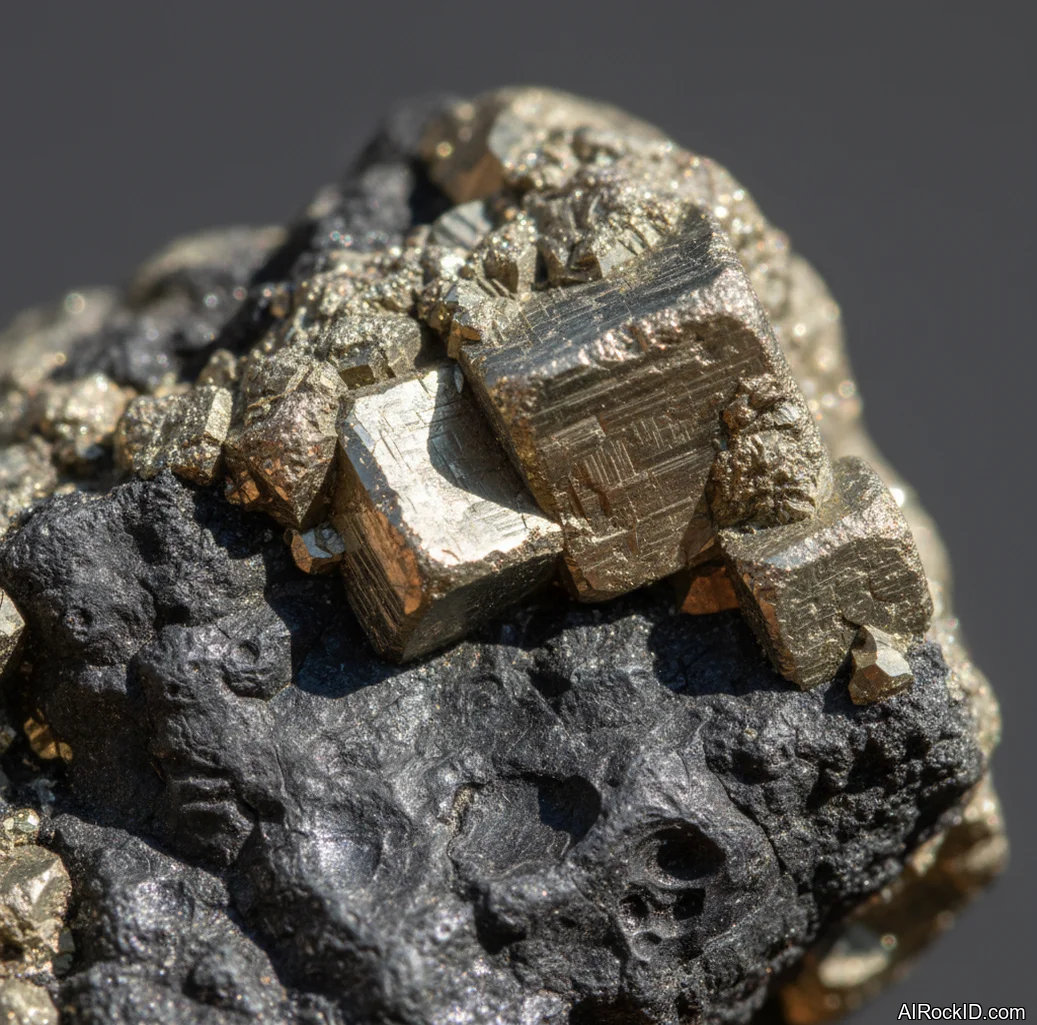
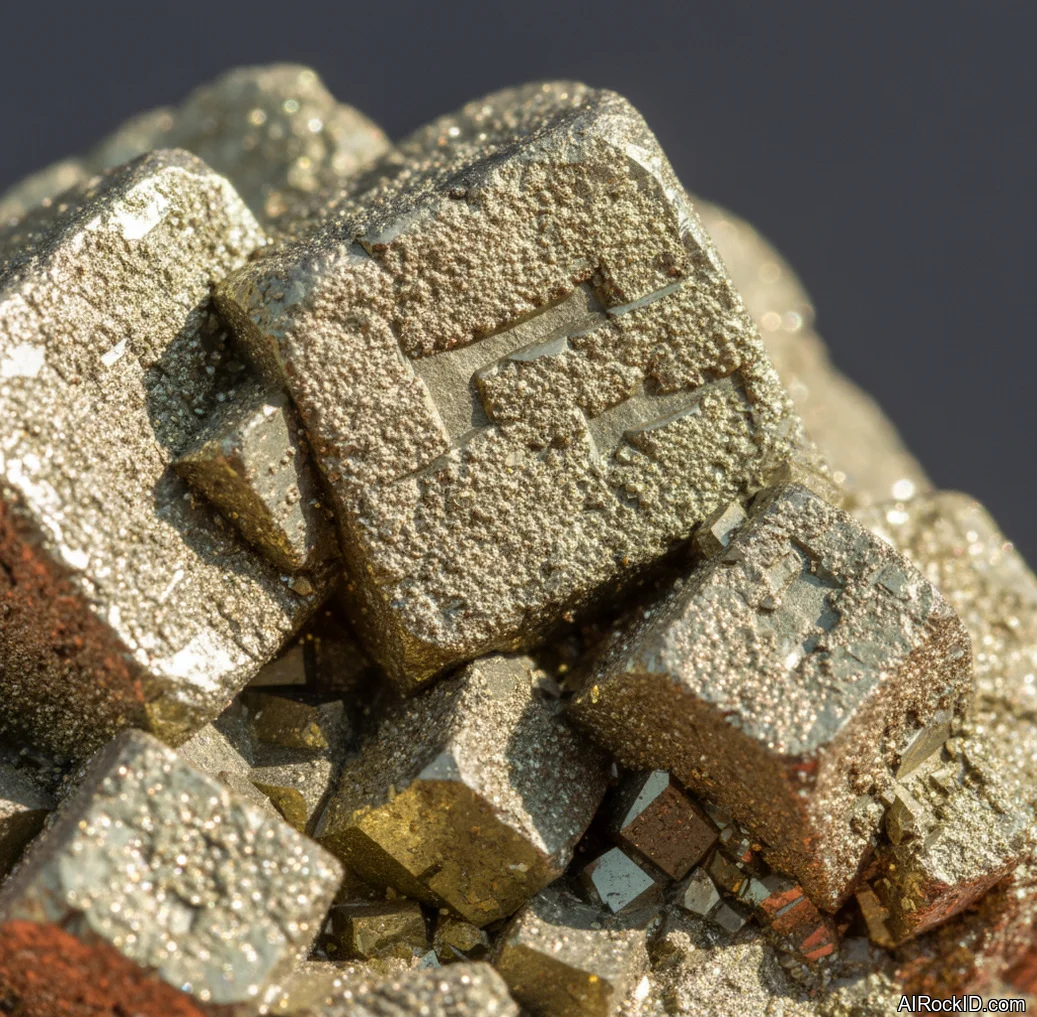
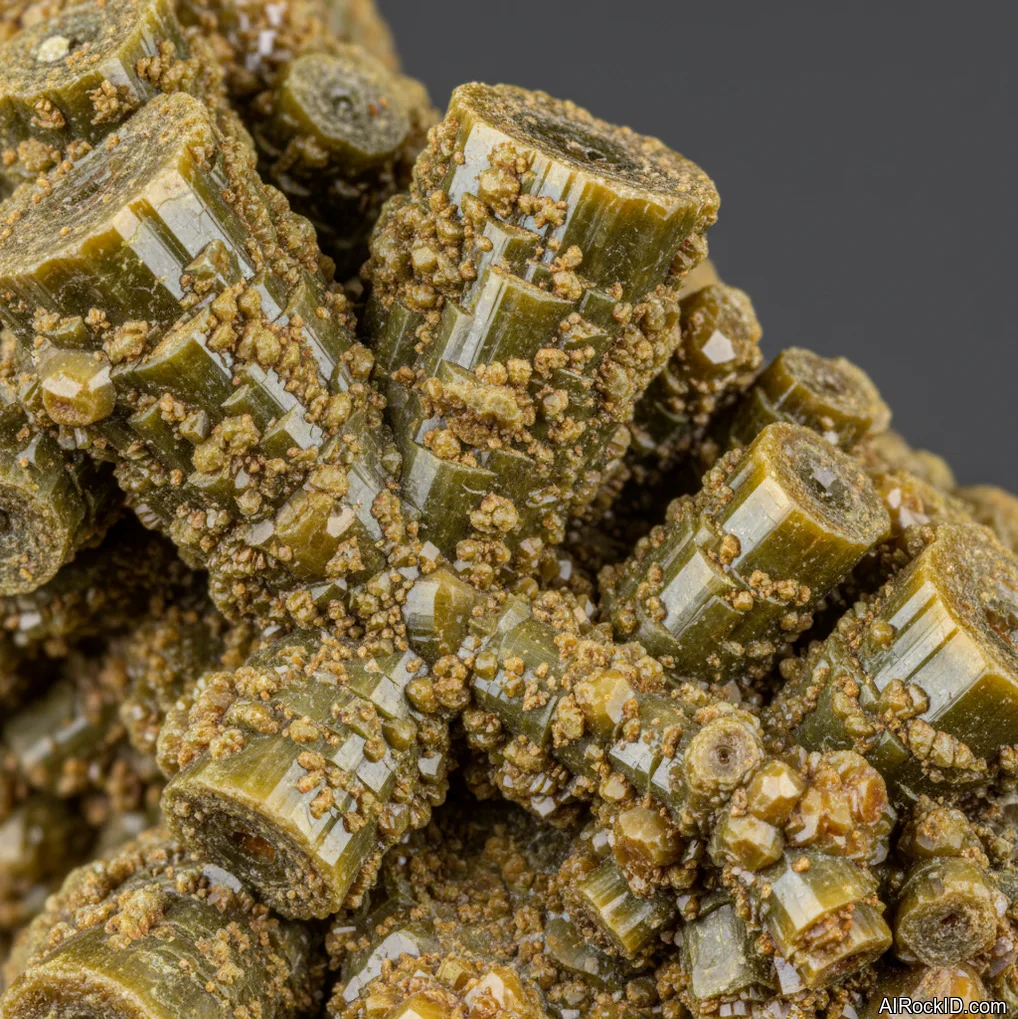
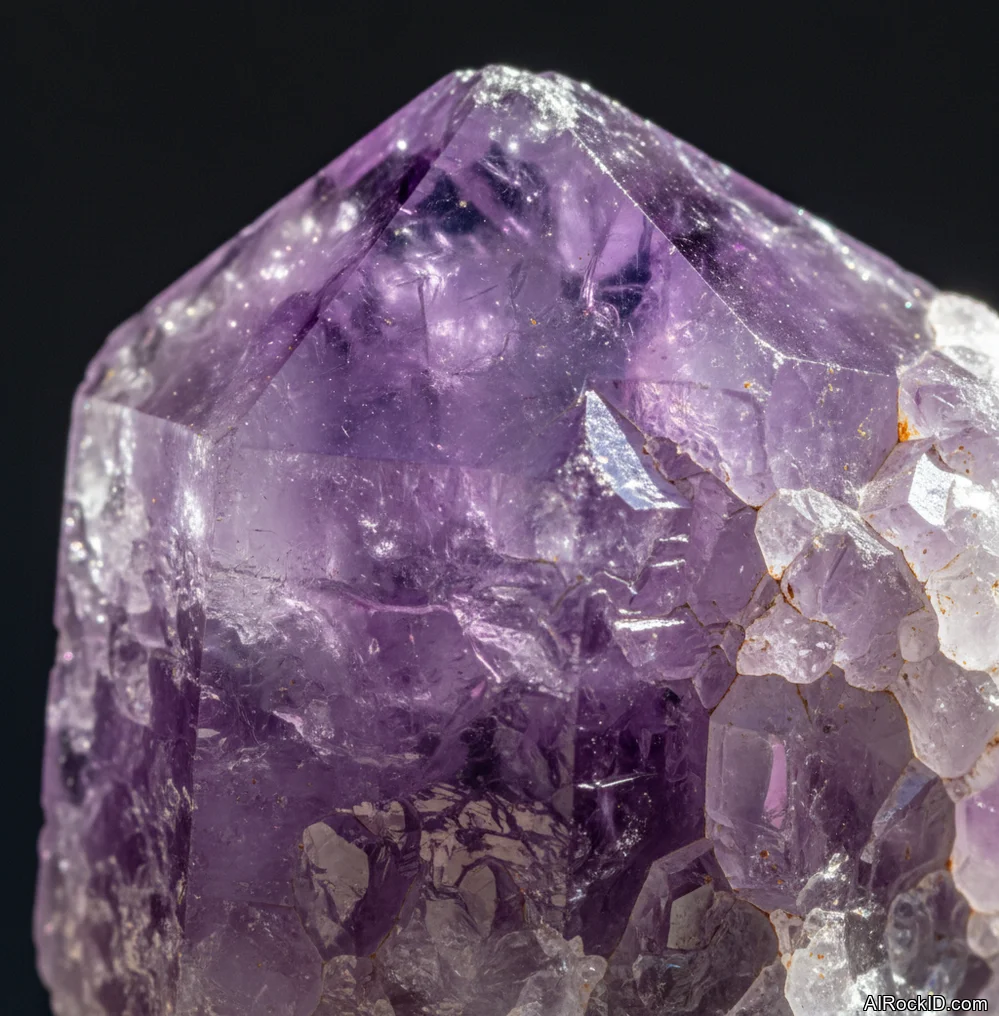
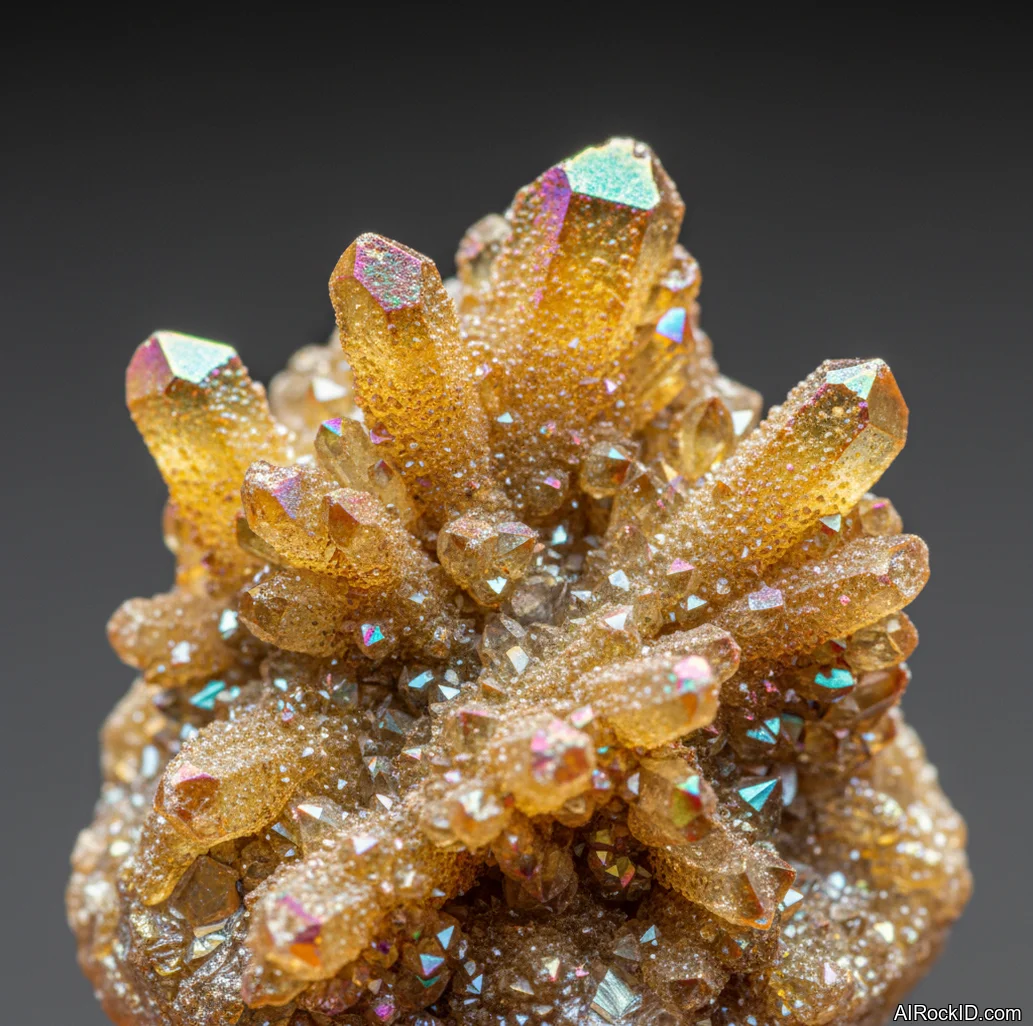
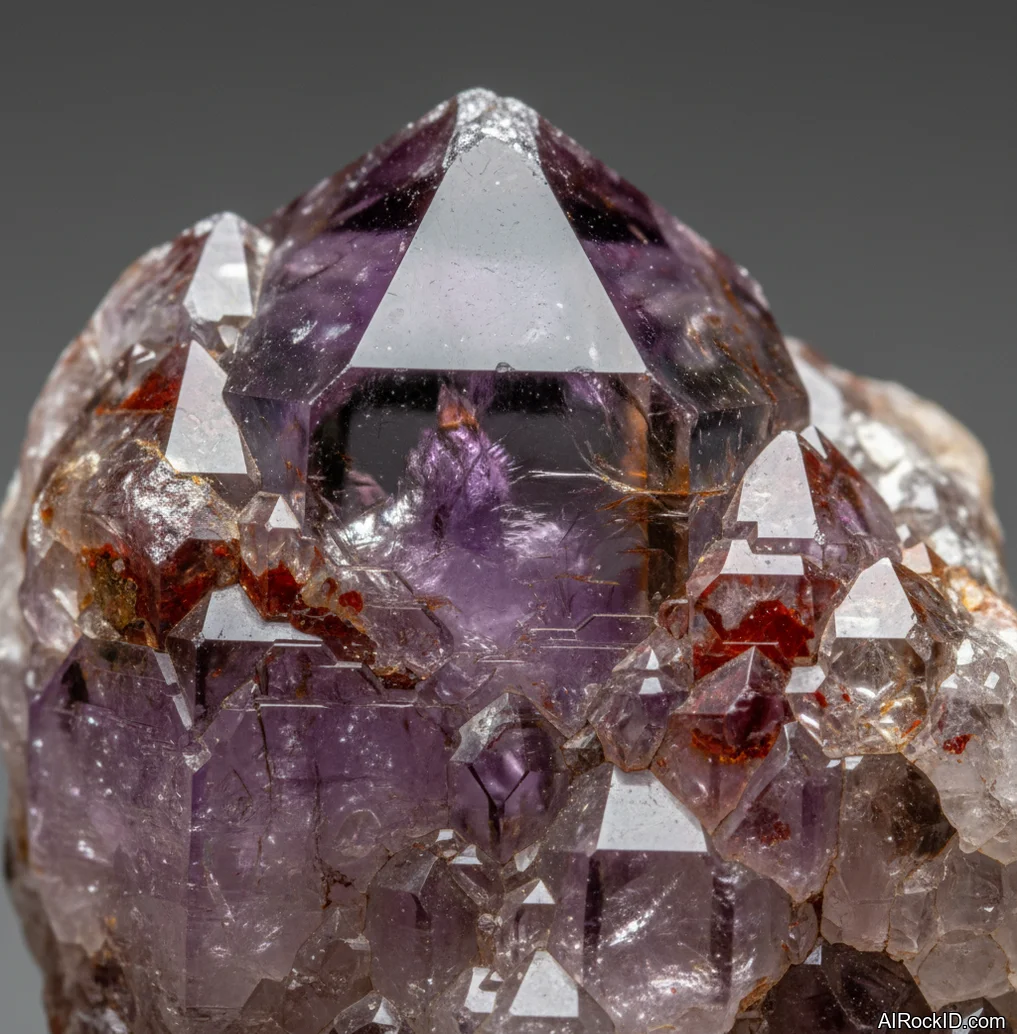
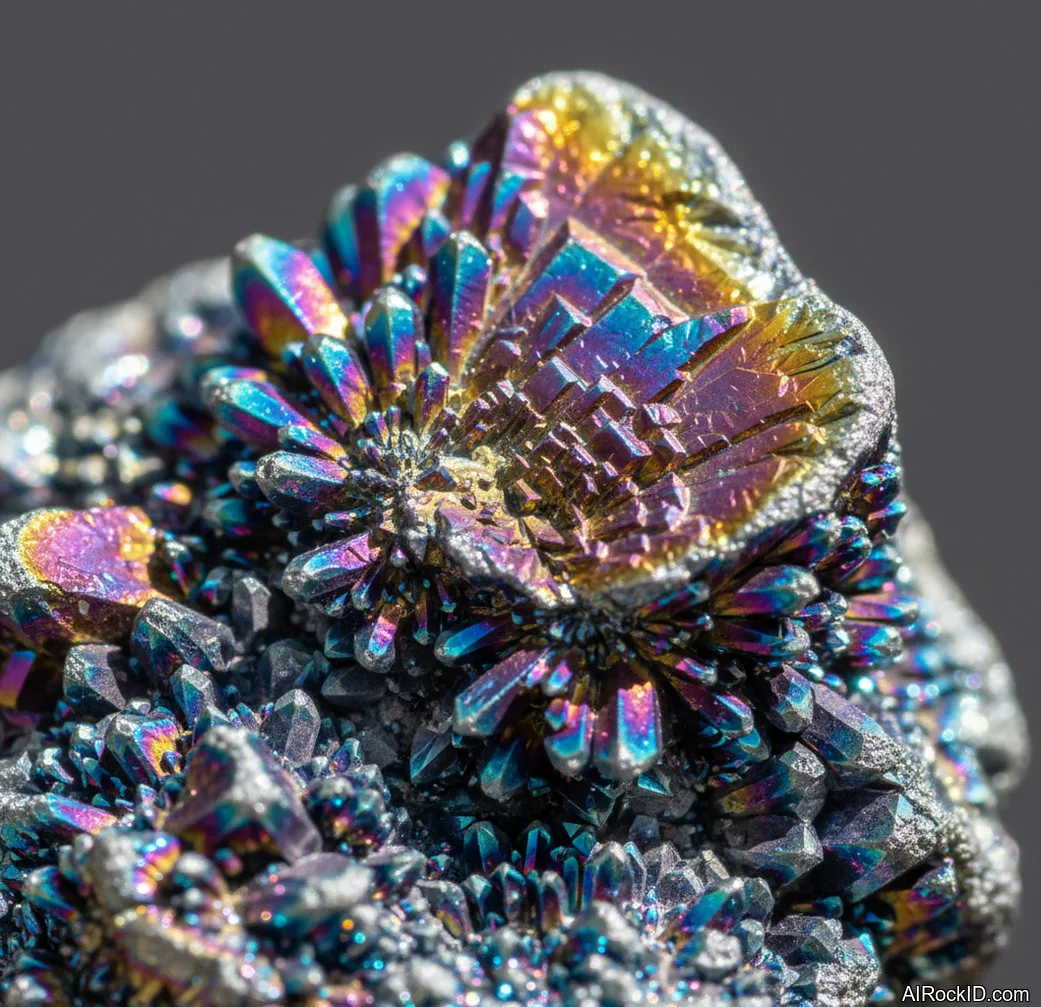
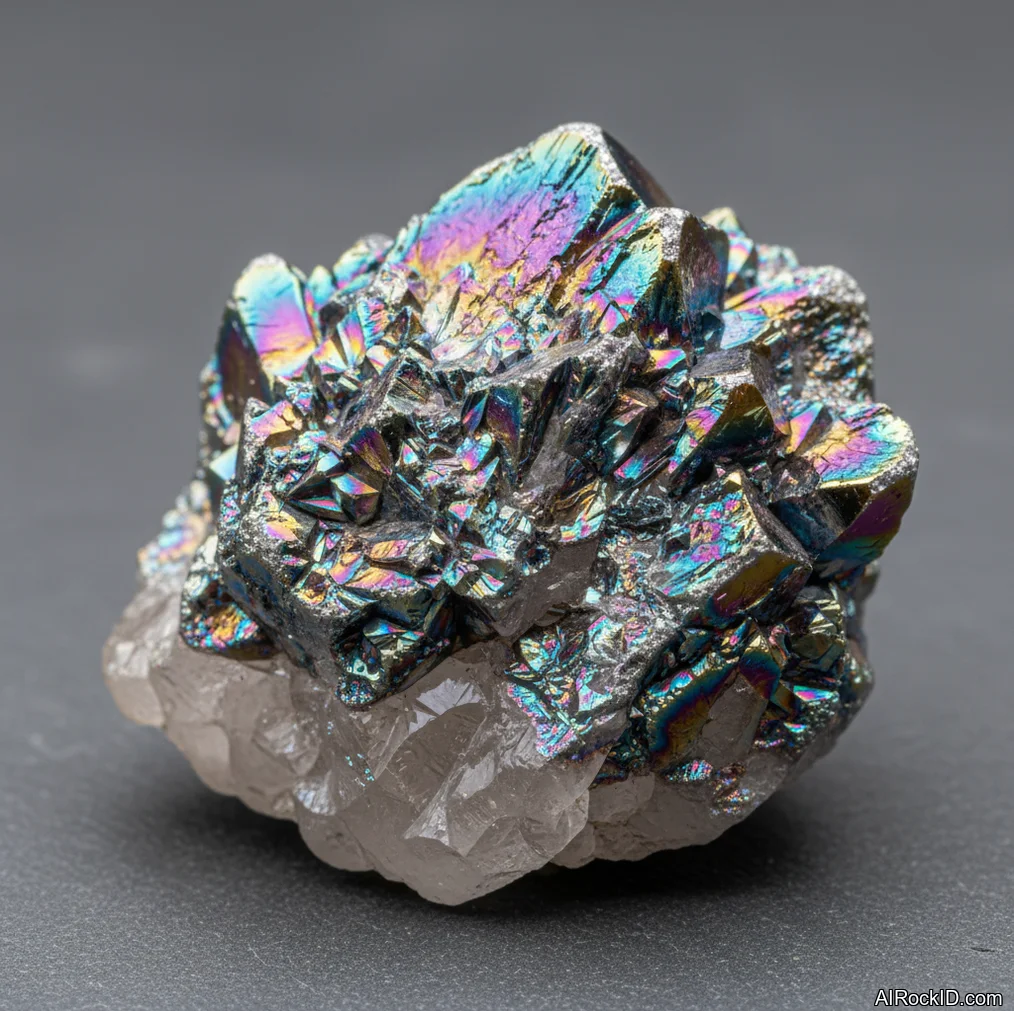
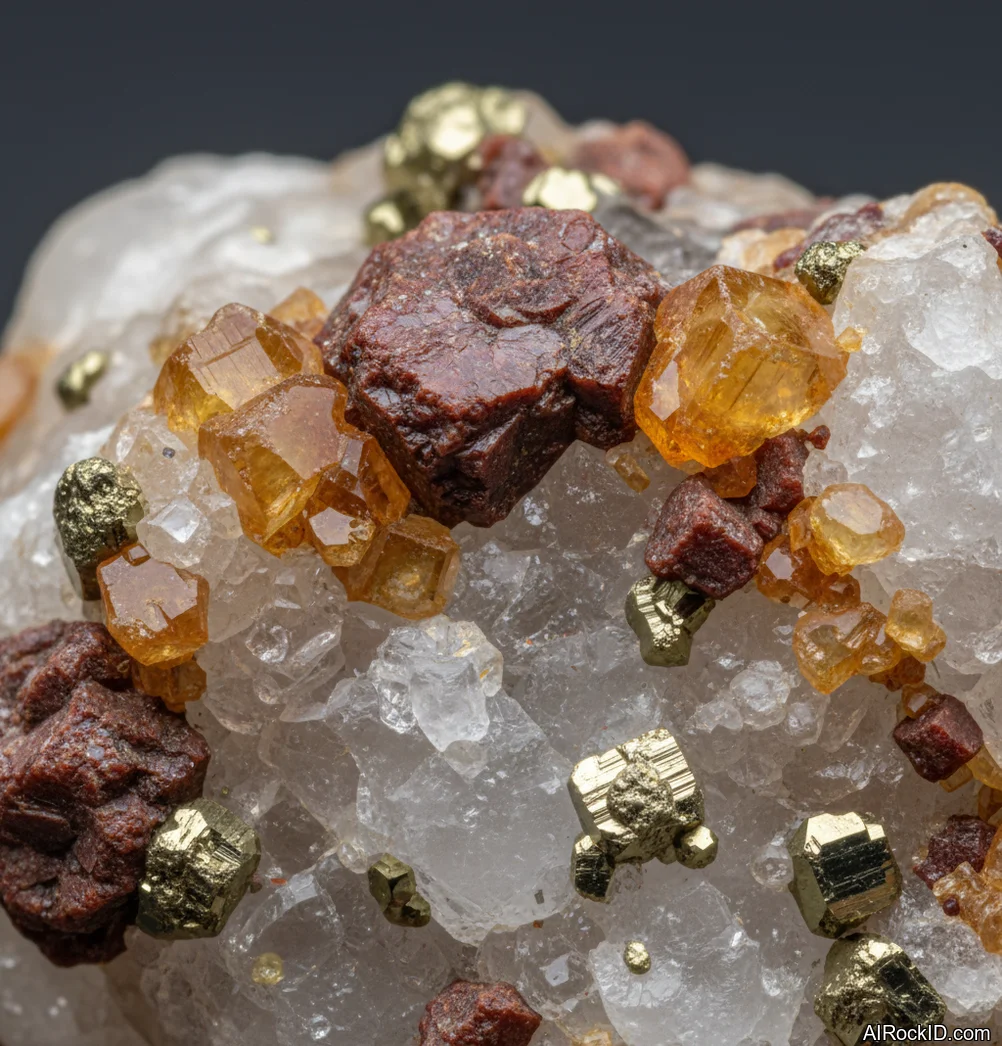
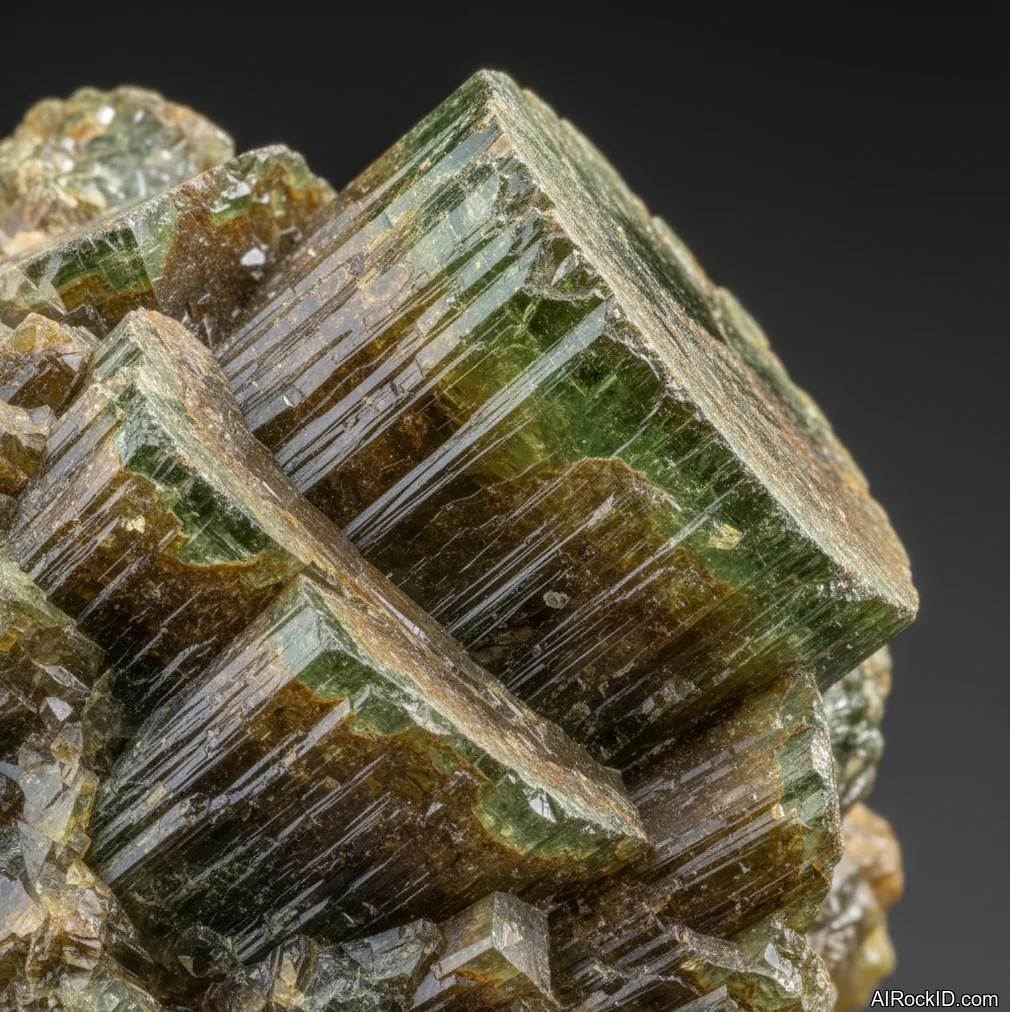
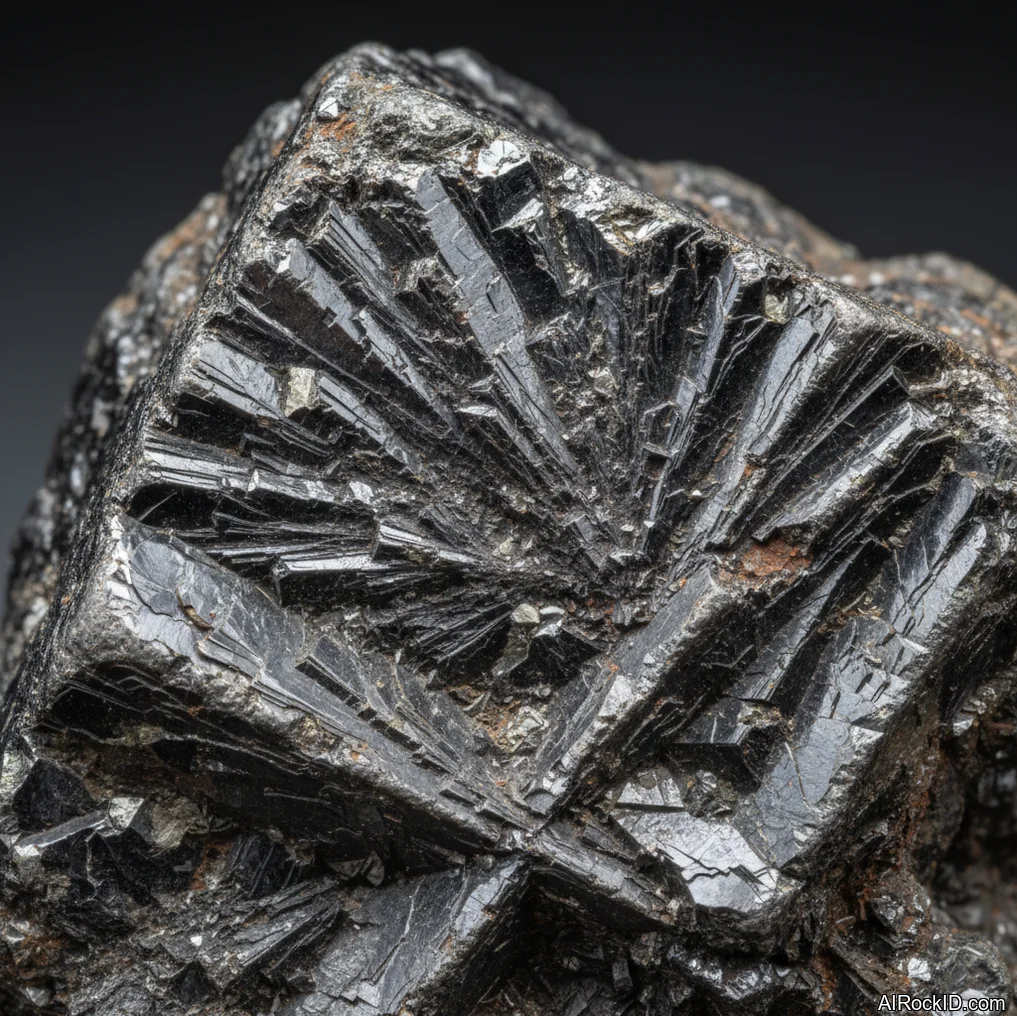
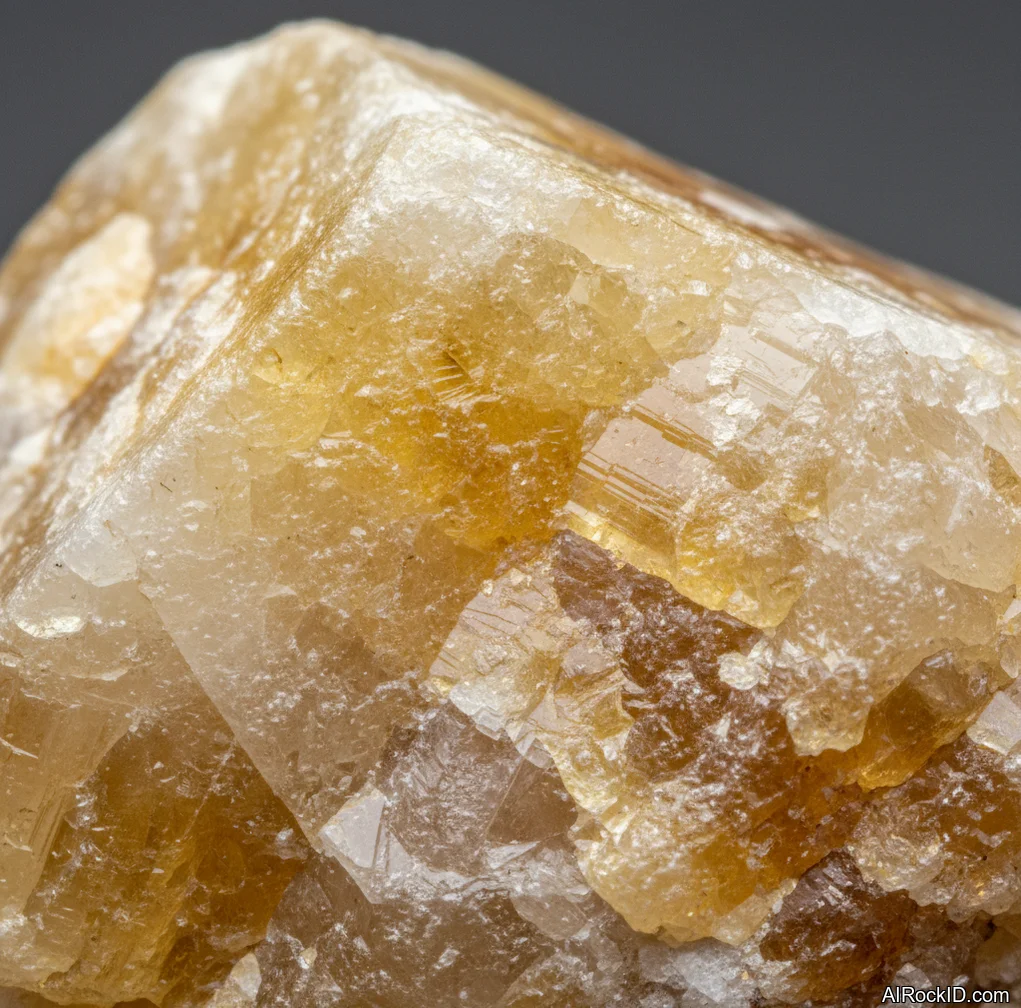
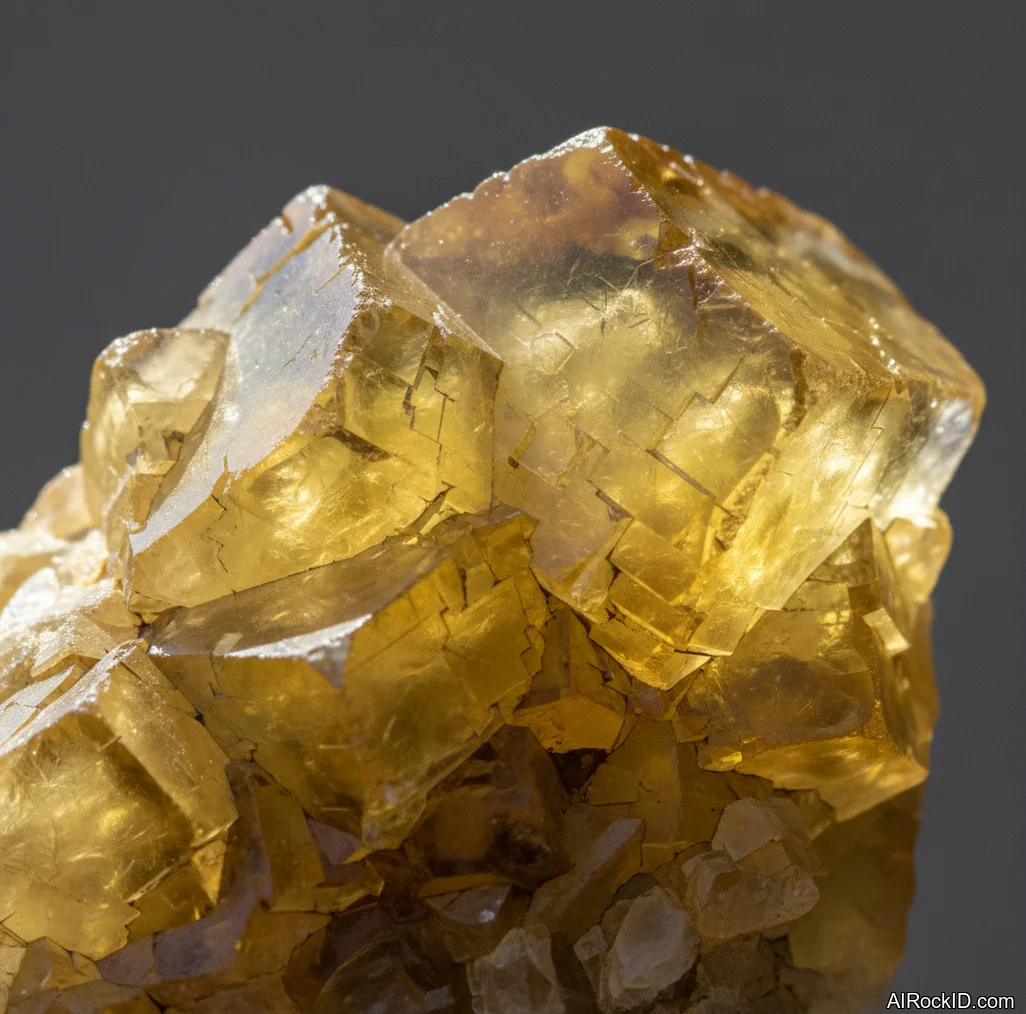
For Growth that’s about money, career, or taking up space, people gravitate to citrine, green aventurine, jade, and peridot. Here’s the catch: most “citrine” points in big online listings are heat-treated amethyst, and the color gives it away. If it’s a loud, even orange with white at the base, that’s the classic baked look. Natural citrine is usually paler, more champagne to honey, and it doesn’t always come in perfect cathedral clusters. So if you want the vibe without the drama, a clean piece of pyrite from Peru is easy to spot and hard to fake, with crisp cubic faces and that cold metallic feel.
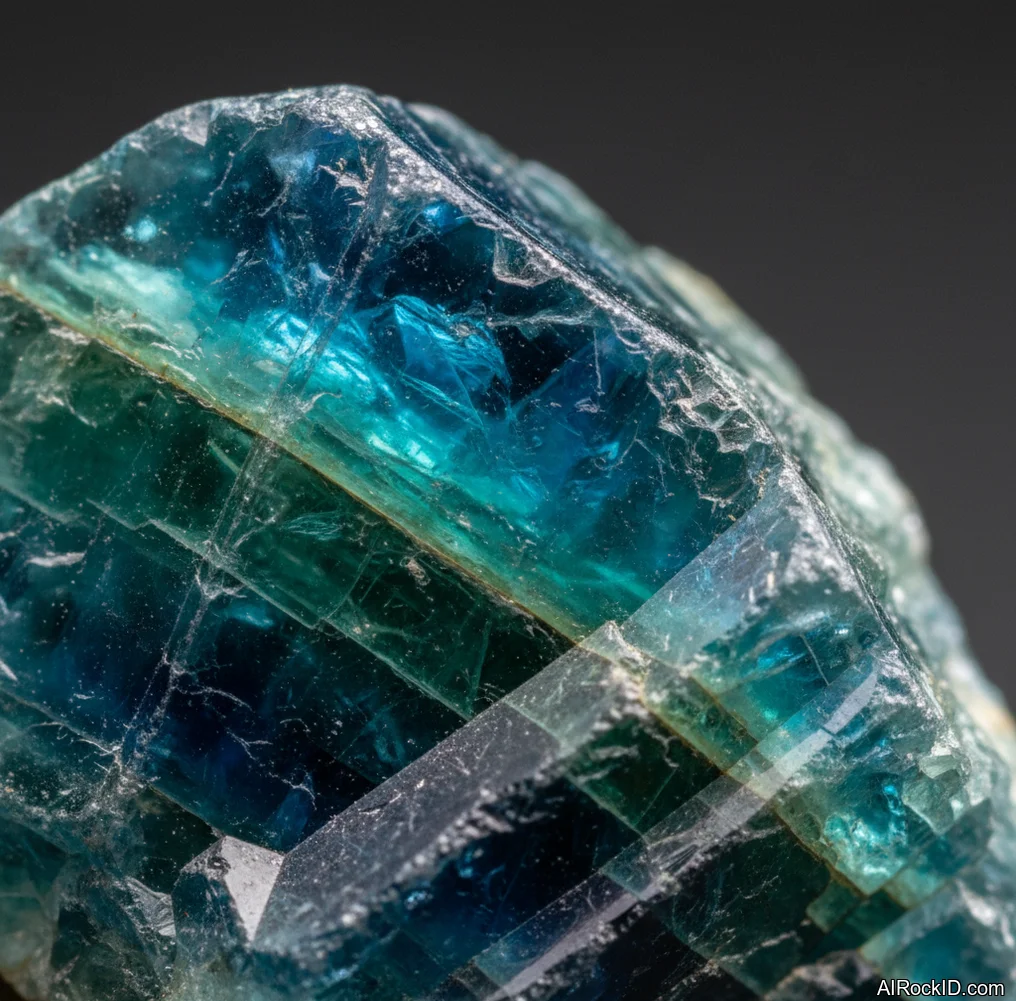
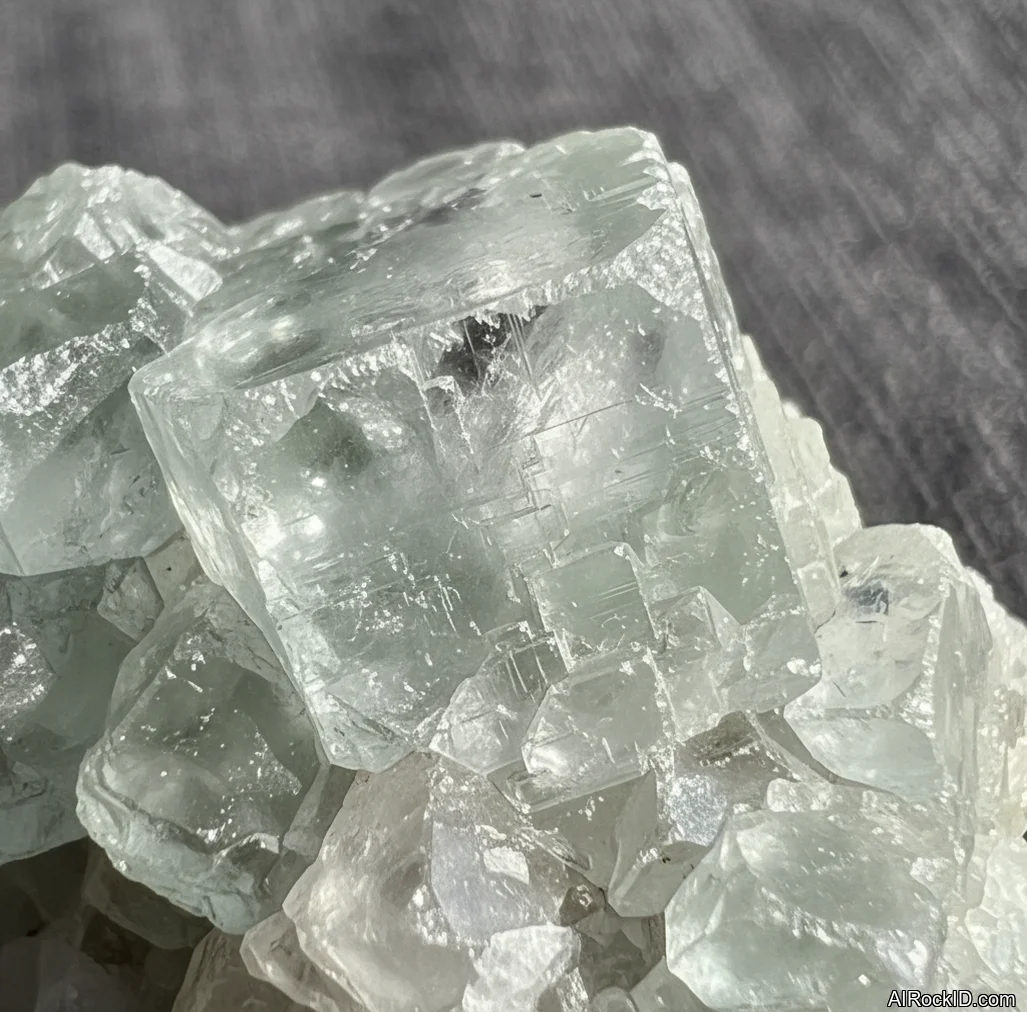
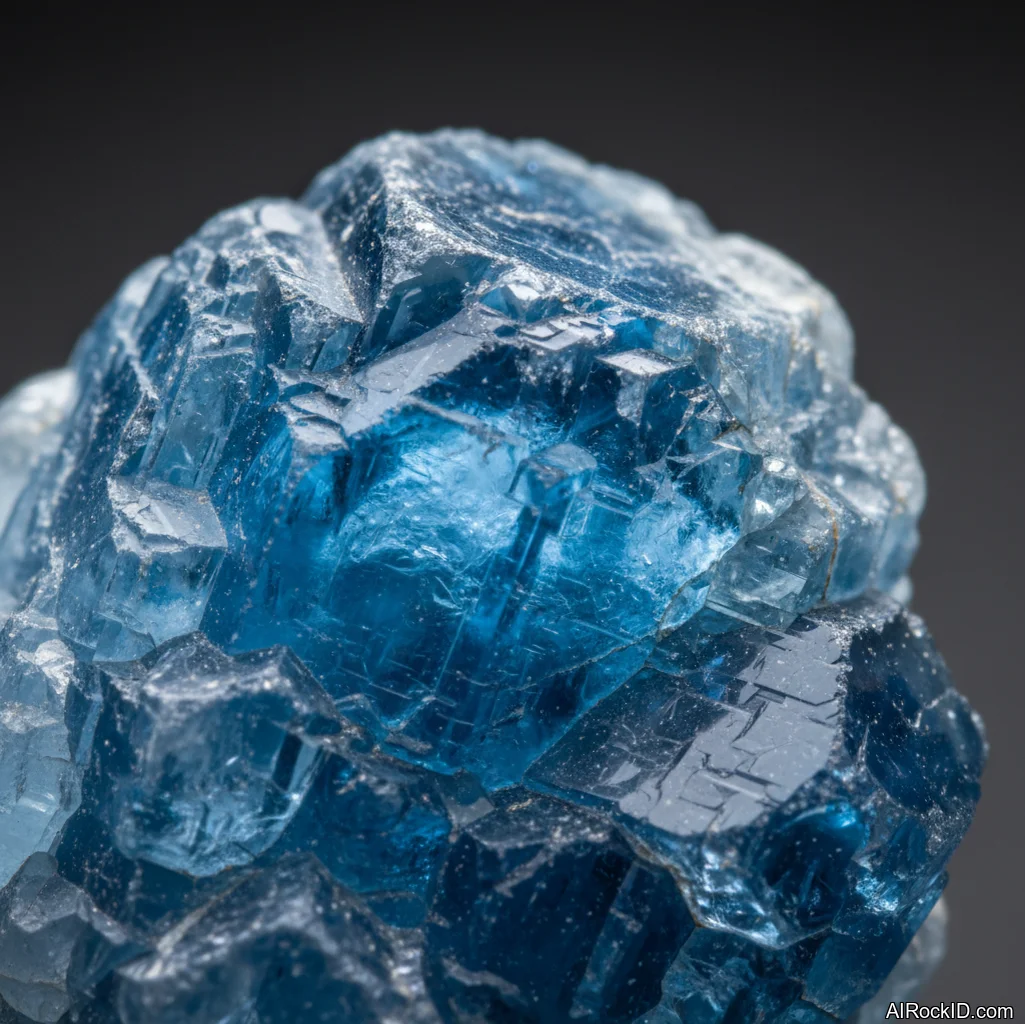
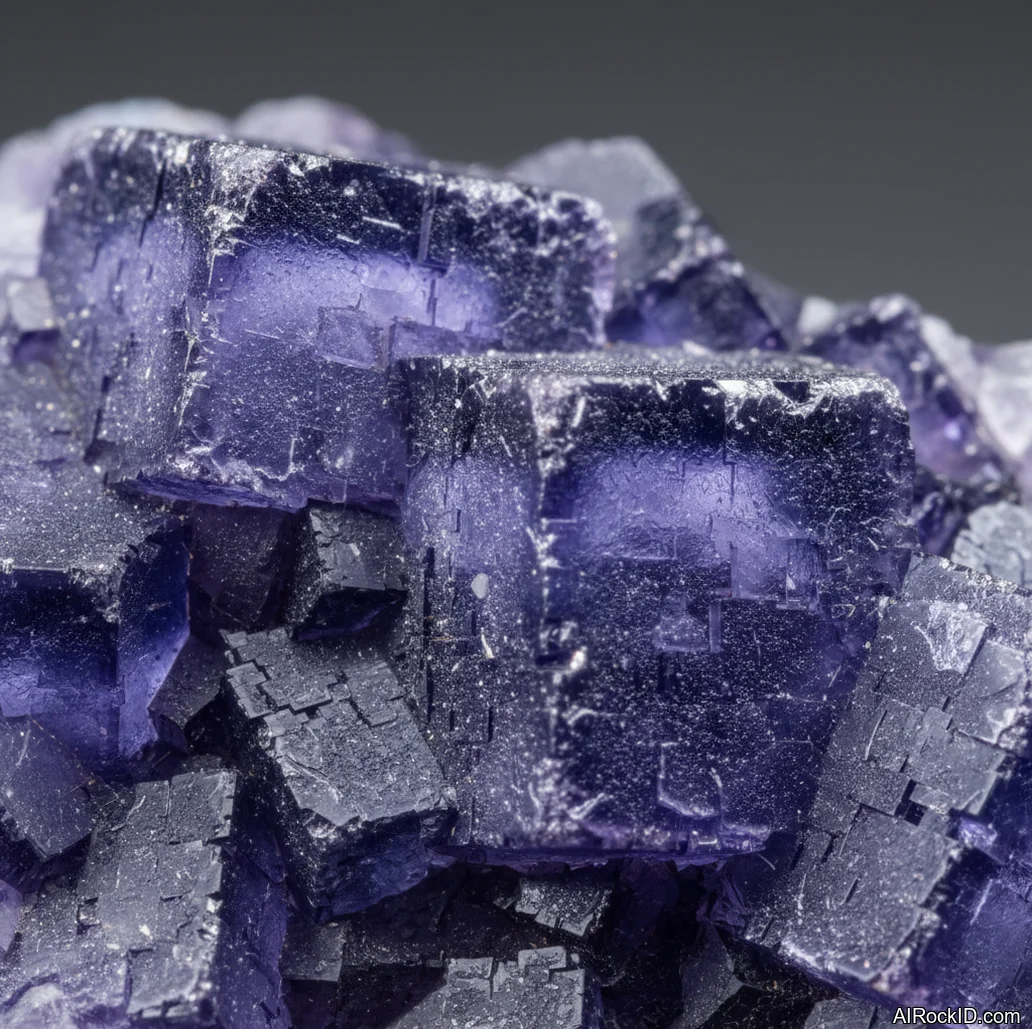
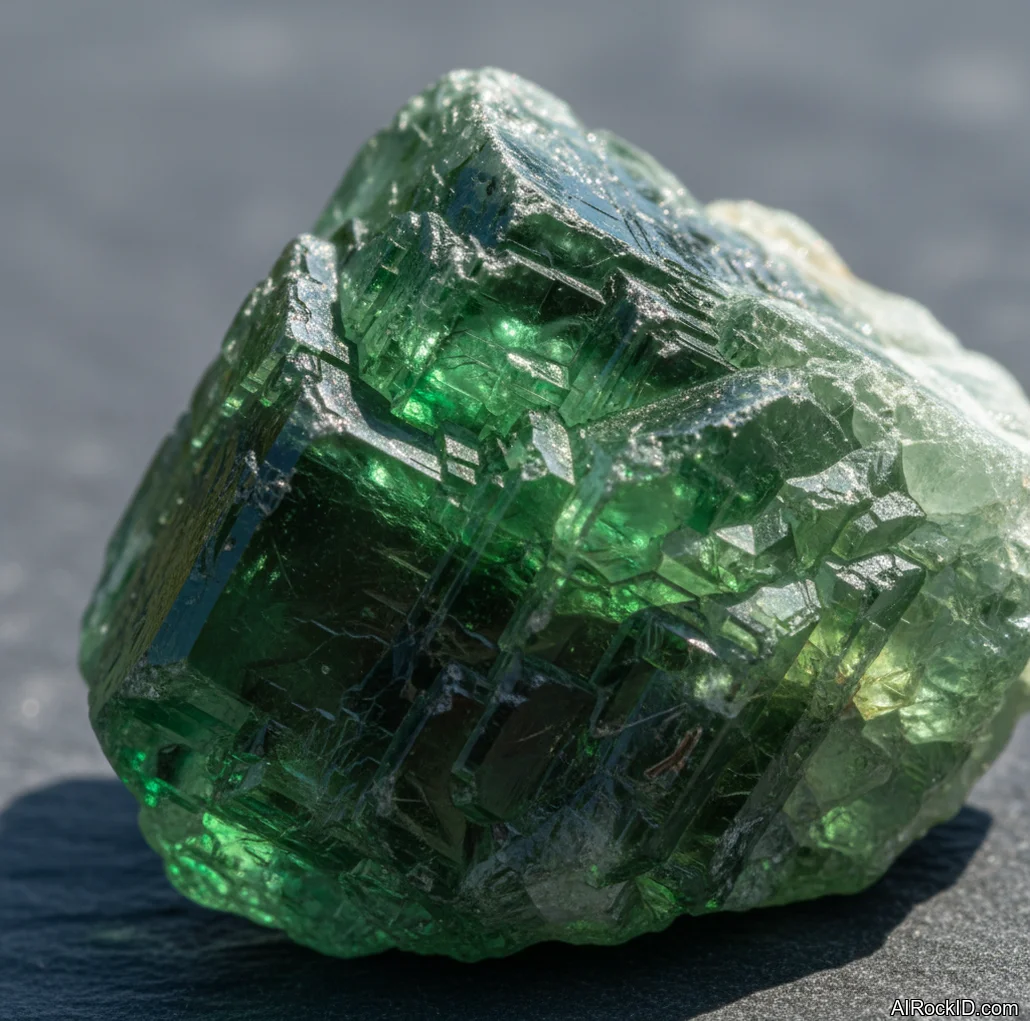
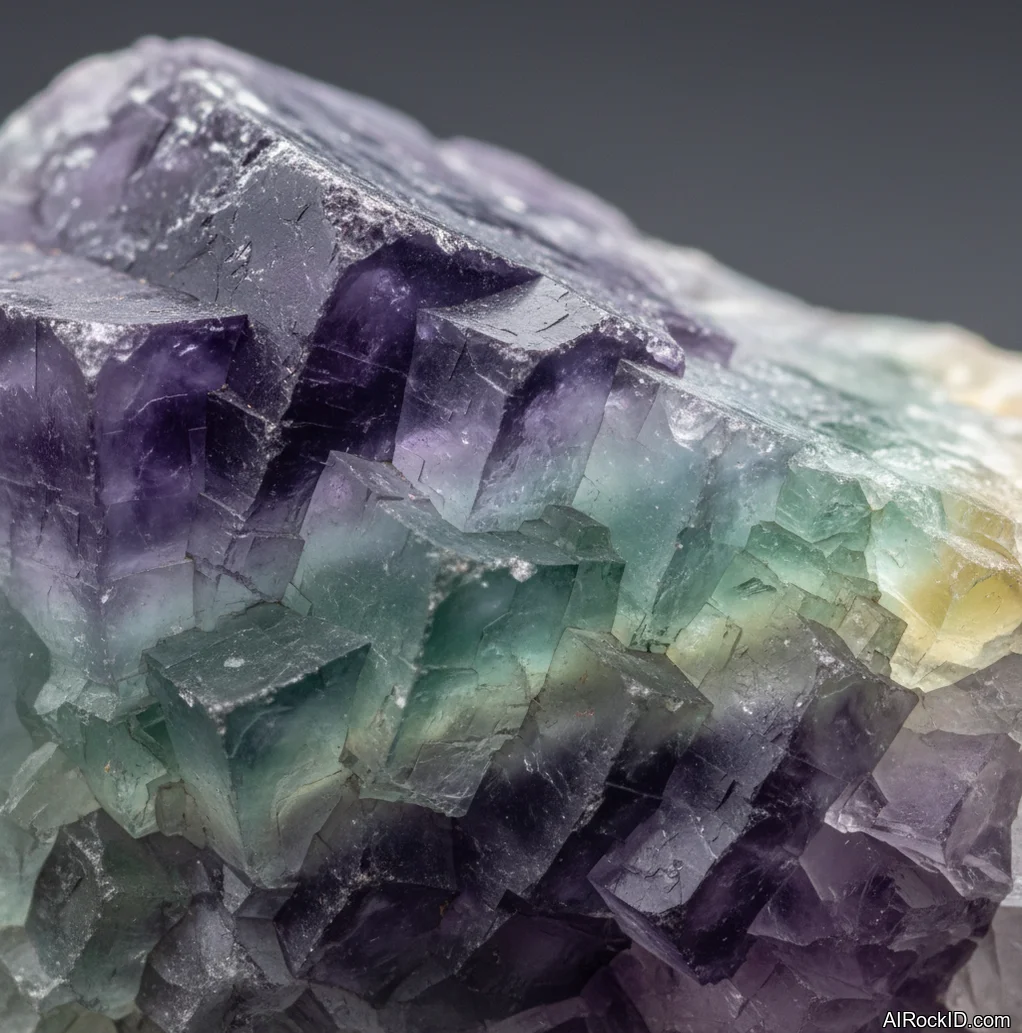
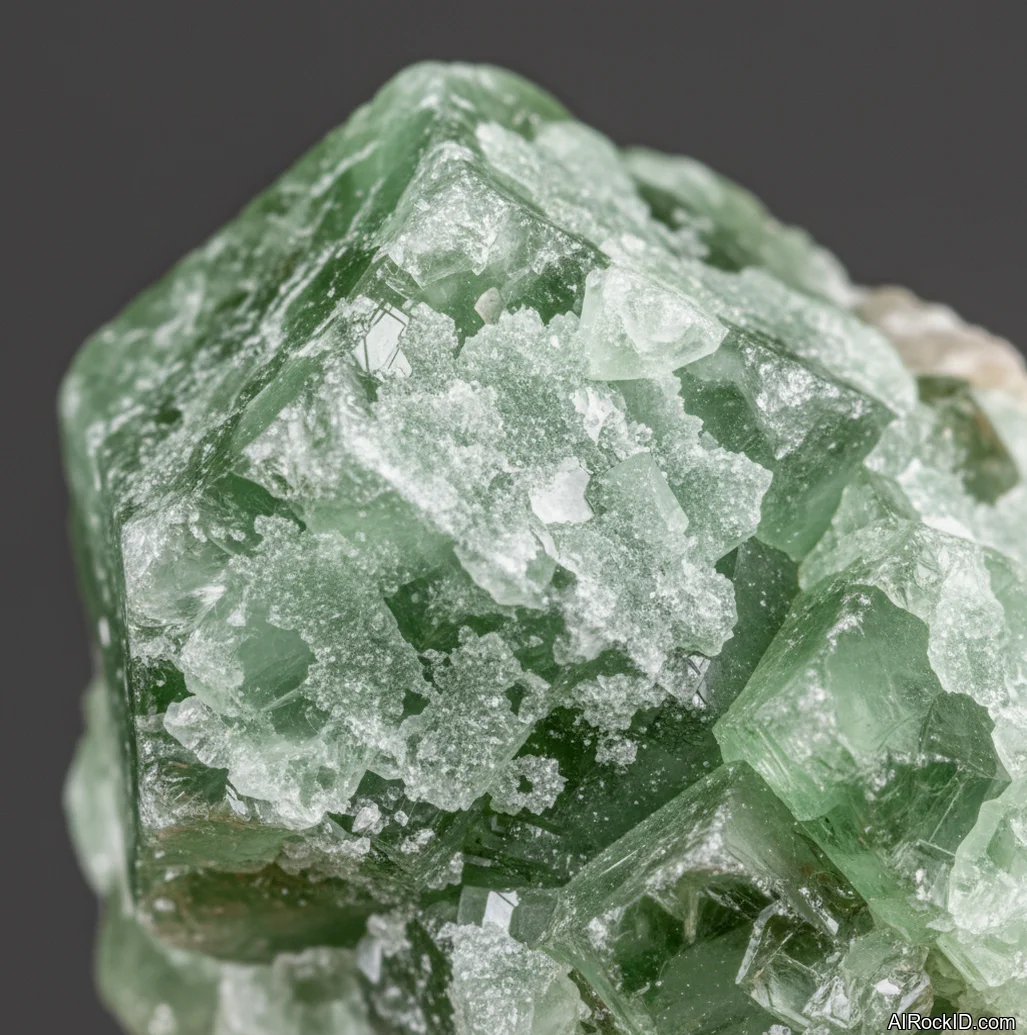
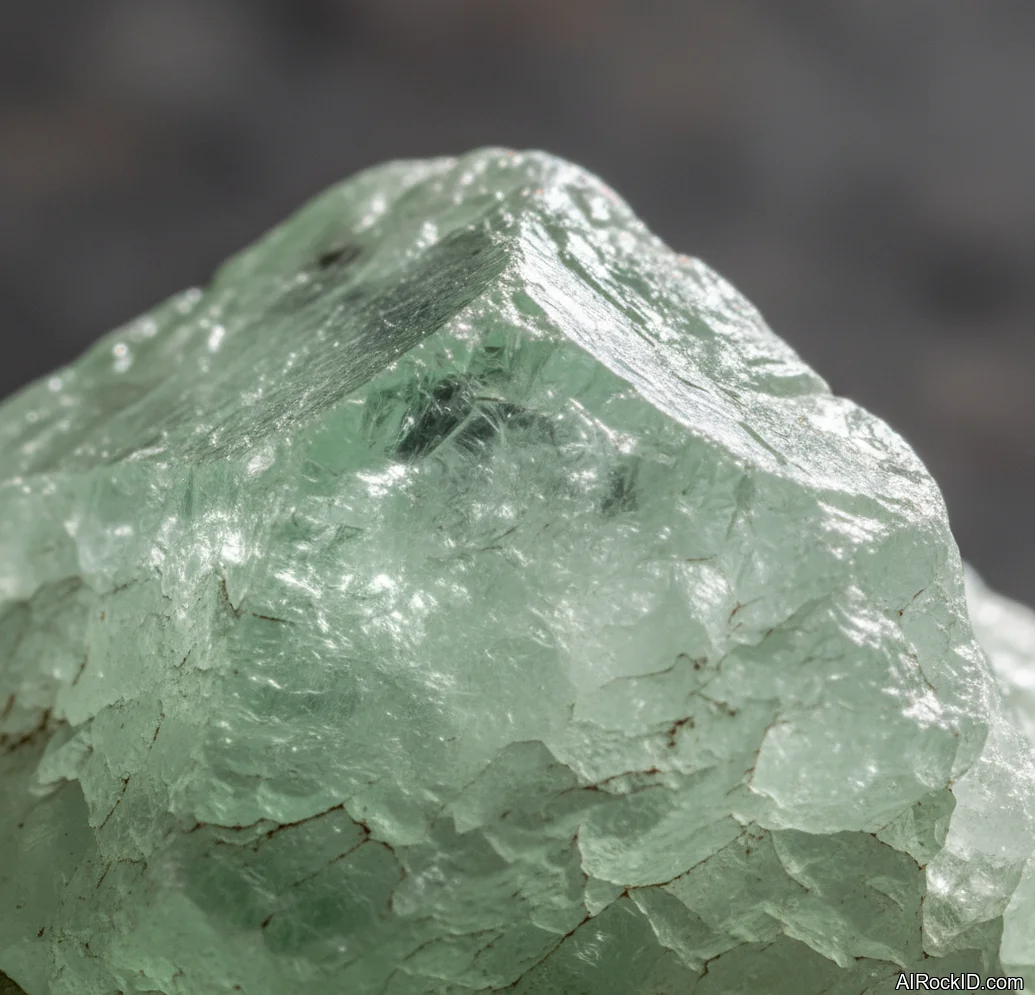
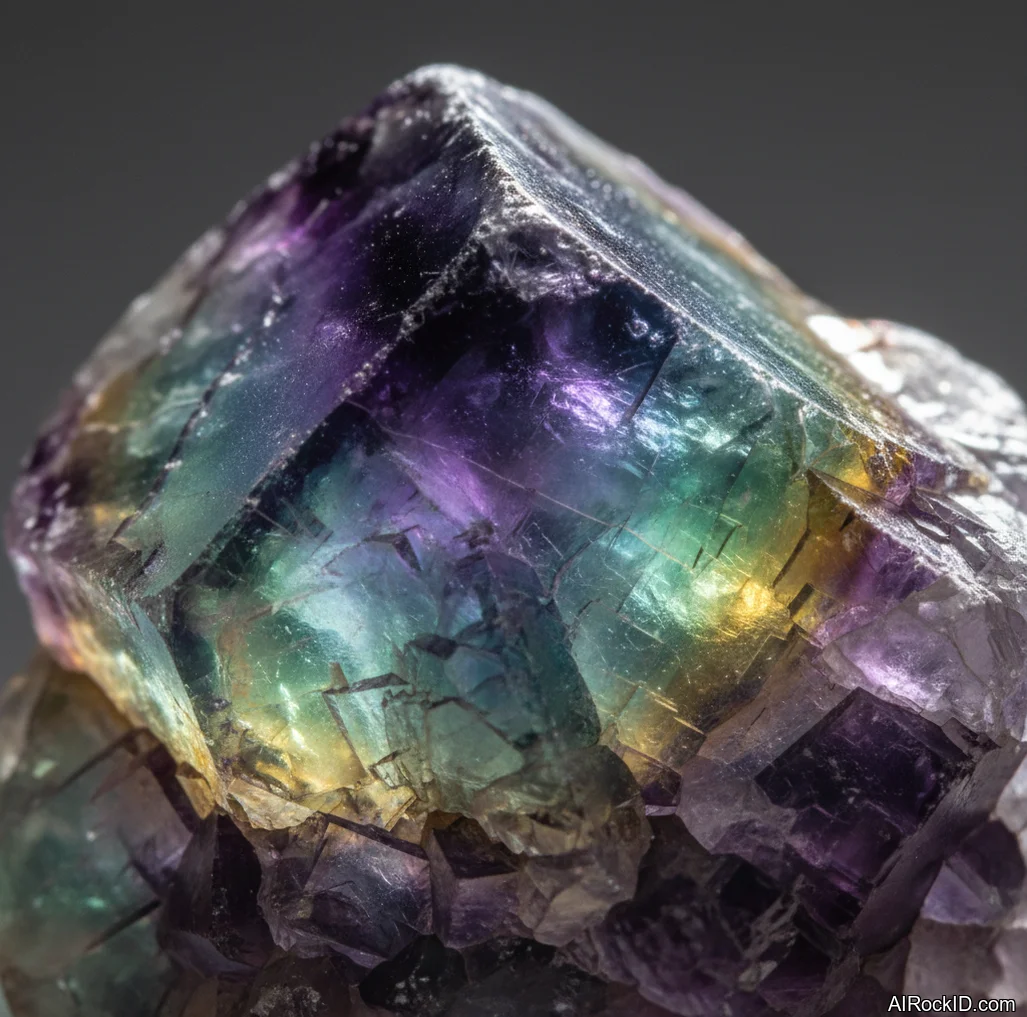
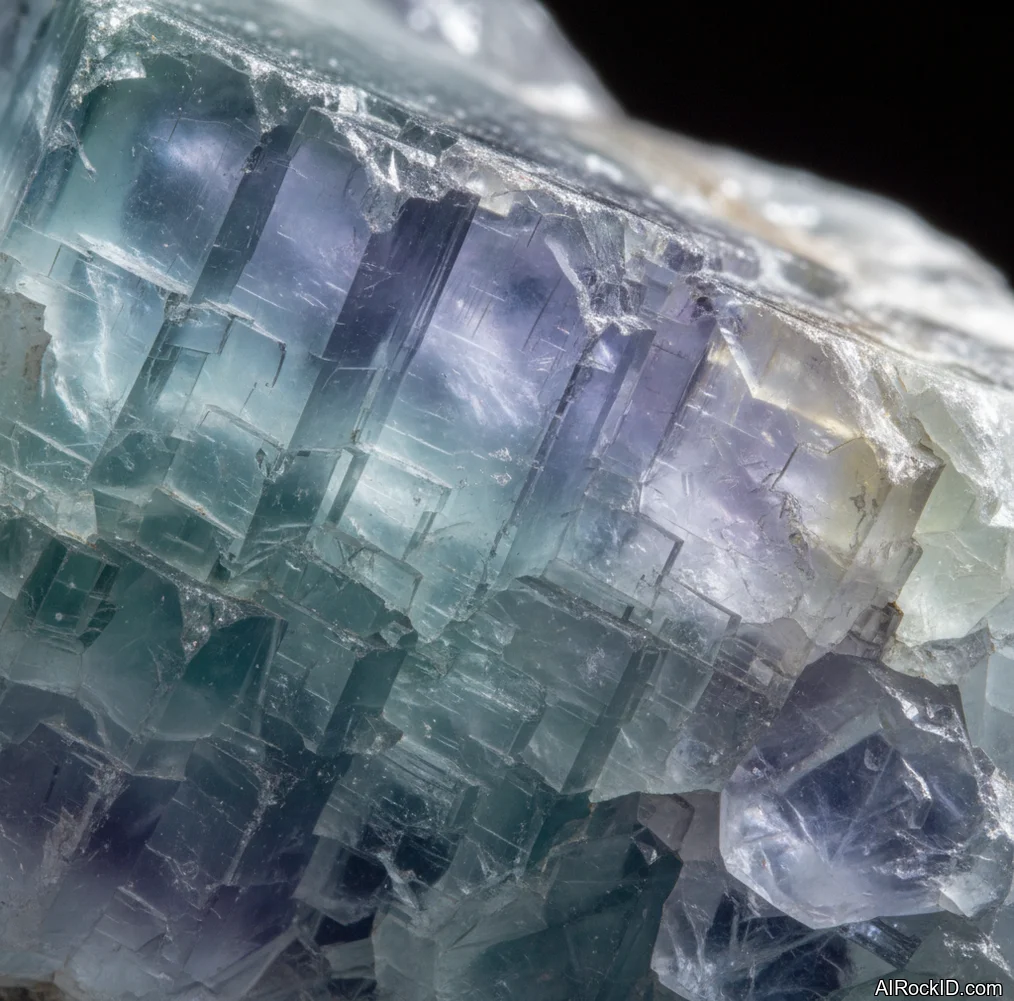
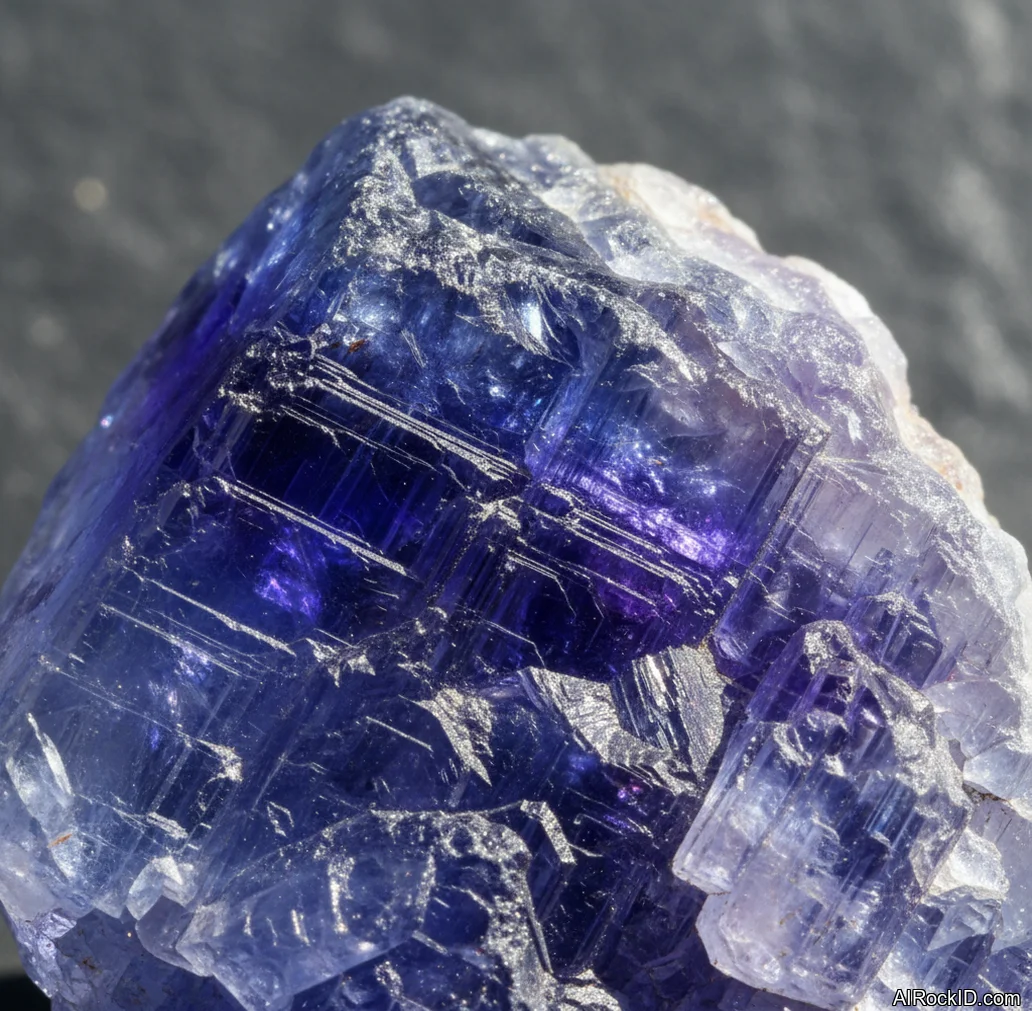
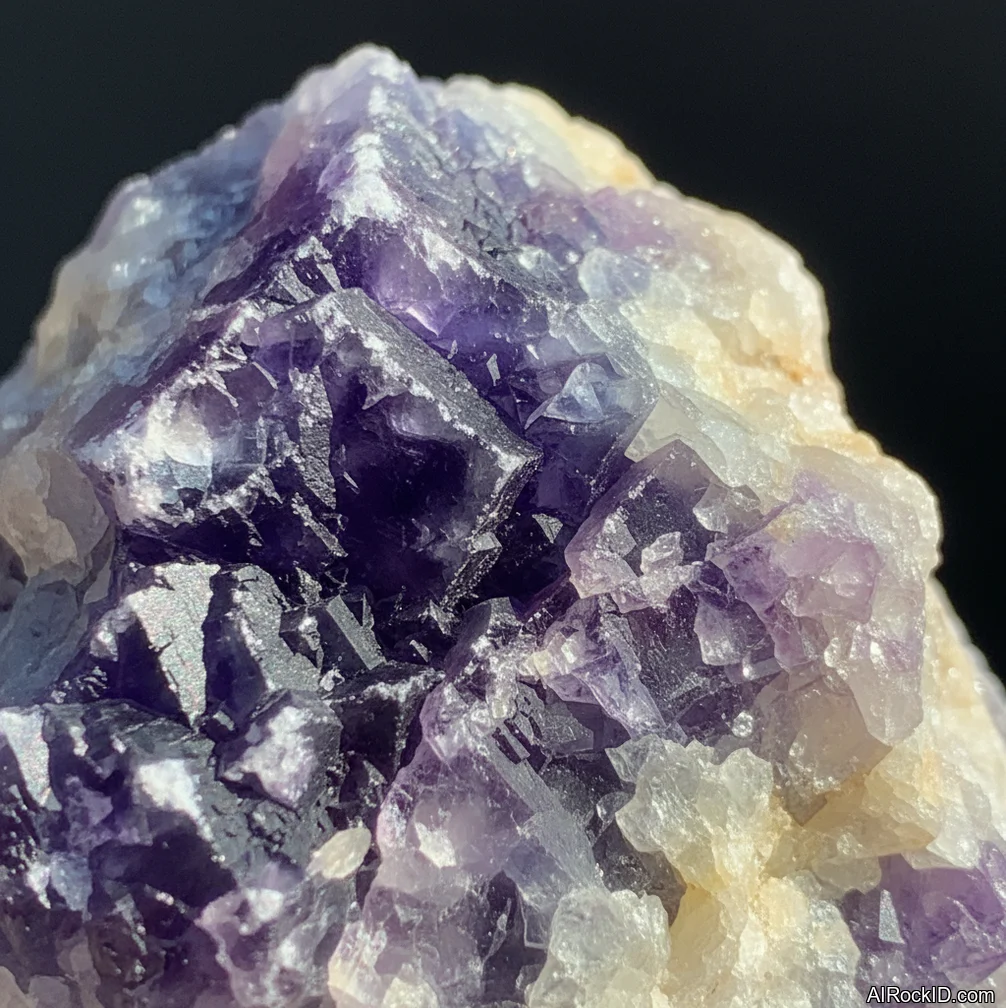
Working with Growth crystals doesn’t need to be mystical. Keep one where the change happens. A tumbled stone in a pocket gets handled, warmed up, and remembered. A palm stone by your keyboard turns into a cue every time your hand reaches for it. I’ve got a piece of fluorite on my desk, and the real test with fluorite is how it responds to light: tilt it and the color zoning shifts, sometimes purple to green in one piece. Thing is, fluorite is soft, so it’ll pick up scratches if you throw it in a bag with keys.
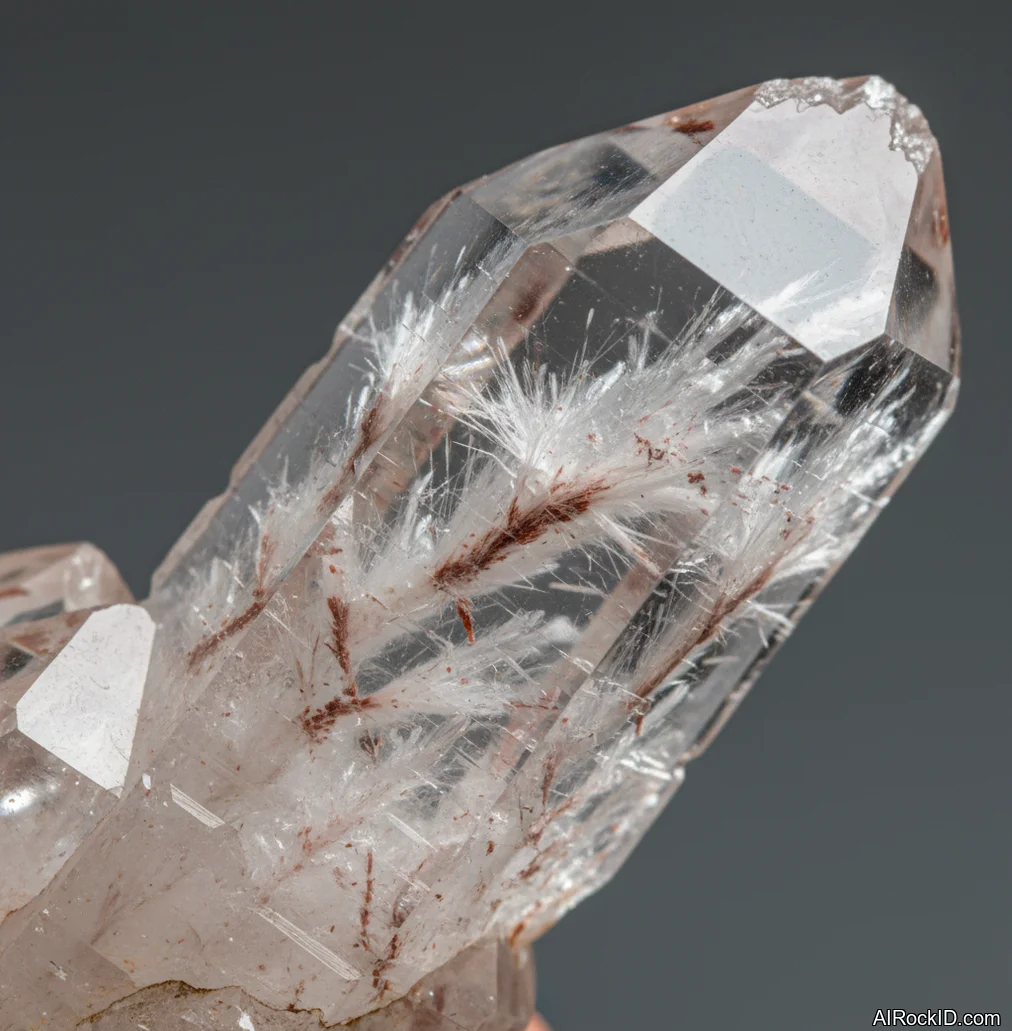
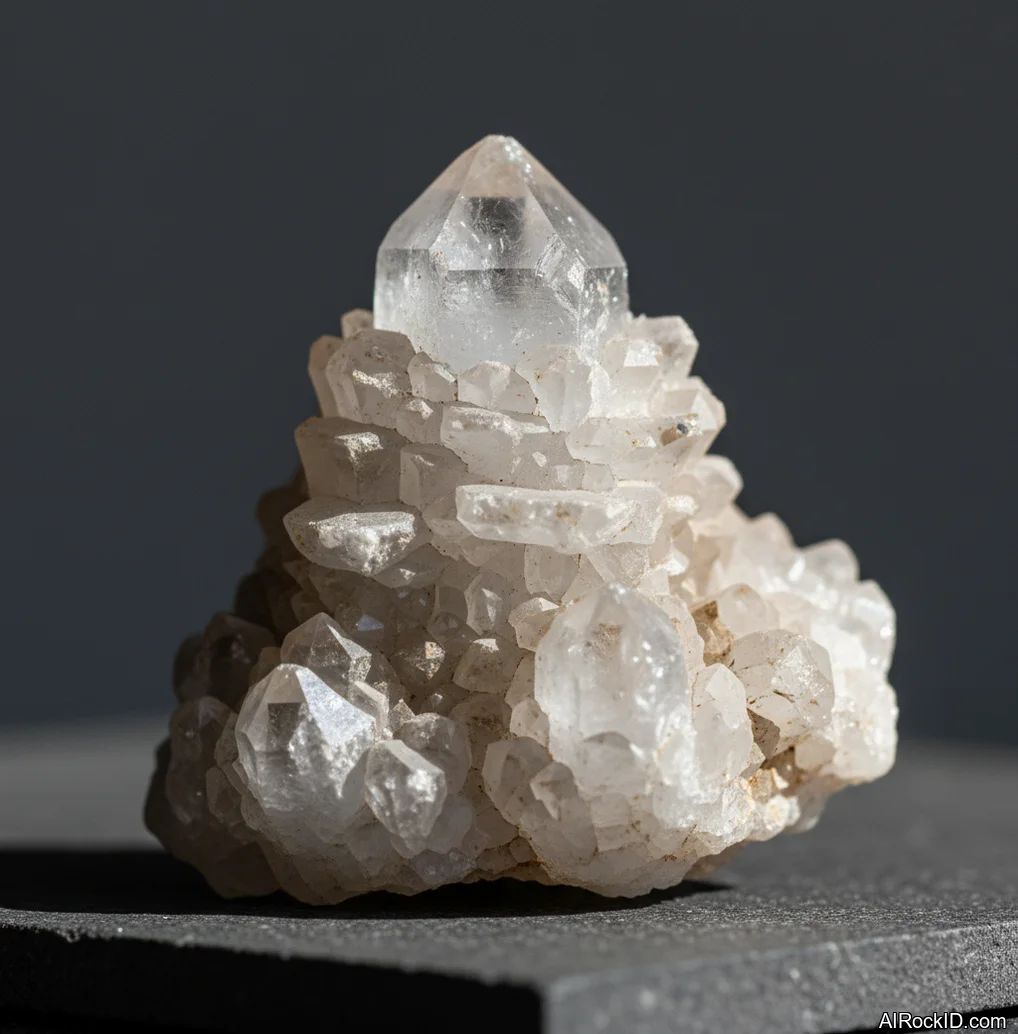
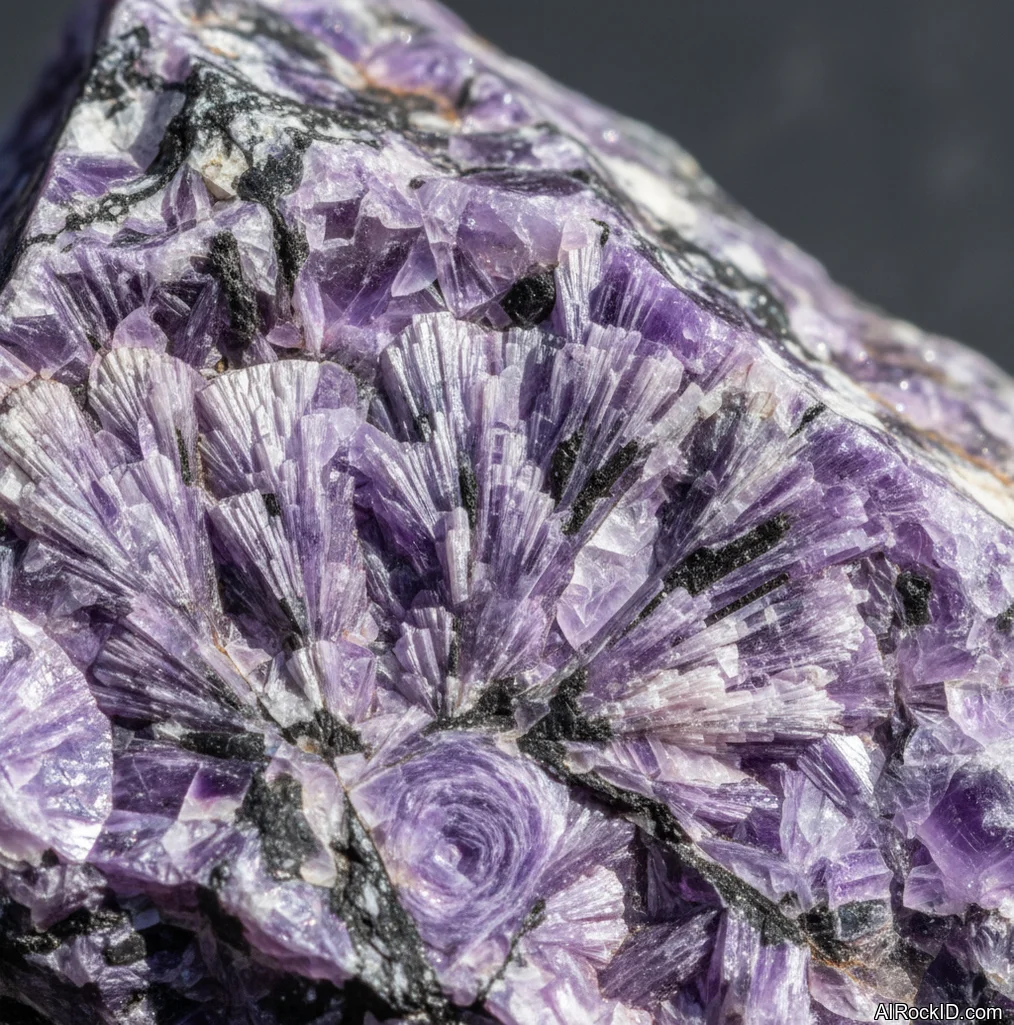
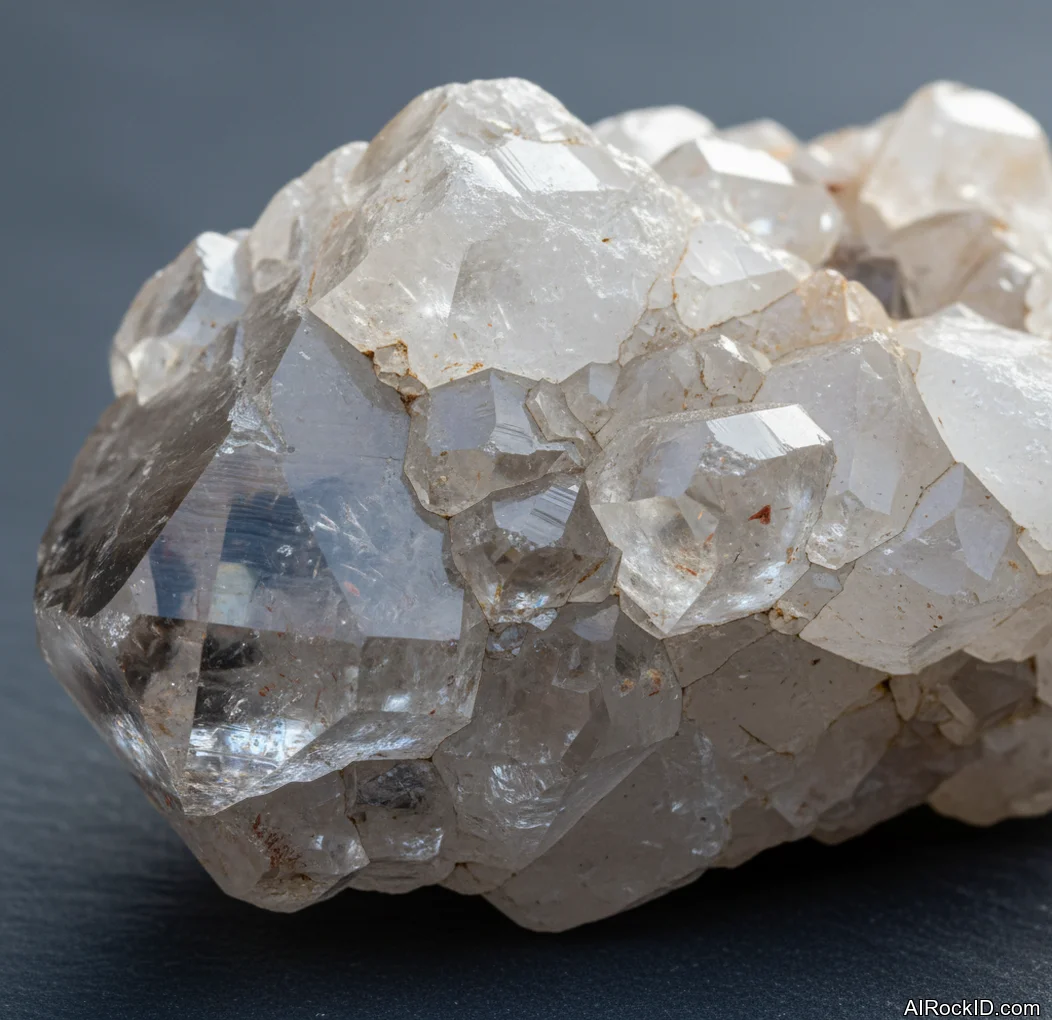
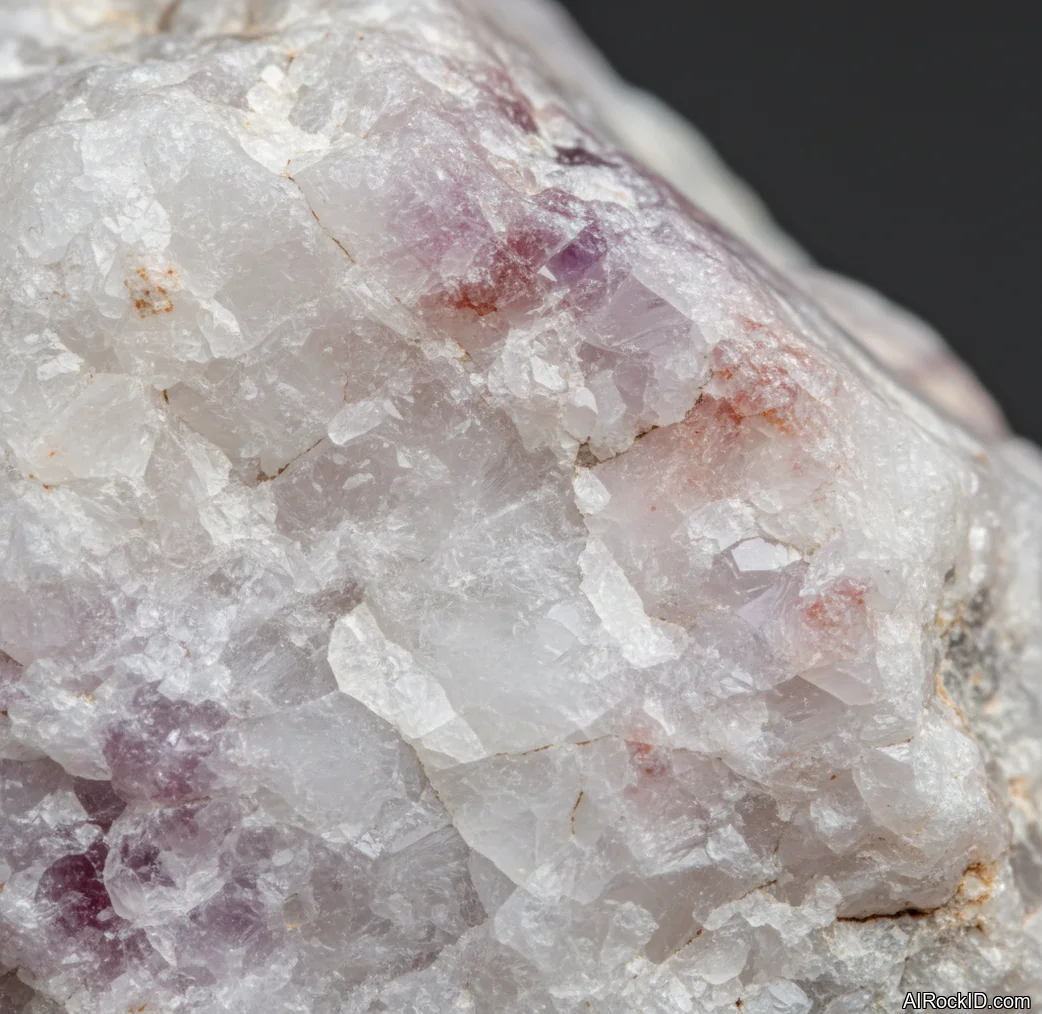
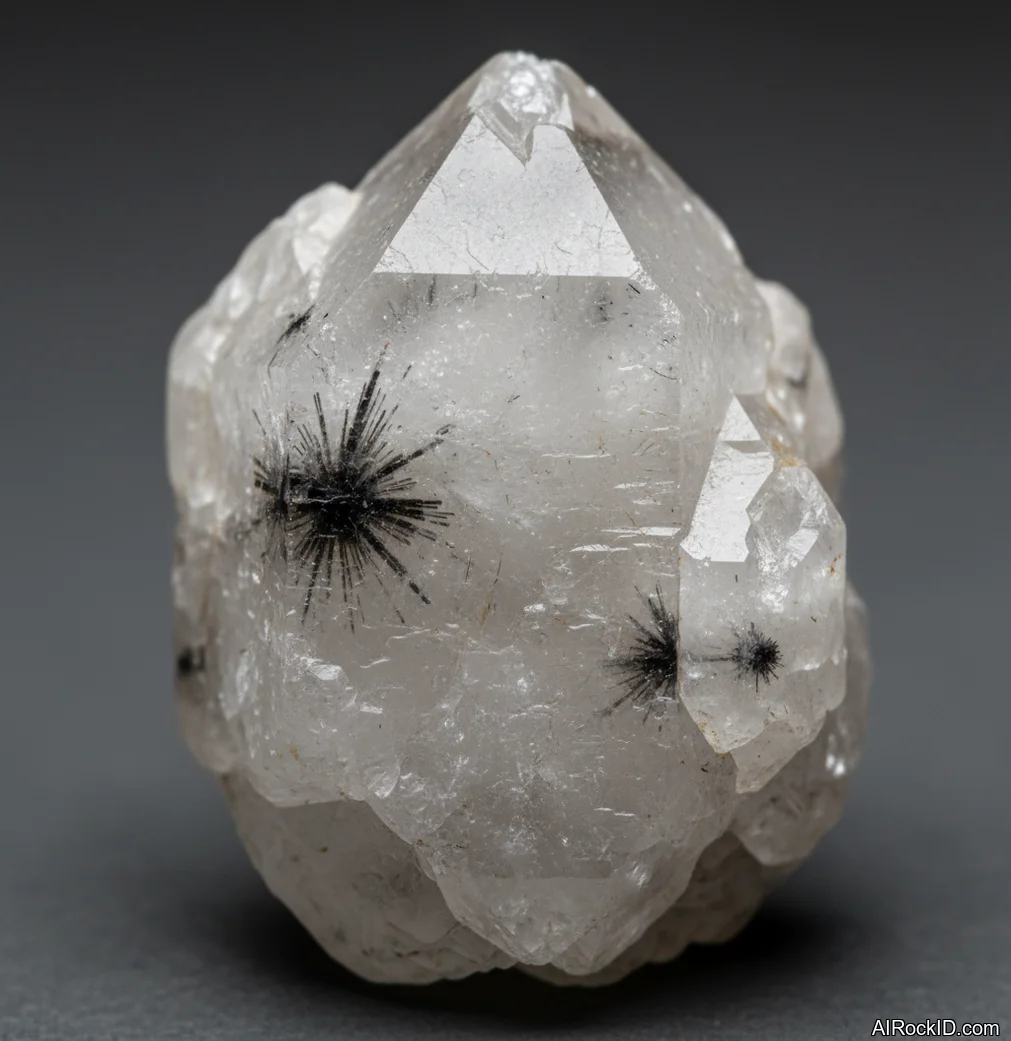
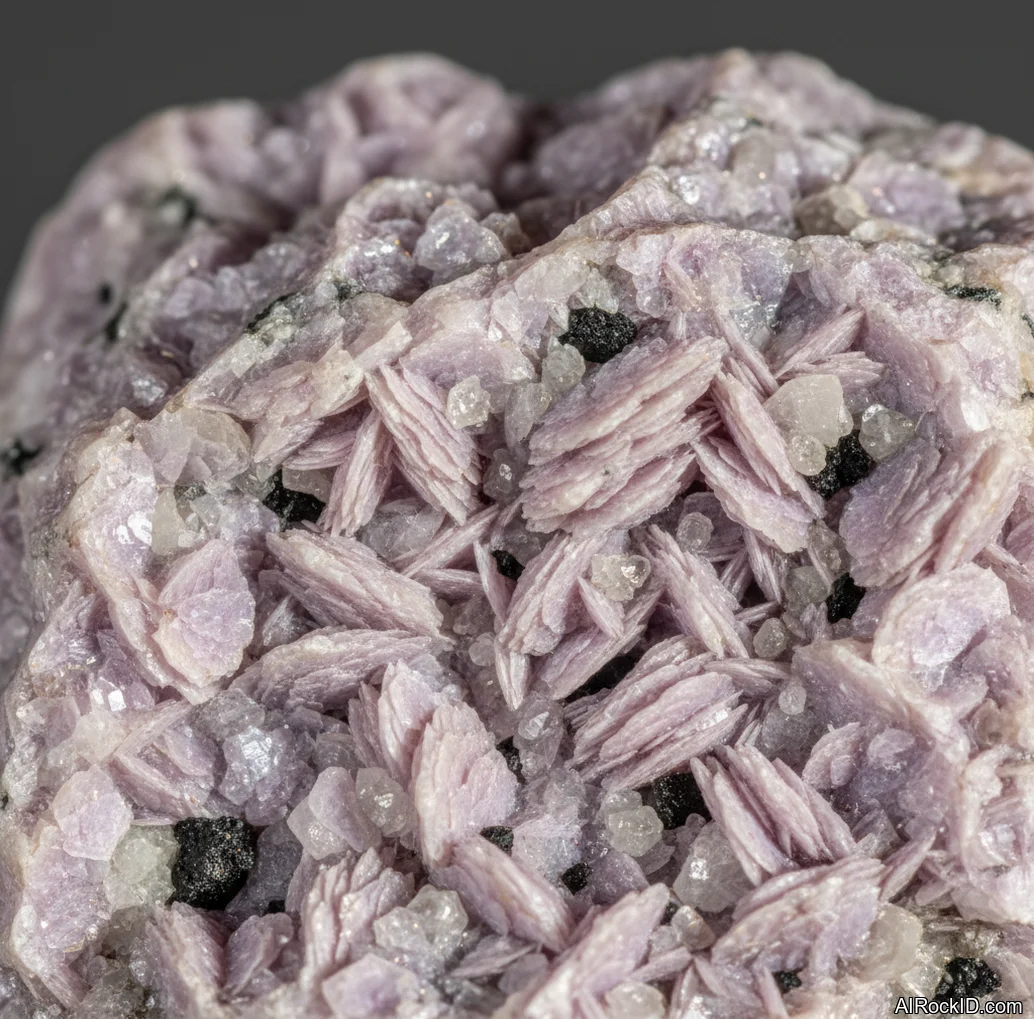
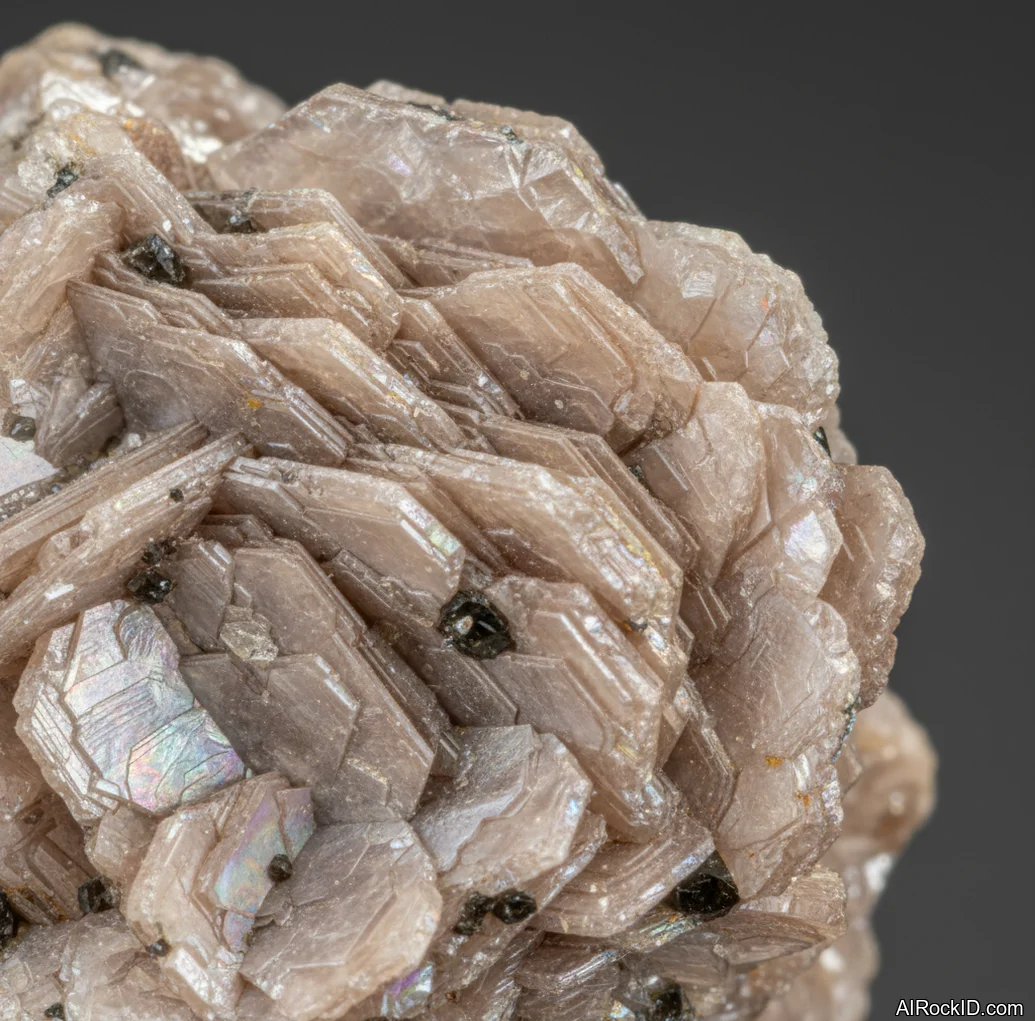
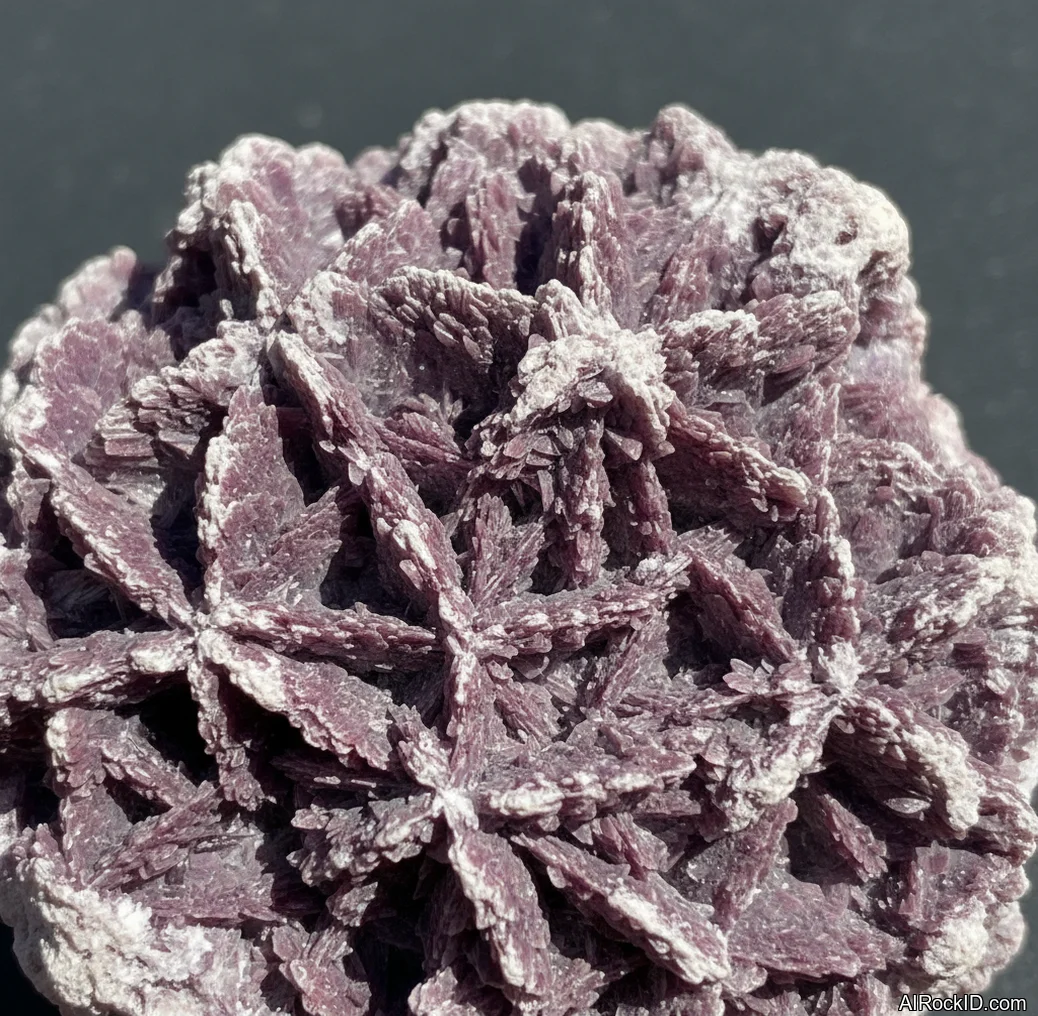
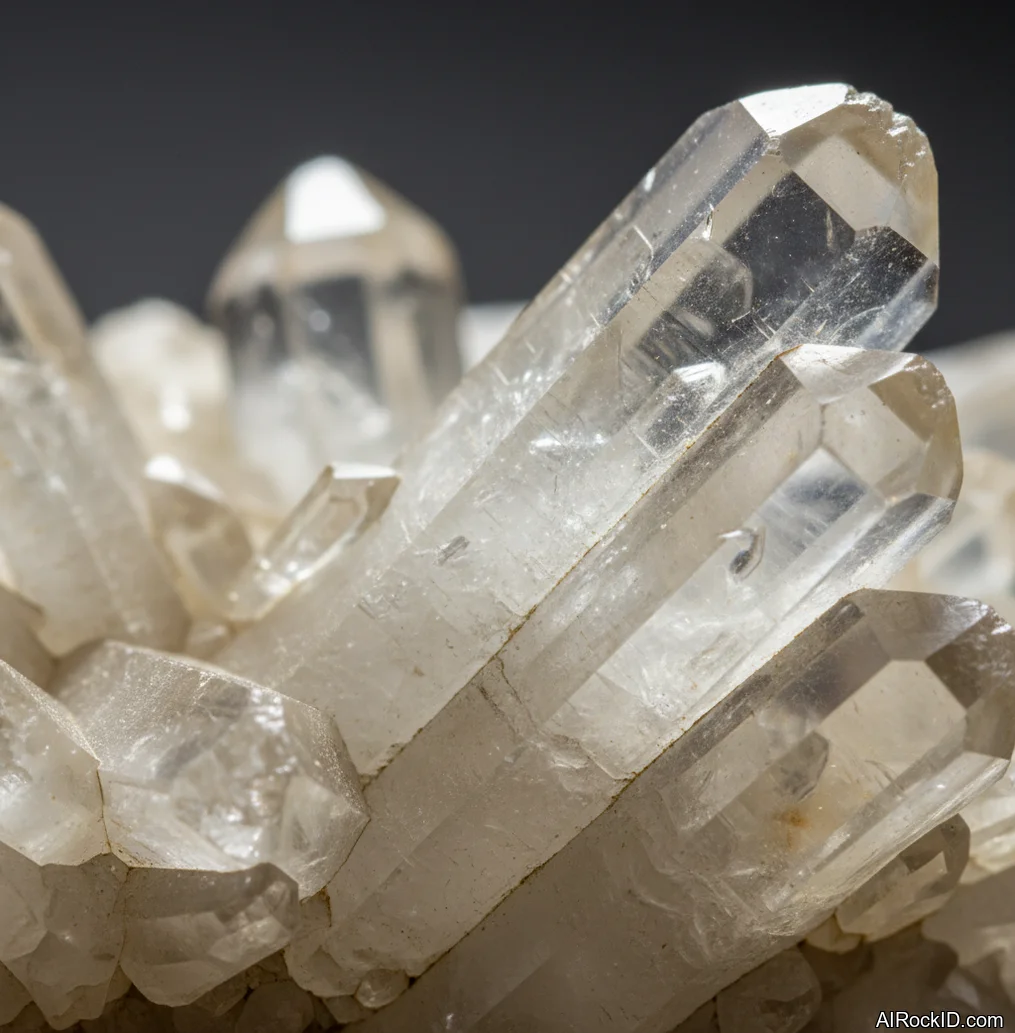
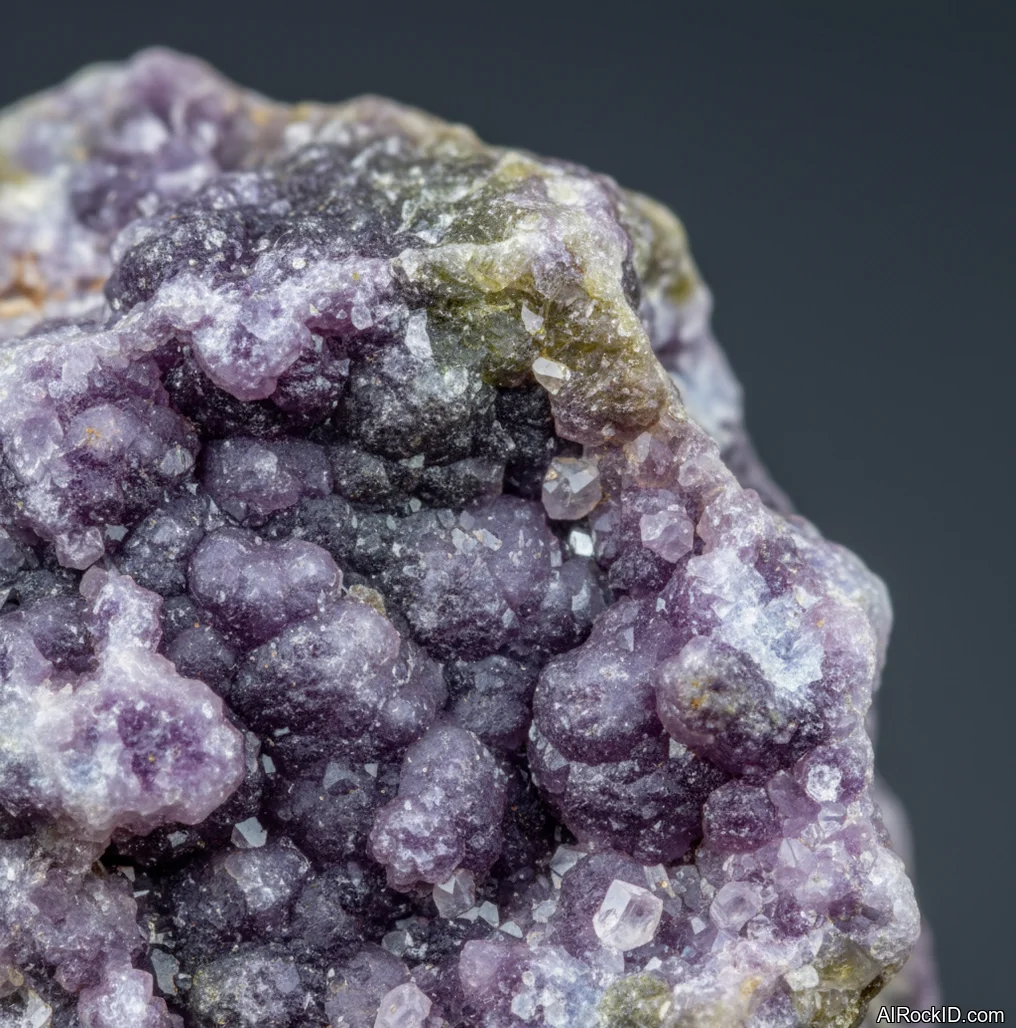
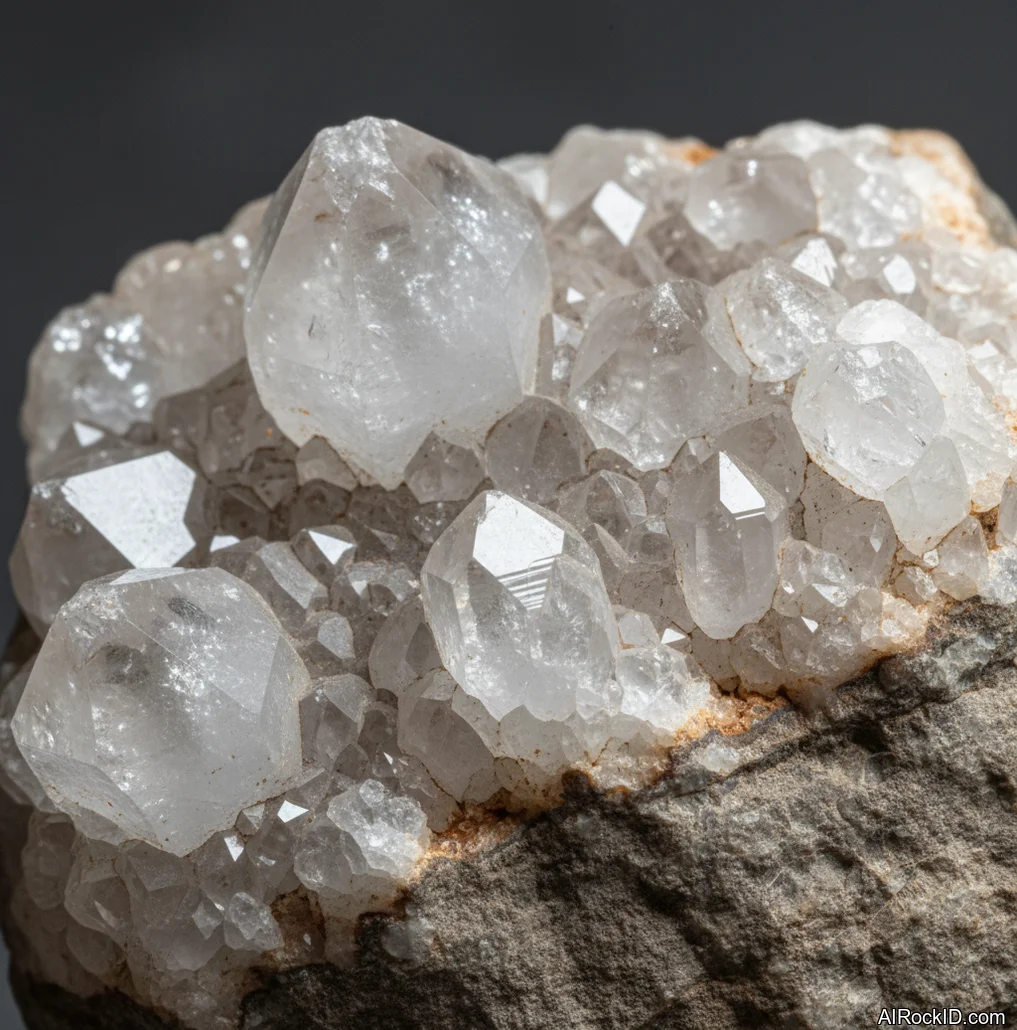
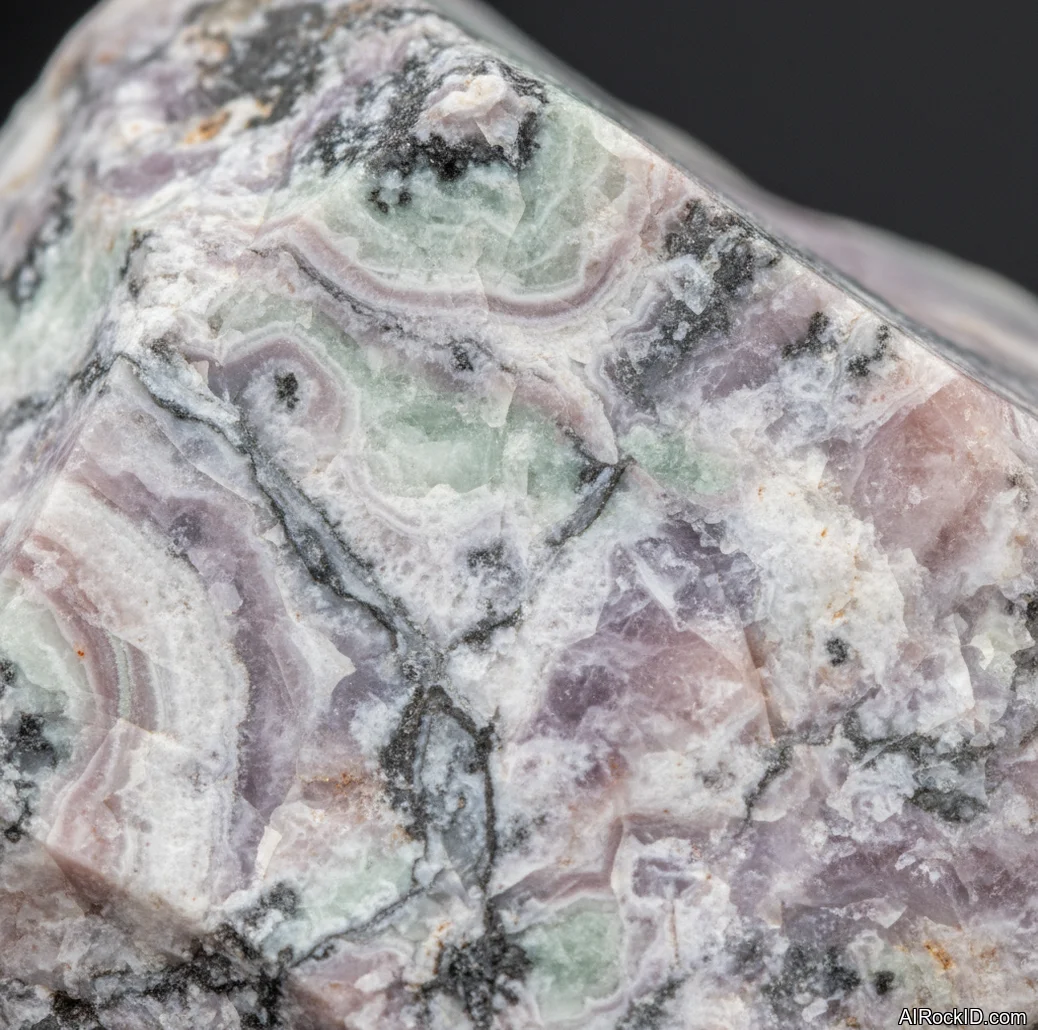
If you like rituals, make them practical. Set a small cluster of clear quartz near a notebook and use it as a “start here” marker for planning sessions. Put moss agate or tree agate by a plant you actually water, so you’re linking Growth to a repeatable act. Carry amazonite when the growth you need is saying the hard thing out loud, then swap to lepidolite at night if your brain won’t shut up. That’s a real-world way people rotate stones. Not because one is “better,” but because the day has different jobs.
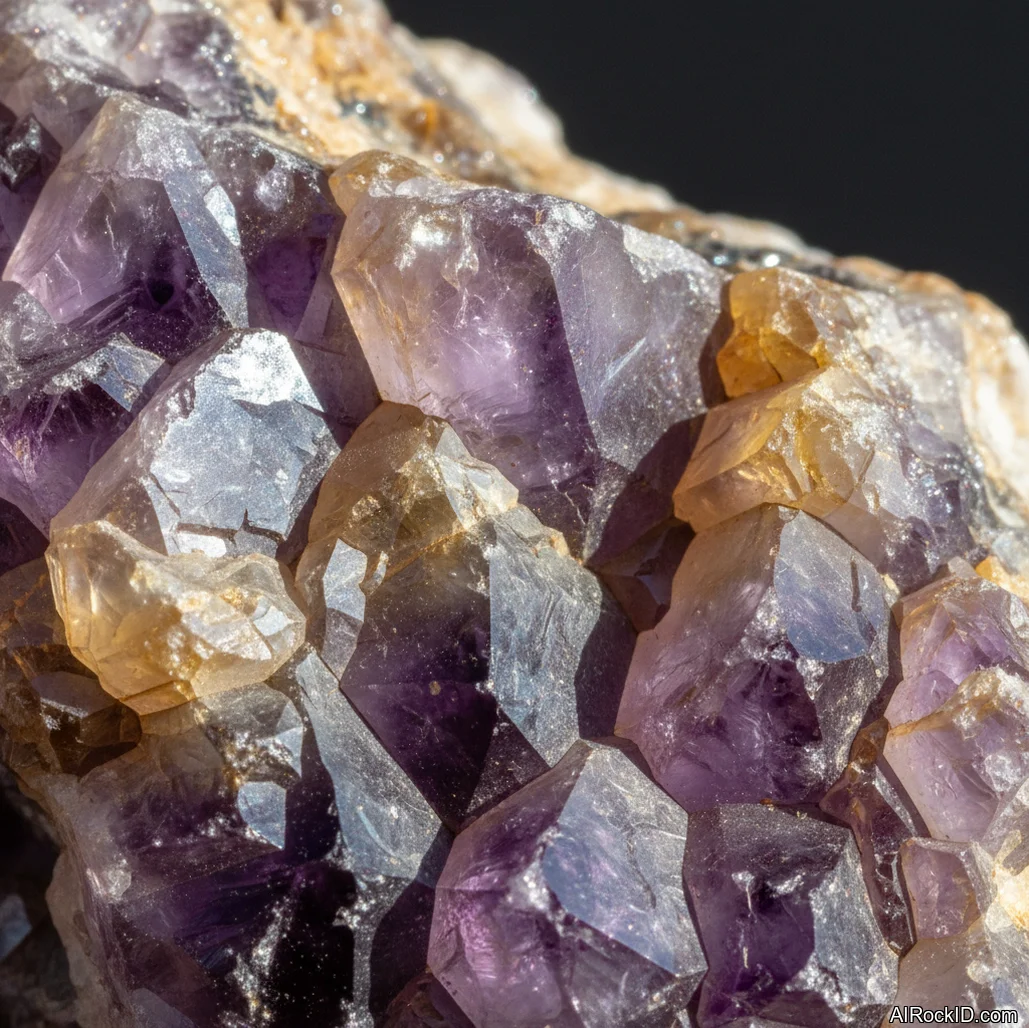
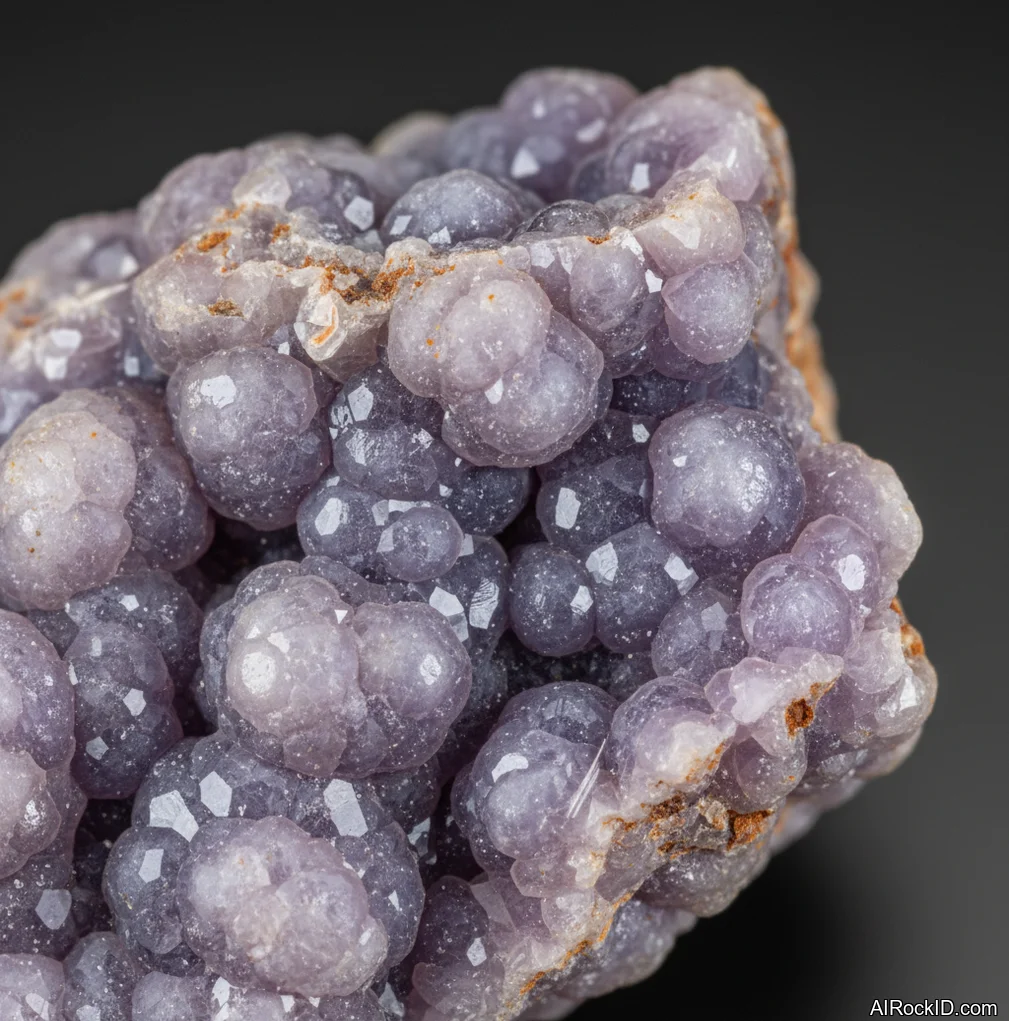
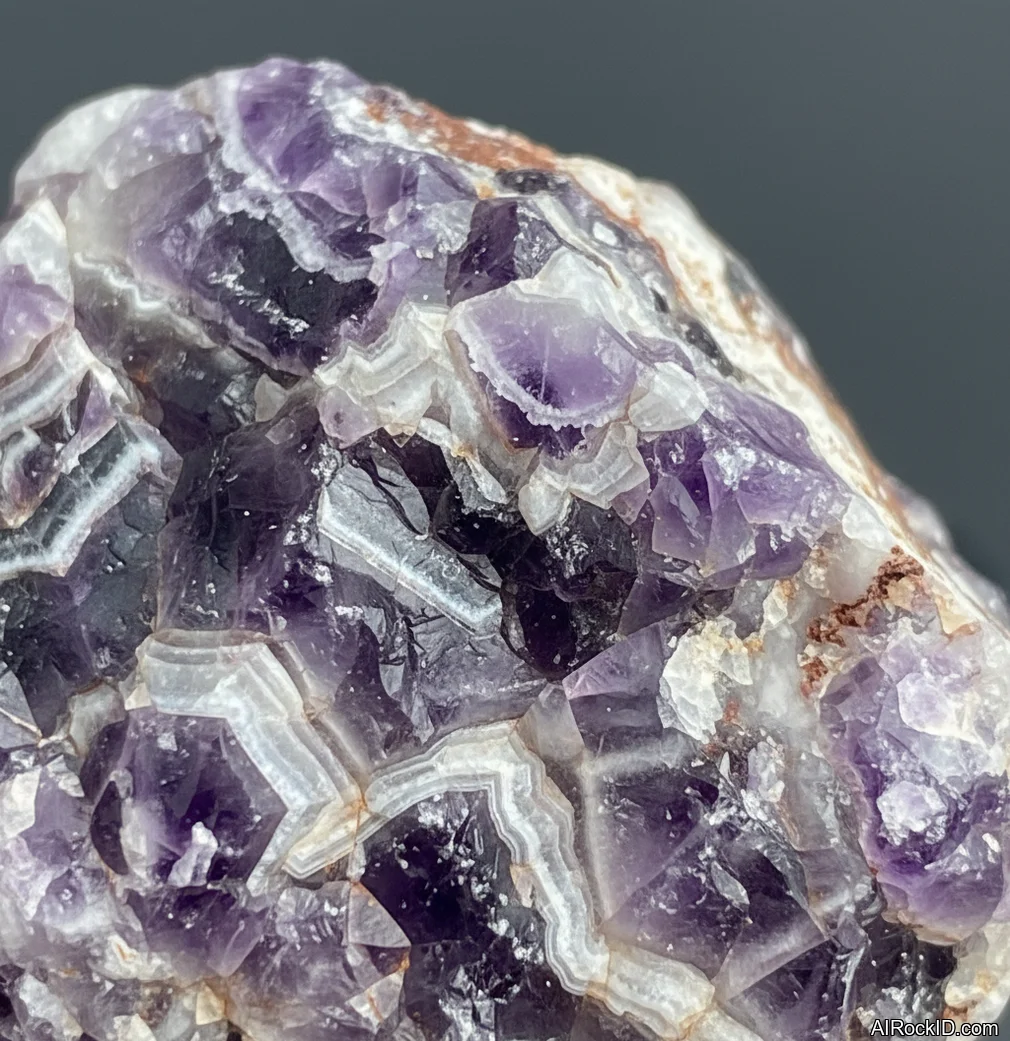
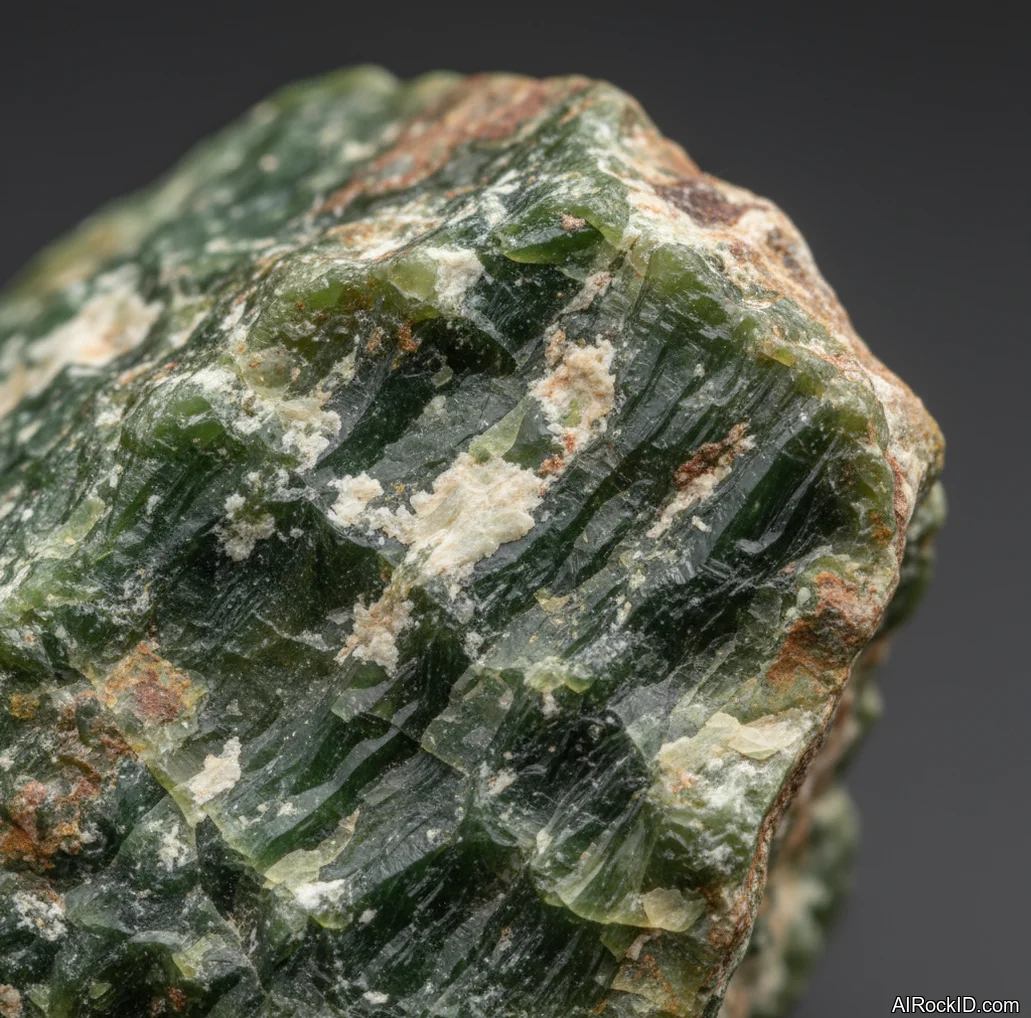
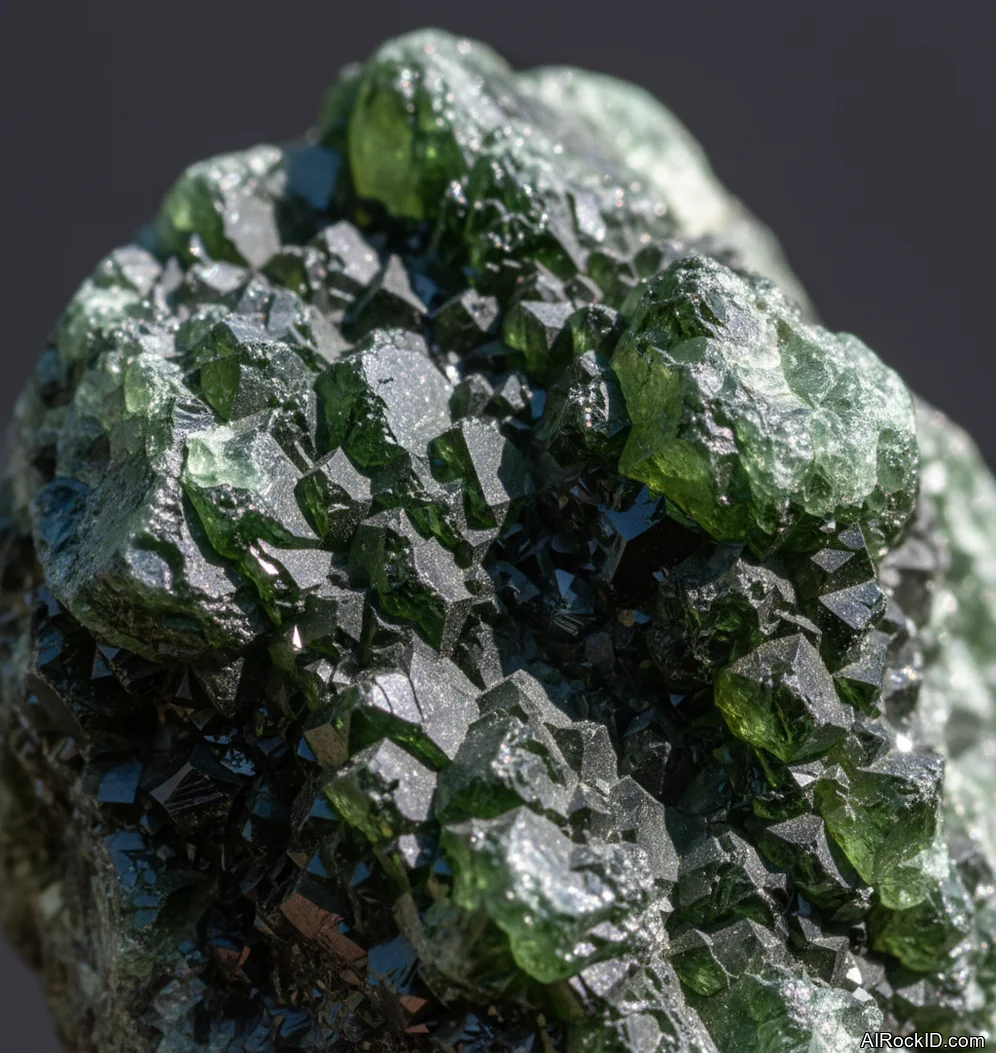
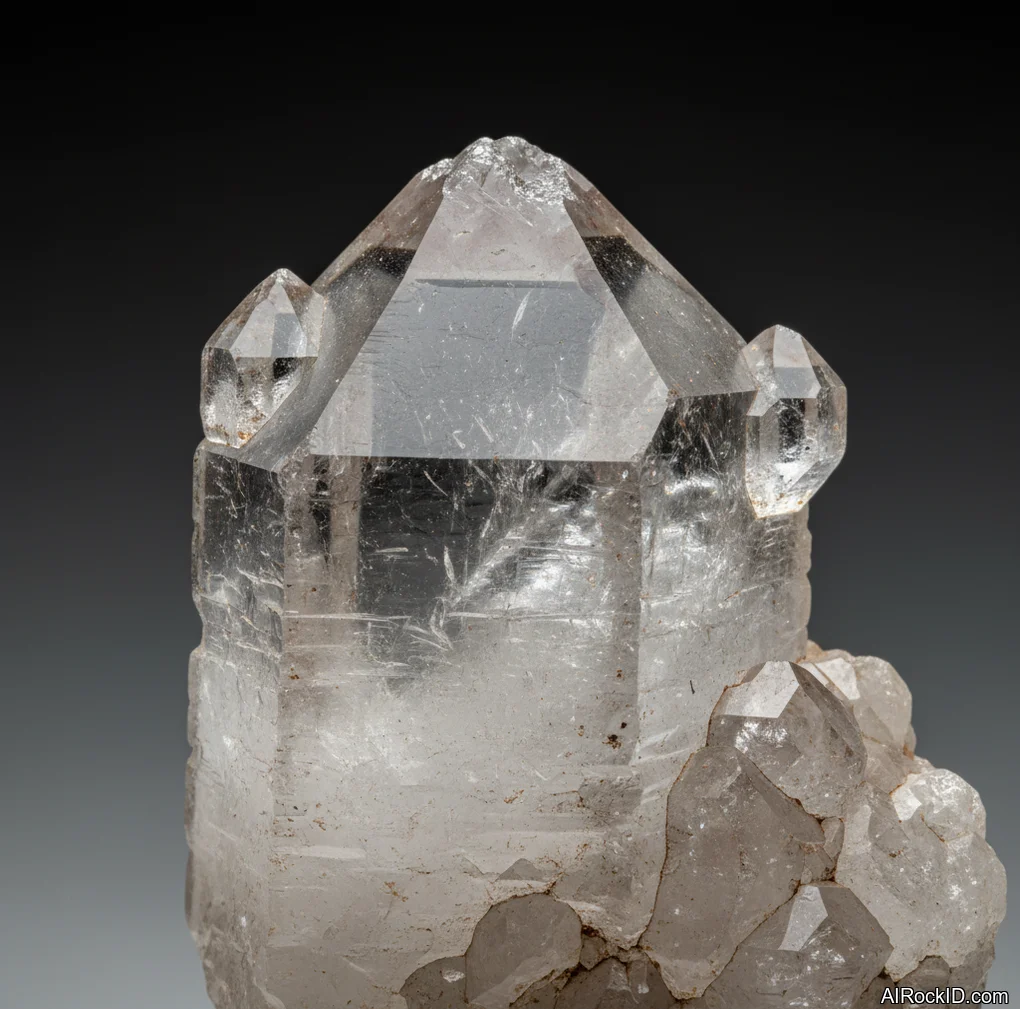
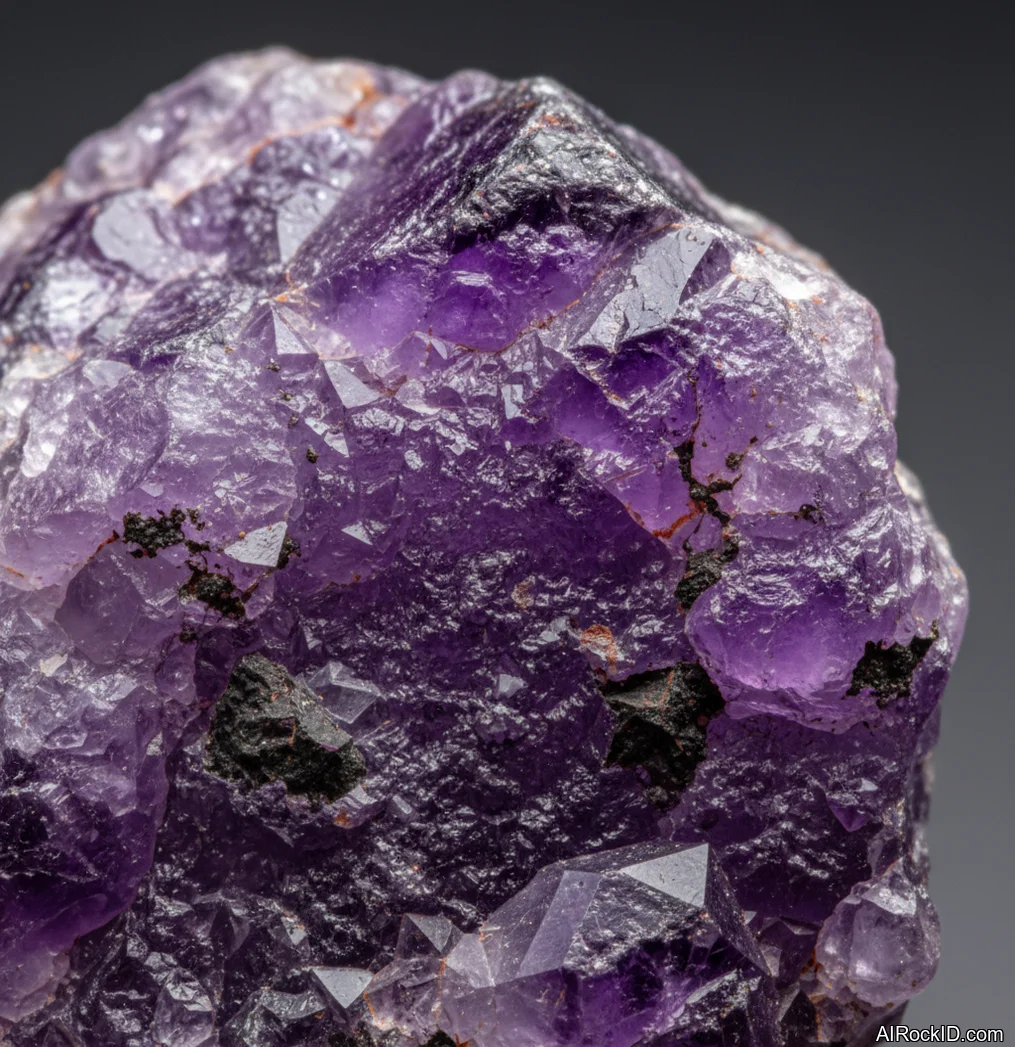
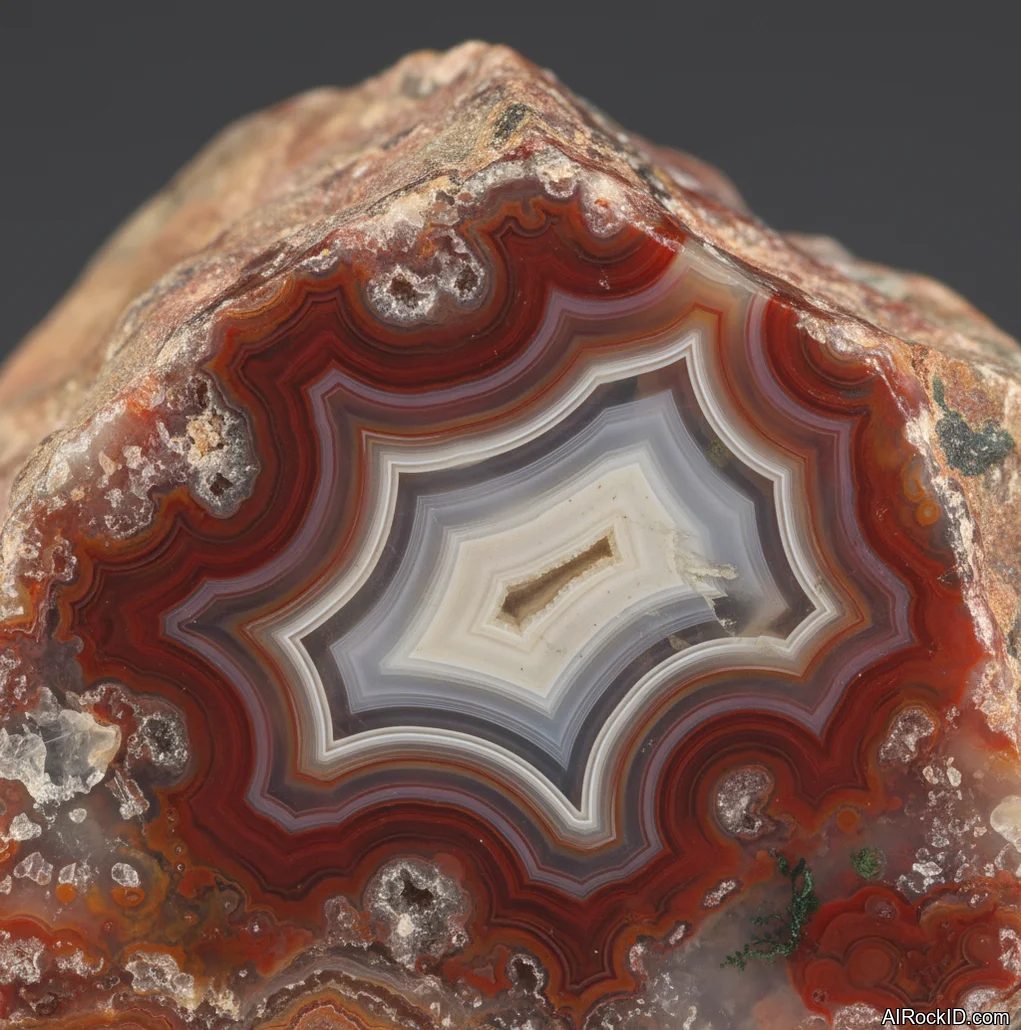
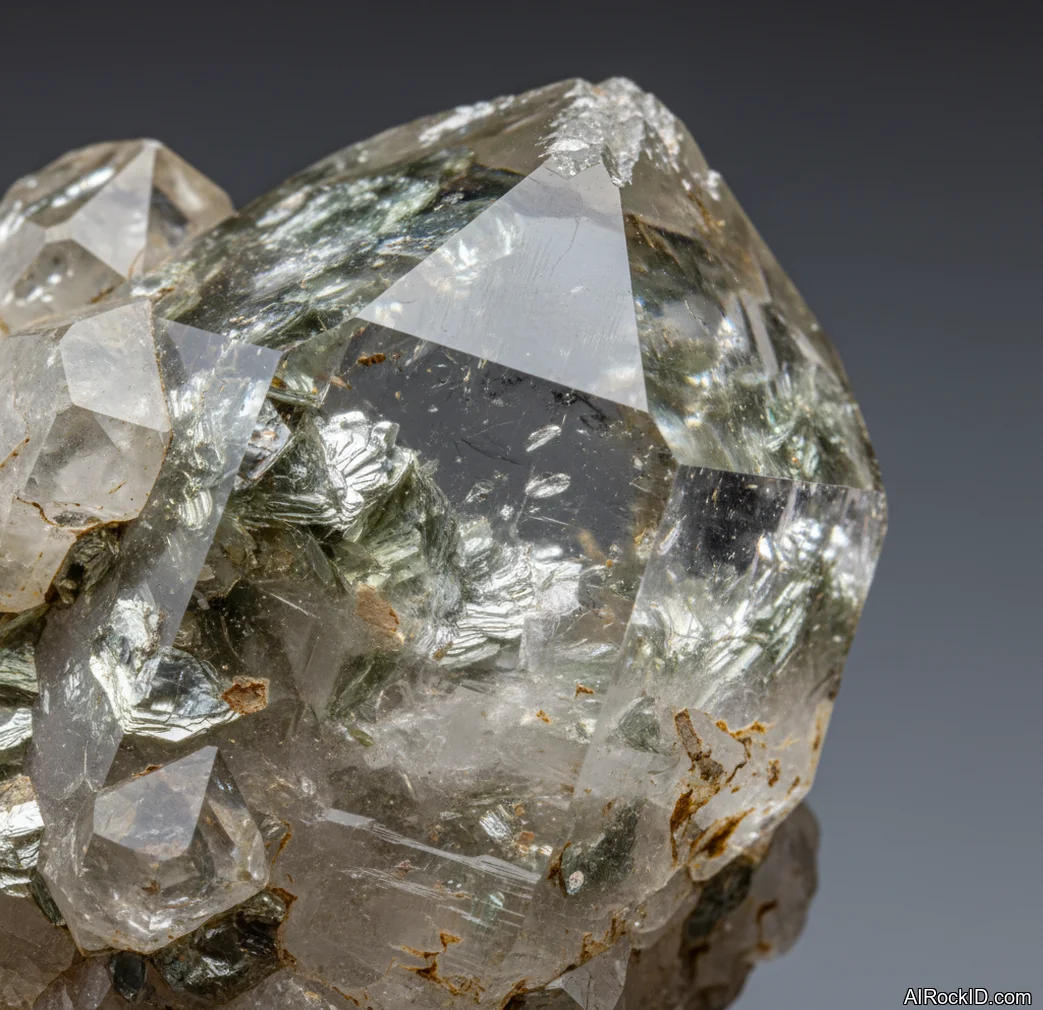
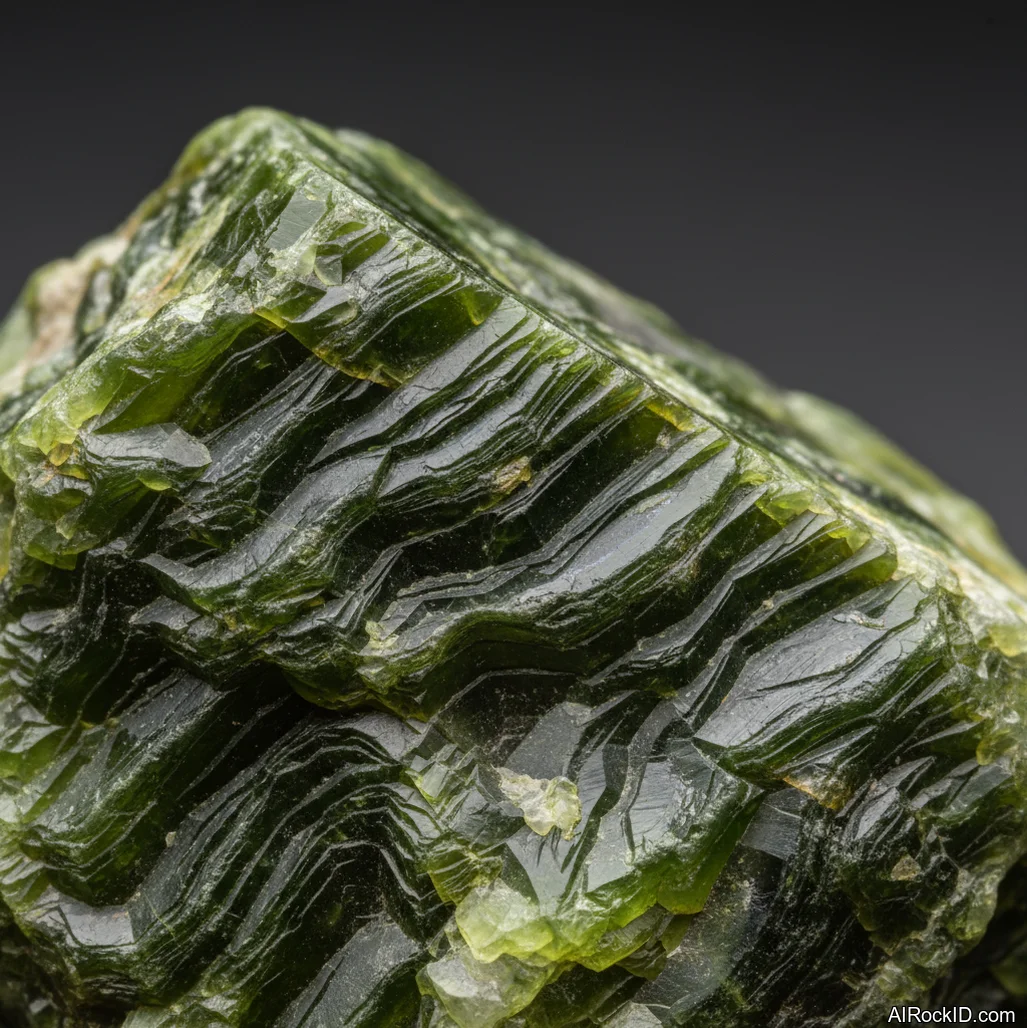
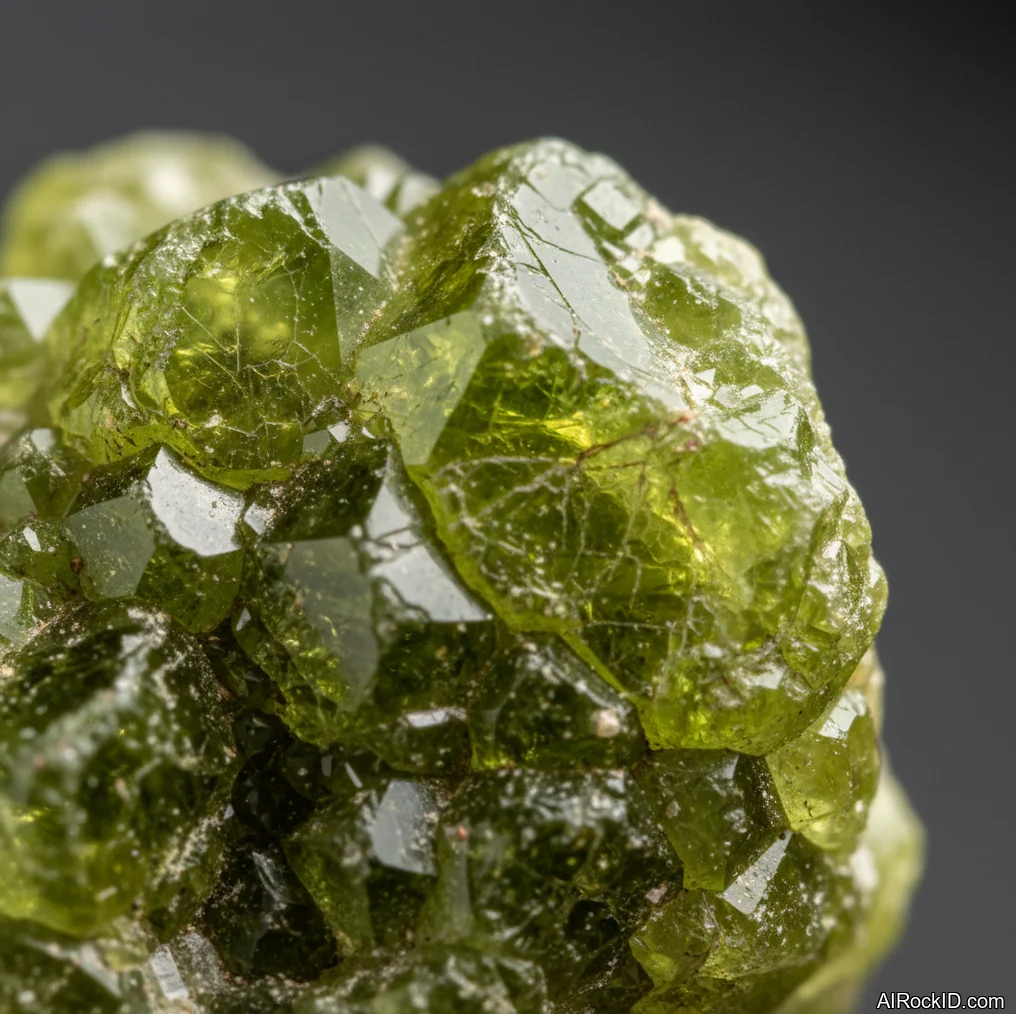
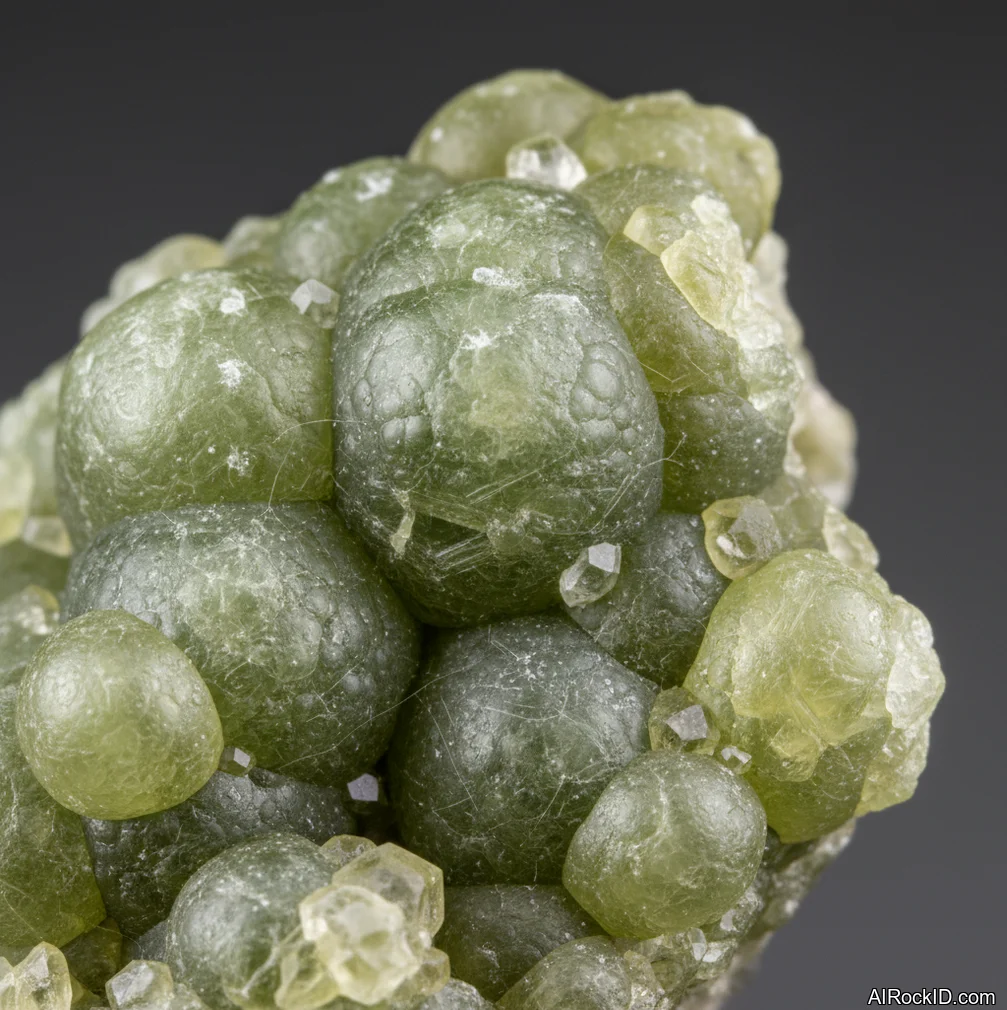
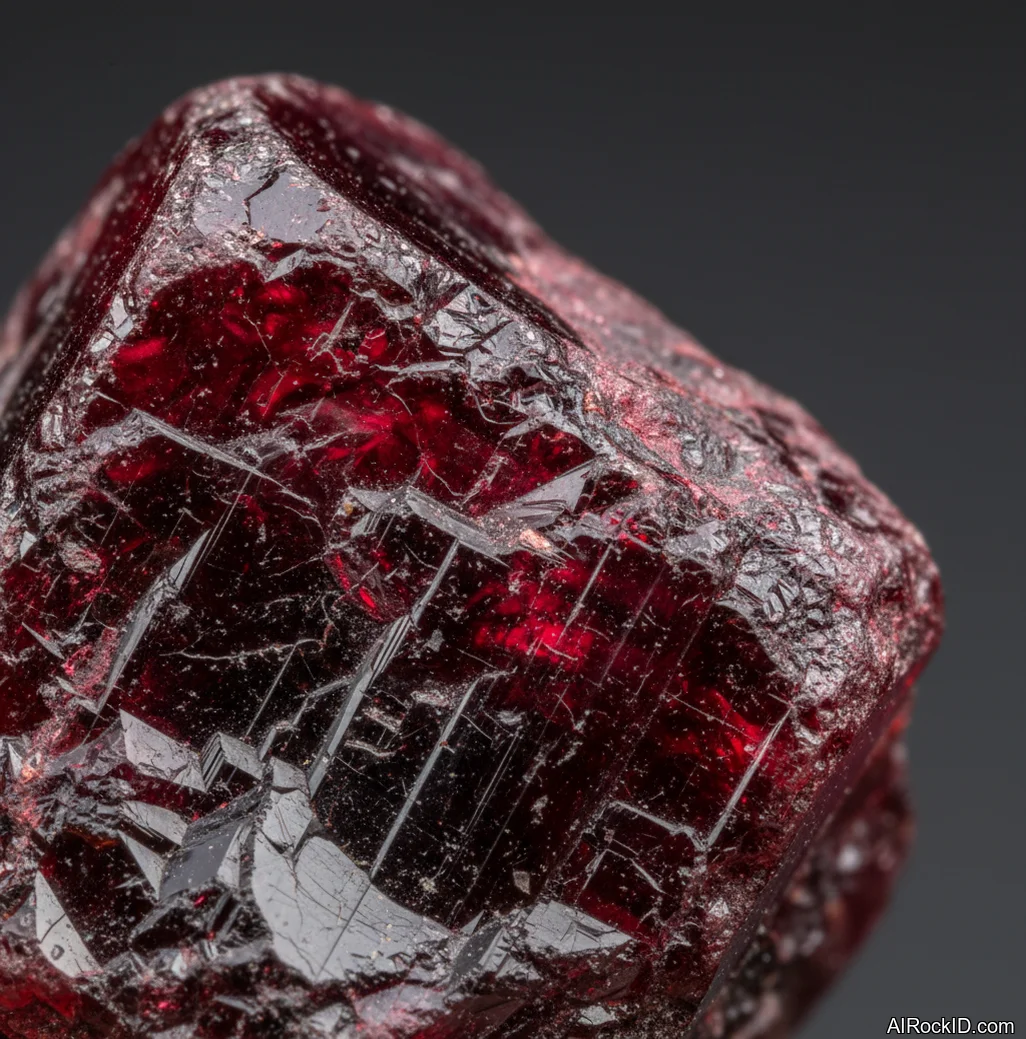
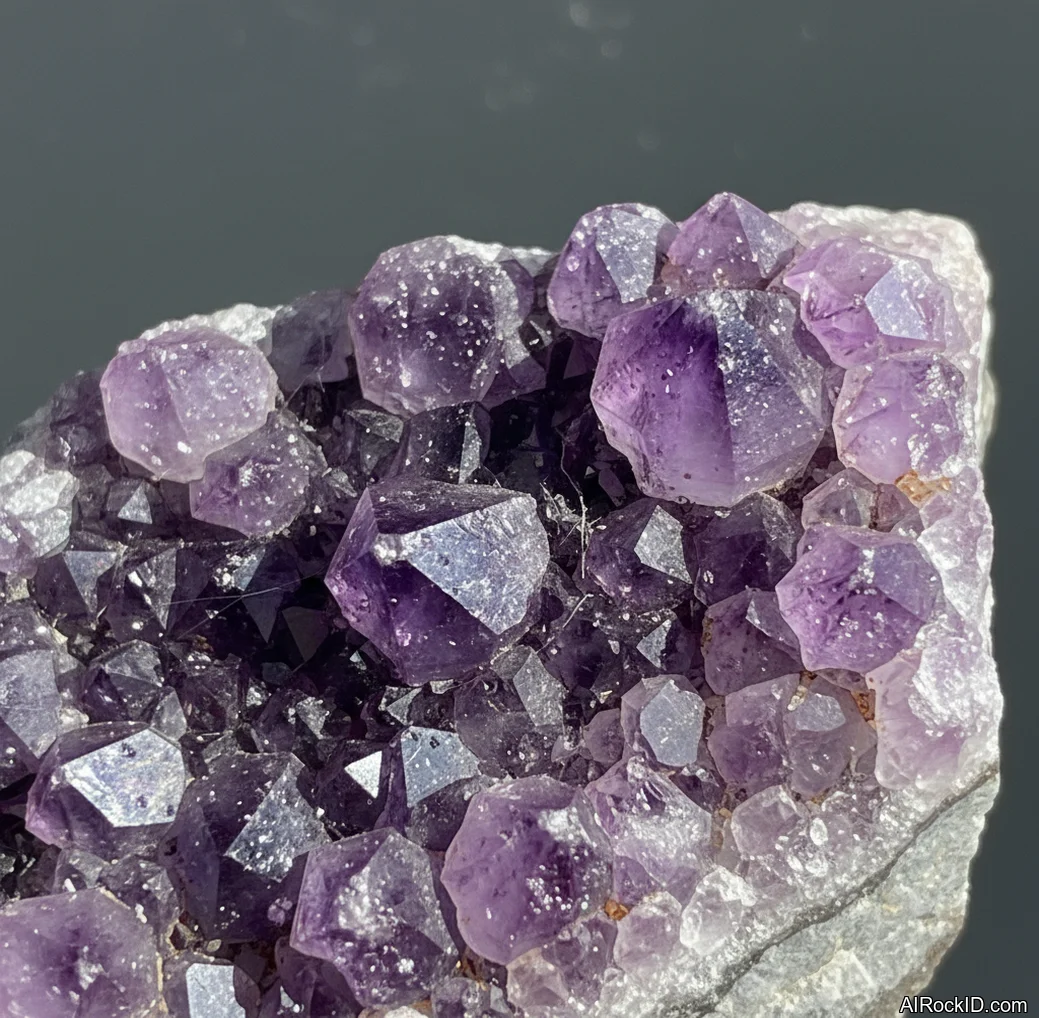
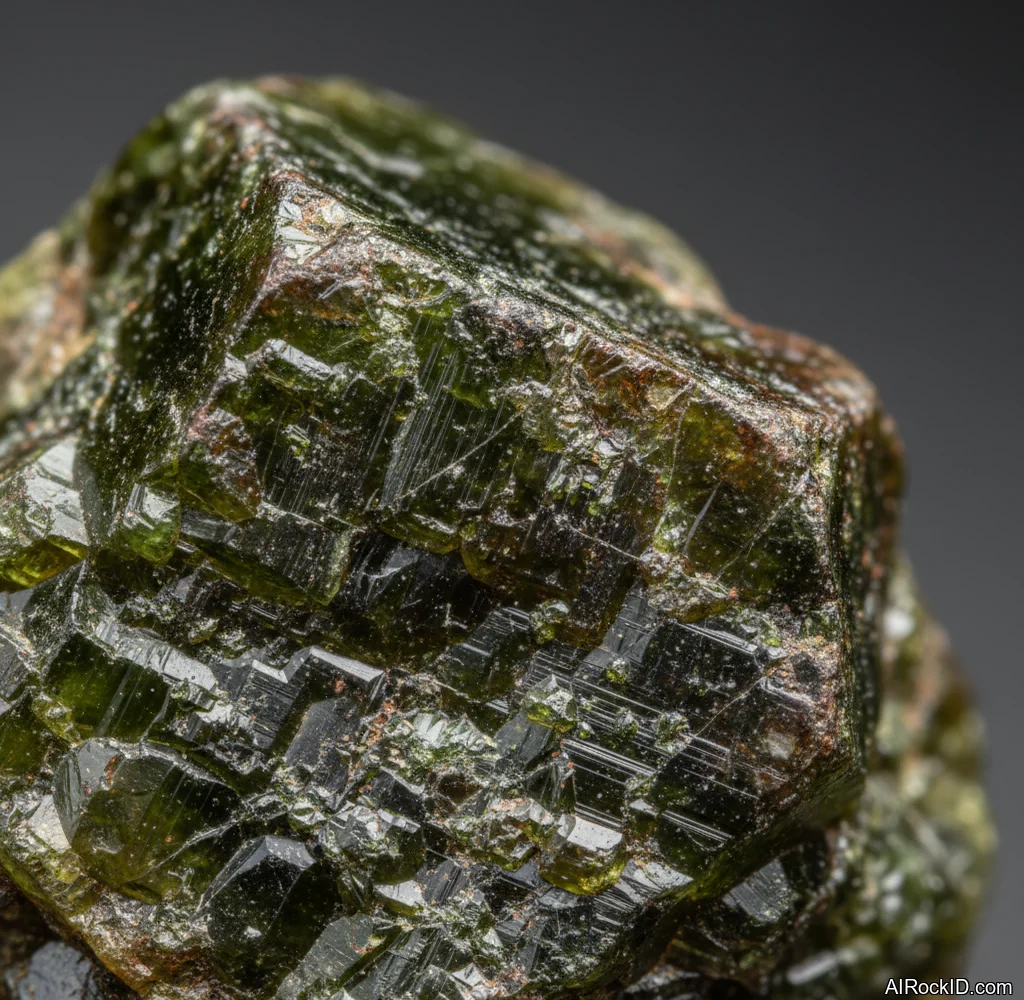
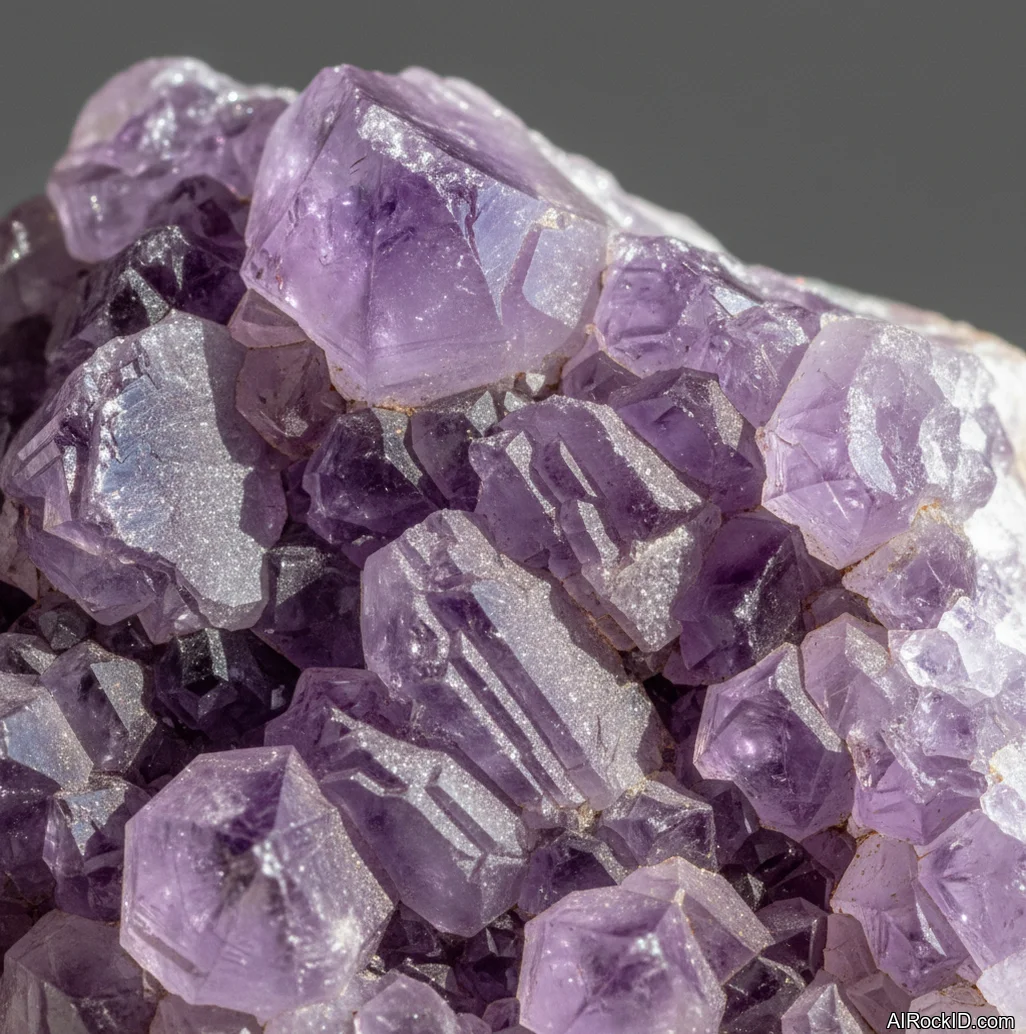
Buying Growth crystals is where a little mineral common sense saves you money. Check temperature and weight. Glass fakes often feel warmer and lighter than they should. Look for natural imperfections: tiny healed fractures in quartz, subtle color zoning in fluorite, uneven banding in agates. Ask for origin if you care about it, because it changes what you’re getting. The deep, inky amethyst people picture is often Uruguayan, while Brazilian amethyst leans lighter and can flash reddish under warm bulbs. With peridot, clean larger gems jump in price fast, and rough pieces can show lily-pad inclusions that are normal, not “damage.” (Yep, that trips people up.)
One more thing people don’t love hearing: a Growth stone won’t do the work for you. It can anchor a habit, mark a decision, or help you focus, but the grind is still yours. The upside is that crystals are durable little reminders. Even a beat-up tumbled green aventurine that’s lived in a pocket for a year tells the truth about Growth. It’s not spotless. It’s used. It kept showing up.
All Growth Crystals (470)