Inner Peace Crystals
Explore Inner Peace crystals and how to use them. Learn meanings, care tips, and what to buy, with top stones for calm and balance.
Inner Peace, in the crystal world, isn’t about being “happy” 24/7. It’s more like a quiet baseline you can return to when your brain won’t stop looping or your body’s stuck in high alert. People go looking for that for all kinds of reasons. Better sleep. Less midnight doom-scrolling. Or just being able to sit still without feeling like you’re vibrating. Inner Peace stones get chosen for the steadying vibe, sure, but also for basic real-life stuff like texture, weight, and whether you can actually keep it near you.
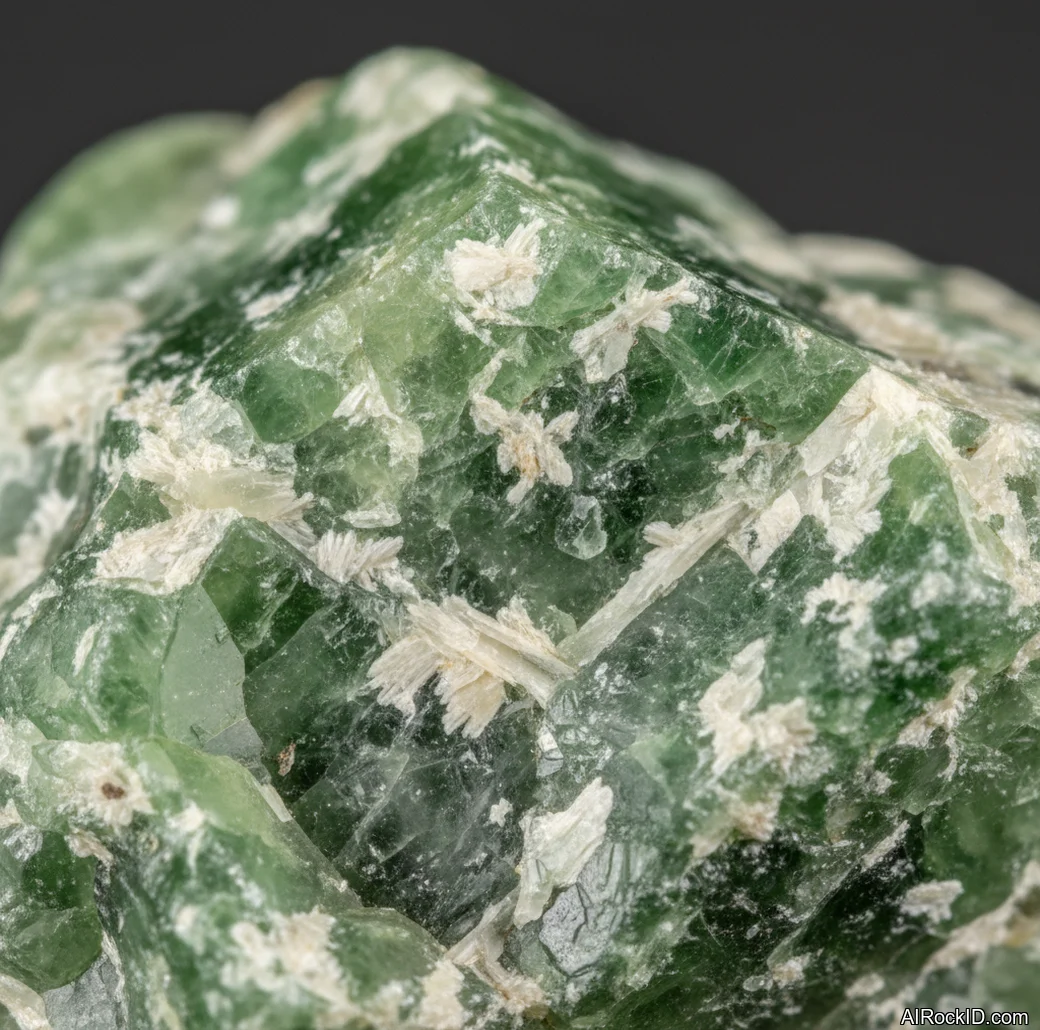
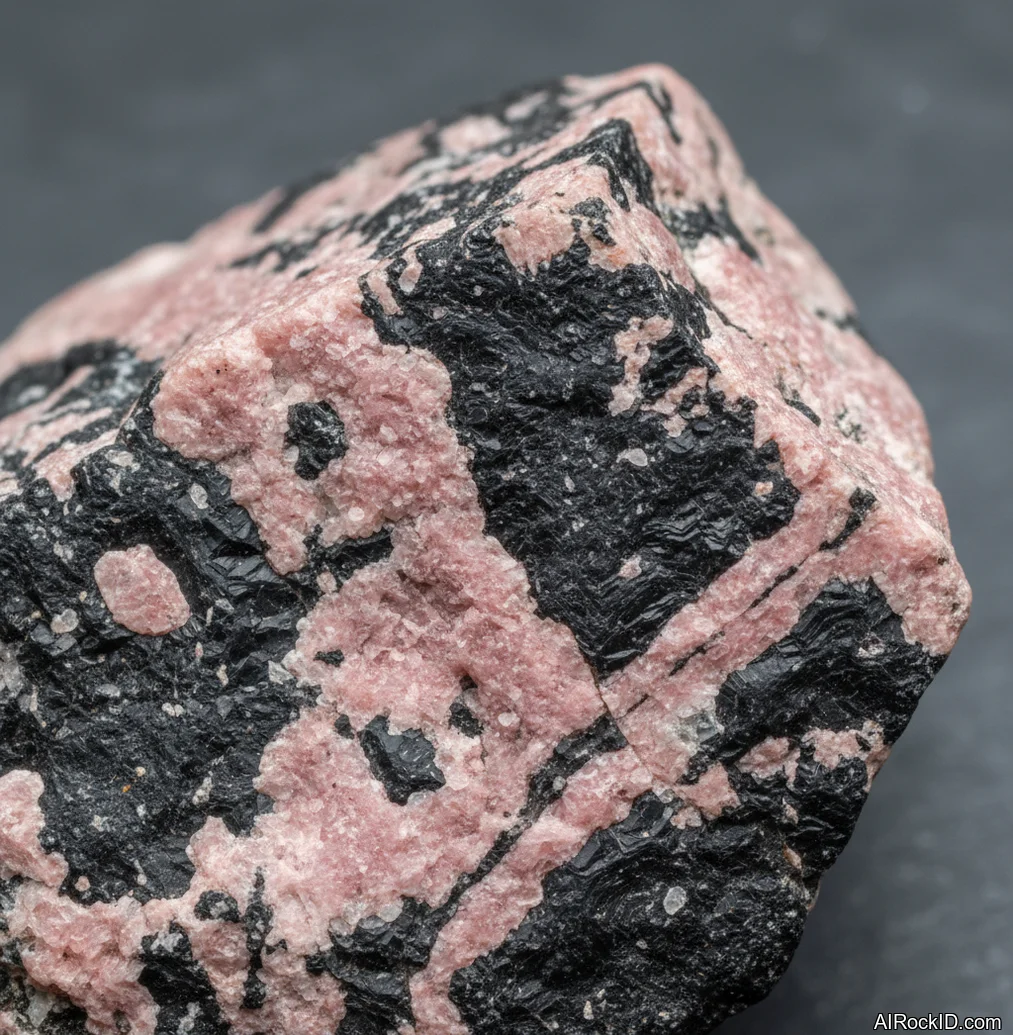
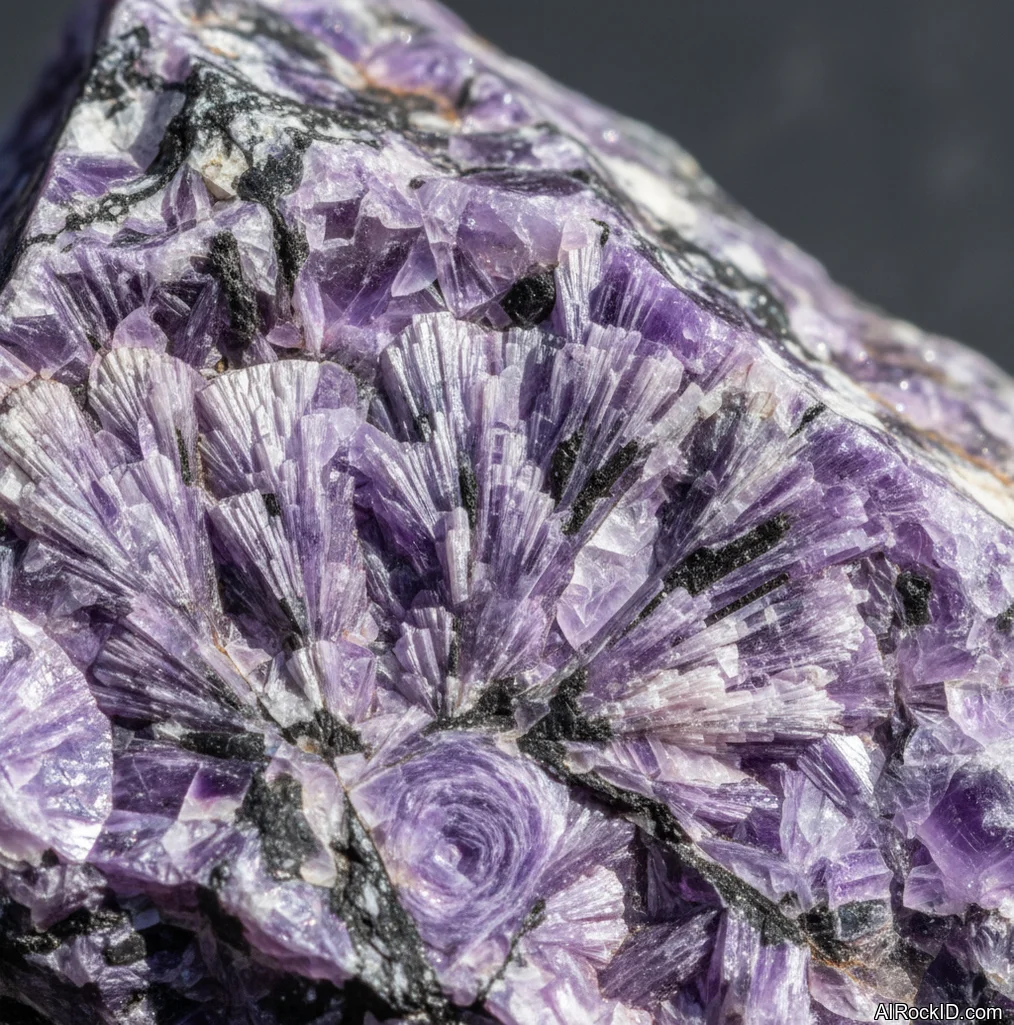
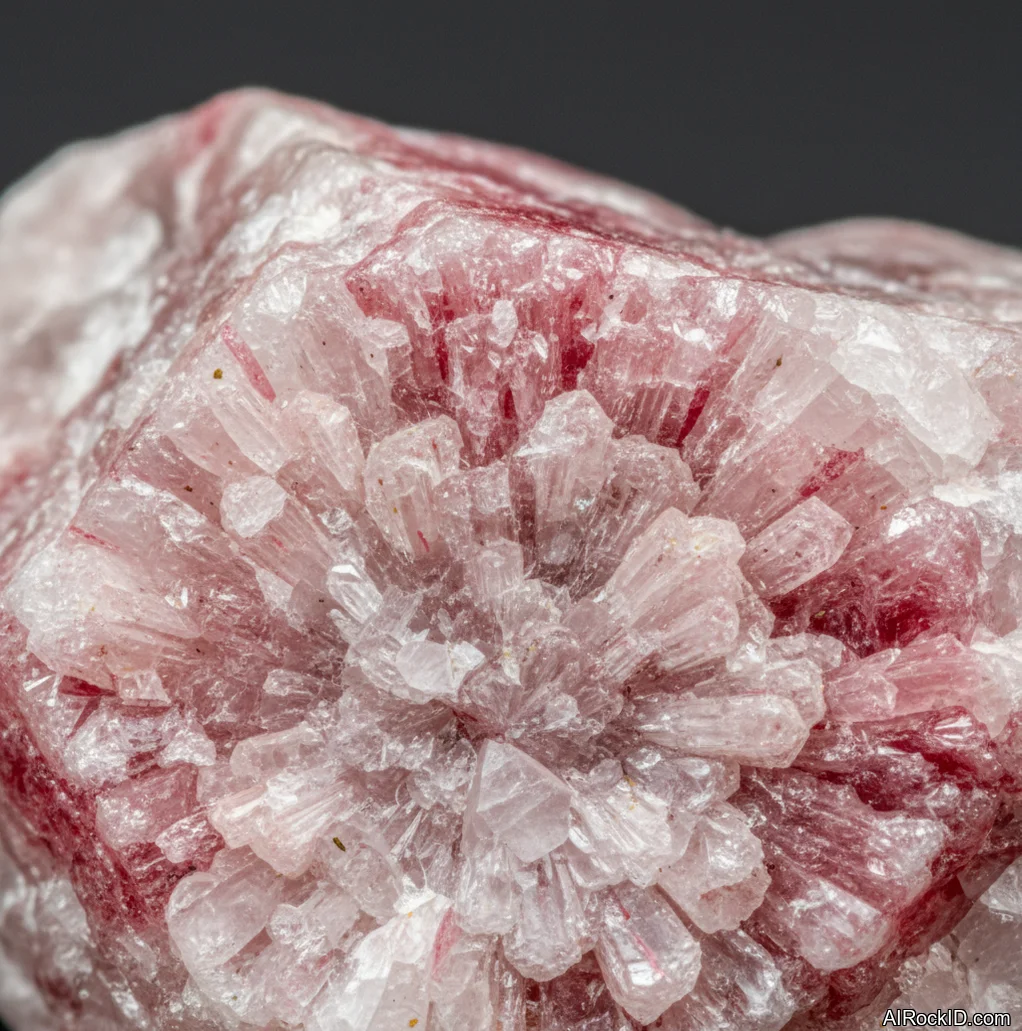
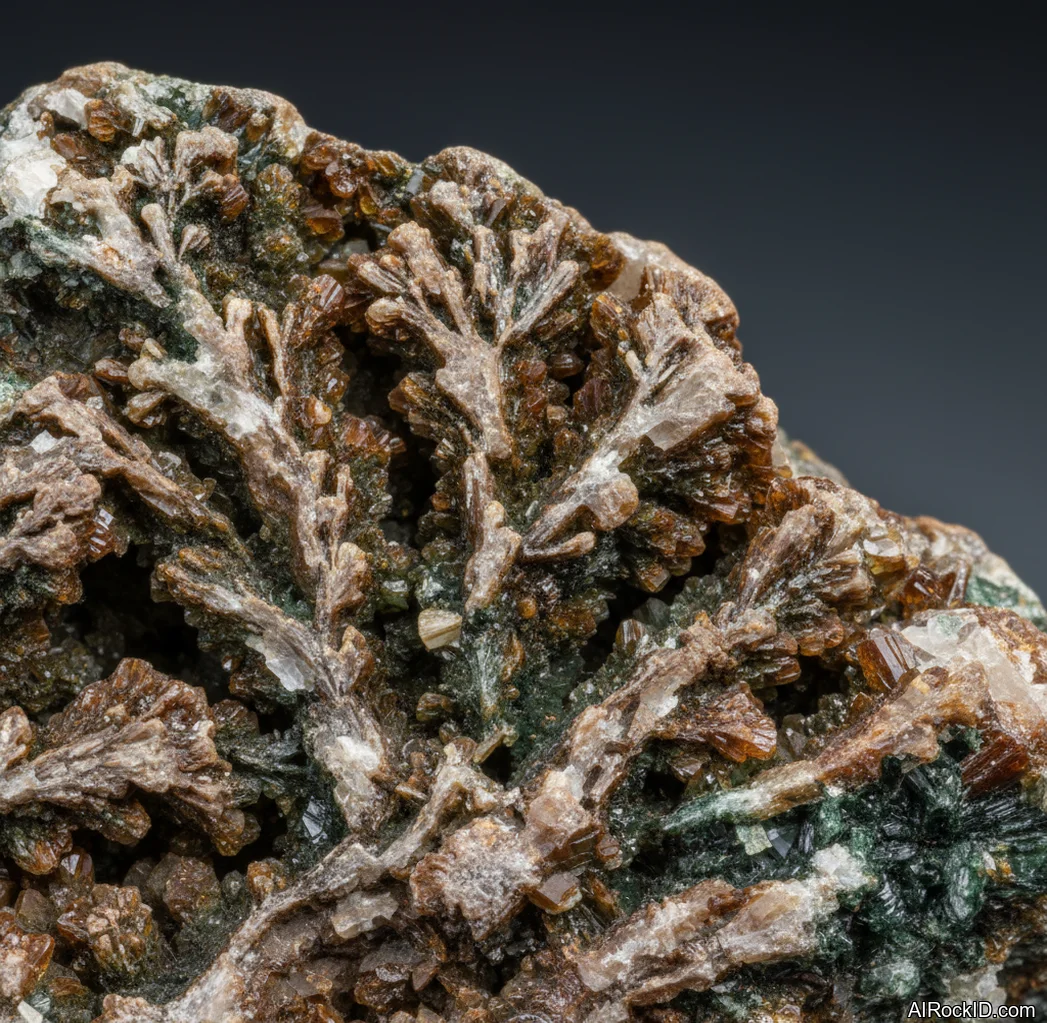
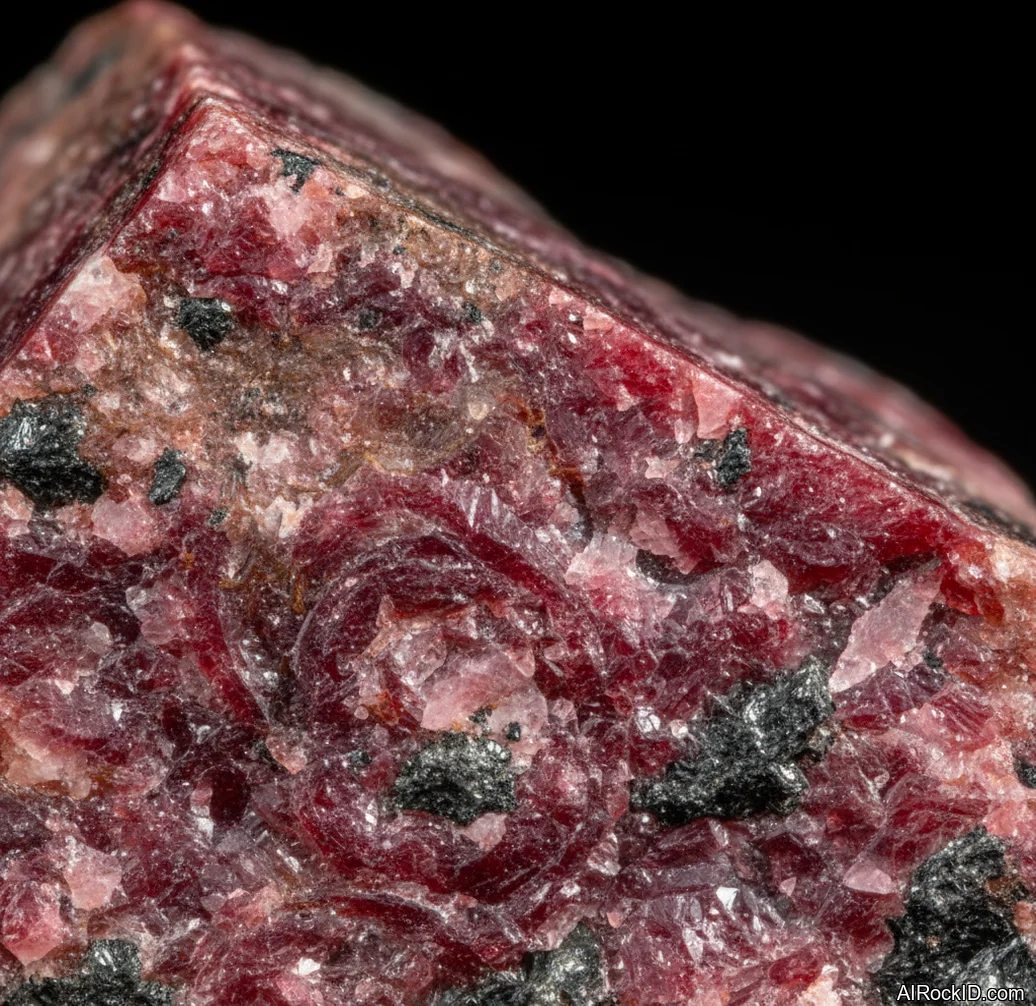
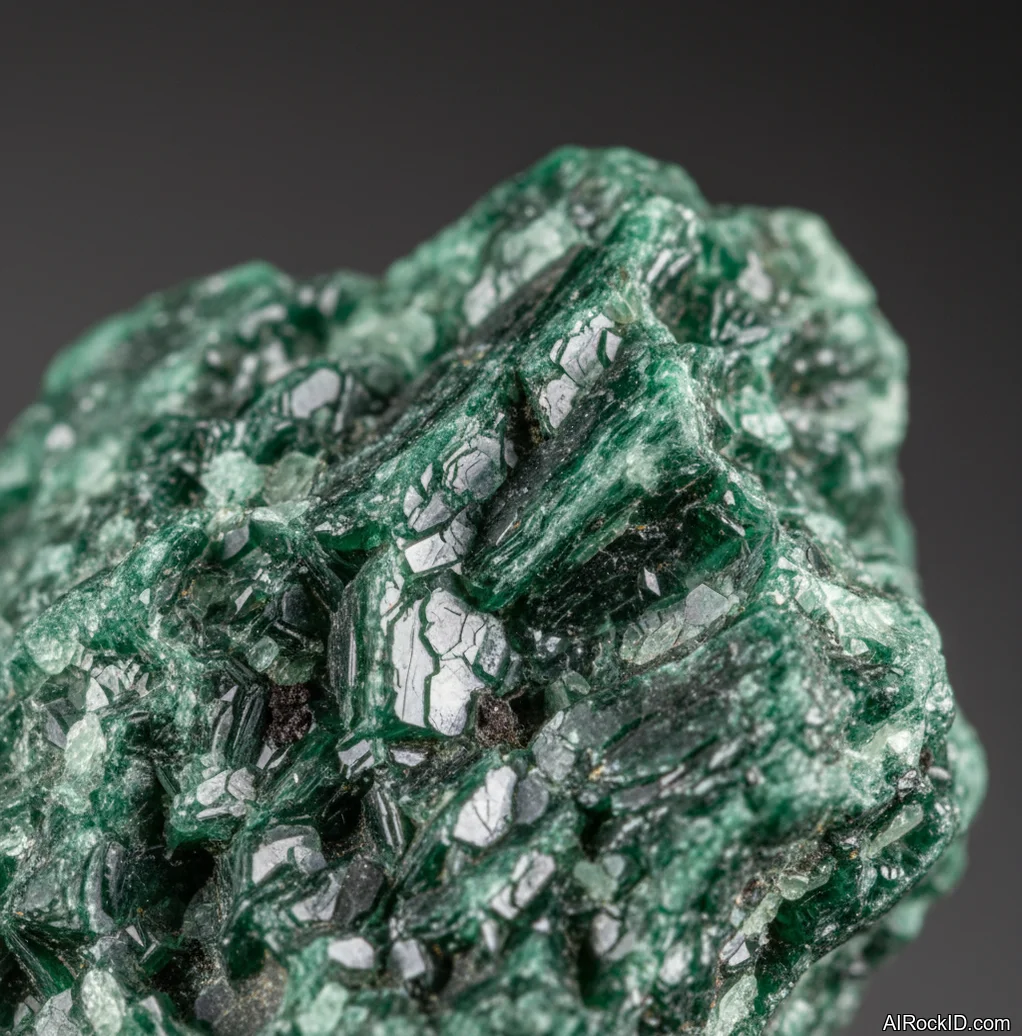
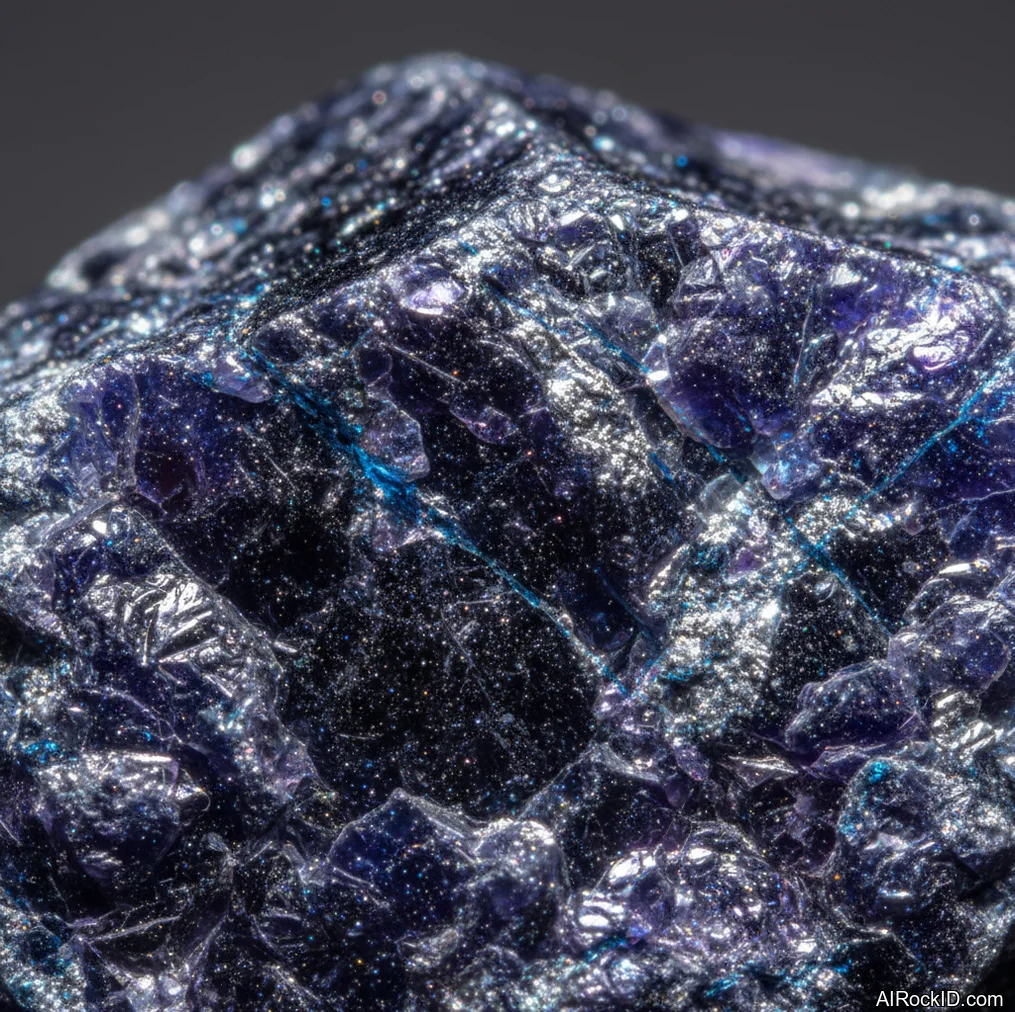
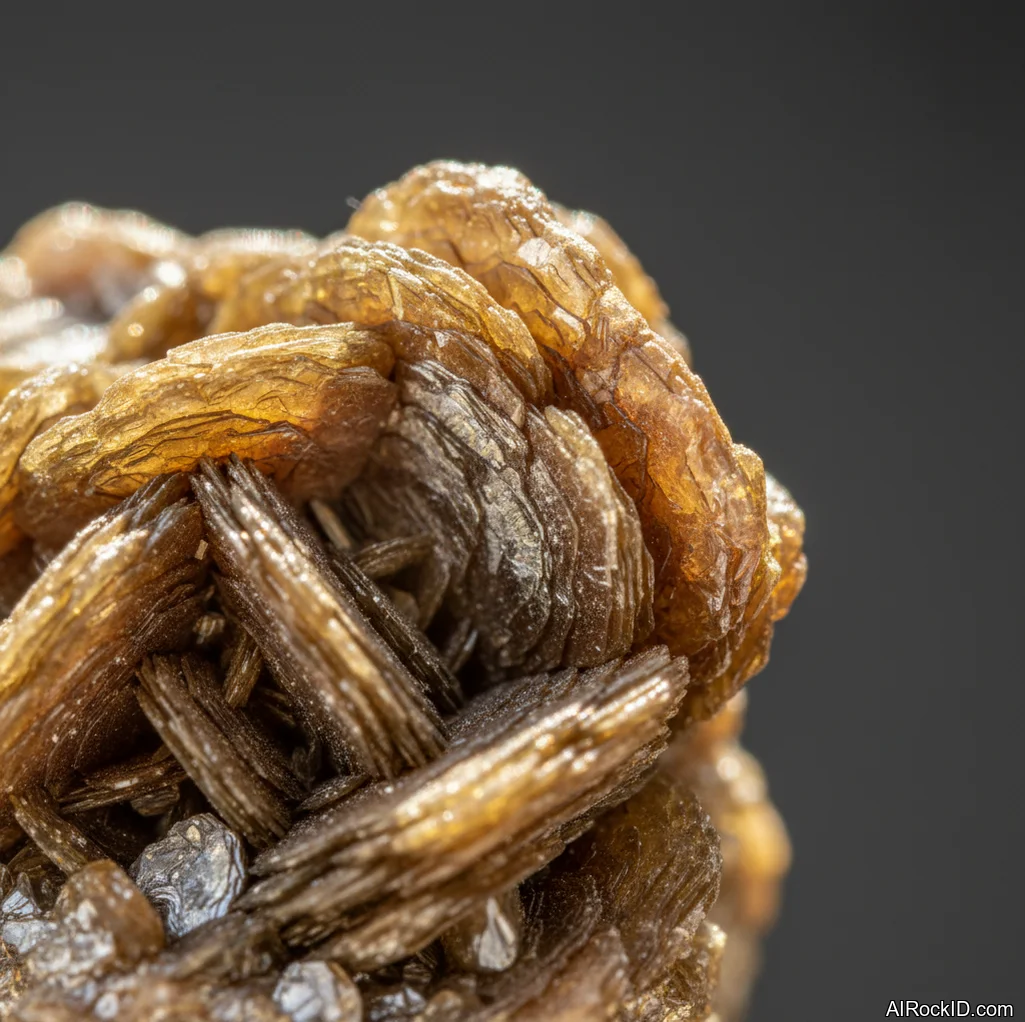
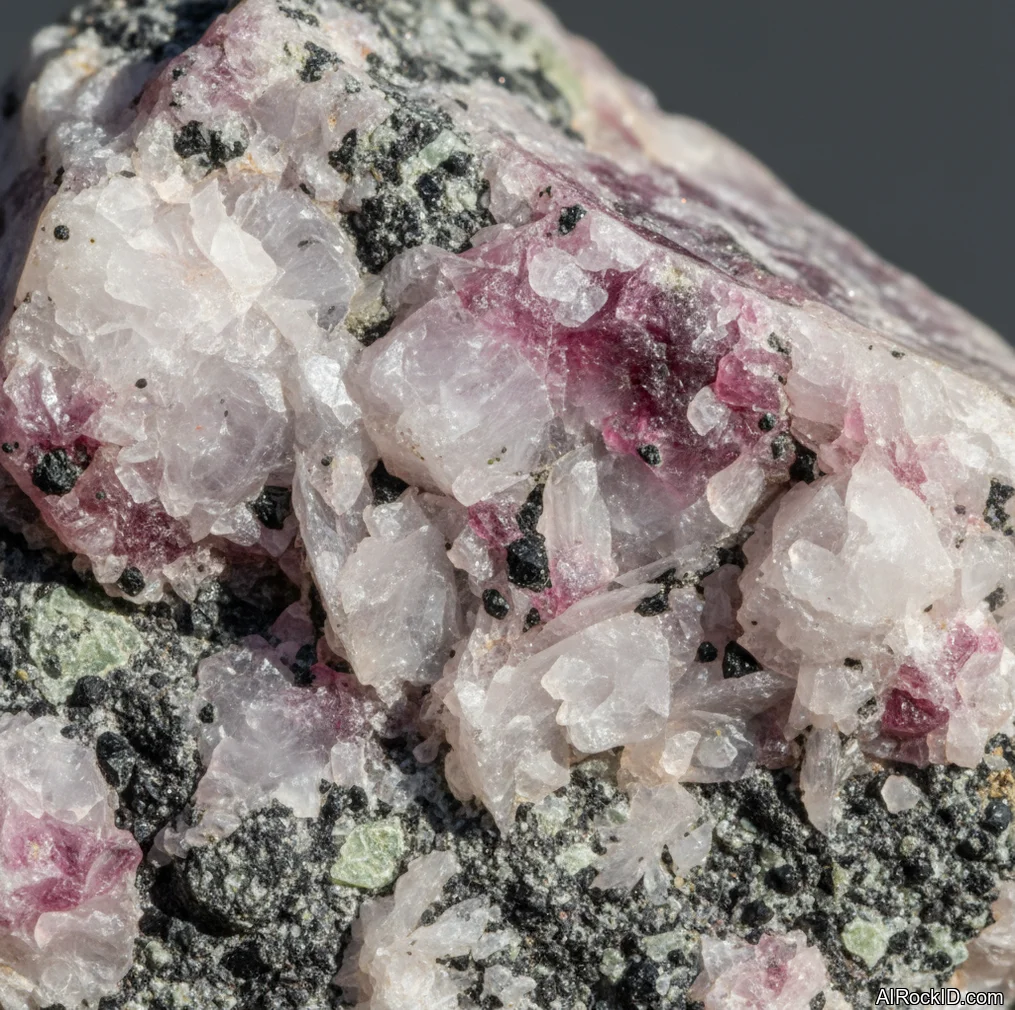
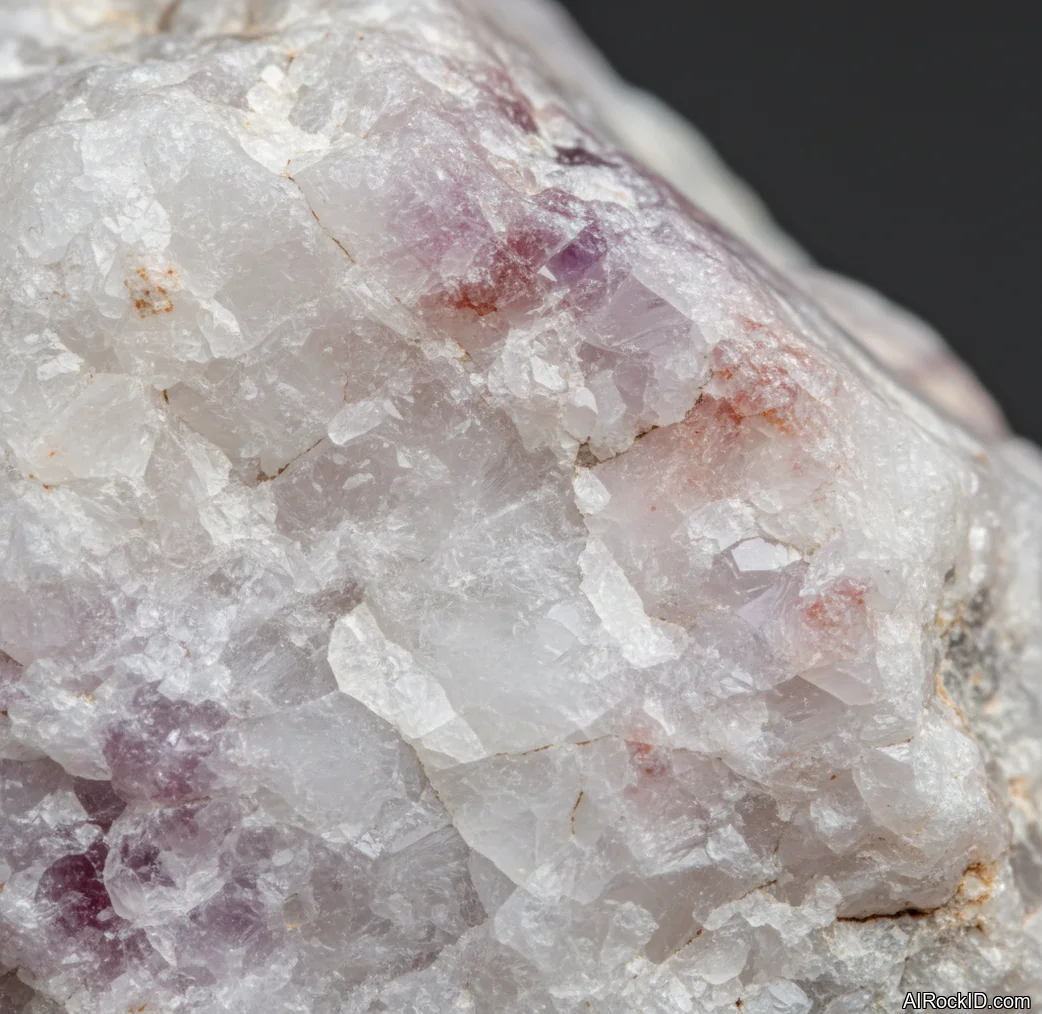
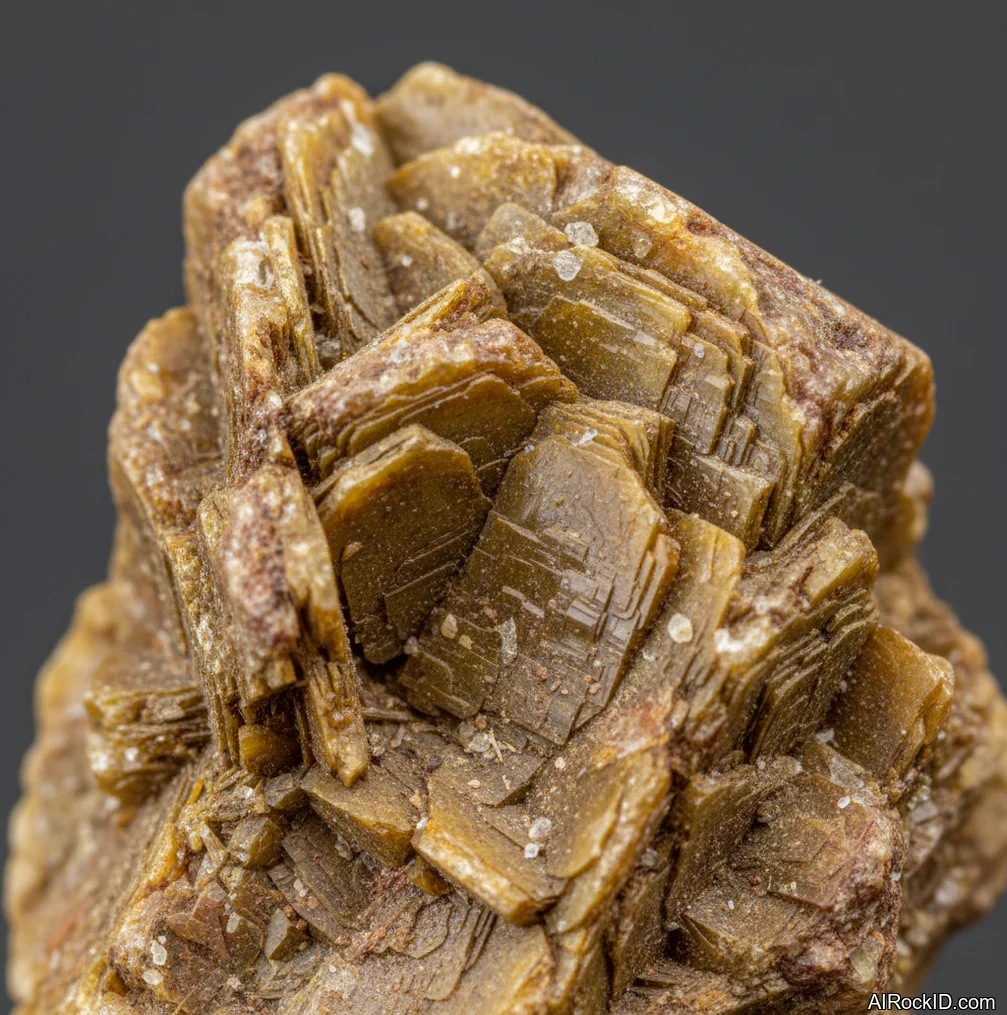
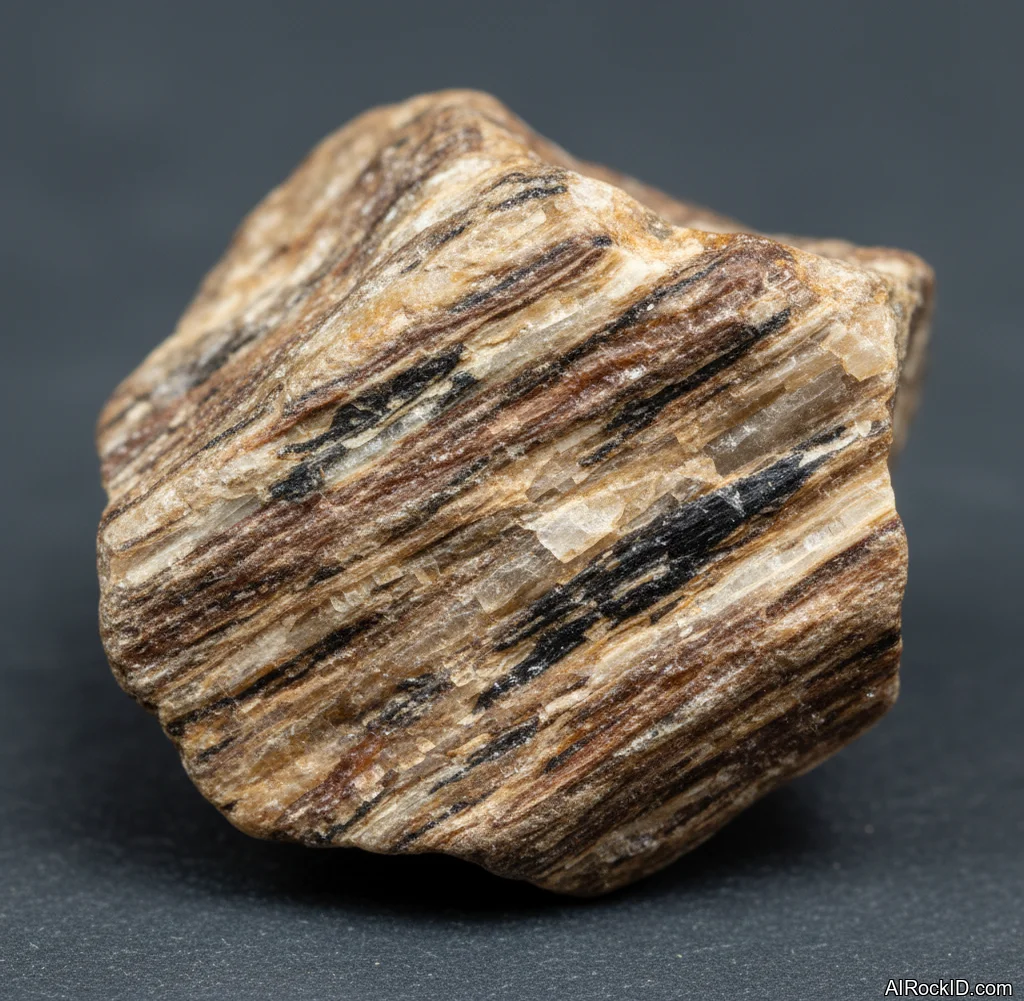
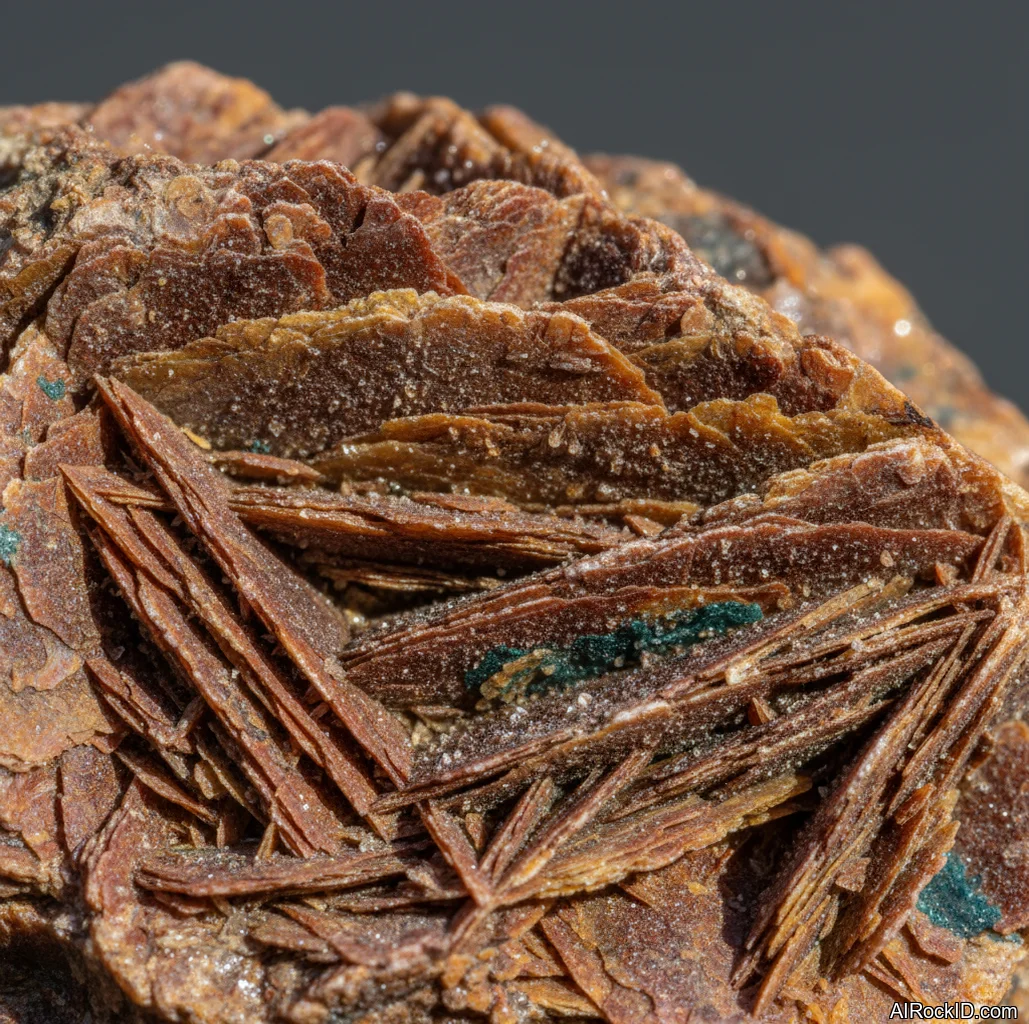
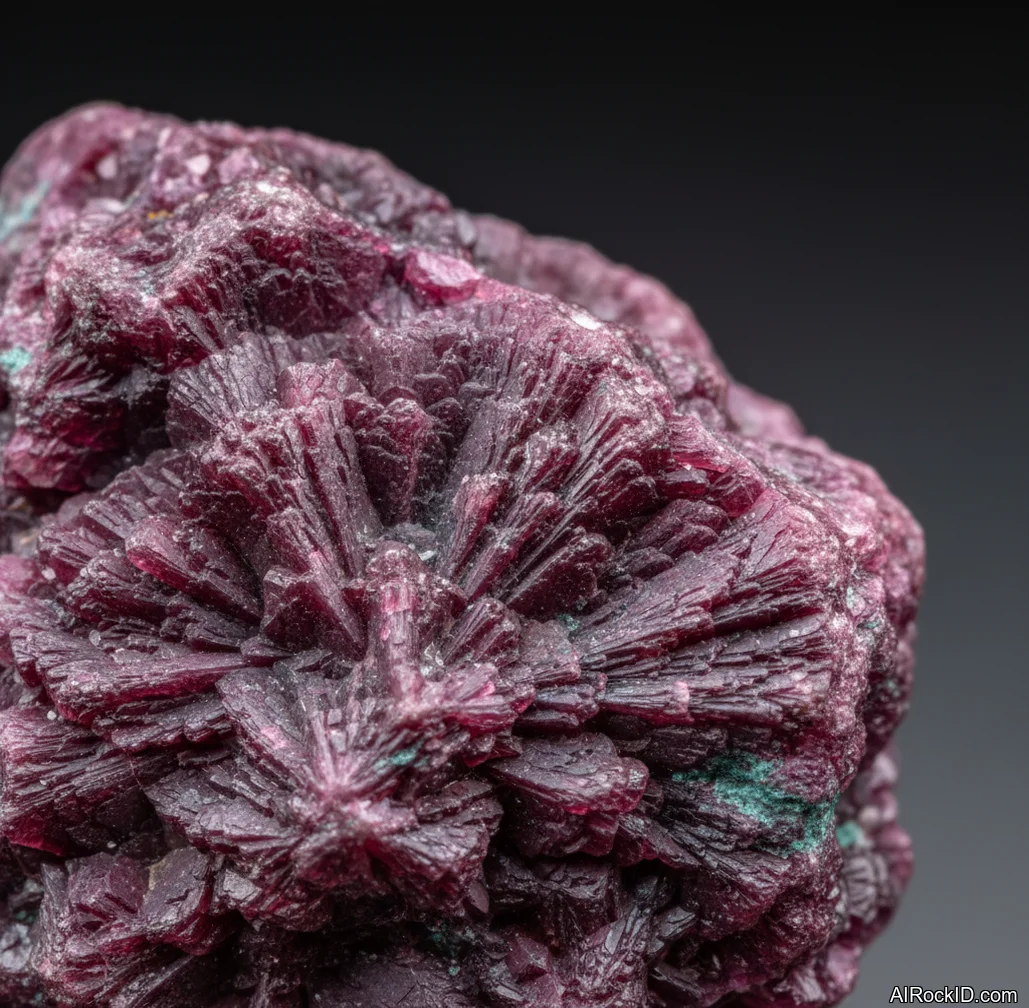
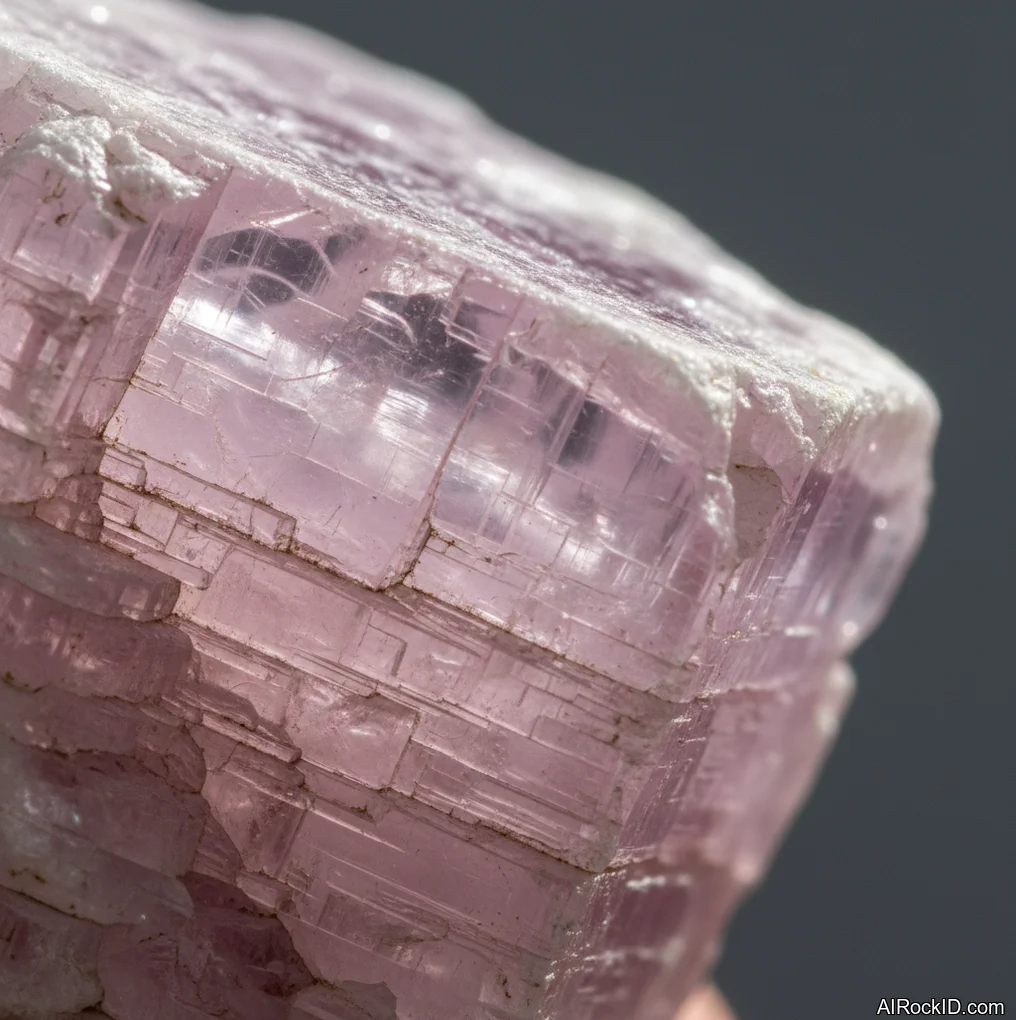
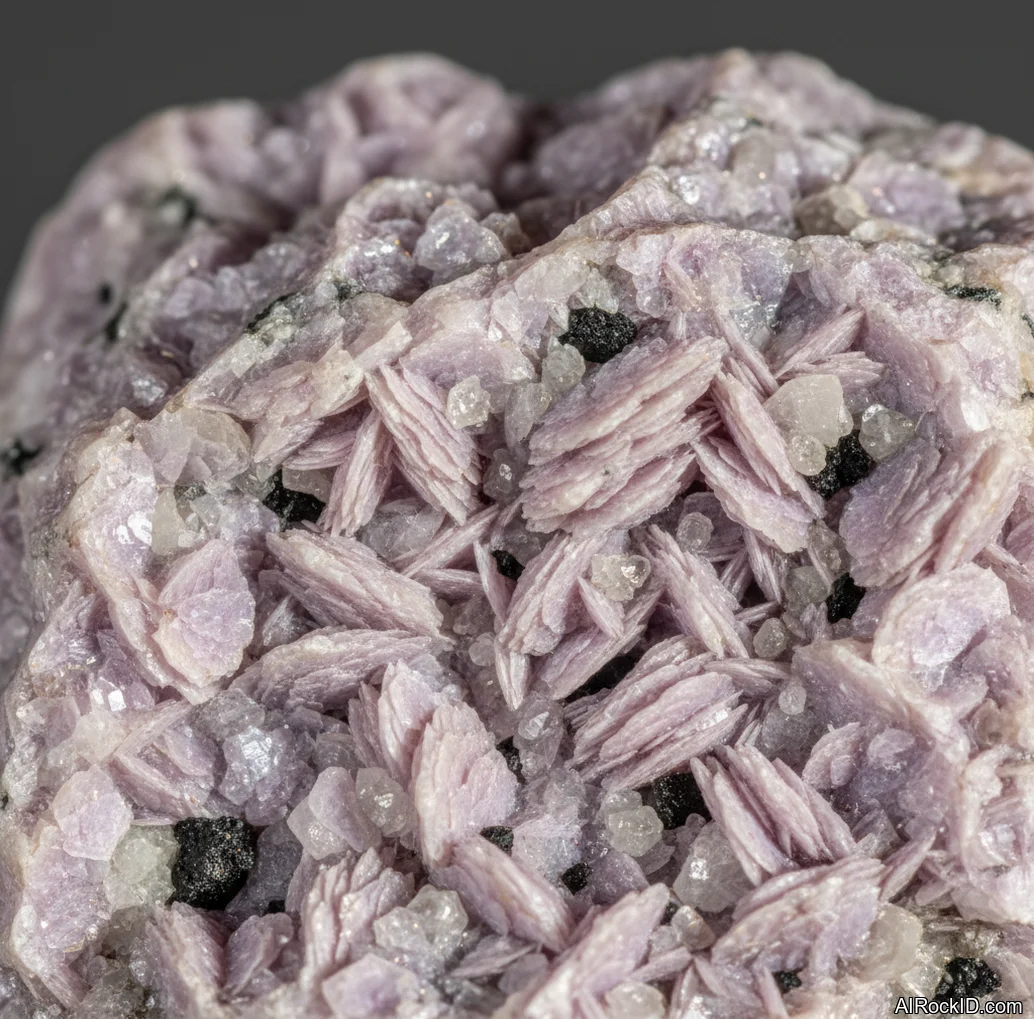
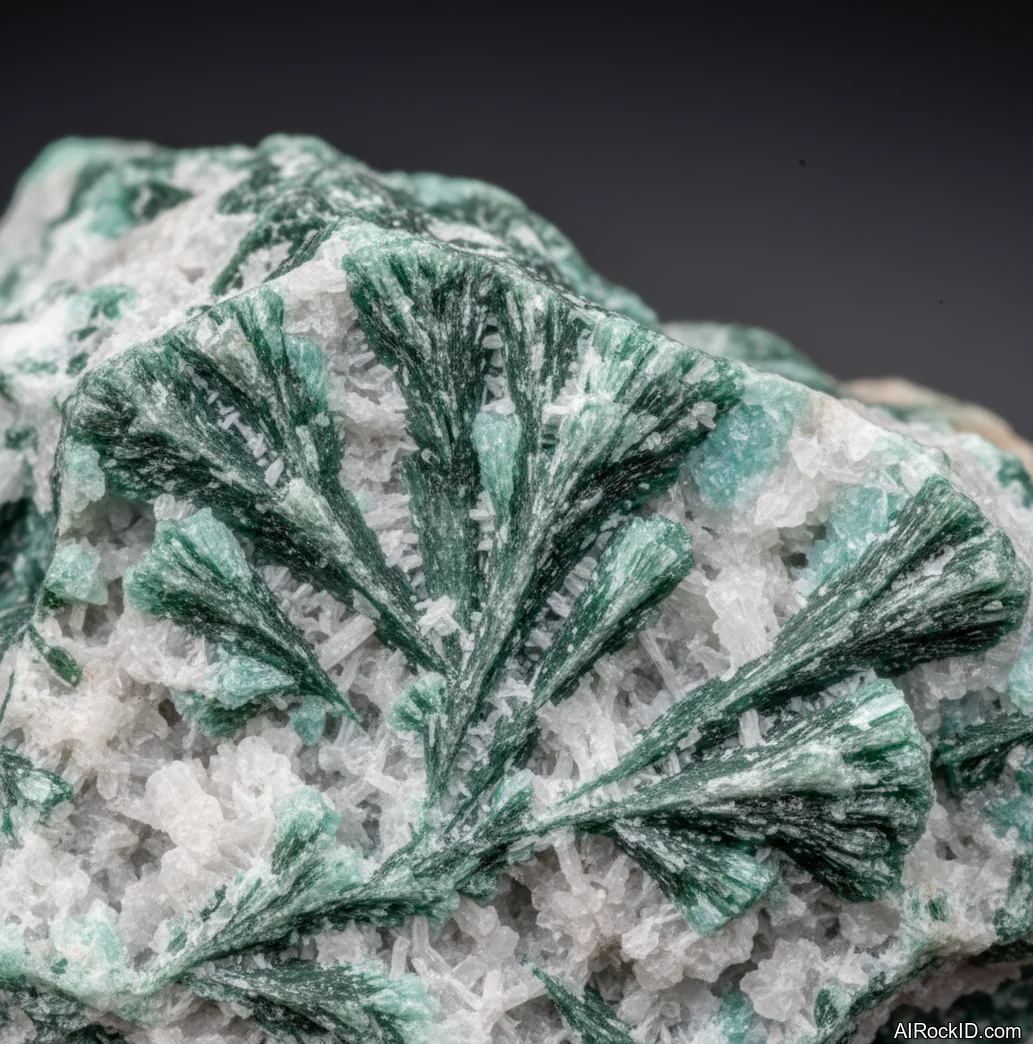
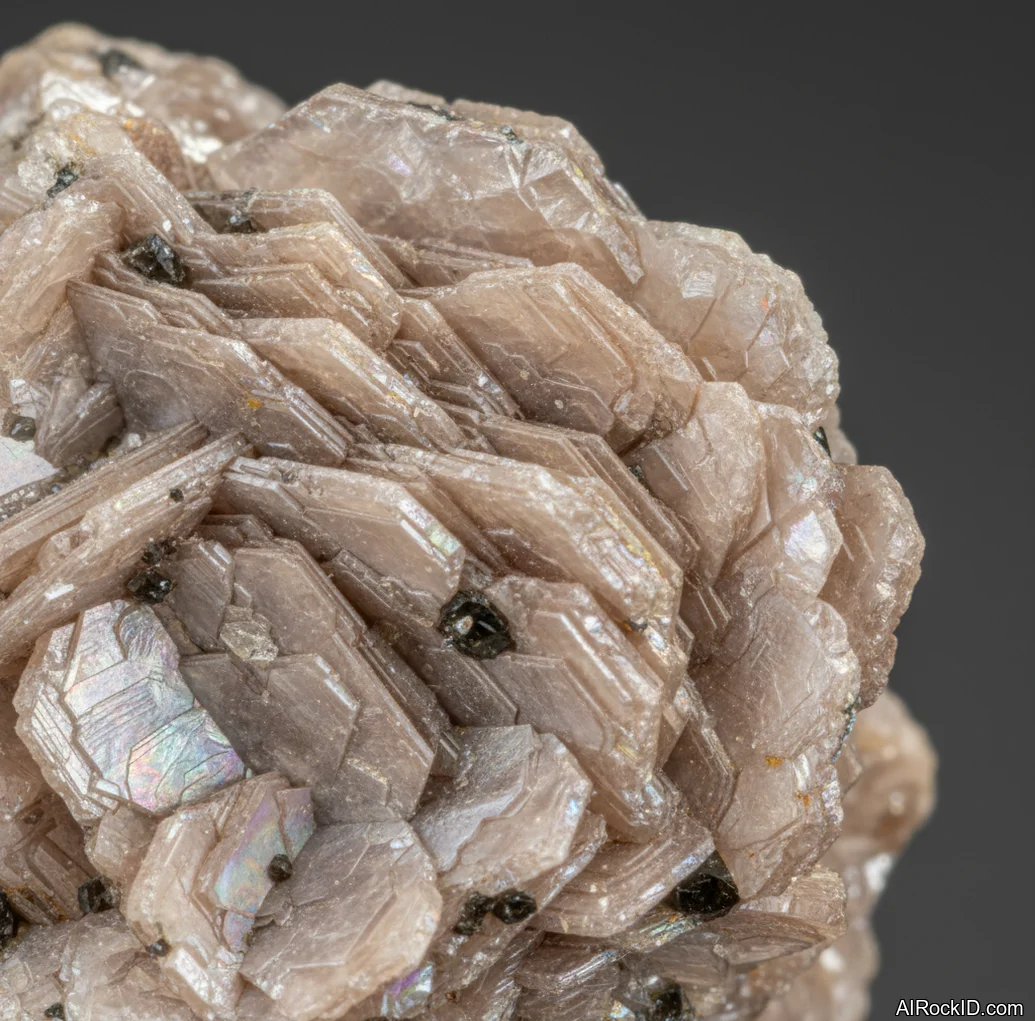
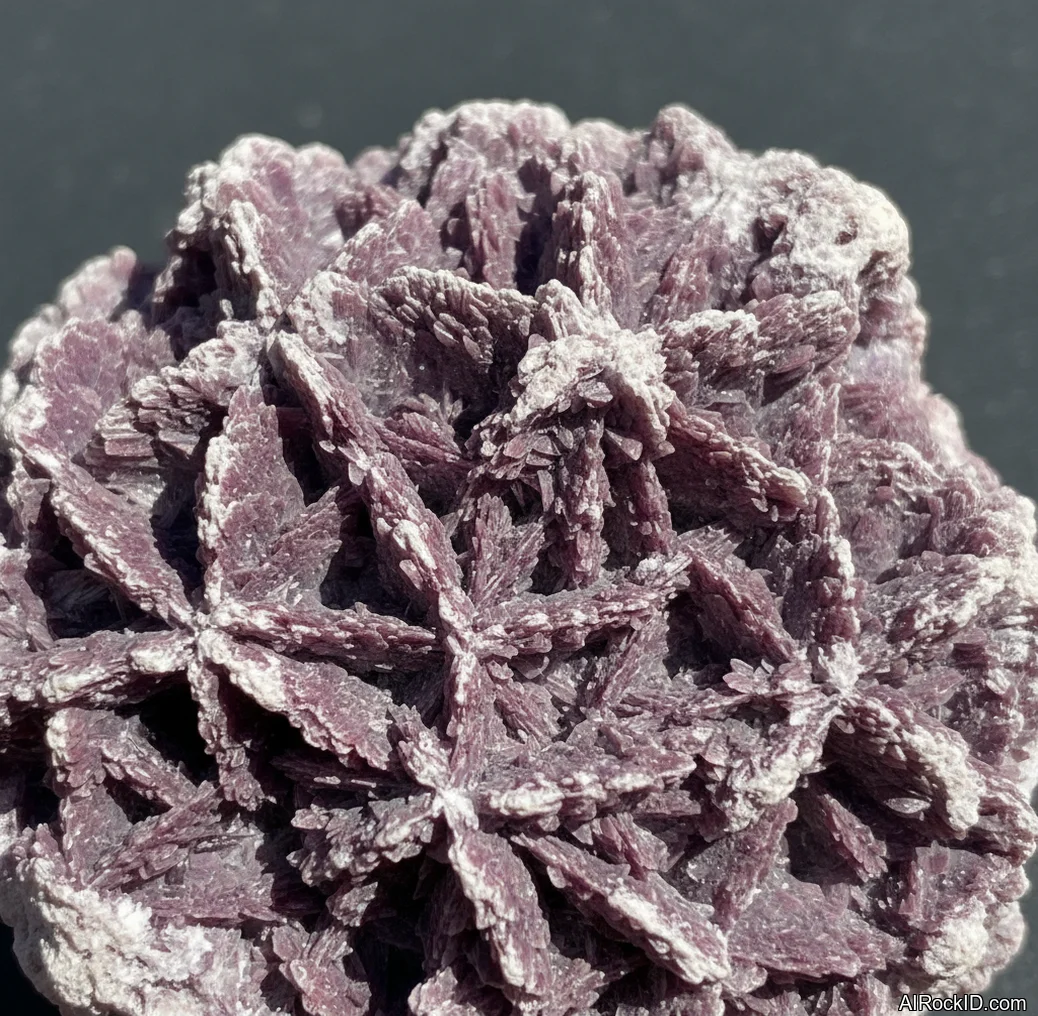
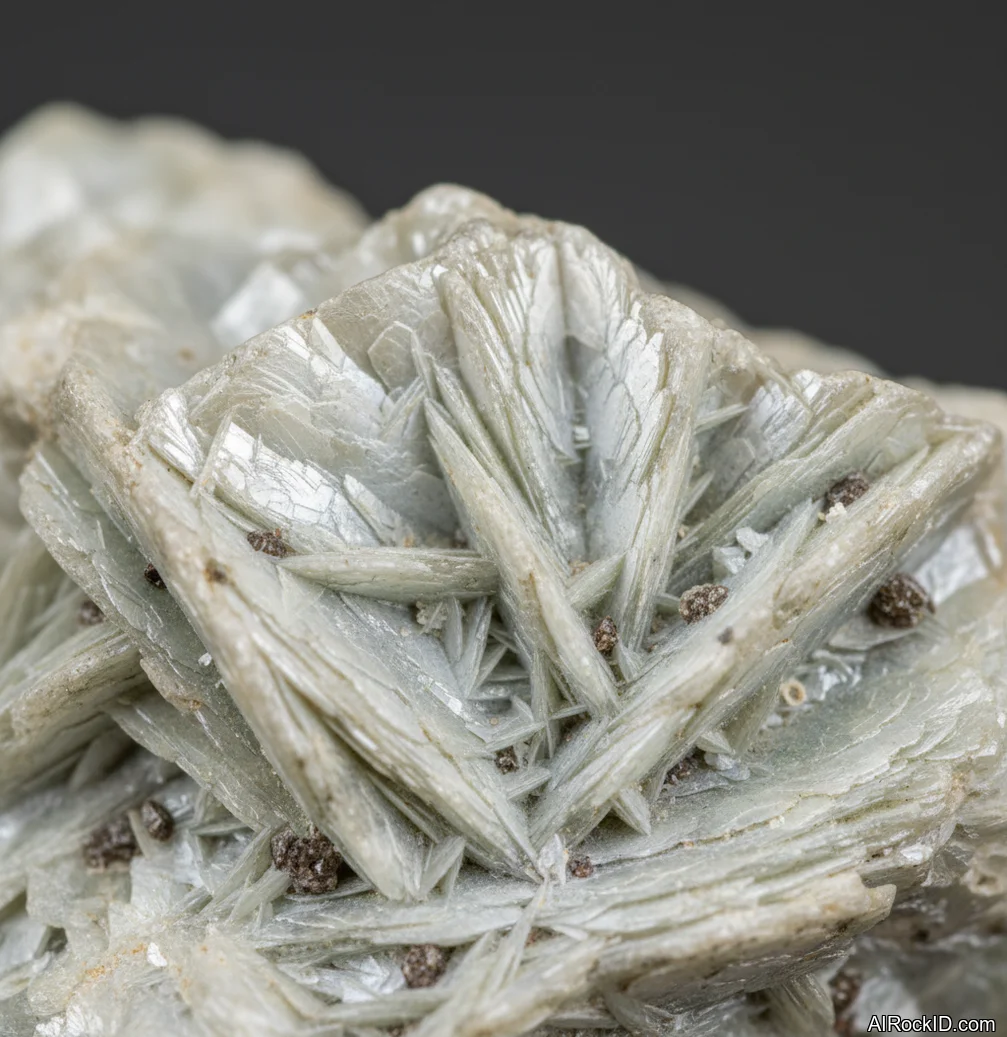
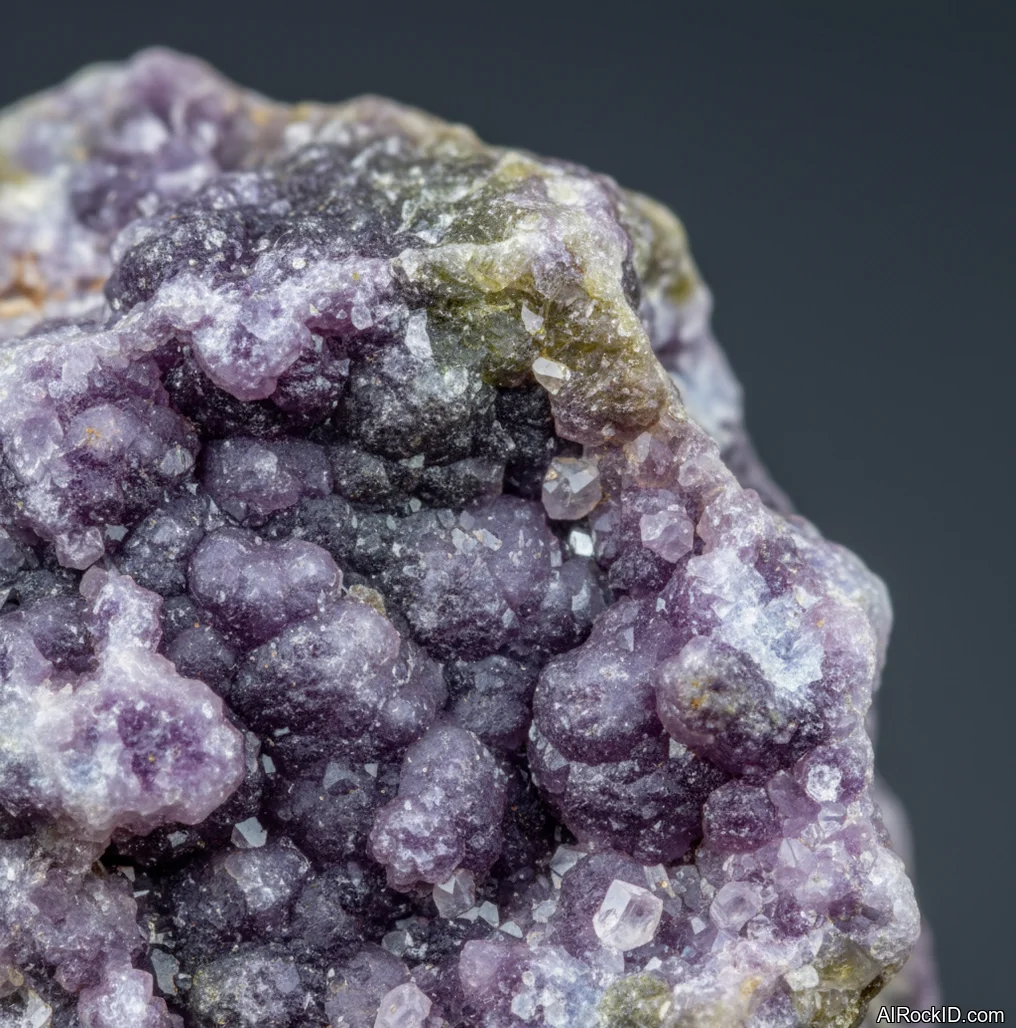
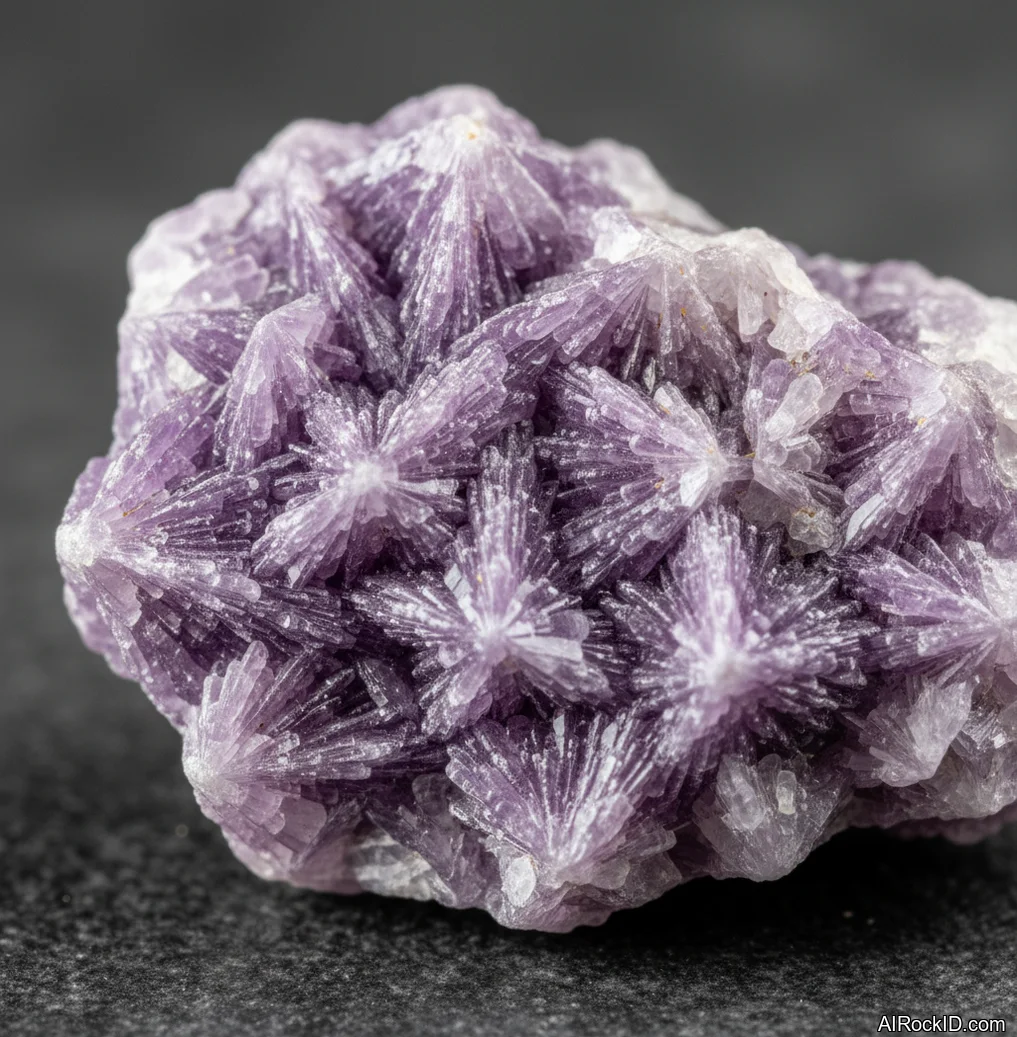
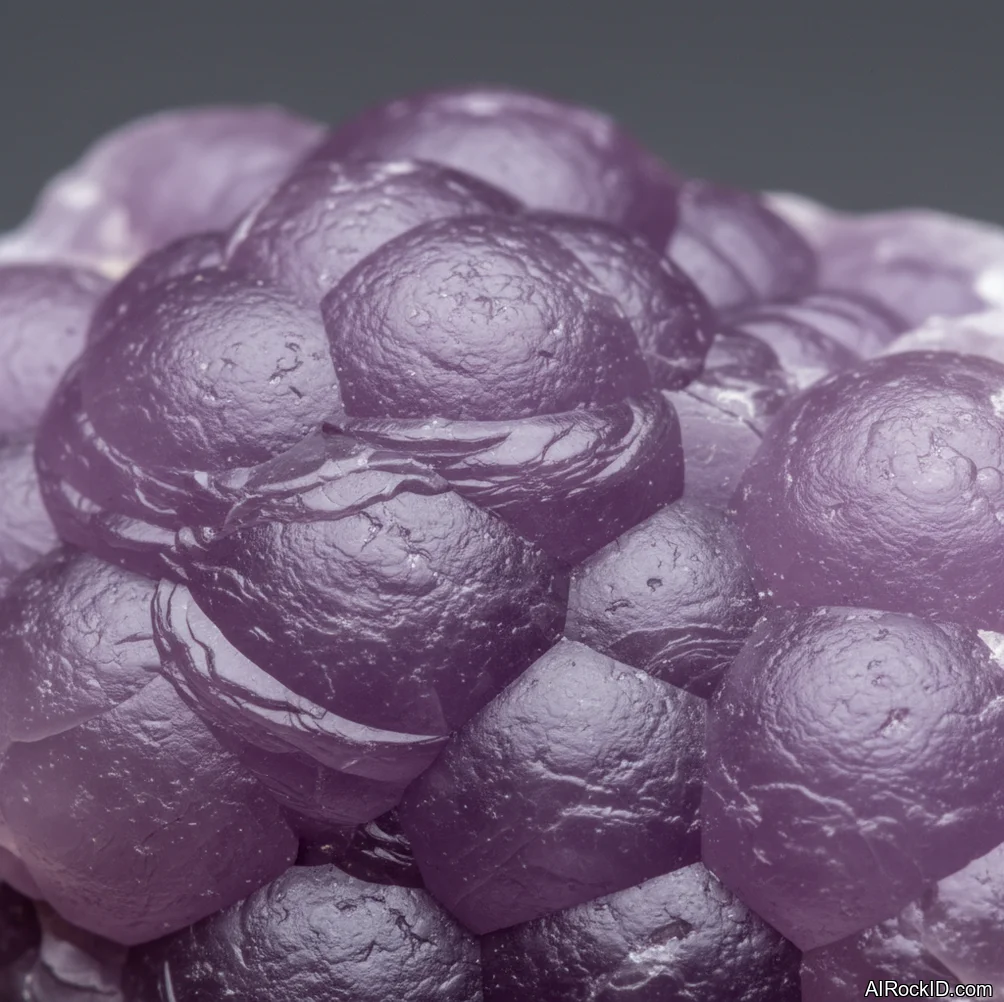
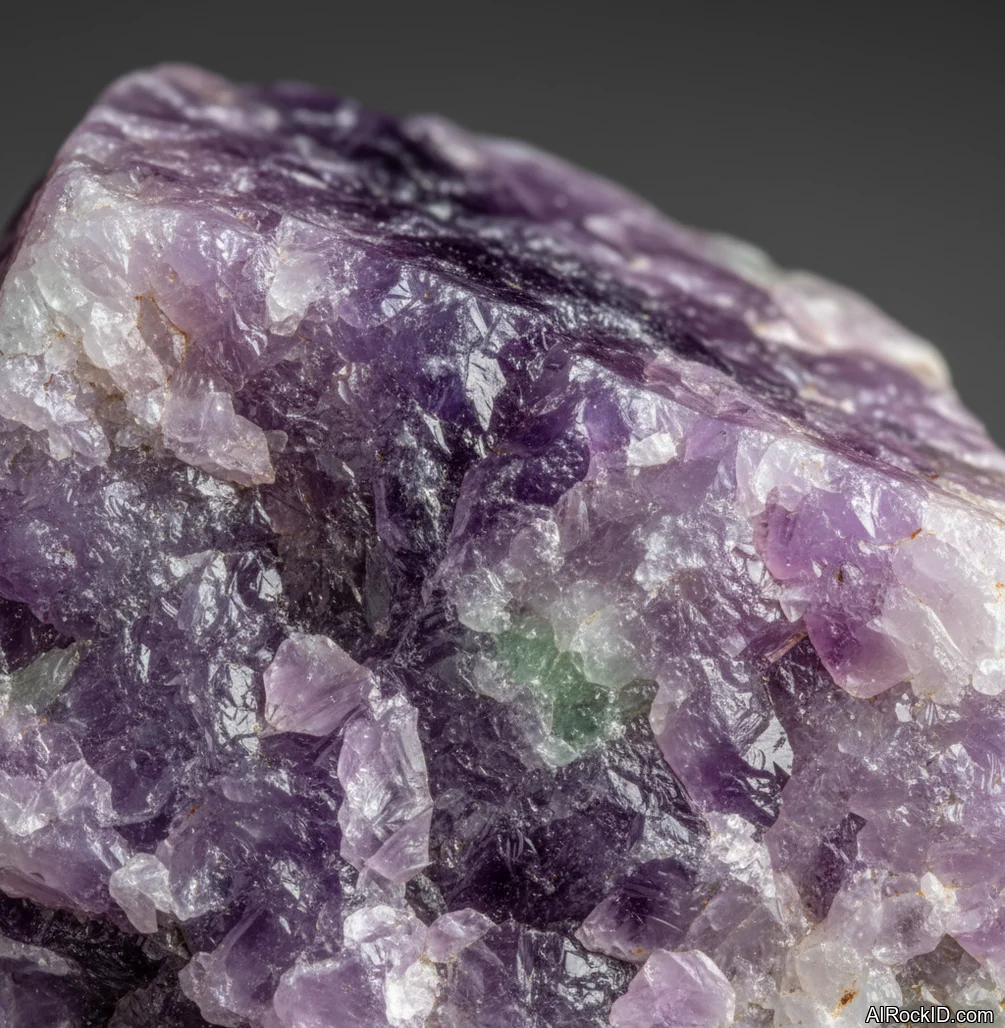
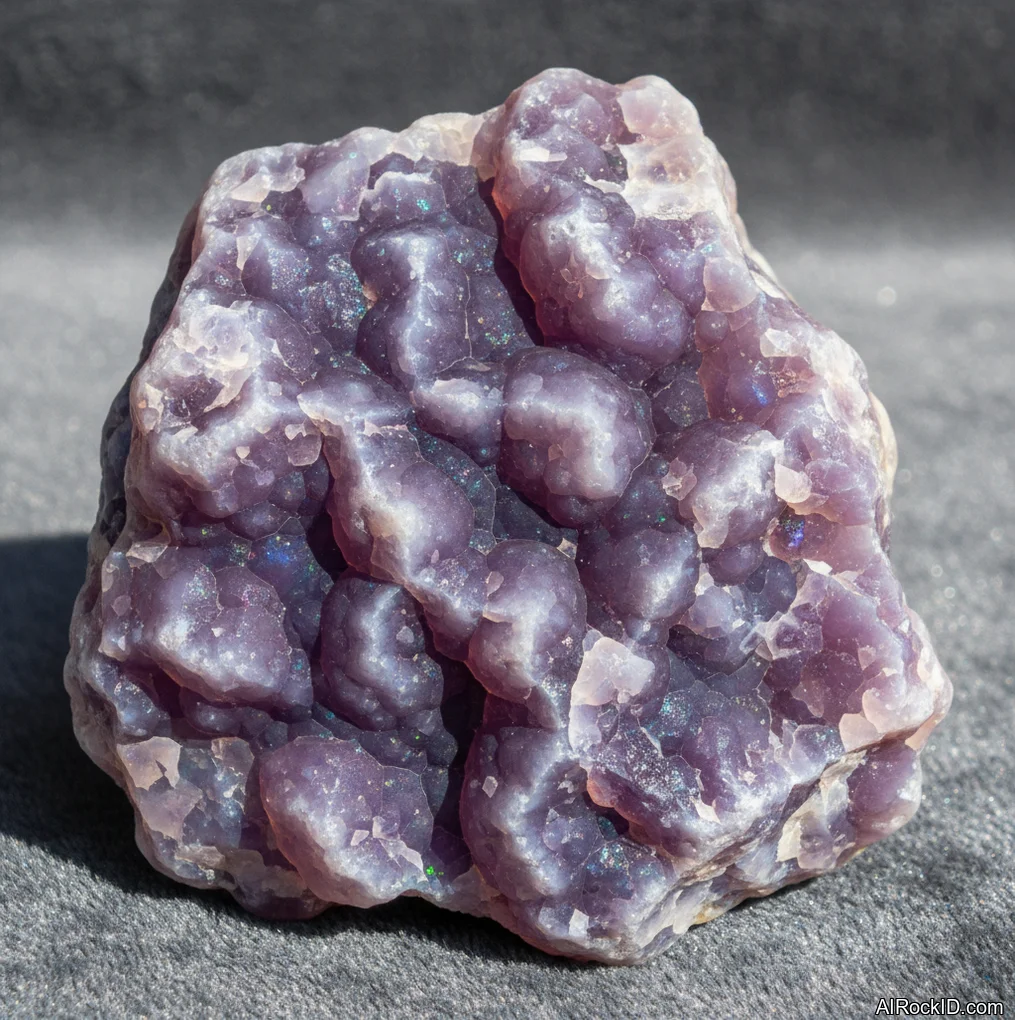
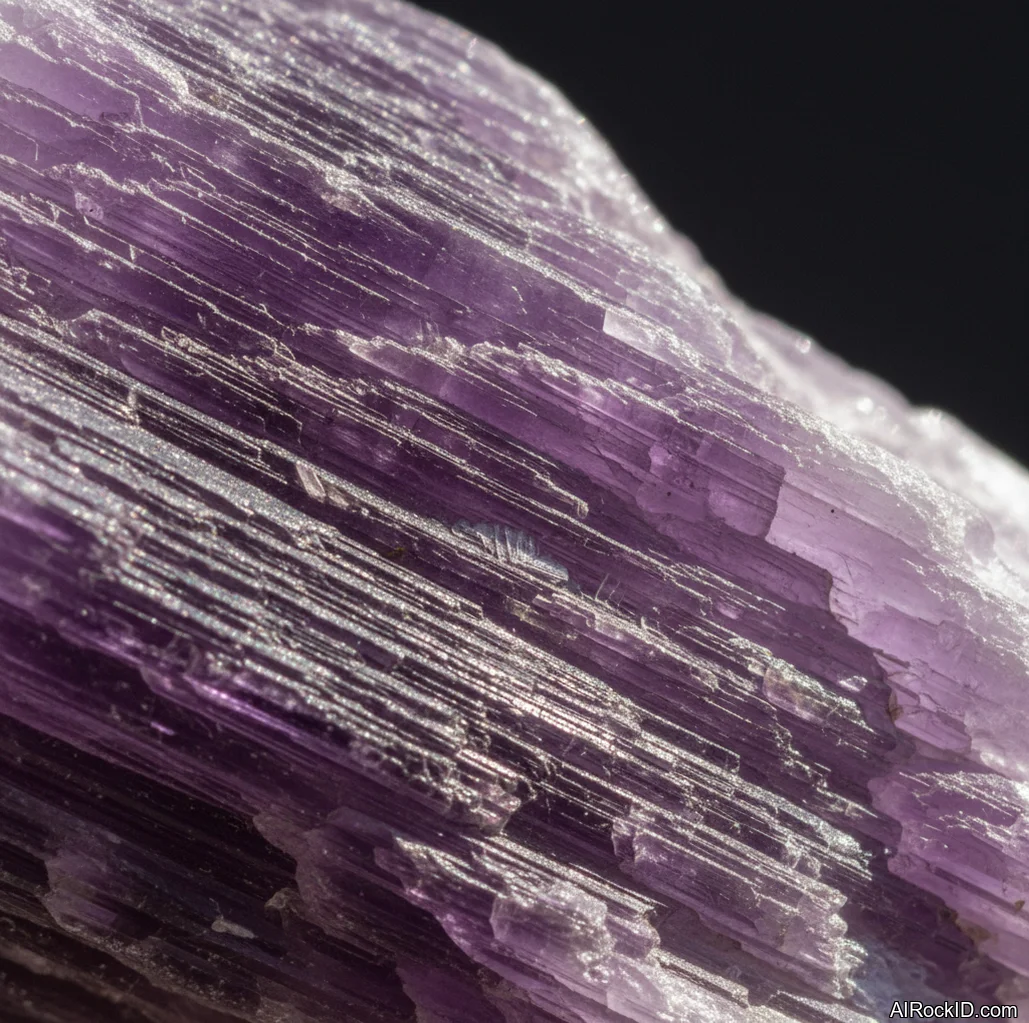
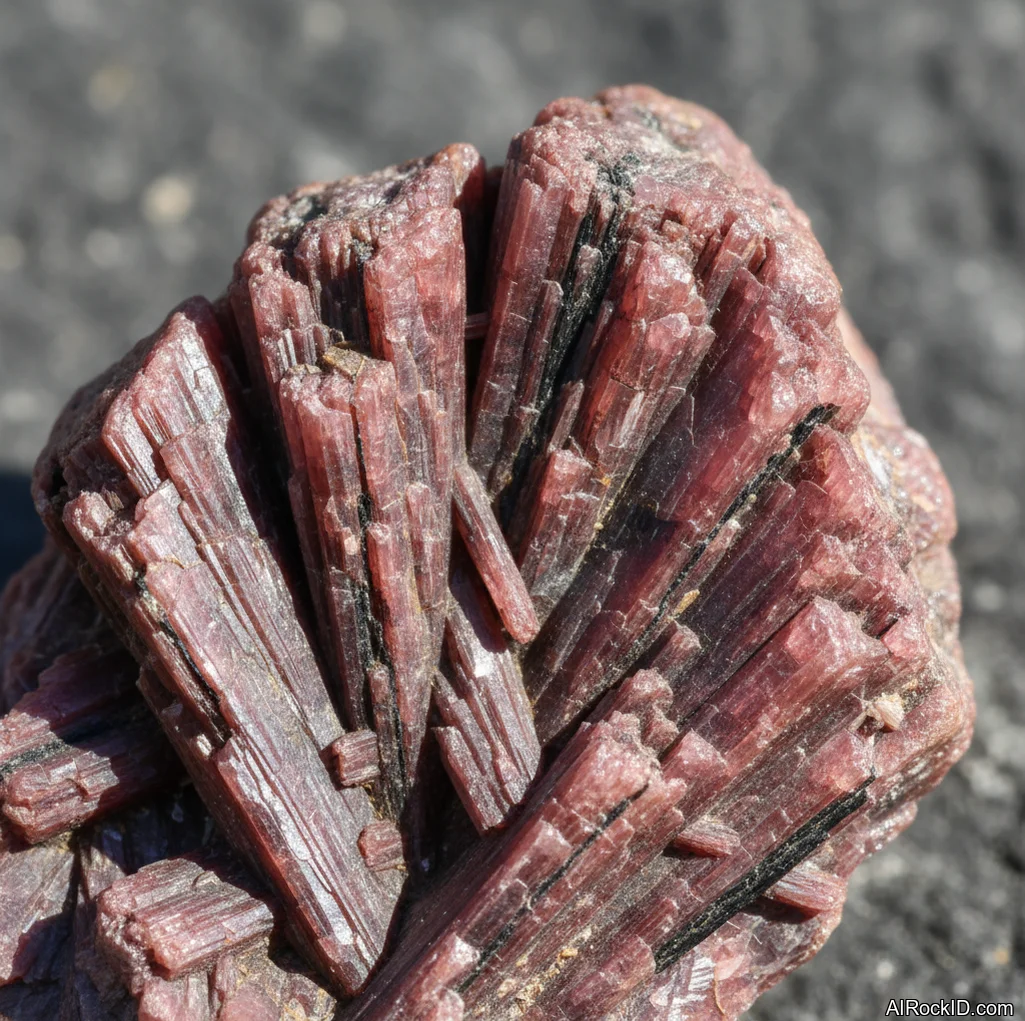
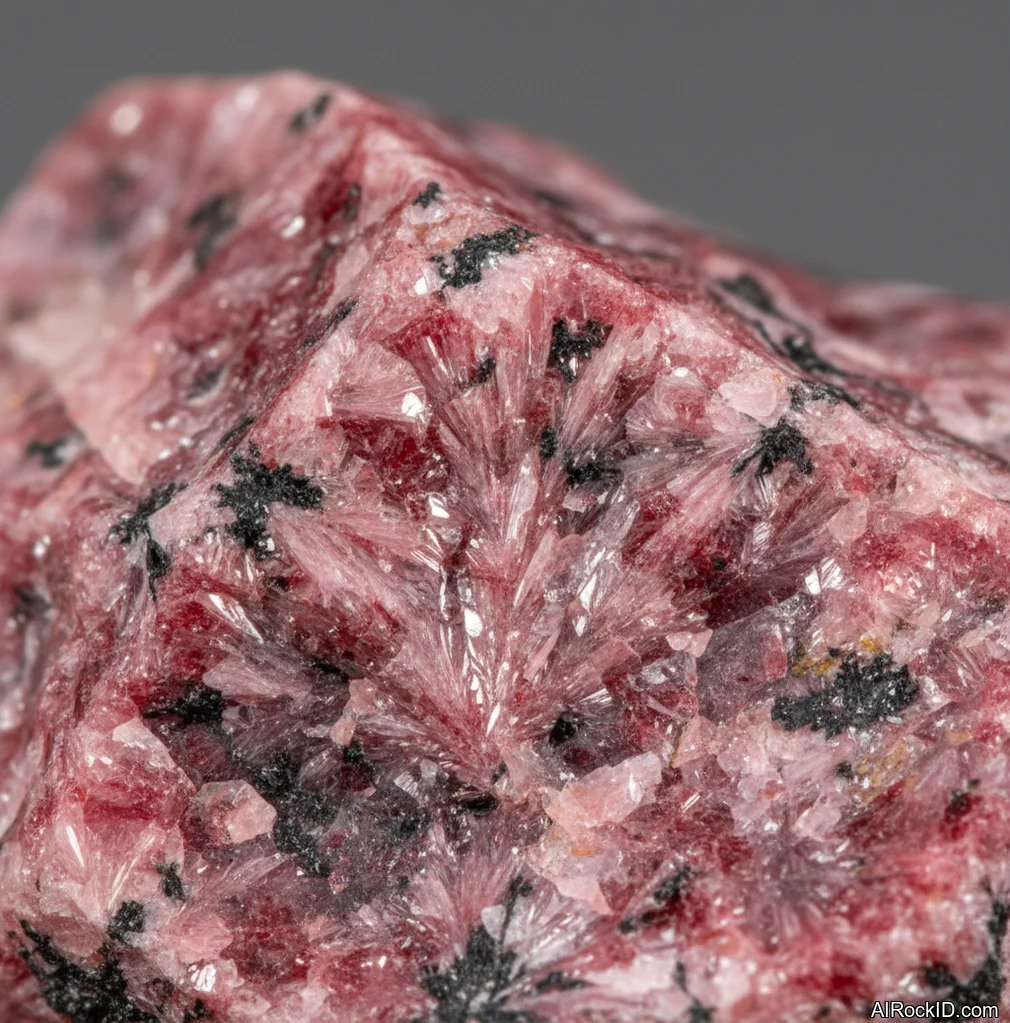
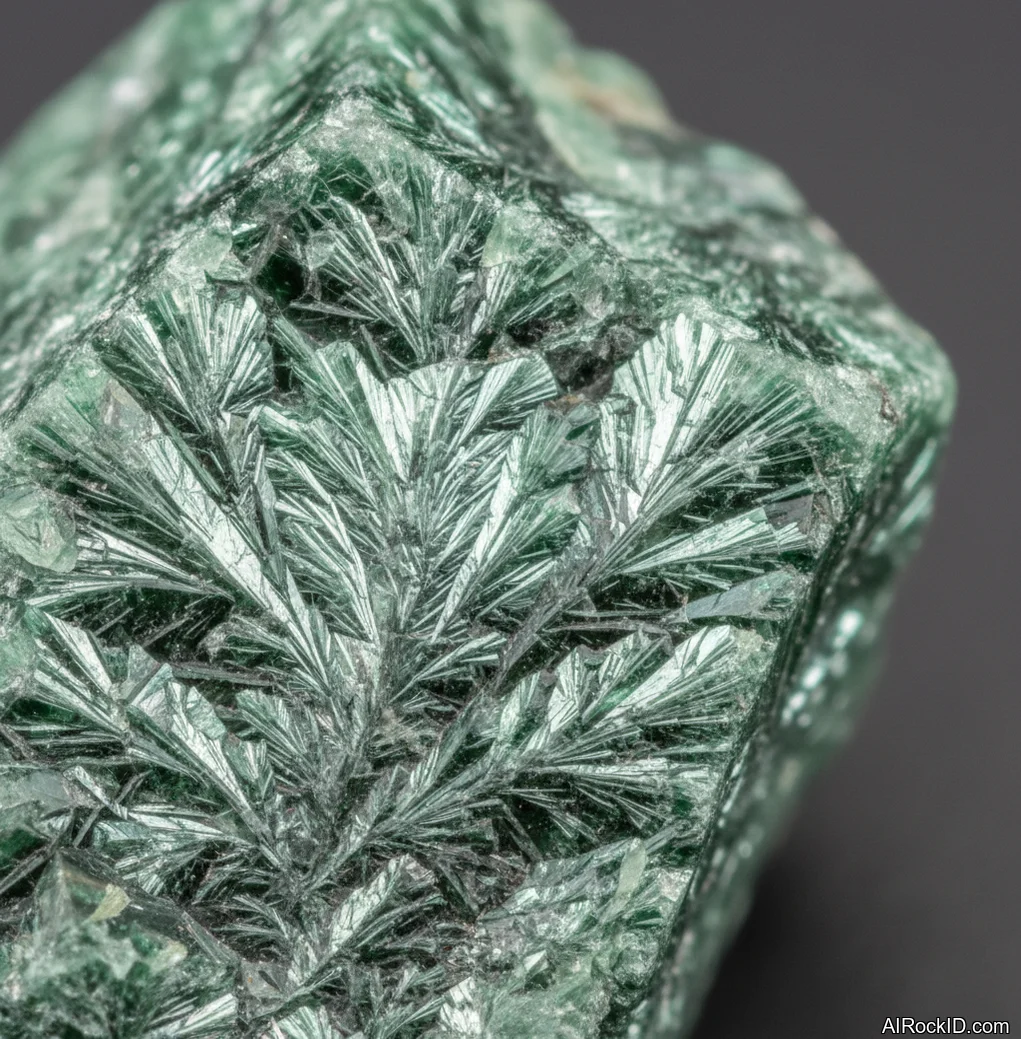
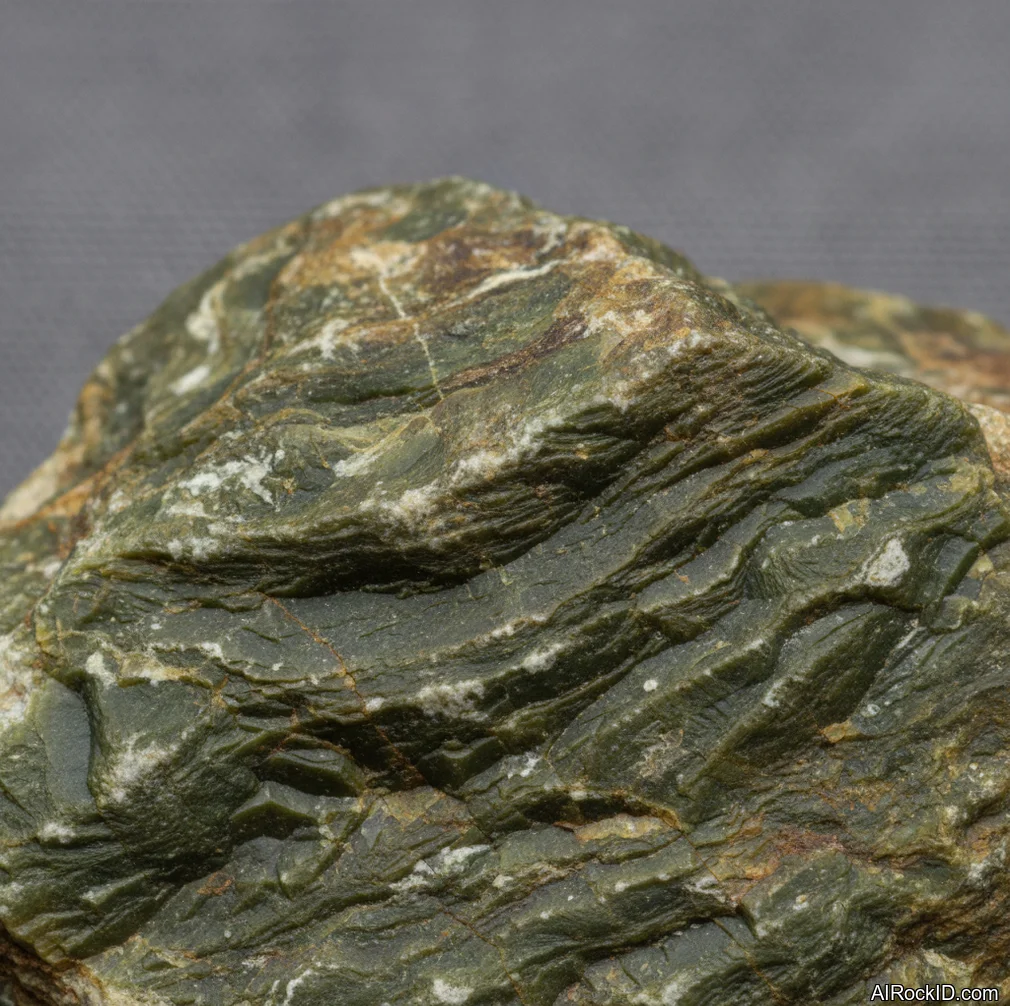
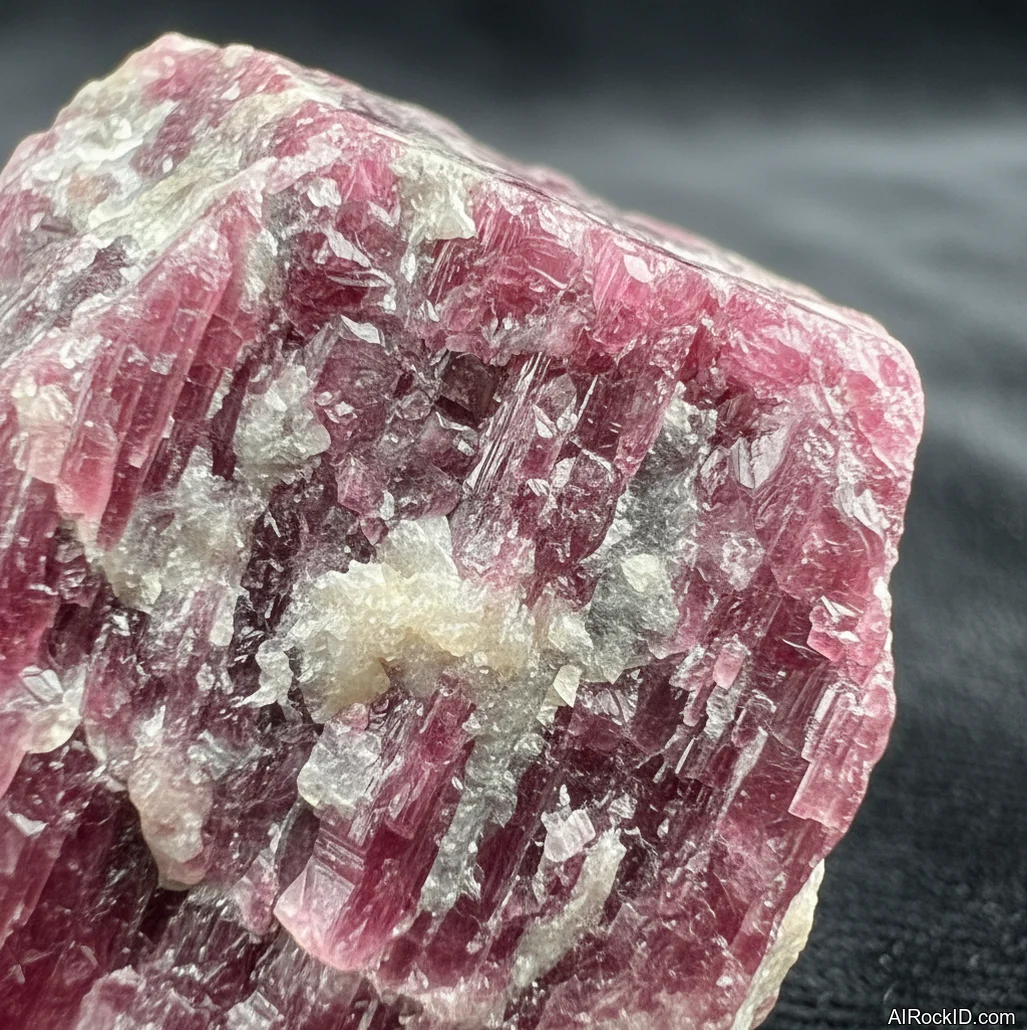
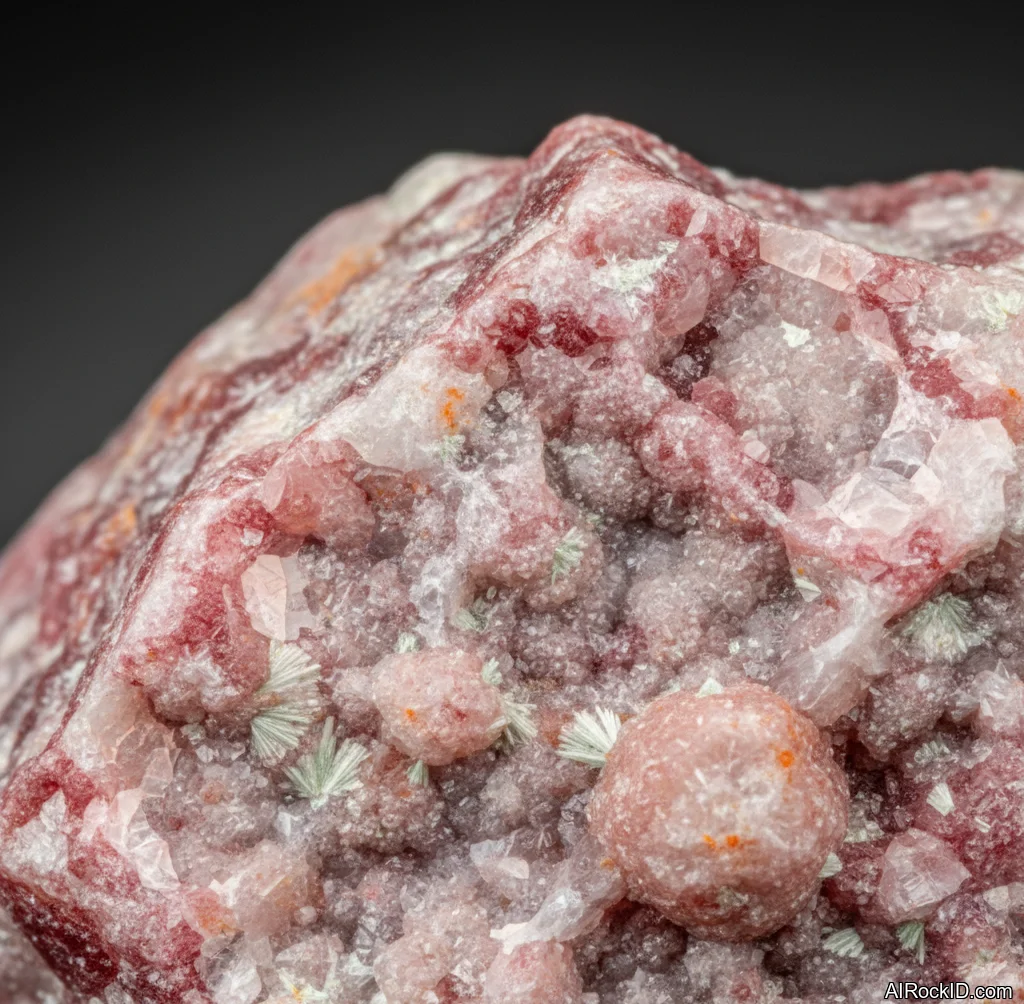
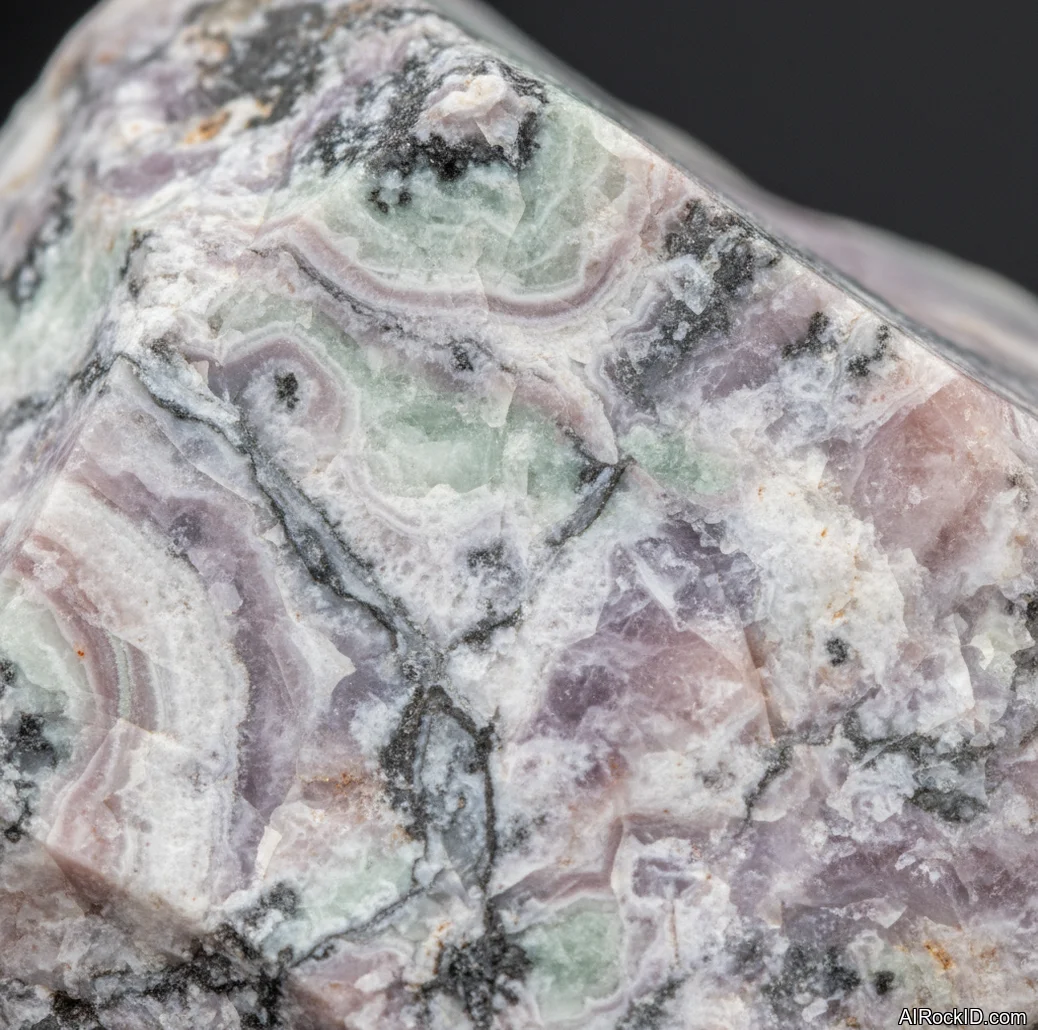
Grab a decent piece of lepidolite and you’ll understand why people reach for it when everything feels too loud. It’s often platy and micaceous, with that slightly flaky feel where thin edges want to shed if you rub it hard. It also stays cool in your hand longer than glassy fakes. And a lepidolite palm stone has this soft, matte drag that slows you down without you even meaning to. But durability is the tradeoff. Lepidolite can chip around the edges, and some slabs get stabilized with resin. That’s not “bad.” You just want to know what you’re buying.
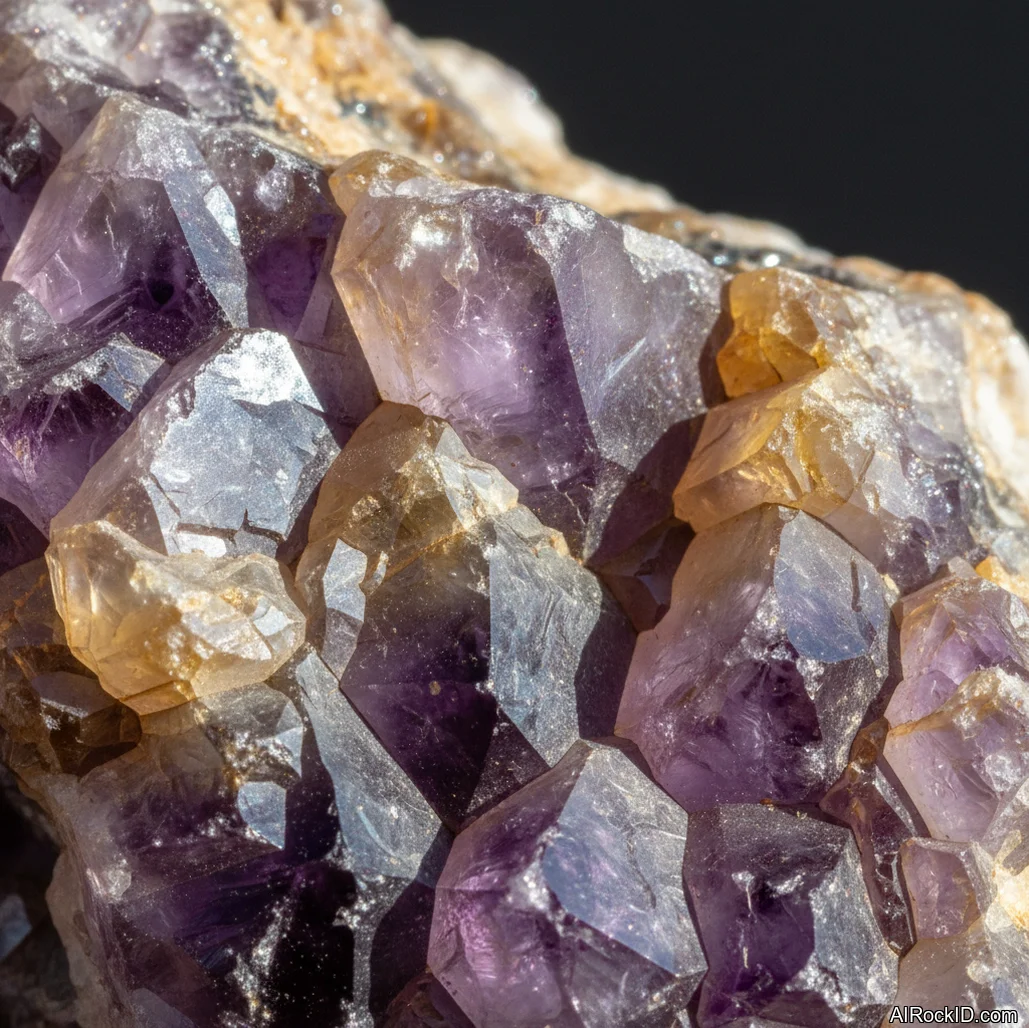
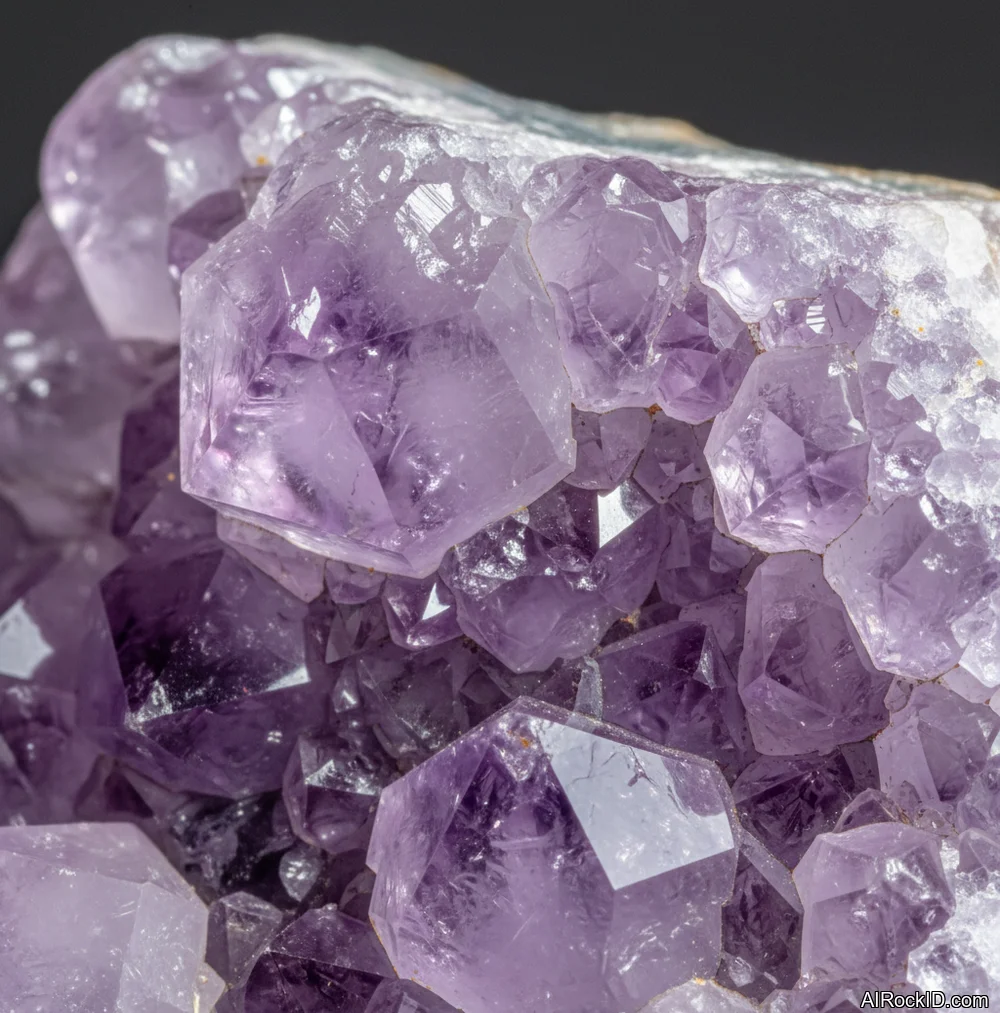
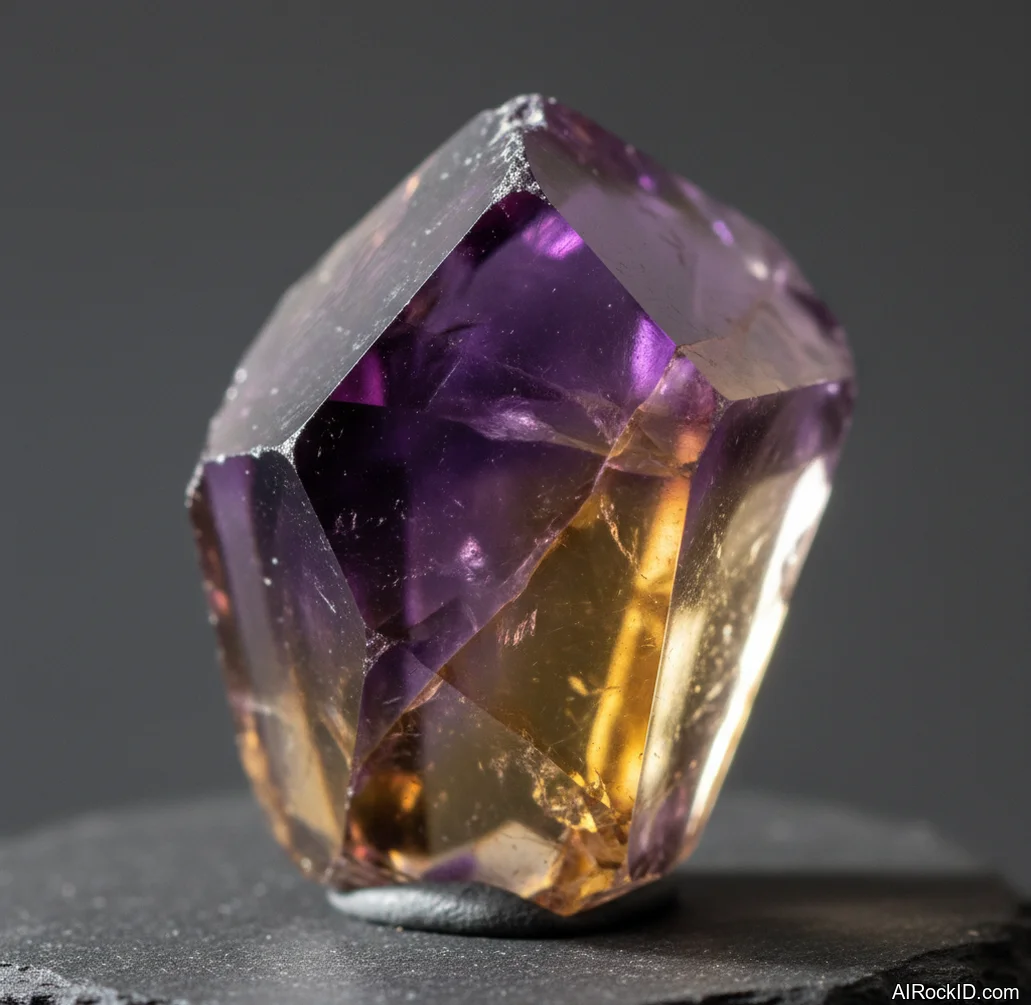
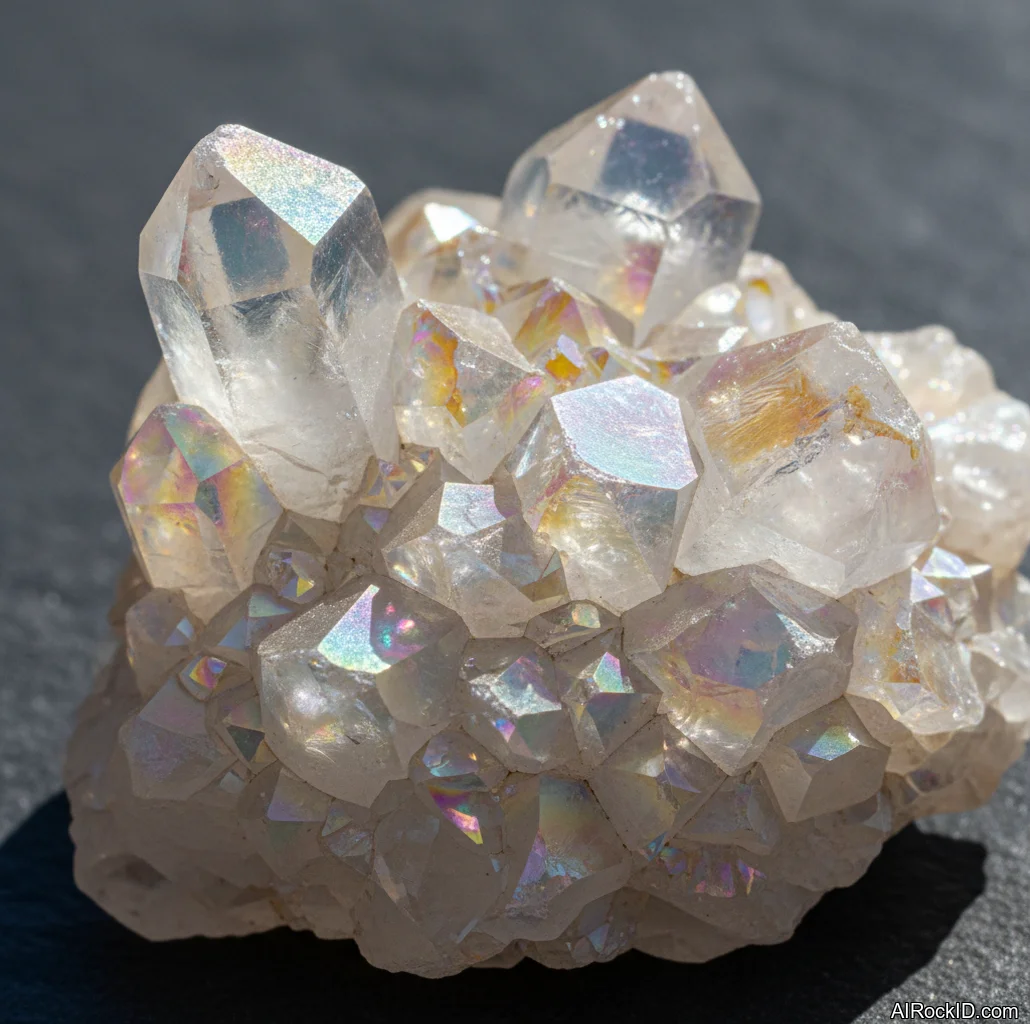
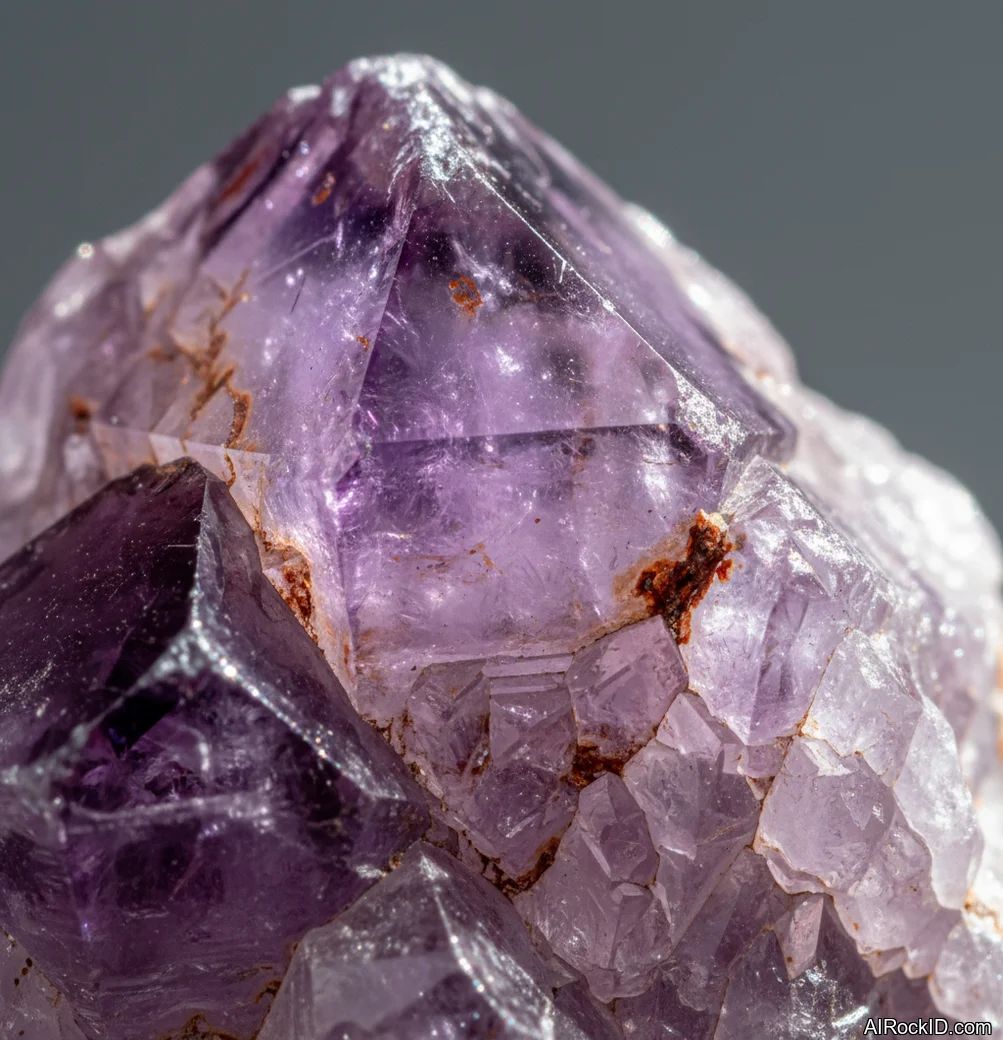
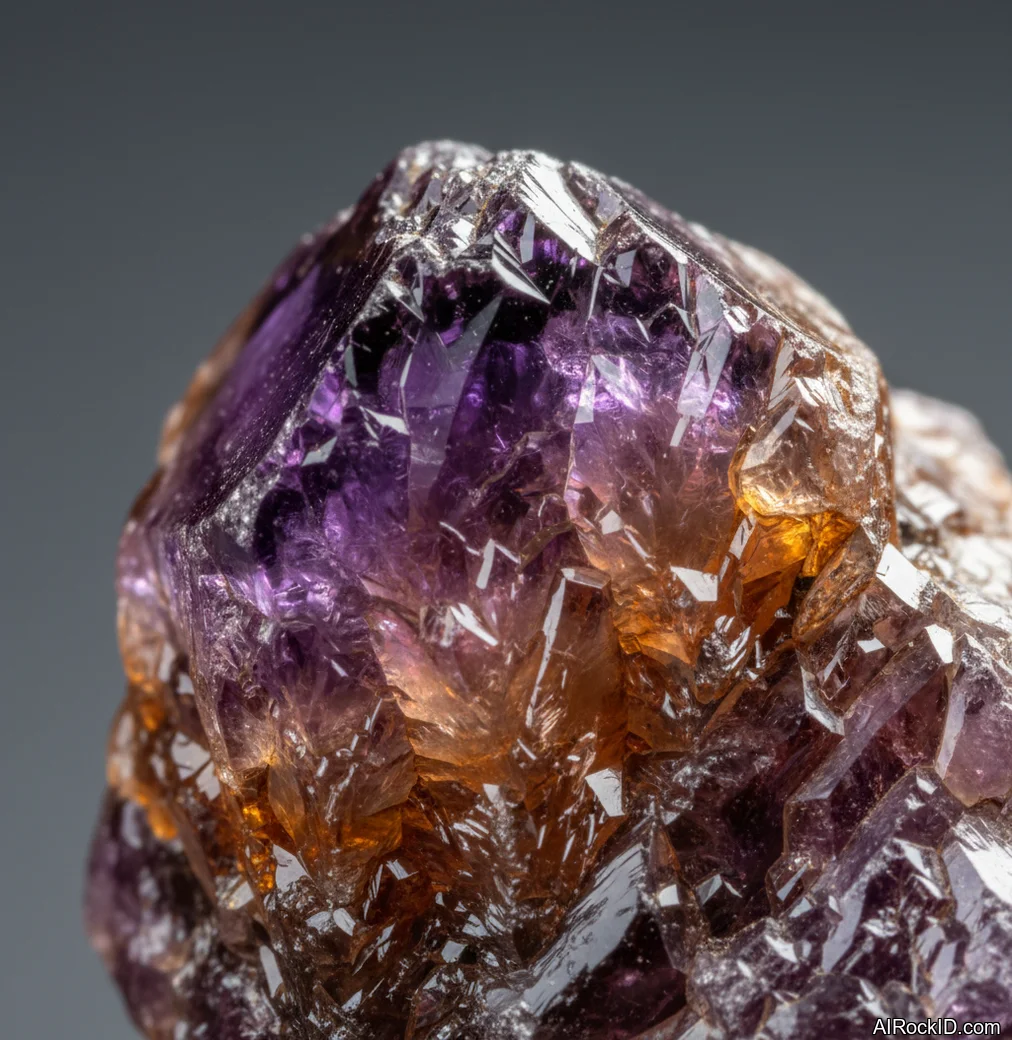
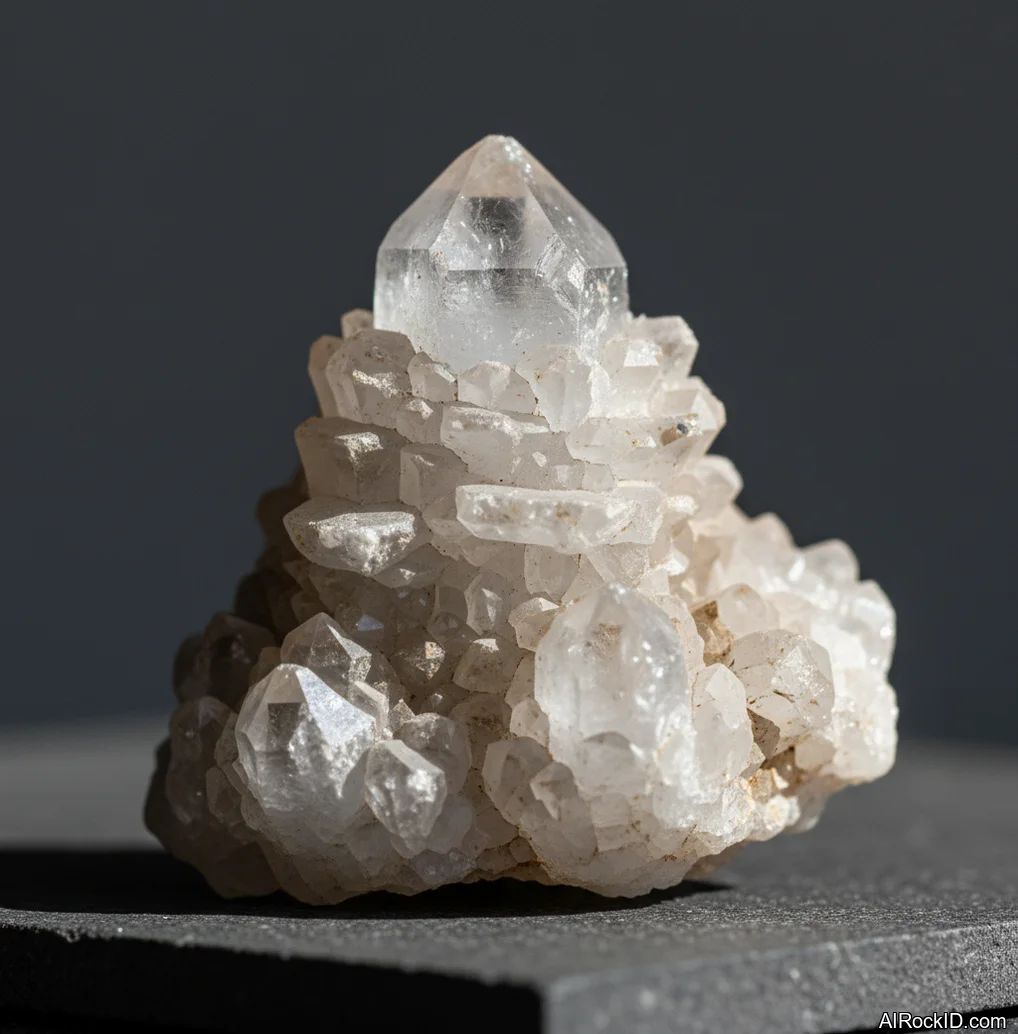
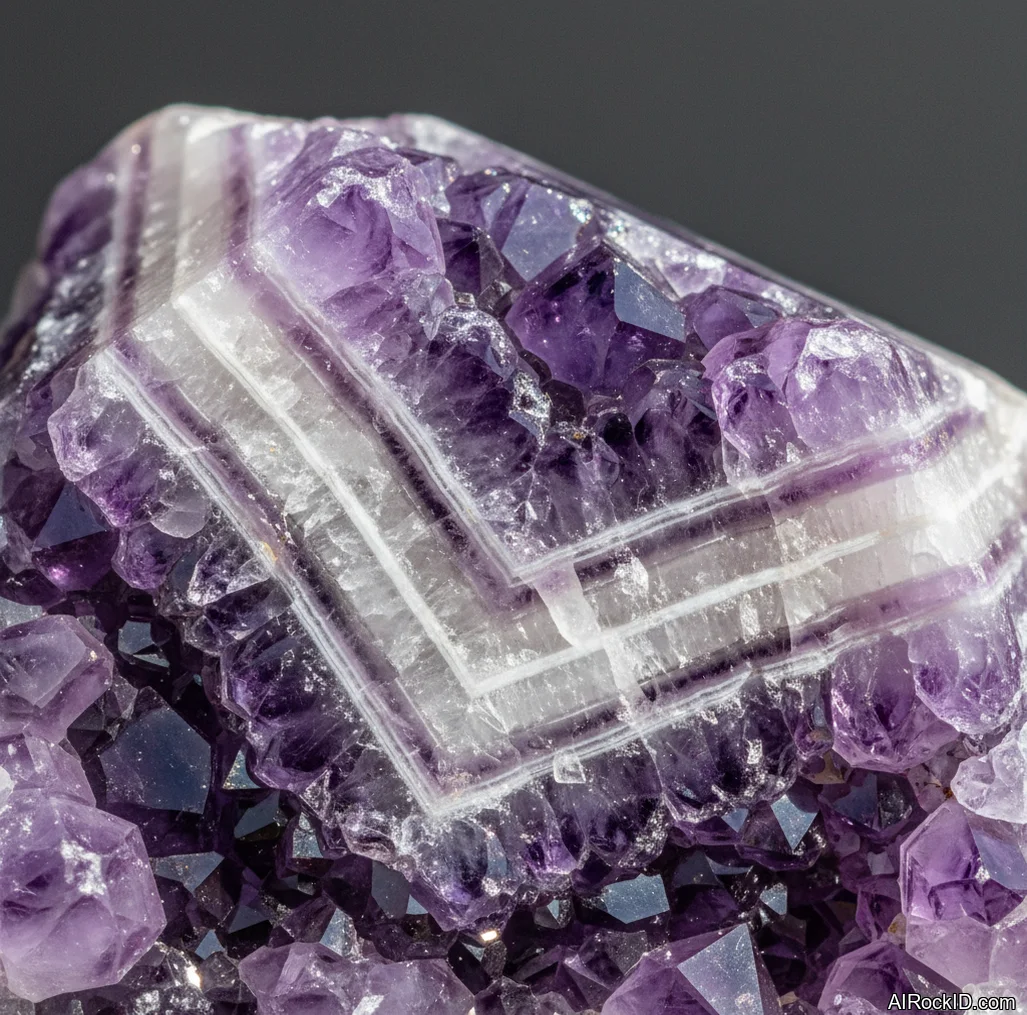
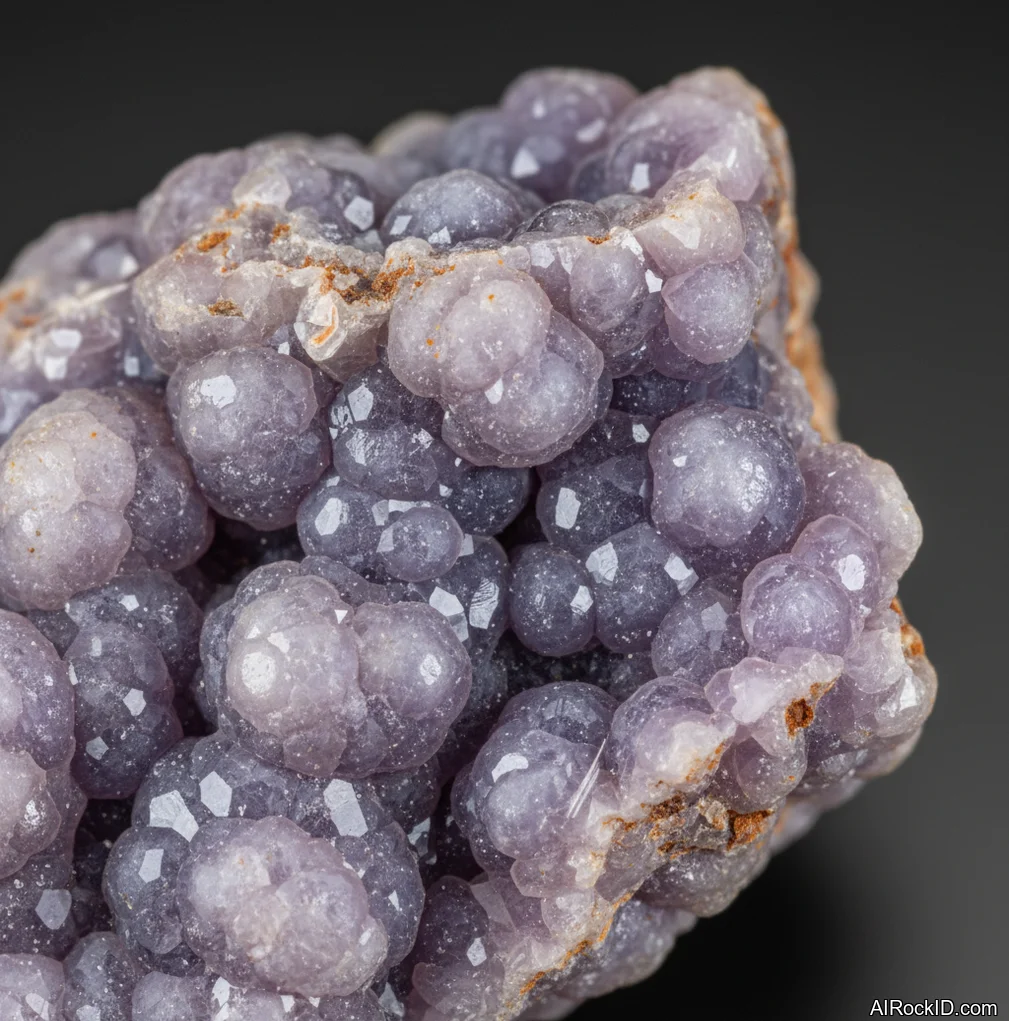
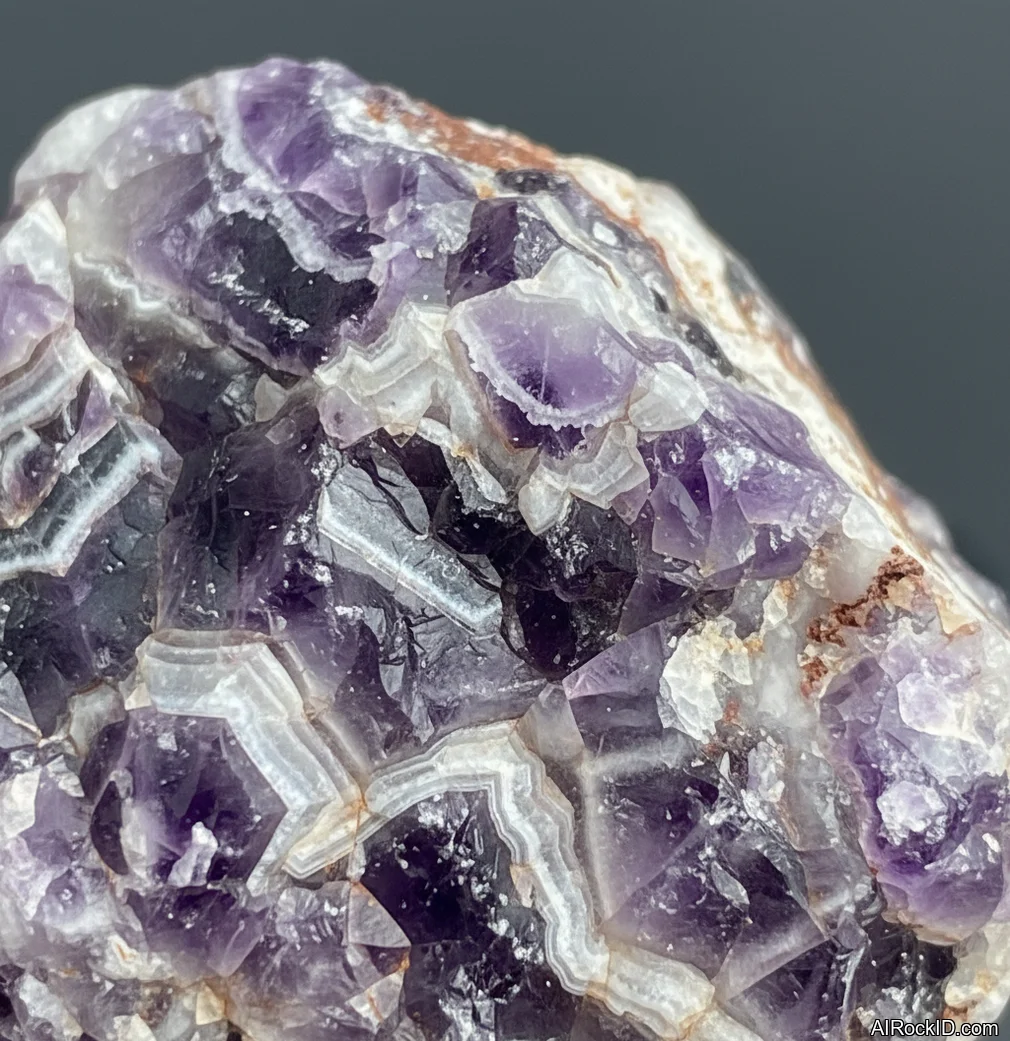
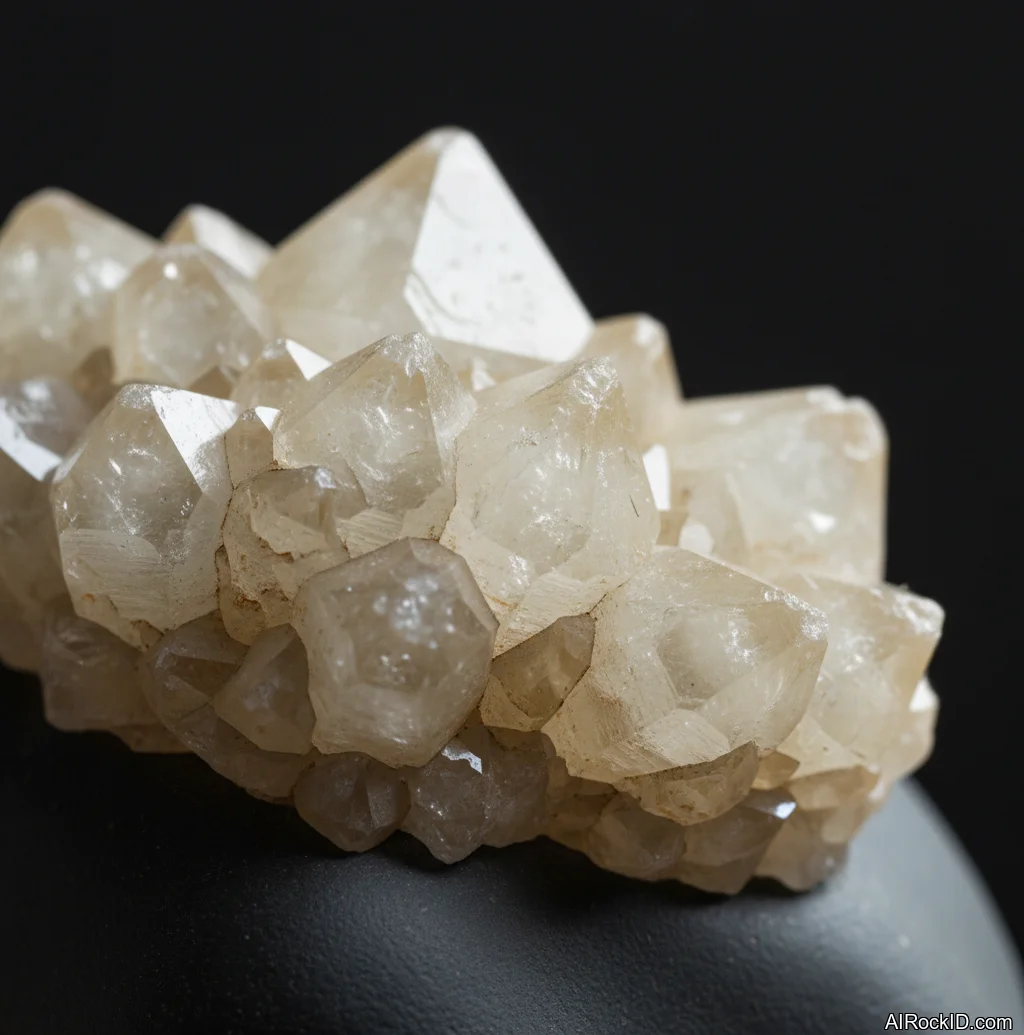
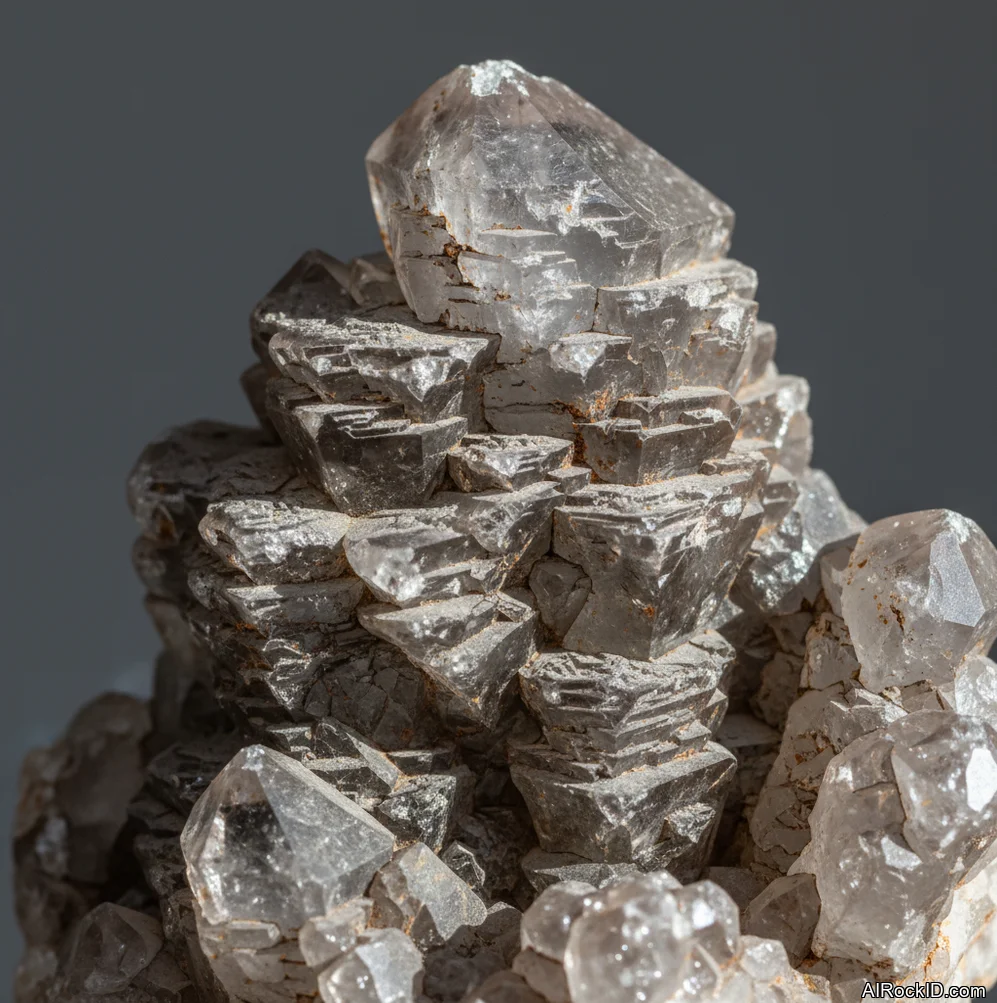
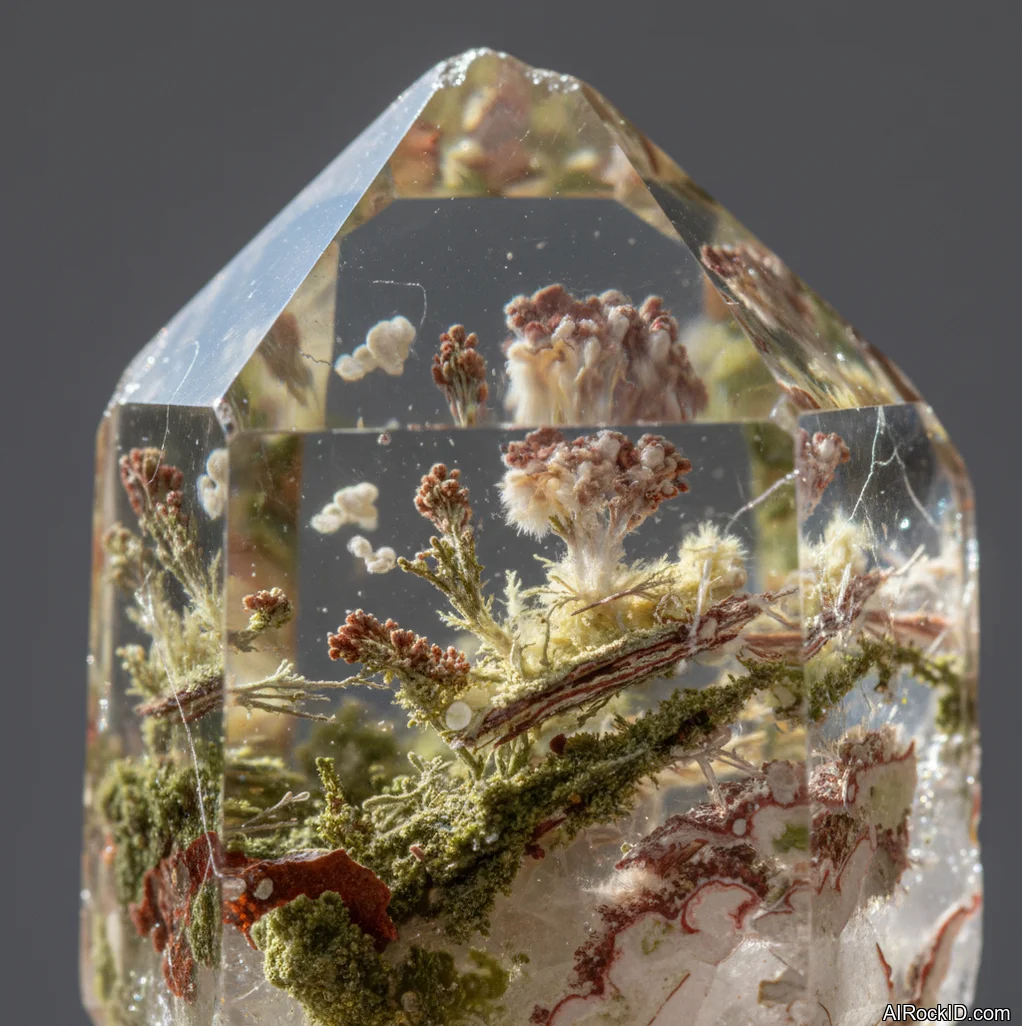
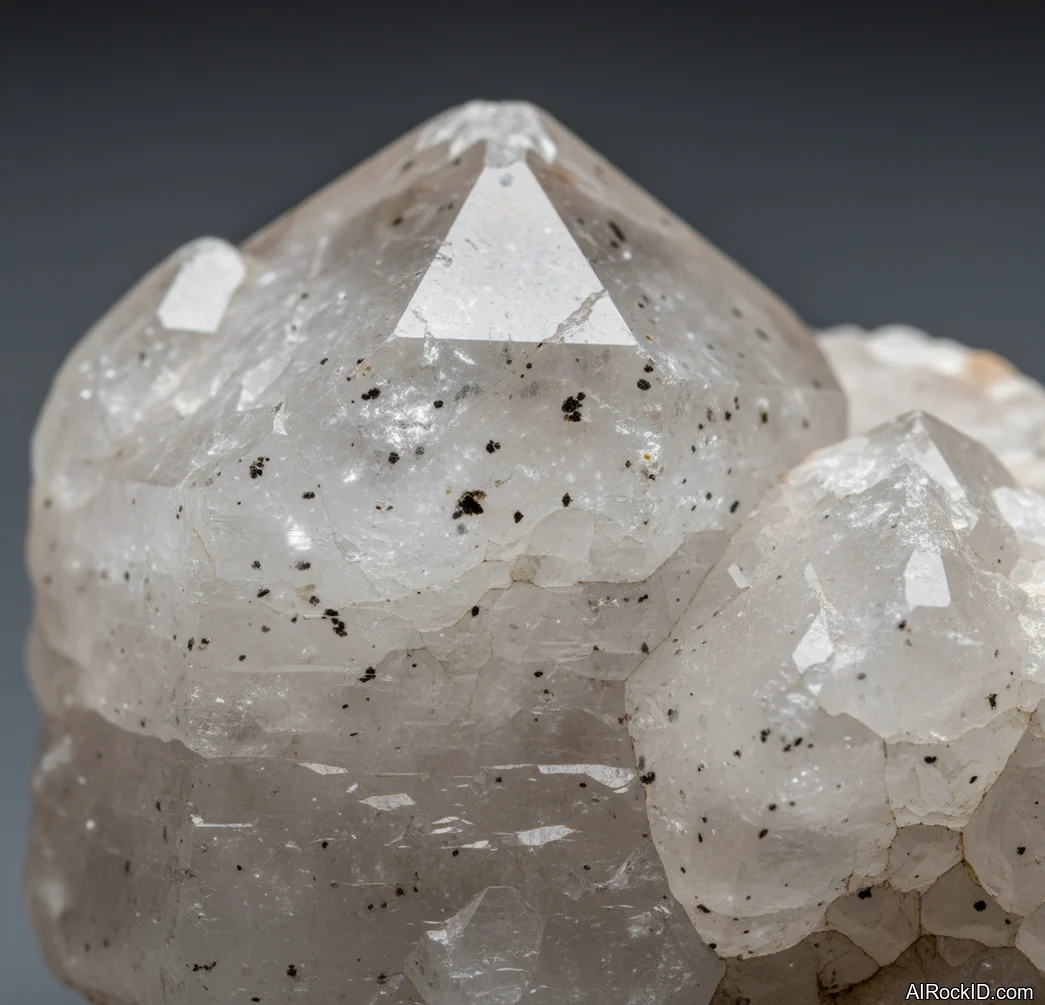
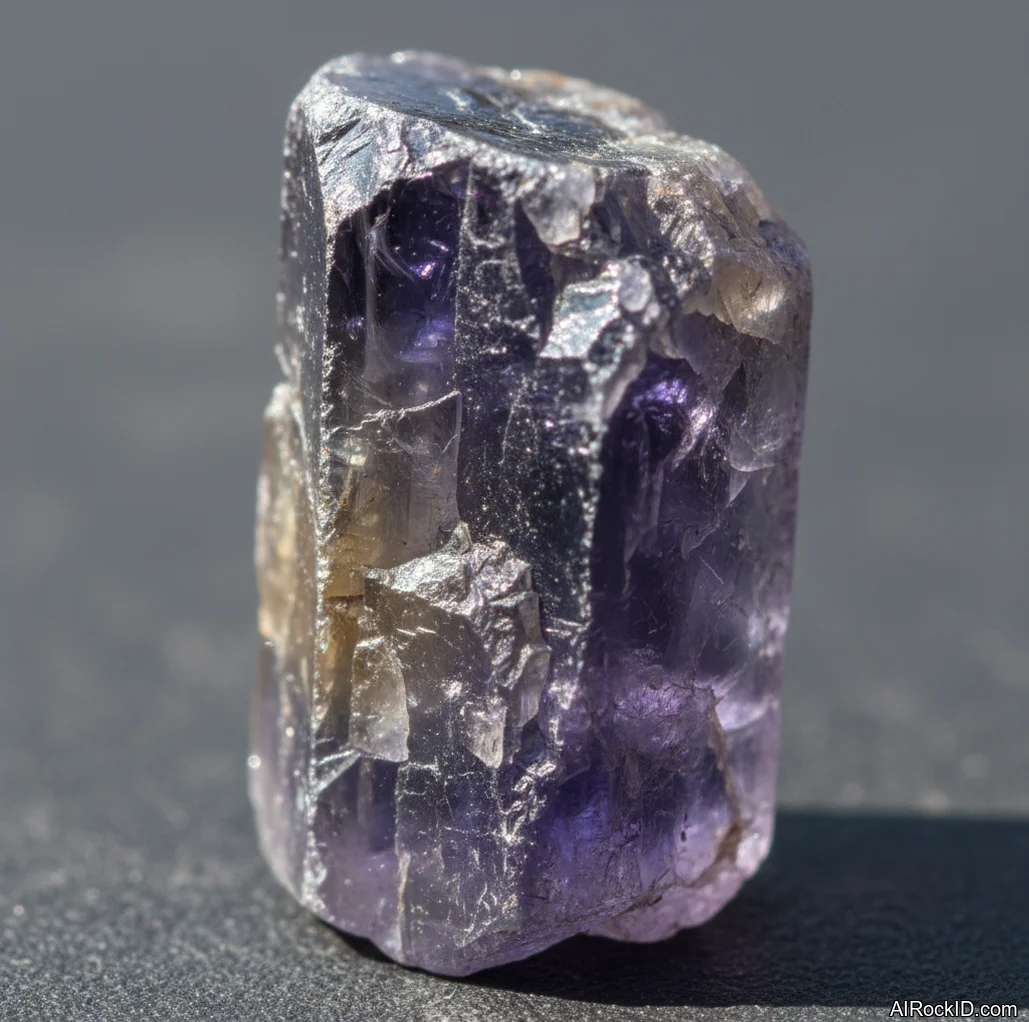
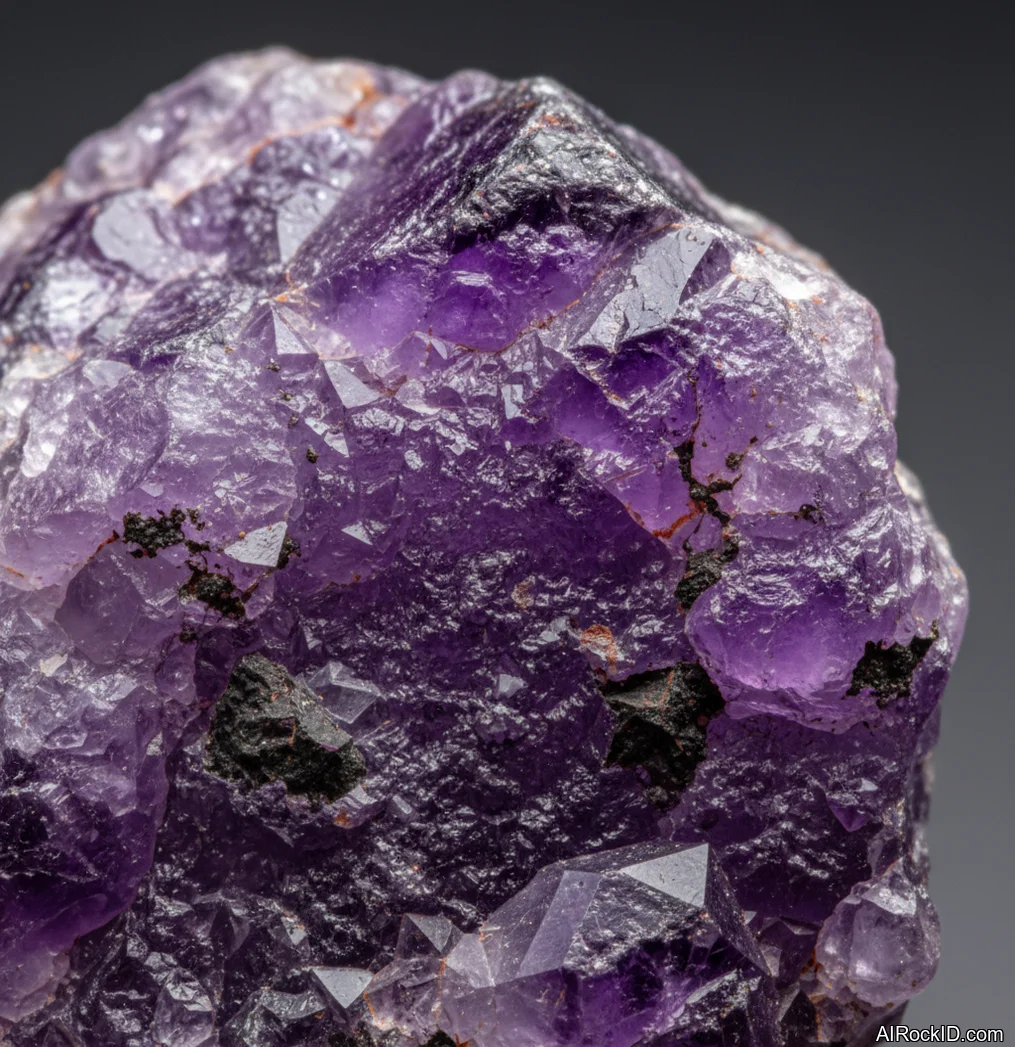
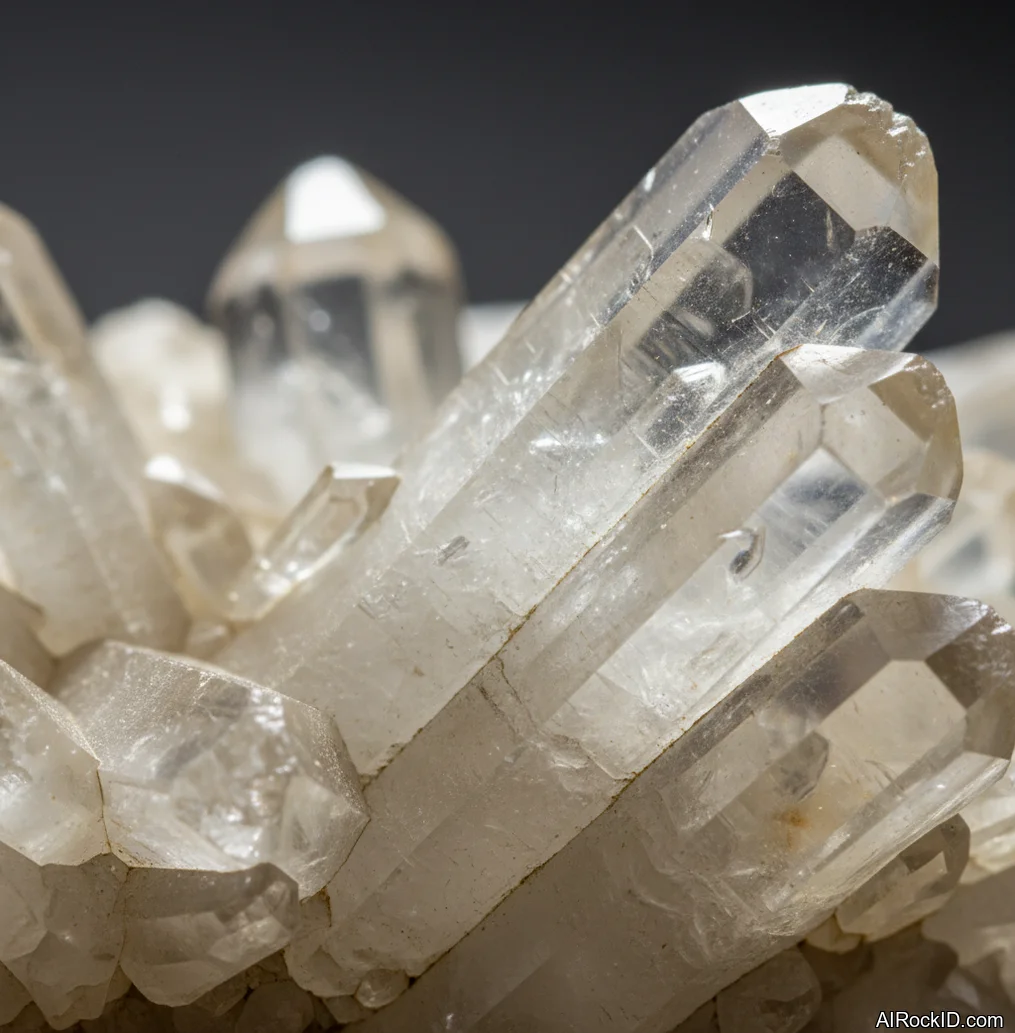
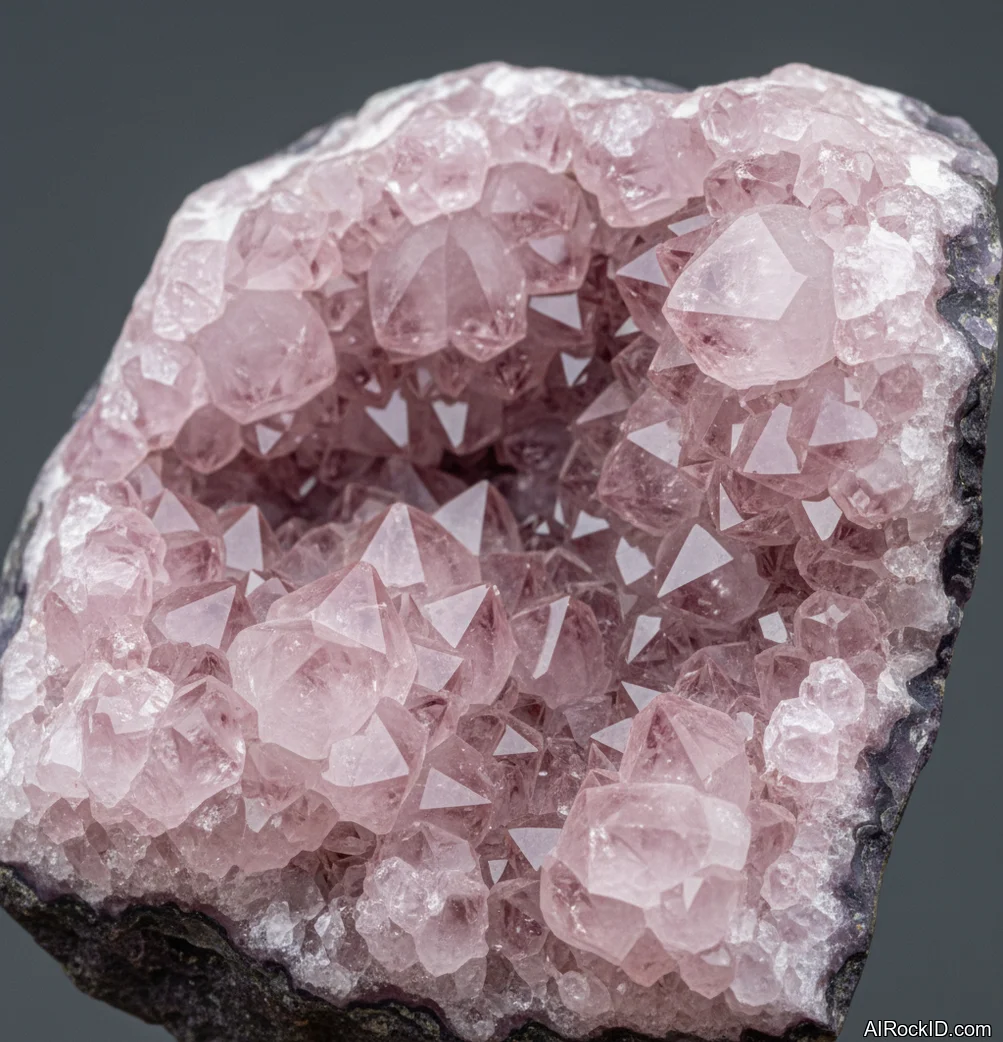
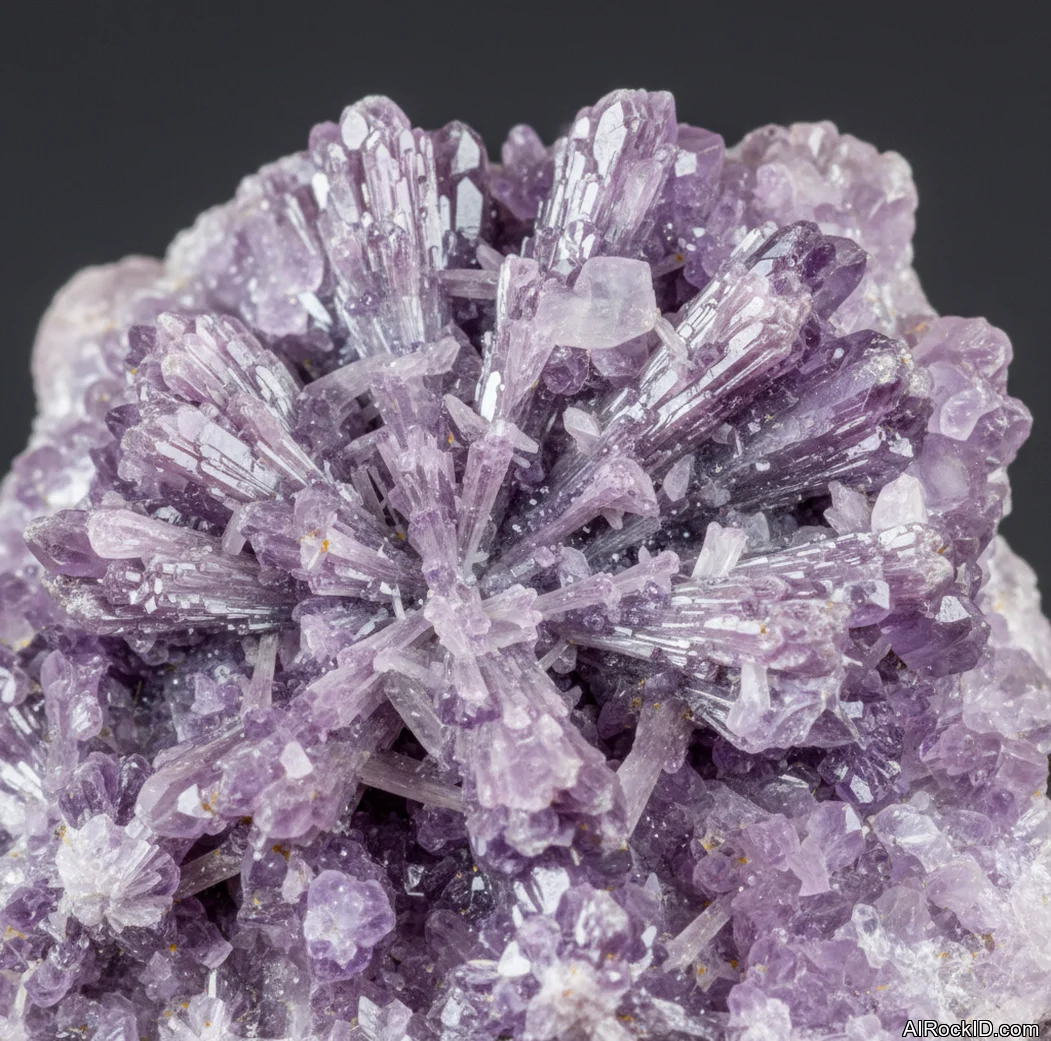
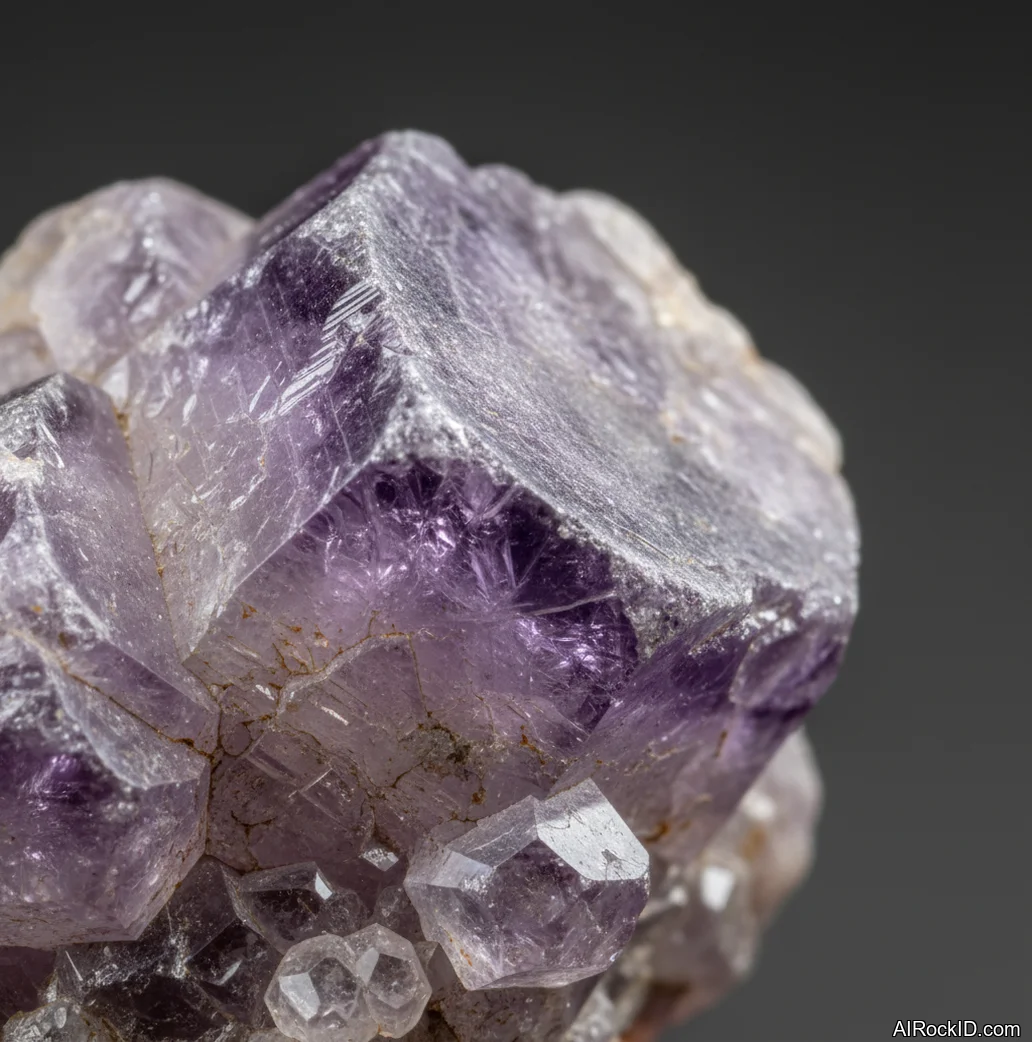
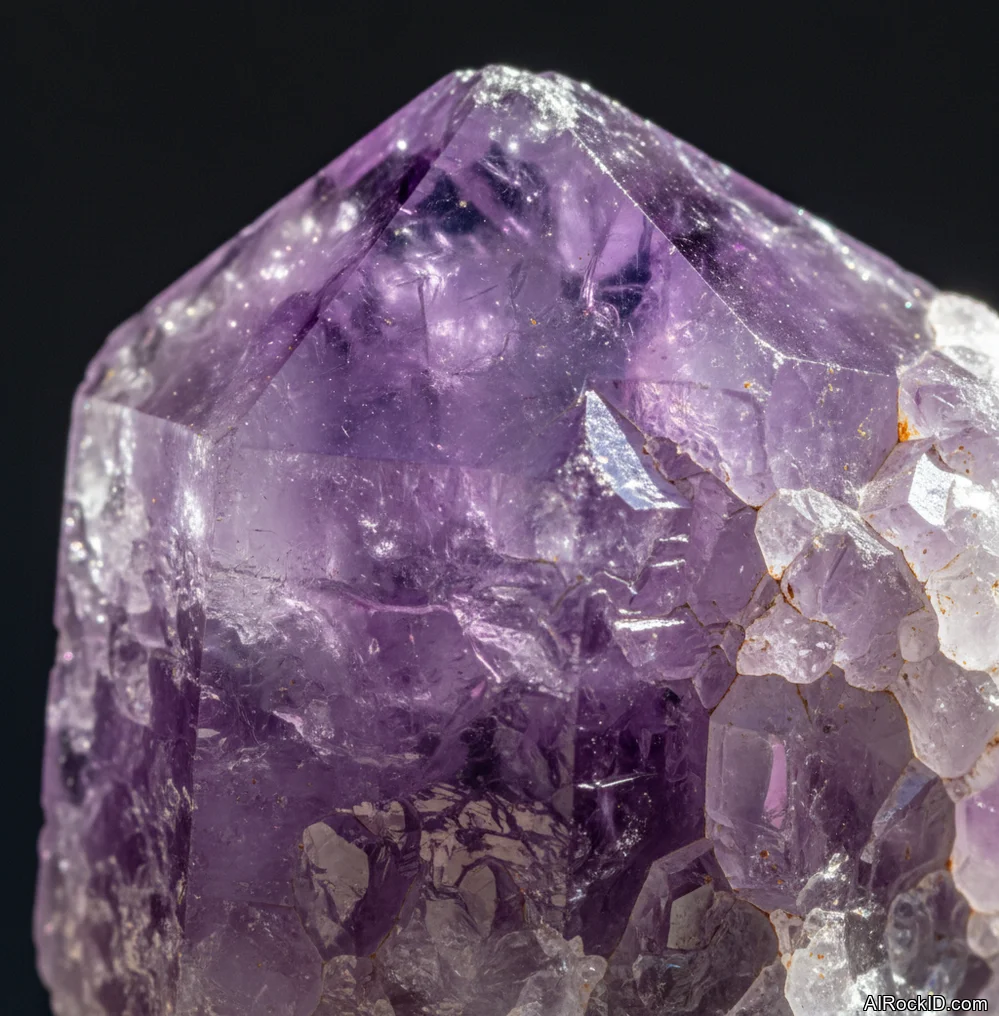
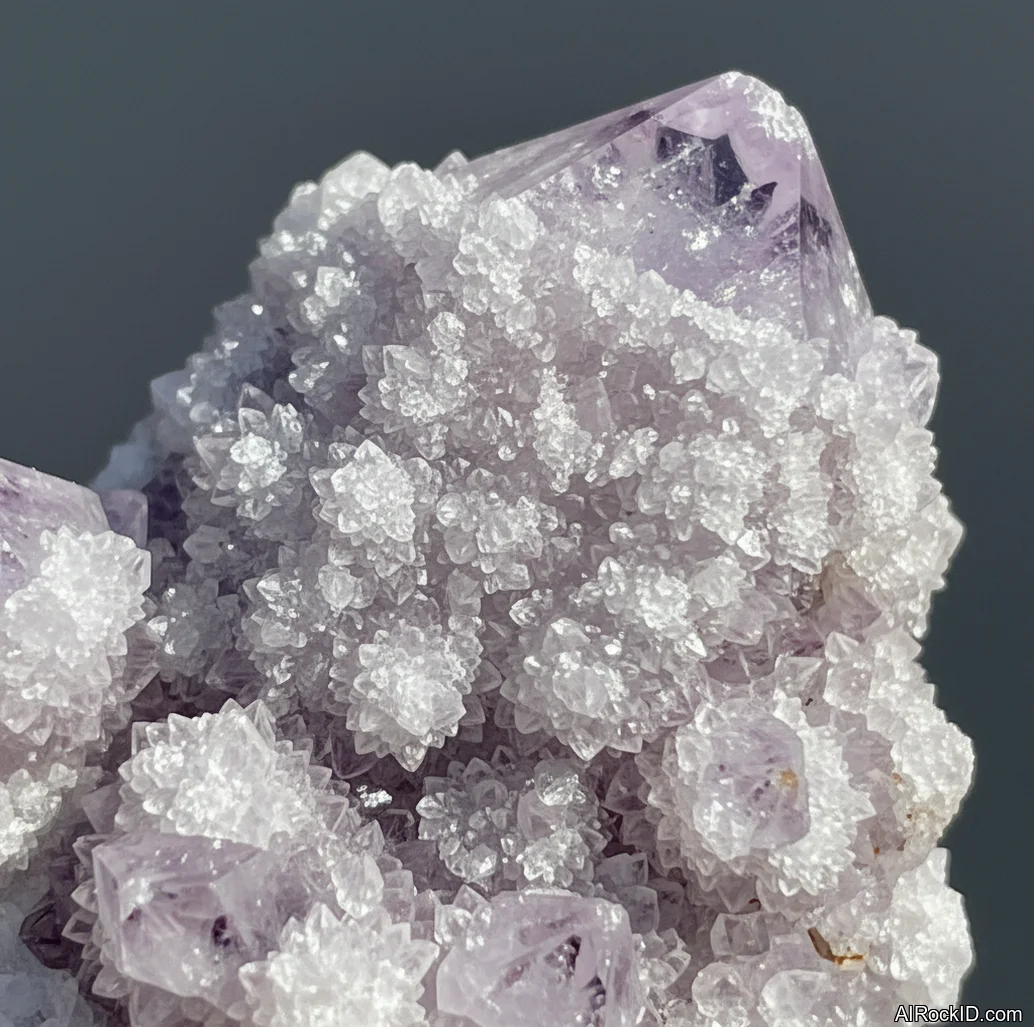
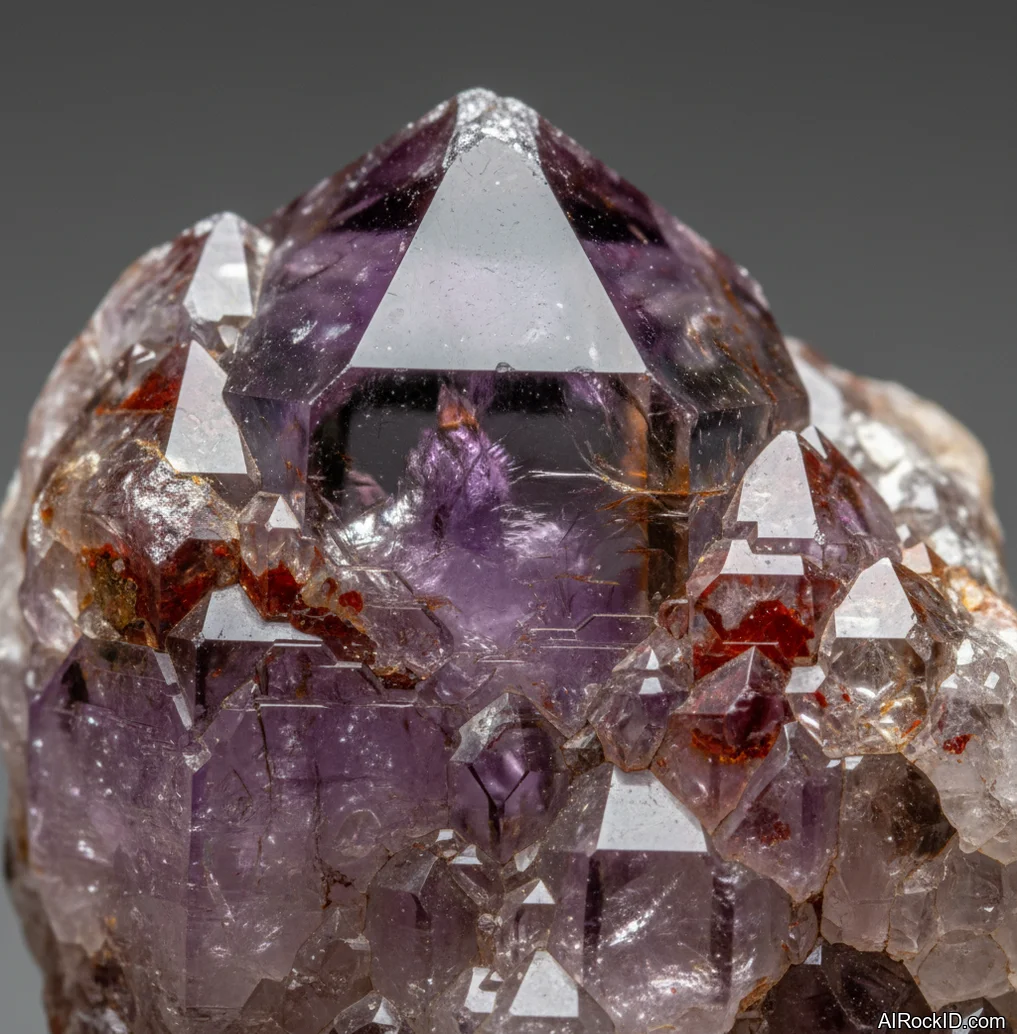
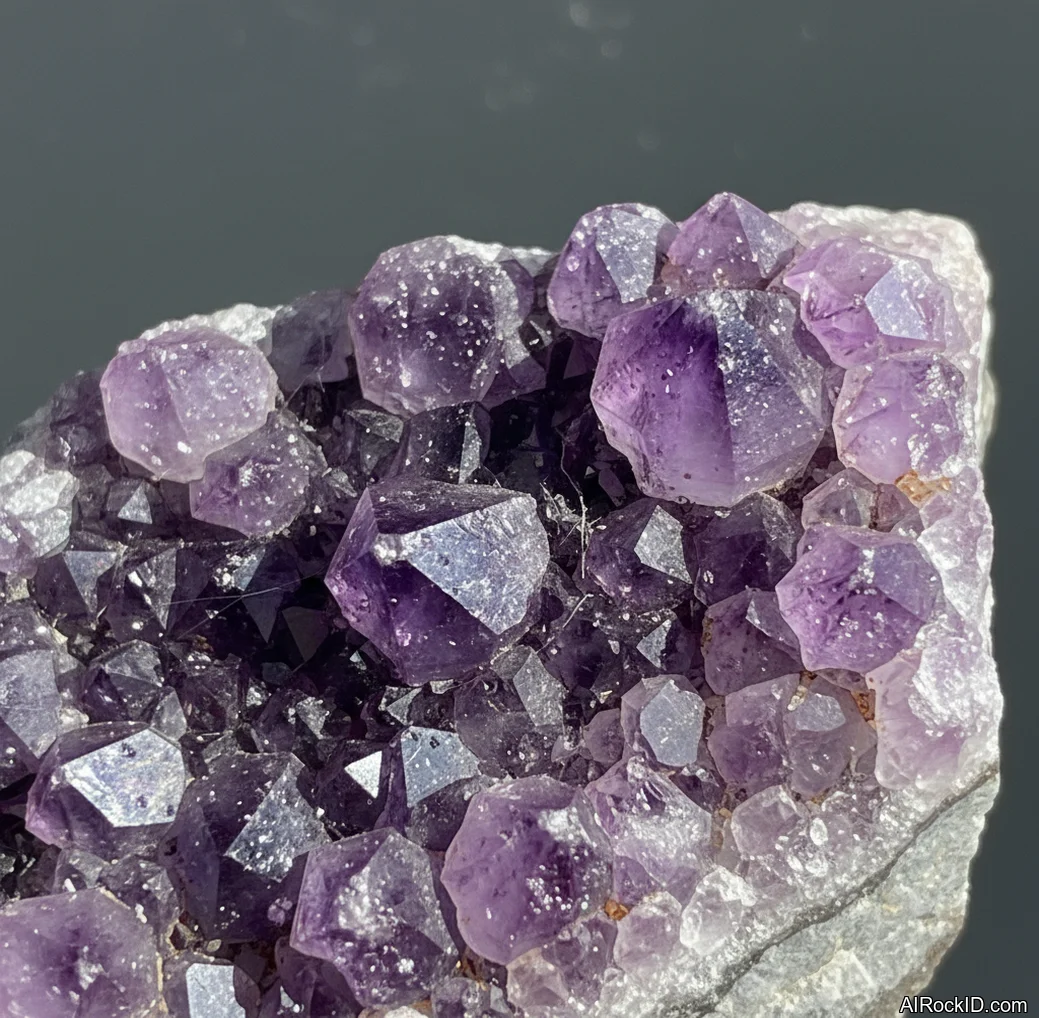
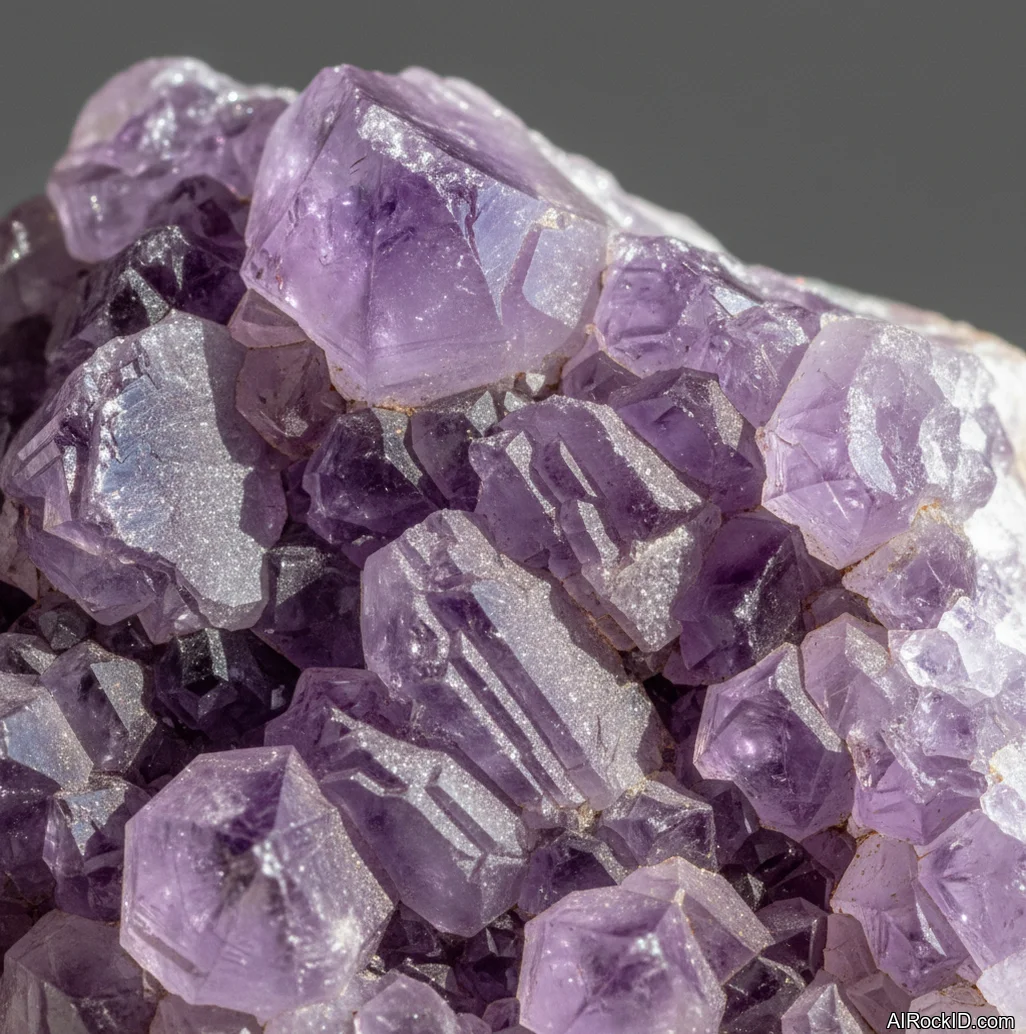
Amethyst, though? Total workhorse. It’s quartz, so it holds up to daily handling, and it’s easy to find pieces that don’t look dyed or lacquered. The deepest purple points I’ve handled were from Uruguay, tight color bands with a dark core. A lot of Brazilian material goes lighter lavender and can look washed out in daylight. For Inner Peace, people like amethyst because it’s dead simple to use. Put a small cluster by the bed. Or keep a tumbled stone in your pocket. And a cluster has that “room feel” thing where it shifts the vibe of a nightstand without you doing anything else.
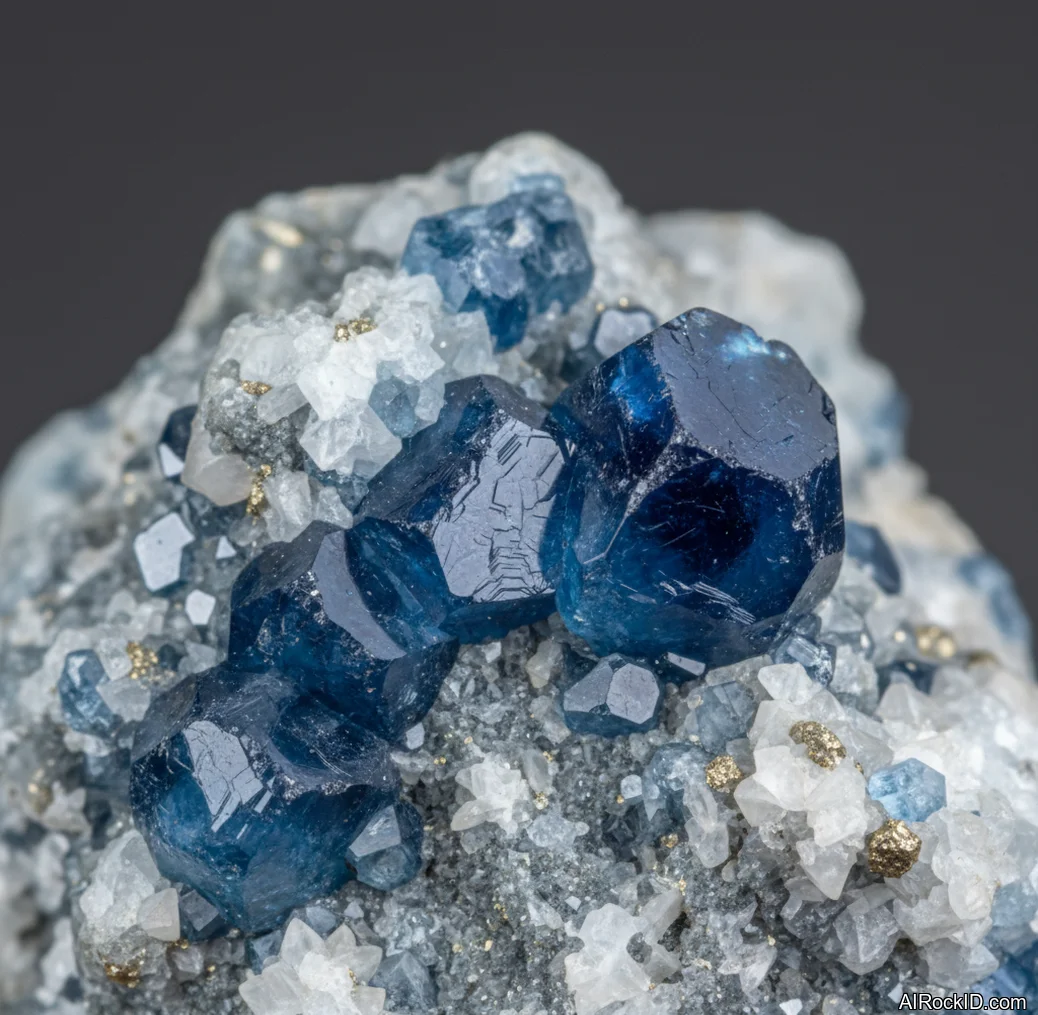
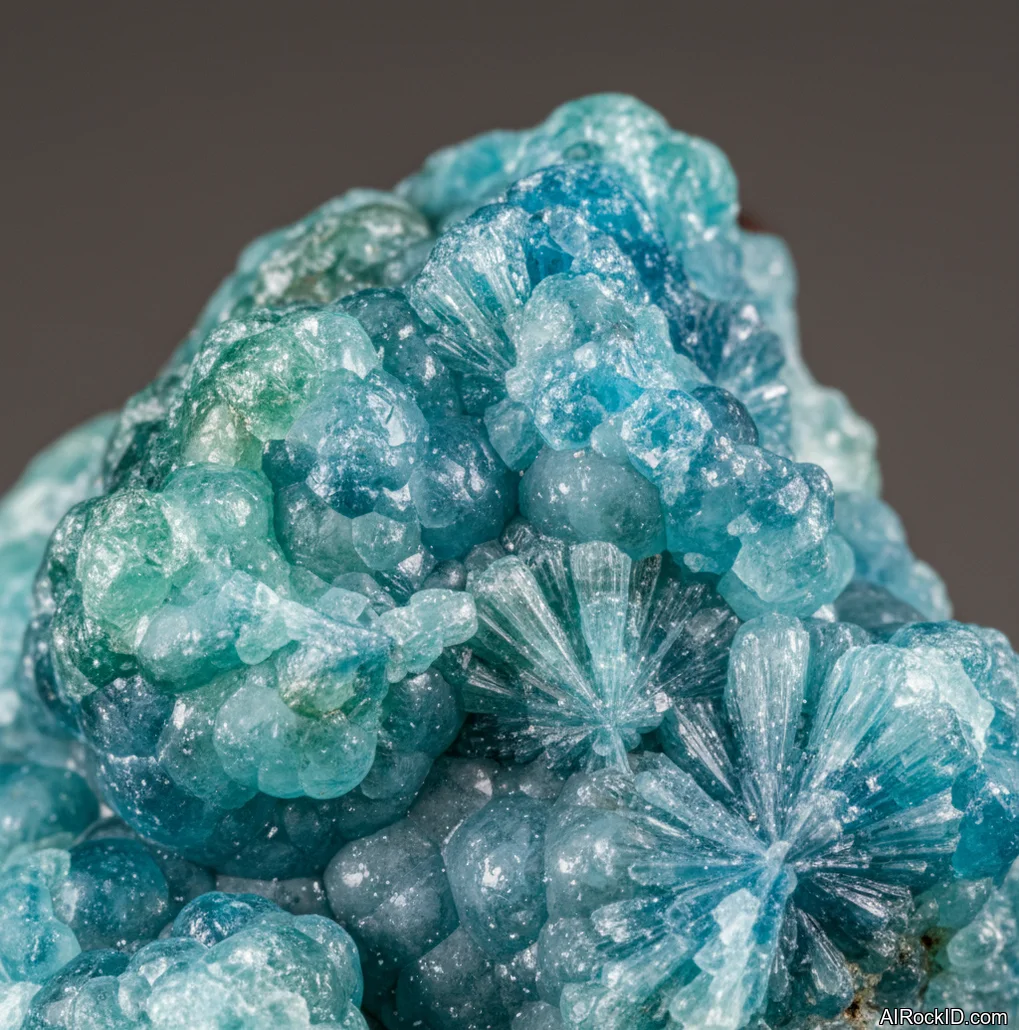
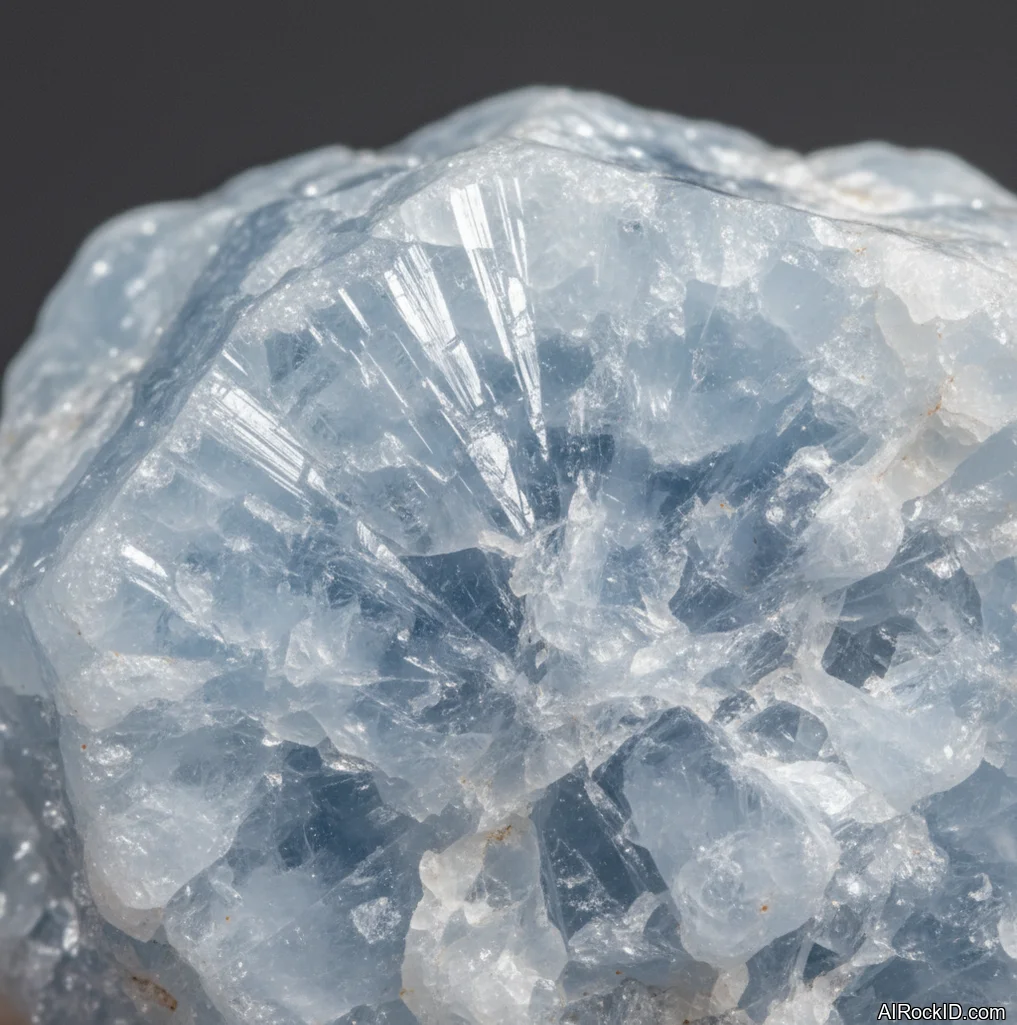
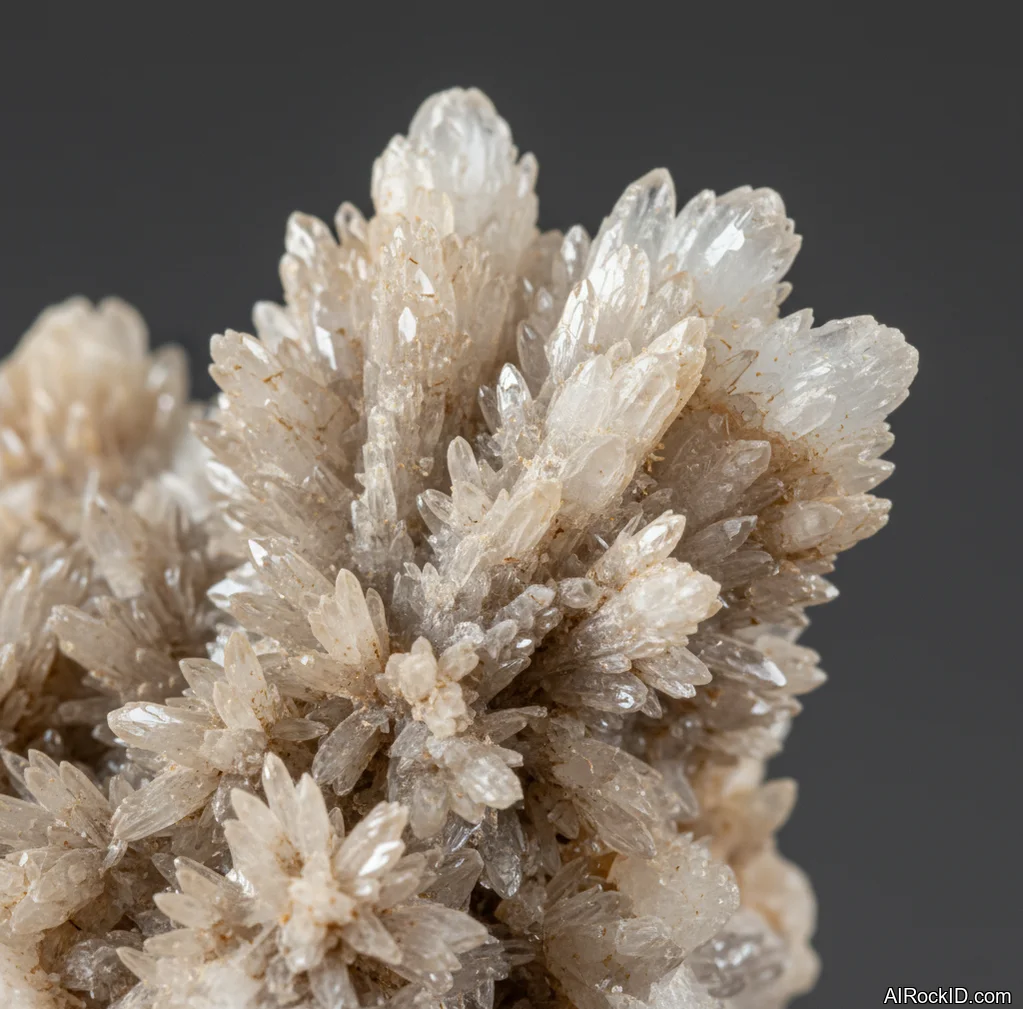
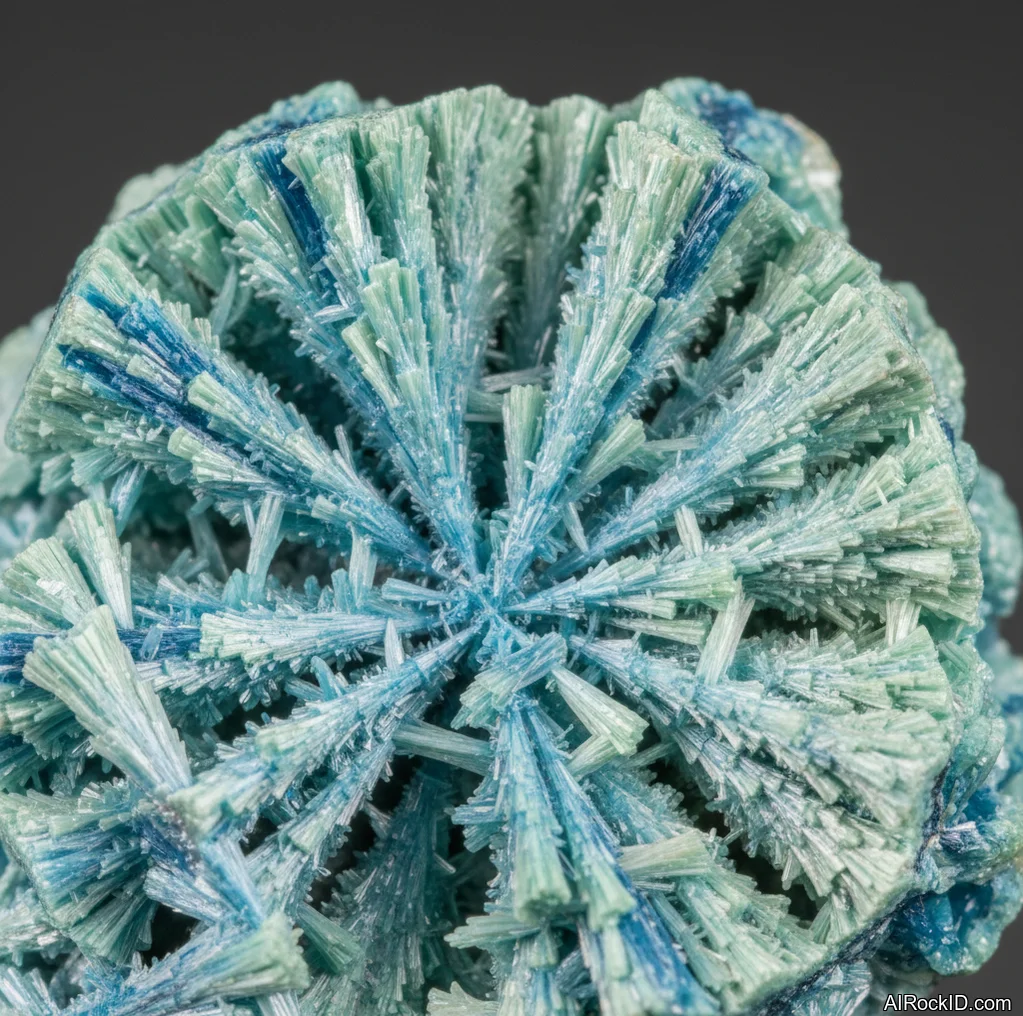
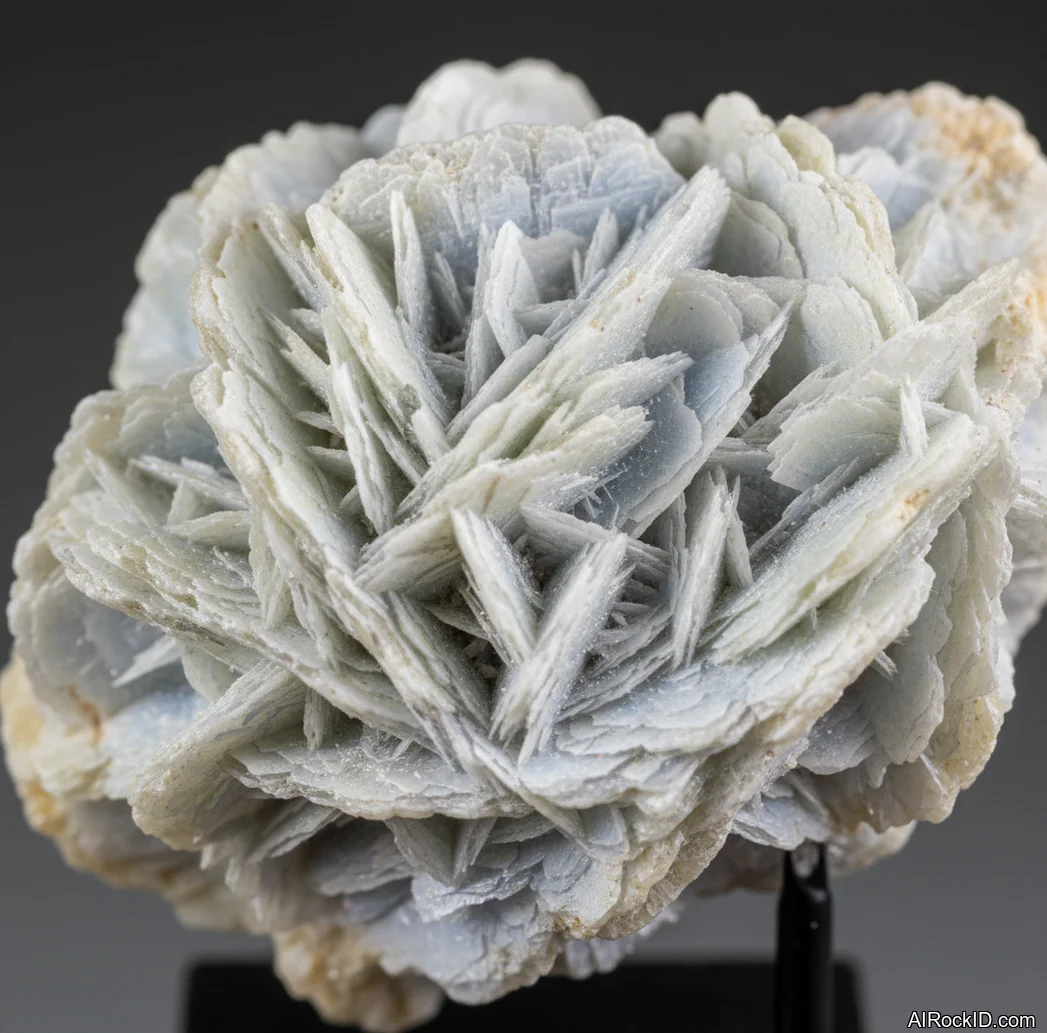
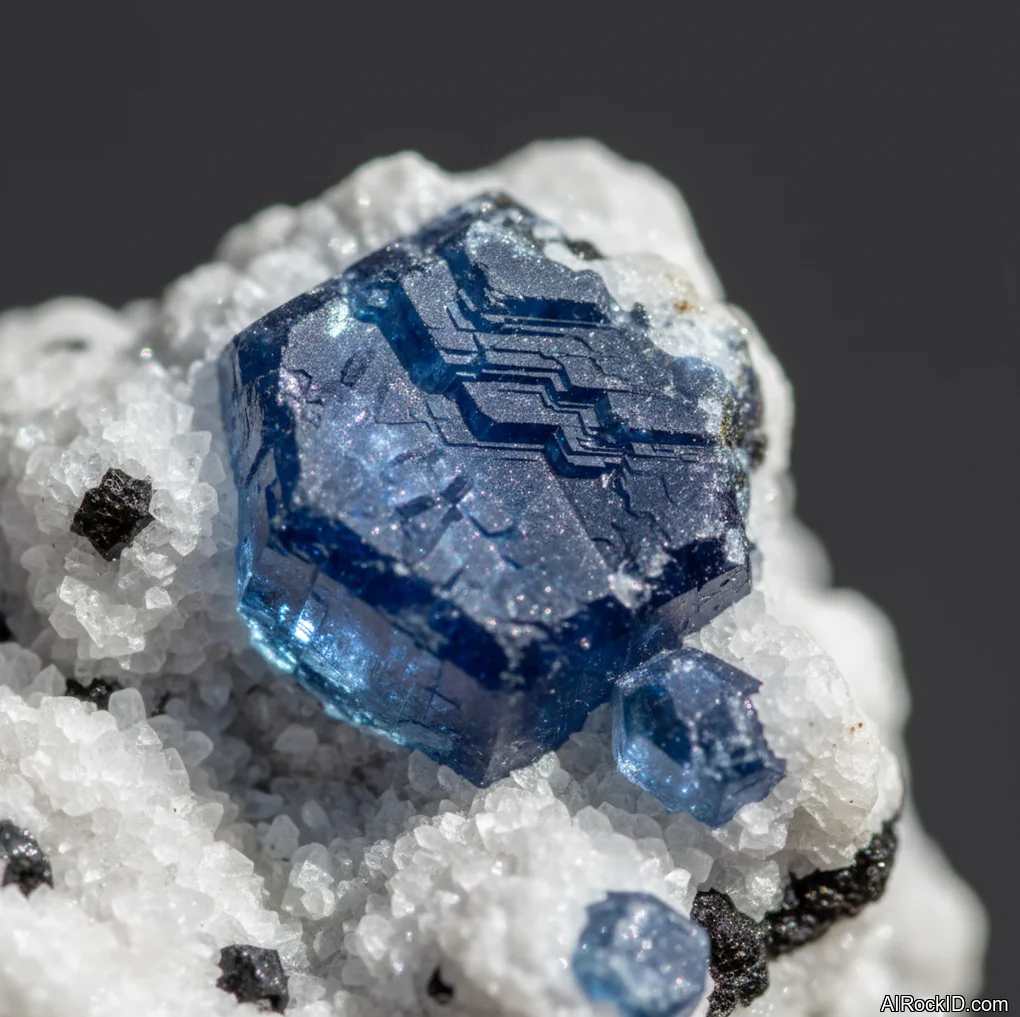
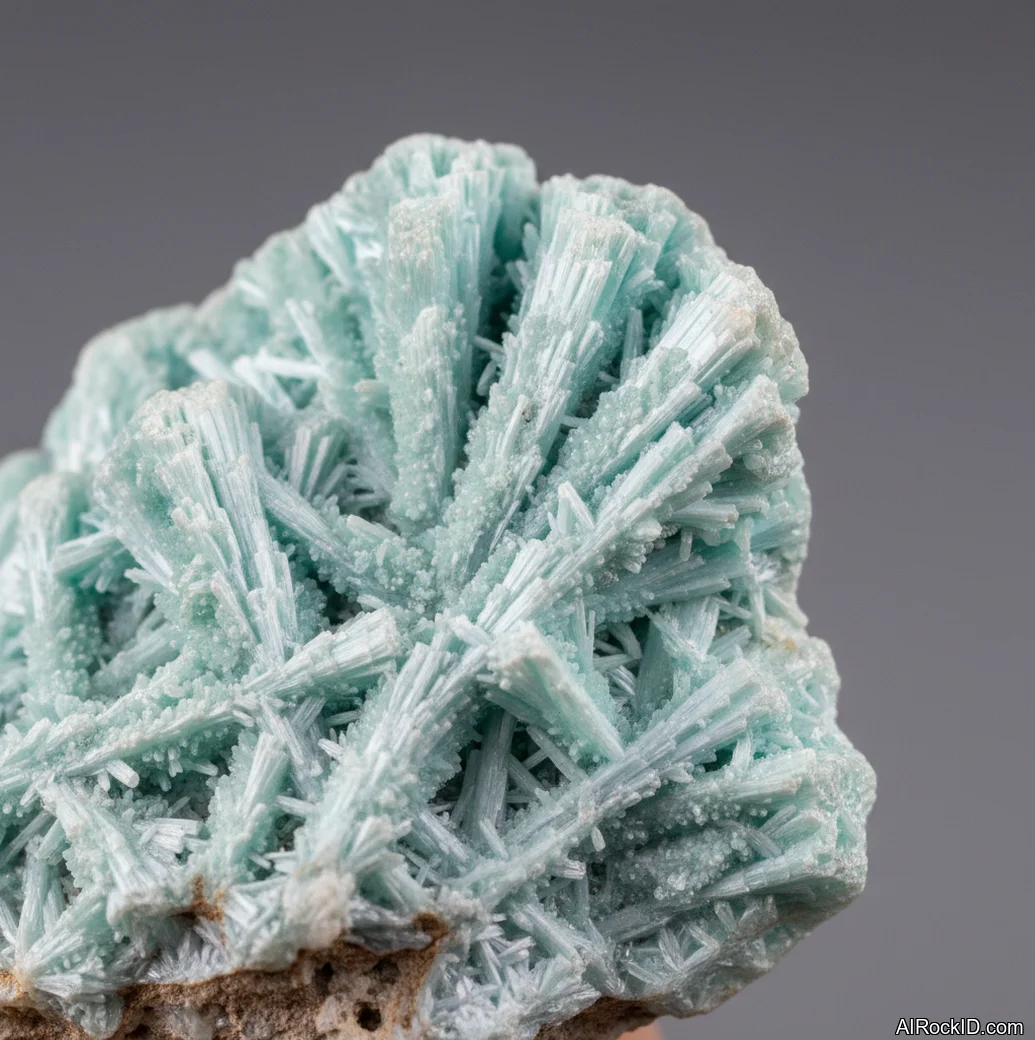
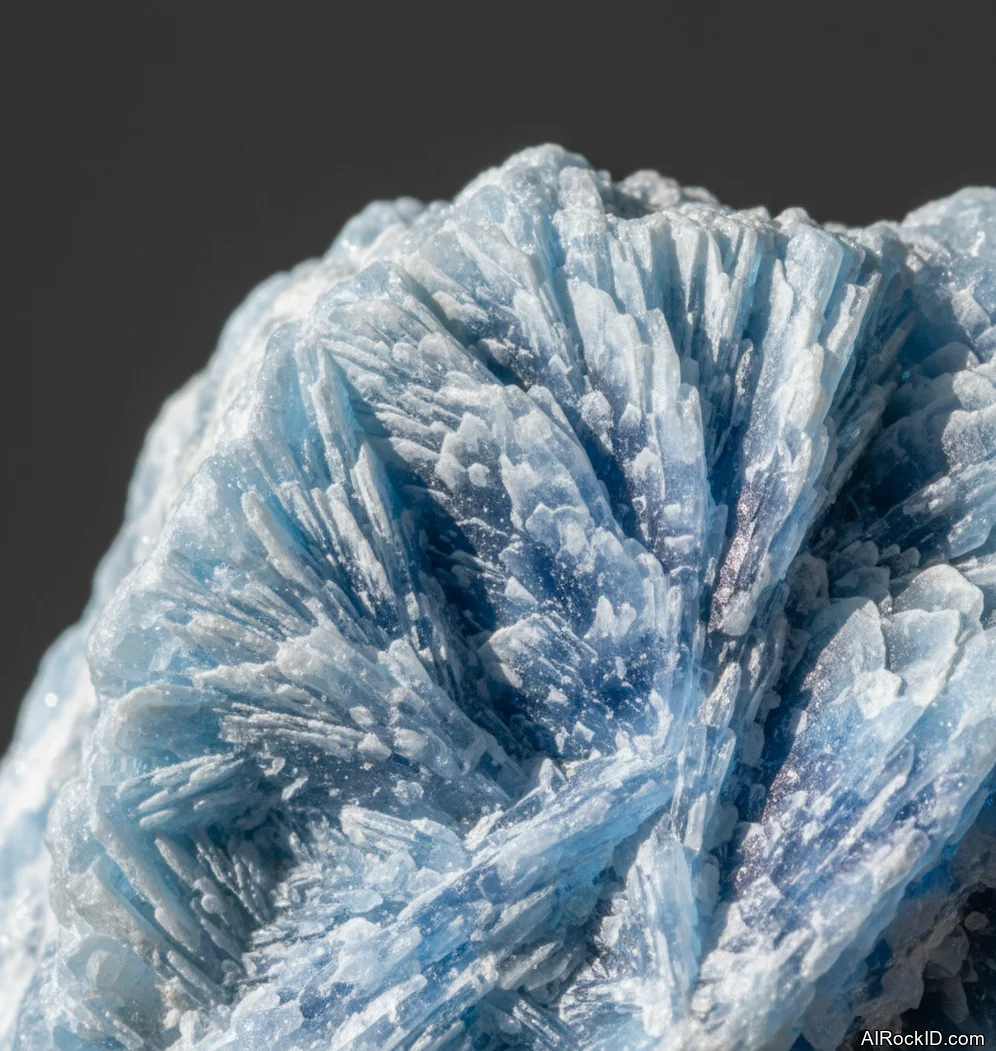
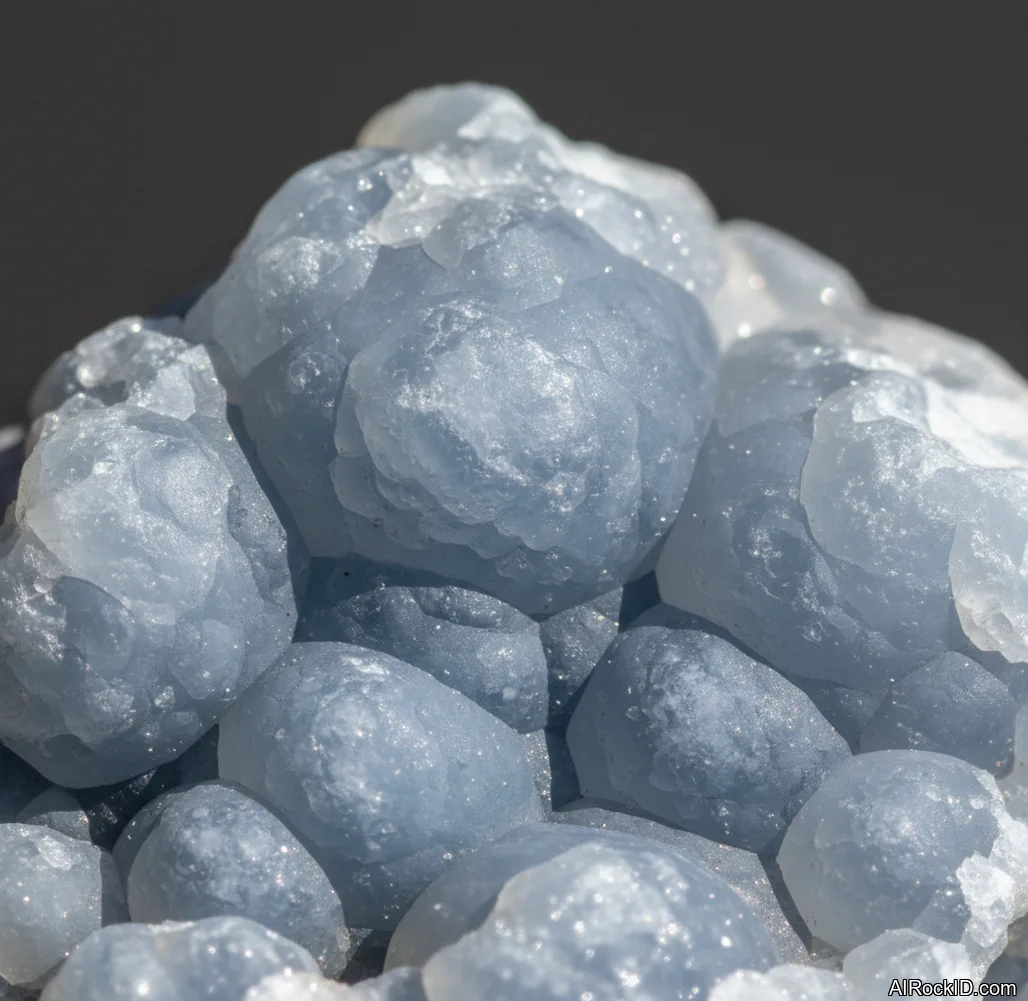
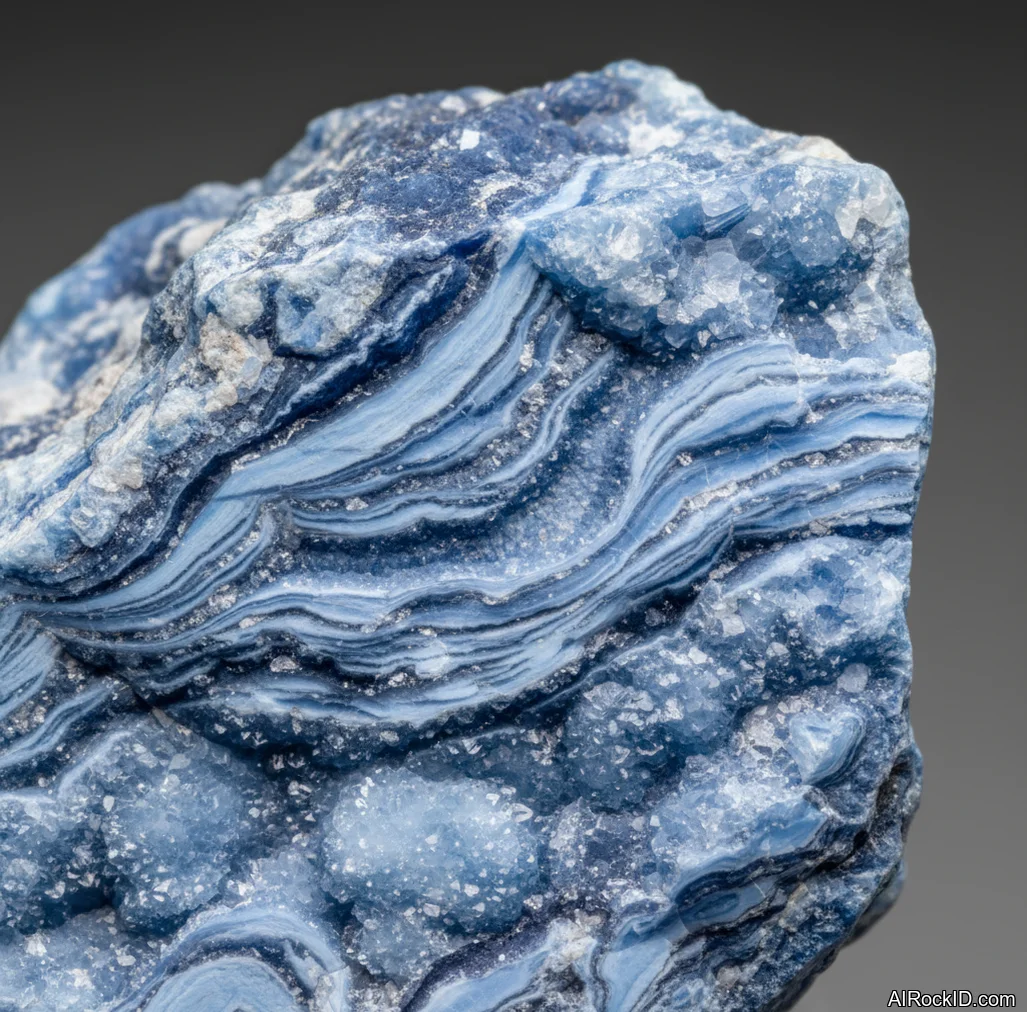
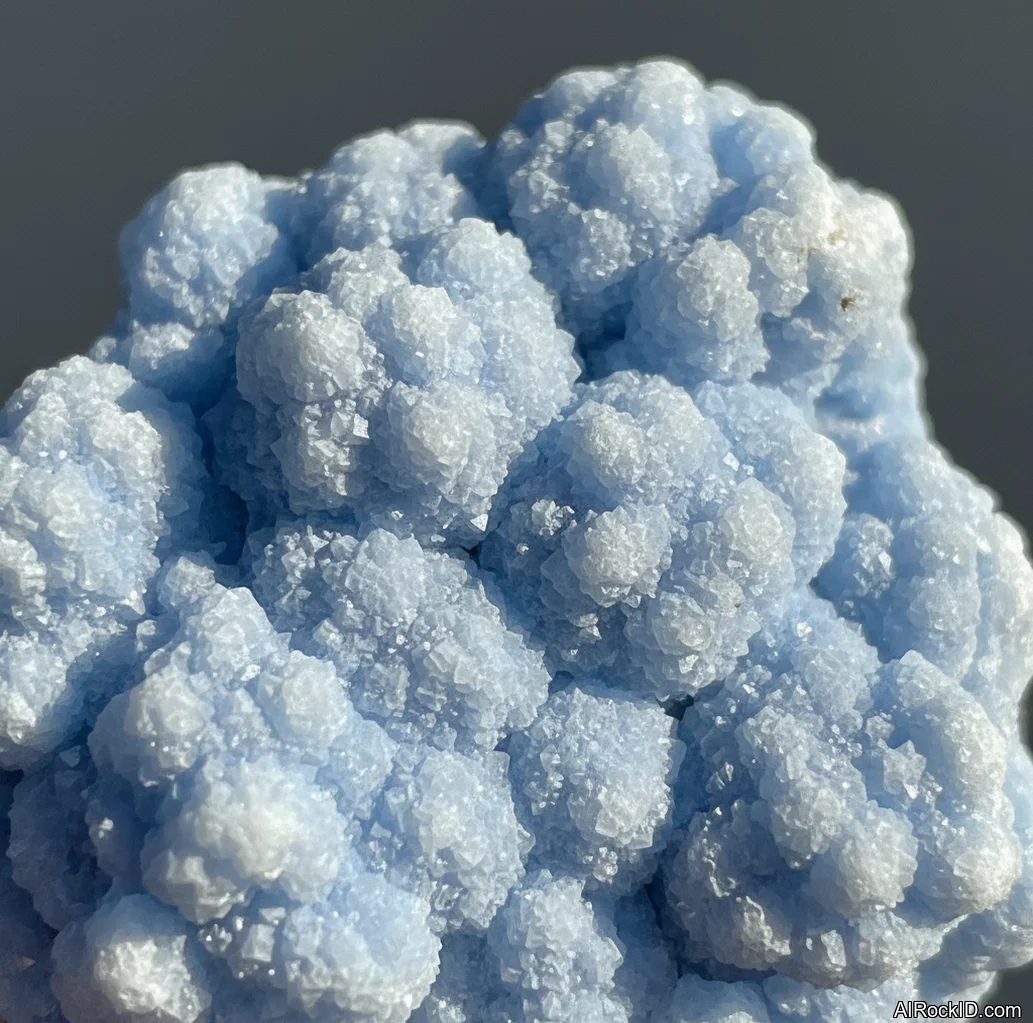
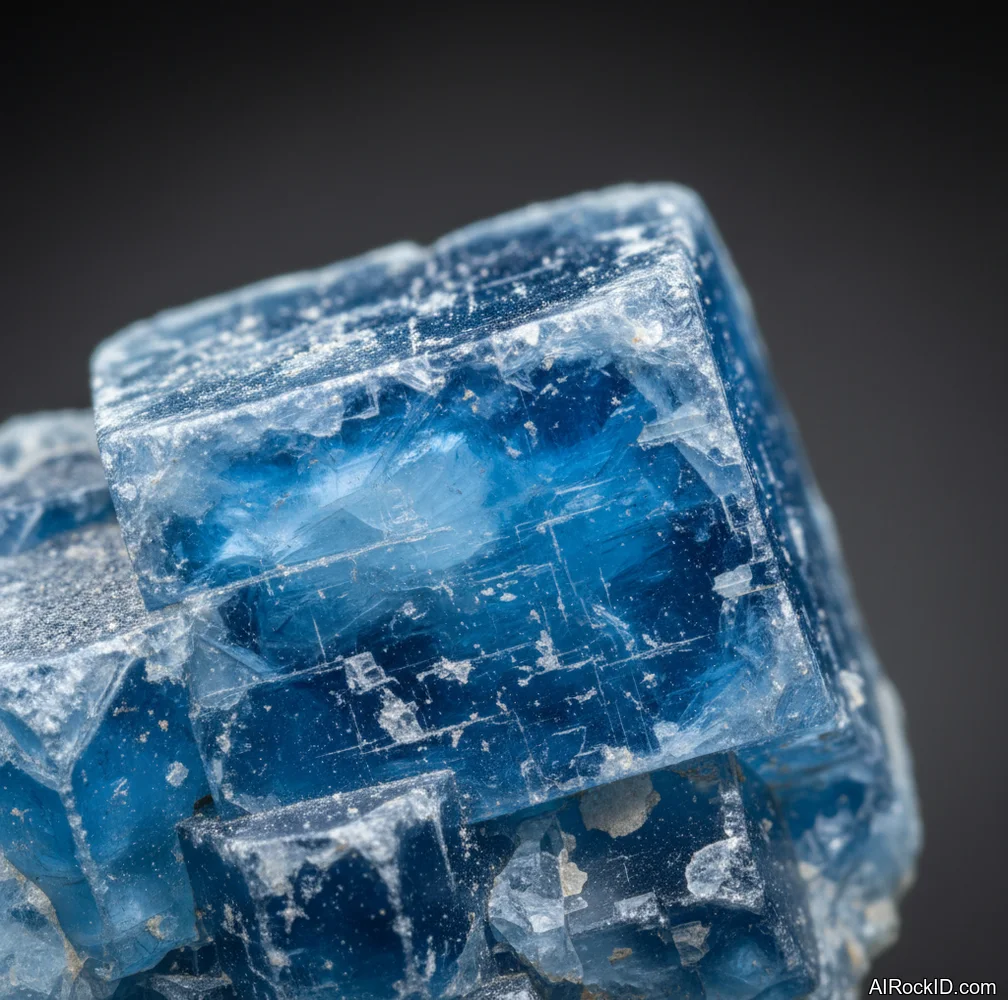
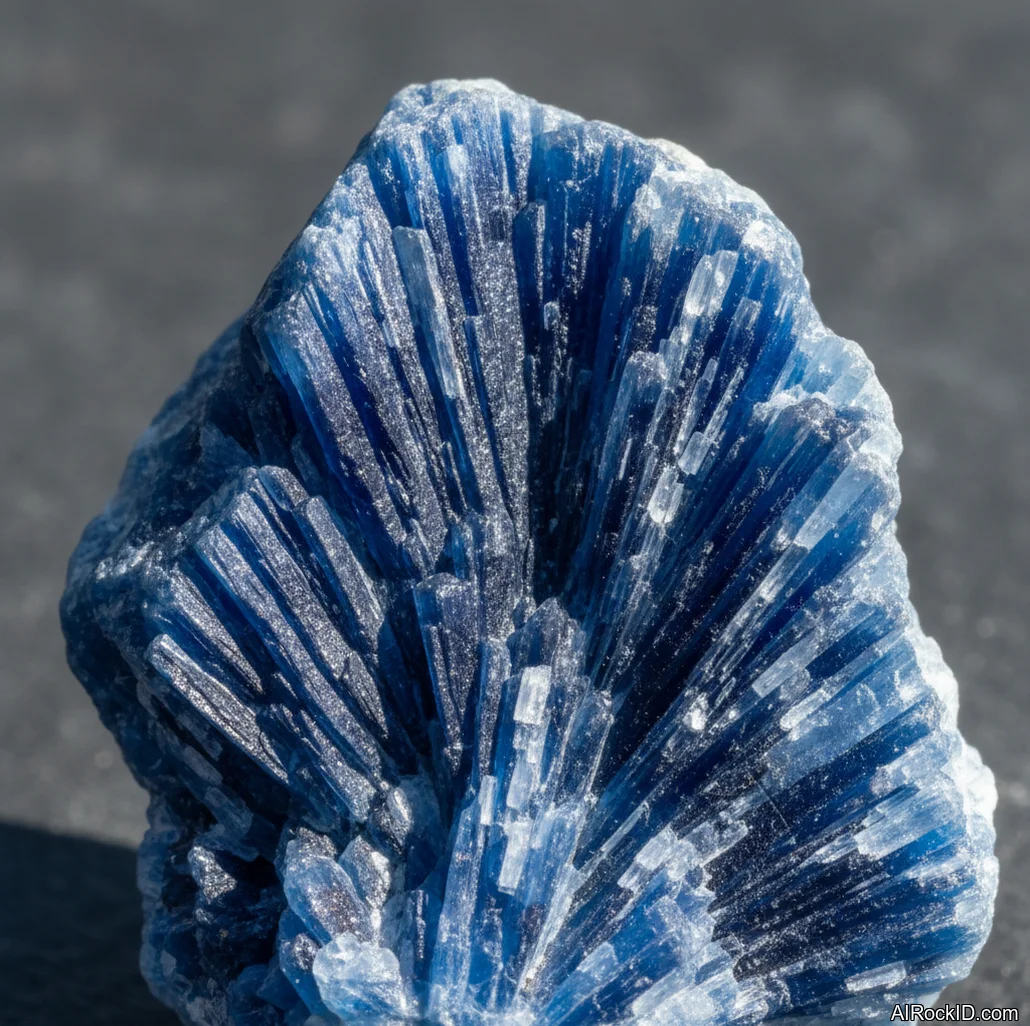
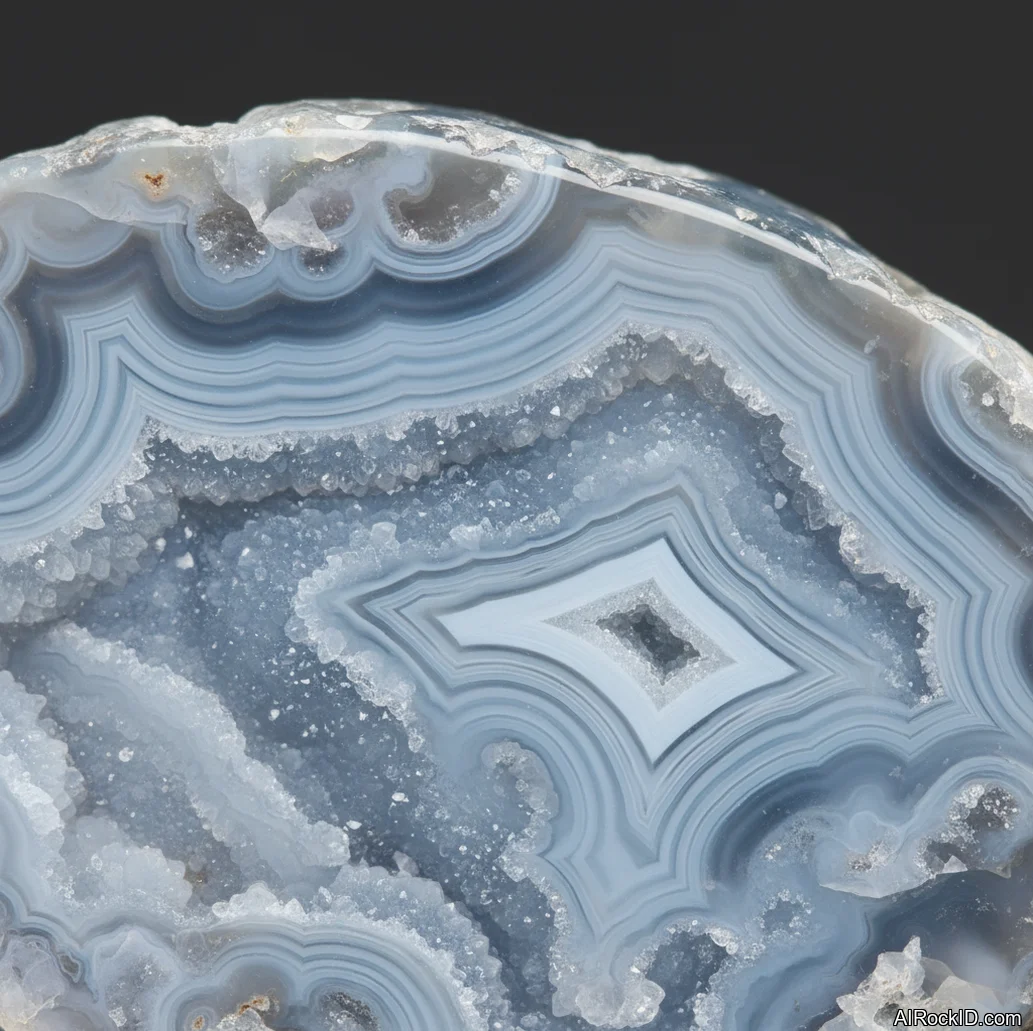
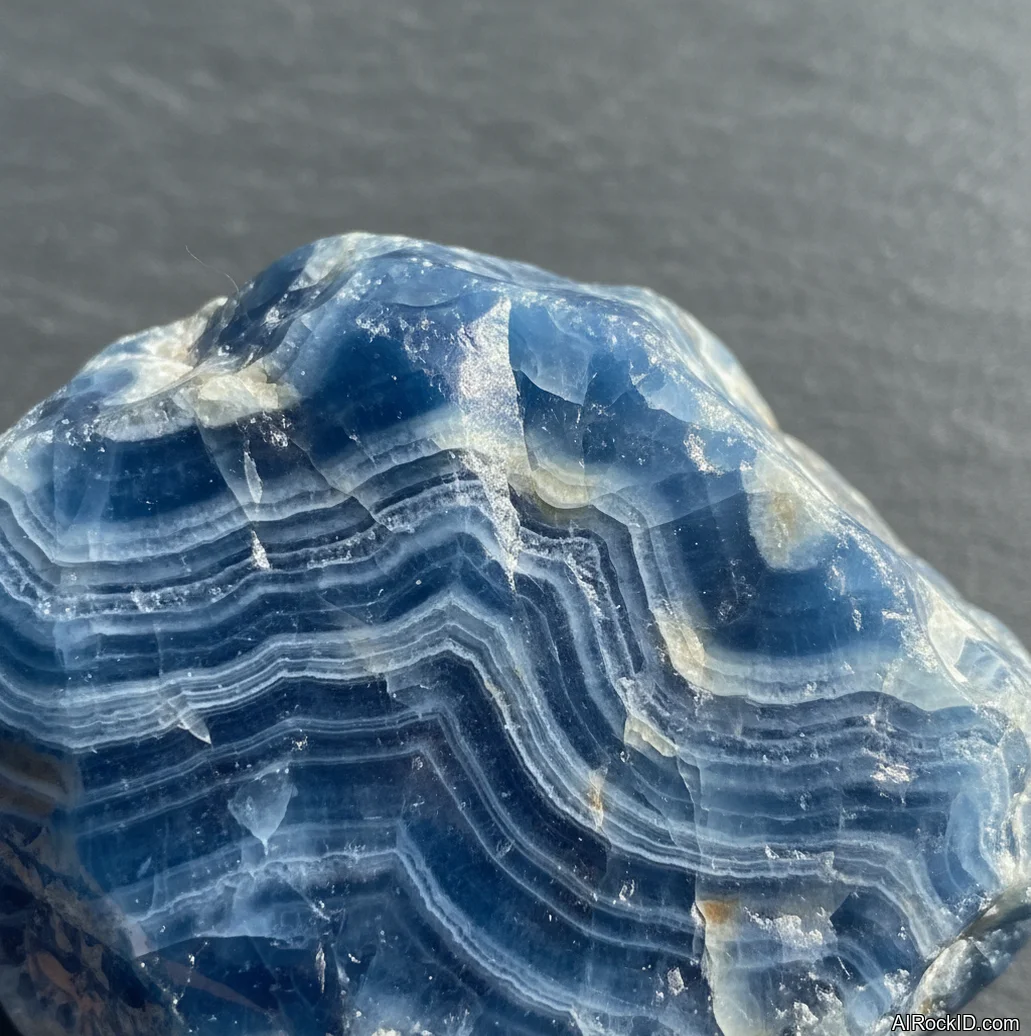
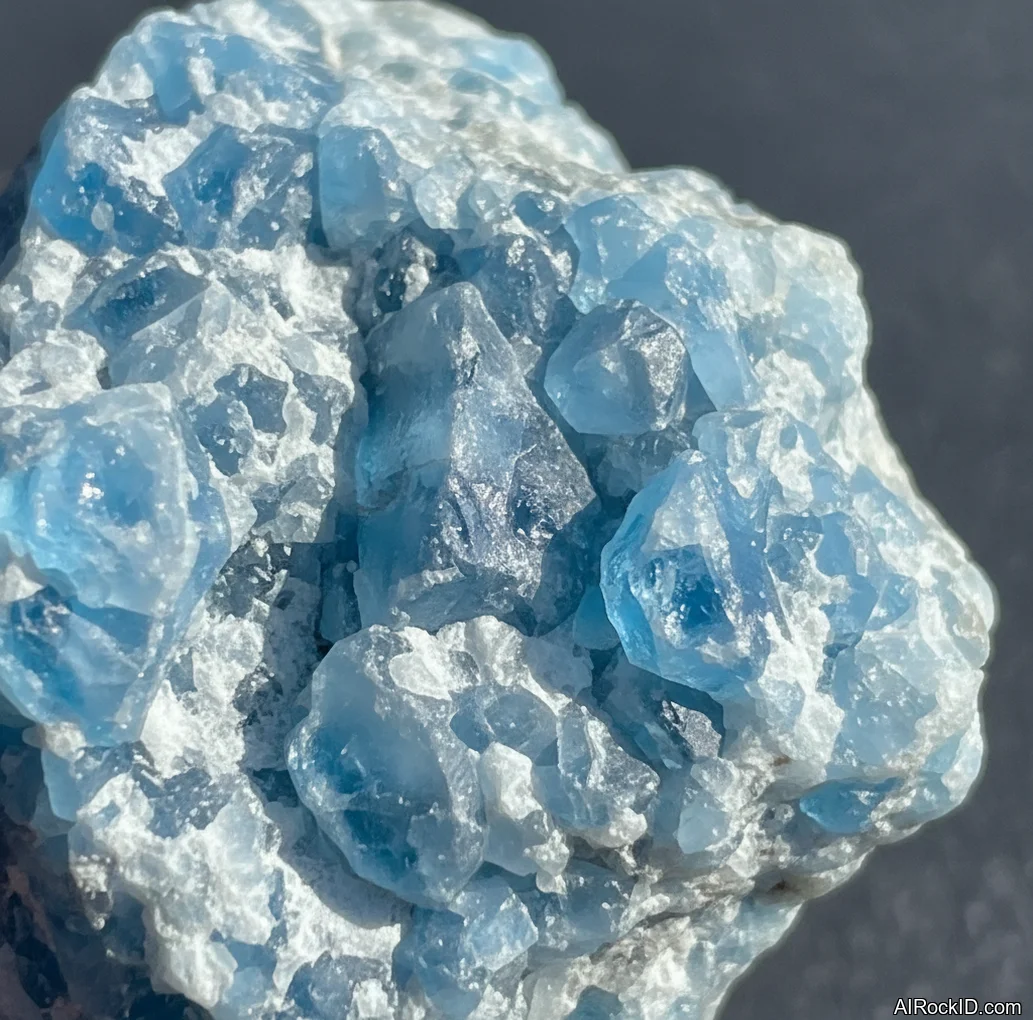
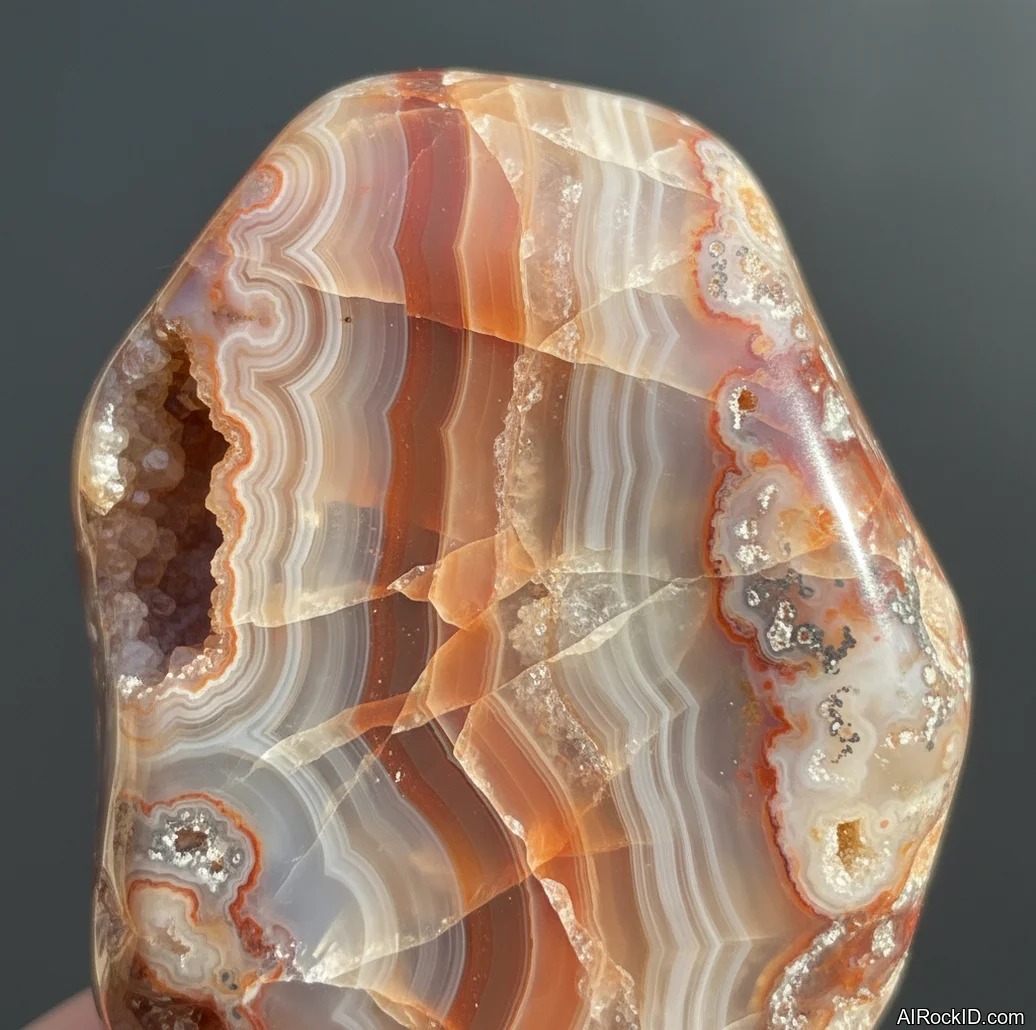
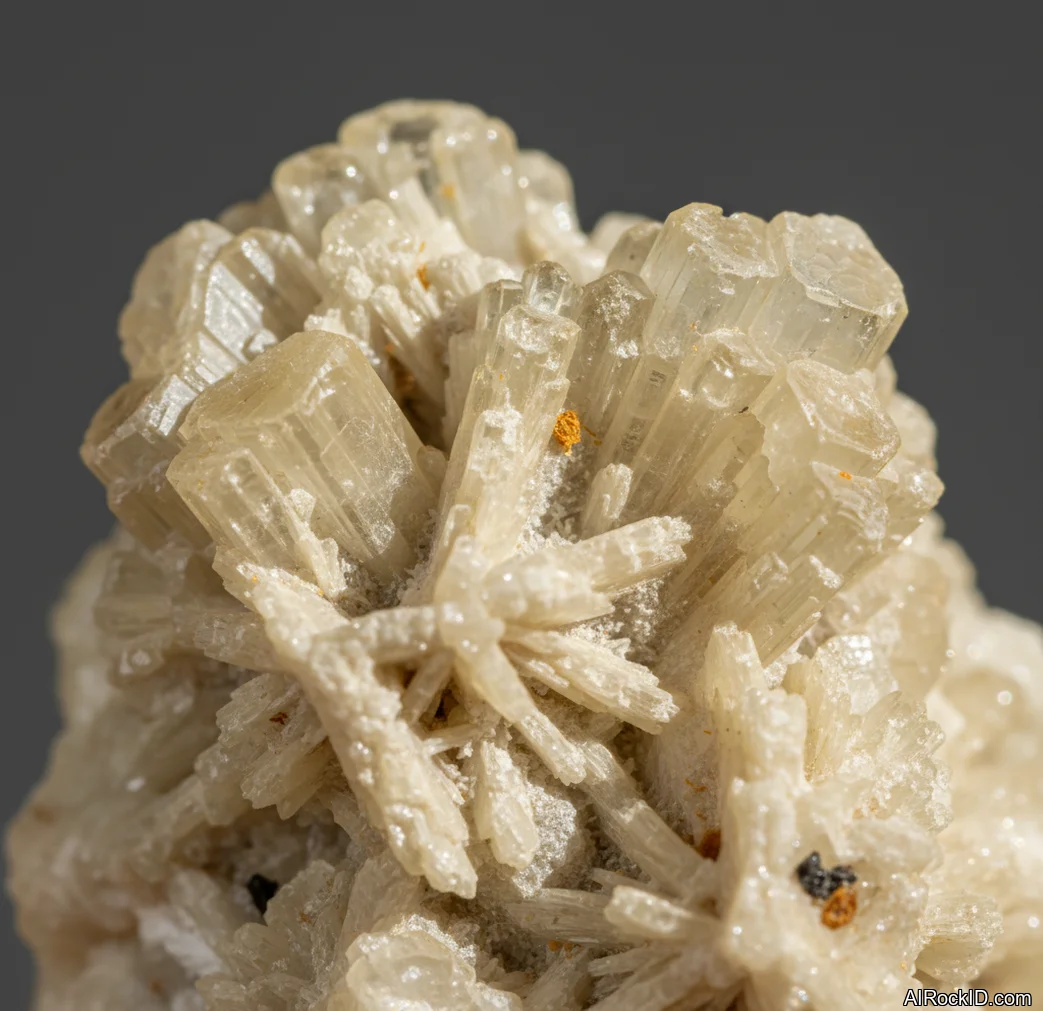
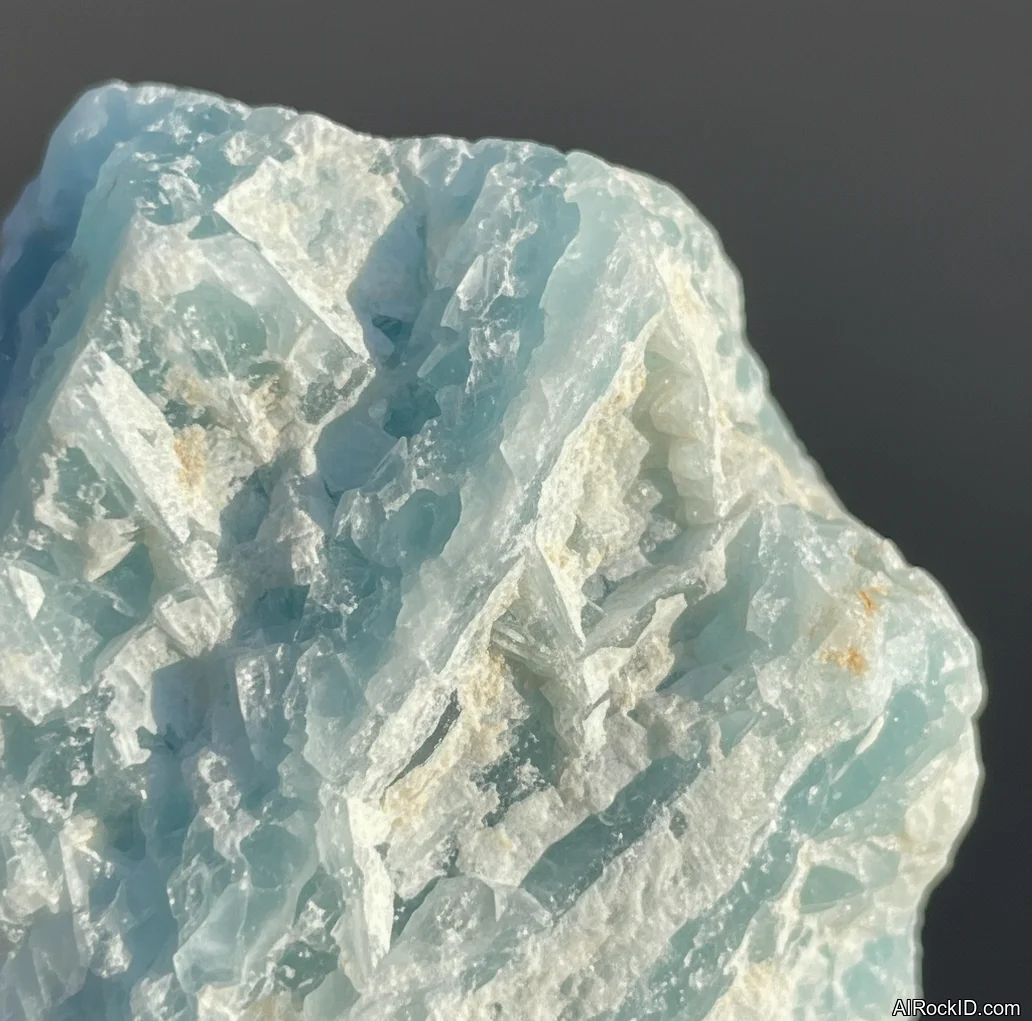
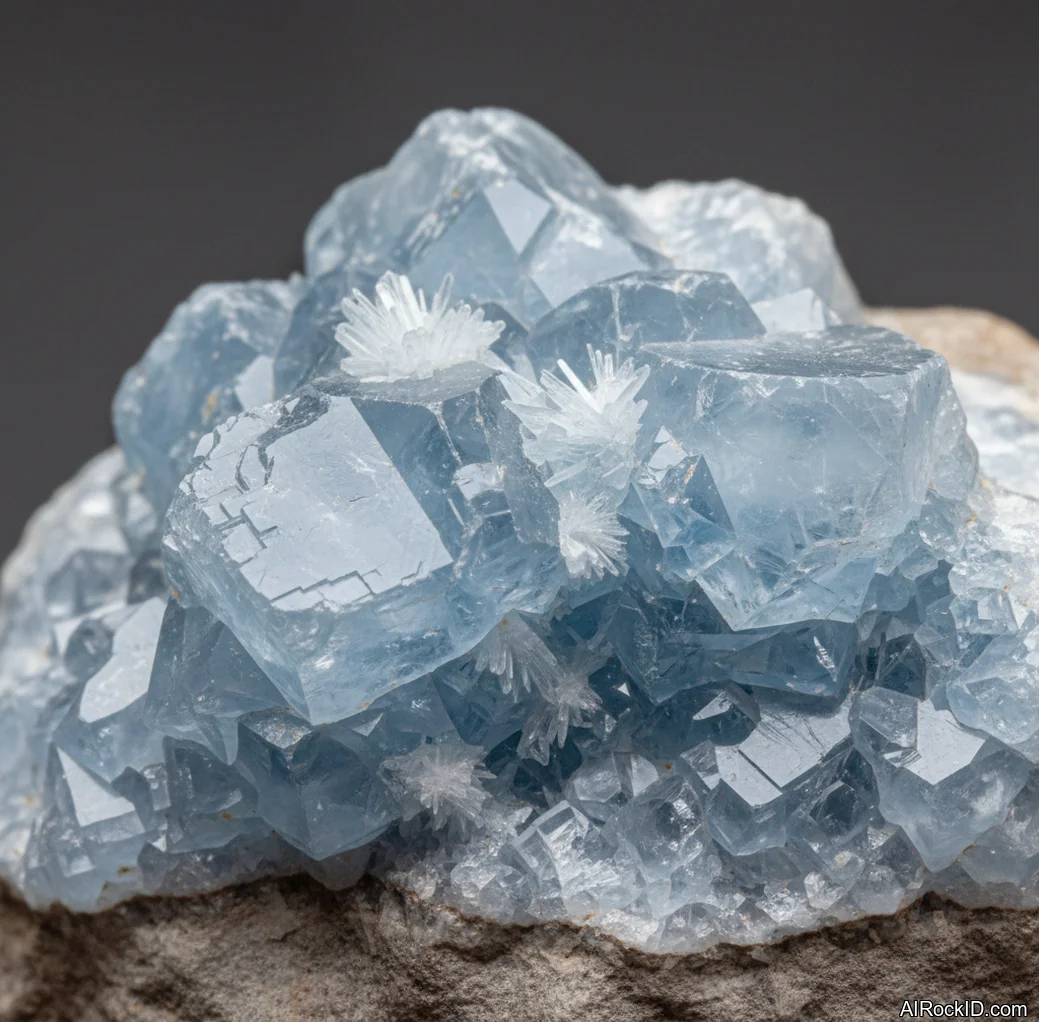
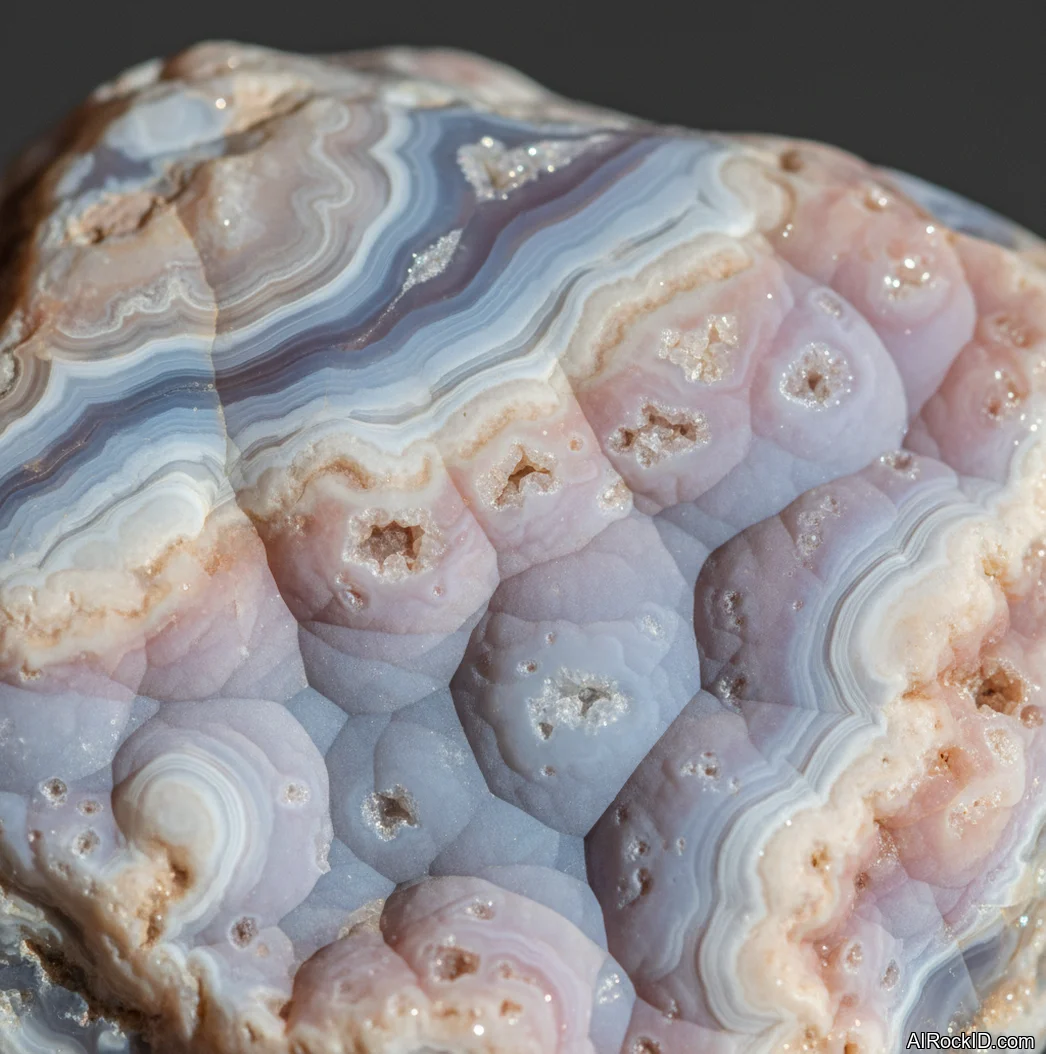
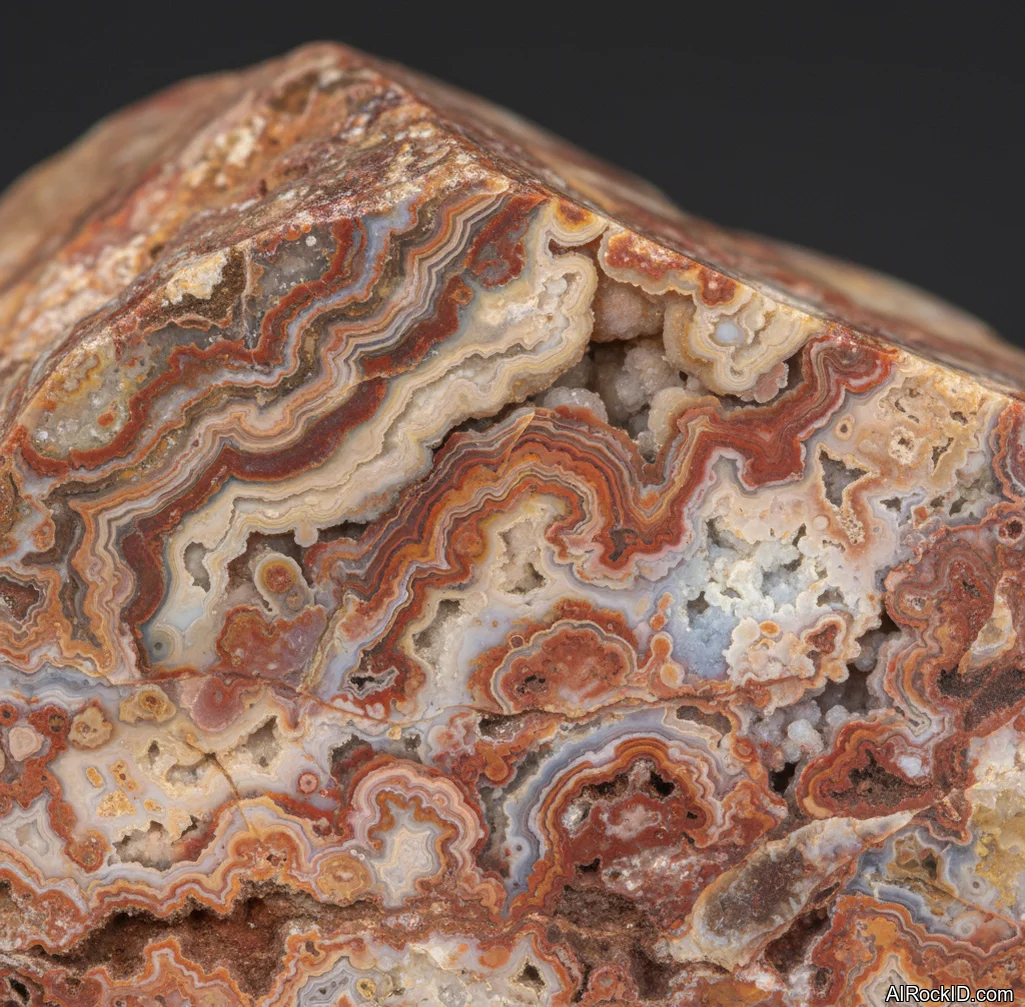
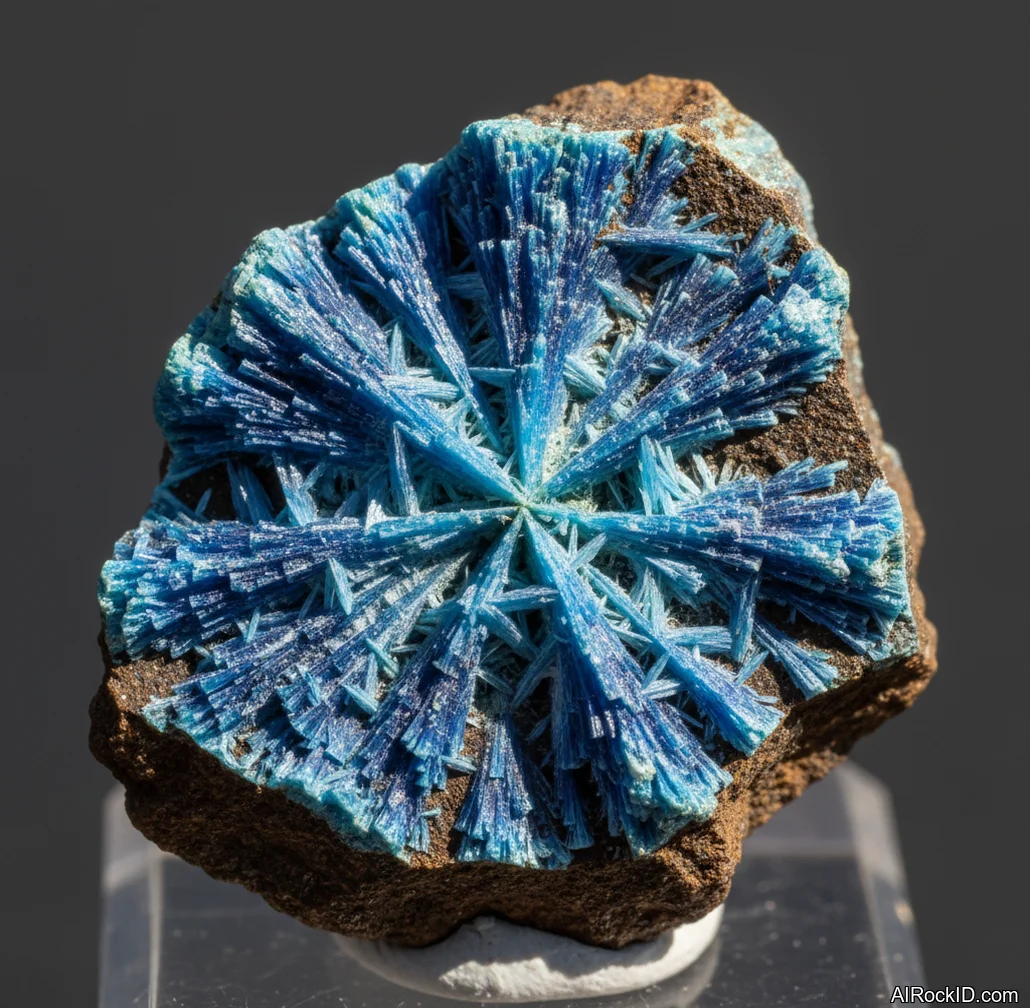
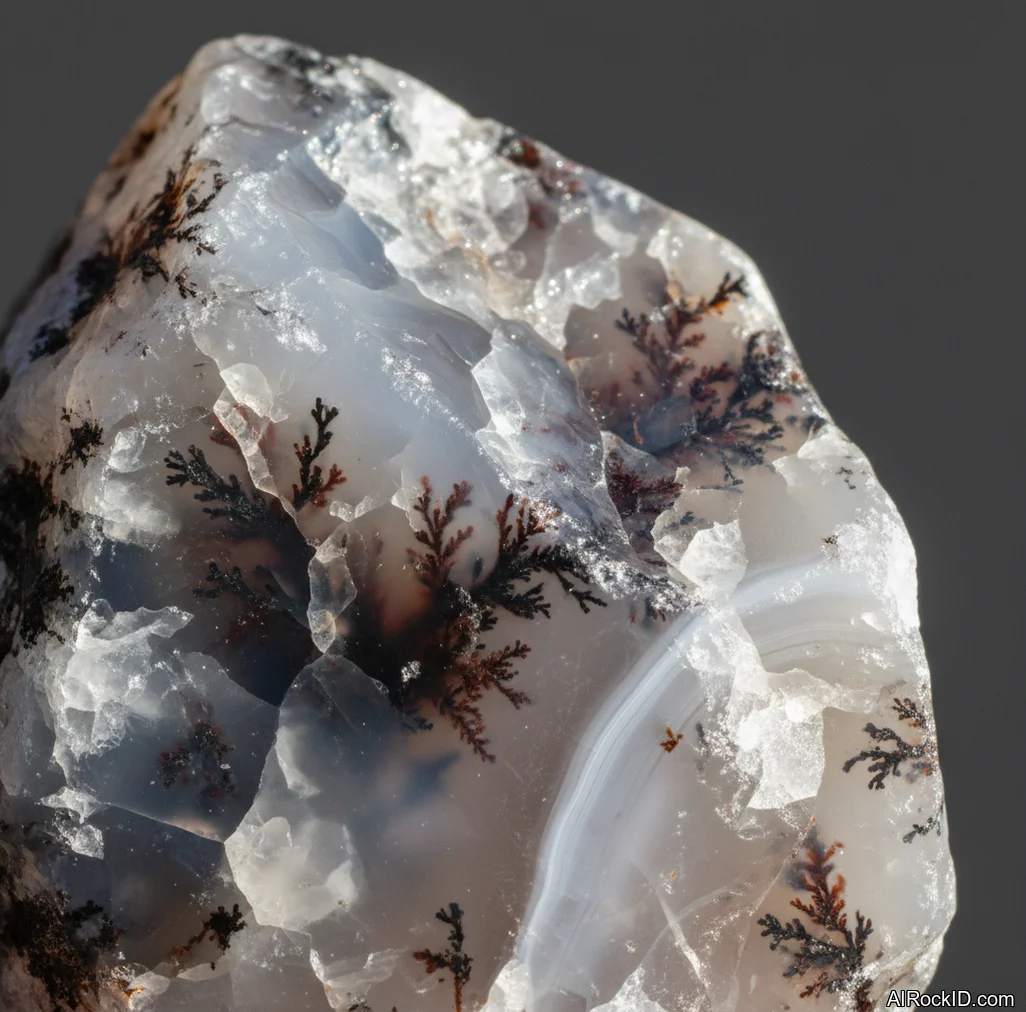
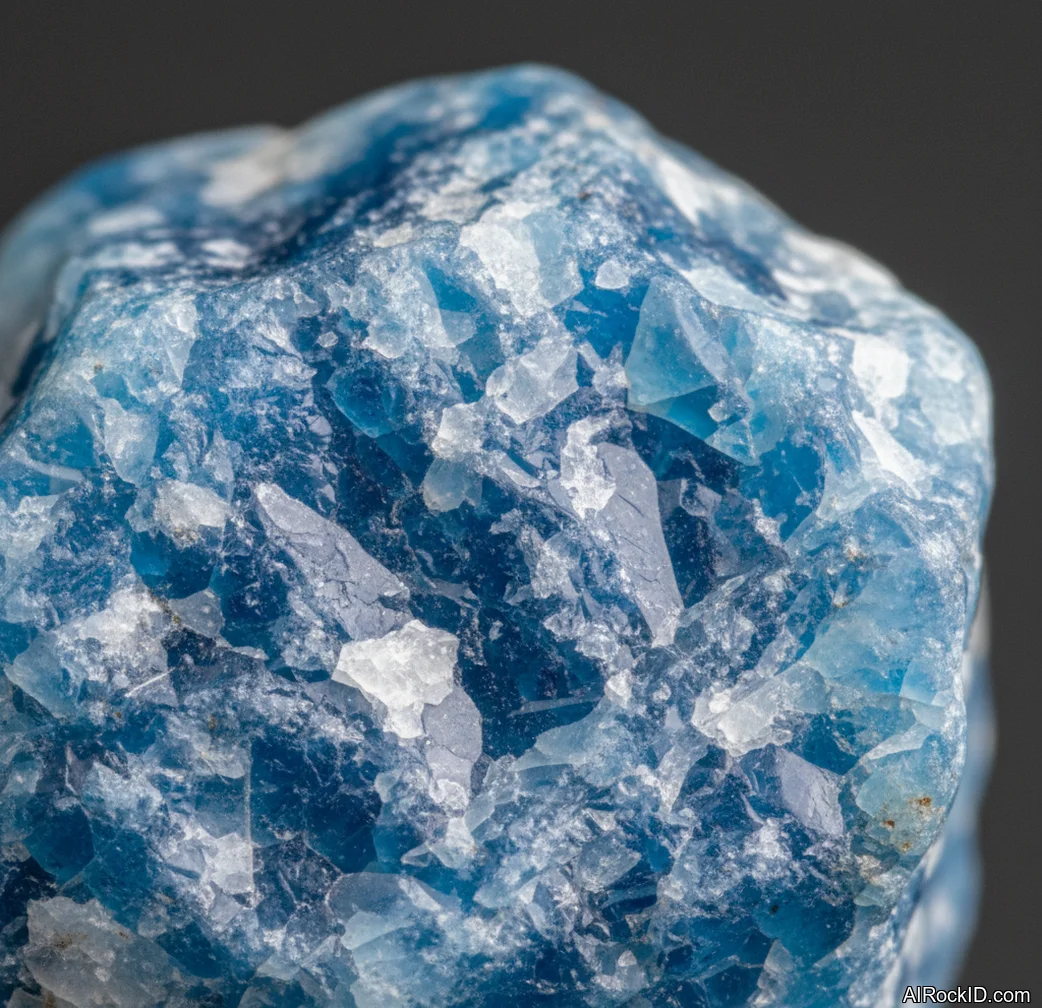
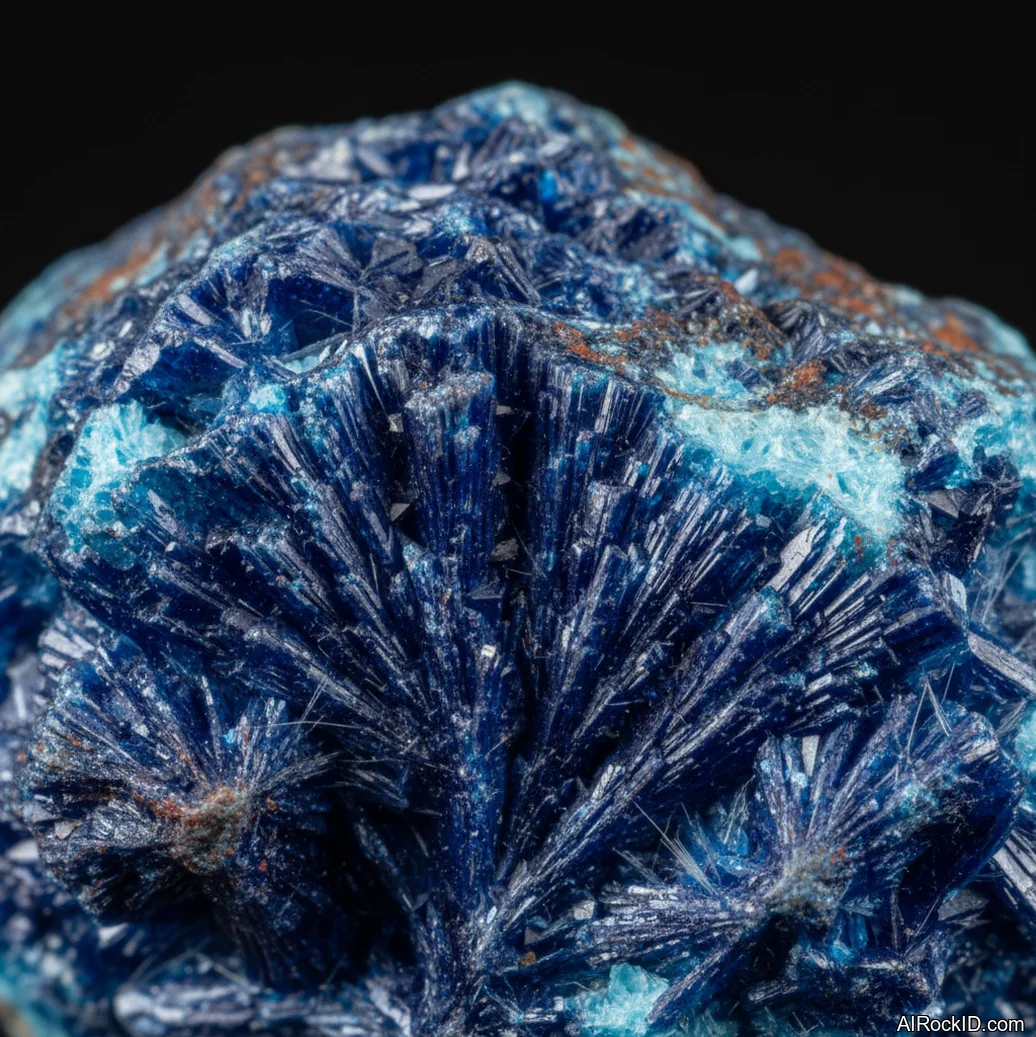
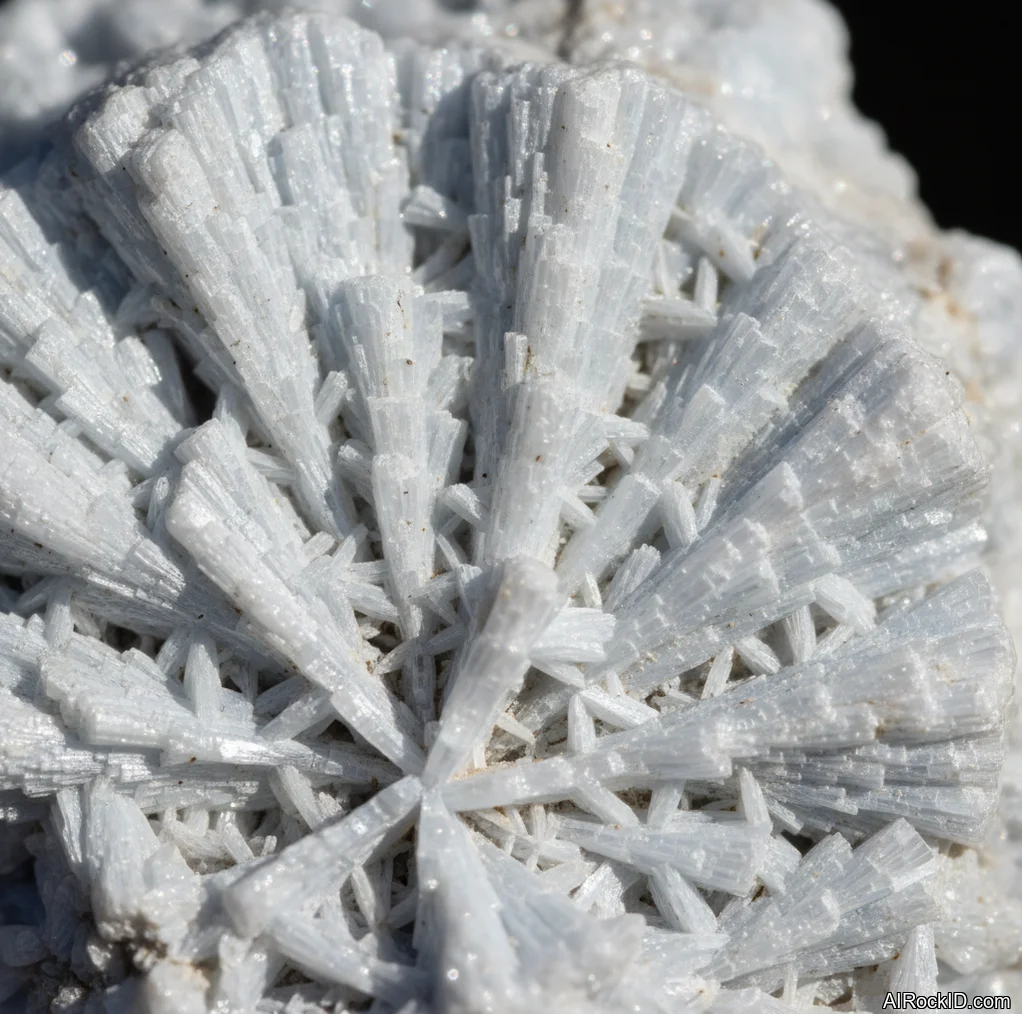
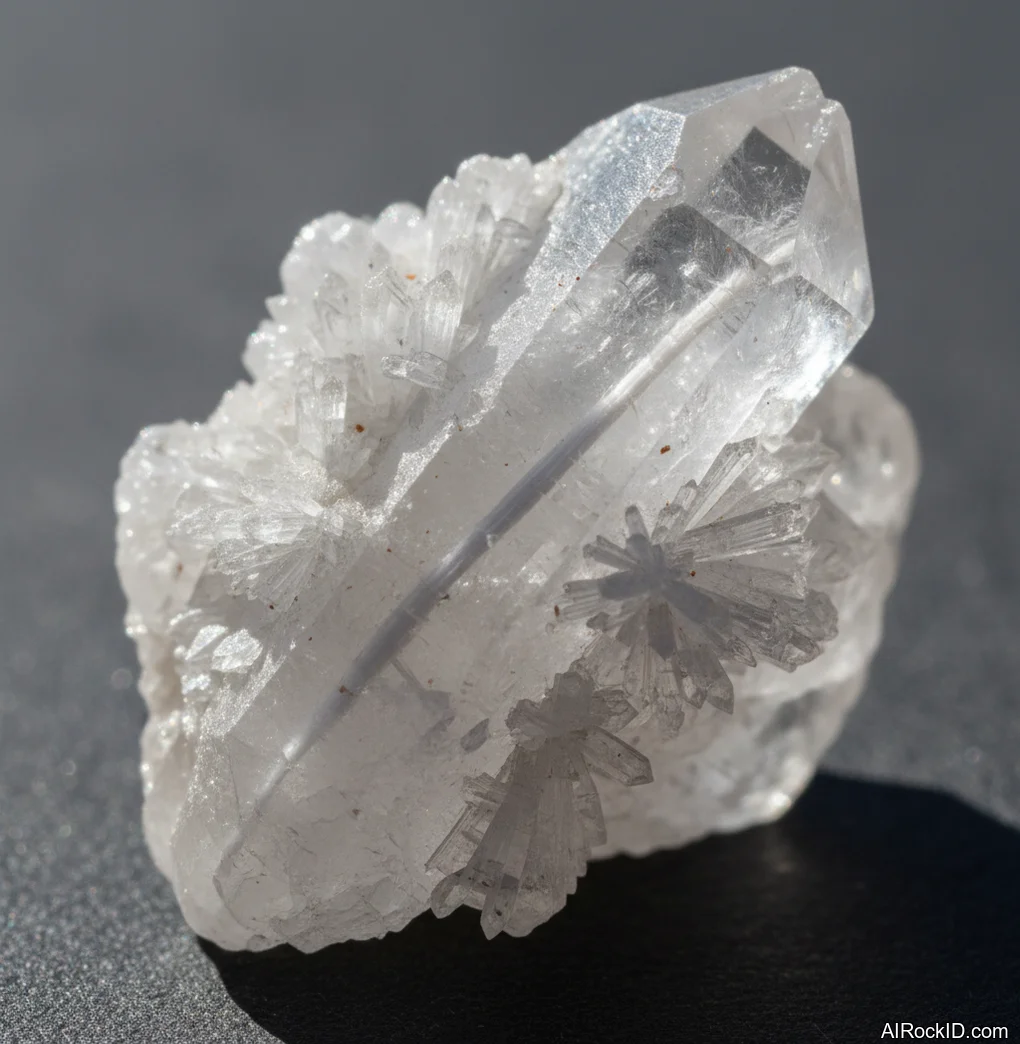
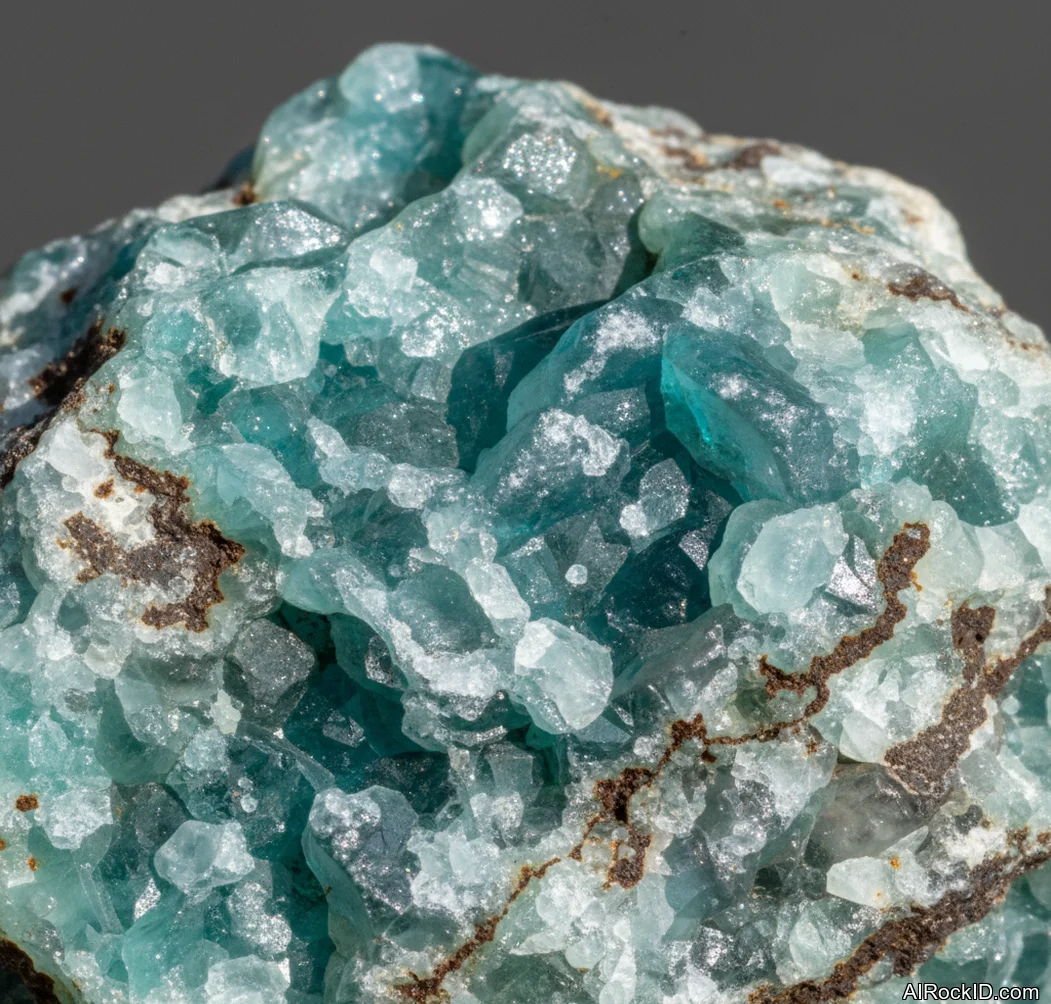
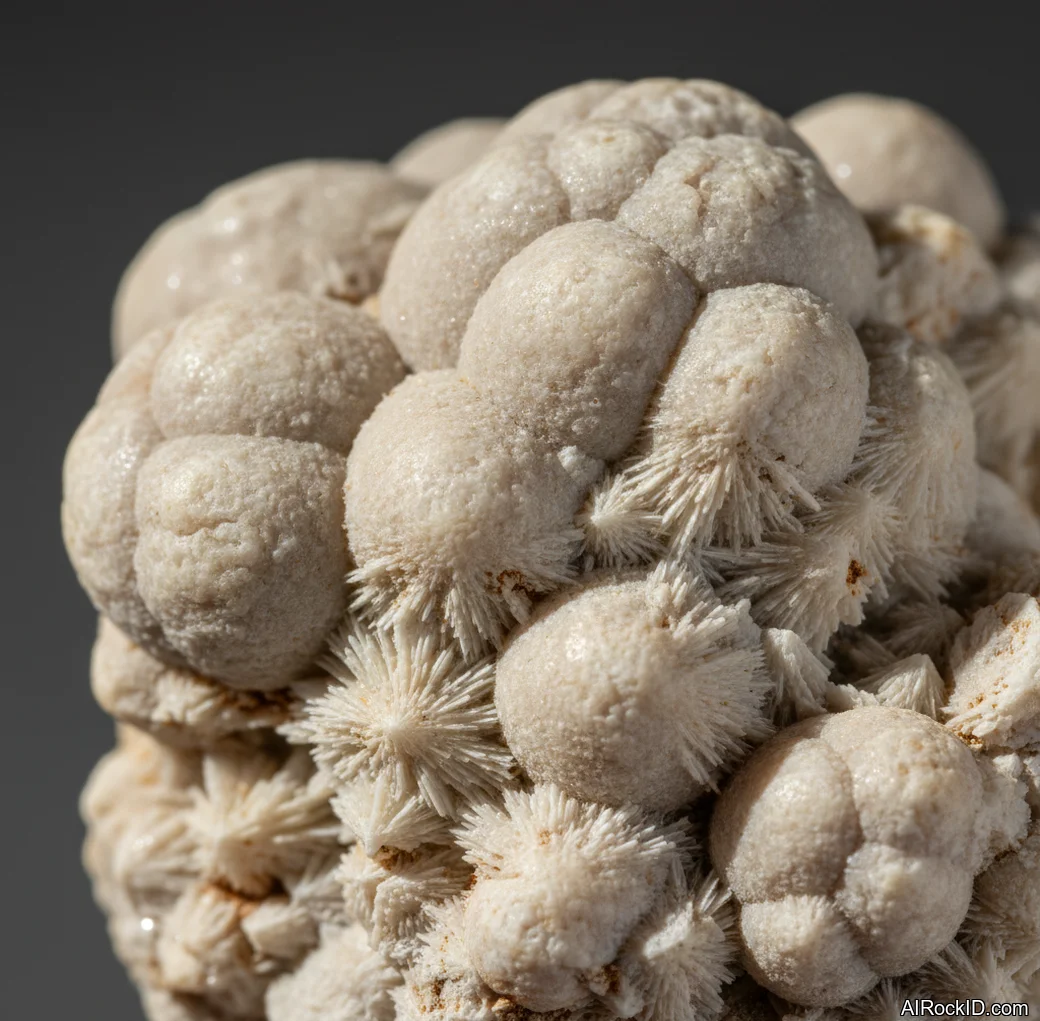
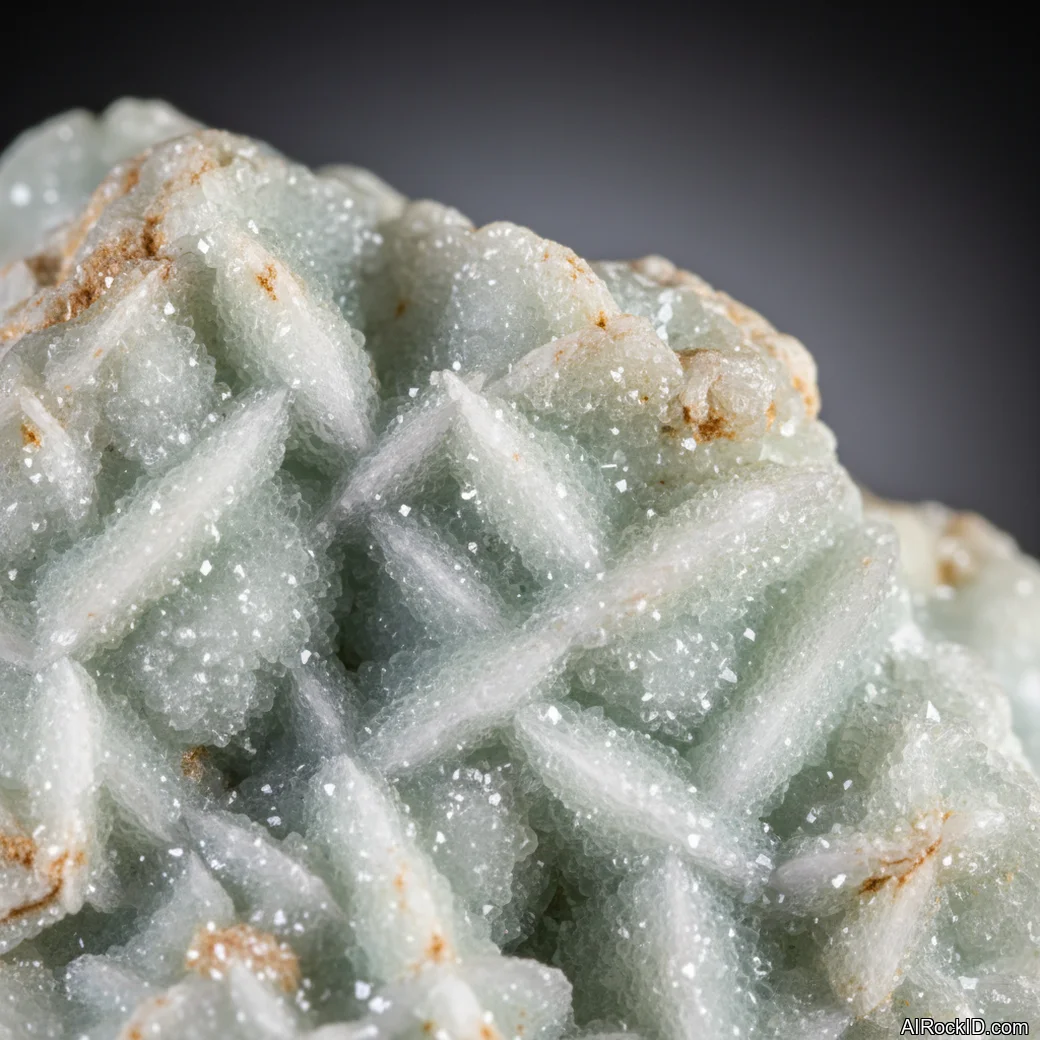
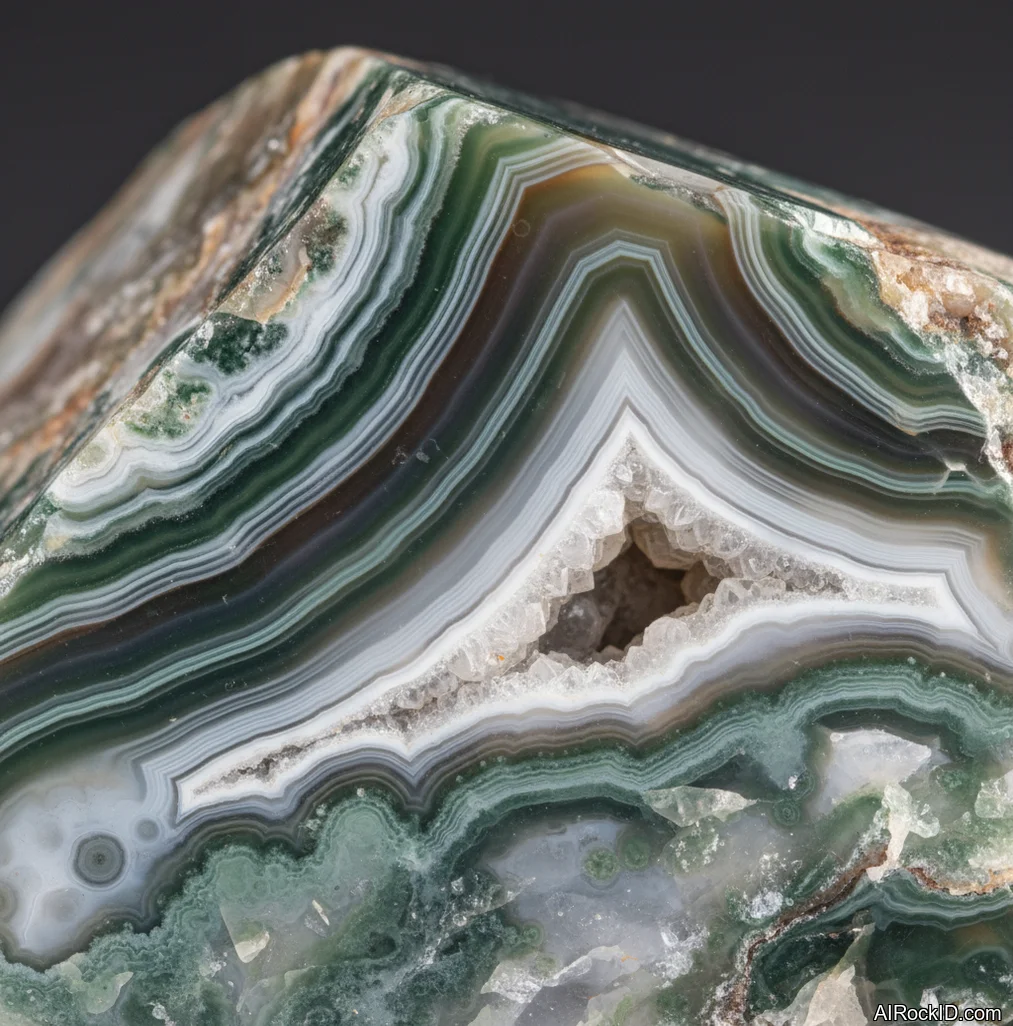
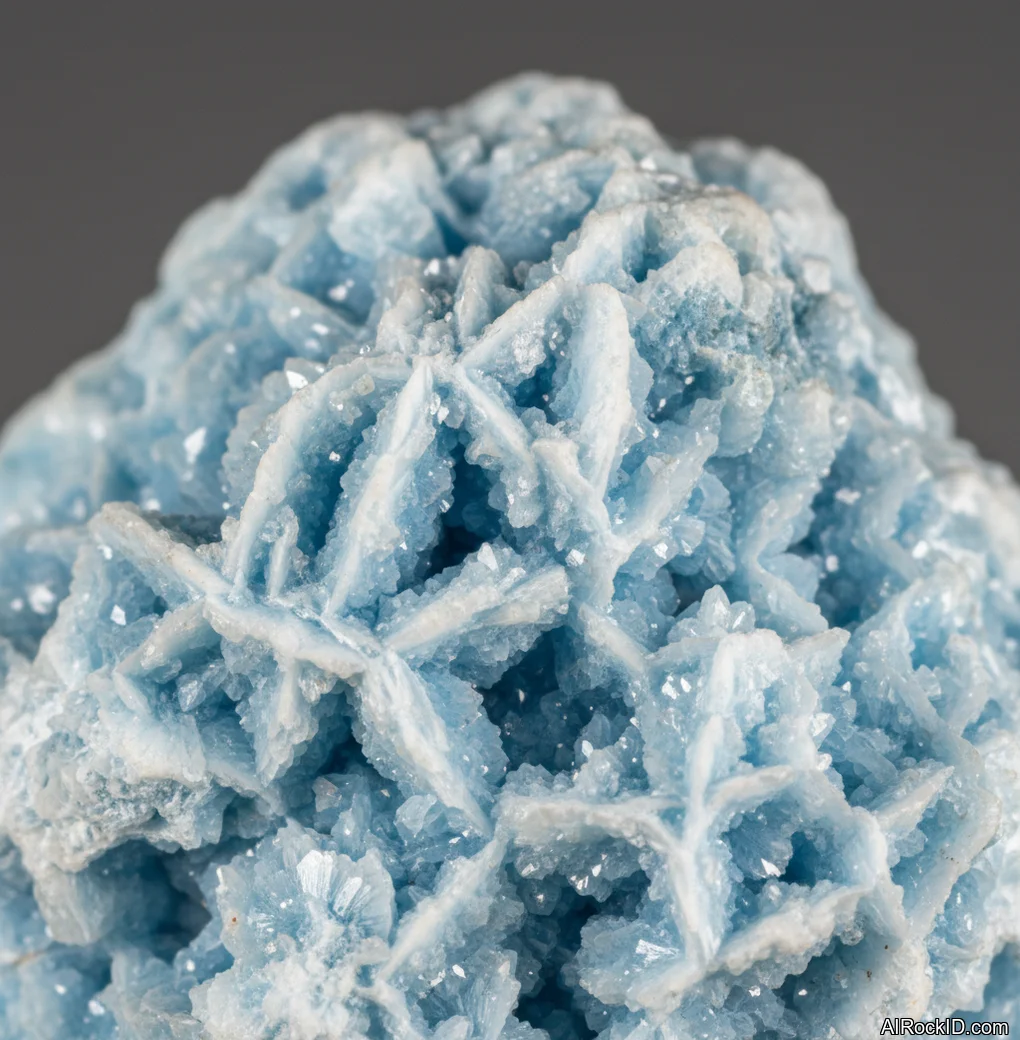
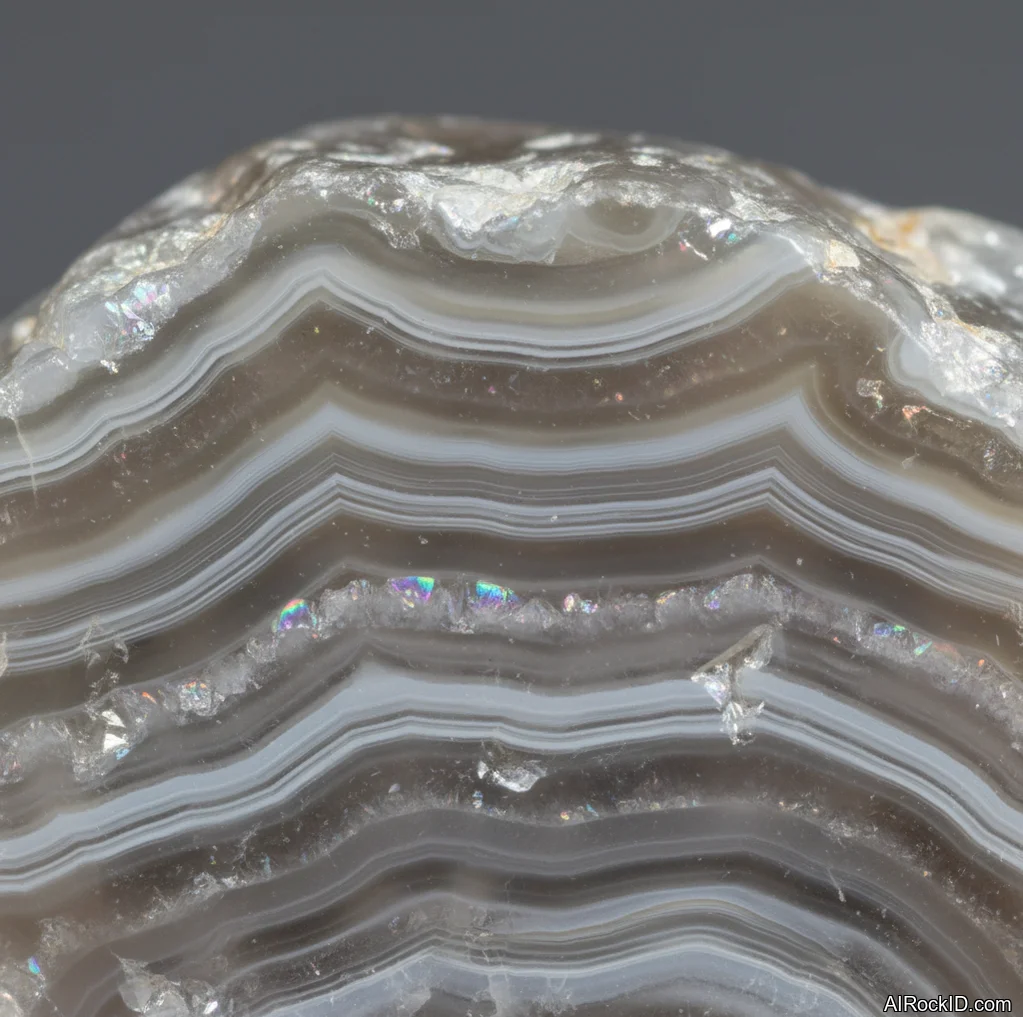
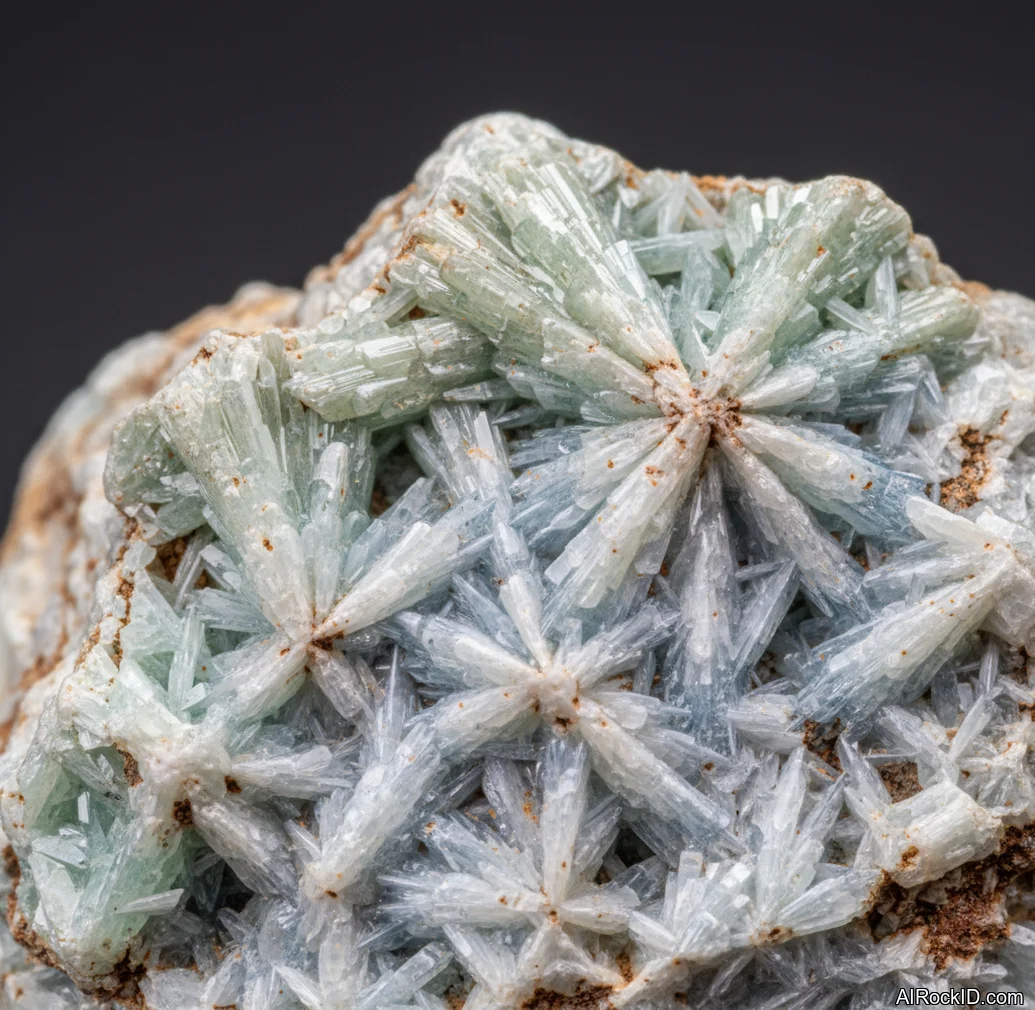
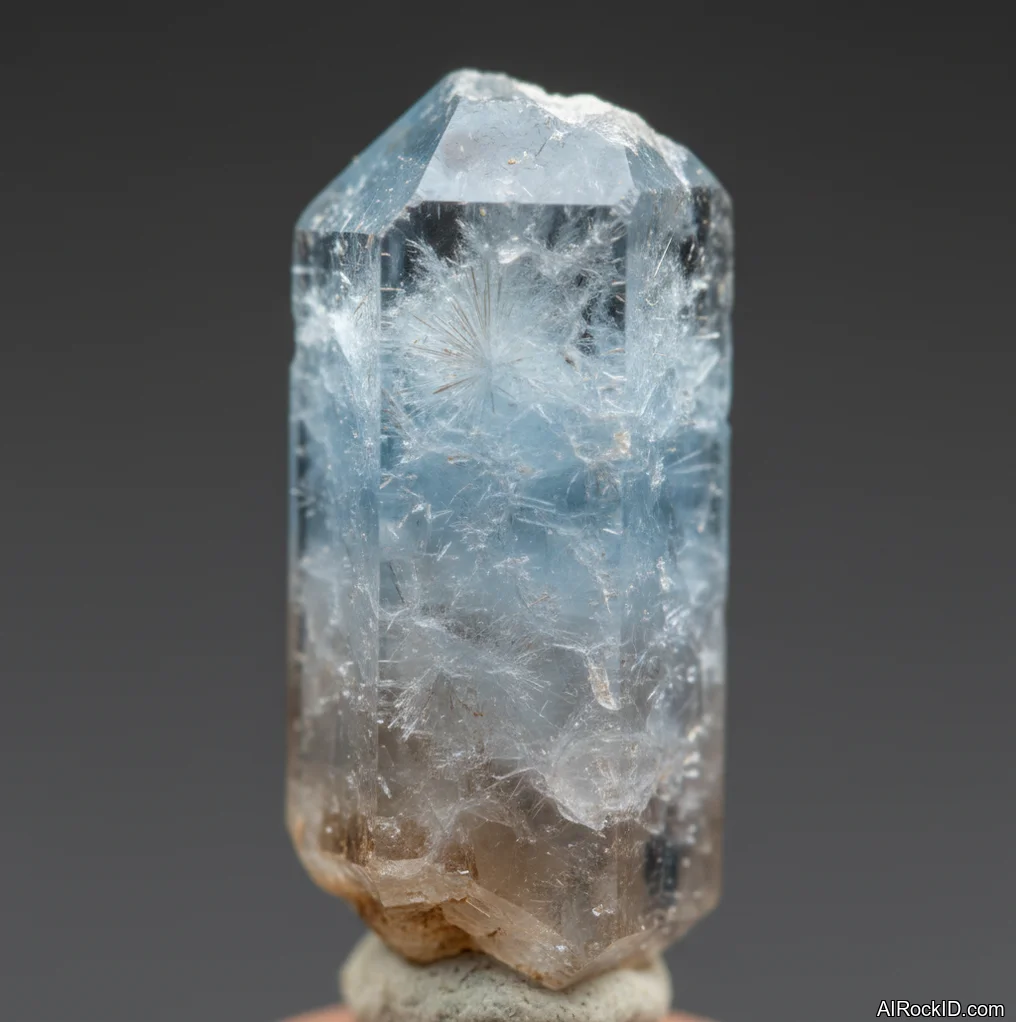
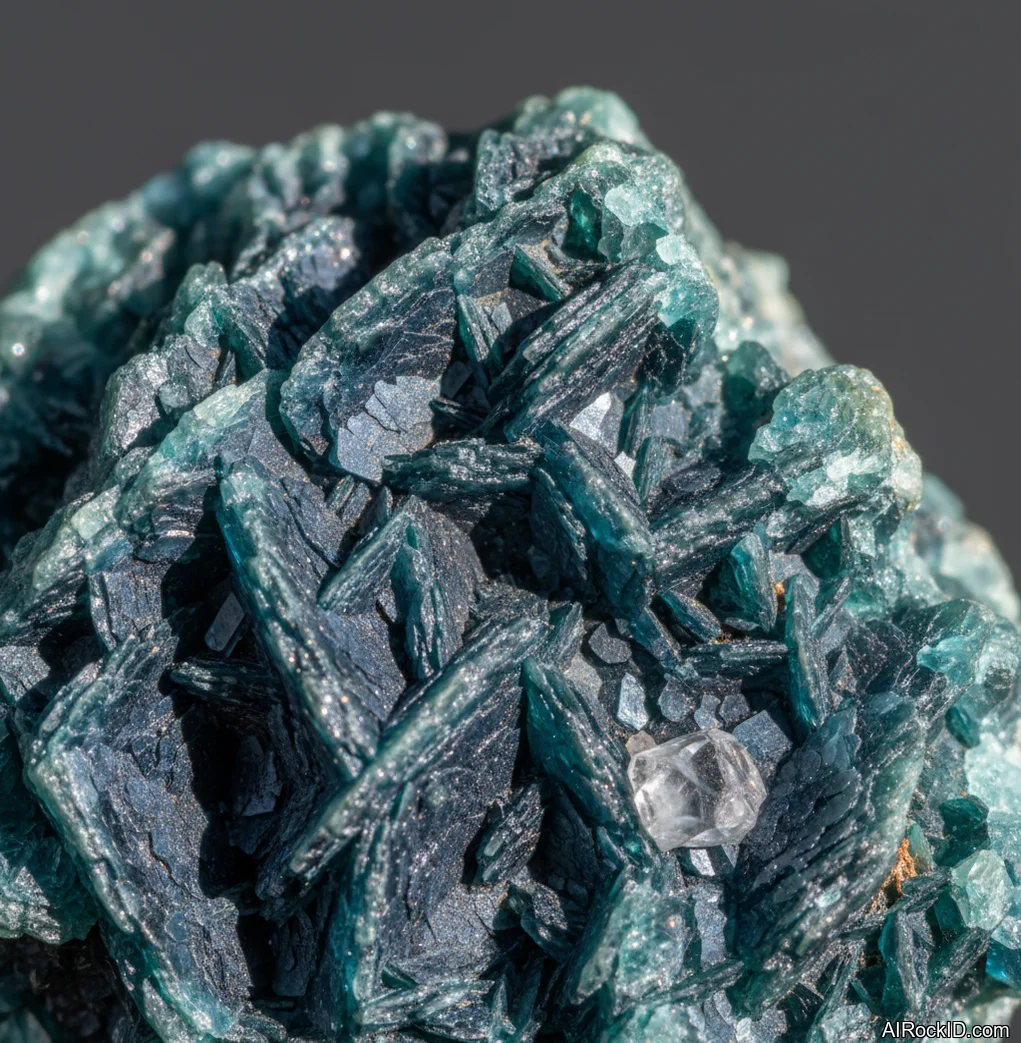
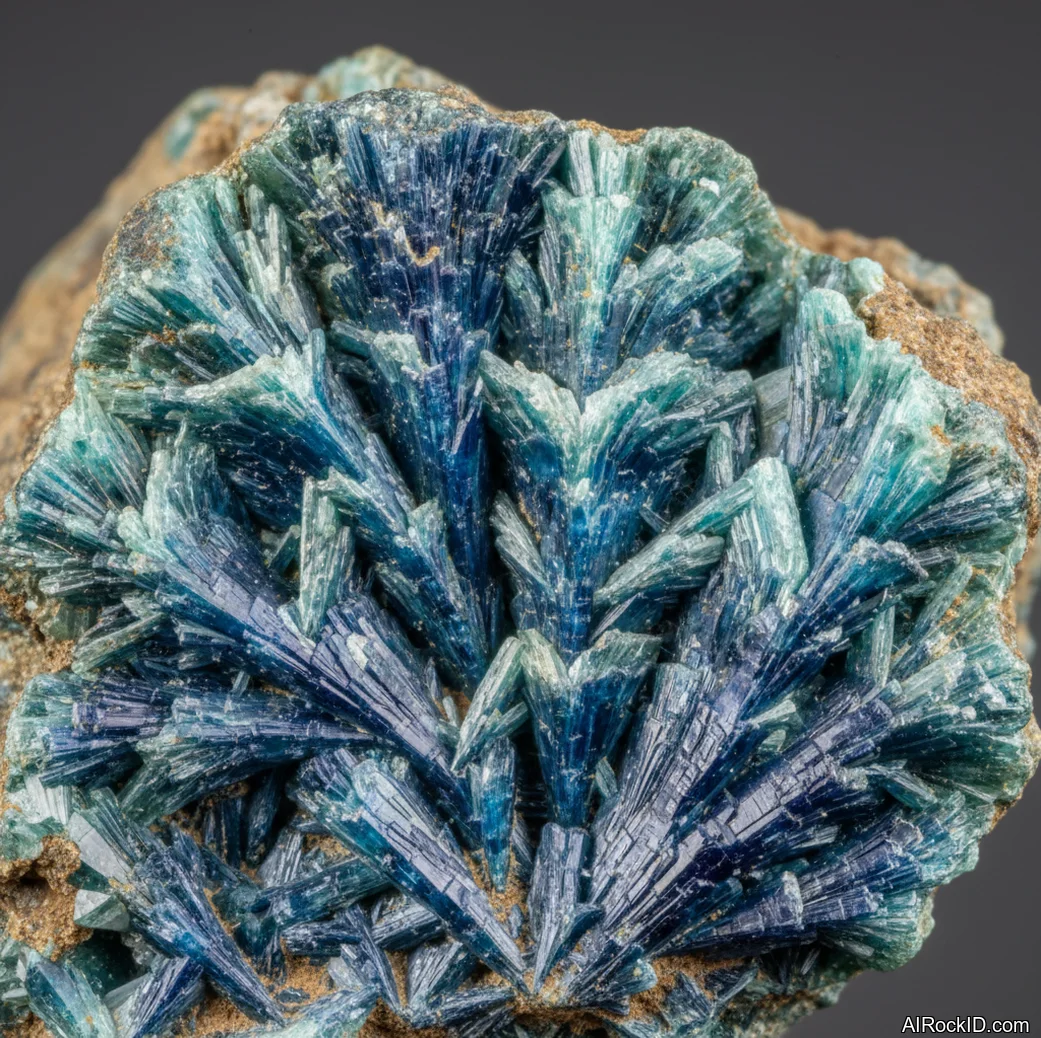
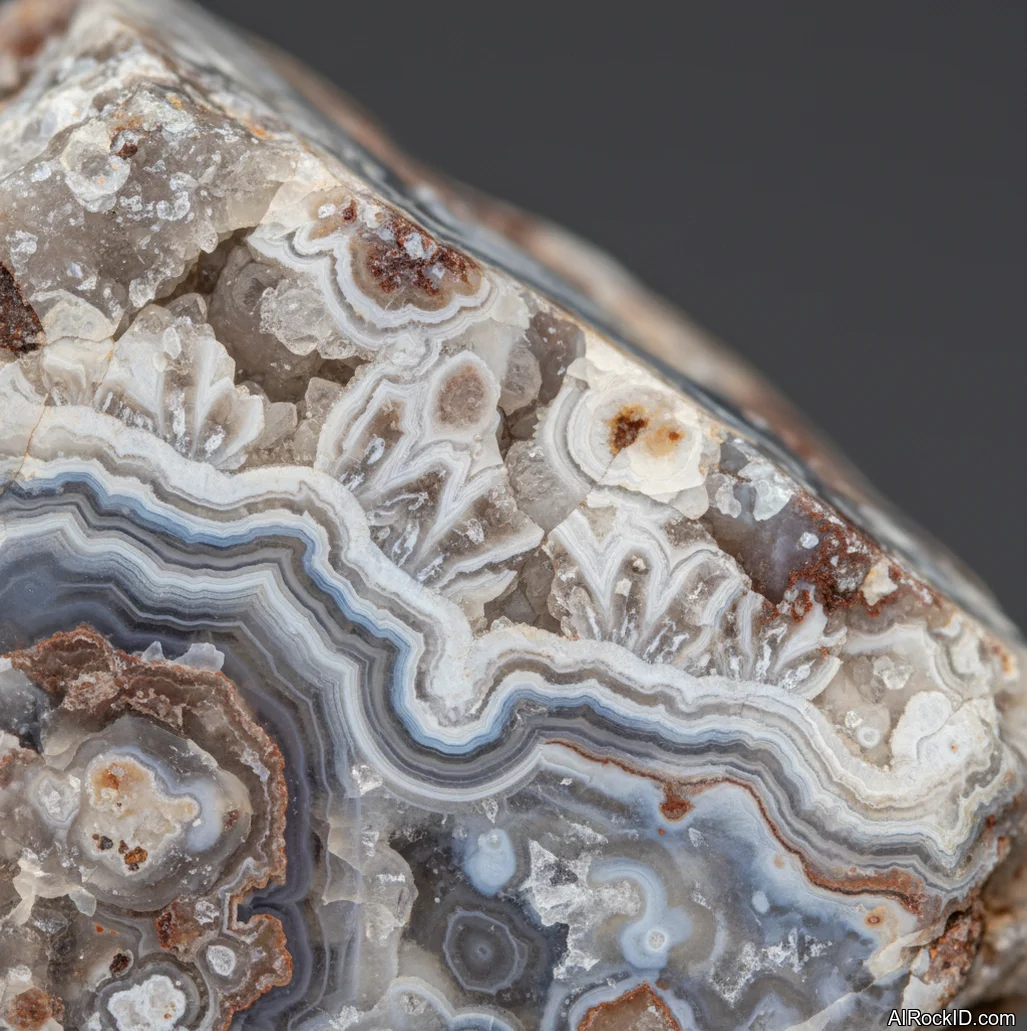
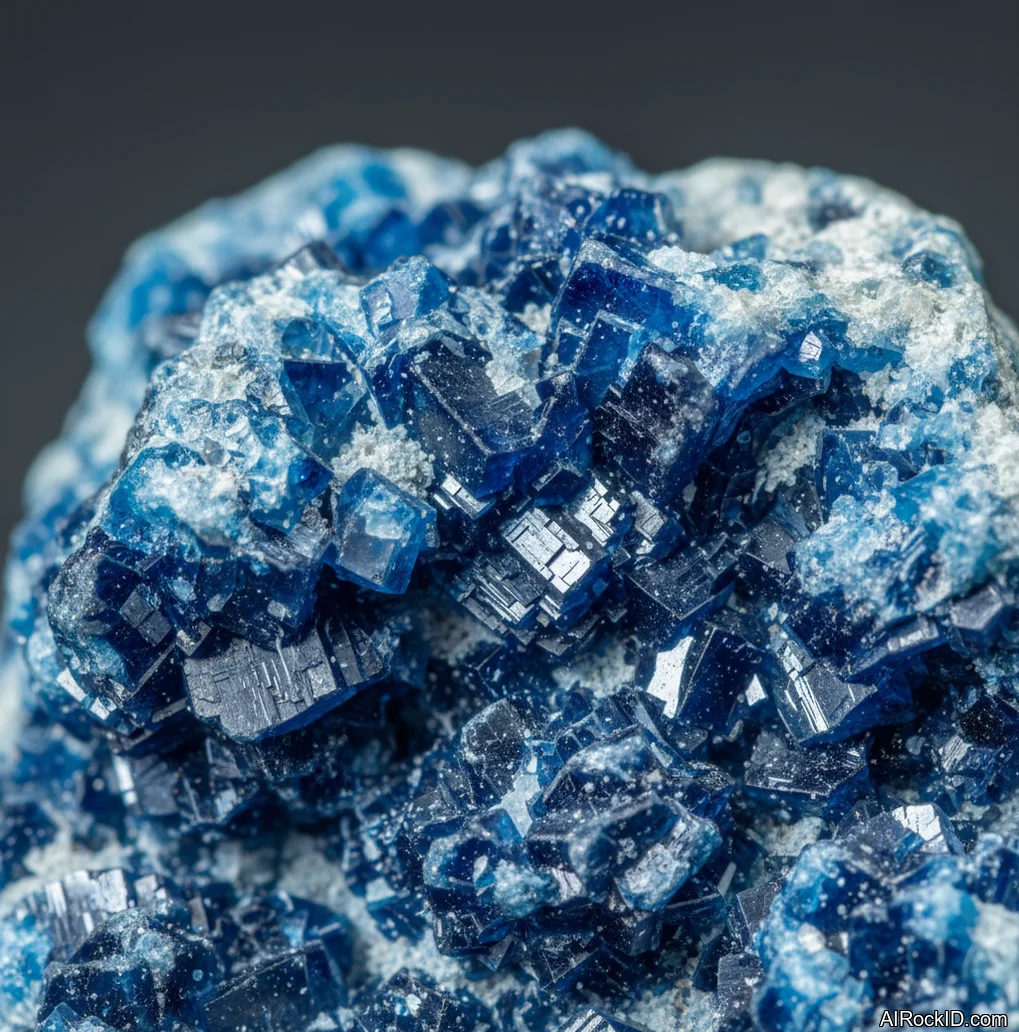
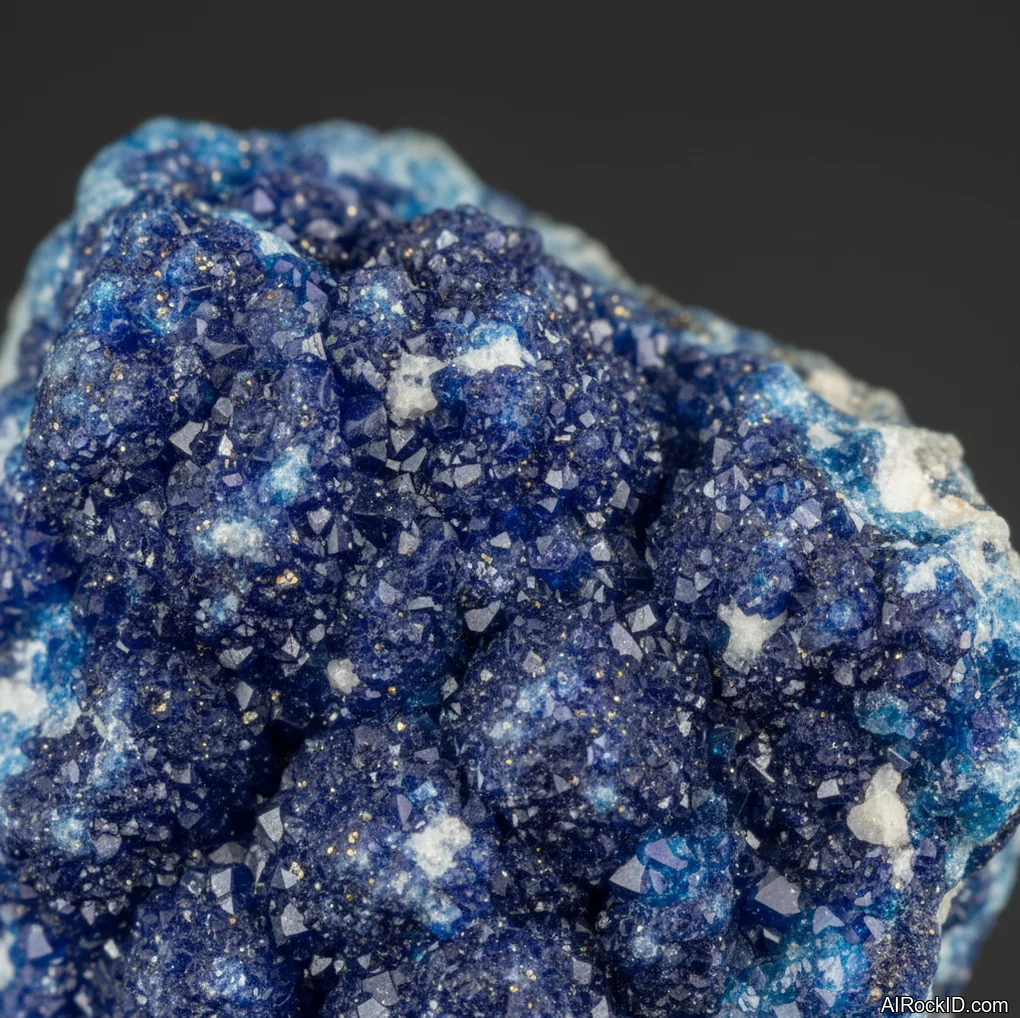
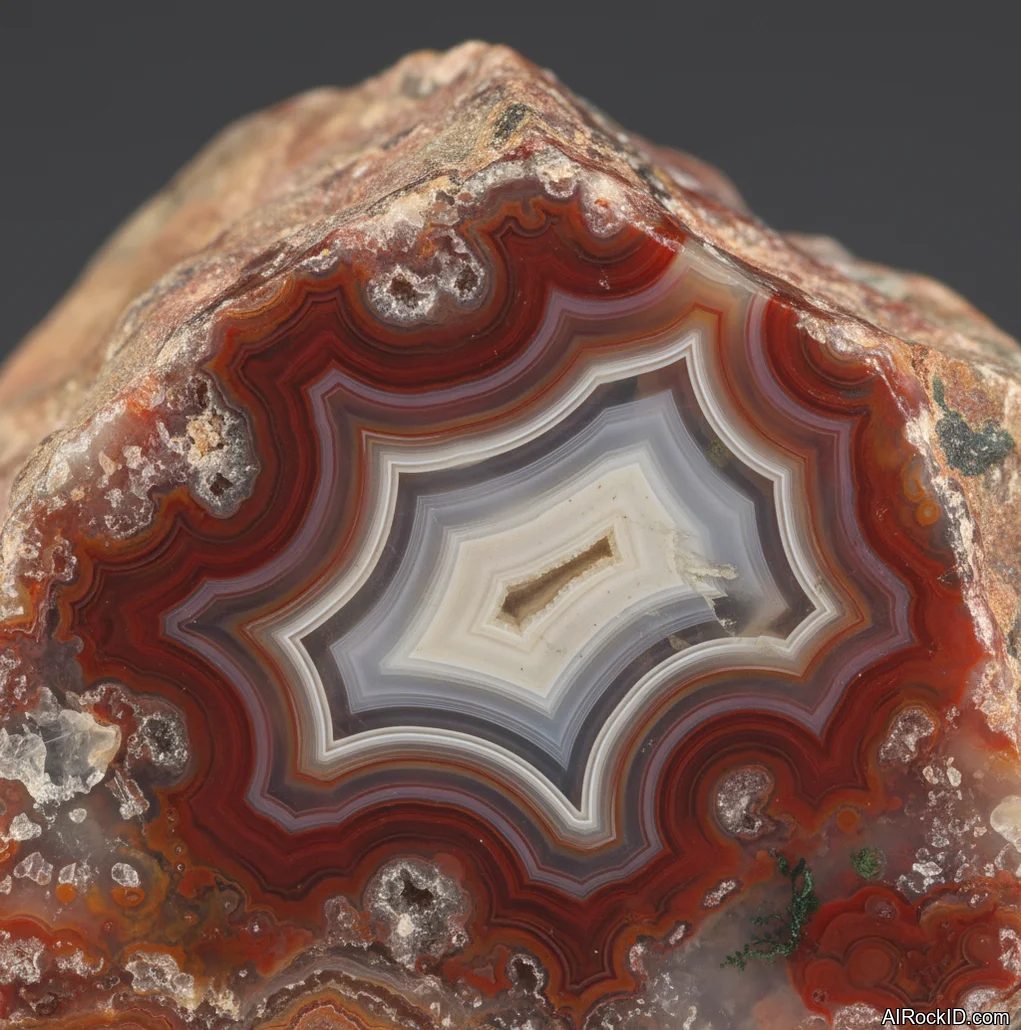
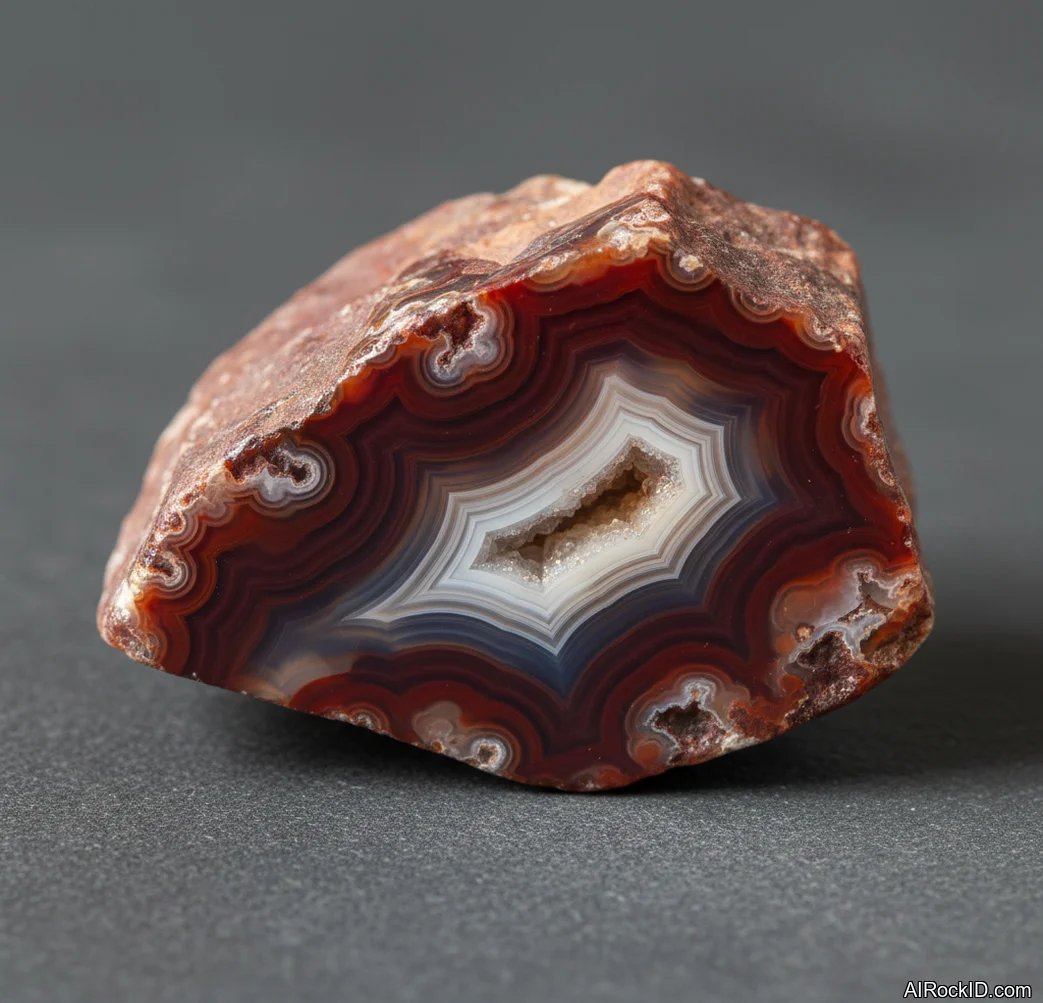
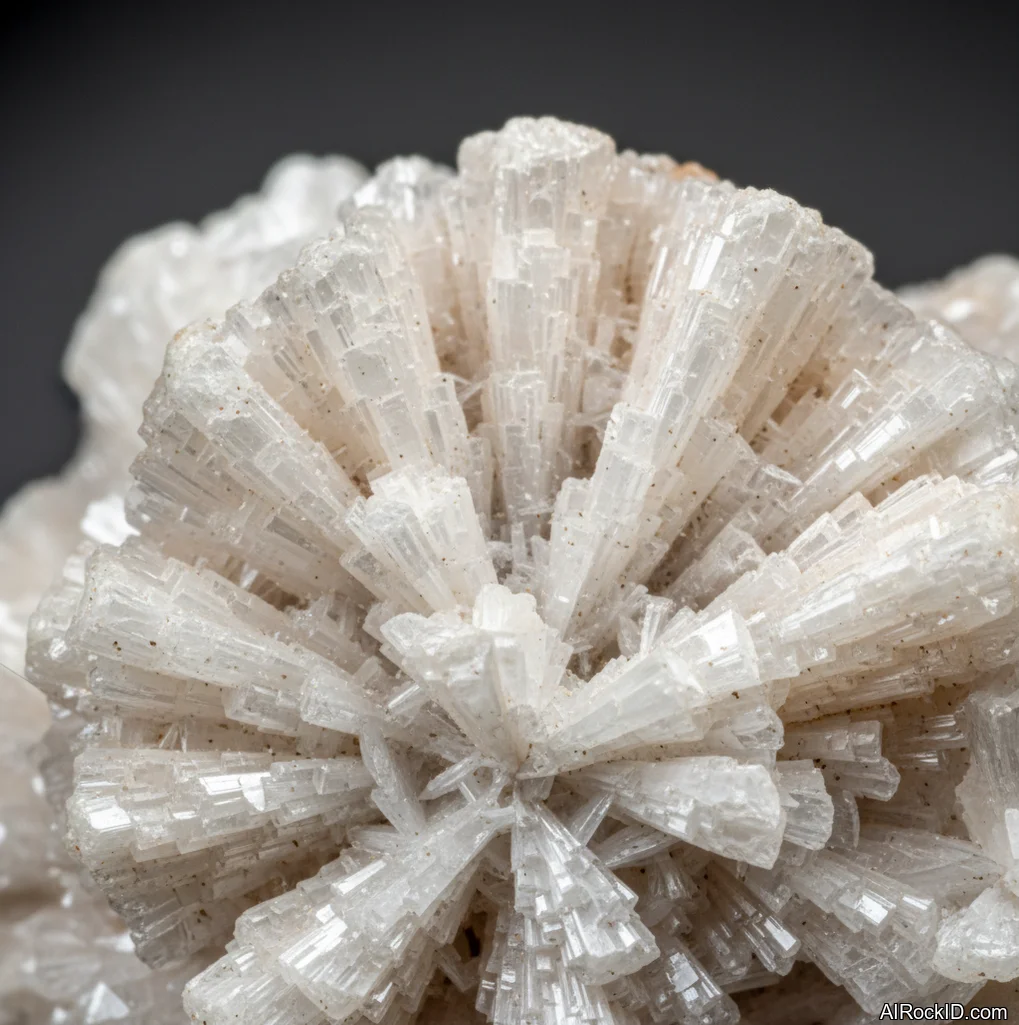
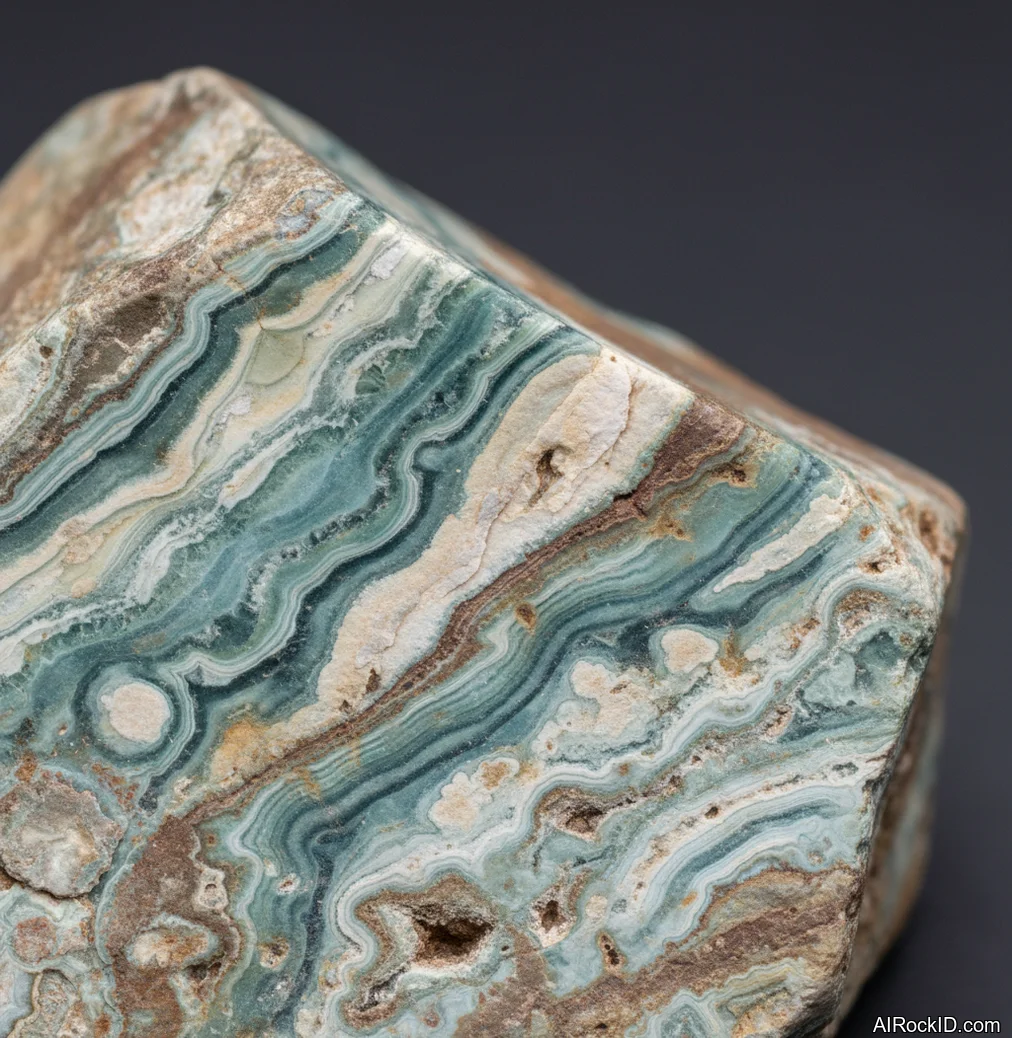
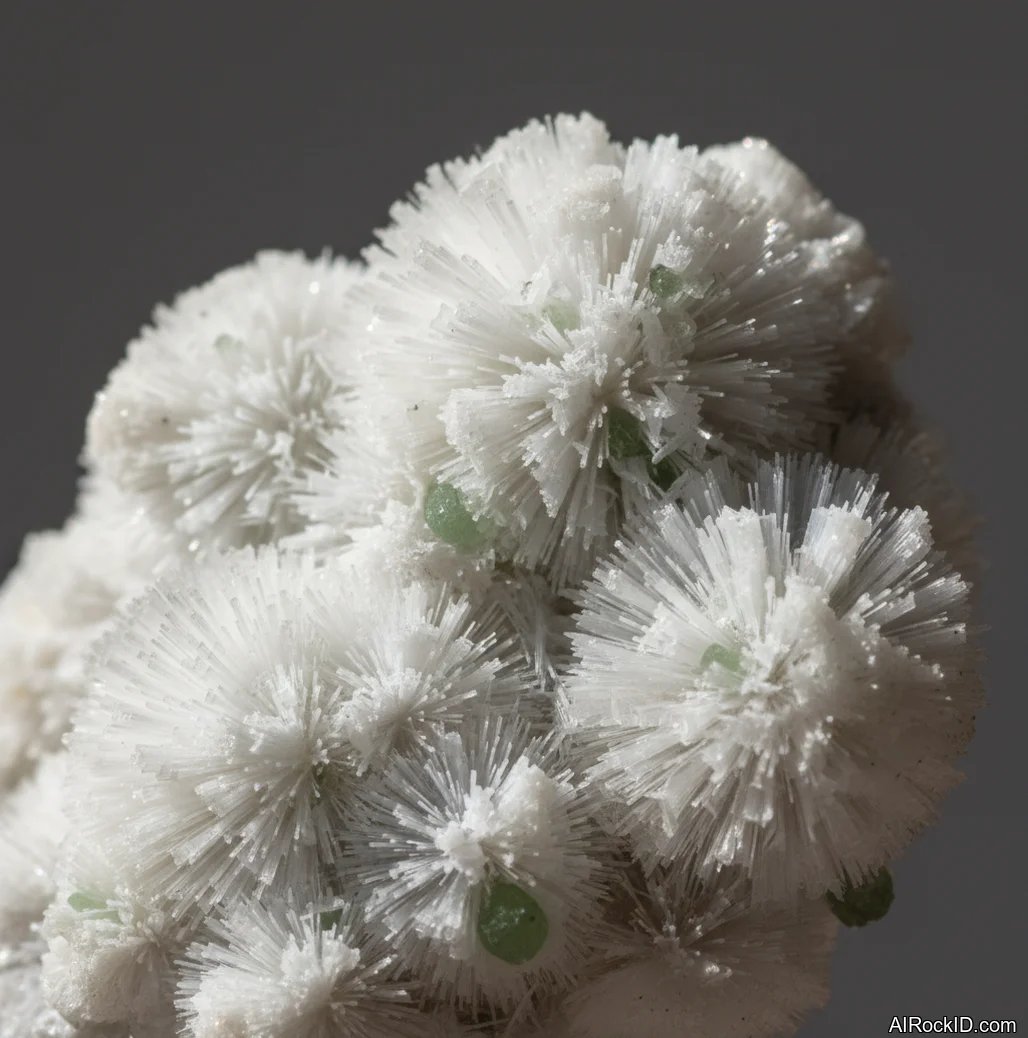
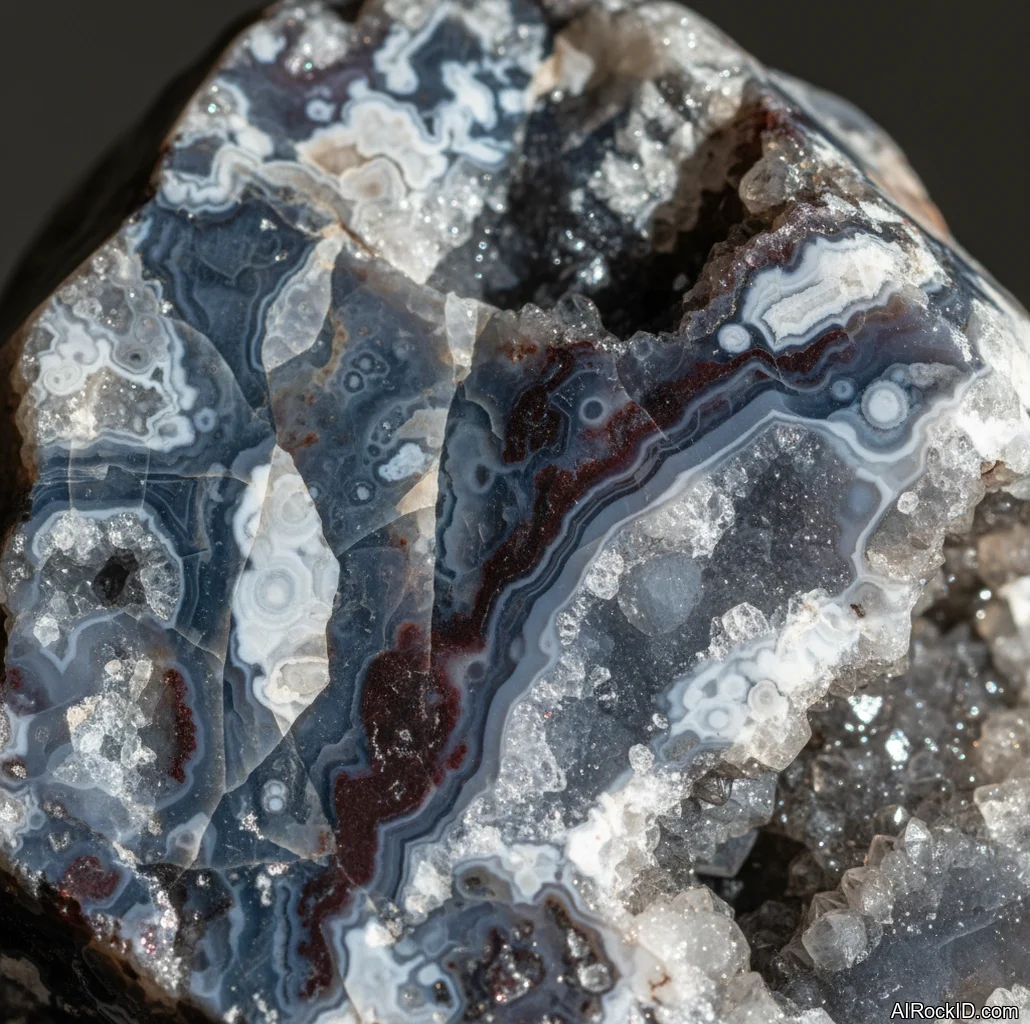
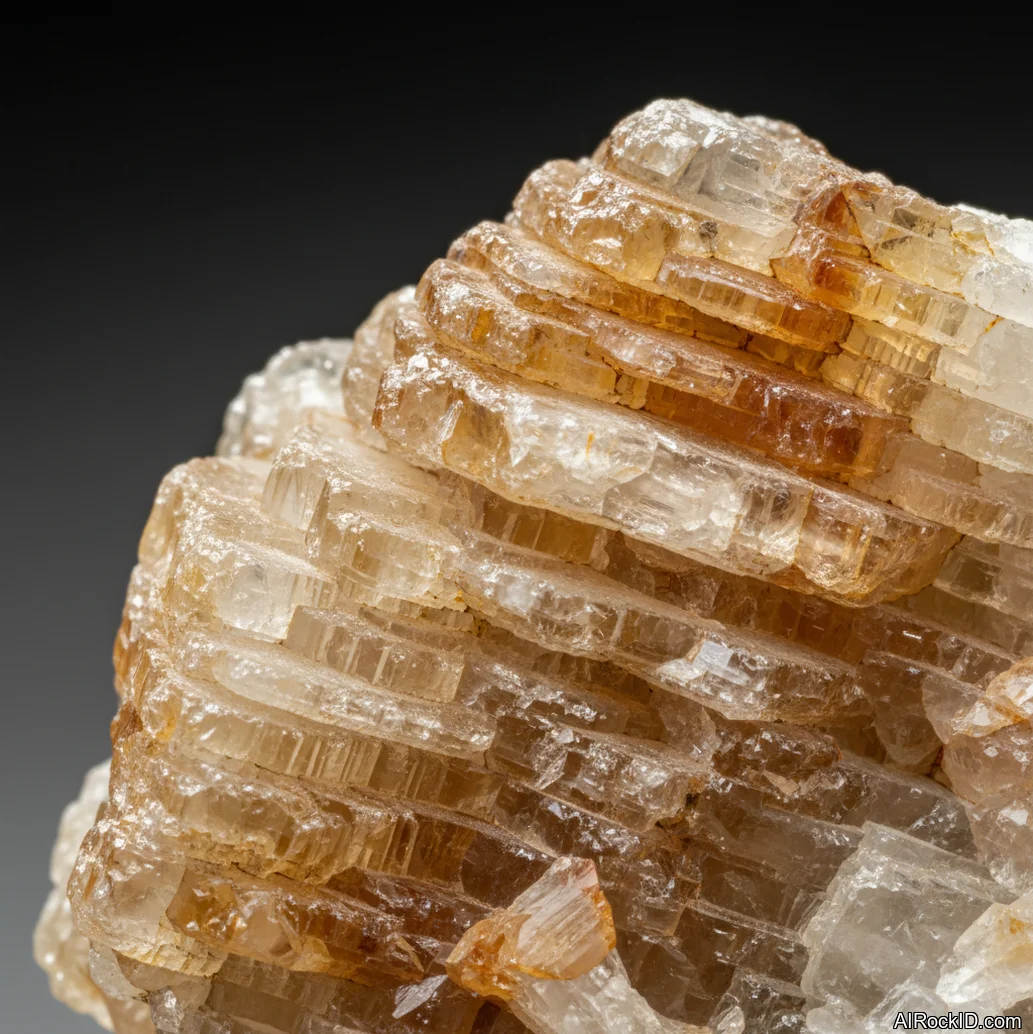
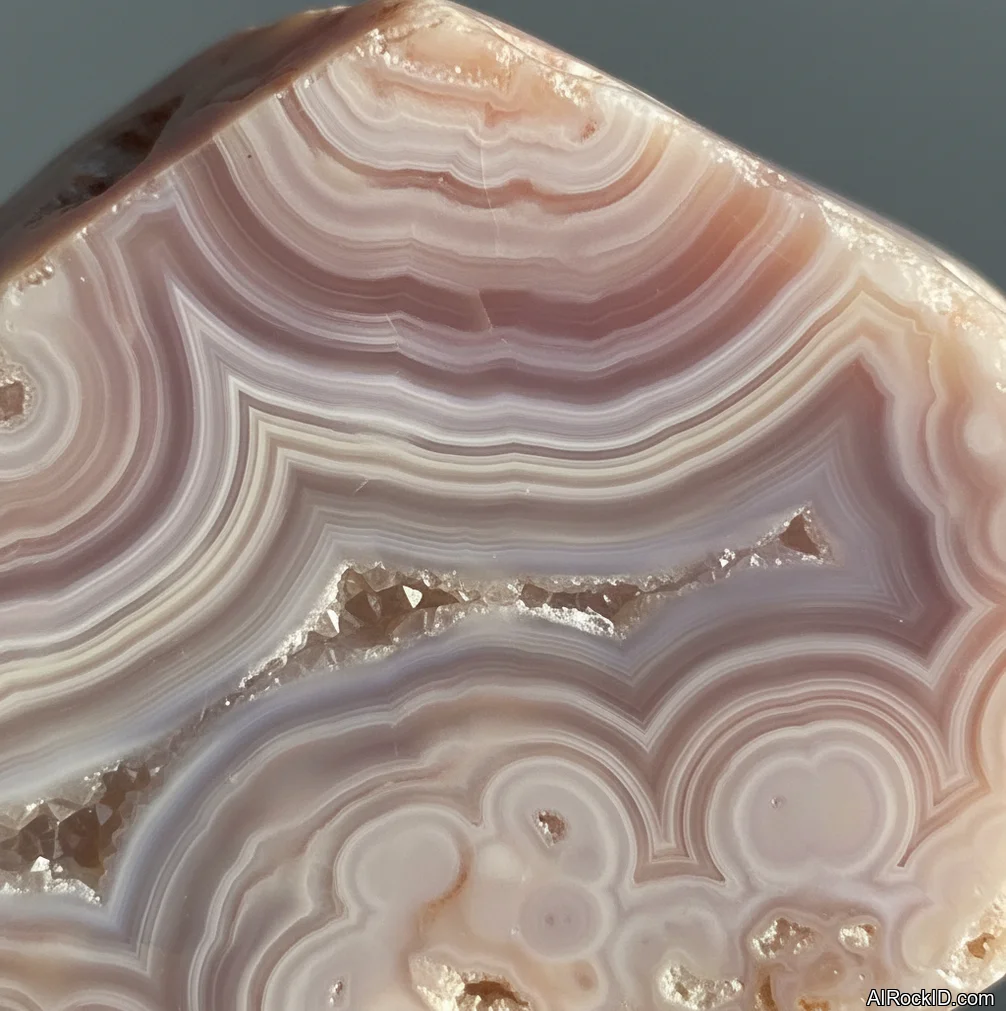
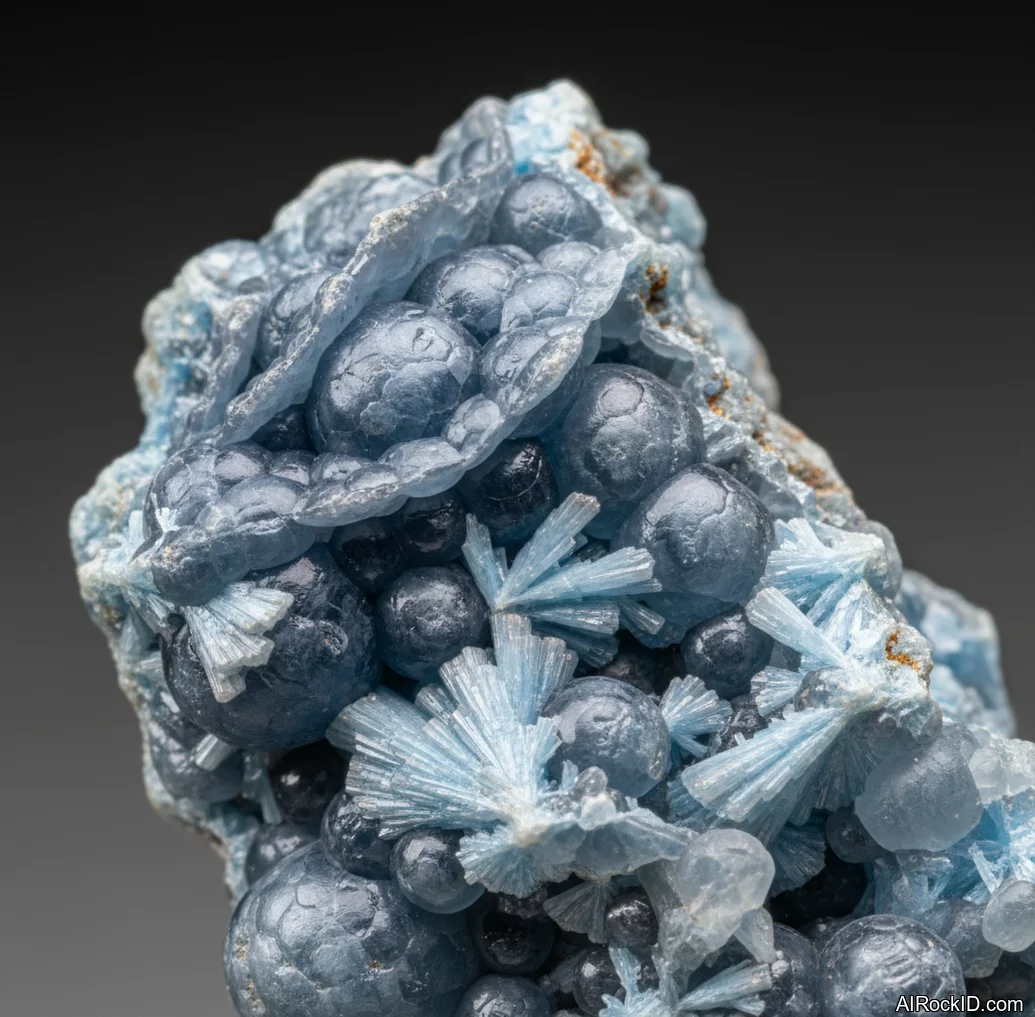
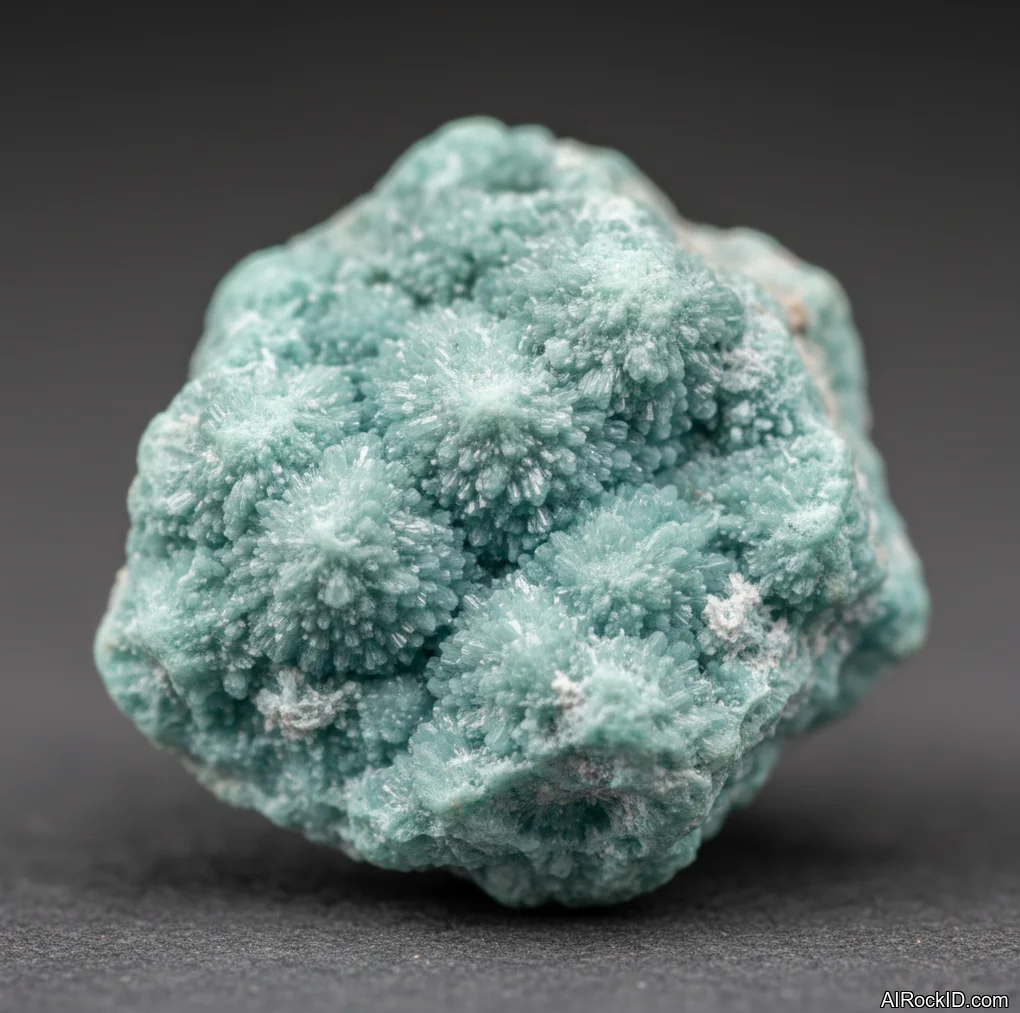
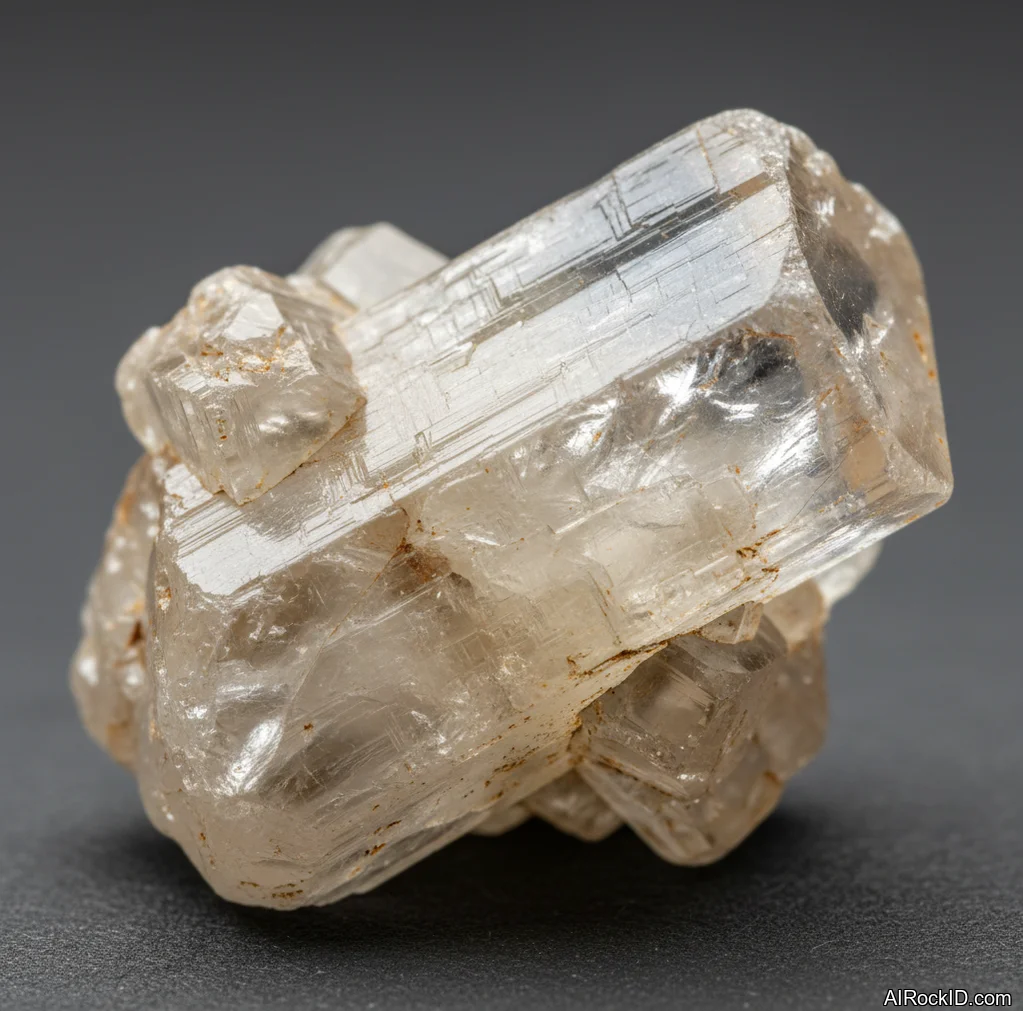
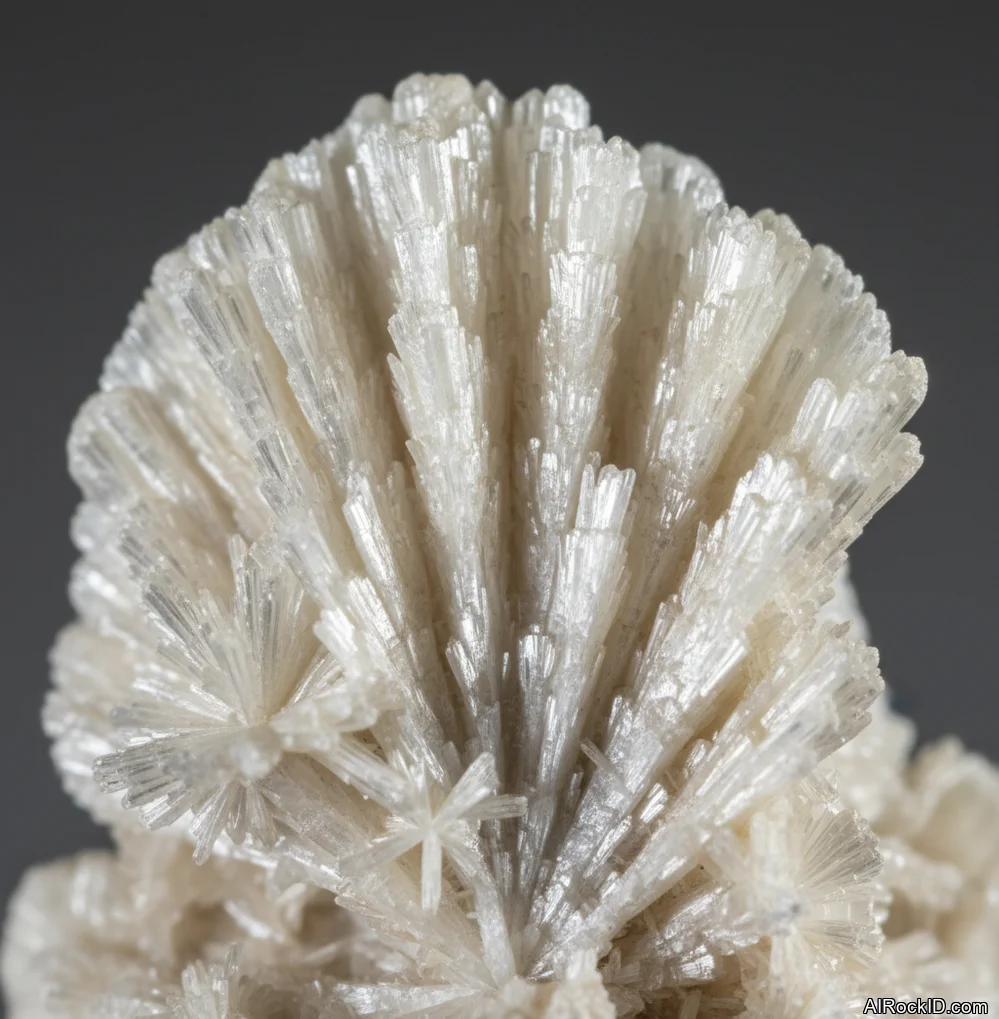
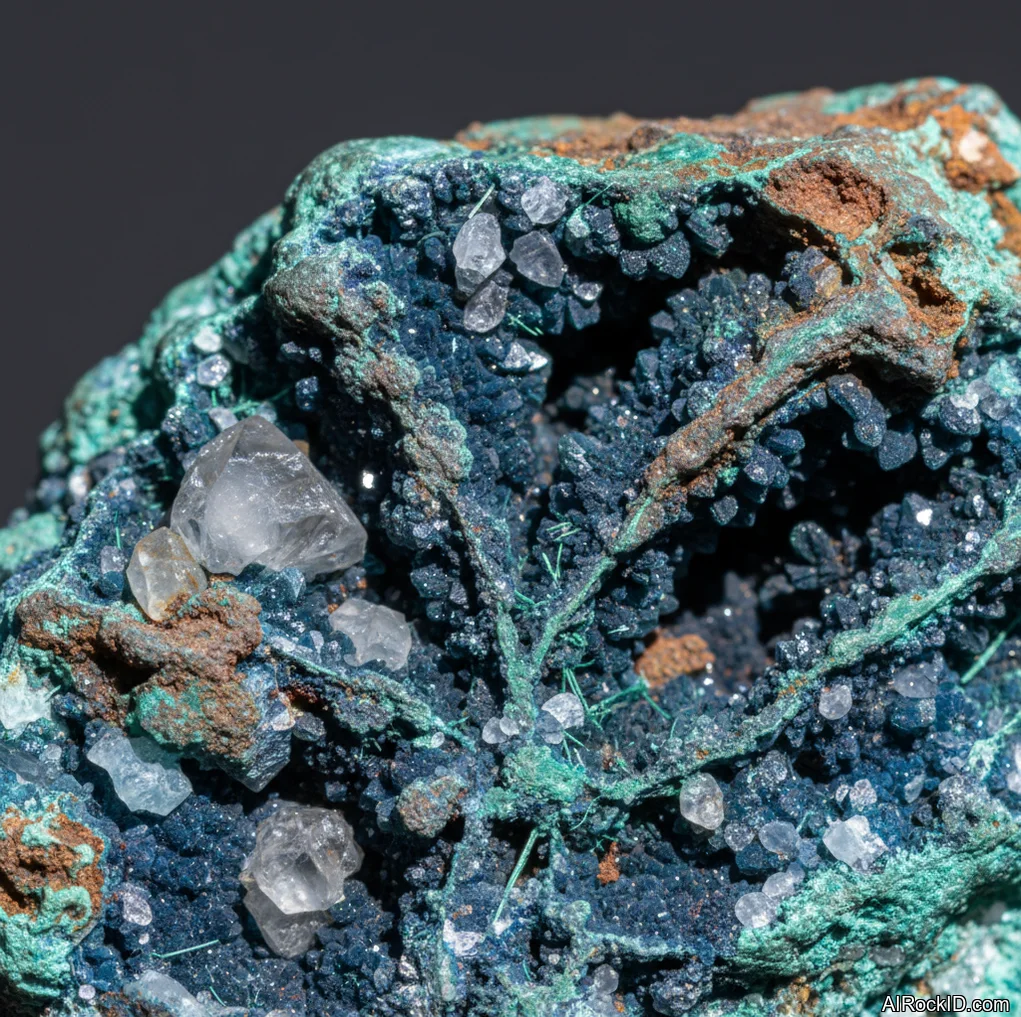
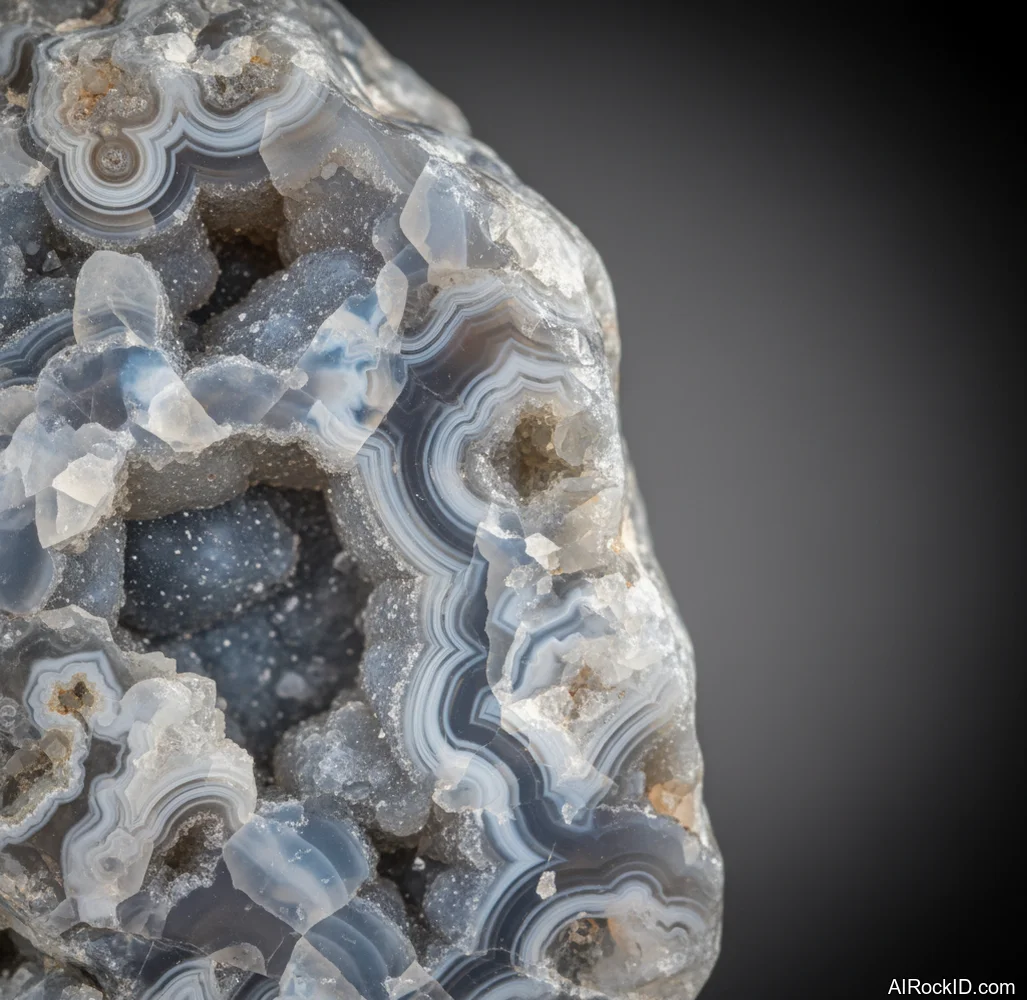
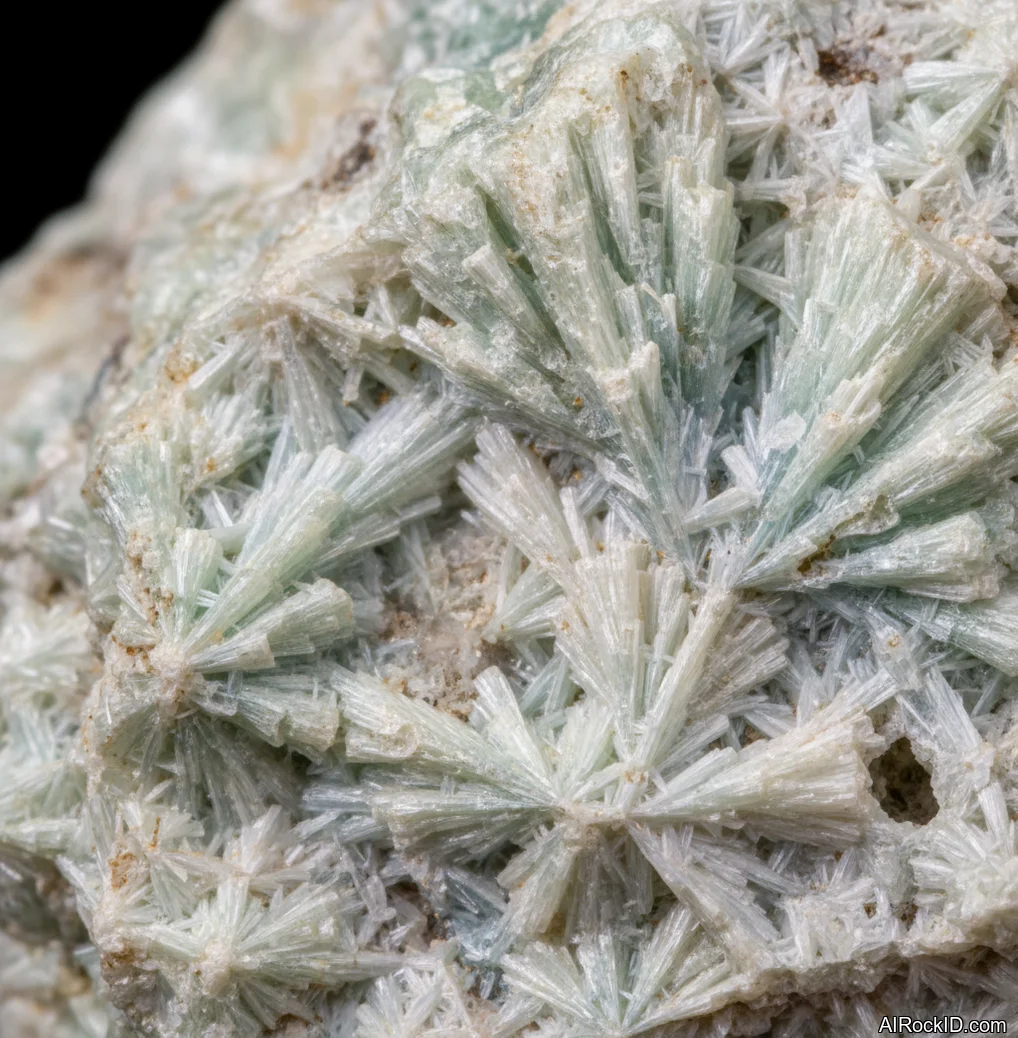
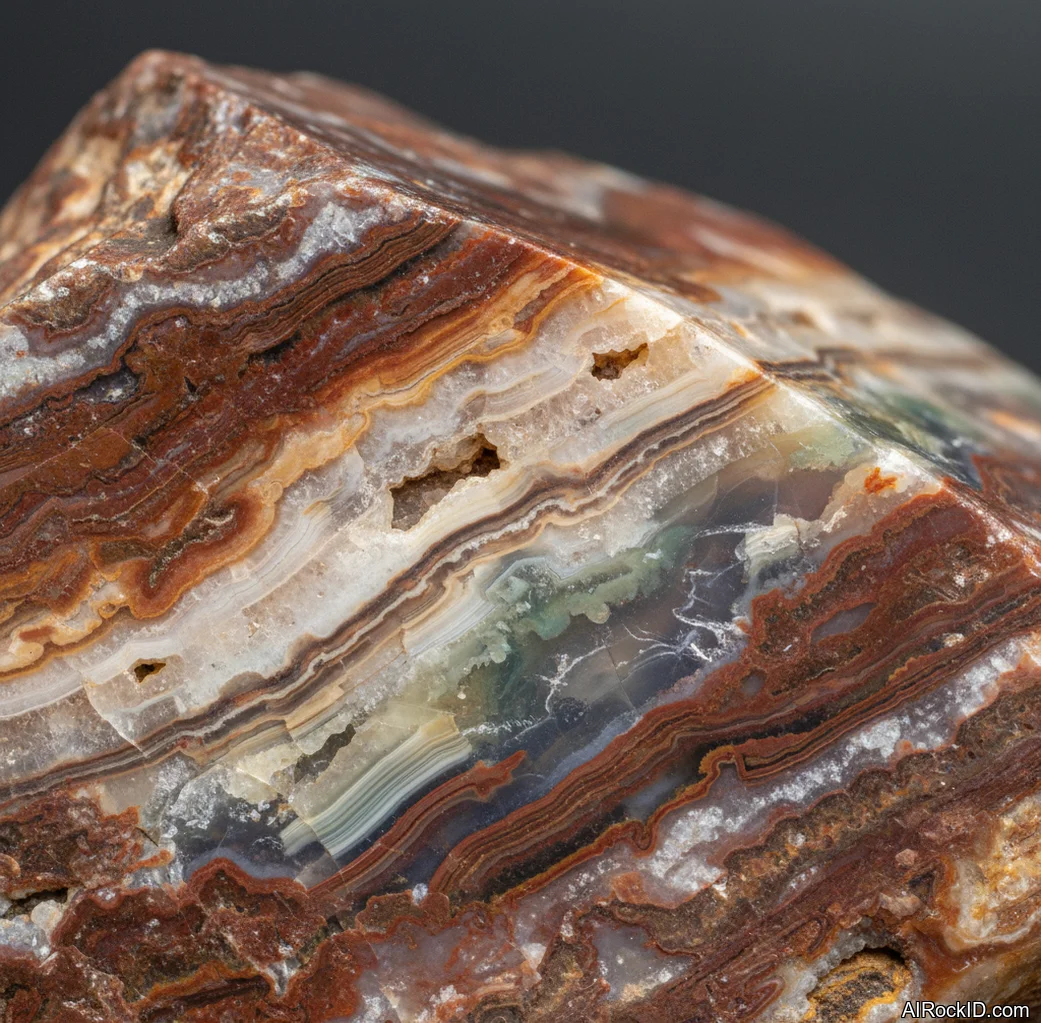
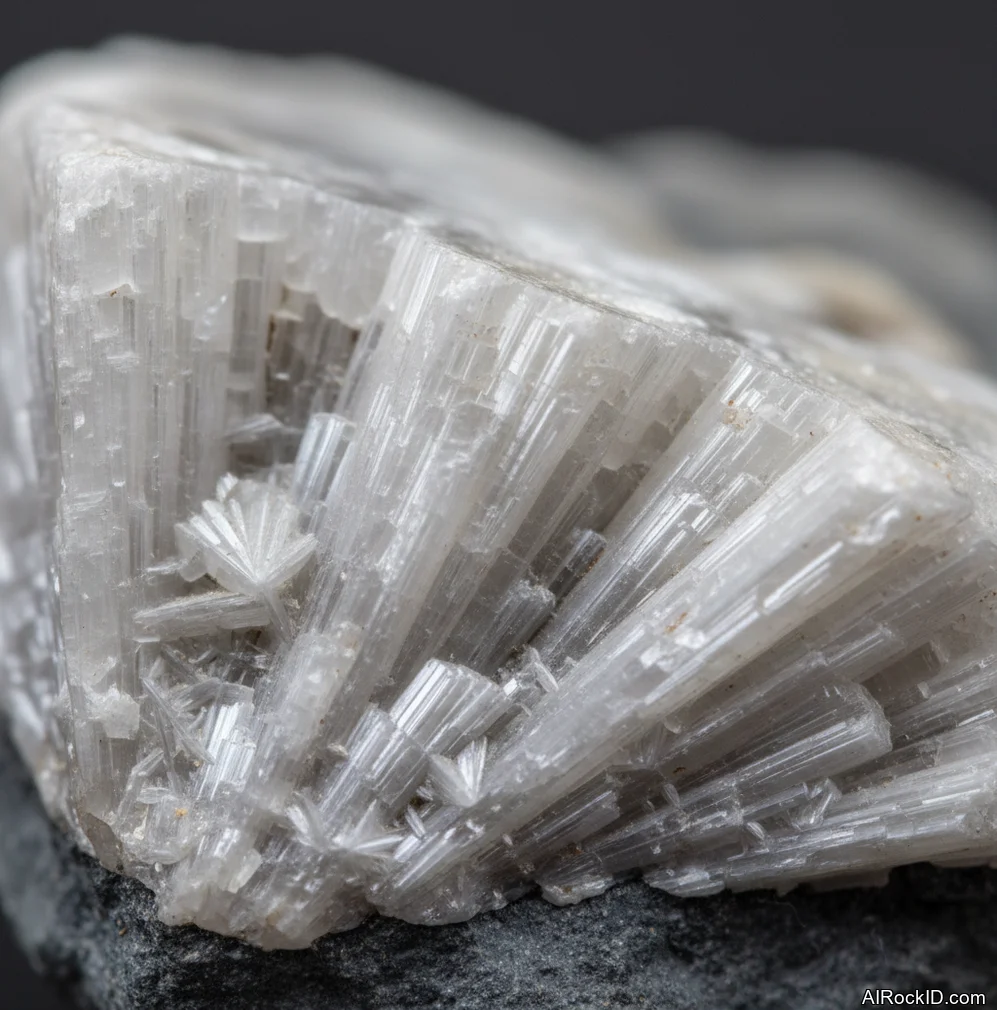
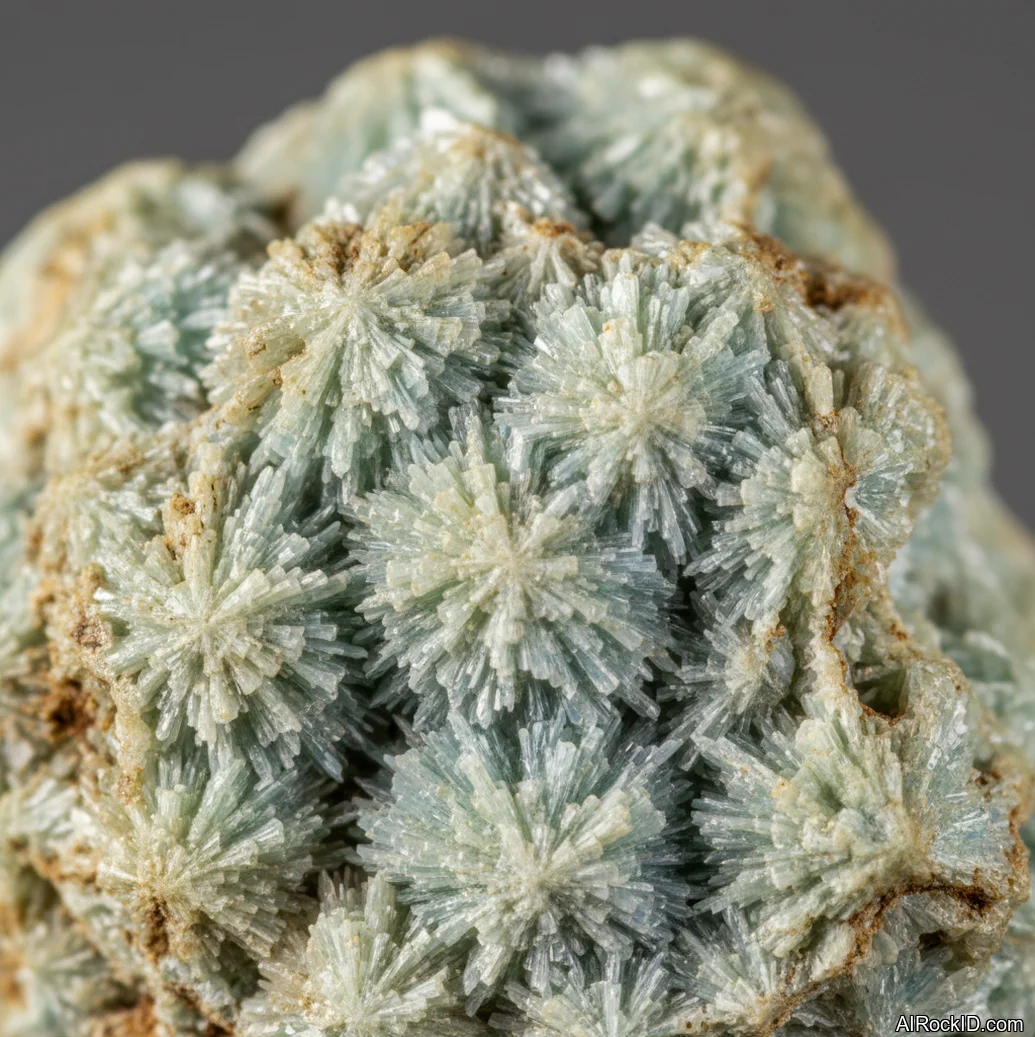
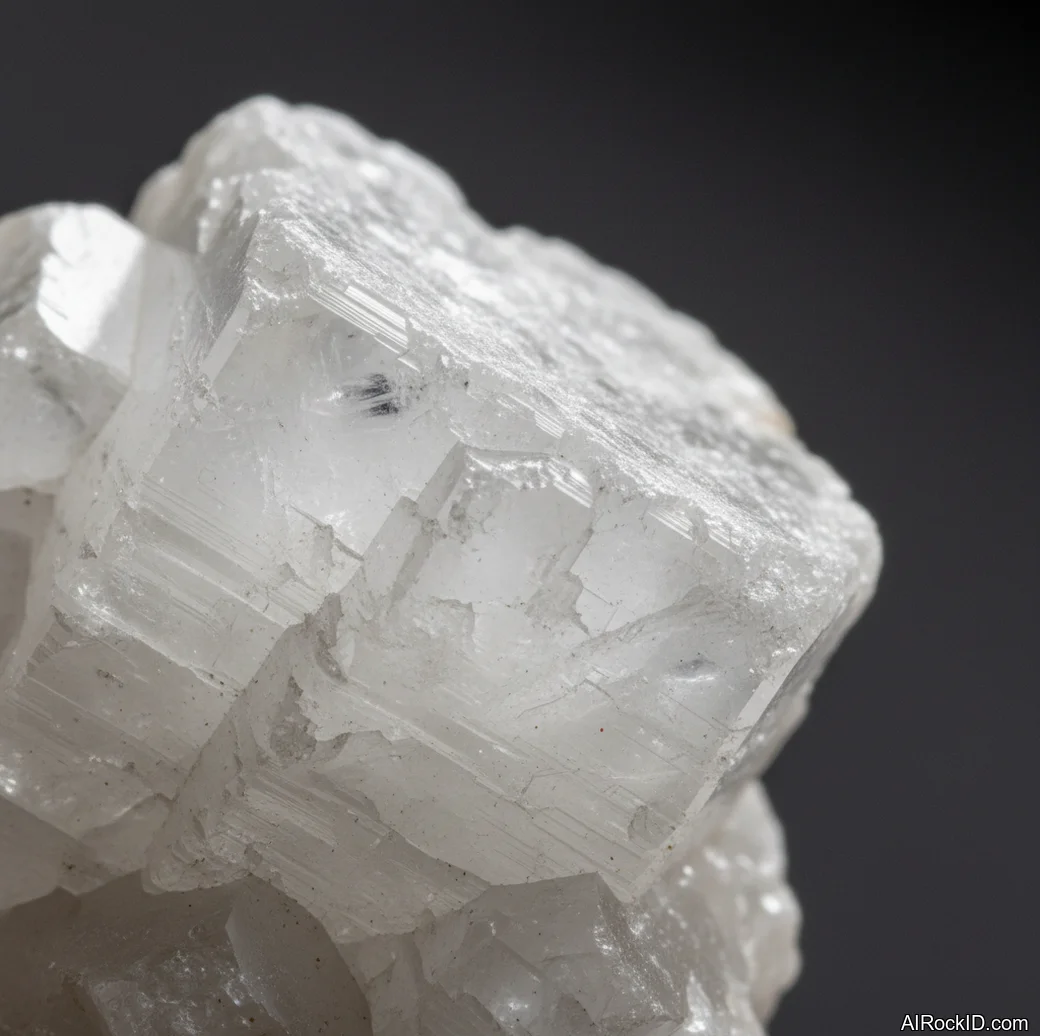
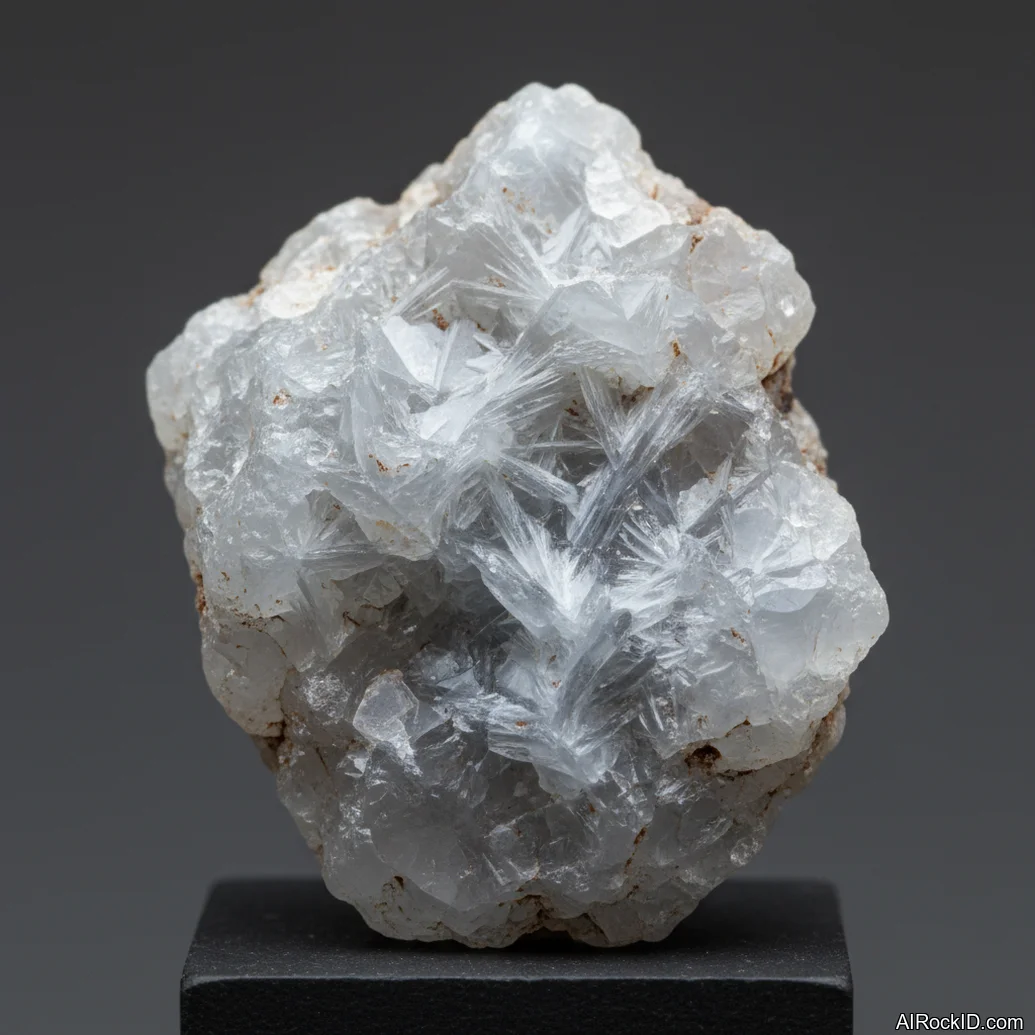
If you want calm without getting sleepy, blue lace agate and celestite are my picks. Blue lace agate usually has soft bands and cloudy white layers, and it’s tough enough as a tumbled stone. Celestite is a whole different situation. It’s brittle. It sheds tiny grains if you bump it. Those pale blue crystals can snap right off the matrix. But set a clean celestite cluster on a shelf and actually look at it up close. It catches light like frozen sugar. That visual quiet matters more than people like to admit.
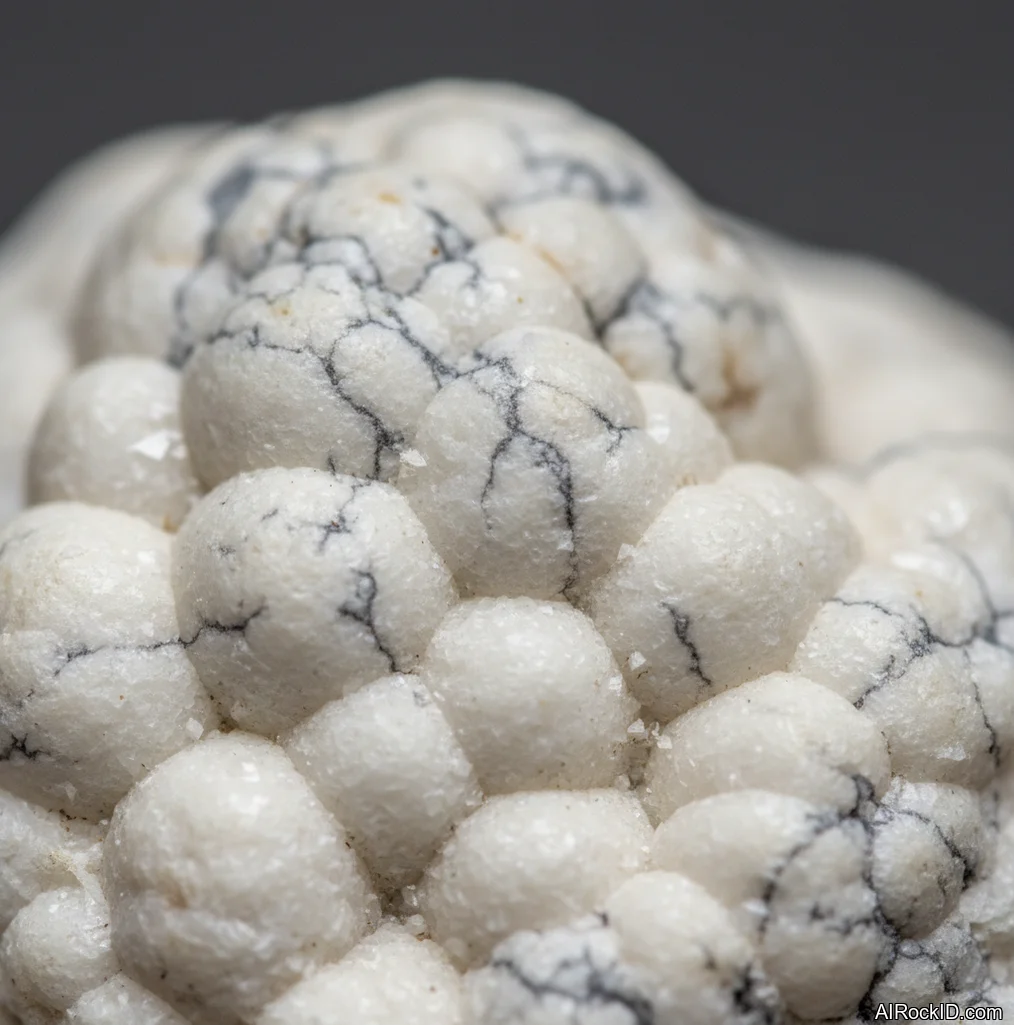
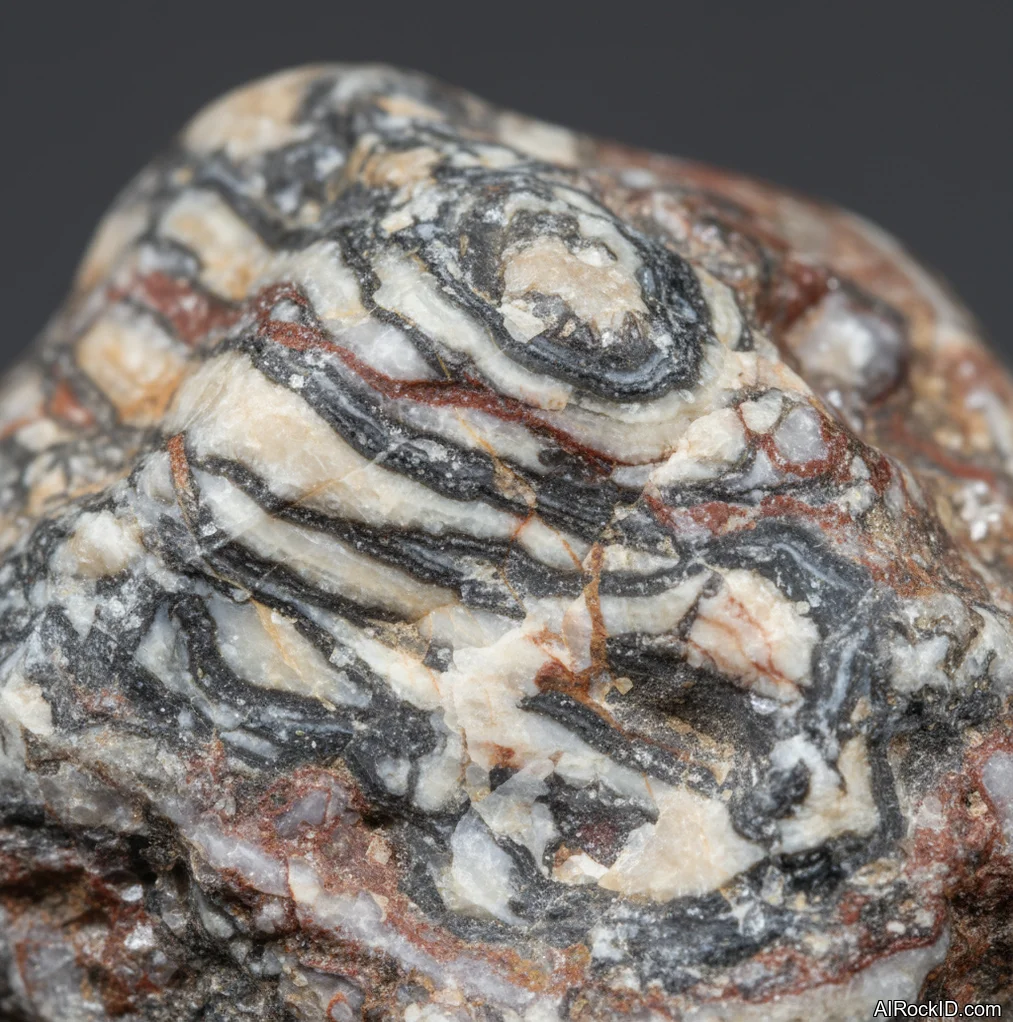
Thing is, the real test is how you’ll actually use the stone. Inner Peace isn’t a label. It’s a habit. If you need something in-hand, go for a palm stone or worry stone in rose quartz, blue calcite, or howlite. Howlite’s easy to recognize with that gray webbing, and it feels light, almost chalky compared to quartz. And it gets dyed into fake “turquoise” constantly, so if it’s neon blue with black lines… assume dye unless you’ve got proof otherwise.
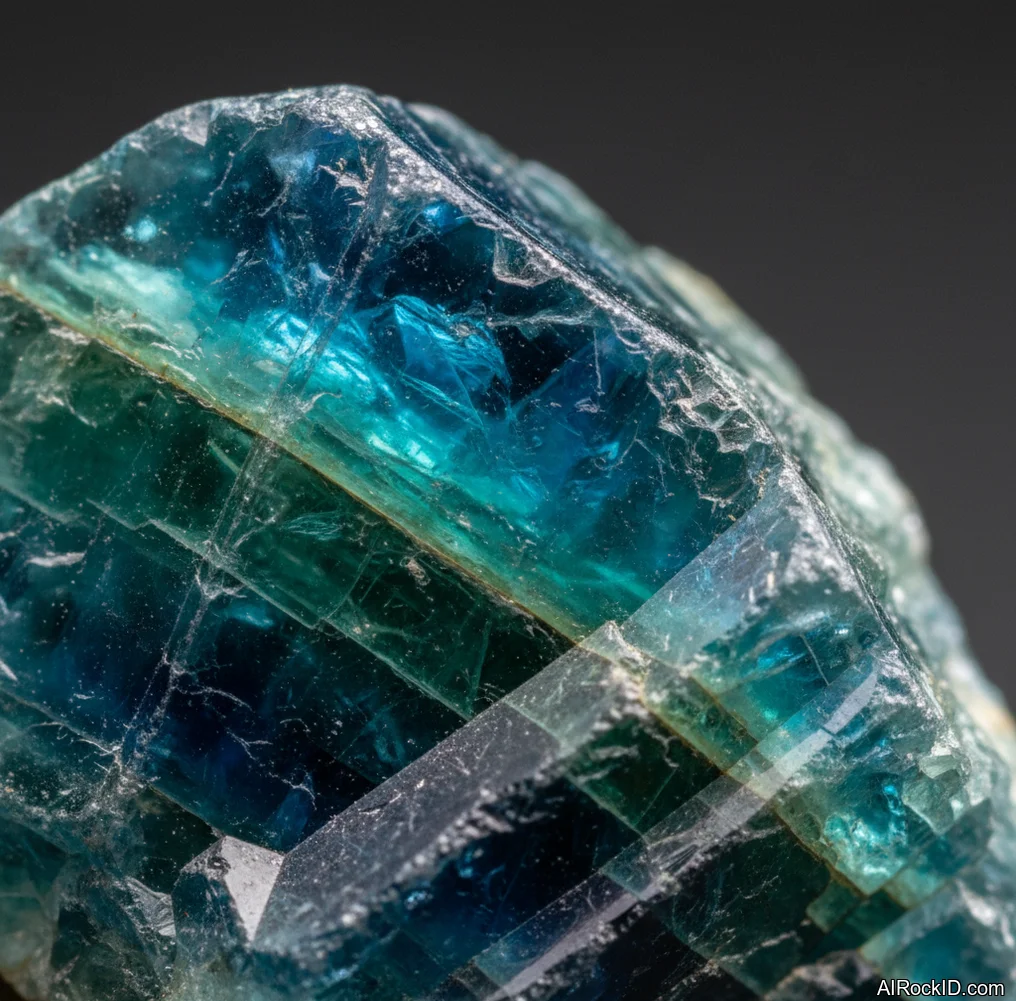
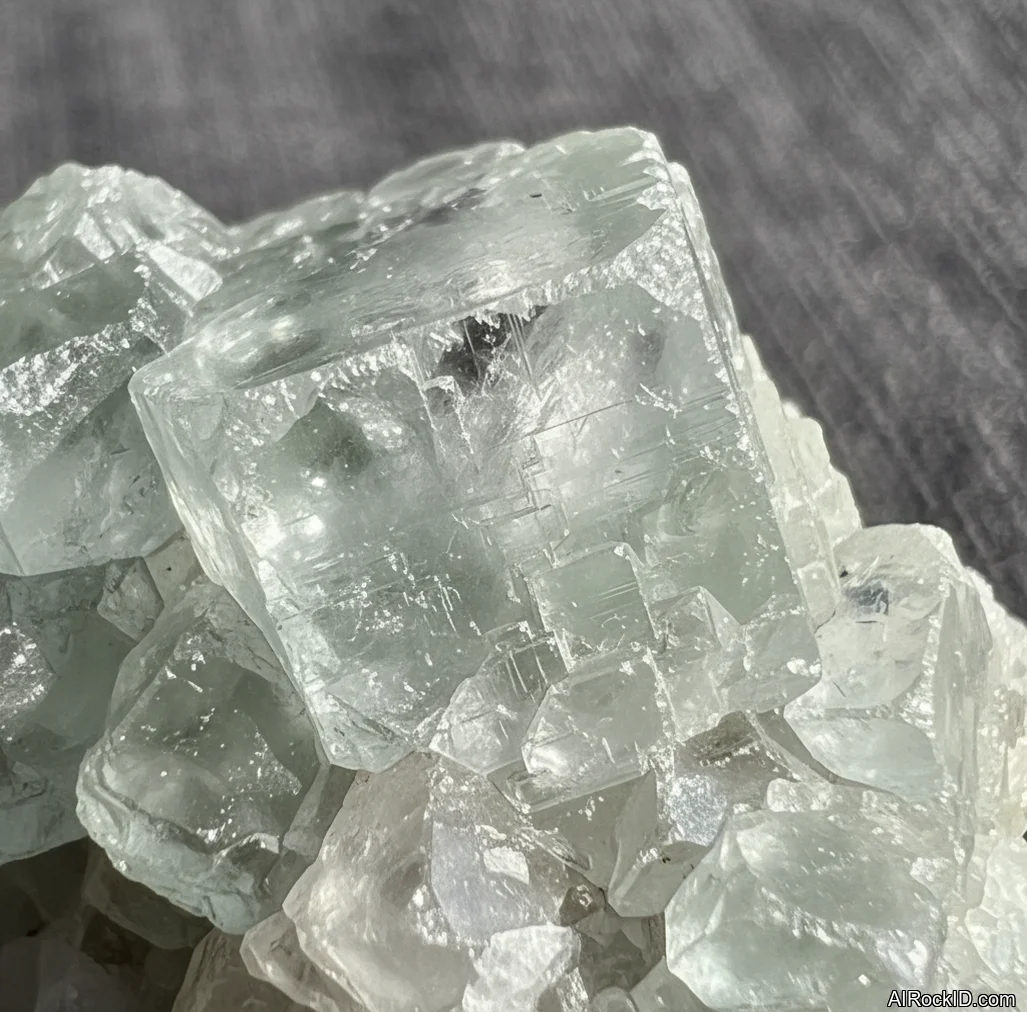
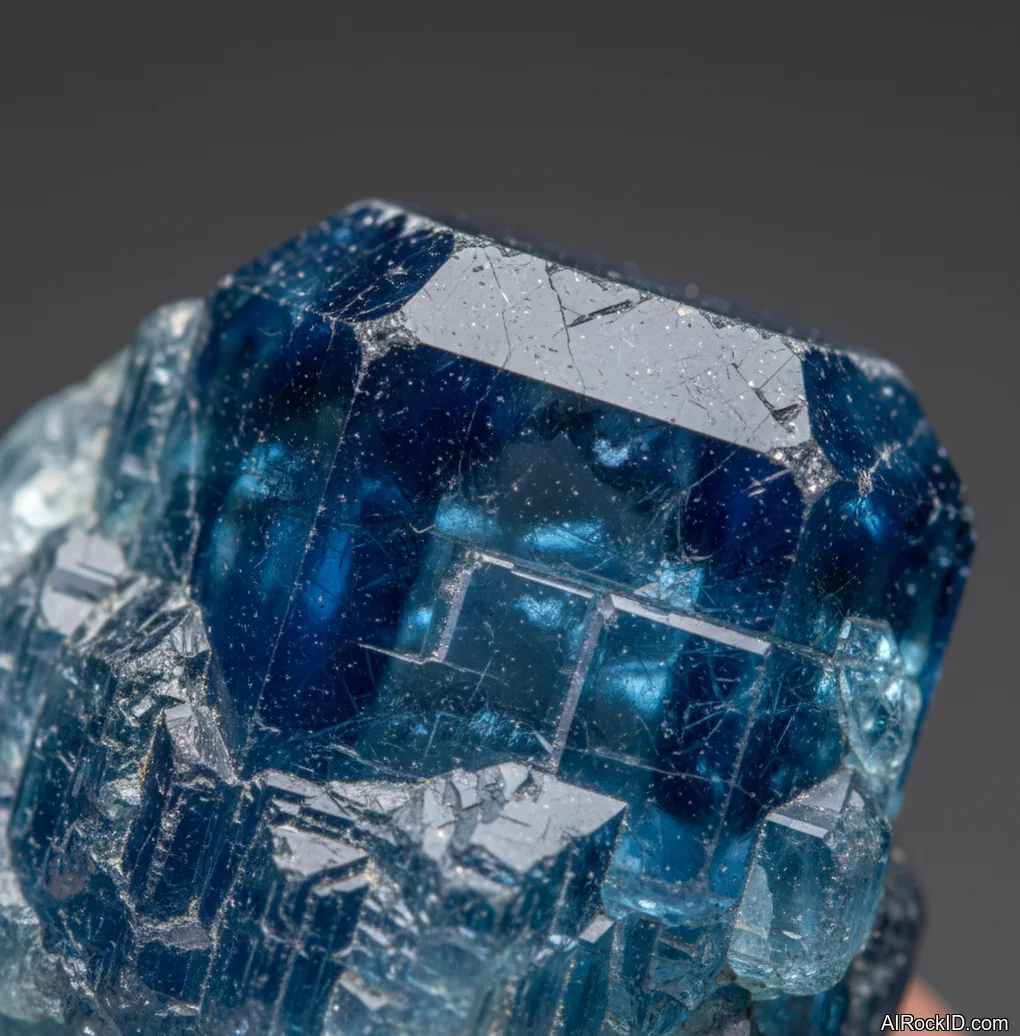
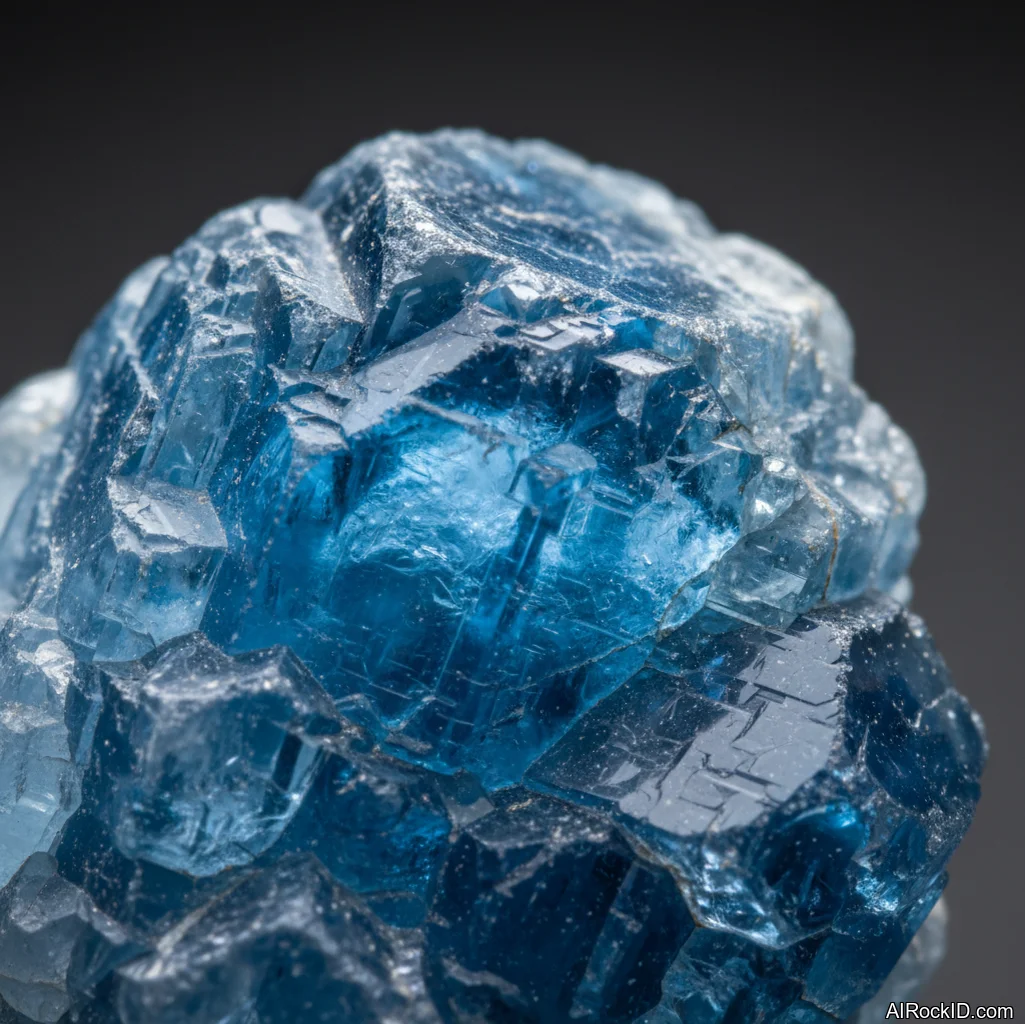
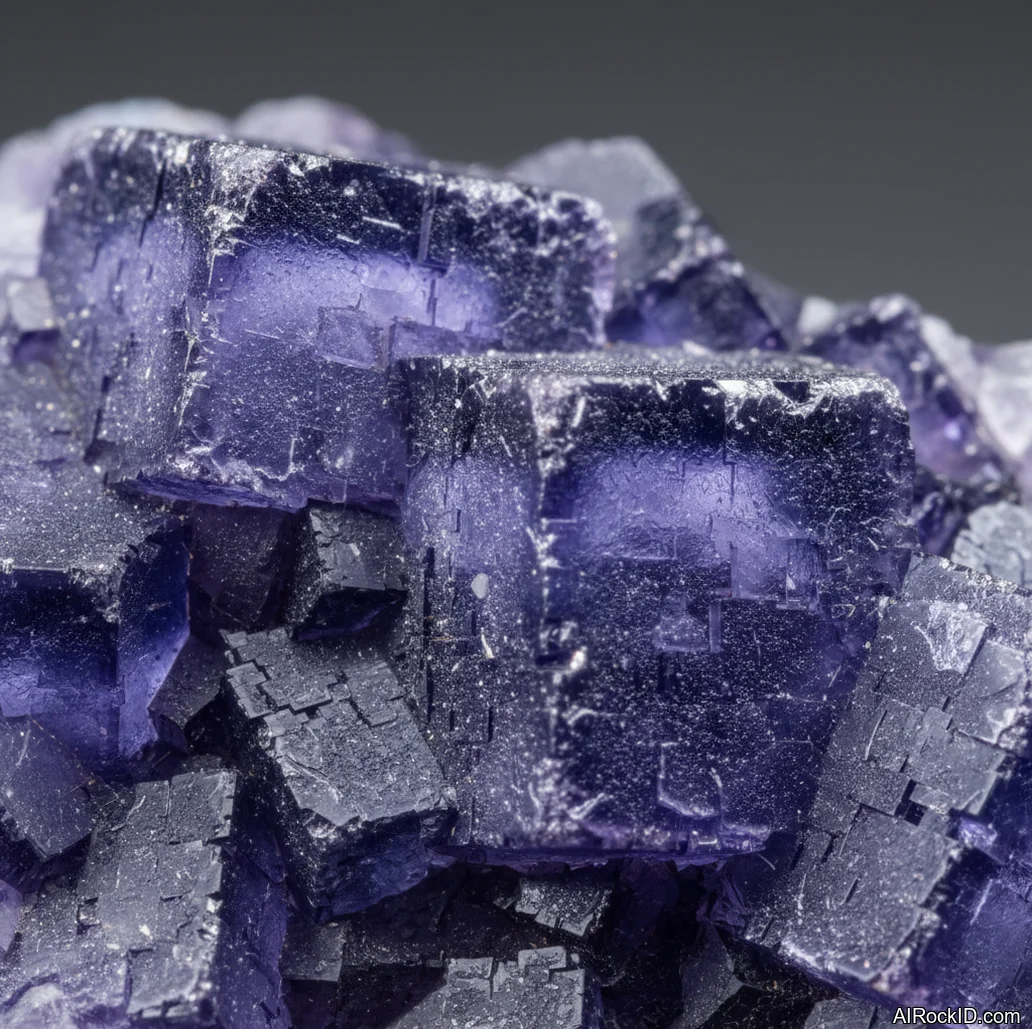
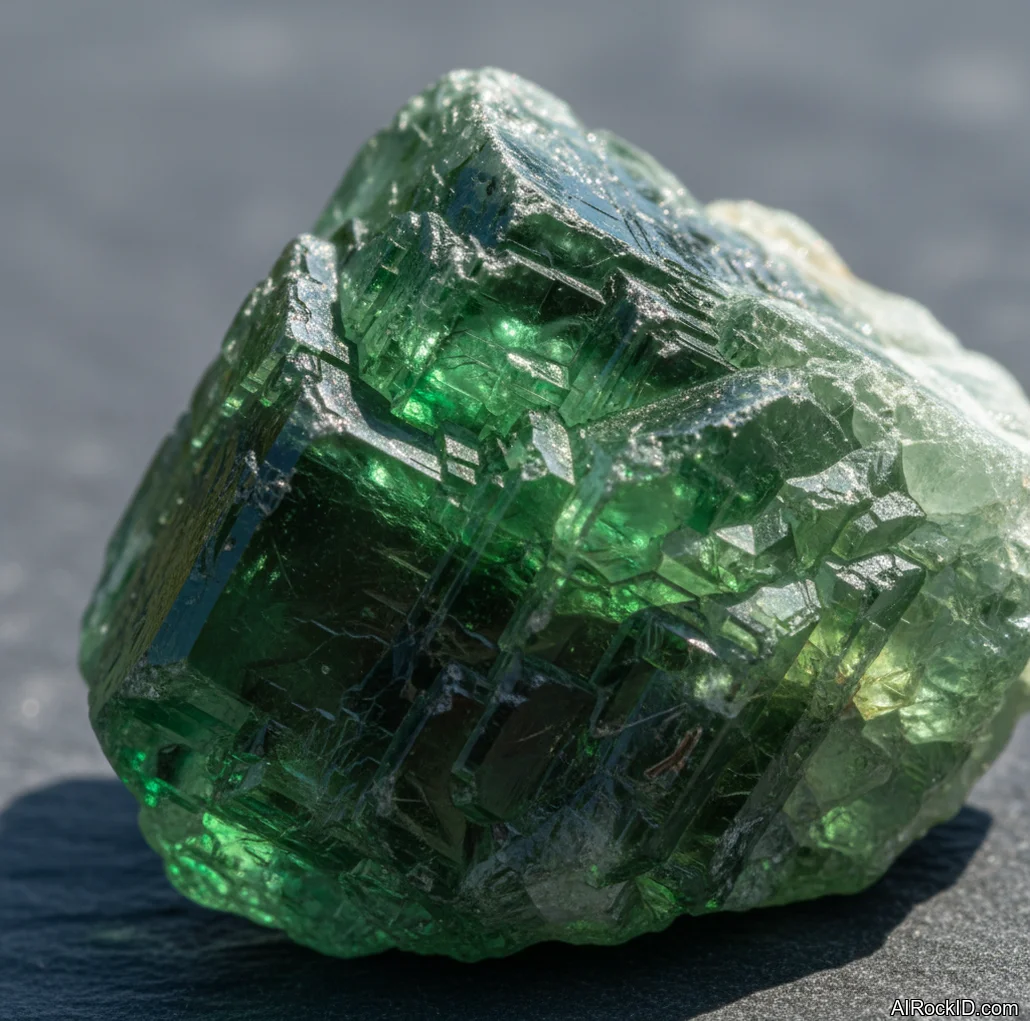
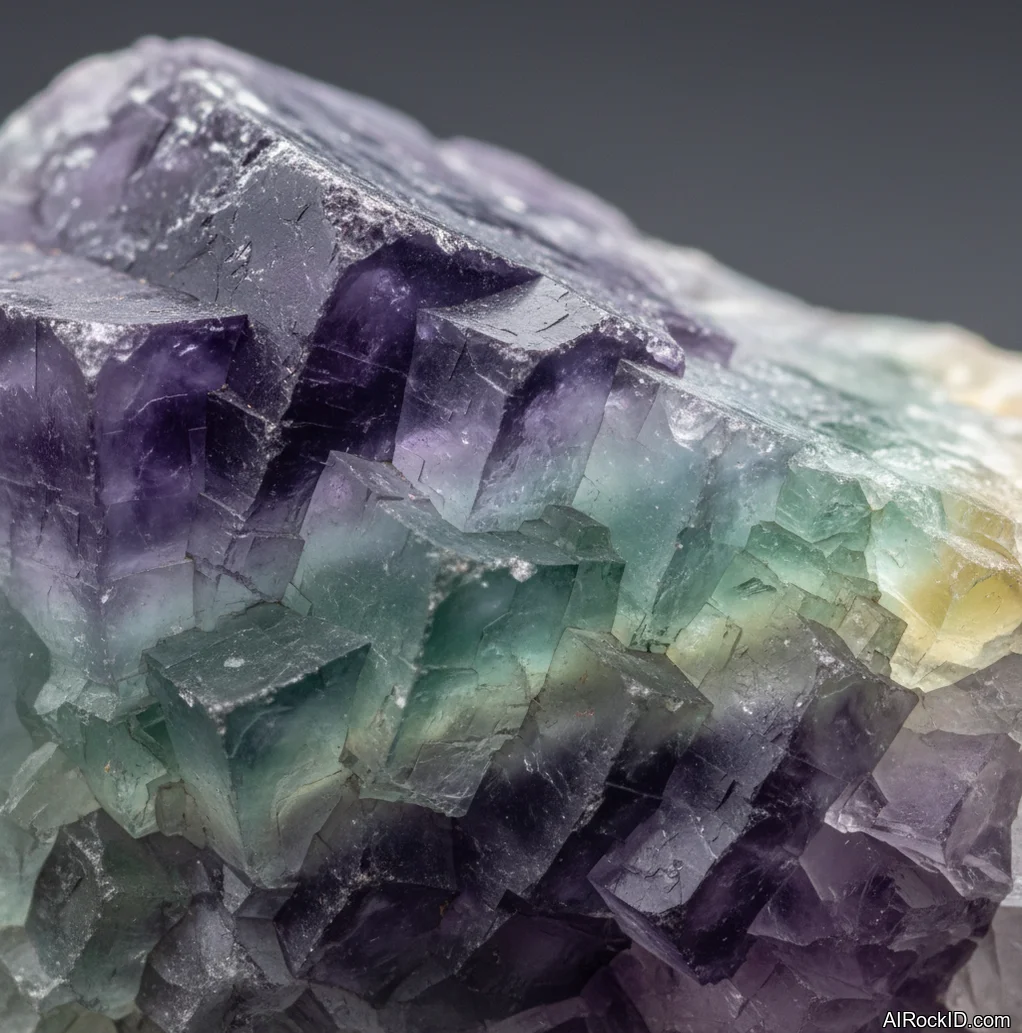
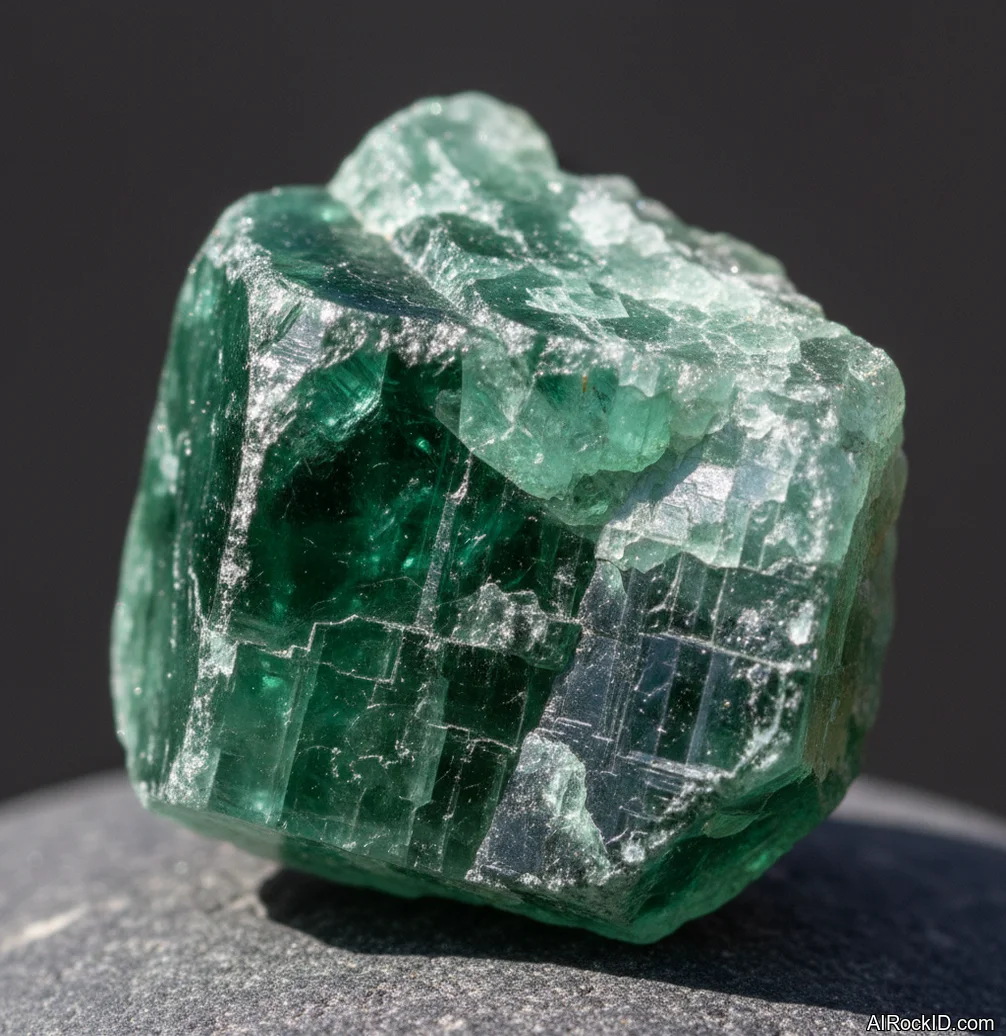
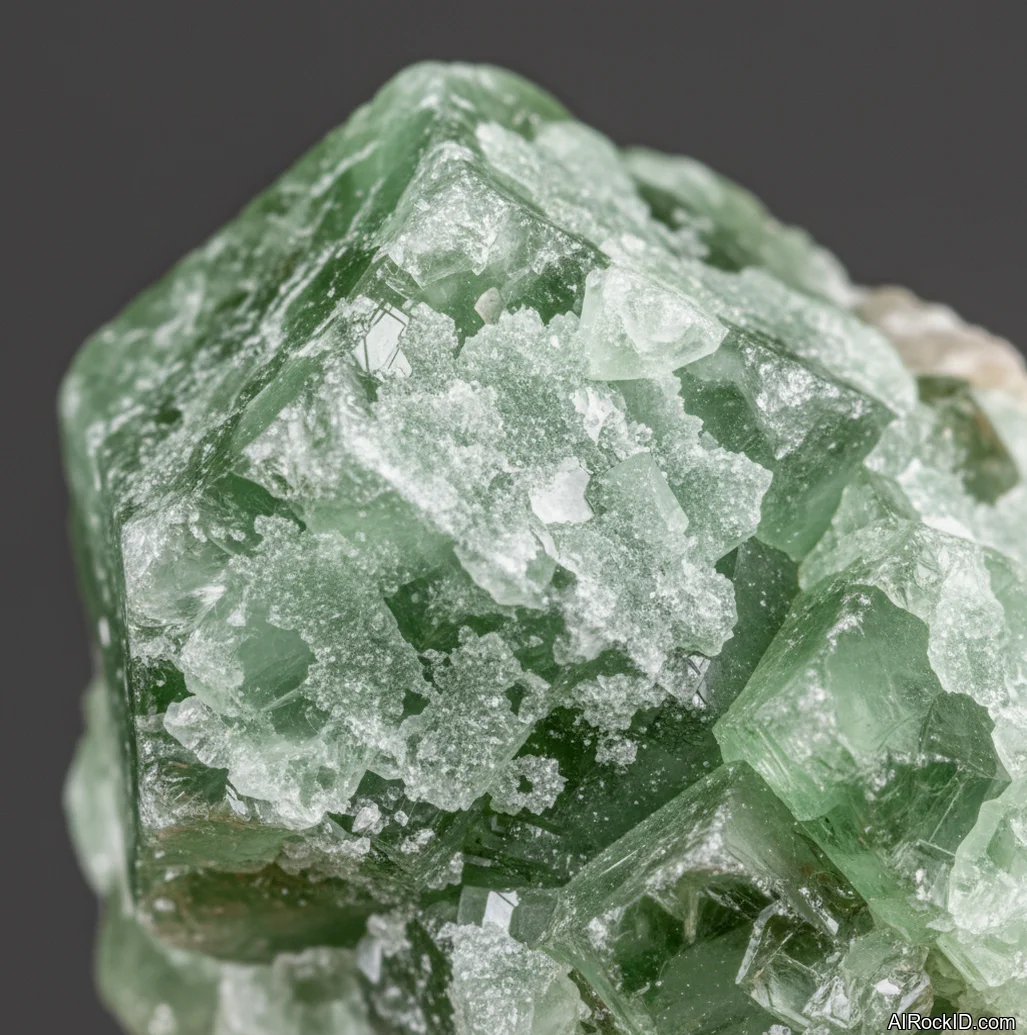
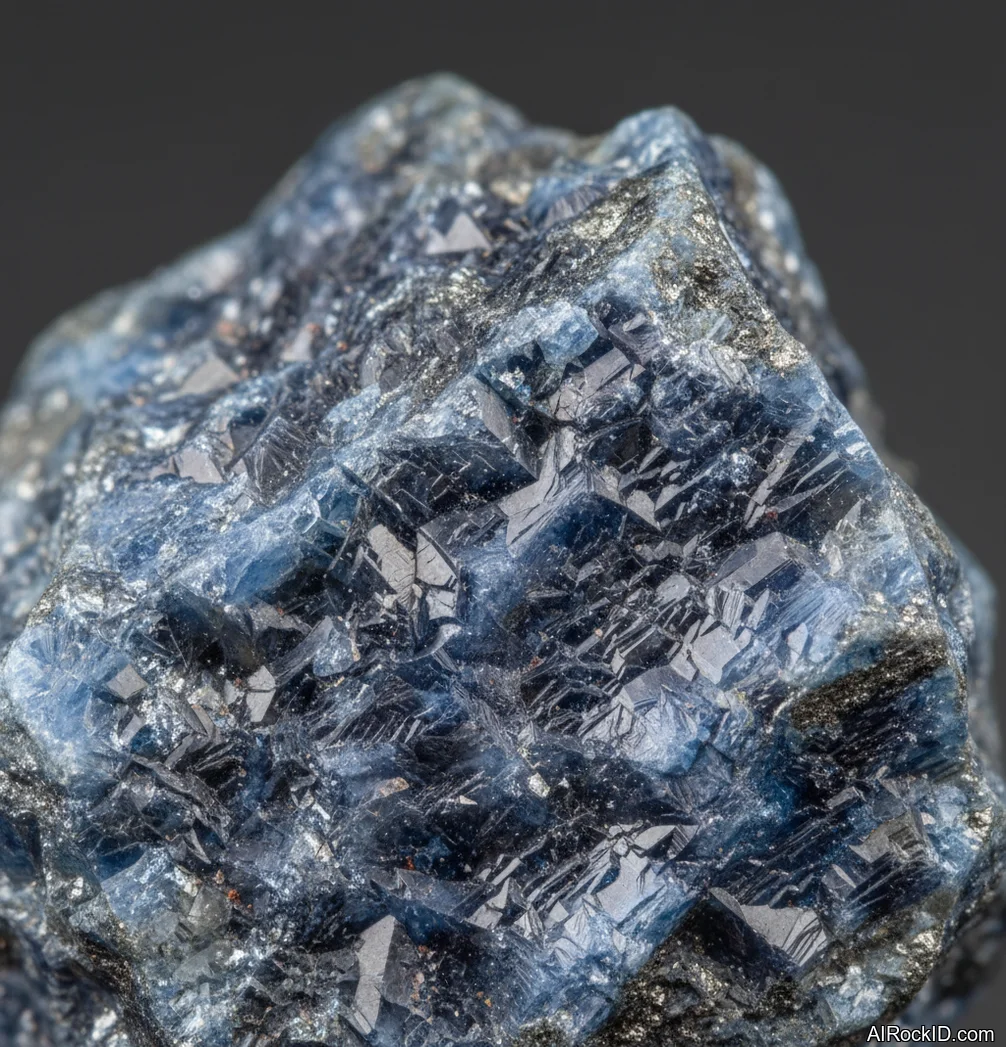
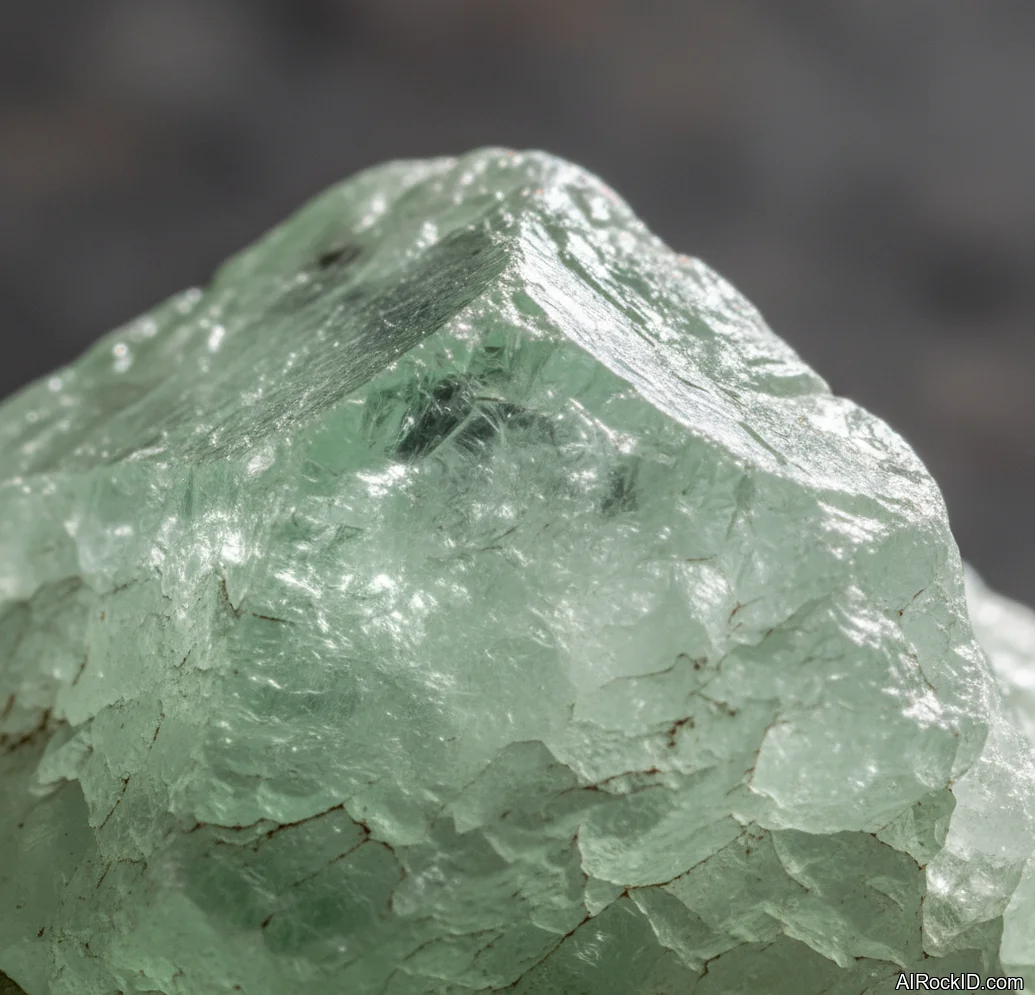
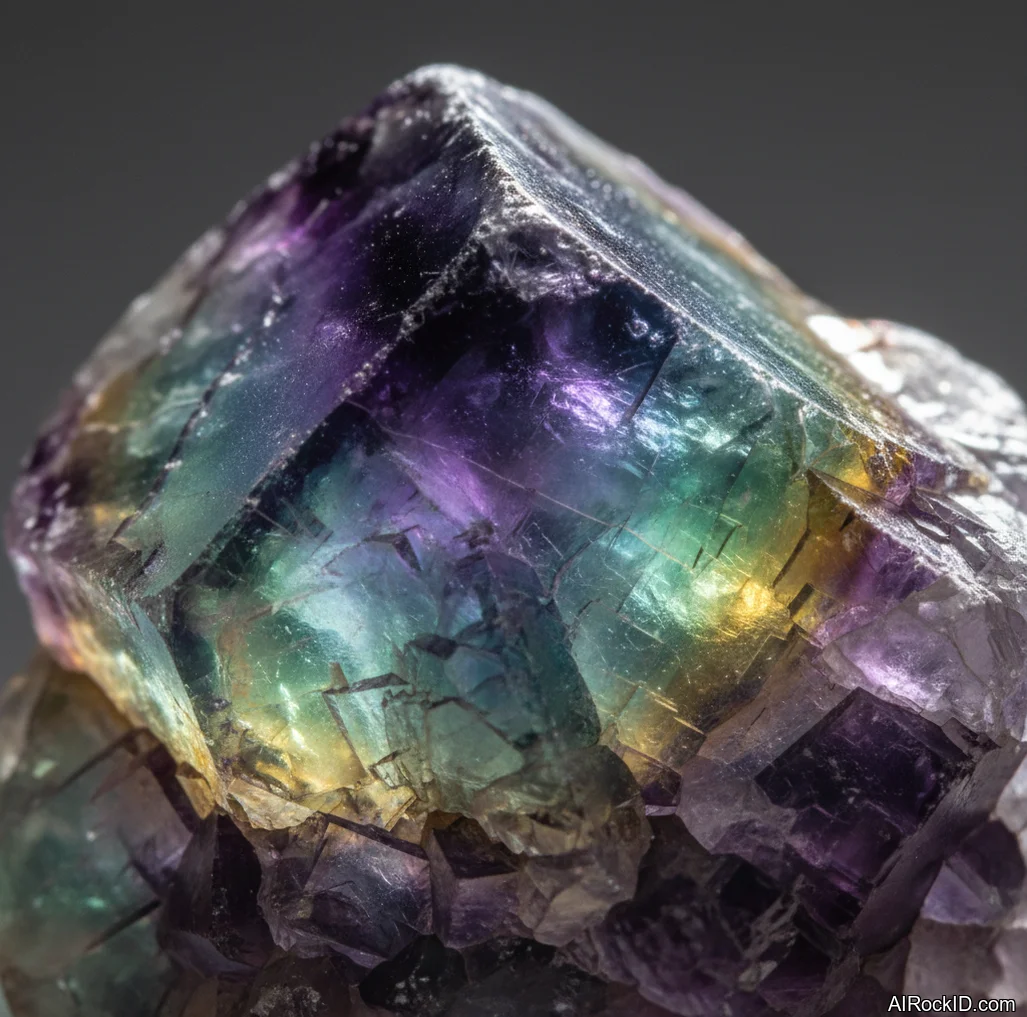
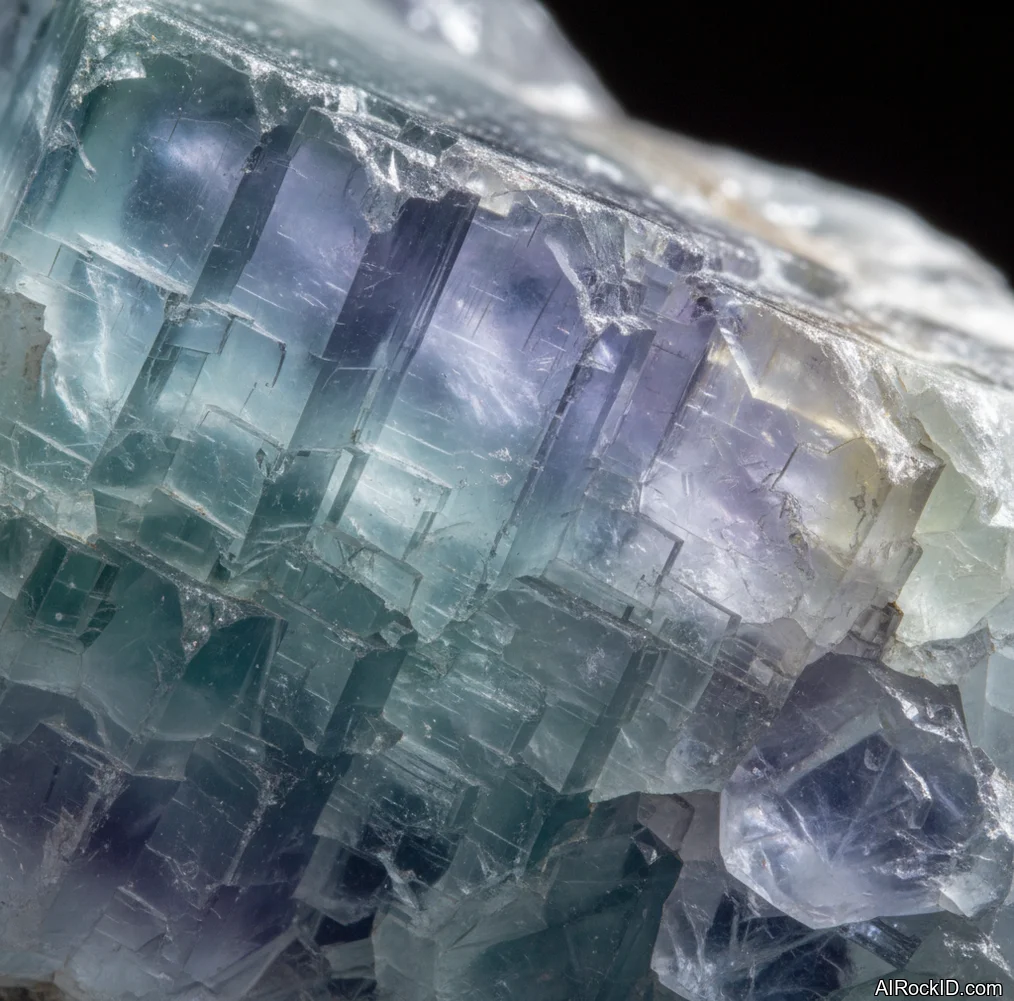
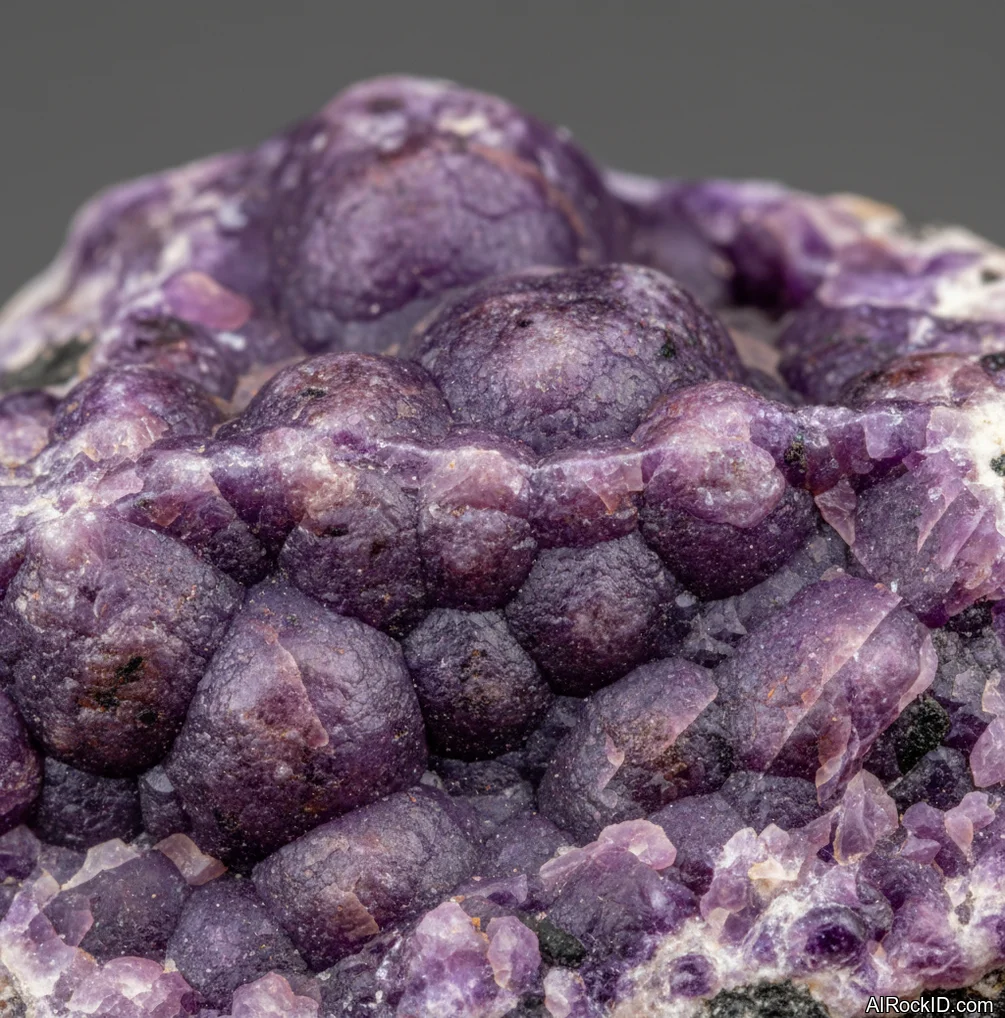
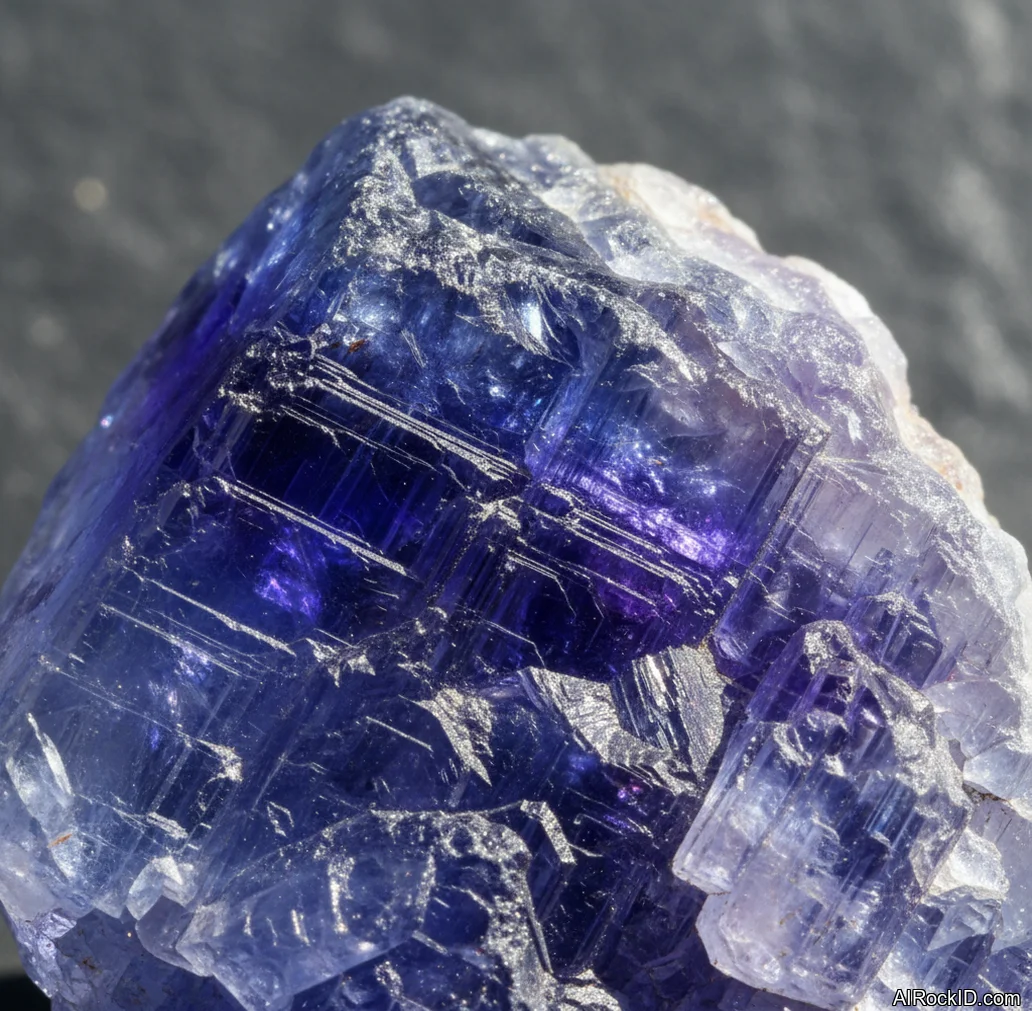
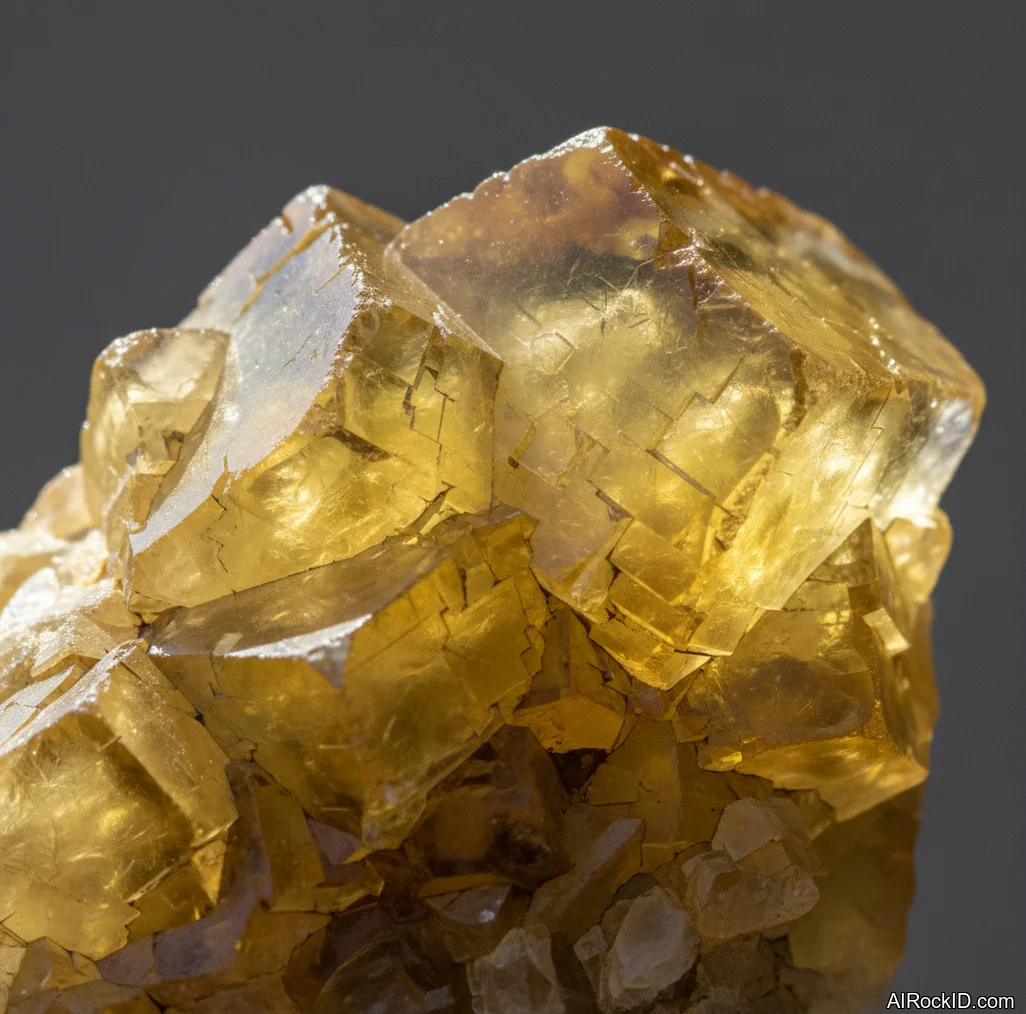
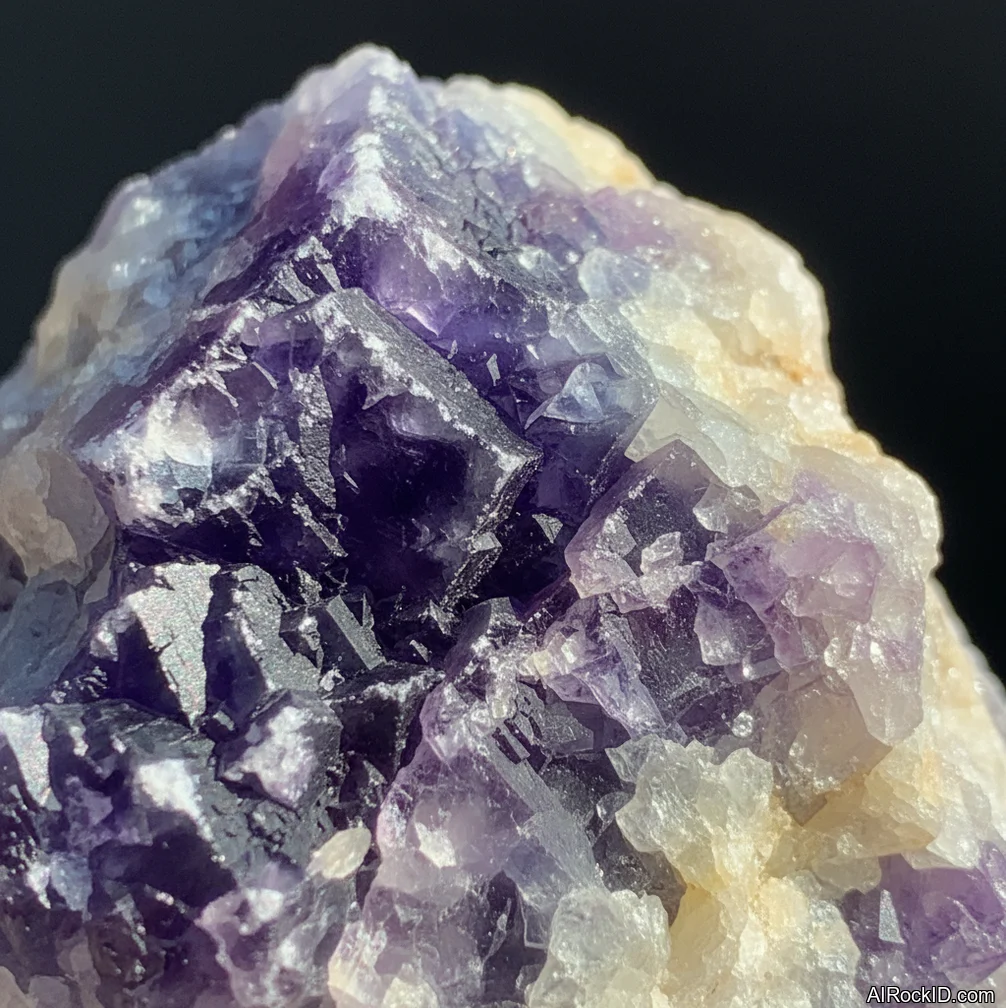
For a desk stone, fluorite is great because it gives you a visual reset. But it scratches easily. Toss it in a pocket with keys and you’ll grind it up fast (ask me how I know).
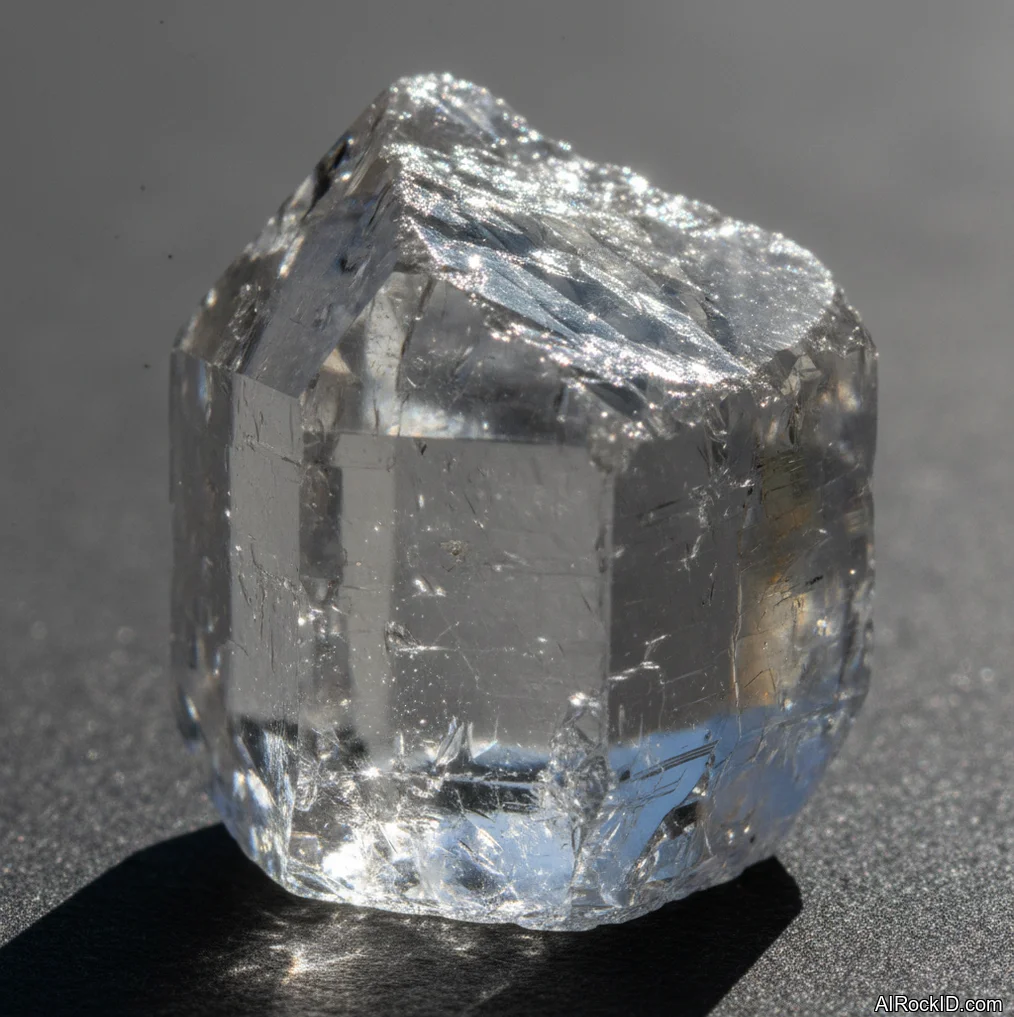
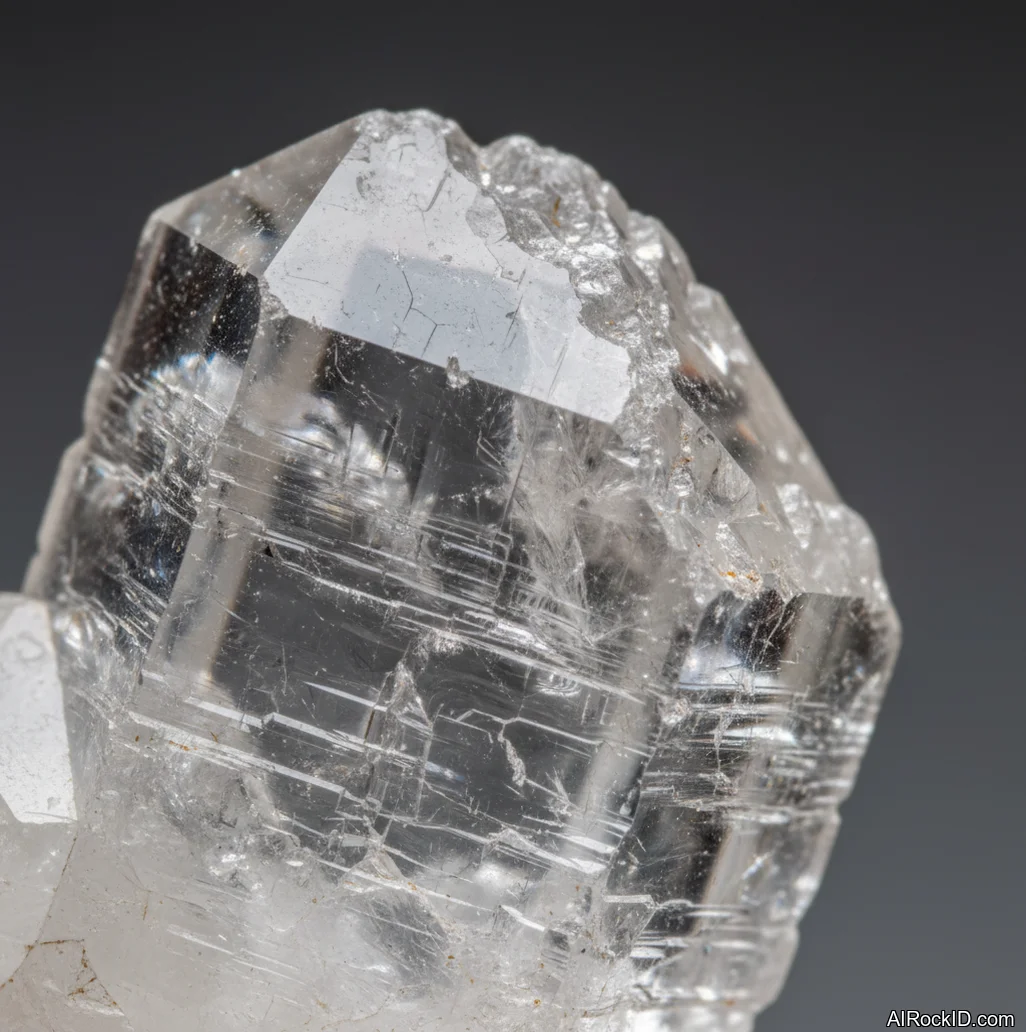
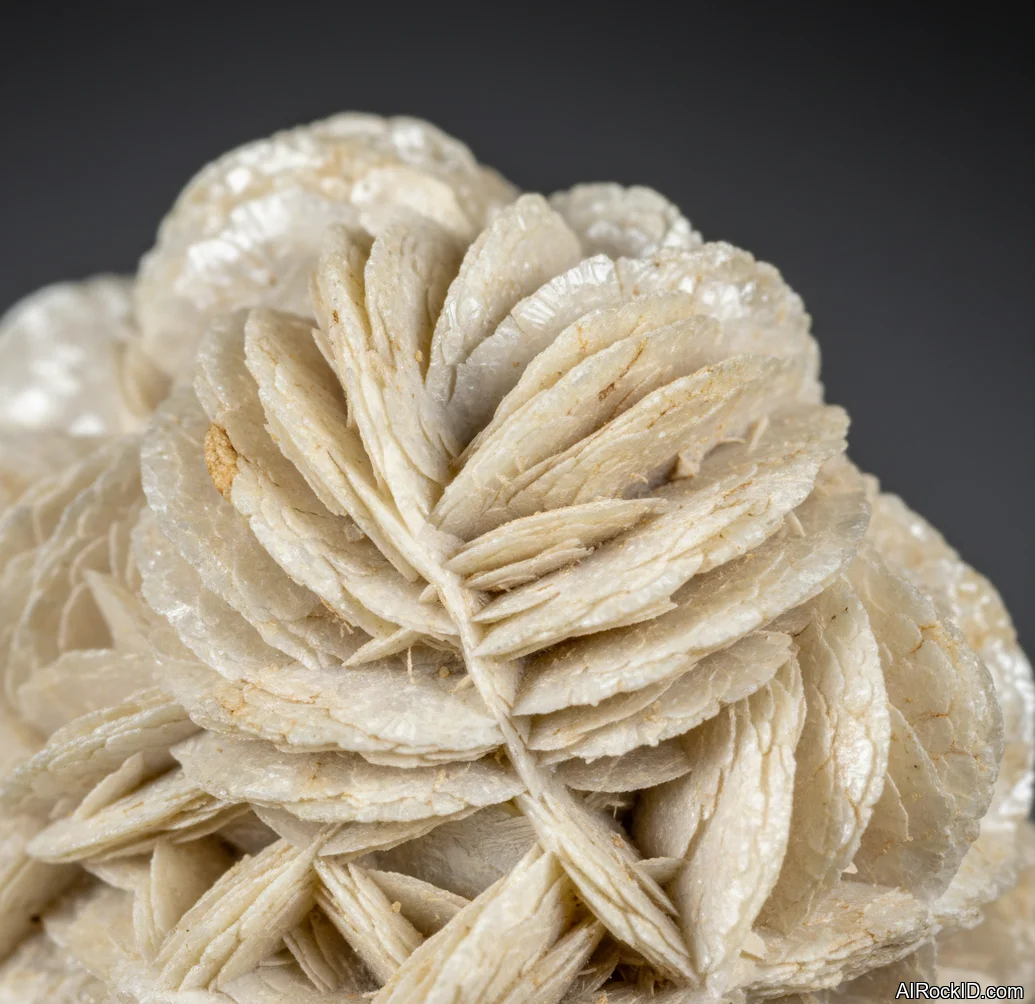
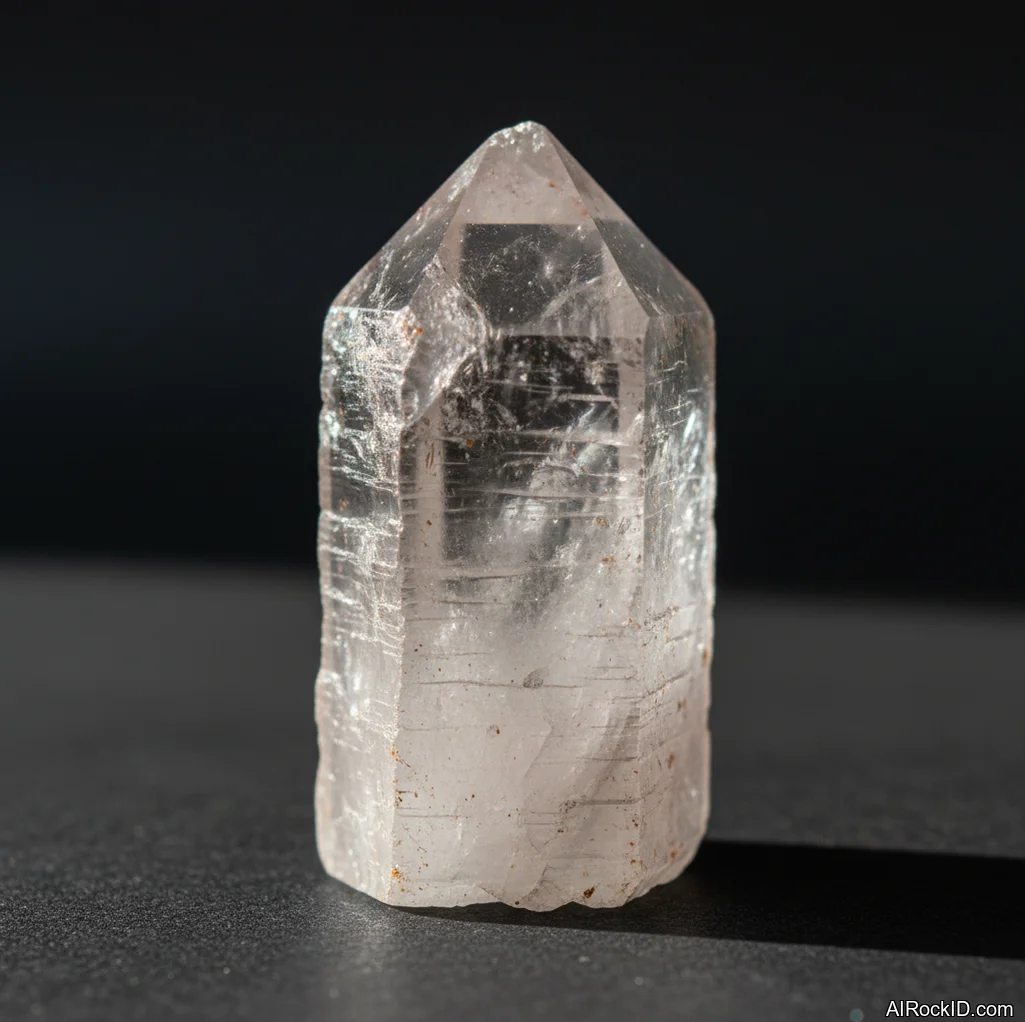
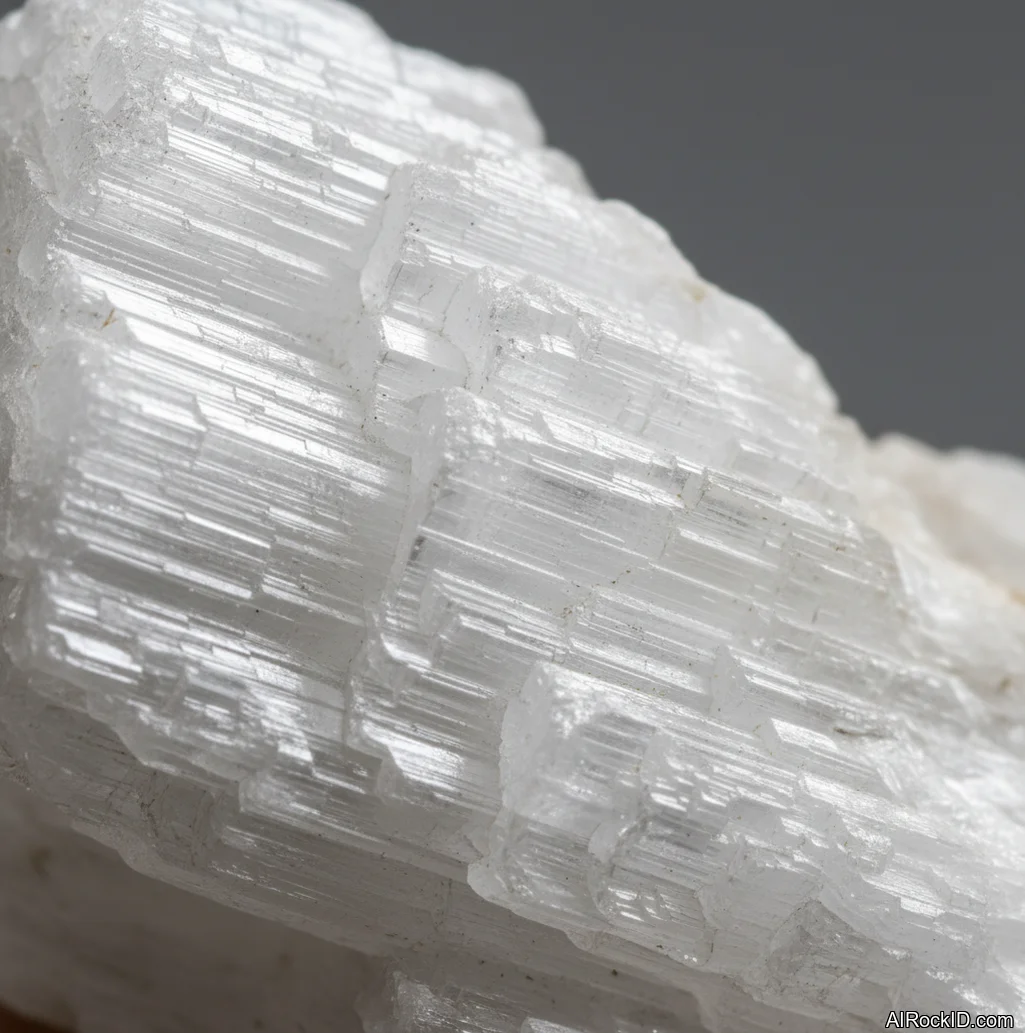
At first glance, selenite looks like the answer to everything. Bright, silky, clean. Those satin spar wands feel smooth like polished bone. So yeah, it reads as minimal and “pure,” and Inner Peace people love that. But it’s gypsum. It dents with a fingernail, it hates water, and it’ll get grimy if you handle it with lotion on your hands. If you want the look but need tougher, white calcite or clear quartz can take more abuse.
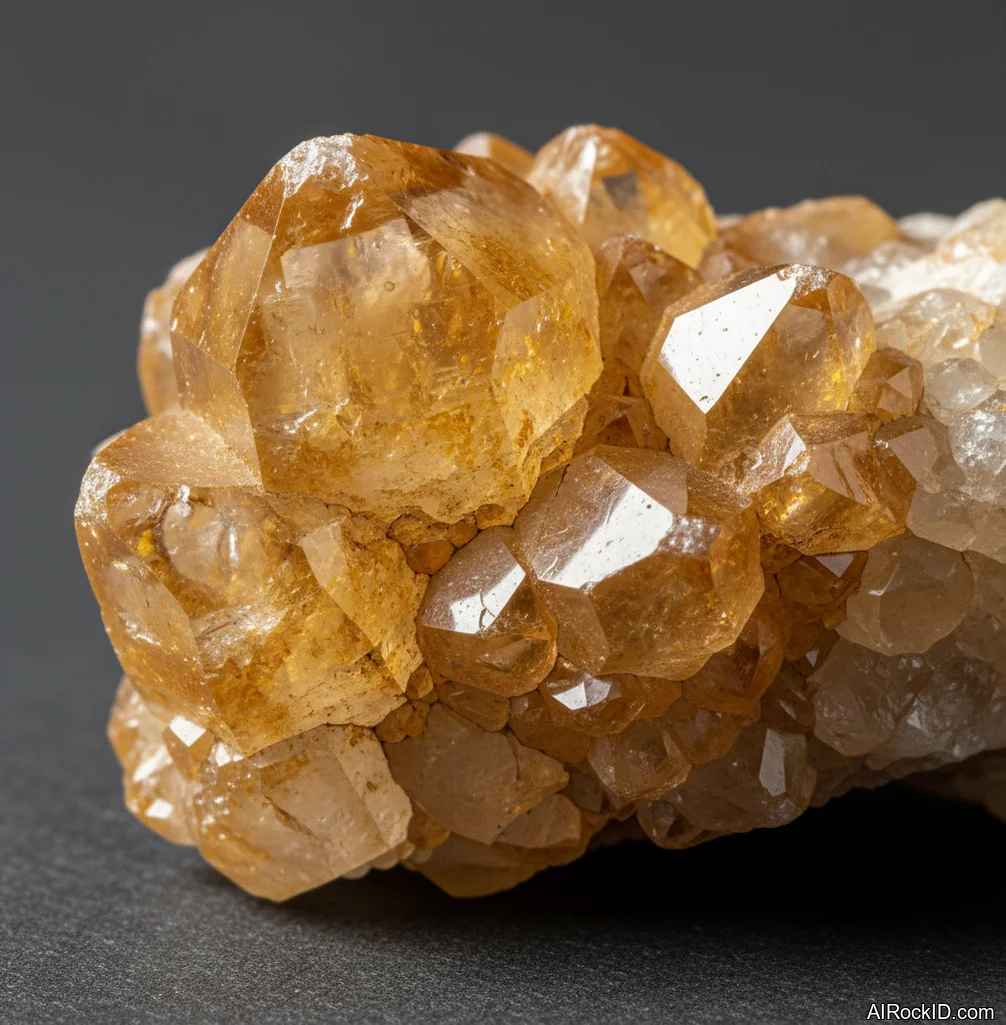
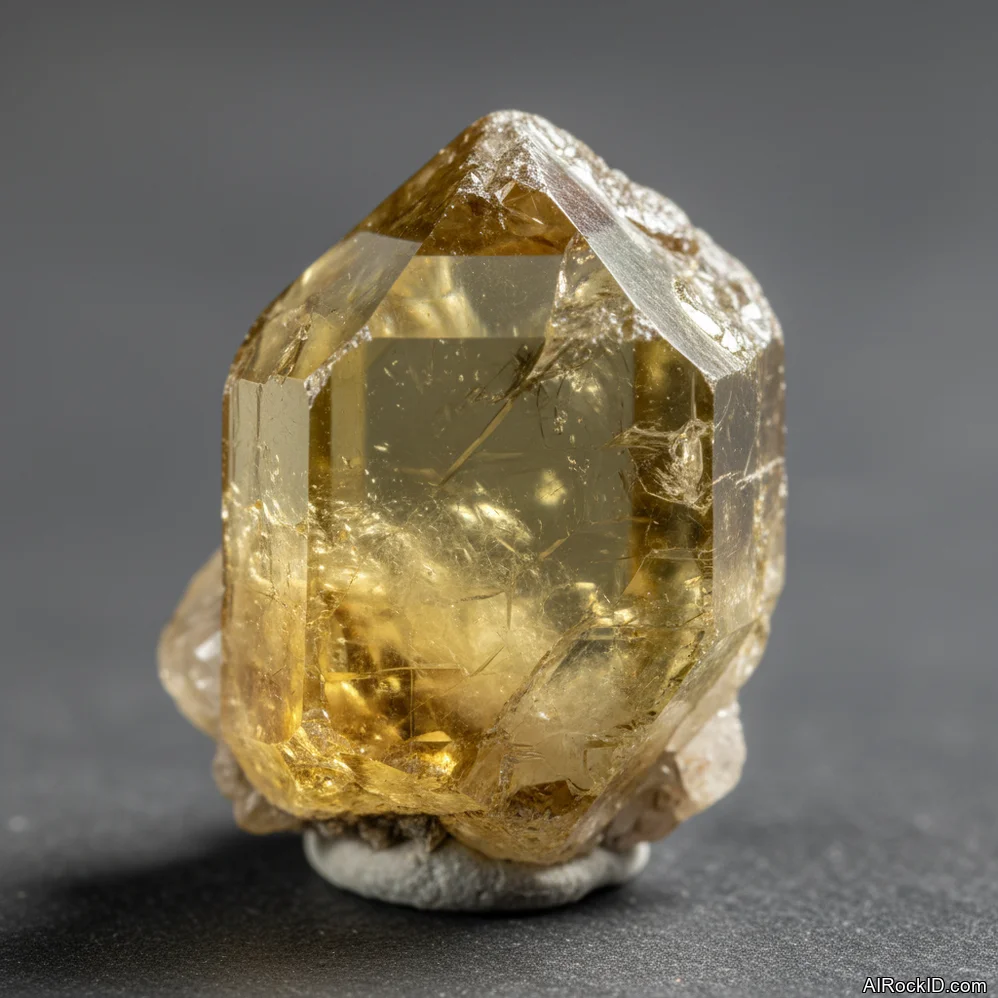
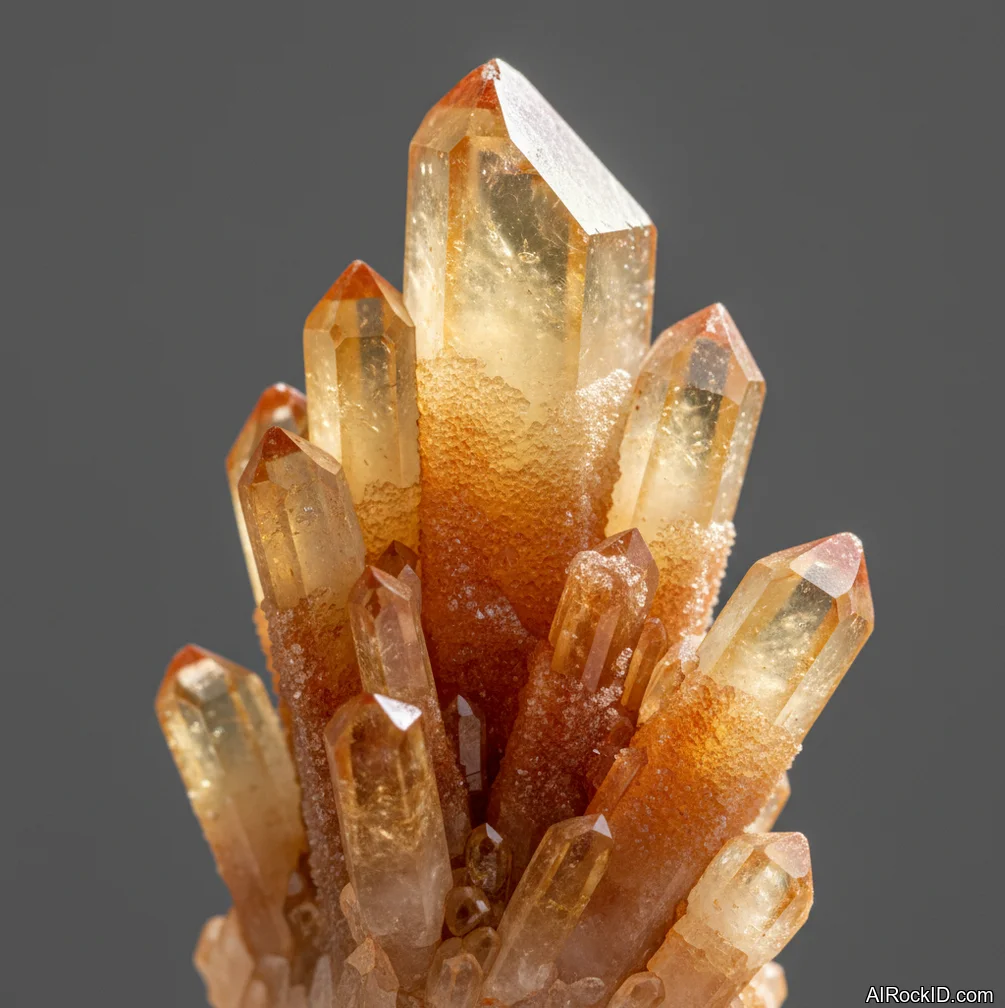
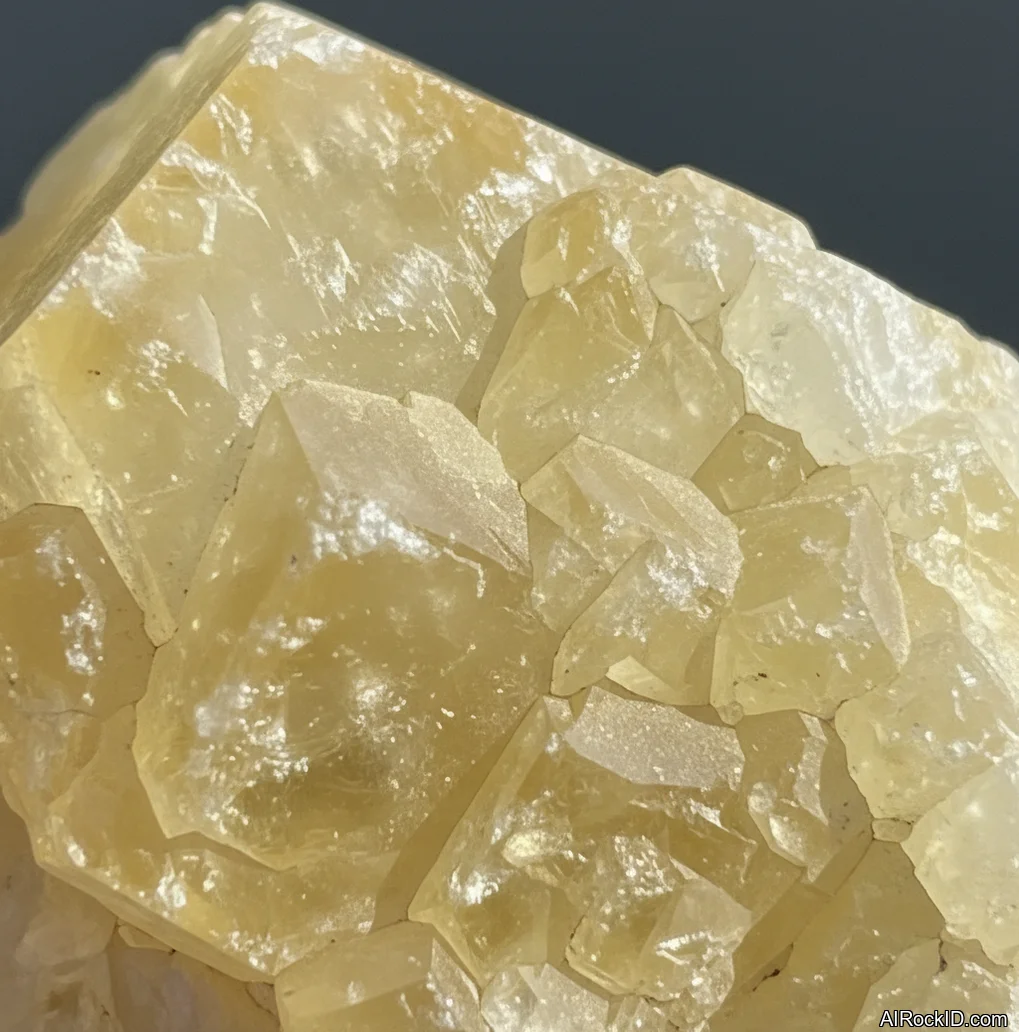
A lot of dealers will tag anything pale blue as “calming,” so it helps to know a few buying tells. With amethyst, watch for brownish-orange patches at the tips that look “baked.” Heat treatment is common, and it’s not always disclosed. And with citrine it’s even messier, because a lot of what’s sold as citrine is heat-treated amethyst, with that toasted color pooling at the base. If Inner Peace is the goal, you don’t need the rarest stone on earth. You do want honest material that won’t leave you second-guessing.
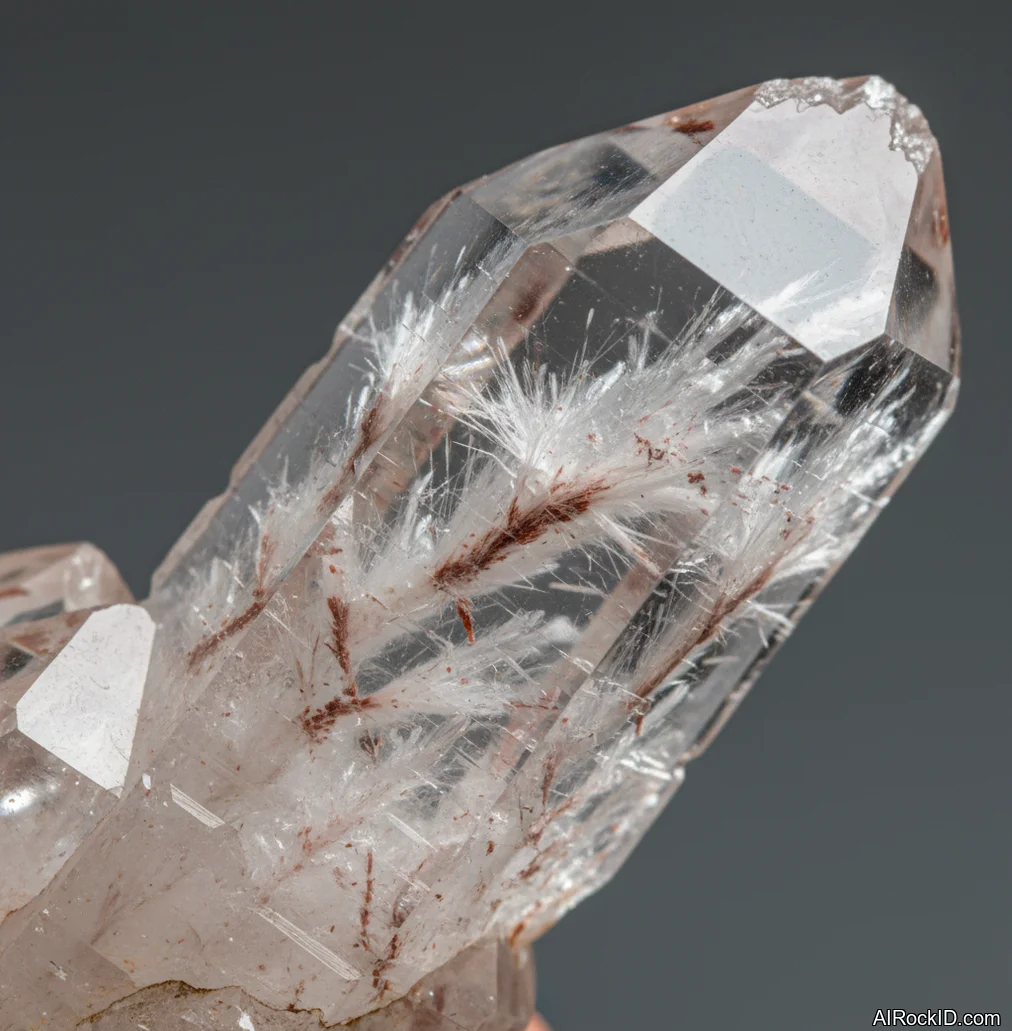
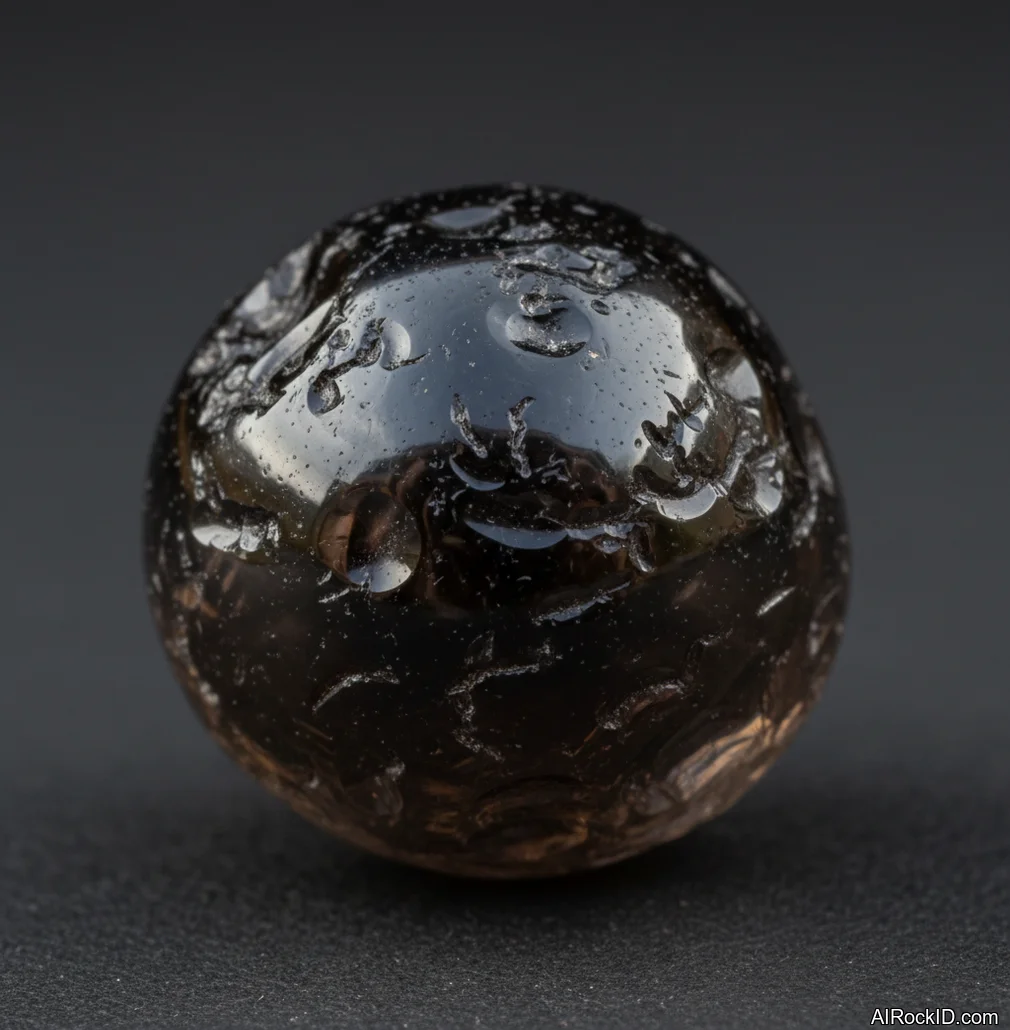
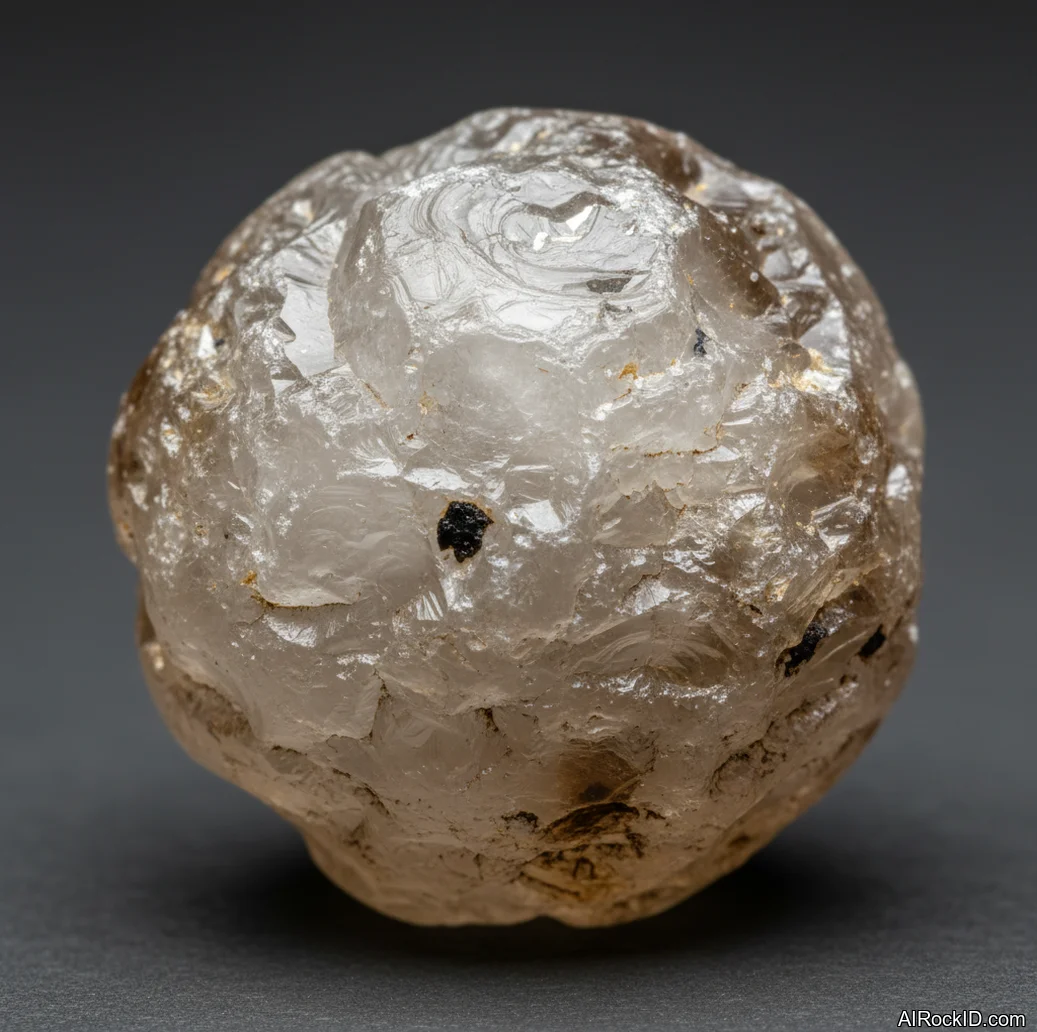
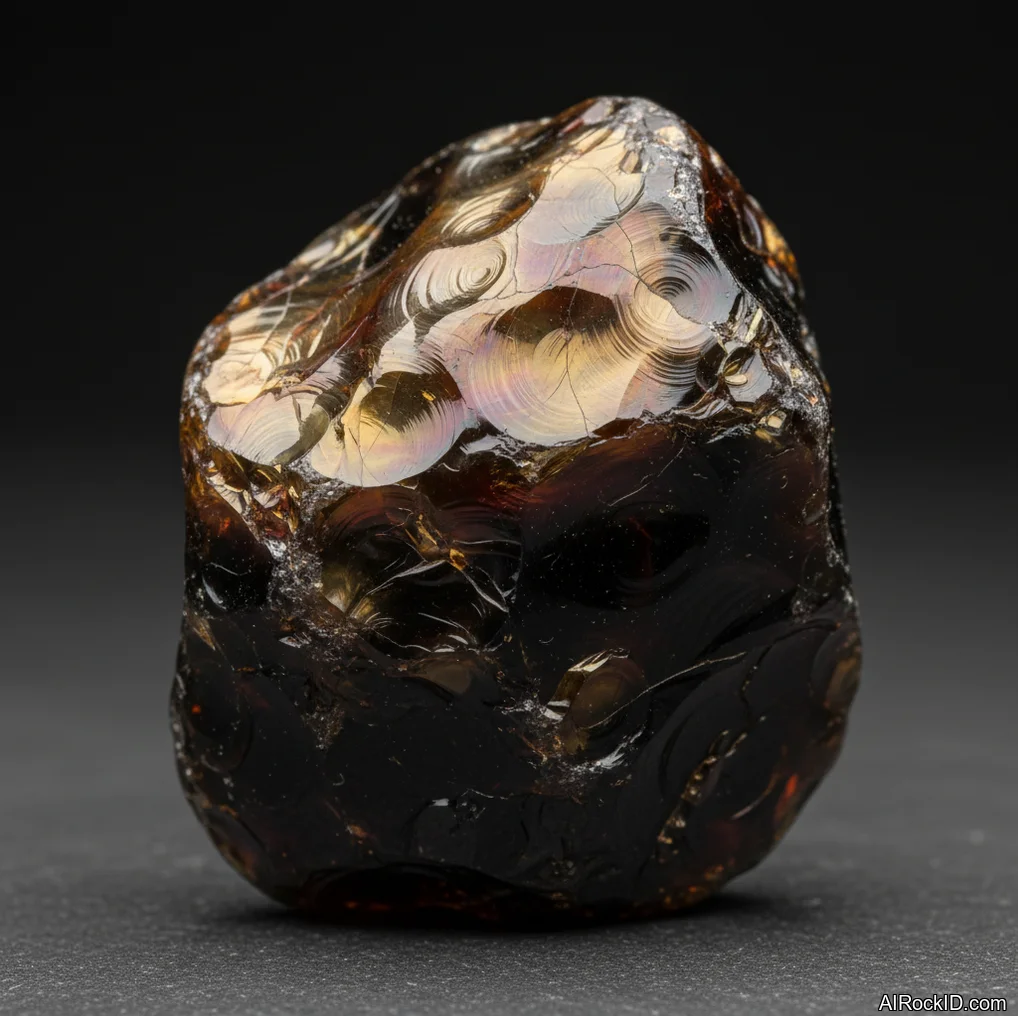
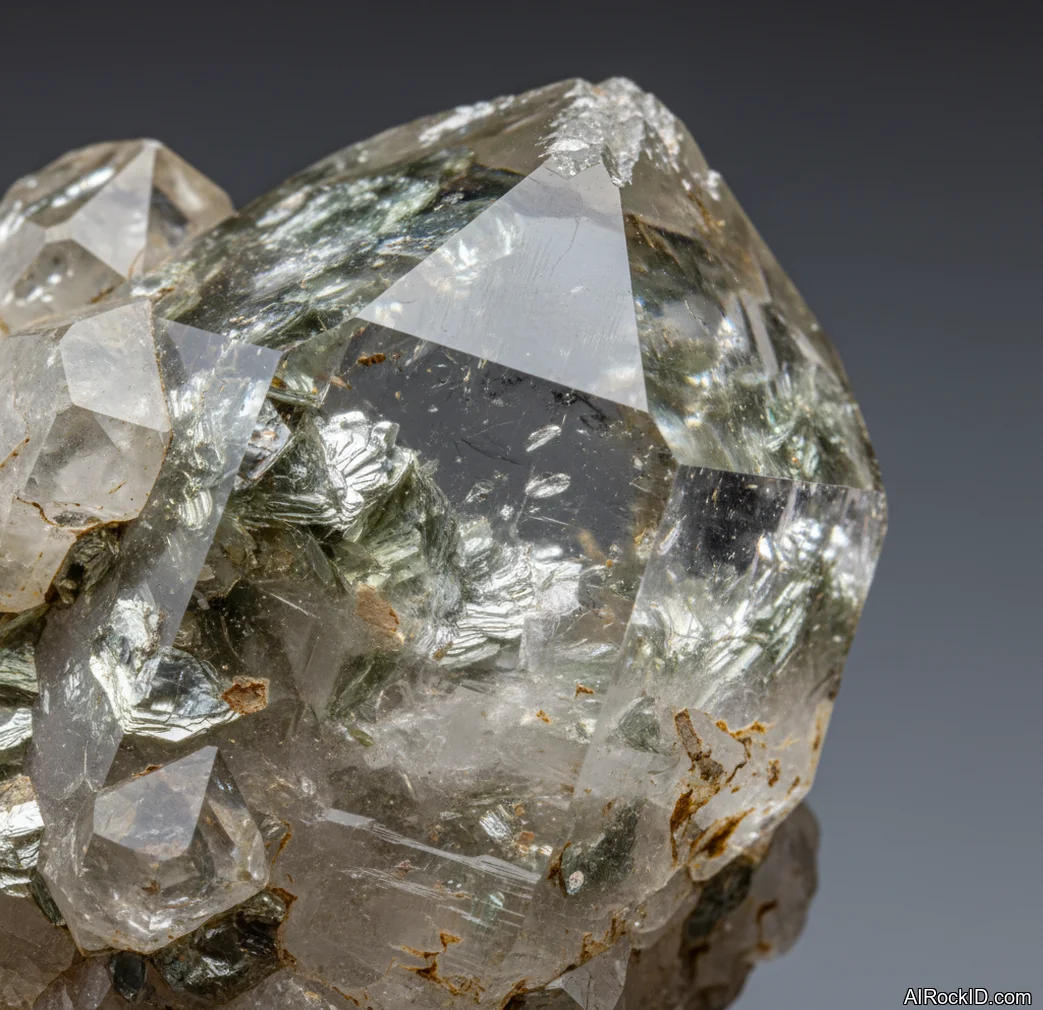
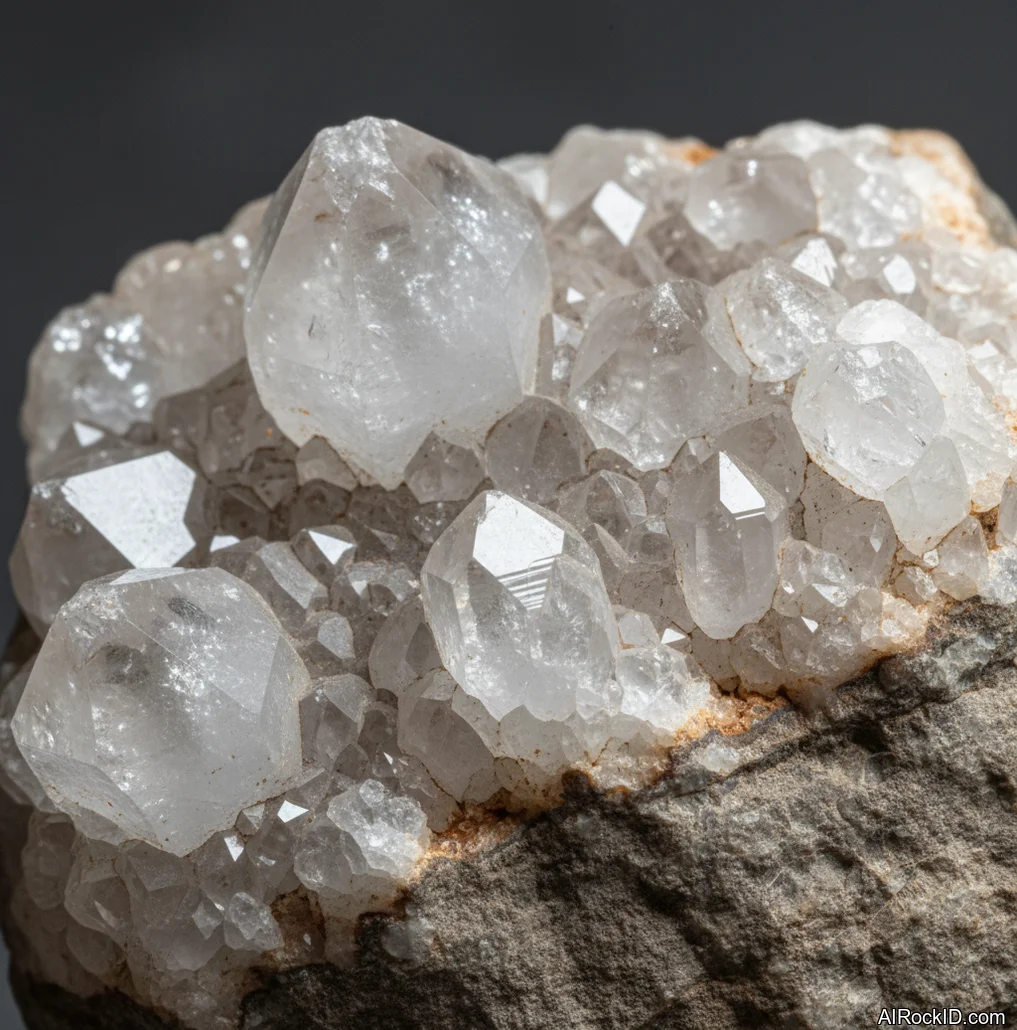
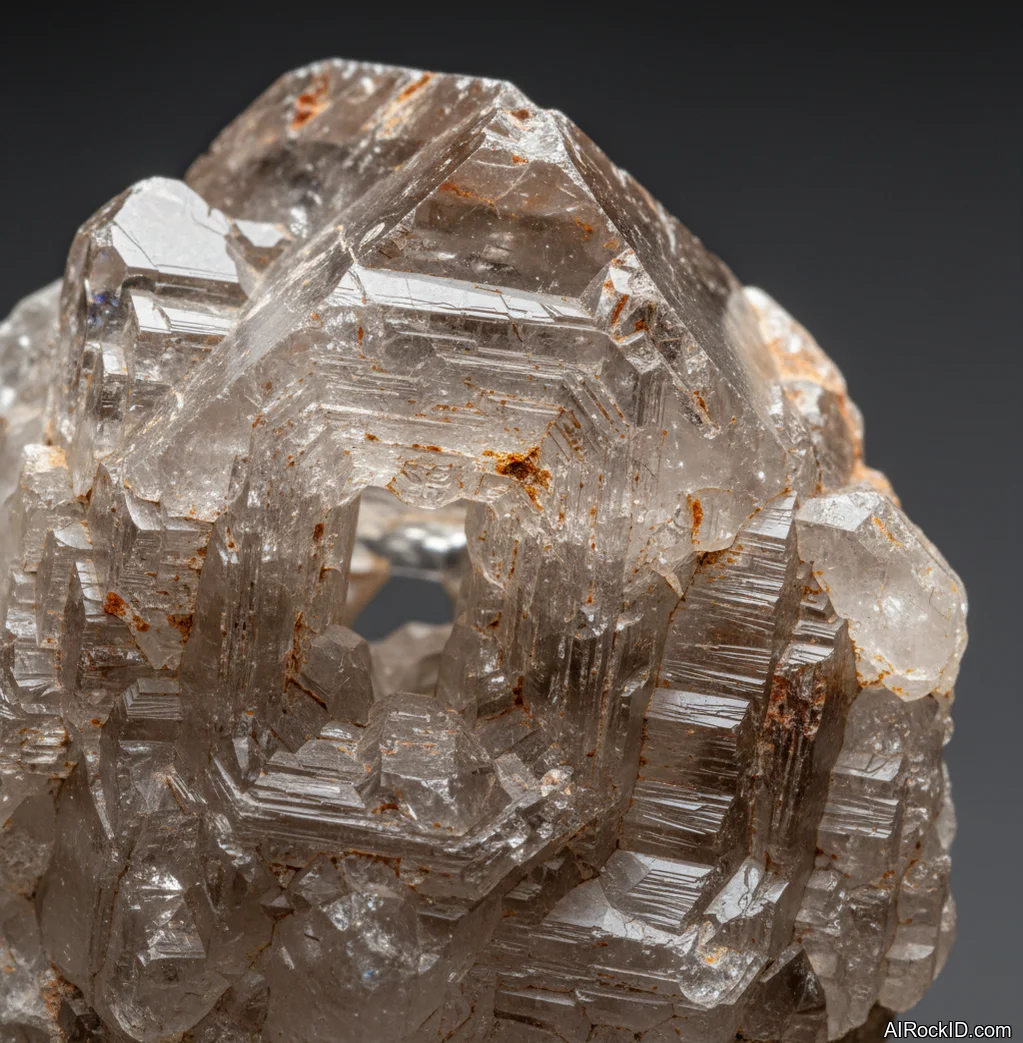
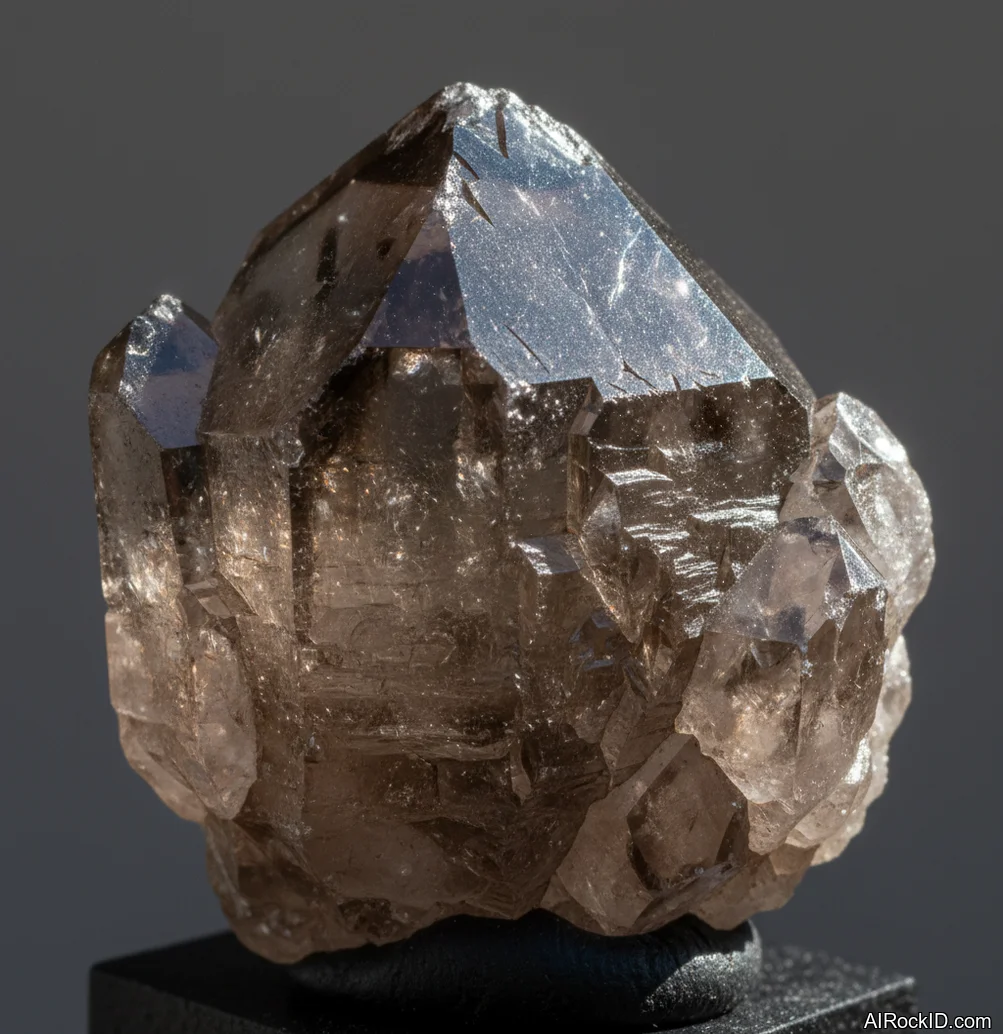
Look, finish and shape matter more than people think. Tumbles are great for pockets, but that high gloss can make some stones feel slippery, like they won’t “stick” in your hand during a grounding exercise. Matte palm stones and lightly polished slabs feel more natural. Freeforms and spheres change things too. A smoky quartz sphere has weight and presence, and you’ll notice internal veils and little rainbows when you rotate it under a lamp. That slow rotation becomes the practice. Simple. Real.
If you’re putting together an Inner Peace set, don’t make it complicated. One bedside piece, one carry stone, one “reset” stone for work is plenty. A small amethyst cluster by the bed, a lepidolite palm stone in your bag, and a piece of blue lace agate on the desk covers most real-life use. Keep soft stones away from water. Keep fragile clusters off high-traffic shelves. And don’t store fluorite next to harder quartz, because it’ll get scratched.
And just to be clear, Inner Peace crystals aren’t a substitute for sleep, therapy, medication, or stepping away from stressful situations. They’re tools. Stuff you can touch, look at, and build small rituals around. When the day’s loud, that physical anchor helps. Cold stone in your palm. Weight on the desk. A cluster catching lamplight while you breathe for thirty seconds. Small stuff. But it adds up.
All Inner Peace Crystals (507)