Clarity Crystals
Learn what Clarity means in crystal work, which crystals are linked to Clarity, and how to choose, use, and care for Clarity crystals.
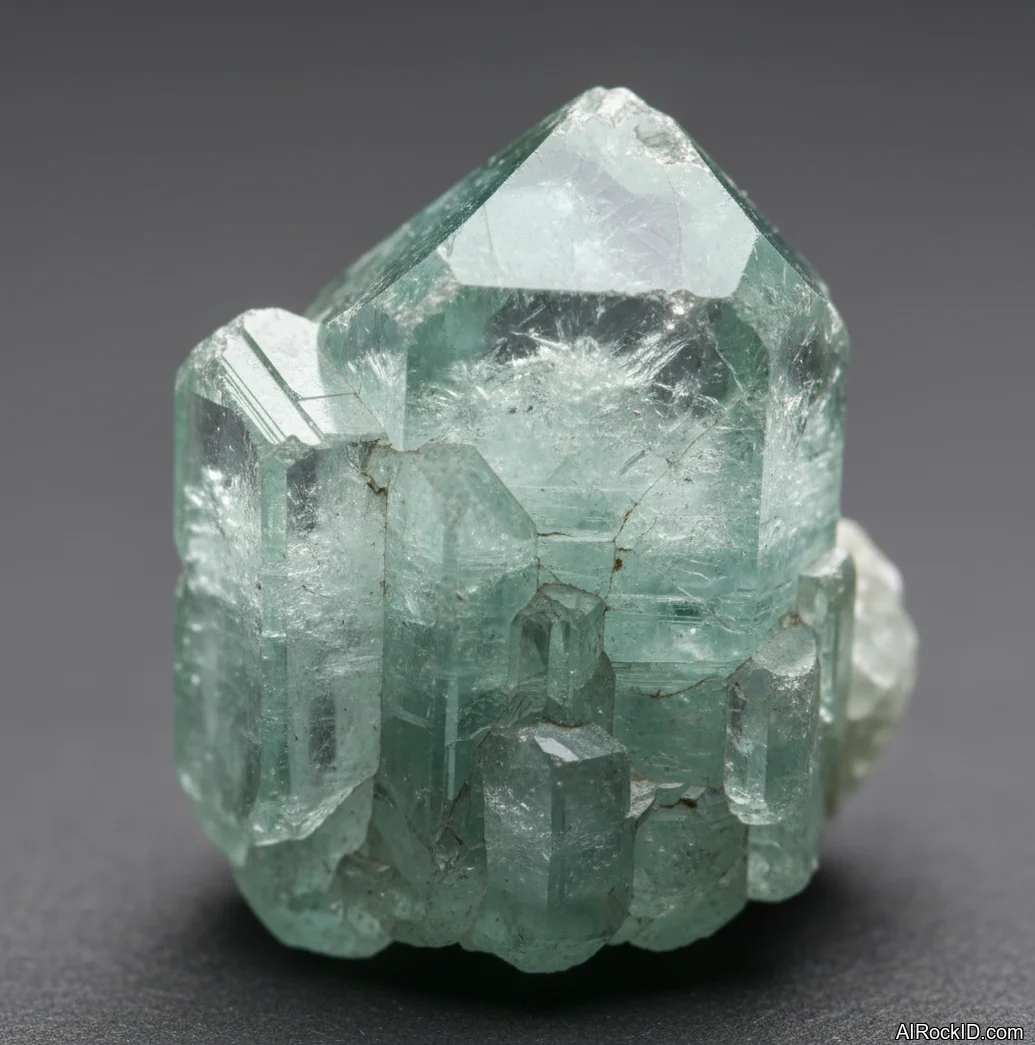
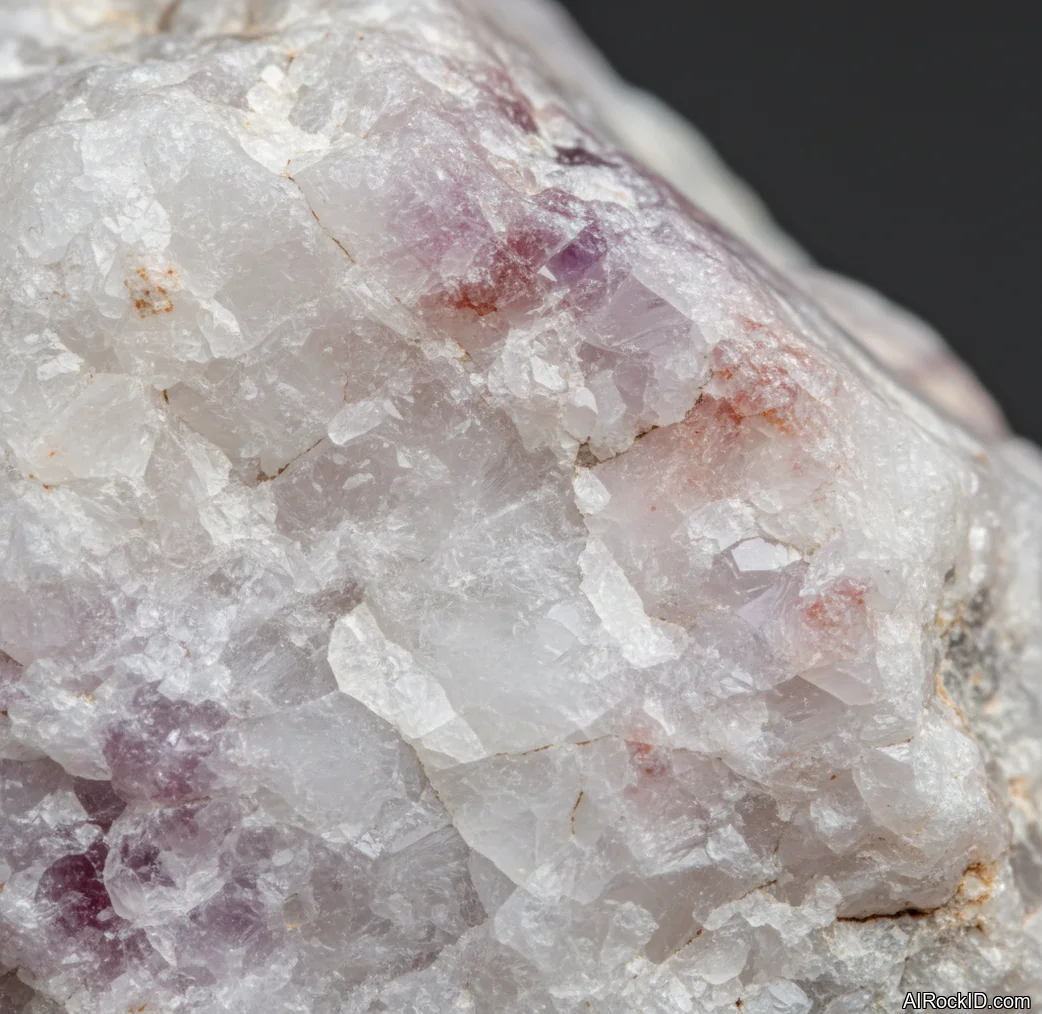
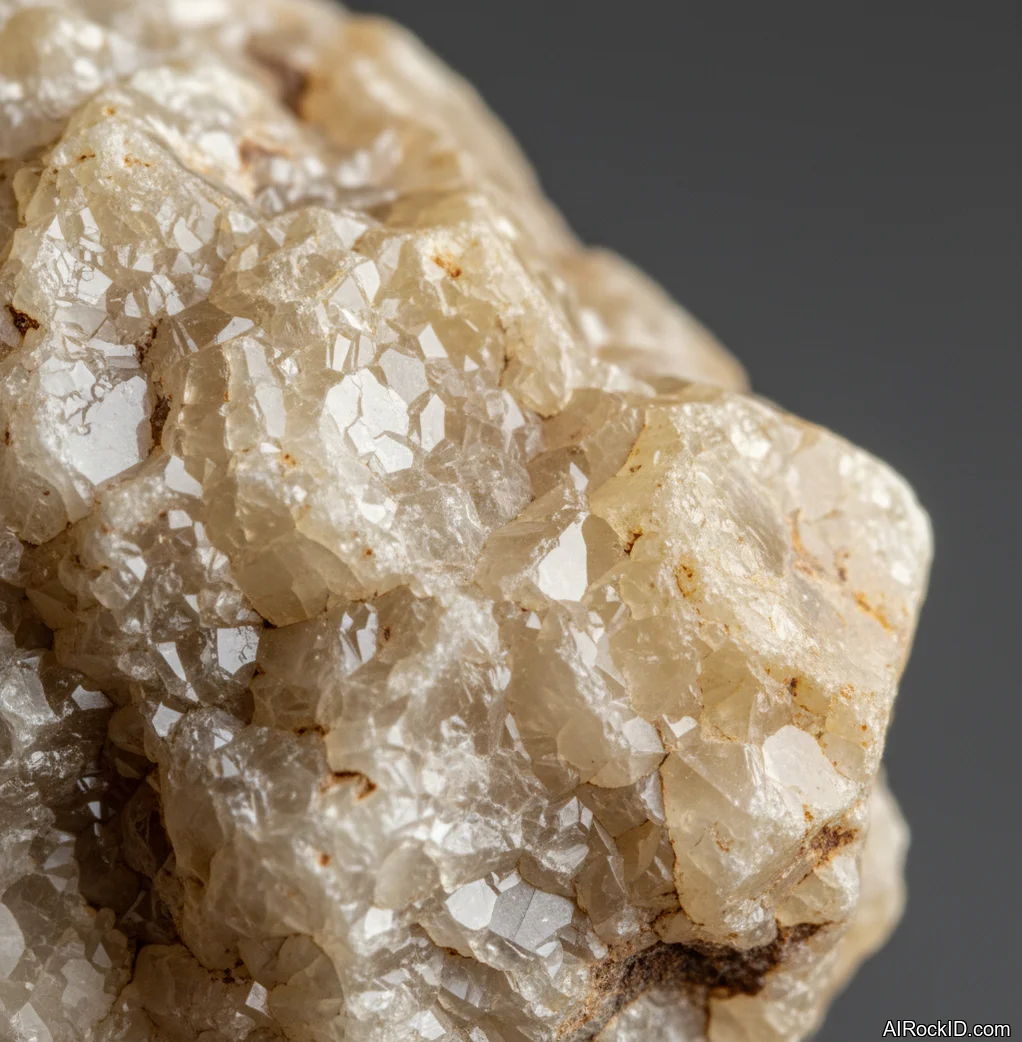
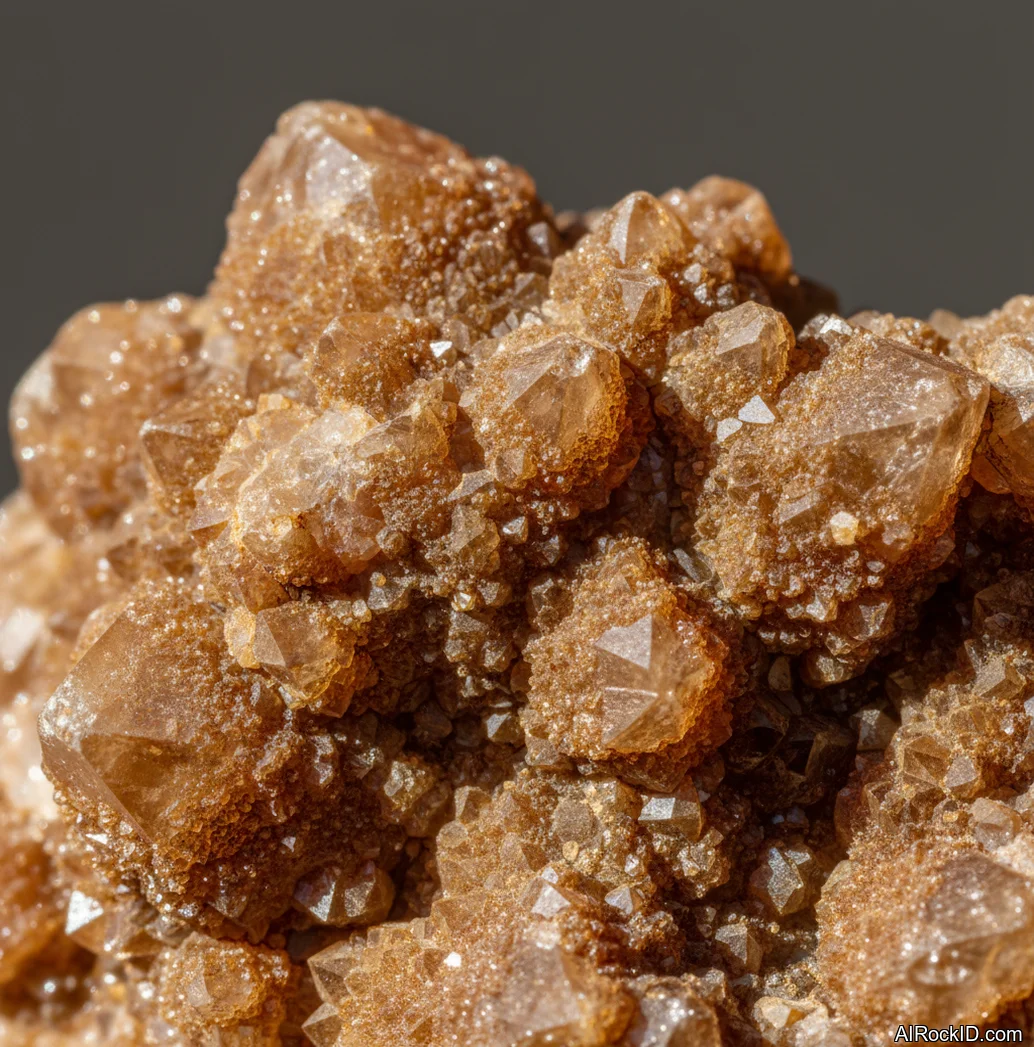
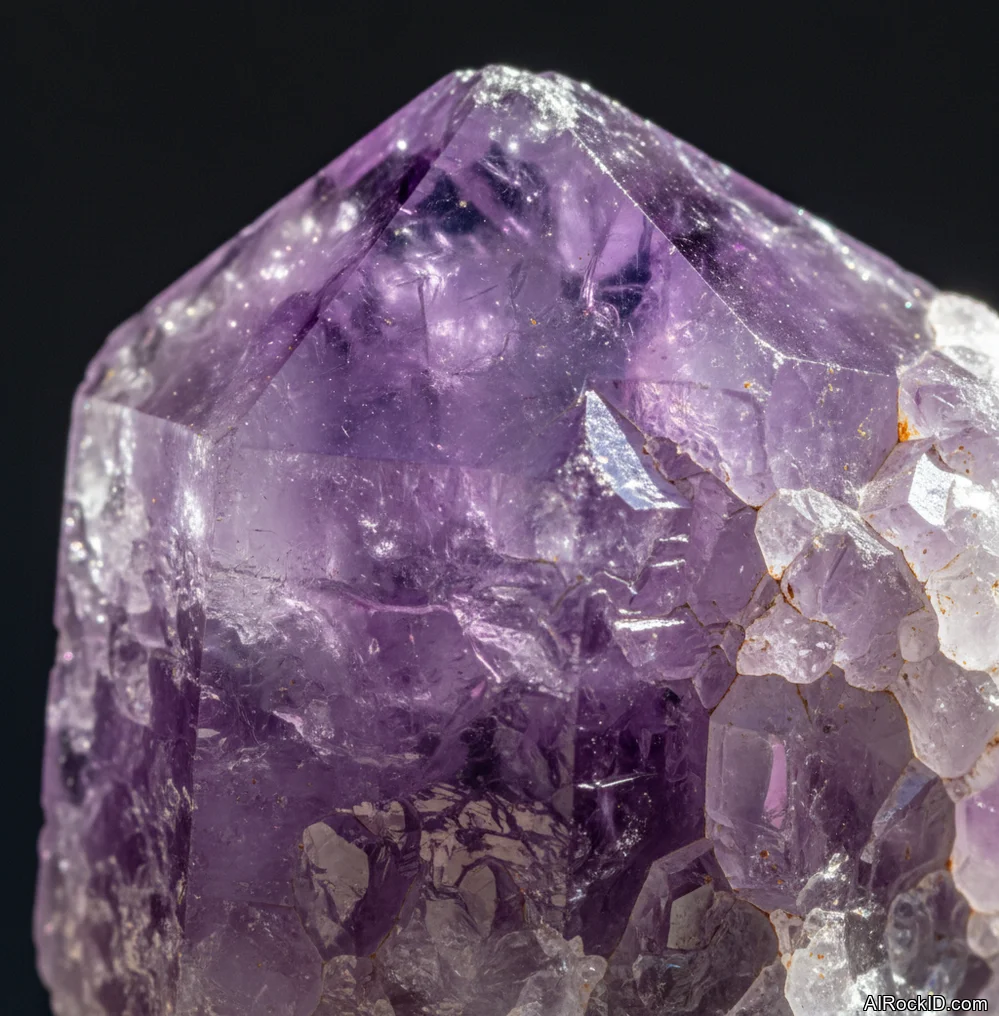
Clarity, in crystal terms, is that clean-signal feeling. Less mental fog. Less looping on the same thought. More “I know what I’m doing next.” People go after it for obvious reasons: decision fatigue, anxious spirals, information overload, and the plain old headache of being pulled in ten directions at once. In shops, the word gets slapped on anything light-colored and sparkly. But the stones people actually pick for clarity usually share a vibe. Transparent or sharp-edged. They throw light in a crisp way. They feel structured.
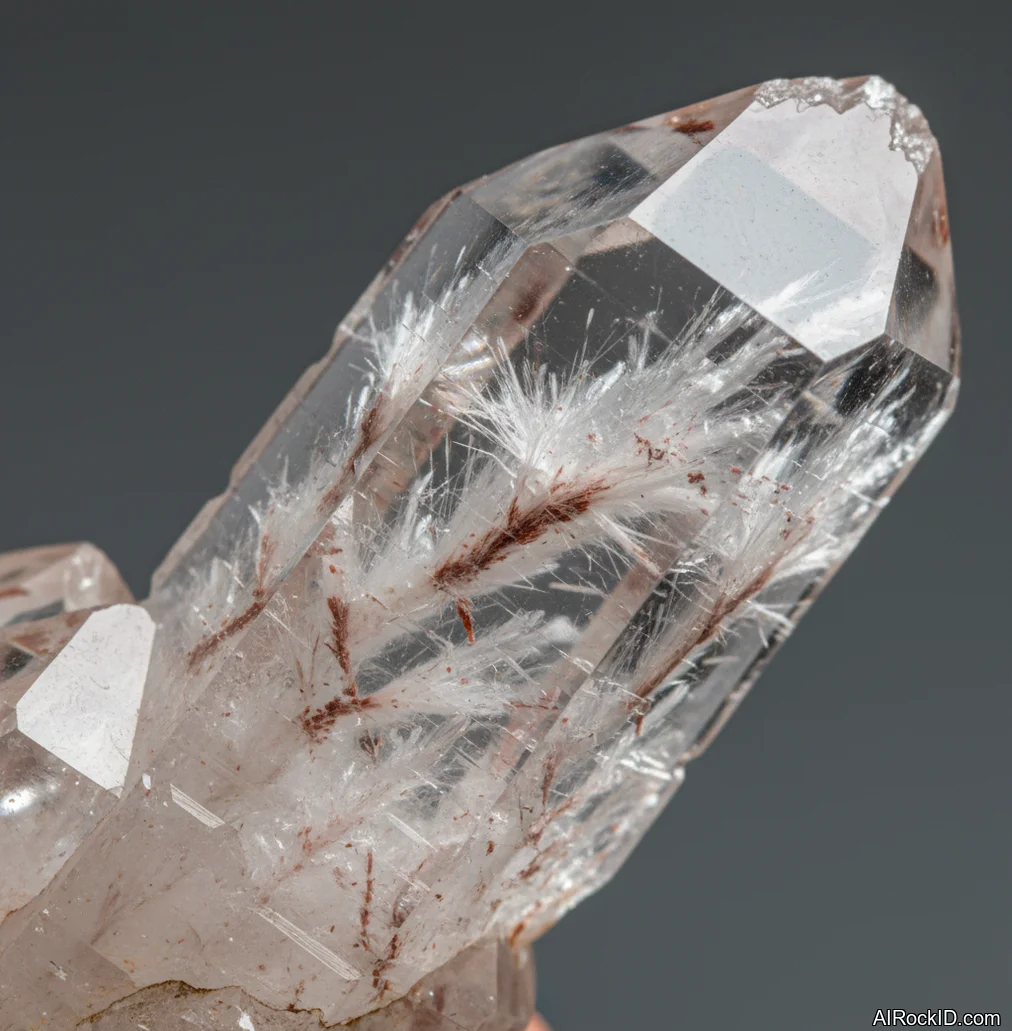
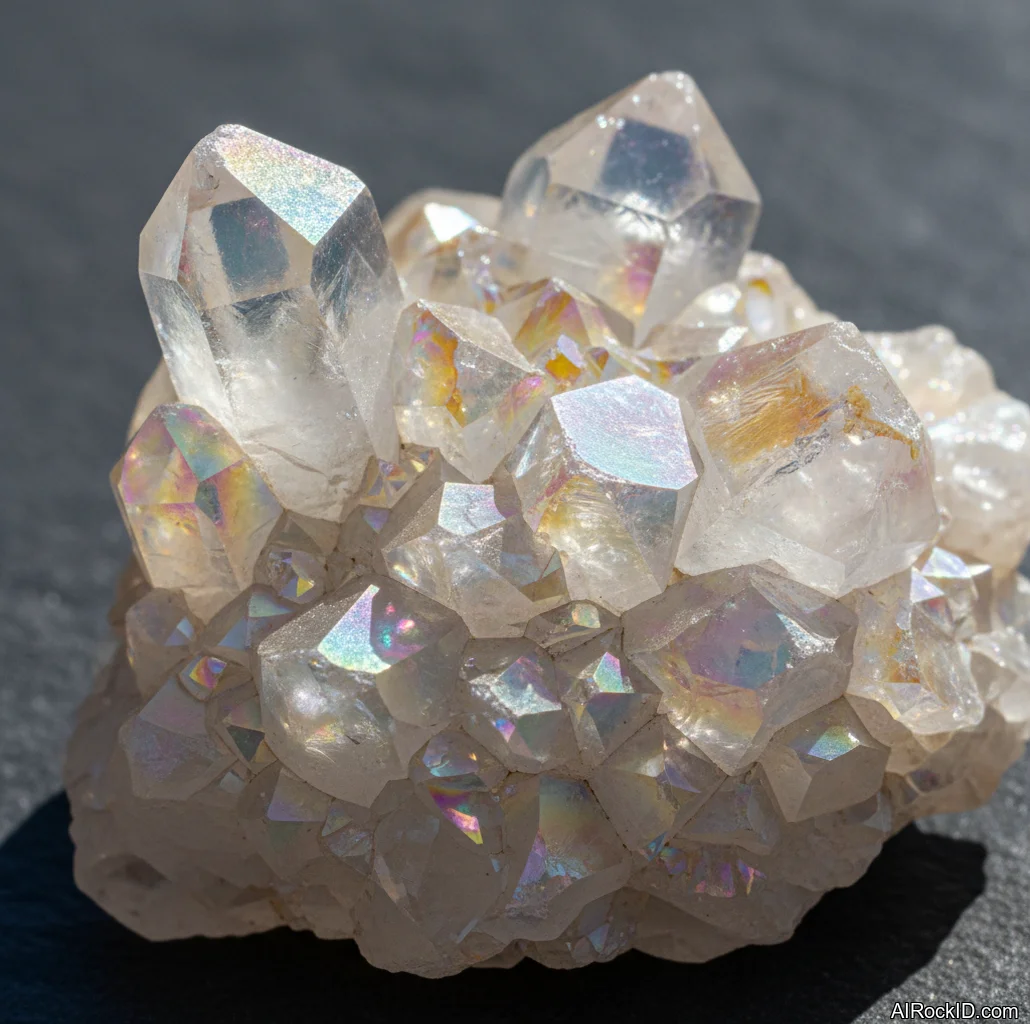
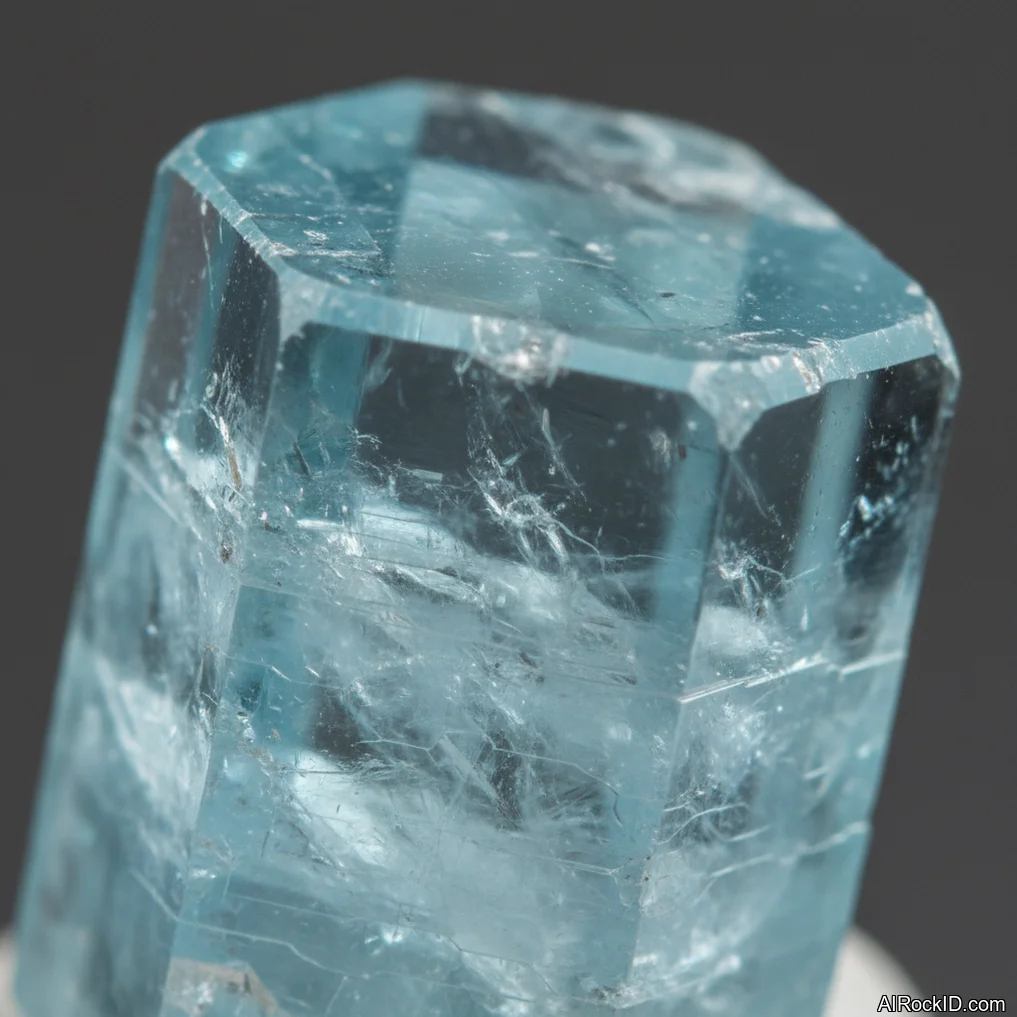
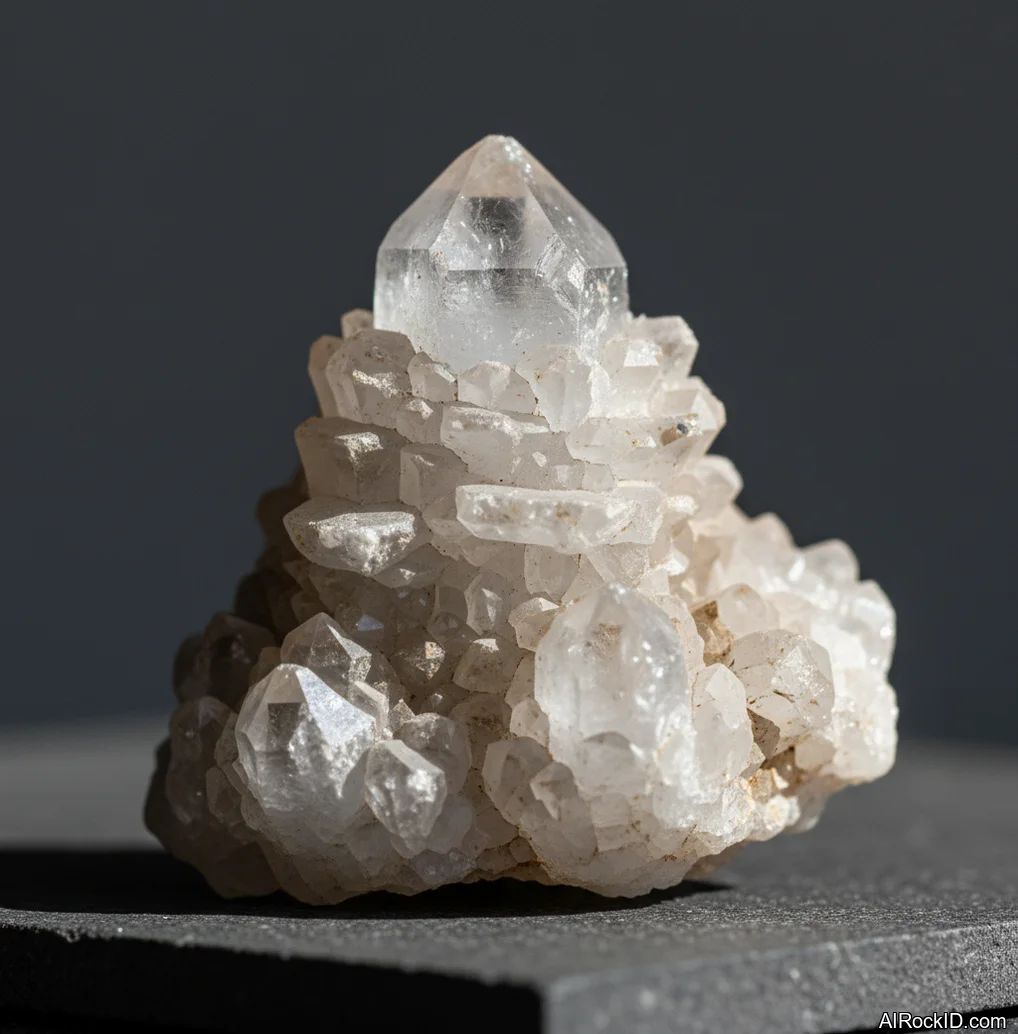
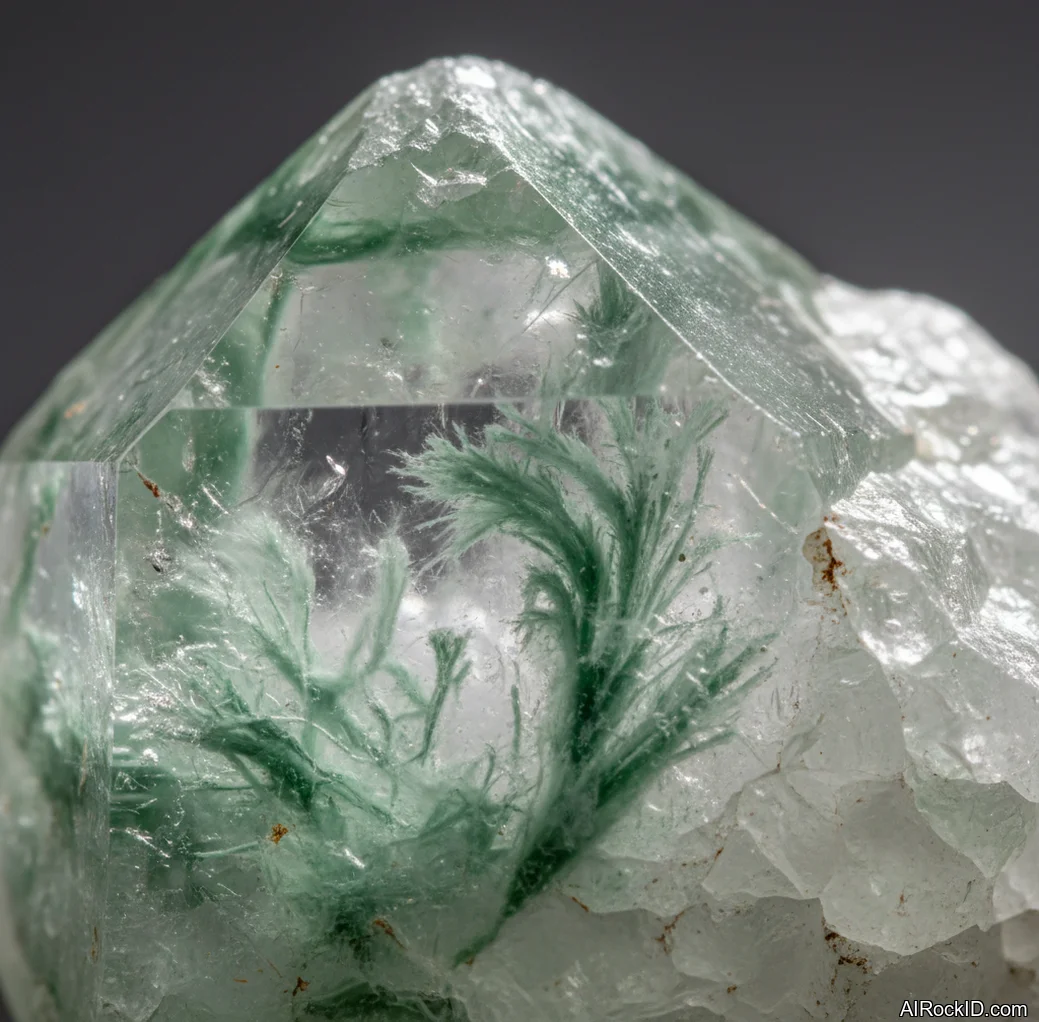
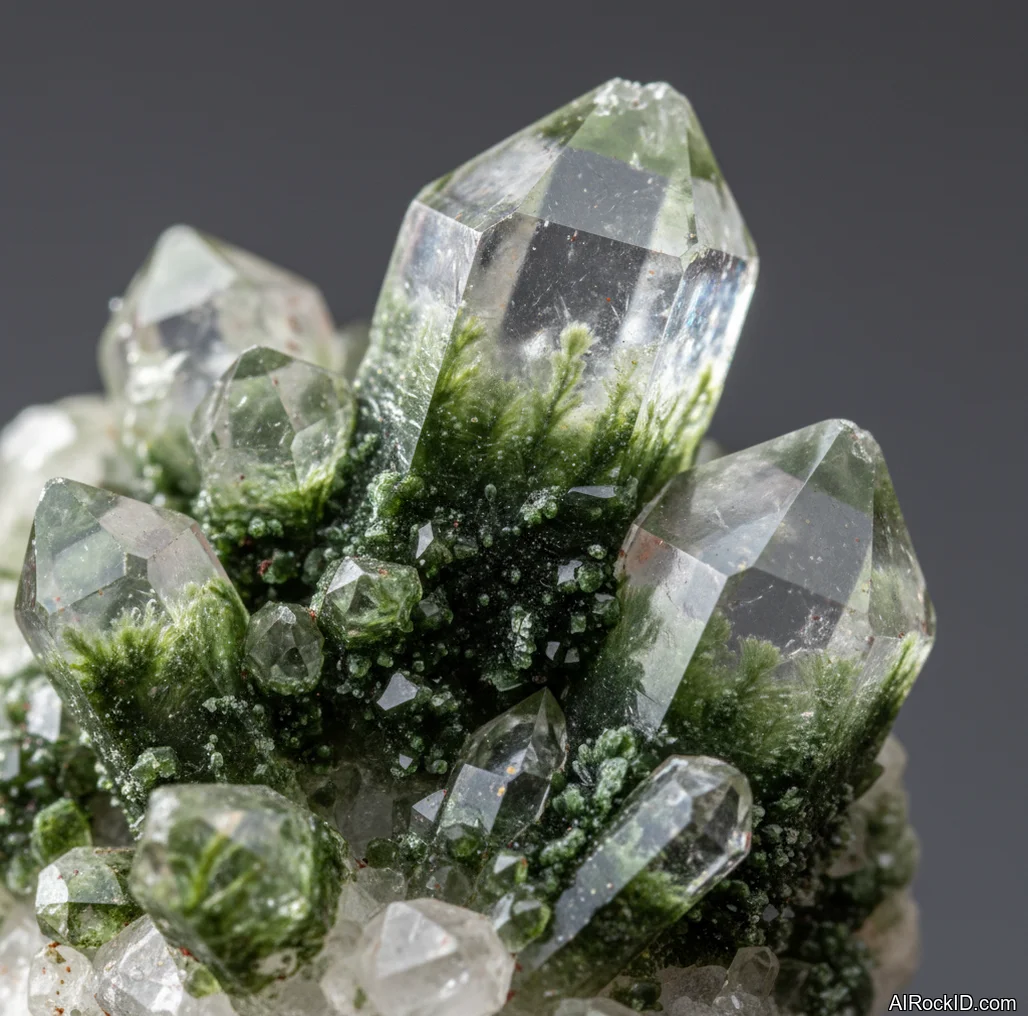
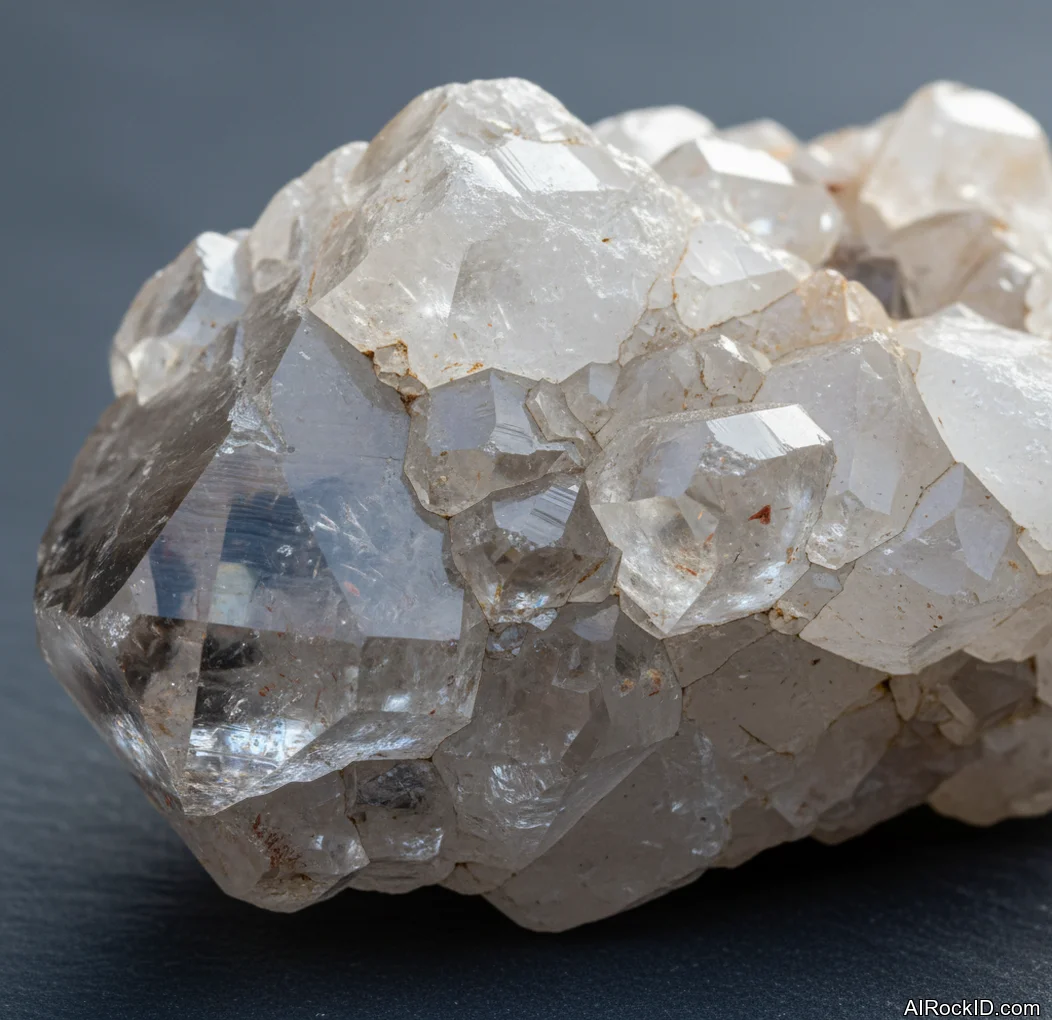
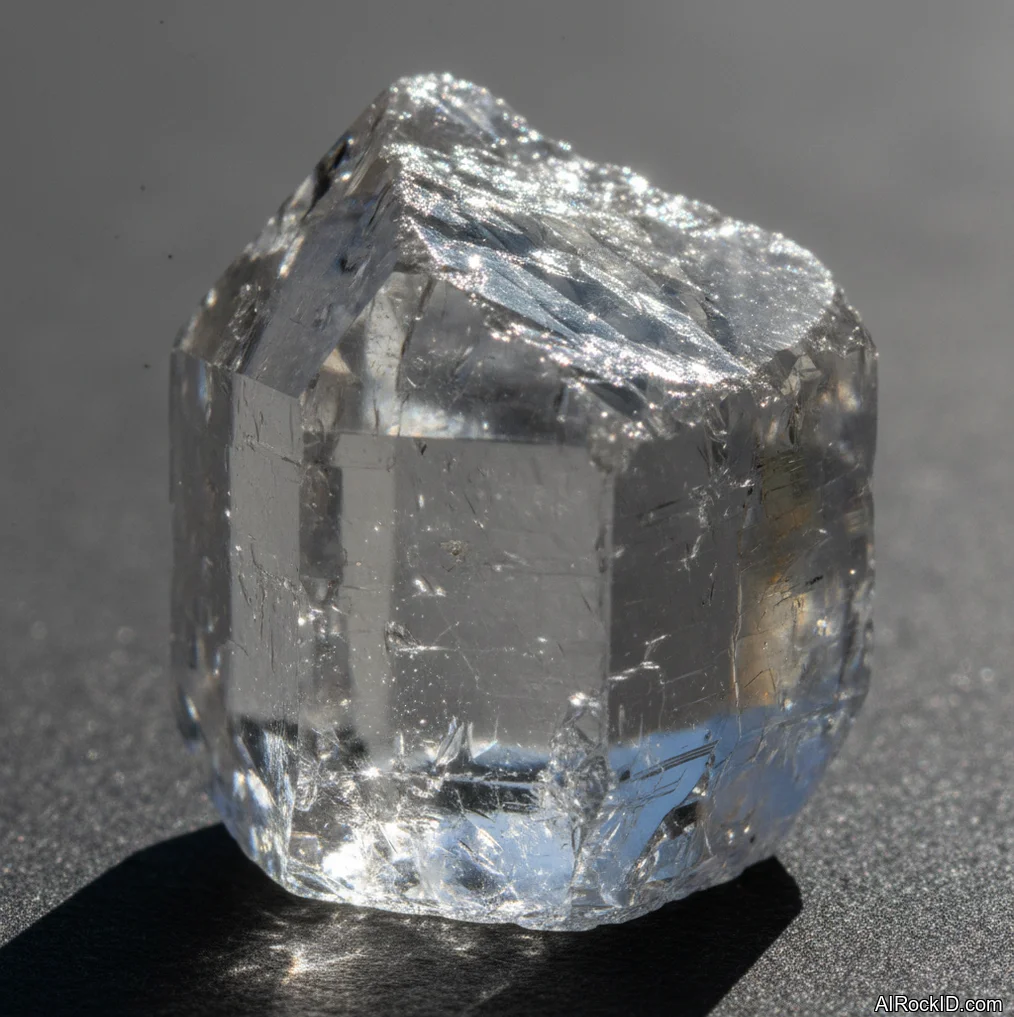
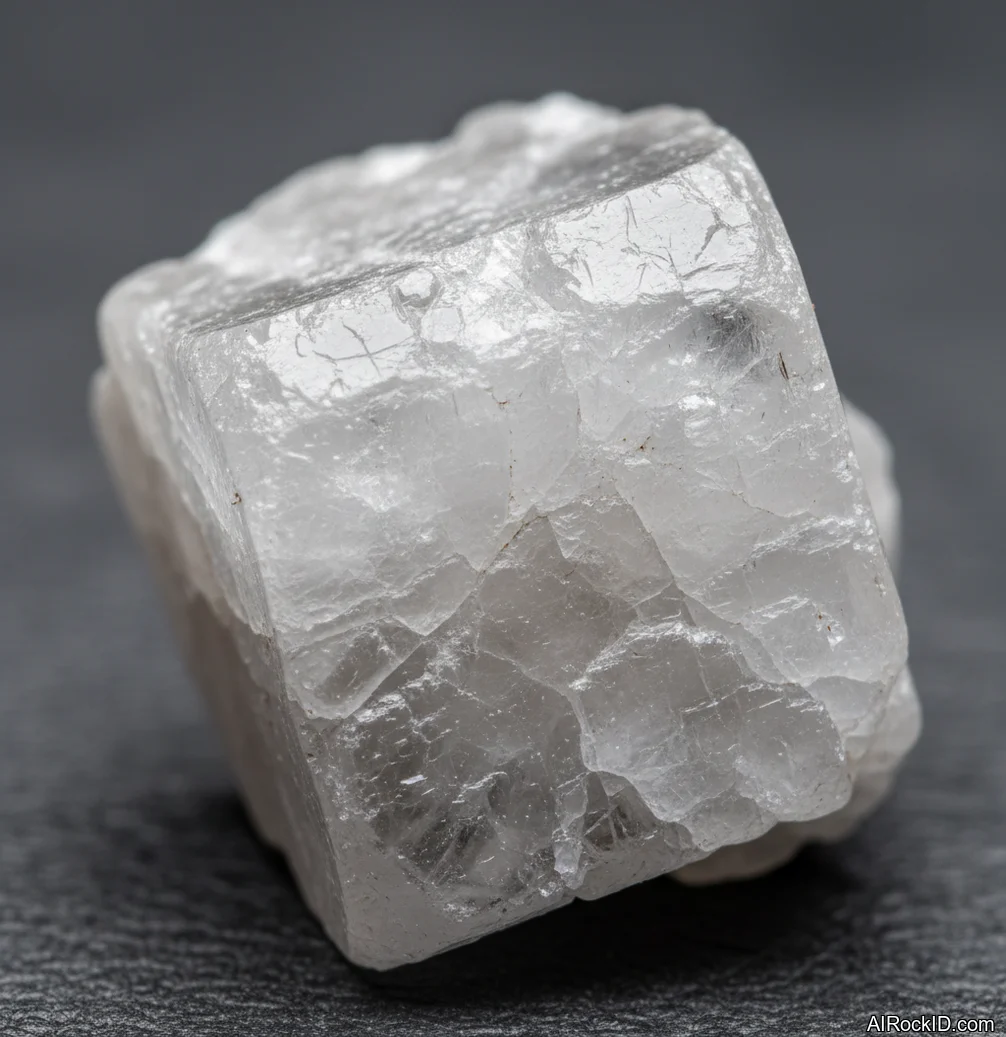
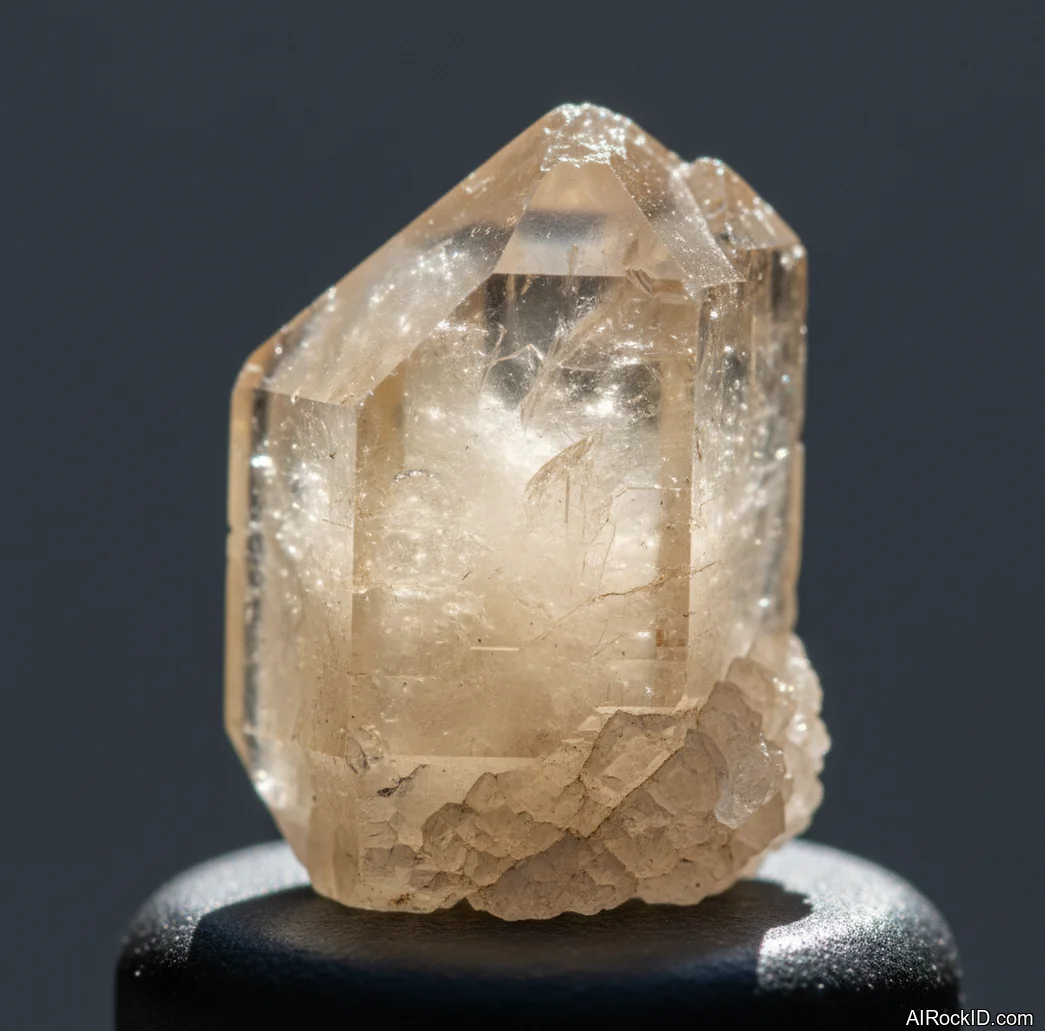
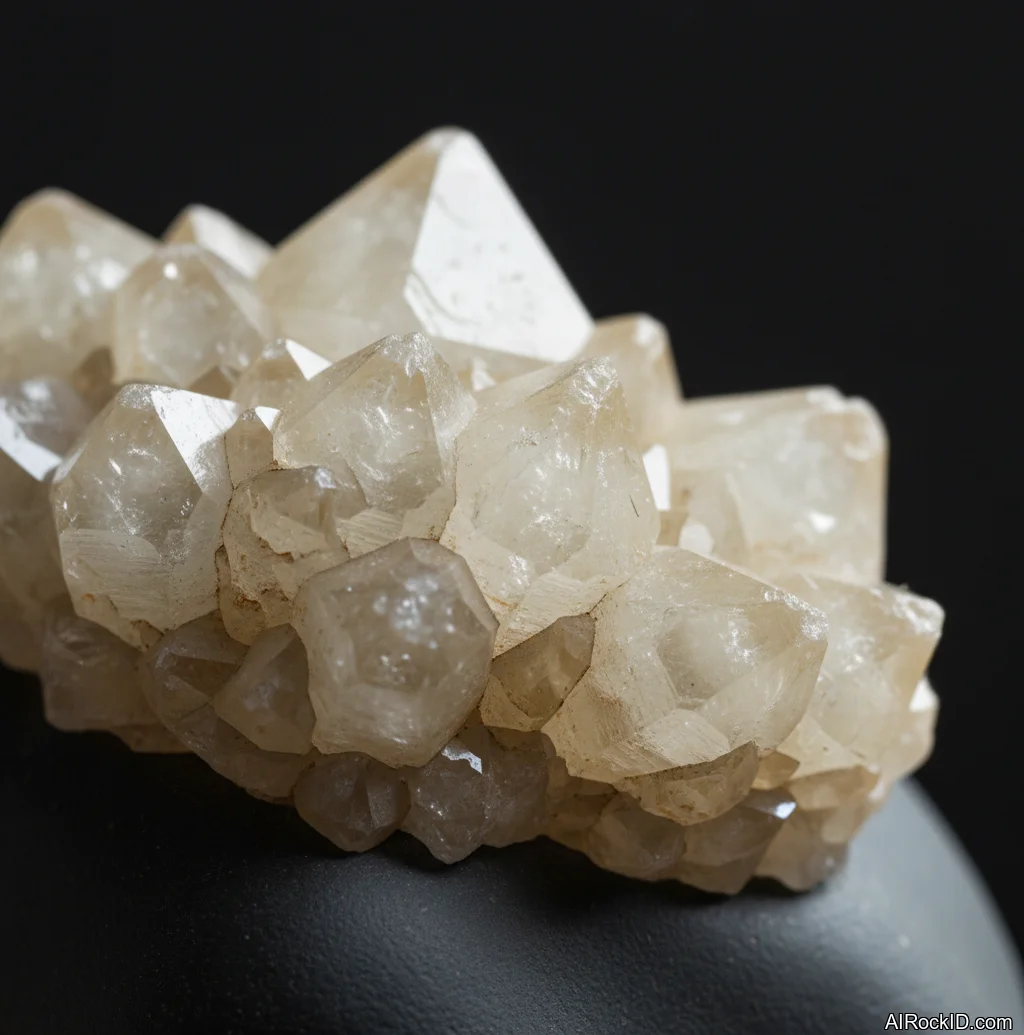
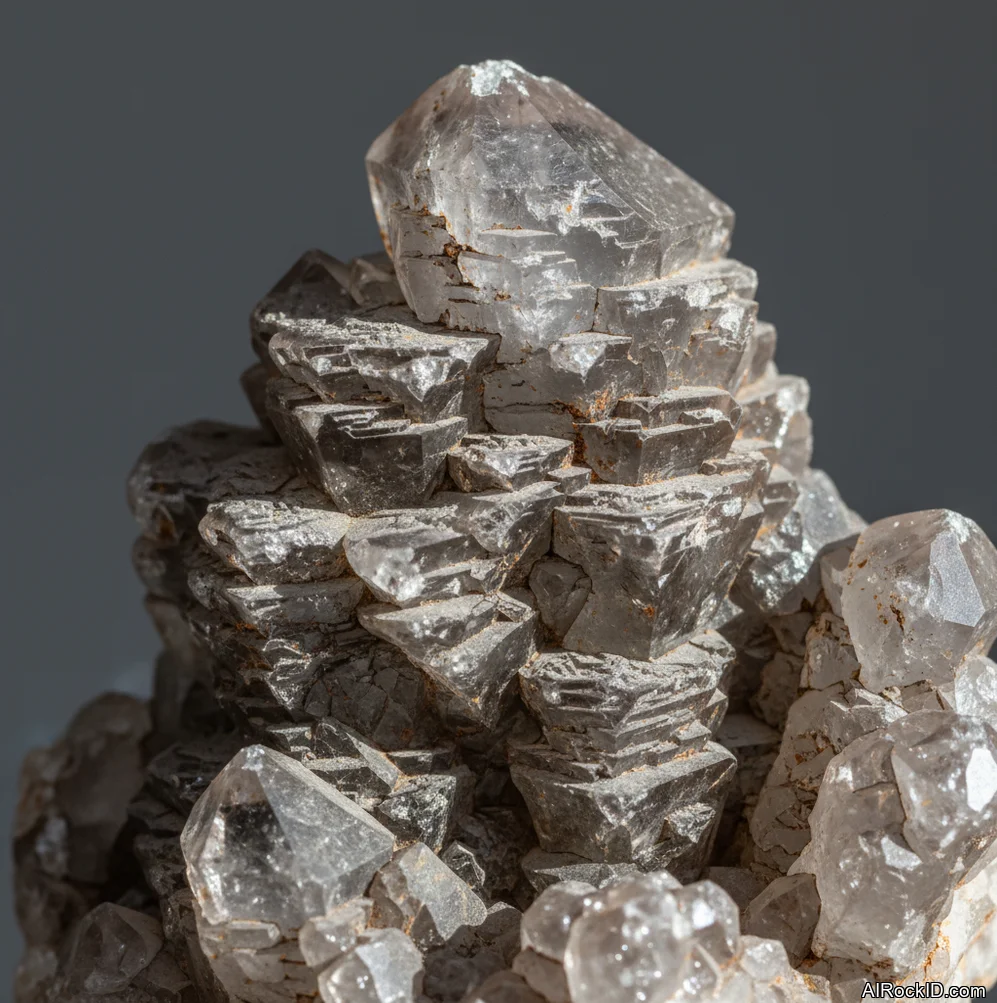
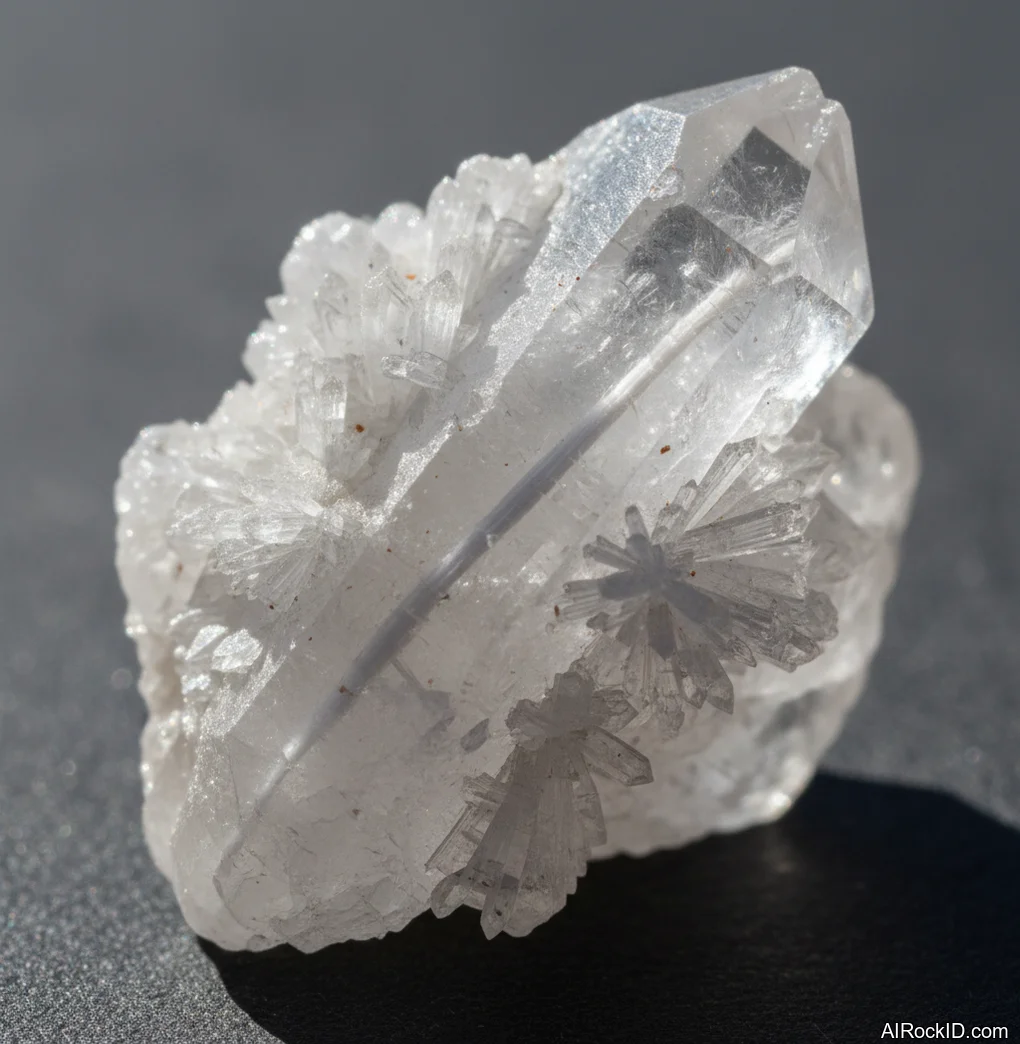
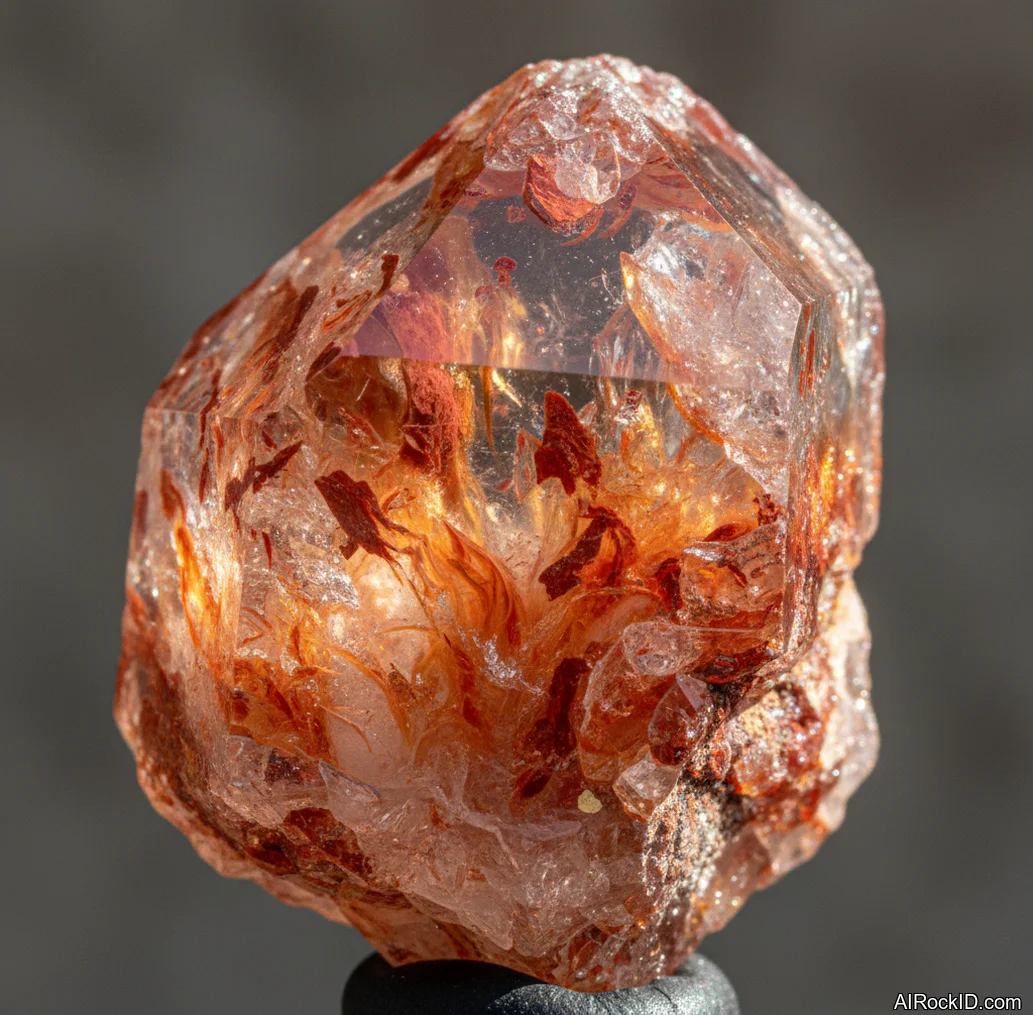
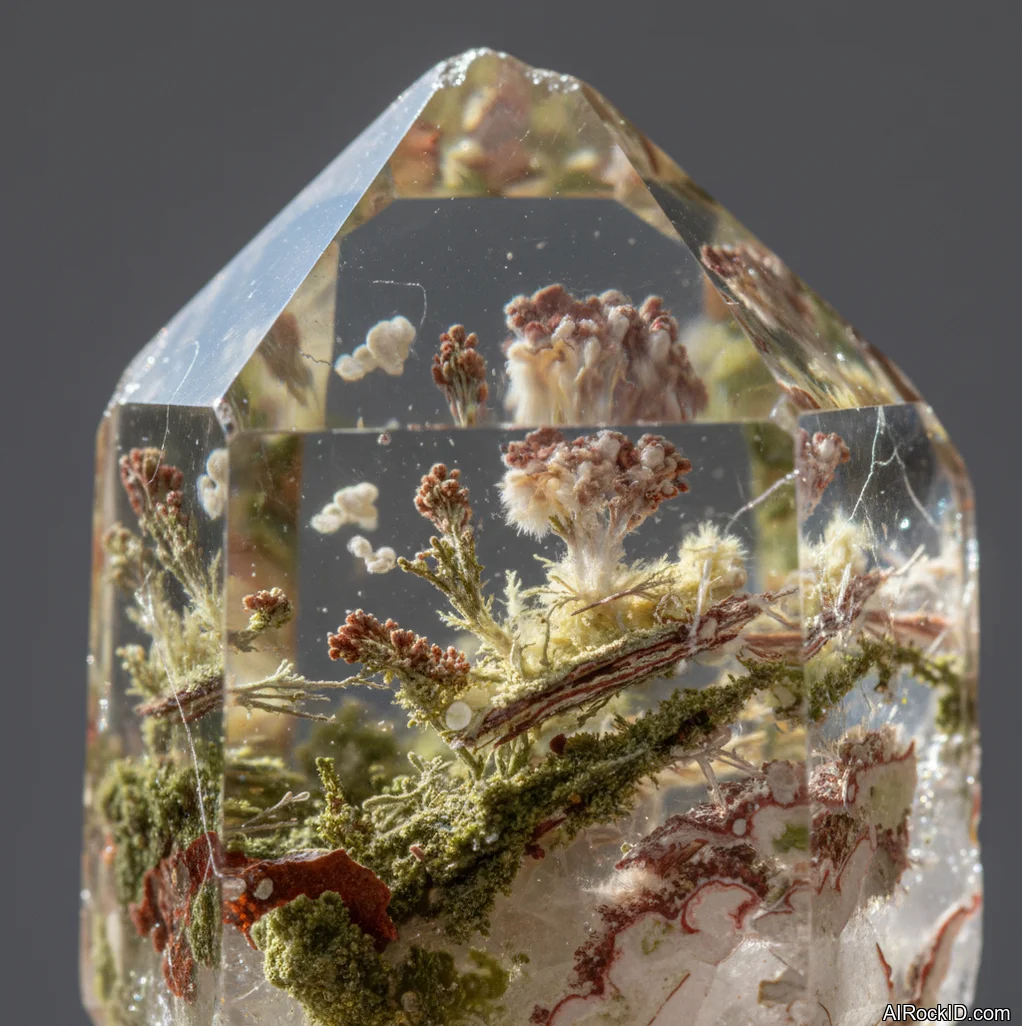
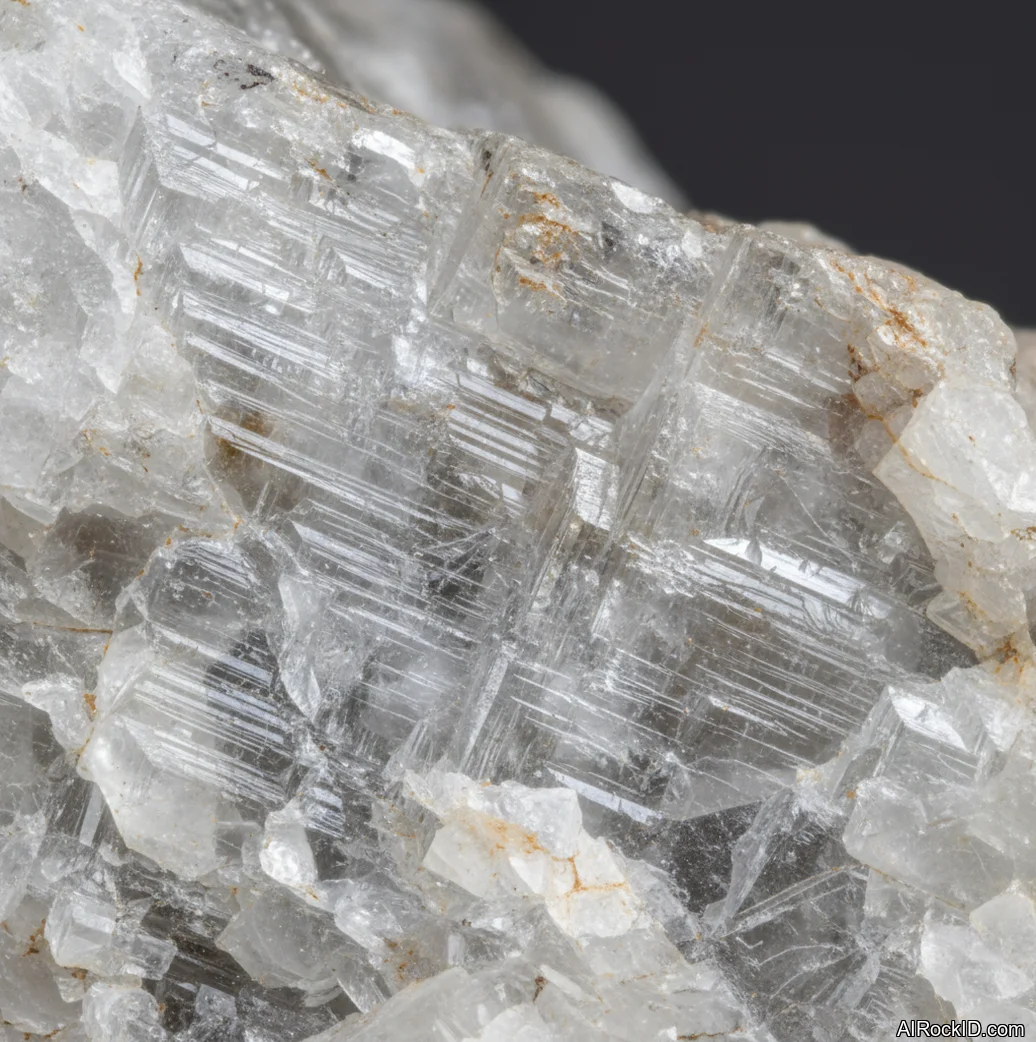
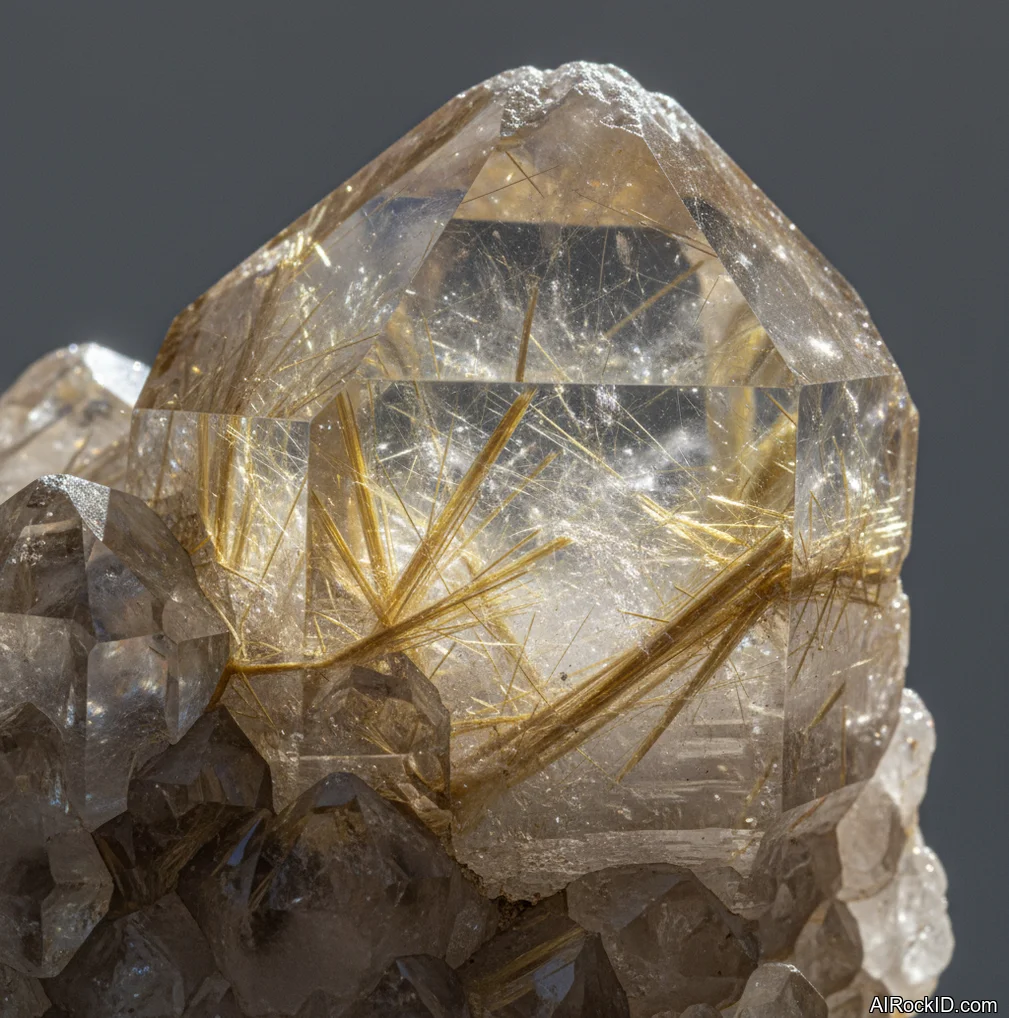
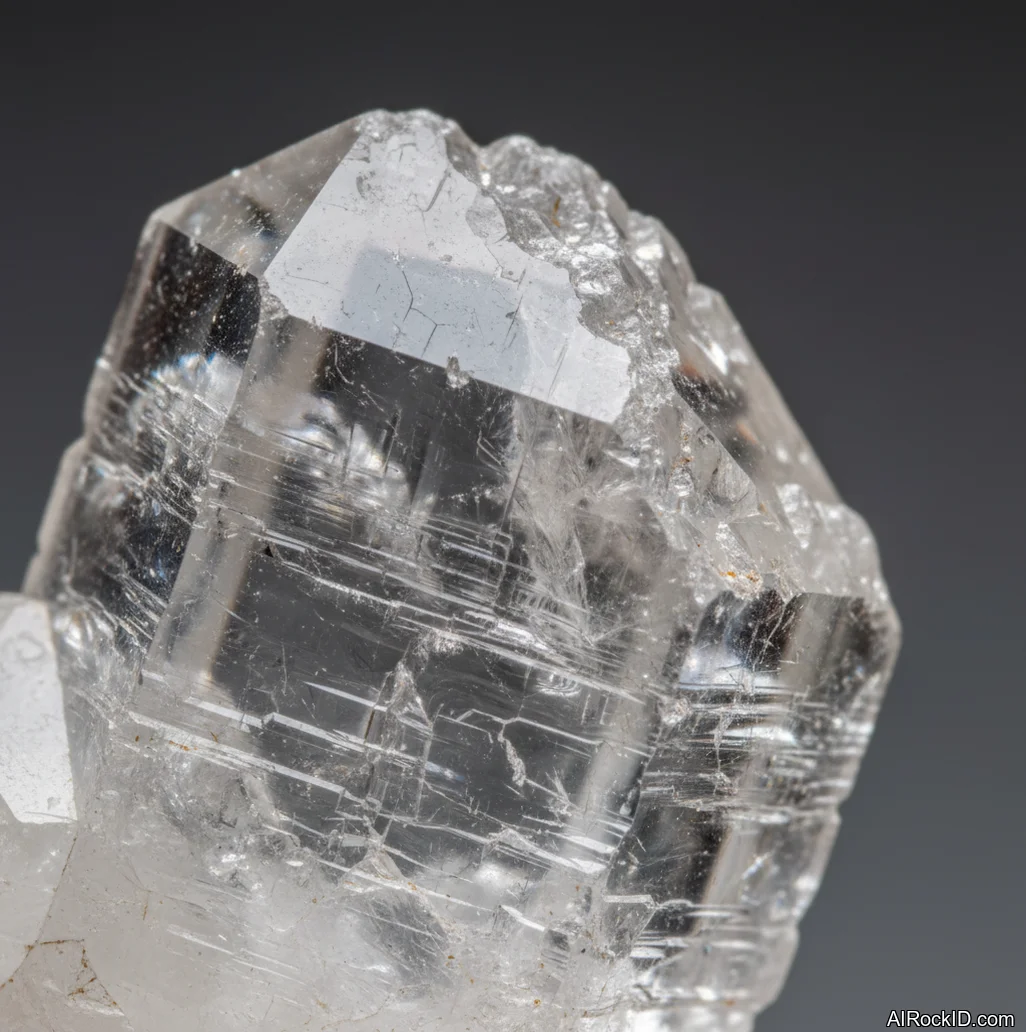
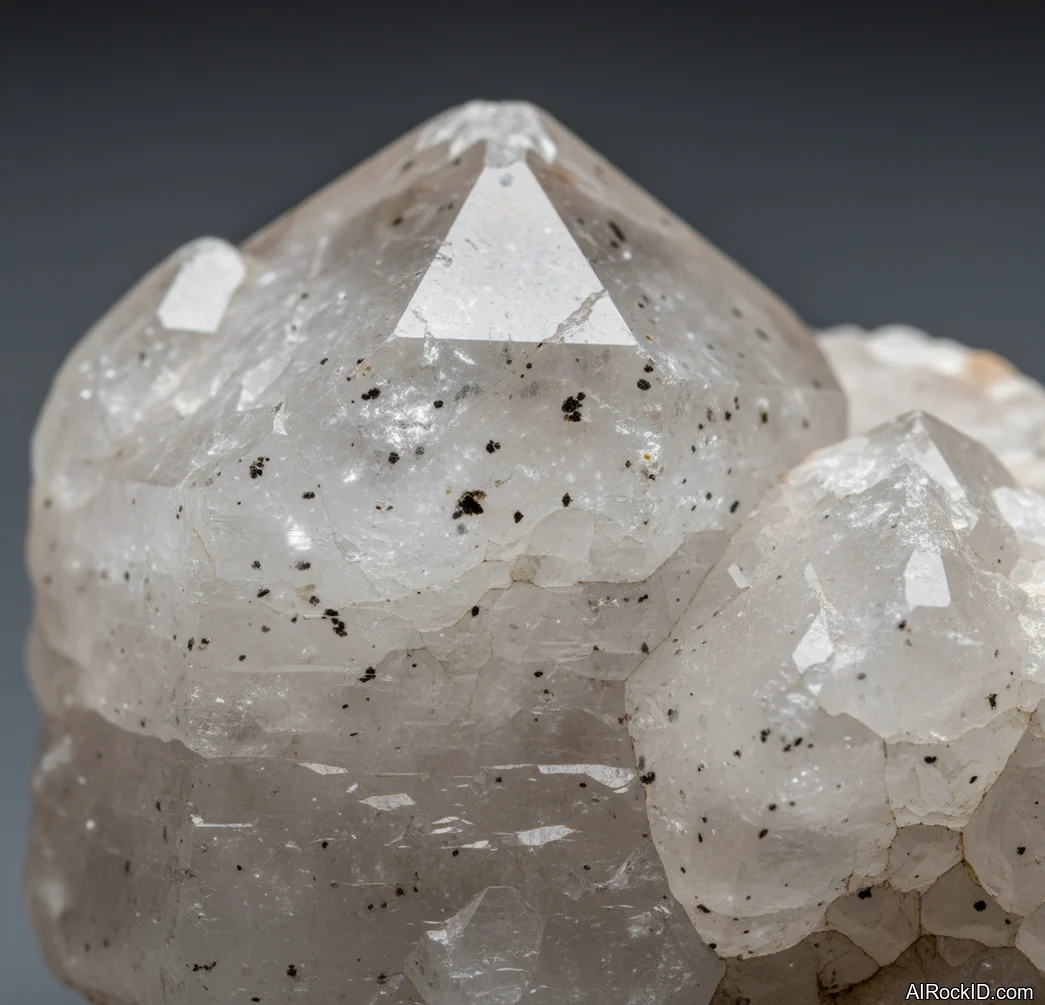
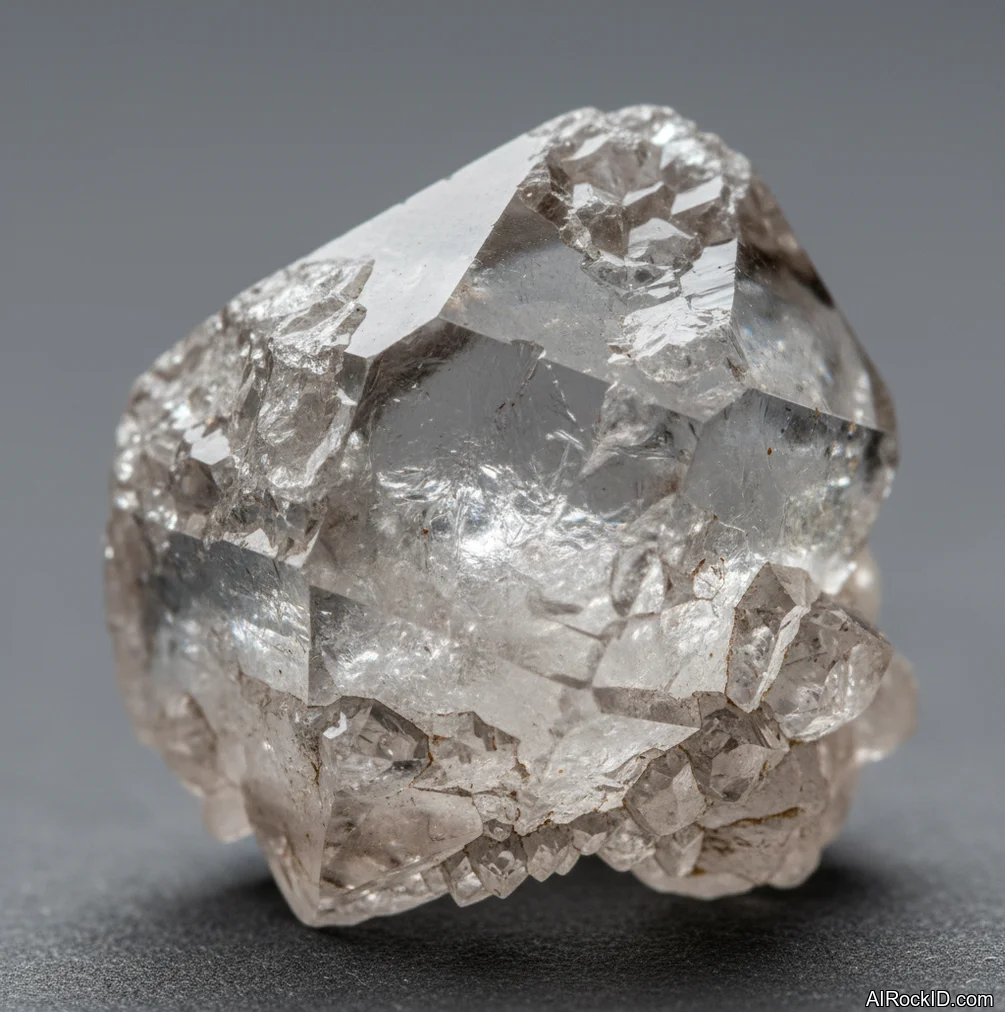
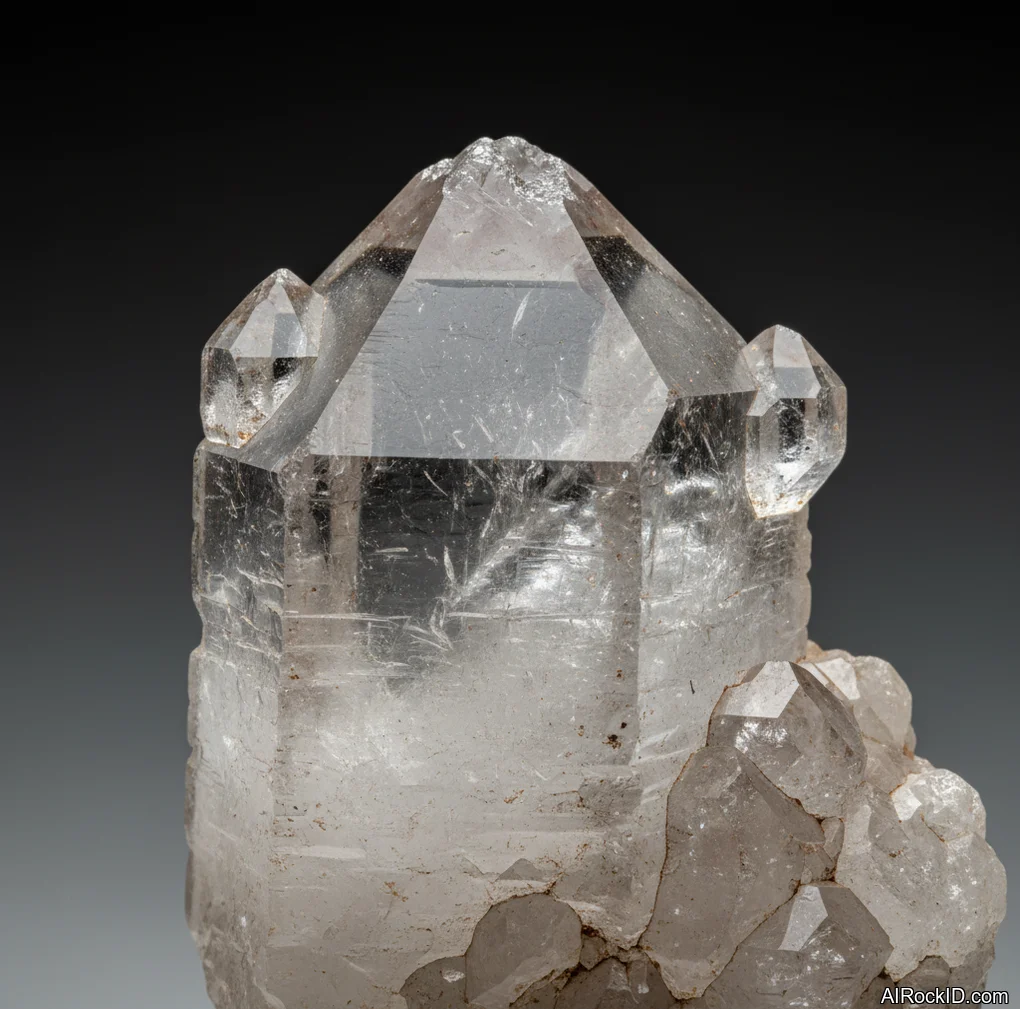
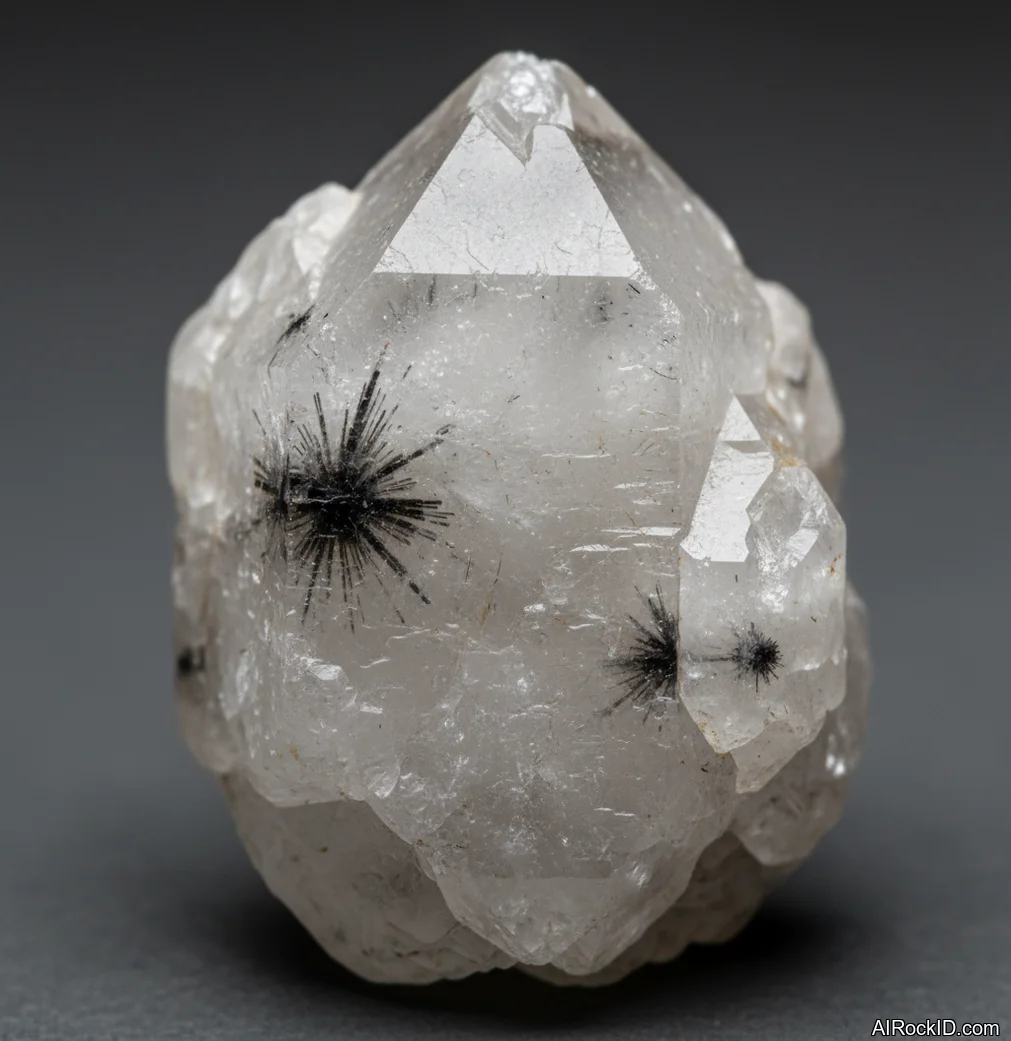
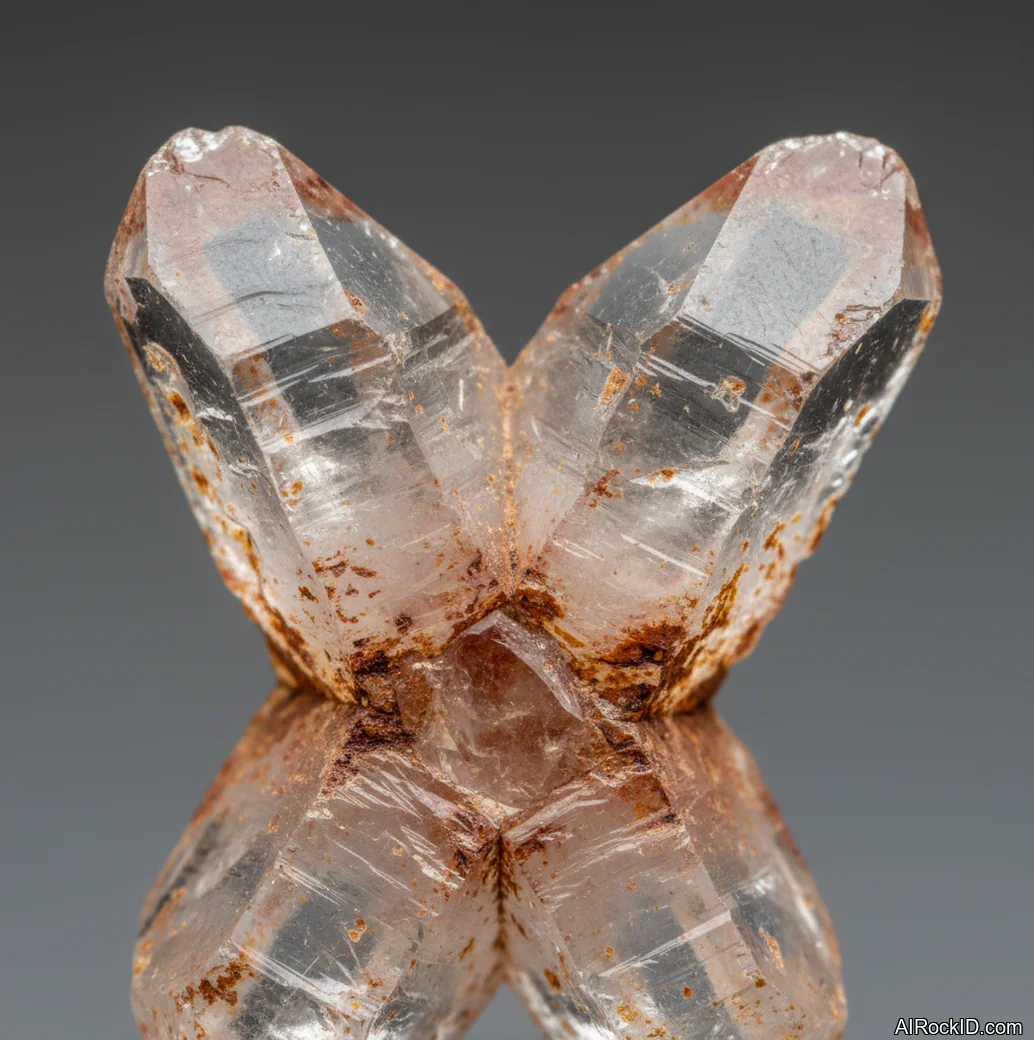
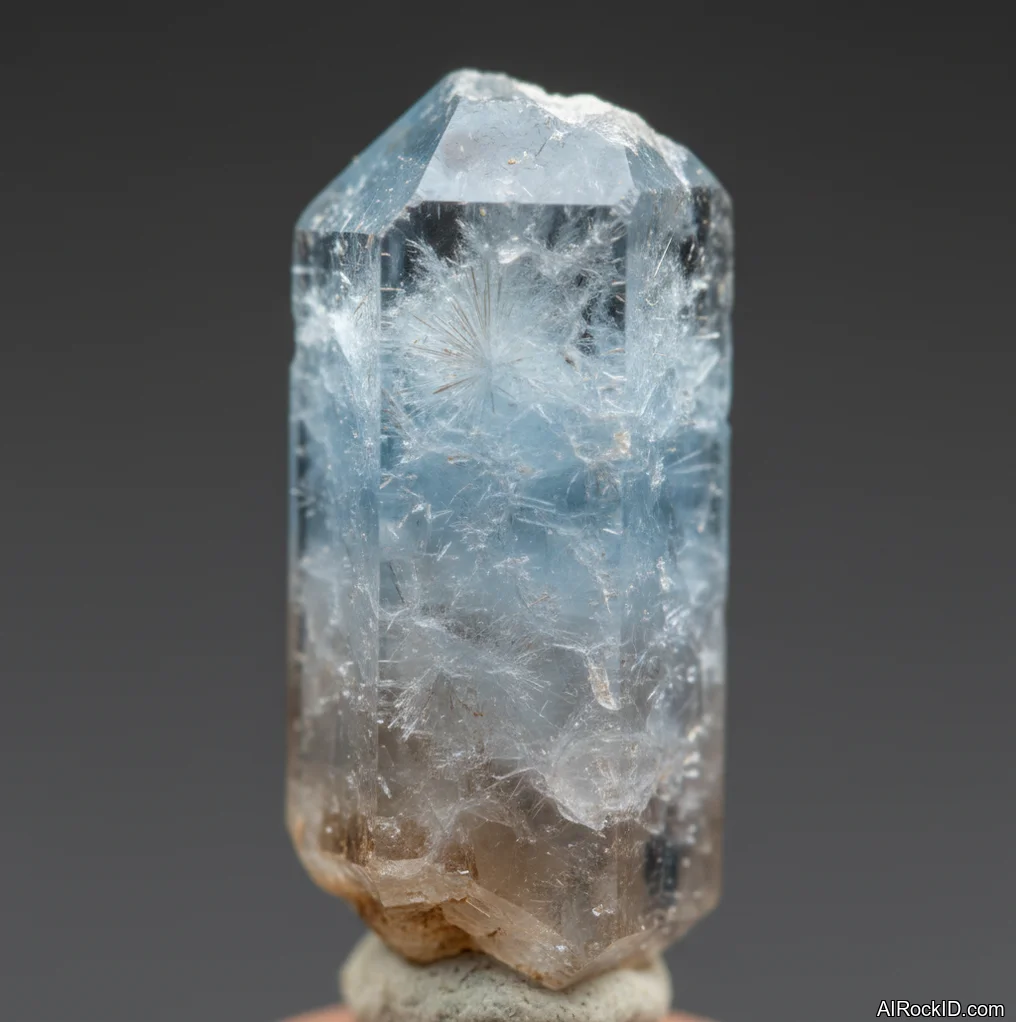
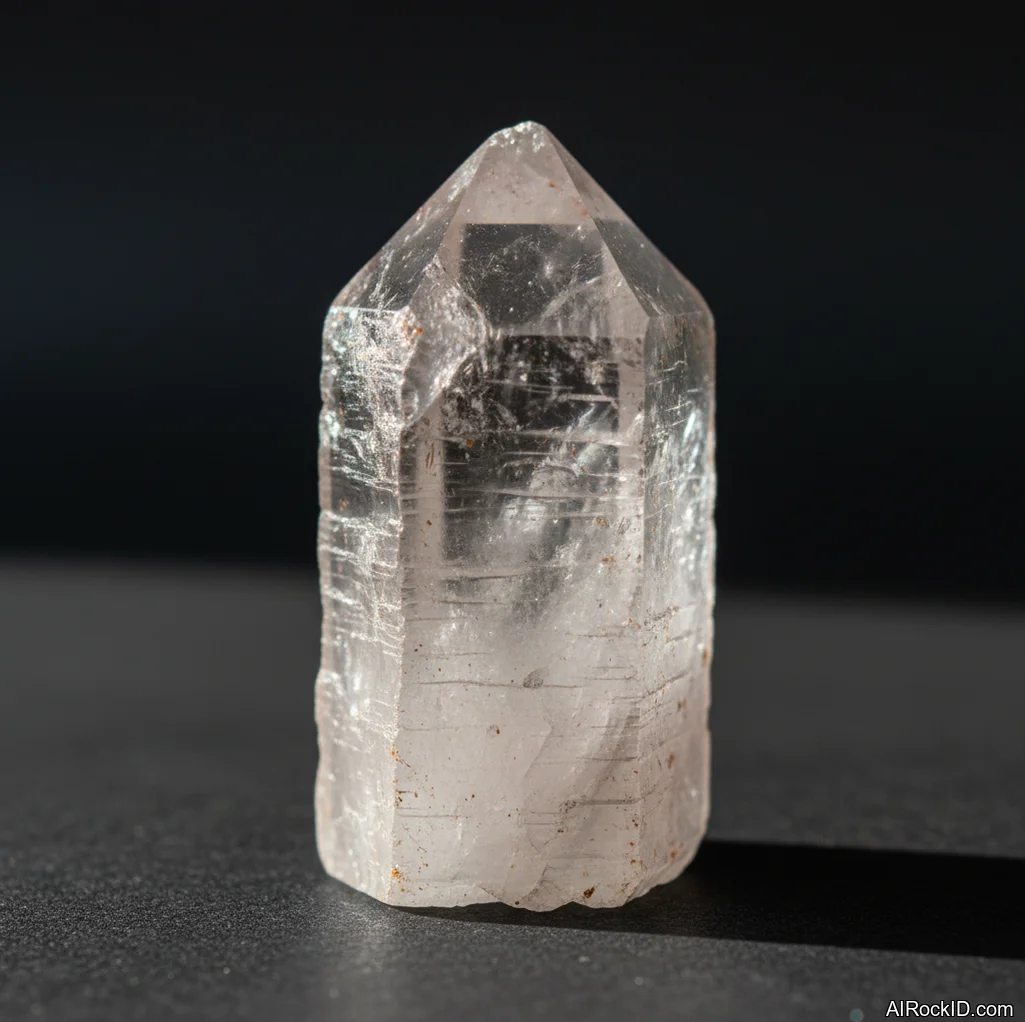
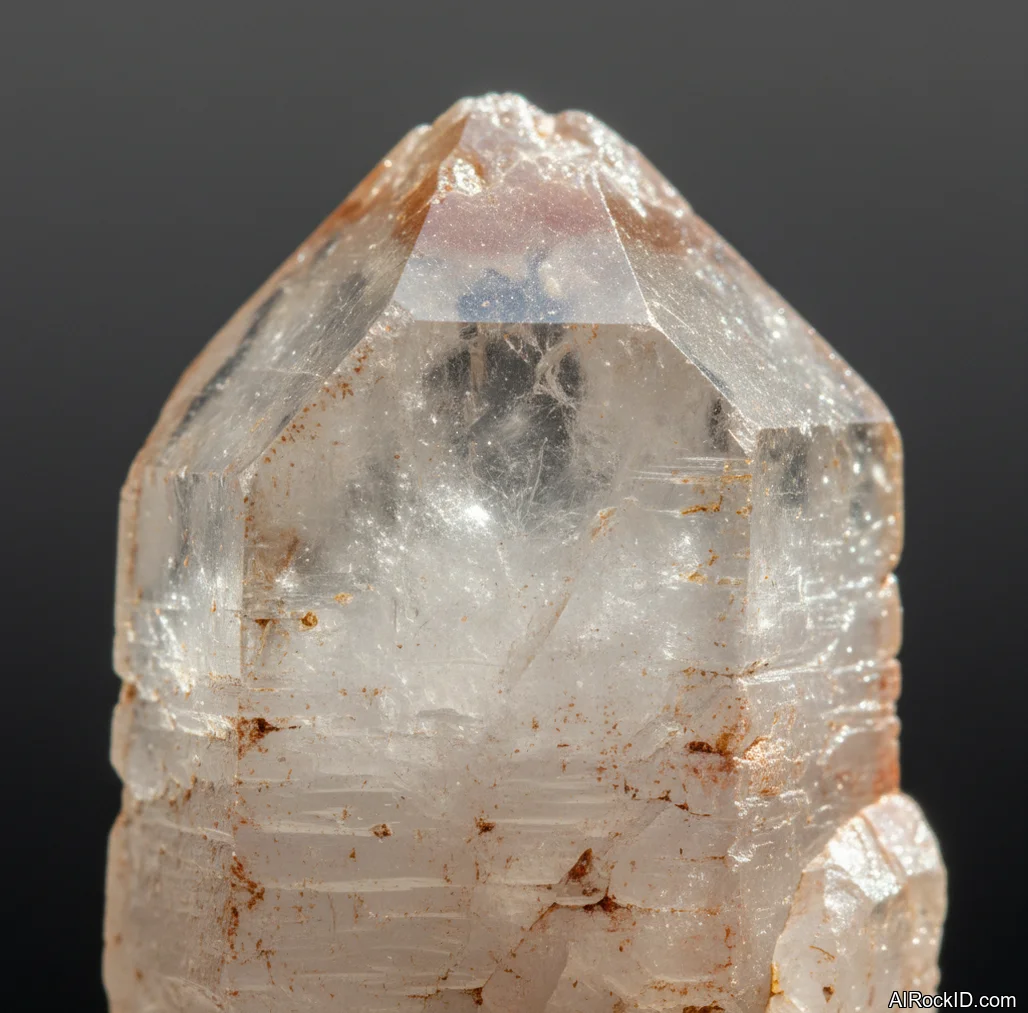
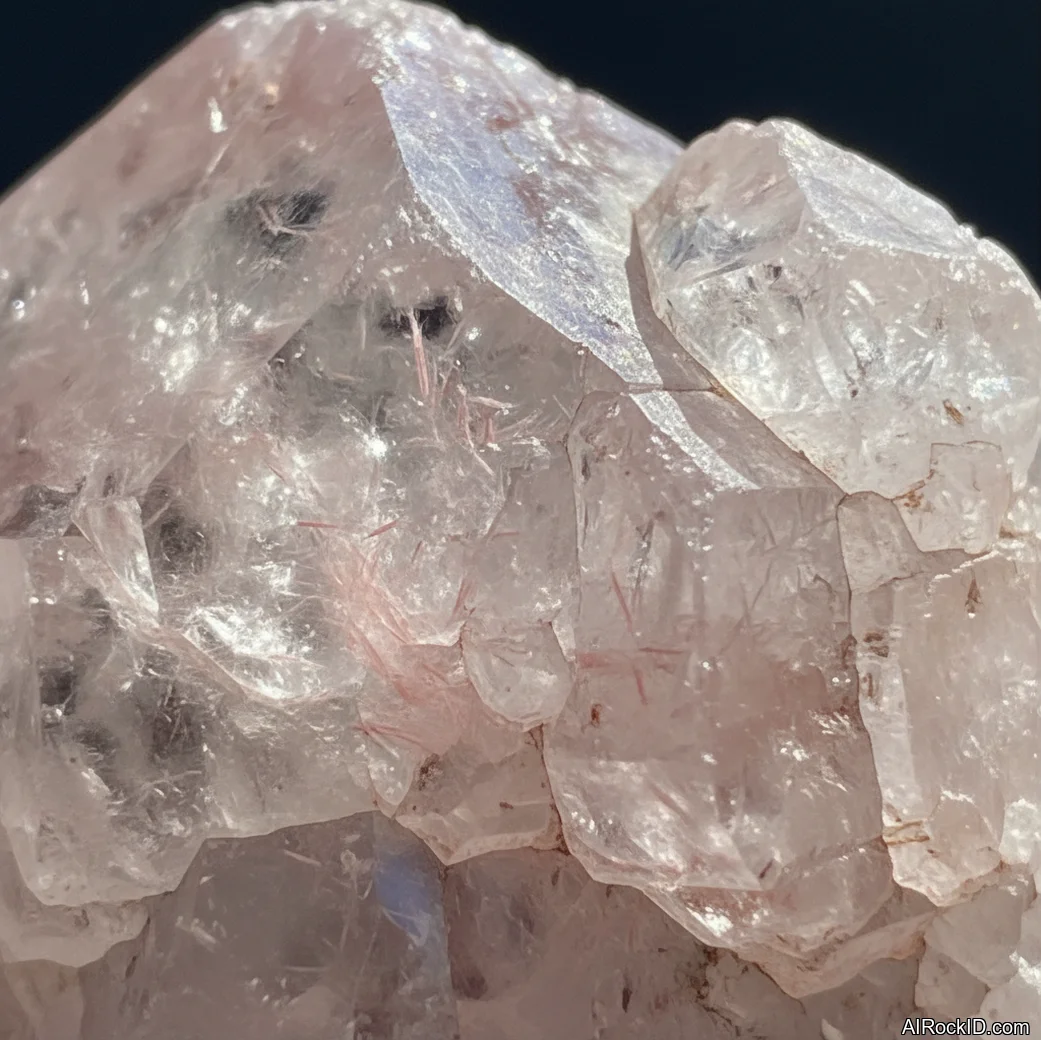
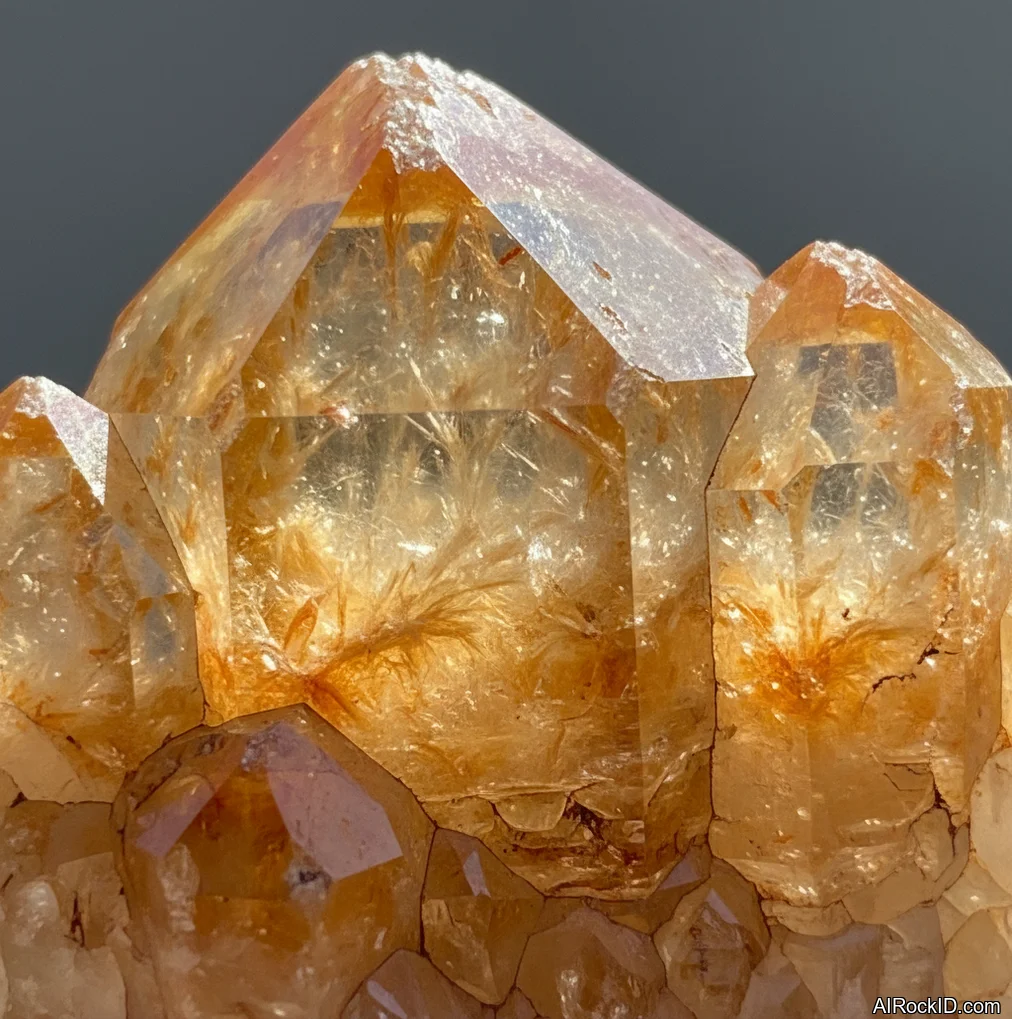
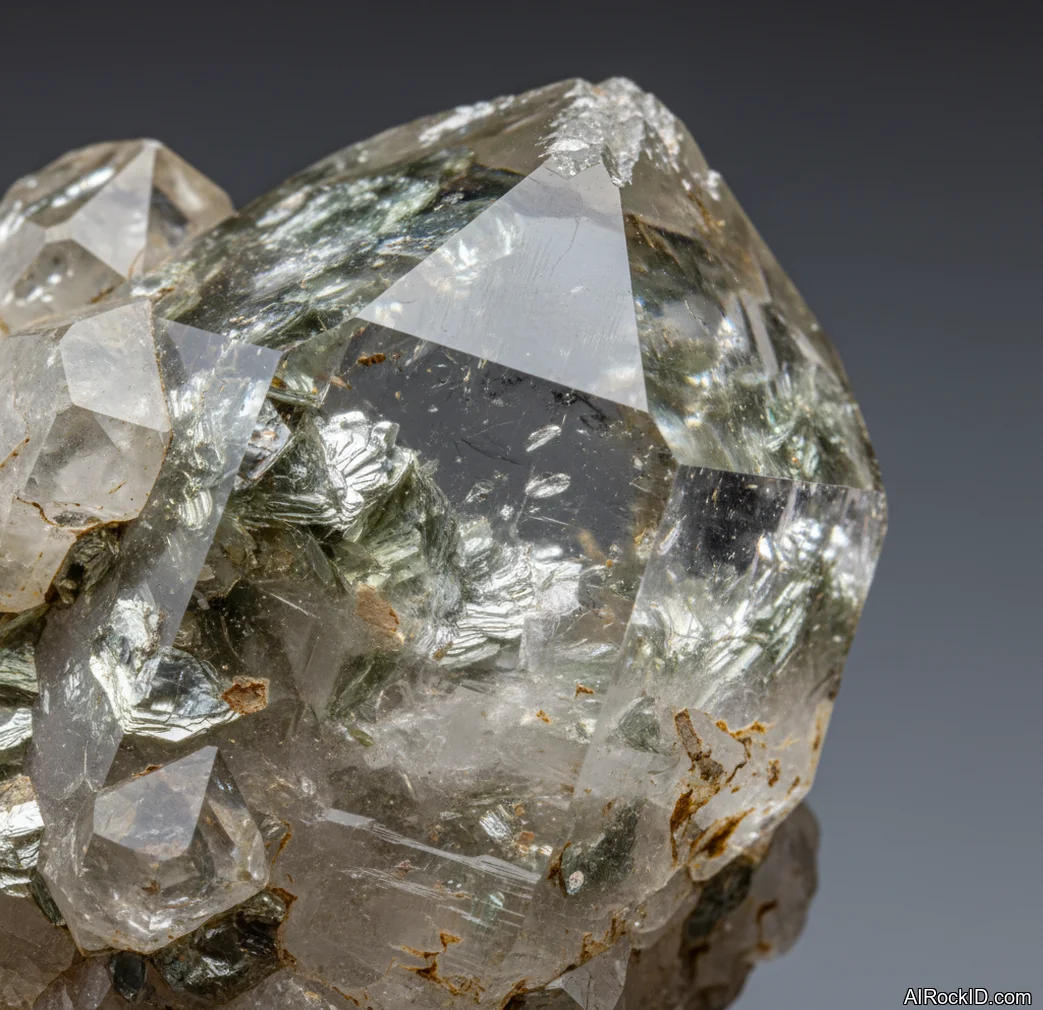
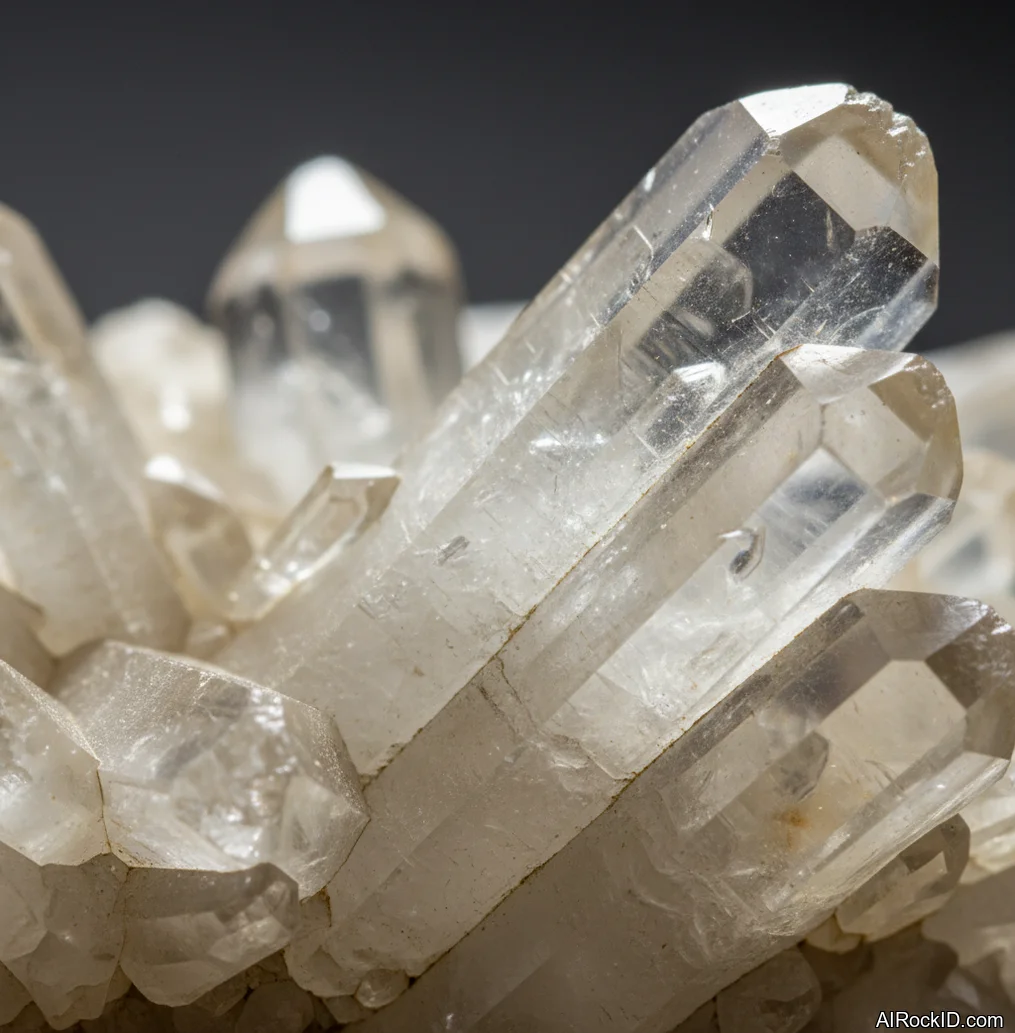
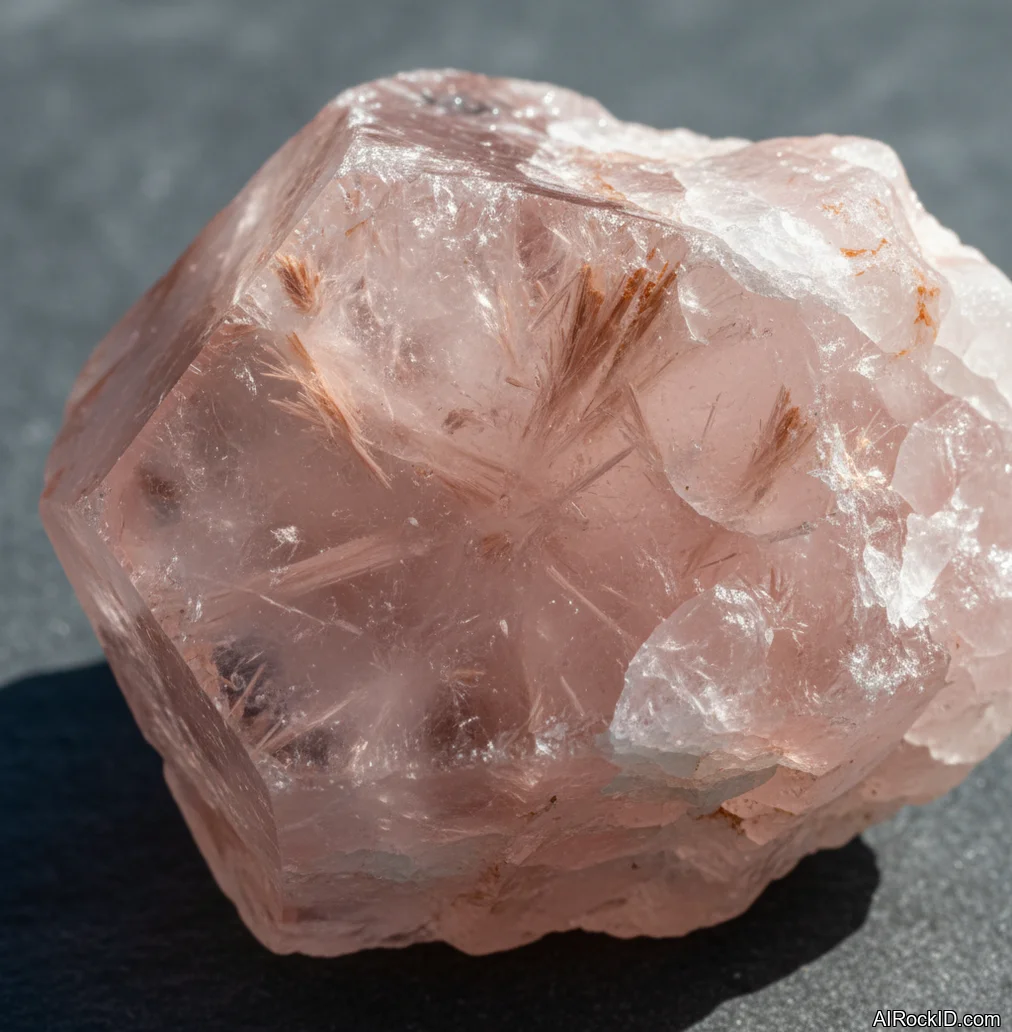
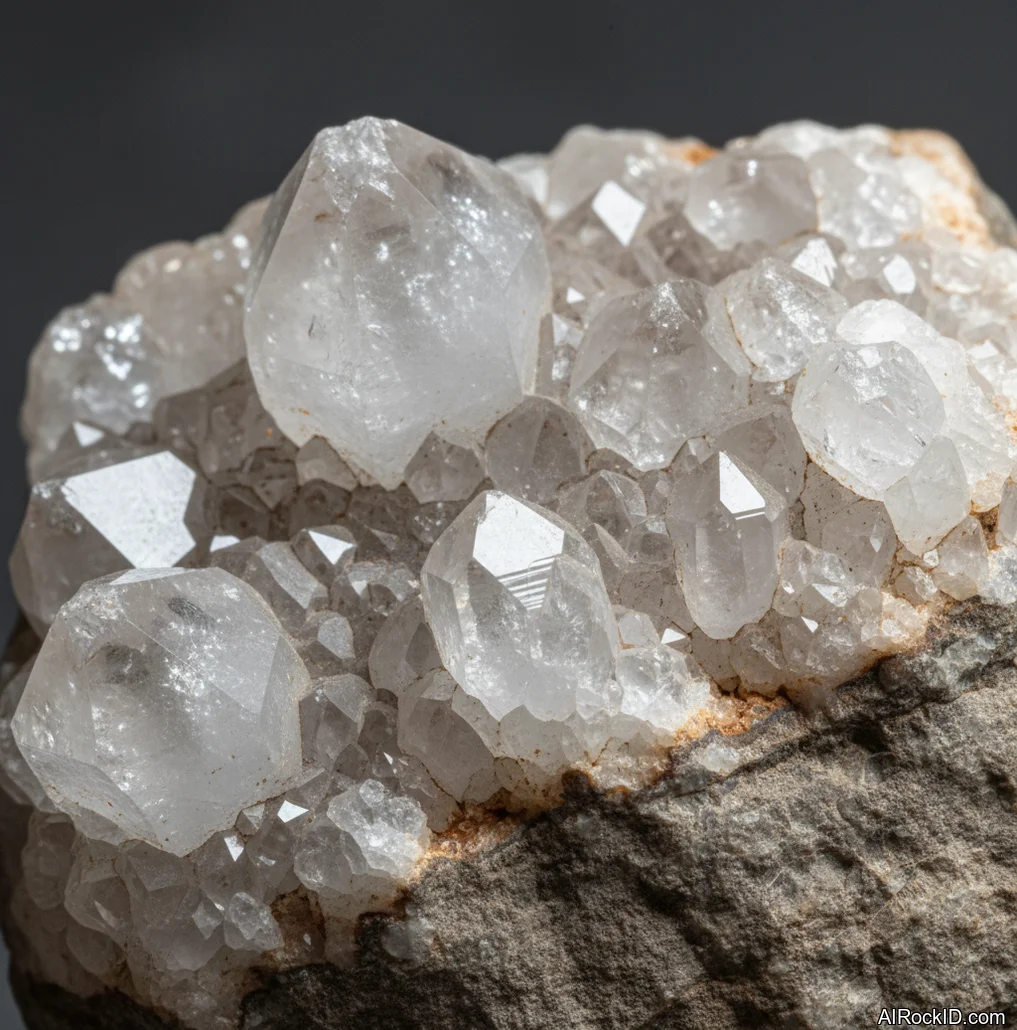
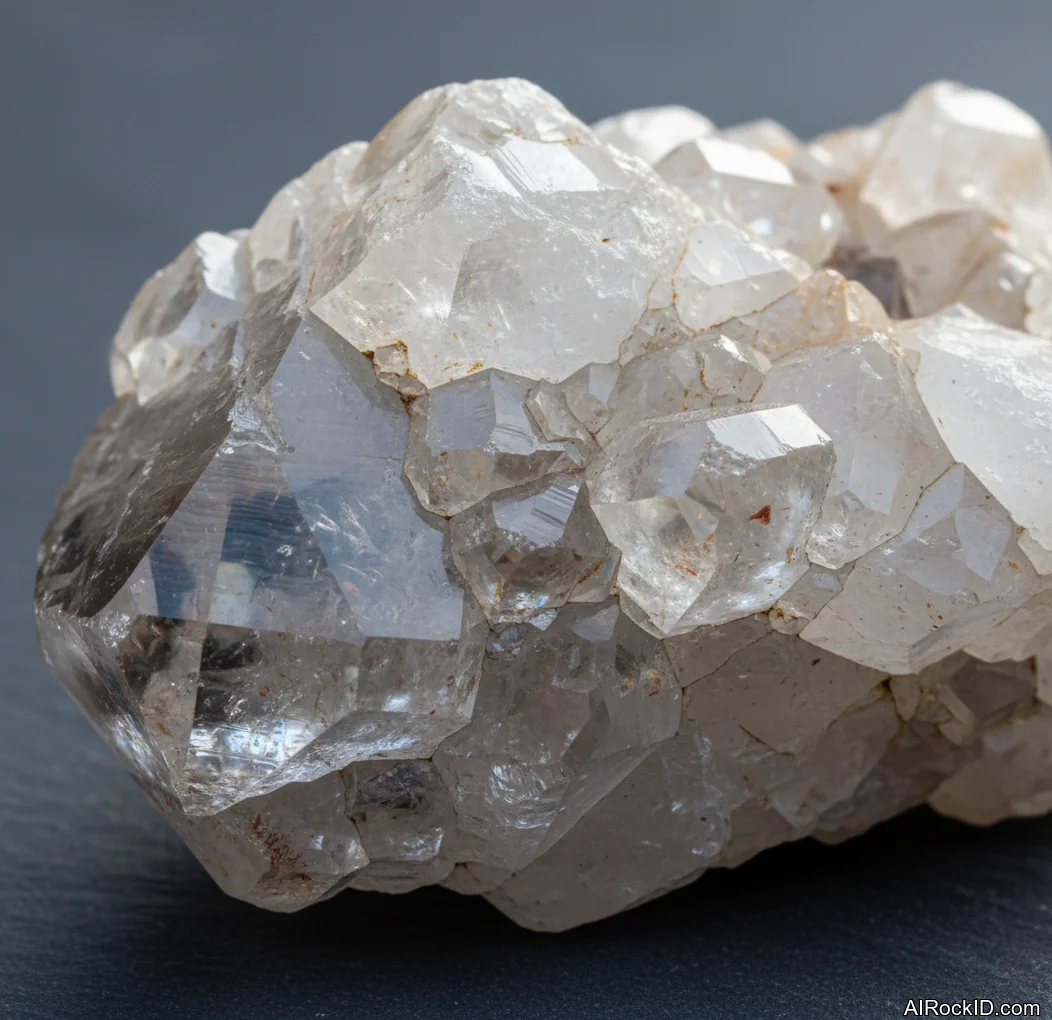
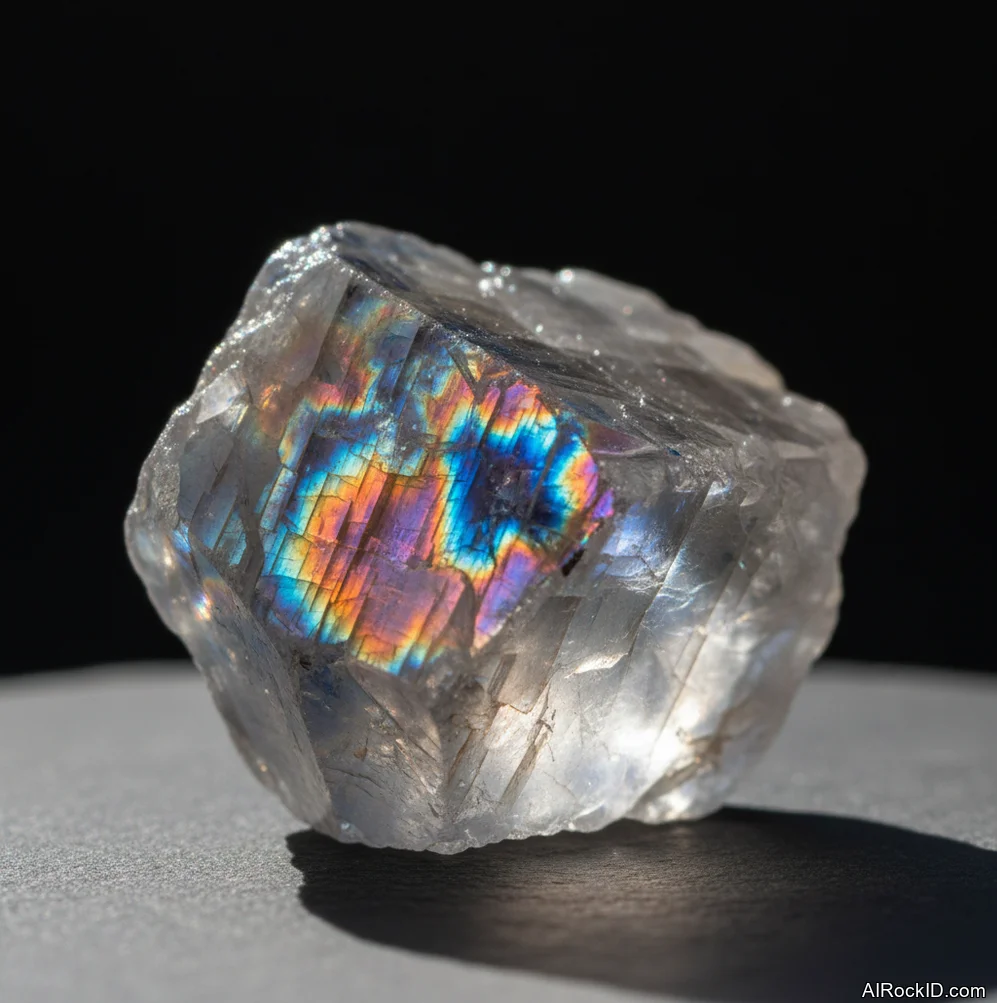
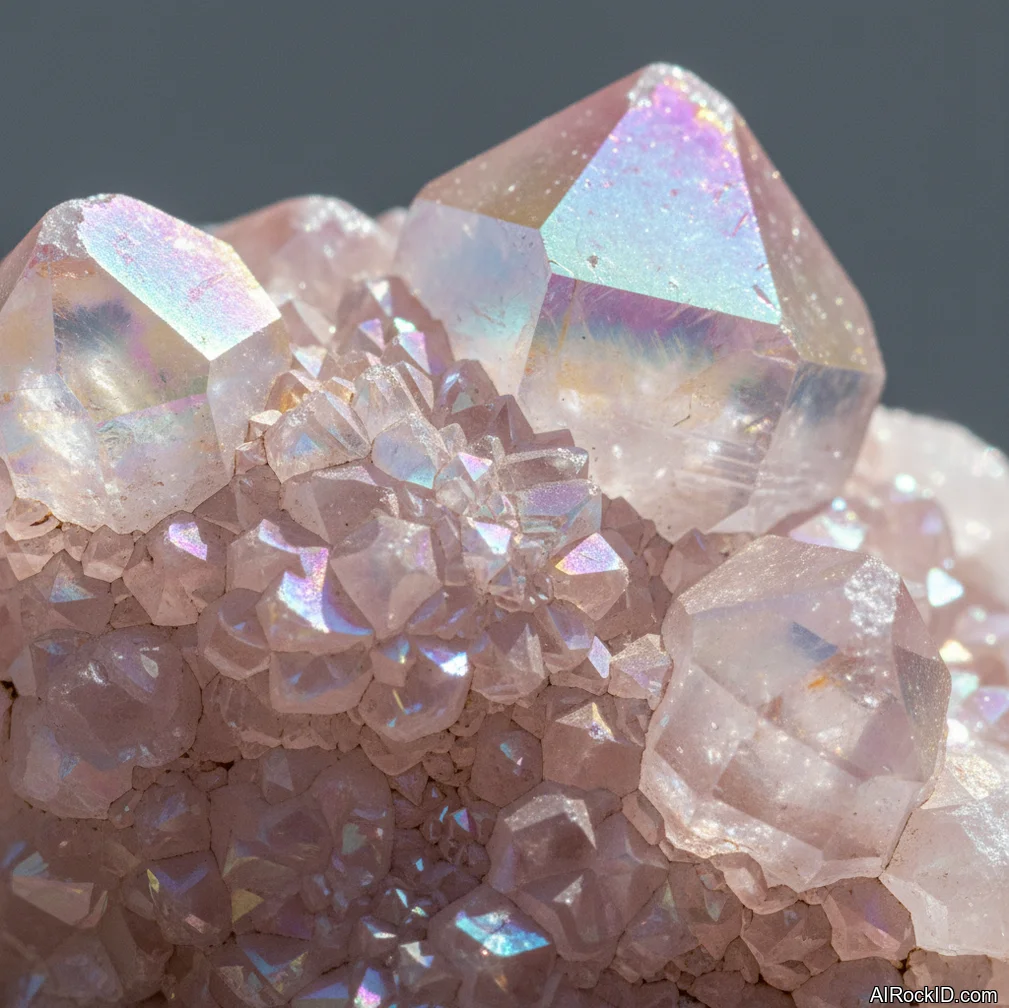
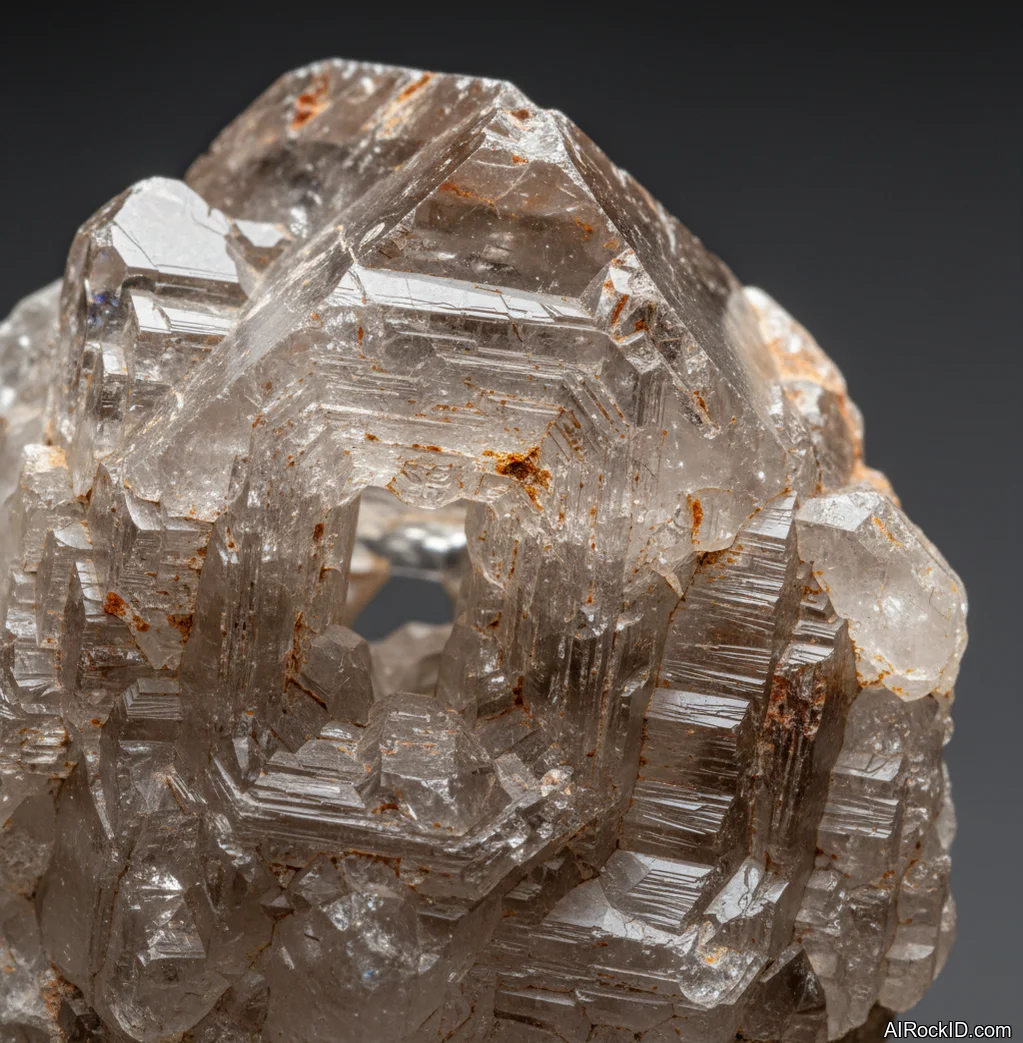
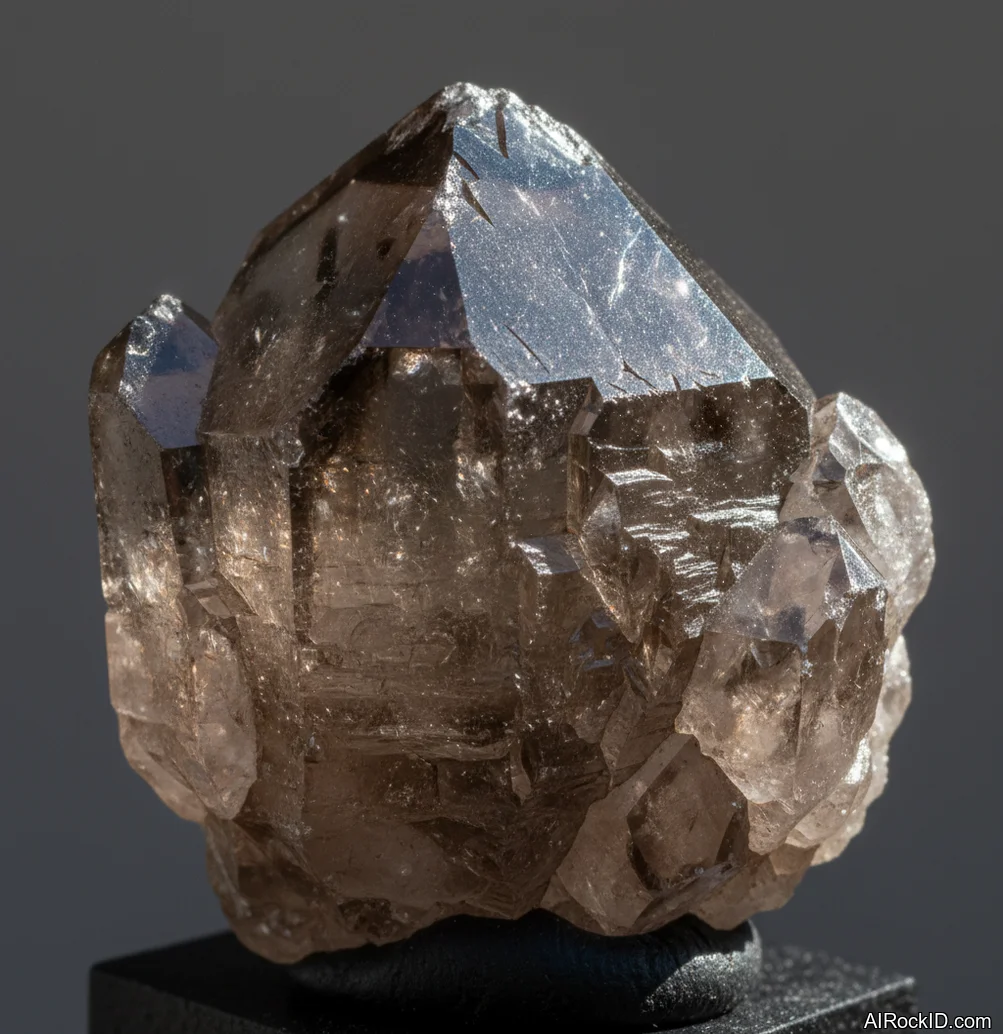
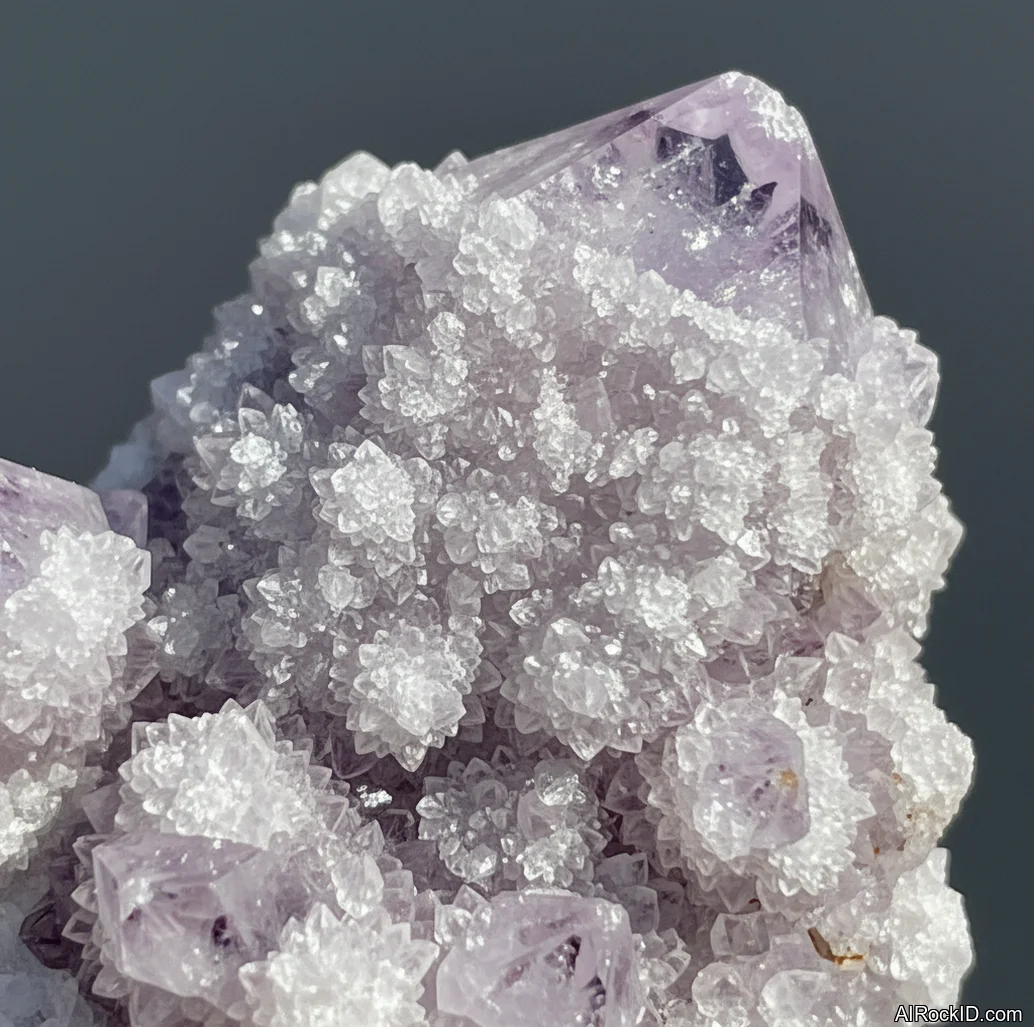
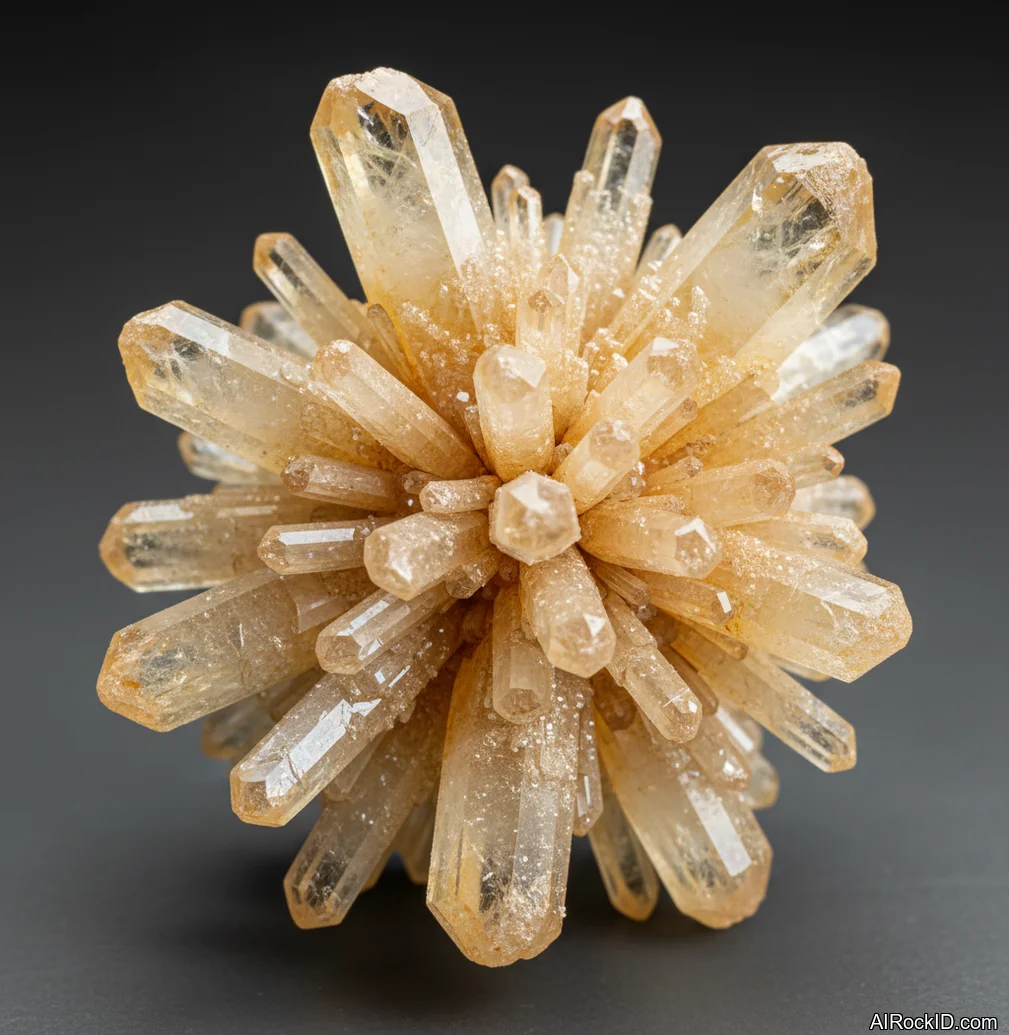
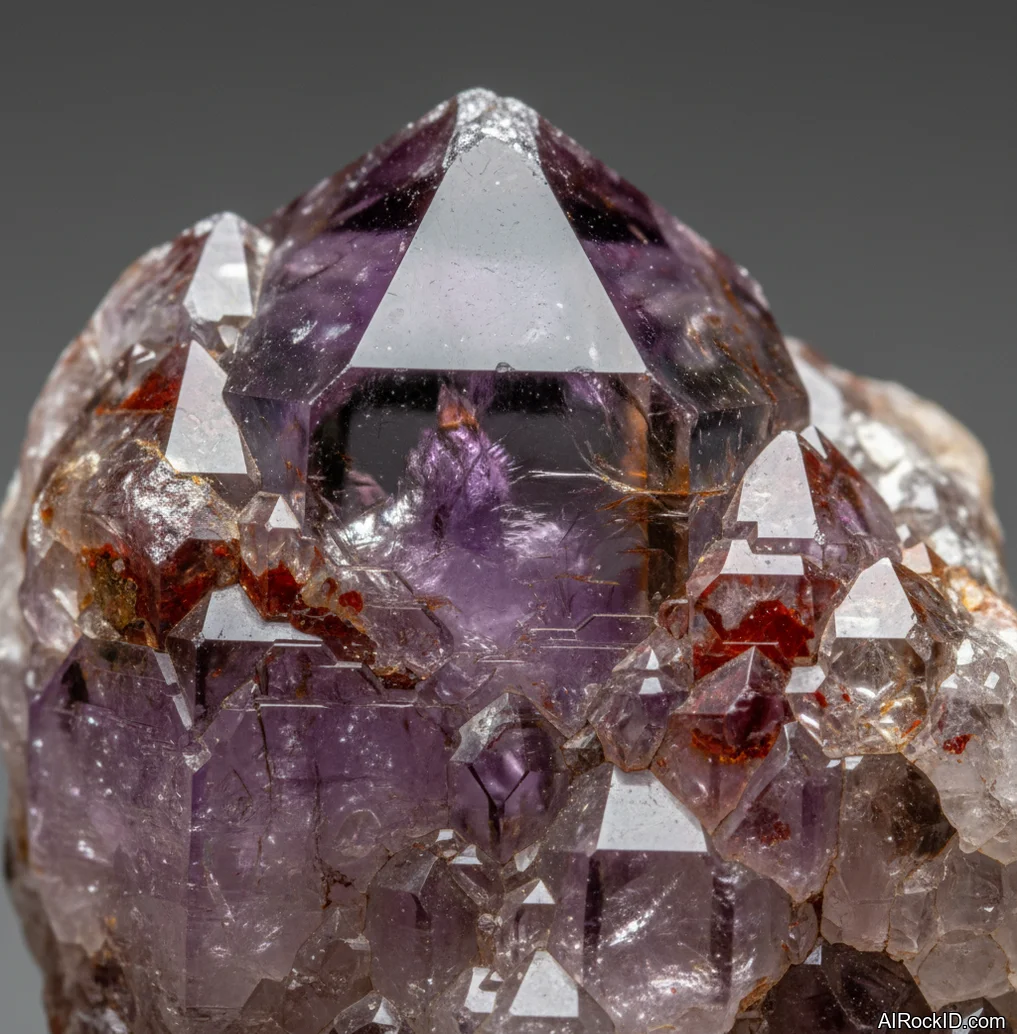
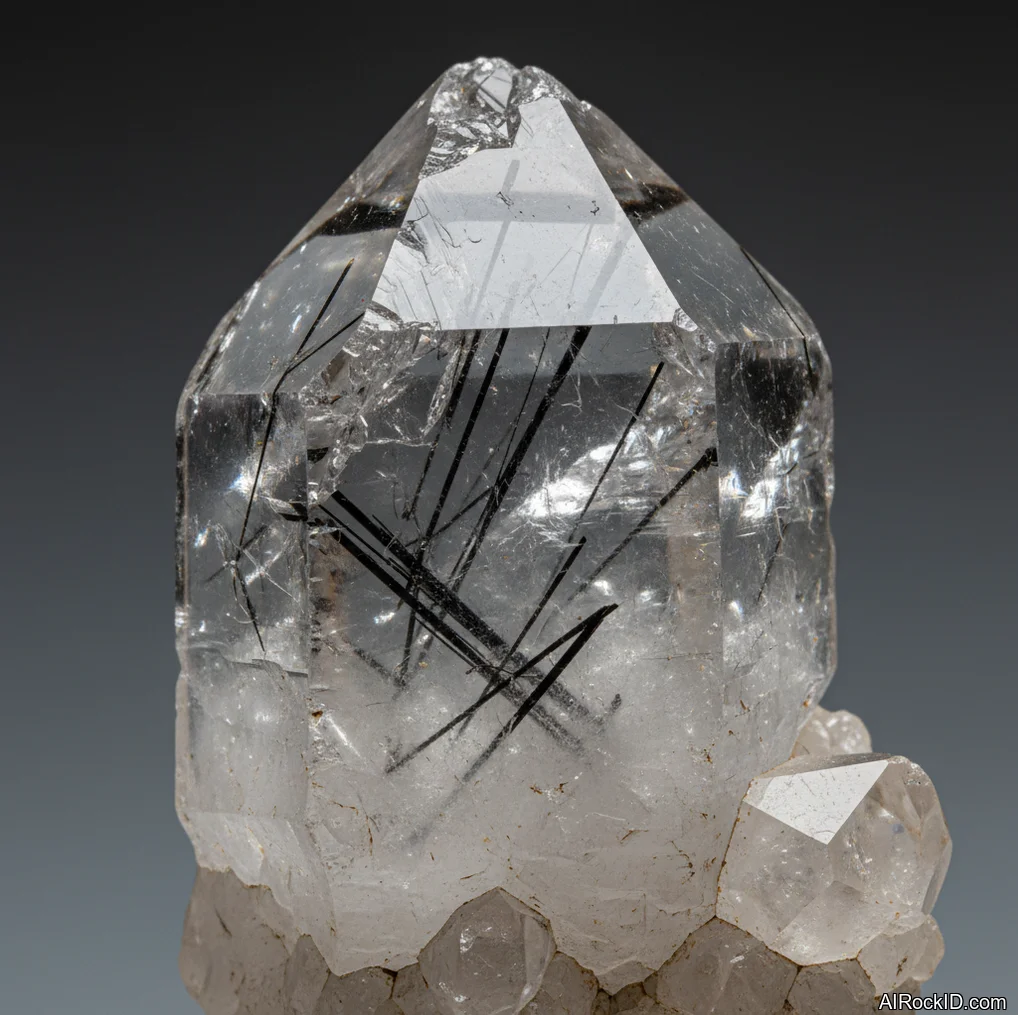
Pick up a clear Quartz point and you notice the temperature first. It stays cool longer than glass, especially if it’s been sitting out on a counter. Tilt it under a spotlight and the inside tells you what you’re holding: needle-like rutile threads, wispy veils, or those bright internal “rainbows” that only show up when a tiny fracture catches the light. That visual cleanliness is why Quartz becomes the default clarity crystal in so many collections. It’s easy to work with. It stacks well with other stones. And you can find it in everything from raw points to polished spheres.
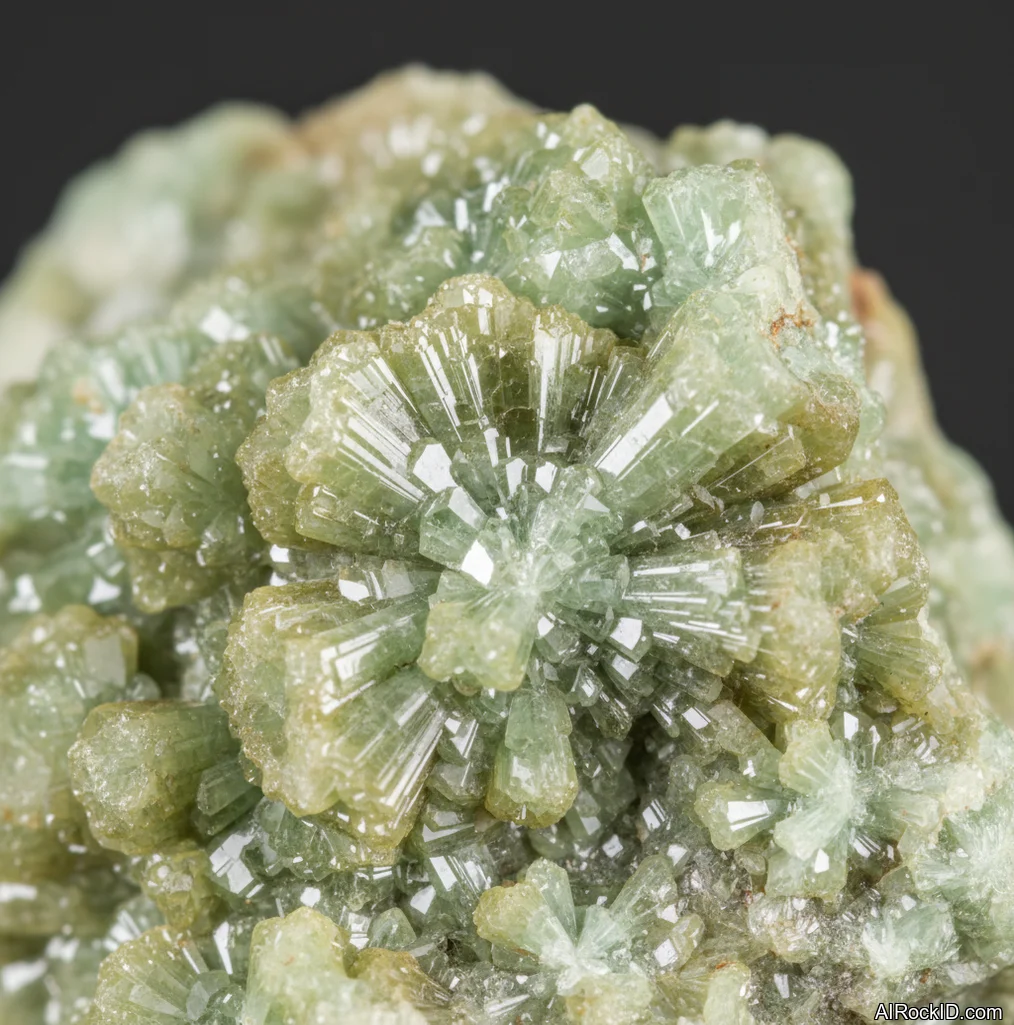
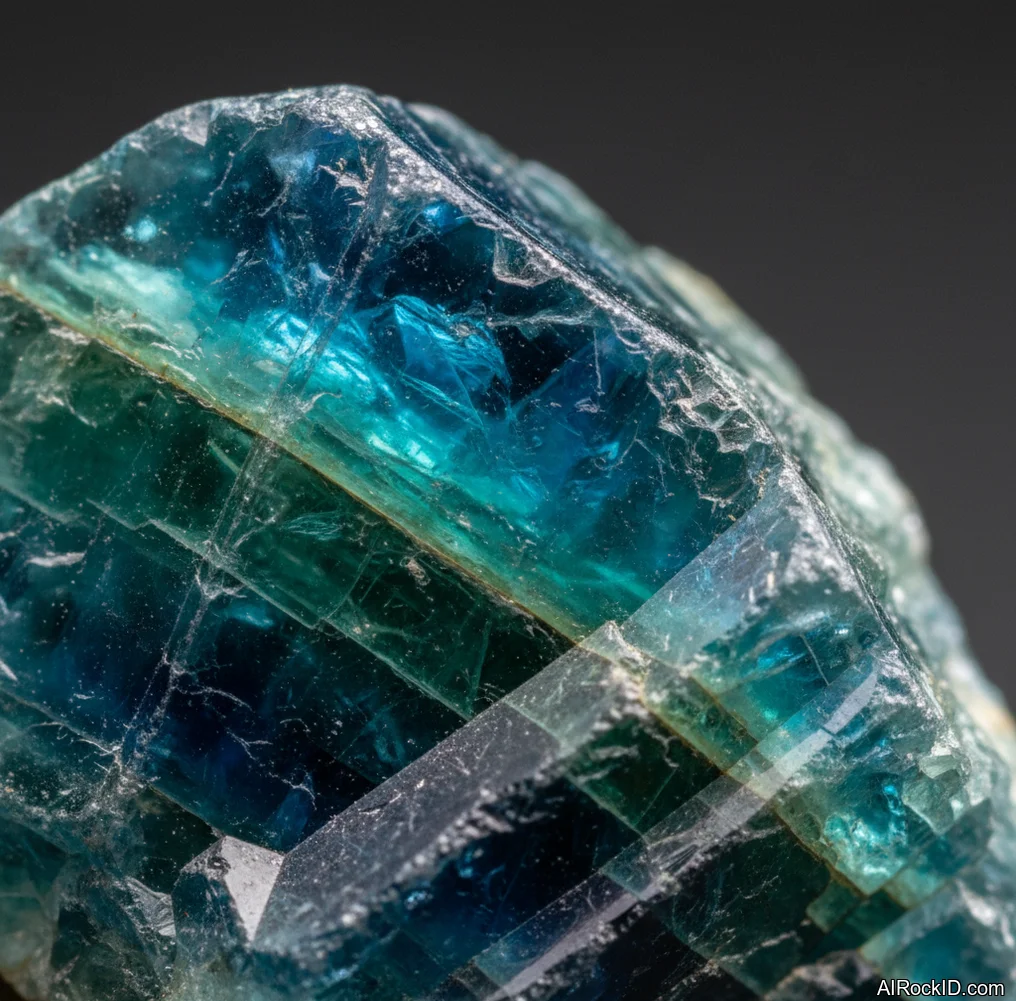
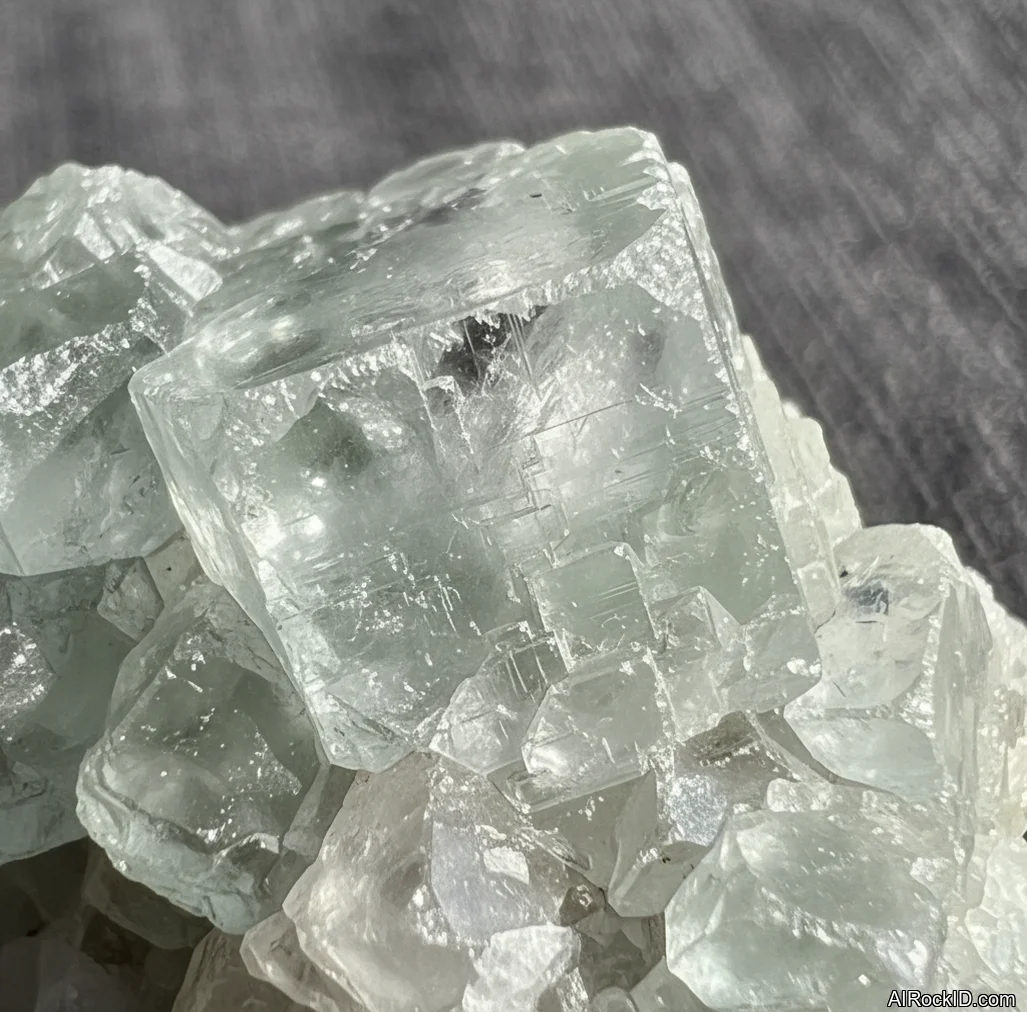
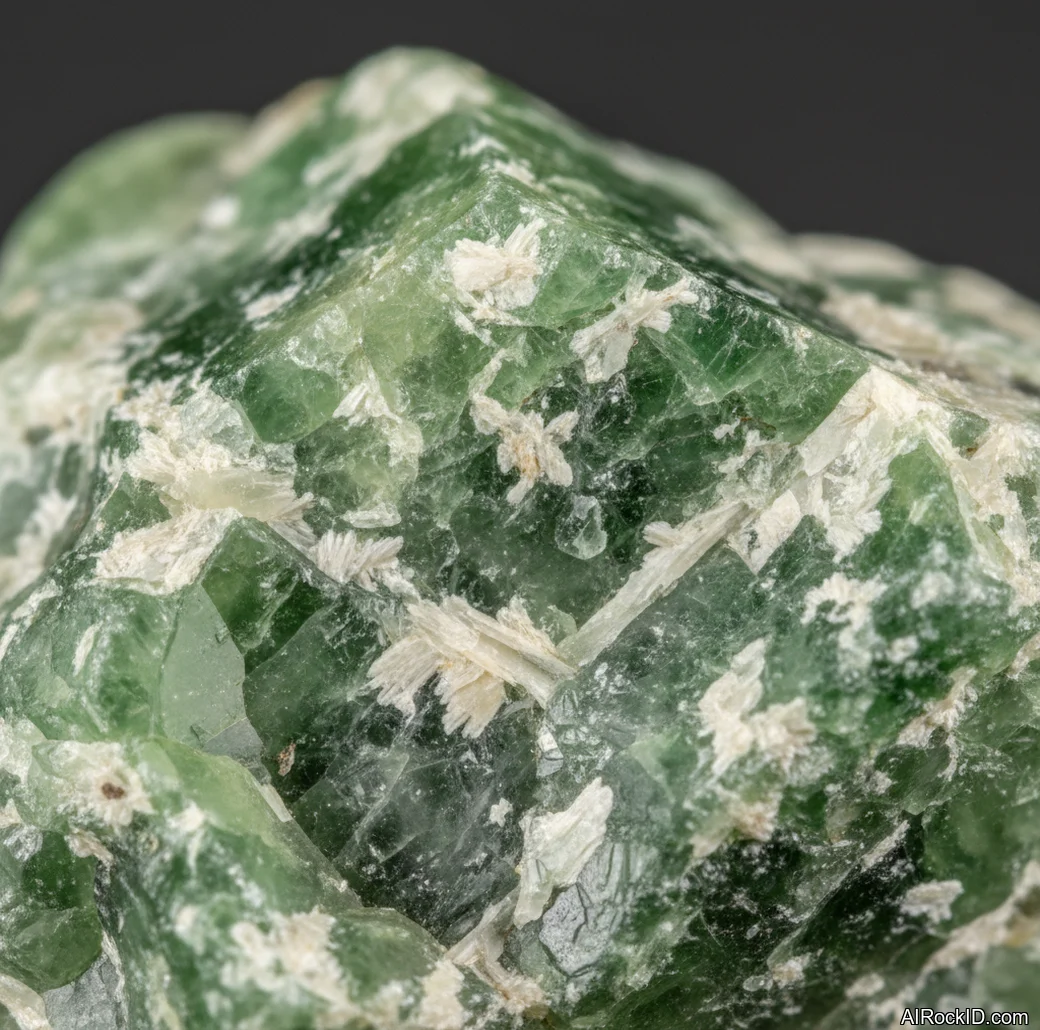
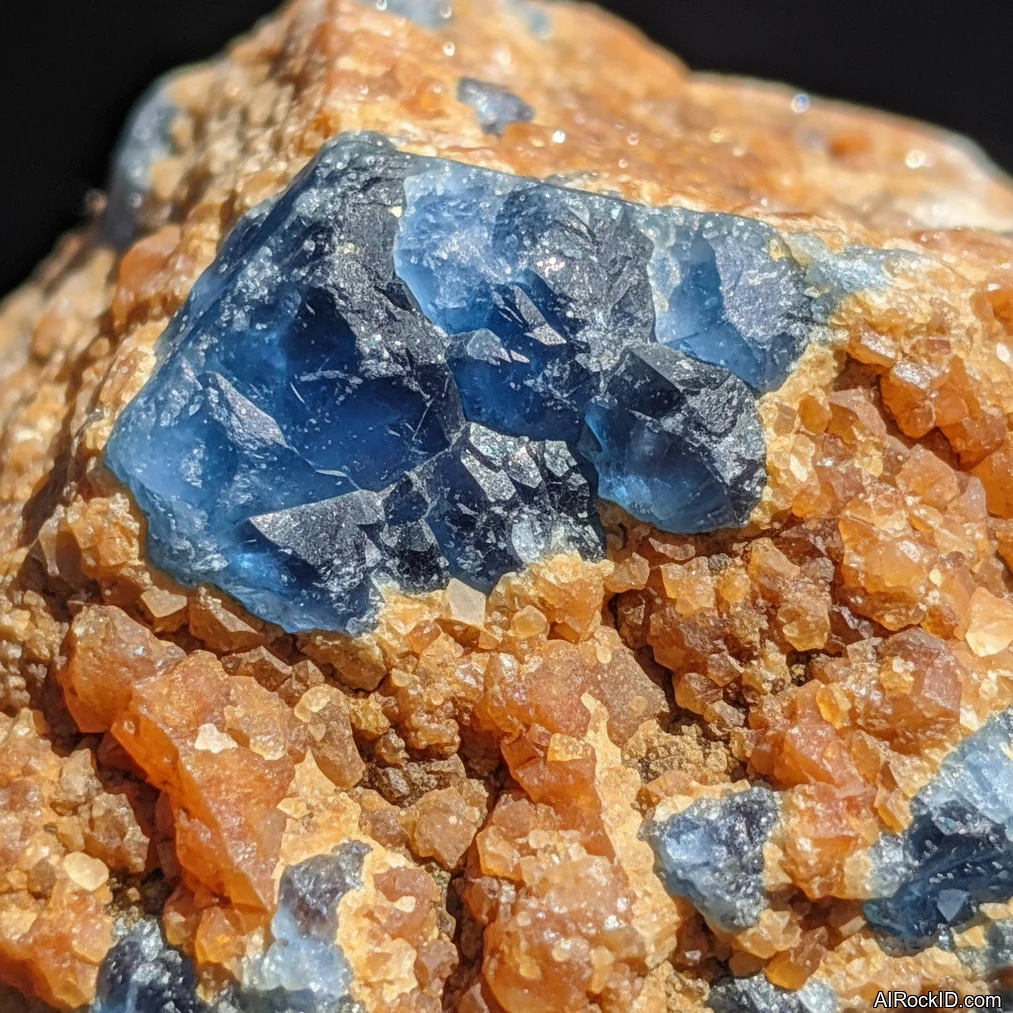
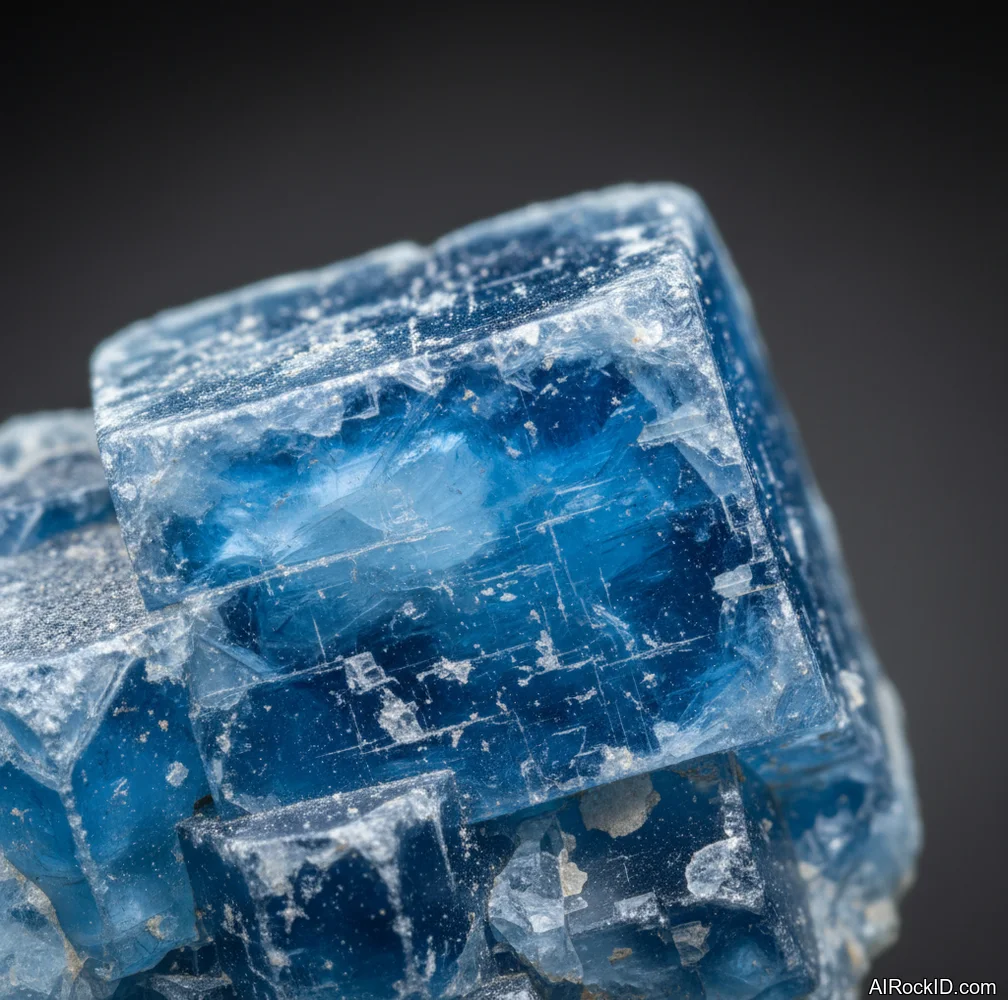
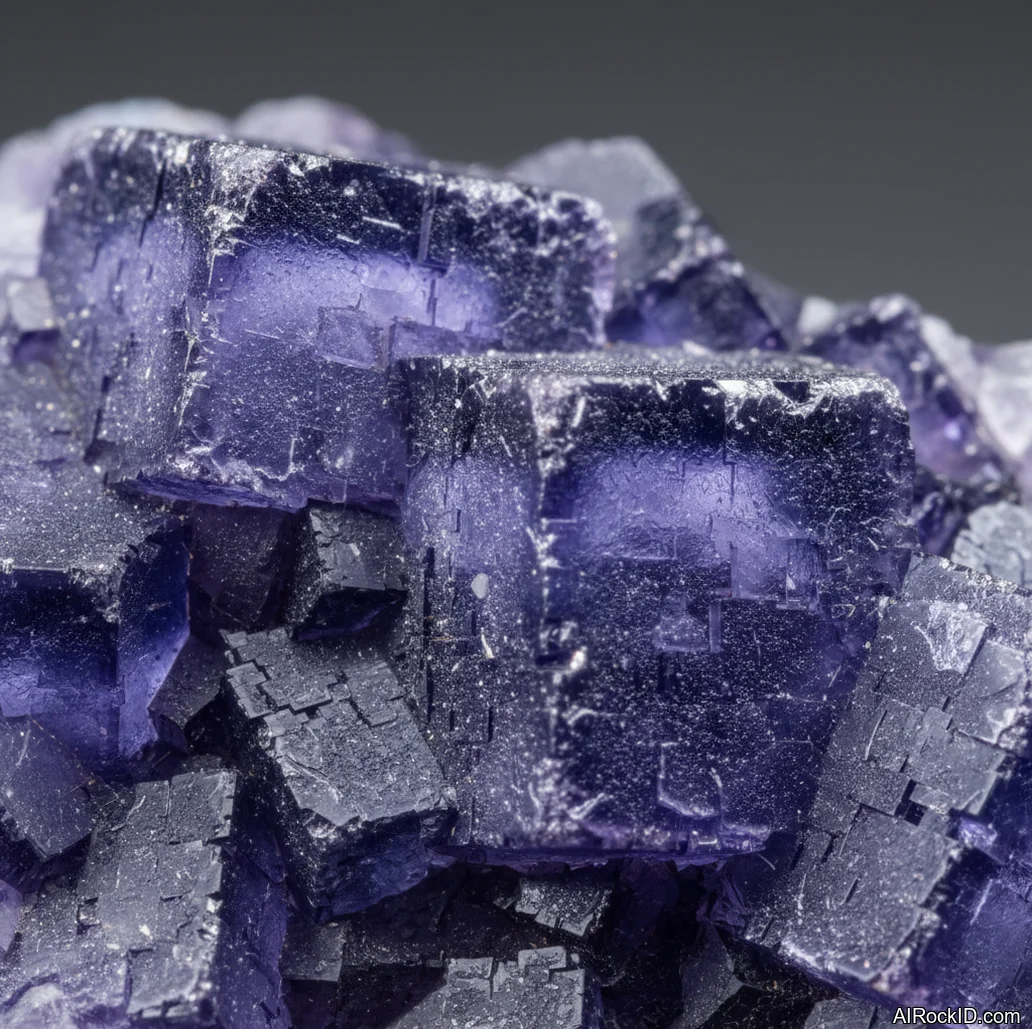
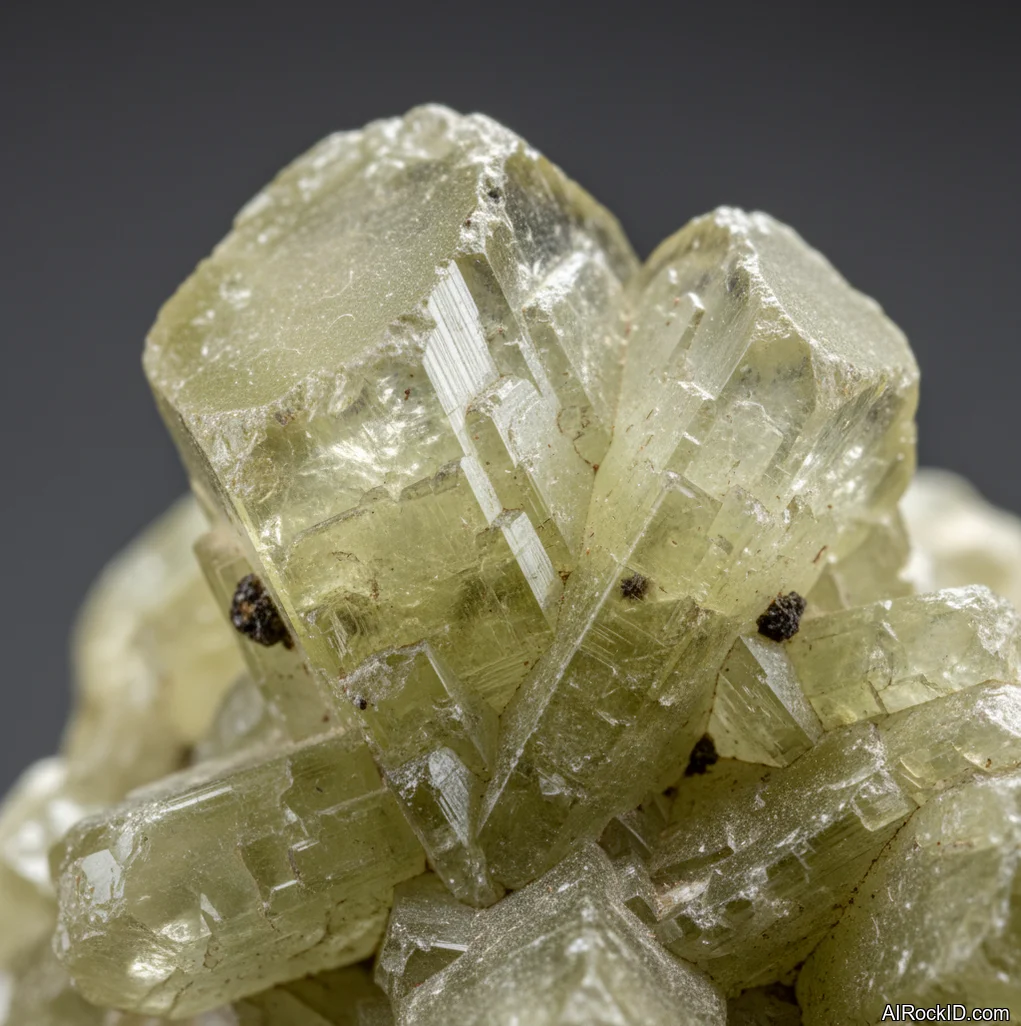
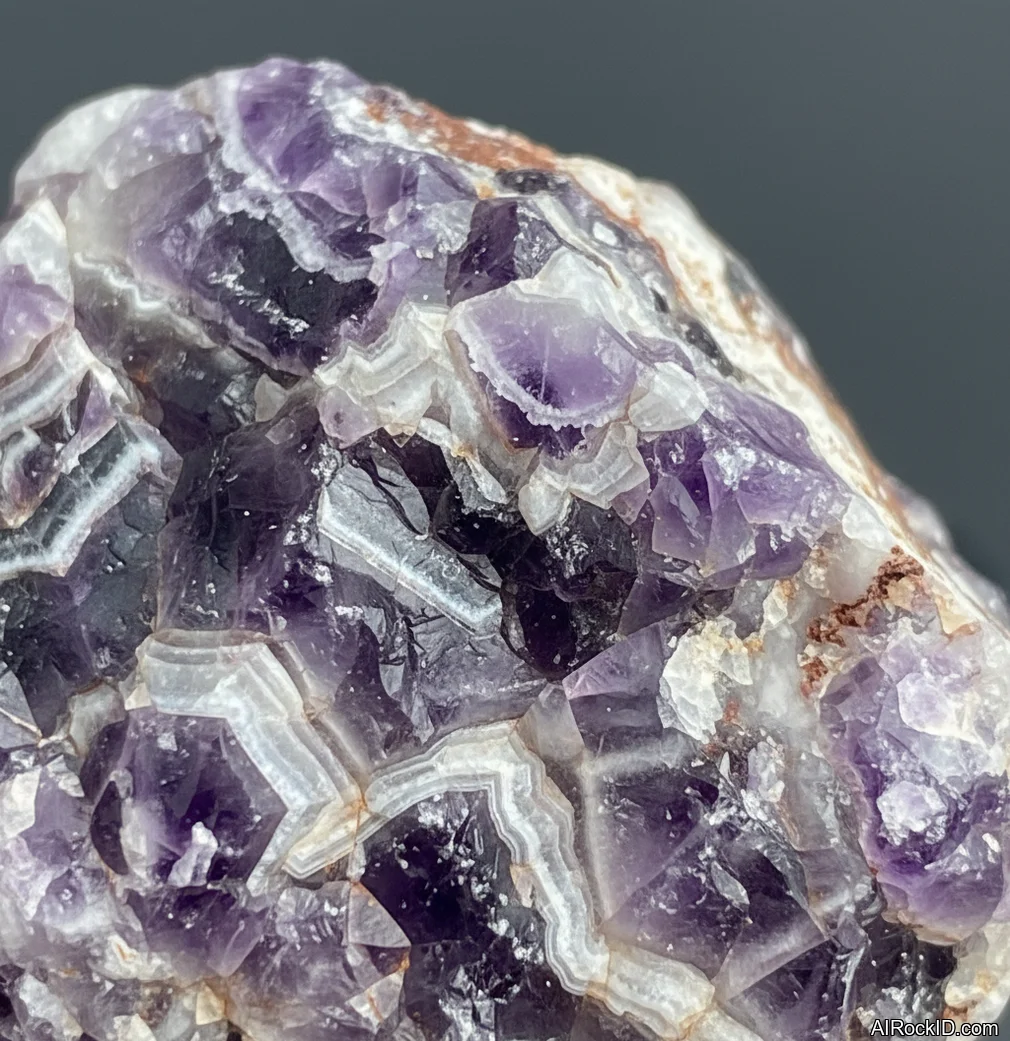
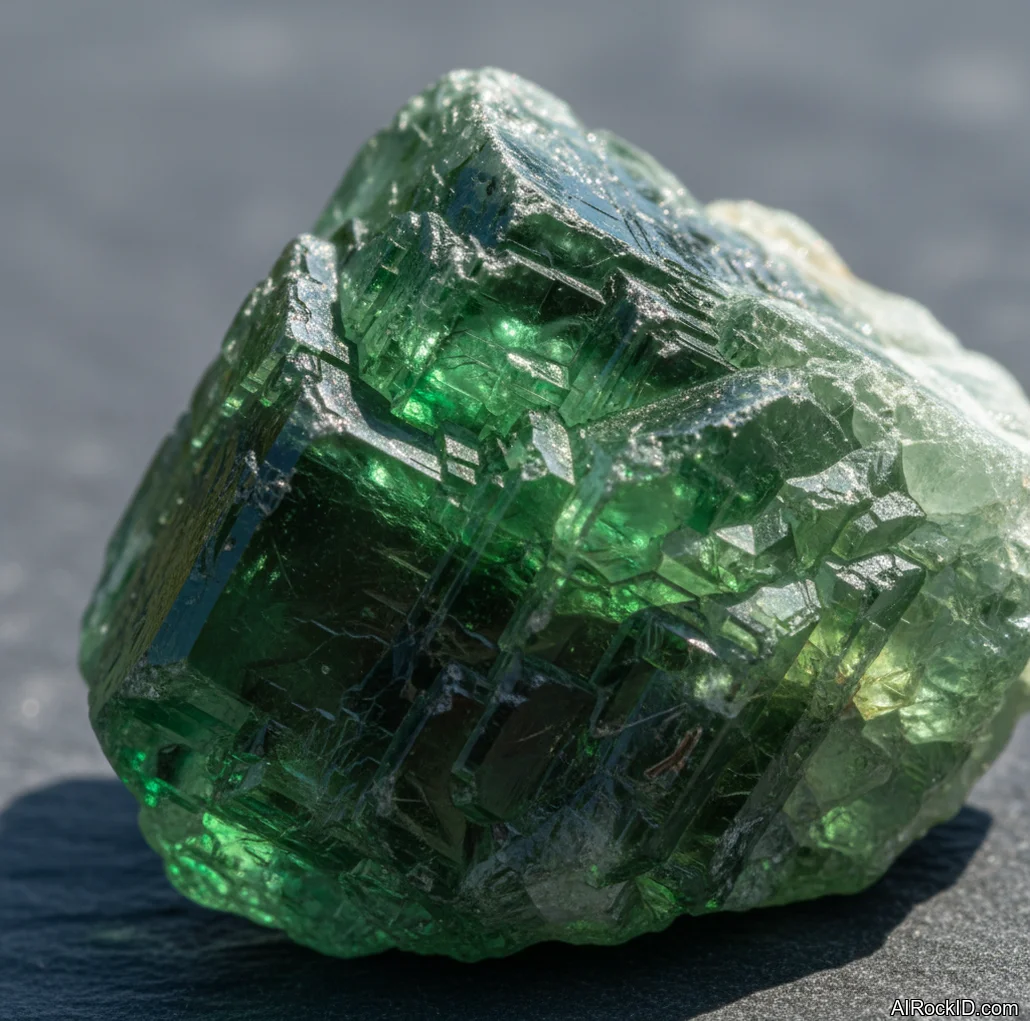
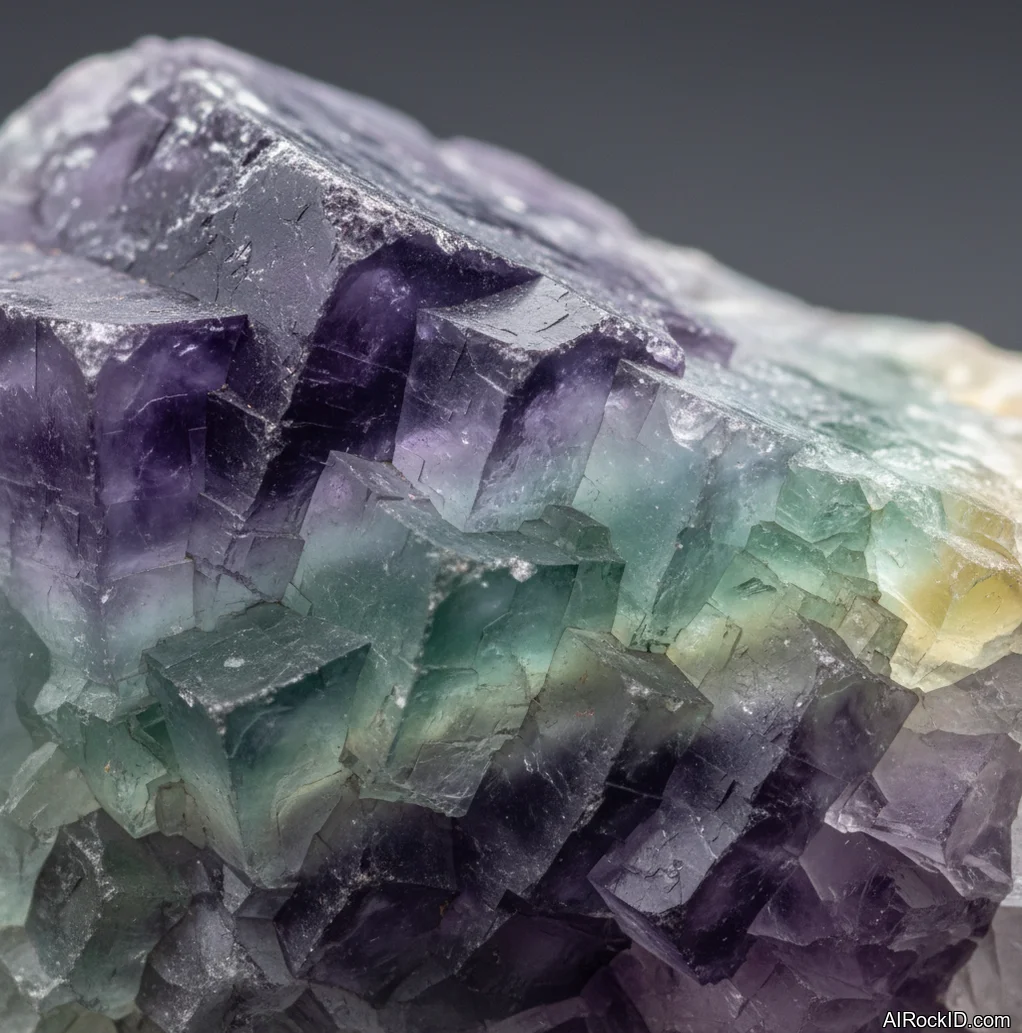
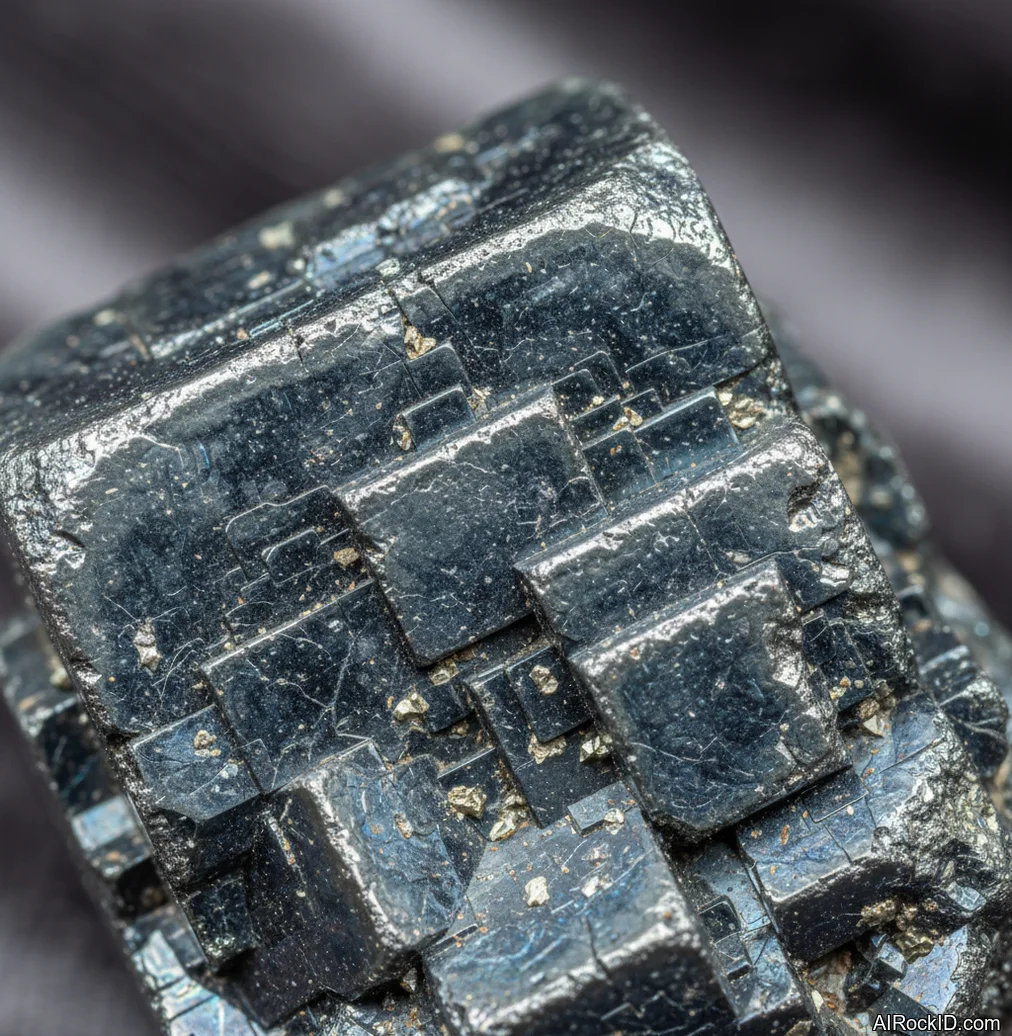
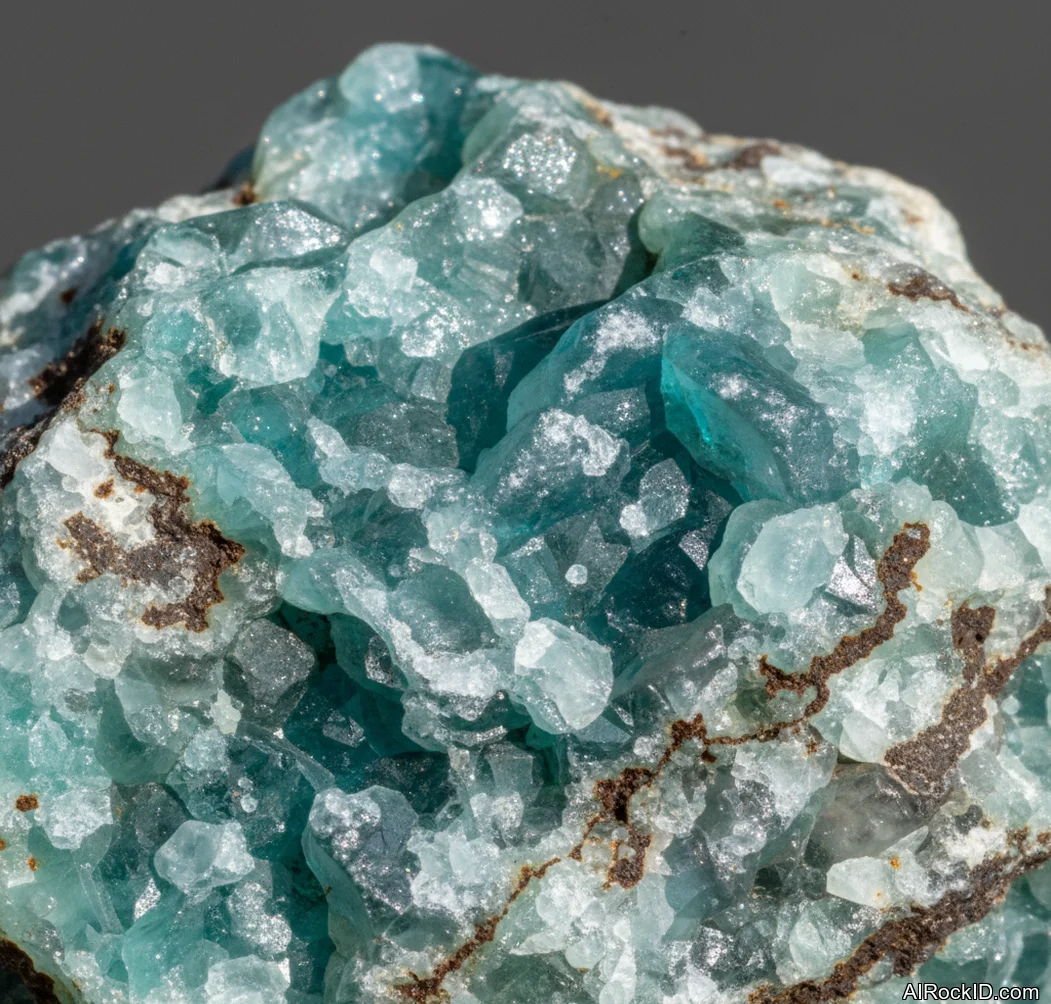
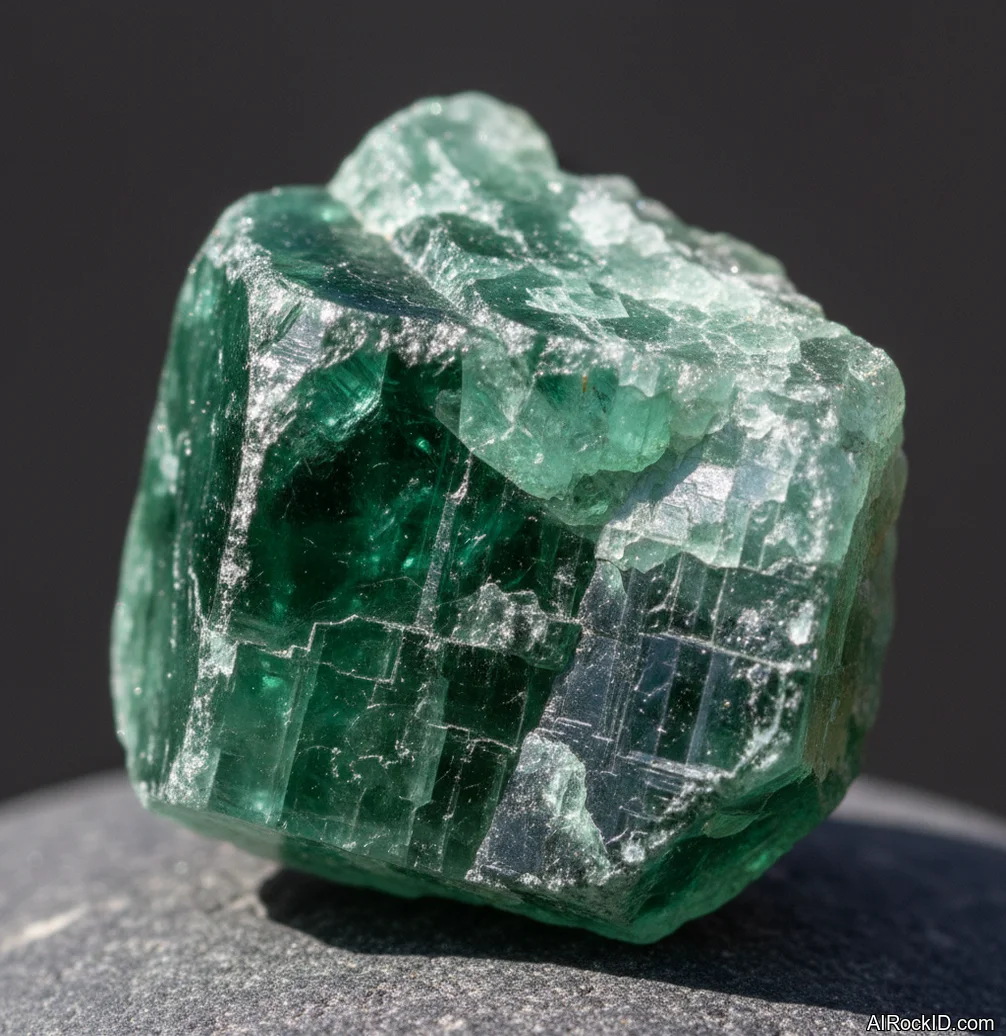
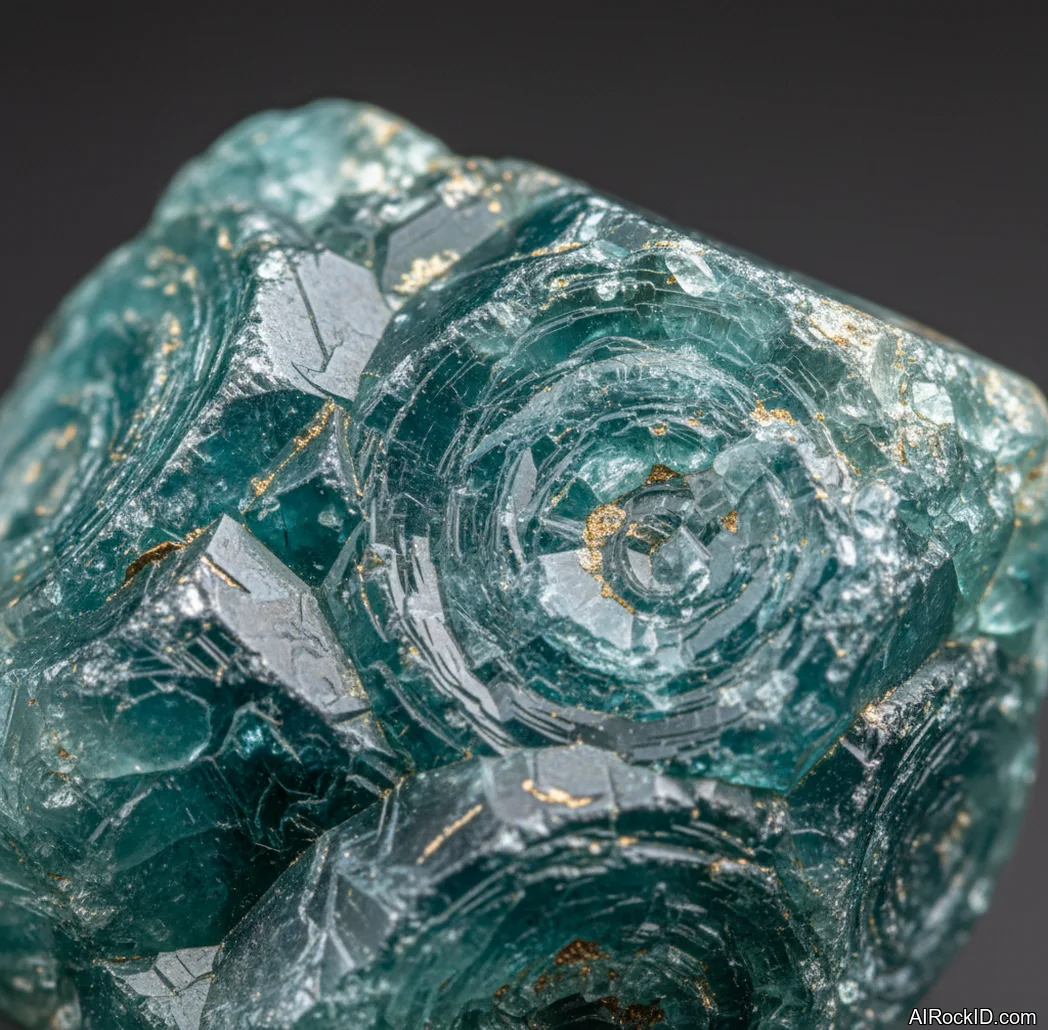
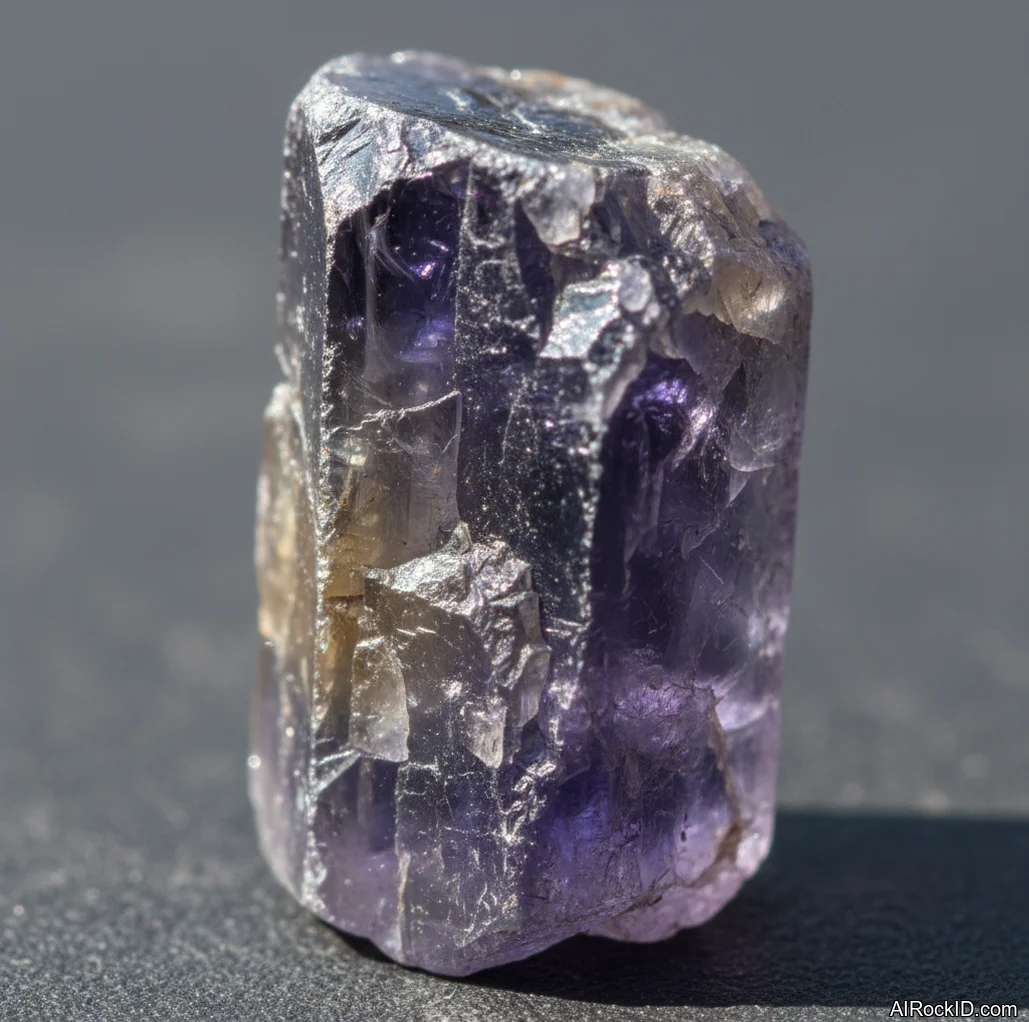
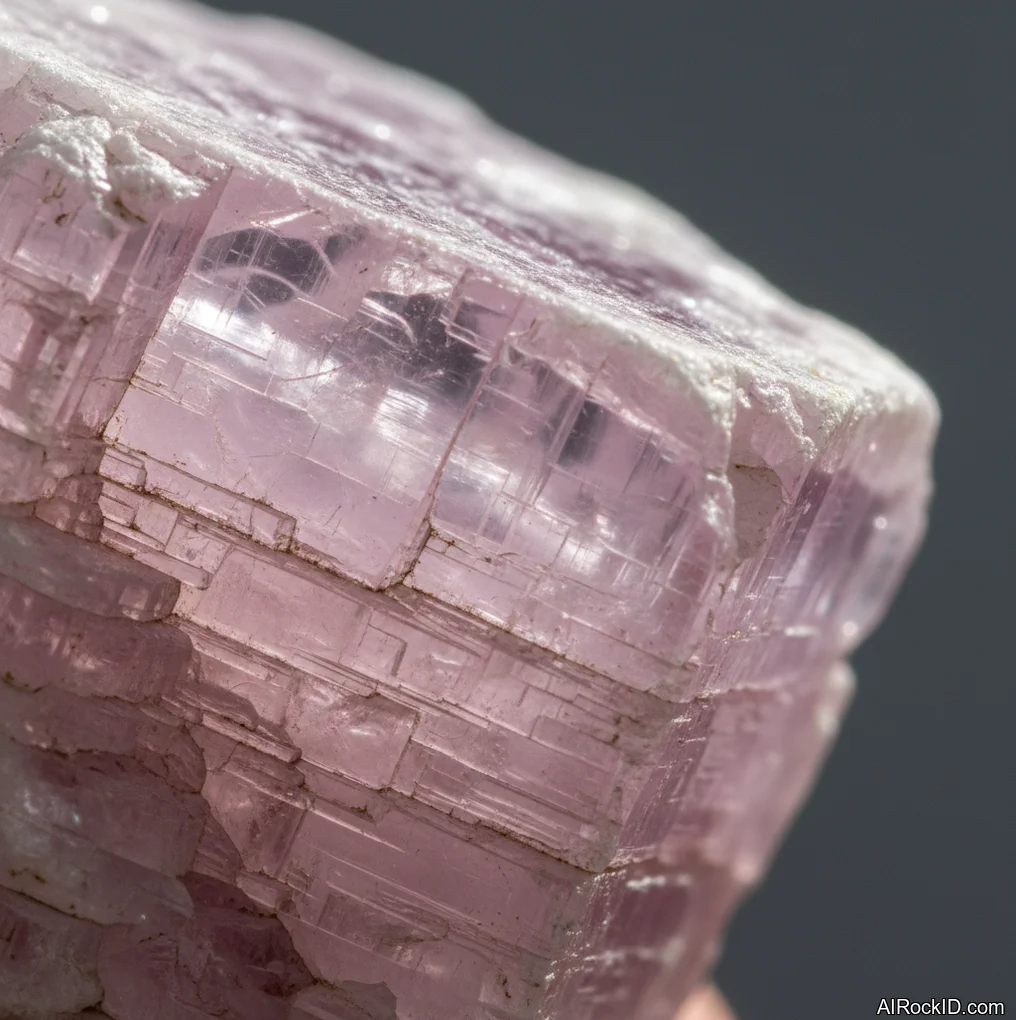
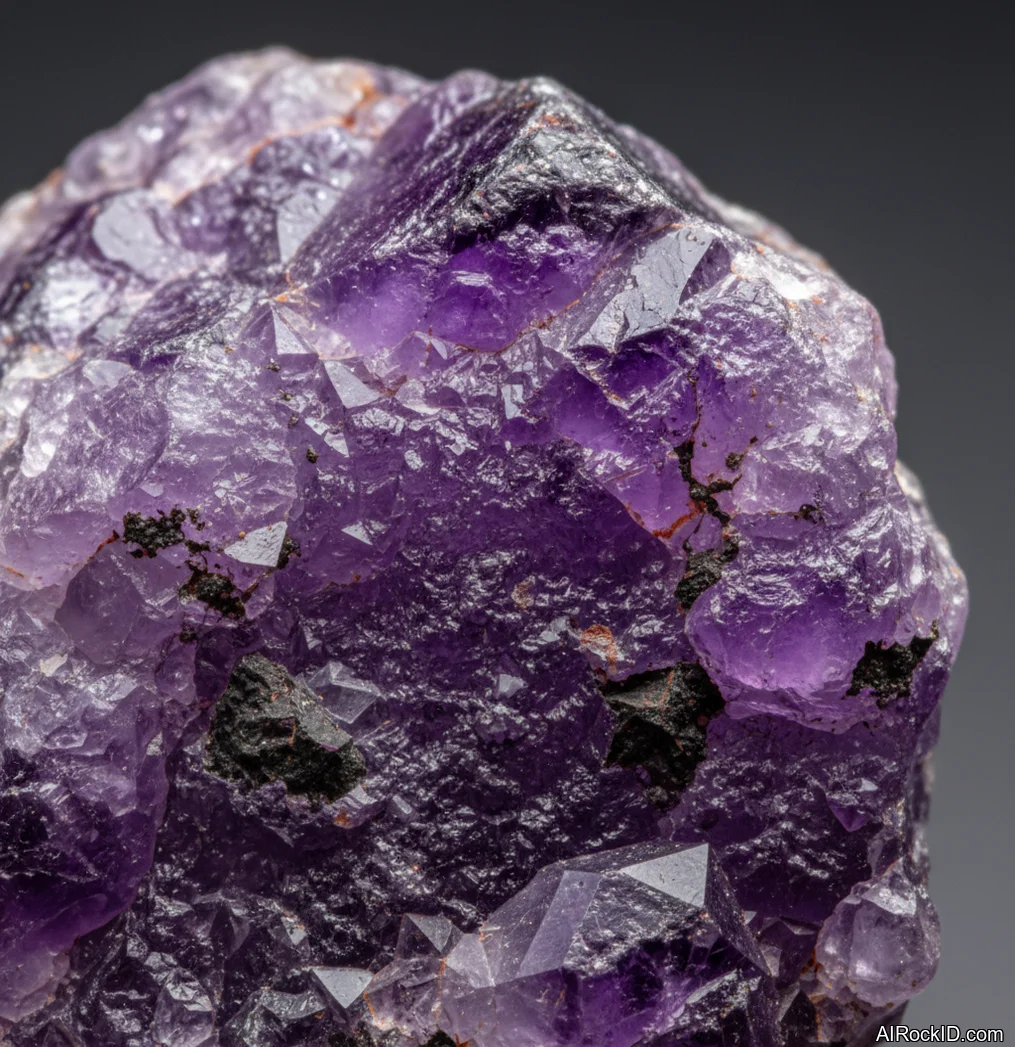
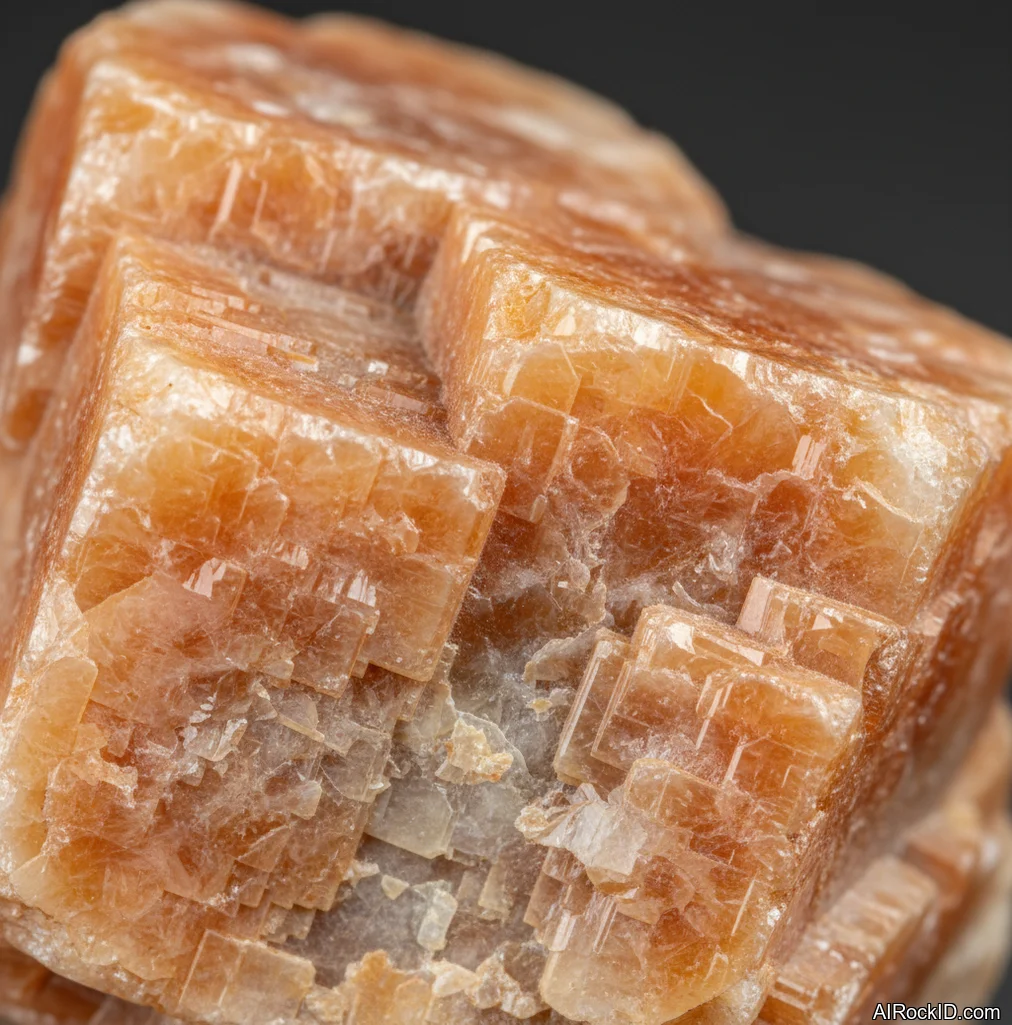
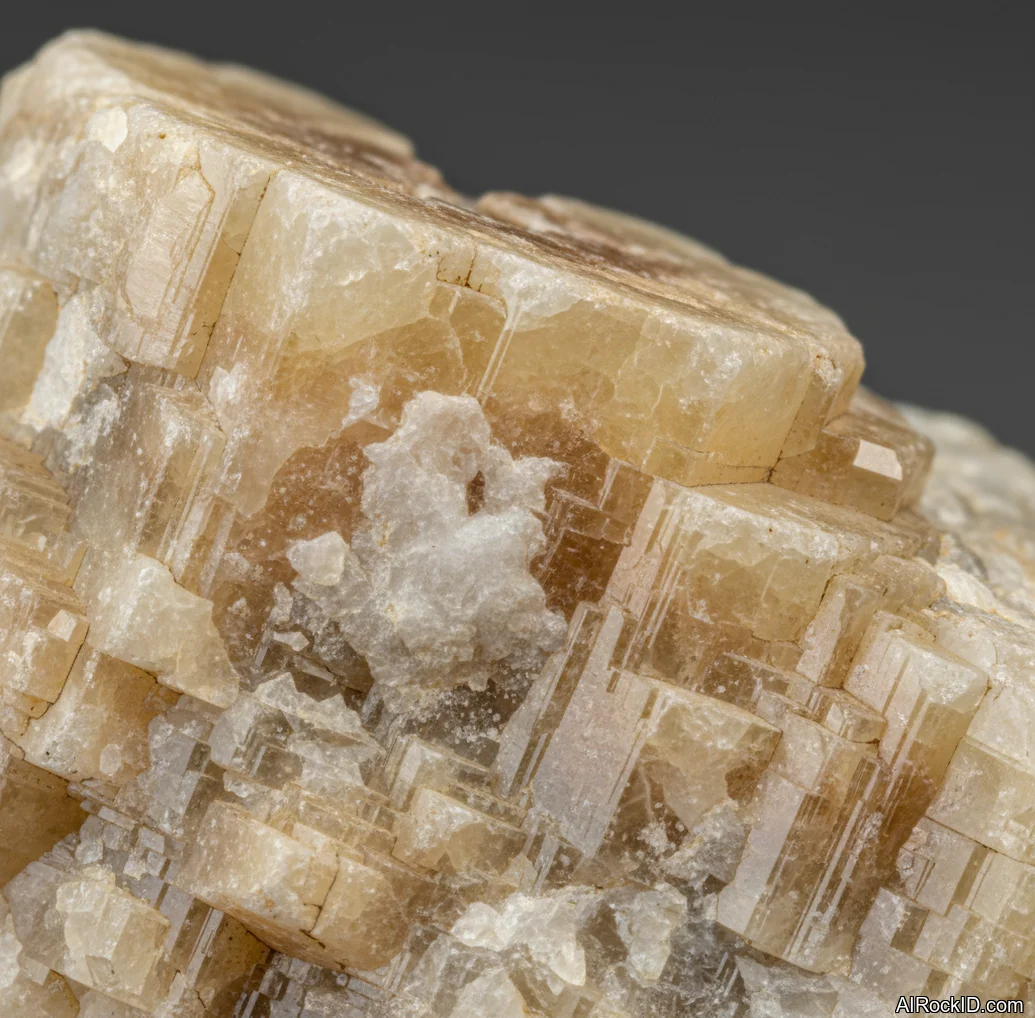
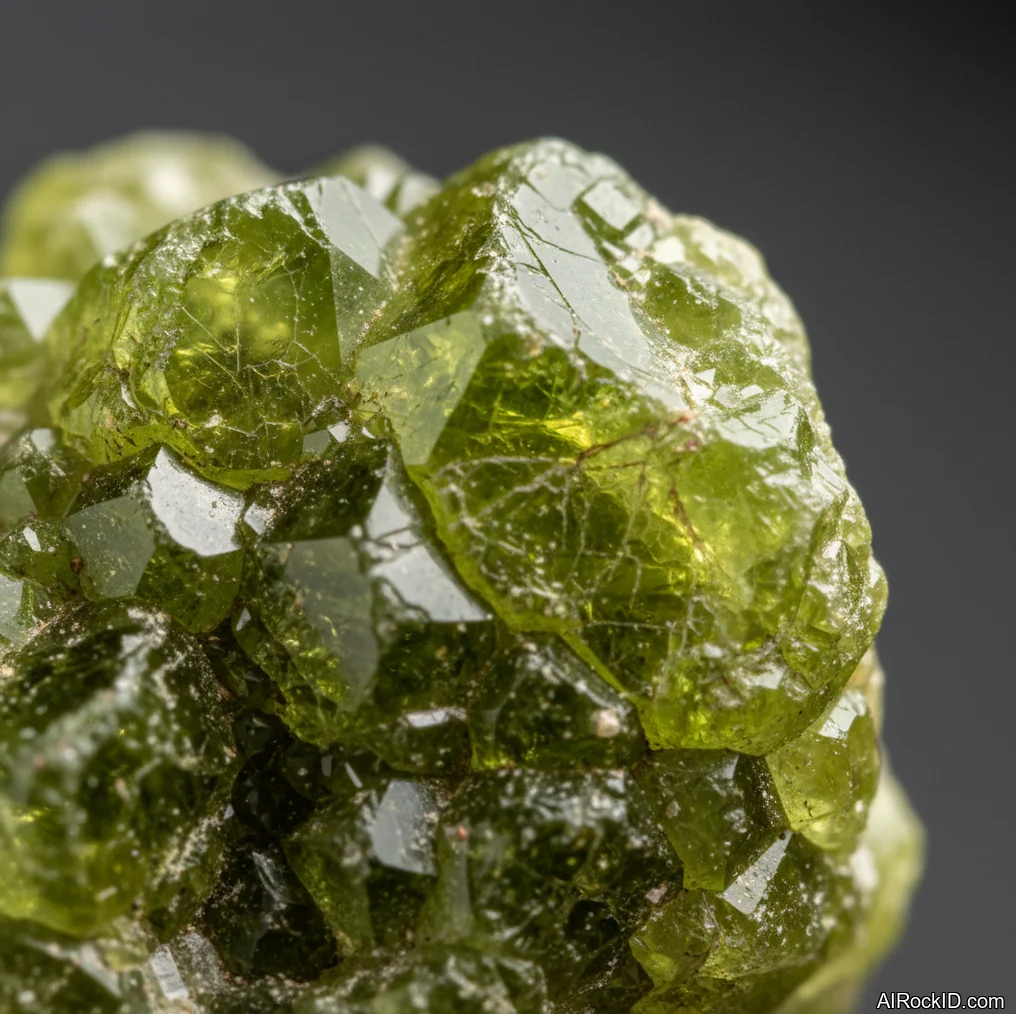
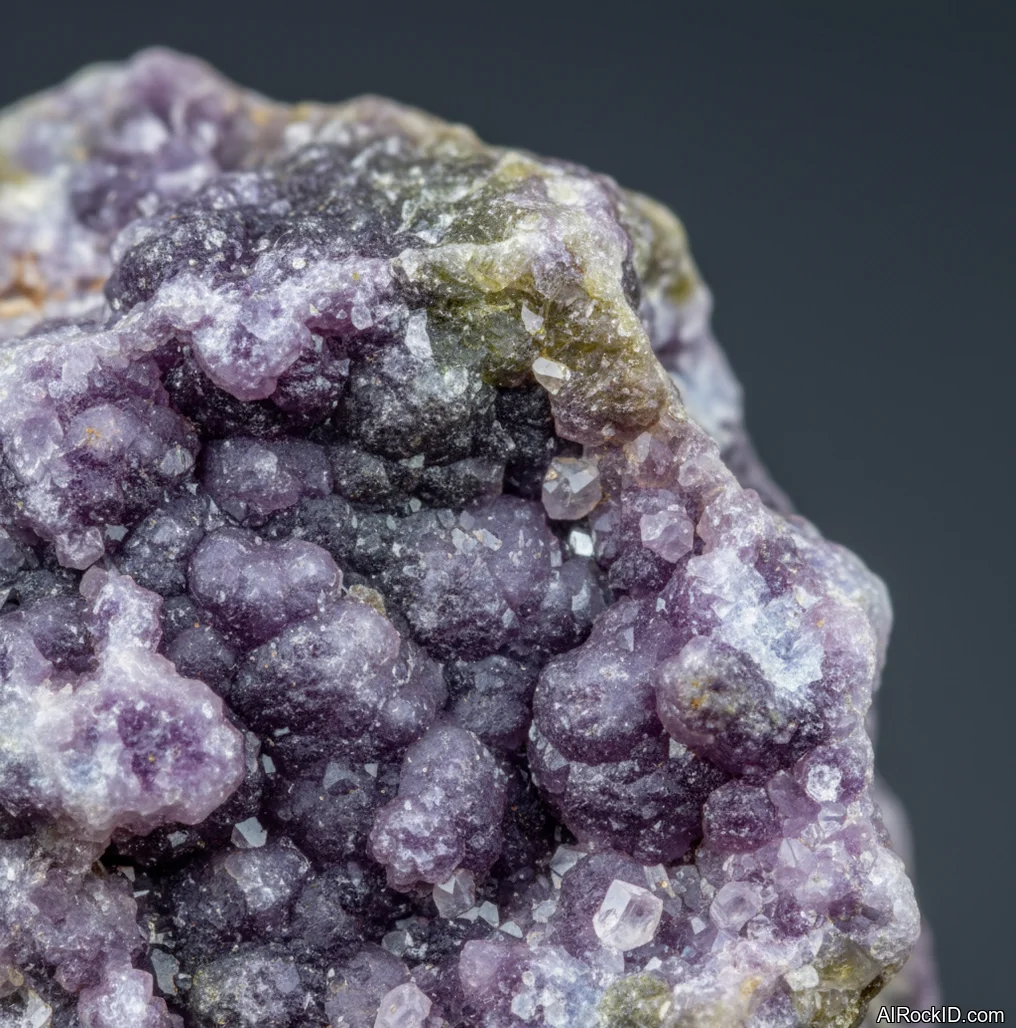
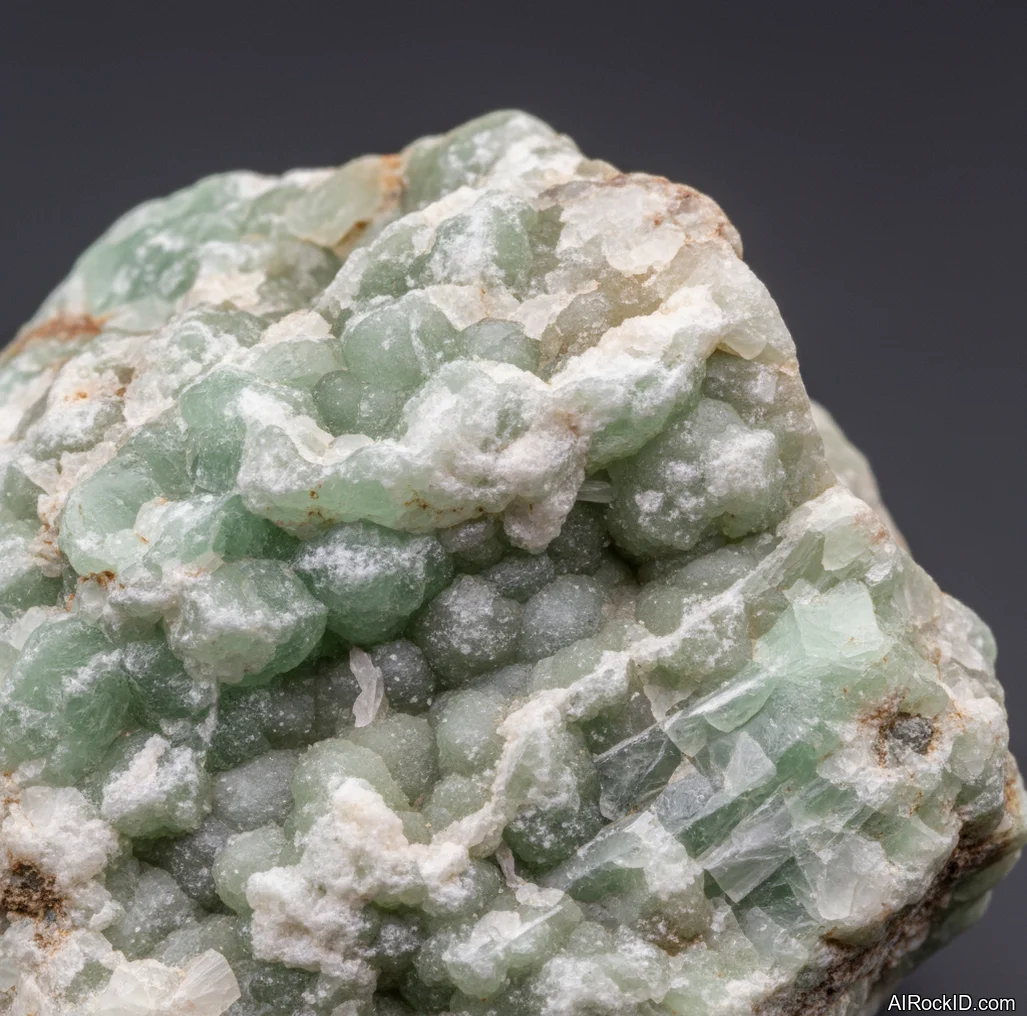
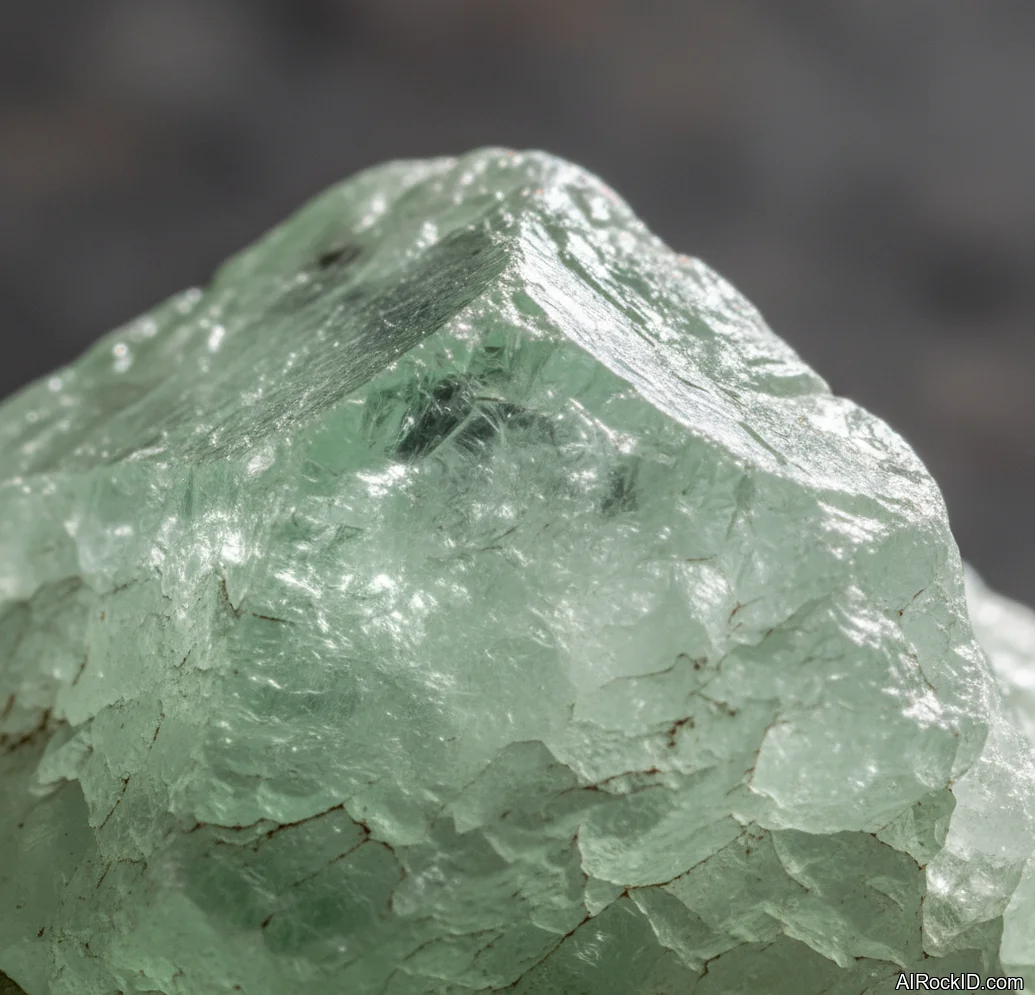
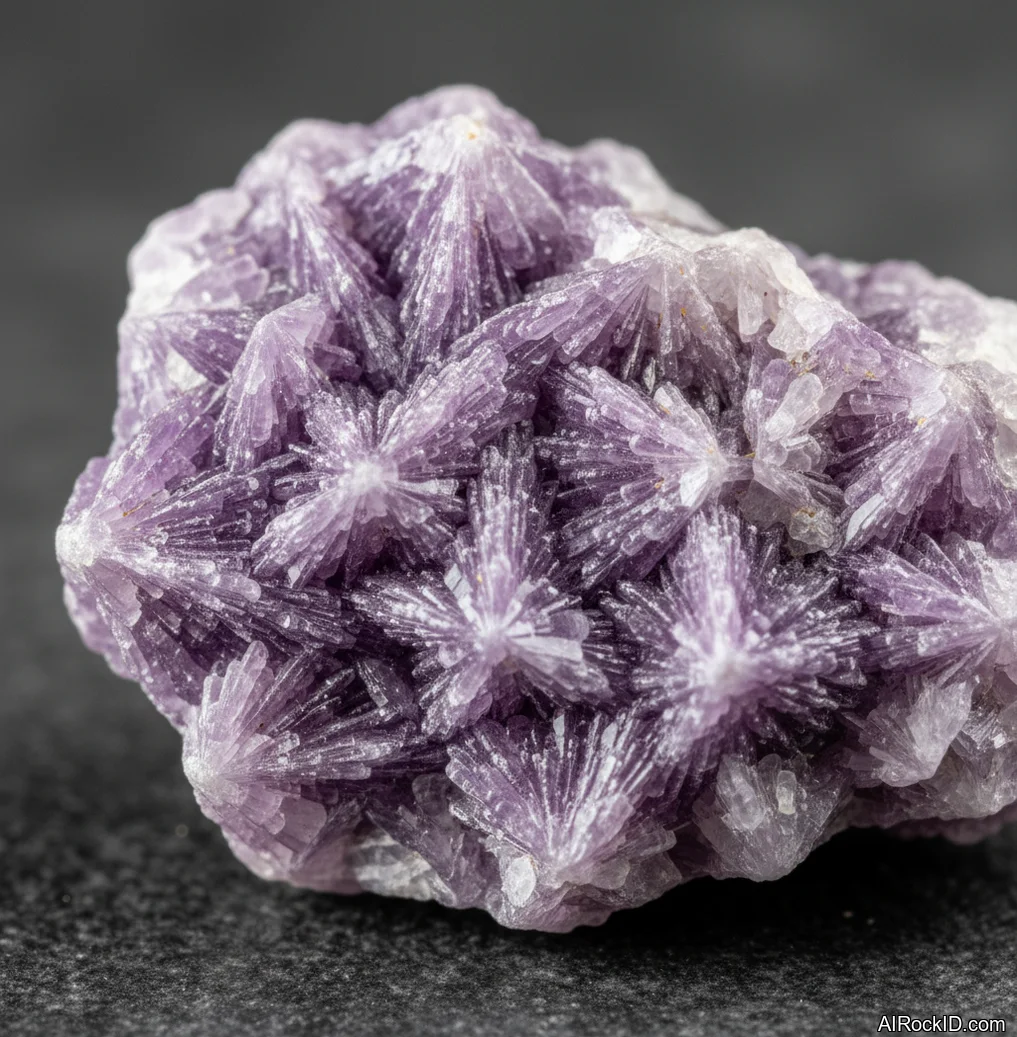
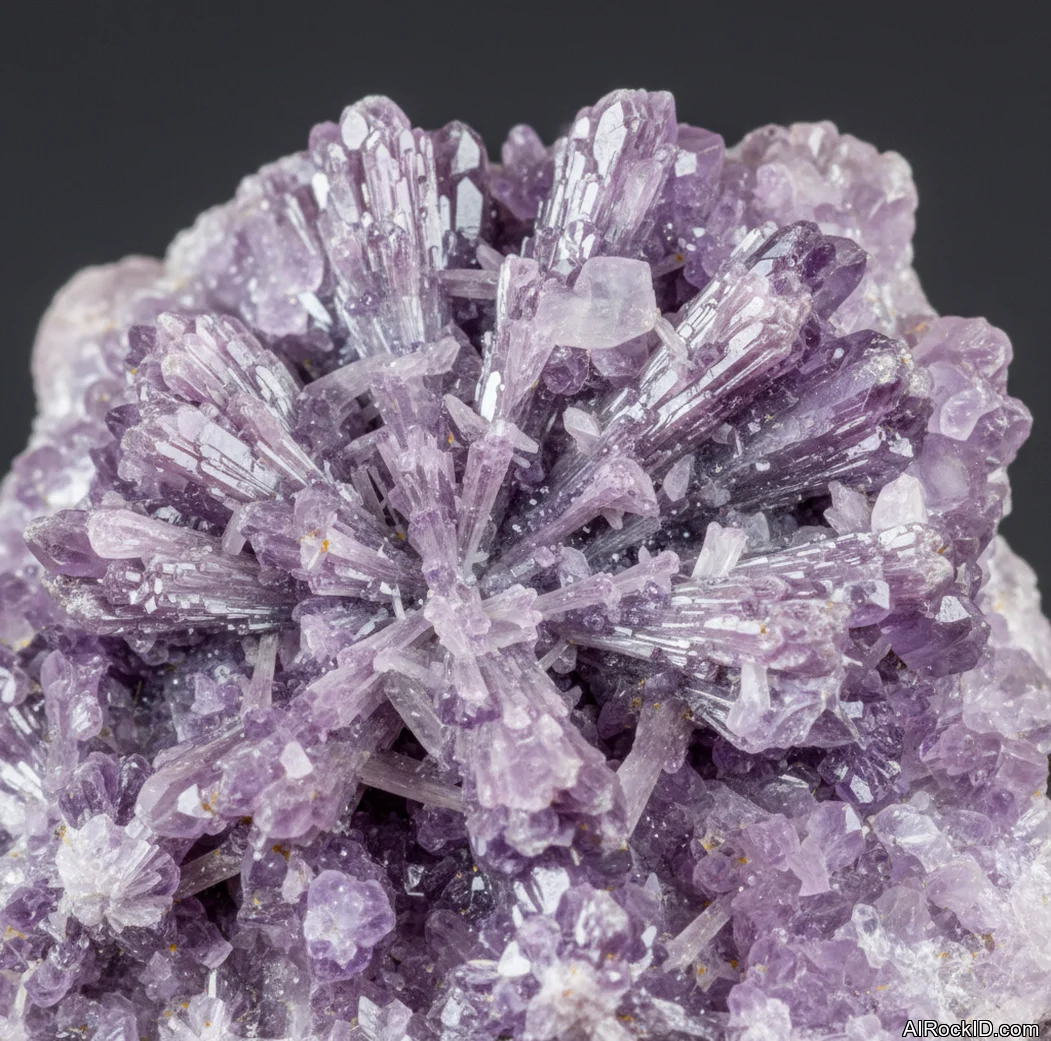
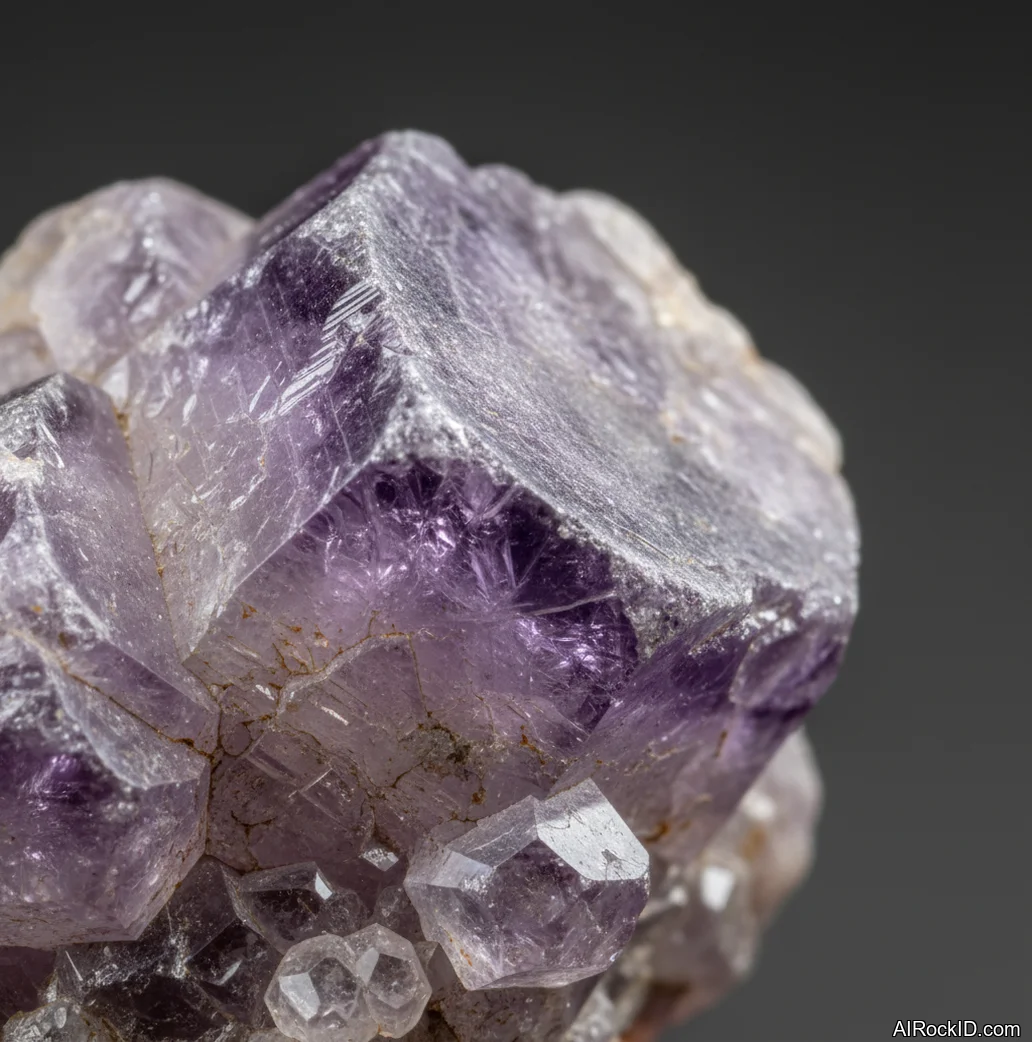
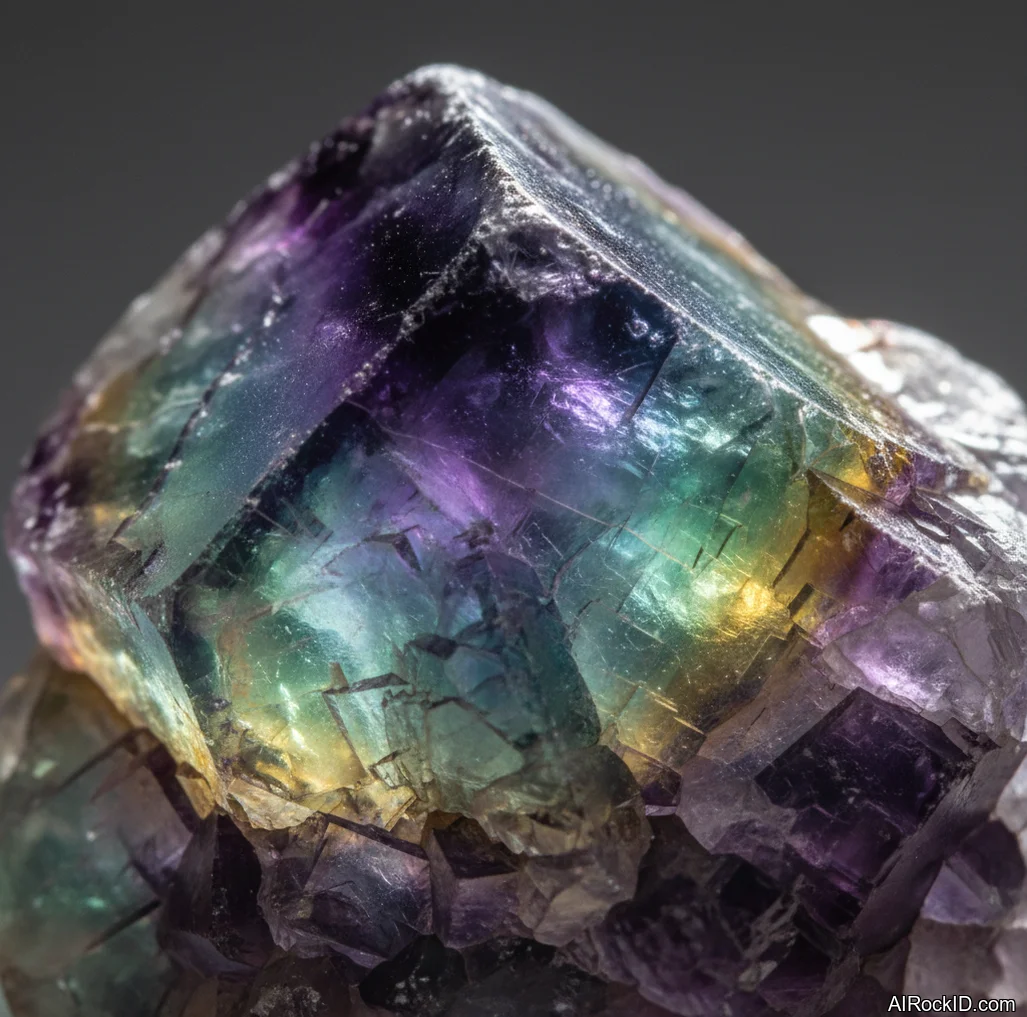
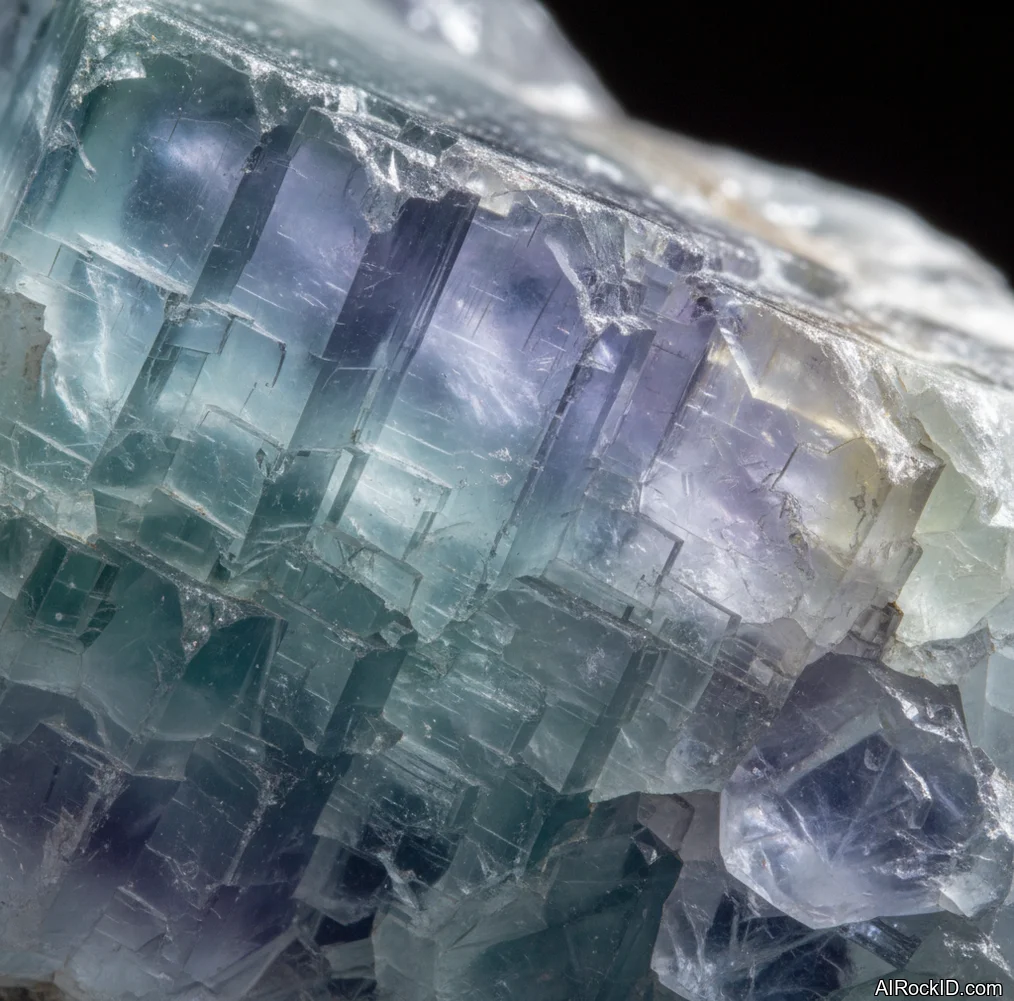
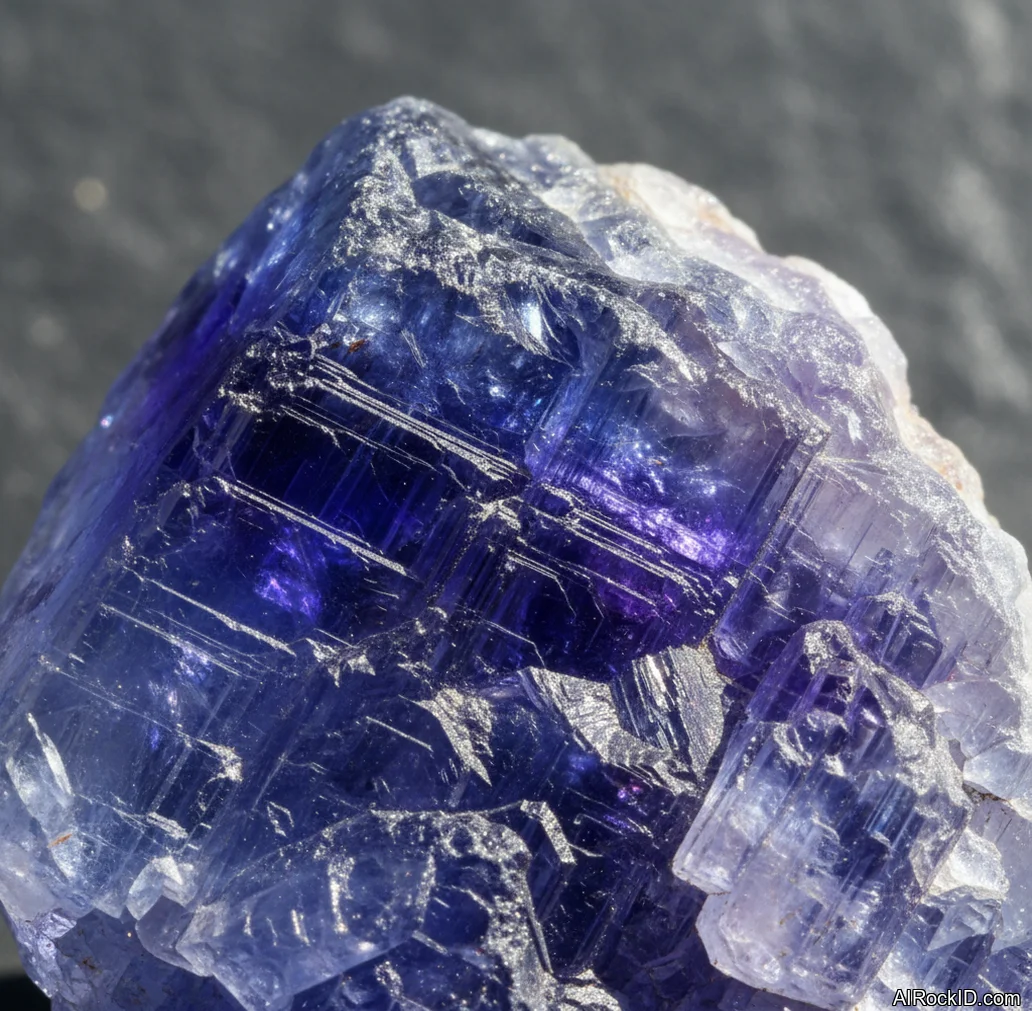
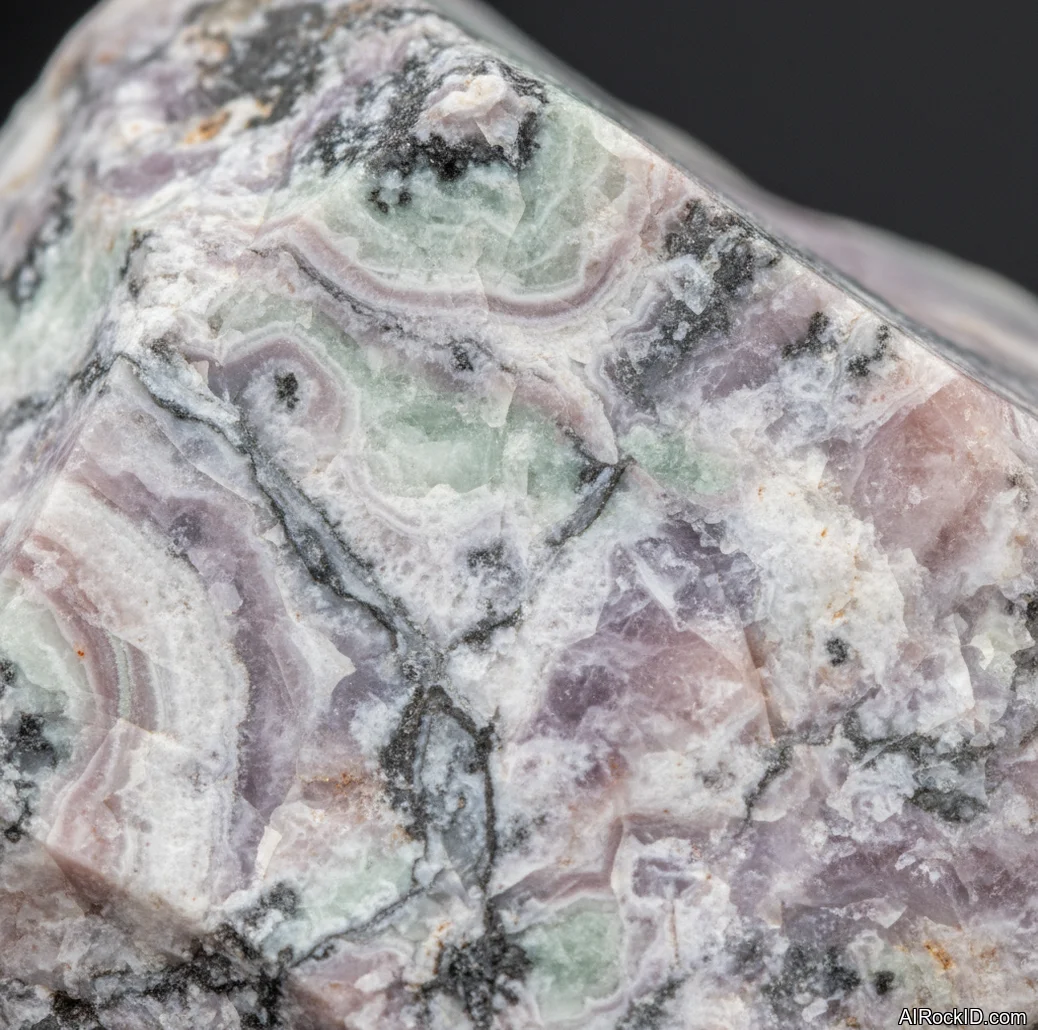
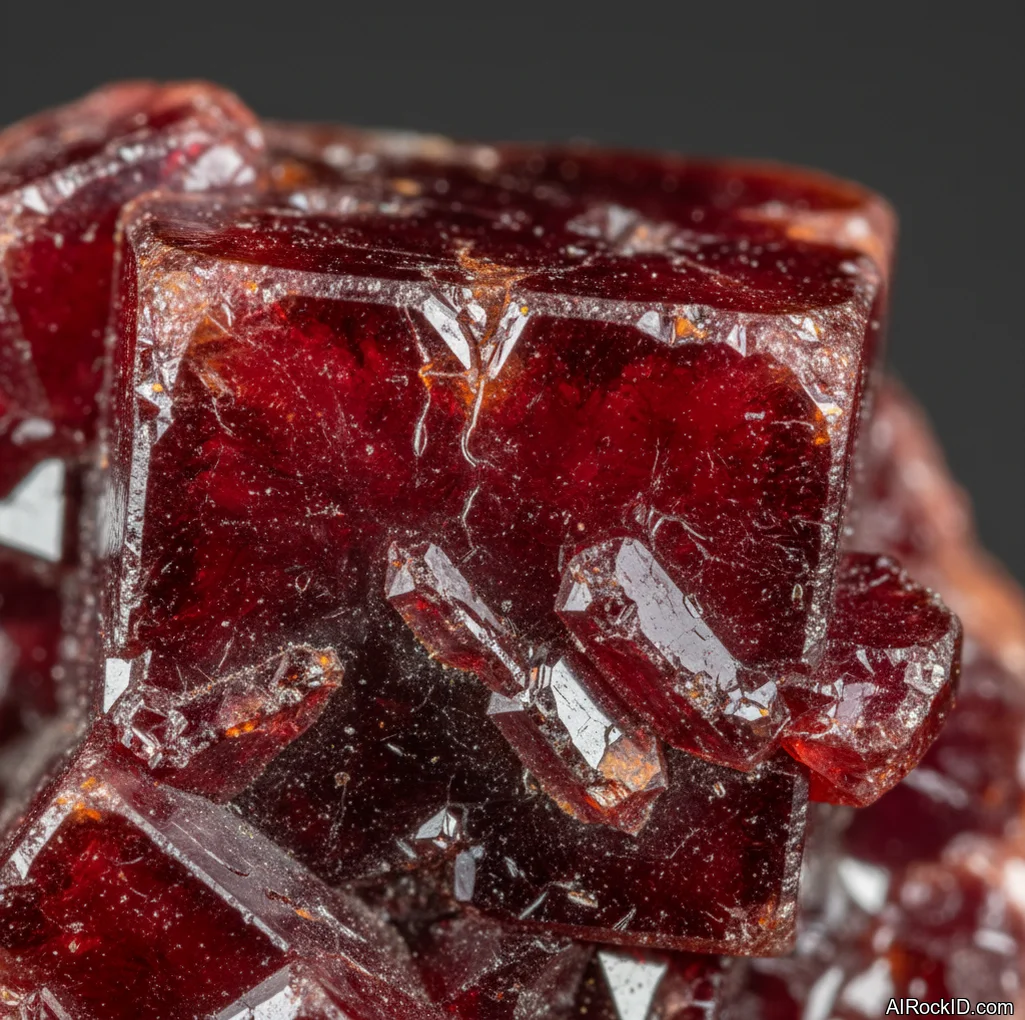
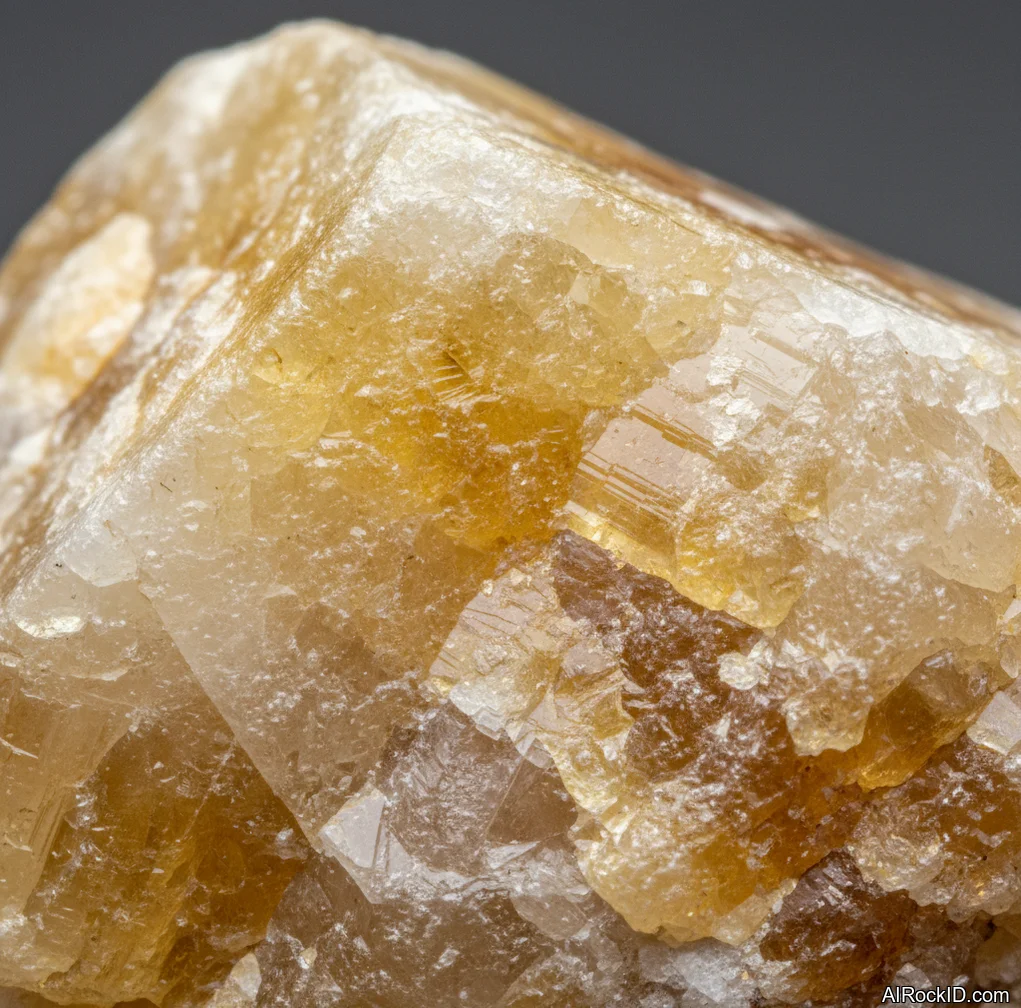
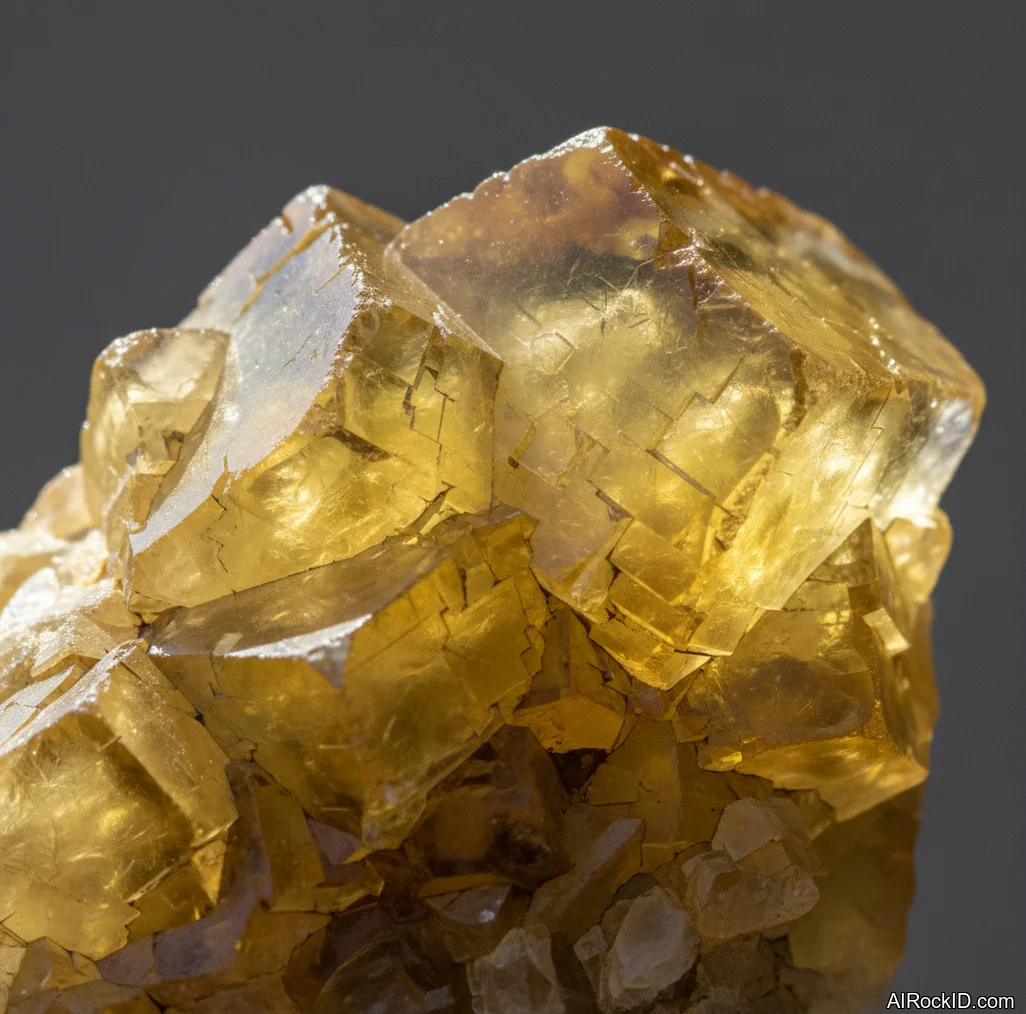
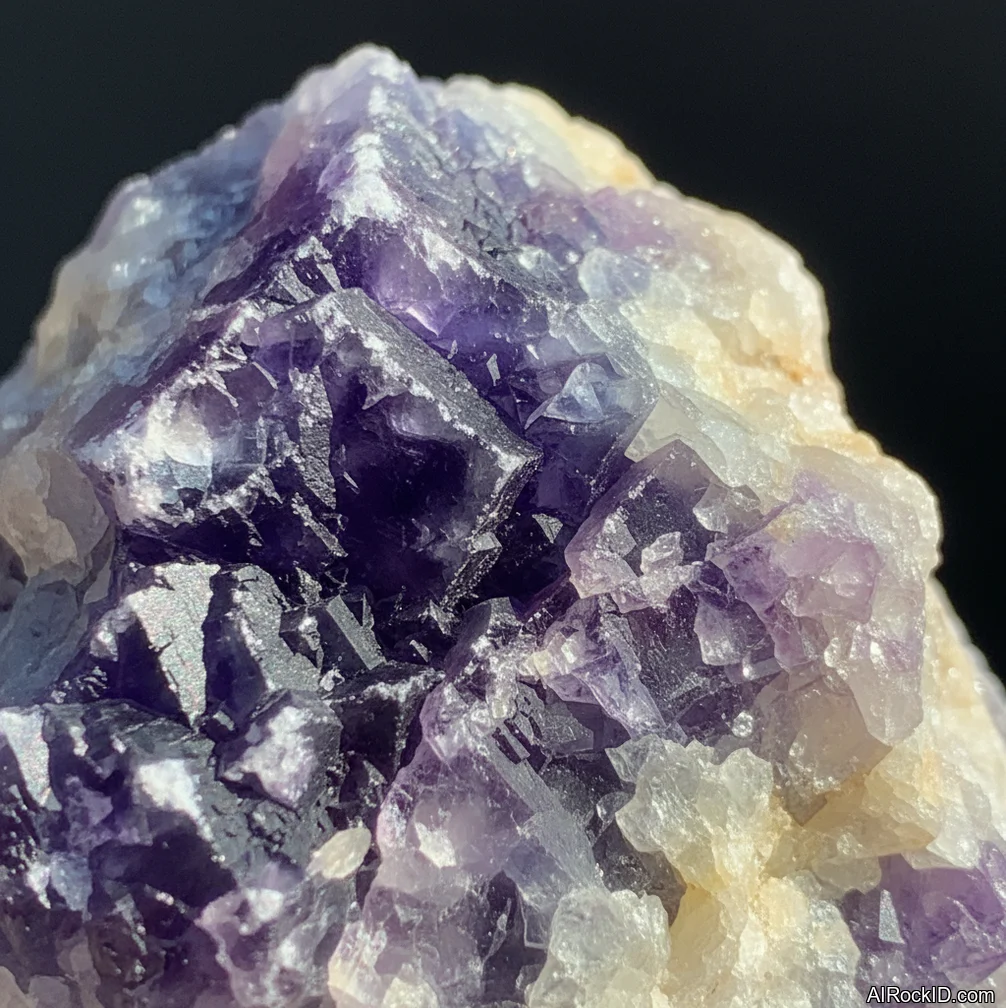
Compared to Quartz, Fluorite feels like the “organizing” version of clarity. A good purple-green Fluorite cube has that glassy, almost wet shine on the cleavage faces, and the edges are so crisp they look machined. But Fluorite’s softness is the catch. It’s Mohs 4, so it scuffs if you keep it in a pocket with keys, and I’ve watched people chip corners just by knocking two pieces together in a tray. So if you want Fluorite for clarity, treat it like a desk stone, not a worry stone.
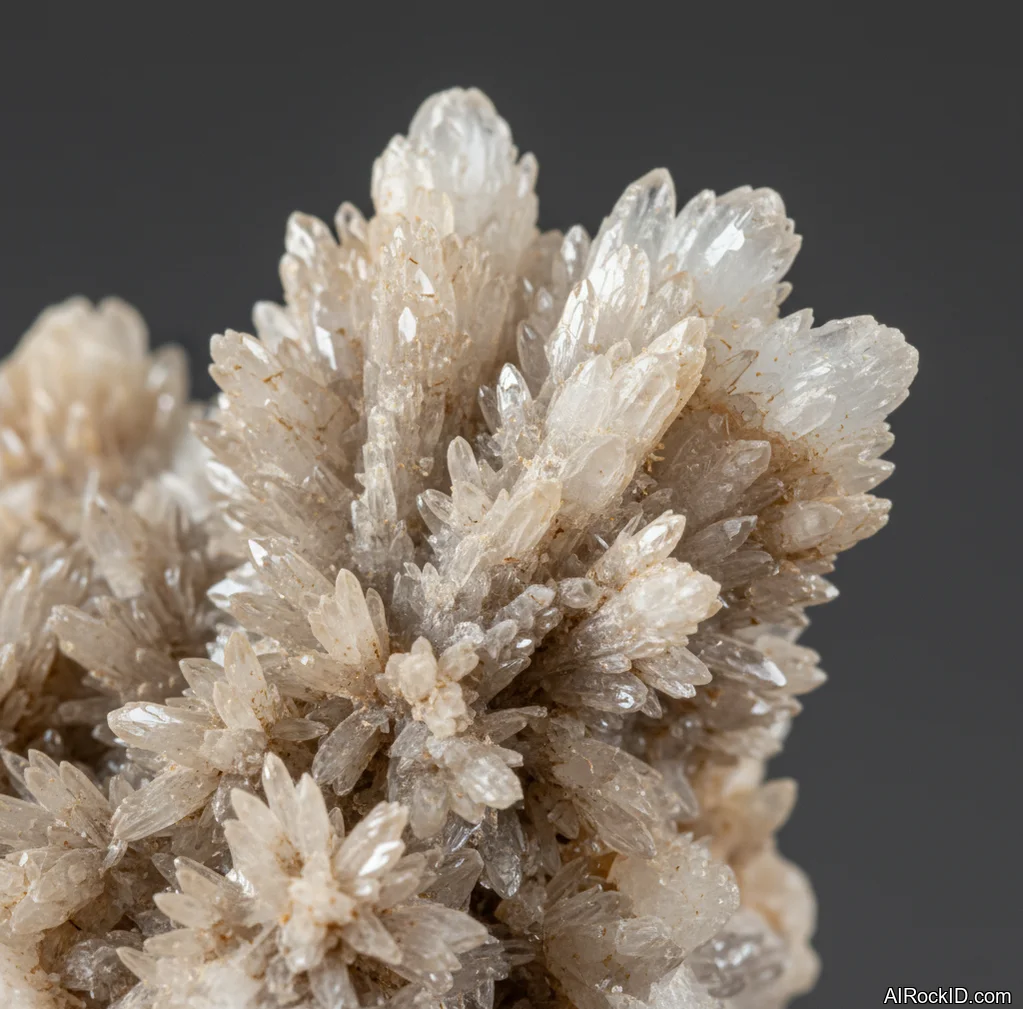
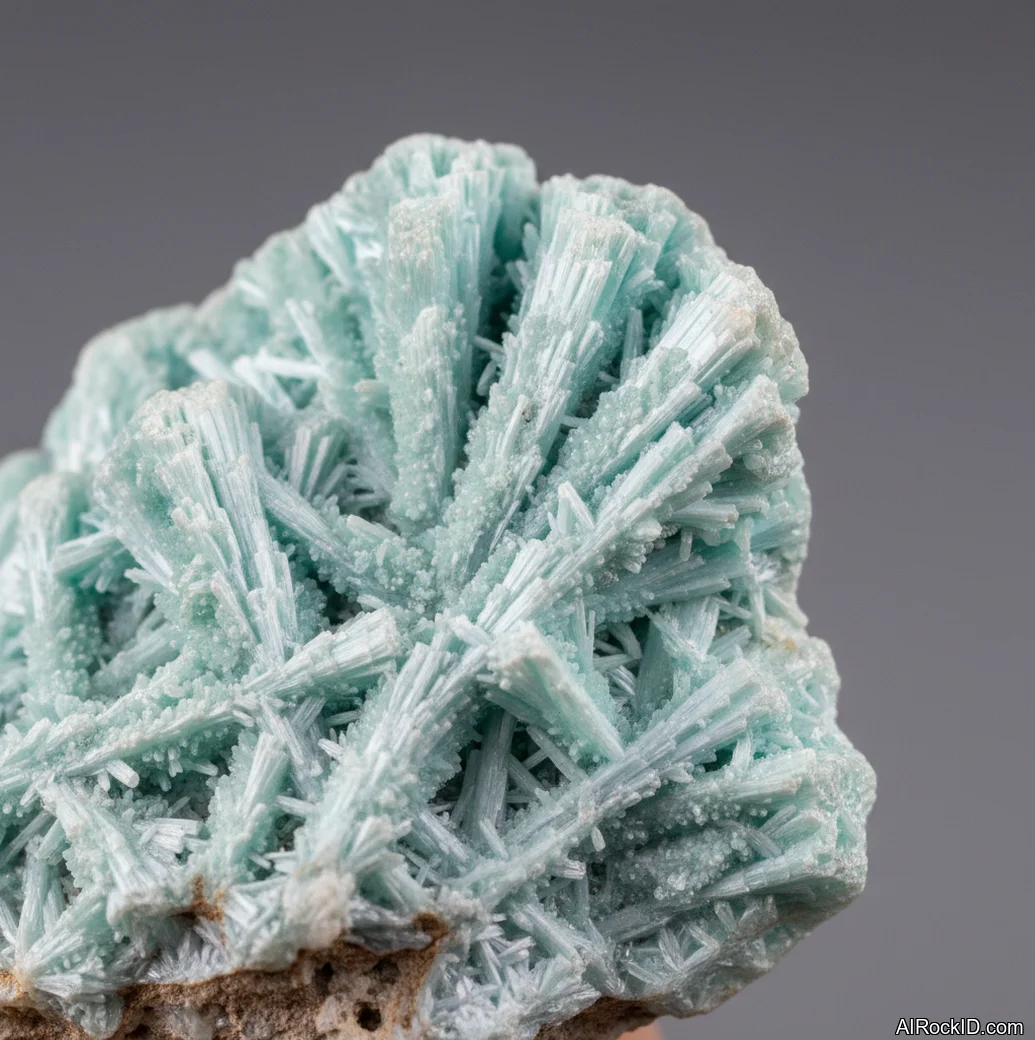
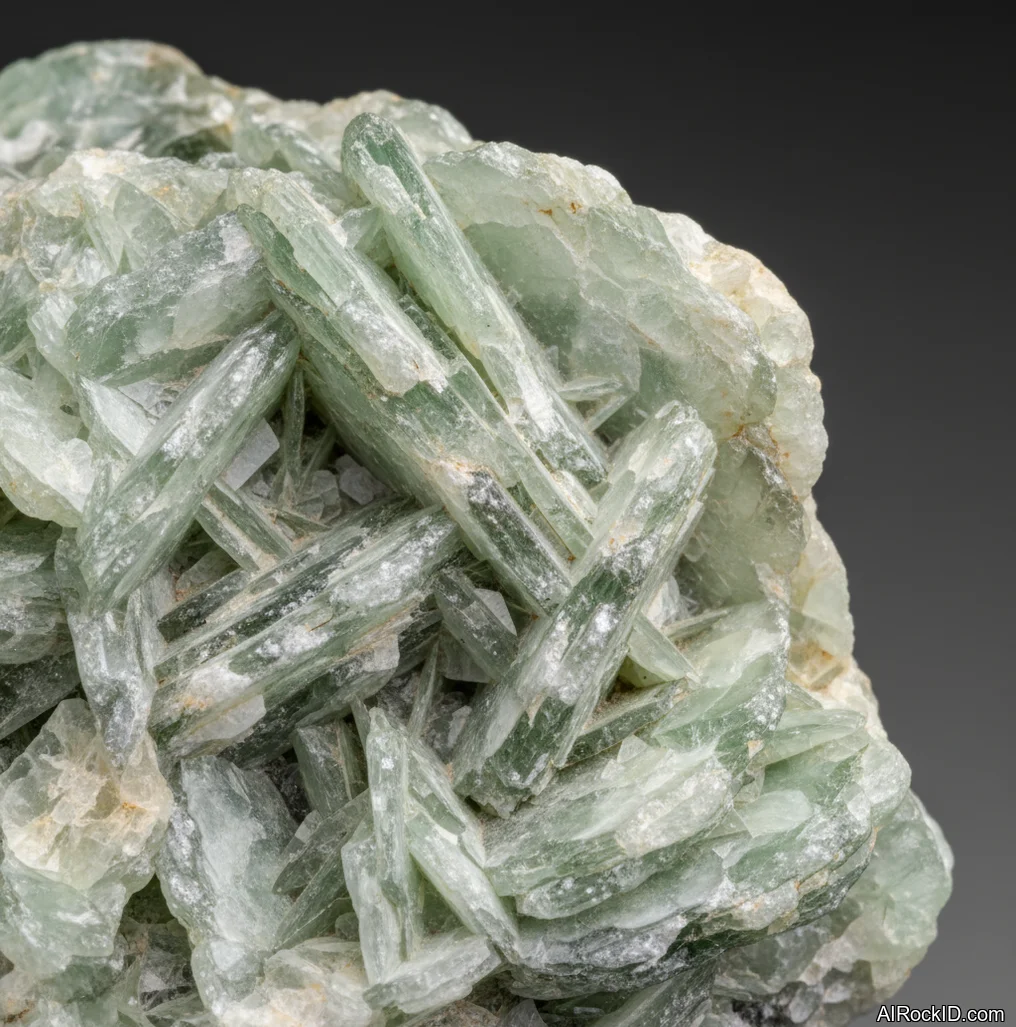
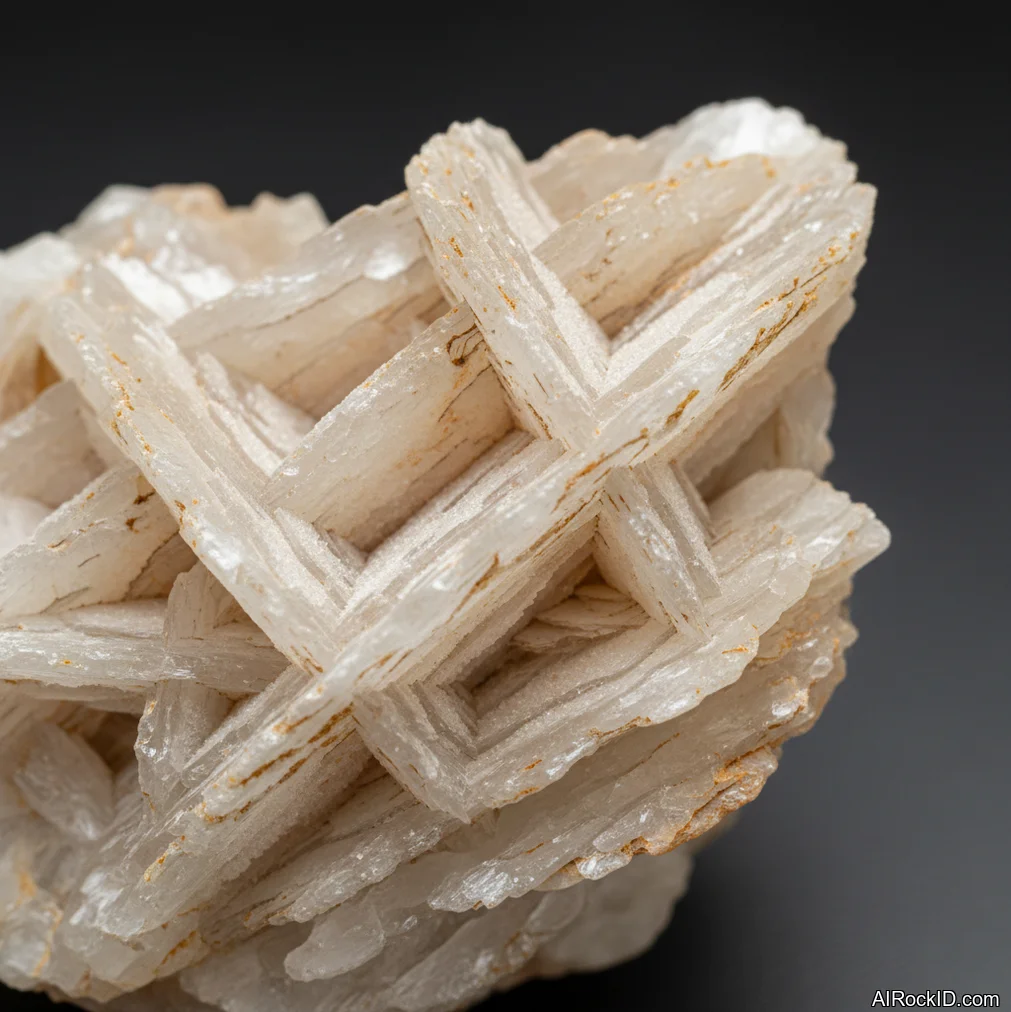
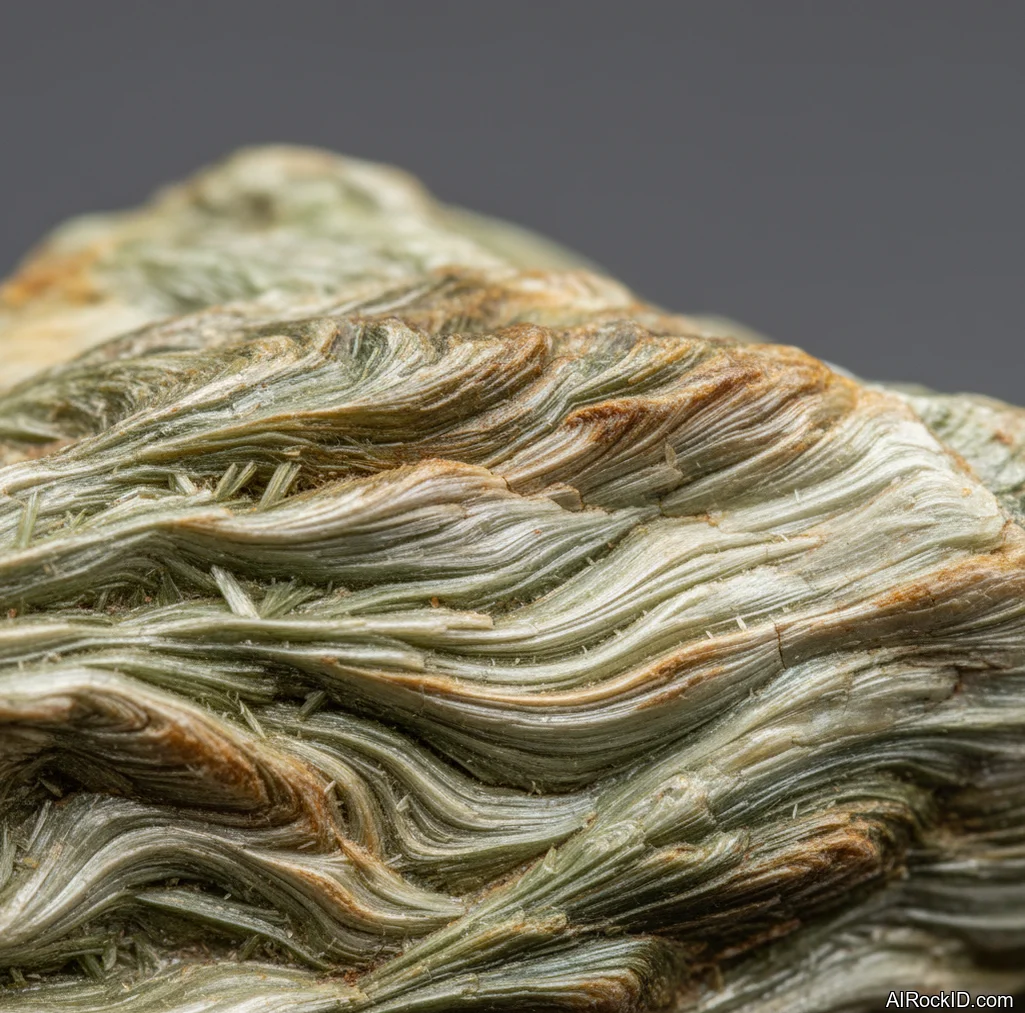
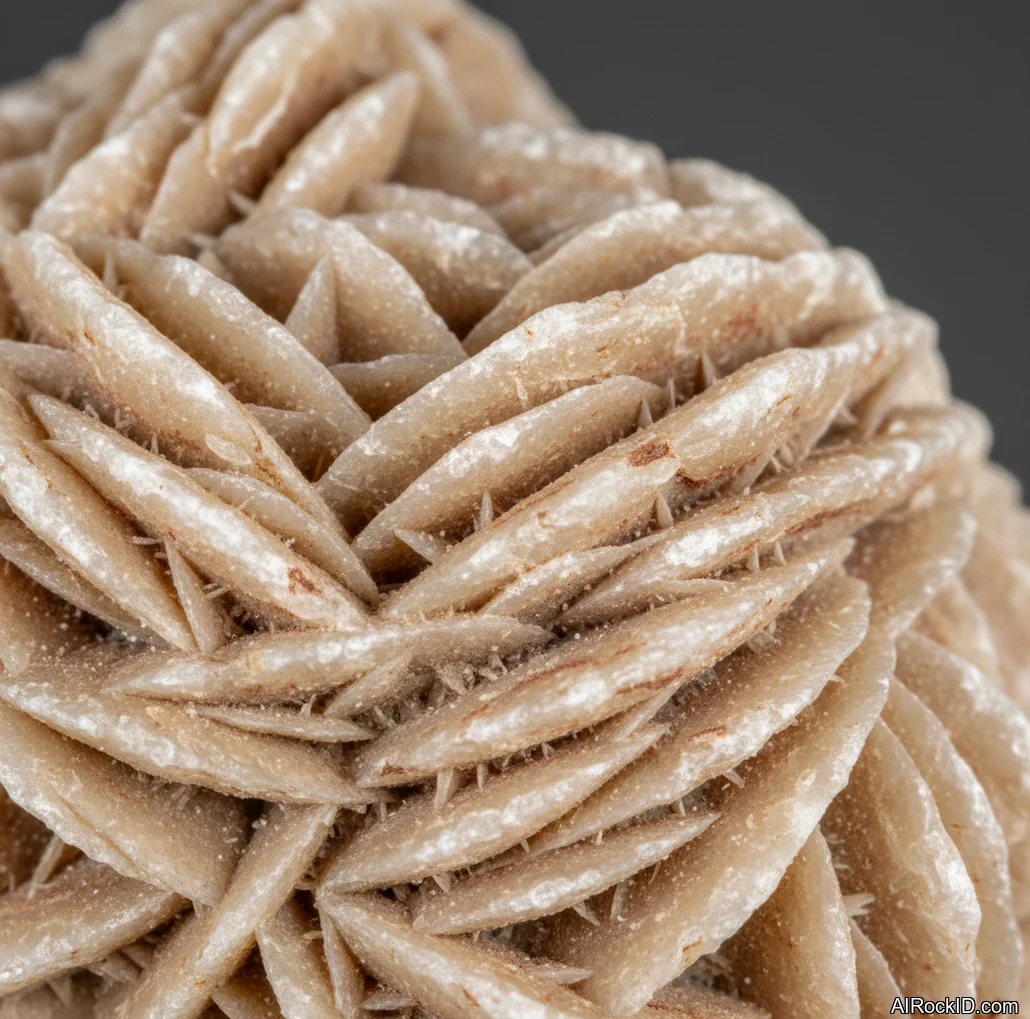
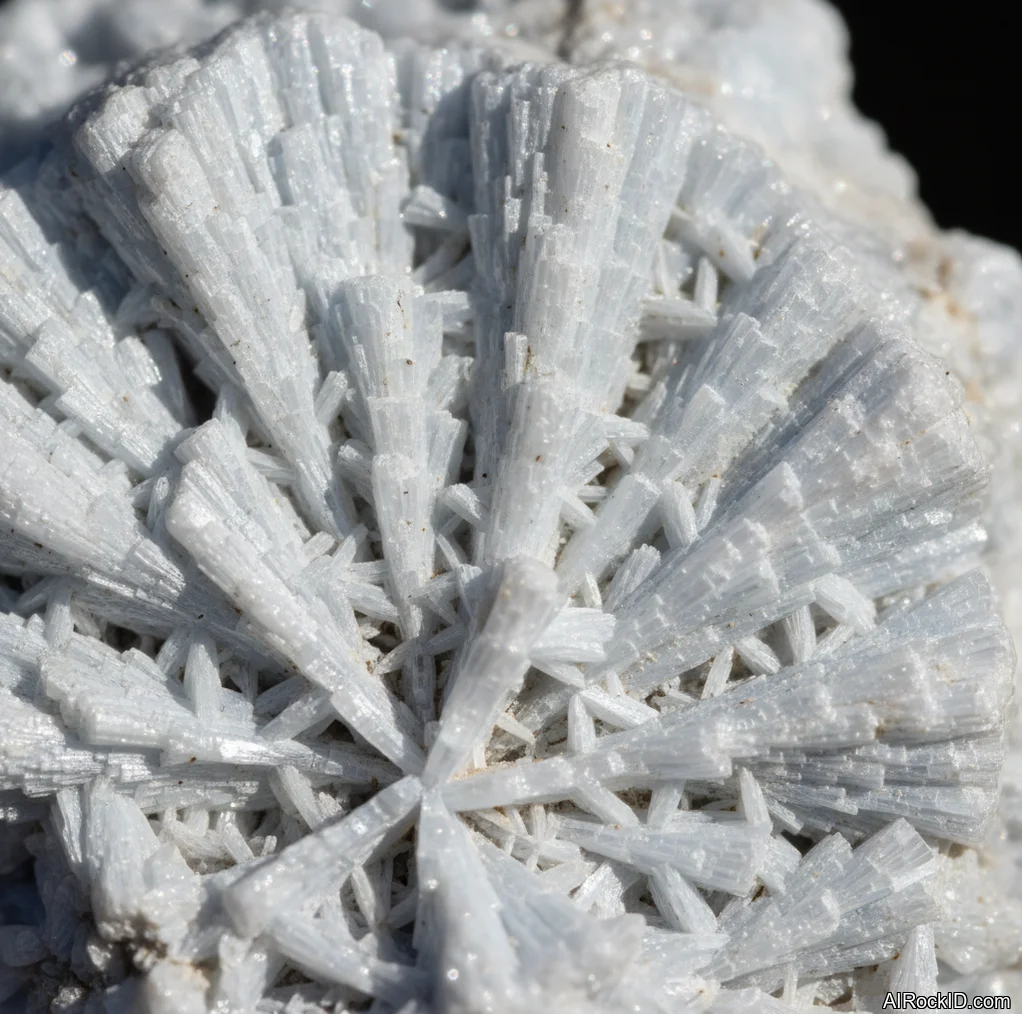
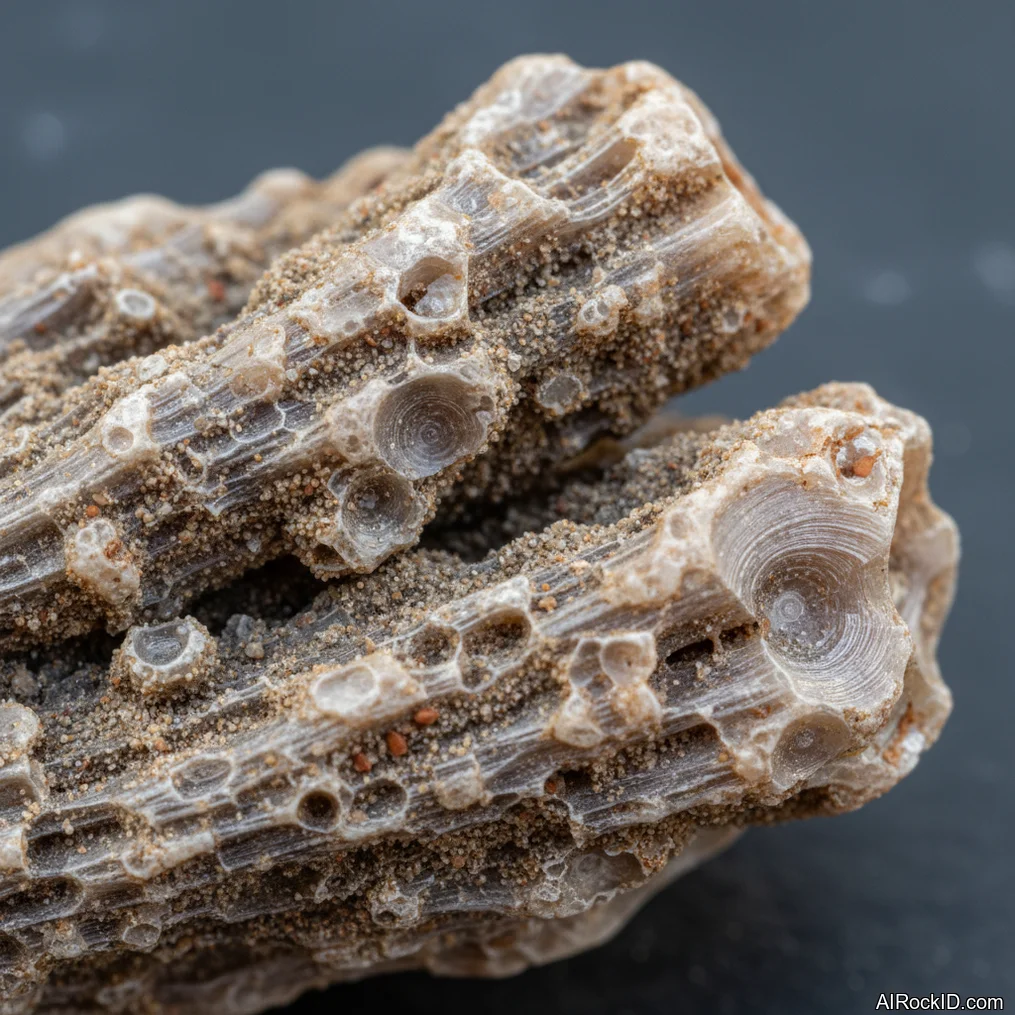
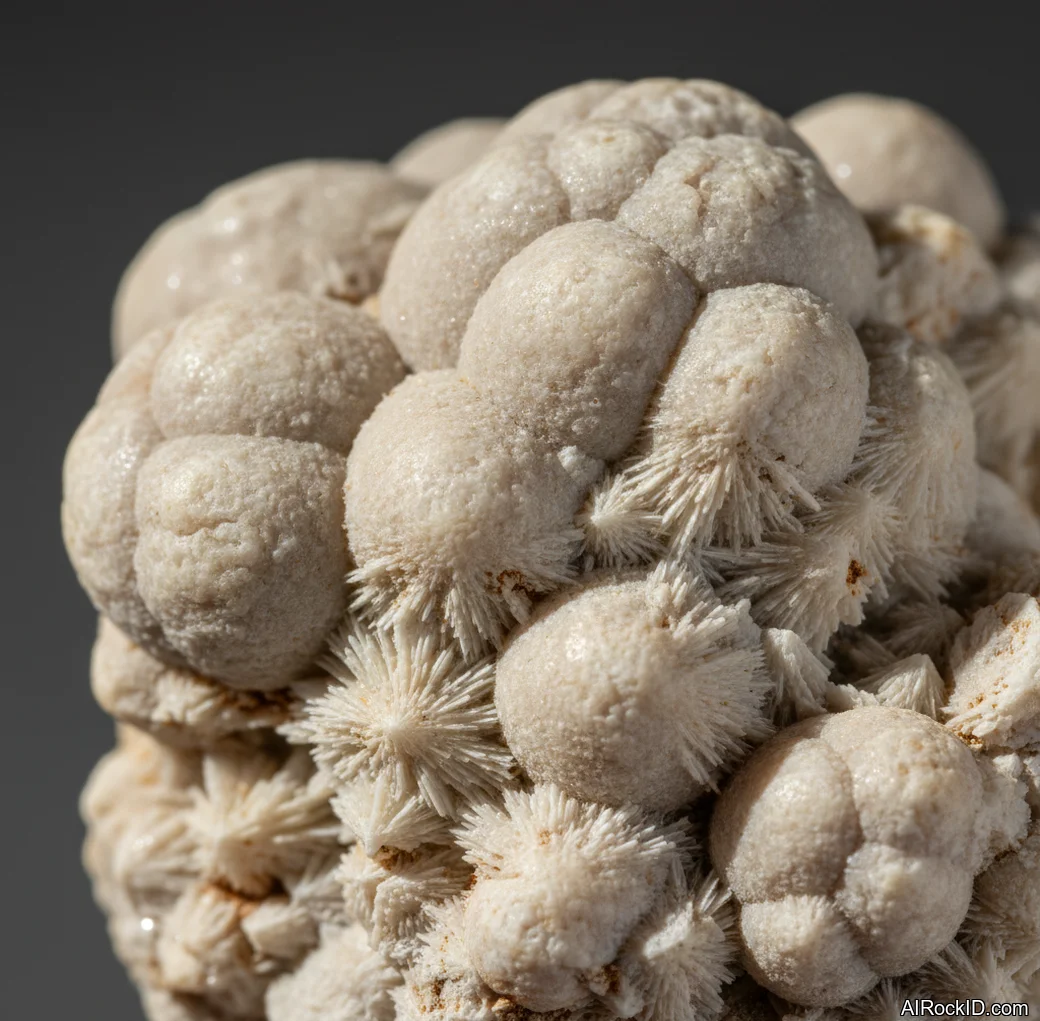
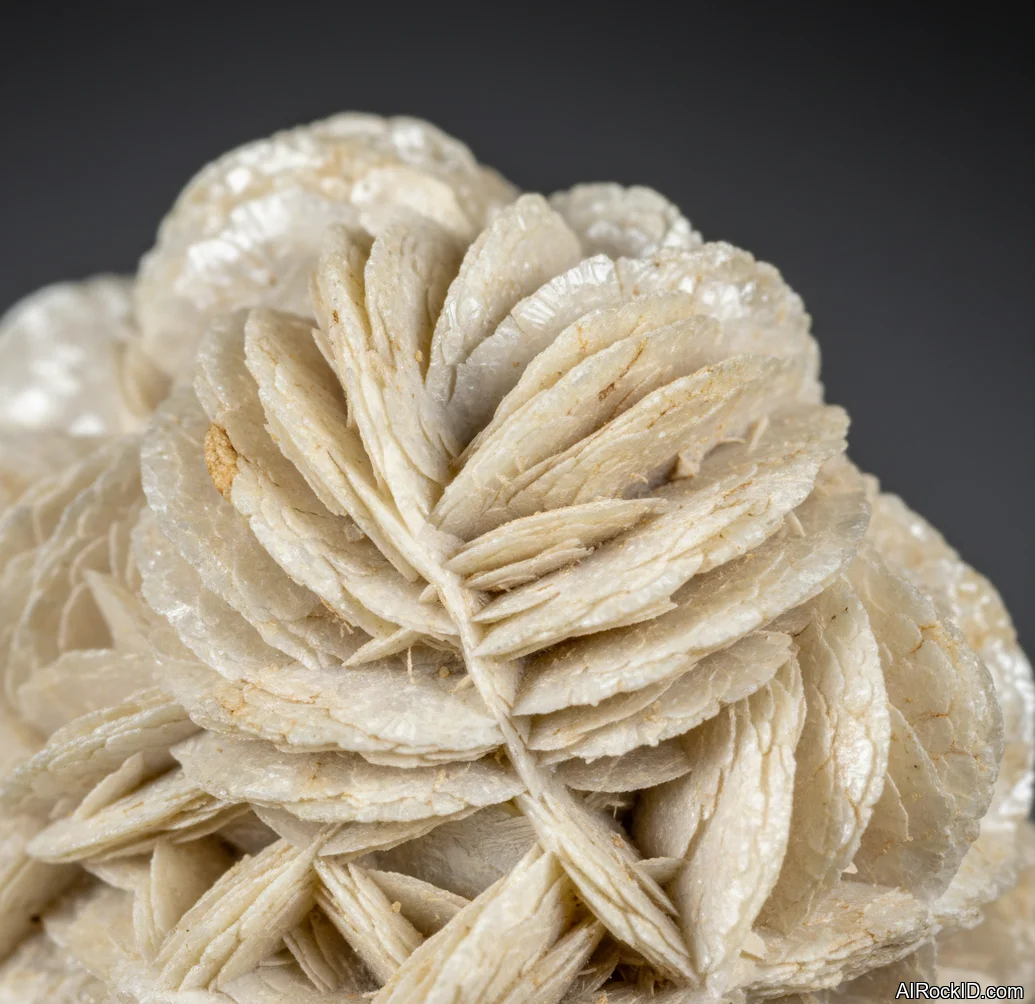
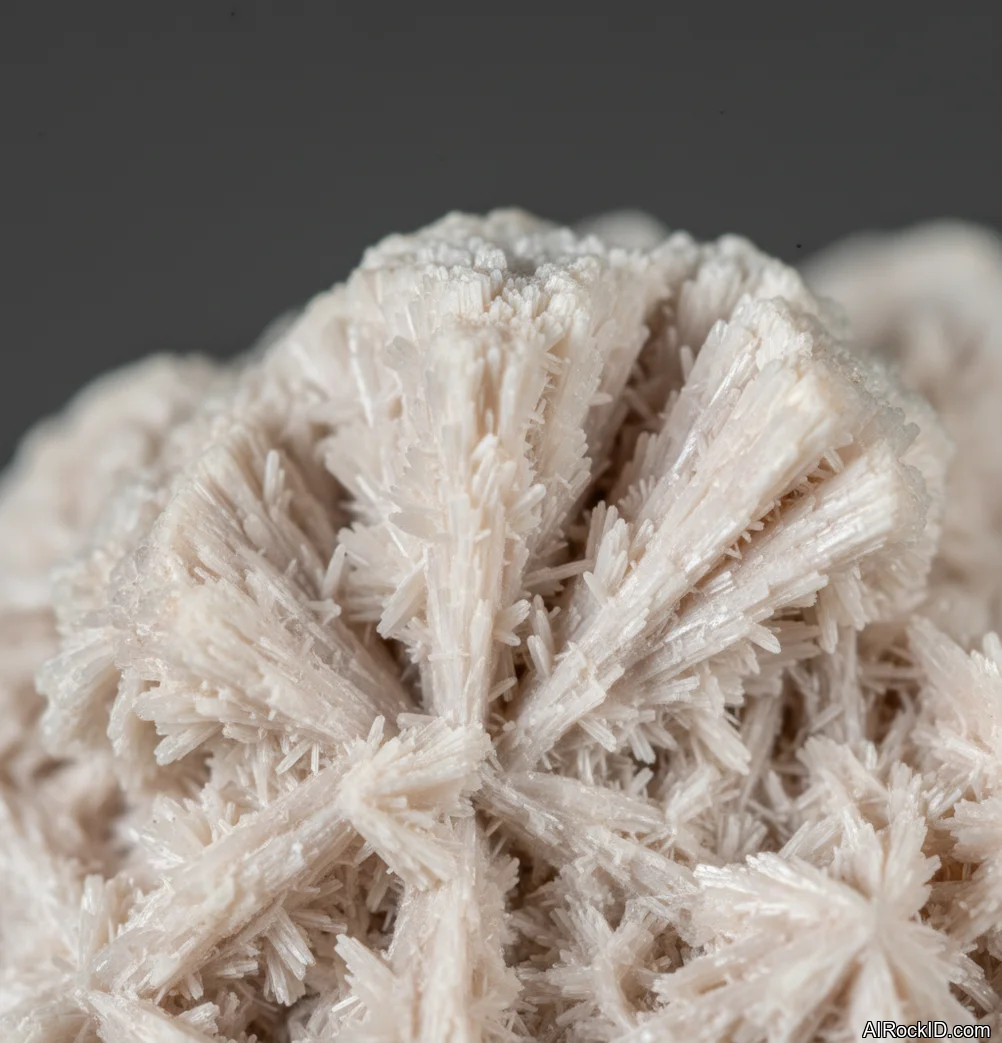
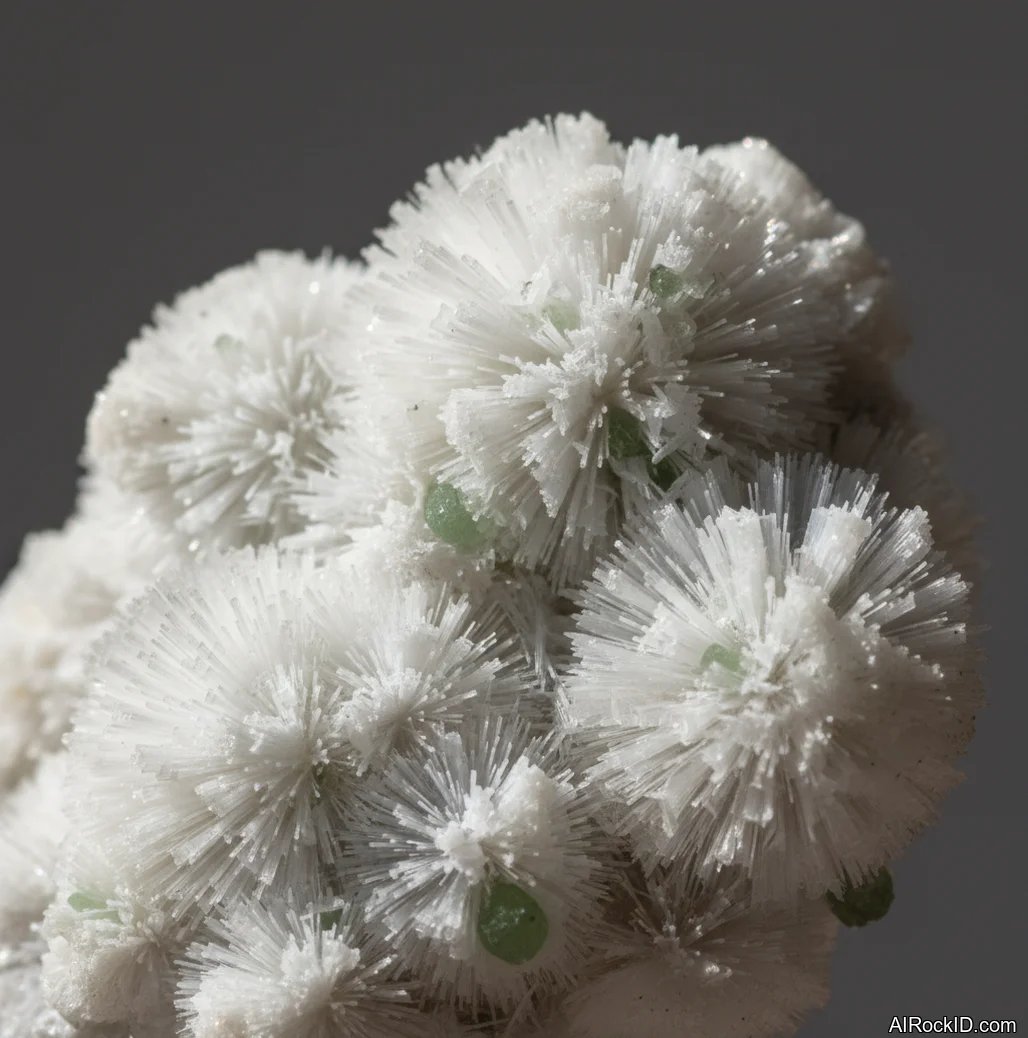
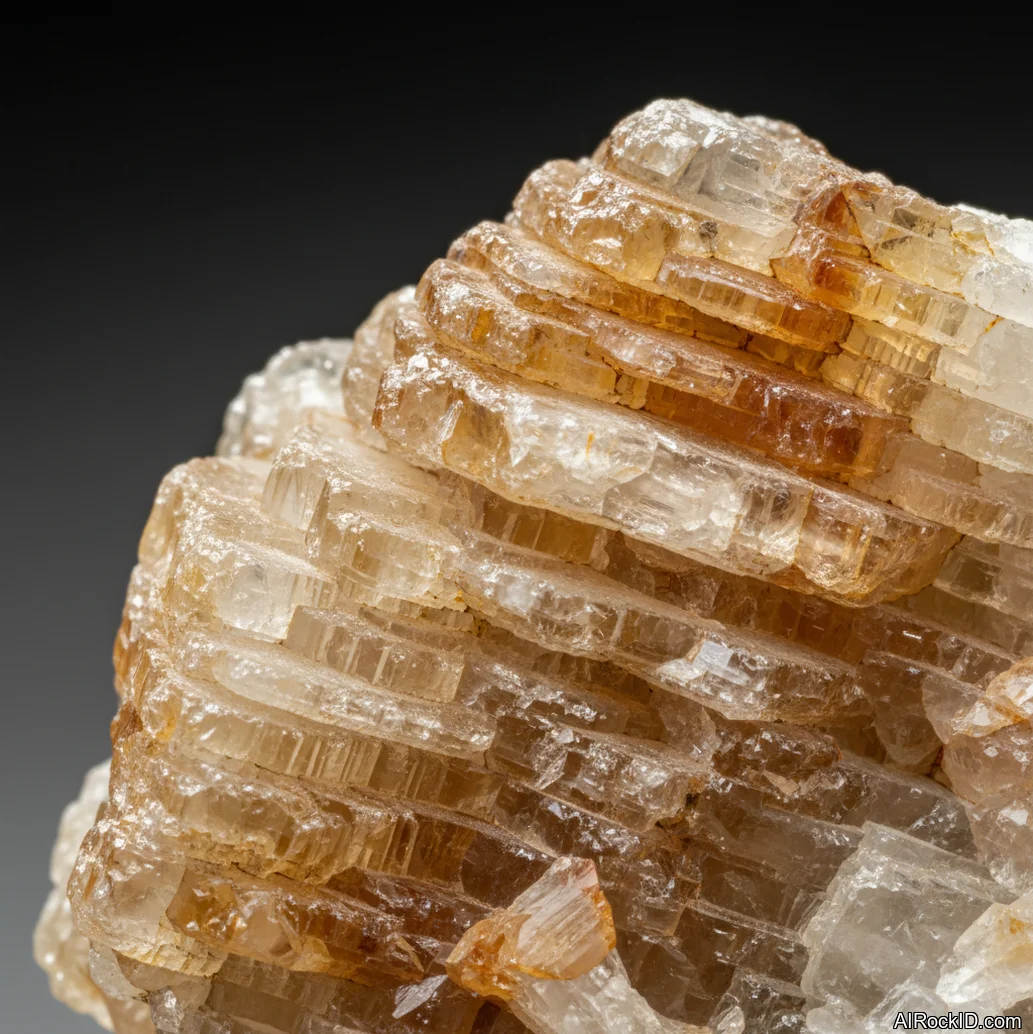
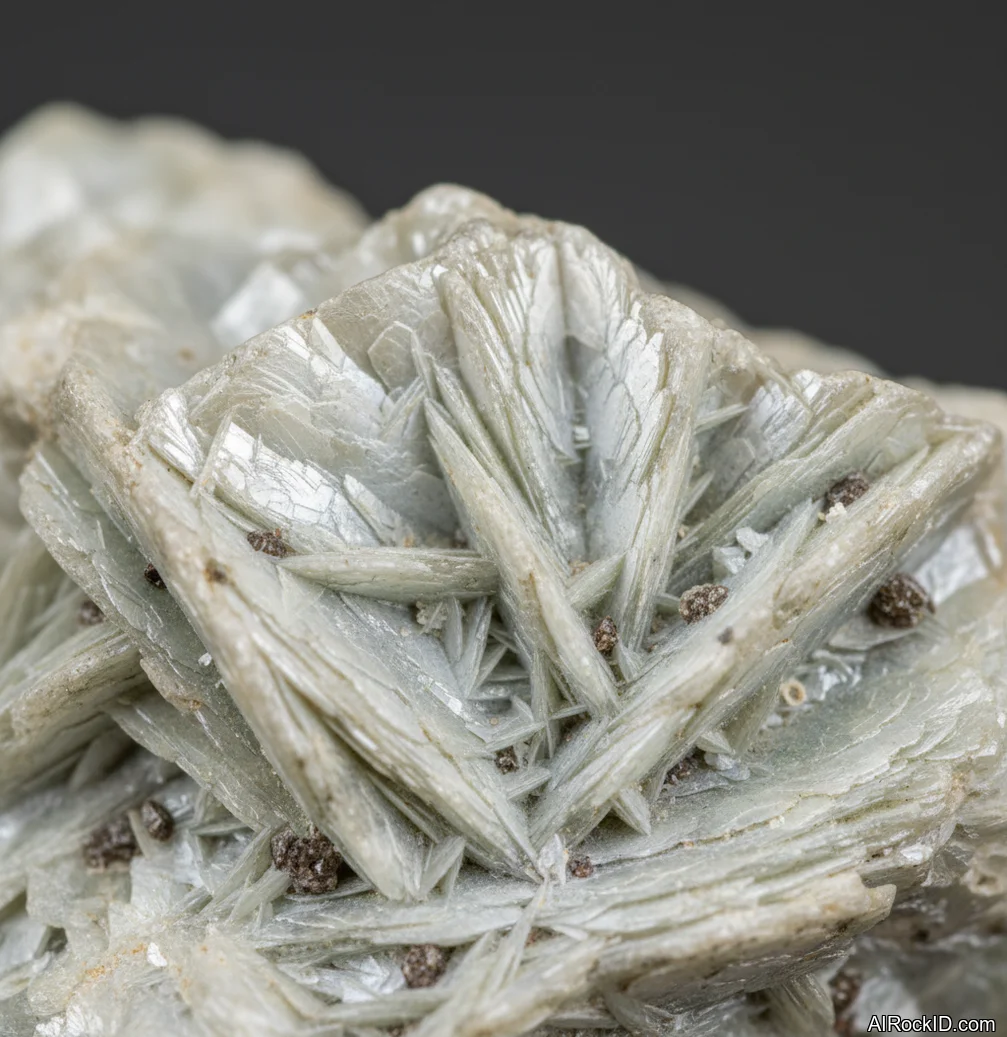
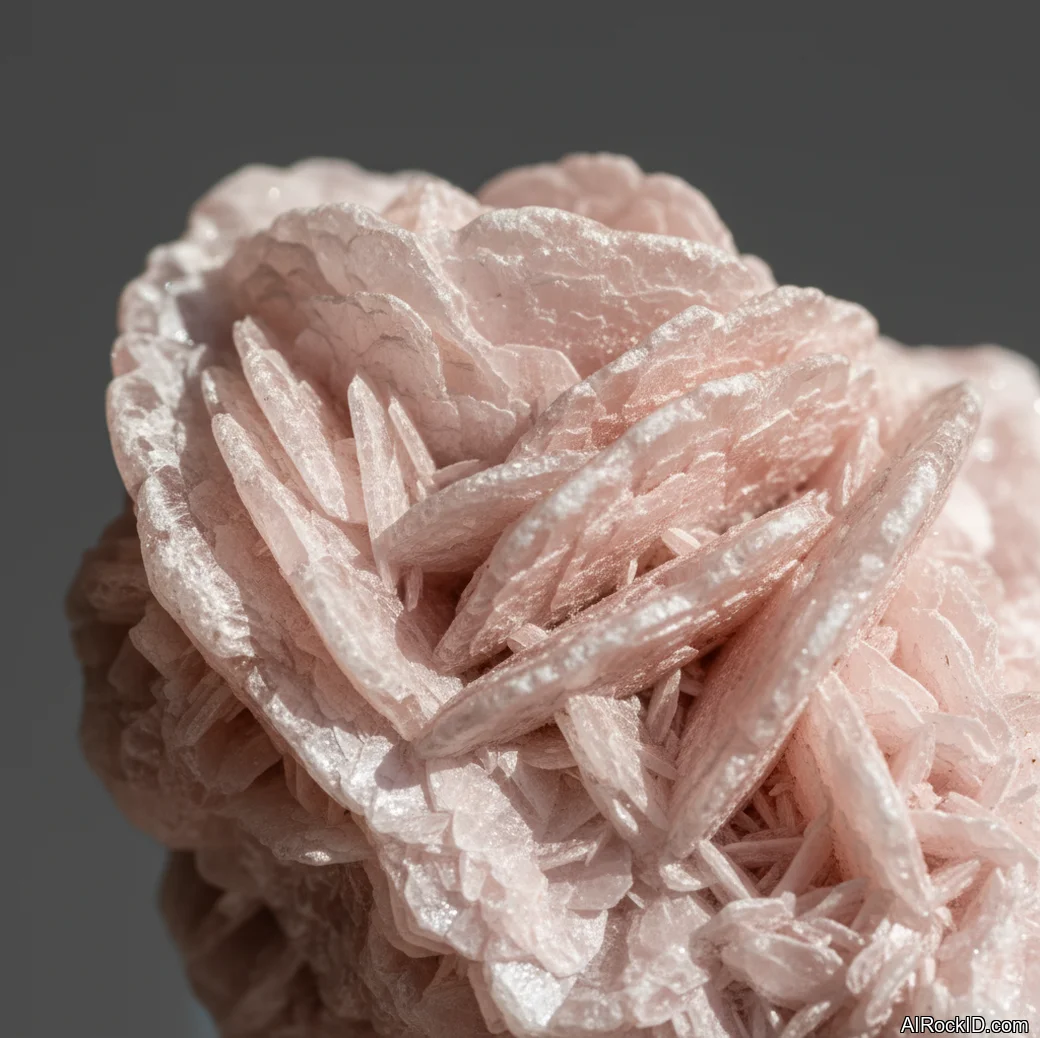
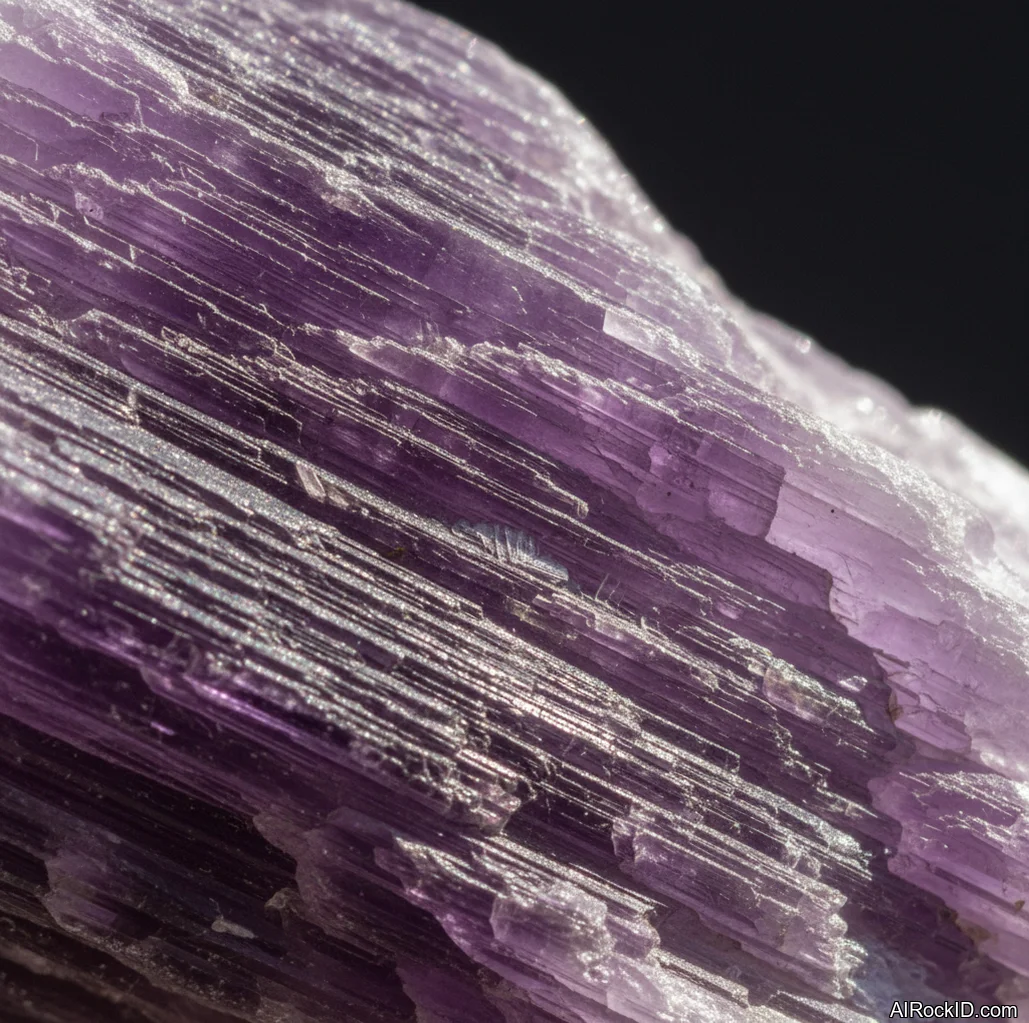
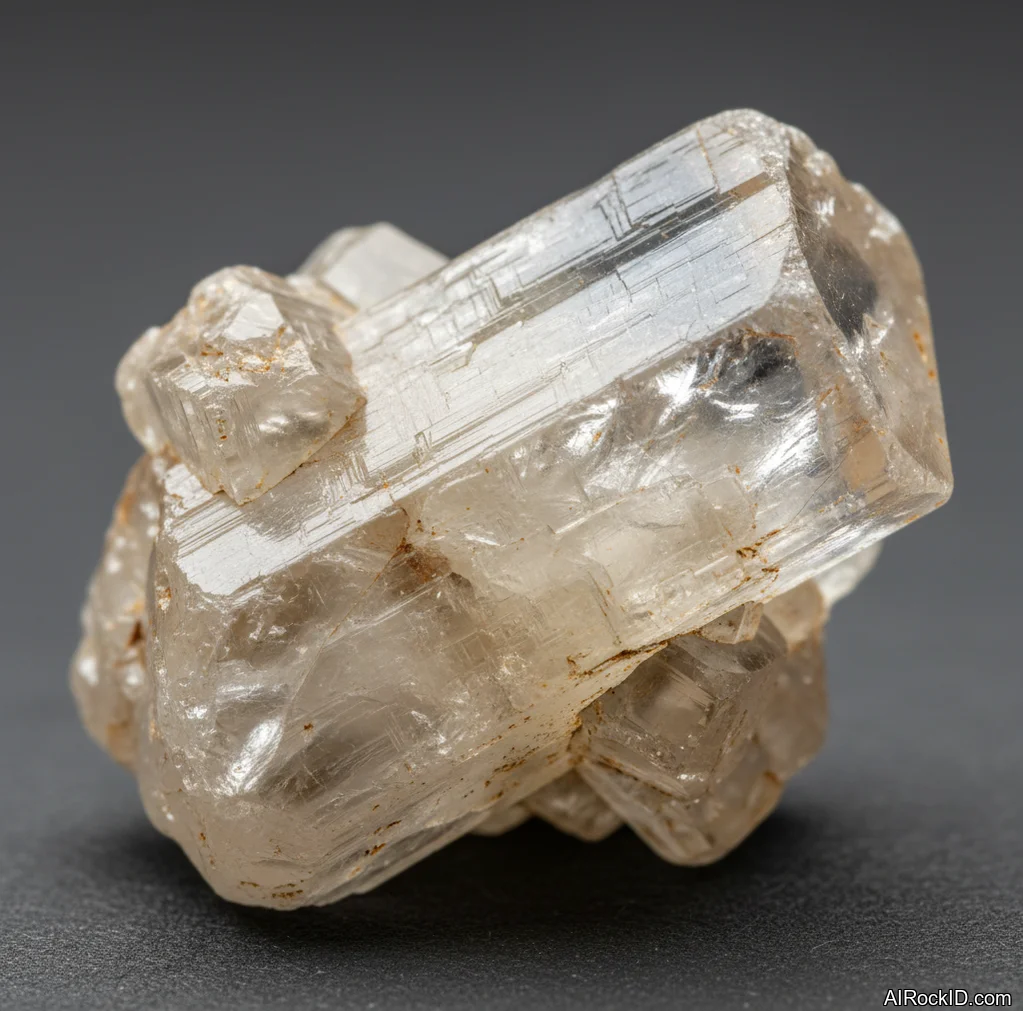
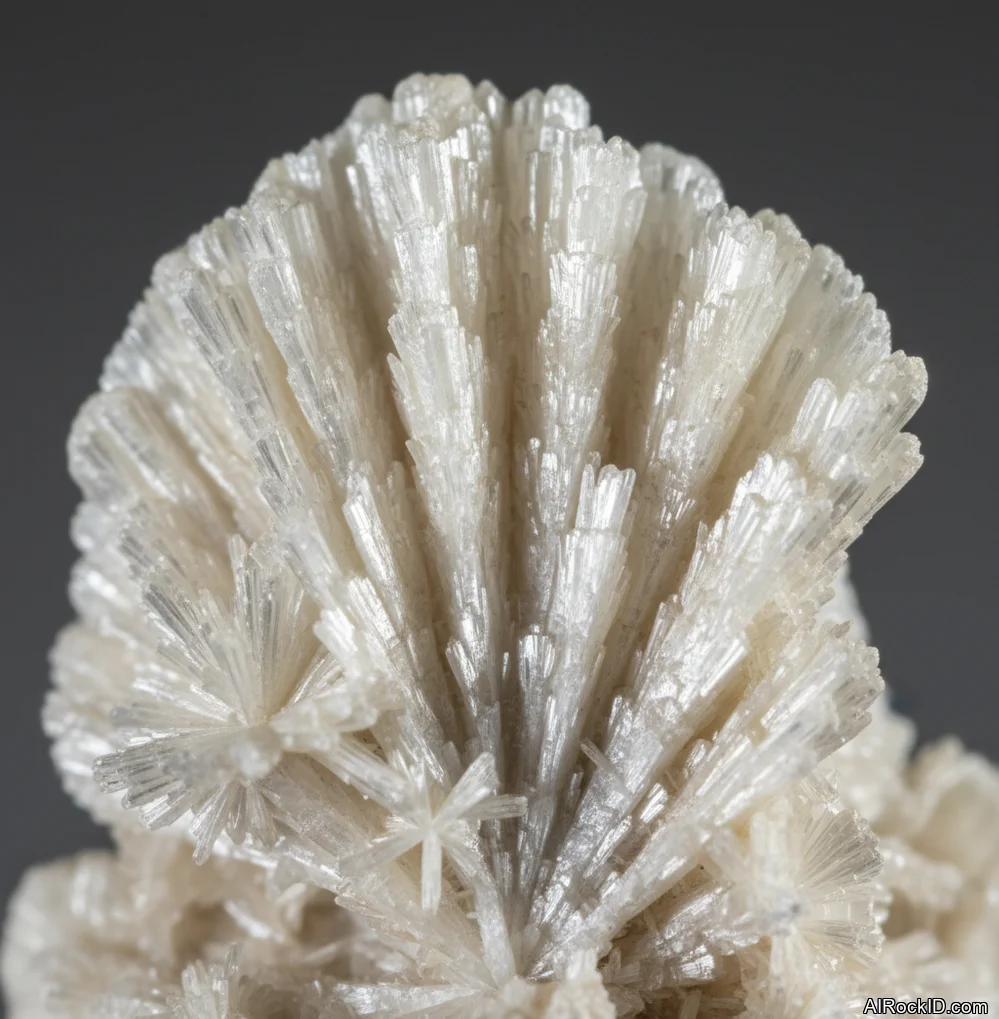
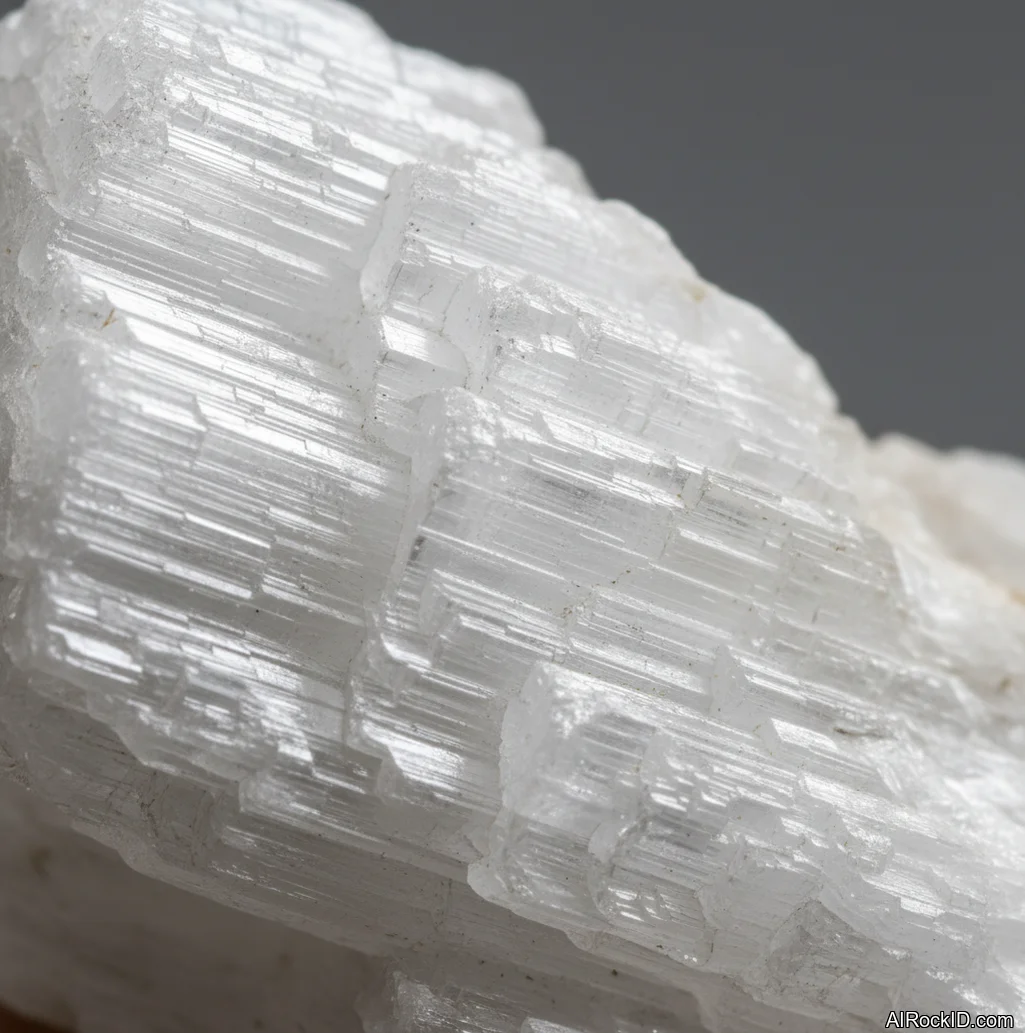
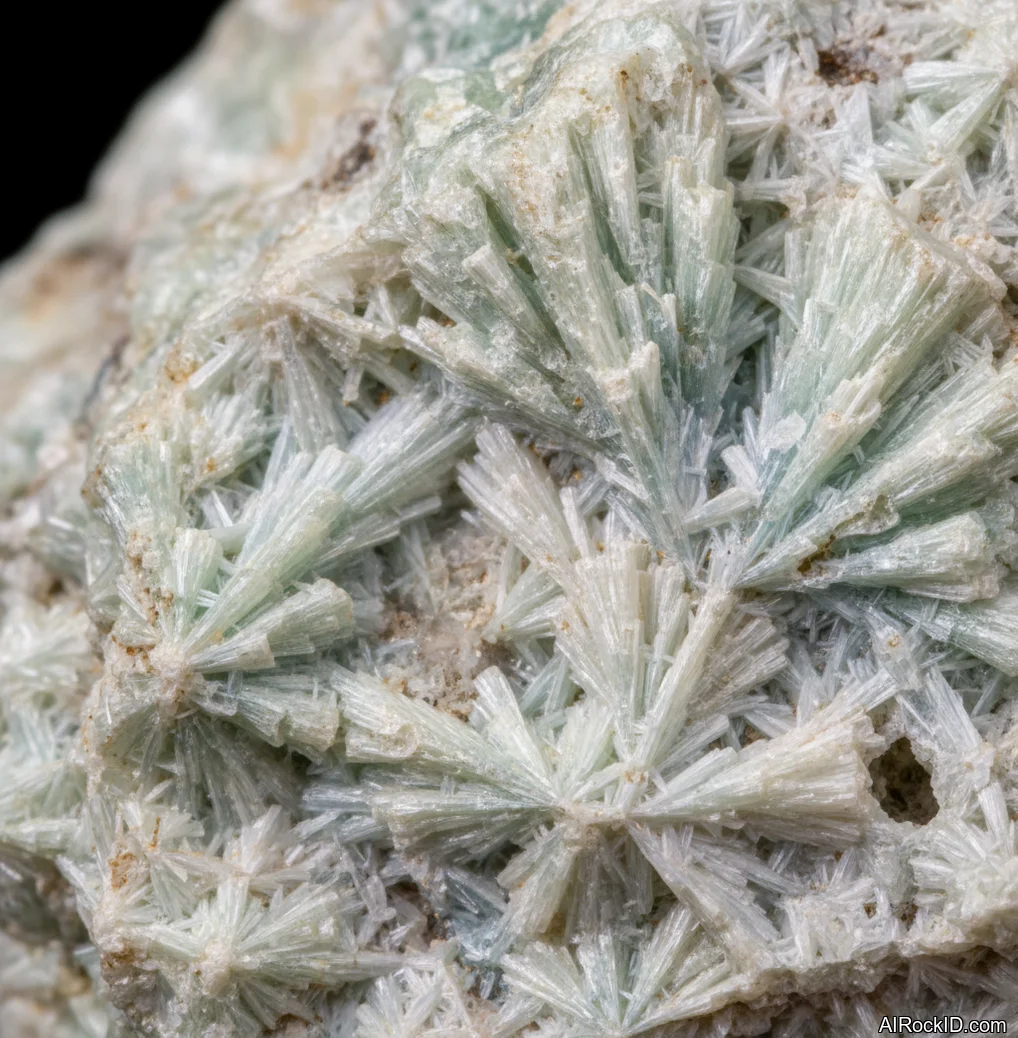
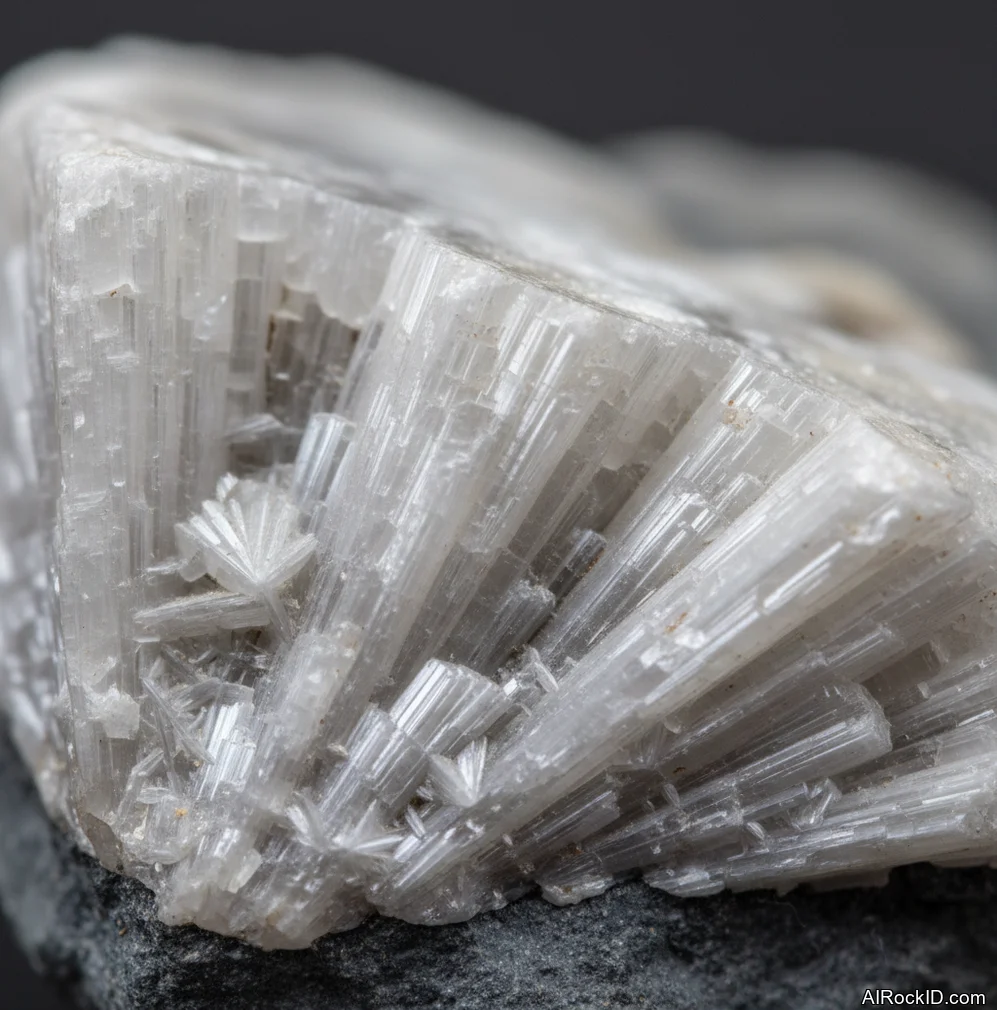
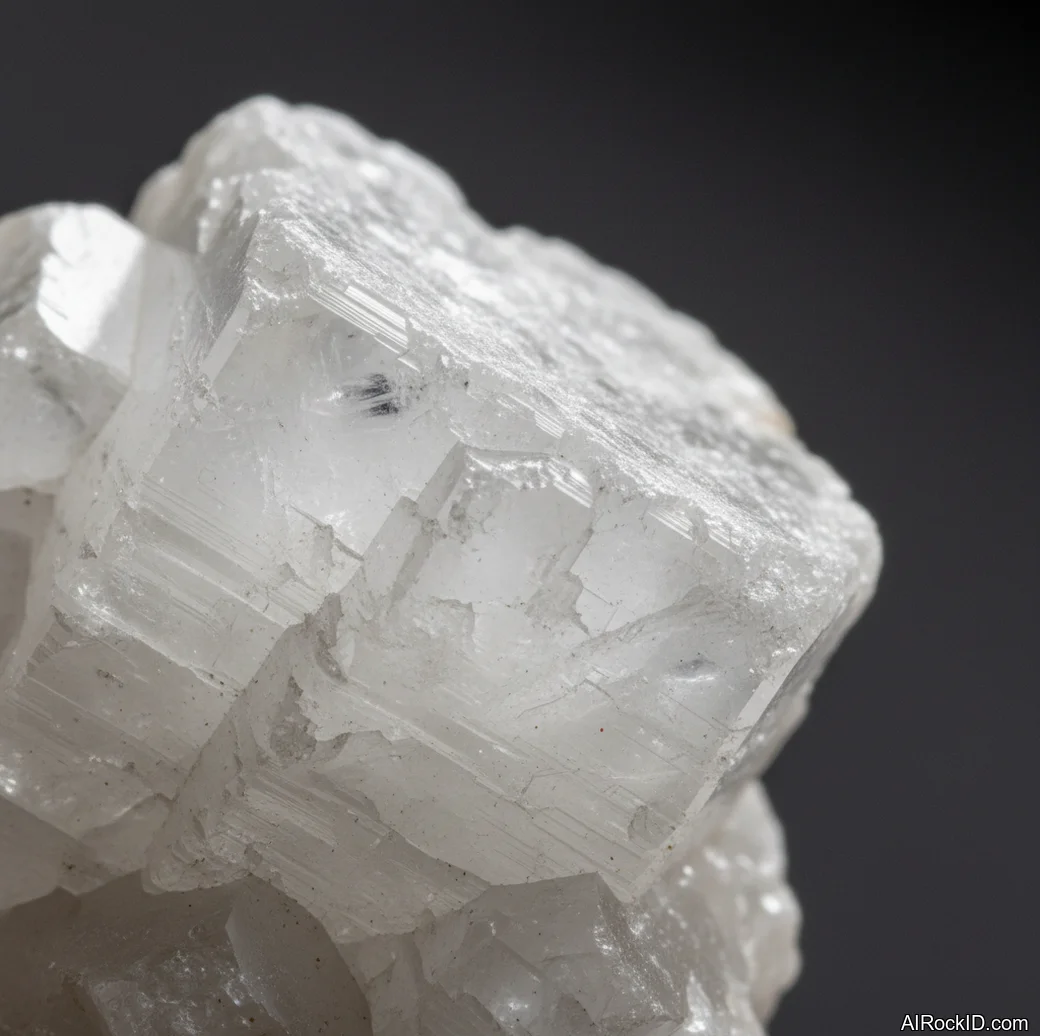
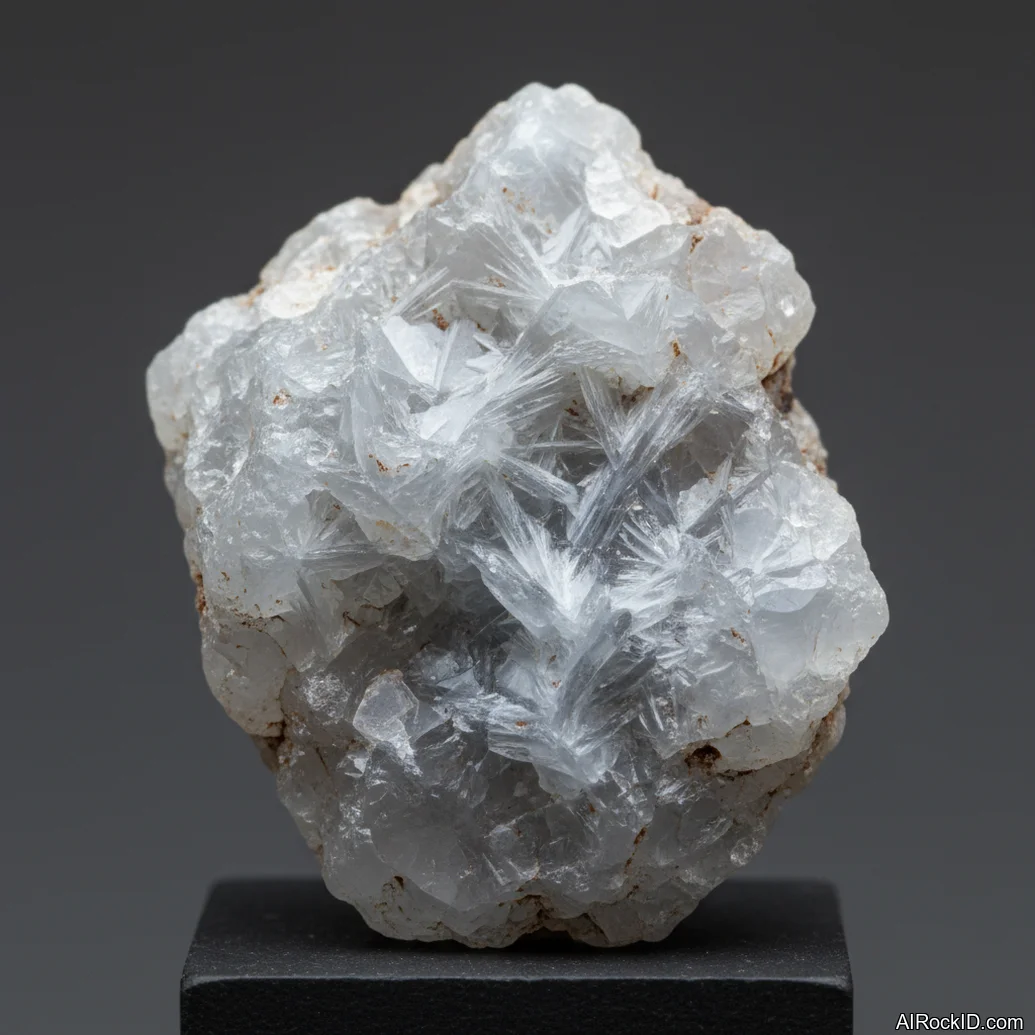
At first glance, Selenite (the satin spar kind most people buy) looks like it should be “pure clarity” because it’s pale and glows under lamplight. Thing is, the real tell is the fiber-like chatoyancy. Rotate a wand and a bright band slides across like a cat’s eye. It’s also ridiculously soft. A fingernail can leave a mark, and water will rough it up fast. And if someone’s selling “Selenite” towers that are glossy, heavy, and perfectly clear, it’s often something else entirely (sometimes glass).
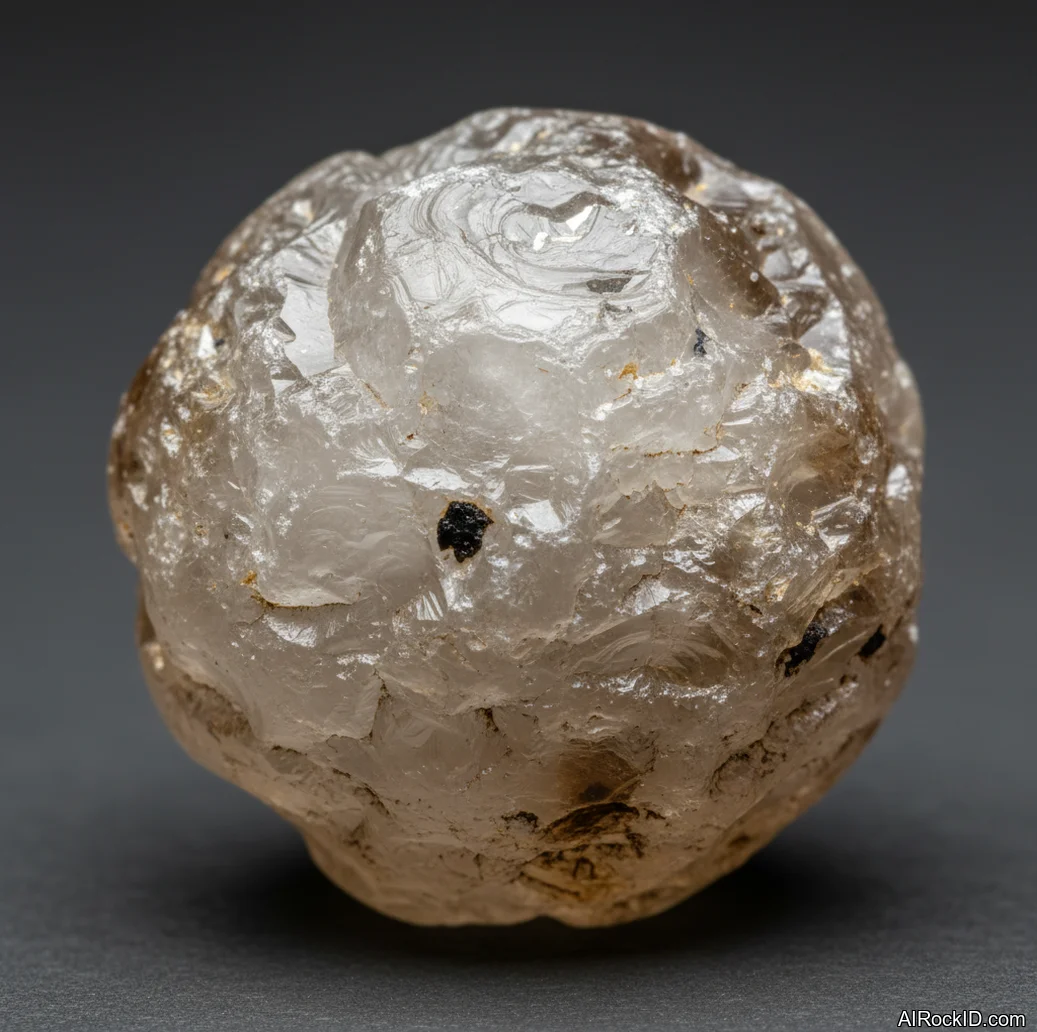
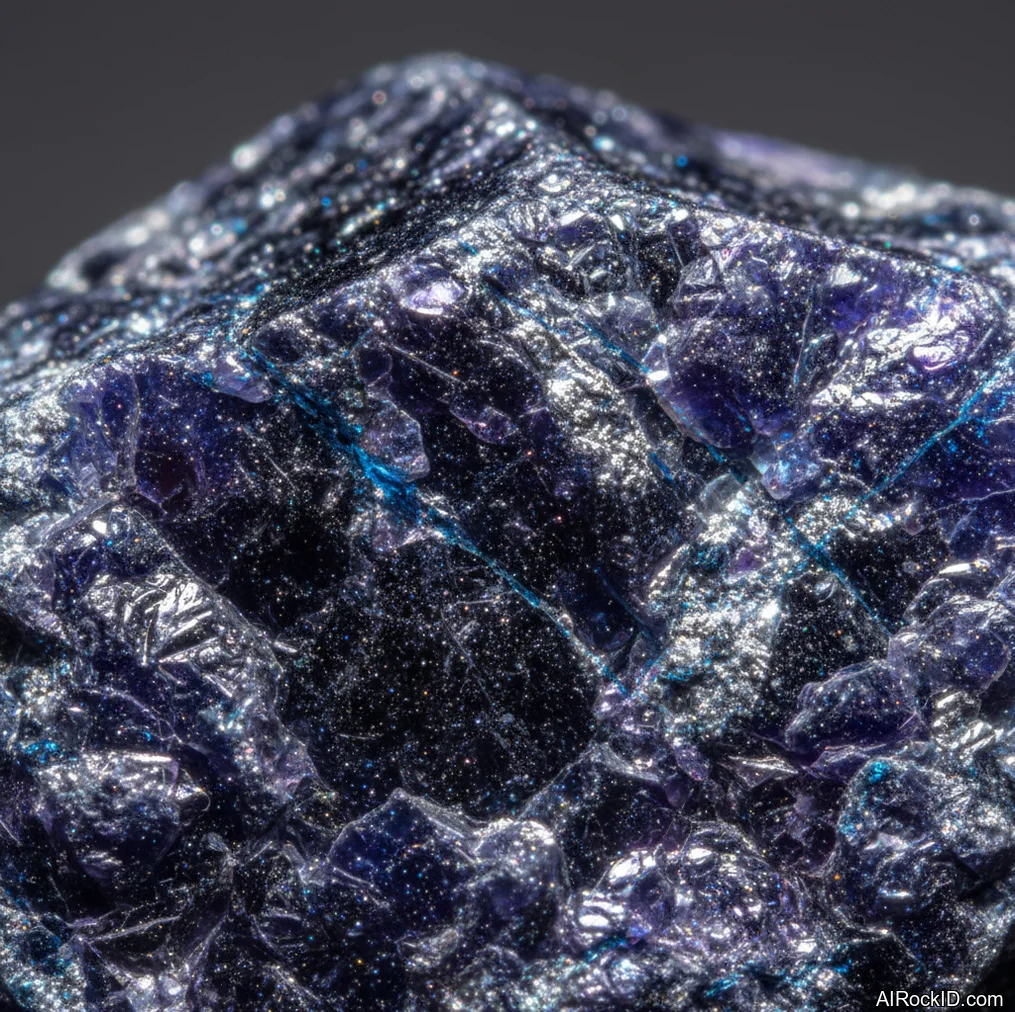
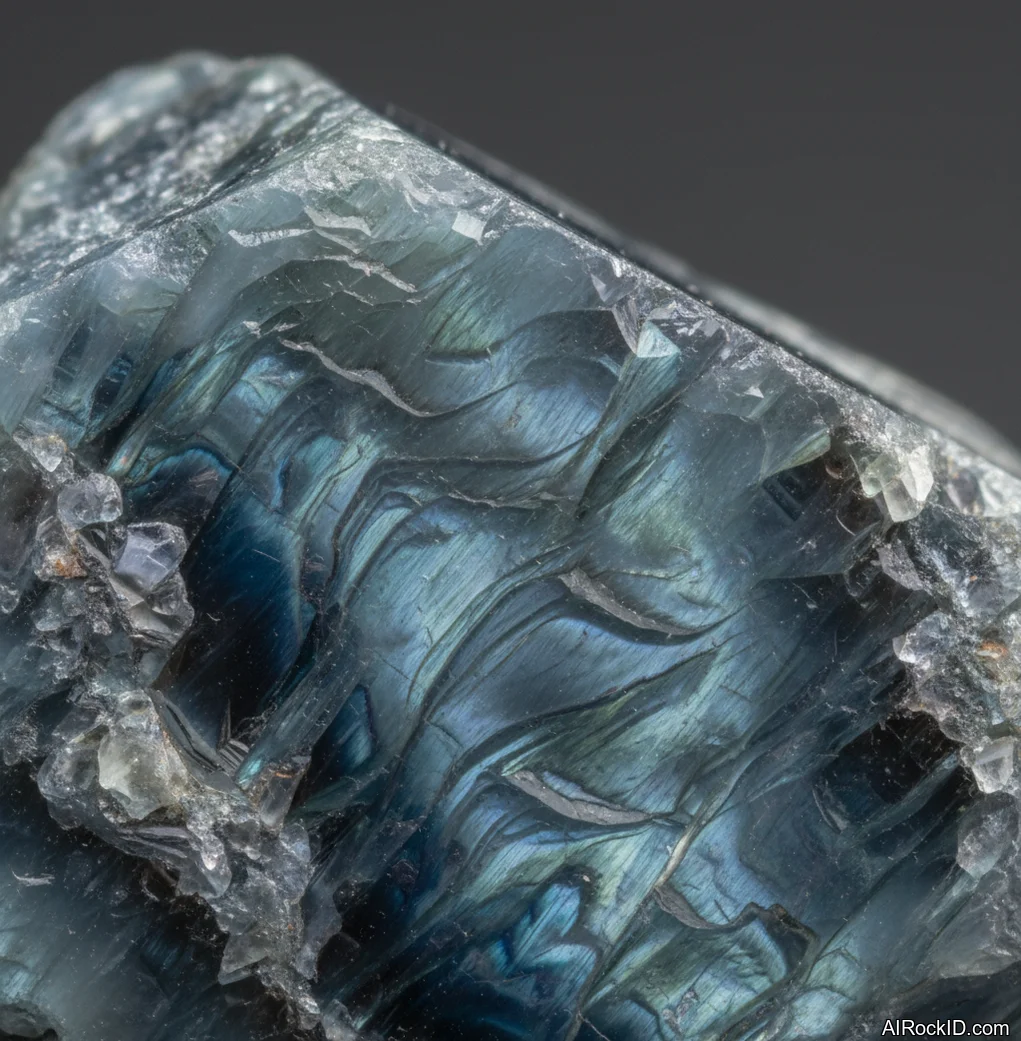
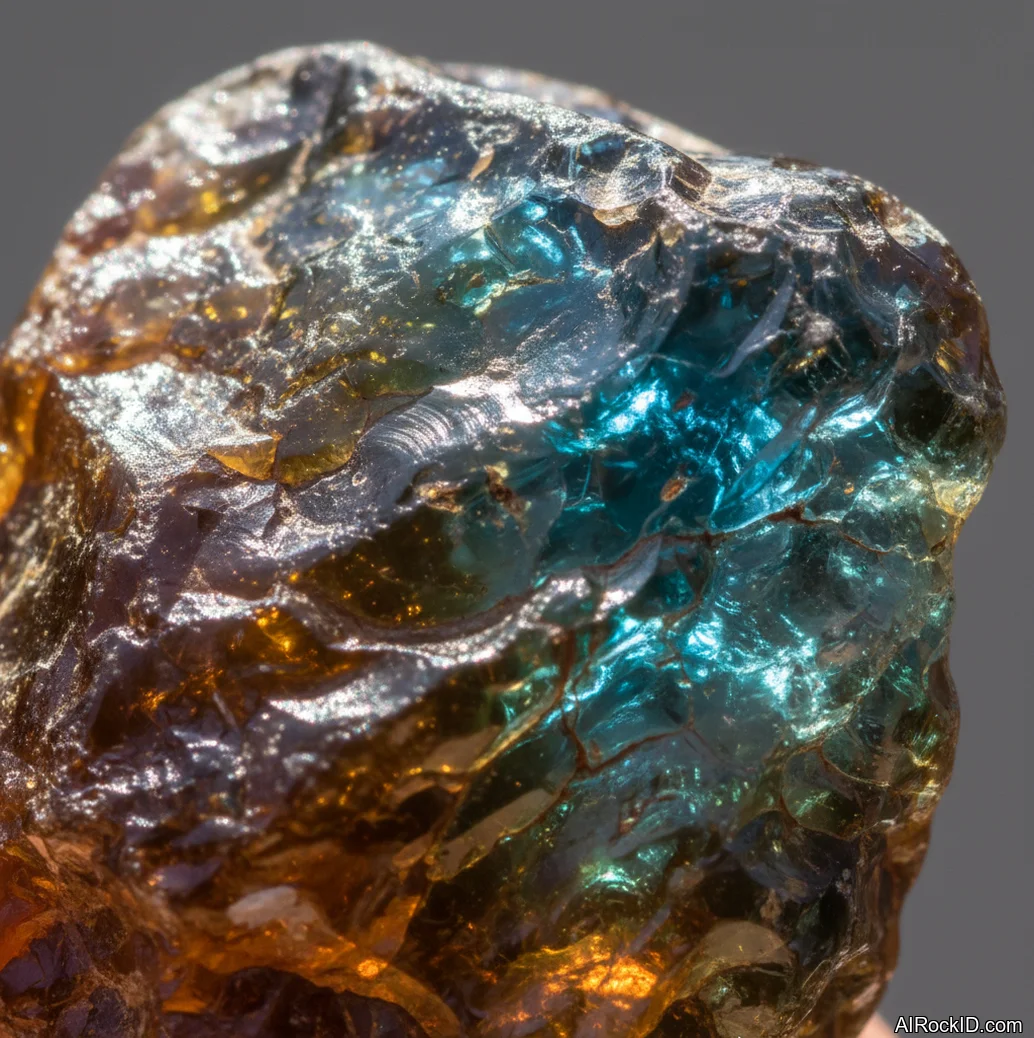
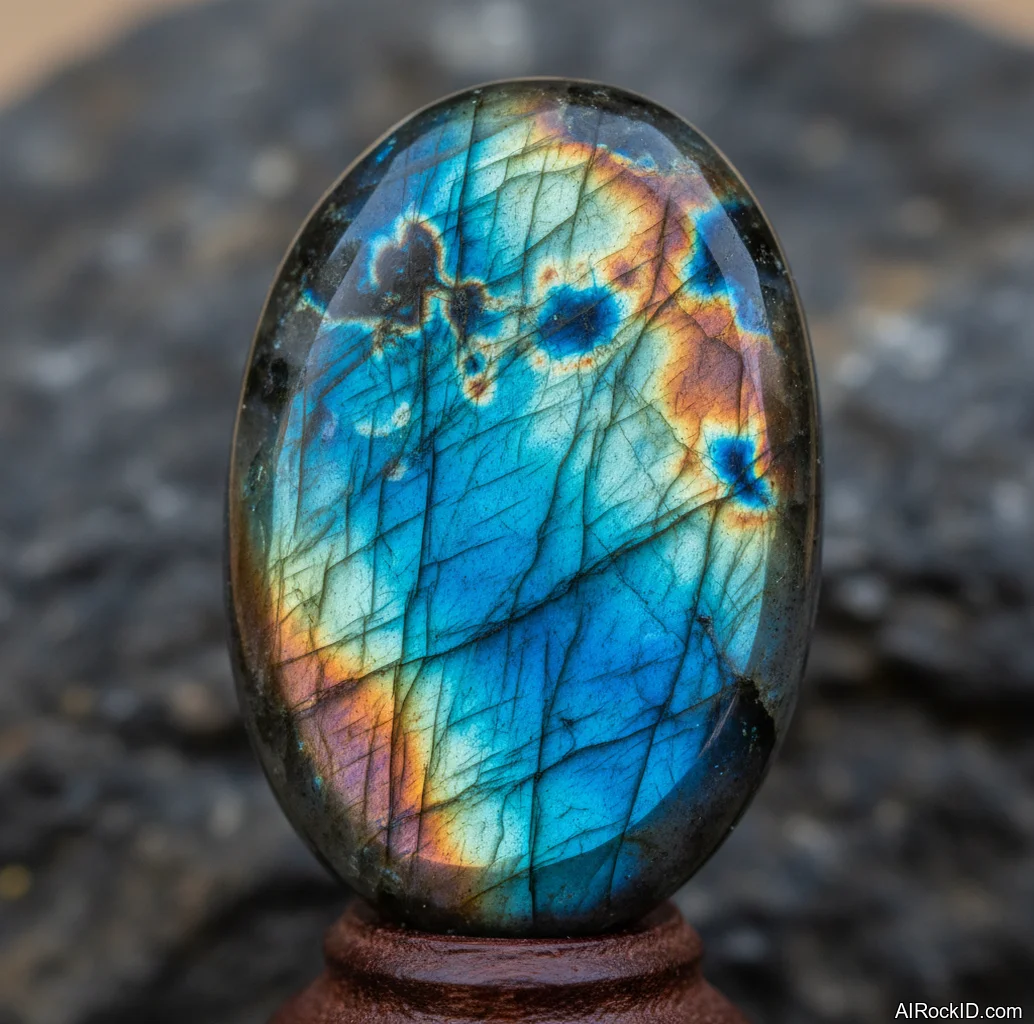
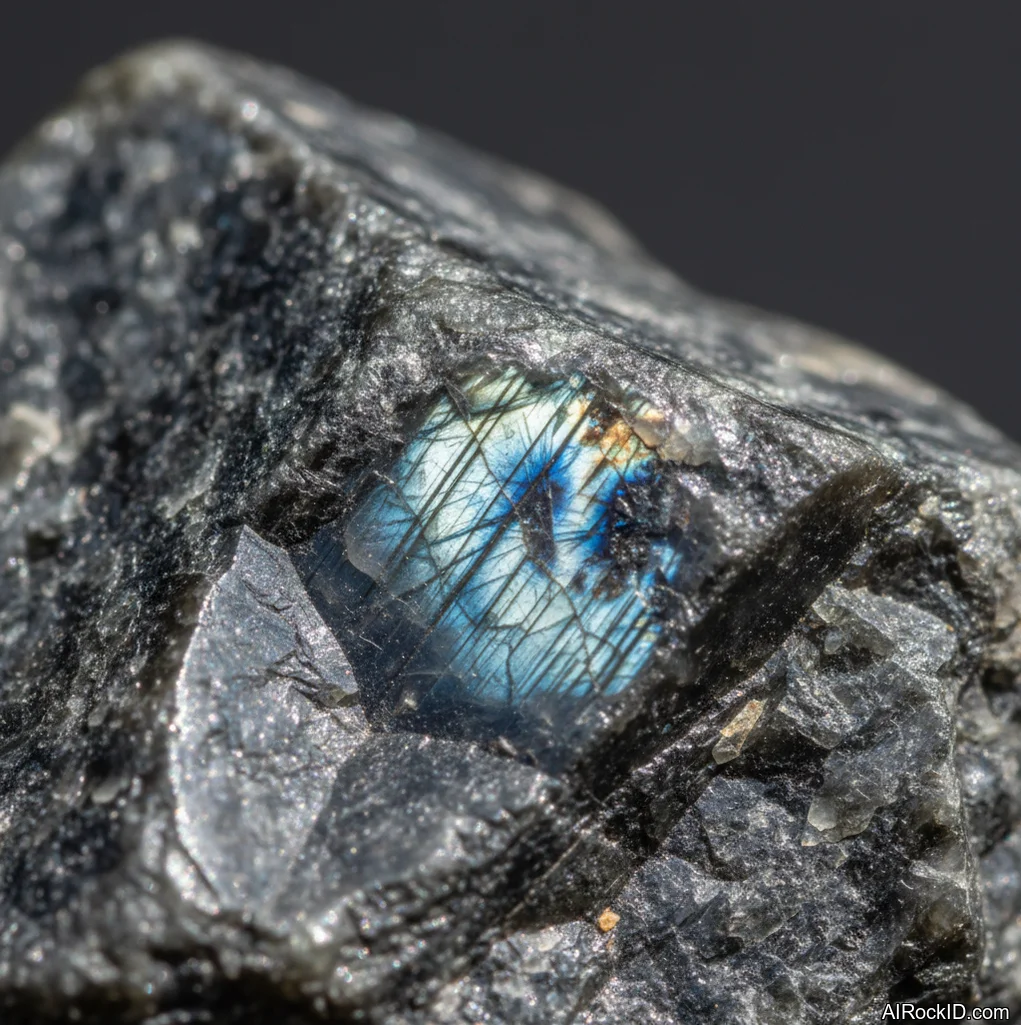
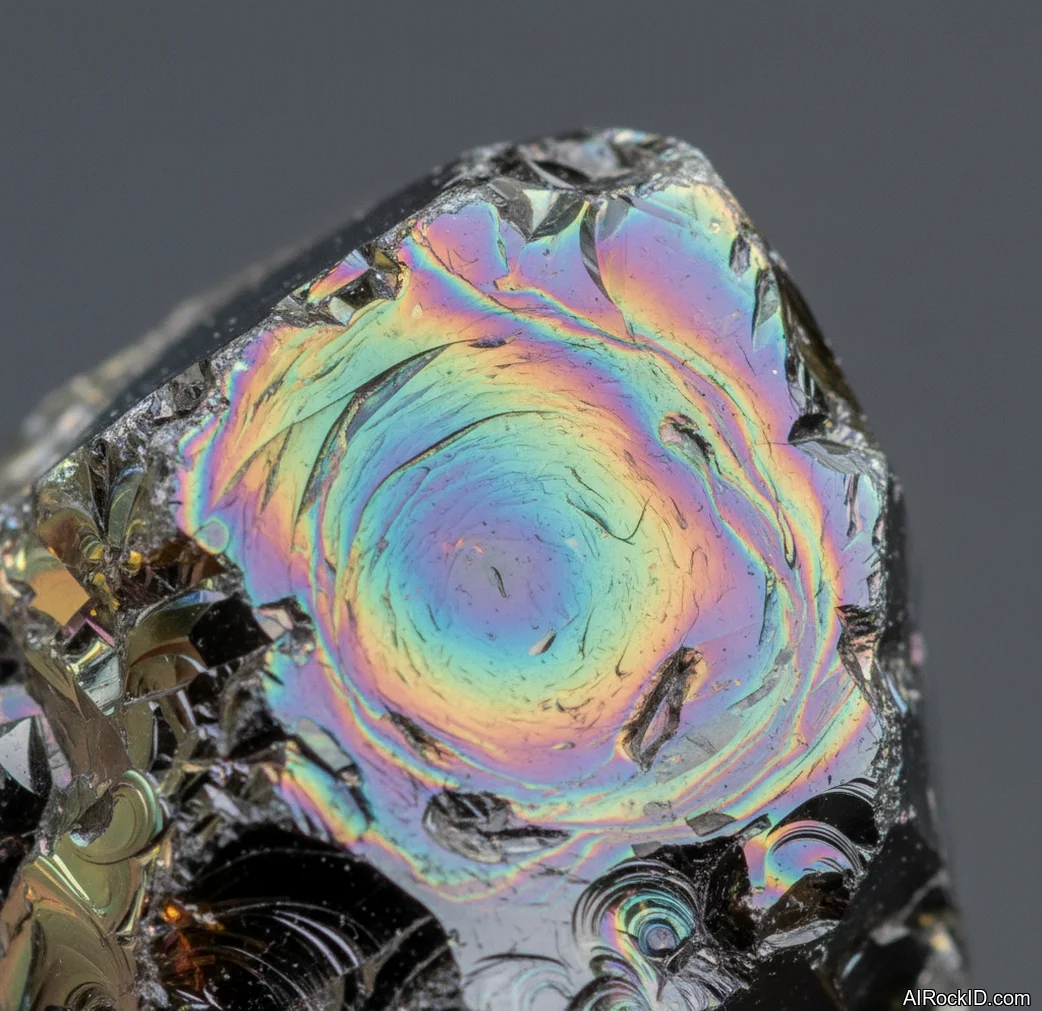
Look closely at how different clarity stones behave in your space. Clear Quartz points tend to feel directional because the shape already suggests a line. A Quartz sphere is the opposite. It throws light everywhere, and it’s the piece I reach for when I’m trying to keep my thinking broad instead of obsessing over one angle. Labradorite gets listed for clarity too, which surprises people until they handle a good one. The flash isn’t constant. You have to find the angle. And that little lesson in attention and adjustment is basically the whole point.
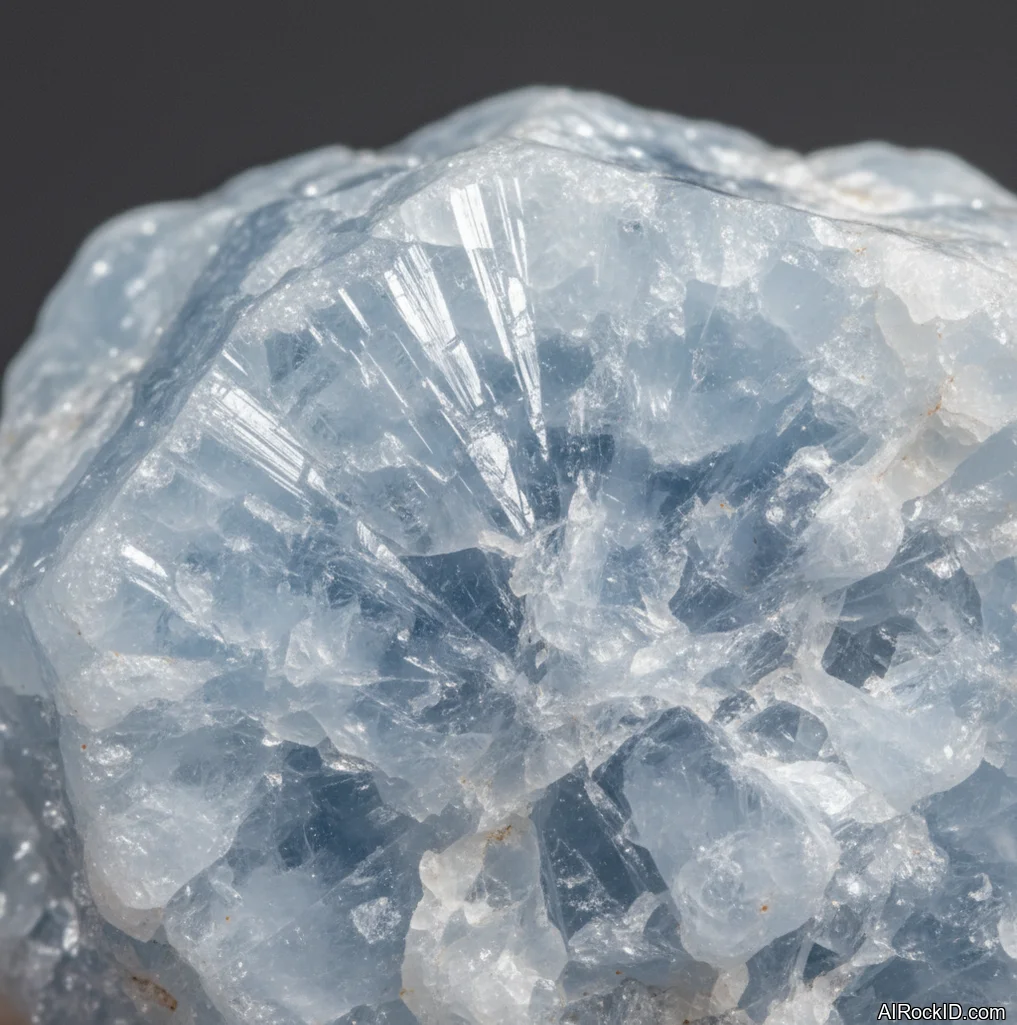
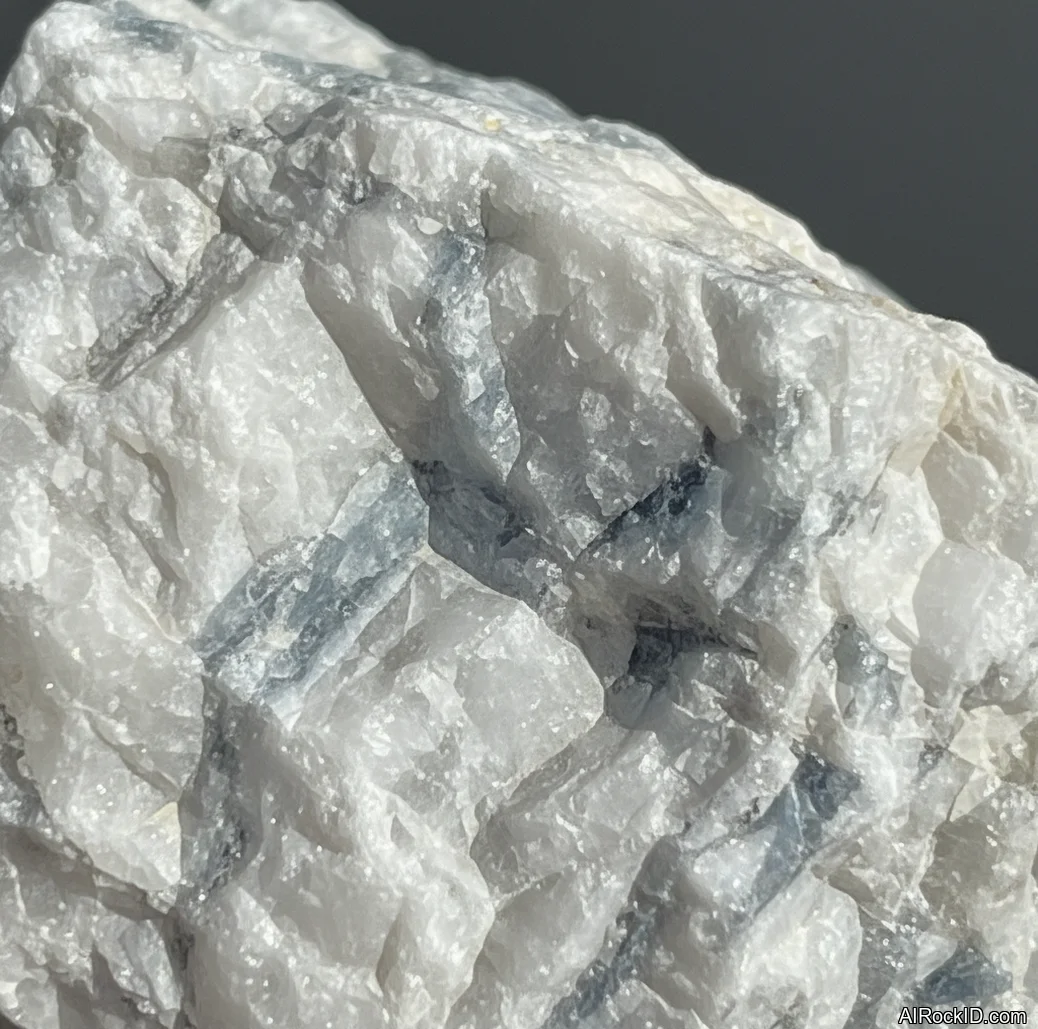
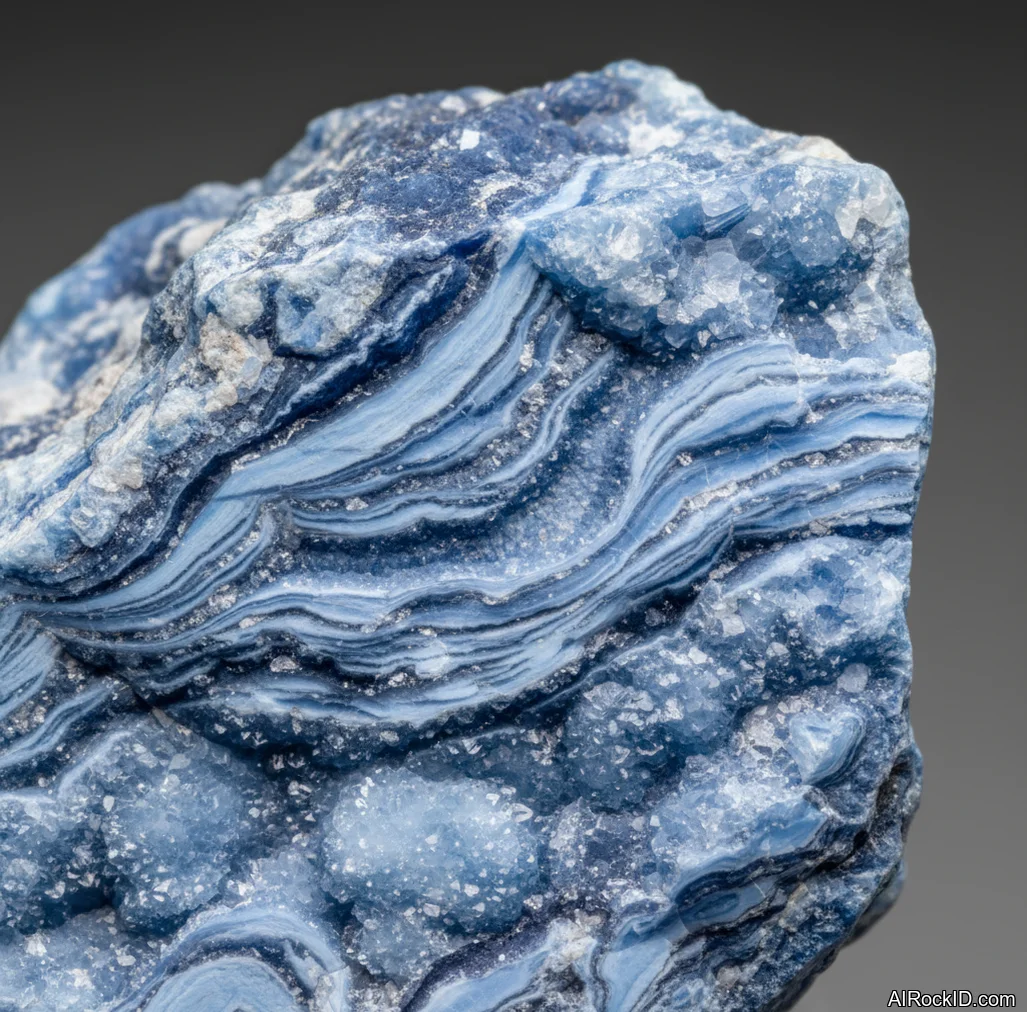
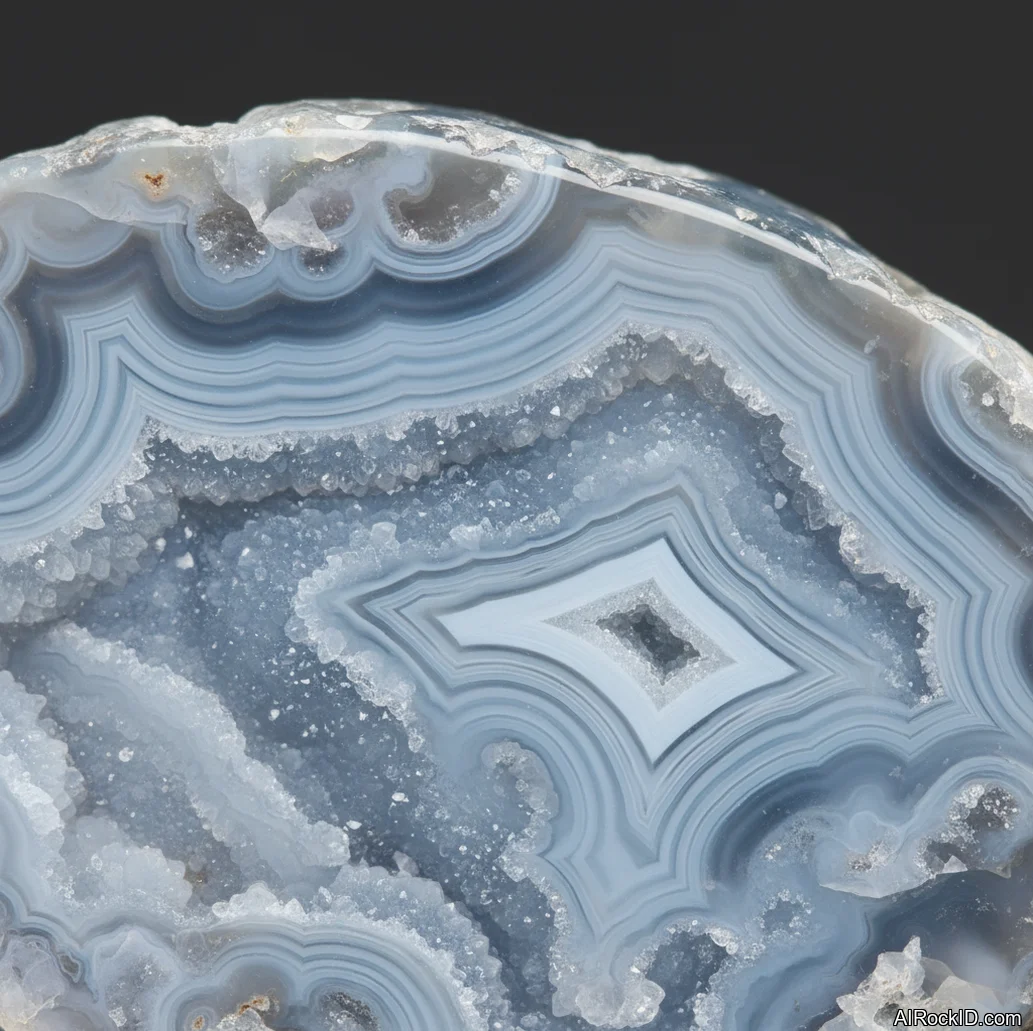
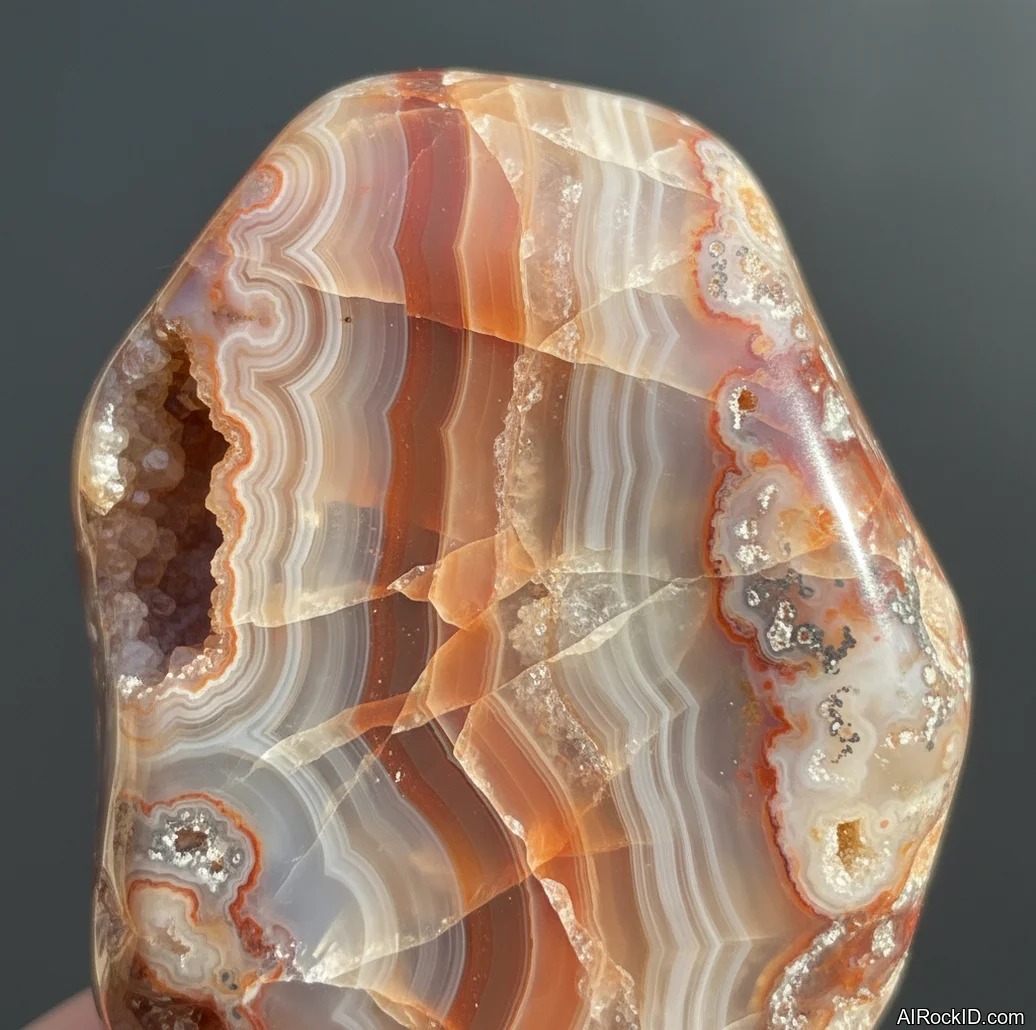
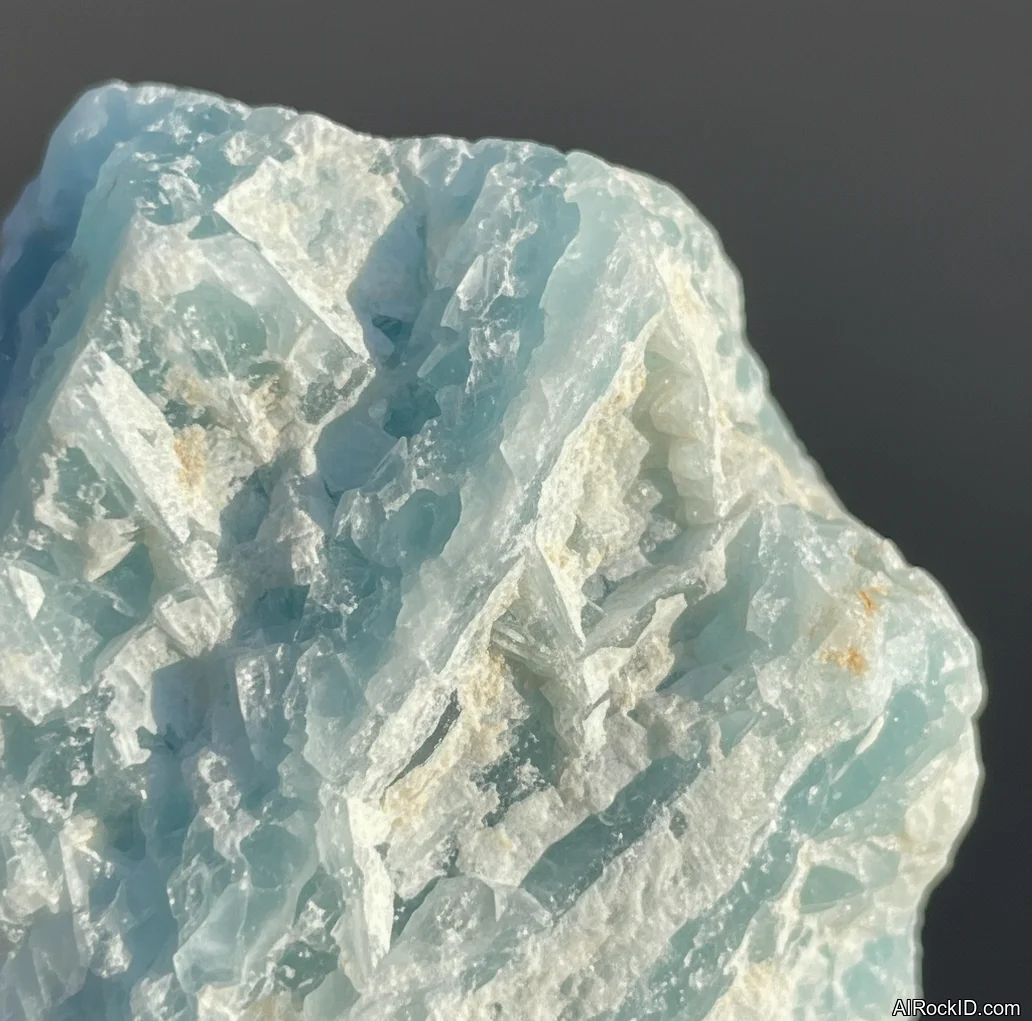
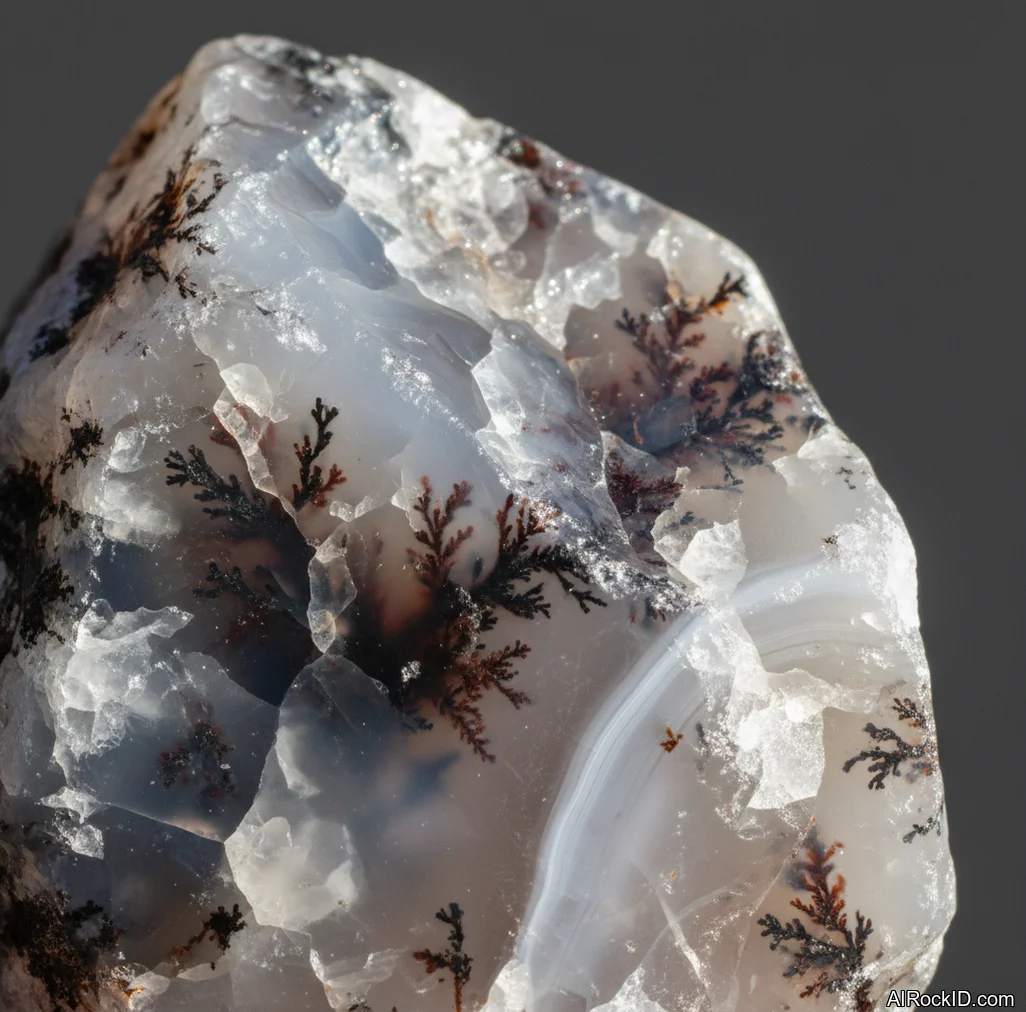
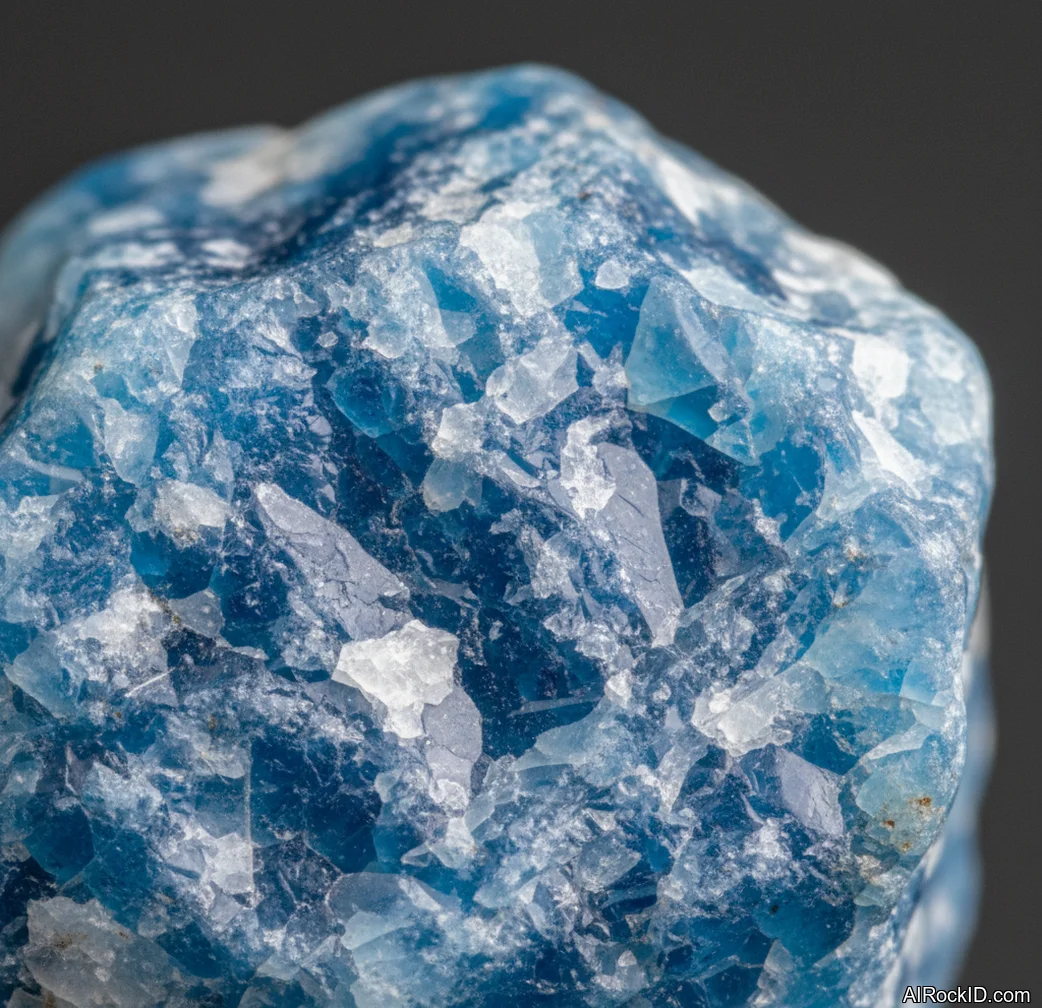
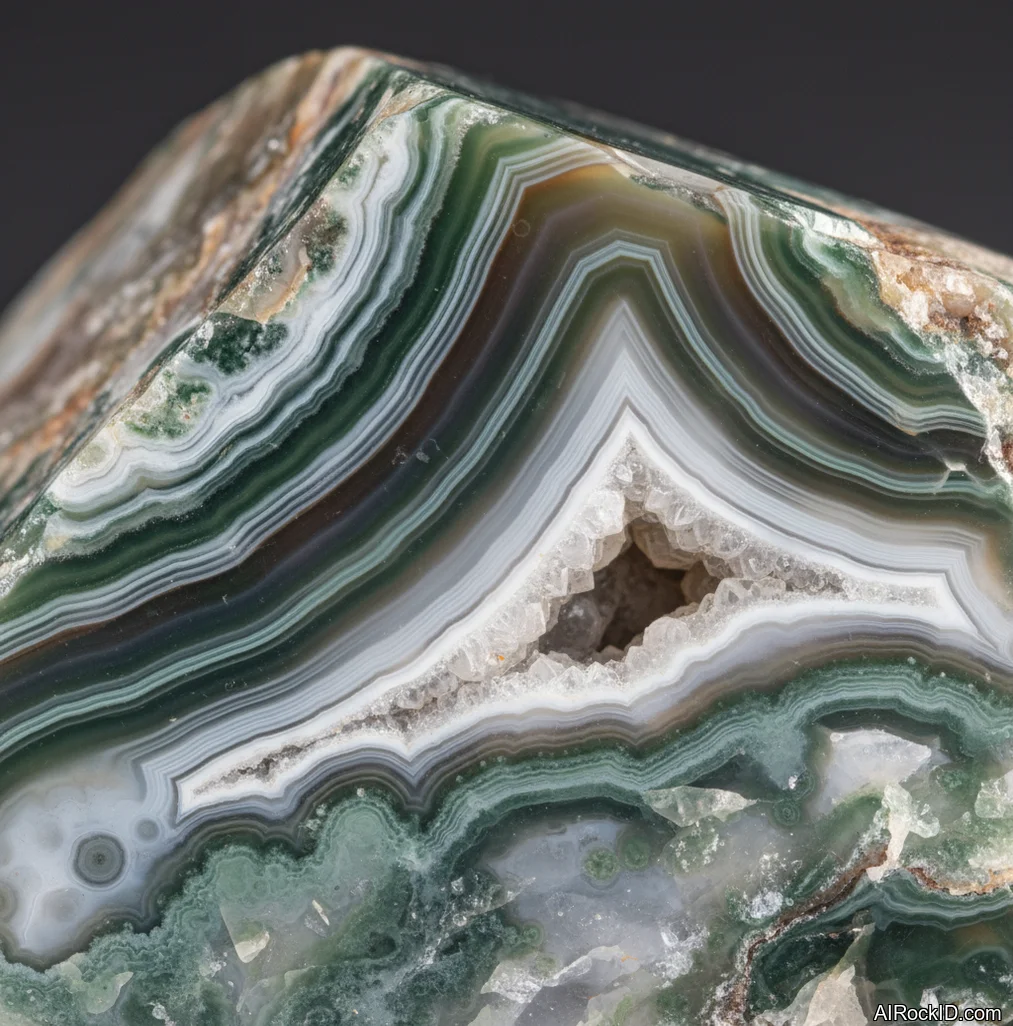
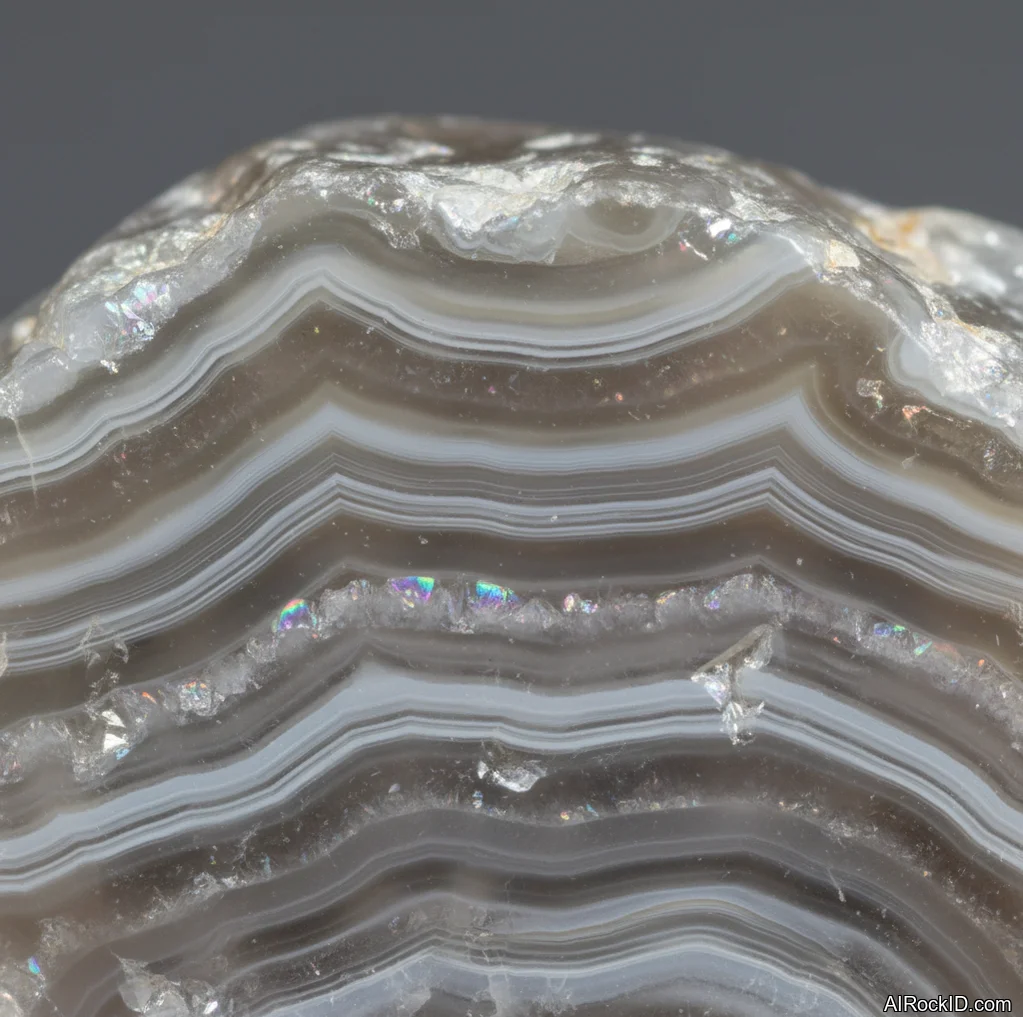
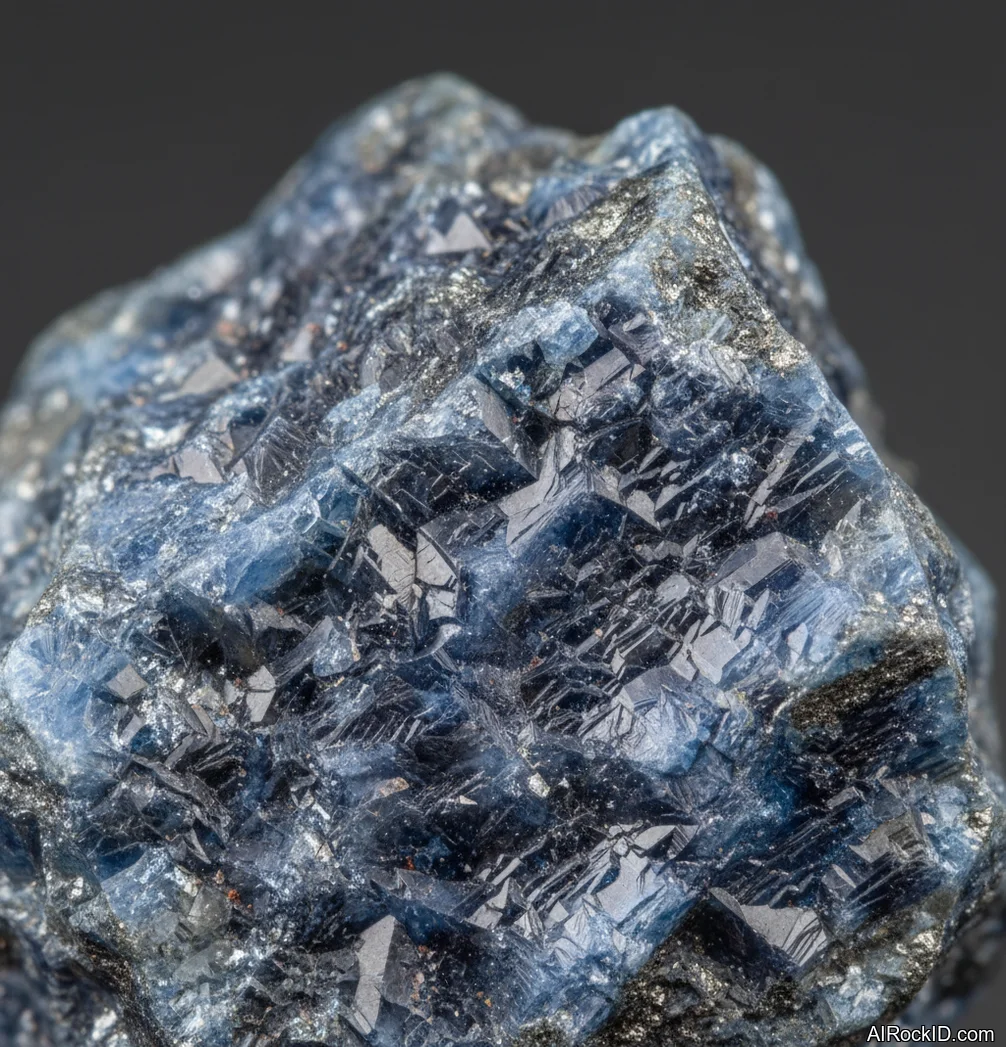
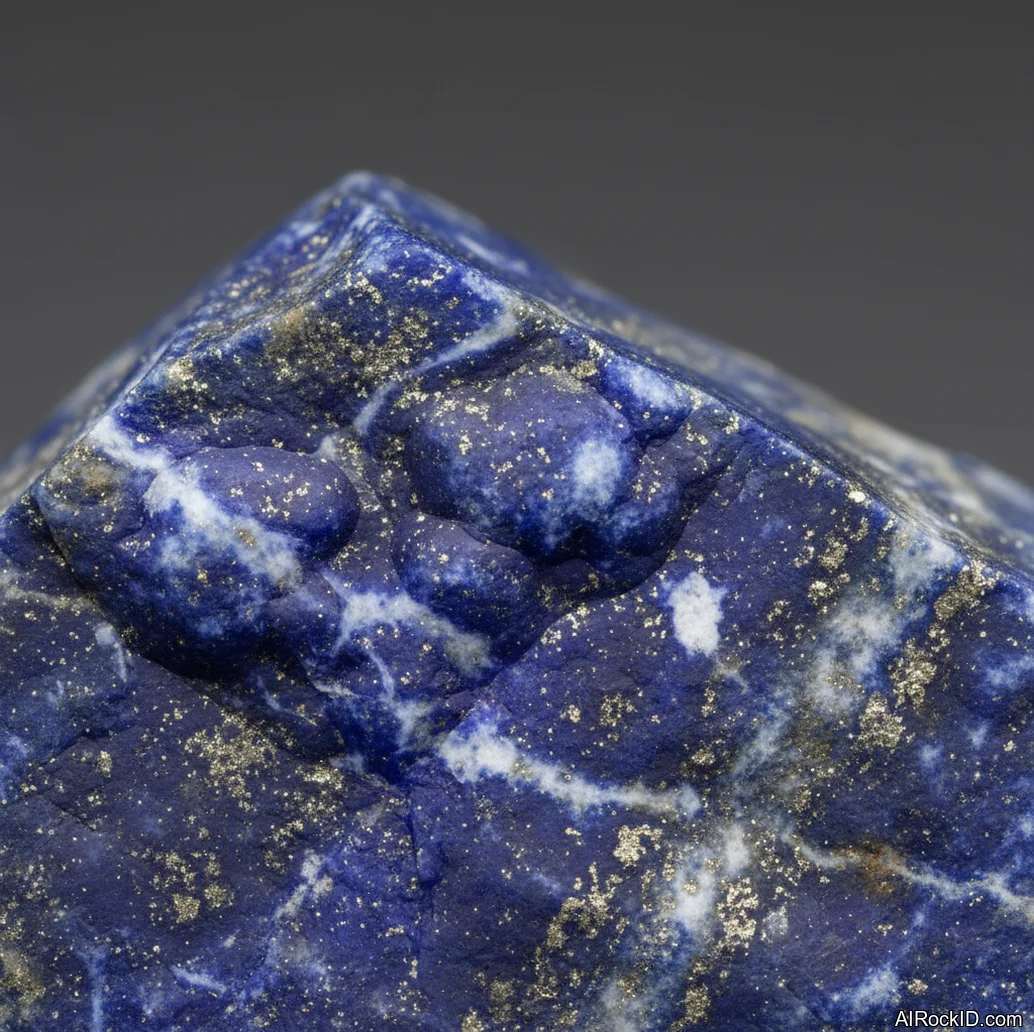
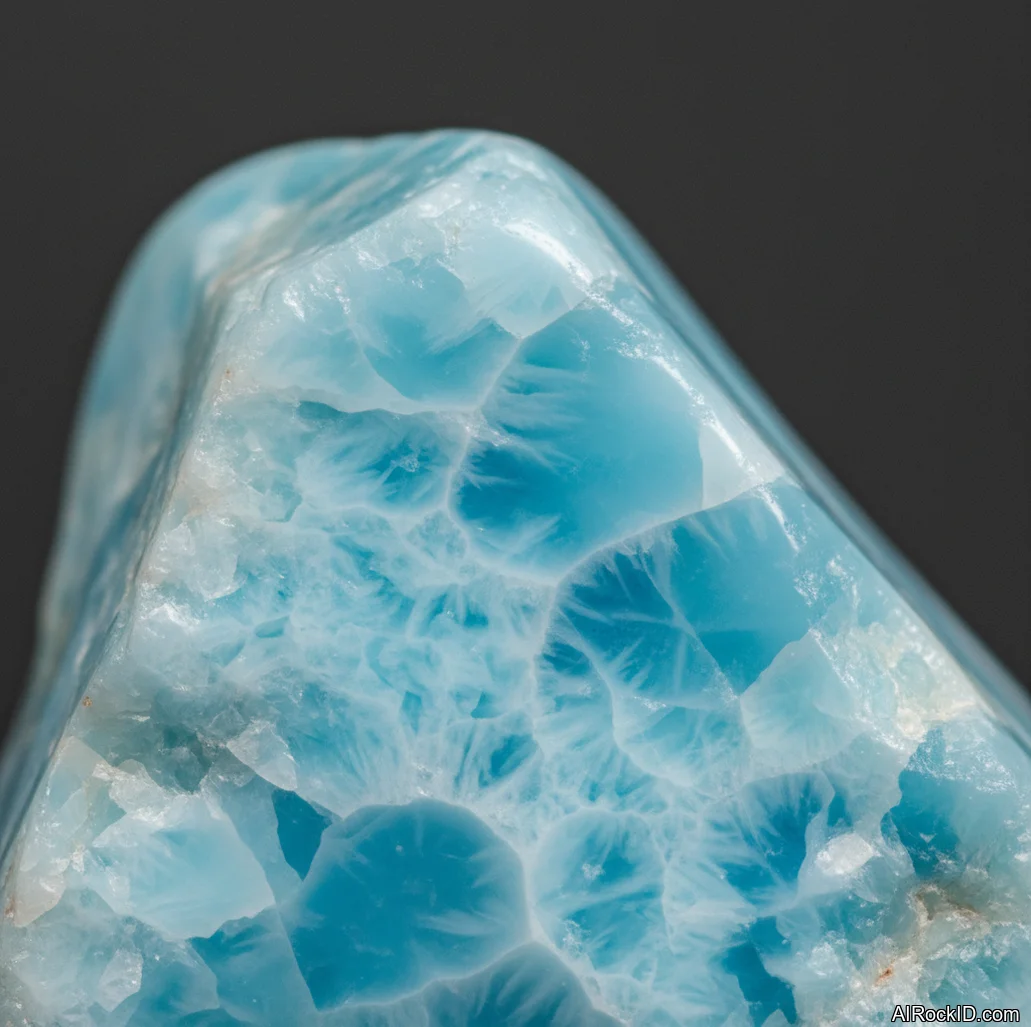
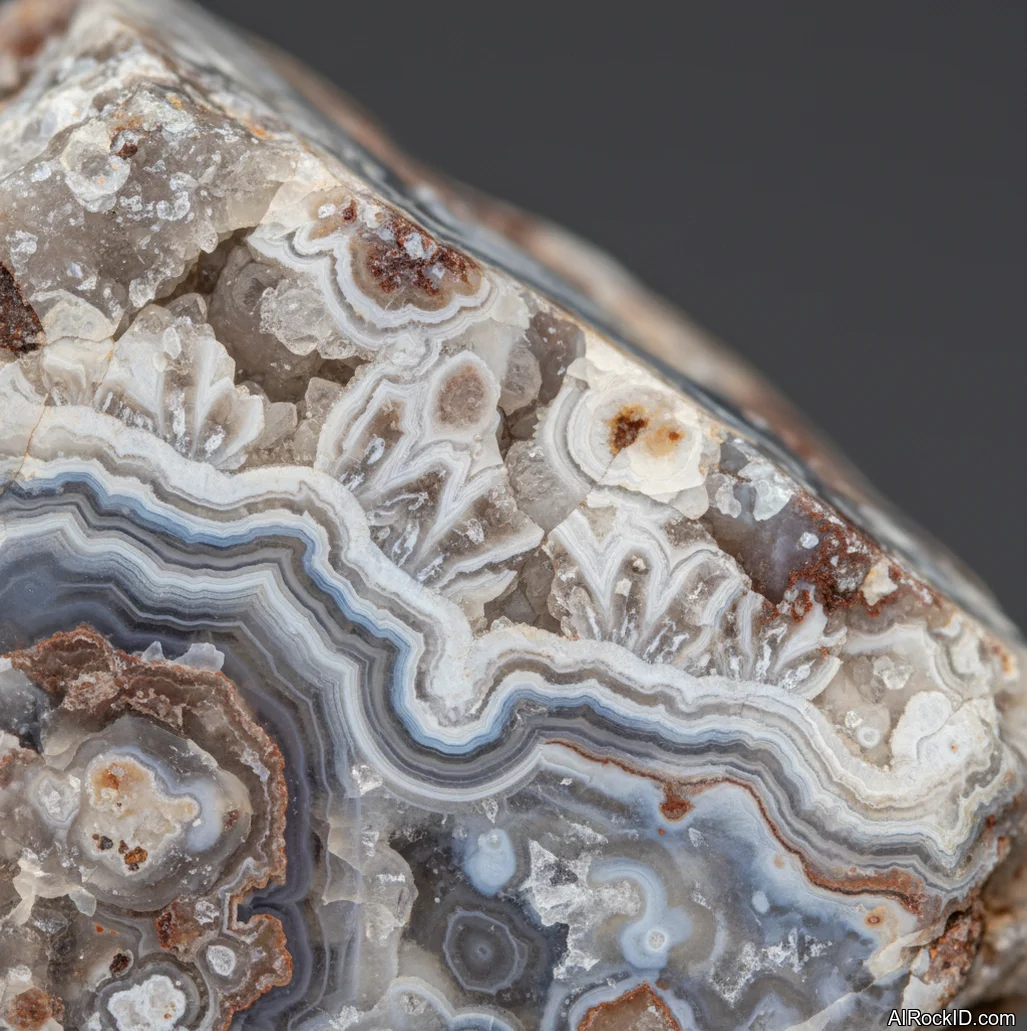
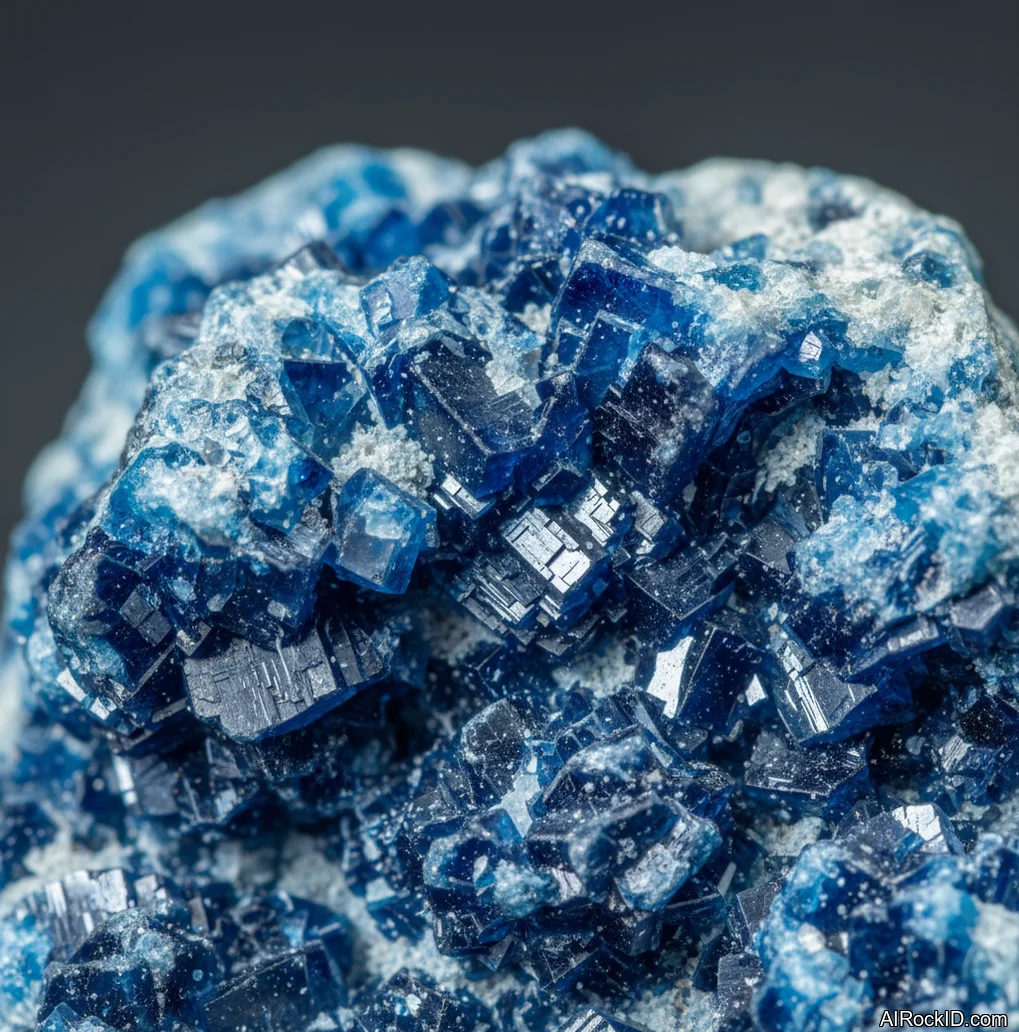
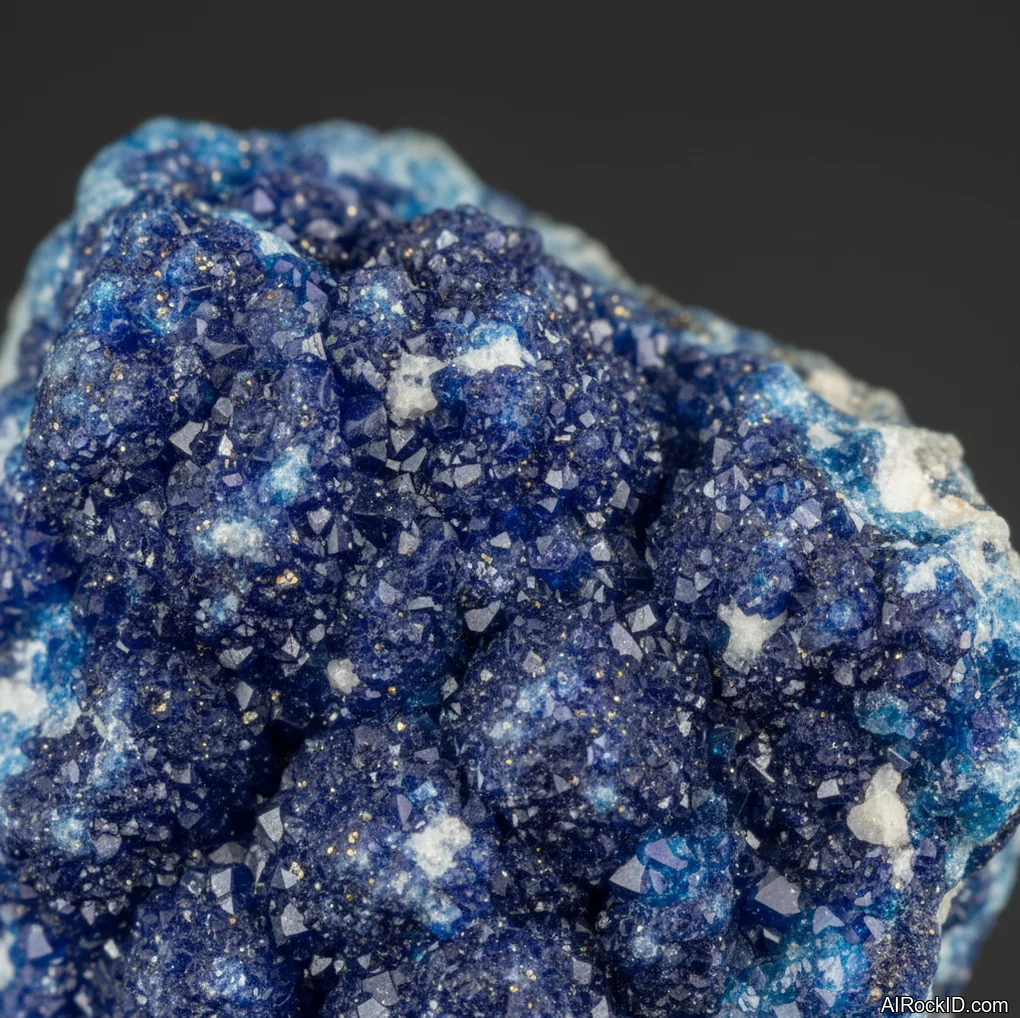
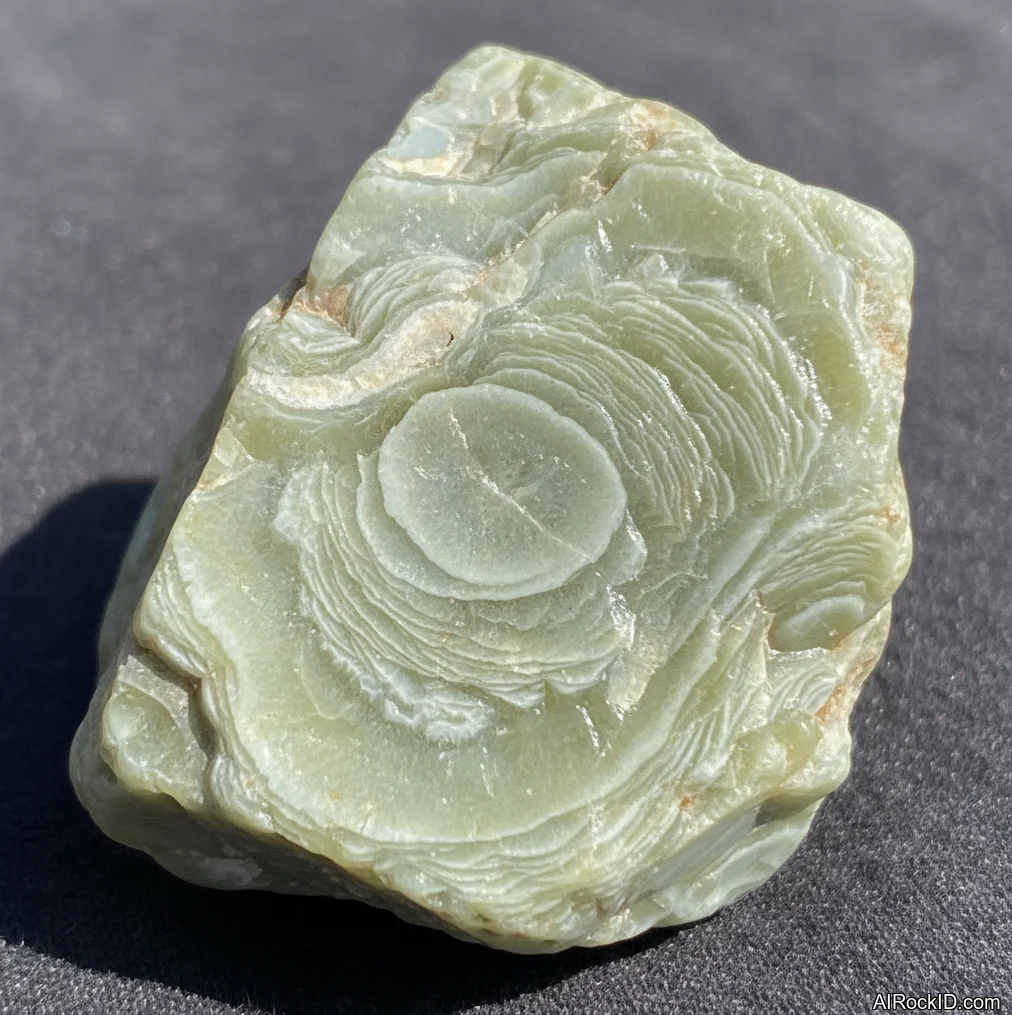
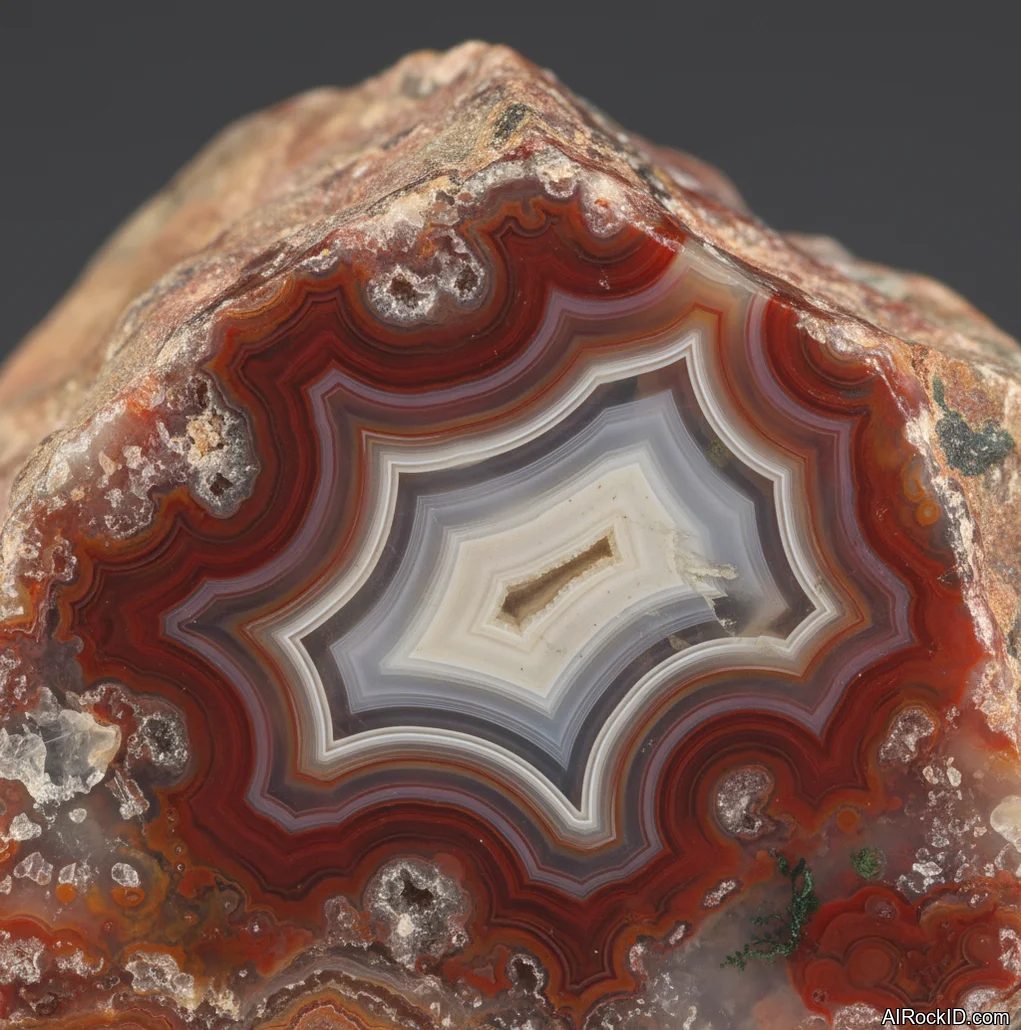
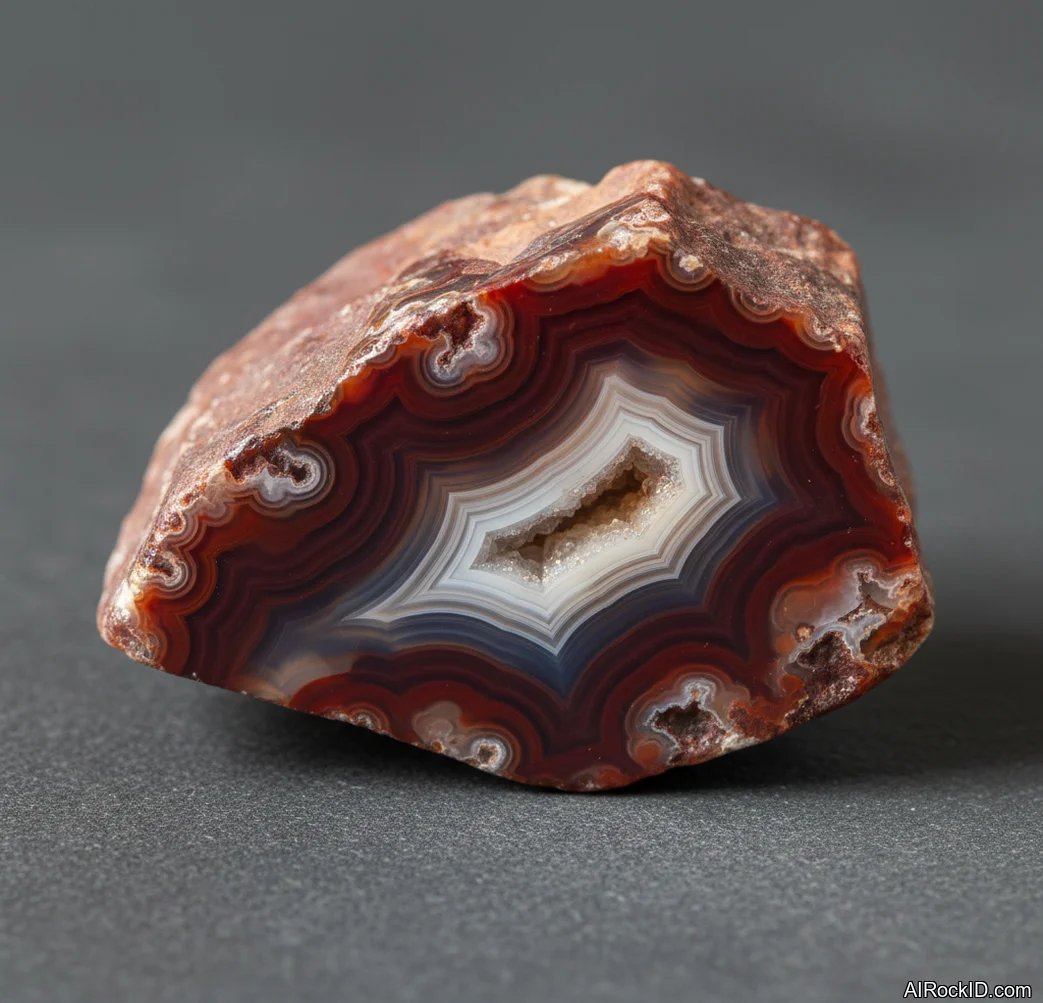
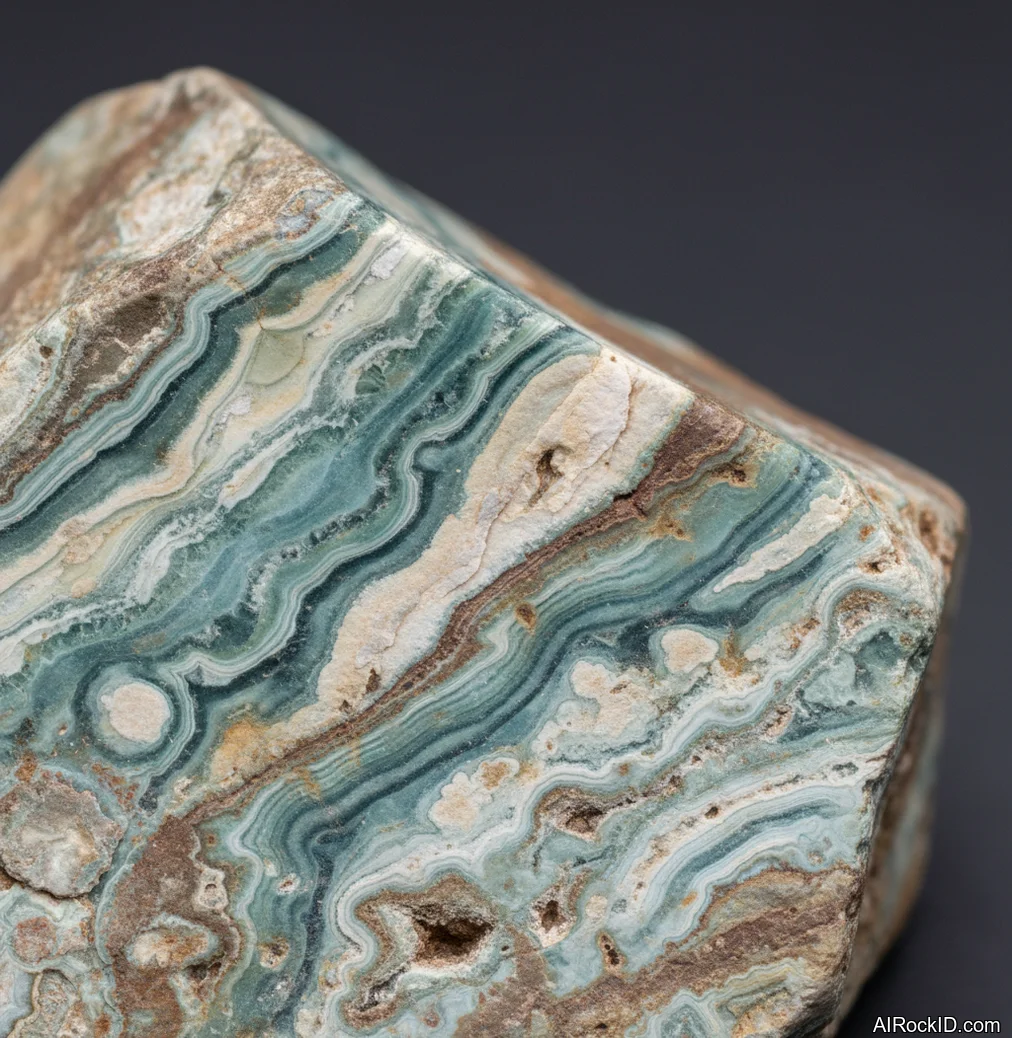
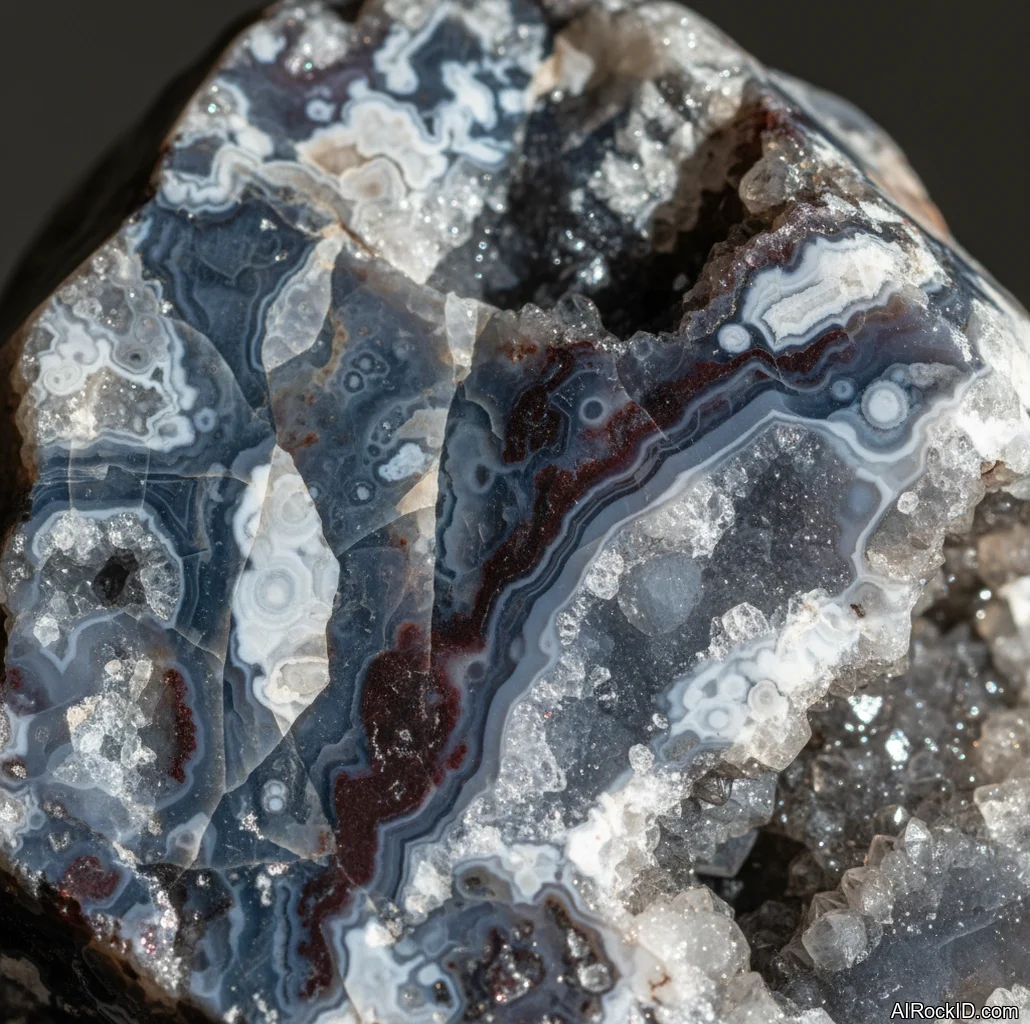
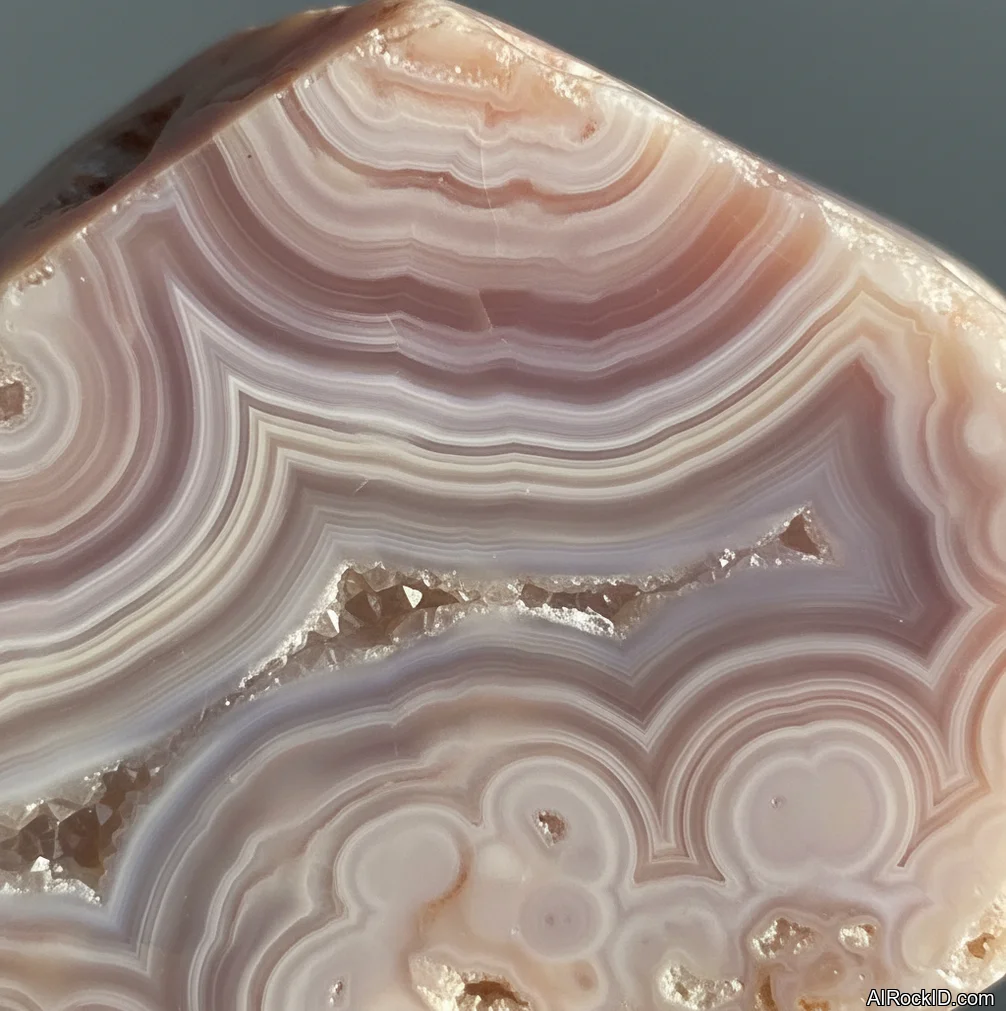
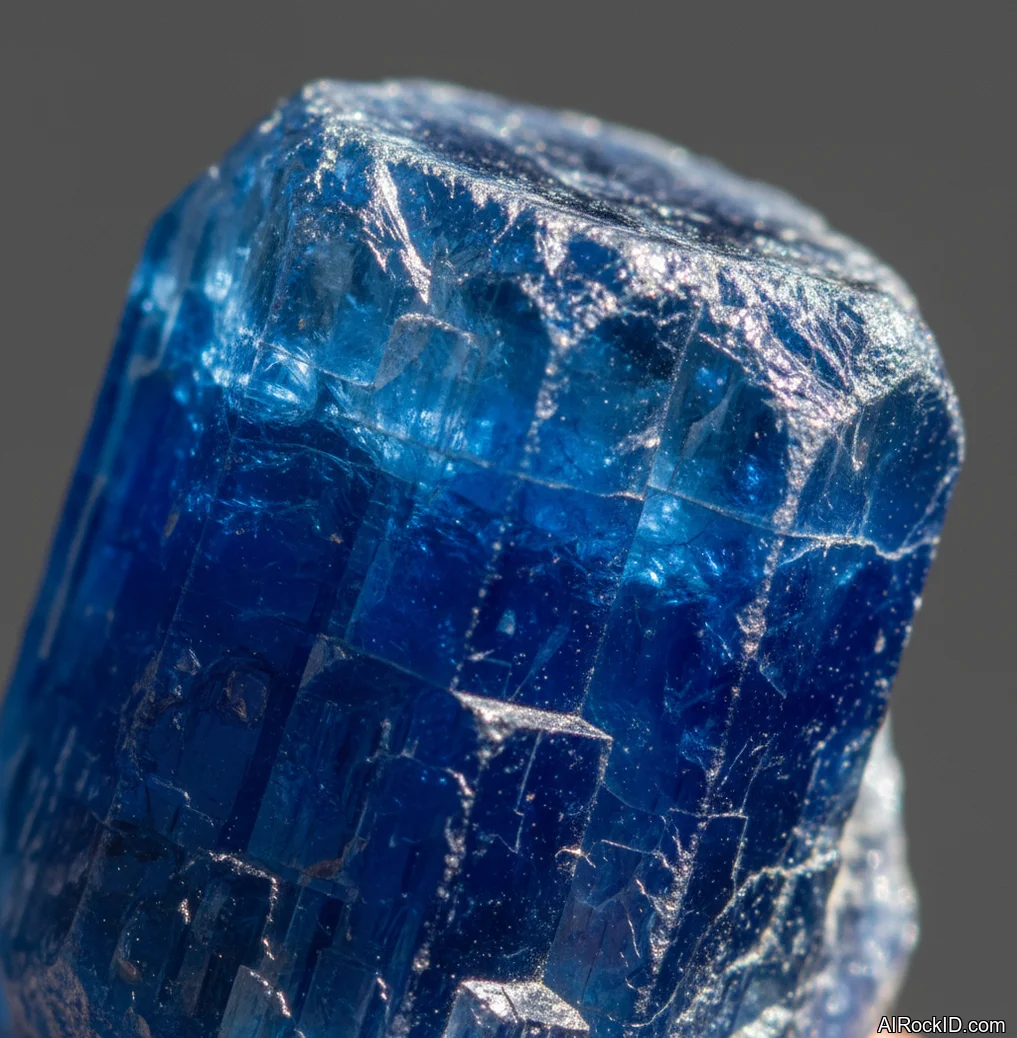
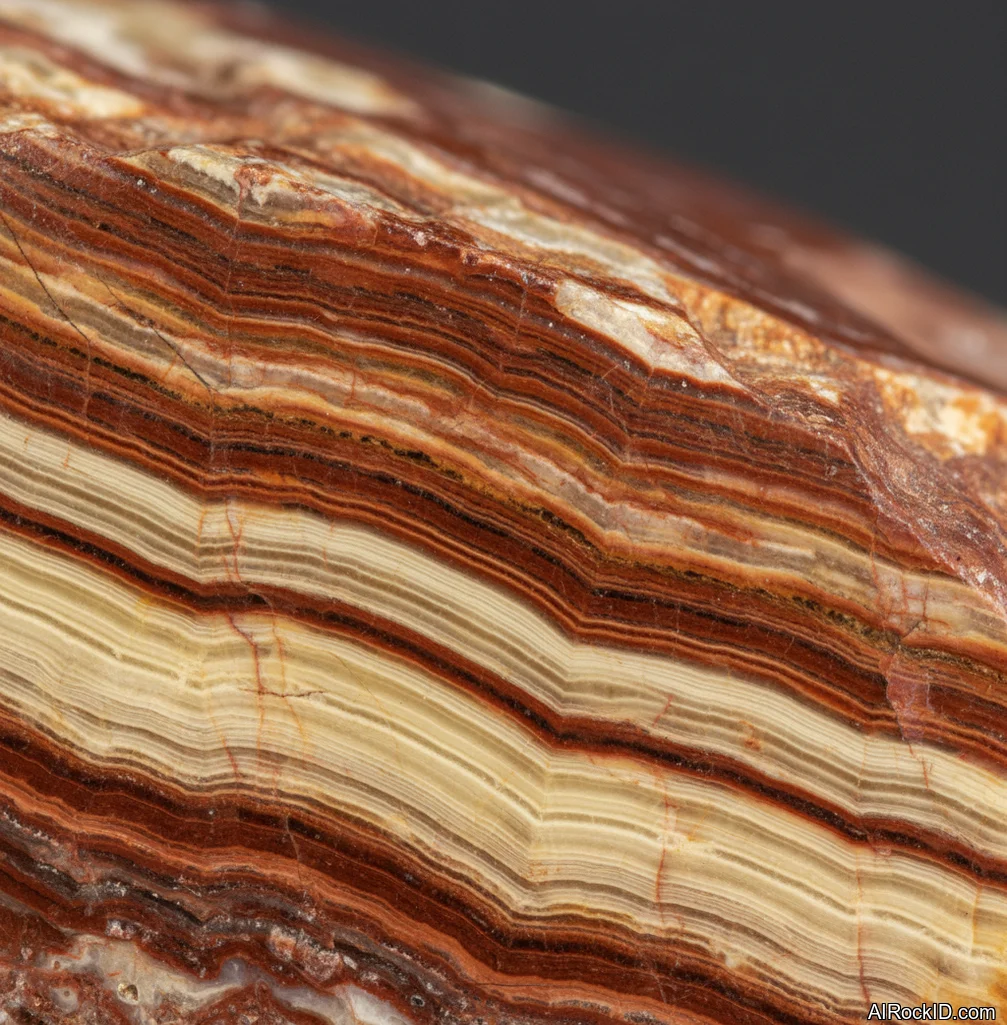
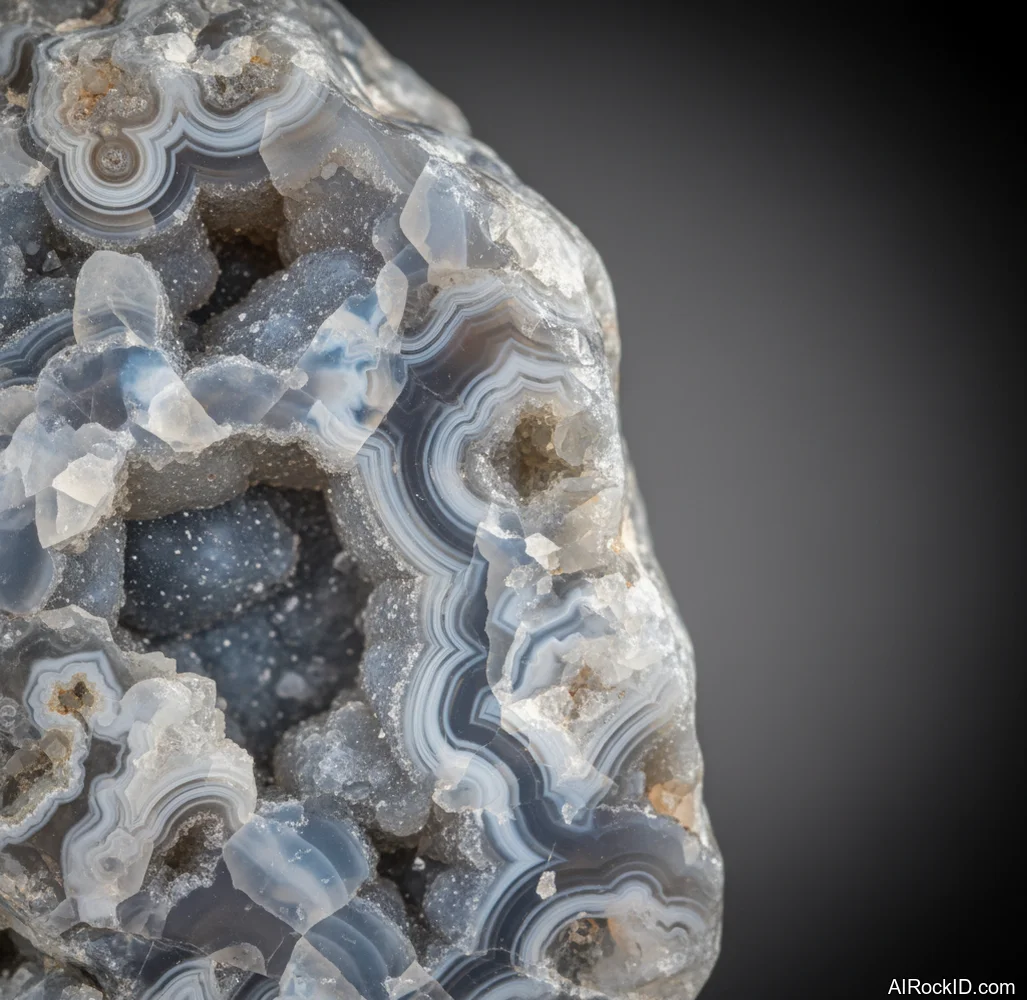
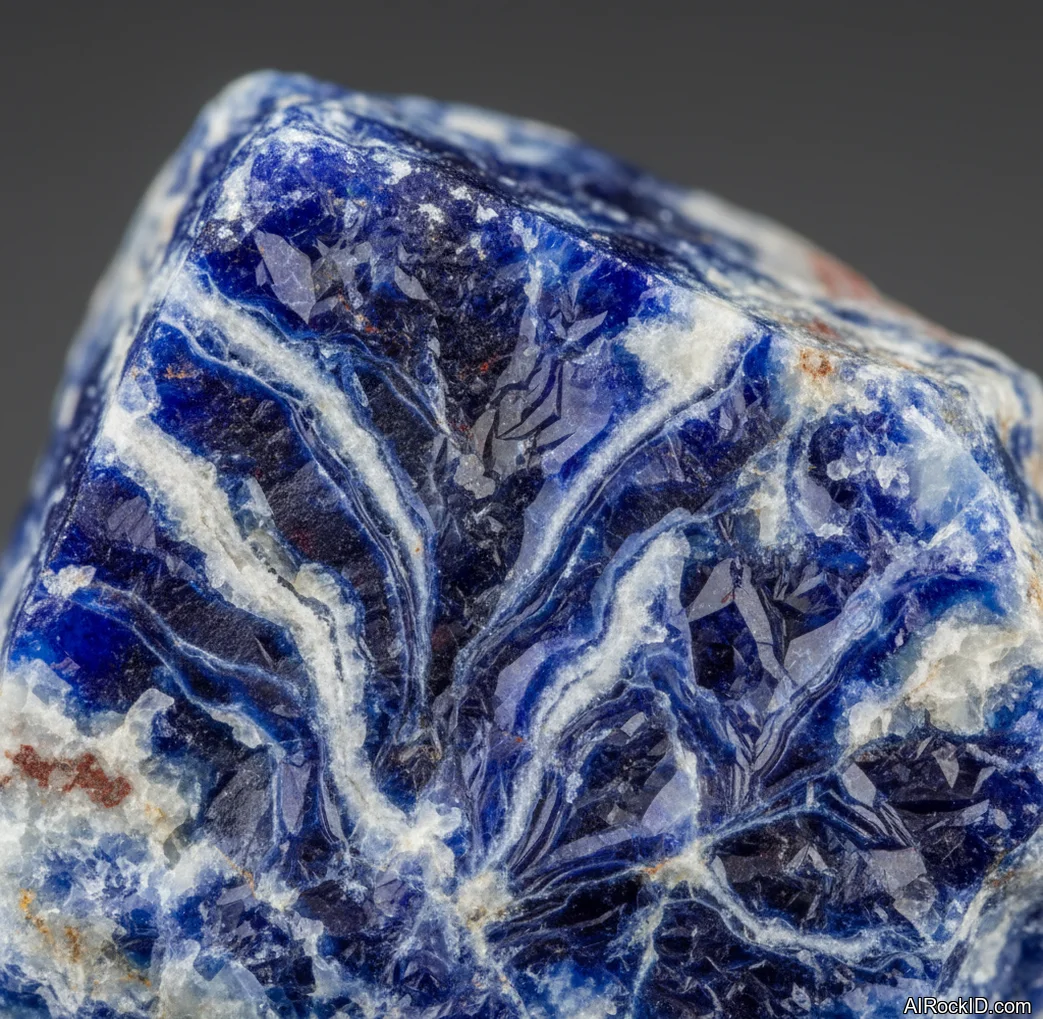
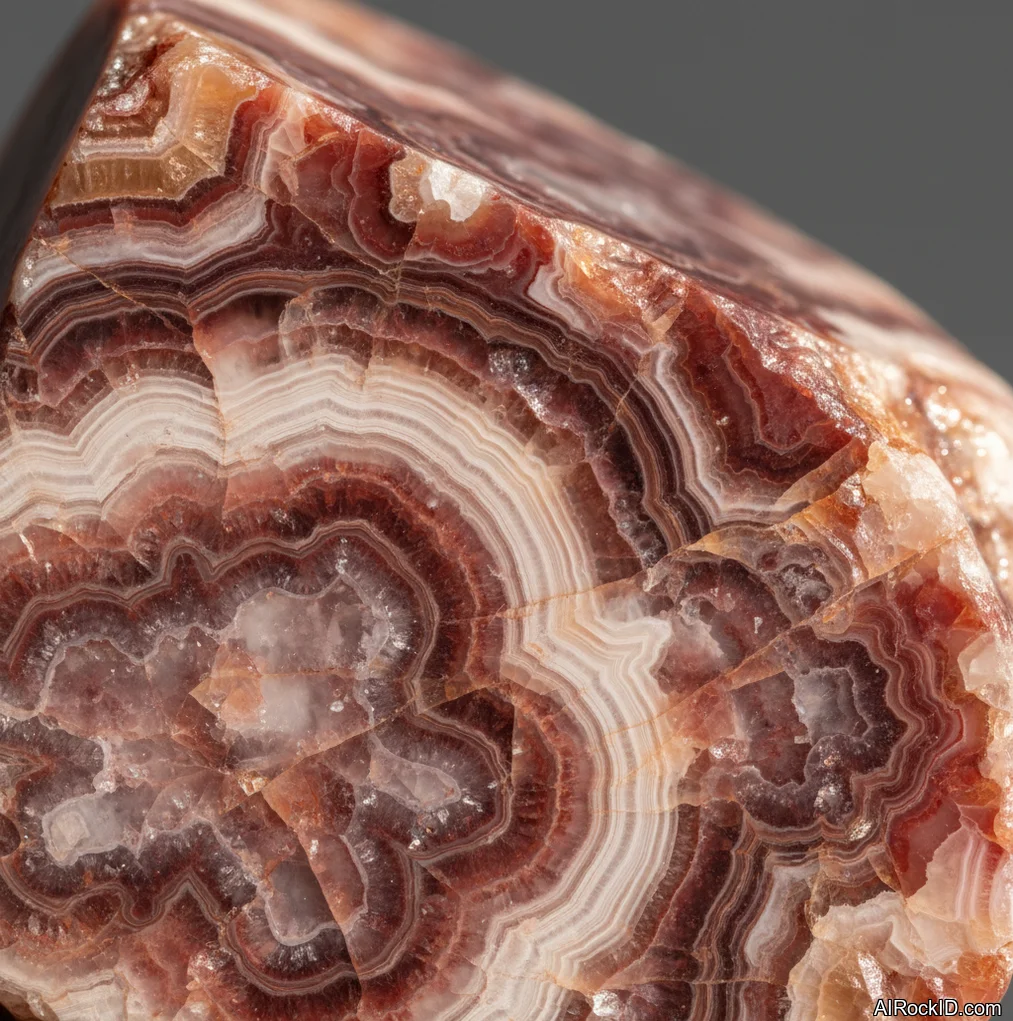
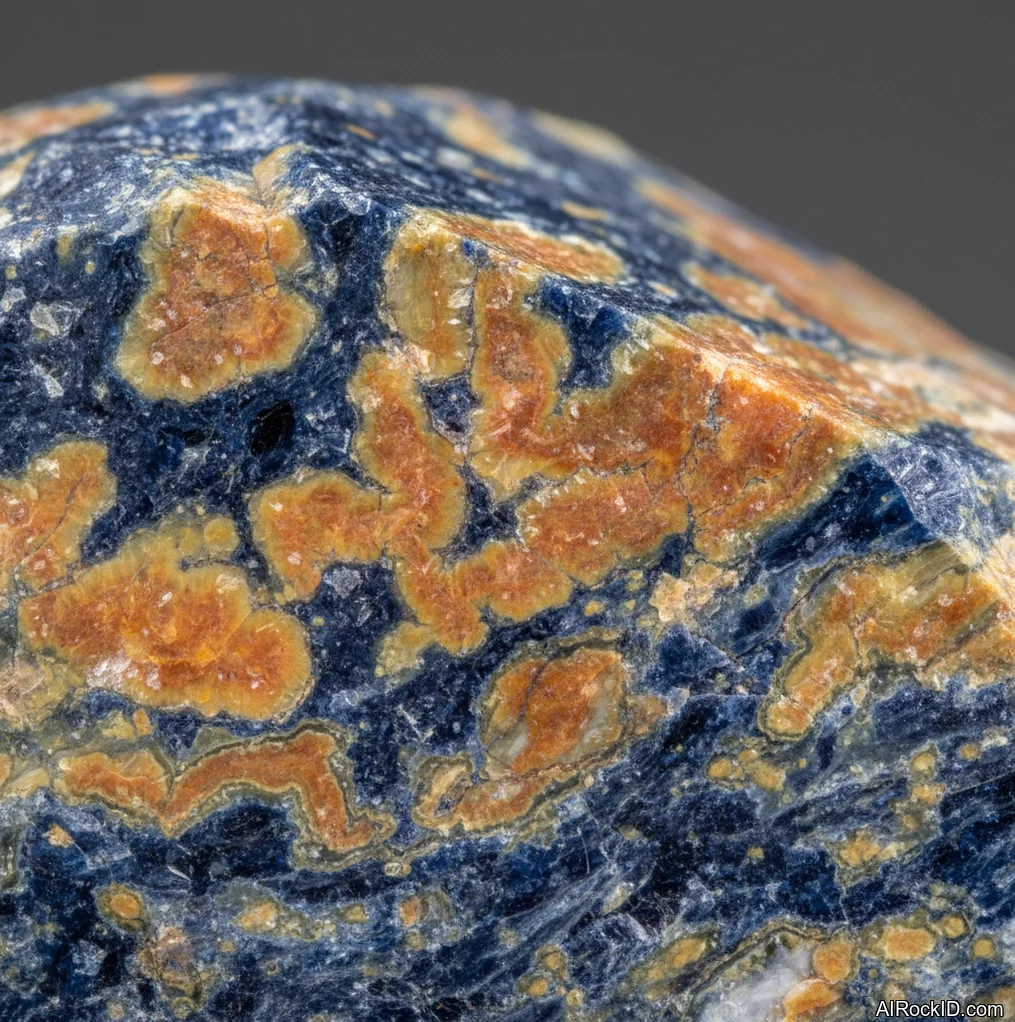
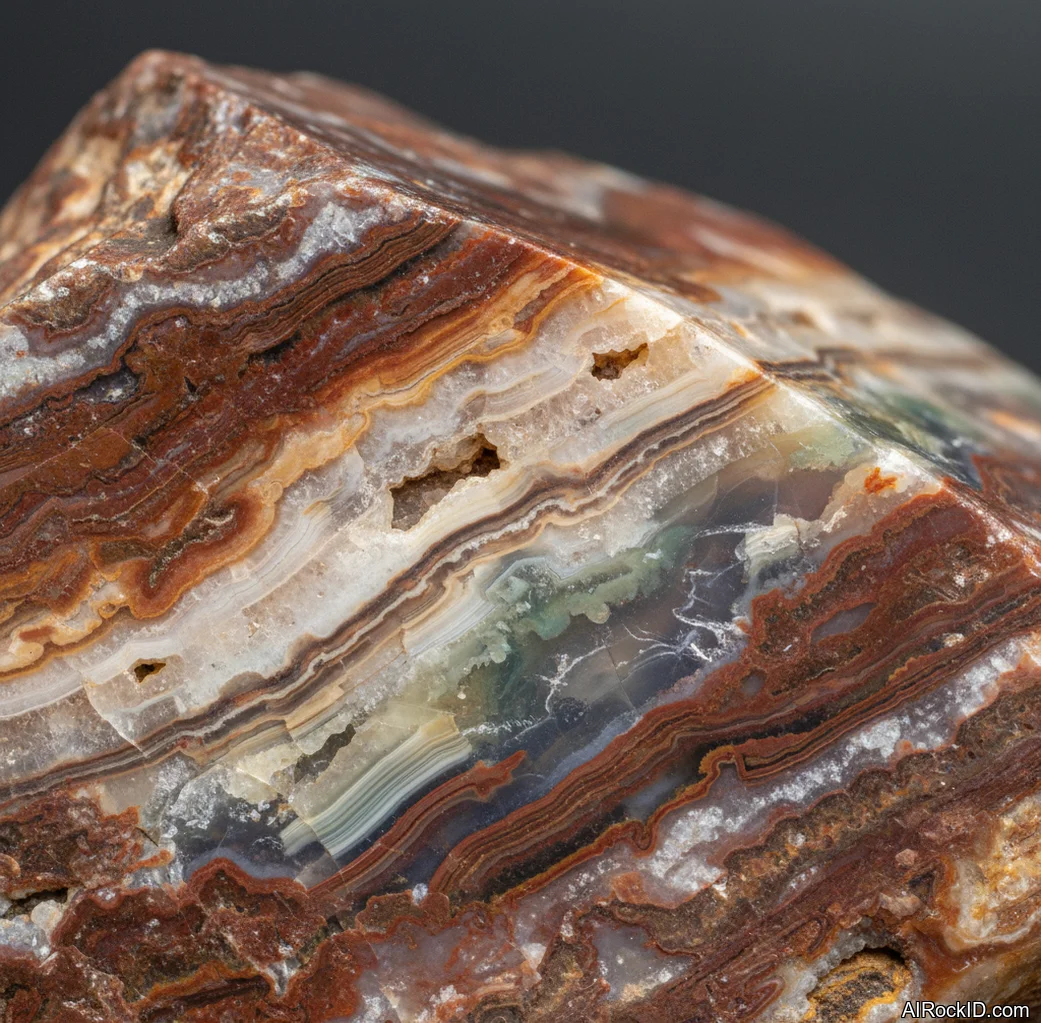
Working with clarity crystals doesn’t have to be mystical or complicated. Put one where the problem actually happens. On the desk next to your keyboard, not on an altar across the room. If you journal, set a small piece of Blue Lace Agate or Sodalite on the page as a physical cue to slow down and pick the next sentence on purpose. If you meditate, hold a tumbled Quartz in one hand and keep the other hand empty. That contrast, cool weight in one palm and nothing in the other, gives your brain something simple to anchor to.
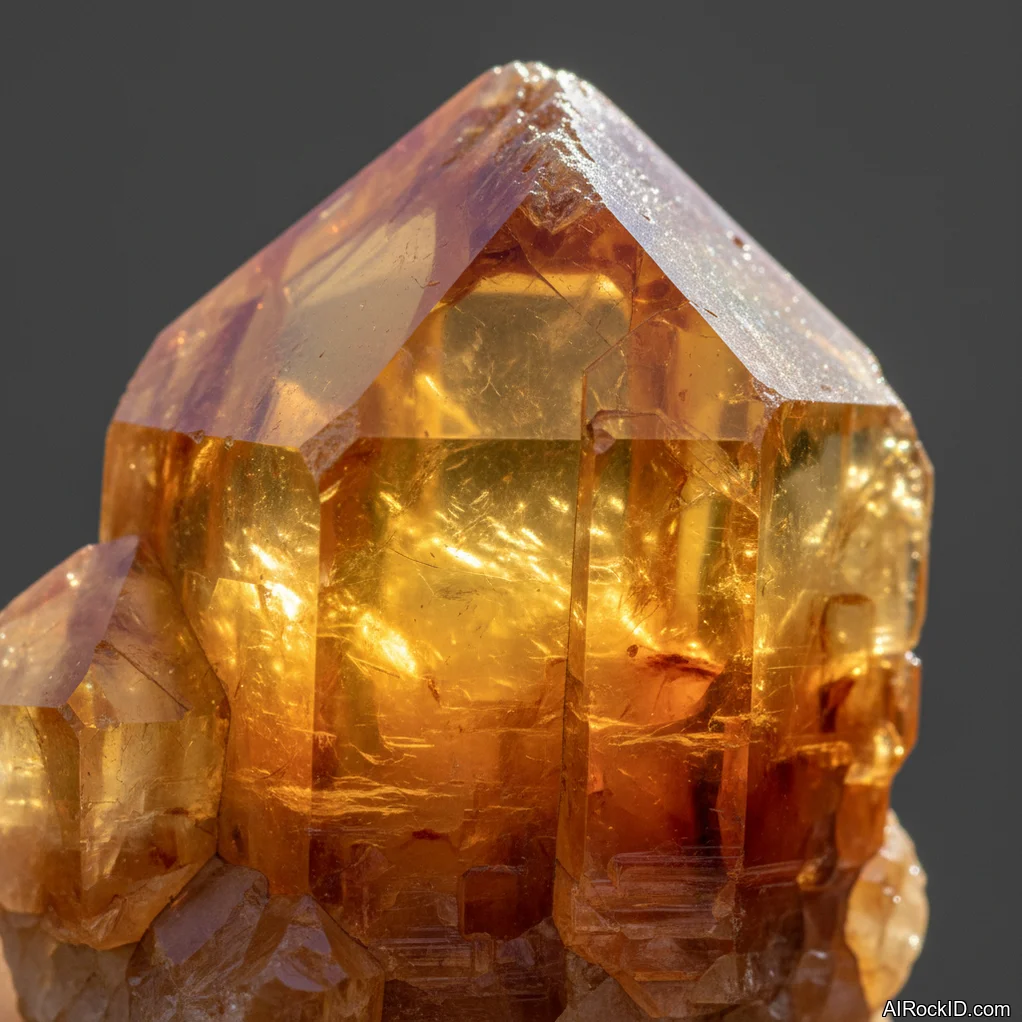
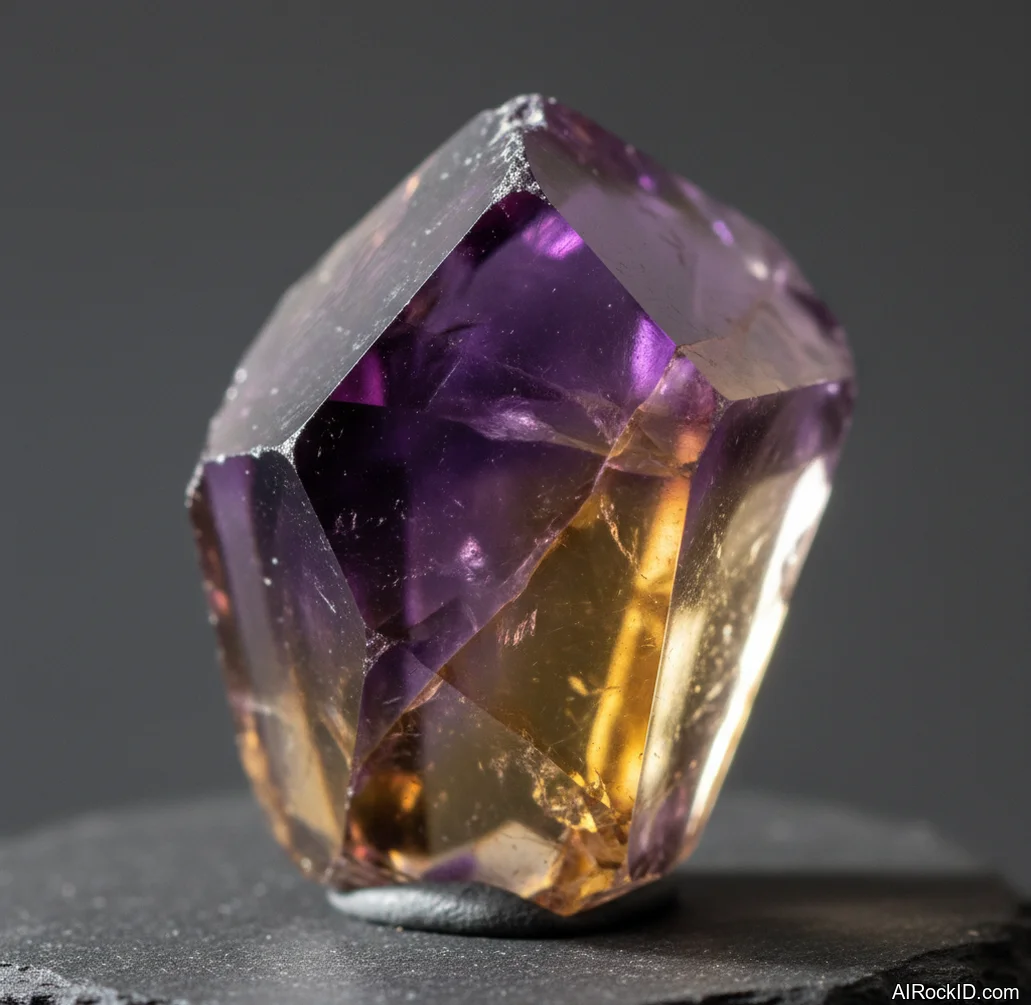
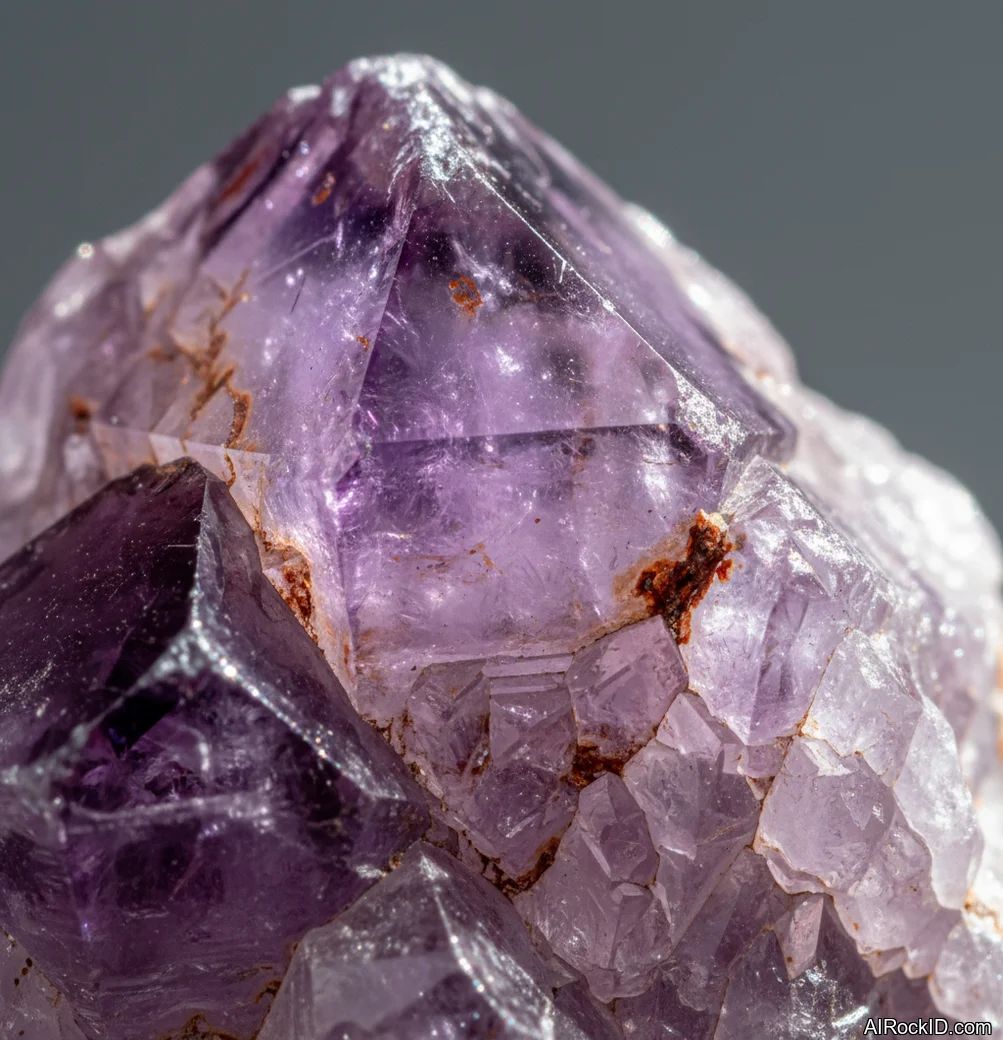
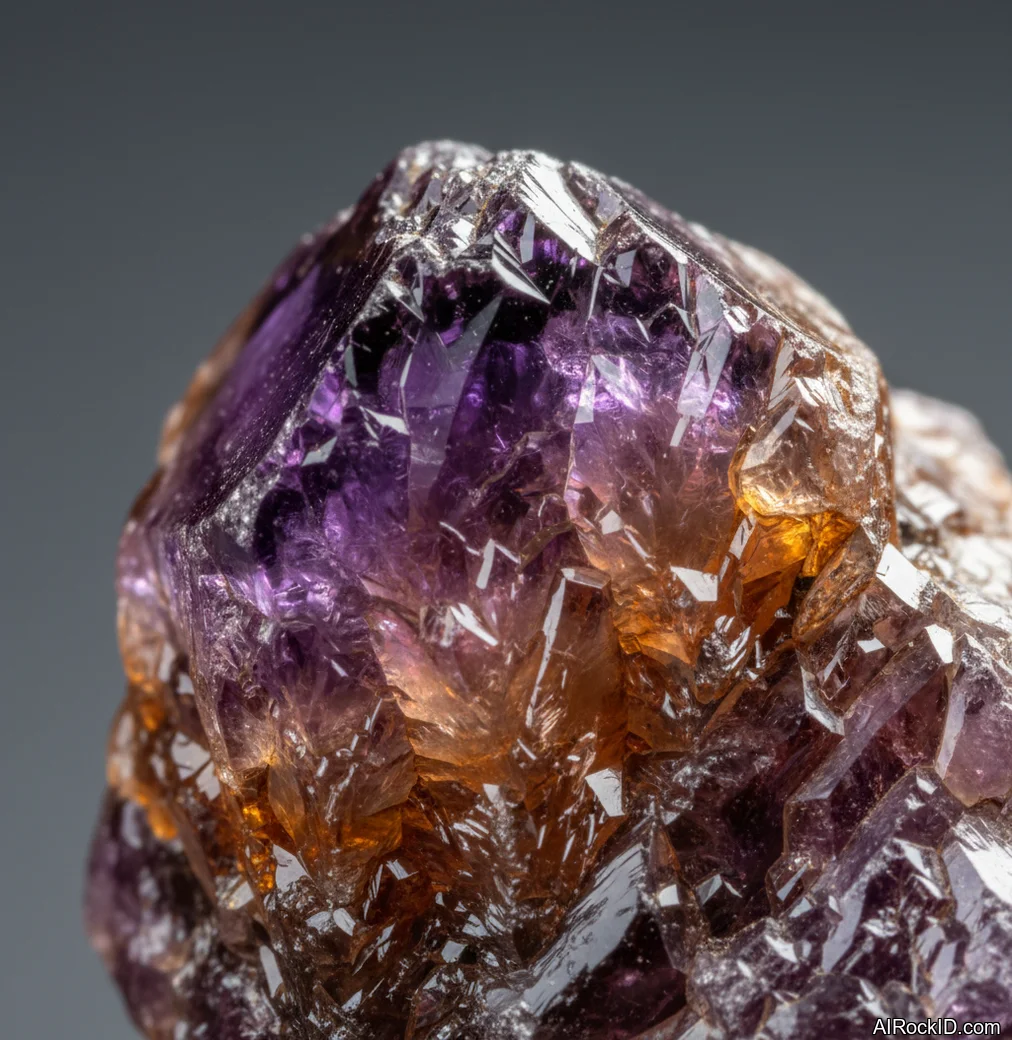
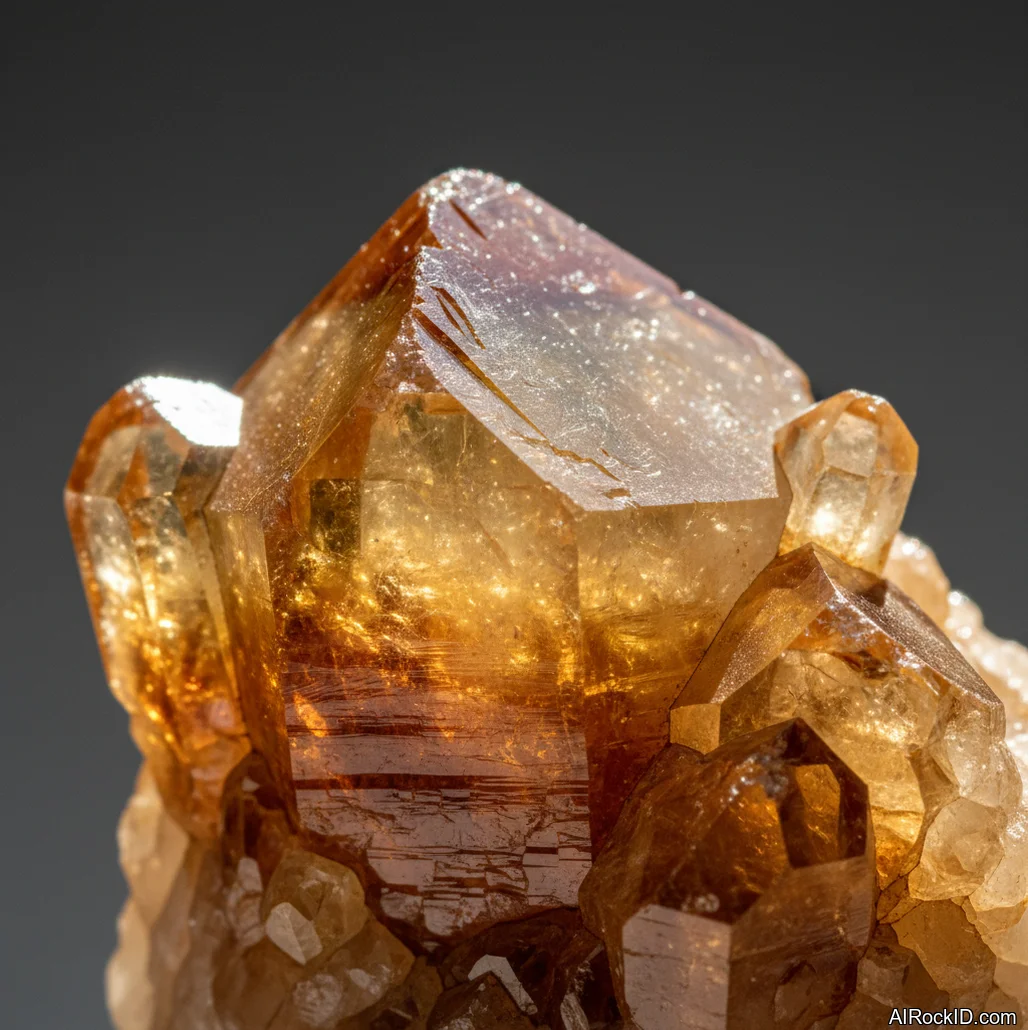
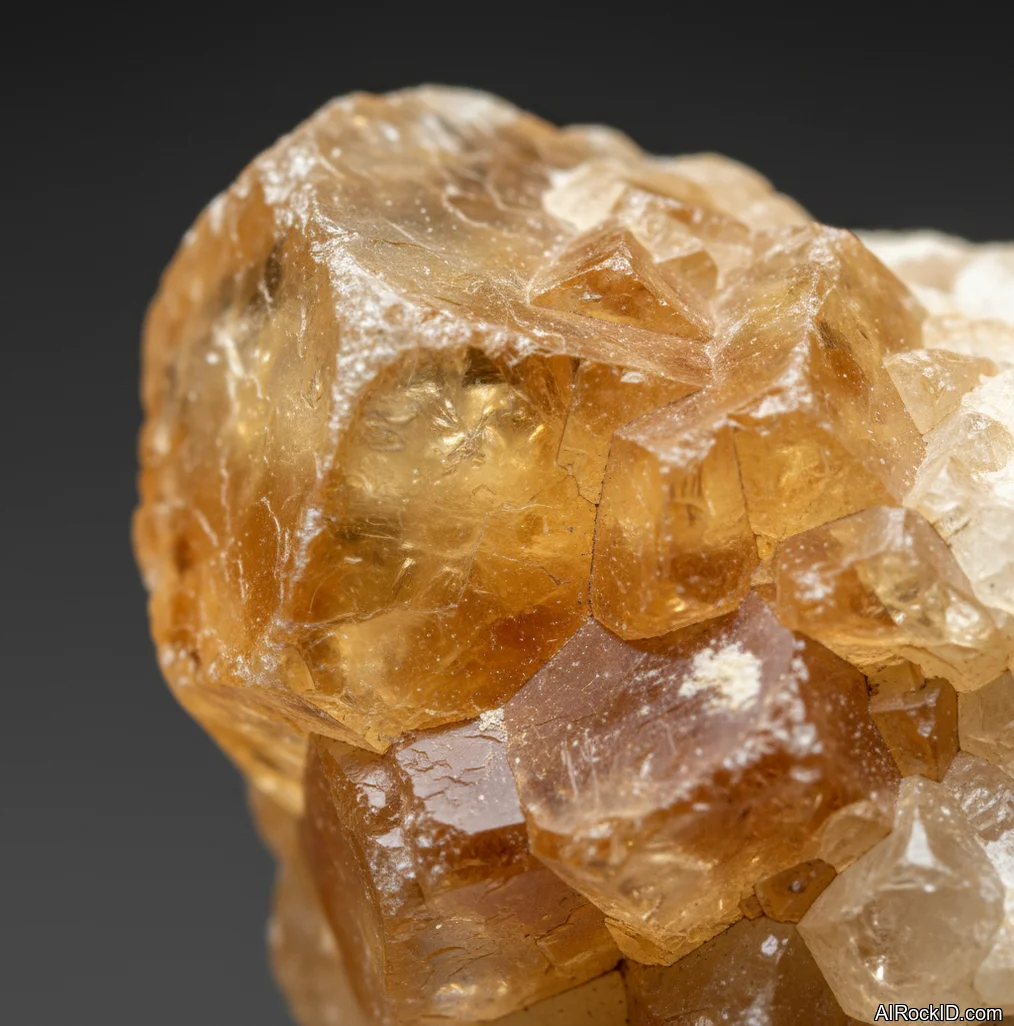
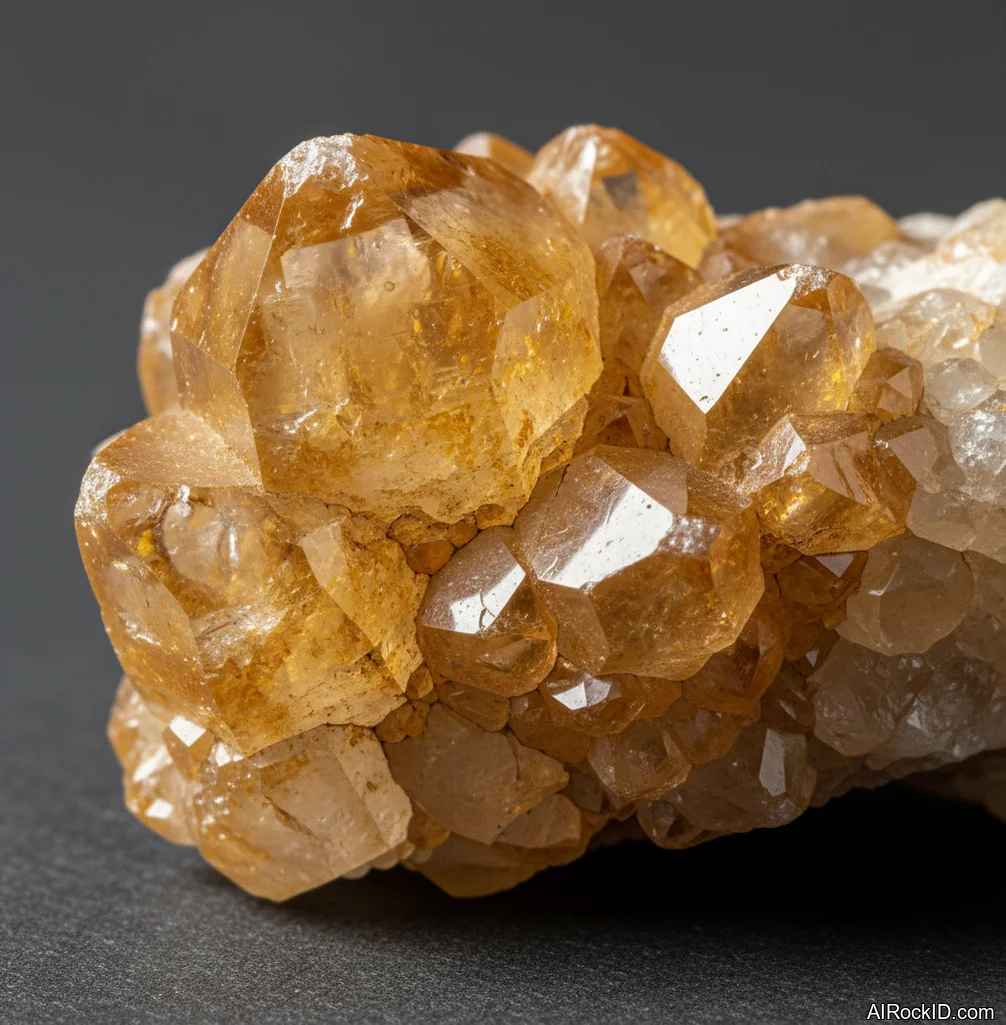
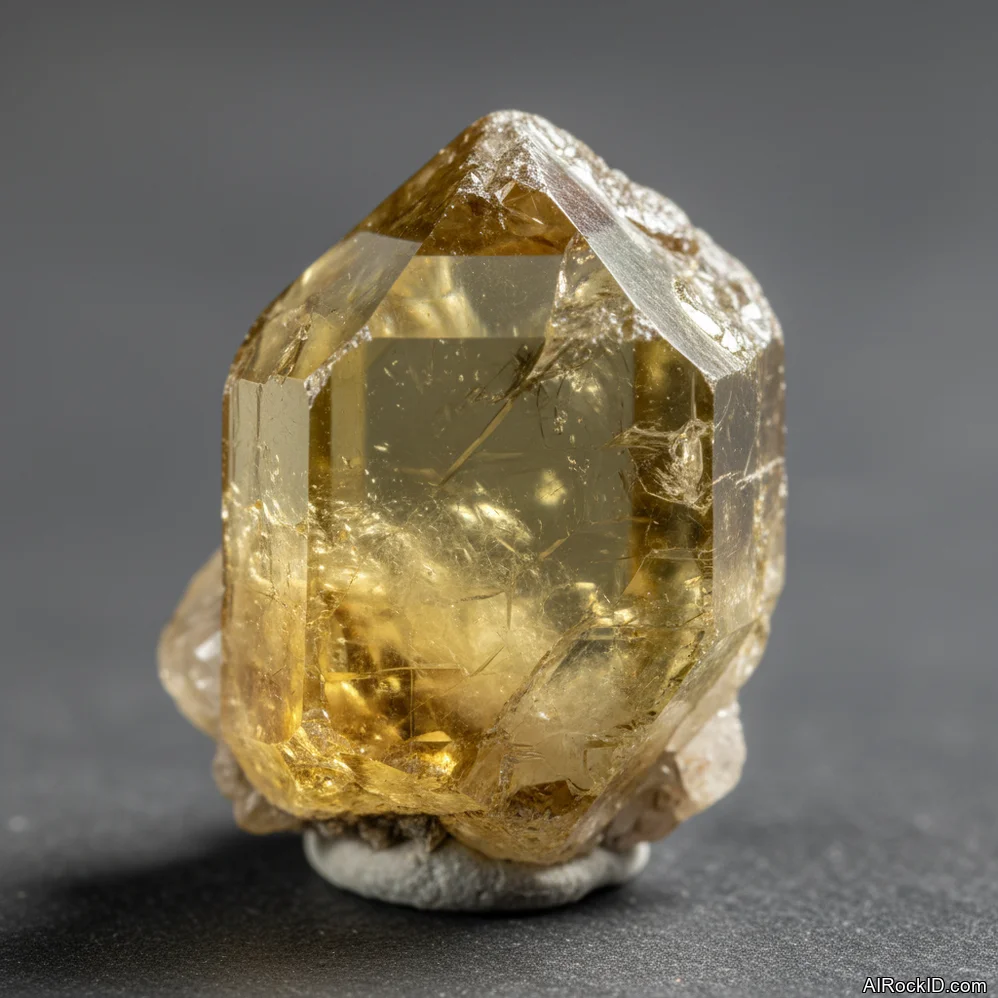
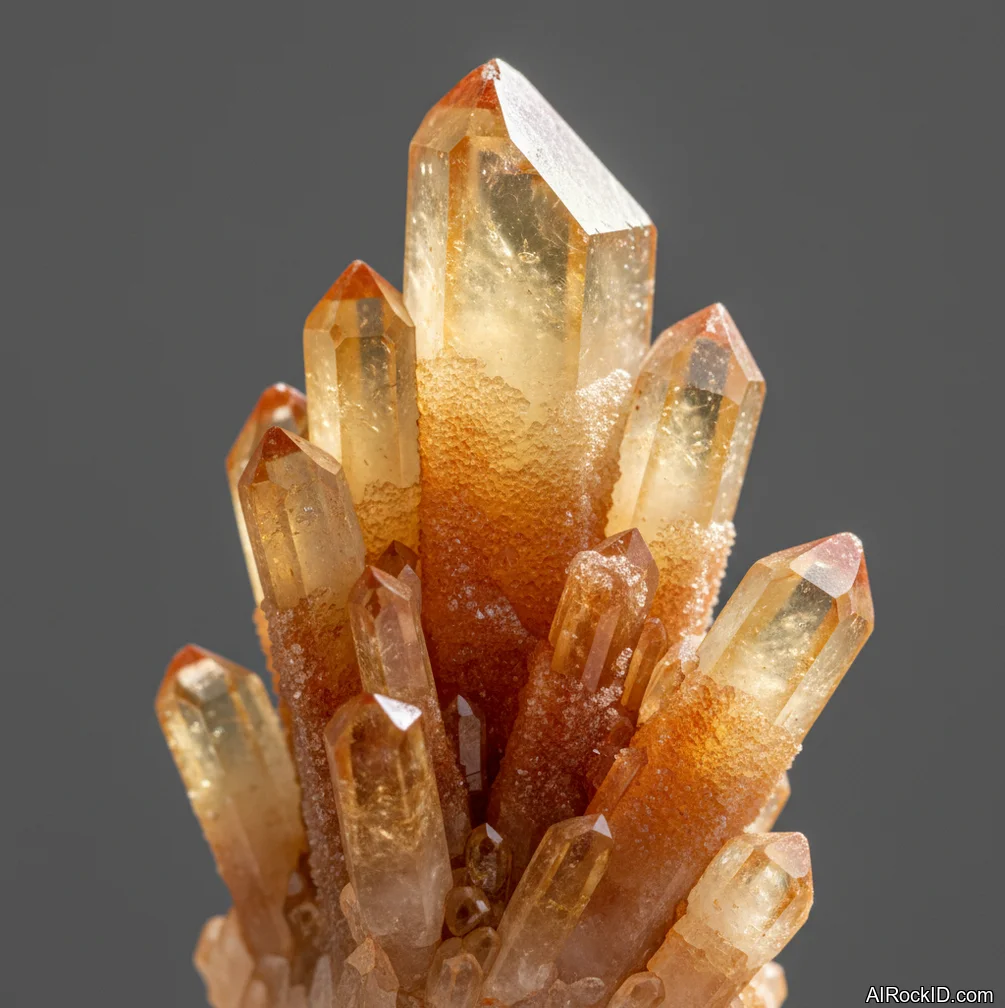
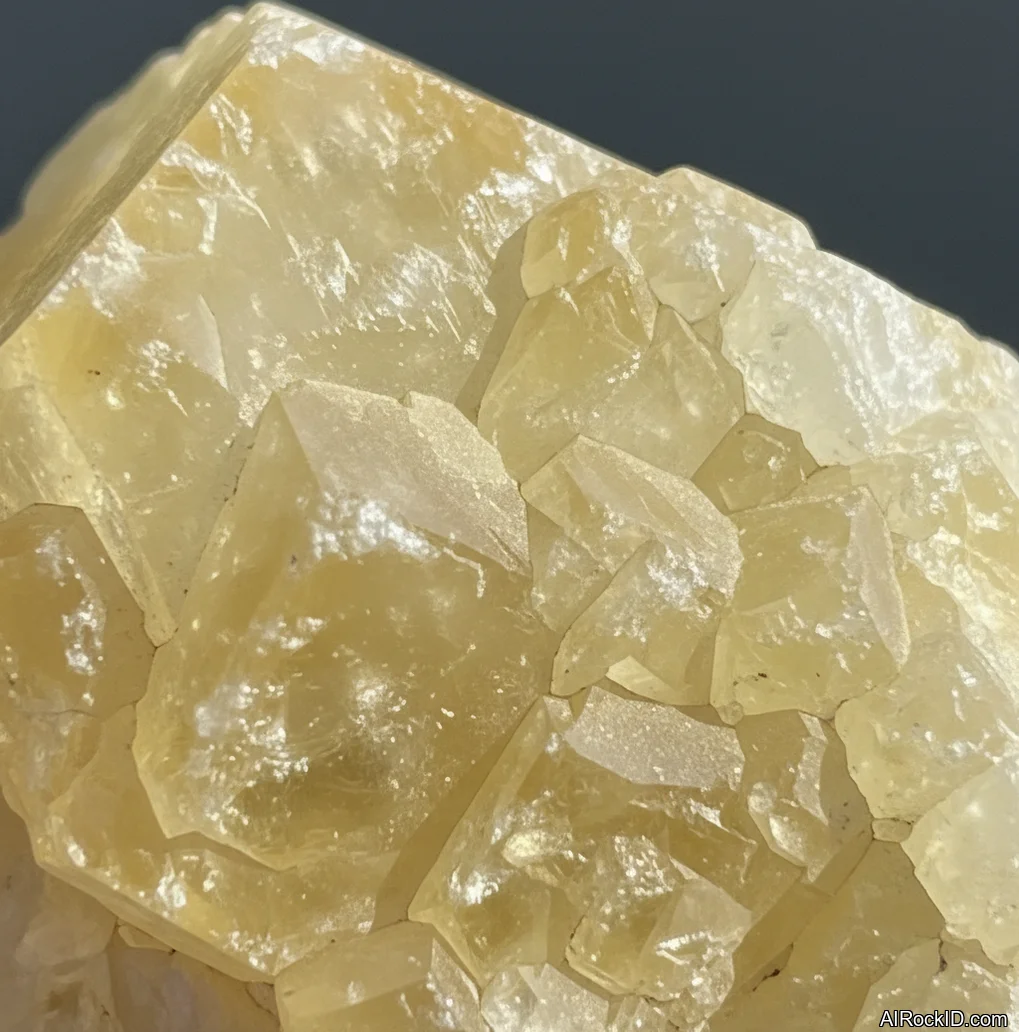
But buying “clarity crystals” online gets messy, because clarity gets confused with clarity of the material. Clear stones photograph well, so sellers lean hard into perfect transparency, and that’s where fakes creep in. Cheap versions of “clear Quartz” can be glass with tiny bubbles, and it warms up in your hand faster than real Quartz. For Citrine, a lot of what you see is heat-treated Amethyst. The giveaway is that orange-brown color pooling at the base of a point while the rest looks washed out, like it got toasted from one end.
Raw pieces from Minas Gerais in Brazil can be unbelievably clean, but don’t assume cleaner is always better. A lightly included Quartz with a few veils can still read as “clear” in use, and it’s usually more affordable than museum-grade material. For Fluorite, check corners and edges. If the cube looks too perfect in photos, ask for close-ups, because chips hide easily in soft lighting. For Labradorite, ask for a video. A still photo can catch the one flattering angle, but in hand you want a piece that flashes across a wider area when you roll it.
Practical care matters if clarity is what you’re after. Dust and fingerprints dull the look and, honestly, the experience. Wipe Quartz and Agate with a soft cloth. Keep Selenite dry. Keep Fluorite away from rough company in a bowl of tumbles. And if you’re using a stone during stressful weeks, give it a reset routine you’ll actually do: a quick rinse for hard stones like Quartz, or a simple wipe and a night on a shelf for soft ones.
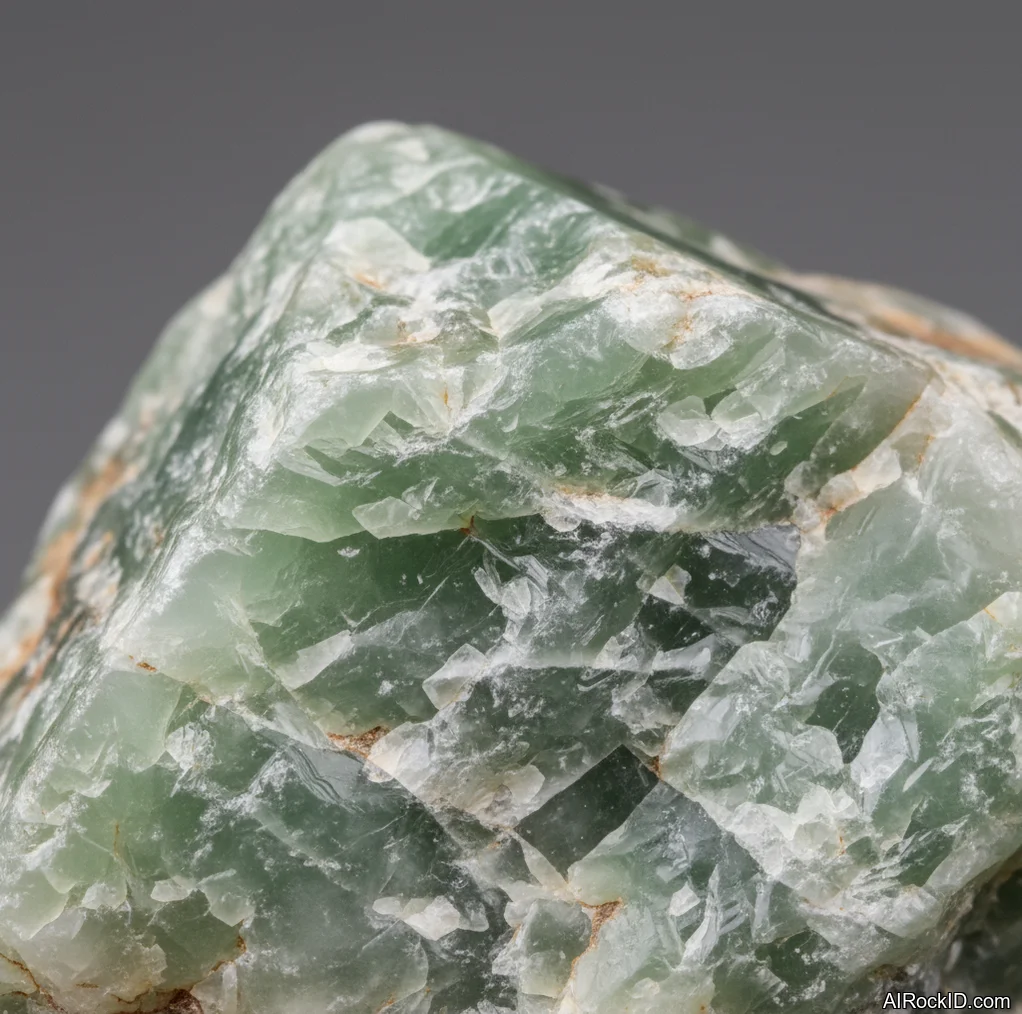
There are 447 crystals tagged for Clarity in your database, which tells you something. People reach for this property constantly, and there isn’t one single right pick. Start with the stone you’ll actually touch and keep nearby. Clear Quartz for an all-purpose baseline. Fluorite when you need sorting and focus but can baby it. Selenite when you want calm, clean vibes on a nightstand and don’t plan to carry it around. Then pay attention to what happens when you use it in the real moment you need clarity, not just when it looks pretty on a shelf.
All Clarity Crystals (447)