Stress Relief Crystals
Learn about Stress Relief crystals, what the property means, top stones like amethyst and lepidolite, and tips for choosing and using them daily.
Stress Relief, in crystal terms, is basically the “my brain won’t stop” problem. Your body’s keyed up, your mind’s looping, and you just want things to downshift. That’s it. It’s not about turning life into a spa day. It’s about finding a steadier baseline when work, noise, screens, and other people’s energy are running you ragged.
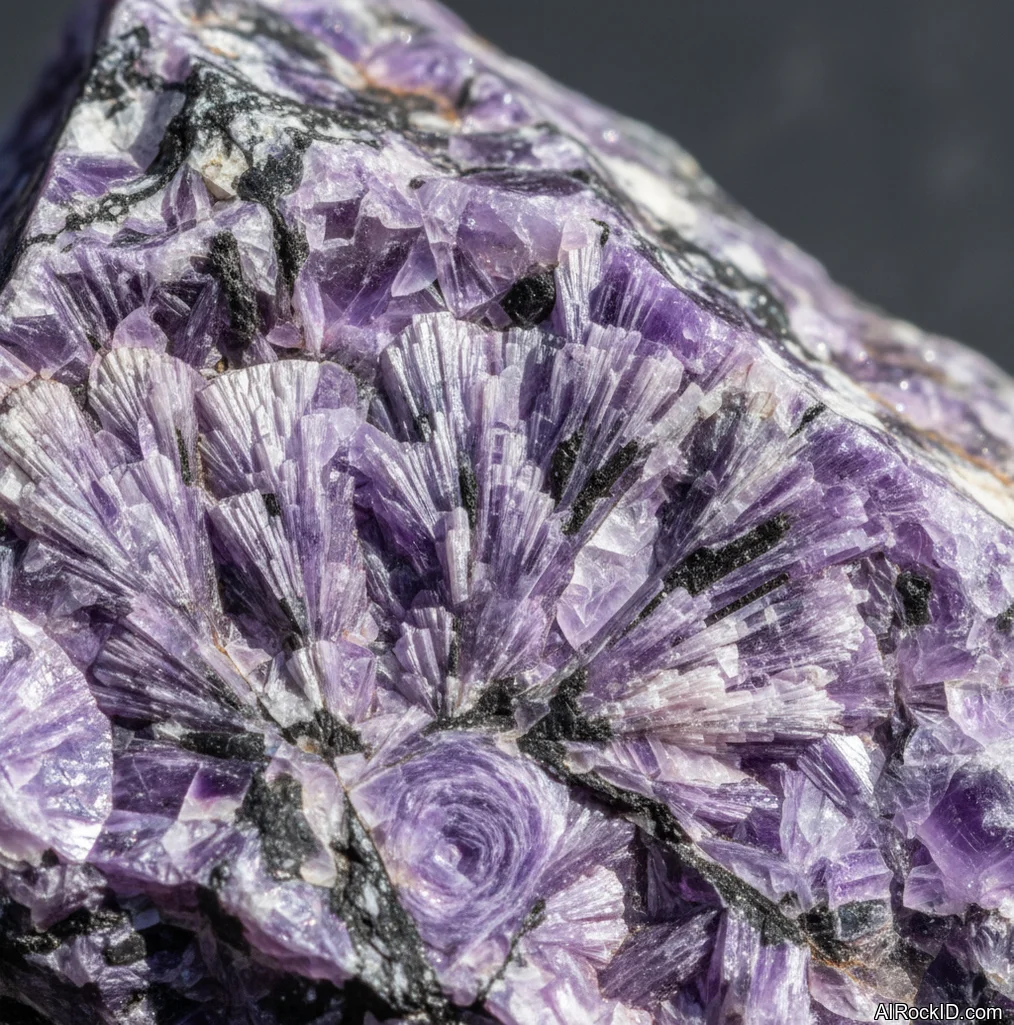
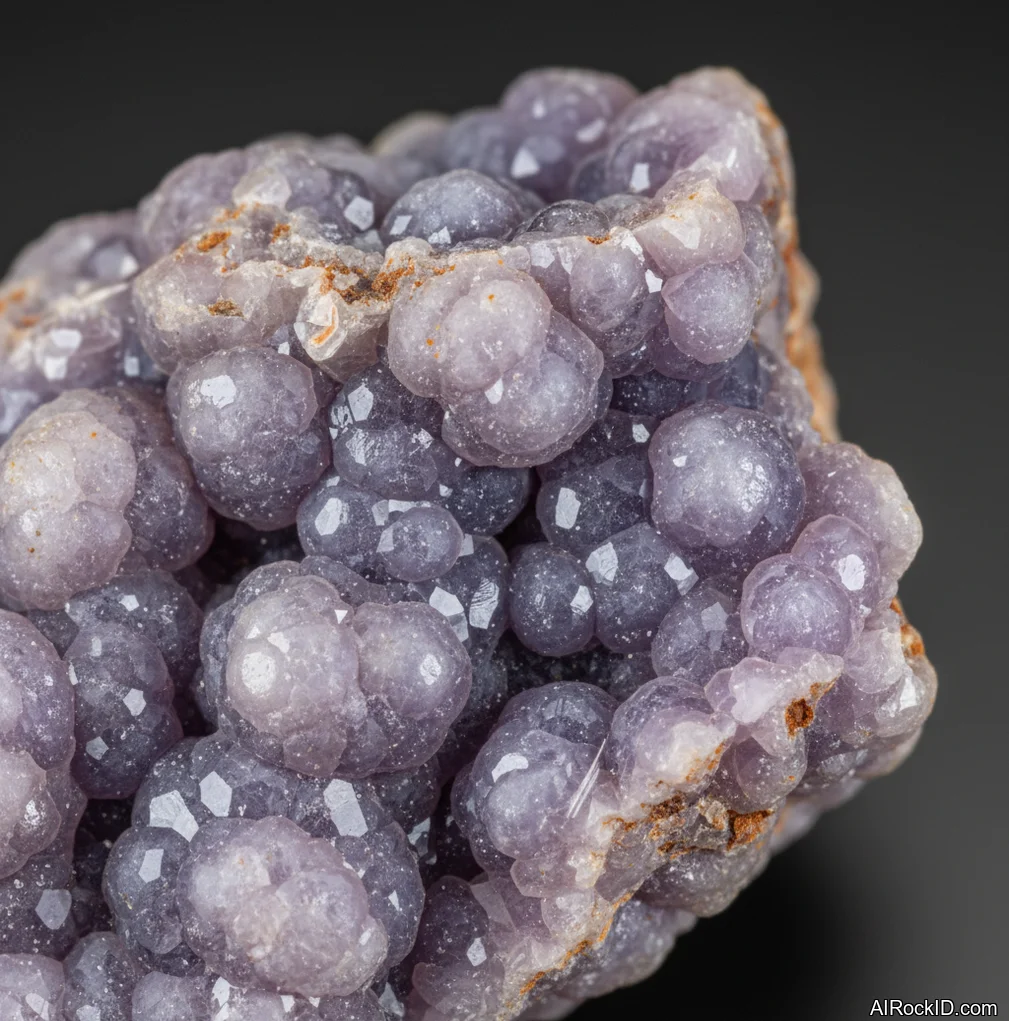
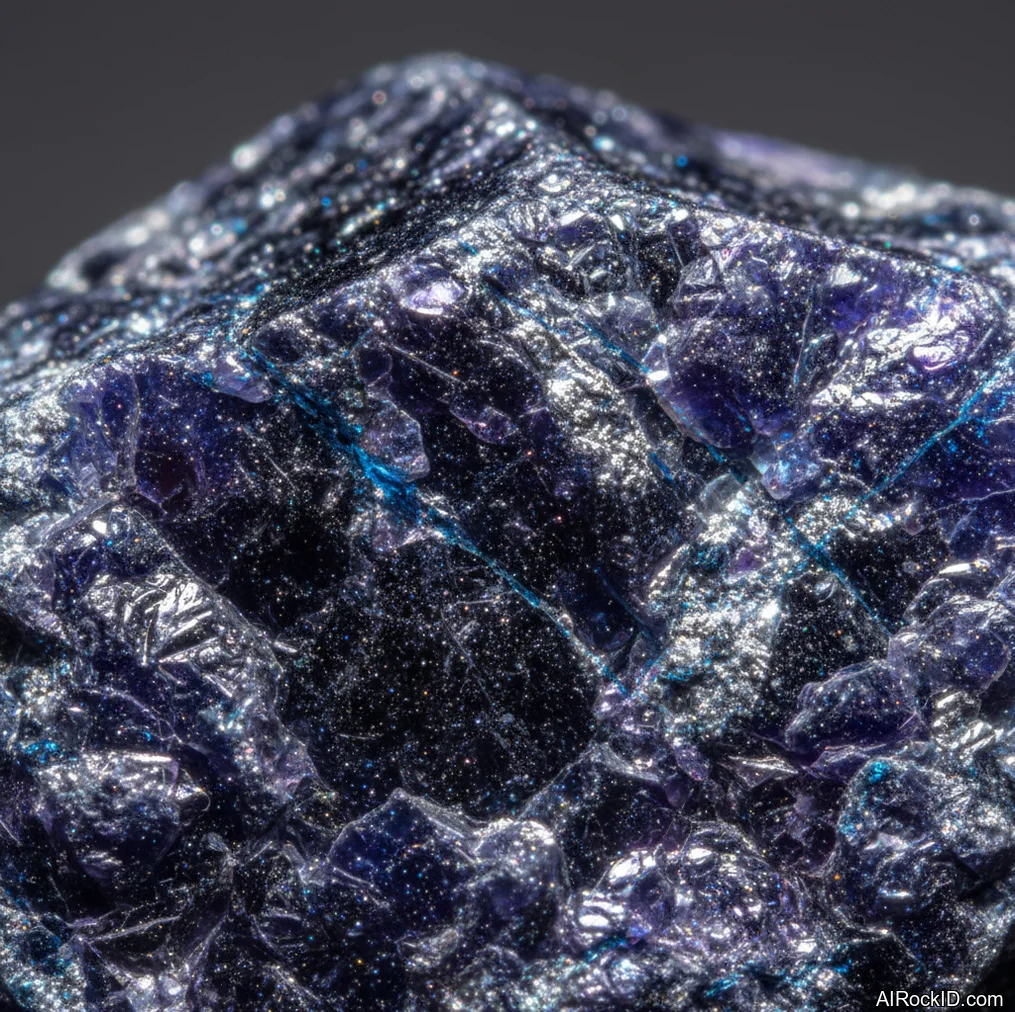
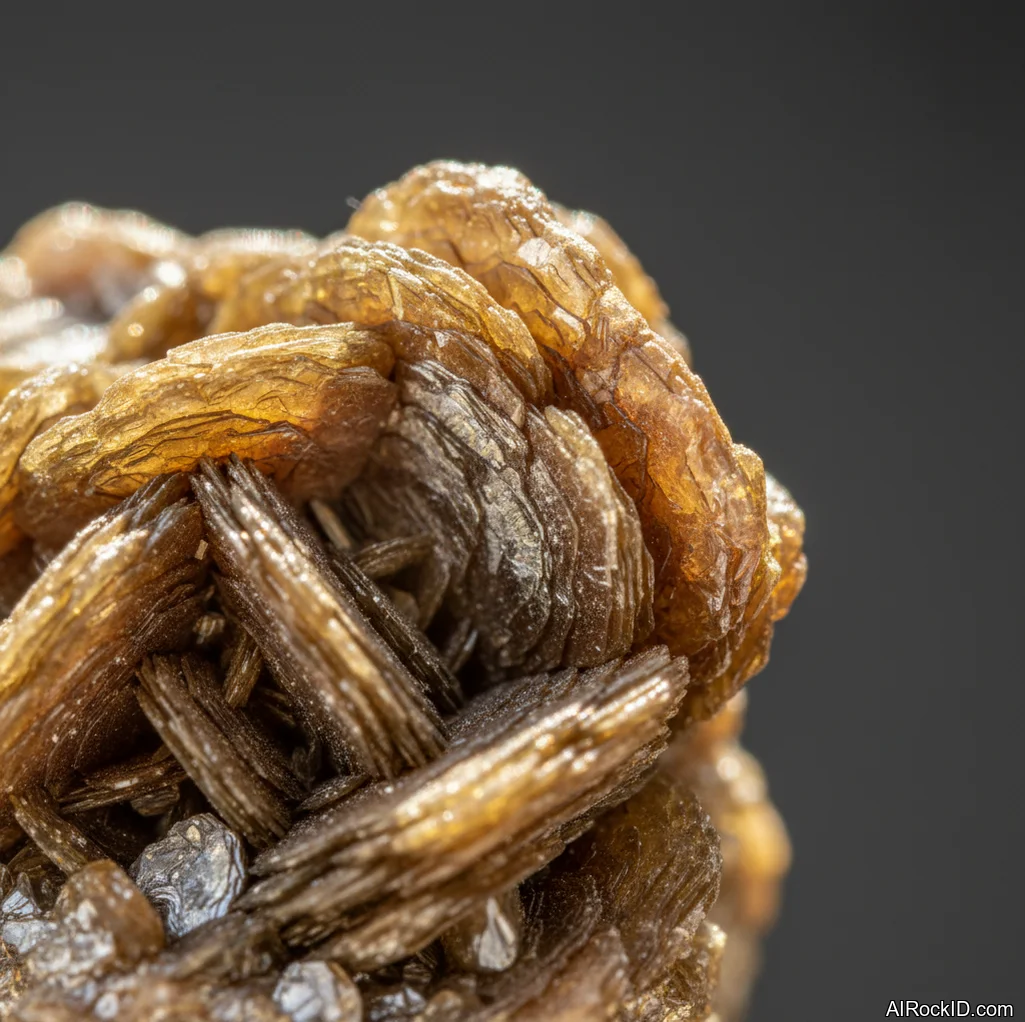
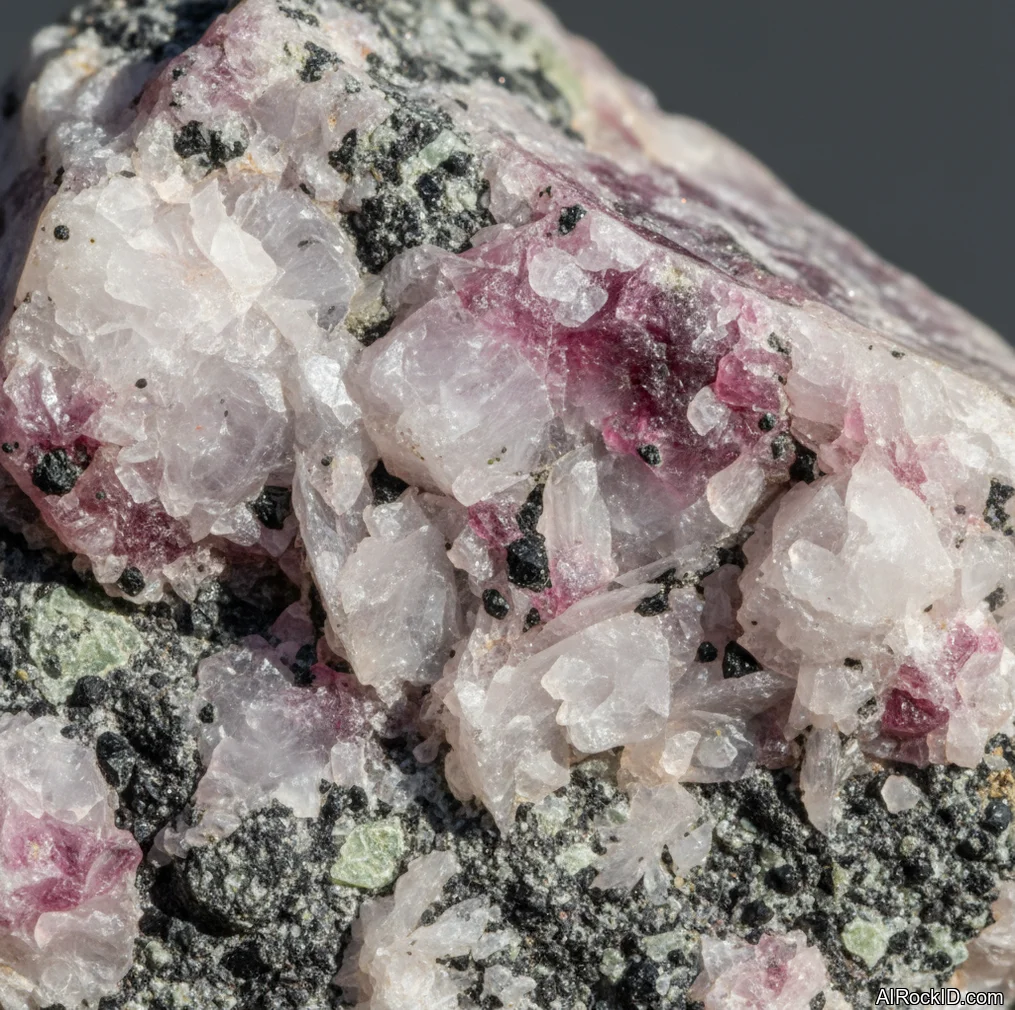
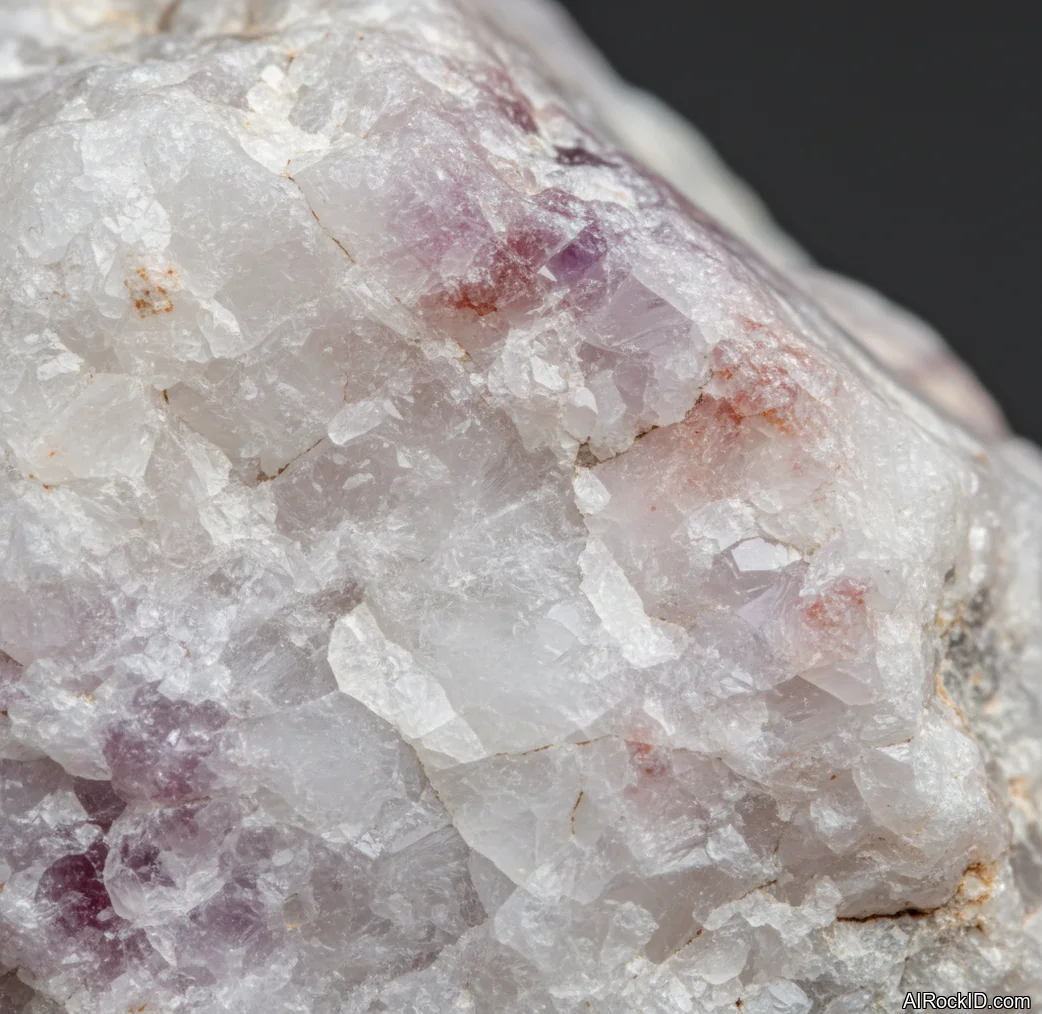
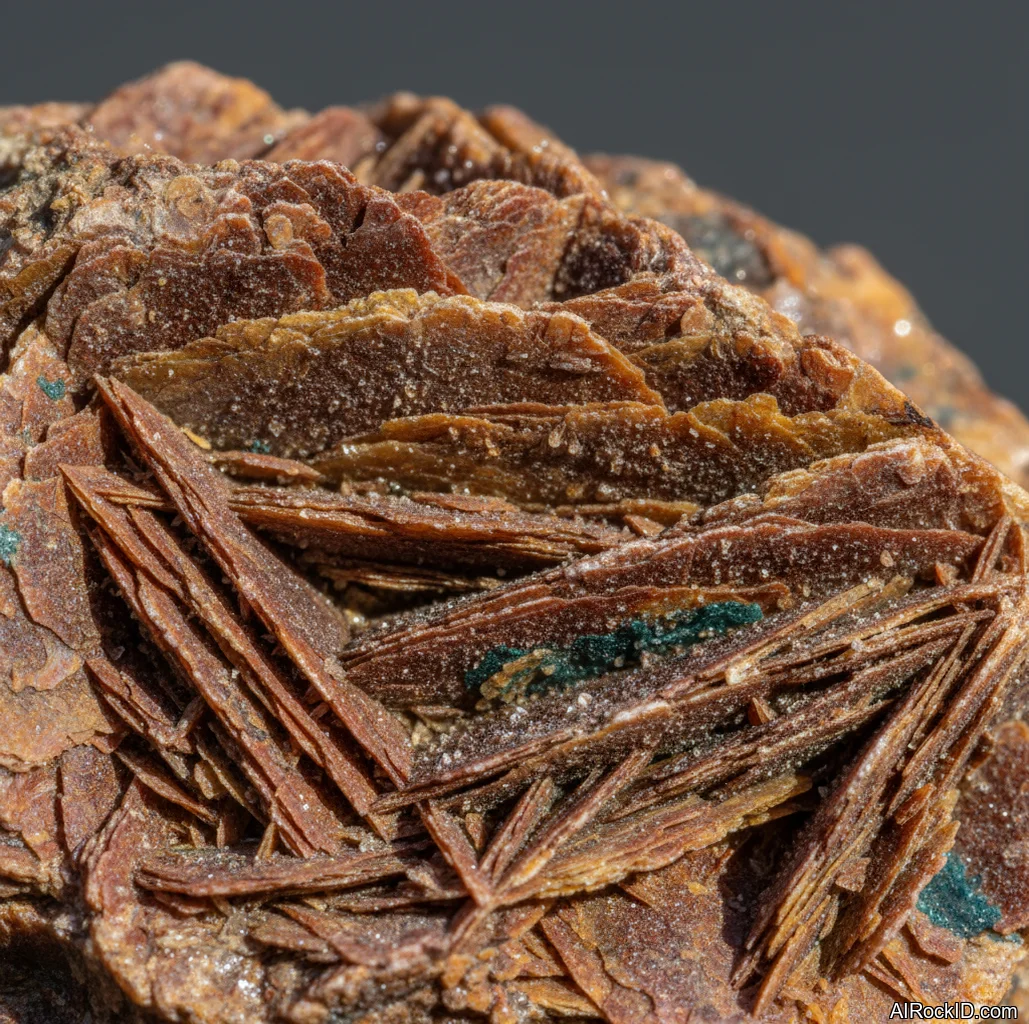
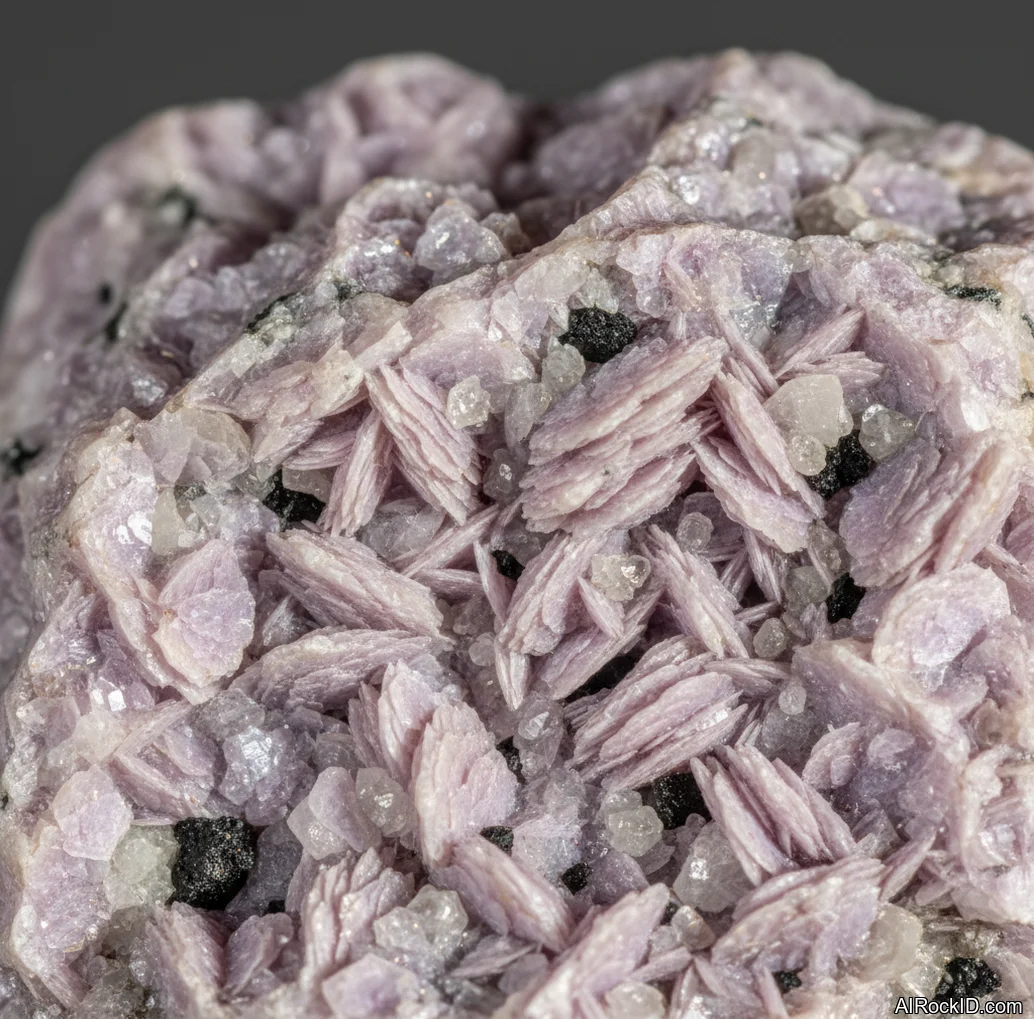
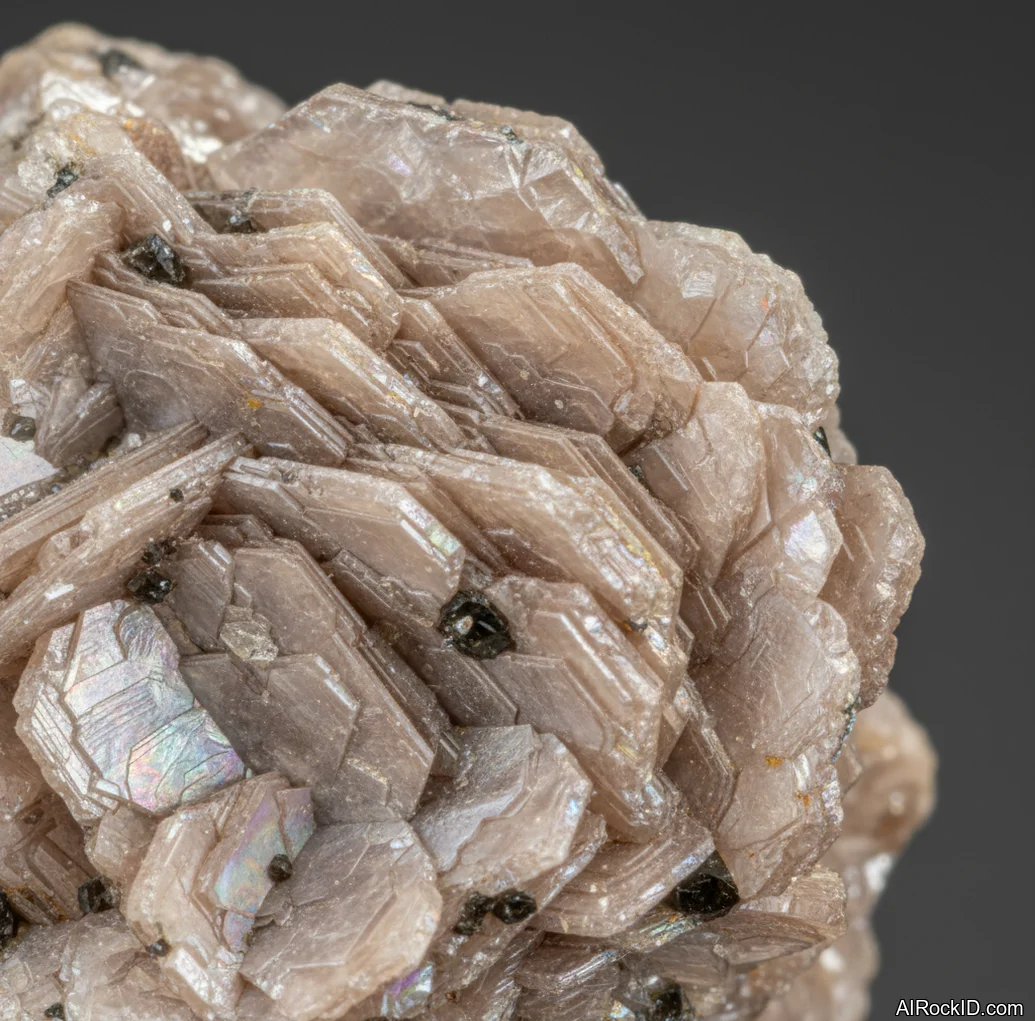
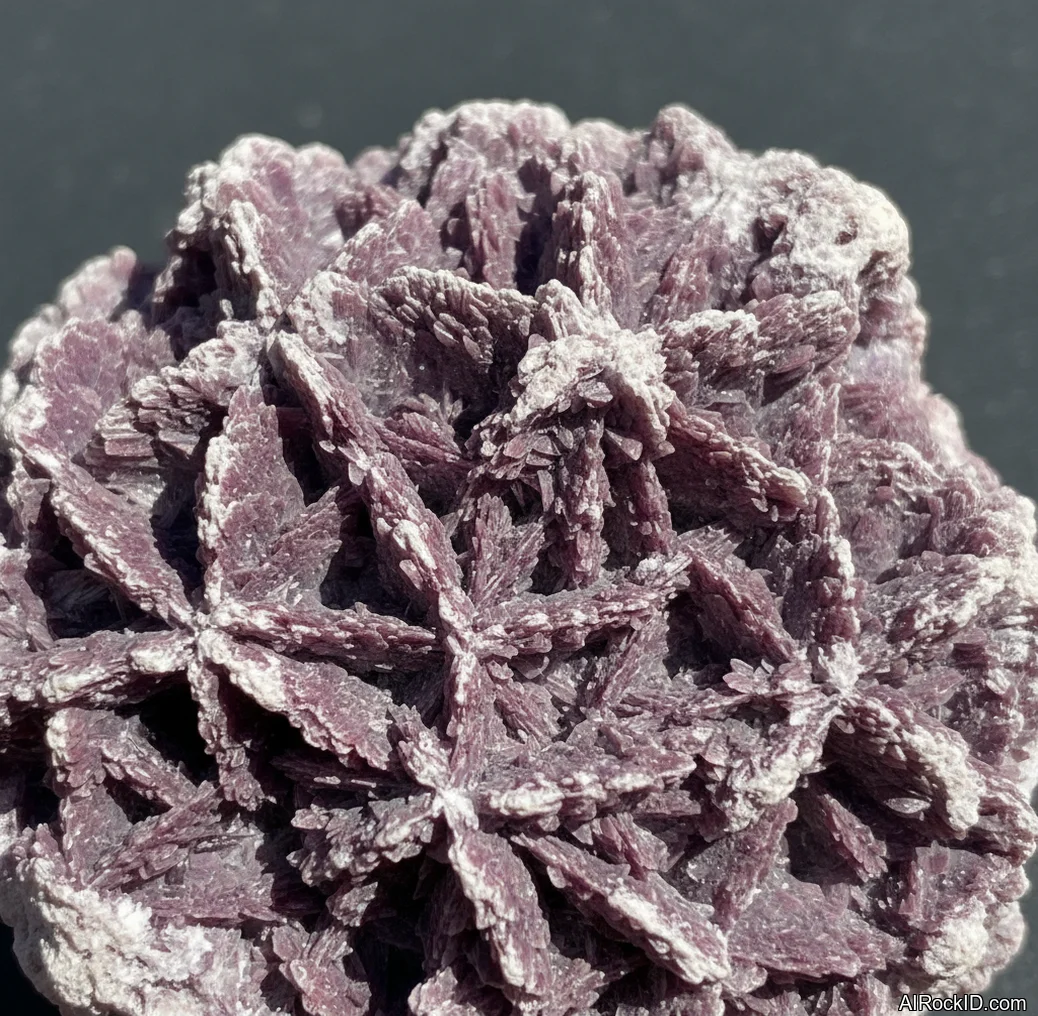
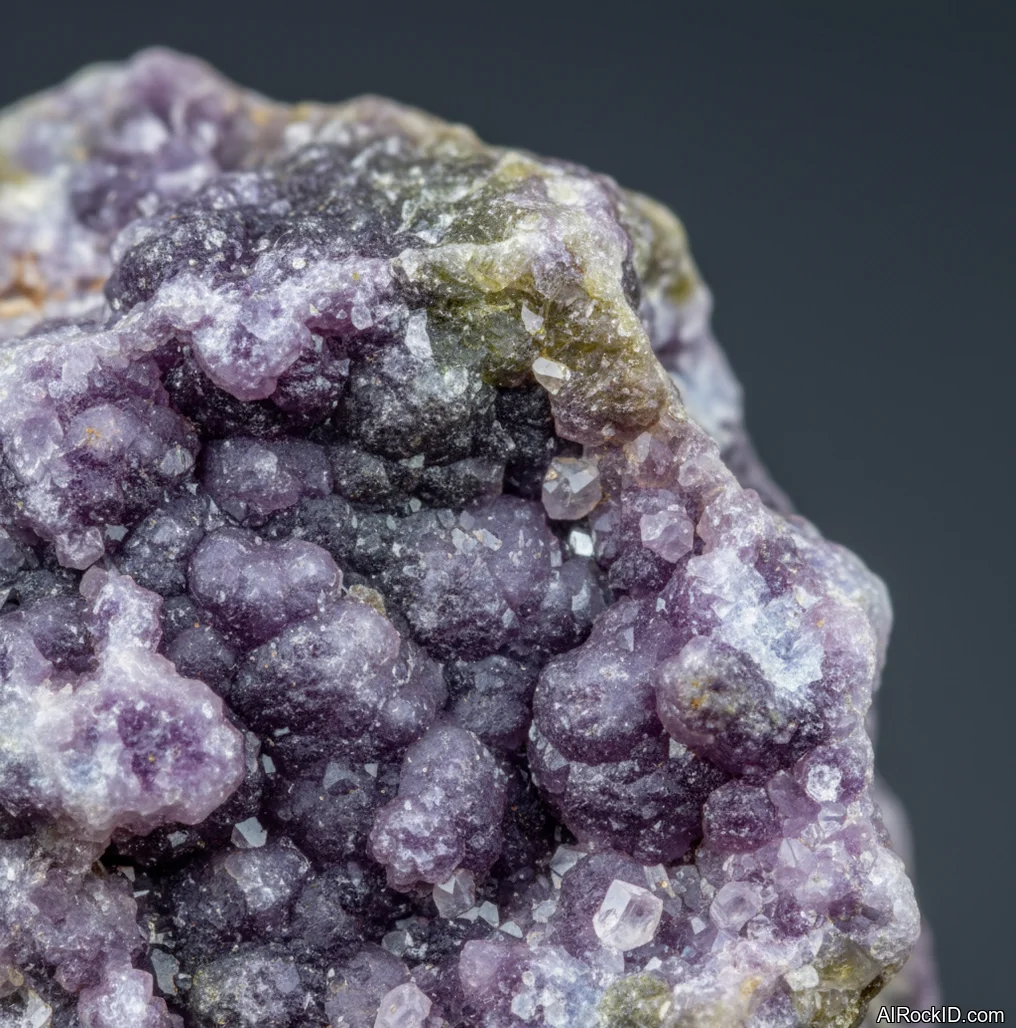
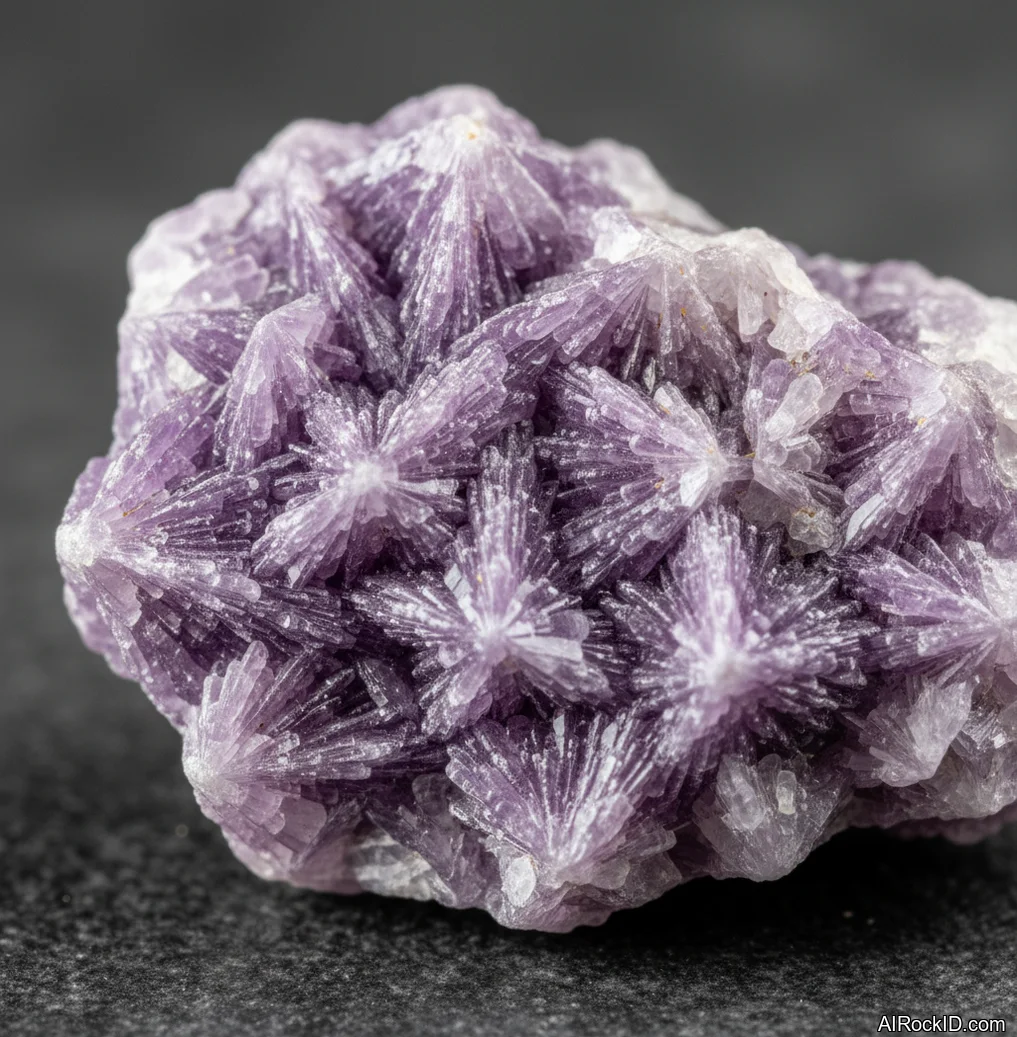
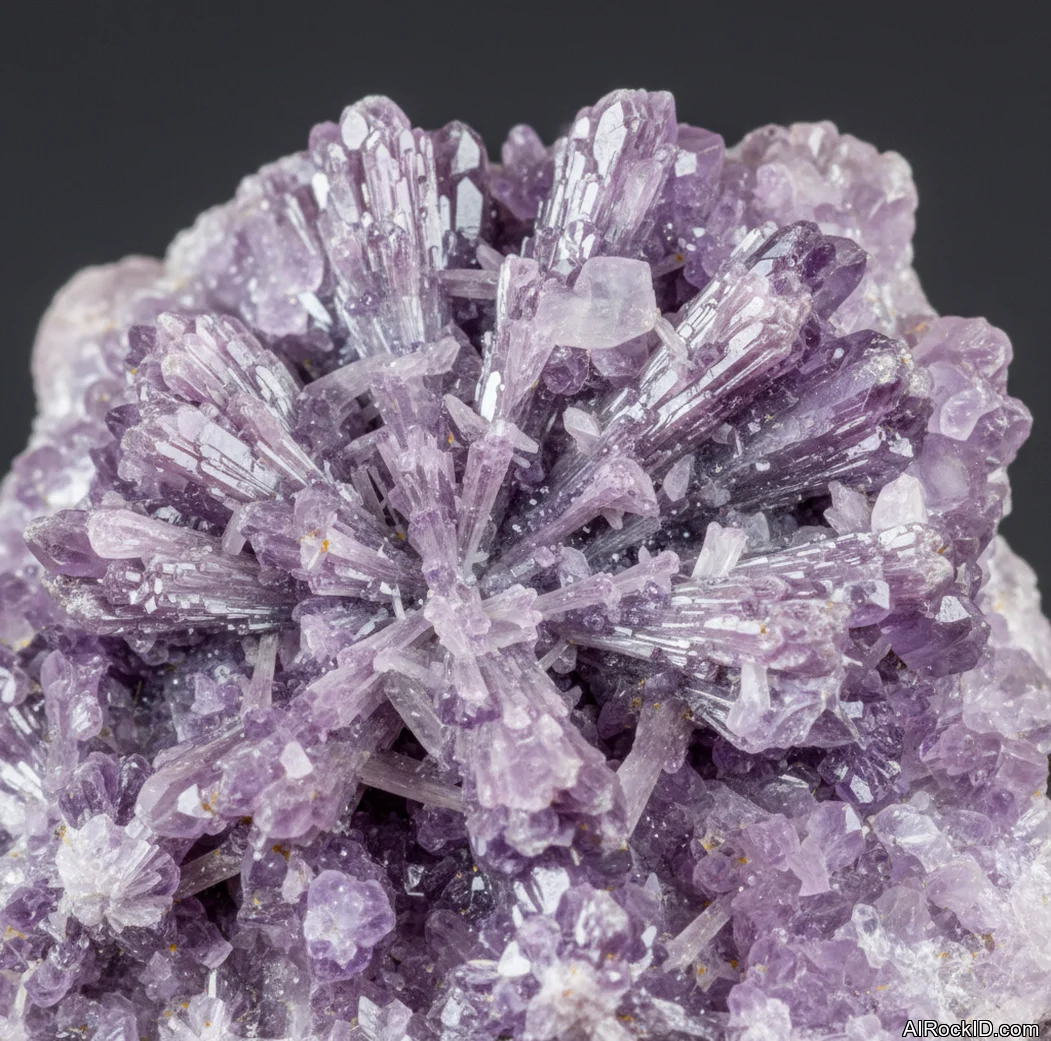
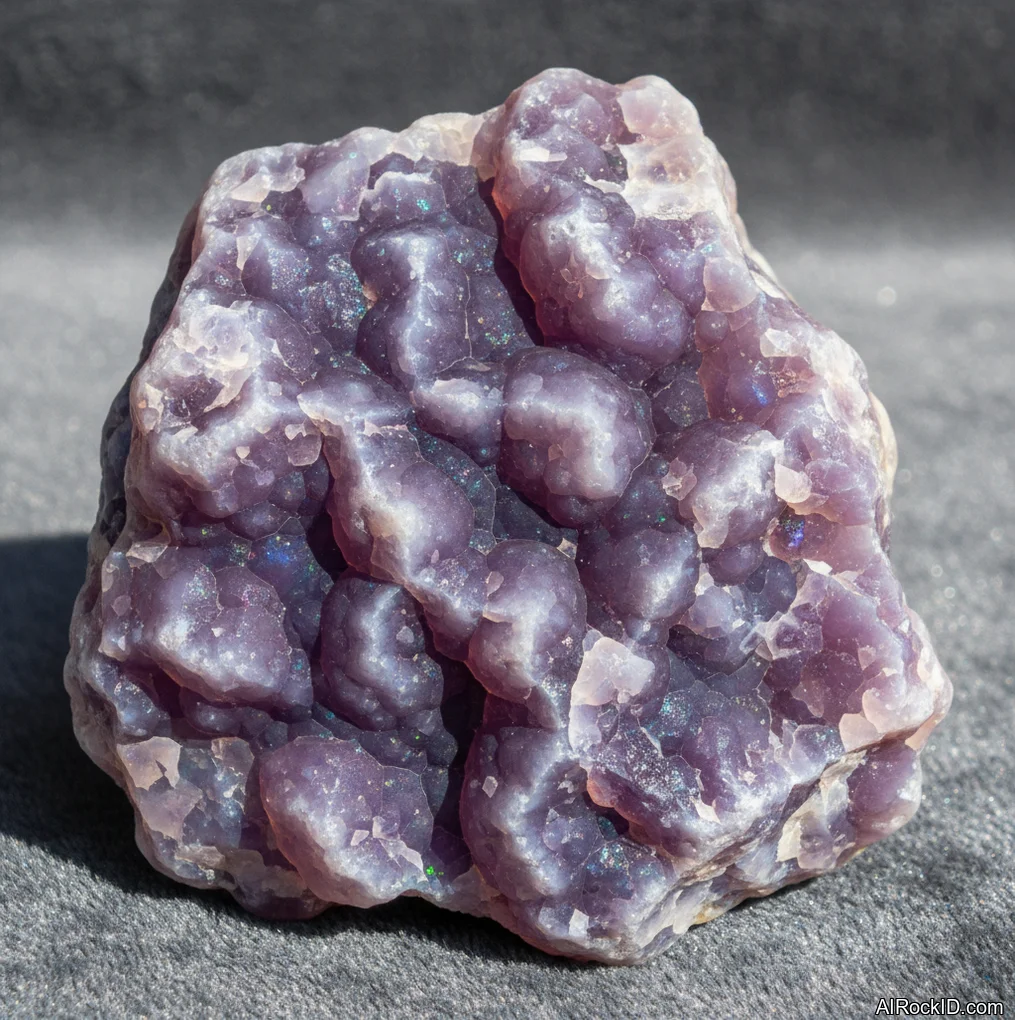
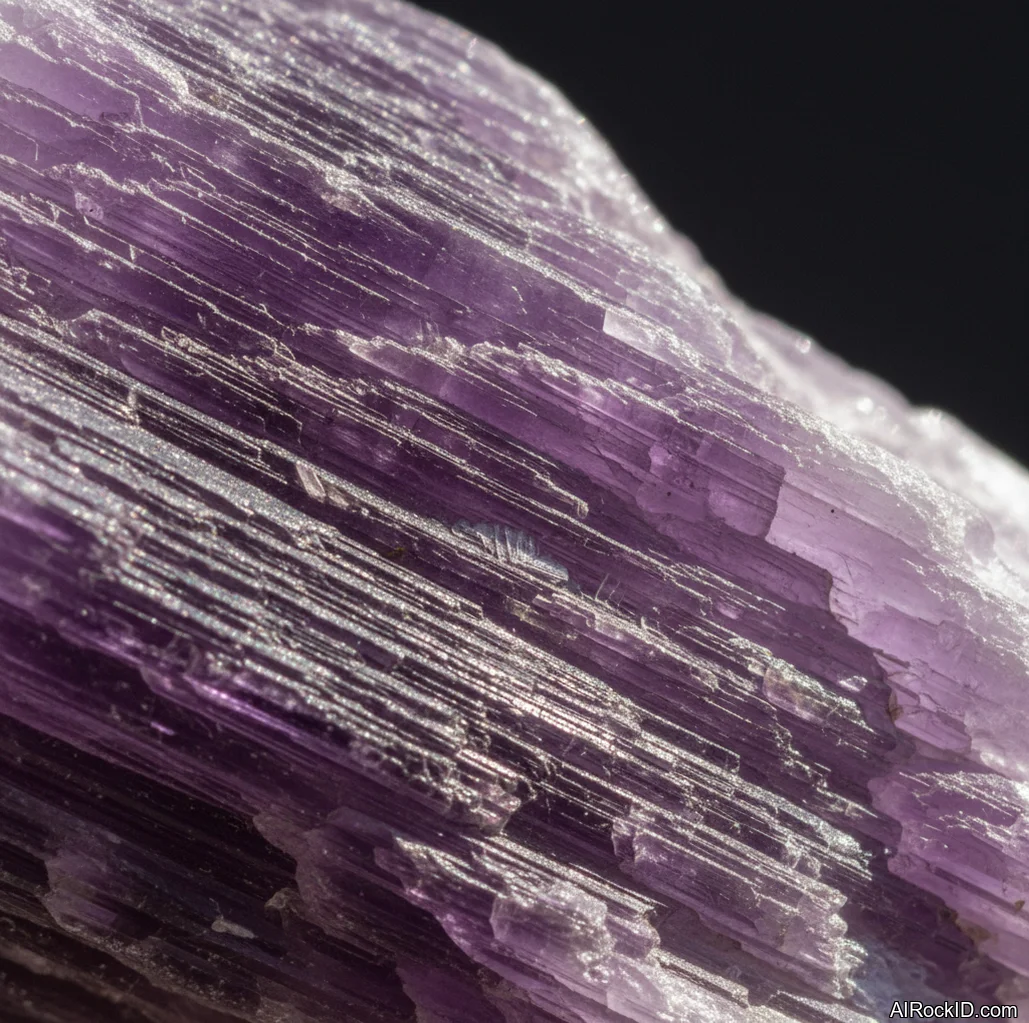
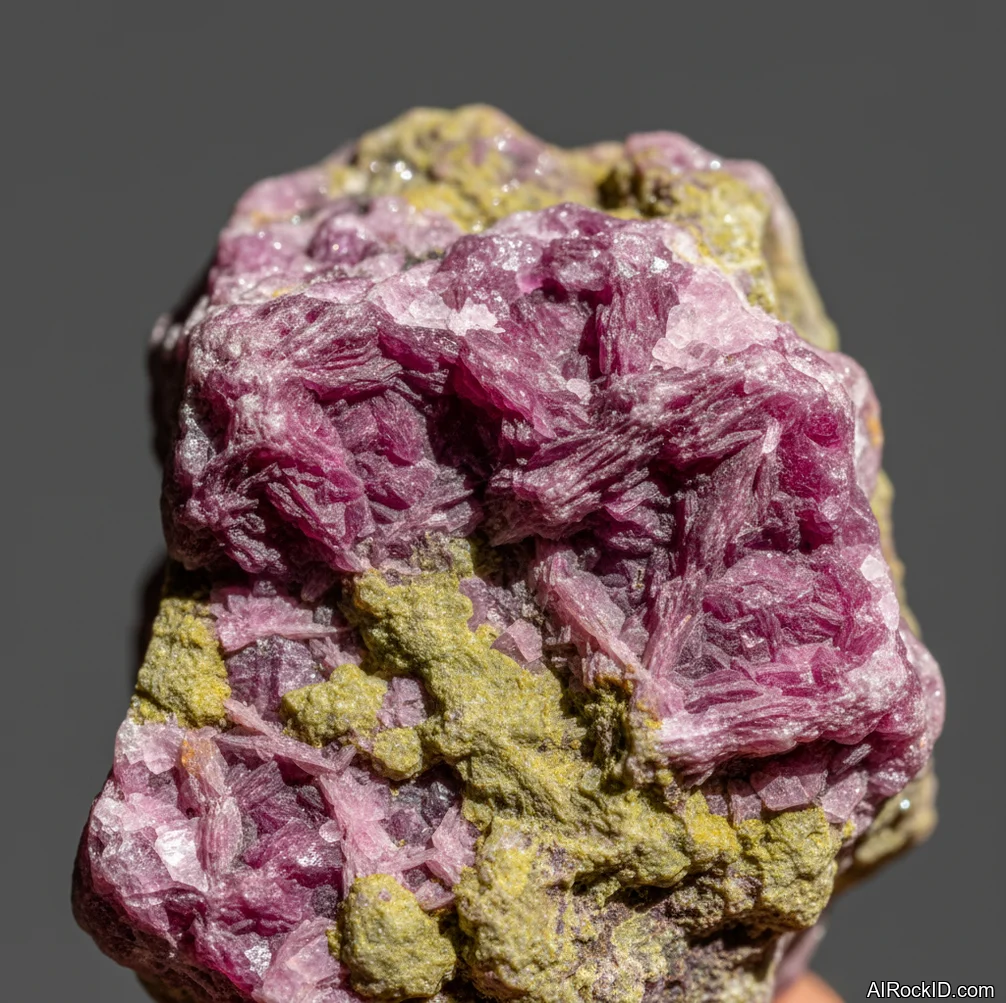
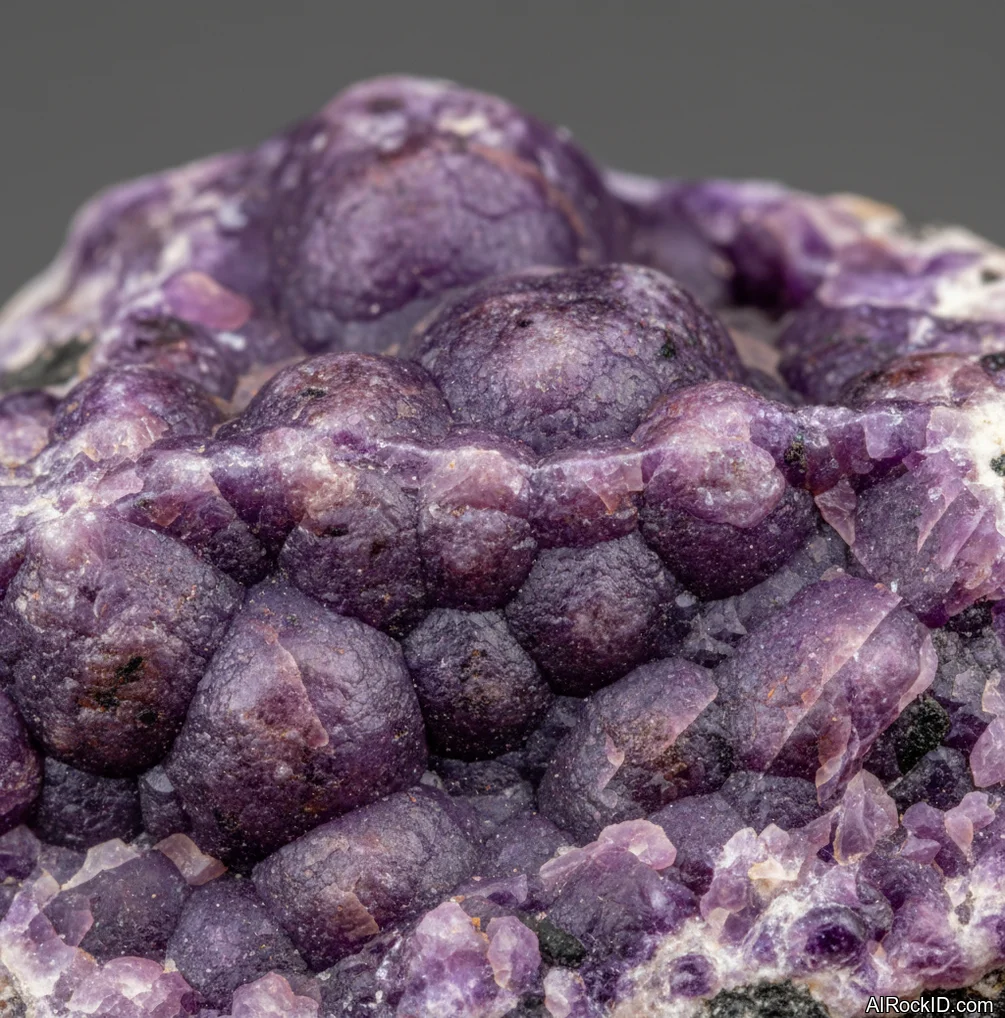
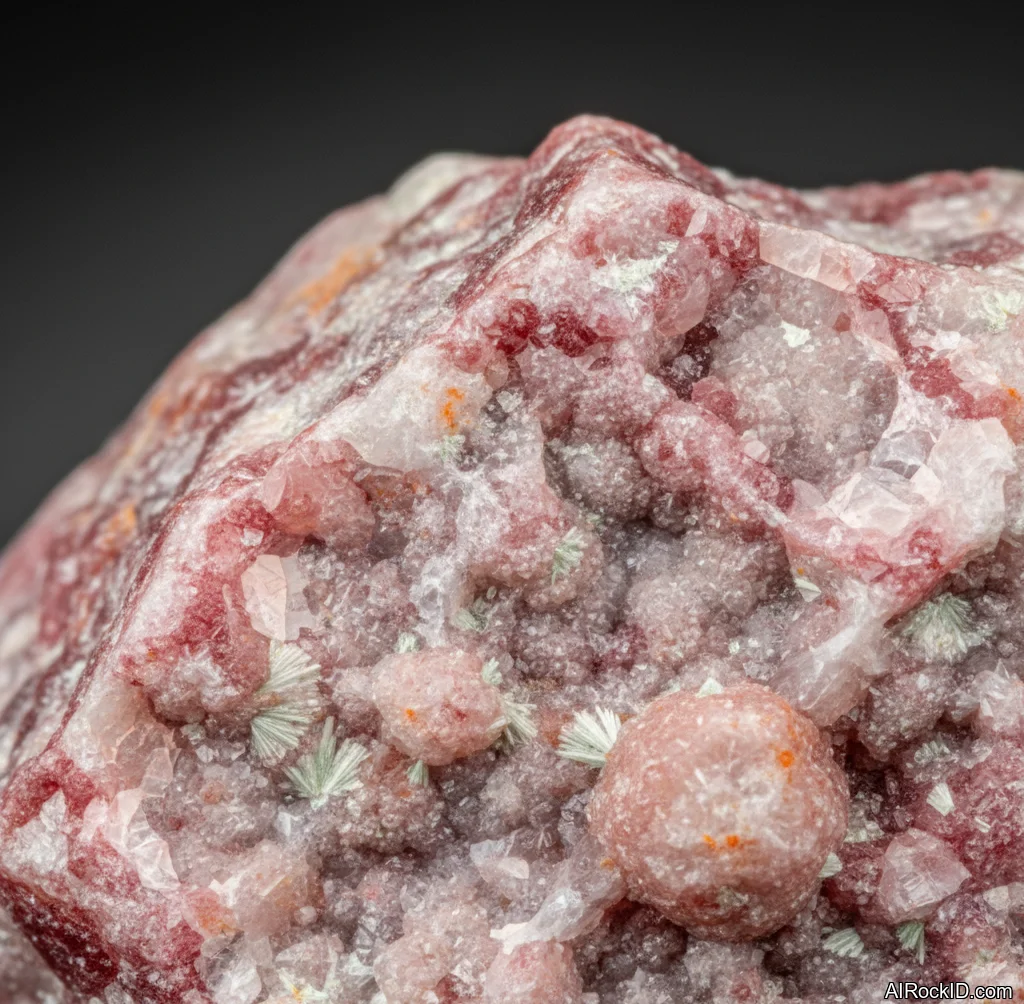
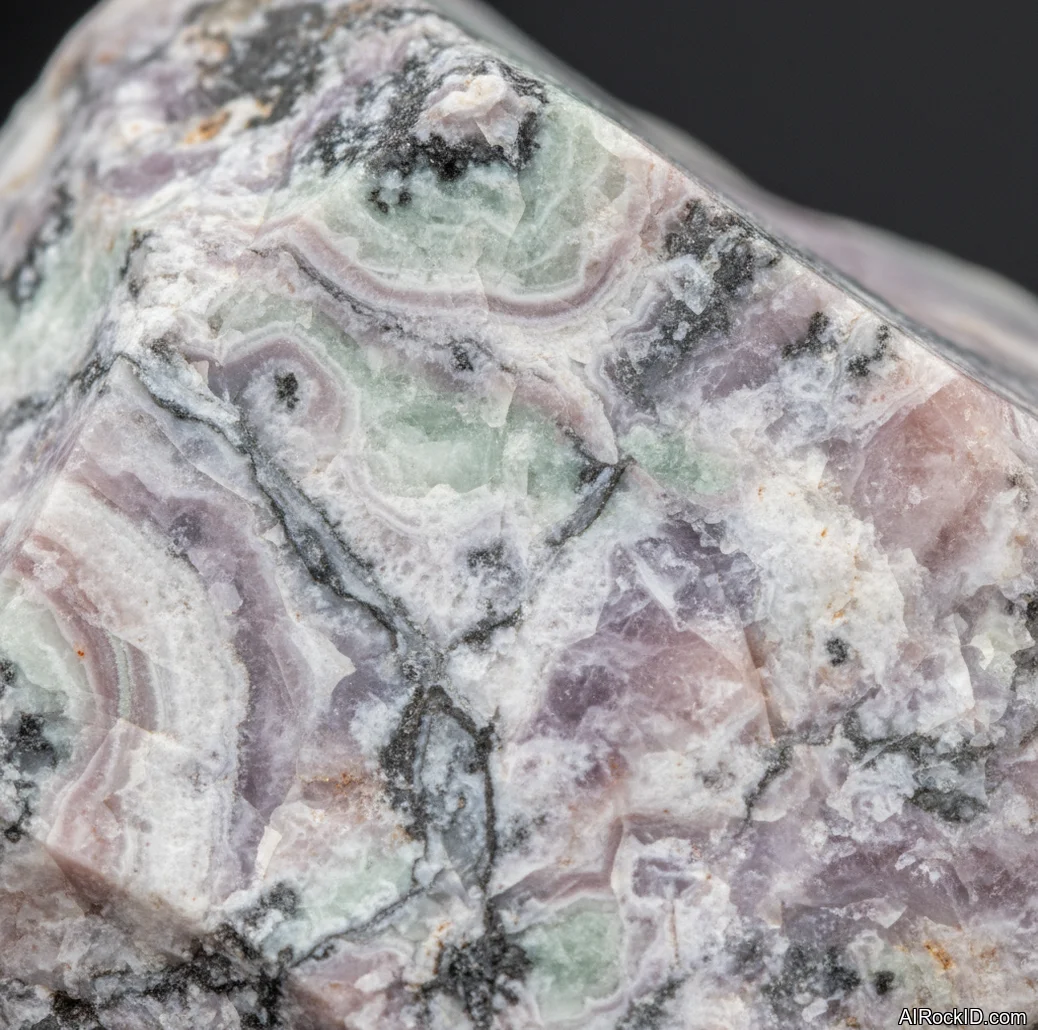
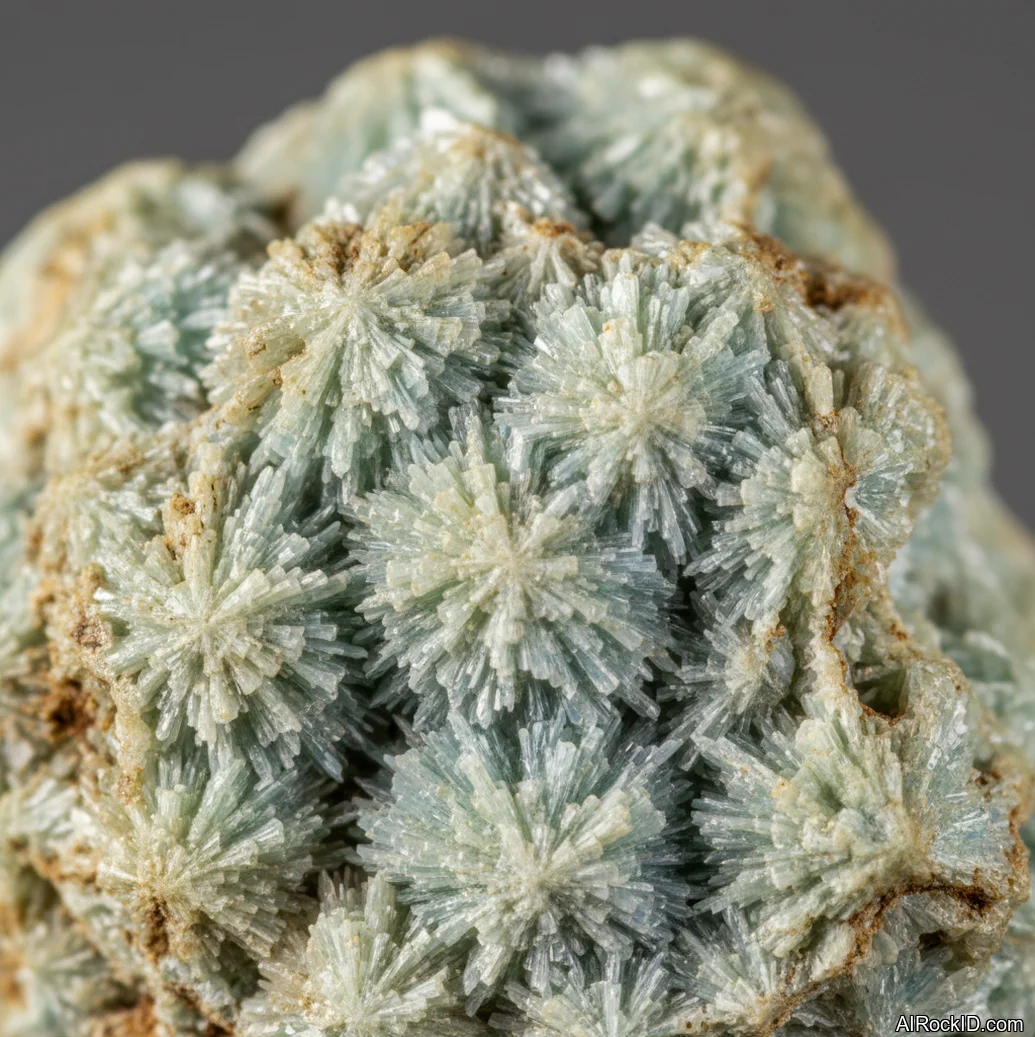
Pick up a good piece of lepidolite and you’ll see why it lands on so many “calm” lists. It feels dense for its size. And the mica layers can look like tiny lilac shingles stacked together. Tilt it under a lamp and there’s that soft, glittery sheen. But it’s fragile. I’ve watched lepidolite edges crumble in a pocket after a week, so if you want it as a carry stone, a polished palm stone or cab is the practical move.
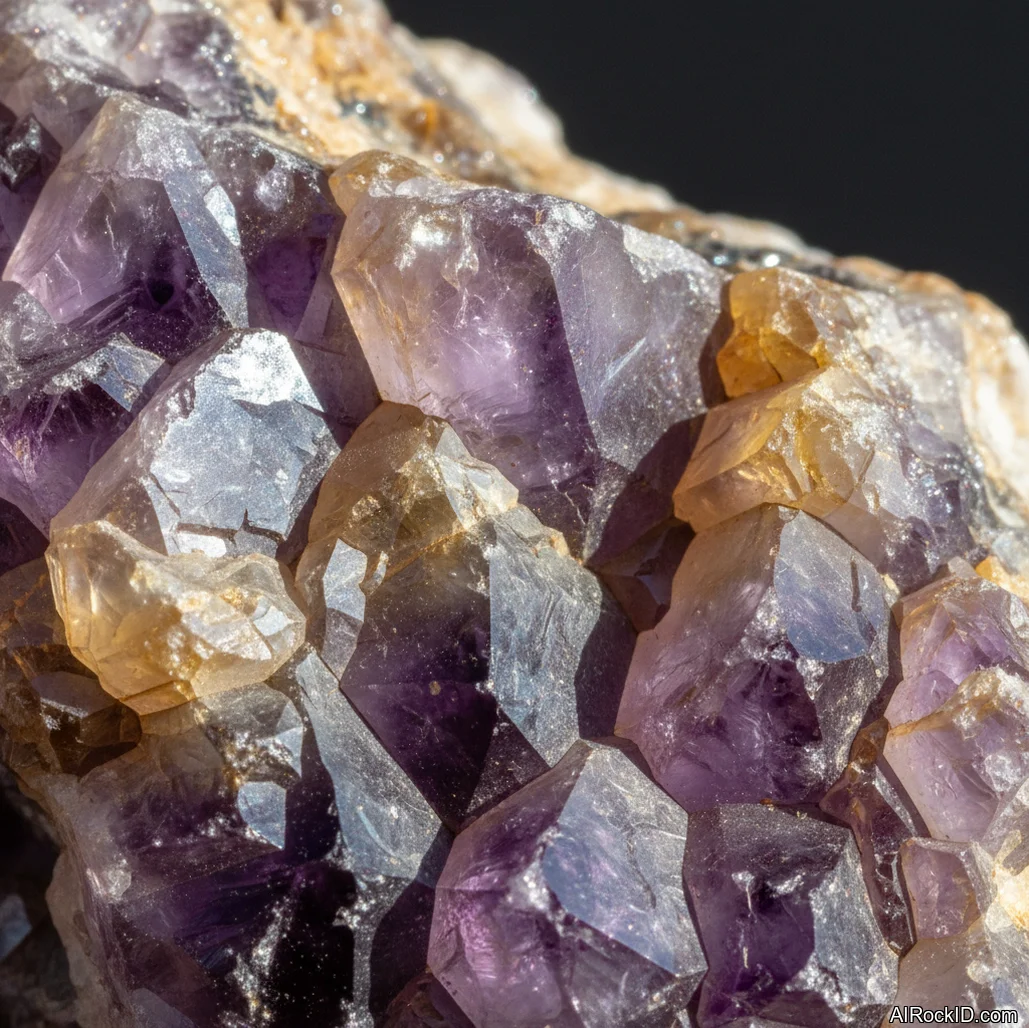
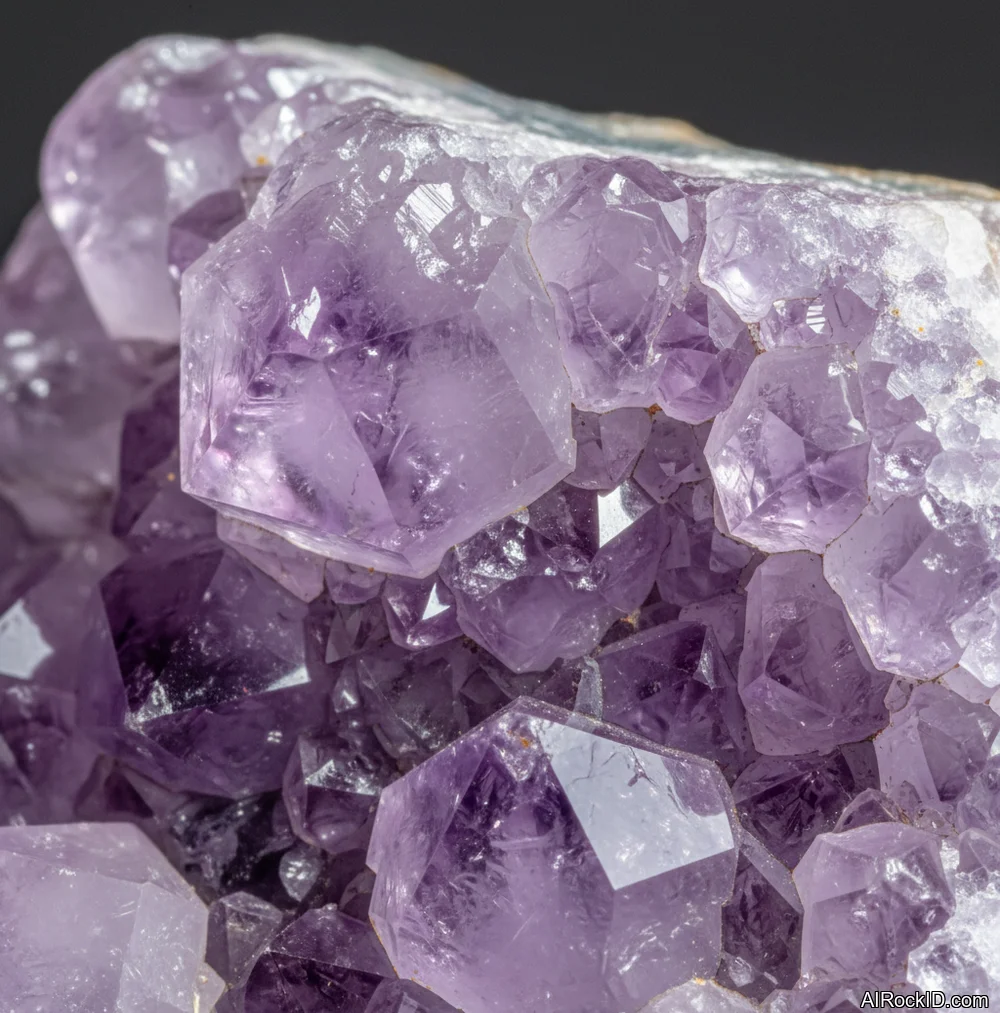
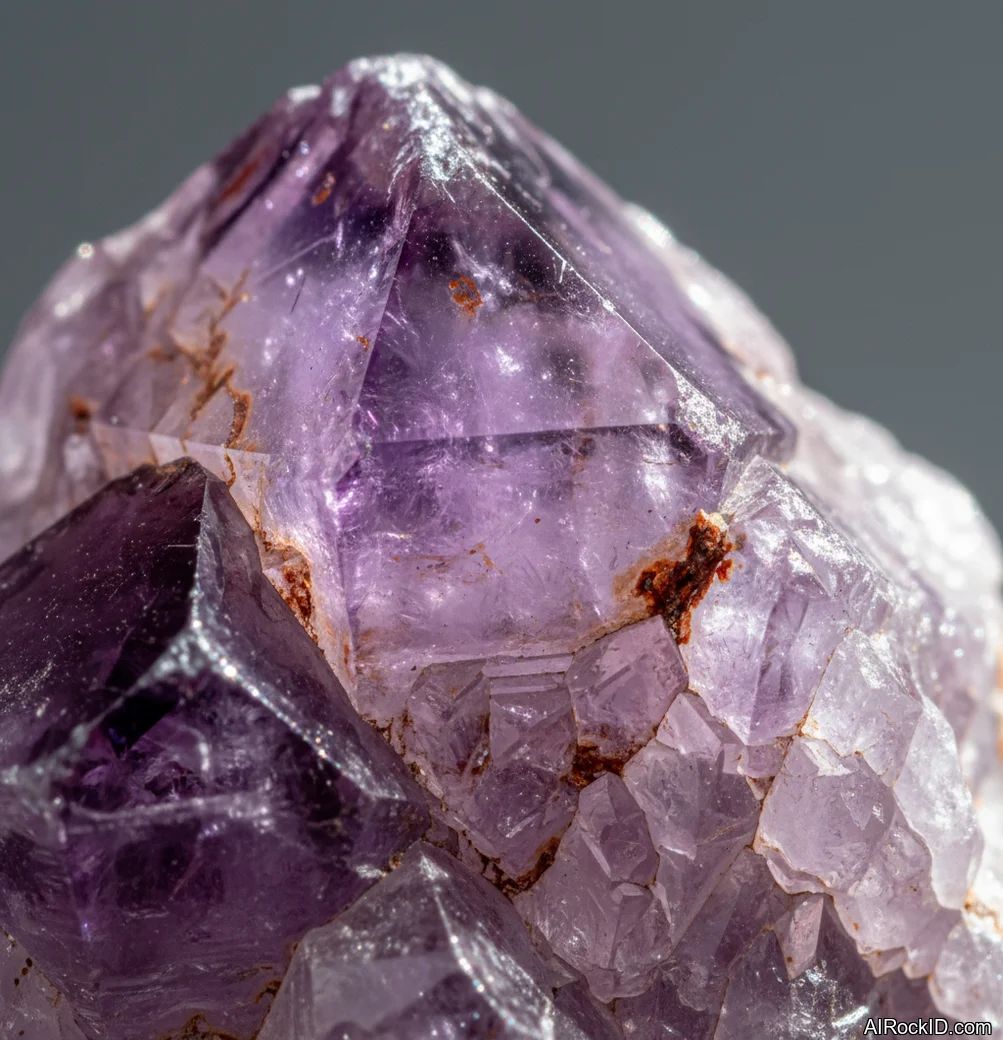
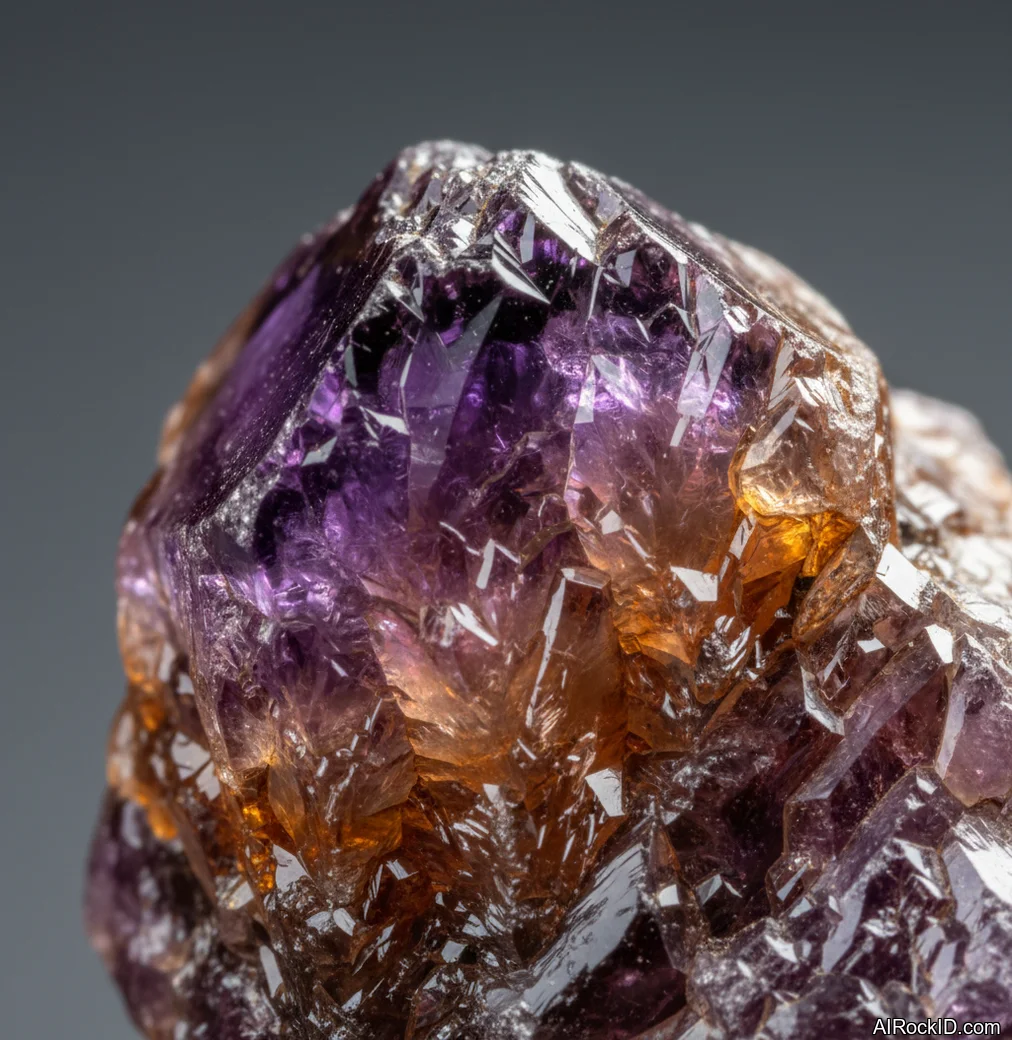
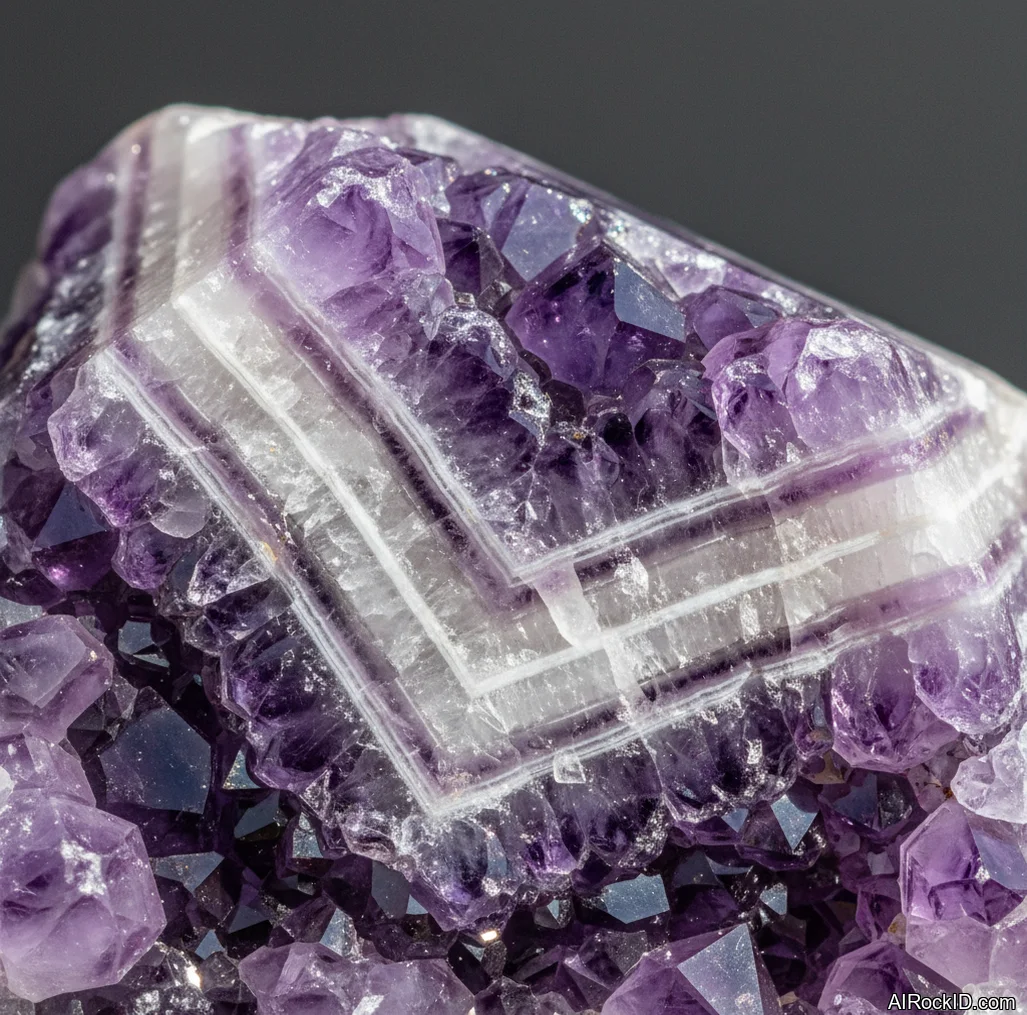
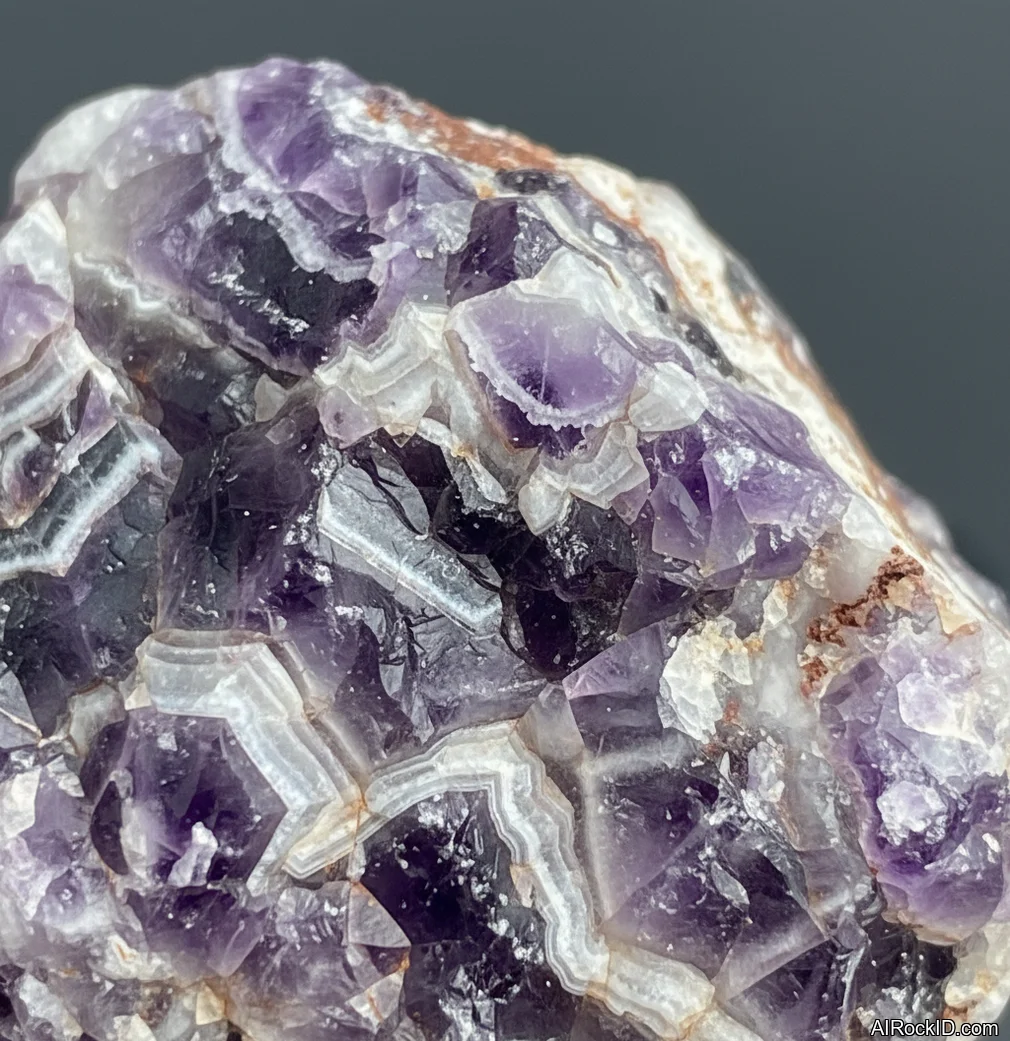
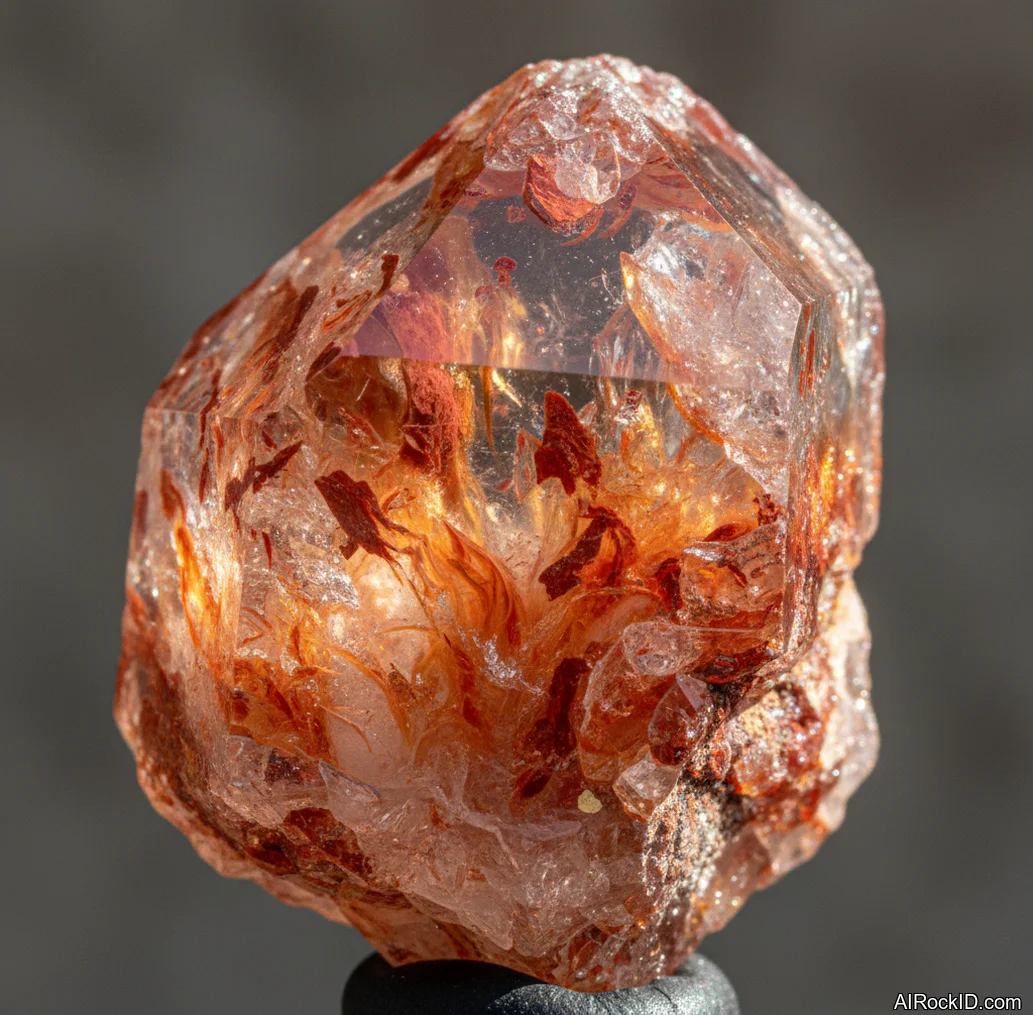
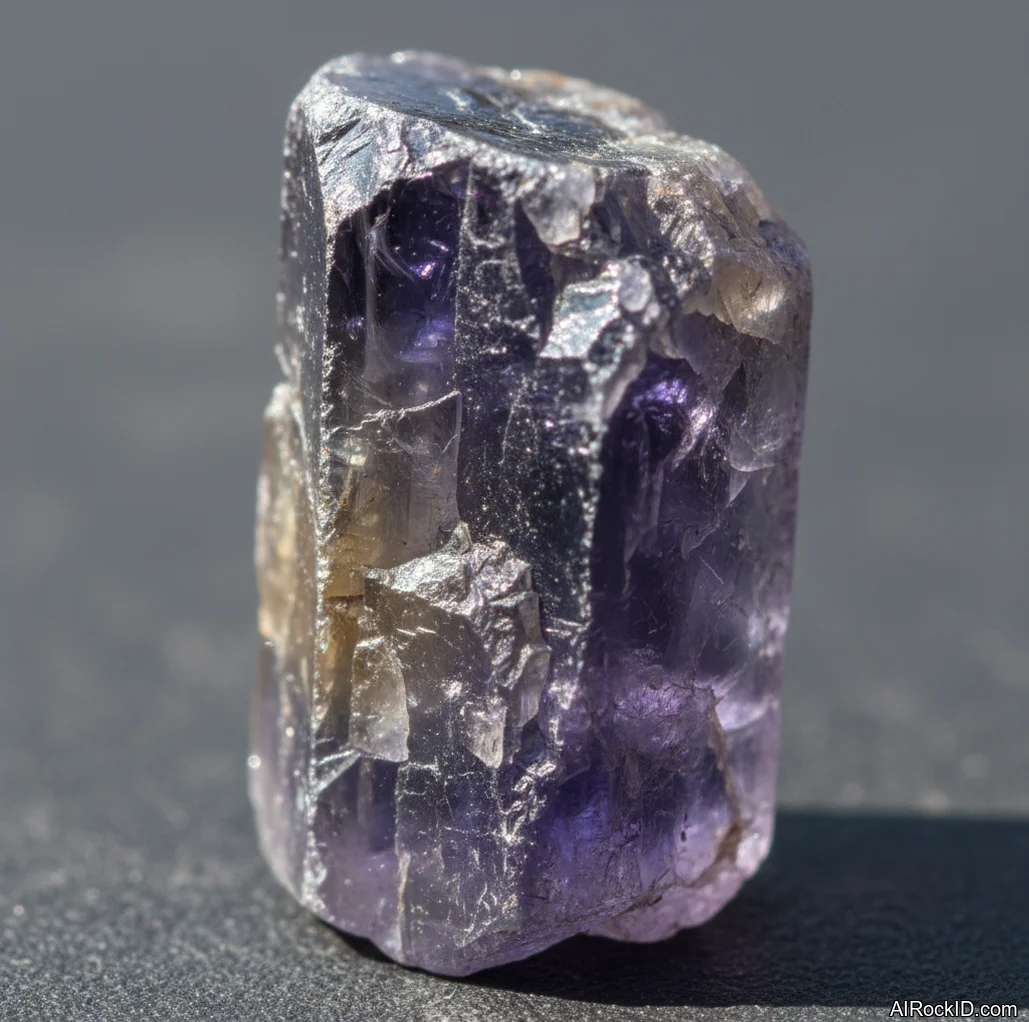
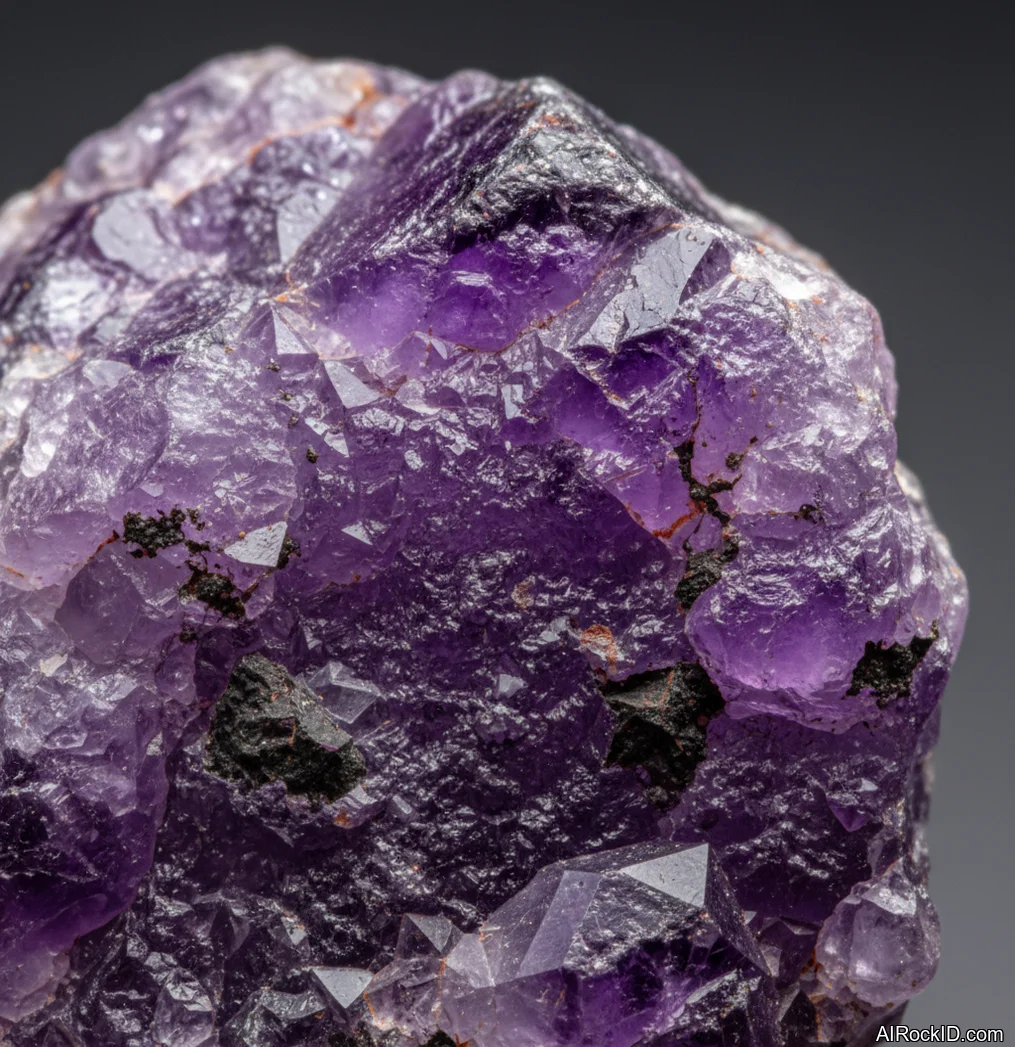
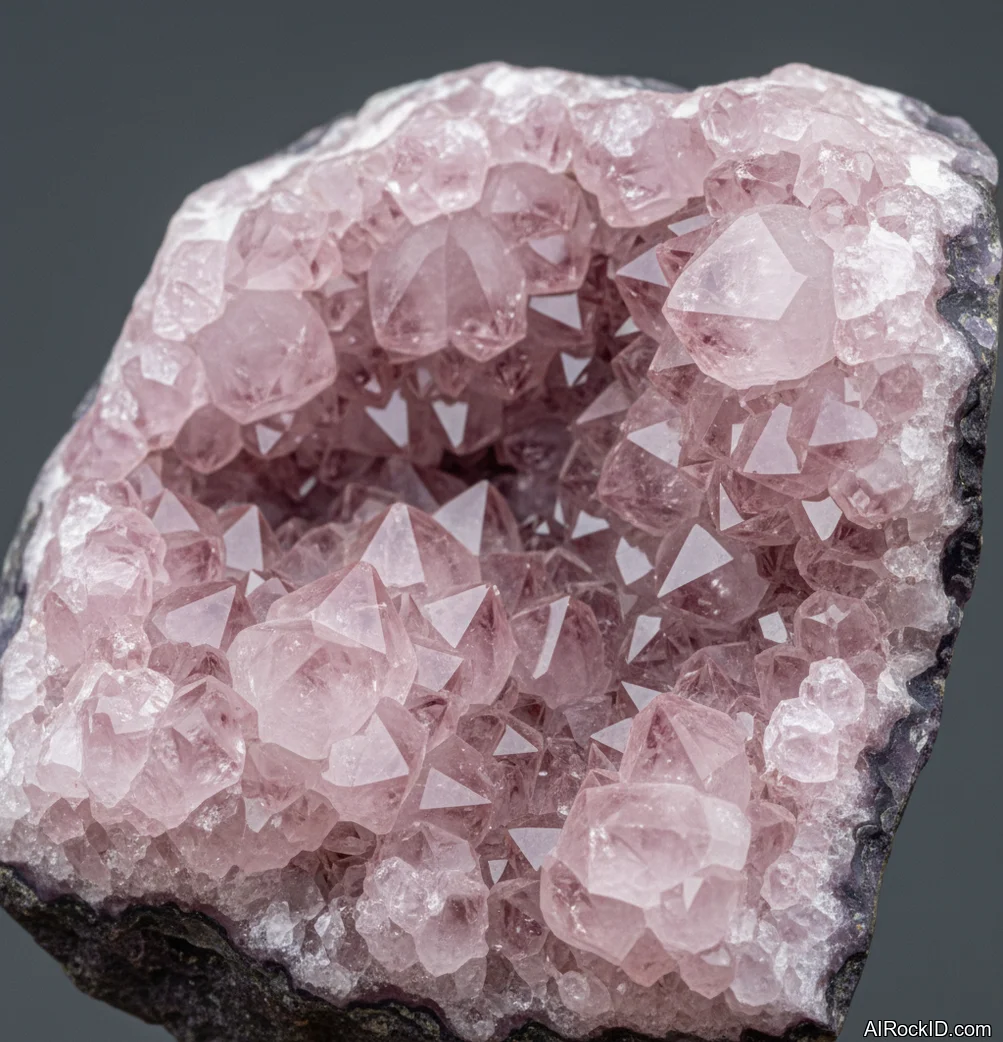
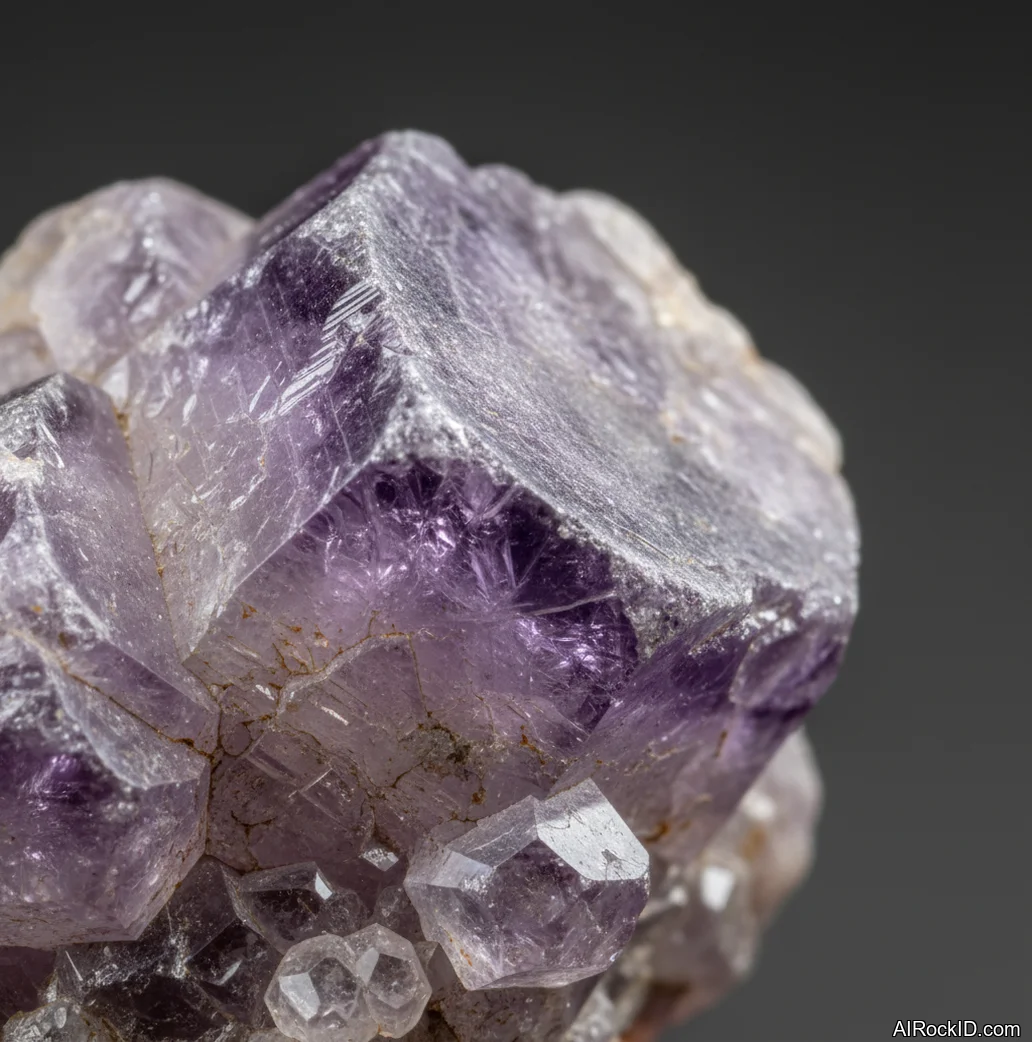
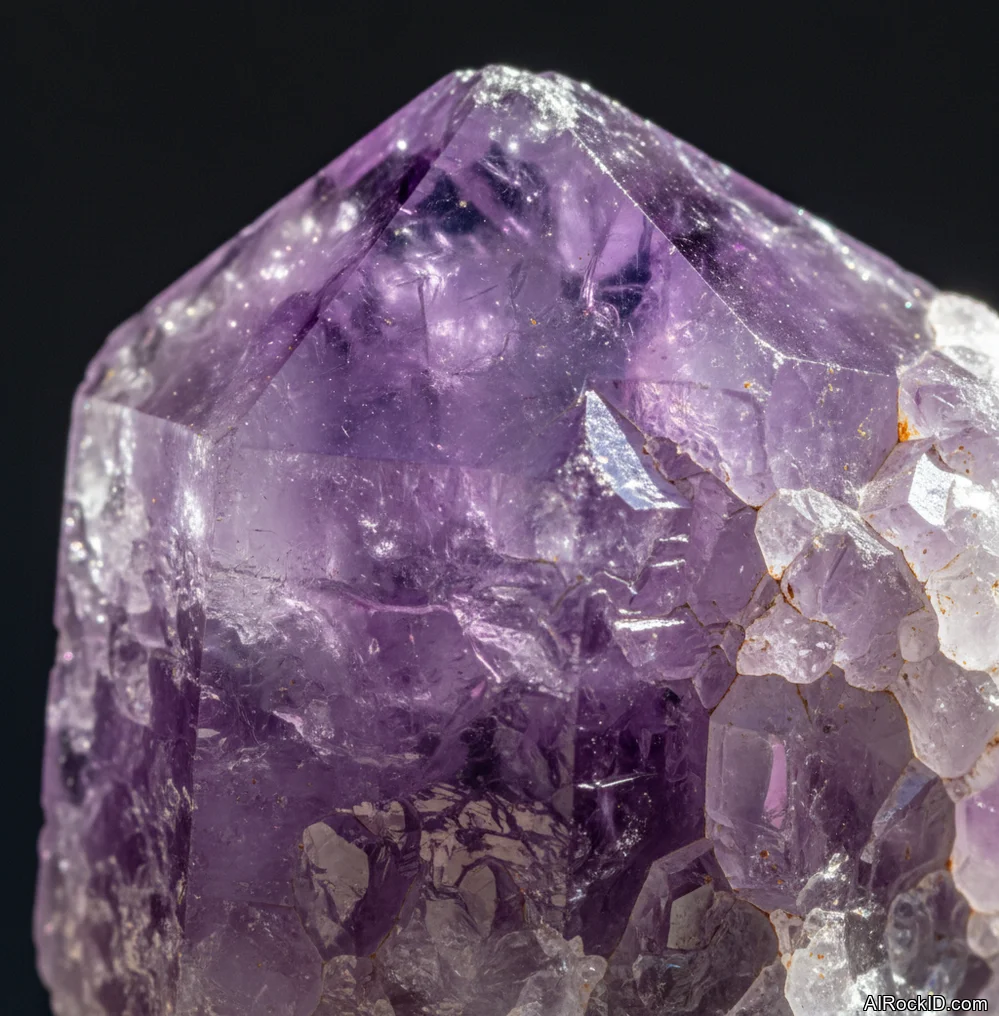
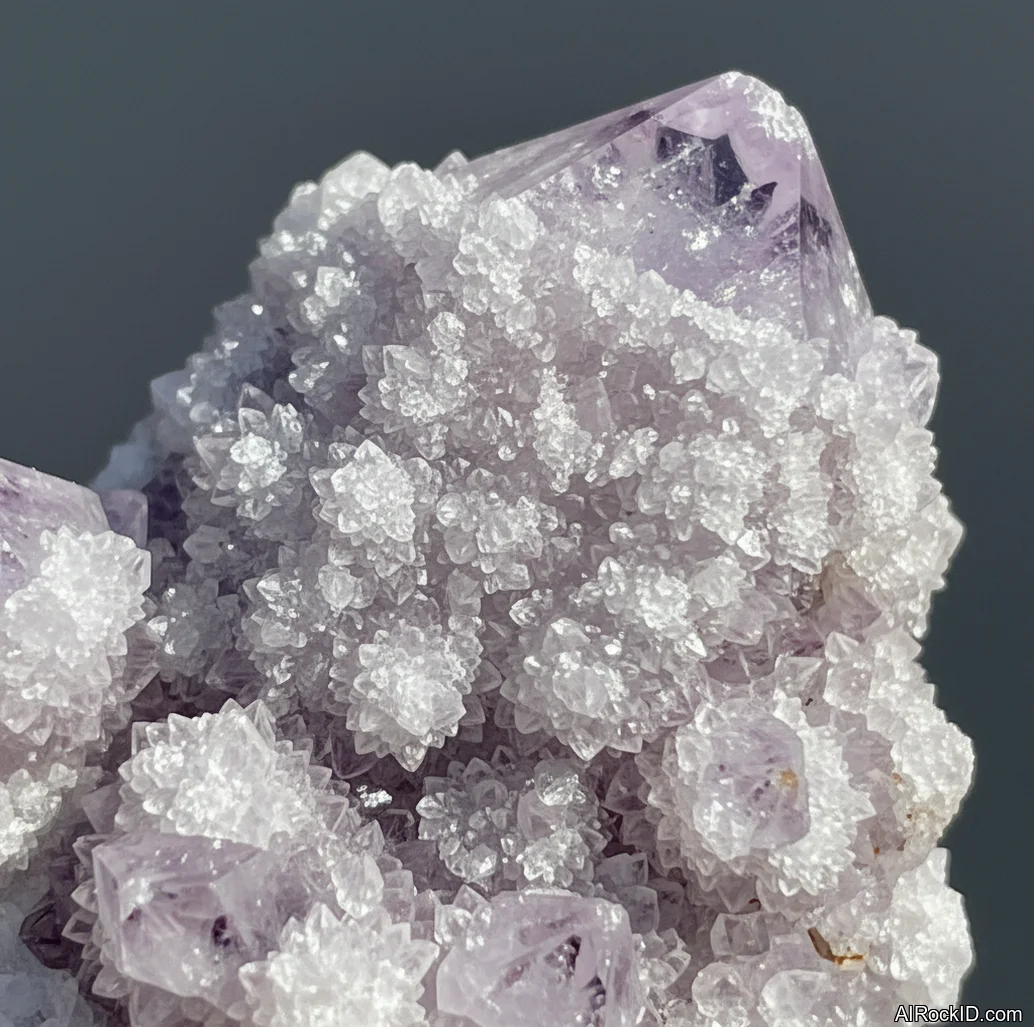
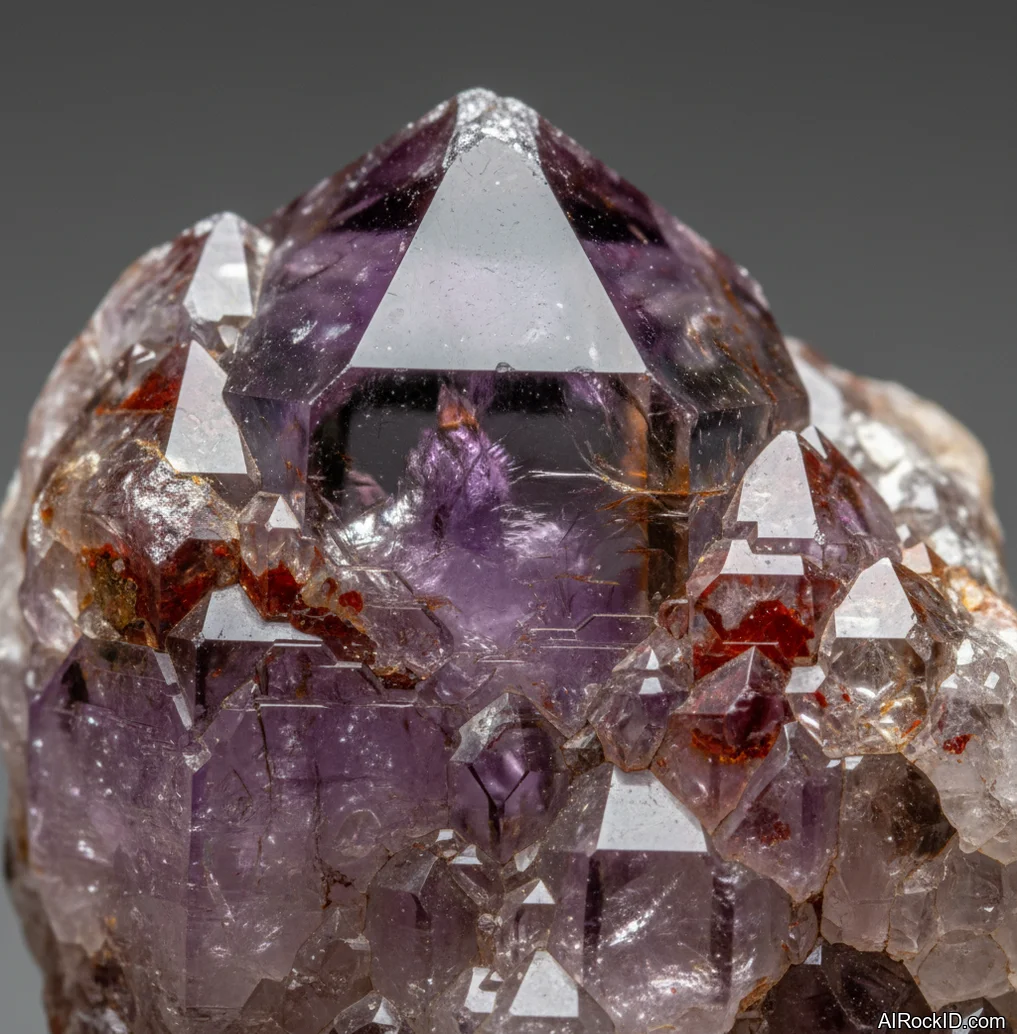
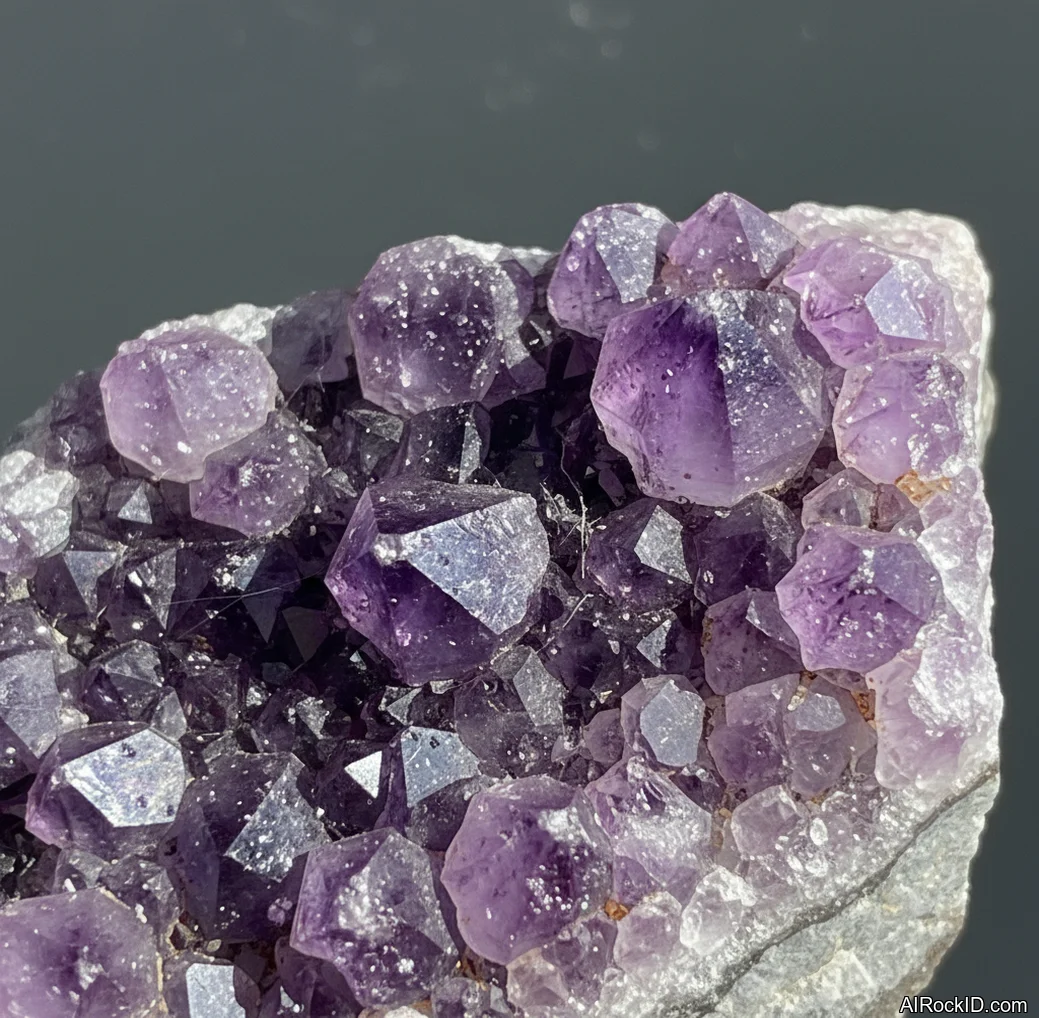
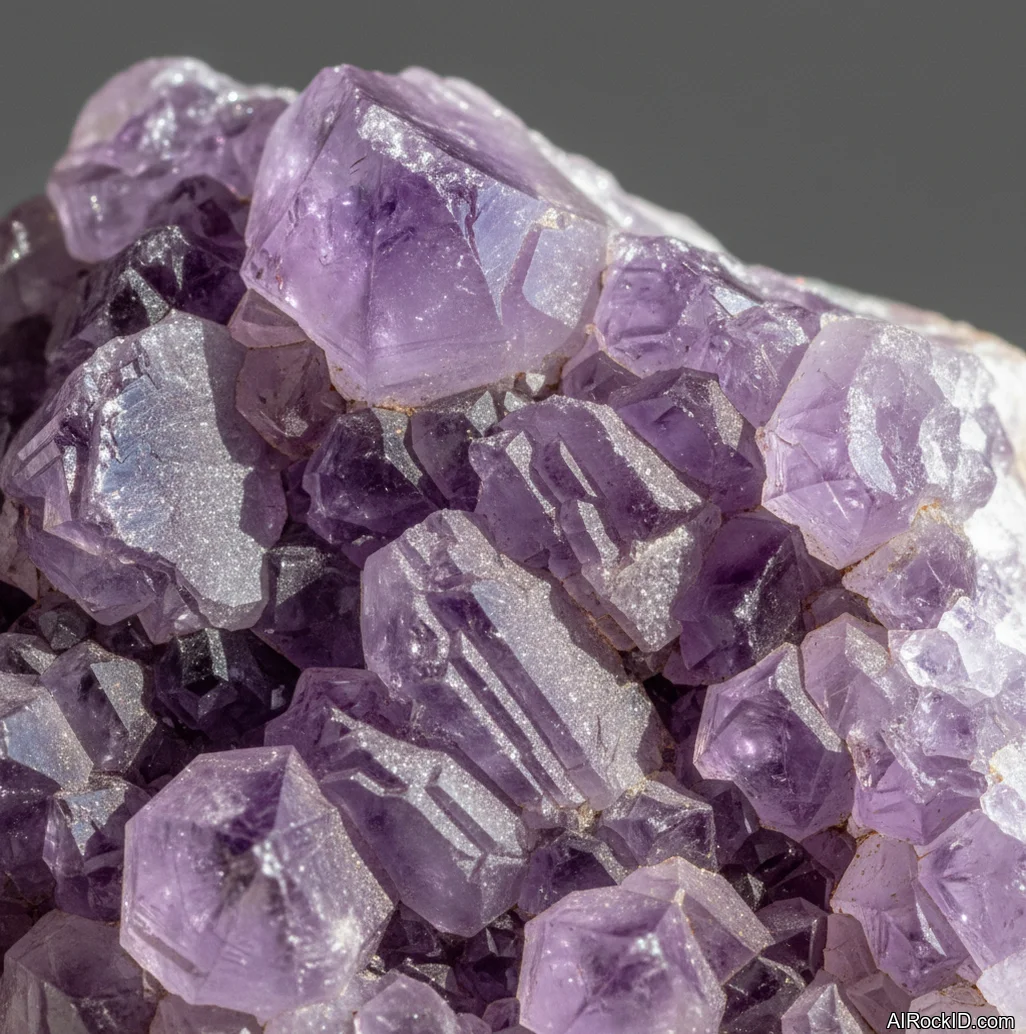
Compared to lepidolite, amethyst is the workhorse. It’s quartz, so it takes abuse better. You can find it in everything from cheap tumbled pieces to sharp, glassy points. The darkest purple amethyst I’ve handled came out of Uruguay, where the color can go almost inky at the tips. A lot of Brazilian material runs lighter lavender, and under warm indoor light it can throw reddish flashes. So when someone says they need stress relief but they’re hard on their stones, amethyst usually survives the assignment.
People chase stress relief crystals for a few different reasons. Some want something to hold during a panic spike. Others want a no-phone cue on the nightstand. And a lot of folks are trying to swap a habit, like doomscrolling, with a physical anchor they can touch. That’s where texture matters.
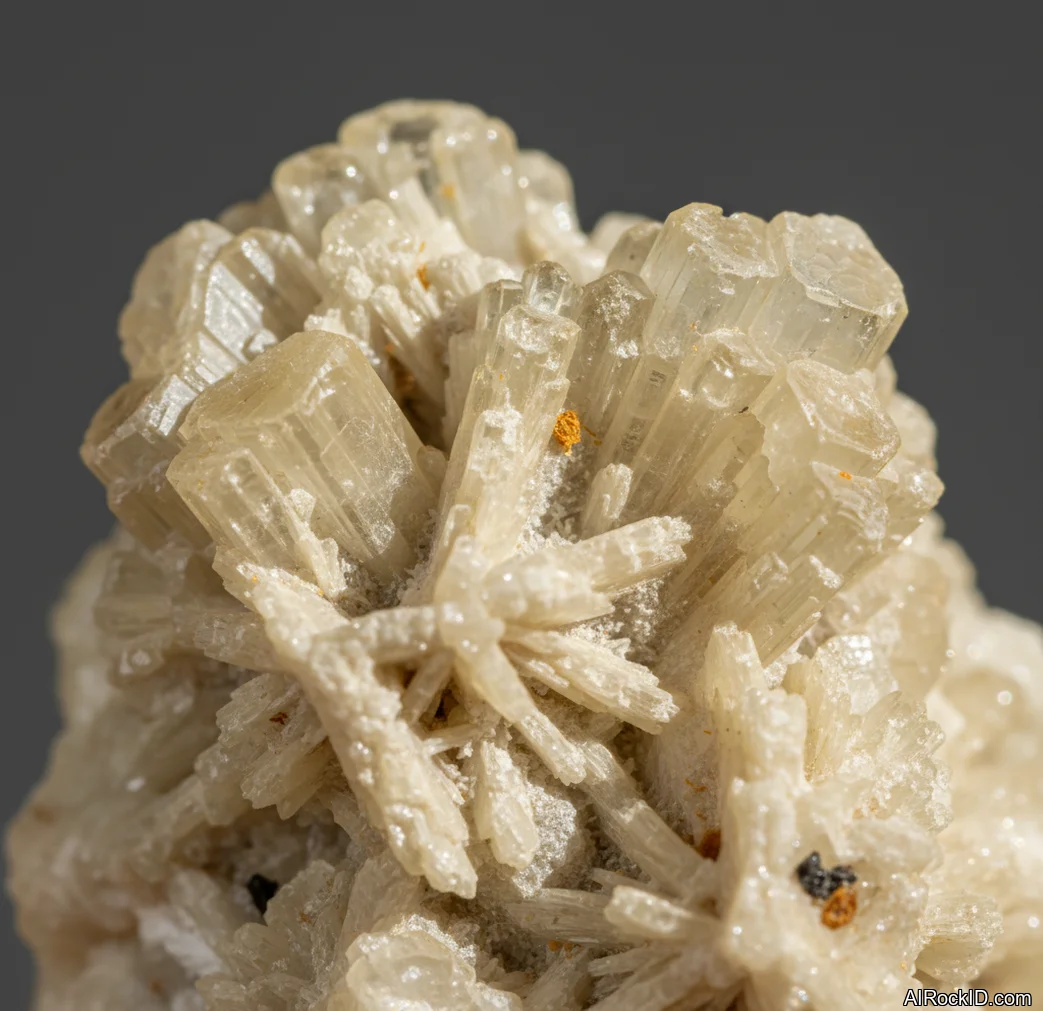
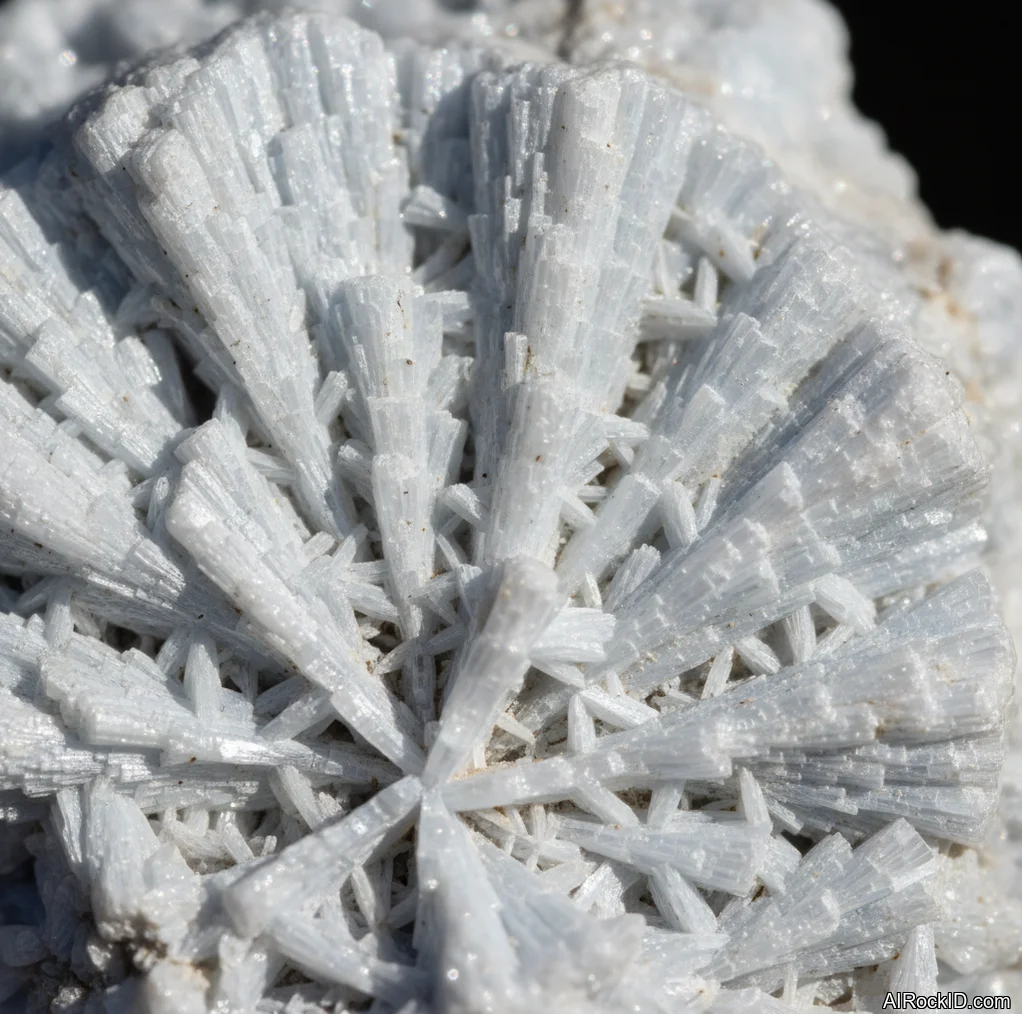
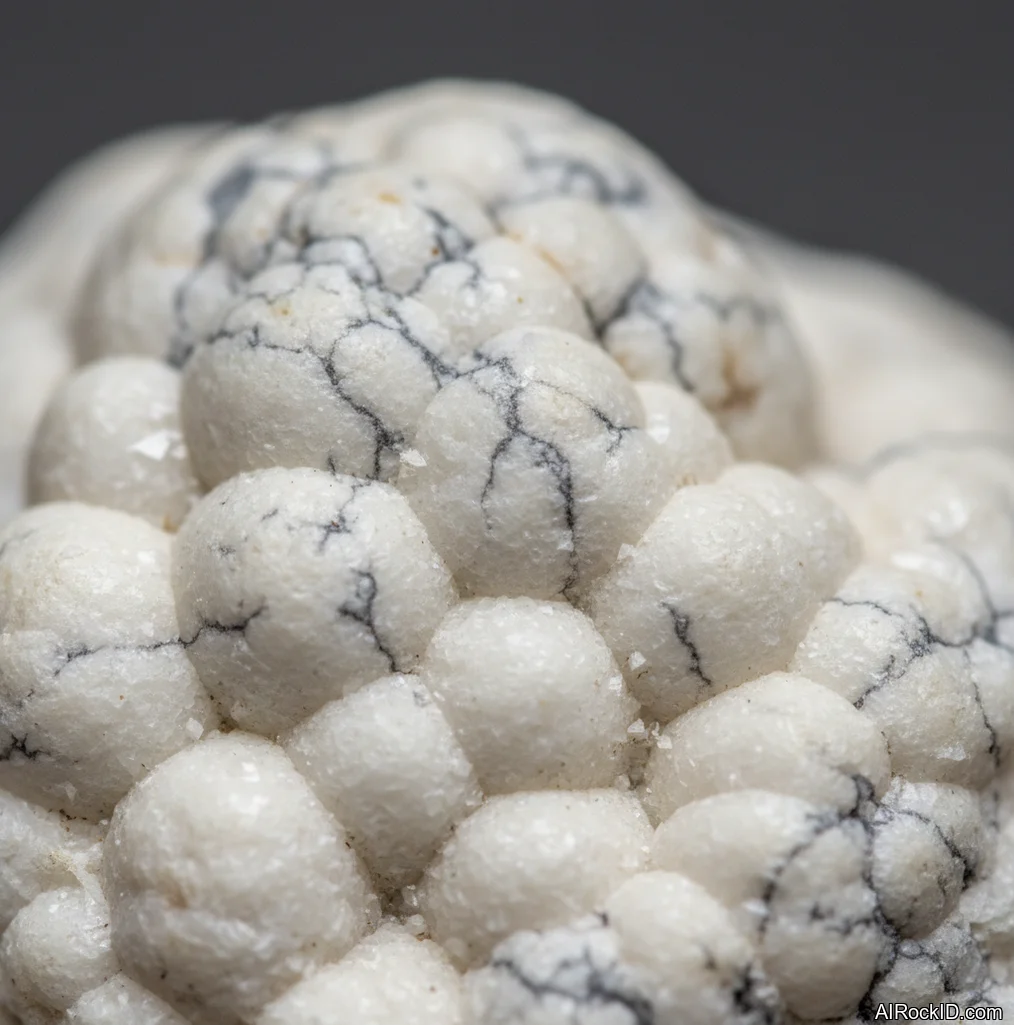
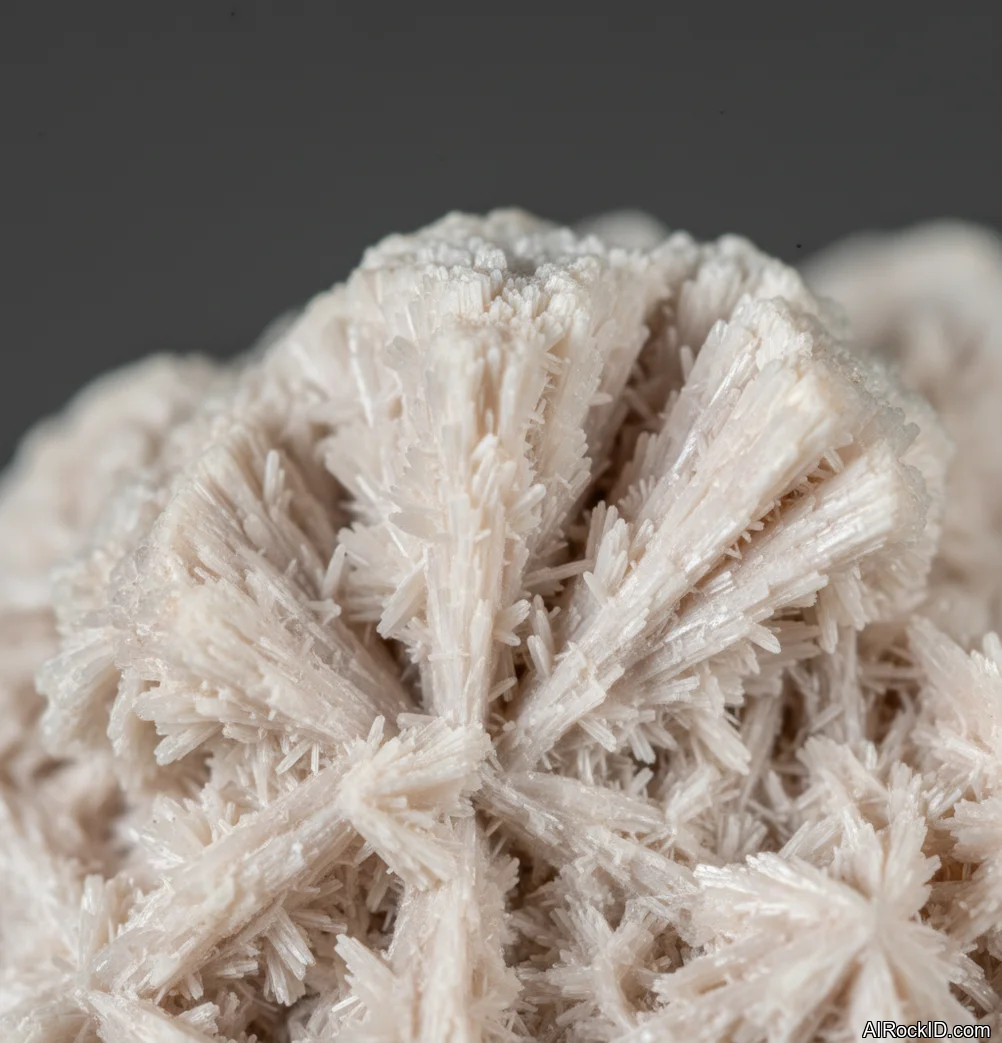
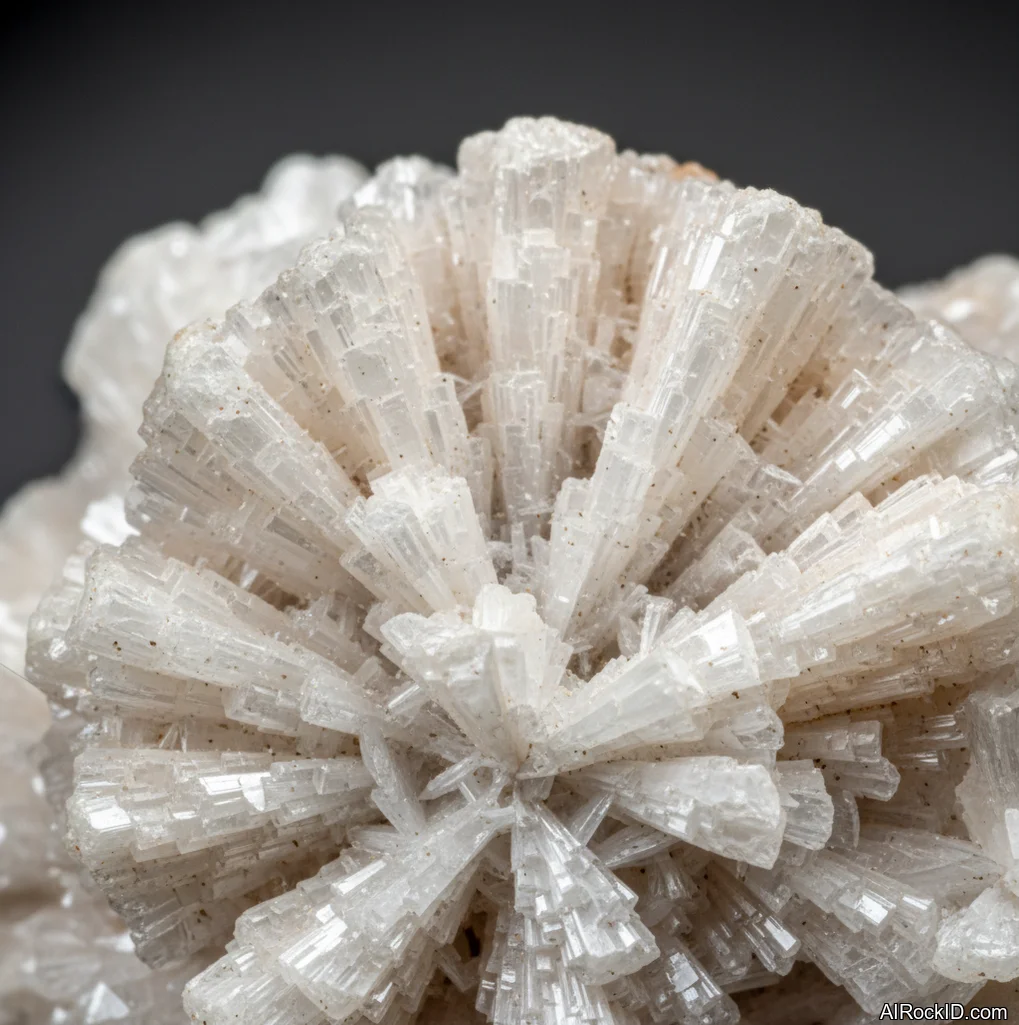
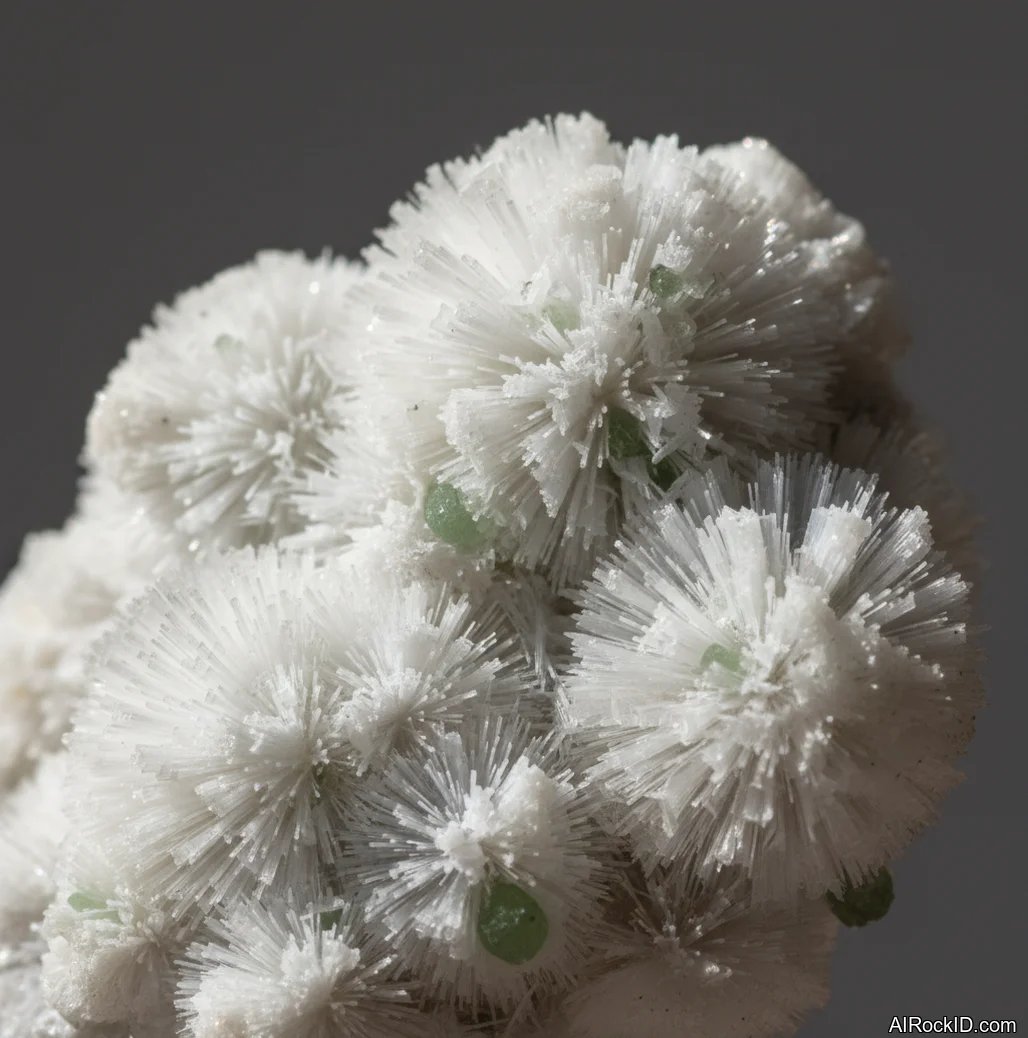
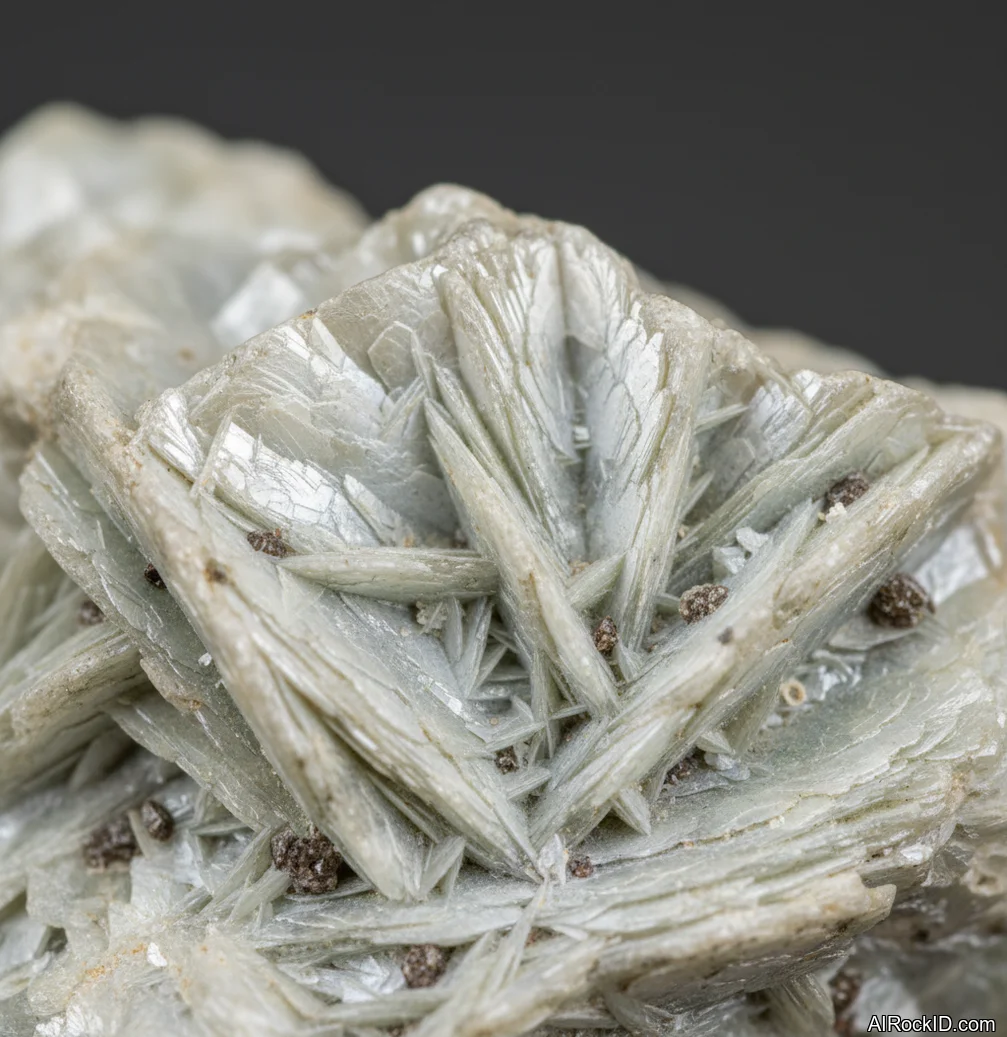
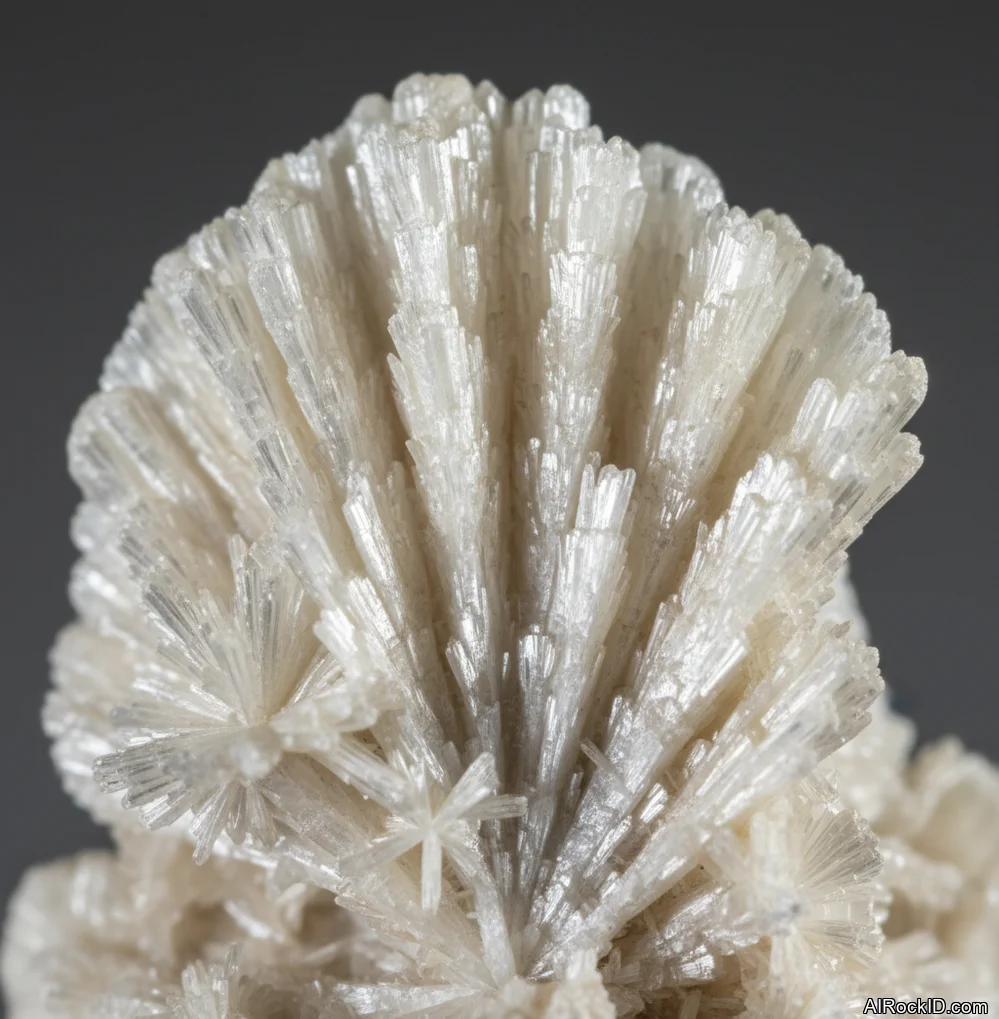
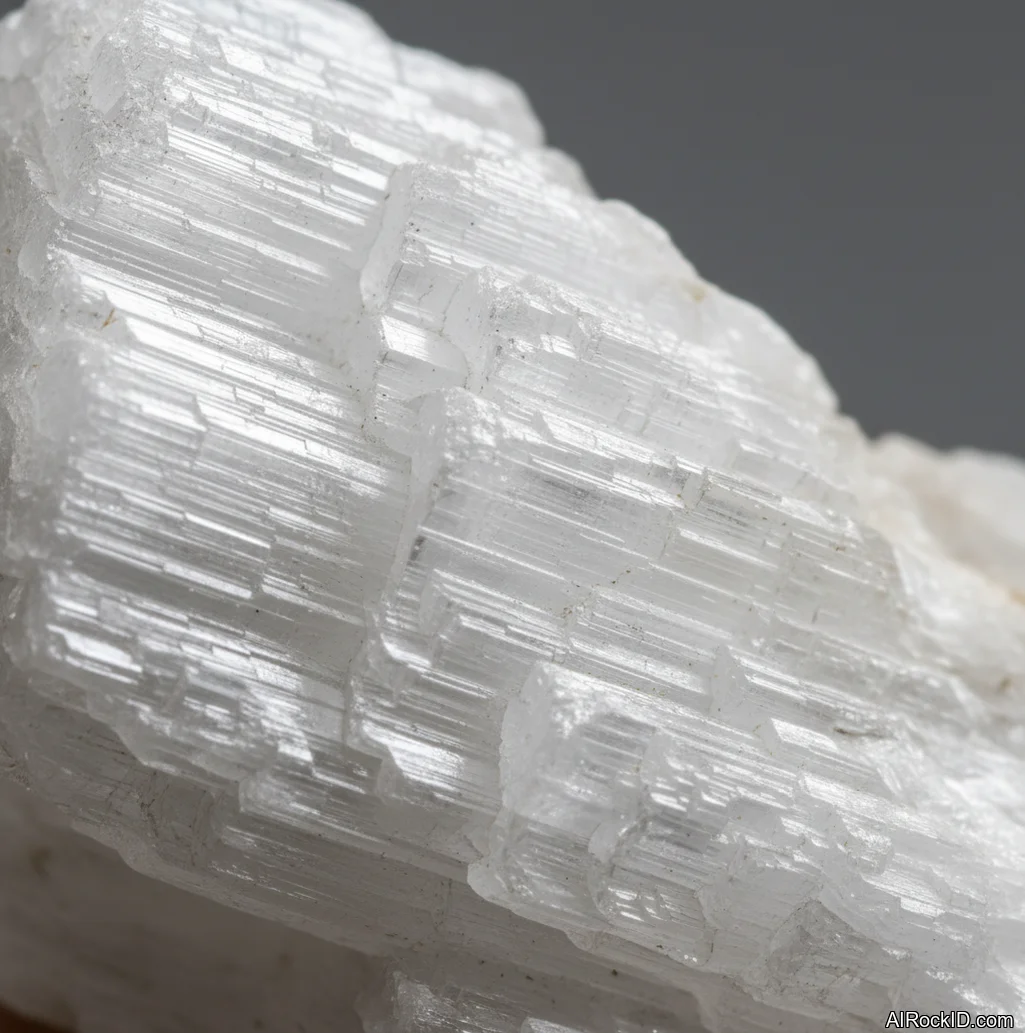
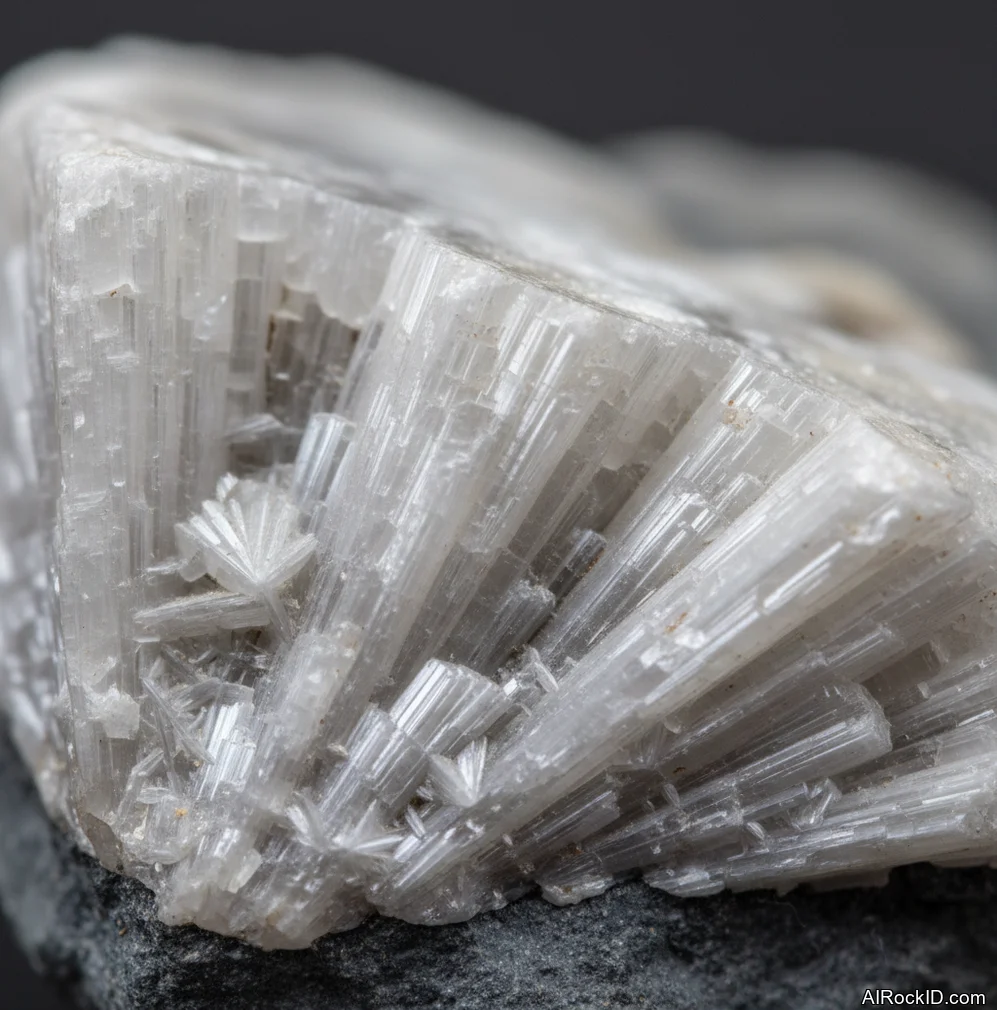
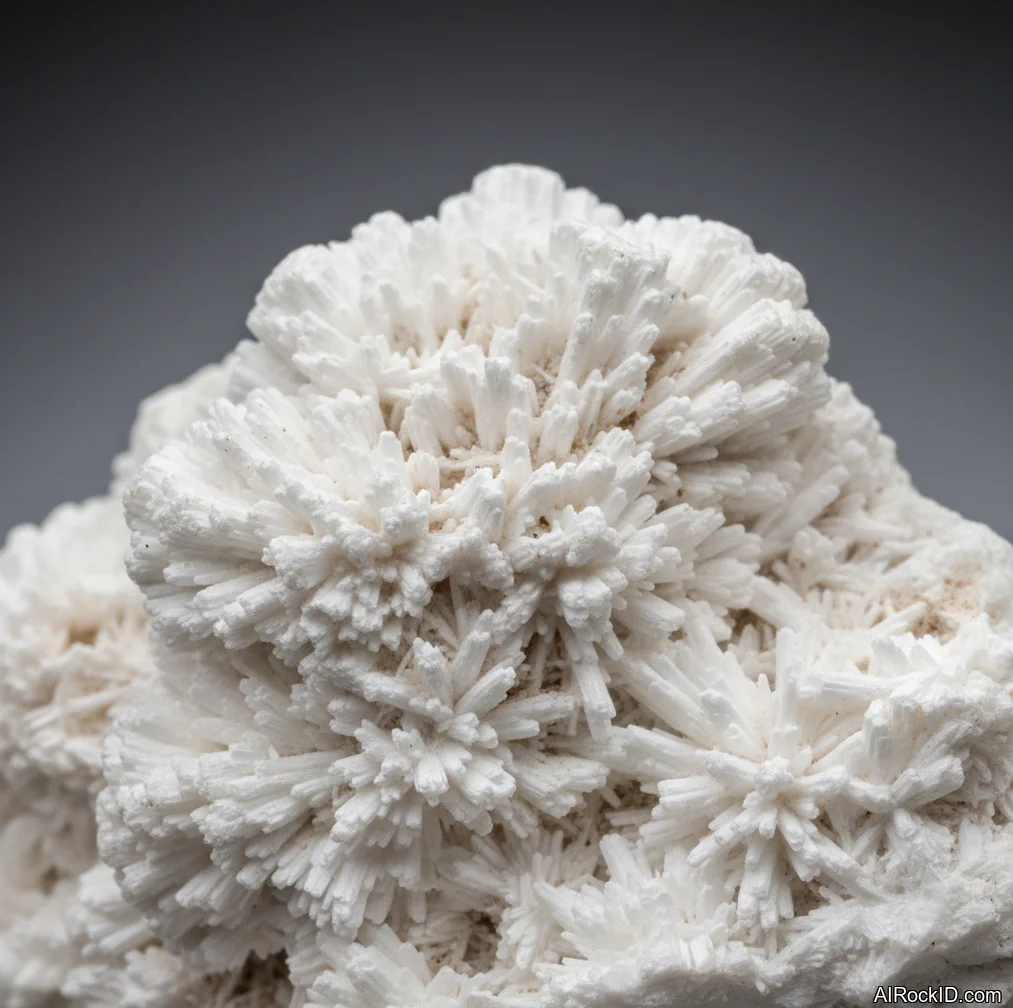
Howlite, for example, has that chalky, matte feel when it’s not heavily polished, and the gray webbing lines give your thumb something to follow. Selenite is the opposite. It’s silky and fibrous and can feel almost slippery (nice, right?), but it dents if you look at it wrong.
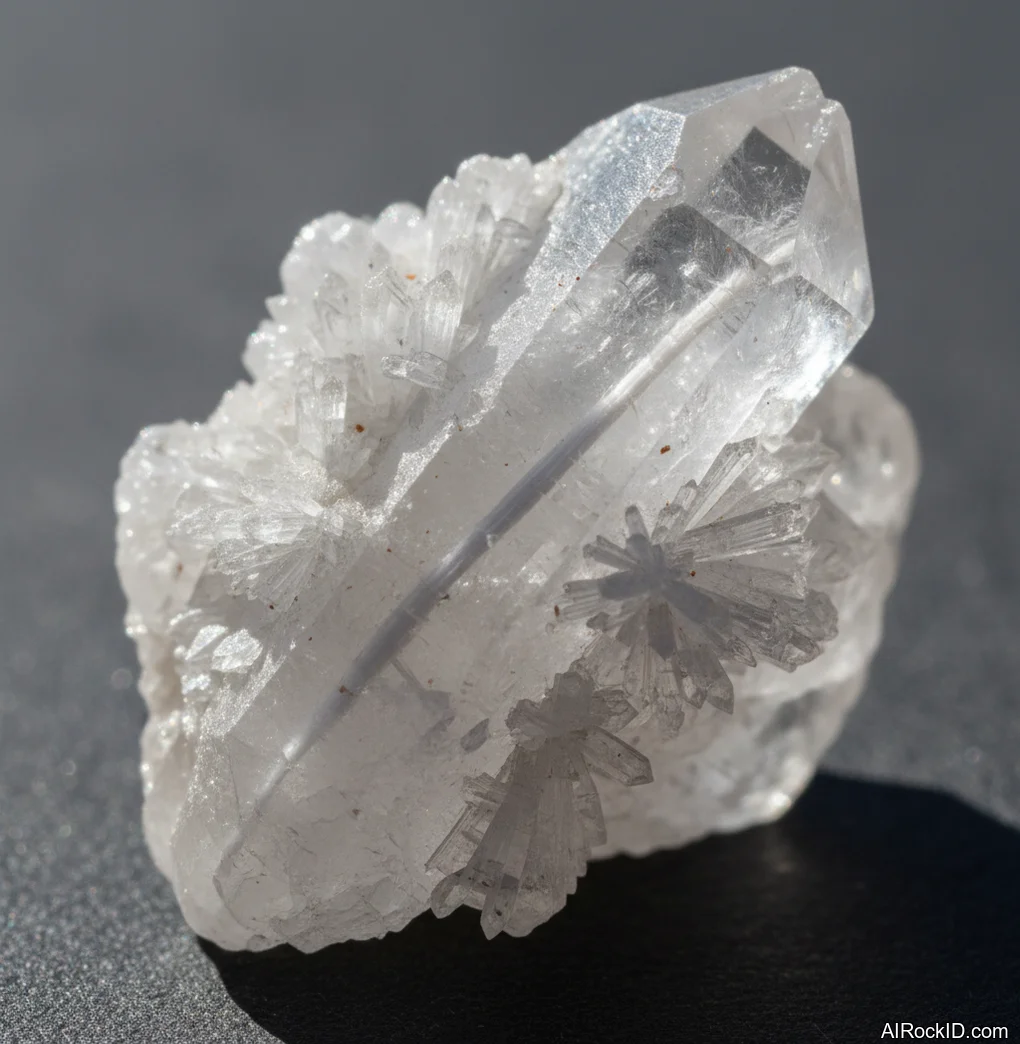
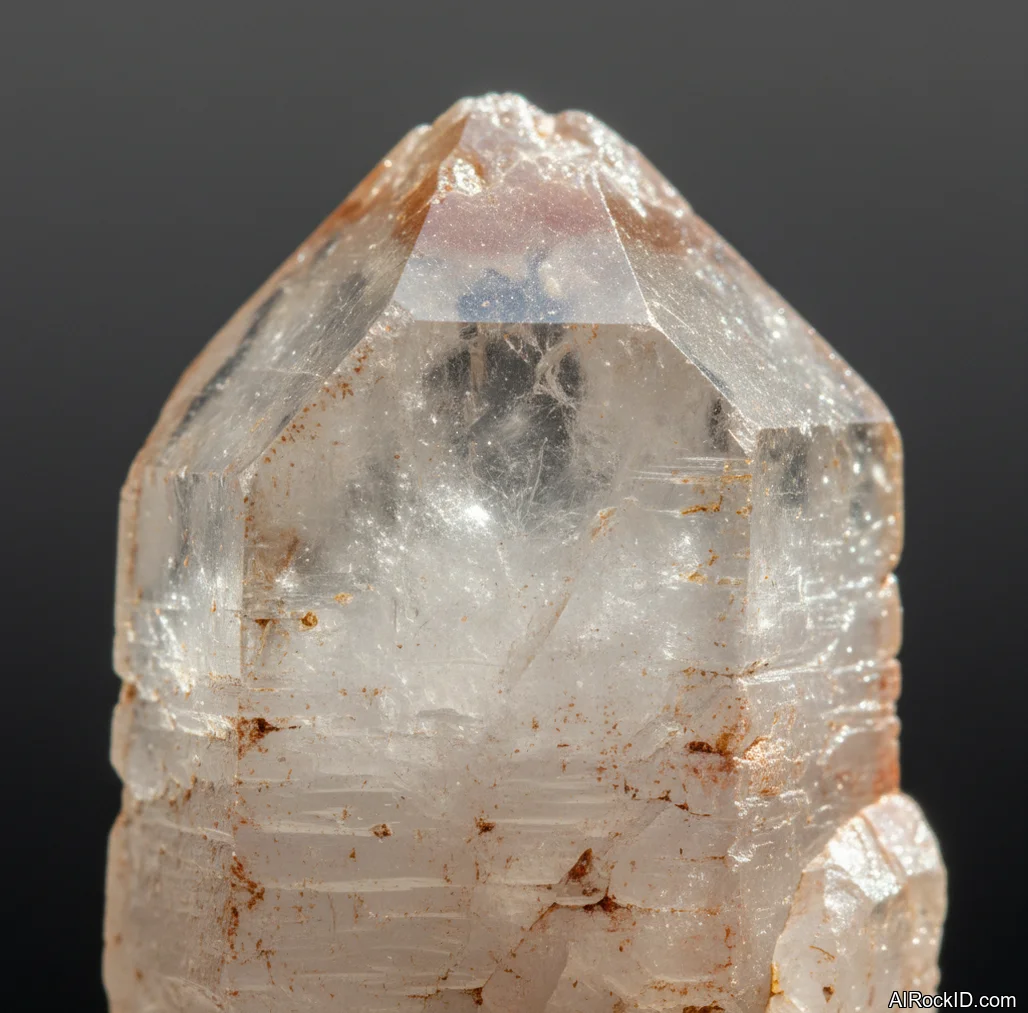
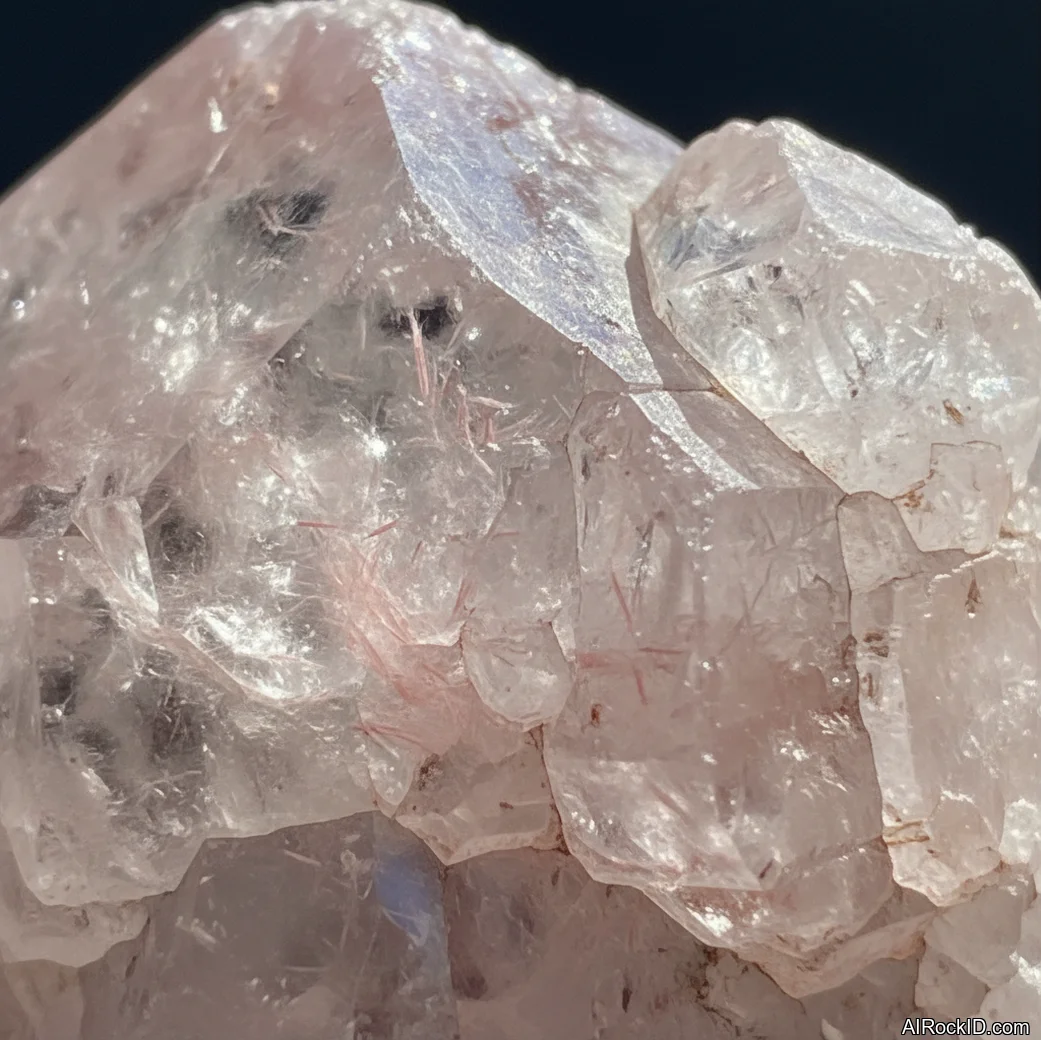
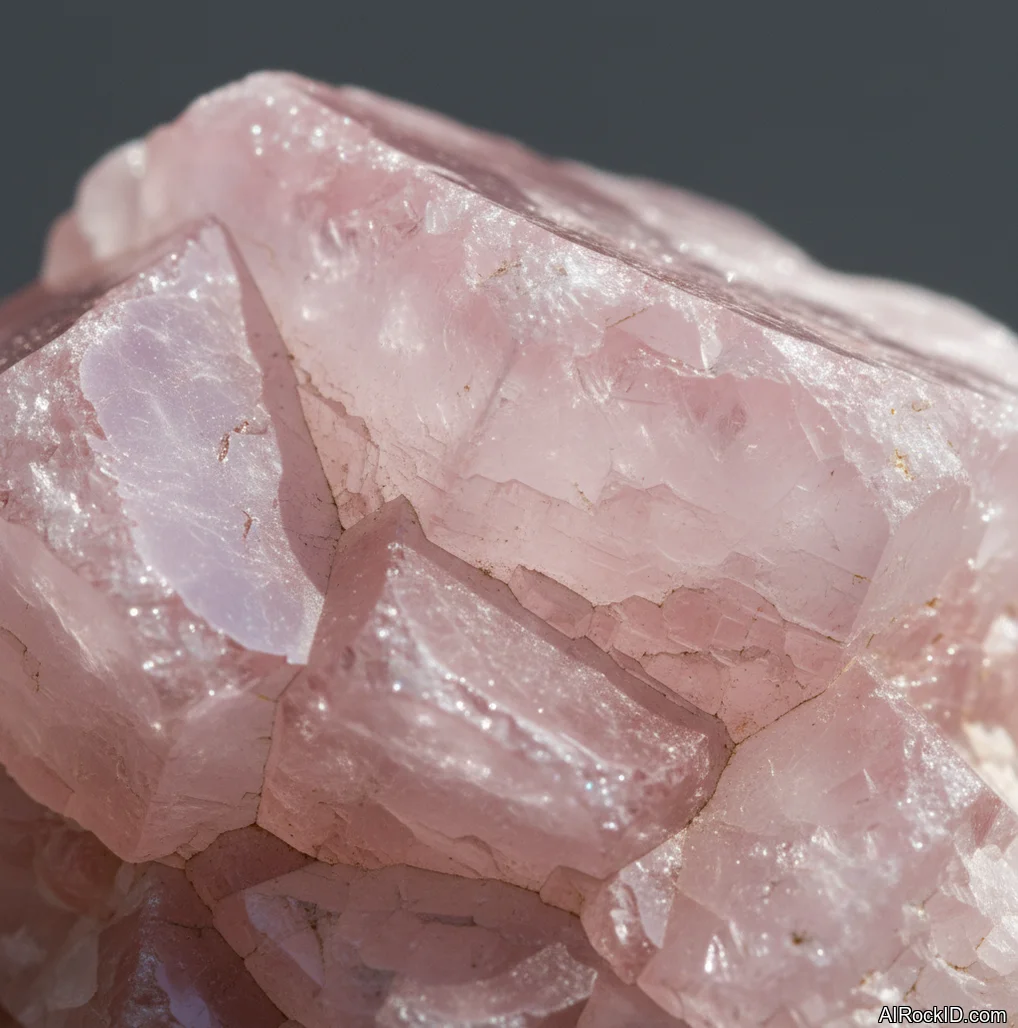
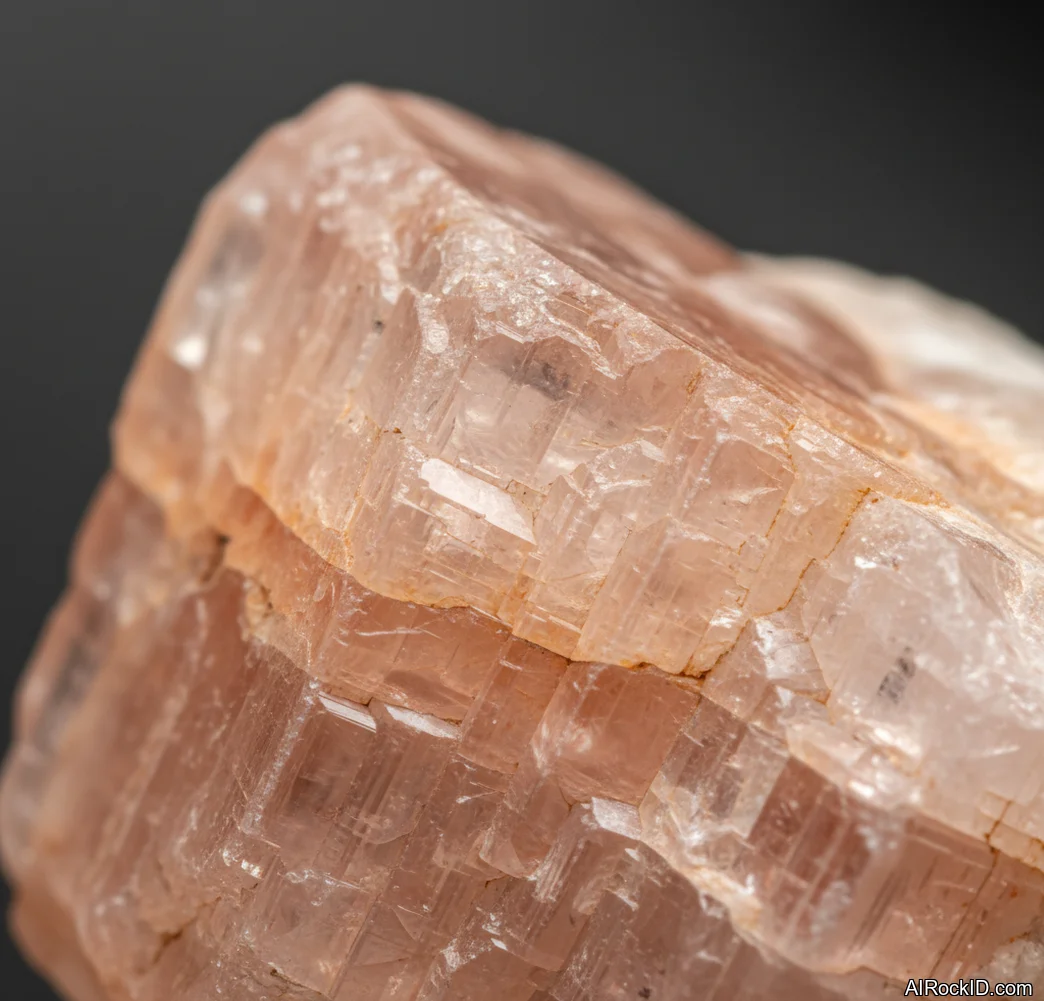
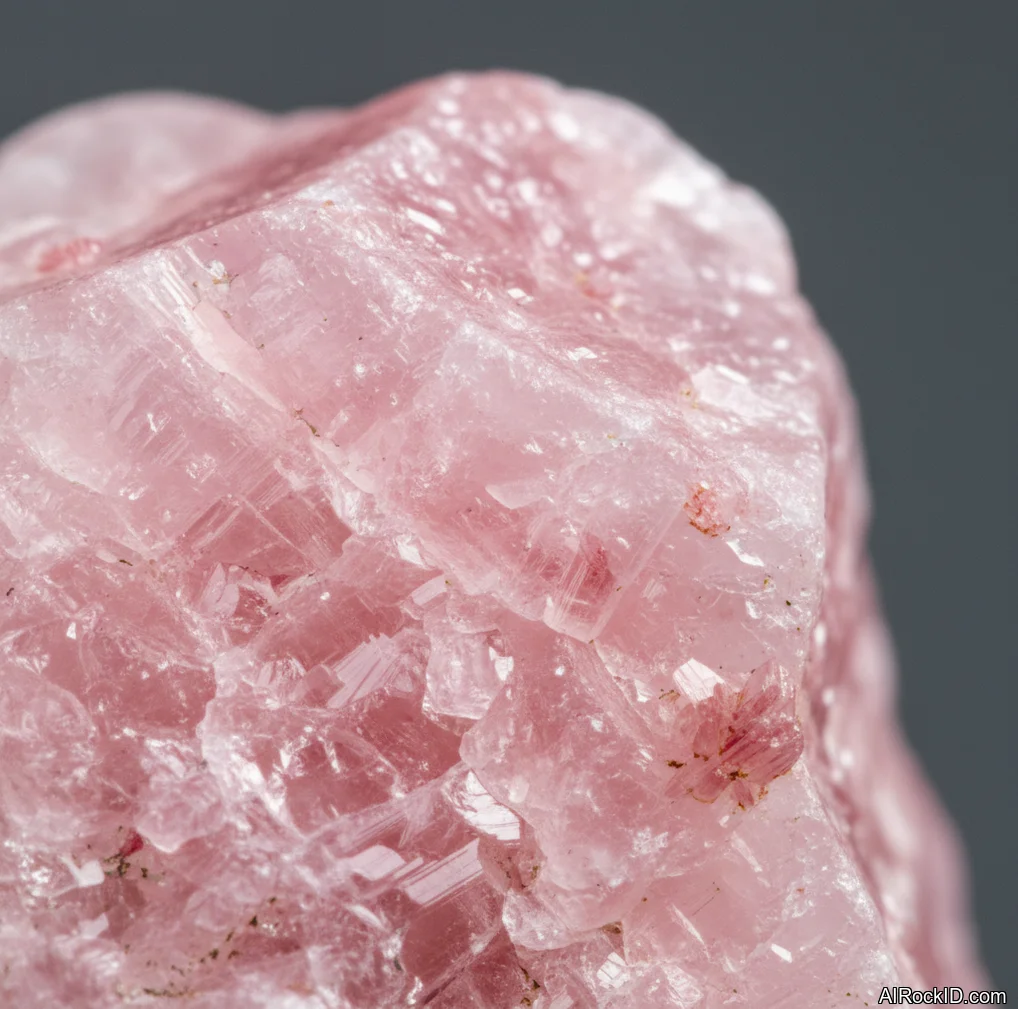
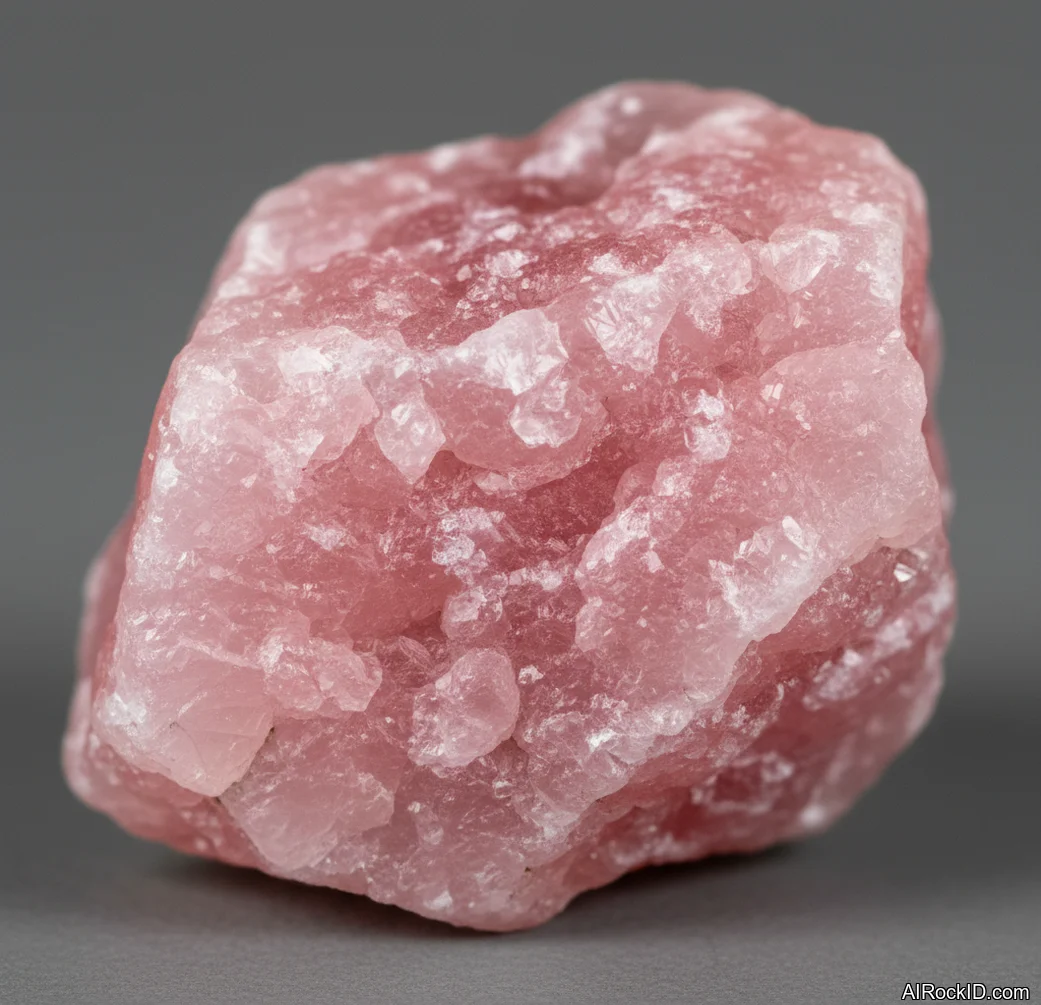
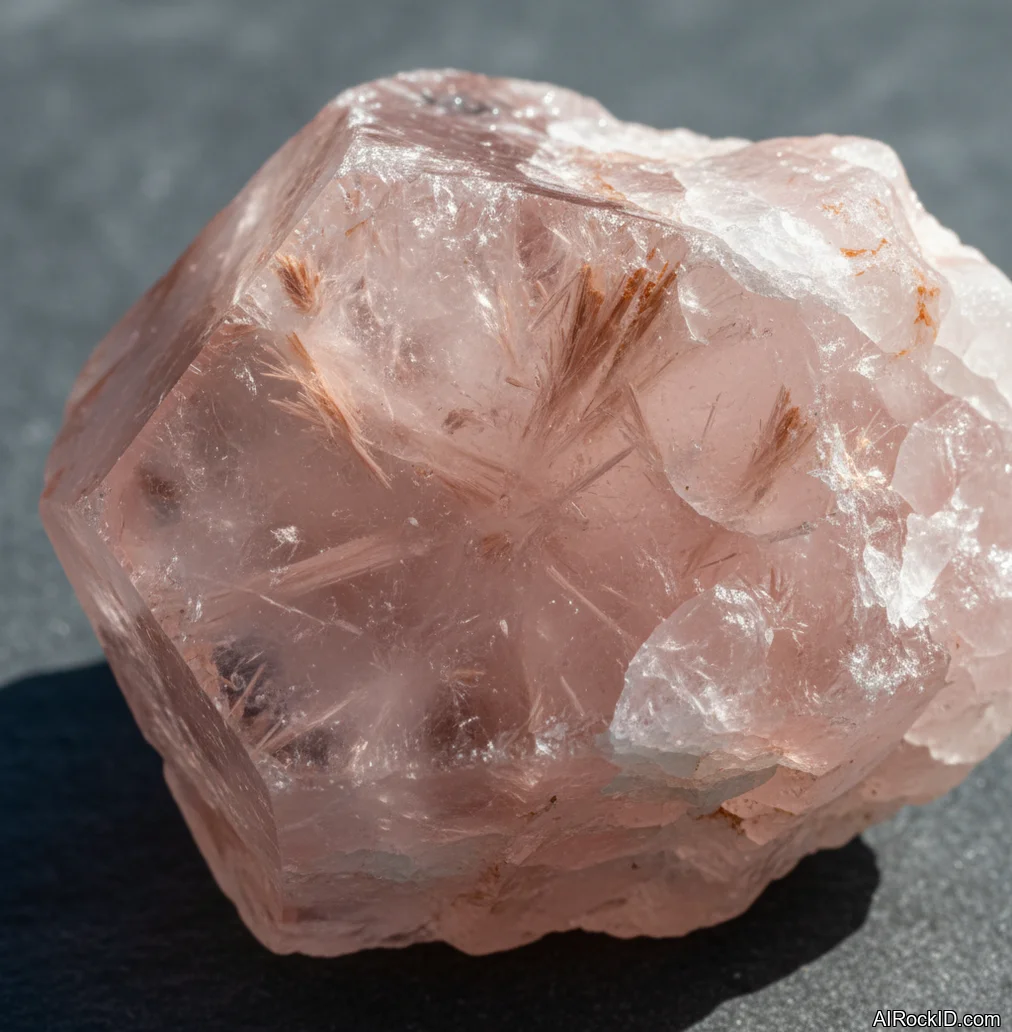
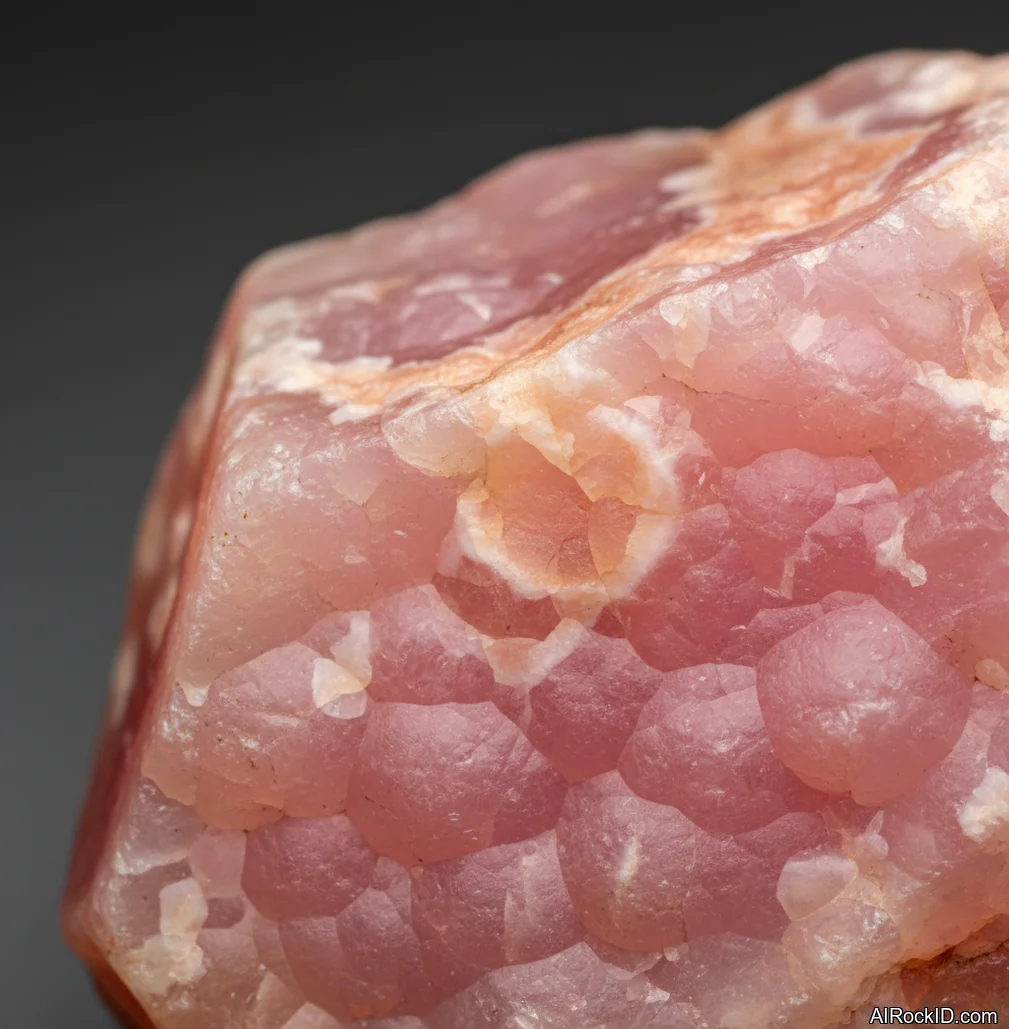
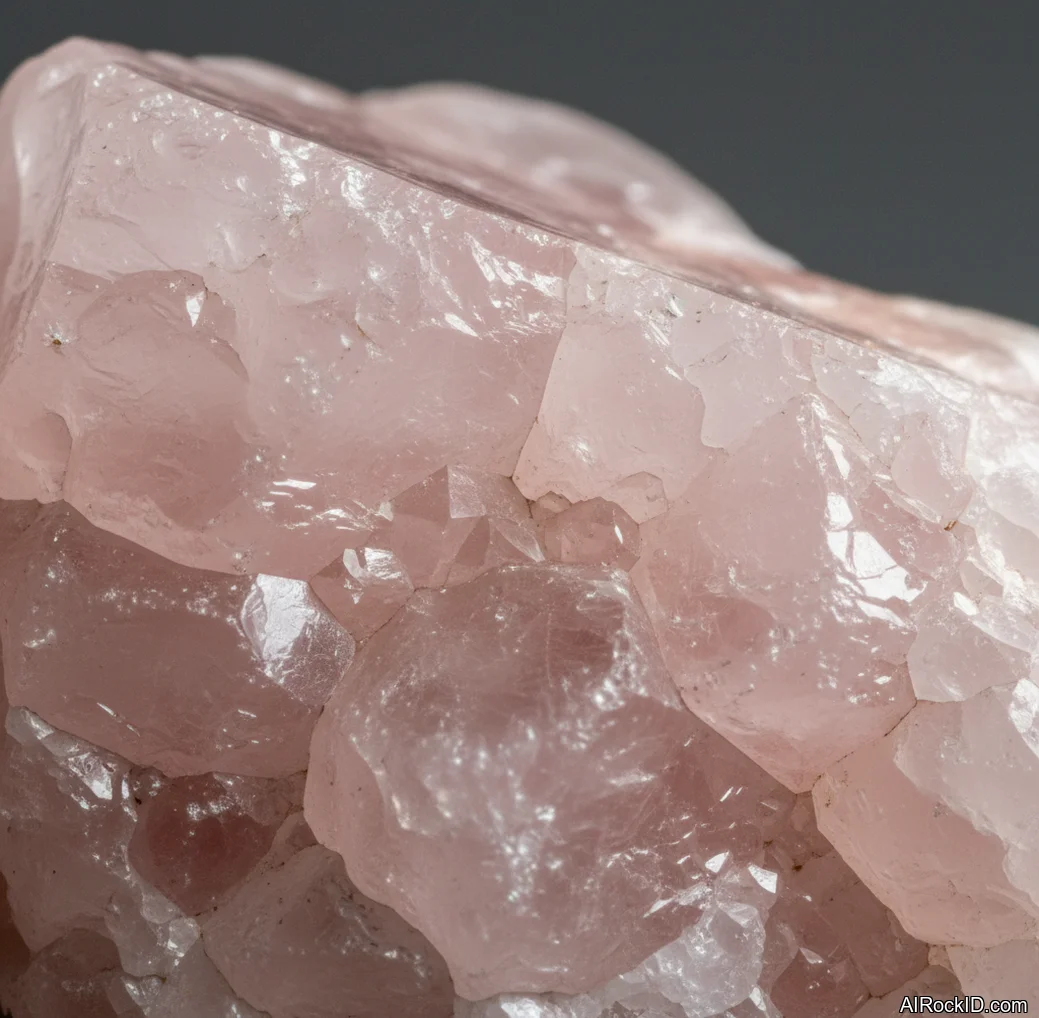
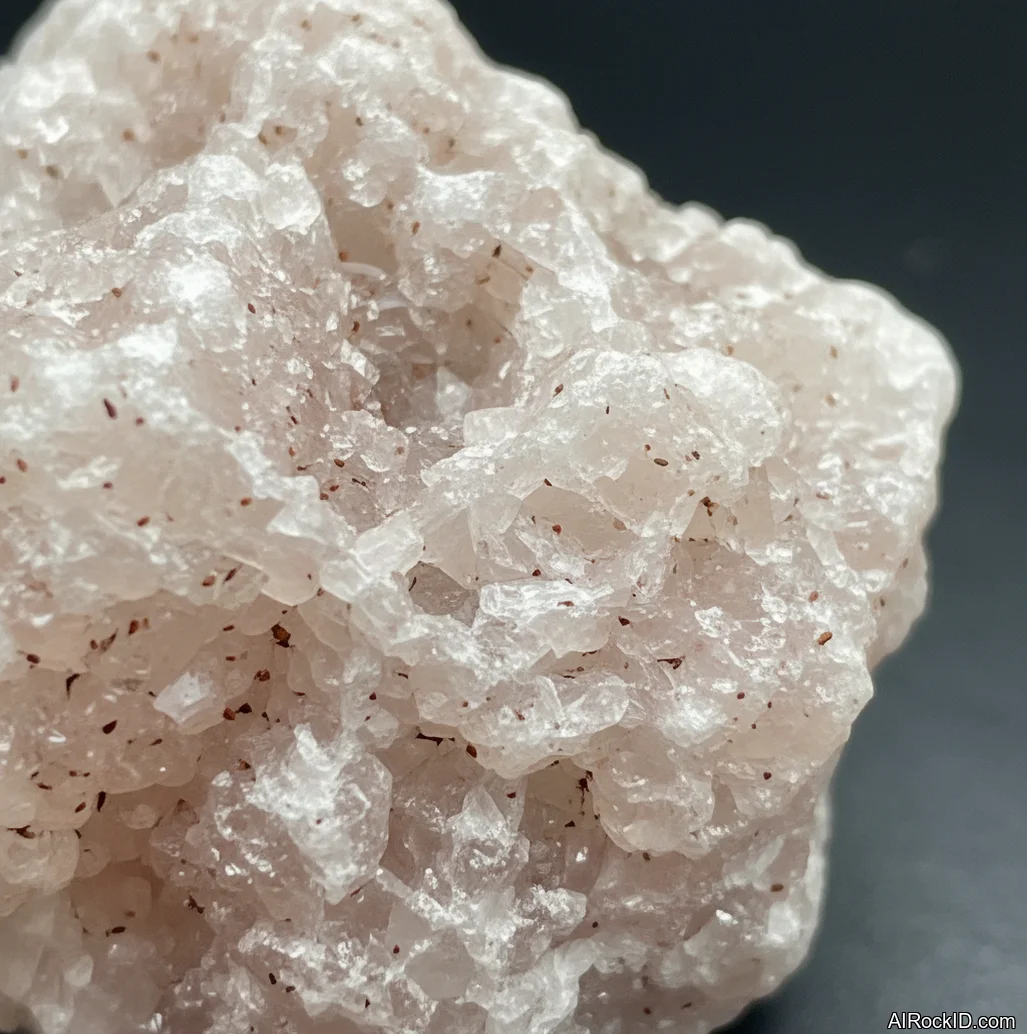
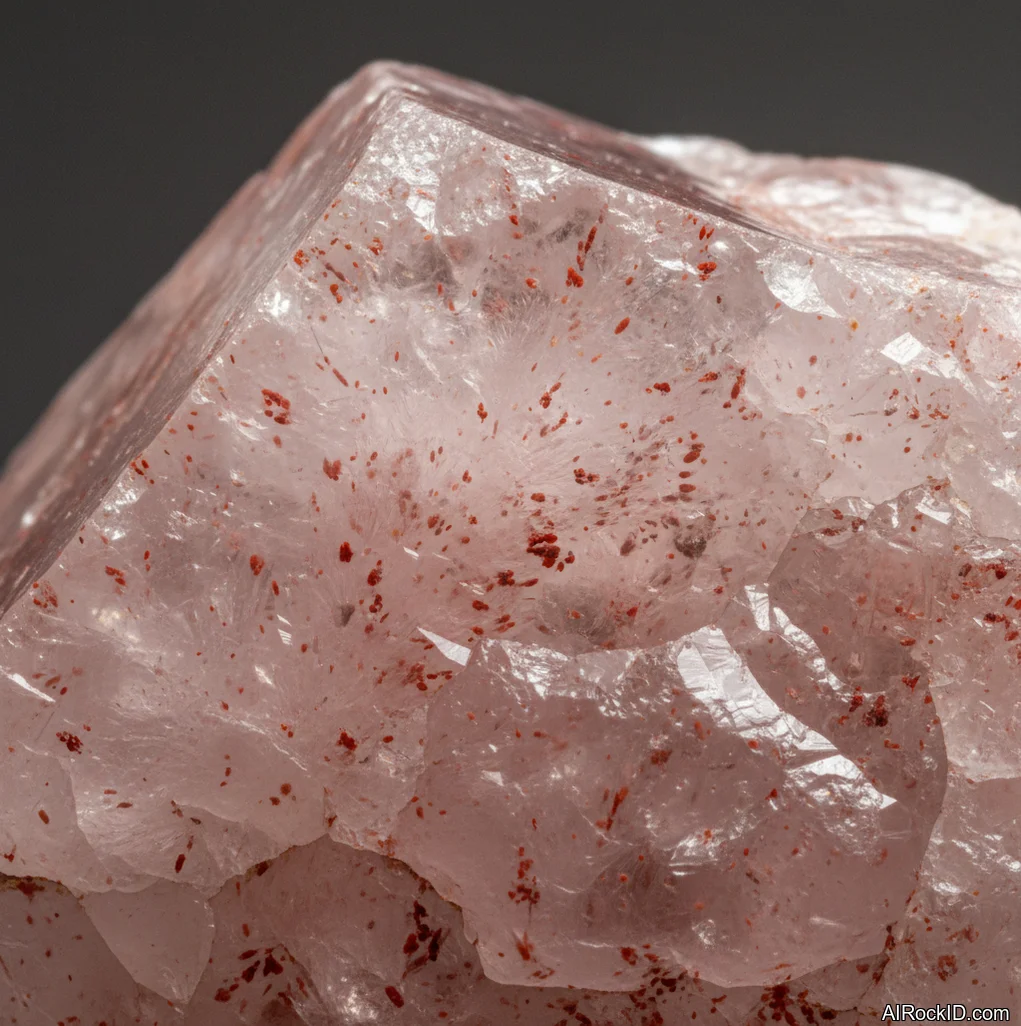
Look, if you stare at rose quartz long enough, you’ll notice most pieces aren’t perfectly clear. The nicer chunks have a cloudy, milky body with a soft glow, and sometimes you get tiny internal fractures that catch light like frozen threads. For stress relief work, people like rose quartz because it’s gentle and easy to live with. But it’s also one of the most faked “vibes” on the market, in the sense that sellers will label any pale pink quartz as high grade. The real test is consistency: true rose quartz usually stays evenly pink through the piece, while dyed stuff can pool in cracks or look too hot-pink at the surface.
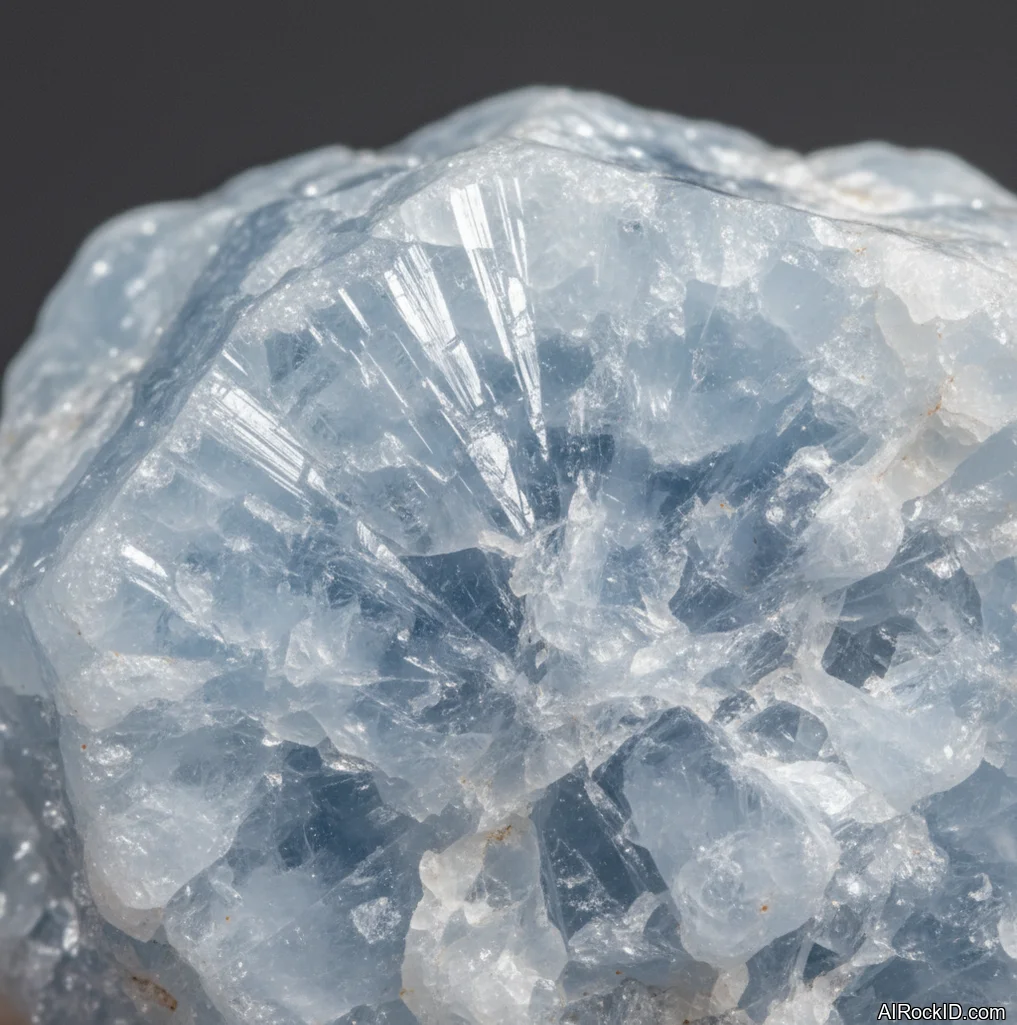
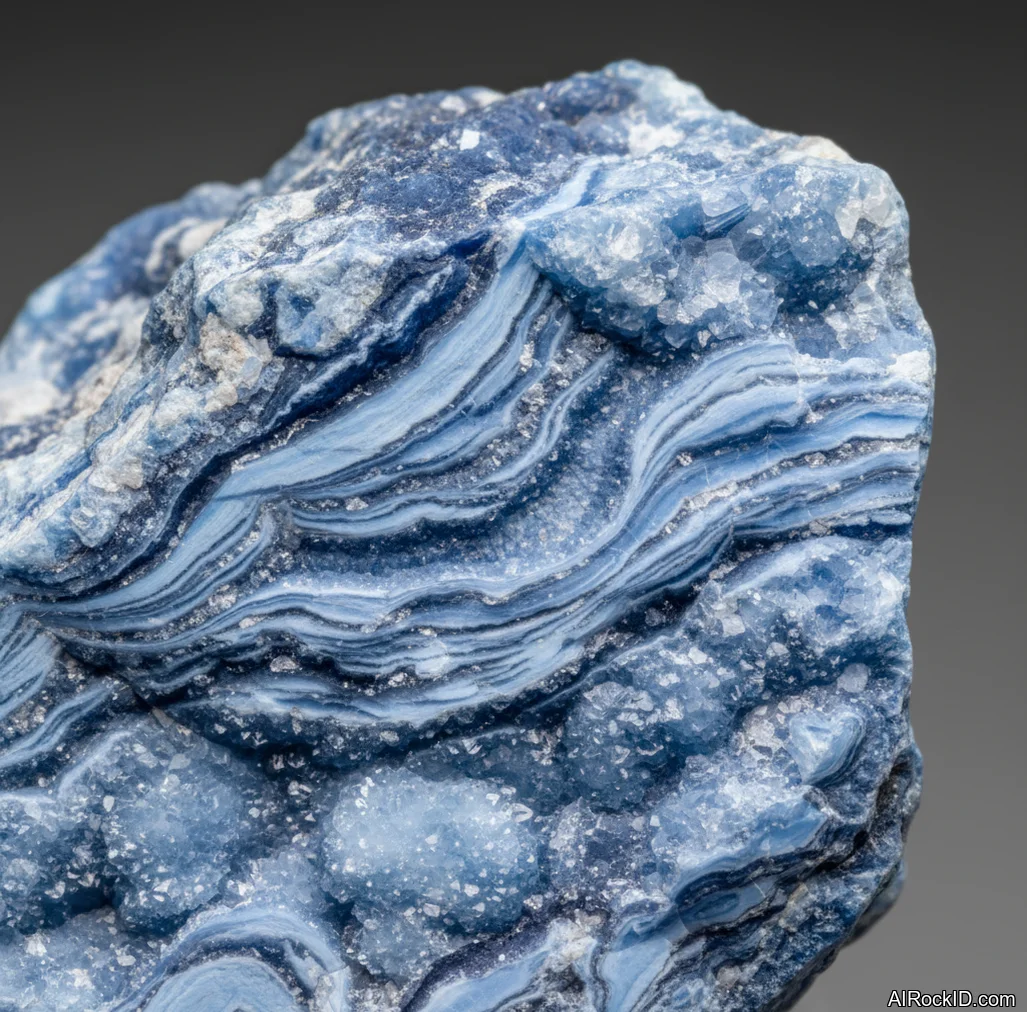
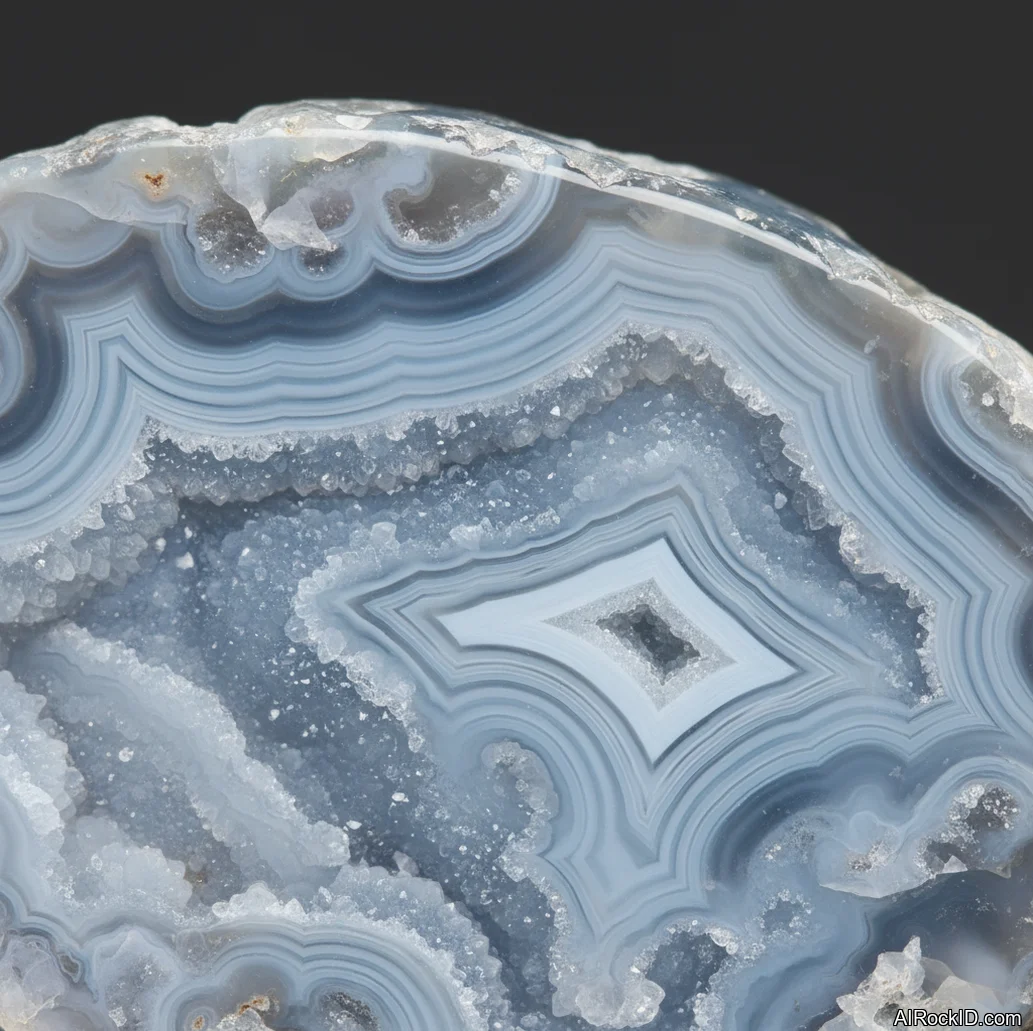
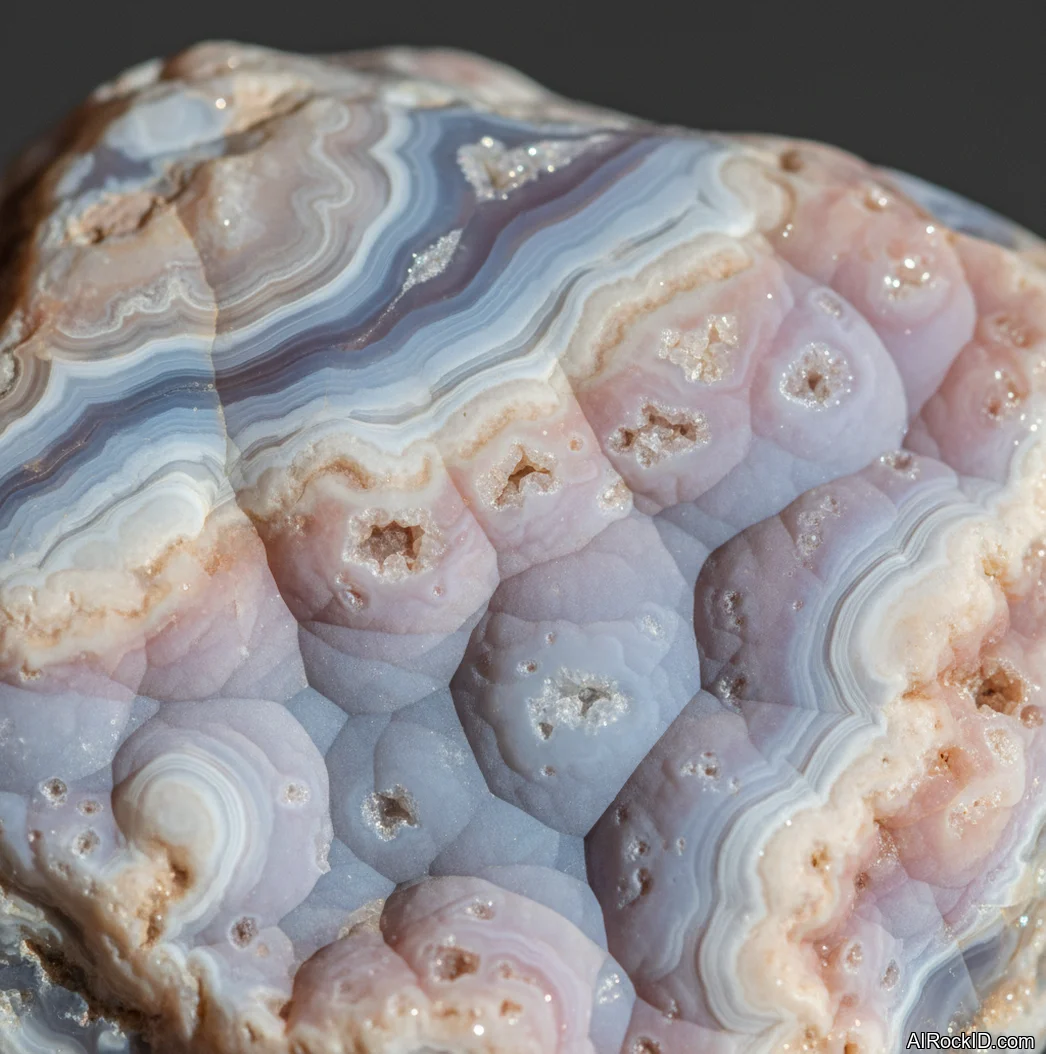
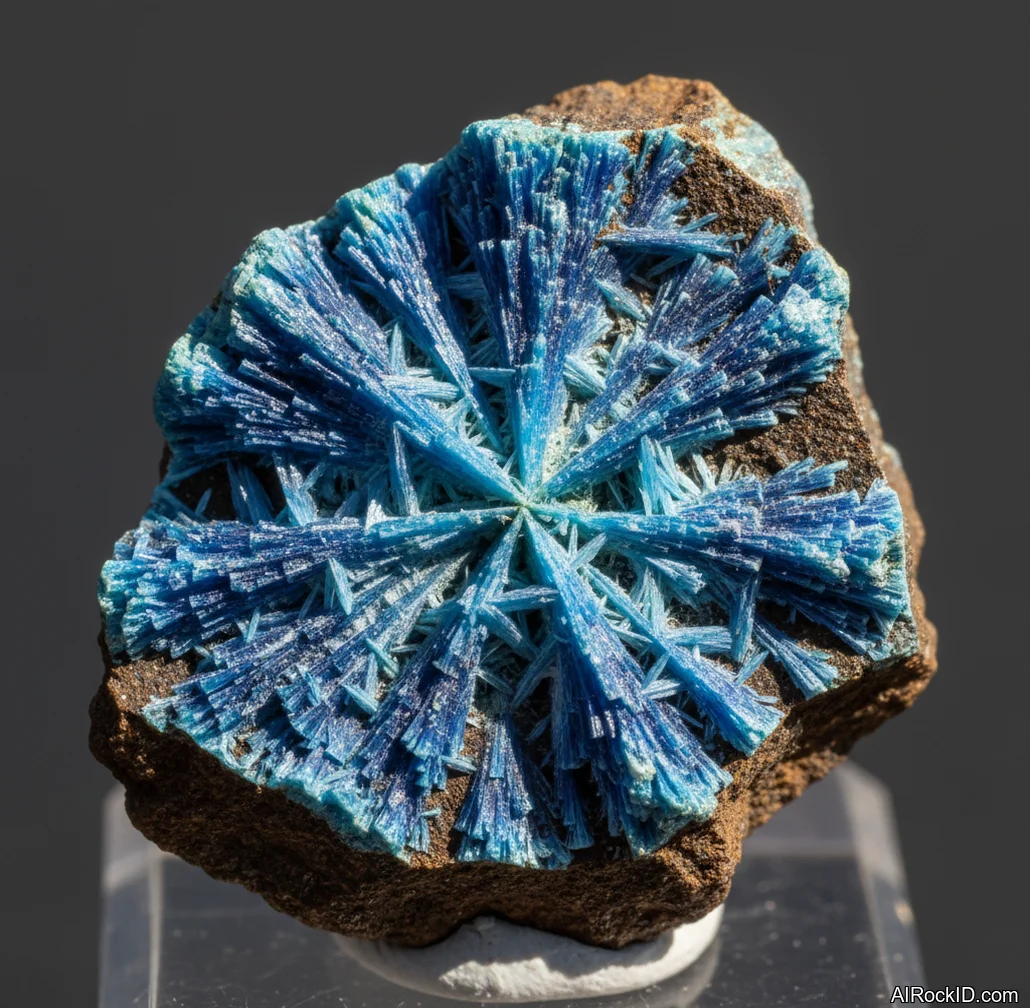
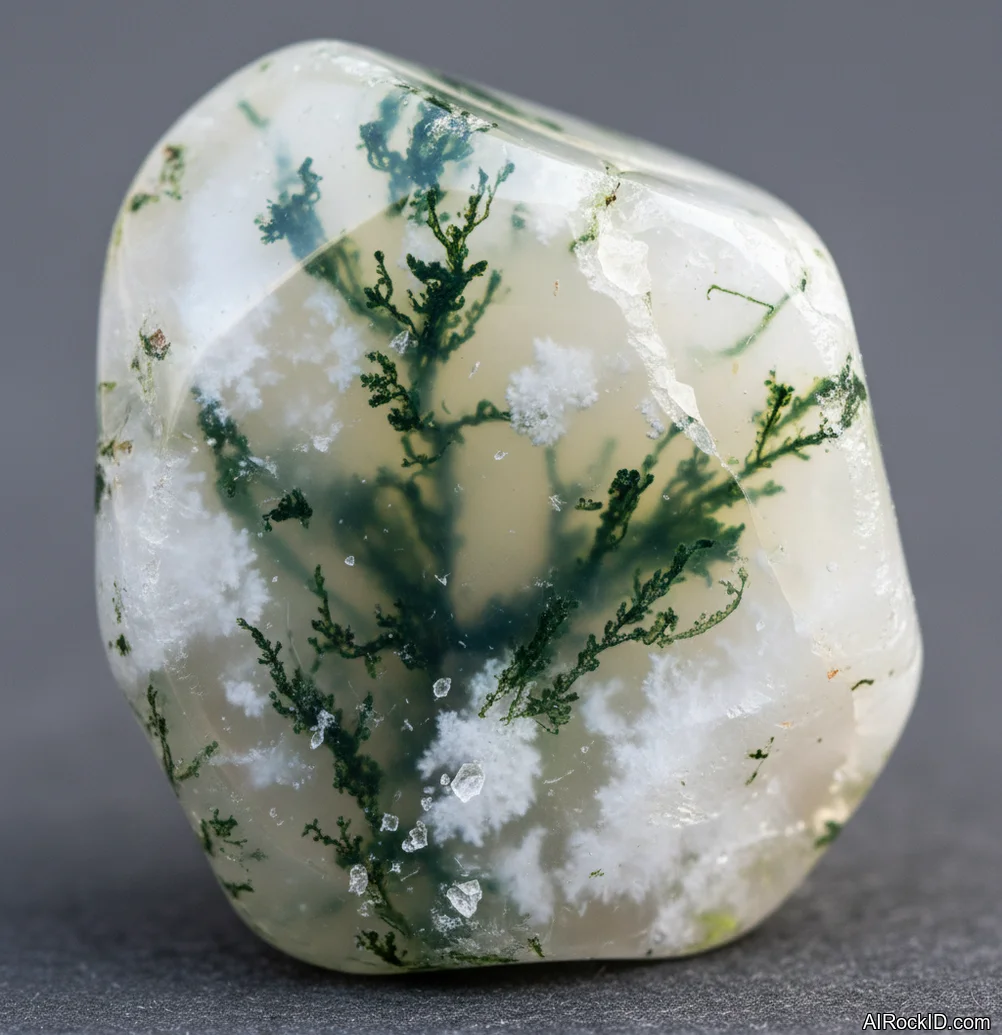
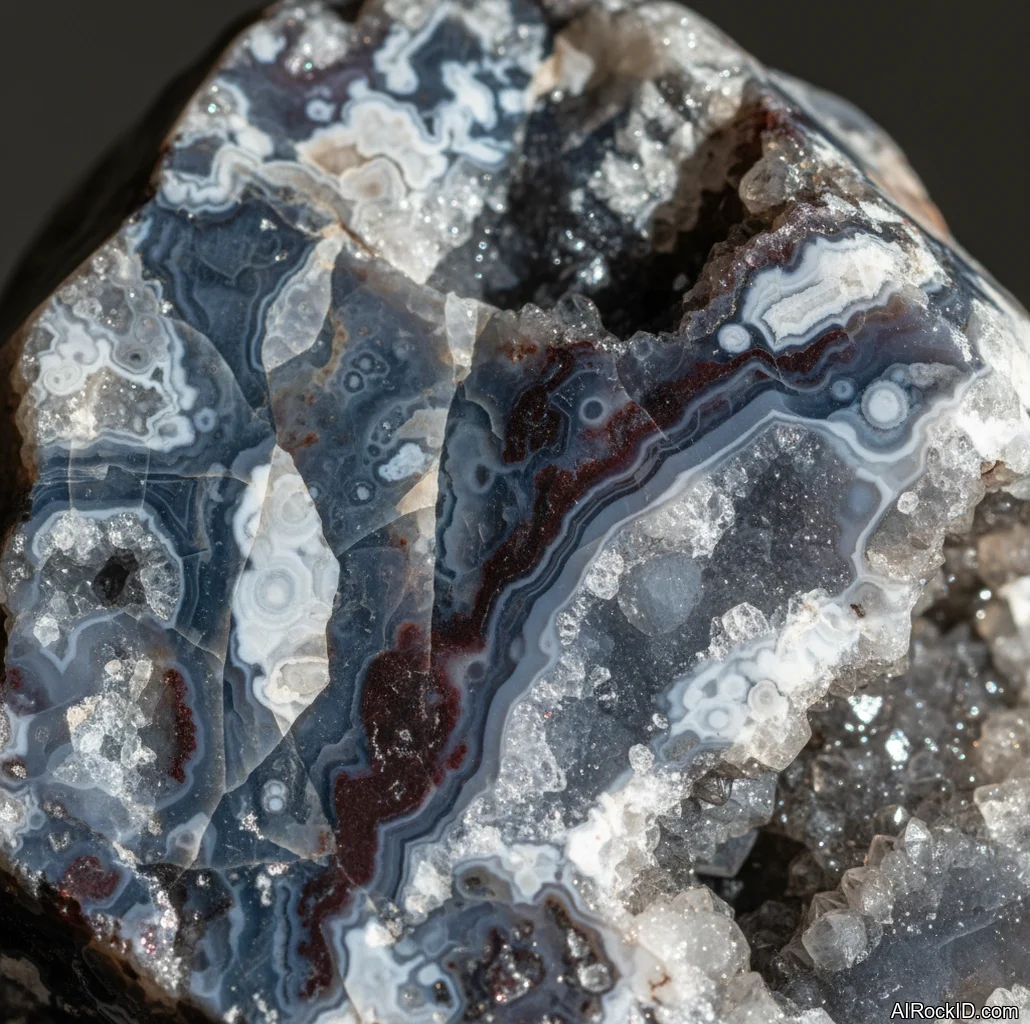
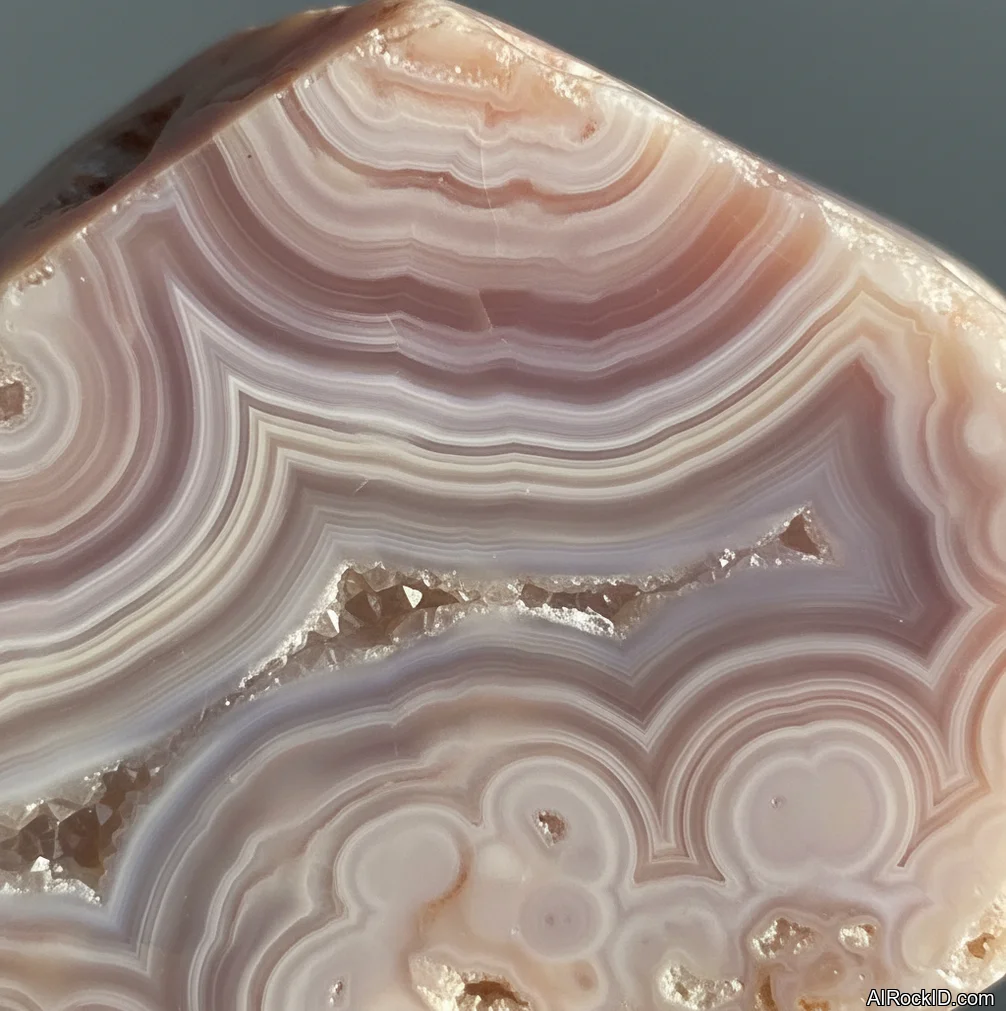
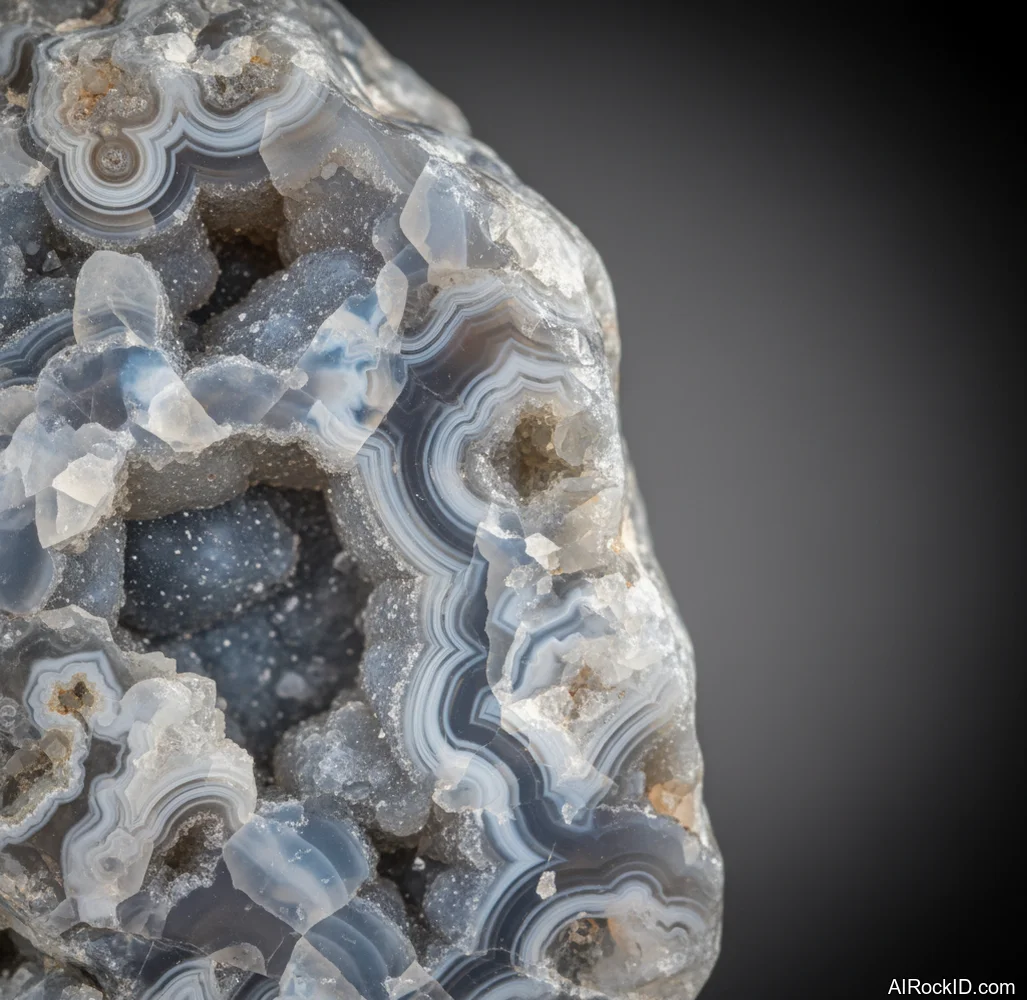
So how do you actually work with these stones without turning it into a whole production? Keep it simple. Put a chunk of amethyst or a piece of blue lace agate where your hands already go. Next to your keyboard. By your TV remote. Beside your water bottle. When stress hits, you’re not digging through a pouch. You’re grabbing the thing that’s right there.
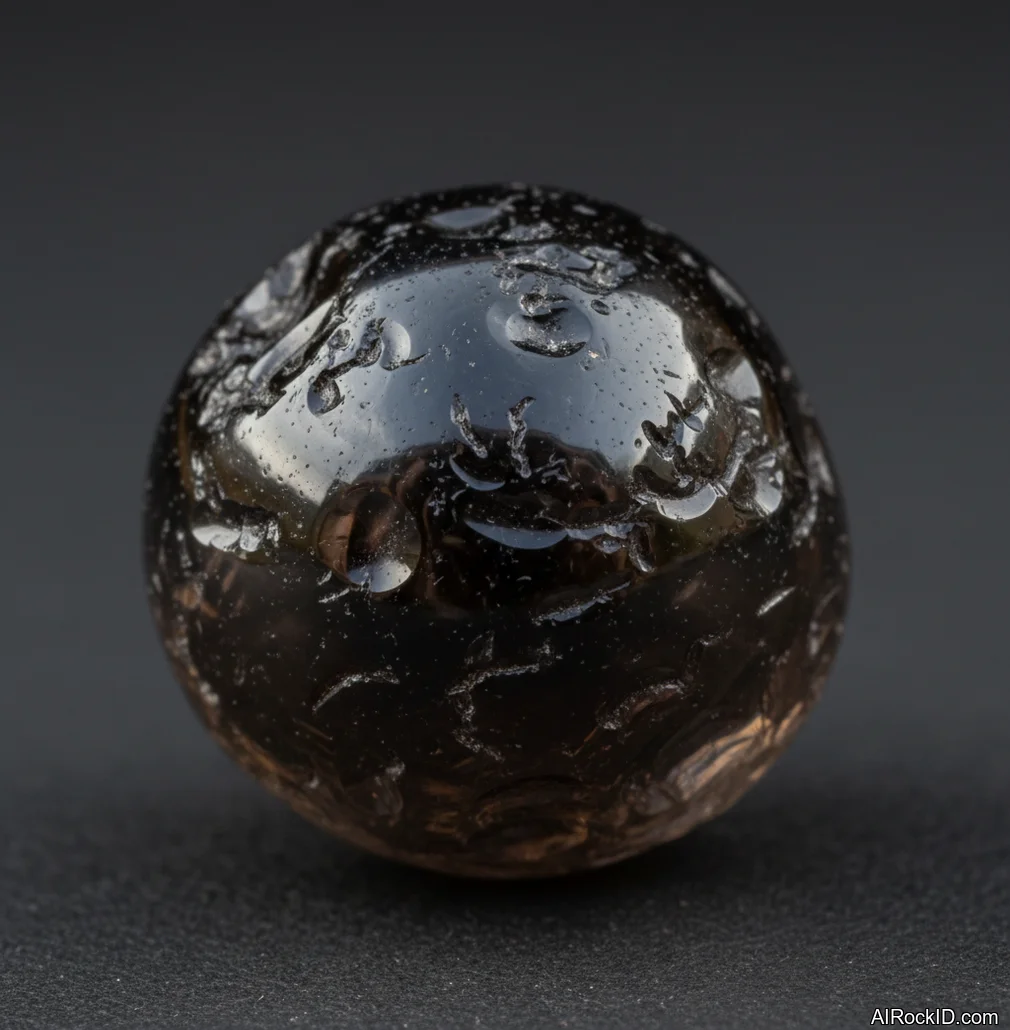
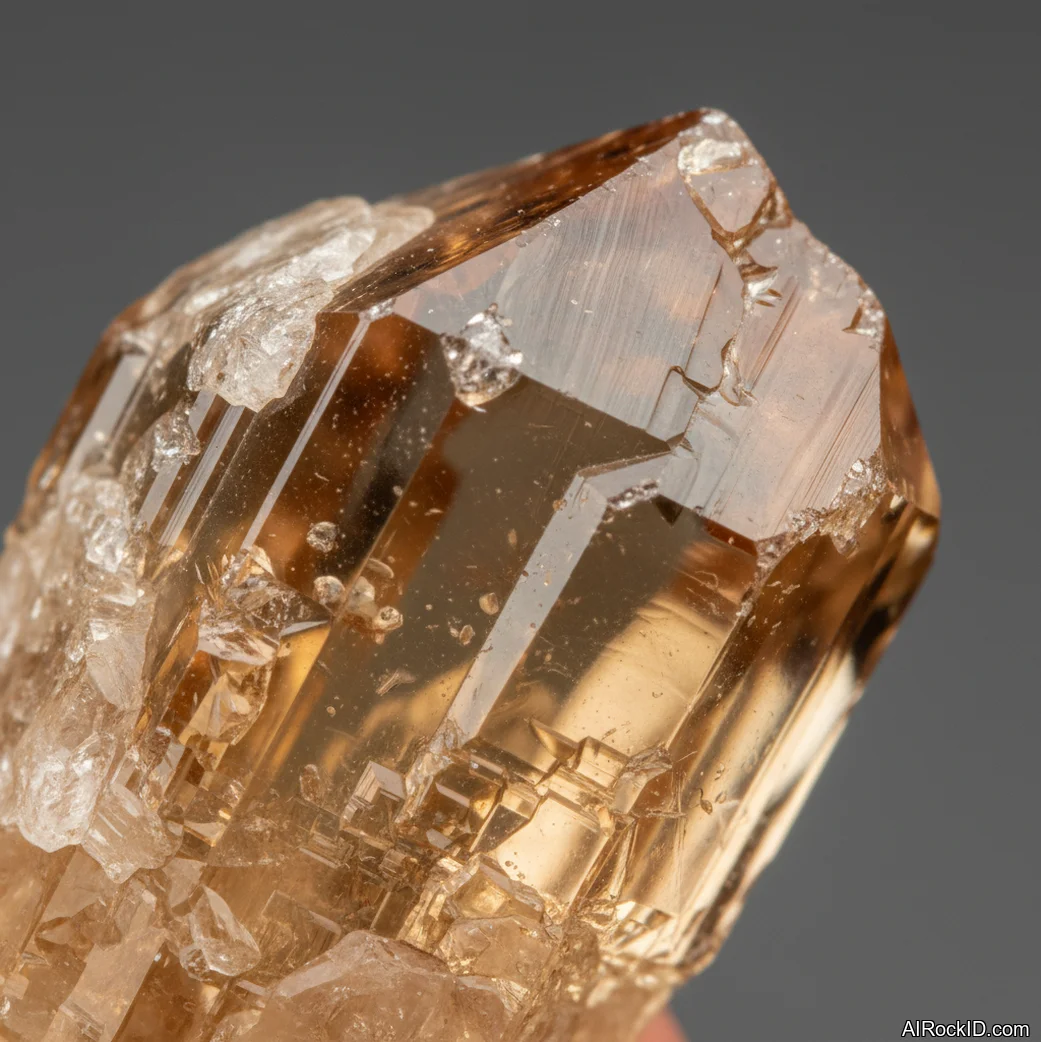
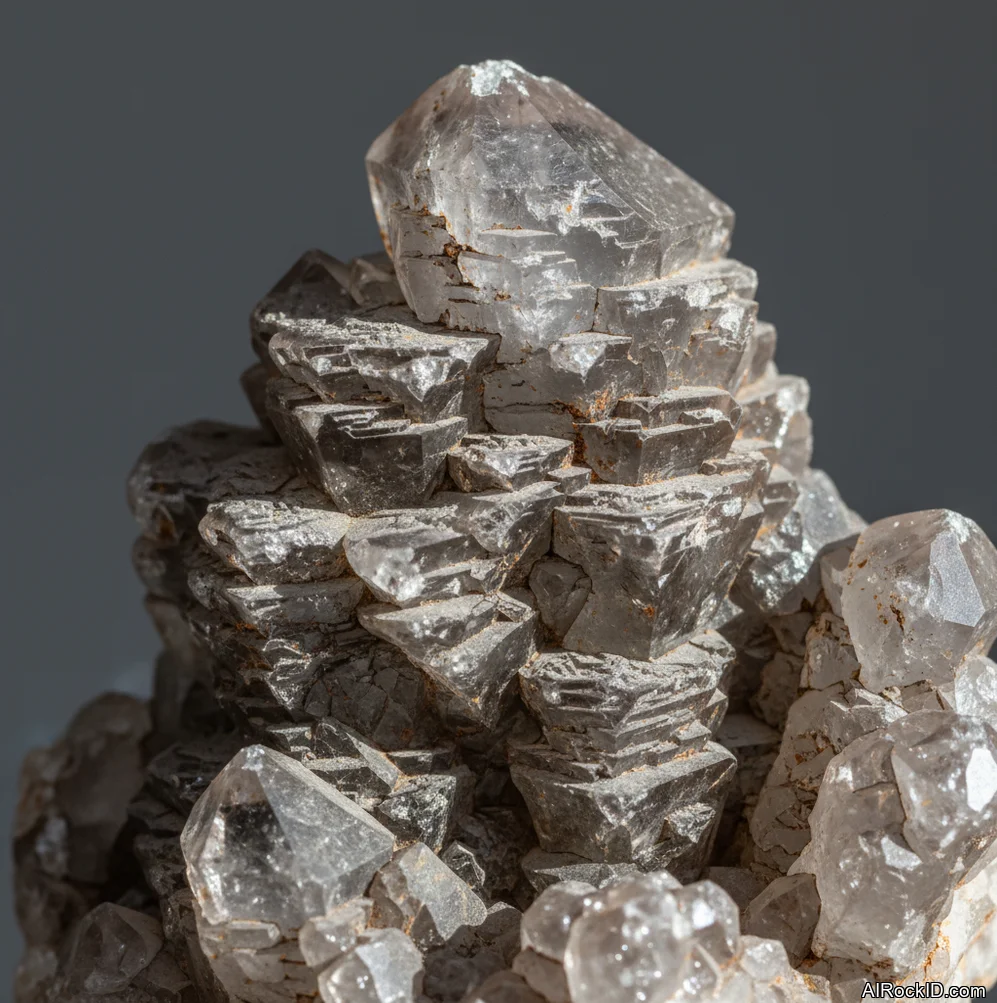
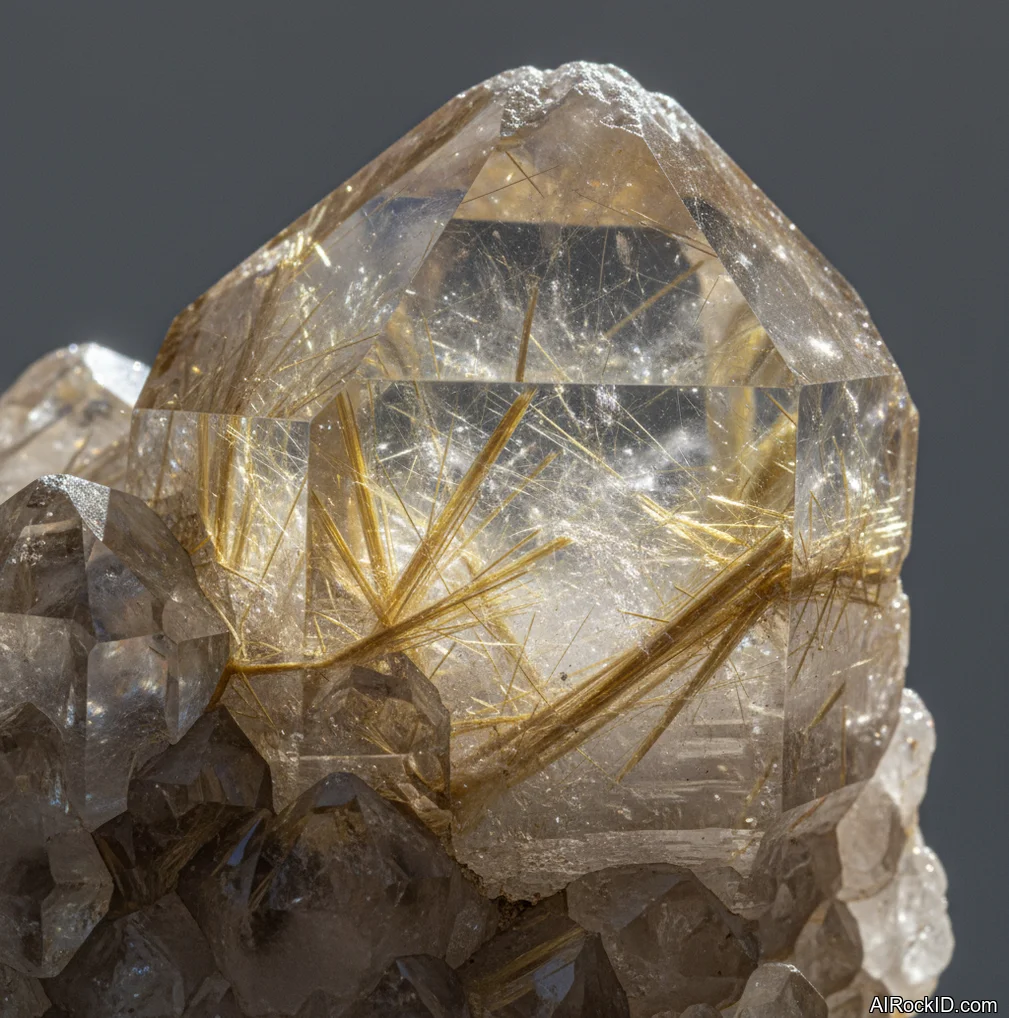
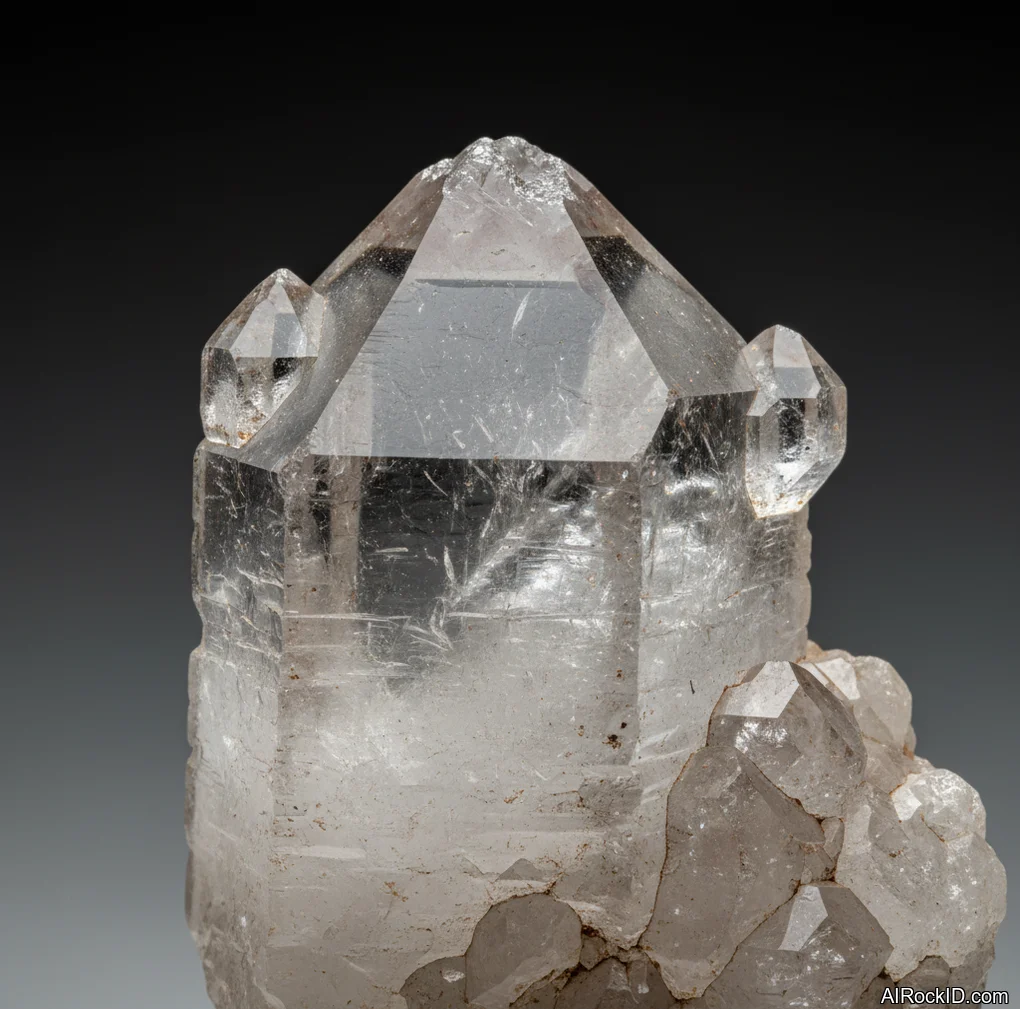
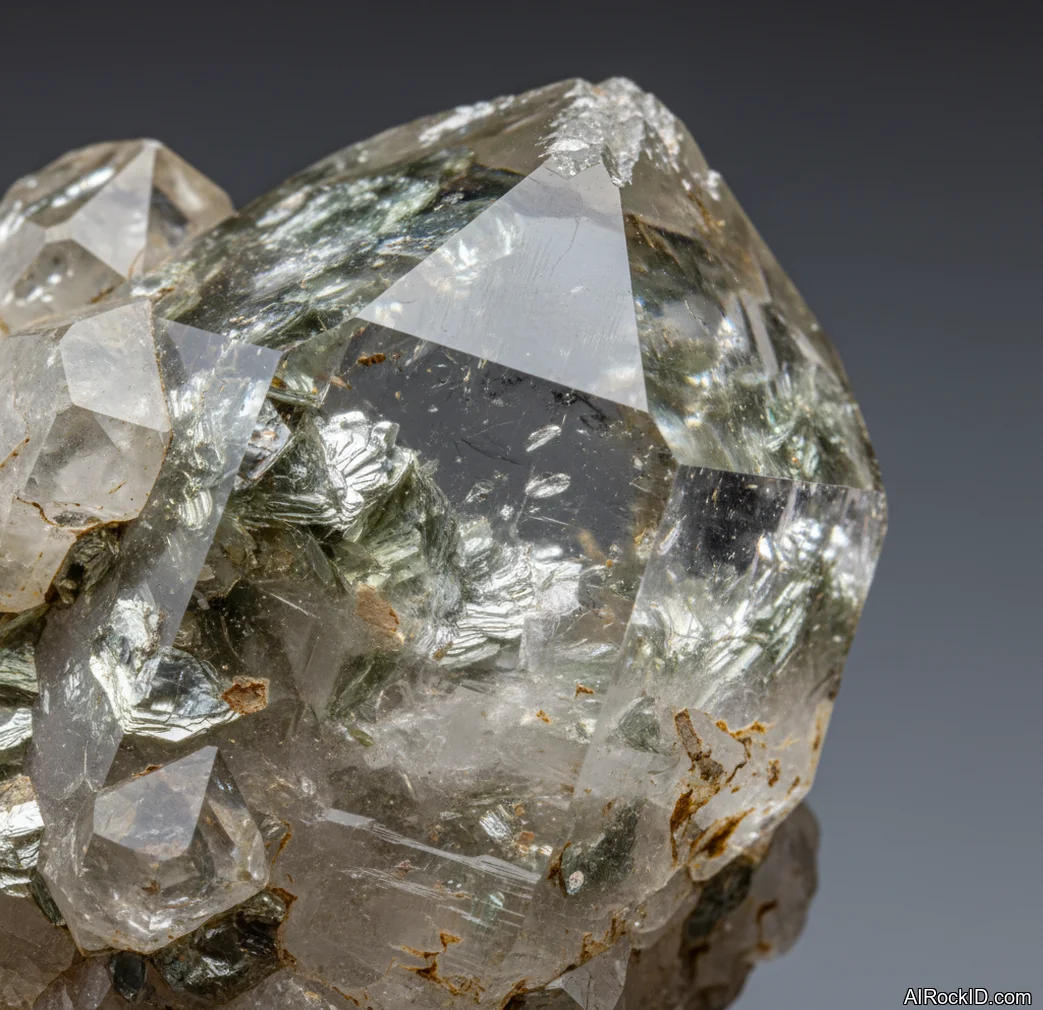
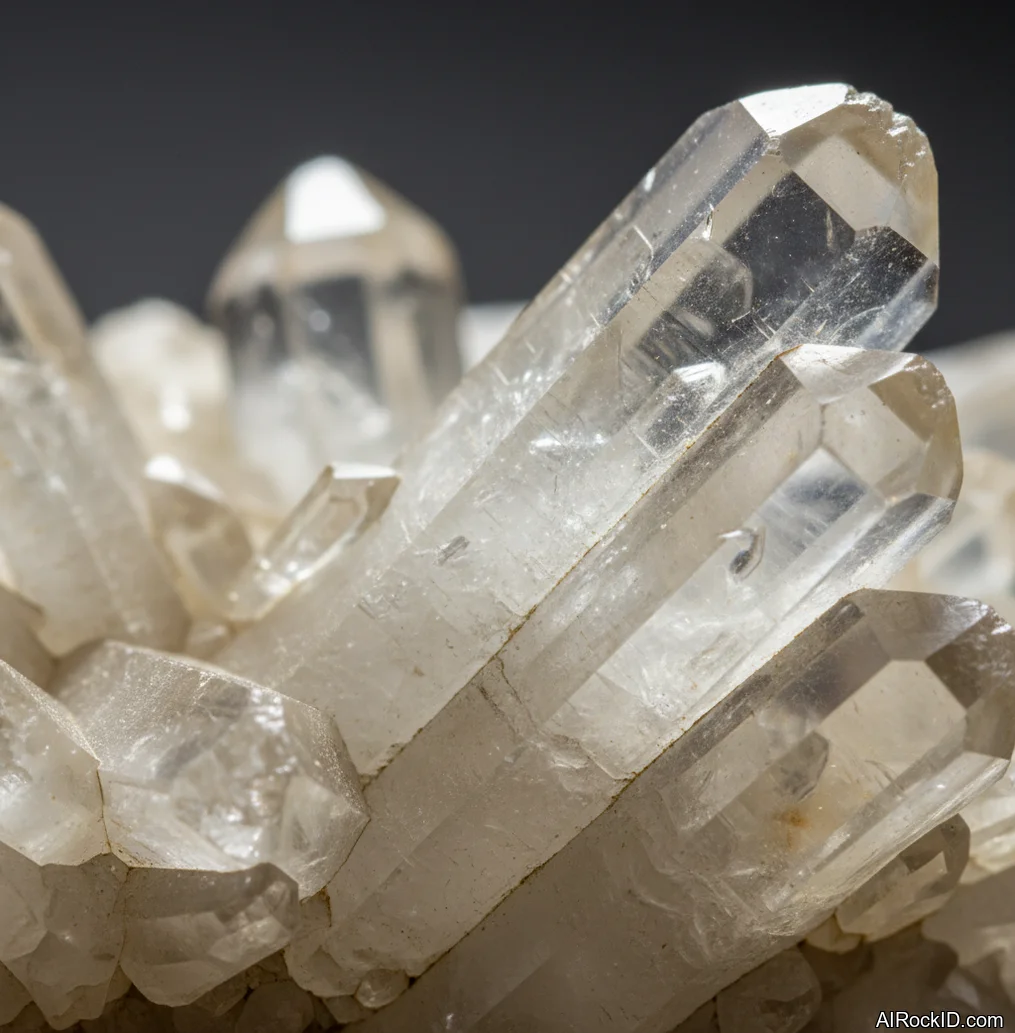
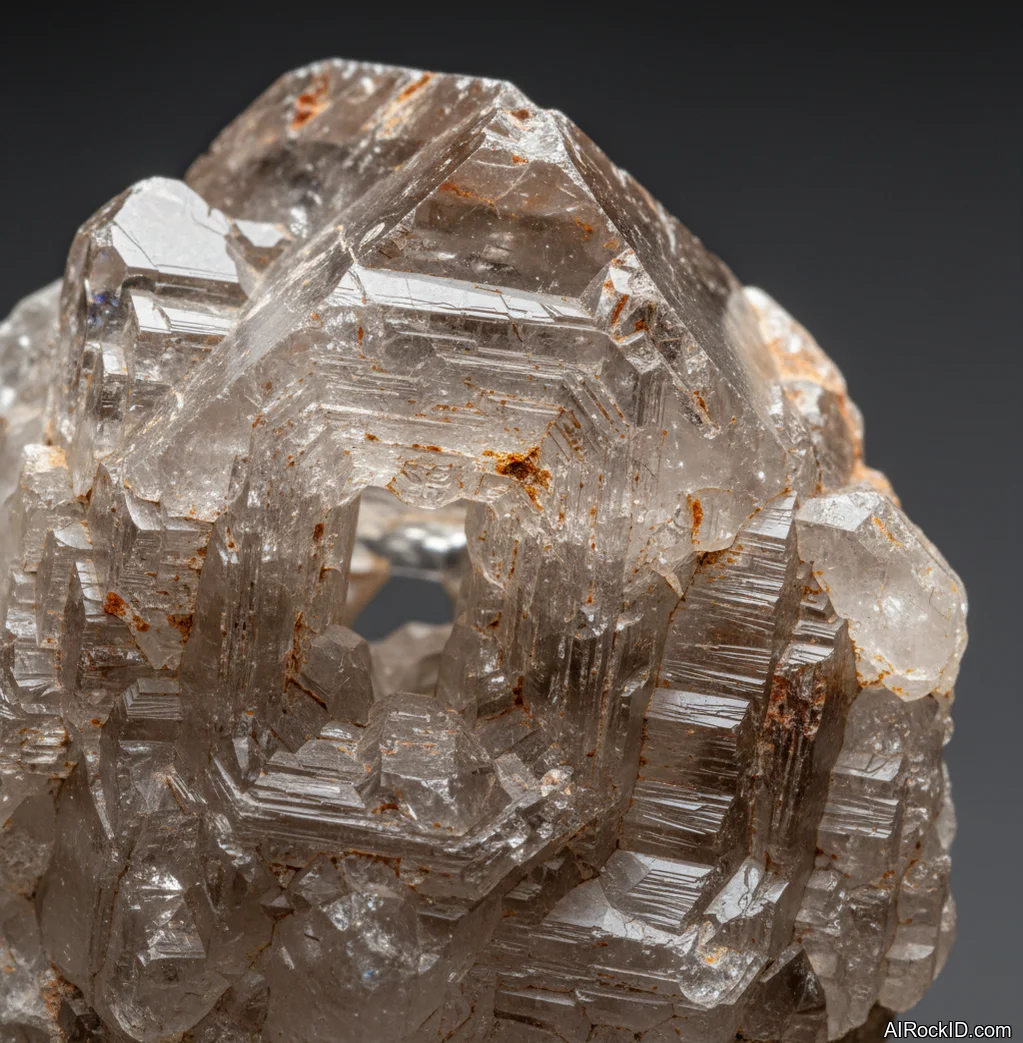
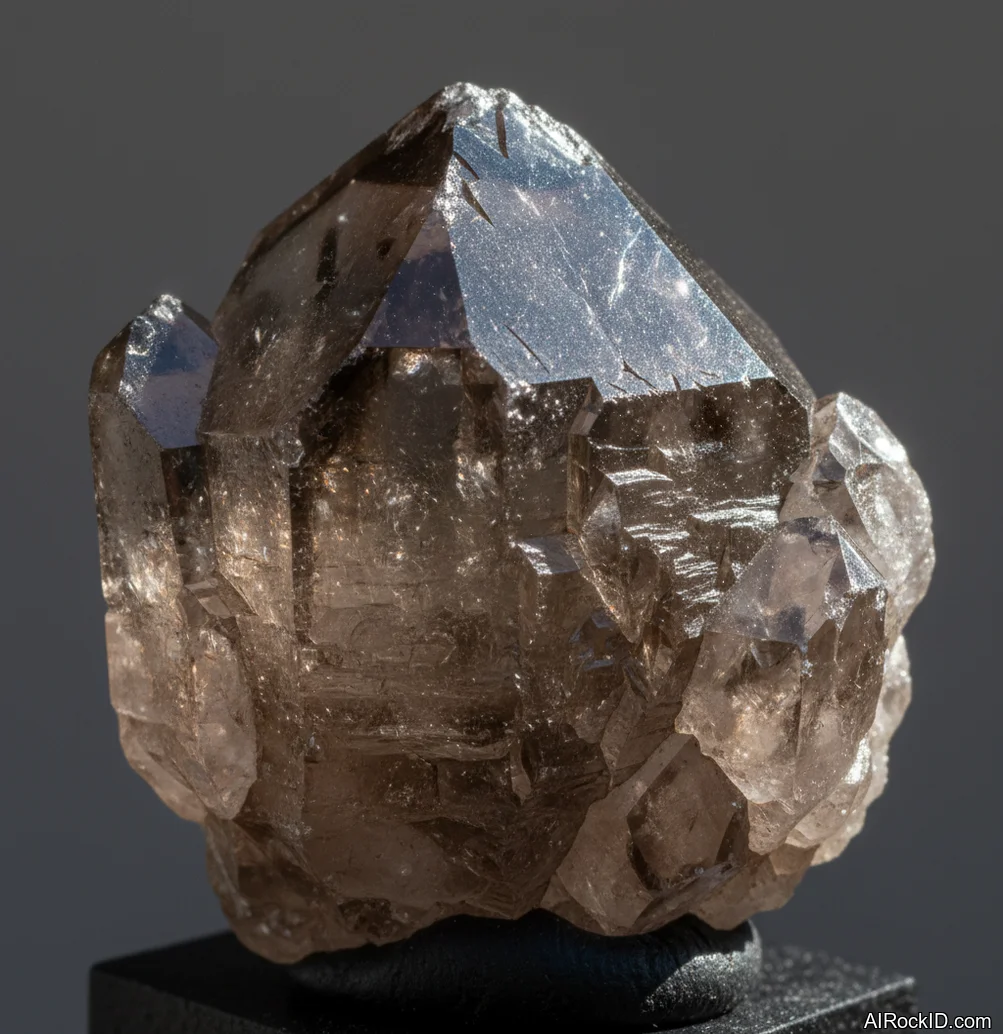
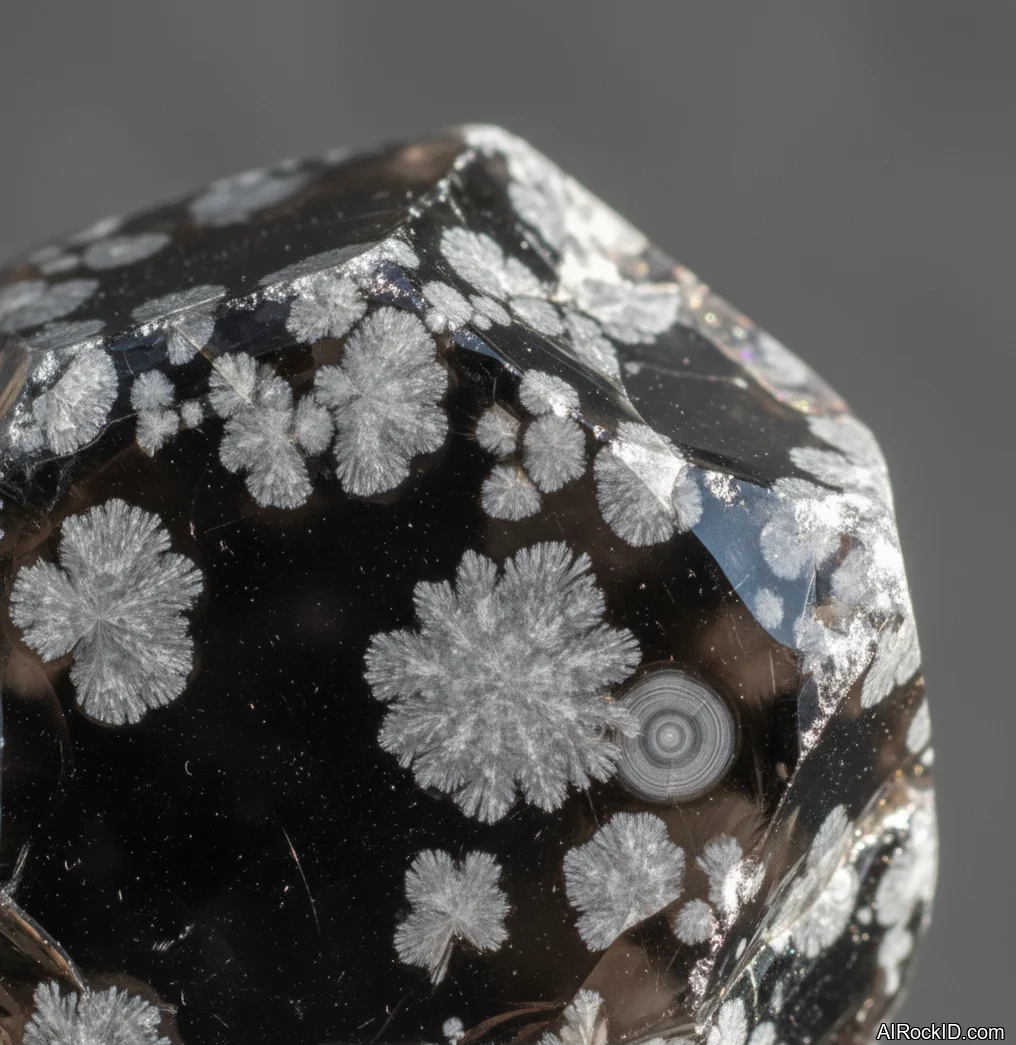
Some people like making a small “sleep corner” with smoky quartz, selenite, and a single candle. Smoky quartz is great if you want something that feels grounding, and the better pieces have that brown-to-gray transparency where you can see into the stone like tinted glass.
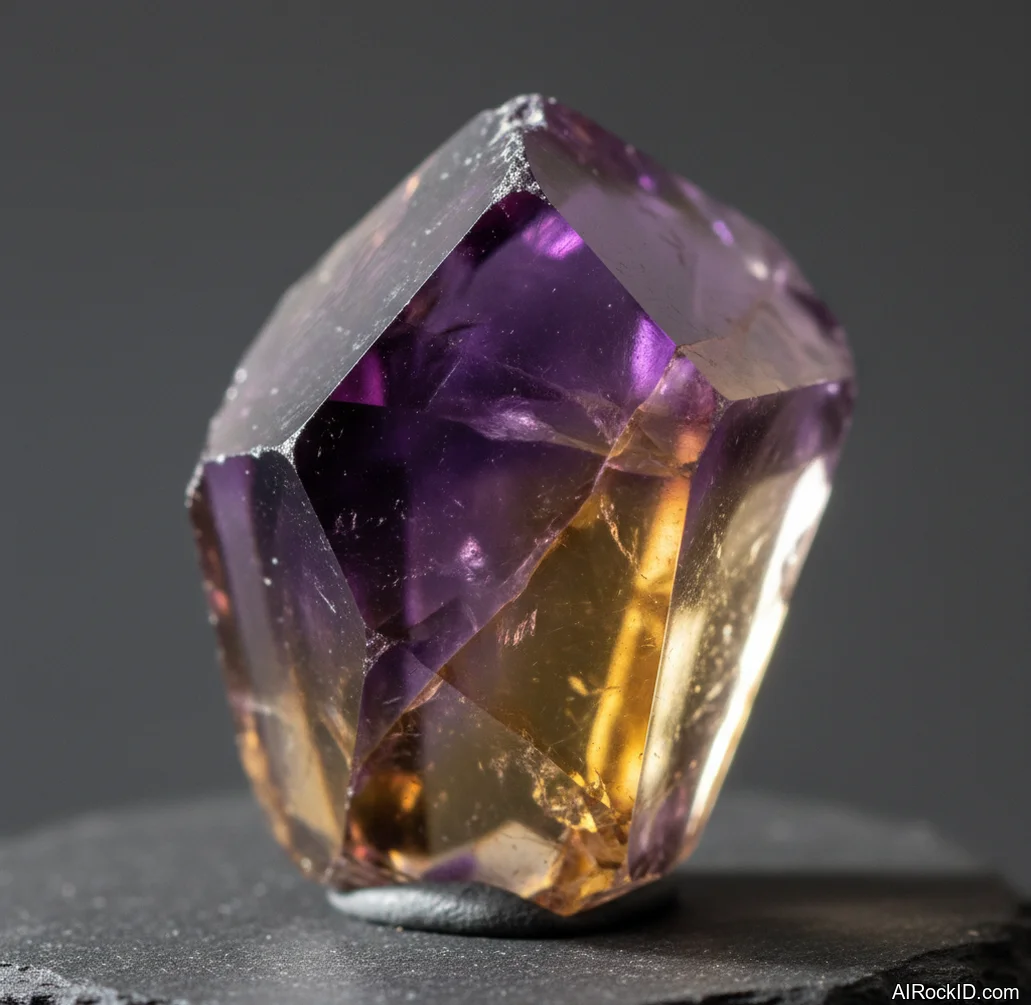
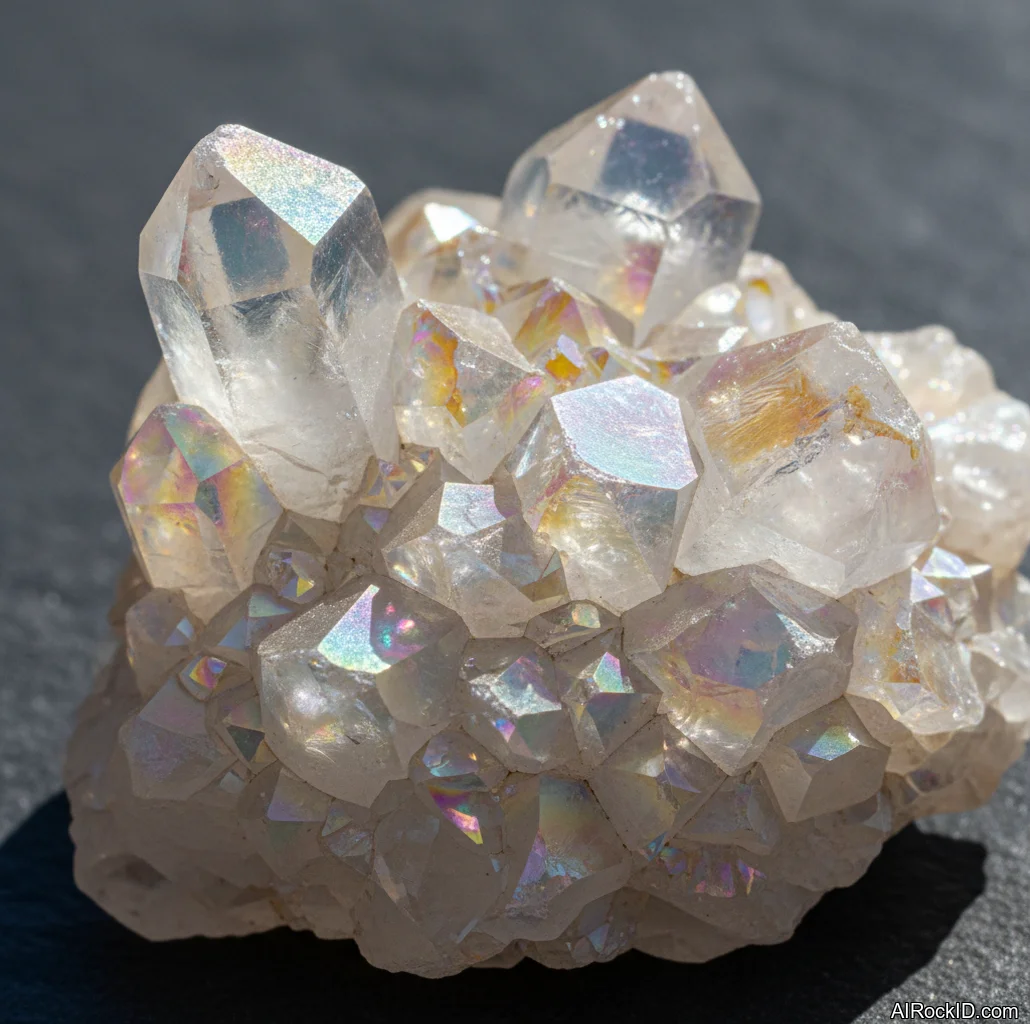
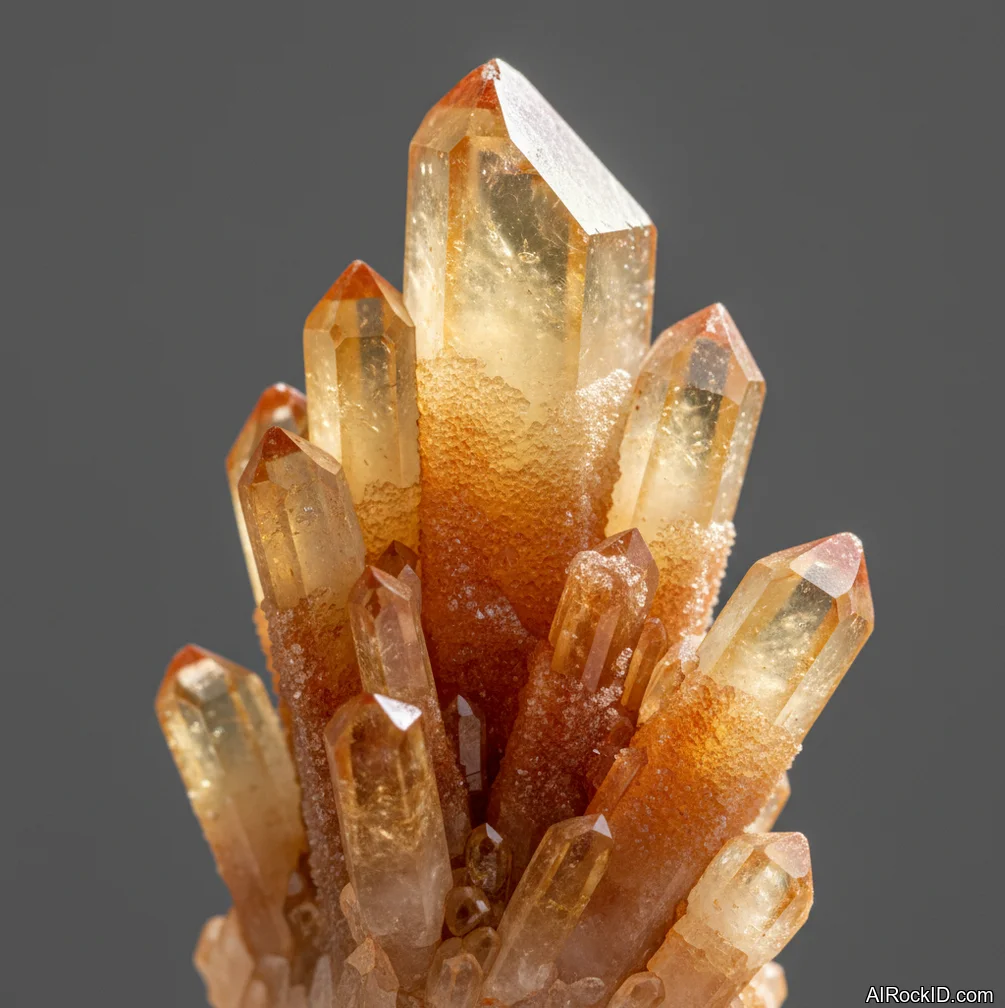
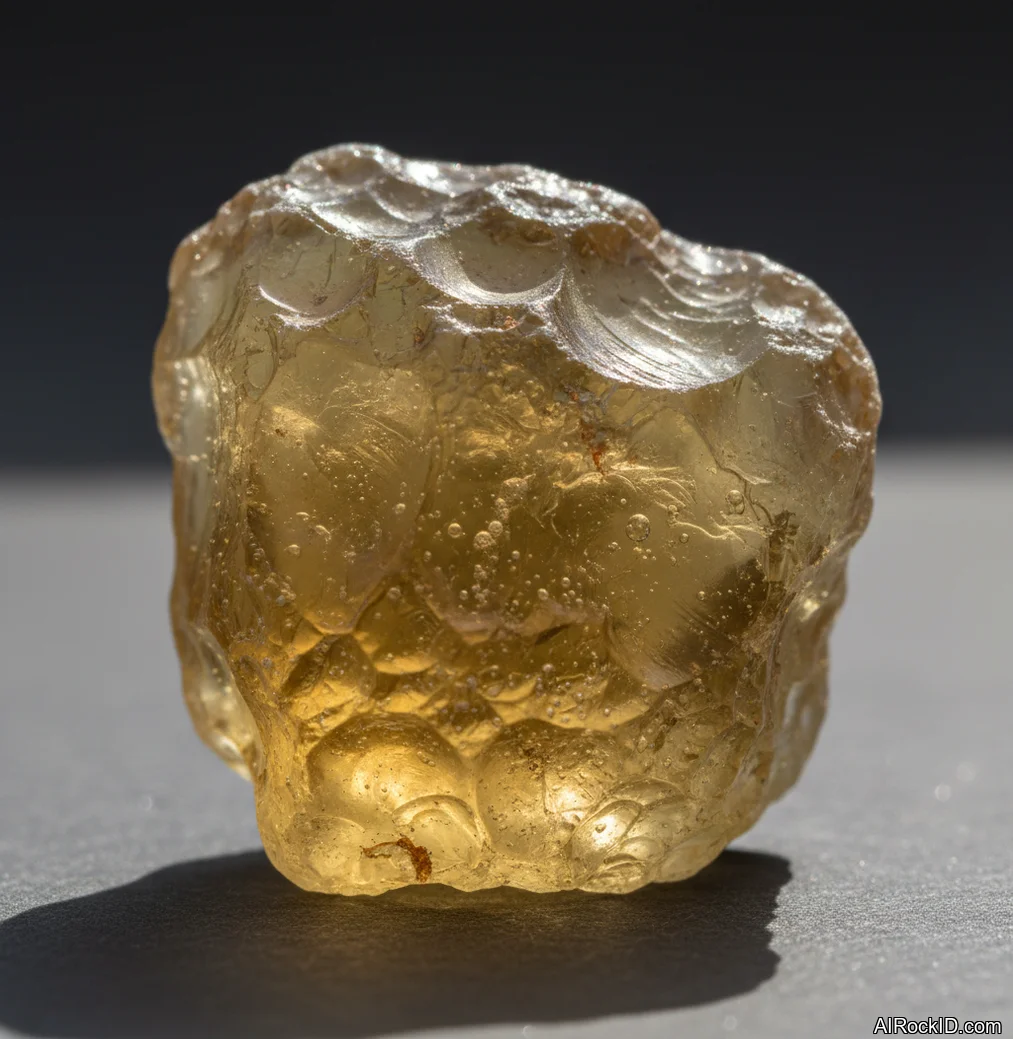
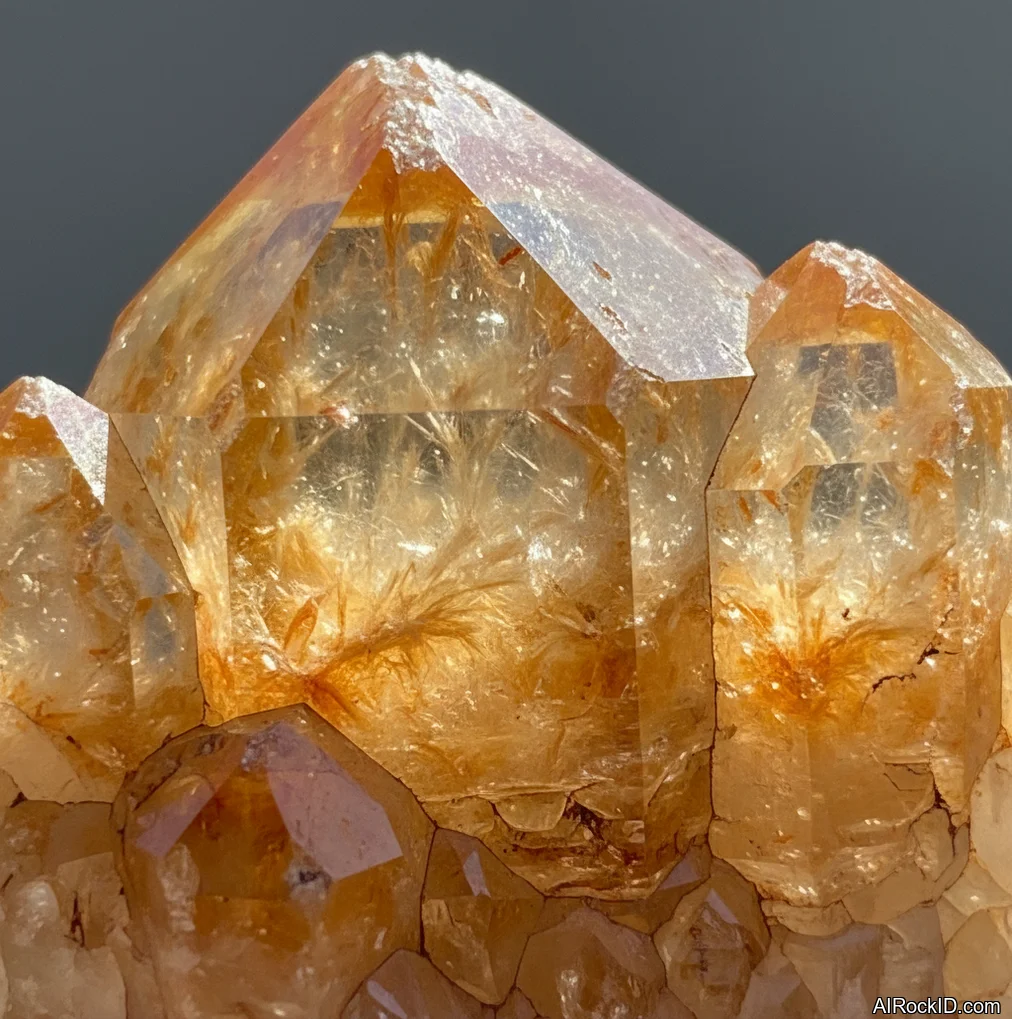
Thing is, the market’s full of lookalikes and treatments. “Citrine” is the classic mess. A lot of what’s sold as citrine is heat-treated amethyst with a burnt orange patch on the base and a weird white line near the bottom of the crystal. If you’re buying for calm and you want actual citrine, ask for natural citrine or Congo citrine and expect to pay more. Another one: “turquoise” howlite. If you see bright robin’s-egg blue with black spiderweb veining at a bargain price, it’s usually dyed howlite or magnesite.
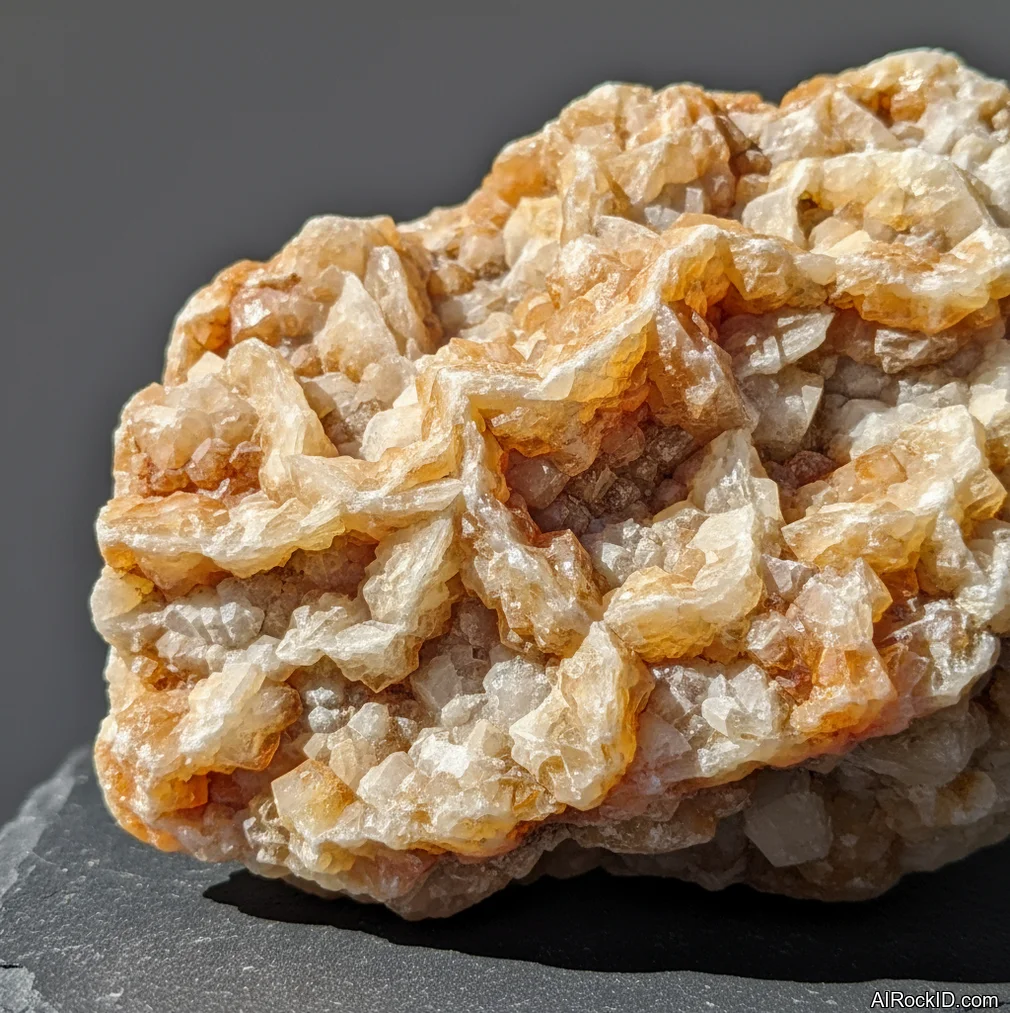
When you’re buying stress relief crystals, prioritize how they’re going to be used. If it’s a pocket stone, skip anything soft or flaky like raw lepidolite, calcite, or selenite. If it’s for a desk or bedside, raw is fine. And raw pieces can feel more “alive” in the hand because you’ve got edges, growth lines, and natural faces instead of a perfect polish.
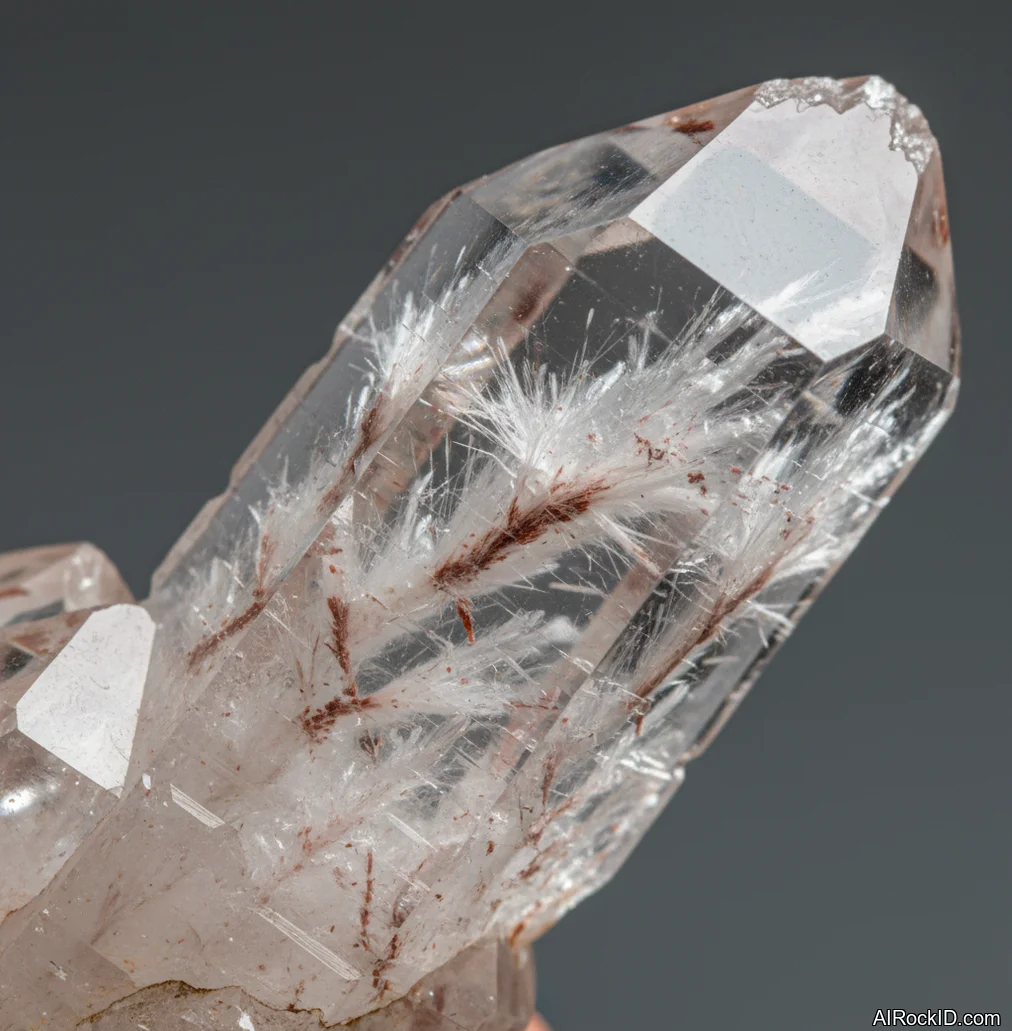
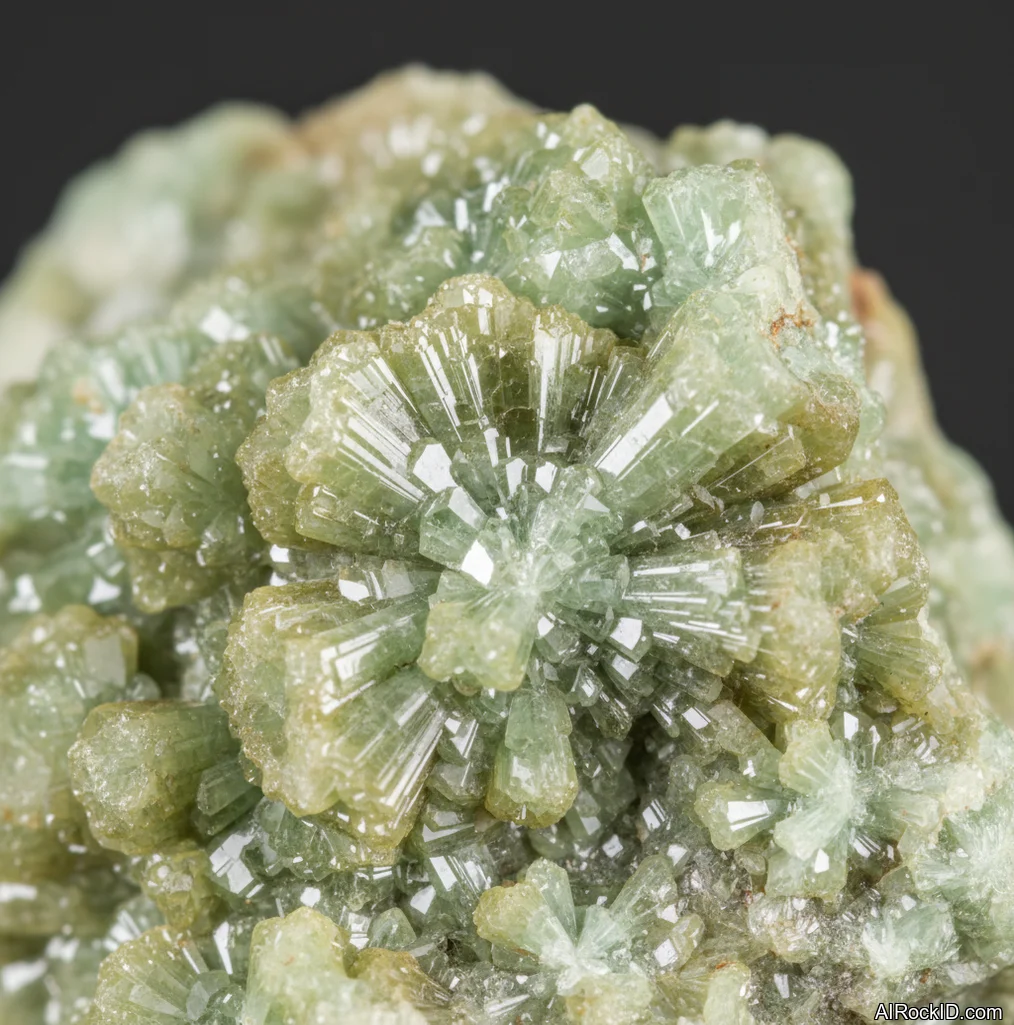
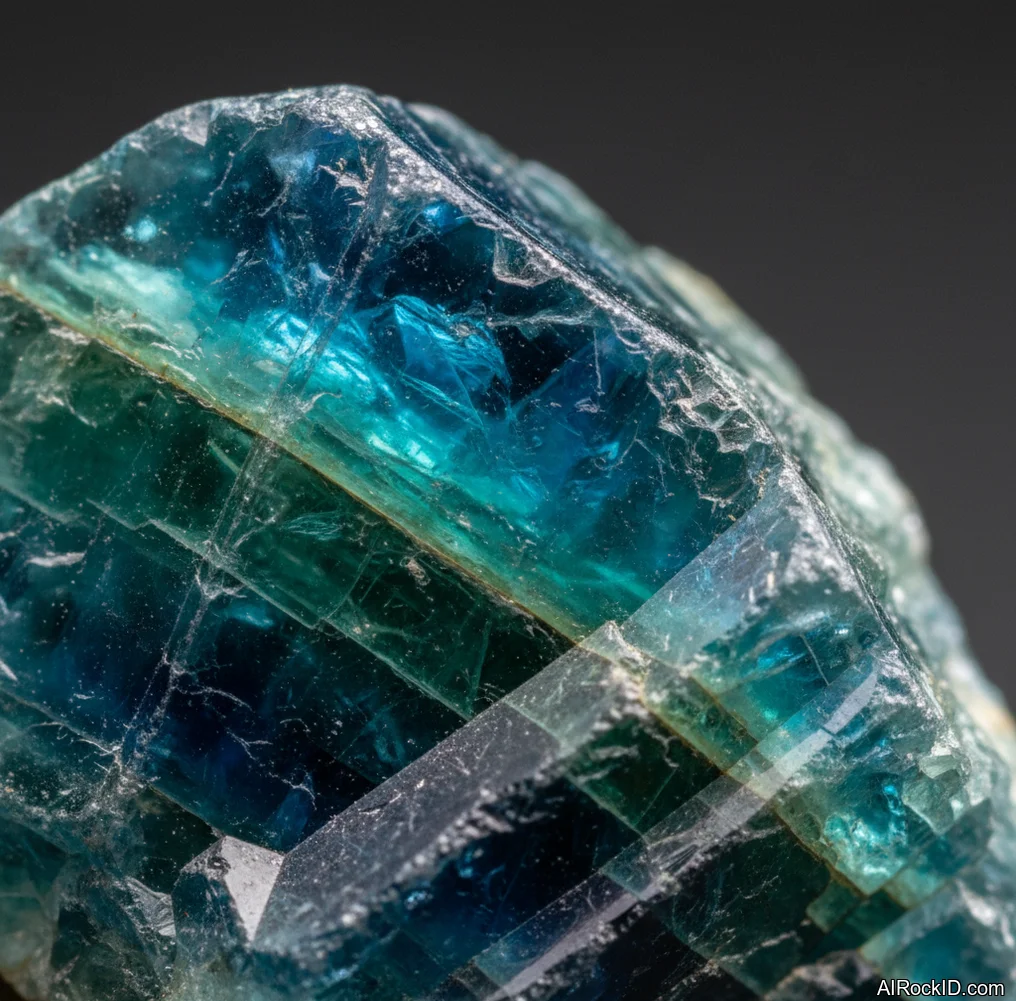
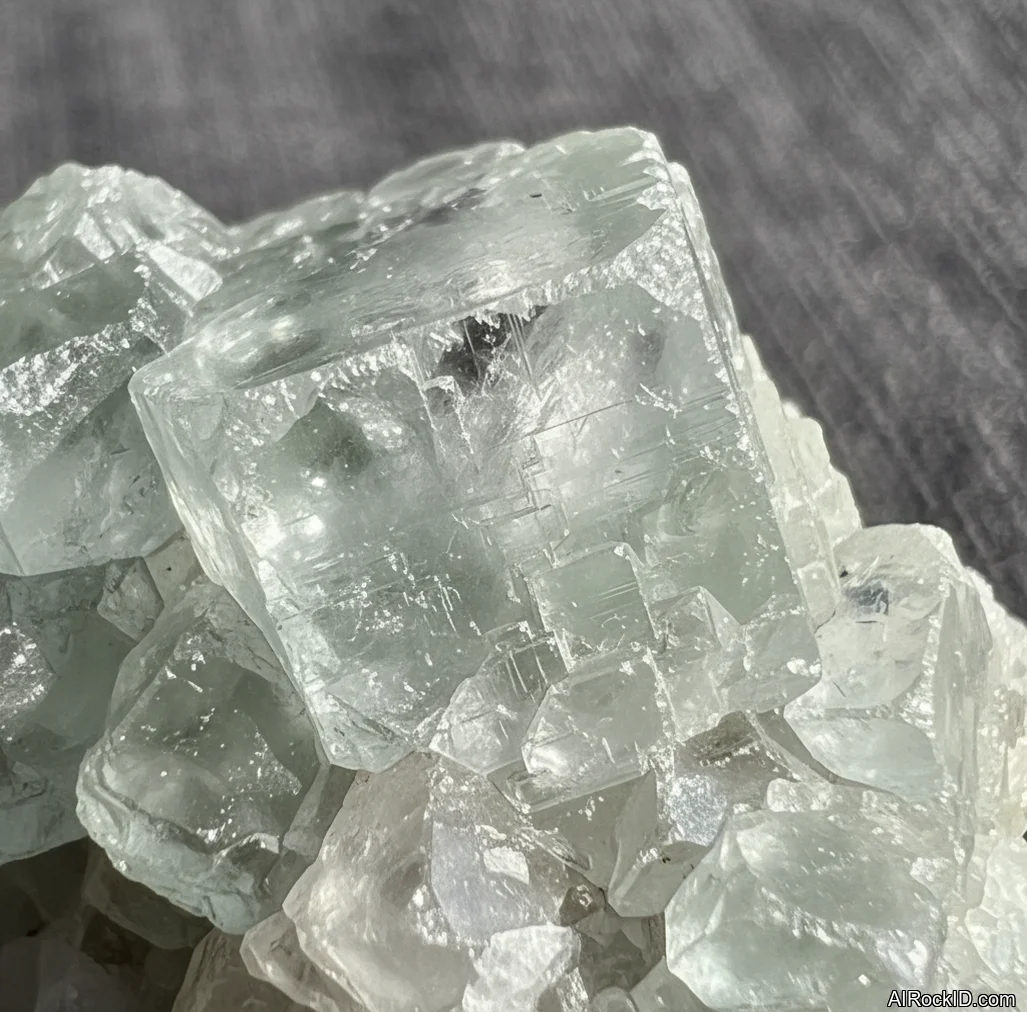
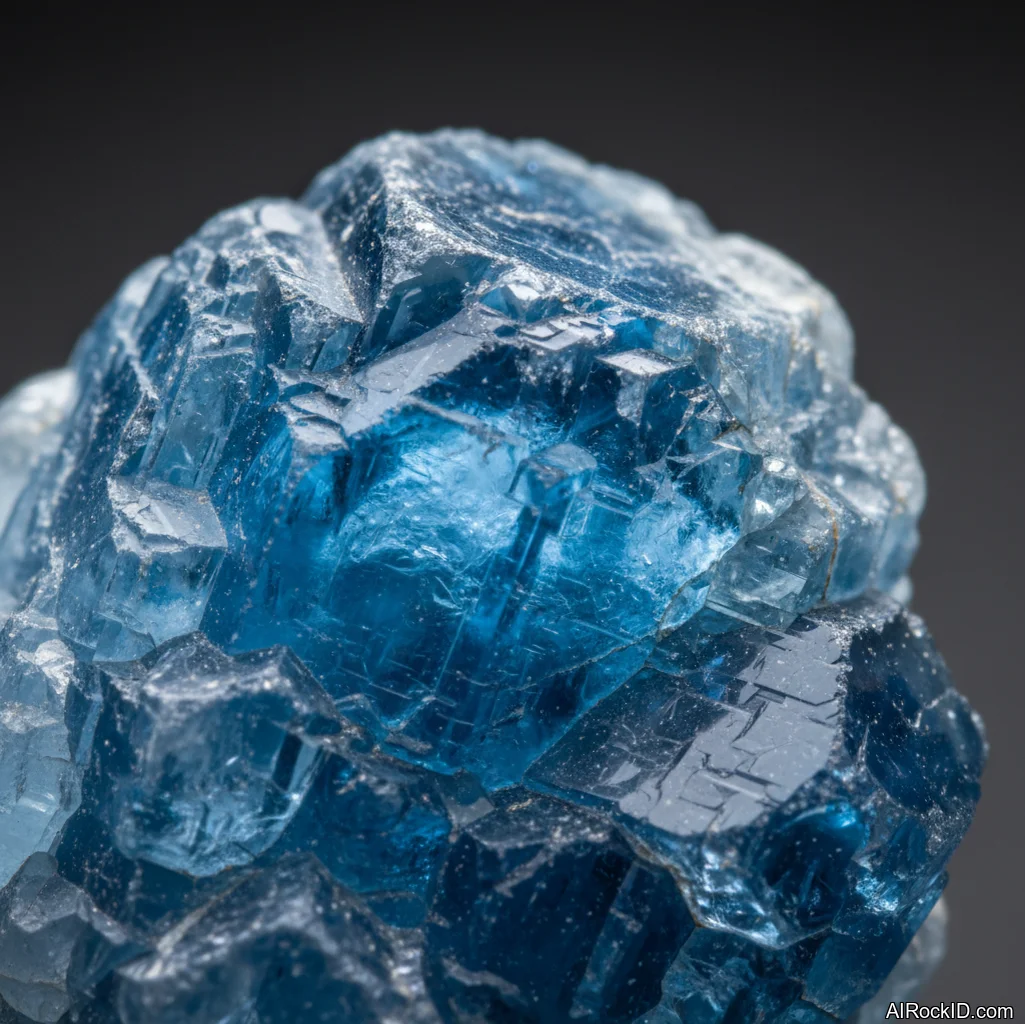
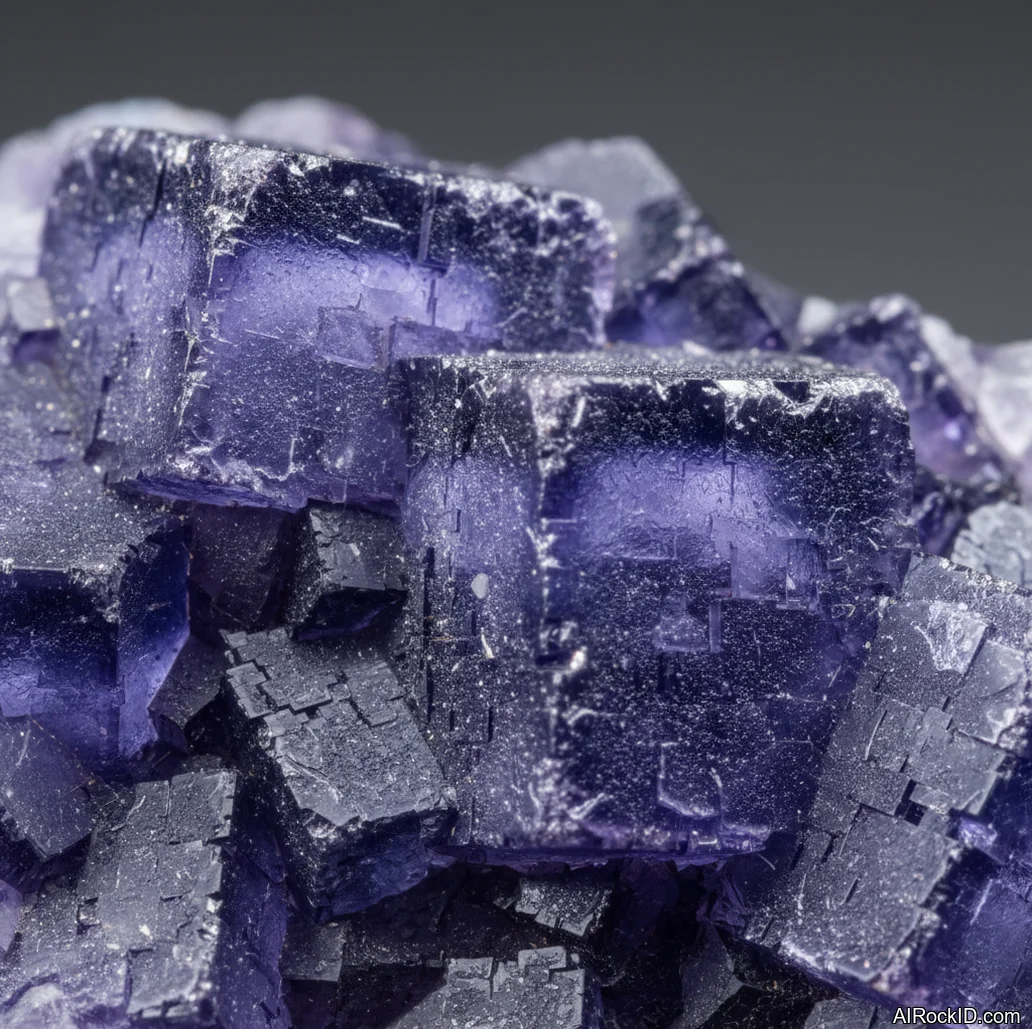
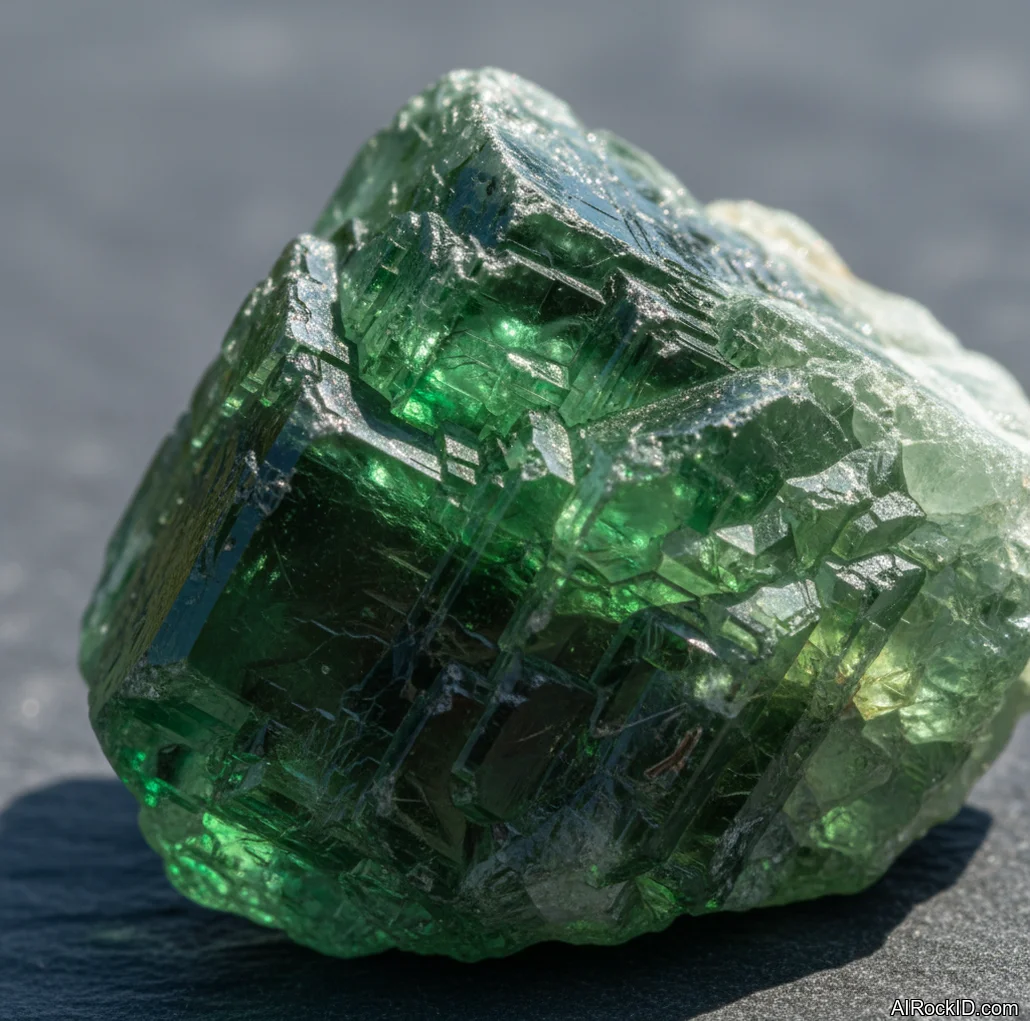
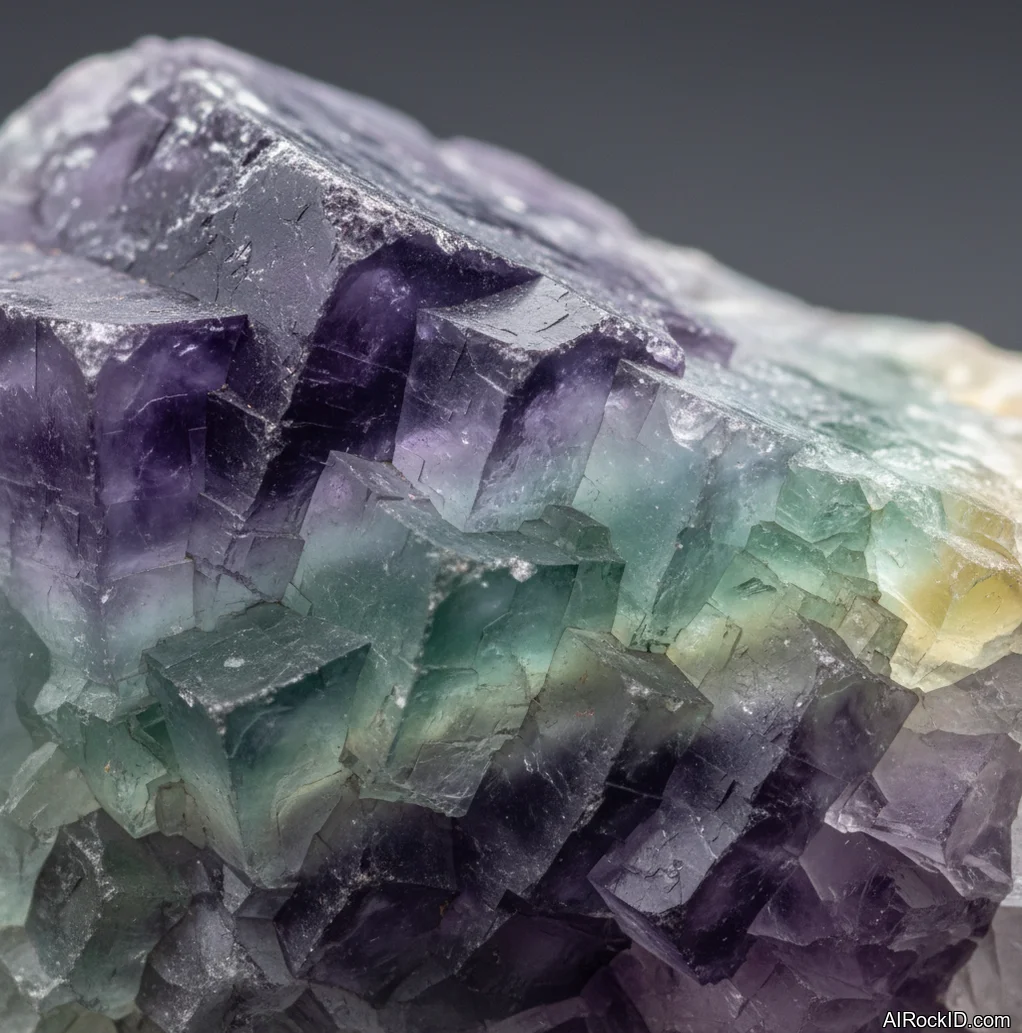
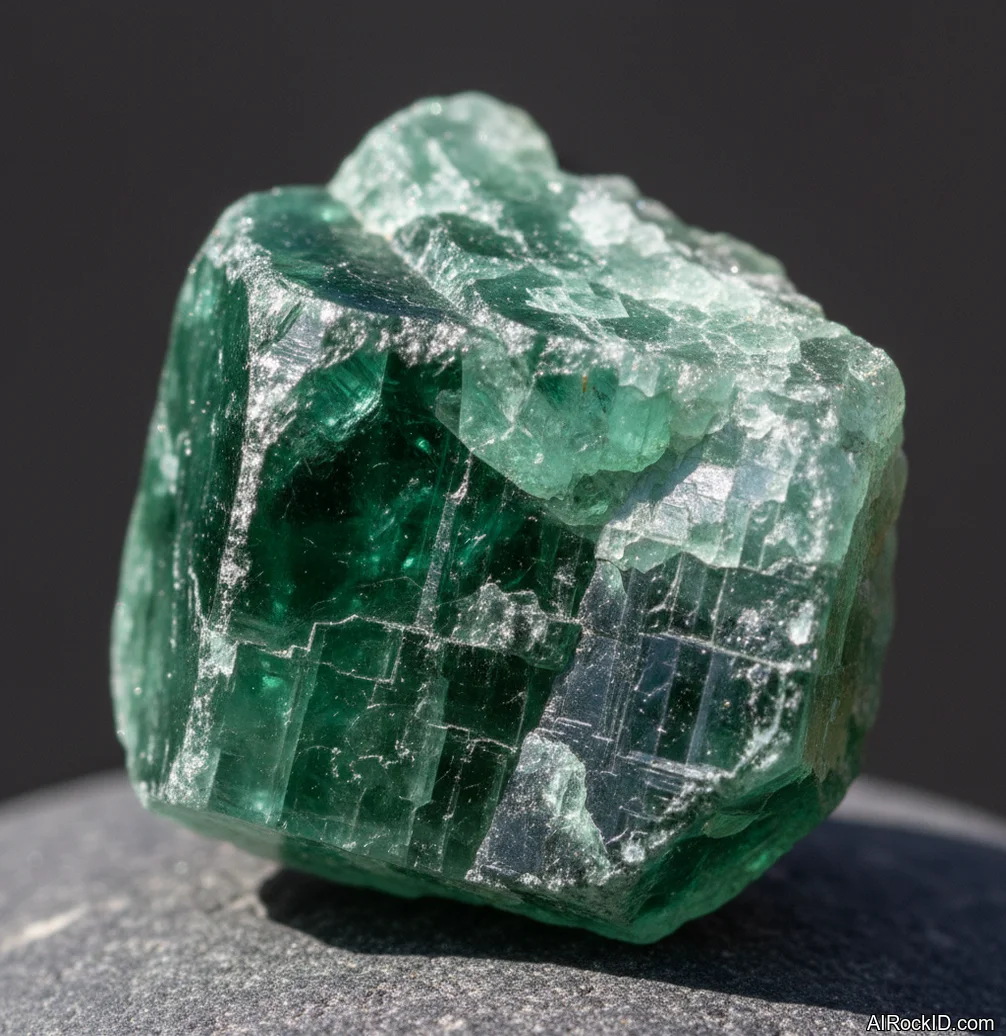
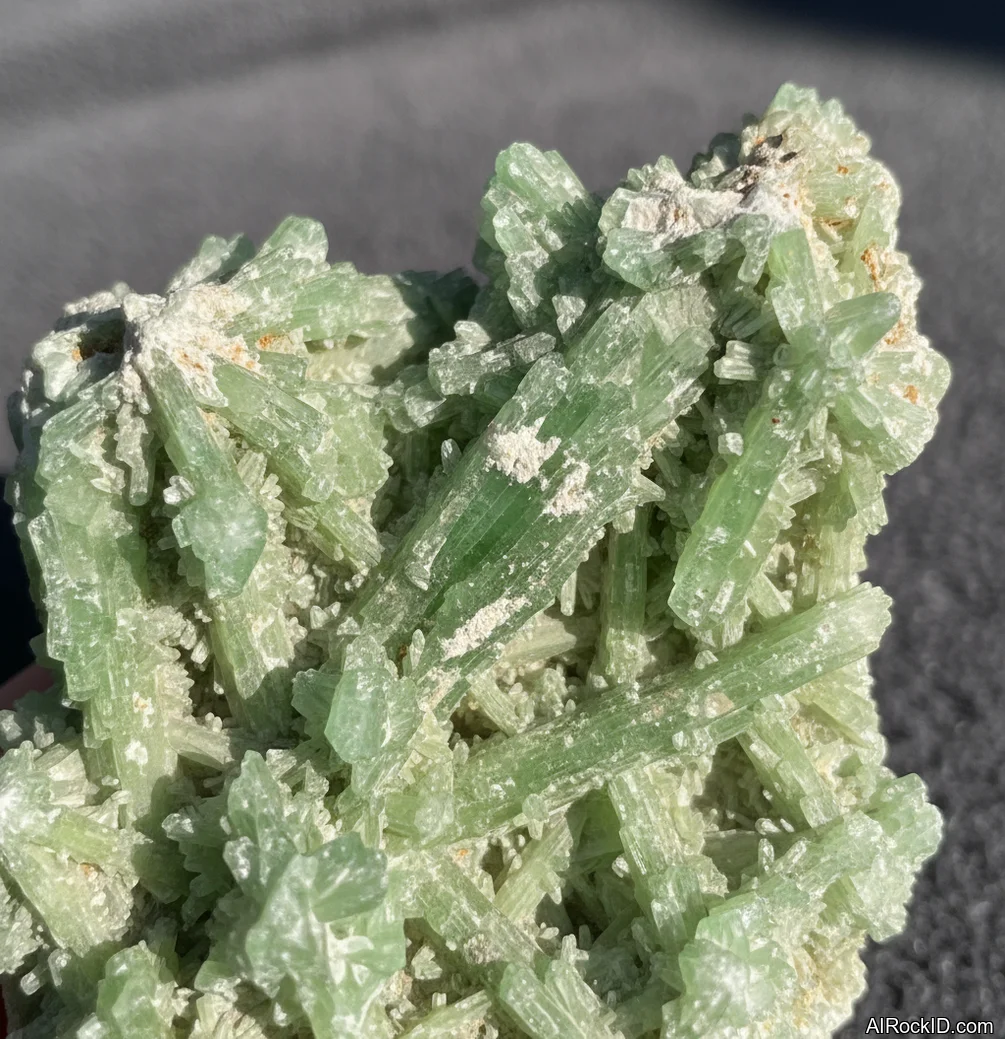
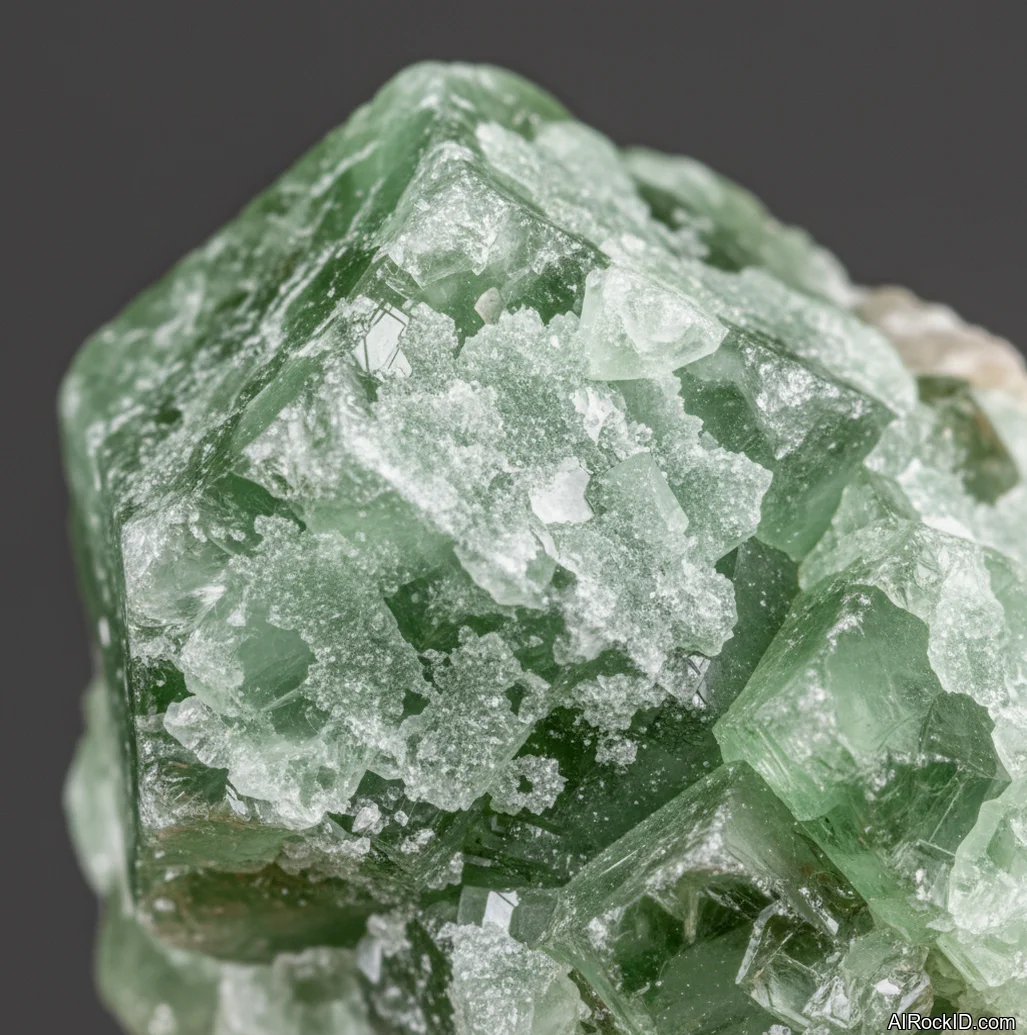
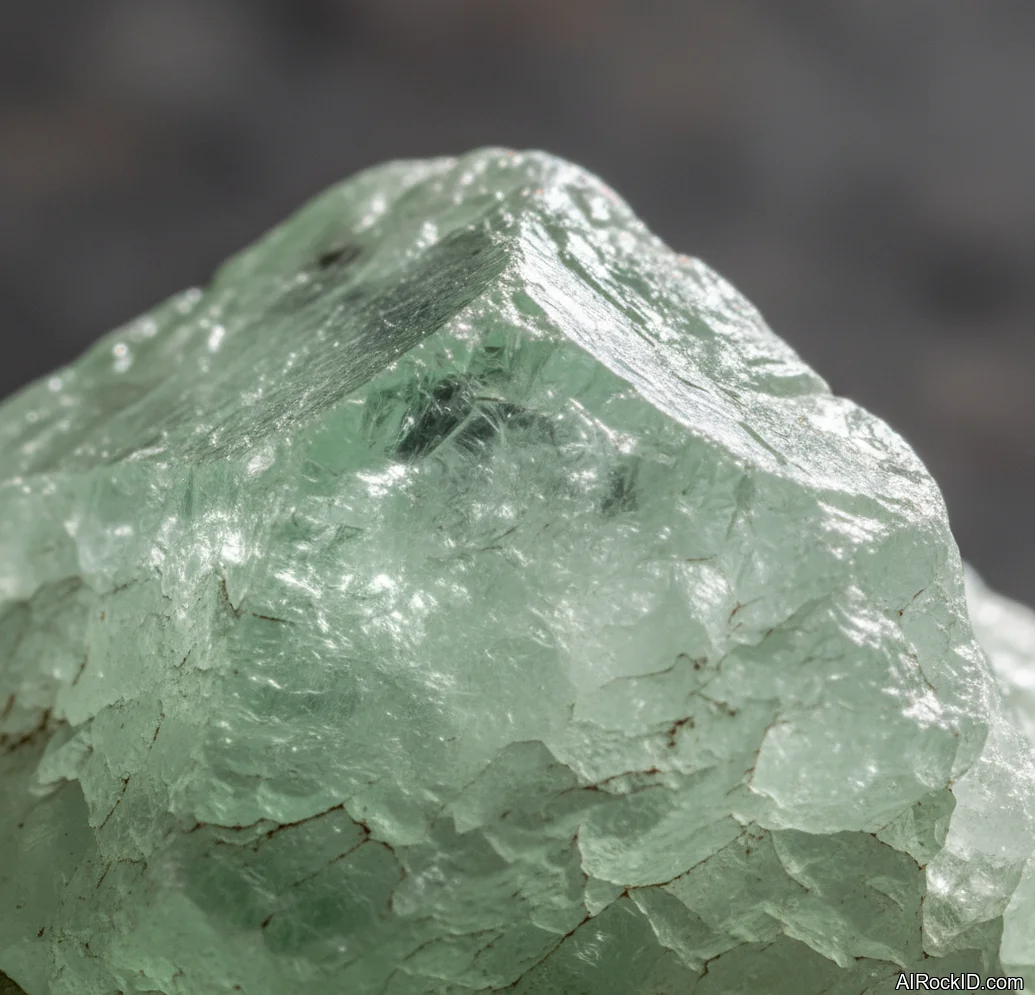
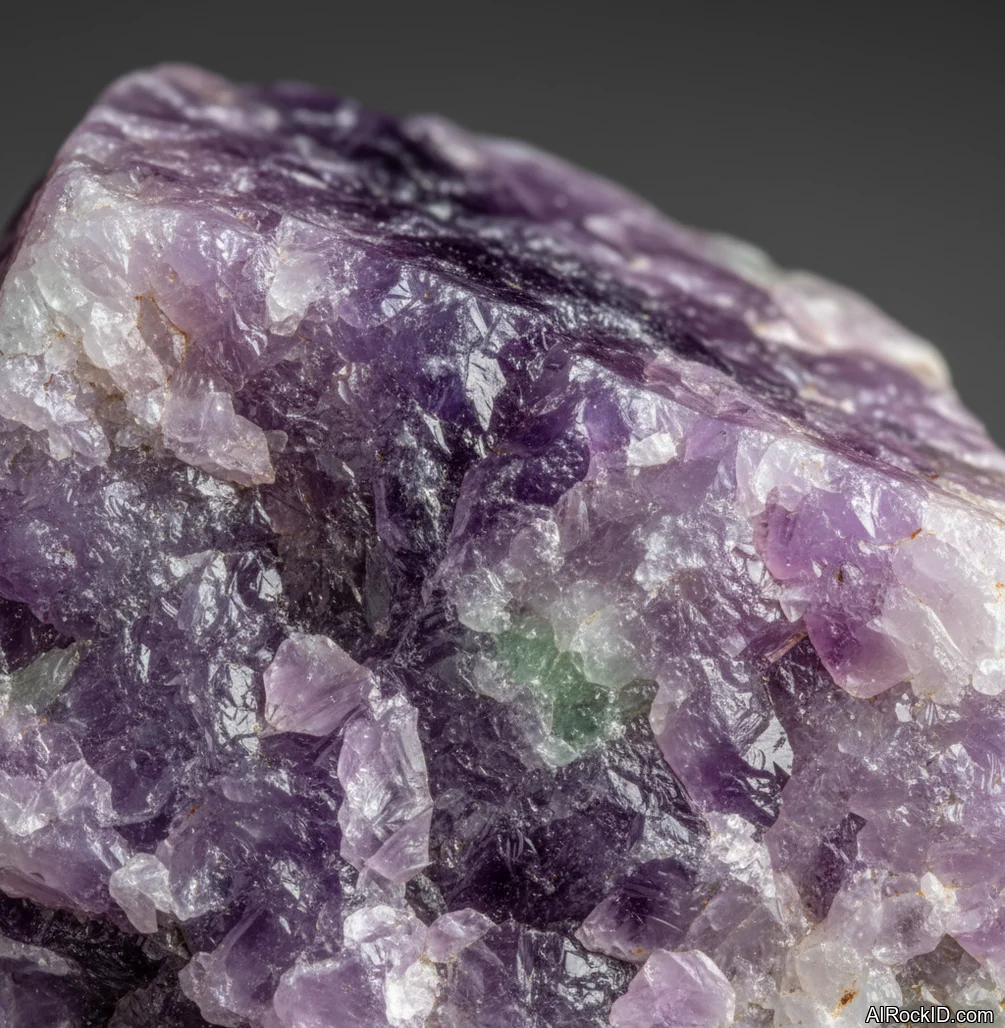
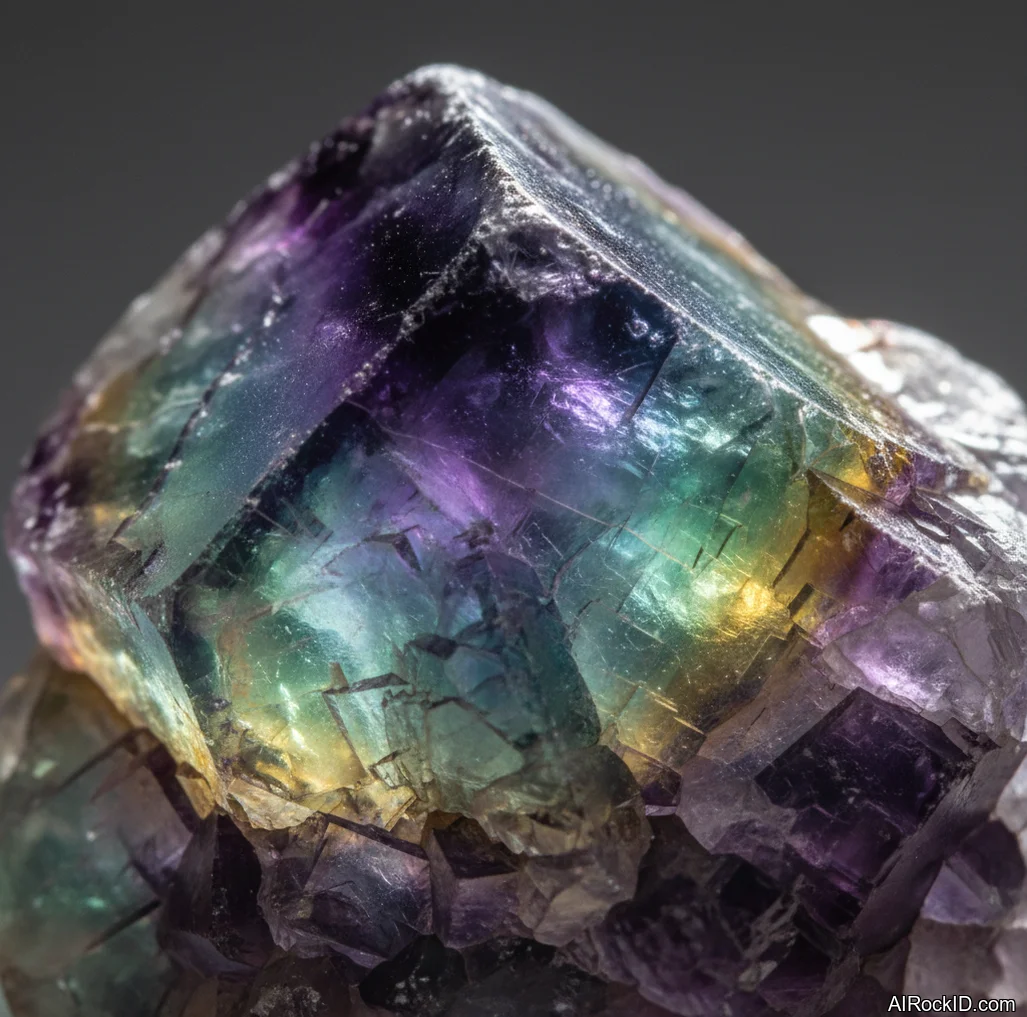
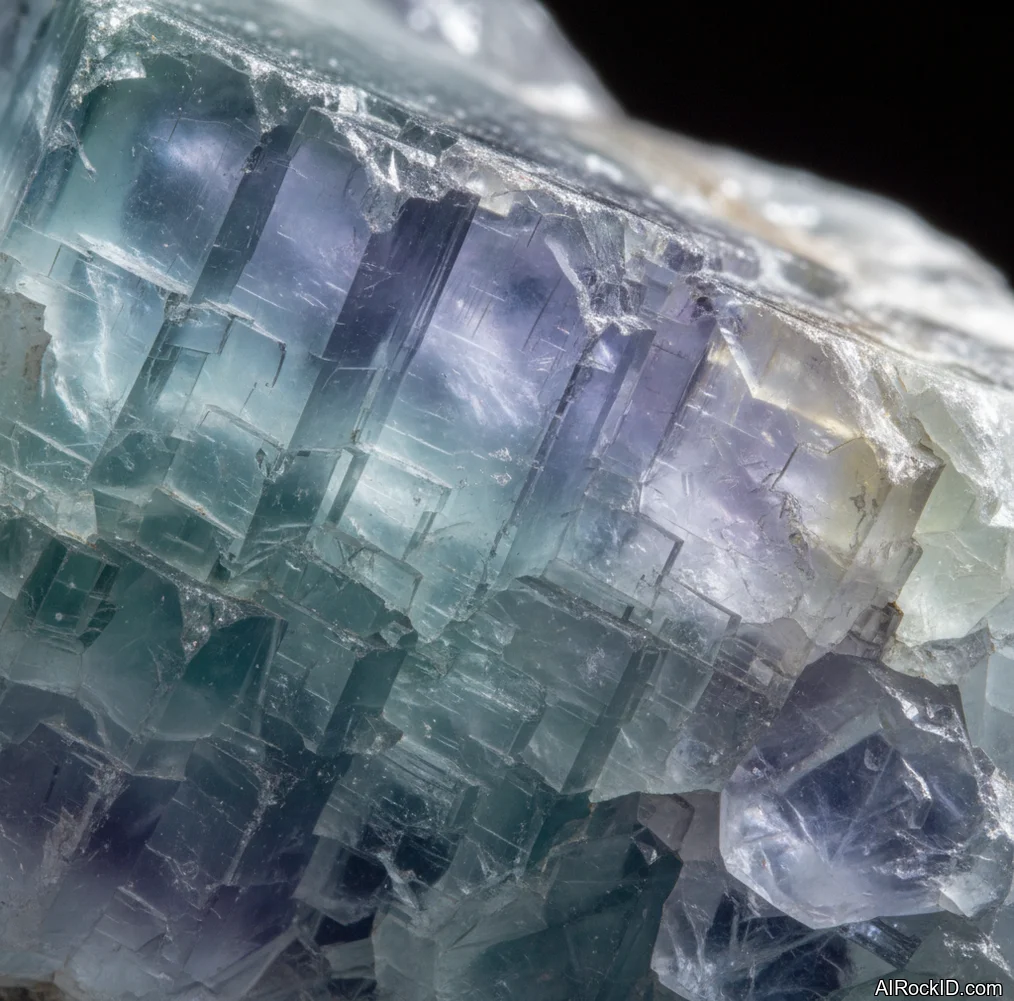
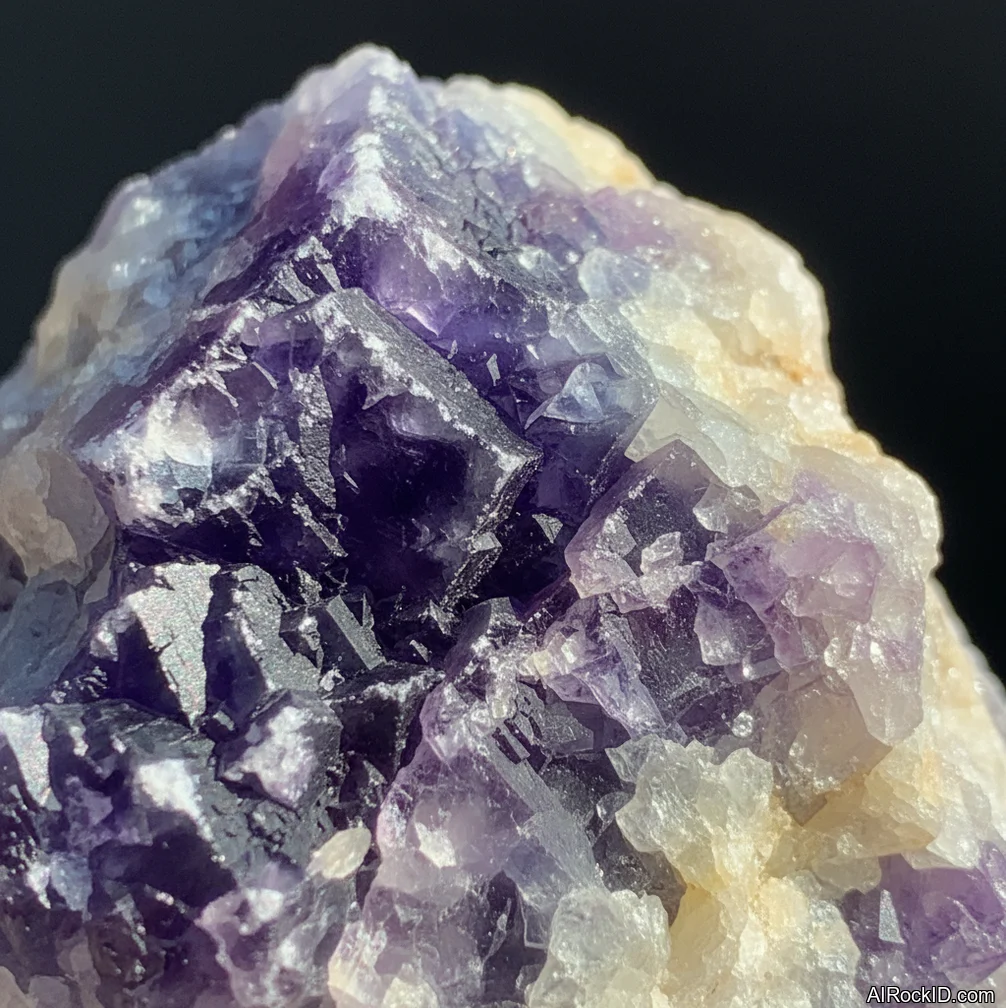
Check for stability too. Fluorite can be gorgeous for calming, especially green or purple banded pieces, but it cleaves easily. Tap a fluorite cube against a keyring for a month and you’ll learn that lesson fast.
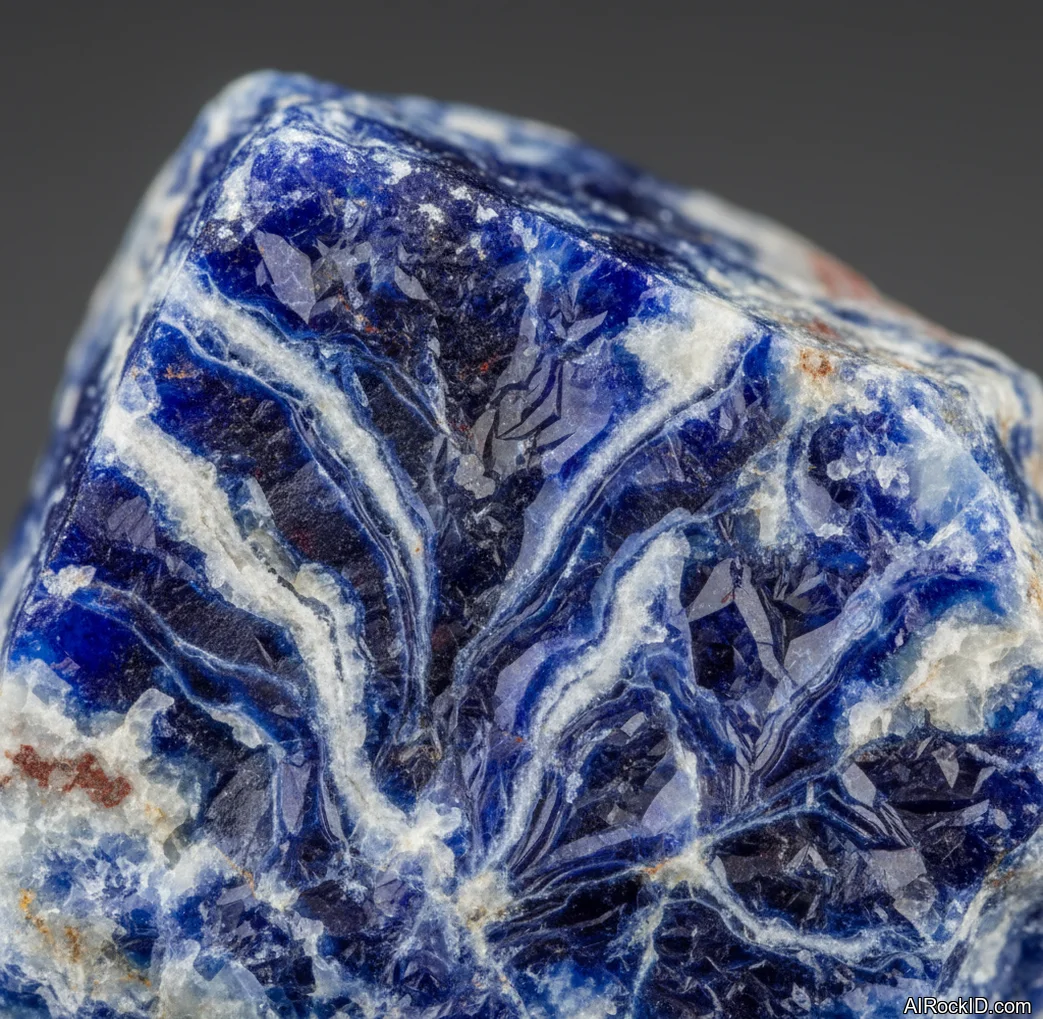
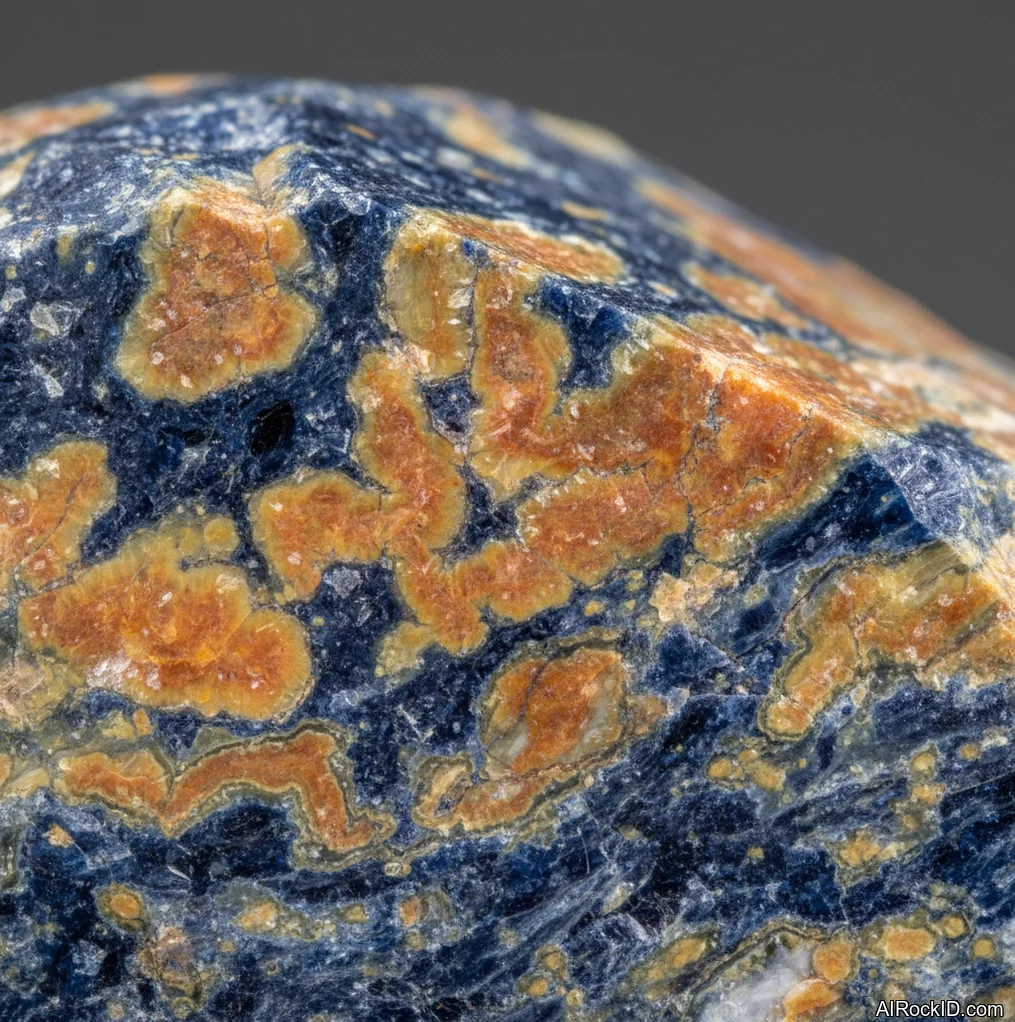
Under UV light, some stress-relief favorites do fun things, and yeah, that can become part of the ritual. Certain hackmanite (a sodalite variety) can shift color in sunlight and fade back indoors. Not necessary for calm. But it’s a real, physical reminder to step away from the screen and go outside. Just don’t leave color-sensitive stones on a windowsill long-term. Some pinks and purples can dull with constant sun.
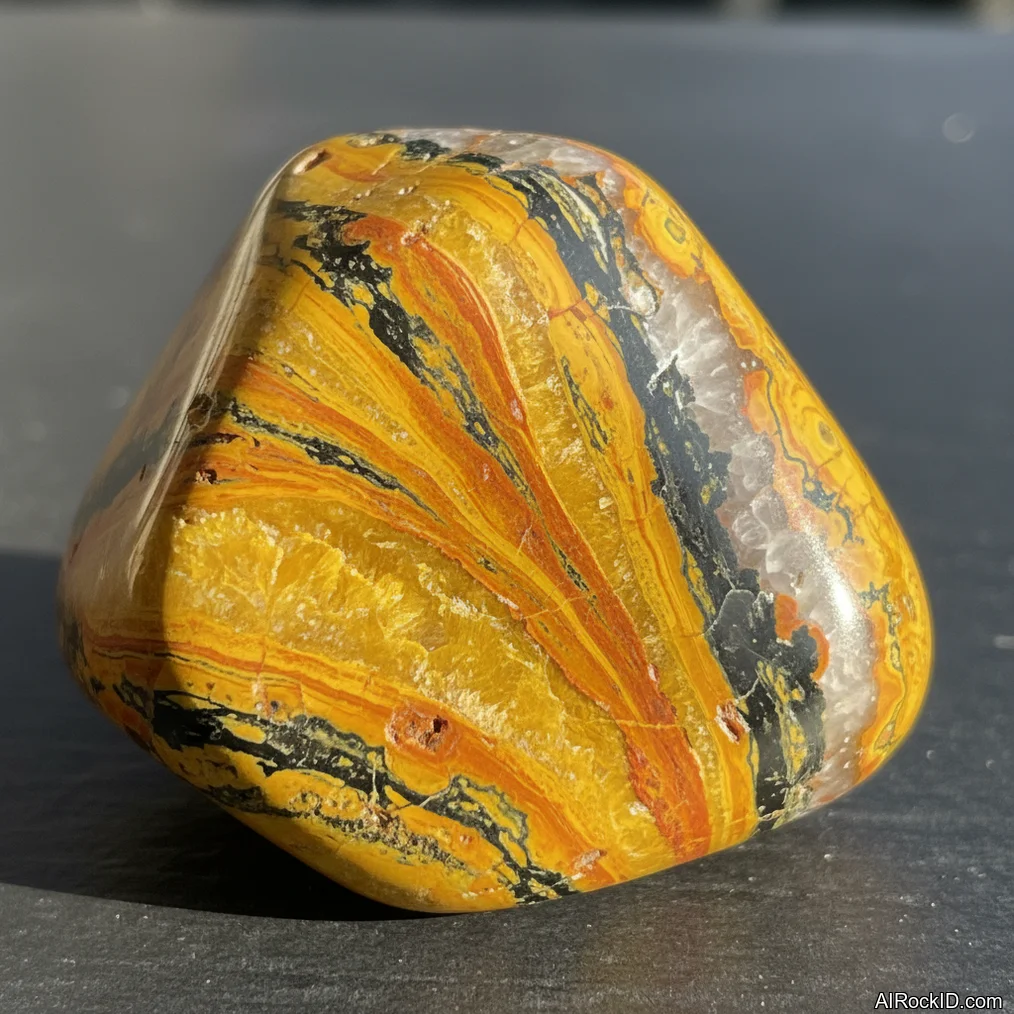
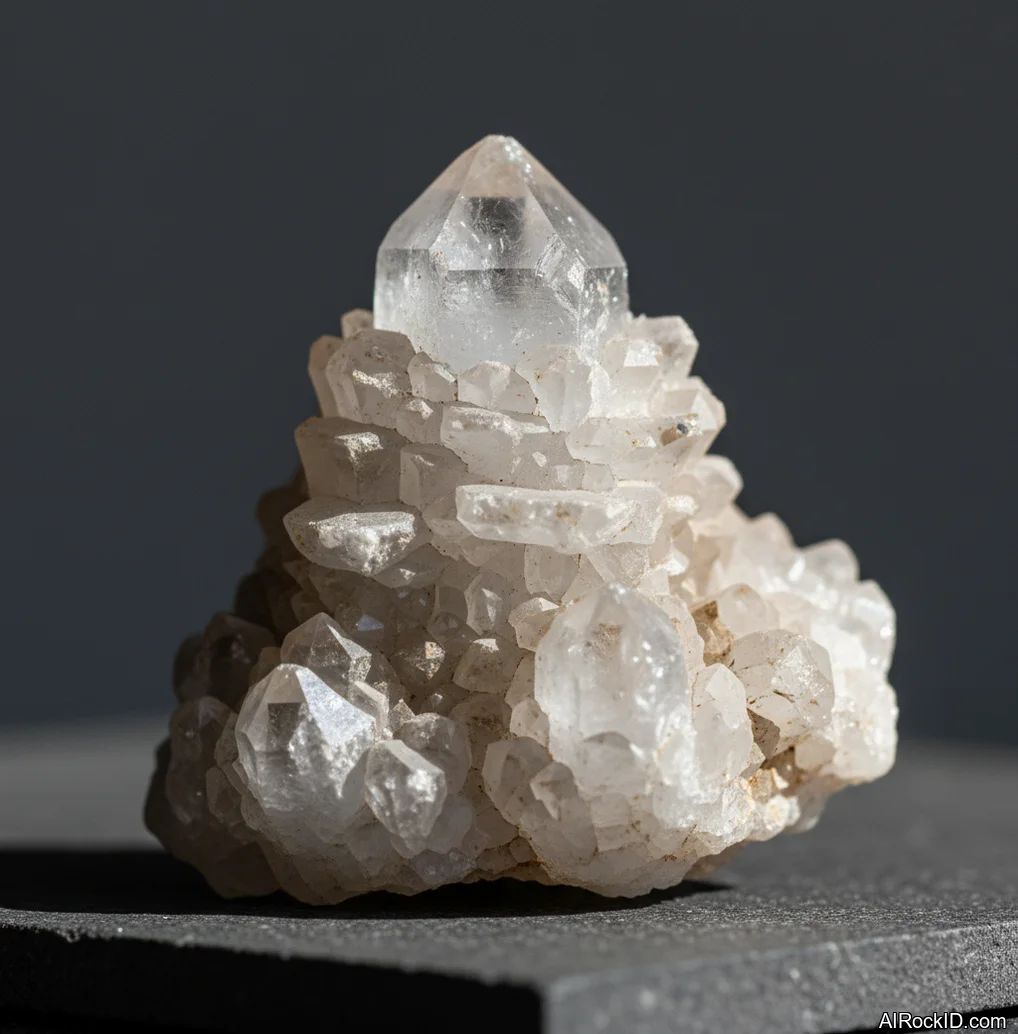
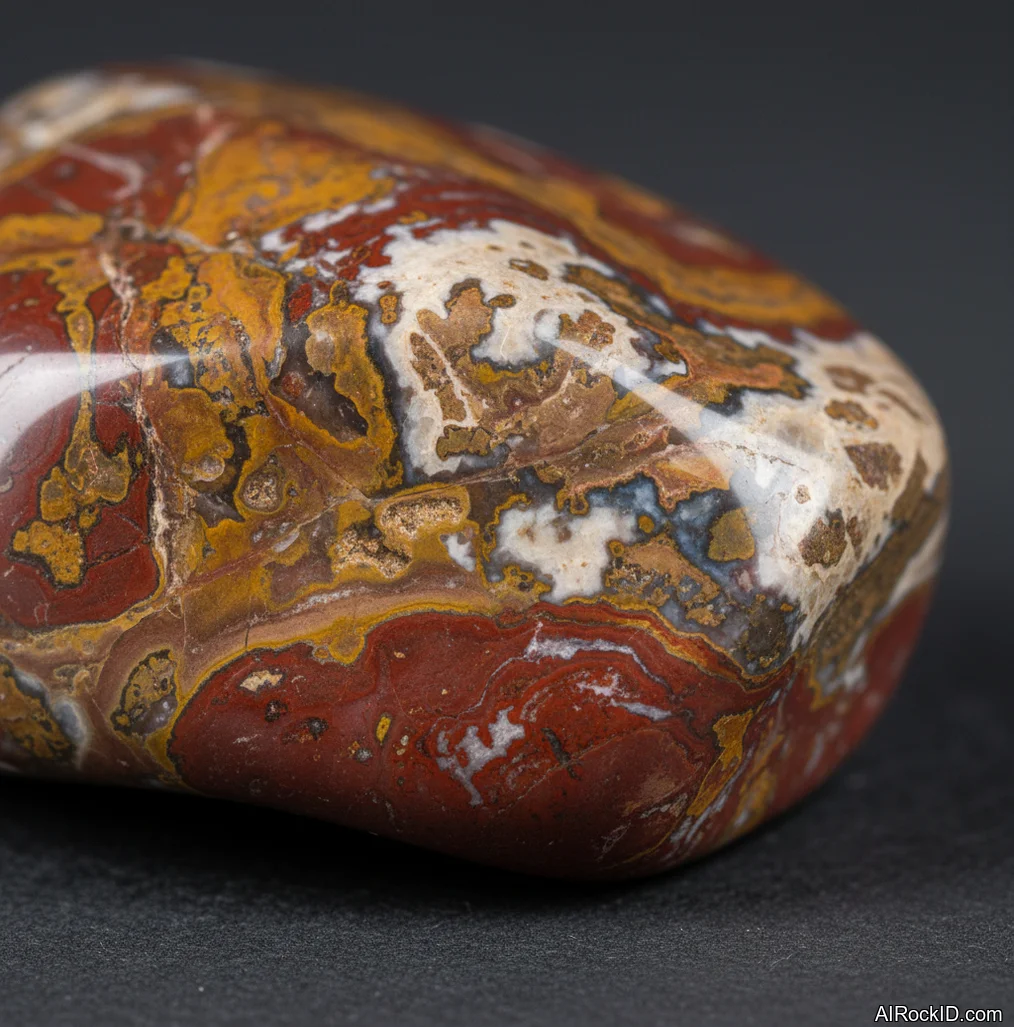
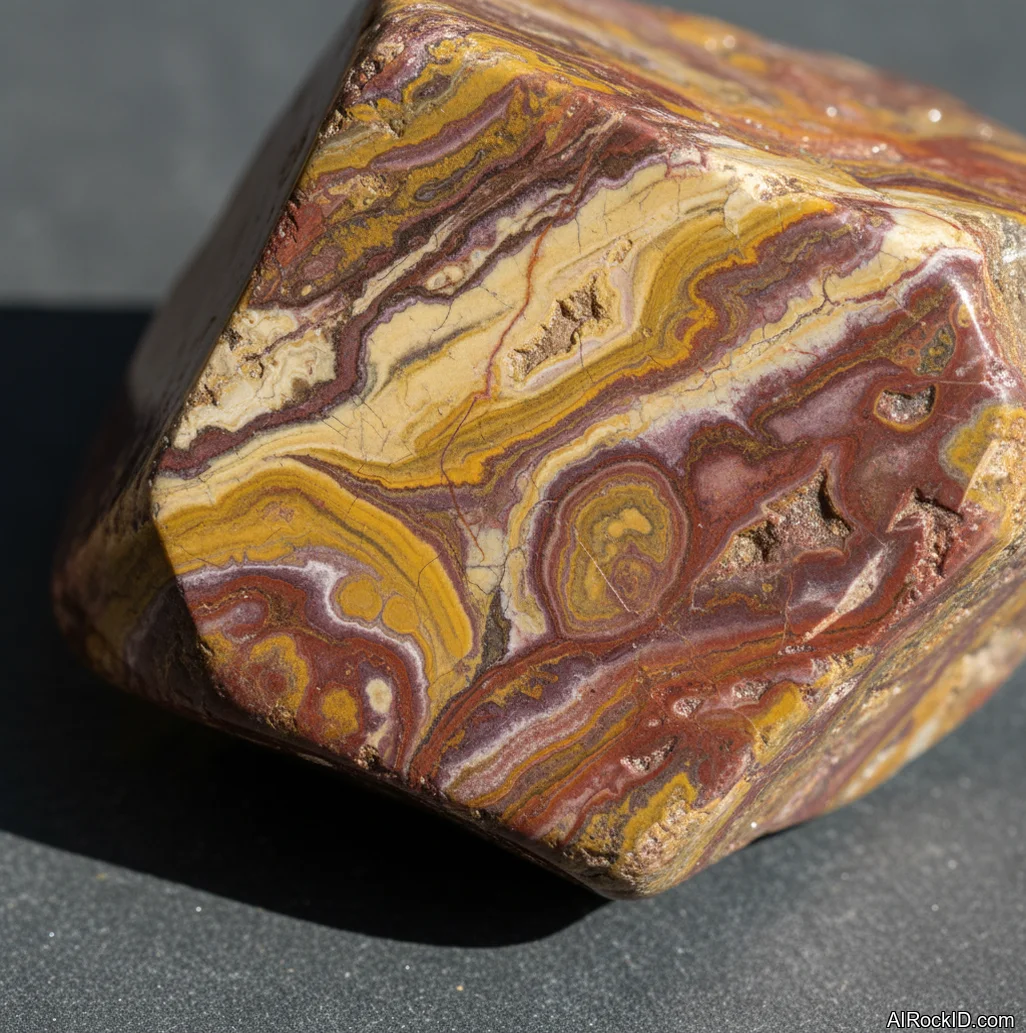
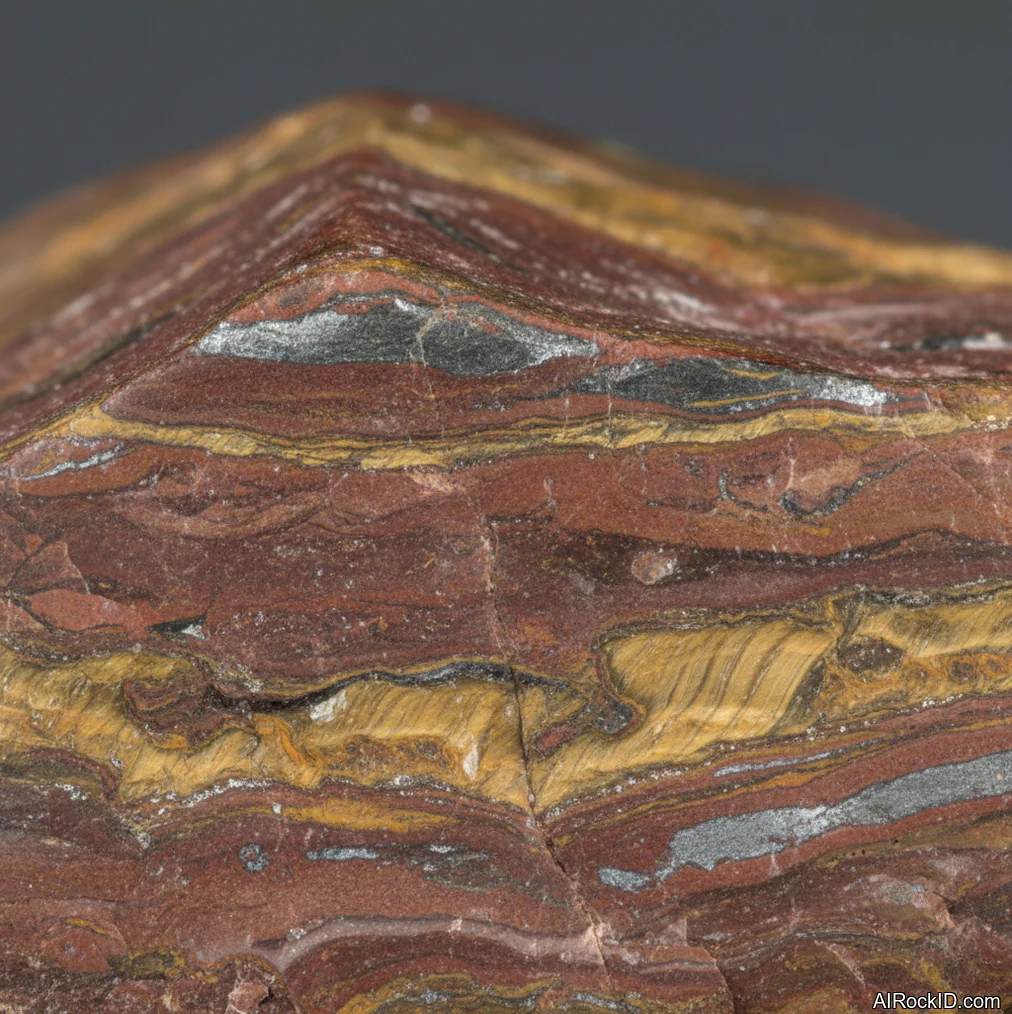
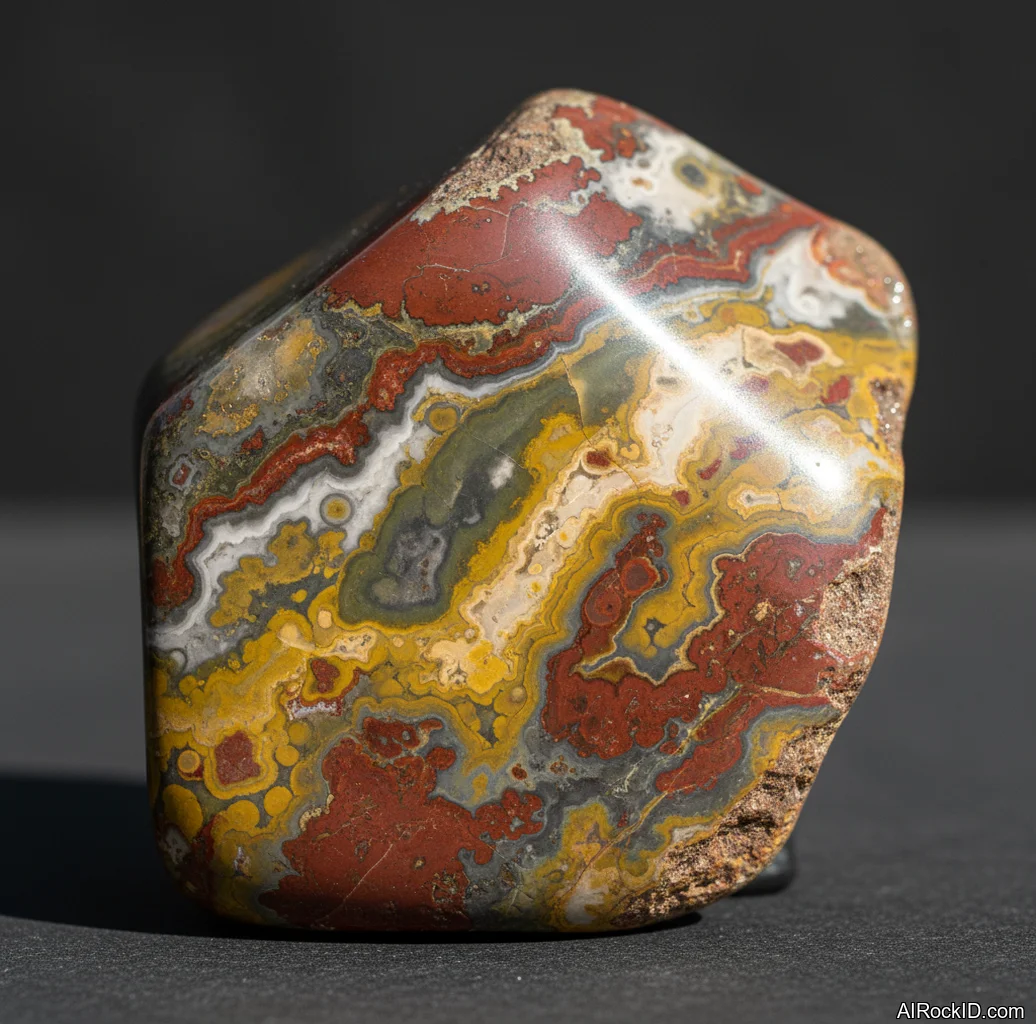
Practical tip that gets ignored: keep your “calm stone” clean, physically. Hand oils and lotion build up on tumbled stones and they start to feel tacky. Warm water, a drop of mild soap, and a soft cloth fixes most of that for quartz, agate, and jasper. Don’t do that with selenite or anything that hates water. If you want a low-maintenance lineup, stick with harder materials like amethyst, smoky quartz, clear quartz, agate, and most jaspers.
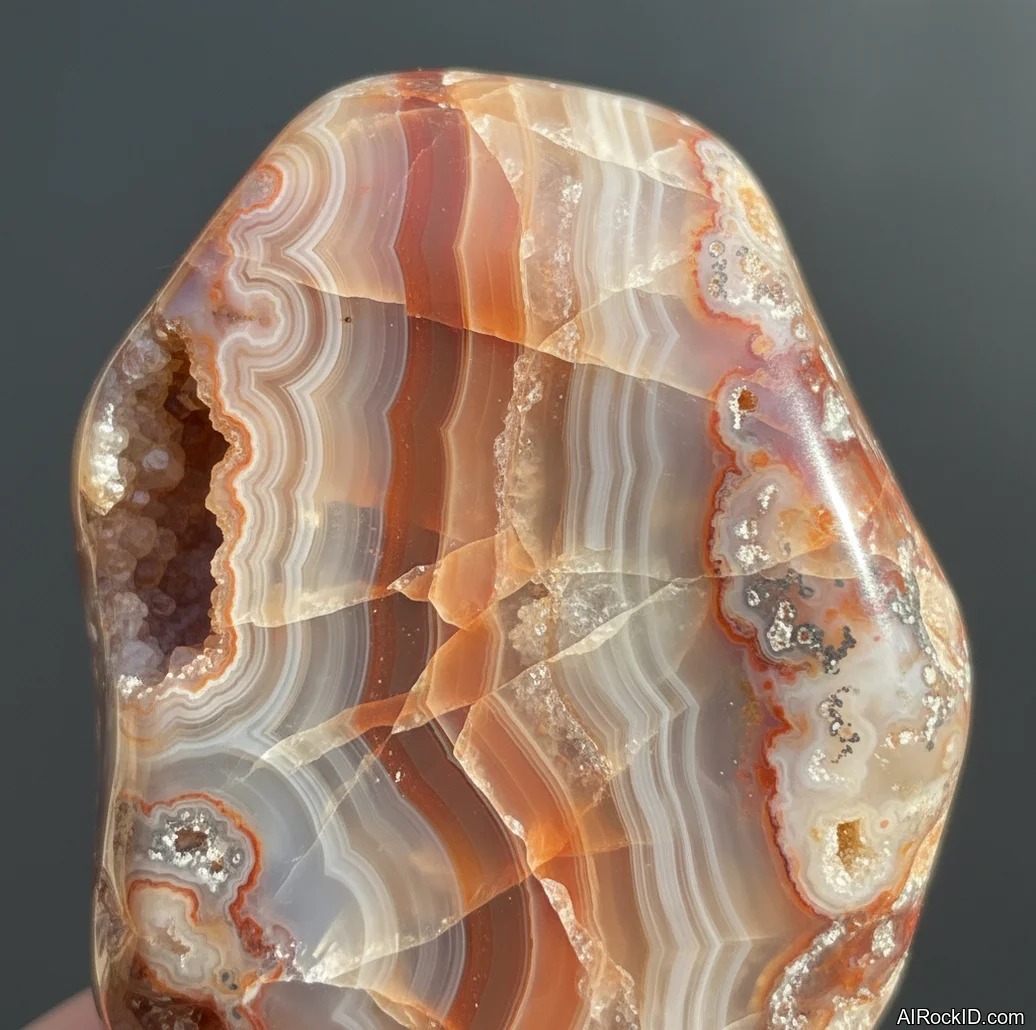
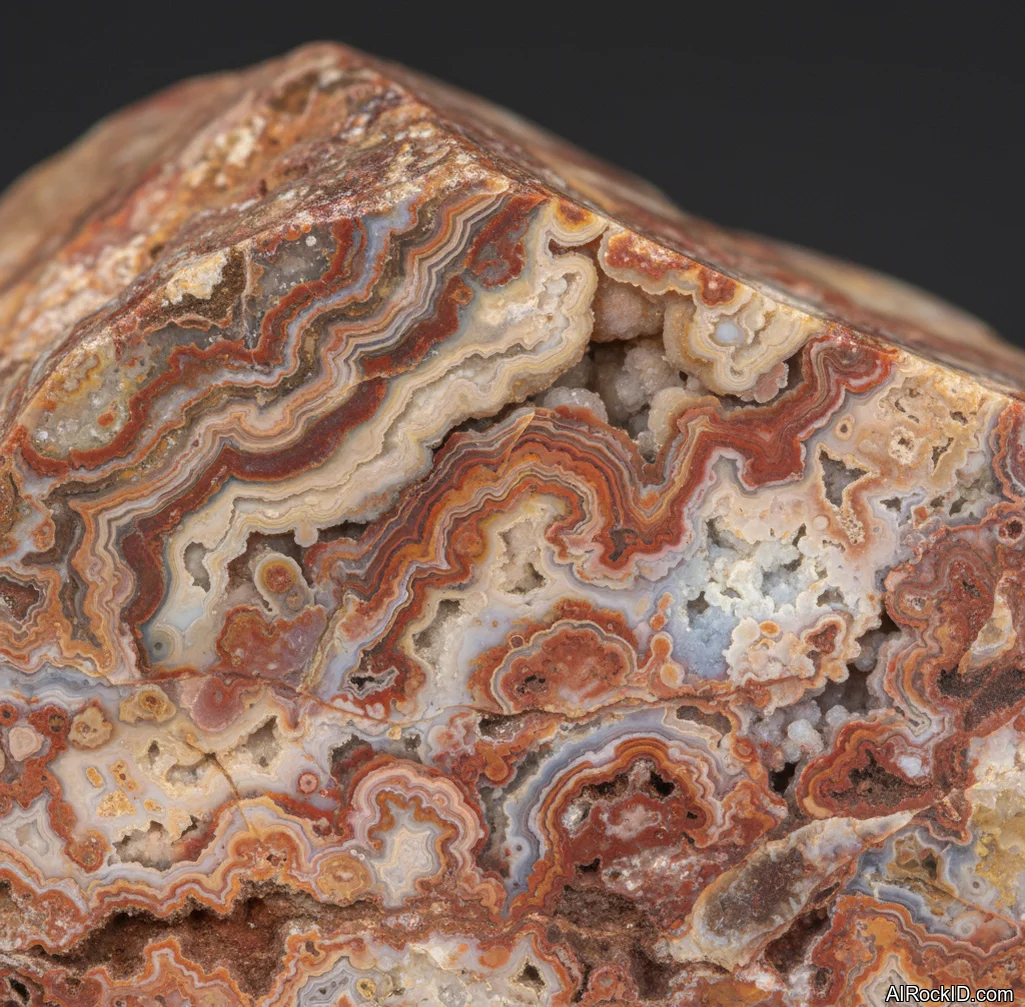
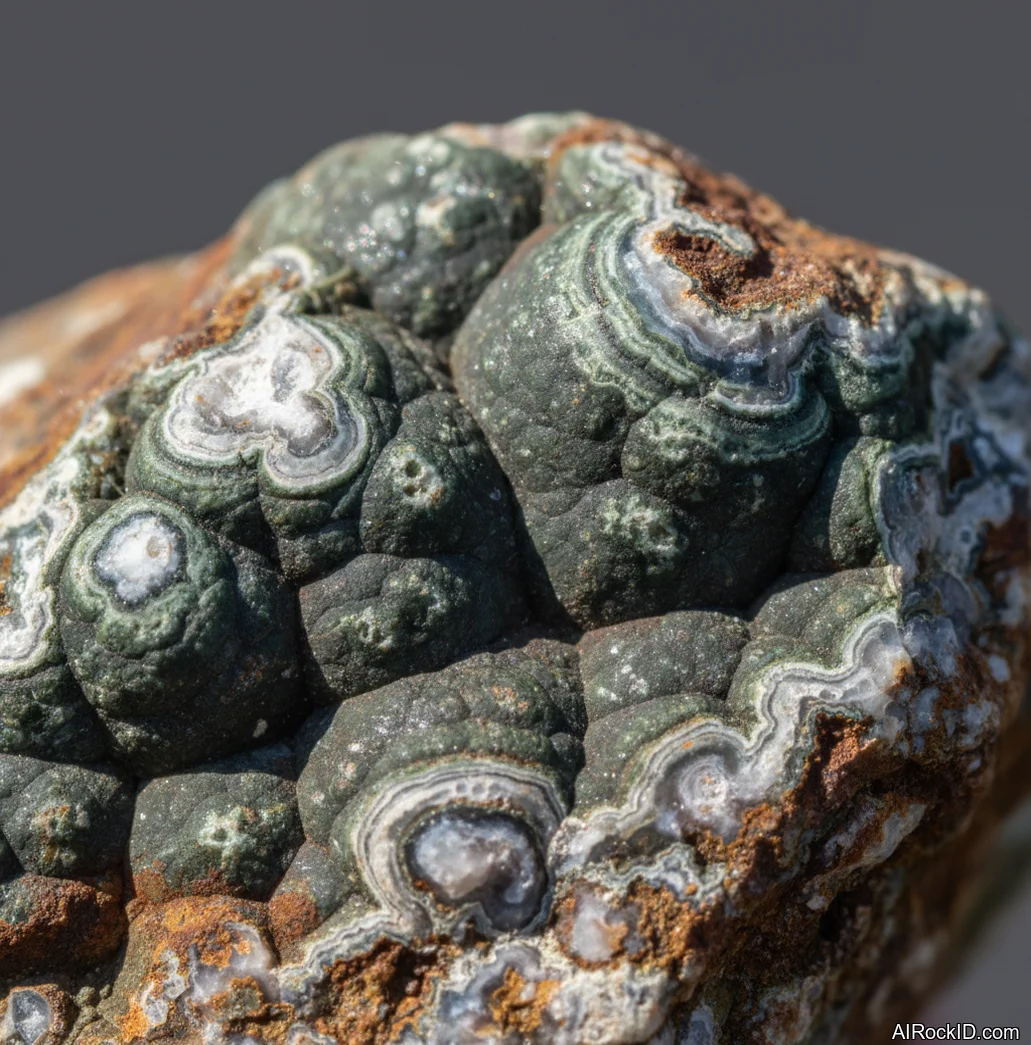
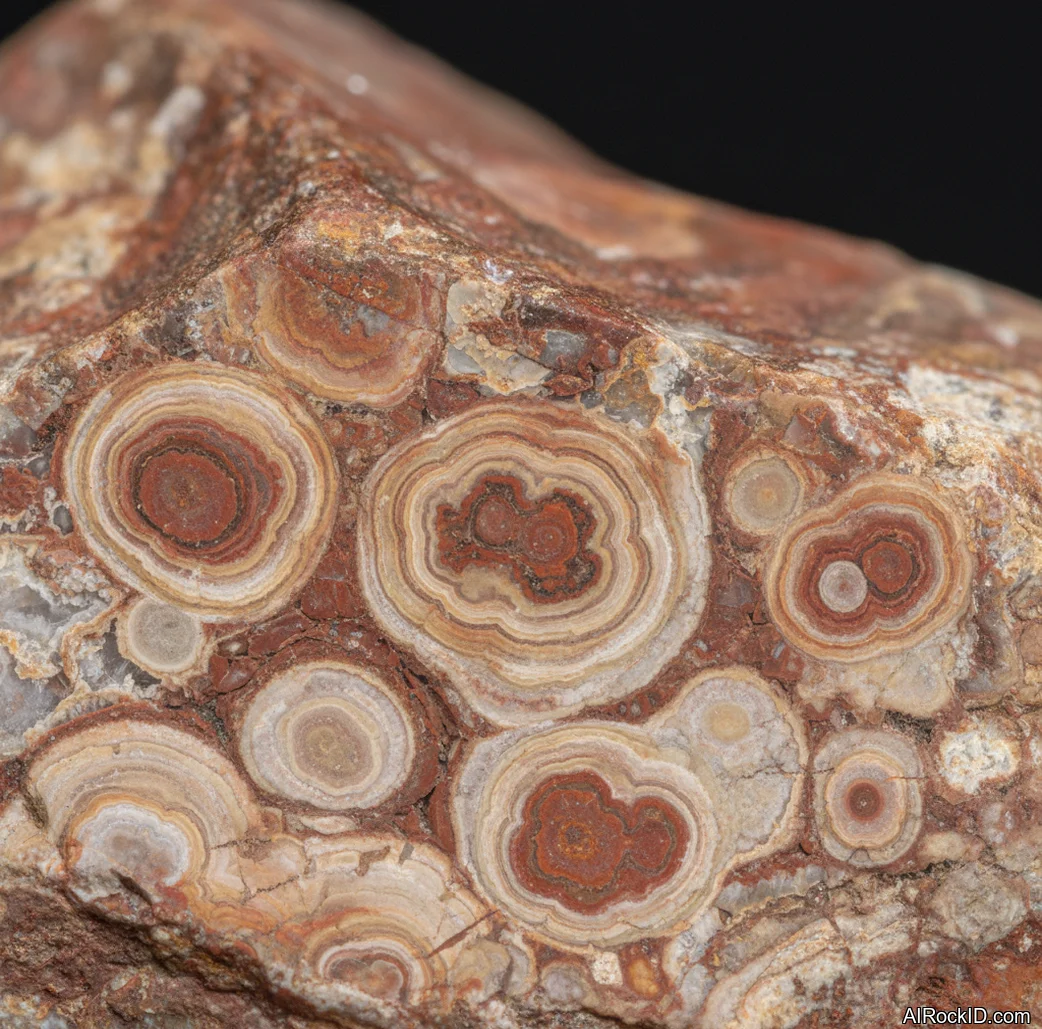
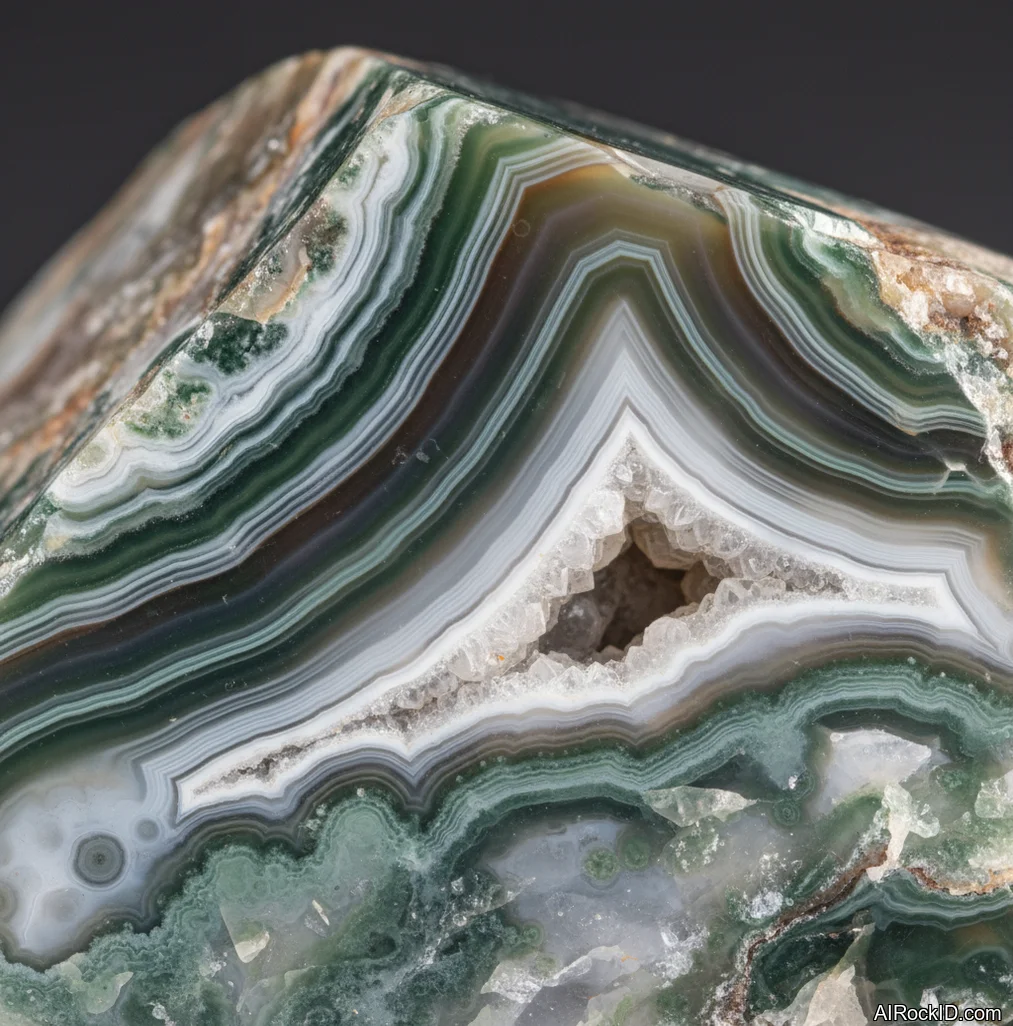
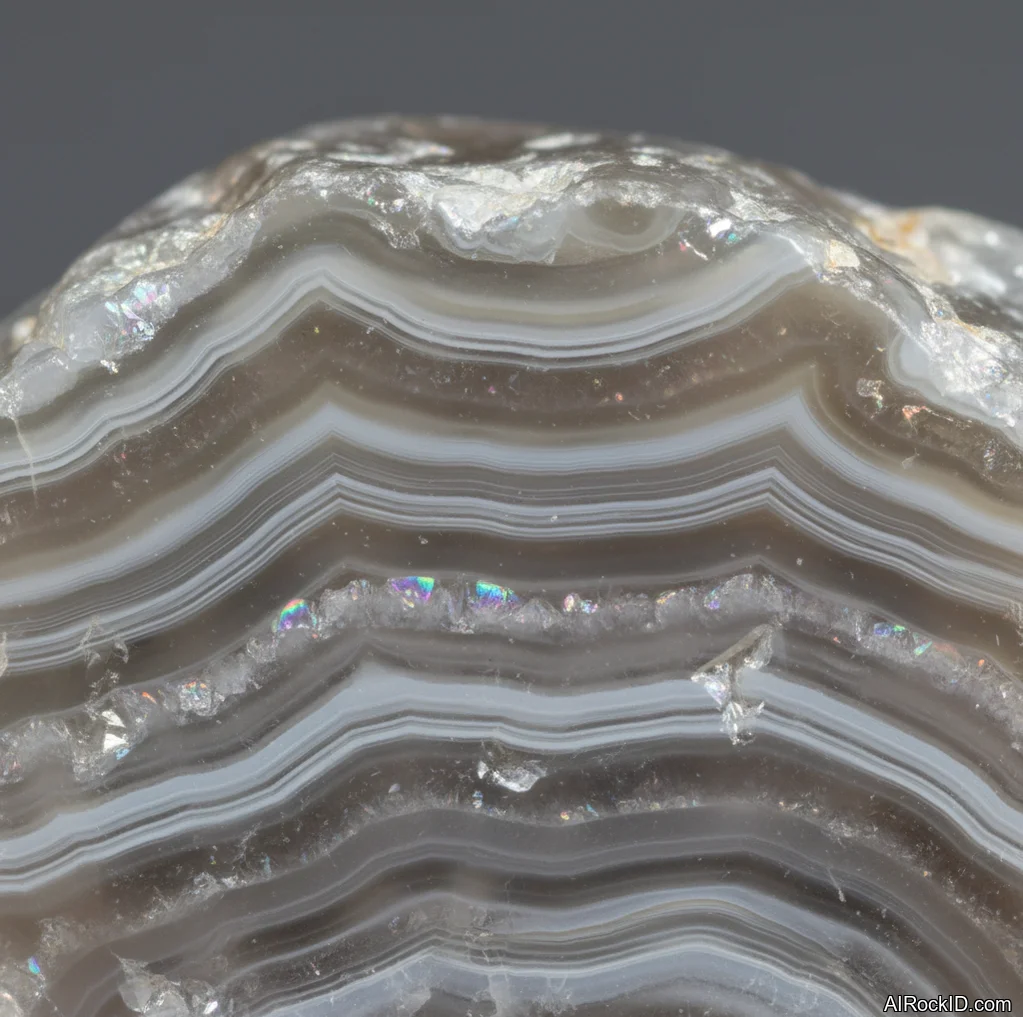
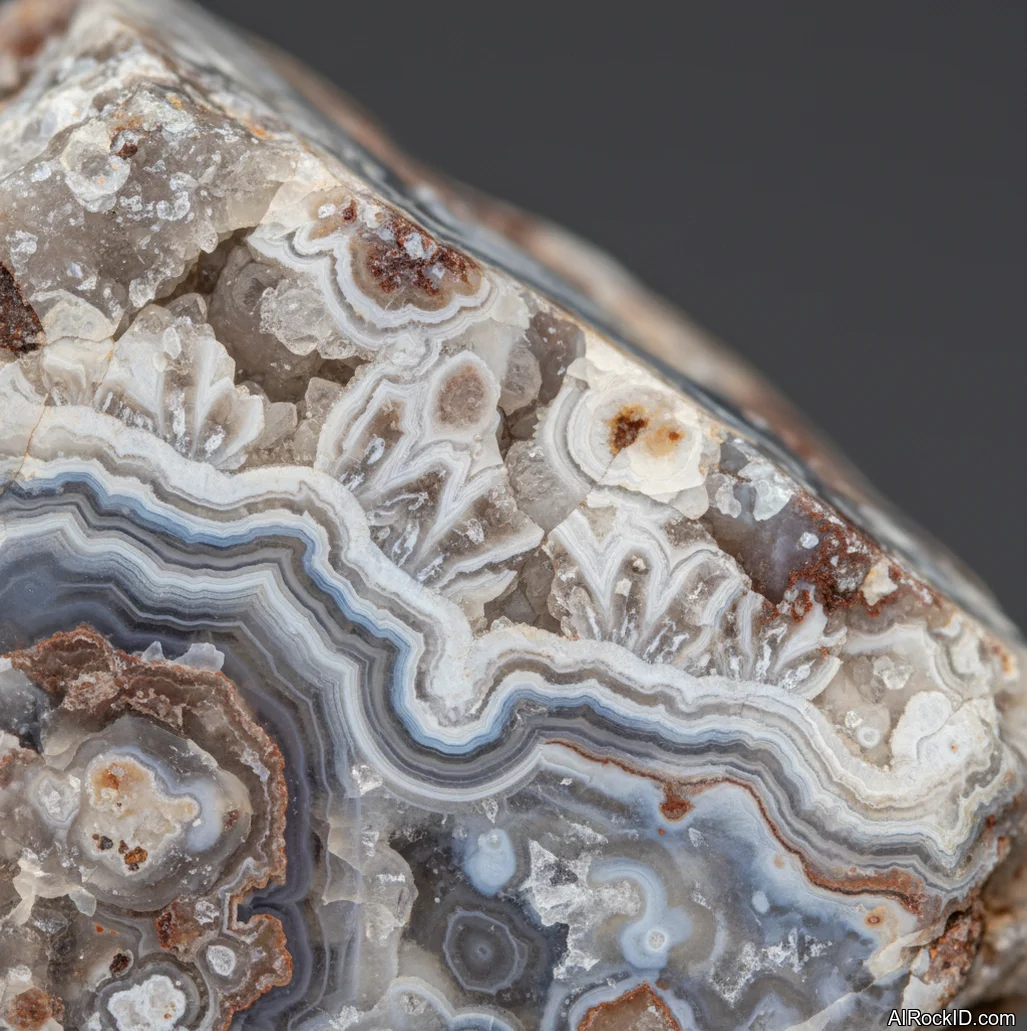
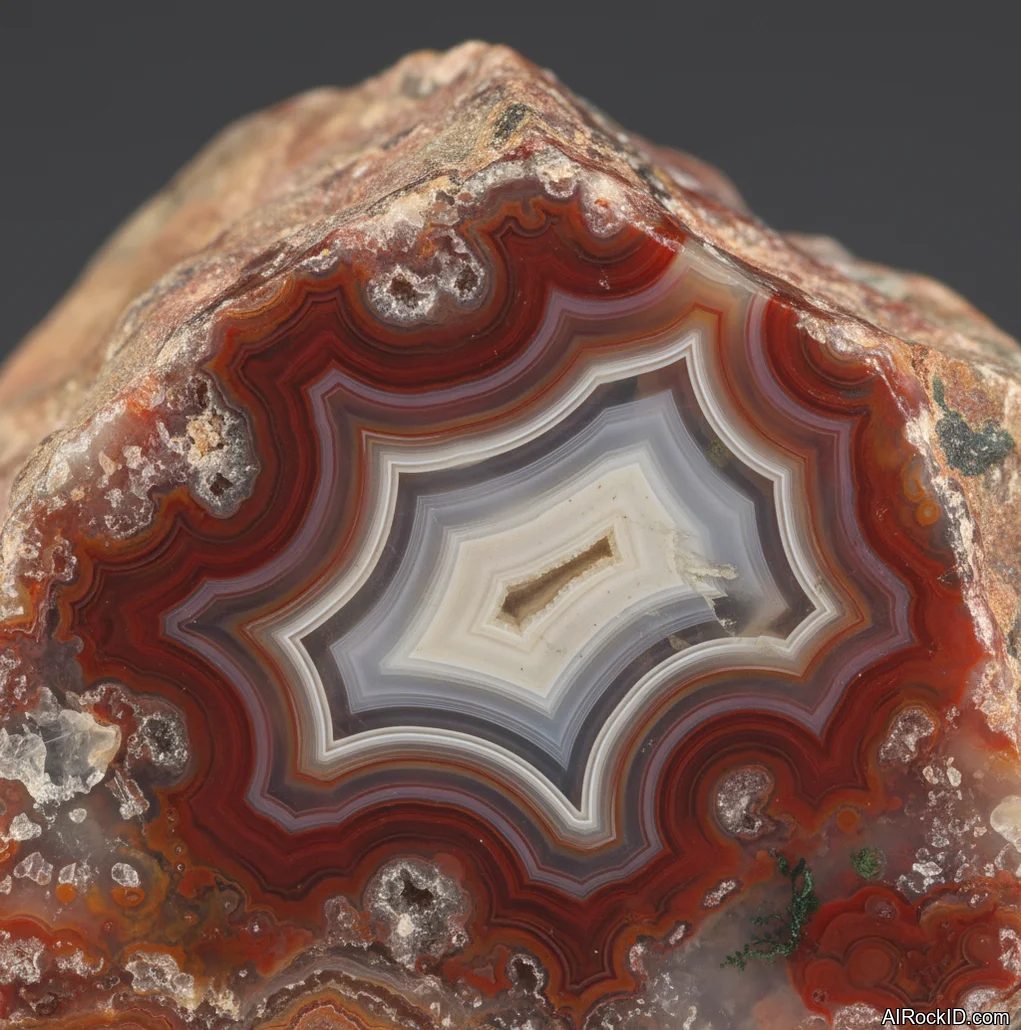
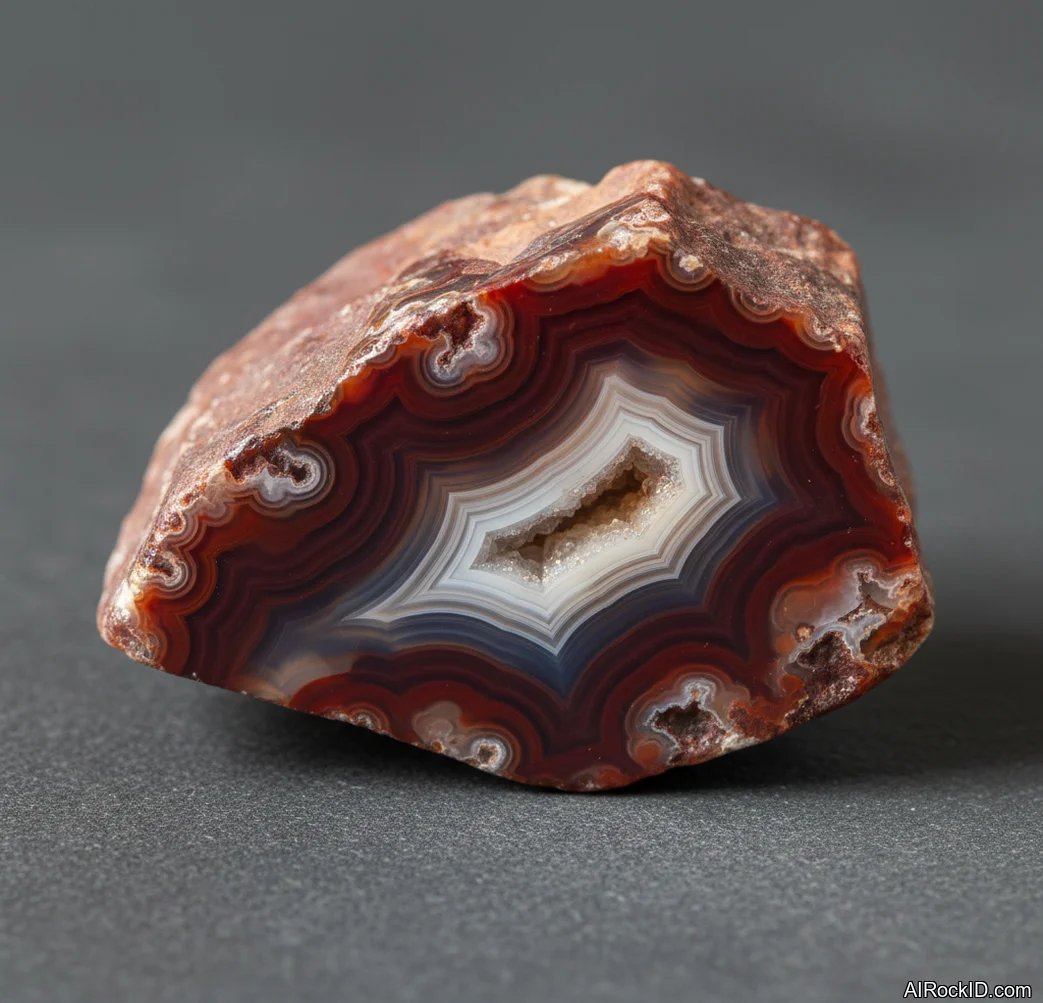
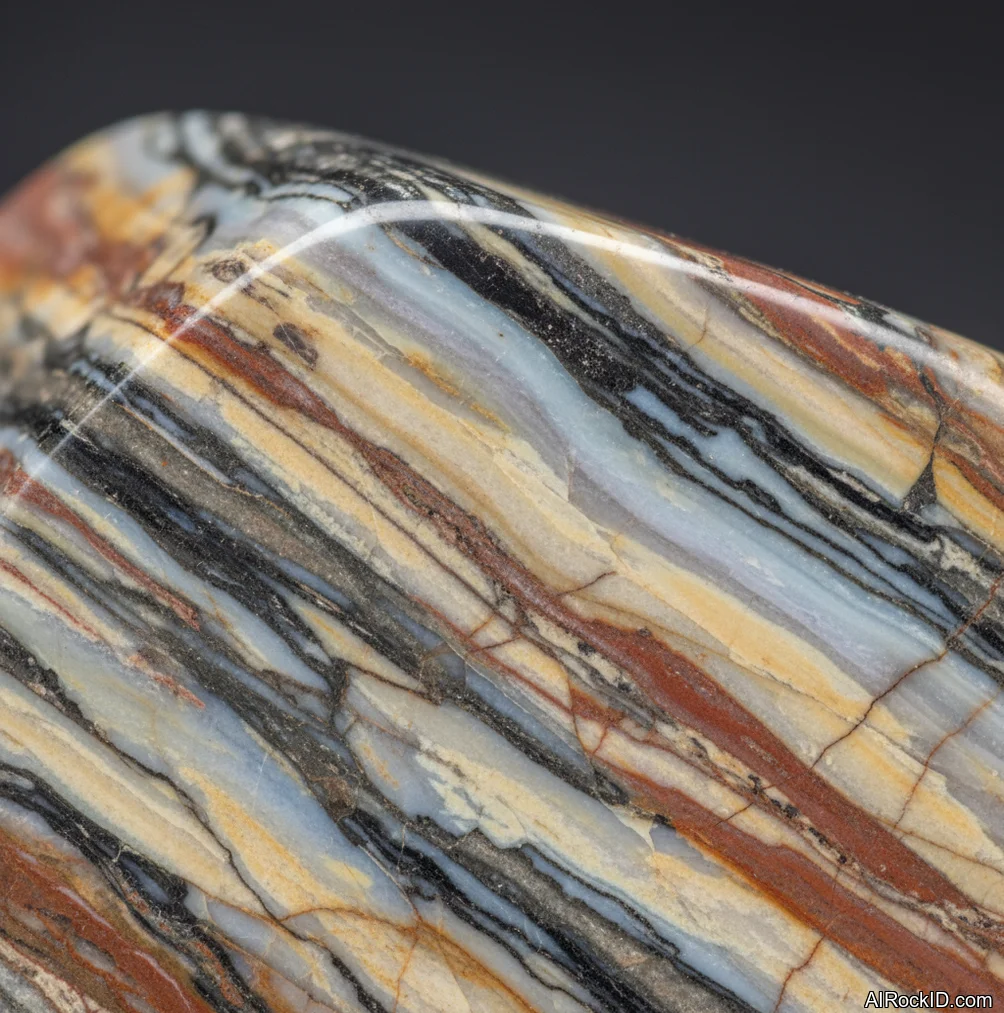
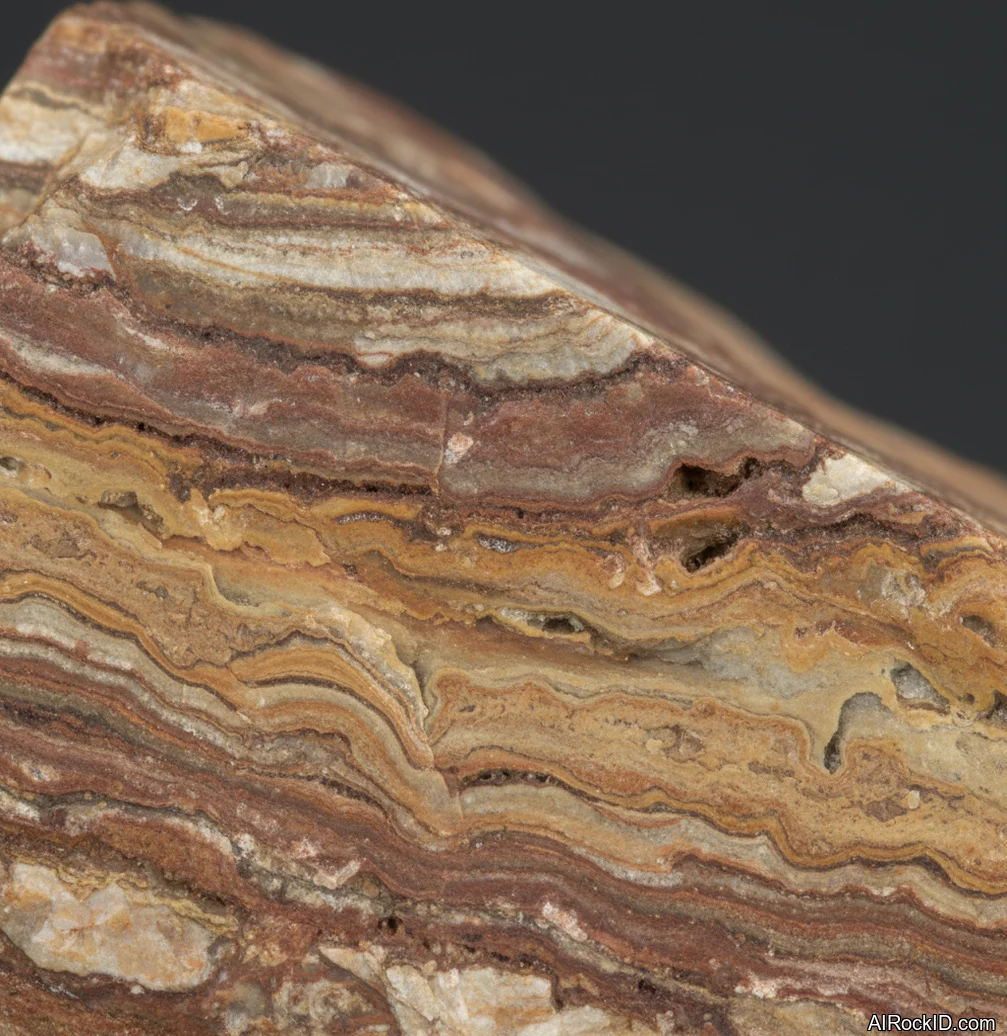
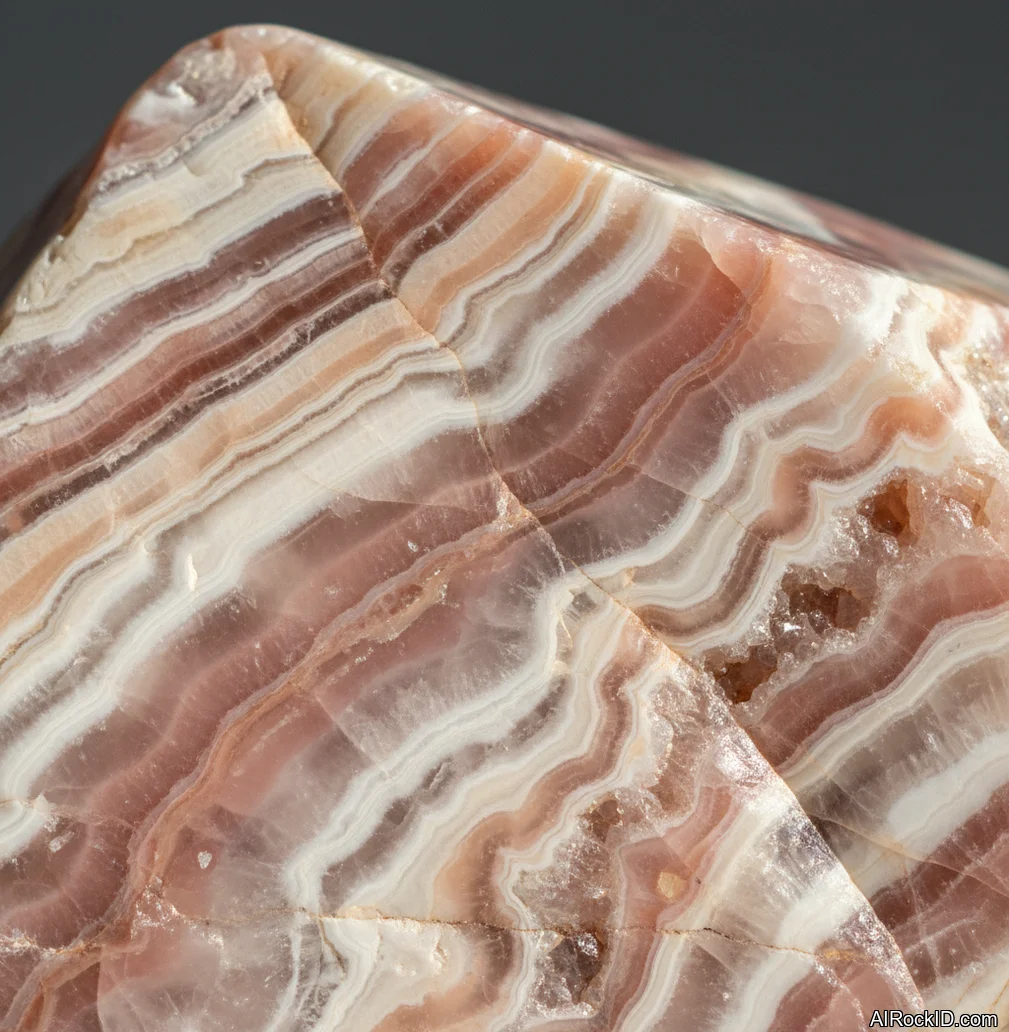
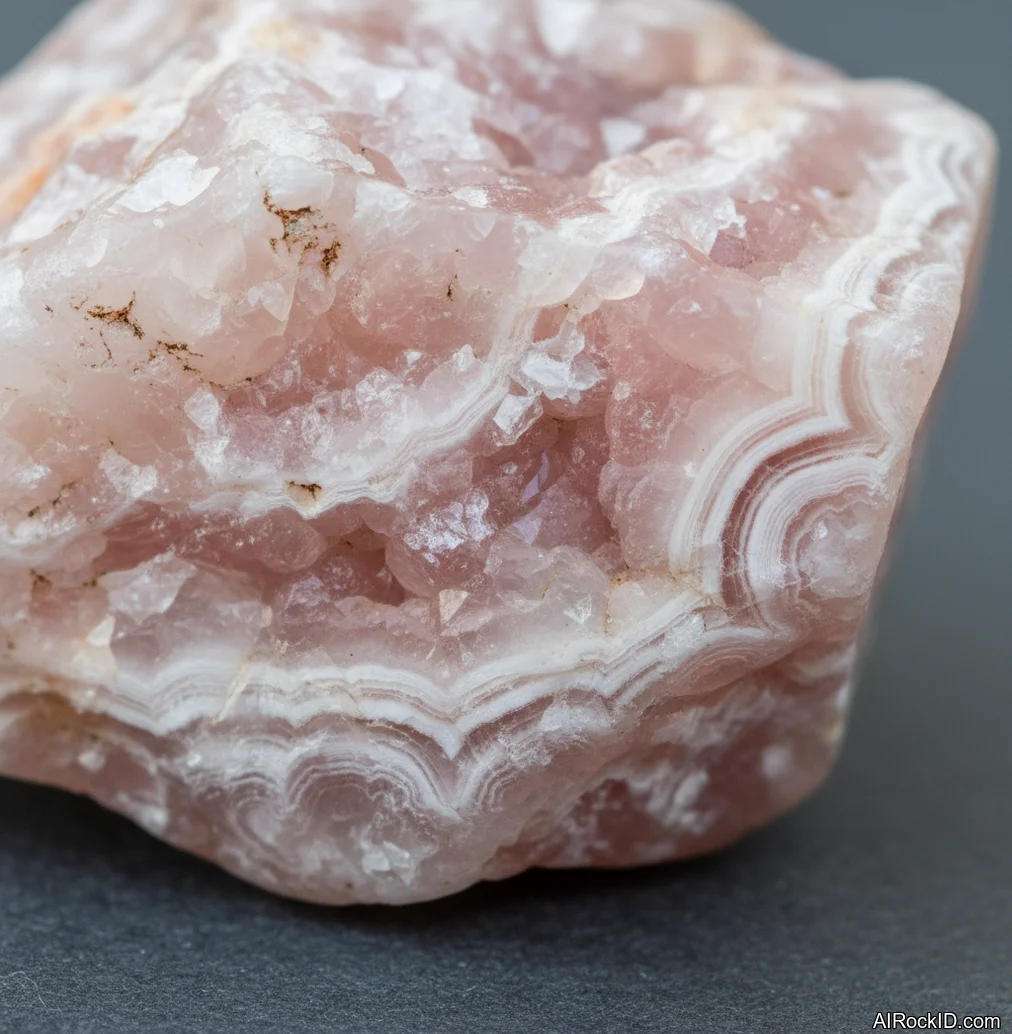
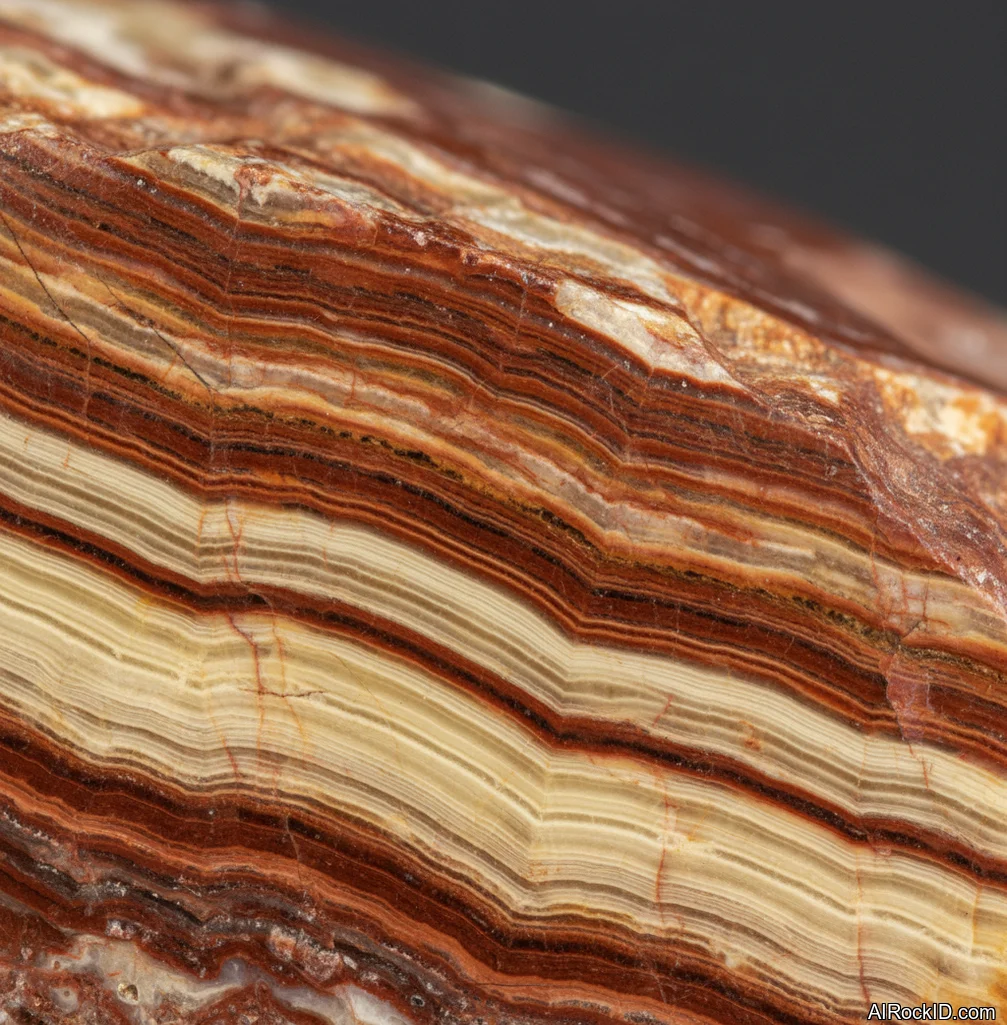
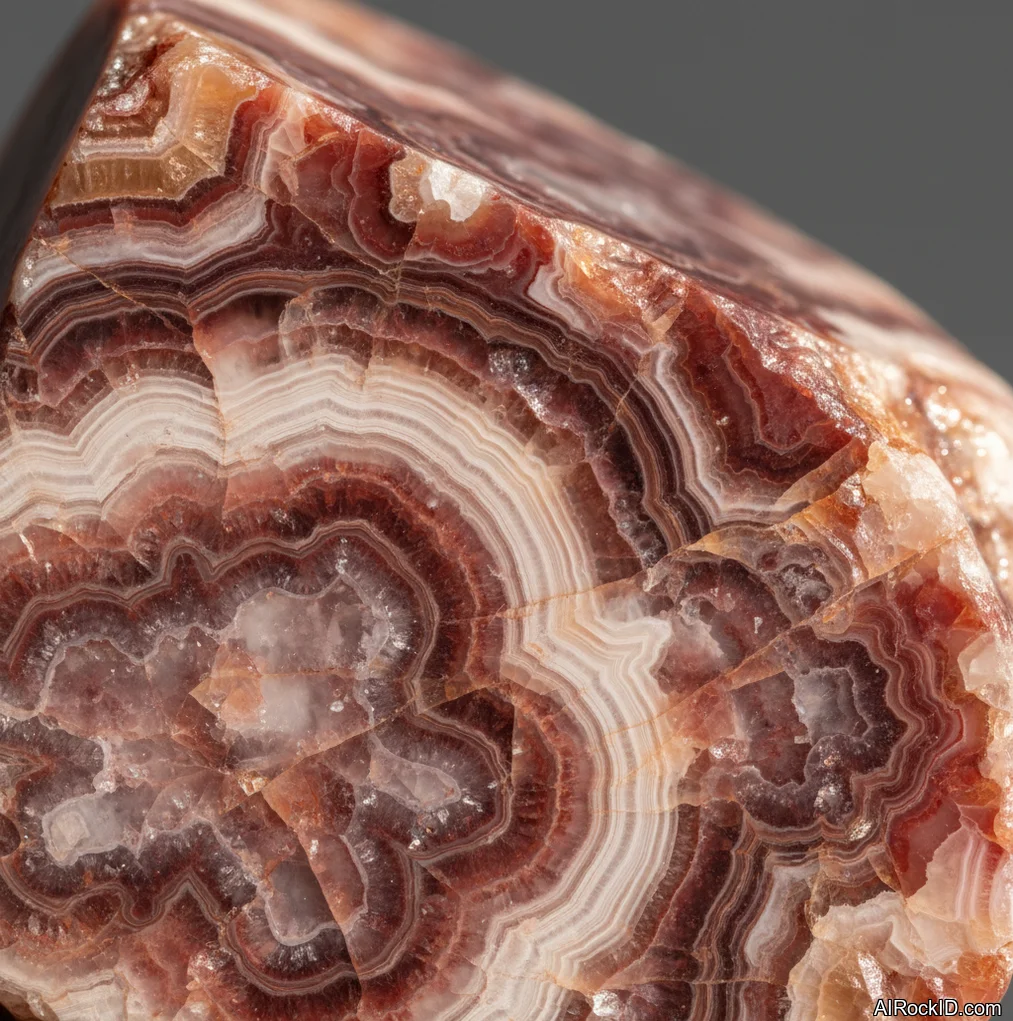
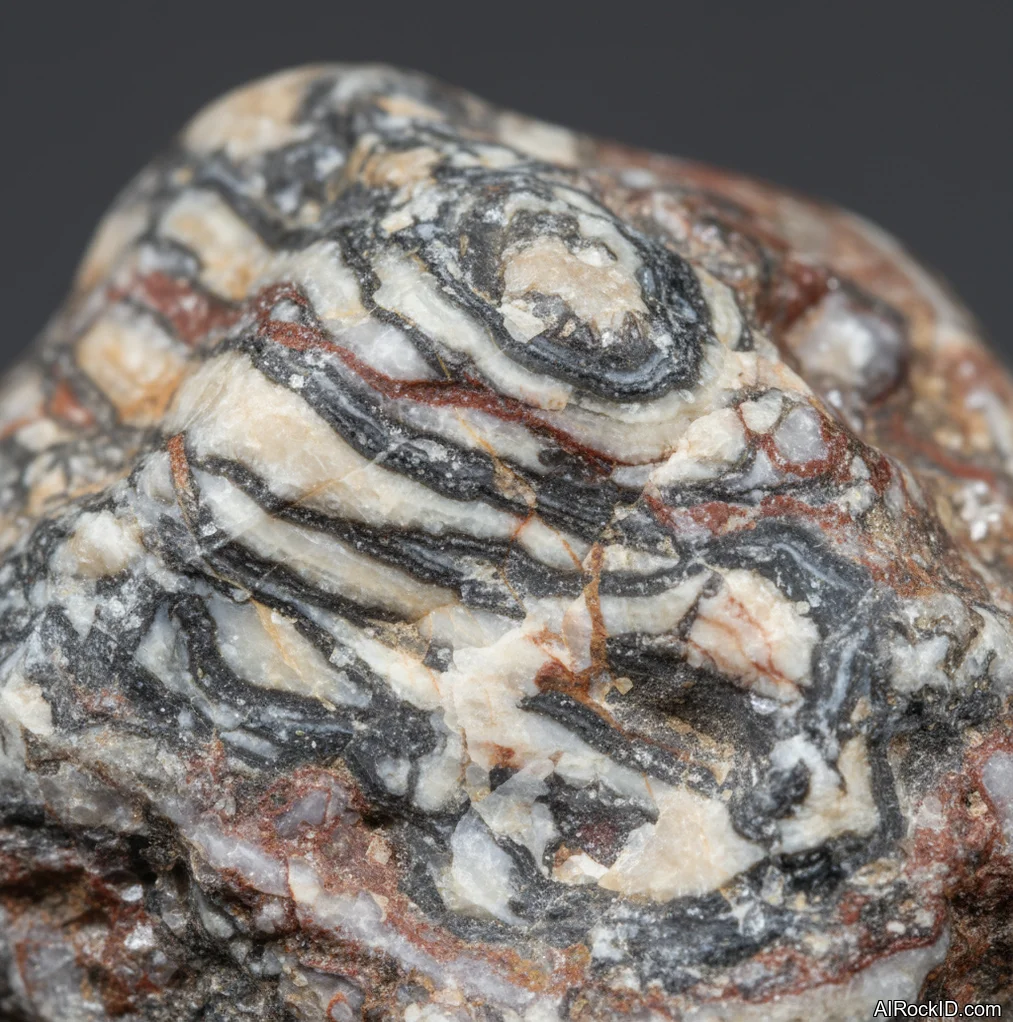
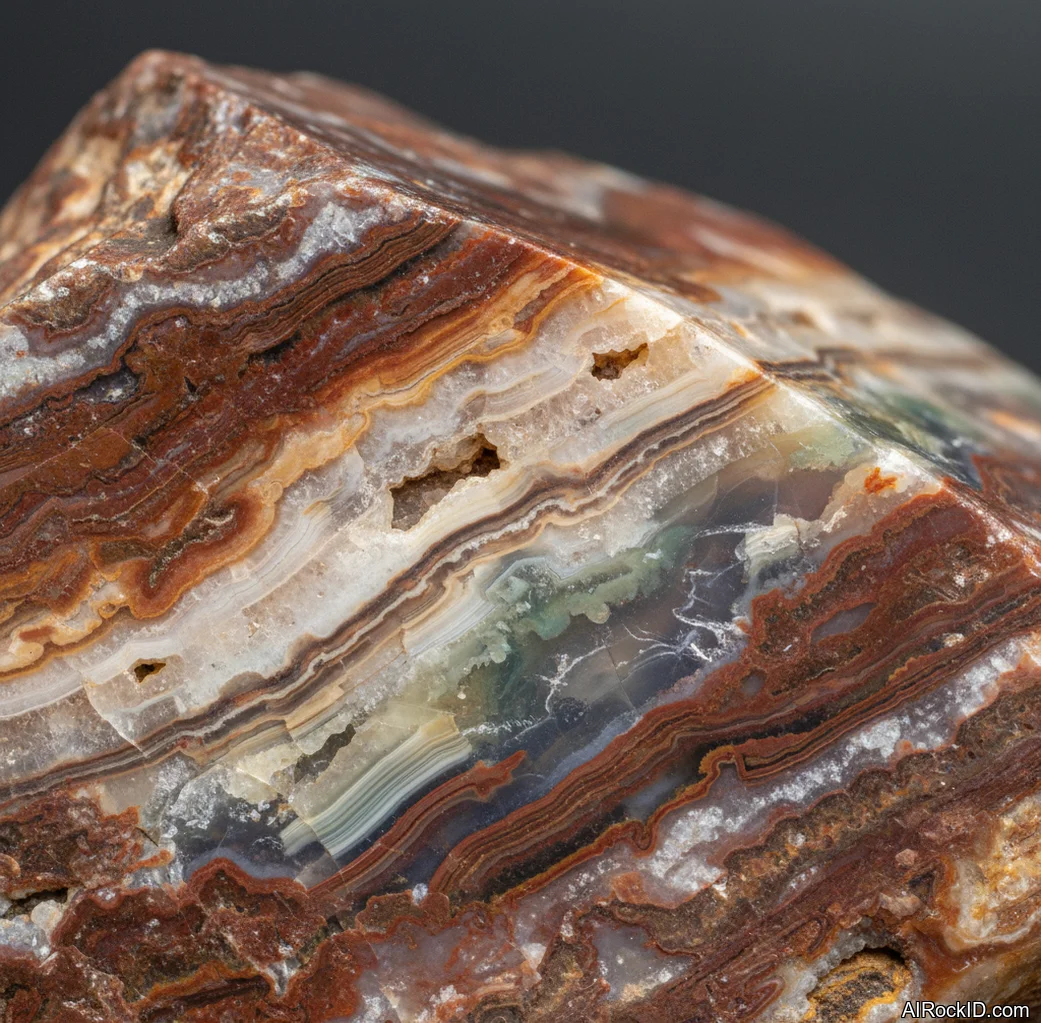
Stress relief as a property isn’t a promise that a rock will erase your problems. It’s more like choosing tools that nudge your senses in a calmer direction. Weight. Temperature. Texture. Even the look of slow banding in agate can pull attention out of the spiral. Try a few. Notice what your body does. Then keep the one you actually reach for when the day goes sideways.
All Stress Relief Crystals (537)