Focus Crystals
Learn how Focus crystals are used for concentration and clarity, plus tips for choosing, buying, and working with Focus crystals safely.
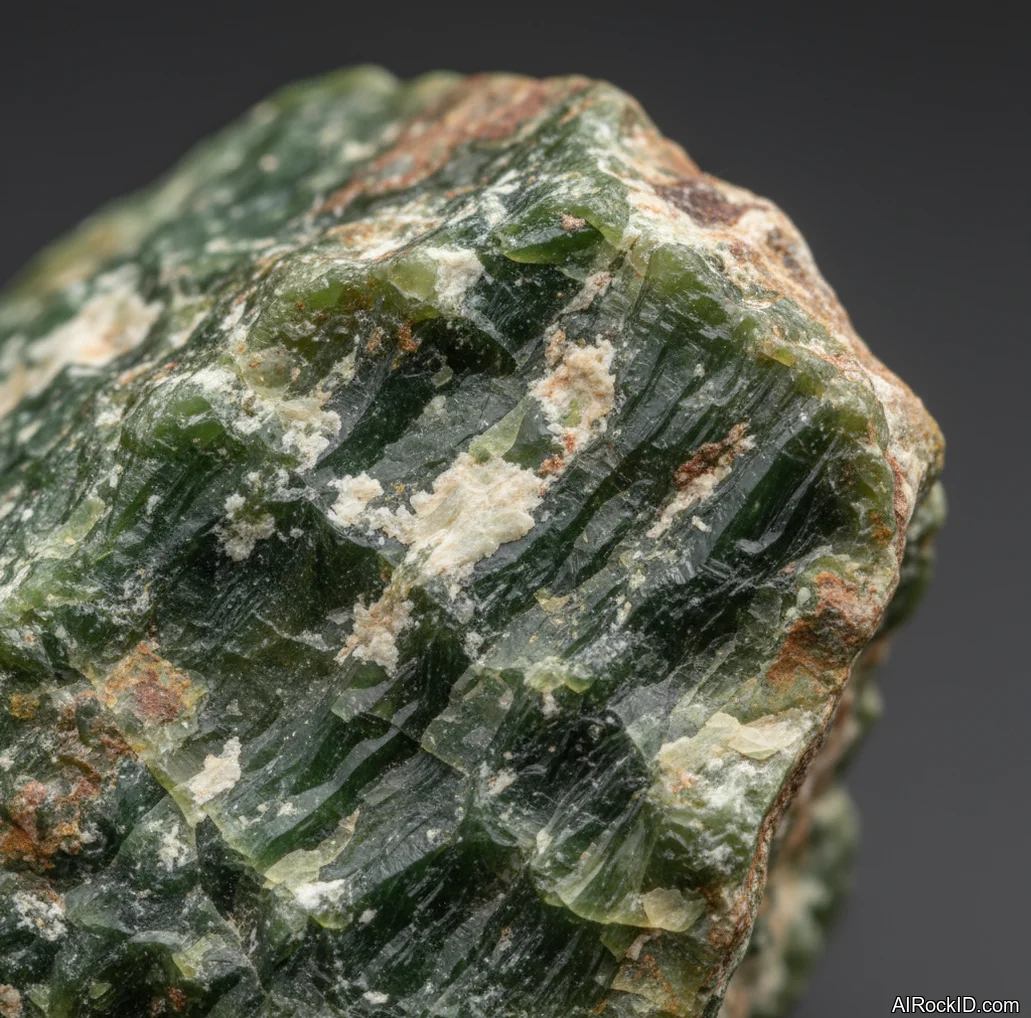
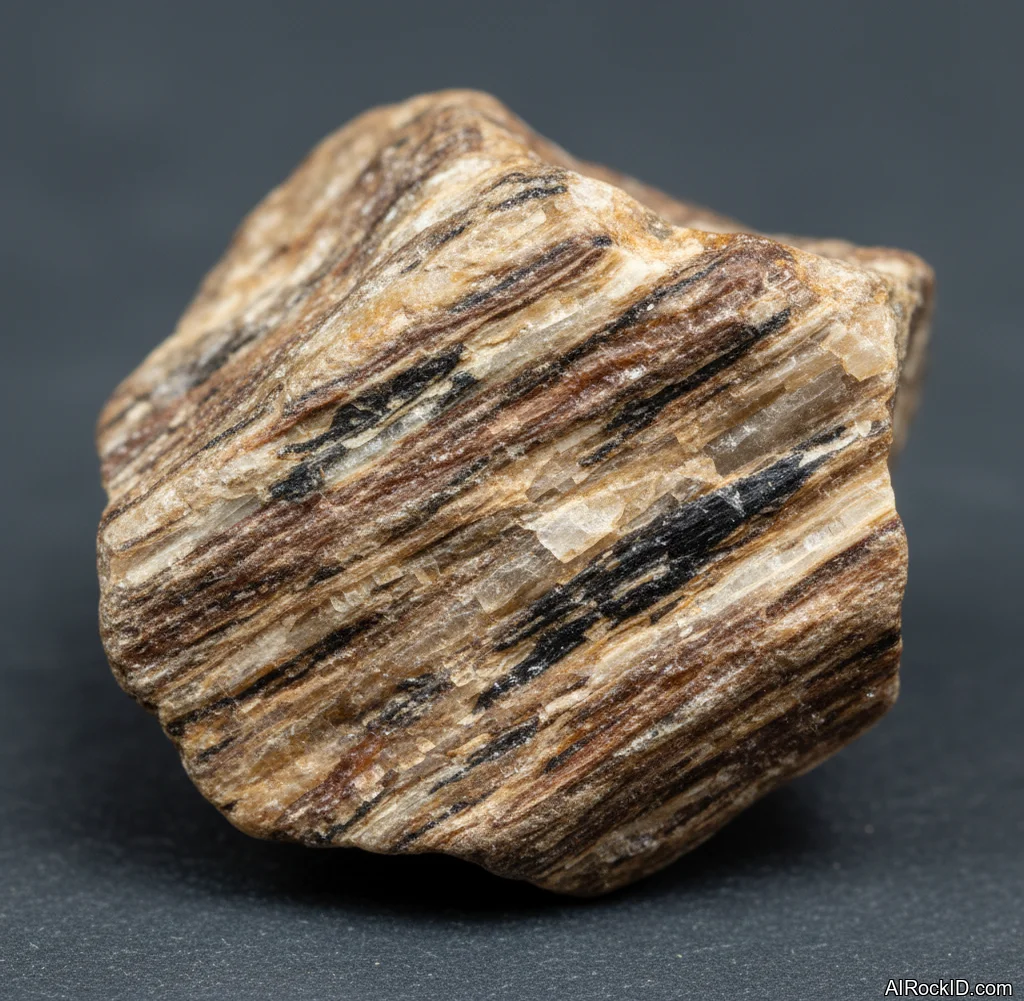
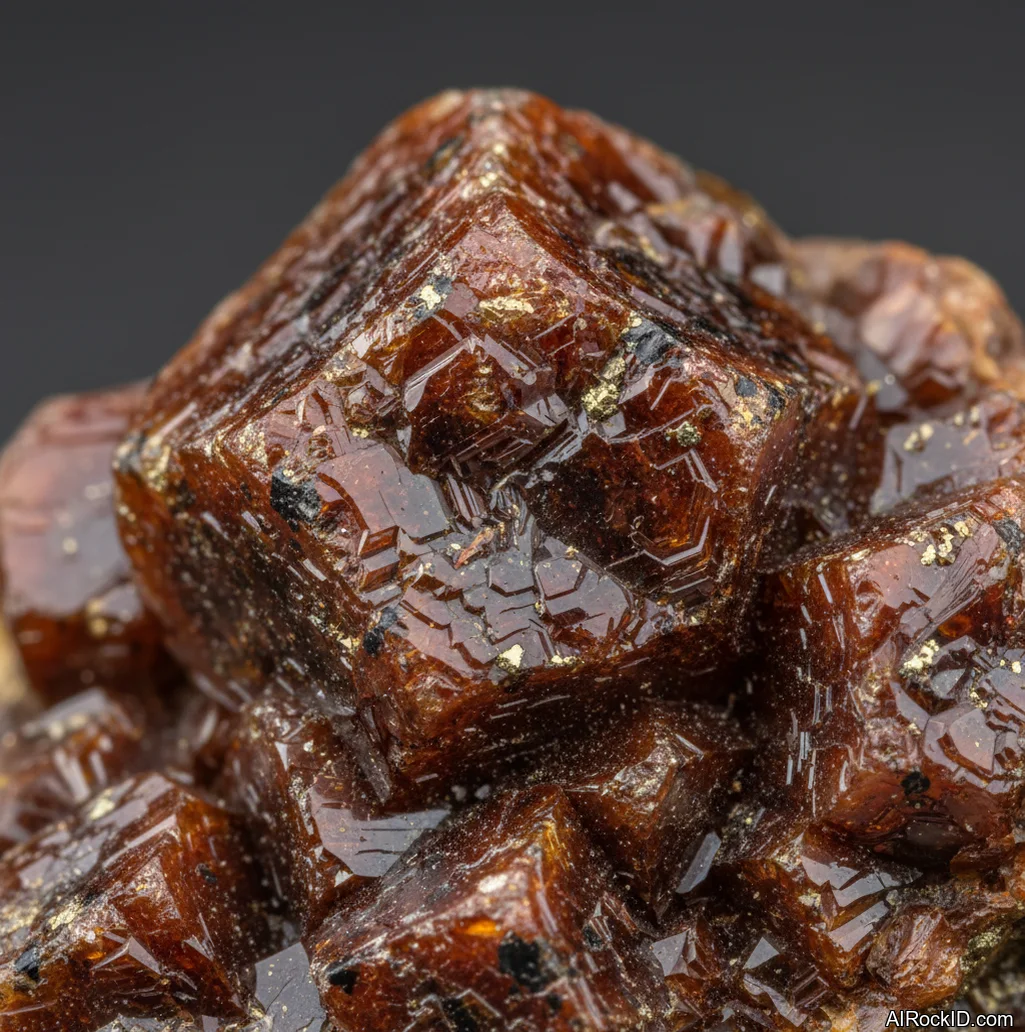
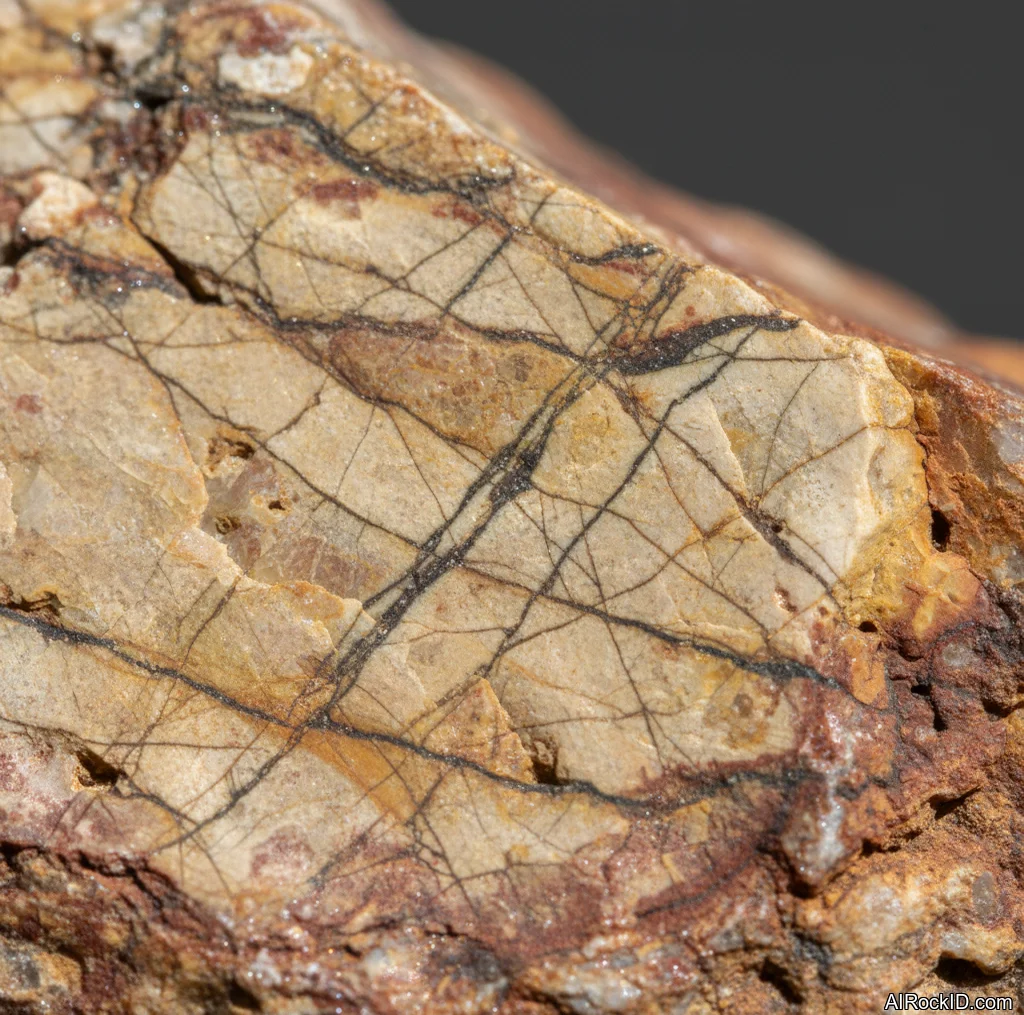
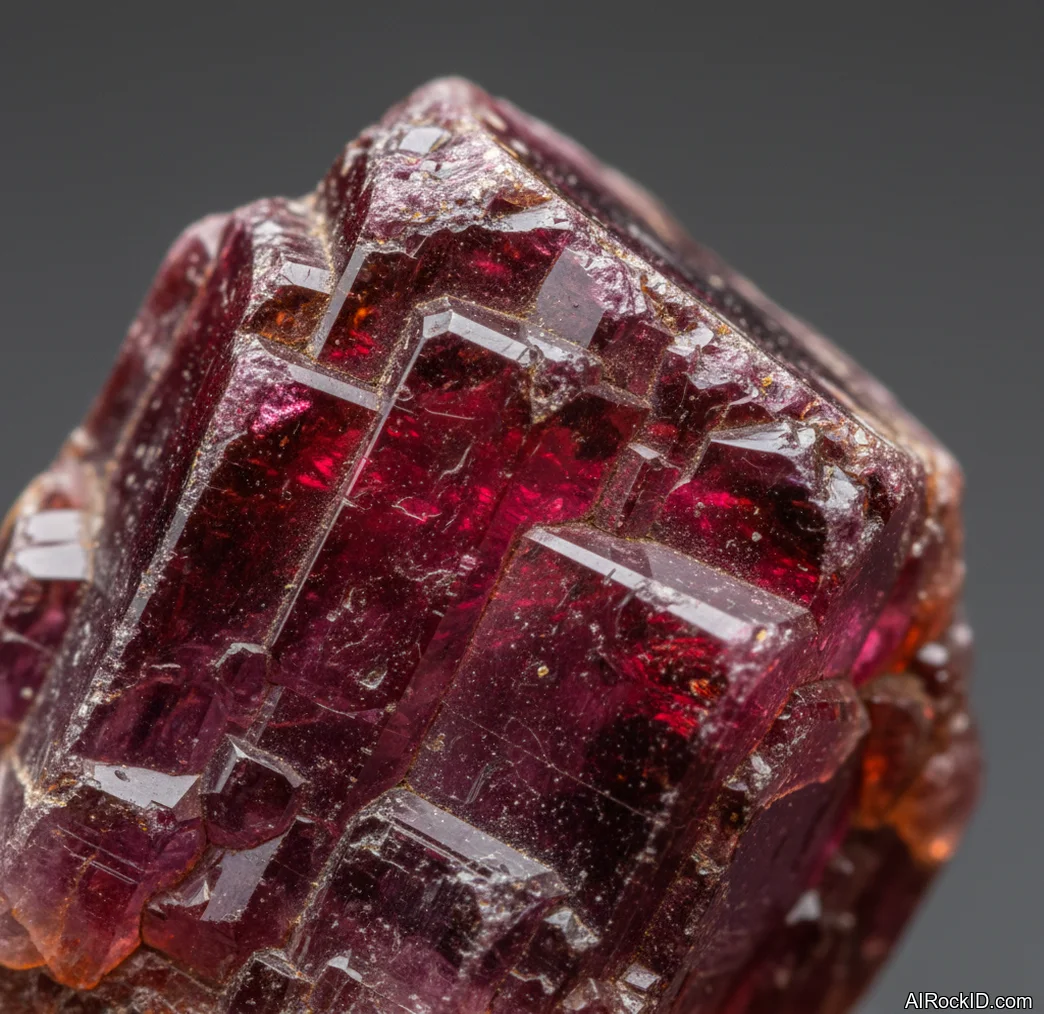
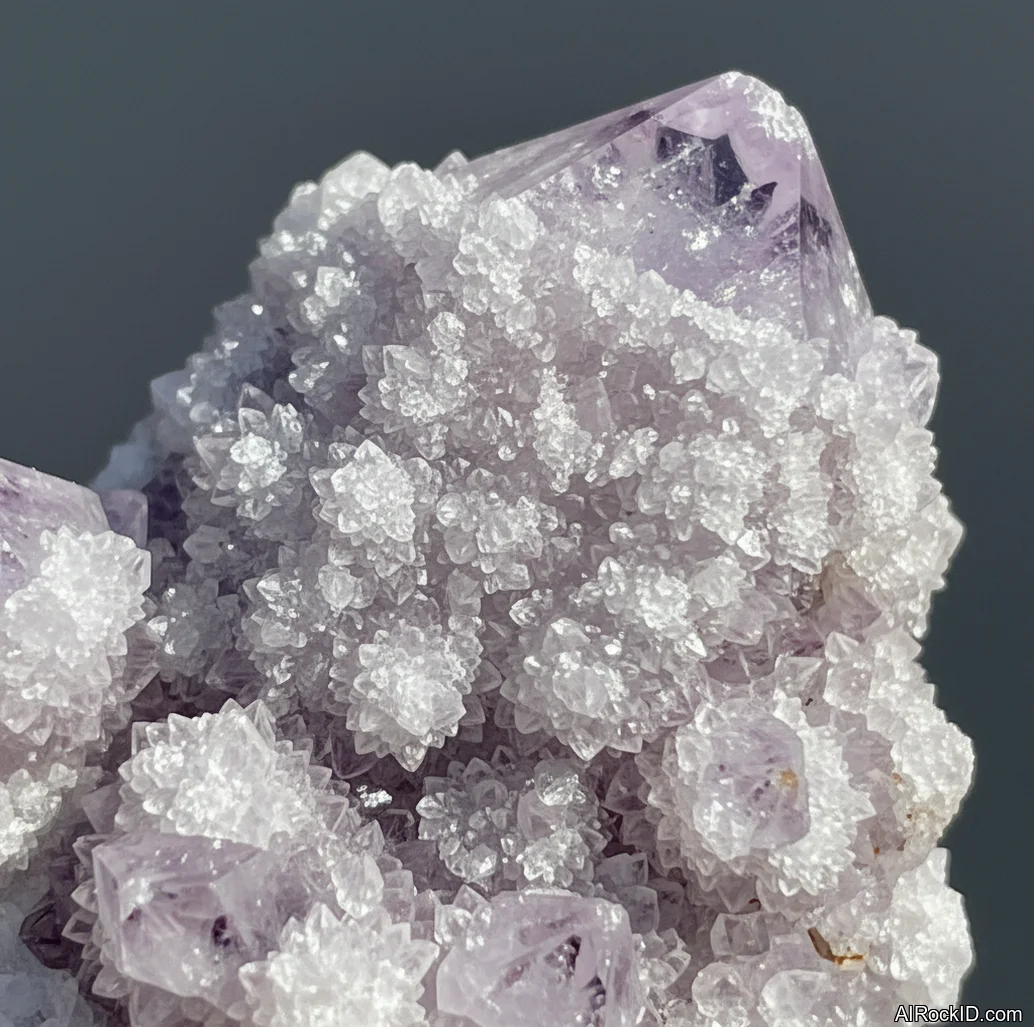
Focus, in crystal talk, usually means one thing: fewer mental tabs open at once. Not “high vibes.” Not “instant genius.” Just that steadier, narrower beam you can aim at a task without sliding off into notifications, second-guessing, or daydream loops. People go looking for Focus crystals when they’ve got study blocks, long writing sessions, ADHD-style scatter, meditation that won’t settle, or a brain that won’t stop spinning at 1 a.m.
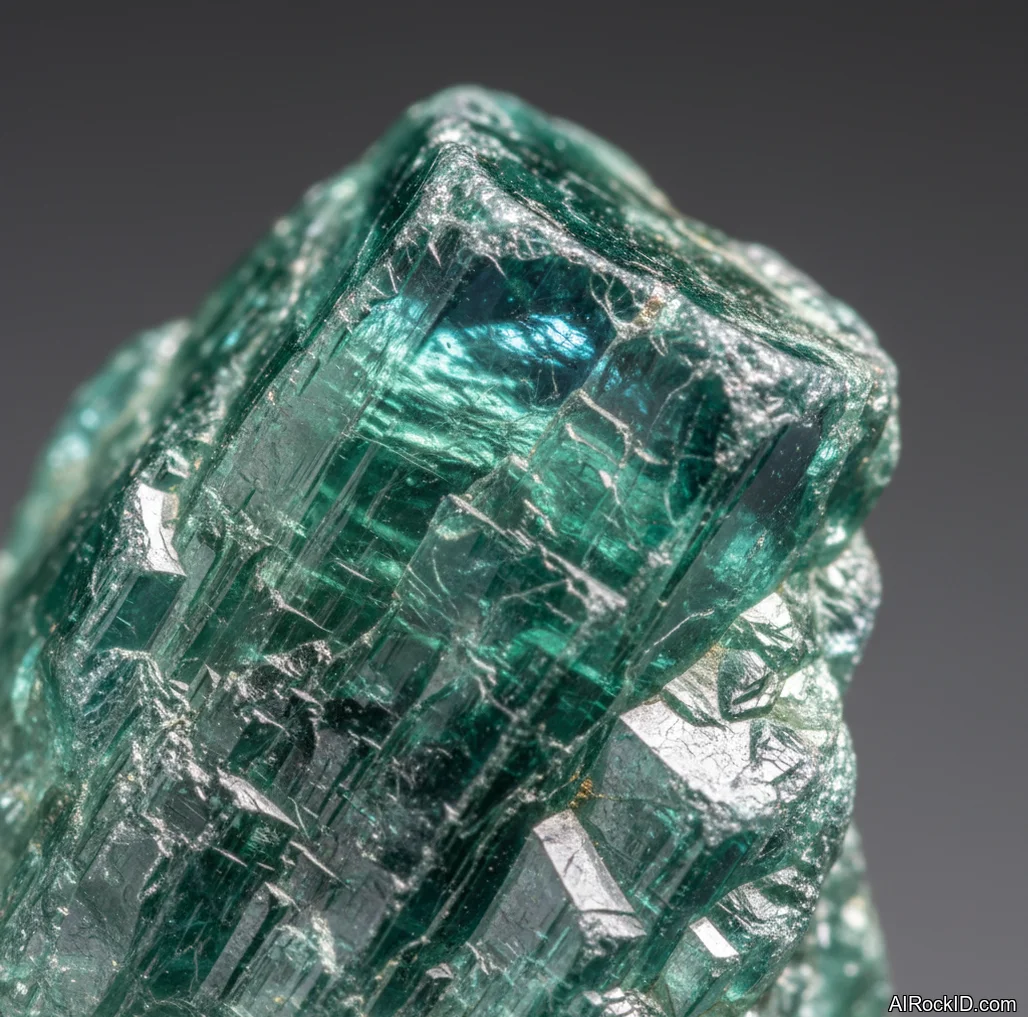
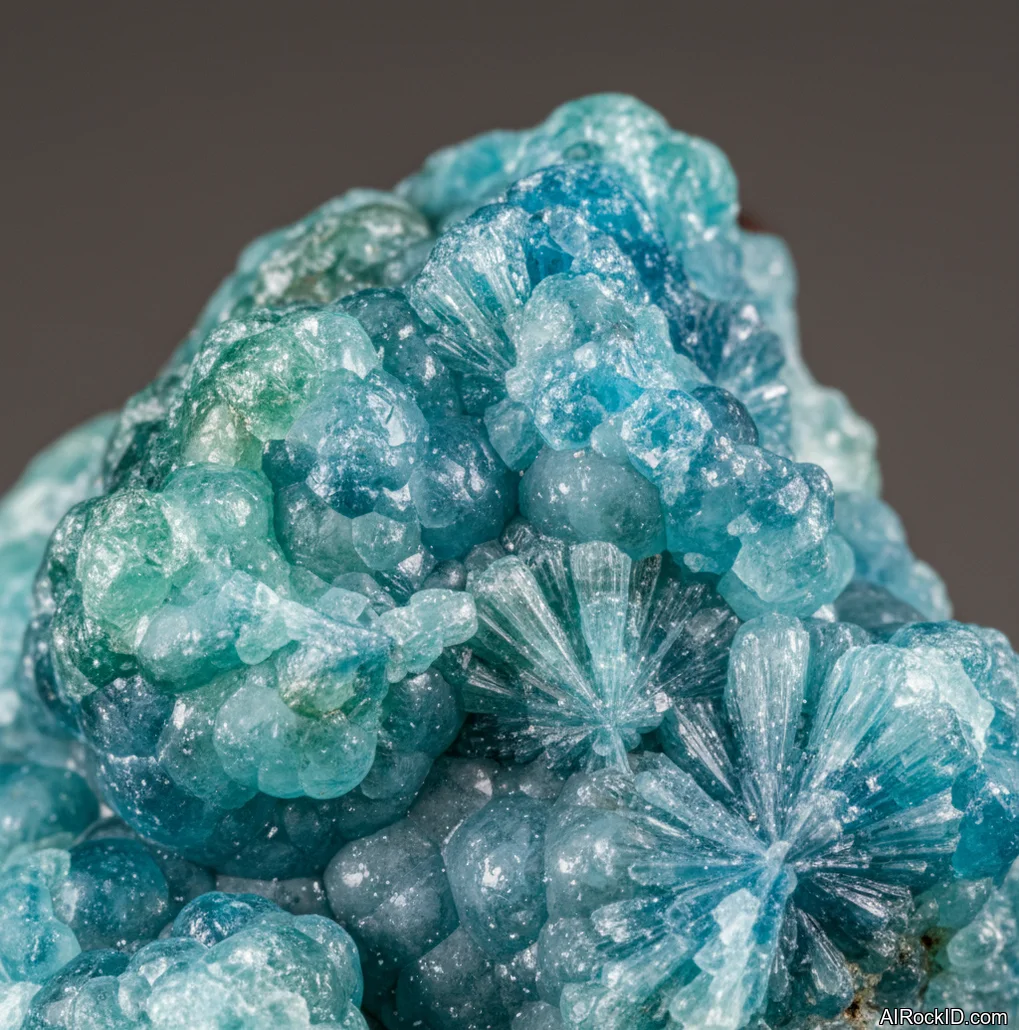
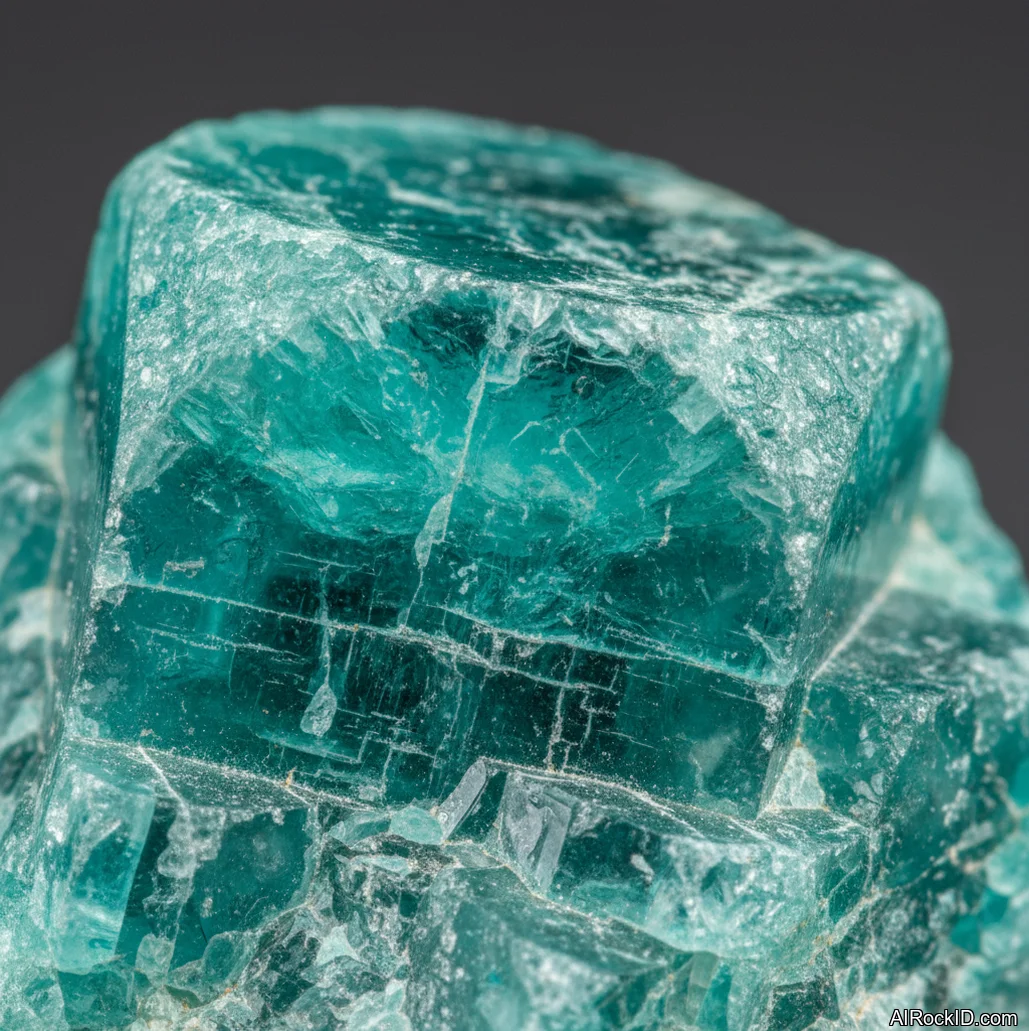
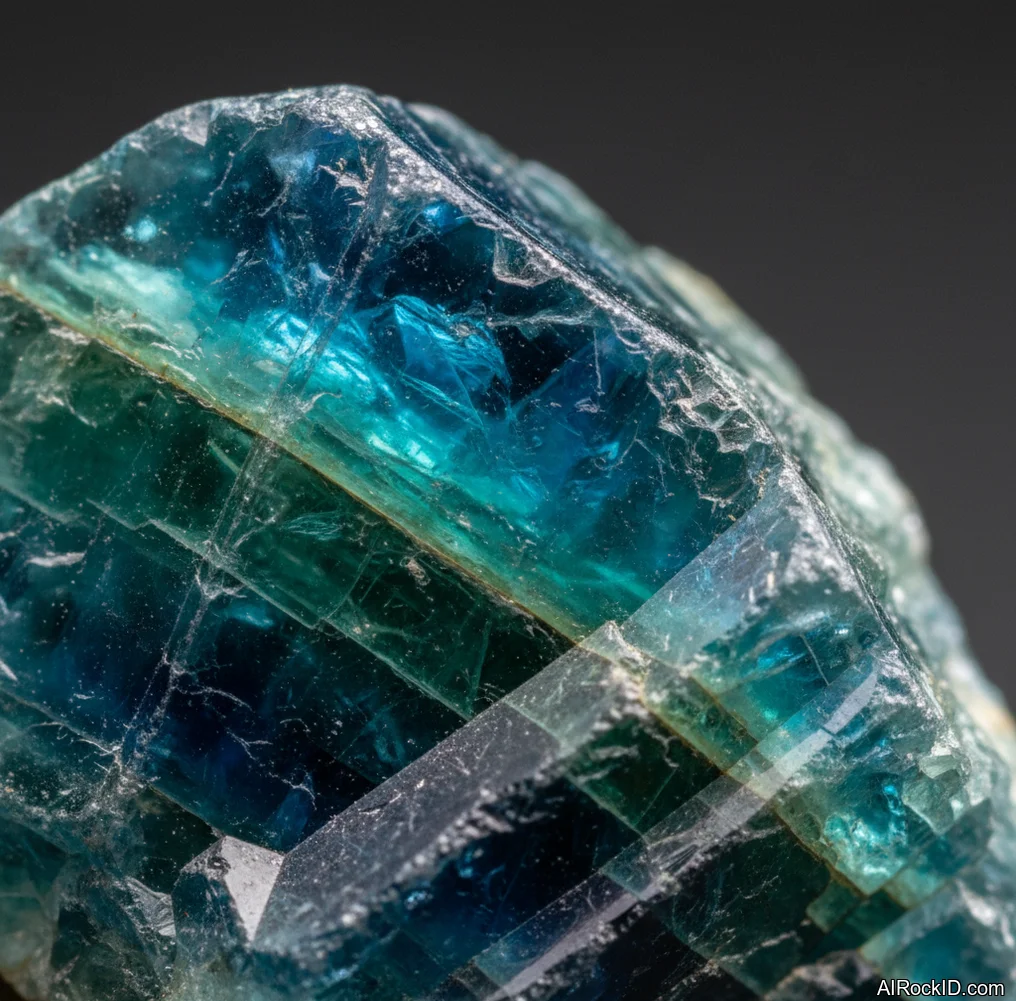
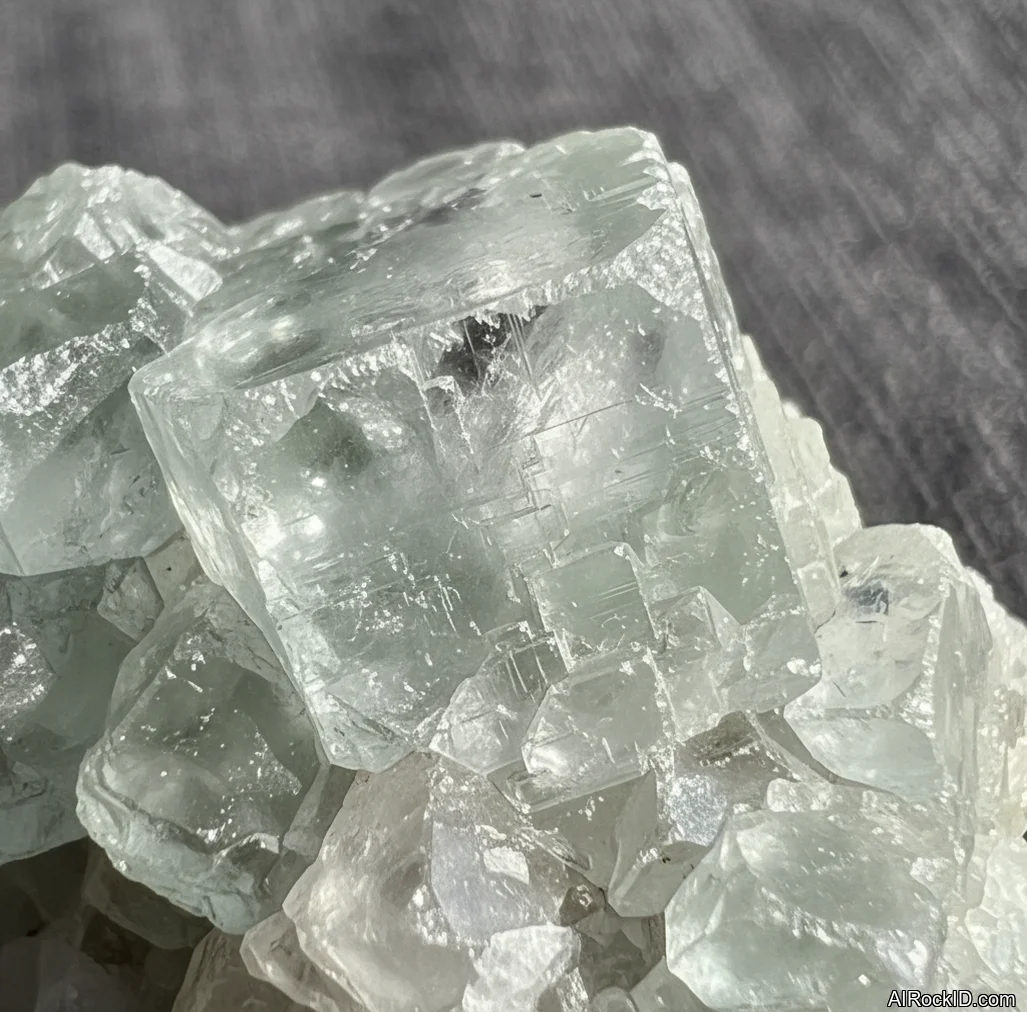
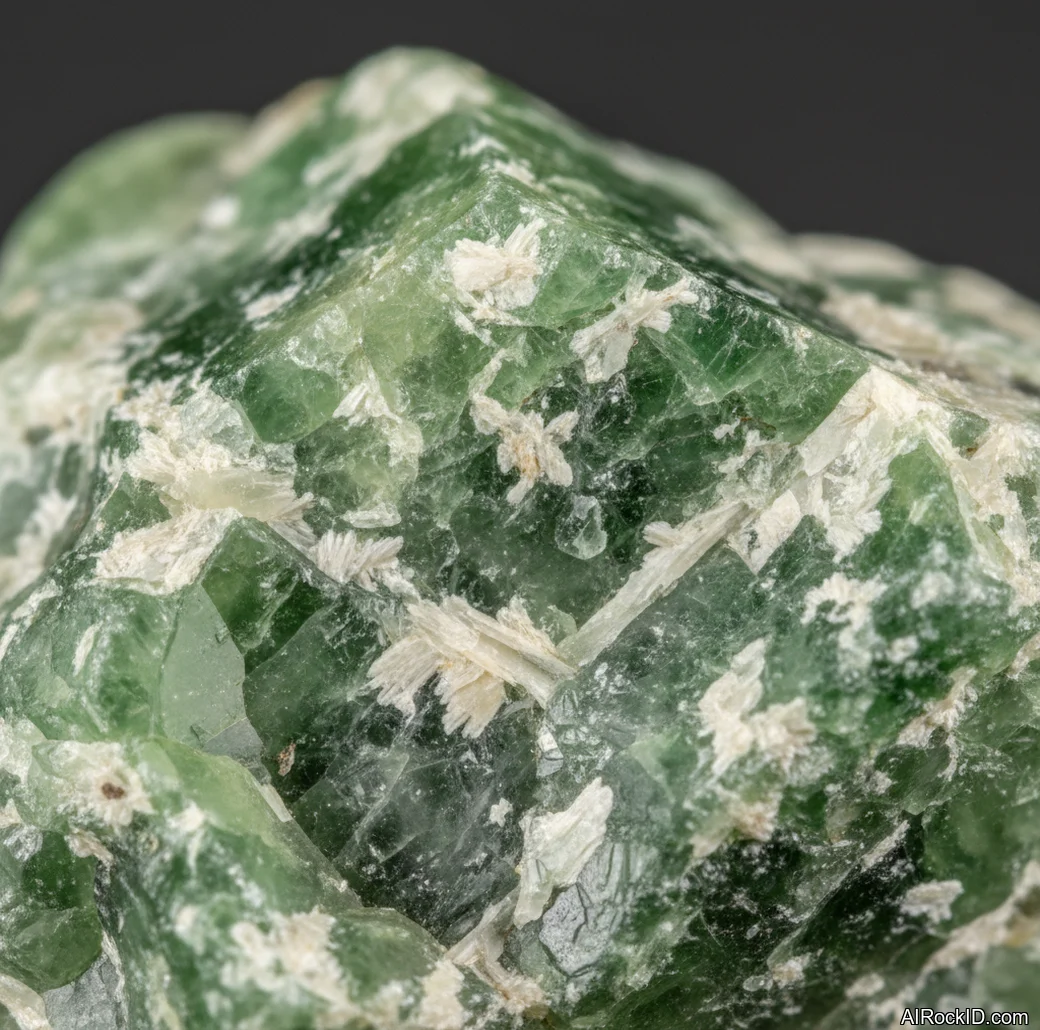
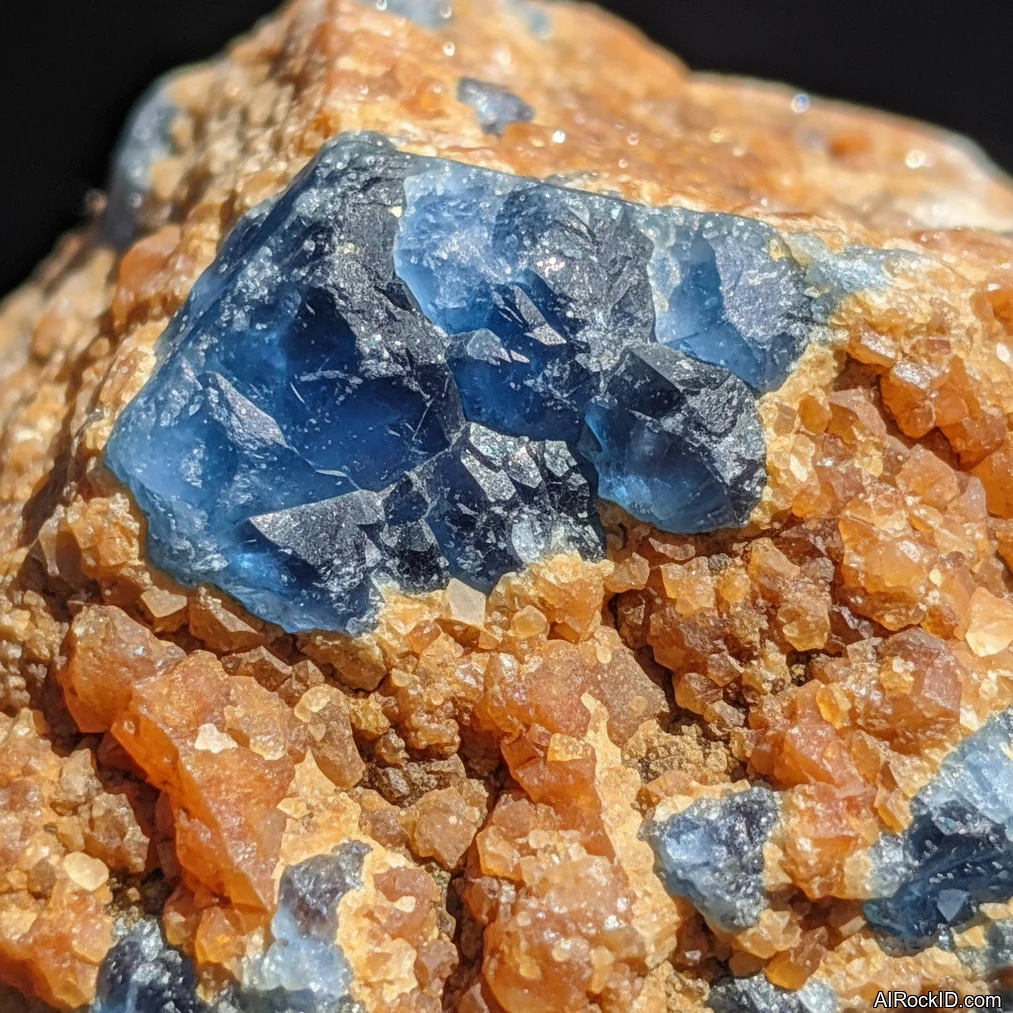
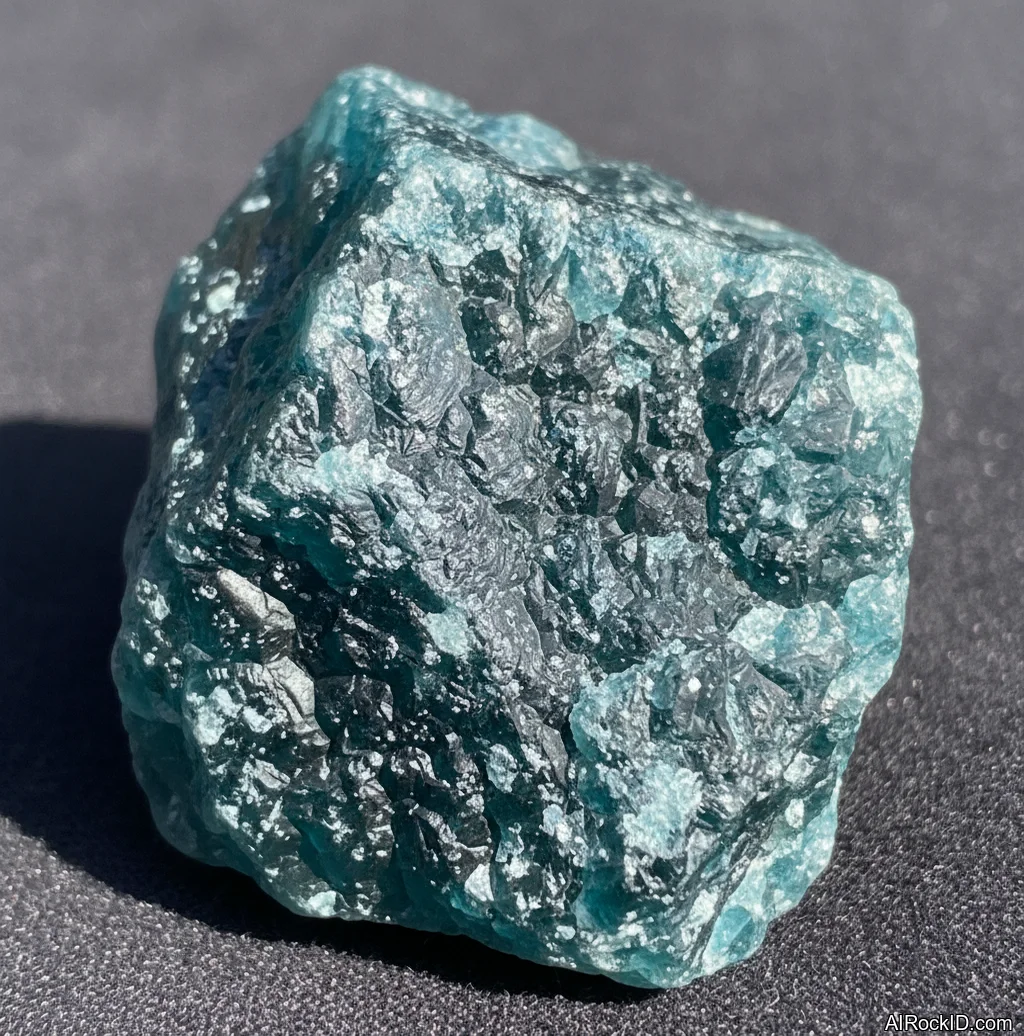
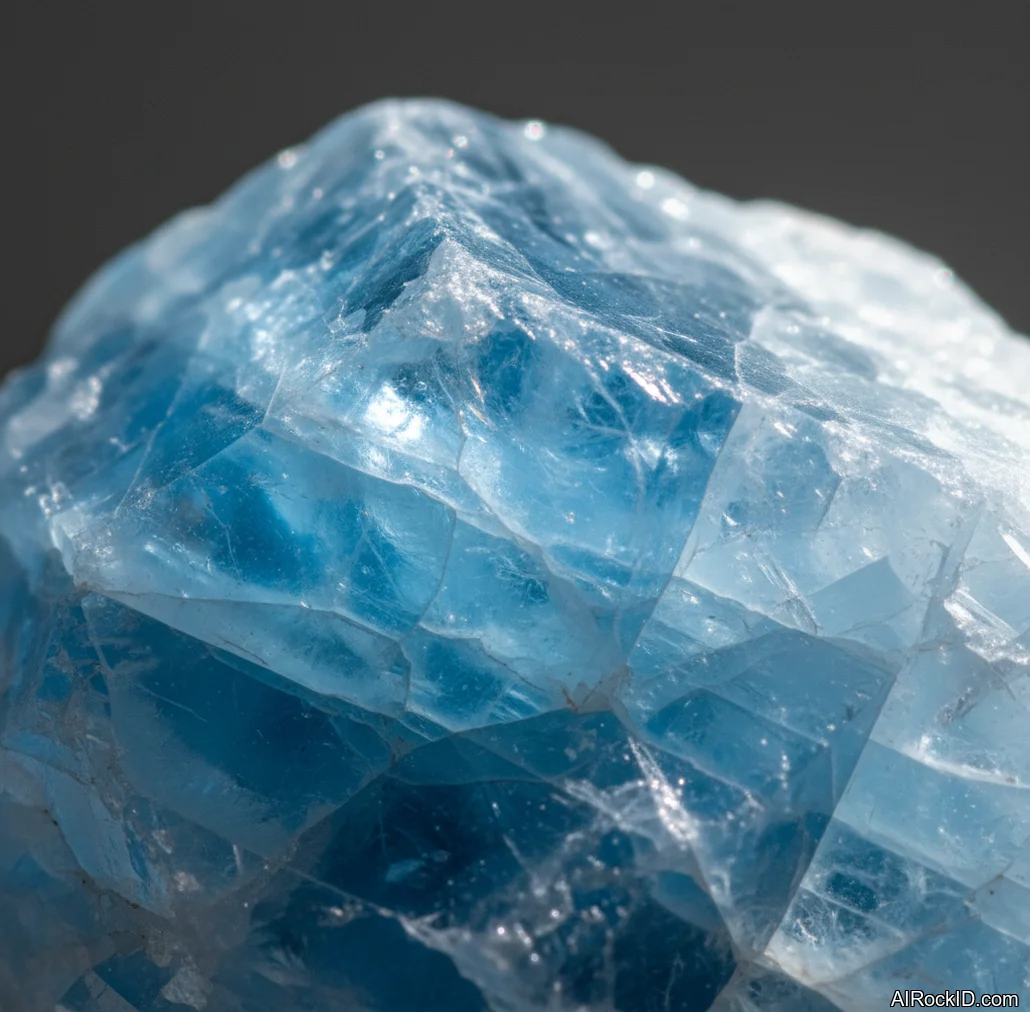
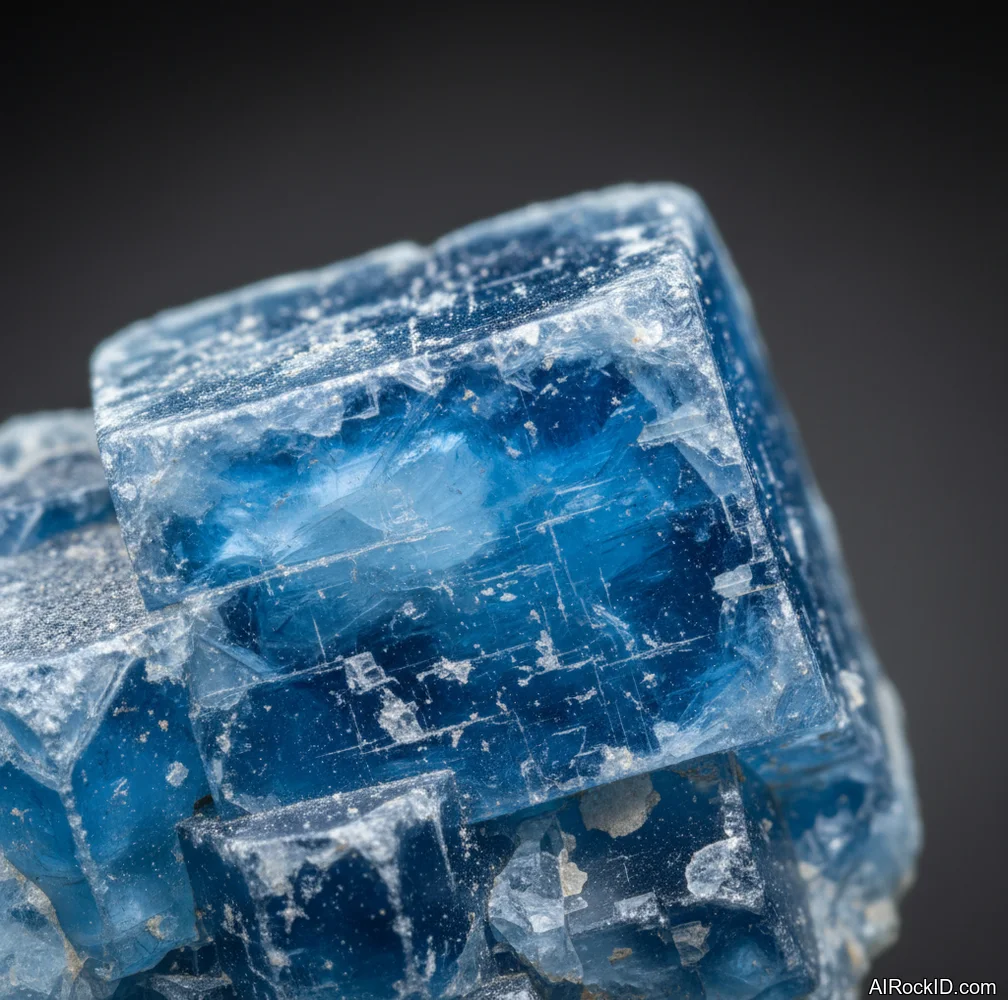
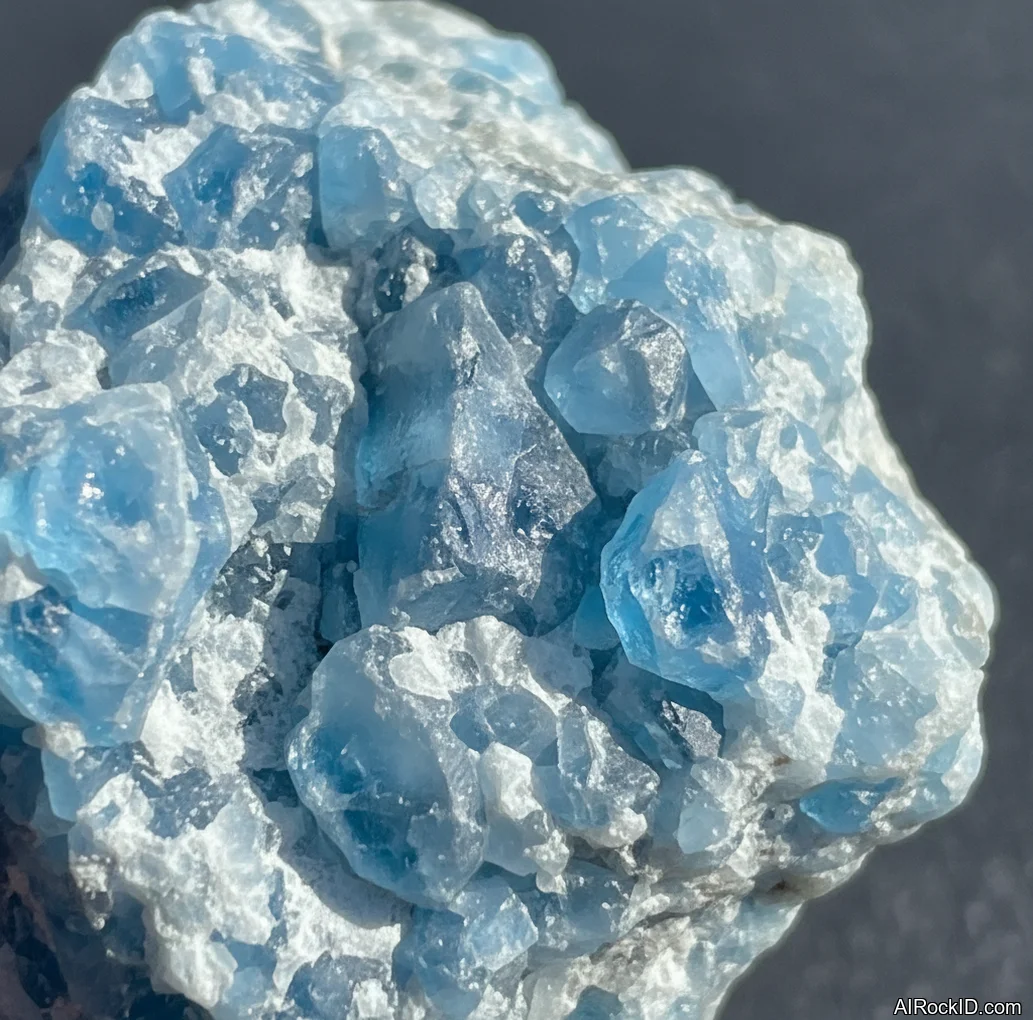
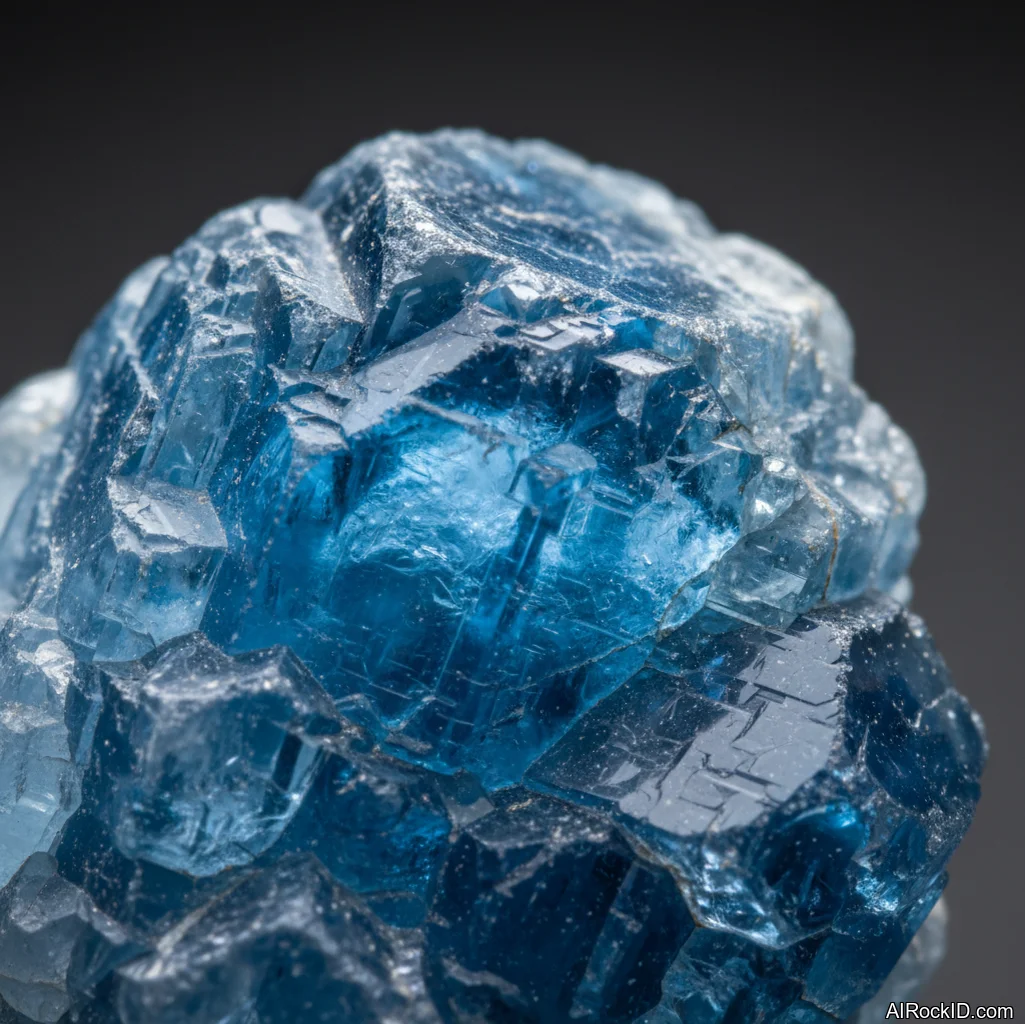
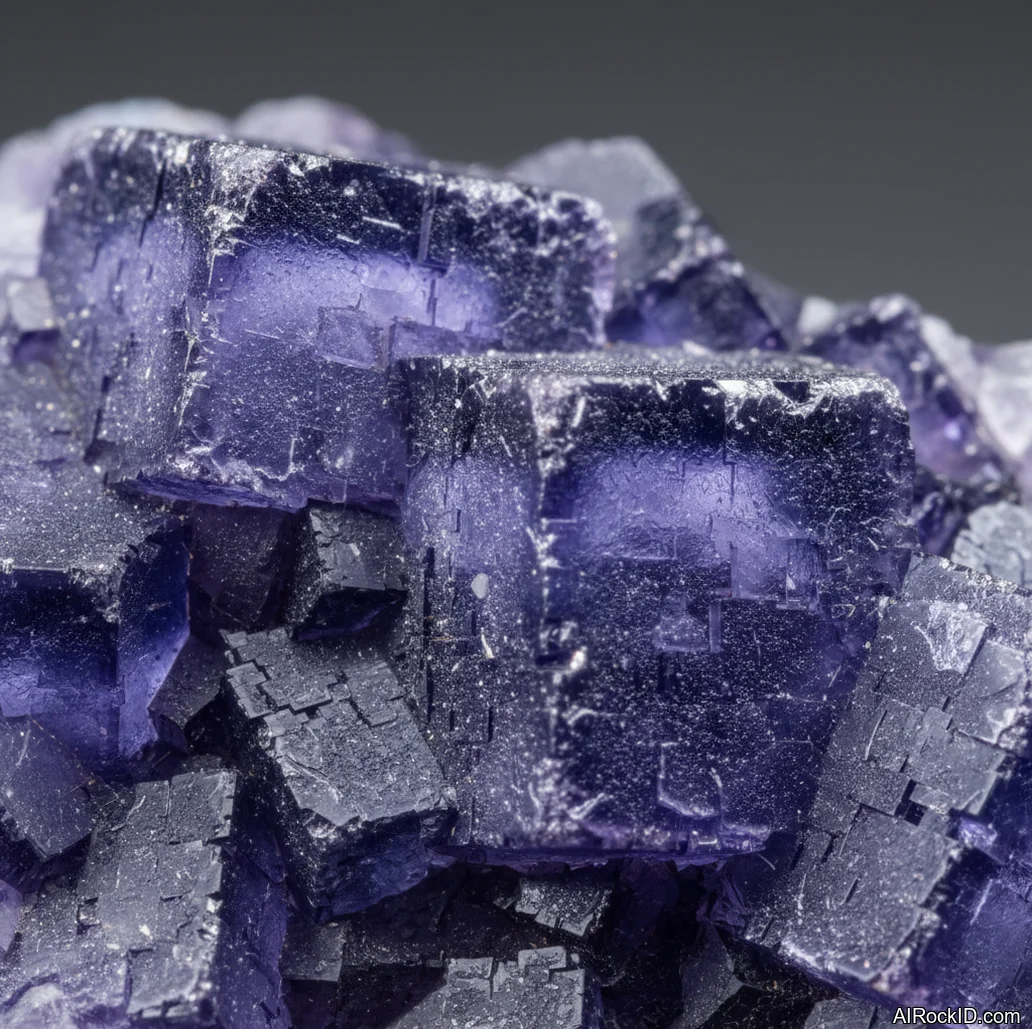
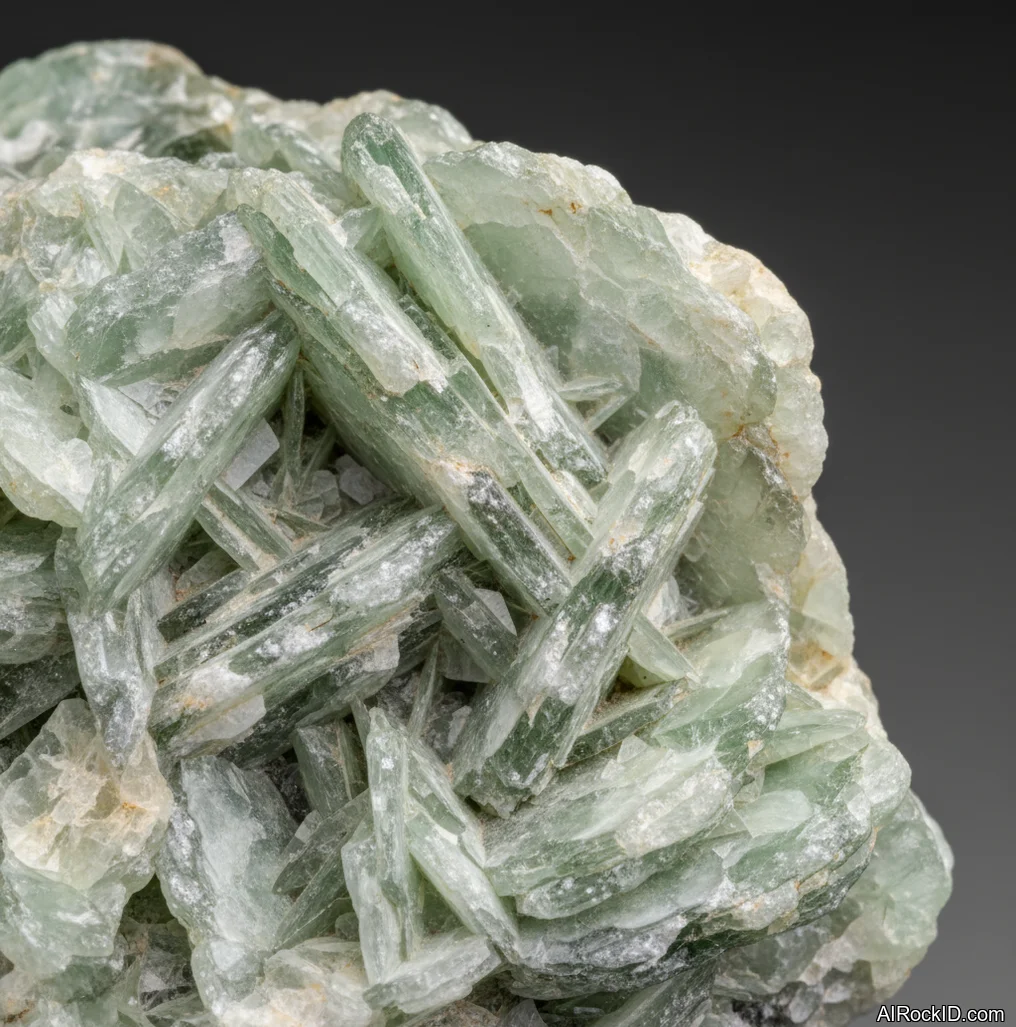
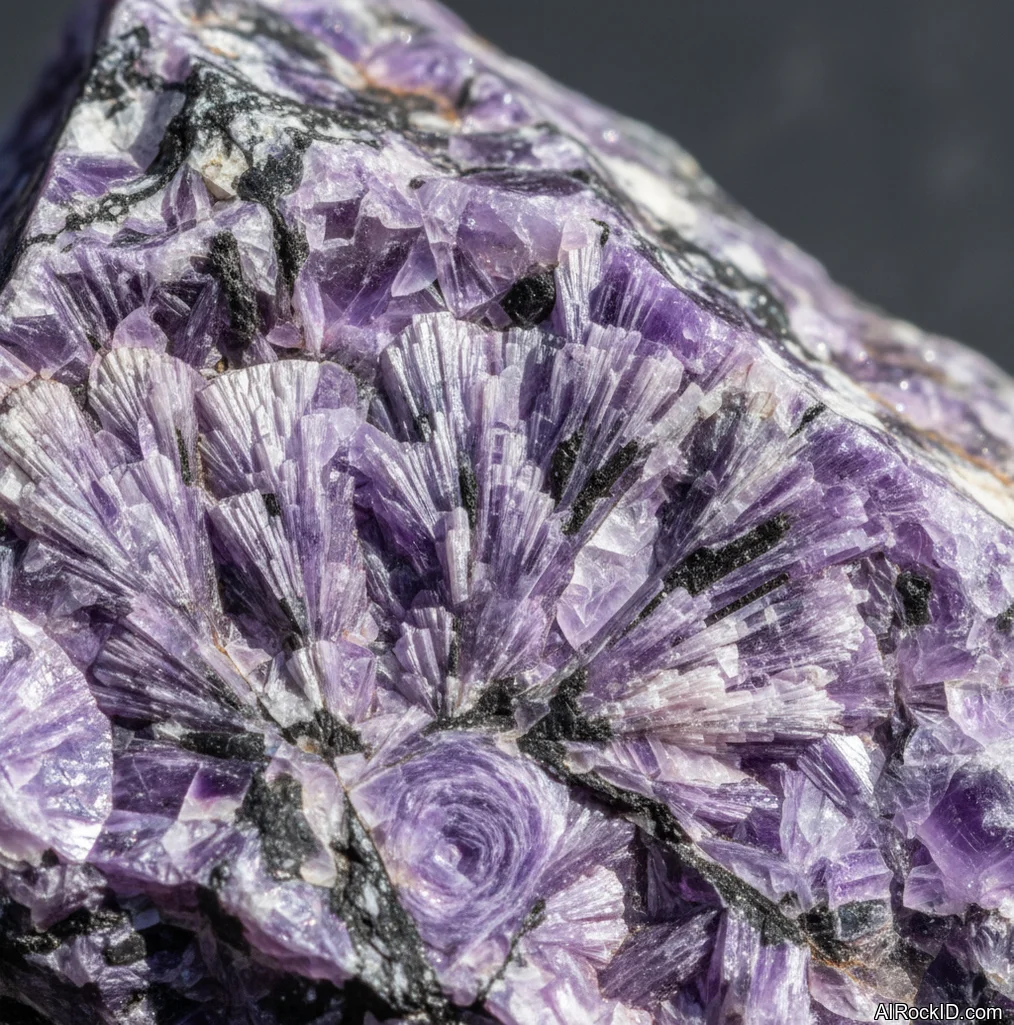
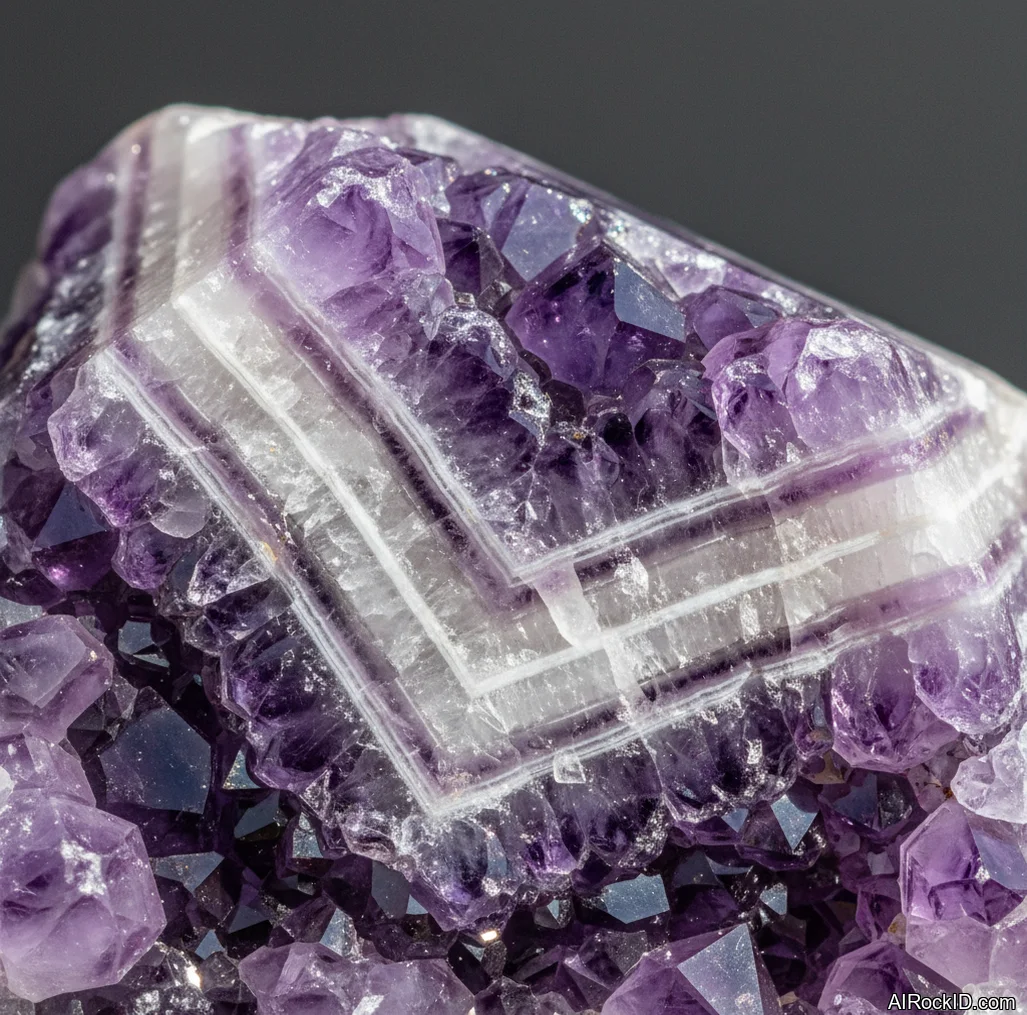
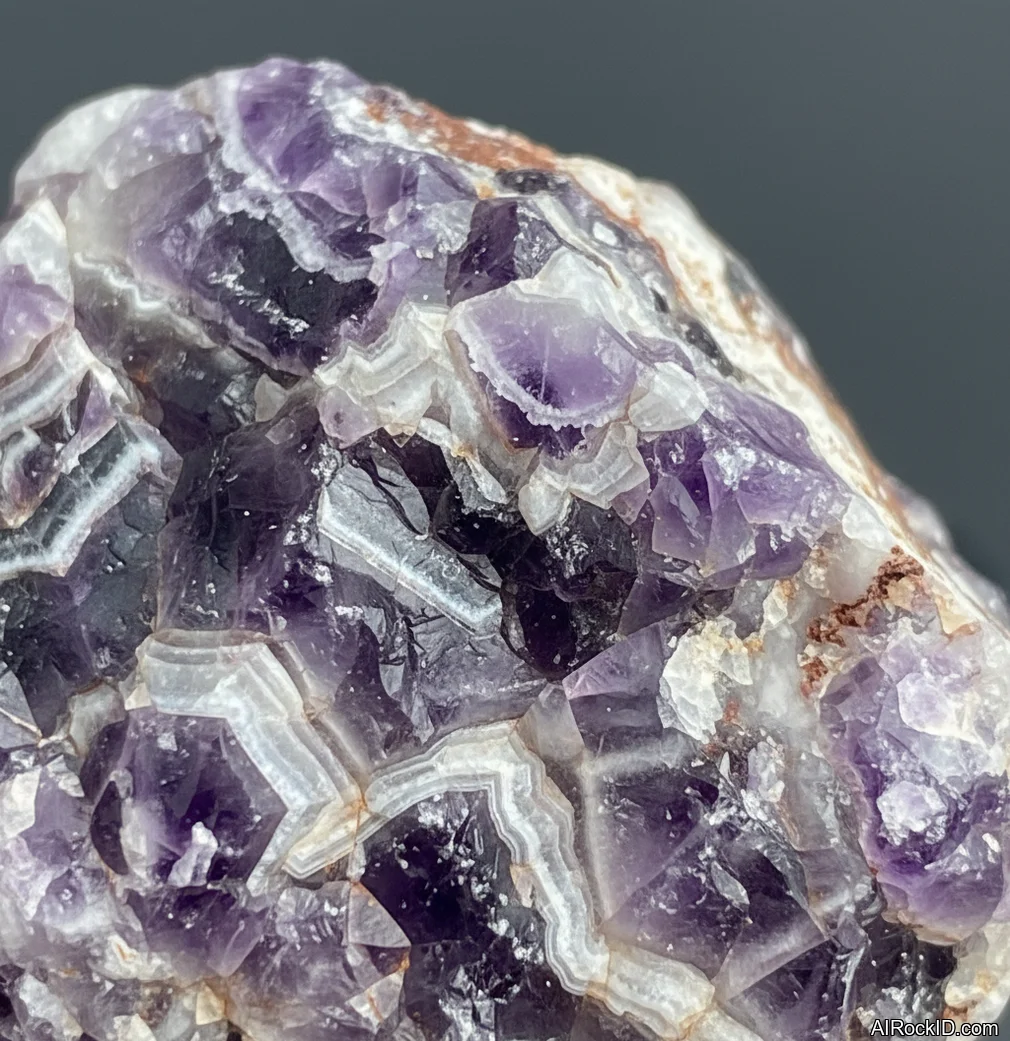
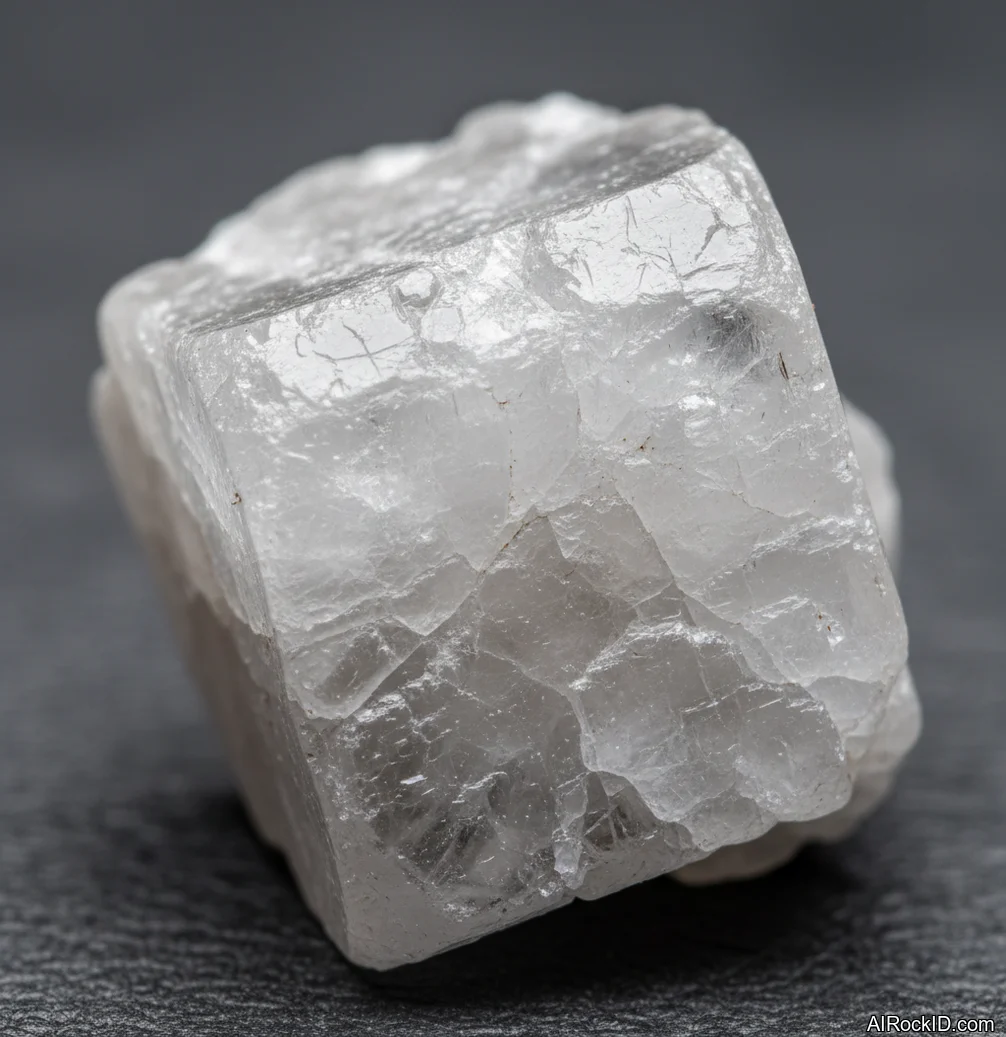
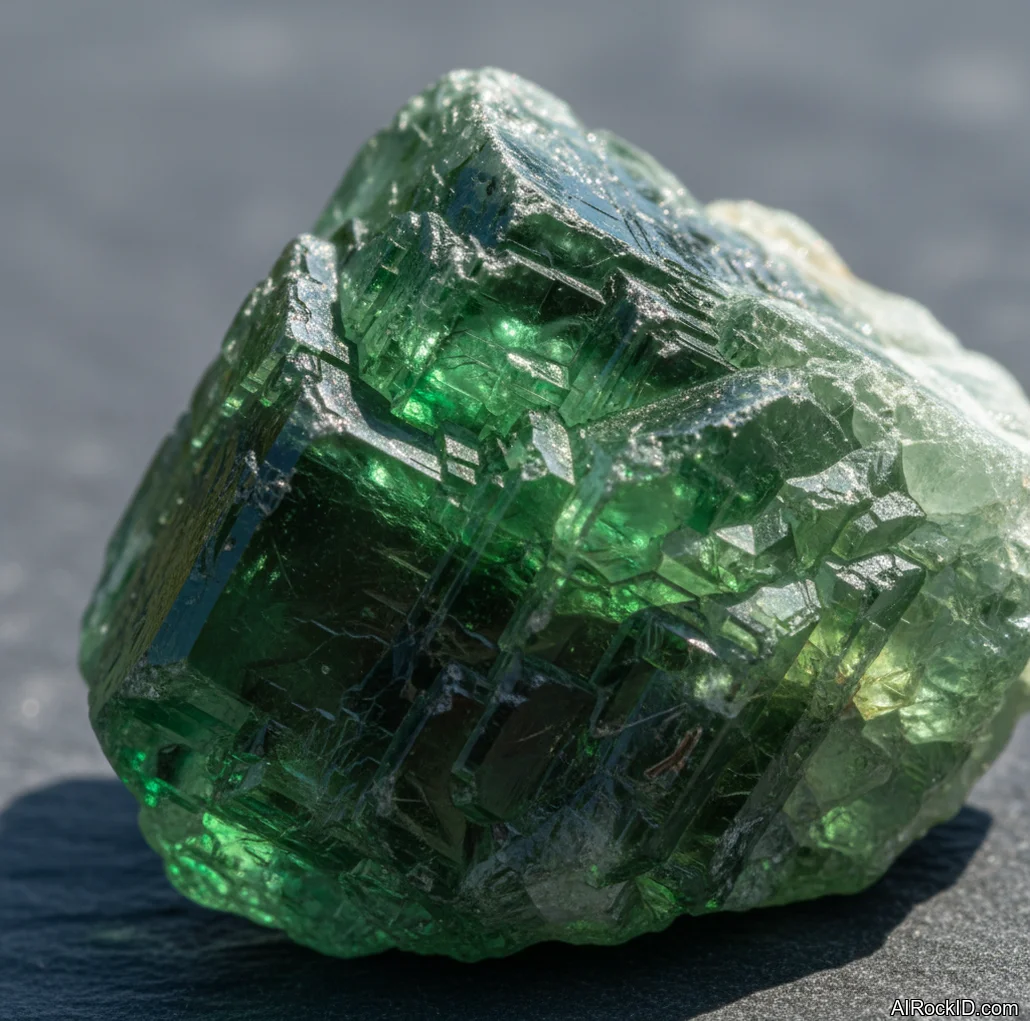
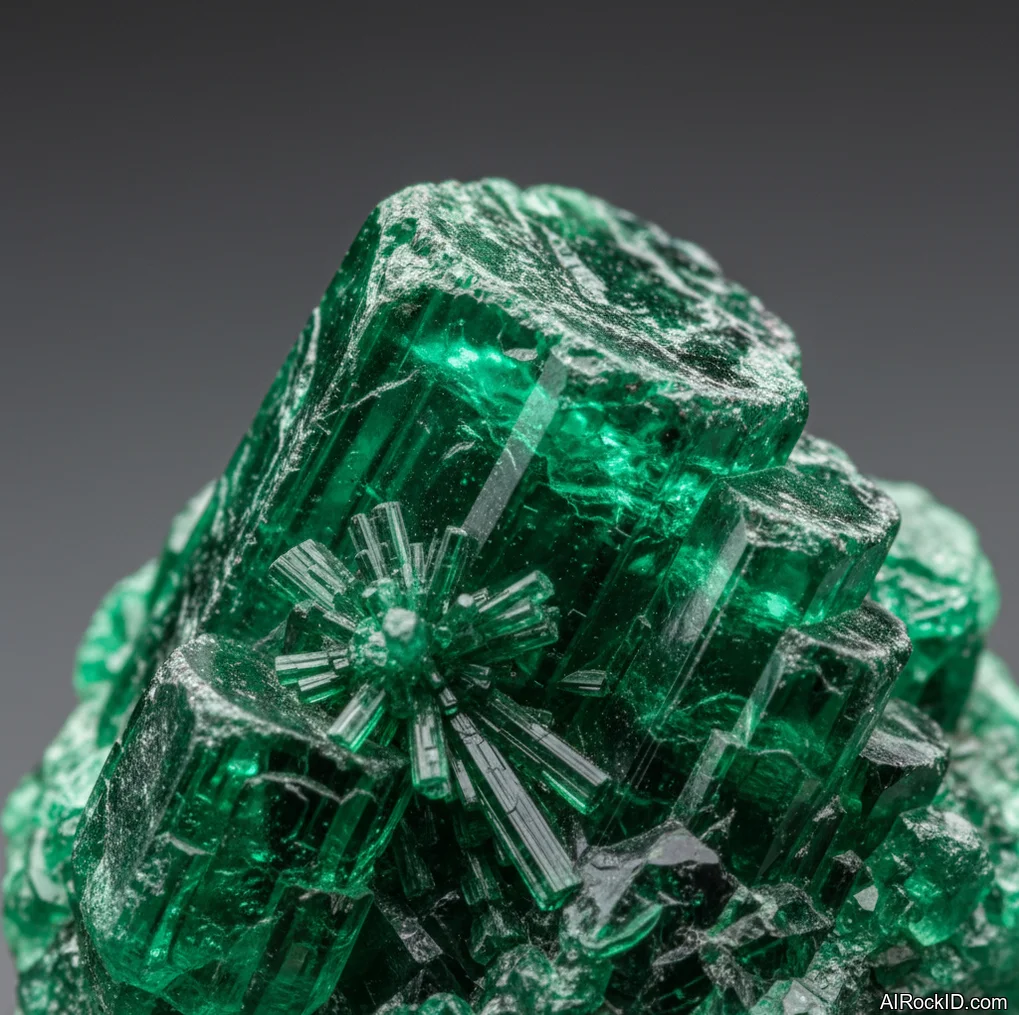
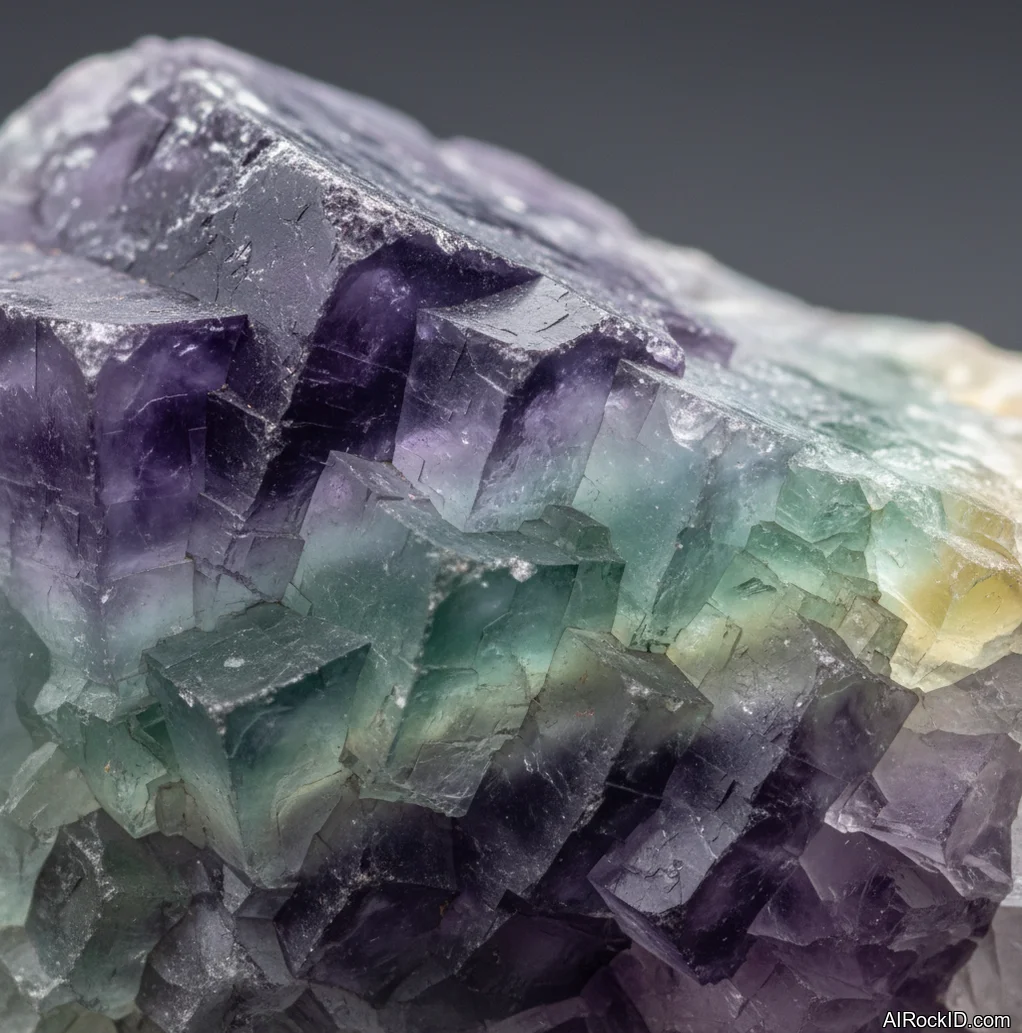
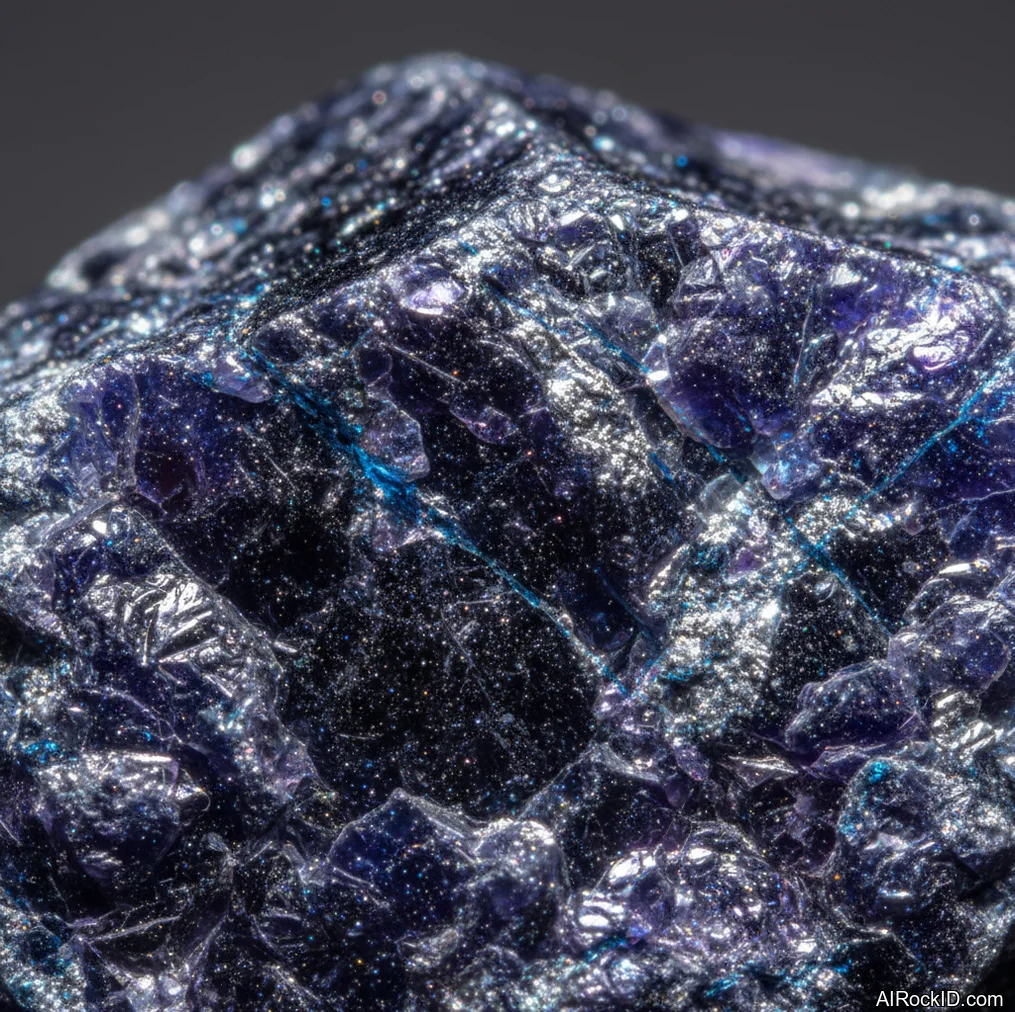
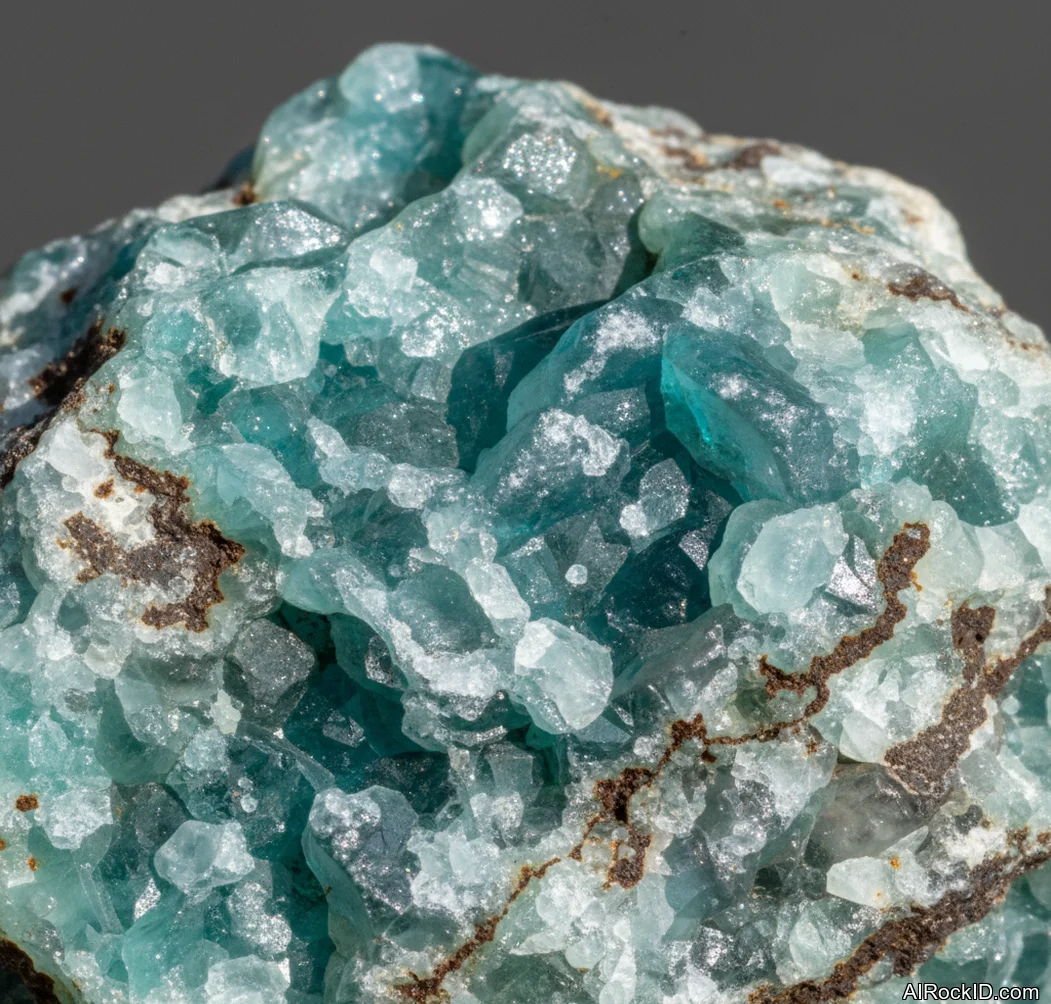
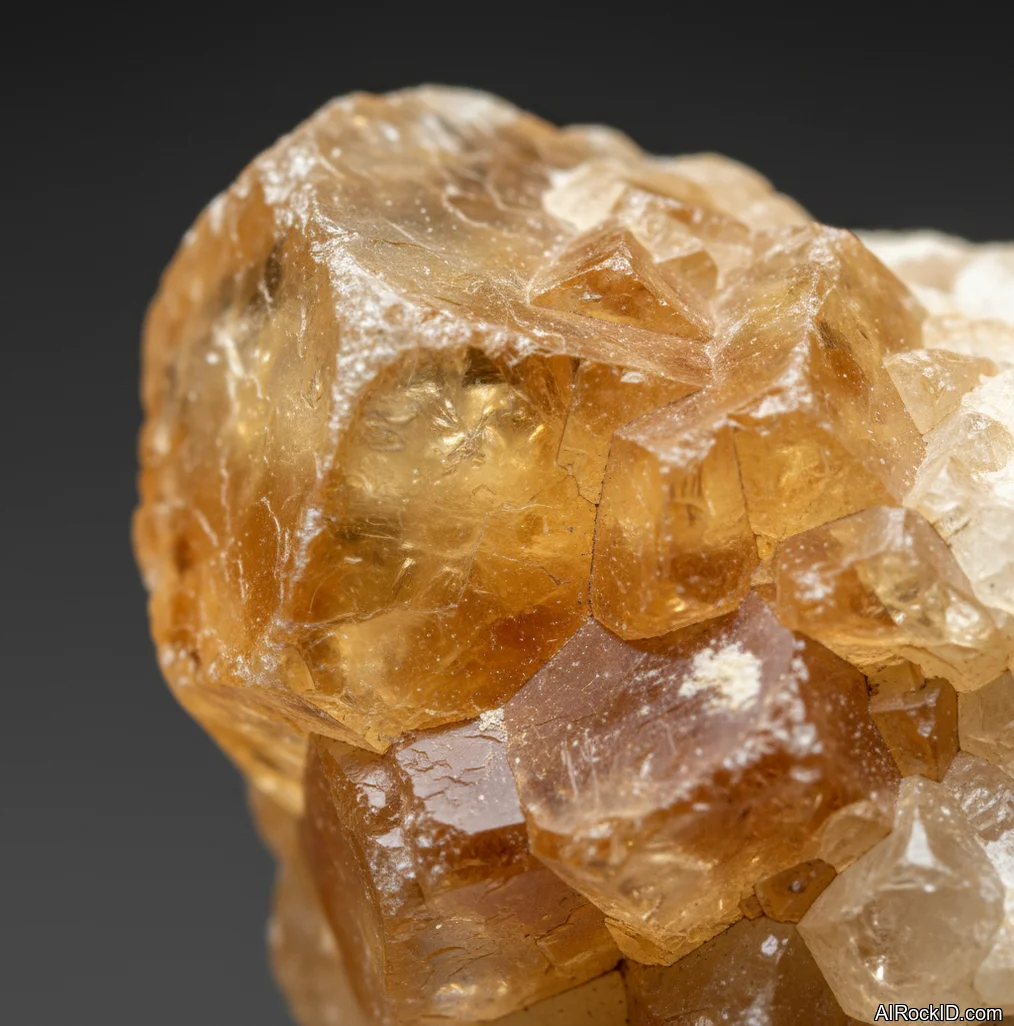
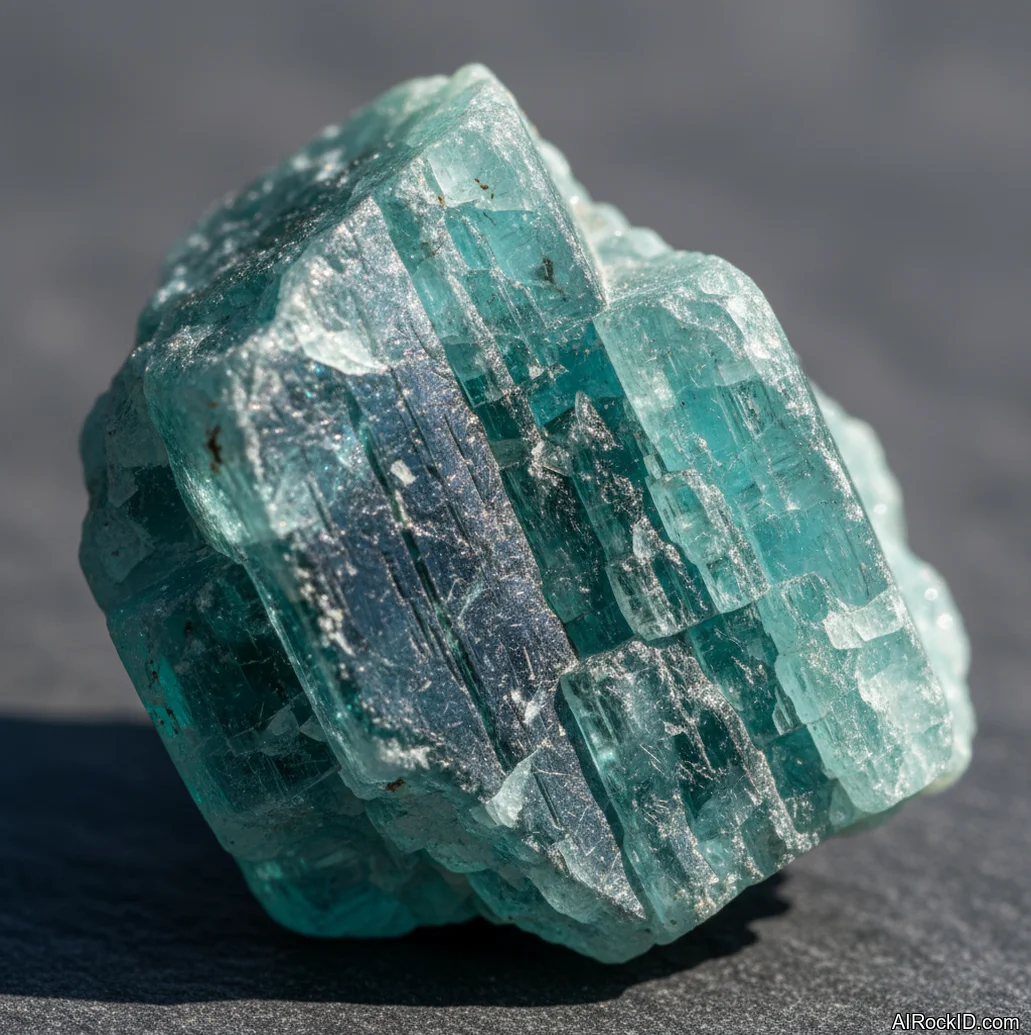
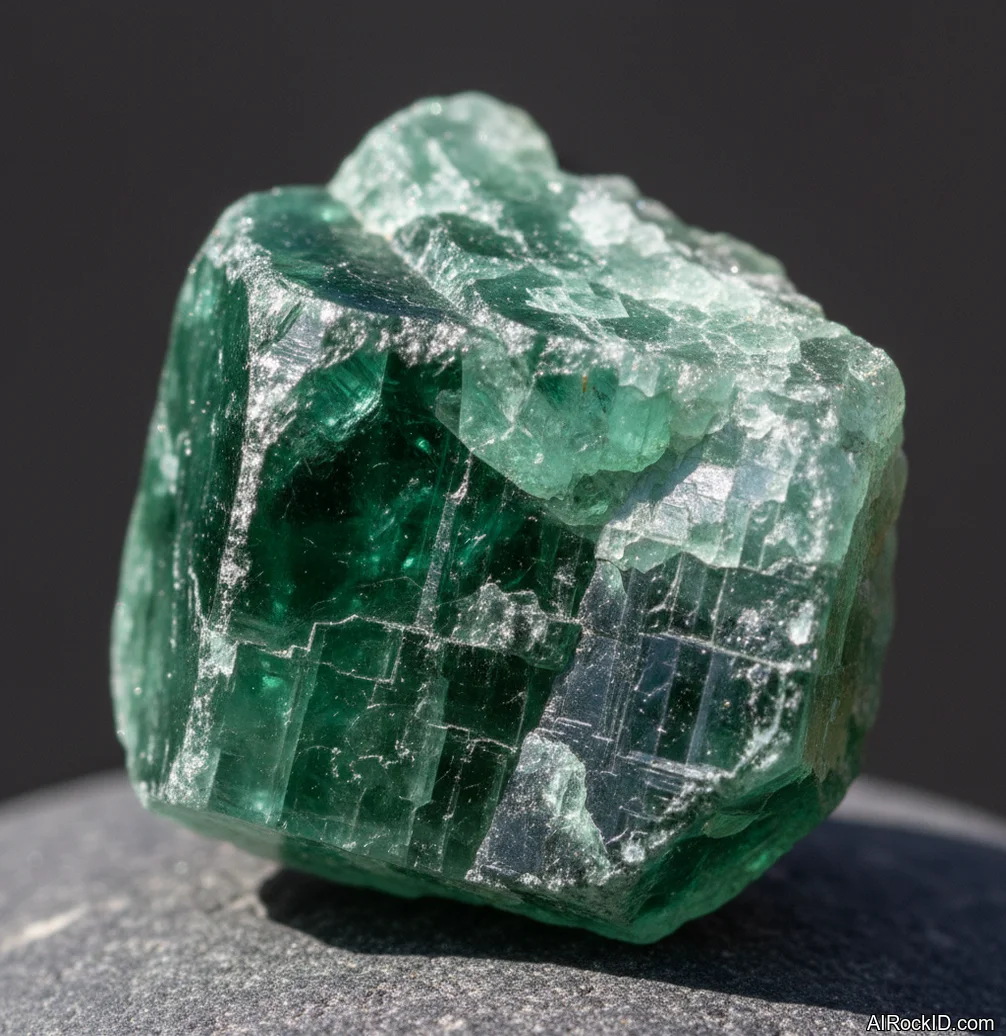
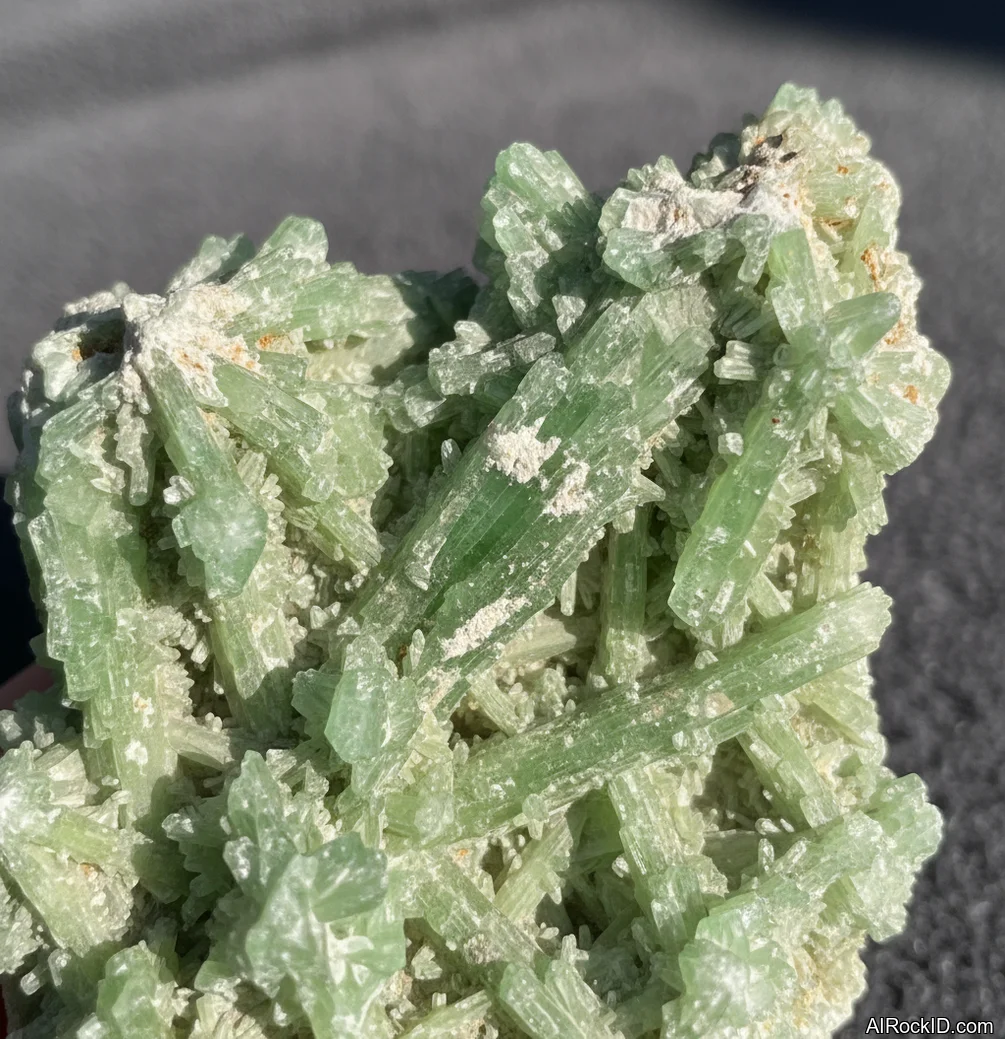
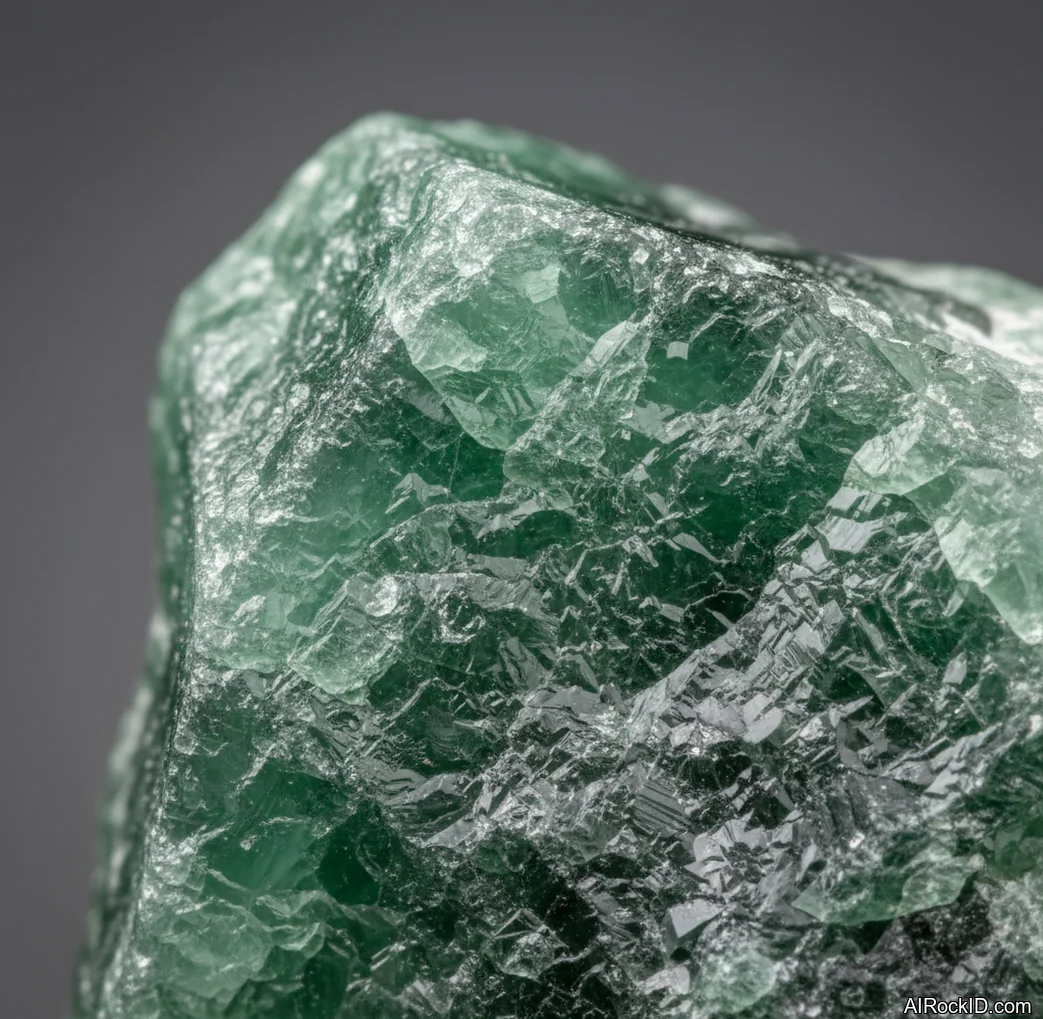
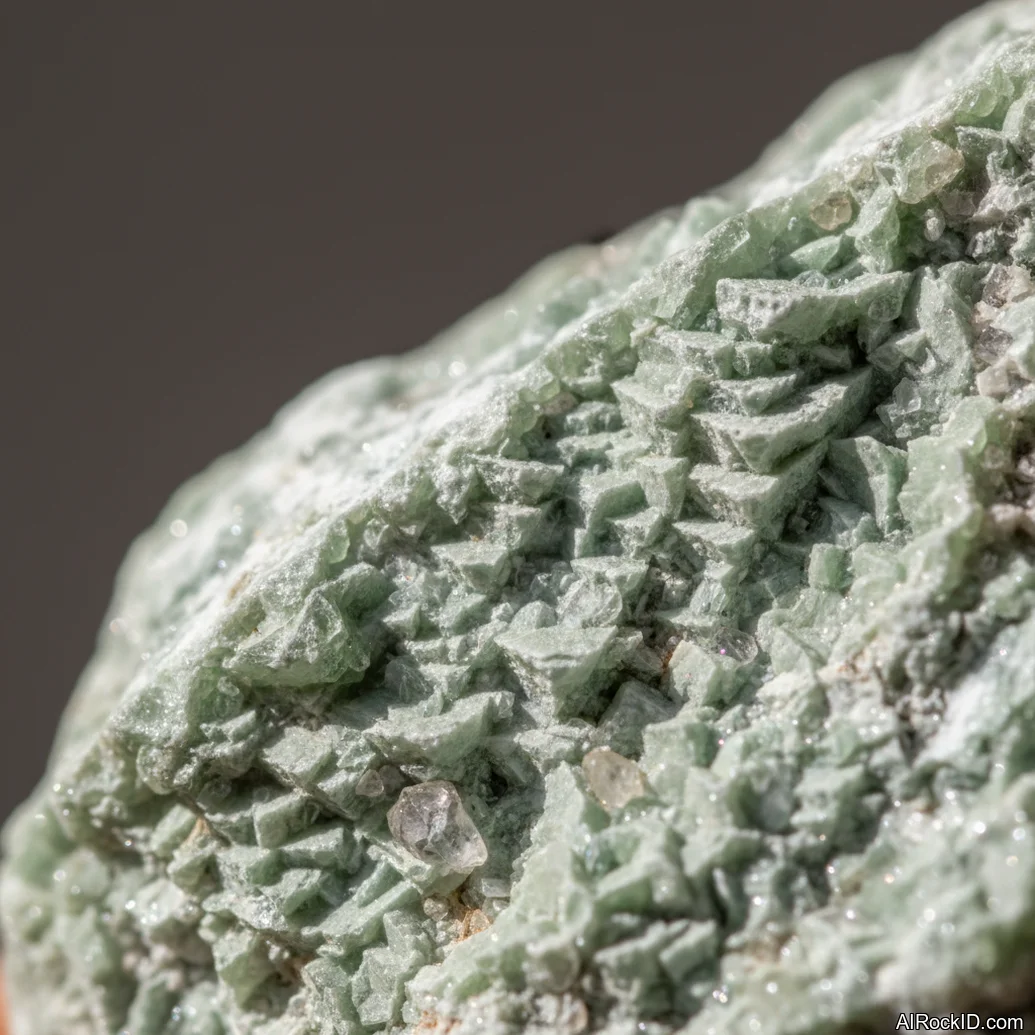
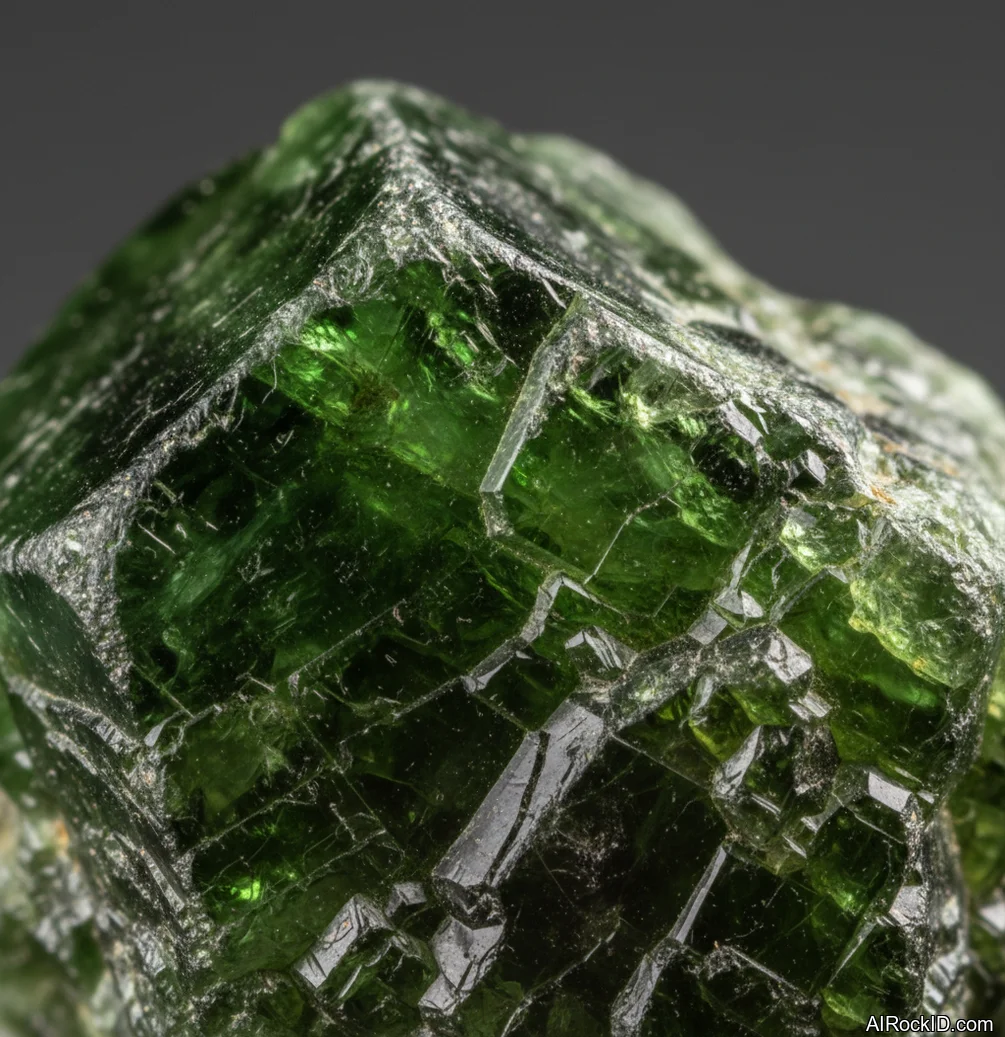
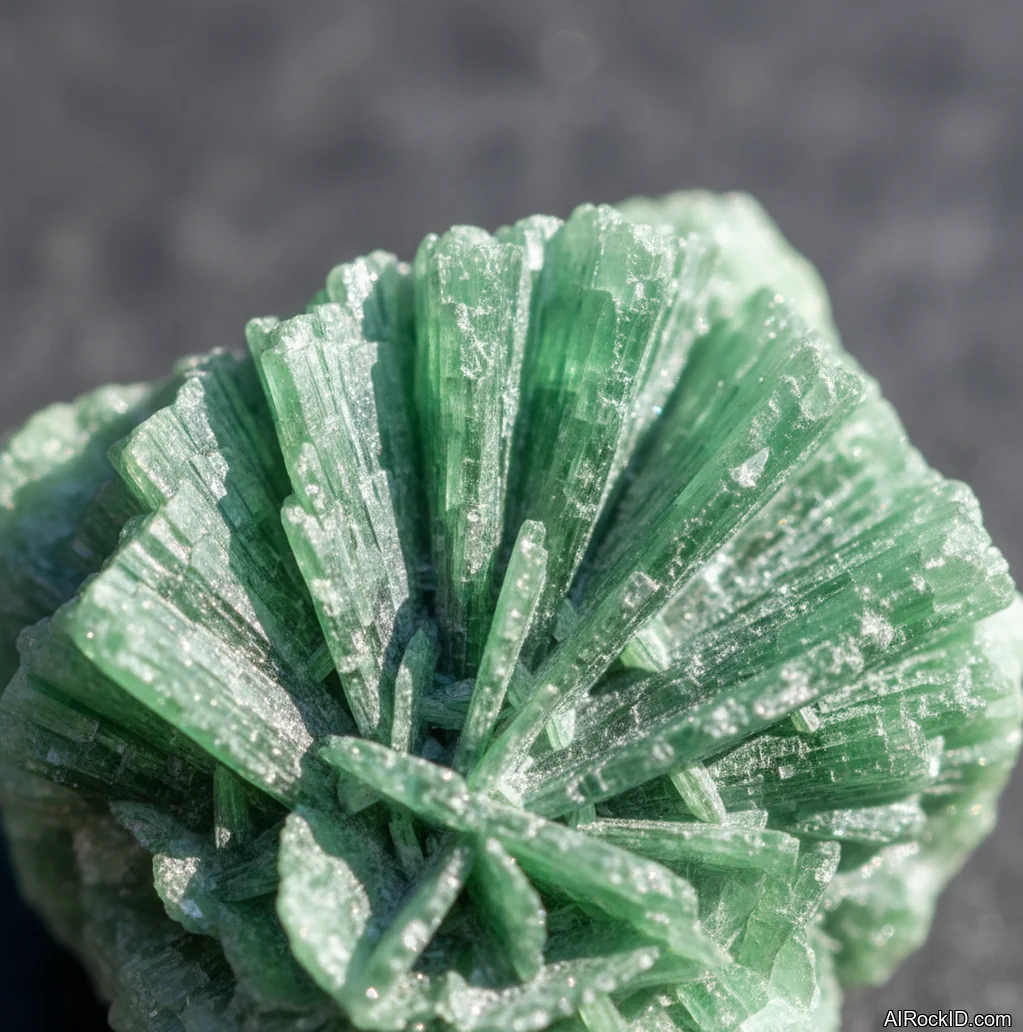
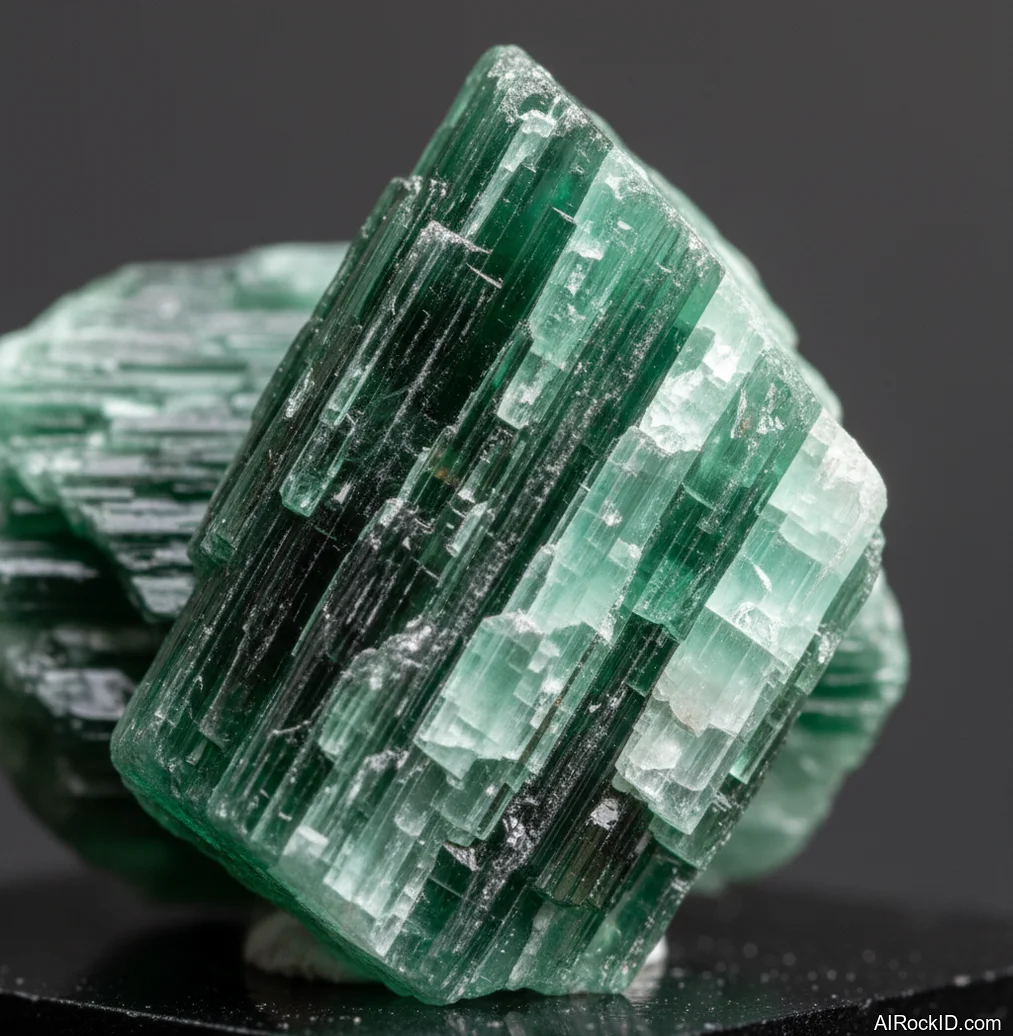
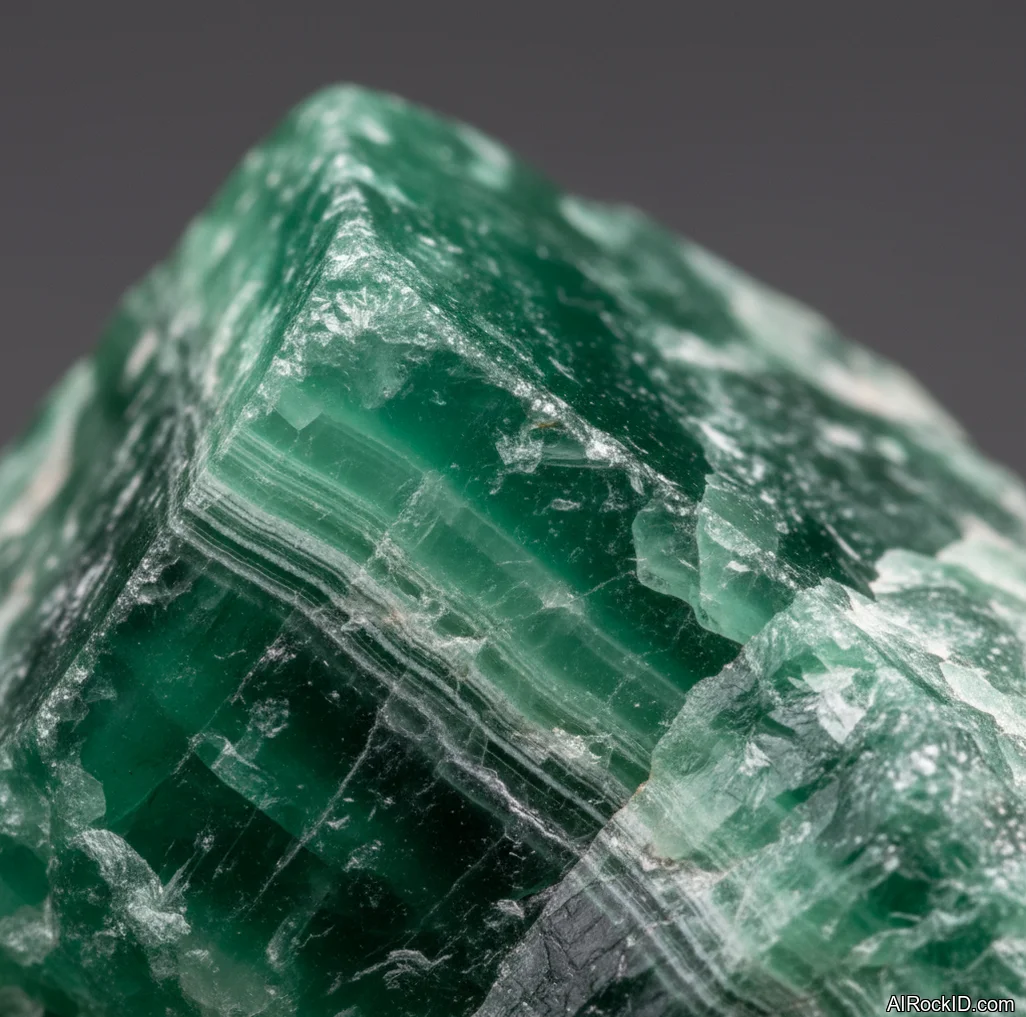
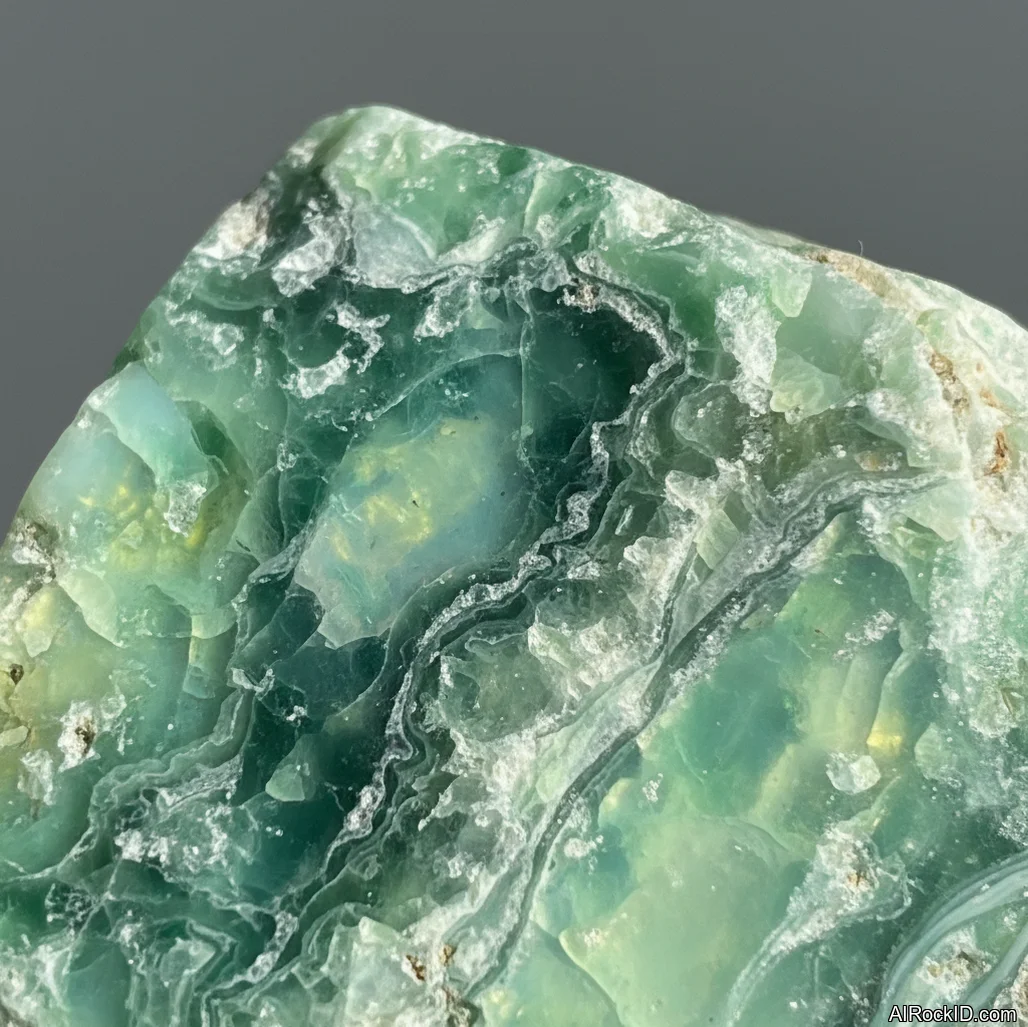
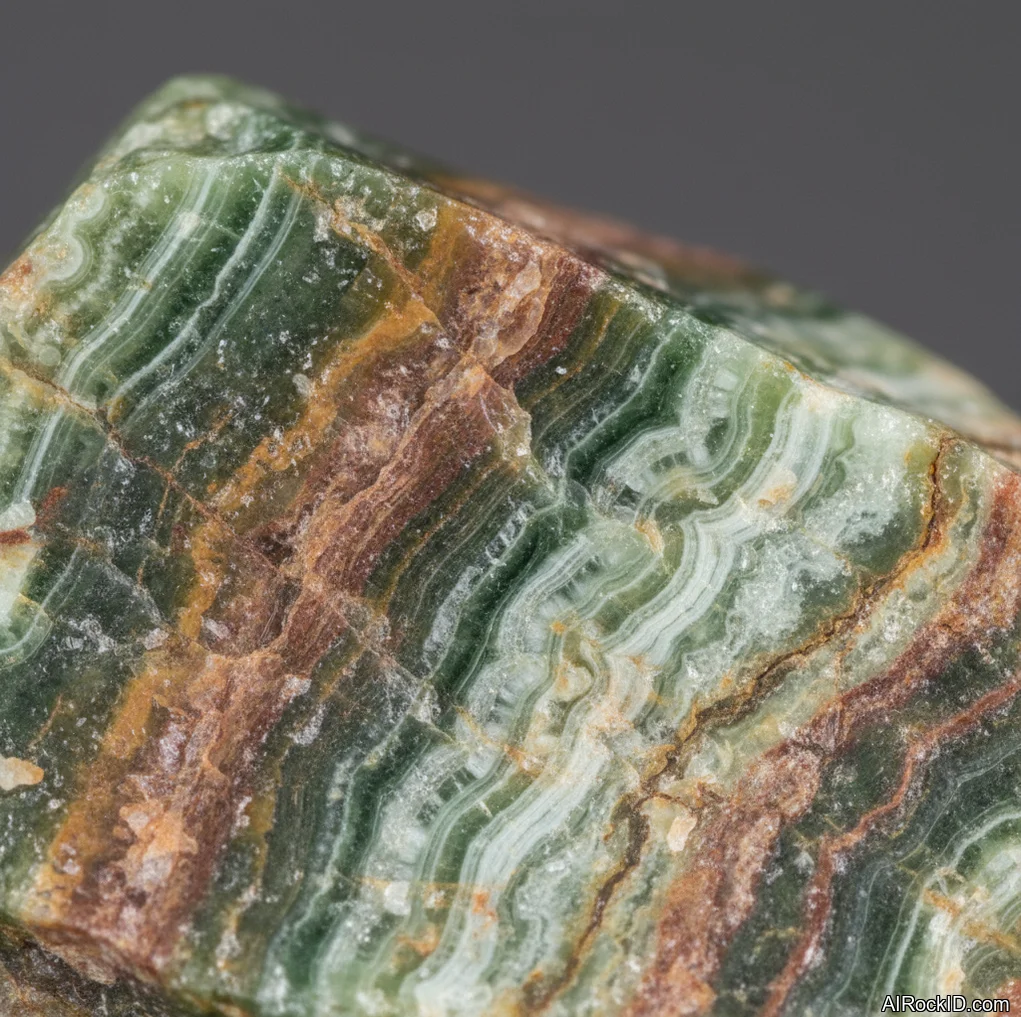
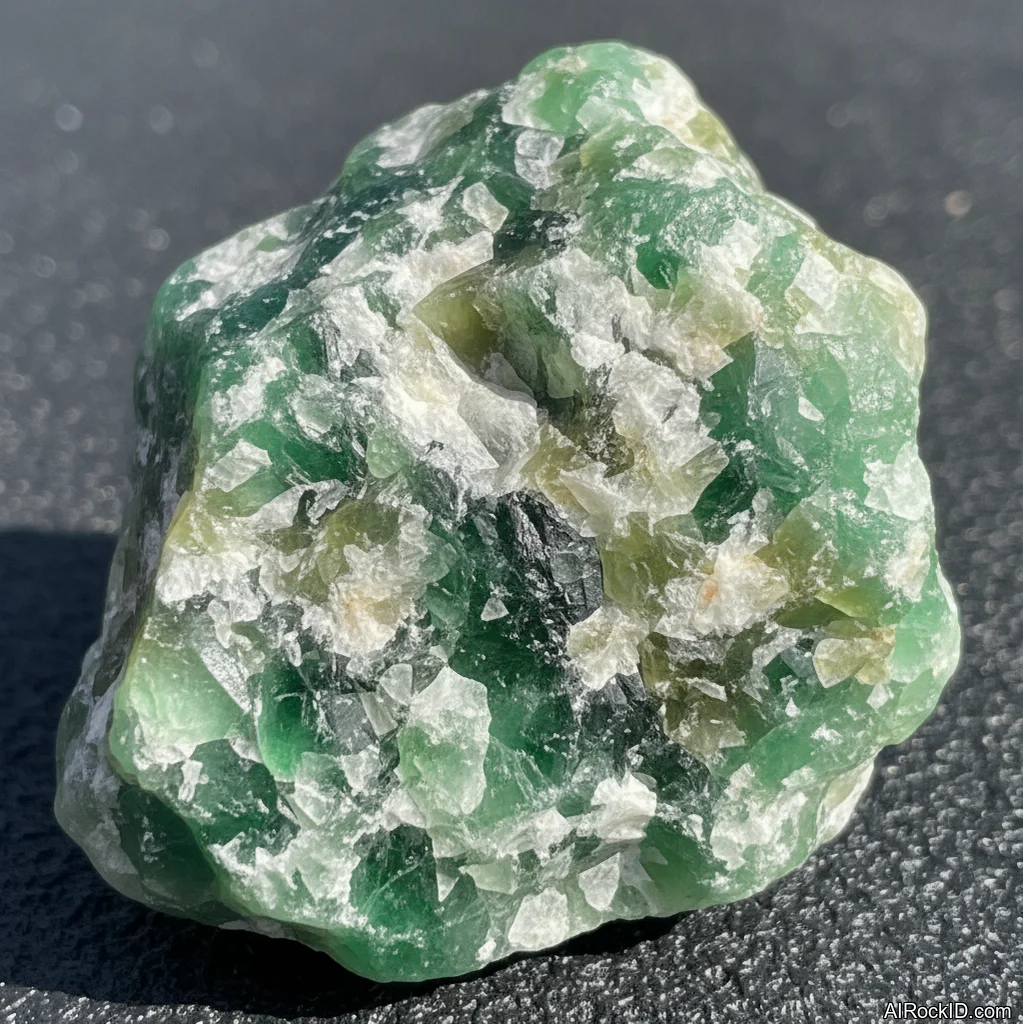
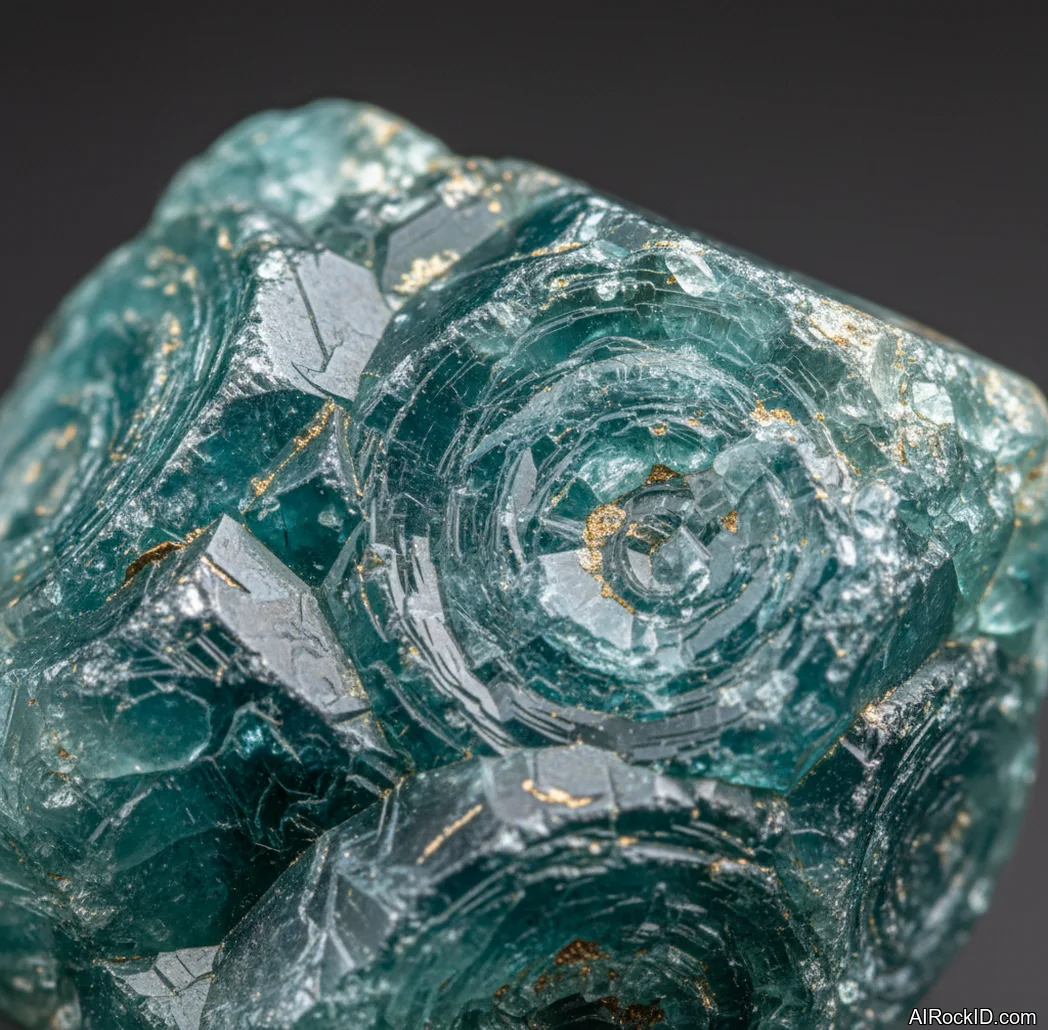
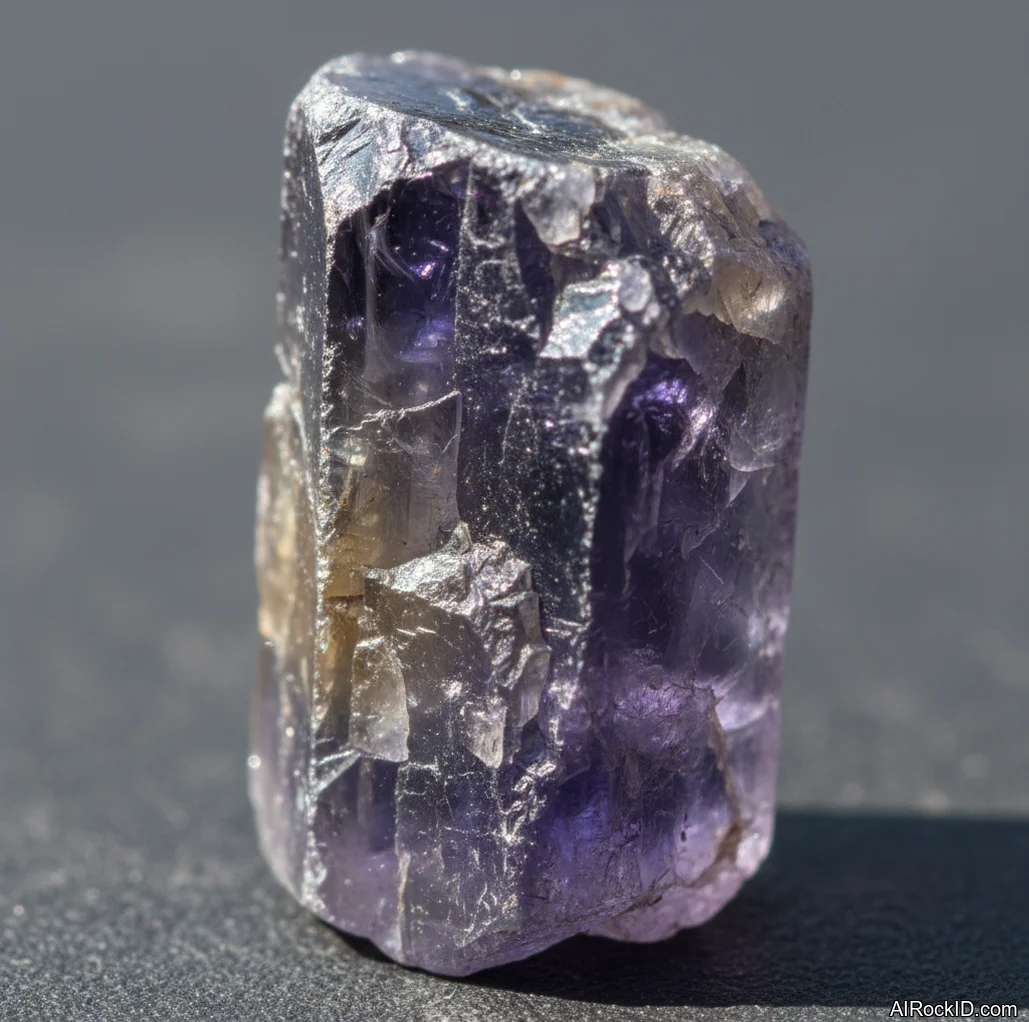
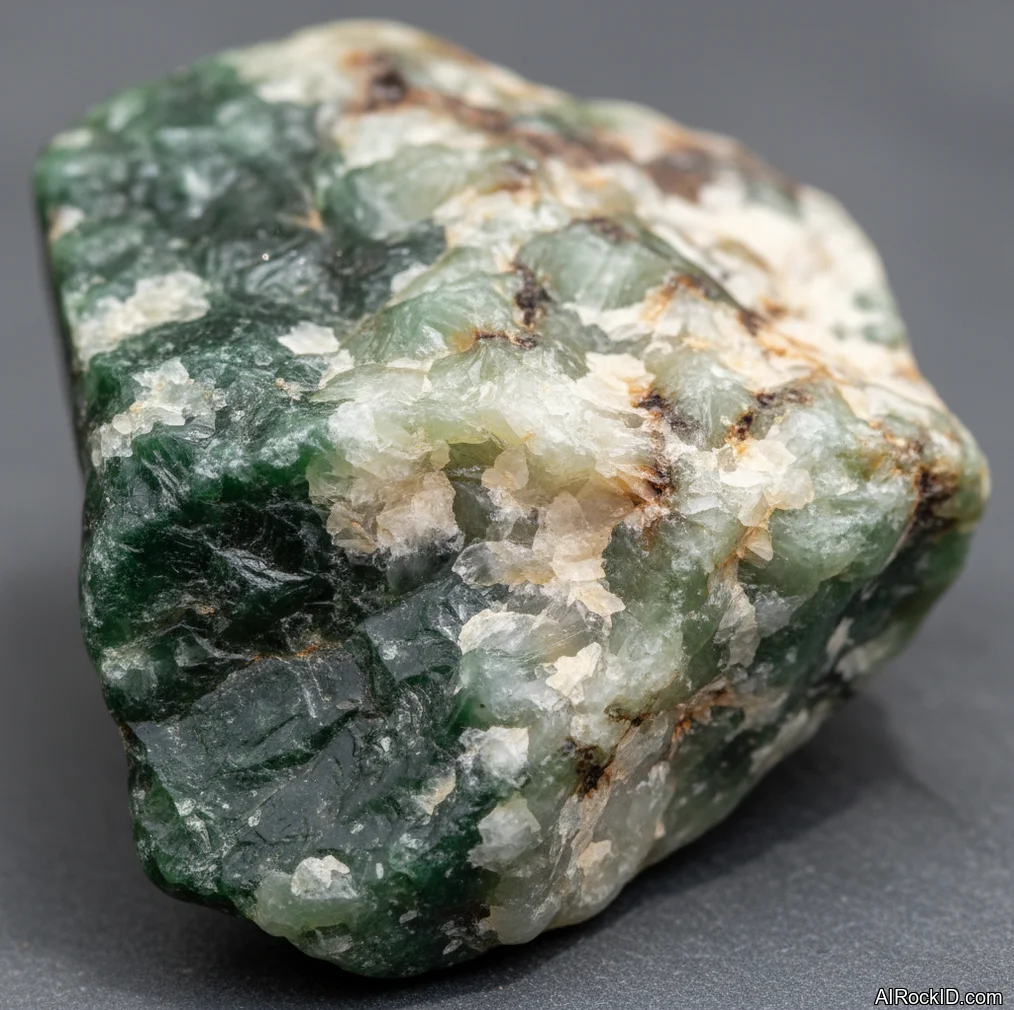
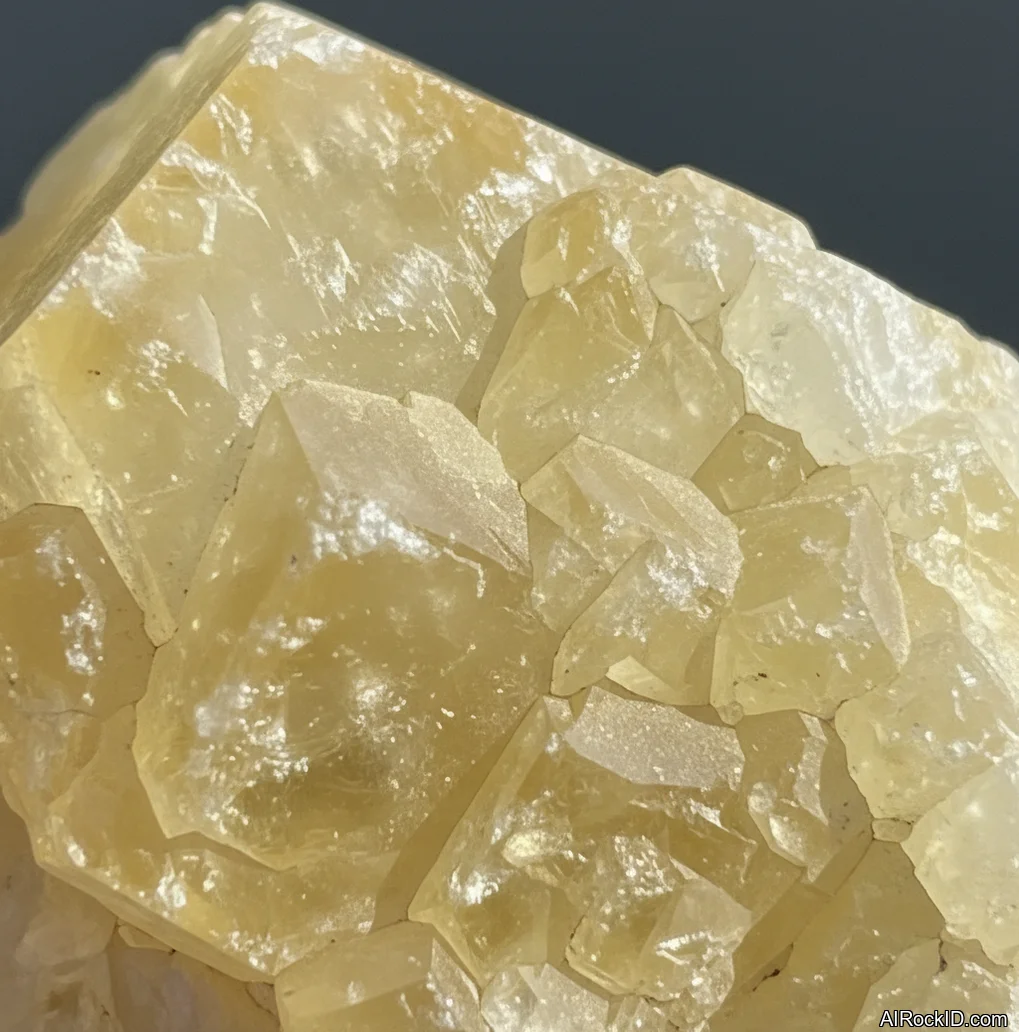
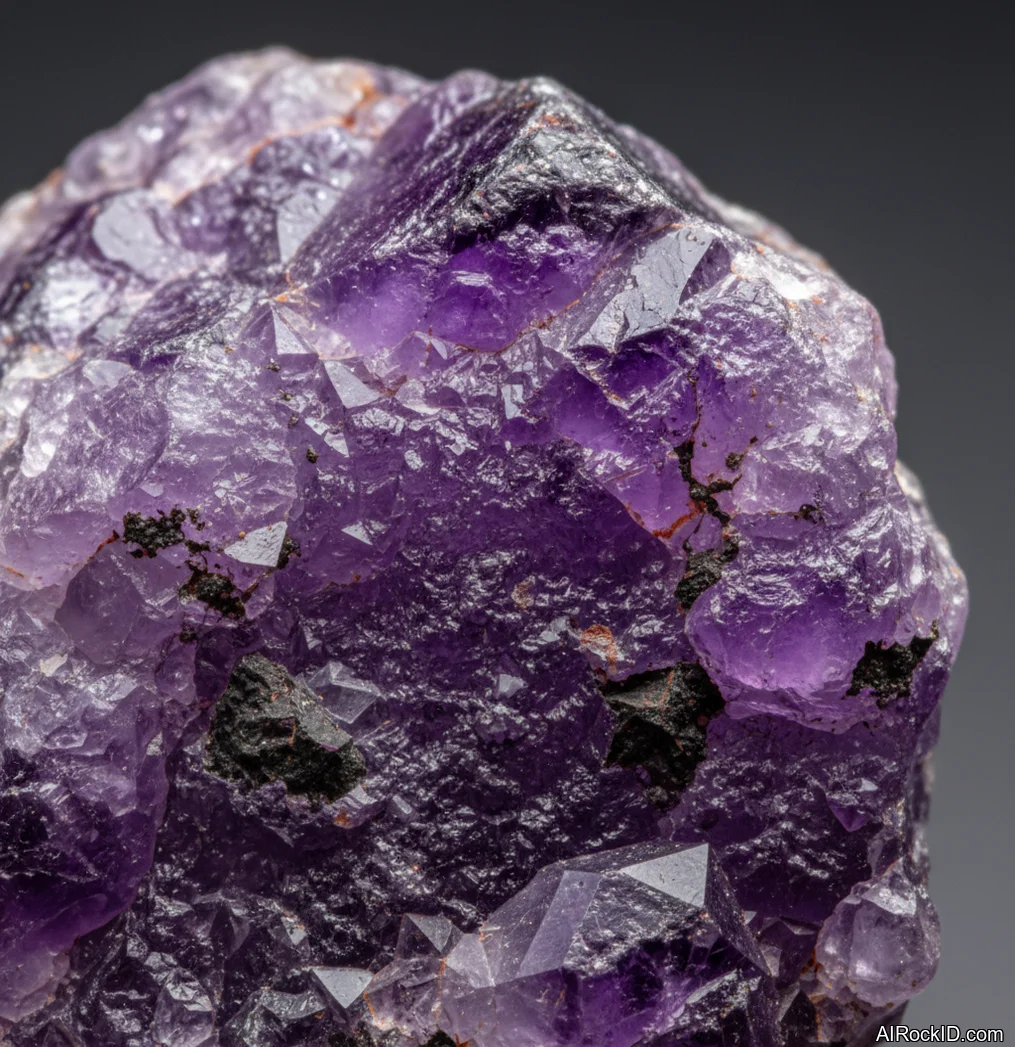
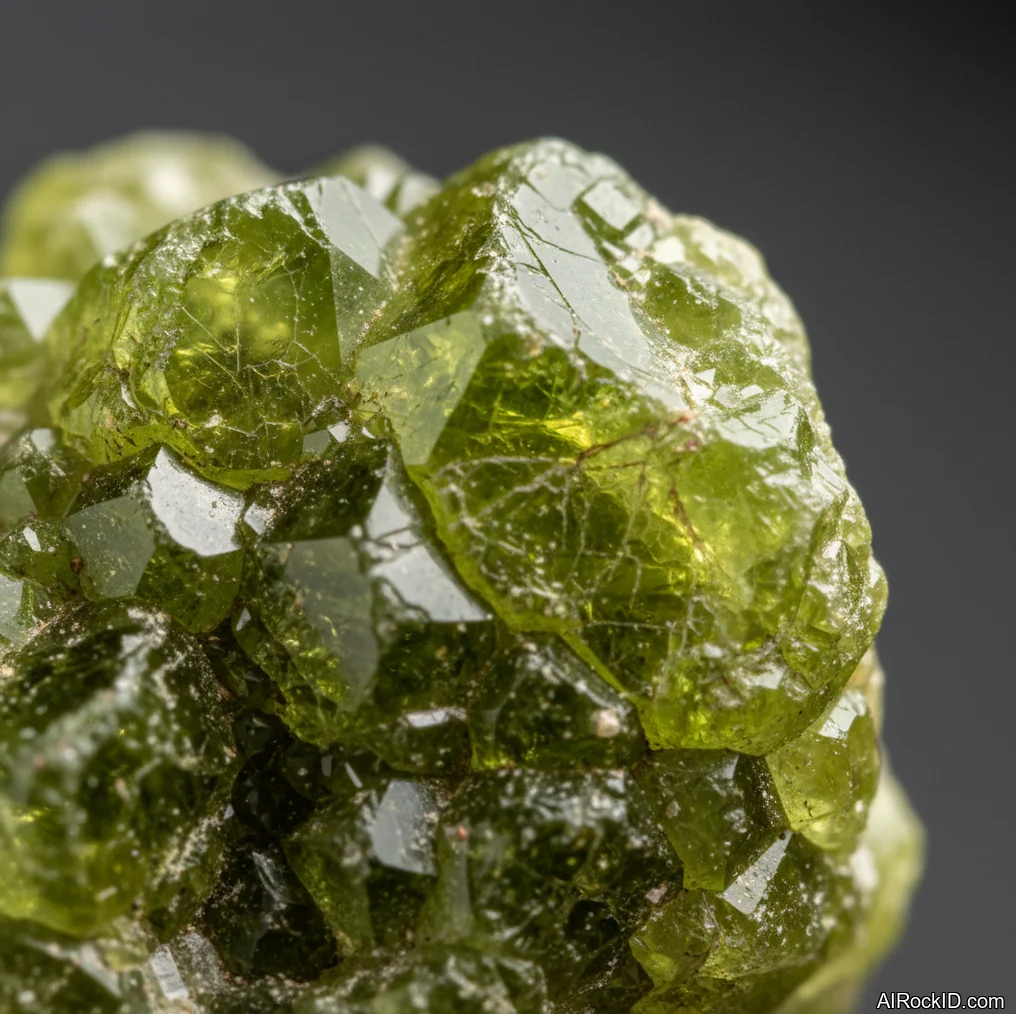
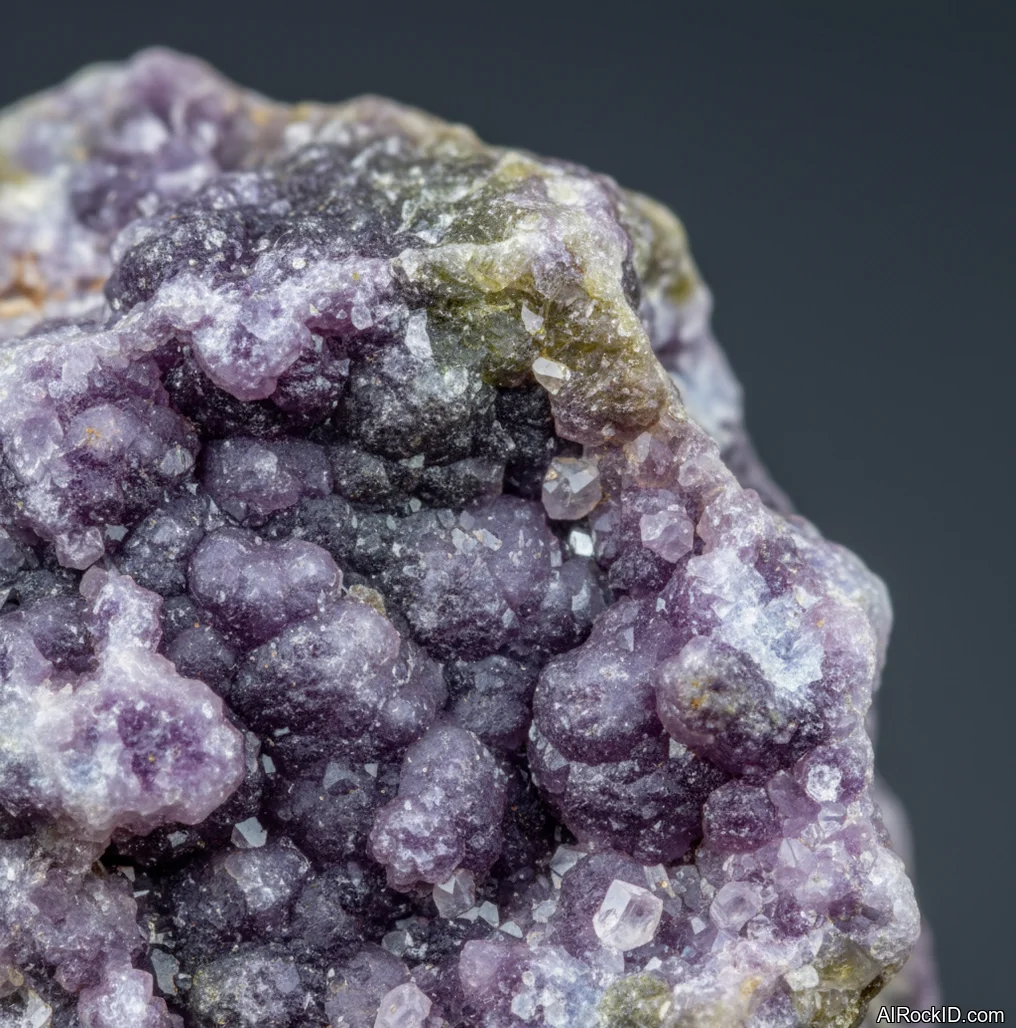
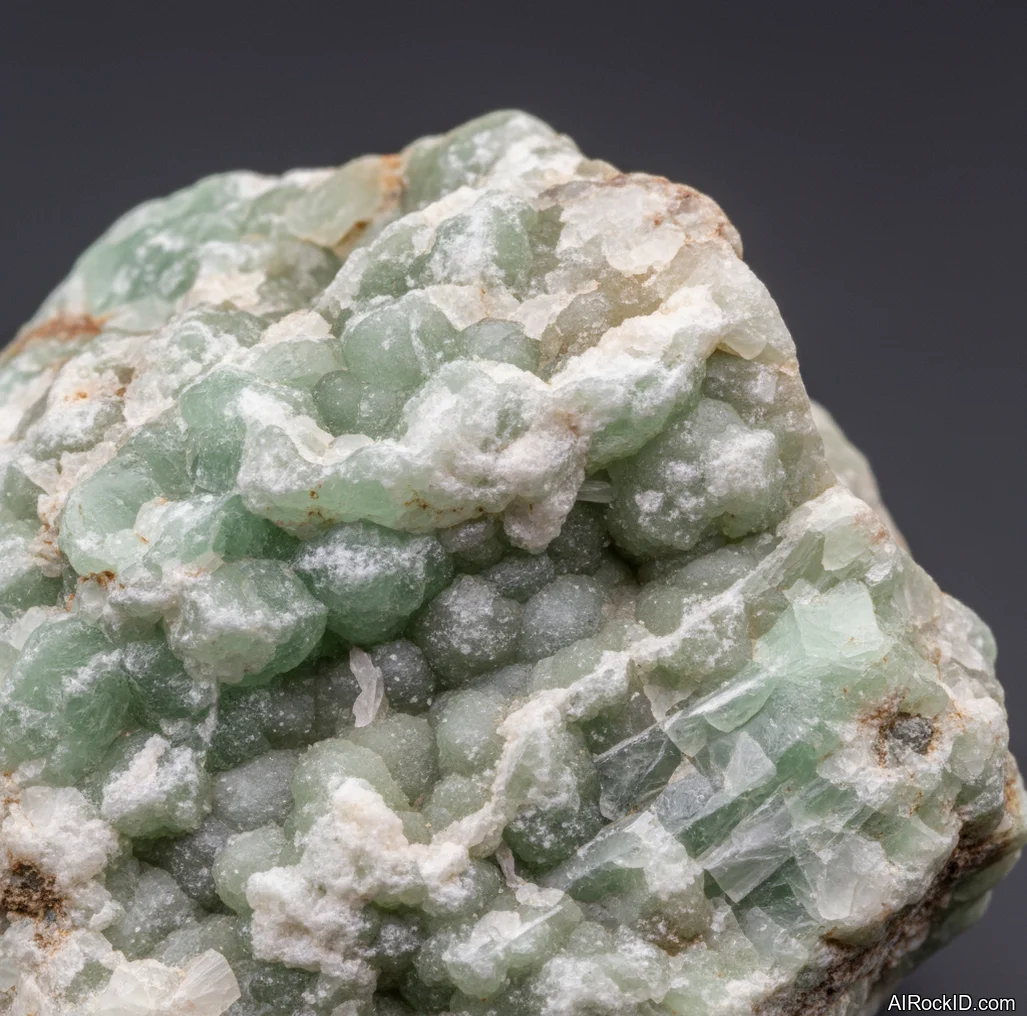
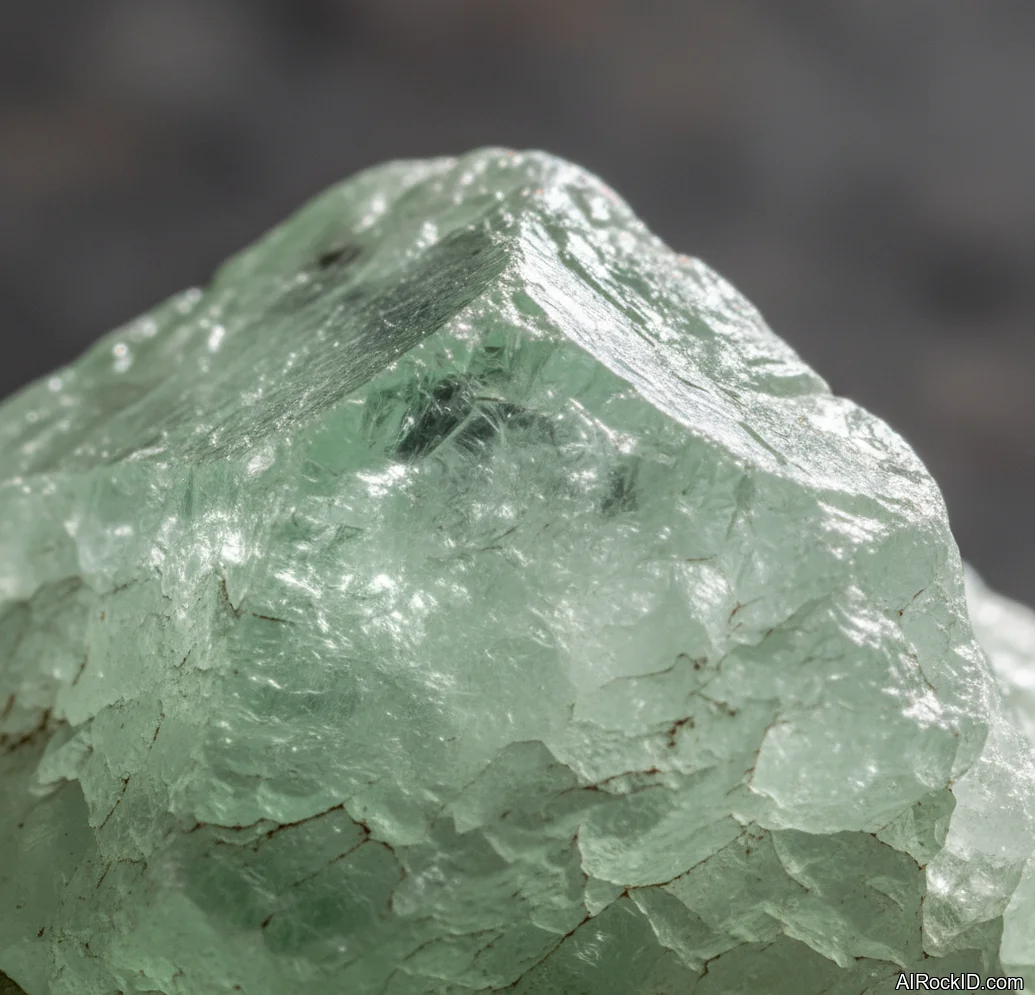
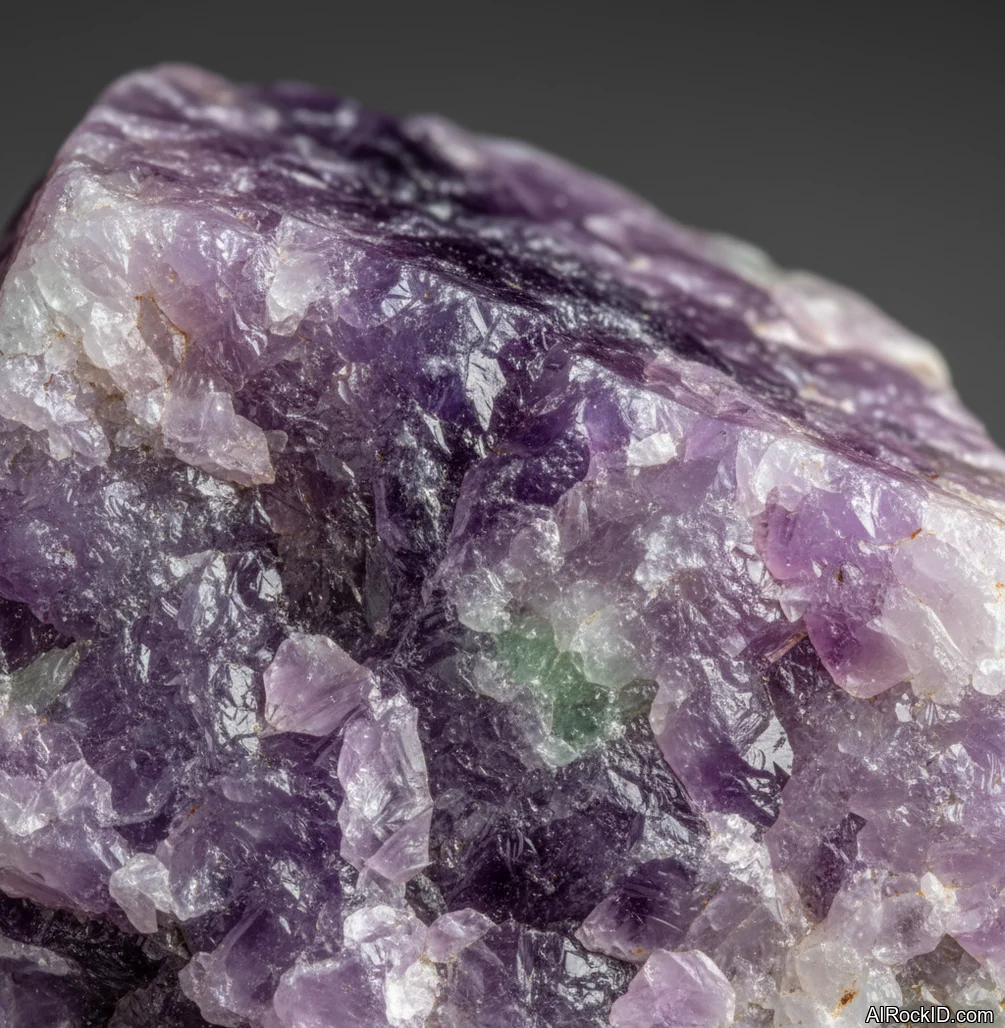
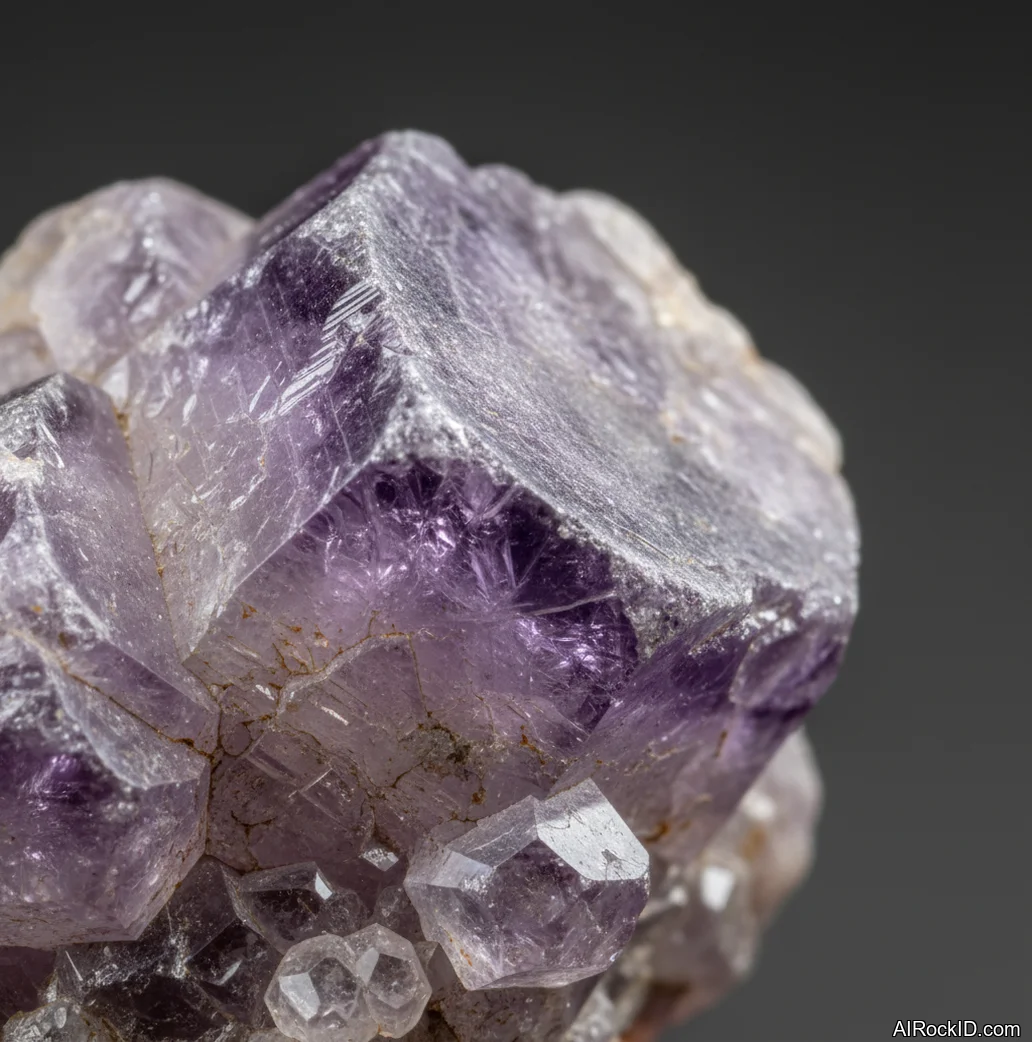
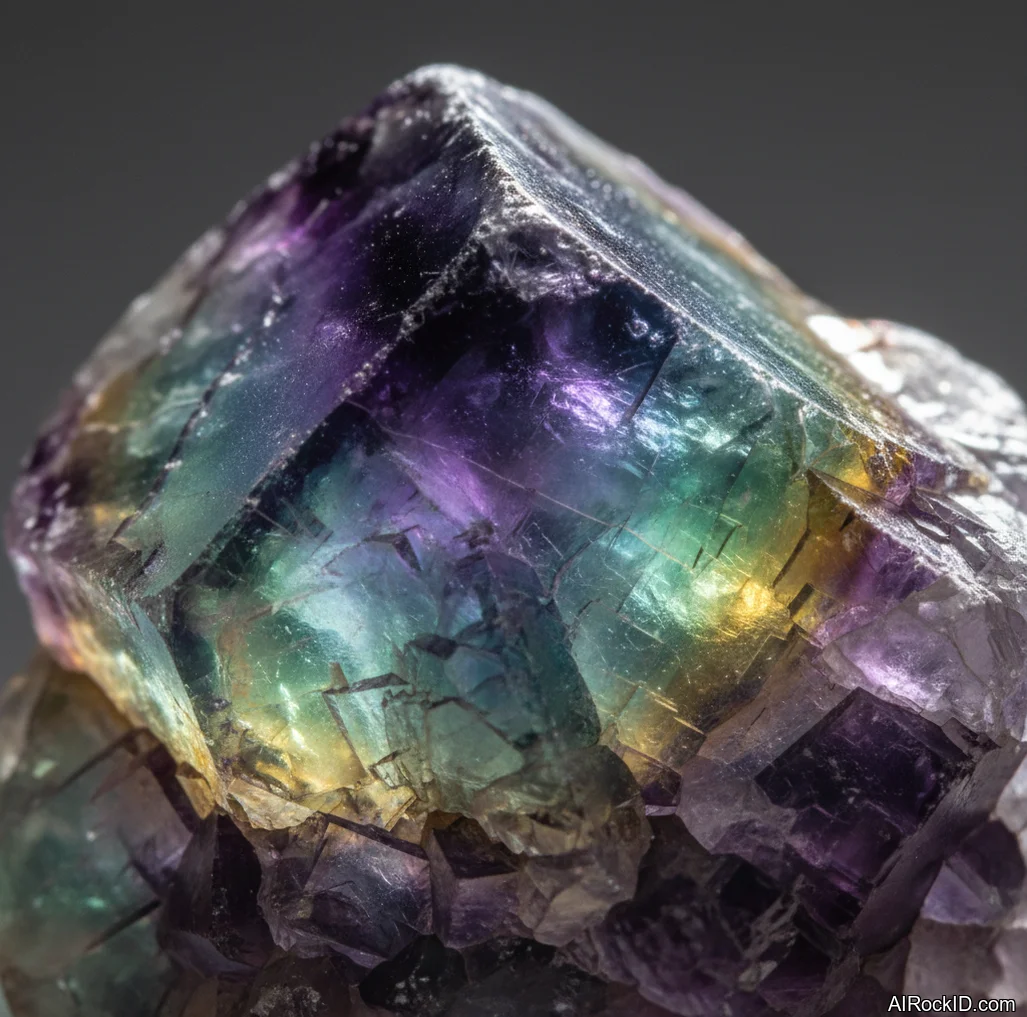
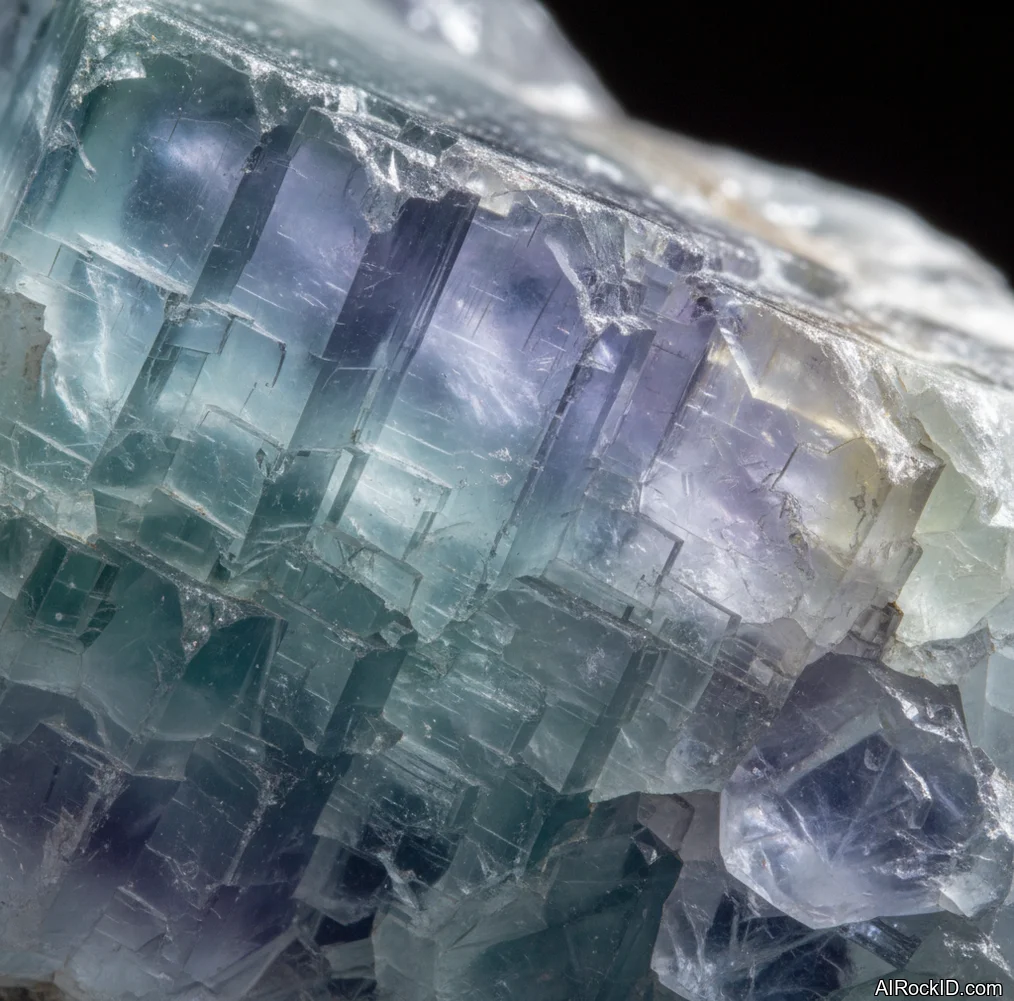
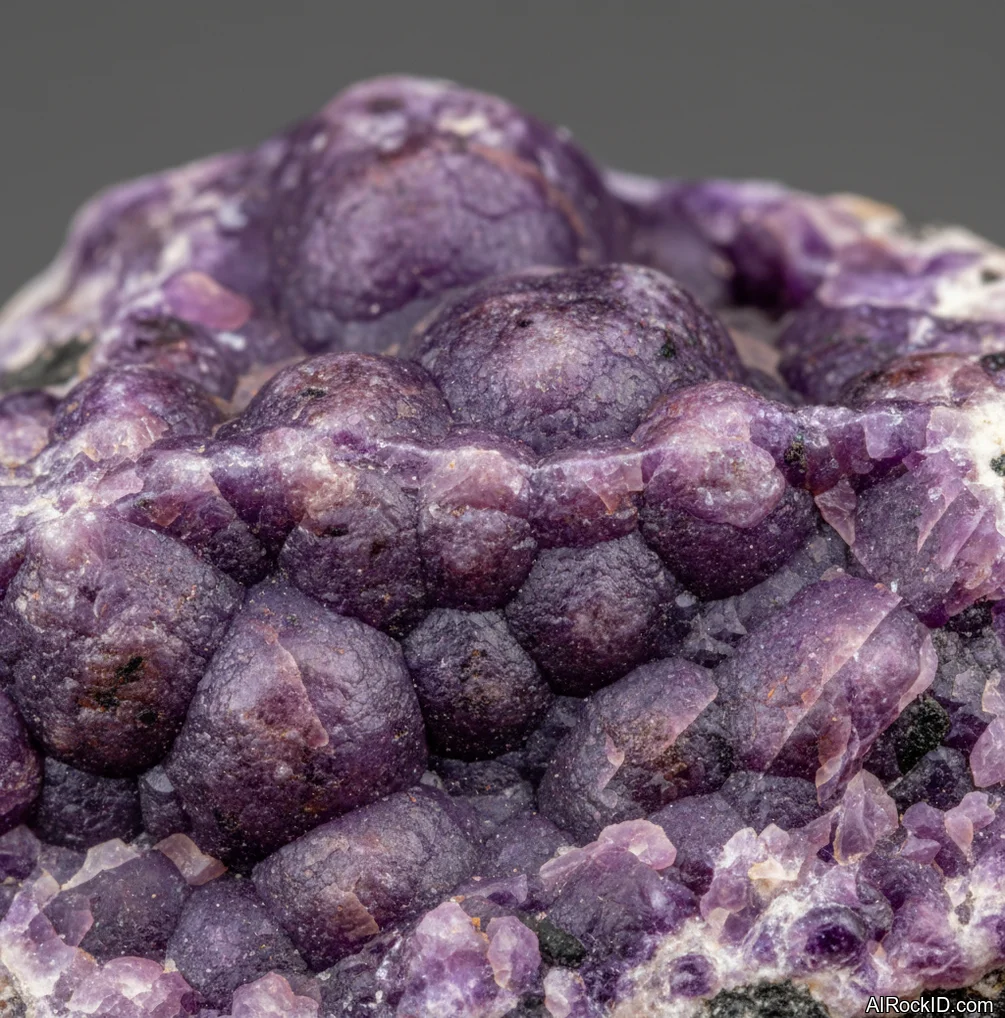
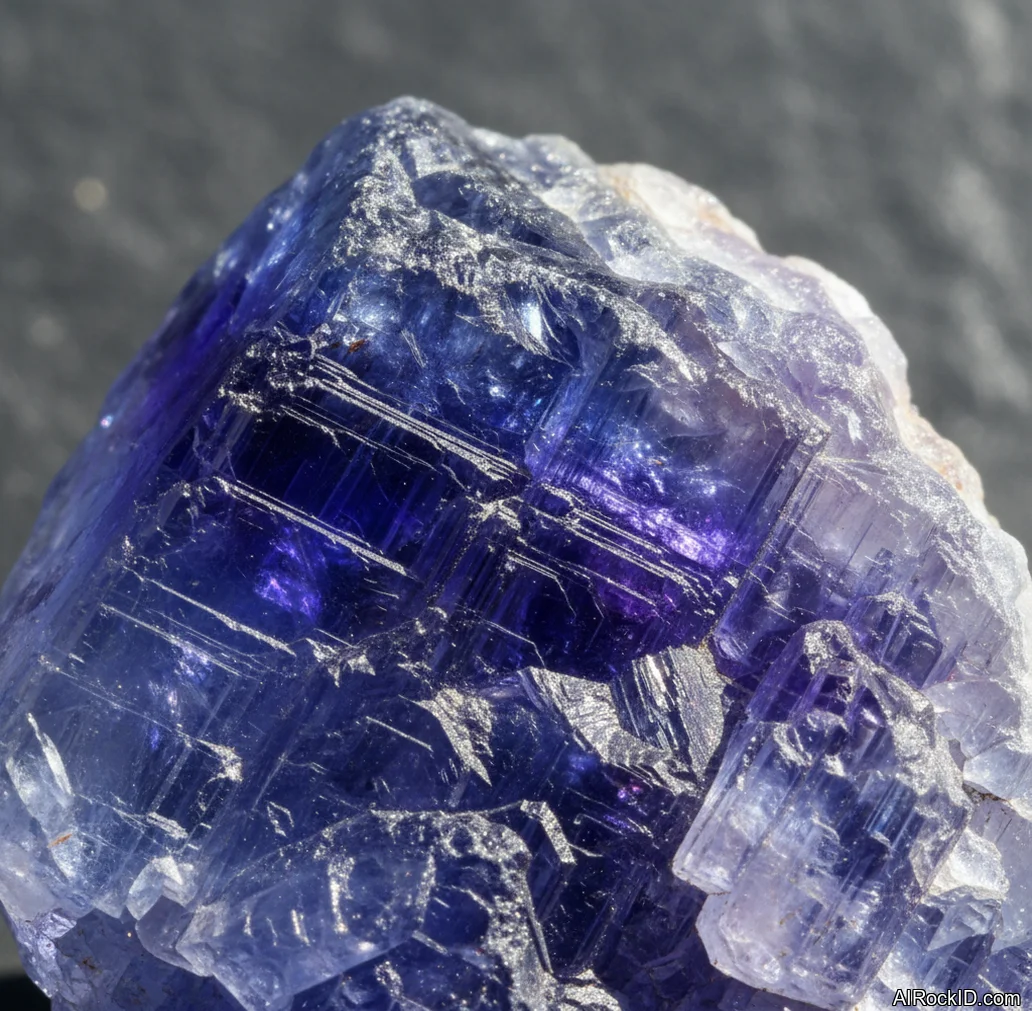
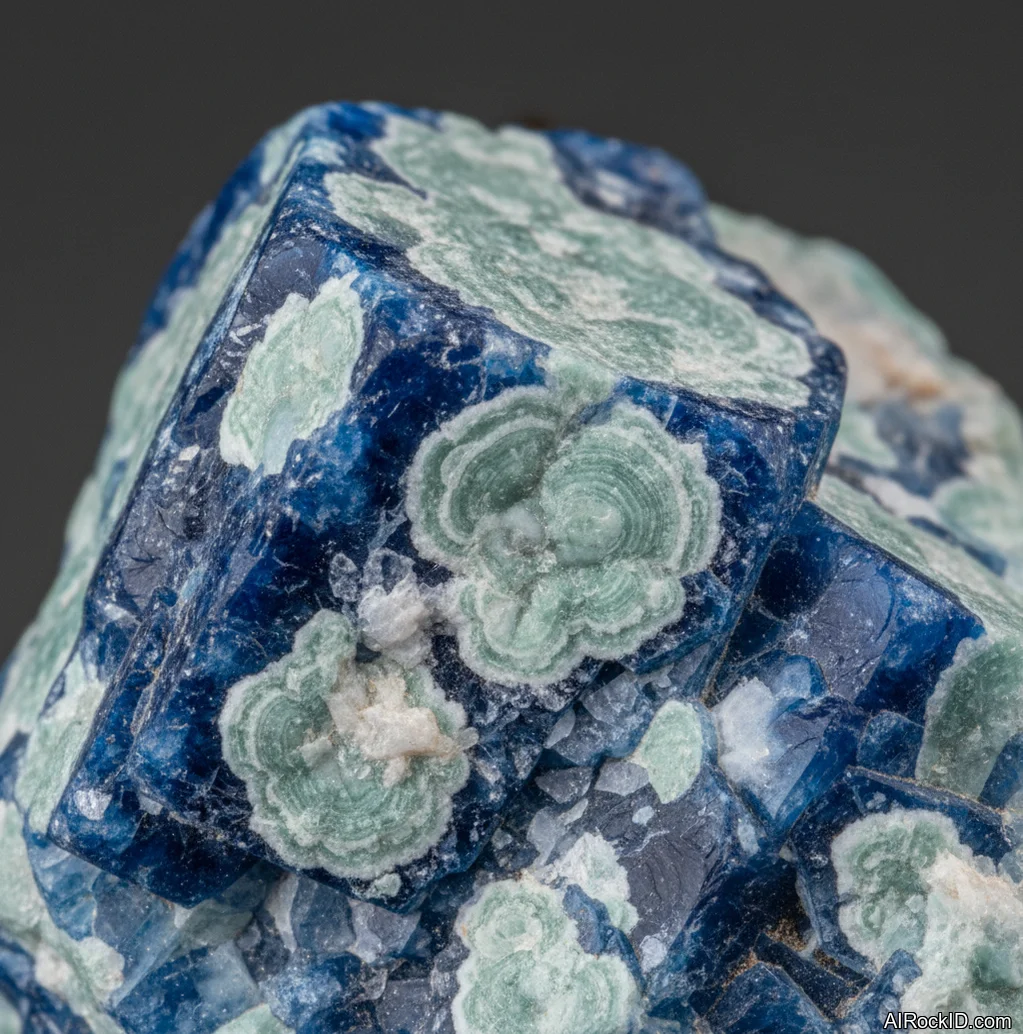
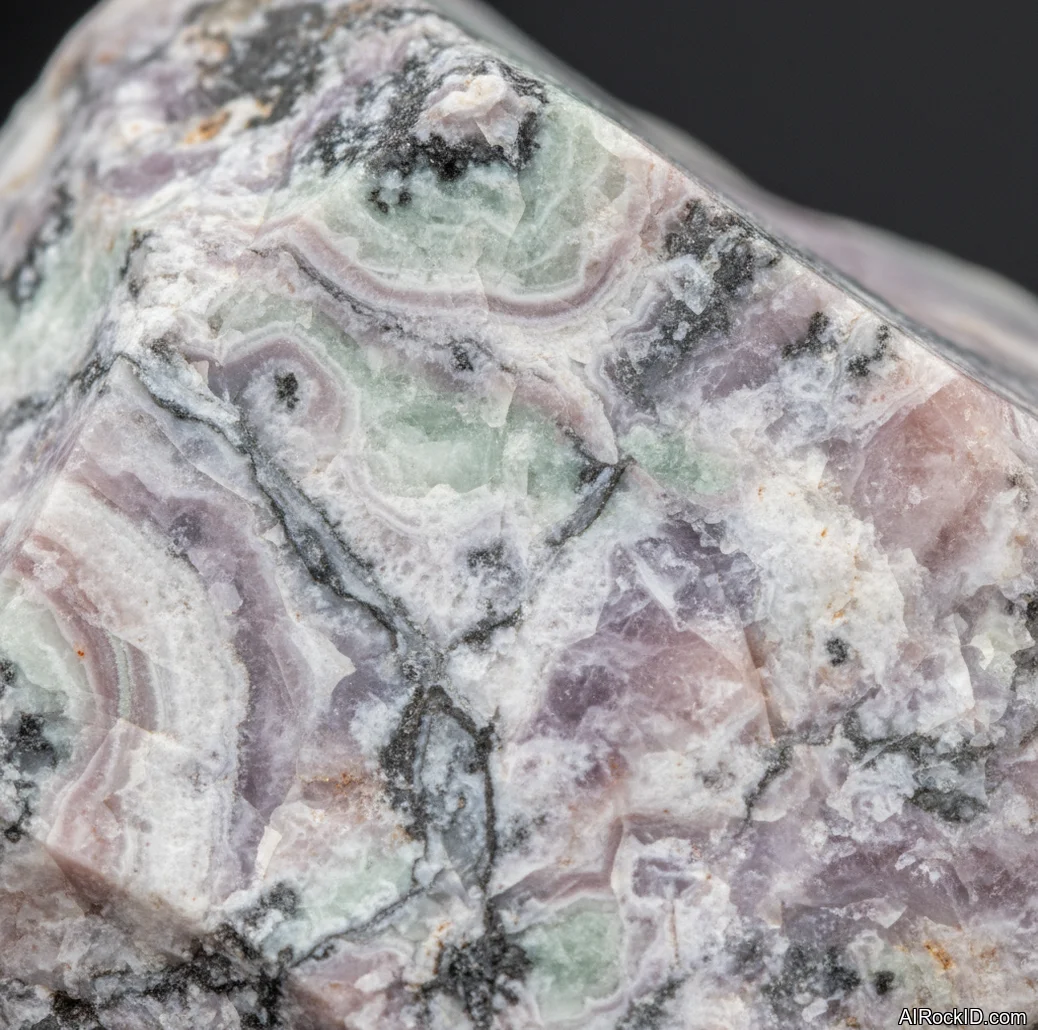
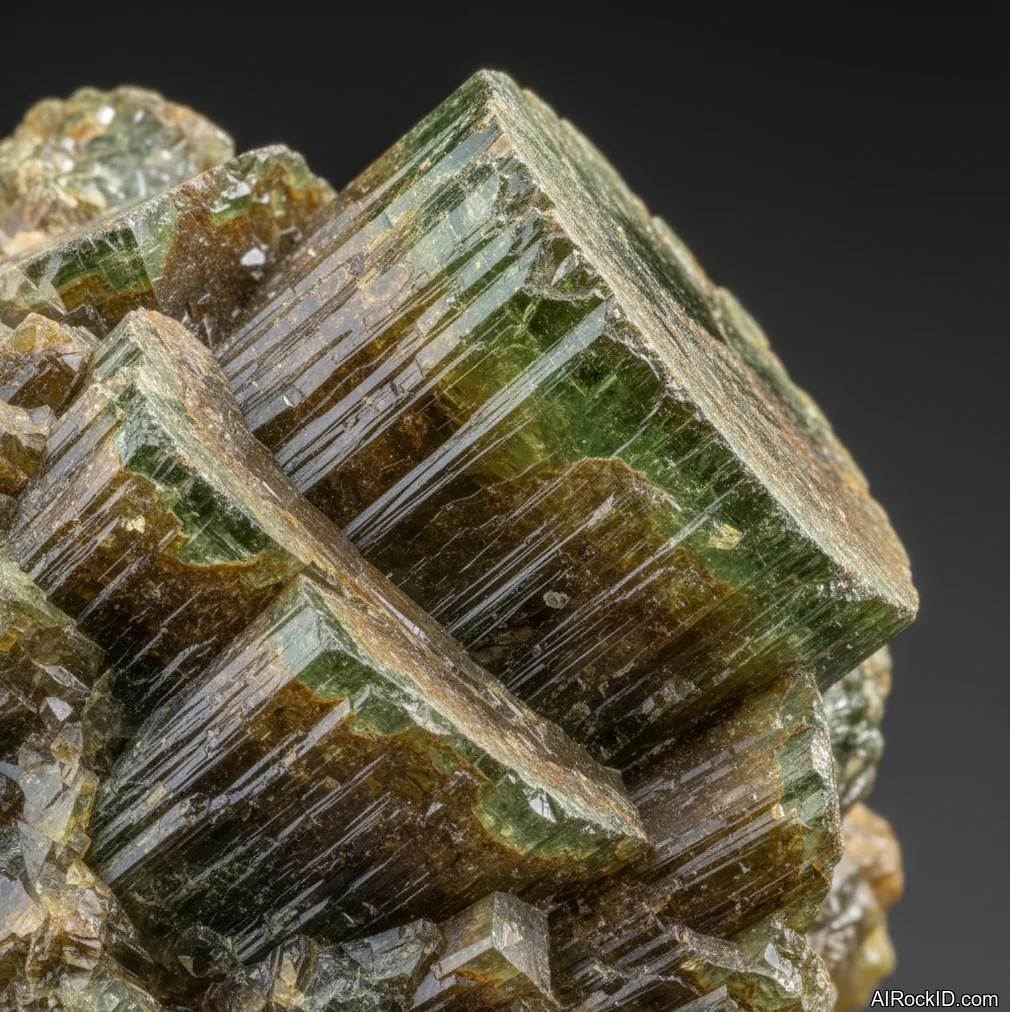
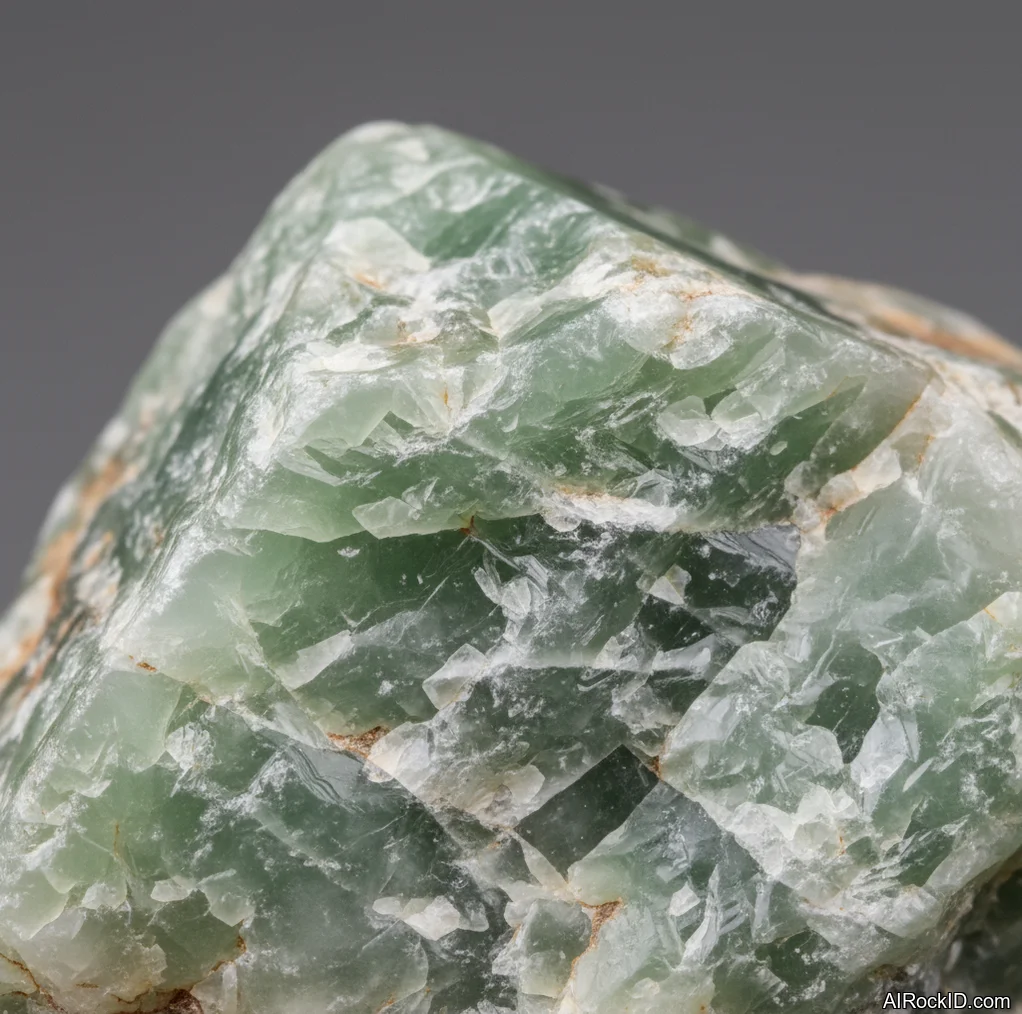
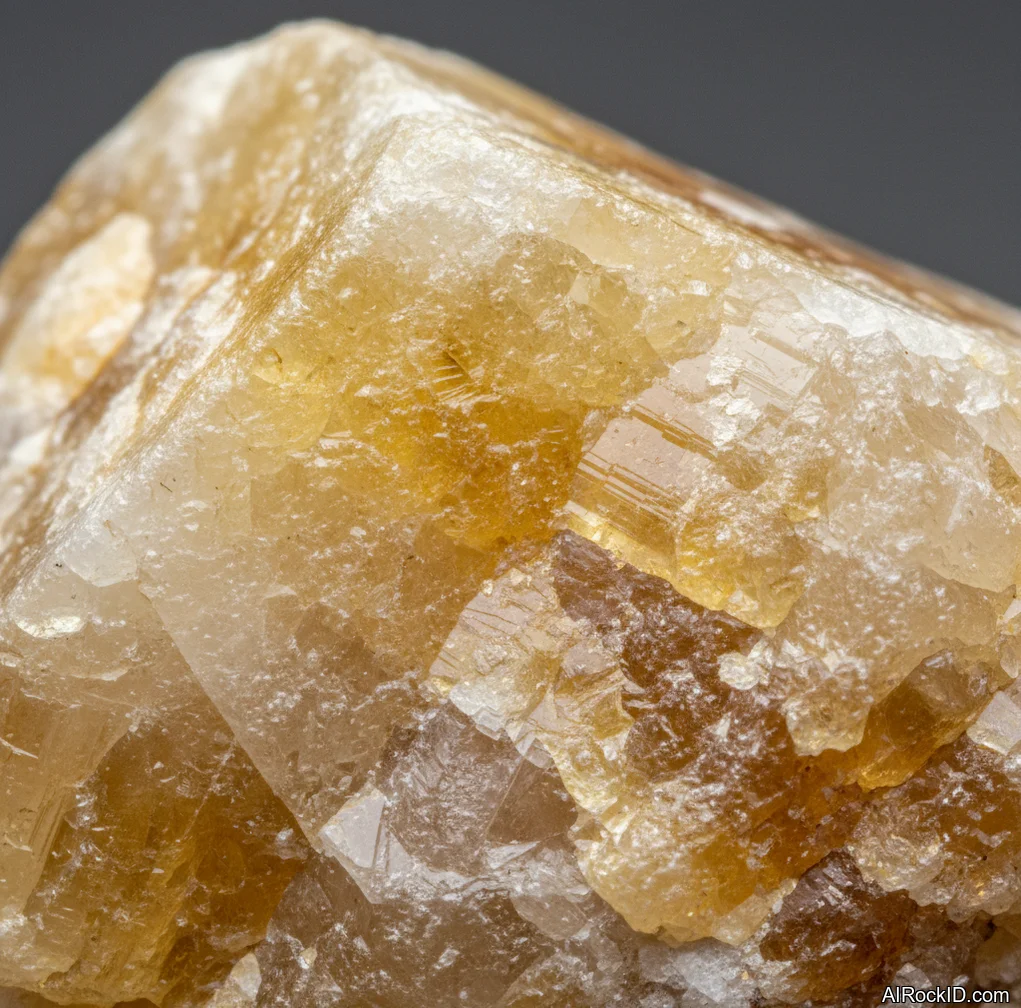
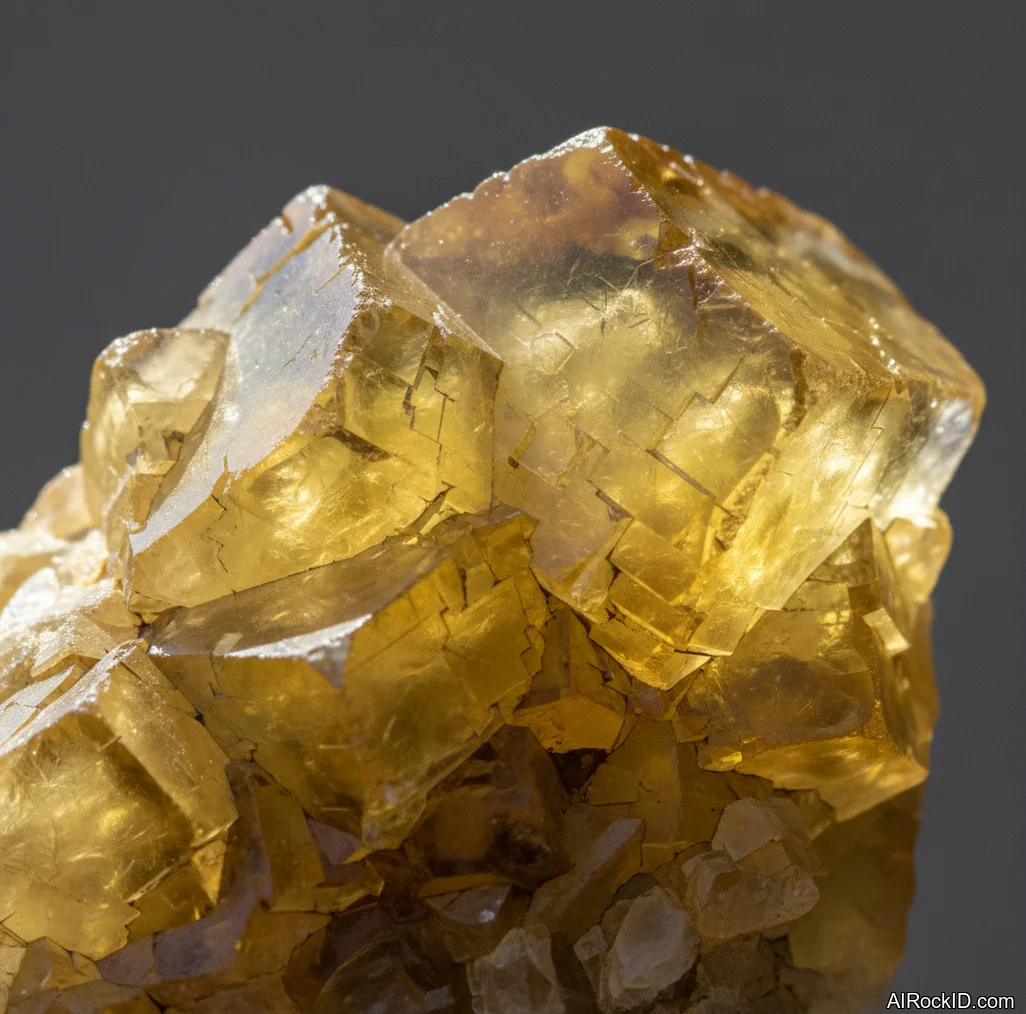
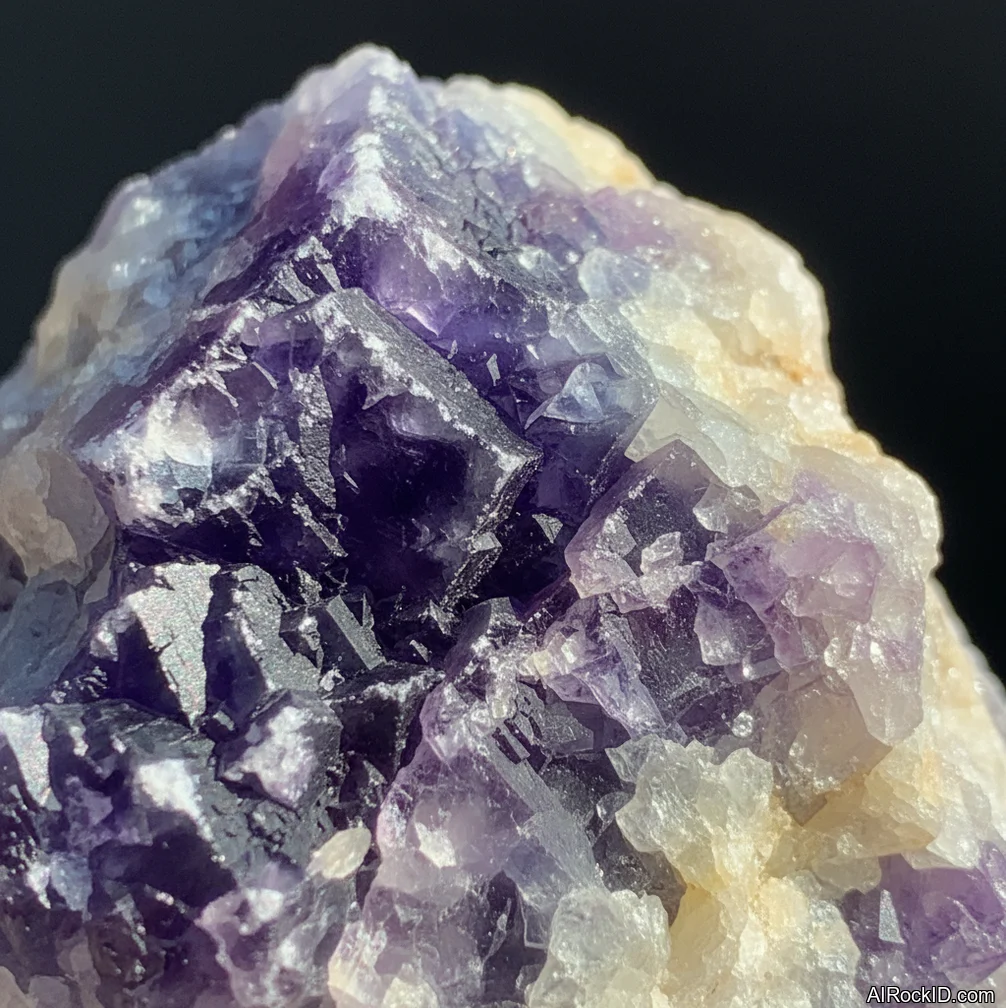
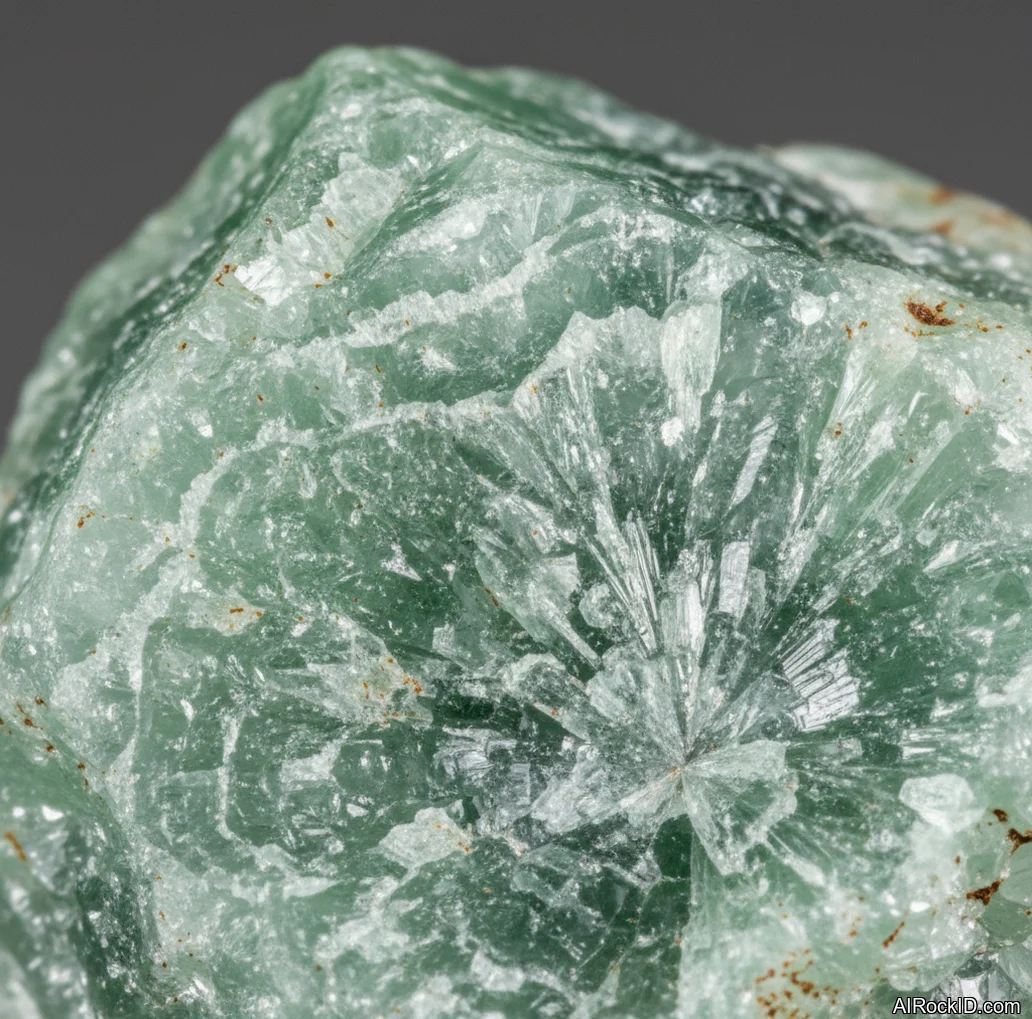
Pick up a piece of fluorite and you’ll get why it comes up so much. Good fluorite feels glassy and cool, and if it hasn’t been tumbled to death you’ll see crisp cube edges. Hold it under a lamp and the zoning pops out, purple into green into clear, like someone poured color in layers. For Focus work, that visual “order” matters to people. I keep a chunk of green fluorite on my desk, and the reason is honestly boring: it’s heavy enough that I don’t absentmindedly pocket it, and it’s pretty enough that I look up from my screen and reset my attention.
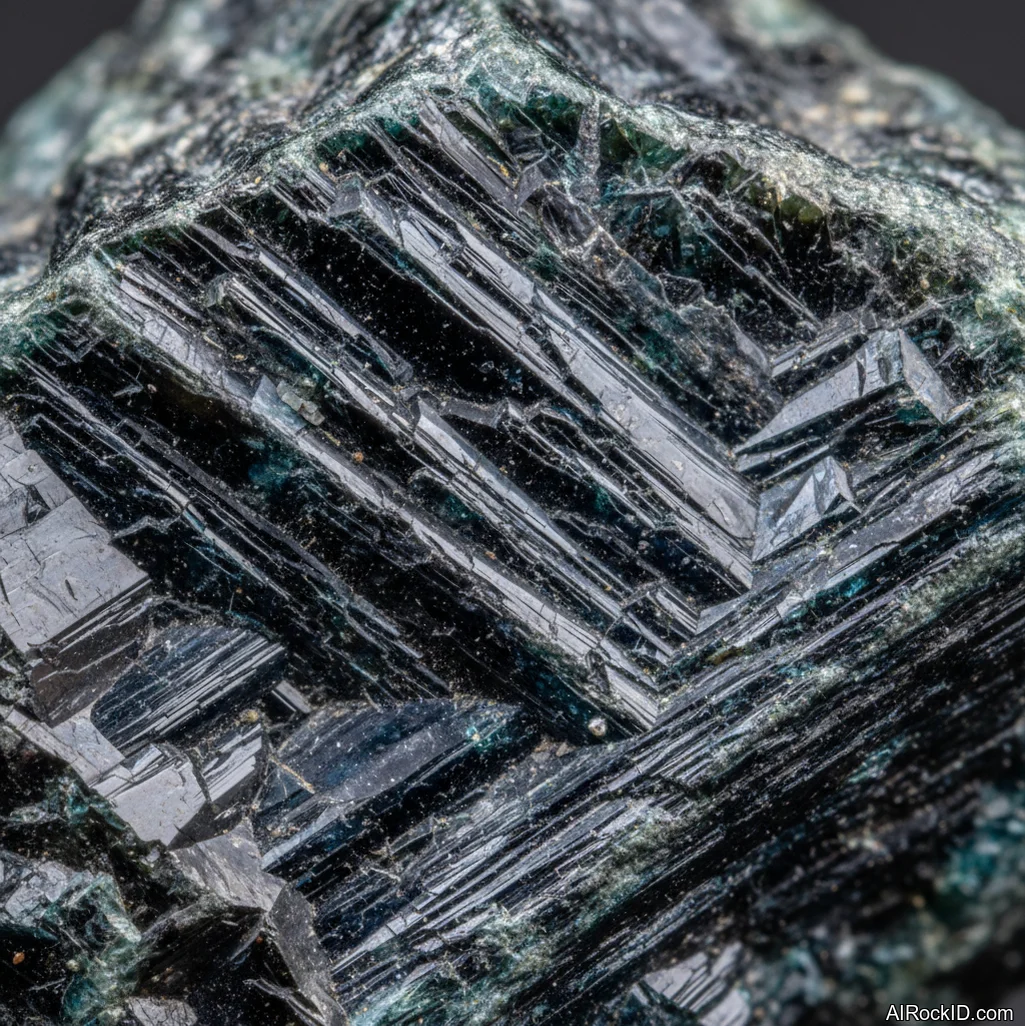
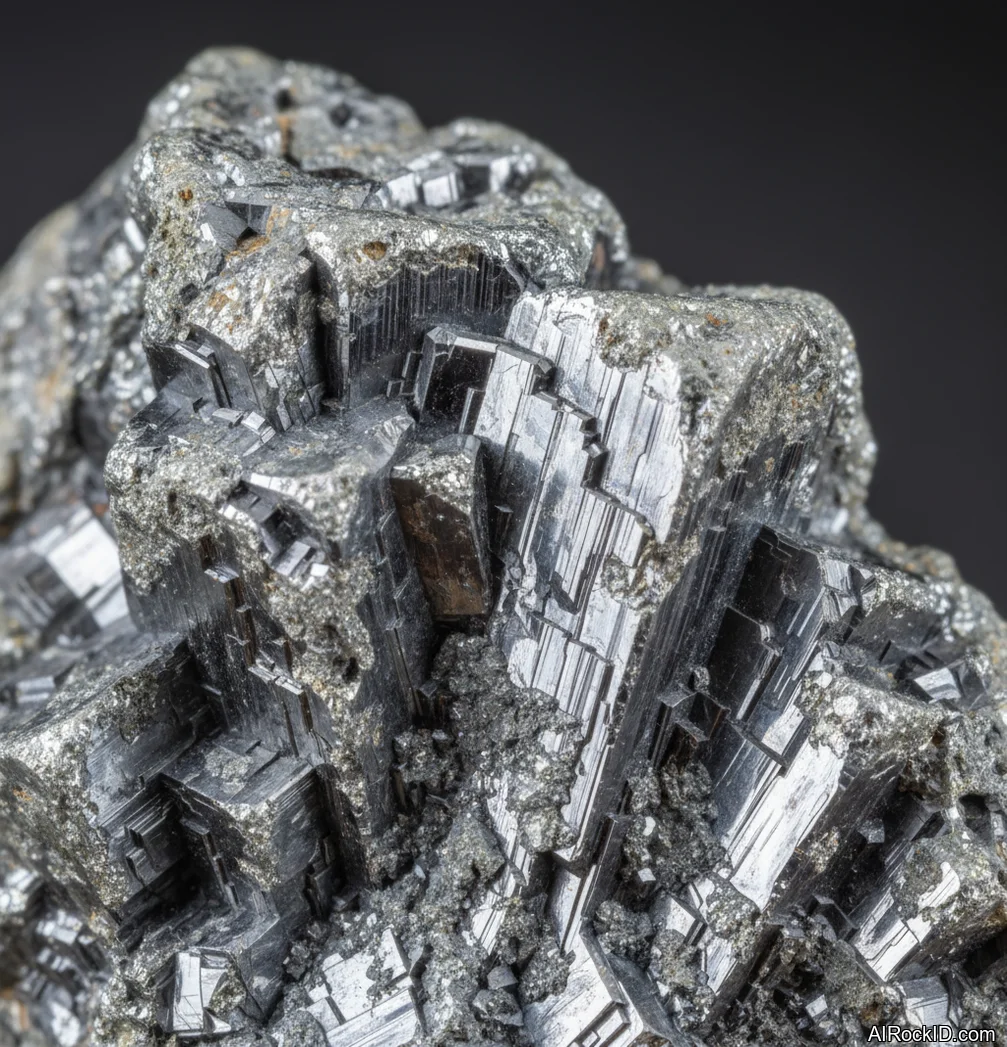
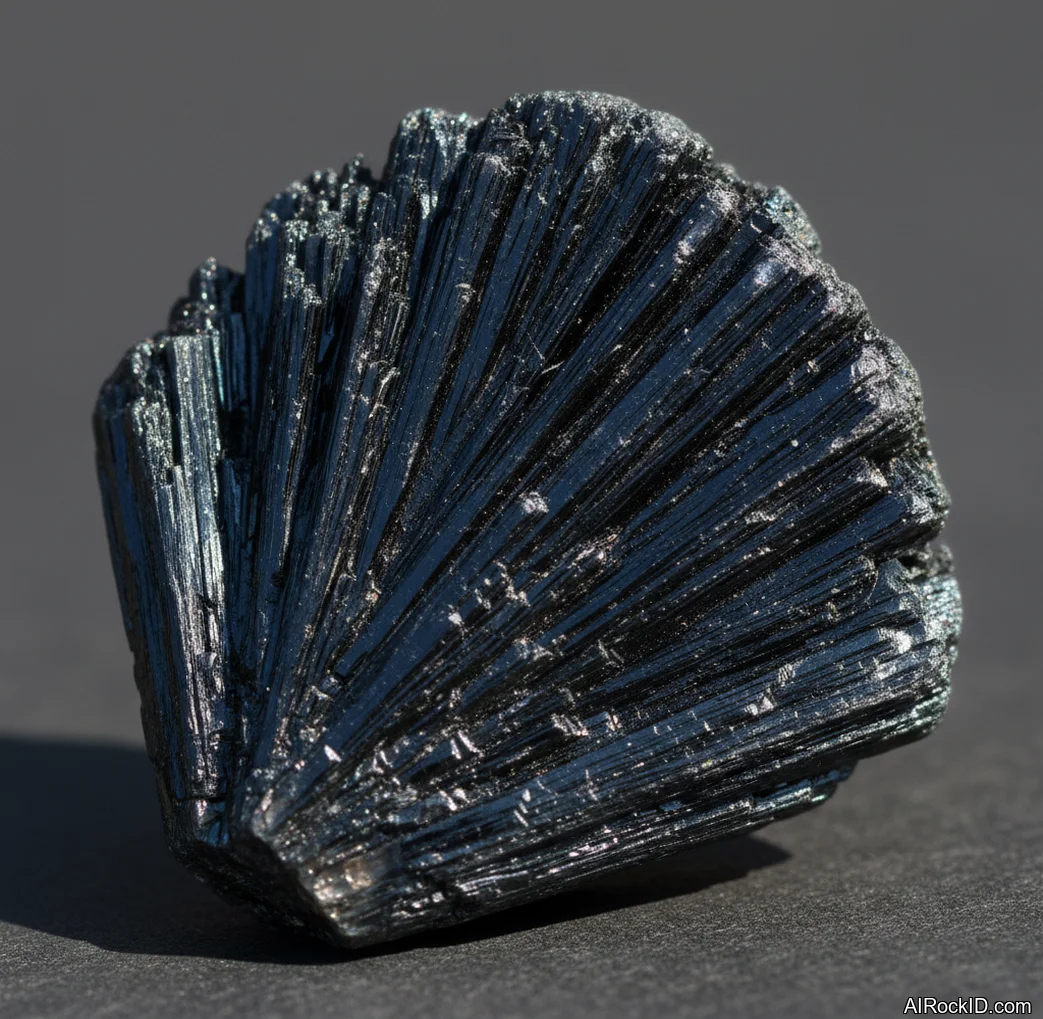
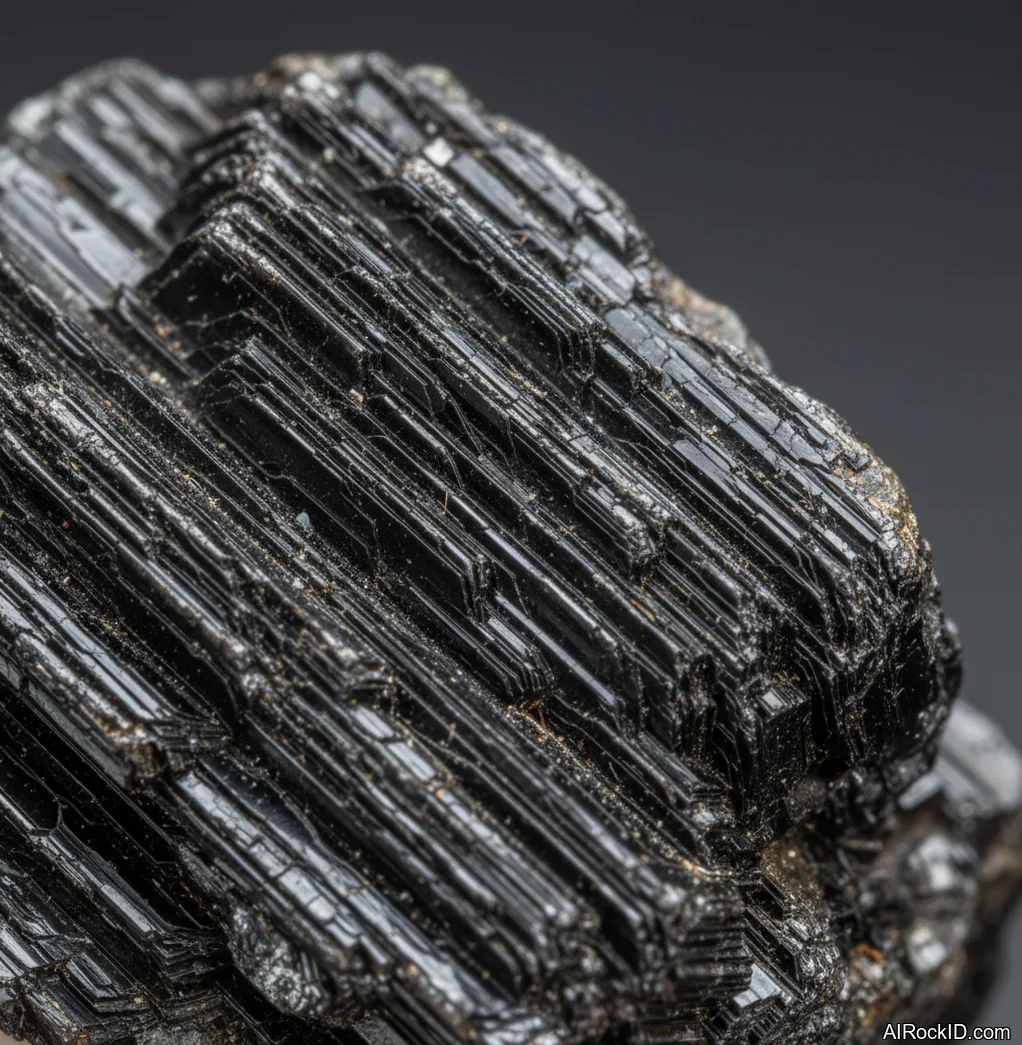
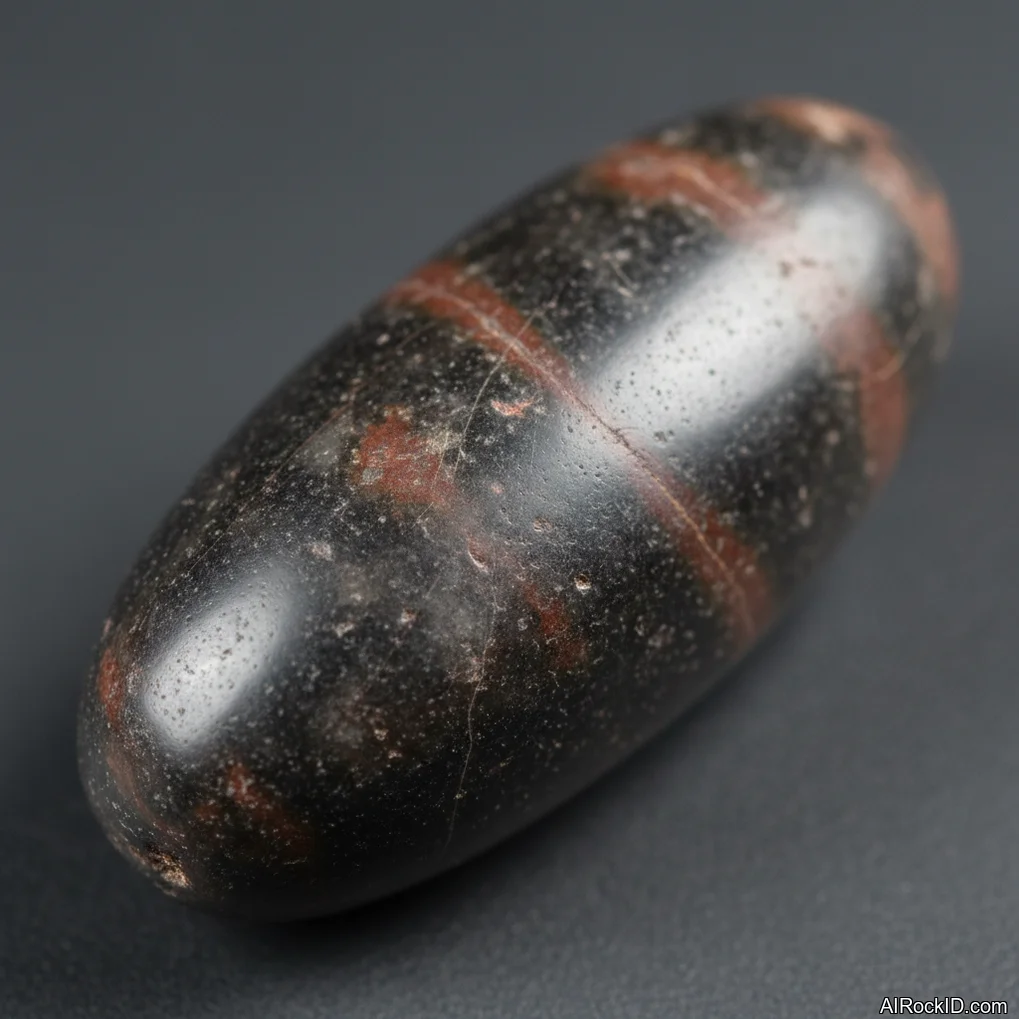
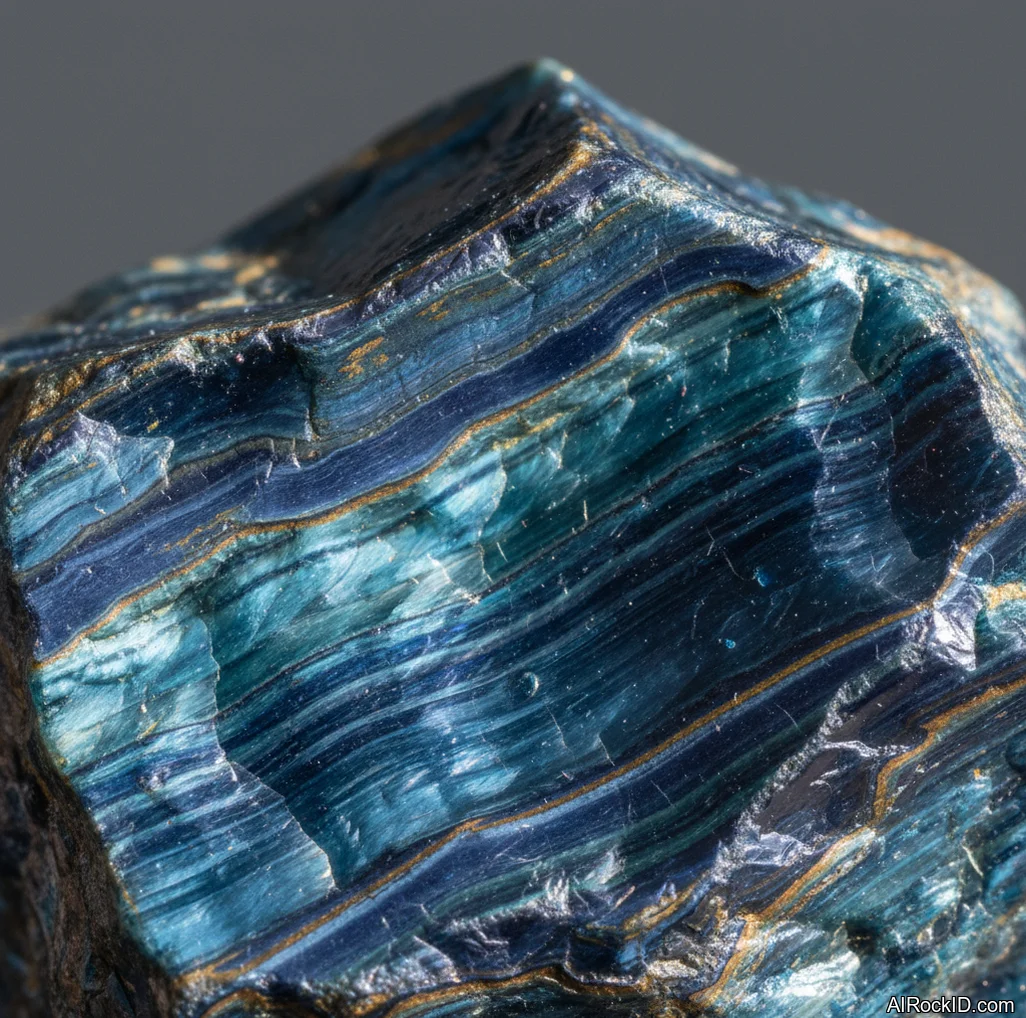
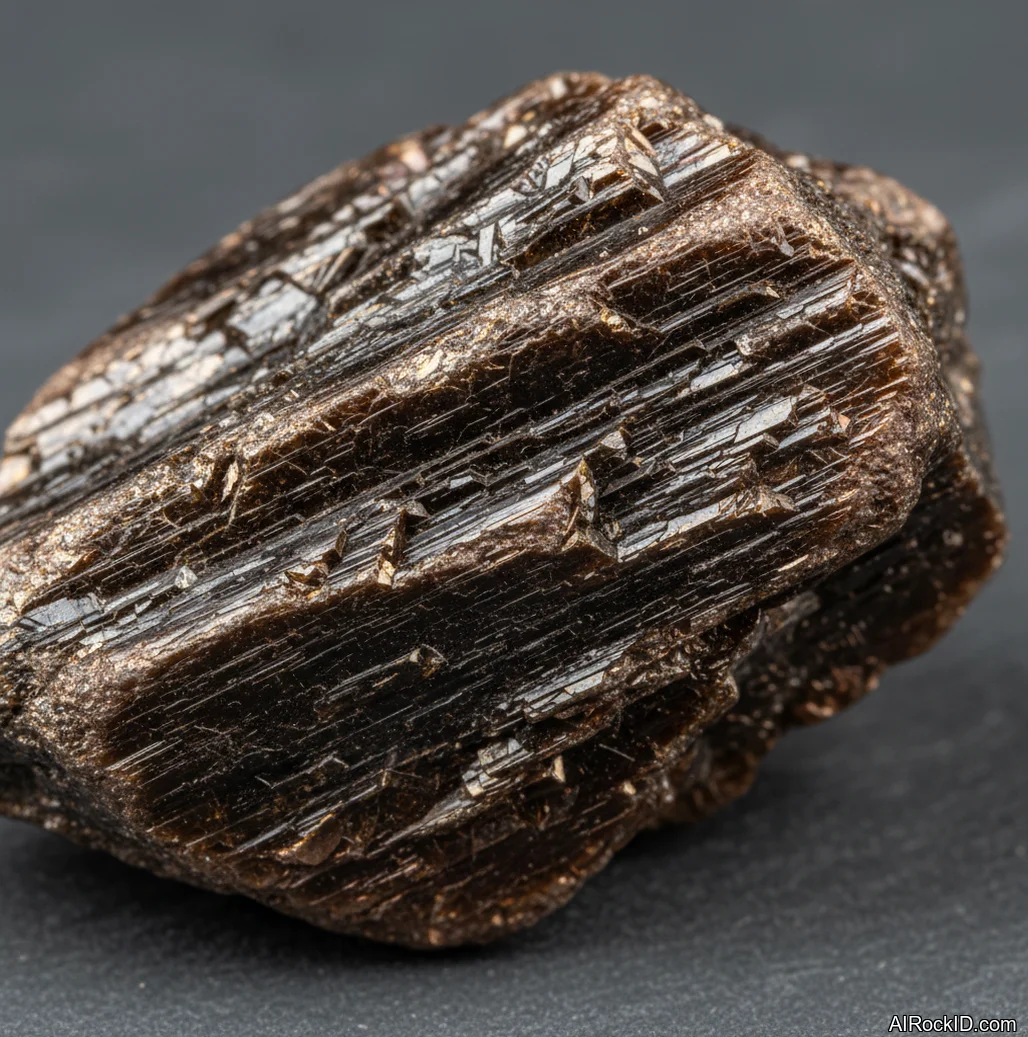
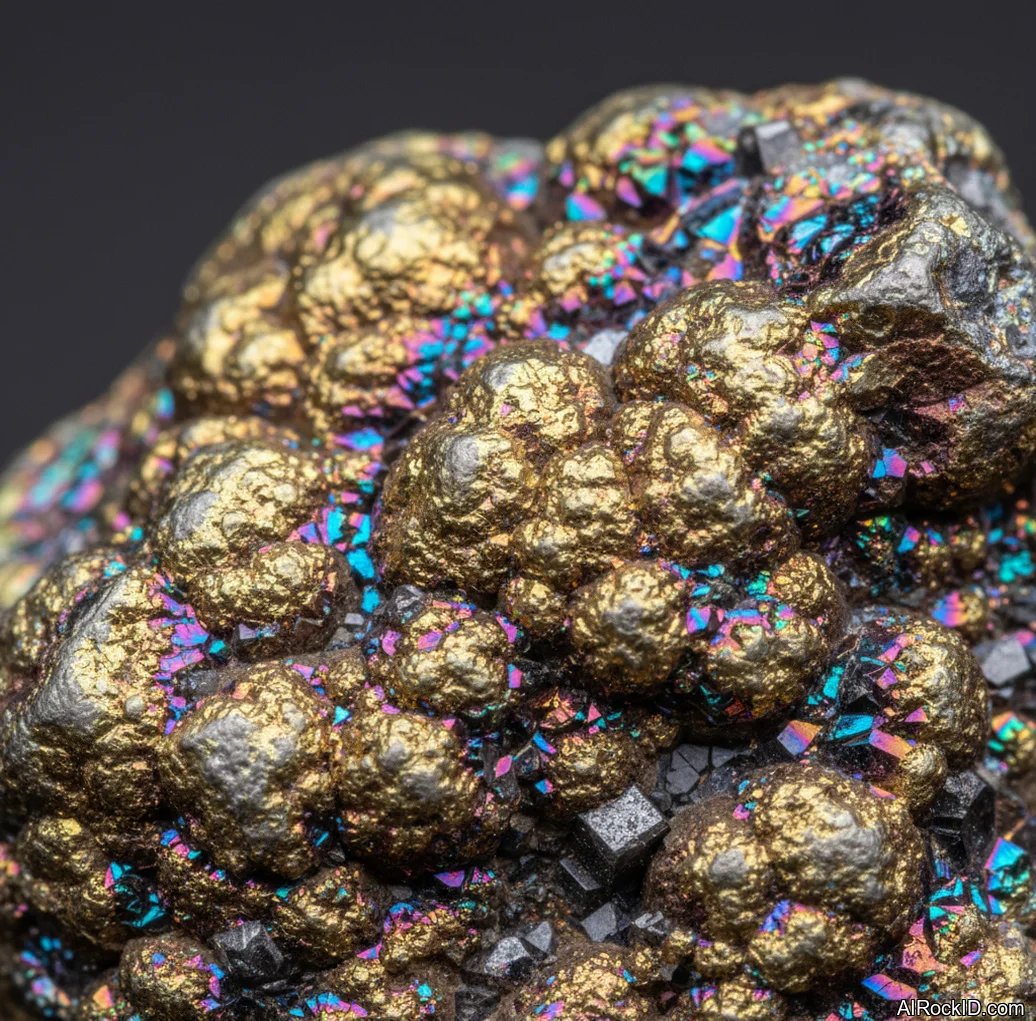
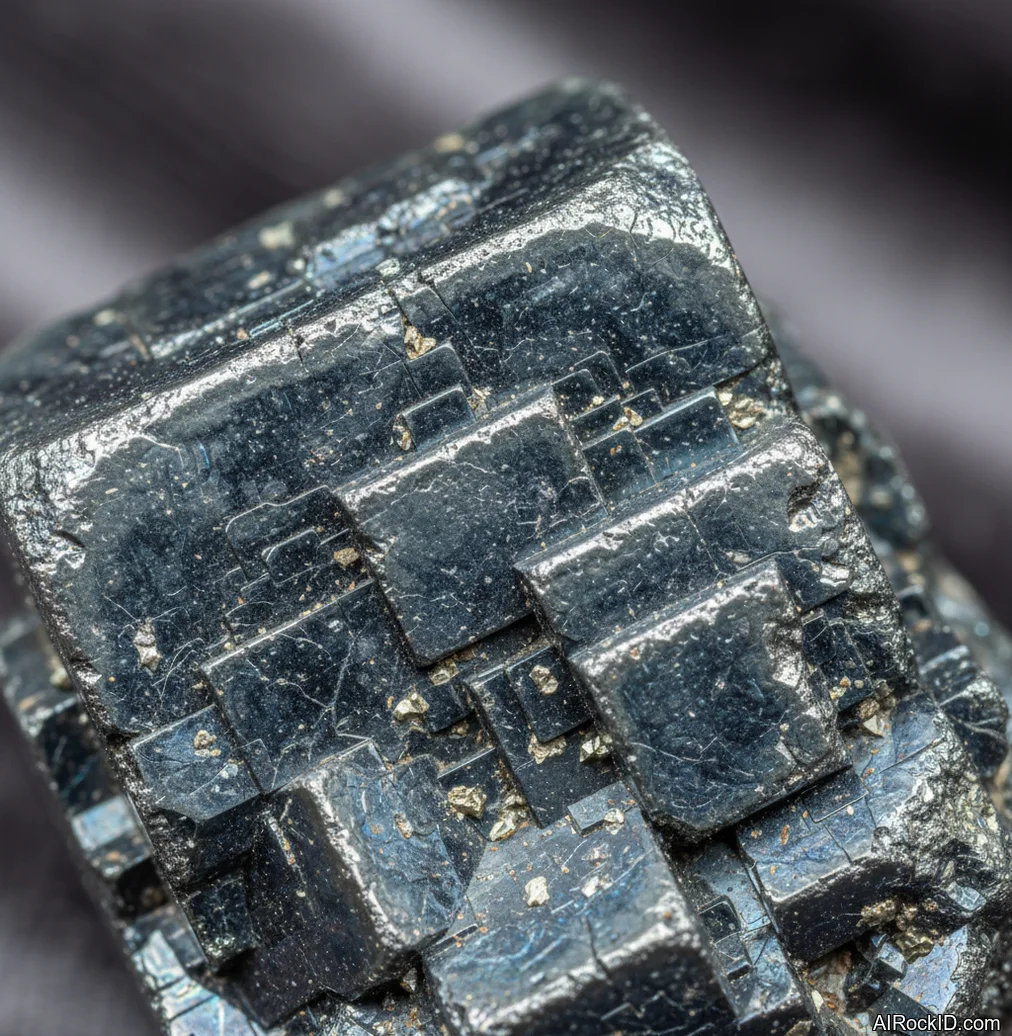
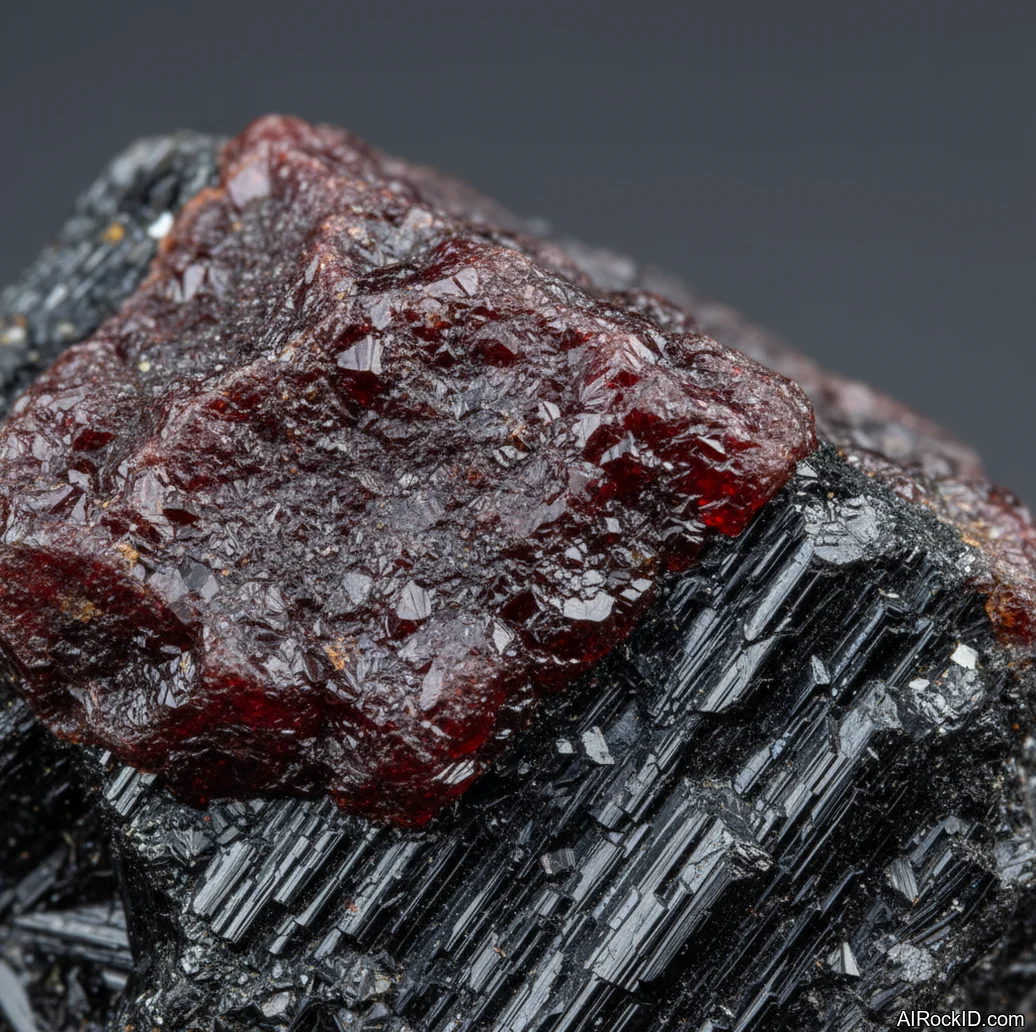
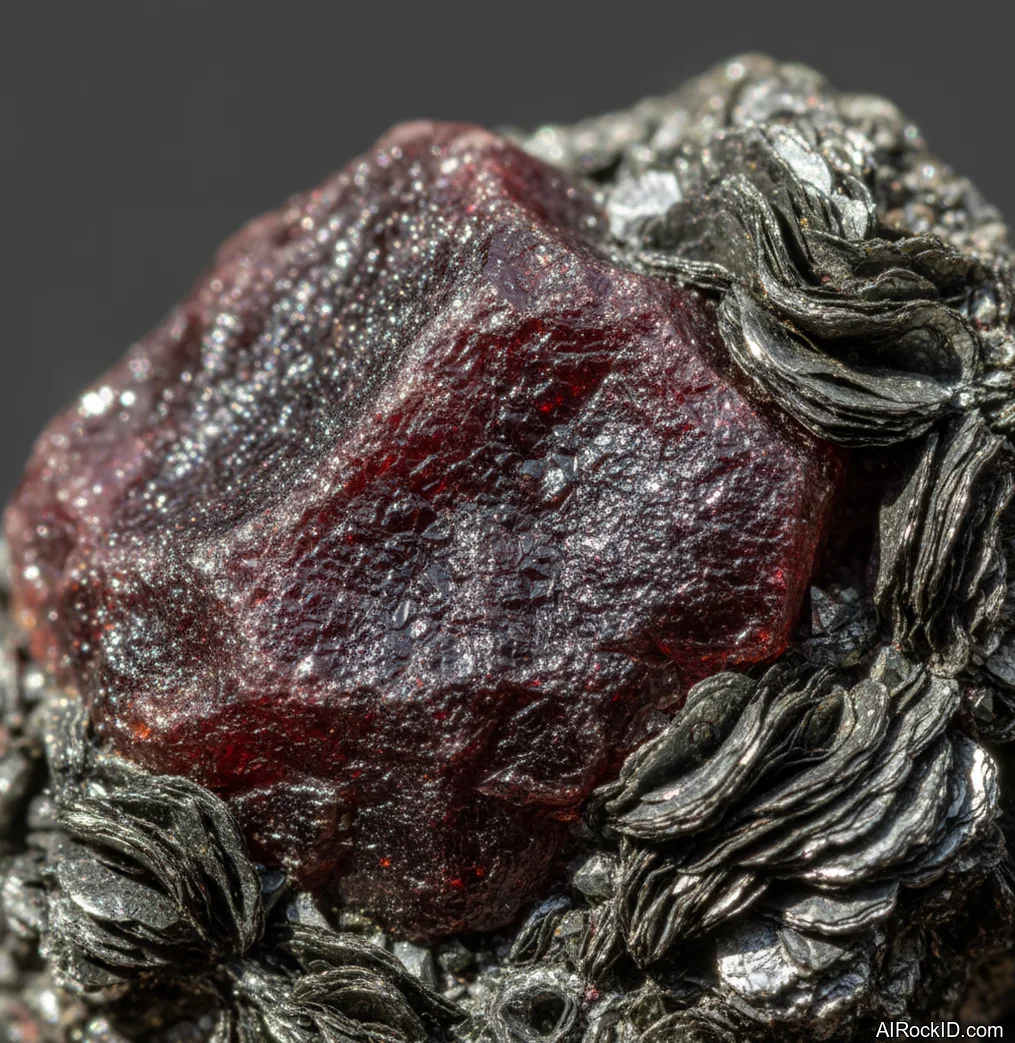
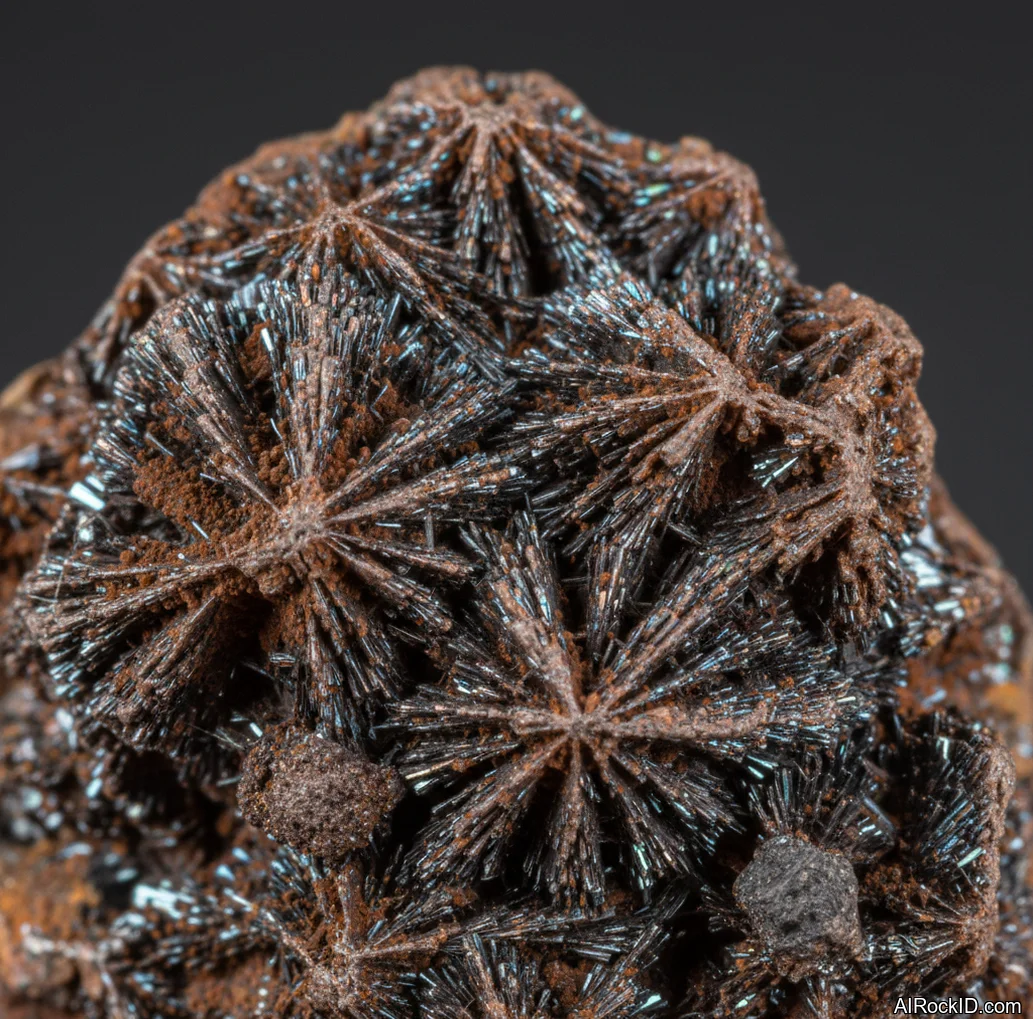
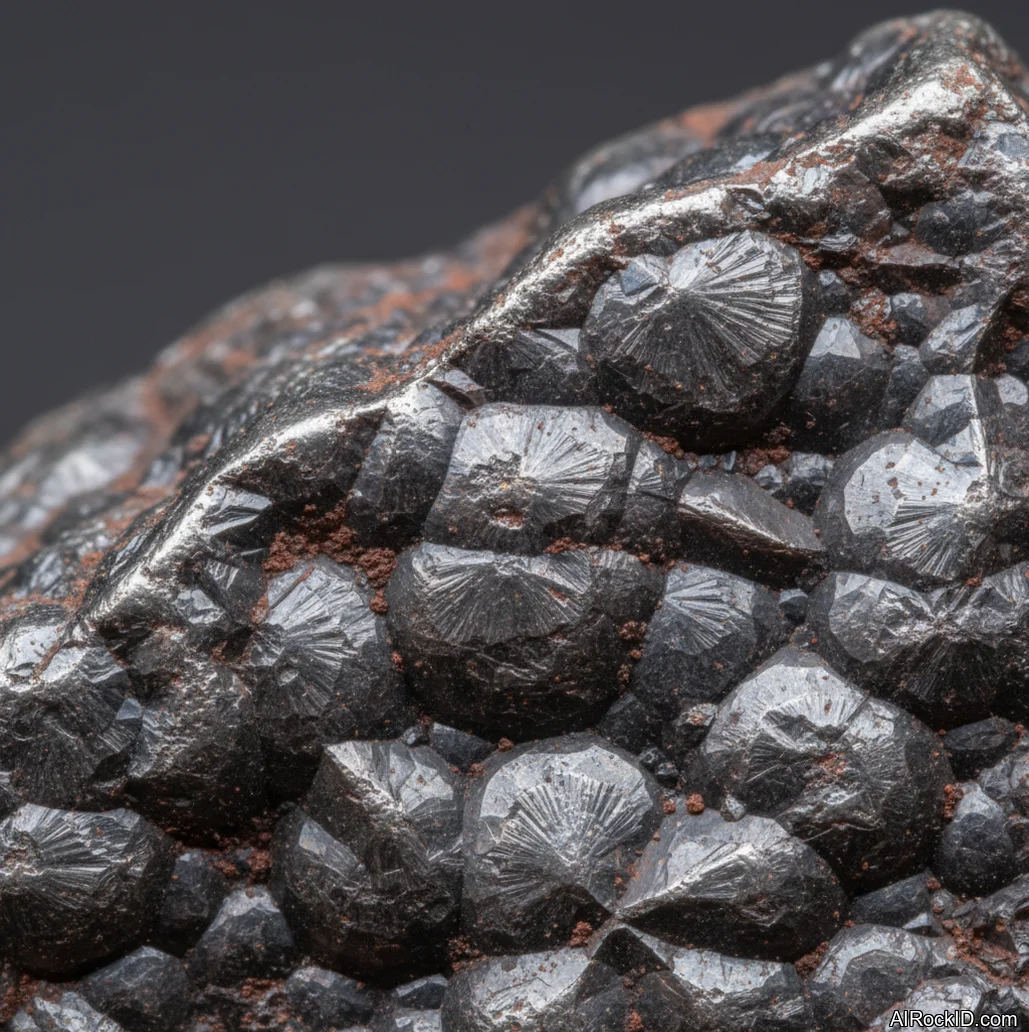
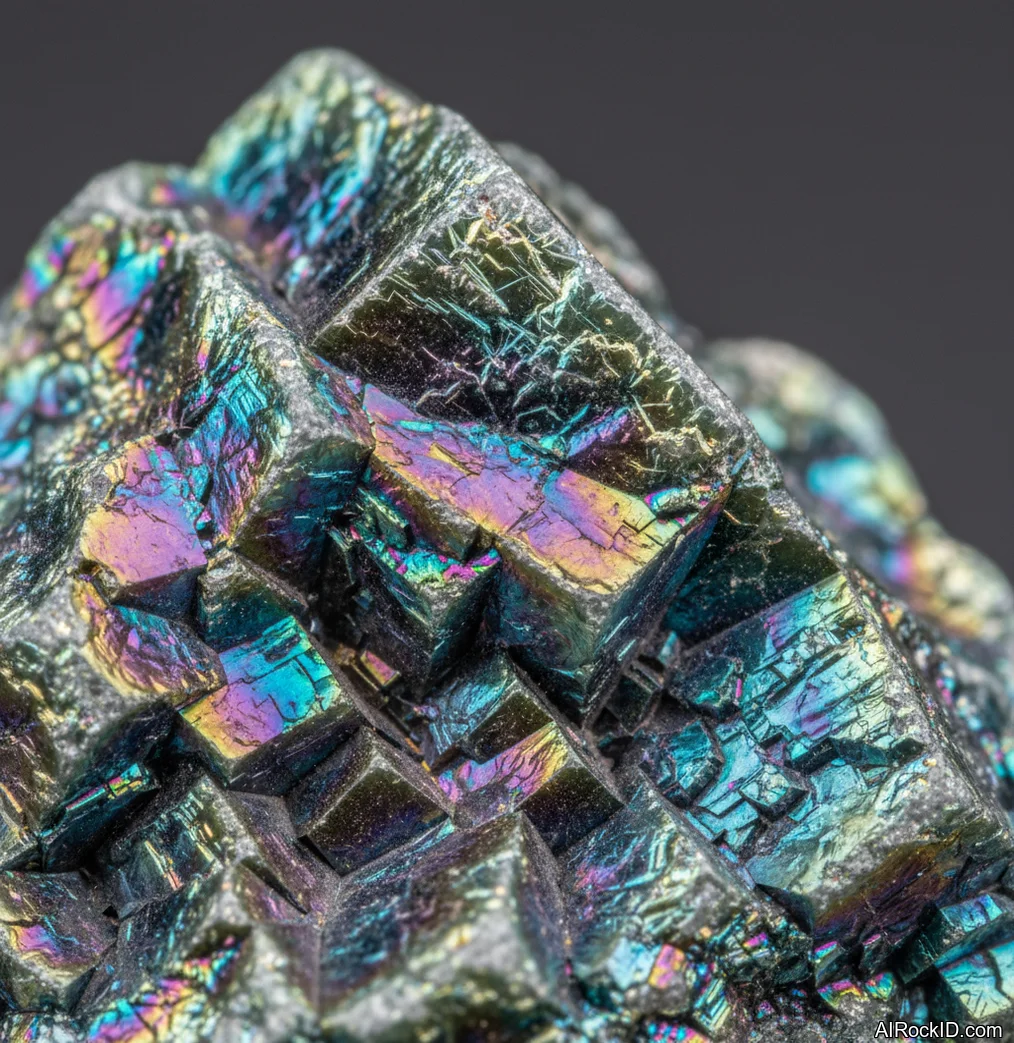
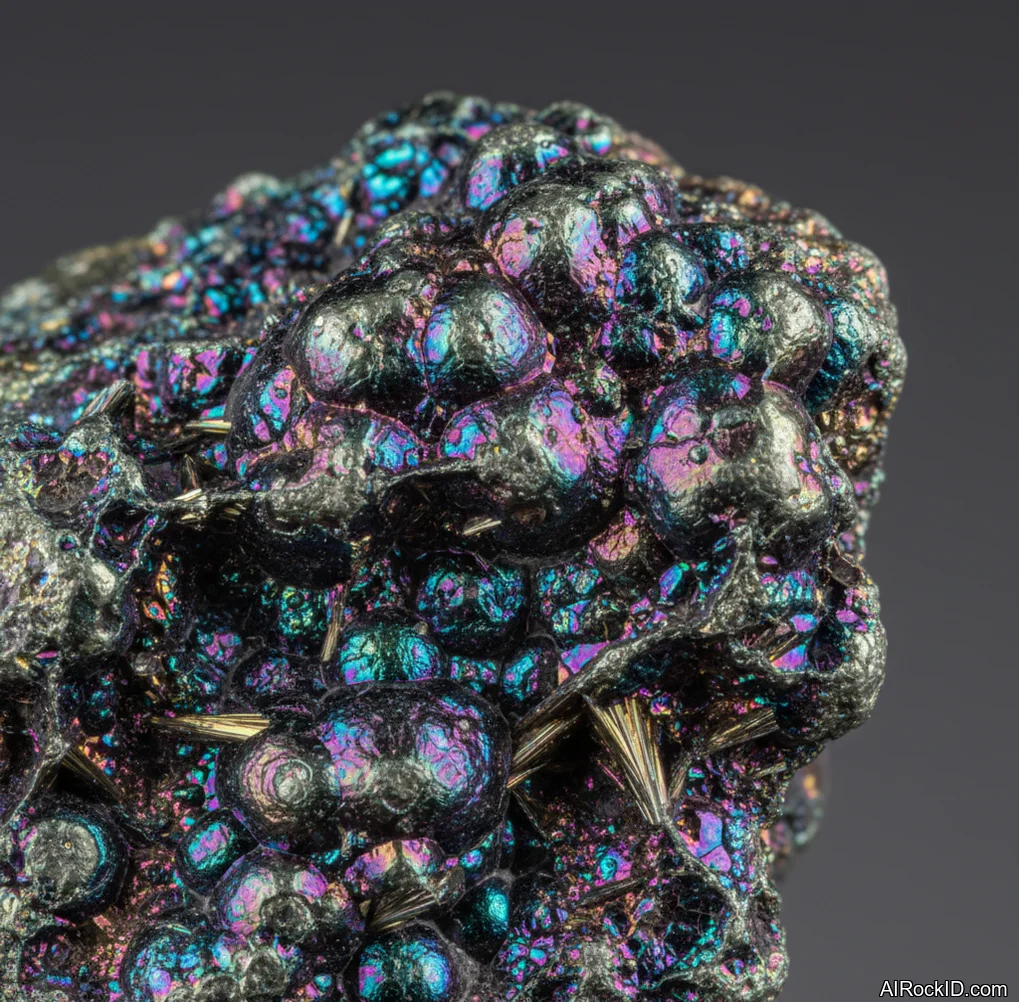
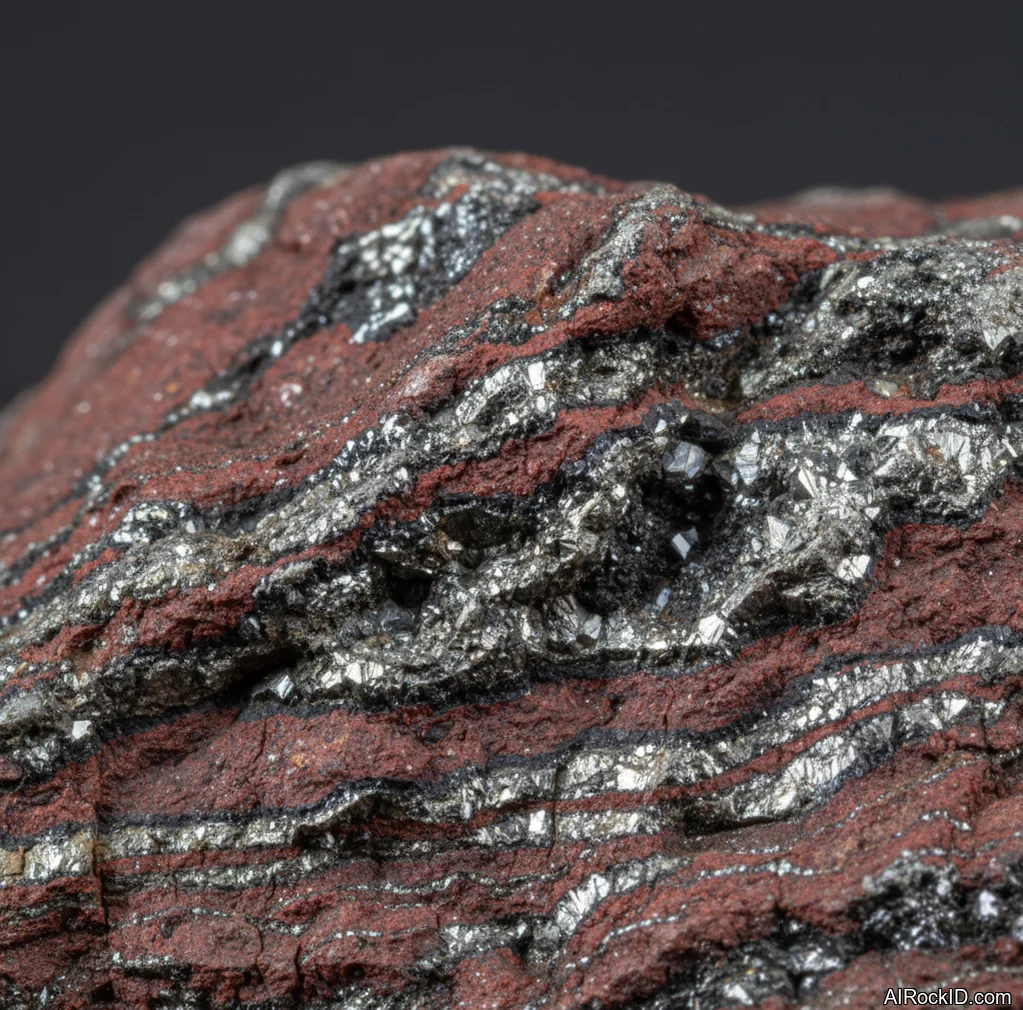
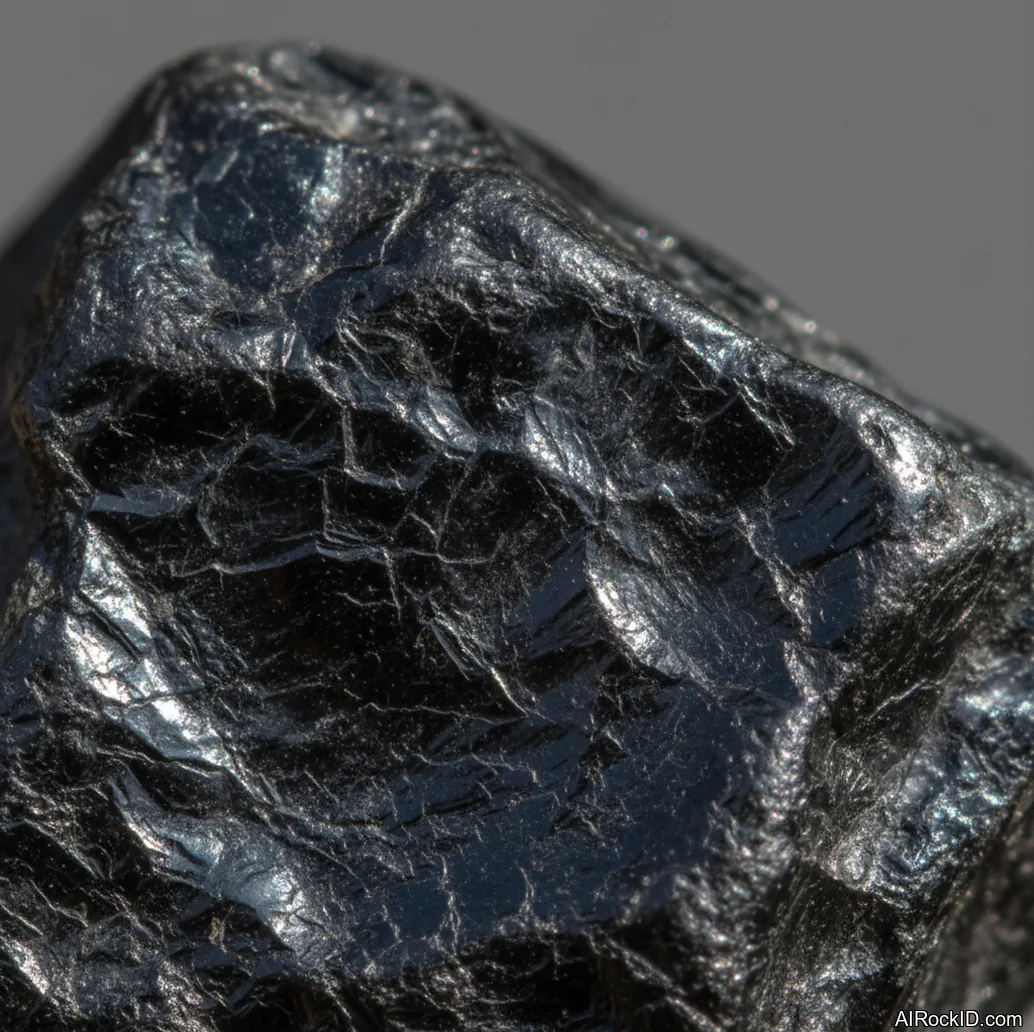
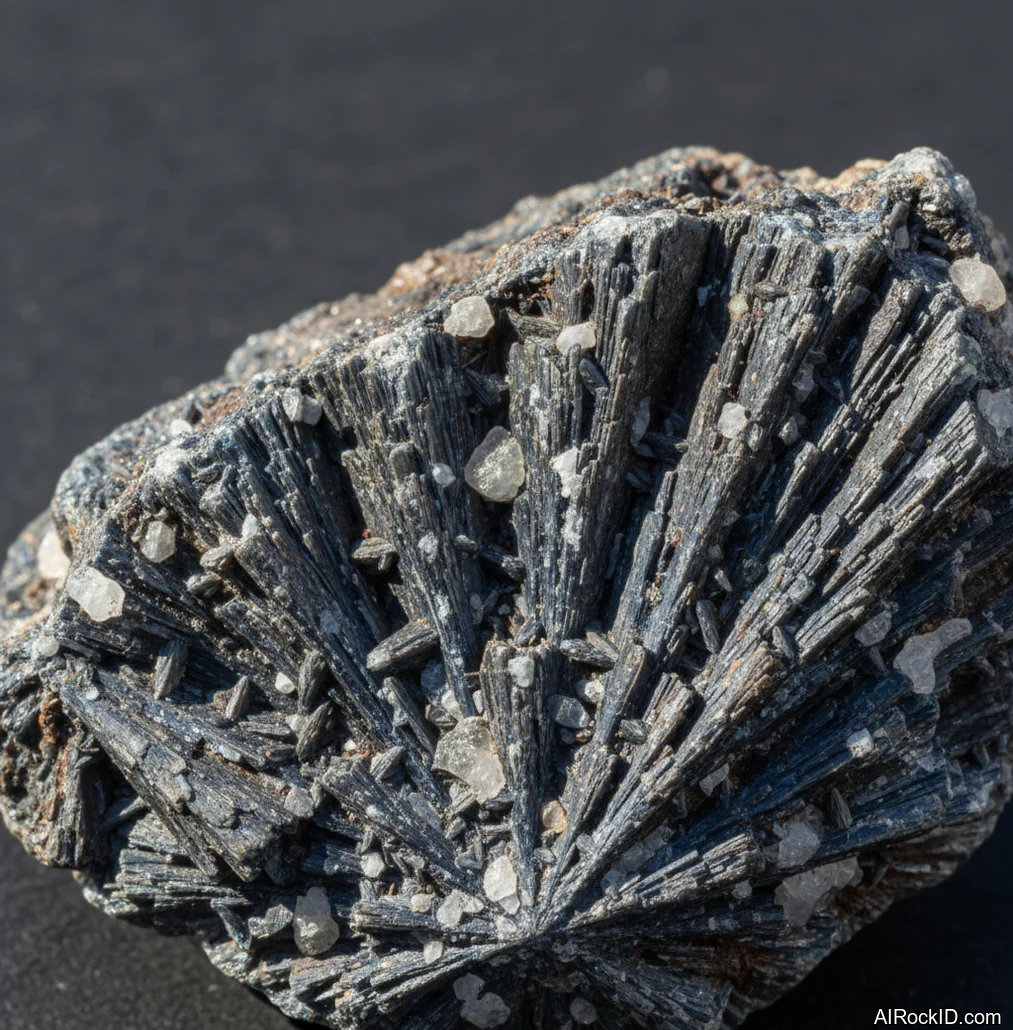
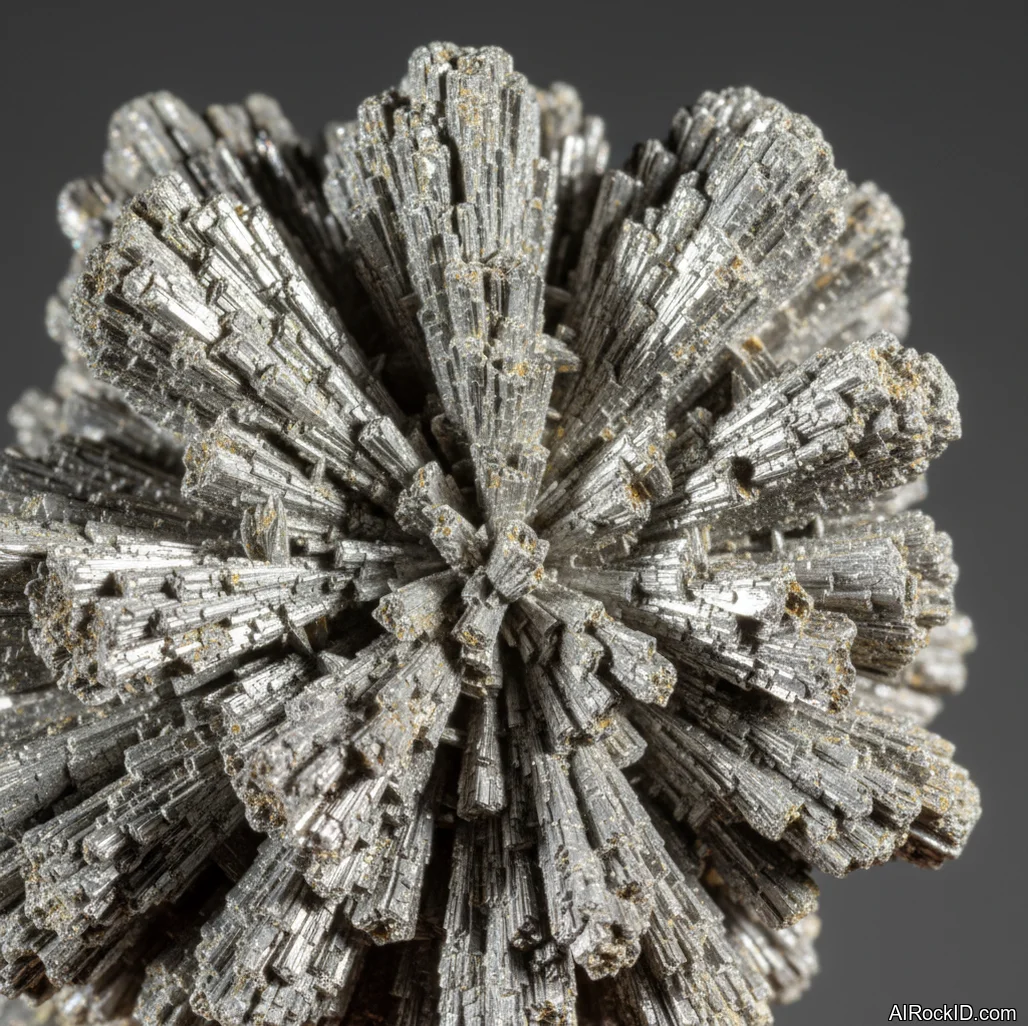
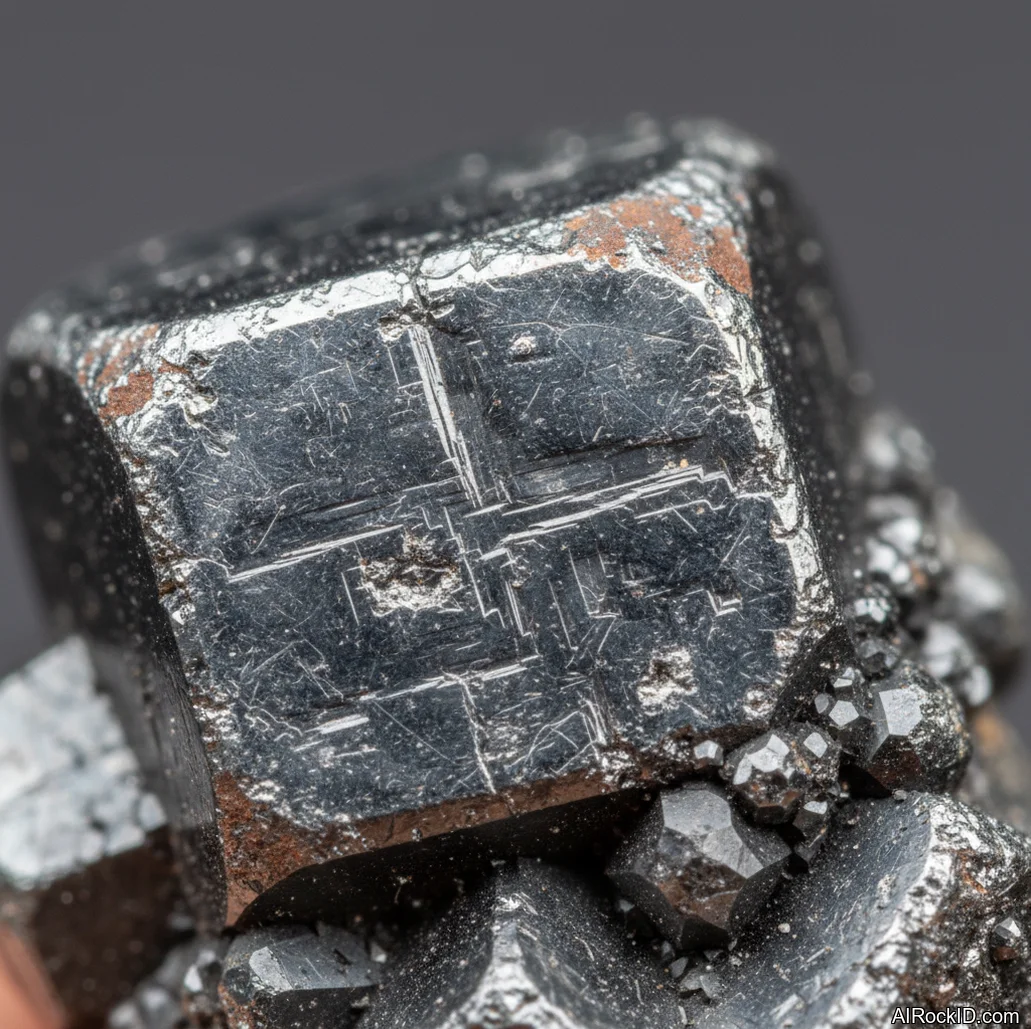
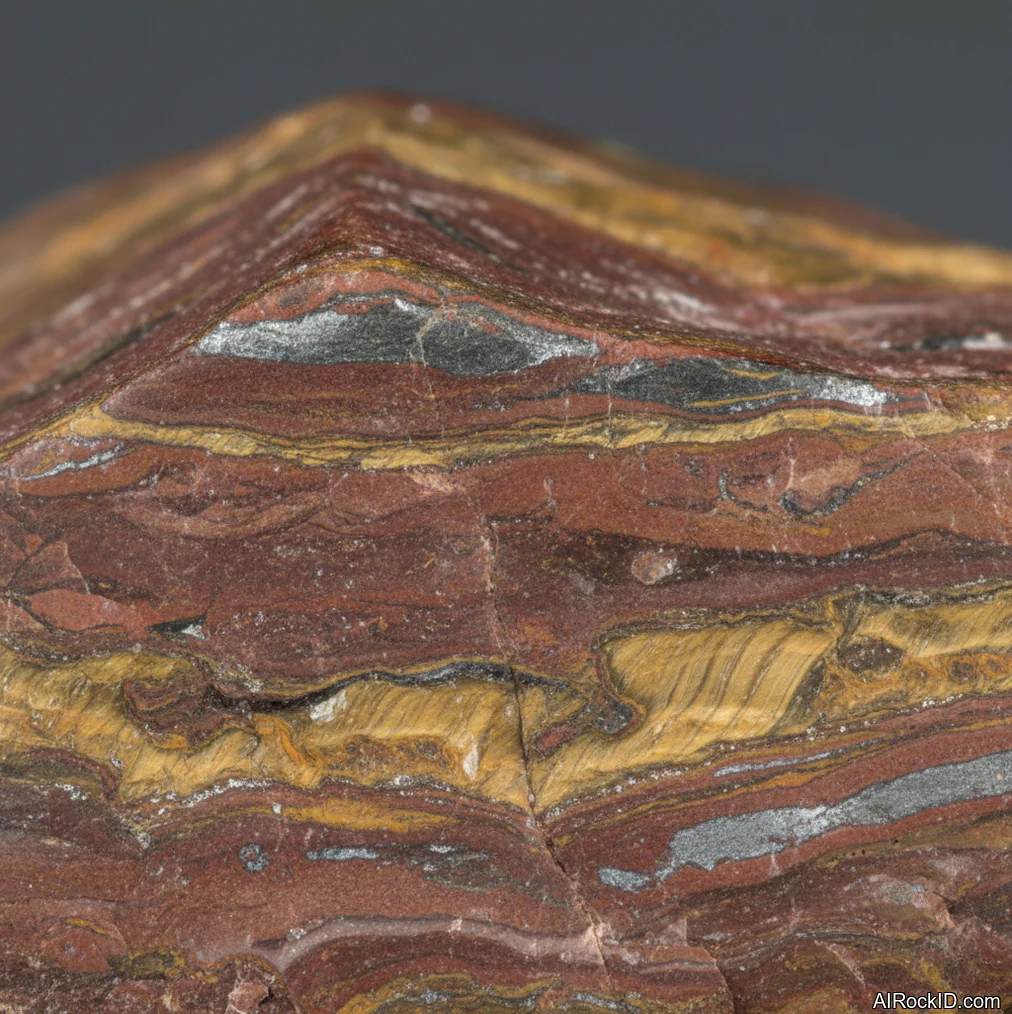
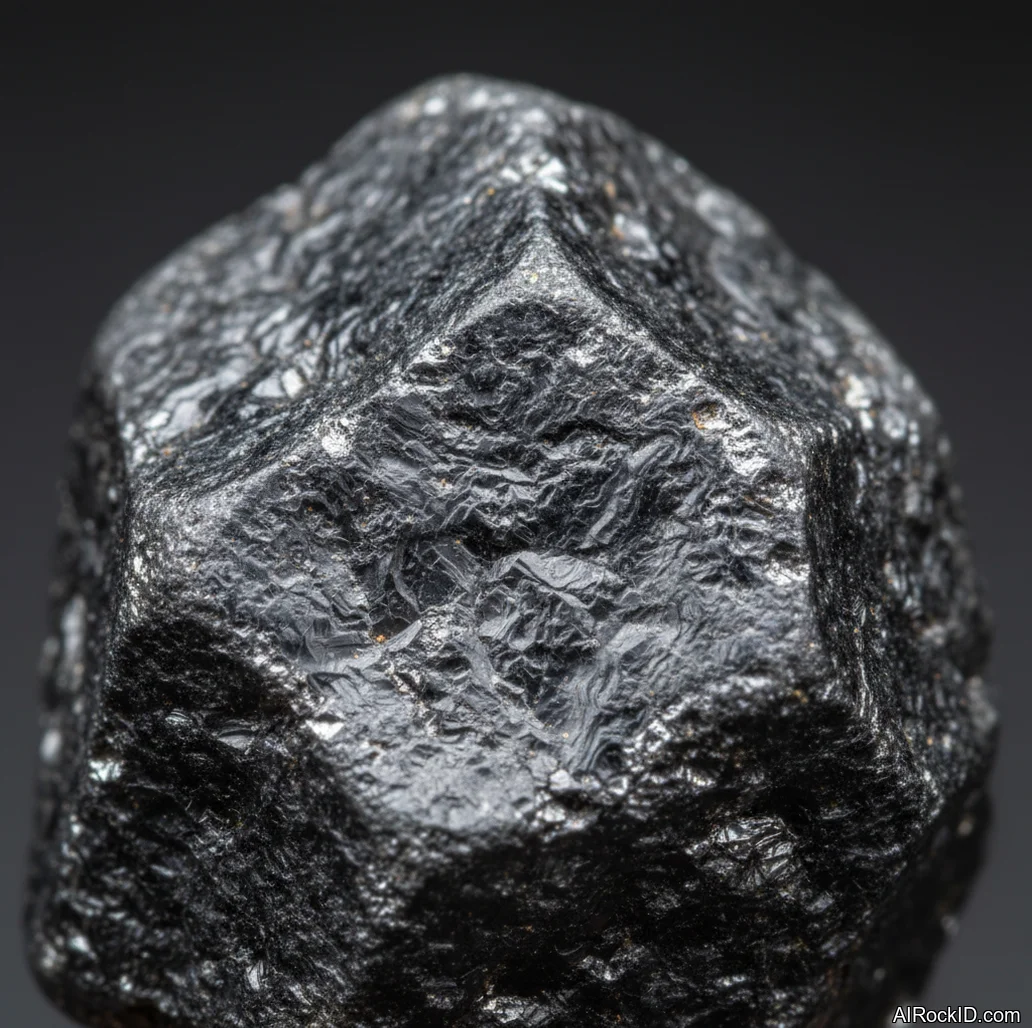
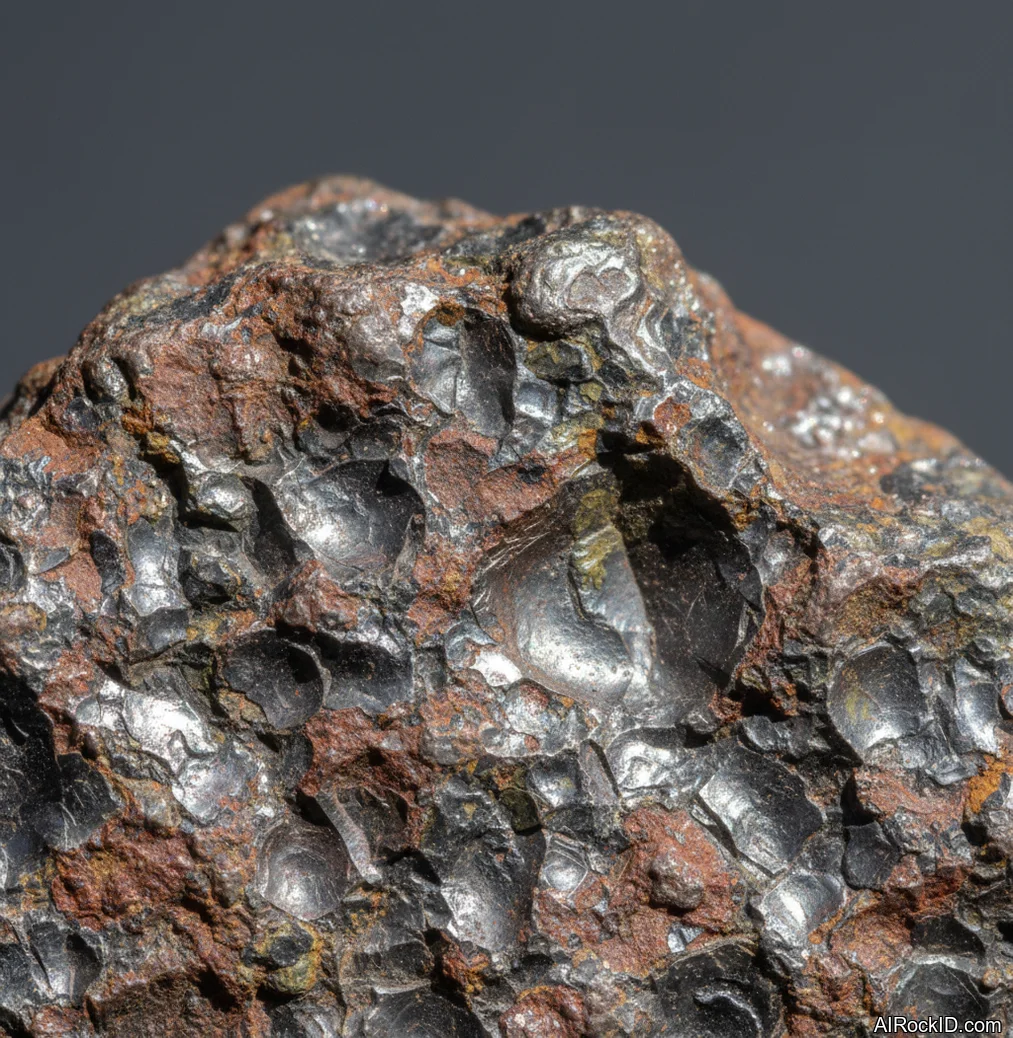
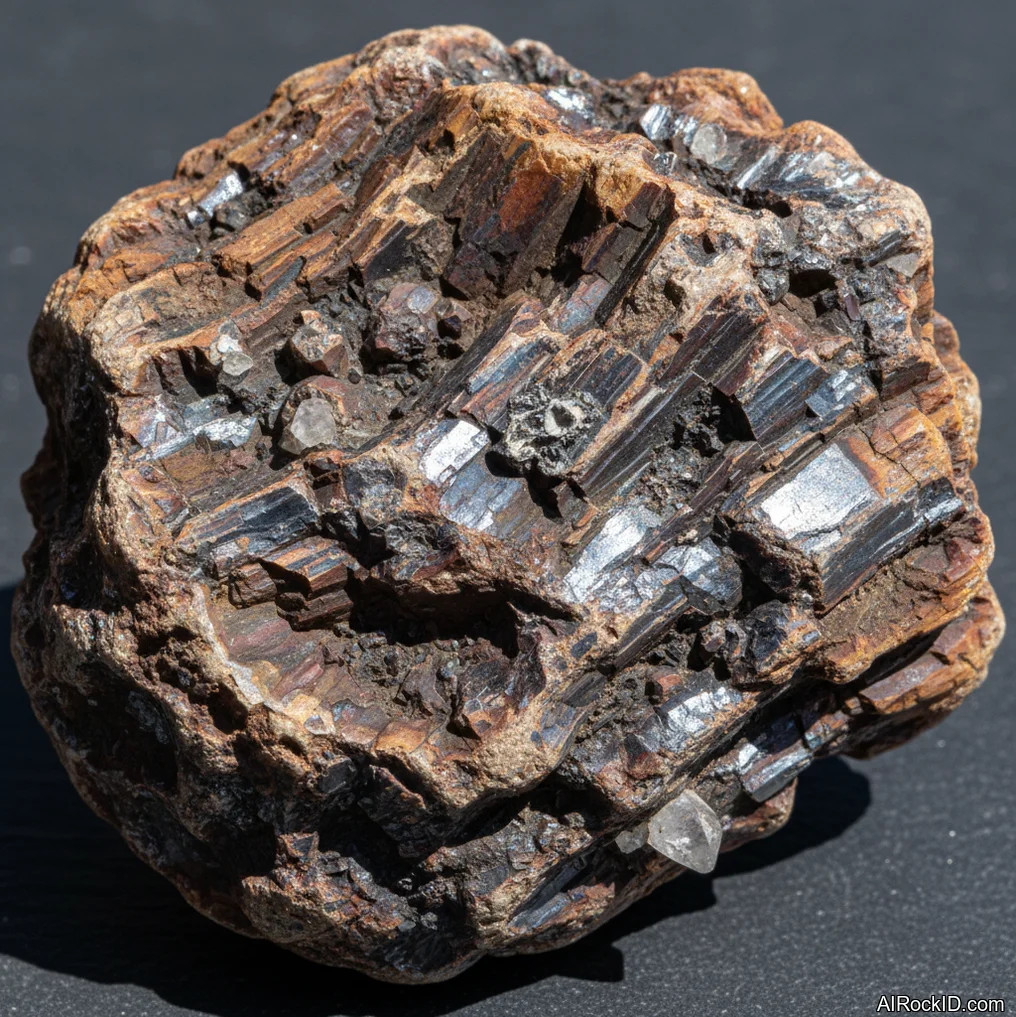
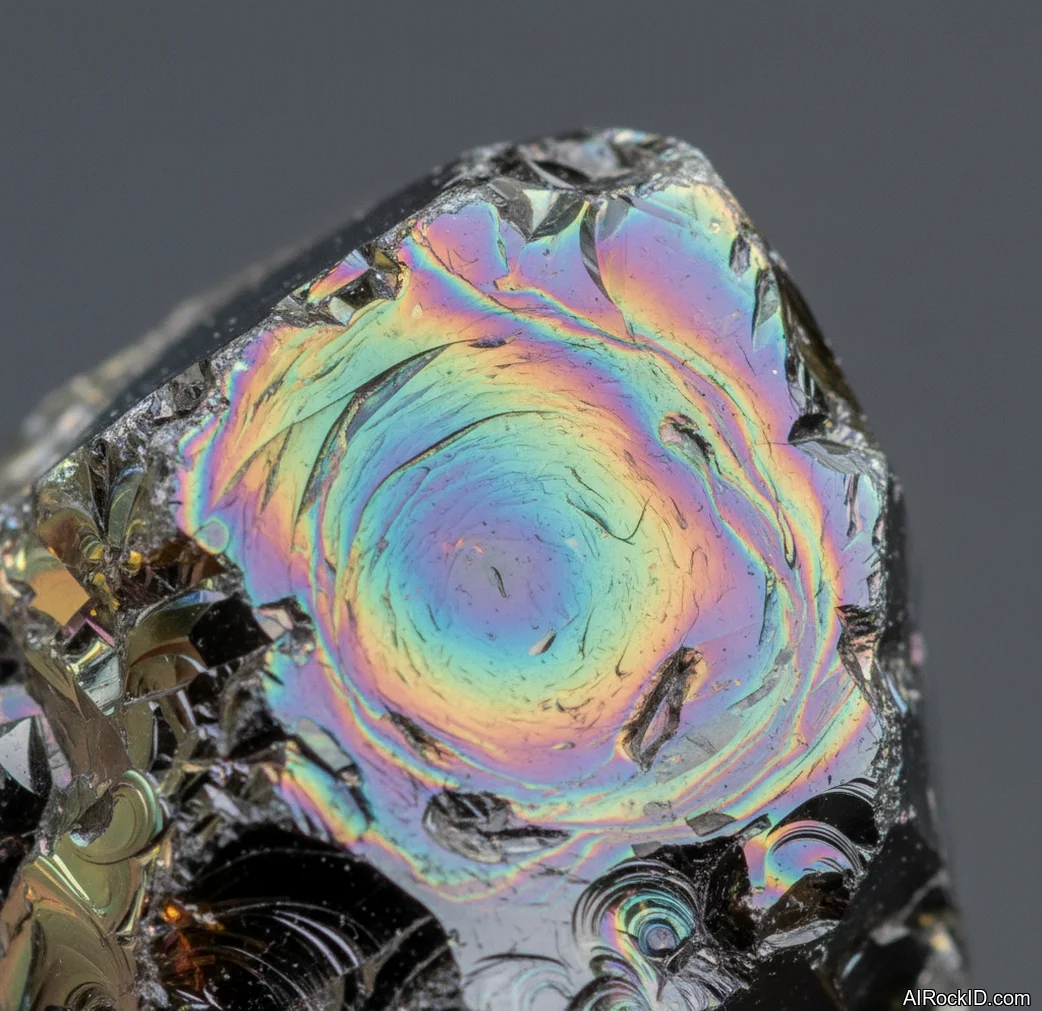
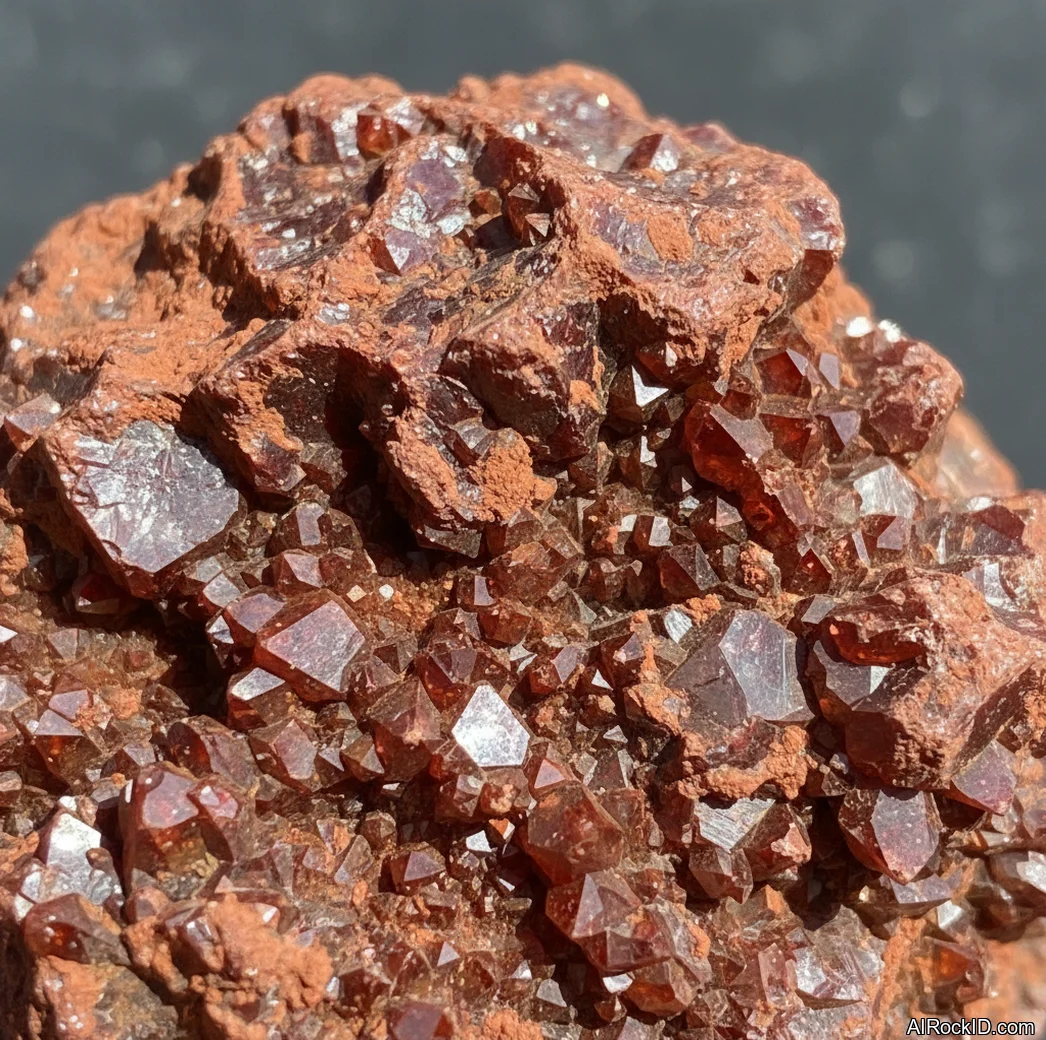
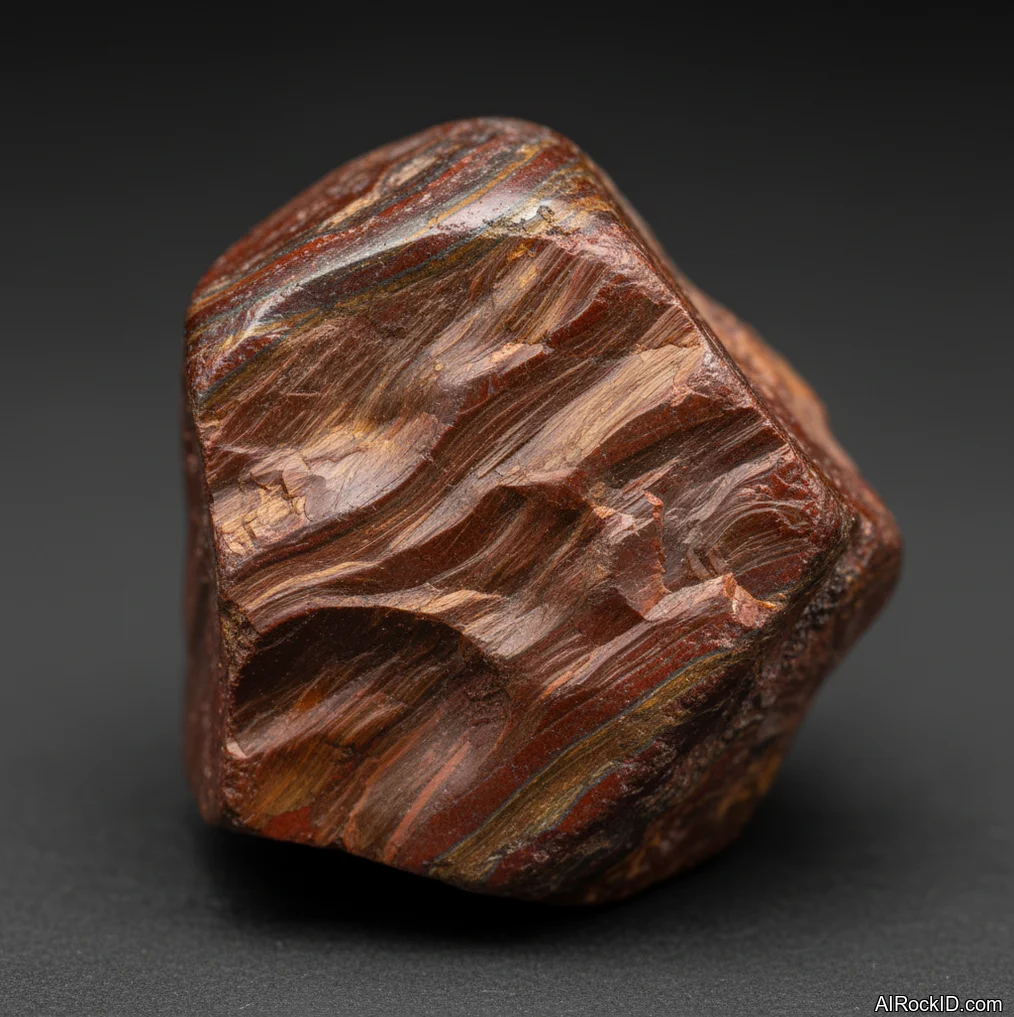
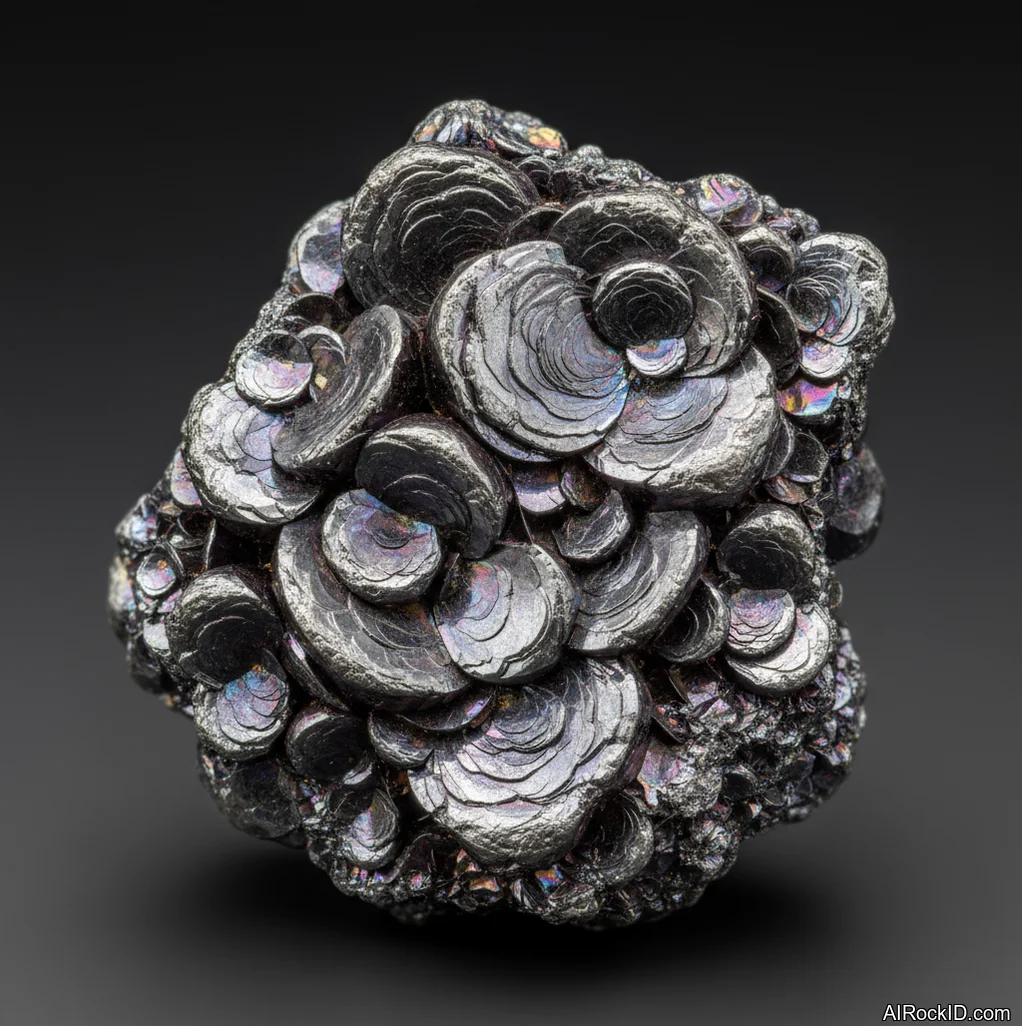
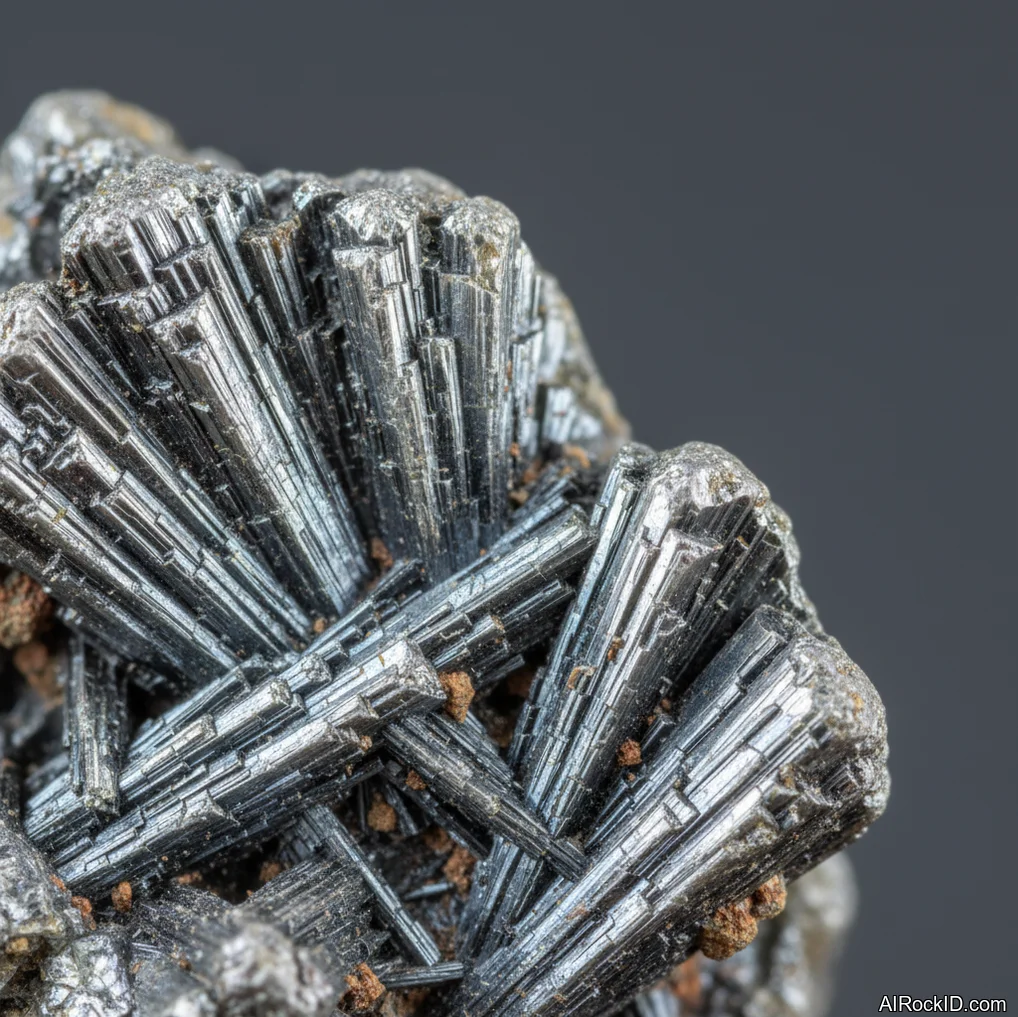
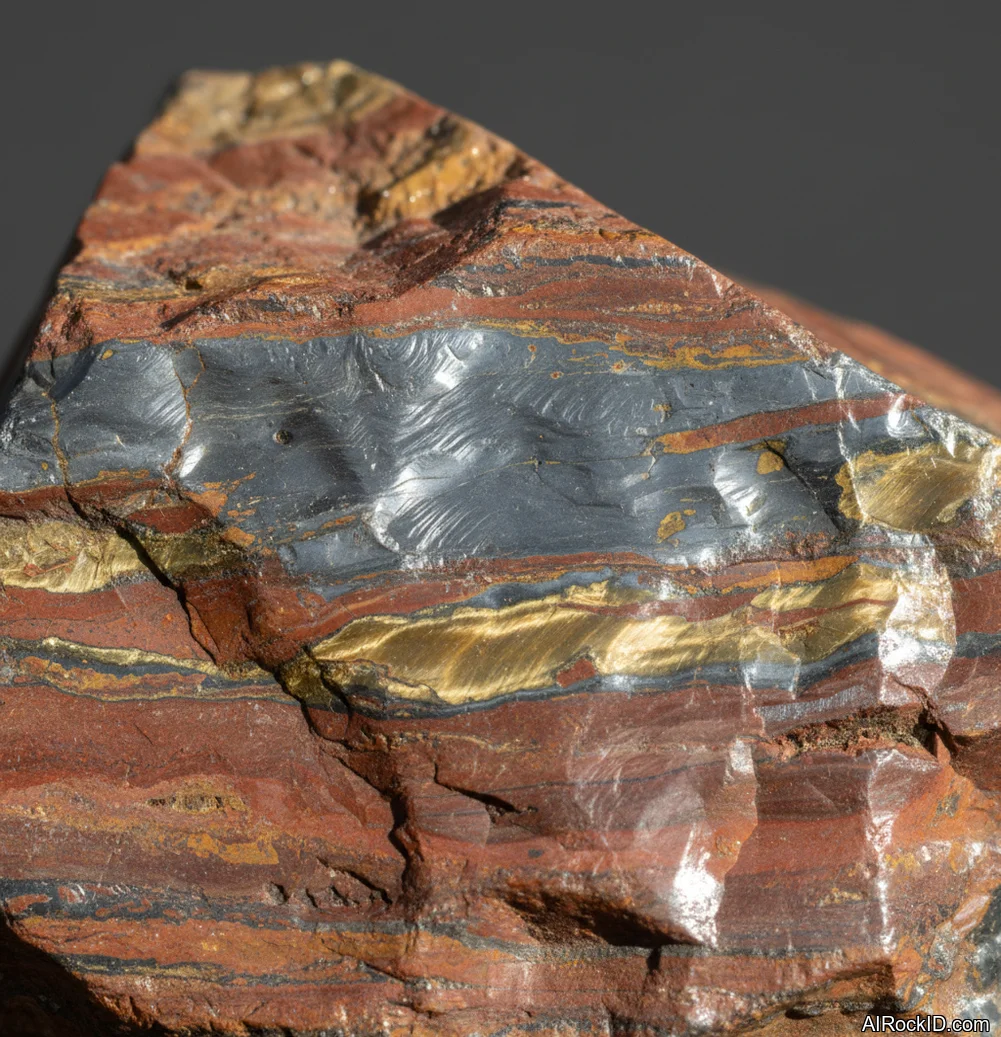
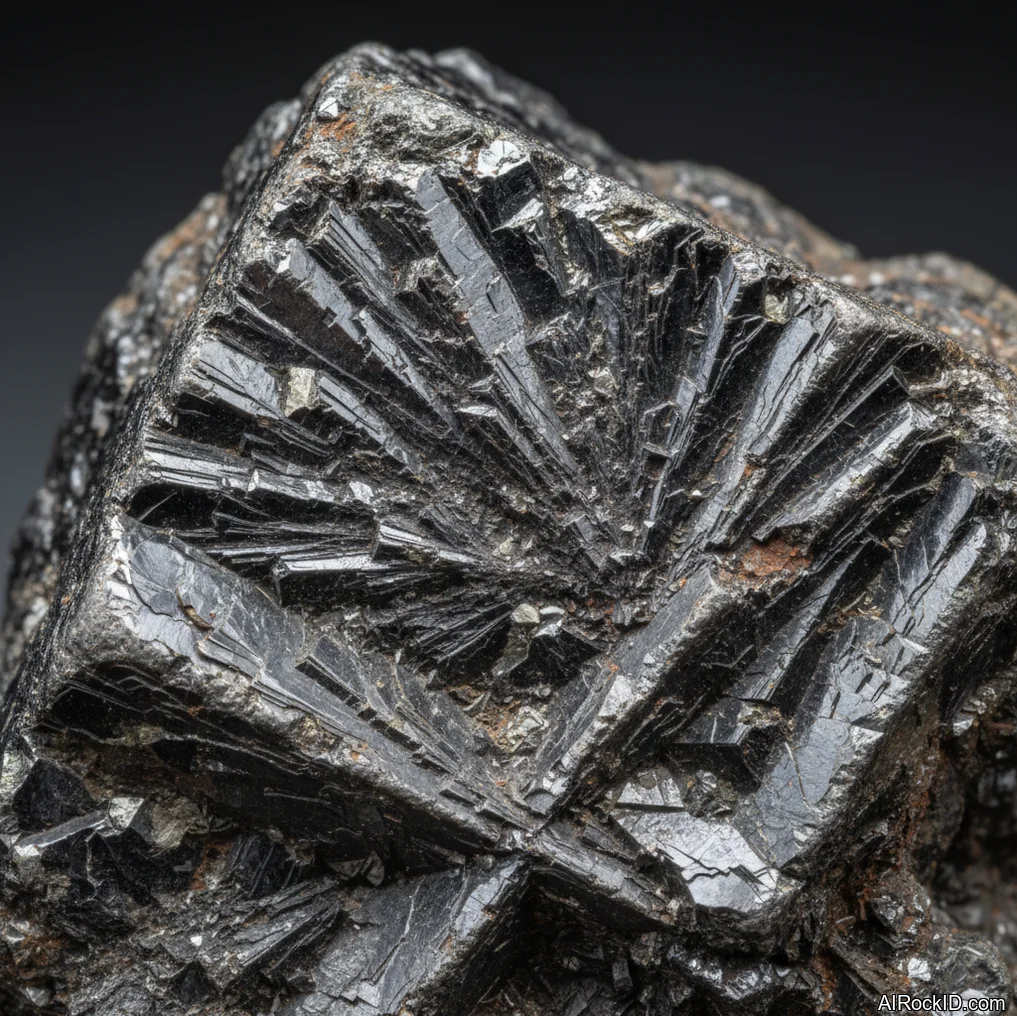
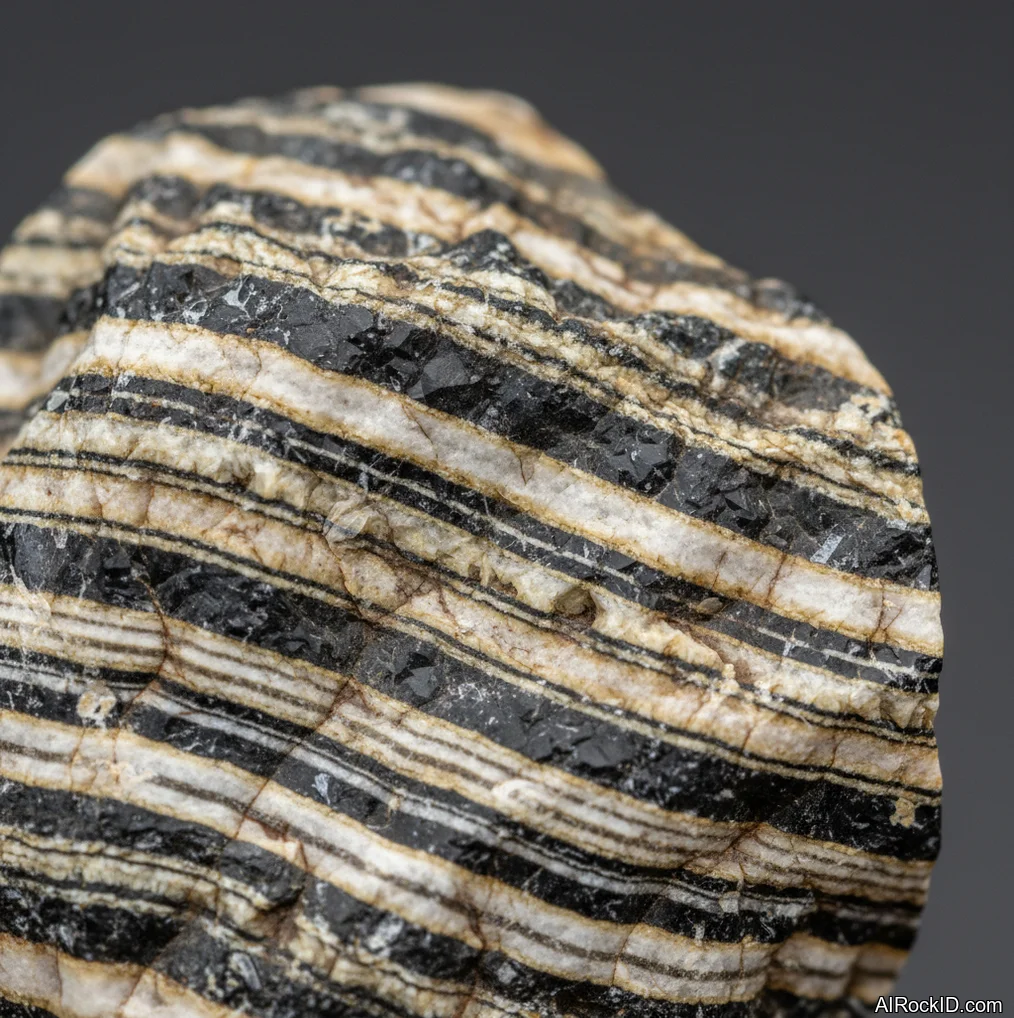
Hematite is the opposite vibe, physically. It’s dense. Like, weirdly dense the first time you hold it. A palm stone feels like a metal weight, and if it’s polished well you’ll catch a gunmetal mirror flash across the surface. That weight is a big part of why people grab it when they want Focus. It’s harder to spiral when there’s something in your hand that keeps pulling you back into your body. But know this: hematite can chip on sharp corners, and the shiny coating on cheap pieces sometimes rubs off and leaves gray streaks.
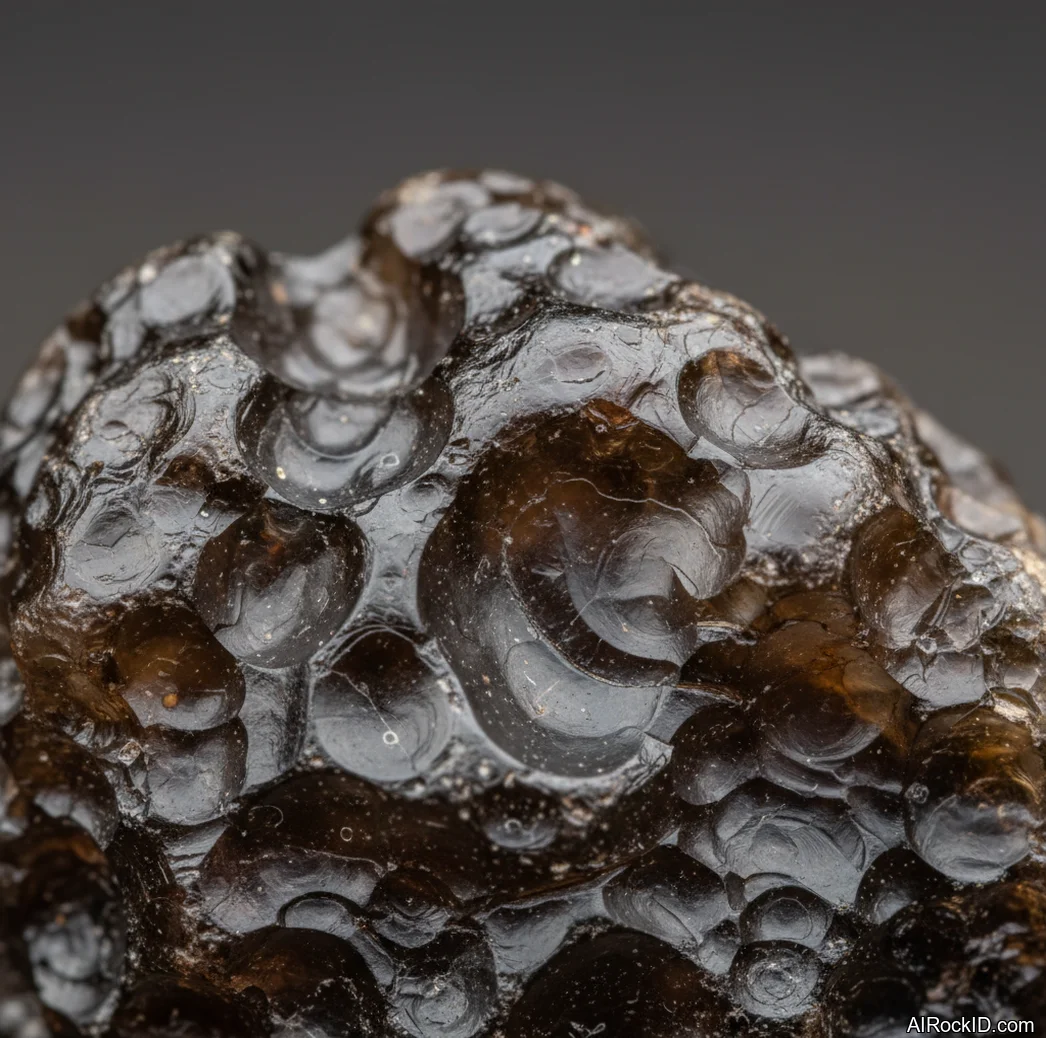
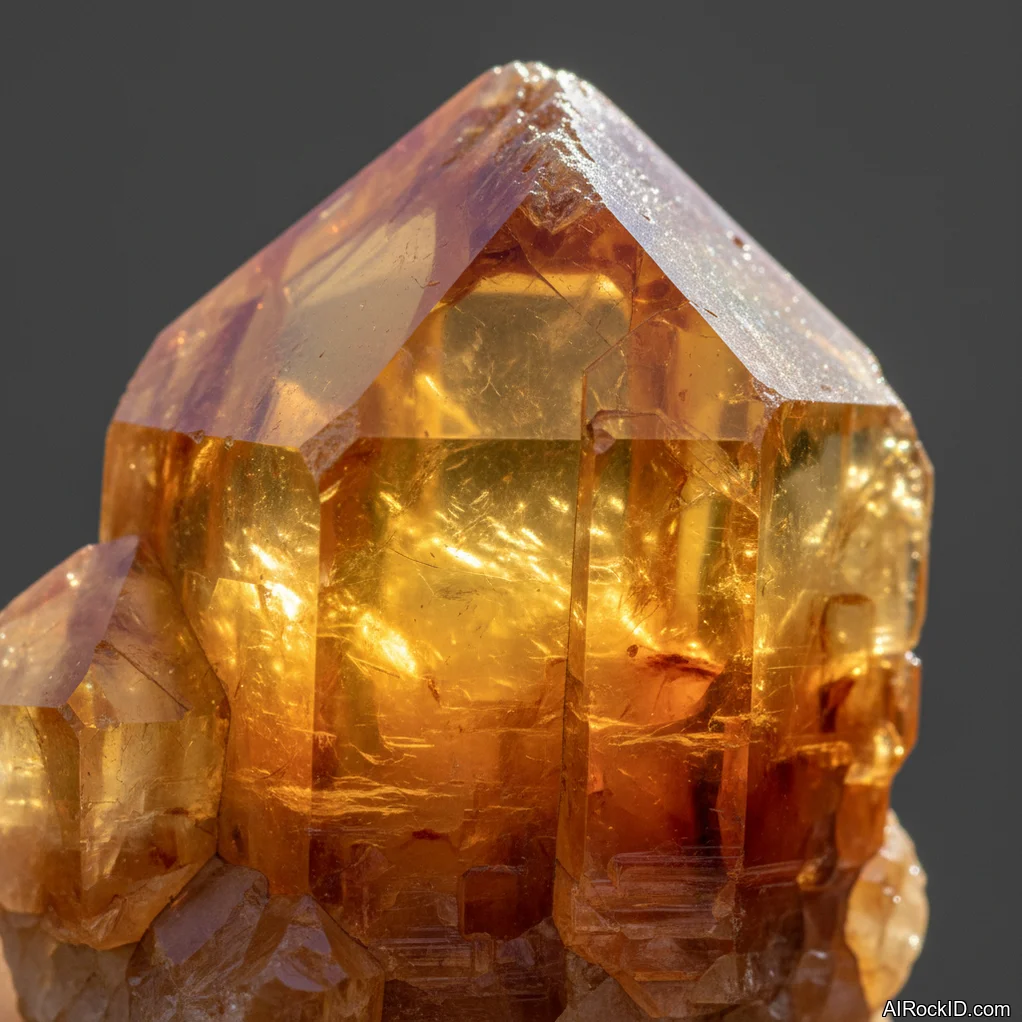
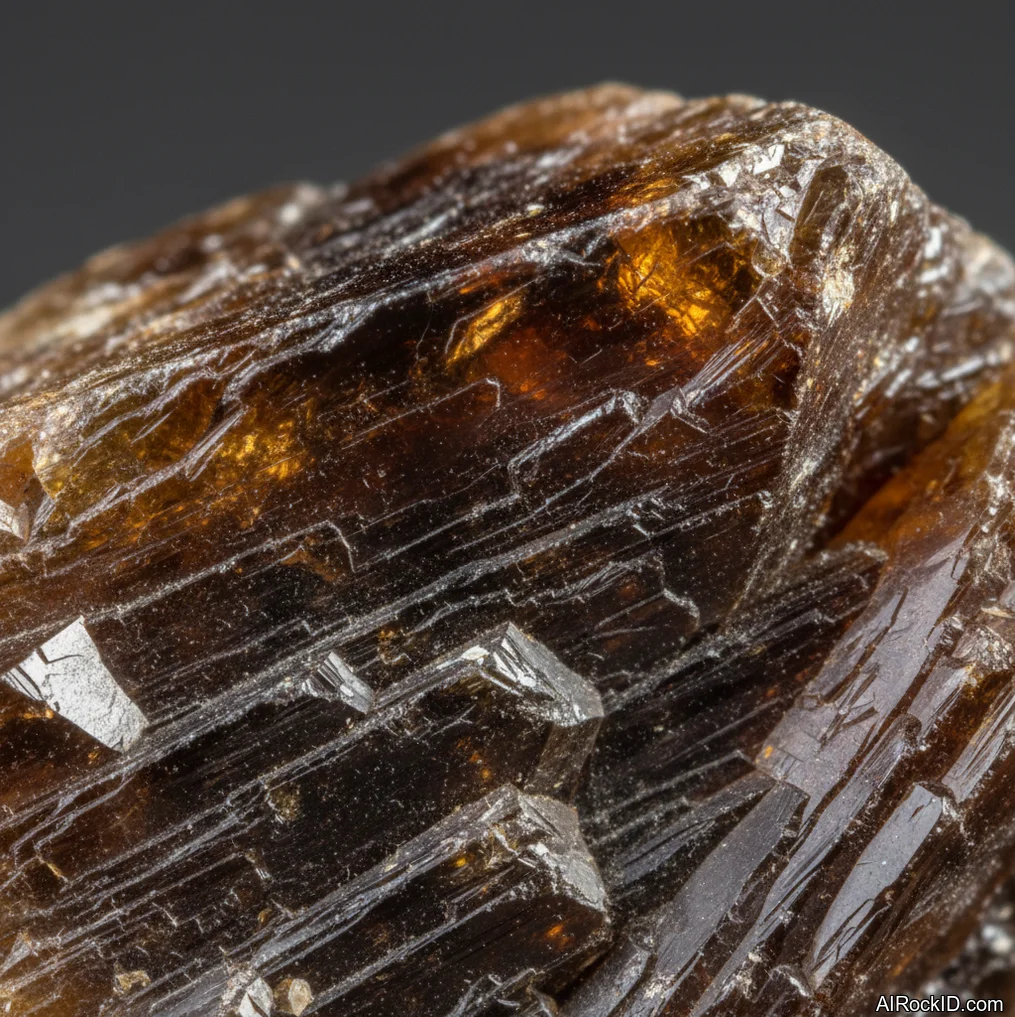
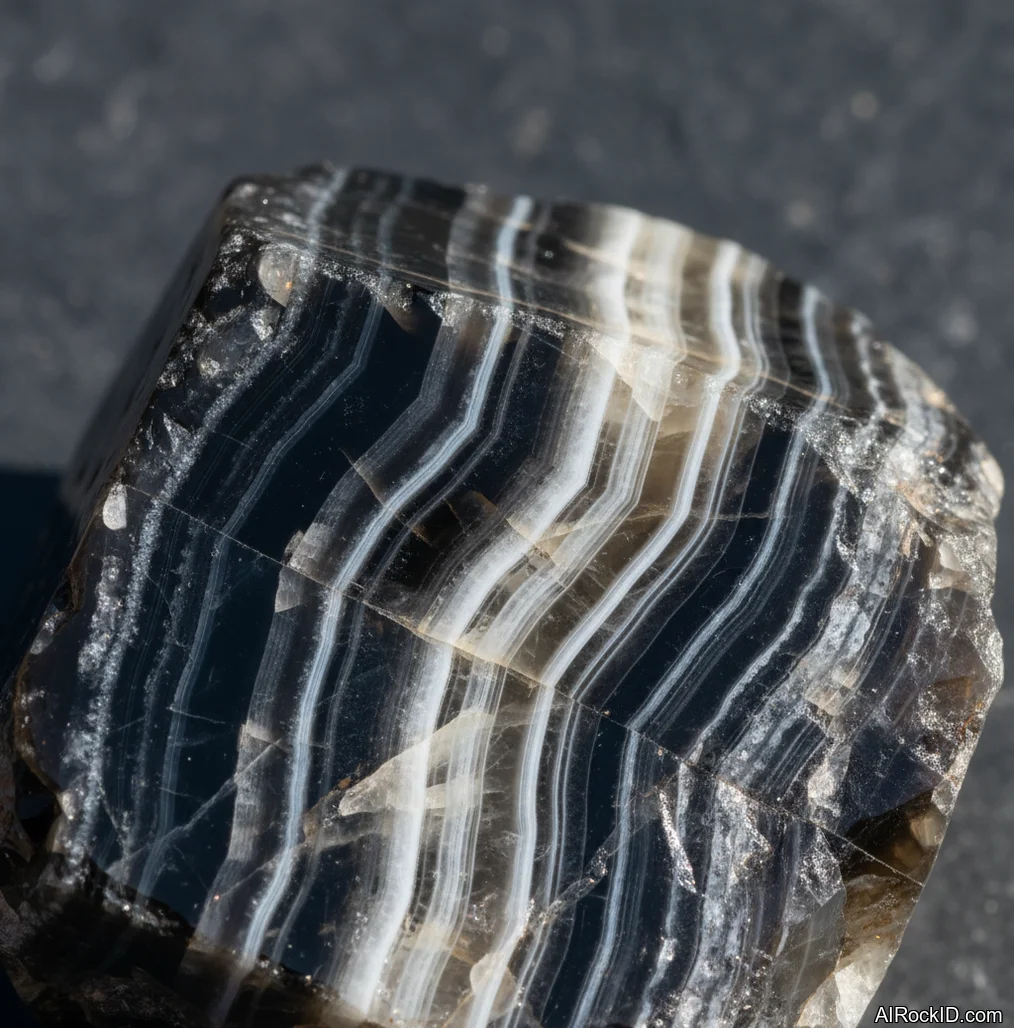
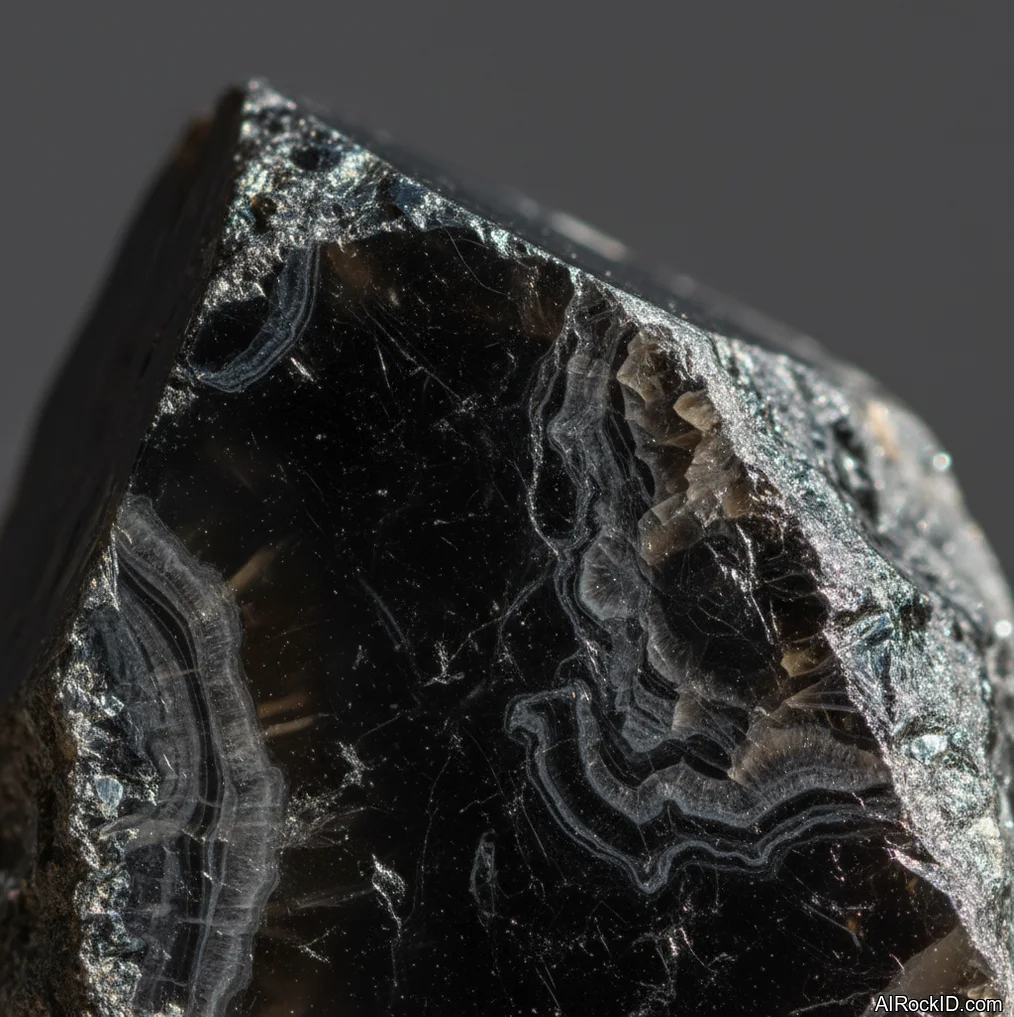
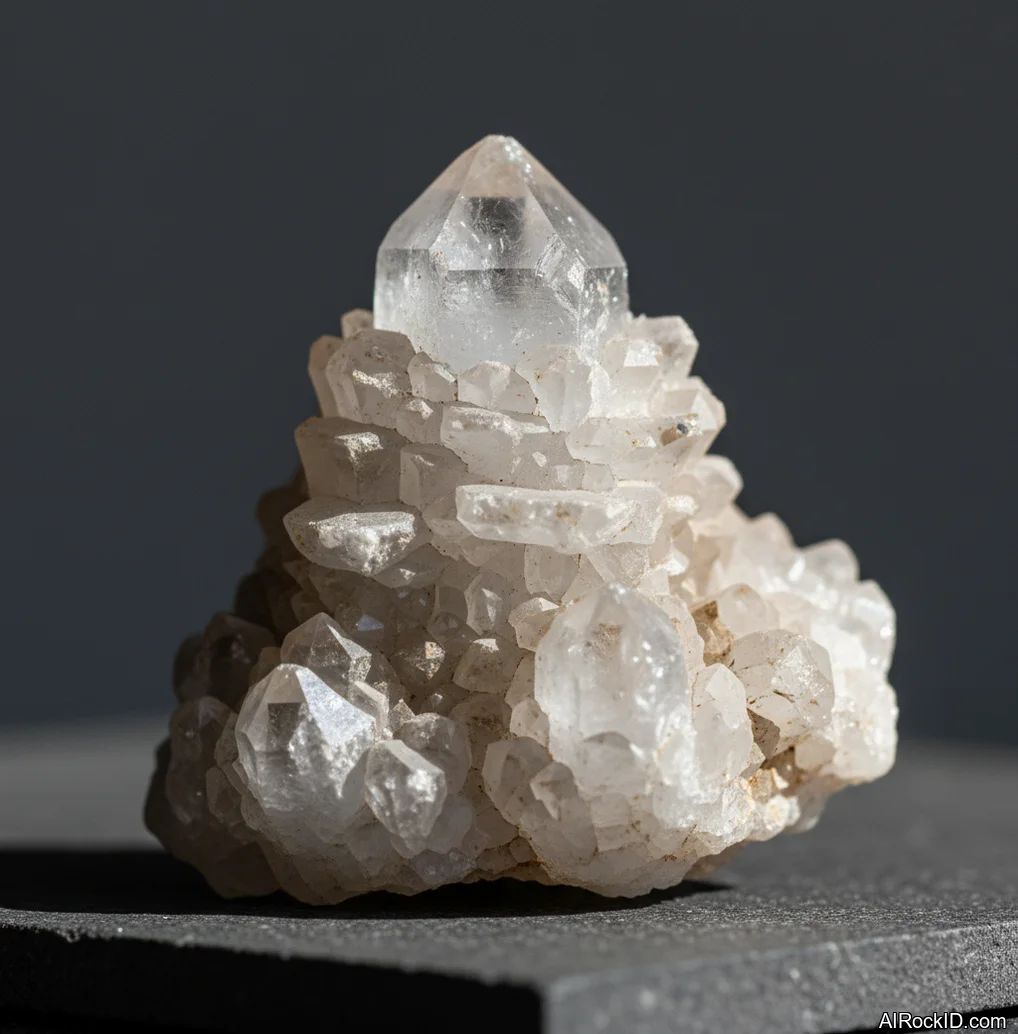
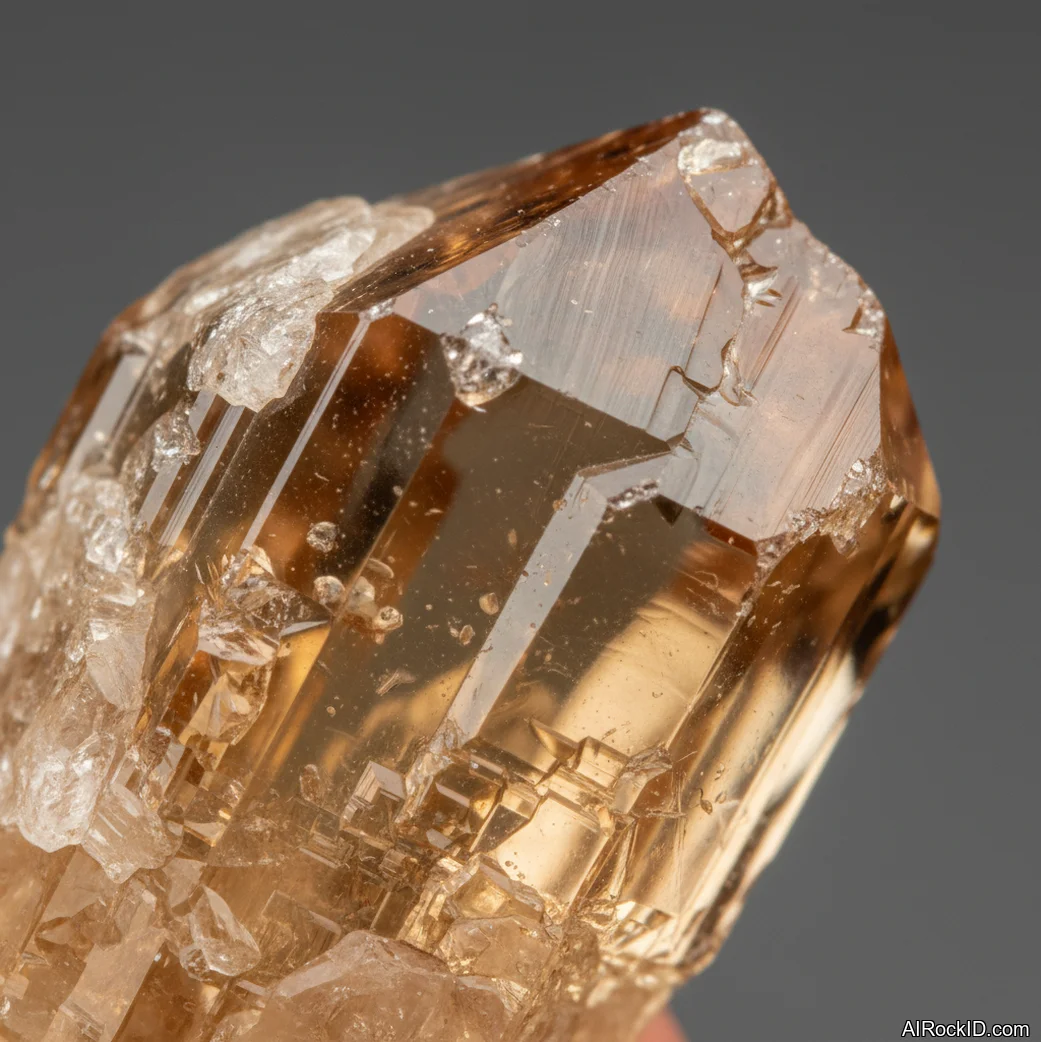
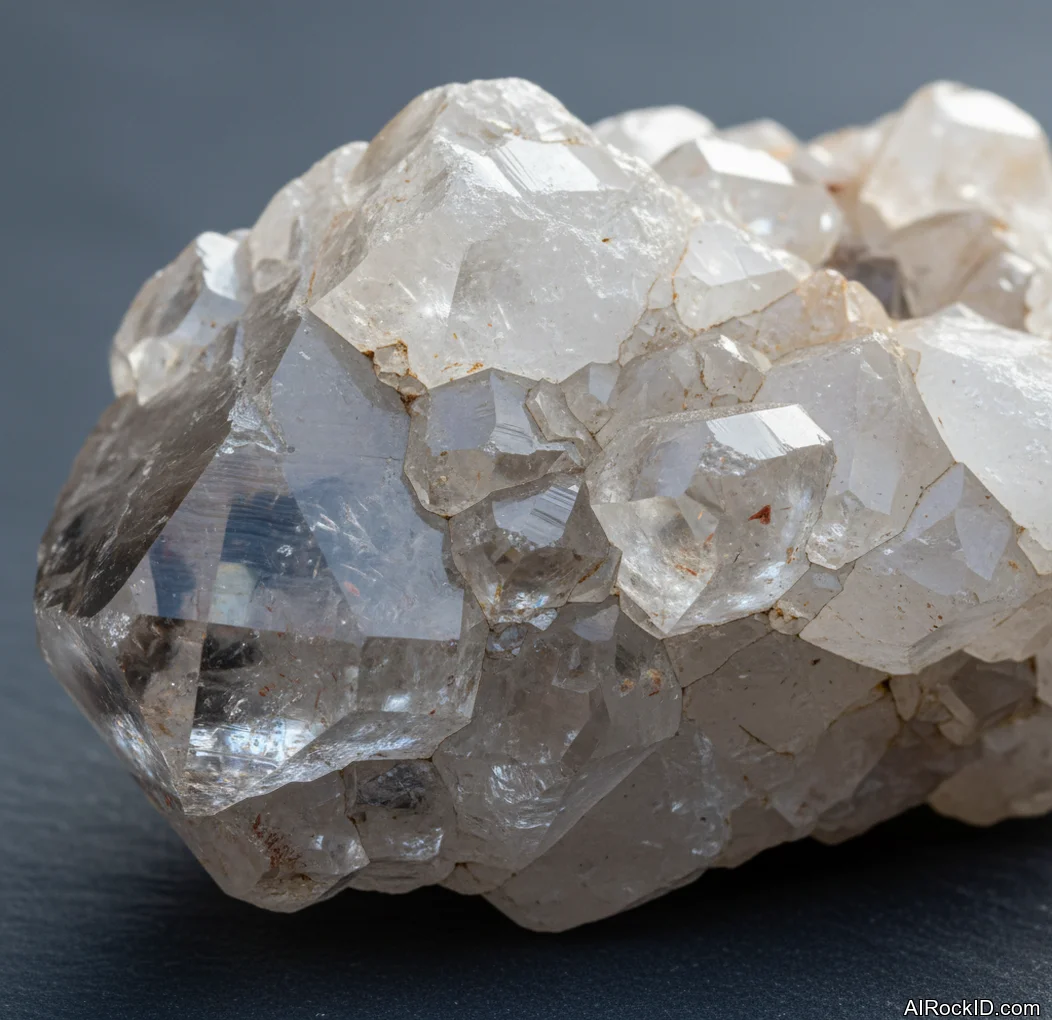
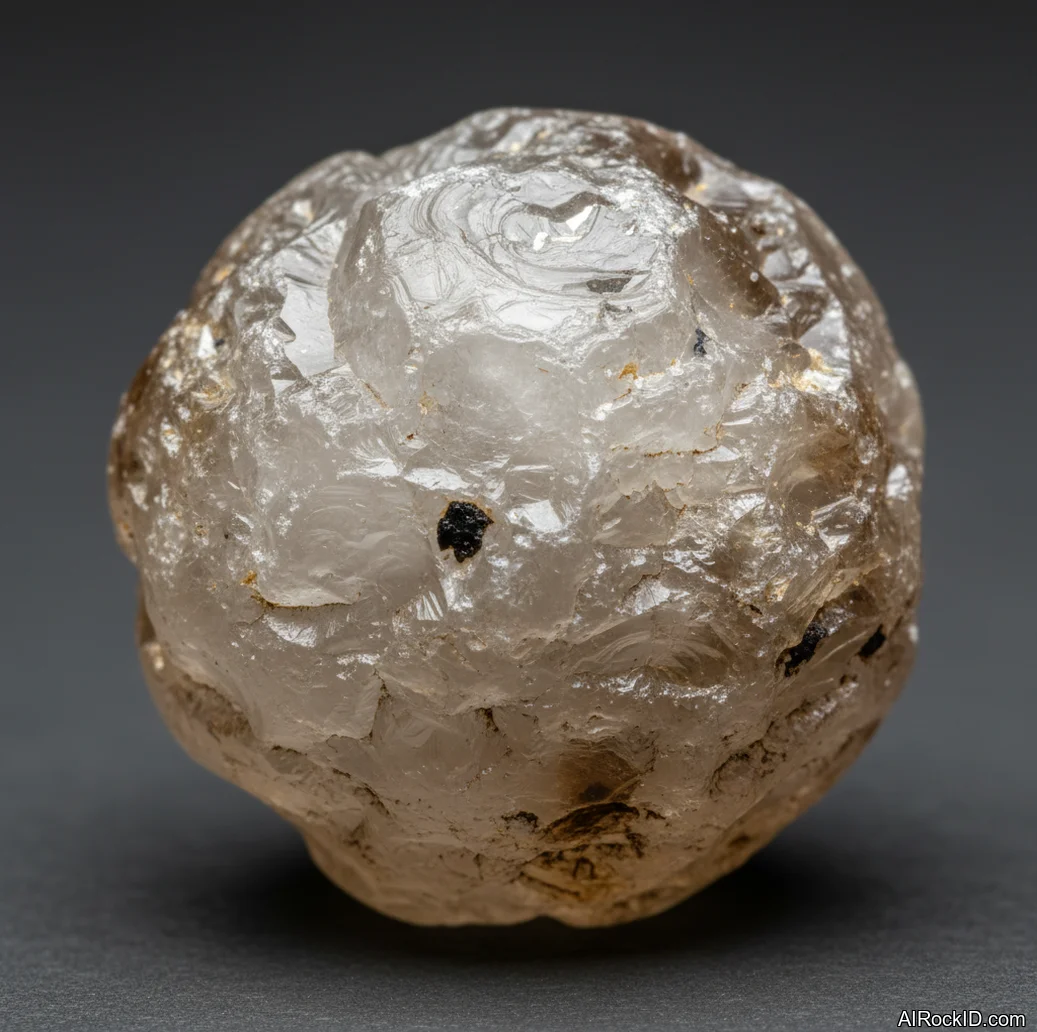
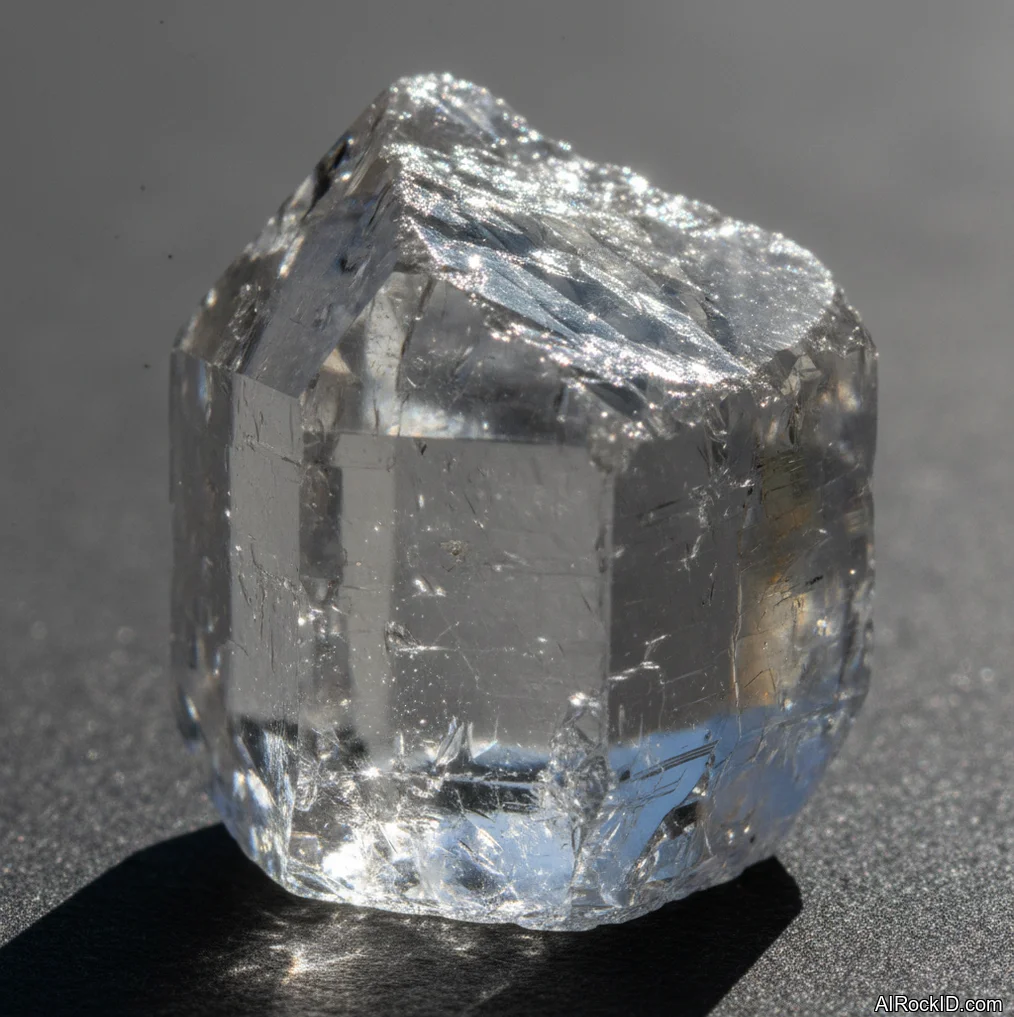
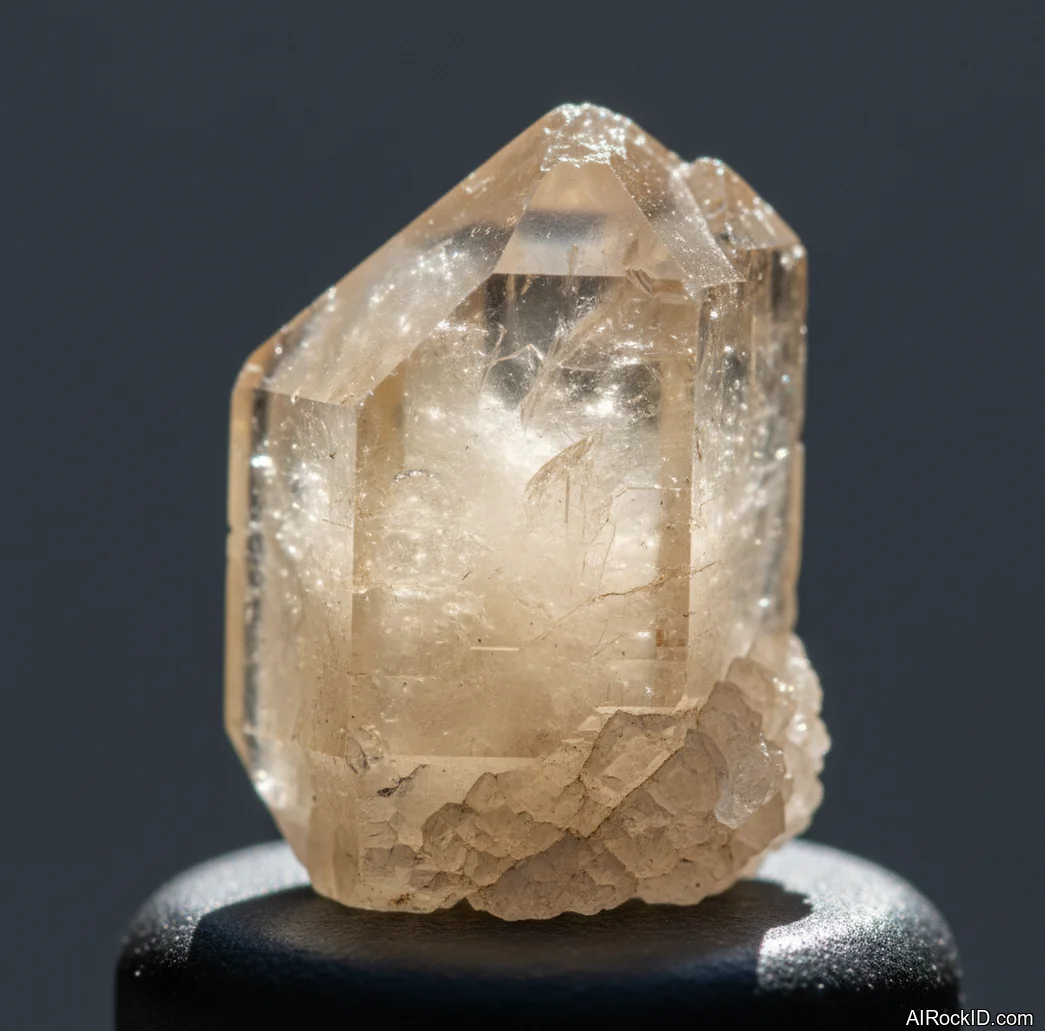
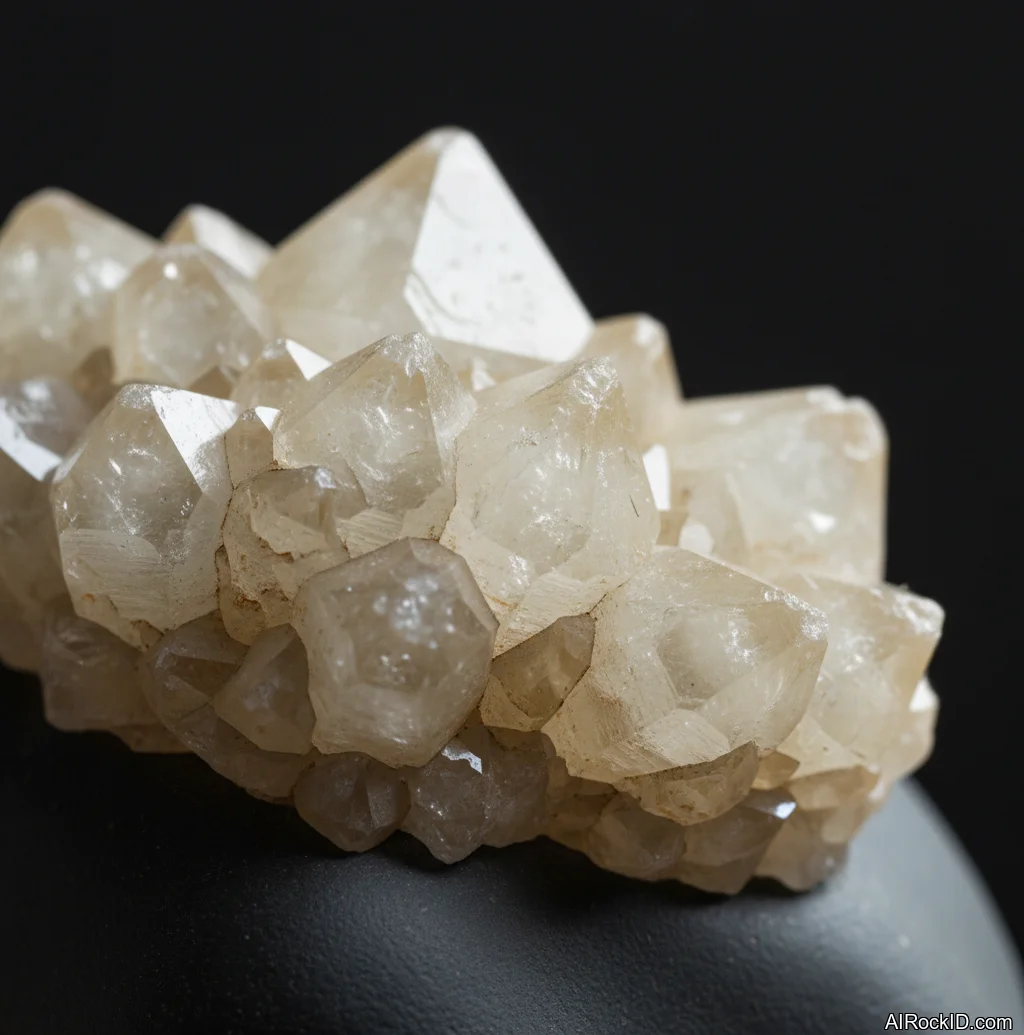
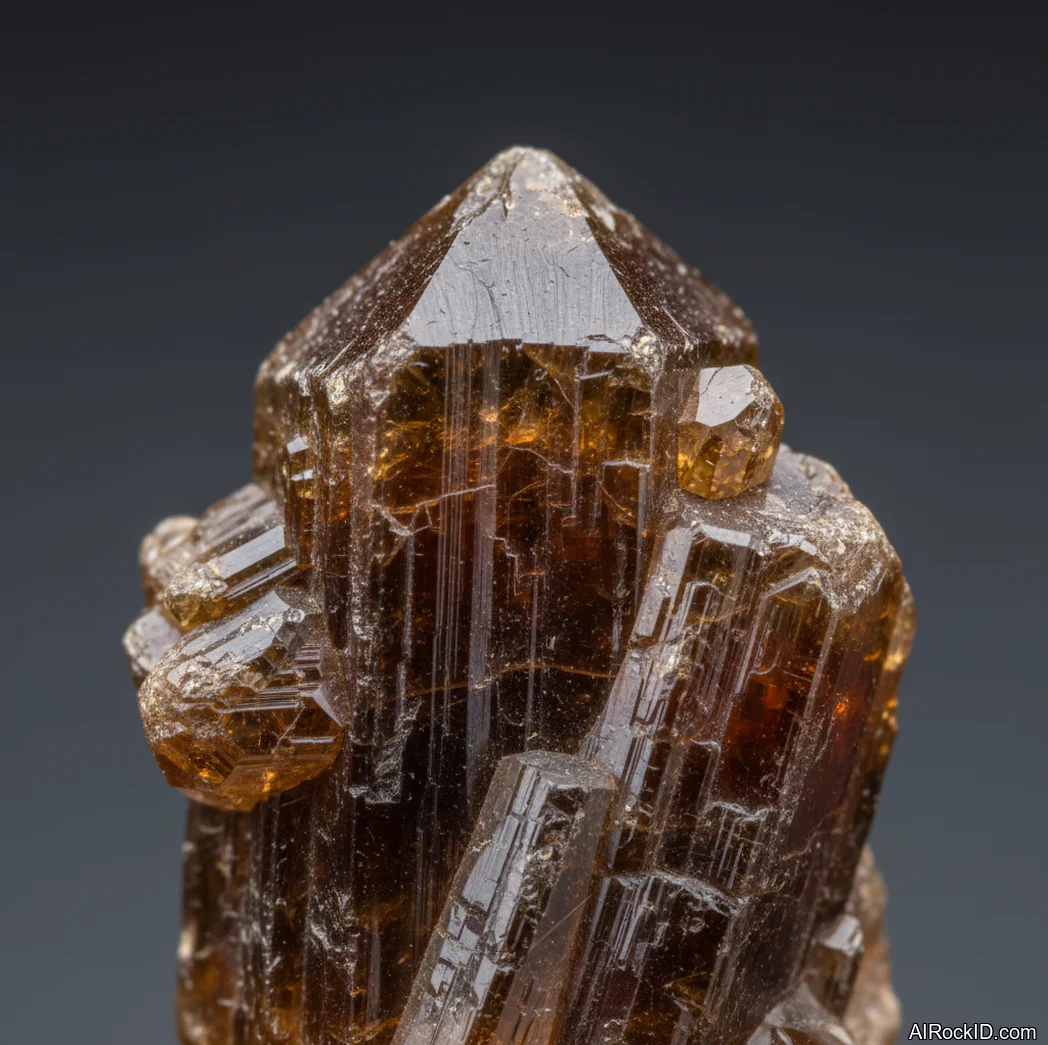
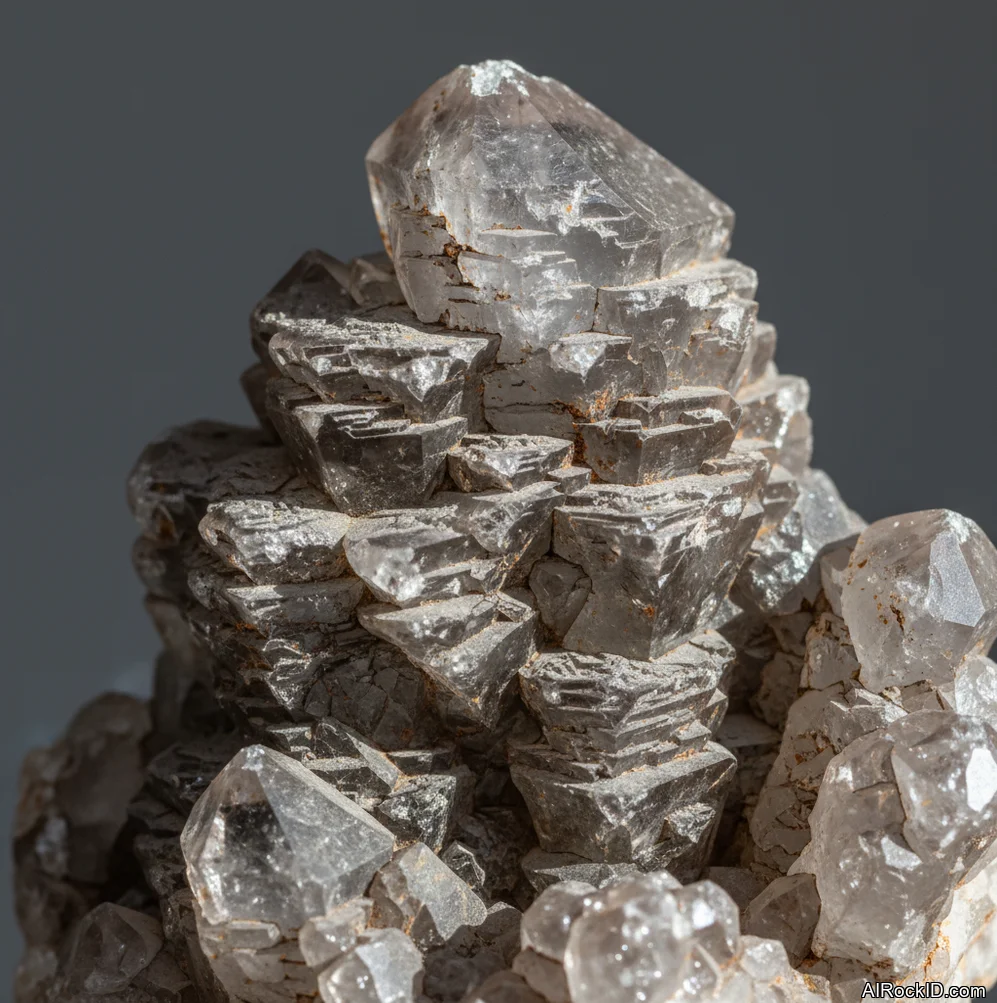
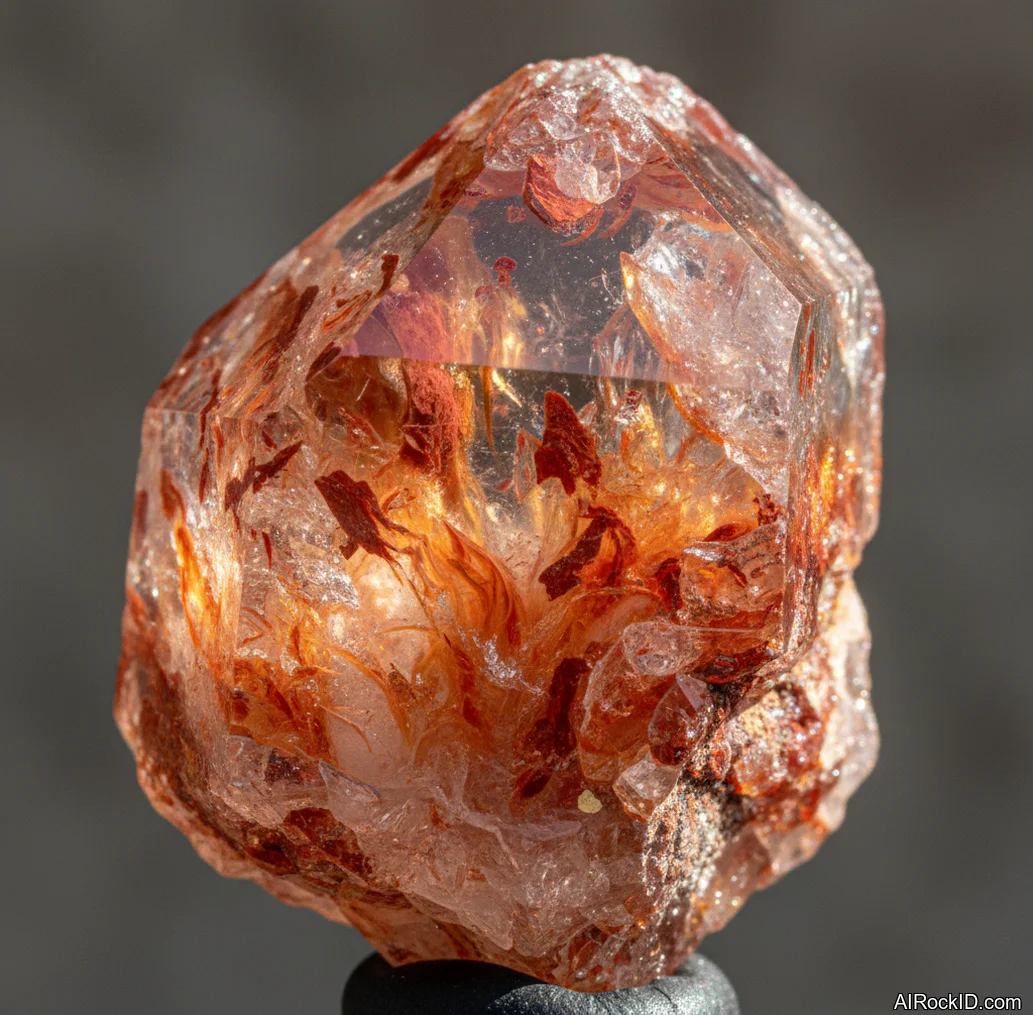
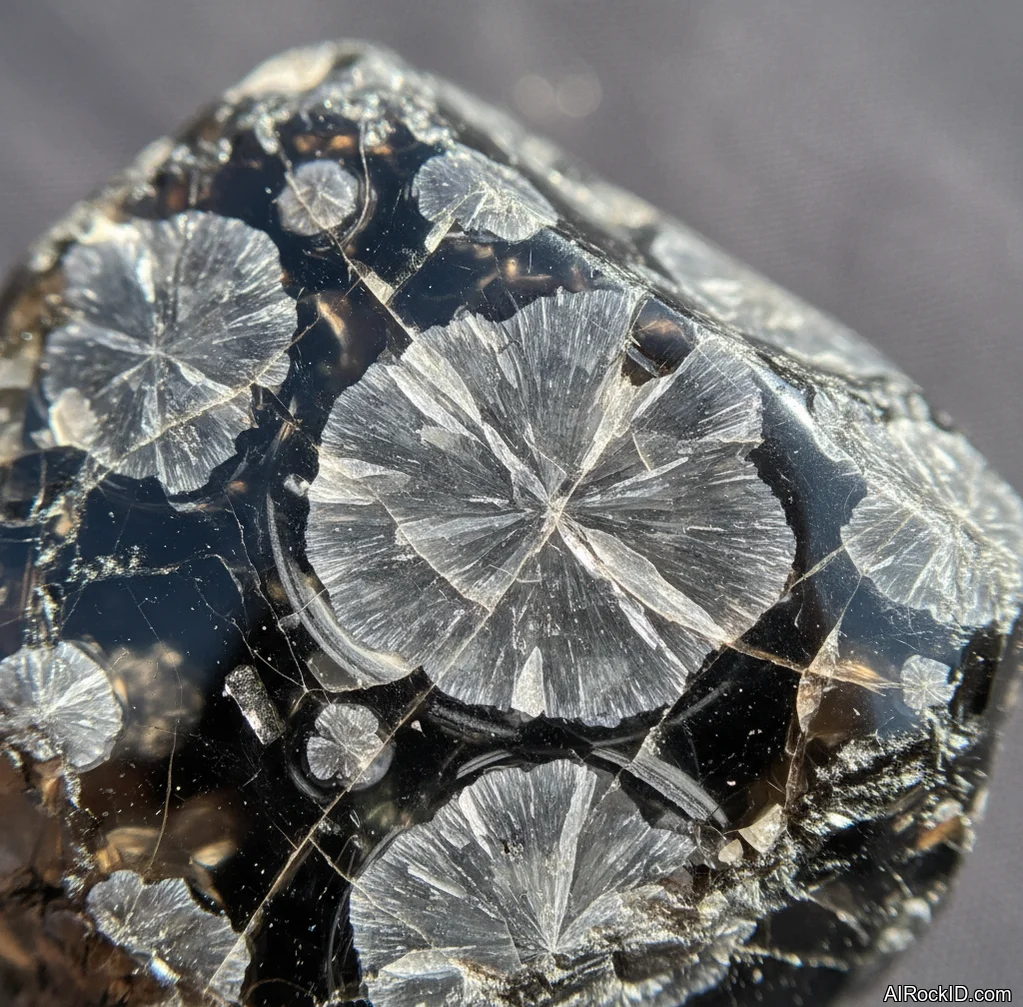
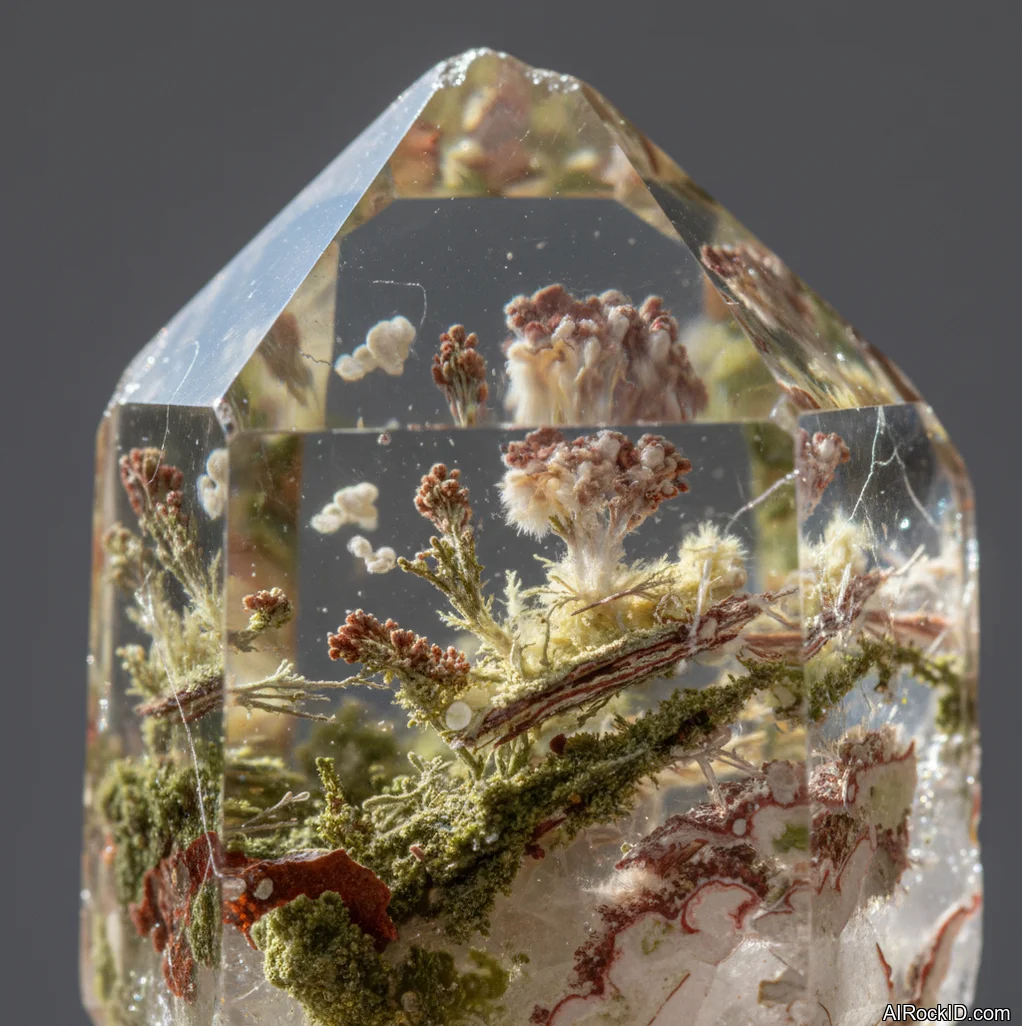
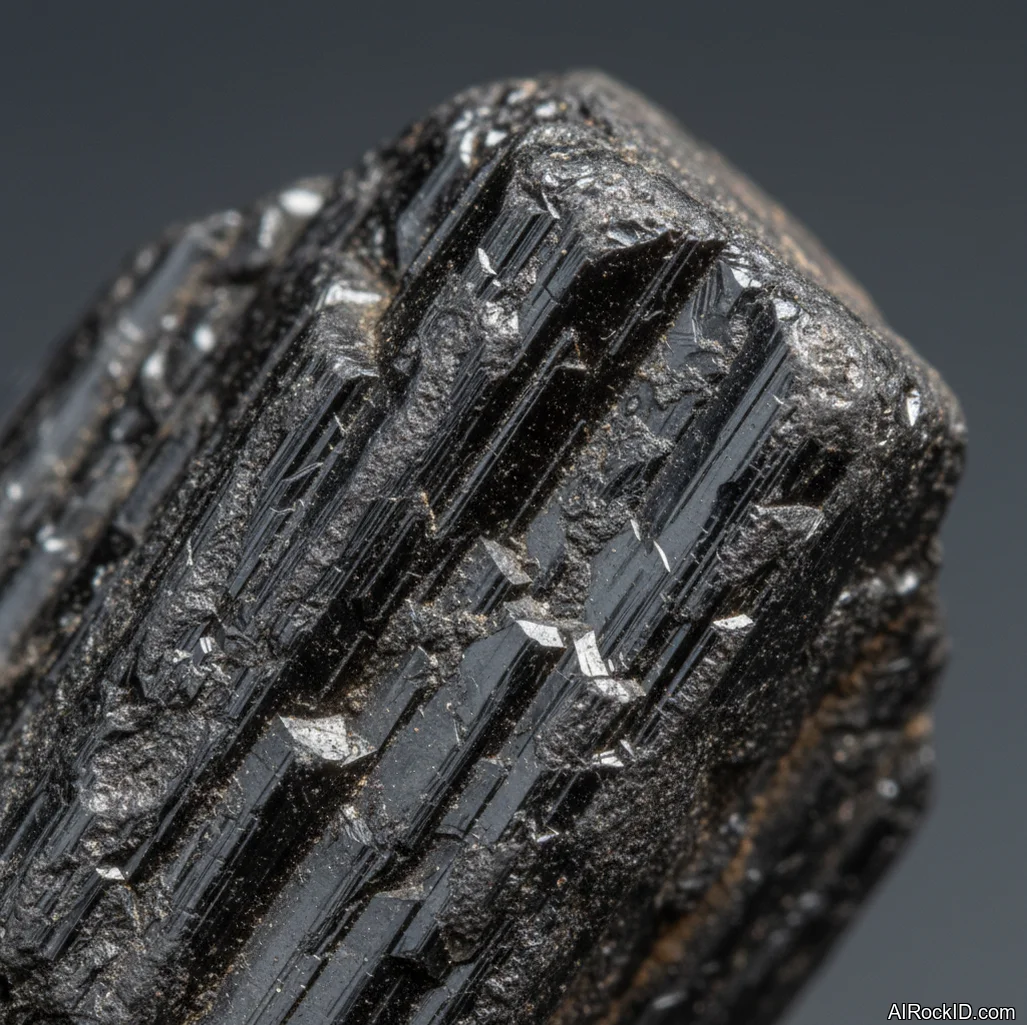
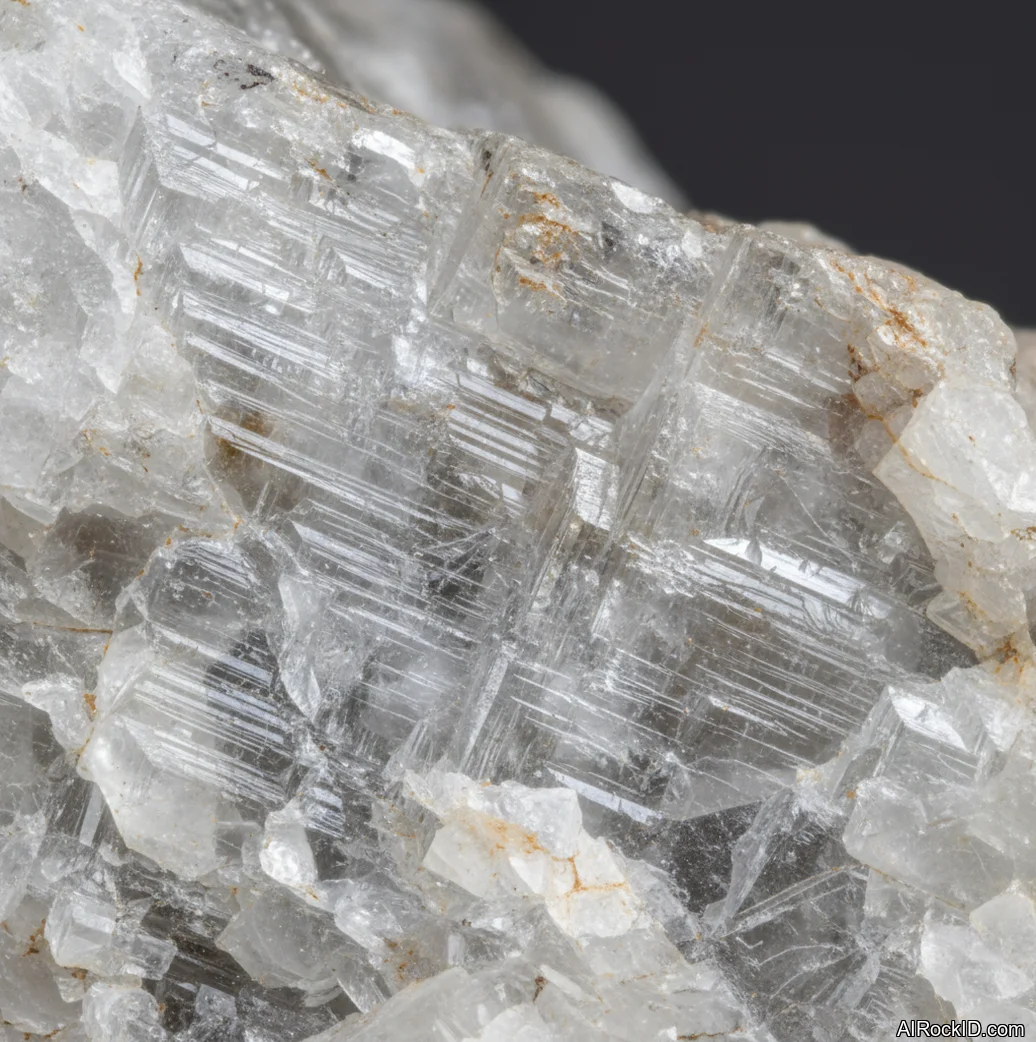
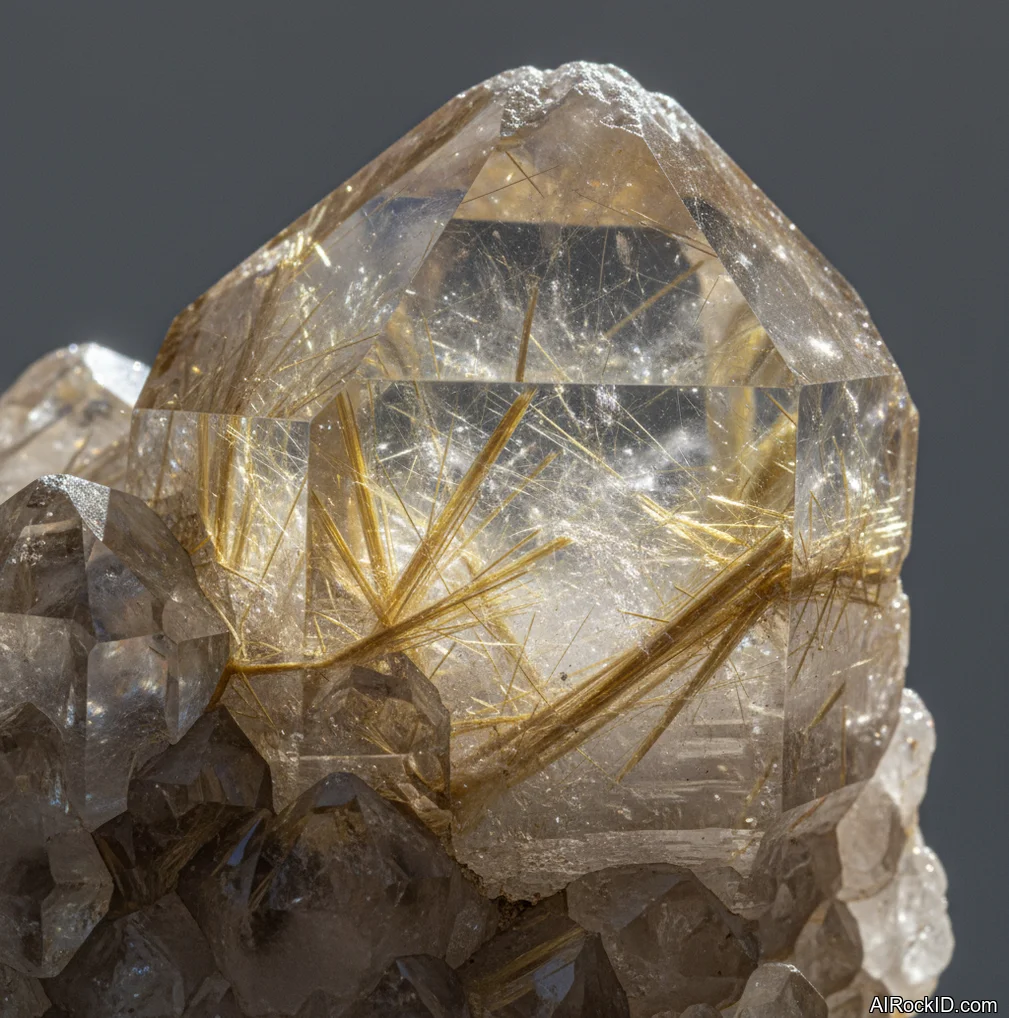
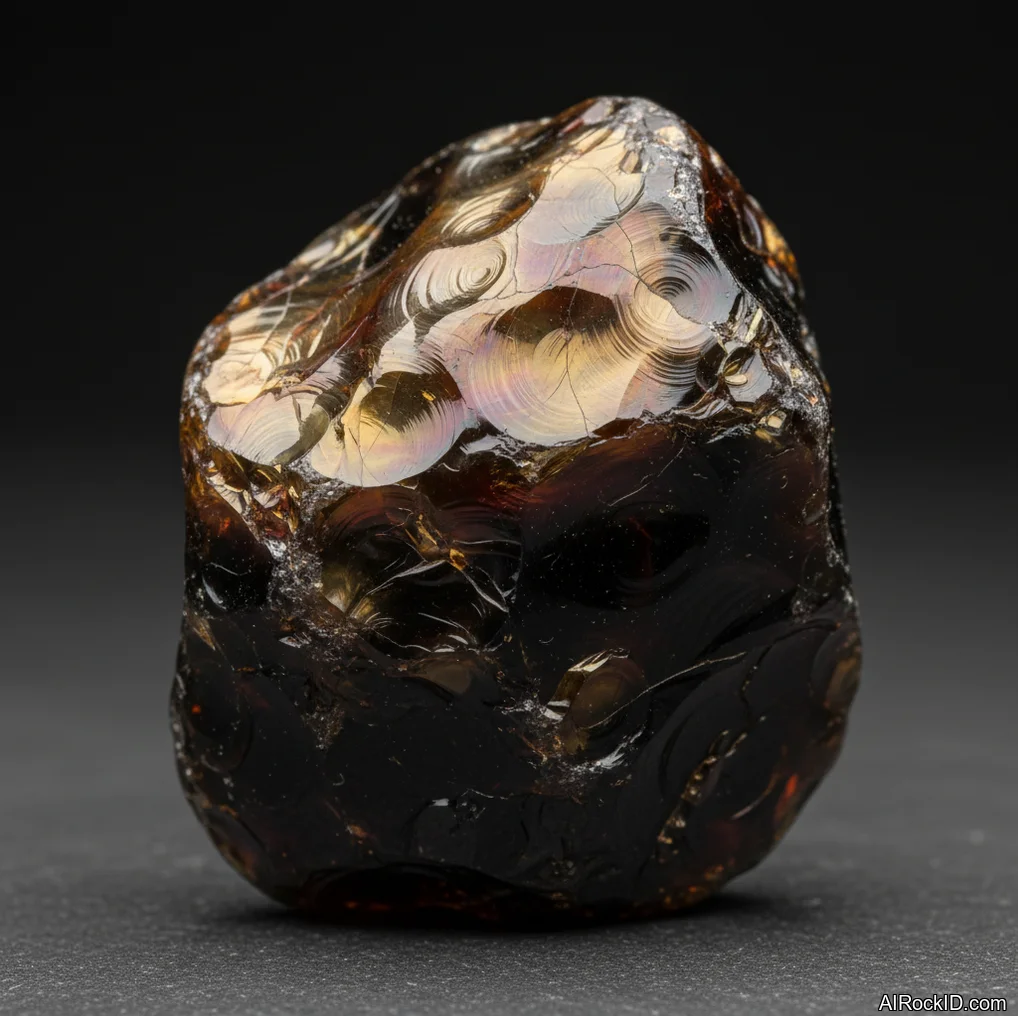
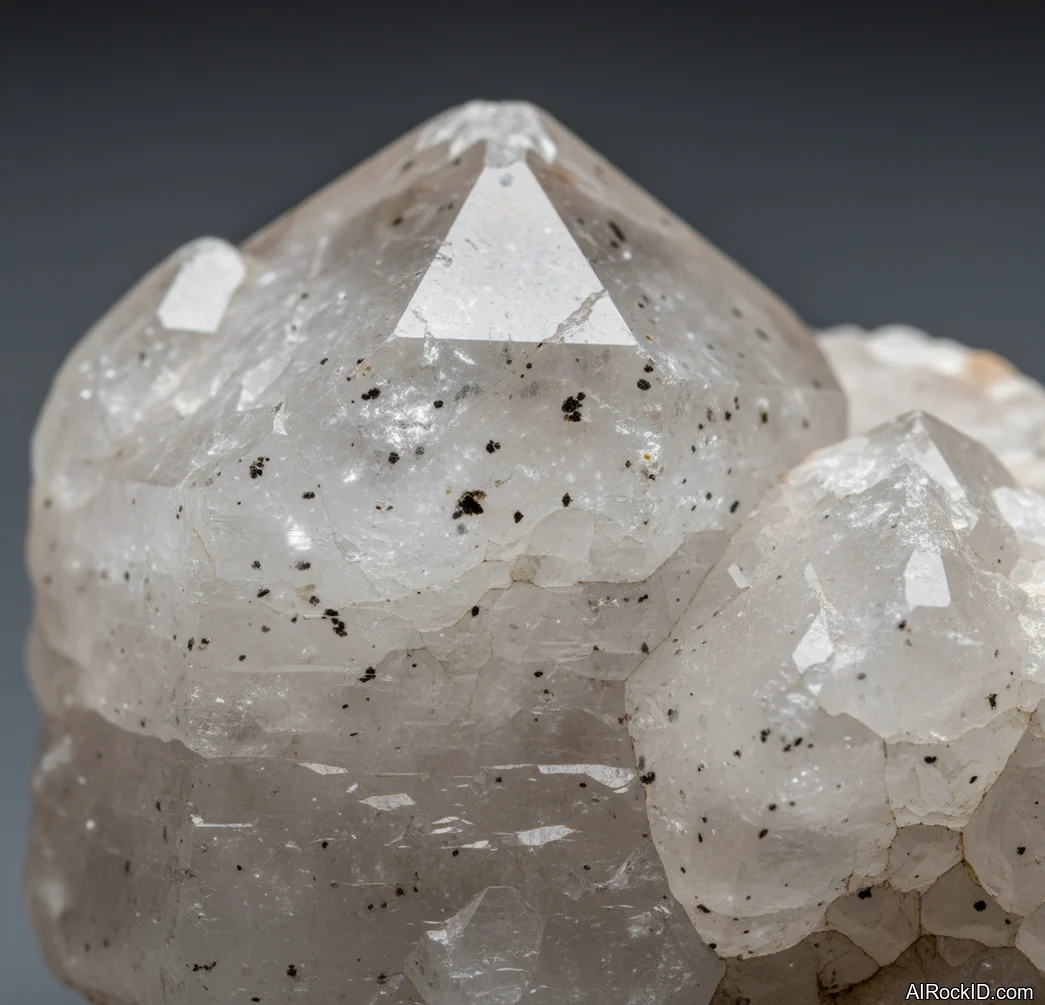
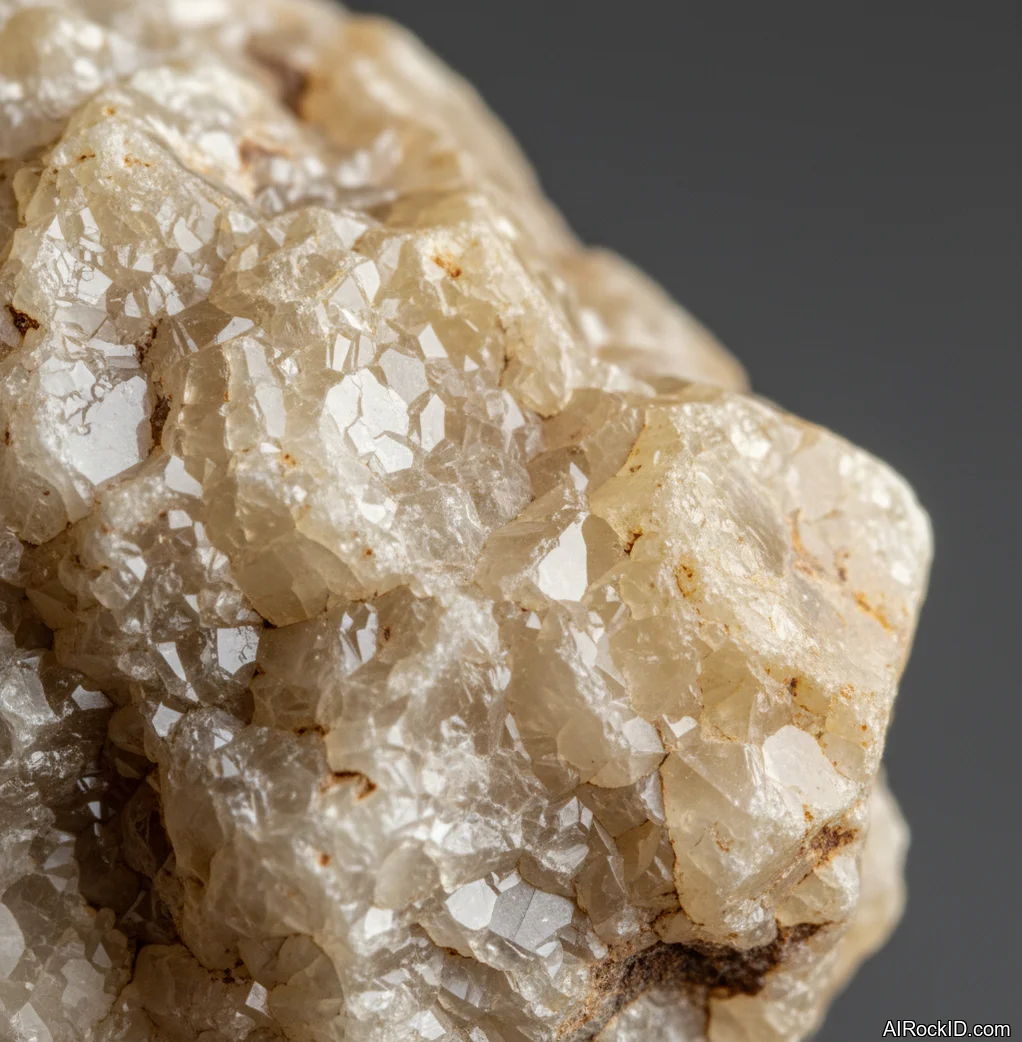
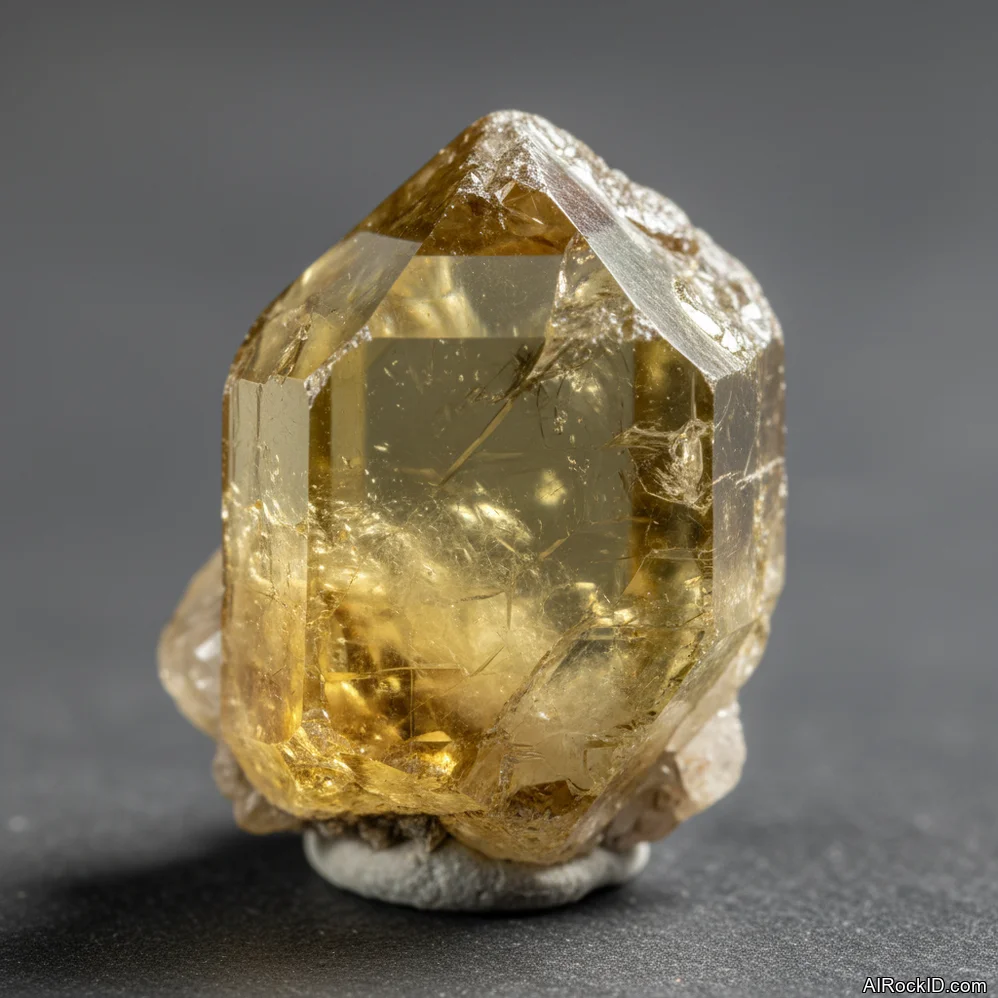
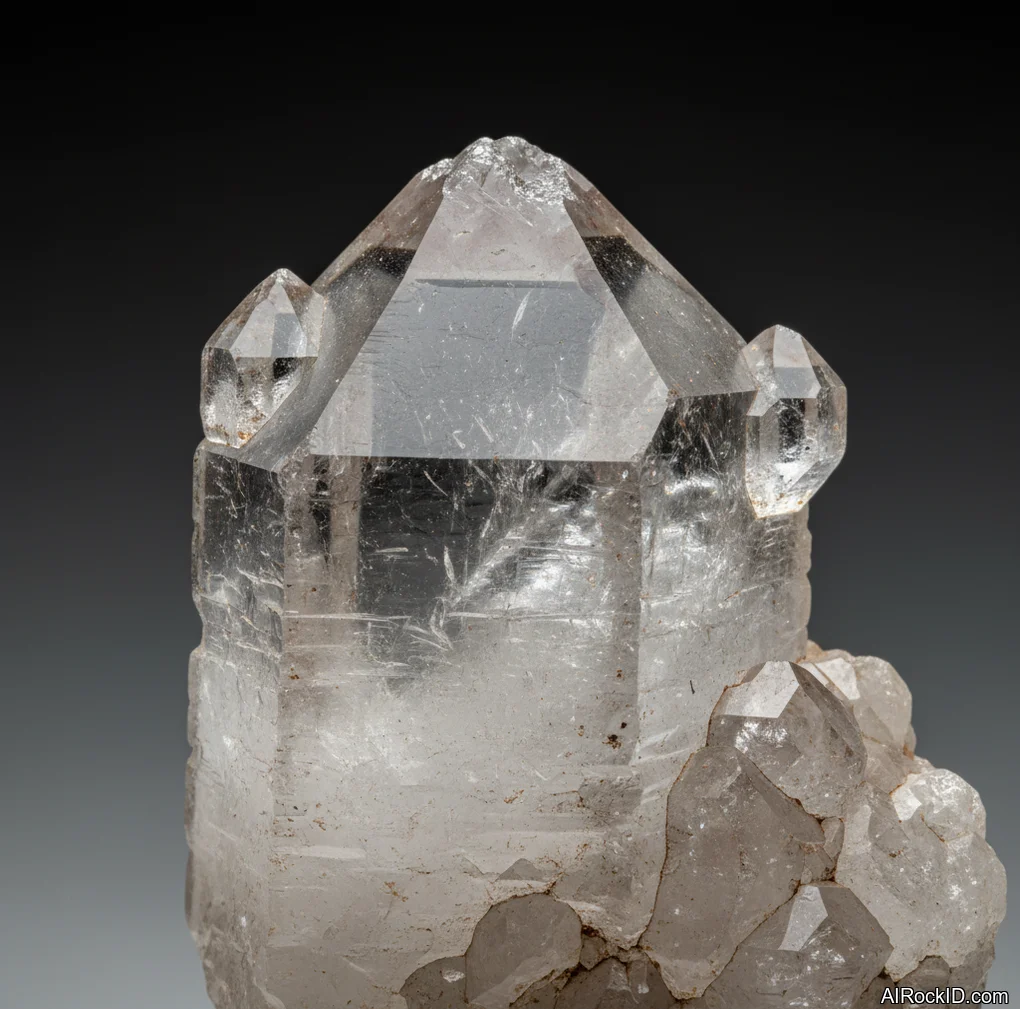
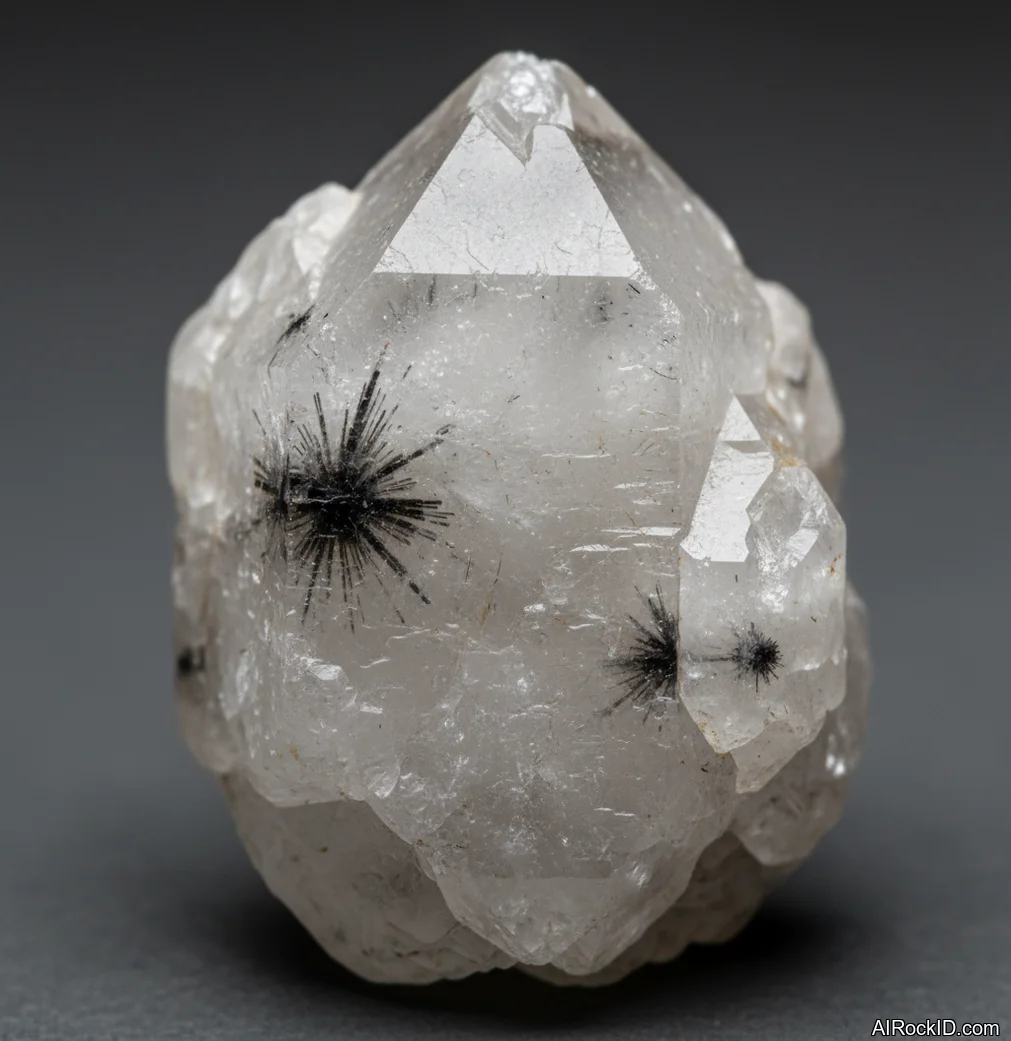
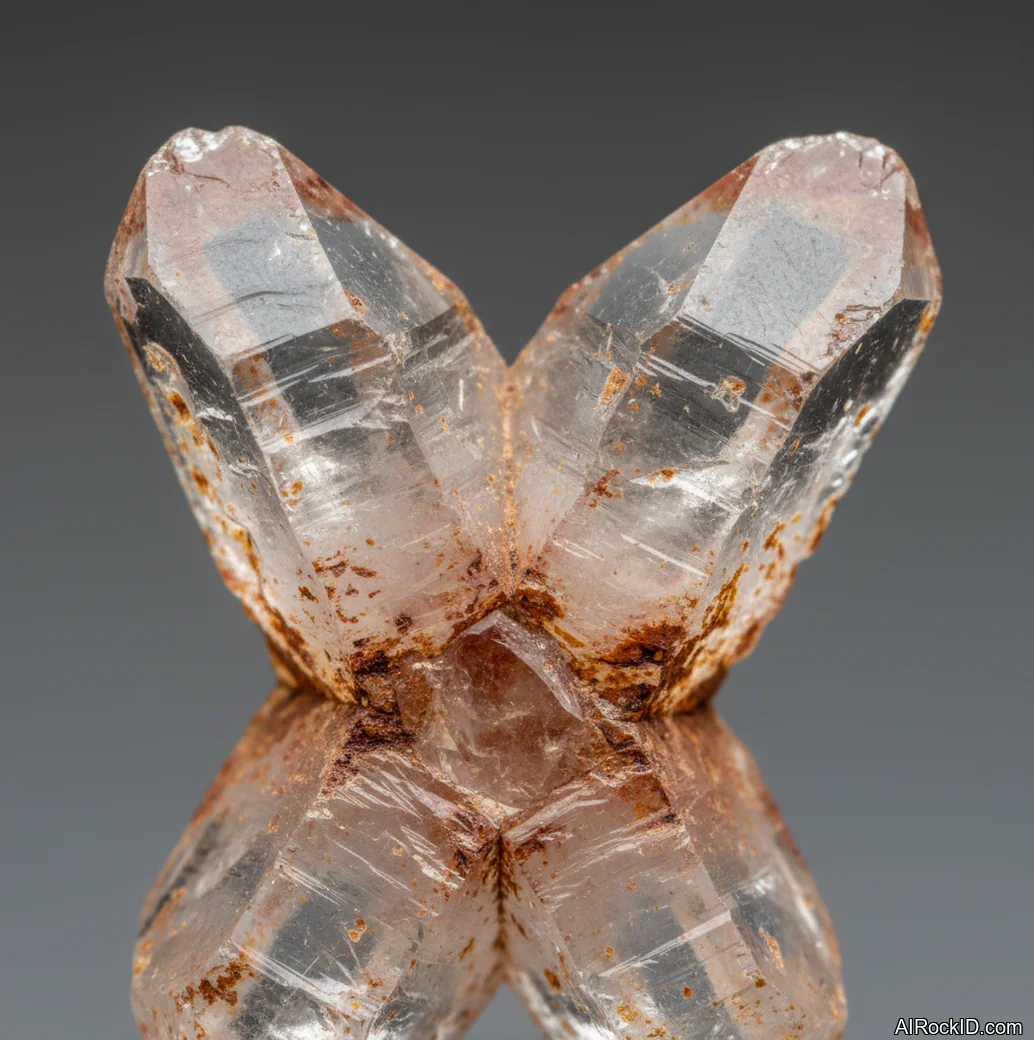
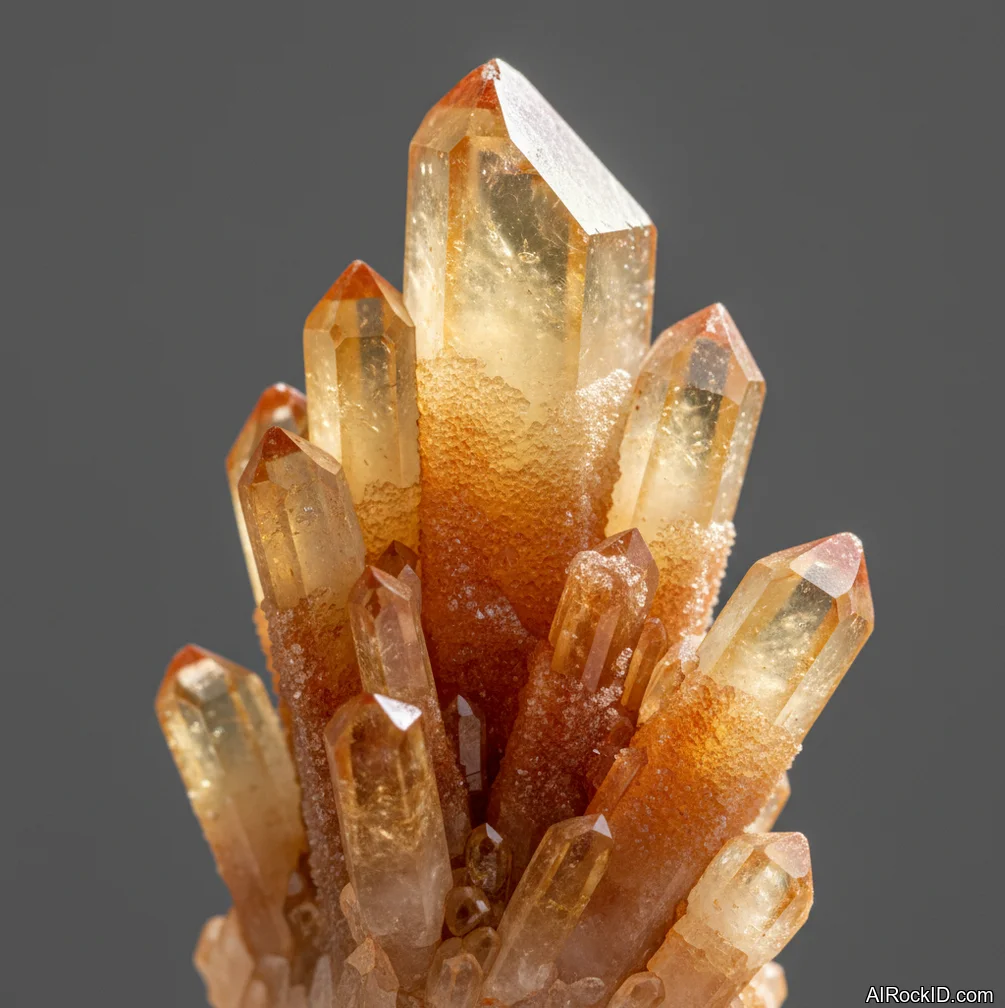
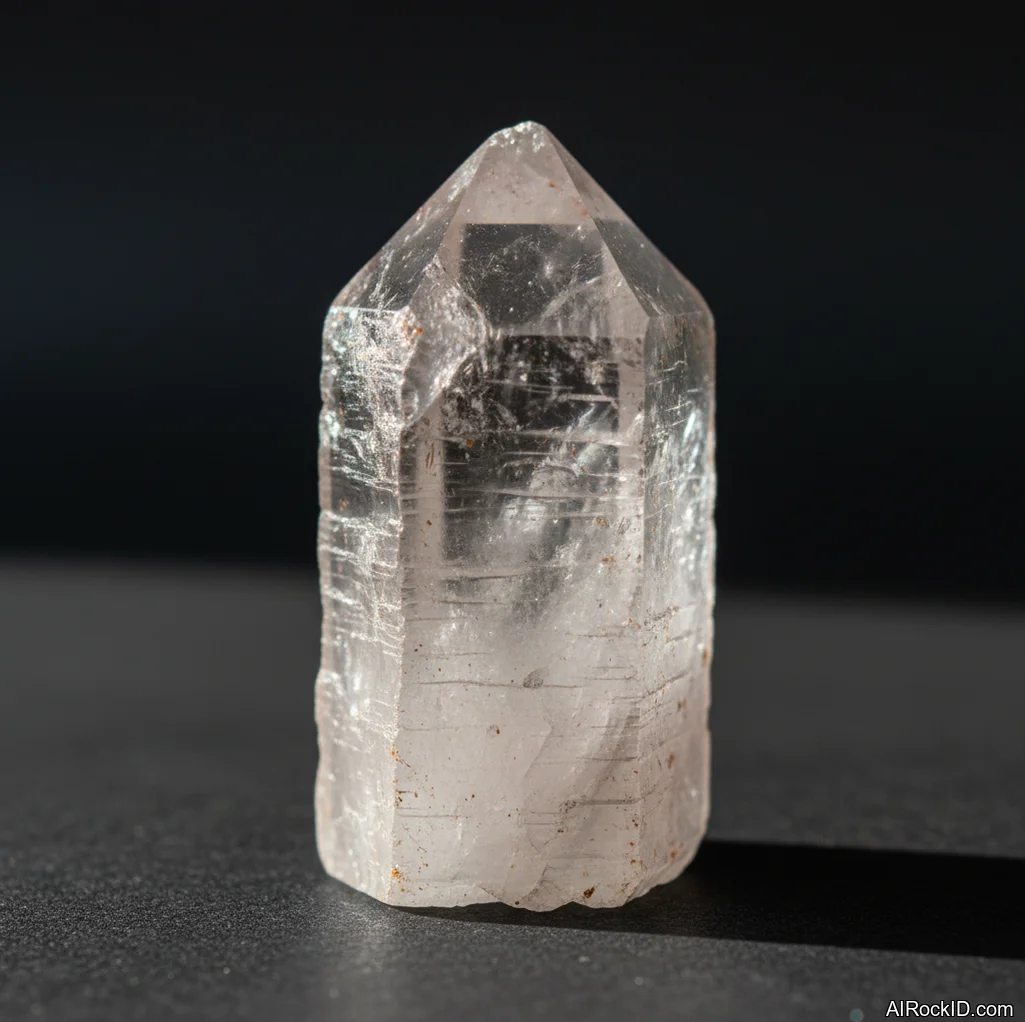
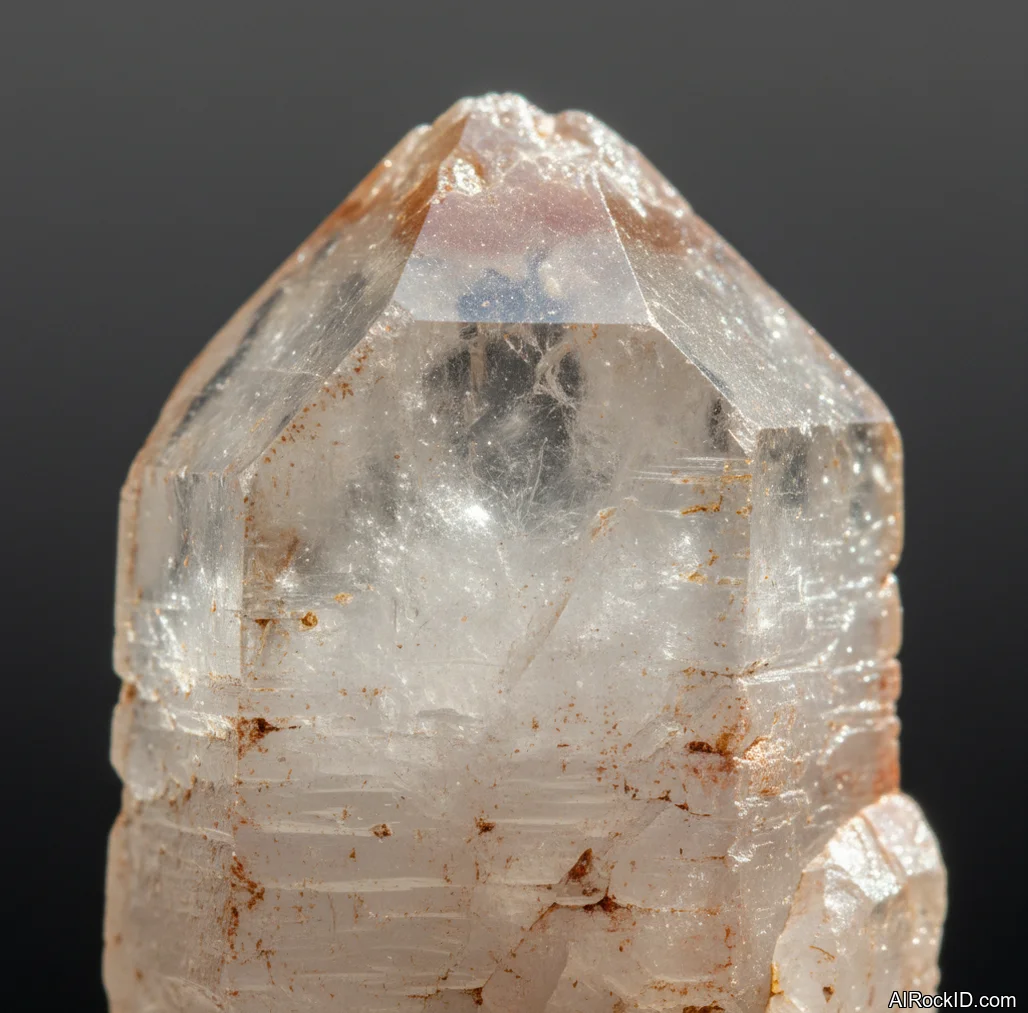
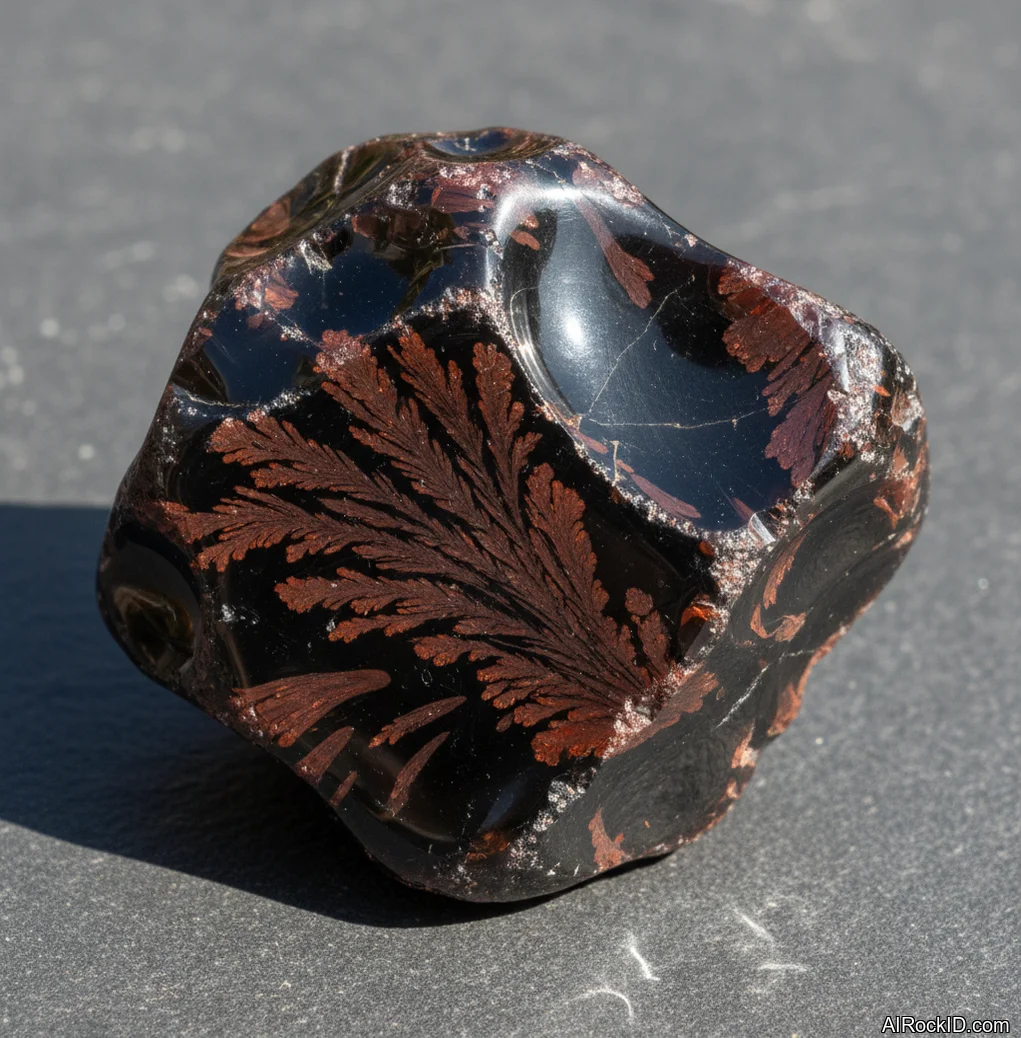
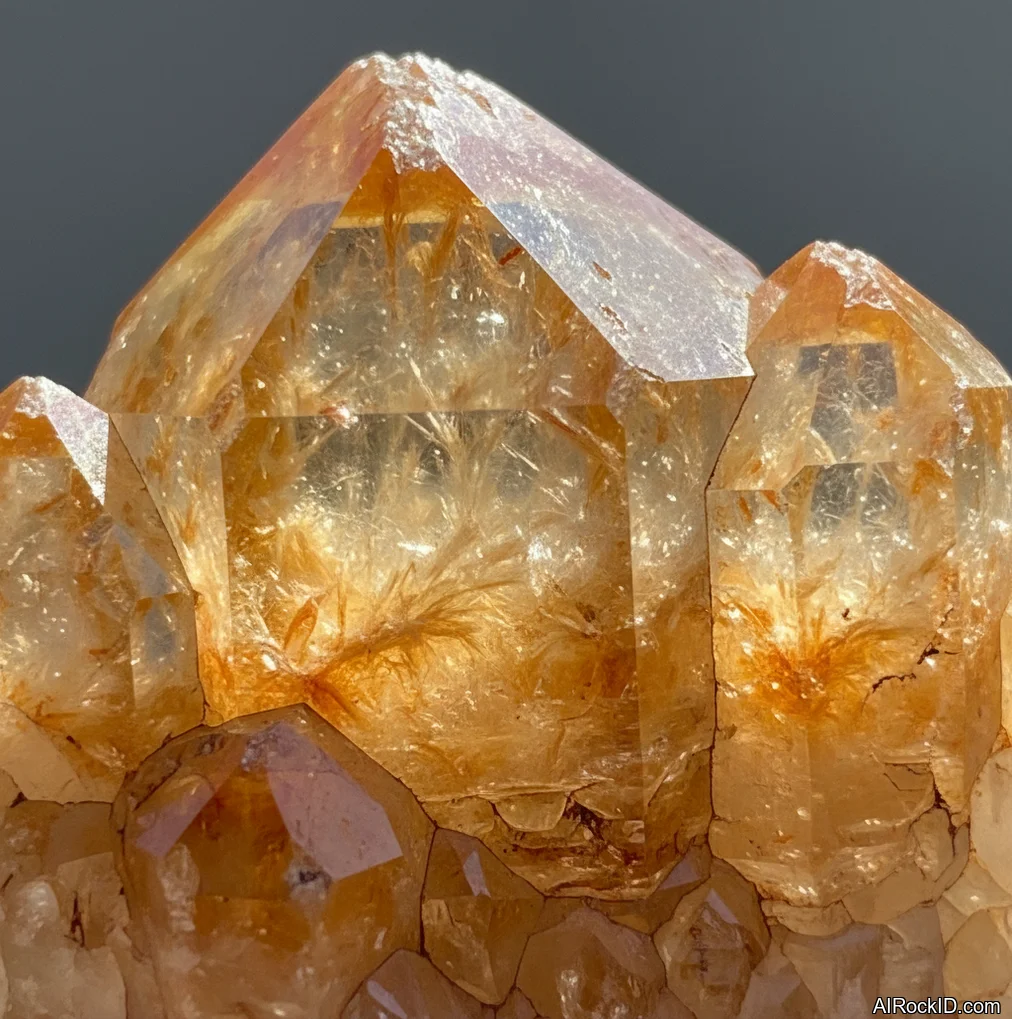
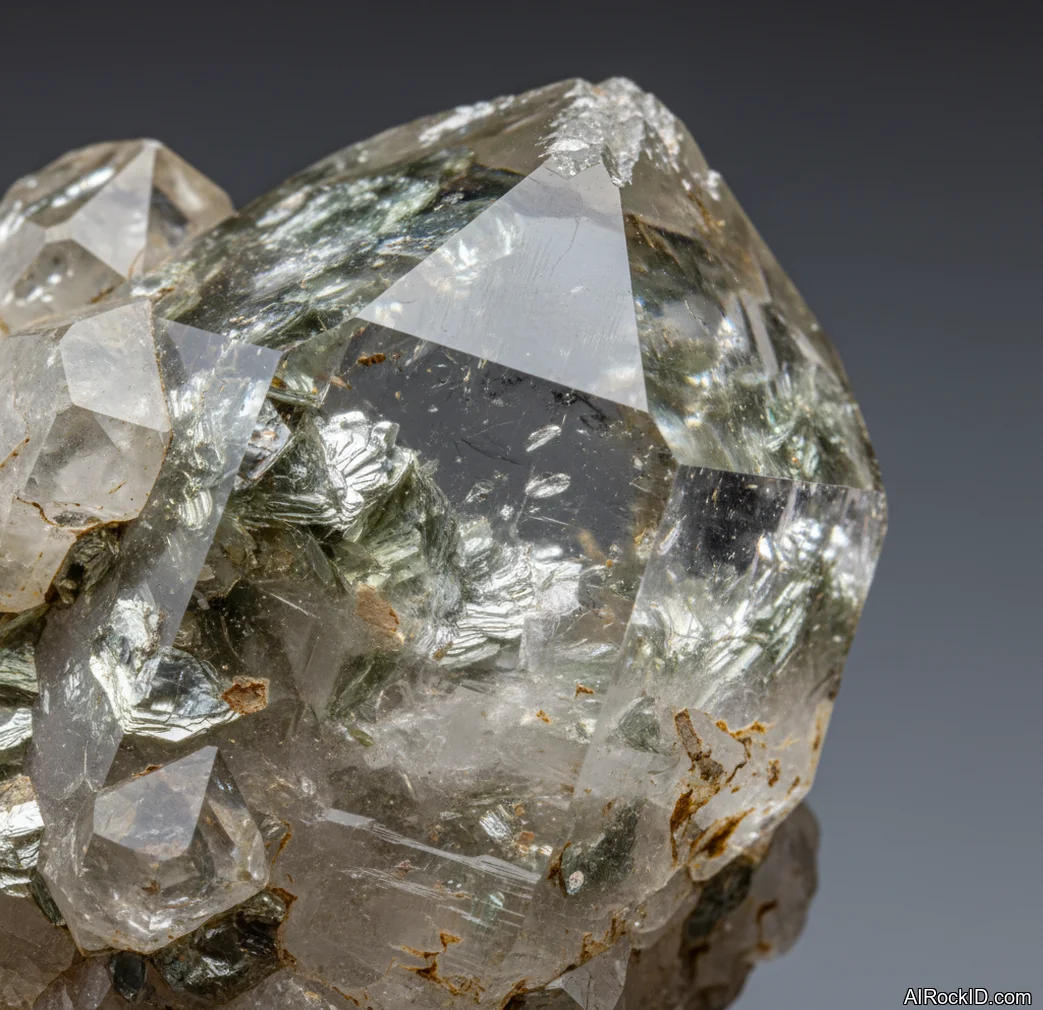
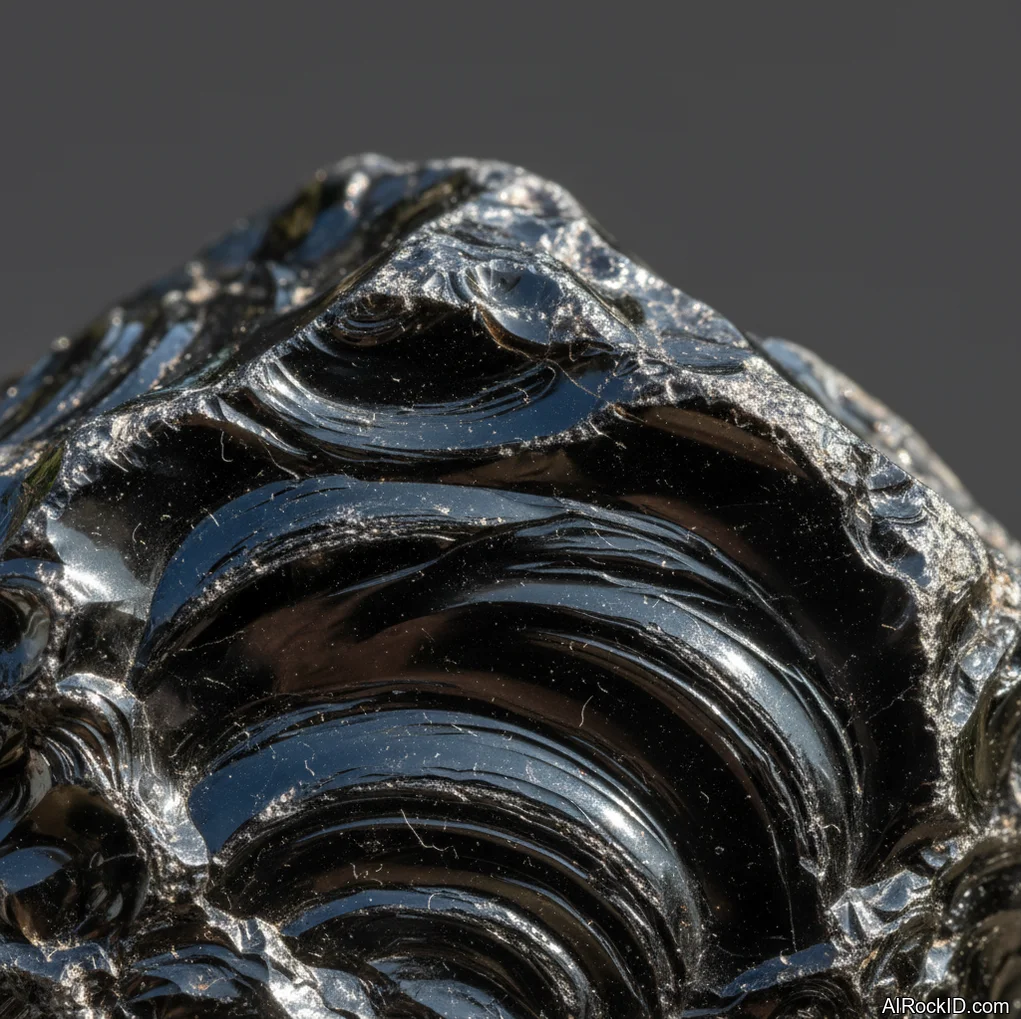
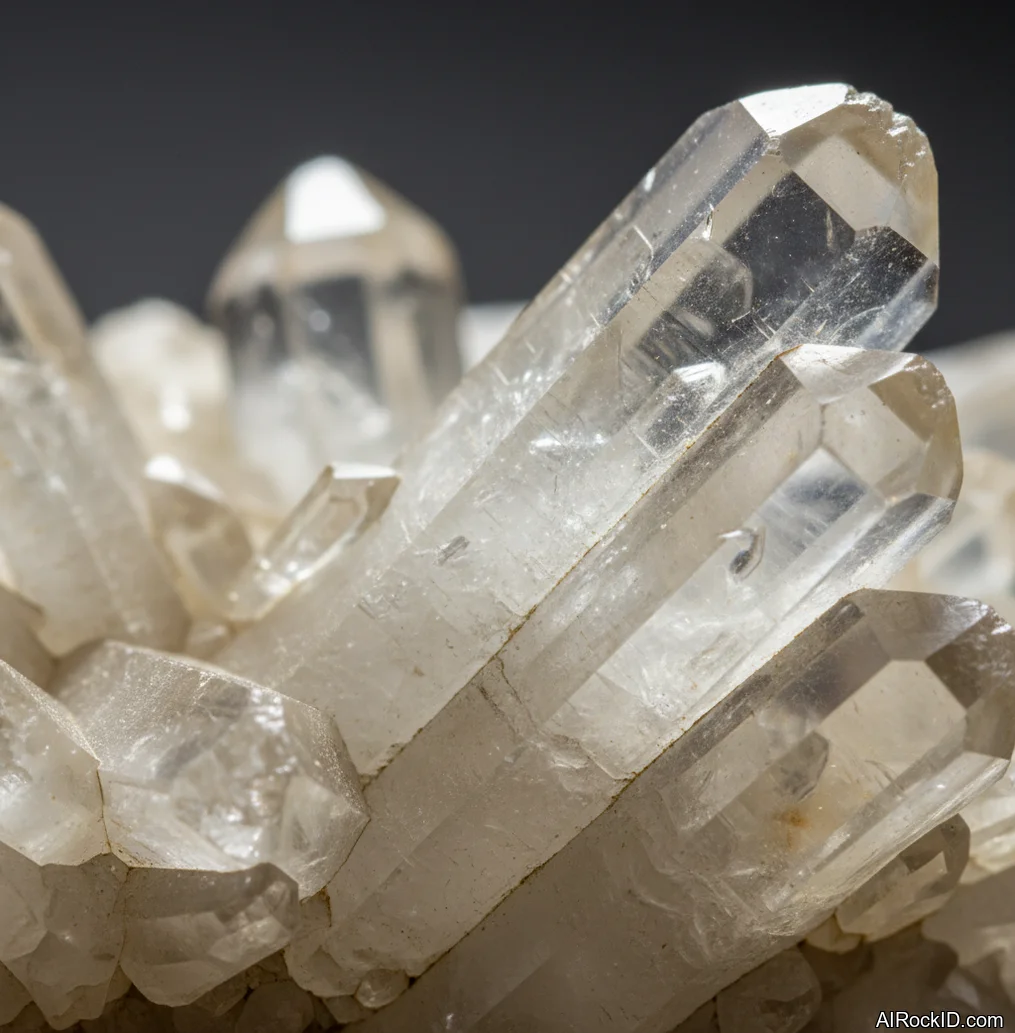
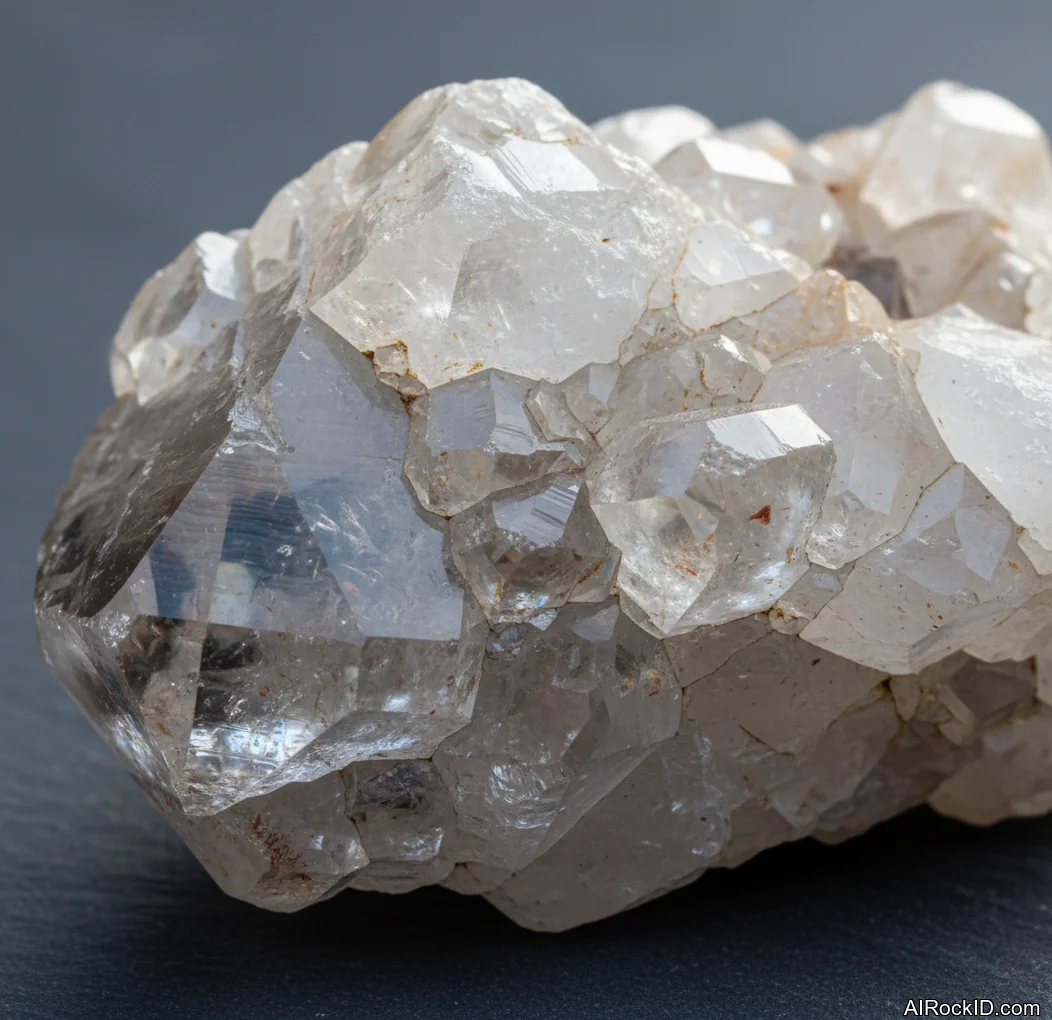
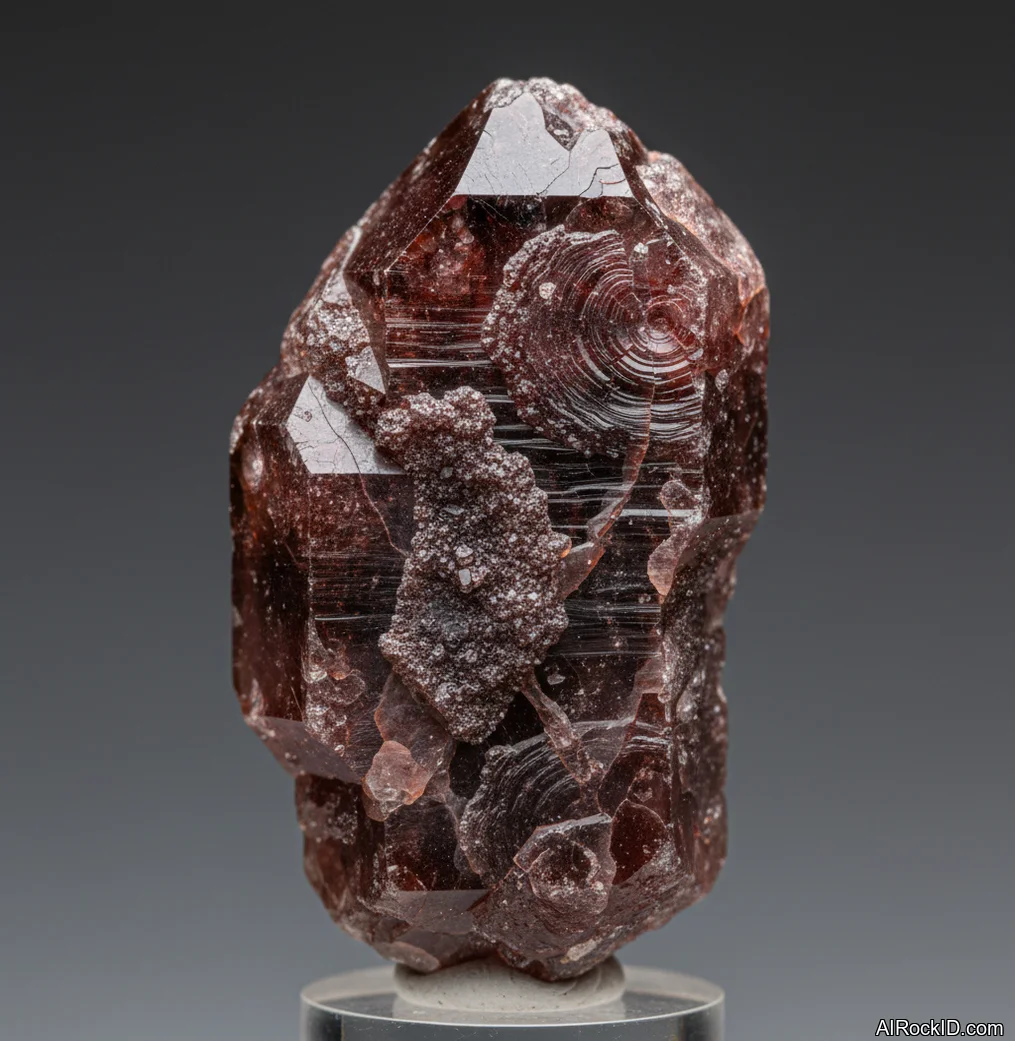
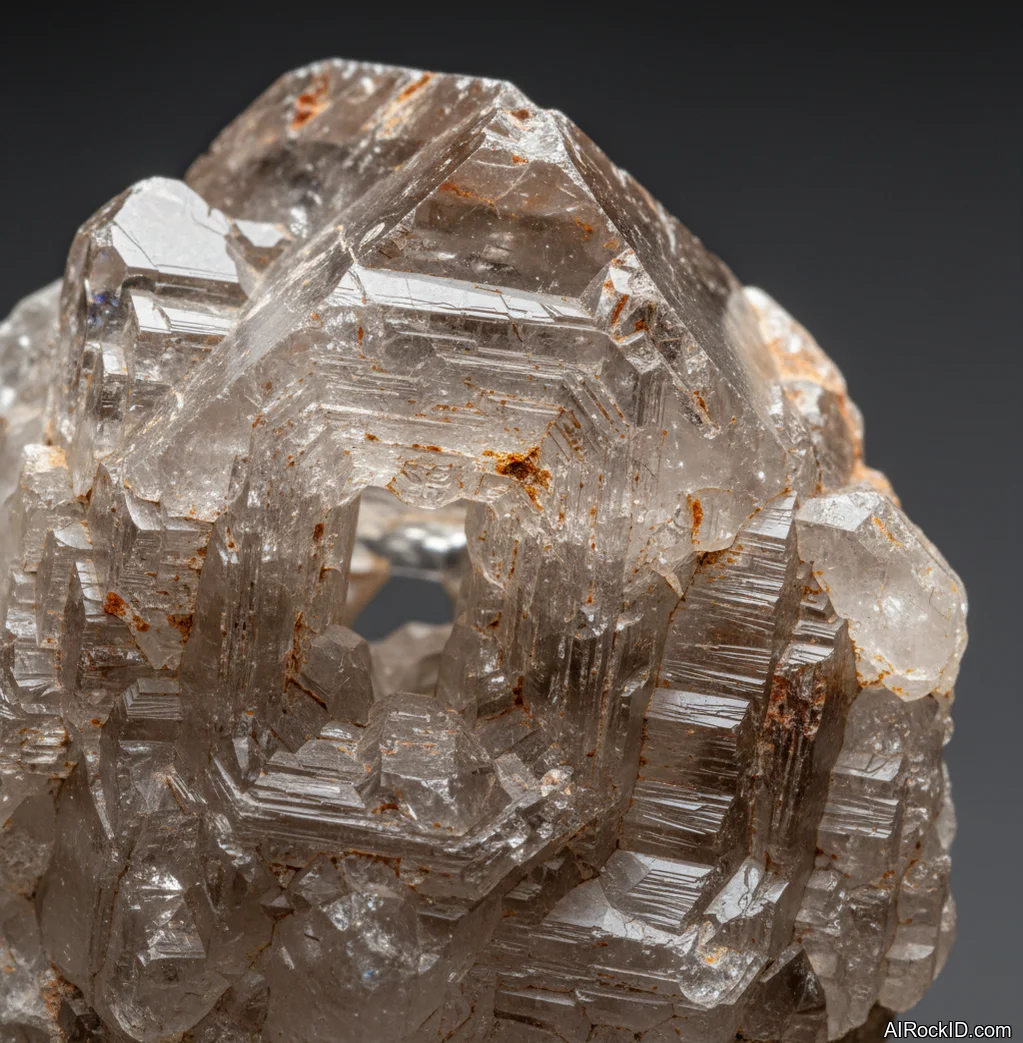
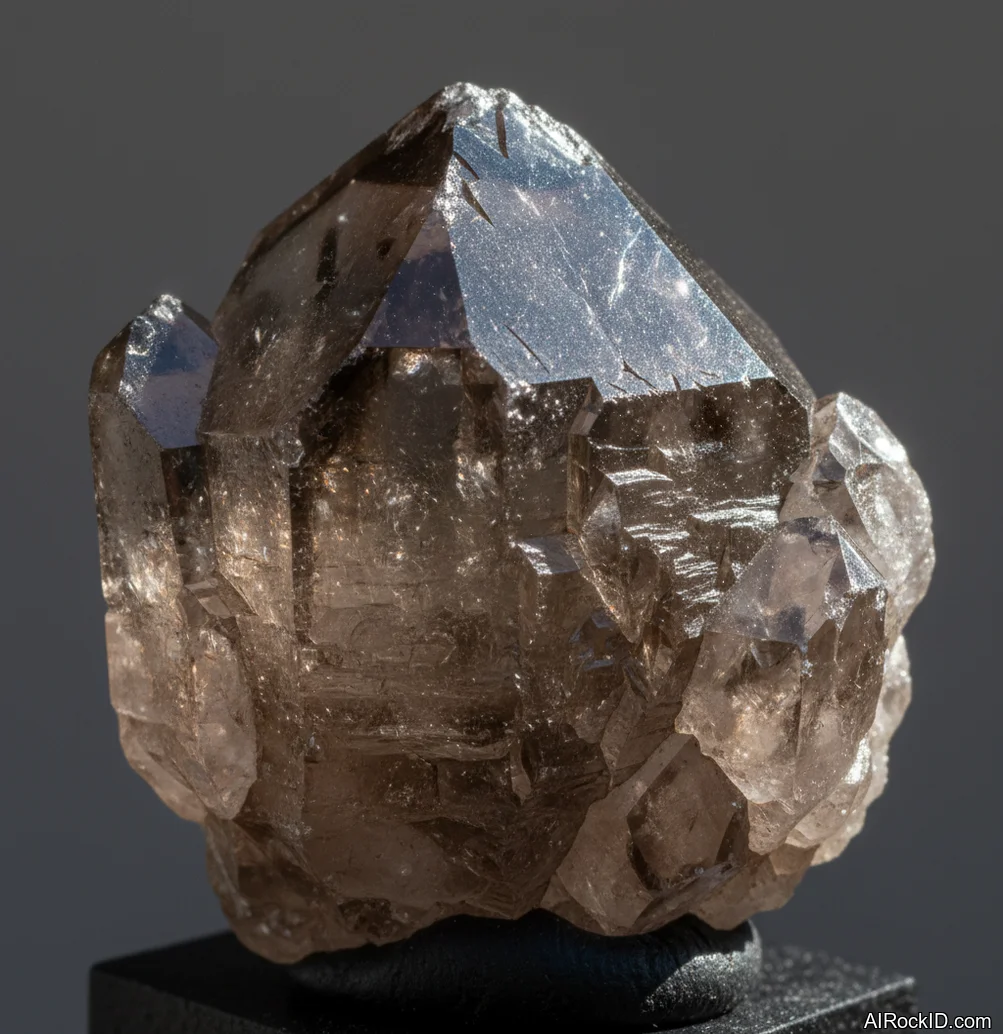
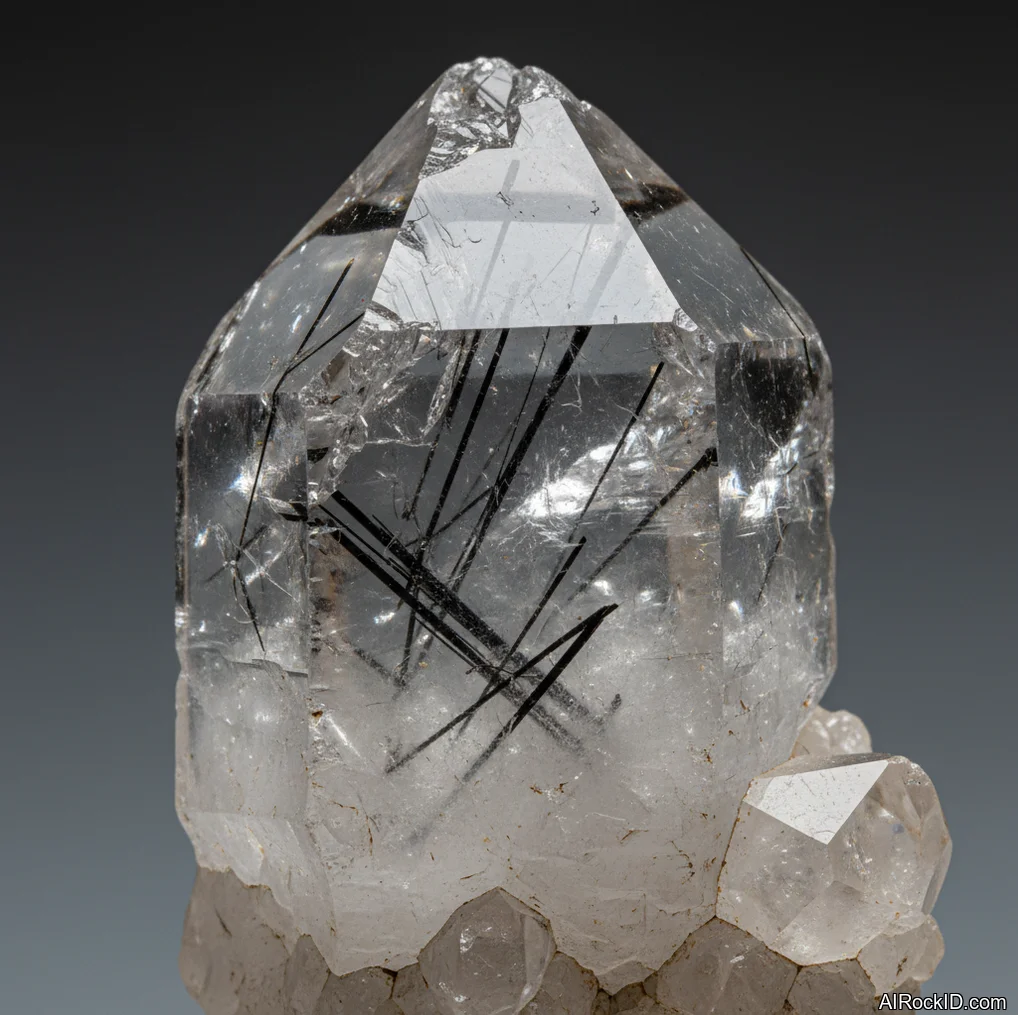
If you want Focus that doesn’t feel “wired,” look at smoky quartz. Real smoky has that transparent brown-to-gray look where you can still see through it, not an opaque black chunk pretending to be something else. Rotate it and you’ll catch internal veils and little fractures that look like frozen smoke. I’ve noticed smoky points sit nicely near a keyboard because they don’t glare under overhead lights the way clear quartz can, and yeah, that matters if you’re already visually overstimulated.
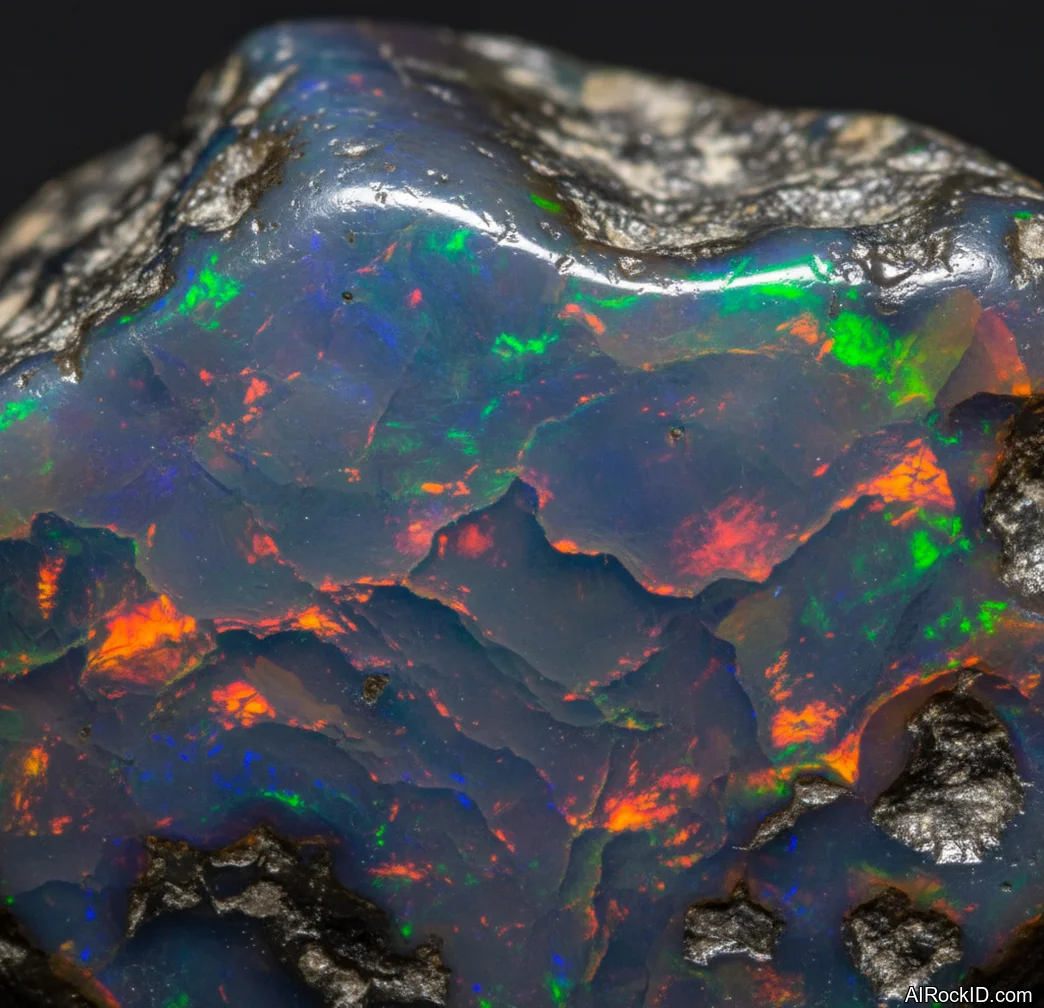
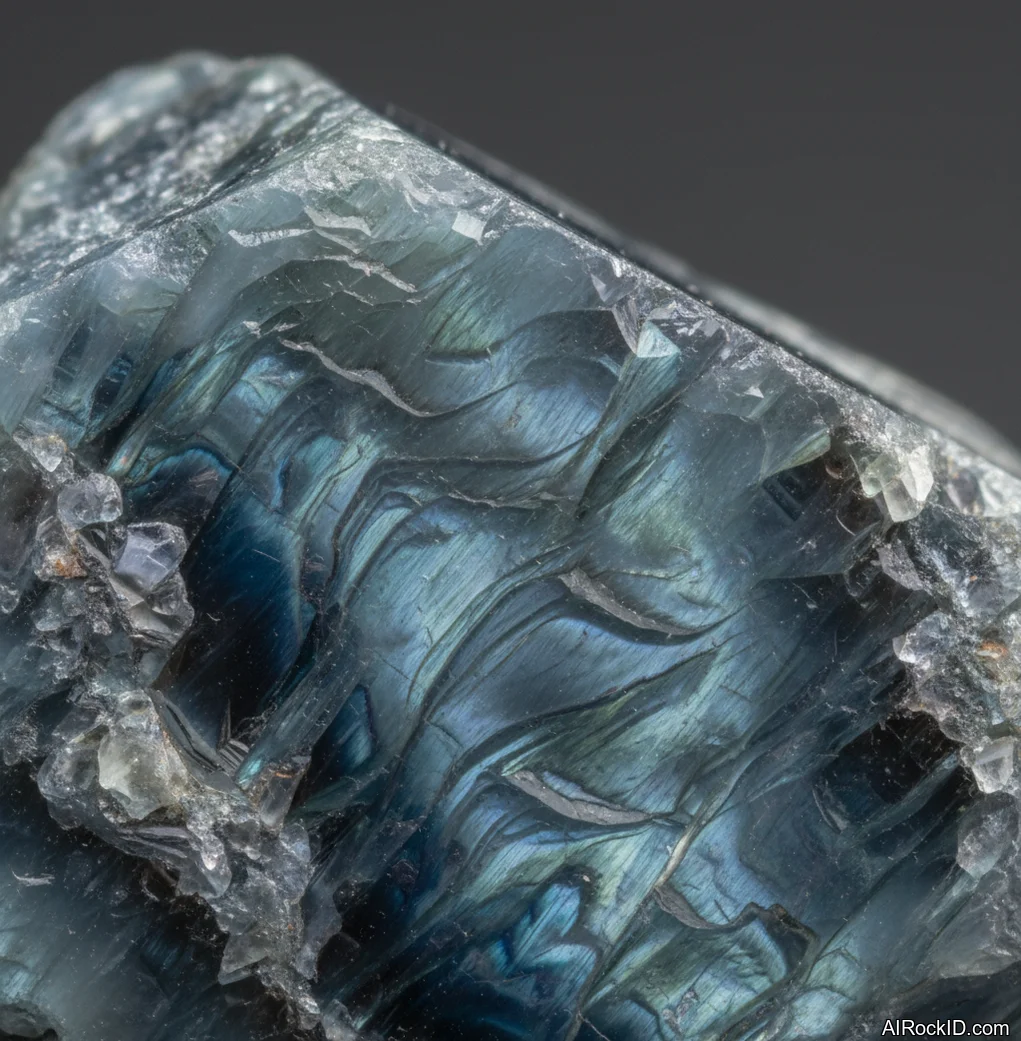
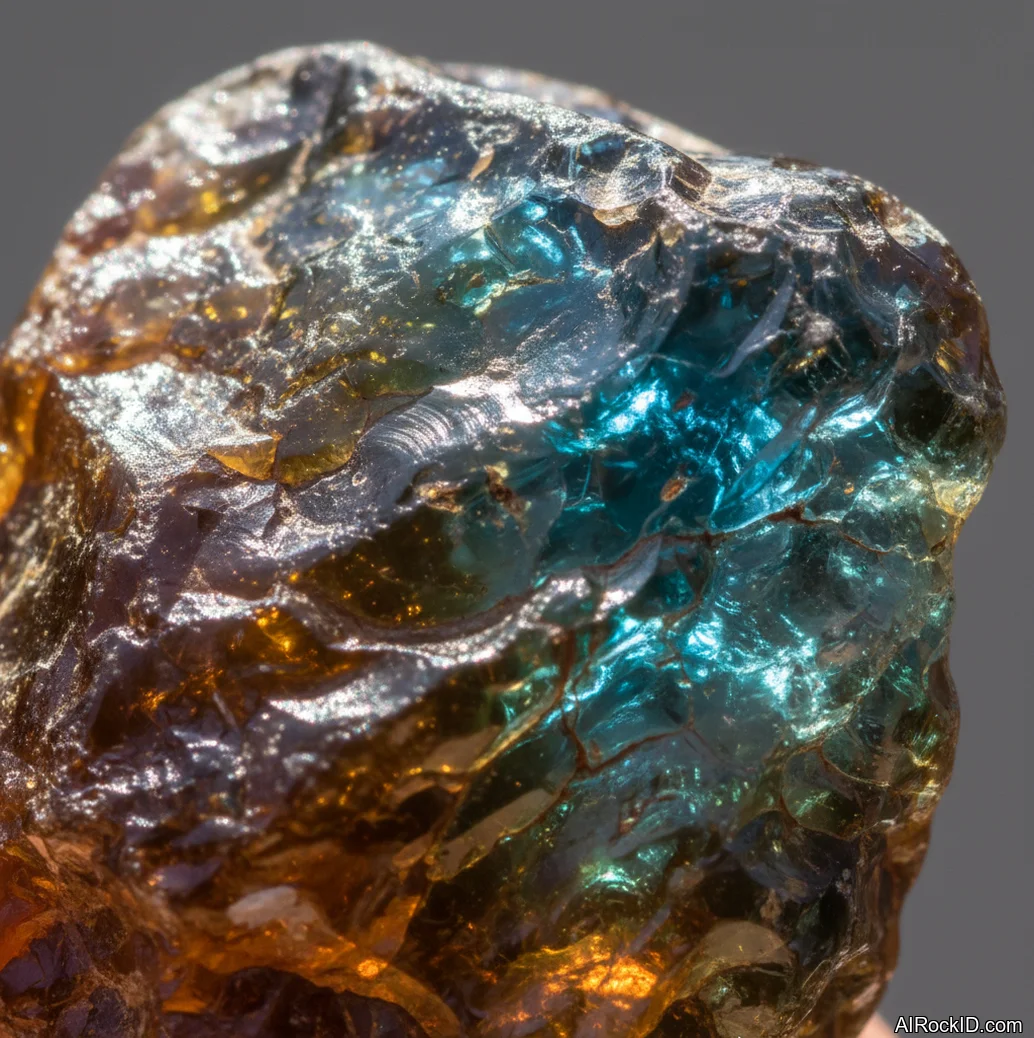
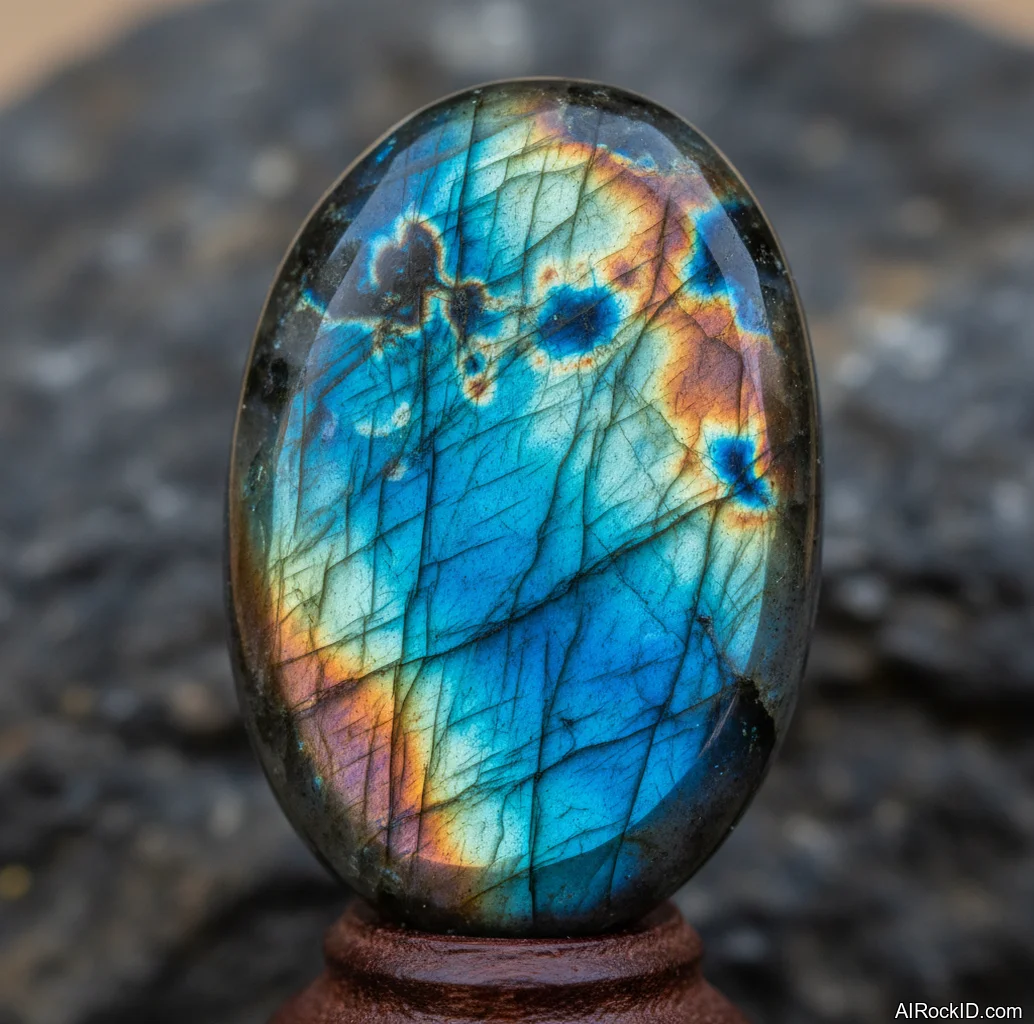
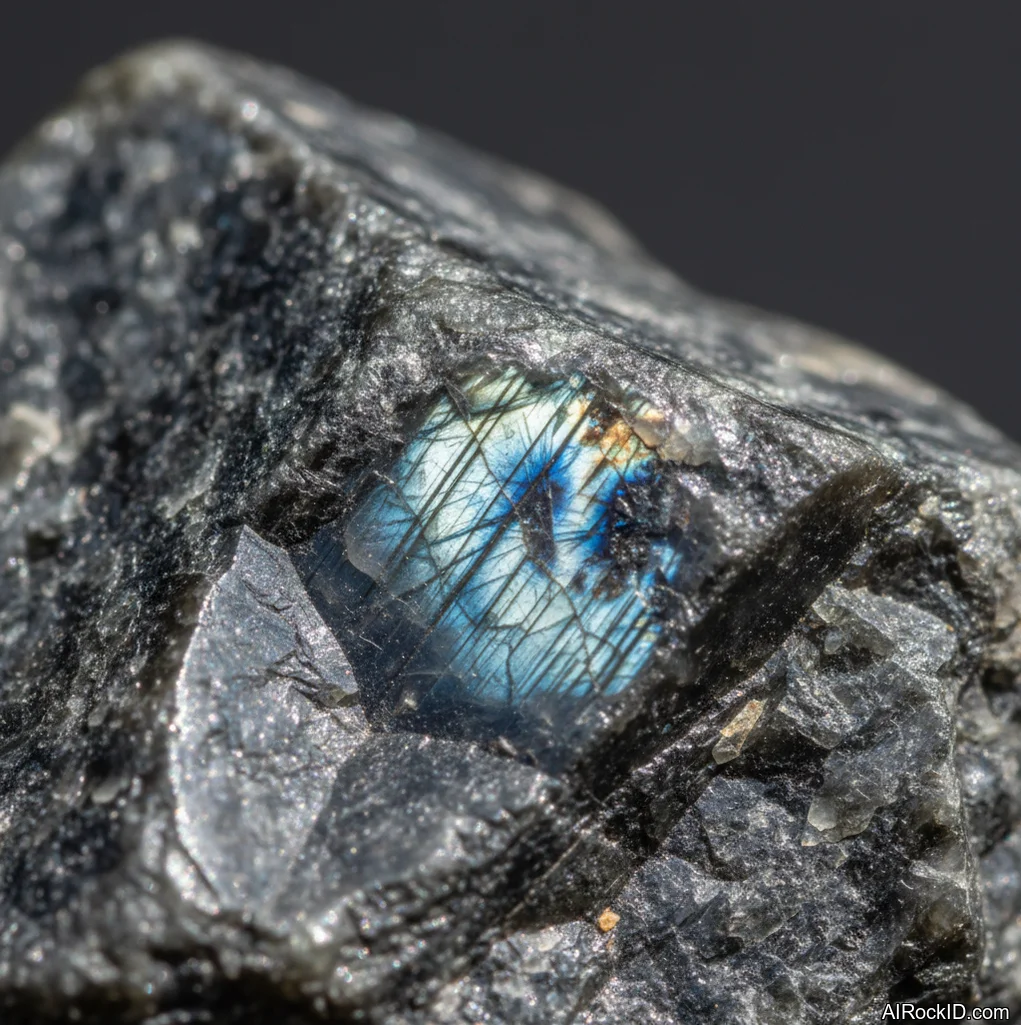
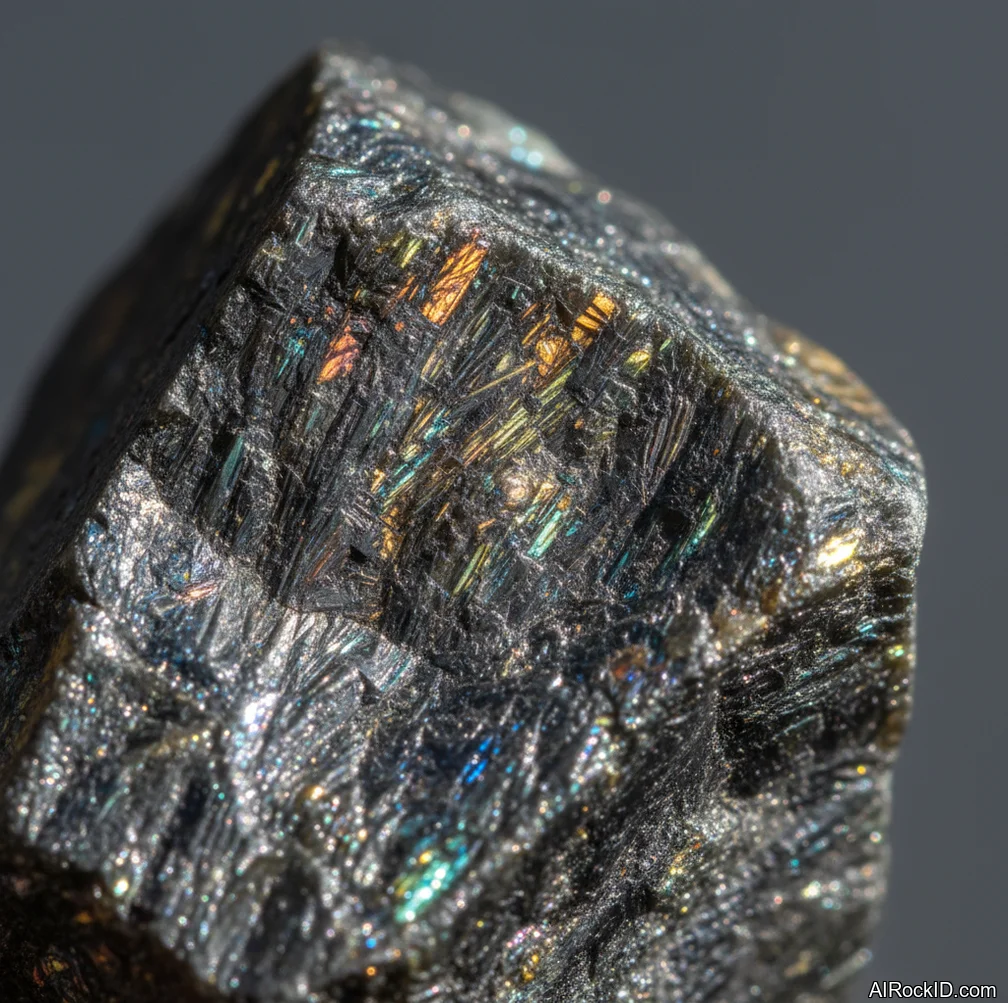
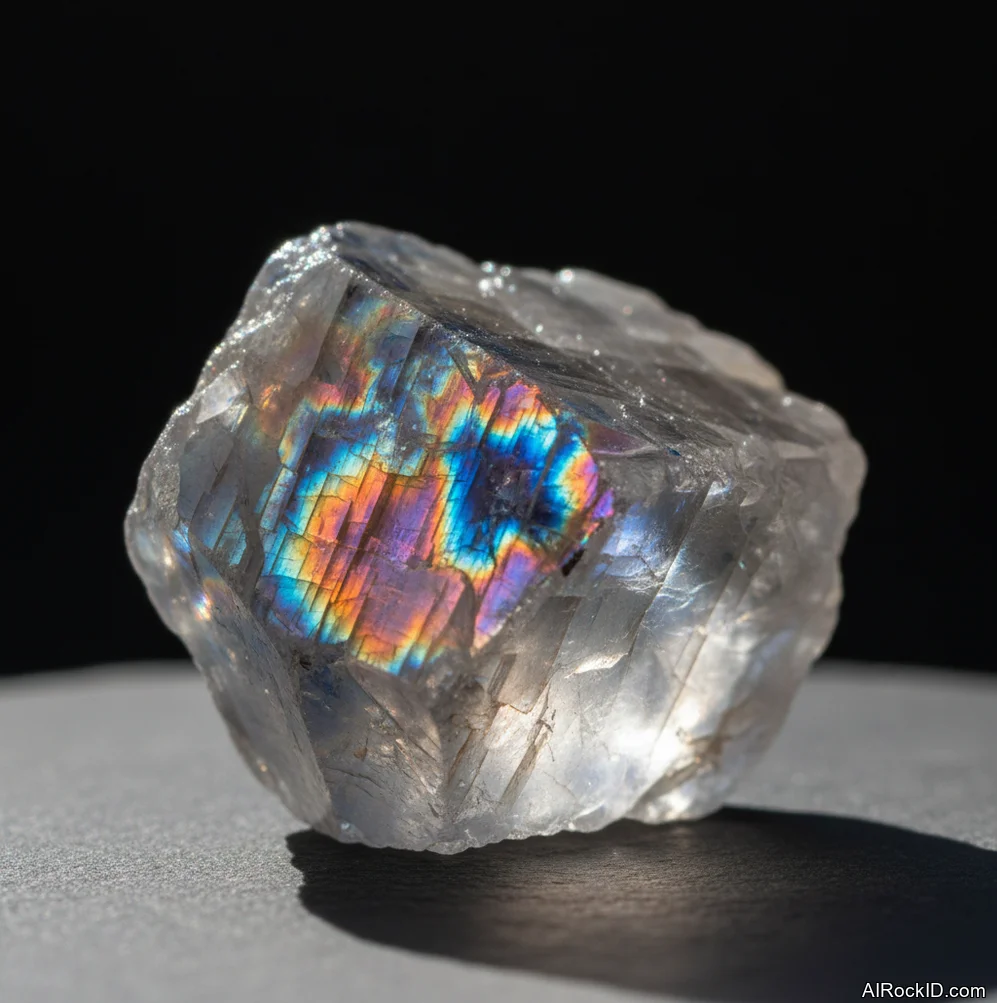
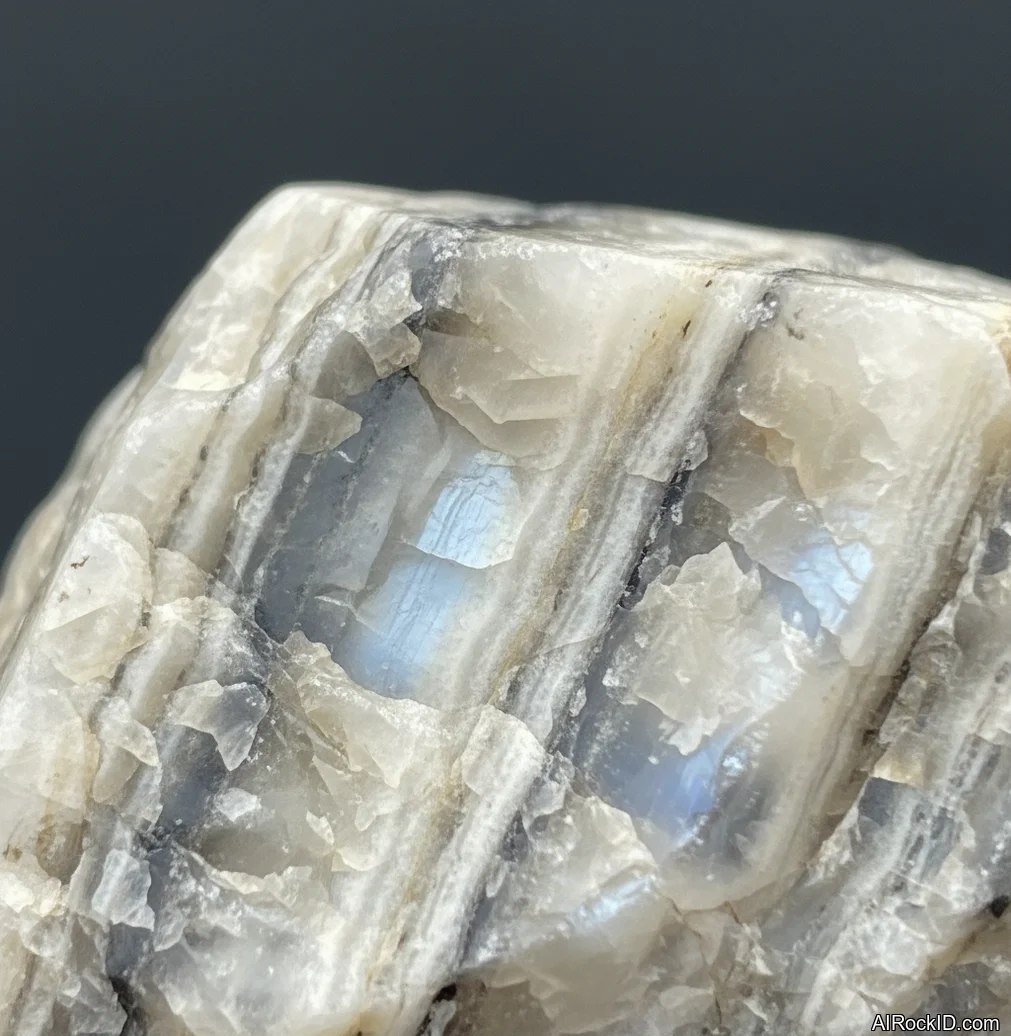
People also use labradorite for Focus, but it’s a specific kind of Focus. It’s not really about calm. It’s more like locking onto one track and staying there. The real test is the flash: tilt it and the blue or green sheet of color appears, then vanishes completely when the angle changes. If it’s flashing from every angle, it’s probably been cut thin or backed, and that’s fine, just don’t pay specimen prices for costume material.
Working with Focus crystals doesn’t have to be mystical. Put one where your attention leaks. Desk, nightstand, inside the book you keep avoiding (you know the one). I like a simple “touch cue”: every time I pick up hematite, I decide the next single action I’m doing, like “write the next paragraph” or “open the spreadsheet and sort column A.” With fluorite, I use it more like a visual reset. Glance at it, breathe out, go back to the same line I was on.
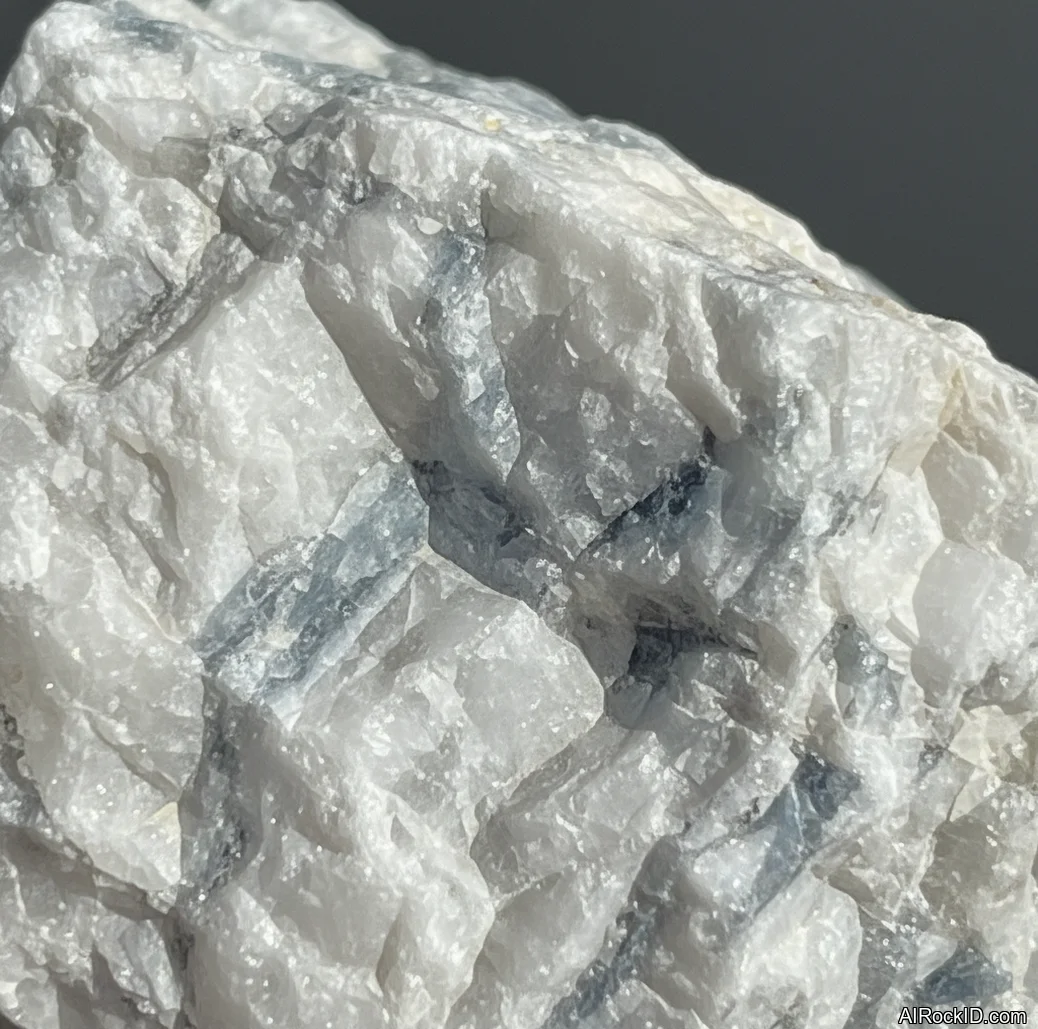
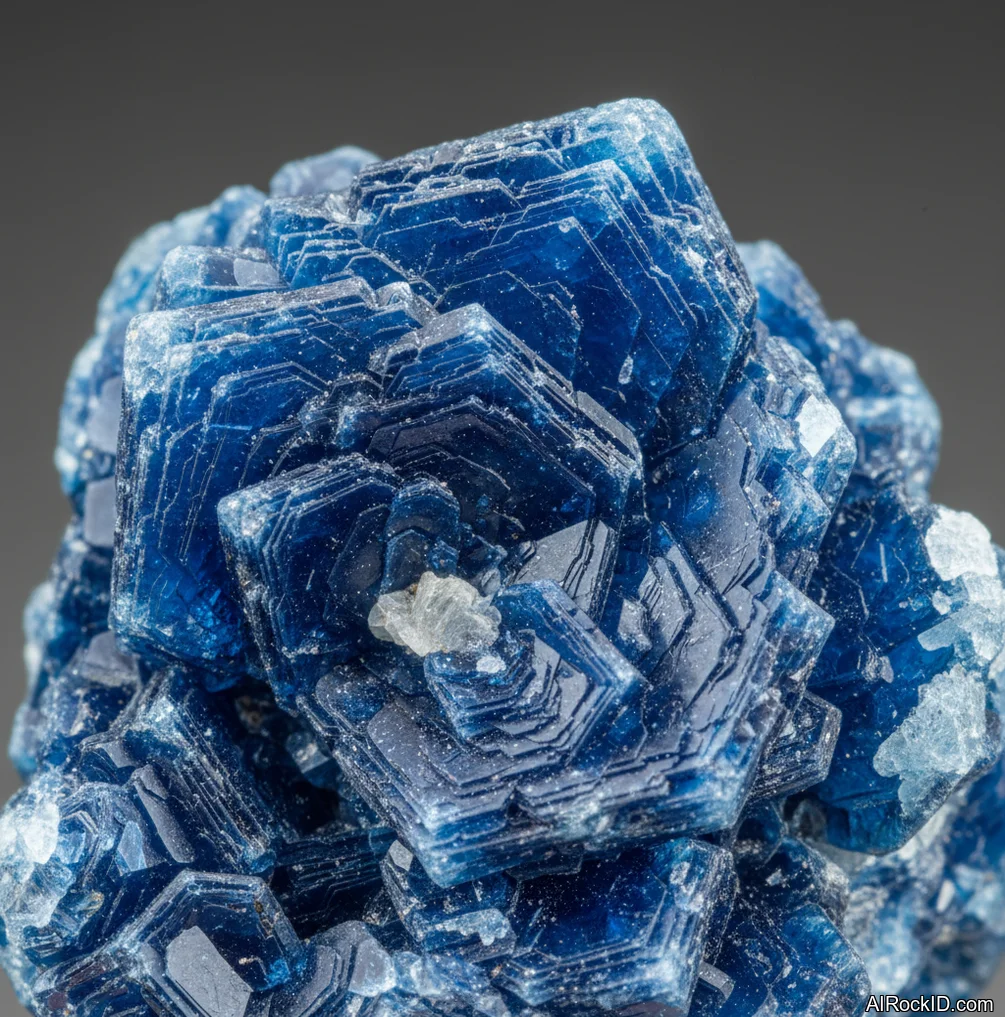
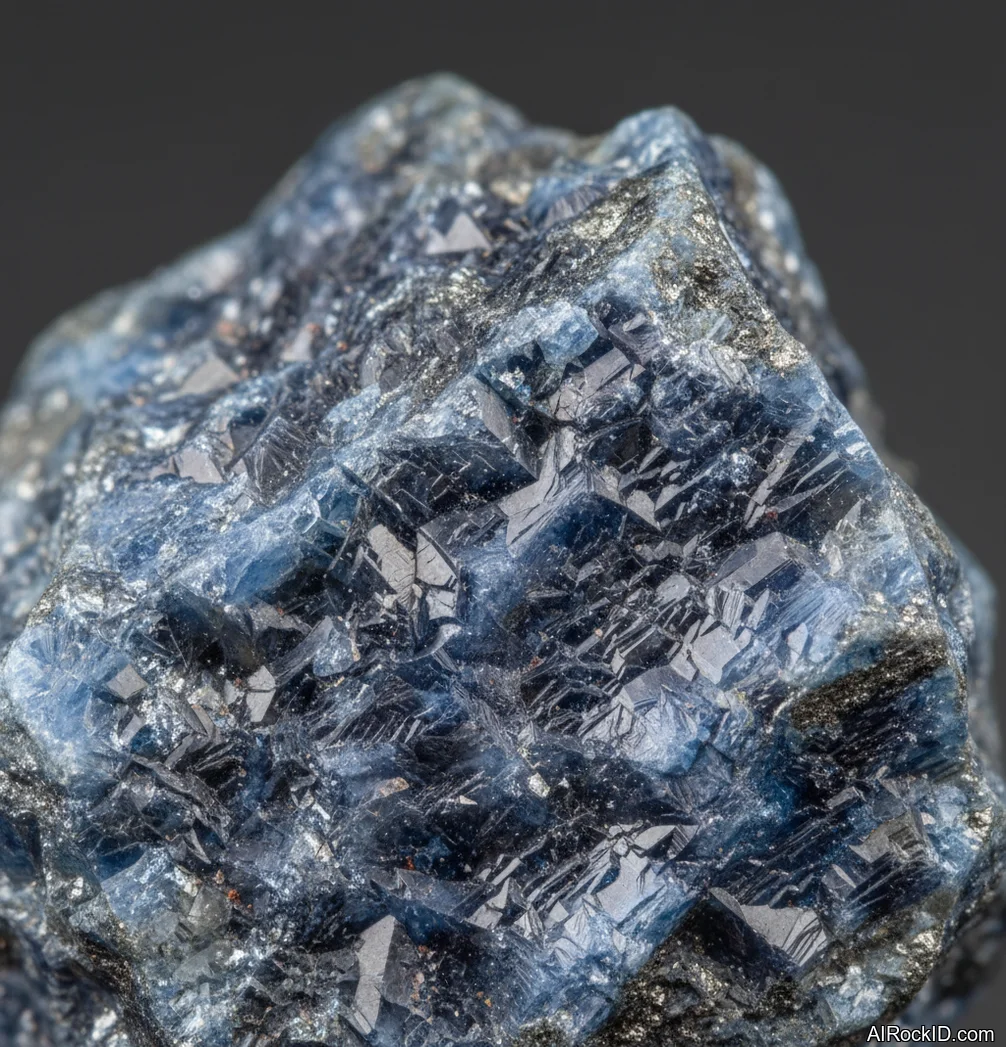
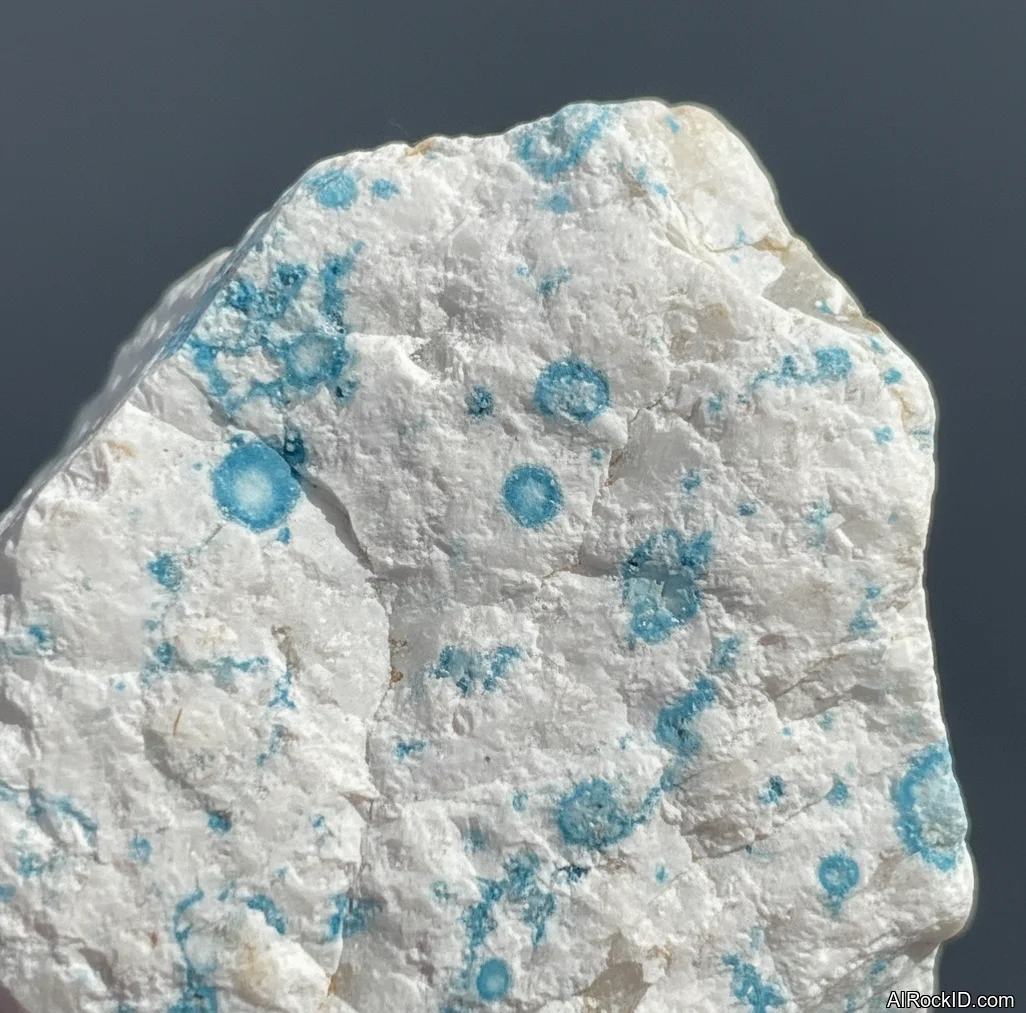
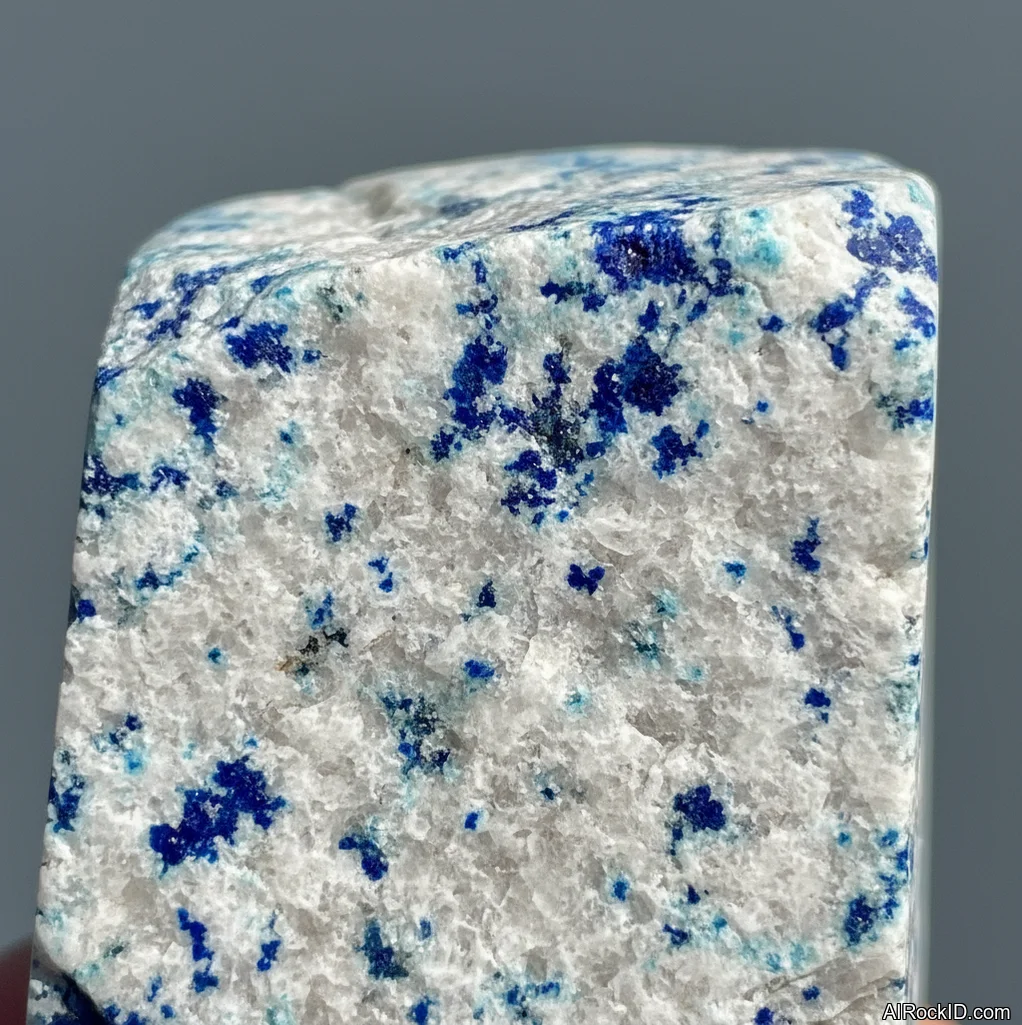
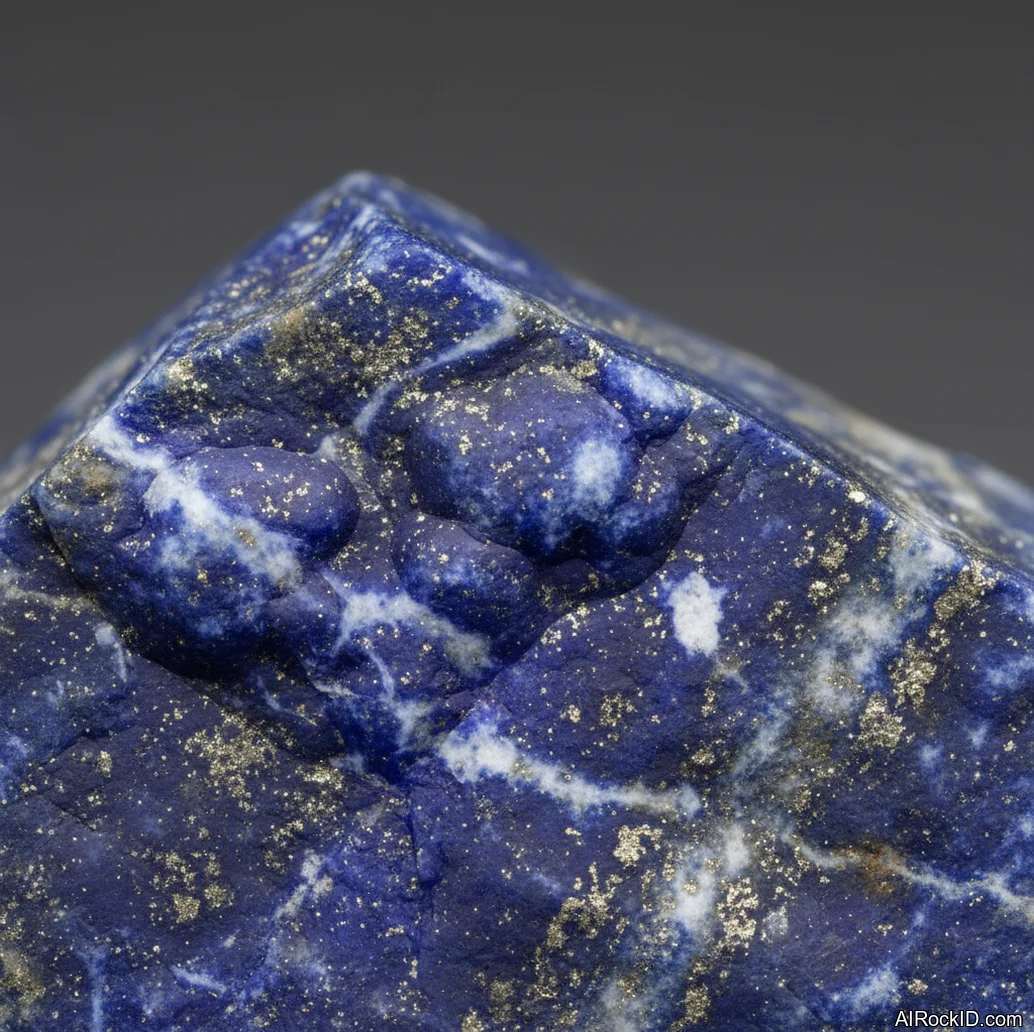
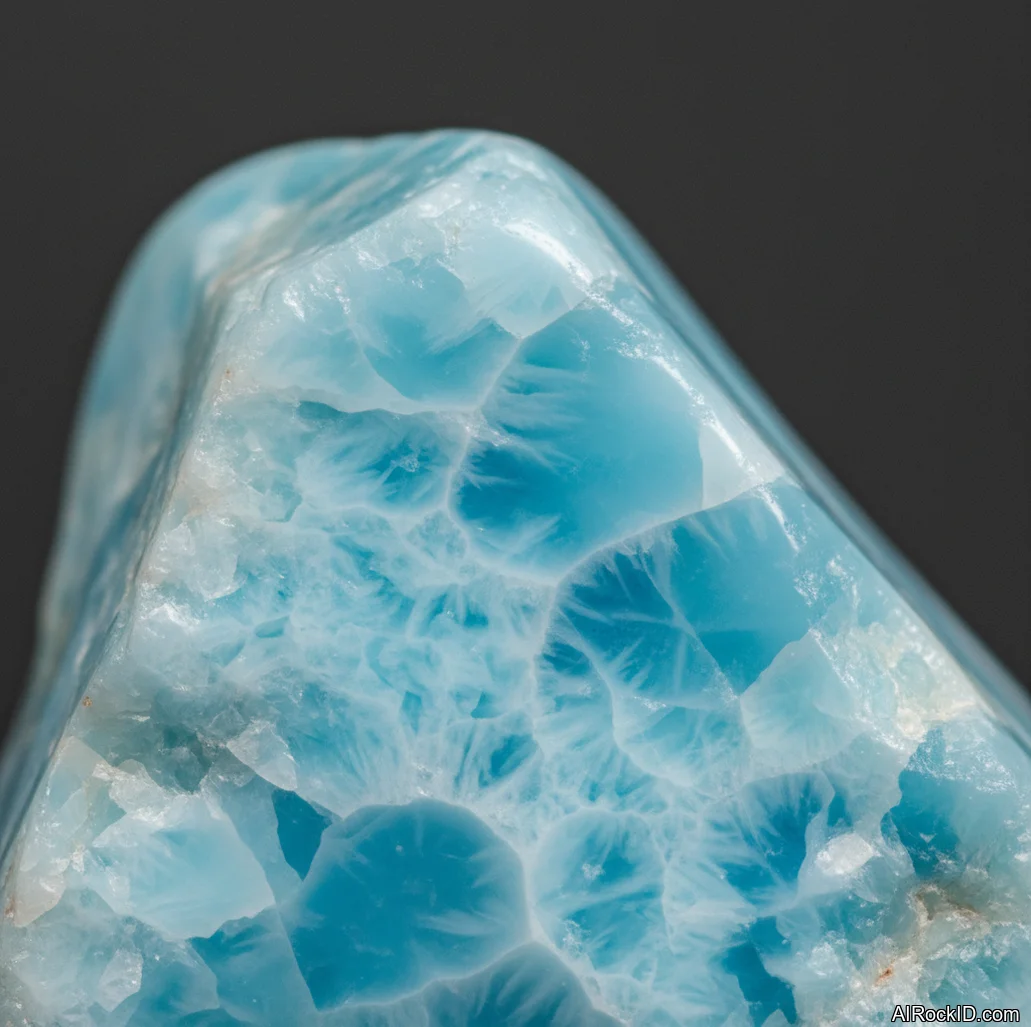
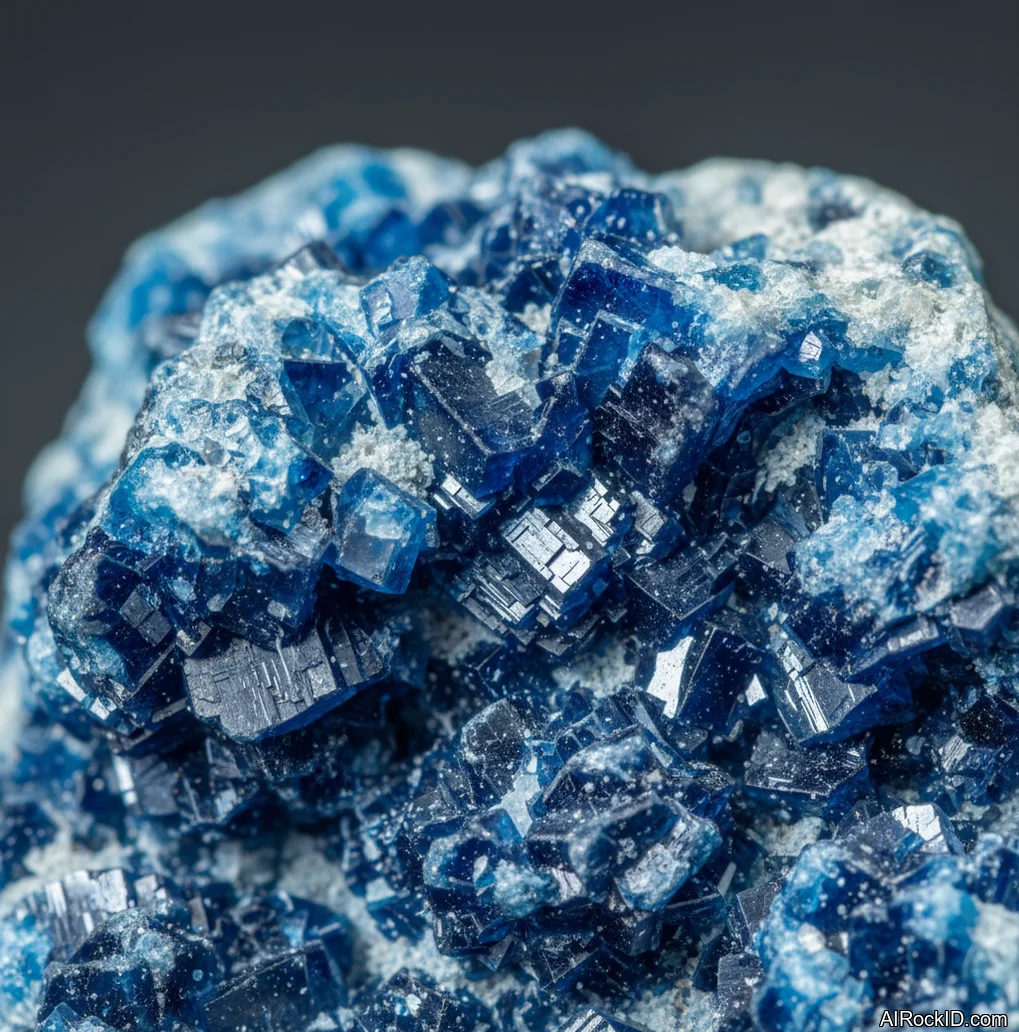
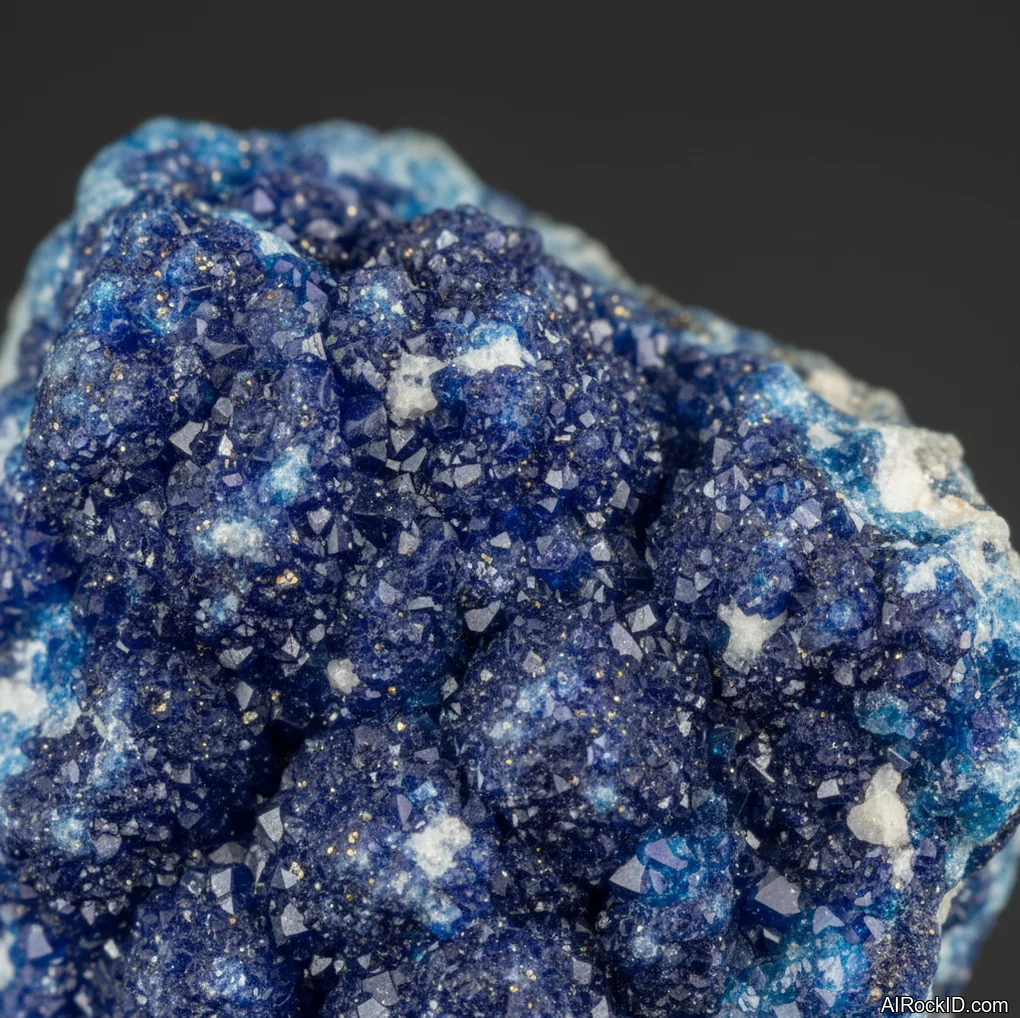
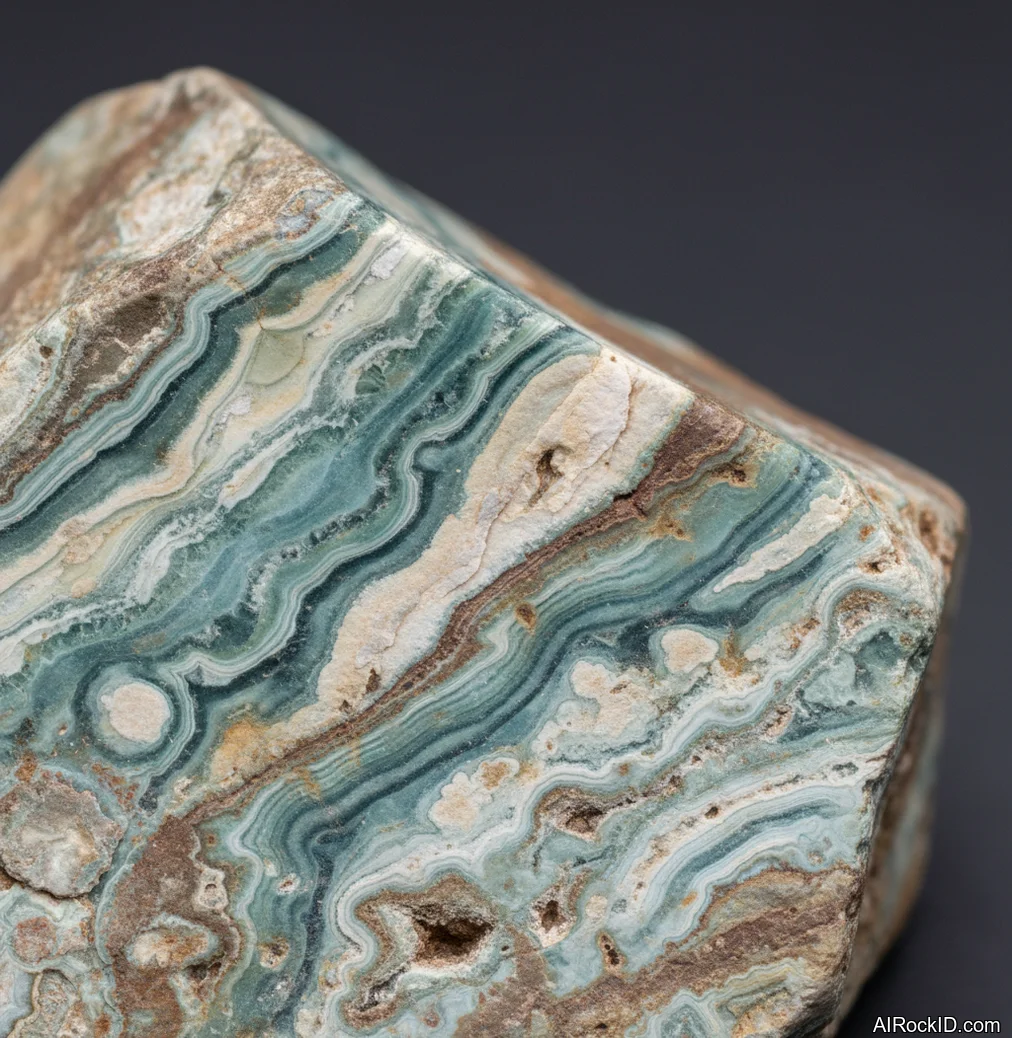
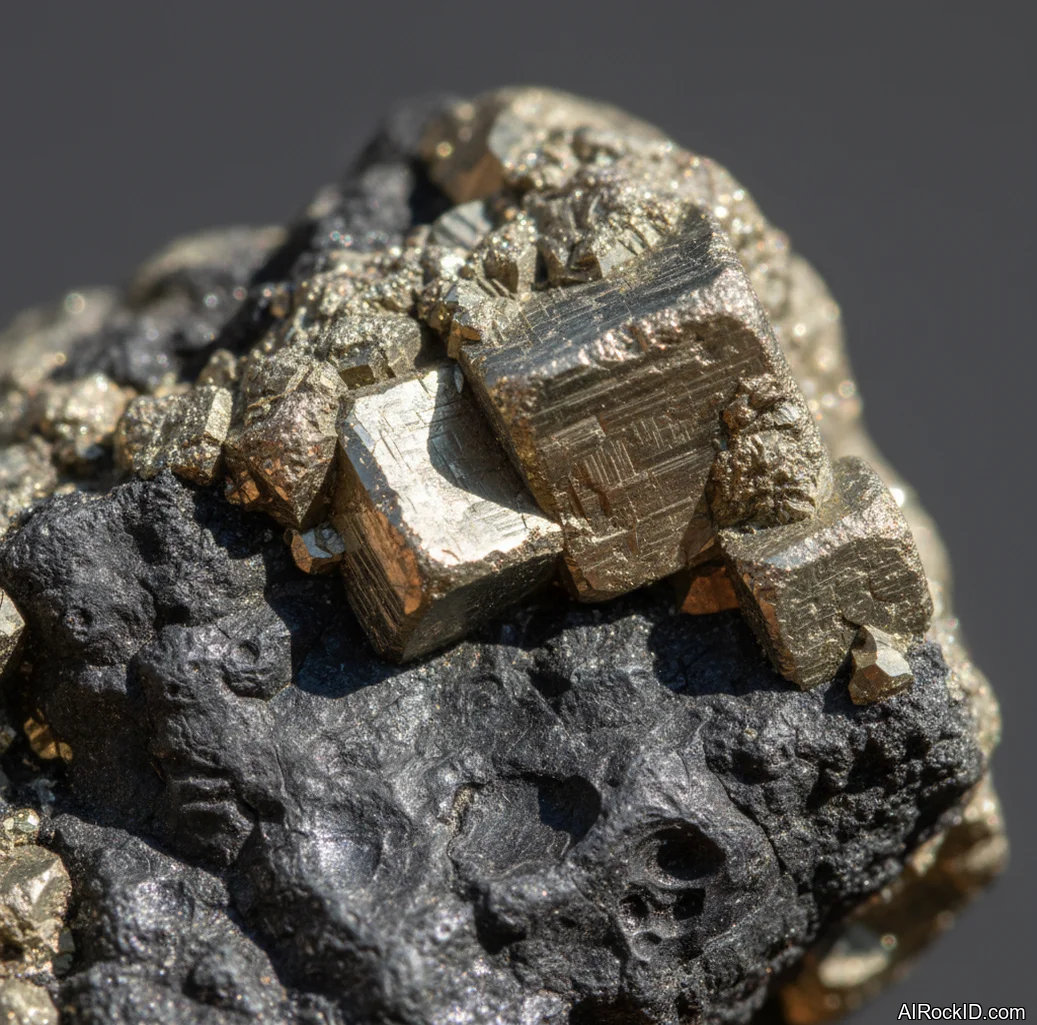
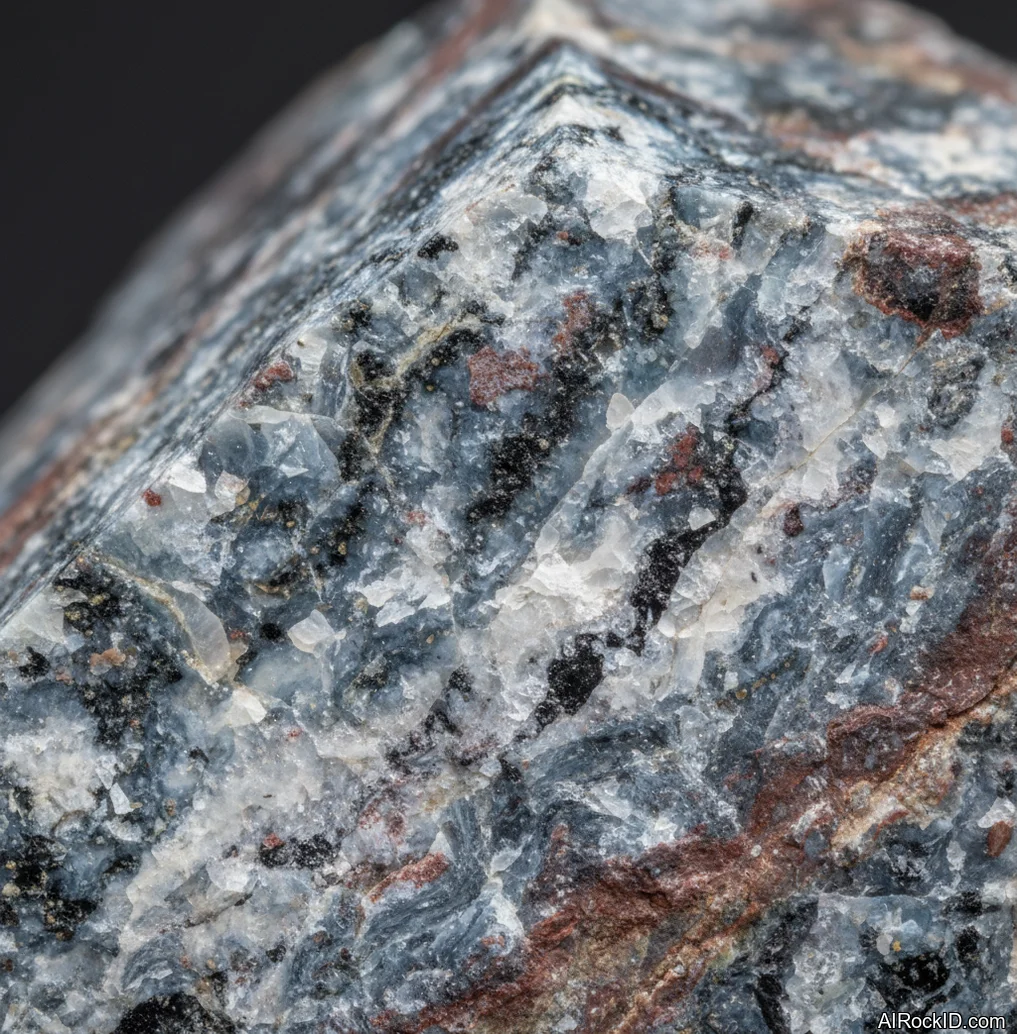
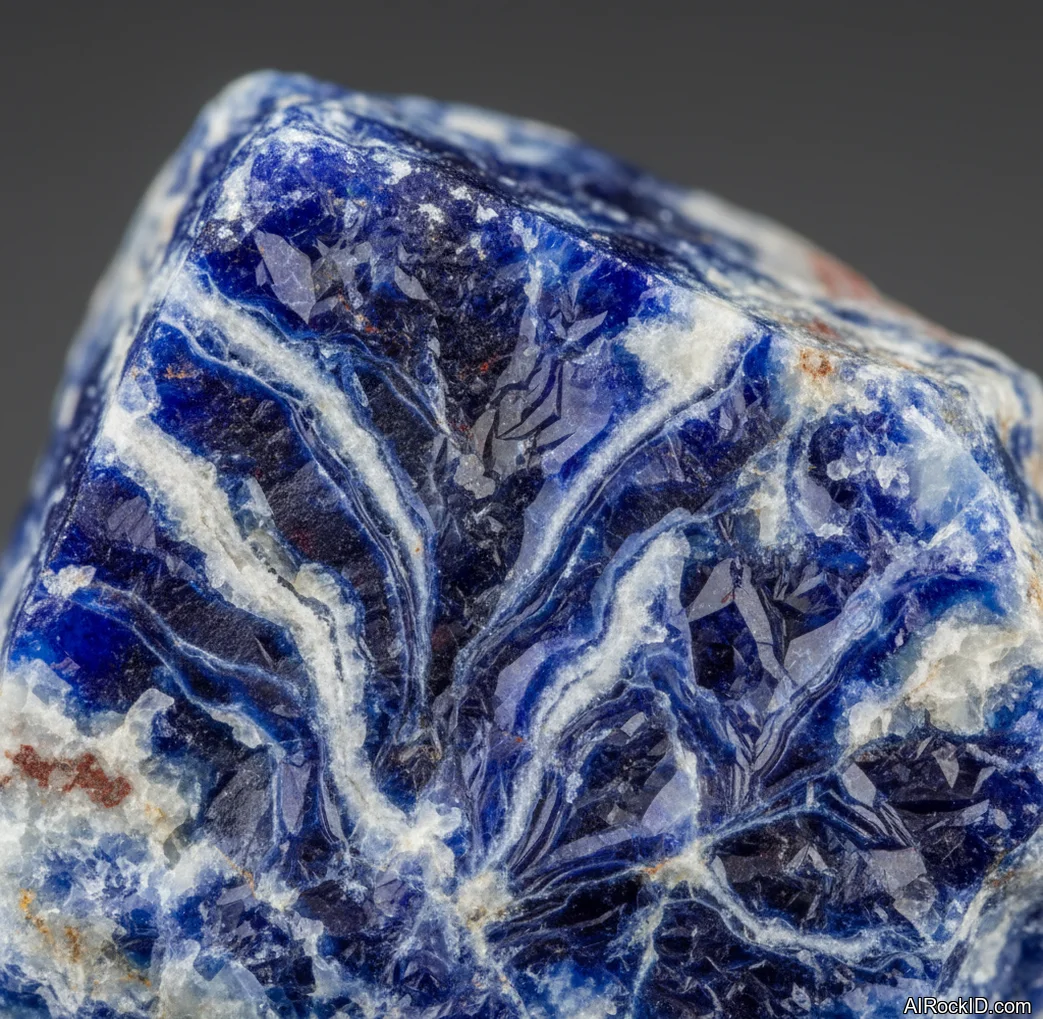
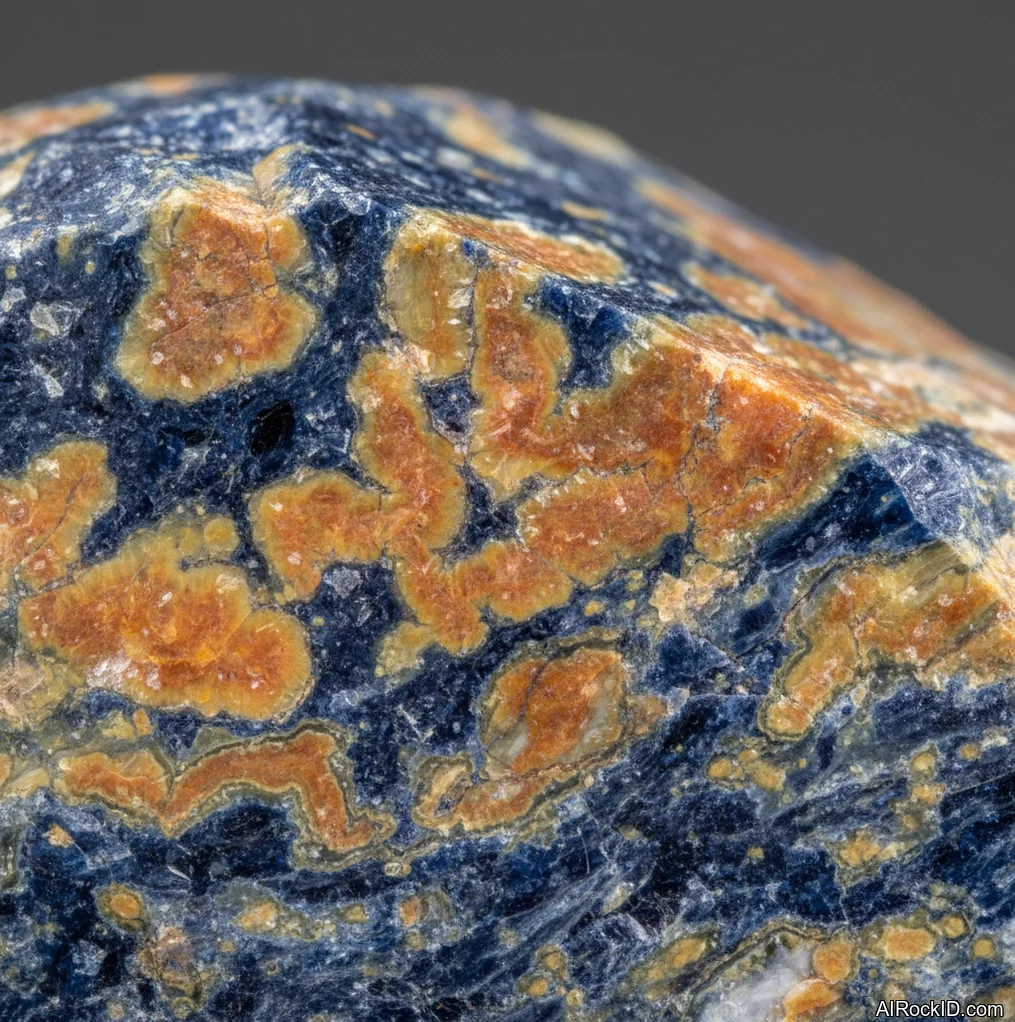
Meditation is another common use, especially with stones that feel steady in the hand. Tumbled stones are practical here. They don’t stab you, they don’t roll as easily, and you can rub a thumb over the surface like a metronome when your mind tries to wander. Sodalite and lapis lazuli show up in Focus lists a lot for that reason, but there’s a buying catch: lapis is frequently dyed or waxed, and sodalite is often sold as “blue lapis” when it isn’t. Look closely. Lapis usually has pyrite flecks that look like tiny brass glitter, while sodalite tends to have more white calcite streaking.
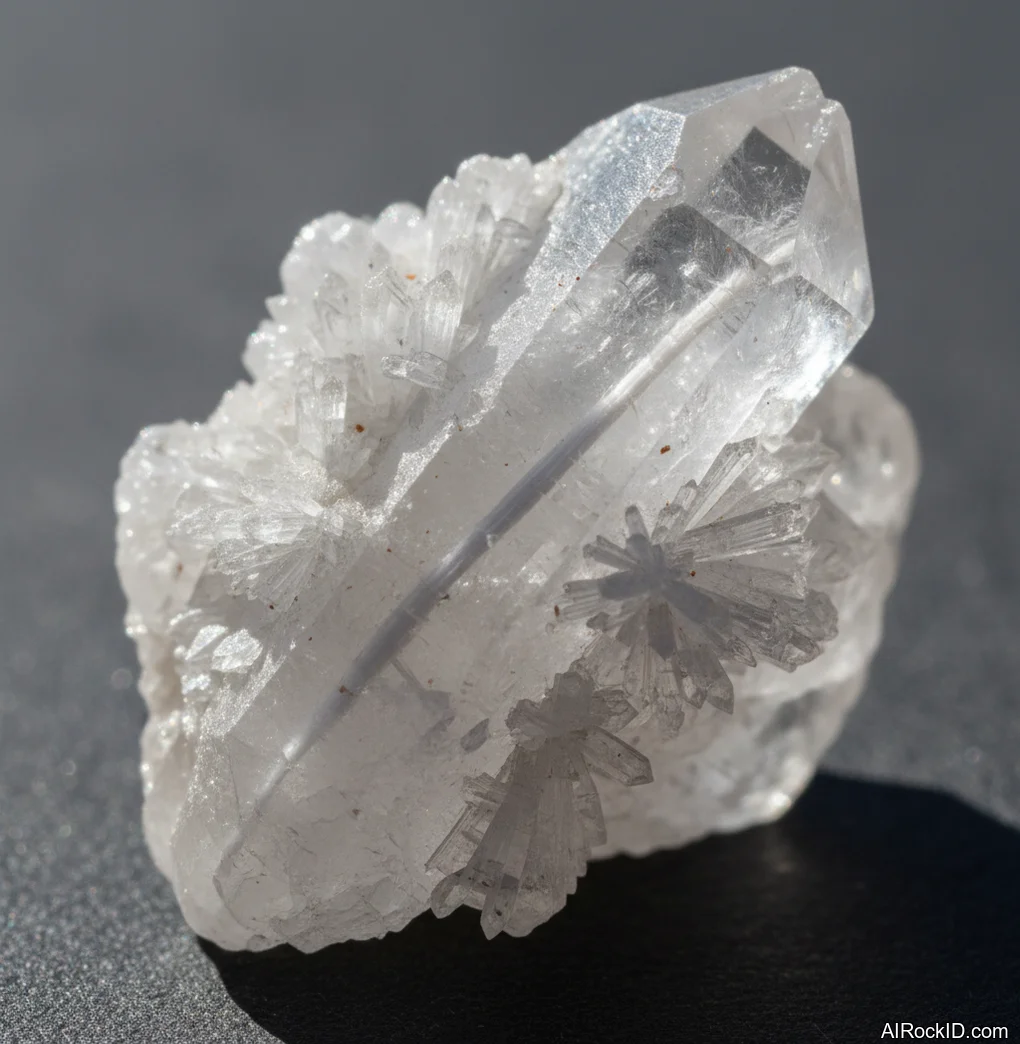
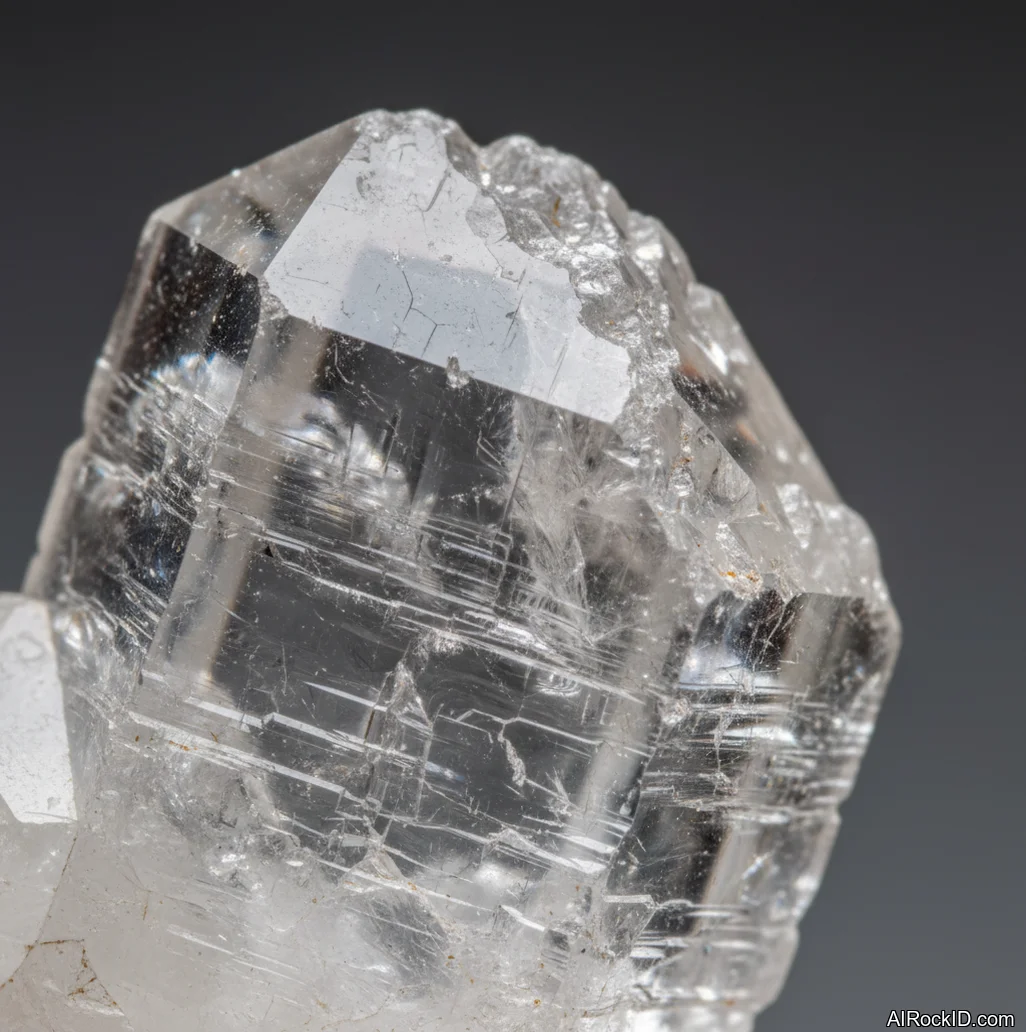
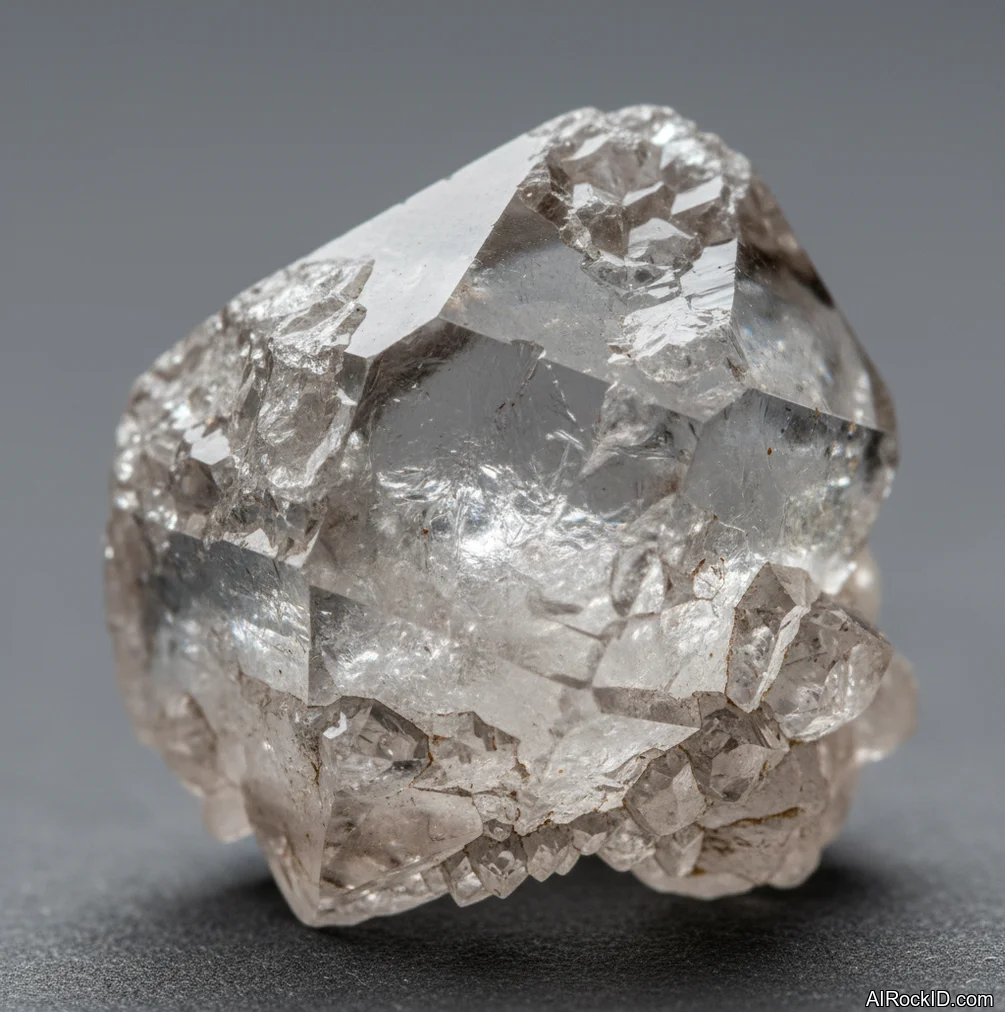
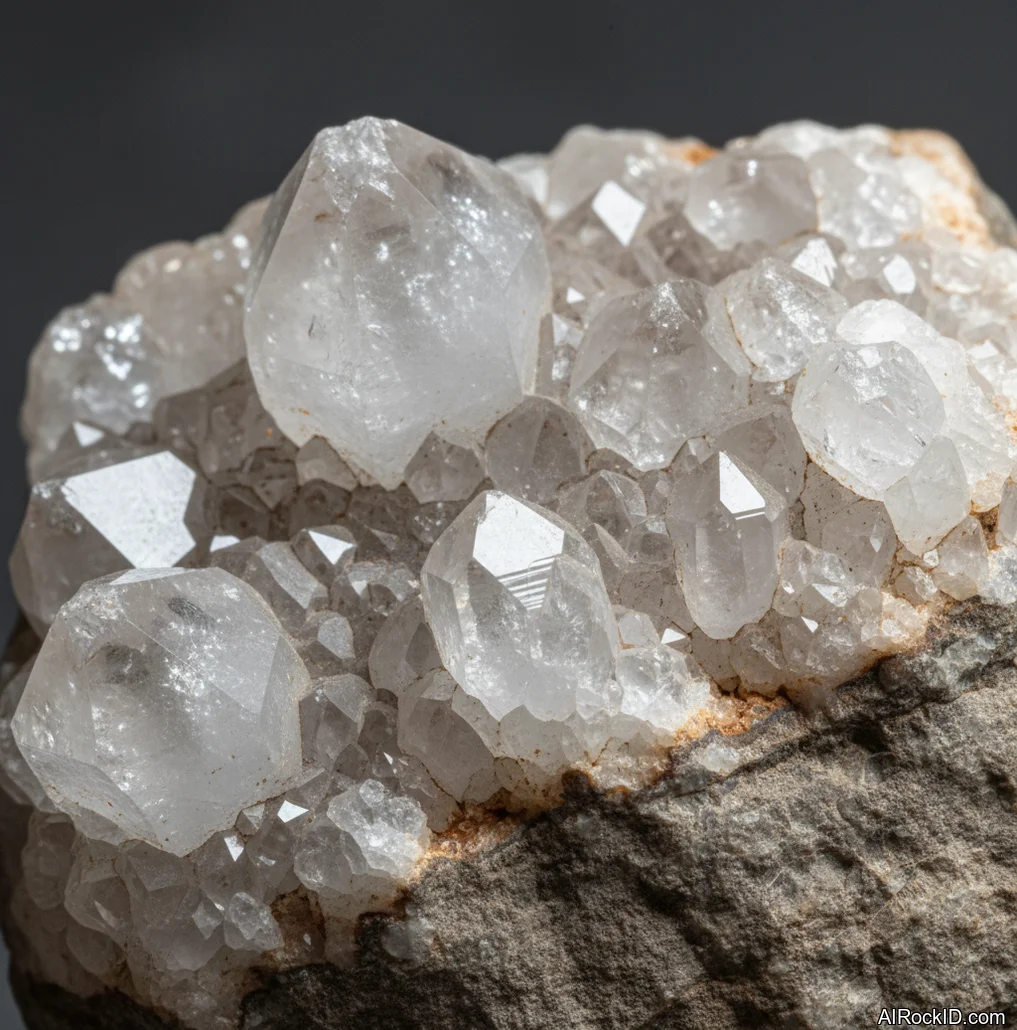
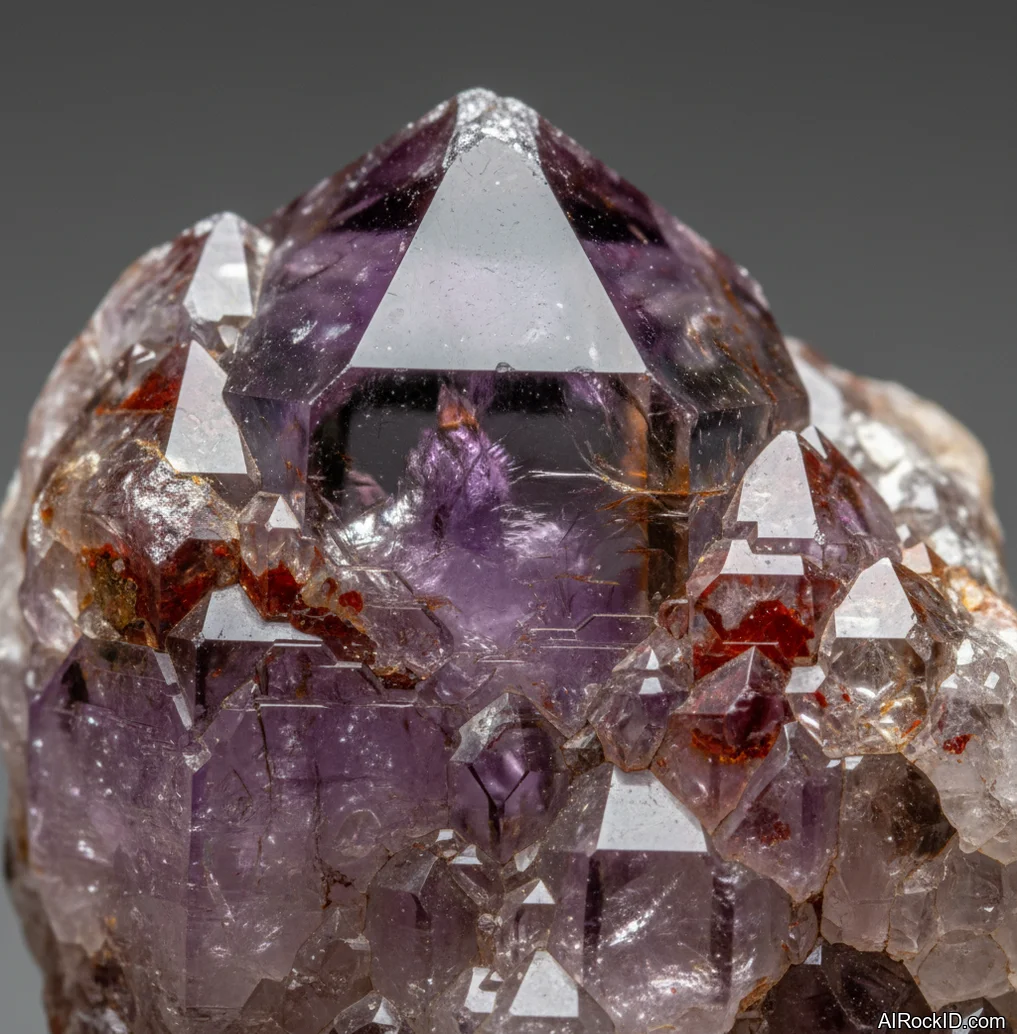
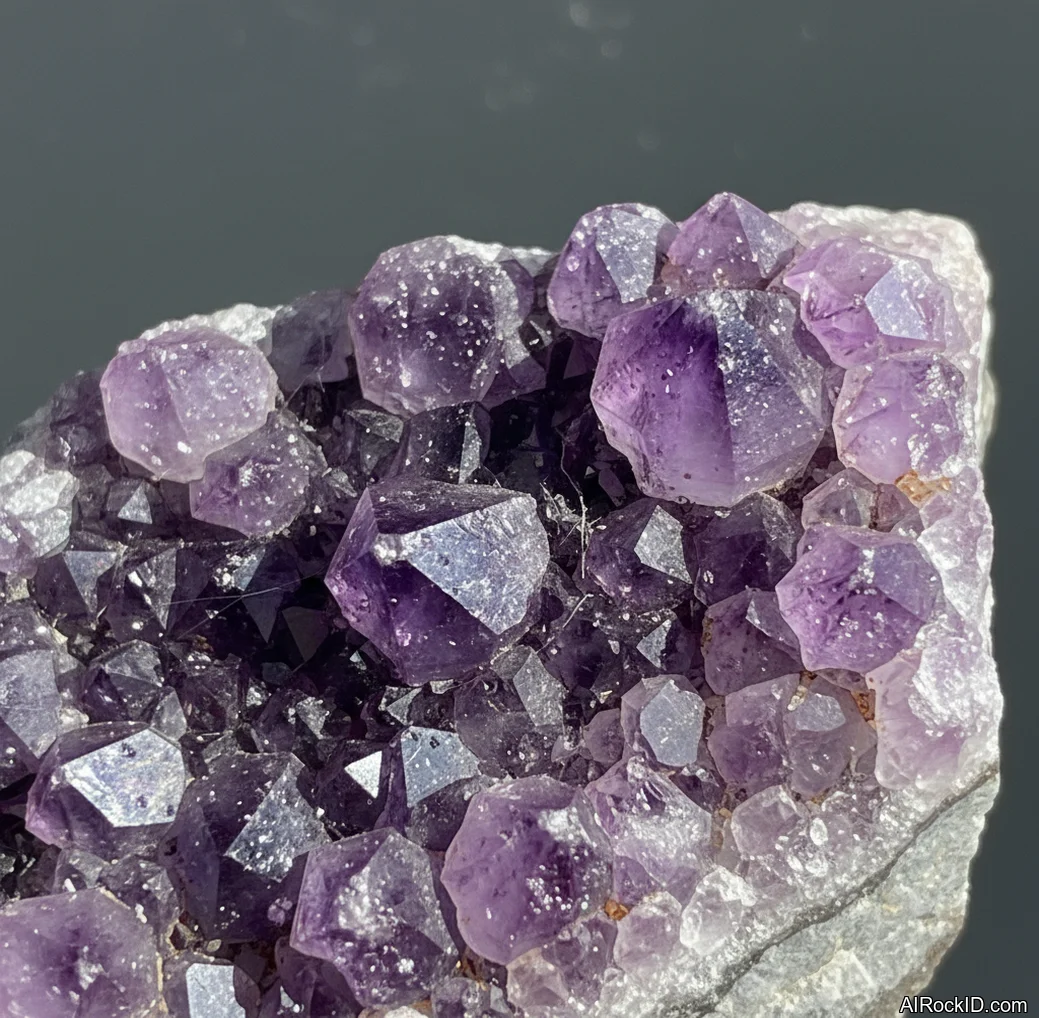
Buying Focus crystals is where reality kicks in. Most online listings are tumbled stones with generic labels, and that label won’t tell you if the material is any good. For fluorite, check for crisp color zoning and a glassy surface, but expect chips on edges because fluorite is soft. For clear quartz points marketed for “mental clarity,” watch for perfectly uniform, bubble-free “crystal” that feels slightly warm and plastic-like in your hand. Glass fakes exist. And they’re often too flawless.
Size and shape matter more than people admit. A tiny chip of hematite in a jar looks nice, sure, but it won’t give you that grounding weight cue. A chunky palm stone will. A tall quartz point can be distracting if it catches light and throws glare across your desk. If you’re using a crystal as a Focus anchor, pick something that feels good to touch and won’t annoy you after an hour.
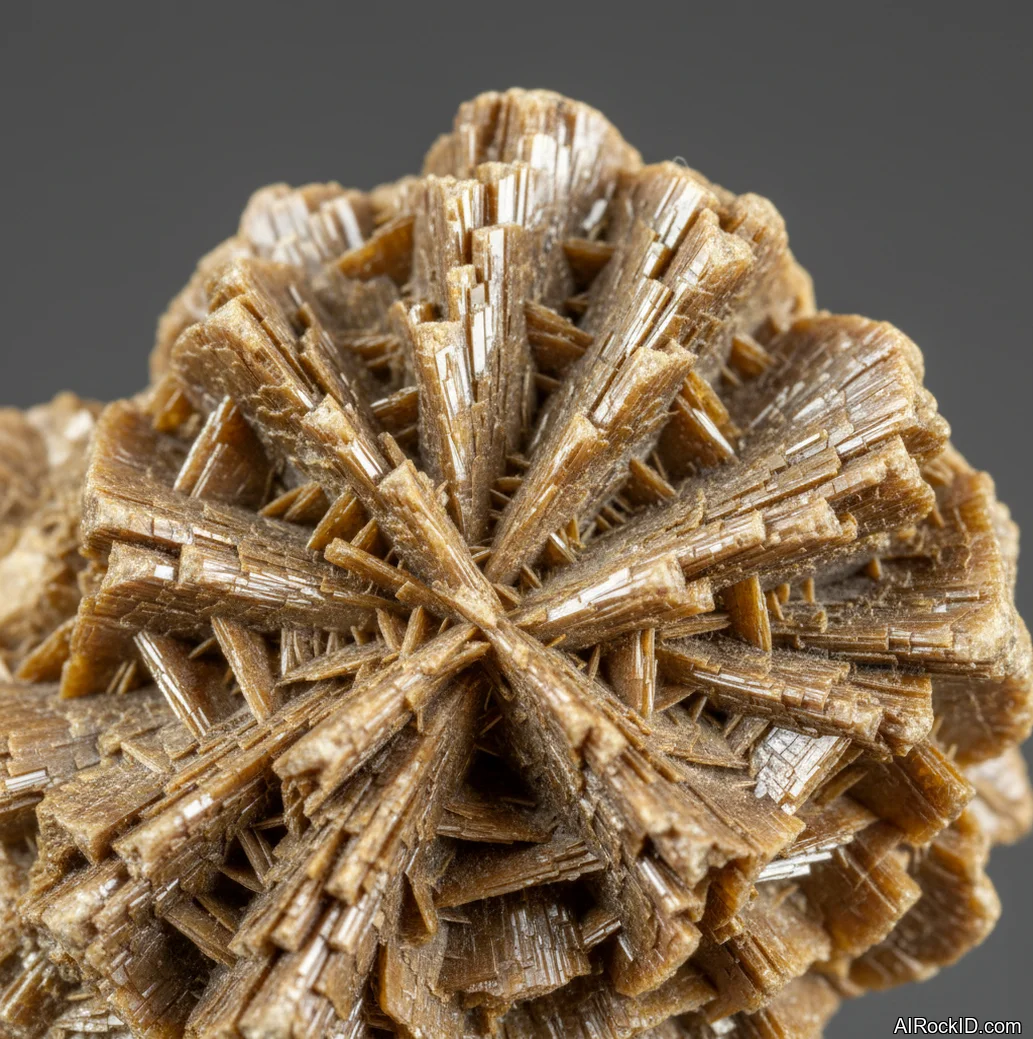
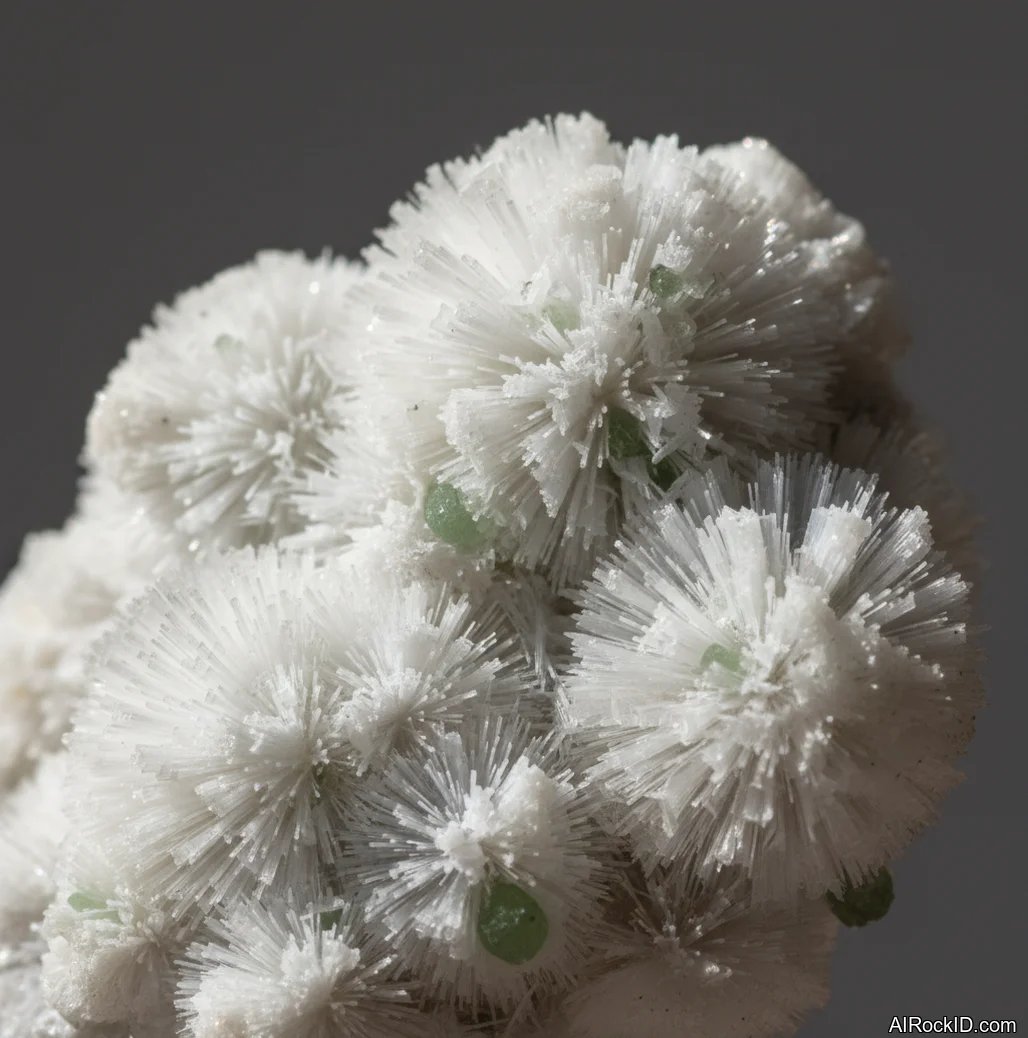
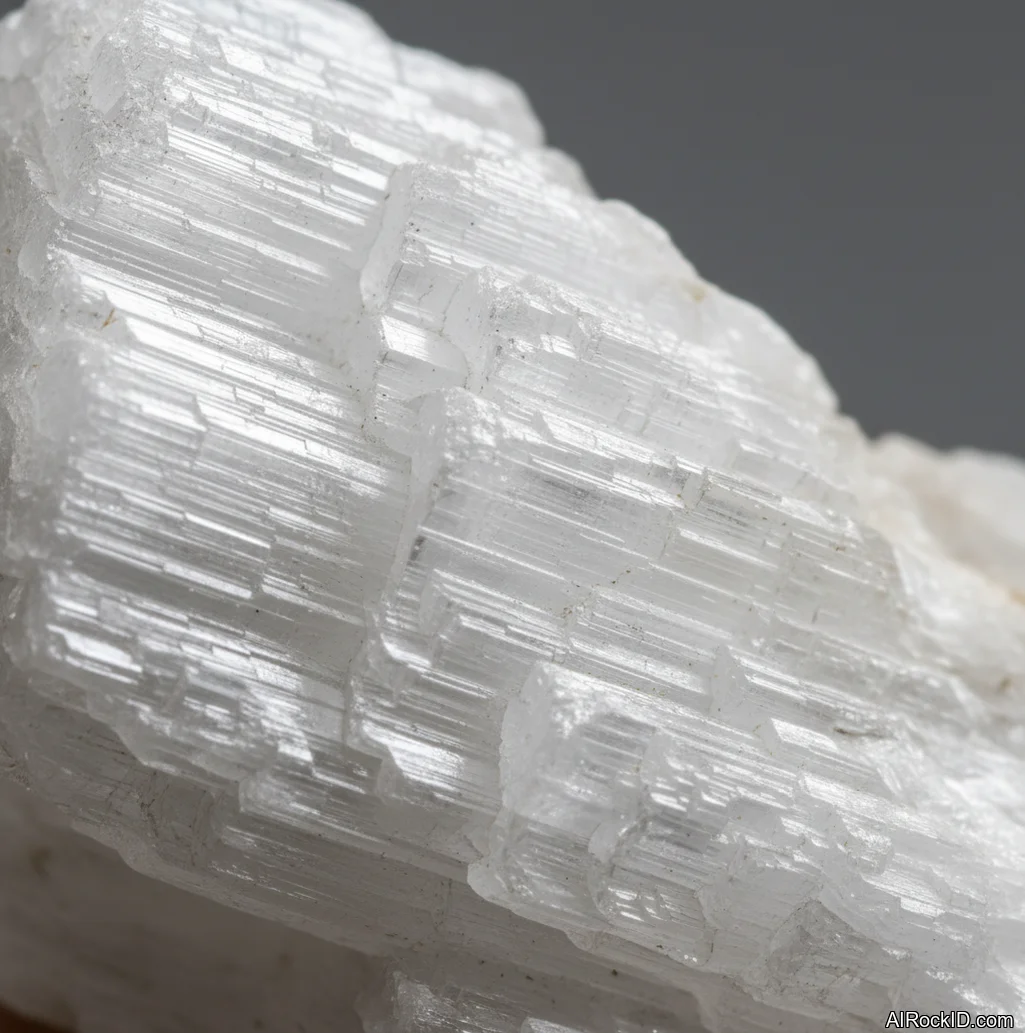
Keep it simple with care. Fluorite scratches easily, so don’t toss it in a pouch with quartz. Selenite gets suggested for “clearing,” but it’s a soft gypsum and it dents if you look at it wrong, plus it doesn’t like water. If you’re using stones as work tools, not altar pieces, durability has to be part of the decision. Thing is, you’ll actually use what holds up.
One last practical tip: don’t try to solve Focus with a whole bowl of crystals. Clutter is the enemy here. Choose one or two, give them a job, and keep them where you actually work. The point isn’t collecting more. It’s training your brain to come back to one thing, on purpose, when it wants to scatter.
All Focus Crystals (506)