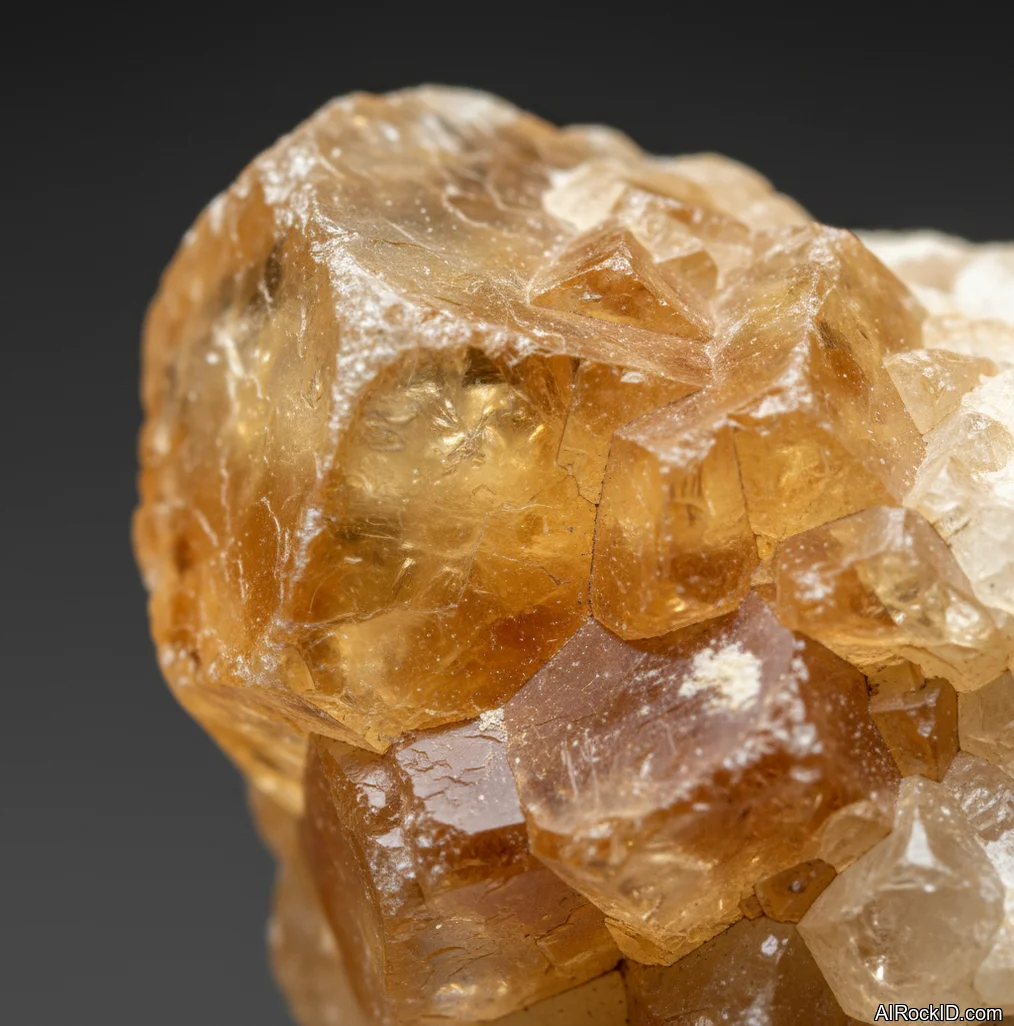
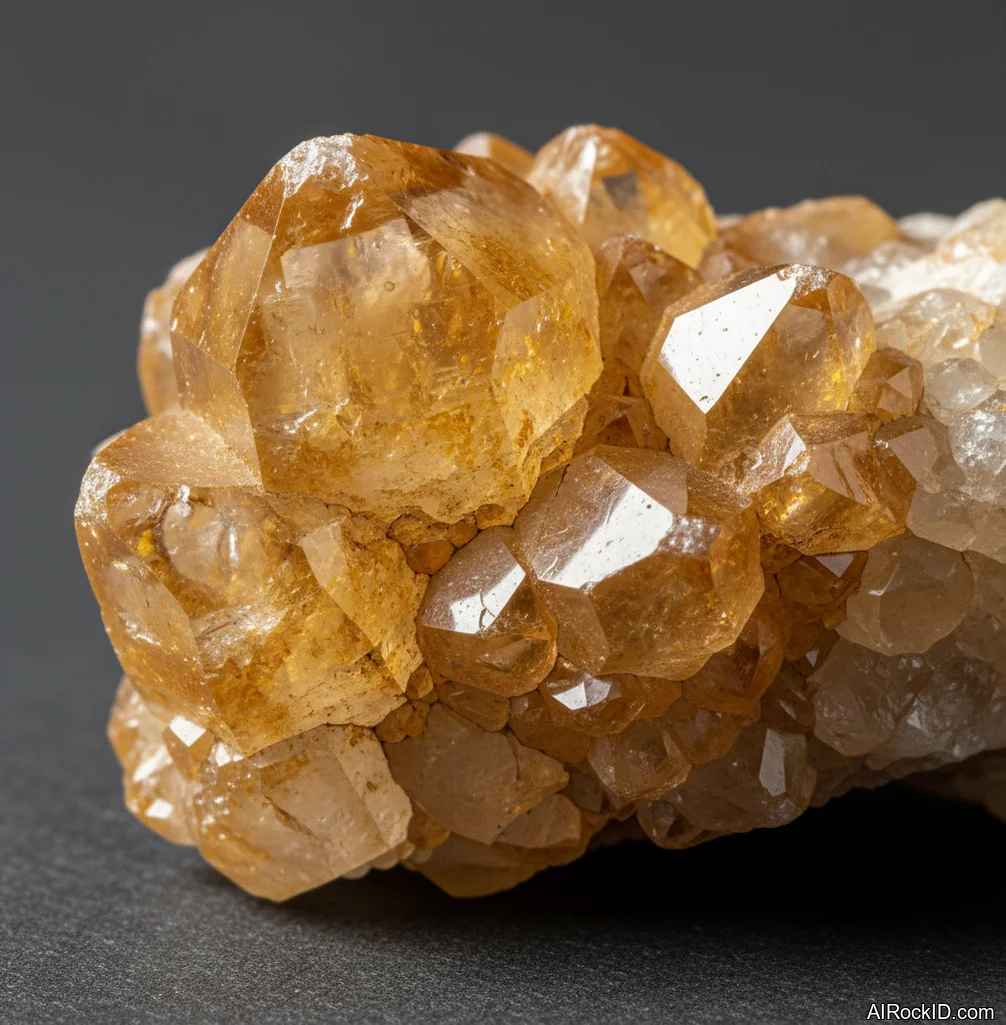
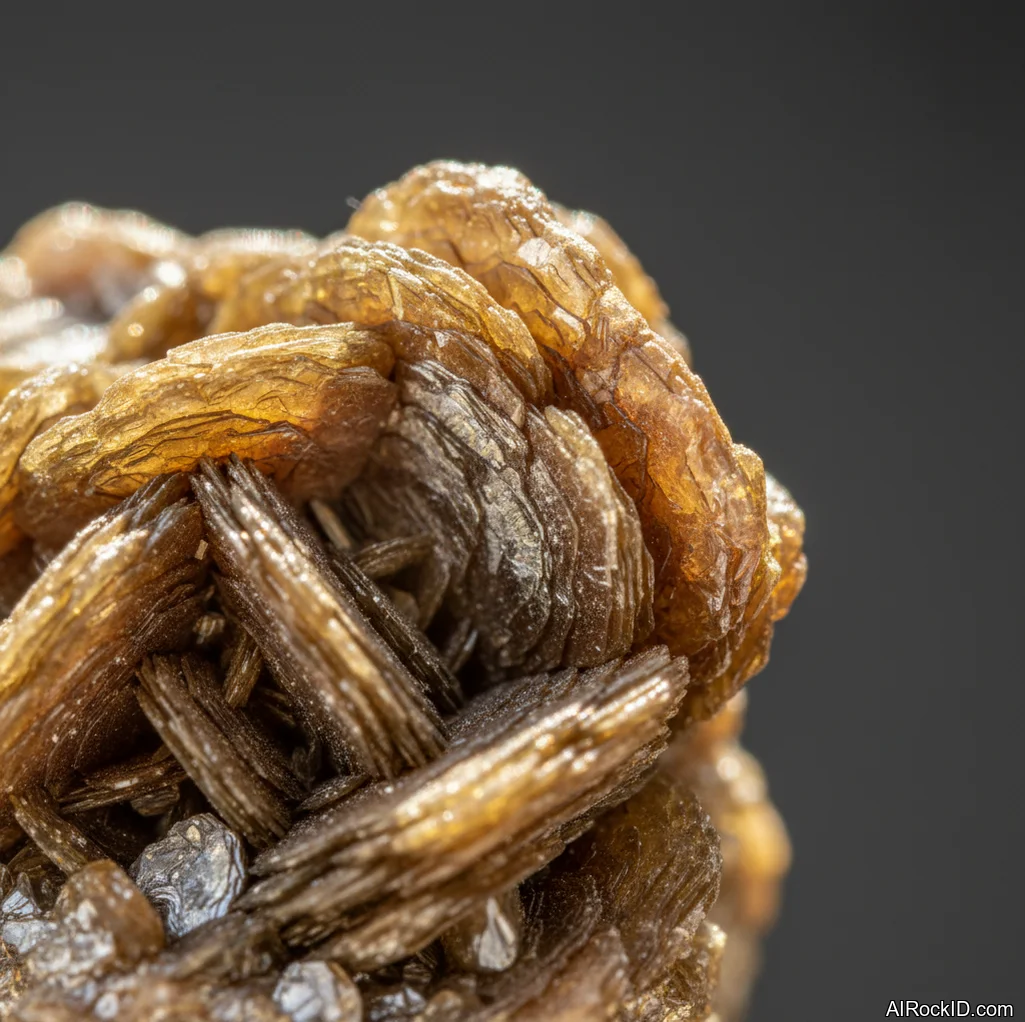
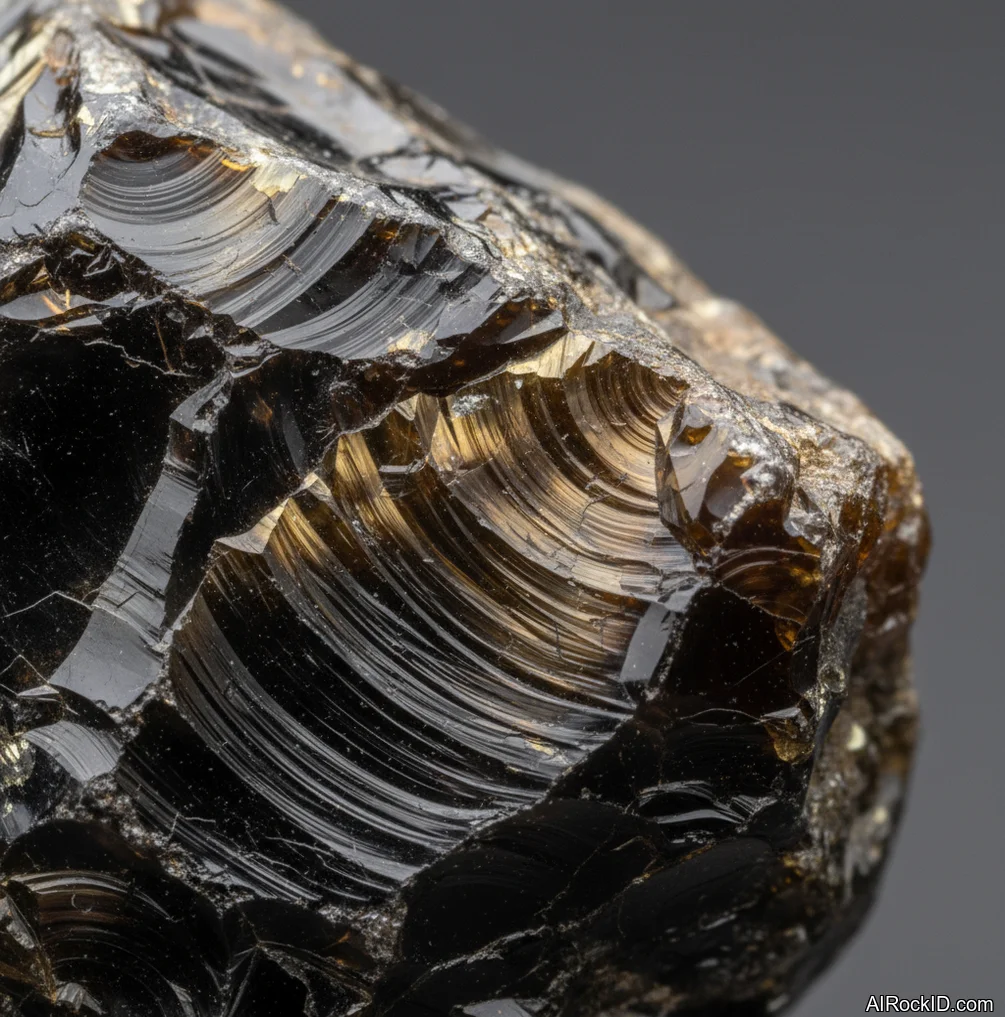
Insight Crystals
Explore Insight crystals, what Insight means, and how to choose and use crystals like labradorite, iolite, fluorite, and sodalite for clarity.
Insight, in a crystal context, is that moment the fog lifts. Not “positive vibes.” Not a pep talk. It’s pattern recognition, the kind that lands when you finally connect two dots you’ve been glaring at for weeks. People go looking for Insight when they’re stuck in a loop, when they keep making the same call in different packaging, or when they need a clean read on what’s happening under all the noise.
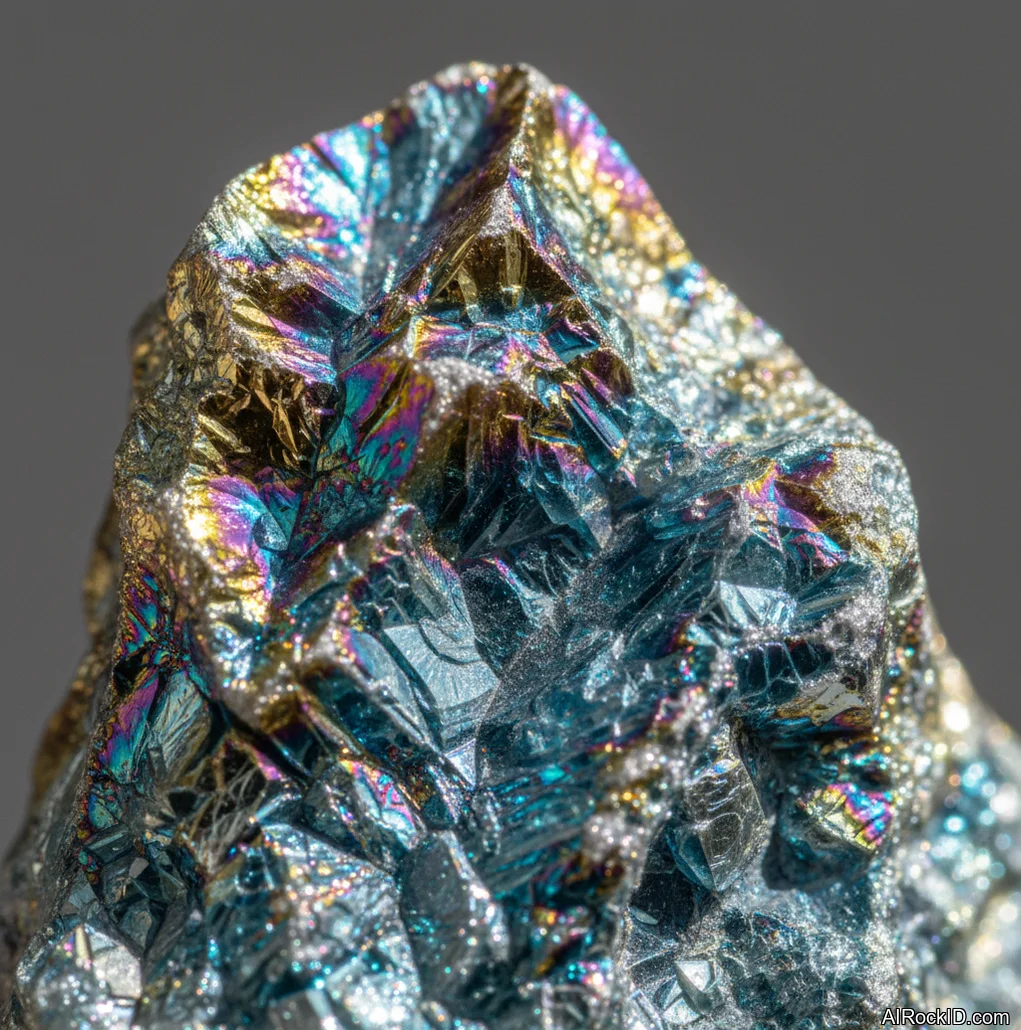
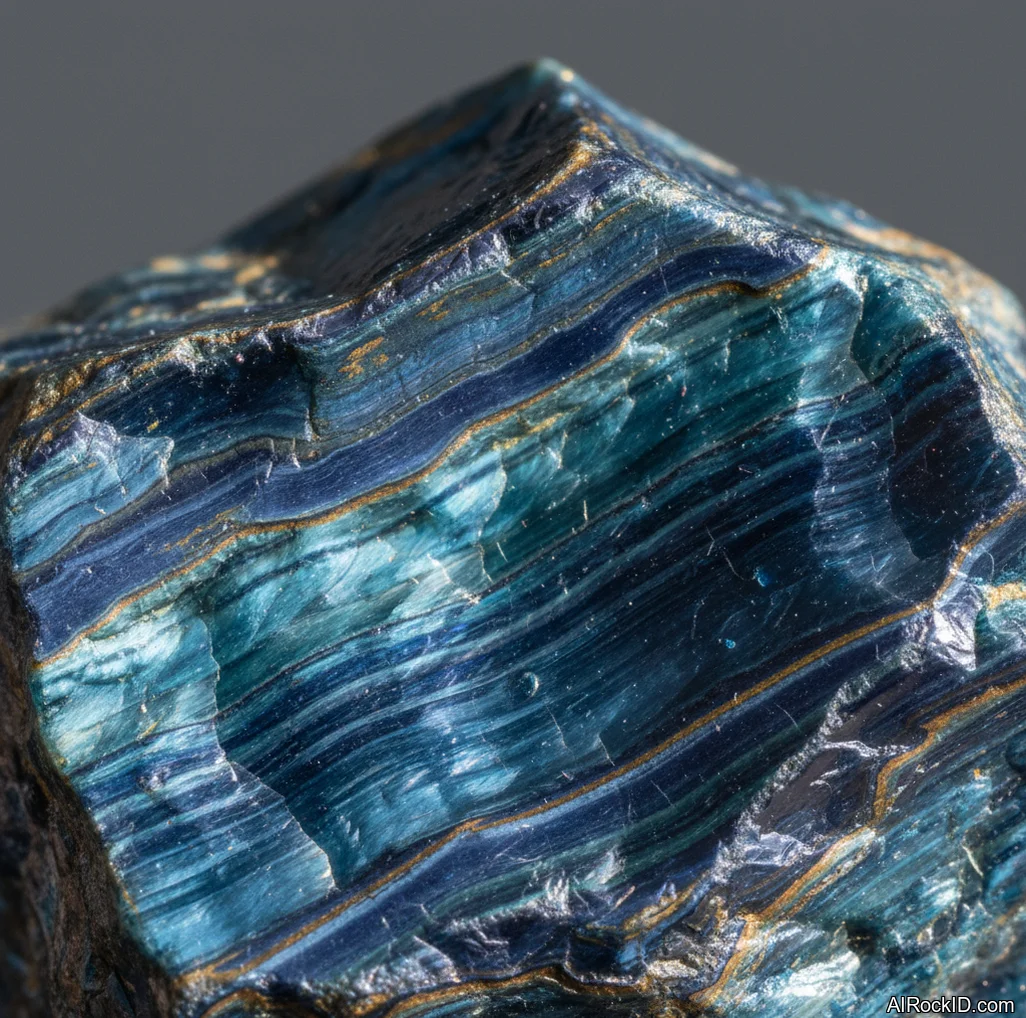
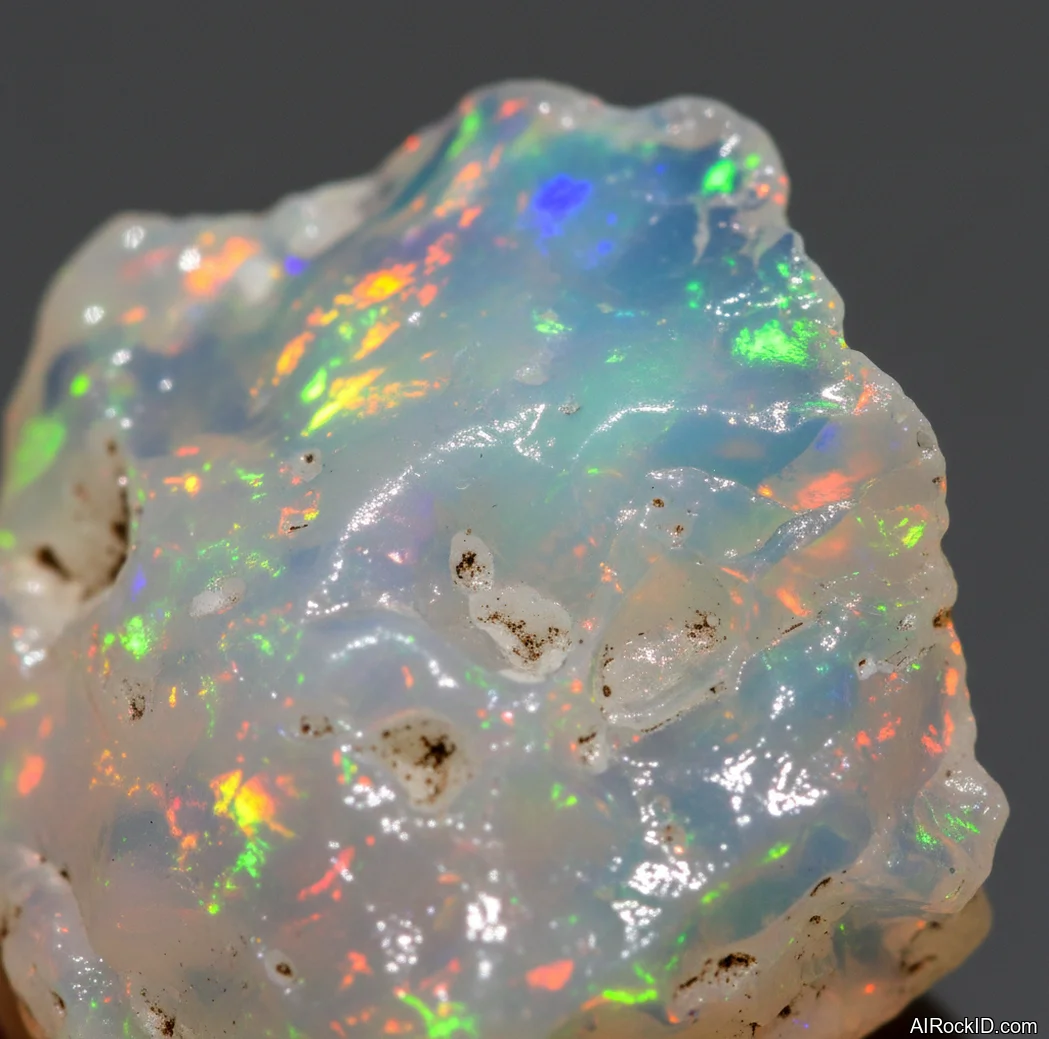
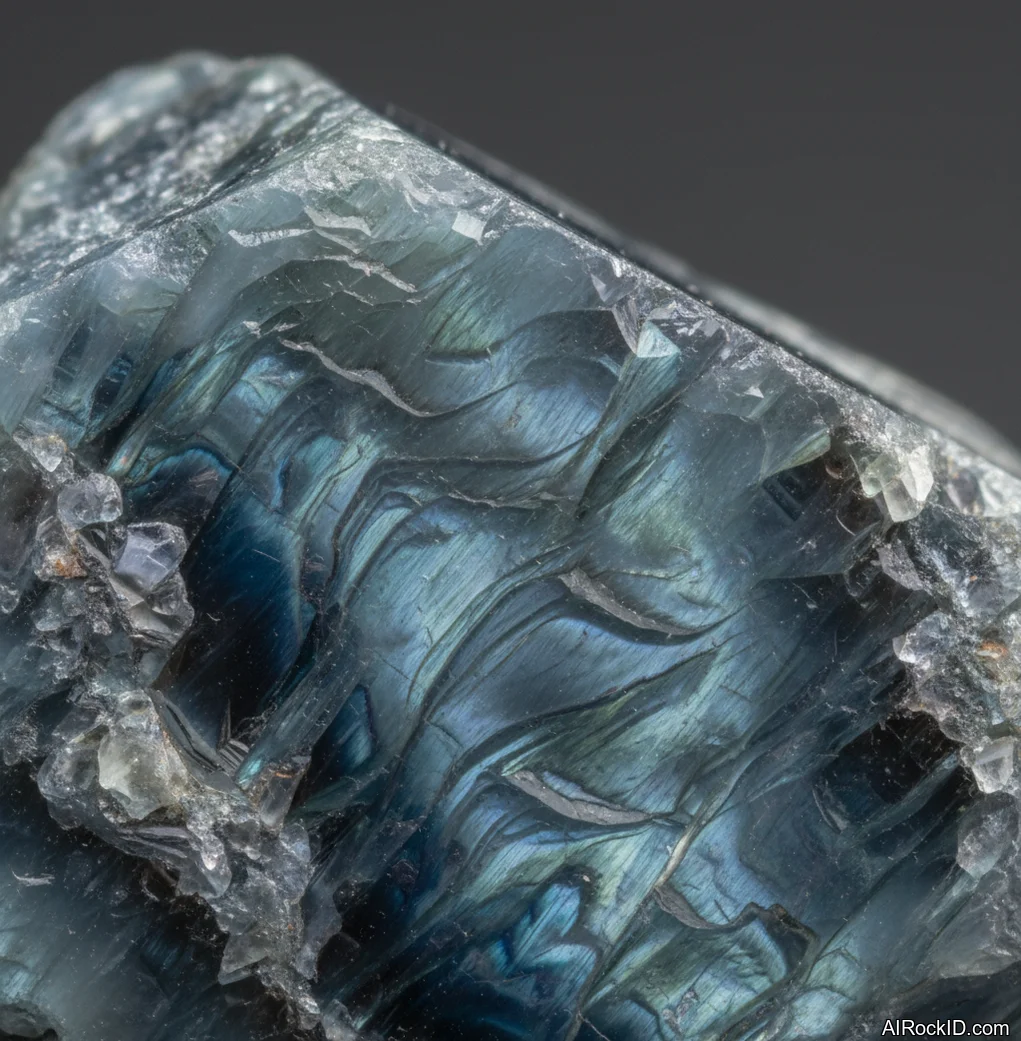
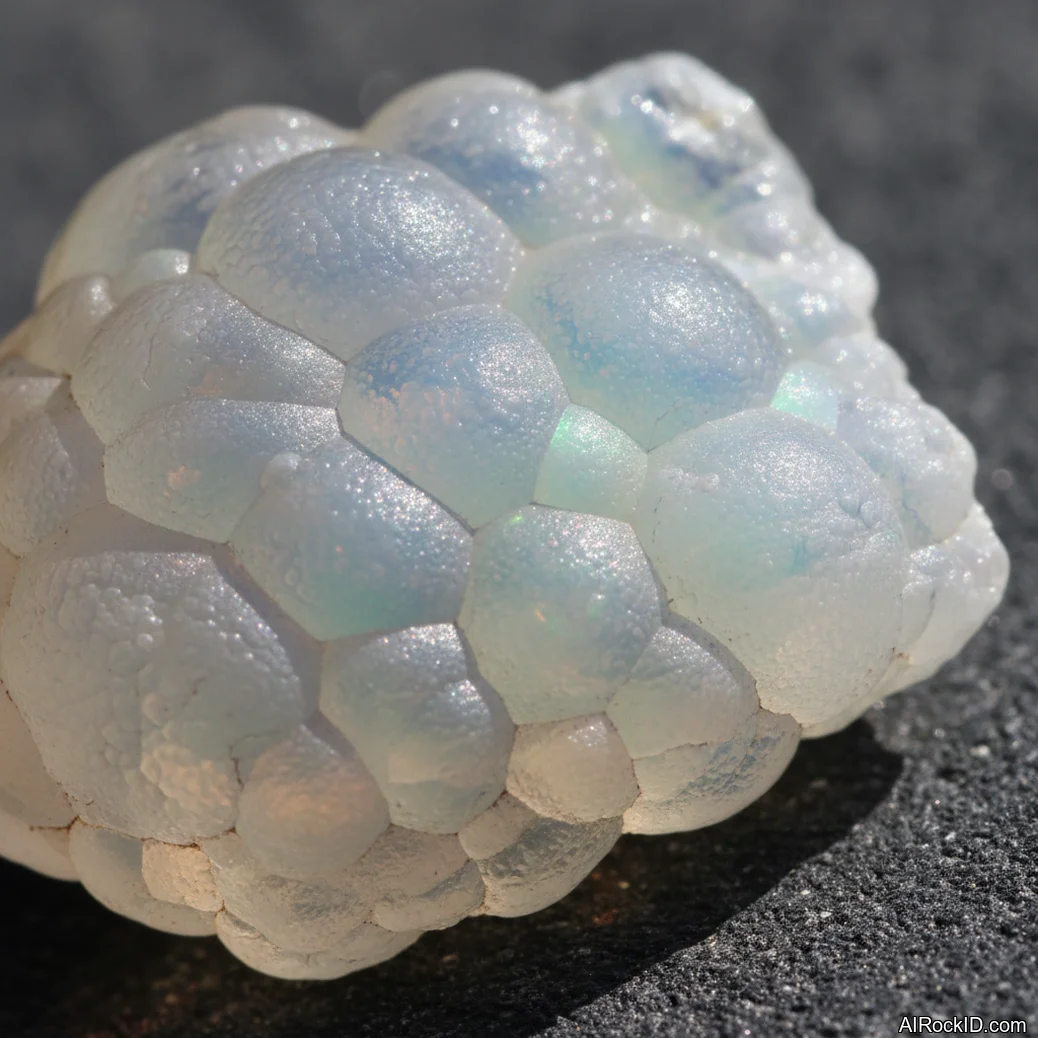
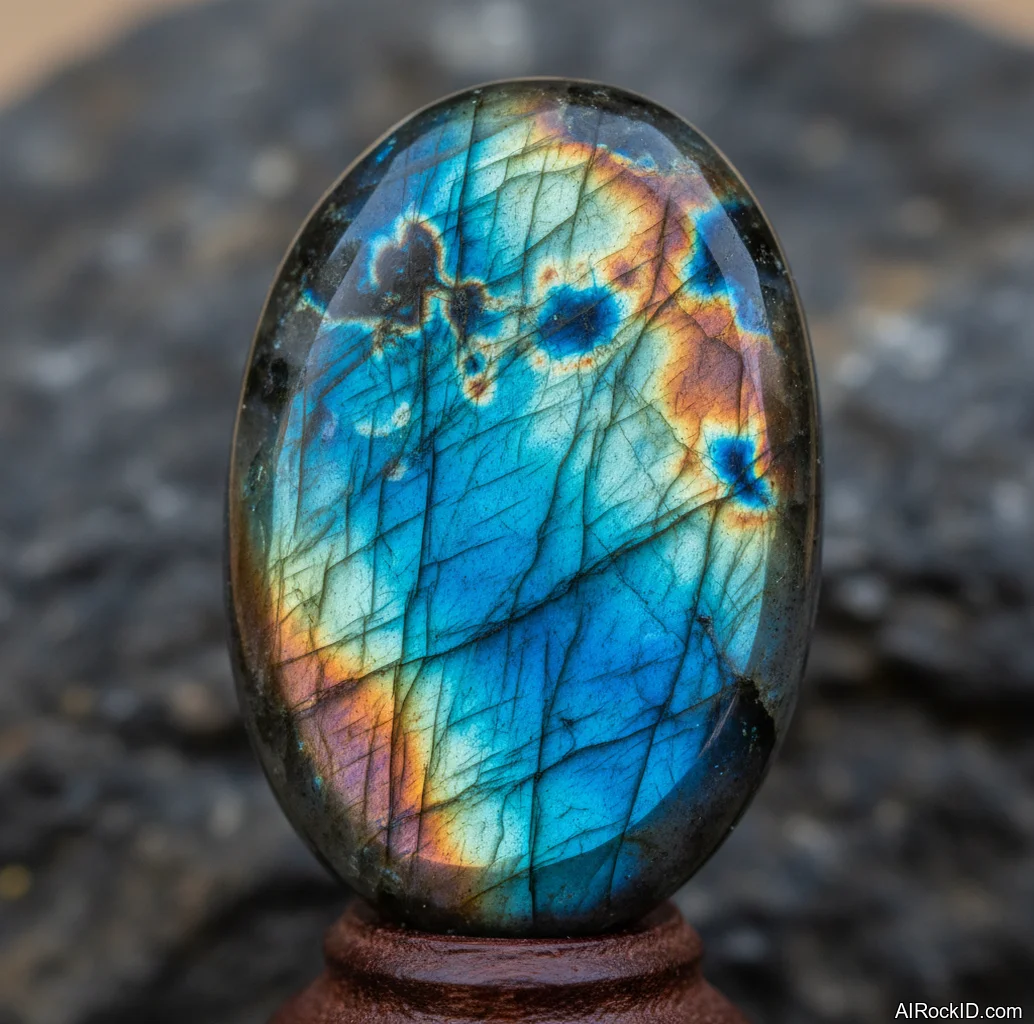
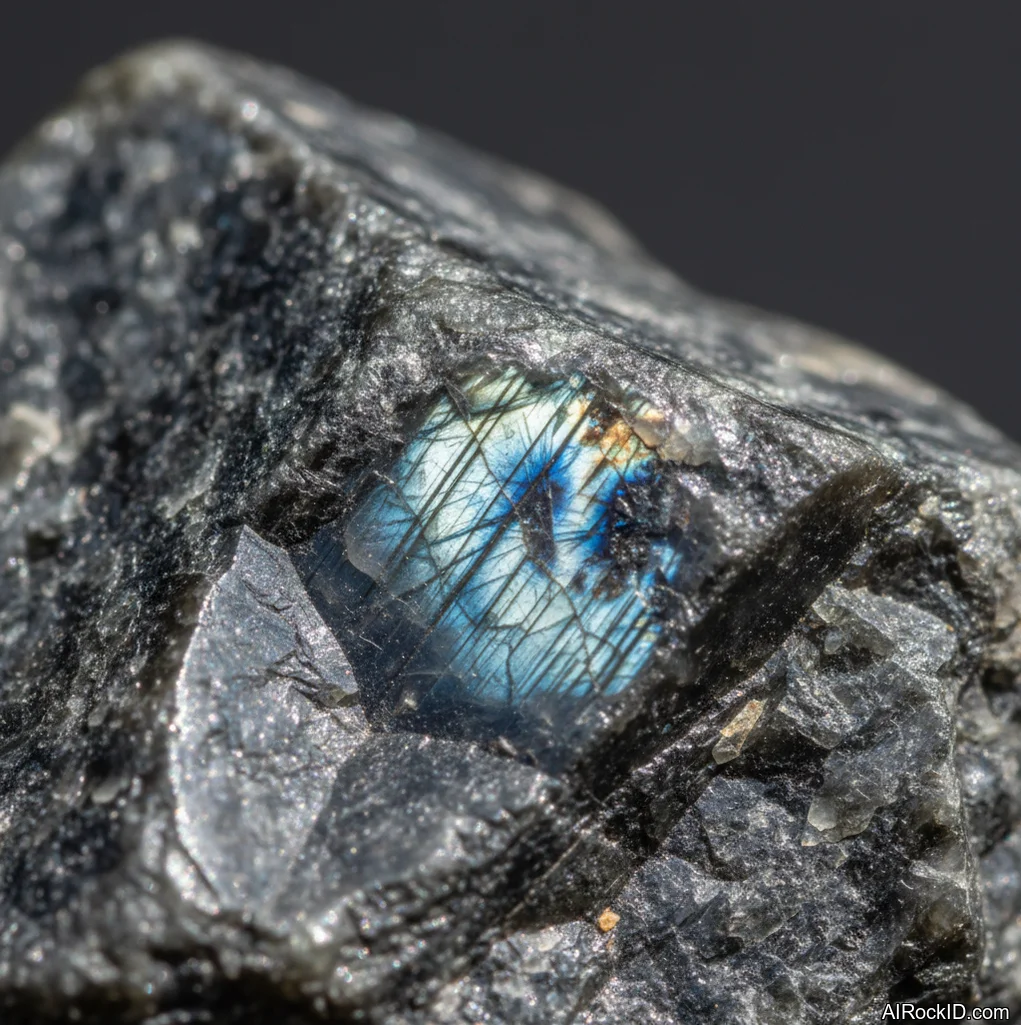
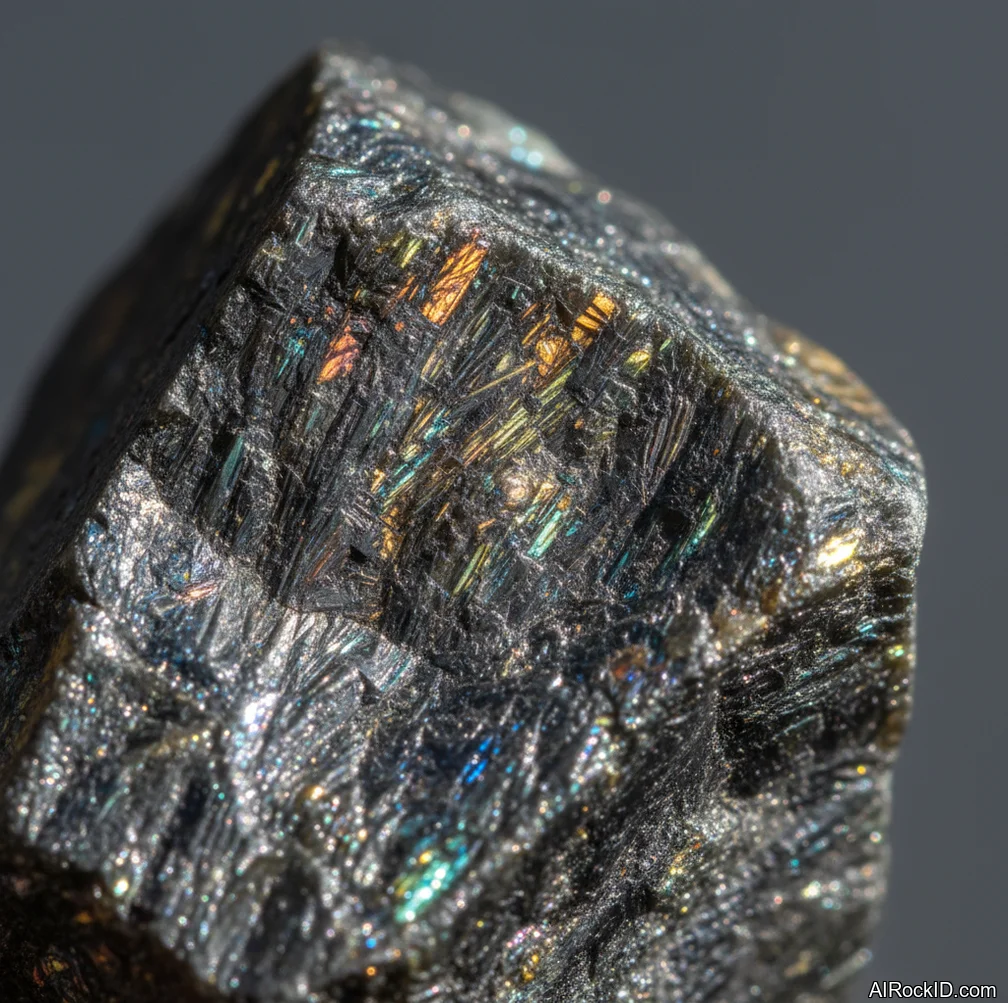
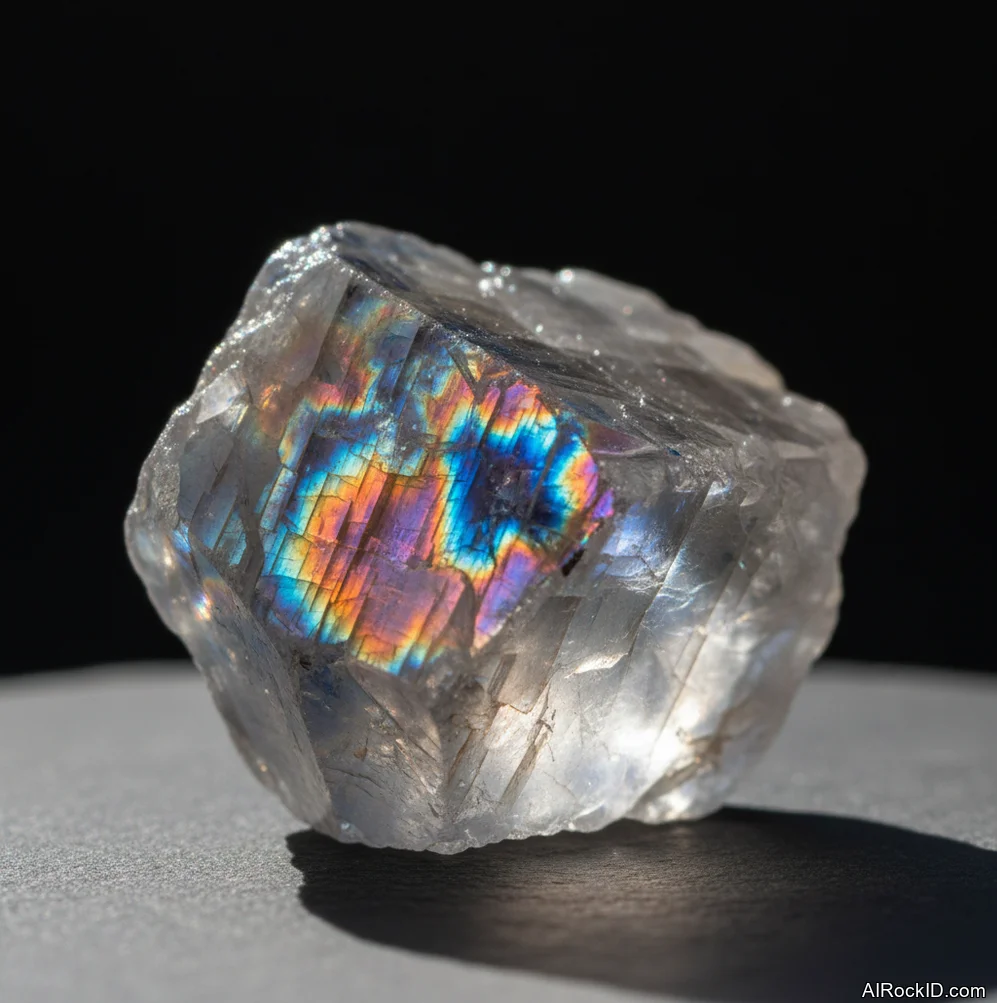
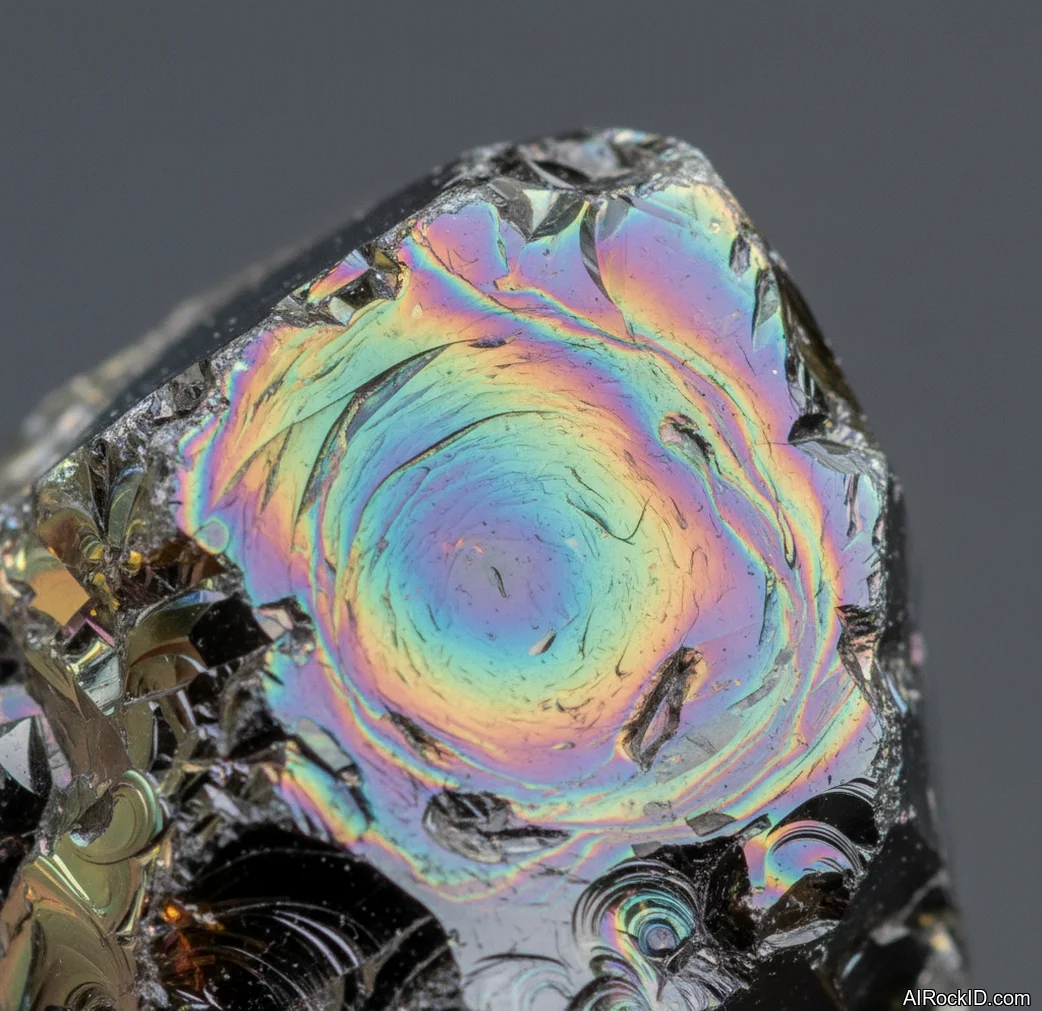
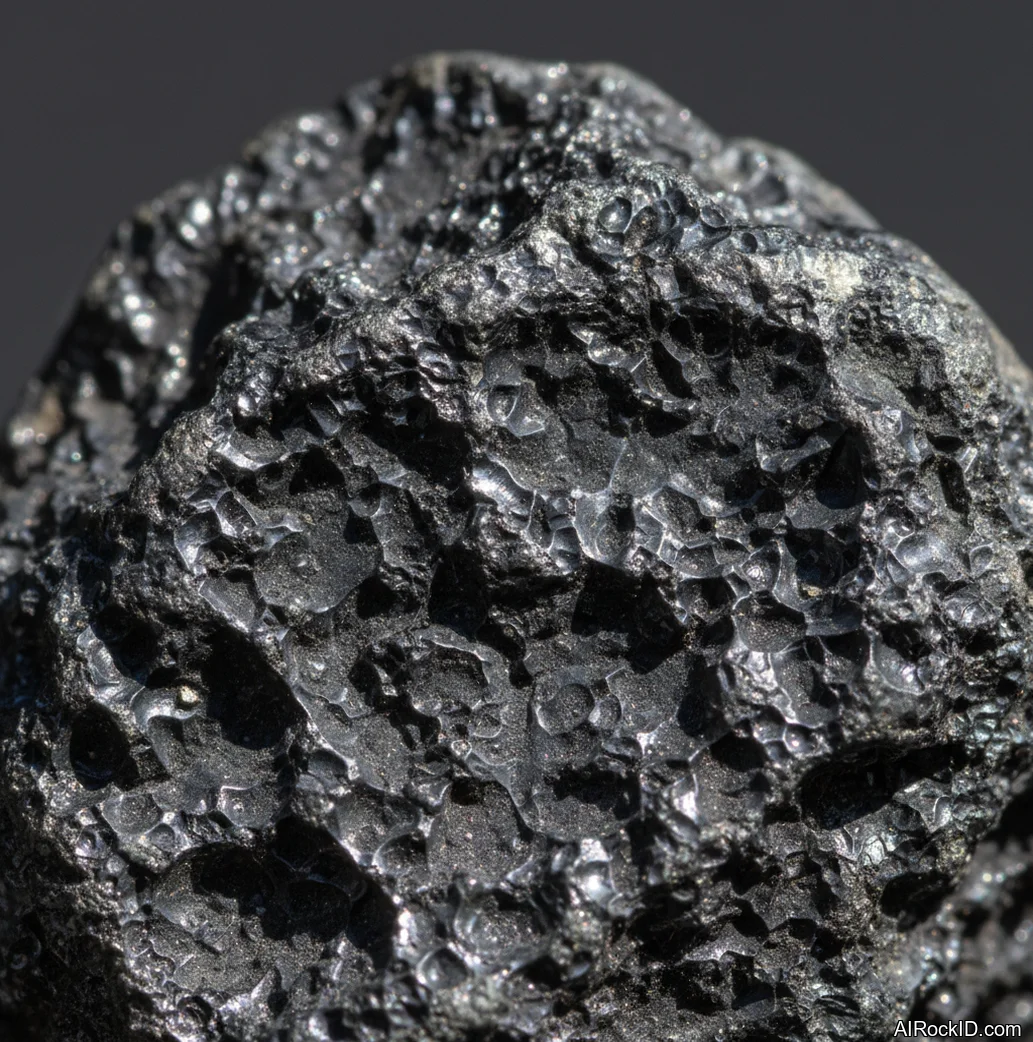
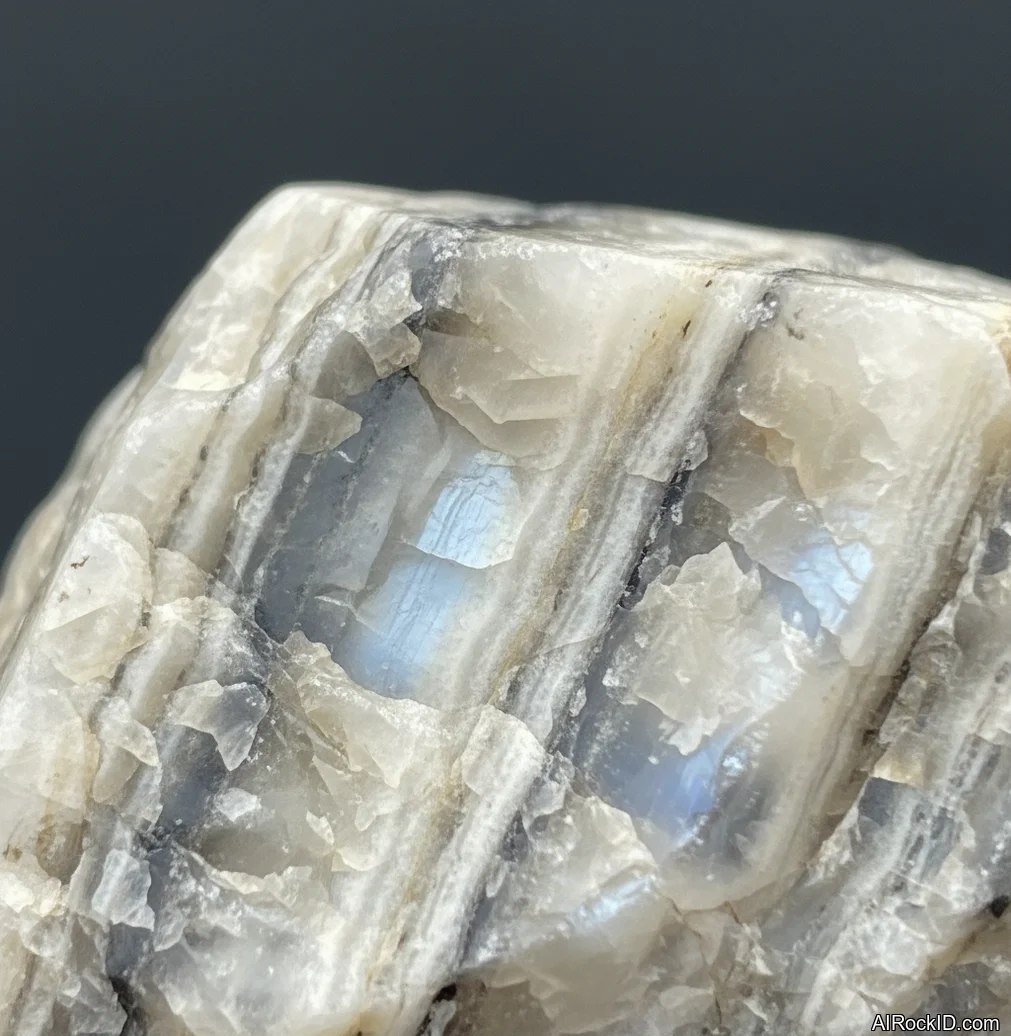
Pick up a good piece of labradorite and you’ll see why it belongs here. The flash isn’t steady. Tilt it a few degrees and it vanishes, then it pops back in blue, green, sometimes with a gold edge like oil on water. That on-and-off thing? It matches how Insight feels in real life. You don’t muscle it into existence. You set the conditions, and then it hits. I’ve handled labradorite slabs that look dead under one shop light and then completely explode under another, so if you’re buying in person, move it around before you decide it’s meh.
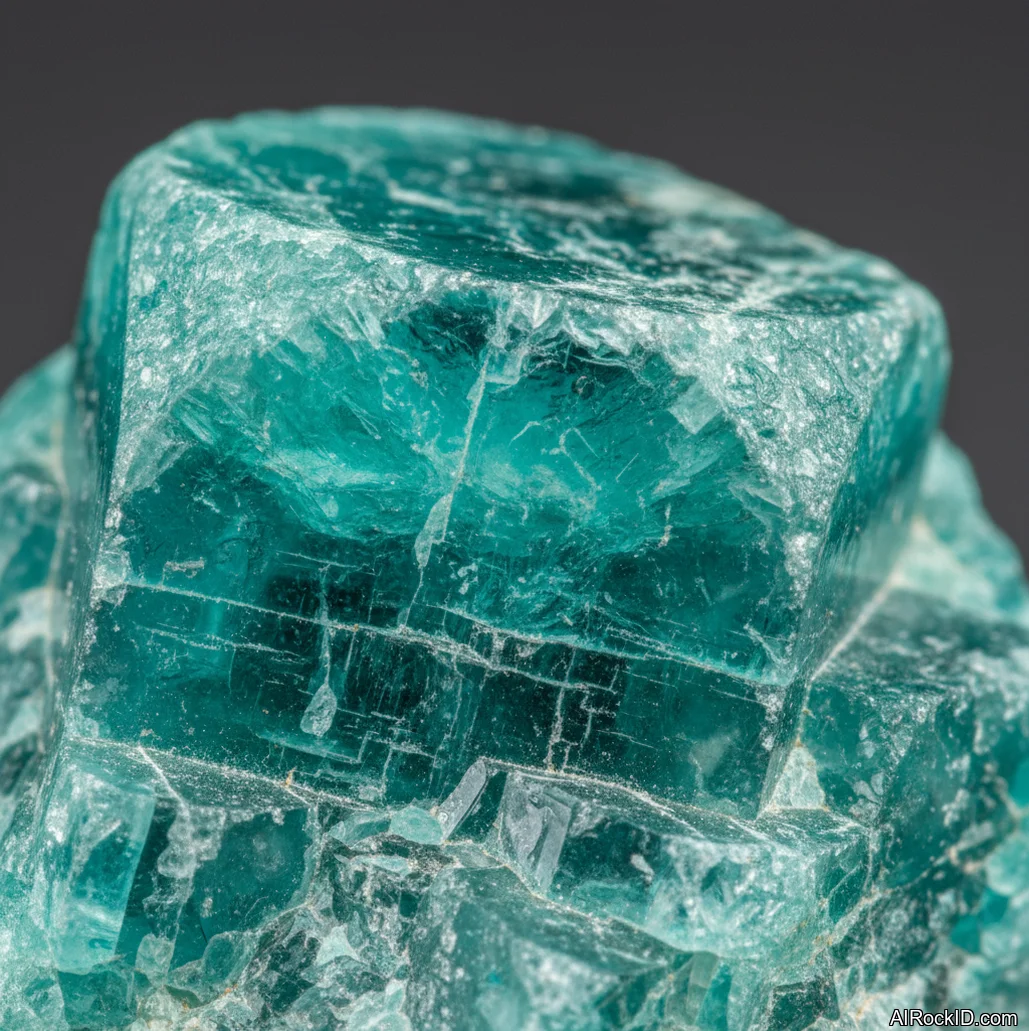
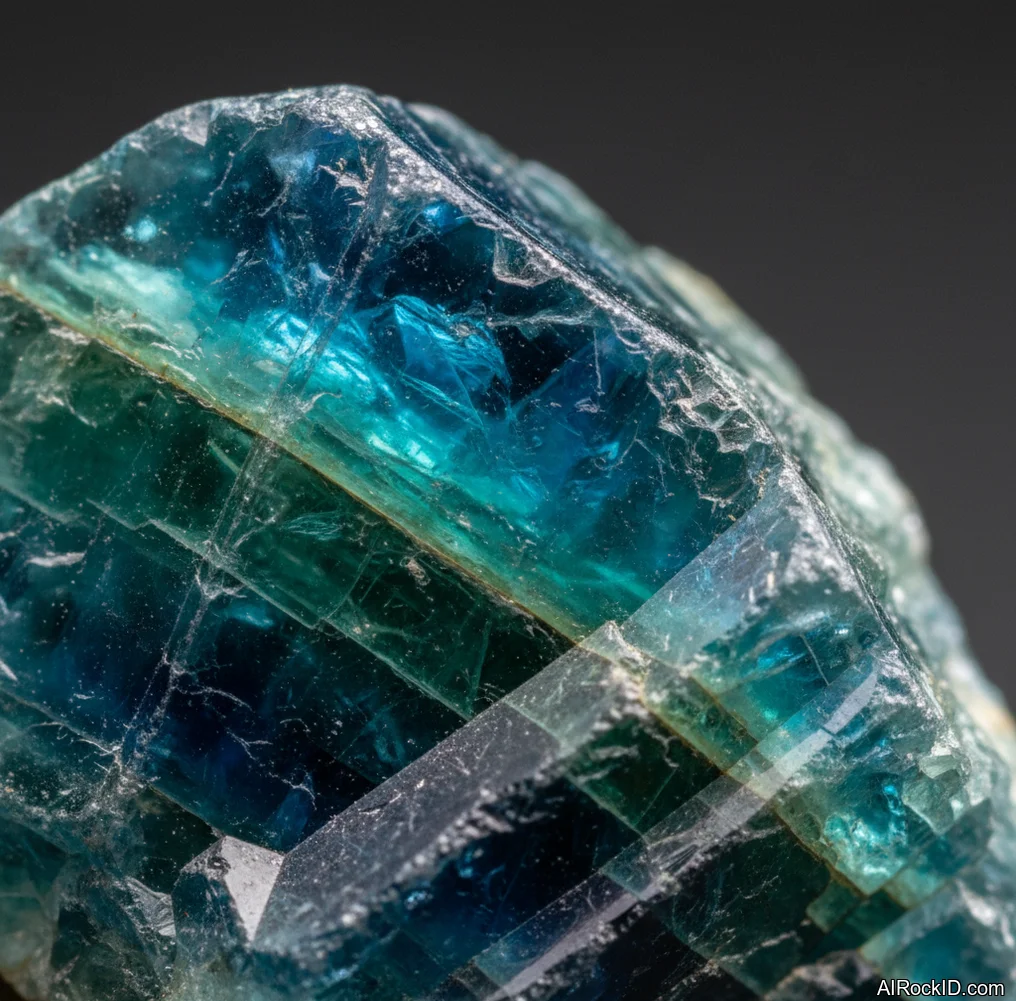
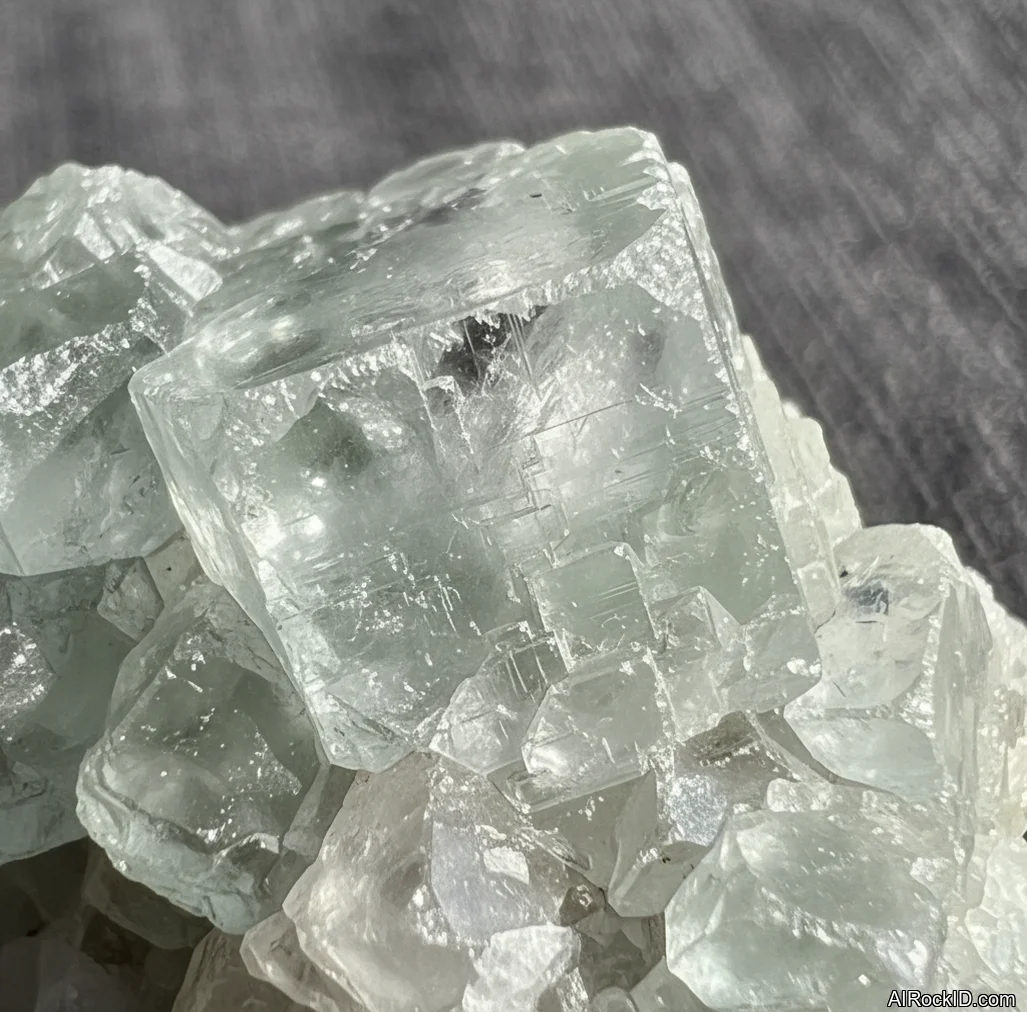
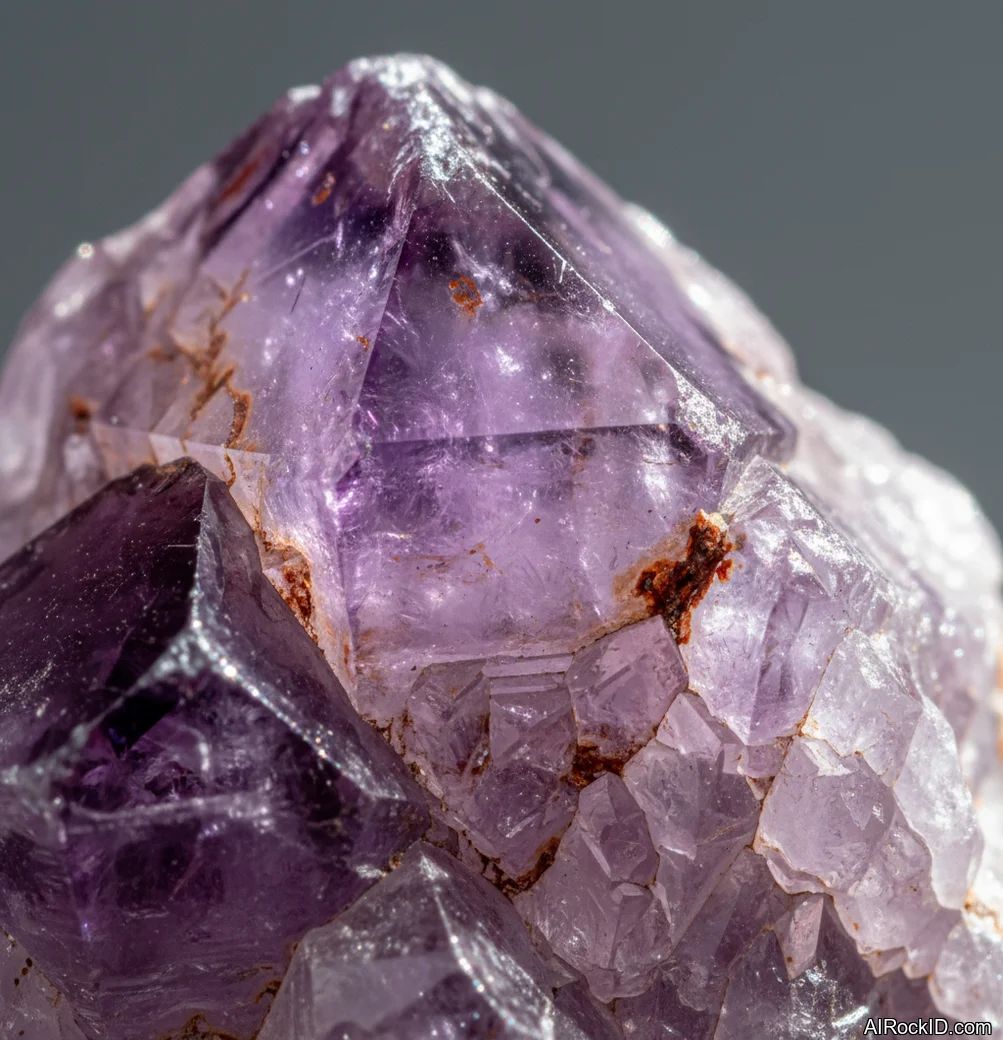
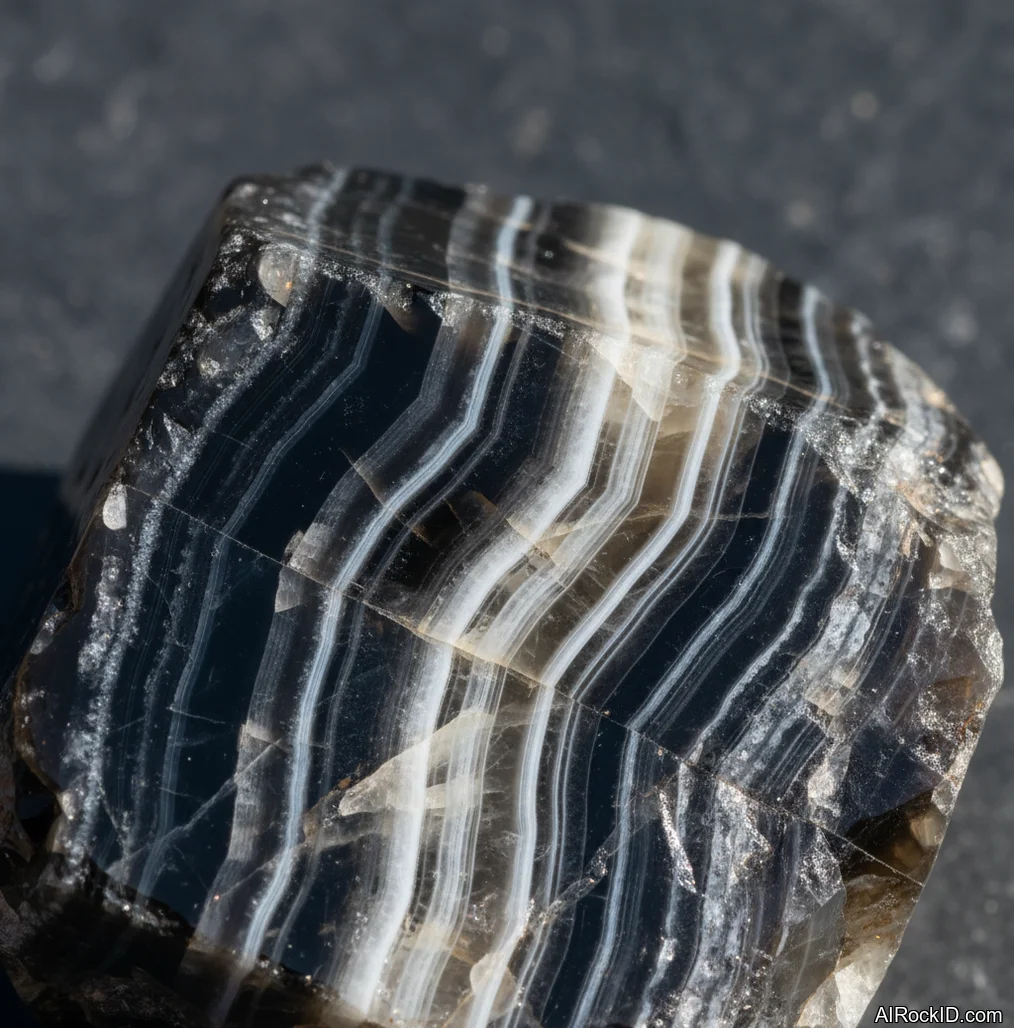
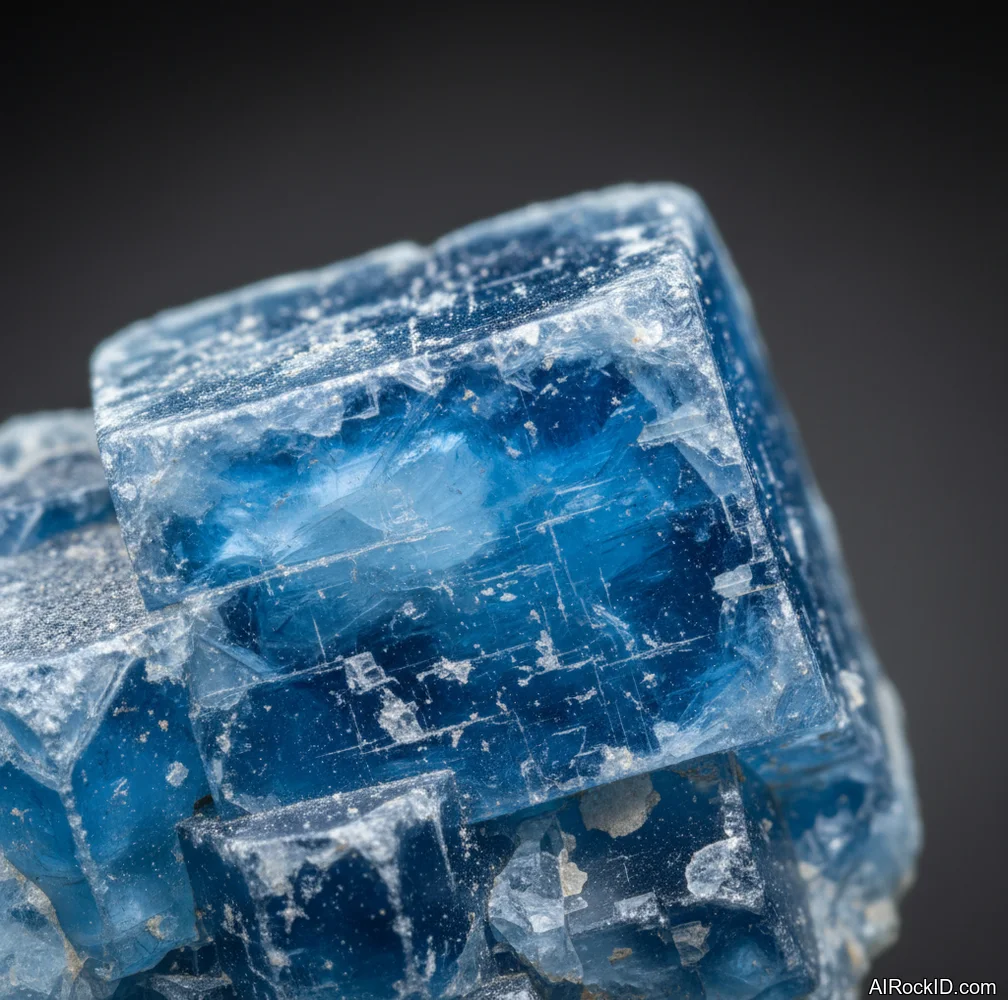
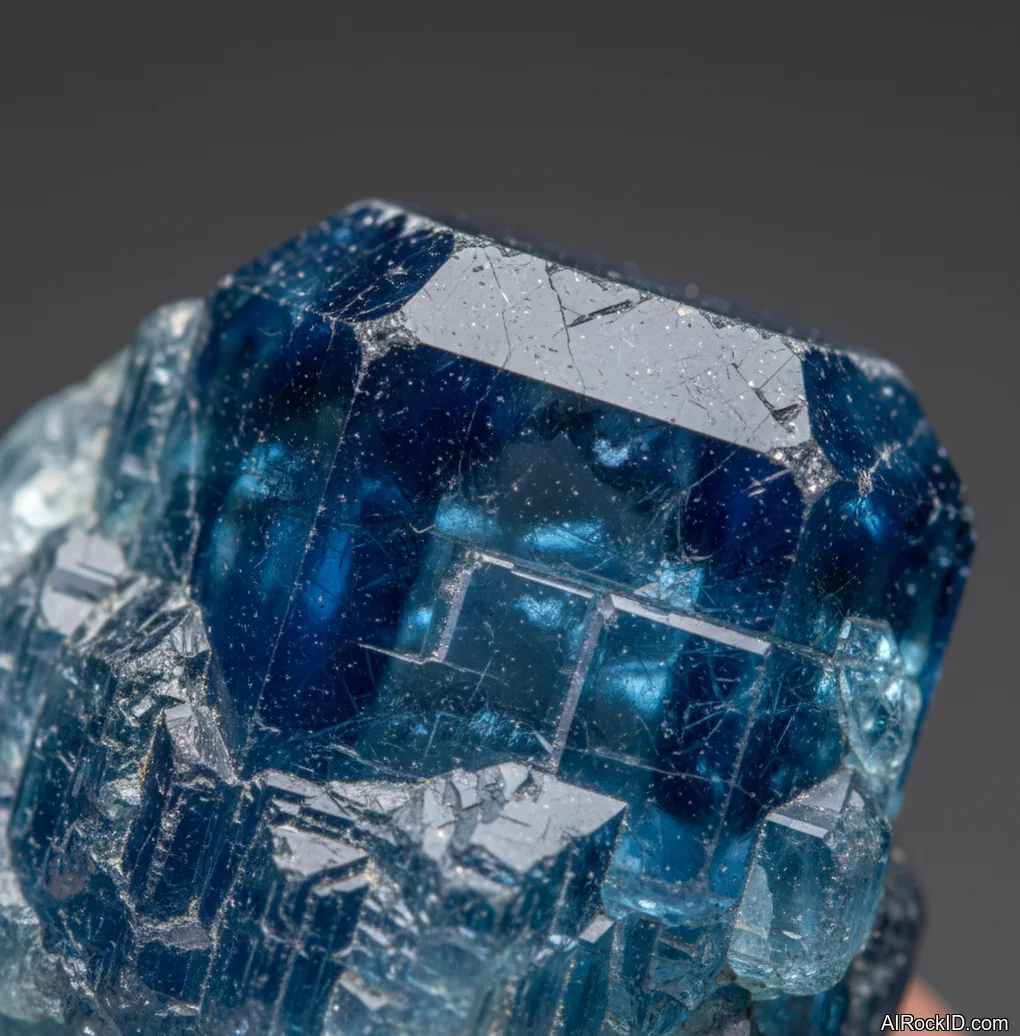
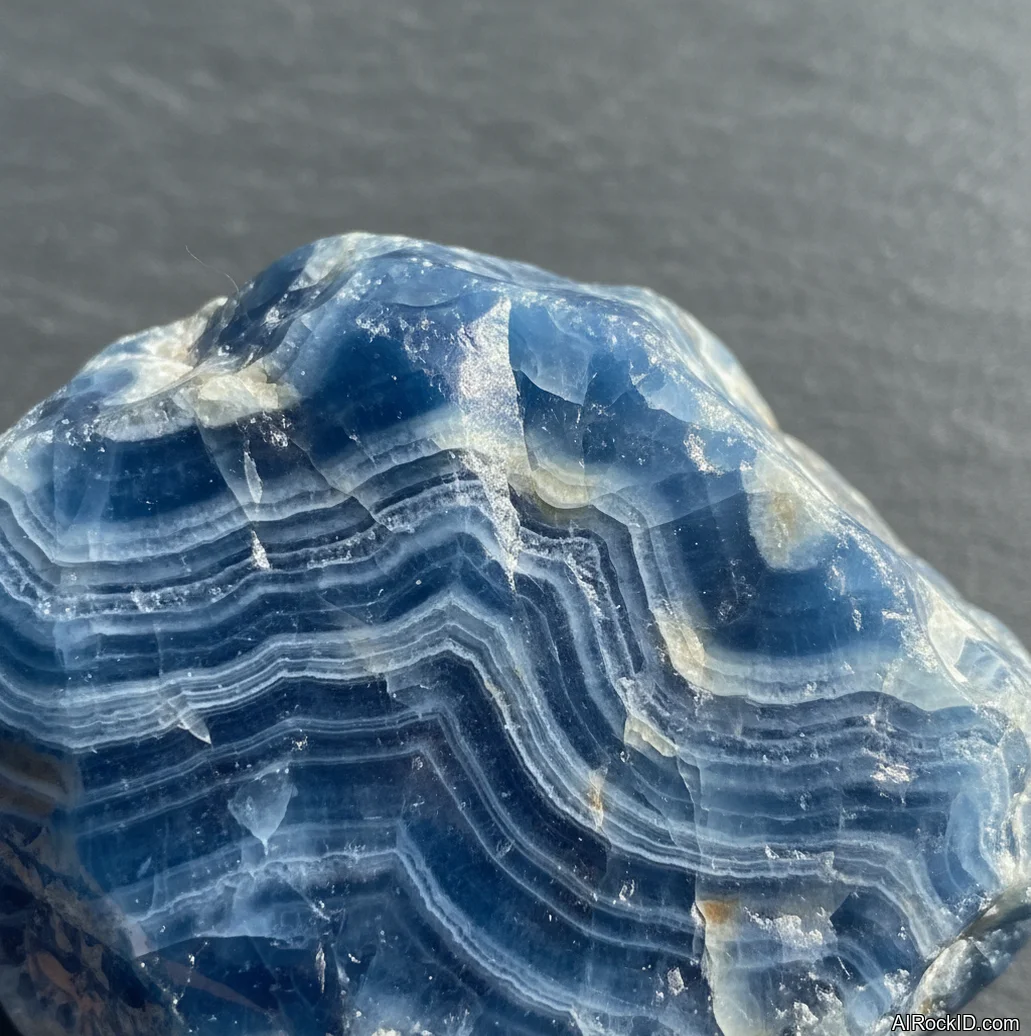
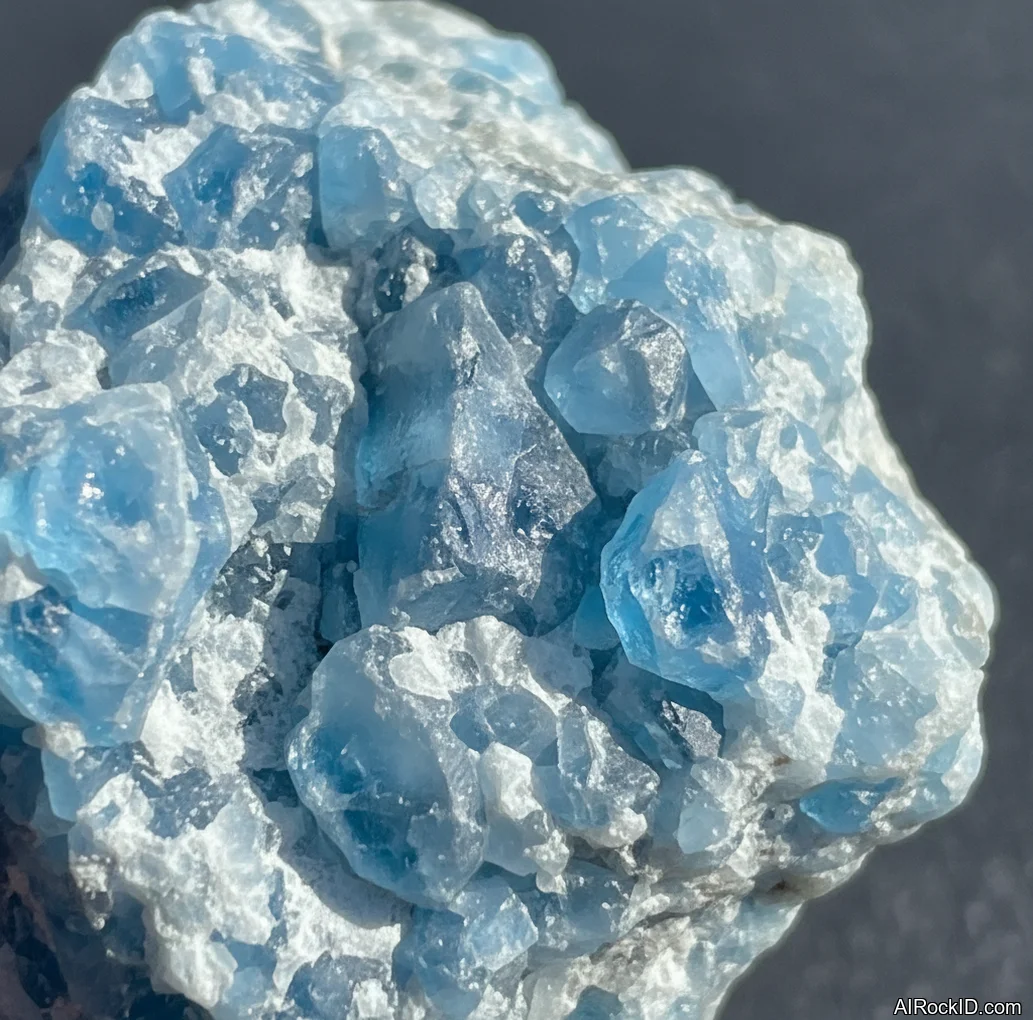
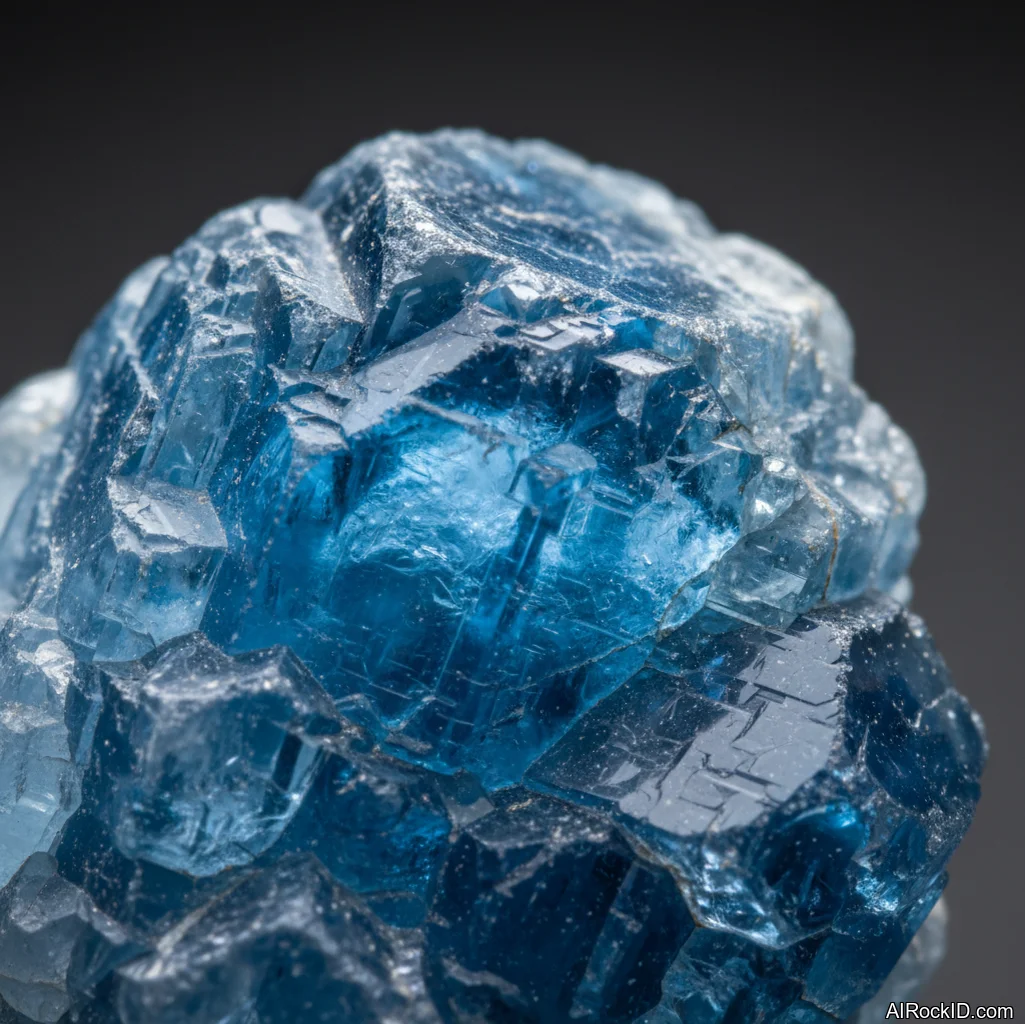
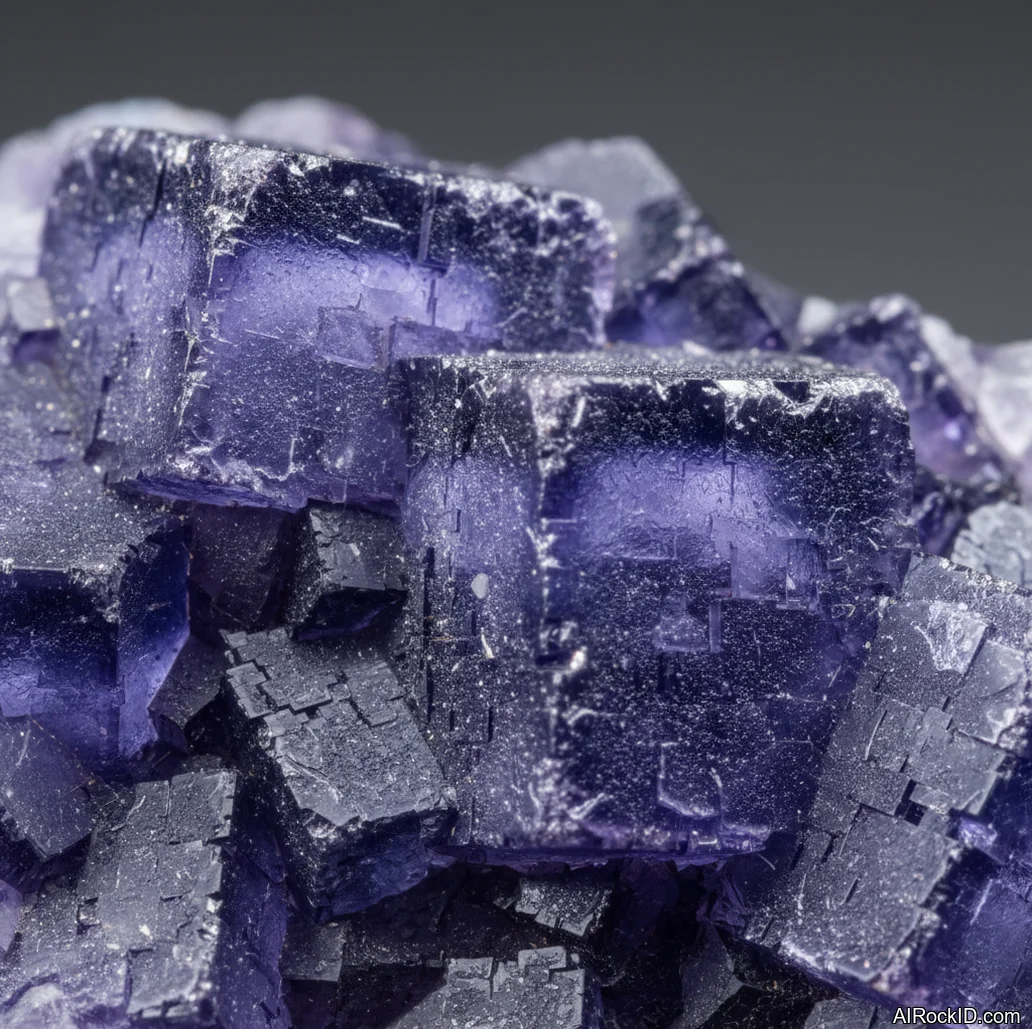
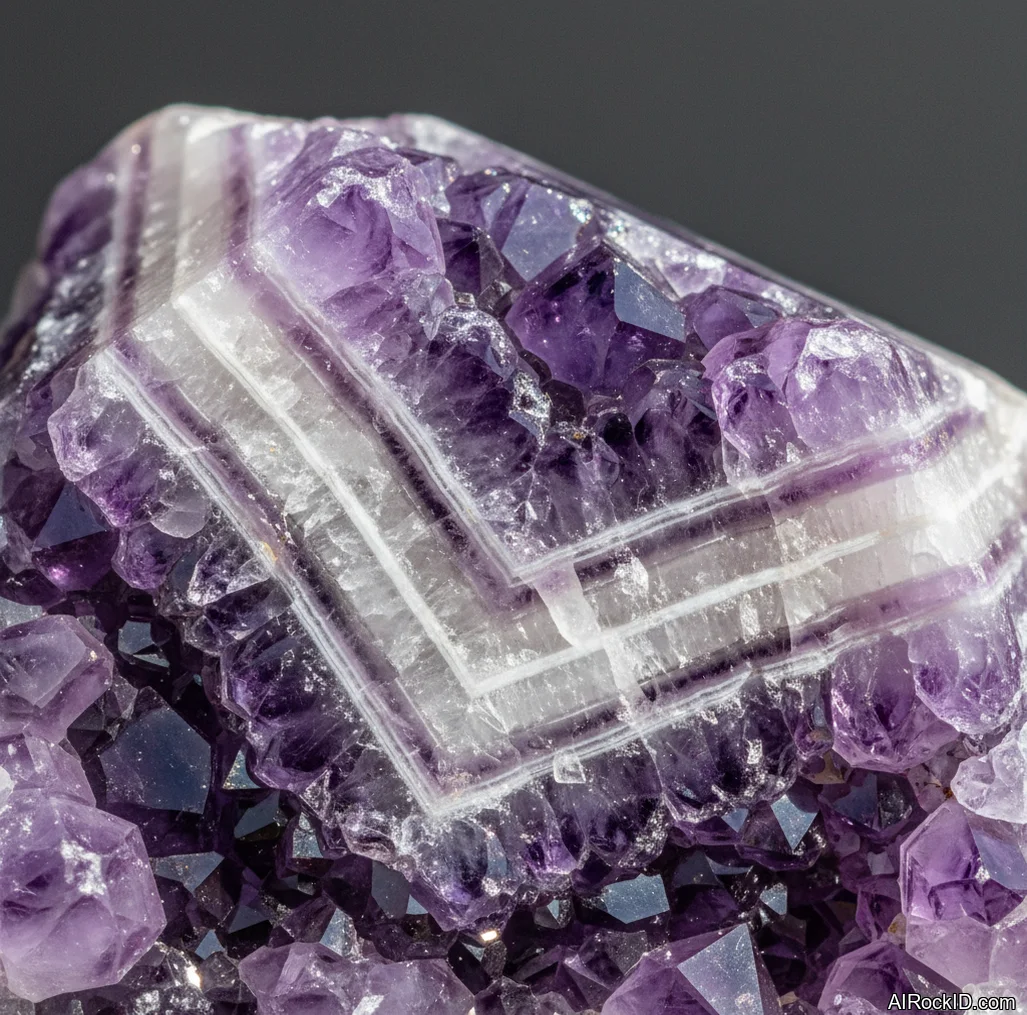
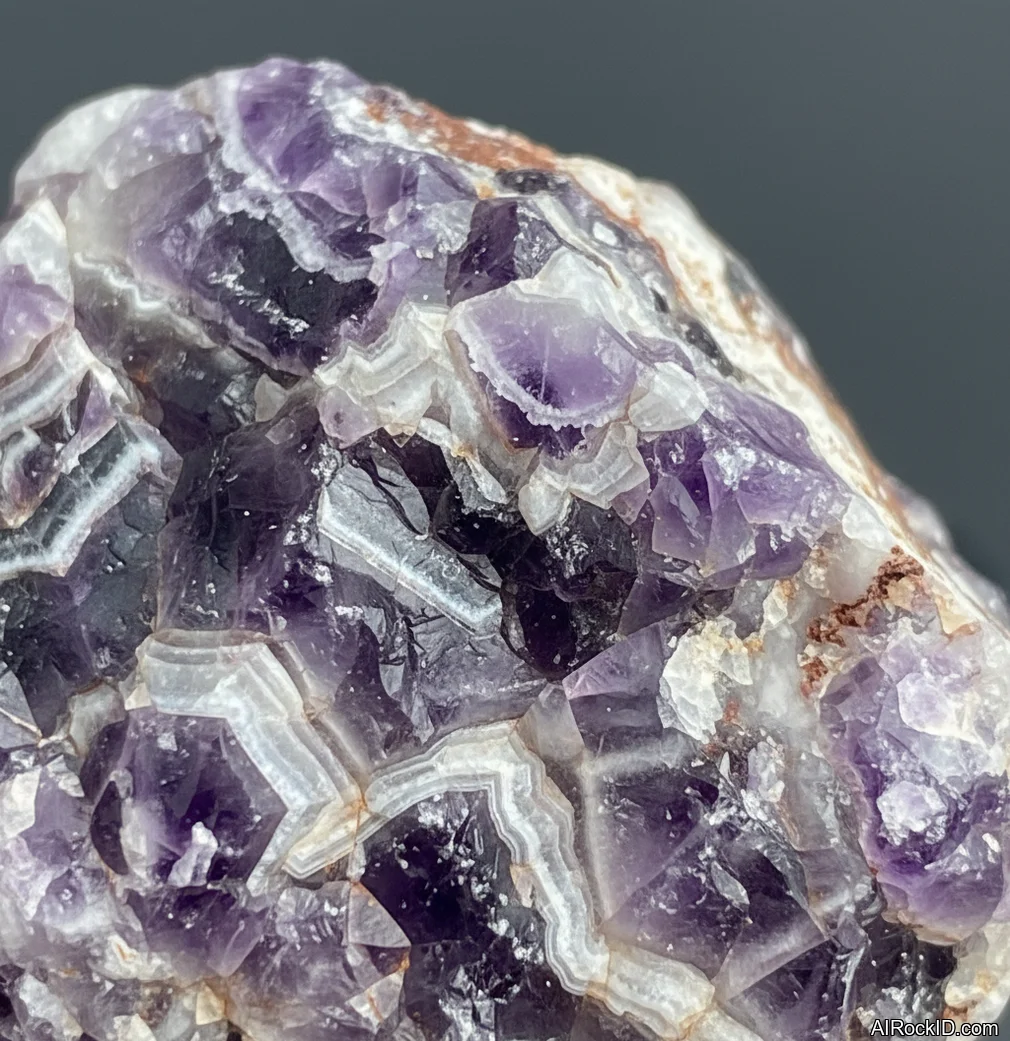
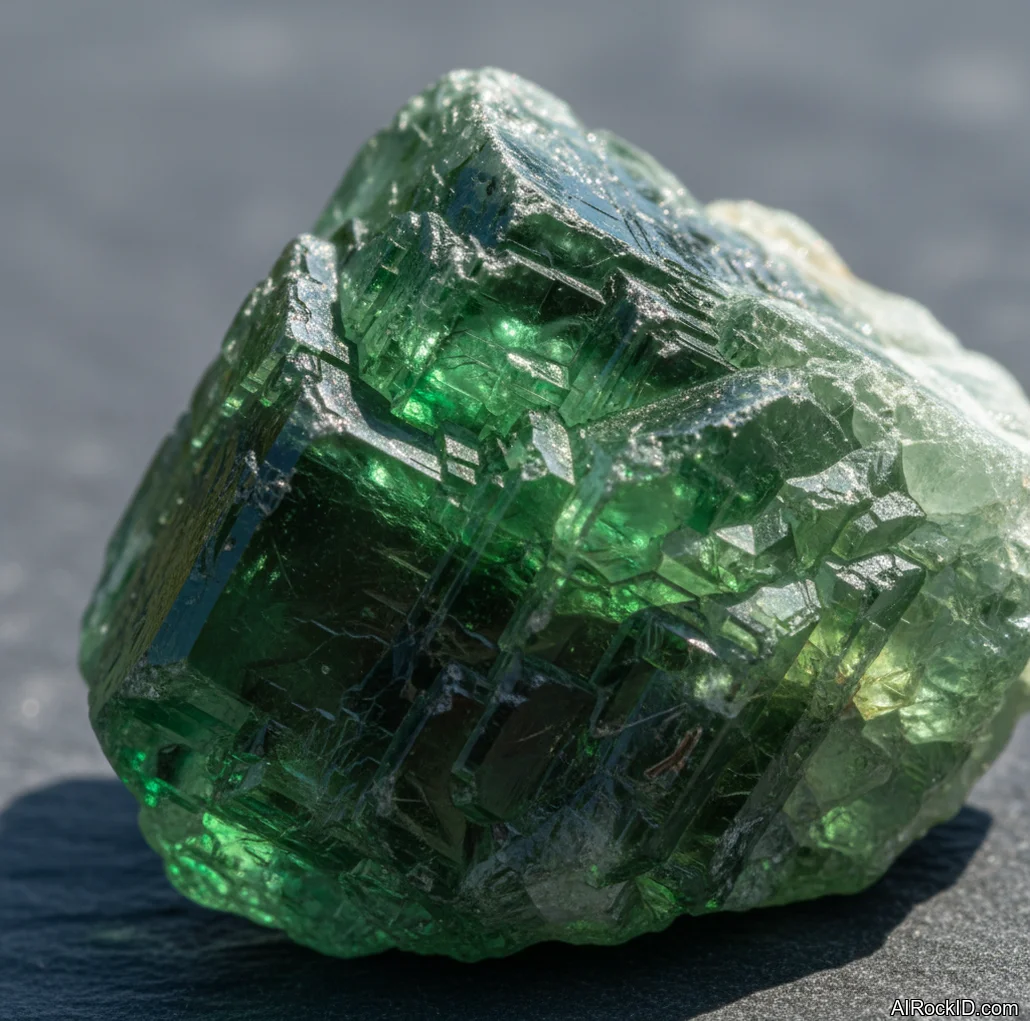
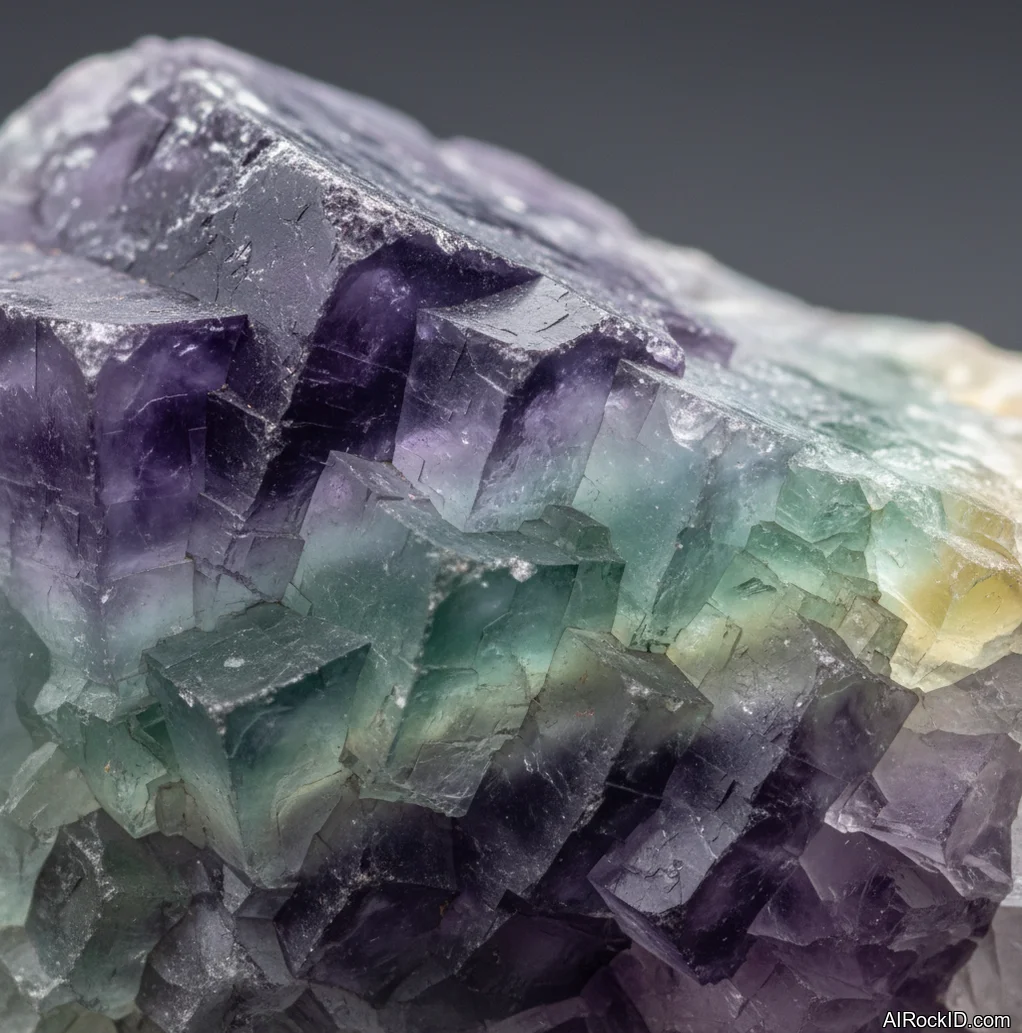
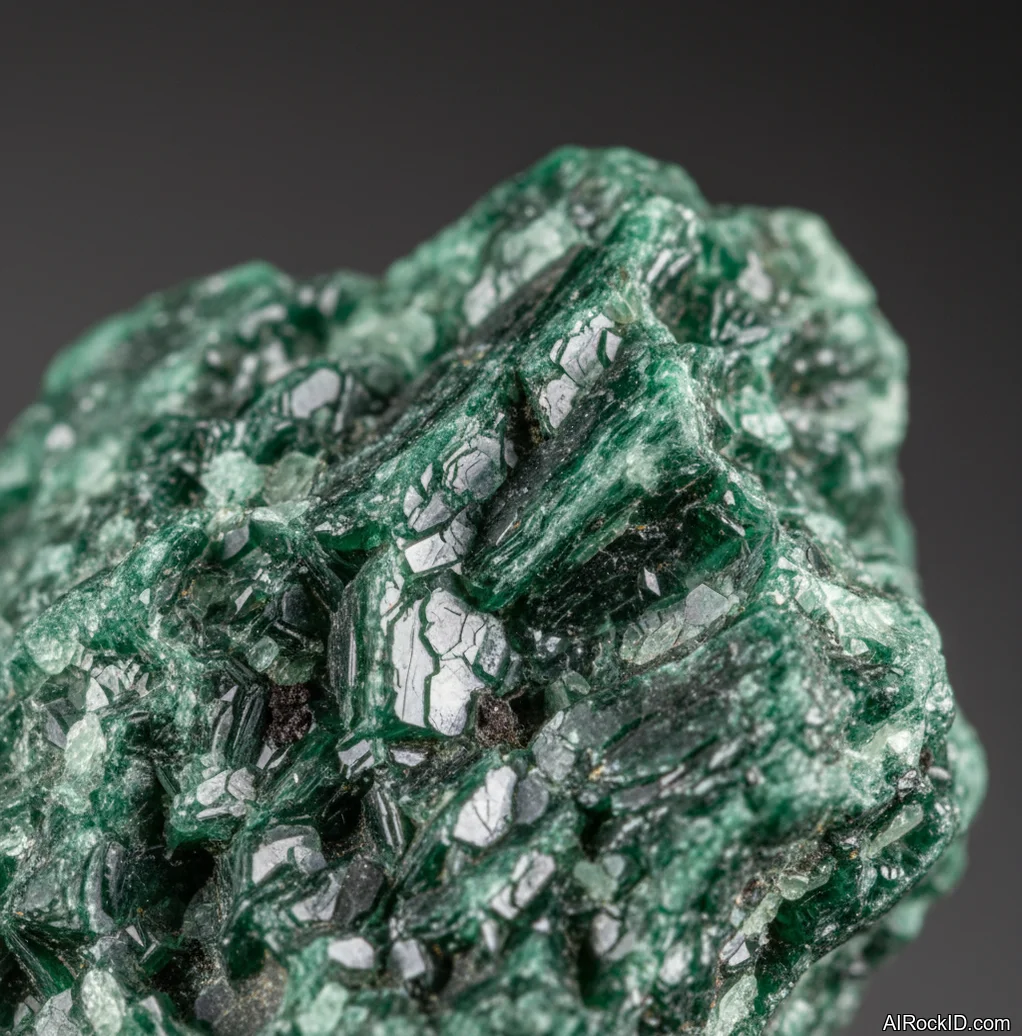
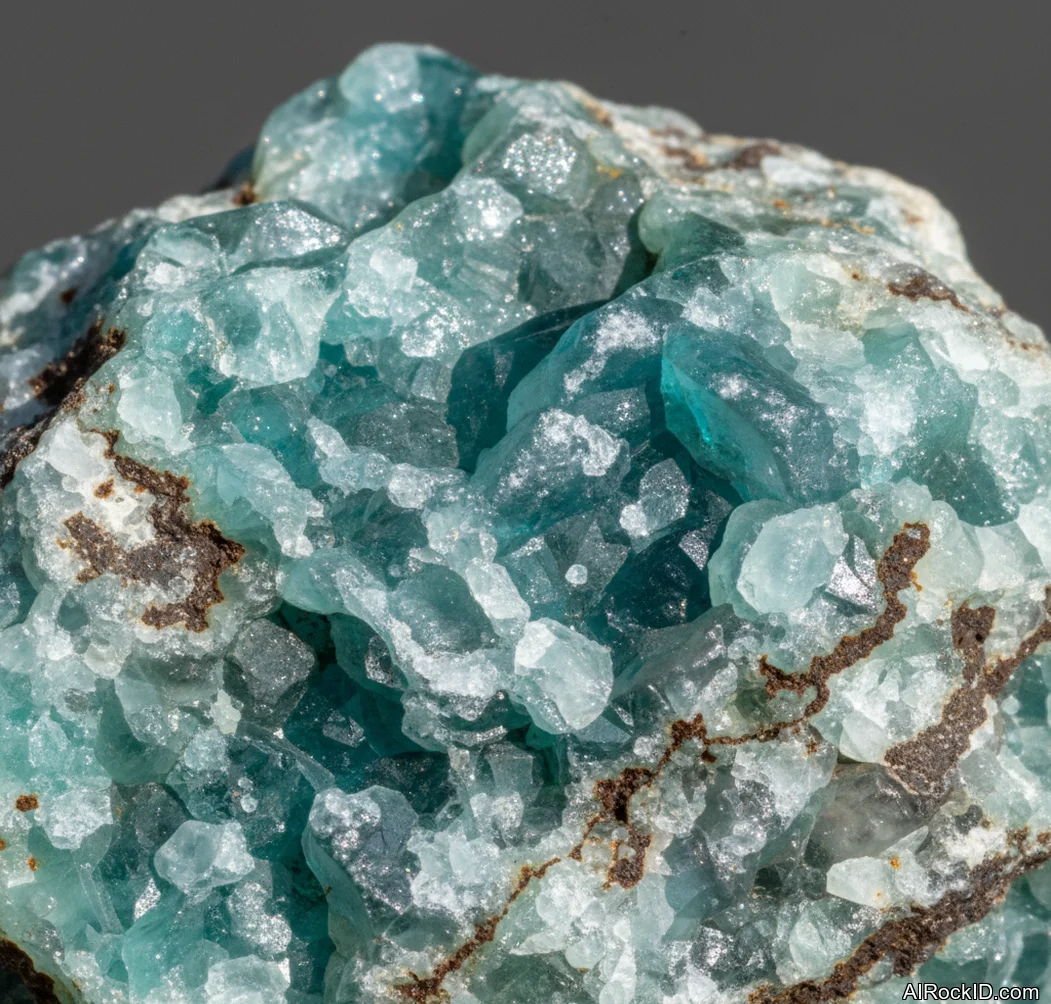
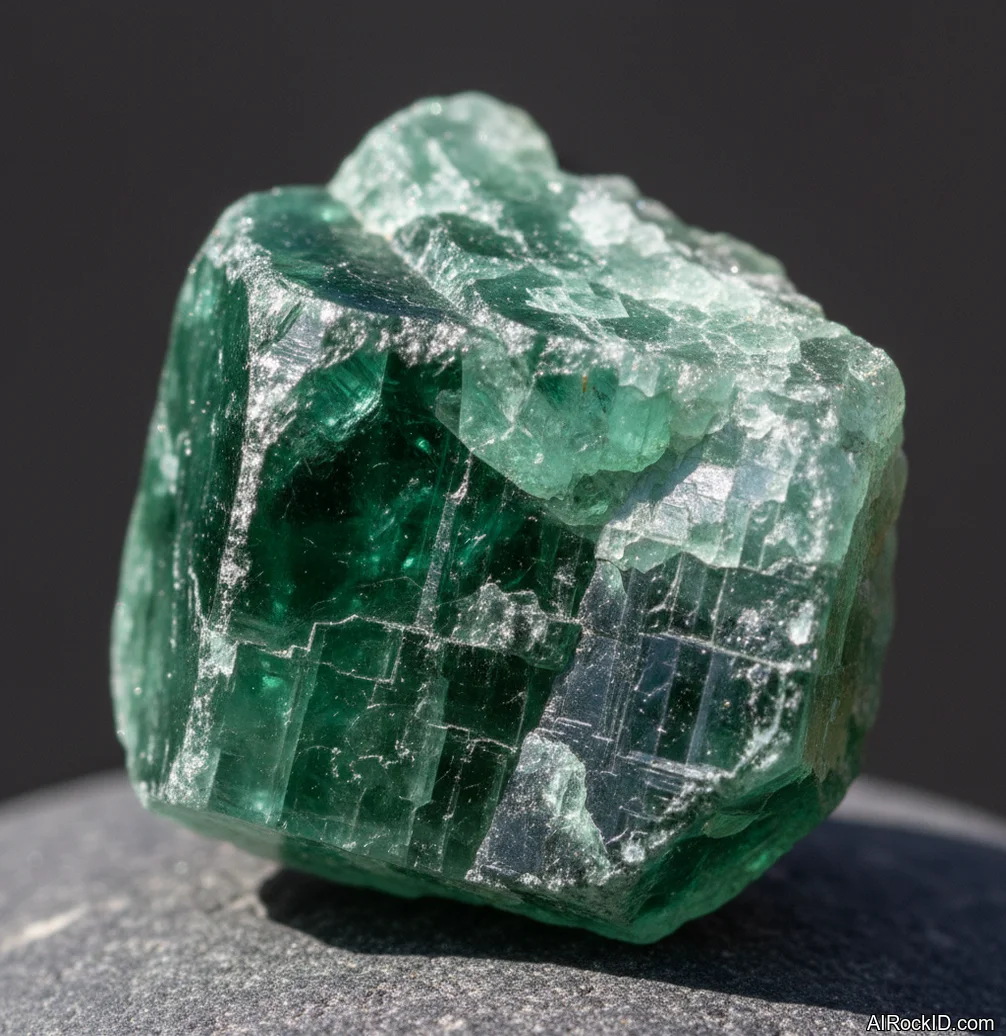
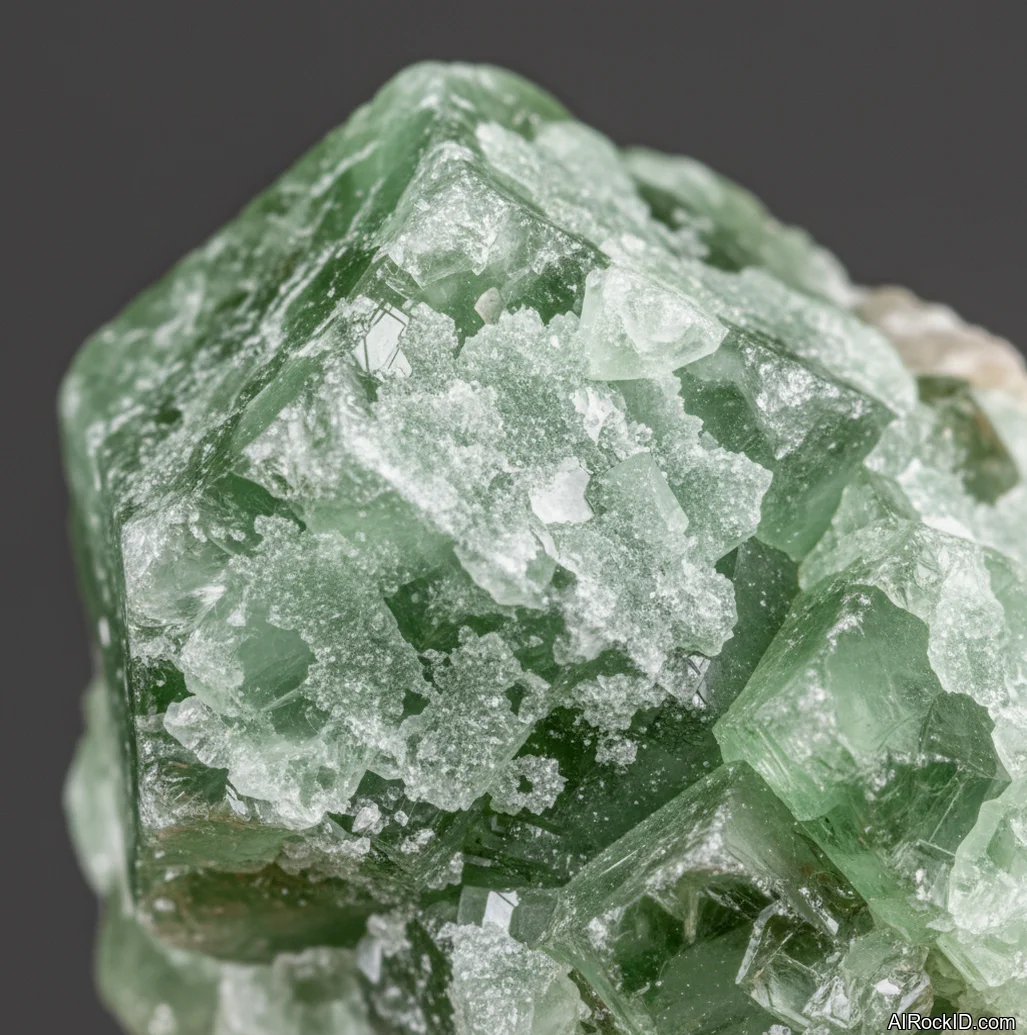
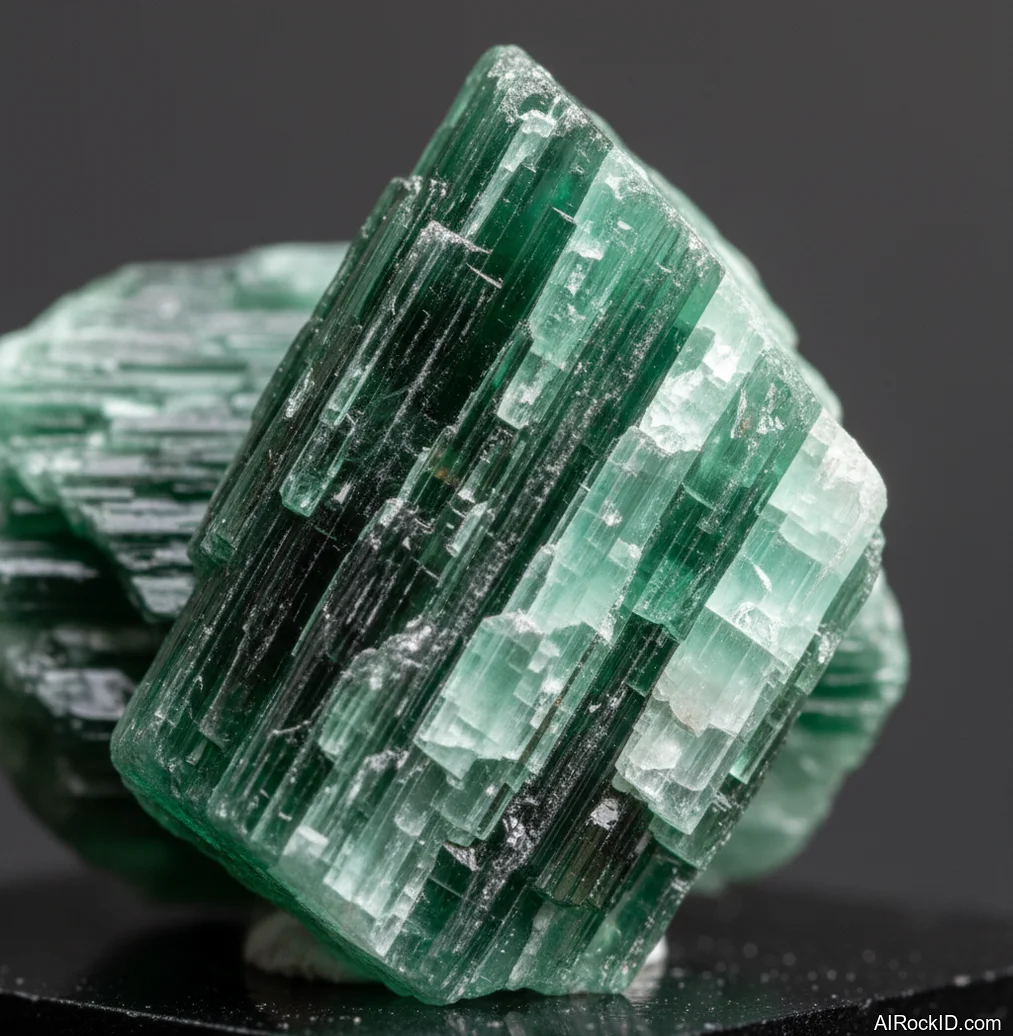
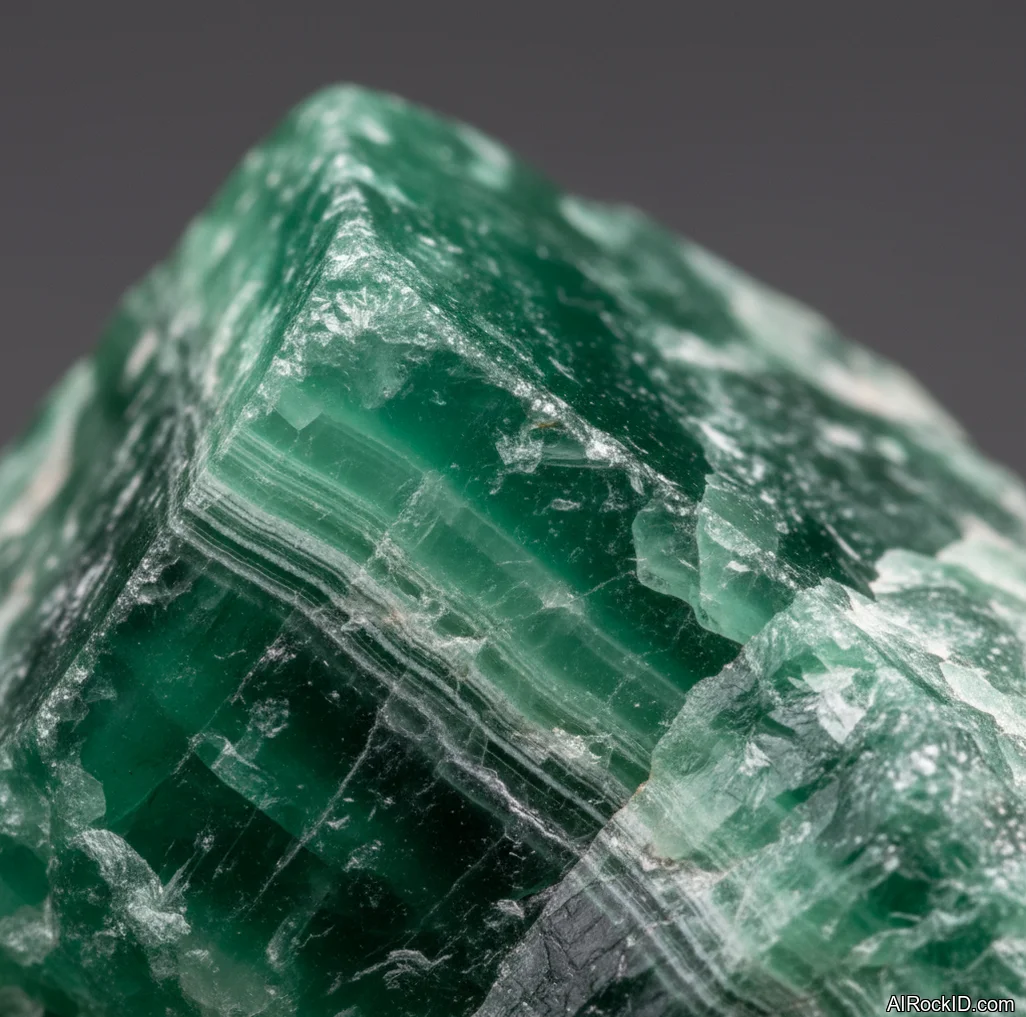
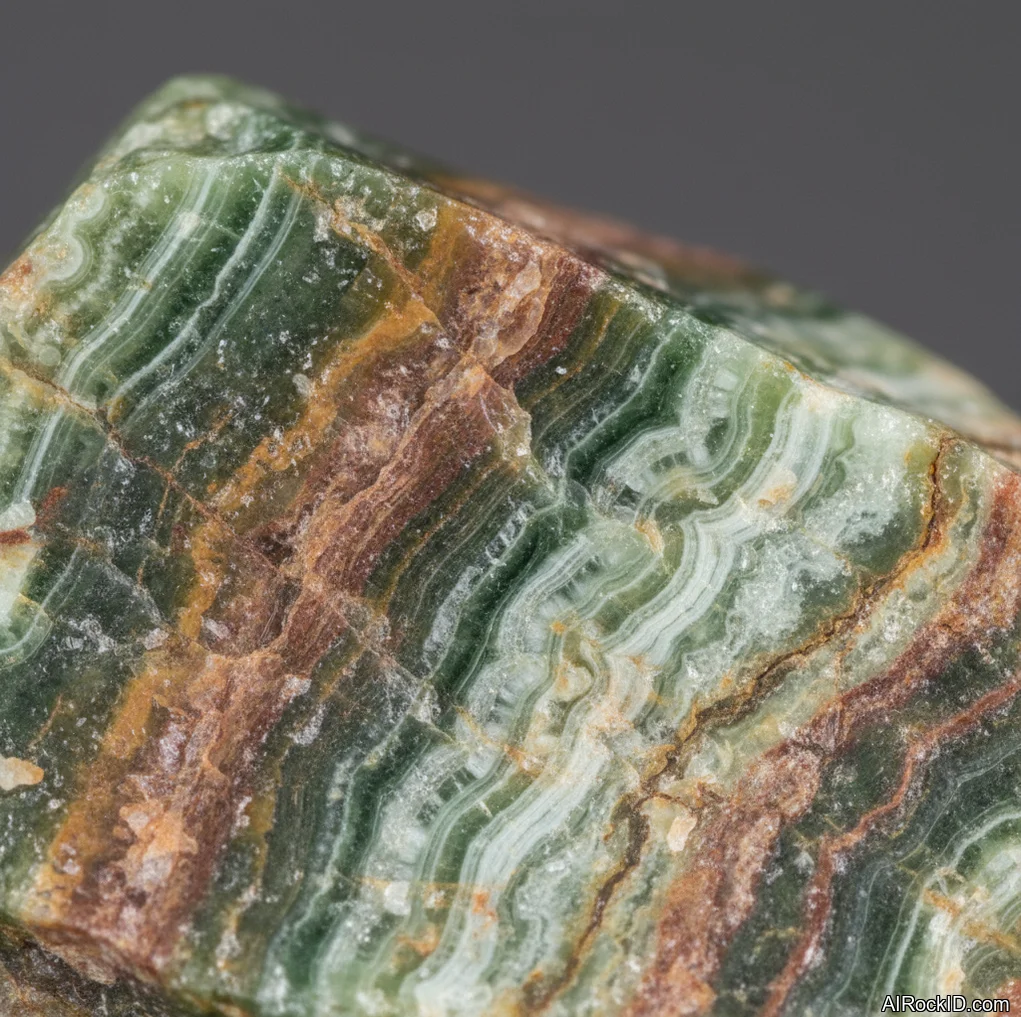
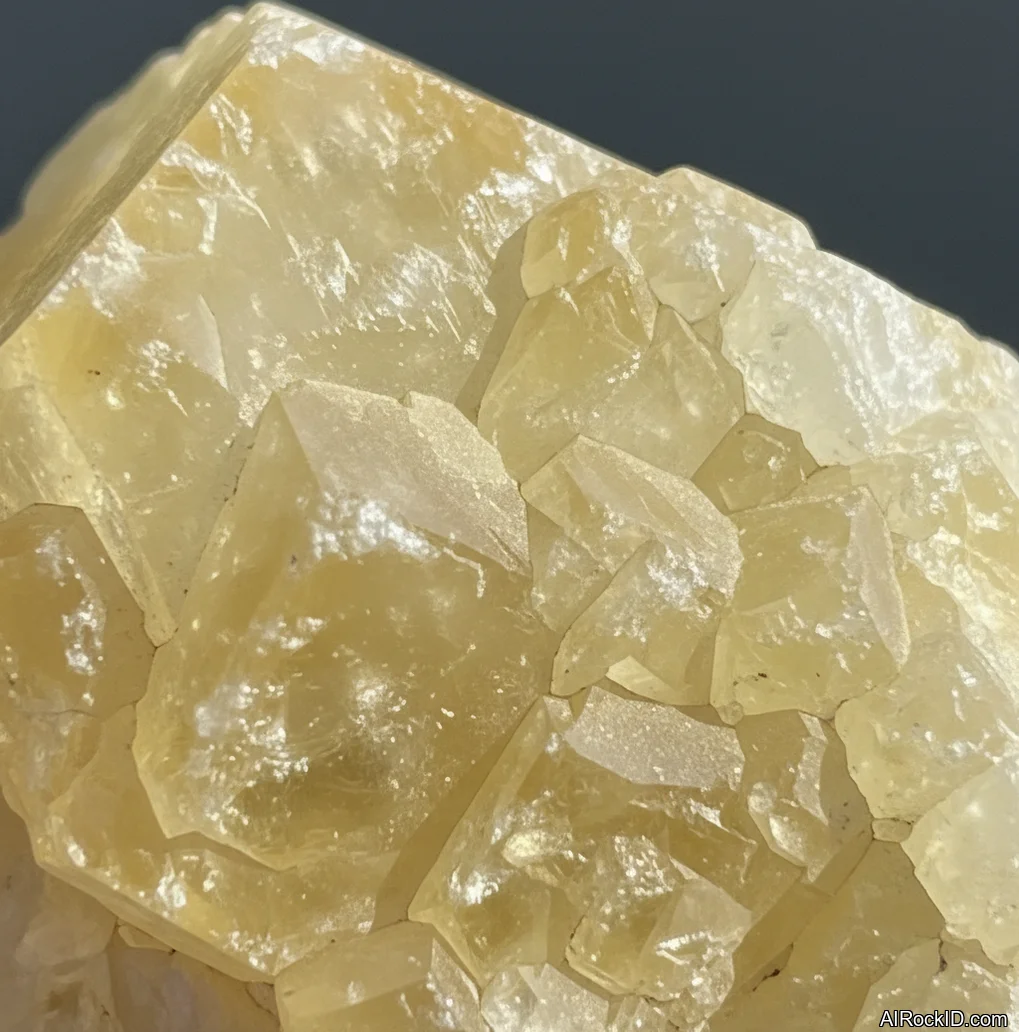
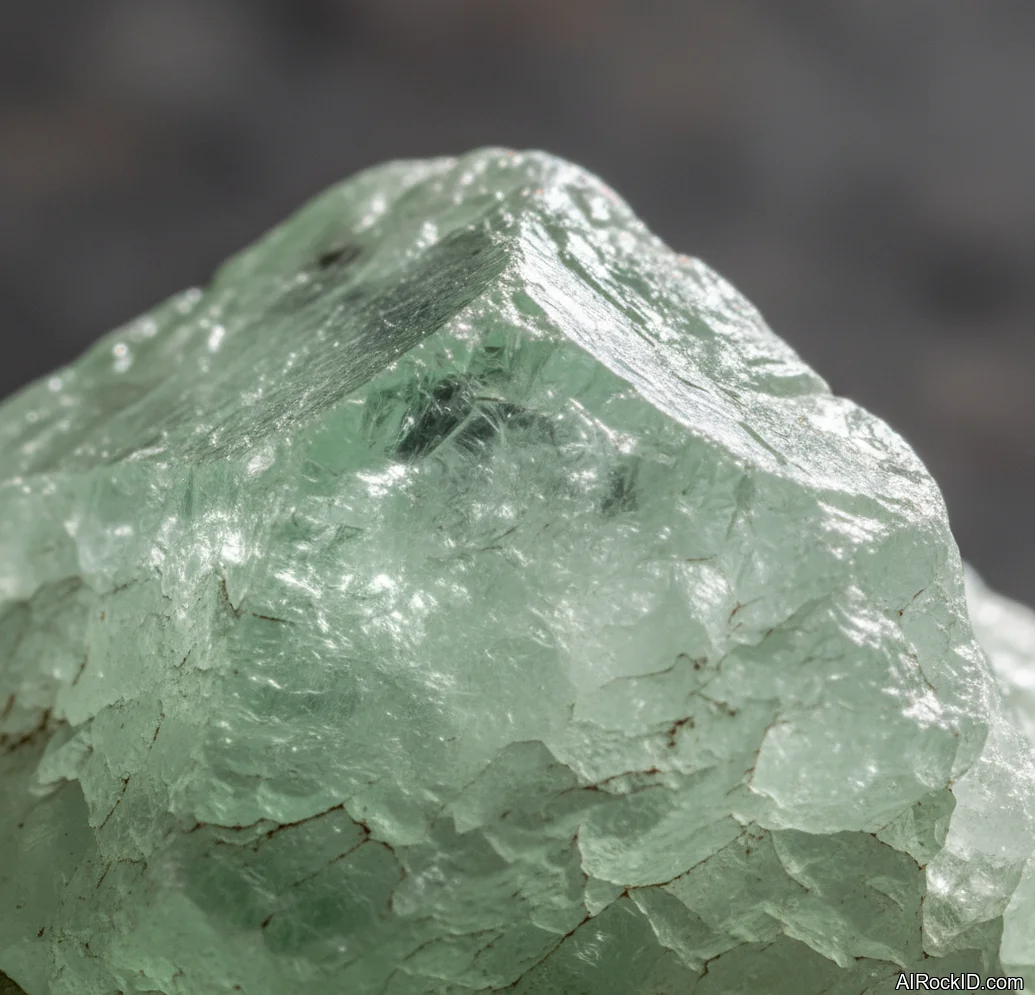
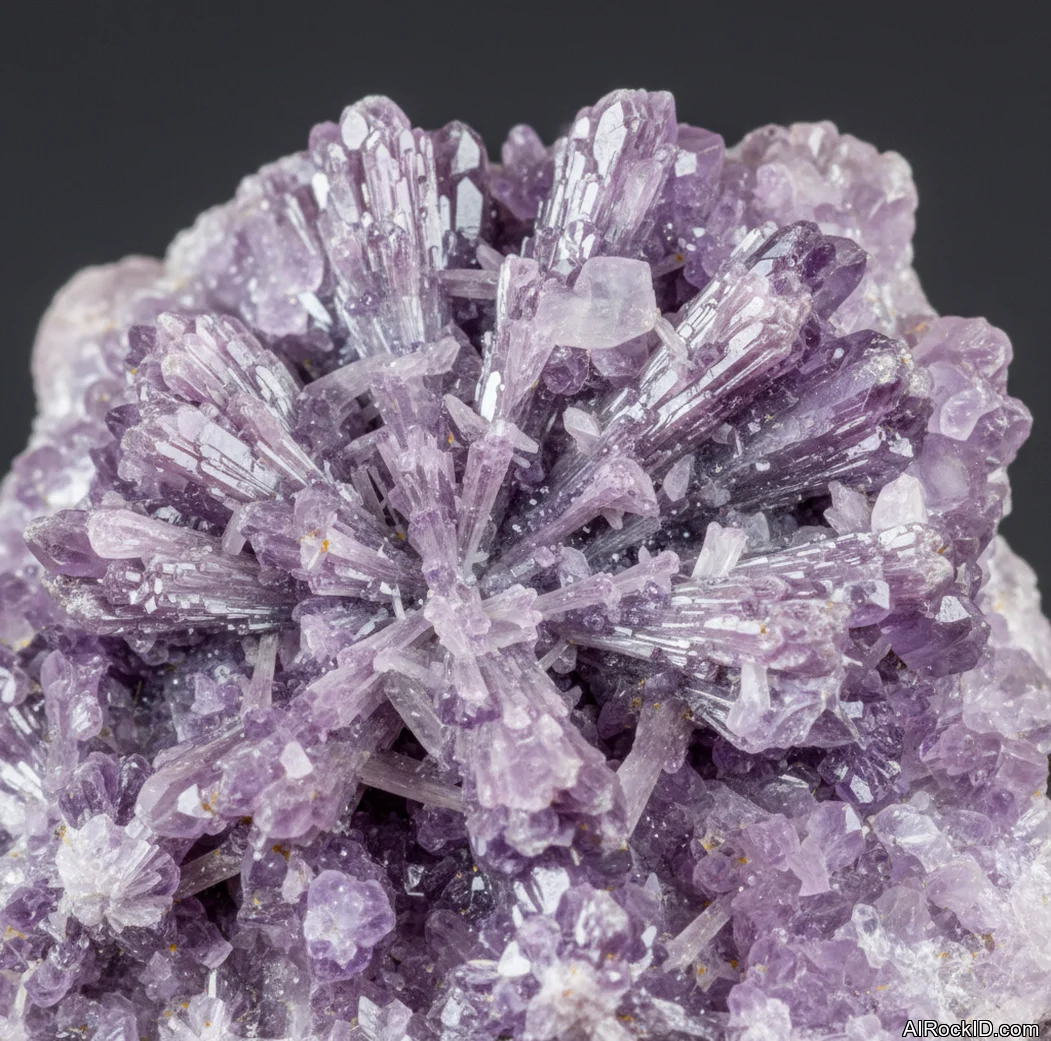
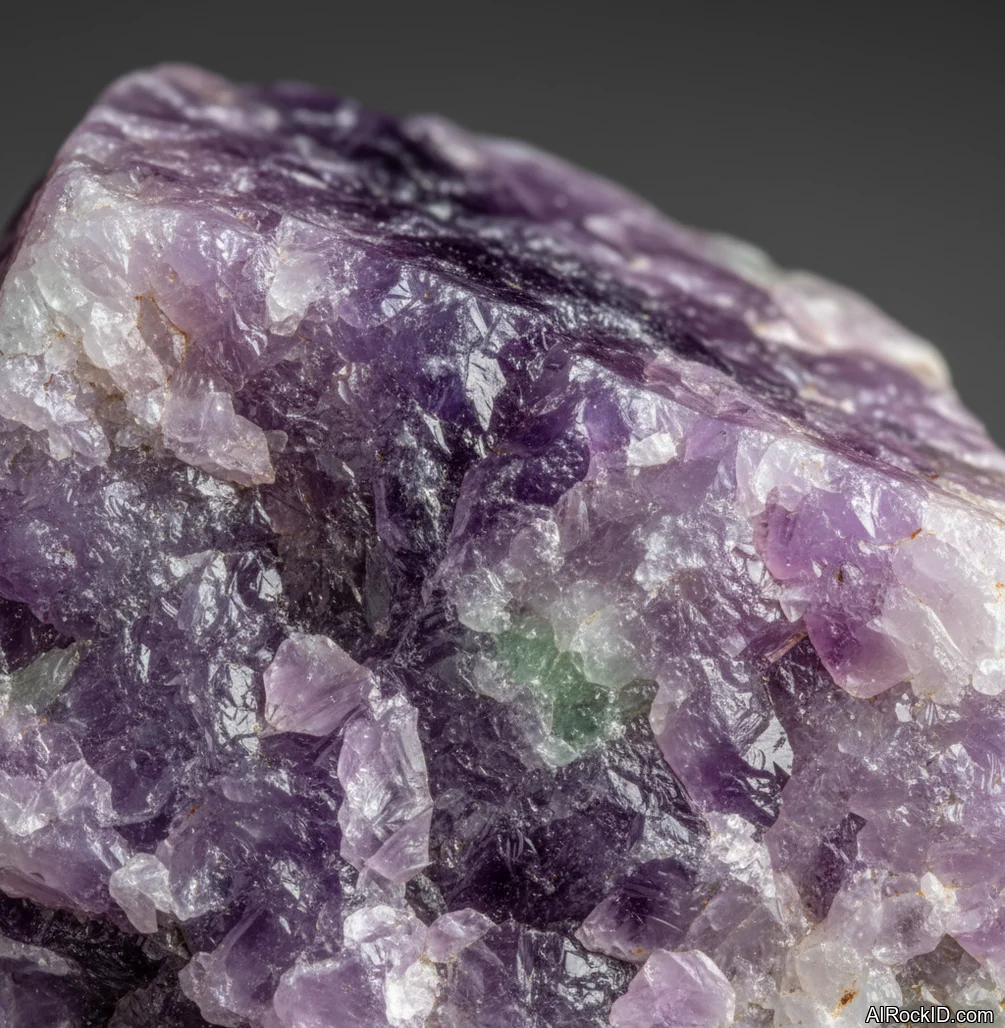
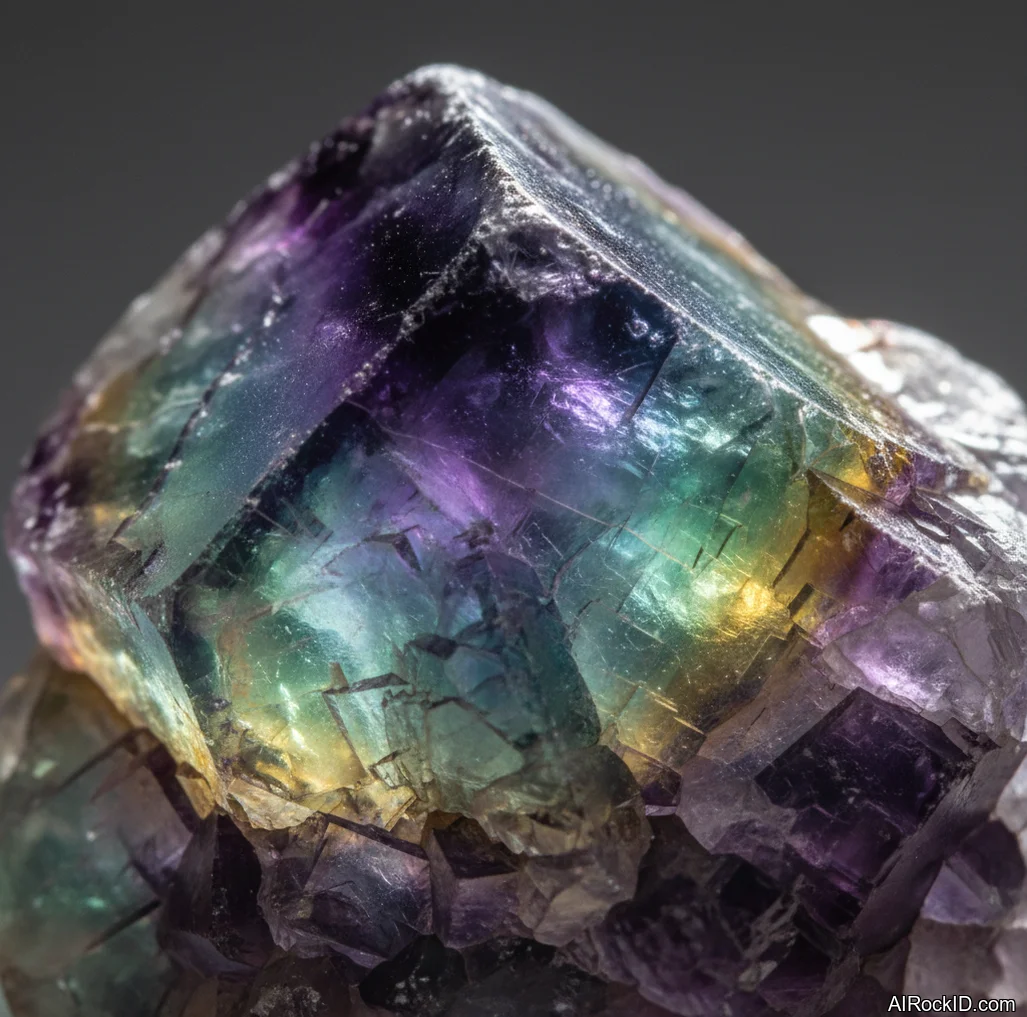
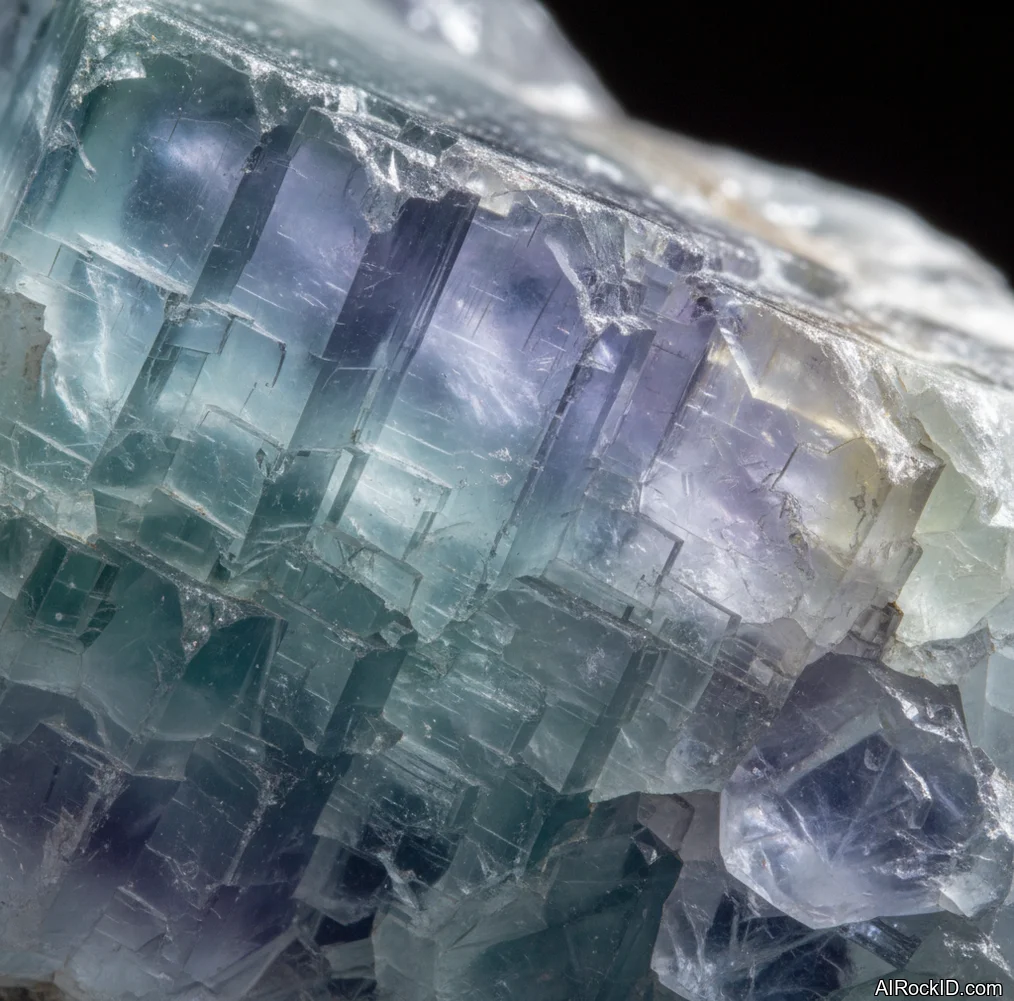
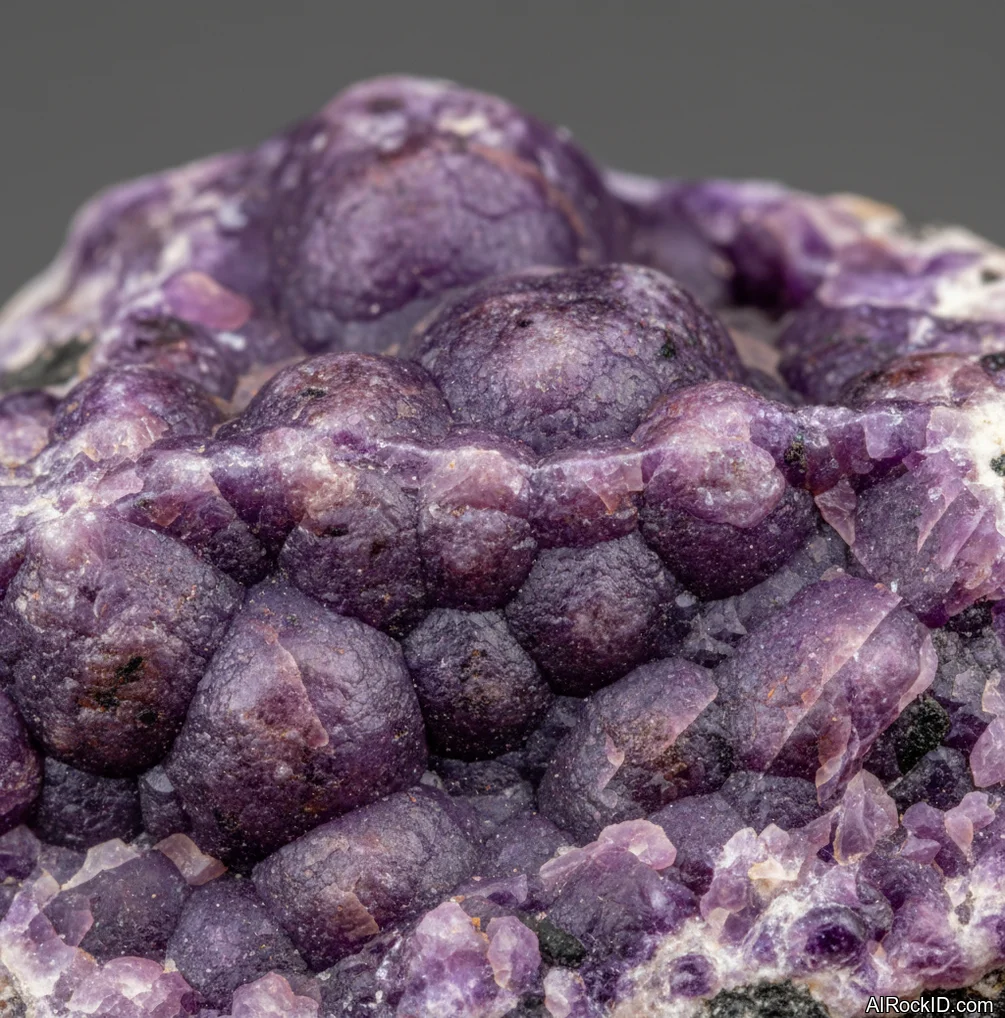
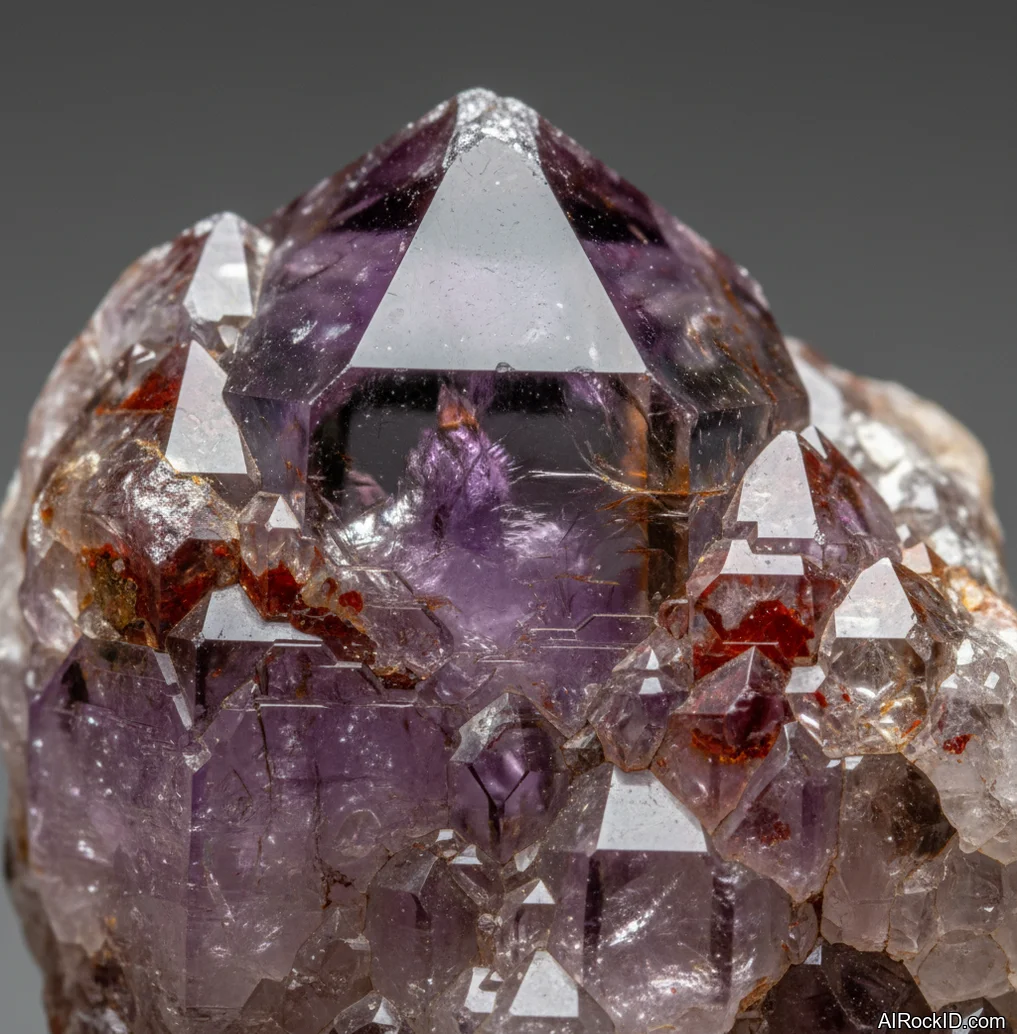
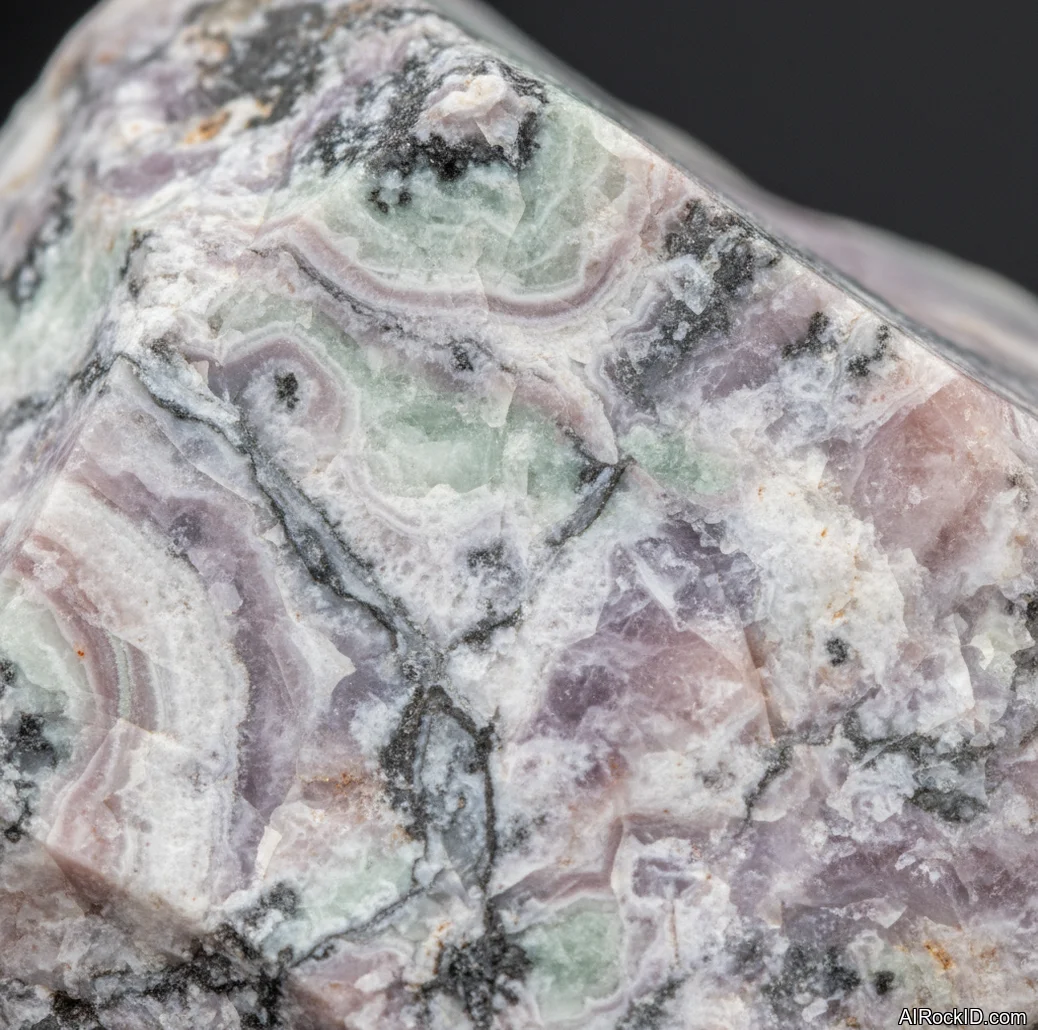
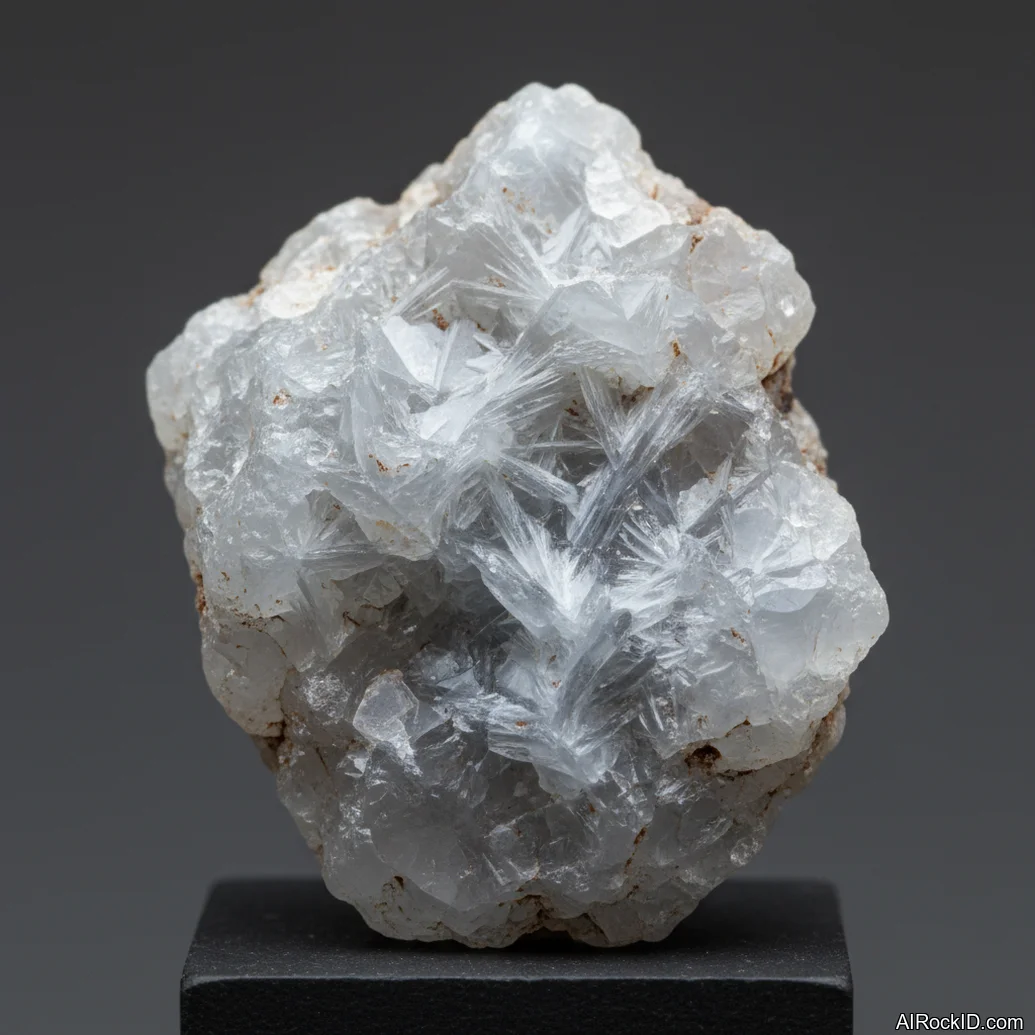
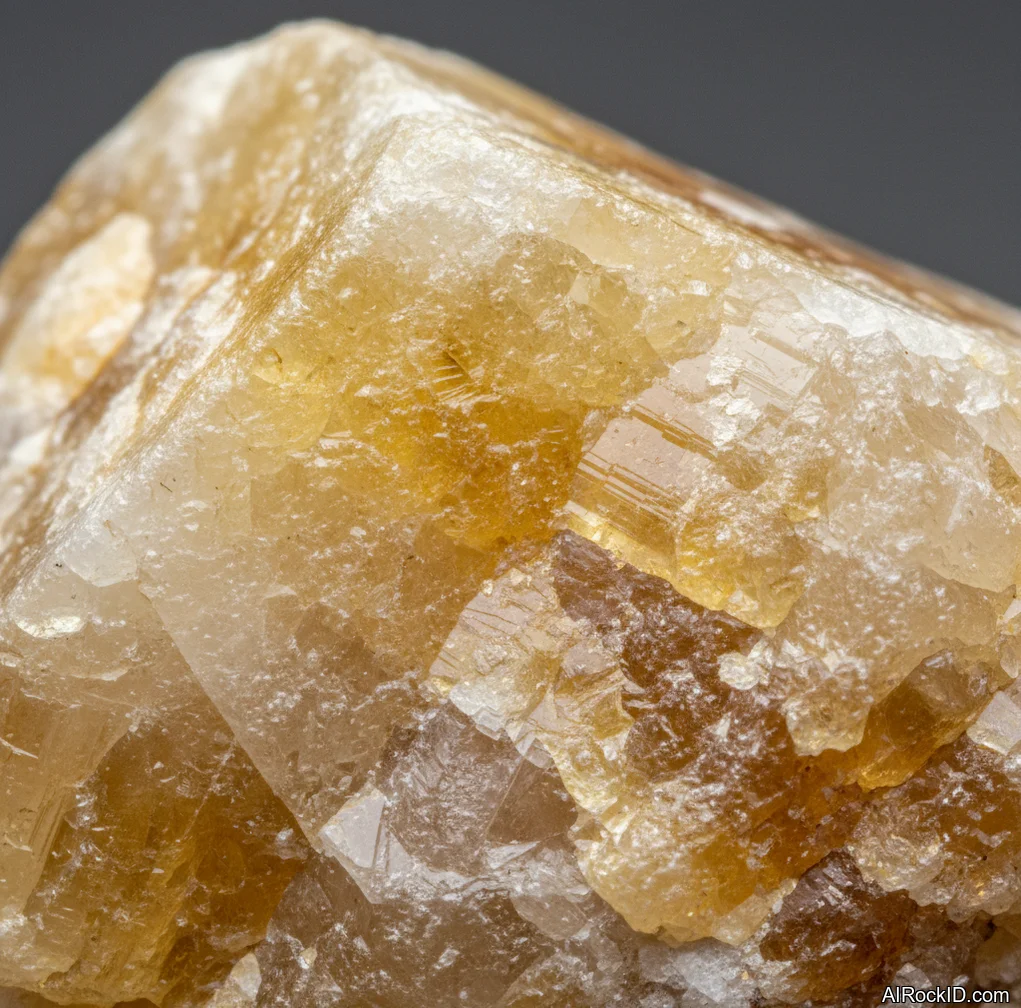
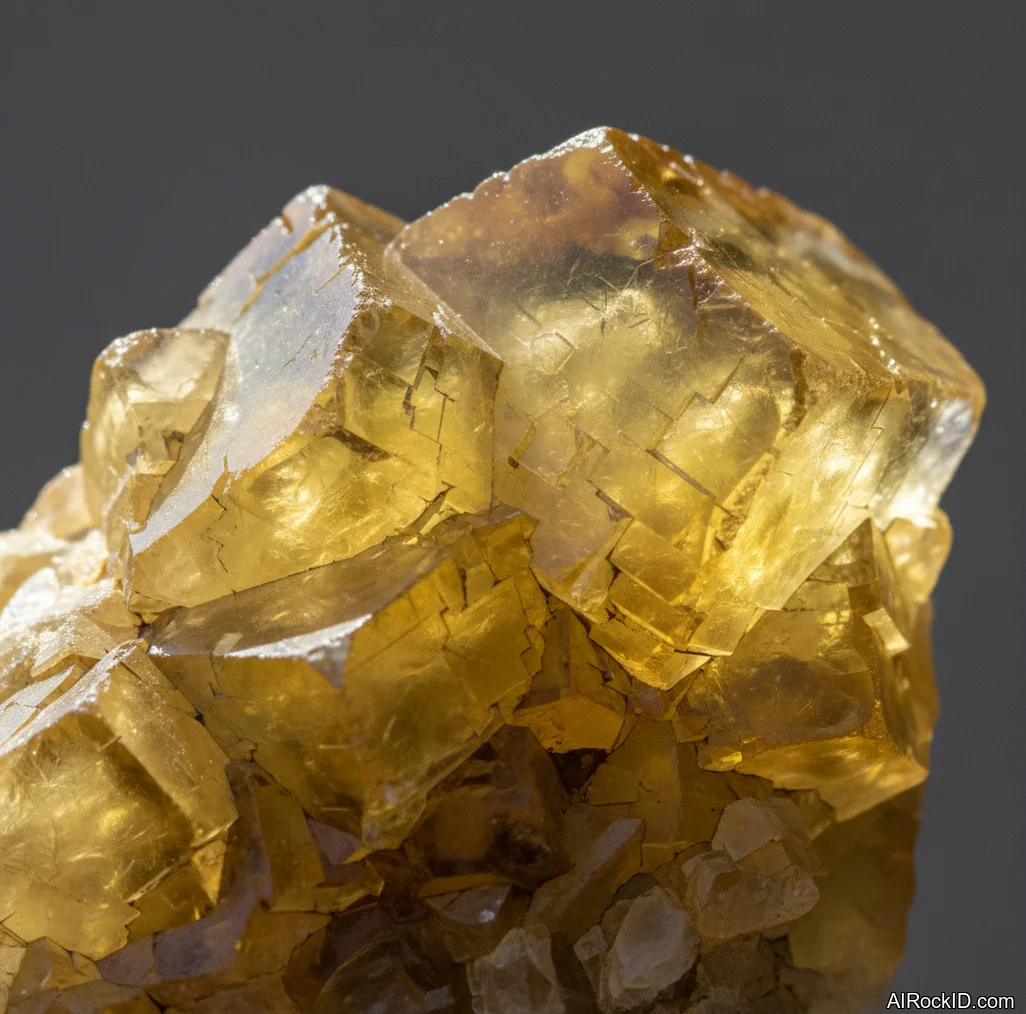
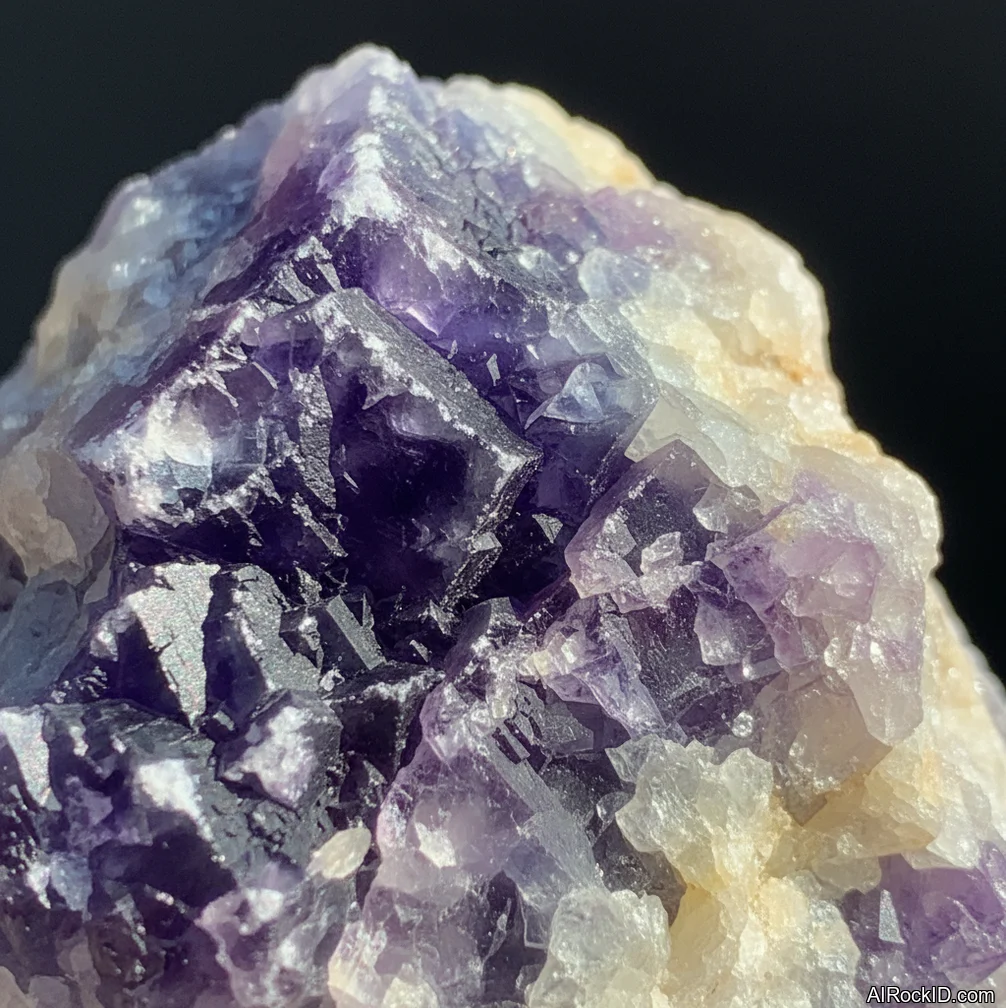
Fluorite is the other workhorse for Insight. But people buy the wrong pieces constantly. Most of what you see is polished because fluorite is soft (Mohs 4) and cleaves like a dream, which also means it chips like a nightmare. Seriously, drop a fluorite point on tile and it can turn into a bag of glittery heartbreak. For Insight work, I like fluorite with visible zoning. Purple-to-clear bands. Green layers. Even that inky blue material. It’s just easier to focus when the stone already shows order inside the chaos.
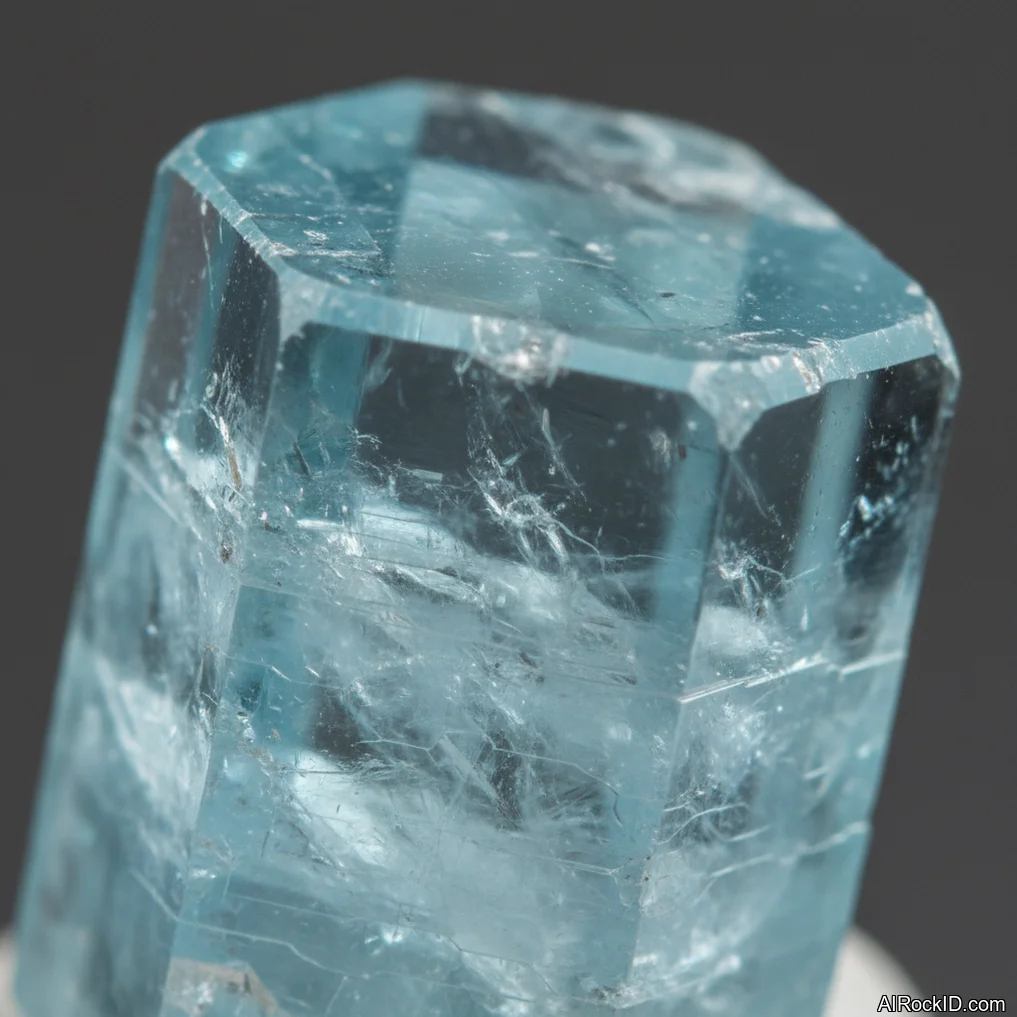
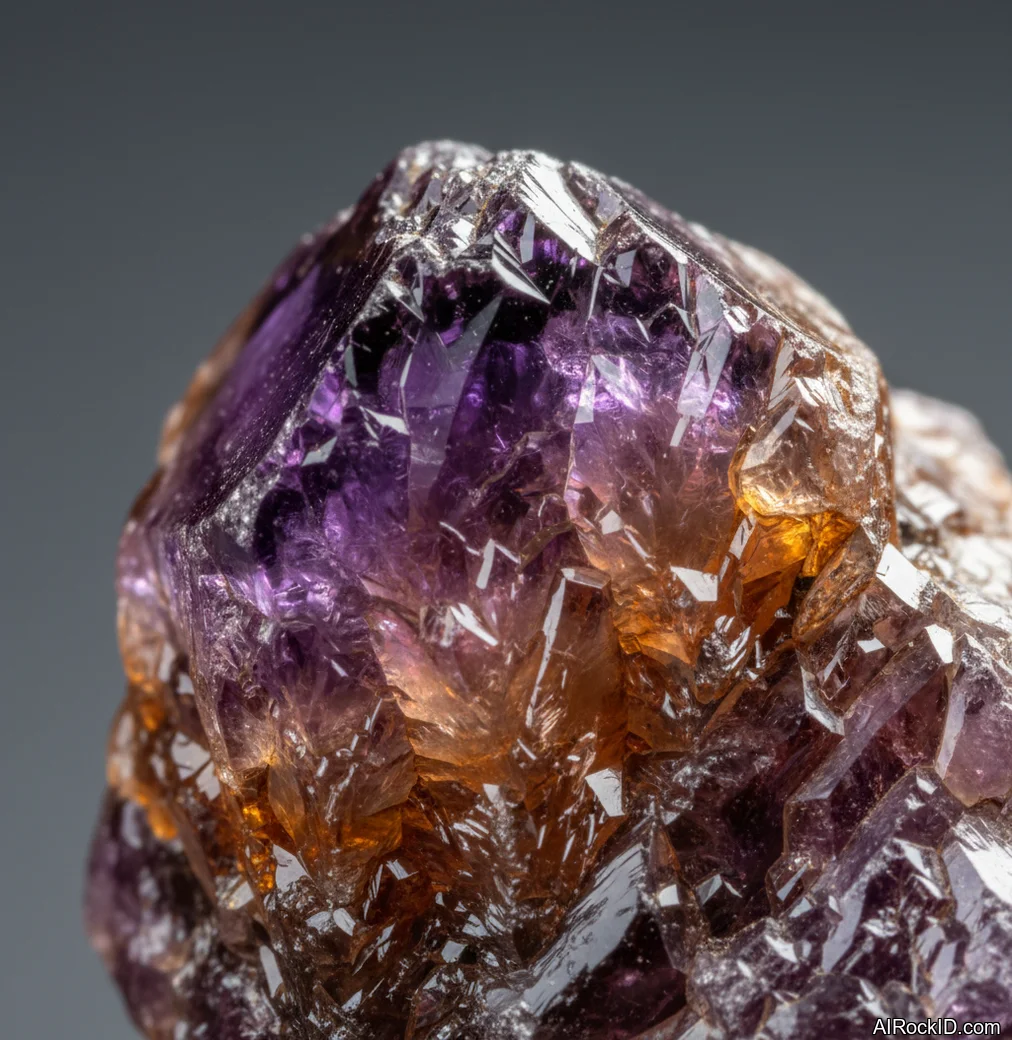
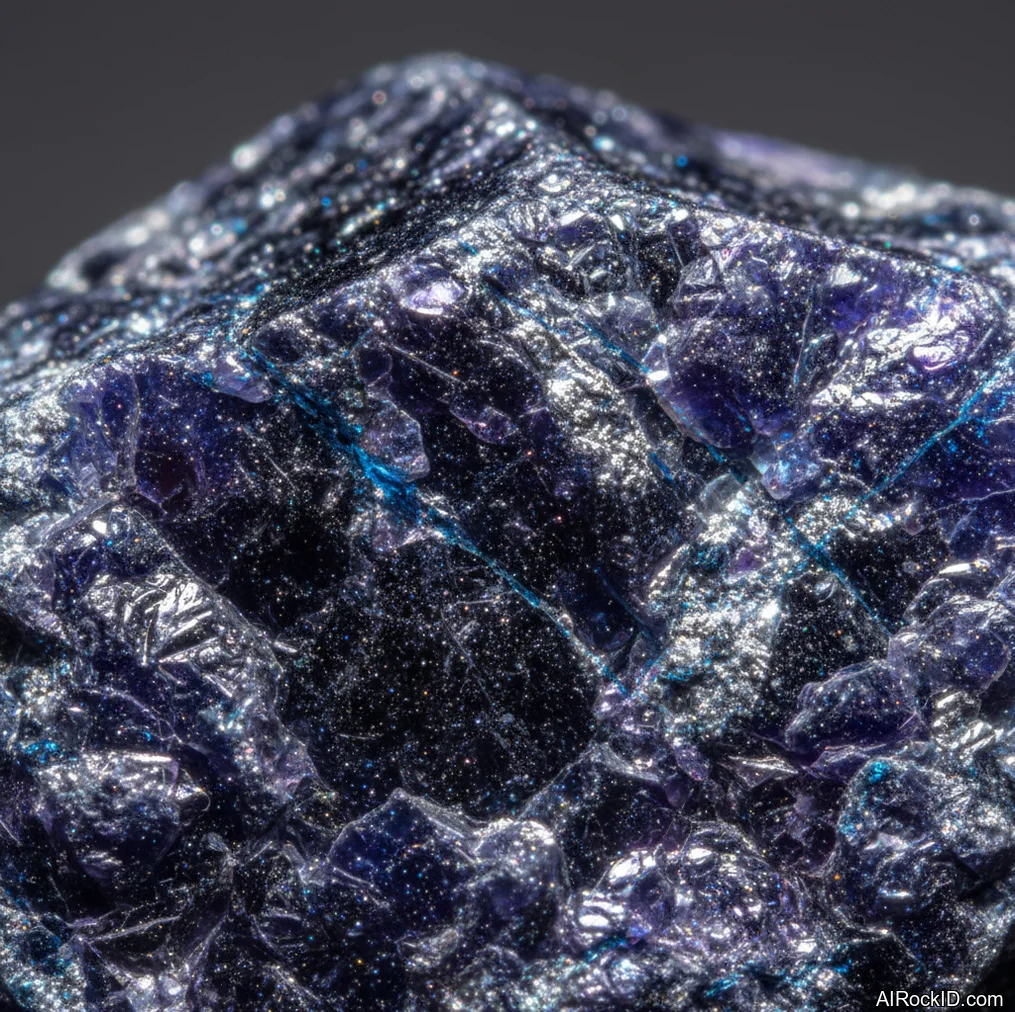
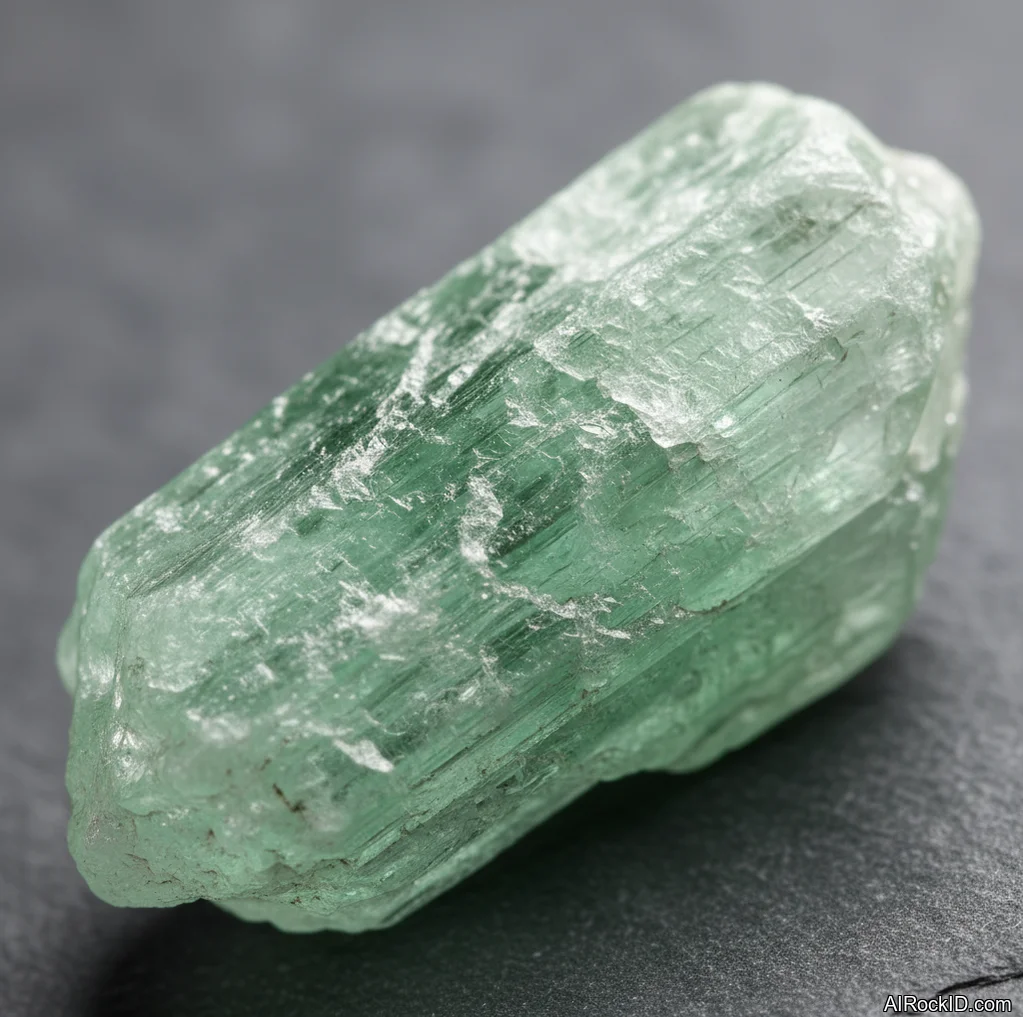
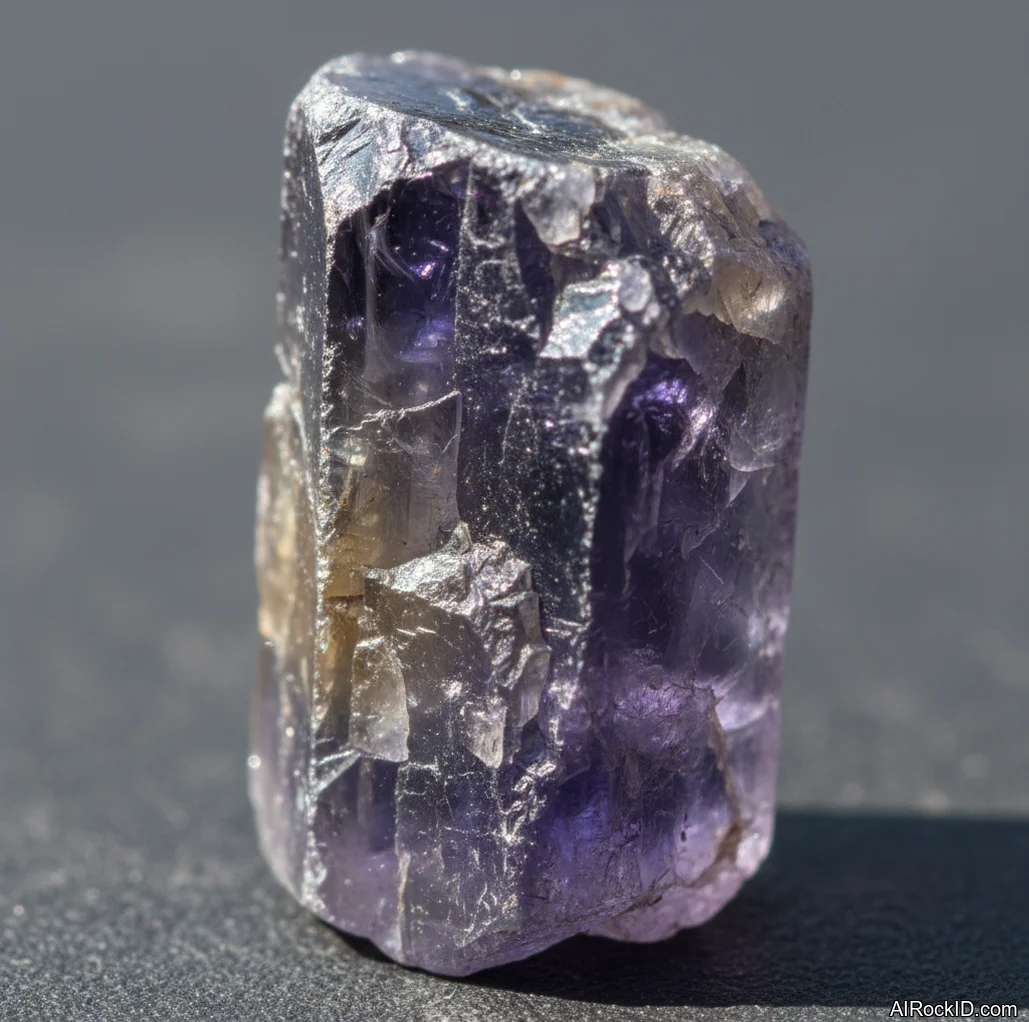
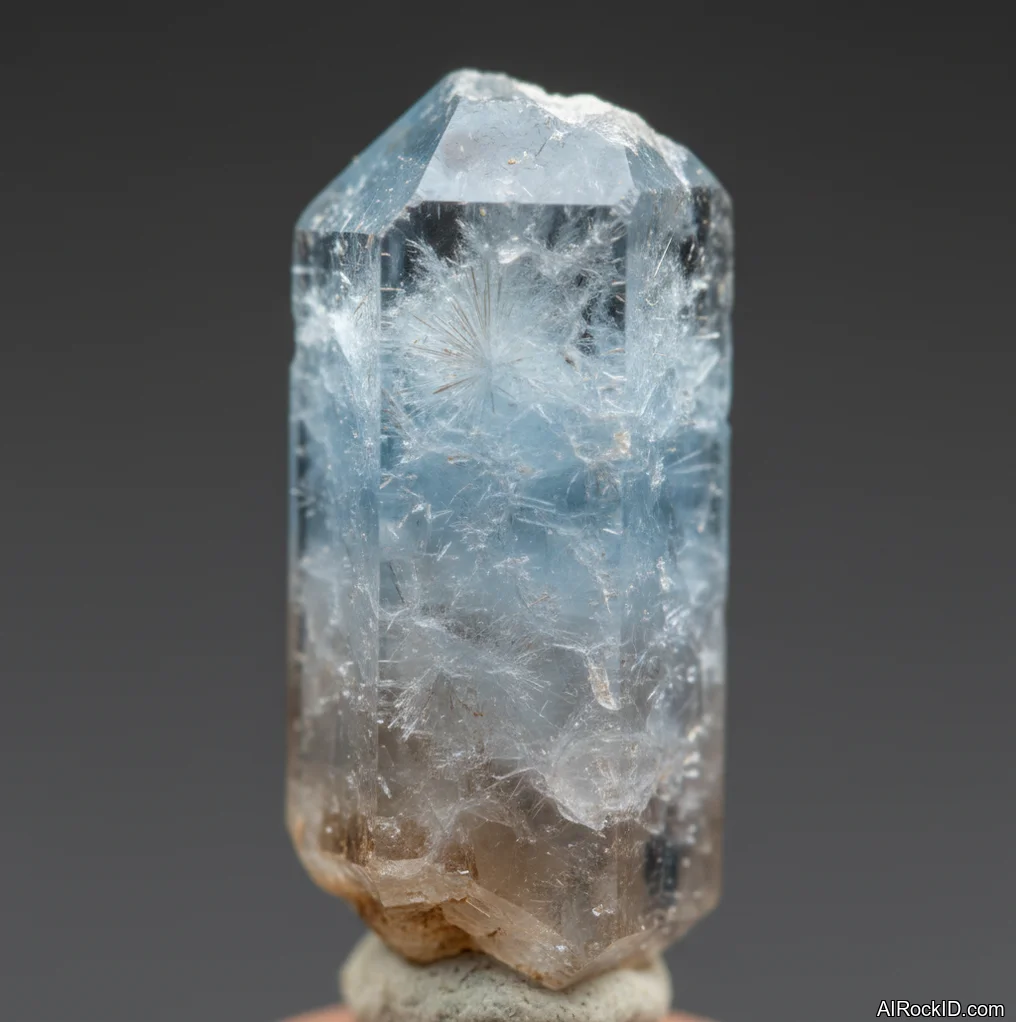
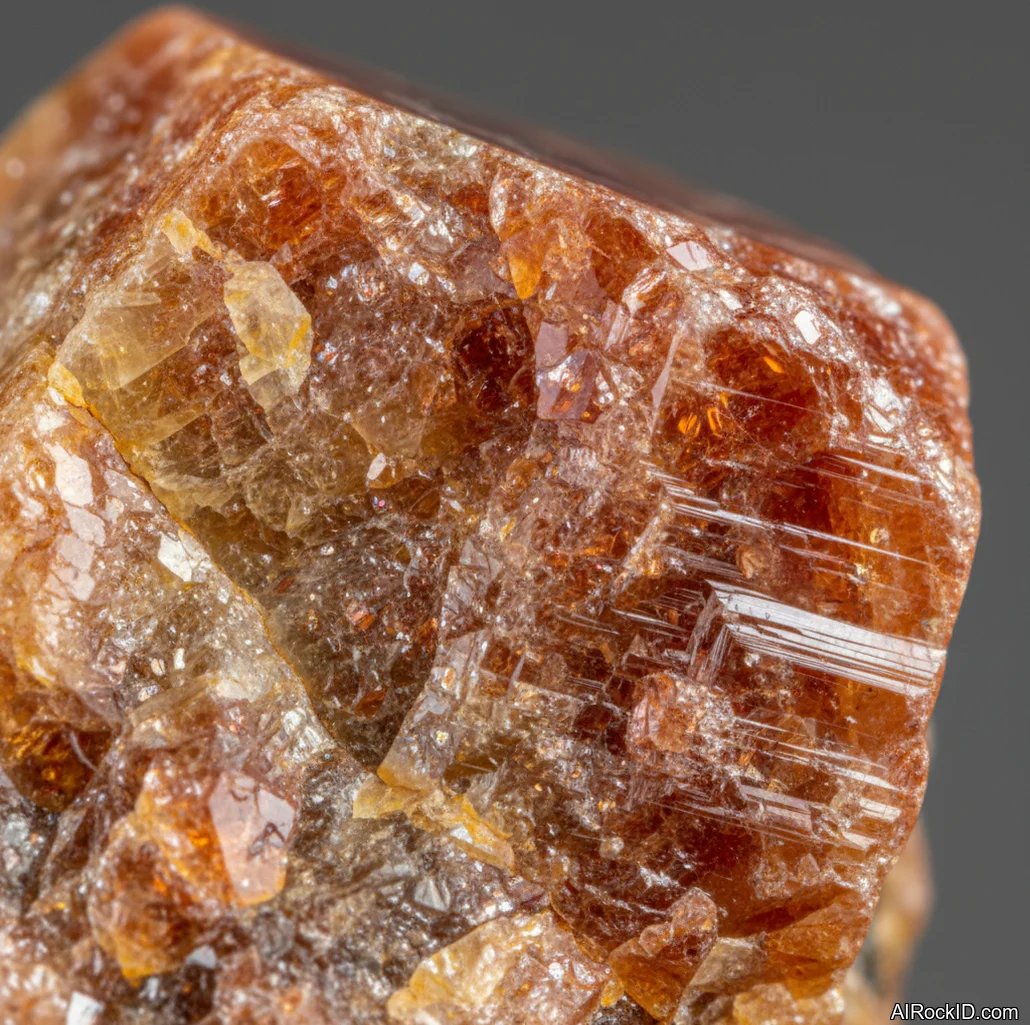
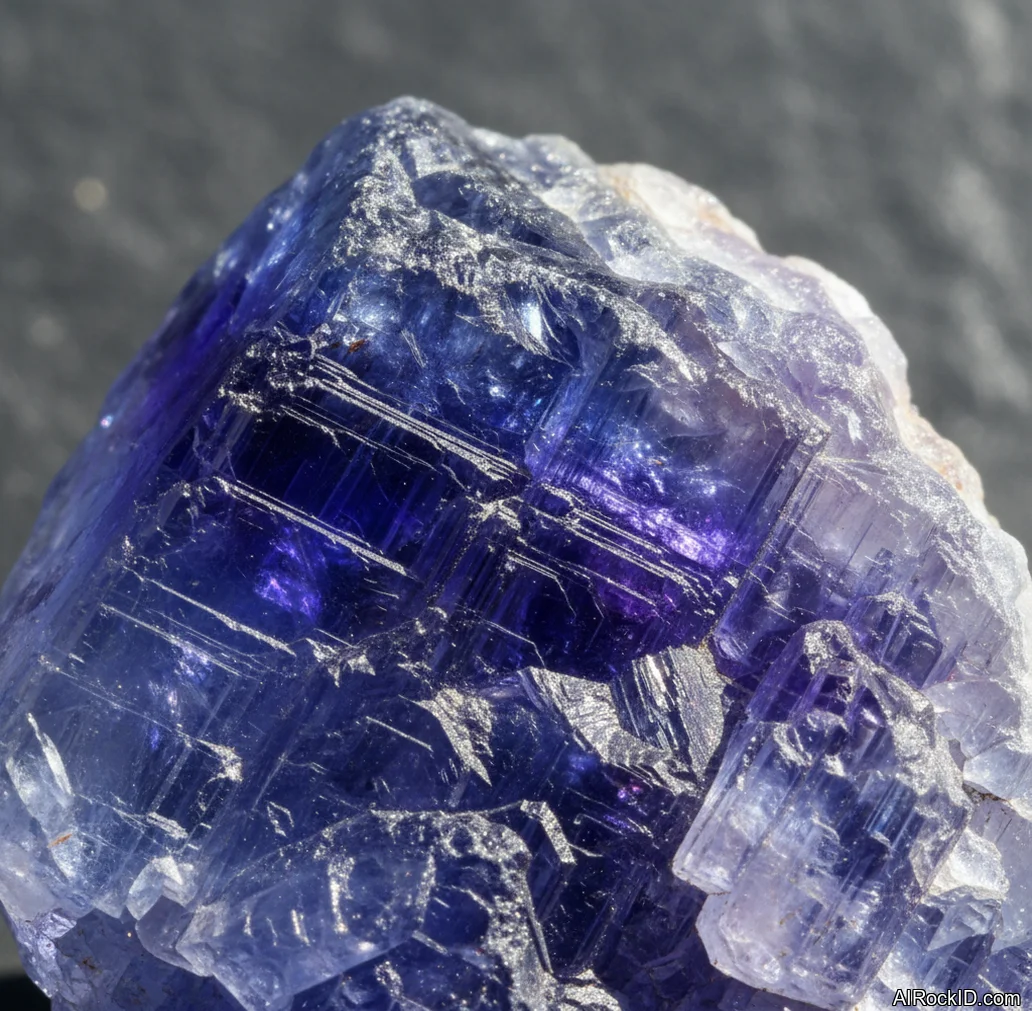
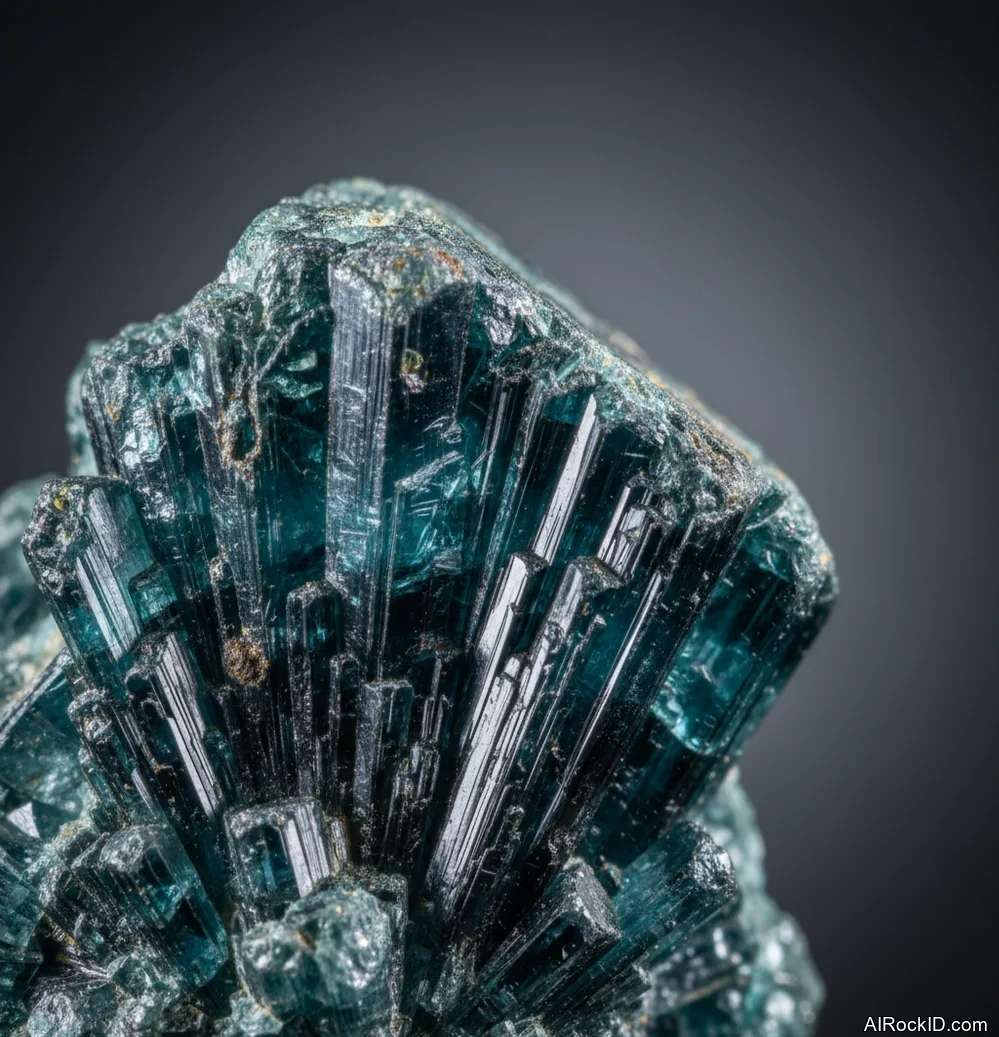
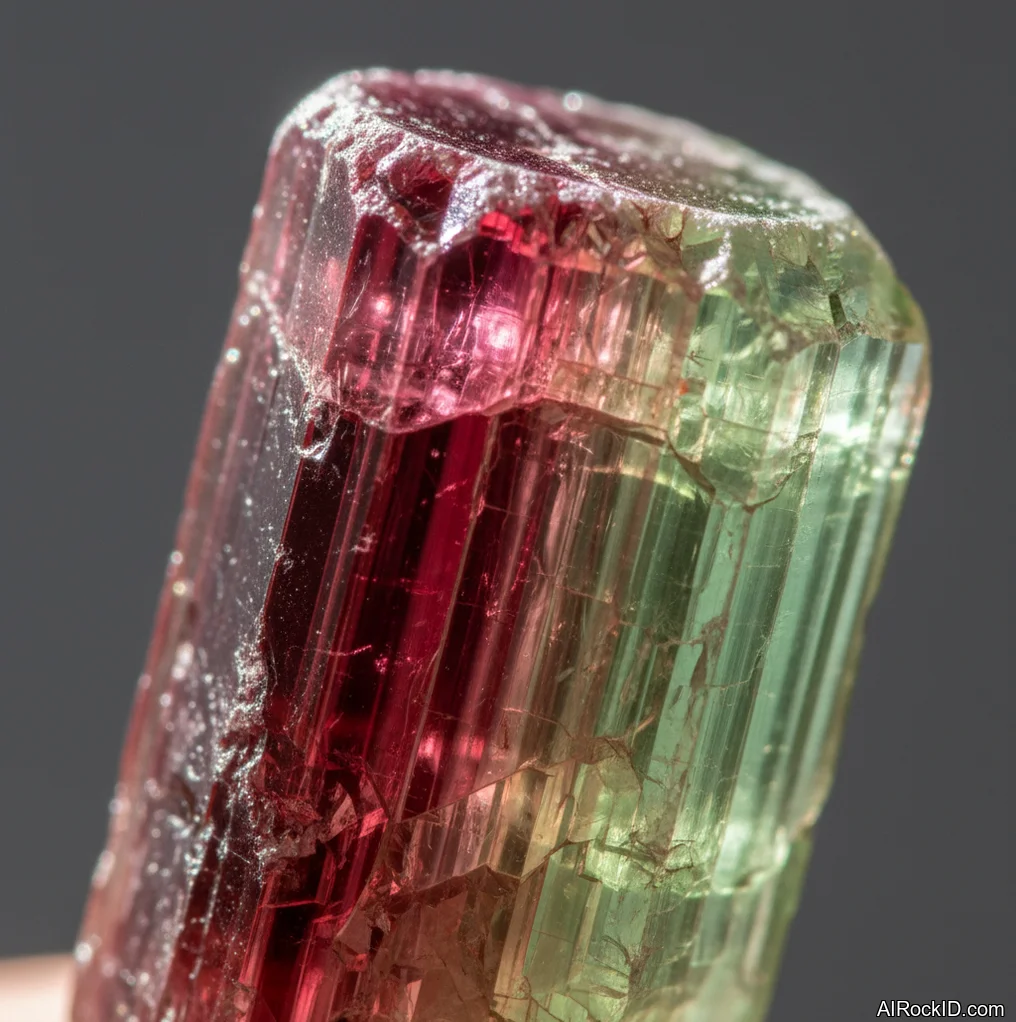
Then there’s iolite, the “why is this changing color” stone collectors won’t shut up about. Rotate it and it shifts from denim blue to smoky violet, sometimes with a gray-brown axis. That pleochroism isn’t some metaphor a seller invented. It’s physical, and you can test it right in your hand. Insight isn’t always new information, either. Sometimes it’s a new angle on old information, and iolite nails that feeling better than most.
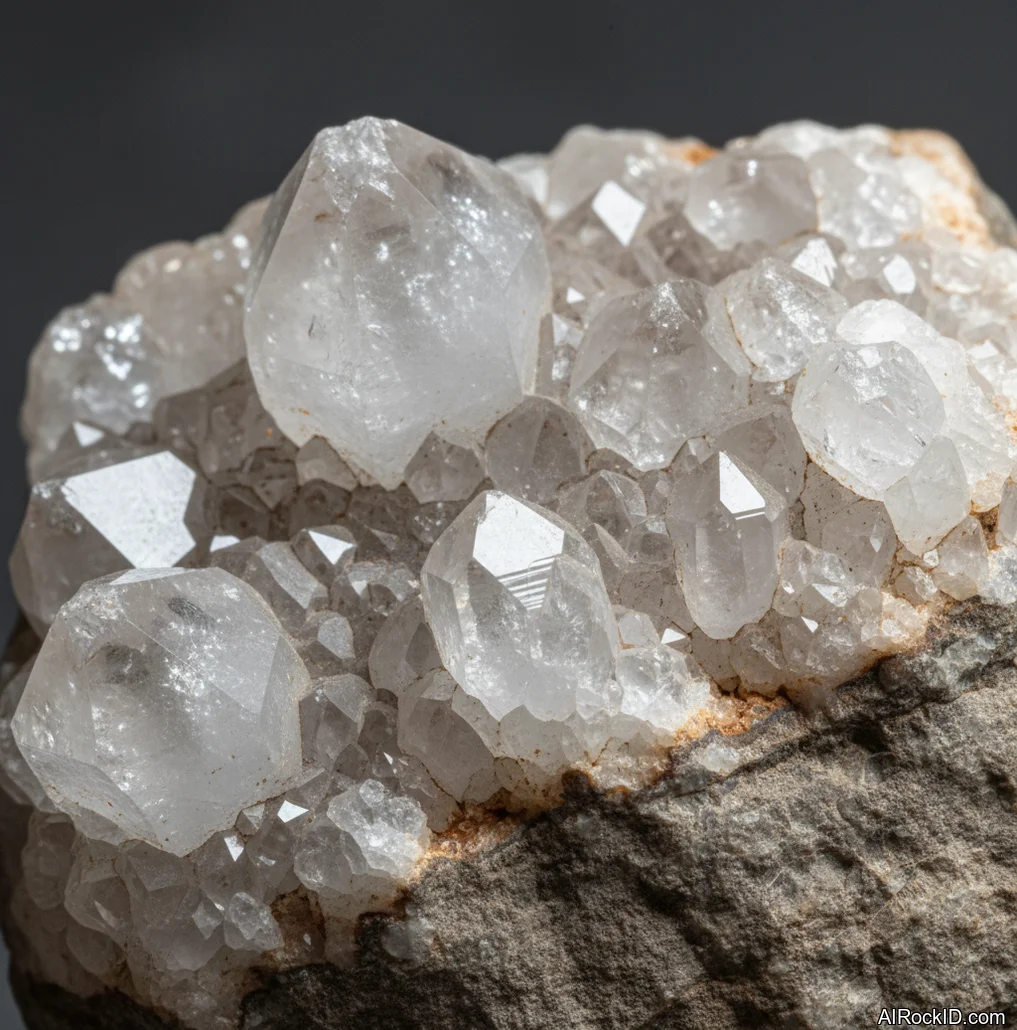
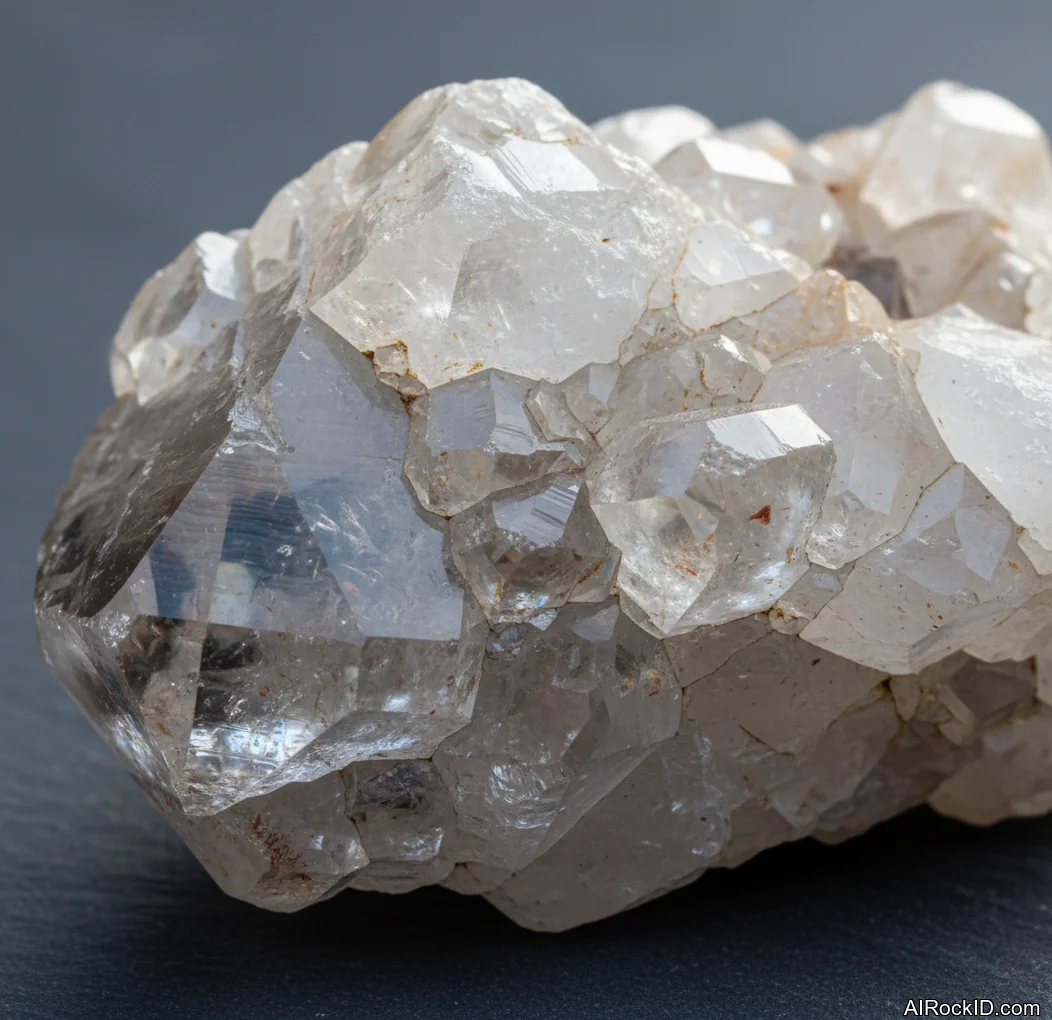
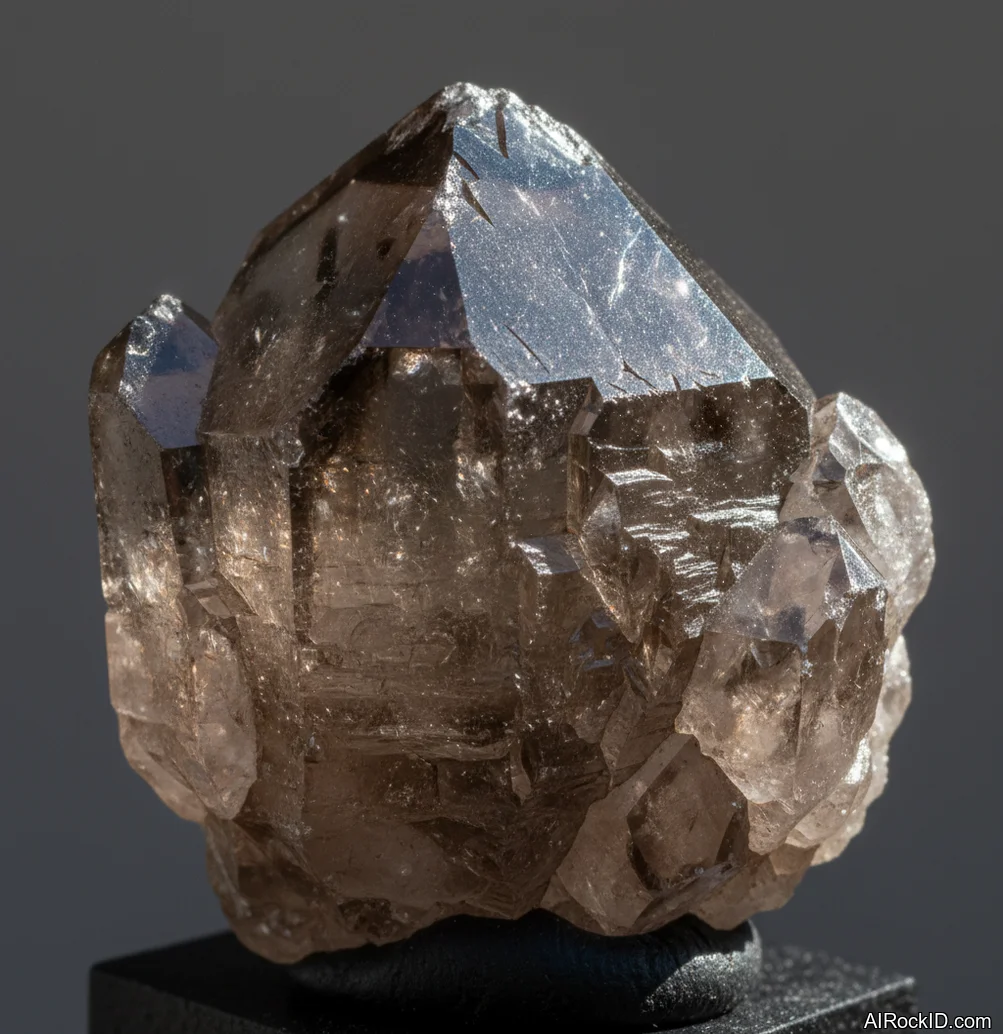
People go after Insight crystals for a few pretty specific reasons. Decision fatigue is a big one. So is that weird state where you feel emotionally certain but logically lost (or the reverse). Some people want Insight for dreamwork. Others want it for journaling, therapy, or meditation. And I see a lot of customers pairing Insight stones with “grounding” material because clarity without stability can make you feel kind of spun out. A palm stone of labradorite plus a chunk of smoky quartz is a common combo at the counter, and it’s not just a trend. Smoky quartz has that heavy-in-the-hand density and a look that stays calm even when the light changes.
How to work with Insight crystals without making it a whole production: keep it simple. Keep it repeatable. Put fluorite or sodalite on the desk where you actually think. Make it a cue. If you meditate, use one stone and one question, not a whole bowl of crystals and ten intentions (who can even track that). For journaling, I like holding a tumbled iolite or lapis lazuli in the non-writing hand and writing until the urge to “sound smart” burns off. Insight usually shows up after the first page of nonsense.
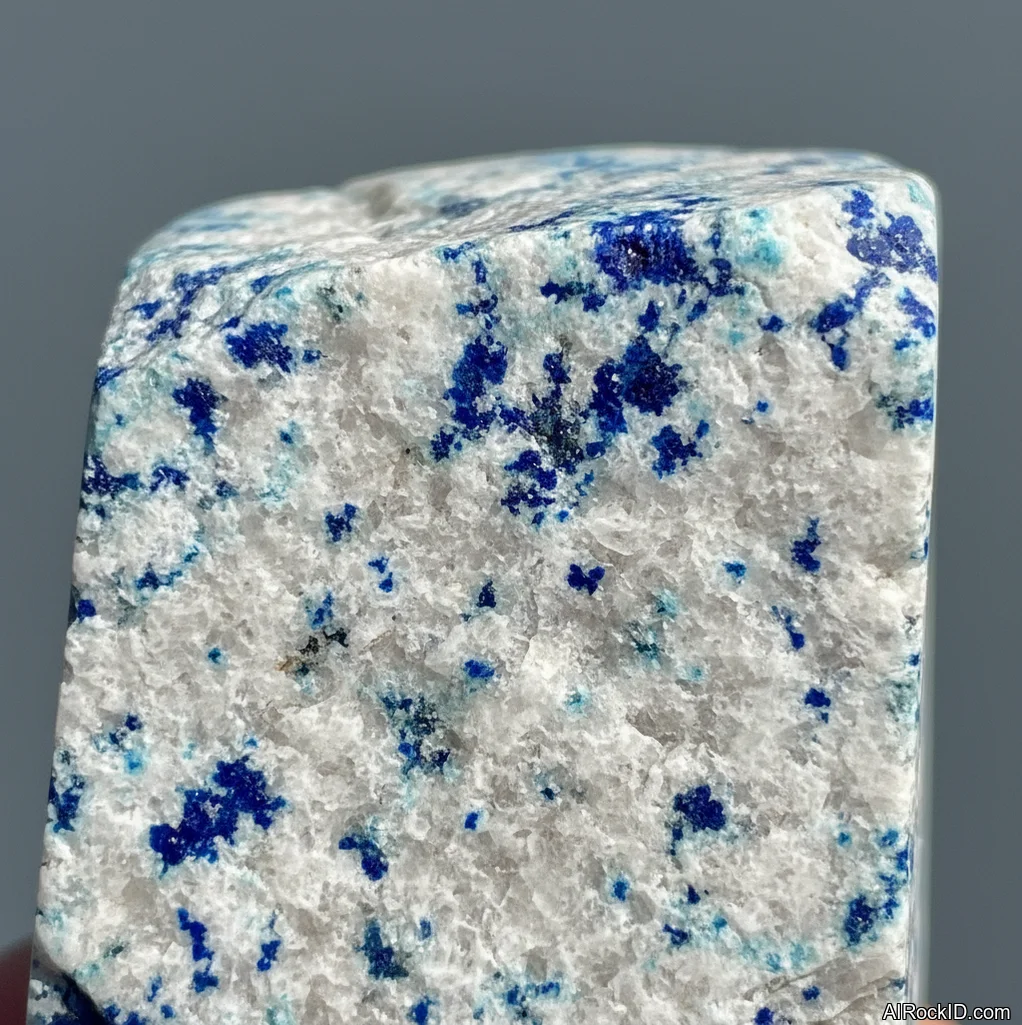
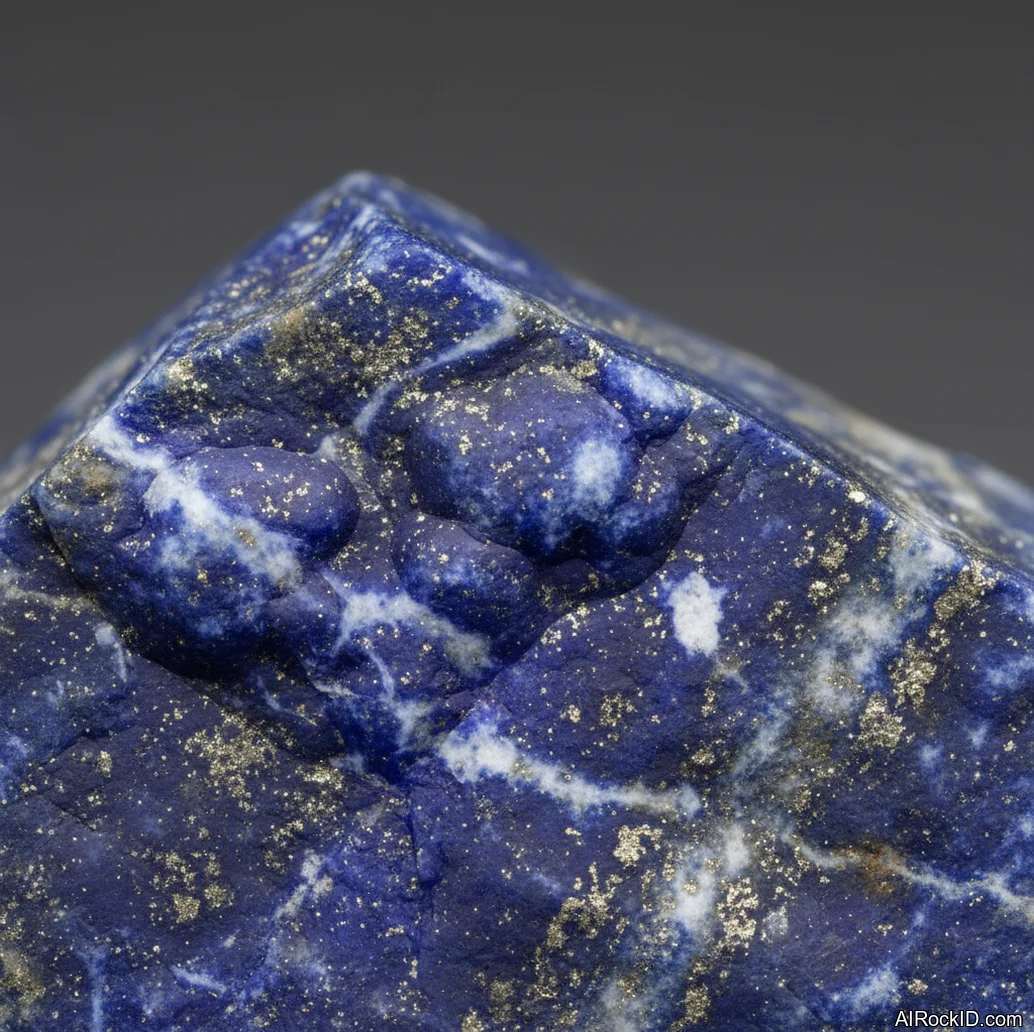
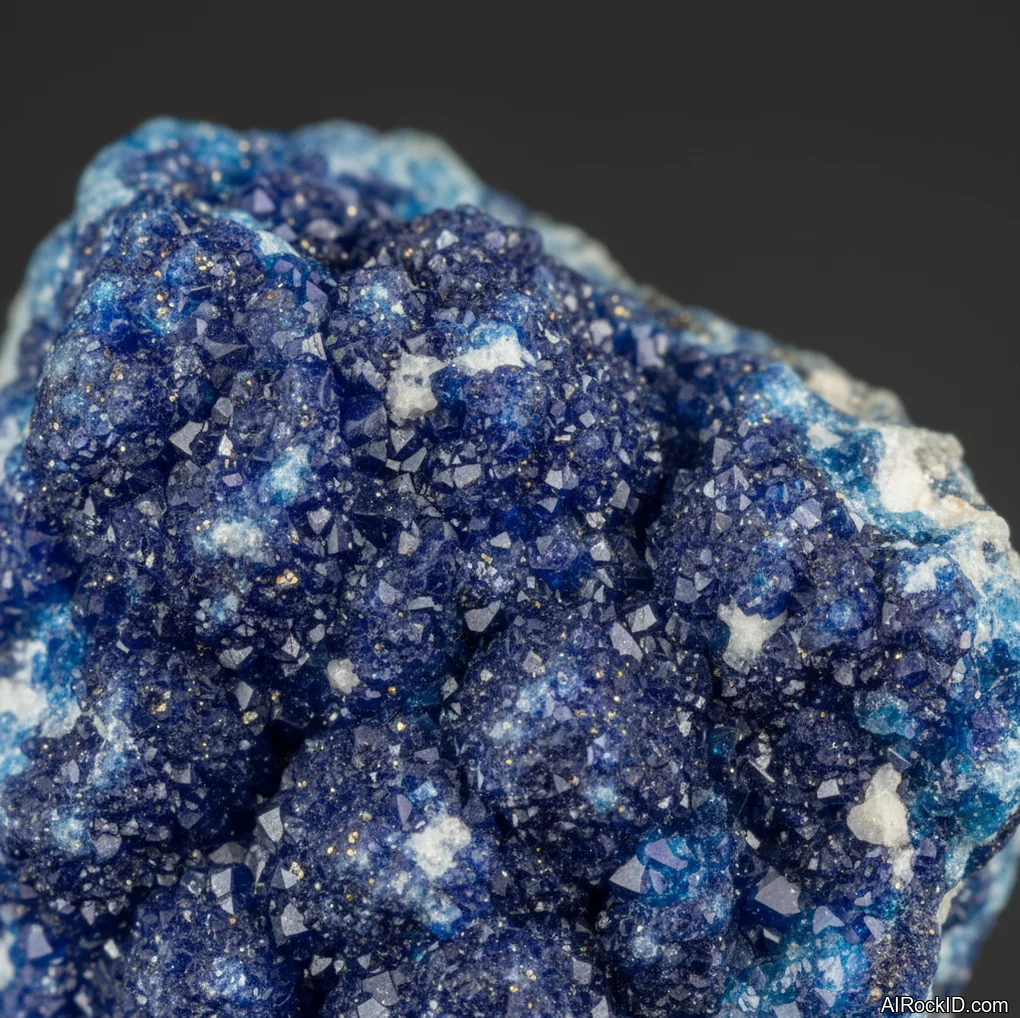
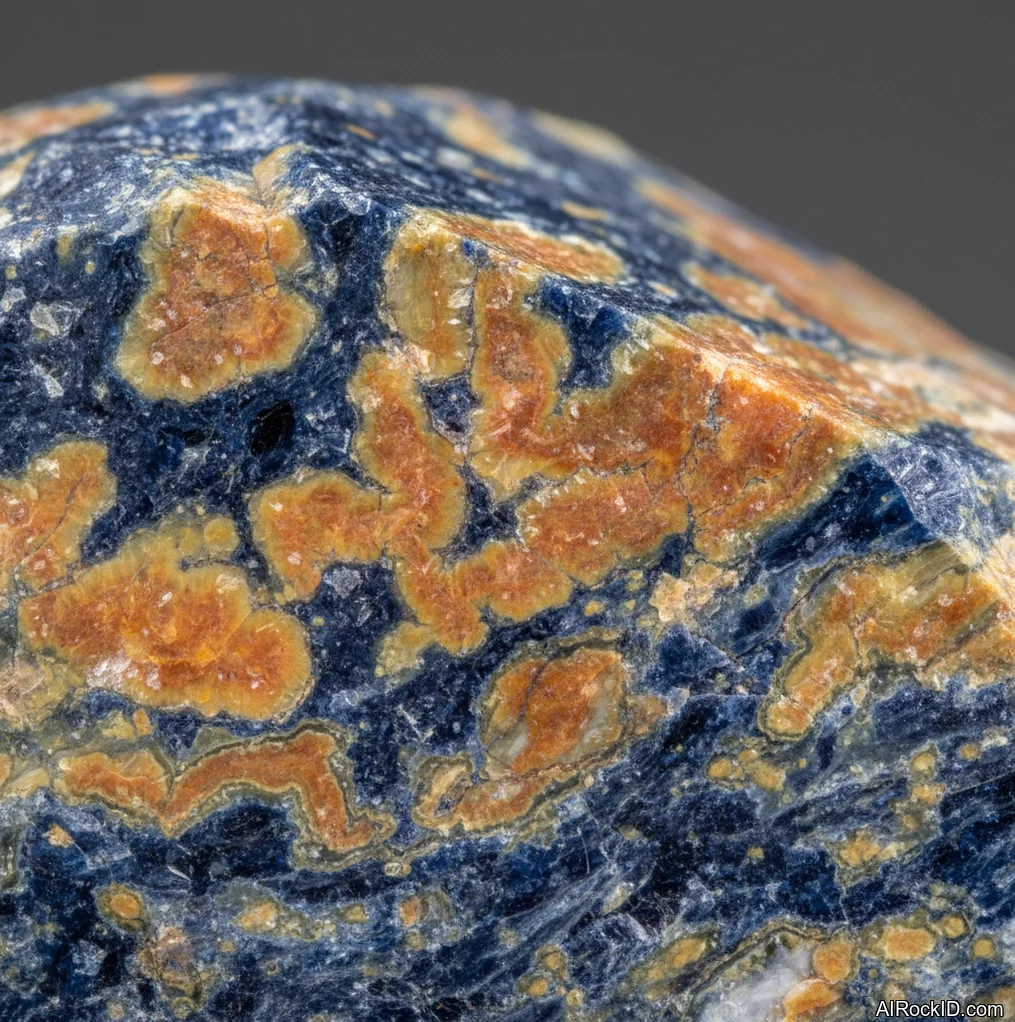
Look closely at lapis lazuli if you’re shopping for Insight. Good lapis has that deep blue with scattered pyrite flecks, not uniform glitter, and it often has white calcite streaks that some sellers try to crop out of photos. Those calcite areas aren’t “bad.” They’re part of what natural lapis looks like. But they do change the feel and the price. Cheap dyed howlite sold as lapis is a real problem too. The giveaway is color sitting on the surface, especially around drill holes, plus a plastic-shiny polish that warms up fast in your fingers.
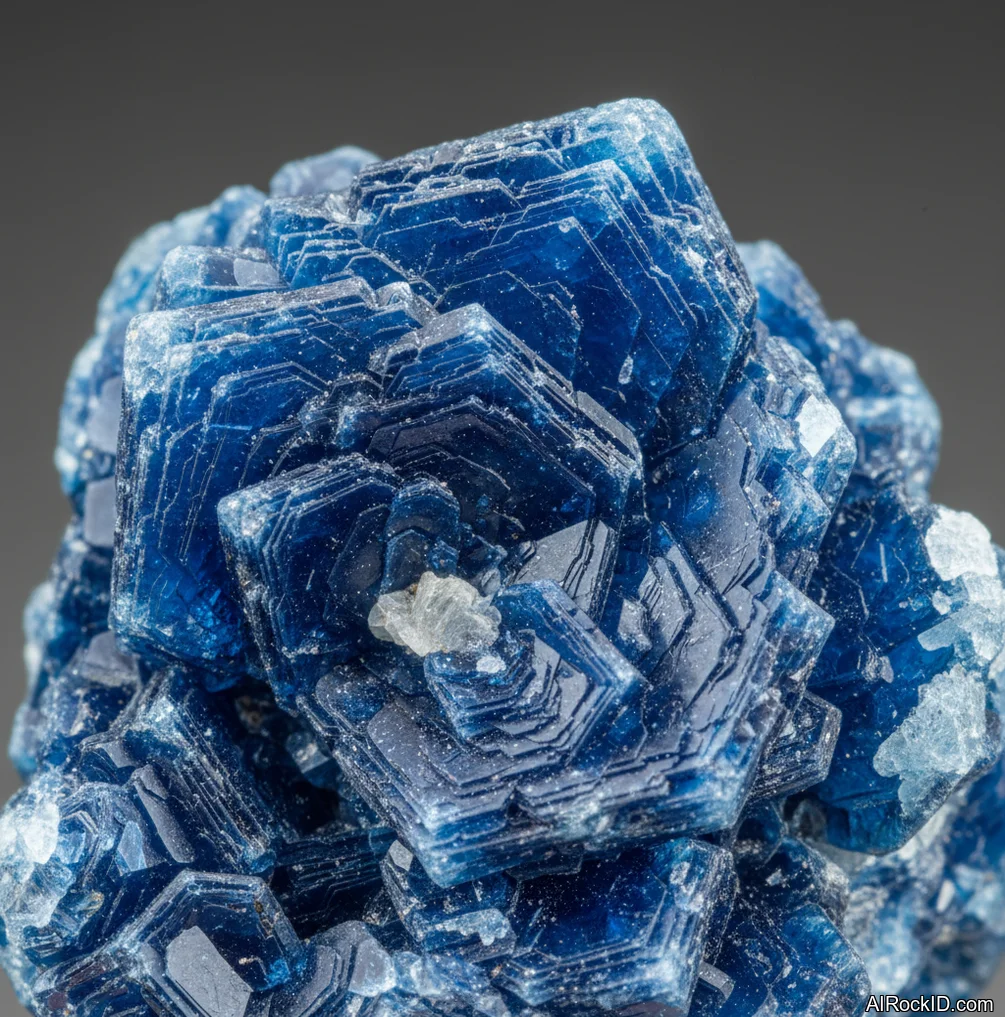
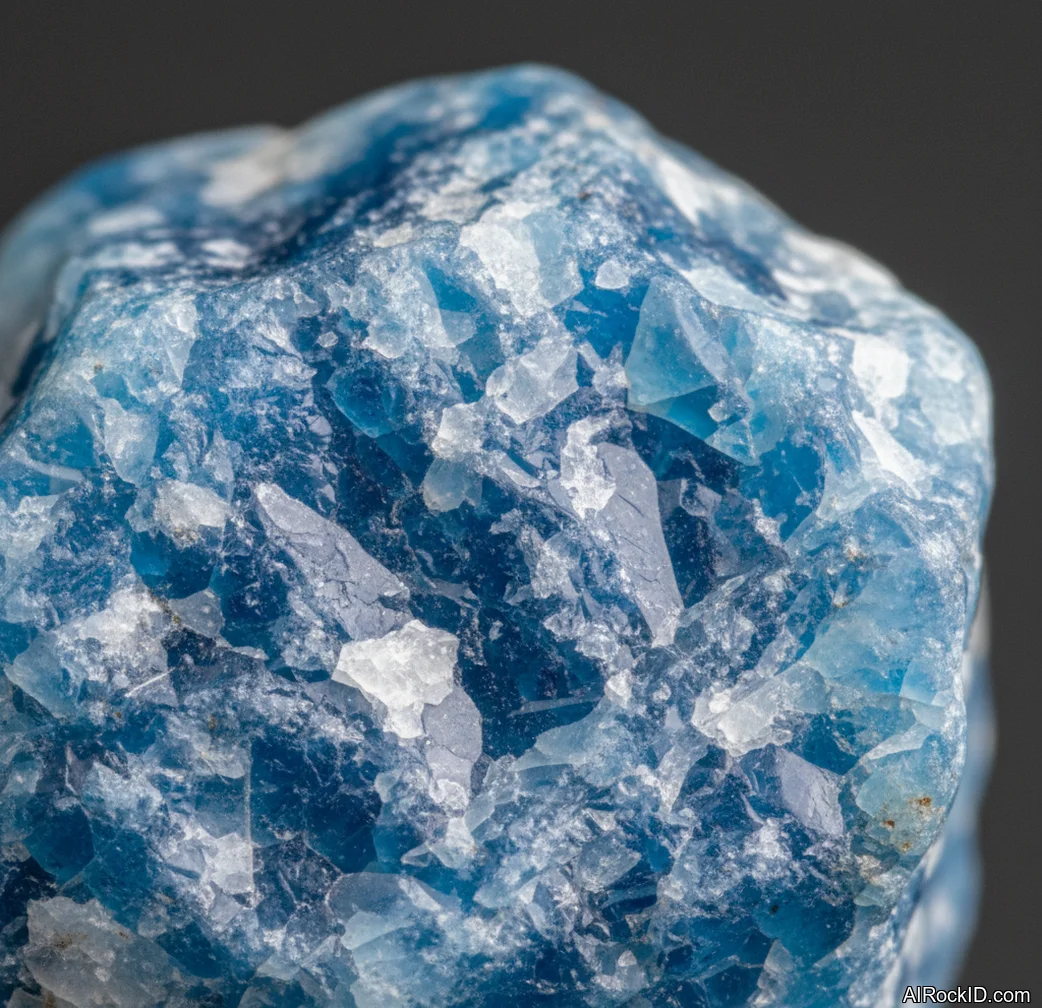
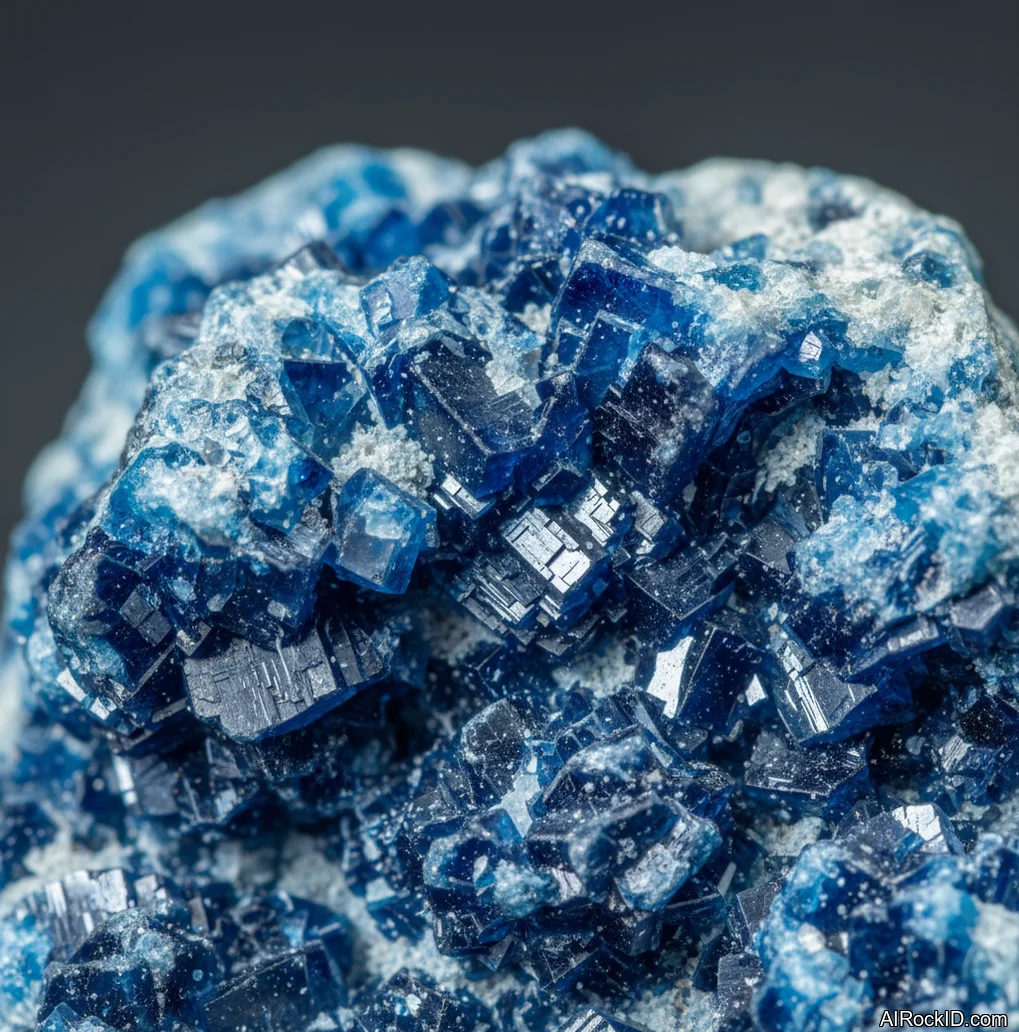
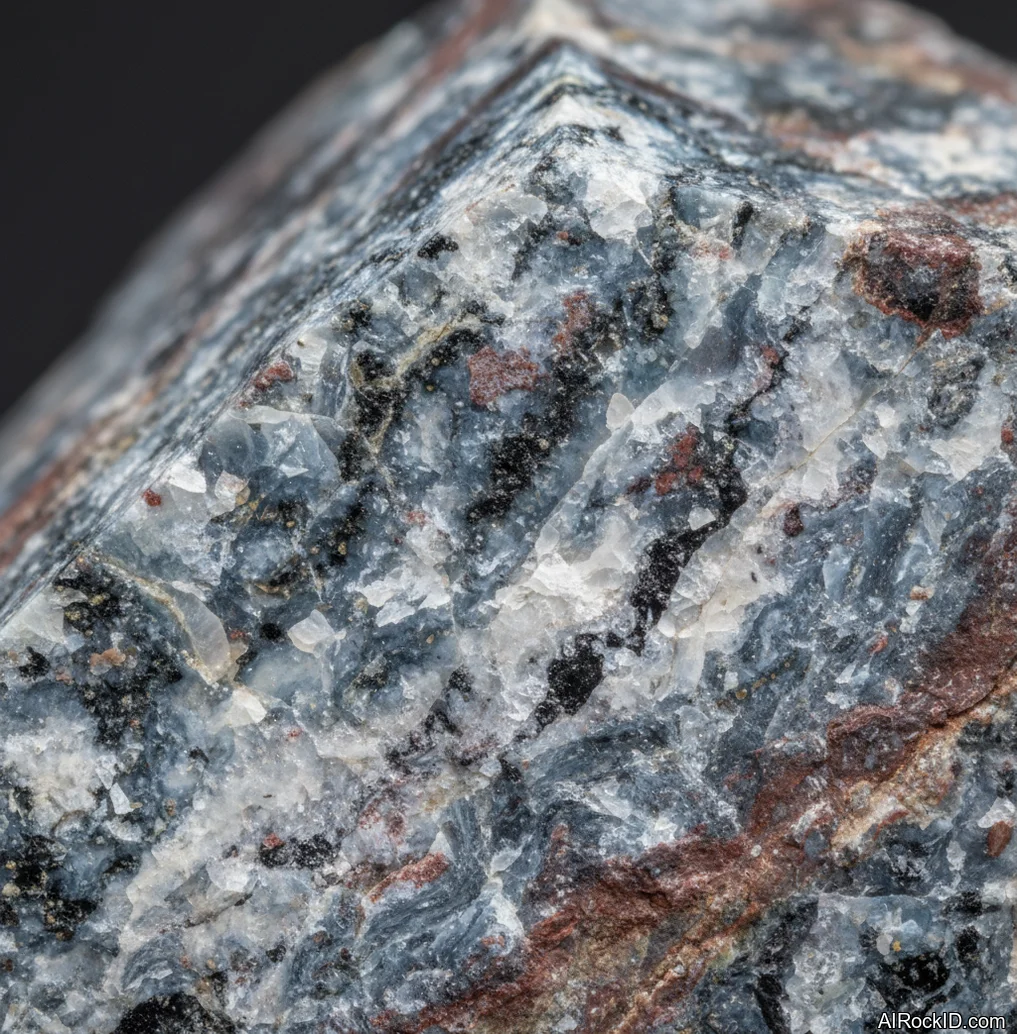
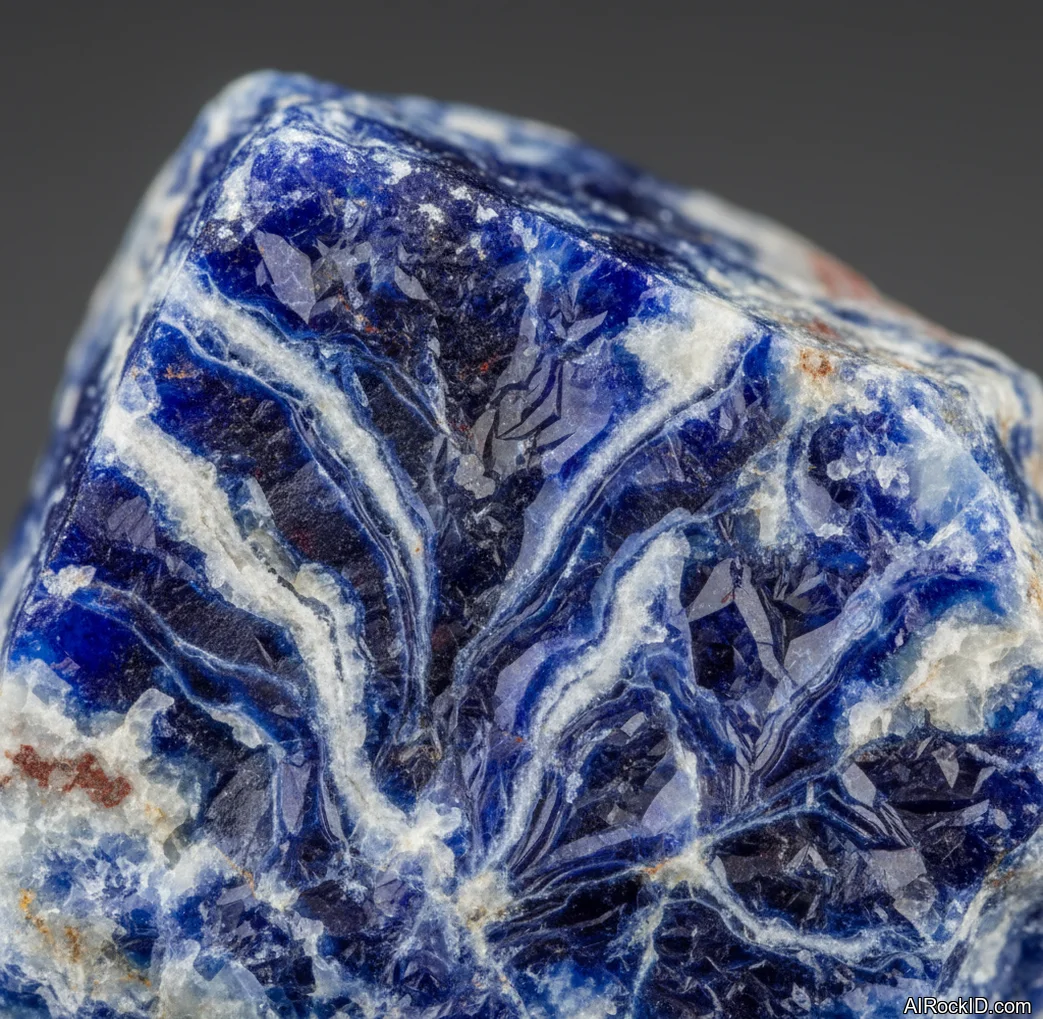
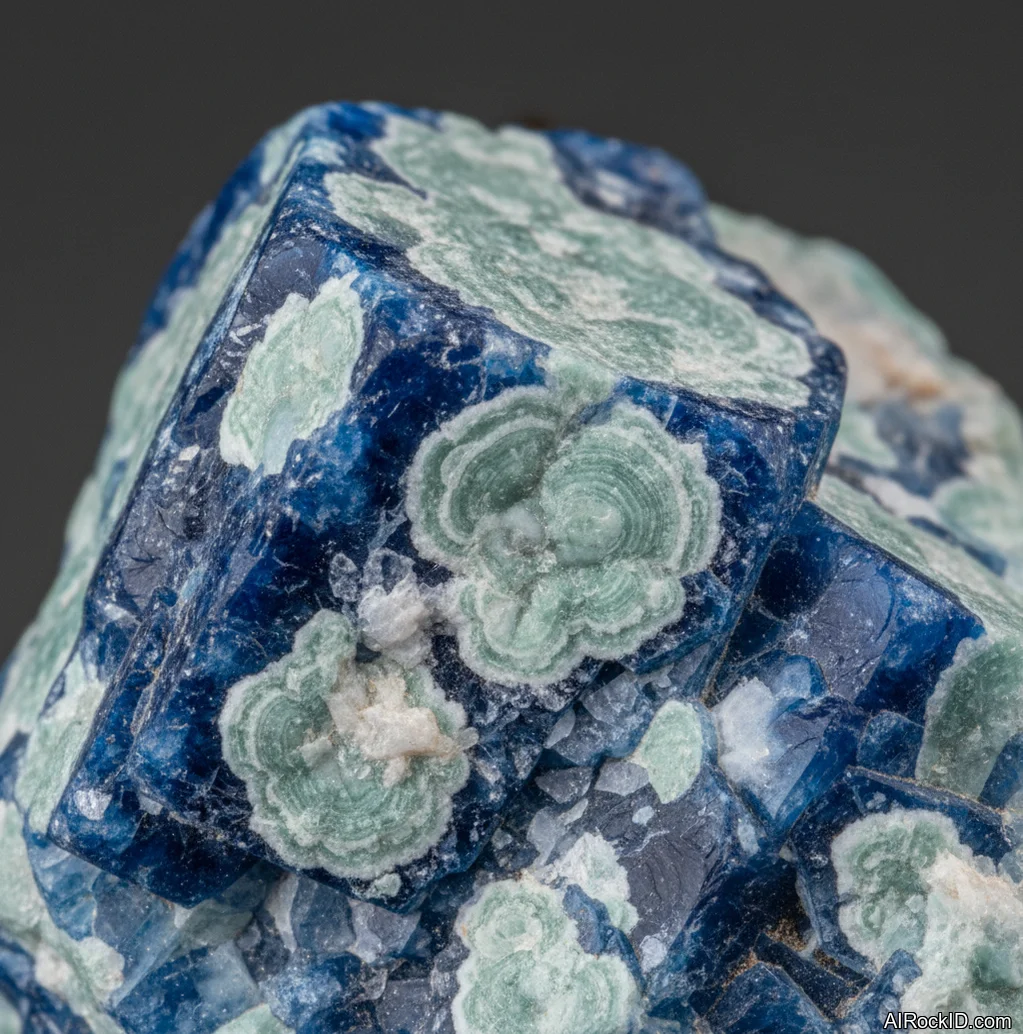
Sodalite gets picked for Insight when someone wants clarity without the intensity of lapis. It’s usually a calmer navy with white veining, and it’s easy to find as palm stones. The issue here is fakes and mislabels. Dyed material can look too uniform, and sometimes you’ll see “sodalite” that’s actually something else entirely, especially in mixed bins. Quick reality check: sodalite doesn’t have pyrite sparkle like lapis, and it won’t show that labradorite flash no matter how you tilt it.
Buying tips matter because “Insight” is a property label, not a mineral ID. Ask what you’re actually getting. For labradorite, check that the flash comes from inside the stone, not a foil backing or a surface coating. For fluorite, look at the edges for fresh chips and see if the color bands look natural instead of sprayed-on. For iolite, rotate it under one light and watch for the color shift. If it doesn’t shift at all, you might be holding something else, or a piece cut in a way that hides the effect.
Practical care is part of it. Fluorite and selenite don’t belong in the same pocket as your keys. Lapis doesn’t love harsh cleaners, and dyed fakes will bleed color if you wipe them with alcohol. Keep Insight stones where you actually use your mind: desk, nightstand, journal bag. And if you’re trying to force a breakthrough, take a day off. Thing is, Insight hates being chased. Set things up, handle the stone, ask a clean question, then let your brain do what it’s built to do.
There are 502 crystals tagged for Insight in most databases for a reason. Different people click with different textures and visuals. Some need the shifting sheen of labradorite. Some need the crisp banding of fluorite. Some need the color-rotating trick of iolite. The property stays the same. But the way you get there can look totally different in your palm.
All Insight Crystals (502)