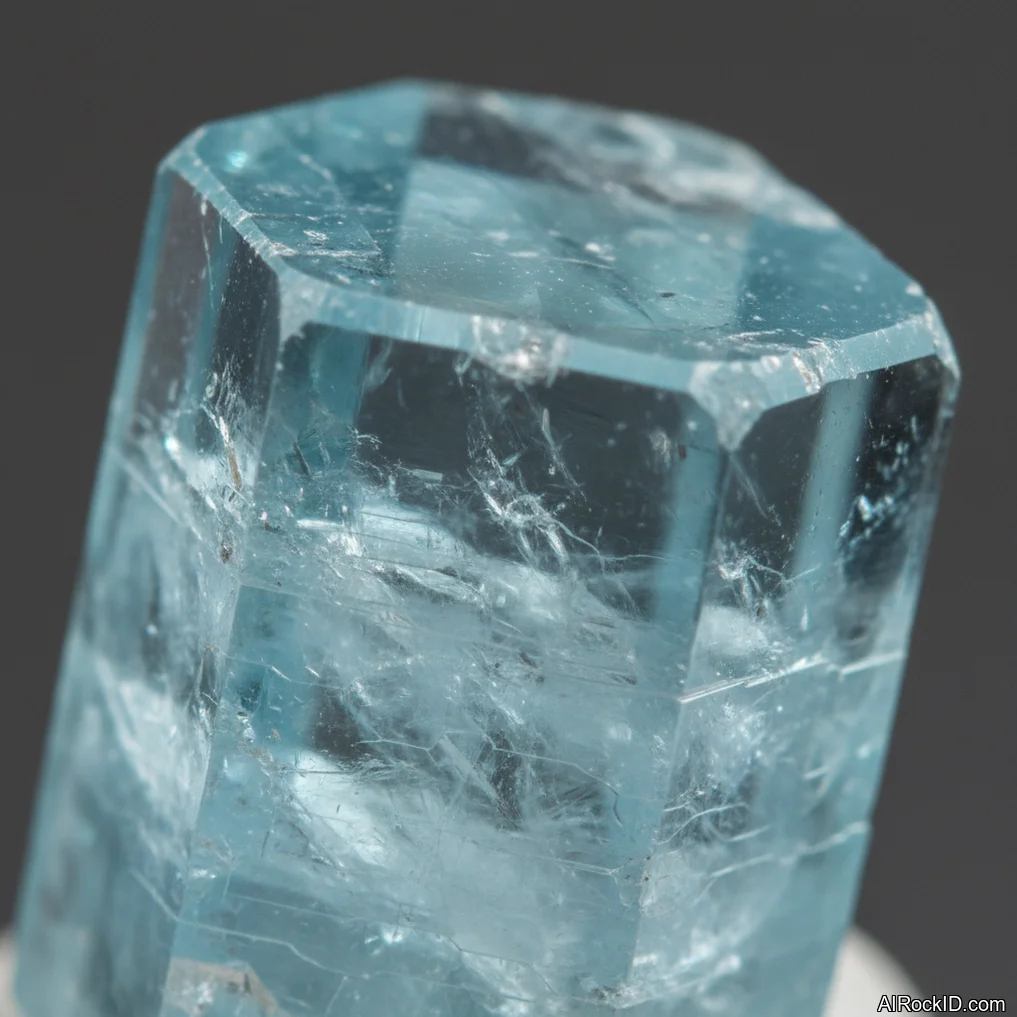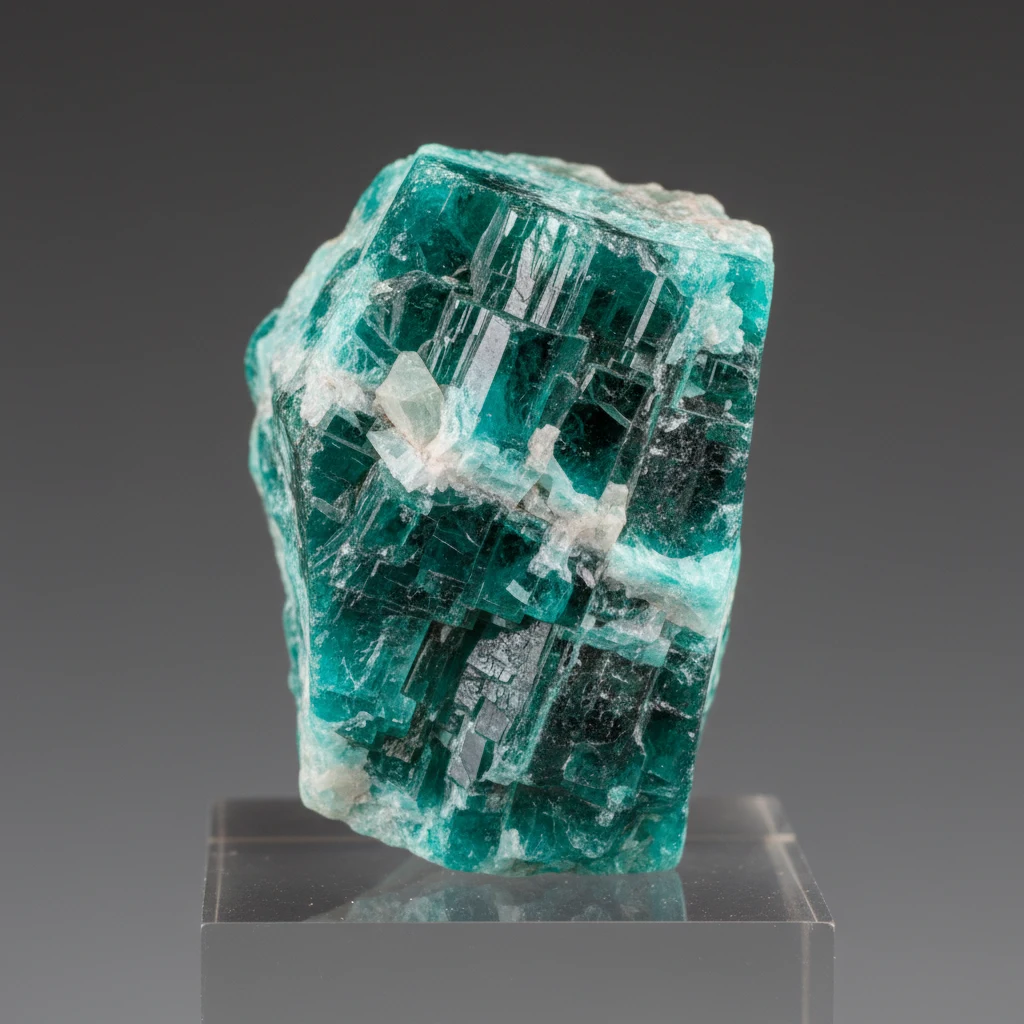
Amazonite (Microcline Feldspar)


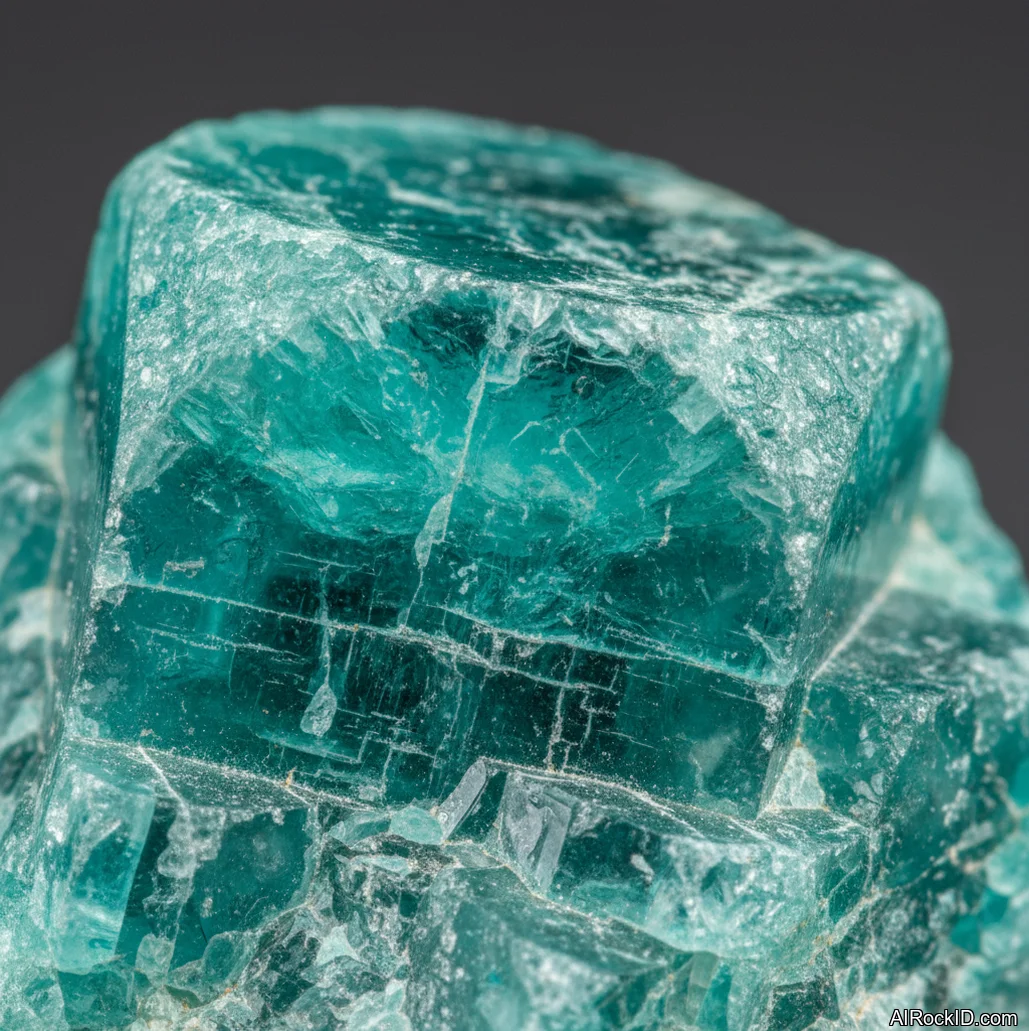
Quick answer: Amazonite is a blue-green variety of microcline feldspar often used for cabochons, beads, carvings, and mineral specimens. It is commonly recognized by its turquoise-to-green color, white feldspar streaks or grid-like texture, and association with smoky quartz in some classic specimen localities.
AI Rock ID can help compare amazonite against similar blue-green minerals by analyzing color, texture, luster, and visible matrix features in a photo. RockIdentifier.io supports visual identification, but final confirmation may still require hardness, streak, cleavage, or expert review.
Good fit
- Collectors who want a blue-green feldspar with a distinctive mottled or grid-like appearance
- Buyers comparing amazonite to turquoise, aventurine, chrysocolla, or dyed stones
- Jewelry wearers choosing beads, pendants, or cabochons for moderate daily use
- Specimen collectors interested in amazonite with smoky quartz, albite, or pegmatite matrix
Not a good fit
- Rings or bracelets exposed to heavy impact or abrasion every day
- Anyone needing a stone that can be cleaned with acids, steam, or ultrasonic methods
- Buyers who want a transparent blue gem; amazonite is typically opaque to translucent
- Situations where exact locality or untreated status is important but not documented
Most commonly confused with
- Turquoise: Turquoise is usually softer and more waxy, often with dark matrix rather than feldspar cleavage or white perthitic streaks.
- Chrysocolla: Chrysocolla commonly has a softer, more earthy or chalcedony-like texture and may show irregular blue-green copper mineral zoning.
- Green Aventurine: Green aventurine is quartz-based and often shows subtle sparkly mica inclusions rather than feldspar cleavage.
- Larimar: Larimar is typically sky-blue to white with soft cloud-like patterns, while amazonite is more green-blue and feldspar-like.
Amazonite vs Similar Blue-Green Stones
| Stone | Typical Look | Key Difference | Mohs Hardness |
|---|---|---|---|
| Amazonite | Blue-green to green feldspar with white streaks or blocky texture | Two cleavages and feldspar grid-like pattern are common | 6–6.5 |
| Turquoise | Blue to green with waxy luster and possible dark matrix | Usually softer and not feldspar | 5–6 |
| Chrysocolla | Blue-green, often uneven or earthy-looking | Copper mineral appearance; hardness varies widely | 2–7 |
| Green Aventurine | Green quartz with possible subtle sparkle | Quartz hardness and mica shimmer distinguish it | 6.5–7 |
| Dyed Howlite | Bright blue or blue-green with dark veining | Color may collect in cracks and pores | 3–3.5 |
AI identification confidence
AI photo identification is usually moderate for amazonite when the image shows its blue-green color, blocky feldspar texture, and any white perthitic streaking. Confidence drops when the stone is polished into uniform beads, photographed under strong color casts, or shown without scale and multiple angles.
When AI gets it wrong
- Highly saturated beads may be dyed howlite, dyed quartzite, or dyed feldspar rather than natural-color amazonite.
- Polished cabochons without visible cleavage or texture can resemble turquoise, chrysocolla, or larimar.
- Indoor lighting and filters can shift pale green feldspar toward blue and make ordinary feldspar look like amazonite.
- Matrix specimens may be misread if smoky quartz, albite, or other pegmatite minerals dominate the photo.
Final recommendation
Choose amazonite from sellers who provide clear photos, disclose treatments, and describe whether the piece is jewelry-grade material, a carving, or a mineral specimen. For higher-priced specimens, locality information and visible crystal associations such as smoky quartz or albite can be more important than color alone.
How to Check Amazonite Authenticity
Natural amazonite usually shows a blue-green to green body color with feldspar-like cleavage, white streaks, or subtle mottling rather than perfectly even color. Be cautious with very bright, uniform blue beads, especially if dark veining resembles dyed howlite or if color appears concentrated in cracks. A basic hardness check, inspection under magnification, and comparison with known turquoise, chrysocolla, and aventurine can help narrow the identification.
Amazonite Specimen Clues
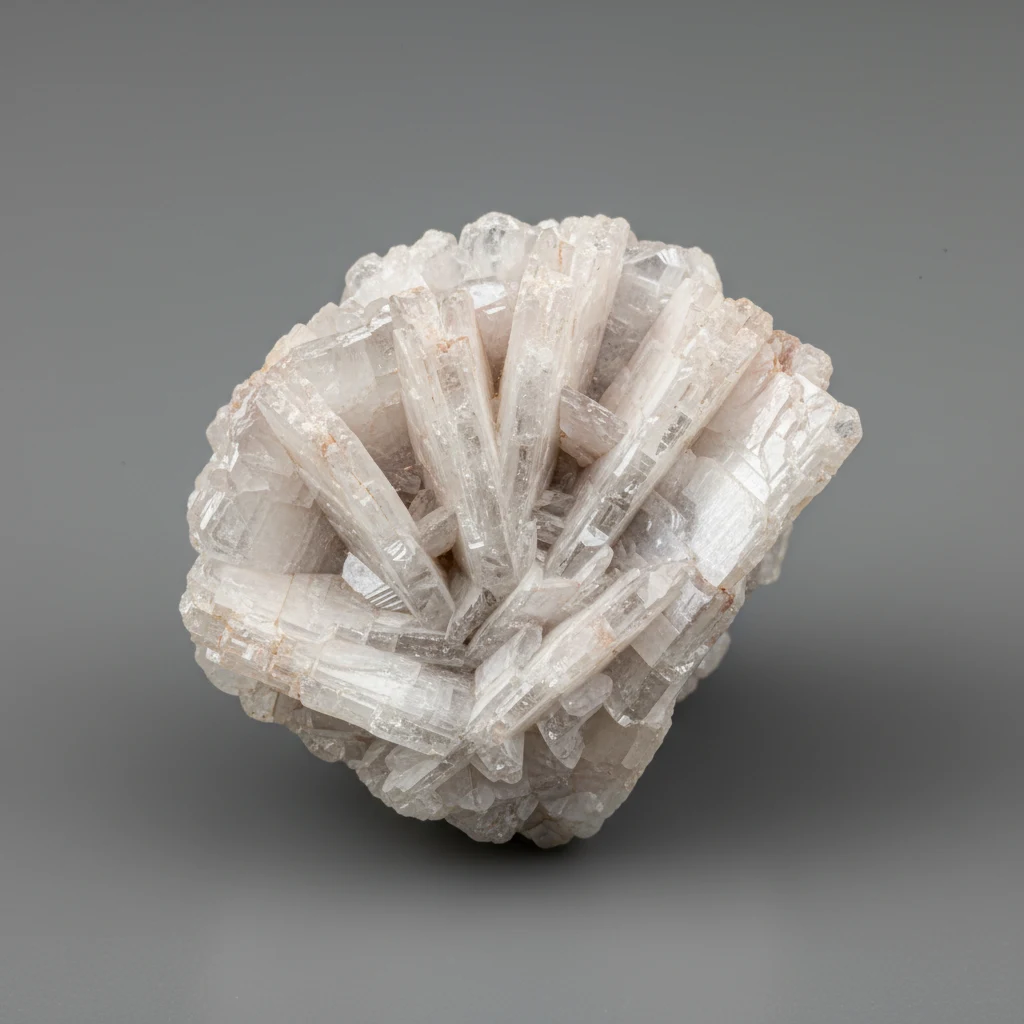
Amazonite commonly occurs in pegmatites and may appear with smoky quartz, albite, cleavelandite, or other feldspar minerals. Colorado material is well known for green to blue-green amazonite crystals associated with smoky quartz, but similar-looking material can come from other localities. Labels, provenance, and crystal form matter more for specimen value than color alone.
Buying Amazonite Beads and Cabochons
Amazonite beads and cabochons are often cut to emphasize color and smooth texture, so natural identifying features may be less visible than on rough specimens. Ask whether the material is natural color, dyed, stabilized, or reconstructed when buying unusually vivid or inexpensive strands. Consistent bead size and polish are normal for commercial goods, but identical color across every bead can be a reason to inspect more closely.
What Is Amazonite (Microcline Feldspar)?
Amazonite is the blue-green to green variety of microcline, a potassium feldspar mineral with the formula KAlSi3O8. In the hand it feels like a solid feldspar rather than a waxy copper mineral: moderately hard at 6–6.5 Mohs, typically translucent to opaque, with a white streak and a vitreous to pearly luster. Fresh broken faces can look softly glassy, while cleavage faces often flash a pearly sheen.
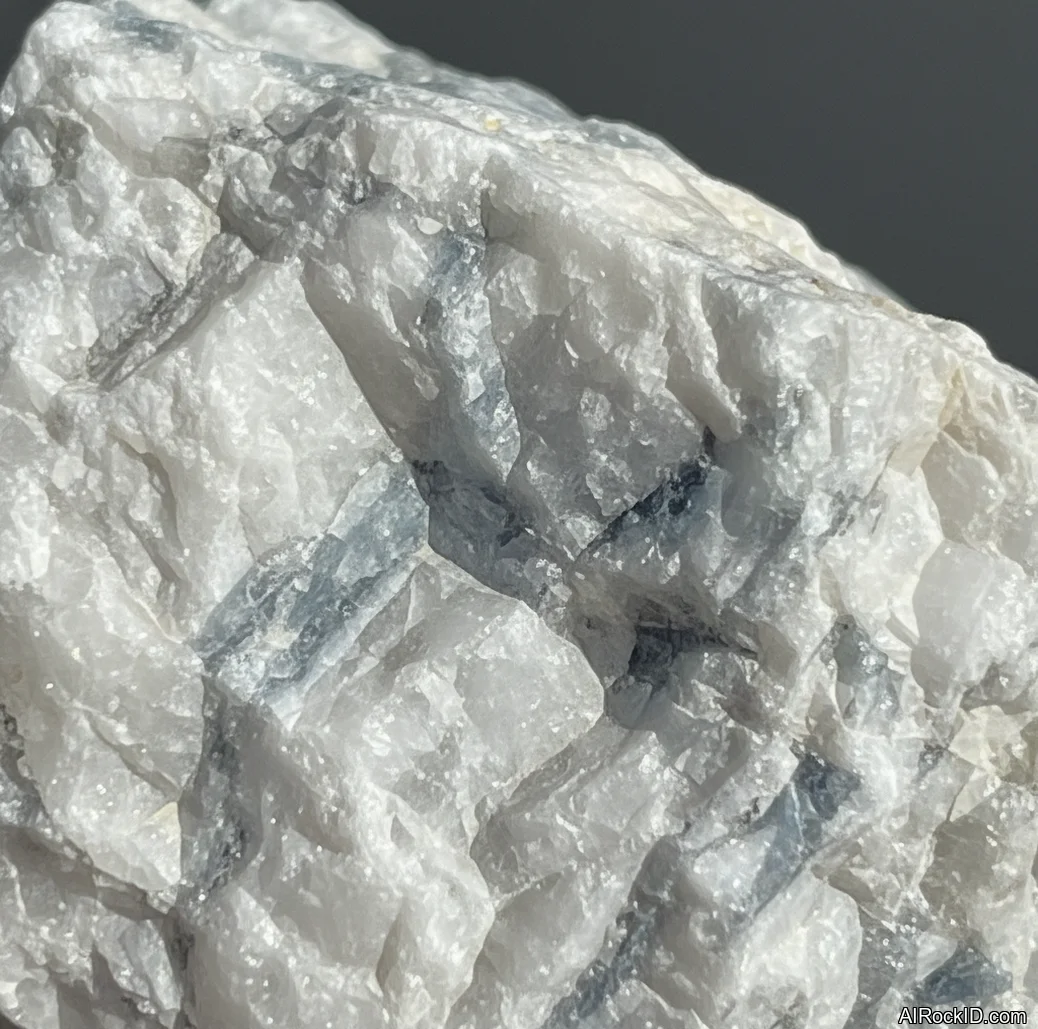
Collectors value amazonite as both a decorative stone and a true microcline specimen. Good pieces show turquoise, blue-green, green, pale blue, or white color, often with patchy zoning, white streaks, or a subtle grid-like internal texture. Its color is commonly attributed to trace lead and structural water effects within the feldspar lattice, not to copper like turquoise.
Origin & History
Amazonite’s name comes from early reports of green stones associated with the Amazon region, although confirmed major amazonite deposits are not specifically from the Amazon River itself. The parent mineral, microcline, was named from Greek roots meaning “small” and “inclination,” a reference to the slight departure of its cleavage angle from a perfect right angle.
Historically, amazonite has been cut into beads, carvings, and ornamental objects since antiquity. In mineral collecting, it became especially recognizable through Russian material and later through Colorado pegmatite specimens, where blue-green microcline is famously associated with smoky quartz. For locality research and specimen labels, mindat.org is a standard plain-text reference used by many collectors.
Where Is Amazonite (Microcline Feldspar) Found?
Amazonite is found in several countries, with especially well-known material from the United States, Russia, Brazil, Madagascar, Ethiopia, Namibia, Canada, India, Norway, and Zimbabwe. The classic collector locality is the Pikes Peak batholith in Teller and El Paso Counties, Colorado, where blue-green microcline can occur with smoky quartz in granitic pegmatite settings.
Formation
Amazonite forms when microcline crystallizes from potassium-rich granitic melts and late-stage pegmatitic fluids. It is most typical of granite pegmatites, miarolitic cavities, and coarse-grained granitic rocks, where slow cooling gives feldspar enough time and space to grow into large blocky crystals.
The blue-green color develops from trace elements and structural defects in the feldspar, with lead and structural water effects commonly cited for amazonite color. In the field, this means the best pieces often come from coarse pegmatite environments rather than fine-grained rock. USGS resources are useful background references for understanding granitic and pegmatitic mineral systems.
How to Identify Amazonite (Microcline Feldspar)
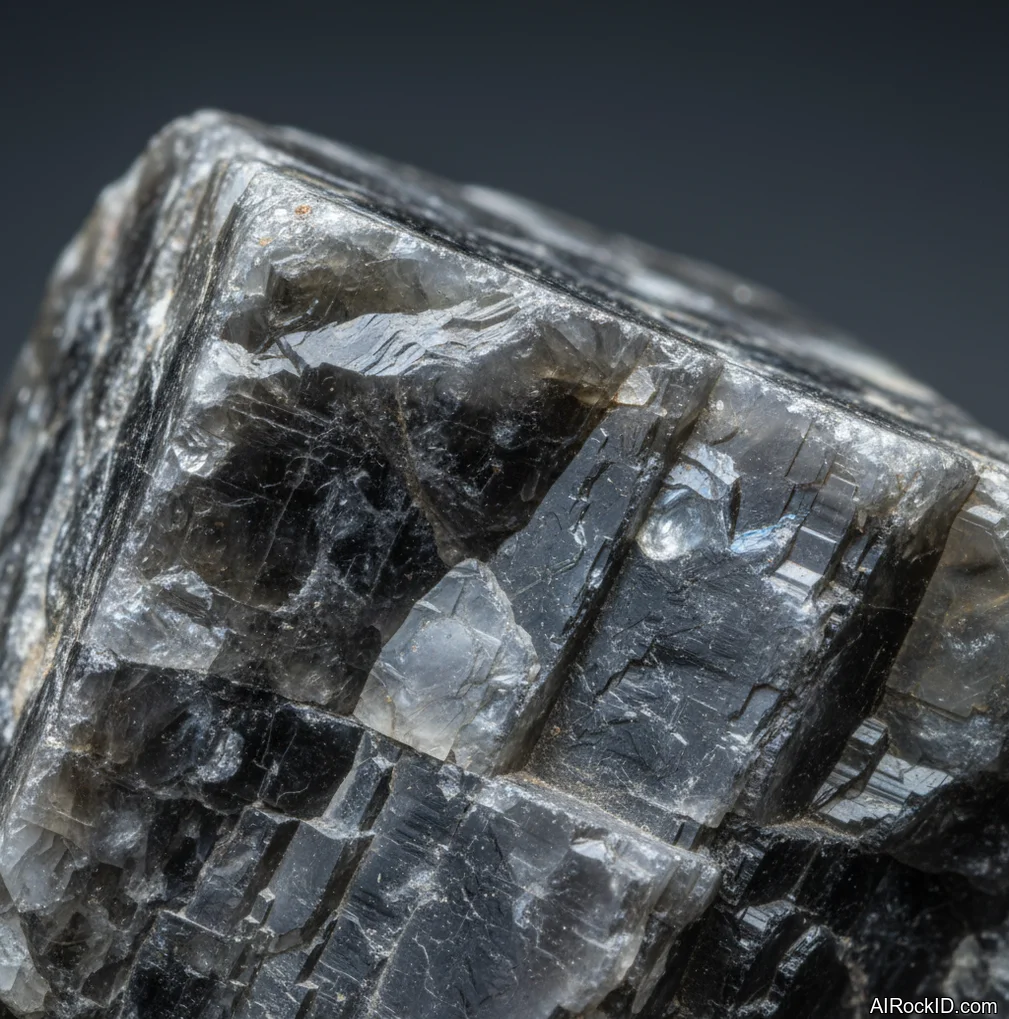
Identify amazonite first as microcline feldspar: look for two good cleavages meeting at nearly 90 degrees, a white streak, hardness around 6–6.5, and a relatively low density of 2.54–2.57 g/cm³. A hand specimen often breaks or chips along cleavage planes, and fresh surfaces show vitreous luster while cleavage surfaces can look pearly.
Color alone is not enough, because amazonite can resemble turquoise, blue-green quartz, or chalcedony. Amazonite is harder than turquoise and shows feldspar cleavage; compared with quartz or chalcedony, it has more obvious cleavage and lower toughness. Under magnification or thin-section study, microcline may show characteristic cross-hatched, tartan twinning.
Properties of Amazonite (Microcline Feldspar)
Physical Properties
| Crystal System | Triclinic |
| Hardness (Mohs) | 6–6.5 Mohs (Moderately hard) |
| Density | 2.54–2.57 g/cm³ |
| Luster | Vitreous to pearly |
| Diaphaneity | Translucent to opaque |
| Fracture | Uneven to subconchoidal; cleavage is prominent |
| Streak | White |
| Magnetism | Non-magnetic |
| Colors | blue-green, green, turquoise, pale blue, white |
Chemical Properties
| Classification | Tectosilicate feldspar |
| Formula | KAlSi3O8 |
| Elements | potassium, aluminum, silicon, oxygen |
| Common Impurities | lead, rubidium, sodium, iron, water |
Optical Properties
| Refractive Index | nα 1.514–1.518, nβ 1.518–1.522, nγ 1.521–1.526 |
| Birefringence | 0.006–0.008 |
| Pleochroism | None to very weak |
| Optical Character | Biaxial negative |
Amazonite (Microcline Feldspar) Health & Safety
Amazonite is generally safe to handle as a polished or intact mineral. Trace lead responsible for some color is structurally bound in the feldspar and is not a normal handling hazard. Cutting, grinding, or sanding feldspar can create respirable mineral dust that should not be inhaled.
Amazonite (Microcline Feldspar) Value & Price
Price Range
Rough/Tumbled: Common tumbled or rough pieces are often a few dollars each; attractive rough or small specimens commonly range from about $5–$50. Fine crystallized specimens, especially from classic Colorado localities with smoky quartz, can range from tens to hundreds of dollars or more depending on size, color, and associations.
Cut/Polished:
Value depends on saturation and evenness of blue-green color, size, polish quality, translucency, lack of cracks, locality, and whether the specimen shows well-formed microcline crystals or attractive associations such as smoky quartz or albite.
Durability
Fair to good — Scratch resistance: Hard enough for beads, carvings, and pendants, but it can be scratched by quartz, topaz, corundum, and diamond., Toughness: Fair; two directions of cleavage make it vulnerable to chipping or splitting if struck.
Stable under normal indoor conditions. Avoid hard impacts, ultrasonic cleaners, steam cleaning, acids, and long exposure to strong heat or harsh chemicals.
How to Care for Amazonite (Microcline Feldspar)
Use & Storage
Store separately from harder stones to prevent scratches and away from heavy objects that could chip its cleavage surfaces.
Cleaning
Clean with lukewarm water, mild soap, and a soft cloth or brush. Rinse briefly and dry thoroughly.
Cleanse & Charge
For non-scientific spiritual use, cleanse with smoke, sound, moonlight, or a dry cloth rather than saltwater or harsh chemical methods.
Placement
Suitable for display, meditation spaces, desks, and protected jewelry settings such as pendants, earrings, and beads. Rings should be worn with care.
Caution
Avoid ultrasonic cleaners, steam cleaners, acids, bleach, strong heat, and sudden impacts. Cleavage planes can open if the stone is struck.
Works Well With
Amazonite (Microcline Feldspar) Meaning & Healing Properties
In modern crystal healing traditions, amazonite is associated with calm communication, emotional balance, confidence, harmony, and speaking truth clearly. These are cultural and spiritual meanings, not scientifically verified medical effects, but they explain why many people choose its cool blue-green color for meditation spaces, desks, and personal talismans.
Practically, amazonite works best as a handled stone, bead, pendant, carving, or display piece rather than a rough stone exposed to heavy impact. It is linked with the heart and throat chakras, the zodiac signs Virgo and Aquarius, the planets Uranus and Mercury, and the elements Water and Air. For spiritual cleansing, use smoke, sound, moonlight, or a dry cloth instead of saltwater or harsh chemicals.
Identify Amazonite (Microcline Feldspar) from a photo
Compare Amazonite (Microcline Feldspar) traits, care tips, value clues, and common lookalikes with a clear photo.
Common mistakes
- Assuming every blue-green opaque stone is amazonite without checking hardness, luster, or texture.
- Confusing dyed howlite or dyed magnesite with natural amazonite because both can appear turquoise-colored.
- Using color alone to assign locality, since amazonite from different sources can overlap in appearance.
- Cleaning amazonite with harsh chemicals or ultrasonic cleaners because it looks tougher than it is.
- Overlooking cleavage planes, which can make amazonite more vulnerable to chipping than massive quartz.
- Treating metaphysical descriptions as medical advice rather than cultural or personal belief traditions.