Soothing Crystals
Quick answer: Soothing crystals are stones associated in crystal traditions with calm, comfort, emotional steadiness, or a gentler atmosphere. The term describes a commonly assigned meaning rather than a mineralogical property, so it can include many different colors, hardness levels, and crystal structures.
Learn what Soothing means for crystals, which stones are linked to Soothing, and how to choose, use, and care for Soothing crystals daily.


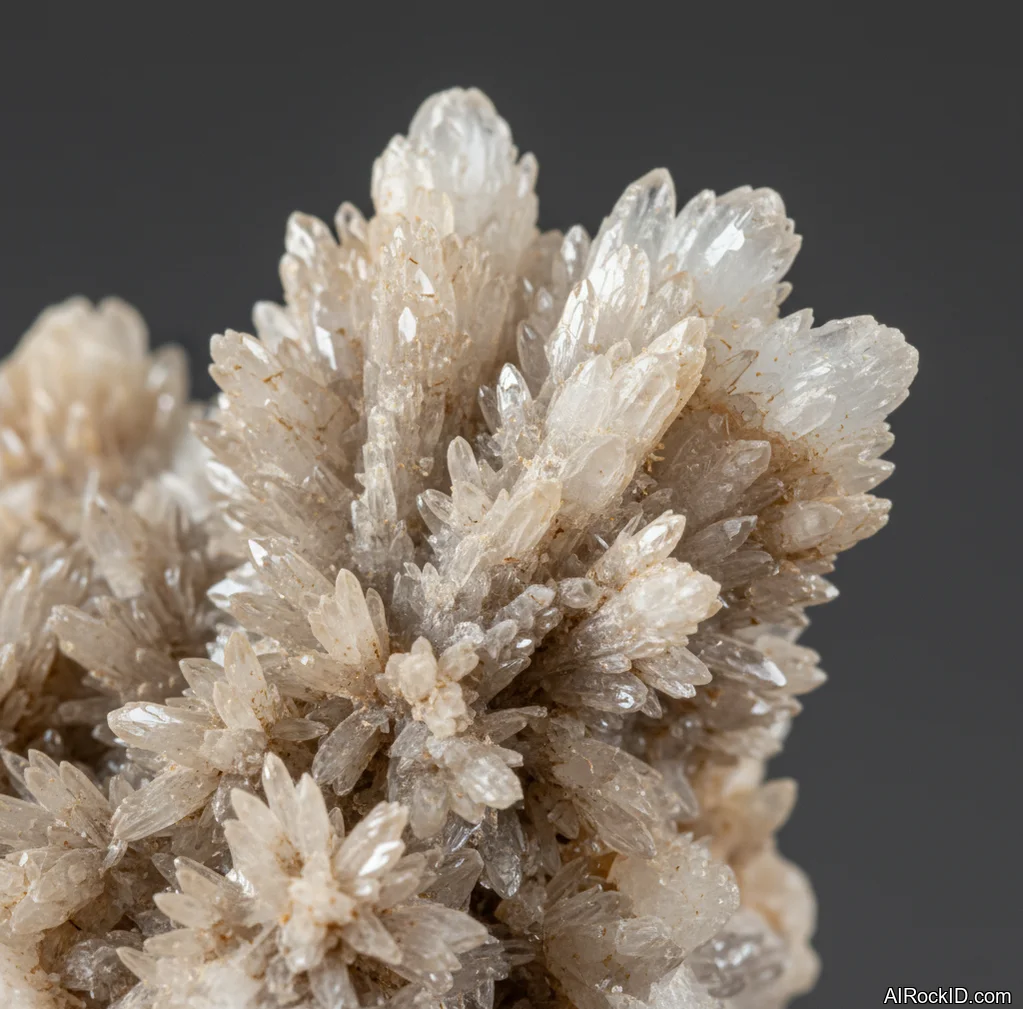
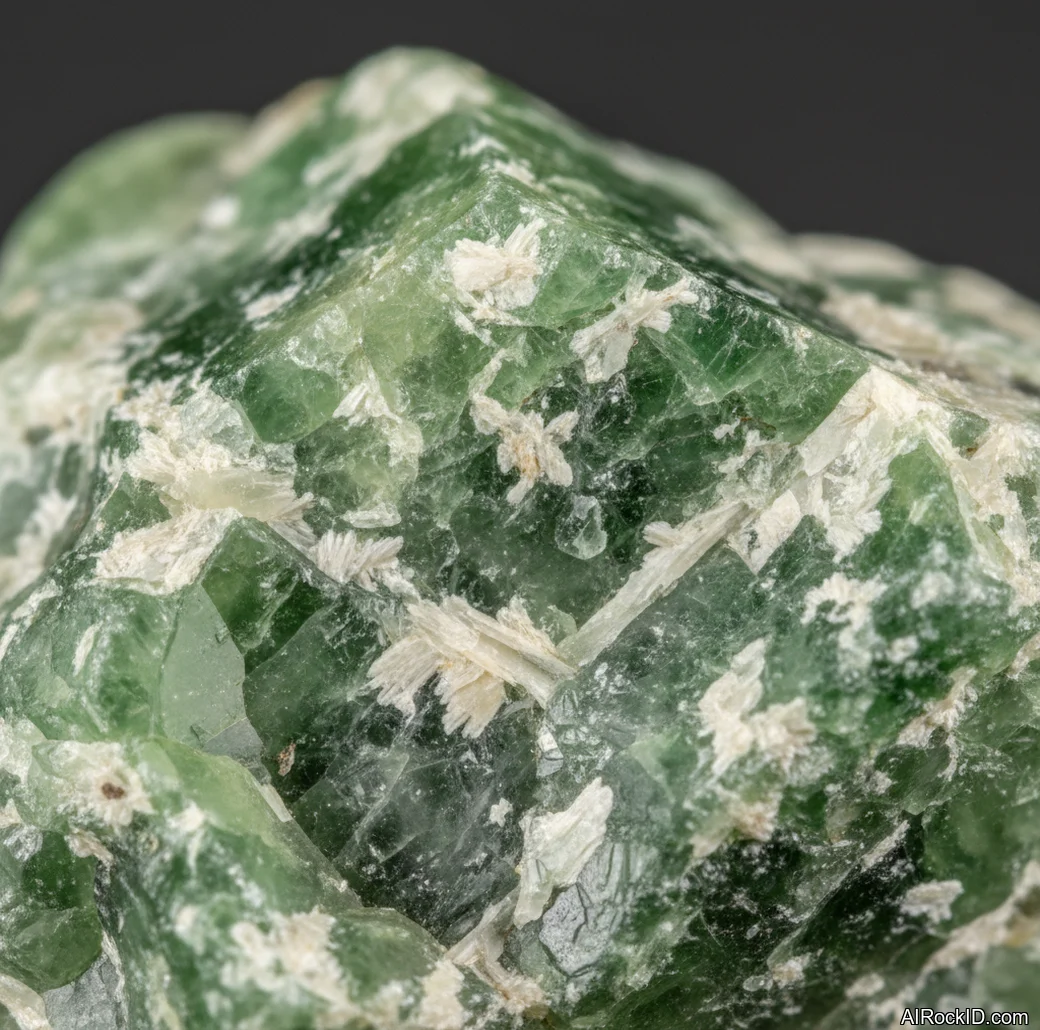
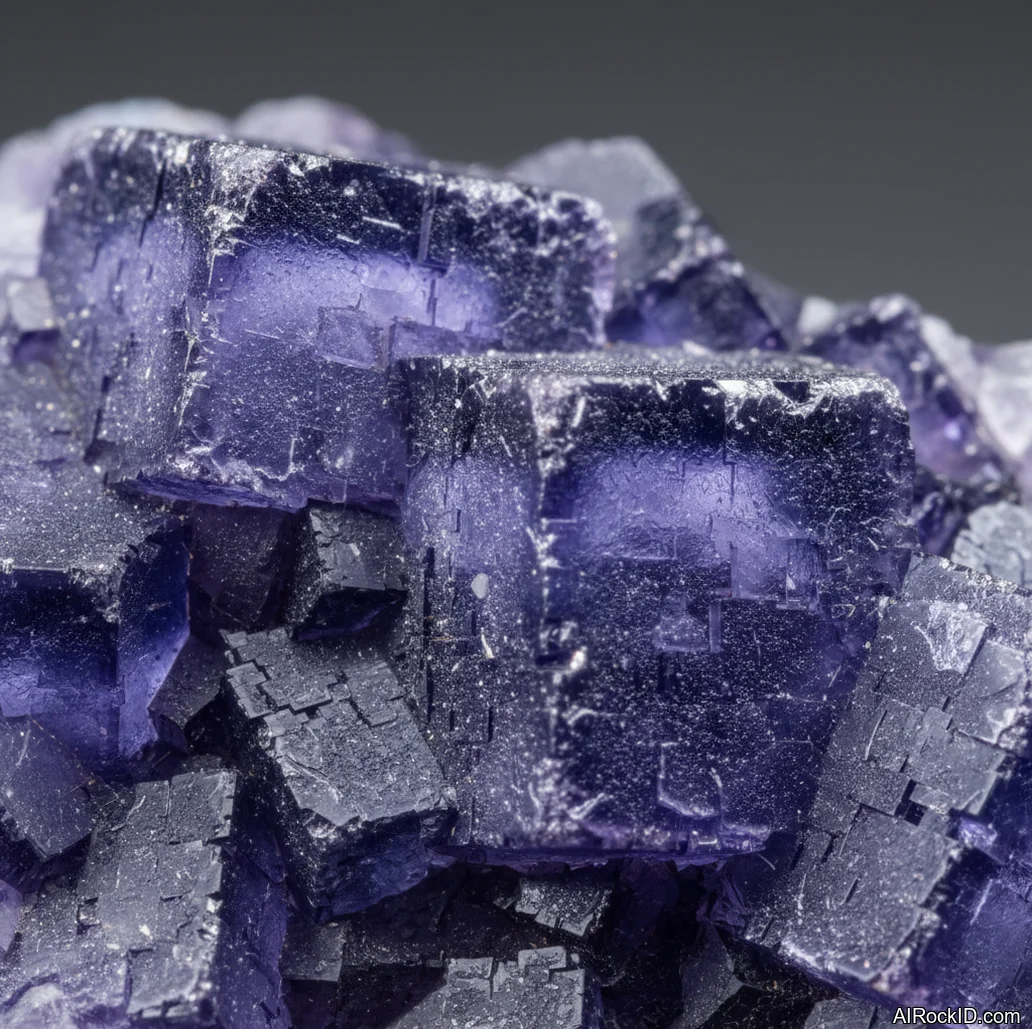
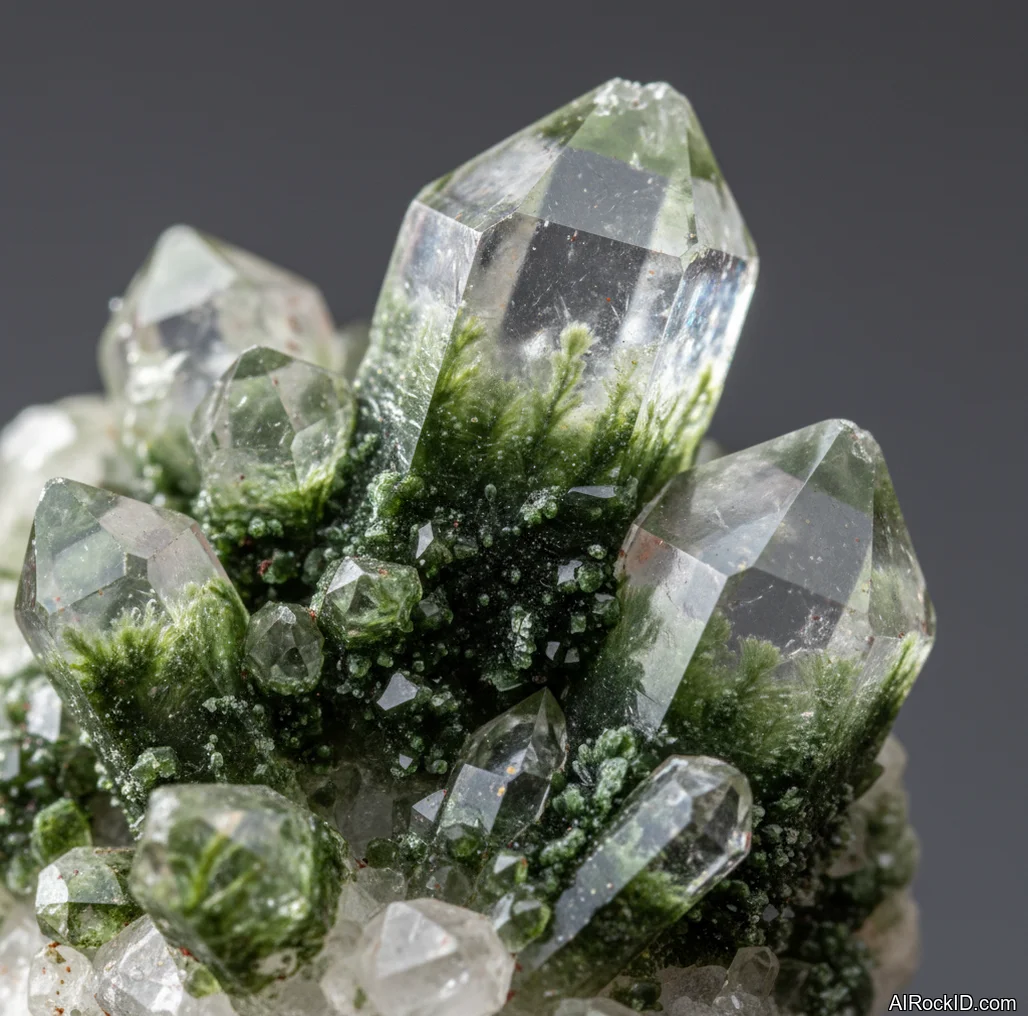
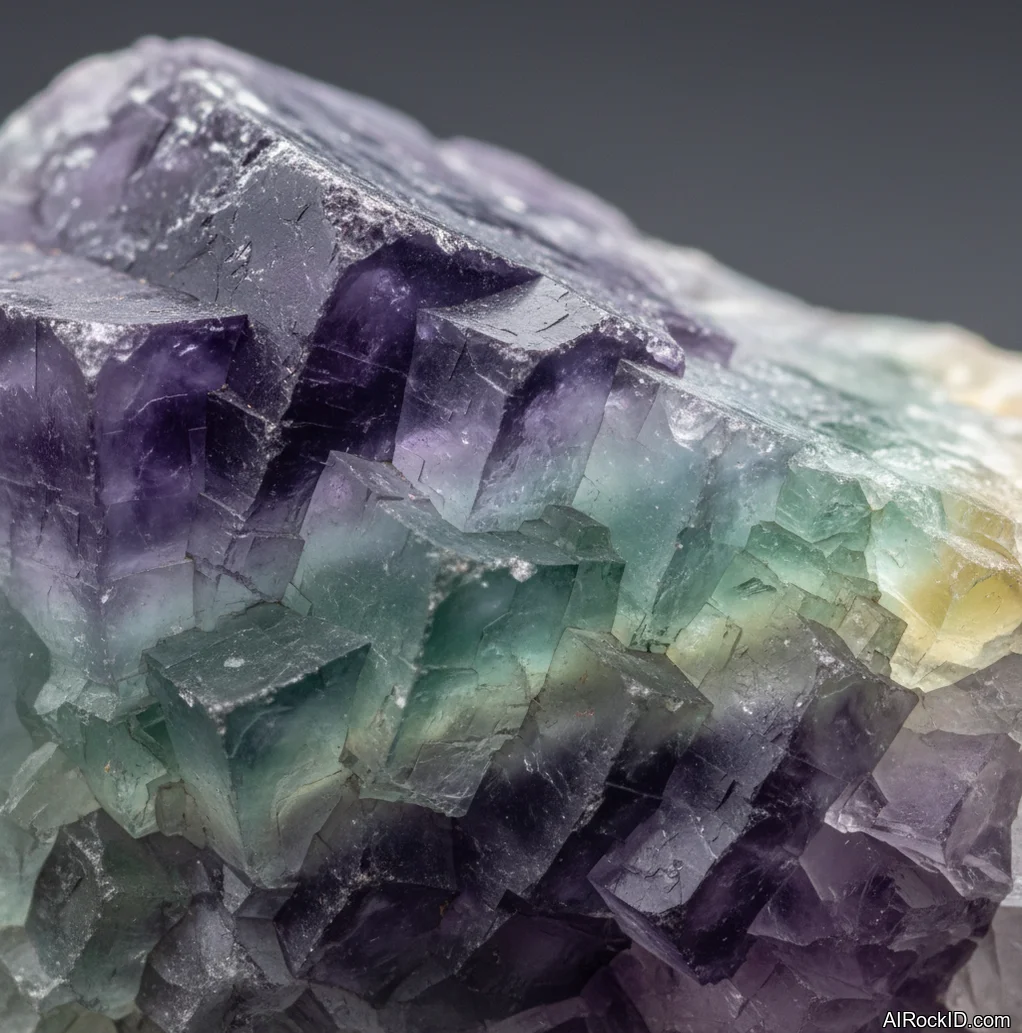
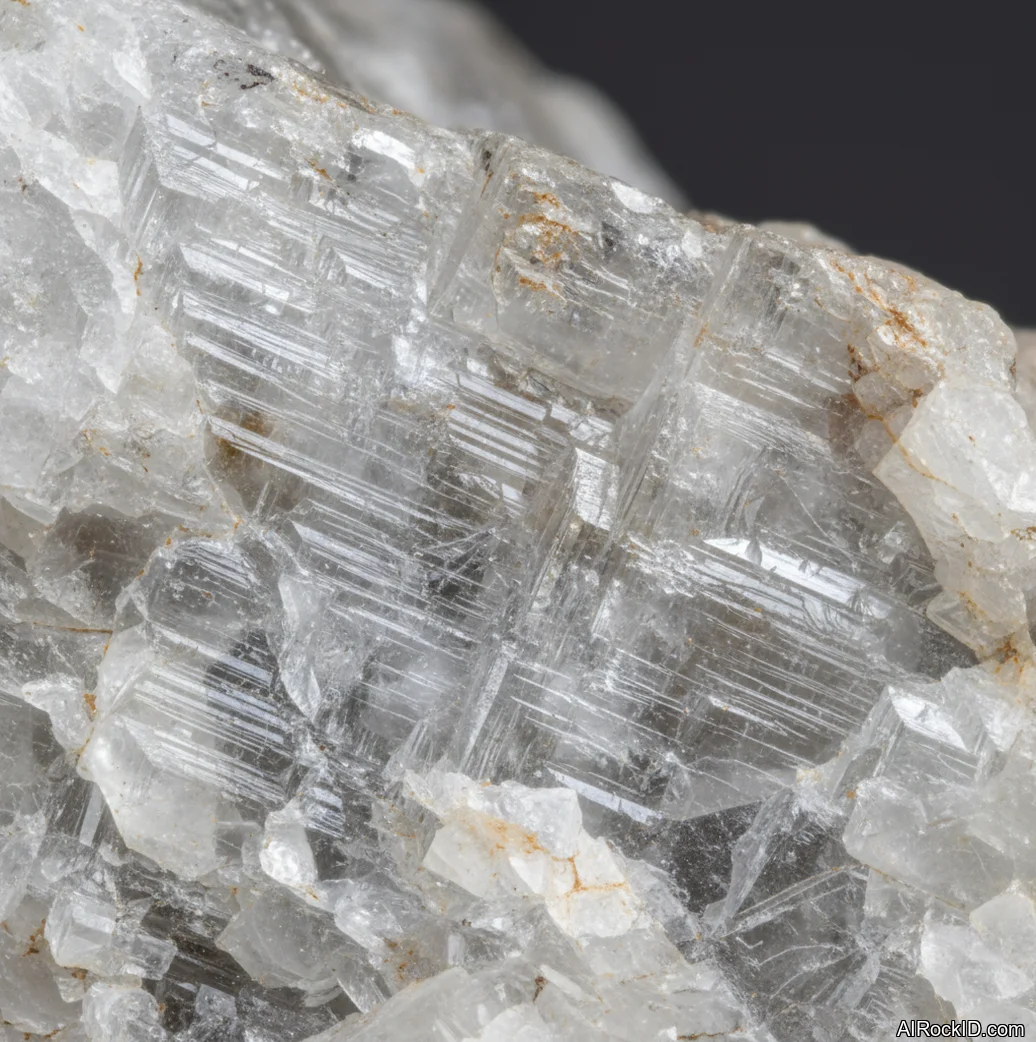
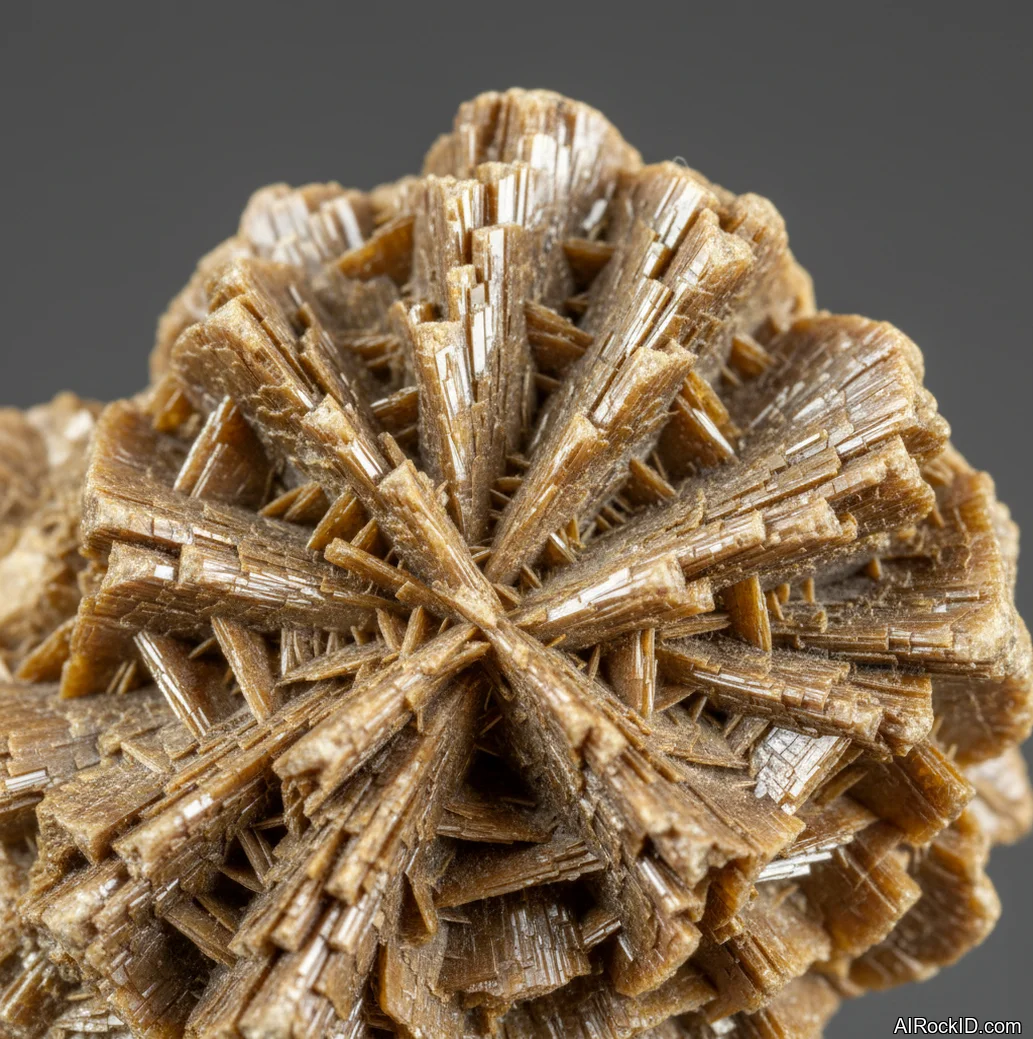
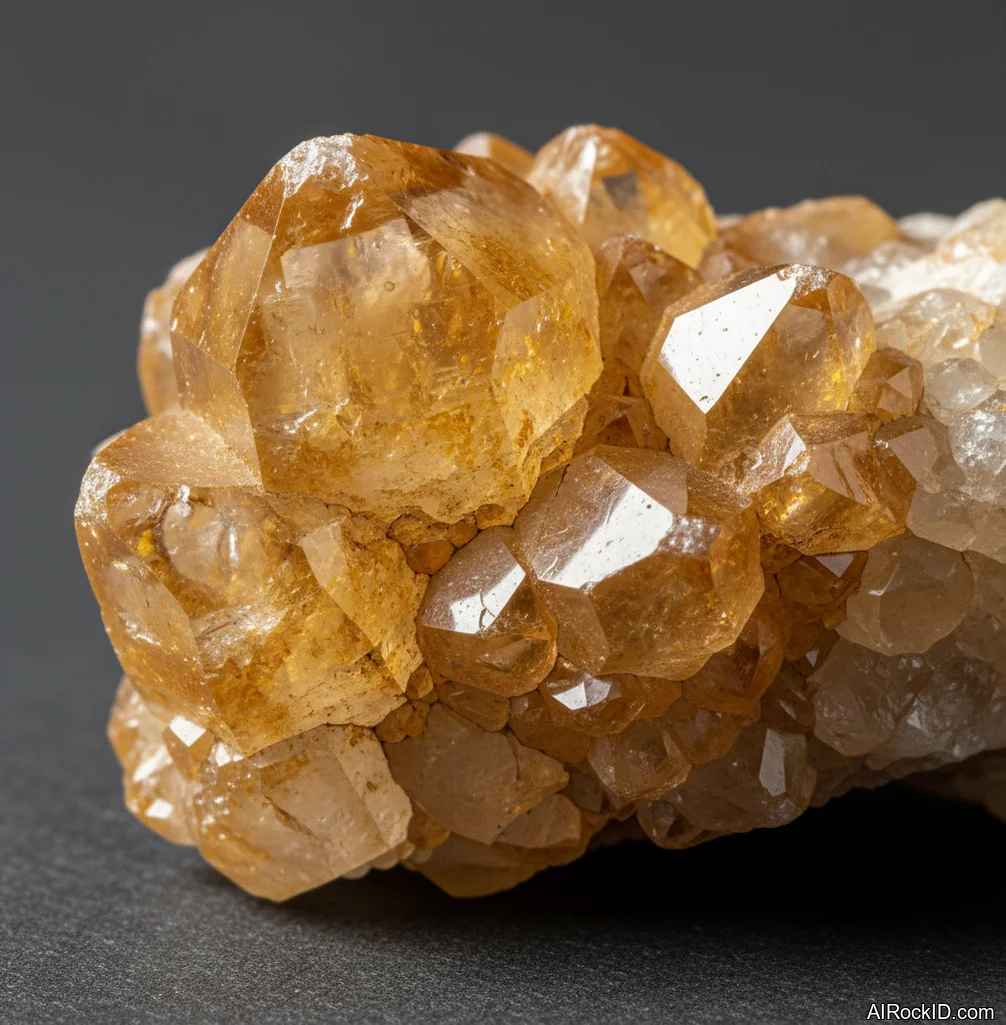
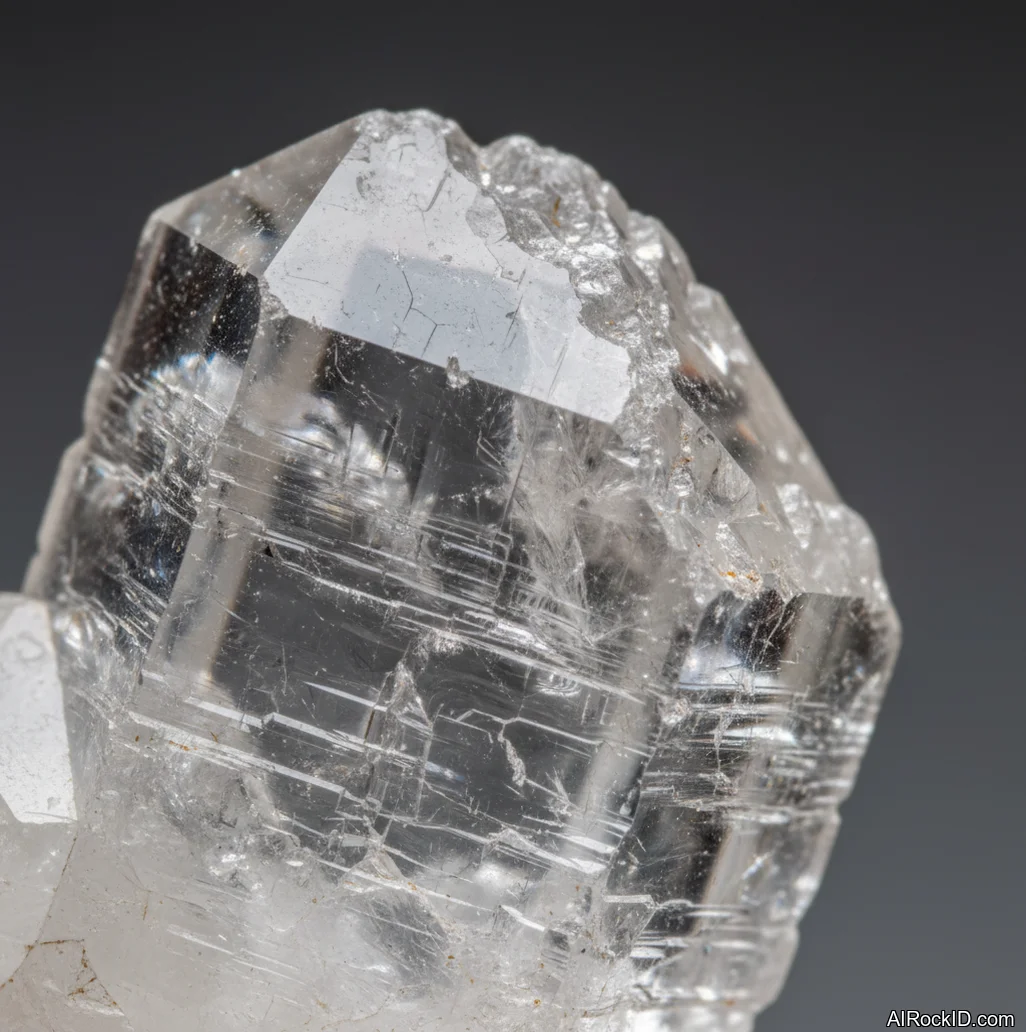
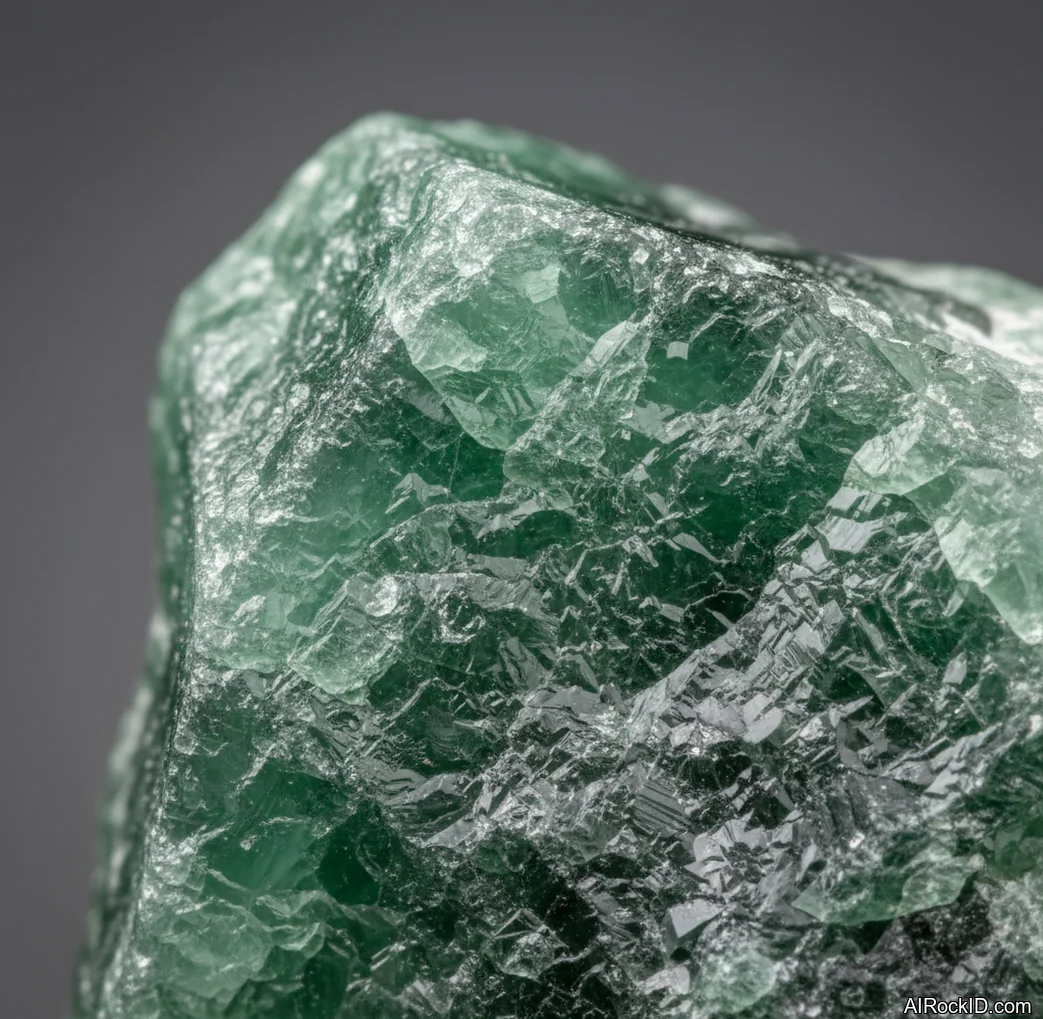
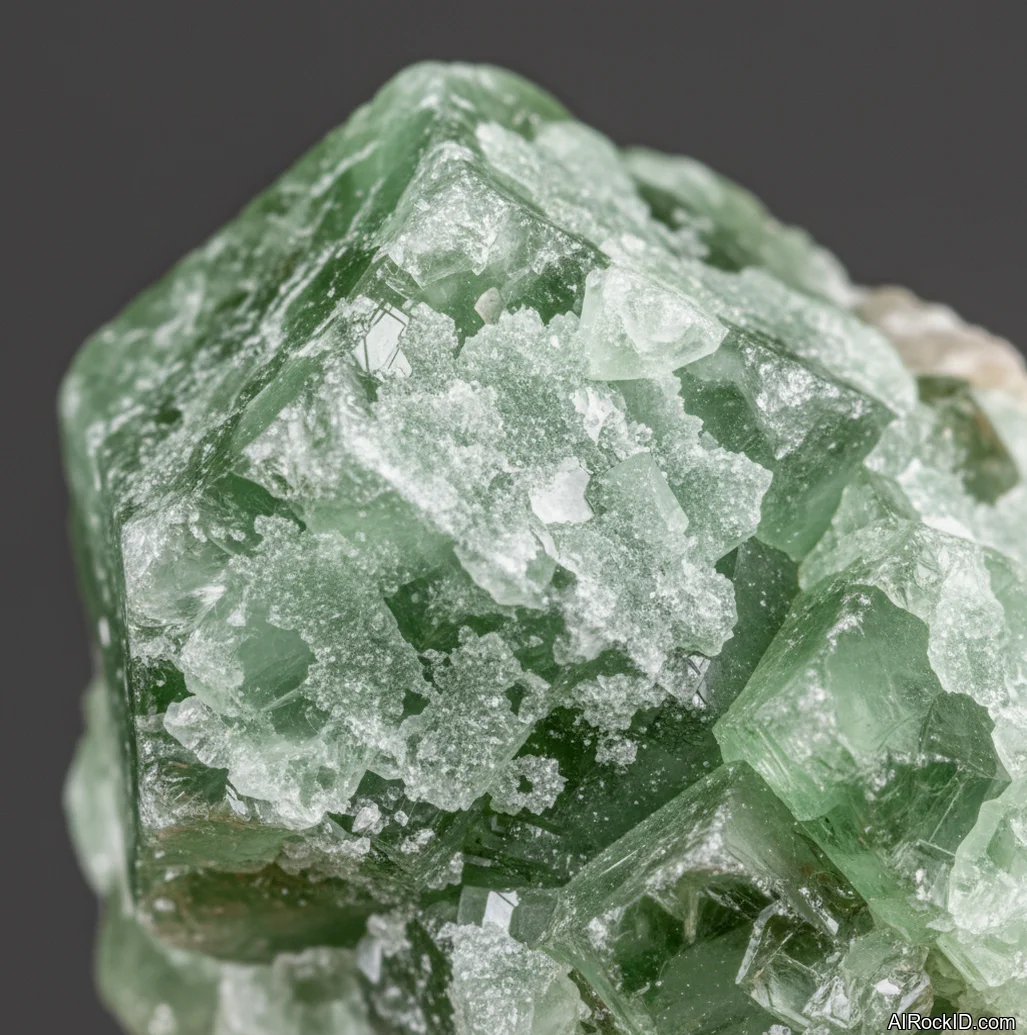
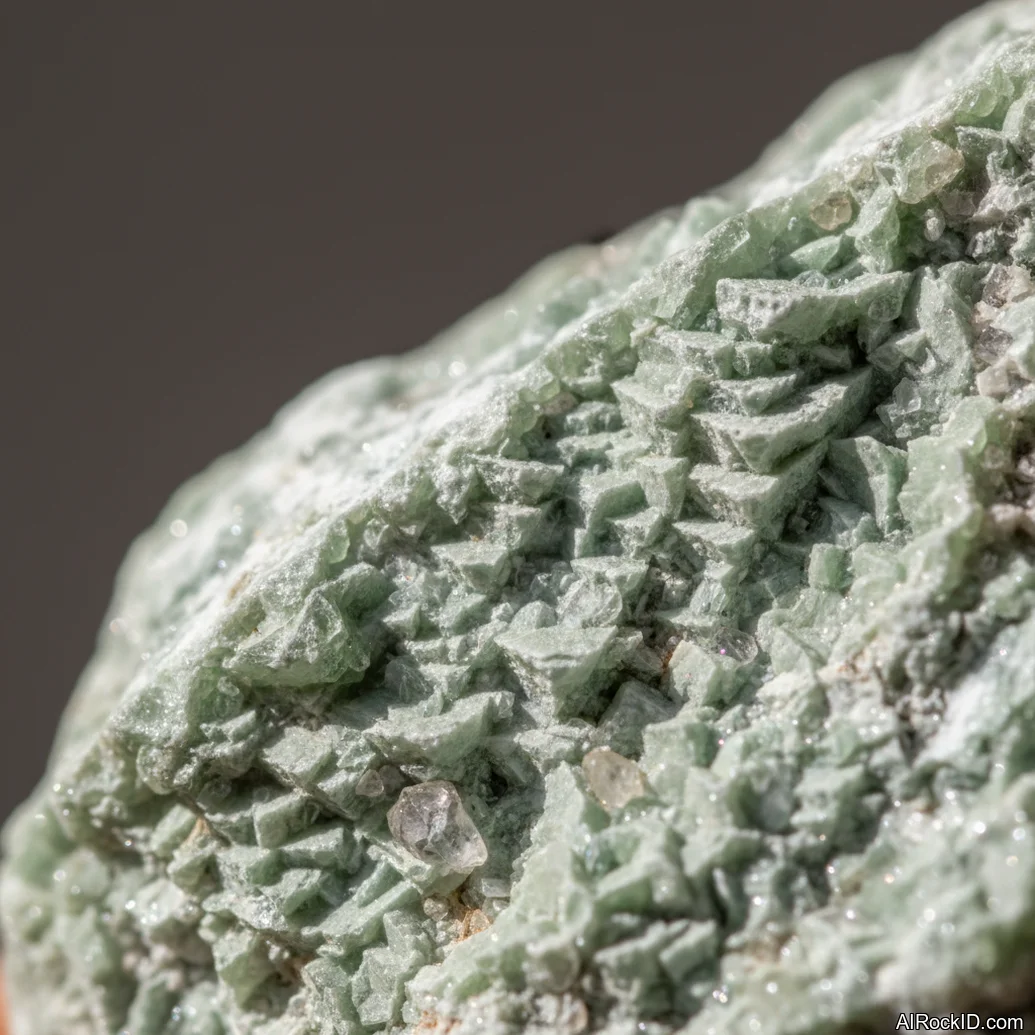
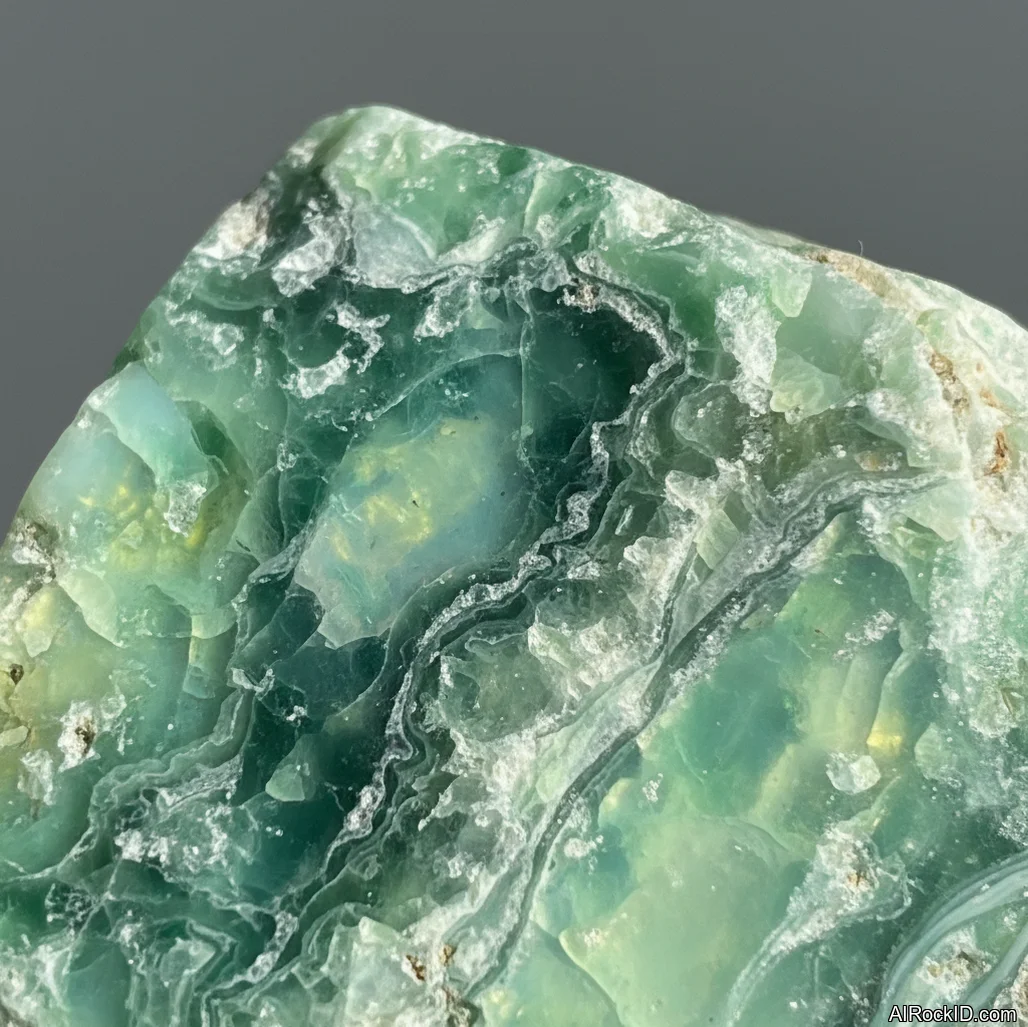
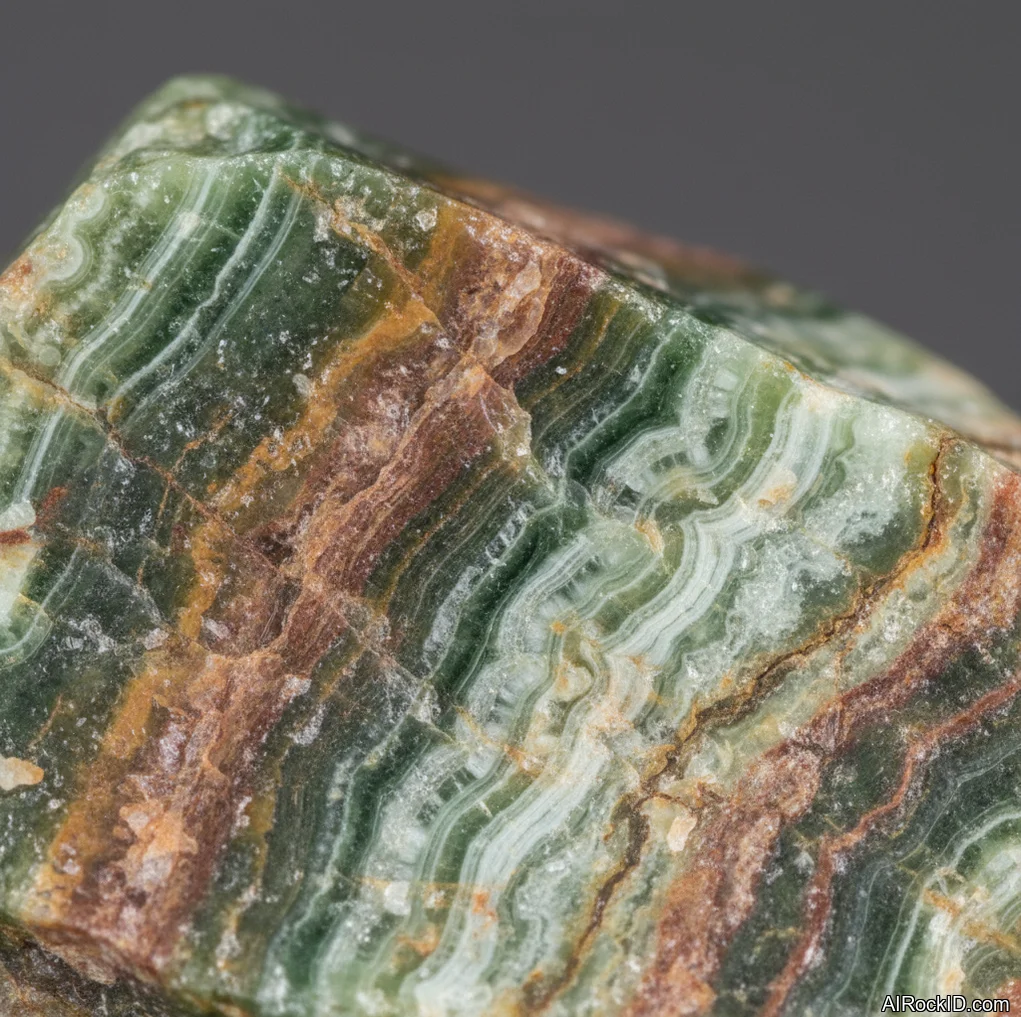
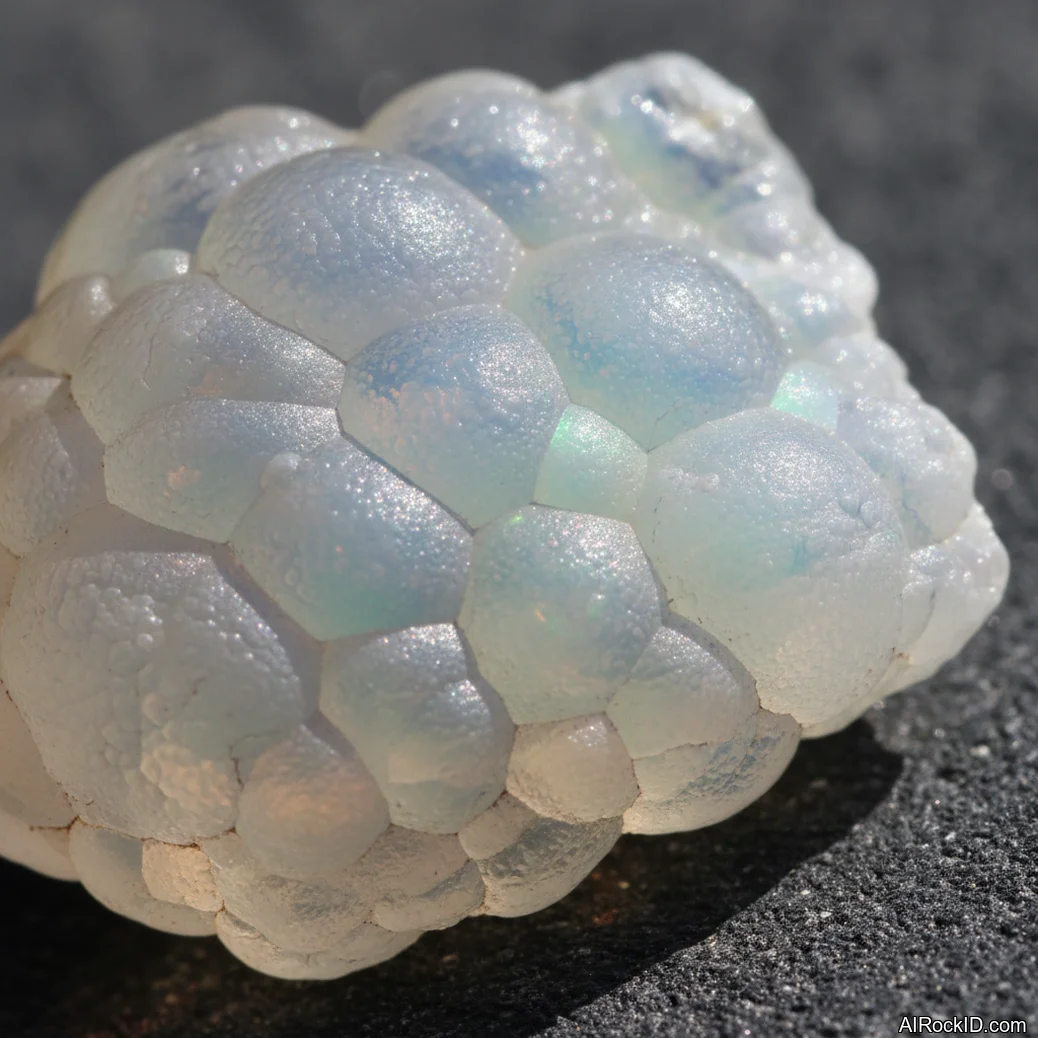
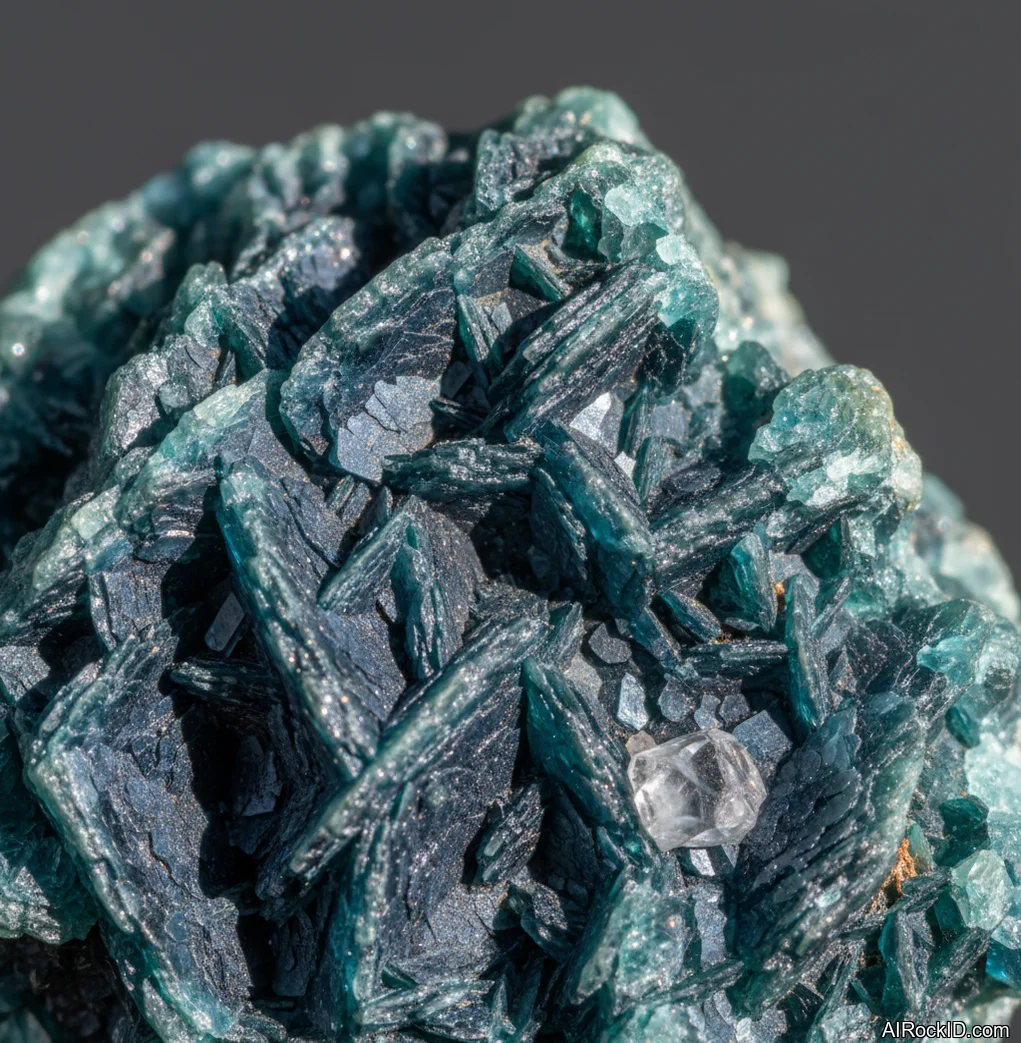
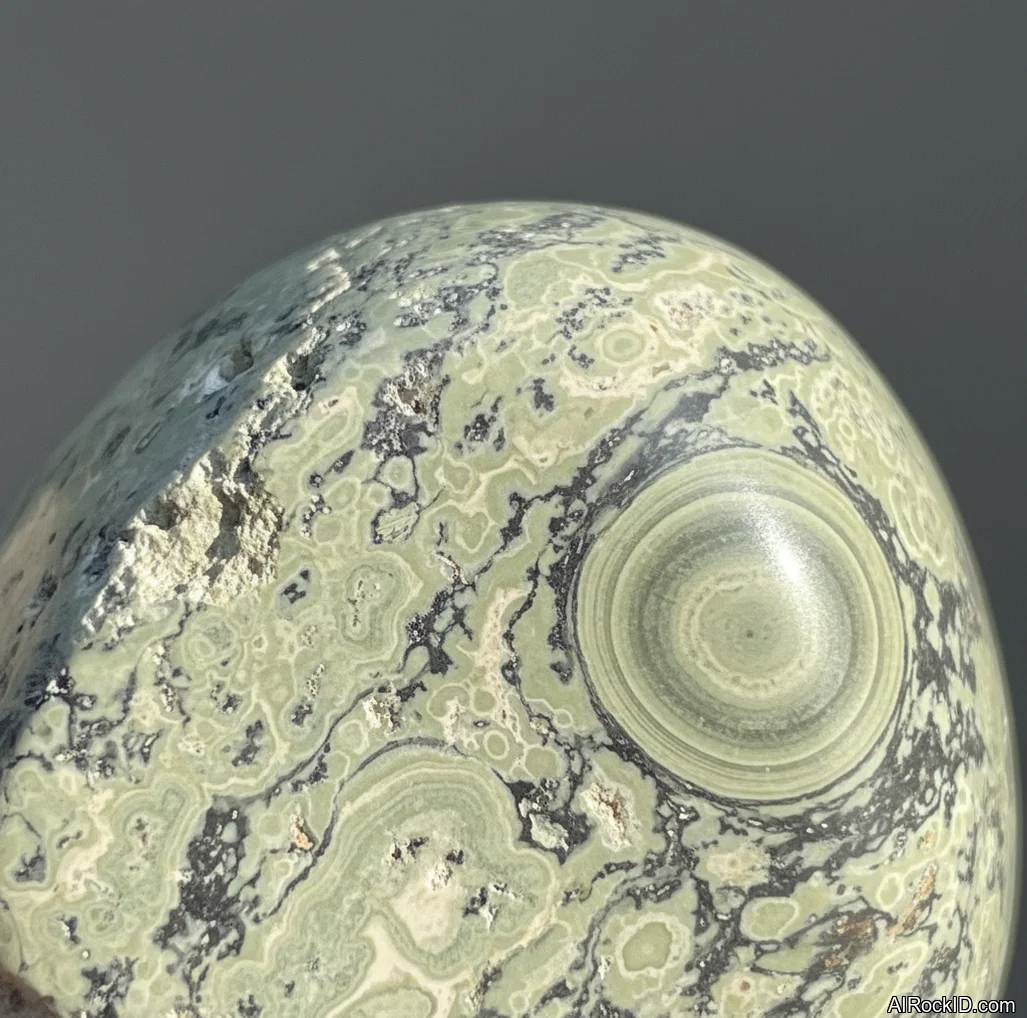
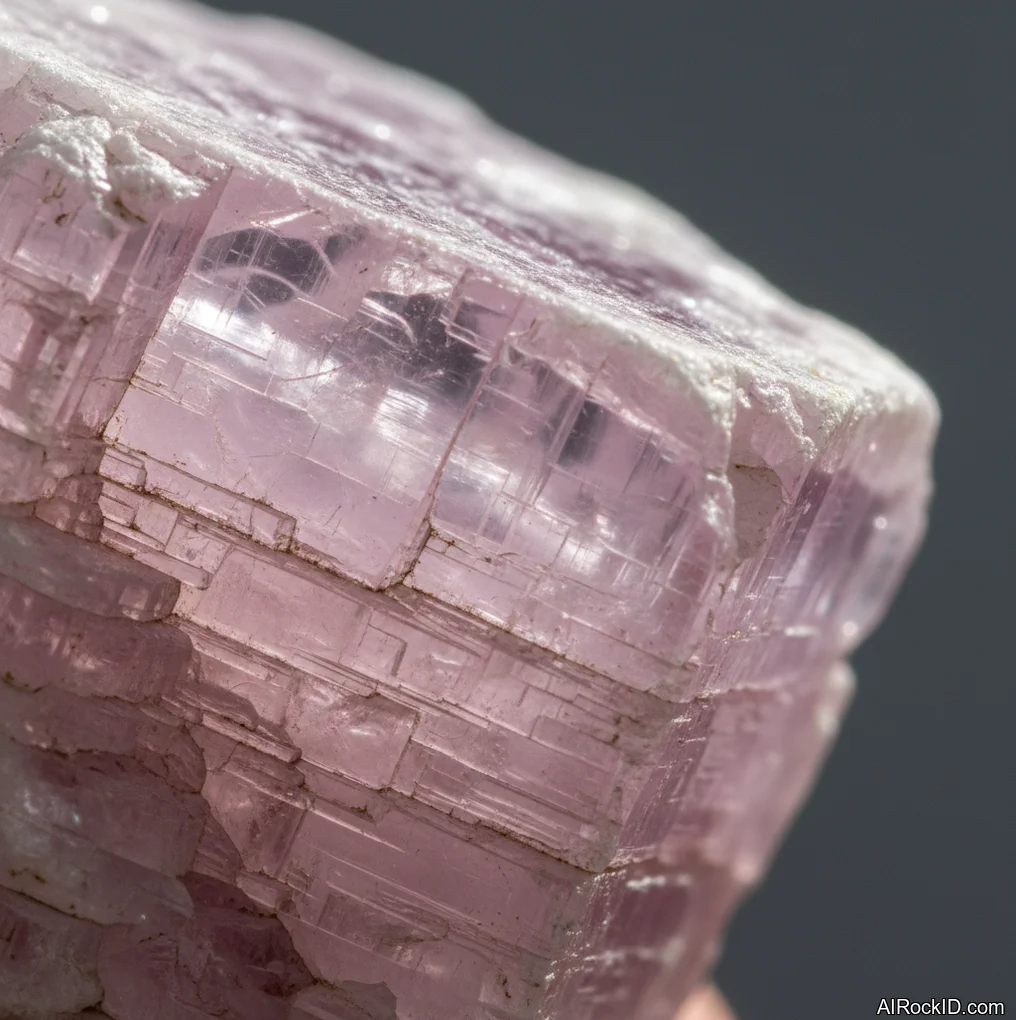
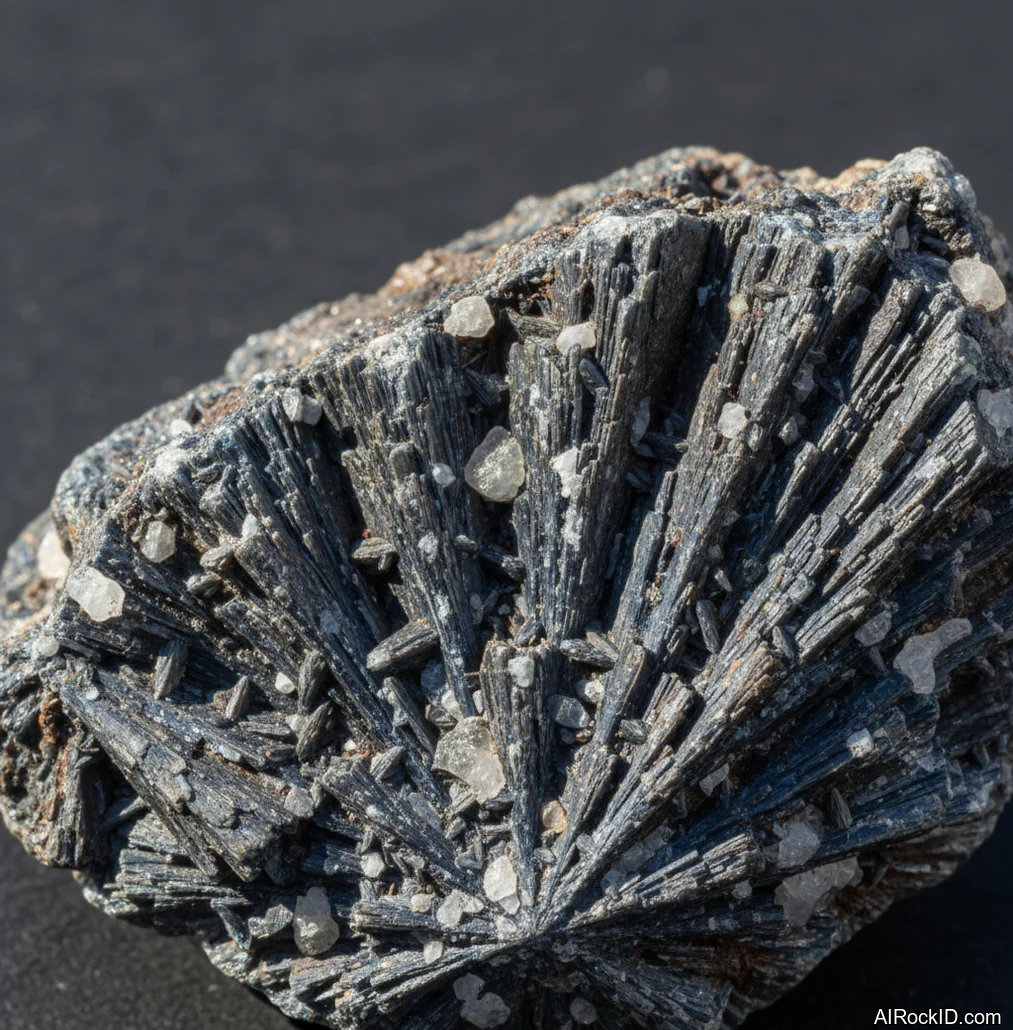
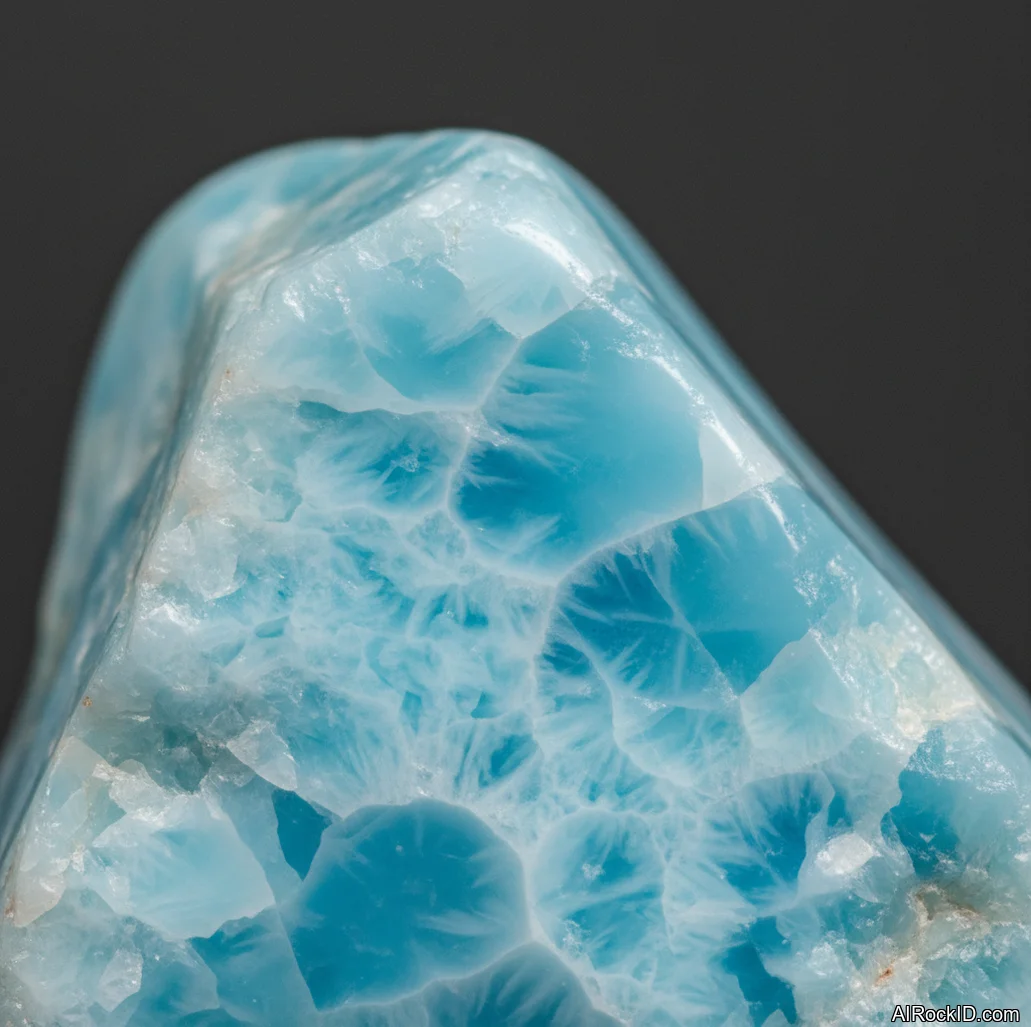
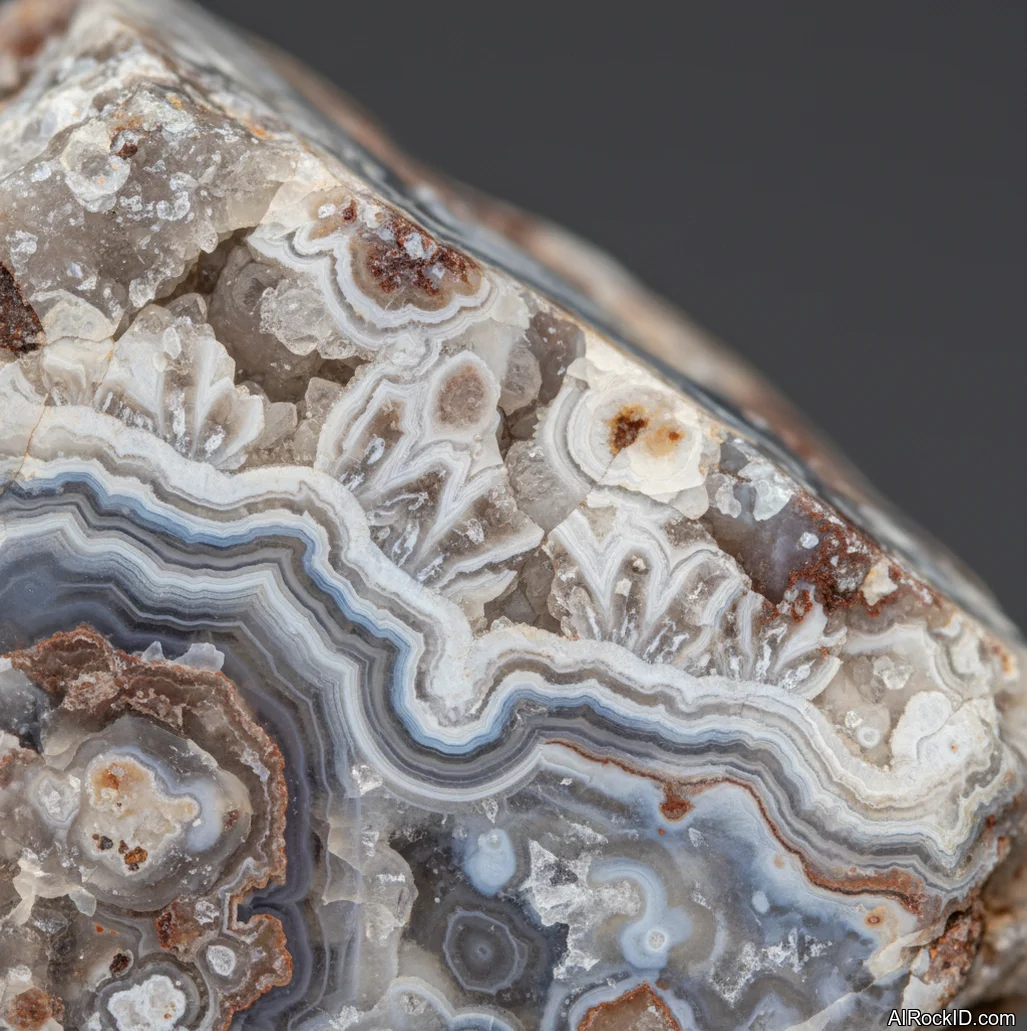
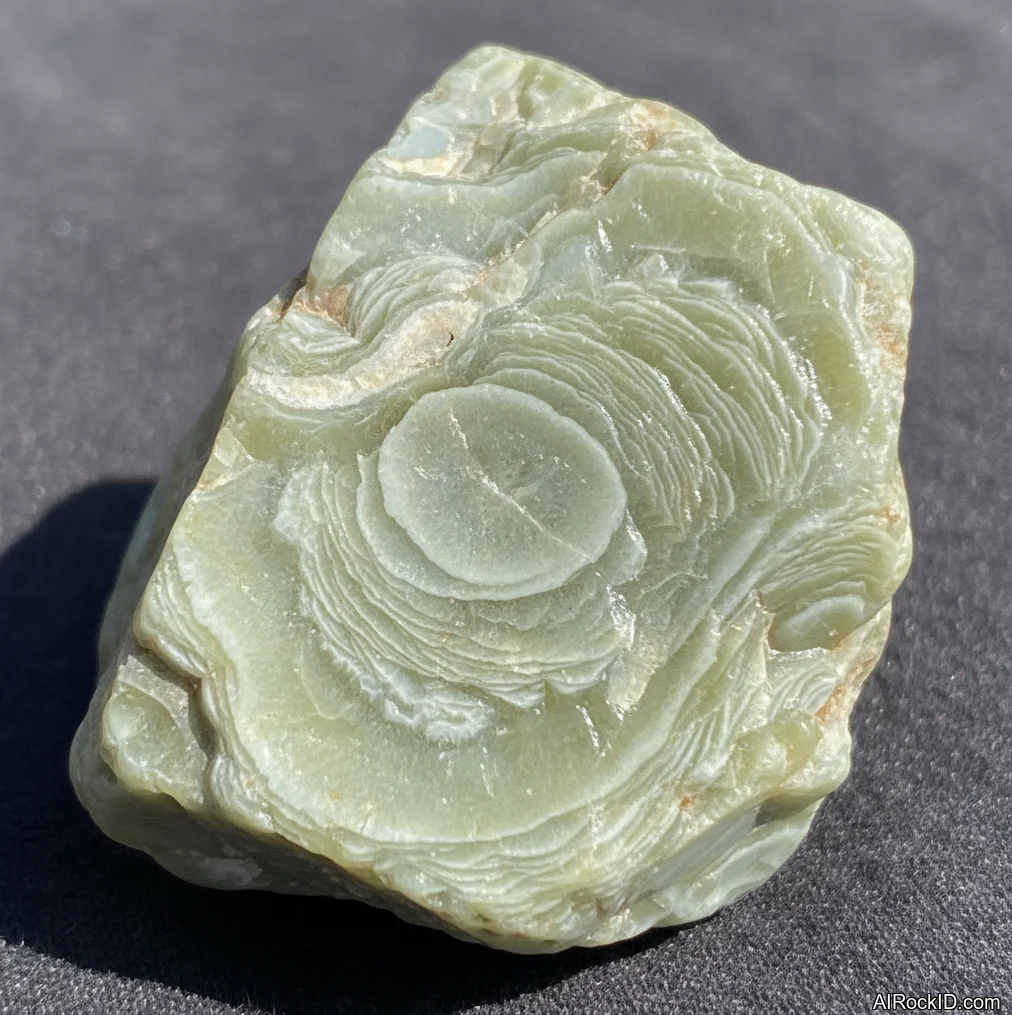
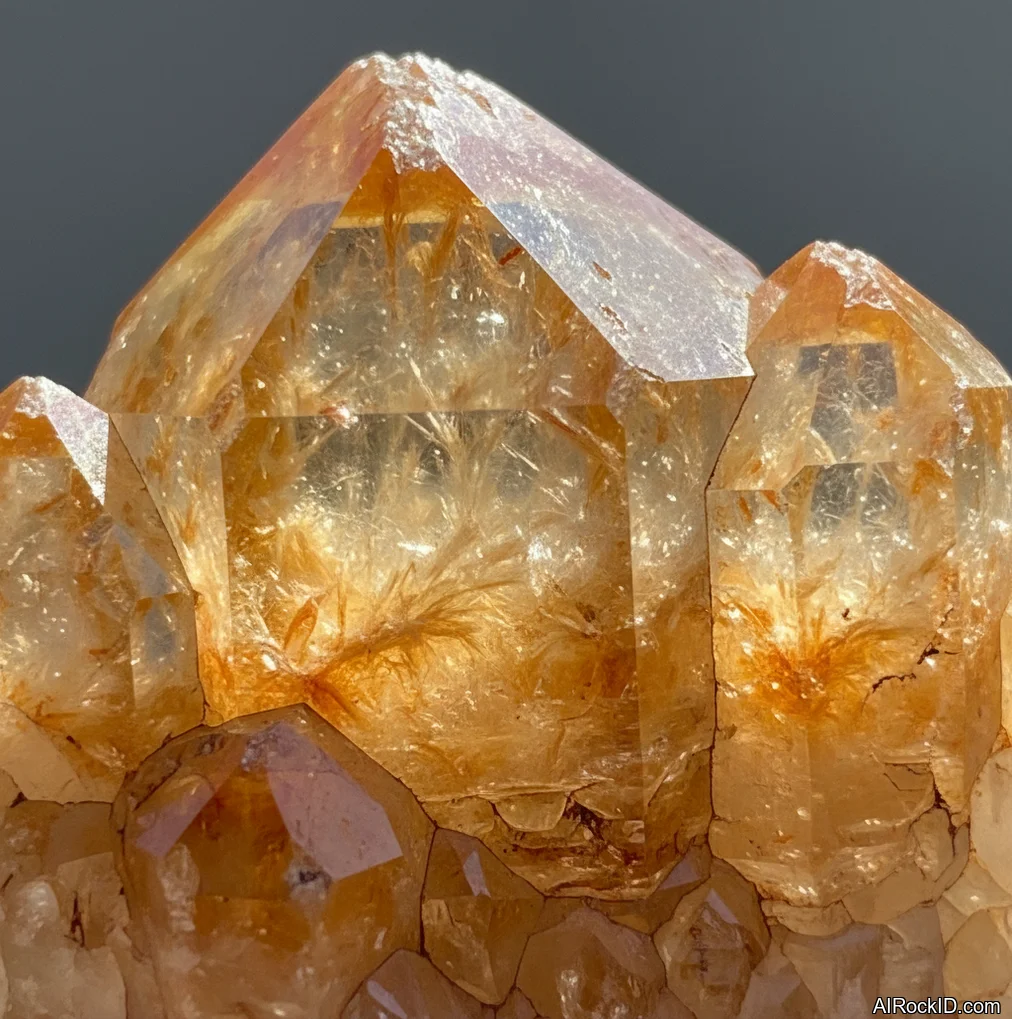
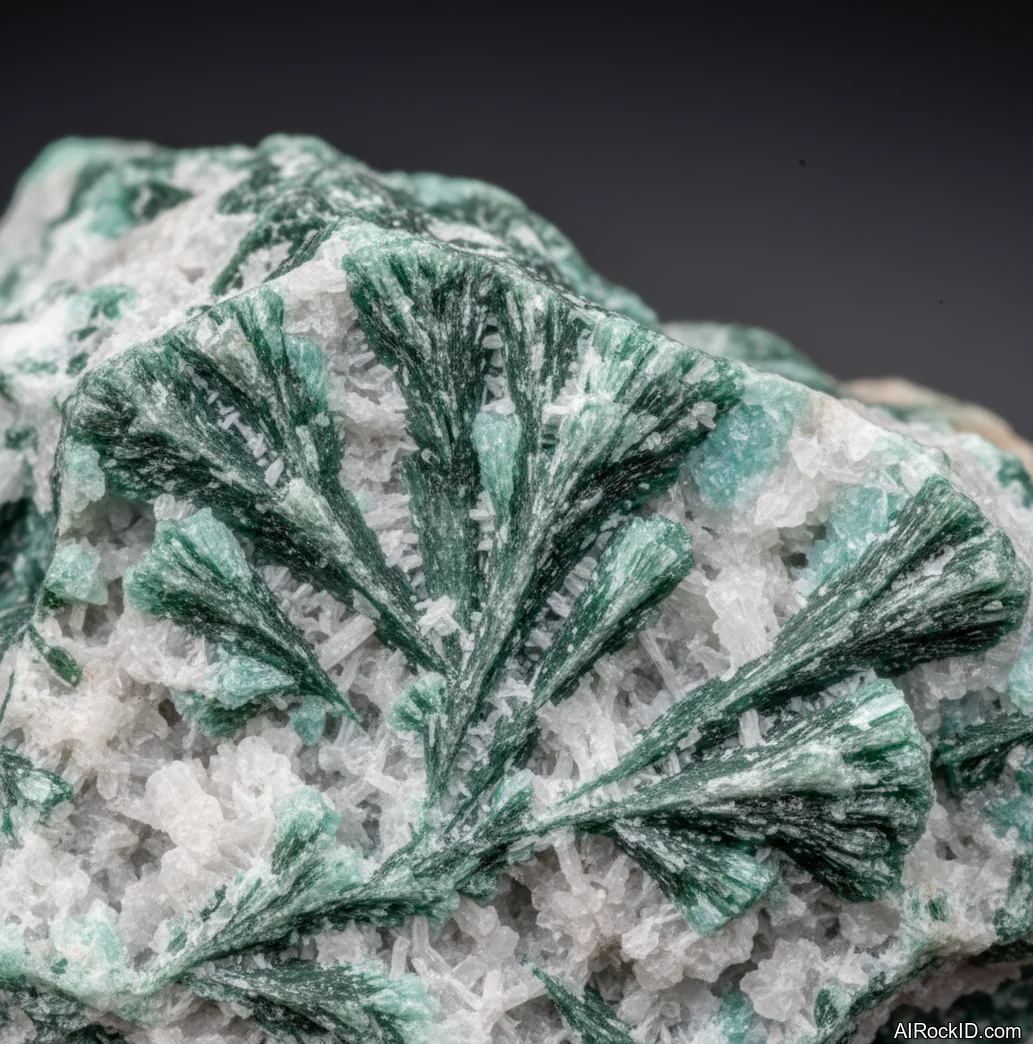
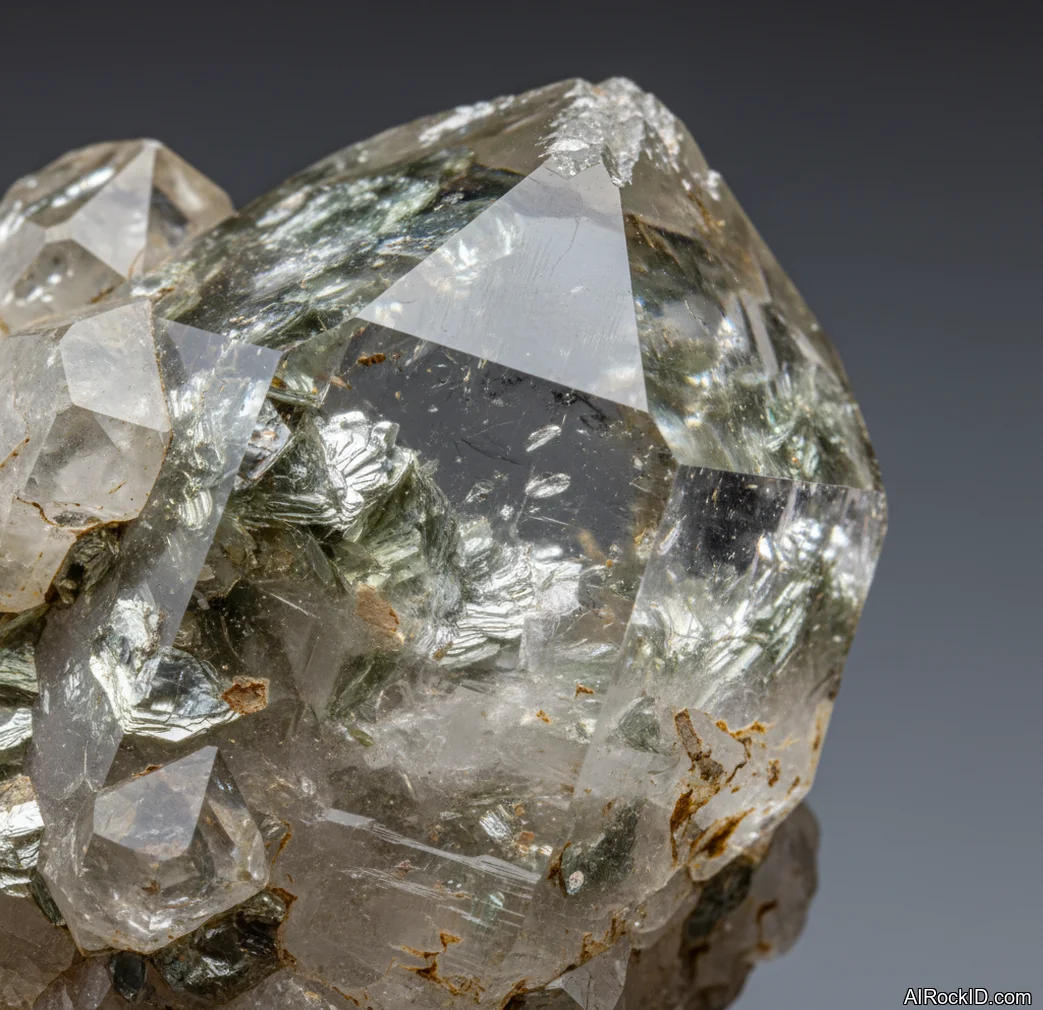
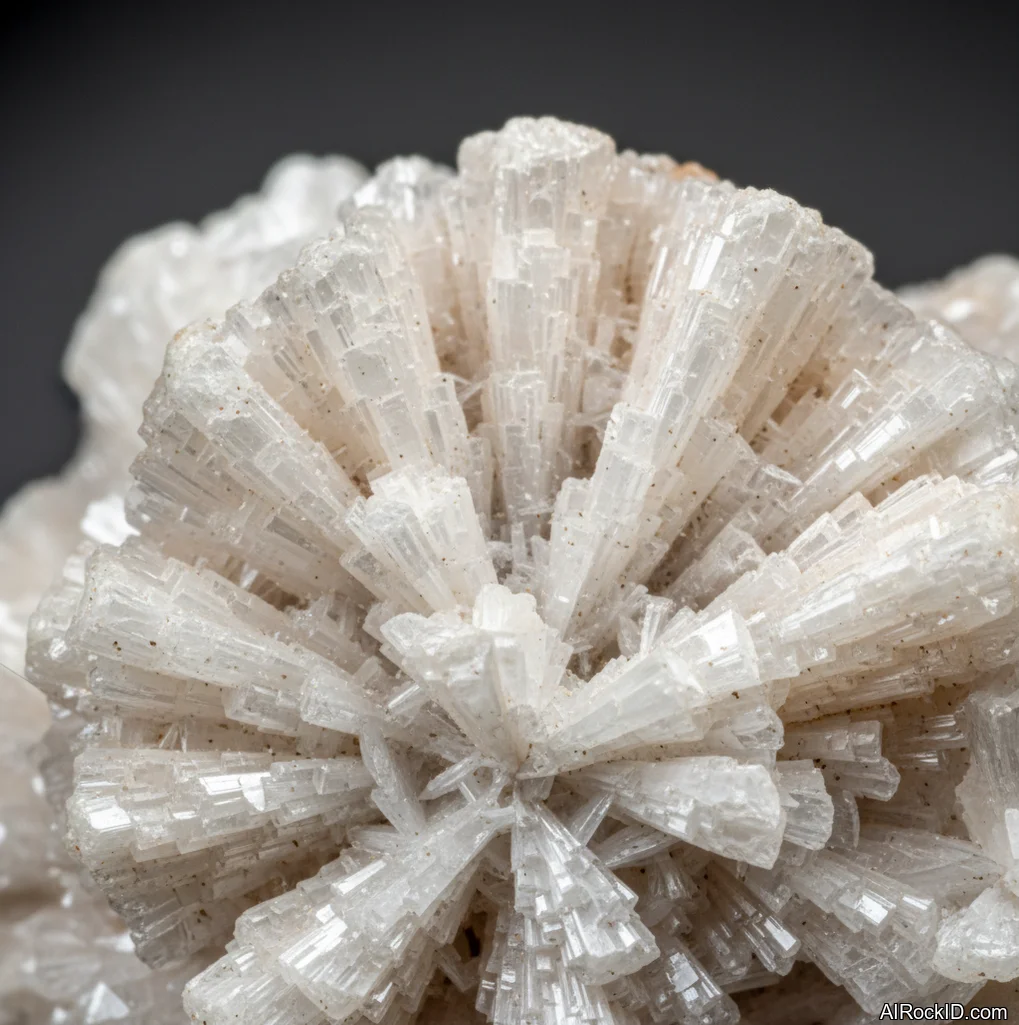
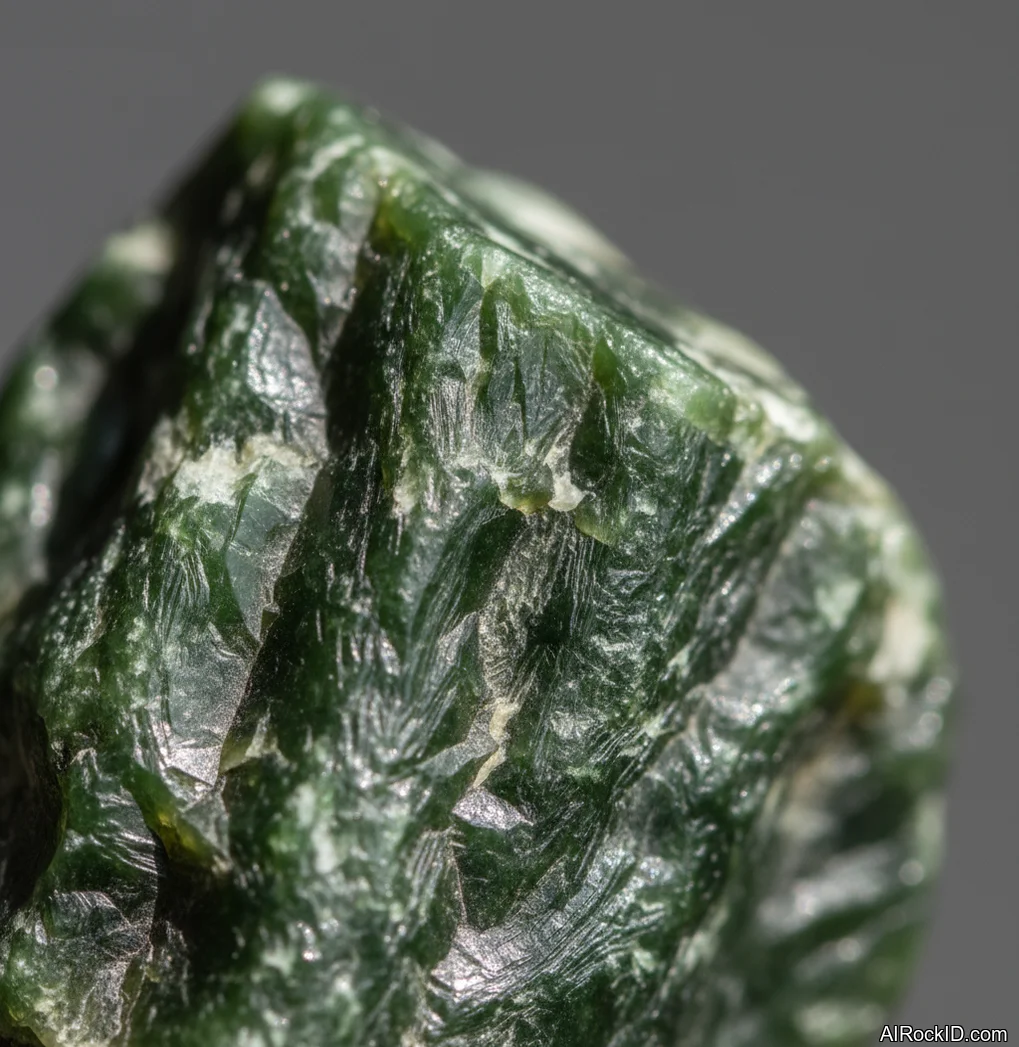
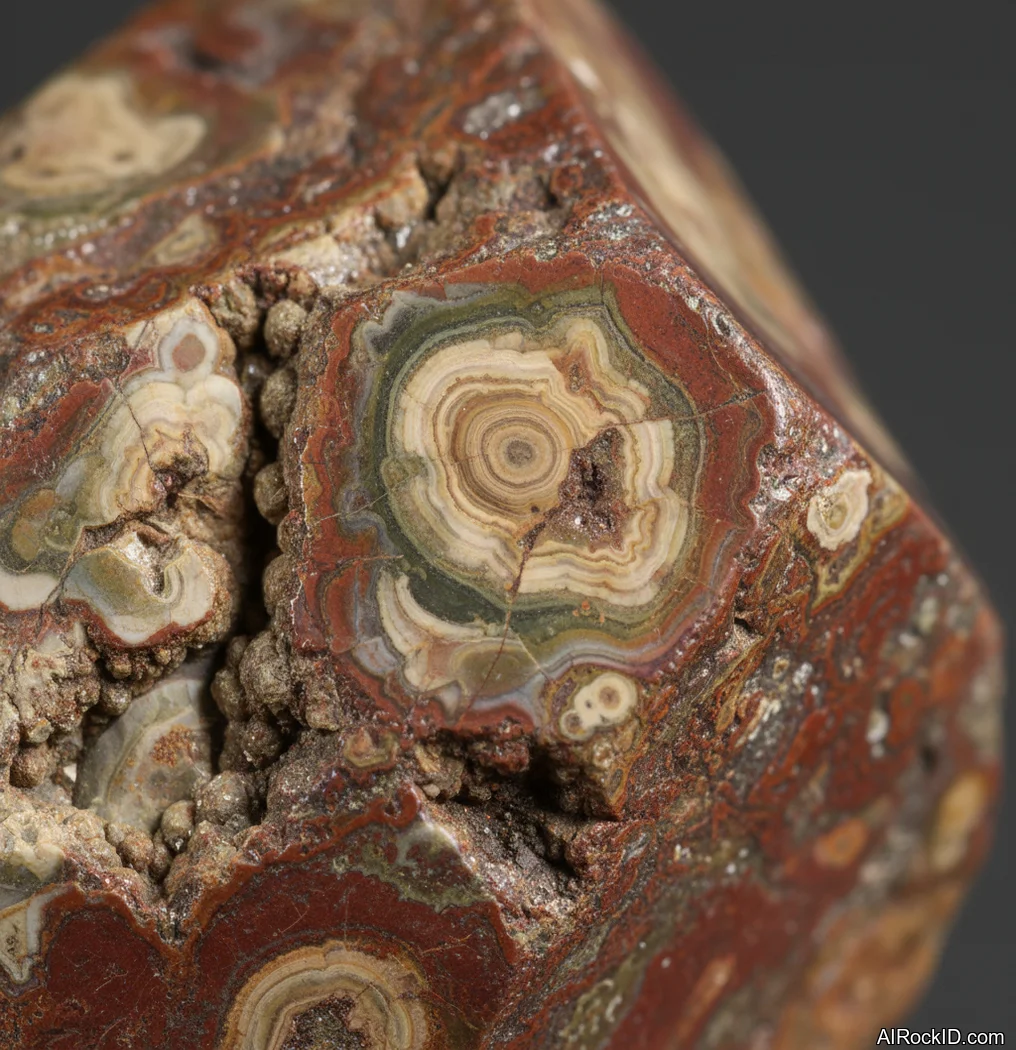
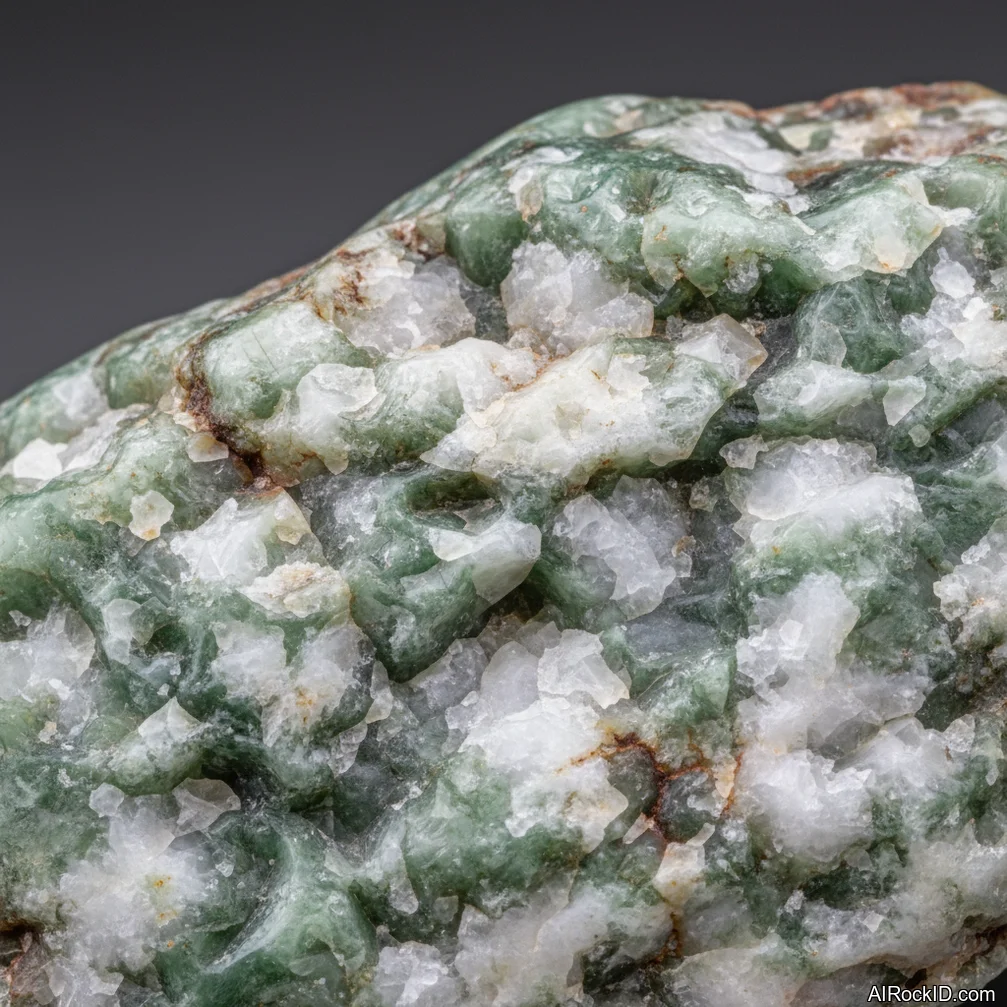
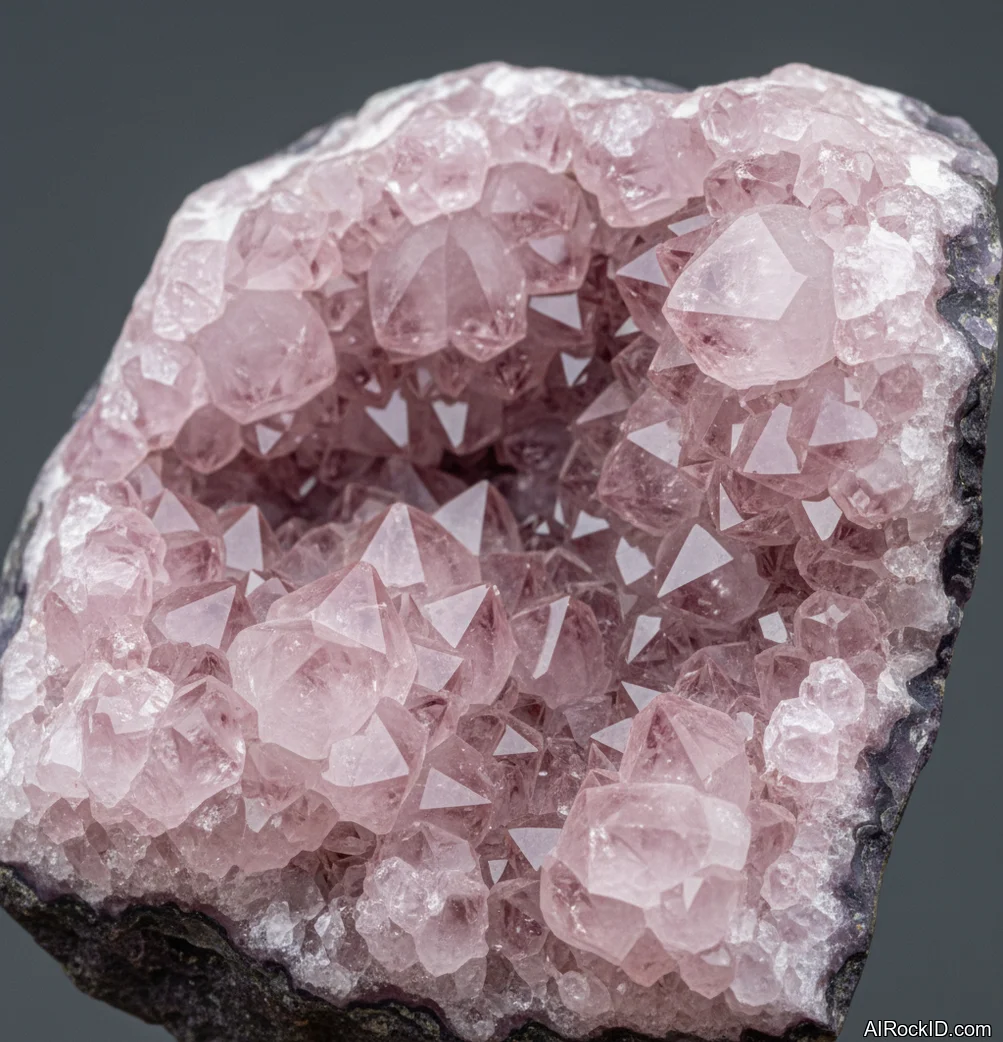
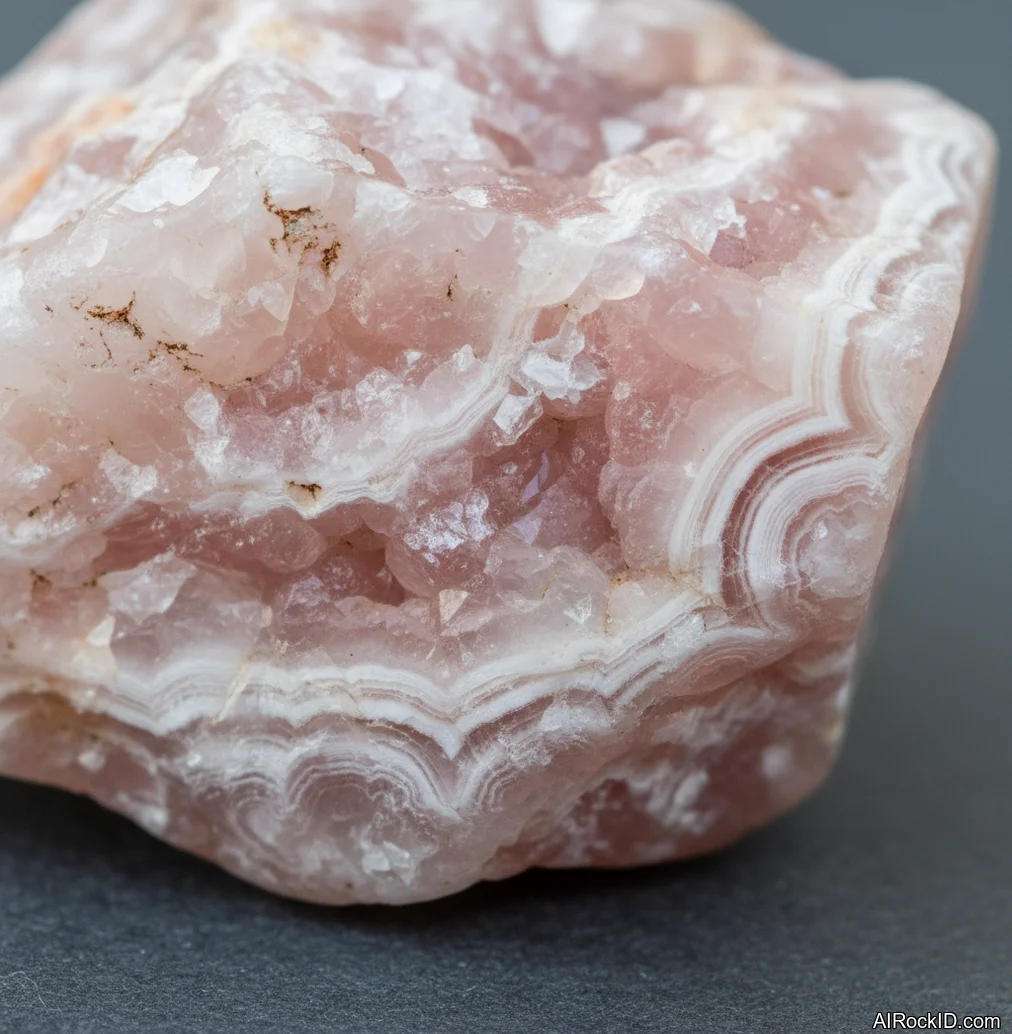
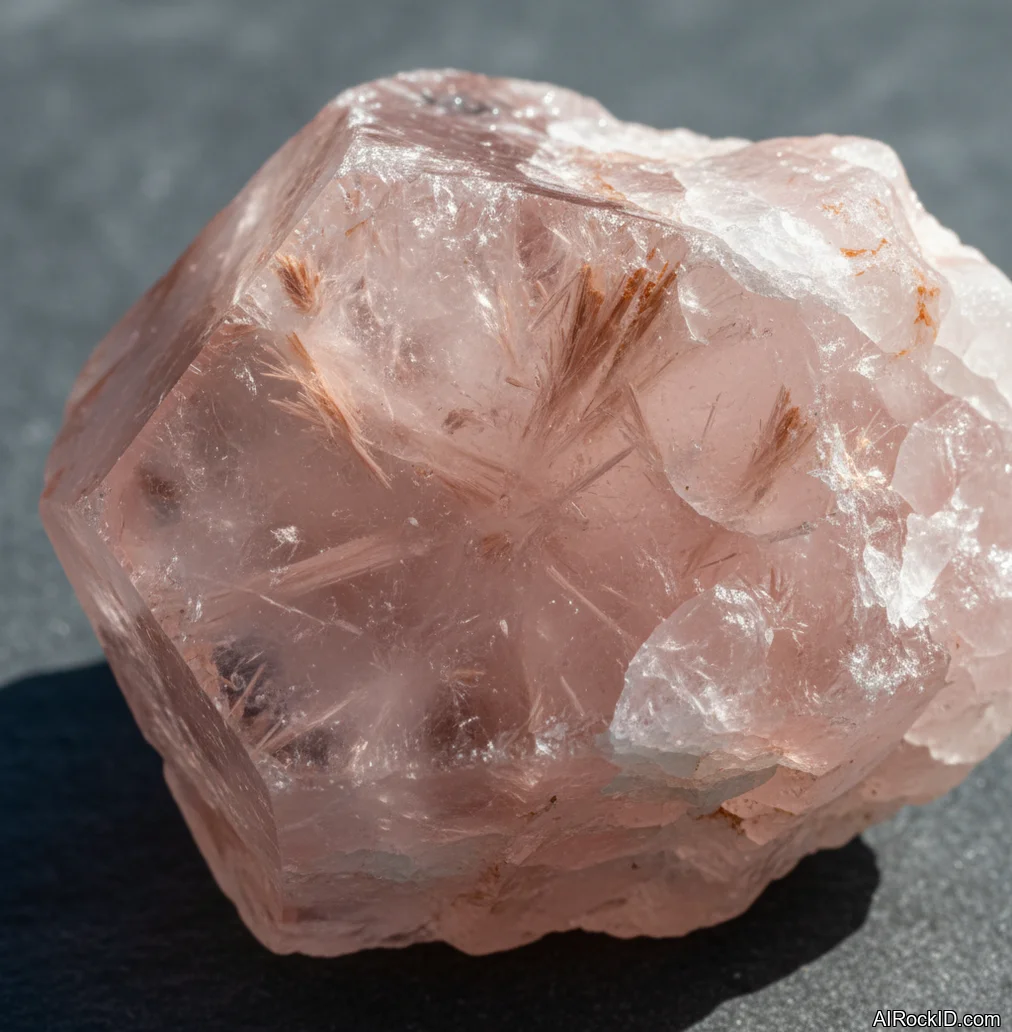
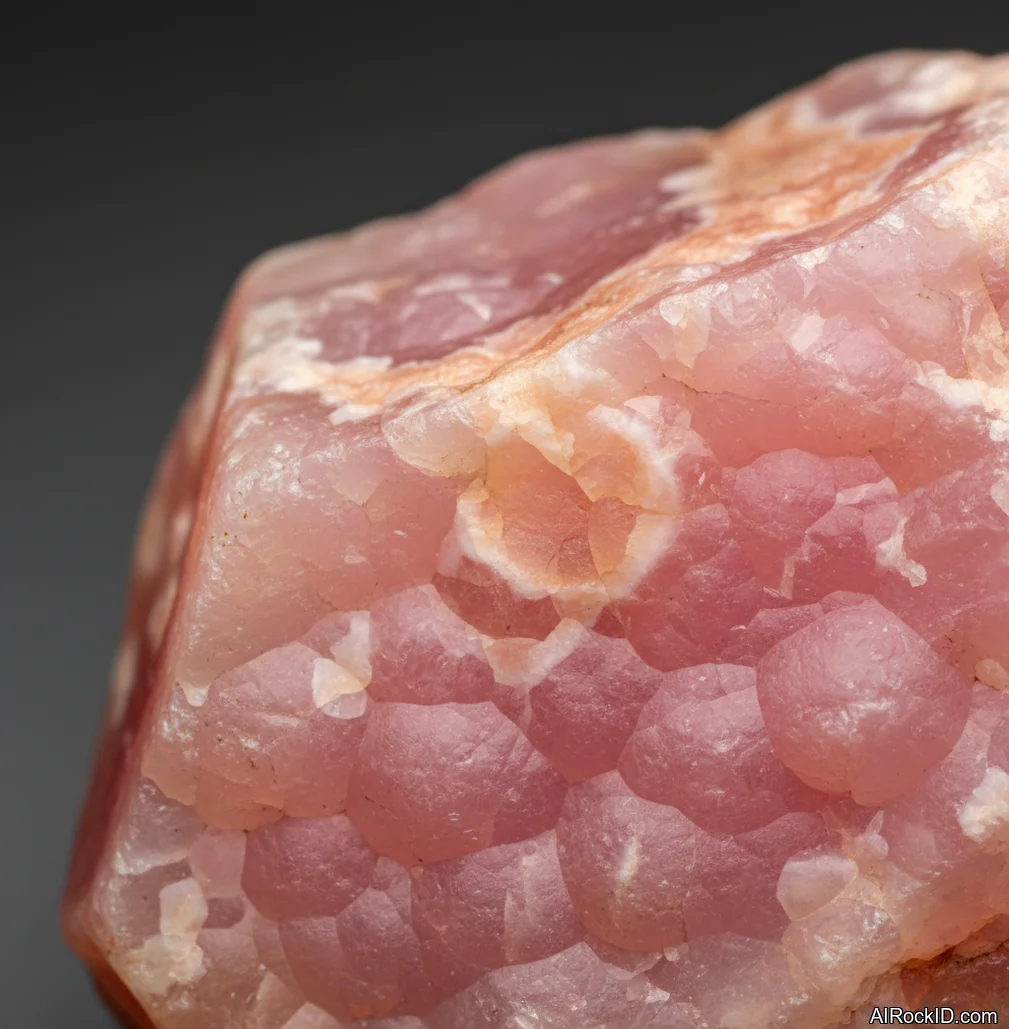
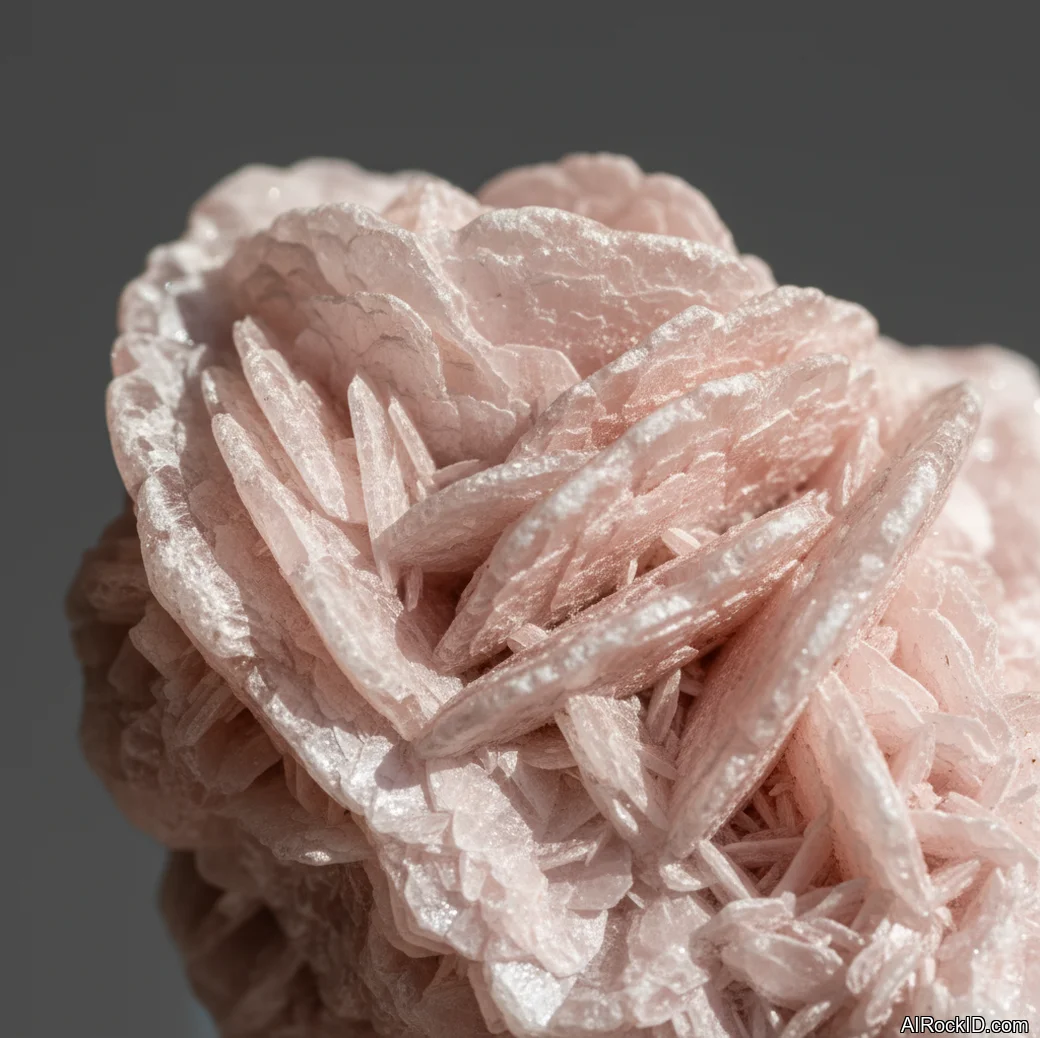
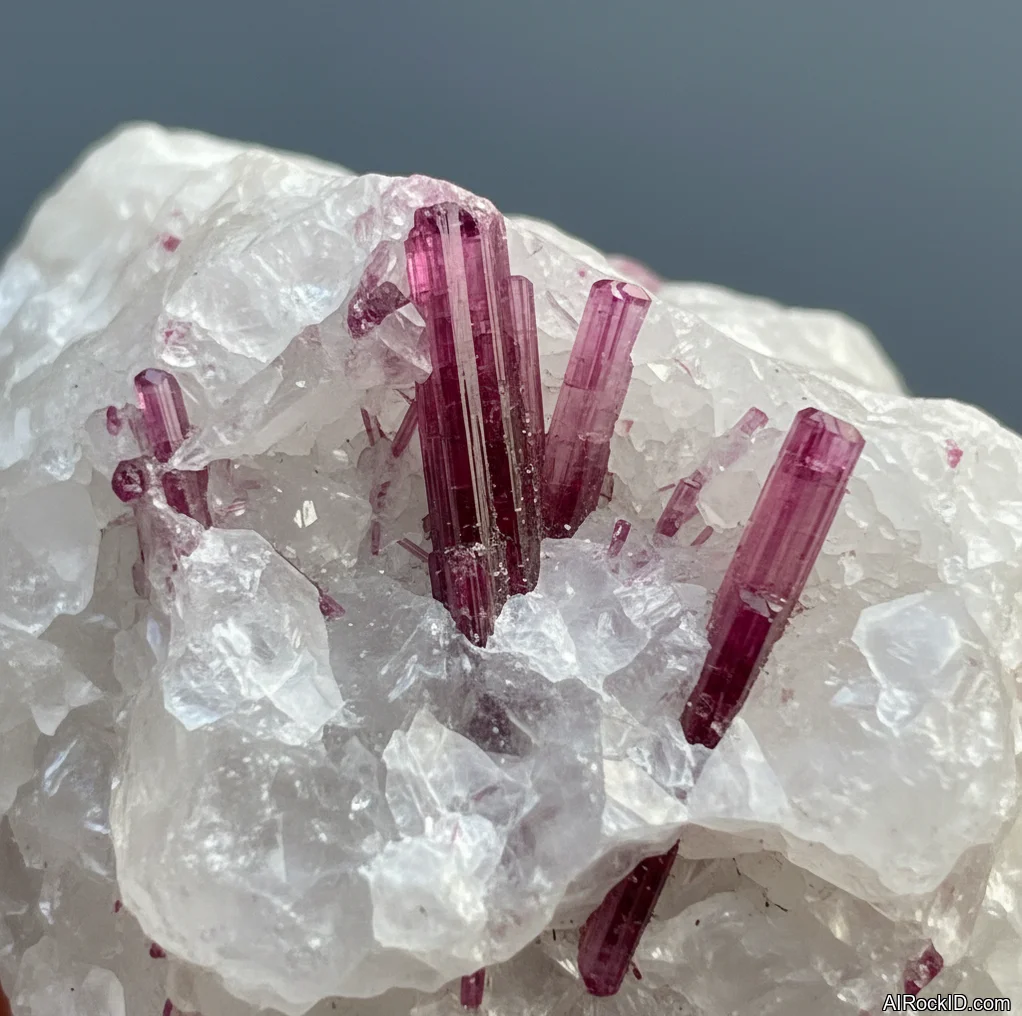
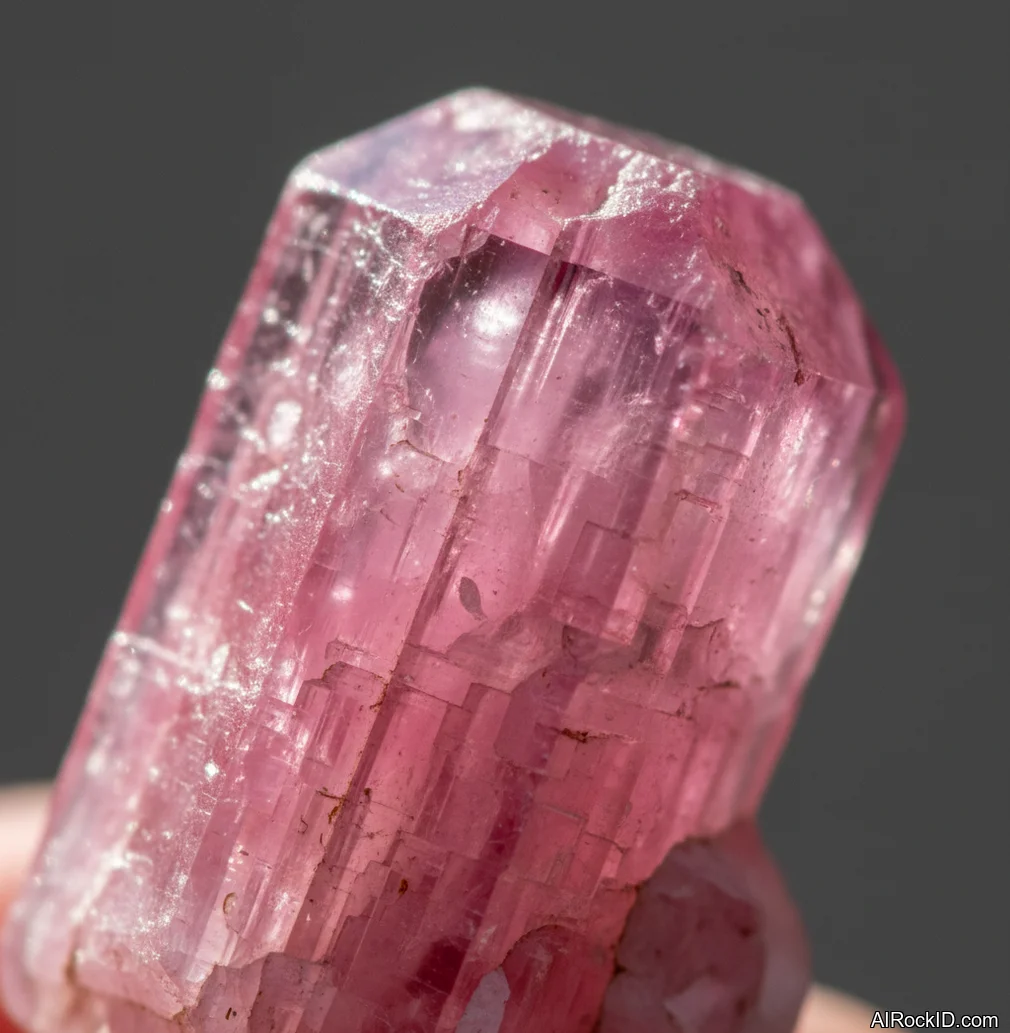
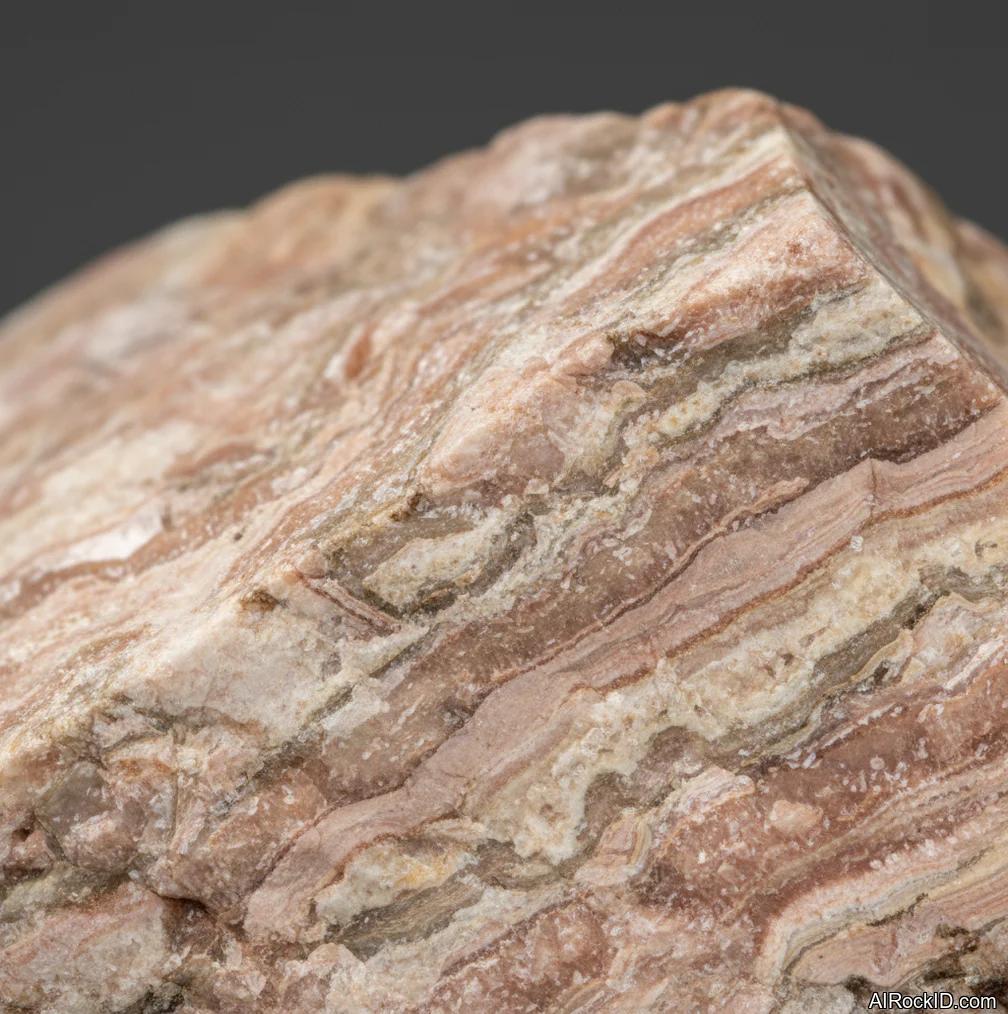
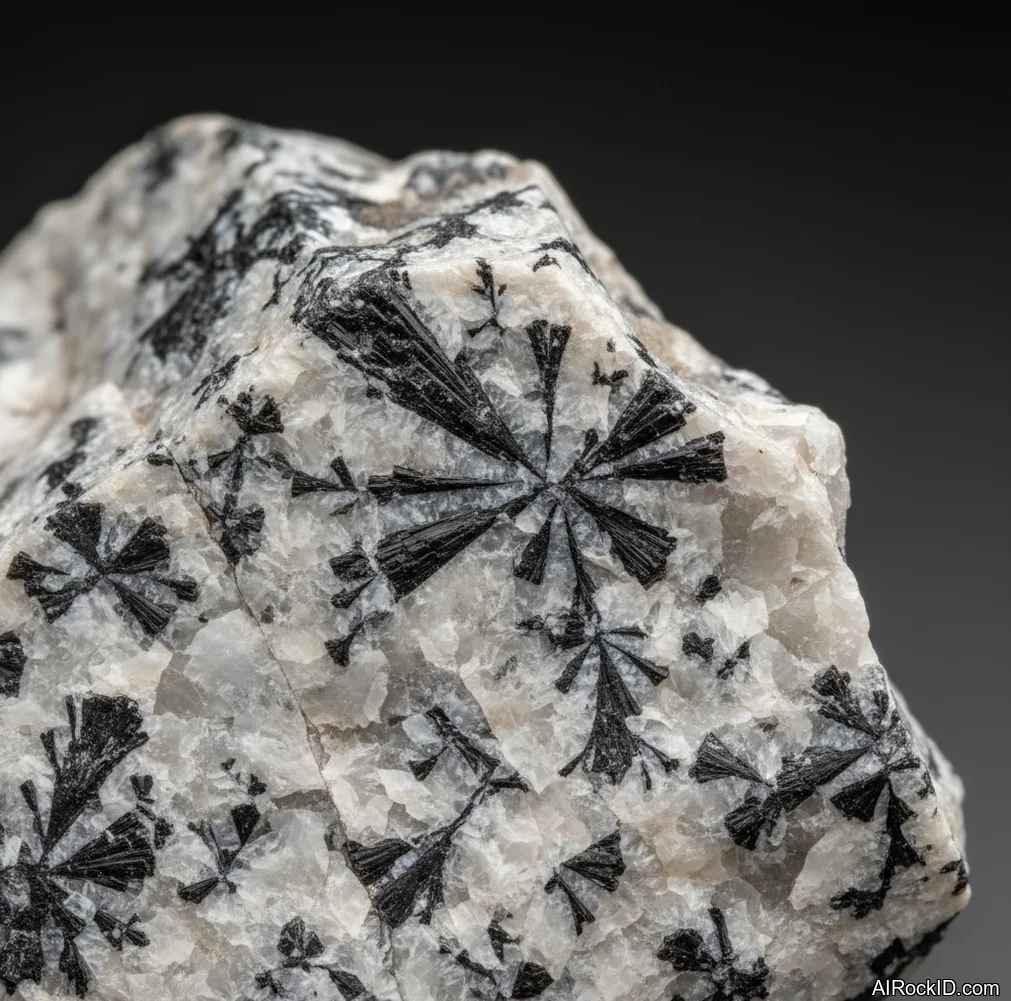
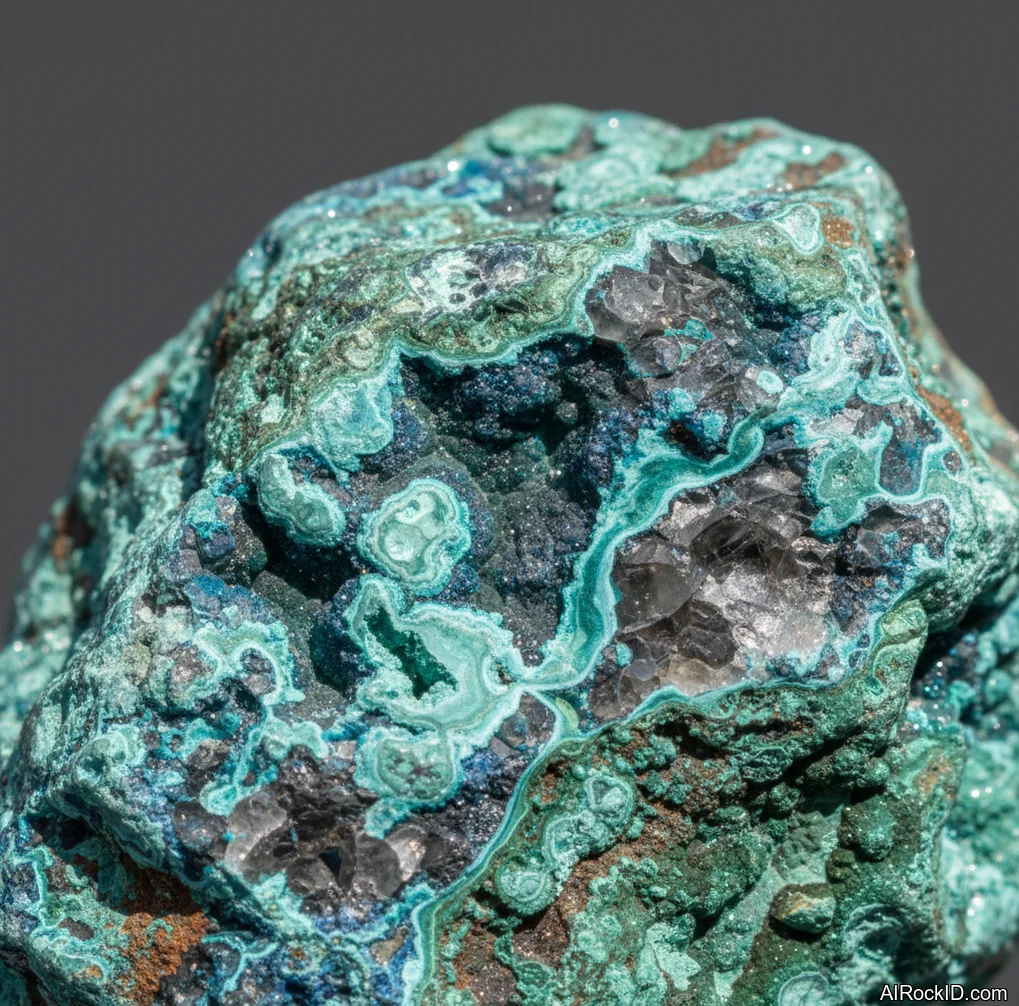
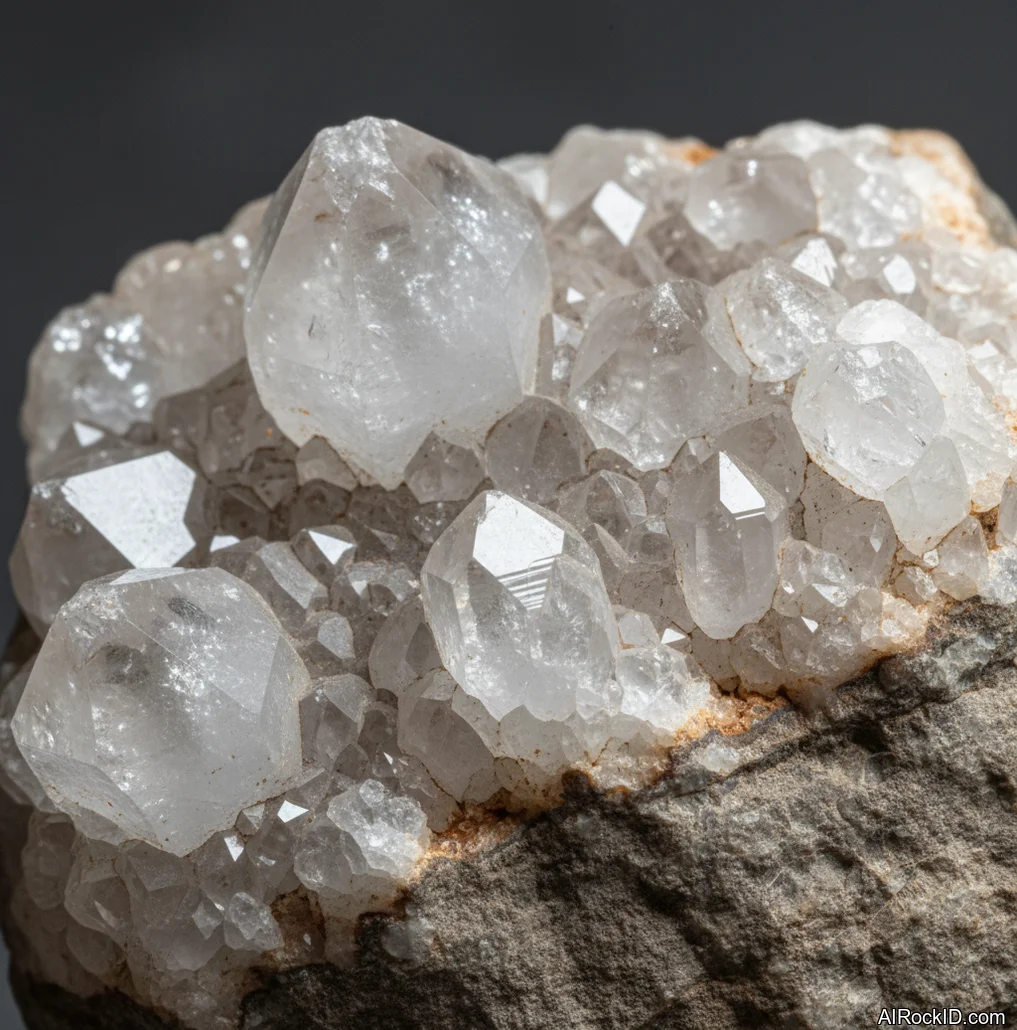
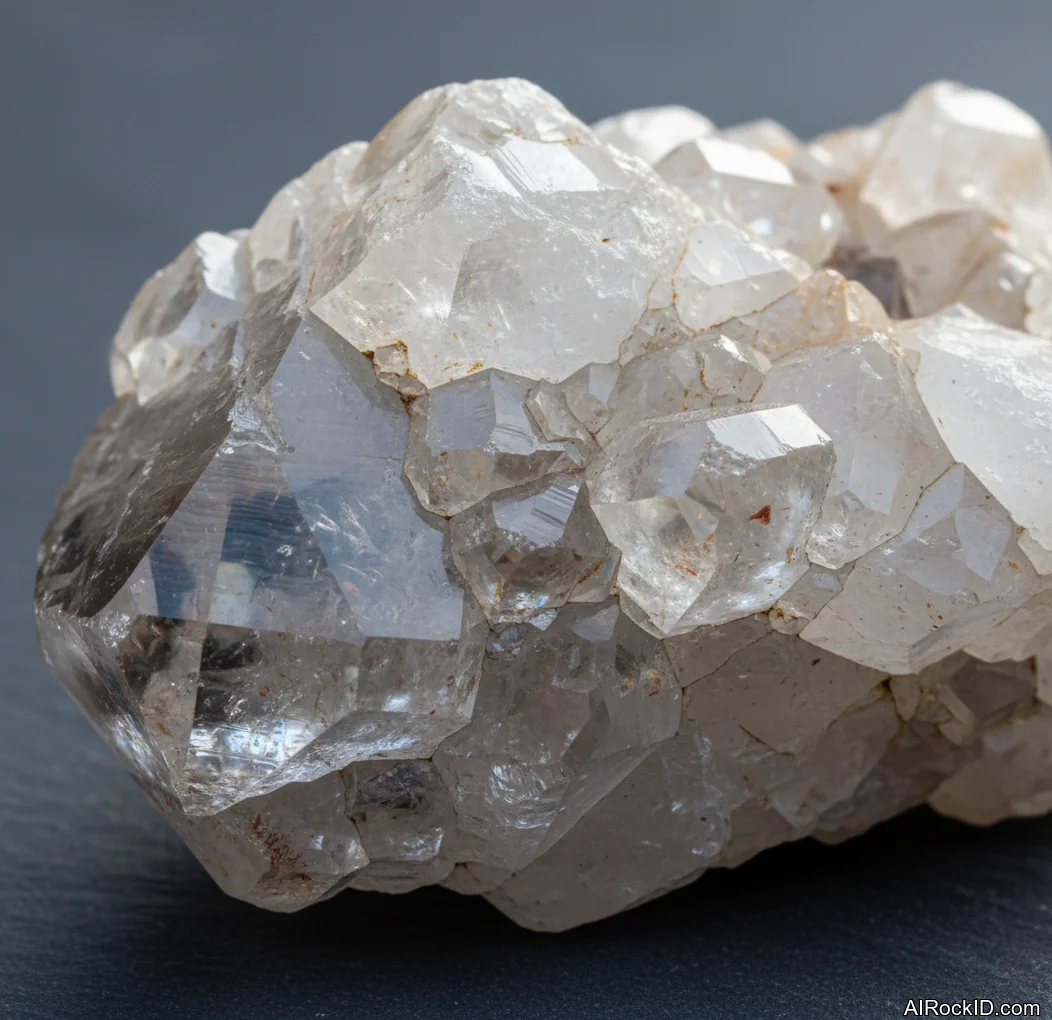
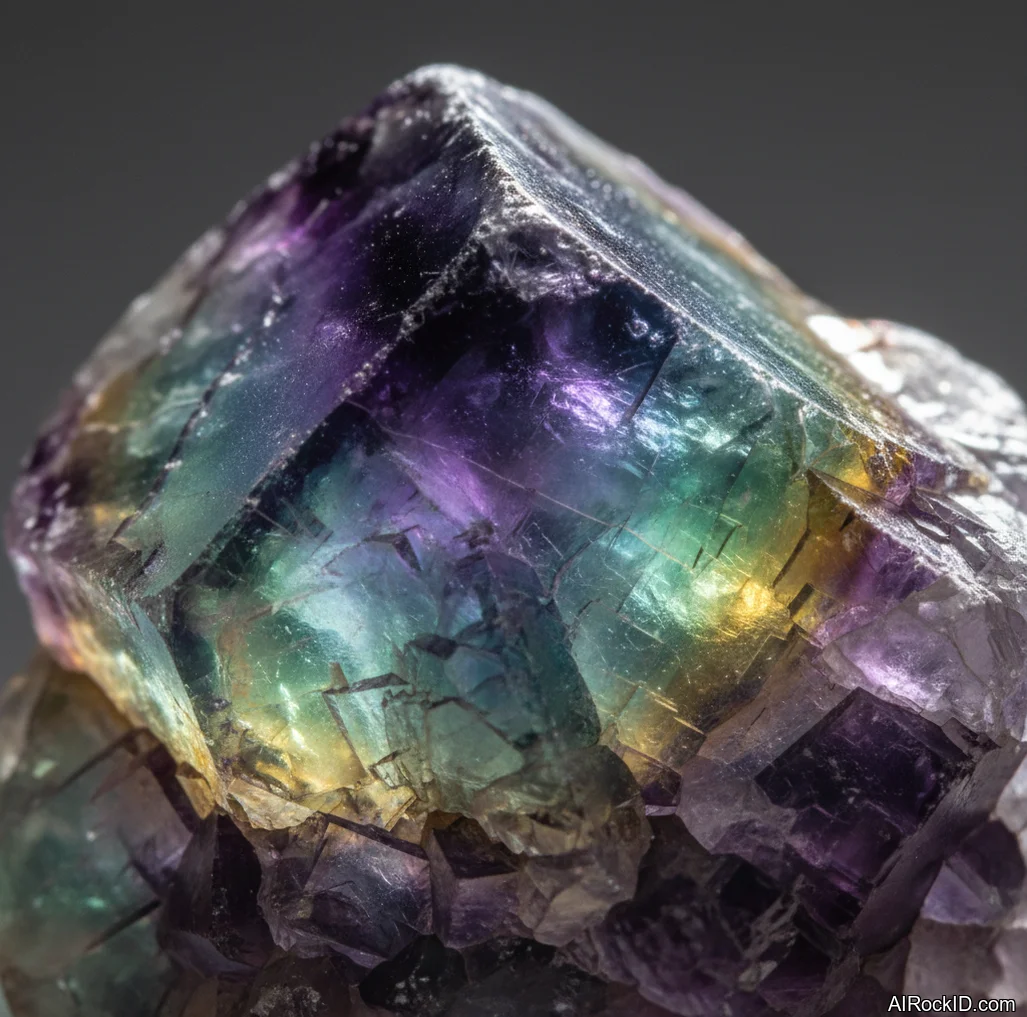
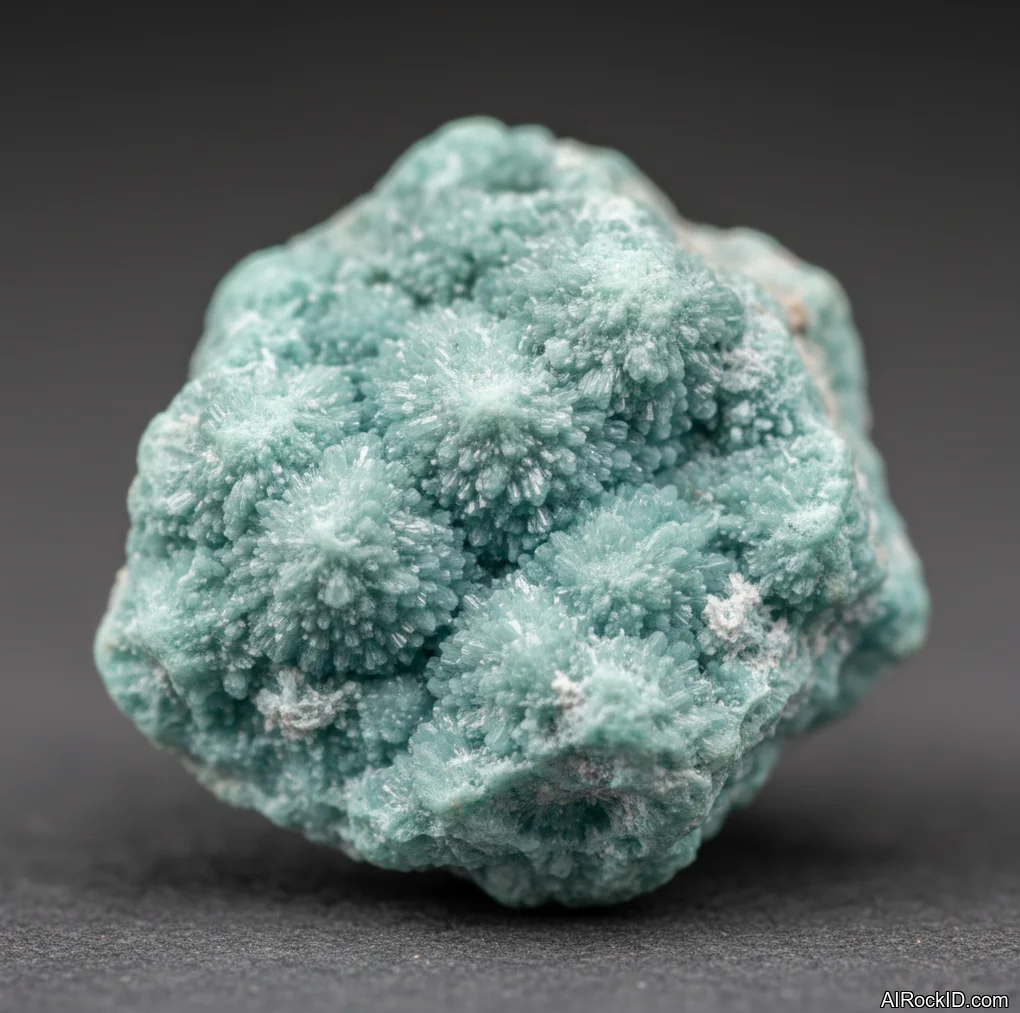
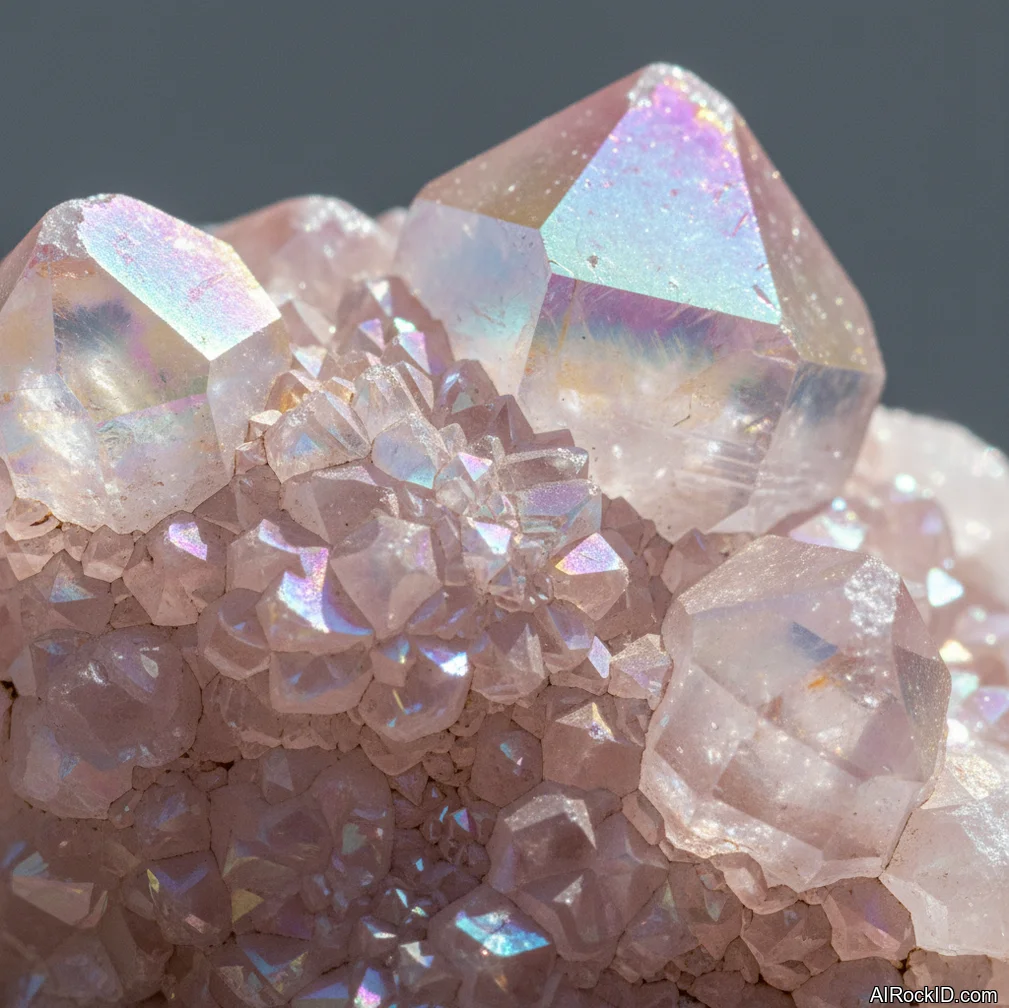
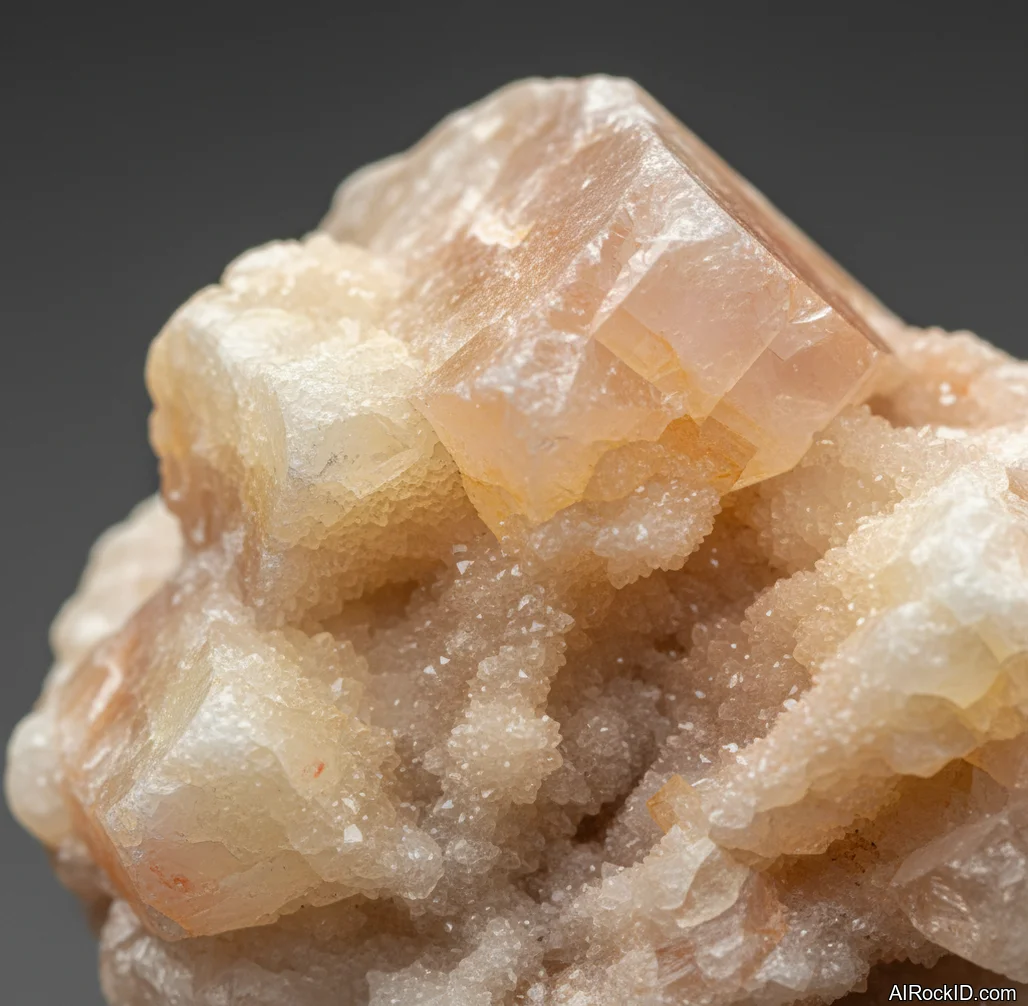
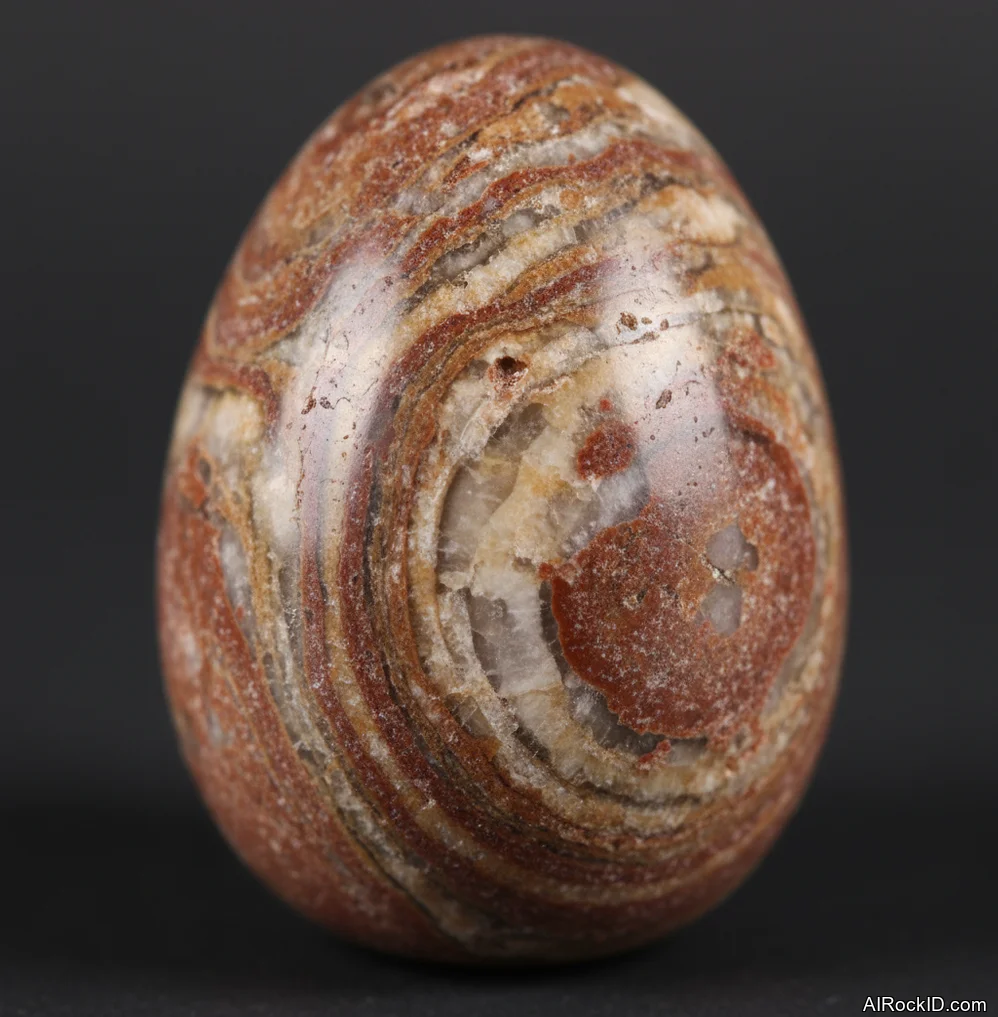
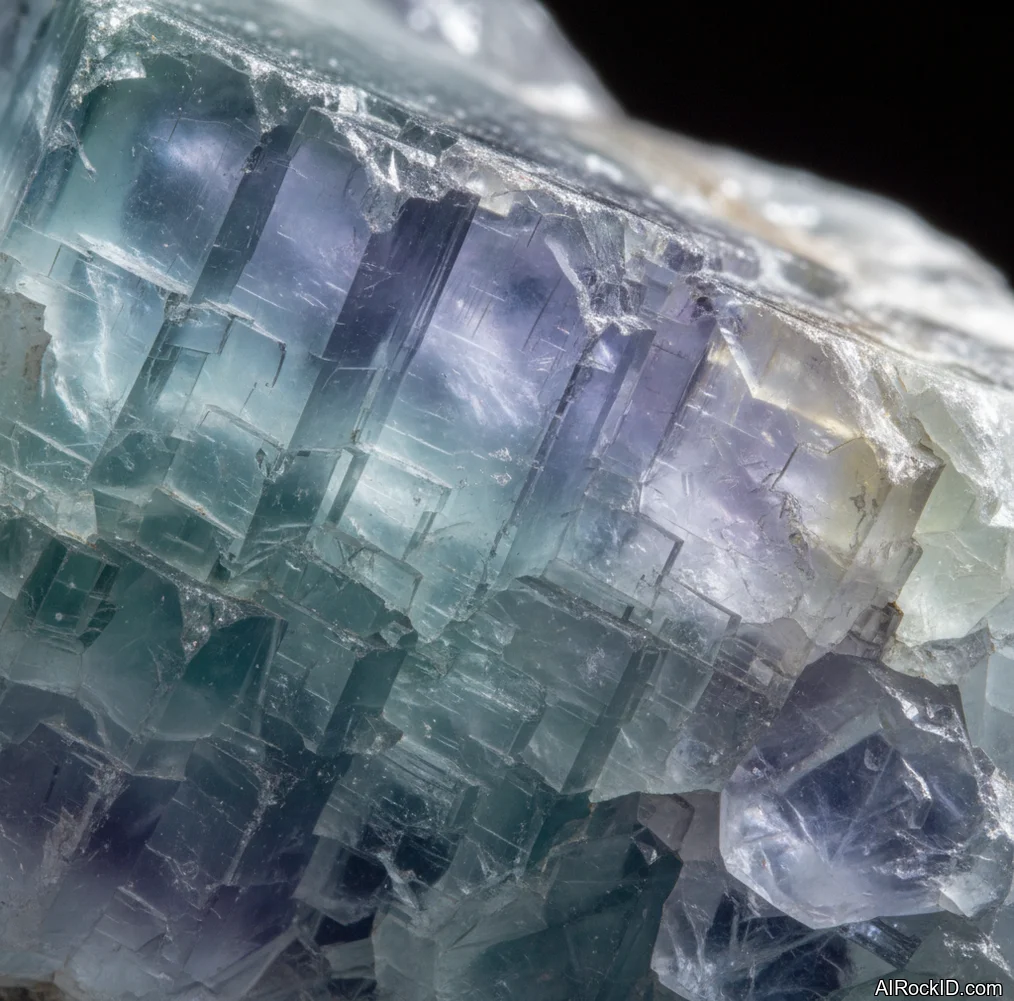
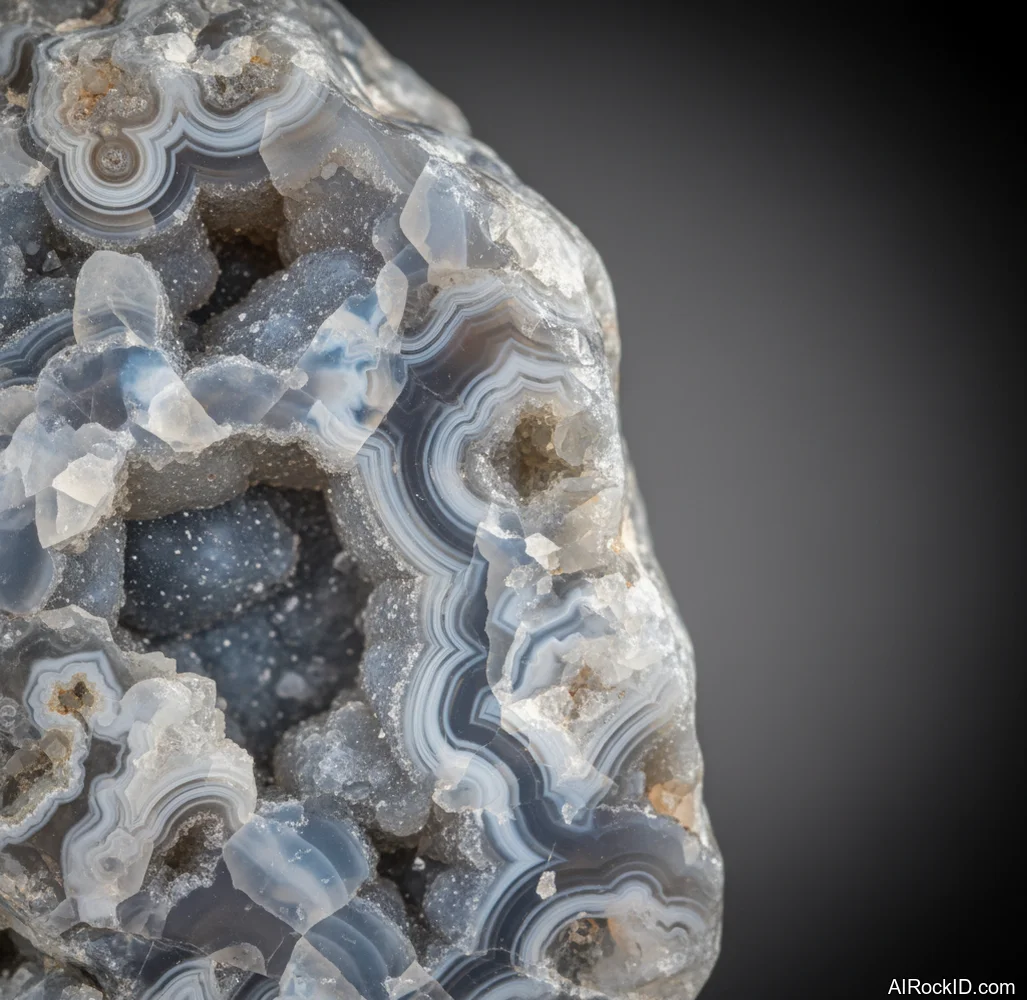
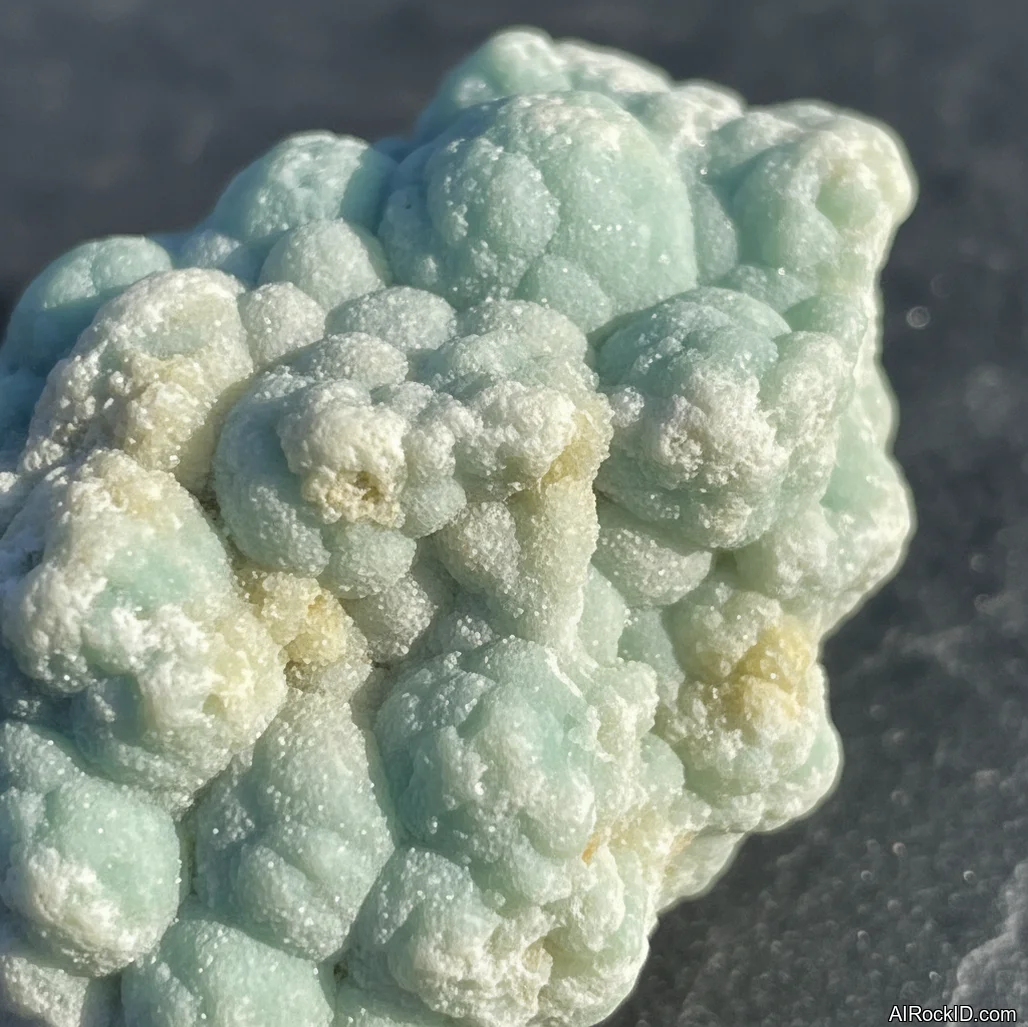
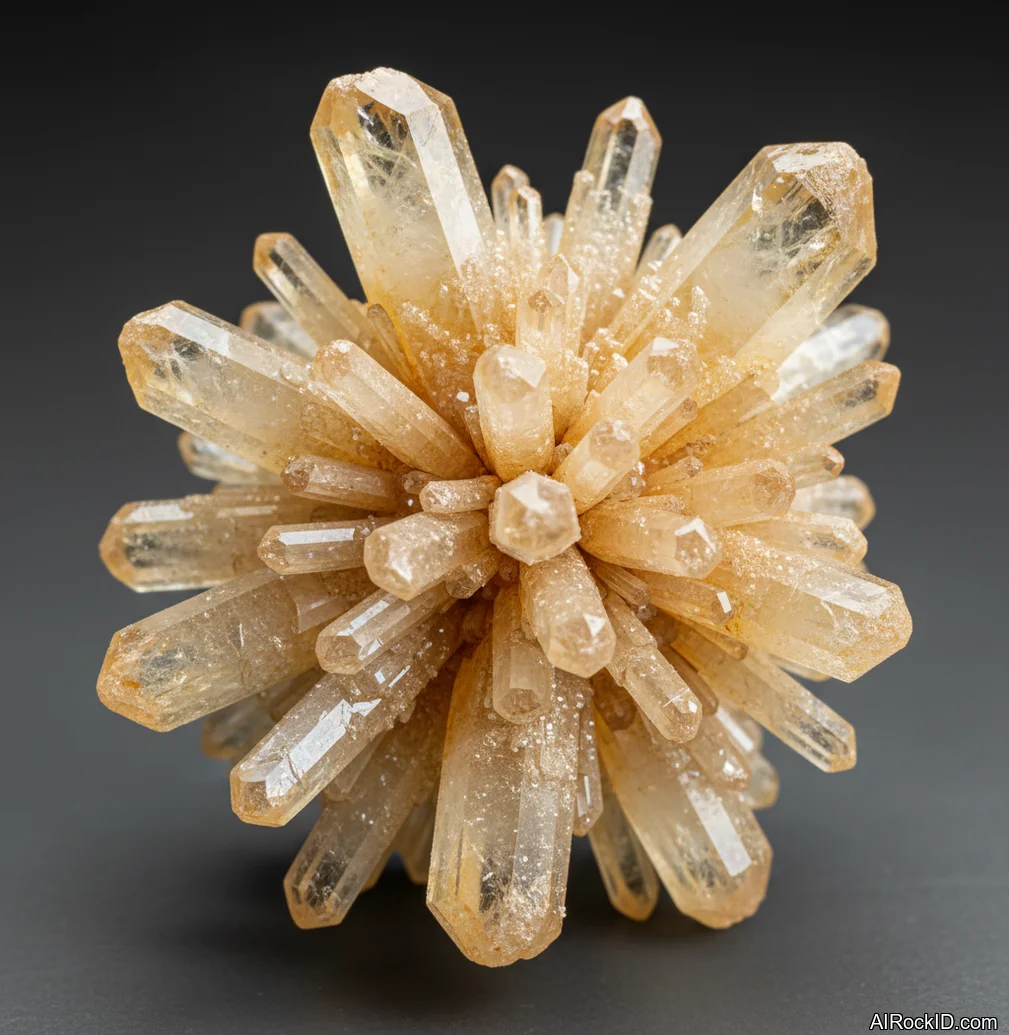
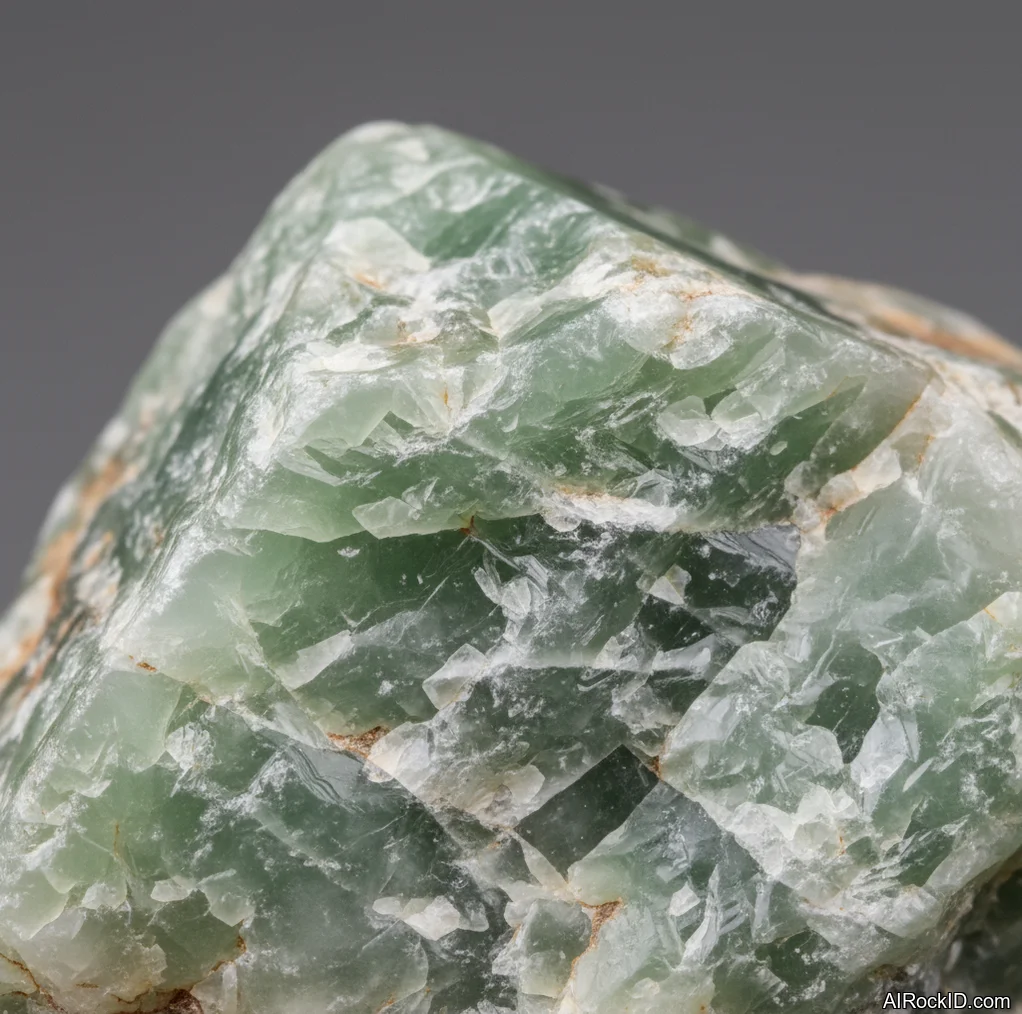
Soothing crystals are stones believed to ease tension, calm overstimulation, and help soften the emotional or mental 'edges' people feel during stress. Blue lace agate, lepidolite, moonstone, howlite, selenite, fluorite, smoky quartz, and rose quartz are the most common examples associated with this property. These stones often have tactile or visual qualities like soft color banding, a waxy surface, or a gentle sheen that collectors recognize as calming. These associations come from metaphysical traditions and are not medical claims.
Soothing crystals can't treat anxiety, panic attacks, or any physical or mental health condition. They should never replace professional medical or psychological care.
AI Rock ID can help compare a photographed stone with known visual patterns, colors, and textures when you are sorting soothing crystals. RockIdentifier.io provides crystal and mineral references that can support identification, collection notes, and property-based browsing.
Good fit
- People who prefer soft colors, smooth textures, or understated display stones
- Beginners building a small collection around calm or reflective symbolism
- Collectors who want crystals commonly used in meditation, desk displays, or bedside arrangements
- Gift buyers looking for stones with gentle traditional associations
Not a good fit
- Anyone seeking a substitute for medical, mental health, or sleep treatment
- Collectors who need a tag based only on strict mineral science
- Buyers who want every stone in the category to share the same hardness, composition, or origin
Most commonly confused with
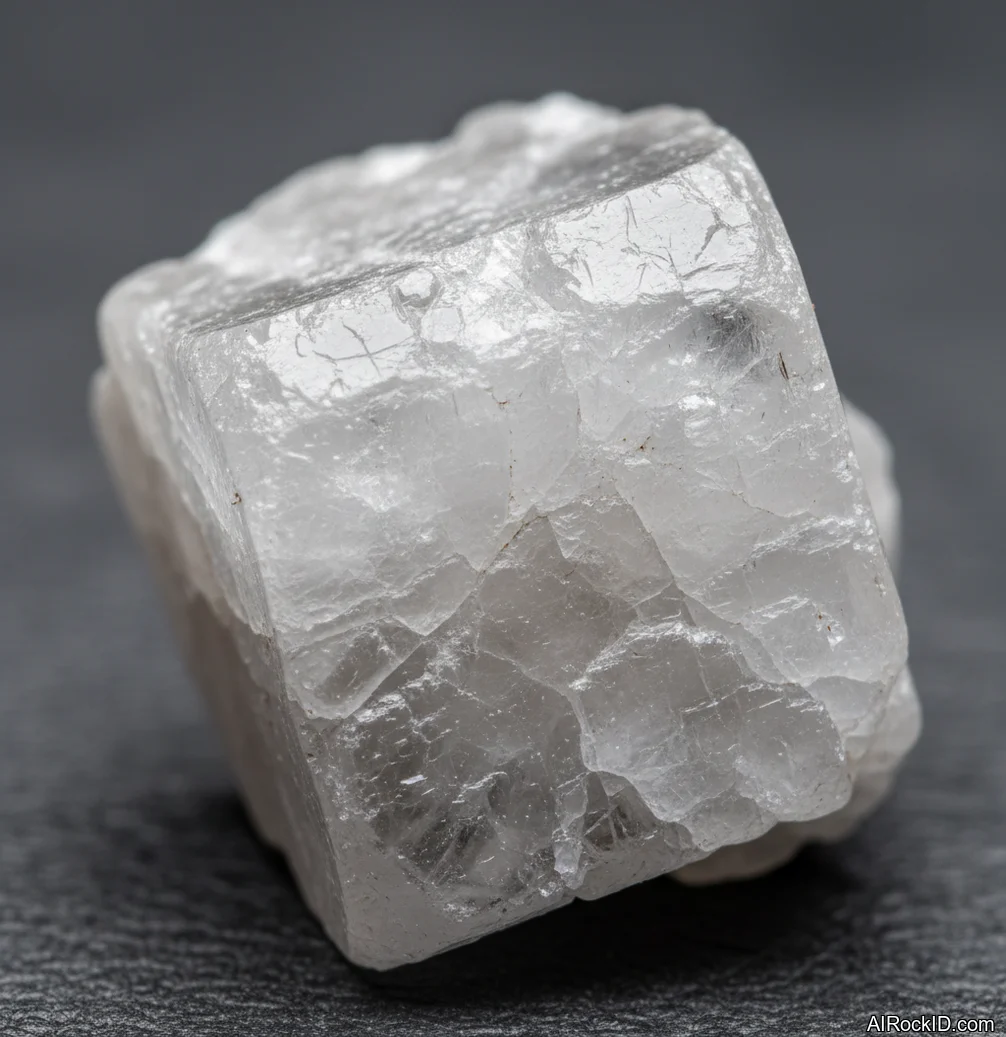
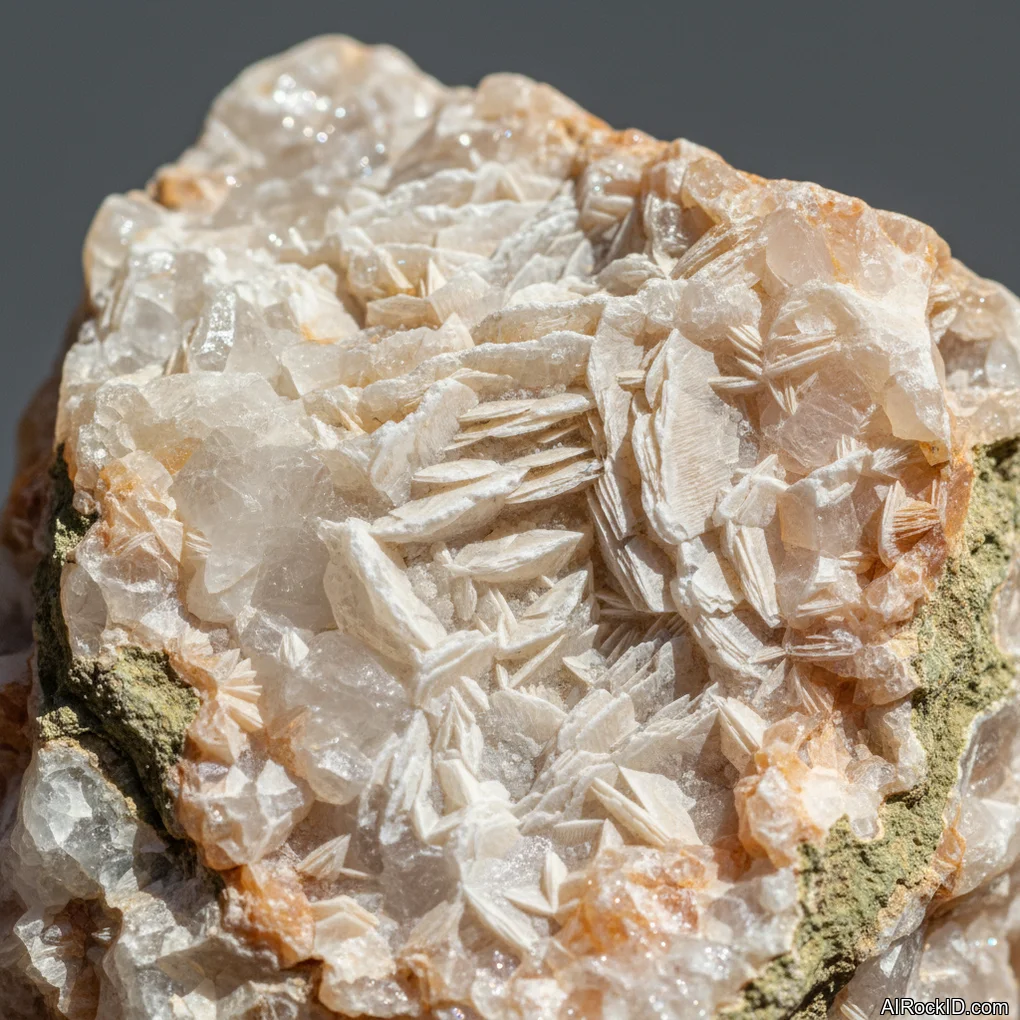
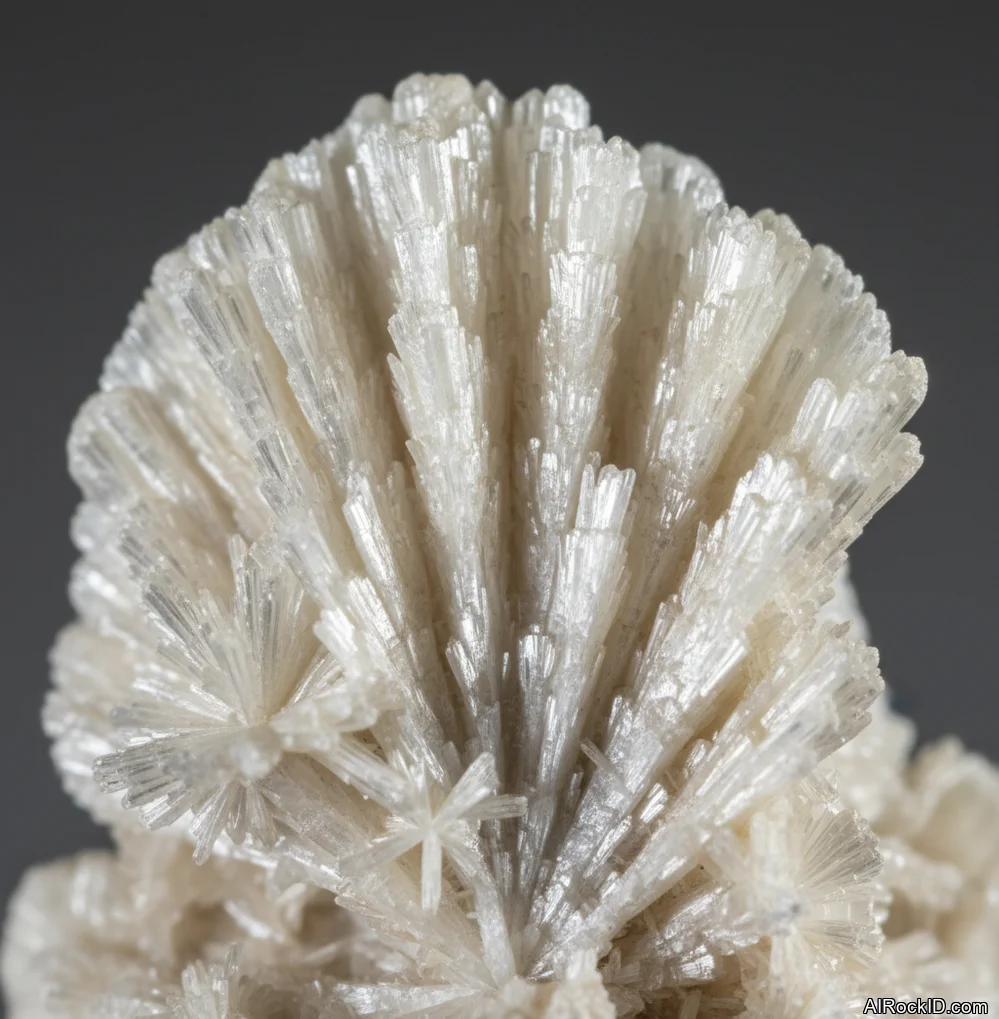
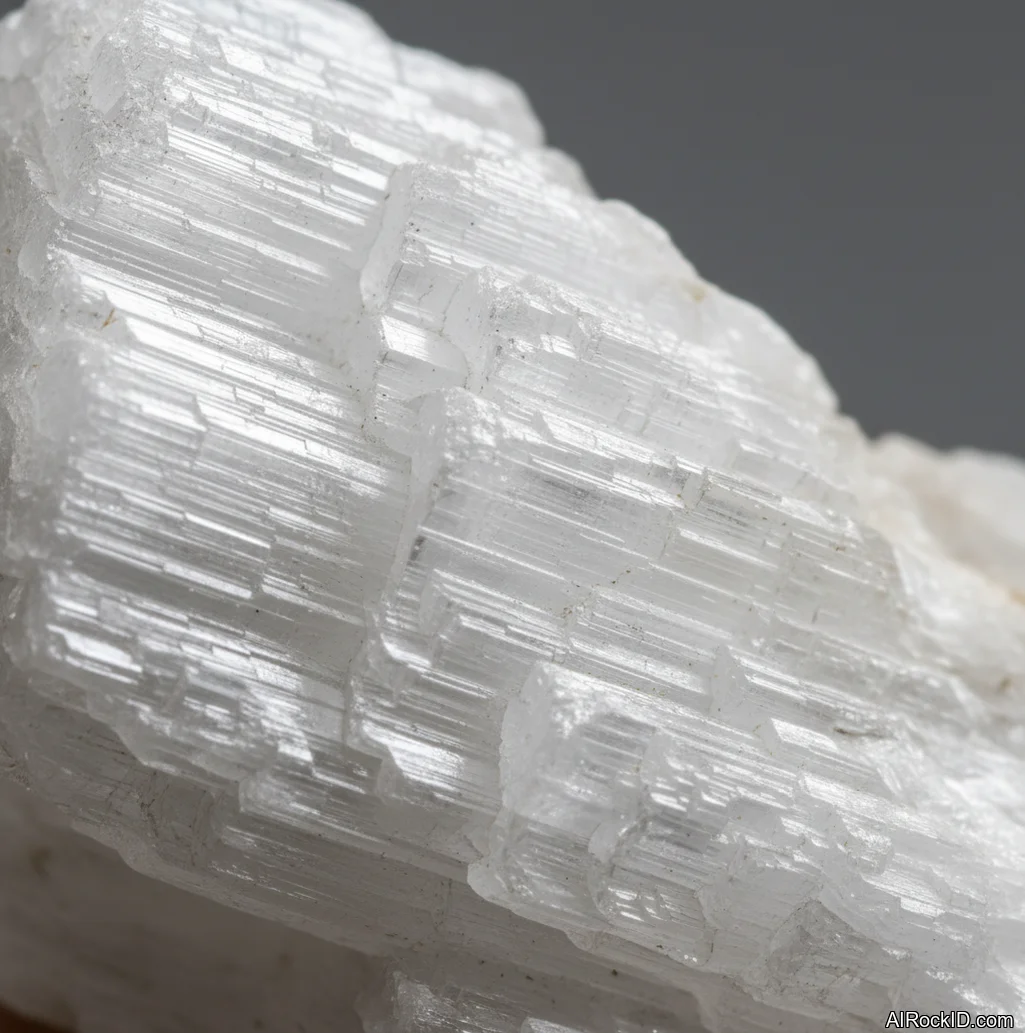
- Selenite: Selenite is often labeled soothing, but it is very soft and water-sensitive compared with many polished stones.
- Howlite: Howlite is commonly dyed blue to imitate turquoise, so color alone is not a reliable identifier.
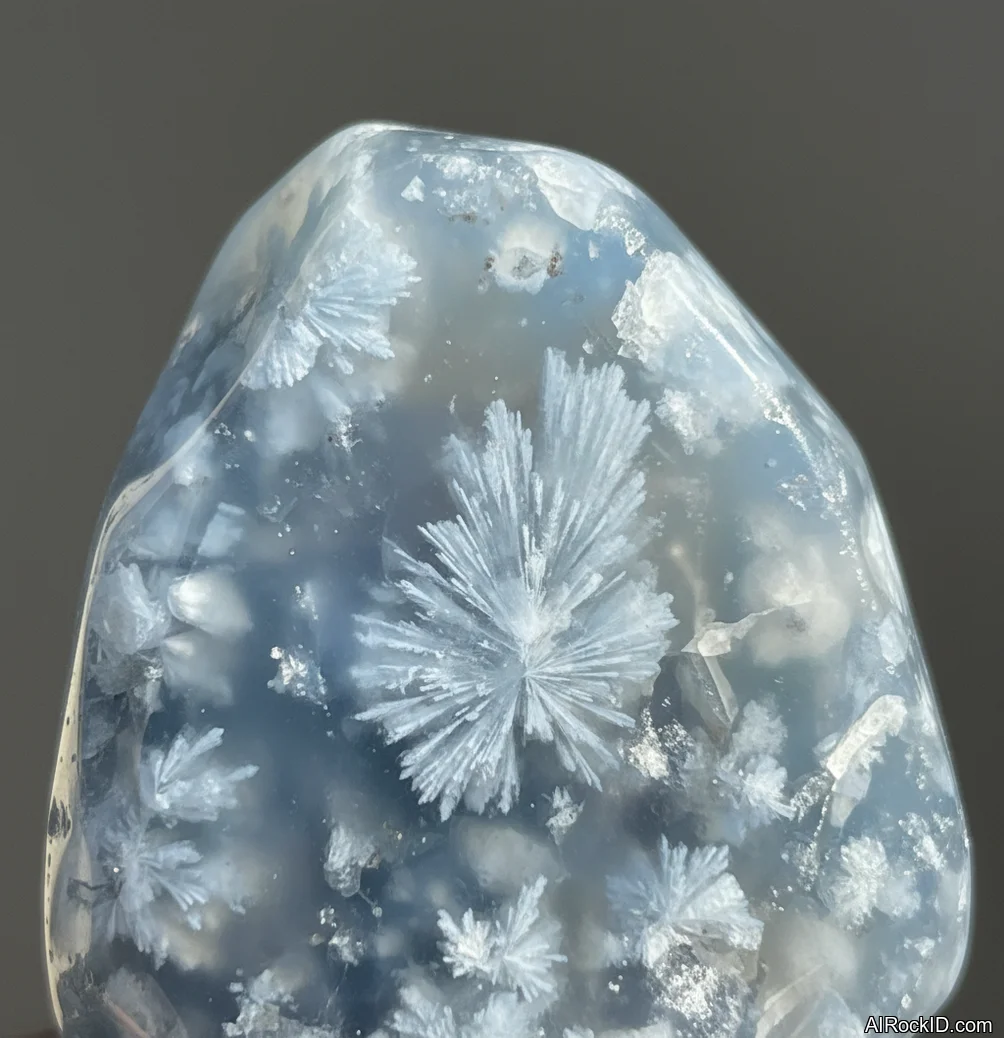
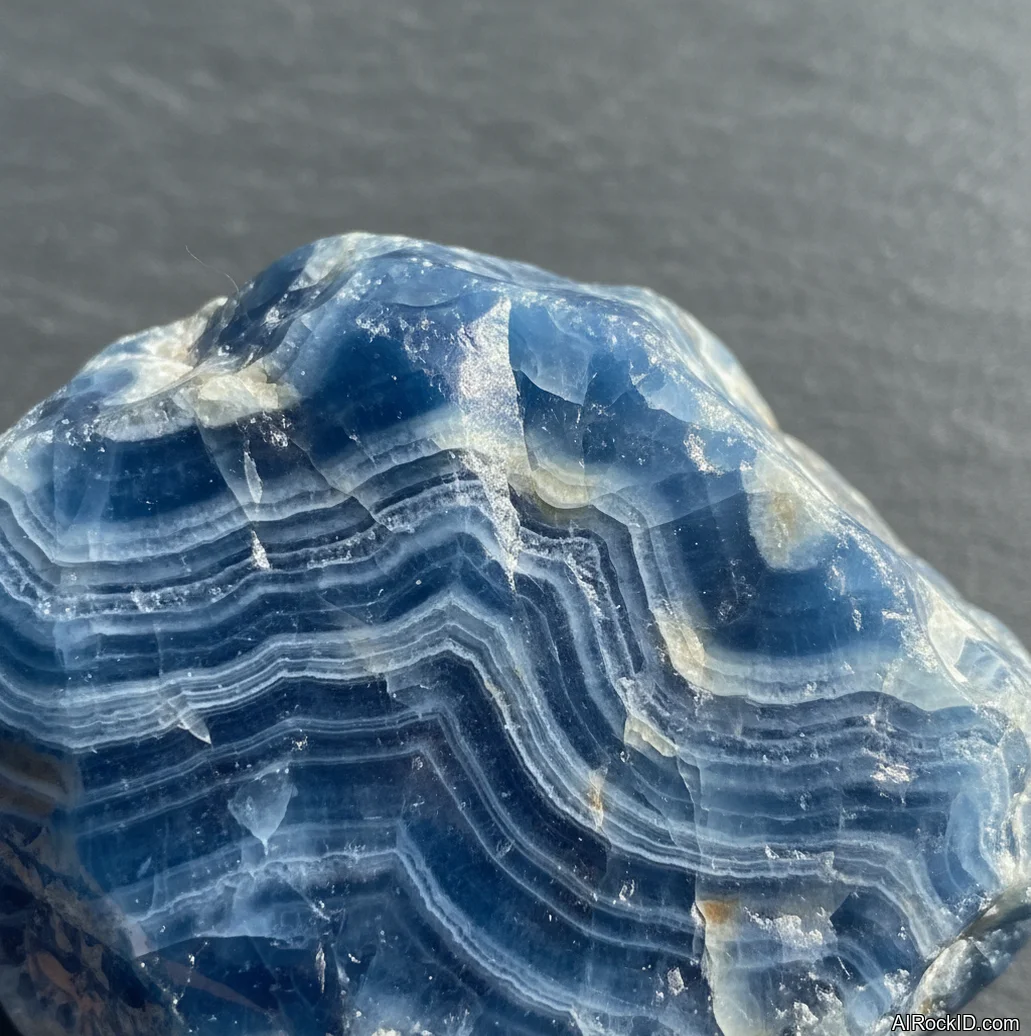
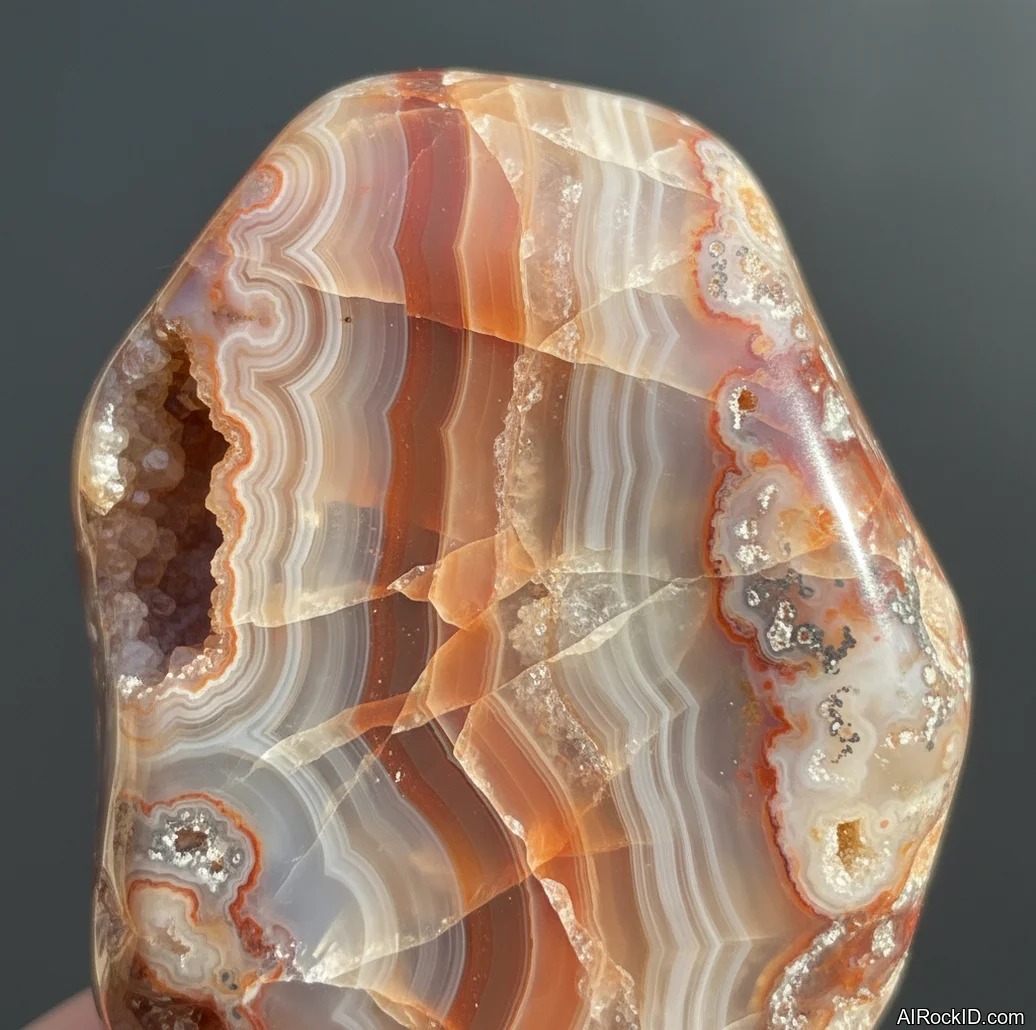
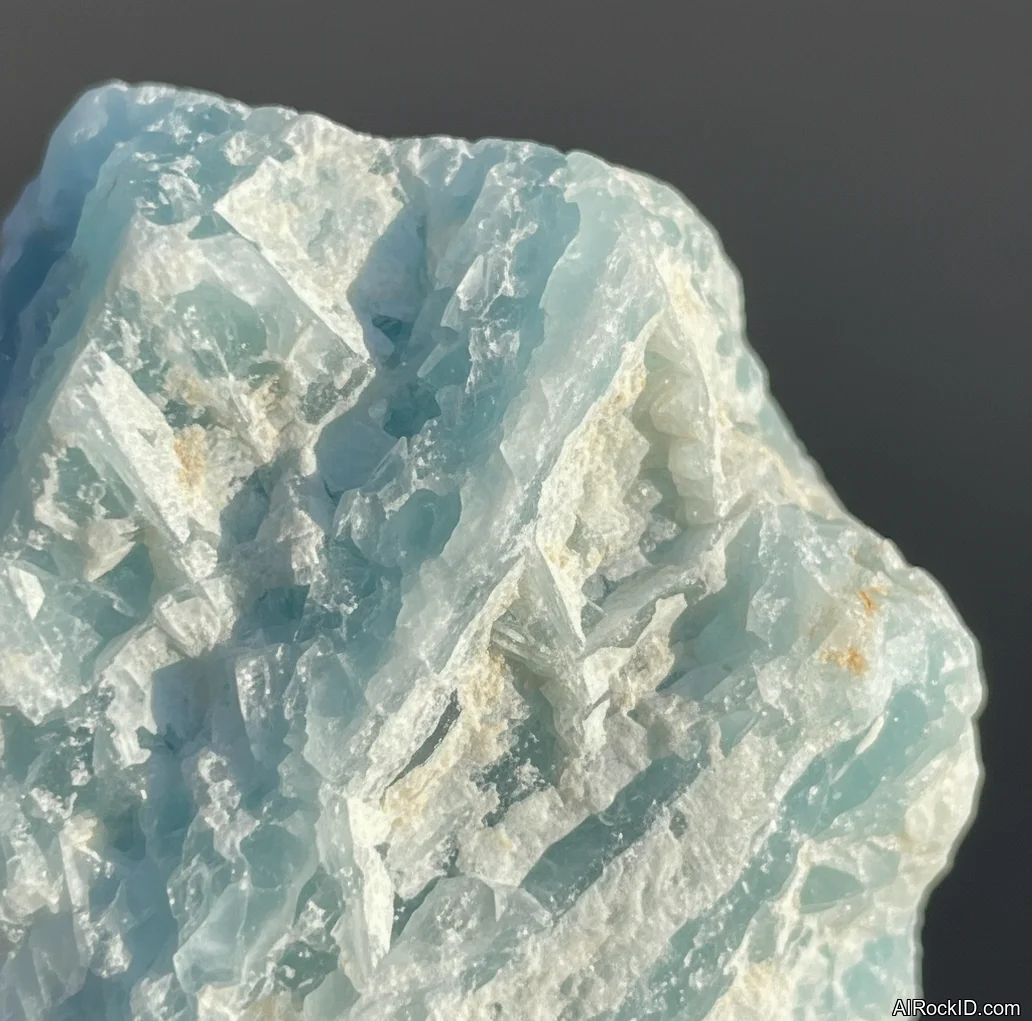
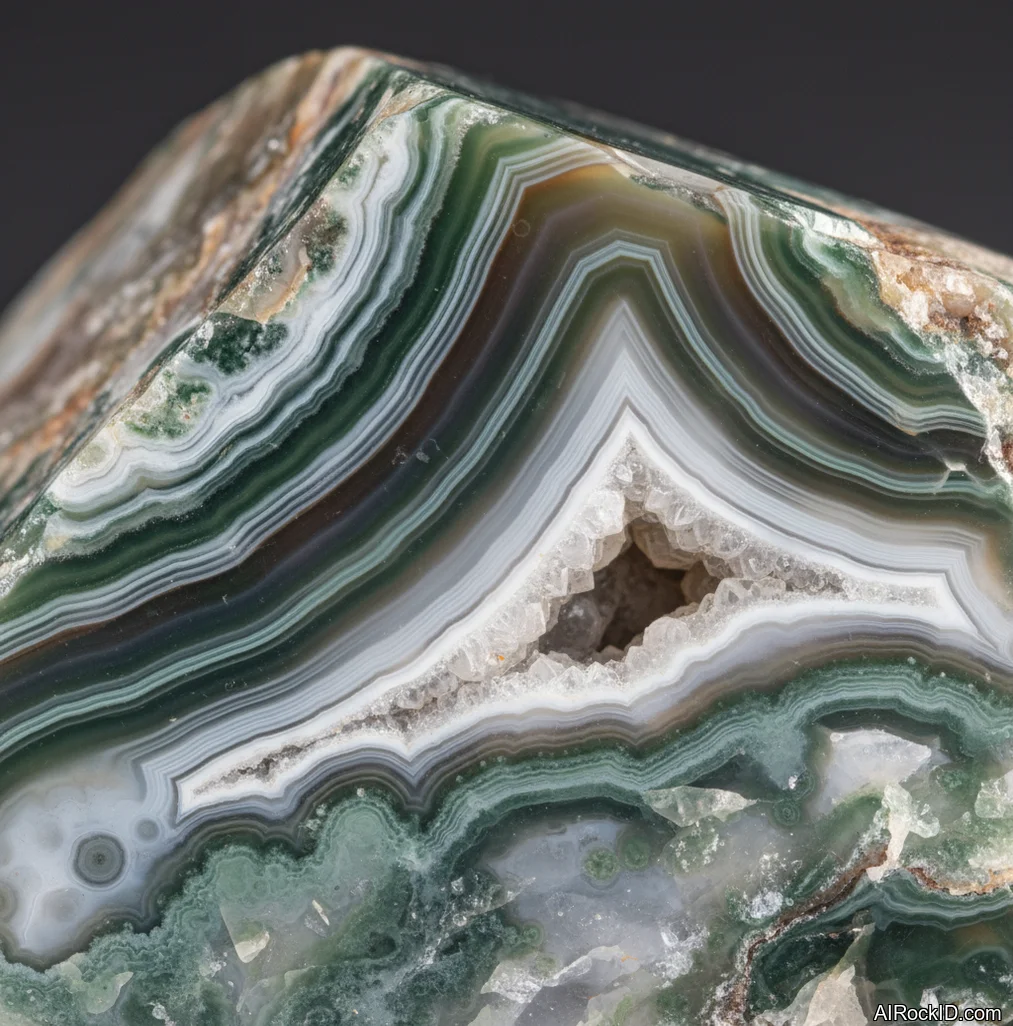
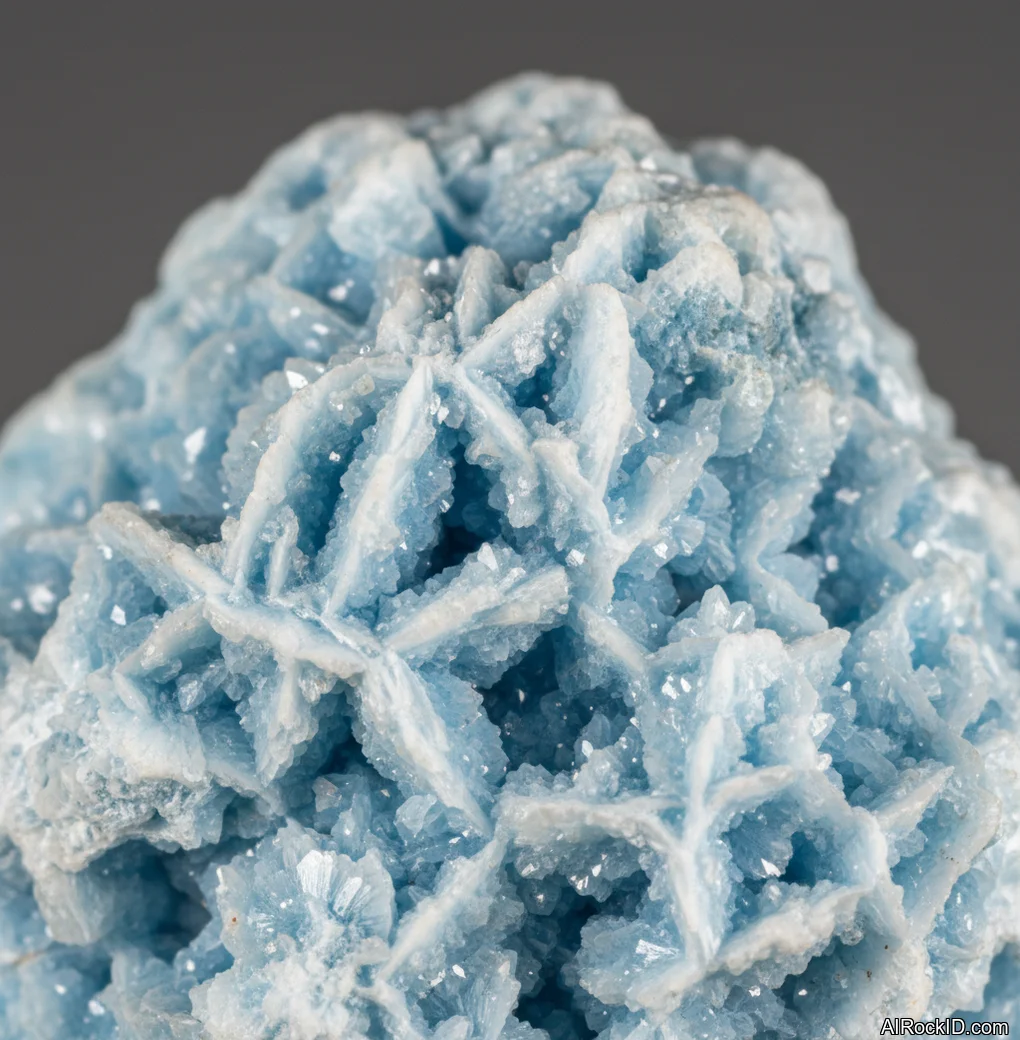
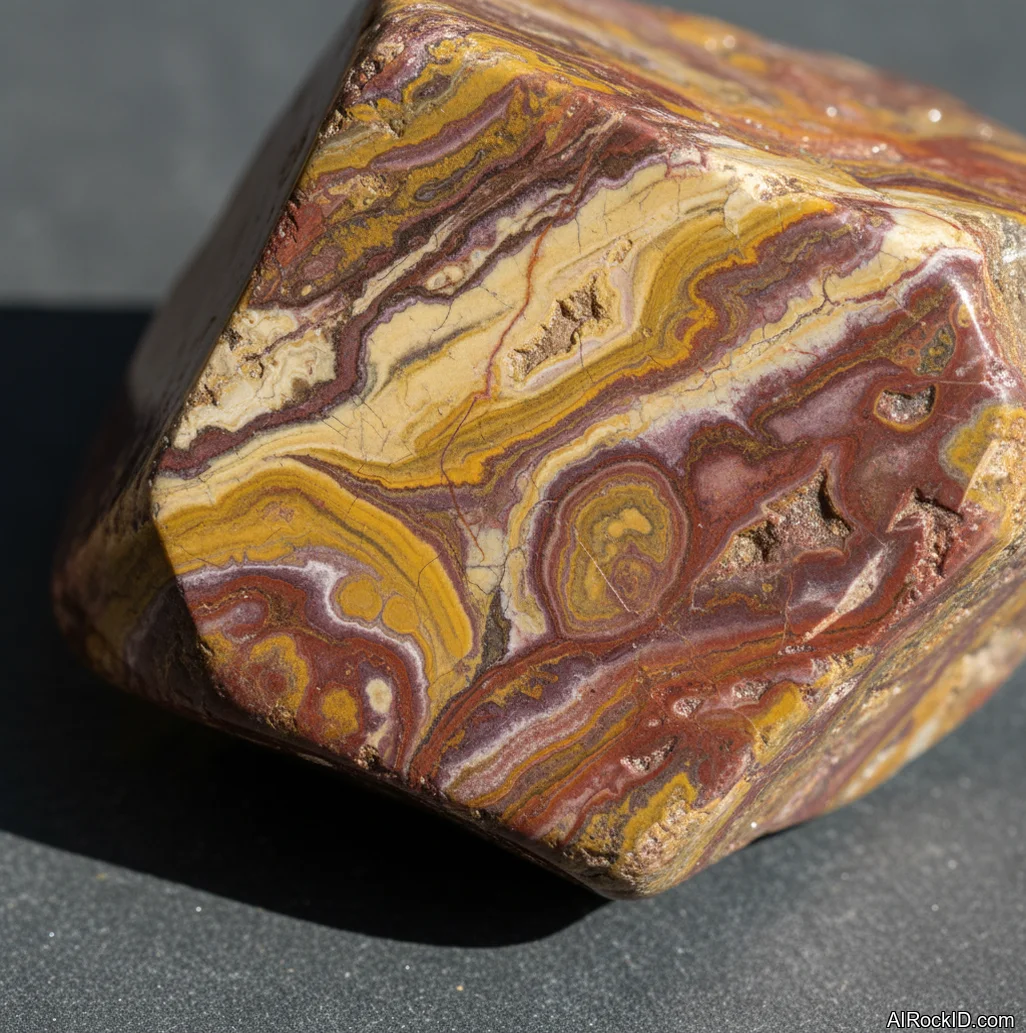
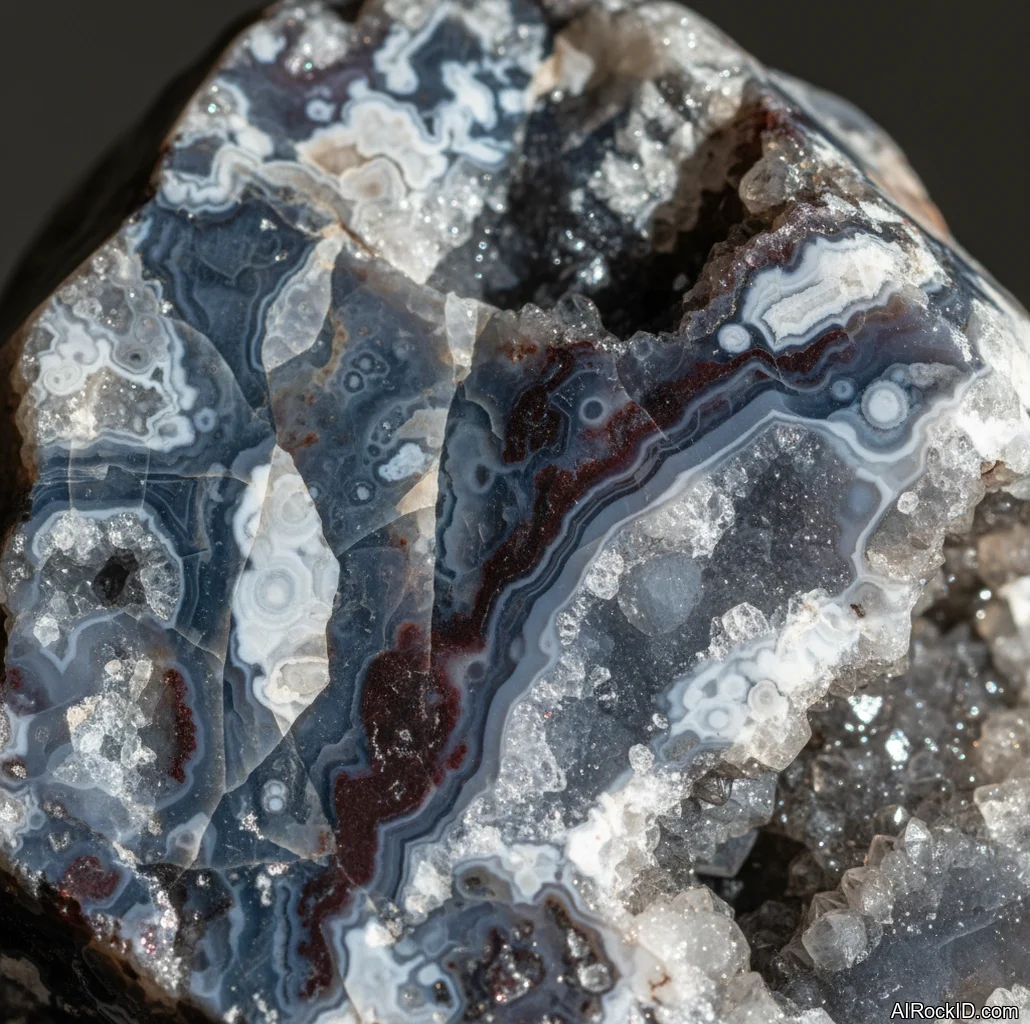
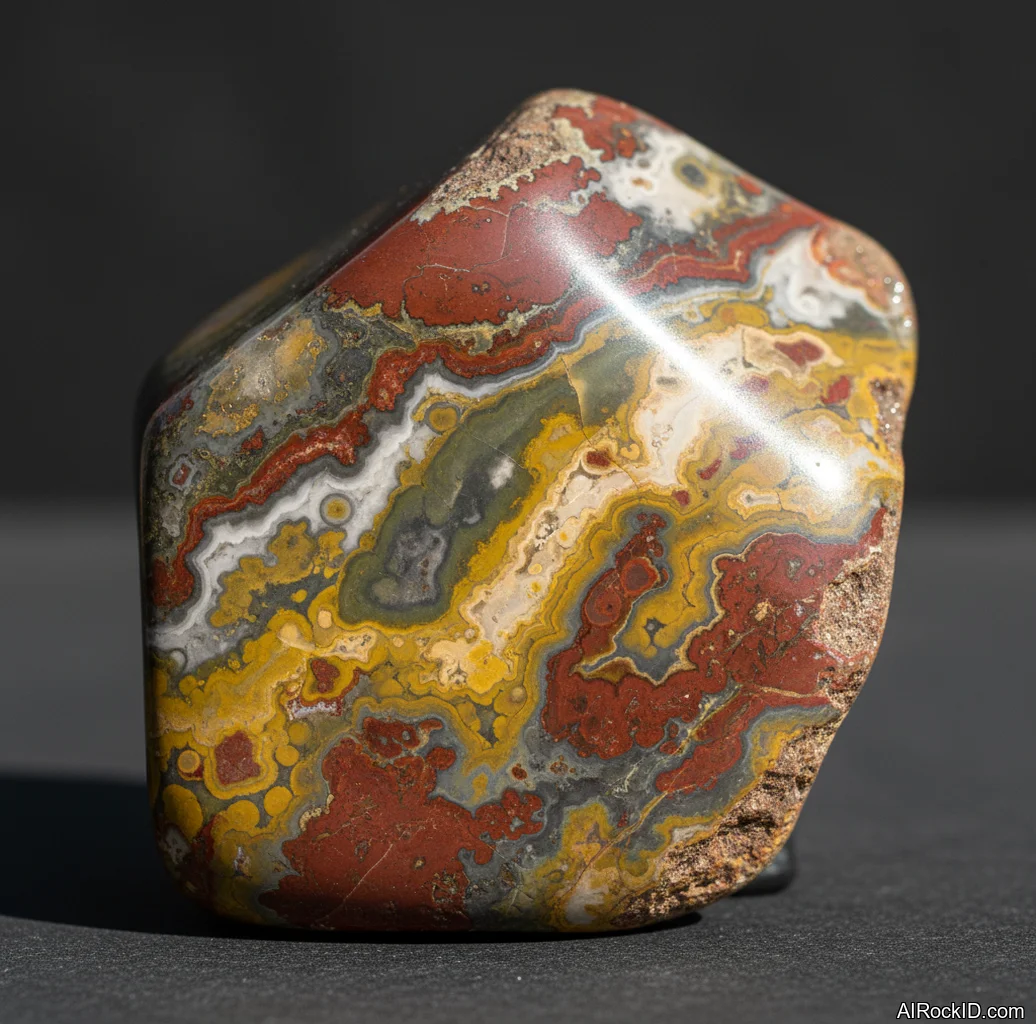
- Blue Lace Agate: Blue Lace Agate is a banded chalcedony, while similar pale blue stones may be calcite, celestite, or dyed material.
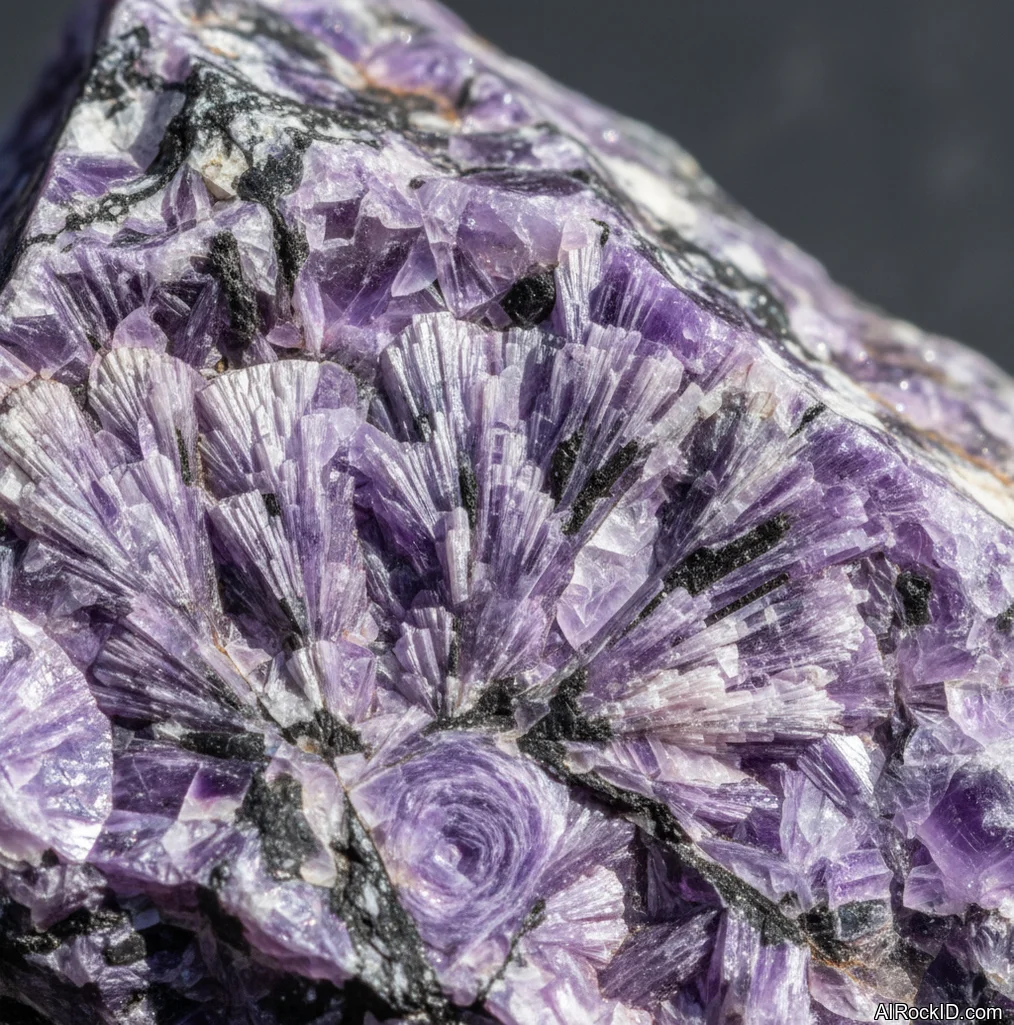
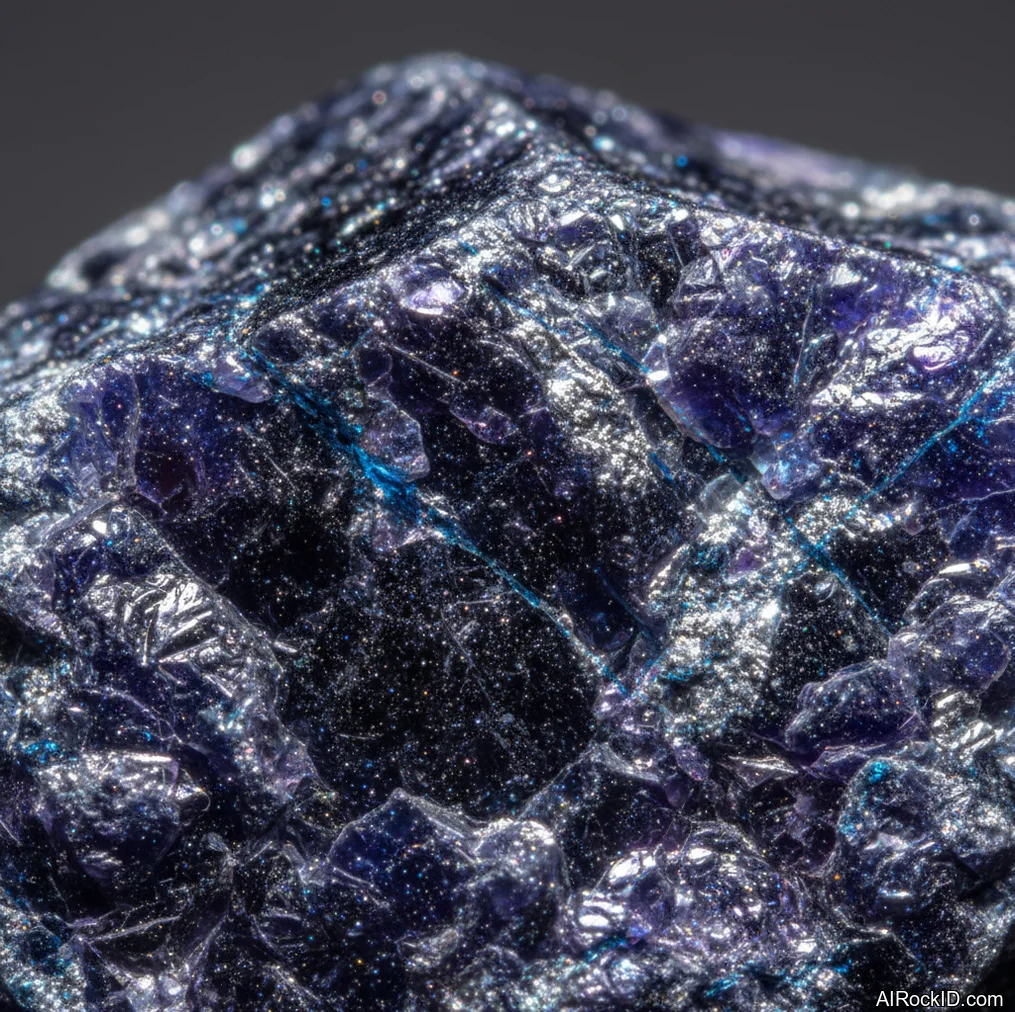
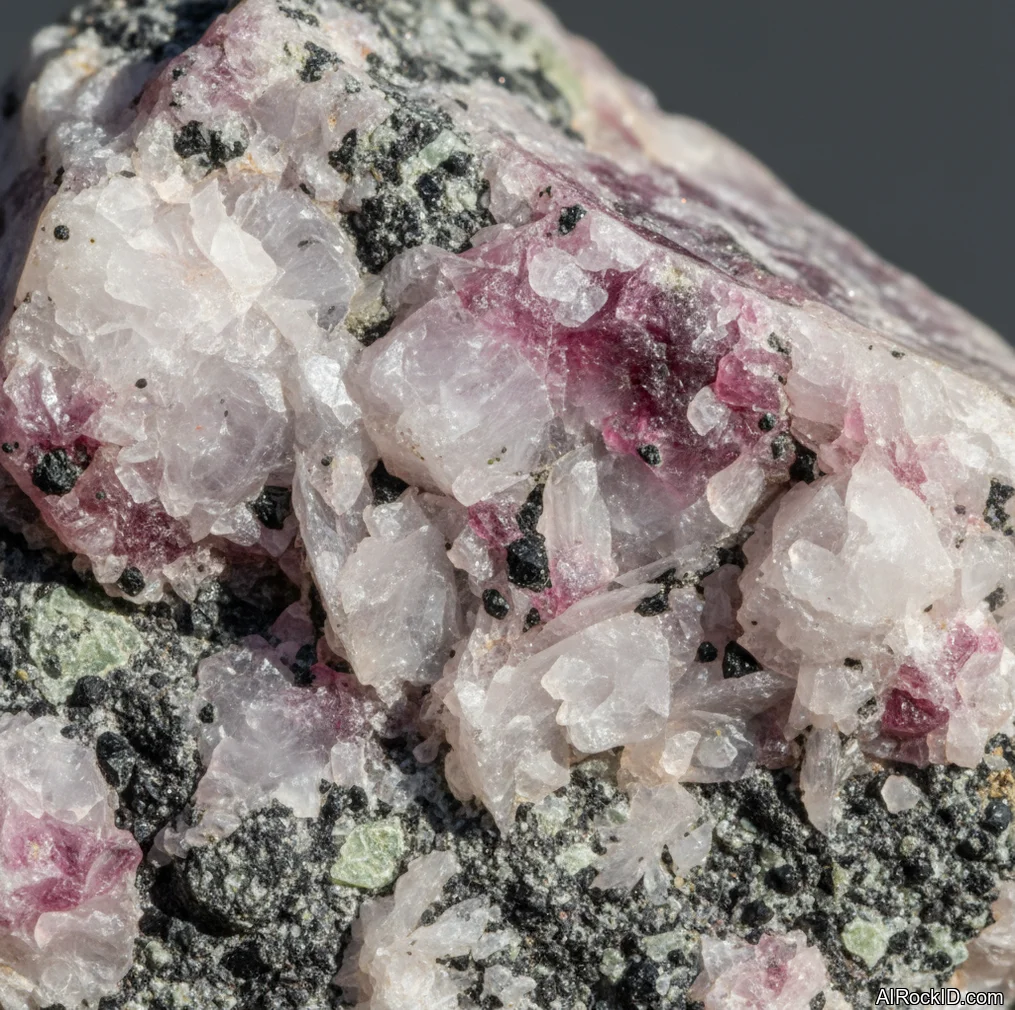
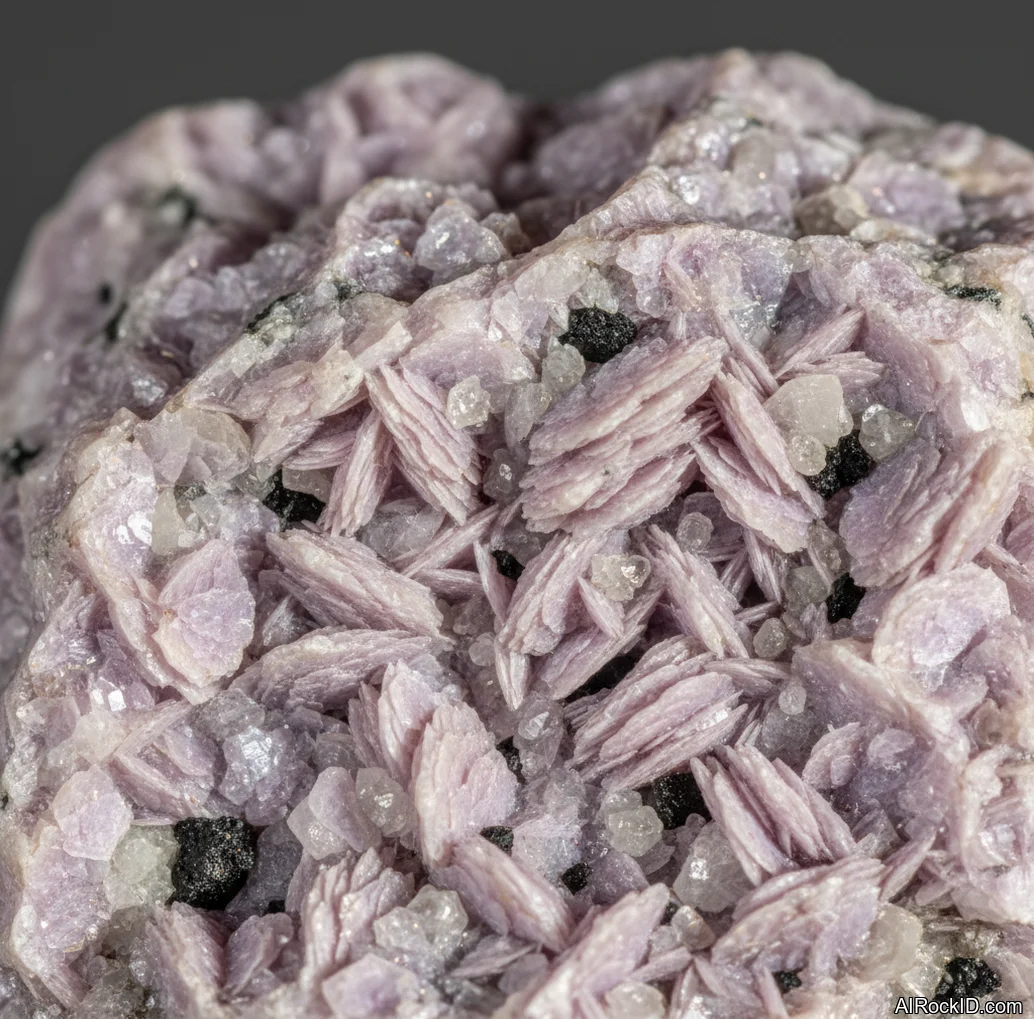
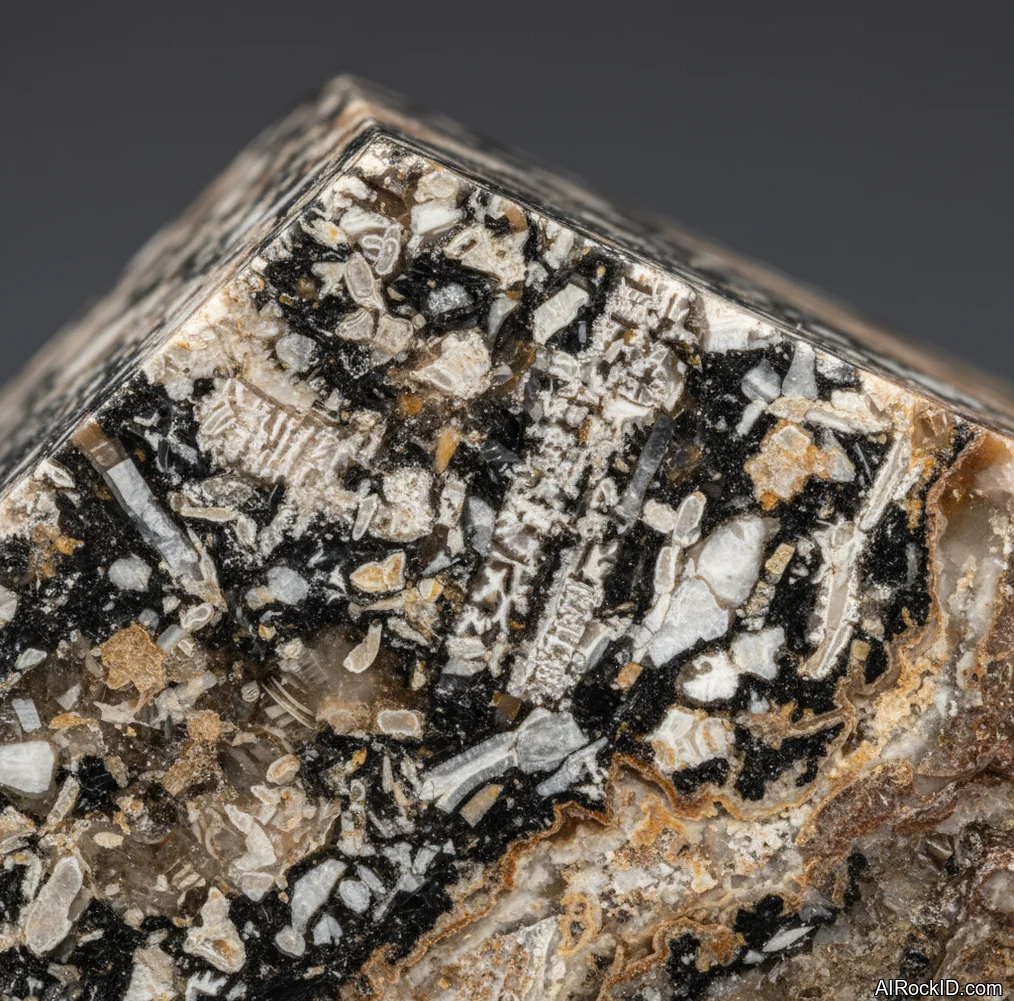
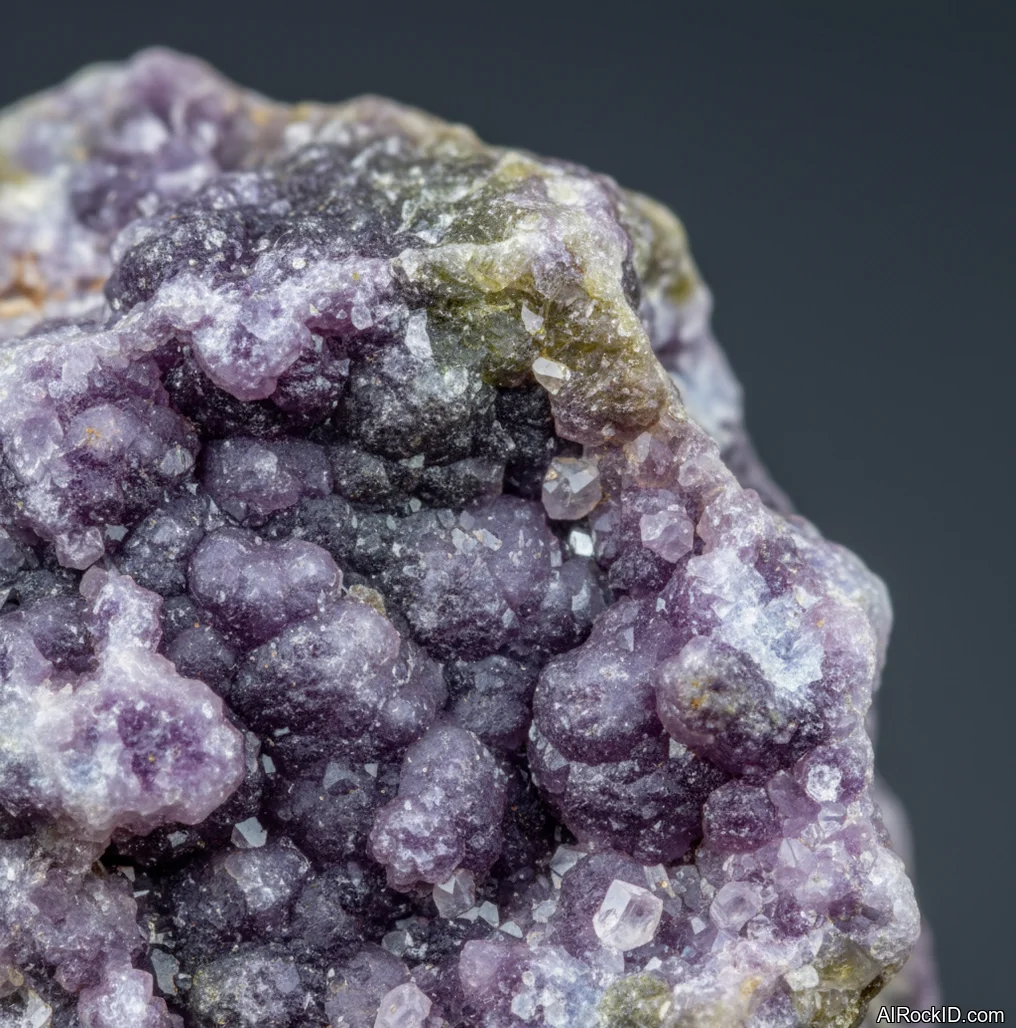
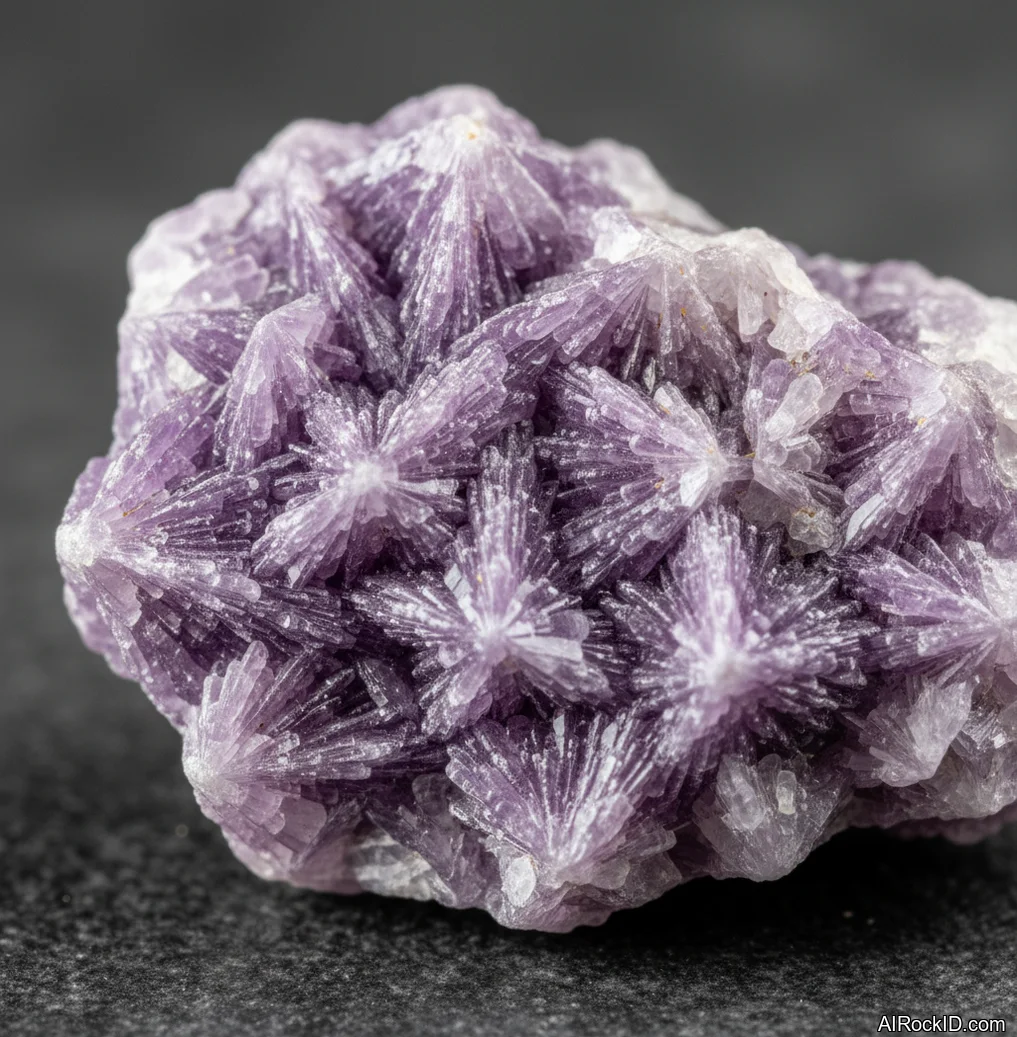
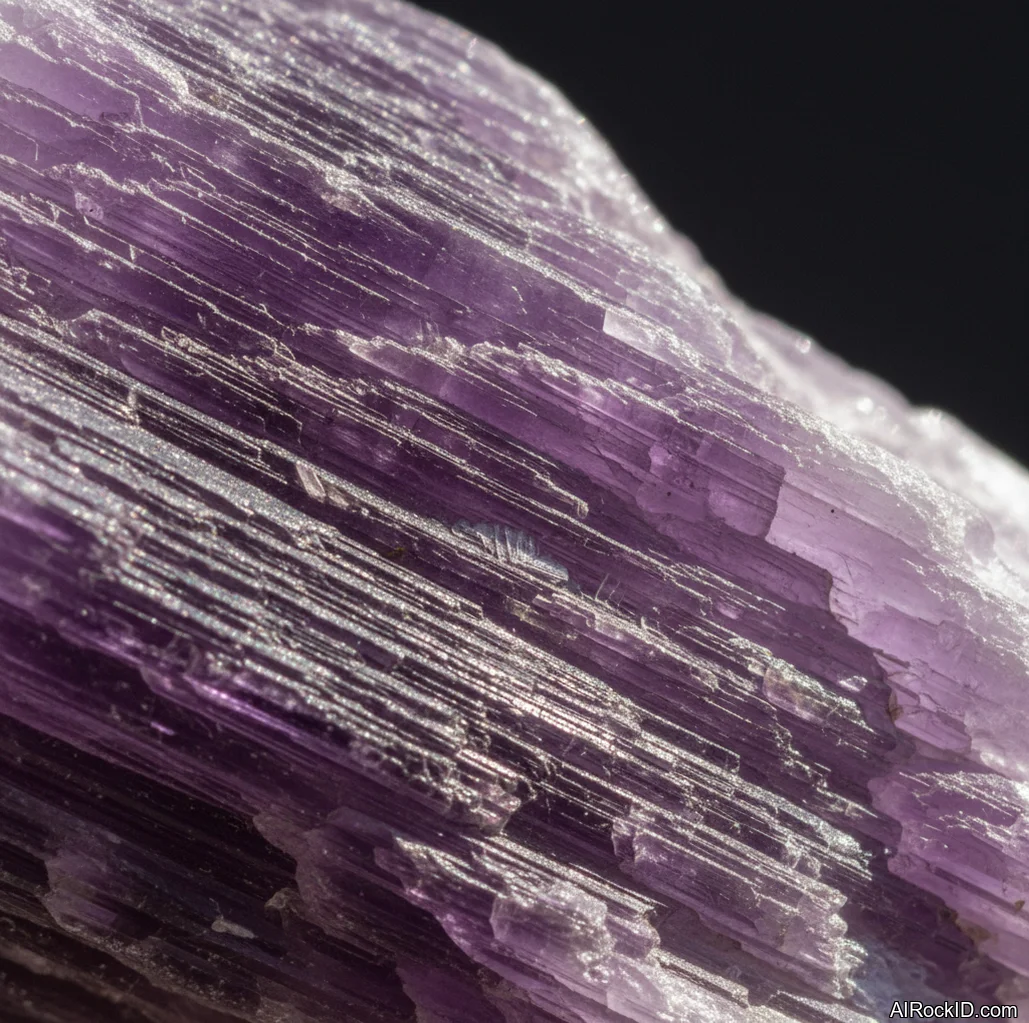
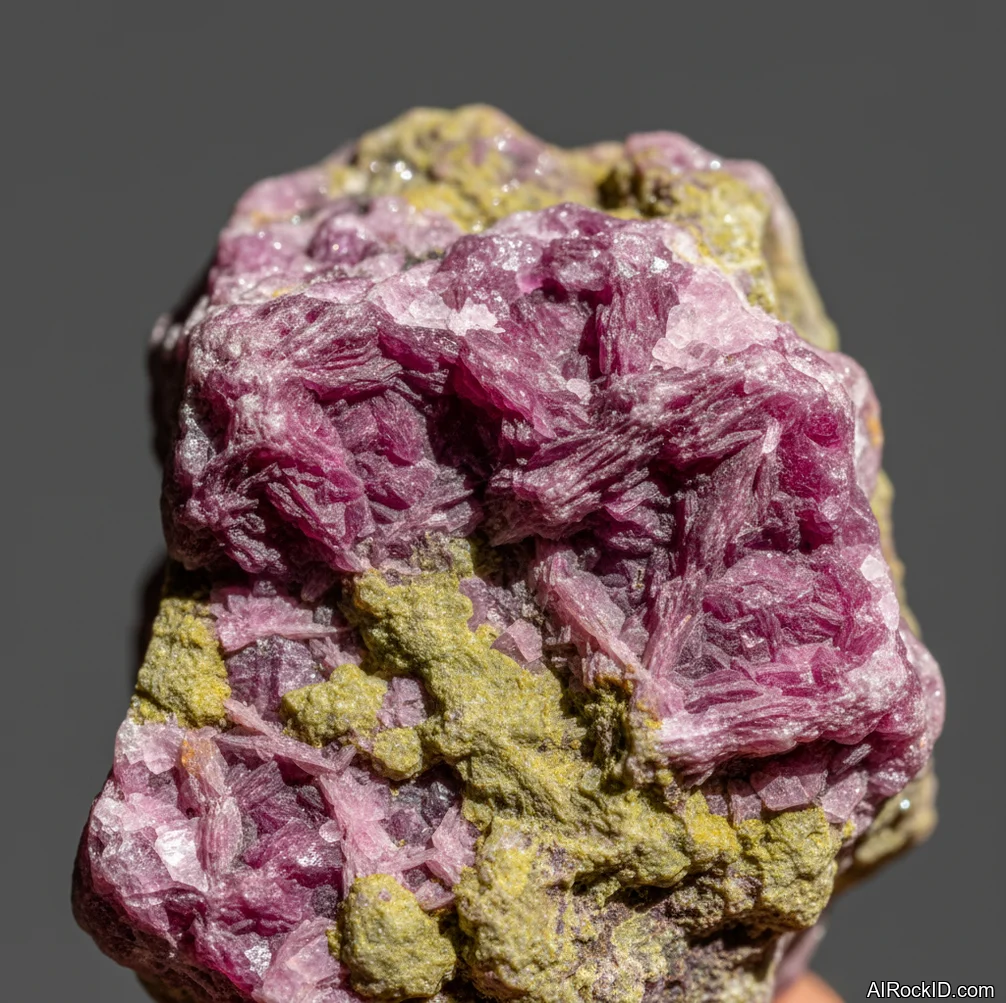
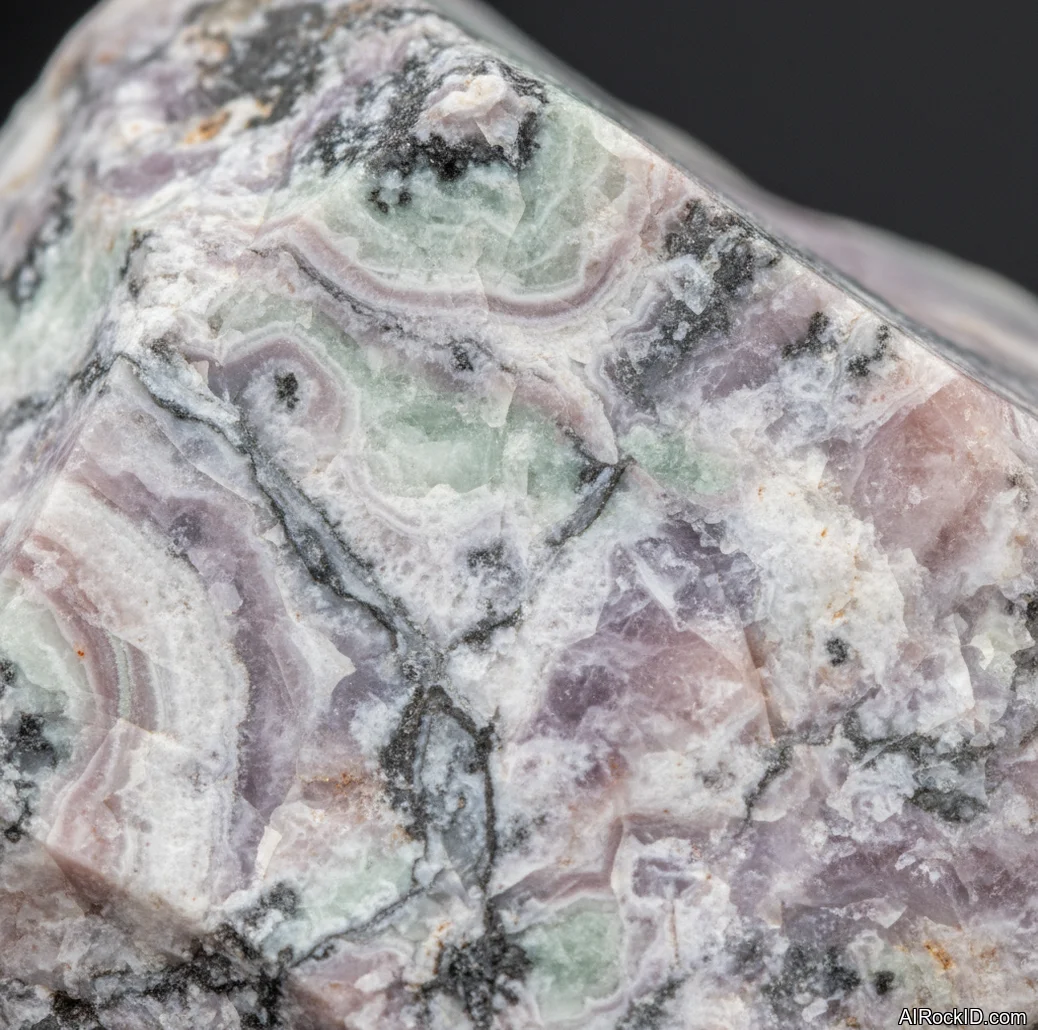
- Lepidolite: Lepidolite is a lithium-bearing mica with a flaky texture that differs from harder purple quartz varieties.
AI identification confidence
AI identification is usually more reliable when the photo shows natural color, surface texture, banding, translucency, and multiple angles. Confidence can drop for polished tumbled stones because many soothing-associated crystals are pale, opaque, or visually similar after cutting.
When AI gets it wrong
- A stone is dyed, heat-treated, coated, or sold under a trade name
- The photo has strong color cast, glare, blur, or no scale reference
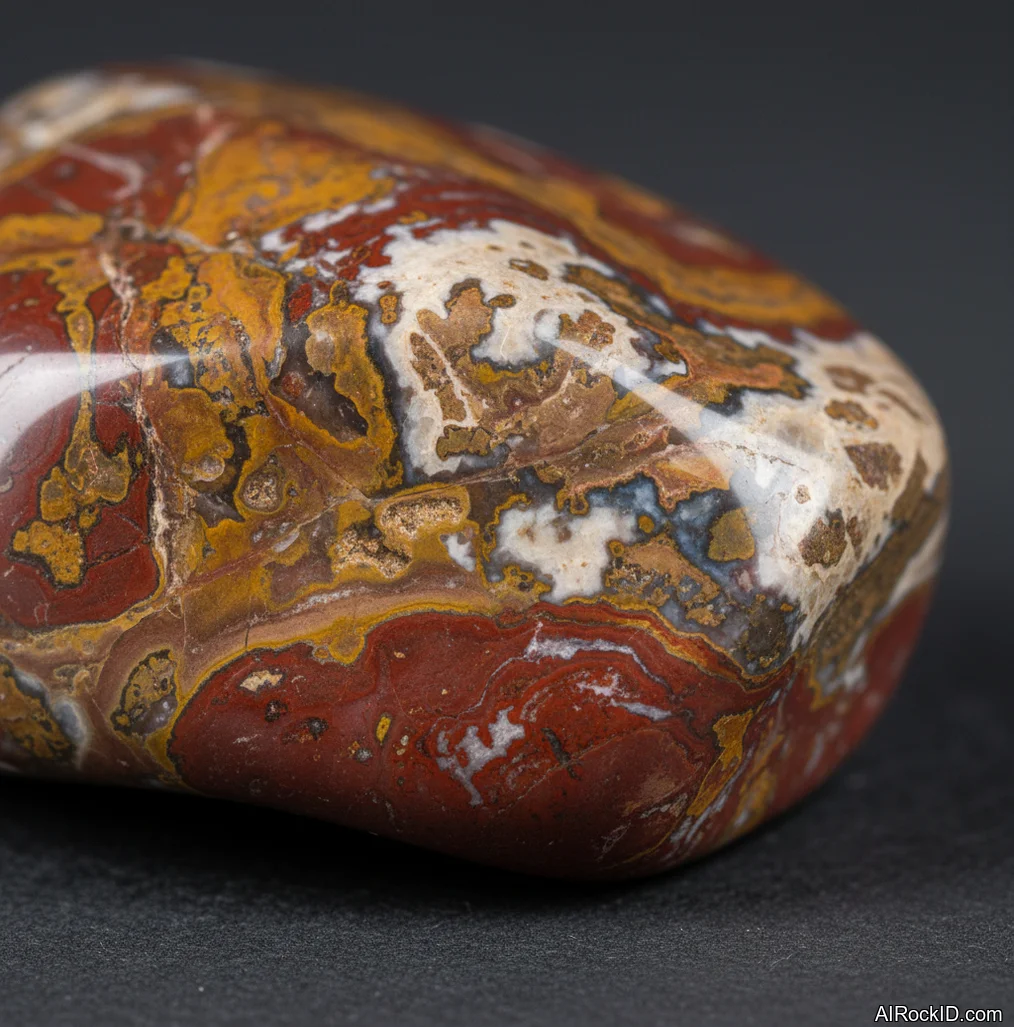
- The specimen is a polished pebble with few diagnostic features
- Several minerals share the same pale blue, white, pink, or lavender appearance
Best choice summary
A practical first choice is a durable, easy-to-clean stone such as amethyst, rose quartz, clear quartz, or agate. Softer options like selenite, celestite, and some calcites are better for display than for pockets, bags, or humid locations.
Final recommendation
Choose soothing crystals by combining appearance, durability, care needs, and the traditional meaning you prefer. For daily handling, prioritize harder stones with stable color and avoid fragile or water-sensitive specimens.
Why people search for this
People often search for soothing crystals when they want stones linked in tradition to calm routines, emotional balance, or peaceful spaces. The tag also helps beginners compare gentle-looking stones without needing to know mineral families first.
What this category represents
The Soothing tag groups crystals and minerals that are commonly associated with calm, comfort, emotional ease, or peaceful symbolism in crystal traditions. It is a meaning-based category, not a scientific classification, so stones in this tag may differ widely in chemistry, hardness, rarity, and appearance.
Beginner recommendations
Advanced recommendations
Scientific Meaning vs. Traditional Meaning
Soothing is not a measurable mineral trait like hardness, cleavage, luster, or specific gravity. On crystal wiki pages, the label usually reflects cultural, metaphysical, or collector language used to describe a stone’s traditional associations.
Color Patterns Often Linked to Soothing Stones
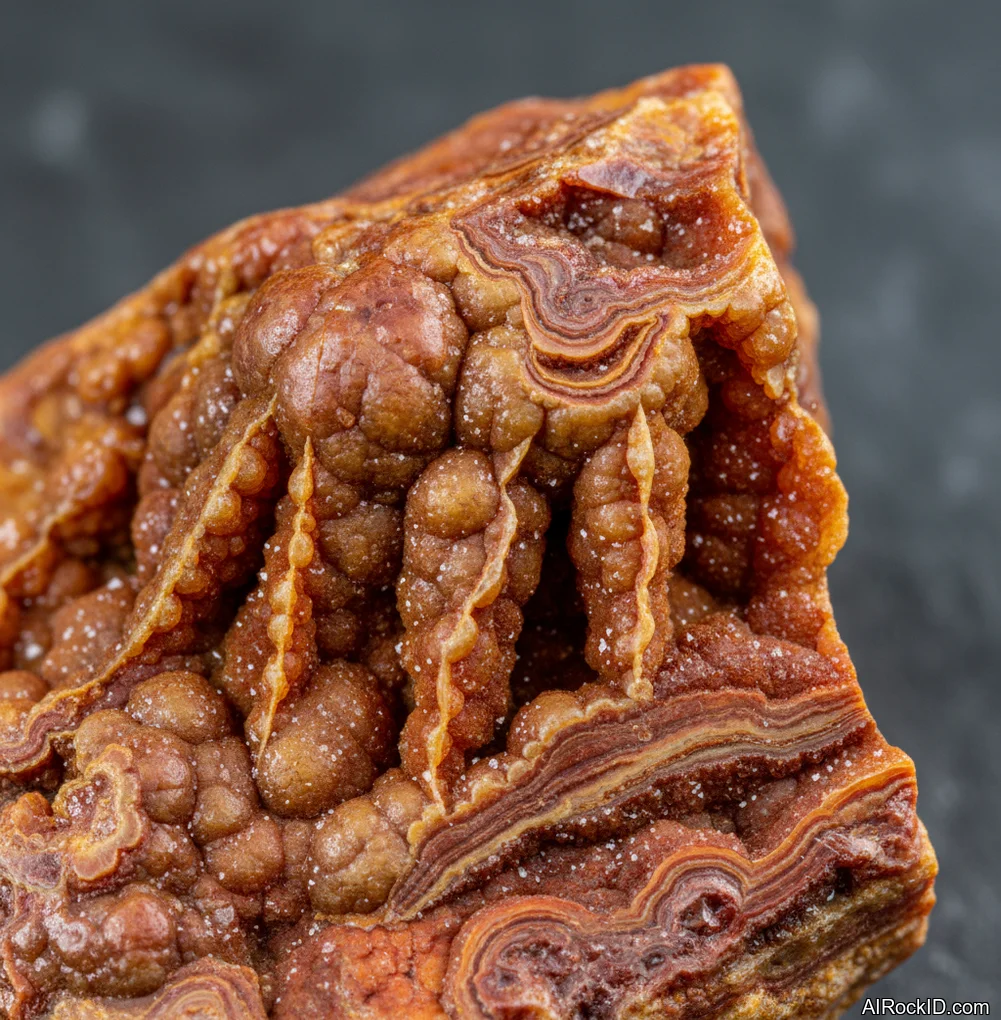
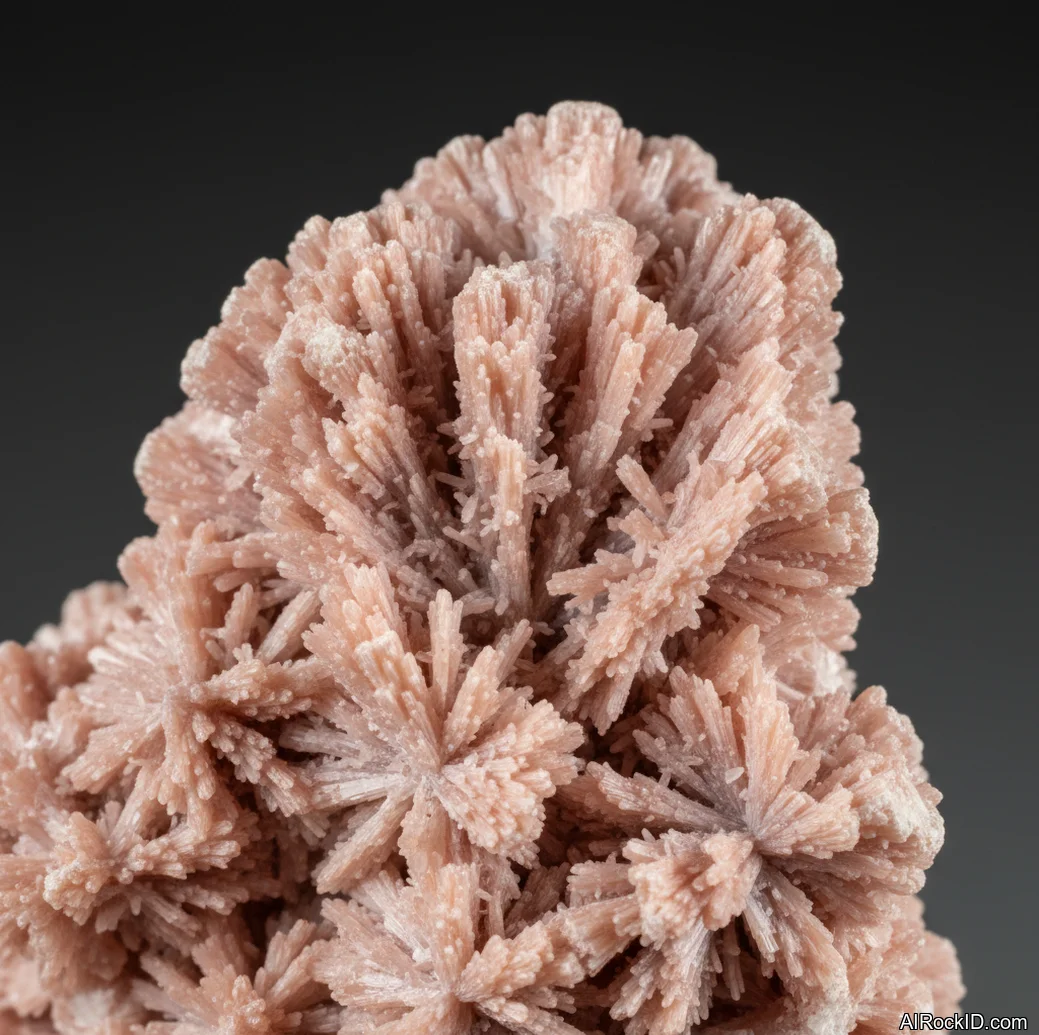
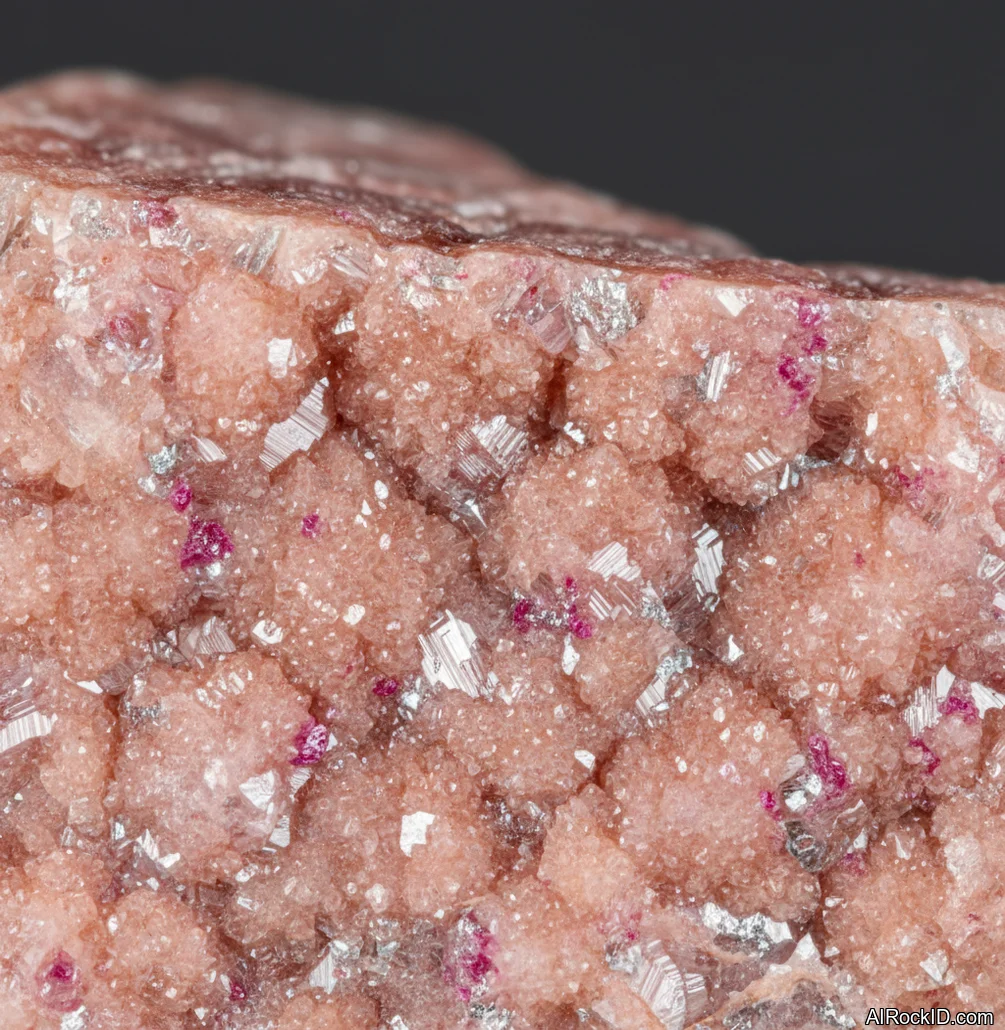
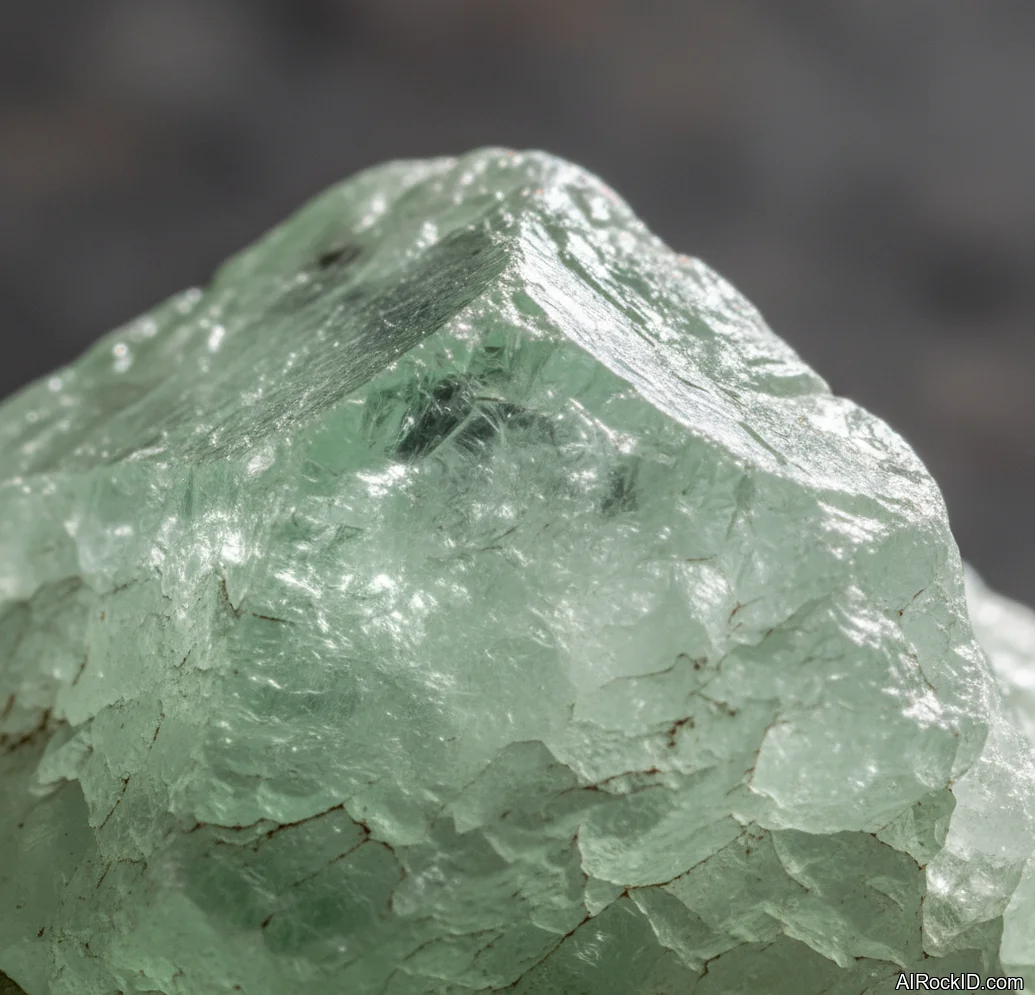
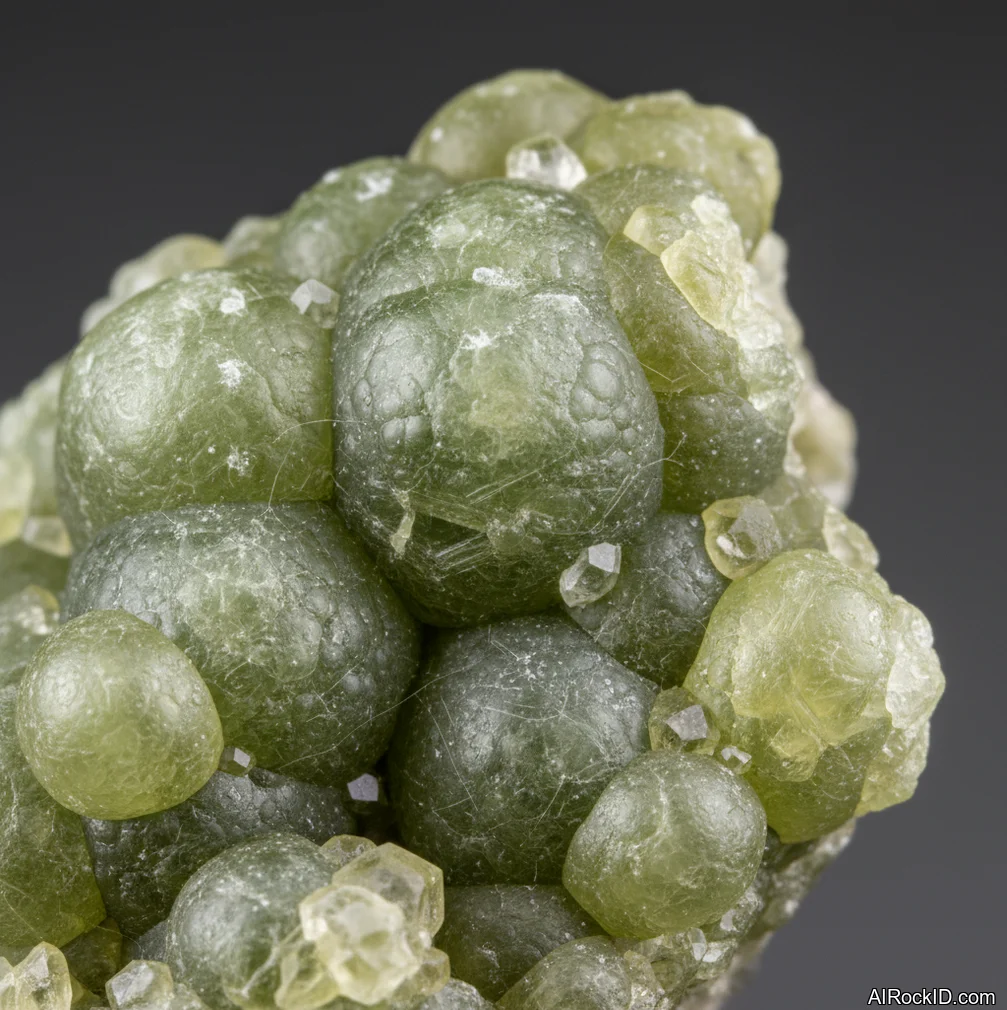
Many stones tagged as soothing are pale blue, soft pink, white, lavender, gray, or translucent, but color is only a loose pattern. Some darker stones may also carry soothing associations in specific traditions, especially when they are linked to grounding or emotional steadiness.
Ethical and Practical Buying Notes
Ask sellers for the mineral name, treatment information, and origin when available, especially for high-value or rare soothing stones. Trade names can be useful for shopping, but the mineral identity is more important for care, durability, and long-term collecting.
What Are Soothing Crystals? Collector’s Guide to Soothing Stone Properties
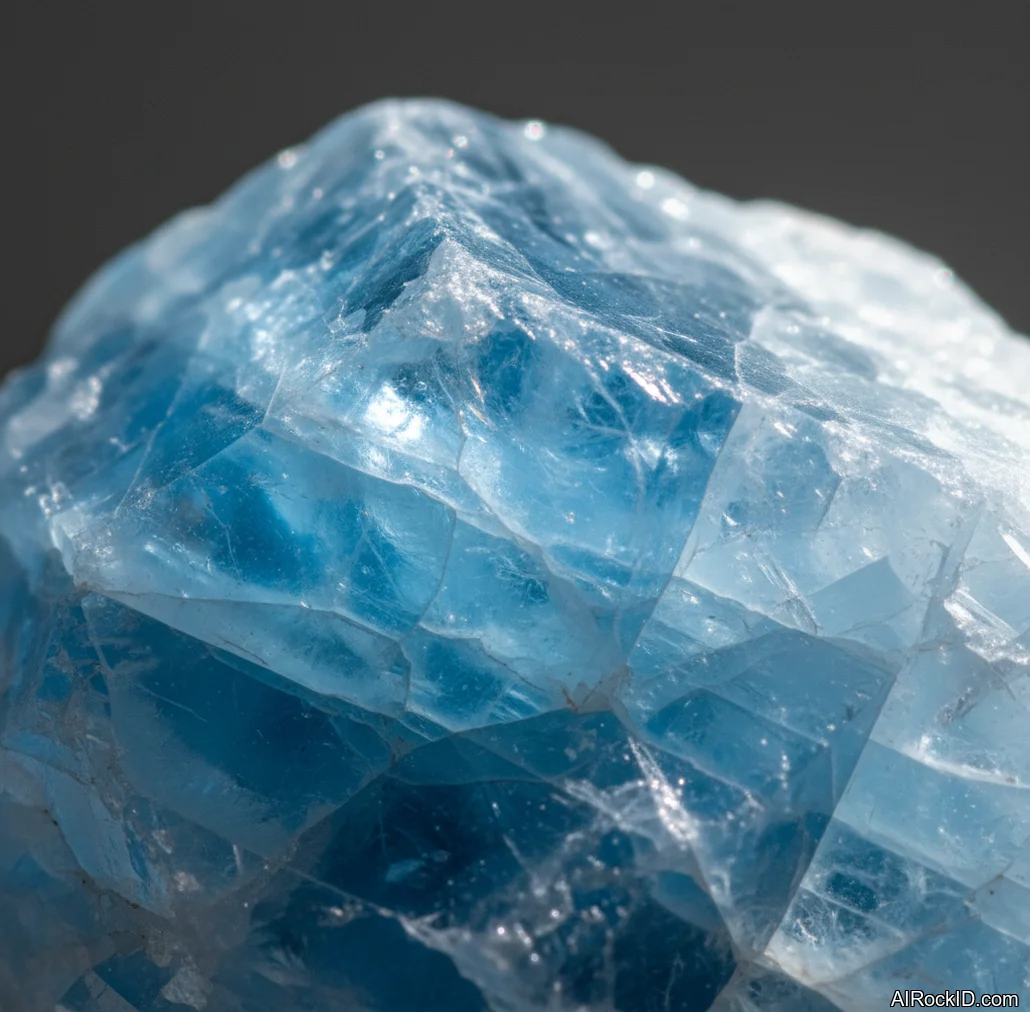
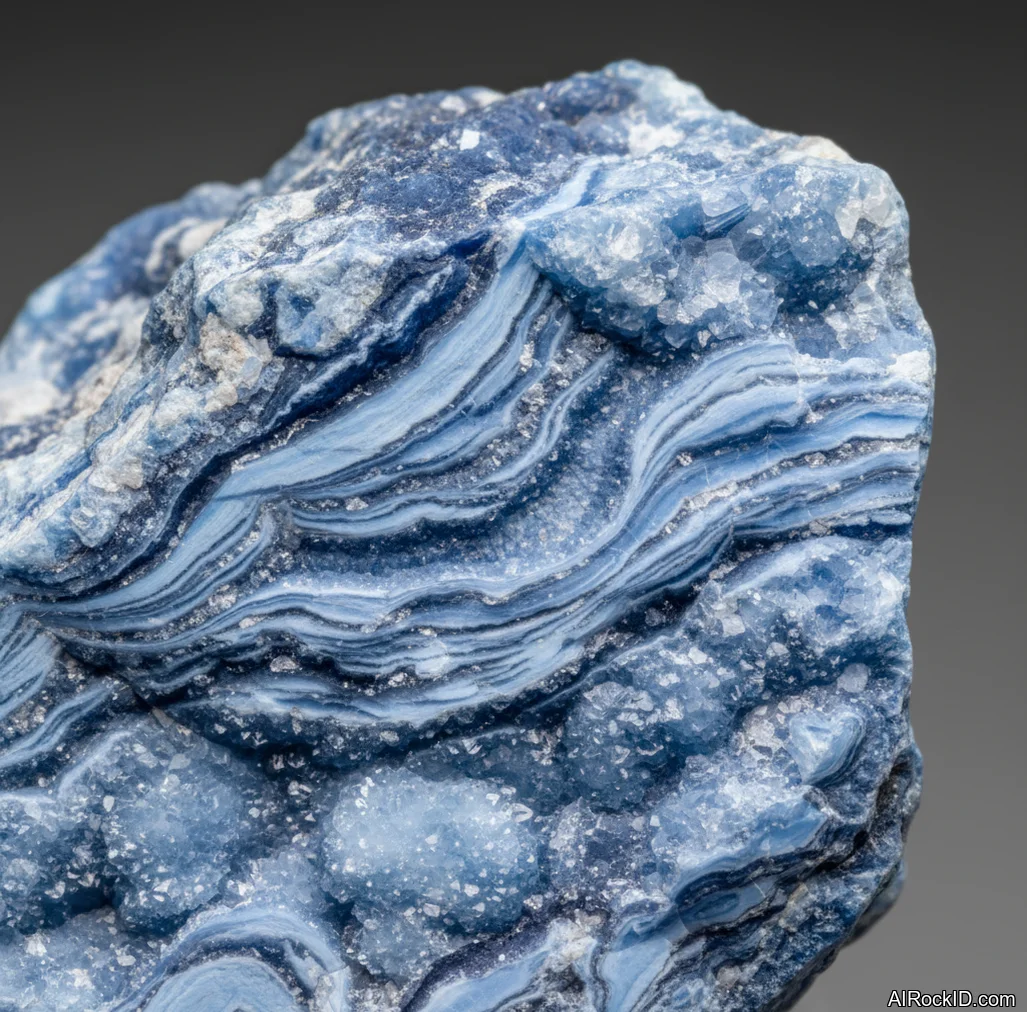
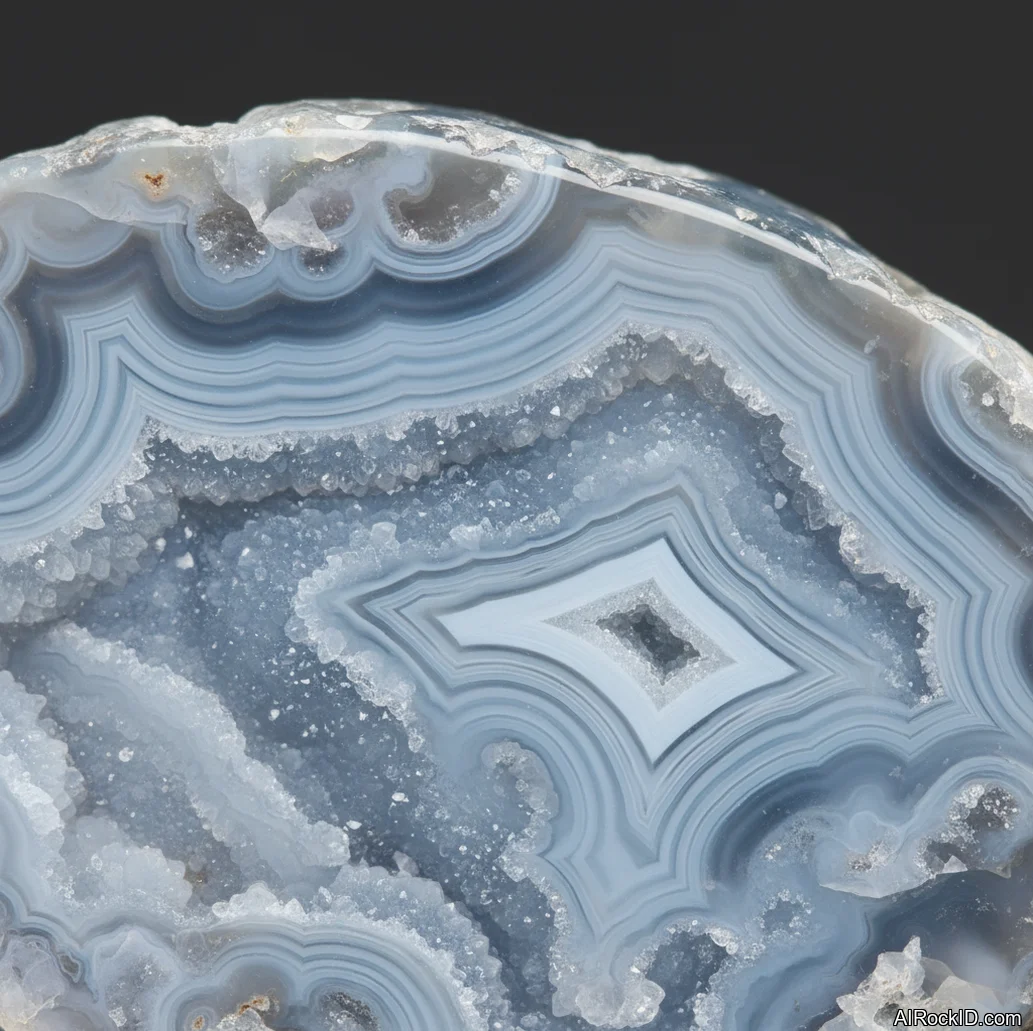
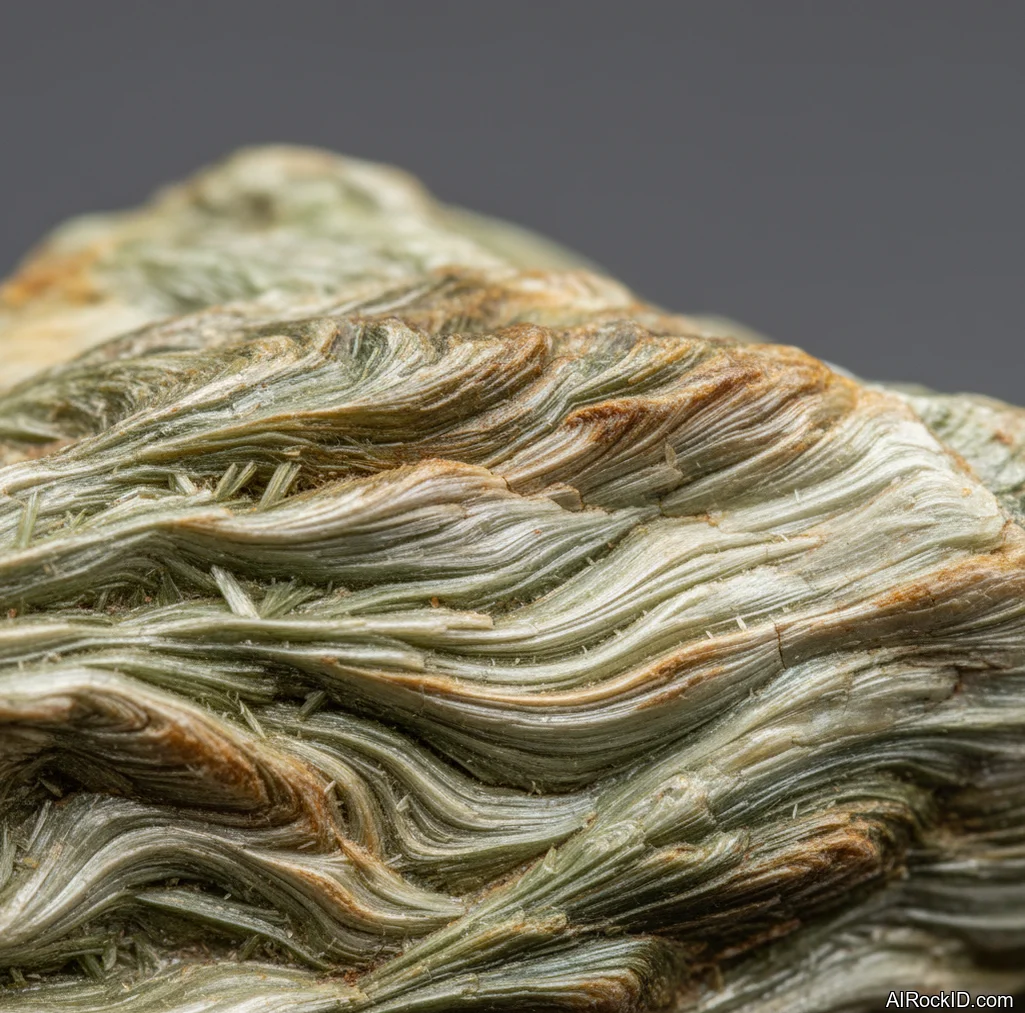
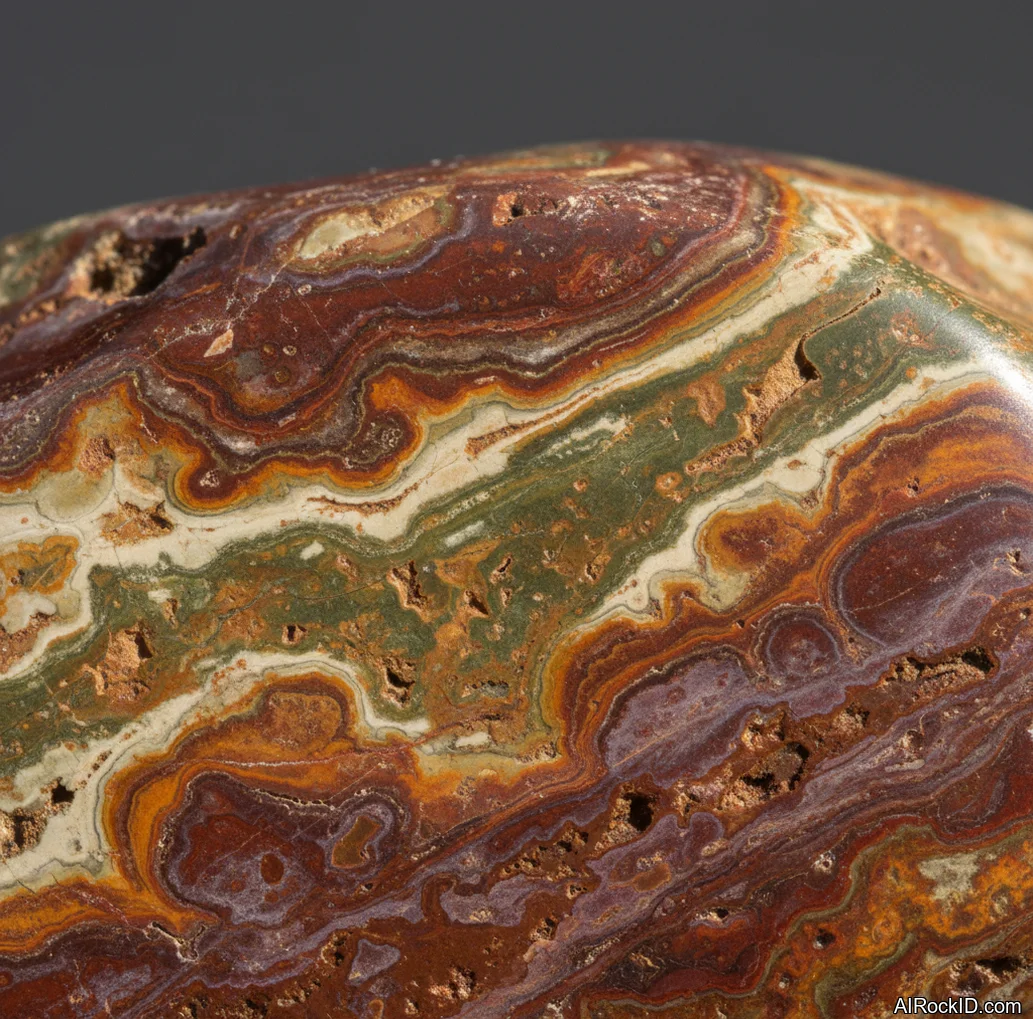
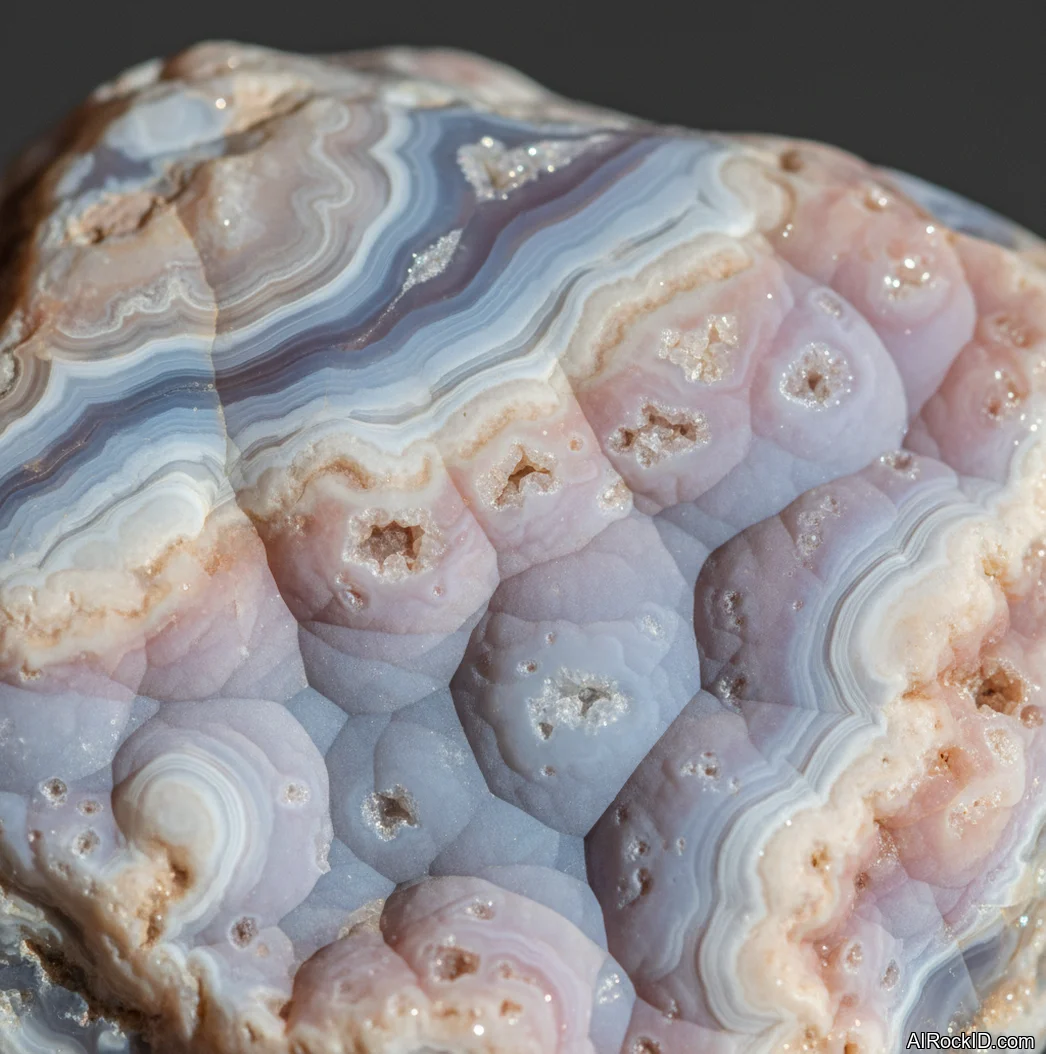
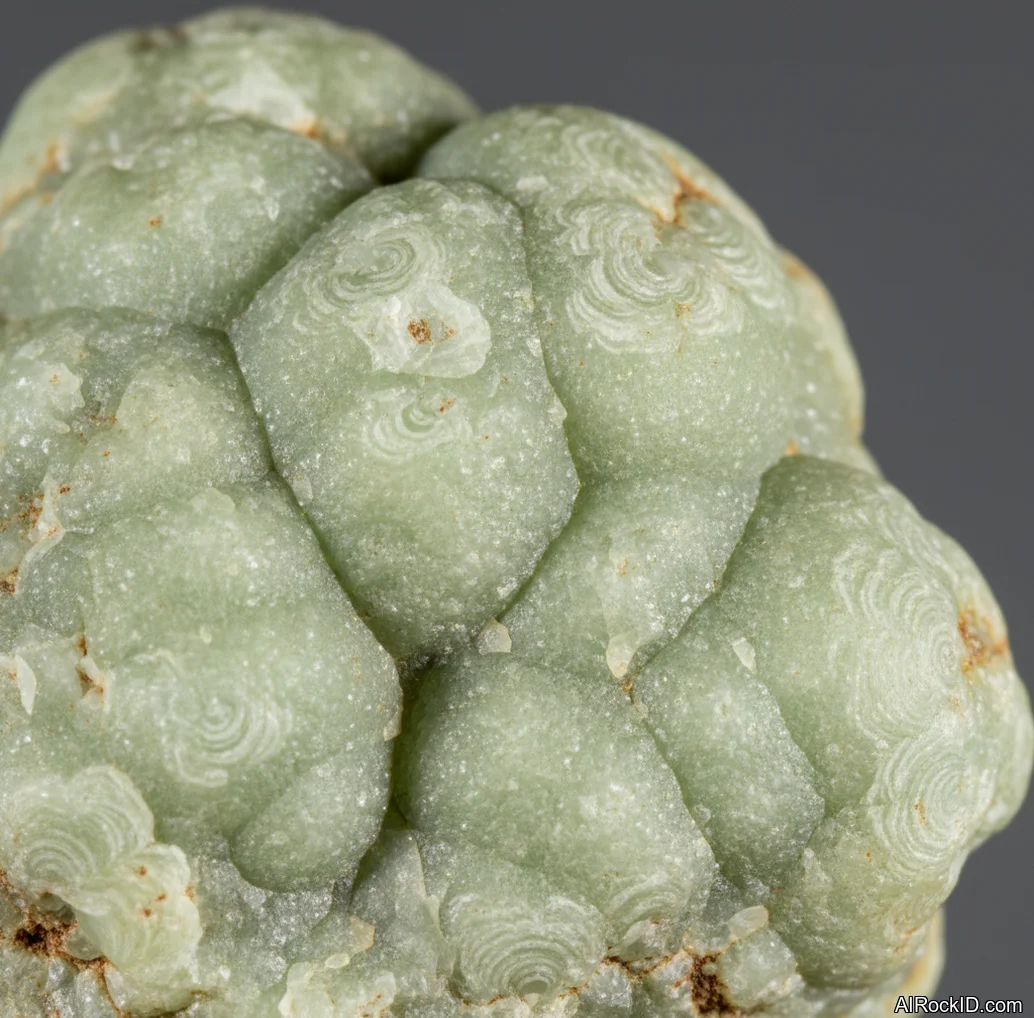
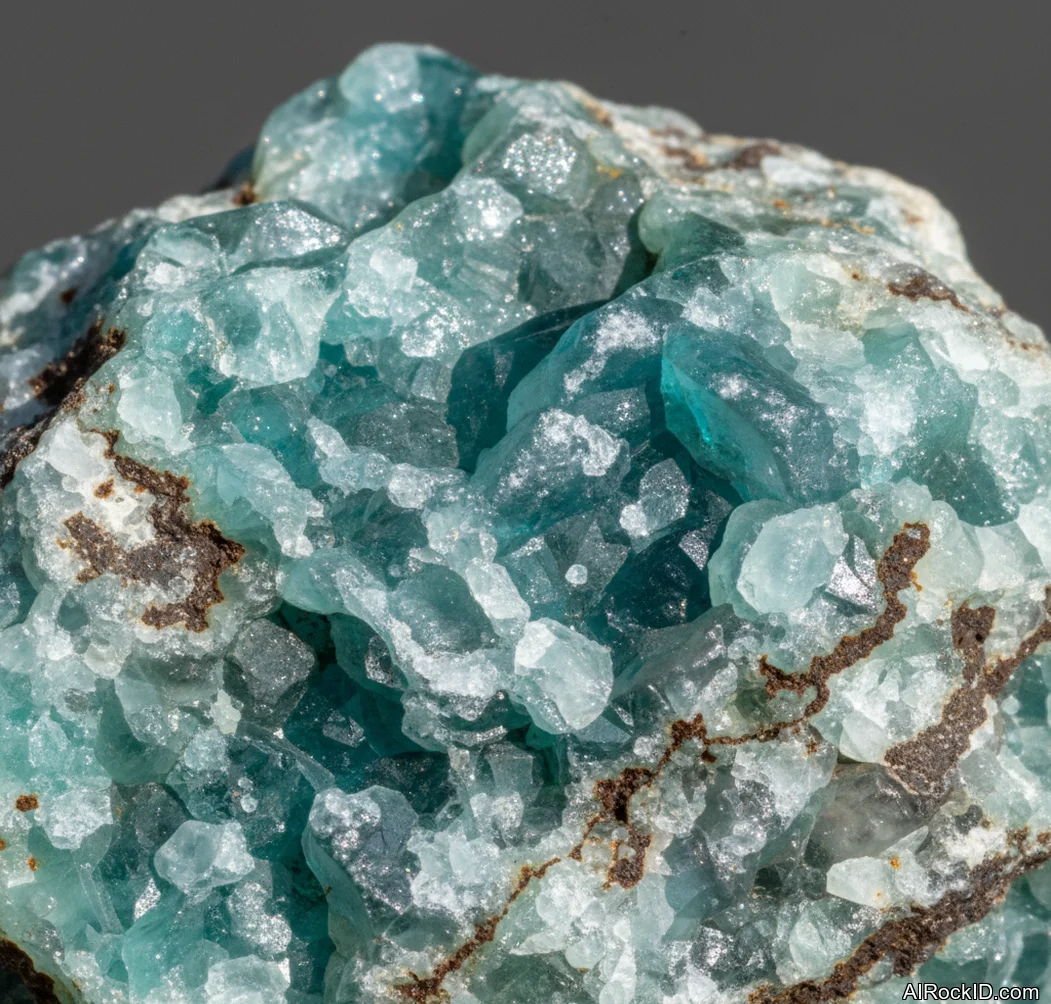
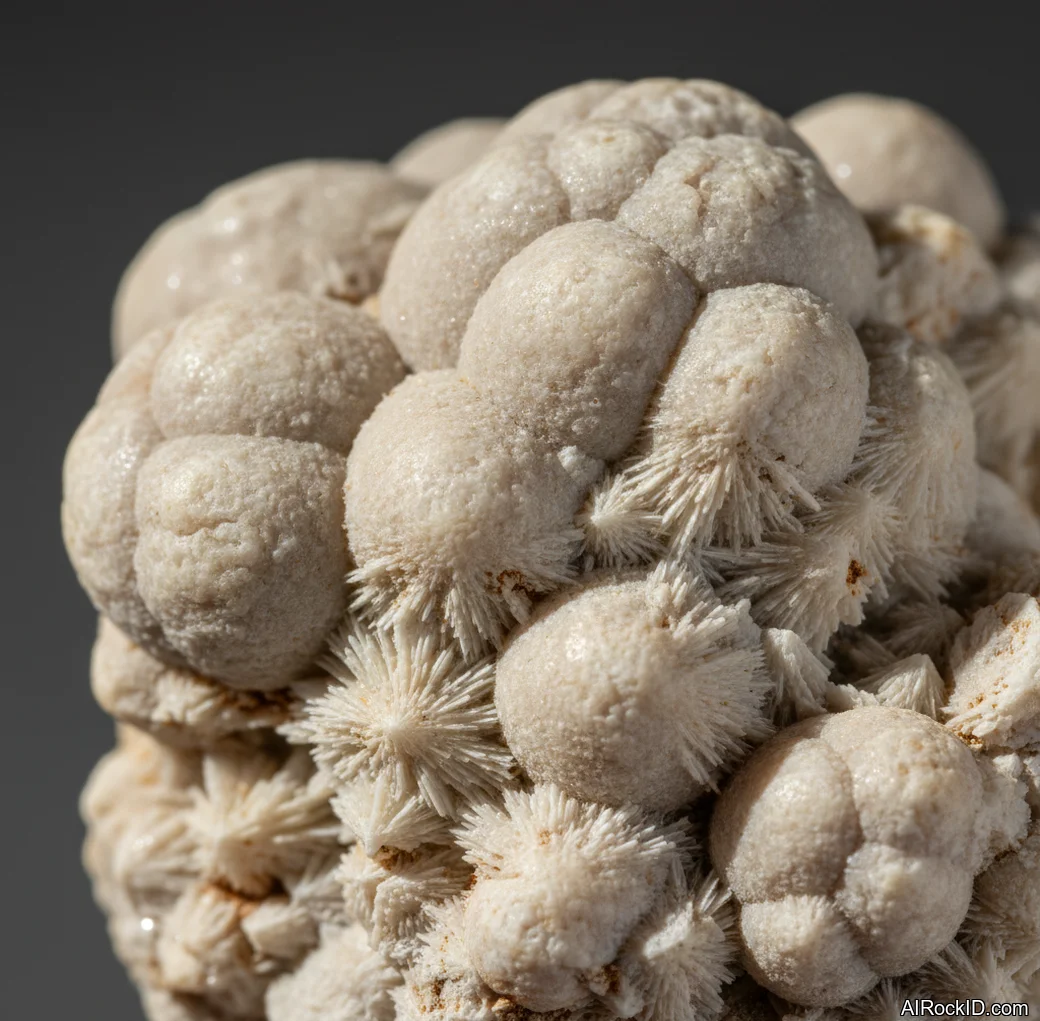
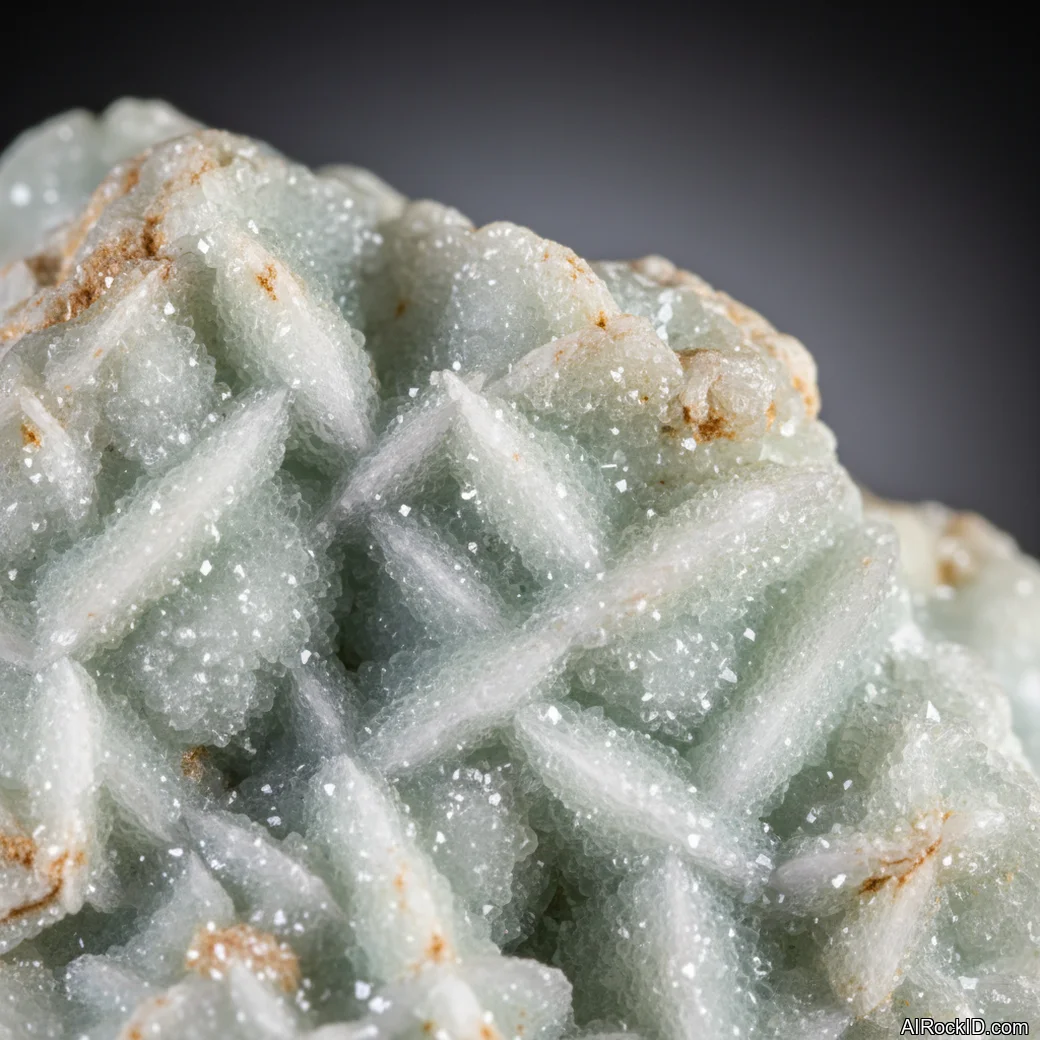
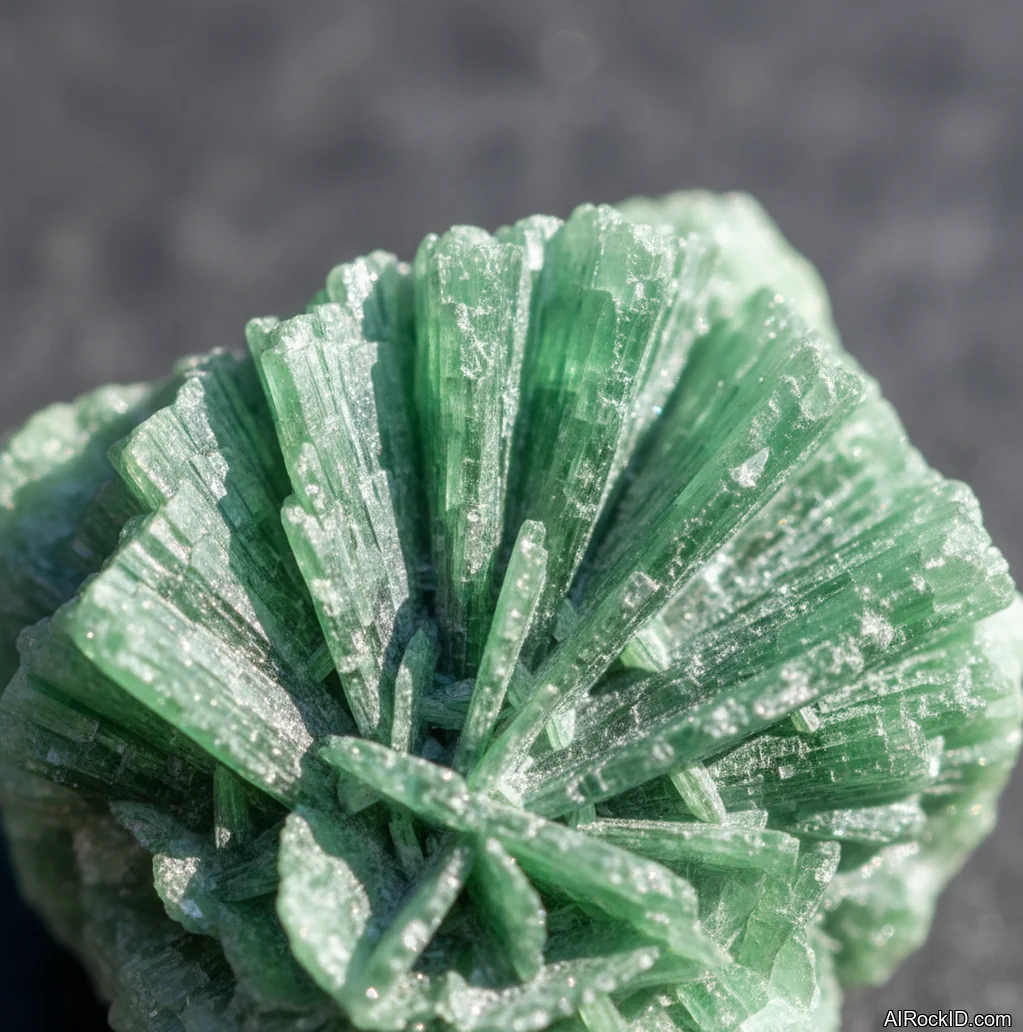
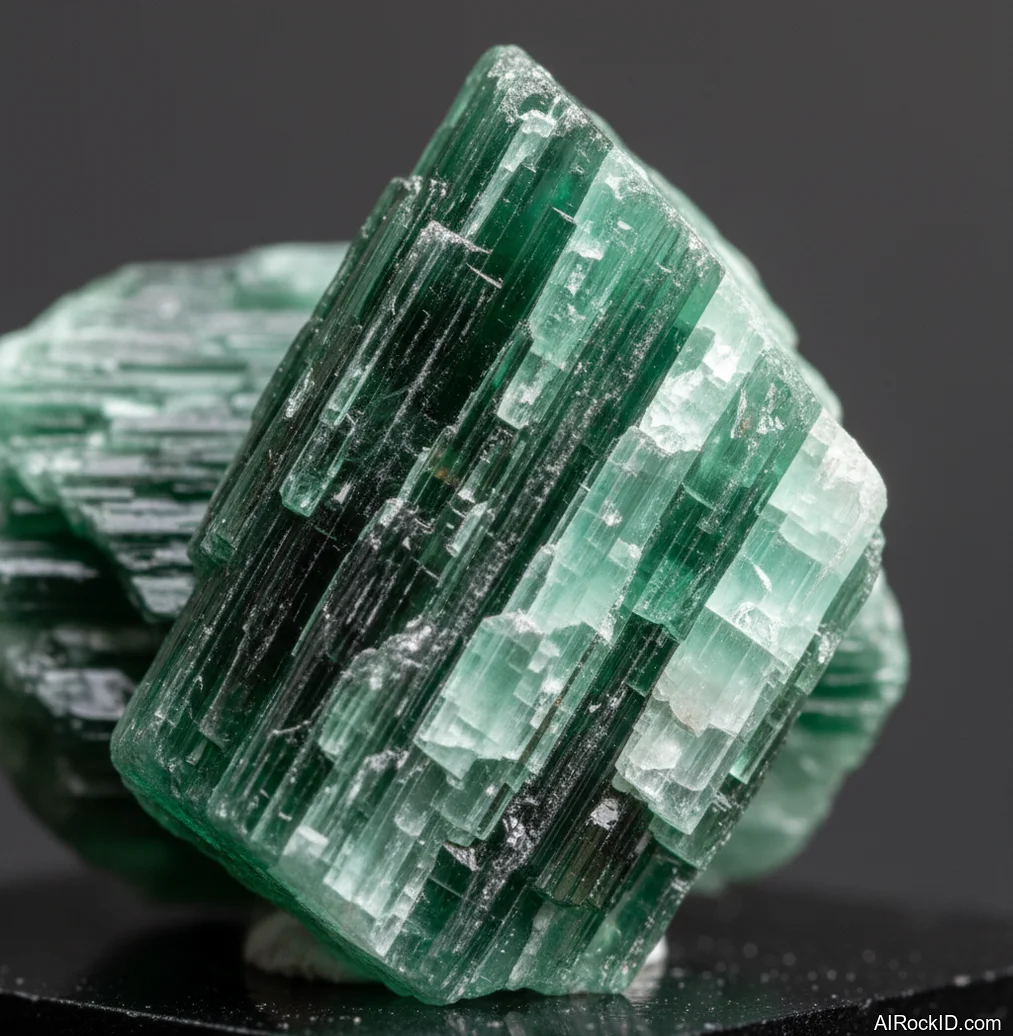
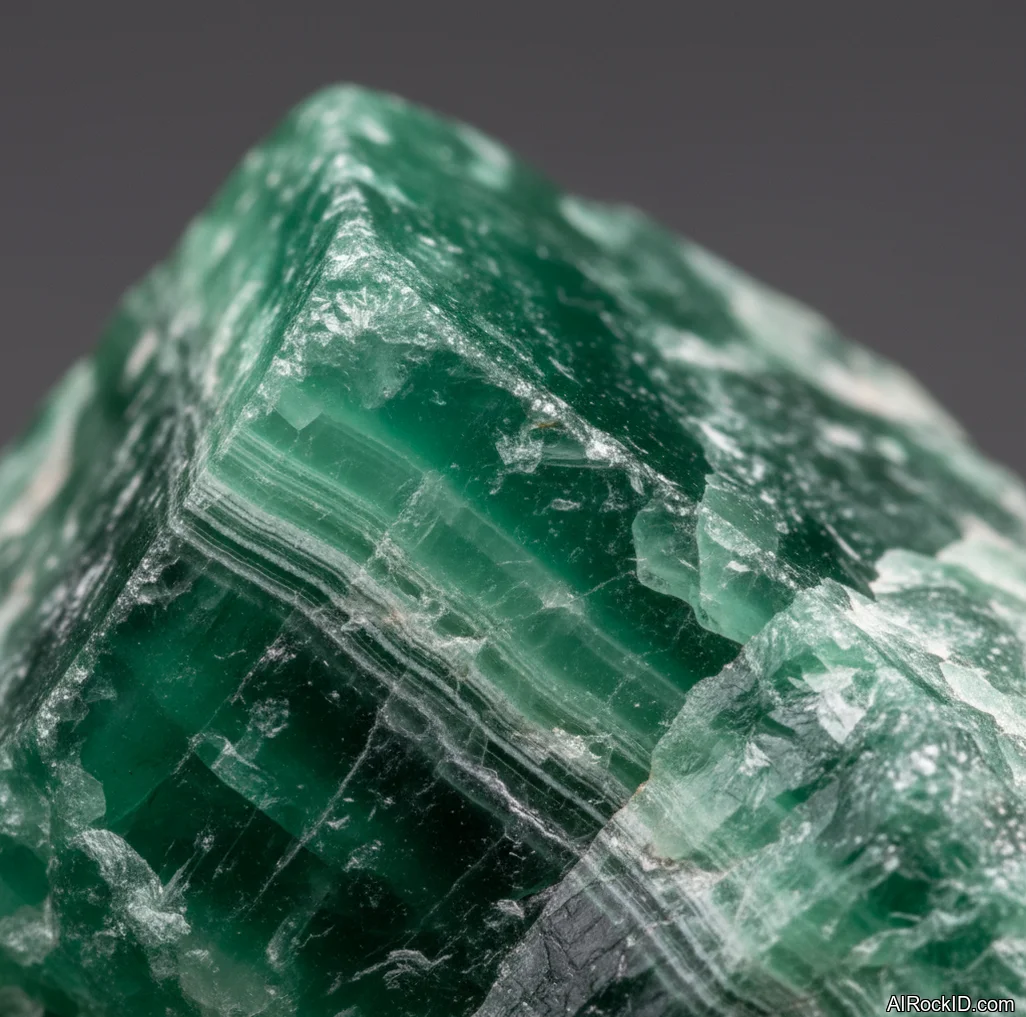
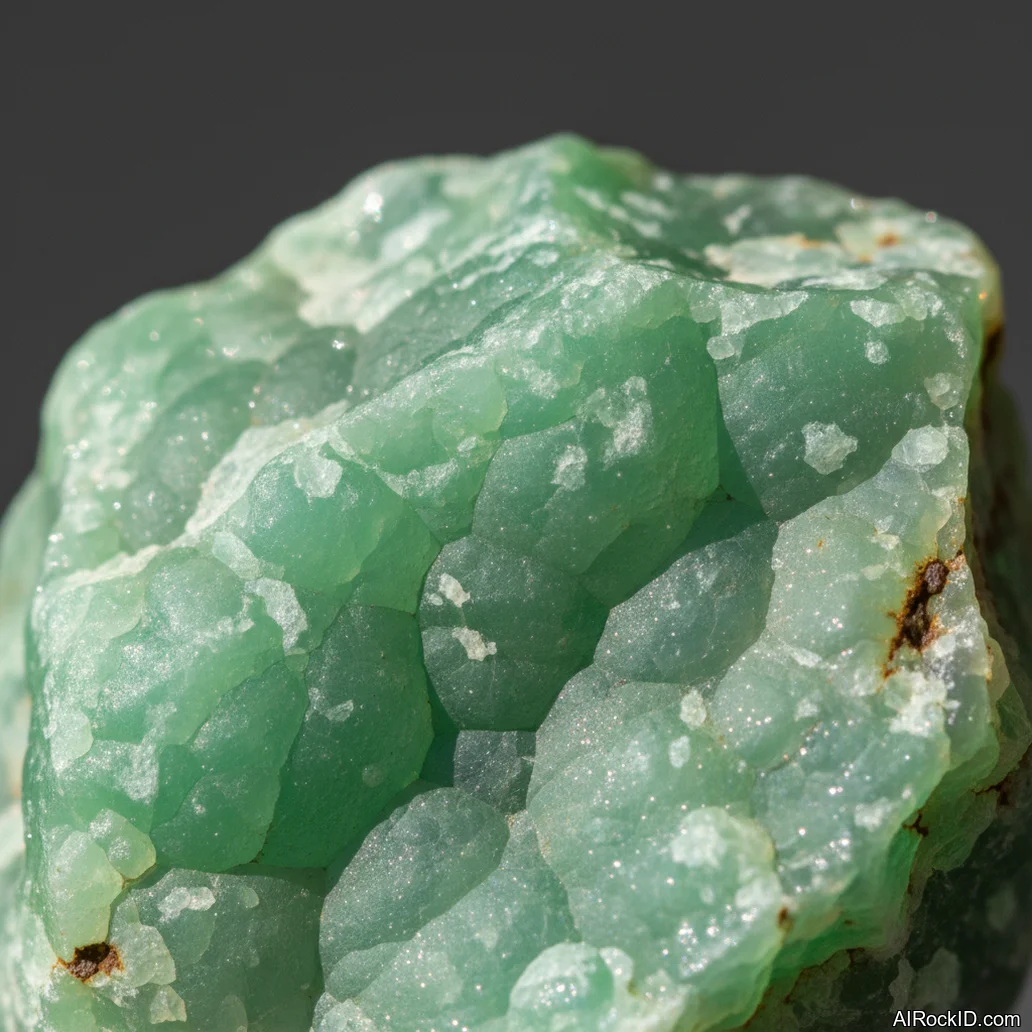
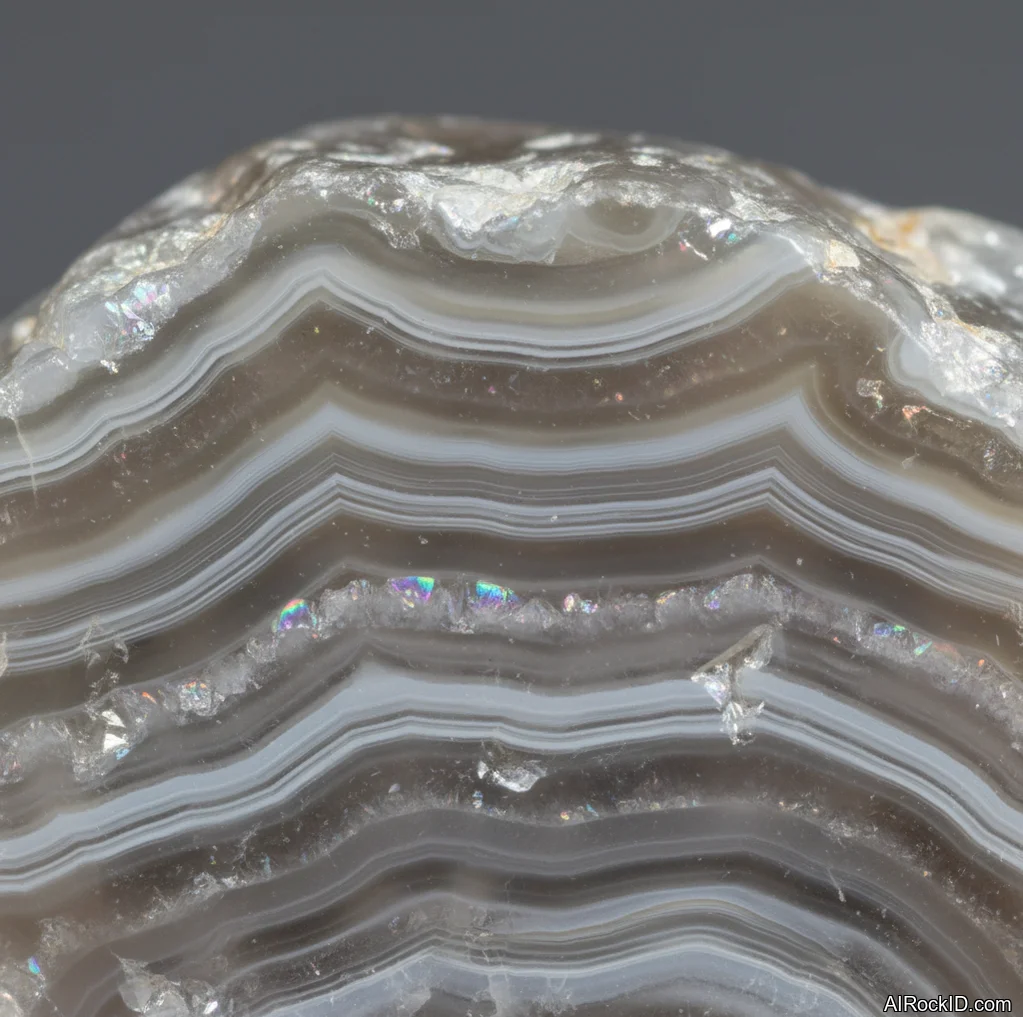
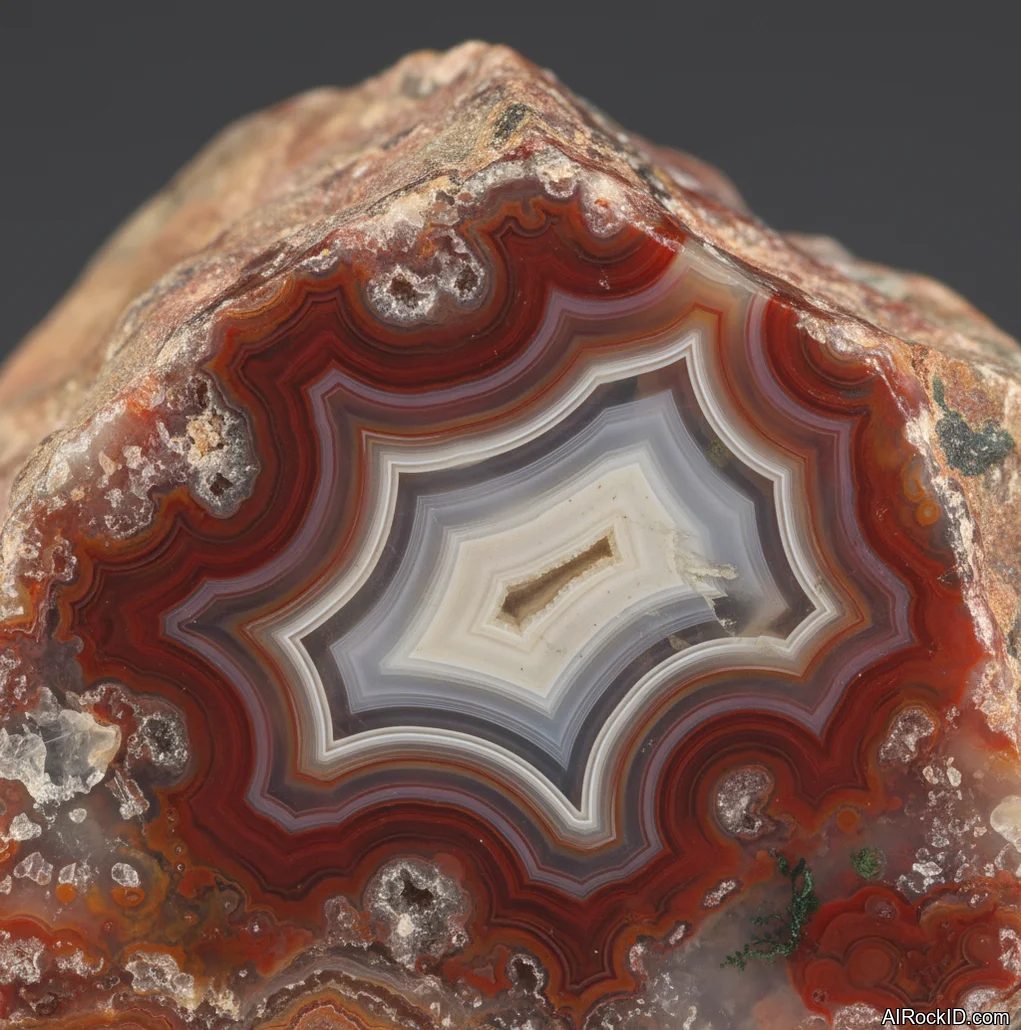
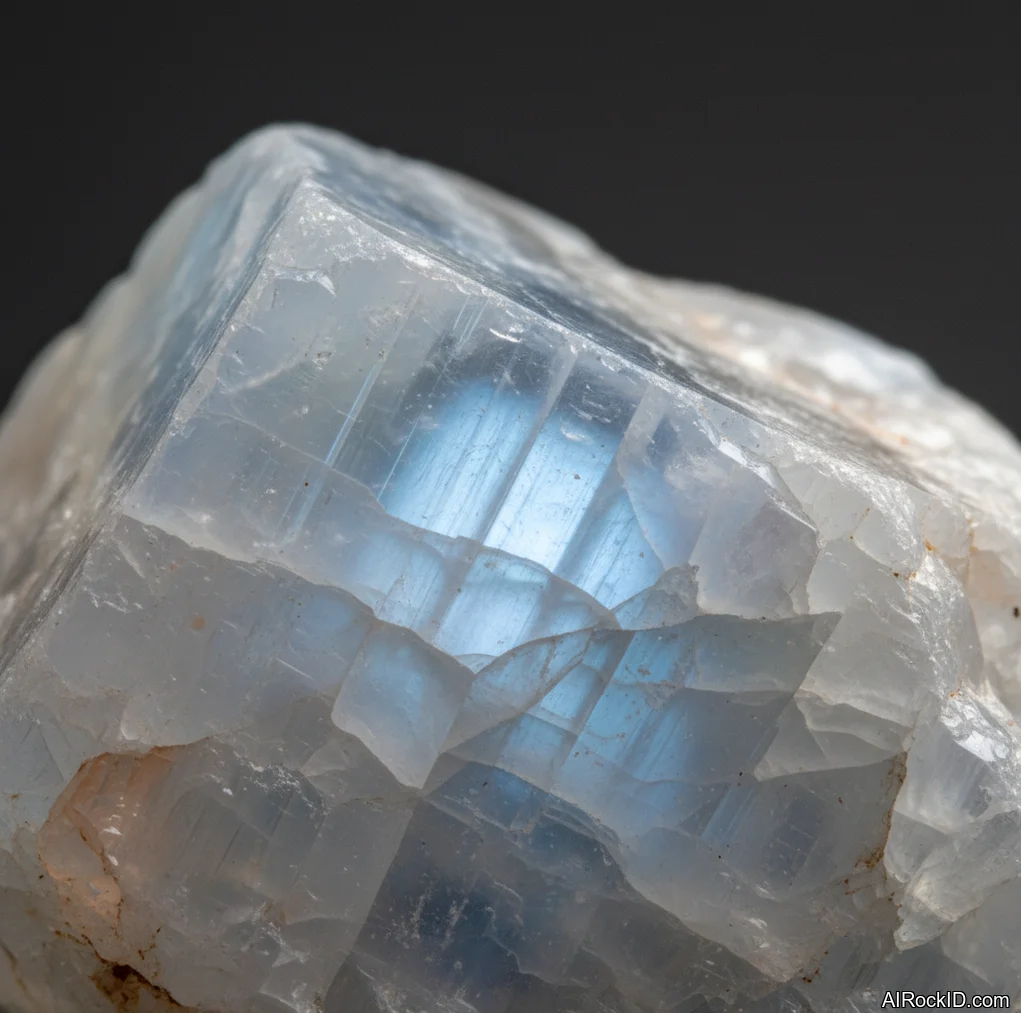
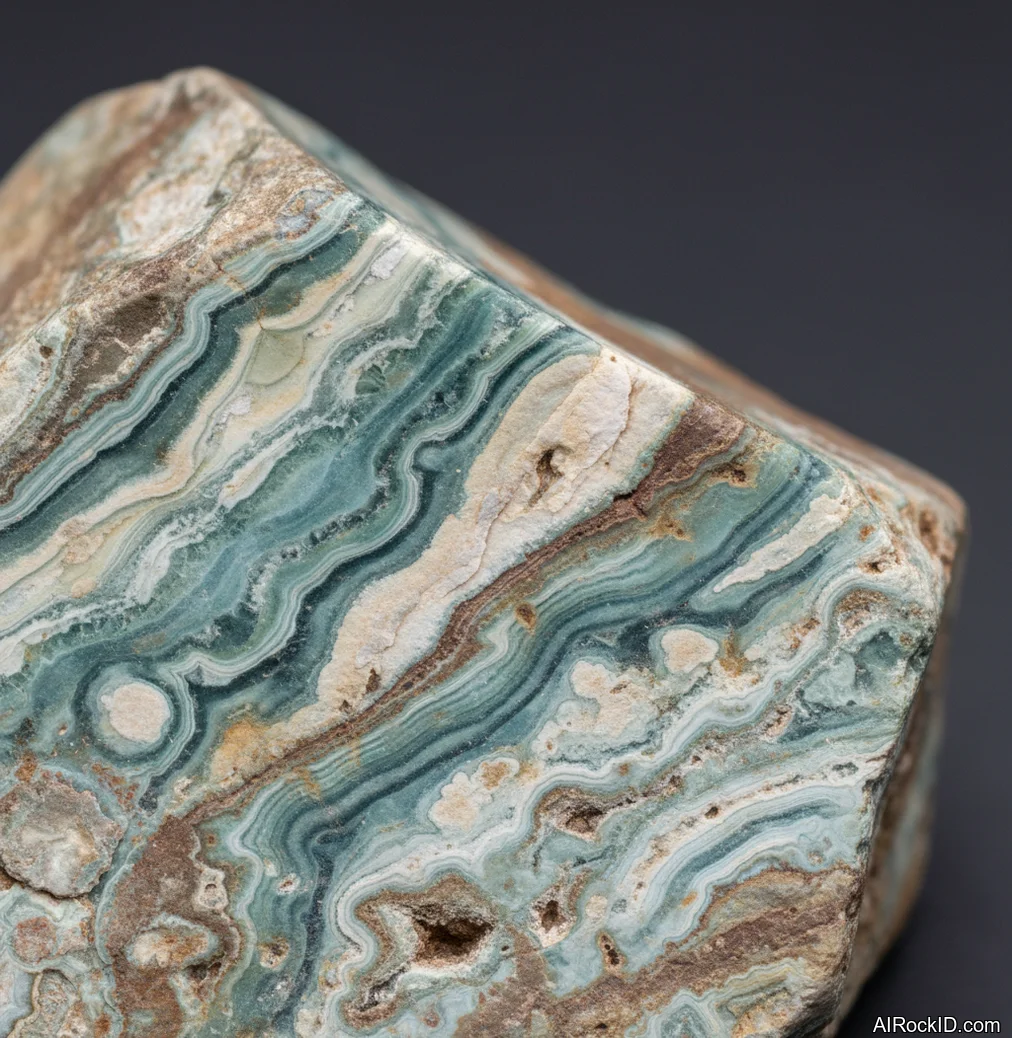
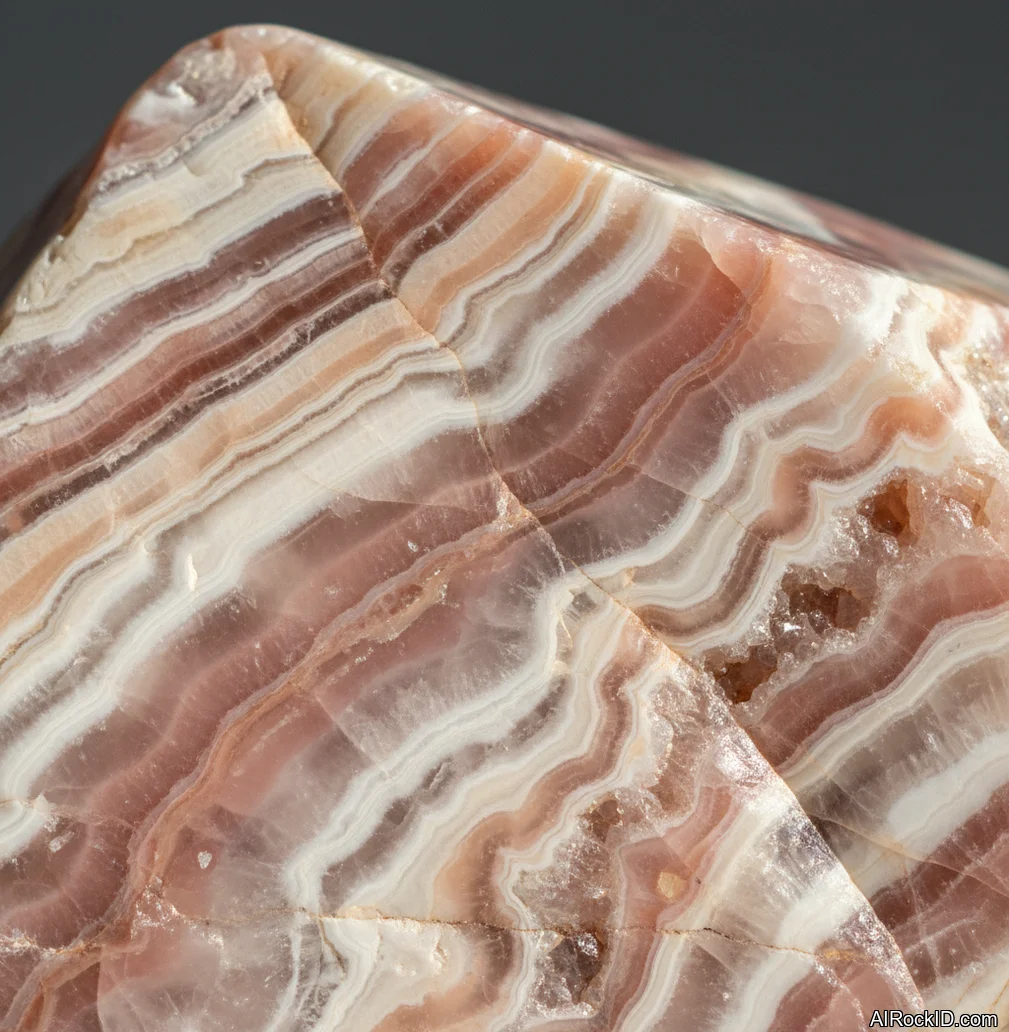
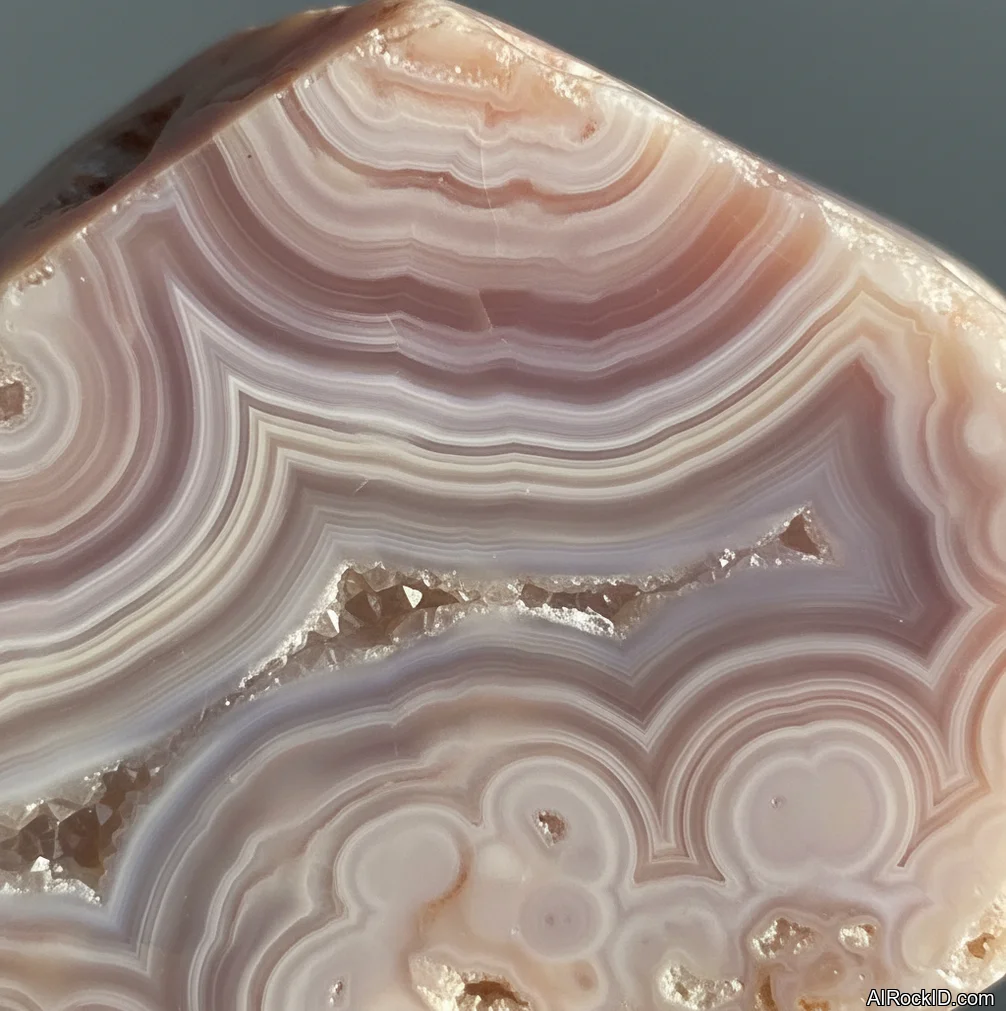
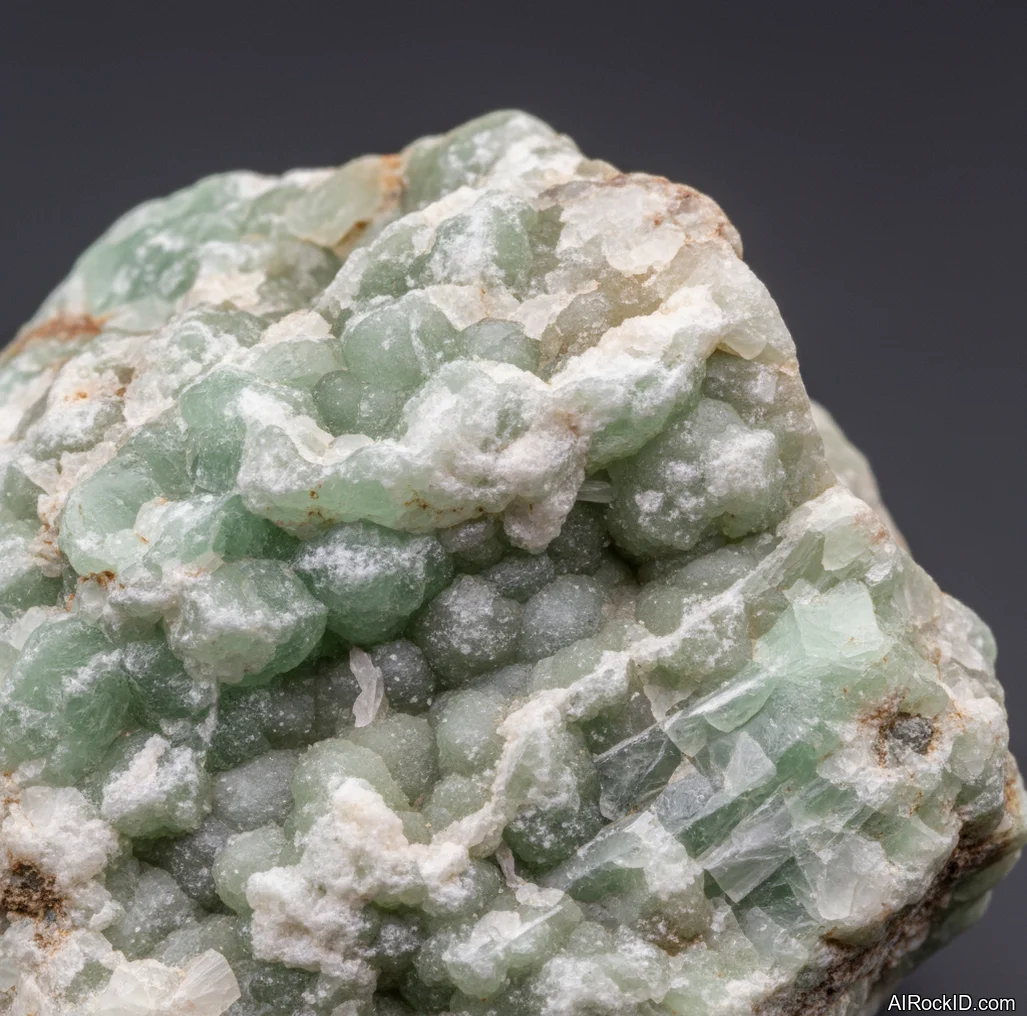
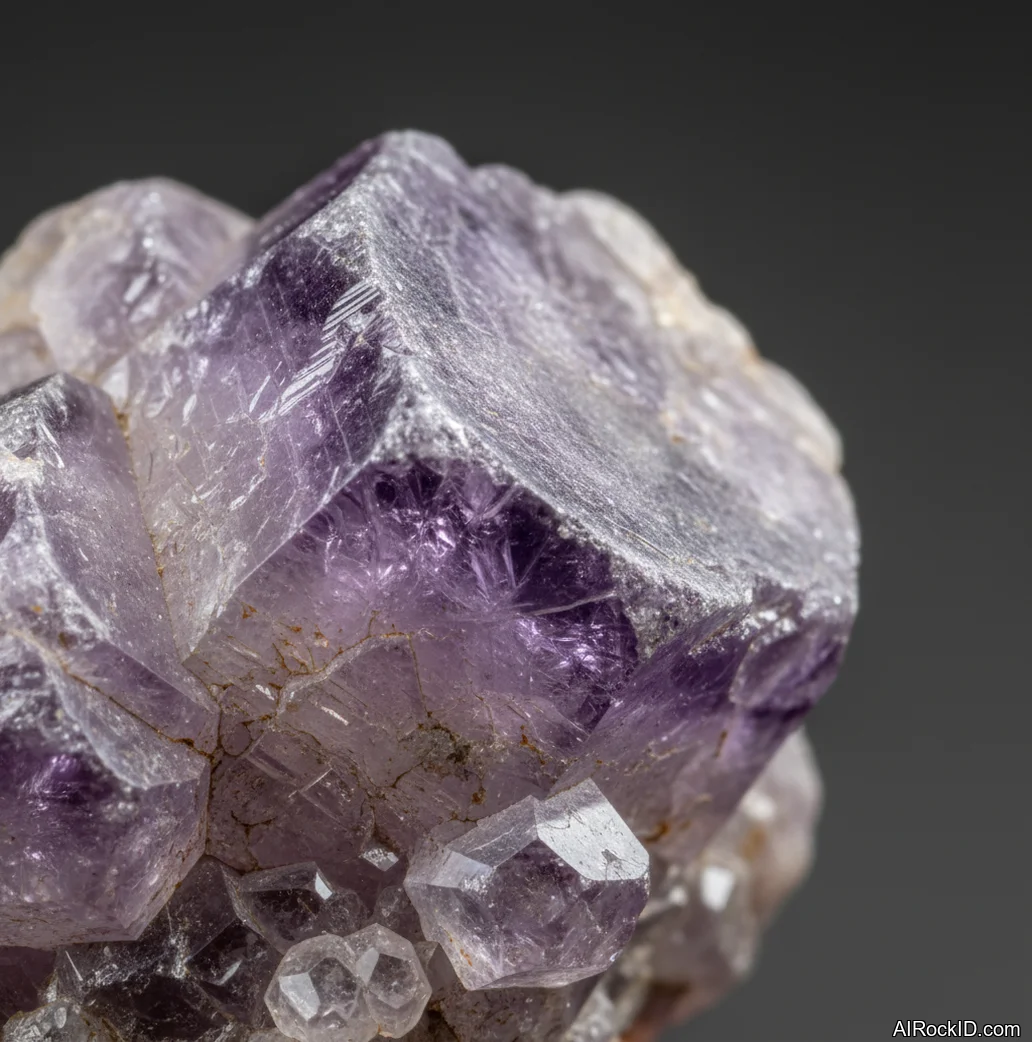
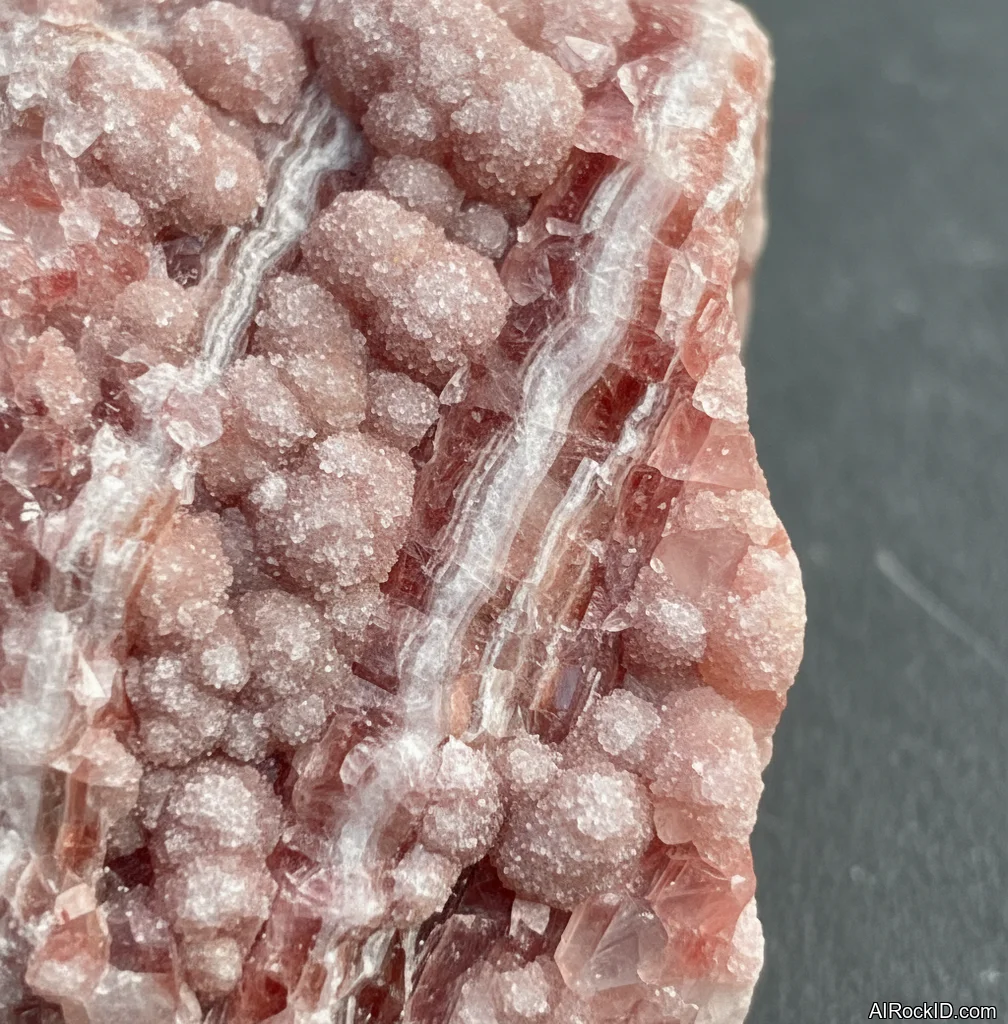
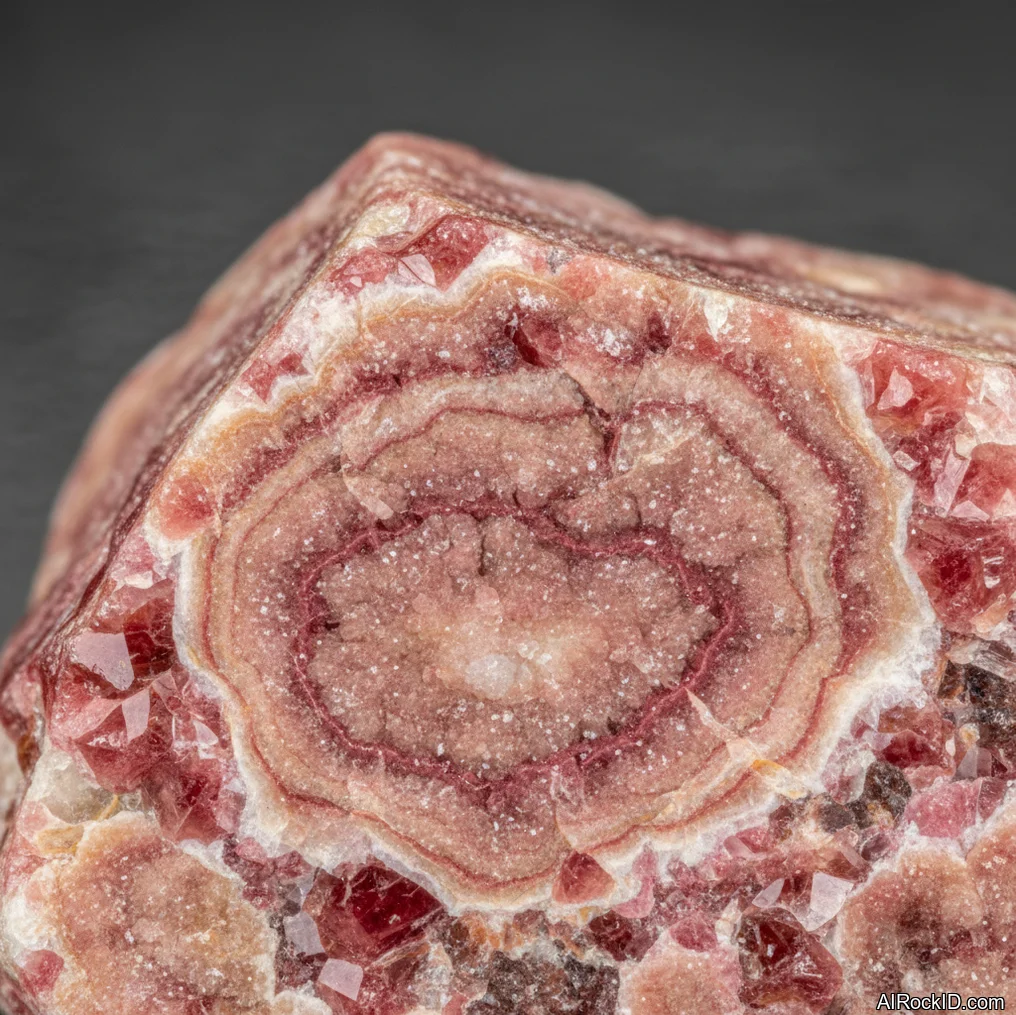
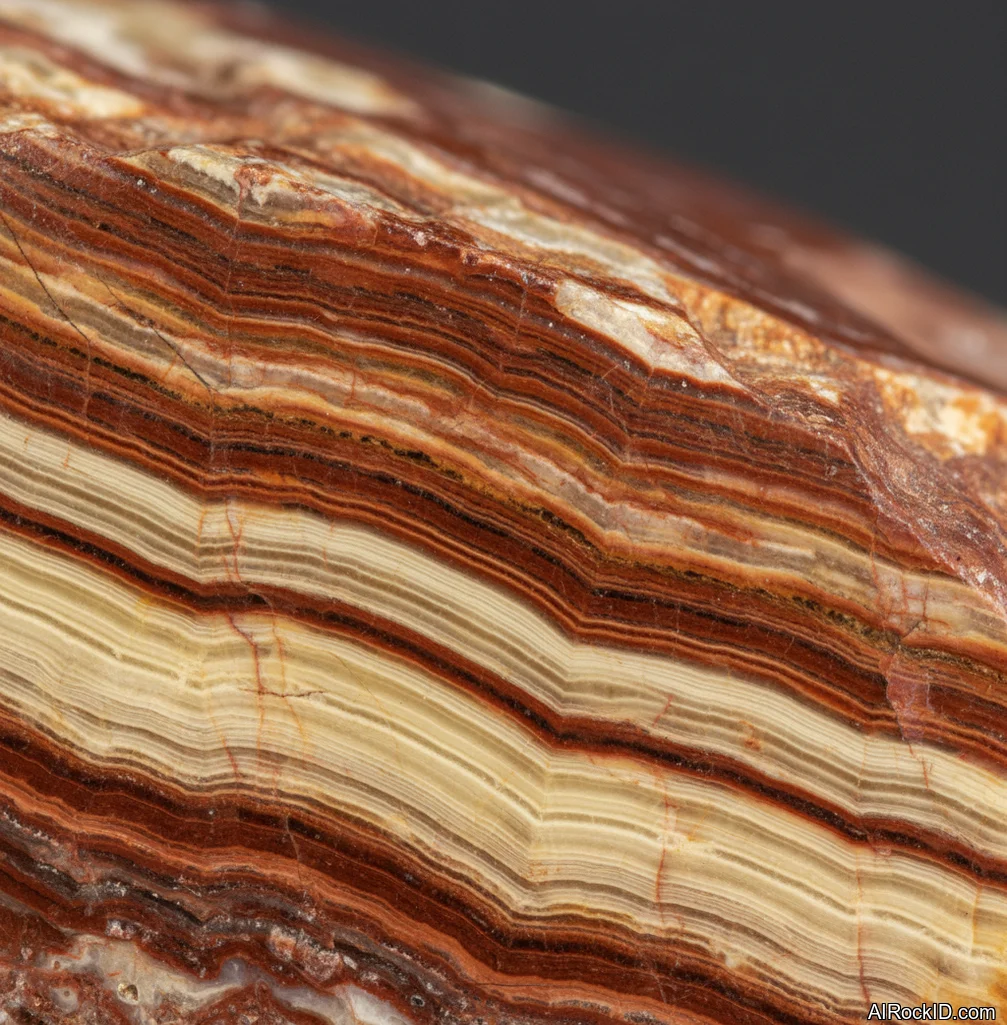
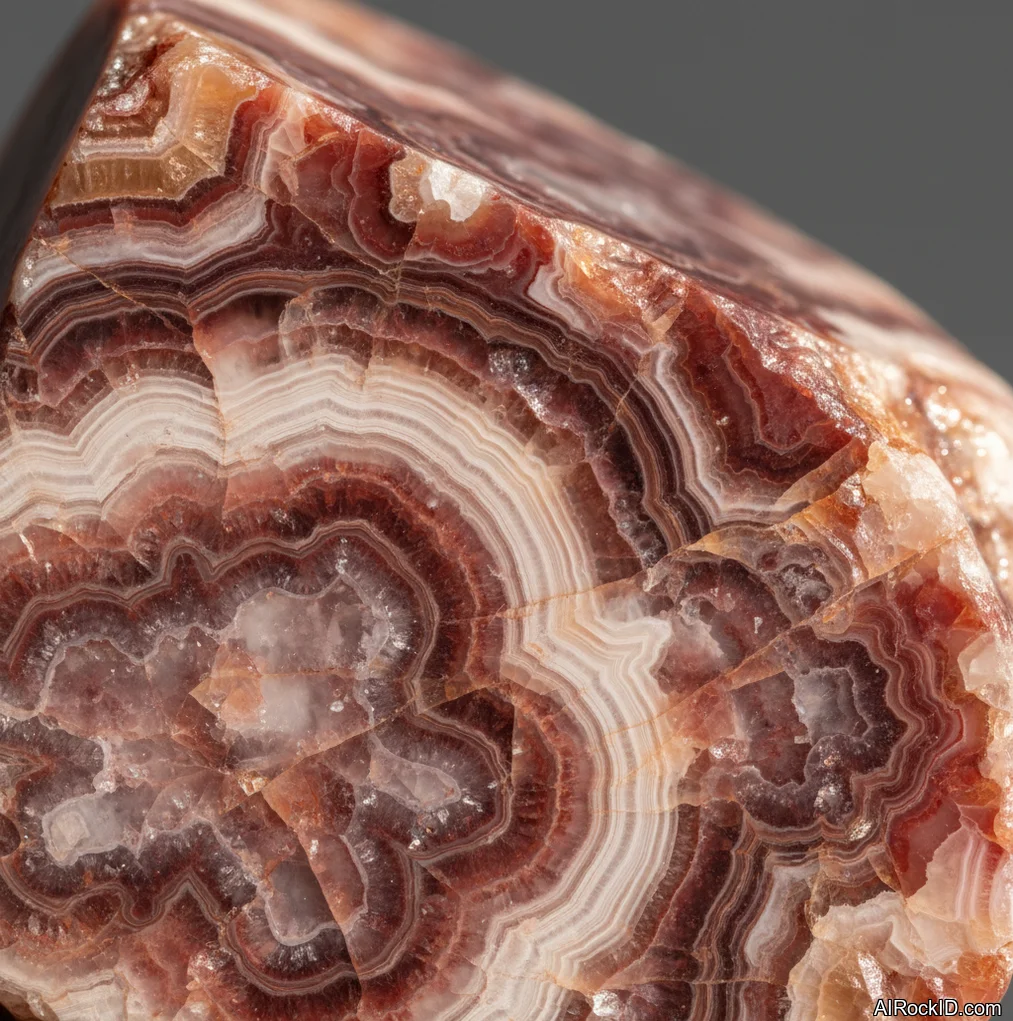
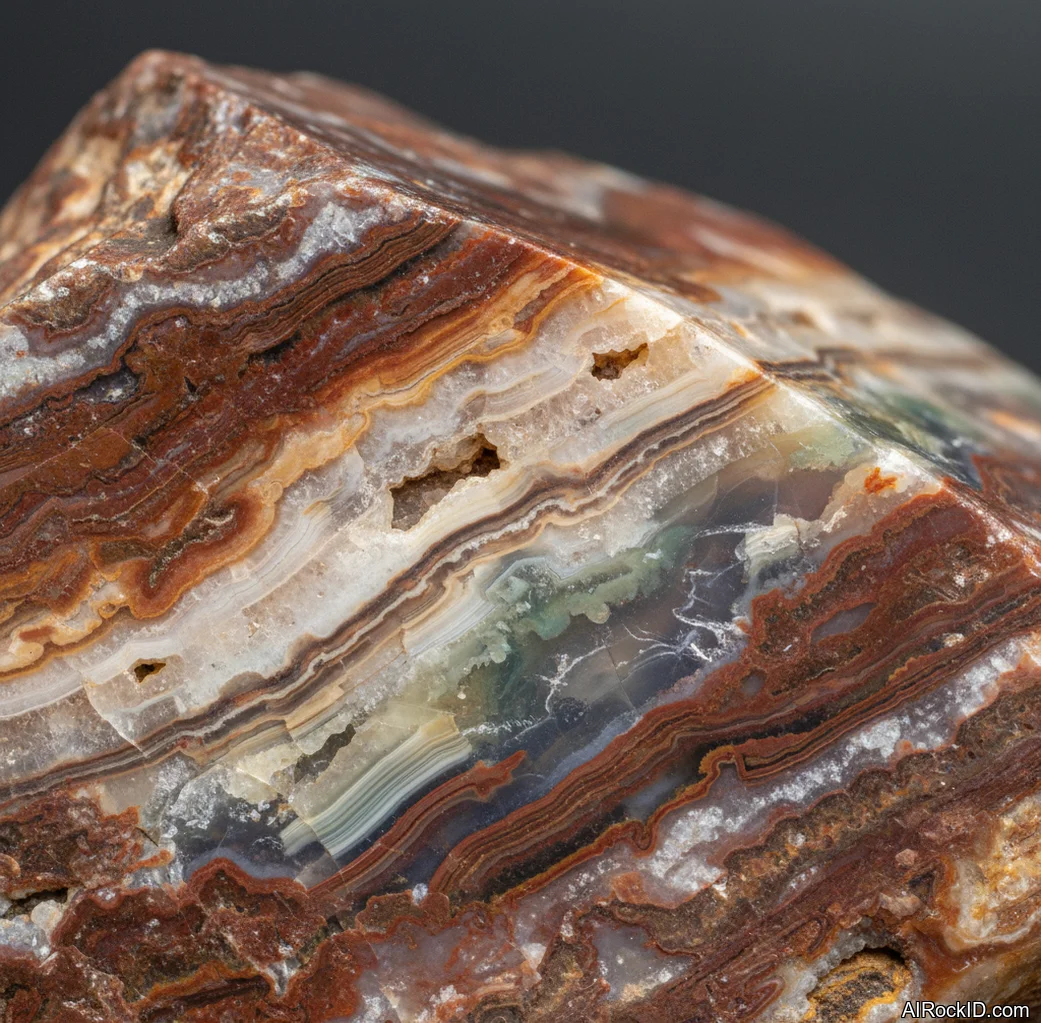
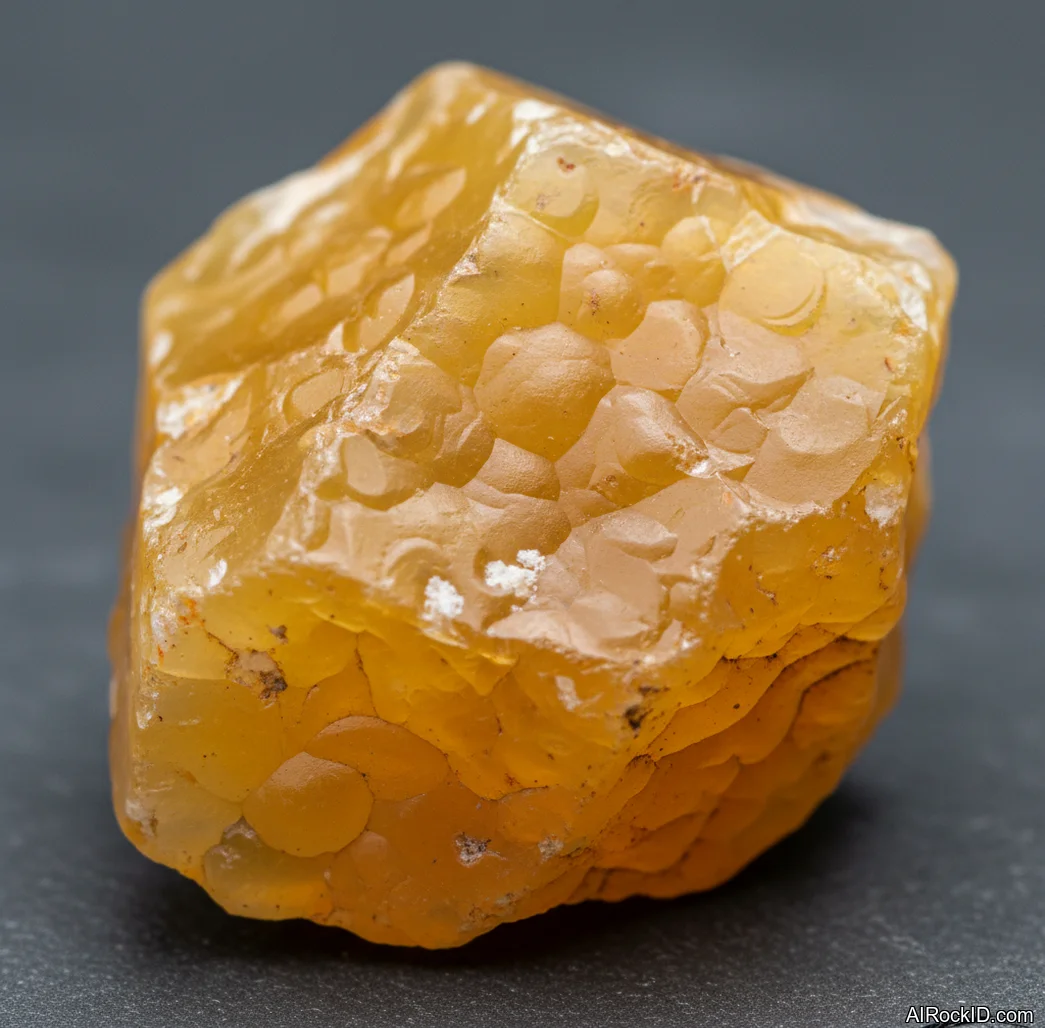
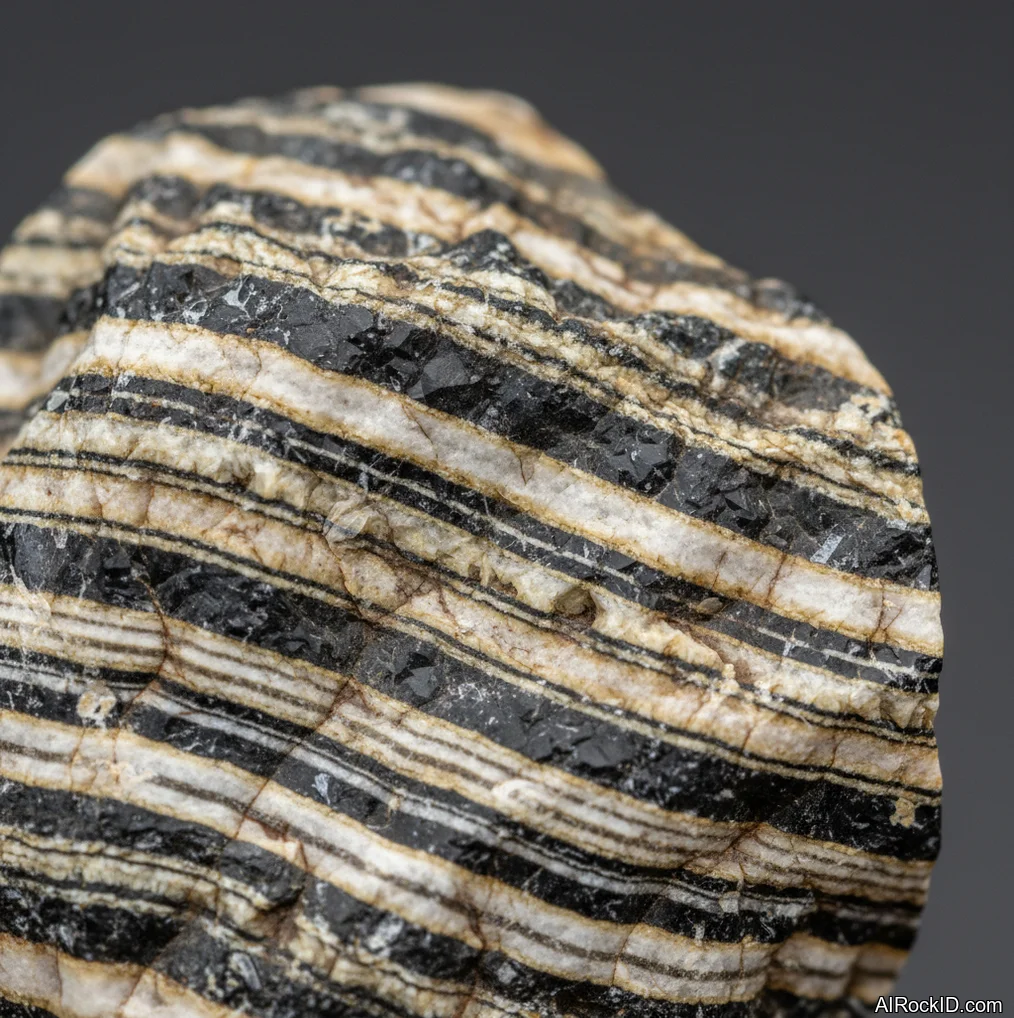
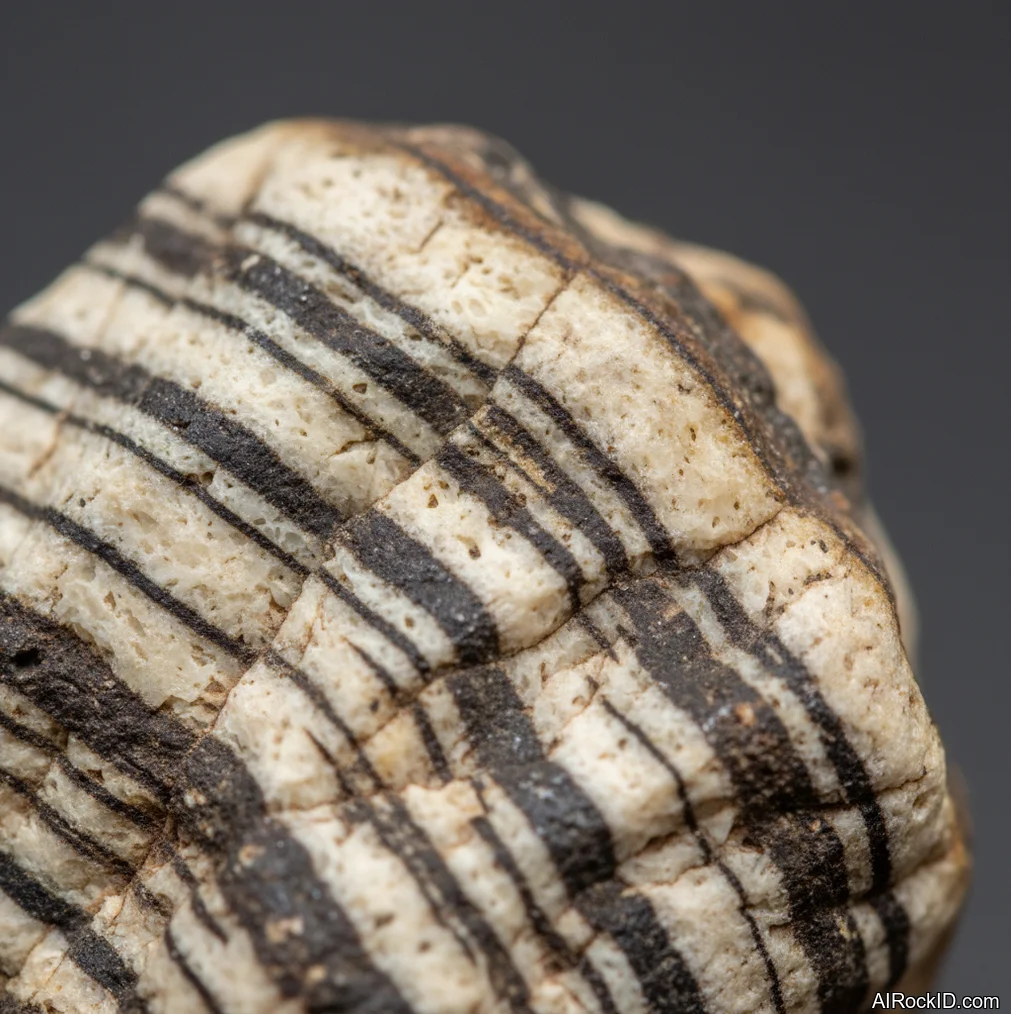
Soothing, in the world of crystals, is the opposite of that buzz you get when everything feels too loud or sharp. It's the property people chase when they’re wound tight, overstimulated, grieving, or just plain frazzled. In a real collection, Soothing pieces are the ones you don’t want behind glass. You want them within easy reach. A good palm stone of blue lace agate proves the point: cool, glassy, with those soft blue bands that slow your eyes down. The touch is smooth, the look is gentle, never shouting. Most Soothing stones repeat themselves in patterns or colors that invite you to stare a little longer. Lepidolite glimmers with tiny mica flakes—each one catching the light for just a second, like fish scales in a stream. With milky moonstone, the drifting blue-white flash shows up when you tilt it under a lamp, especially on larger, polished slabs. These physical cues matter. They’re why people reach for these stones again and again.
Physical Properties of Soothing Crystals: What Makes a Stone Soothing?
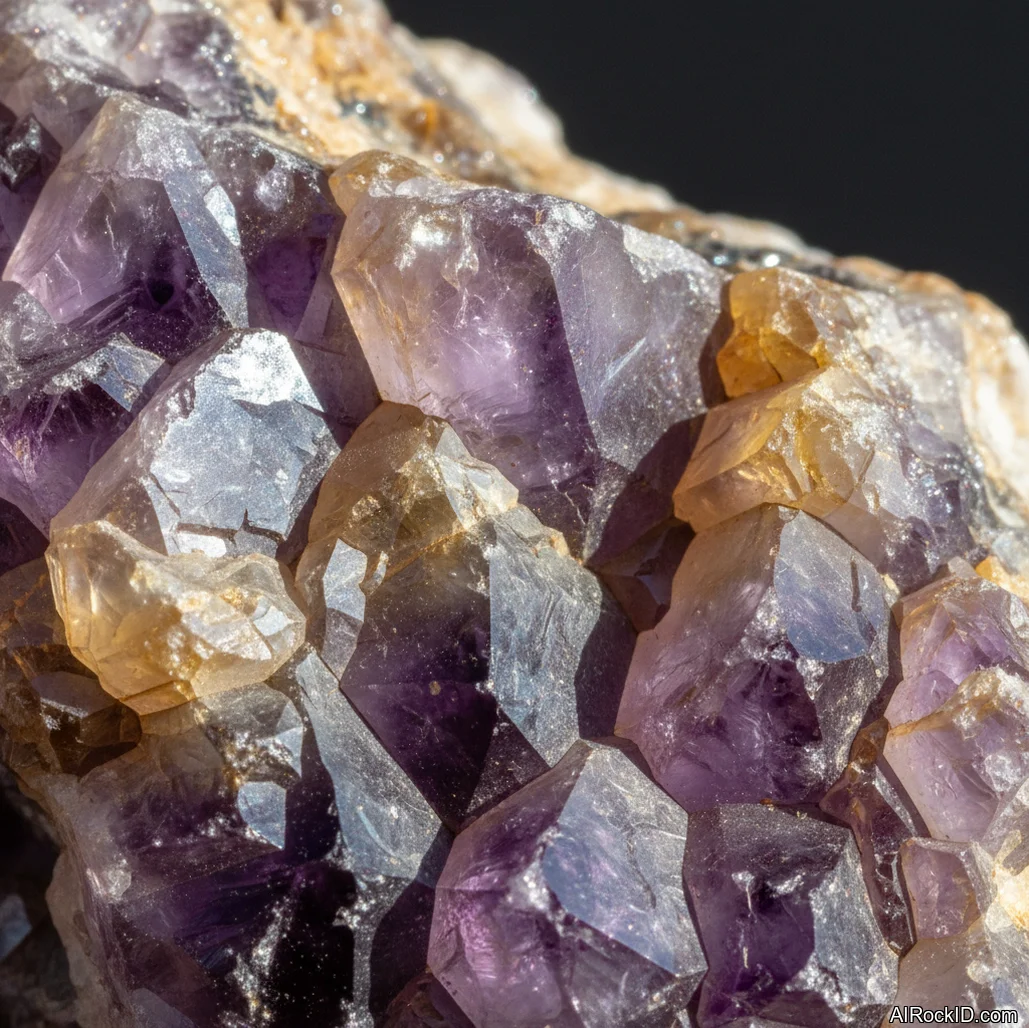
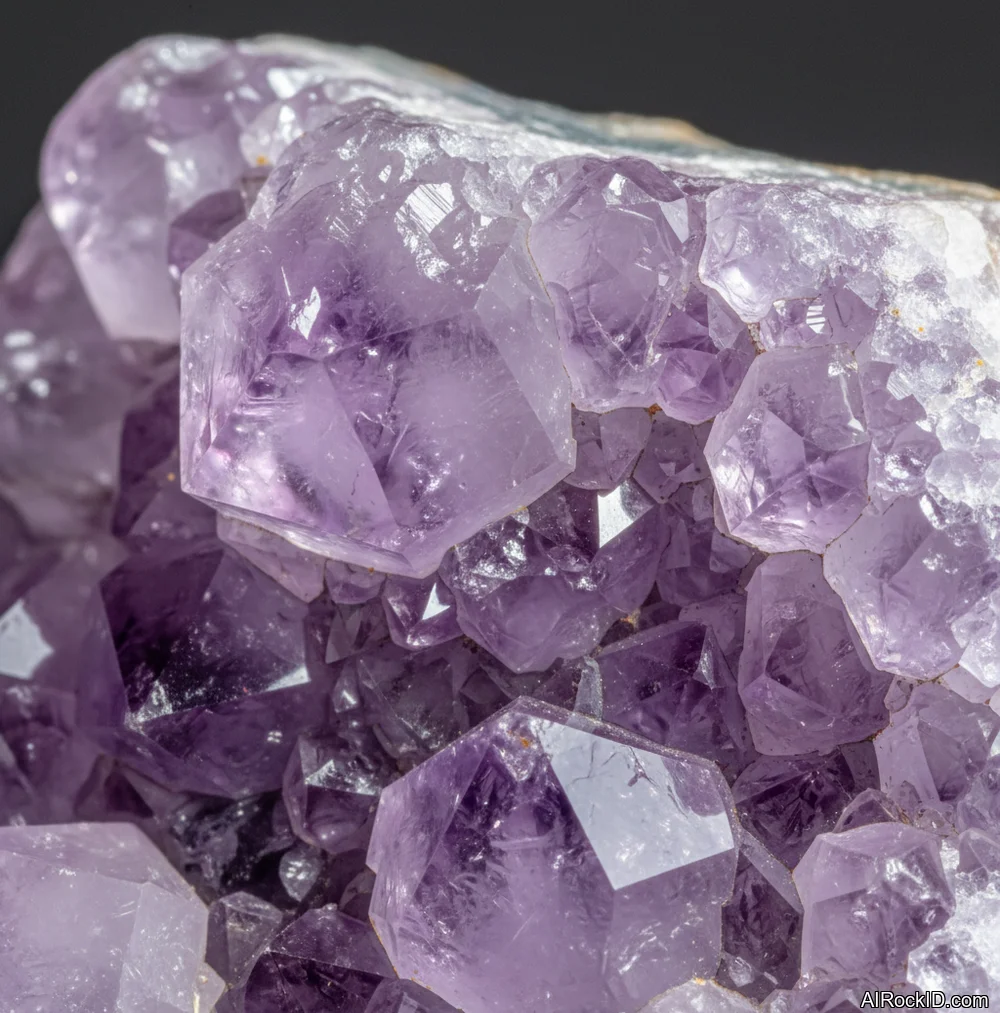
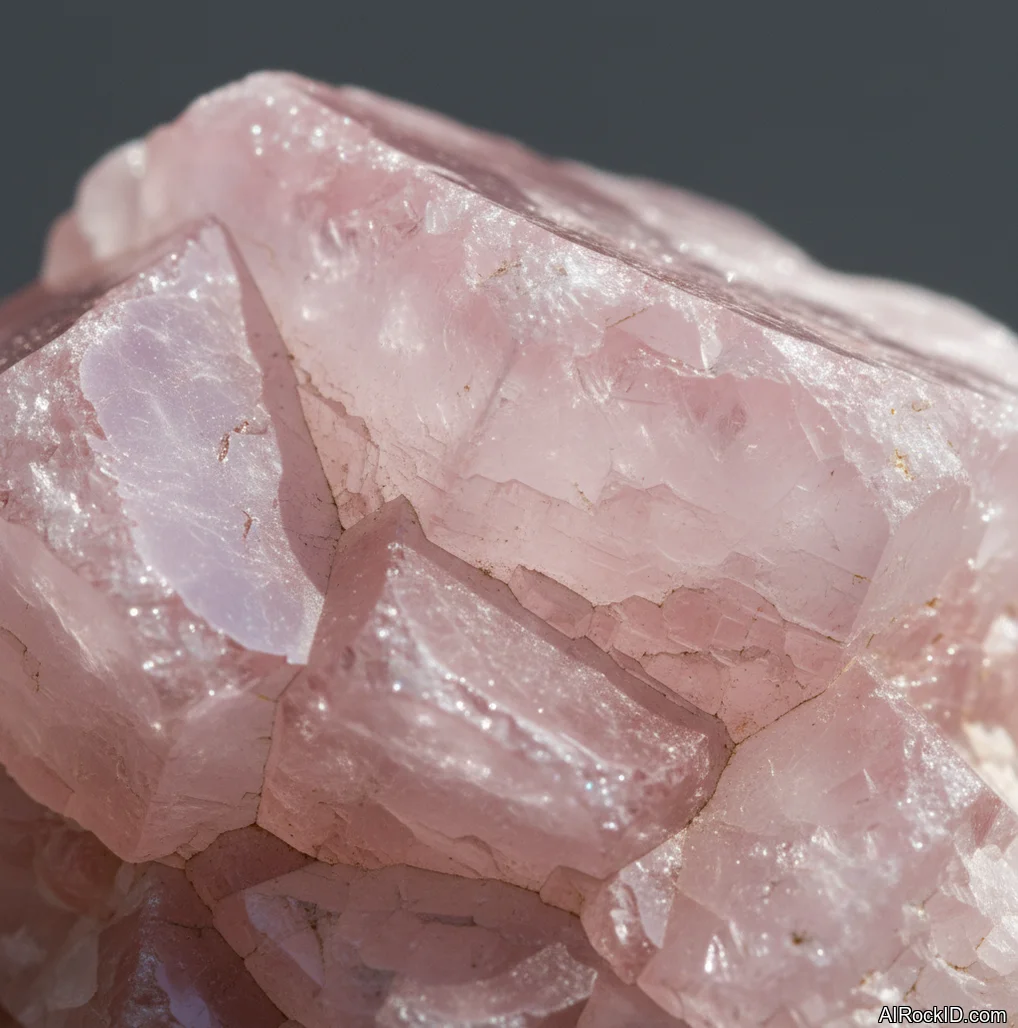
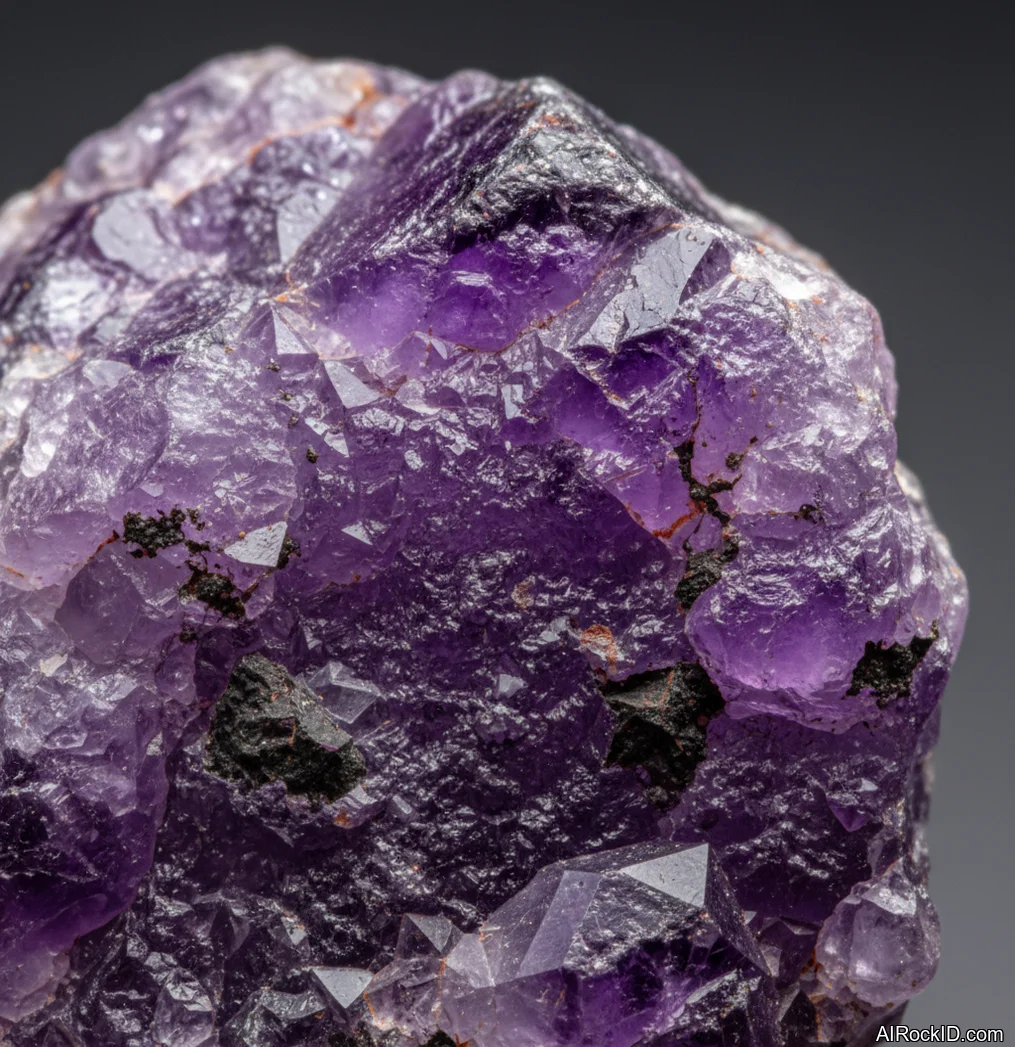
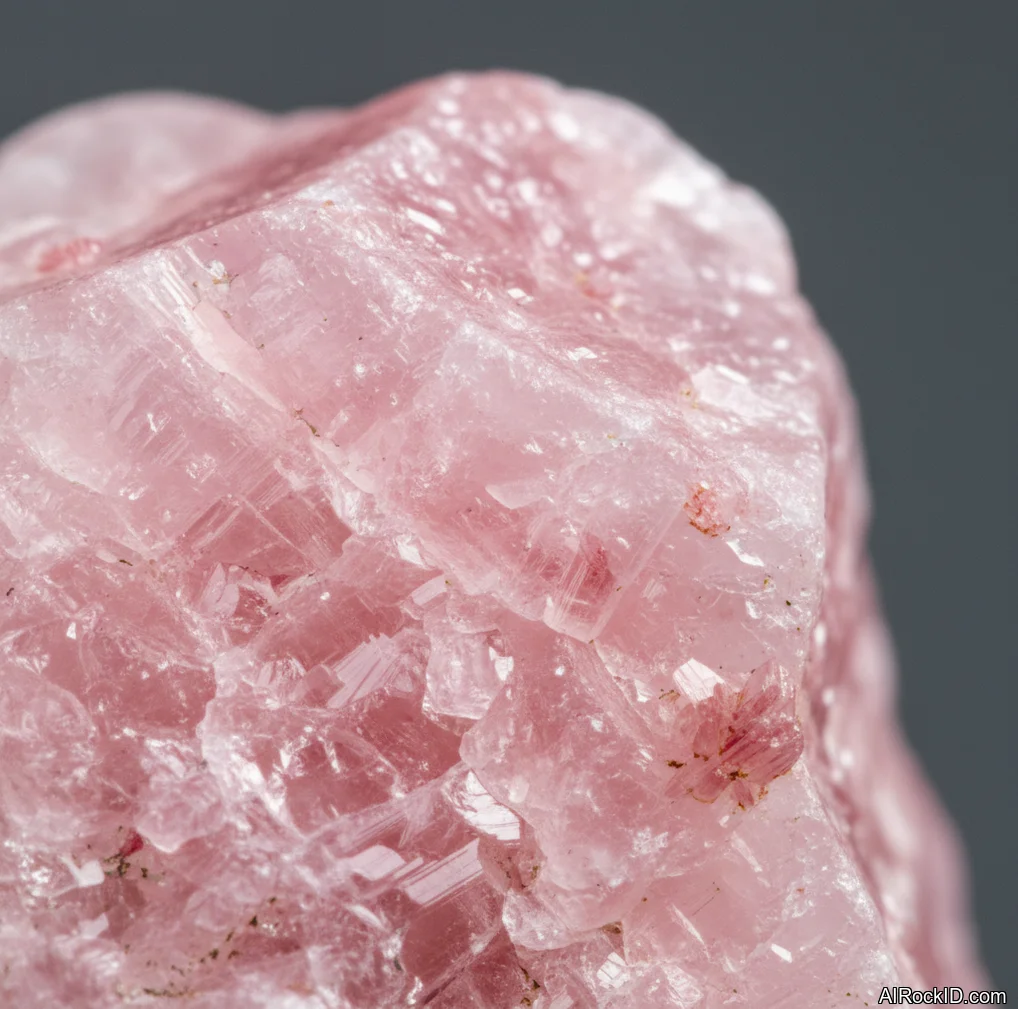
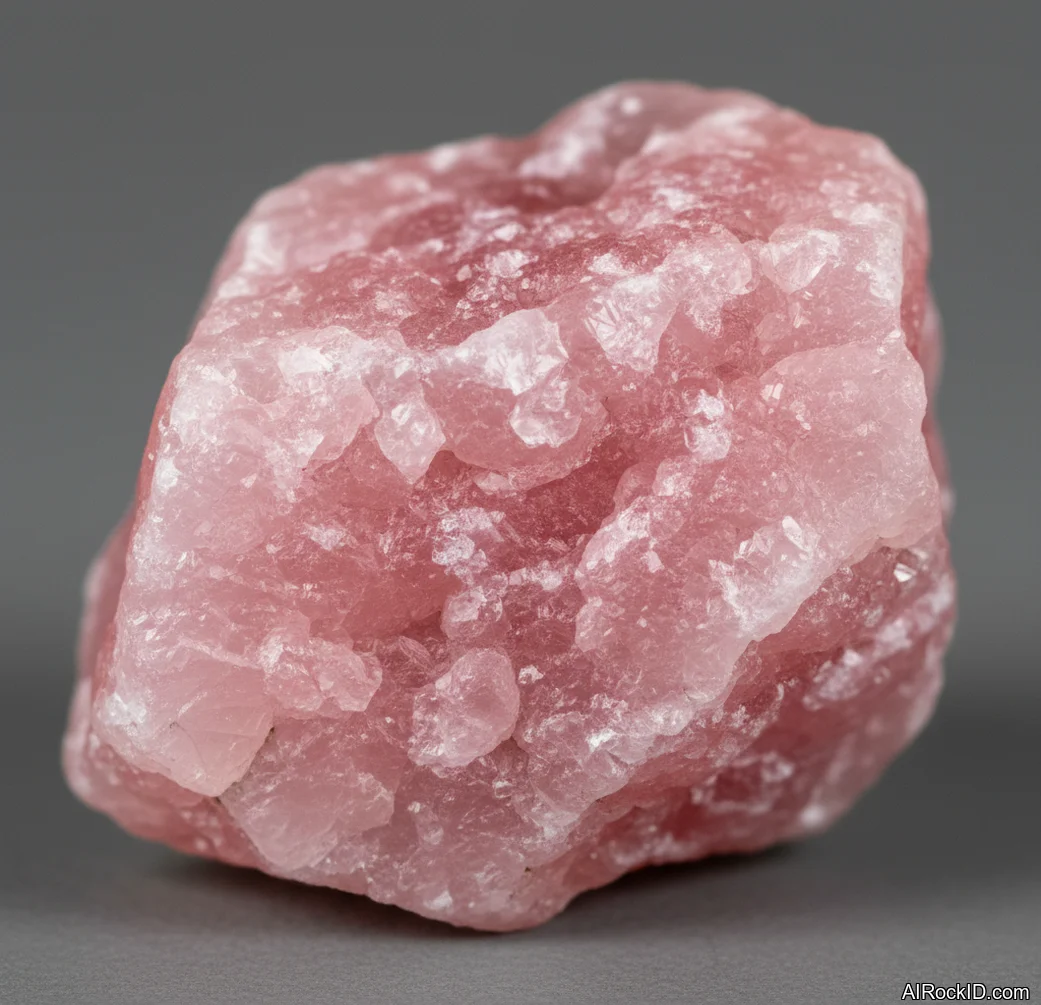
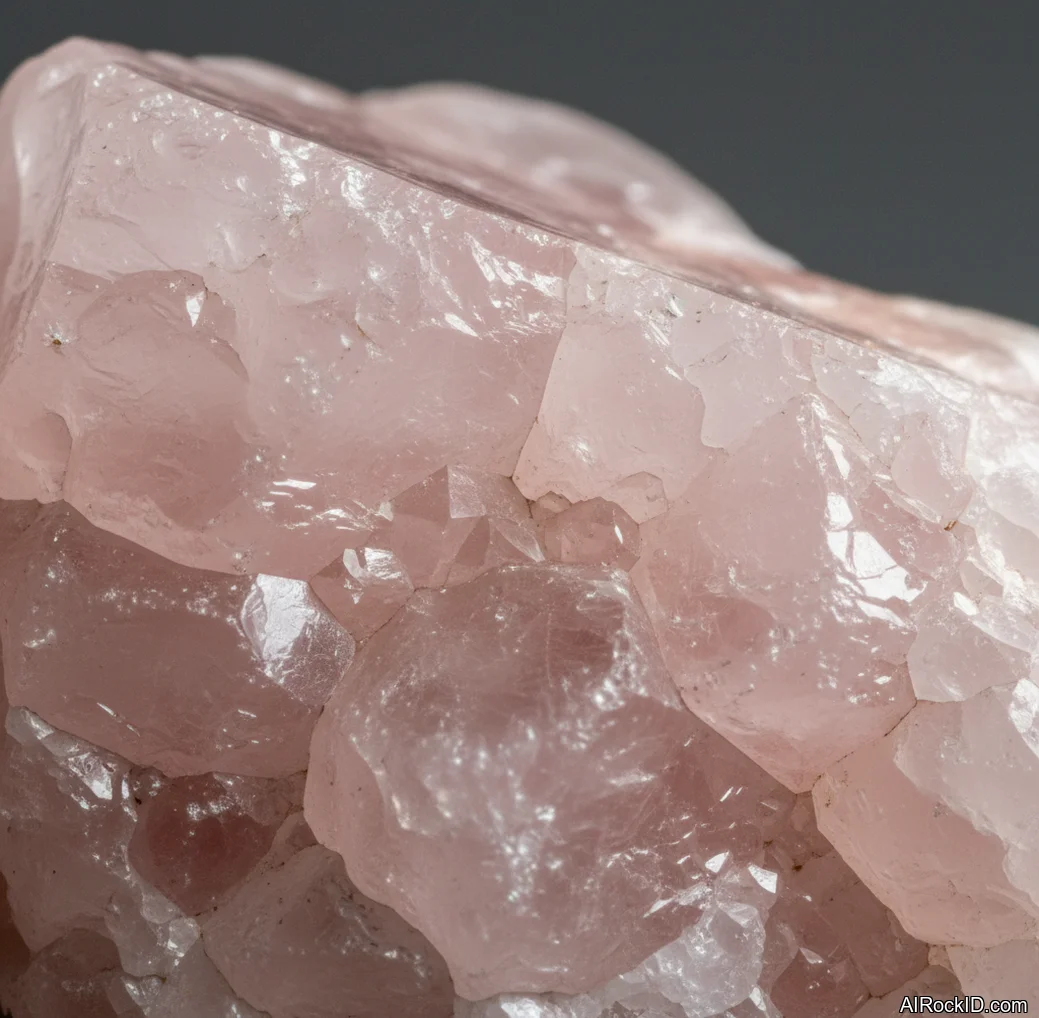
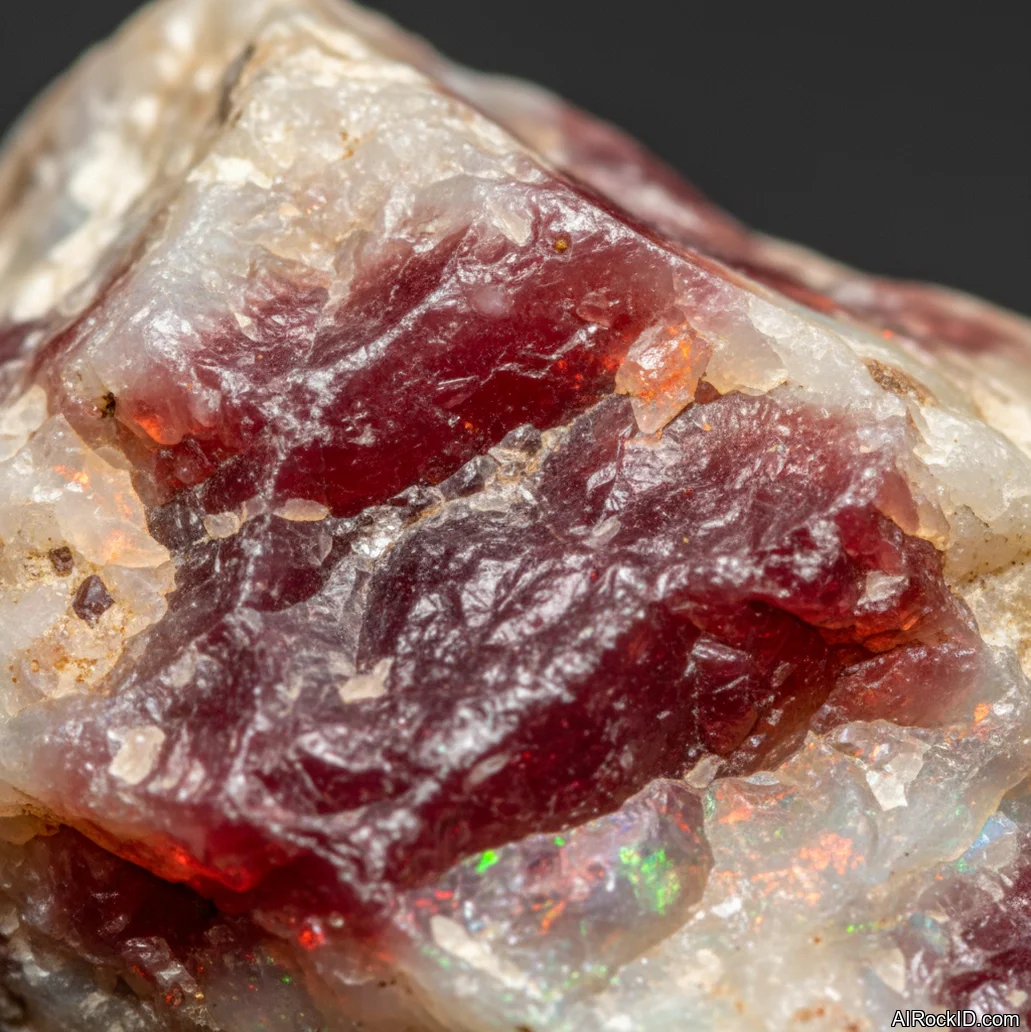
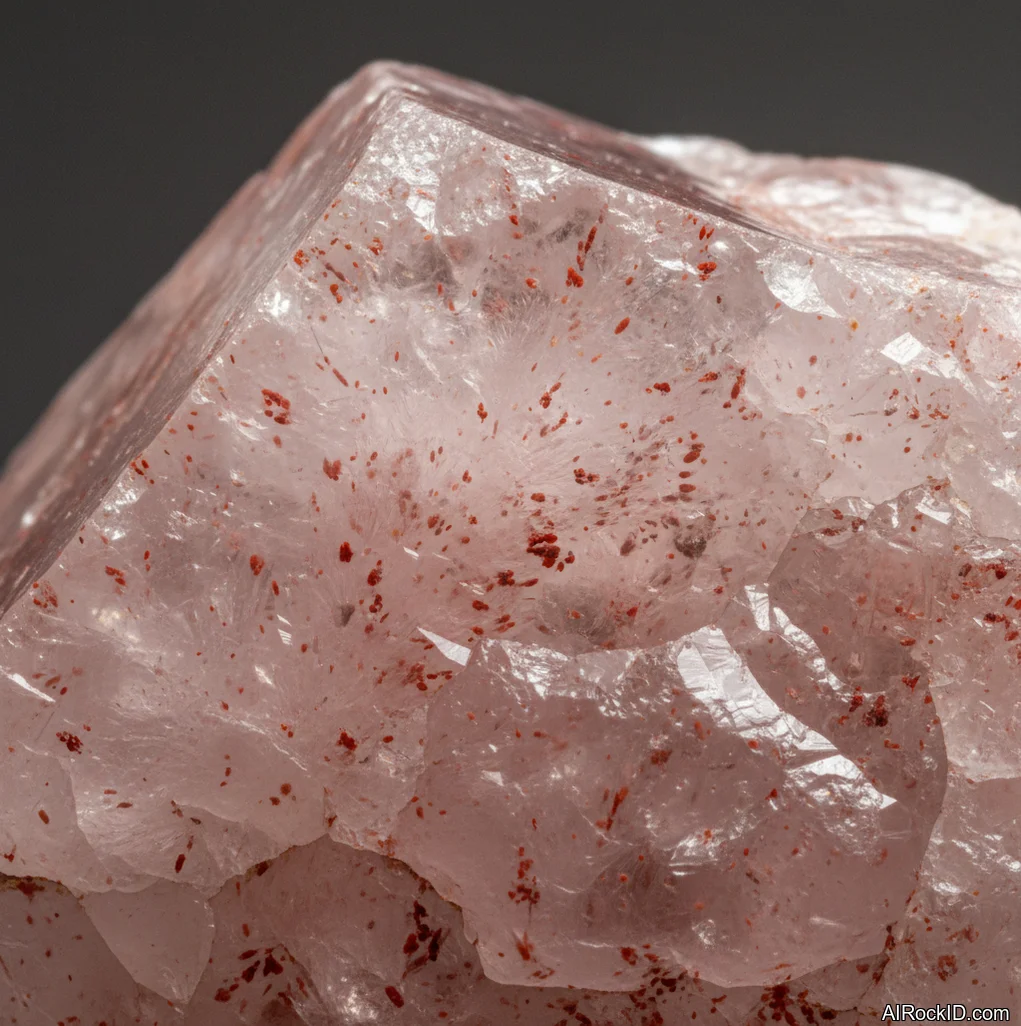
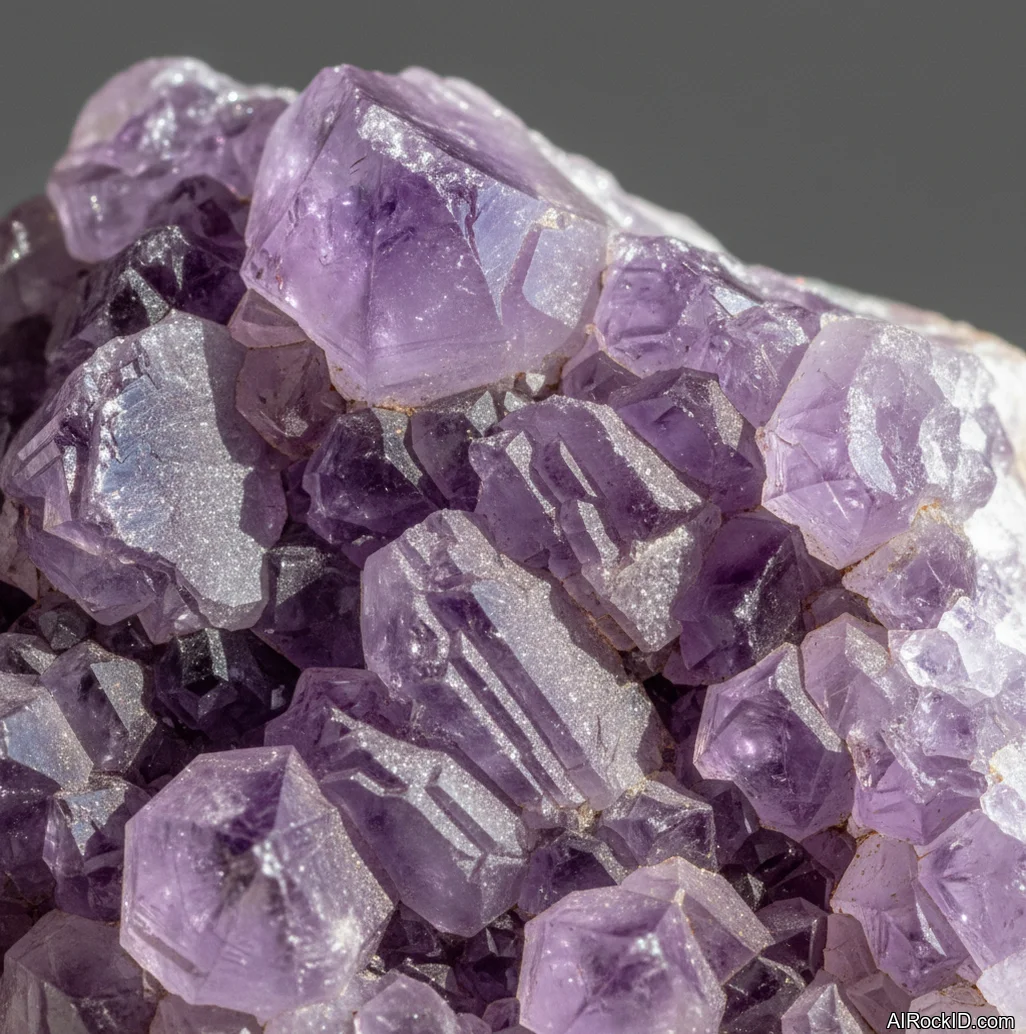
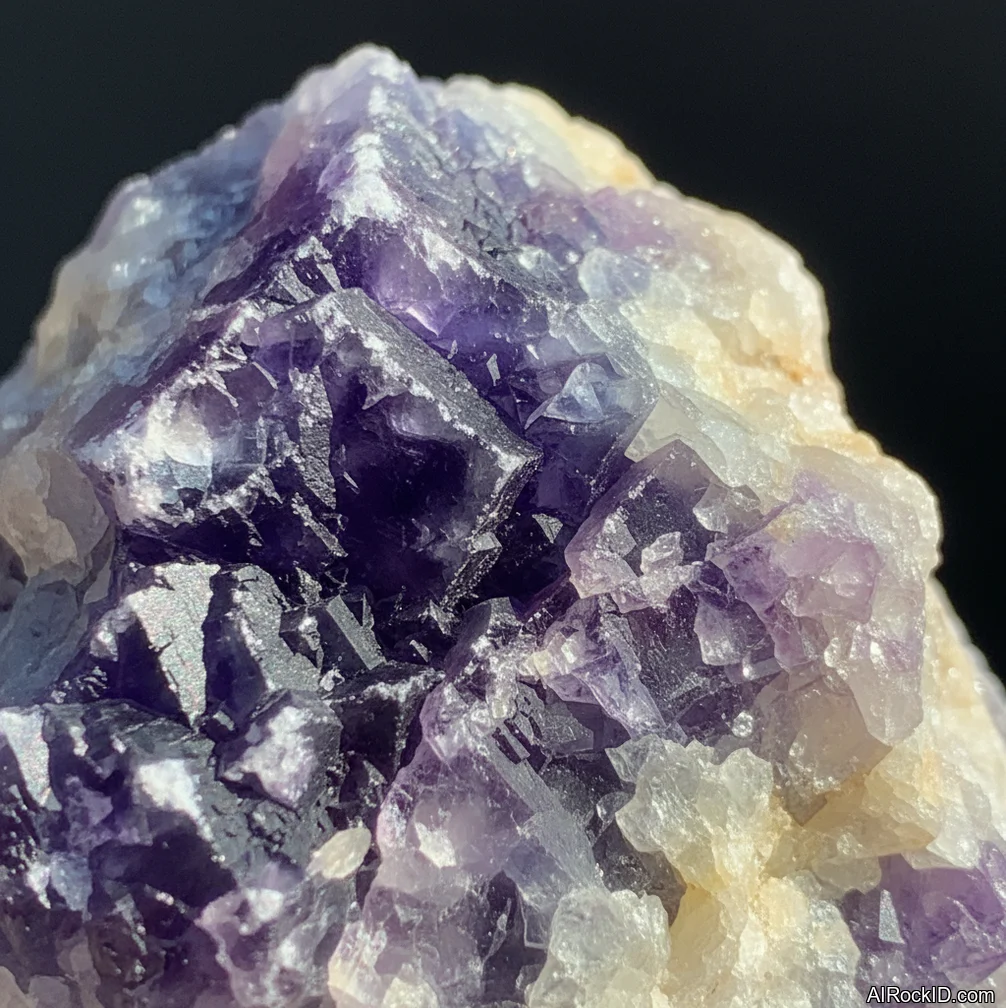
The 'Soothing' label isn't just about energy talk. It’s also the way a stone feels and looks. Blue lace agate always feels cool at first touch, and the banding is never harsh. Lepidolite tends to flake a bit on the edges, leaving fine mica dust on your fingers if you handle it too much, but the shimmer is unmistakable. Moonstone feels waxy, almost slippery, and the sheen moves as you move the stone under any light source. Rose quartz is heavier than you’d expect for its size, with a cloudy, soft pink that looks gentle next to brighter stones like citrine or tiger’s eye. Howlite is chalky white with subtle gray marbling—look for a piece with no dye jobs, since those are common. Most Soothing stones have a surface that invites touch, not the kind that scratches your skin or leaves you feeling buzzy. Still, some will fade if left in sunlight (amethyst, celestite), and a few can chip or crack if you drop them. Soothing doesn’t always mean tough.
Common Uses for Soothing Crystals: Best Ways to Carry or Display
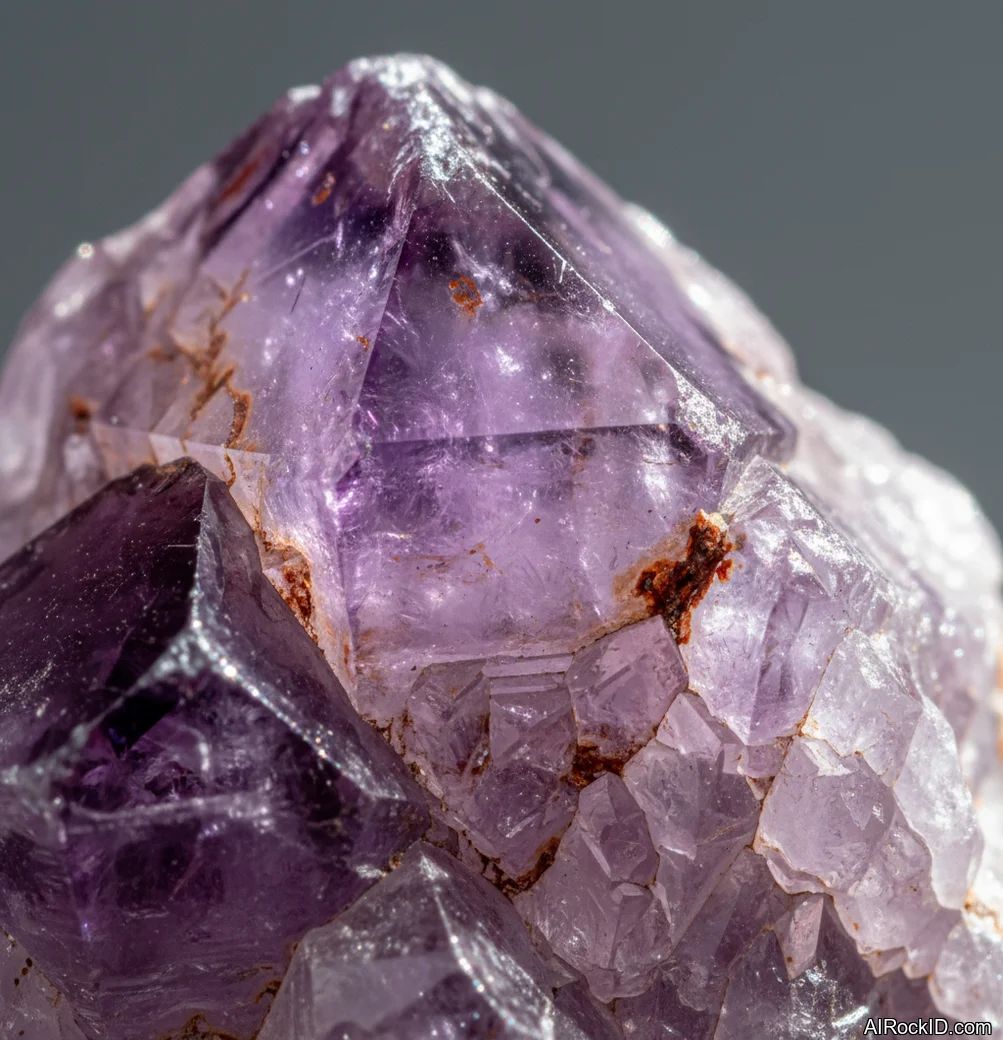
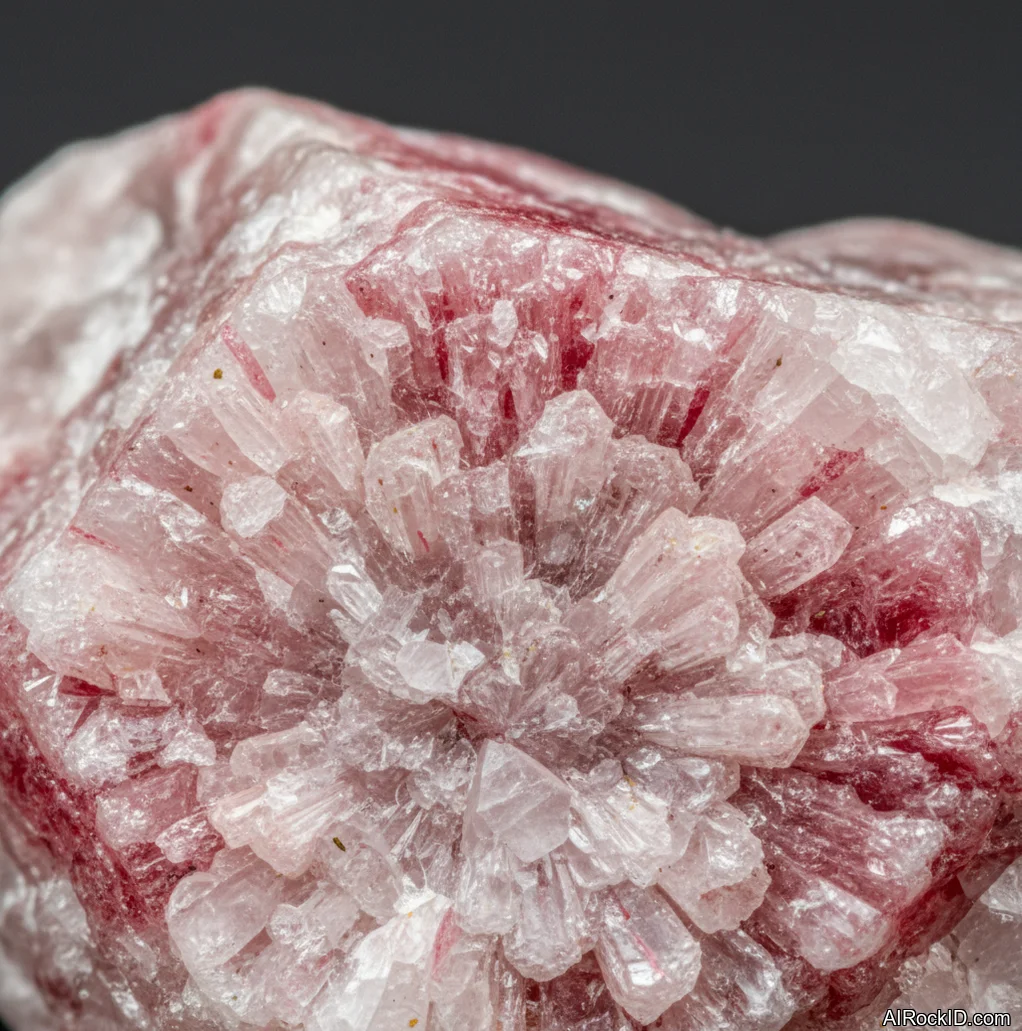
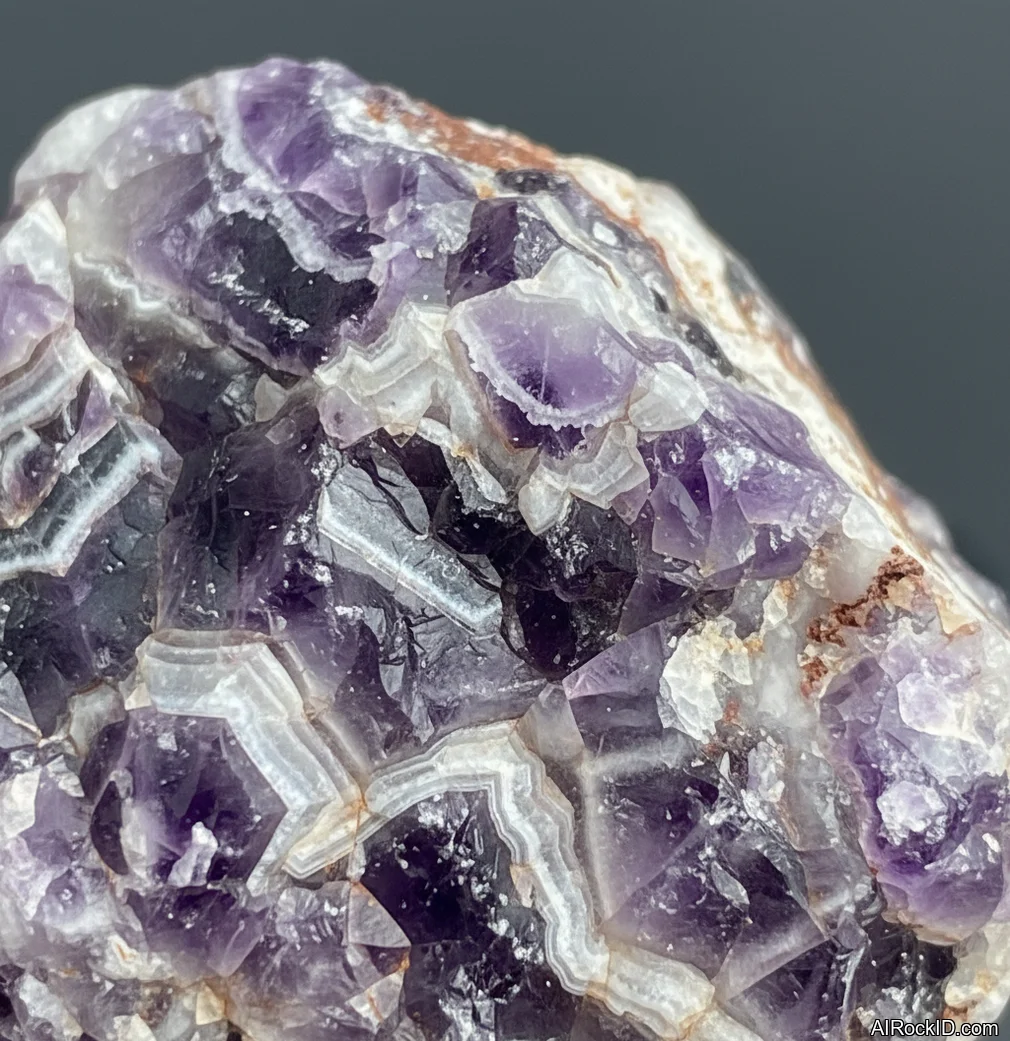
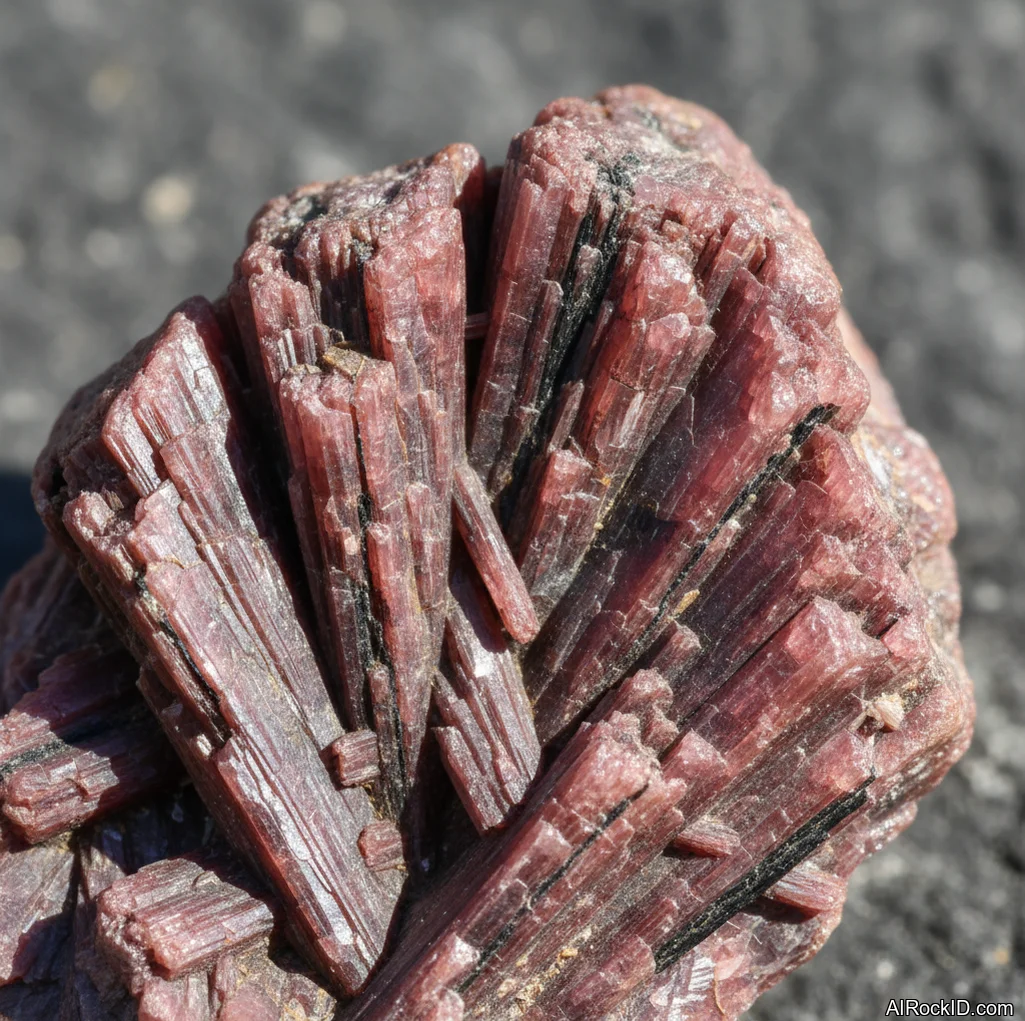
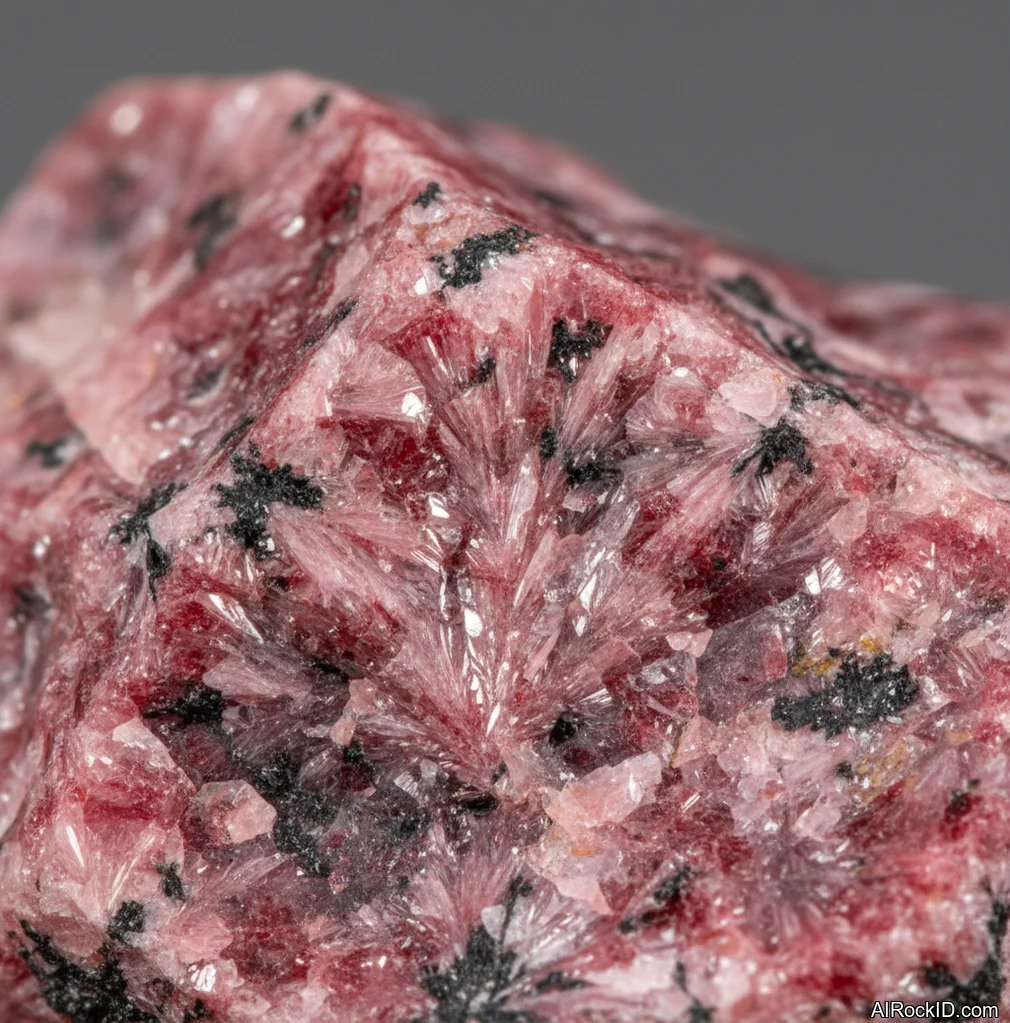
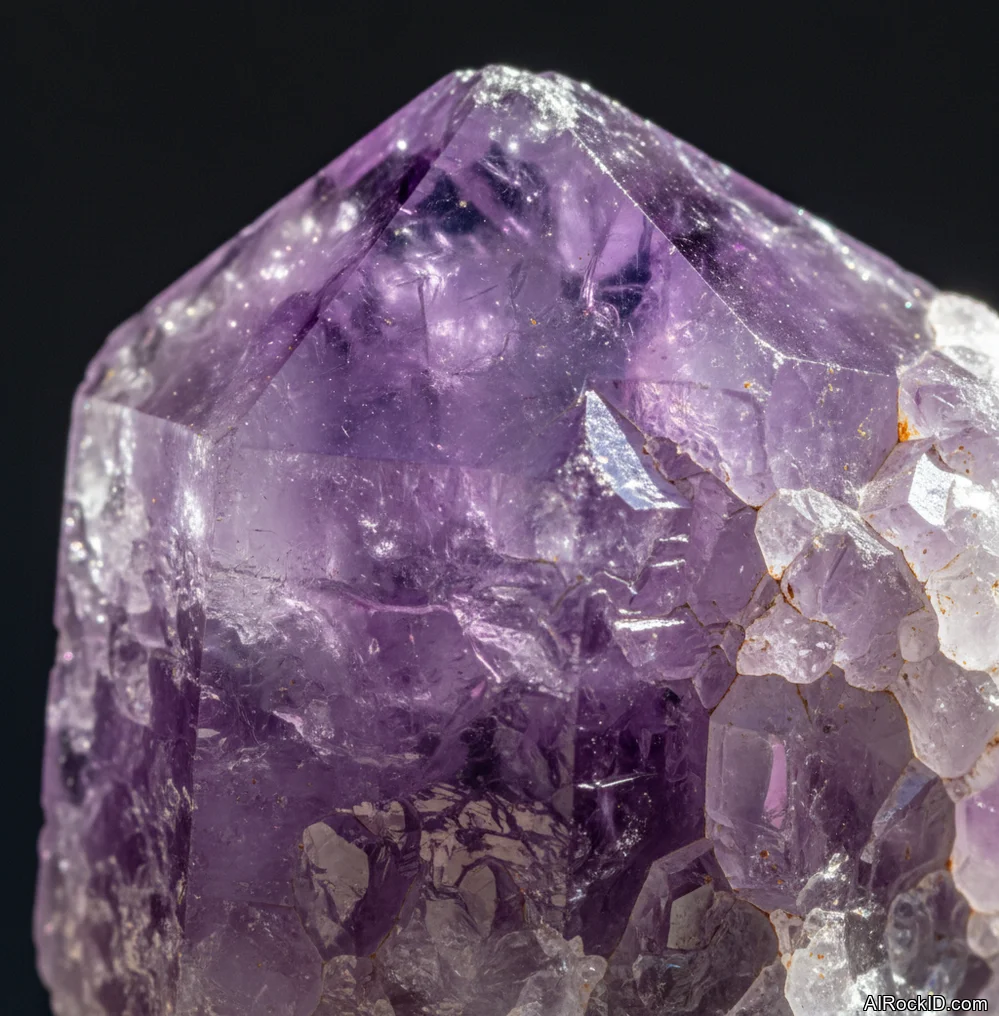
Most people looking for Soothing crystals want one of three things. First, a pocket stone for work or public days—tumbled amazonite, blue calcite, or rhodonite fit the bill. They’re smooth, unobtrusive, and don’t draw stares on a desk. Second, a bedside setup: think celestite clusters, selenite (especially the satin spar variety), and amethyst points for a gentler vibe near where you sleep. Third, something for the body: a worry stone, a gua sha tool, or a massage wand. These are the practical options you grab and use, not just admire. The fit in the hand matters. A good worry stone will have a thumb groove, and gua sha pieces should glide easily without dragging. I’ve seen people tape lepidolite slices to their phones, but those tend to break fast. If you want a Soothing stone for travel, stick with the tumbled or palm-sized ones. Anything fragile won’t last in a backpack.
Choosing and Caring for Soothing Crystals: Tips from a Collector
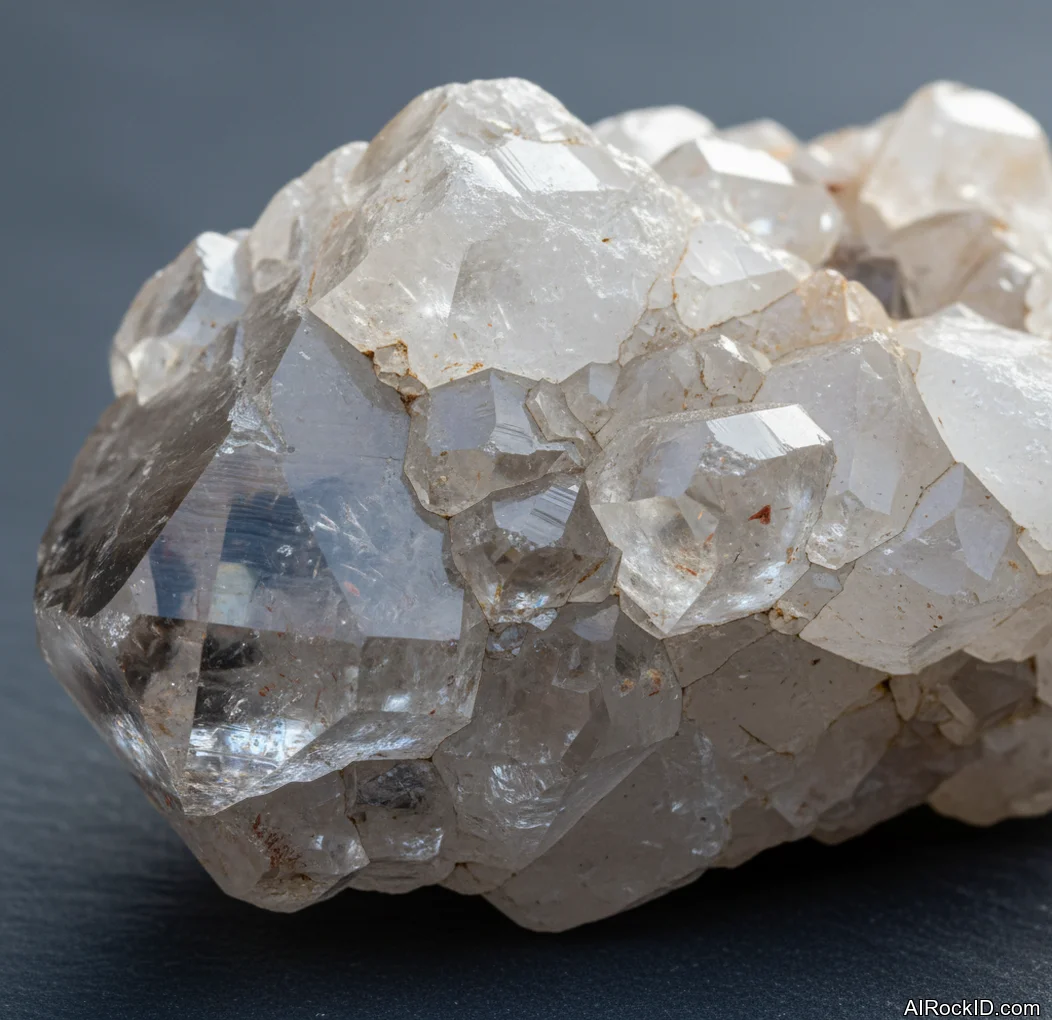
Pick up any Soothing stone in person before you buy it if you can. Weight, temperature, and texture all change how the stone feels. Real celestite clusters shed dust and can crumble if you squeeze too hard. Selenite scratches with a fingernail—don’t soak it or it’ll start dissolving around the edges. Lepidolite can leave mica flakes everywhere, so keep it in a pouch if you carry it. Rose quartz is tougher, but the color fades in direct sun after a few months. Palm stones and worry stones stand up to everyday use, but clusters and points are mostly for display. Don’t trust 'selenite' labeled satin spar in water, either. It’s the same mineral and just as soft. For cleaning, use a soft dry cloth or a barely damp one, not soap and never anything abrasive. If you’re after a piece to actually use, not just look at, test how it feels on your skin first. The wrong finish can go from soothing to scratchy in a hurry.
Best Soothing Crystals to Start With
| Level | Crystal | Note |
| Gentle / Beginner | Blue Lace Agate | Soft color, smooth finish, rarely faked, and comfortable to hold for long periods; a low-risk, classic choice for anyone just starting. |
| Balanced / Everyday | Rose Quartz | Tough enough for pockets or purses, usually well-polished, and the color signals calm to most people; easy to find and affordable. |
| Intense / Advanced | Lepidolite | Mica content gives a strong soothing effect for some, but it can flake and is more delicate; works well for meditation or deeper focus. |
| Best for Carrying | Amazonite (tumbled) | Smooth, soothing to touch, relatively hard, and the color doesn’t fade easily; survives travel and frequent handling. |
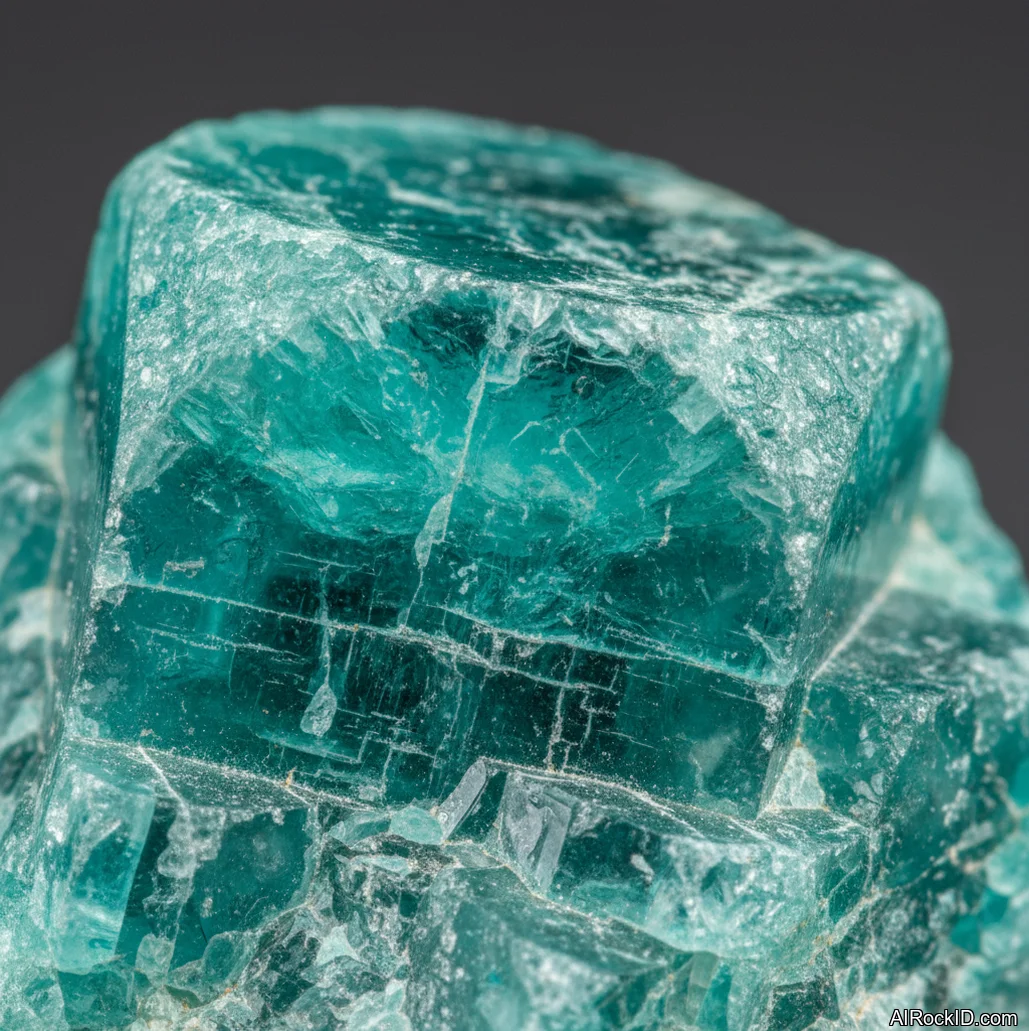
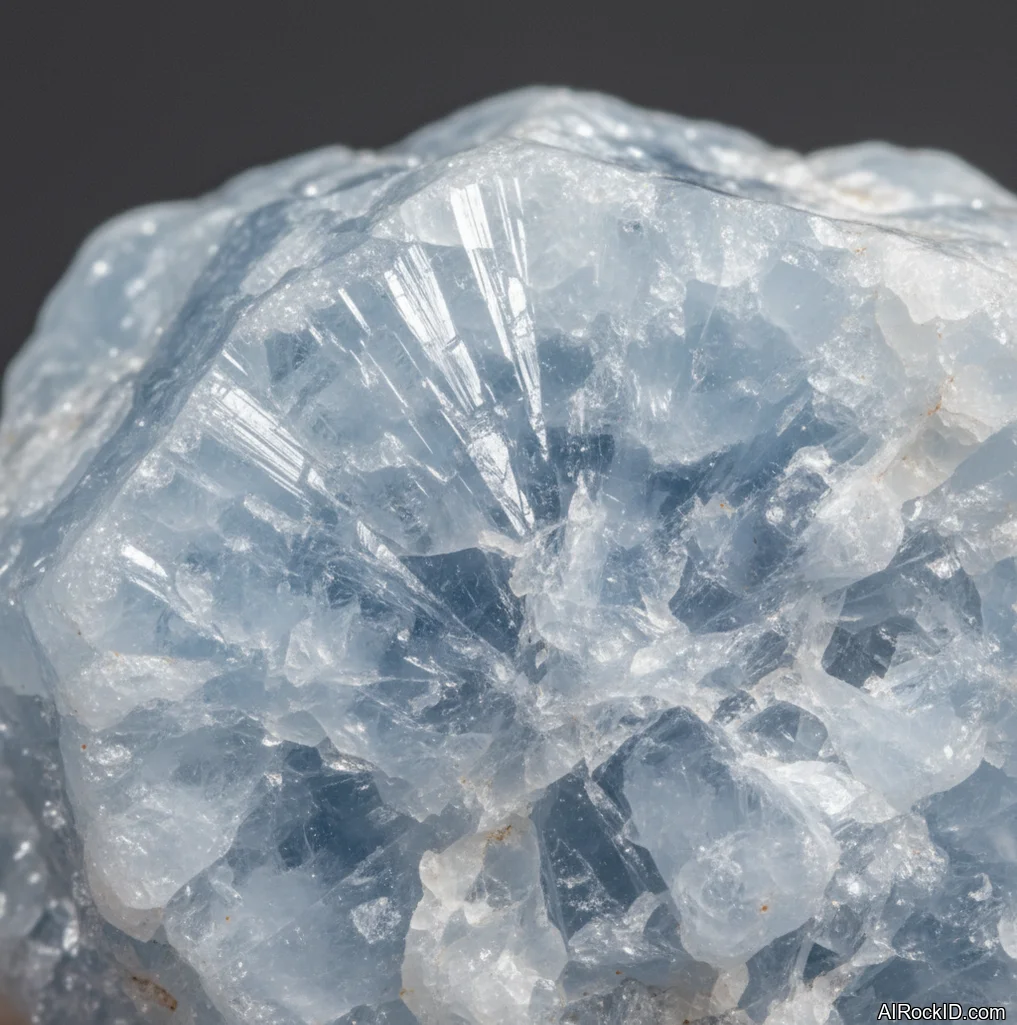
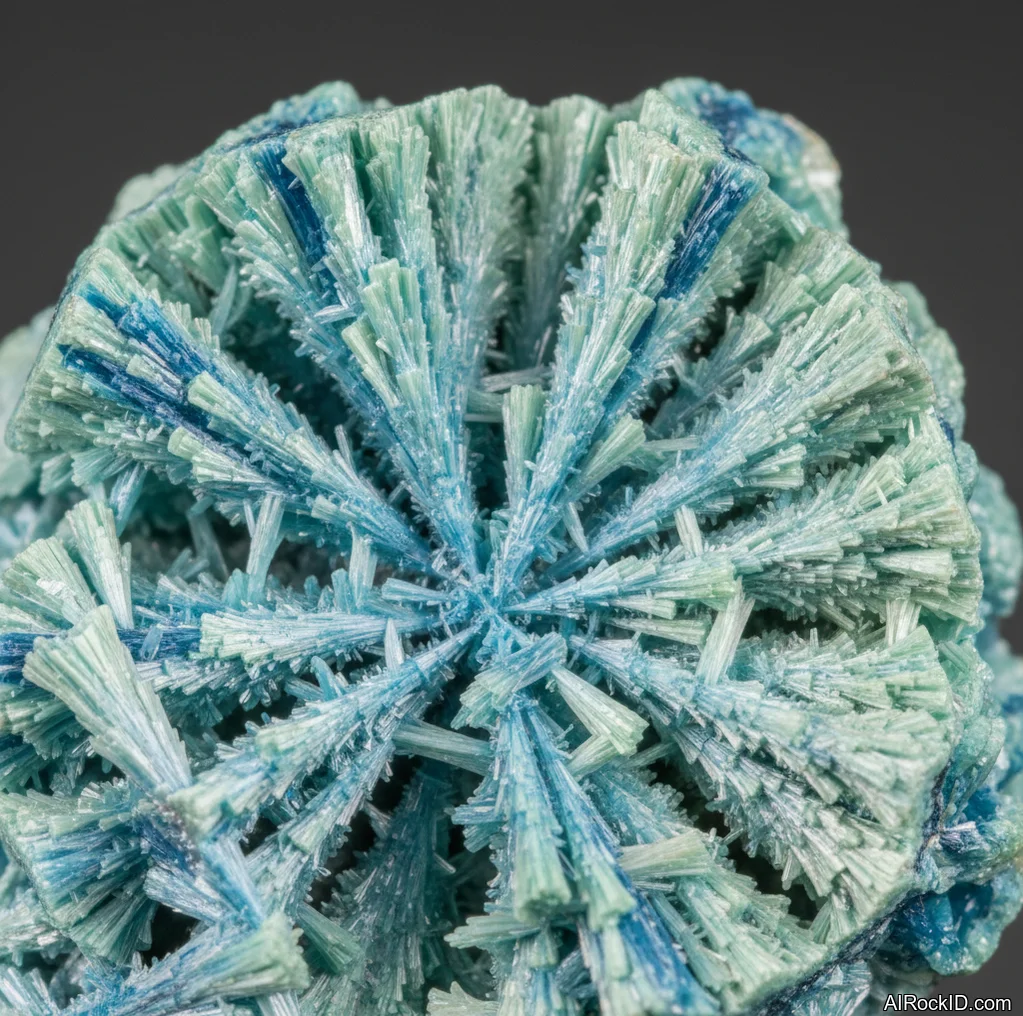
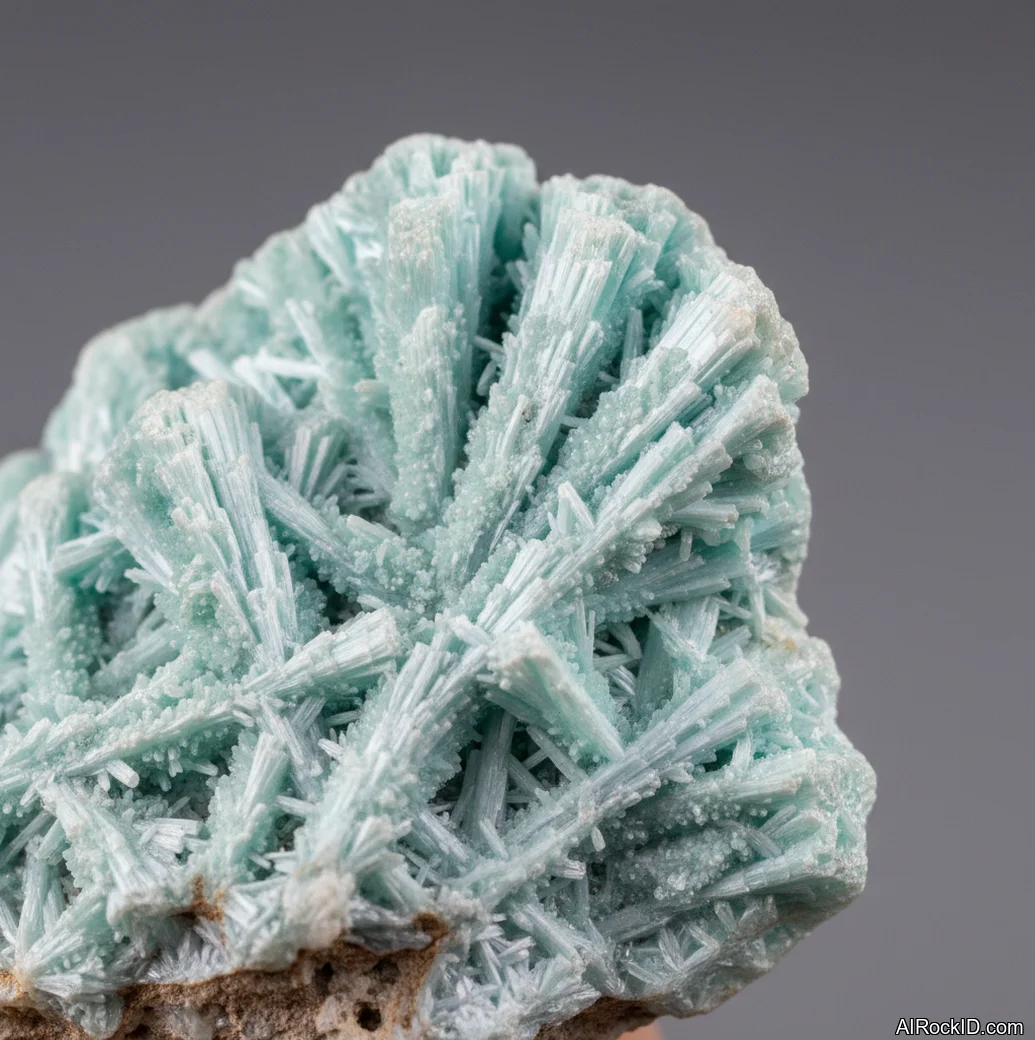
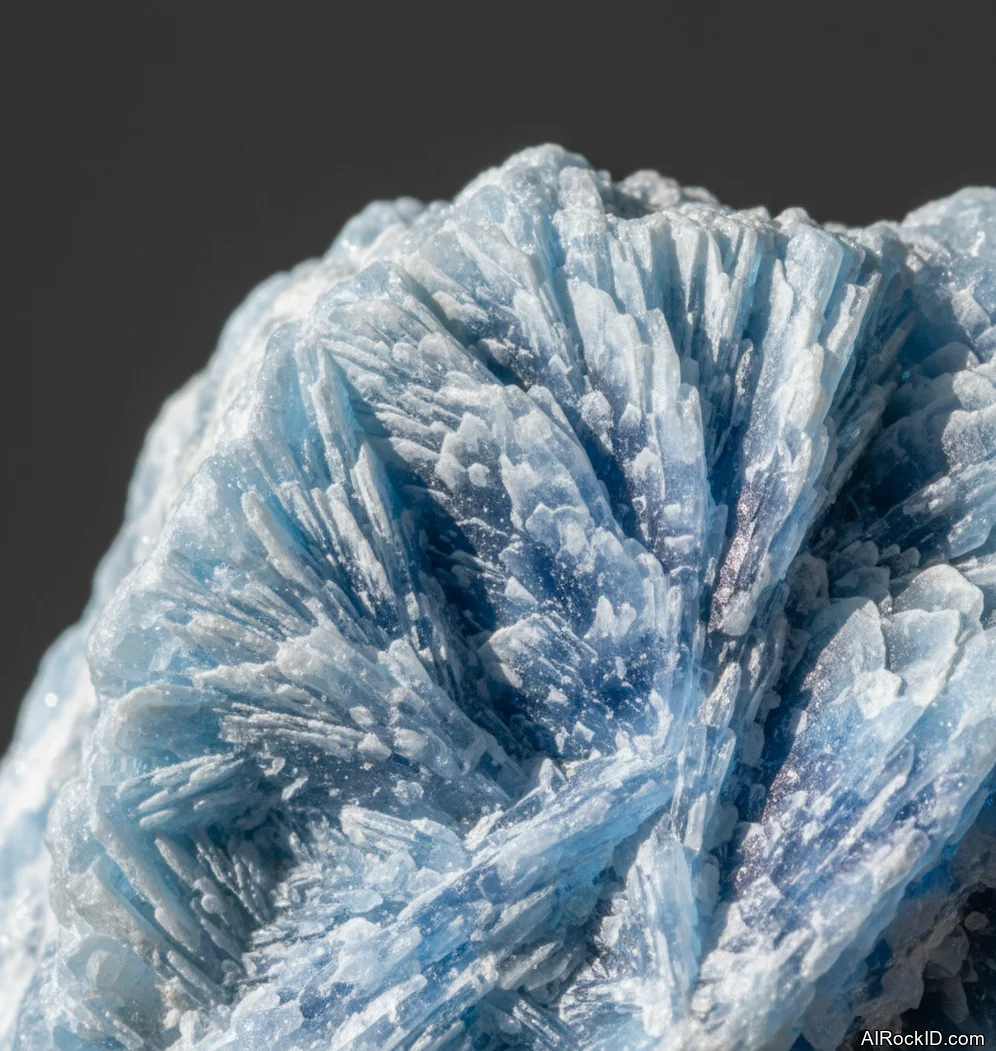
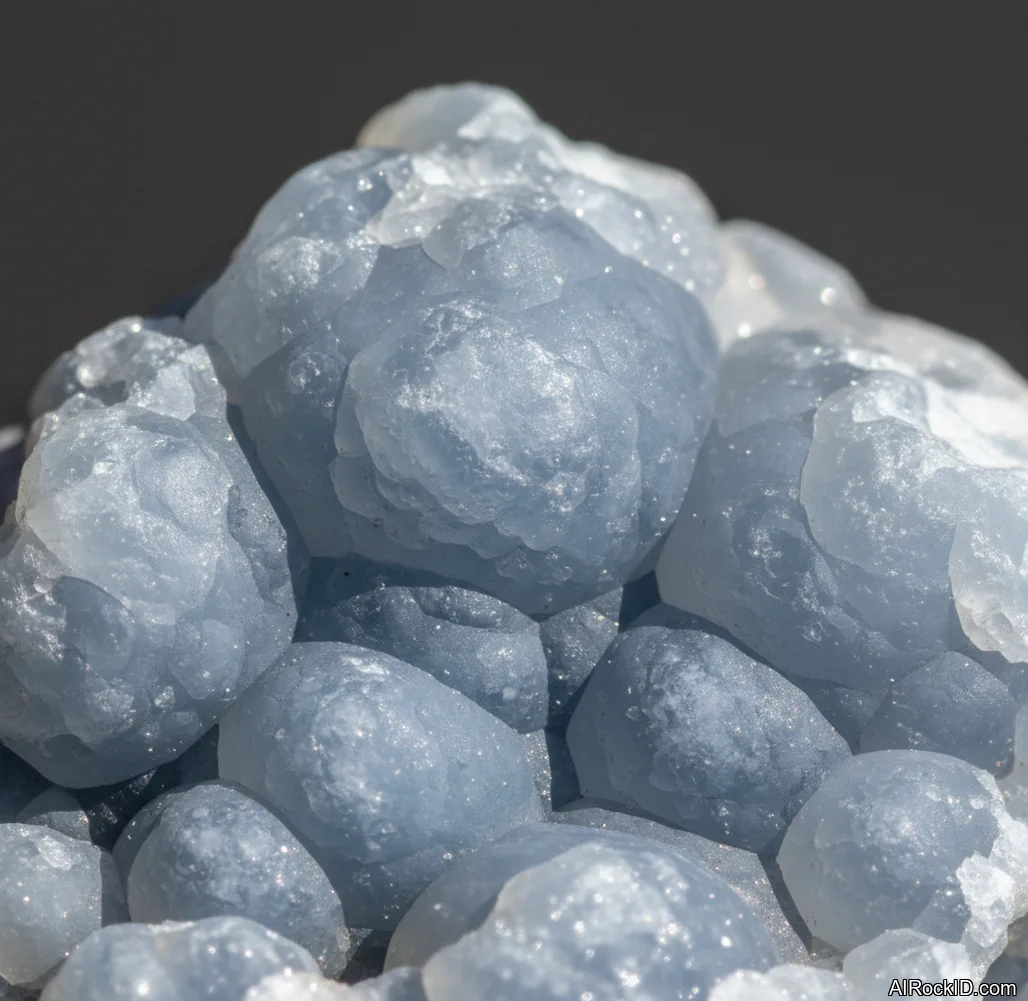
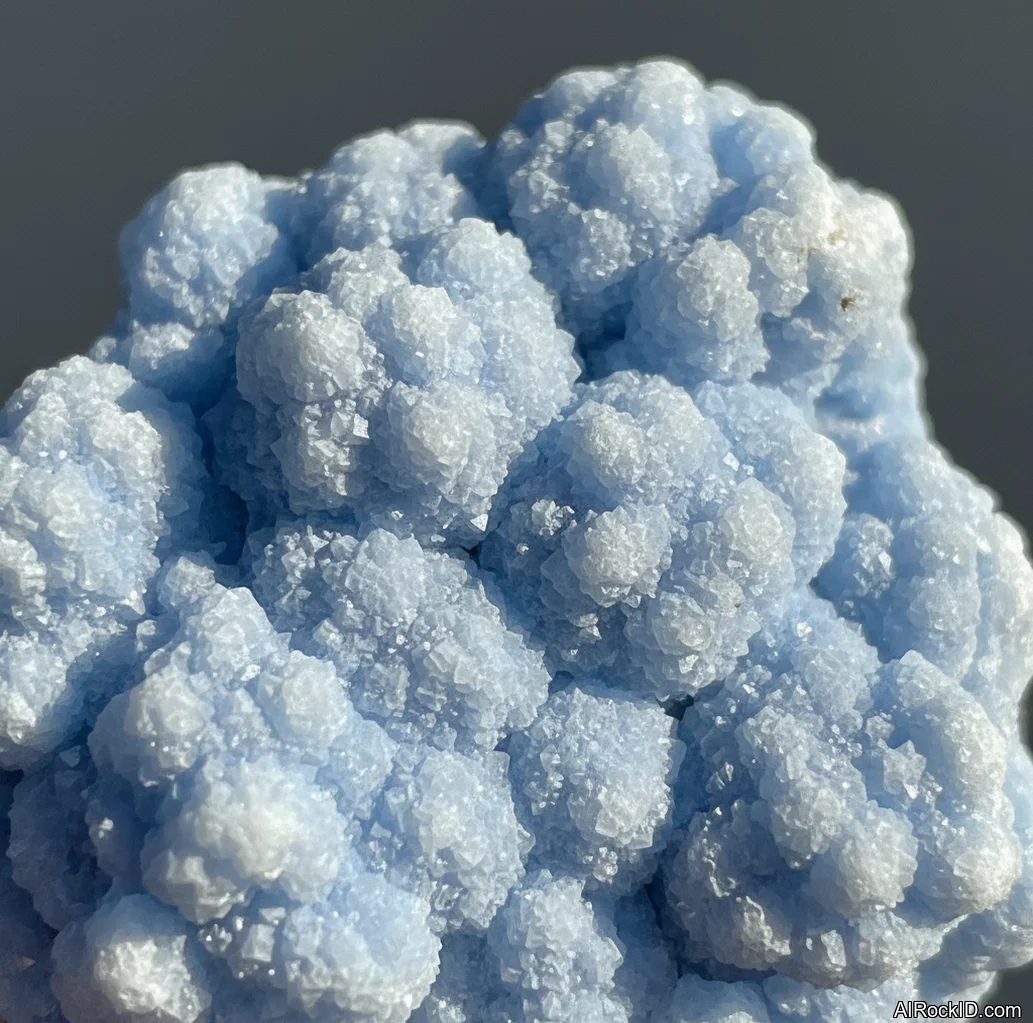
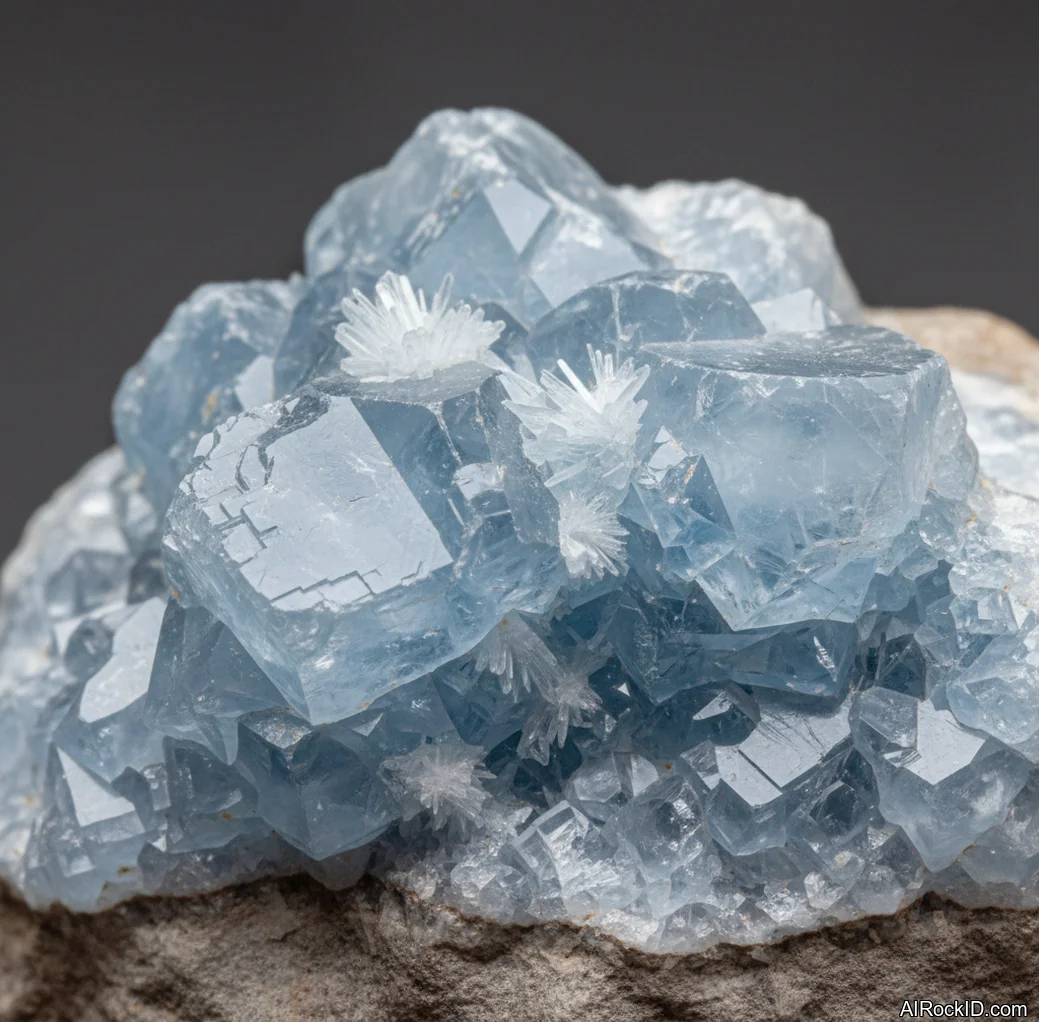
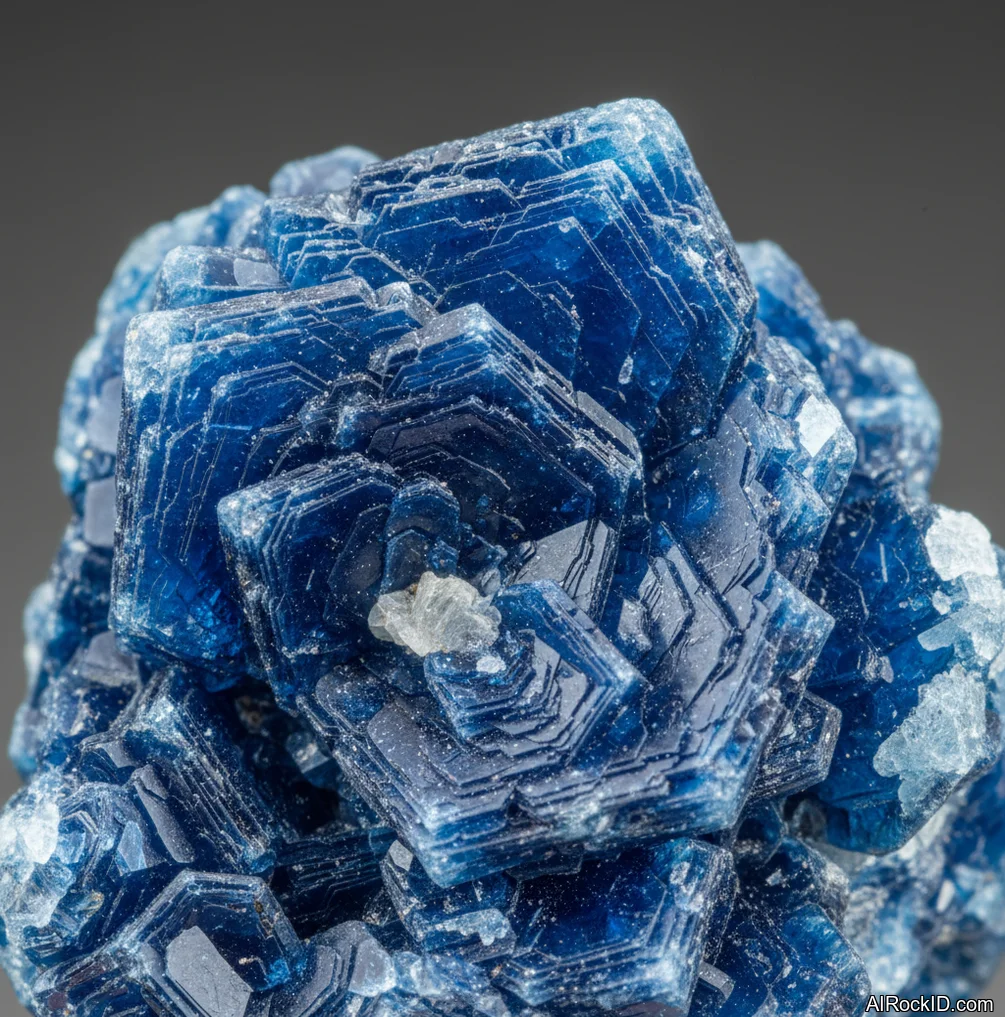
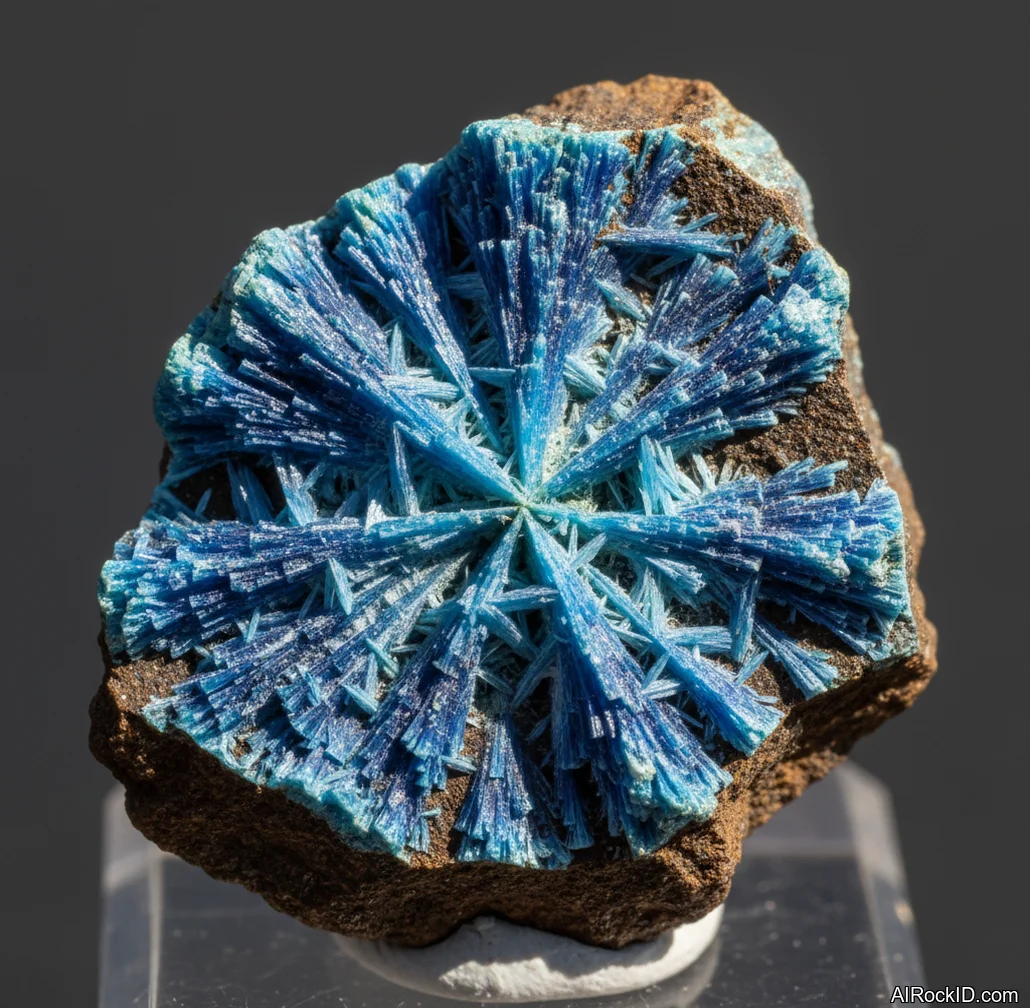
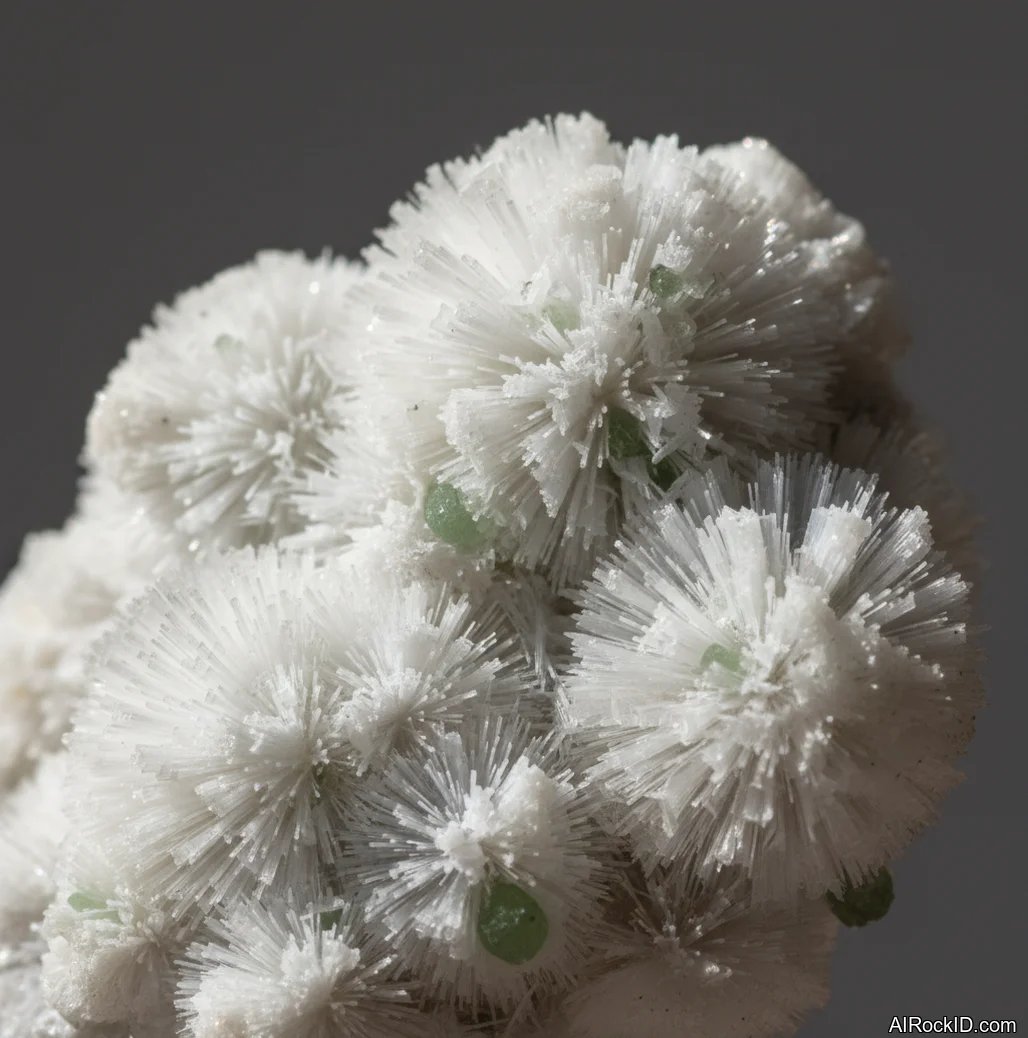
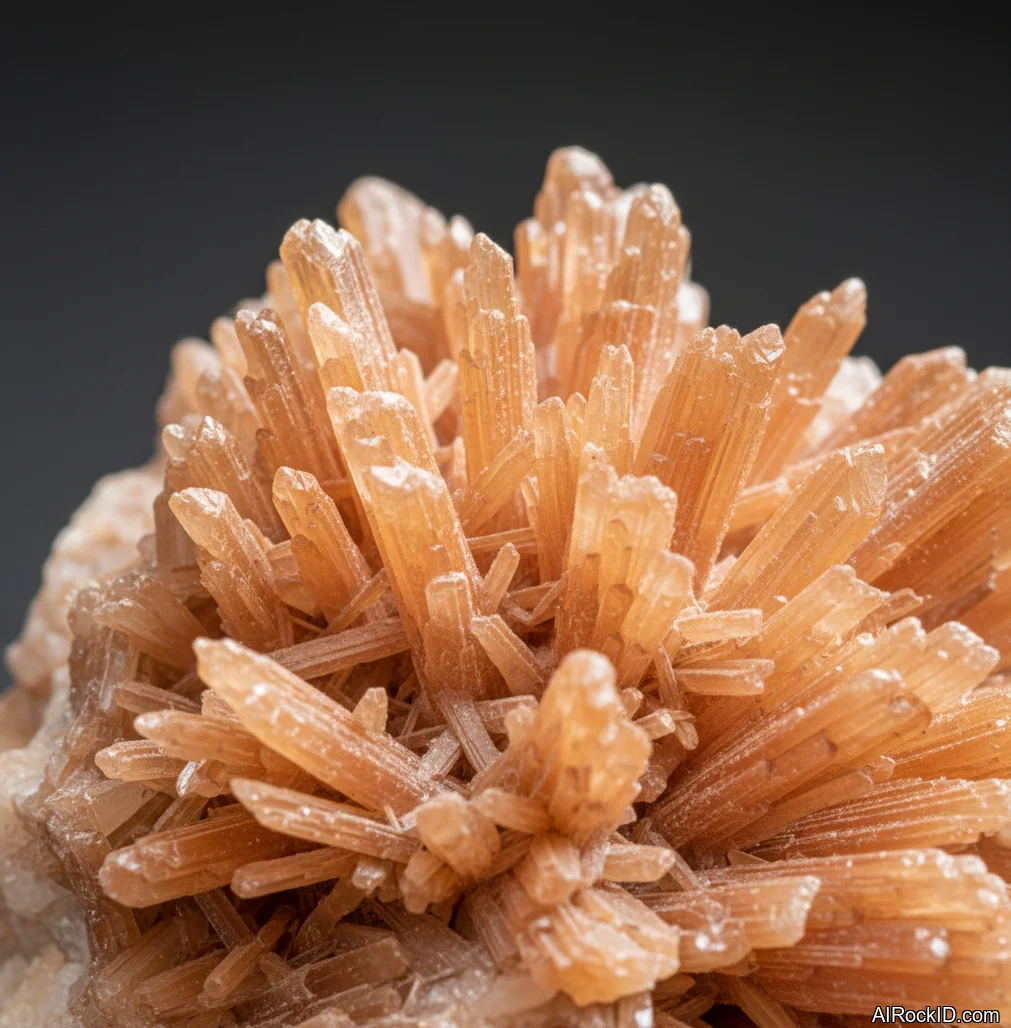
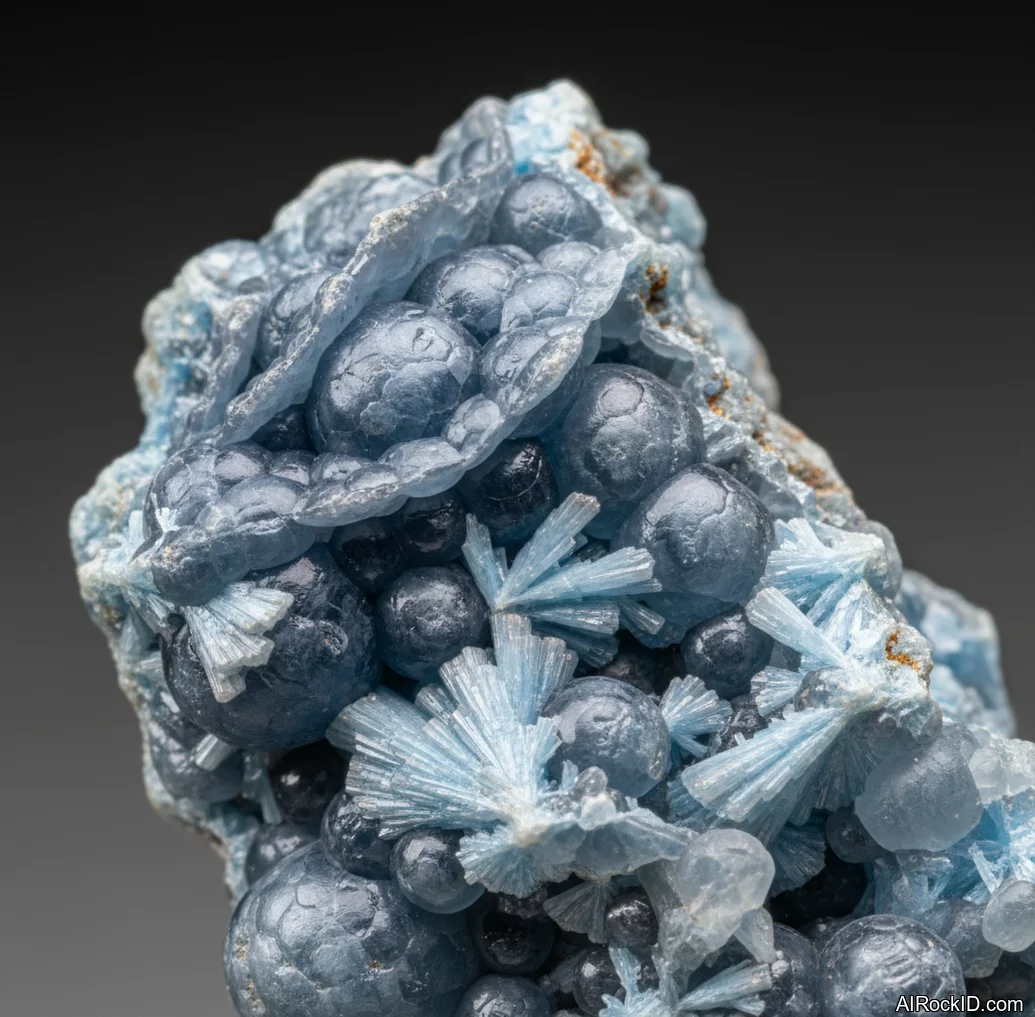
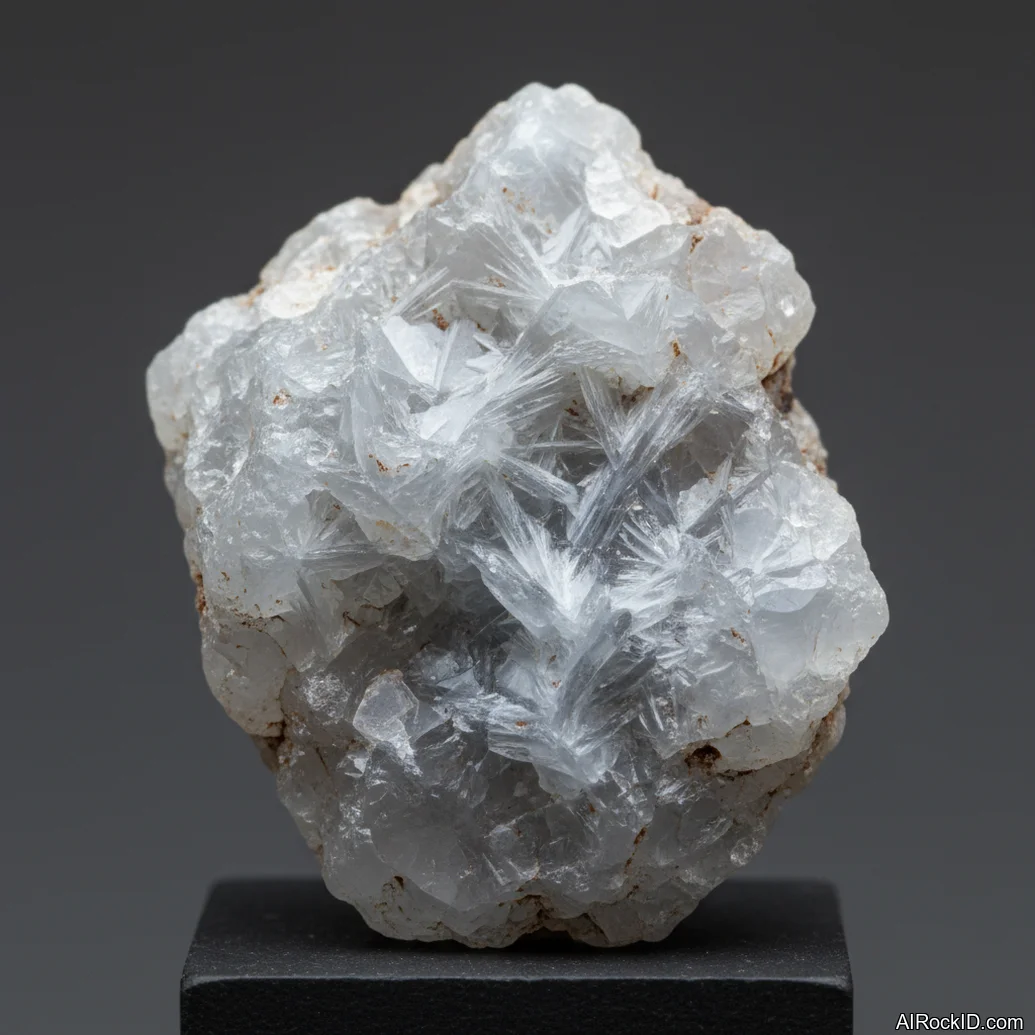
| Best for Display | Celestite Cluster | Light blue, glassy crystals in a cluster draw the eye and soften a room, but too fragile for pockets or rough handling. |
Soothing Crystal Comparison
| Crystal | Common Use | Feel / Use Style | Care Caution |
| Blue Lace Agate | Pocket stone, stress relief | Cool, smooth, gentle banding; never gritty | Stable but sensitive to hard drops; rarely faked |
| Lepidolite | Anxiety, meditation focus | Satin-glitter mica flakes, soft edges, light in hand | Flakes easily, can leave residue |
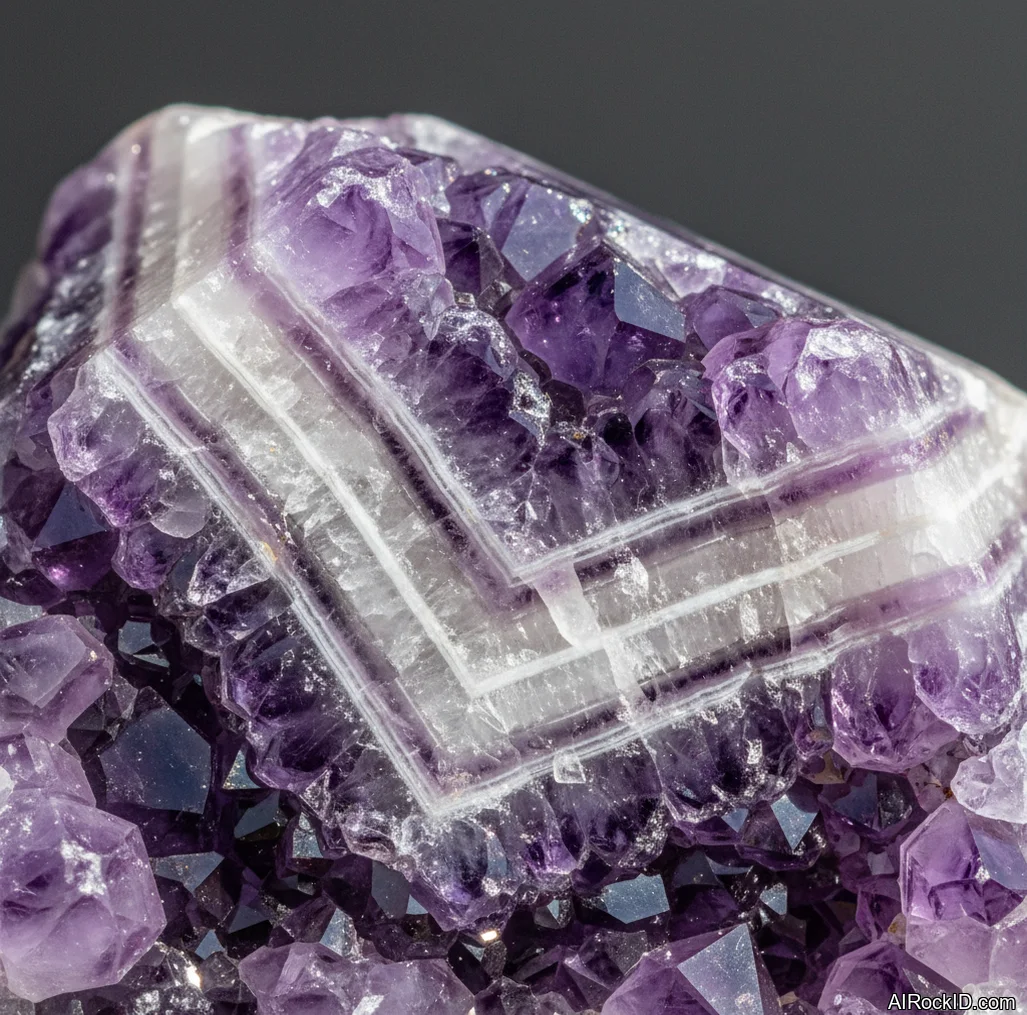
| Rose Quartz | Everyday calm, bedside use | Hefty, waxy polish, faint cloudy depth | Color fades in direct sunlight |
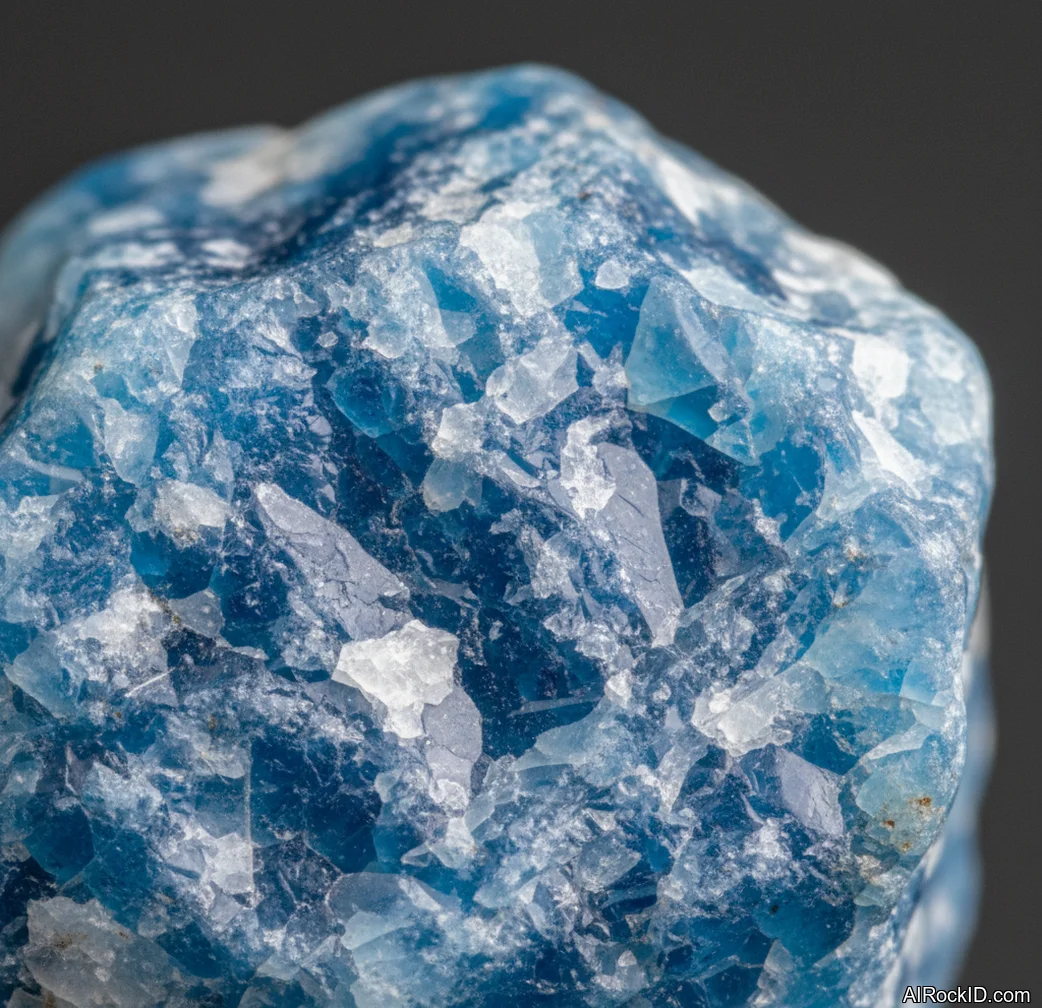
| Celestite | Visual calm, room display | Brittle, glassy, cool to touch, pale blue | Very fragile; sheds dust, avoid water |
How to Identify Soothing Crystals with AI Rock ID
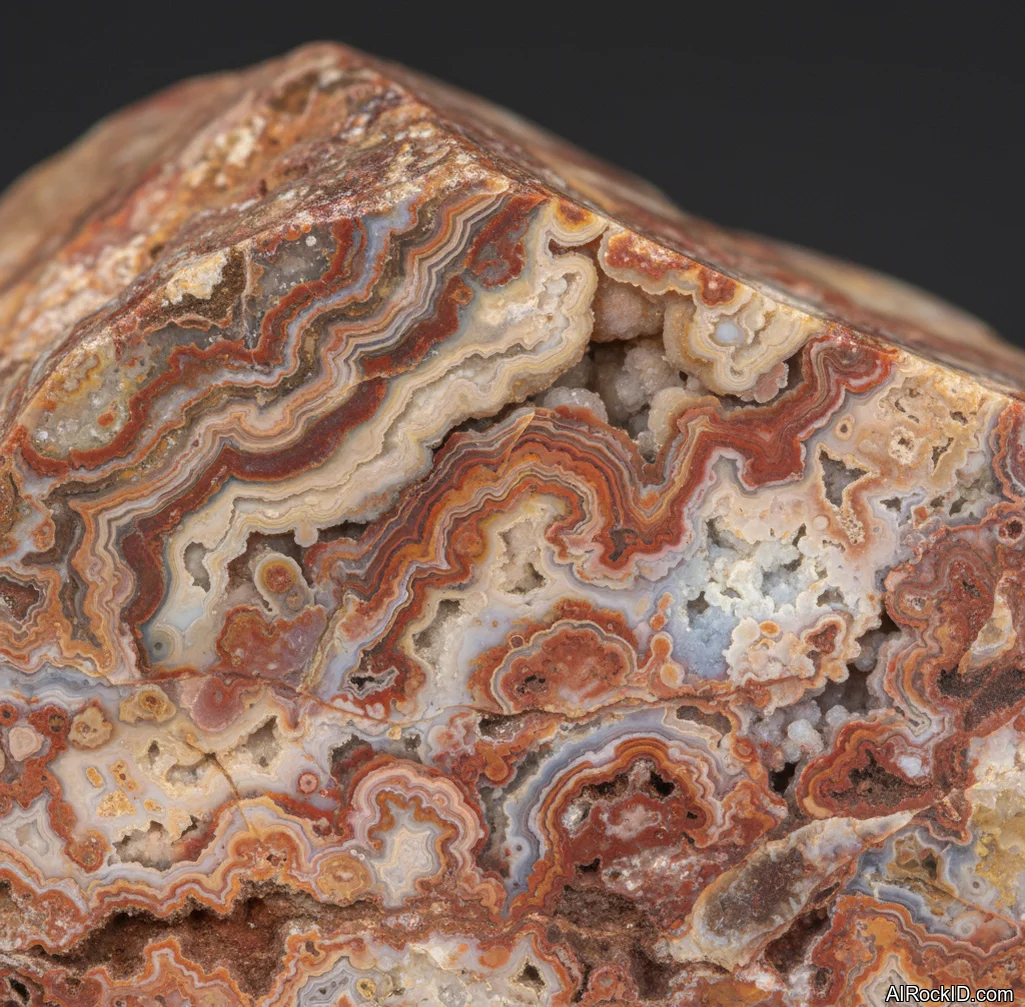
To identify Soothing crystals with the AI Rock ID app, start by taking a clear photo in natural daylight—show the whole stone, then a close-up of any unique features like banding or sheen. Upload both images to the app, and use the compare tool to check against hardness, luster, and streak details. Hold the stone next to a reference object for scale, since size and shape can help narrow down the possibilities. The app works best if you avoid camera flash and show the stone’s true color and texture.
All Soothing Crystals (346)