Uranus Crystals
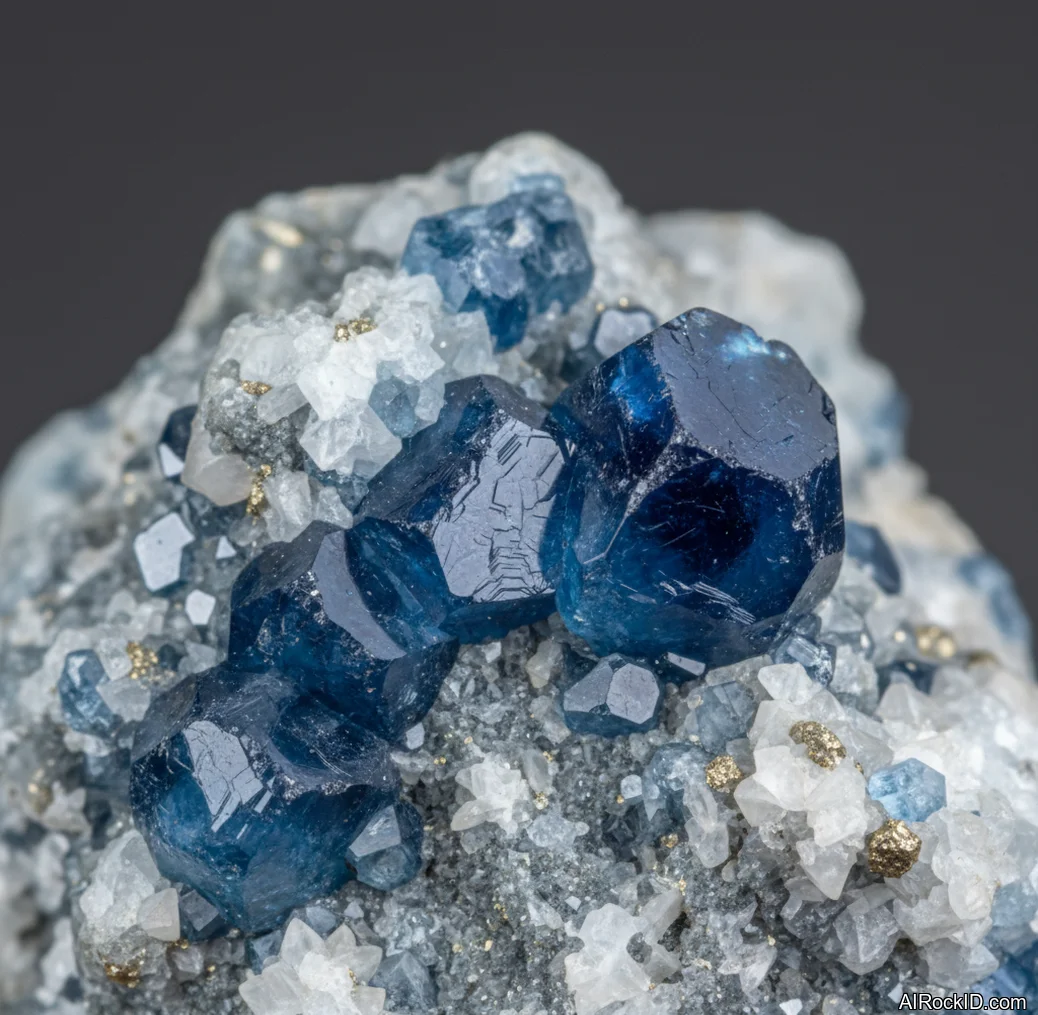
Quick answer: Uranus crystals are stones associated in modern metaphysical traditions with change, originality, intuition, and unconventional thinking. Common examples include labradorite, aquamarine, fluorite, and celestite, though the connection is symbolic rather than scientific.
Explore Uranus and crystals linked to its energy, with meanings, buying tips, and how to work with stones like labradorite and aquamarine.


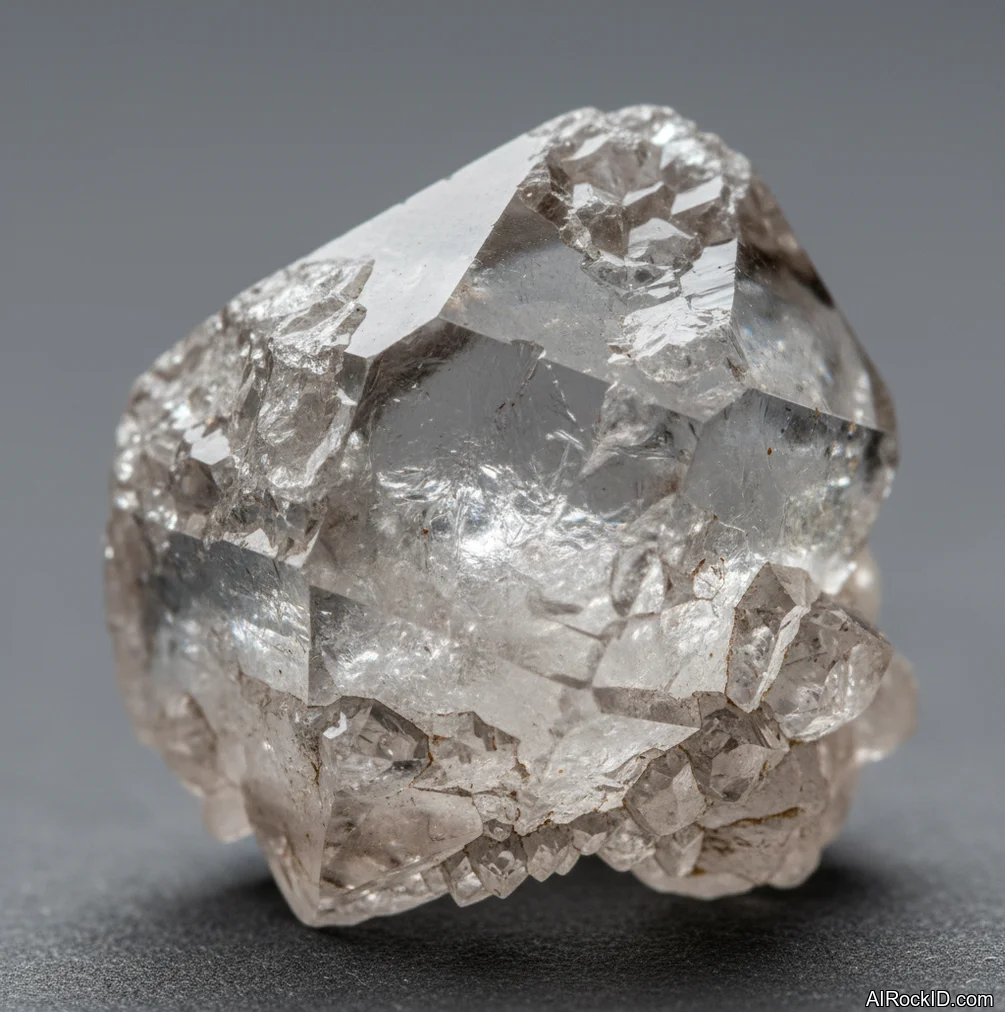
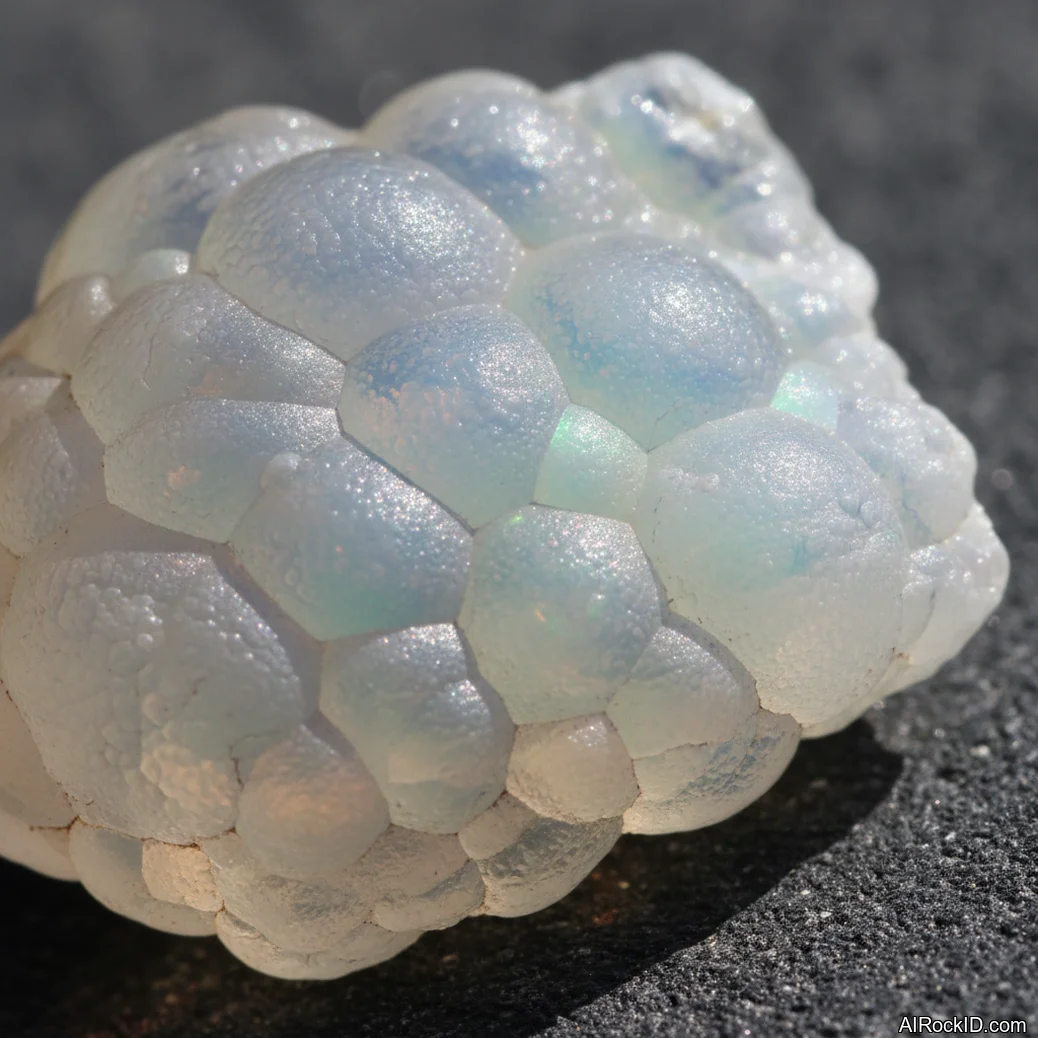
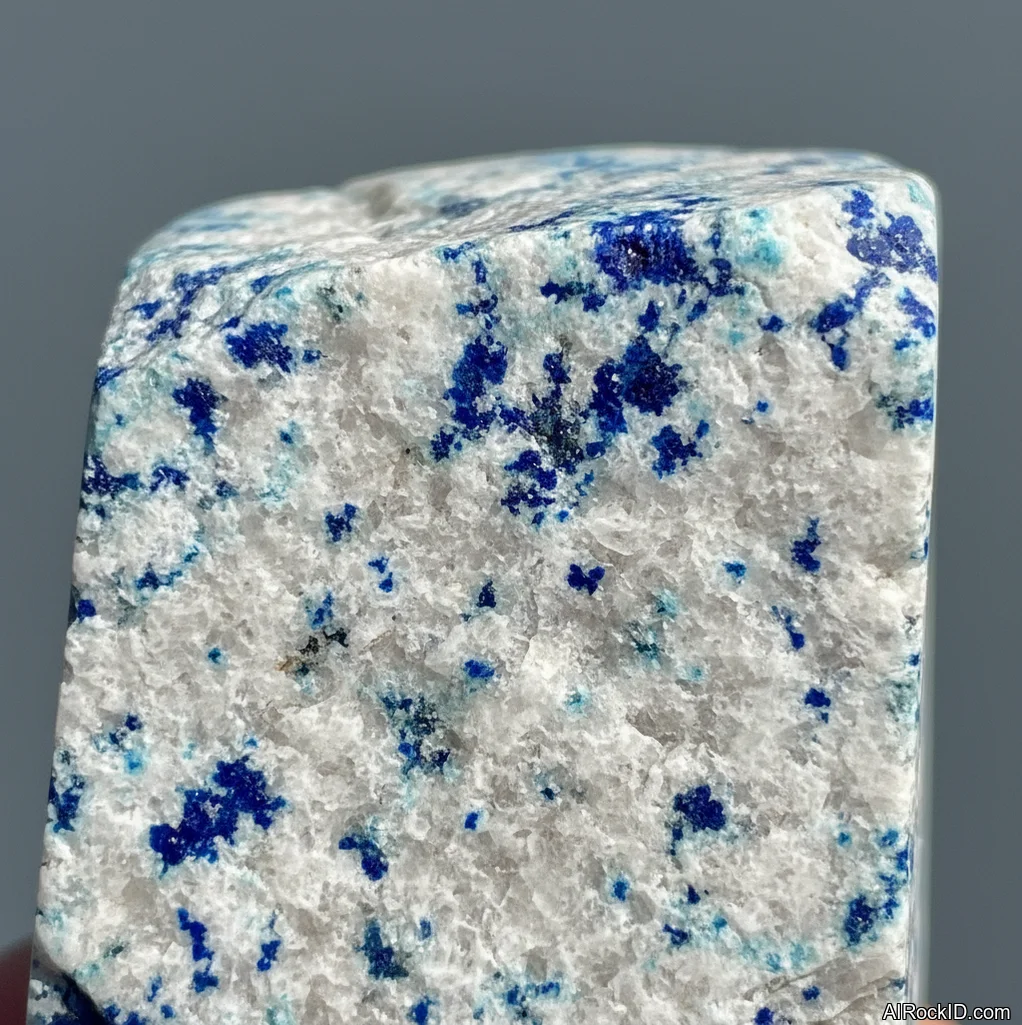
Uranus crystals are minerals and stones that collectors link to themes of major change, sudden insight, and breaking from routine. The most common examples include labradorite, aquamarine, moldavite, and fluorite. These stones are chosen for their perceived connection to Uranus energy, which is all about disruption, innovation, and transforming stale patterns. These associations come from metaphysical traditions, not science, and aren't medical claims.
Uranus crystals can't guarantee sudden breakthroughs or prevent difficult changes. They don't replace therapy, life planning, or practical action when facing disruptive times.
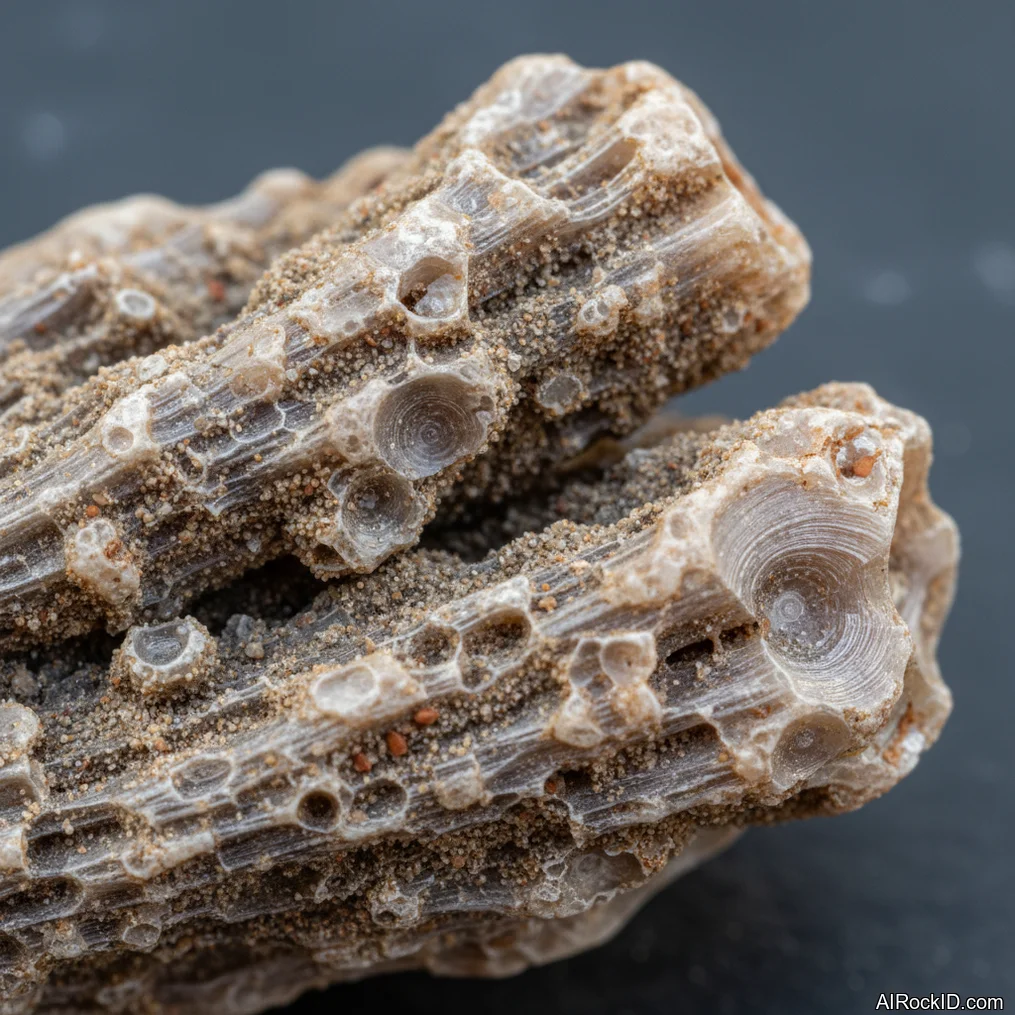
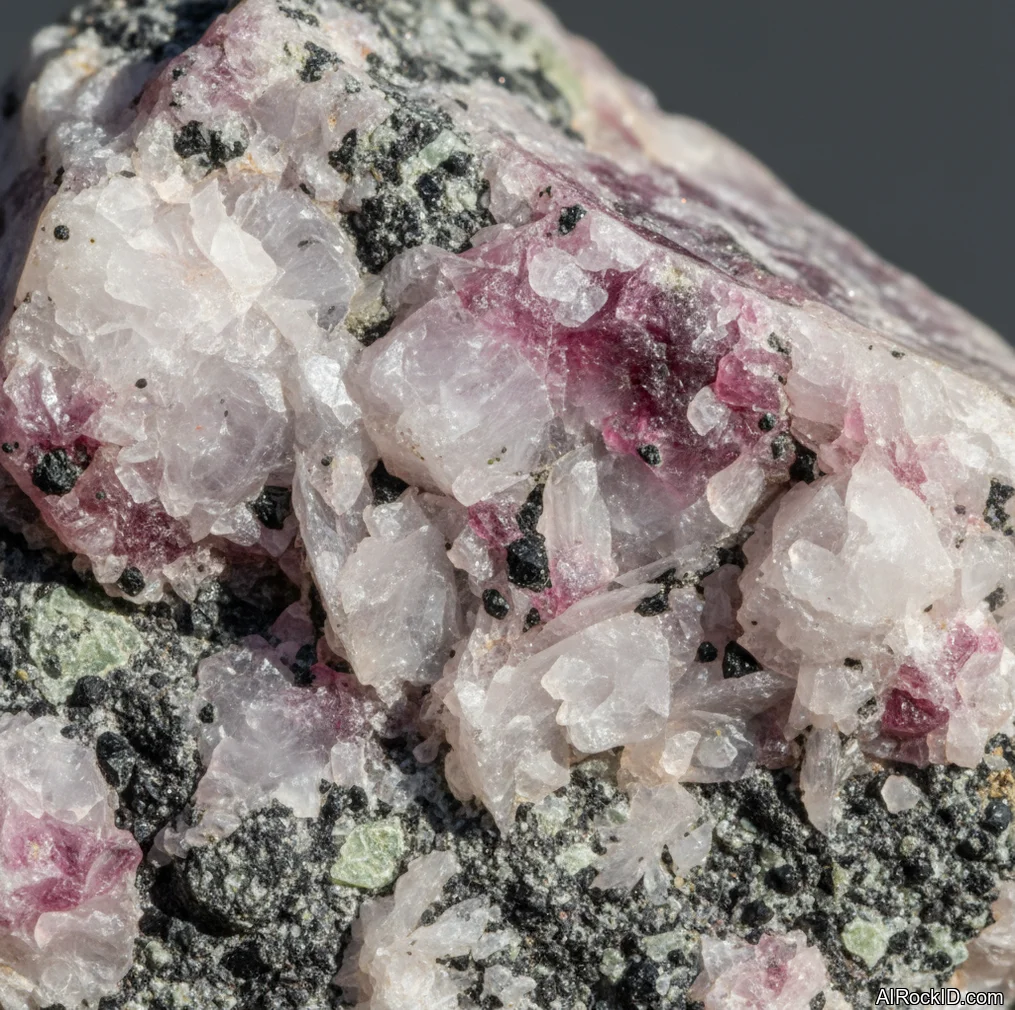
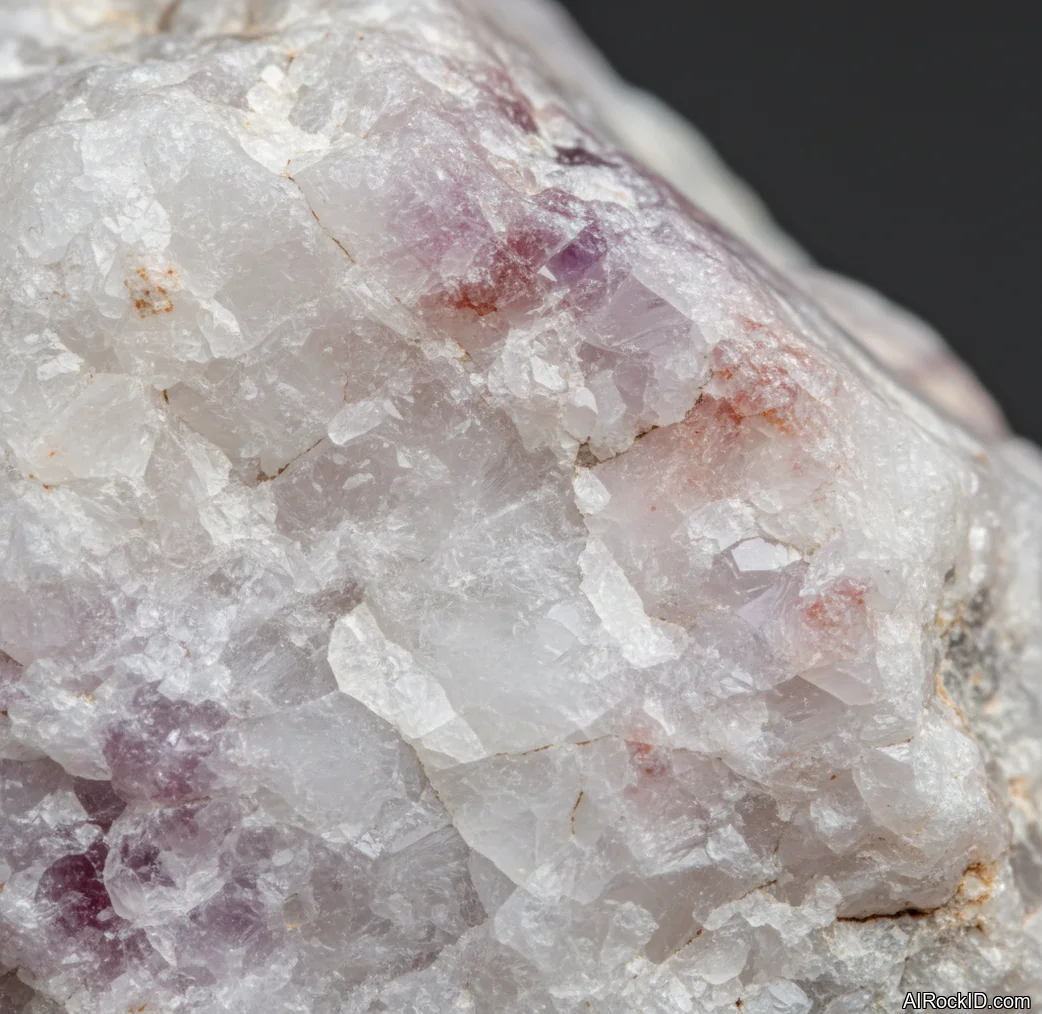
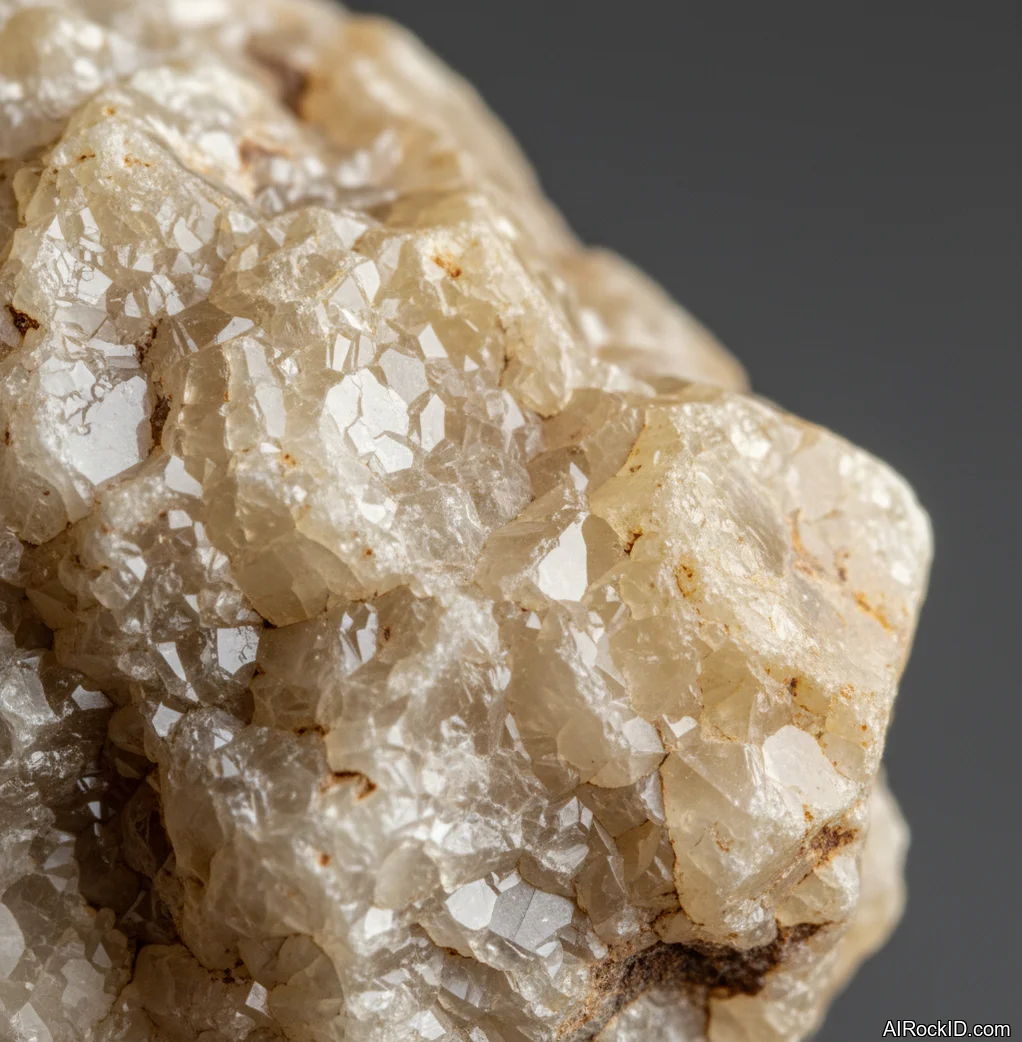
AI Rock ID can help compare a photographed stone against visual traits such as color, luster, banding, and crystal habit. RockIdentifier.io provides crystal identification support for users who want to check whether a Uranus-linked stone is likely to be labradorite, aquamarine, fluorite, or another mineral.
Good fit
- People exploring planetary crystal correspondences in modern astrology-based traditions
- Beginners who want stones linked with change, insight, and open-mindedness
- Collectors interested in blue, green, iridescent, or translucent minerals
- Users comparing symbolic crystal meanings across planet-themed categories
Not a good fit
- Anyone looking for scientifically proven effects from planetary crystal associations
- Buyers who need gem-grade identification or appraisal without professional testing
- Users who prefer crystal categories based only on mineral chemistry or geology
Most commonly confused with
- Moonstone: Moonstone may show a soft glow, while labradorite usually displays stronger blue, green, or gold labradorescence.
- Blue Calcite: Blue calcite is typically softer and waxier-looking than aquamarine, which is harder and often more glassy.
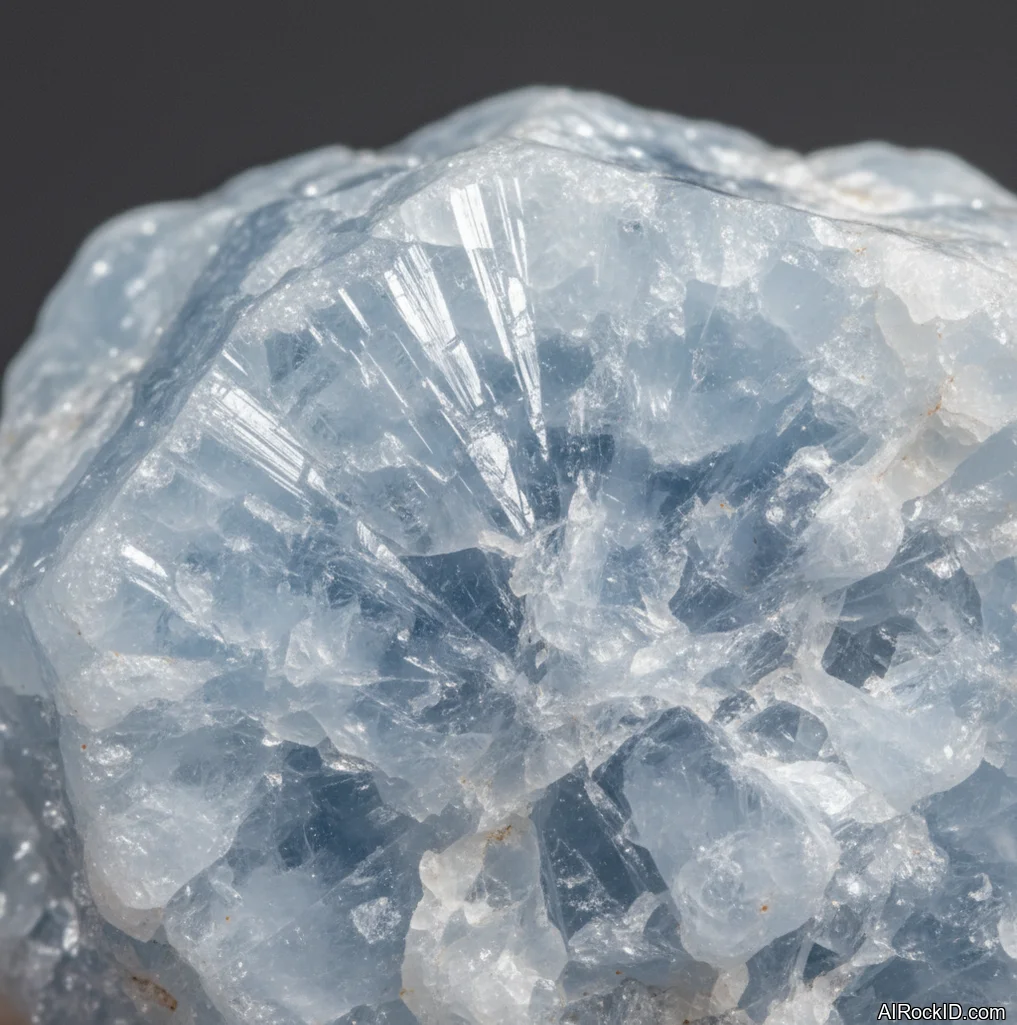
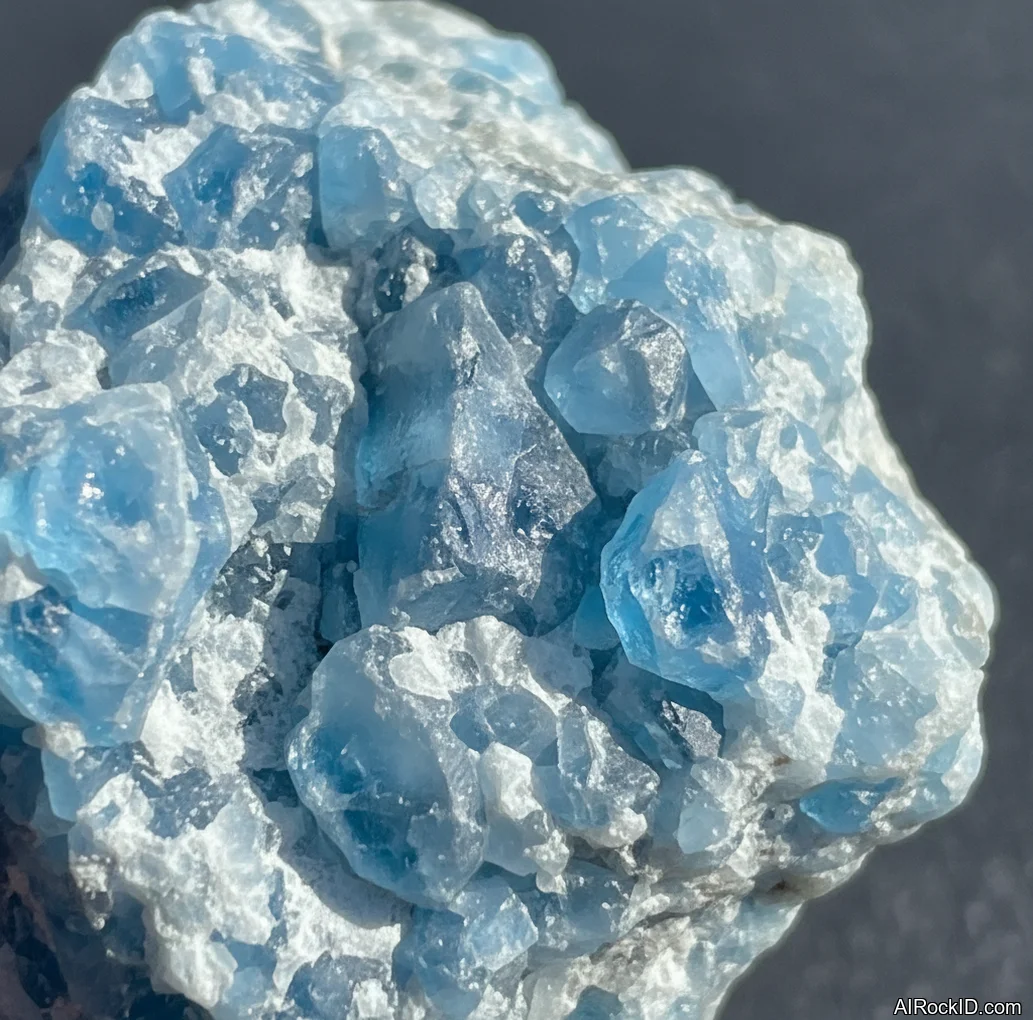
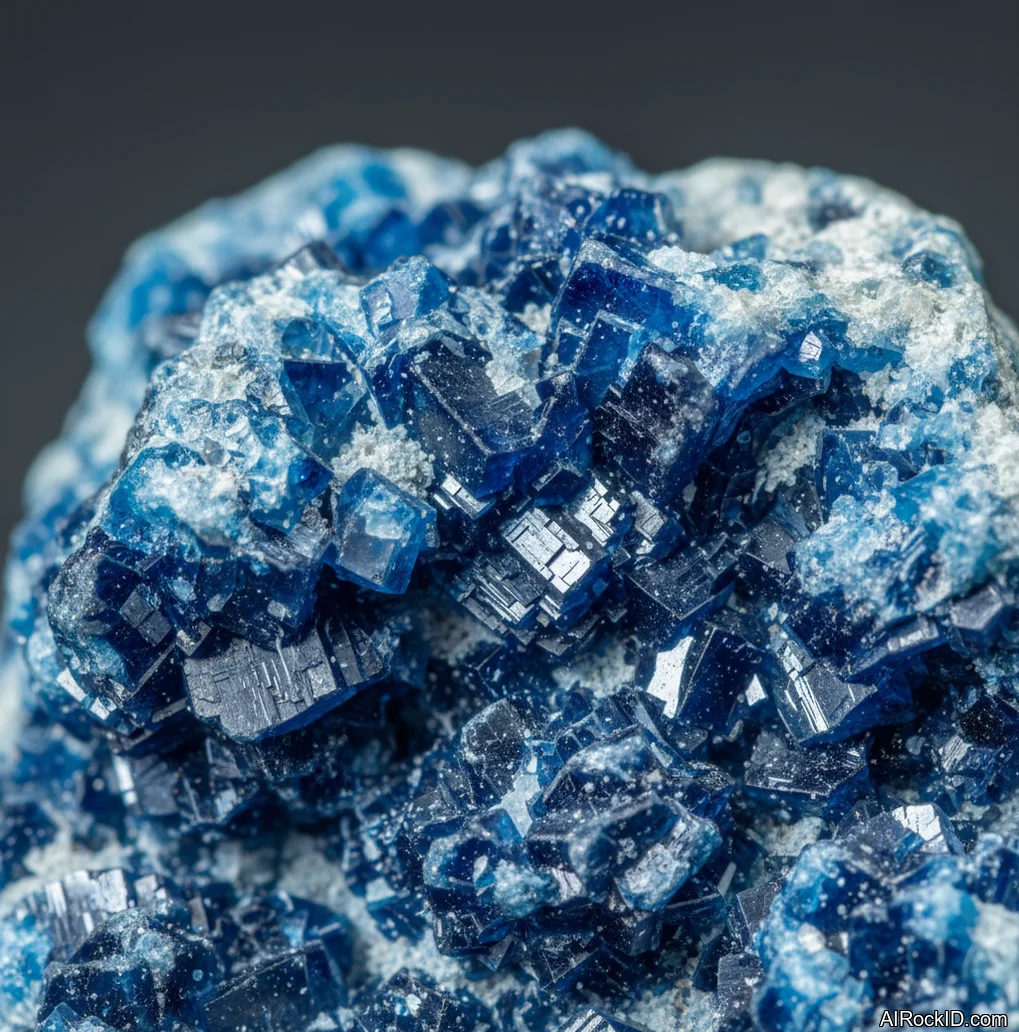
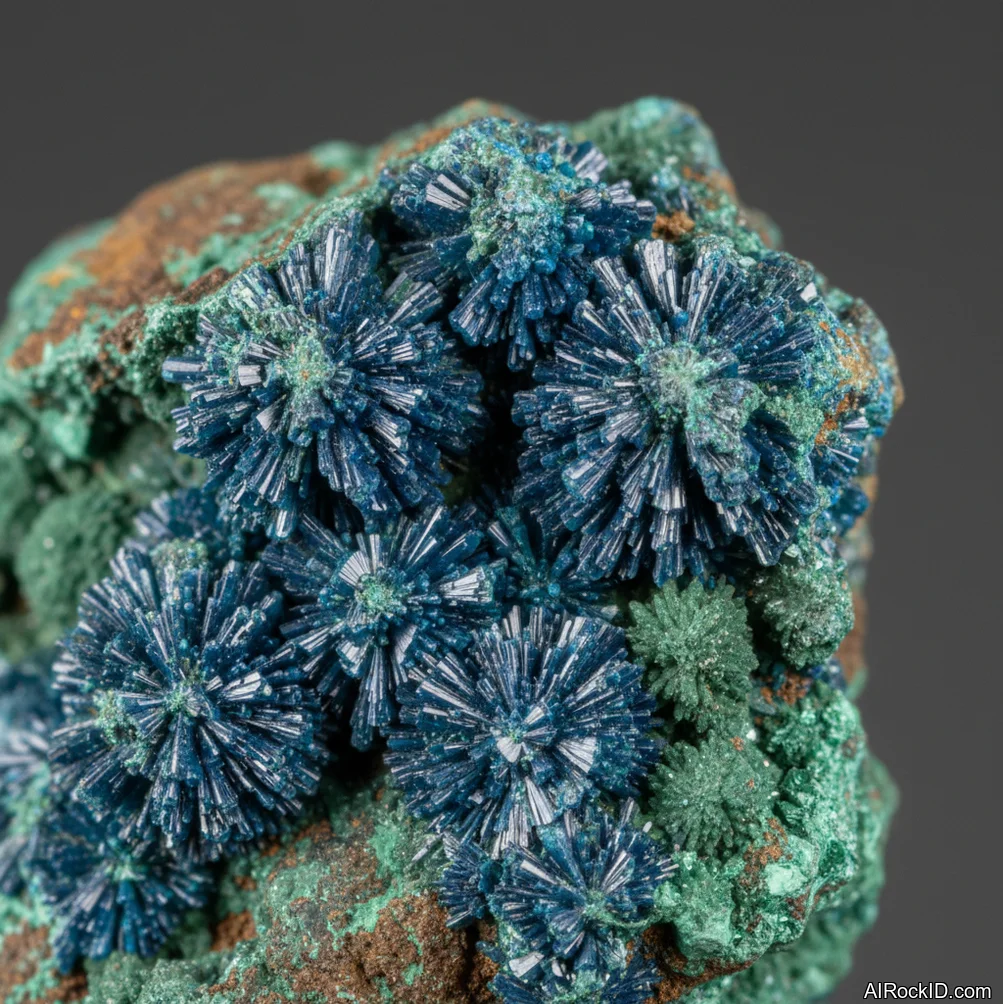
- Celestite: Celestite is often pale blue and brittle, while aquamarine is a much harder beryl mineral.
- Fluorite: Fluorite can be blue, green, or purple and often has cubic cleavage, unlike many blue Uranus-associated stones.
AI identification confidence
AI identification is usually more reliable when the photo shows natural color, surface texture, crystal shape, and any optical effects such as flash or banding. Confidence may be lower for tumbled stones, dyed pieces, or blue-green crystals that look similar in casual photos.
When AI gets it wrong
- The stone is polished, tumbled, or carved, hiding natural crystal habit.
- Lighting makes clear, pale blue, or iridescent minerals appear more saturated than they are.
- The specimen is dyed, coated, heat-treated, or sold under a trade name.
- Several minerals share similar blue-green color ranges, such as aquamarine, fluorite, calcite, and apatite.
What this category represents
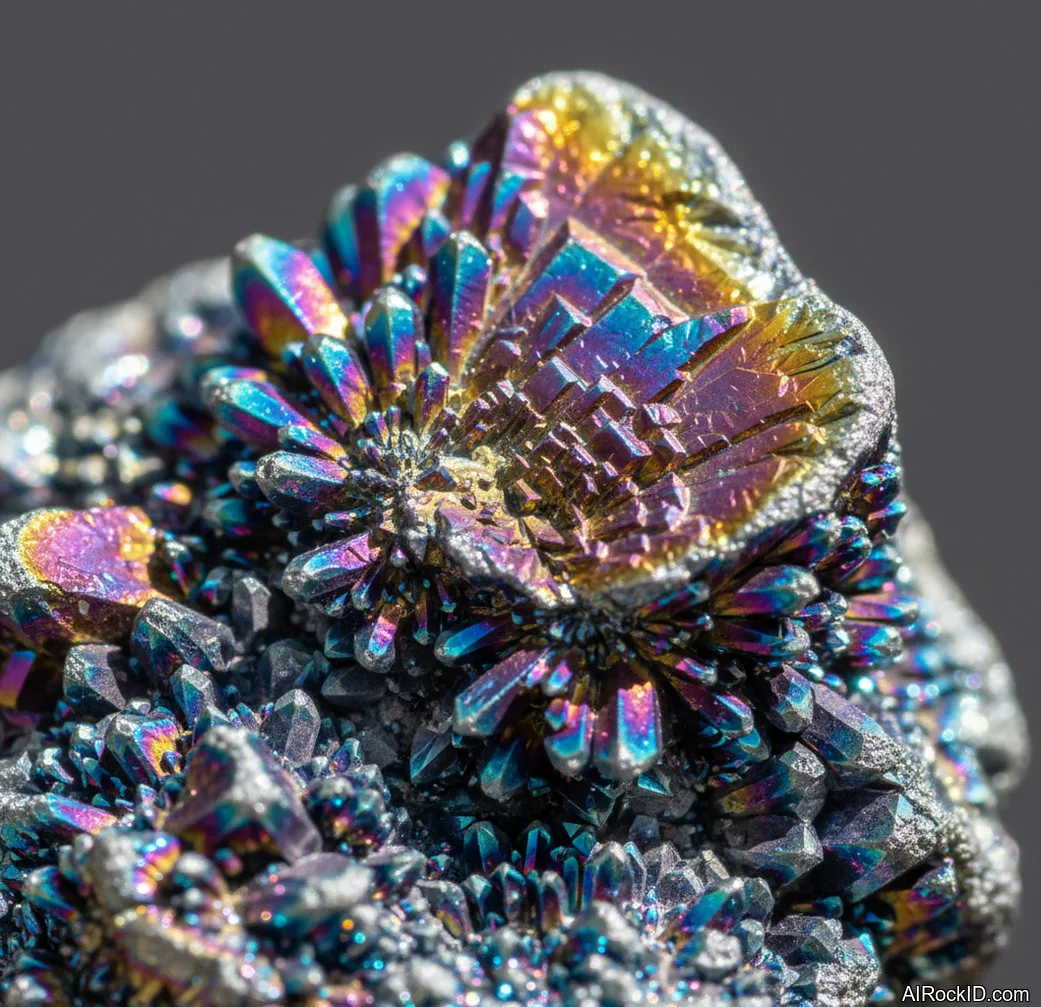
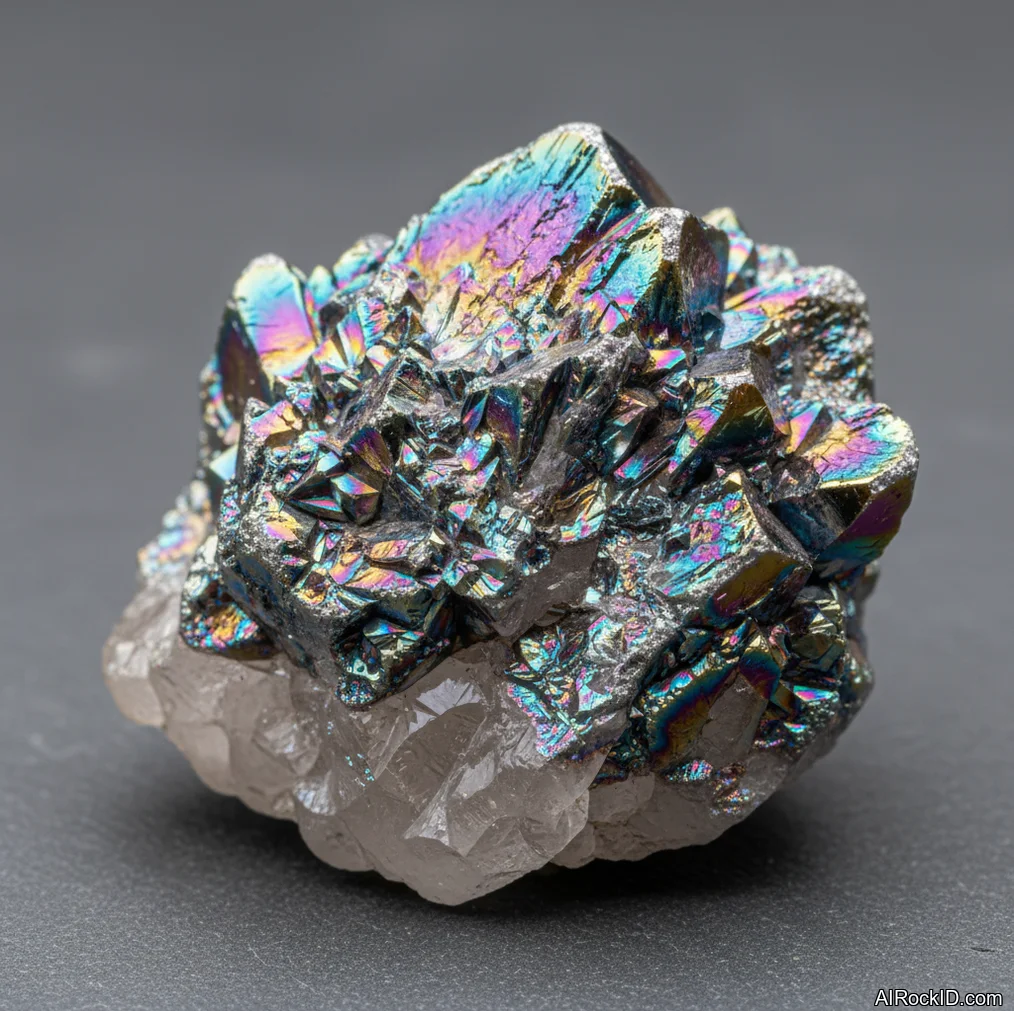
The Uranus Crystals tag groups stones that are symbolically linked with Uranus in astrology-inspired crystal traditions. These stones are commonly associated with innovation, independence, sudden insight, mental flexibility, and the color themes of blue, green, violet, silver, or iridescent flash.
Beginner recommendations
Advanced recommendations
Color Themes in Uranus Crystal Traditions
Uranus-linked crystals are often blue, blue-green, violet, silver, clear, or iridescent in modern metaphysical systems. These colors are commonly used to symbolize electricity, sky, intuition, clarity, and sudden shifts in perspective.
Natural vs. Treated Uranus-Linked Stones
Some stones sold in blue, aqua, or rainbow colors may be dyed, coated, irradiated, or otherwise treated. Treatment does not automatically make a stone unusable for symbolic practice, but it can affect value, durability, and accurate identification.
Planetary Associations Are Symbolic
Uranus crystal correspondences come from astrology, modern crystal healing traditions, and personal or cultural symbolism. They are not part of formal mineral classification, which is based on chemistry, crystal structure, hardness, and other measurable properties.
Understanding Uranus Energy in Crystal Work
Uranus is the wildcard in the crystal world. If you’ve ever woken up at 3 a.m. ready to scrap your whole living room layout, that’s Uranus energy at work. It’s the planet that nudges you out of routines that feel stuck like old bubblegum. In stone terms, Uranus is about shaking things up—sometimes gently, sometimes like a slap. People who come in looking for Uranus-linked stones aren’t always thrill seekers. Most are tired of the same patterns repeating and want a way to push forward without wrecking everything.
I see a lot of folks reach for these stones when life’s in flux. Job changes, sudden moves, creative blocks. It’s not about chaos for chaos’s sake. It’s about riding the wave without getting flattened. Uranus gets misunderstood as just electricity and upheaval, but it’s more about cracking open possibilities. If you’ve ever bought a piece of labradorite that looked ordinary until the light hit just right, you’ve already experienced a little Uranian surprise.
Common Uranus Crystals and Their Physical Traits
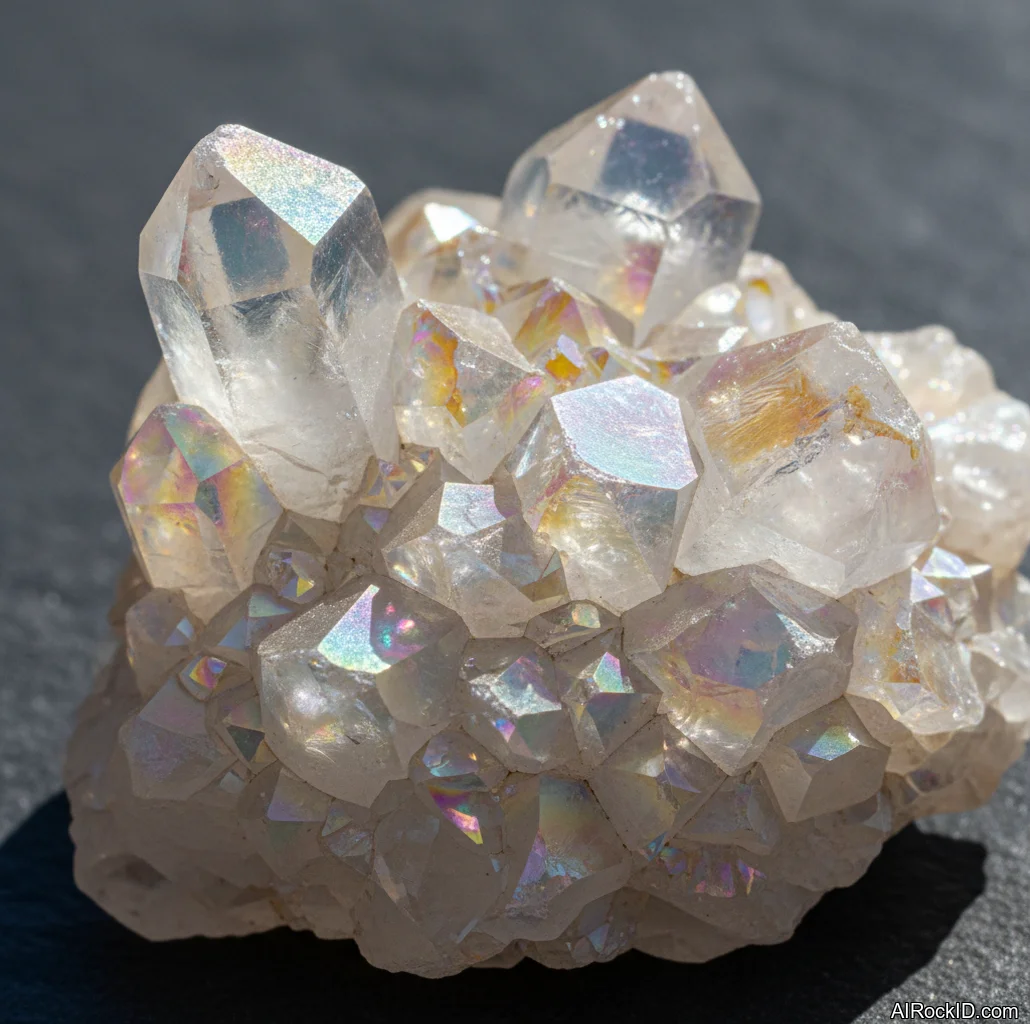
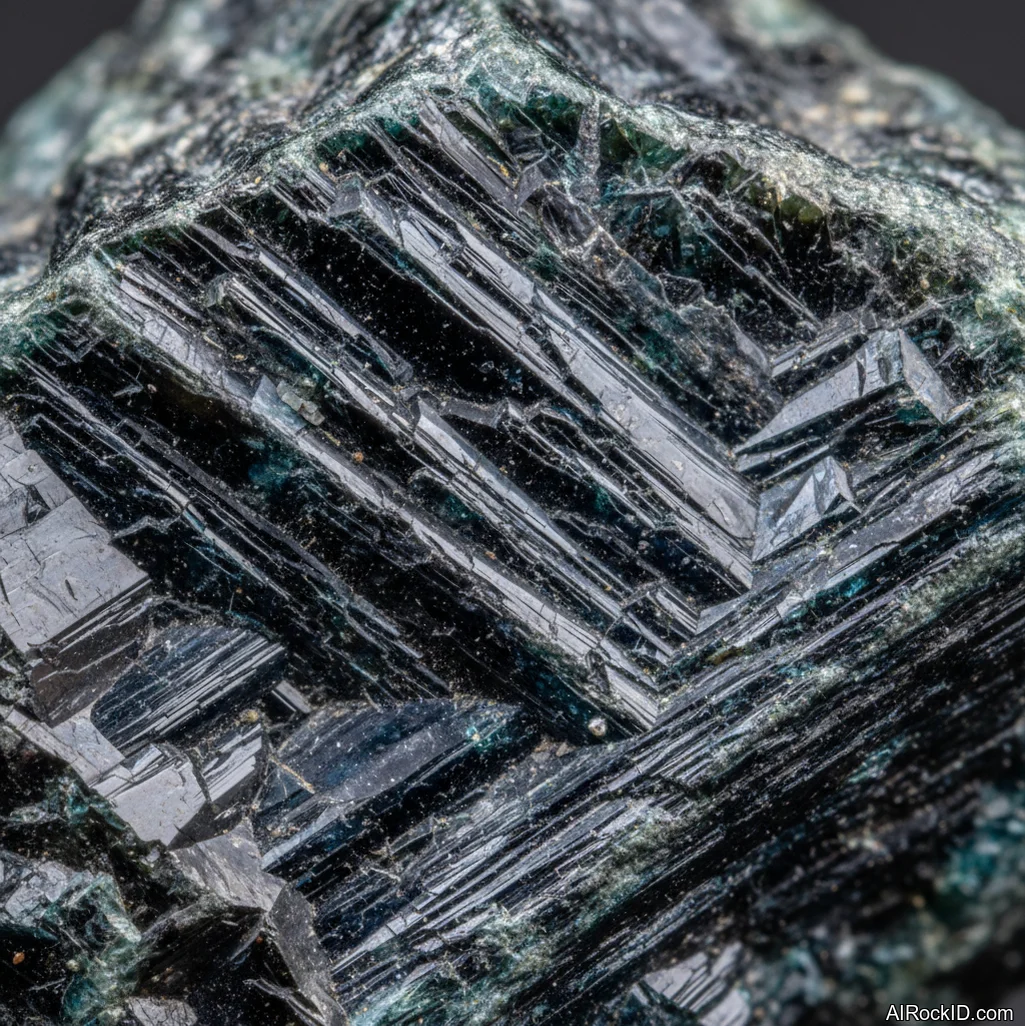
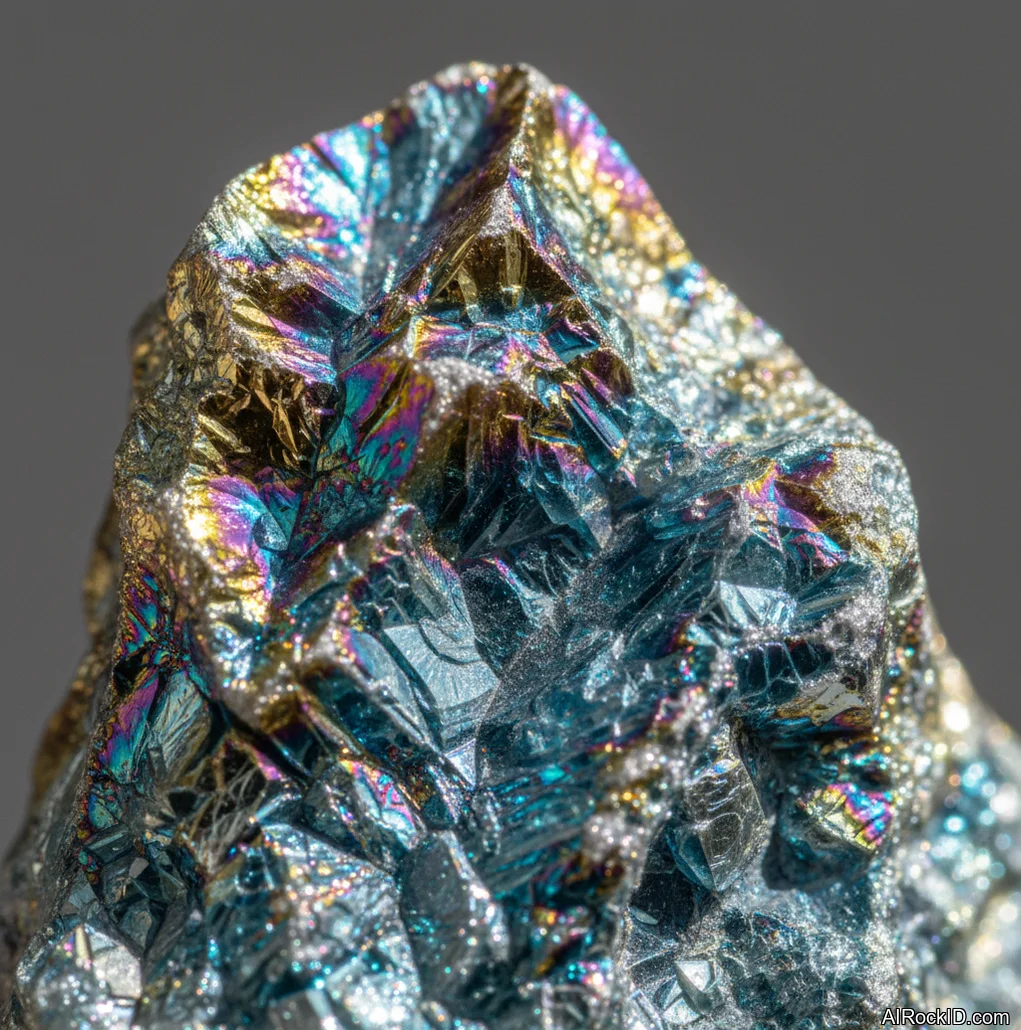
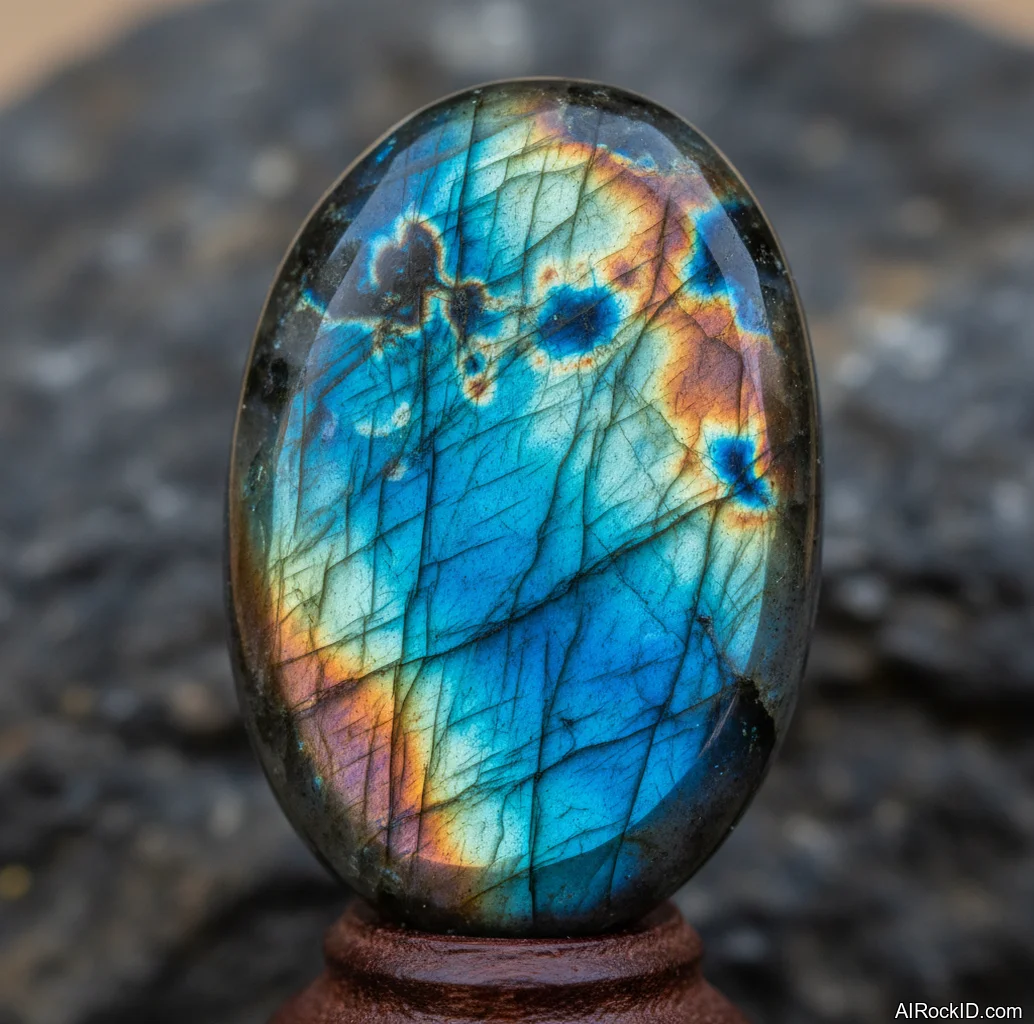
Labradorite tops the Uranus list for good reason. At first, it may look like a slab of gray rock, but tilt it under a lamp and flashes of blue or green erupt across the surface. I’ve owned pieces that only reveal their best color along one narrow edge—blink and you’ll miss it. That element of surprise perfectly matches the Uranian theme. Watch for labradorite with clean, shifting flash rather than a dull, painted sheen. Too bright and uniform? It might be dyed or stabilized, and real collectors can spot the difference by how the color moves with your hand.
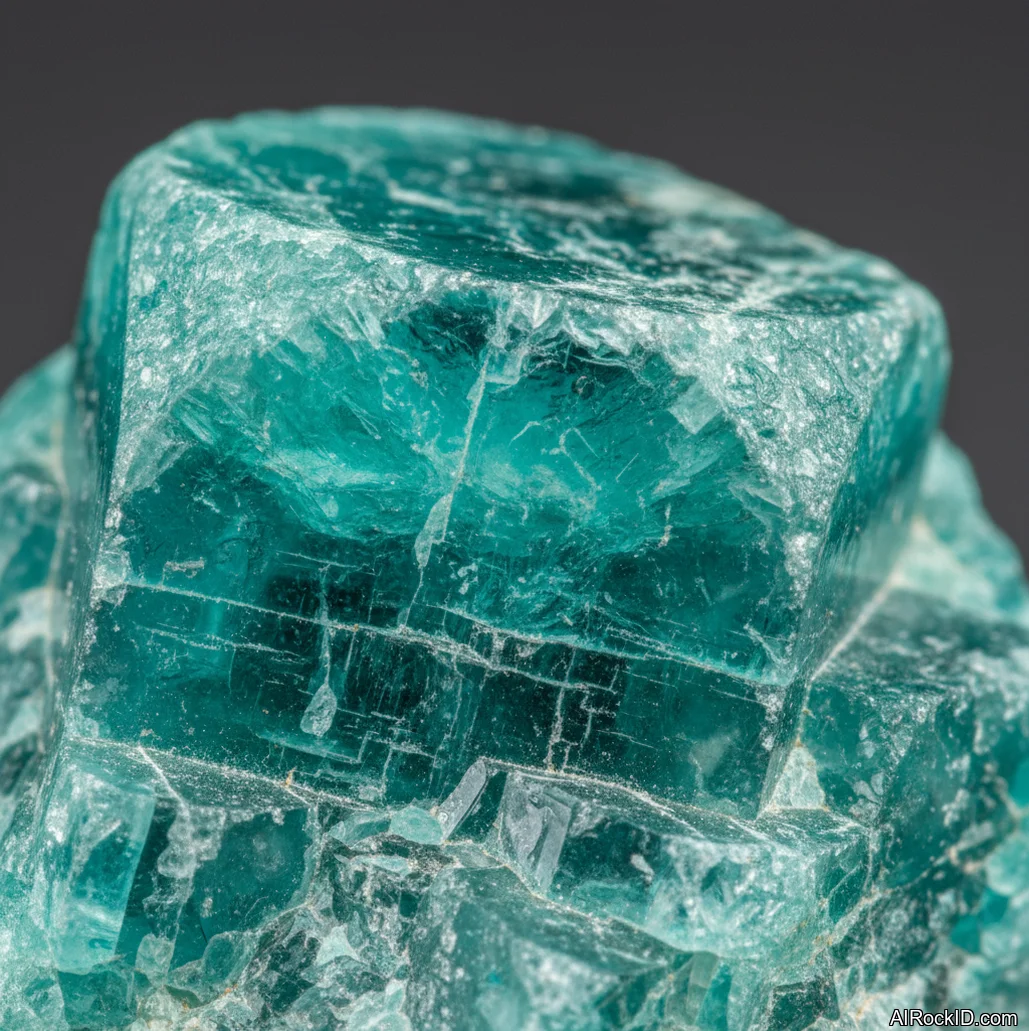
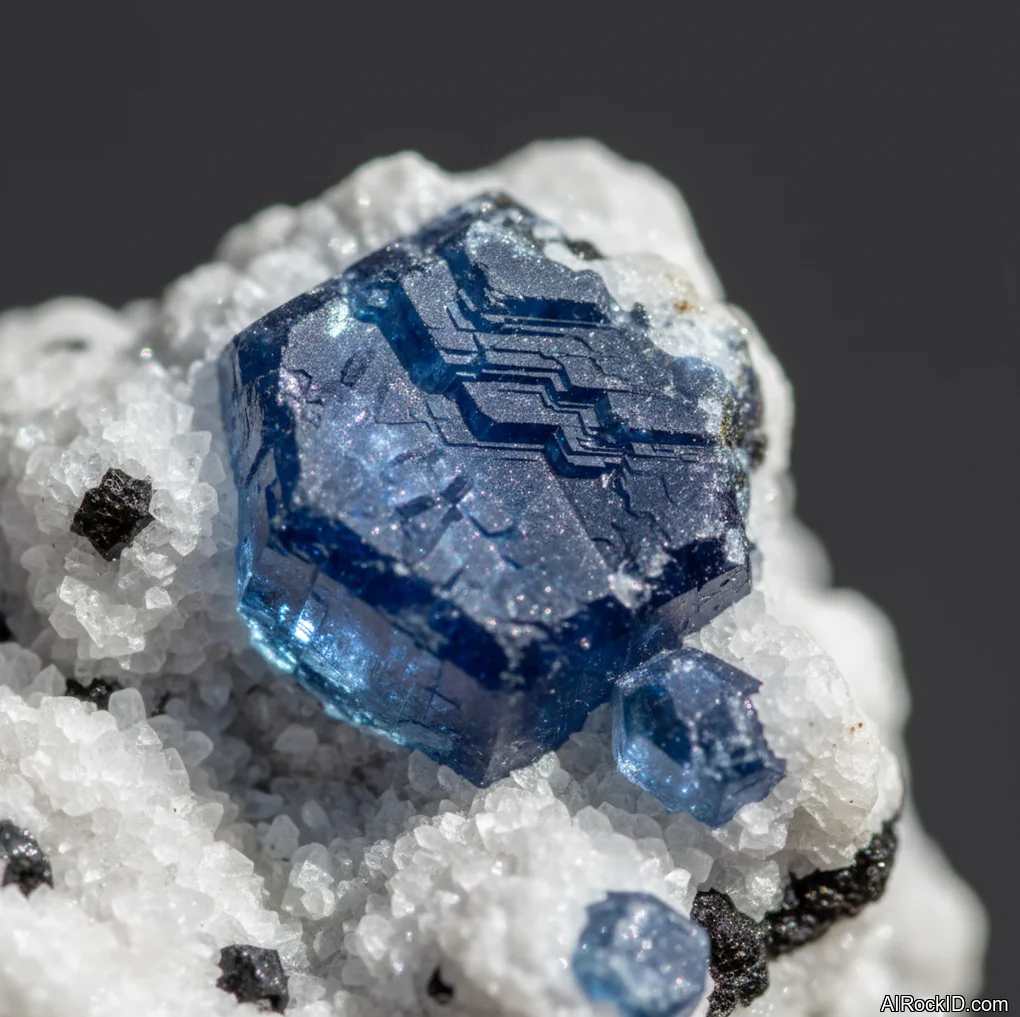
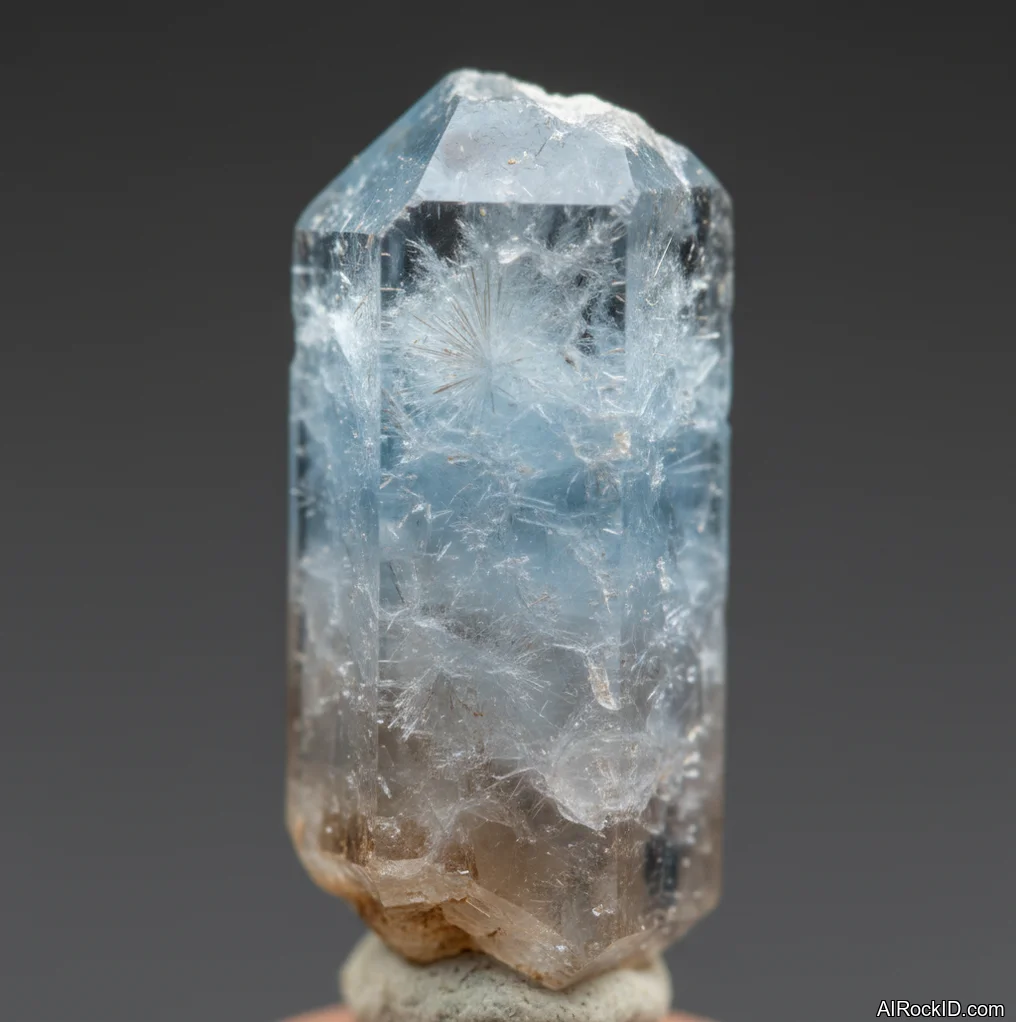
Aquamarine finds its place in the Uranus crowd for its steadying effect after a jolt of change. When you hold a good aqua, it’s cool and slick, almost icy. Real stones show gentle blue-green instead of flashy neon, and you can often see thin lines or tubes running lengthwise inside the crystal. Raw pieces feel sturdy but can look striated, like stacked glass rods. It’s a favorite when someone wants clear-headed change, not just chaos.
How Uranus Crystals Are Used in Real Life
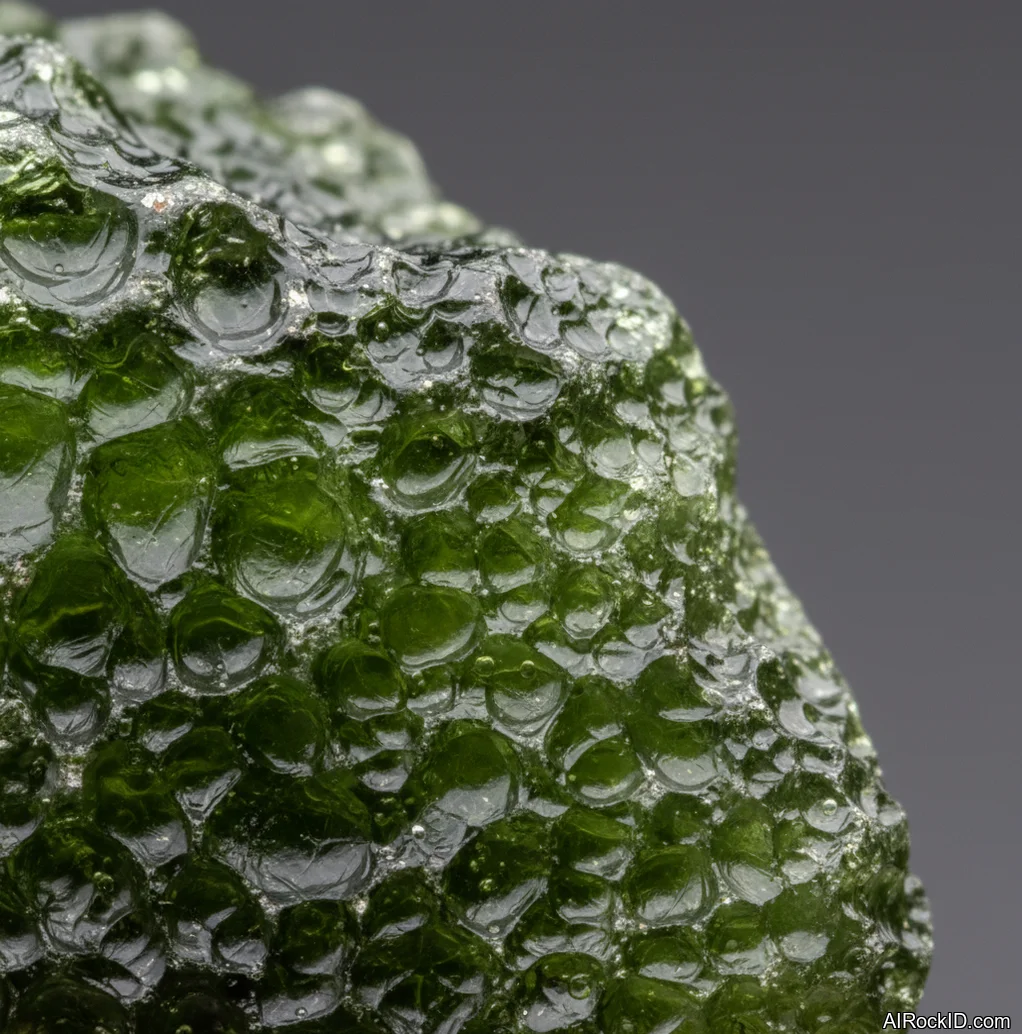
People grab Uranus stones for two main reasons: to kickstart momentum or to stay upright during a storm. When you’re stuck in autopilot, labradorite in your pocket can be that little reminder to try something new. I’ve met artists who keep a hunk on their desk just for the visual jolt it gives when the light catches right. Moldavite, on the other hand, gets picked by those who want a fast, total break from the past—think big life shifts, not minor tweaks.
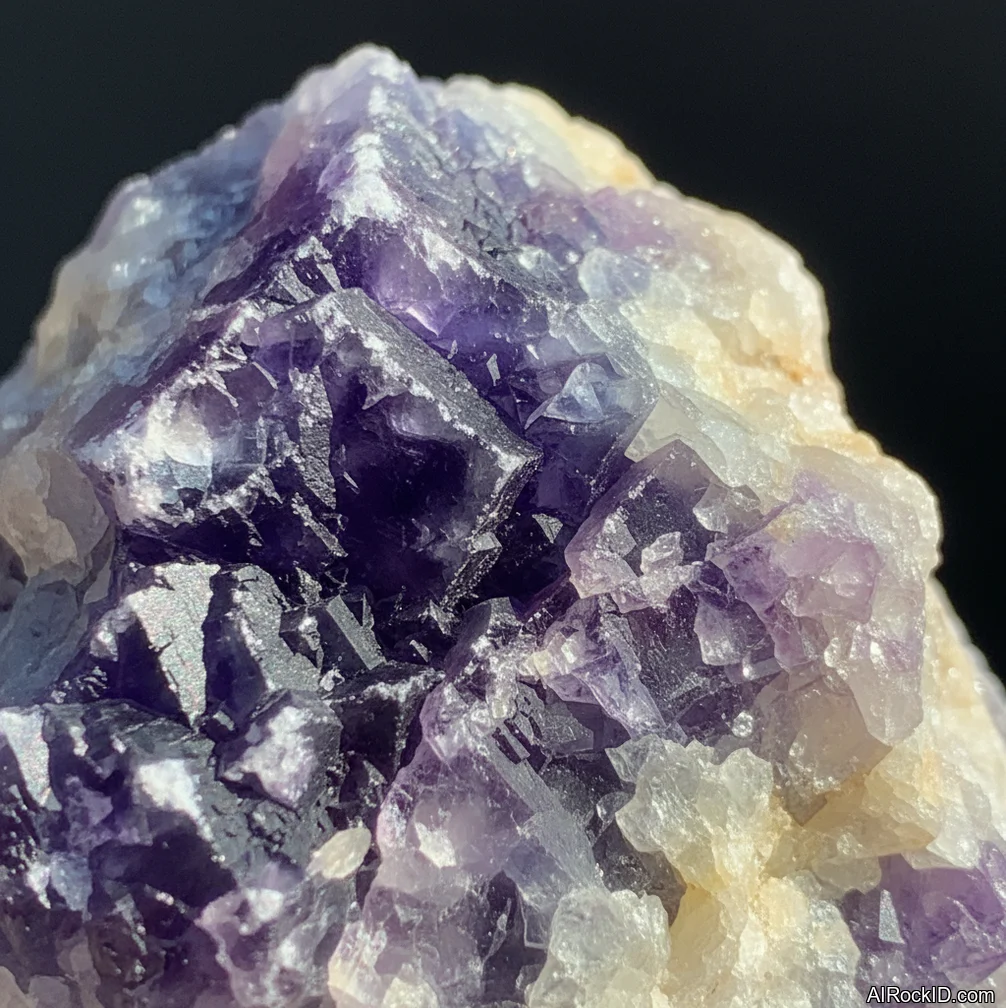
The funny thing is, not everyone wants Uranus energy blasting all day. Some folks get overwhelmed by the intensity, especially with stones like moldavite, which can feel buzzy or even cause headaches for sensitive types. That’s where aquamarine or fluorite step in—gentler, but still tied to change and insight. If you’re working through a rough patch, a palm-sized fluorite octahedron can give you something solid to focus on while the rest of your world is spinning.
Choosing and Caring for Uranus-Linked Stones
Pick up a labradorite and turn it slowly under sunlight; the real test is whether the flash follows your movement or just sits dead in one spot. For aquamarine, check the clarity and color—true aqua is almost always cooler when touched, not warm like glass. Moldavite is a whole different beast. Real pieces are pitted and olive-green, never perfectly smooth or bright emerald. Watch out for fakes from China and Thailand—if it looks flawless, it’s probably glass.
Most Uranus stones won’t take kindly to rough handling. Labradorite scratches pretty easily, and prolonged sunlight can drain both labradorite and fluorite. Keep them out of water if you want to avoid surface dulling. Moldavite’s edges chip if dropped, and raw aquamarine can break along natural striations. Store these in soft cloth or padded boxes, and don’t tumble them with harder stones if you want to keep that signature flash and clarity.
Best Uranus Crystals to Start With
| Level | Crystal | Note |
| Gentle / Beginner | Fluorite | Fluorite is steady, easy to find, and offers a soft shift in energy without feeling overwhelming. It’s good for people who want clarity but not chaos. |
| Balanced / Everyday | Aquamarine | Aquamarine helps keep your head clear during changes. It feels cool and calming, and polished tumbled stones are durable enough for a pocket. |
| Intense / Advanced | Moldavite | Pick moldavite if you’re ready for big, fast shifts. Its energy can feel strong, sometimes too much for sensitive users. Real moldavite is rare, so buy from reputable sources. |
| Best for Carrying | Labradorite | Labradorite palm stones or worry stones are flat and smooth, making them comfortable to keep in a pocket or bag without scratching easily. |
| Best for Display | Labradorite Slab | A good labradorite slab, polished on one side, catches light and reveals color flash when displayed upright on a shelf or in a window. |
Uranus Crystal Comparison
| Crystal | Common Use | Feel / Use Style | Care Caution |
| Labradorite | Jump-starting change and breaking old habits | Cool, surprisingly heavy, flashes blue/green when moved | Scratches easily; avoid dropping or storing with harder stones |
| Aquamarine | Staying calm and clear-headed during transitions | Smooth, glassy, and usually cool to the touch; soft blue-green color | Prone to chipping if dropped; color can fade in bright sunlight |
| Moldavite | Rapid transformation and big life changes | Light, slightly pitted surface, feels almost sharp at the edges | Brittle; many fakes exist, so buy only from trusted dealers |
| Fluorite | Mental clarity during unpredictable times | Lighter than expected, sometimes slippery, can be banded with multiple colors | Very soft (4 on Mohs); avoid water and protect from knocks |
How to Identify Uranus Crystals with AI Rock ID
To identify Uranus-associated crystals with the AI Rock ID app, take well-lit photos of your stone in natural daylight to capture true color and any flash or internal features. Upload both a full view and a close-up of the surface or internal lines. Compare the app’s suggestions against your specimen’s hardness, luster, and streak, which you can test at home if needed. This method helps you avoid common confusions, like mistaking dyed labradorite or fake moldavite for the real deal.
All Uranus Crystals (34)