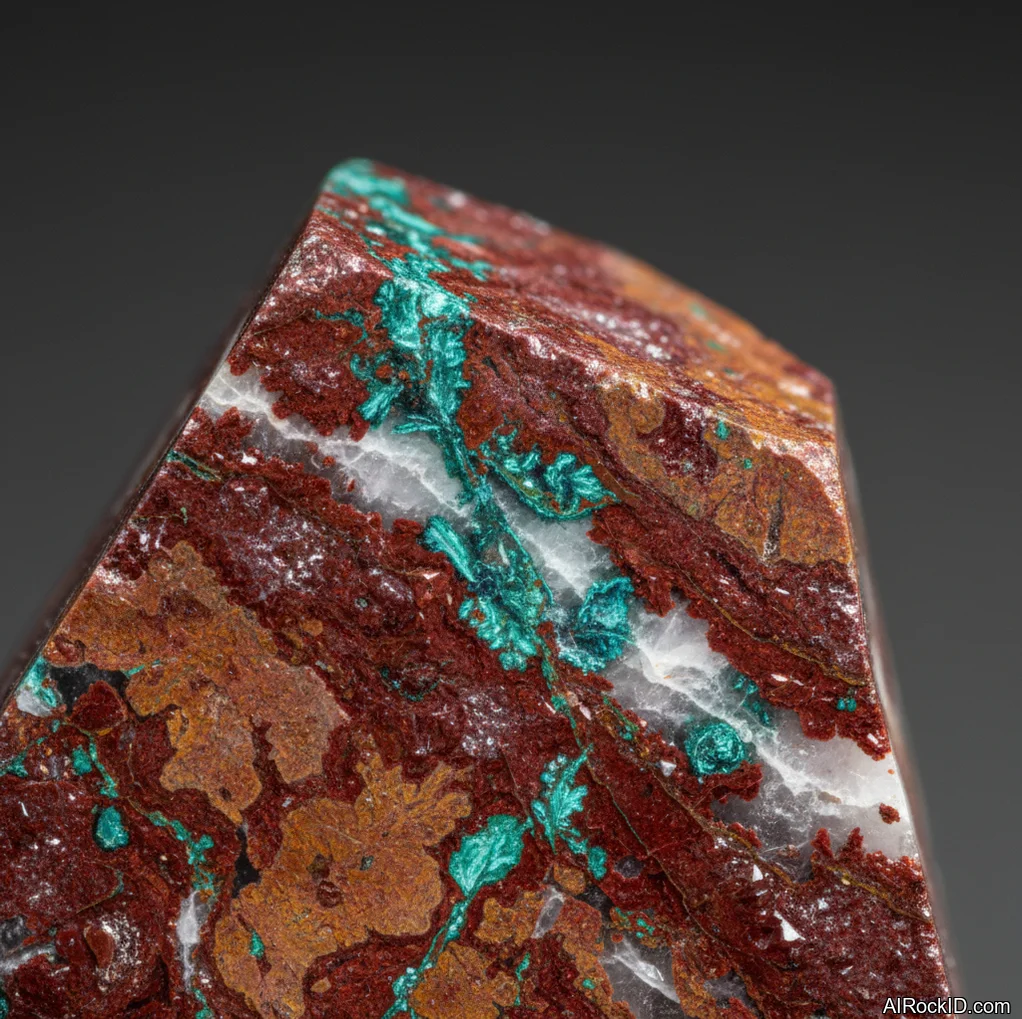
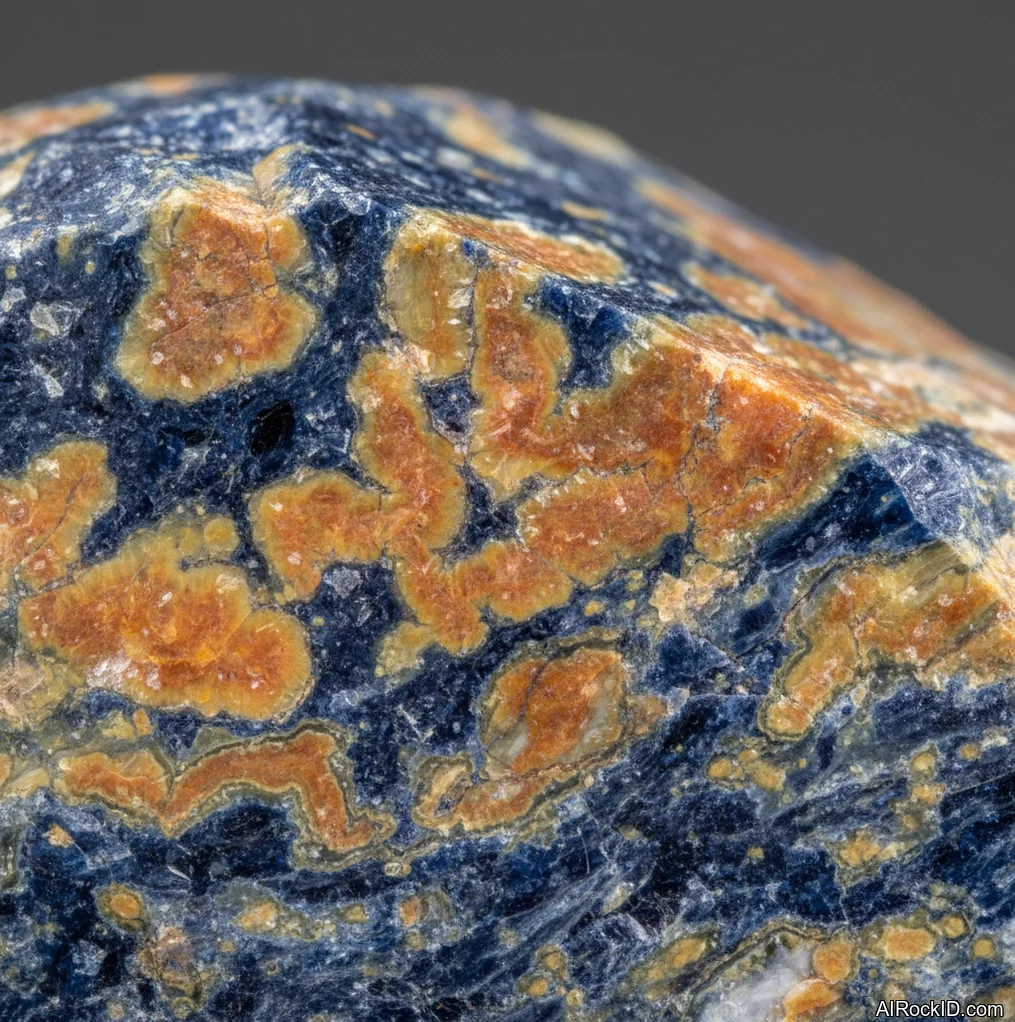
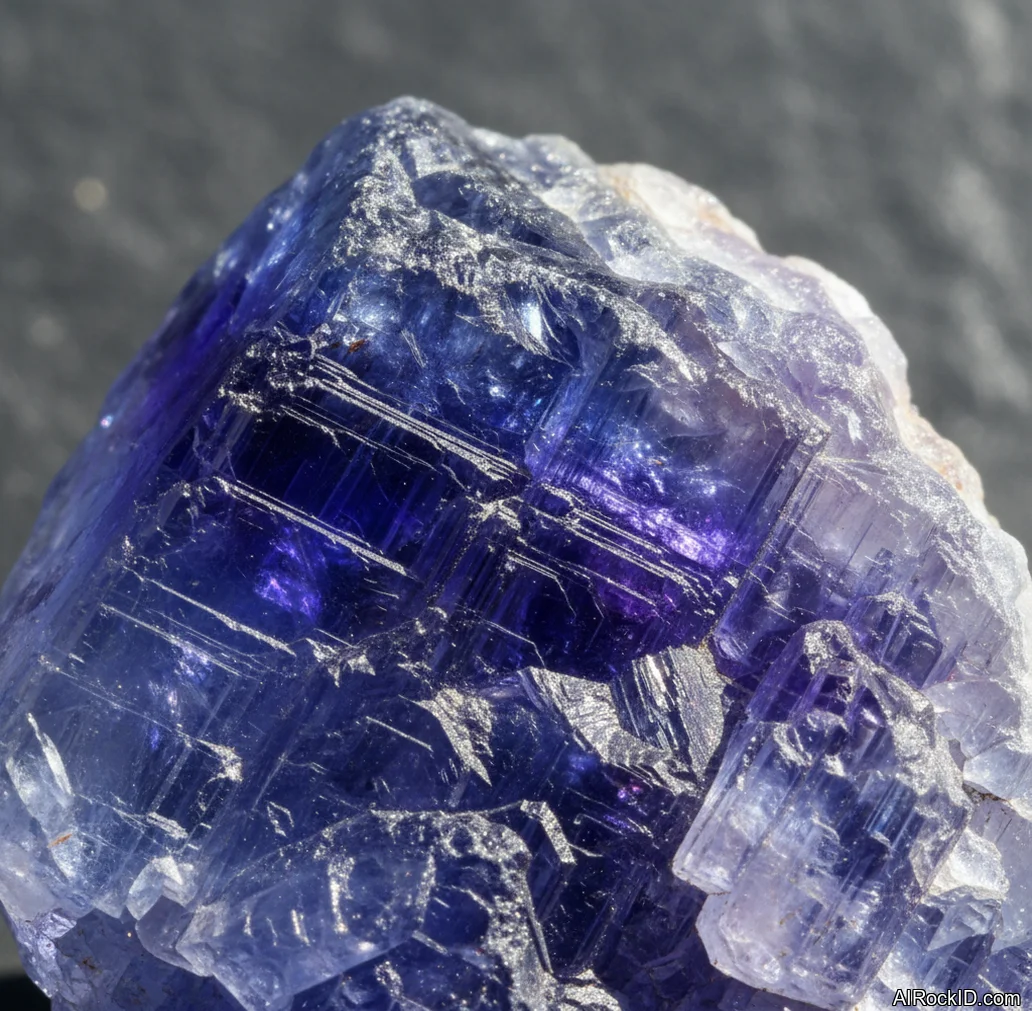
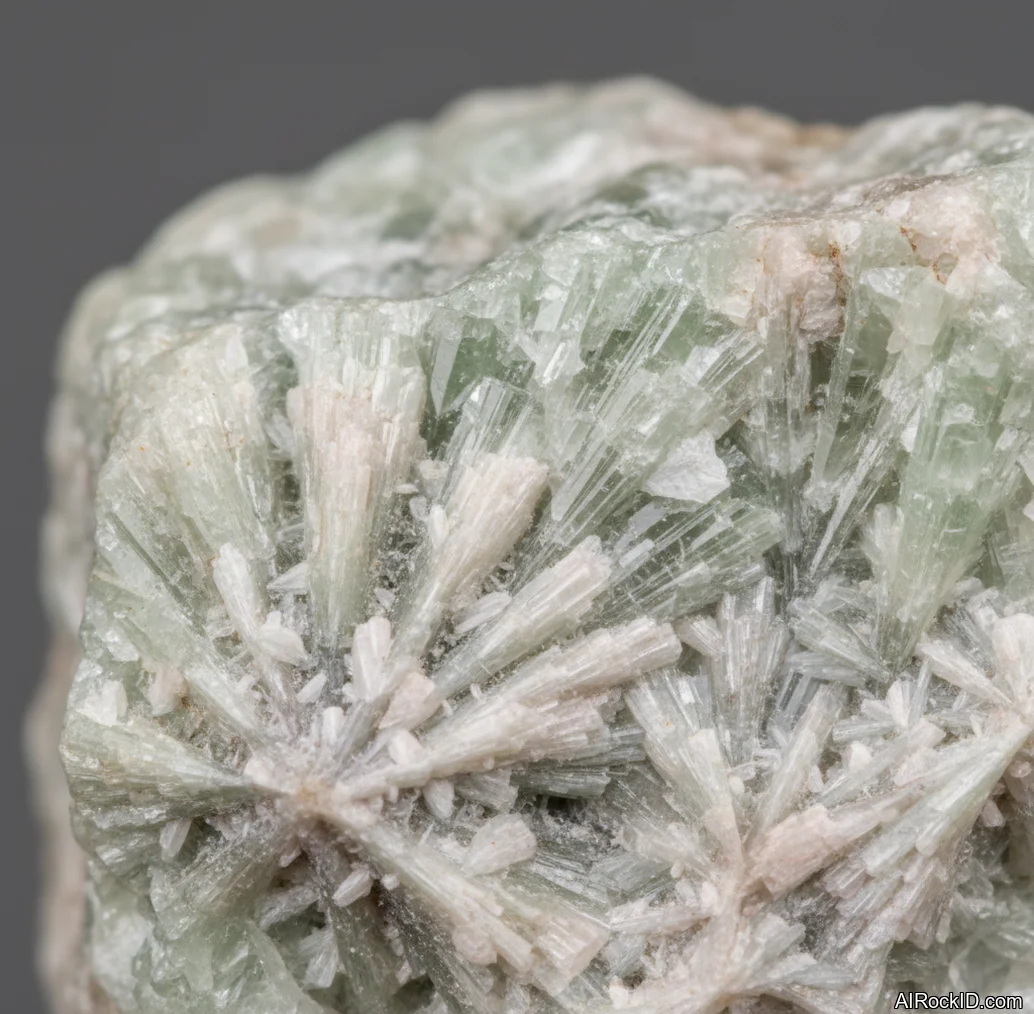
Throat Chakra Crystals
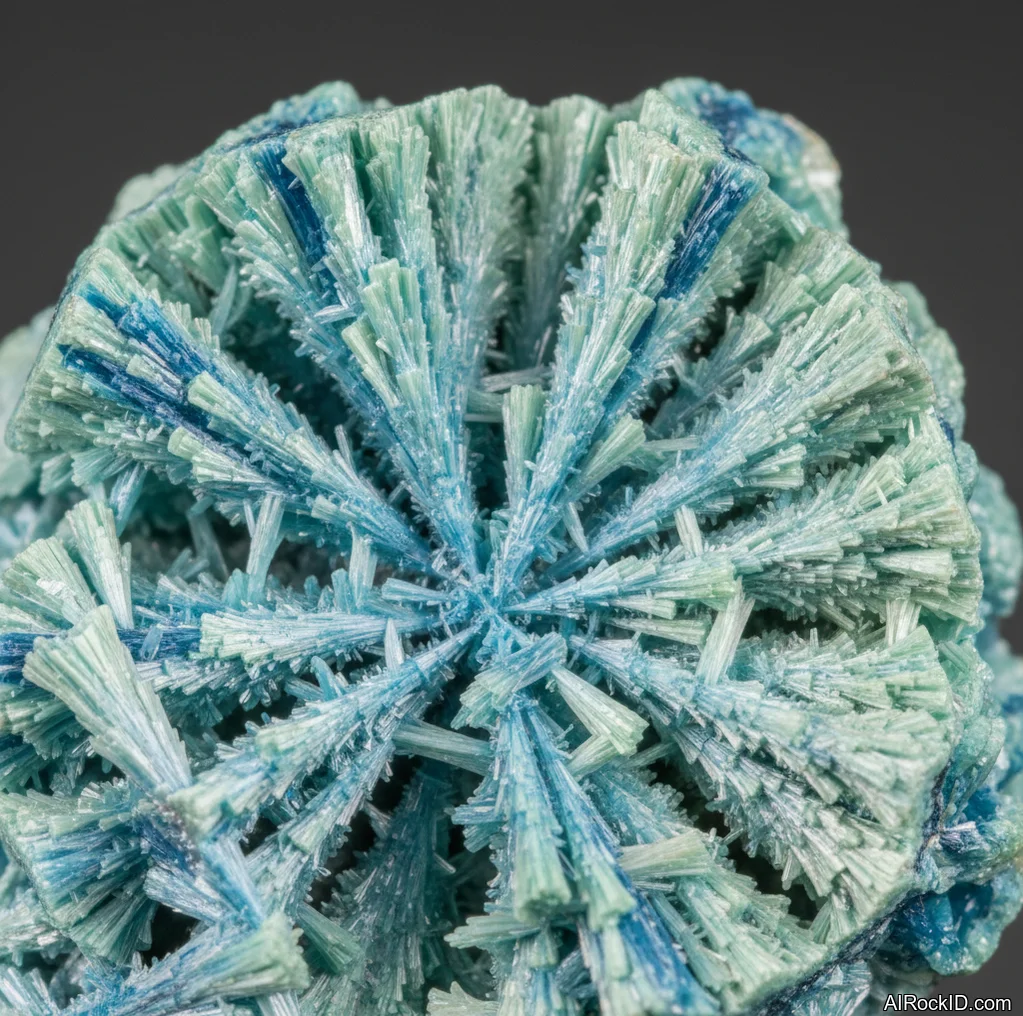
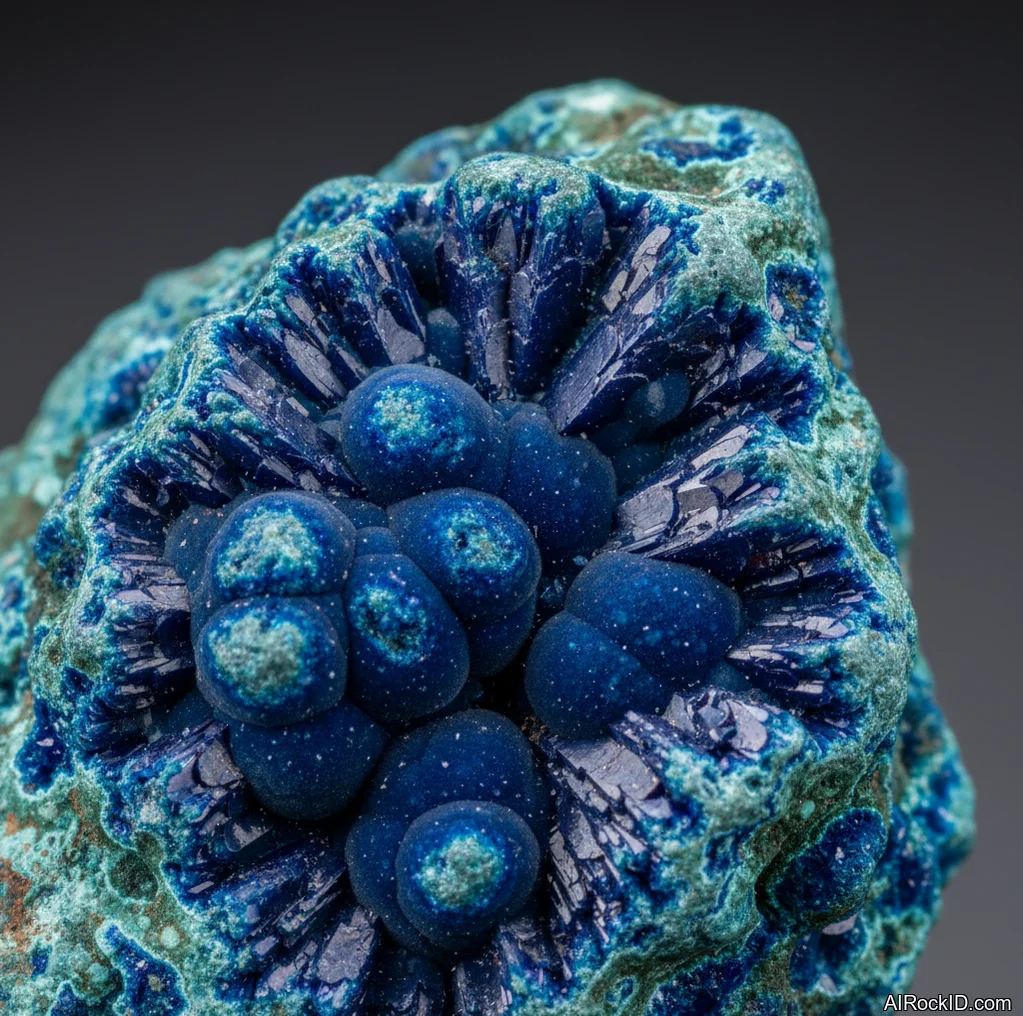
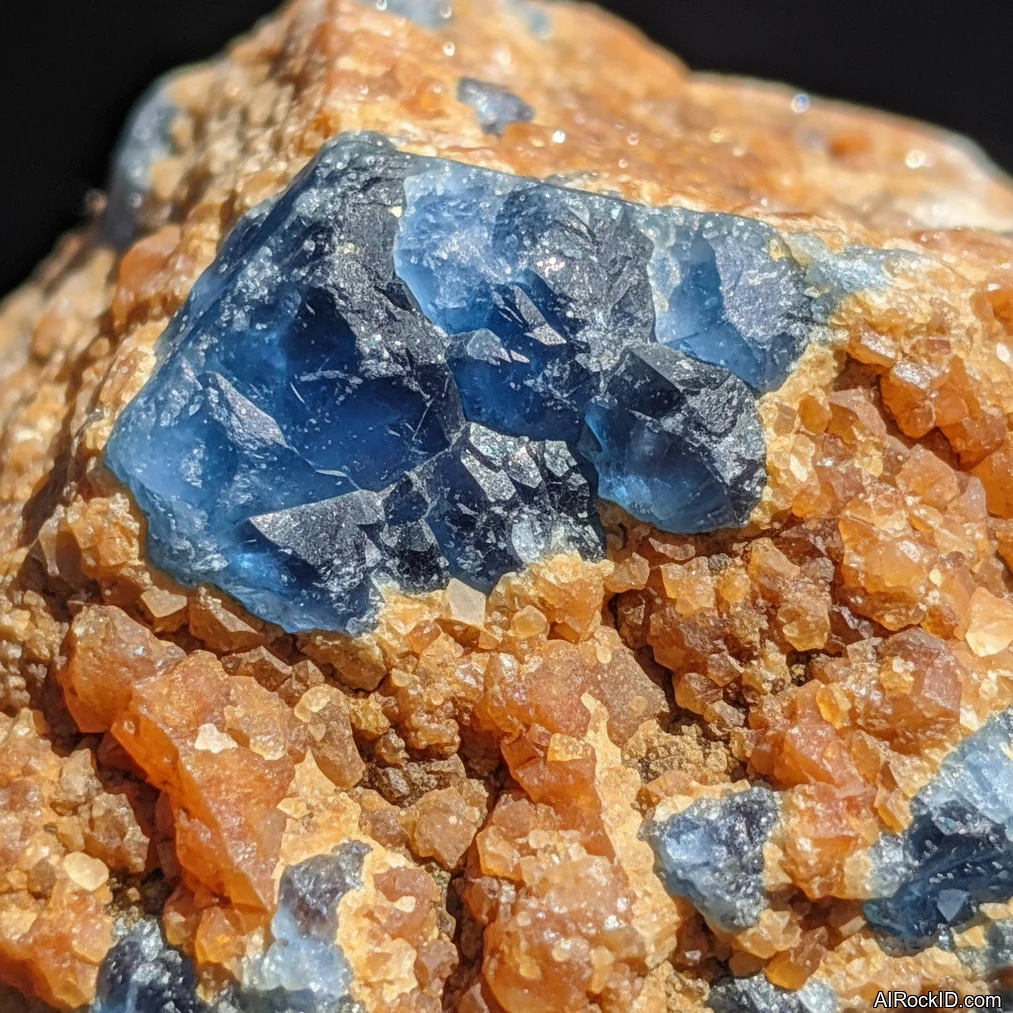
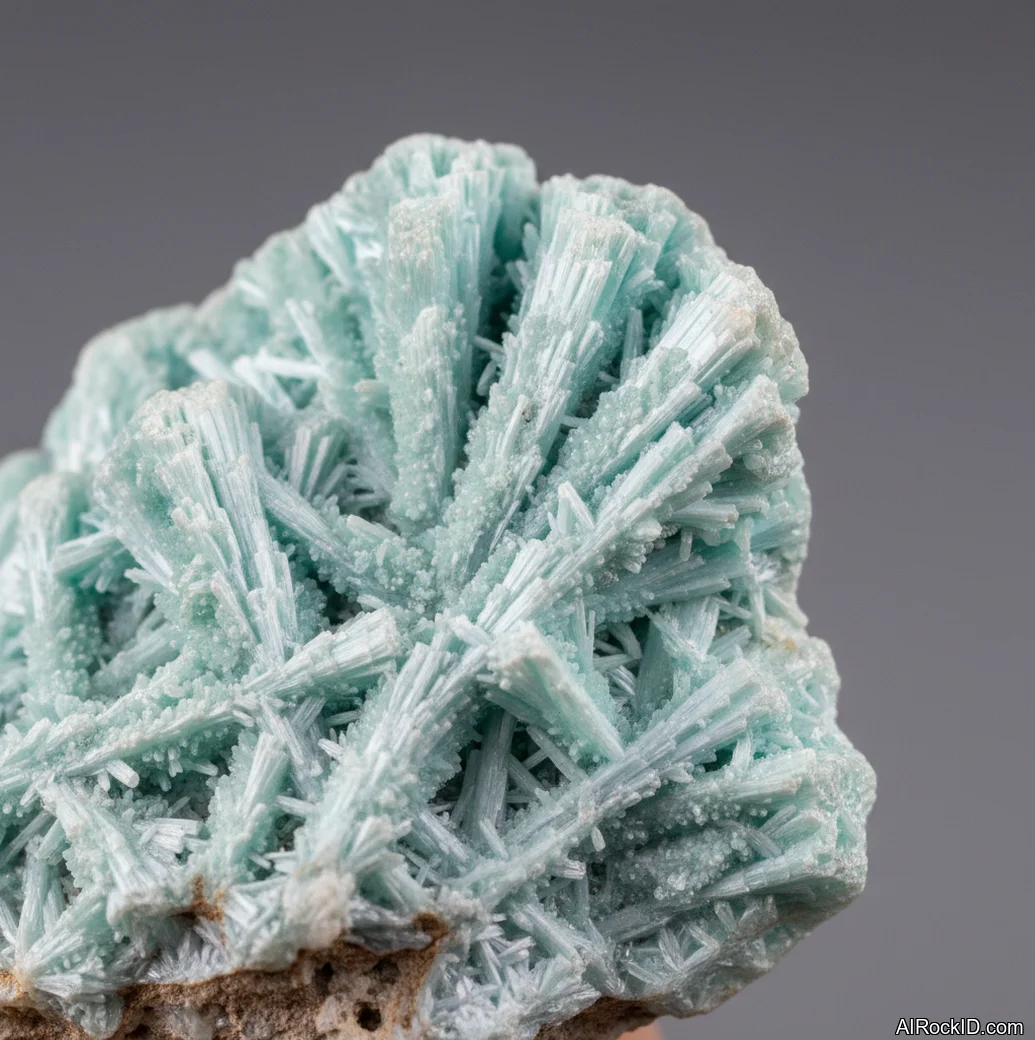
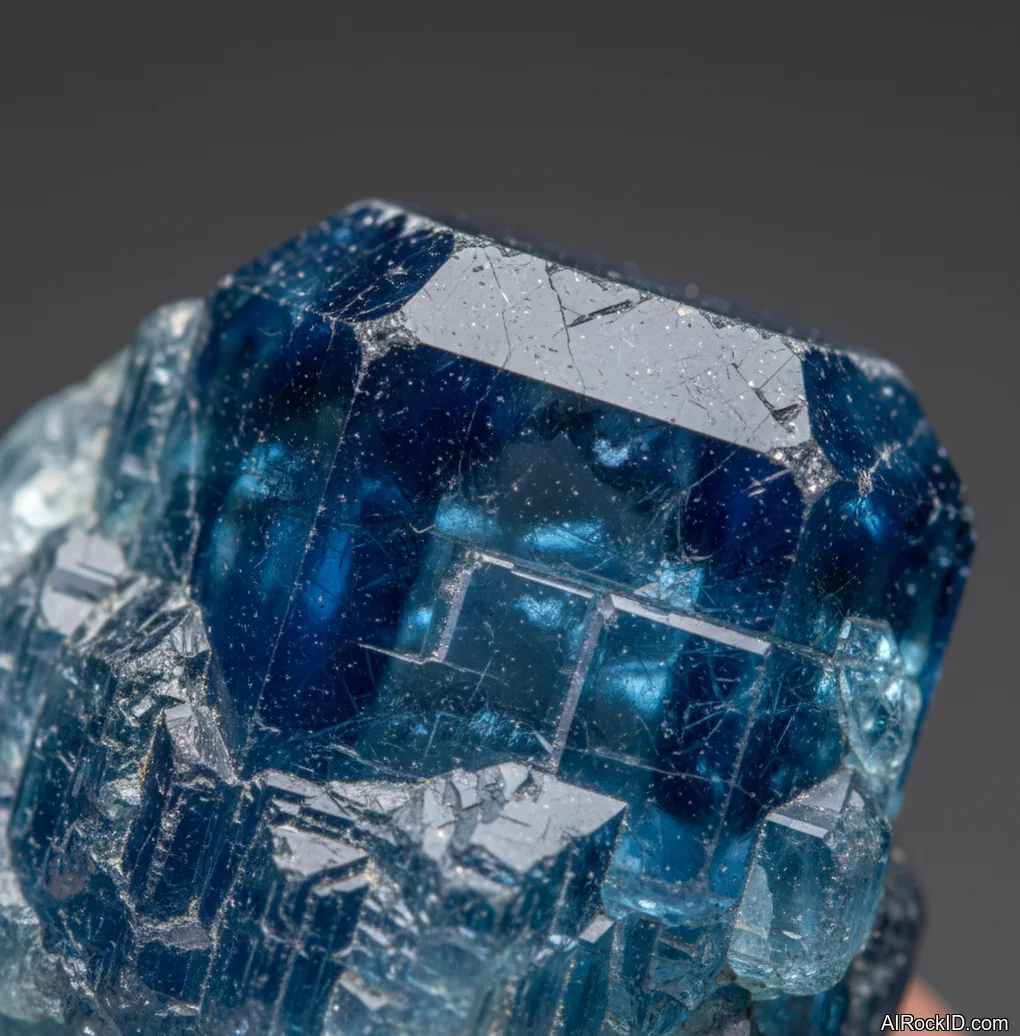
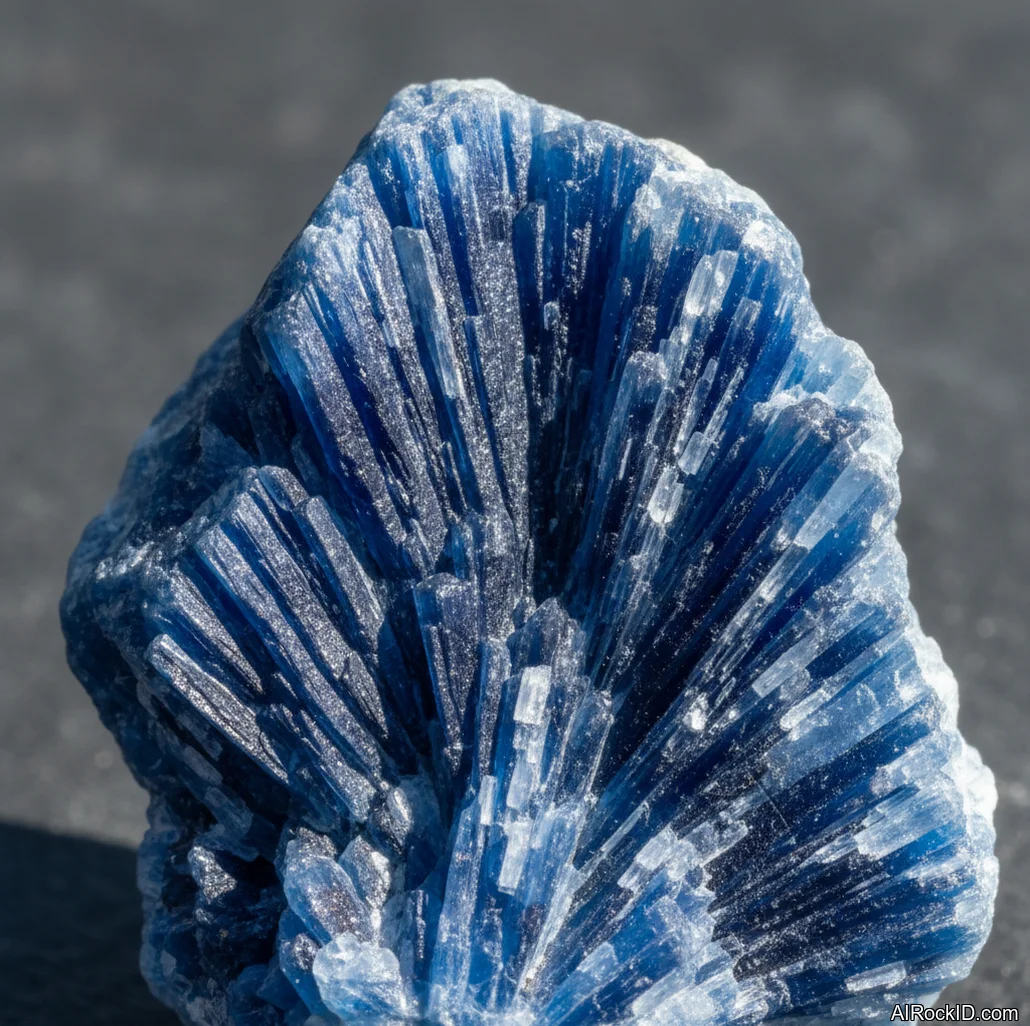
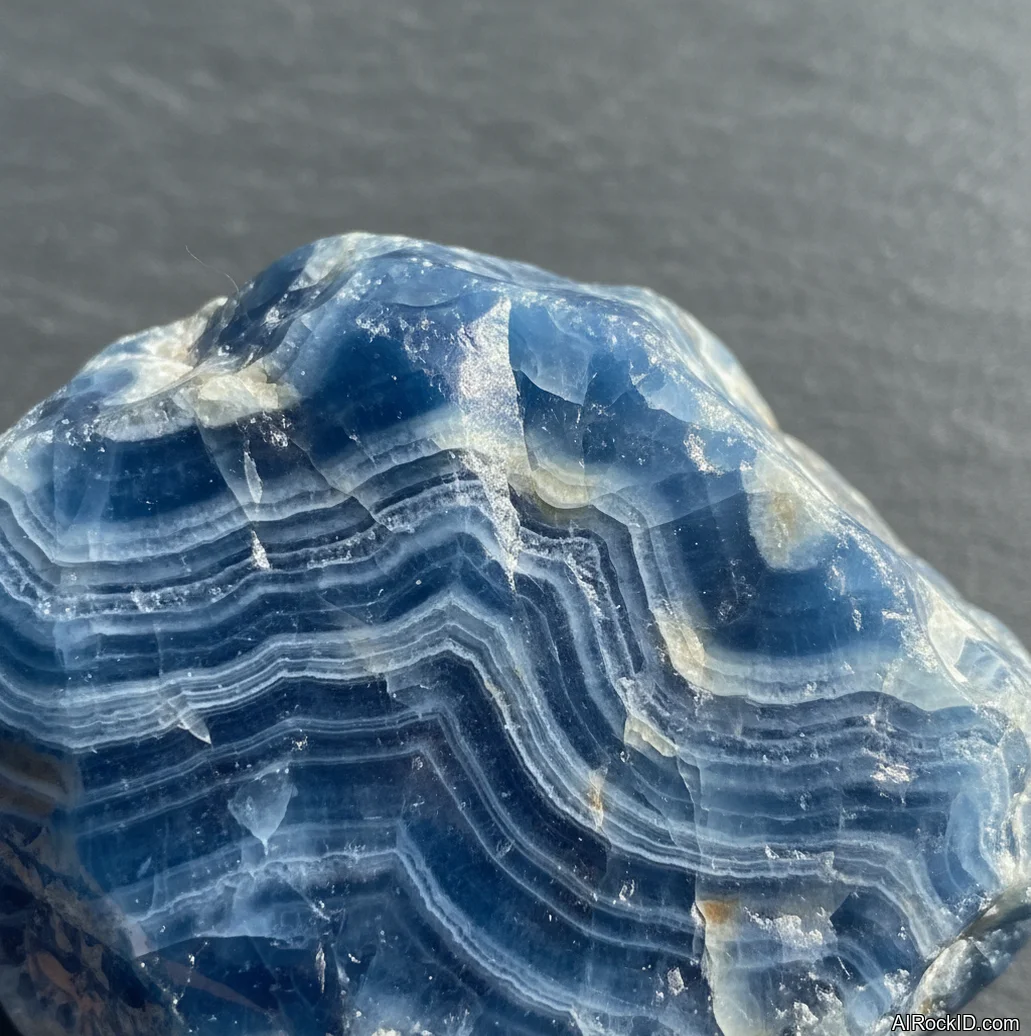
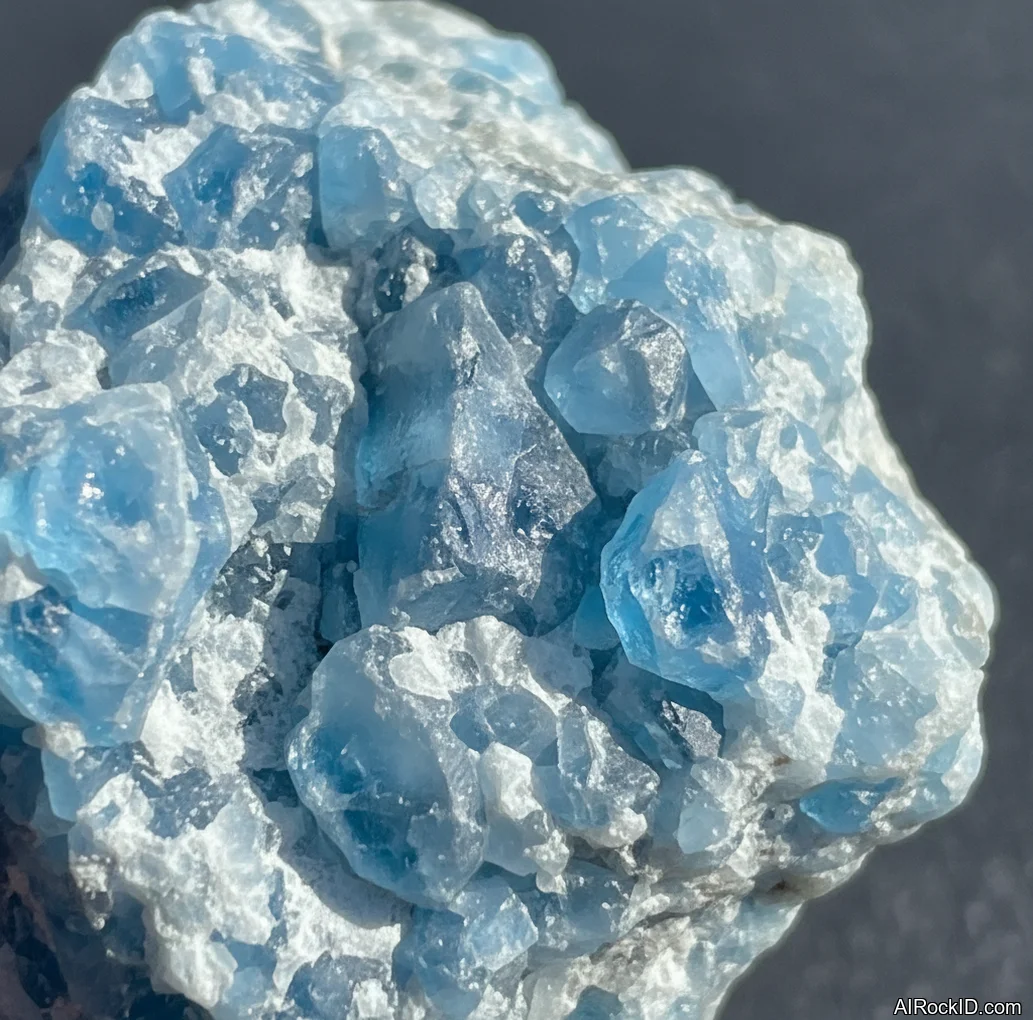
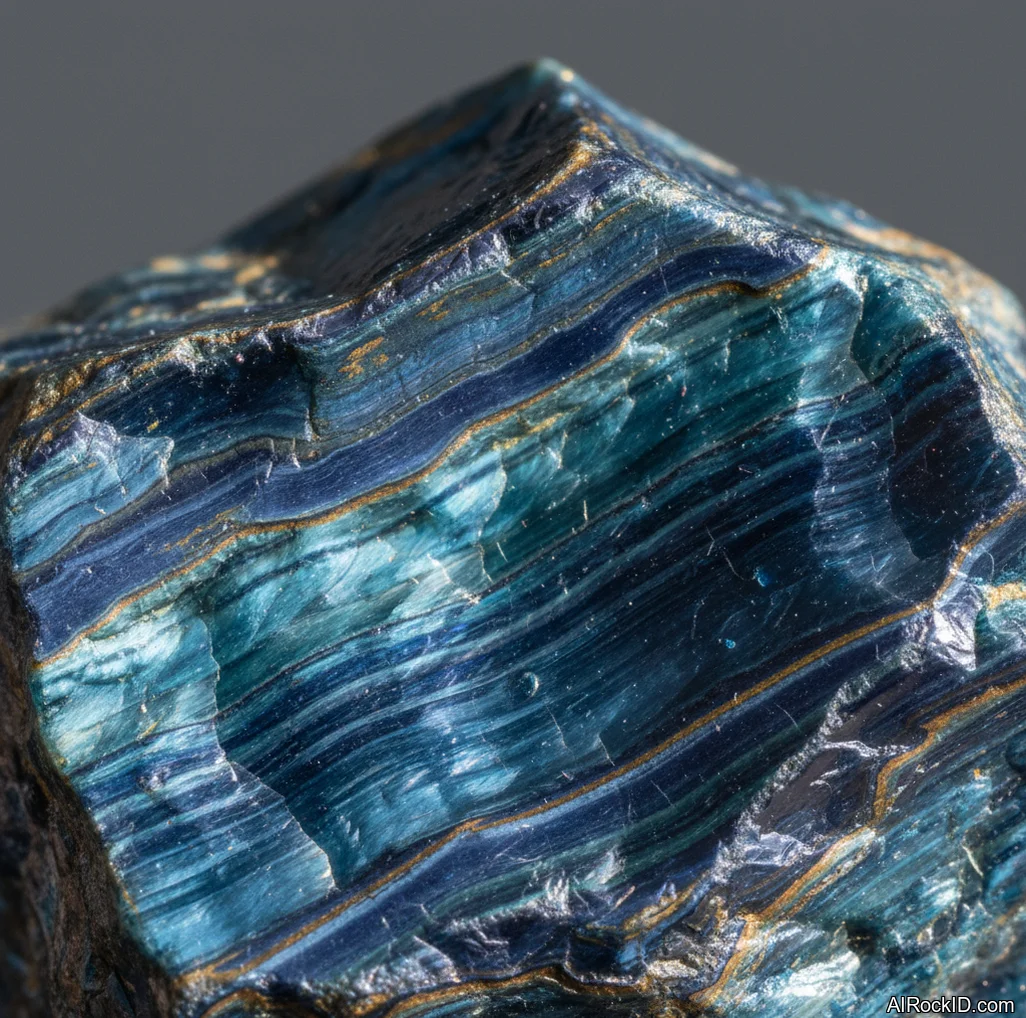
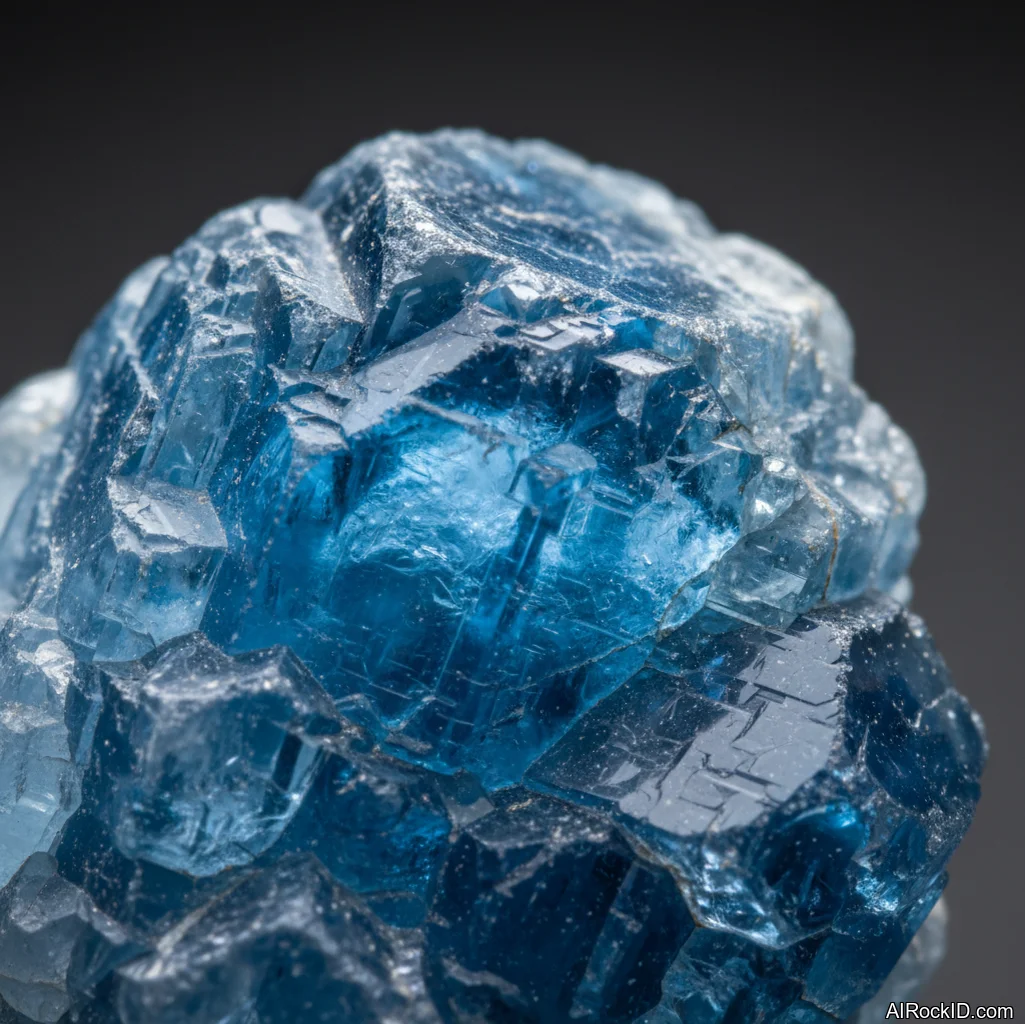
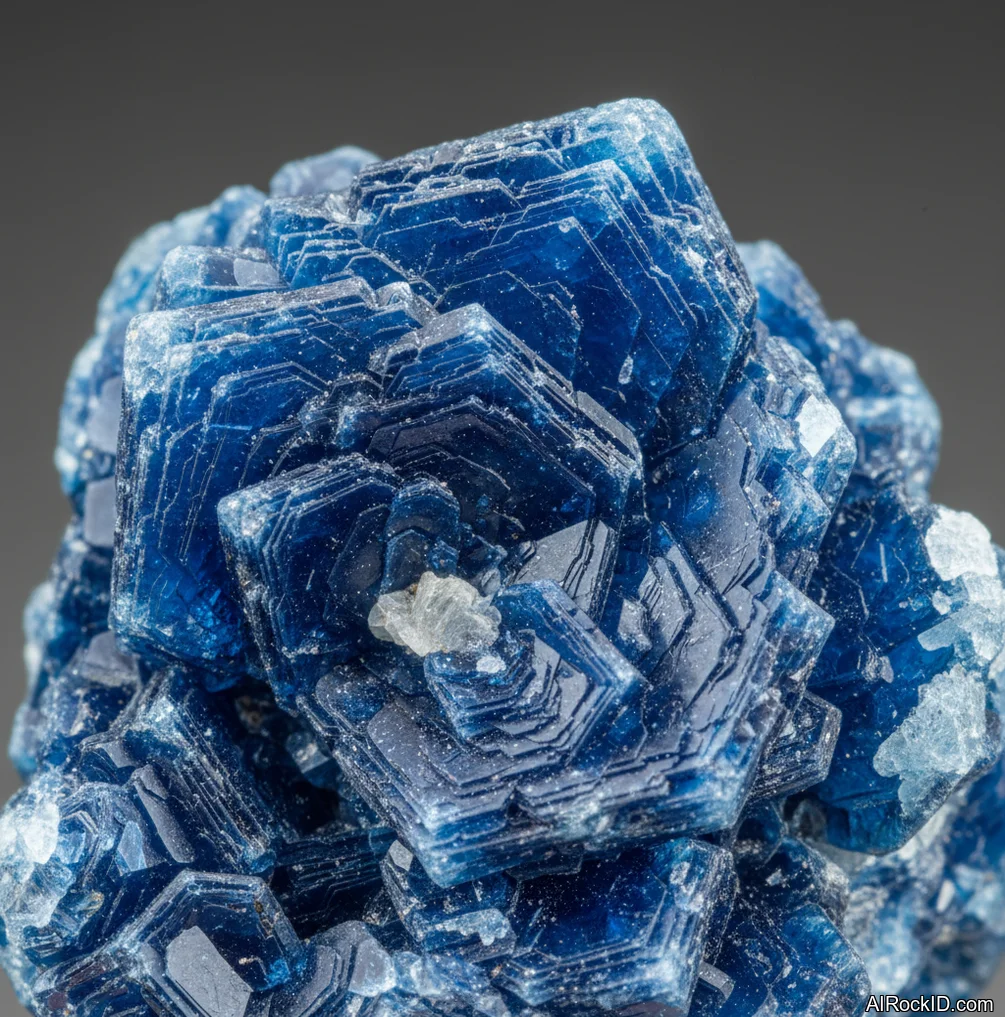
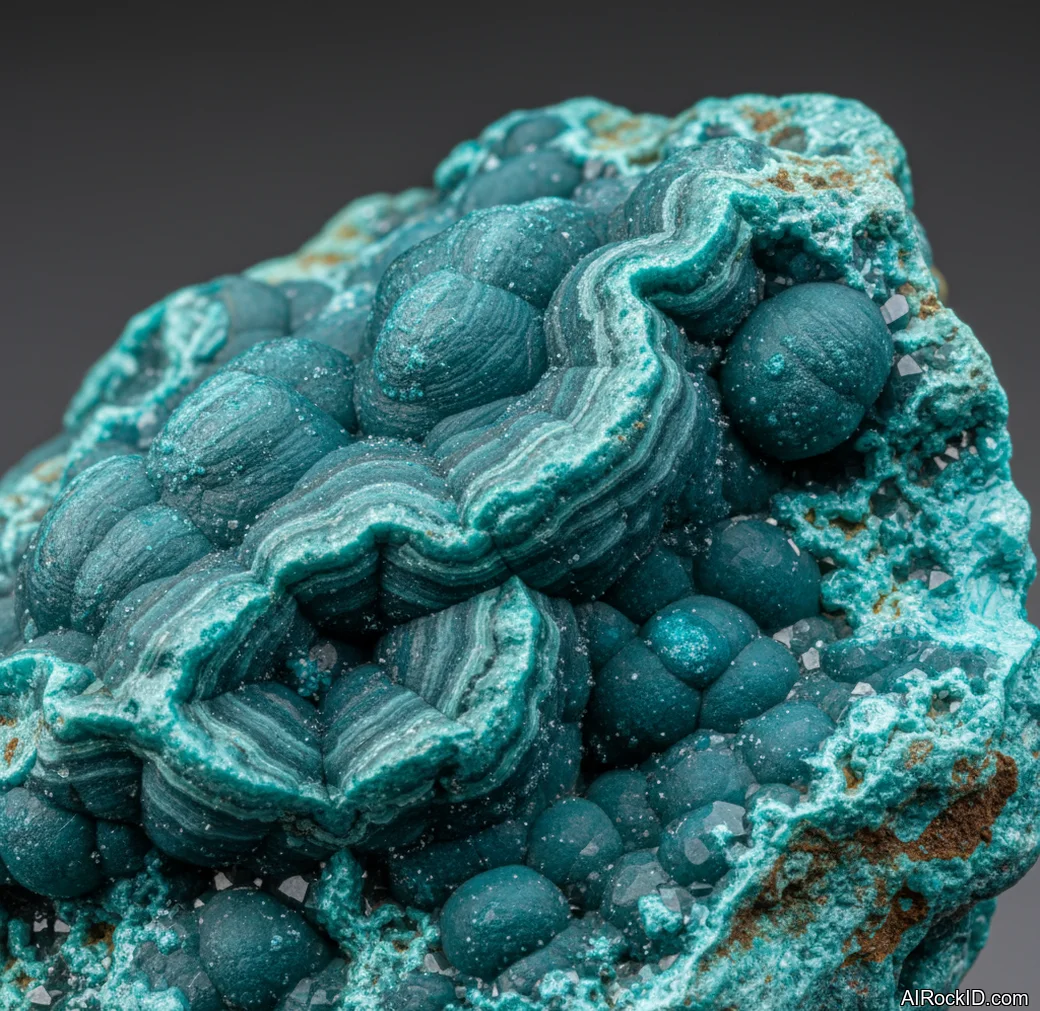
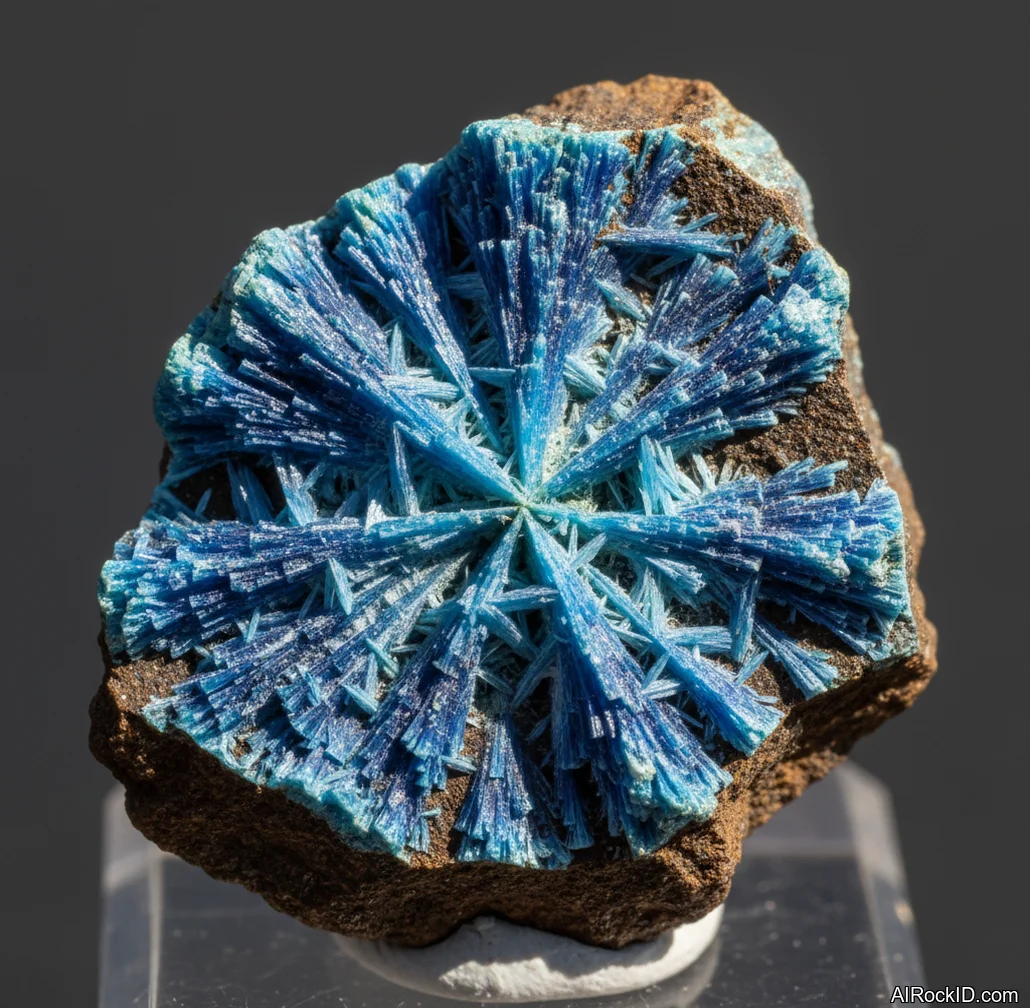
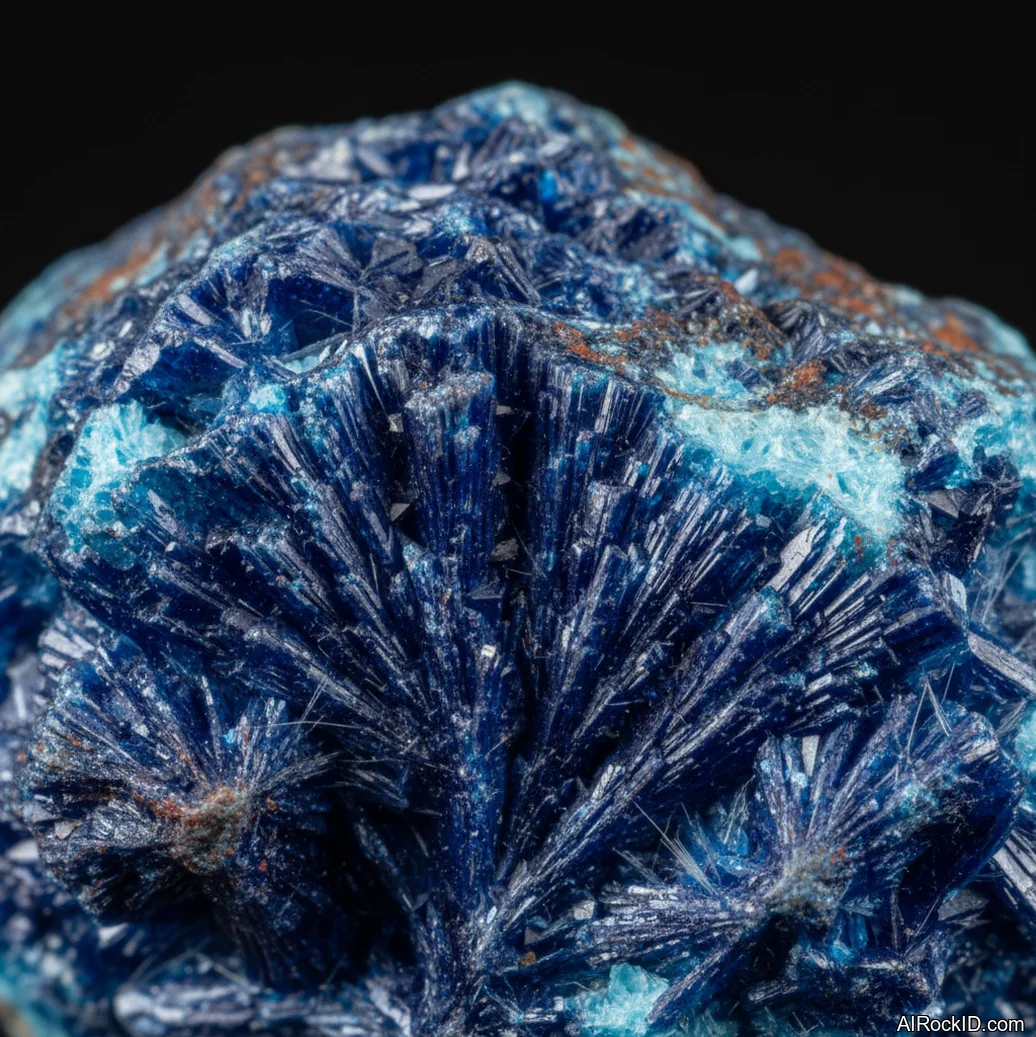
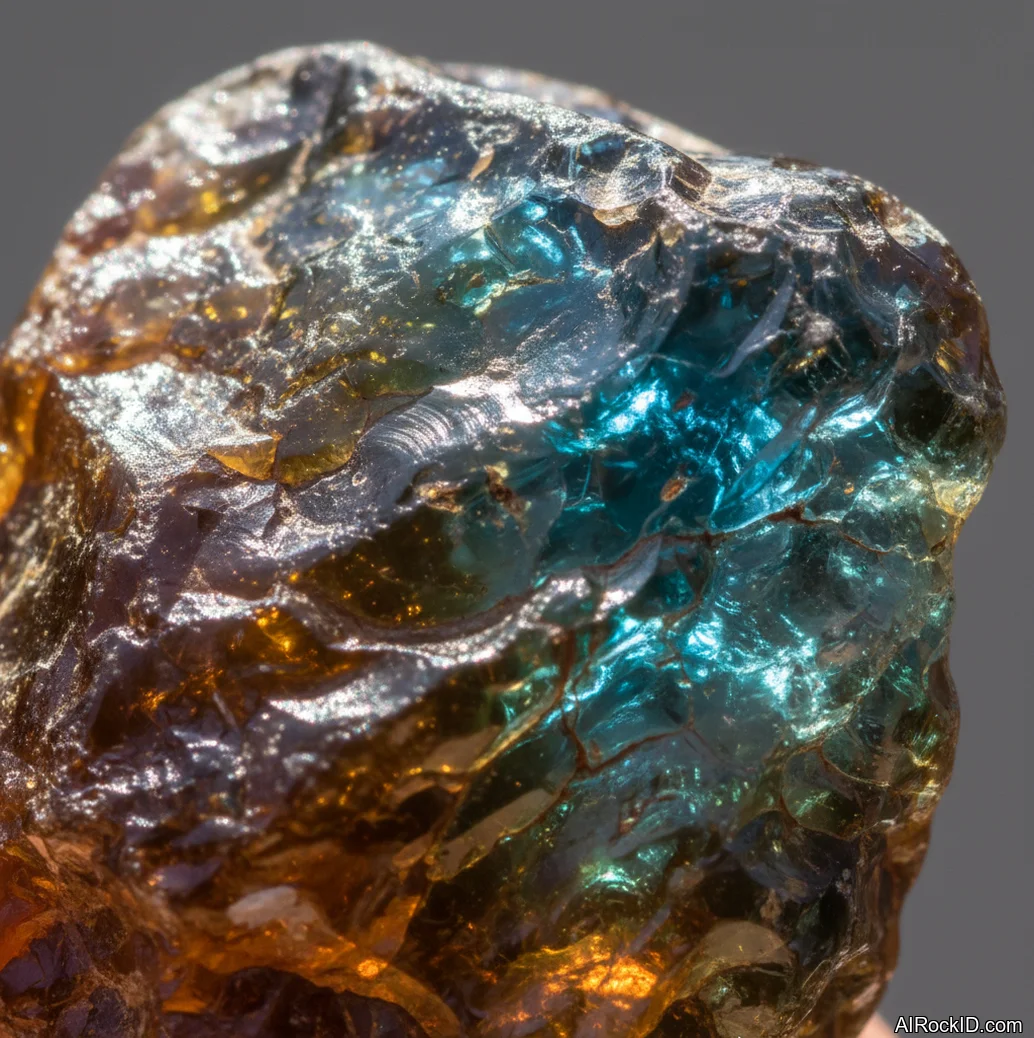
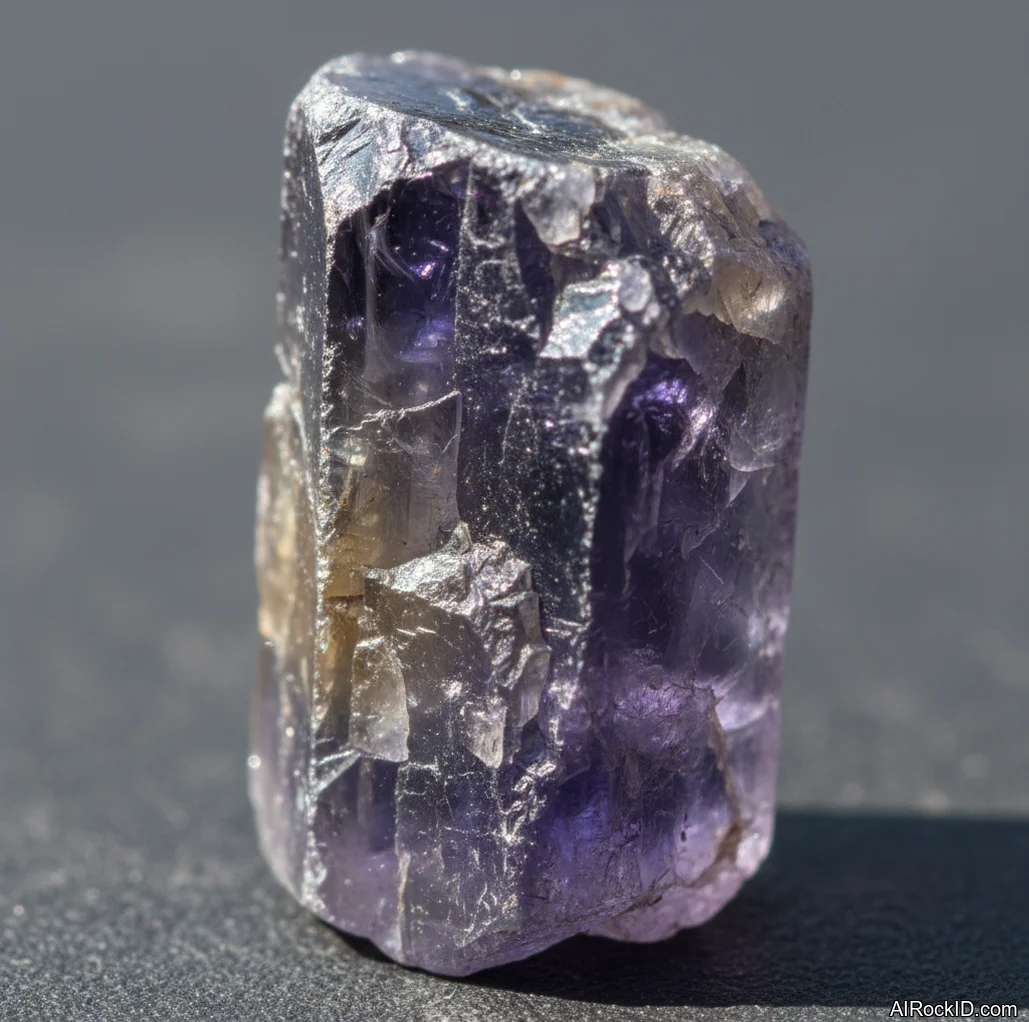
Quick answer: Throat Chakra crystals are stones traditionally associated with communication, truth, listening, and self-expression. Many are blue or blue-green minerals such as blue lace agate, lapis lazuli, aquamarine, sodalite, and turquoise.
Explore Throat Chakra crystals like blue lace agate, lapis, and aquamarine, with meanings, buying tips, and practical ways to use them daily.


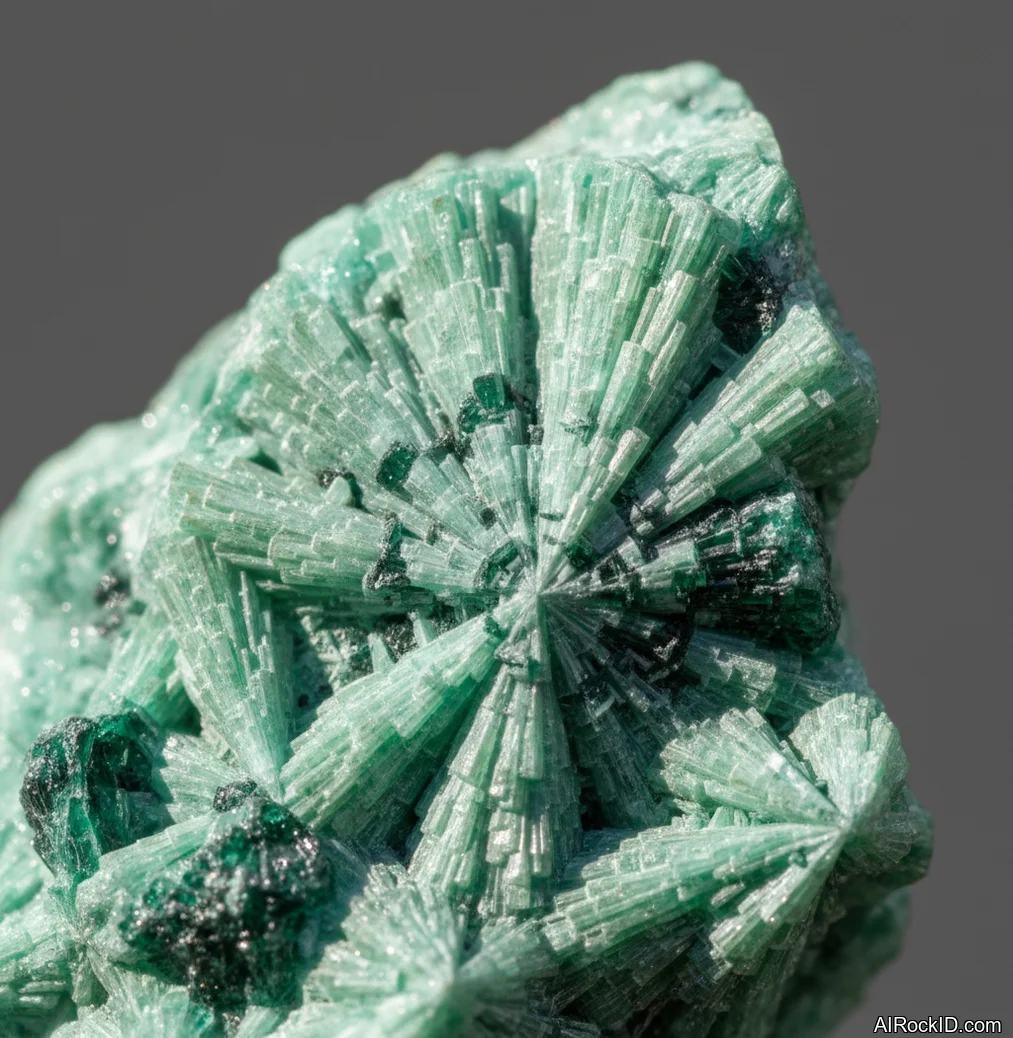
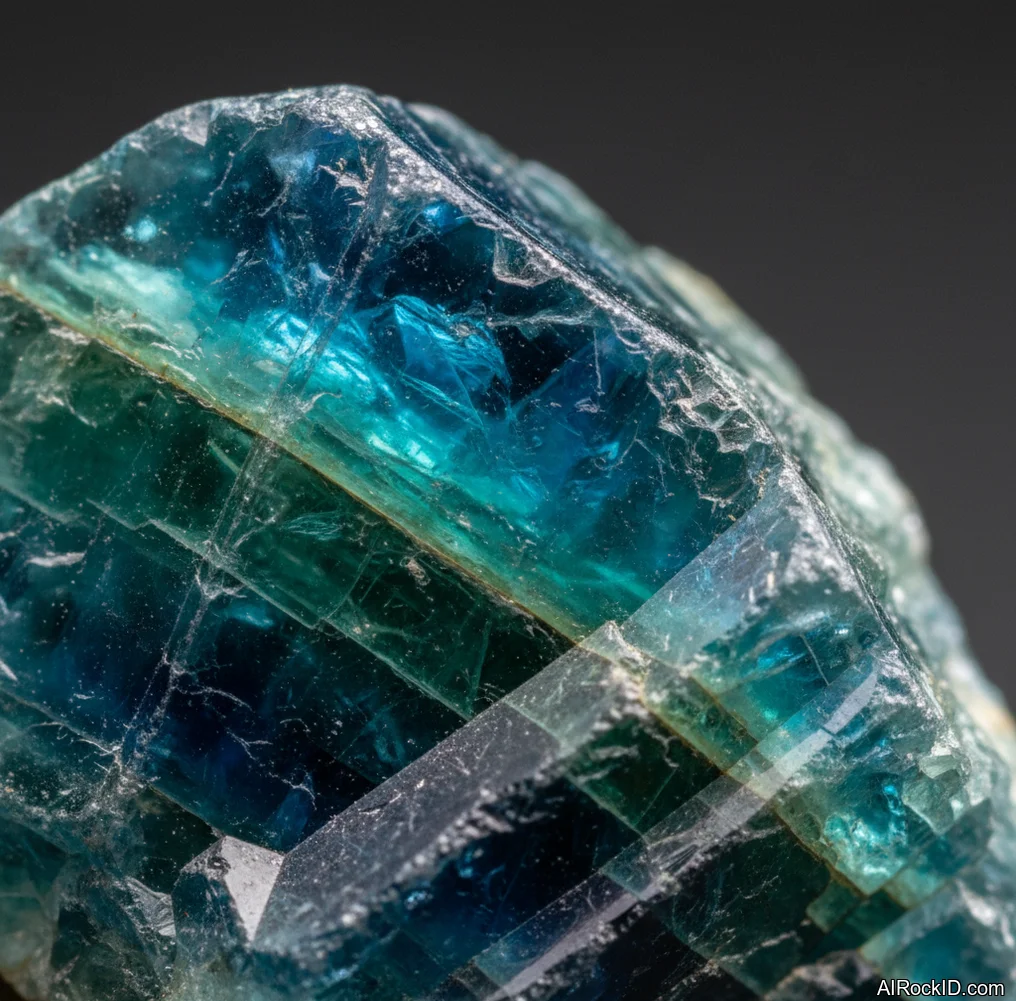
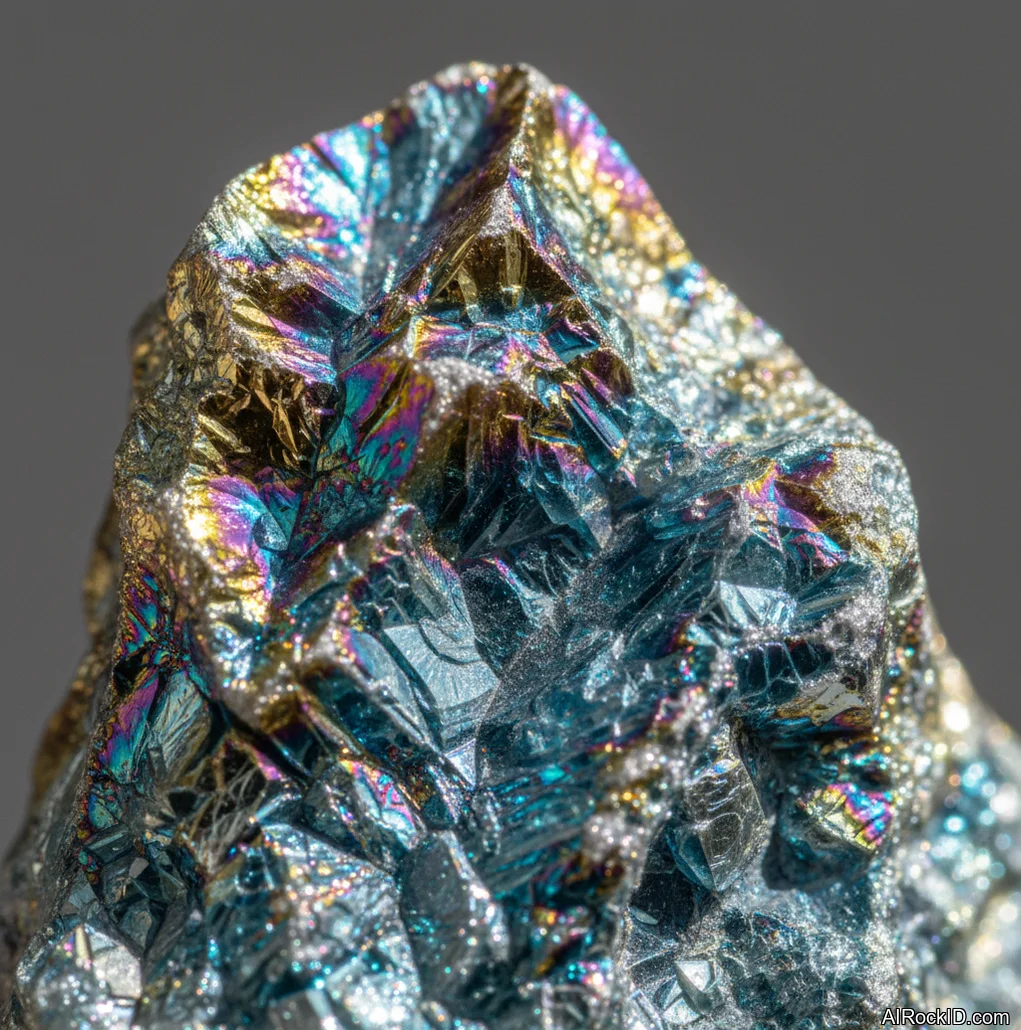
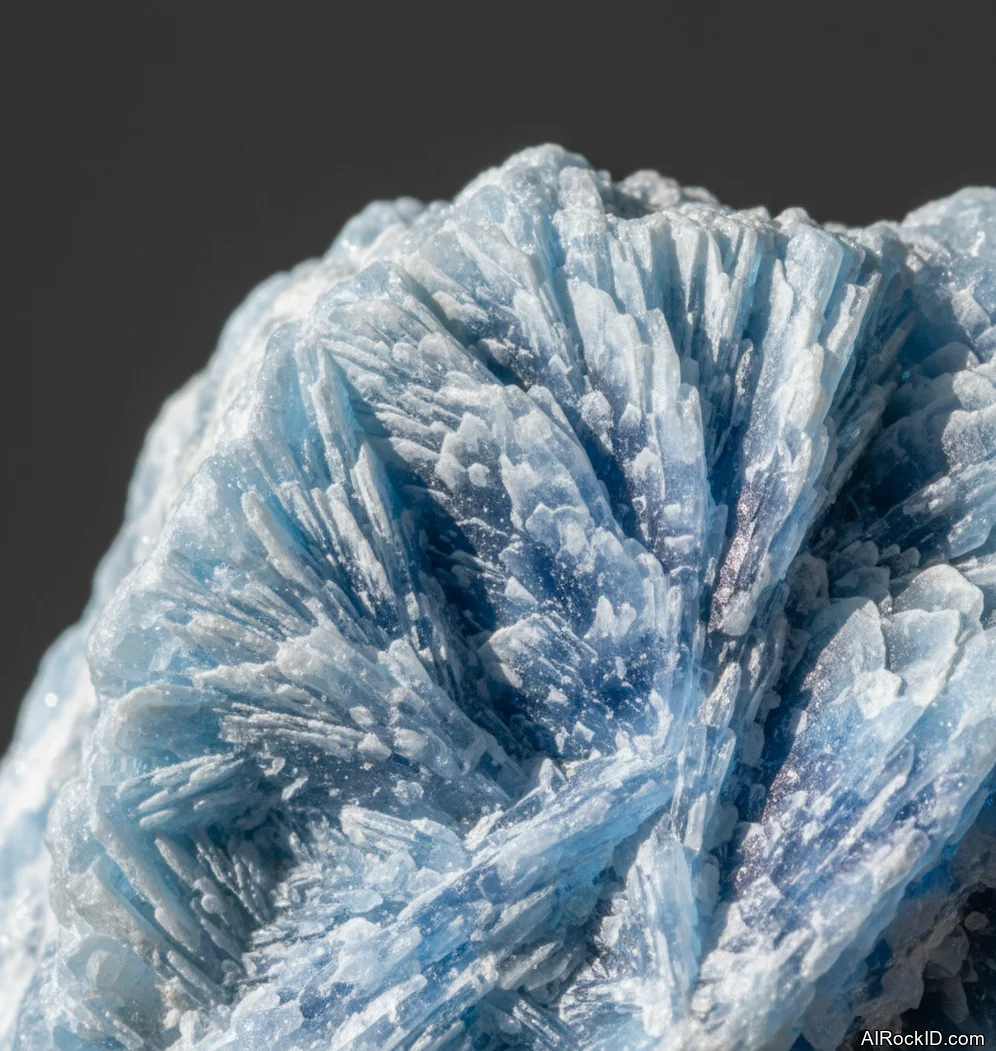
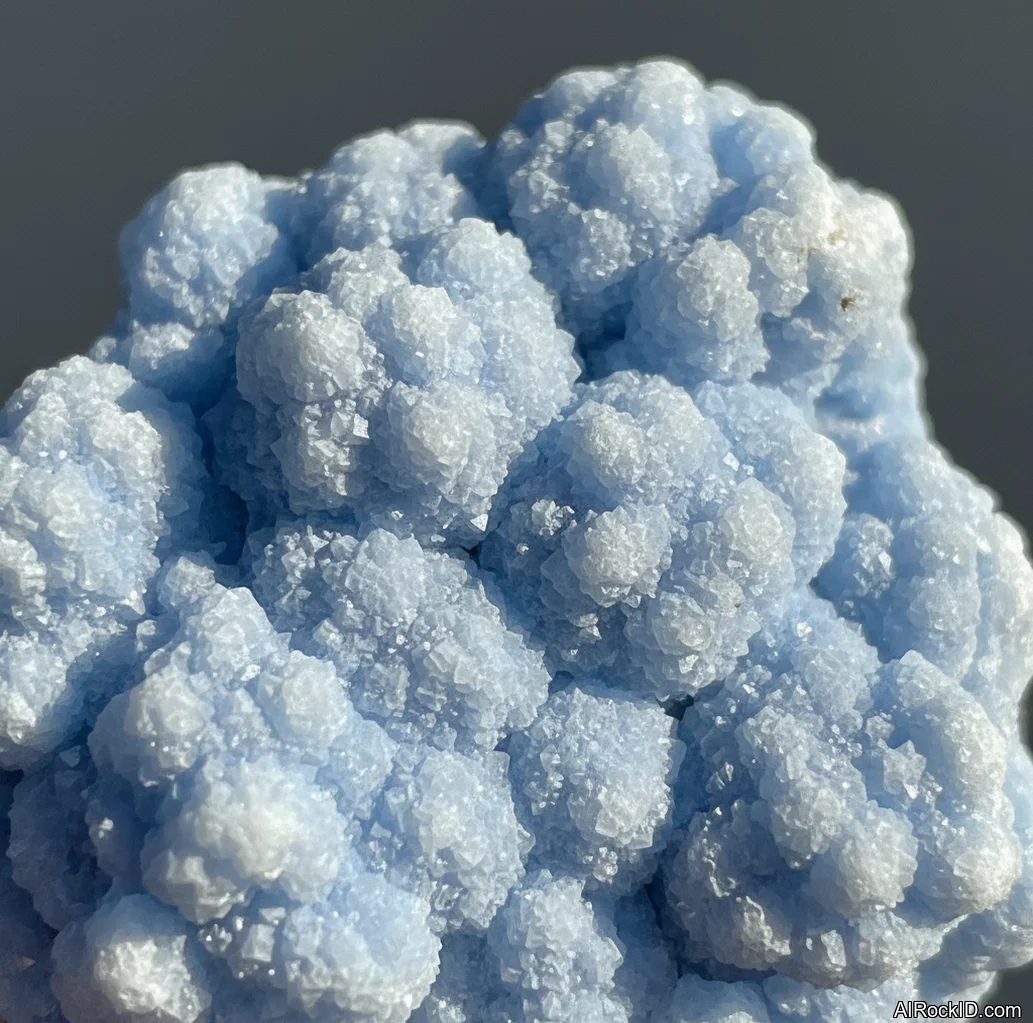
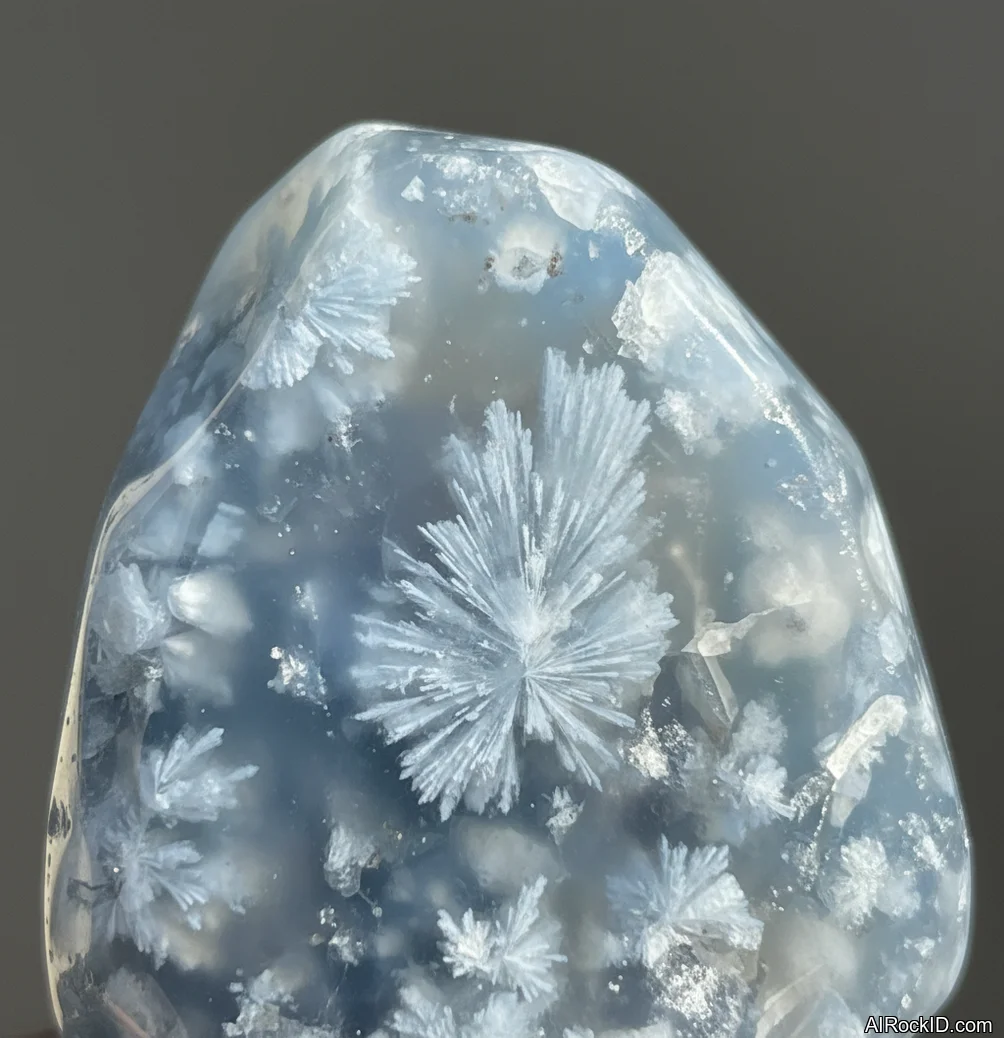
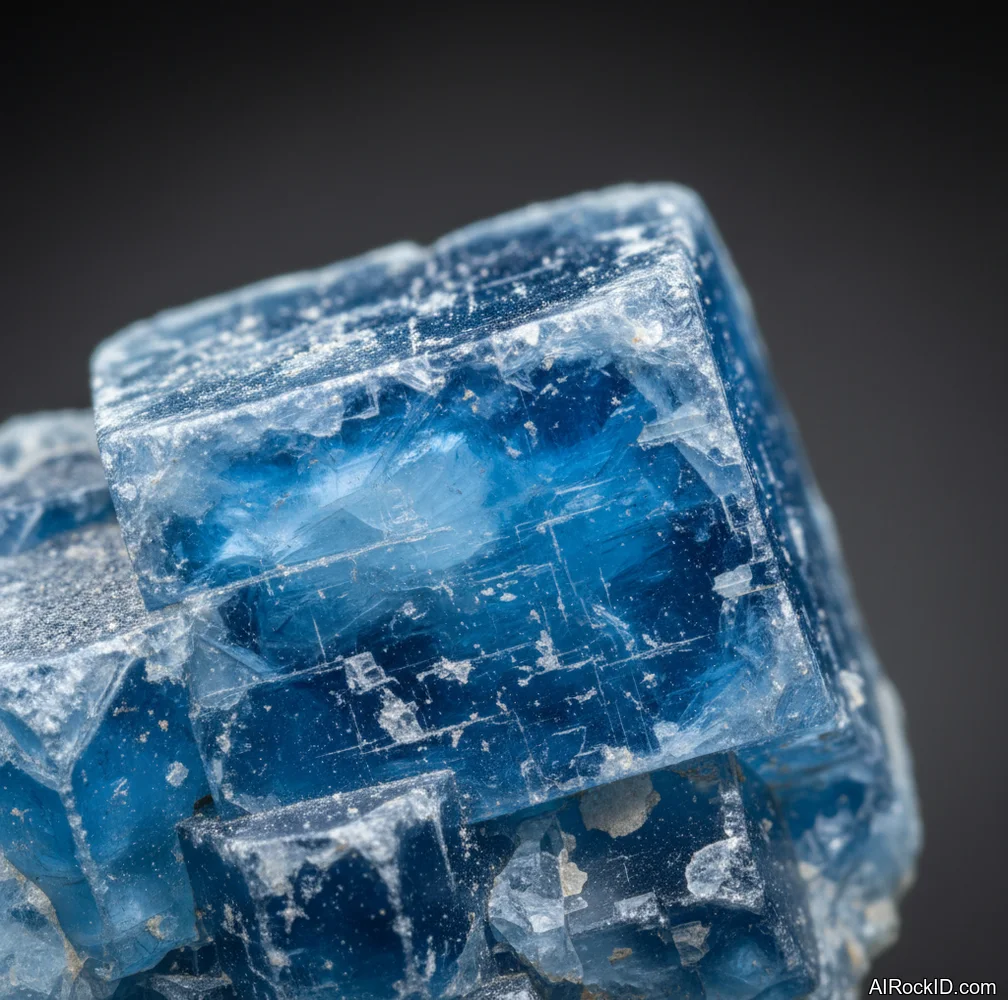
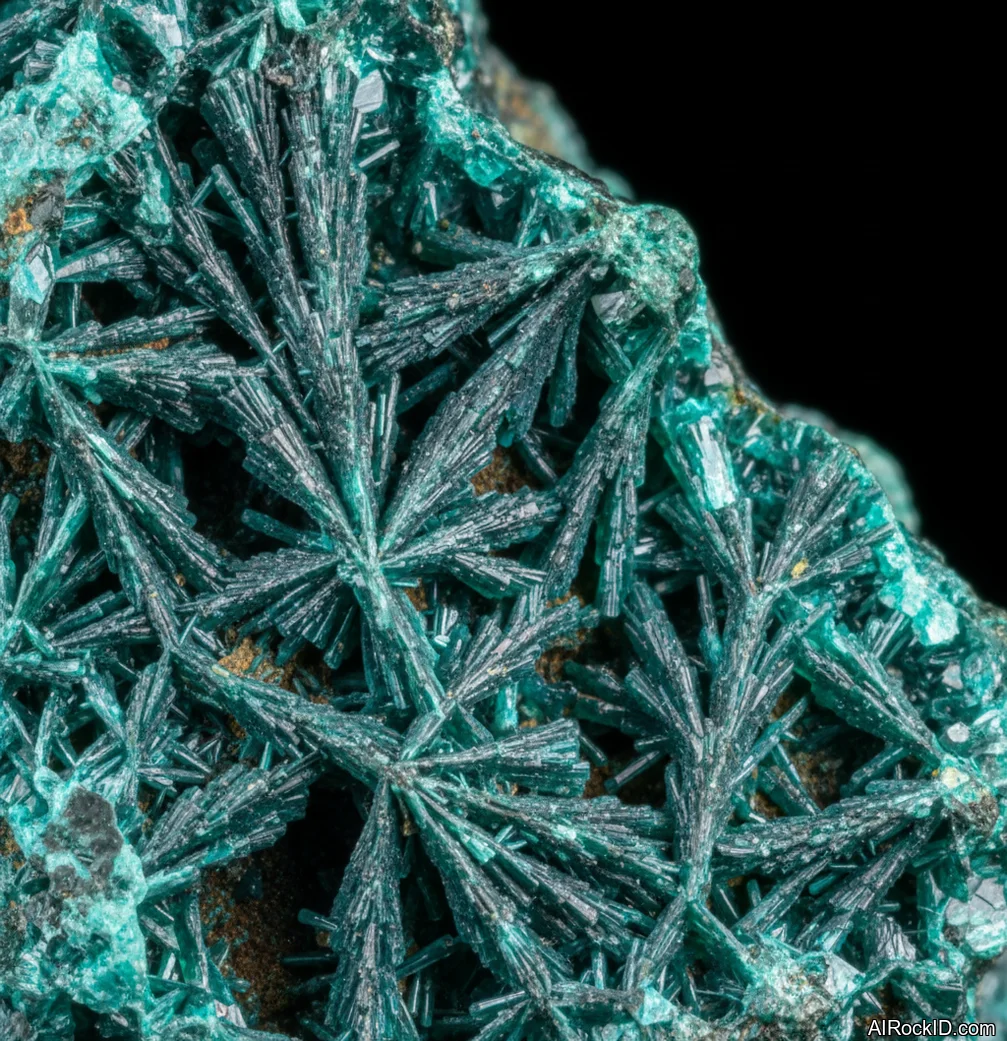
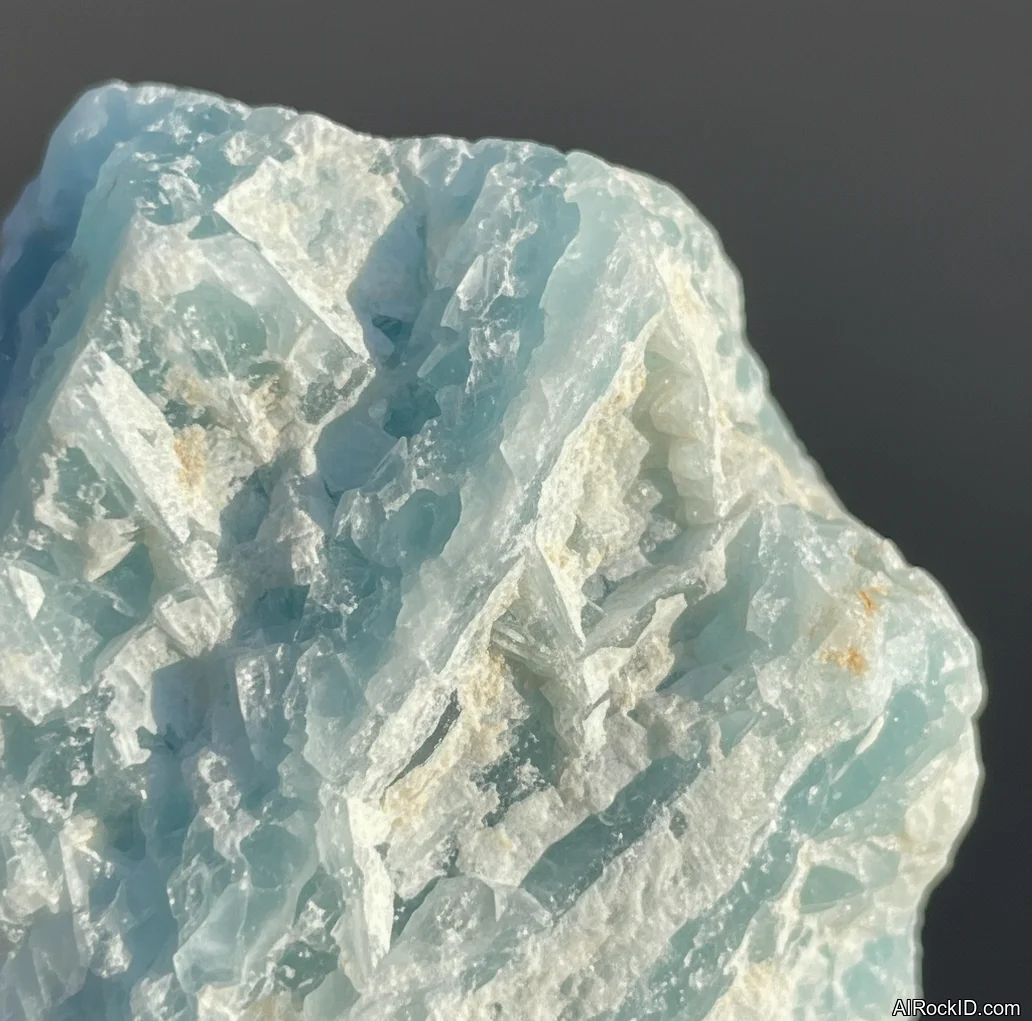
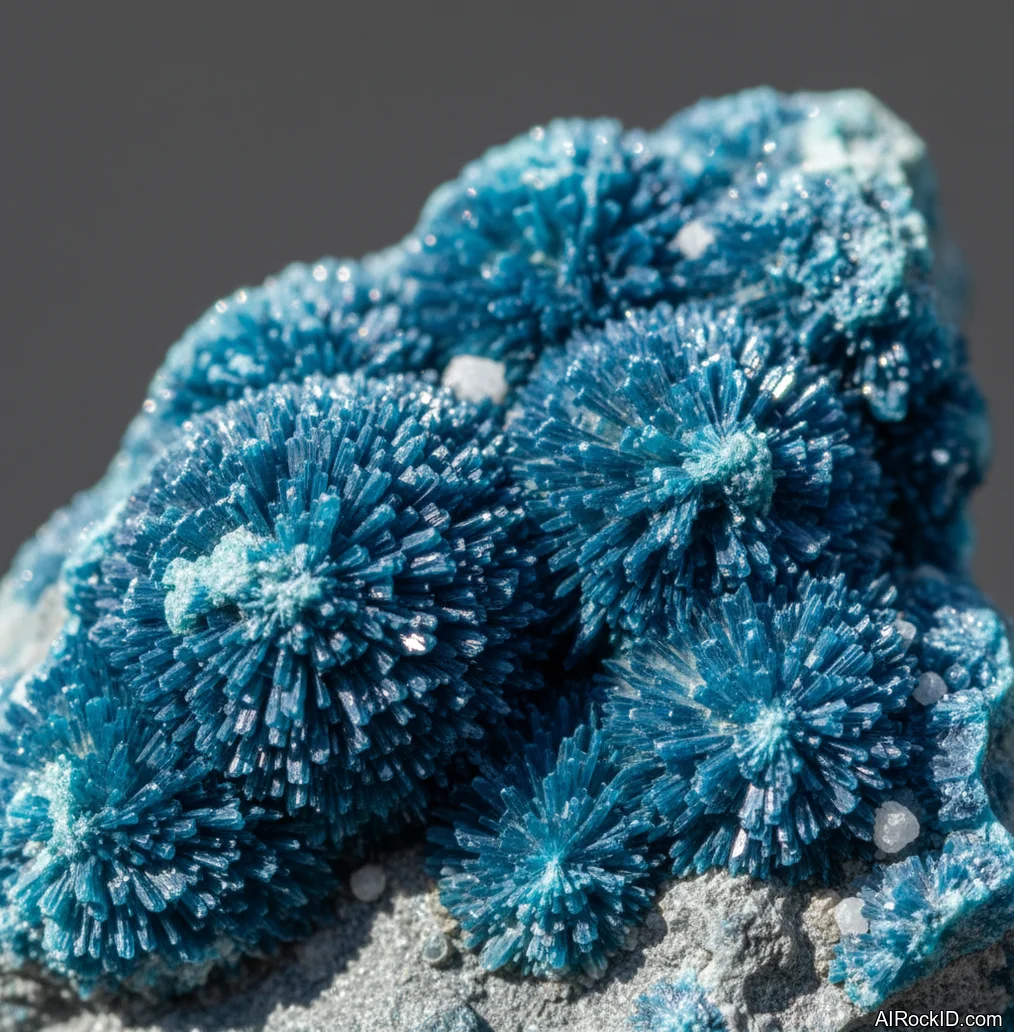
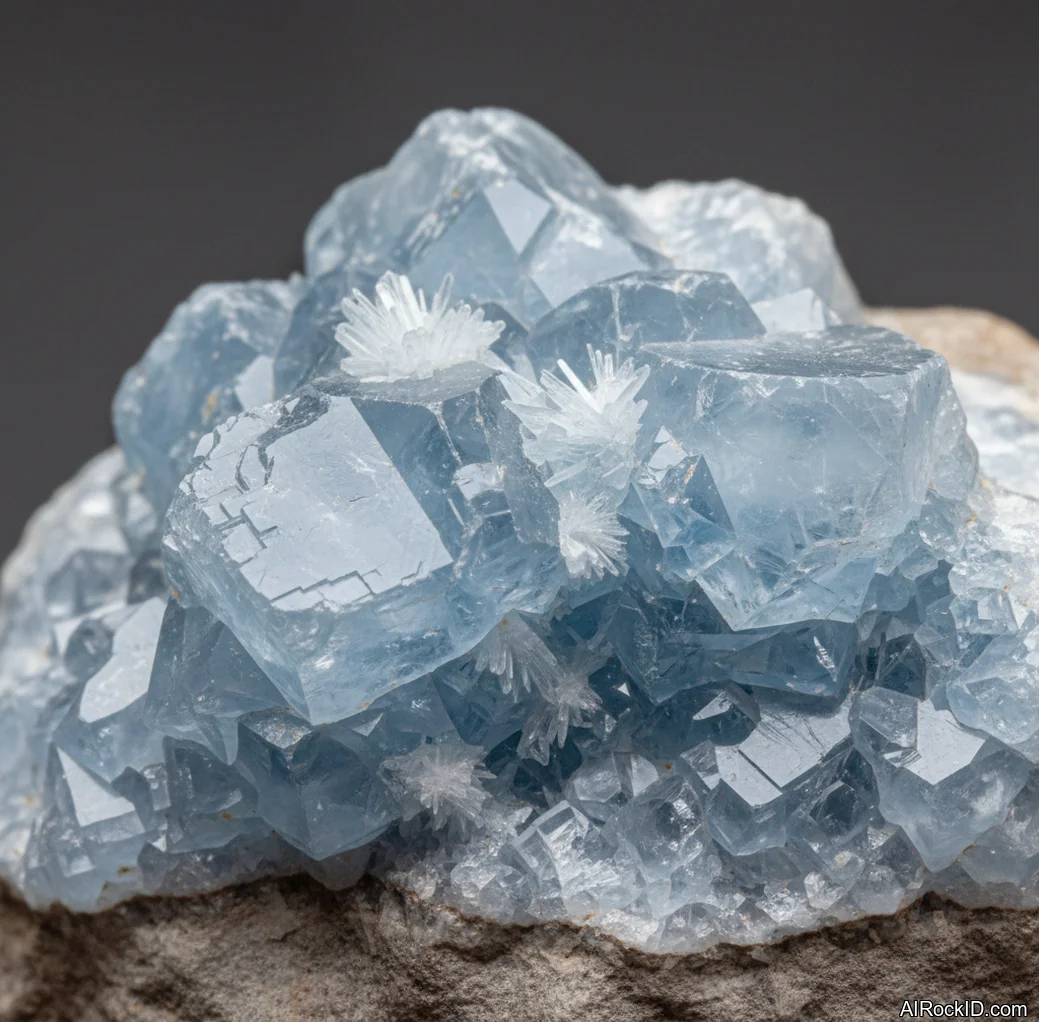
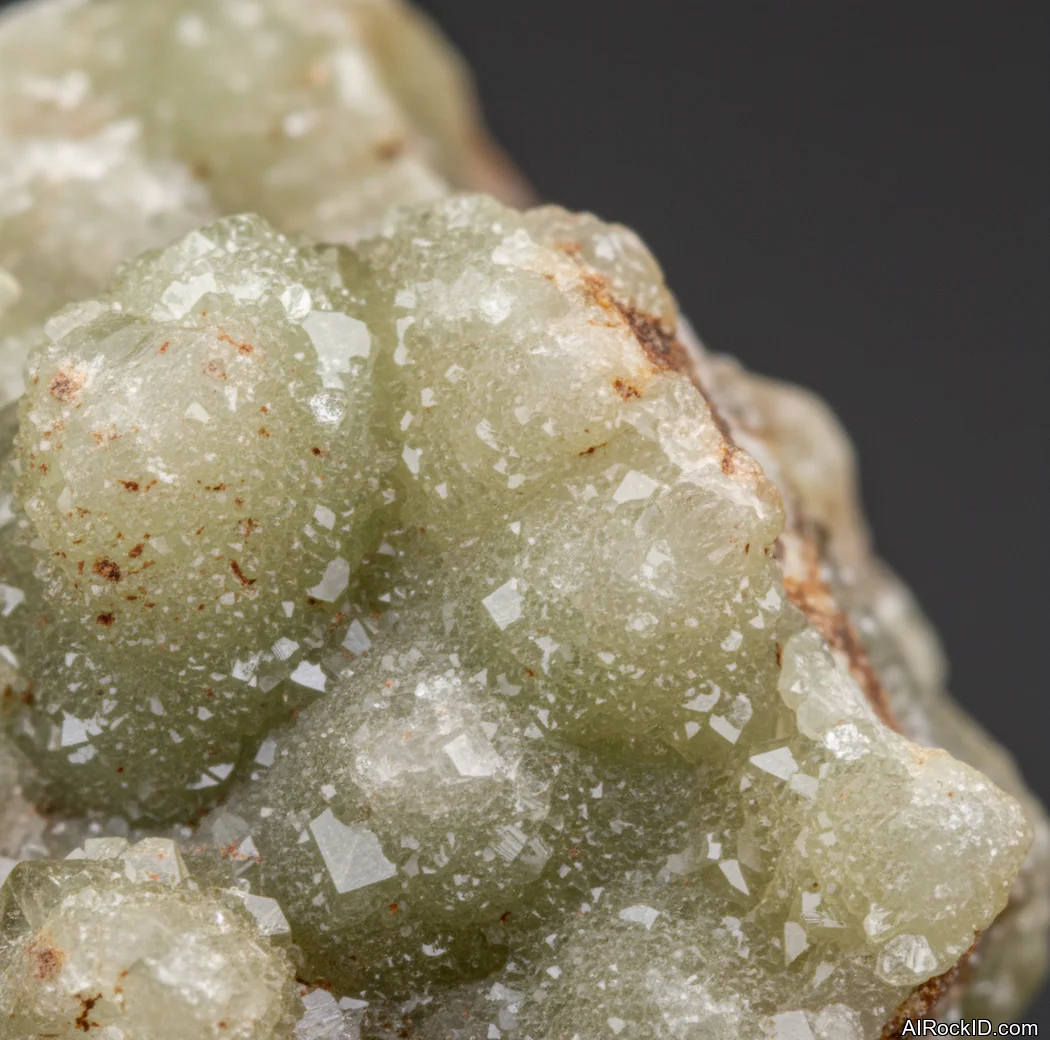
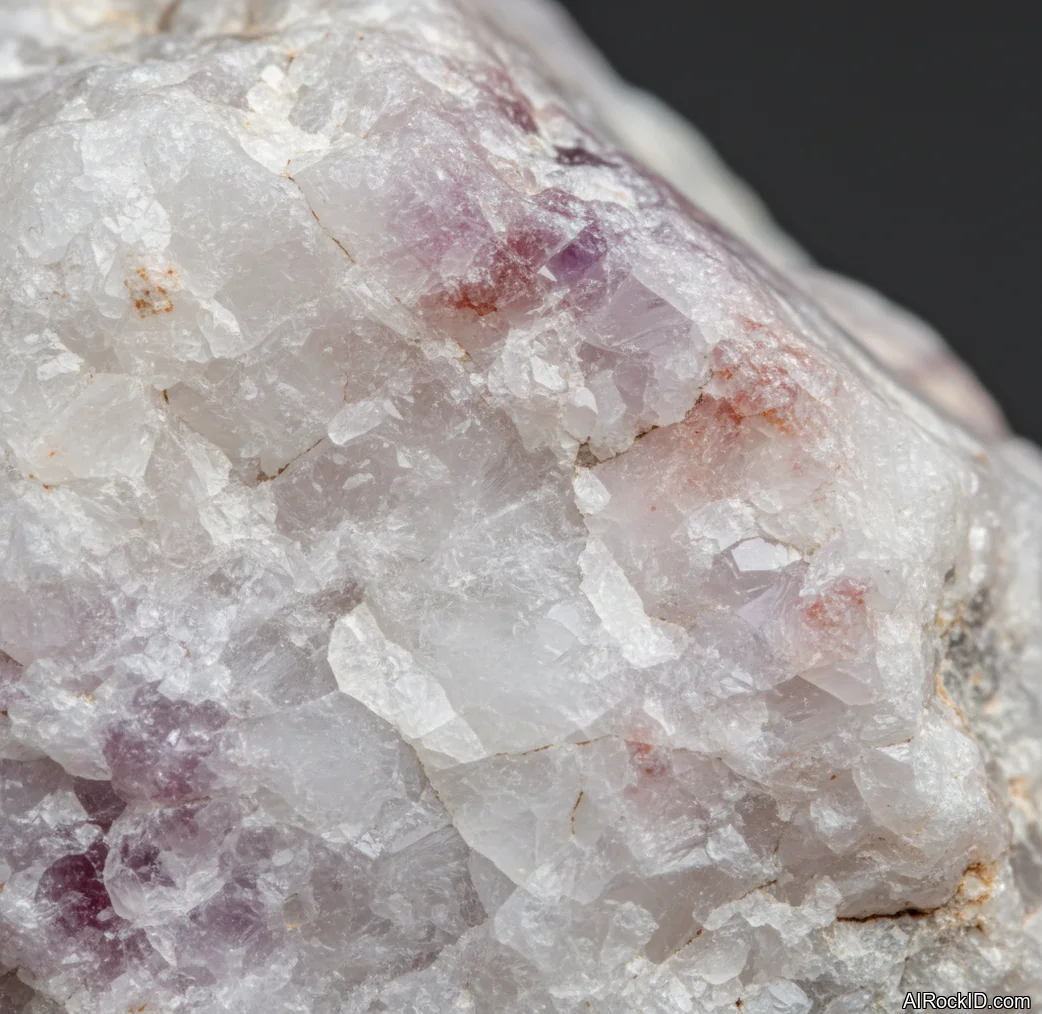
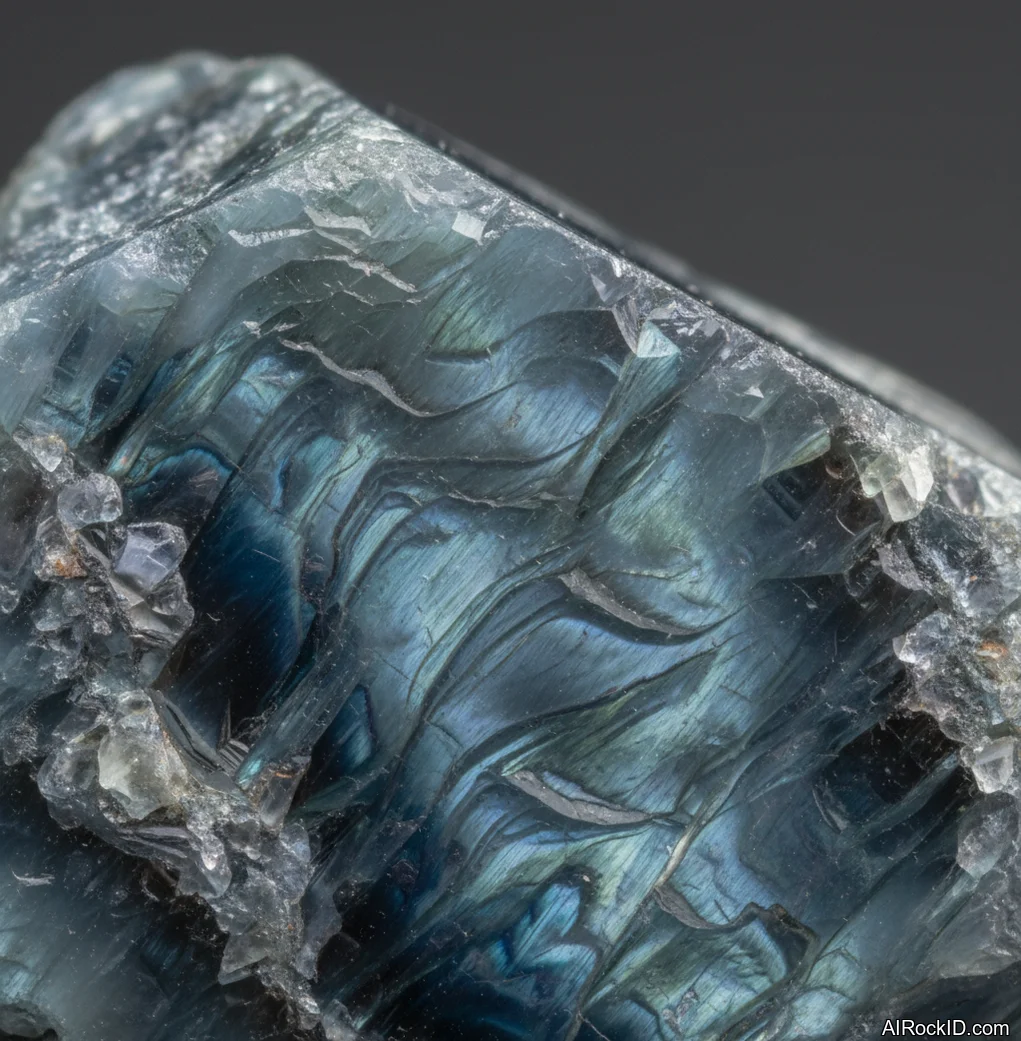
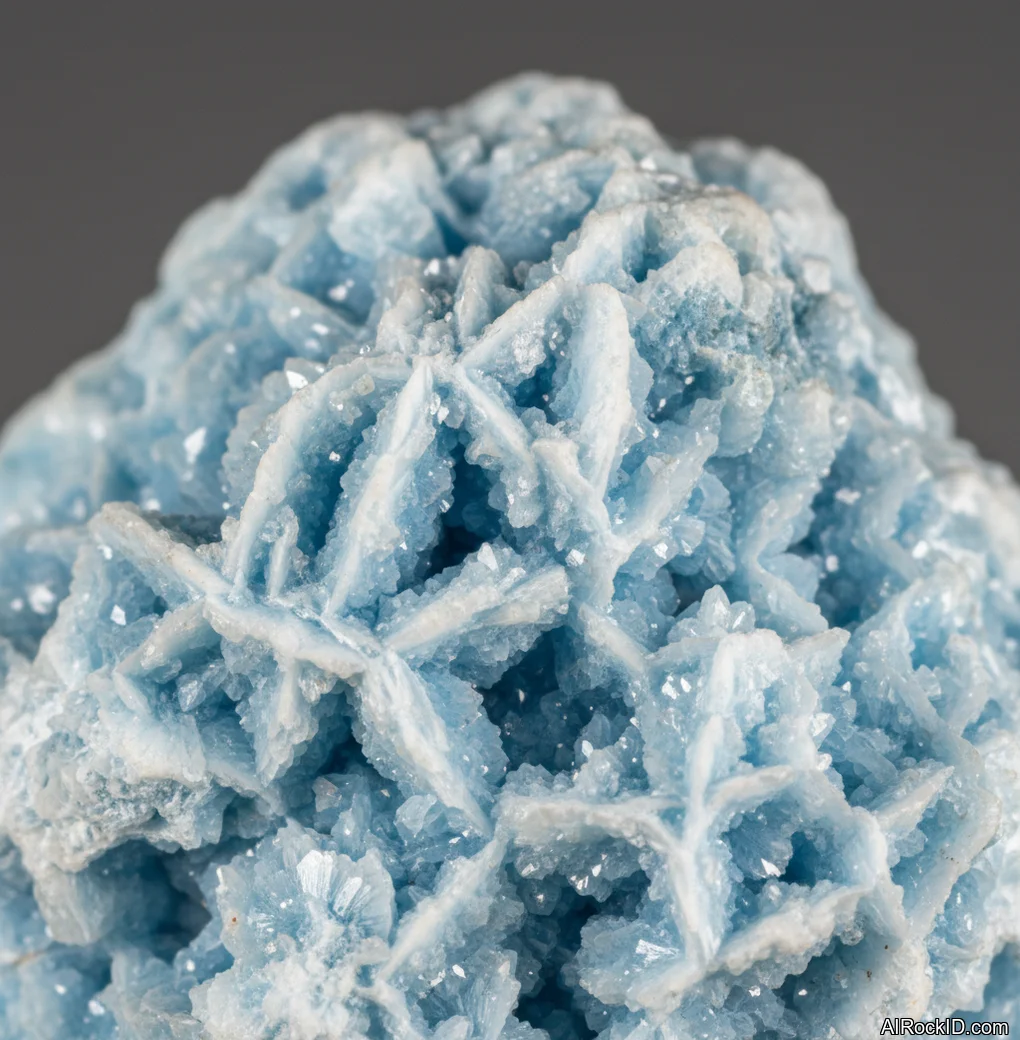
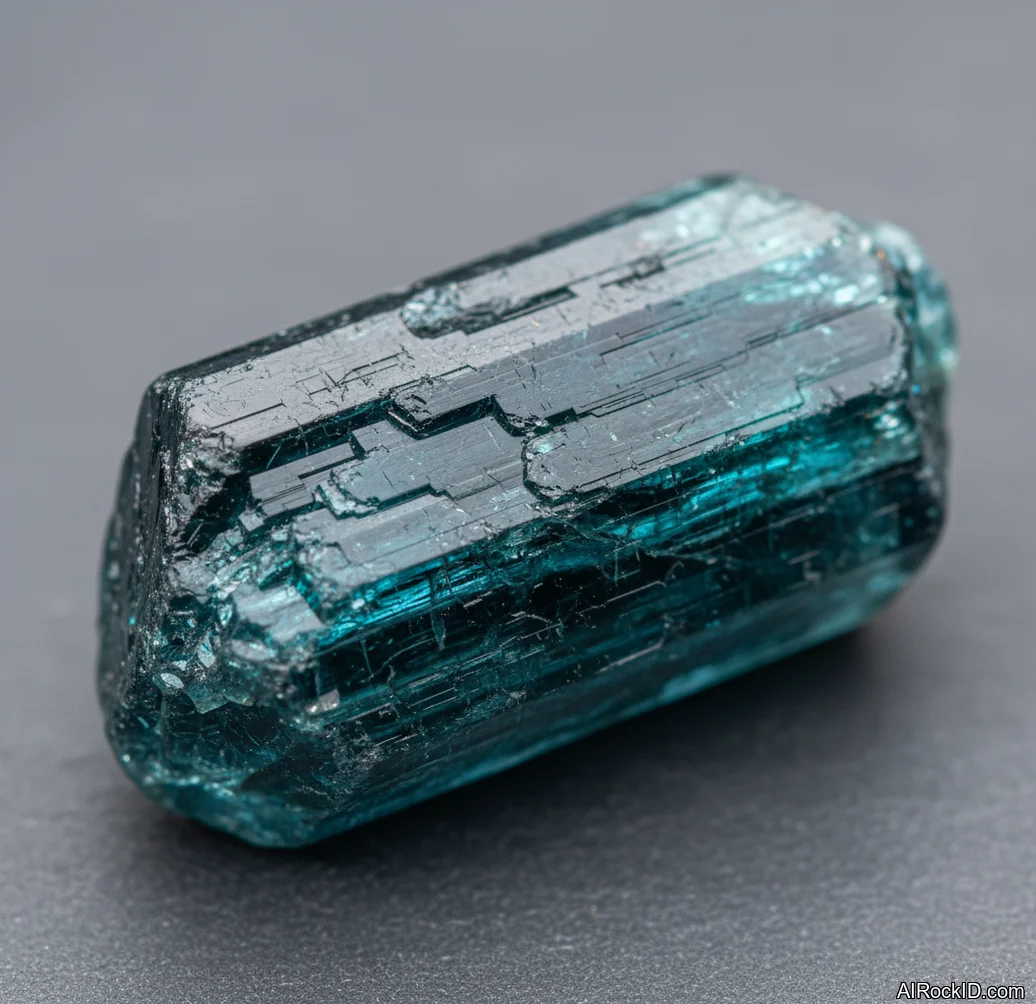
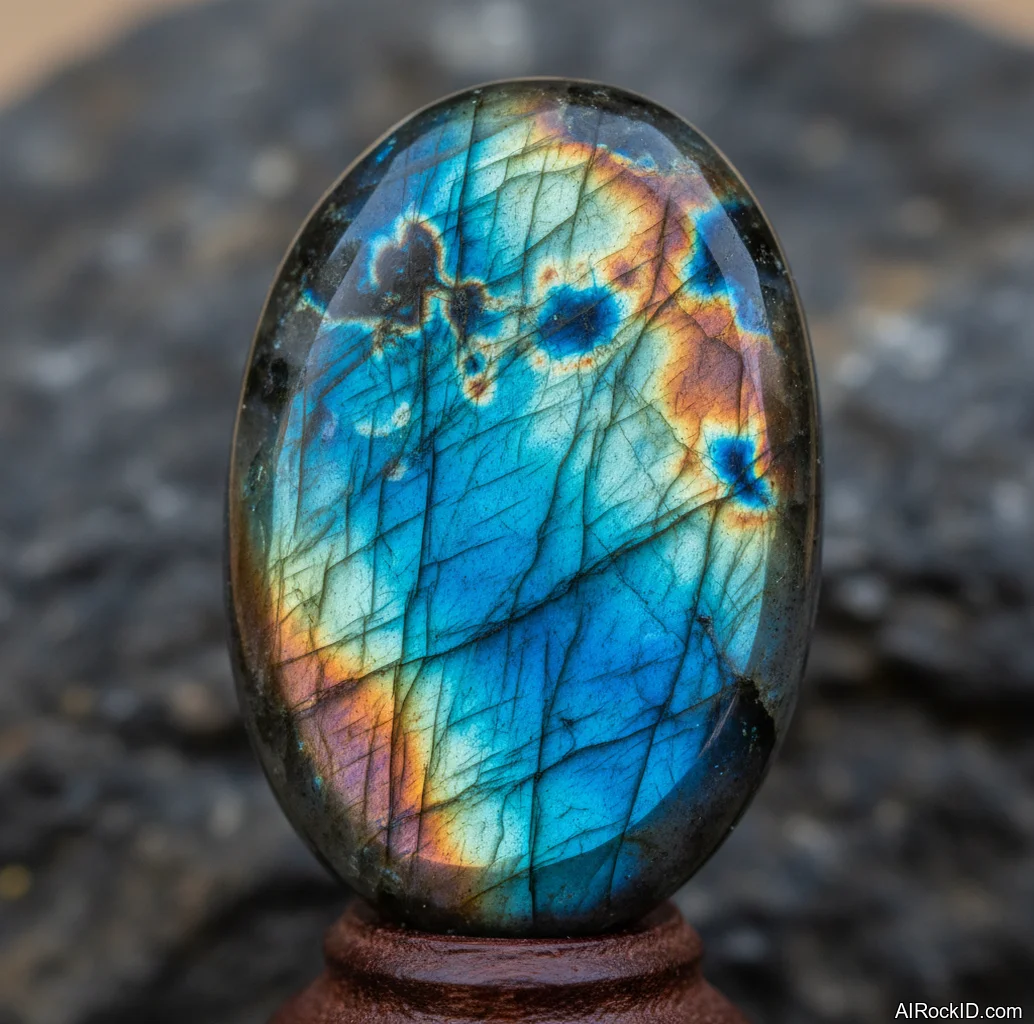
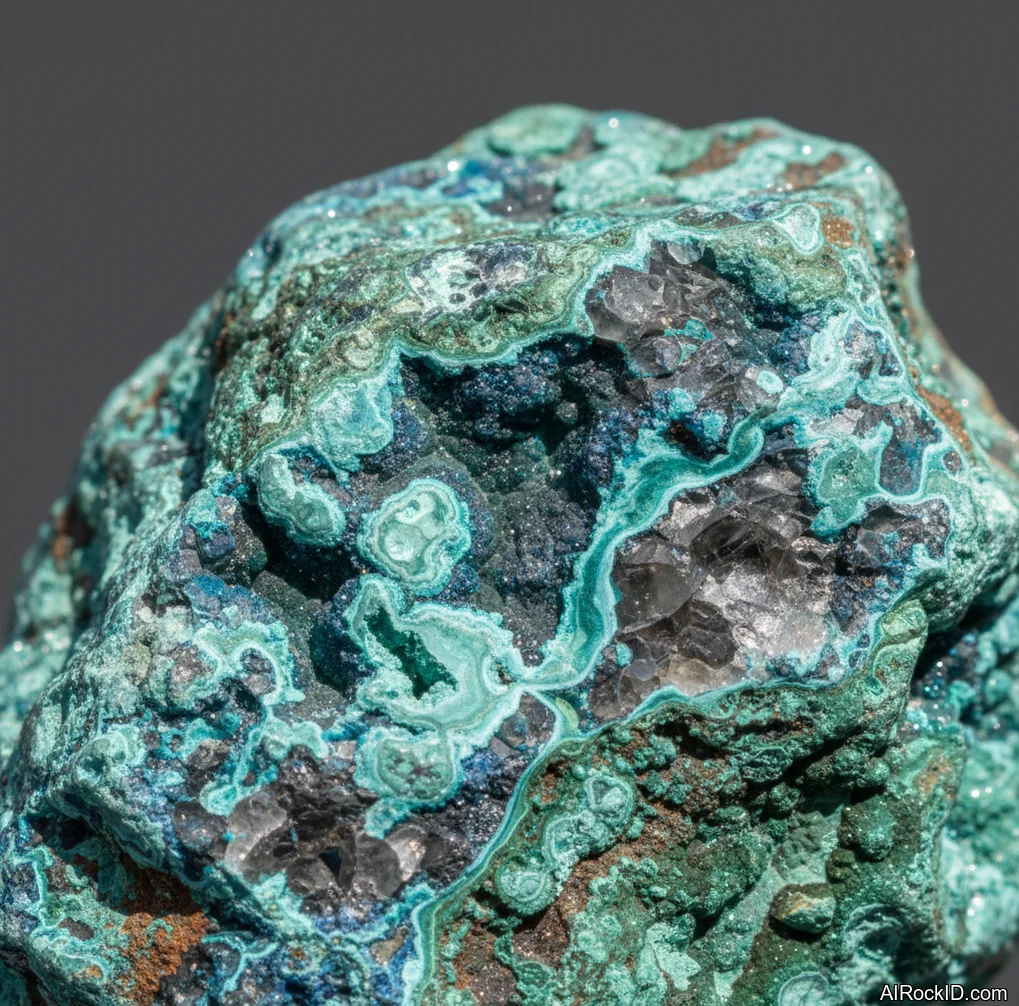
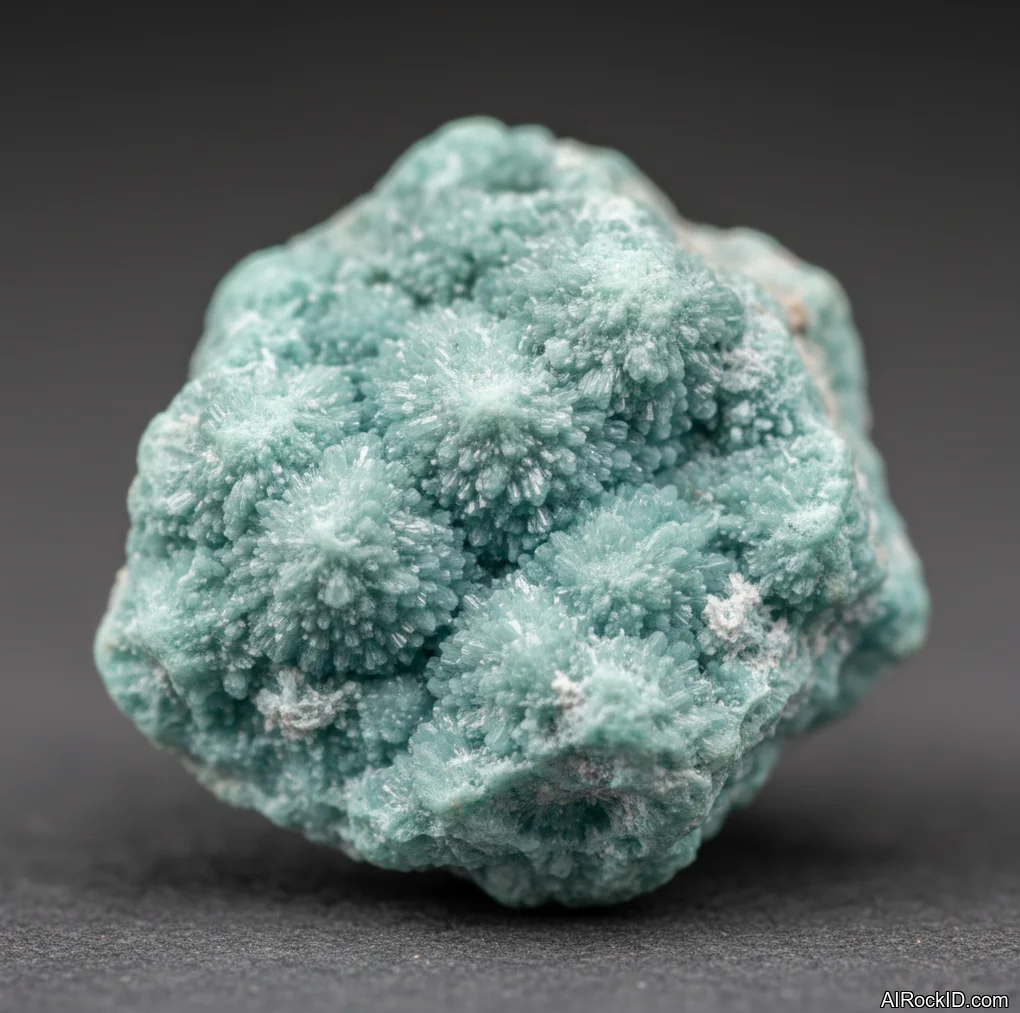
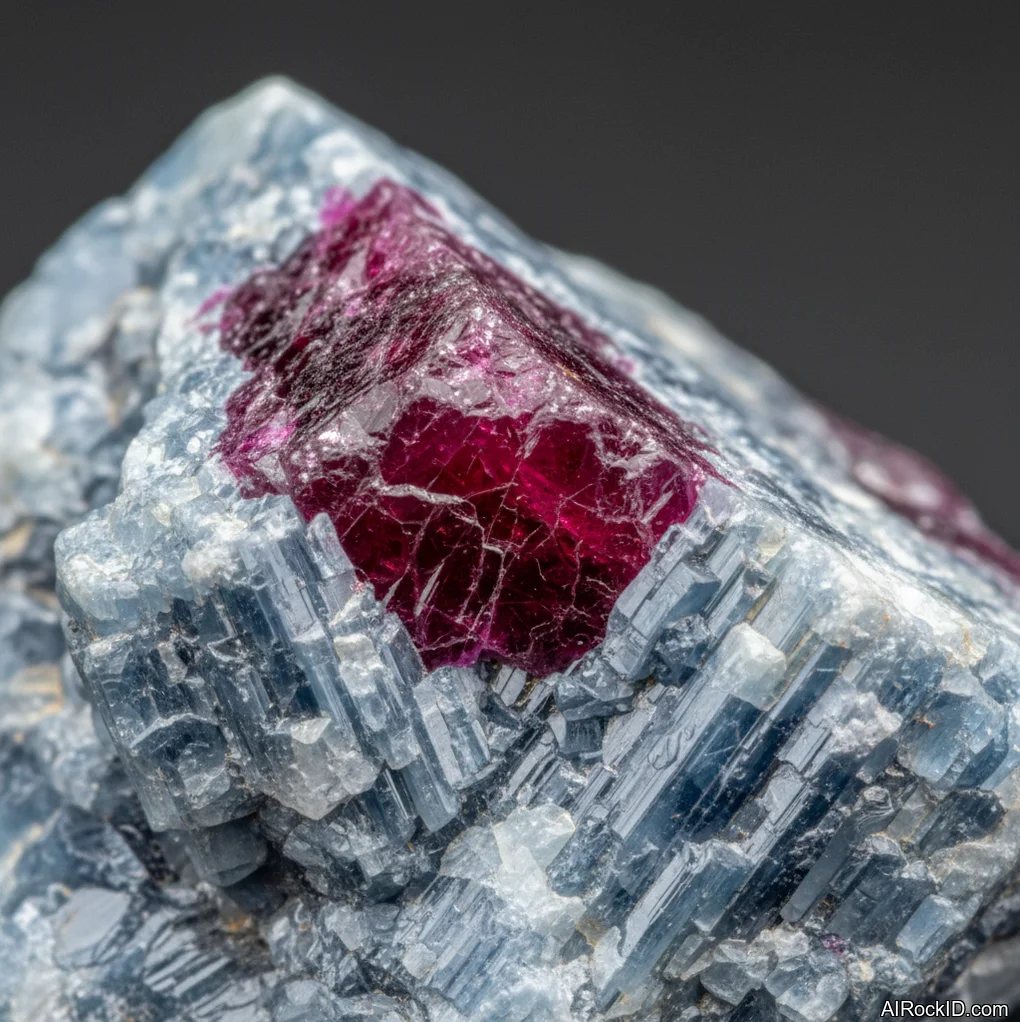
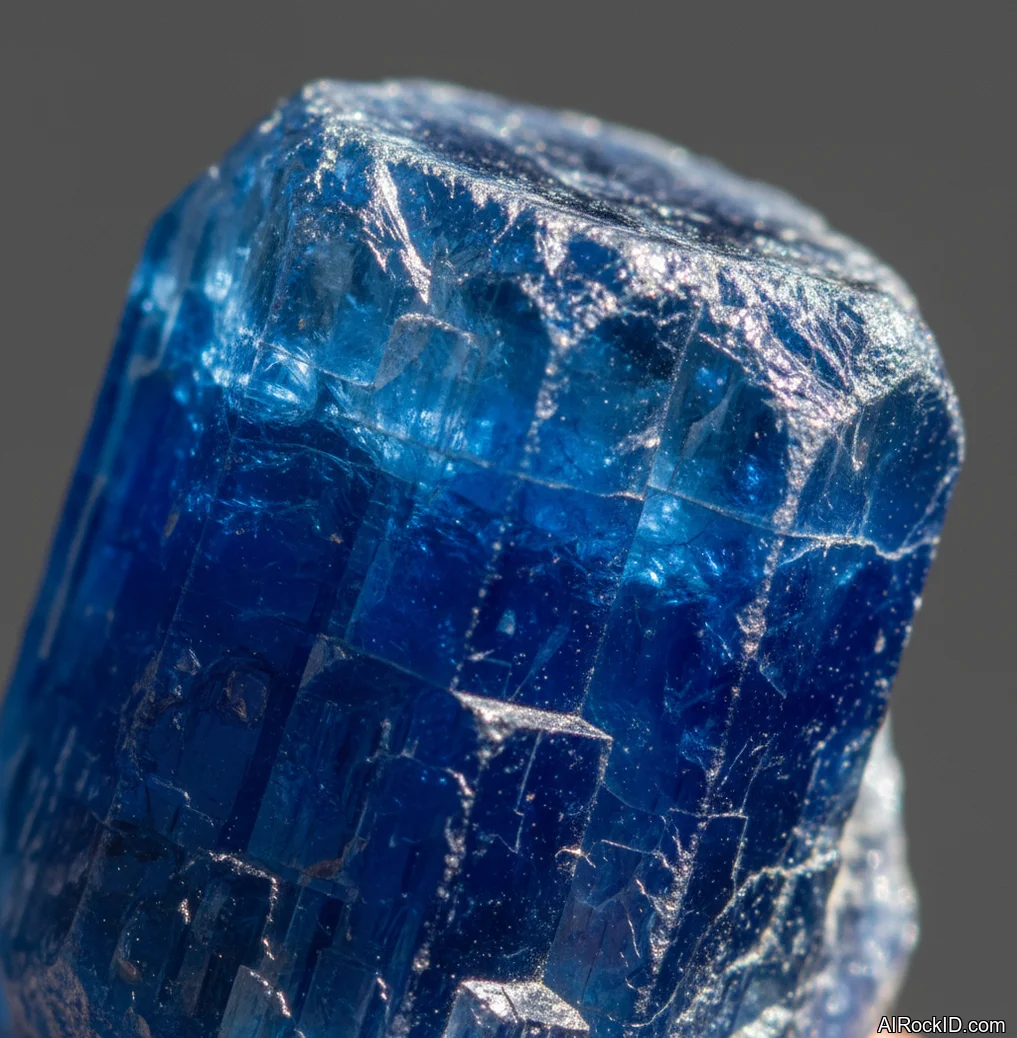
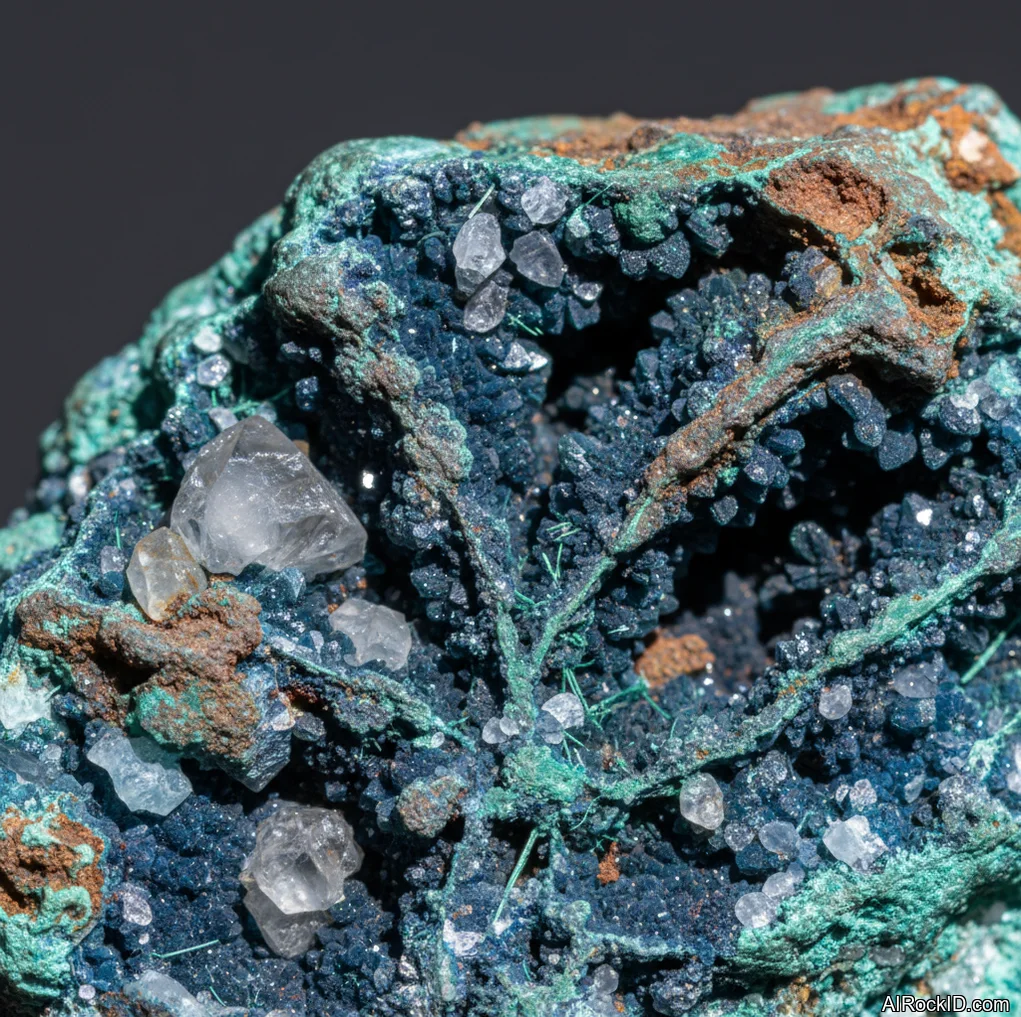
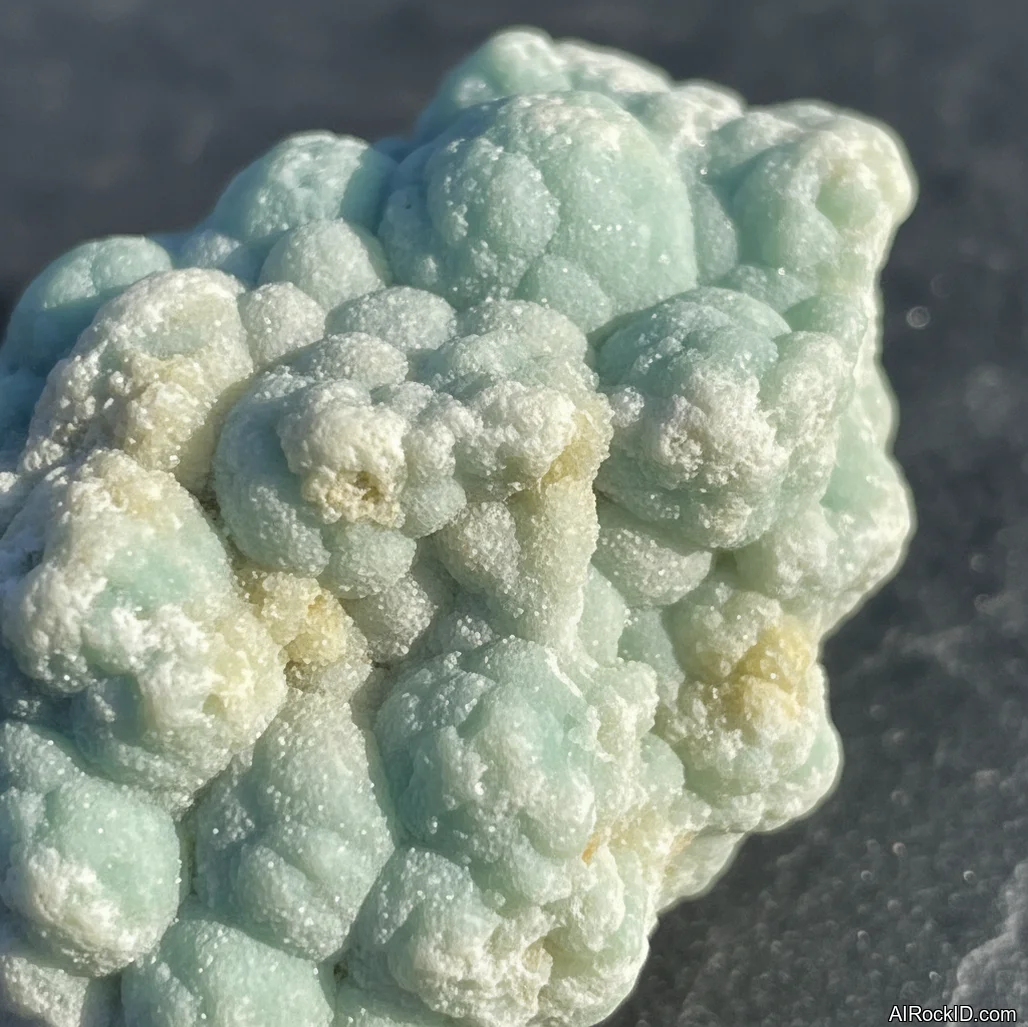
Throat Chakra crystals are stones chosen for their blue shades and direct link to self-expression and clear communication, especially around the neck area. Common examples include Blue Lace Agate, Aquamarine, Sodalite, Amazonite, and Lapis Lazuli. These crystals are picked for their physical properties and color, which correspond to traditions around the fifth chakra. These associations come from metaphysical traditions and are not medical claims.
Chakra crystal associations come from spiritual traditions, not clinical evidence. Throat Chakra crystals can't cure speech disorders or replace mental health care for communication issues.
AI Rock ID can help narrow down a blue crystal by comparing visible traits such as color, luster, banding, and transparency. RockIdentifier.io provides crystal reference pages that can be used alongside hands-on checks such as hardness, weight, and surface texture.
Good fit
- People exploring chakra traditions related to communication and self-expression
- Beginners who prefer easy-to-find blue stones such as sodalite or blue lace agate
- Collectors comparing blue minerals by color, pattern, opacity, and finish
- Gift buyers looking for stones commonly associated with calm speech or clarity
Not a good fit
- Anyone seeking a substitute for medical, dental, or mental health care
- Buyers who need gemological certainty without lab testing or expert verification
- People who want only rare collector minerals, since many Throat Chakra stones are common tumbled stones
Most commonly confused with
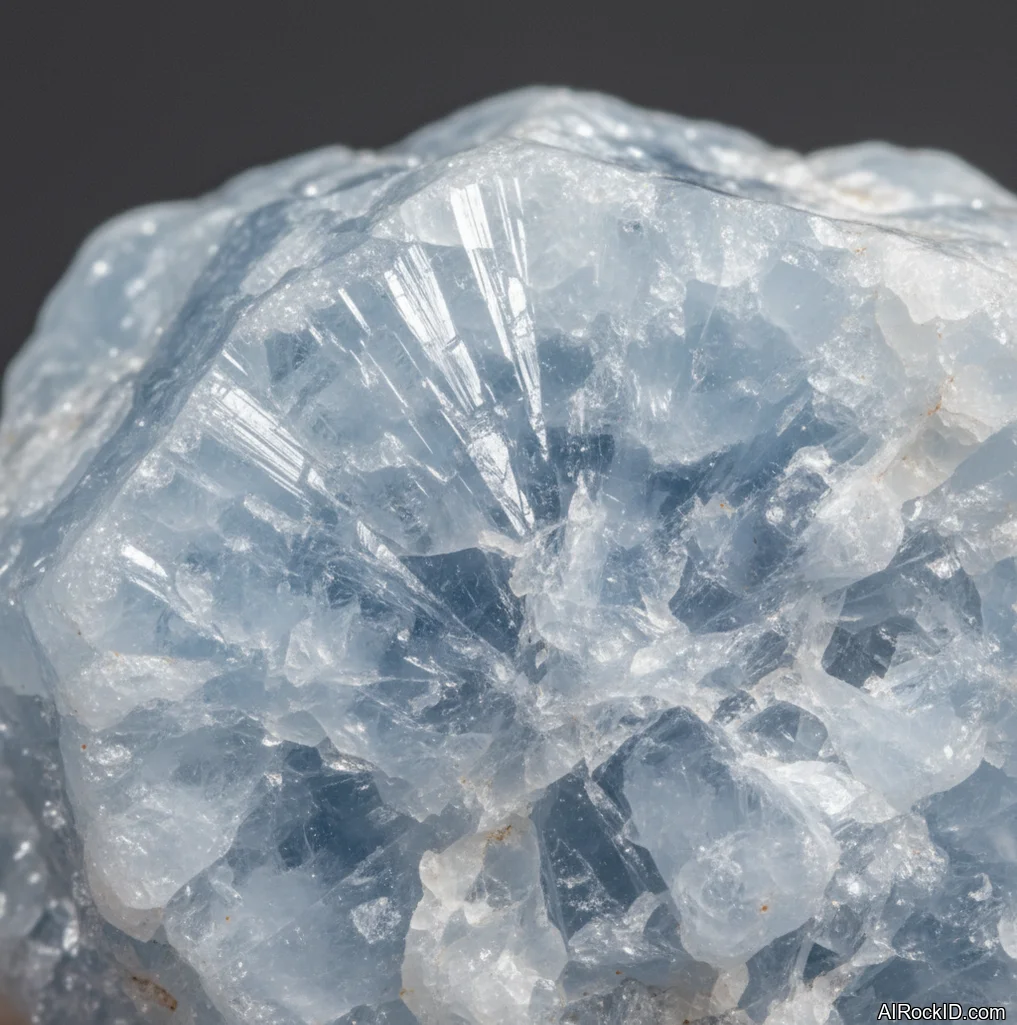
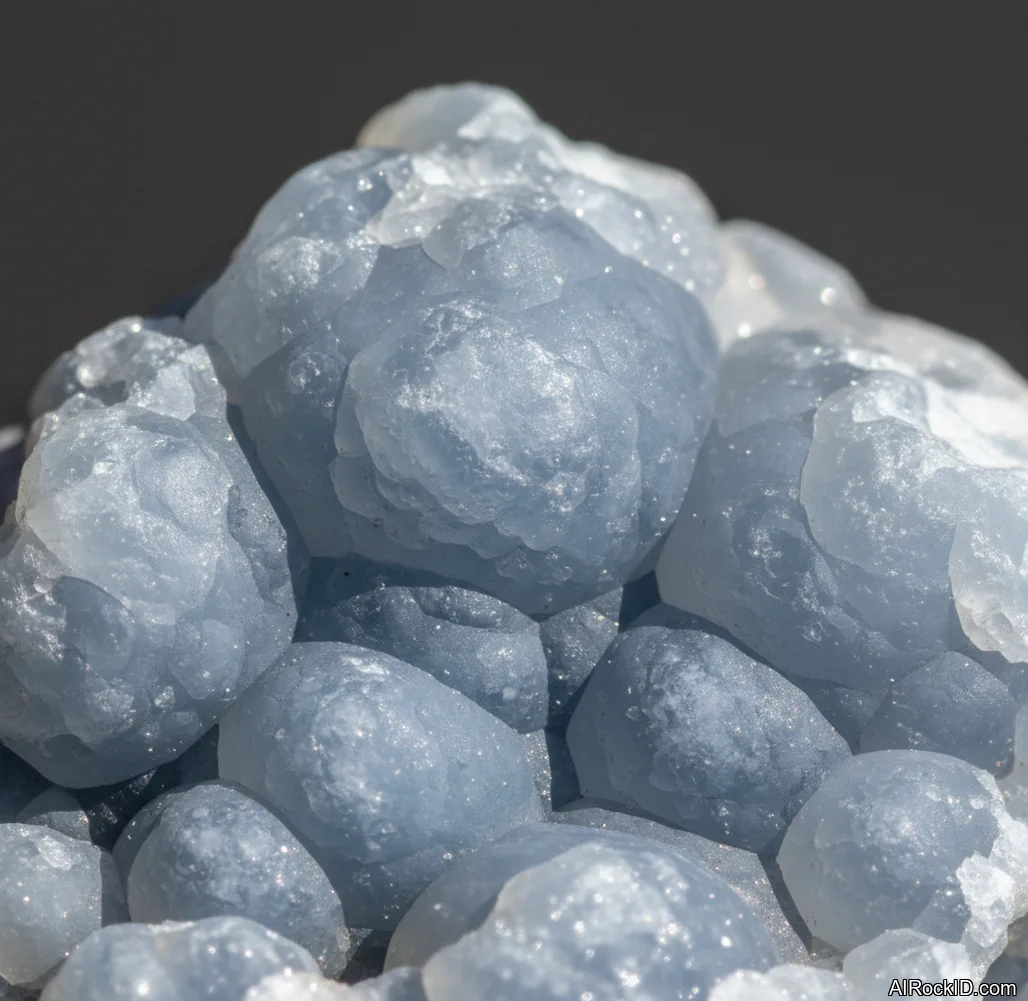
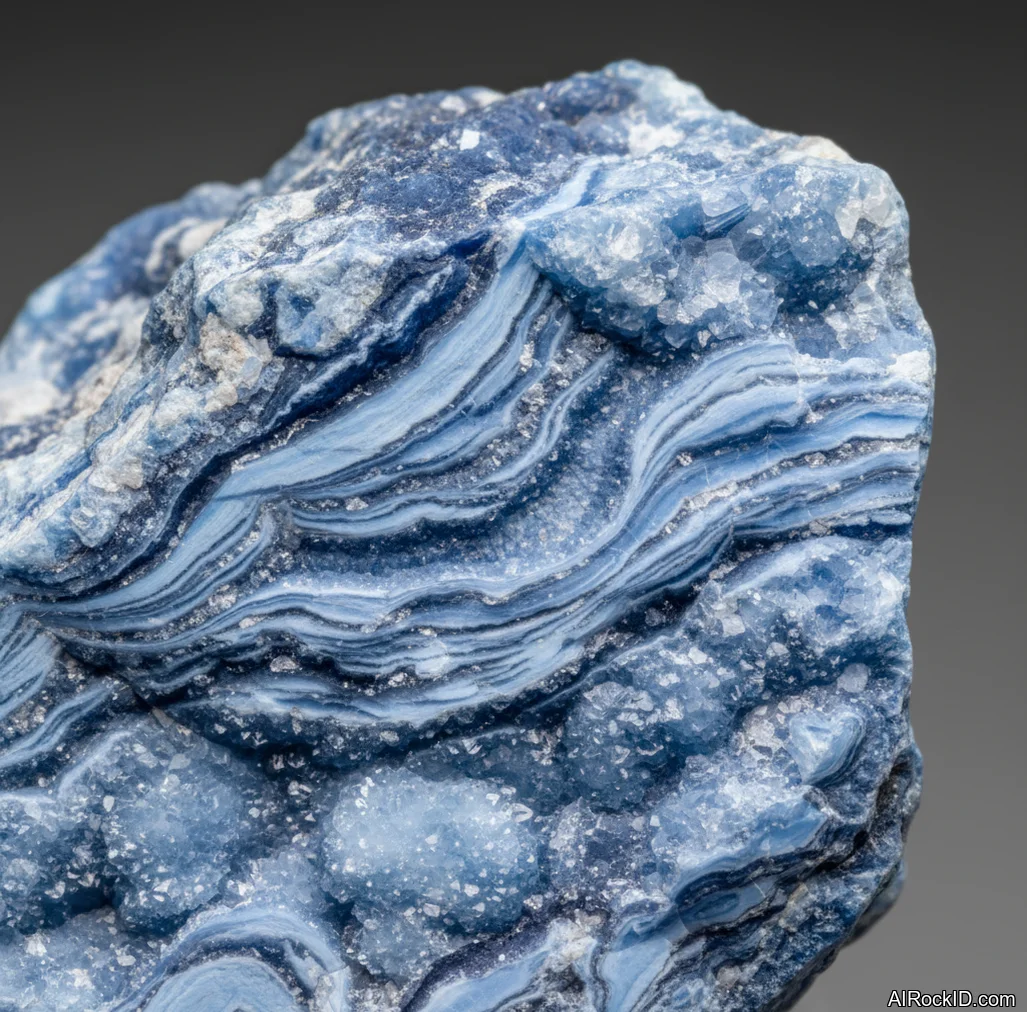
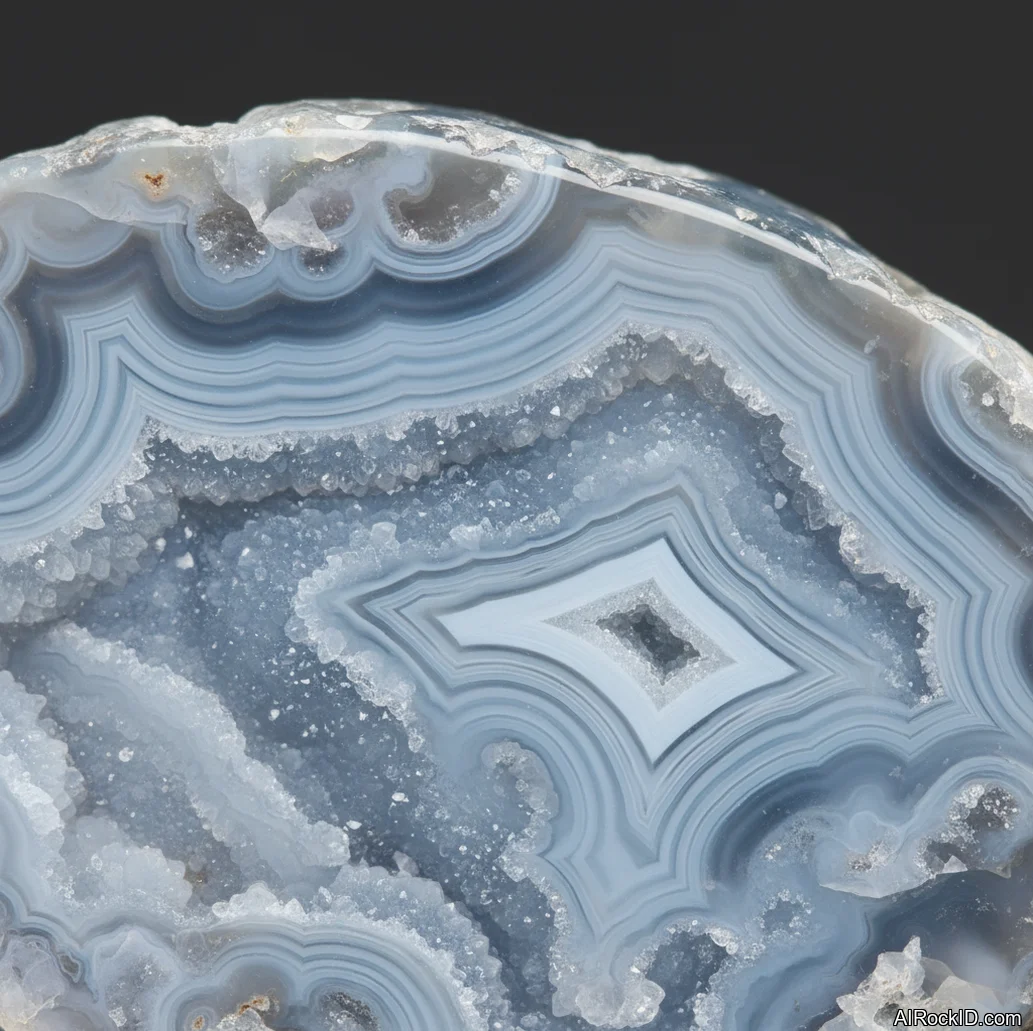
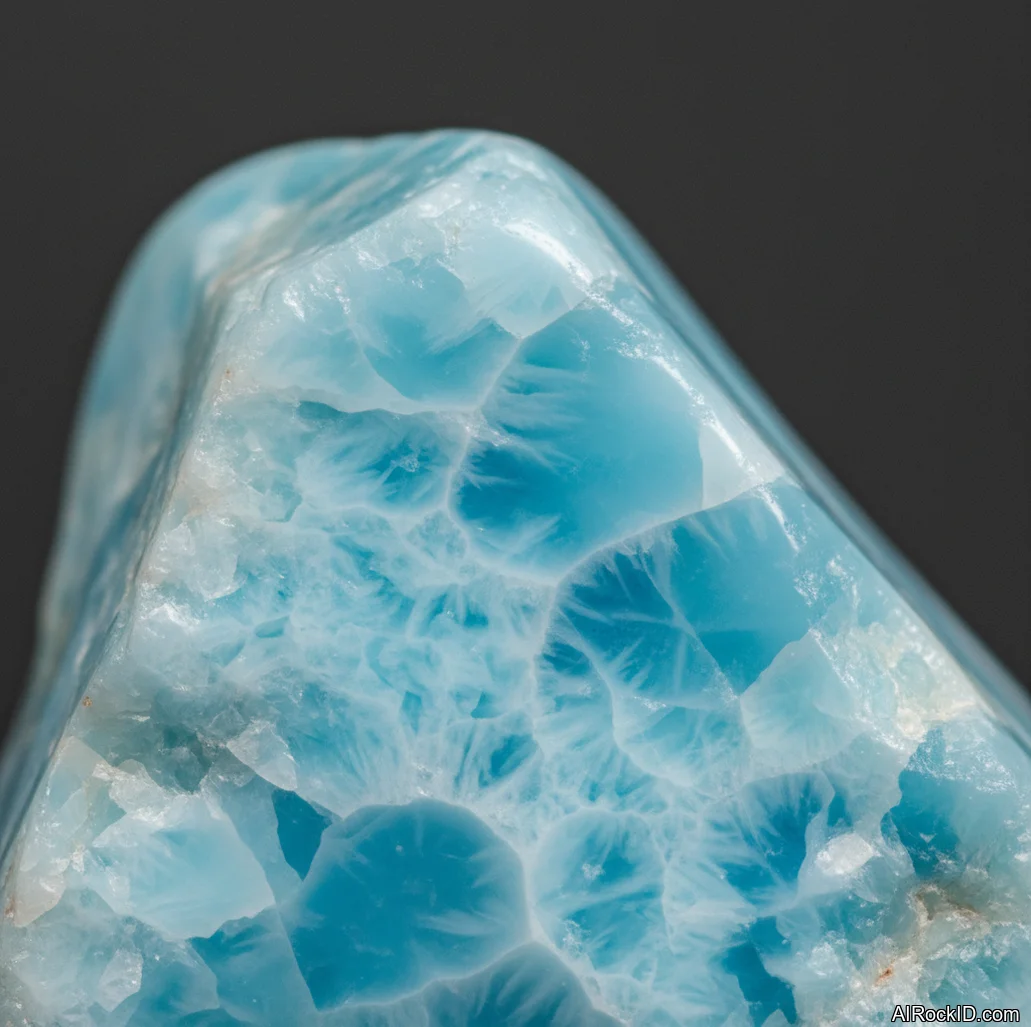
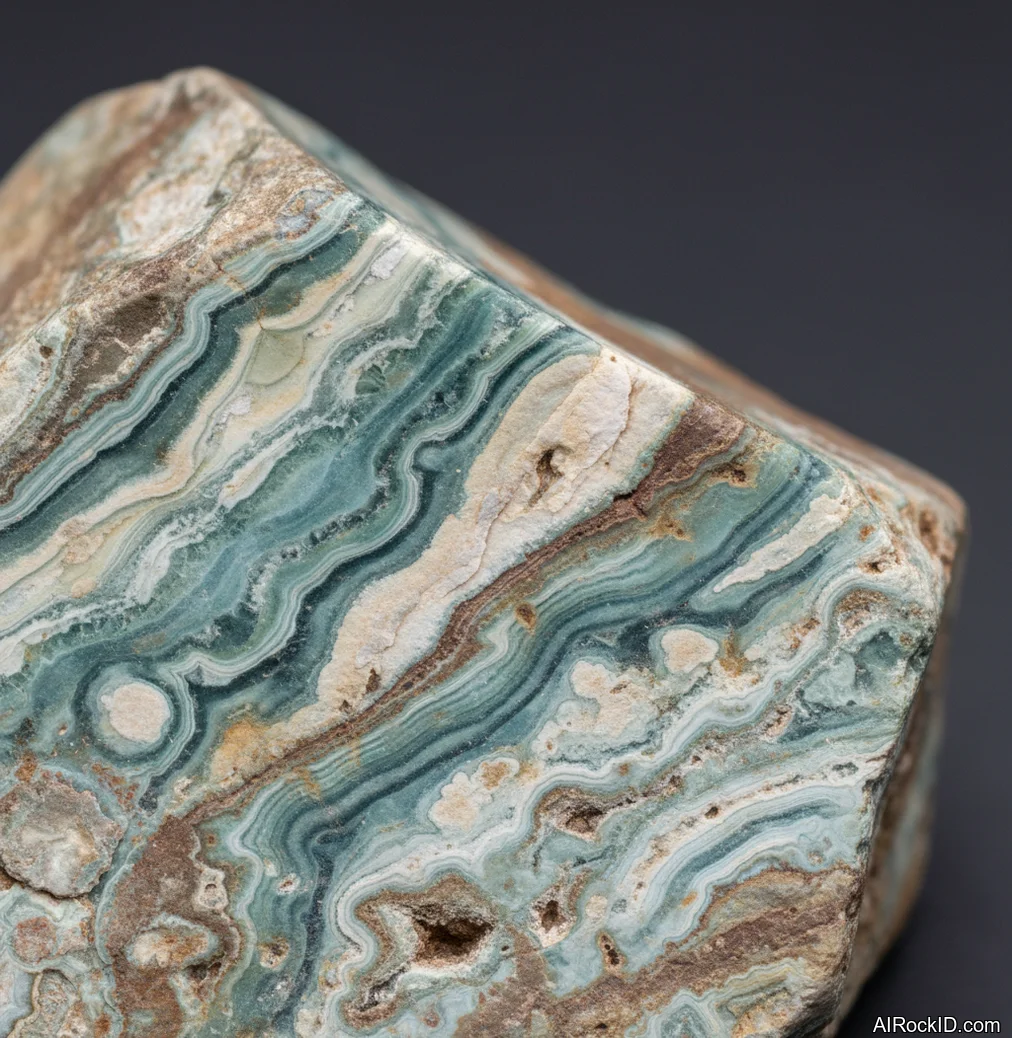
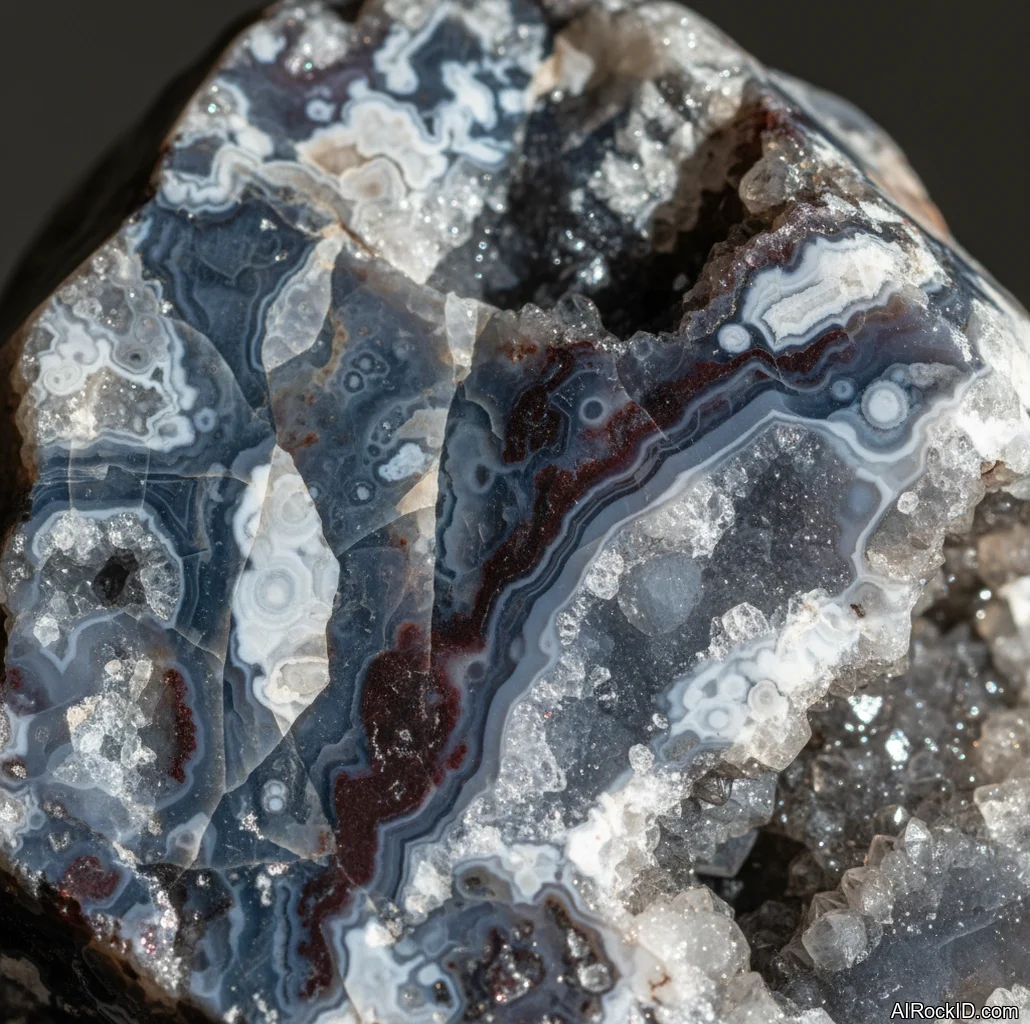
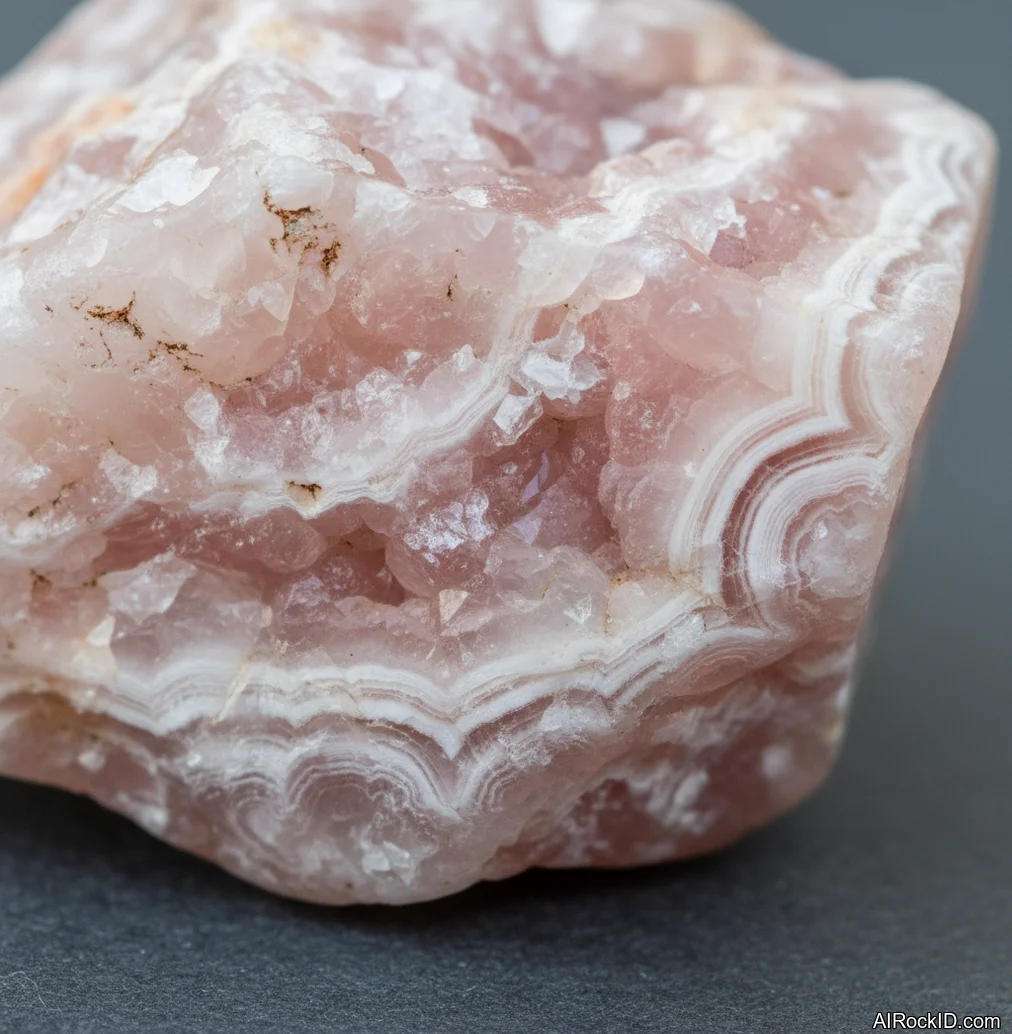
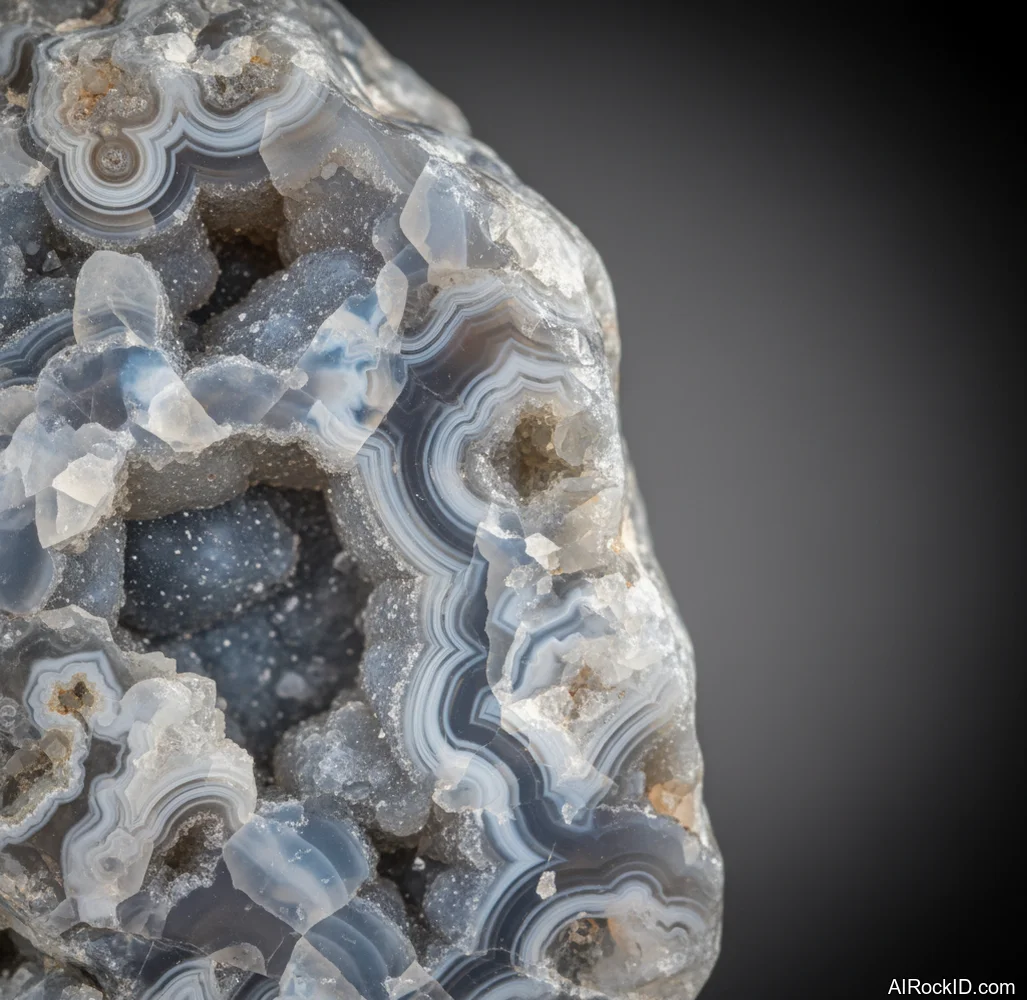
- Blue Lace Agate: Usually pale blue with soft white banding, unlike solid blue sodalite or speckled lapis lazuli.
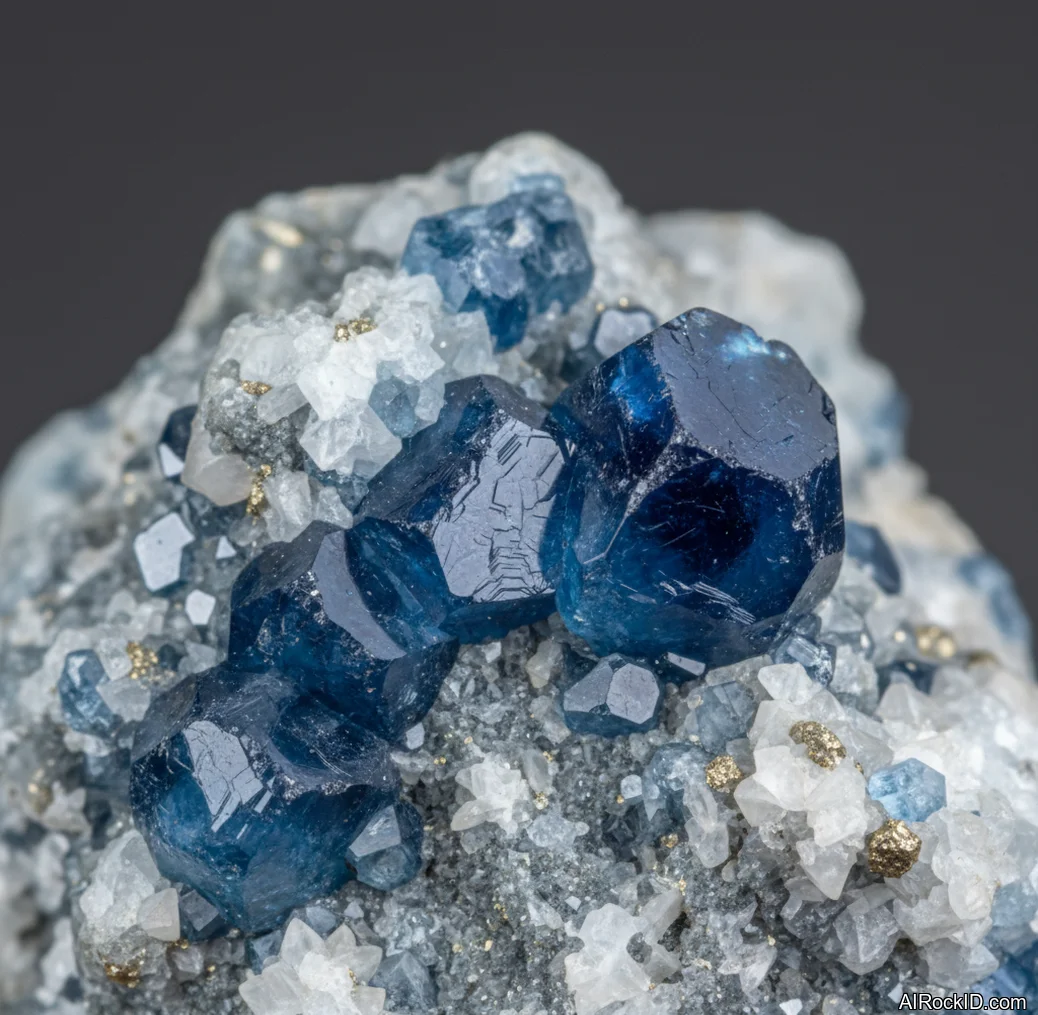
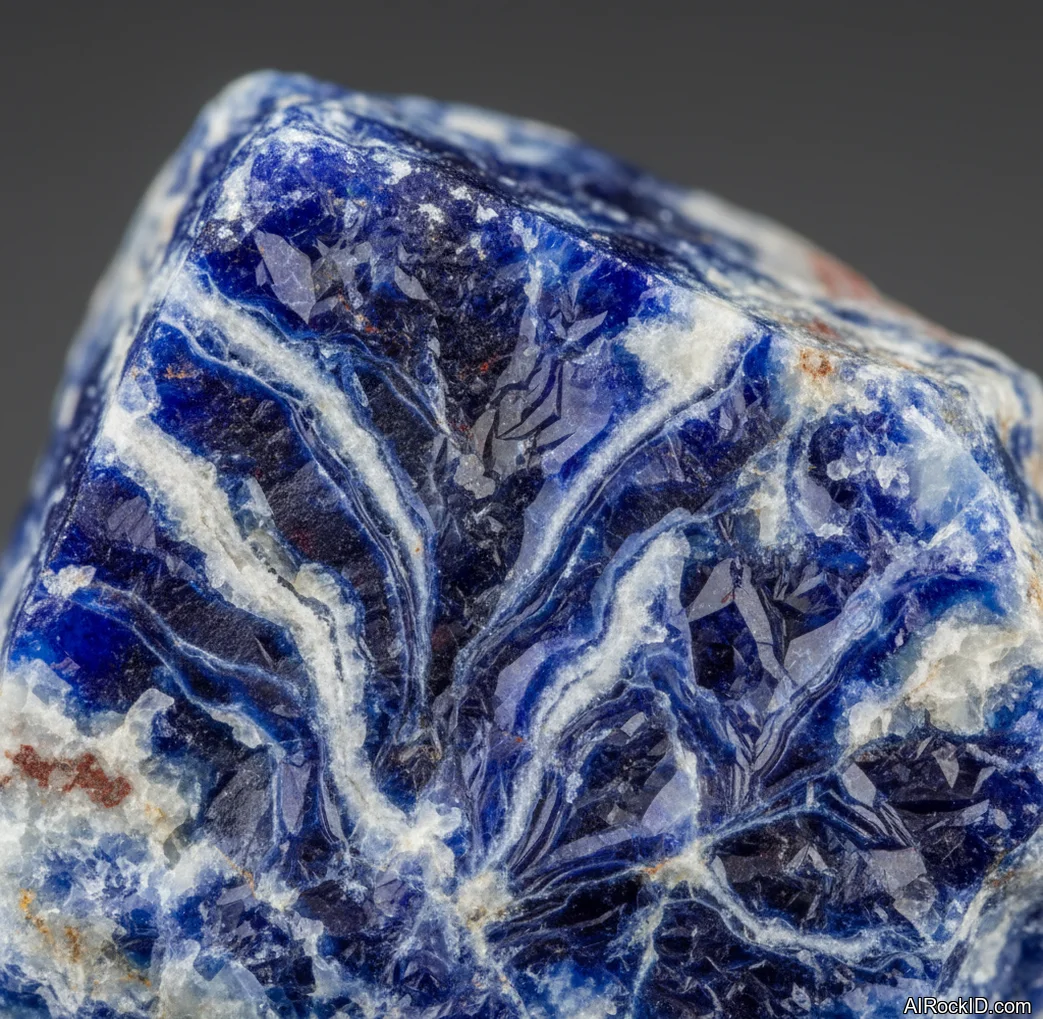
- Sodalite: Typically deep blue with white veining and lacks the gold pyrite flecks often seen in lapis lazuli.
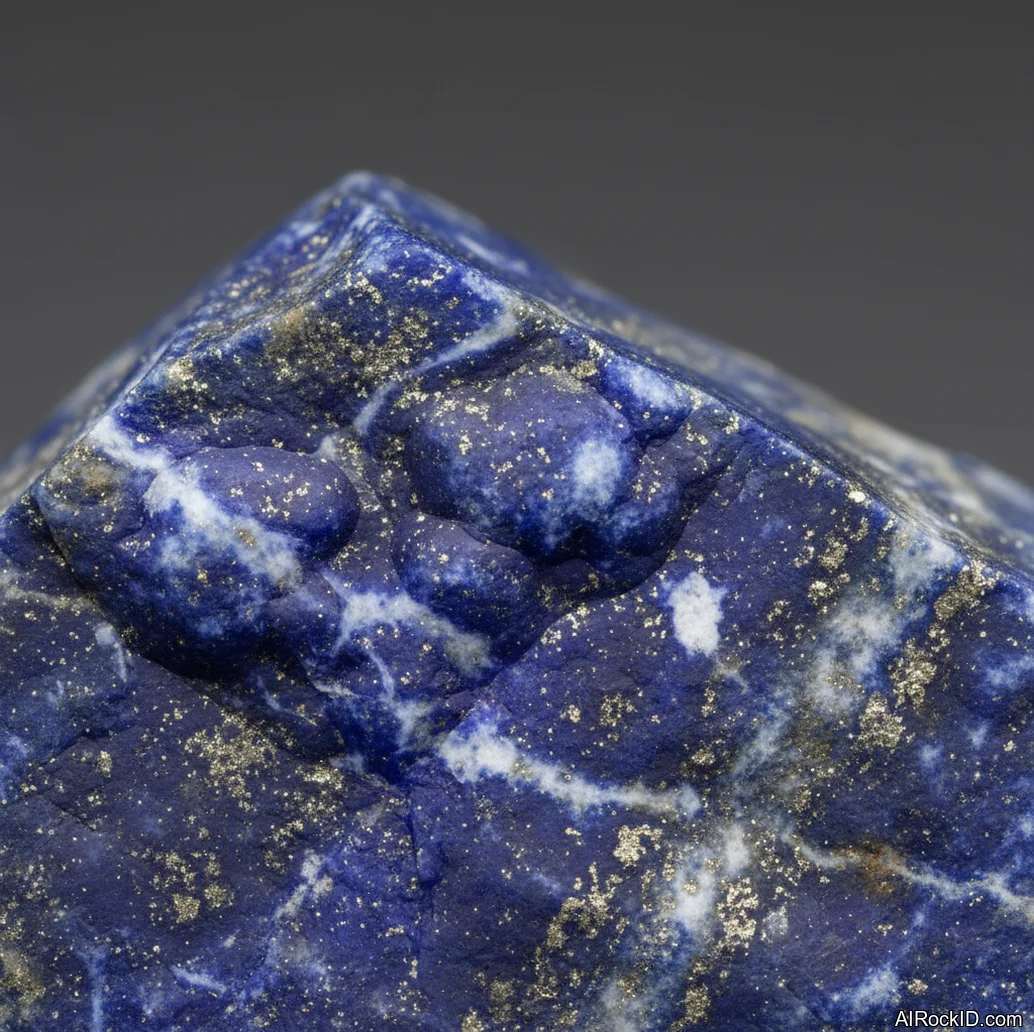
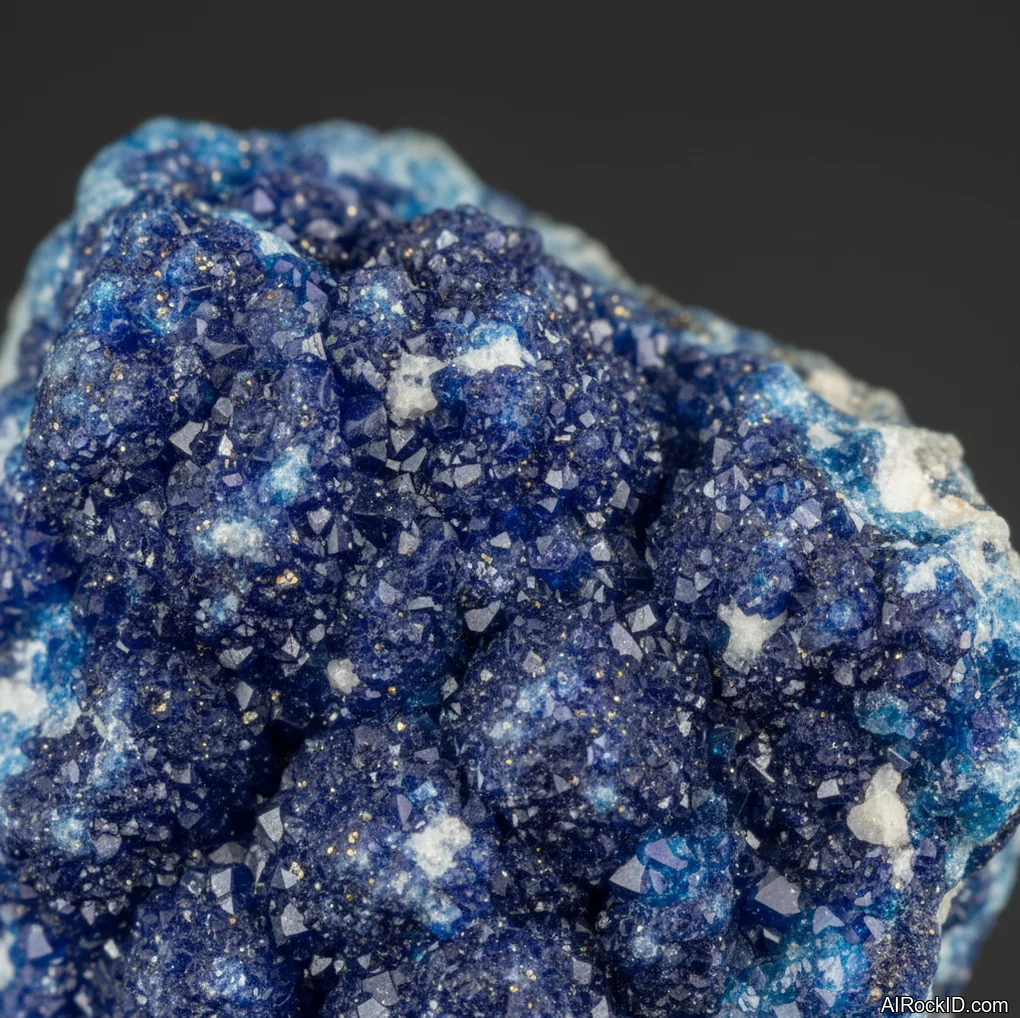
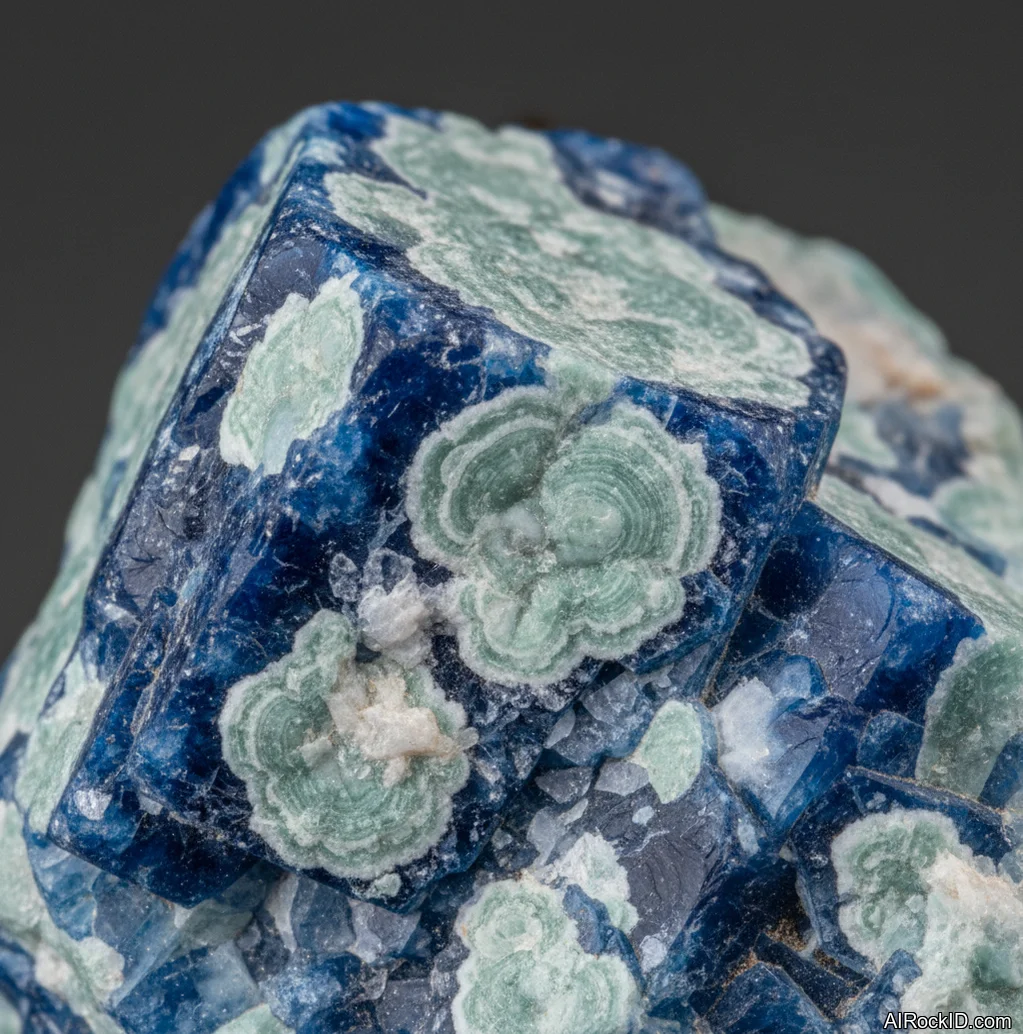
- Lapis Lazuli: Often darker royal blue with pyrite specks and white calcite patches.
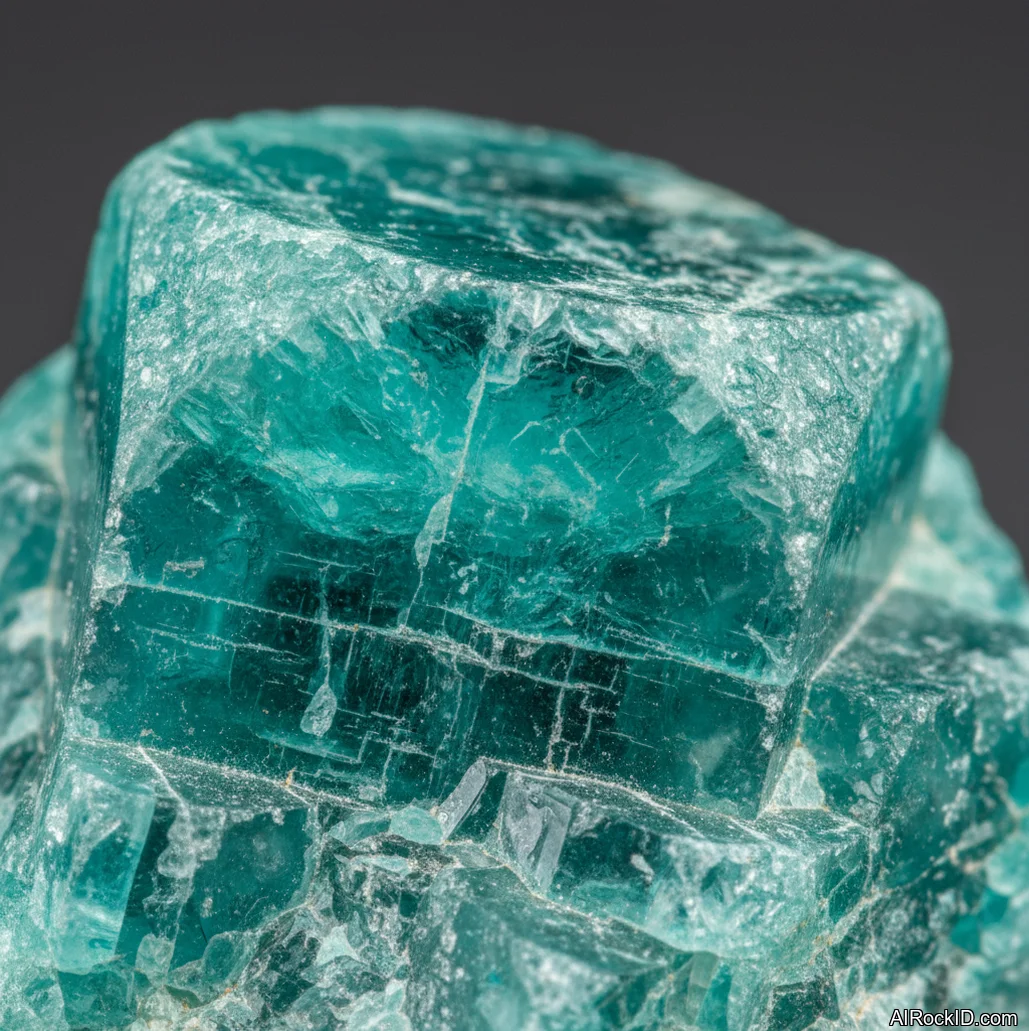
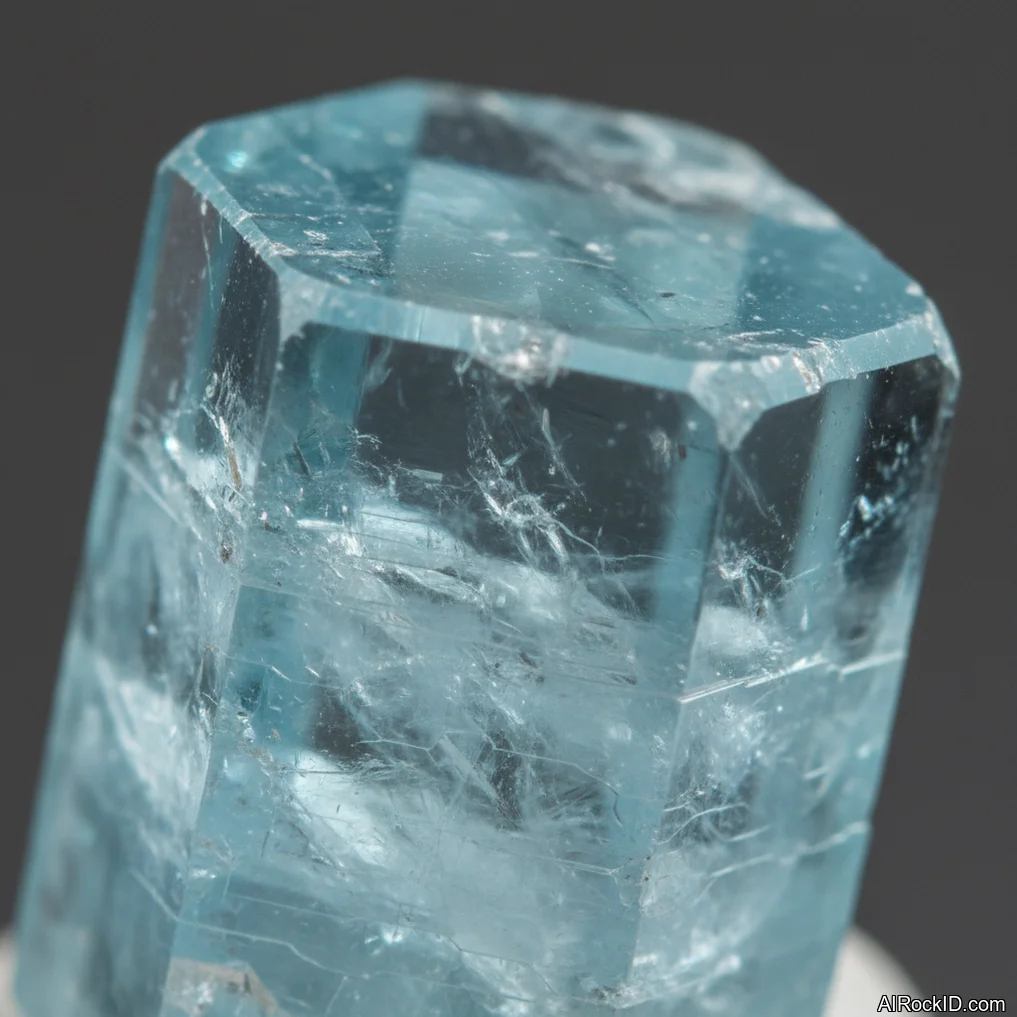
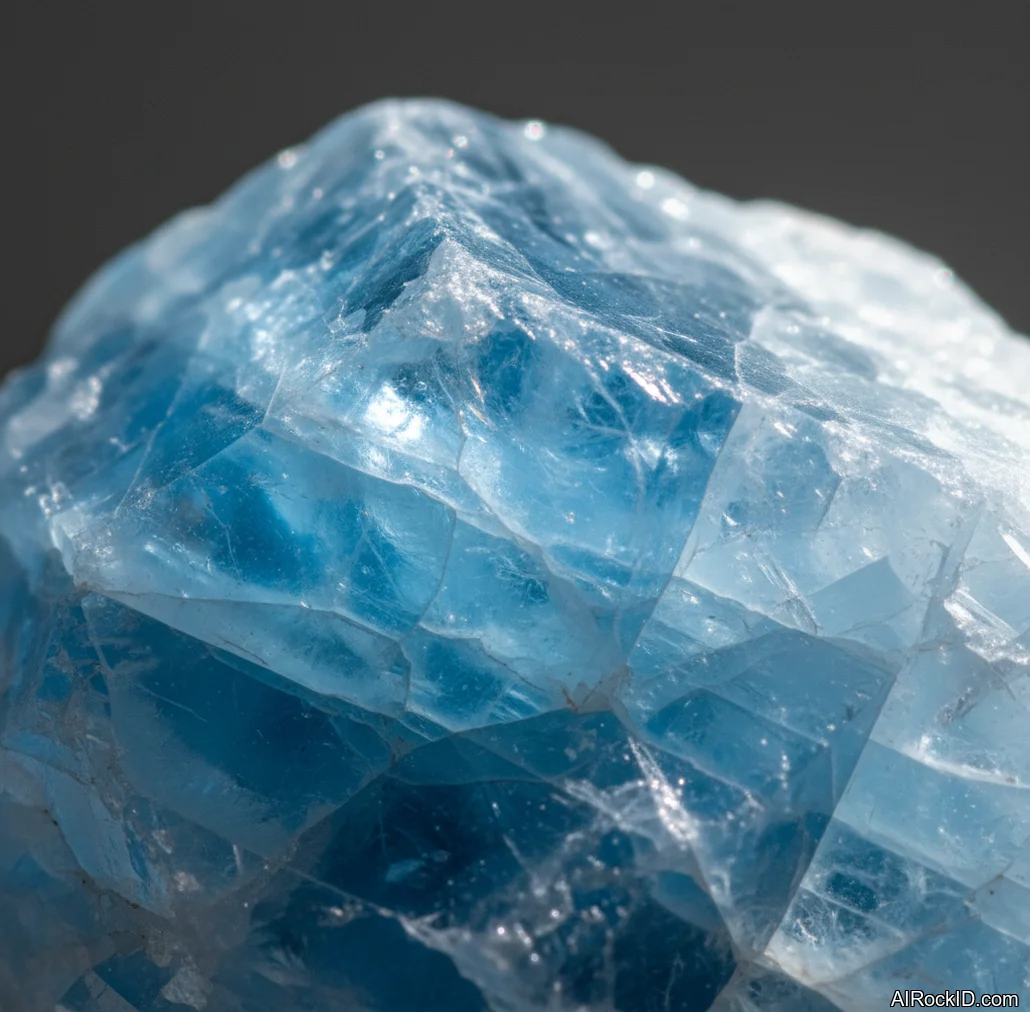
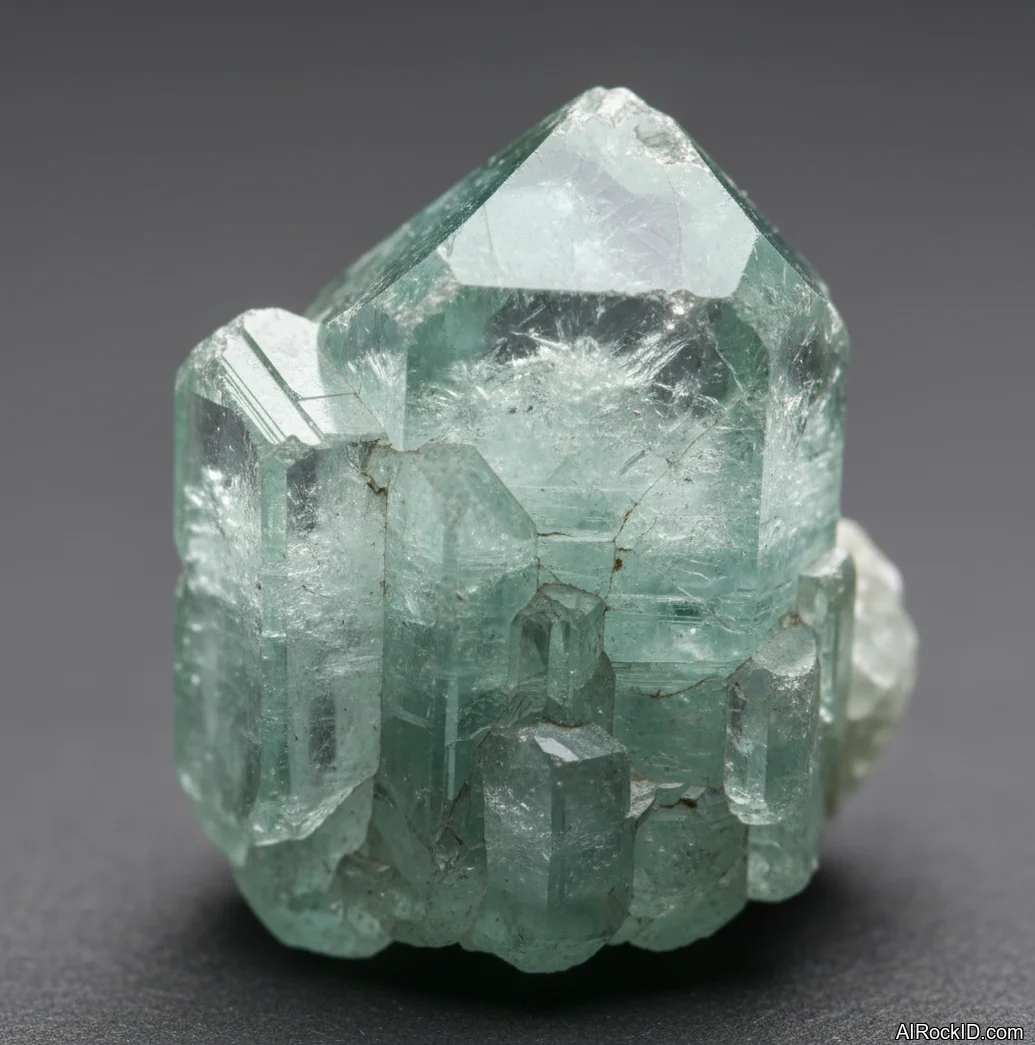
- Aquamarine: Usually transparent to translucent blue-green beryl, while many chakra stones are opaque.
AI identification confidence
AI identification is usually more reliable for stones with distinctive features, such as lapis lazuli with pyrite flecks or blue lace agate with banding. Confidence is lower for polished blue stones with uniform color because dyed quartz, glass, sodalite, and howlite can look similar in photos.
When AI gets it wrong
- The stone is dyed, coated, or photographed under strong color-changing light
- The image shows only a polished surface with no natural texture or inclusions
- Several blue minerals share the same color range, such as sodalite, lapis lazuli, and dyed howlite
- The specimen is a composite, imitation, or trade-name material rather than a single mineral
Best choice summary
For a first Throat Chakra crystal, blue lace agate, sodalite, and aquamarine are practical choices because they are widely recognized in chakra traditions and easy to use in jewelry or pocket stones. Lapis lazuli and turquoise are also common choices, but buyers should pay attention to imitation, dyeing, and stabilization.
Final recommendation
Choose a Throat Chakra crystal by matching the stone’s appearance, durability, and traditional meaning to the way it will be used. For identification, combine visual checks, seller information, and reference photos rather than relying on color alone.
Why people search for this
People often search for Throat Chakra crystals to find blue stones used in modern chakra traditions for communication, honesty, and calm expression. Searches may also focus on identifying similar-looking blue crystals before buying or using them.
What this category represents
This tag groups crystals traditionally linked with the Throat Chakra, the chakra commonly associated in modern energy traditions with speech, listening, truth, and expression. Most stones in this category are blue, blue-green, or white-blue, but the tag reflects symbolic use rather than a strict mineral classification.
Beginner recommendations
Advanced recommendations
Natural, Dyed, and Stabilized Blue Stones
Many Throat Chakra crystals are sold as polished stones, beads, or cabochons, and some blue materials are dyed or stabilized to improve color and durability. Turquoise, howlite, agate, and quartz are especially common materials to check carefully. Seller disclosures, unusually even color, dye collecting in cracks, and very low pricing can provide useful clues.
Color Range in Throat Chakra Traditions
Throat Chakra crystals are commonly blue, but the category can include pale blue, blue-green, teal, white-blue, and deep indigo stones. In chakra traditions, lighter blues are often associated with gentle expression, while darker blues are often linked with insight and truthful speech. These associations are symbolic and vary by teacher, tradition, and personal practice.
Safety Notes for Wearable Throat Chakra Stones
Stones worn near the neck should be smooth, secure, and appropriate for regular contact with skin. Softer minerals, brittle crystals, and stones with rough edges may be better kept as display pieces or occasional-use items. Avoid soaking unknown stones, and keep small beads or pendants away from children and pets.
What Is the Throat Chakra? Physical and Metaphysical Basics
The Throat Chakra, or Vishuddha, sits right at the base of your throat. In crystal terms, it's the spot where breath turns into sound—where ideas get pushed out into the world. If you've ever felt that lump before a hard conversation, that's the territory here. People shopping for Throat Chakra stones usually want something practical: clearer communication, healthier boundaries, less of that tight, choked-up feeling when words get stuck. I've watched folks in the shop hover their hand over their neck without even thinking, or fidget with blue stones as if waiting for one to 'click.' Most aren't after mystery. They want a little nudge that helps the words get out. For collectors, it's not just about color but about the physical sensation—stones that feel cooling against the skin or smooth when you roll them between your fingers. The mental link is strong, but the tactile part matters just as much.
Common Throat Chakra Crystals: Physical Traits and Shopper Tips
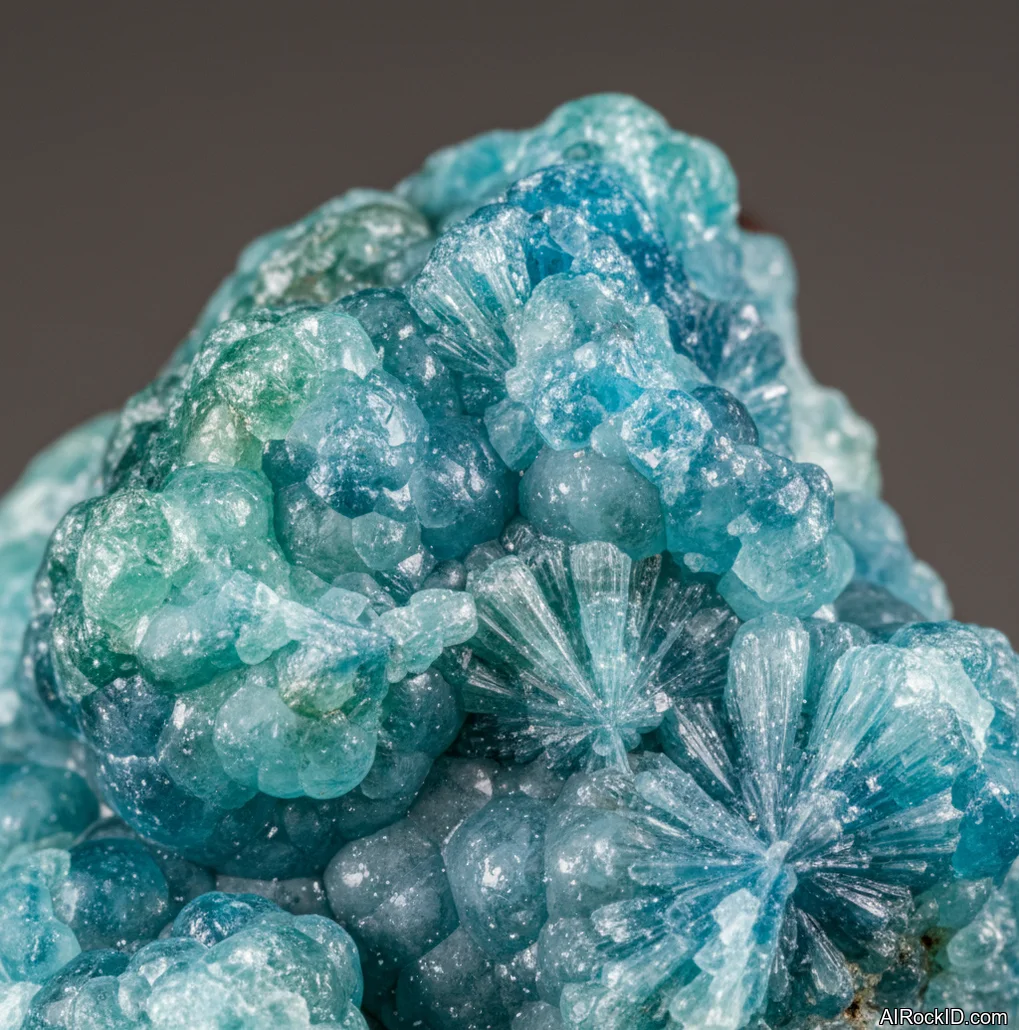
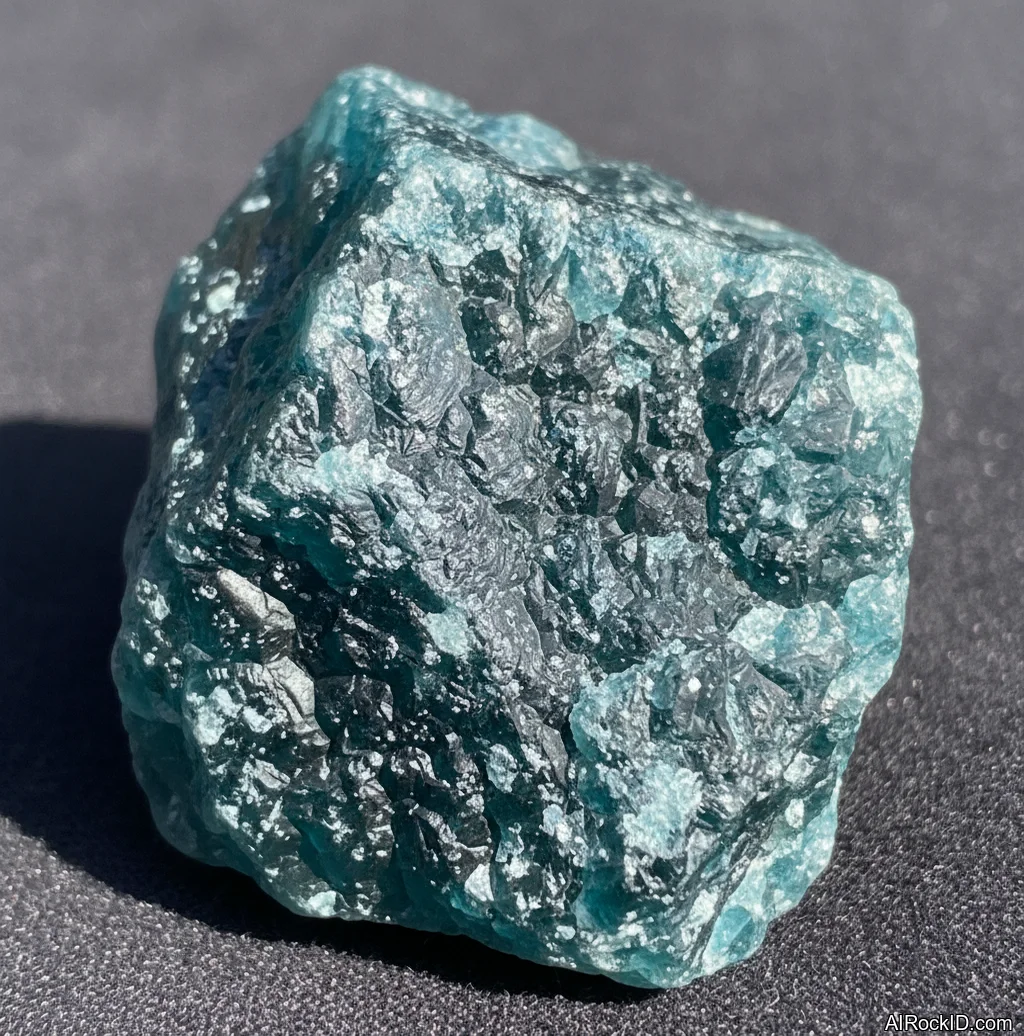
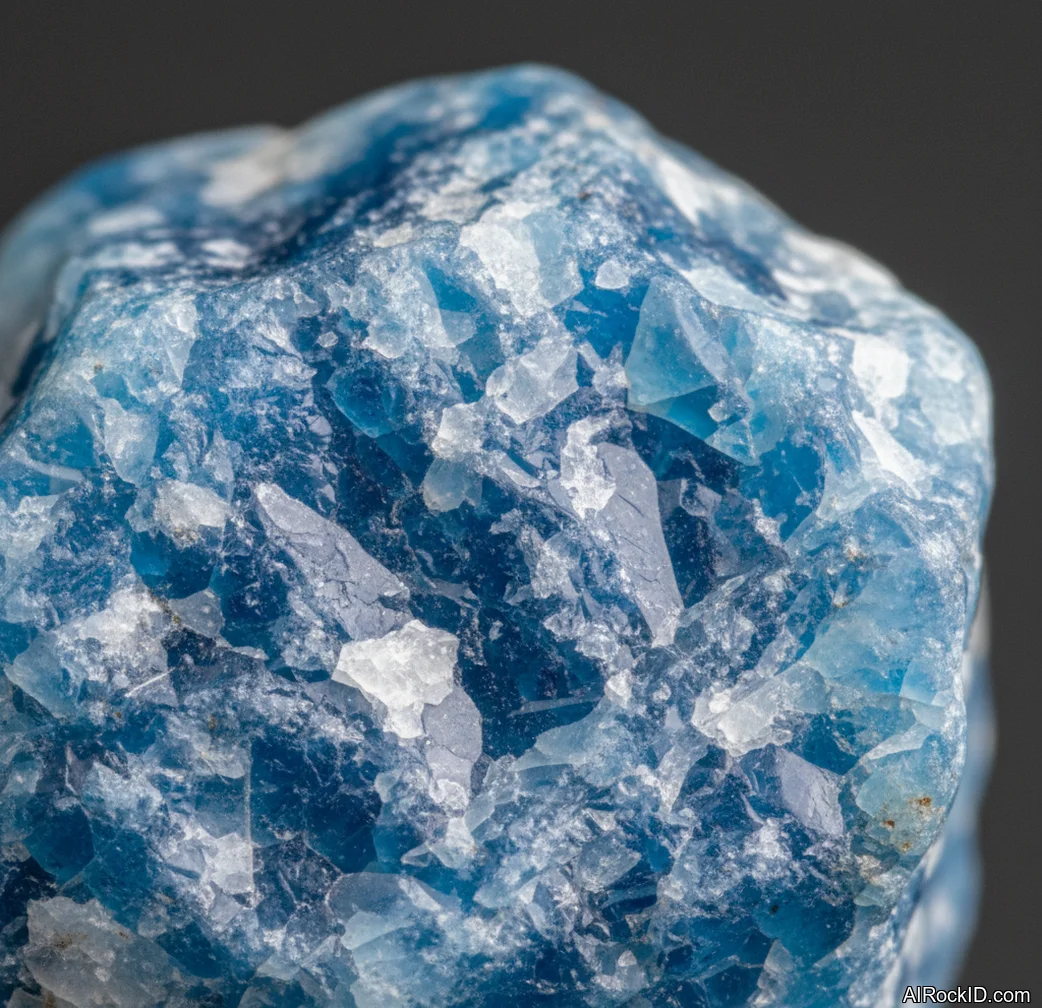
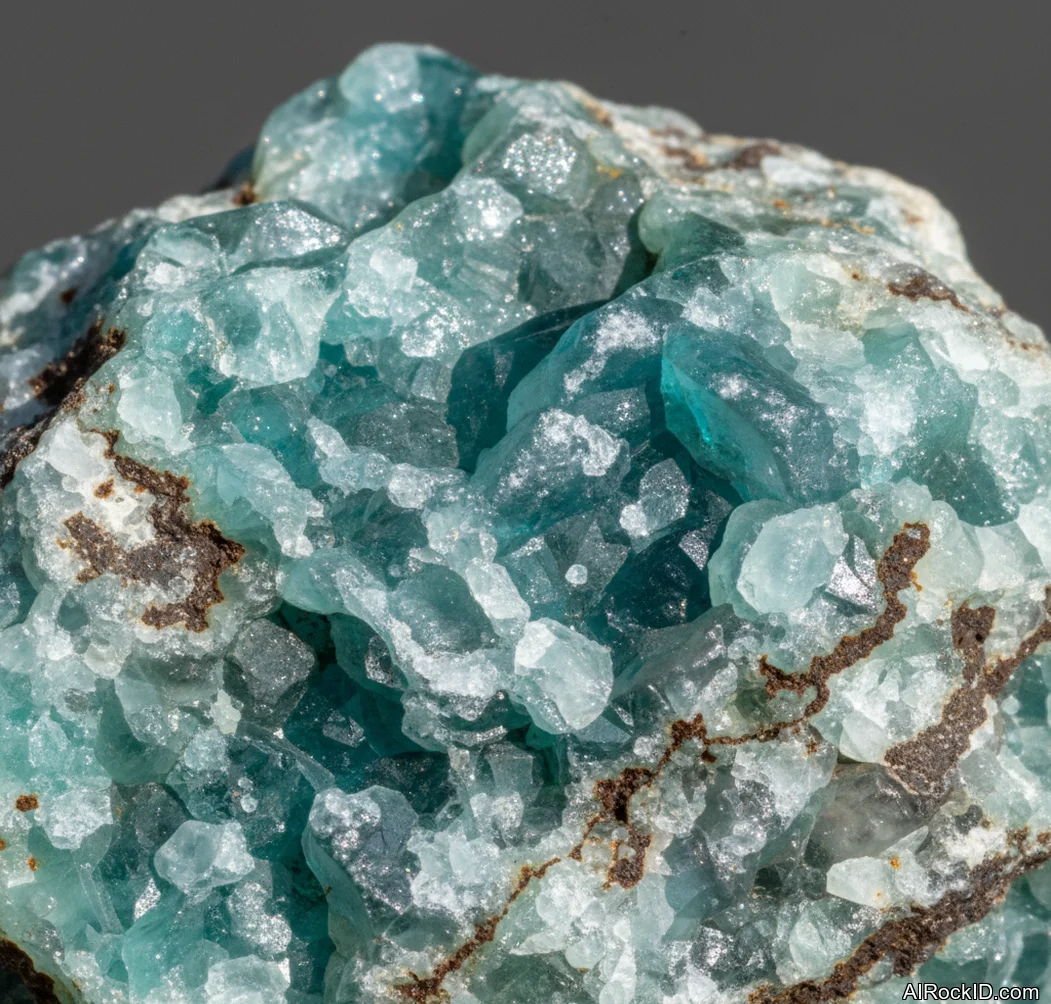
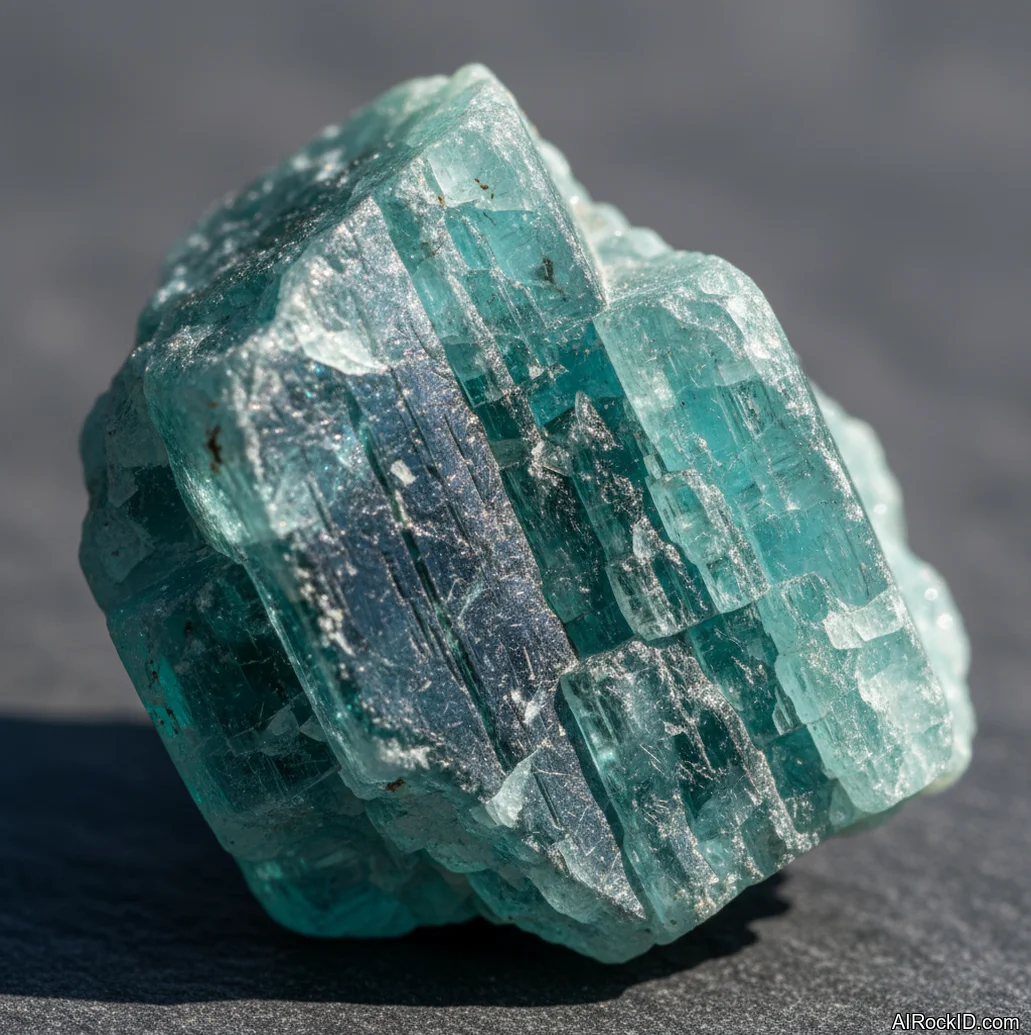
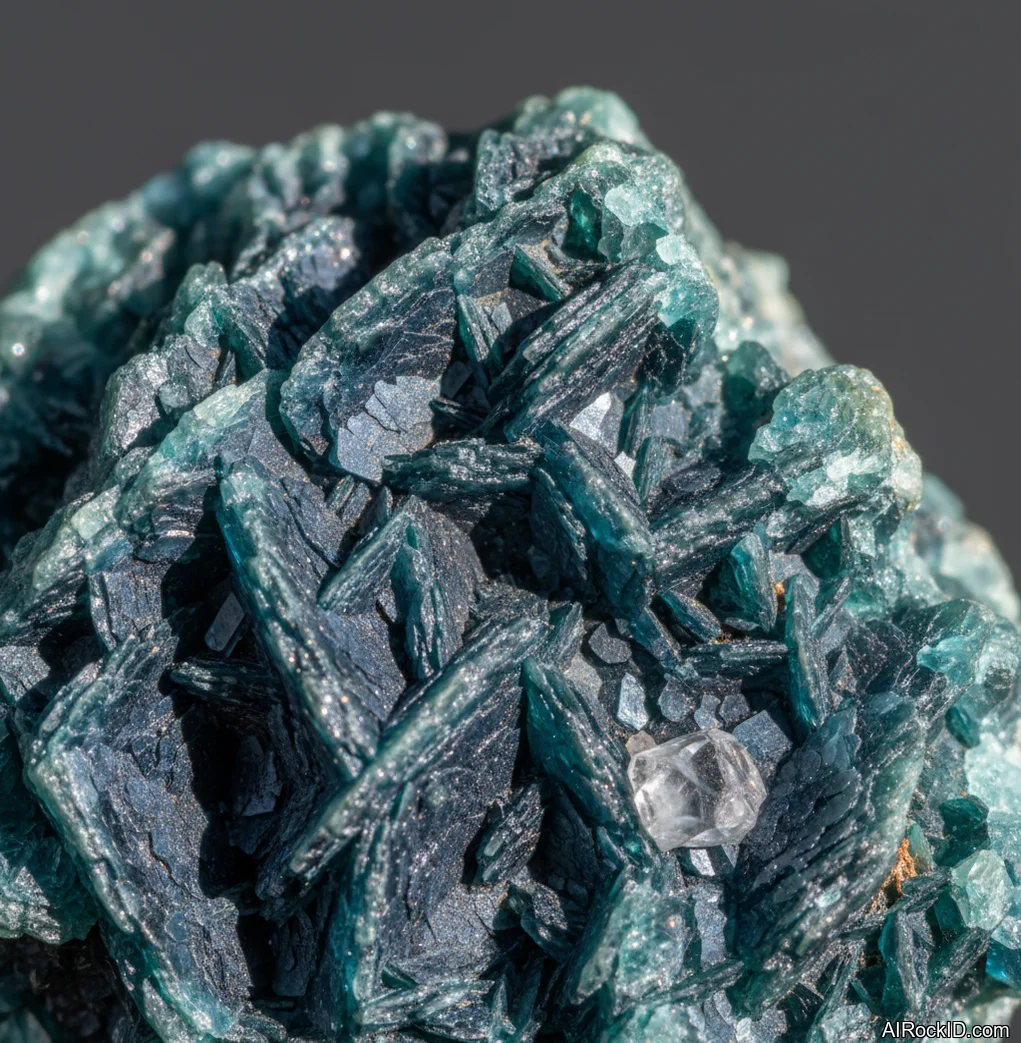
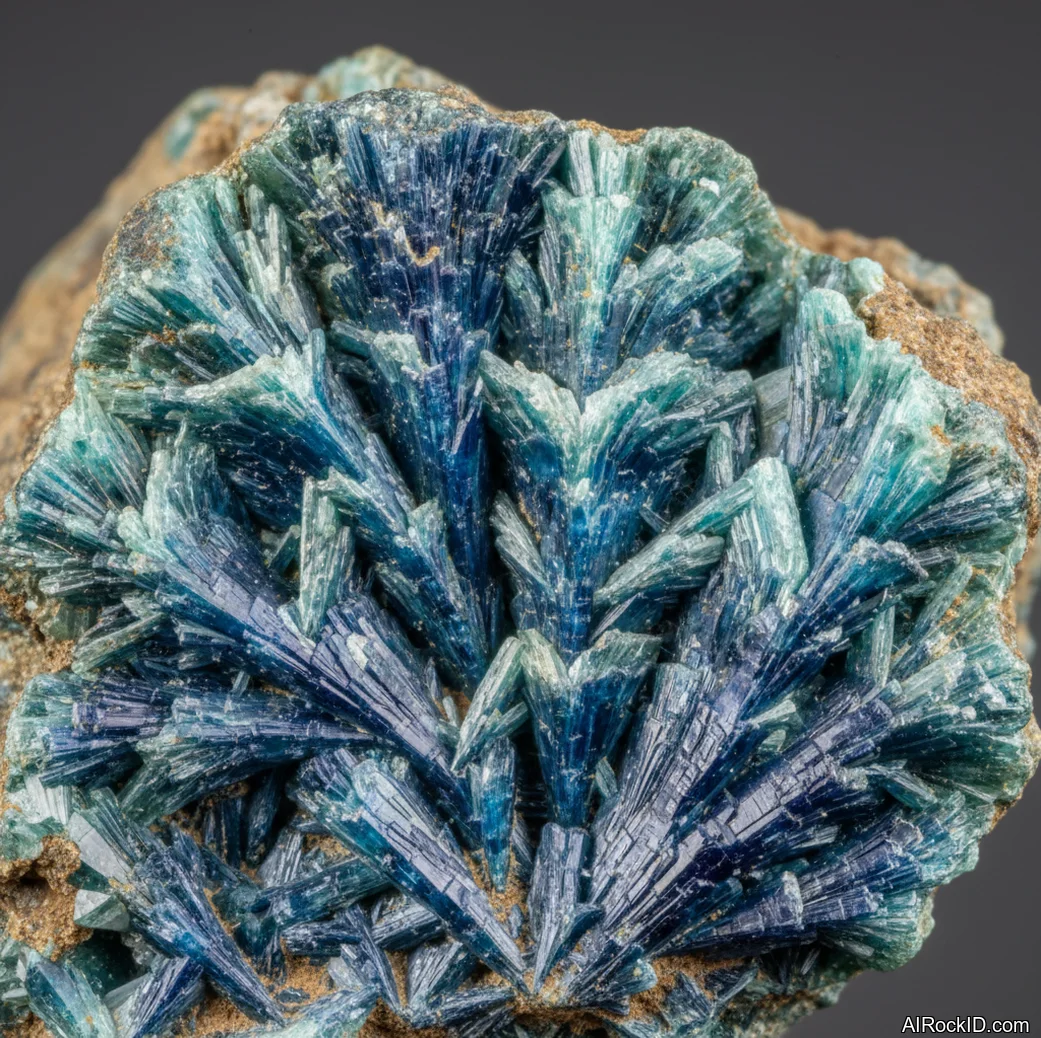
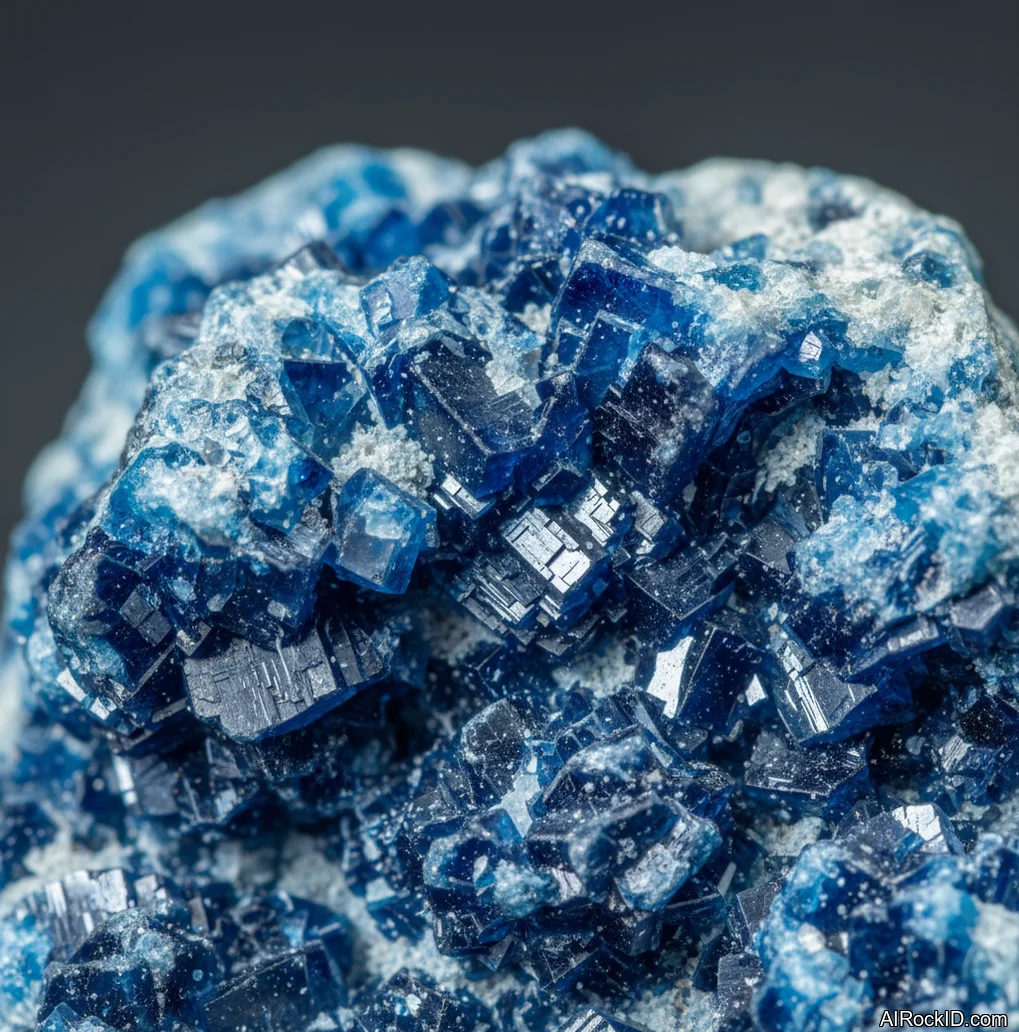
You see the same stones on almost every Throat Chakra list: Blue Lace Agate, Aquamarine, Amazonite, Sodalite, Lapis Lazuli, and sometimes Blue Apatite. Blues and blue-greens dominate, but each has its own mood and texture. Pick up polished Blue Lace Agate—it's light, feels almost waxy, and those thin, cloud-like bands wrap around the stone. I've handled pieces where the blue looks legit but the white bands turn muddy if the cutter rushed the polish. Done right, the surface is slick and the banding is crisp even under a cheap desk lamp. Aquamarine runs more transparent, and the best bits show faint thread-like lines inside, like frozen rivers. Sodalite's different: matte, inky, with veining that looks like white chalk. Lapis is heavy and dense, and if you tilt it in good light, you'll see gold flashes from pyrite. The catch? Cheaper stones sometimes fade if left in the sun, or get surface scratches if you keep them in your pocket with keys. Always check for dye on Lapis and Amazonite, especially at gem fairs.
How to Choose Throat Chakra Stones: Handling, Color, and Common Mistakes
Choosing a Throat Chakra crystal comes down to a mix of touch, look, and gut reaction. Some people want a soft, gentle vibe—Blue Lace Agate or Amazonite—while others go for the more assertive edge of Lapis or the clear, cool feel of Aquamarine. Don't assume anything blue works; the shade and clarity matter. Raw Amazonite can leave tiny flakes on your fingers, especially if it's not sealed well, and cheap tumbled Sodalite sometimes feels almost greasy because of leftover cutting oil. I've had customers bring in Blue Apatite thinking it's turquoise because of the color, but Apatite scratches more easily and feels lighter. If you want something for wearing, check how it looks in different light—a piece that's sky blue indoors can turn greenish under sunlight. The real test is how it feels in your palm: if it warms up right away, it's probably dyed or resin-coated. Natural pieces stay cool. Don't let sellers rush you. Take your time handling each piece.
Using Throat Chakra Crystals: Practical Routines and Storage Tips
People reach for Throat Chakra stones when they're stuck between thinking and speaking. Some ramble, some freeze, some just can't get words past their teeth. In practice, I've seen folks use these stones as a cue—hold one before a meeting, keep it on their desk, or touch it when they need to breathe and gather their thoughts. If you want a non-mystical approach, treat the stone like a physical reminder to slow your breath and speak clearly. For storage, don't leave Lapis or Amazonite in direct sunlight; both can fade. Sodalite chips easily, so keep it away from hard edges. Polished Blue Lace Agate holds up well but can get cloudy if handled with oily skin. Clean most of these with just water and a soft cloth—avoid harsh cleaners or ultrasonic baths. If you wear them, check clasps and cords regularly. I keep my display pieces out of the bathroom; humidity can mess with natural finish, especially on softer stones.
Best Throat Chakra Crystals to Start With
| Level | Crystal | Note |
| Gentle / Beginner | Blue Lace Agate | Soft blue color, smooth banding, light weight, rarely overwhelming—good for people who want a calm, easy energy without fuss. |
| Balanced / Everyday | Amazonite | Tough enough for daily pocket carry, matte surface, blue-green color fits most Throat Chakra traditions, doesn't fade quickly indoors. |
| Intense / Advanced | Lapis Lazuli | Dense, heavy, with gold pyrite flecks; strong visual presence and physical weight, can feel almost too bold for some beginners. |
| Best for Carrying | Sodalite | Matte, durable, won't scratch easily in a pocket; lighter than Lapis and less expensive to lose or chip. |
| Best for Display | Aquamarine | Transparent to translucent, pale blue with internal 'threads'; catches light beautifully and looks clean in any display case. |
Throat Chakra Crystal Comparison
| Crystal | Common Use | Feel / Use Style | Care Caution |
| Blue Lace Agate | gentle communication, easing nervousness | lightweight, waxy, with crisp white bands | can lose luster if handled with oily hands |
| Amazonite | setting boundaries, steady daily support | blue-green, matte, sometimes flaky when raw | prone to fading if left in sunlight |
| Sodalite | clear thinking, organizing speech | matte, inky blue, chalky white veins | may chip if dropped onto hard surfaces |
| Lapis Lazuli | bold self-expression, leadership | heavy, dense, cold with gold pyrite flecks | watch for dyed or resin-coated fakes |
How to Identify Throat Chakra Crystals with AI Rock ID
To identify Throat Chakra crystals with the AI Rock ID app, take sharp photos in natural daylight—one full piece, one close-up of the surface. Upload both so the app can check color, surface texture, and any banding or veining. Compare the app's suggestions to the stone's hardness (try a scratch test against glass), luster (matte vs. glossy), and, if possible, streak color. The app works best with clean, dust-free stones and photos taken on a plain background.
All Throat Chakra Crystals (85)