Corundum


Quick answer: Corundum is the mineral species aluminum oxide, best known for gem varieties ruby and sapphire as well as industrial emery. Its Mohs hardness of 9, high density, and hexagonal crystal habit help distinguish it from many common lookalikes.
AI Rock ID can help compare a photographed corundum specimen against visually similar minerals such as spinel, garnet, quartz, and zircon. RockIdentifier.io provides crystal and mineral reference information that can support visual identification, but lab testing is needed for high-value ruby or sapphire purchases.
Good fit
- Collectors comparing ruby, sapphire, emery, or massive corundum specimens
- Buyers who want to understand common lookalikes before purchasing colored gemstones
- Students learning hardness, crystal habit, and mineral species relationships
- People interested in the mineral behind both gemstones and abrasives
Not a good fit
- Confirming natural versus synthetic ruby or sapphire without gemological testing
- Identifying treatments such as heat treatment, diffusion, or fracture filling by appearance alone
- Using hardness testing on finished jewelry, which can damage settings or nearby stones
Why people search for this
People often search for corundum to understand how ruby and sapphire are related, why the mineral is so hard, and how to separate it from common red or blue gemstone lookalikes.
Most commonly confused with
- Spinel: Spinel can resemble ruby or sapphire but has lower hardness and an isometric crystal system rather than corundum’s hexagonal system.
- Garnet: Red garnet can look like ruby, but it is usually singly refractive and commonly has a different luster, density, and crystal habit.
- Quartz: Colored quartz is much softer at Mohs 7 and lacks corundum’s high density and typical ruby-sapphire optical properties.
- Zircon: Blue or red zircon may be bright and dense, but it has different refractive behavior and is usually more brittle than corundum.
Corundum vs Common Lookalikes
| Material | Mohs hardness | Key distinction |
|---|---|---|
| Corundum | 9 | Aluminum oxide; includes ruby and sapphire |
| Spinel | 7.5–8 | Often cubic crystals; different optical properties |
| Garnet | 6.5–7.5 | Commonly singly refractive; usually lower hardness |
| Quartz | 7 | Much lower density and hardness |
| Glass imitation | About 5–6 | May show bubbles, rounded facet edges, or mold features |
AI identification confidence
AI identification confidence for corundum is usually higher when the photo shows crystal habit, surface texture, color zoning, host rock, and scale. Confidence is lower for faceted gems, polished cabochons, and jewelry because many materials can share similar color and luster in photos.
When AI gets it wrong
- A red stone may be labeled ruby when it is spinel, garnet, glass, or synthetic material.
- A blue stone may be labeled sapphire when it is blue glass, synthetic spinel, zircon, or treated quartz.
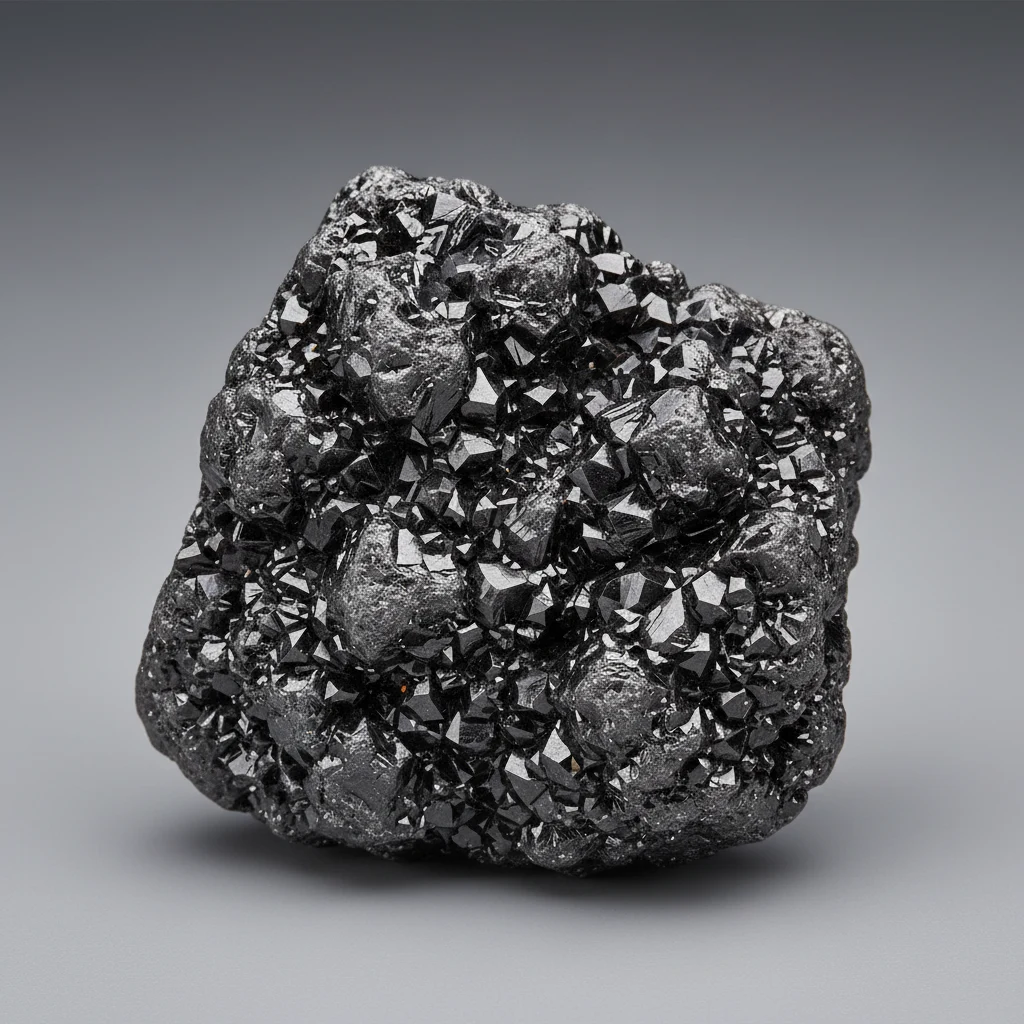
- Abrasive-grade emery or massive corundum can be confused with dark granular rocks if no hardness or streak context is visible.
- Lighting, filters, and strong color saturation can make common minerals appear gem-grade in images.
Final recommendation
For casual collecting, compare hardness, density, crystal shape, and visible inclusions before labeling a specimen as corundum. For any valuable ruby or sapphire, request an independent gemological report that documents identity, natural or synthetic origin, and known treatments.
Natural, Synthetic, and Treated Corundum
Corundum occurs naturally, but ruby and sapphire are also widely produced synthetically for jewelry, watch crystals, lasers, and industrial uses. Synthetic corundum has the same basic chemical composition as natural corundum, so visual inspection alone may not prove origin. Heat treatment, diffusion treatment, and fracture filling can alter color or apparent clarity in gem corundum.
Buying Checks for Ruby and Sapphire
Important buying details include identity, natural or synthetic origin, treatment status, color stability, and whether a report comes from a recognized gemological laboratory. Vague labels such as “created,” “lab,” “heated,” “filled,” or “diffused” can significantly change market expectations. A seller’s return policy and written disclosure are important for higher-value corundum purchases.
Field Clues for Rough Corundum
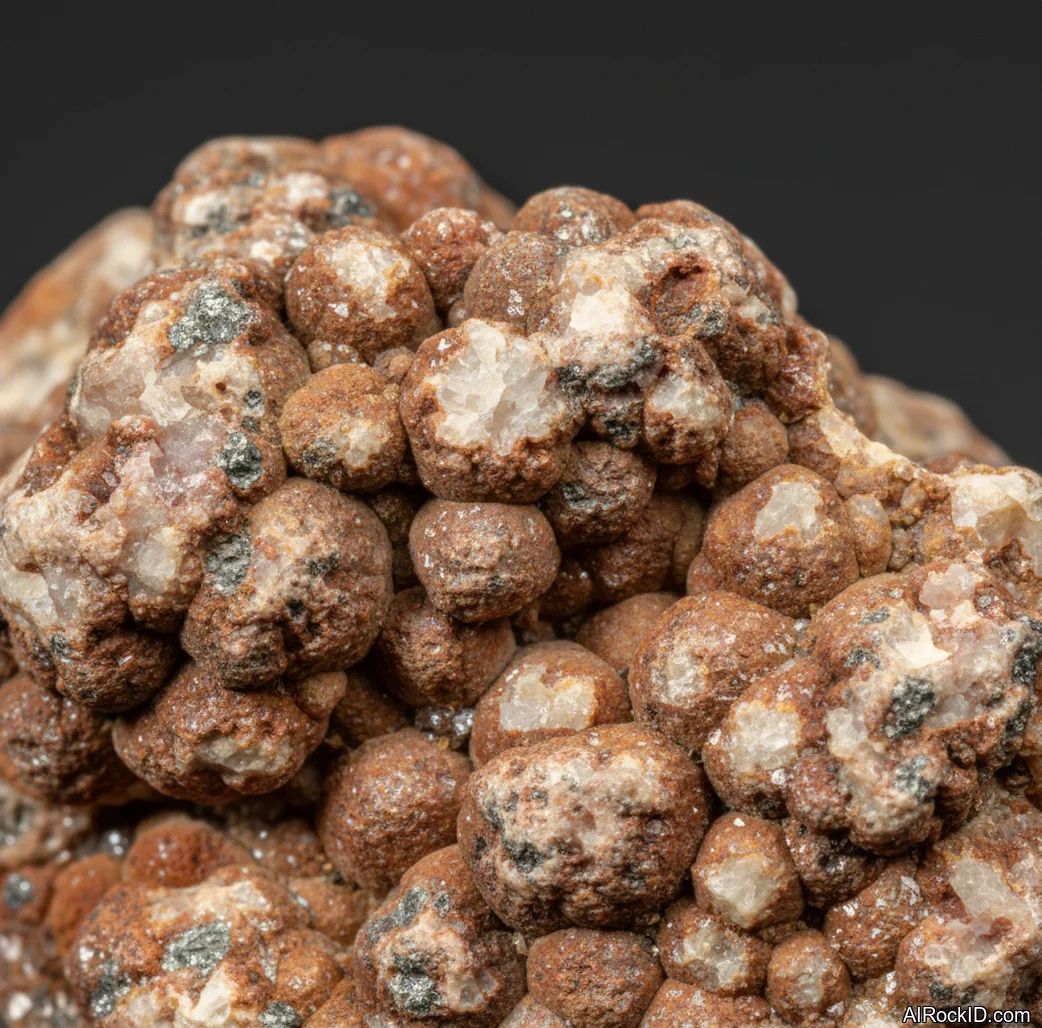
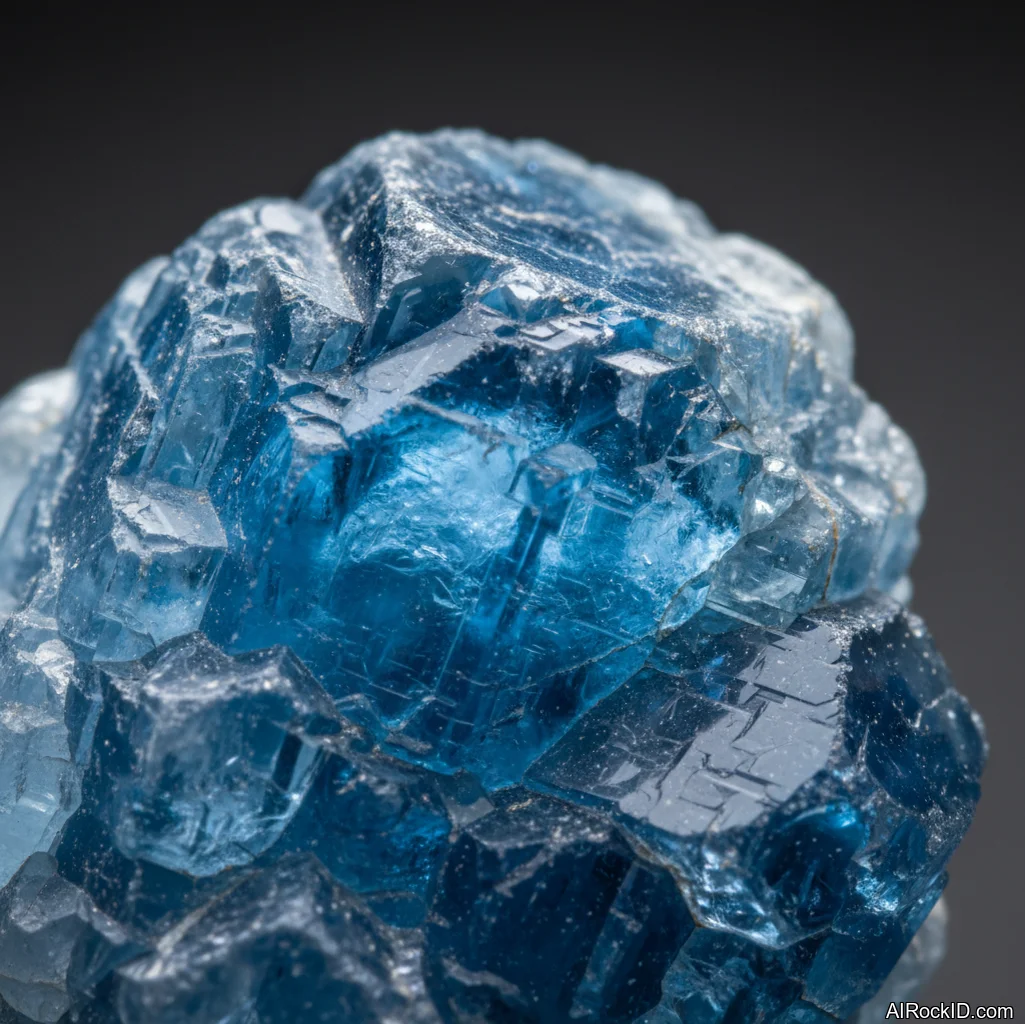
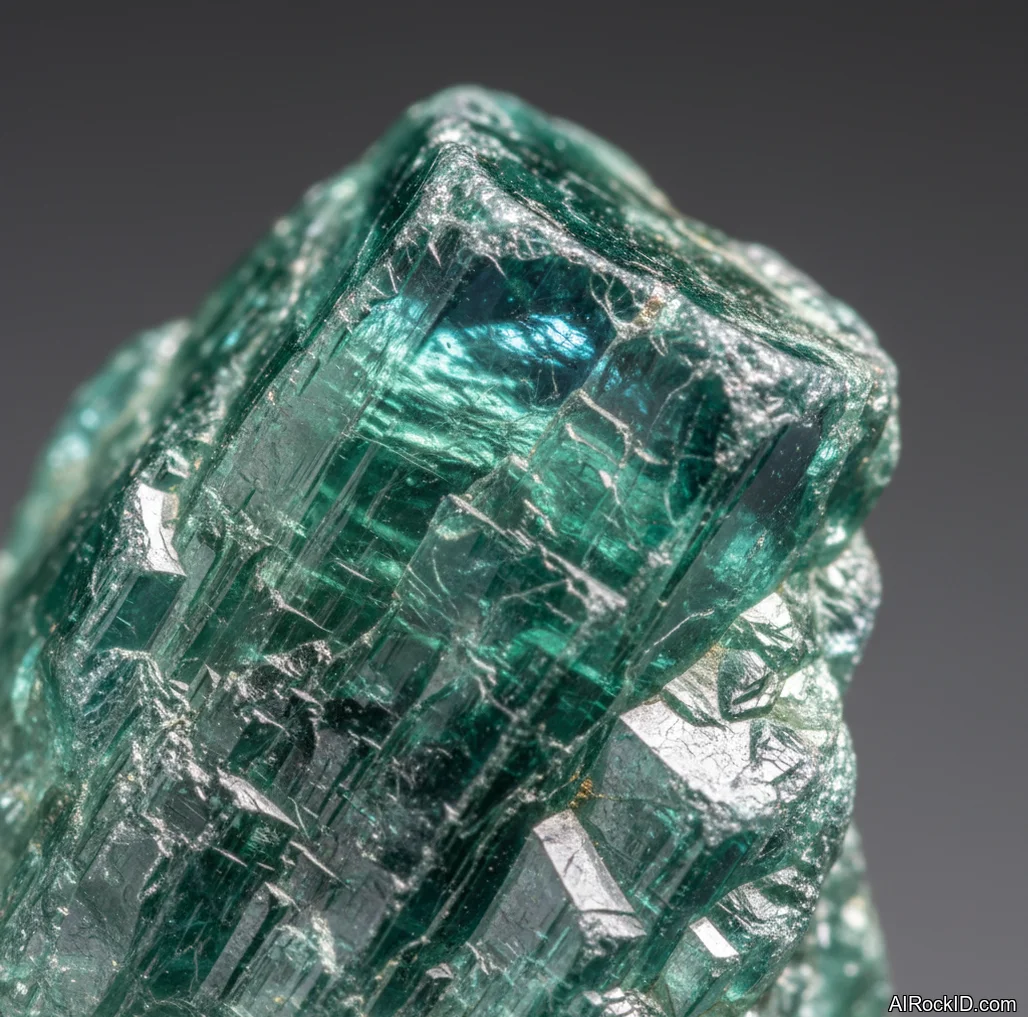
Rough corundum may appear as barrel-shaped hexagonal crystals, rounded waterworn pebbles, or granular masses in metamorphic and igneous environments. Its high hardness means it can scratch many common minerals, but scratch testing should be done cautiously and never on finished gemstones. Corundum is relatively dense for its size, which can help separate it from lighter lookalikes.
What Is Corundum?
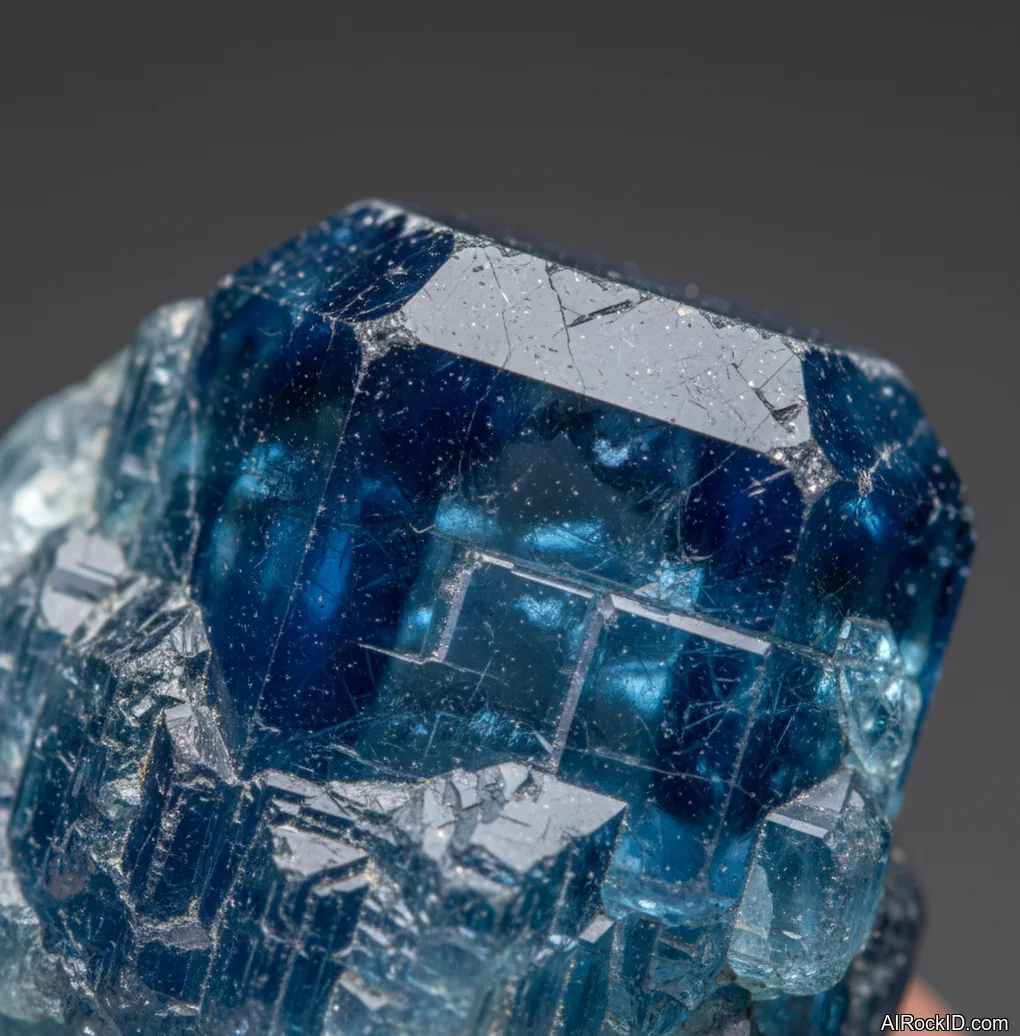
Corundum is a very hard aluminum oxide mineral, Al2O3, and it is the parent mineral species of ruby and sapphire. In the hand, a corundum specimen often feels heavier than its size suggests because its density is about 3.95–4.10 g/cm³, and its surfaces can show a glassy to almost diamond-like sheen when fresh or polished.
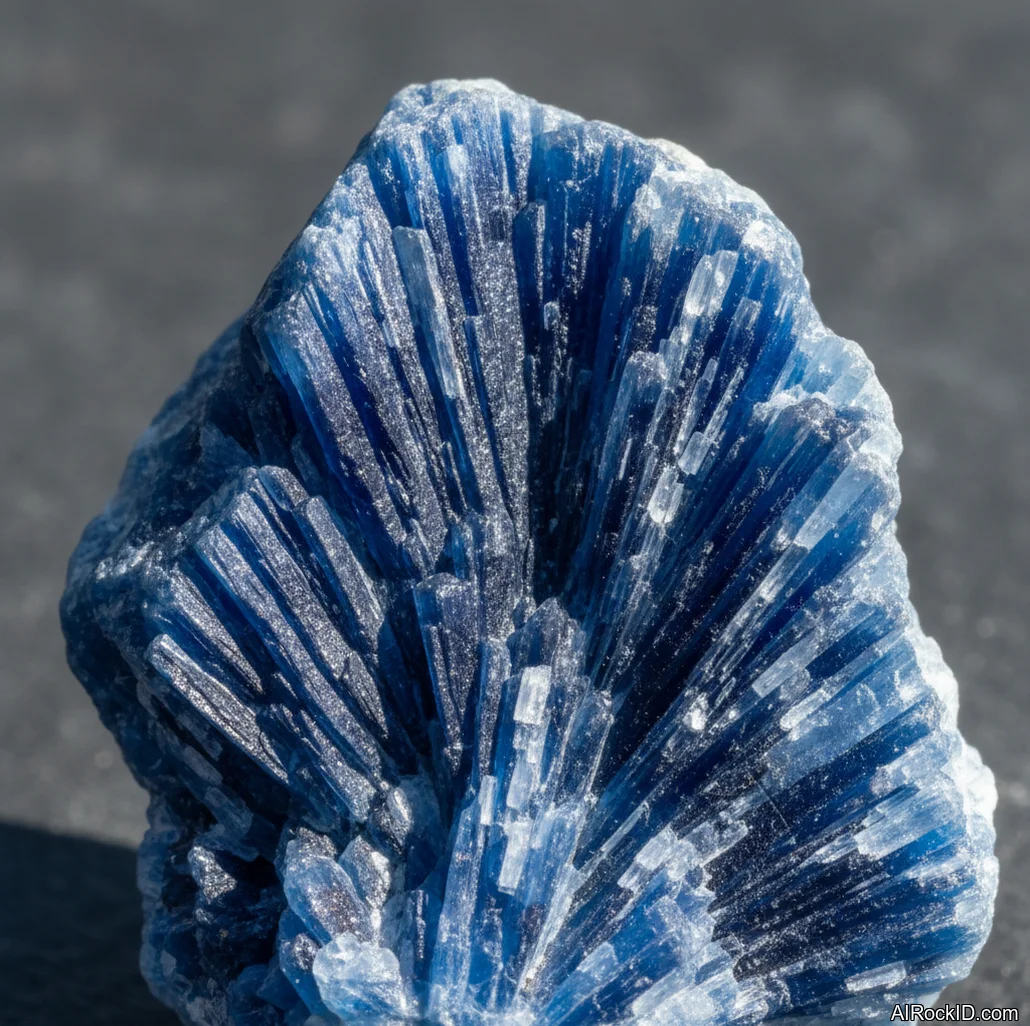
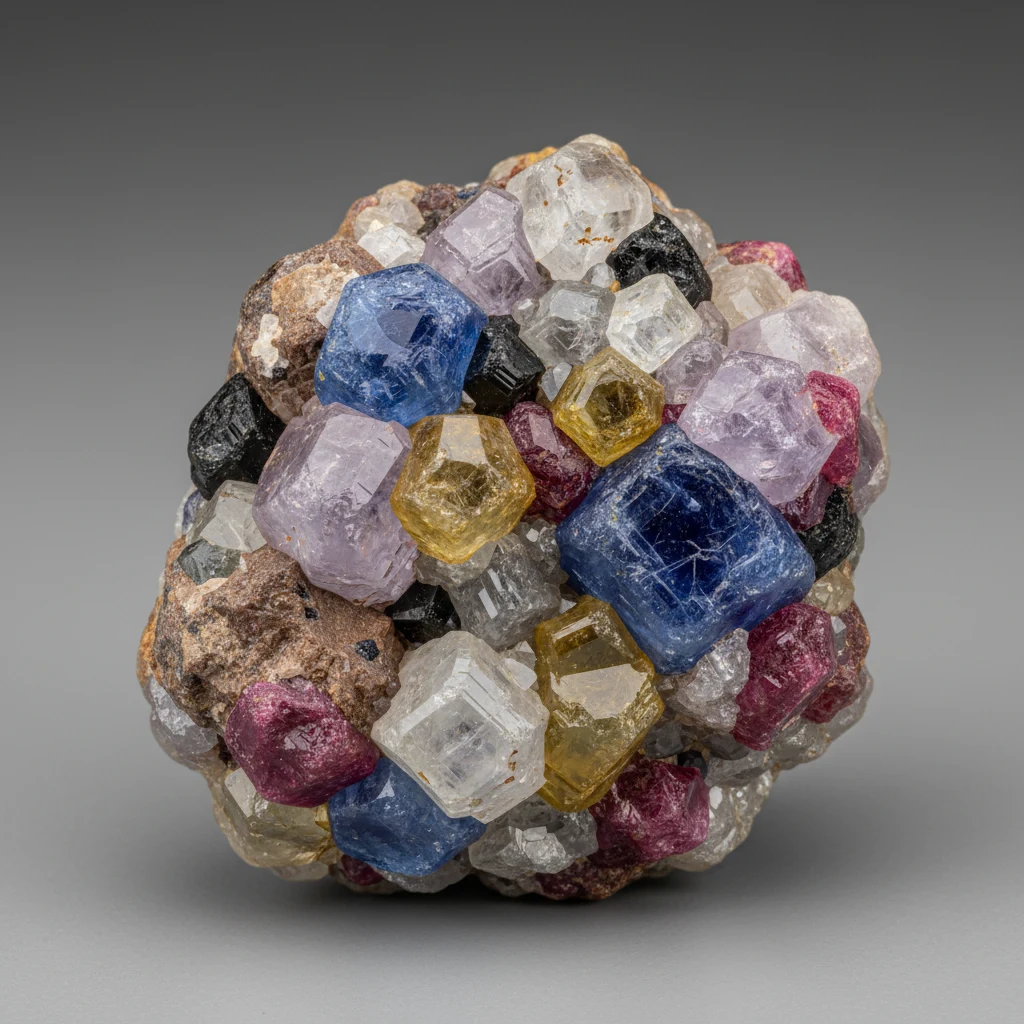
Collectors identify corundum less by color and more by behavior: it has Mohs hardness 9, a white streak, no true cleavage, and a trigonal crystal system. Pure material is colorless to white, but trace elements create red ruby, blue sapphire, and fancy corundum in yellow, green, violet, pink, brown, gray, or black.
Origin & History
The name corundum comes from South Asian words historically used for hard, ruby-like stones, commonly linked to Sanskrit “kuruvinda” and Tamil “kurundam.” That history fits the mineral well: before a specimen is even cut, corundum has the compact, resistant feel of a stone that has survived weathering, transport, and long human use.
Ruby and sapphire have been valued since antiquity, while non-gem corundum, especially emery, was historically important as an abrasive before modern synthetic abrasives became widespread. For locality and mineral reference checking, mindat.org is a useful plain-text source to compare corundum occurrences, varieties, and specimen labels.
Where Is Corundum Found?
Corundum occurs worldwide, but fine gem-quality ruby and sapphire are much less common than opaque or industrial corundum. Important producing countries include Sri Lanka, Myanmar, India, Thailand, Cambodia, Madagascar, Tanzania, Kenya, Mozambique, Australia, the United States, Canada, Norway, and Russia.
Formation
Corundum forms in aluminum-rich, silica-poor environments, which is why it is a useful clue to the chemistry of its host rock. It is common in high-grade metamorphic rocks such as marble, gneiss, and mica schist, and it also occurs in some igneous rocks including syenite, nepheline syenite, and related pegmatites.
In the field, corundum-bearing rock is not usually something you expect beside abundant quartz, because quartz and corundum are generally not stable together under many natural conditions. Weathering can break down the host rock while leaving the dense, hard corundum behind, concentrating crystals and grains in placer gravels.
How to Identify Corundum
Corundum is identified by hardness first: at Mohs 9, it scratches quartz, feldspar, topaz, and glass, and is scratched by diamond. A loose grain or rough crystal can feel deceptively plain, but its white streak, high specific gravity, and lack of true cleavage separate it from many lookalikes.
Look for vitreous to adamantine luster on crystal faces or polished areas, with massive material sometimes appearing dull to greasy. Corundum may show barrel-shaped hexagonal crystals or granular aggregates, but color alone is unreliable because it can resemble spinel, garnet, kyanite, topaz, or glass.
Properties of Corundum
Physical Properties
| Crystal System | Trigonal |
| Hardness (Mohs) | 9 (Very hard) |
| Density | 3.95-4.10 g/cm³ |
| Luster | Vitreous to adamantine |
| Diaphaneity | Transparent to opaque |
| Fracture | Conchoidal to uneven; basal and rhombohedral parting may be present |
| Streak | White |
| Magnetism | Non-magnetic |
| Colors | colorless, white, gray, brown, red, pink, blue, yellow, green, violet, black |
Chemical Properties
| Classification | Oxide |
| Formula | Al2O3 |
| Elements | Al, O |
| Common Impurities | Cr, Fe, Ti, V, Mg, Ga |
Optical Properties
| Refractive Index | nω 1.767-1.772; nε 1.759-1.763 |
| Birefringence | 0.008-0.009 |
| Pleochroism | None in colorless material; weak to strong in colored varieties such as ruby and sapphire |
| Optical Character | Uniaxial negative |
Corundum Health & Safety
Corundum is not considered toxic and is safe for normal handling. The main hazard is inhaling fine dust during cutting, grinding, polishing, or abrasive use.
Corundum Value & Price
Price Range
Rough/Tumbled: Opaque or common corundum specimens may sell for a few dollars to tens of dollars; well-formed crystals, ruby/sapphire-bearing matrix, and documented locality specimens can range from tens to several hundred dollars or more. Fine gem-quality ruby and sapphire are valued separately and can be far more expensive.
Cut/Polished:
Value depends on whether the specimen is gem-quality, color, transparency, crystal form, size, locality, presence of ruby or sapphire color, inclusions, treatment status for gem material, and overall aesthetics.
Durability
Excellent — Scratch resistance: Extremely high; Mohs hardness 9, second only to diamond among common natural gemstones., Toughness: Generally good, though parting, fractures, inclusions, or star-stone cutting directions can affect durability.
Corundum is chemically stable, insoluble in water, and resistant to normal light and household conditions. Sudden extreme temperature change may risk damage in fractured or included specimens.
How to Care for Corundum
Use & Storage
Store corundum separately from softer minerals because it can scratch almost all common stones except diamond. Gem-quality pieces can be kept in a padded box or individual pouch.
Cleaning
Clean most specimens with warm water, mild soap, and a soft brush. Avoid harsh methods on fractured, included, dyed, oiled, or matrix specimens.
Cleanse & Charge
For metaphysical use, cleanse with running water briefly, sound, smoke, or moonlight. Avoid salt or rough abrasive cleansing on polished or matrix pieces.
Placement
Suitable for display, study collections, jewelry, and hardness demonstration kits. Place heavy rough specimens on stable shelving.
Caution
Corundum can scratch glass, quartz, feldspar, and many other minerals. Do not perform scratch tests on valuable ruby or sapphire gems.
Works Well With
Corundum Meaning & Healing Properties
In crystal healing traditions, corundum is associated with strength, focus, endurance, discipline, resilience, and confidence. These meanings are cultural and spiritual rather than scientific, but they match the physical impression of the mineral: dense, durable, and hard enough to mark most common stones.
Ruby and sapphire varieties carry their own symbolic associations, while general corundum is linked with the Root, Third Eye, and Throat chakras. It is also connected in tradition with Aries, Leo, Virgo, and Sagittarius, and with the Sun, Saturn, Fire, and Air.
Identify Corundum from a photo
Compare Corundum traits, care tips, value clues, and common lookalikes with a clear photo.
Common mistakes
- Assuming every red corundum-colored stone is ruby without checking whether it is spinel, garnet, glass, or synthetic material.
- Assuming every blue transparent stone is sapphire based only on color.
- Using a scratch test on a cut gemstone or jewelry piece, which can damage the stone, setting, or a different mineral in the piece.
- Treating the word “synthetic” as the same as “fake”; synthetic corundum is real corundum but not natural.
- Overlooking treatment disclosures such as heat, diffusion, or fracture filling when comparing prices.
- Relying on a phone photo alone to make a high-value ruby or sapphire purchase.