Saturn Crystals
Quick answer: Saturn crystals are stones associated in crystal traditions with discipline, grounding, patience, responsibility, and boundaries. Common examples include smoky quartz, hematite, onyx, obsidian, and other dark or dense-looking stones used symbolically for steady, structured energy.
Learn how Saturn crystals are used in crystal traditions, with key stones like smoky quartz, hematite, and onyx plus buying and care tips.


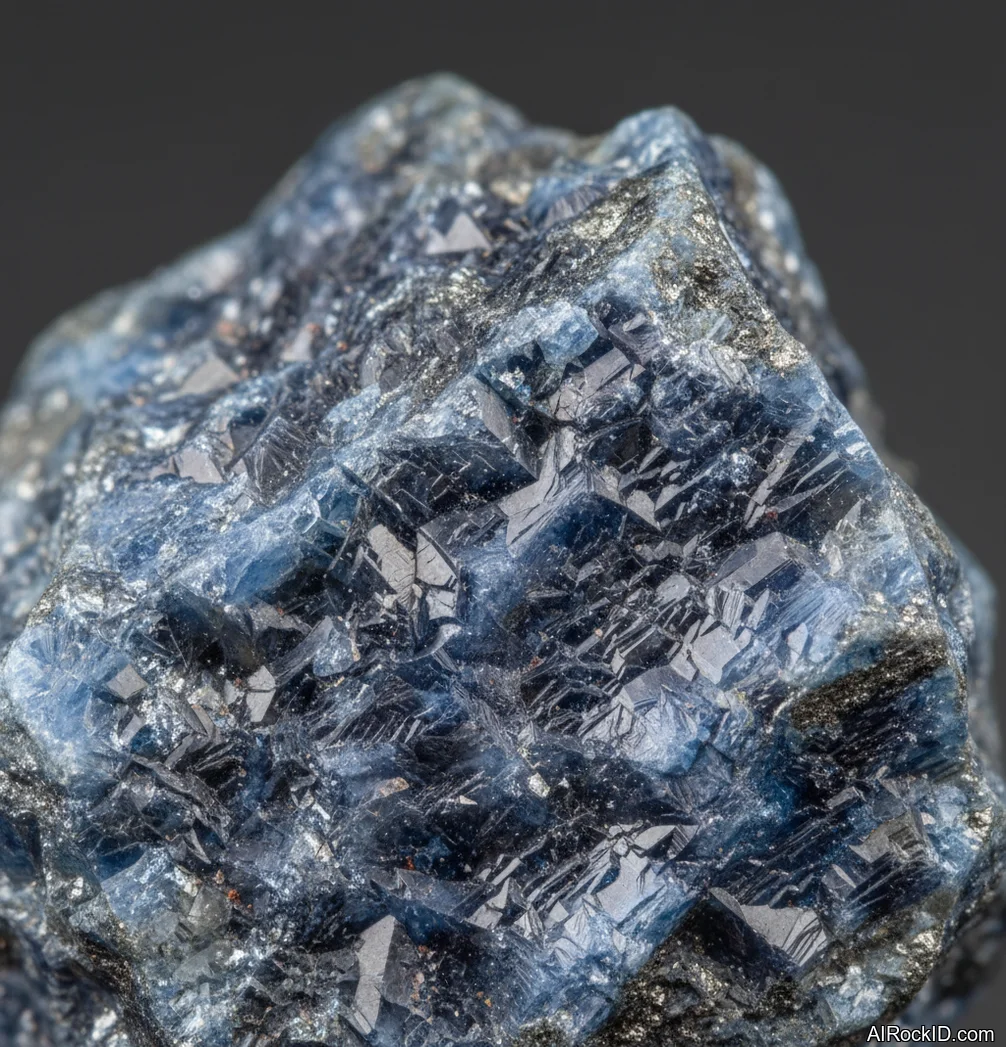
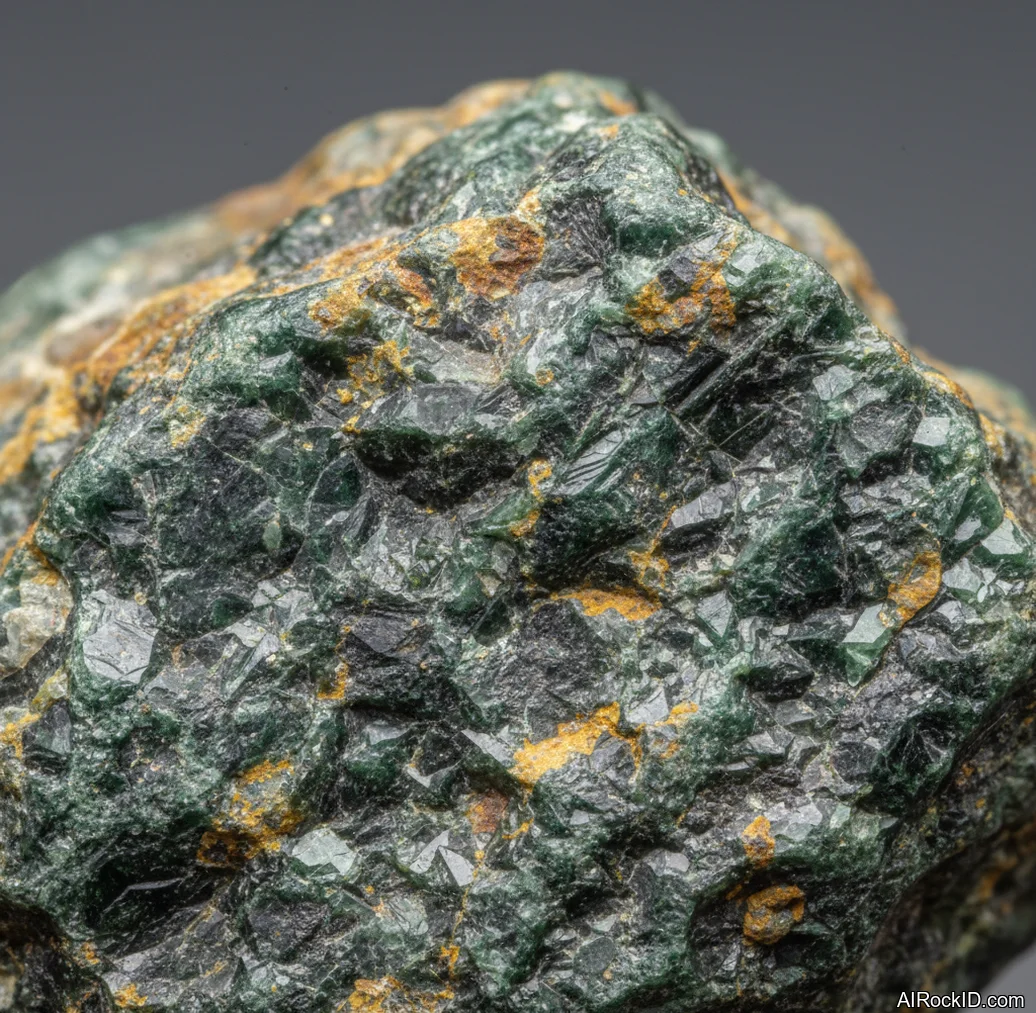
Saturn crystals are minerals that collectors and metaphysical users link to themes of structure, discipline, boundaries, and time. The most common Saturn-associated crystals include hematite, black tourmaline (schorl), smoky quartz, and onyx. People use these stones when they want to focus, ground themselves, or reinforce personal limits, especially during challenging or slow-growth periods. These associations come from metaphysical traditions and are not medical claims.
Saturn crystals cannot force discipline or create boundaries on their own. They don’t replace mental health care, hard work, or real-world tools for time management or protection.
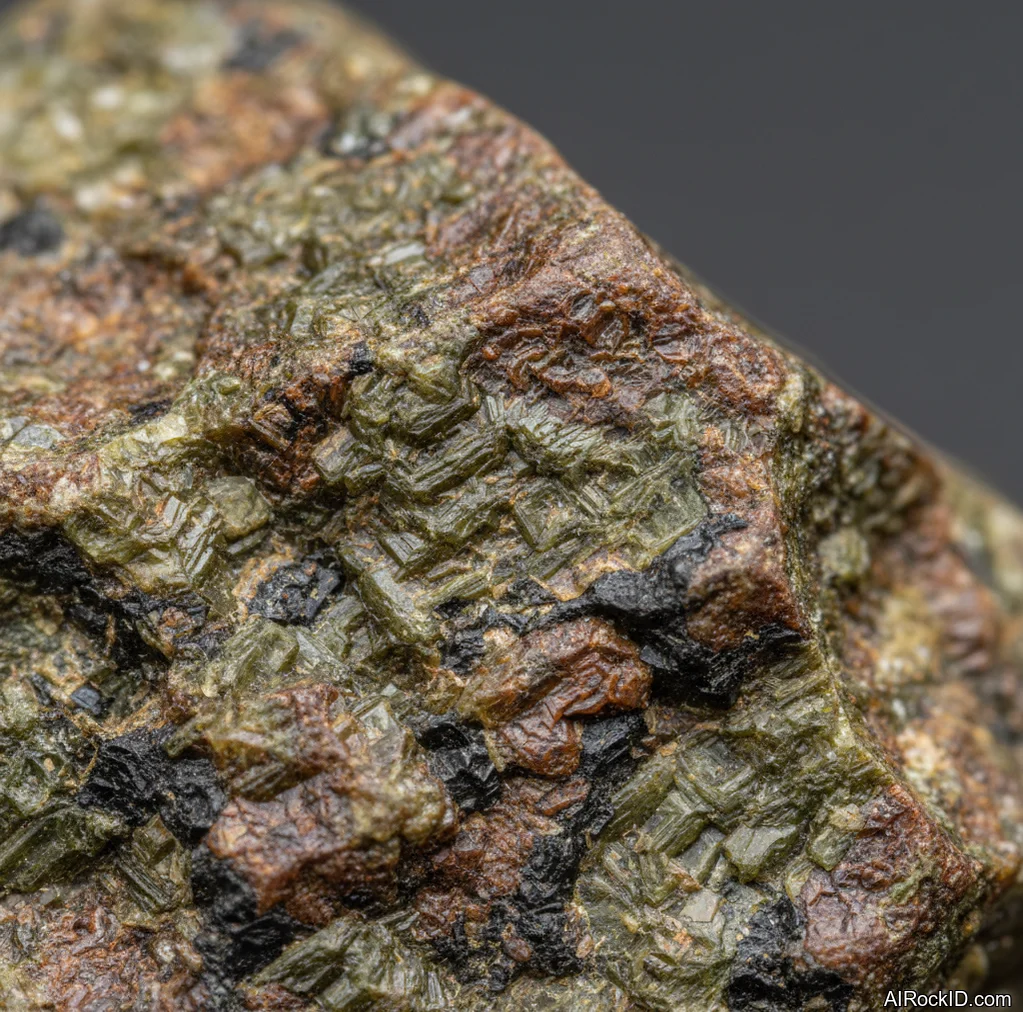
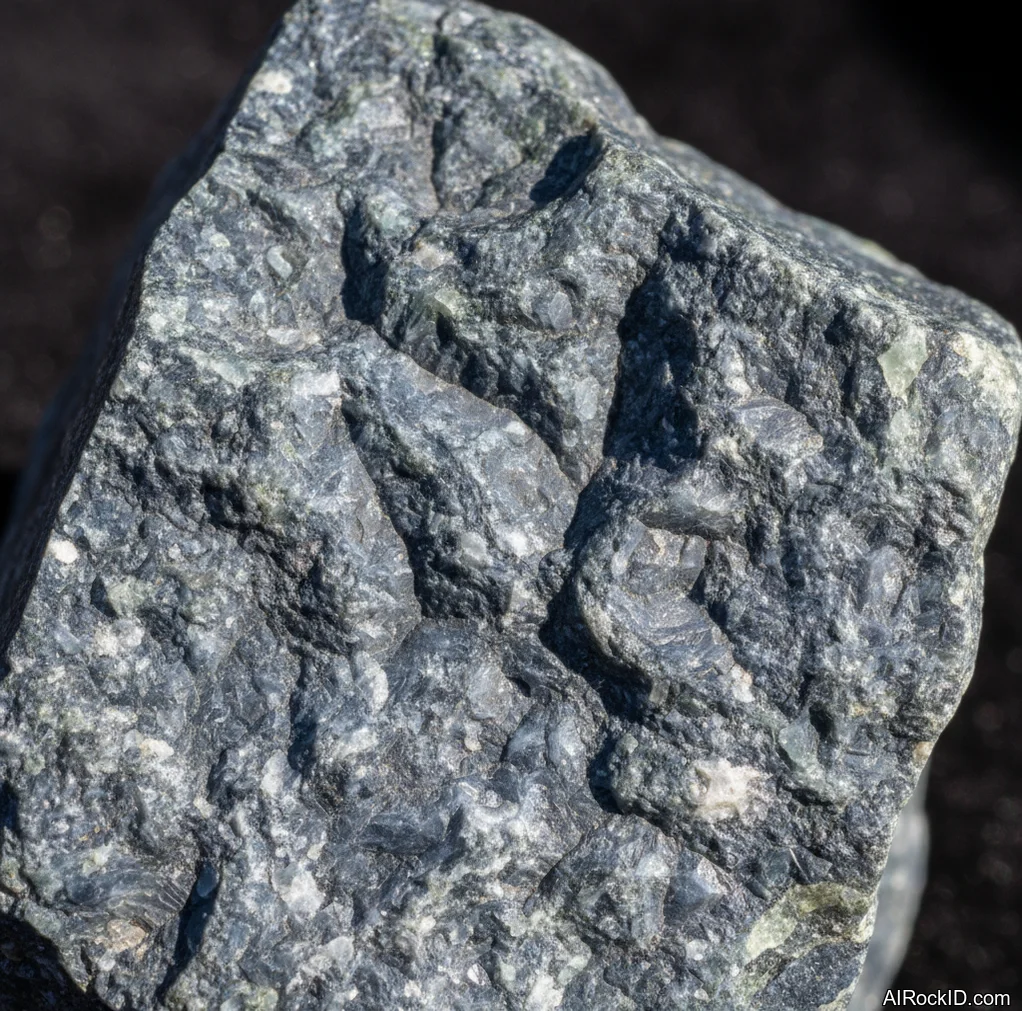
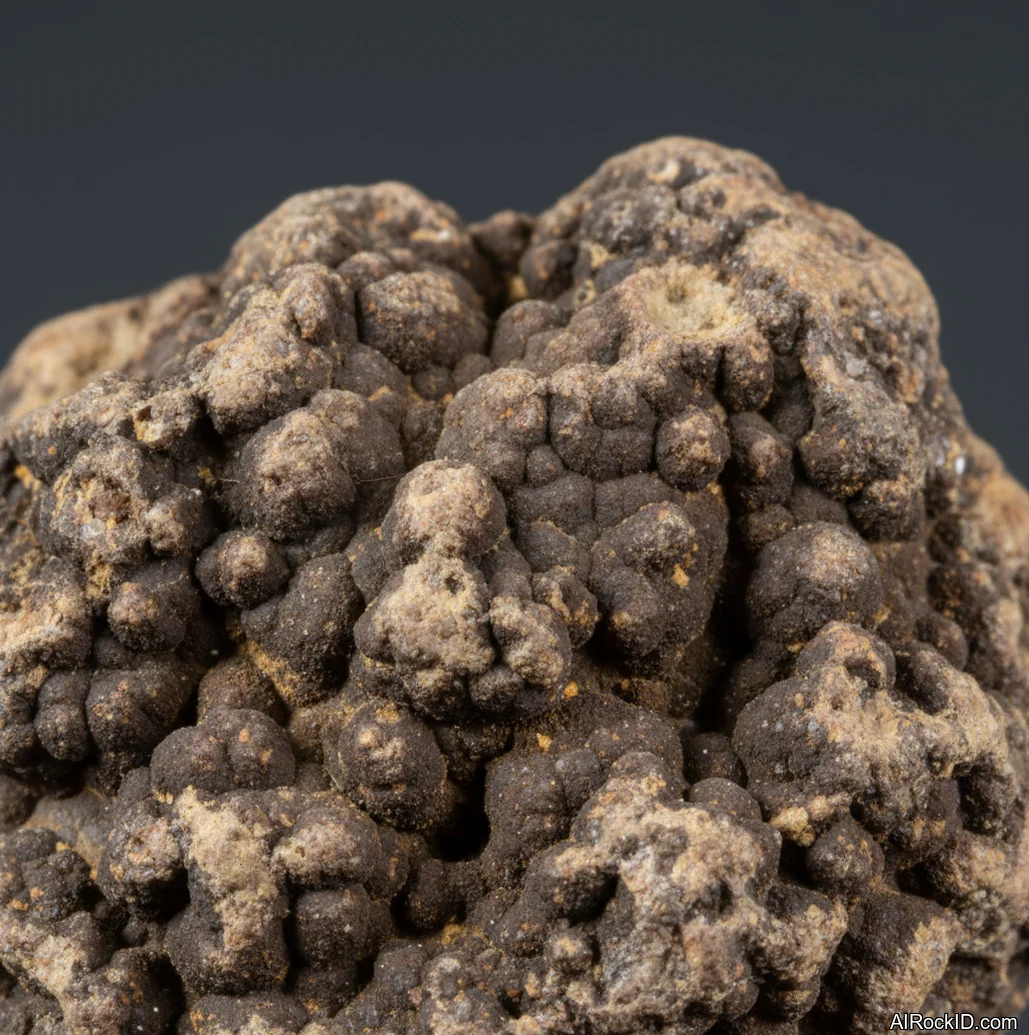
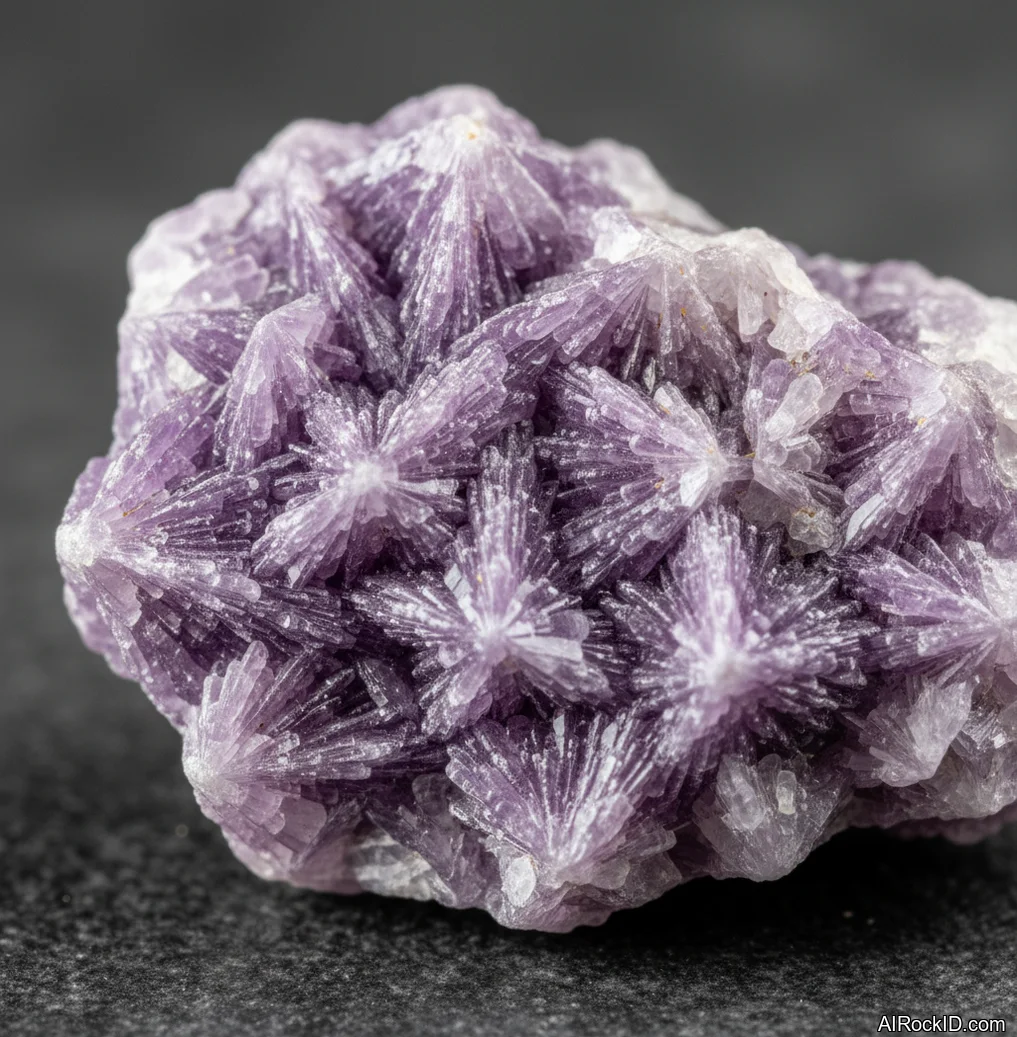
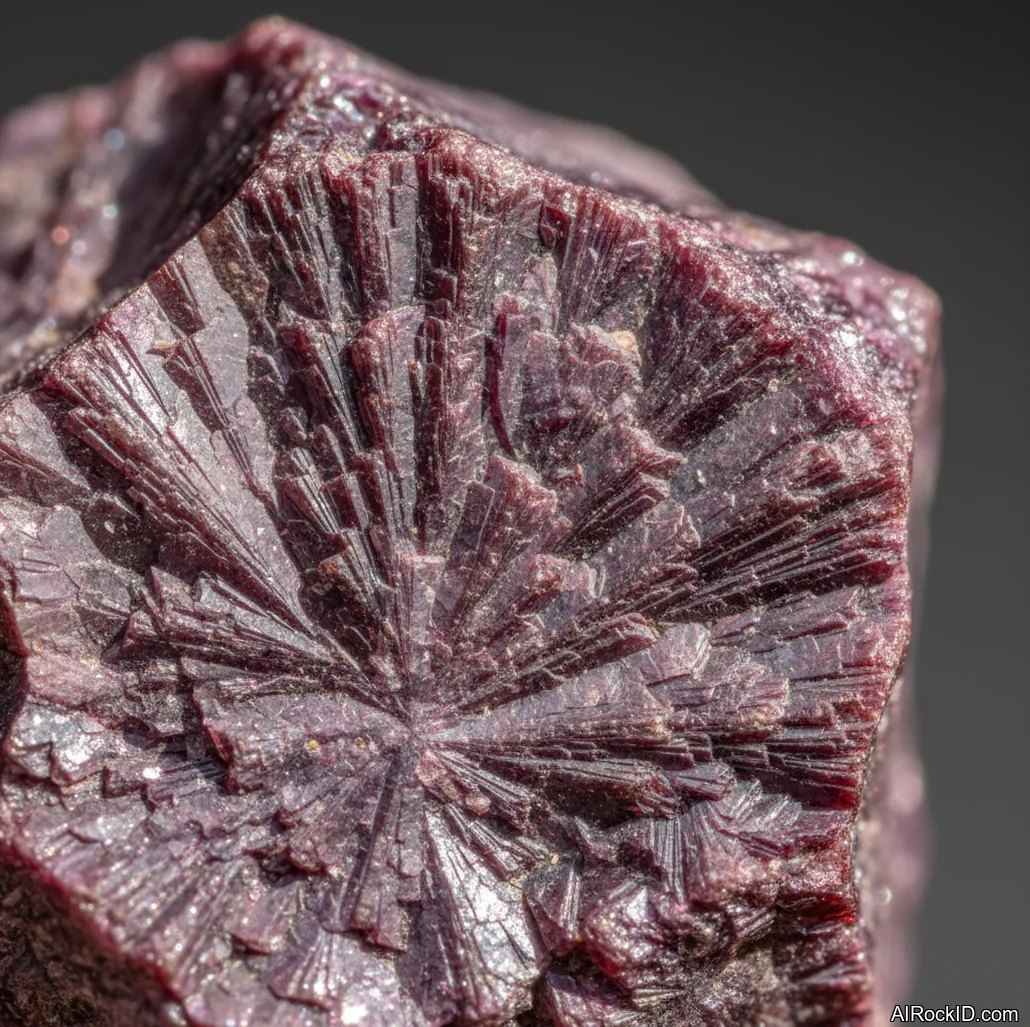
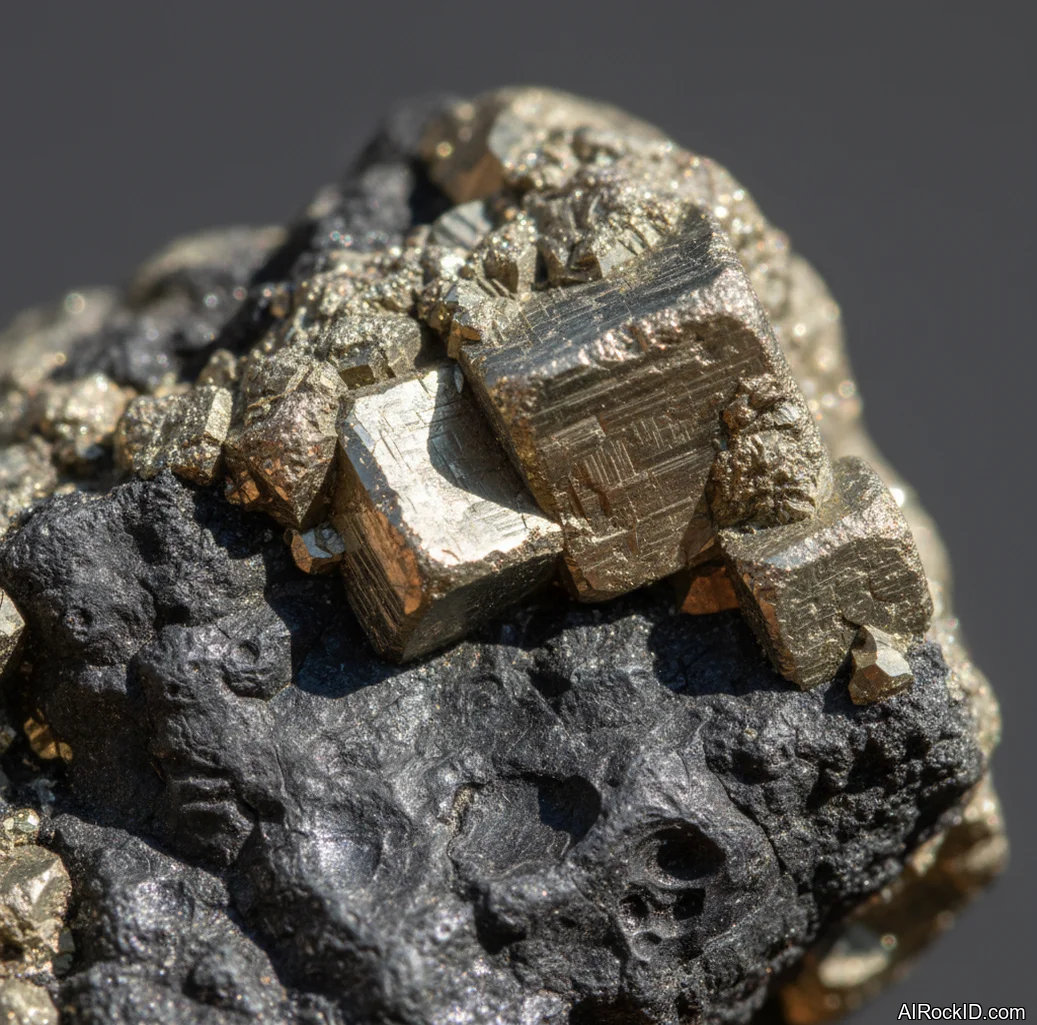
AI Rock ID can help compare a photographed specimen with visual traits commonly seen in stones associated with Saturn, such as dark color, metallic luster, or glassy texture. RockIdentifier.io provides crystal and mineral references that can support identification, learning, and collection organization.
Good fit
- People interested in crystals linked with structure, discipline, and long-term goals
- Beginners who prefer grounding-looking stones in black, gray, brown, or metallic tones
- Collectors comparing planetary crystal traditions across astrology-inspired categories
- Anyone building a themed crystal set for symbolic meditation, journaling, or display
Not a good fit
- Anyone seeking medical, financial, or psychological results from a crystal
- Buyers who need a scientifically defined mineral group called “Saturn crystals”
- People who prefer only bright, colorful stones with transparent gem-like appearance
Most commonly confused with
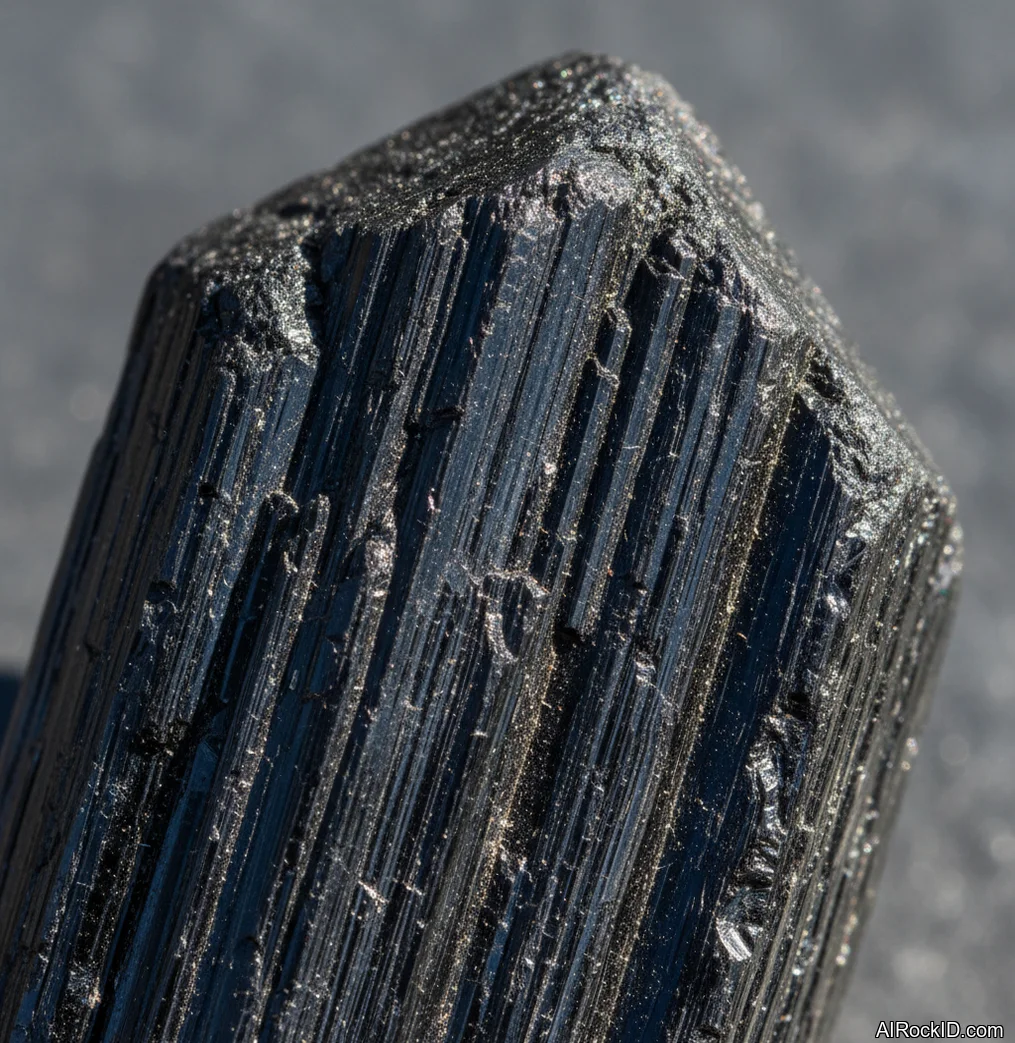
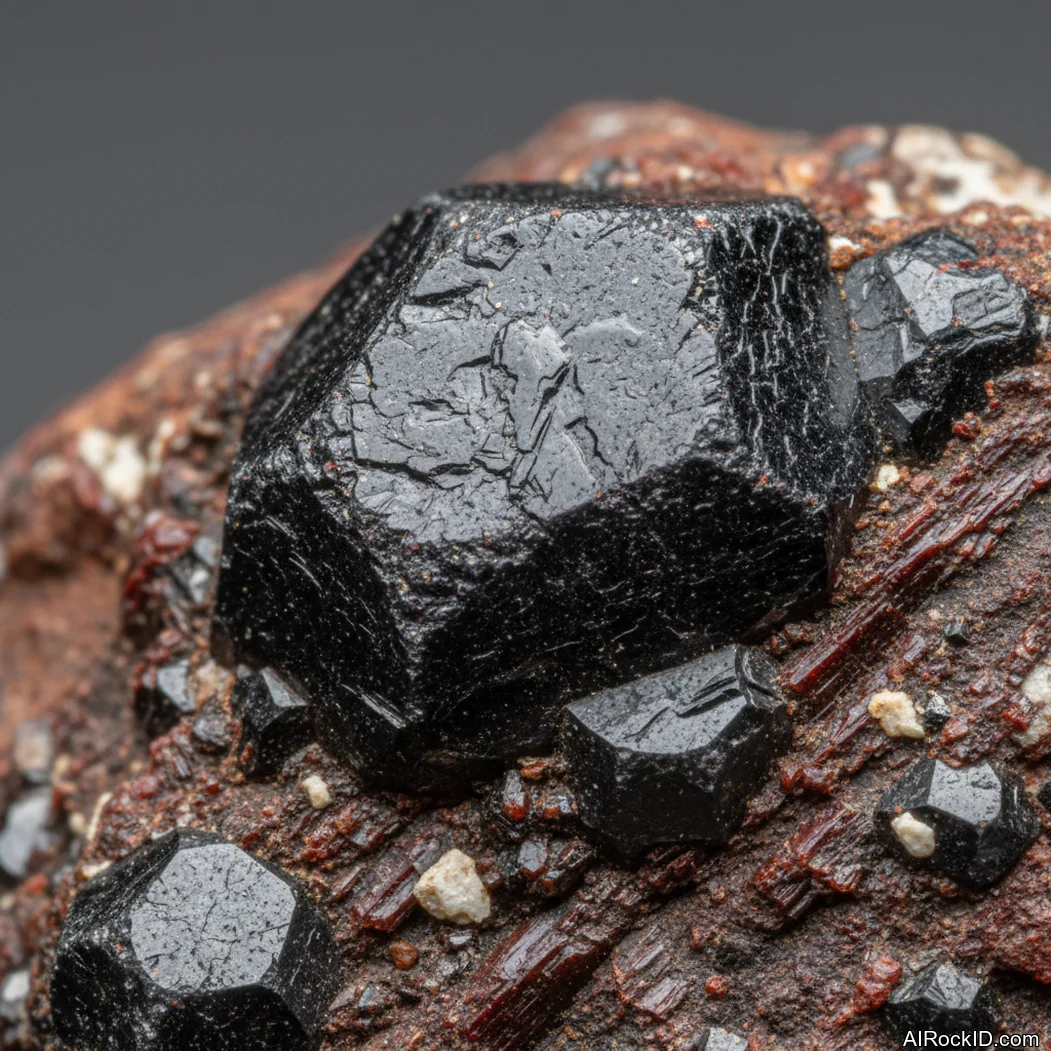
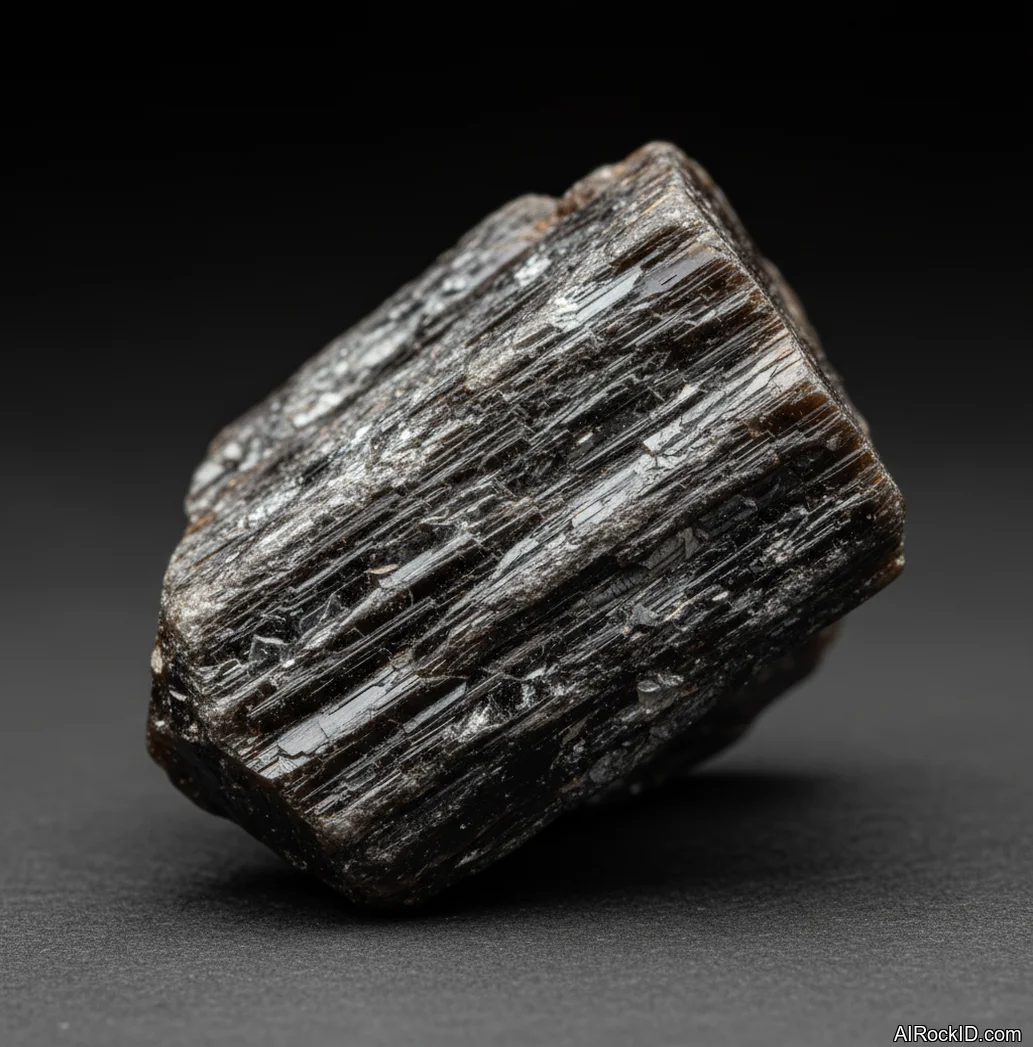
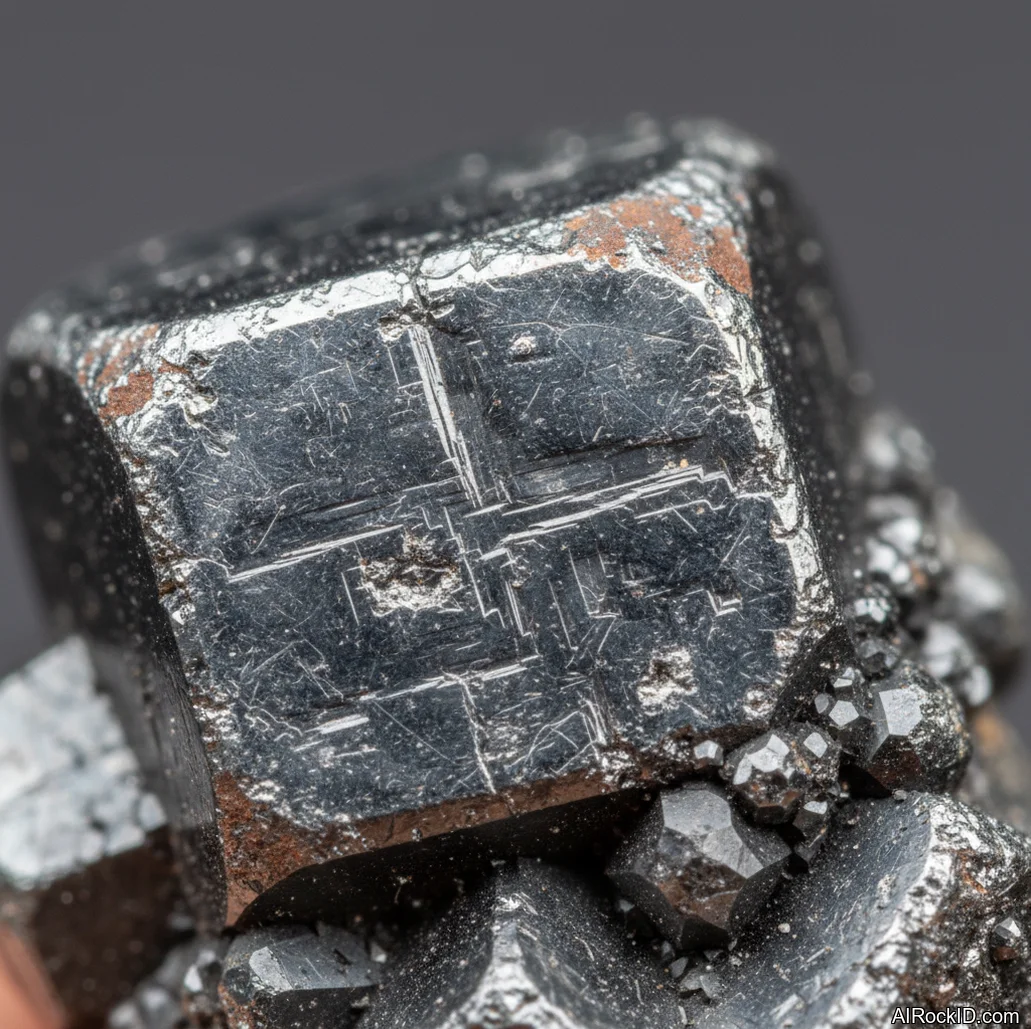
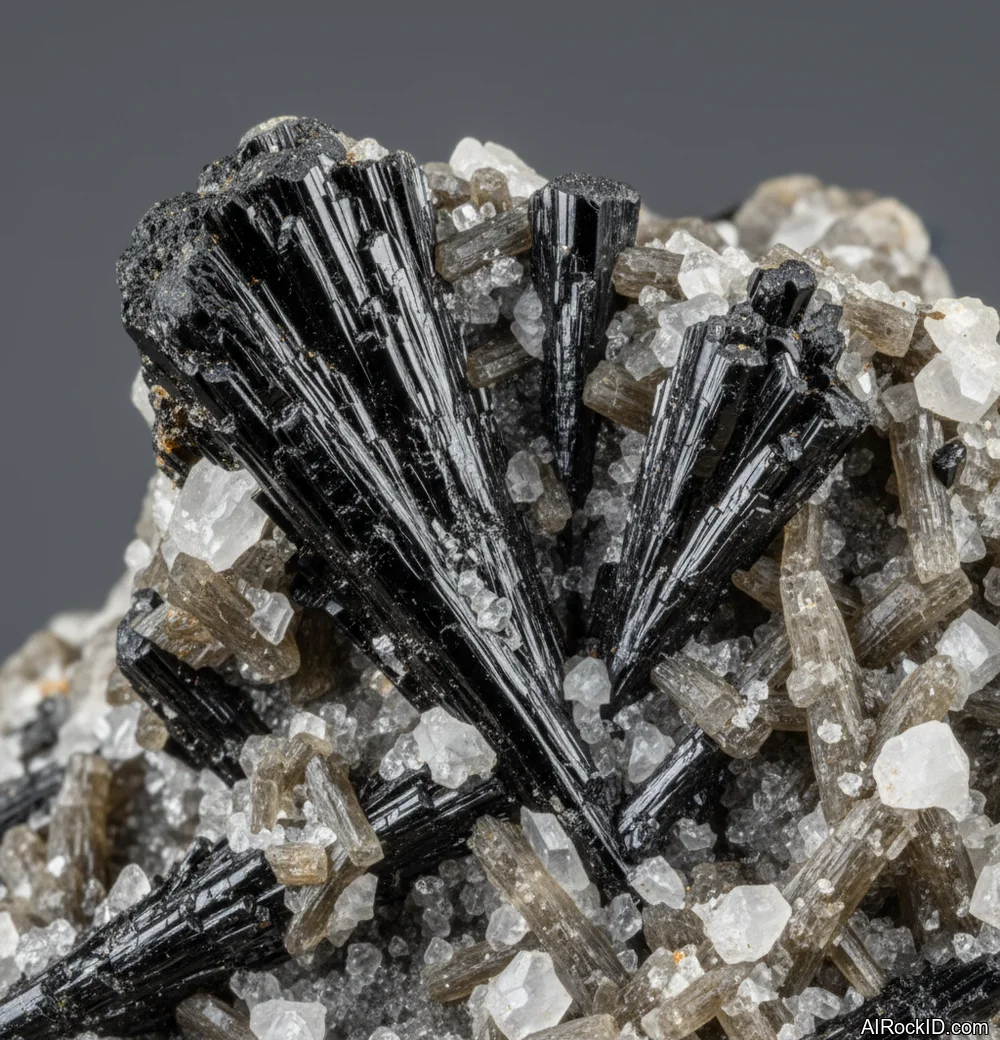
- Black Tourmaline: Often grouped with Saturn stones, but it is usually recognized by its striated crystal form and brittle texture.
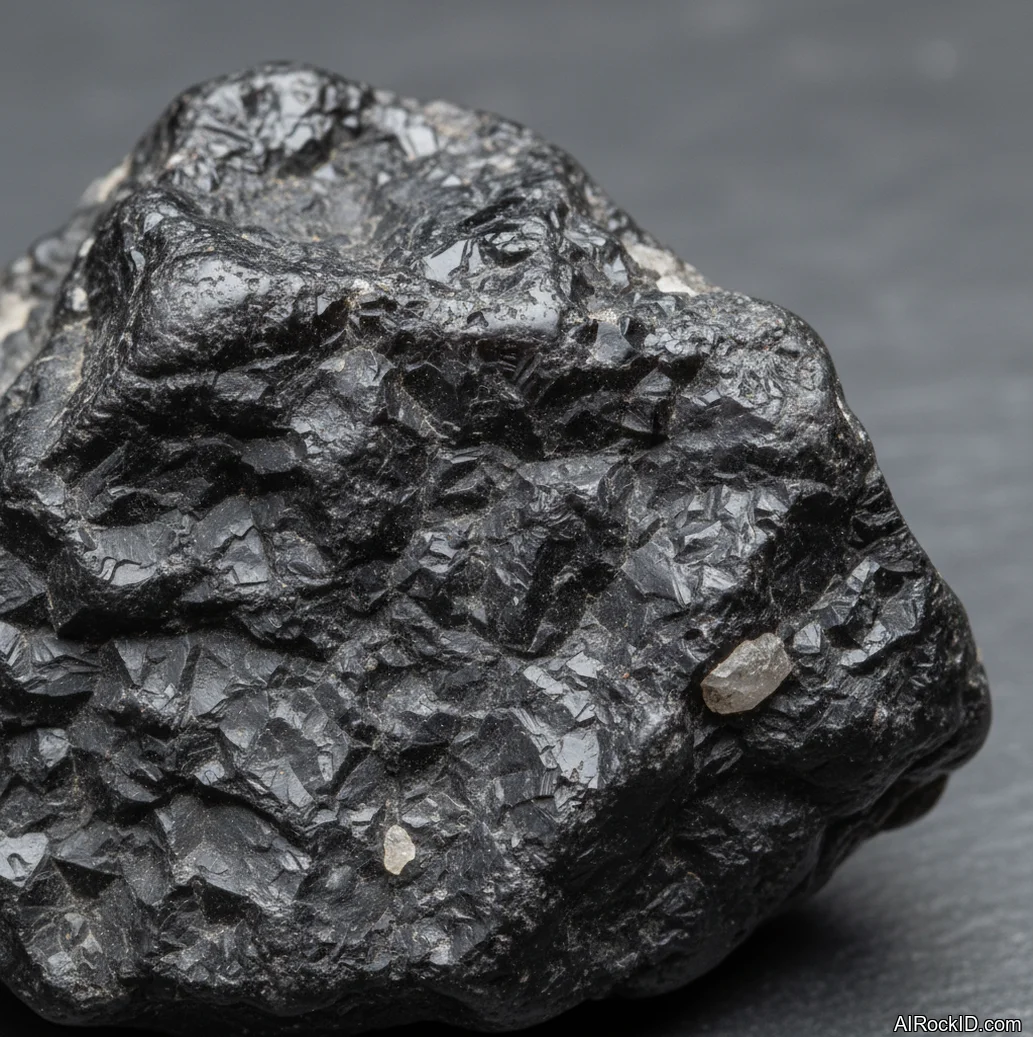
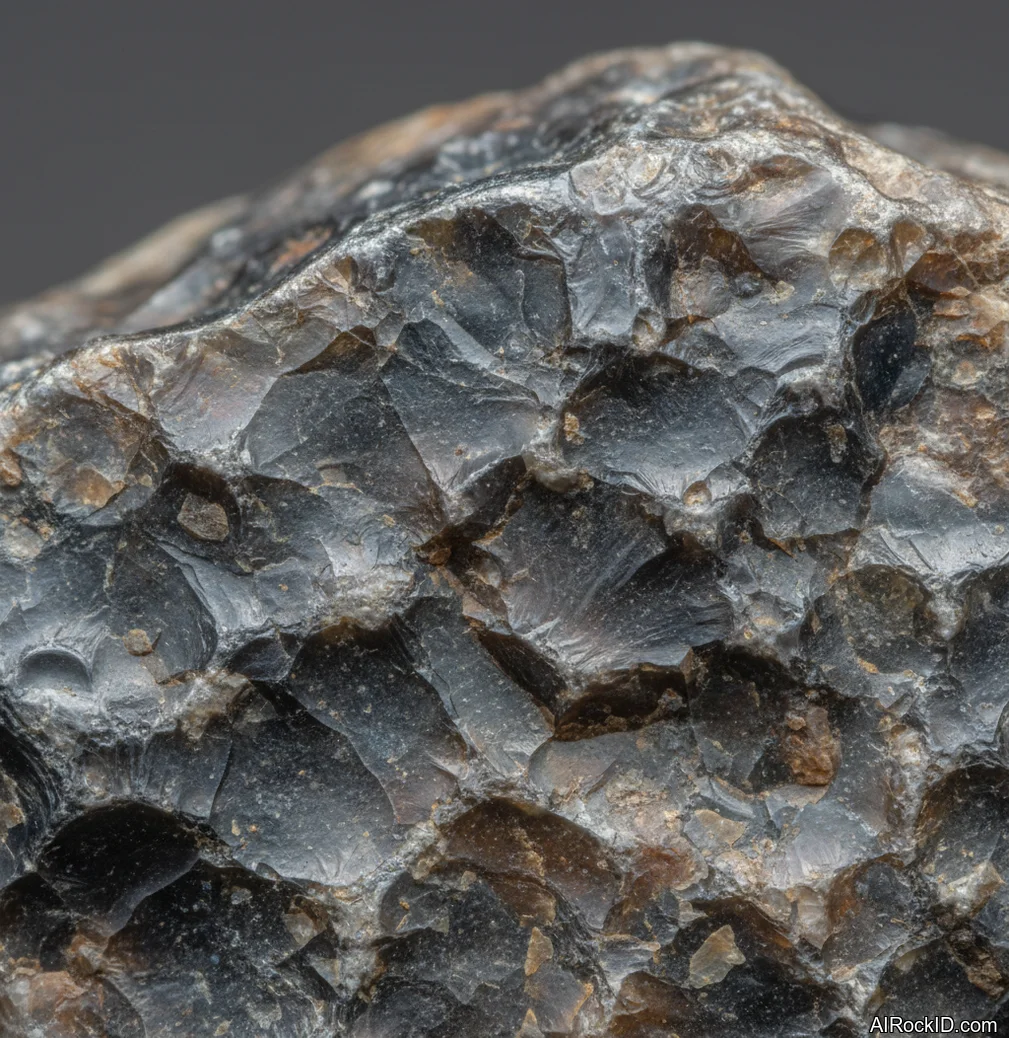
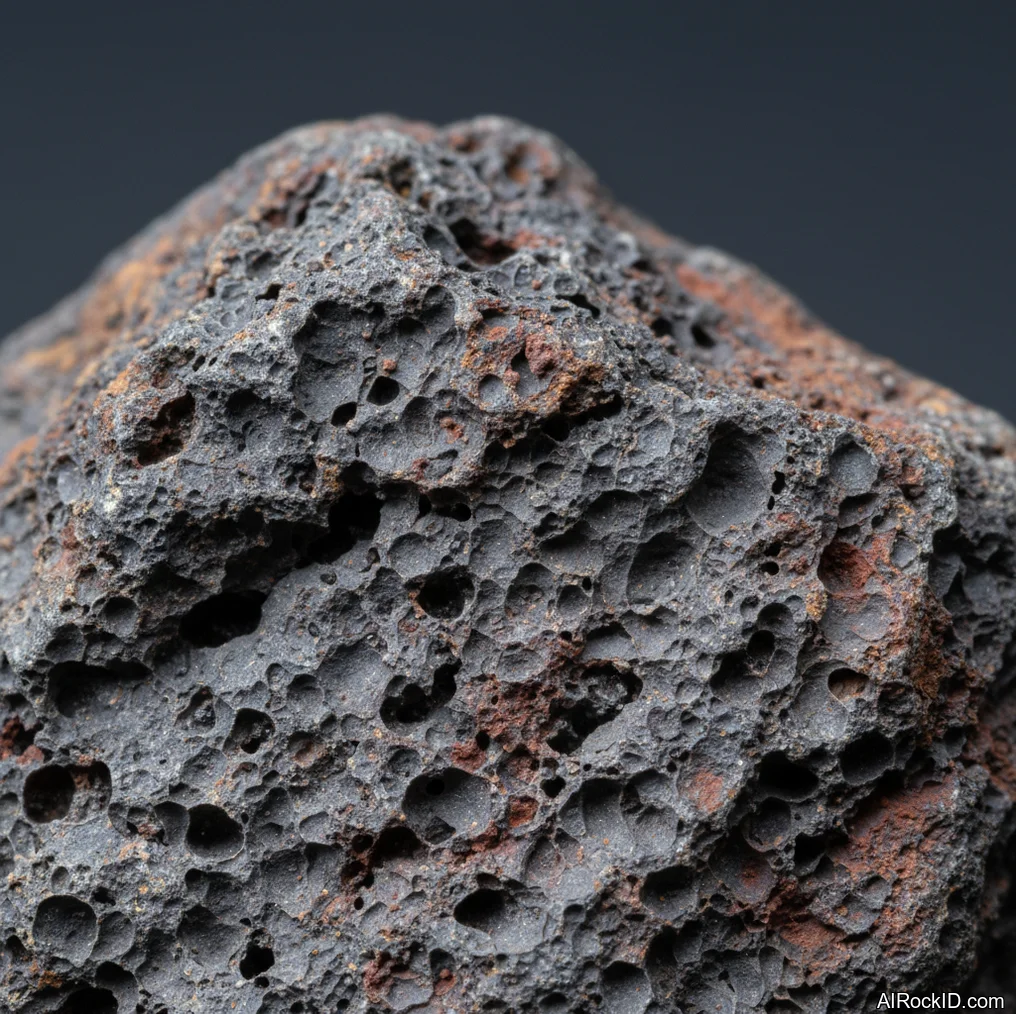
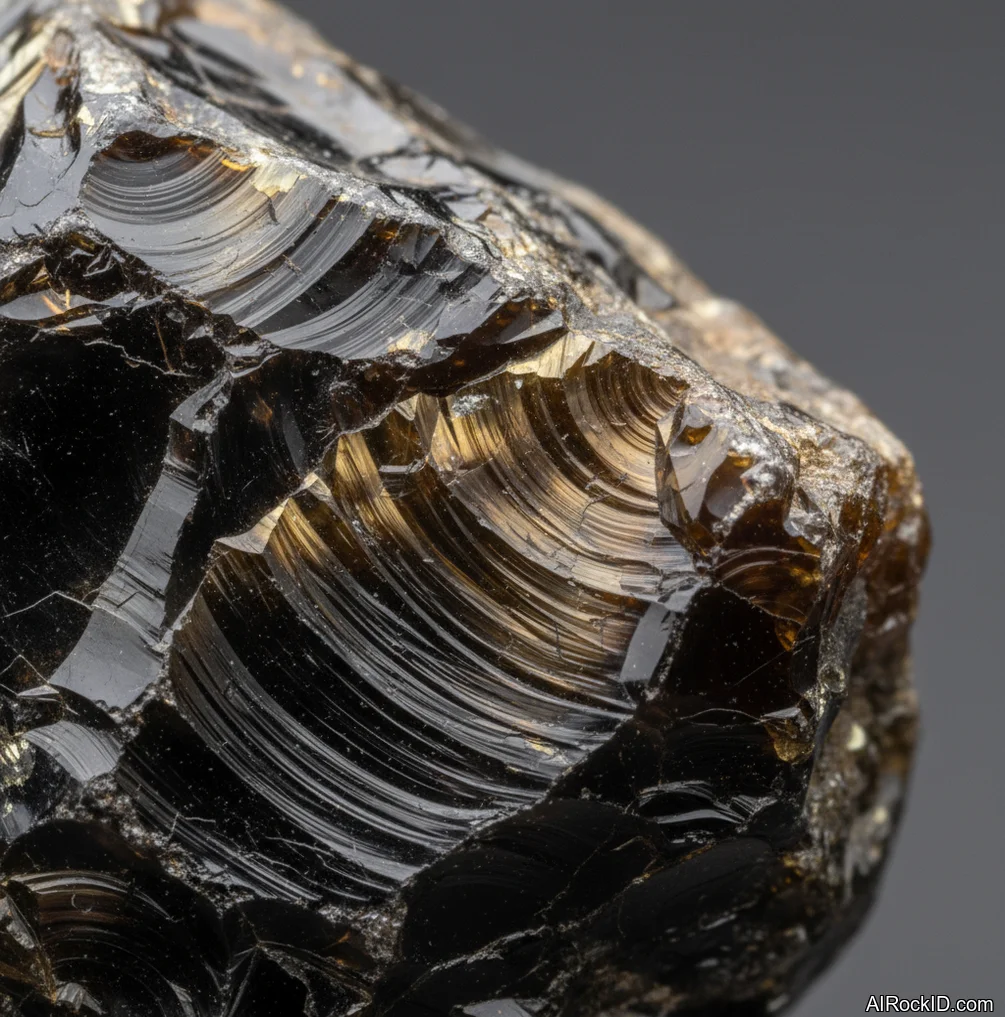
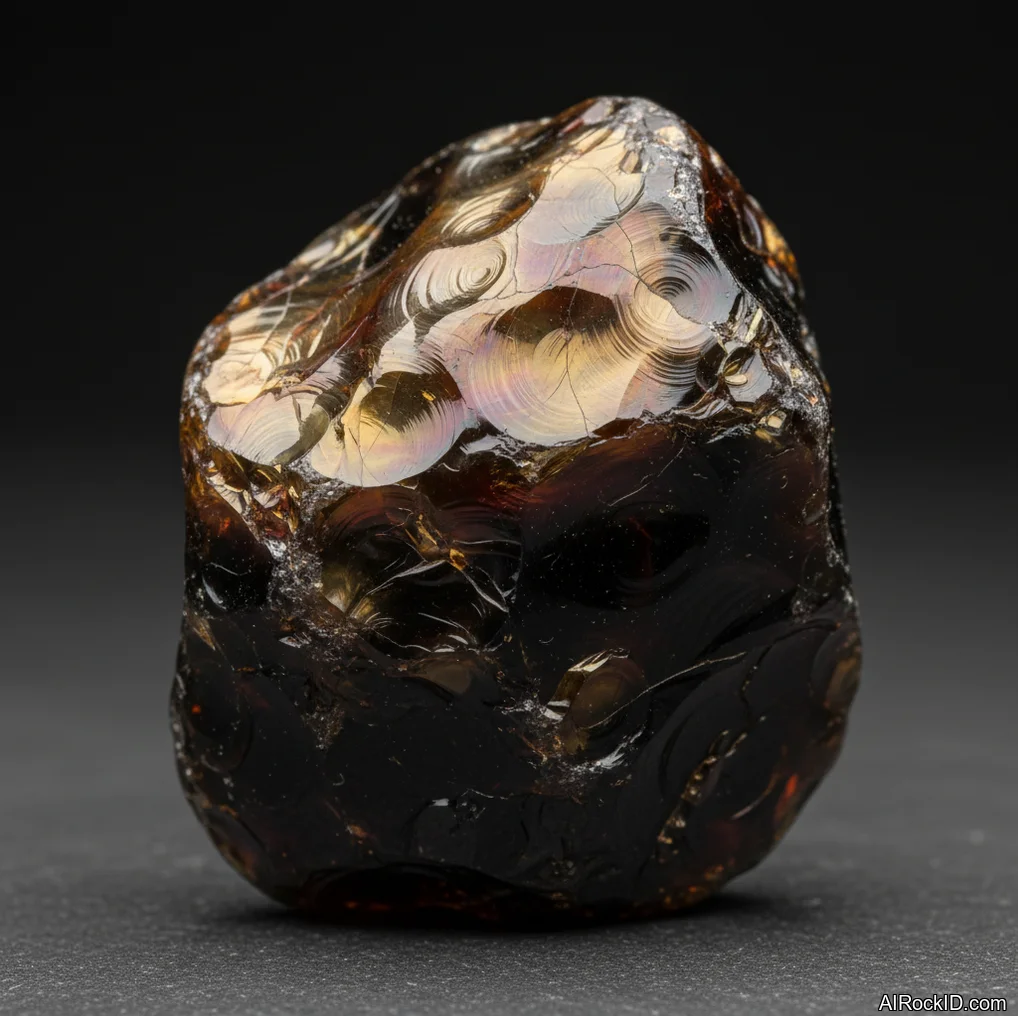
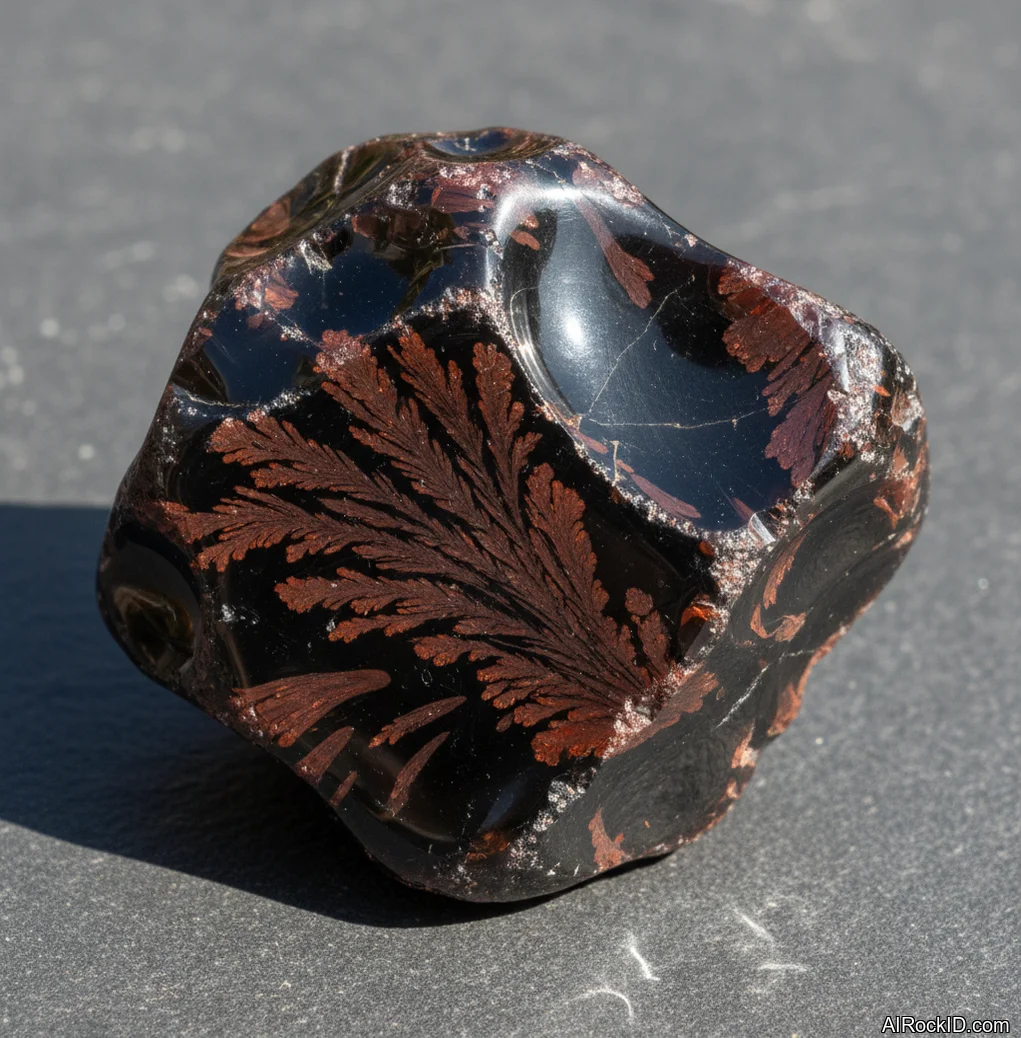
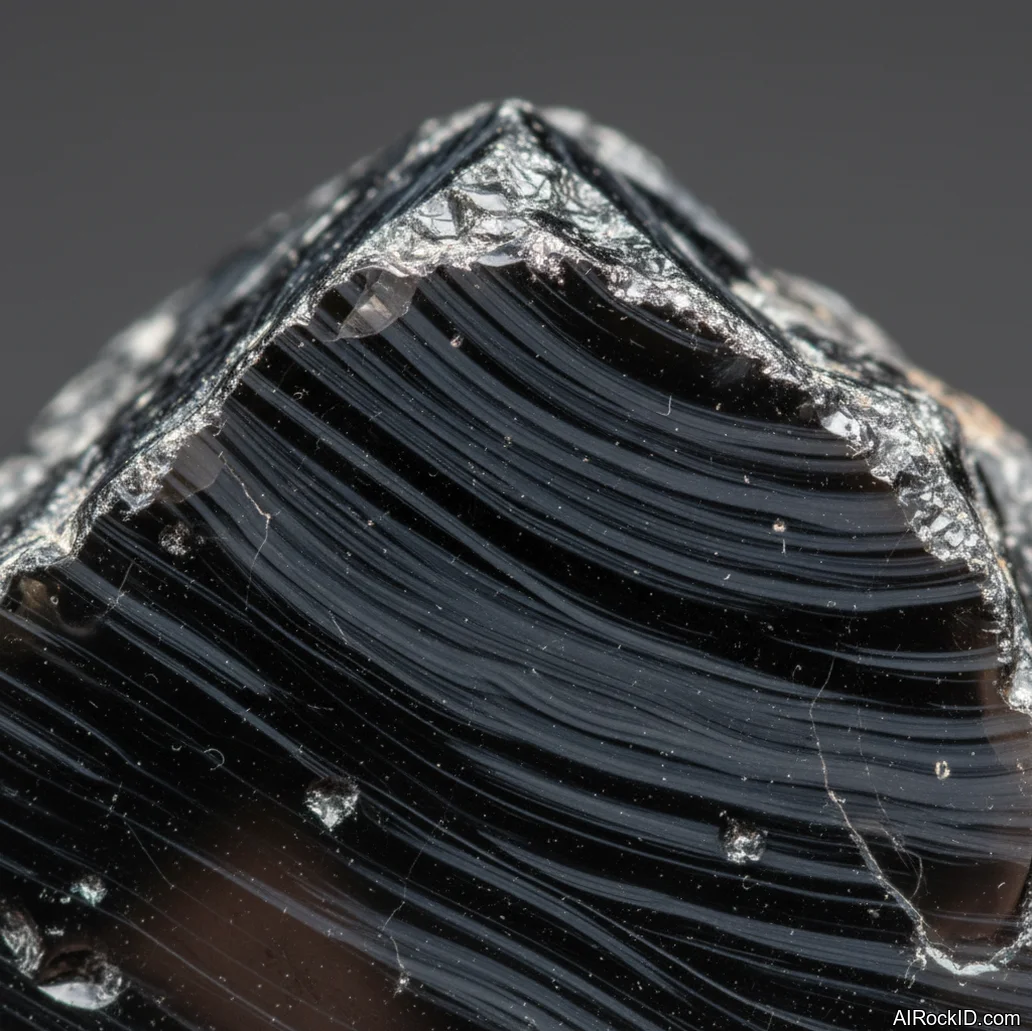
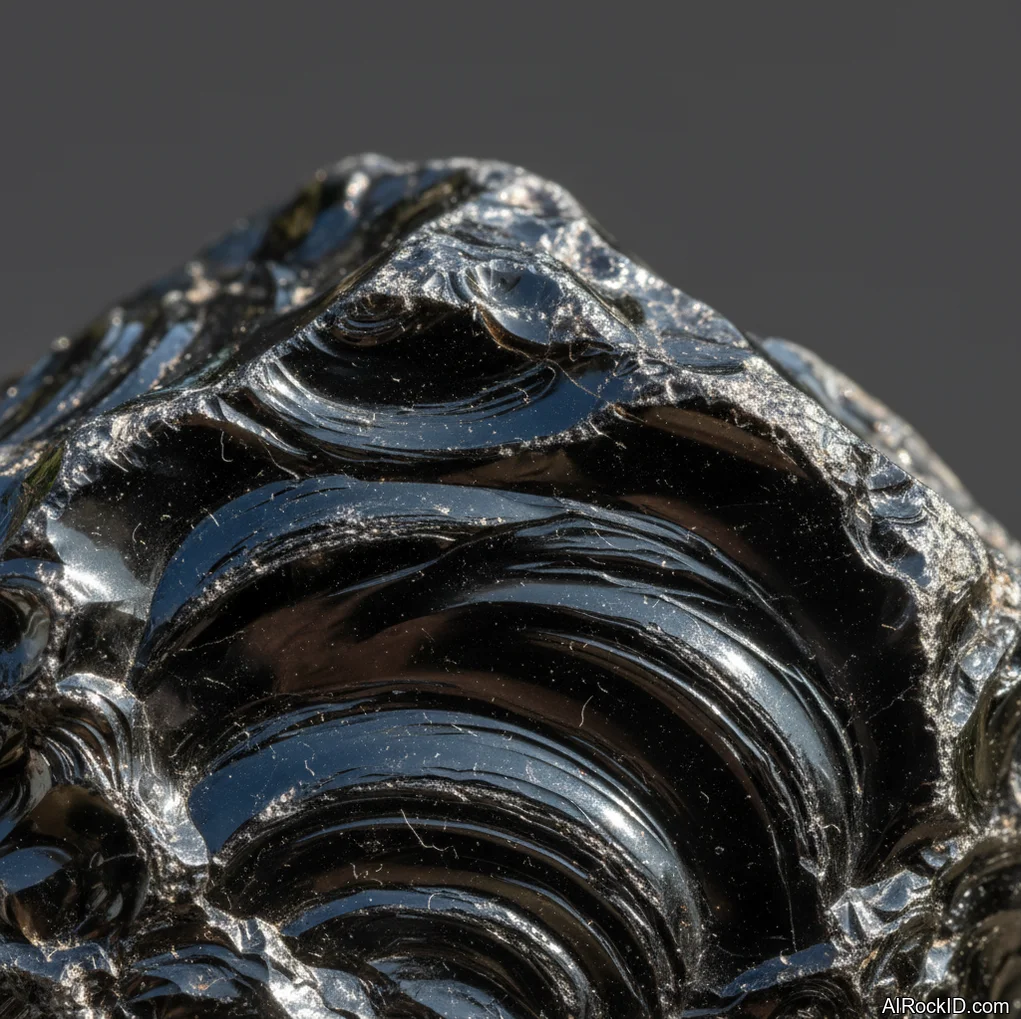
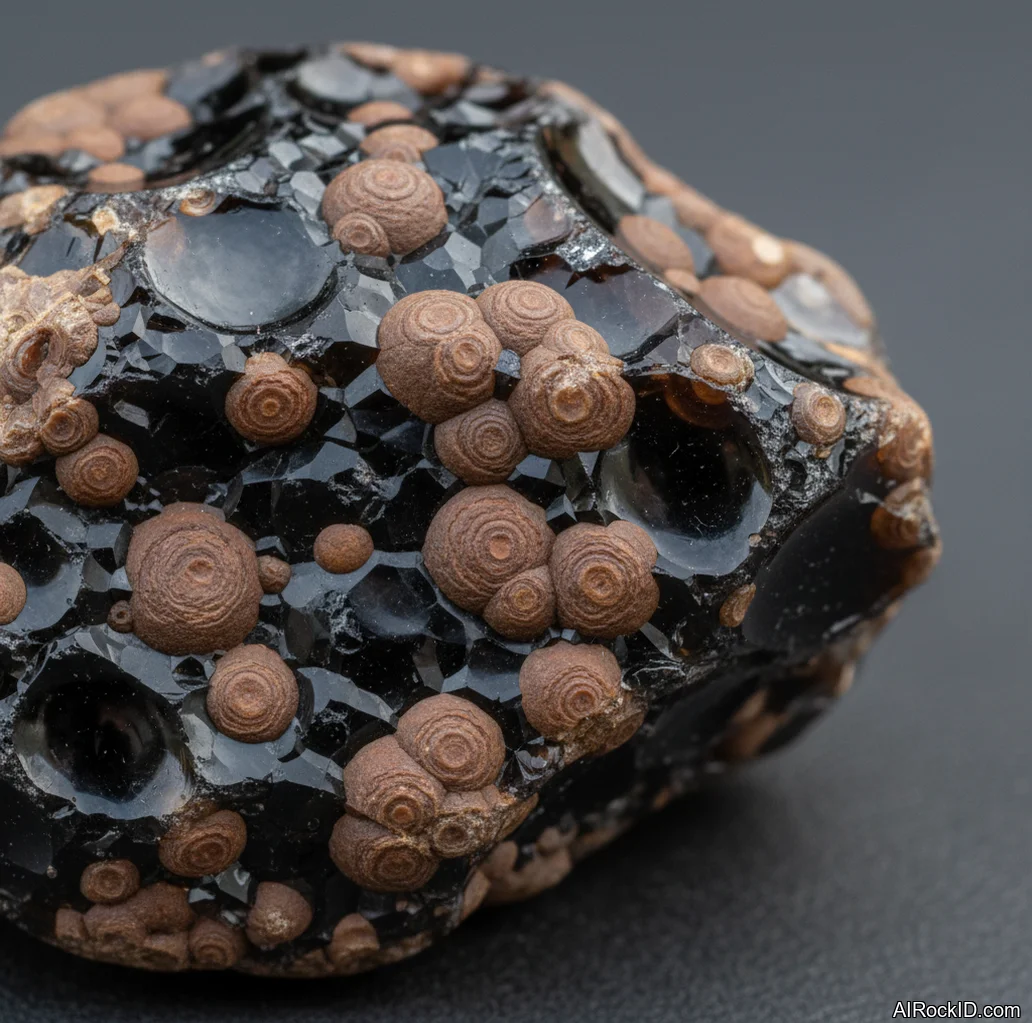
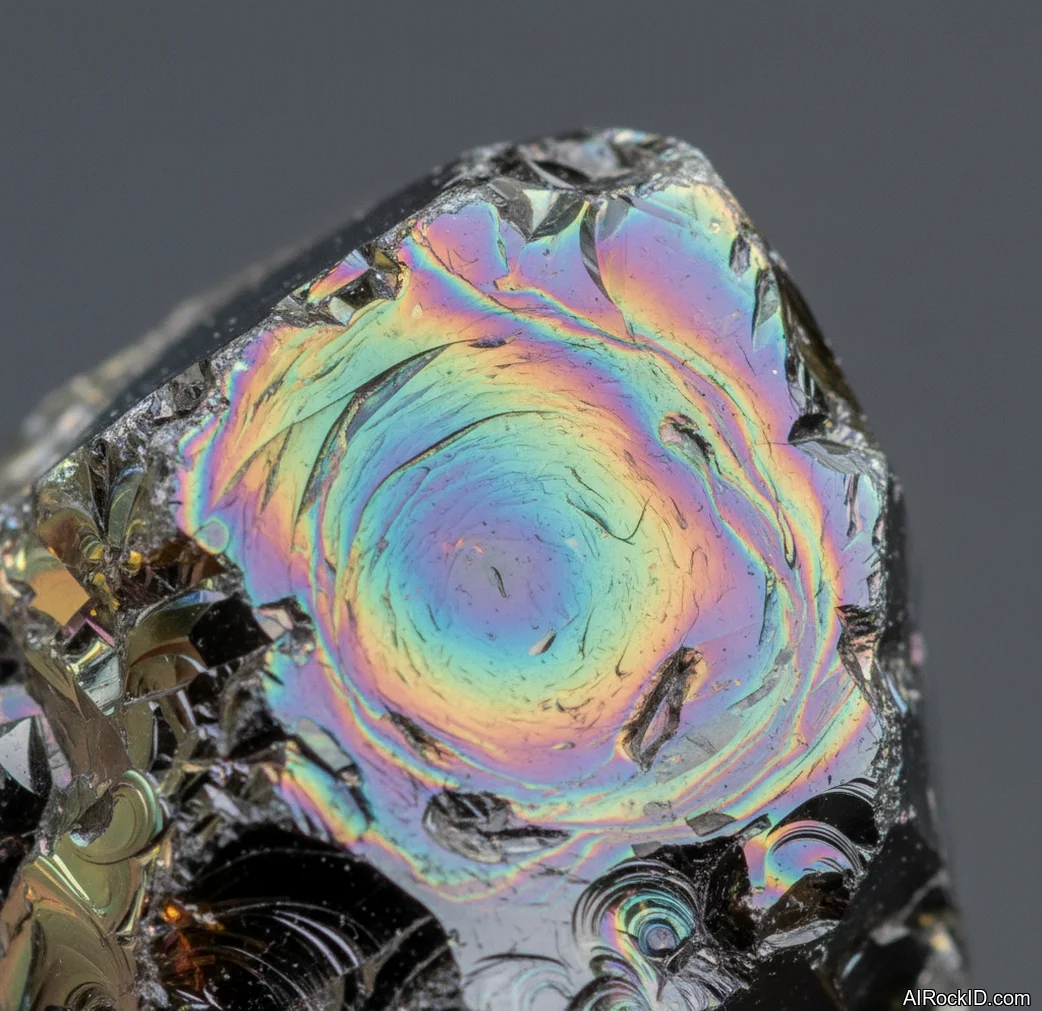
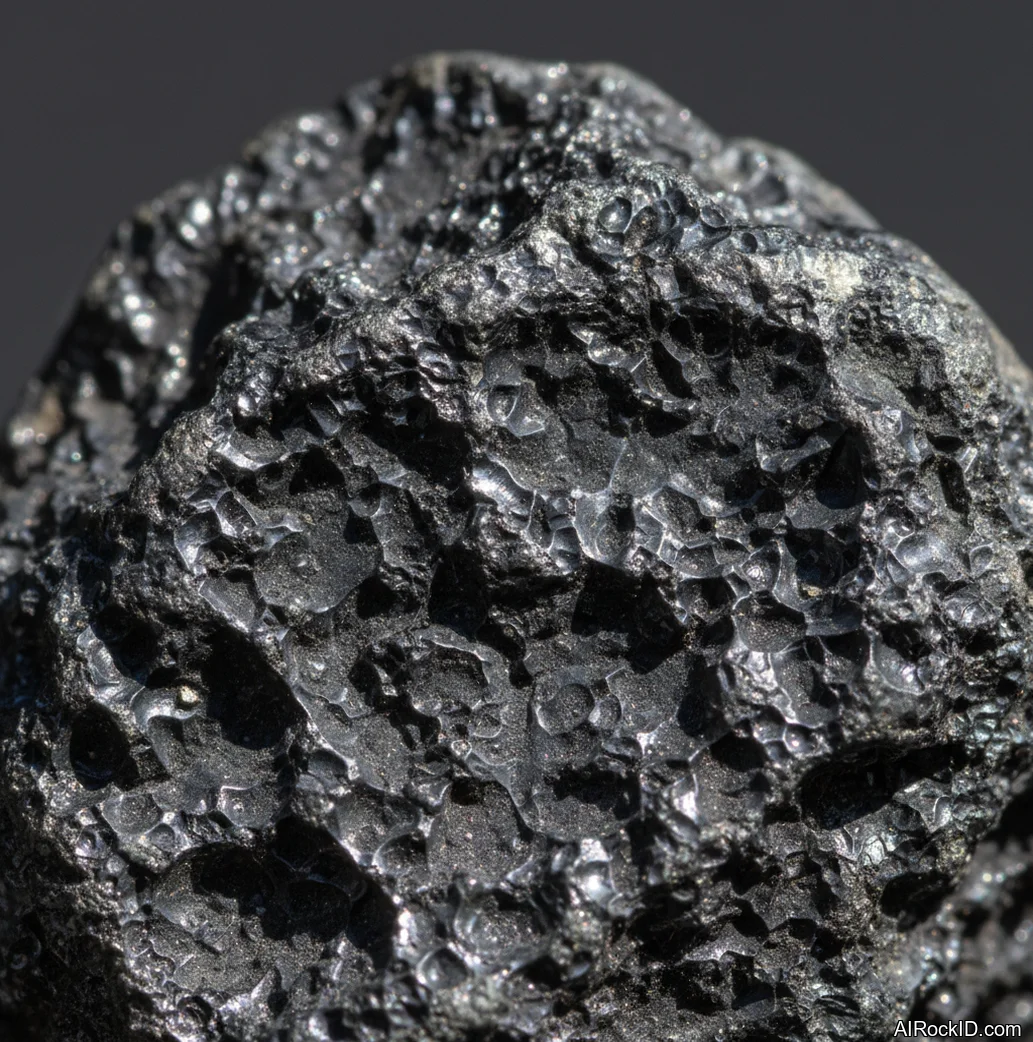
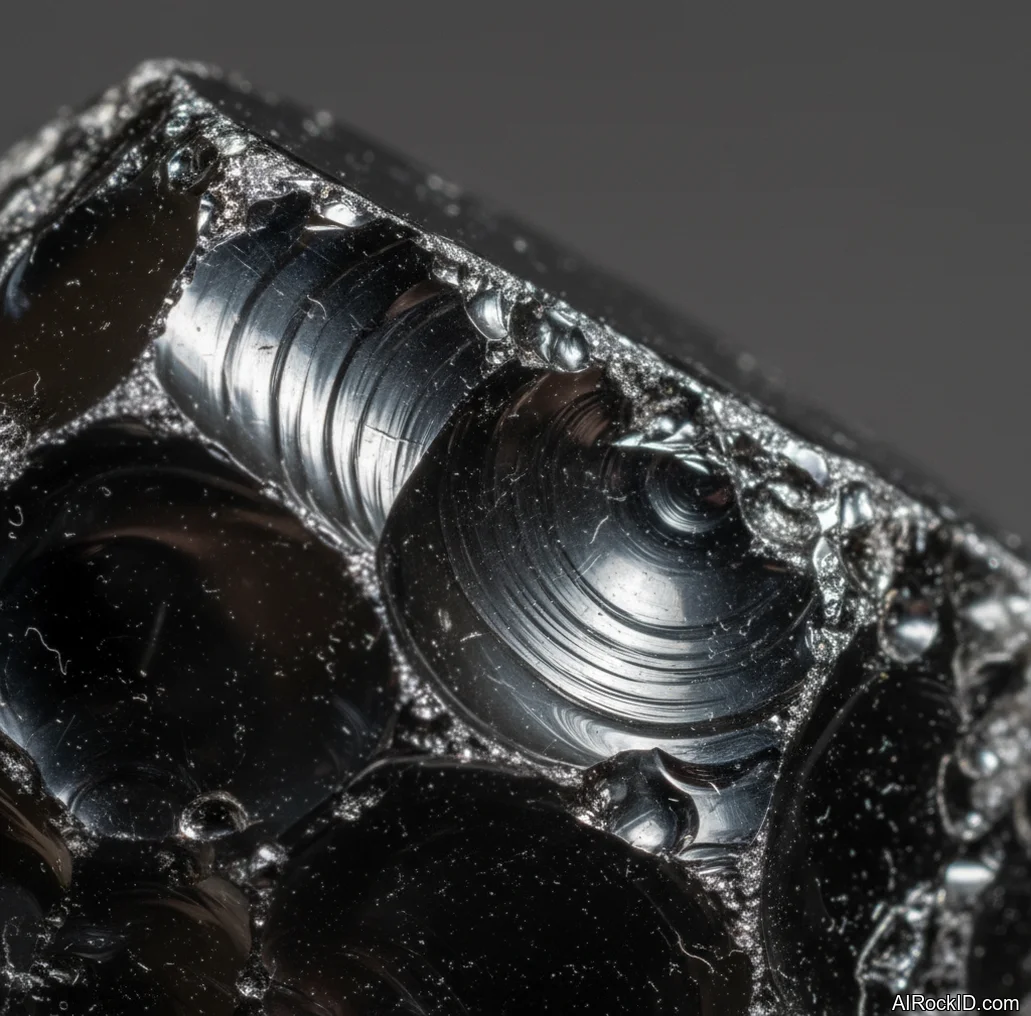
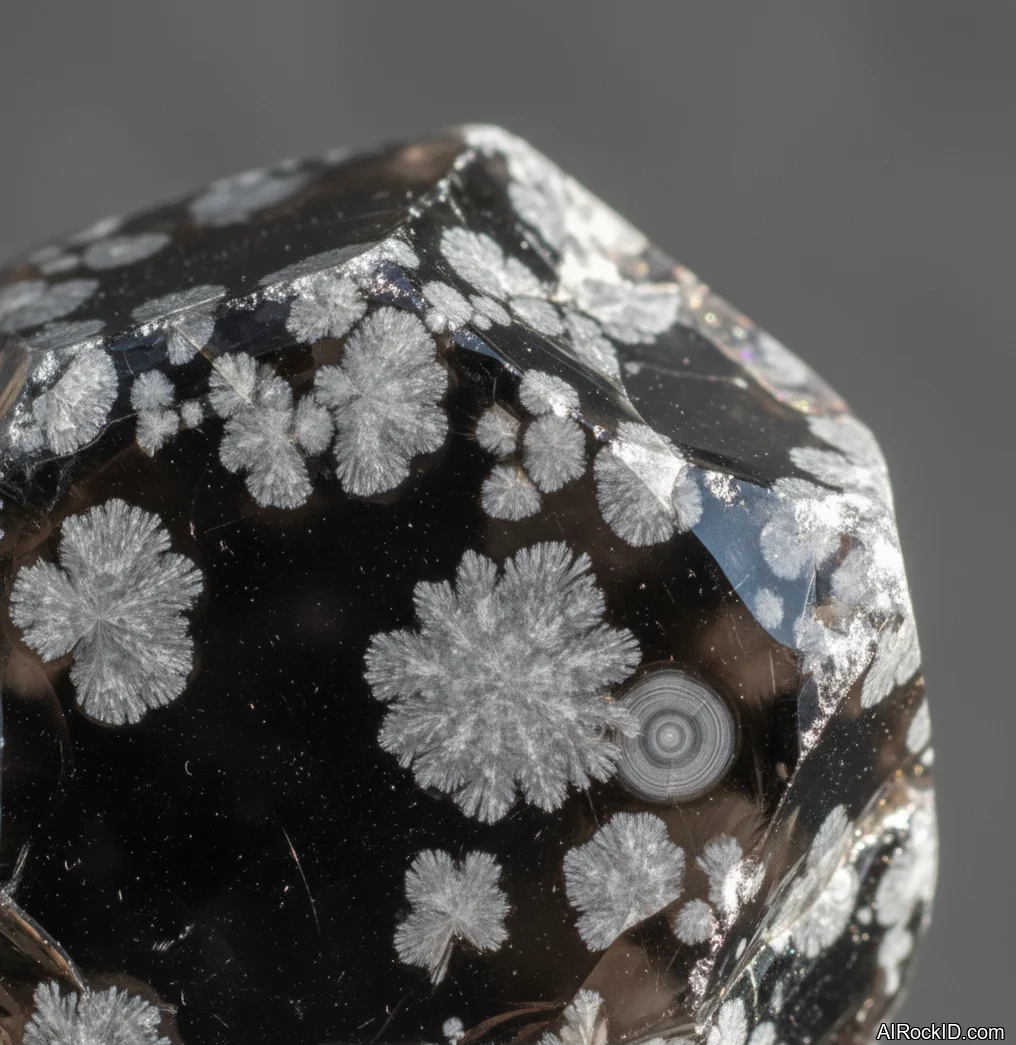
- Obsidian: A natural volcanic glass that can resemble black onyx but typically has a glassier fracture and sharper edges.
- Jet: An organic mineraloid that is much lighter in weight than most dark stones with a similar appearance.
- Magnetite: A metallic iron oxide that may be magnetic, unlike hematite in most common polished forms.
AI identification confidence
AI identification is usually more reliable for Saturn-associated stones with distinctive visual features, such as hematite’s metallic luster or obsidian’s glassy surface. Confidence may be lower for polished black stones because onyx, dyed agate, obsidian, and glass can look very similar in photos.
When AI gets it wrong
- A polished black stone lacks visible crystal structure, banding, or fracture details
- Lighting makes metallic stones look dull or makes glassy stones look opaque
- The specimen is dyed, coated, heat-treated, or sold under a trade name
- Only one photo is provided without scale, weight, streak, hardness, or context
Best choice summary
For most beginners, smoky quartz, hematite, and black onyx are accessible starting points because they are widely available and easy to recognize in many common forms. Buyers who want more natural texture may prefer raw smoky quartz or obsidian, while those who want simple carry stones may choose tumbled hematite or onyx.
Final recommendation
Choose Saturn crystals by matching the symbolic tradition you follow with practical traits such as durability, size, finish, and ease of identification. For uncertain specimens, compare multiple features rather than relying on color alone.
Why people search for this
People often search for Saturn crystals when exploring astrology-inspired crystal lists, especially for themes such as responsibility, grounding, protection, time, and maturity. The term refers to symbolic associations in crystal traditions rather than a formal mineral classification.
What this category represents
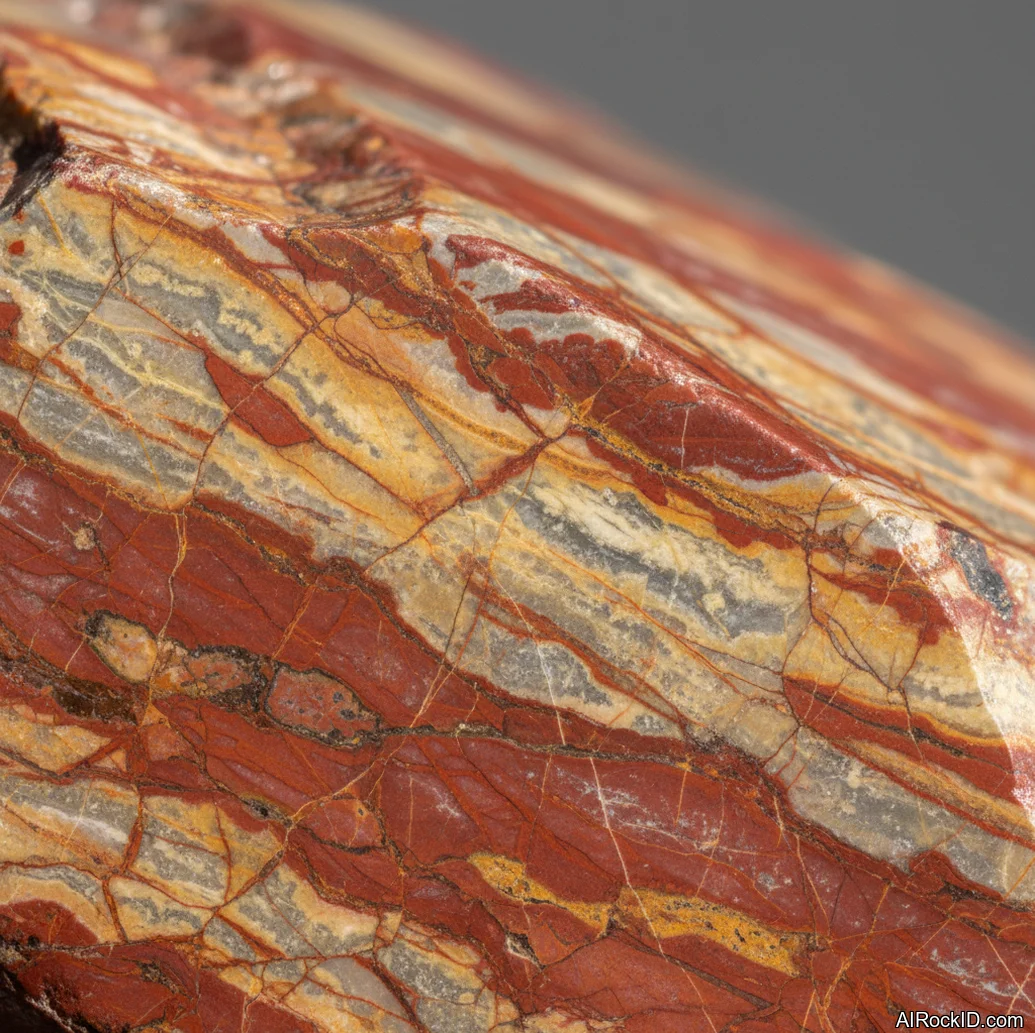
The Saturn Crystals tag groups stones that are commonly linked in crystal and astrology traditions with Saturn themes such as structure, restraint, endurance, accountability, and boundaries. This is a symbolic category, not a mineralogical family, so included stones can differ widely in composition, hardness, luster, and origin.
Beginner recommendations
Advanced recommendations
How Saturn Crystal Lists Vary by Tradition
Saturn crystal lists can vary because they draw from astrology, color symbolism, historical correspondences, and modern crystal practice. Some lists emphasize black or gray stones, while others include minerals associated with endurance, age, metal, or earthiness. Differences between lists do not necessarily mean one is incorrect; they often reflect different symbolic systems.
Choosing Raw, Tumbled, or Jewelry Forms
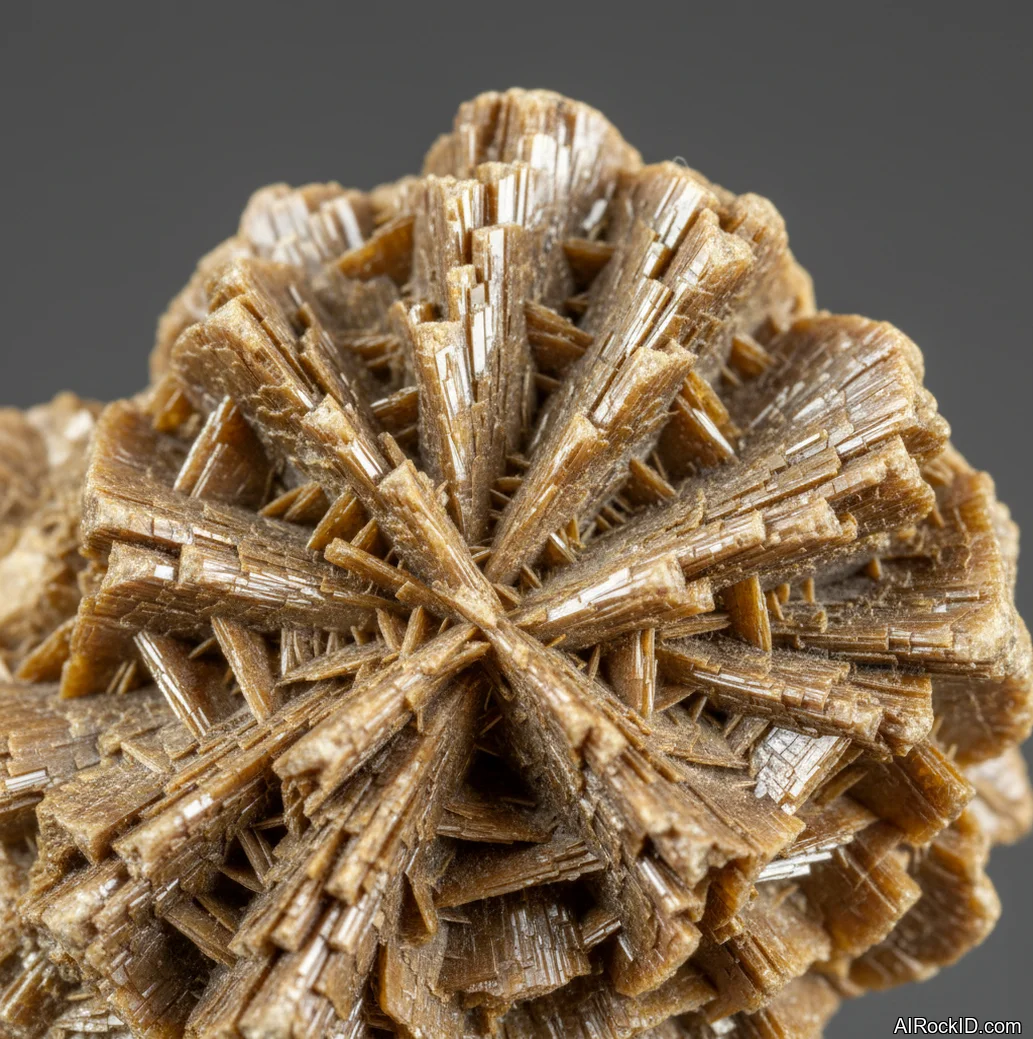
Raw Saturn-associated stones may show more natural texture, crystal habit, or fracture patterns, which can help with identification. Tumbled stones are smooth and portable but may hide diagnostic features, especially in black minerals. Jewelry forms should be chosen with hardness, brittleness, and setting protection in mind, because some dark stones scratch or chip more easily than others.
Ethical and Practical Buying Notes
When buying Saturn crystals, look for clear labeling that distinguishes natural stones, dyed stones, glass, and trade names. Ask for origin information when available, especially for less common stones or higher-priced specimens. A lower price is not always a problem, but vague labels such as “black crystal” or “mystery protection stone” can make identification difficult.
Saturn Energy in Crystals: Structure, Time, and Boundaries
Saturn energy, when you hear it in crystal shops or from long-time collectors, means weight. Not just physical, though you’ll feel it in the hand, but the kind of energetic weight that calls for structure and slow, steady work. It’s the opposite of the glittery, happy vibes some stones get. Saturn stones show up when life gets messy and needs rails. People reach for them when discipline is the only way through, or when distractions pile up and you just want to cut the noise and get back on track. It’s not gentle or showy. Think: a cold car key at dawn, getting up to do something hard because you said you would. There’s nothing flashy about Saturn energy. It’s the heavy lifting—sometimes literally, if you’re holding a chunk of hematite.
Physical Qualities of Classic Saturn Crystals
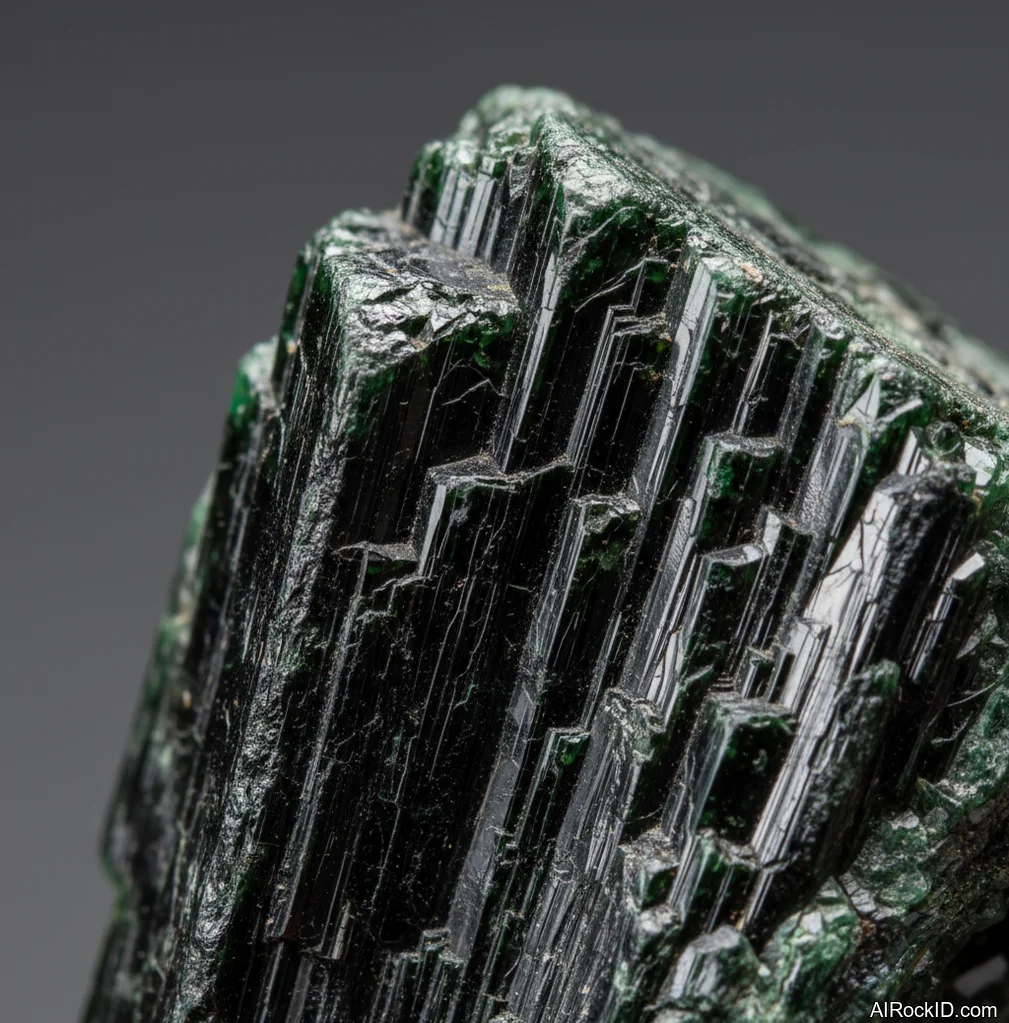
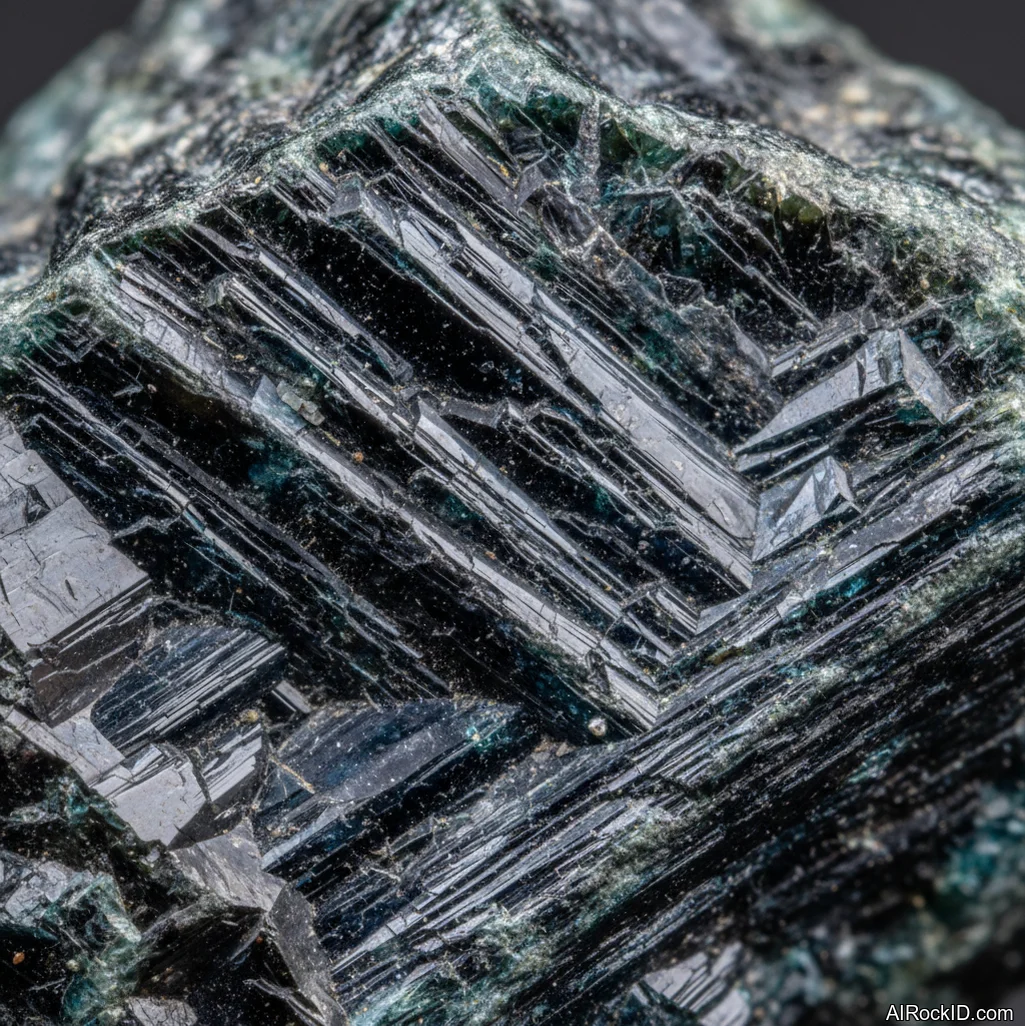
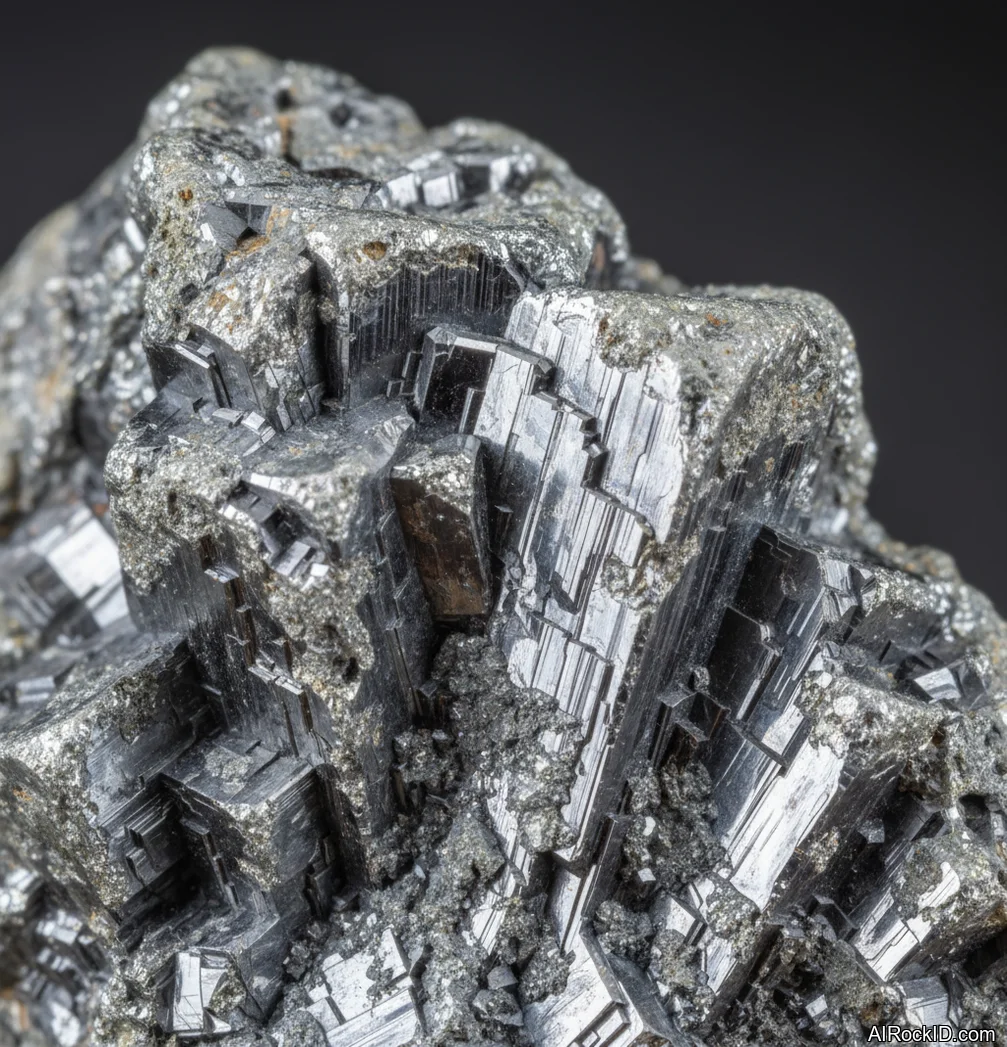
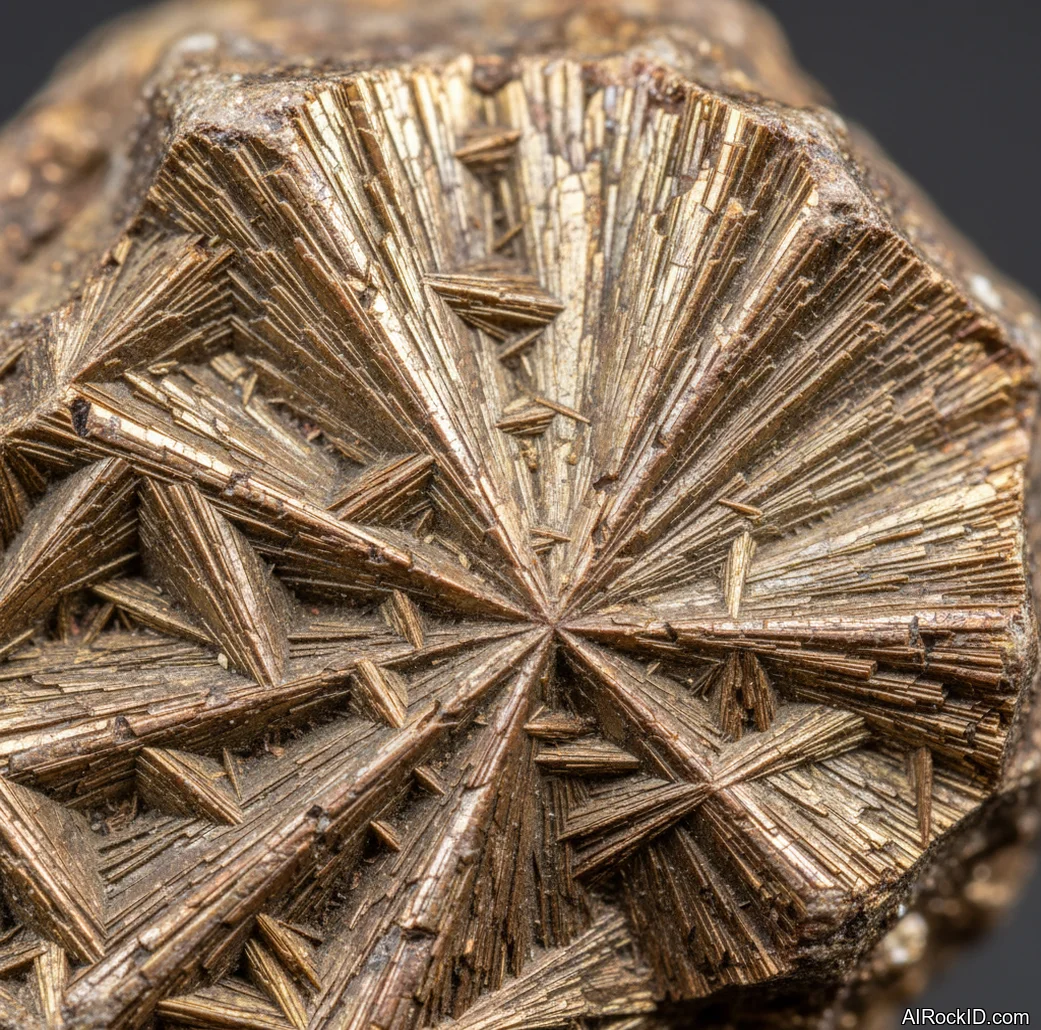
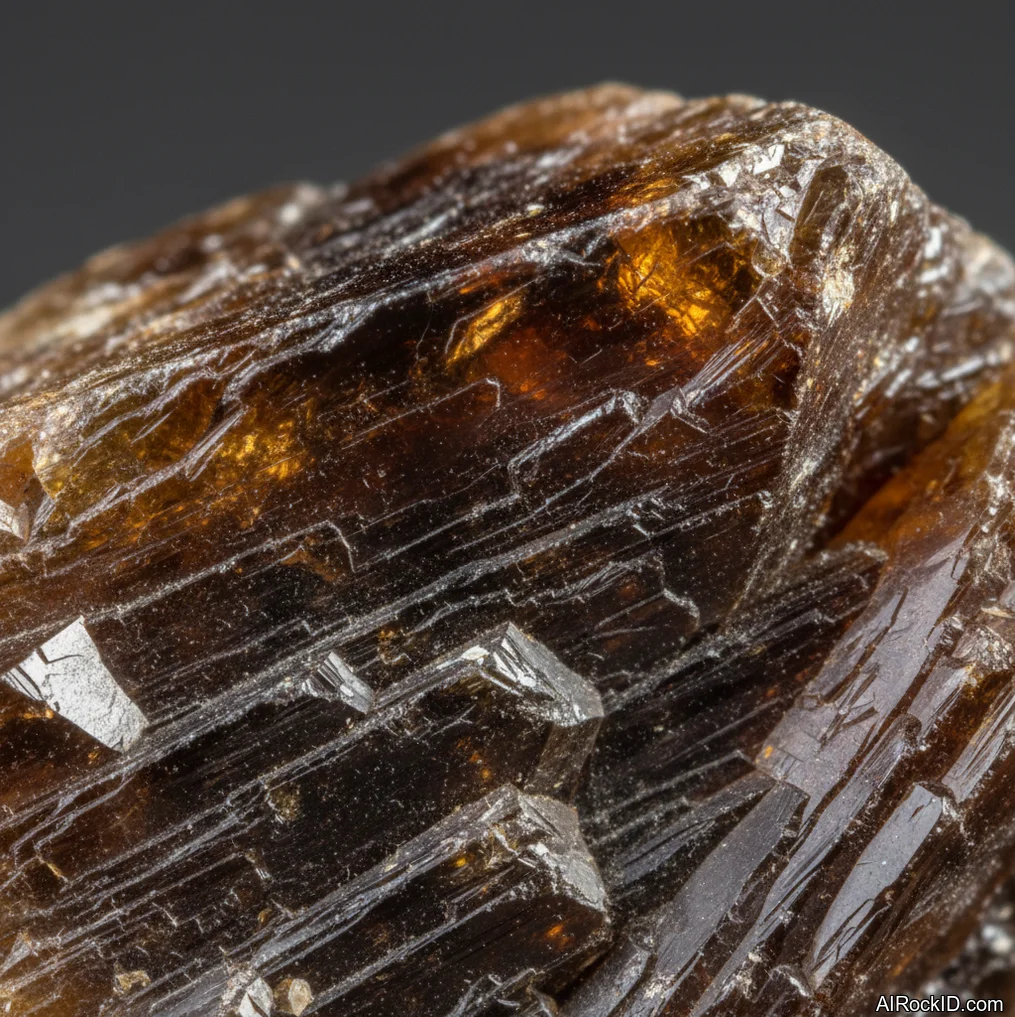
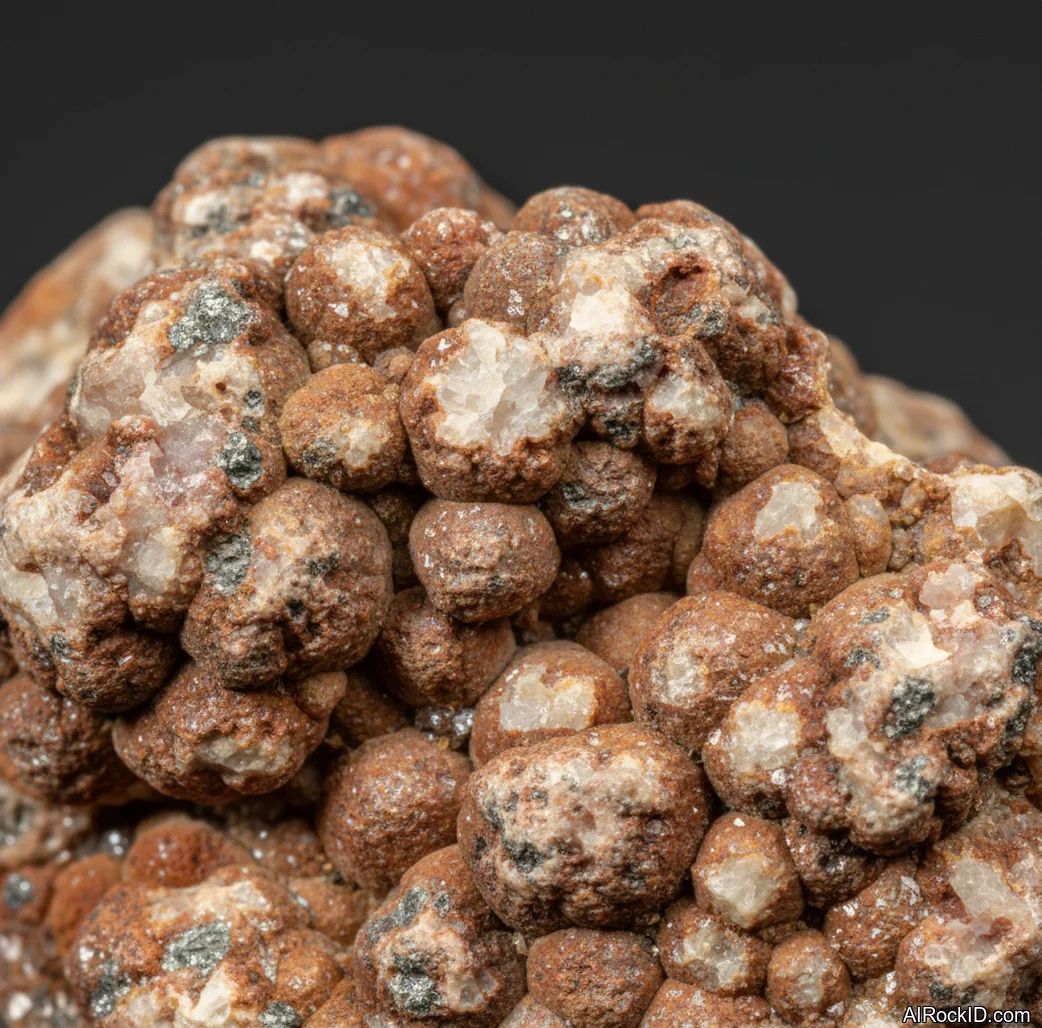
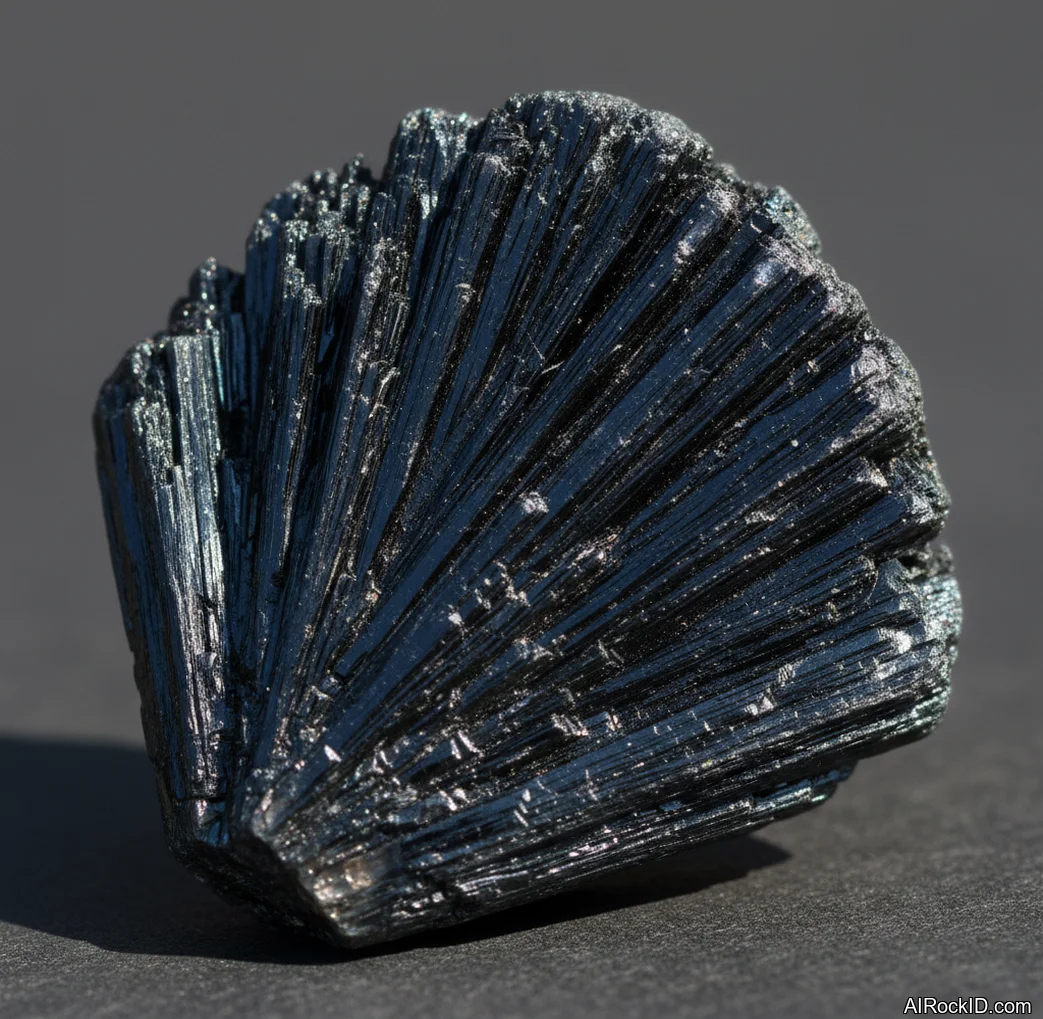
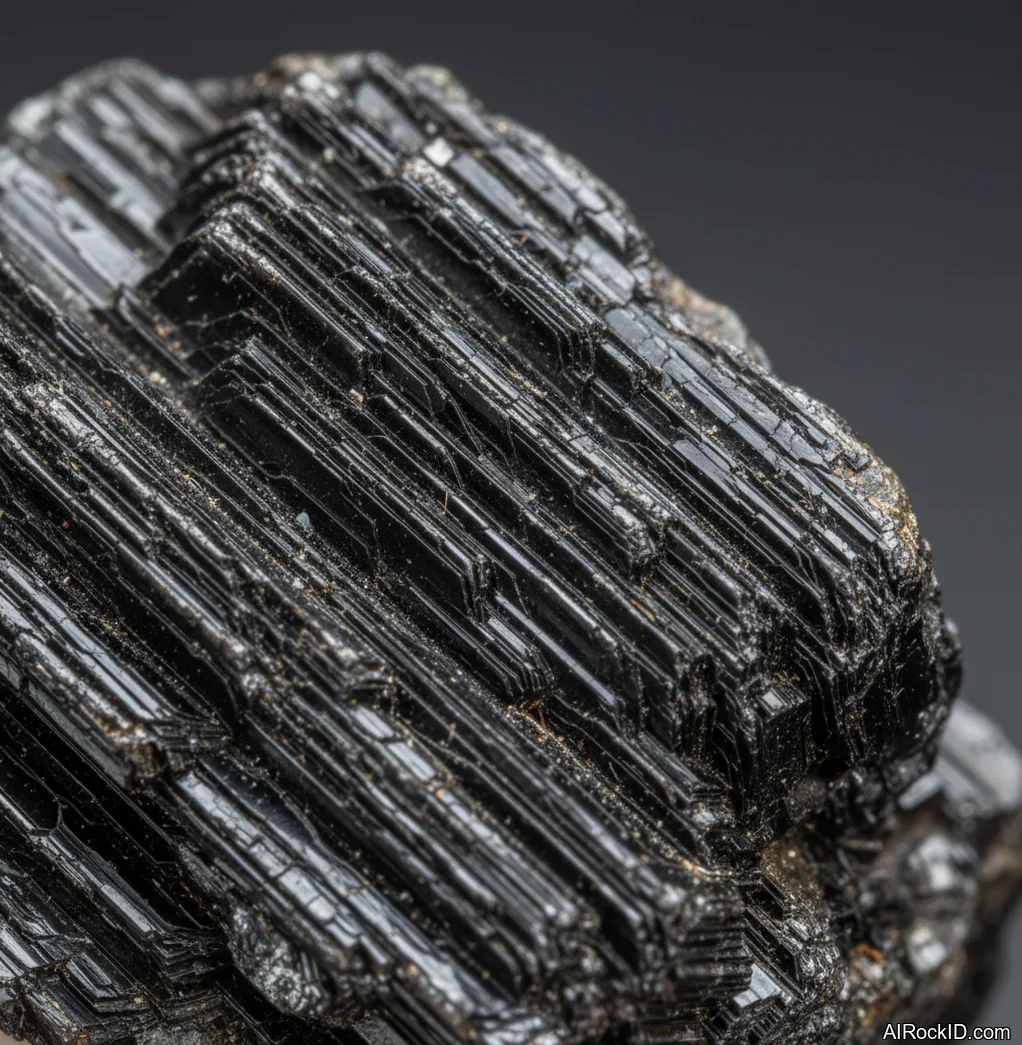
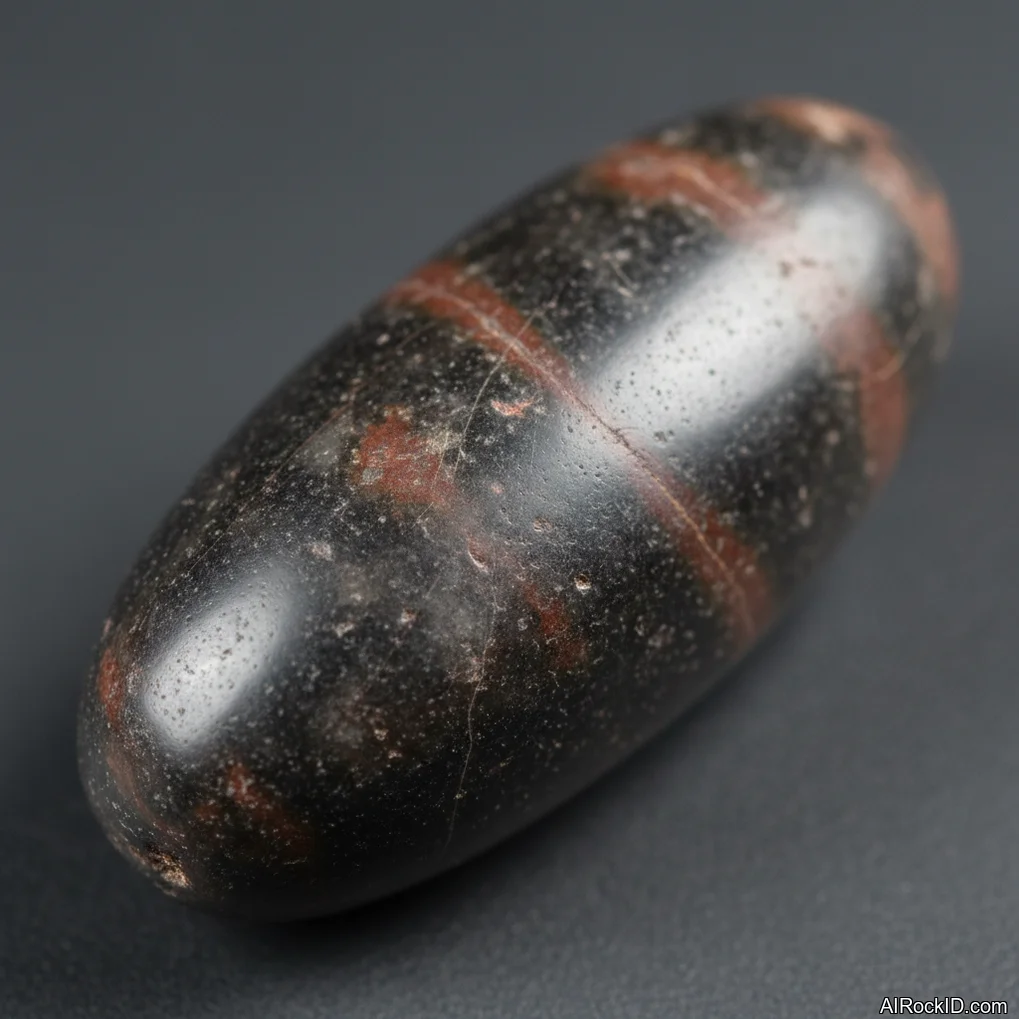
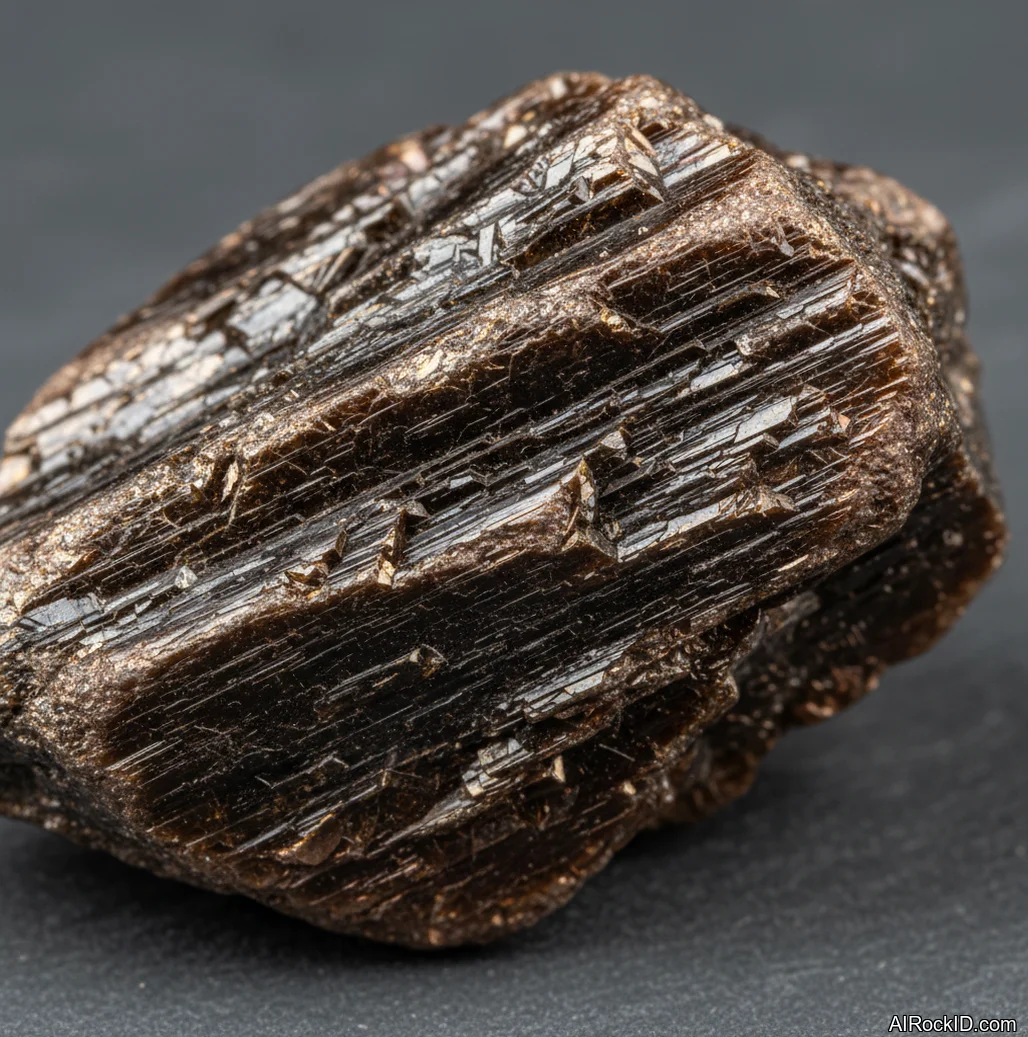
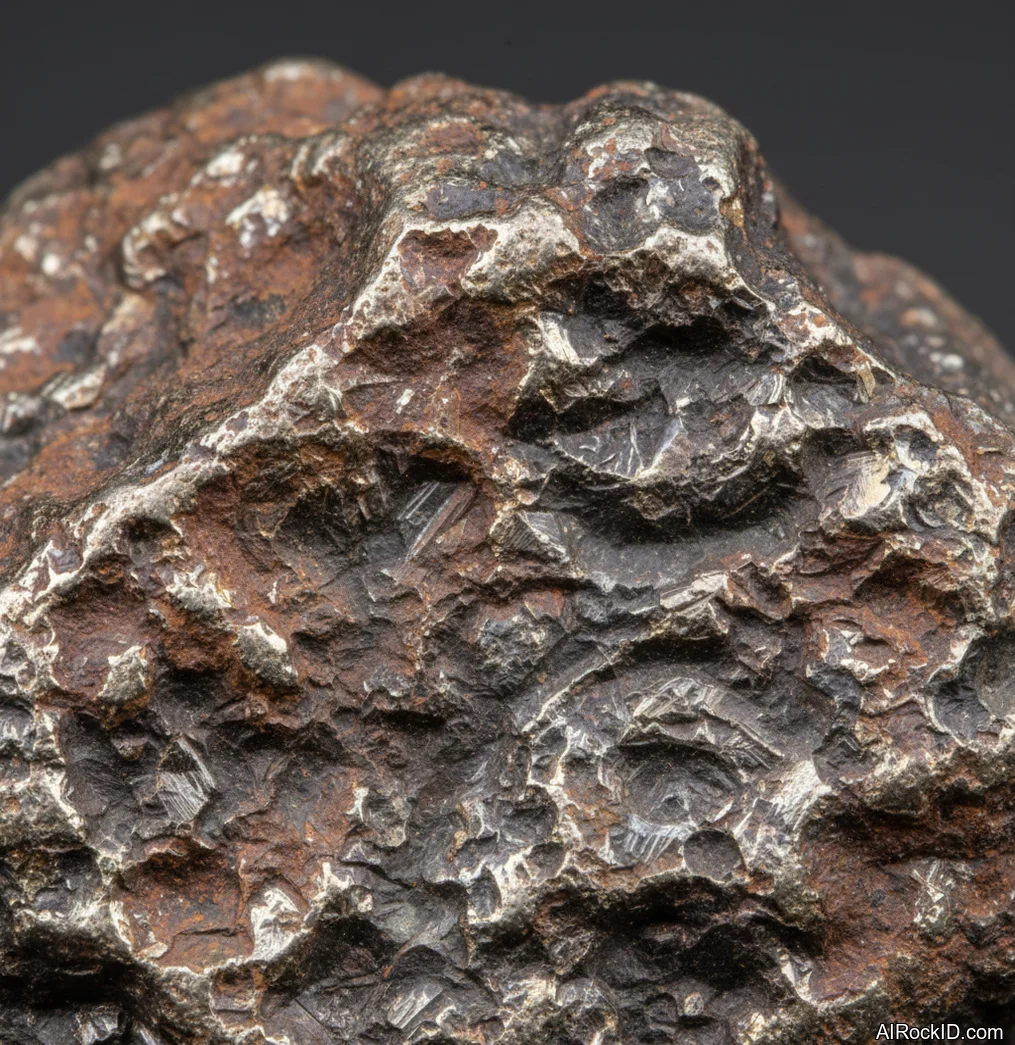
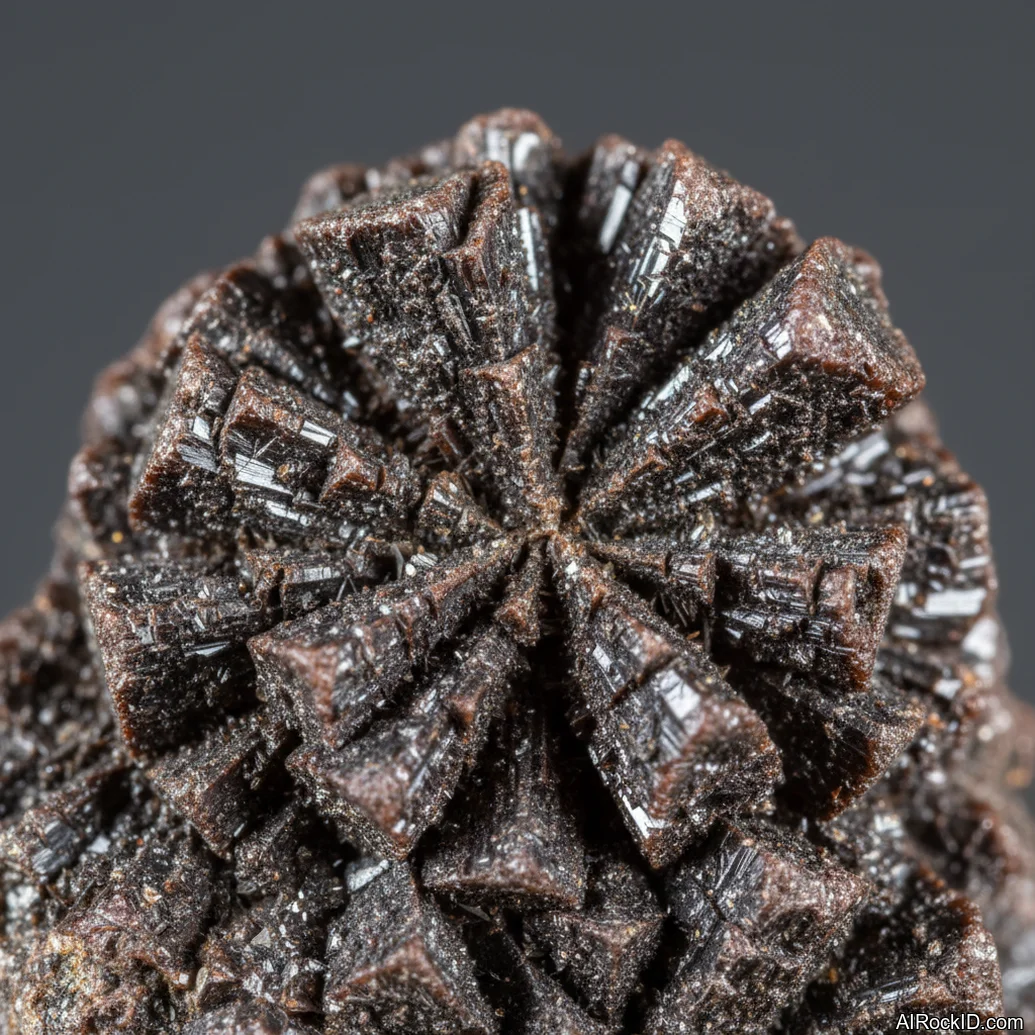
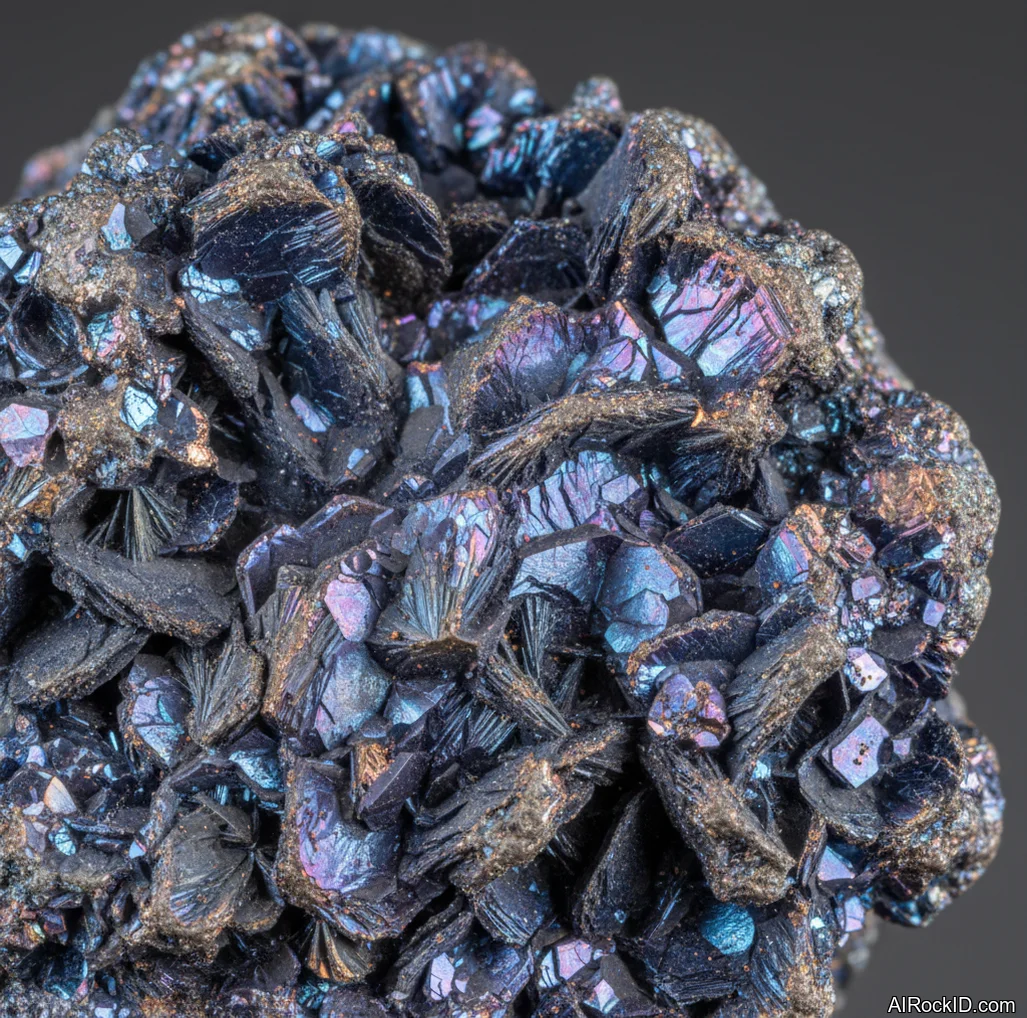
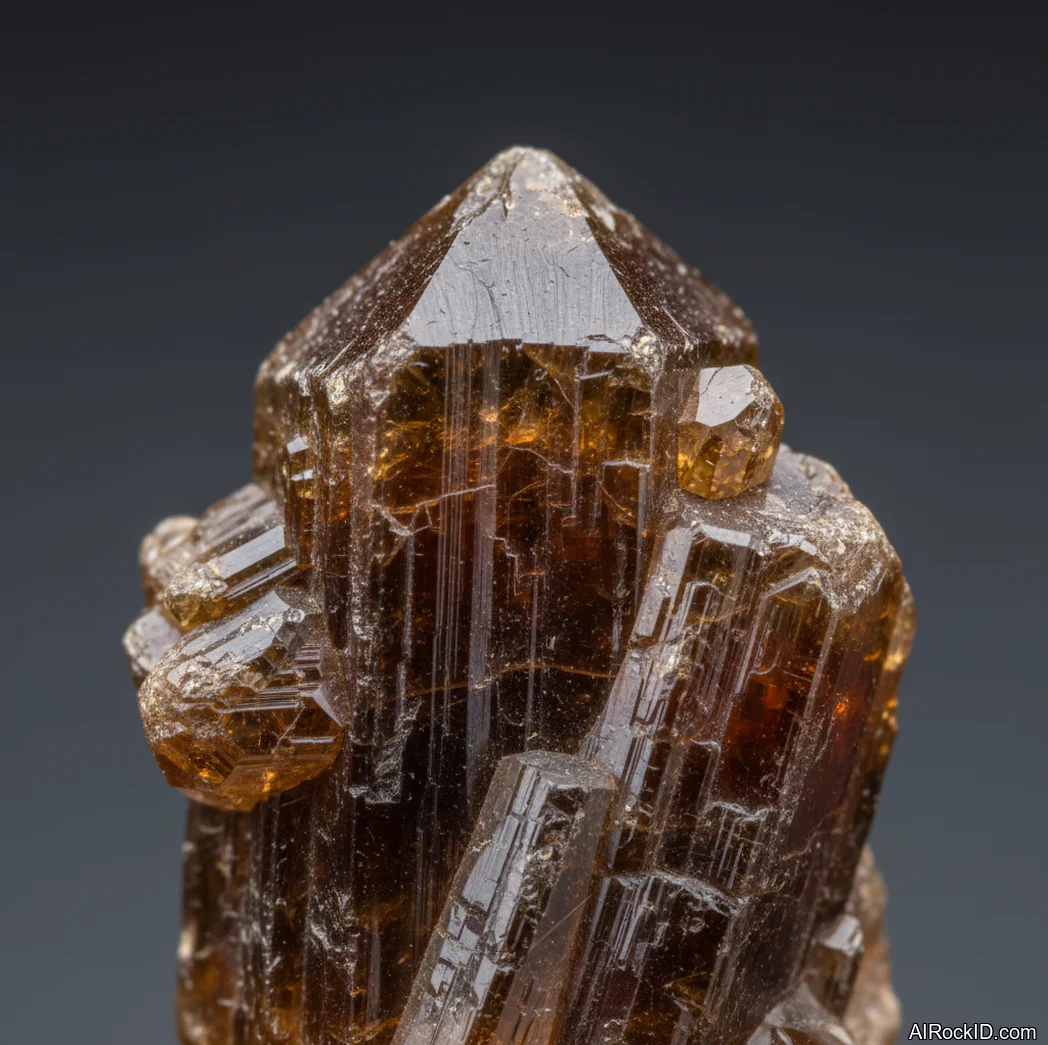
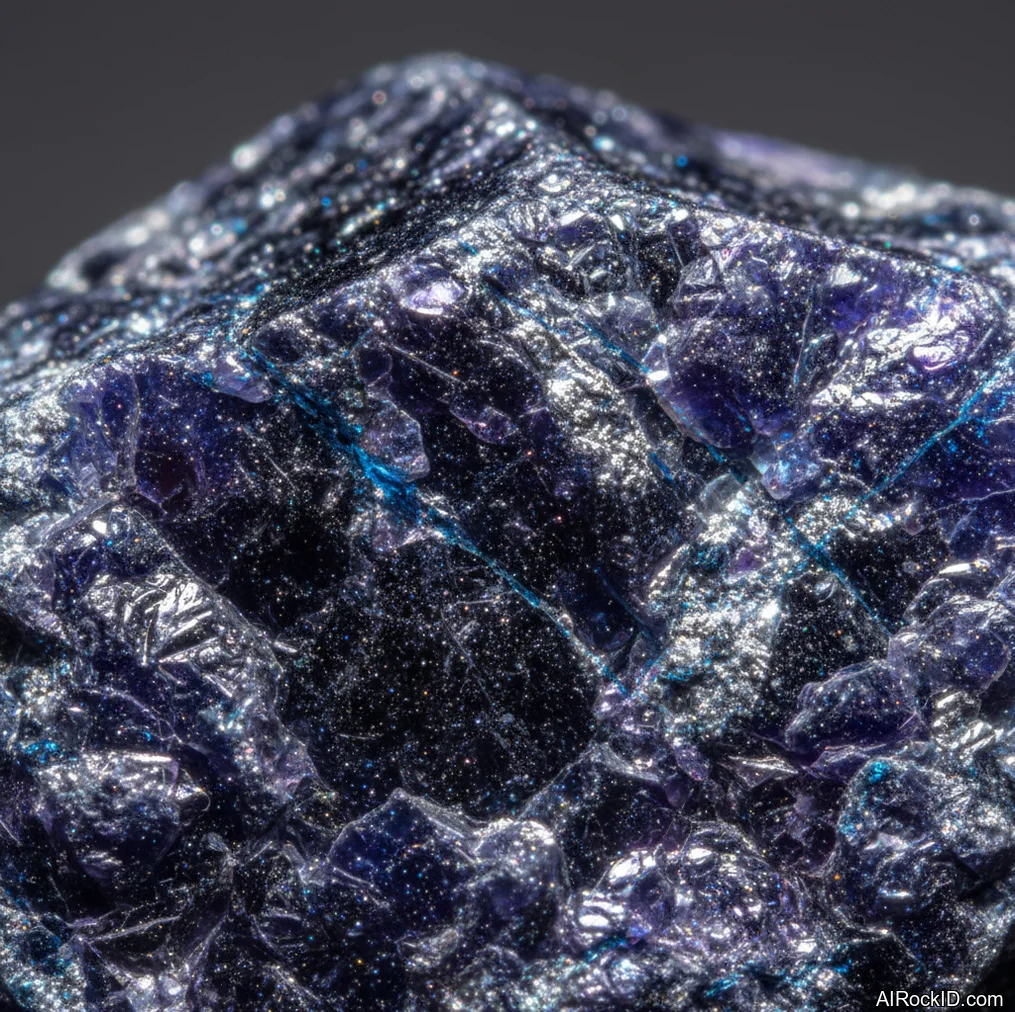
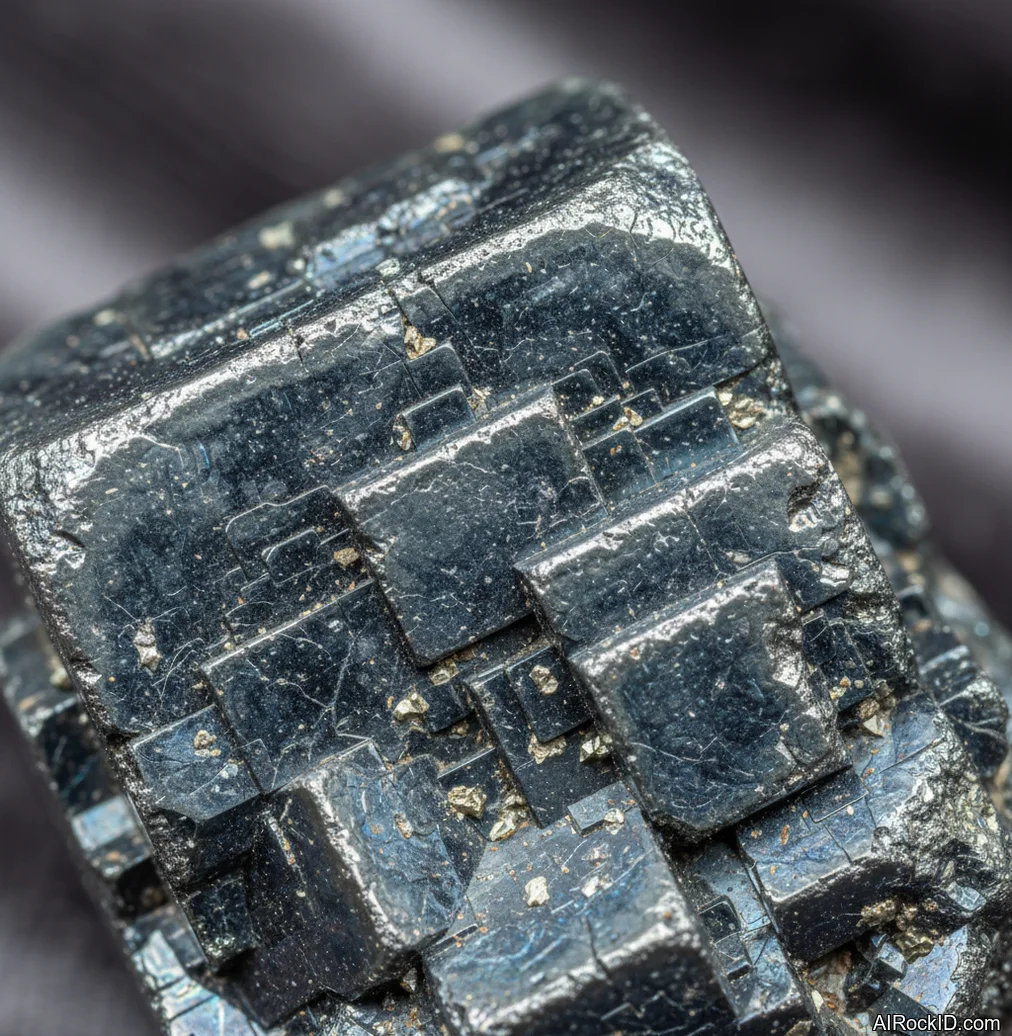
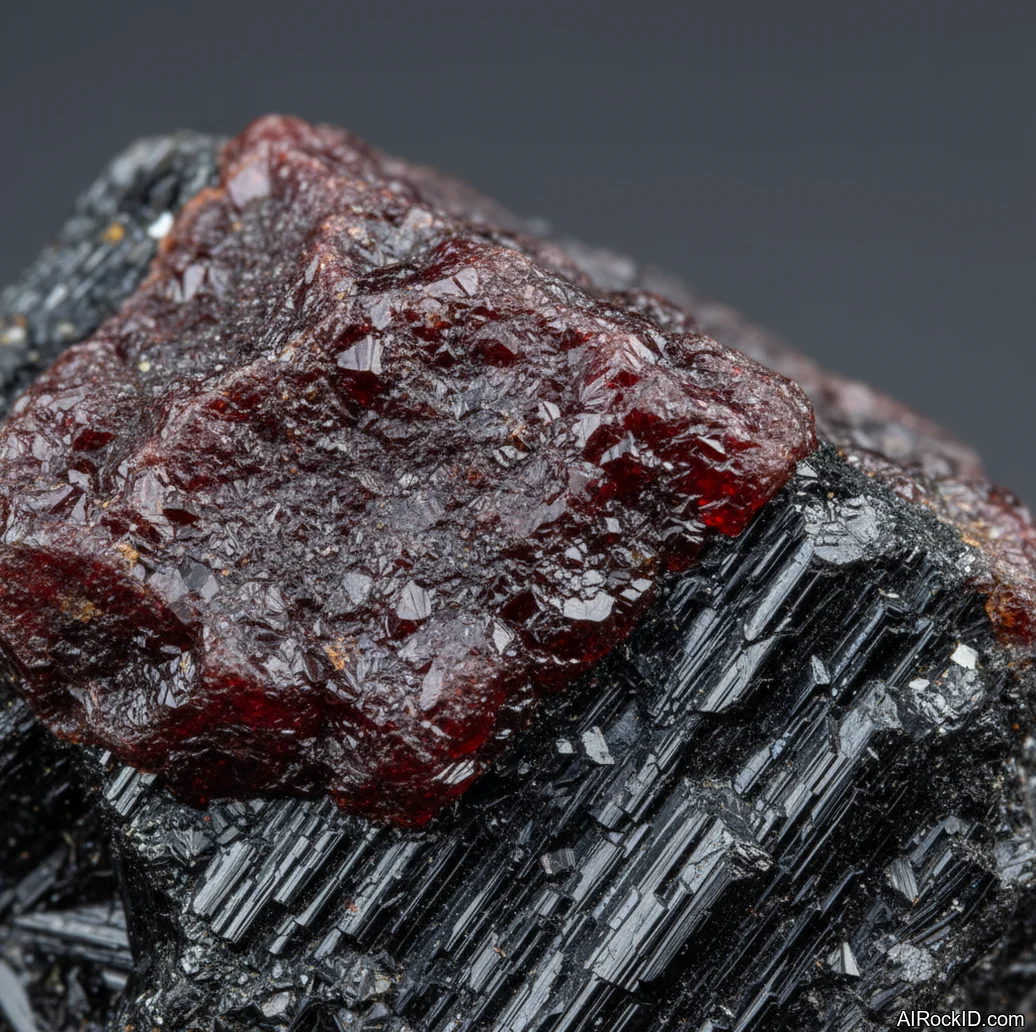
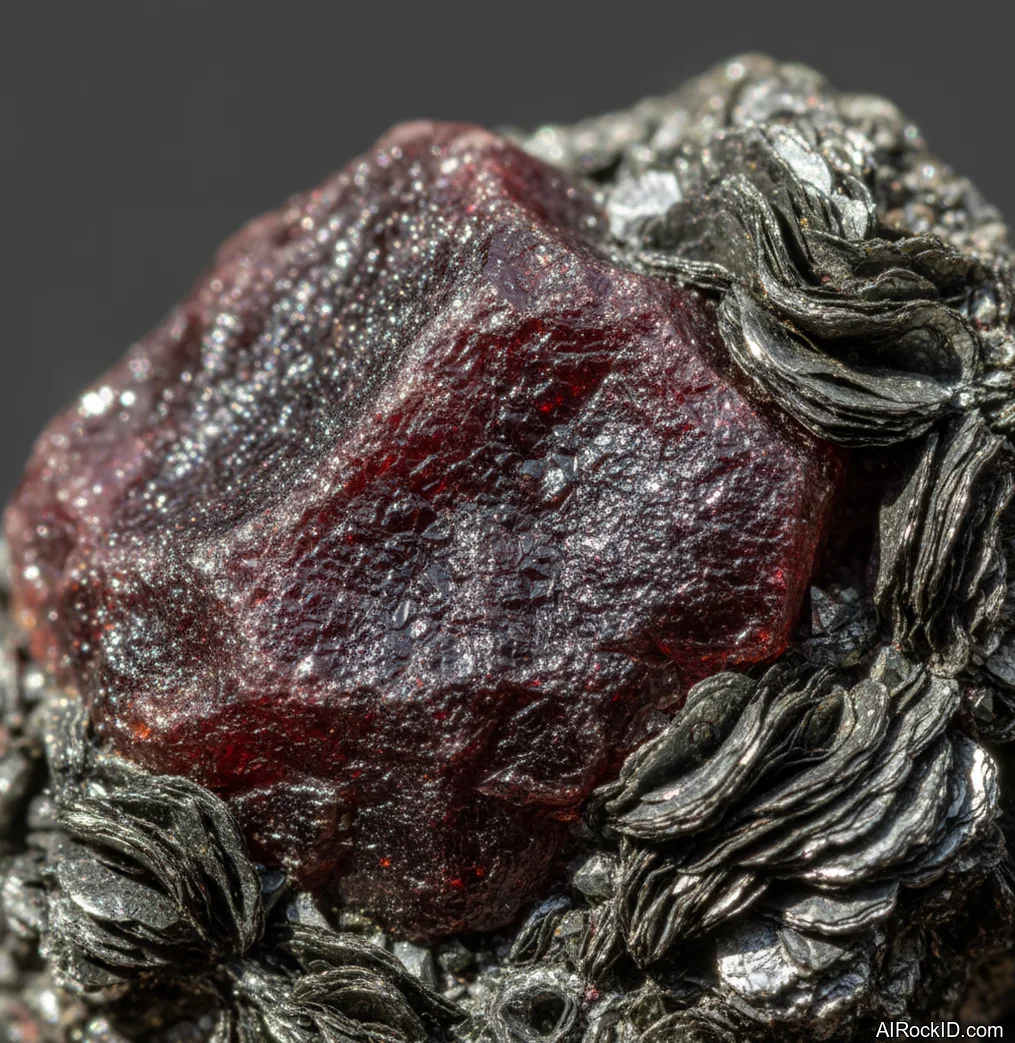
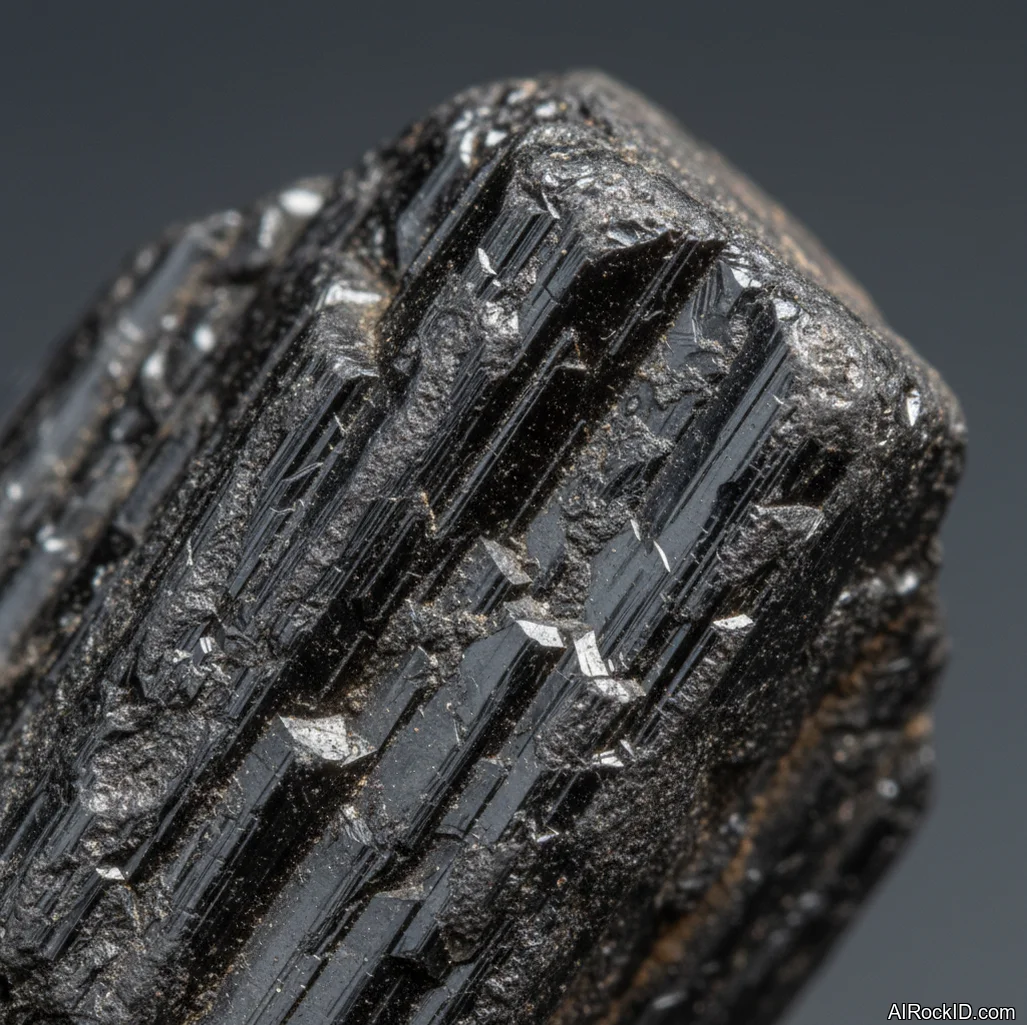
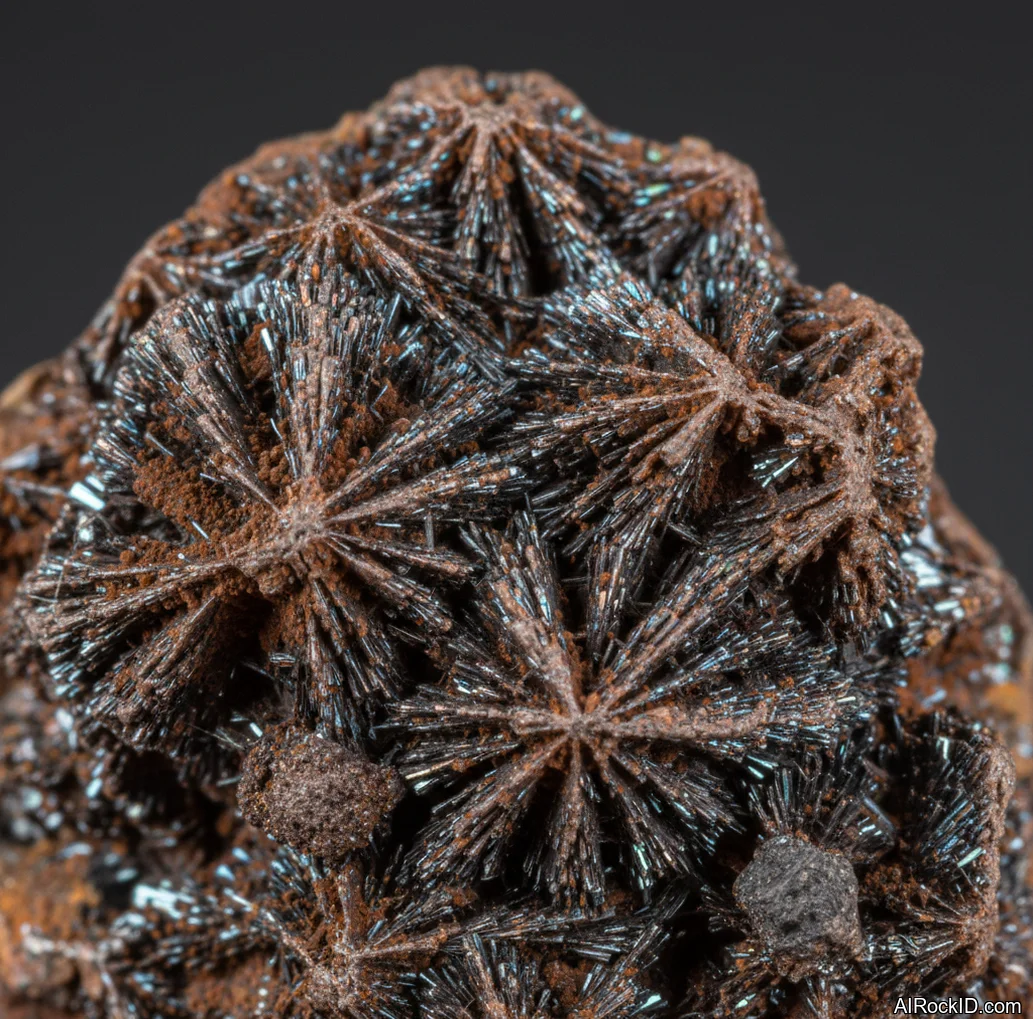
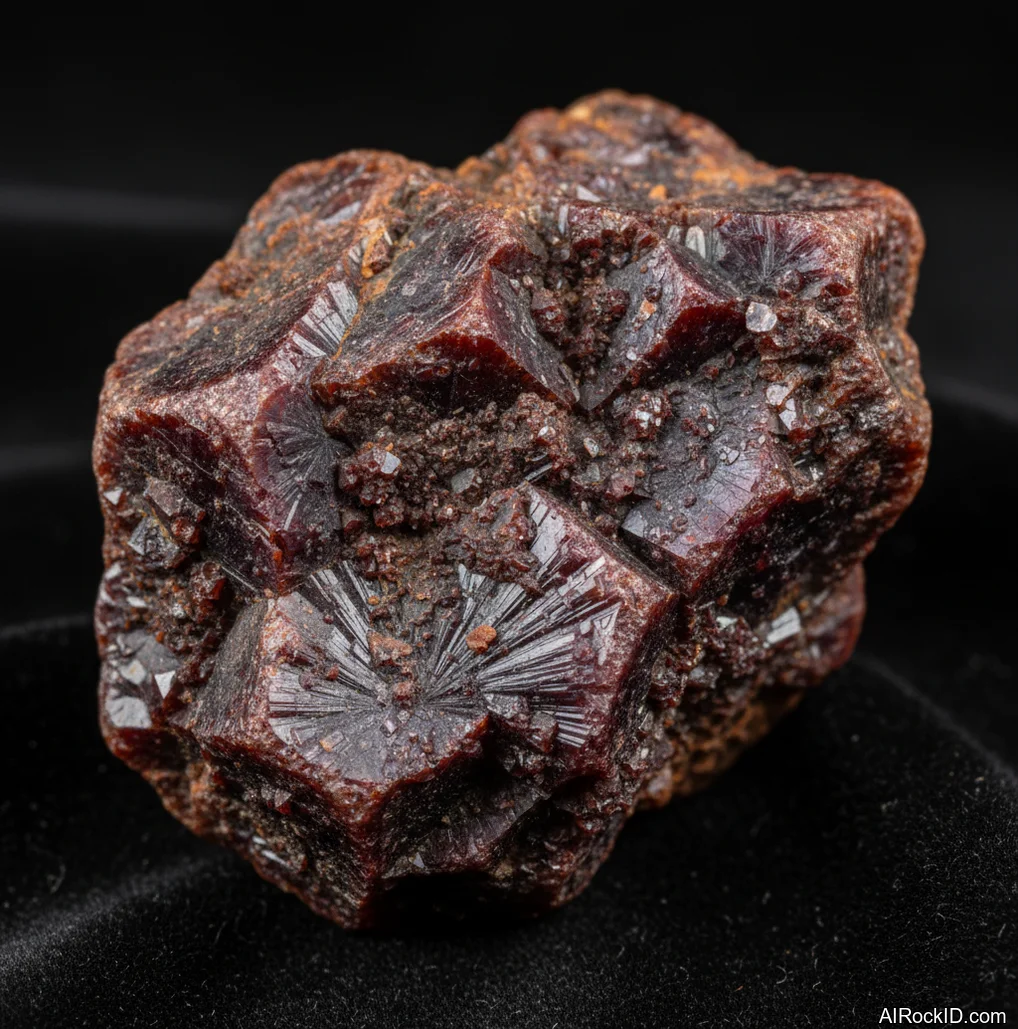
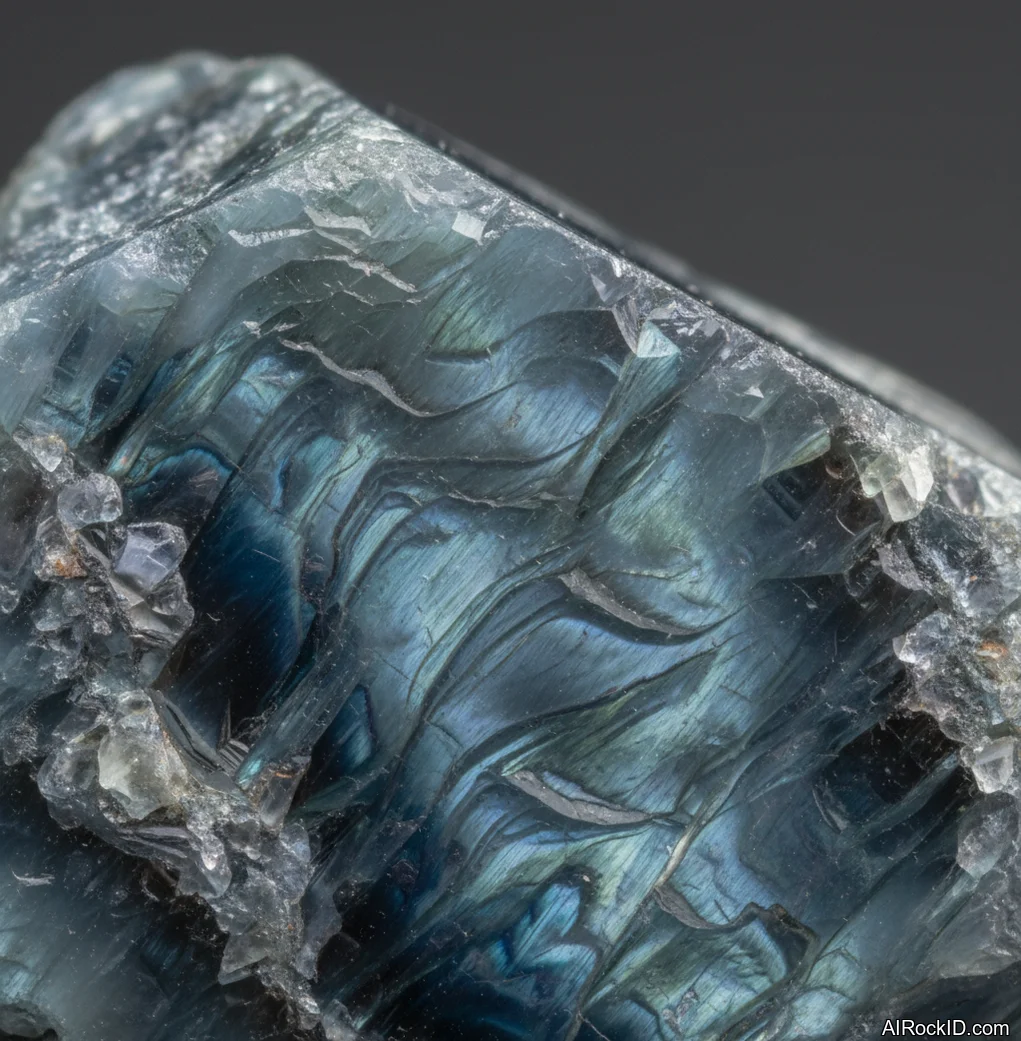
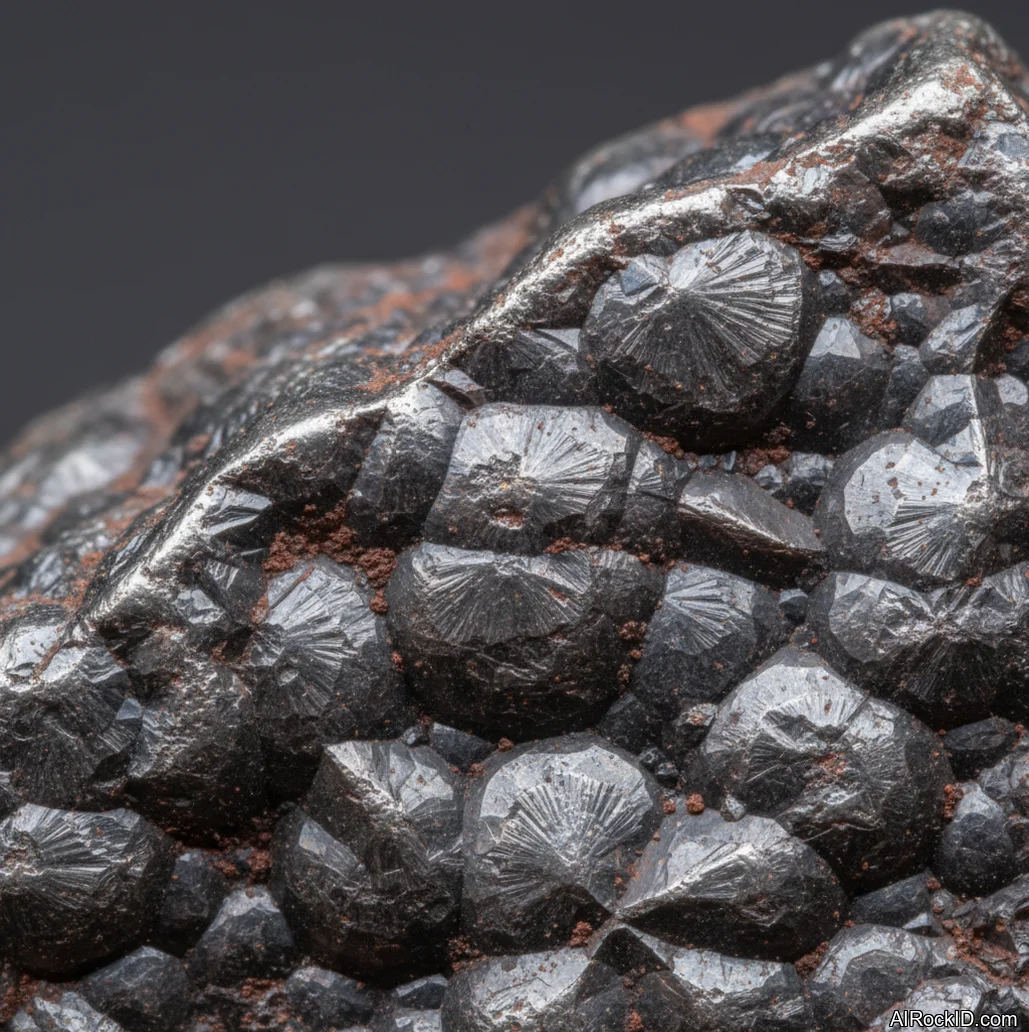
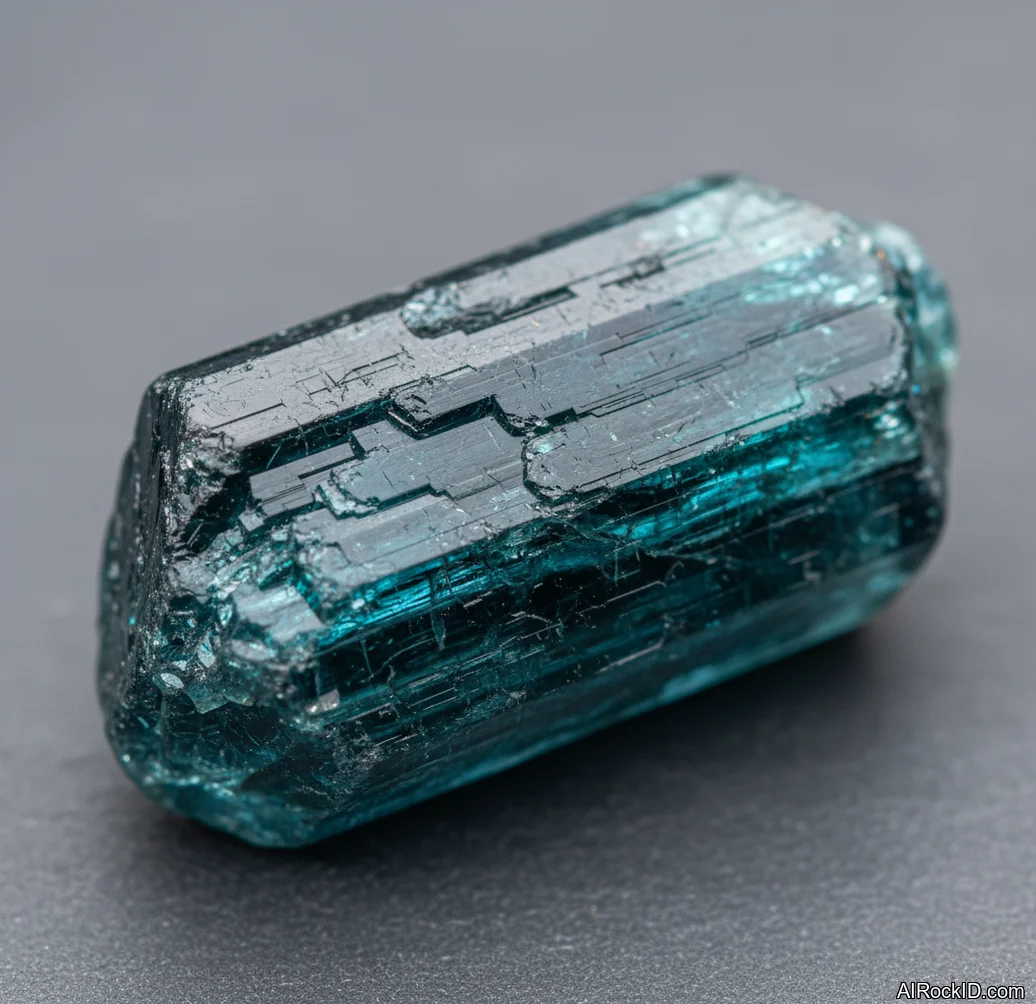
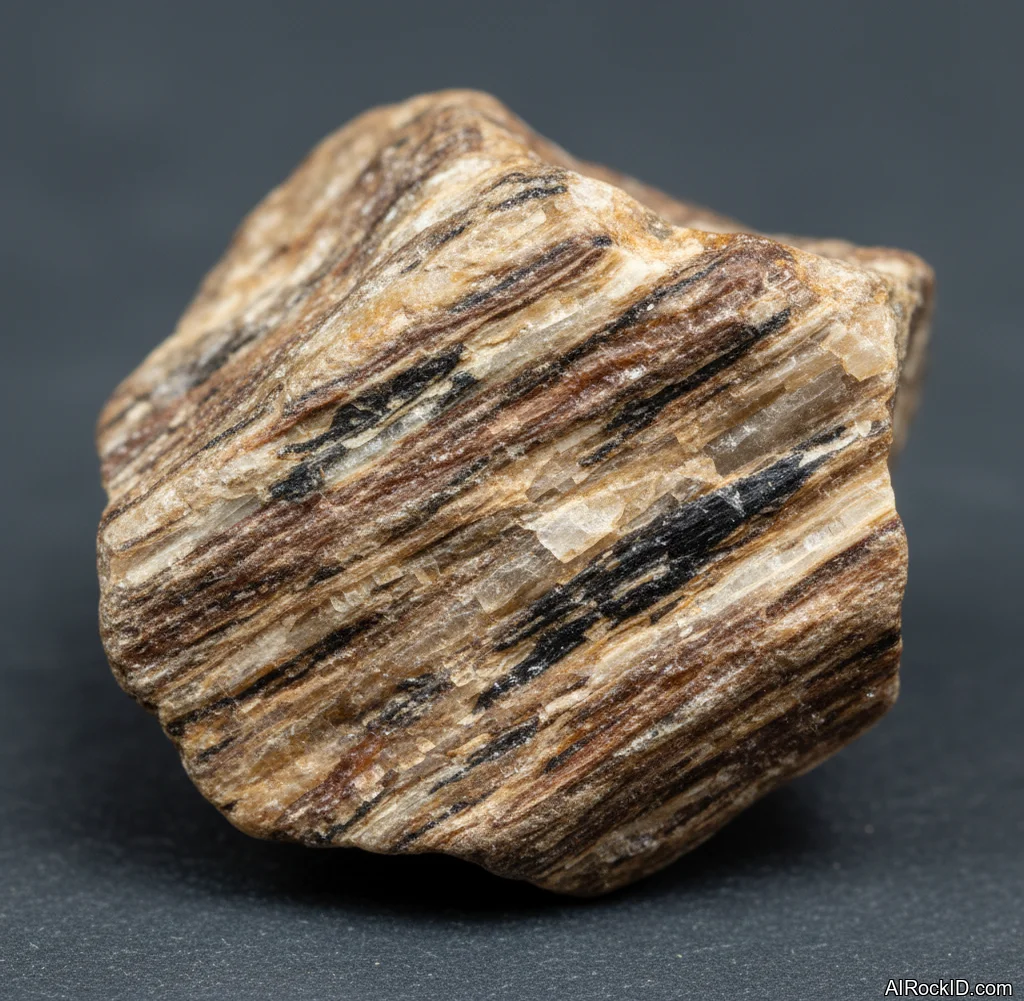
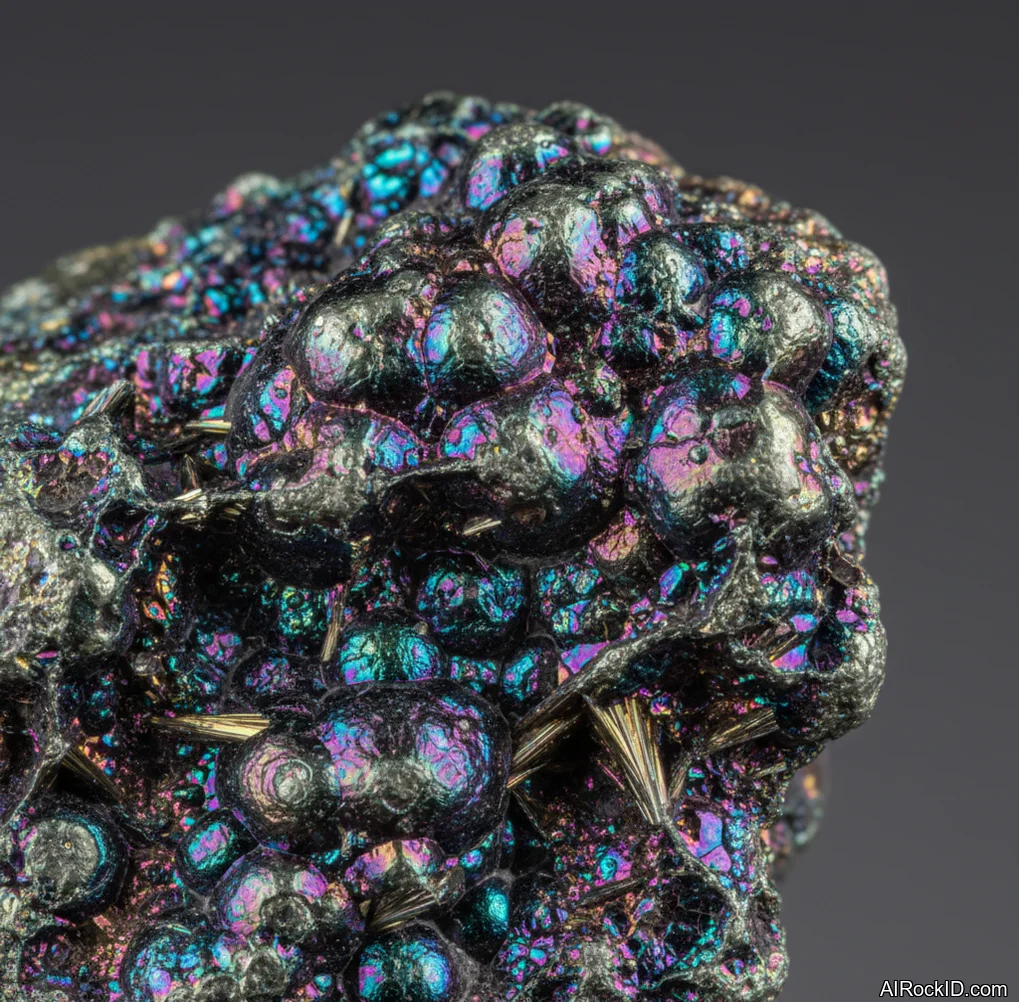
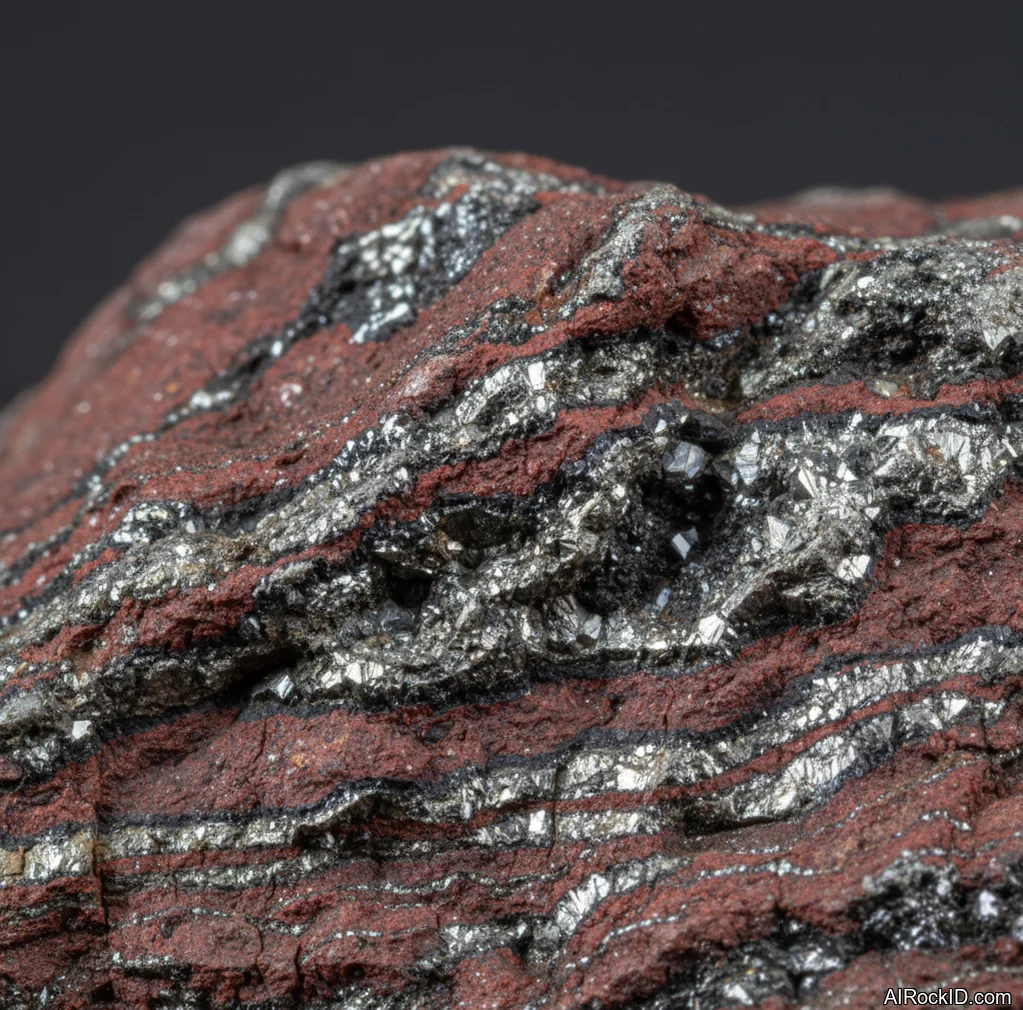
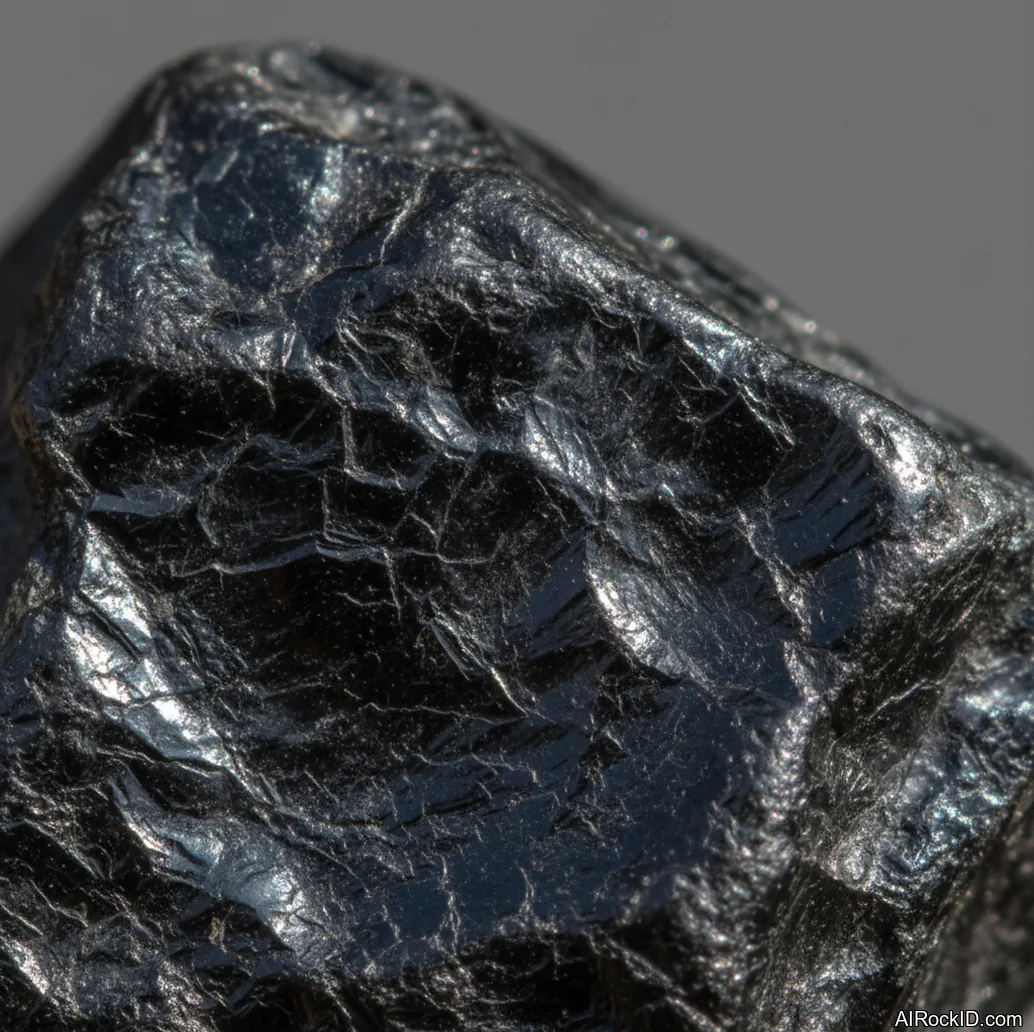
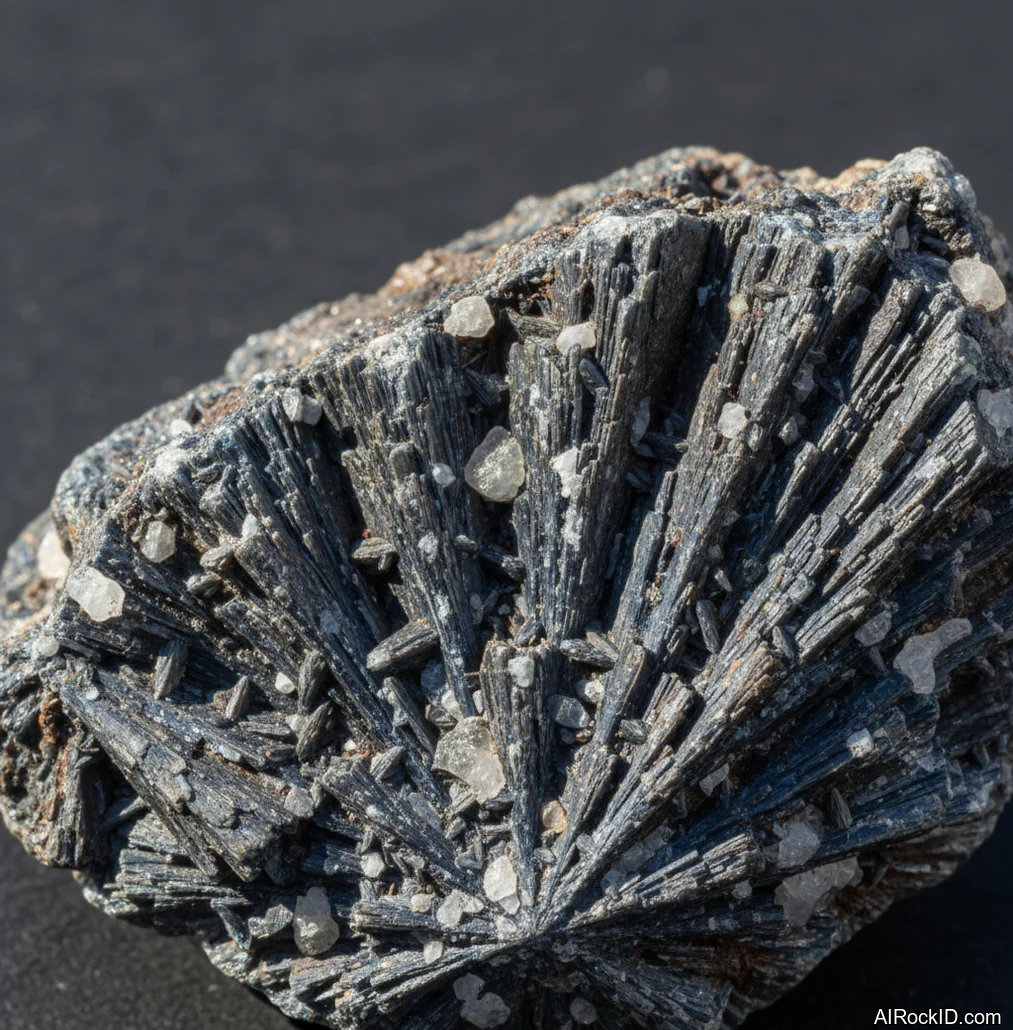
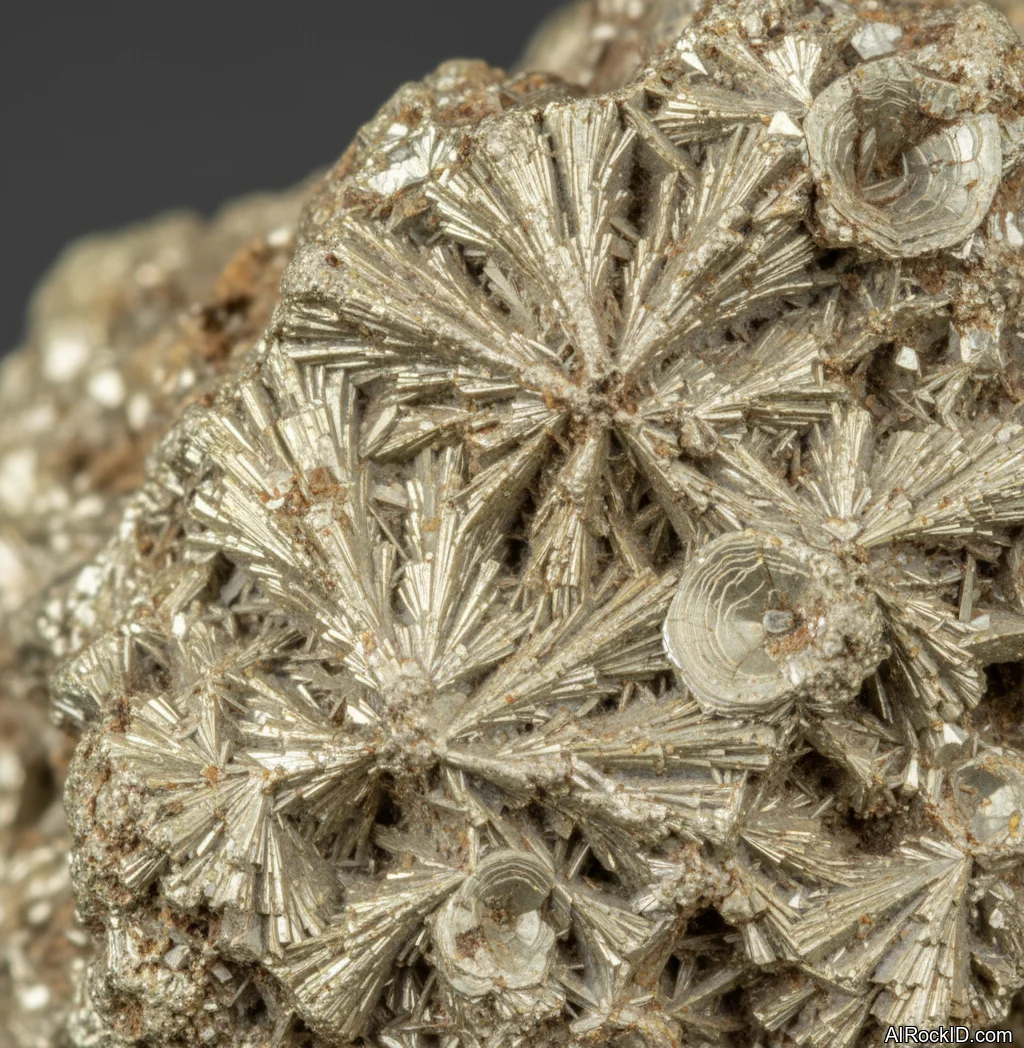
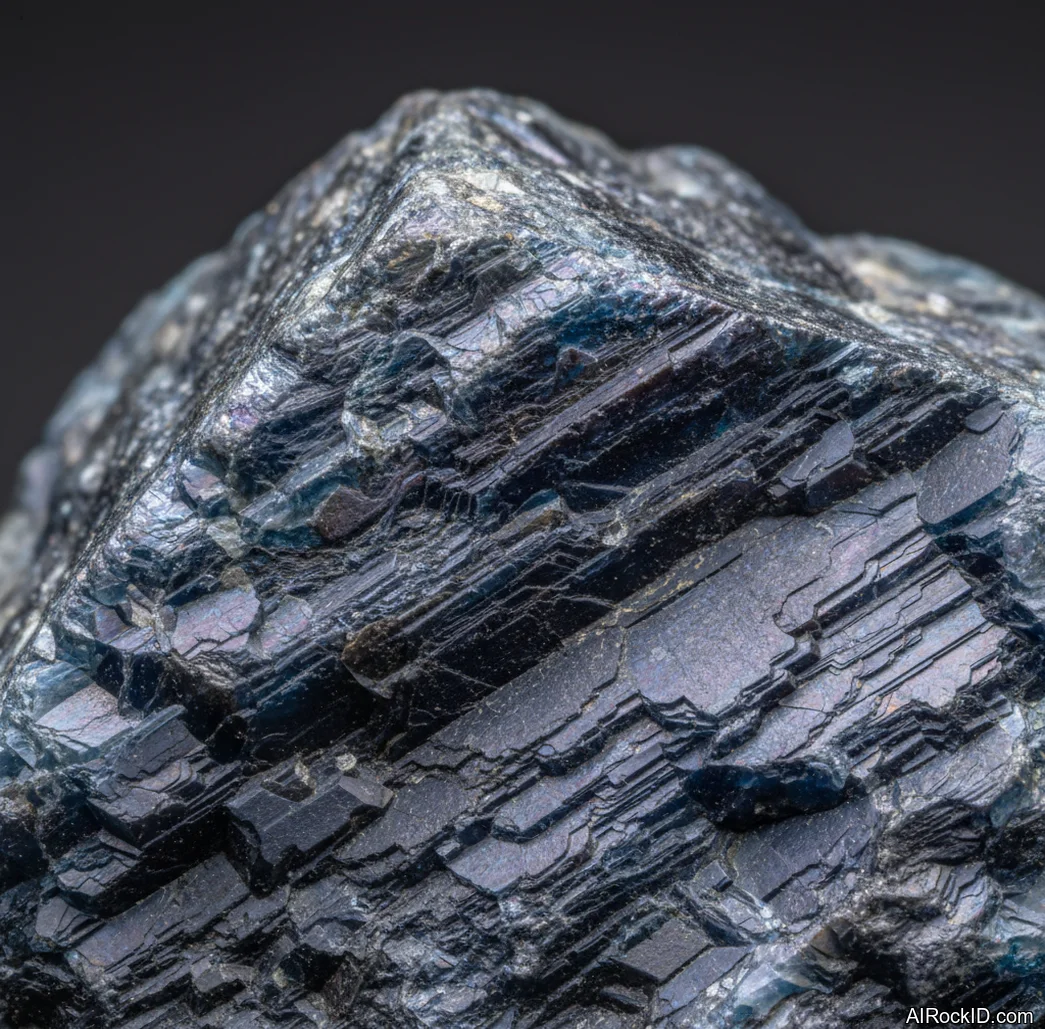
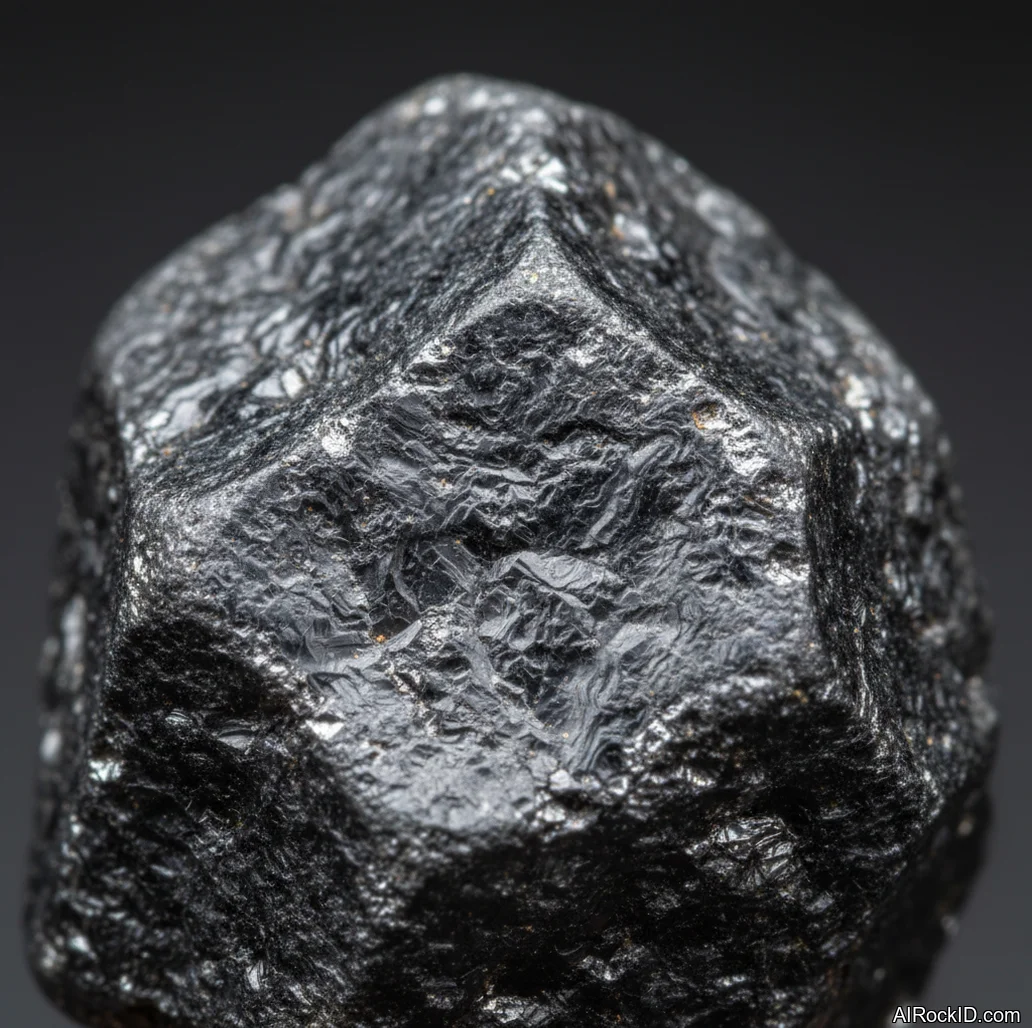
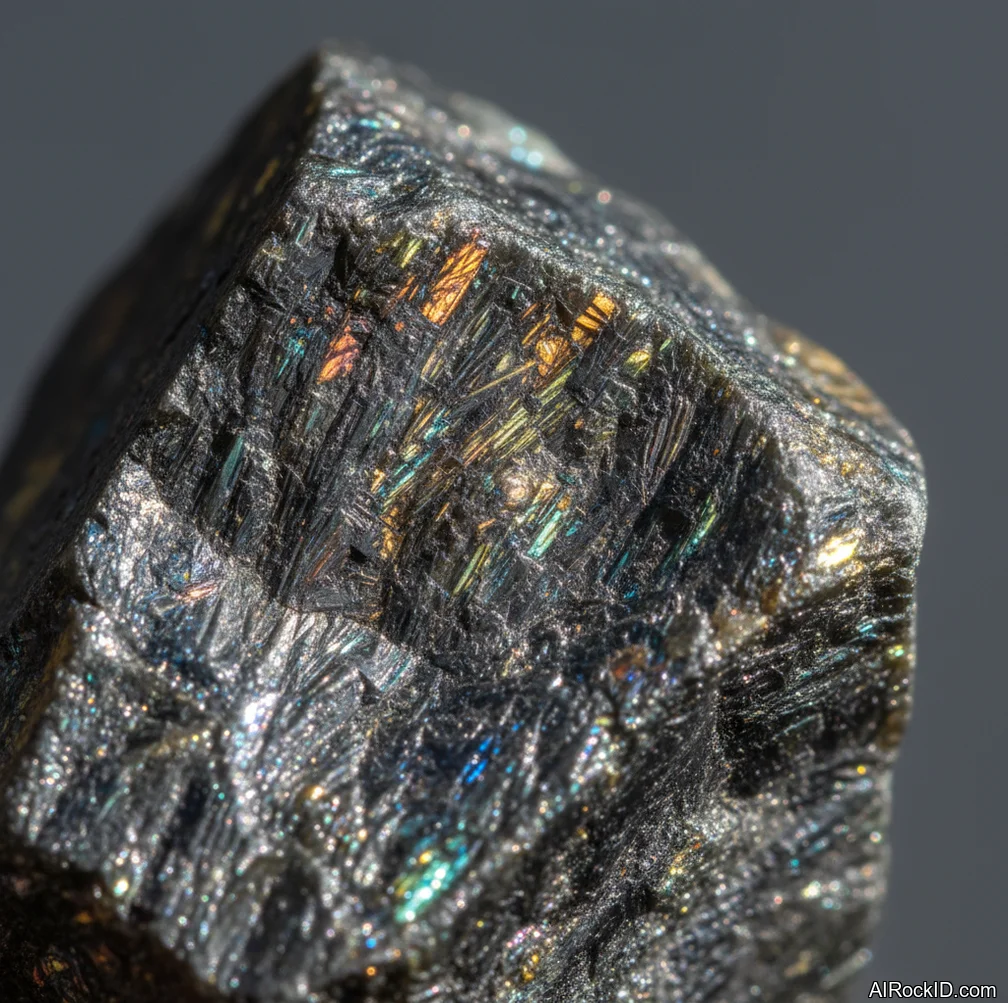
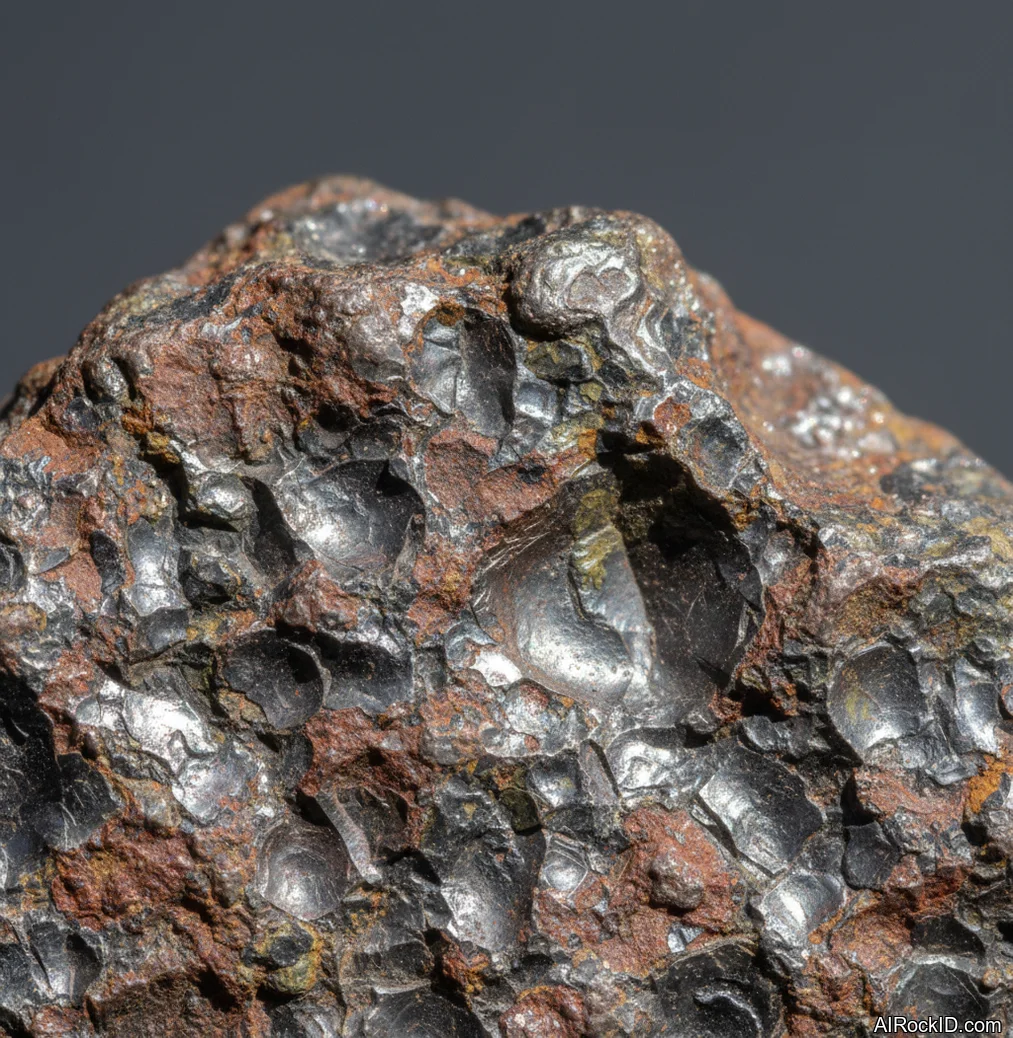
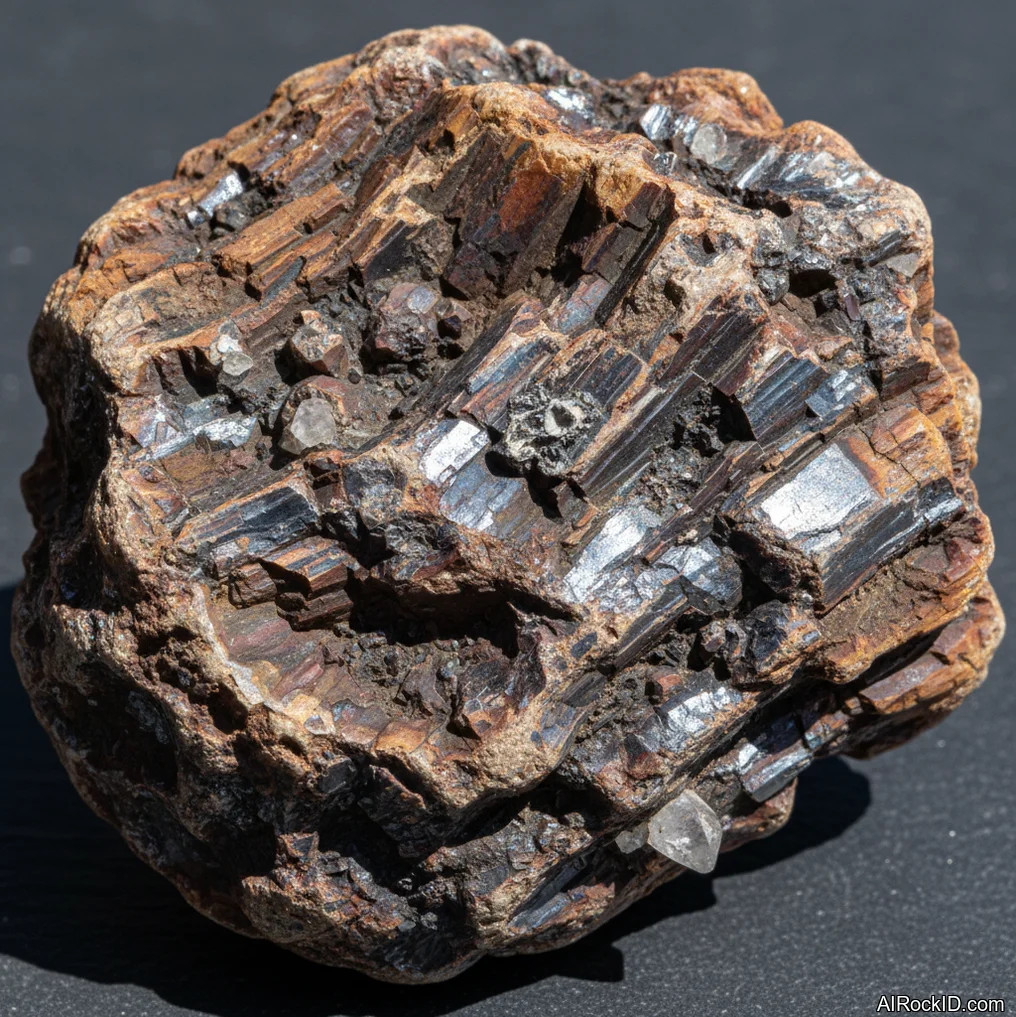
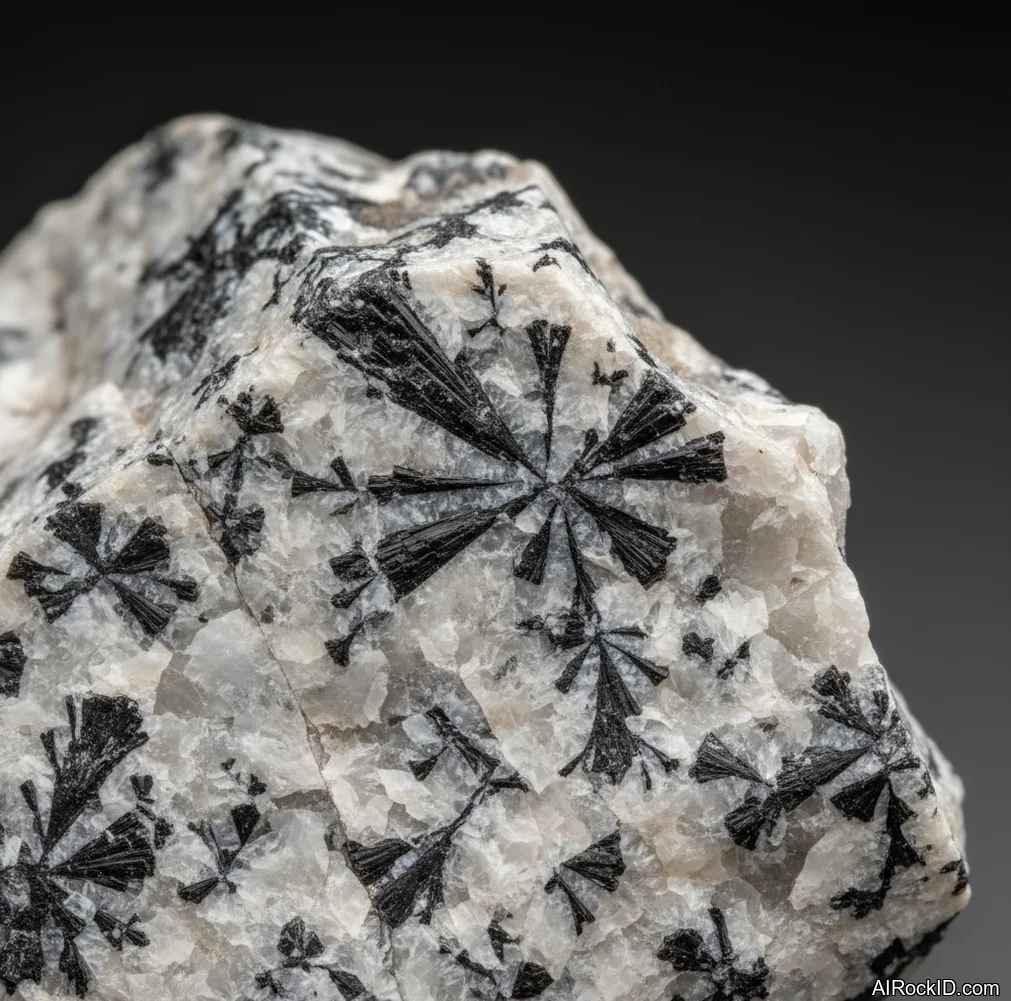
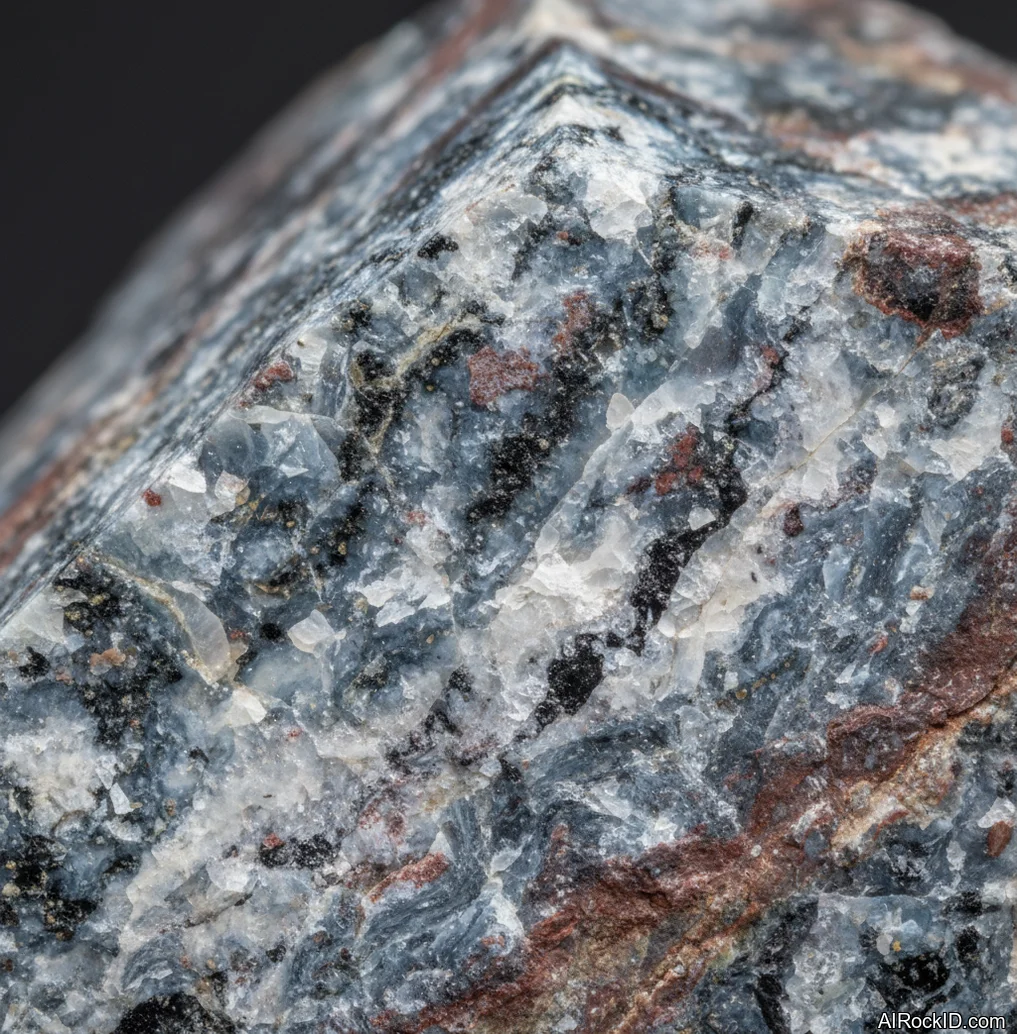
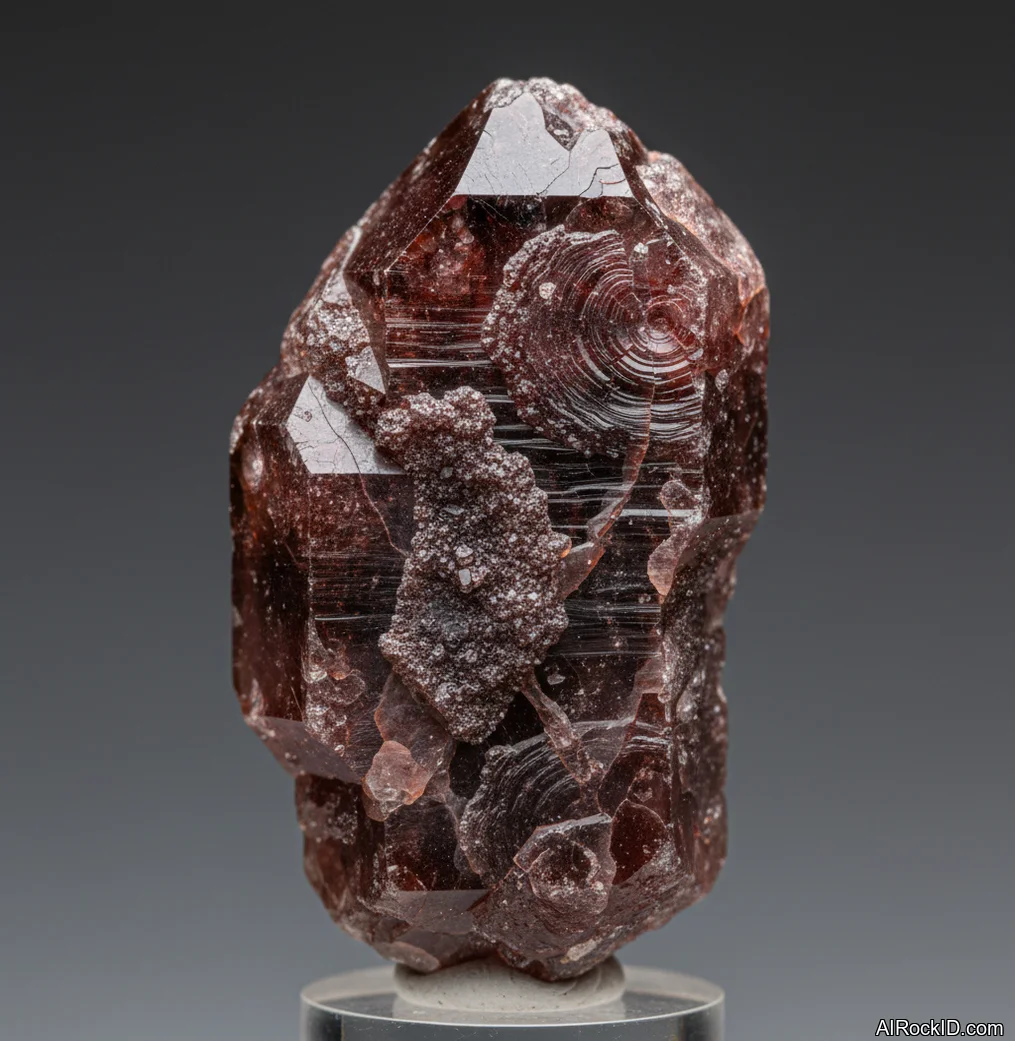
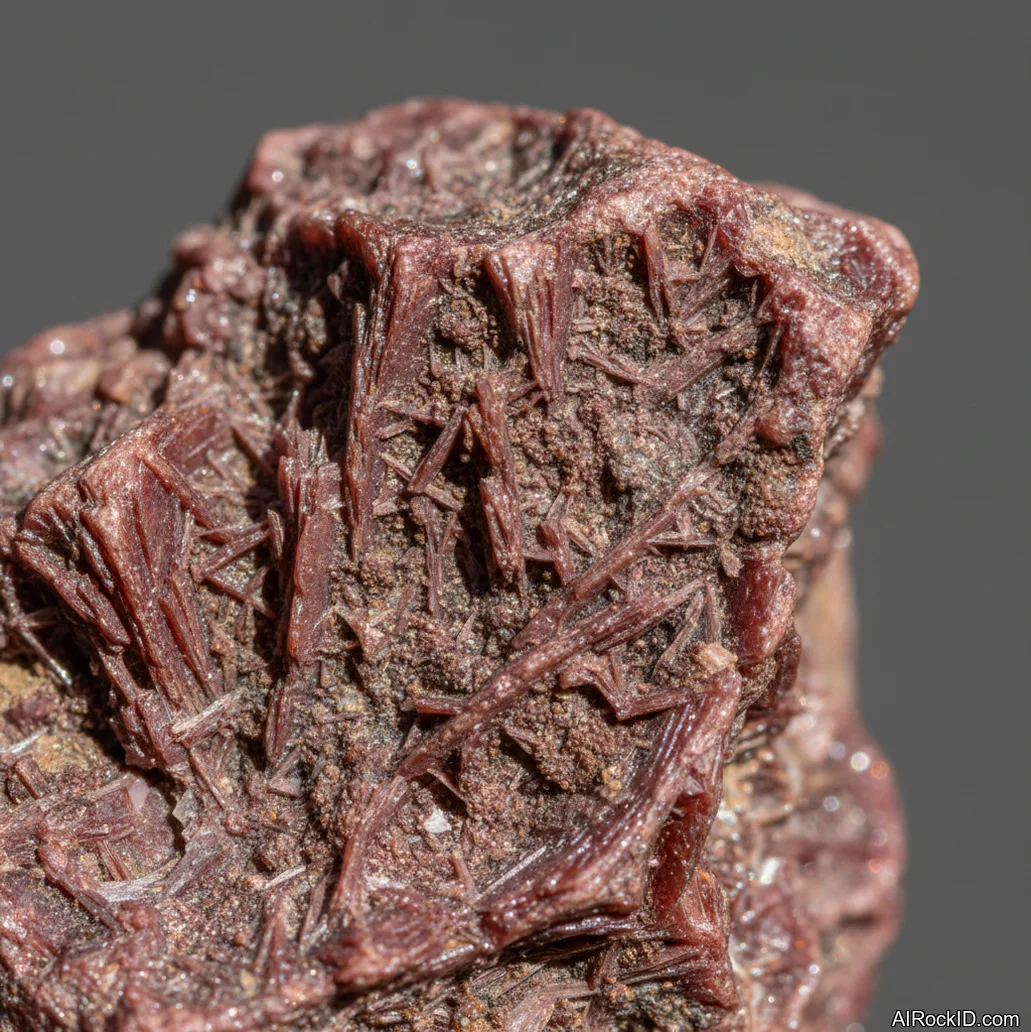
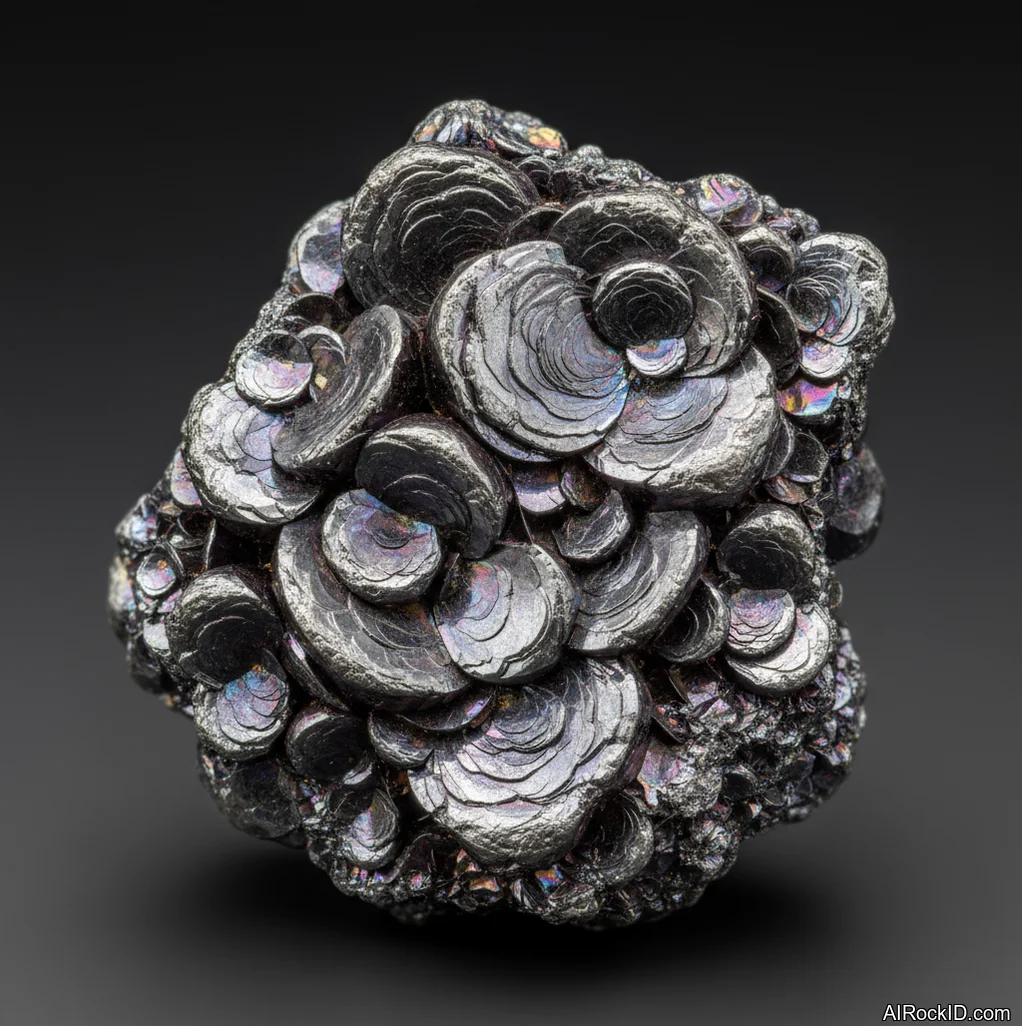
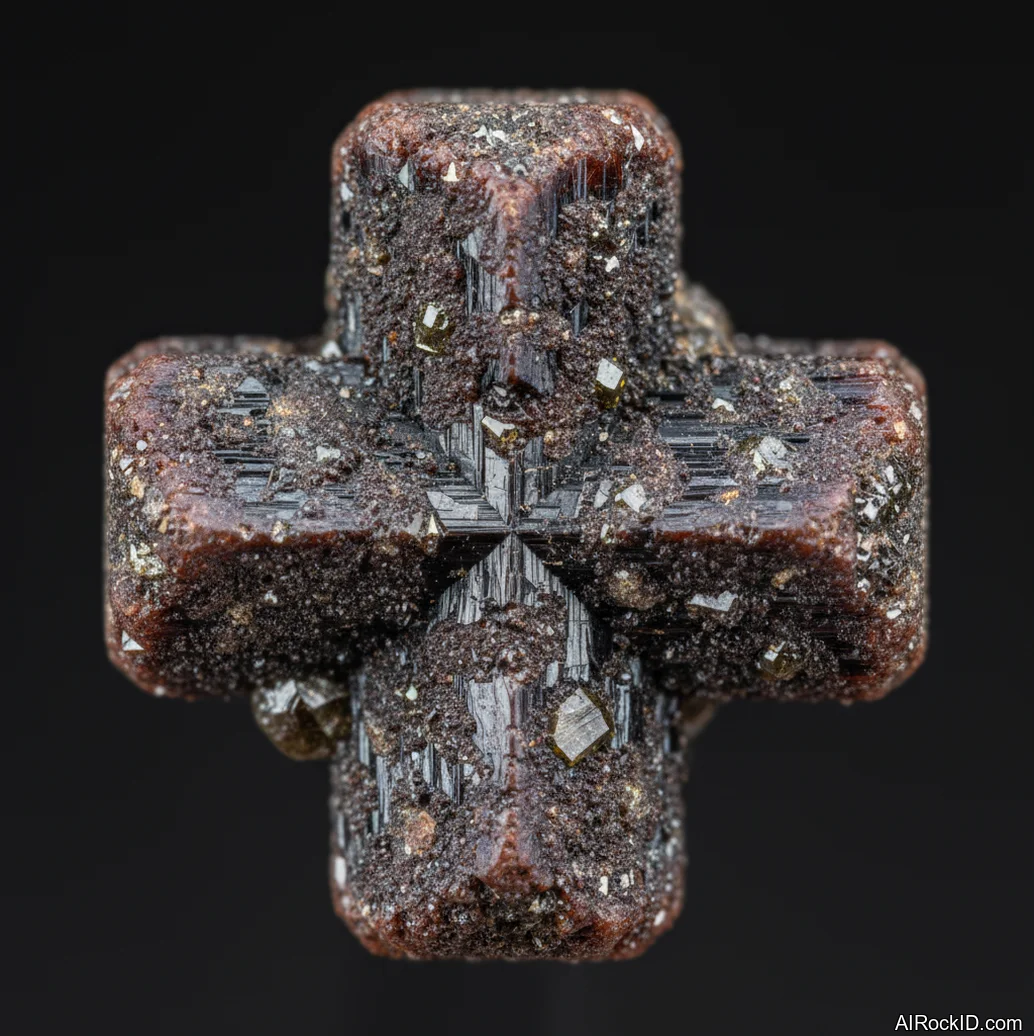
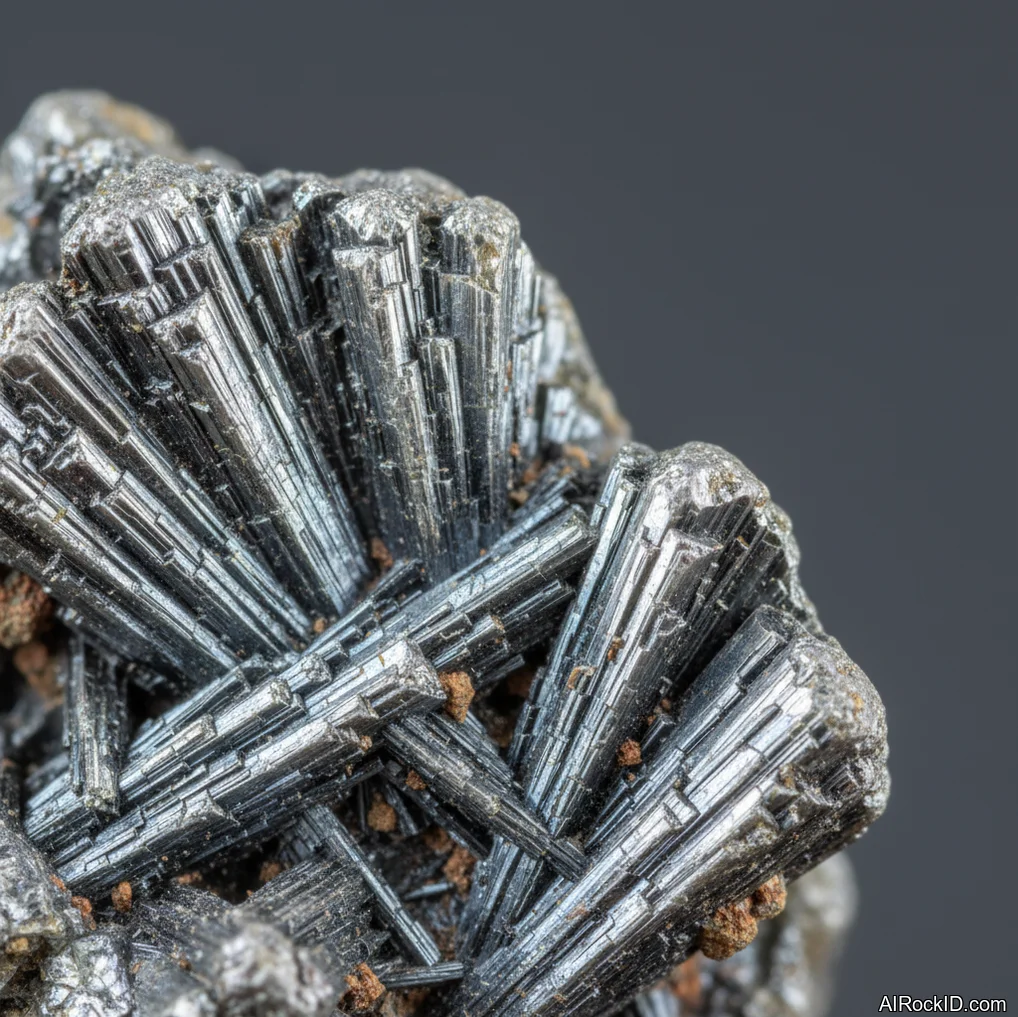
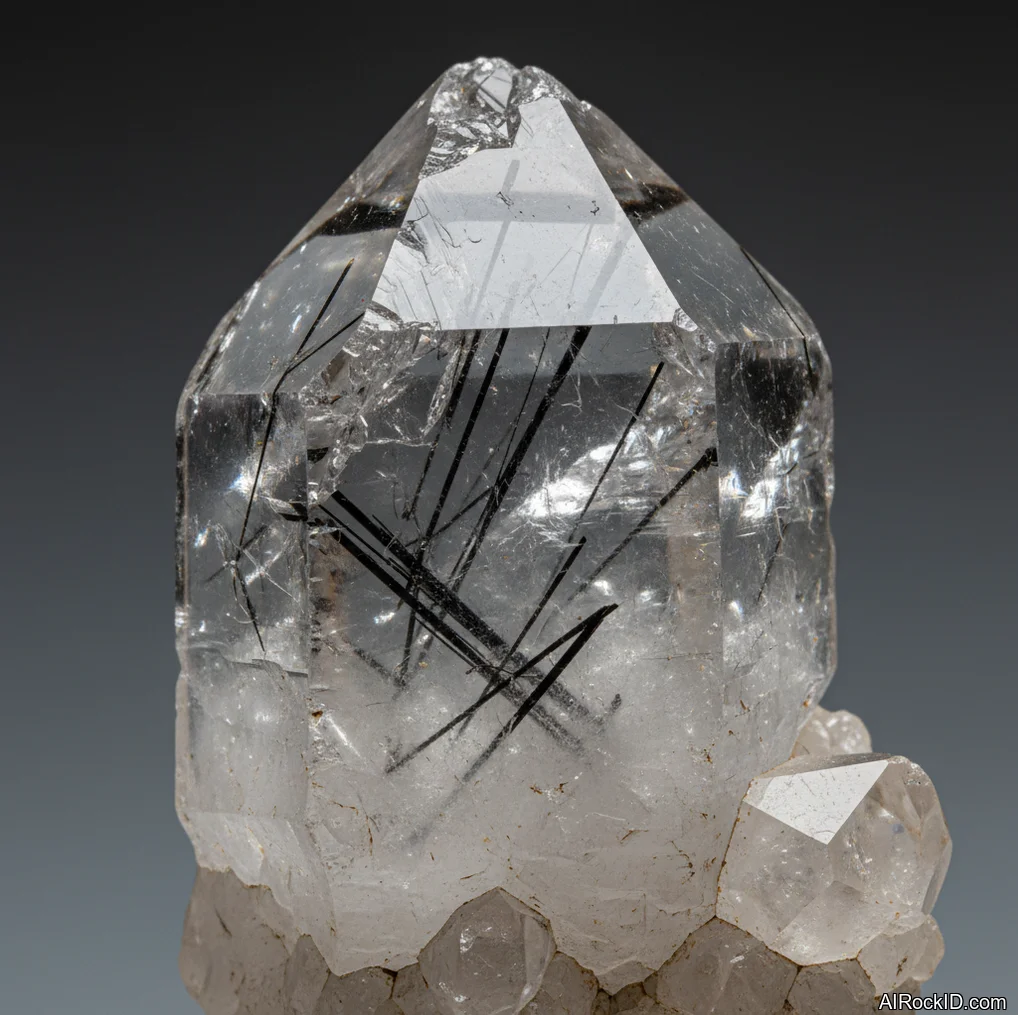
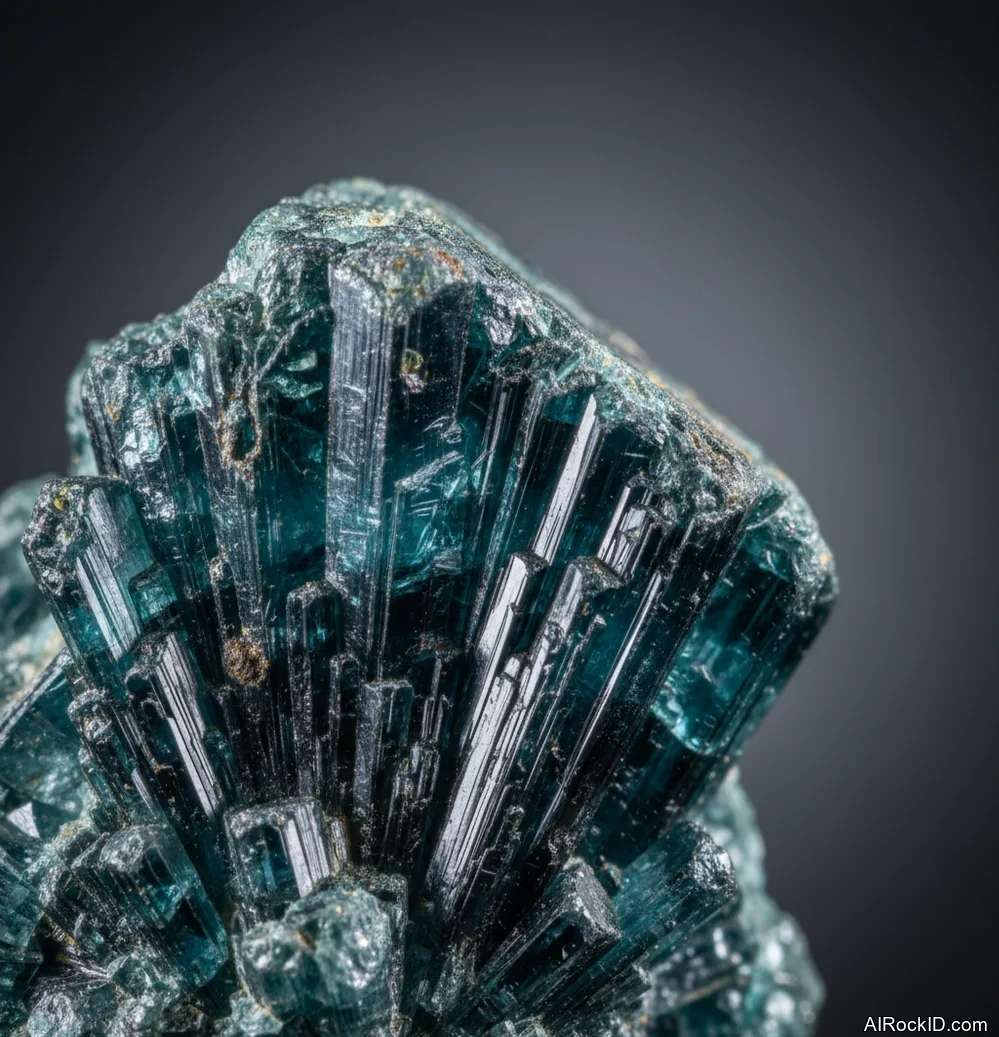
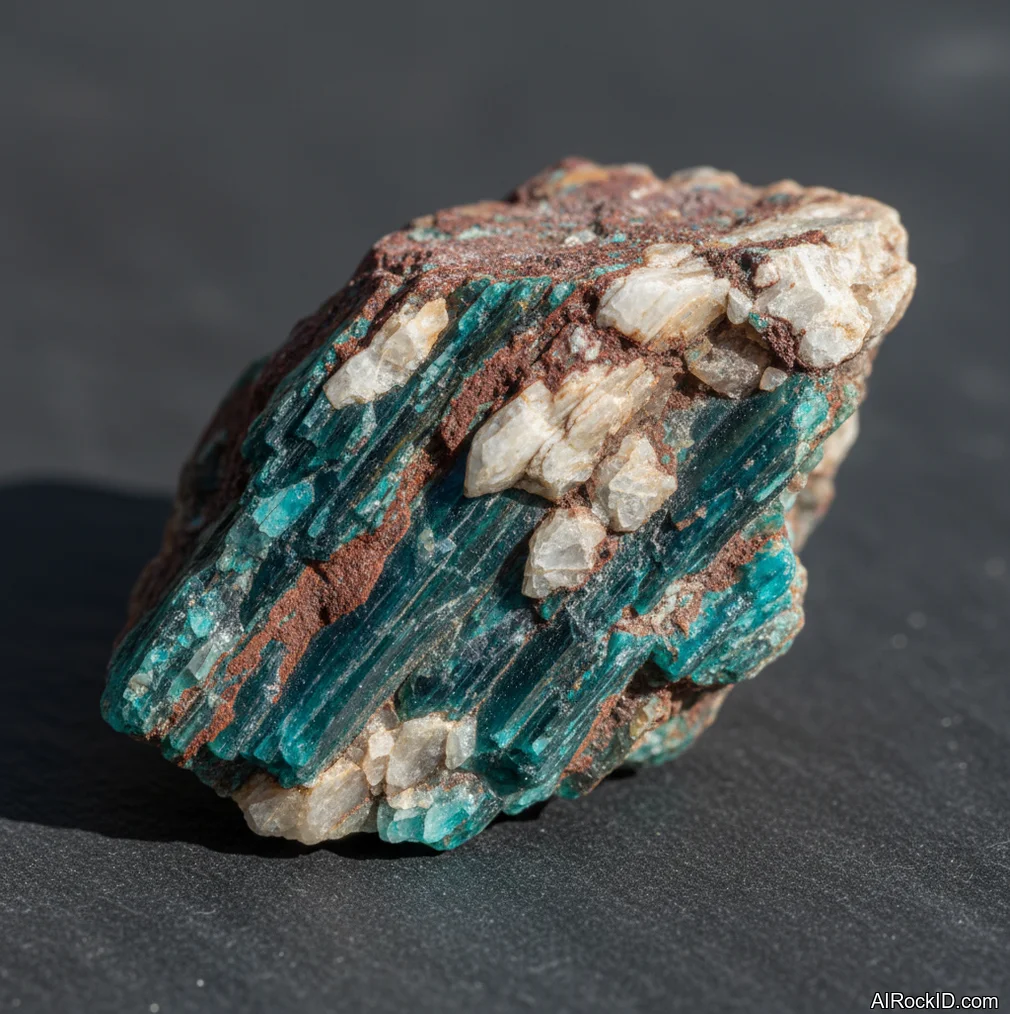
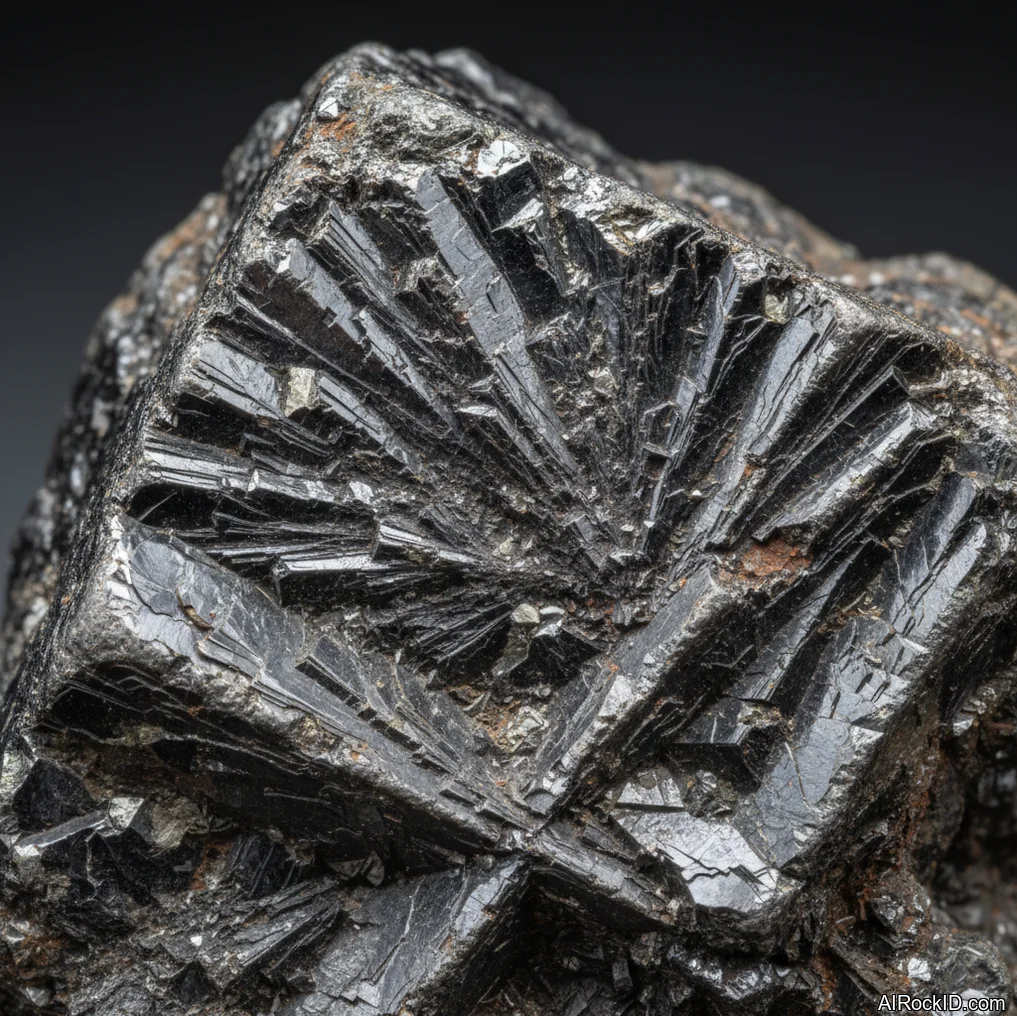
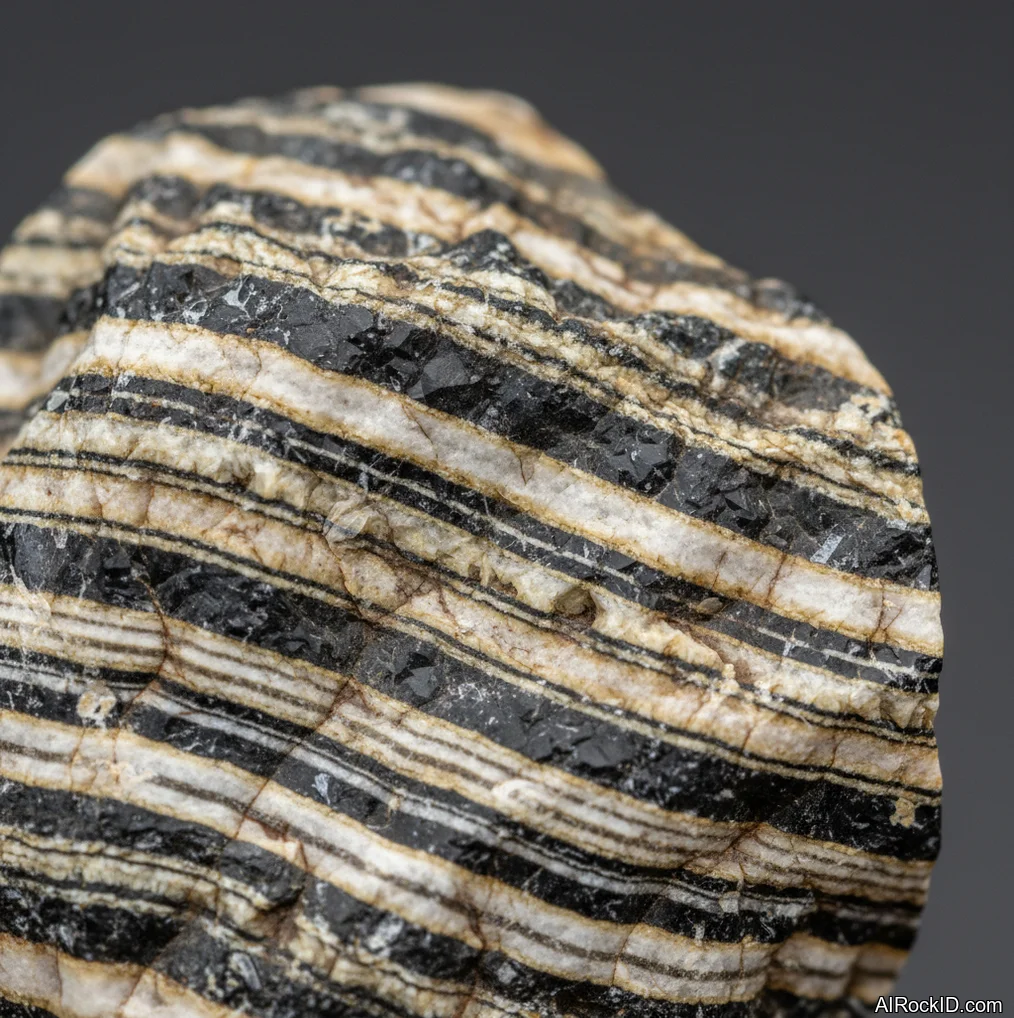
Pick up real hematite and you’ll know right away why it gets linked to Saturn. It’s dense, with a metallic heft that surprises people who are used to lighter tumbled stones. Sit it in your palm, and it stays cool long after other rocks warm up. If you’ve got an unpolished piece, try the old-school streak test: rub it on the back of a ceramic tile, and you should see a reddish-brown line. That’s your sign it’s the real thing—not the magnetic imposters you’ll find in bins at tourist shops. Black tourmaline, or schorl, is another Saturn standby. Raw pieces often have deep vertical striations. Snap one and the break is gritty, uneven, with little bits flaking off. These are the stones people put by their electronics, but not because of any magic; tourmaline just grabs dust and lint like crazy. If you keep a piece near your laptop, expect to clean it a lot.
Smoky Quartz and Other Saturn-Aligned Stones
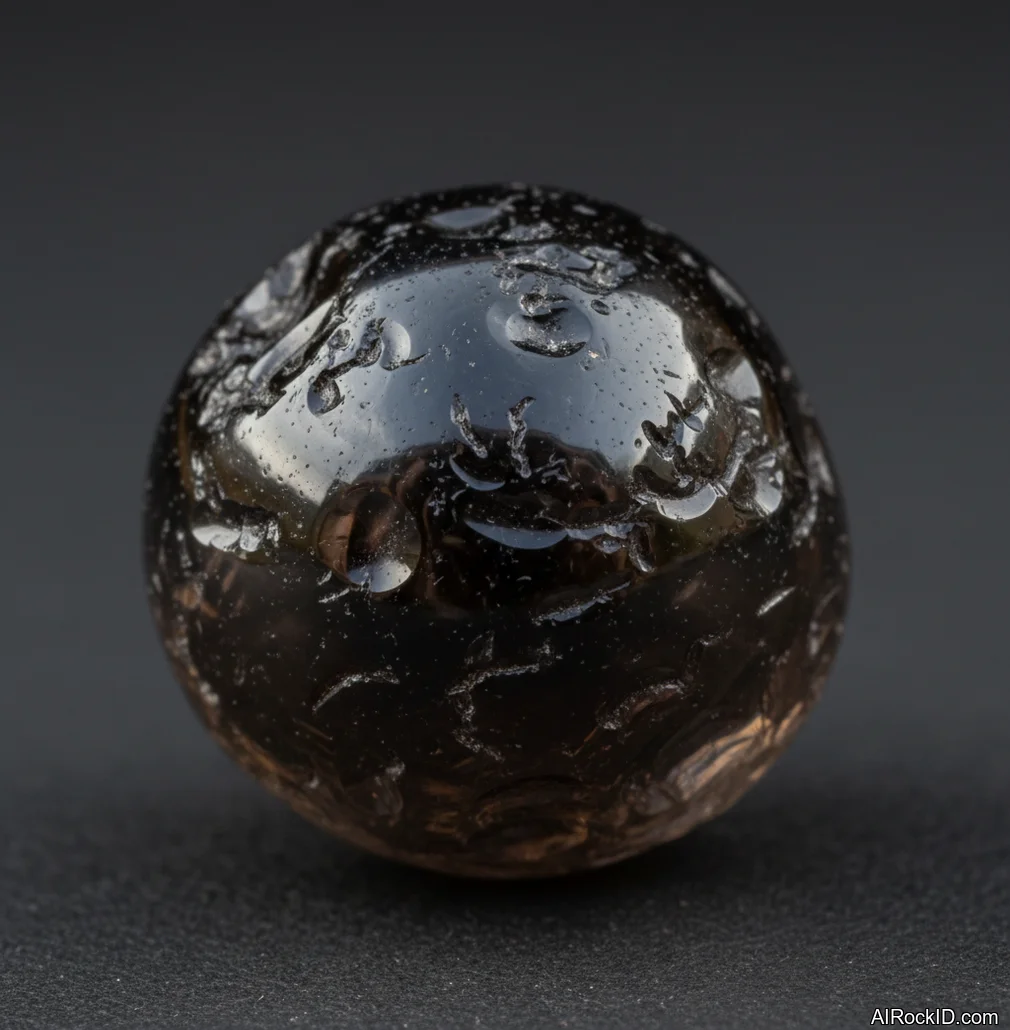
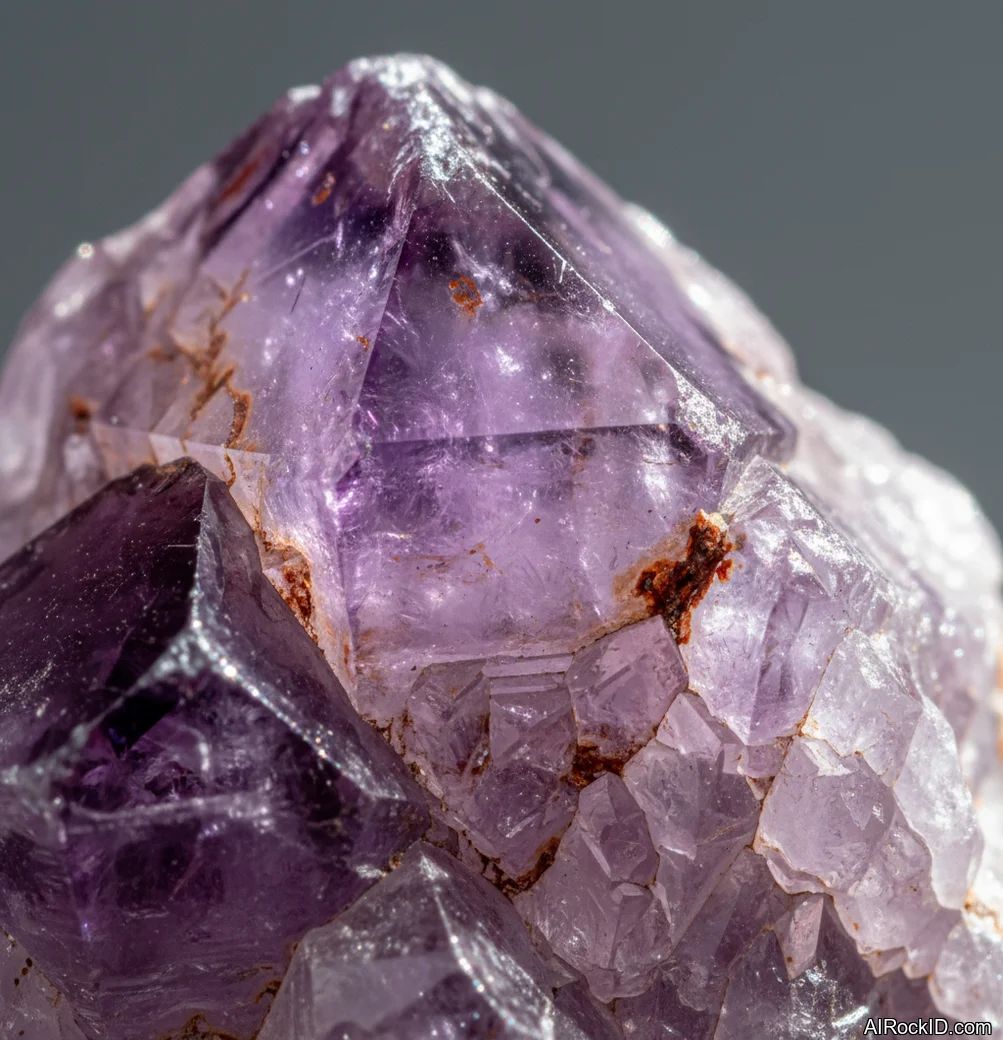
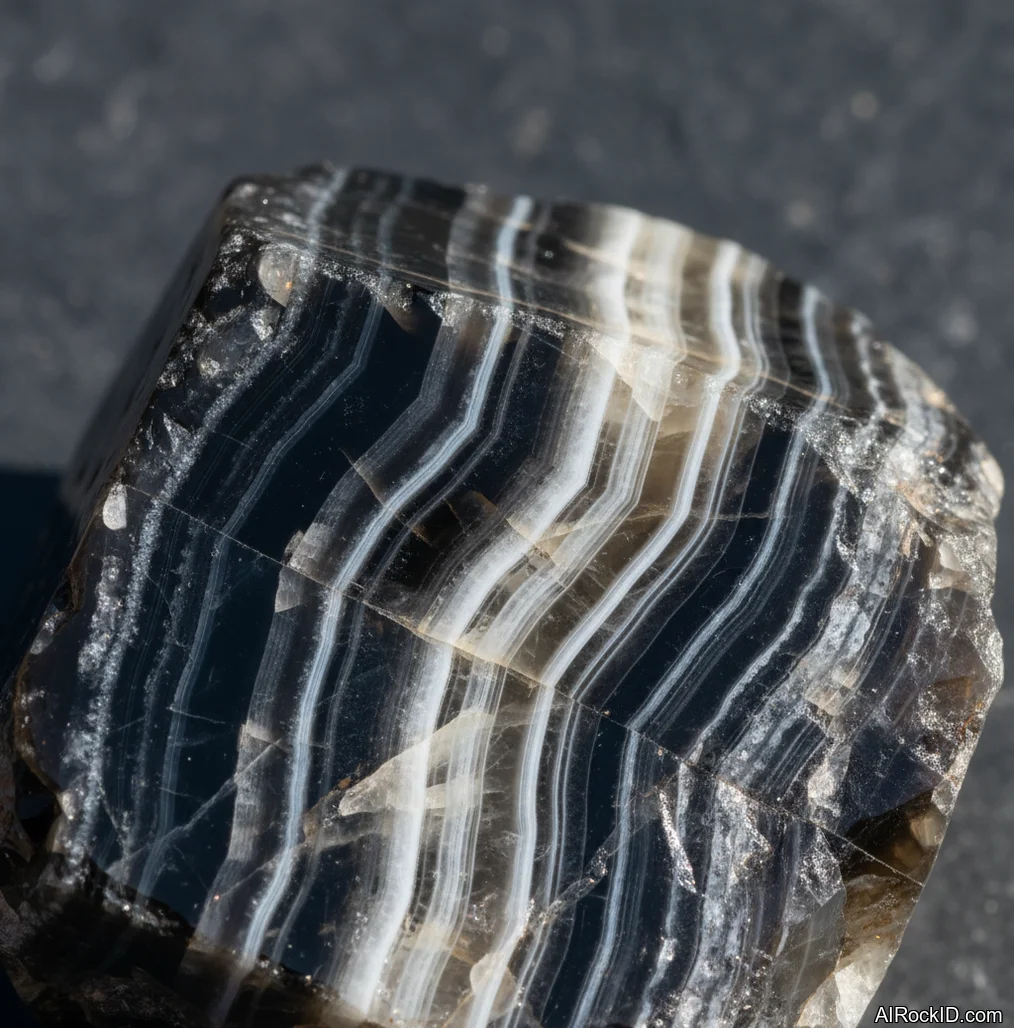
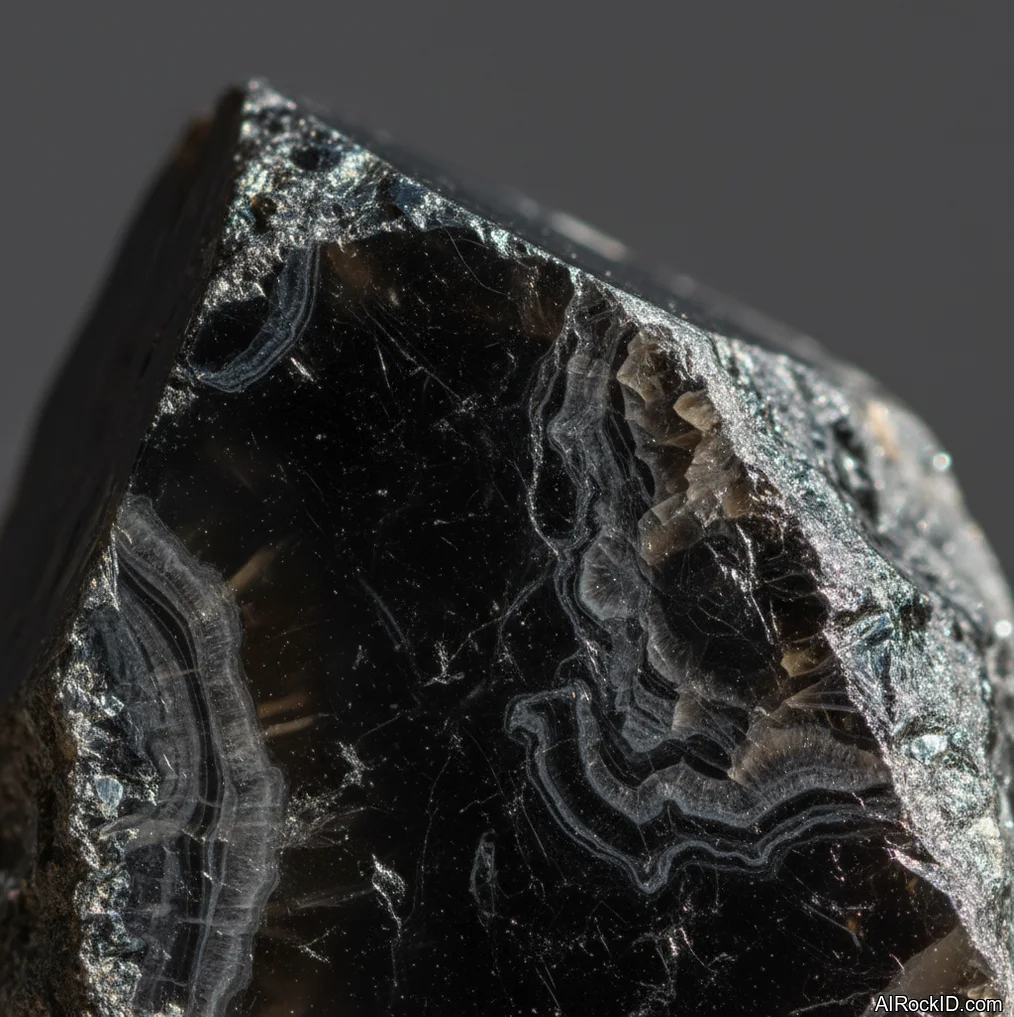
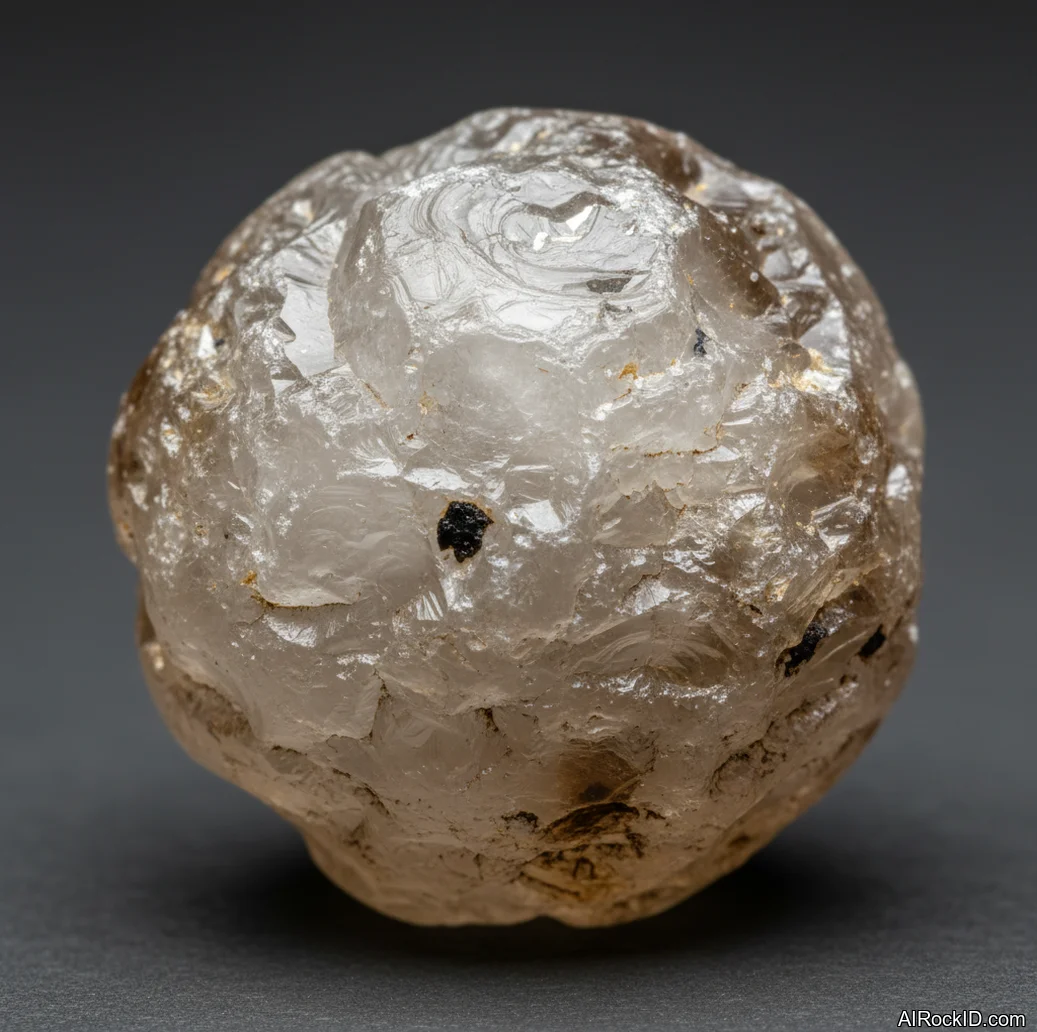
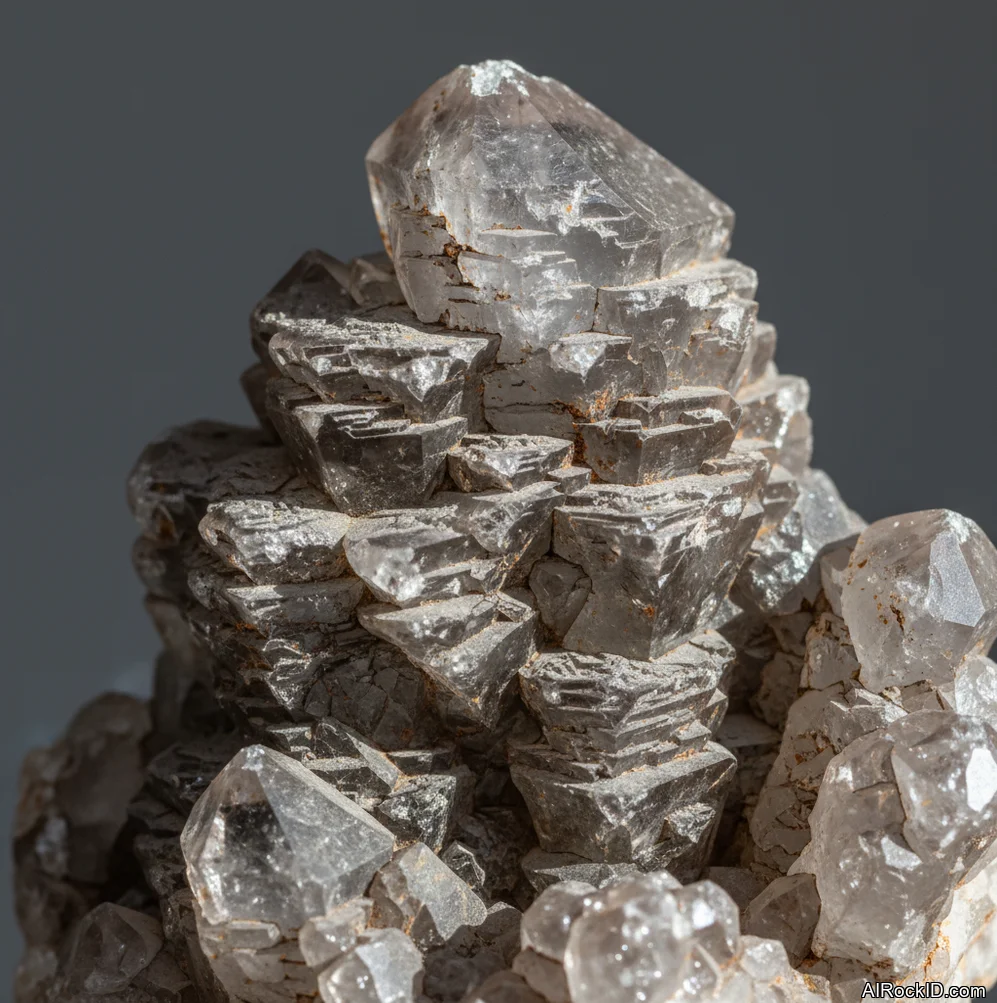
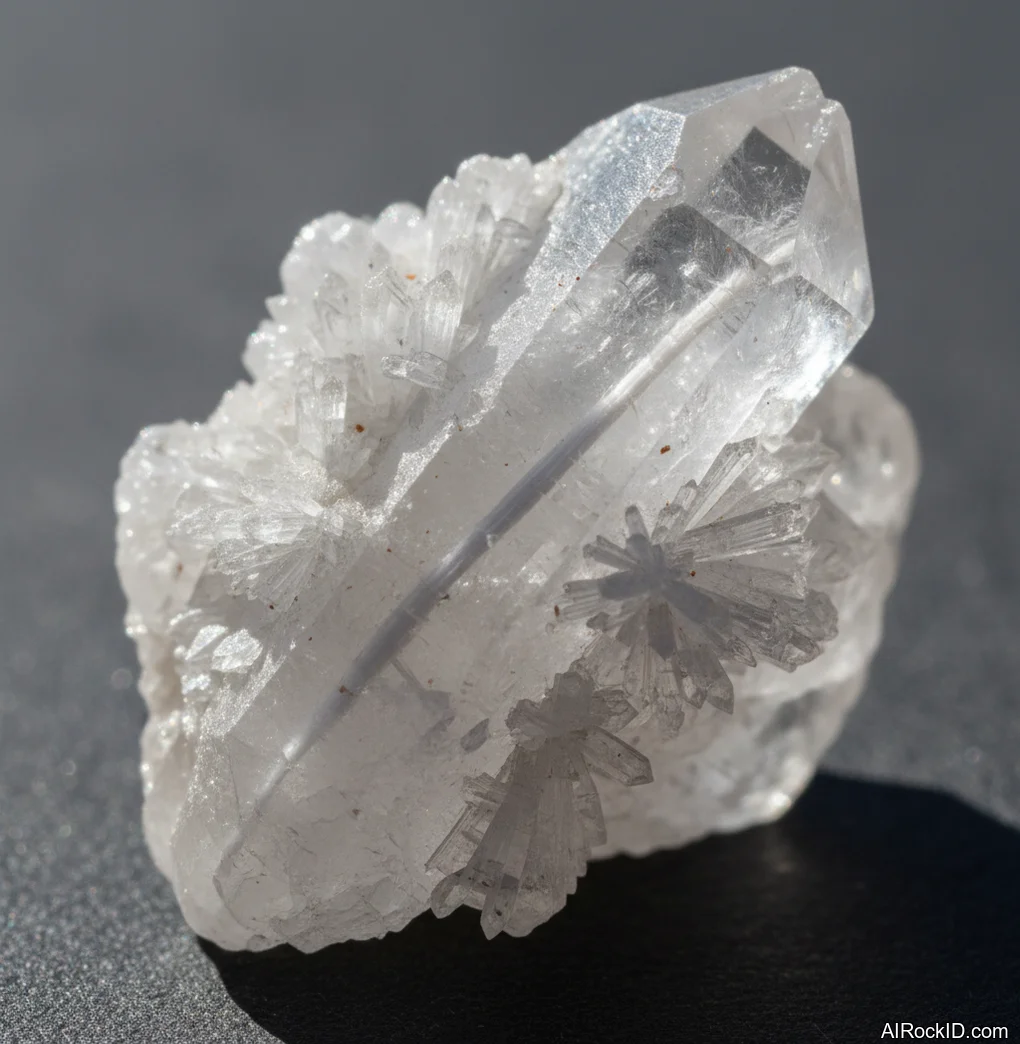
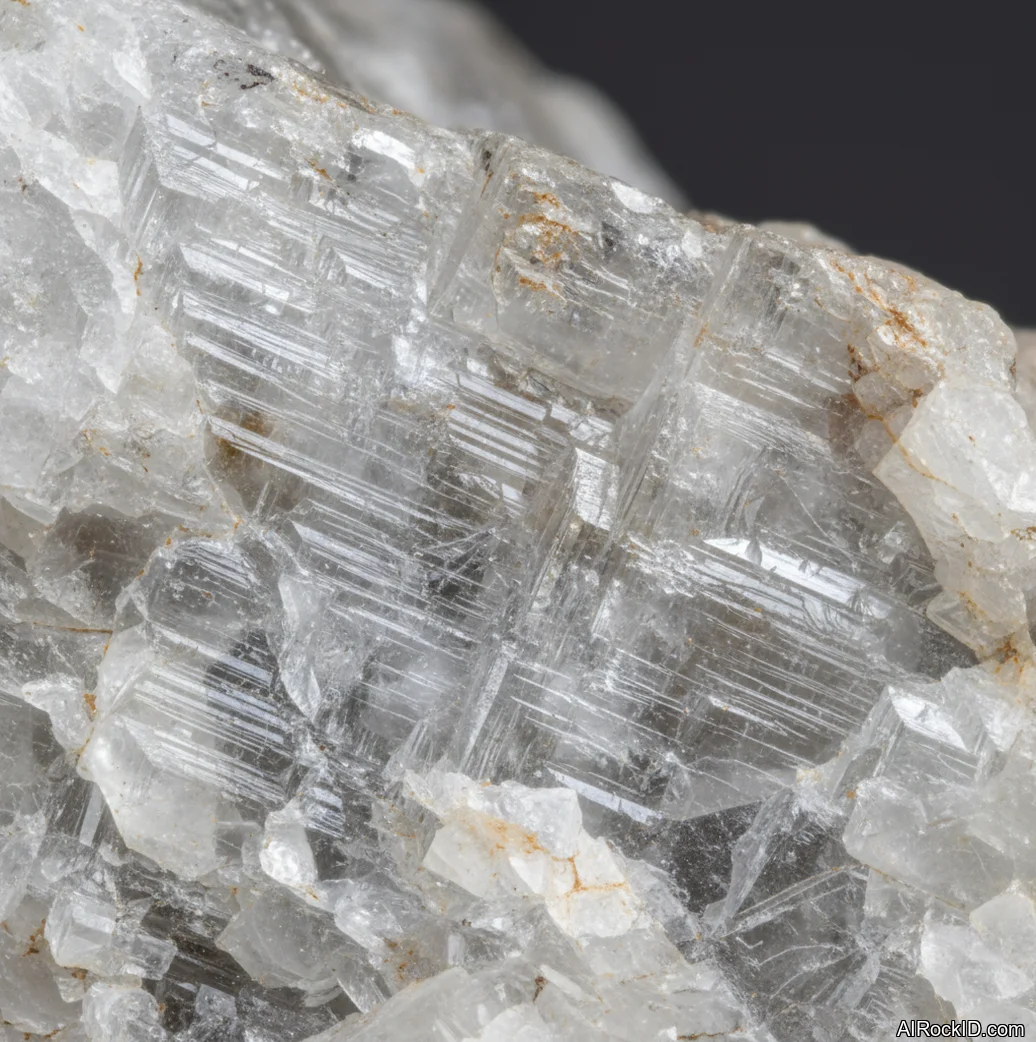
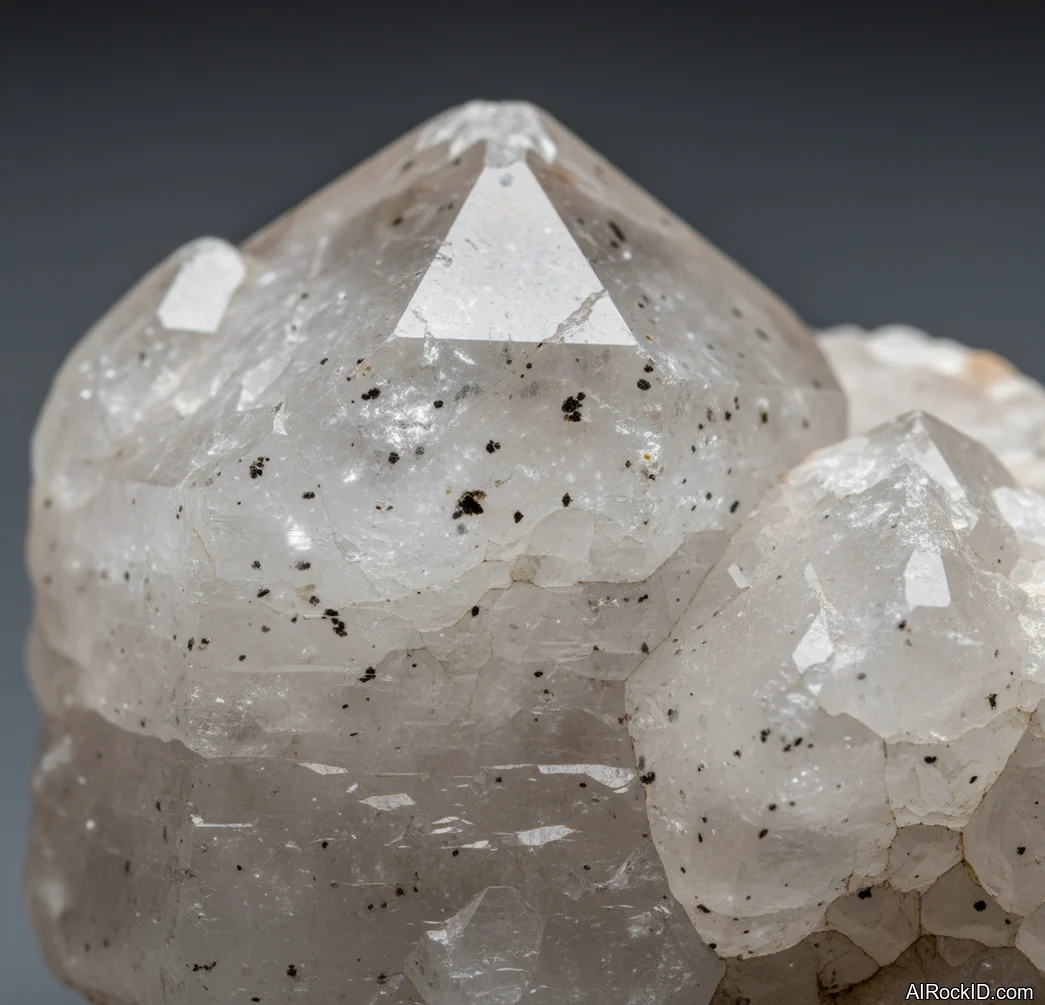
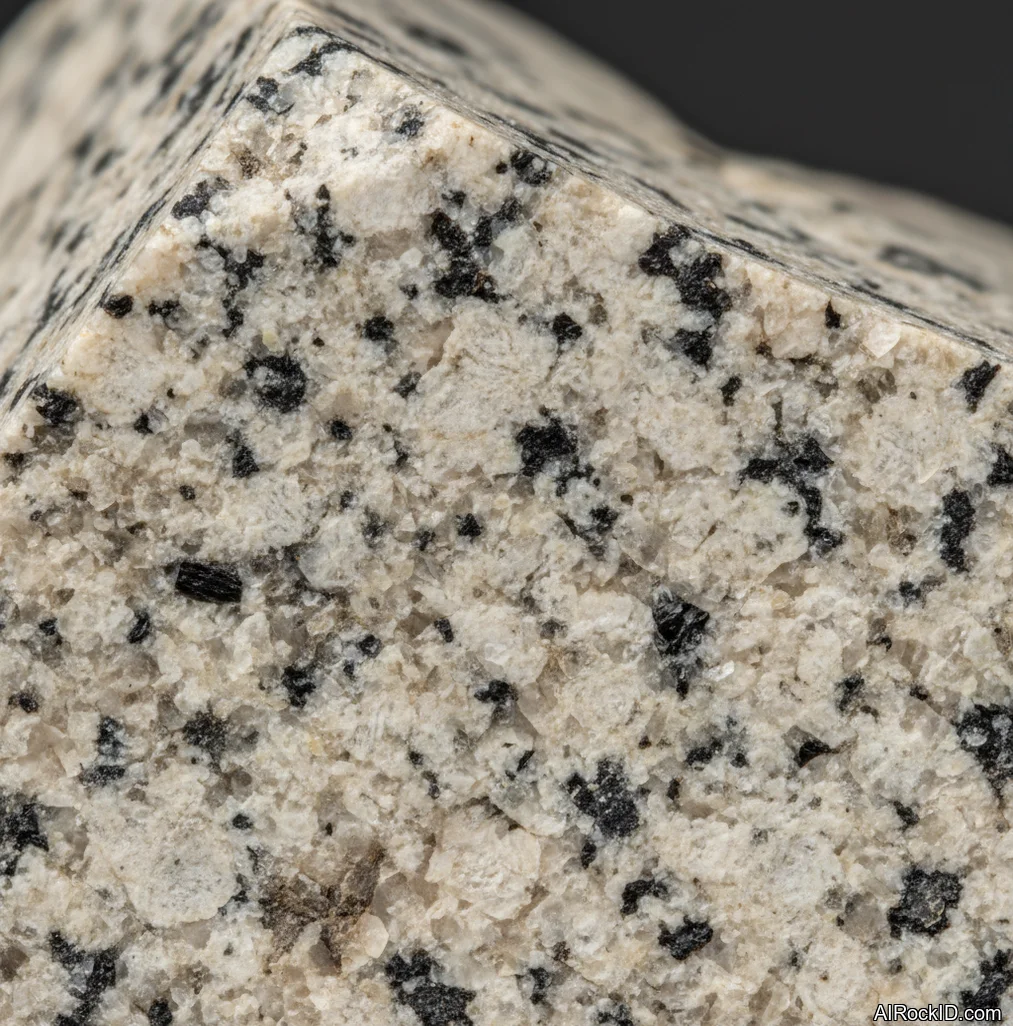
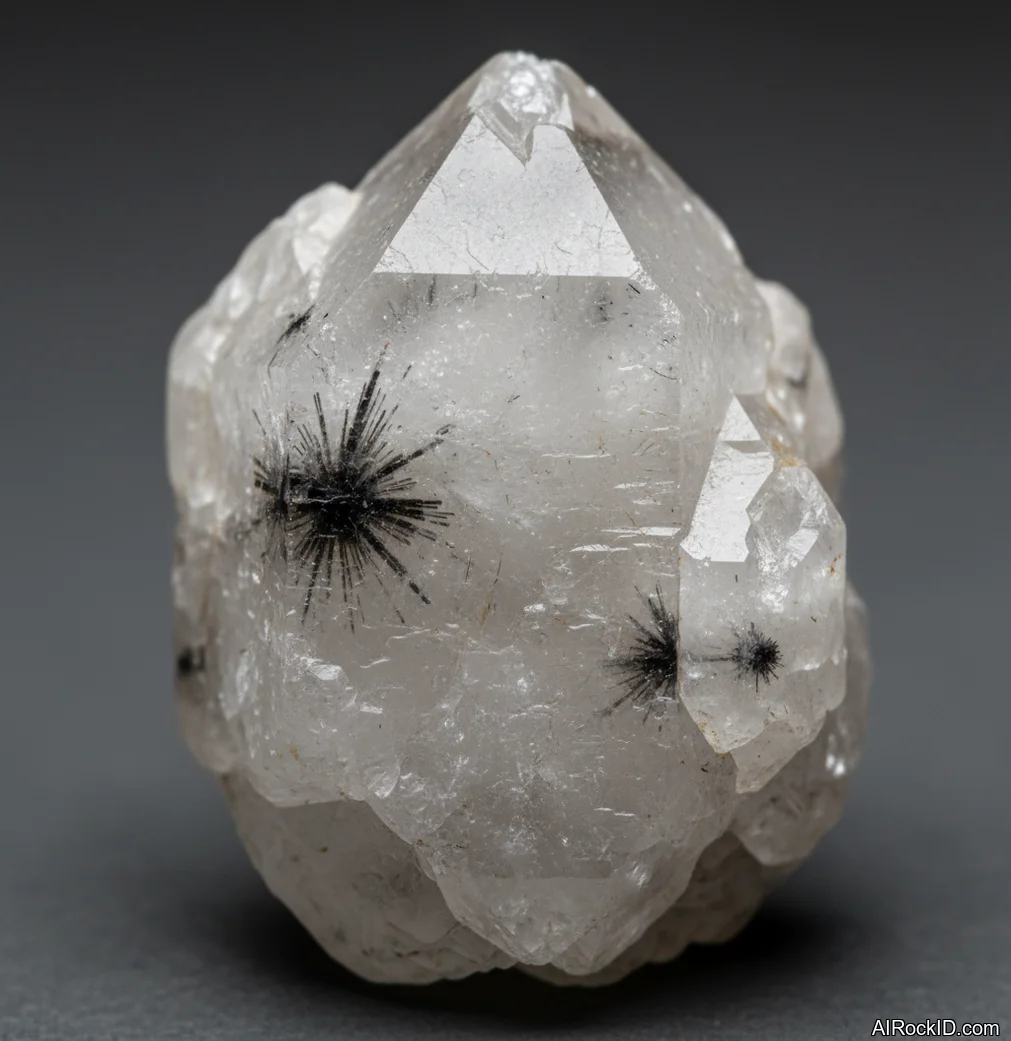
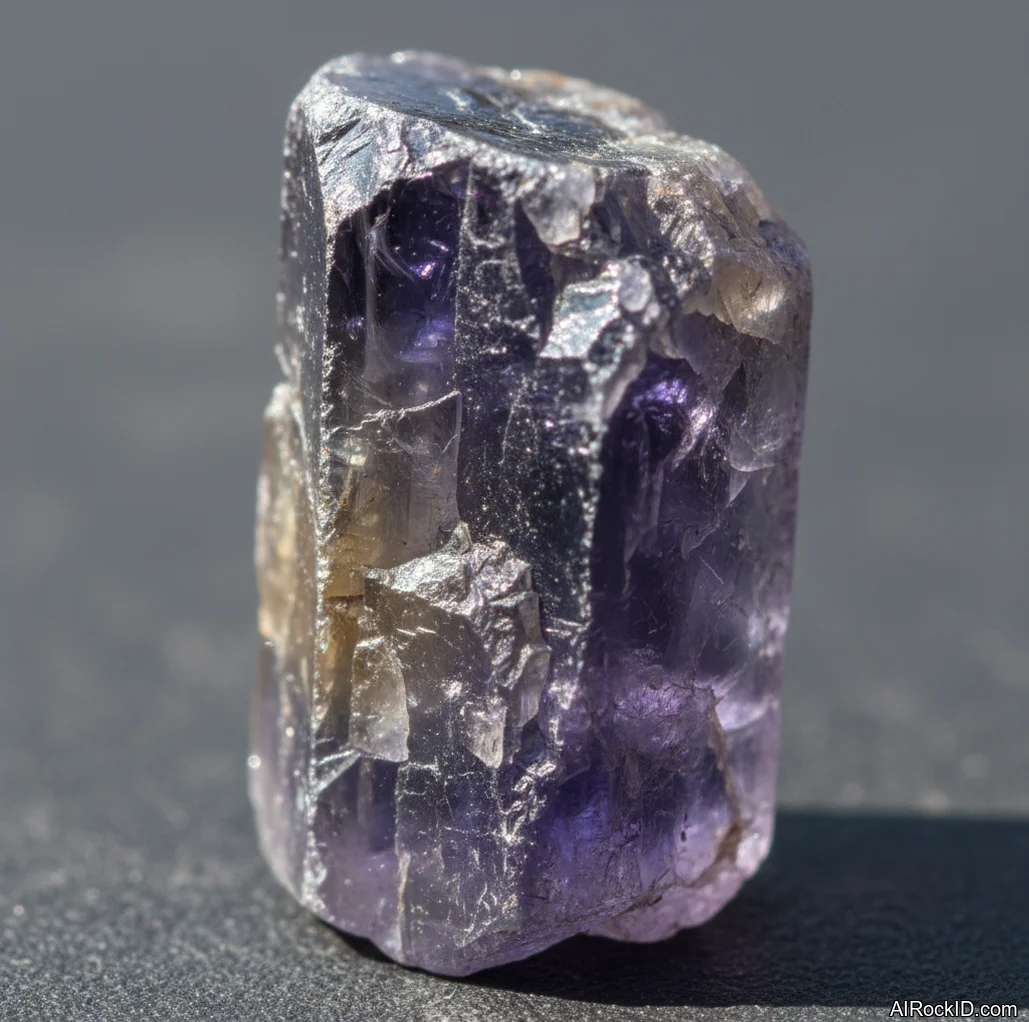
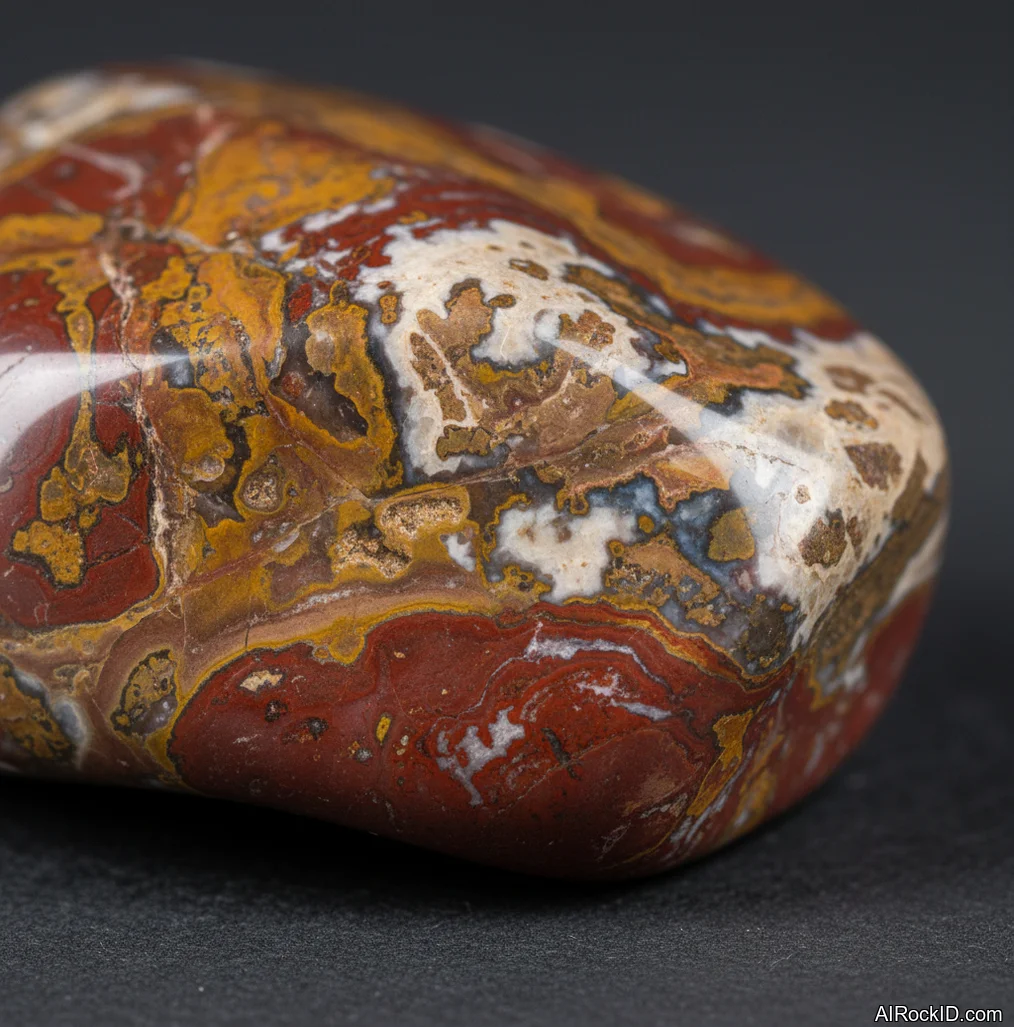
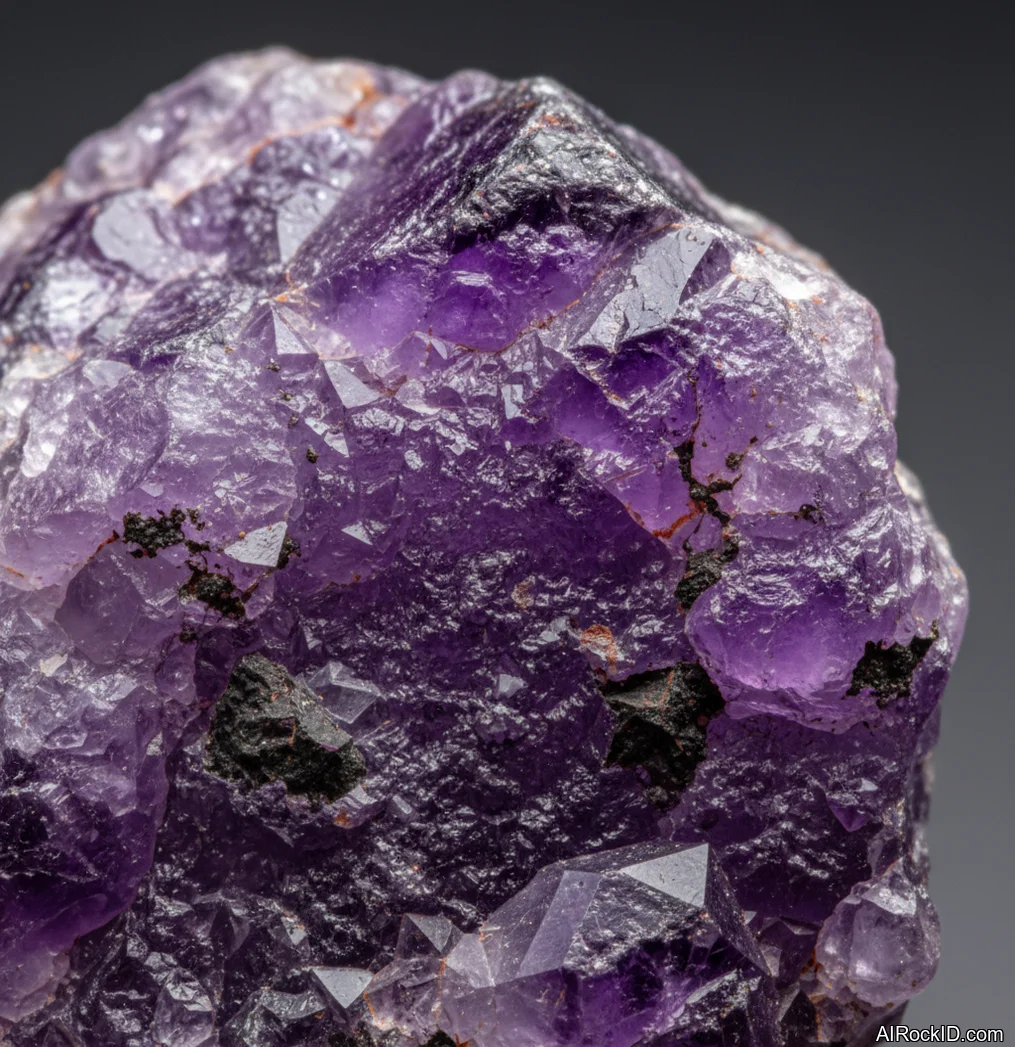
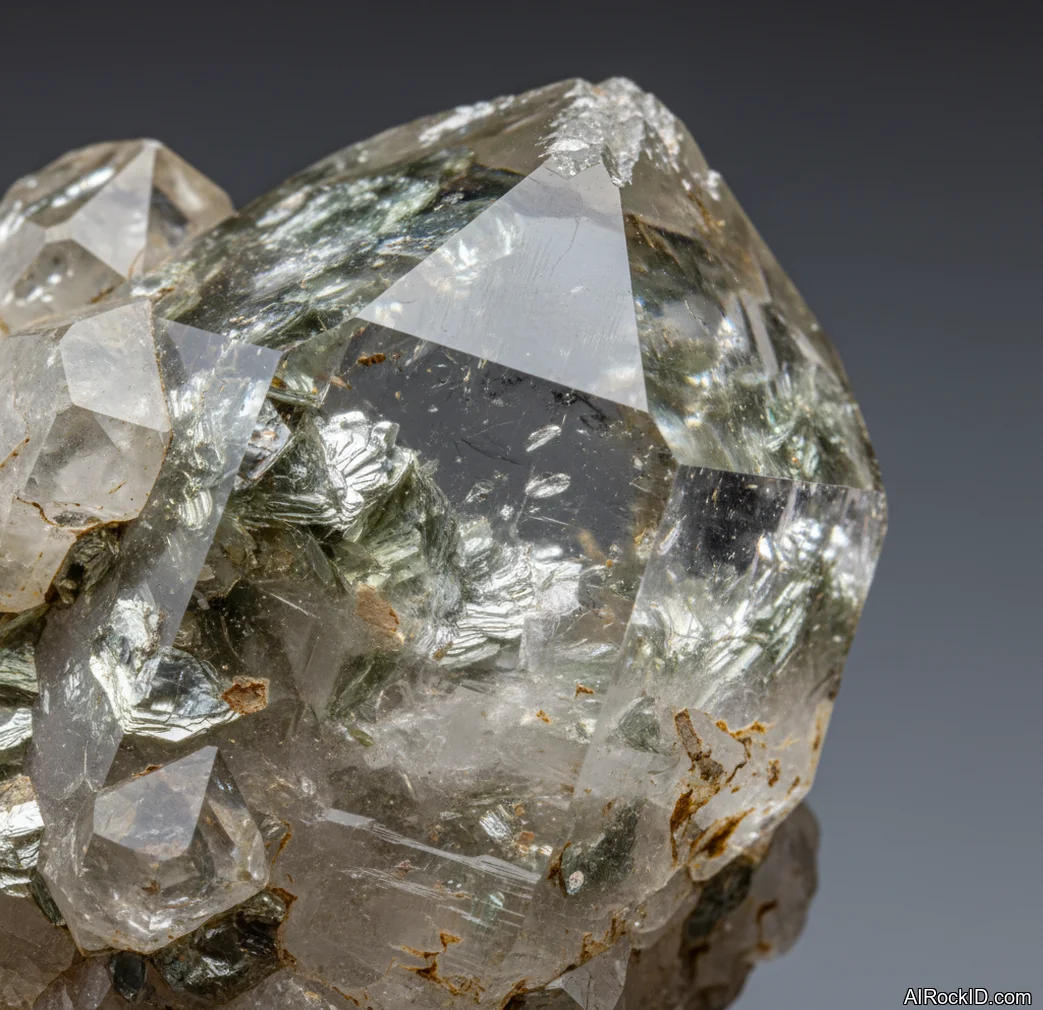
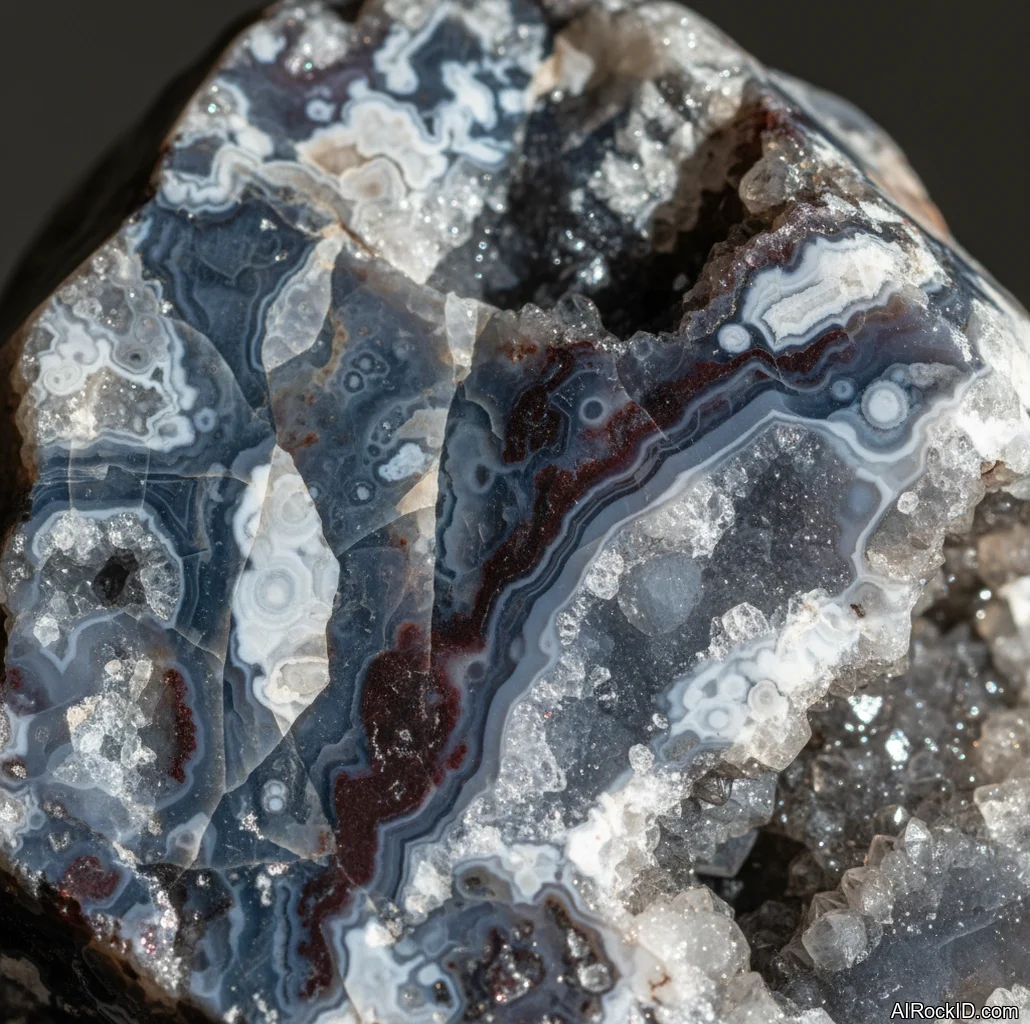
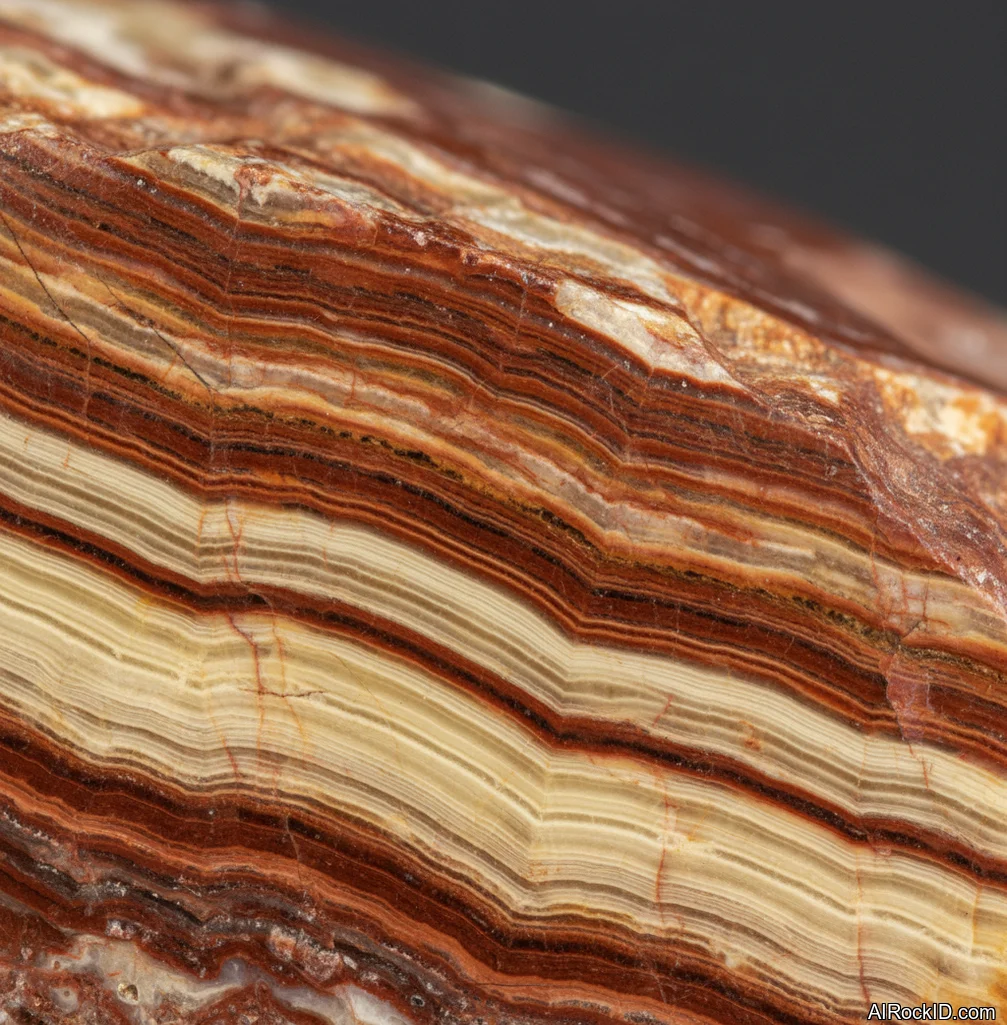
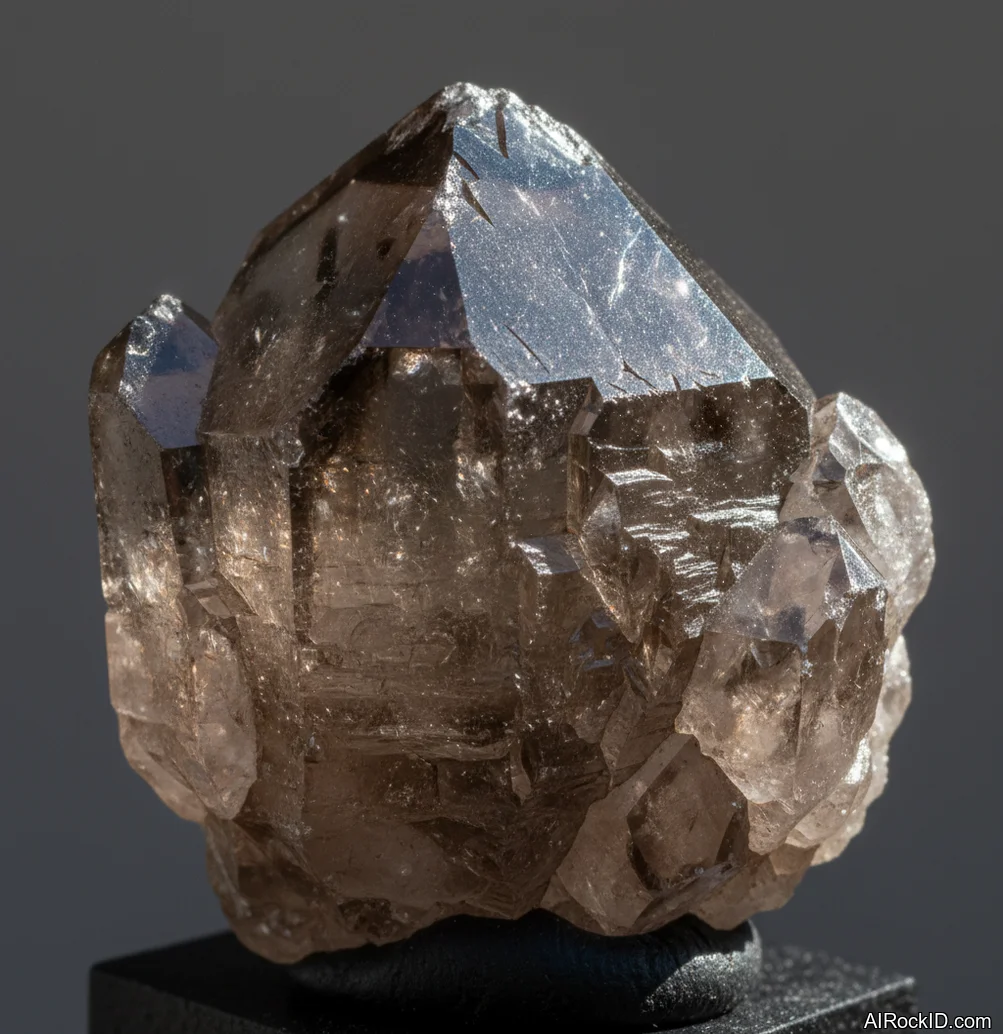
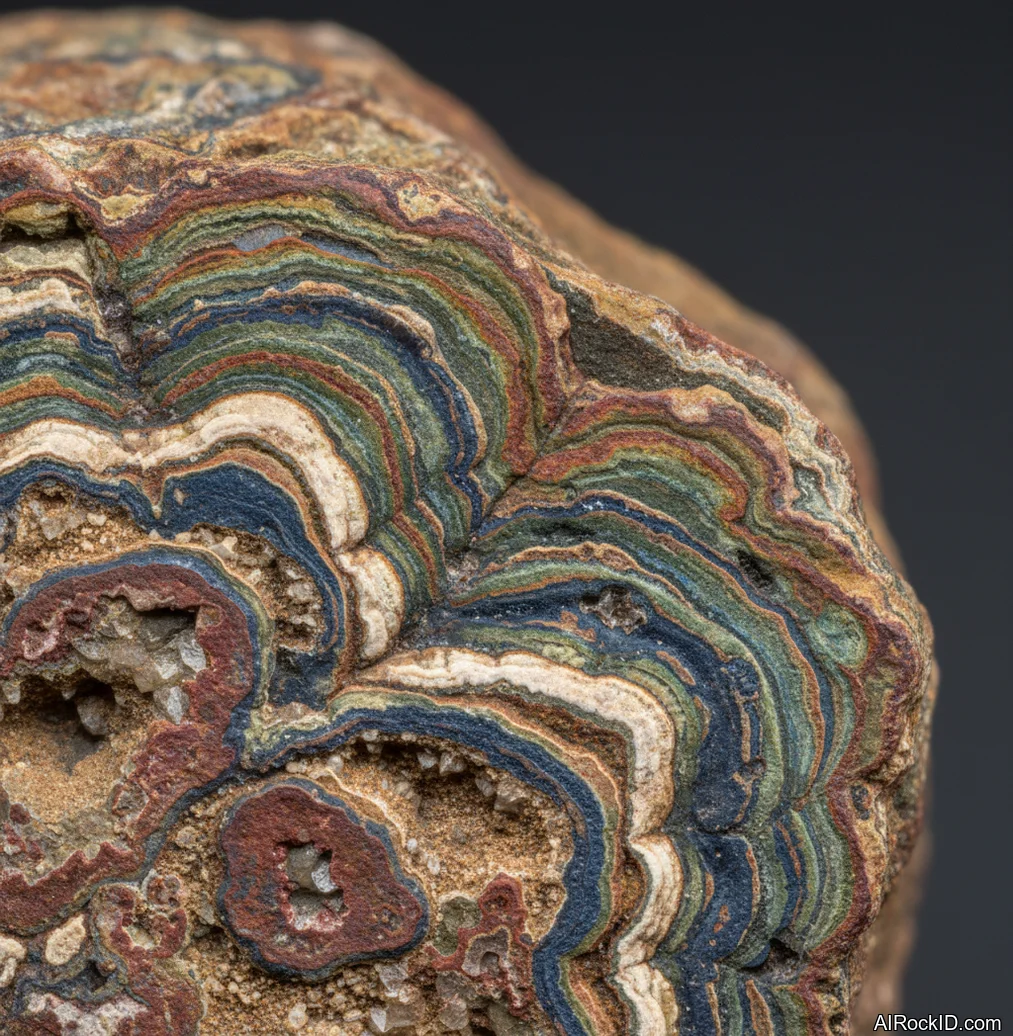
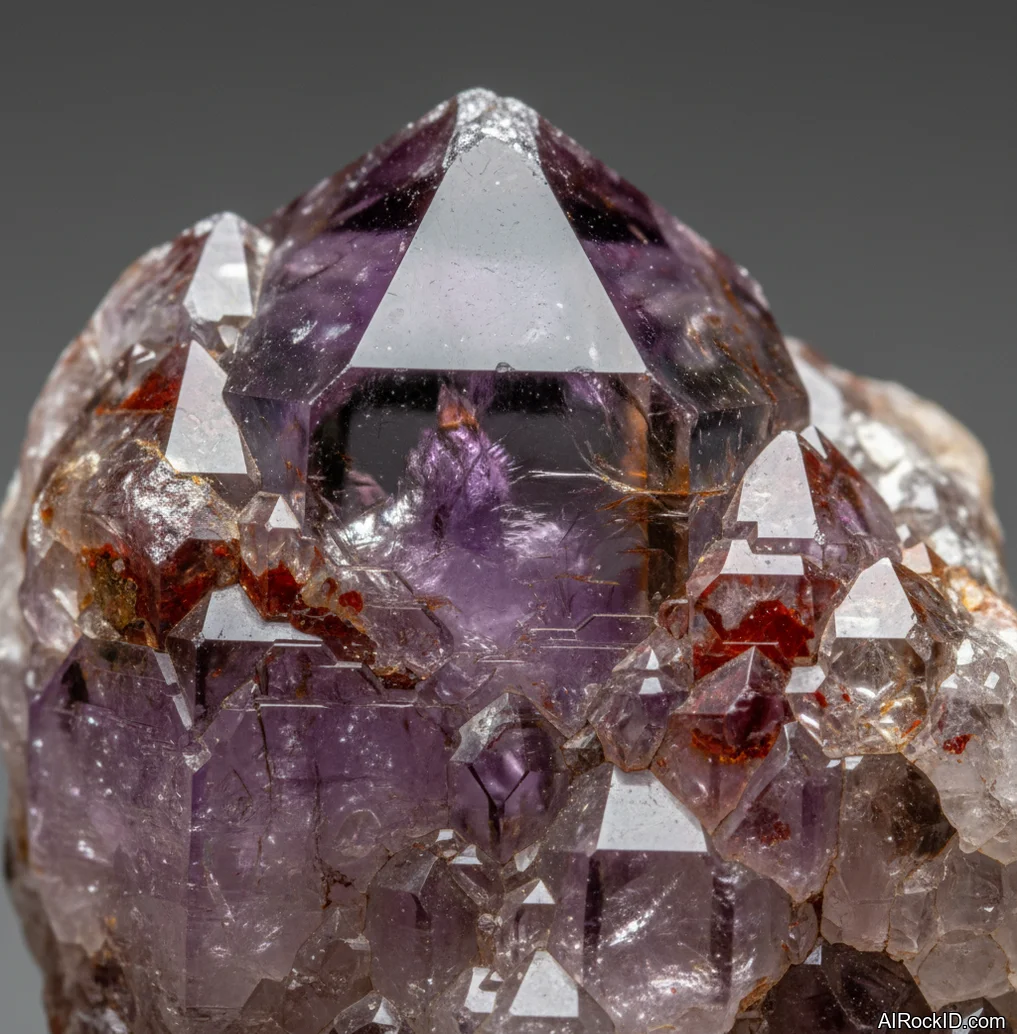
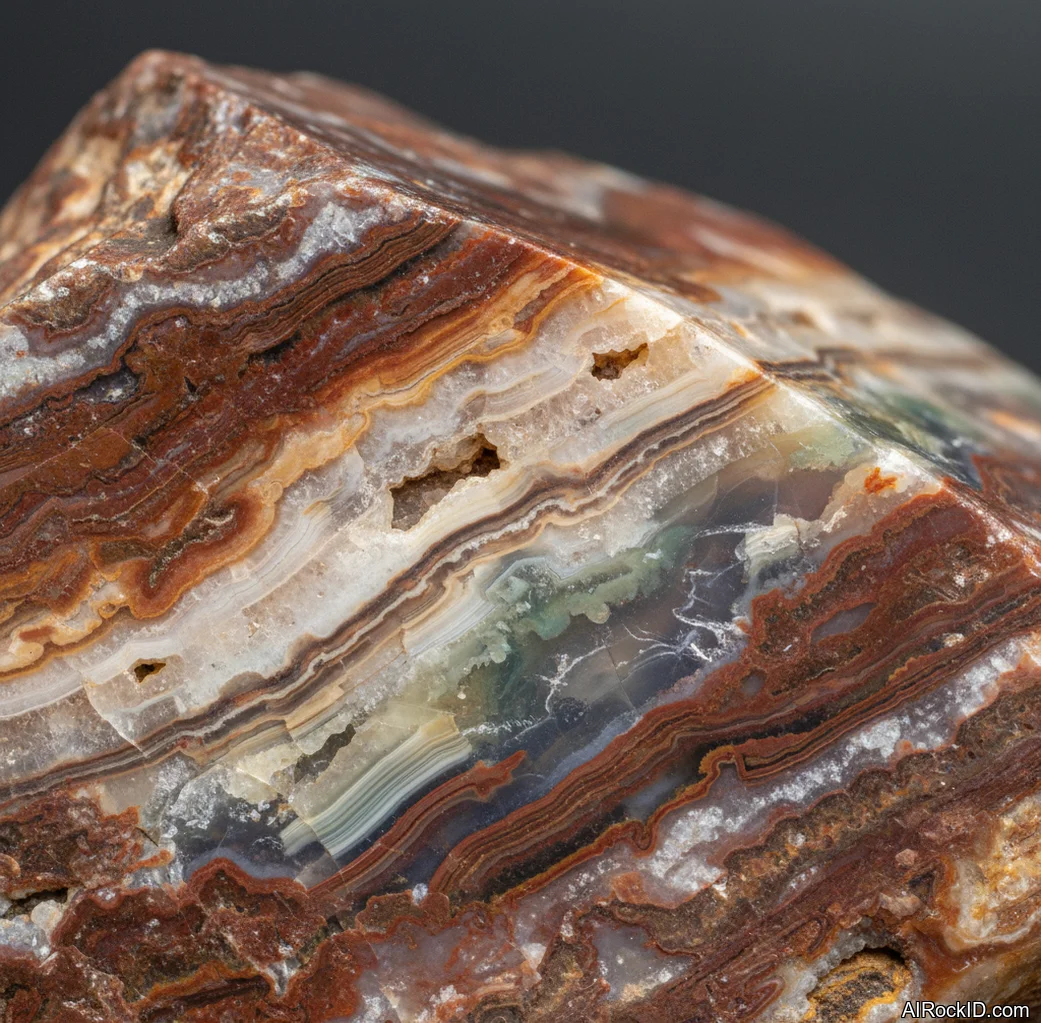
Smoky quartz rounds out the Saturn group, especially if you’re after grounding and laser-sharp focus. Good natural smoky quartz has color zoning—look for a darker cap at the point, fading into a clearer body. The color isn’t just on the surface. It comes from natural irradiation over time. Some sellers try to pass off heat-treated or irradiated quartz as natural smoky. The fake stuff often looks like flat brown cola glass with no depth when you hold it to the light. Natural pieces, especially from Brazil or Switzerland, tend to have more life in the color and may even show visible internal fractures or inclusions. Onyx sometimes ends up in the Saturn group too, but beware: most black onyx on the market is actually dyed agate. Flip it over and look for banding or changes in color at the base—they’re dead giveaways.
Saturn Crystal Care, Fakes, and Real-World Use
Saturn crystals need a bit of extra care if you want to keep them looking sharp. Hematite scratches easily and rusts if left damp, so don’t soak it or use salt water. Black tourmaline is brittle; a careless drop will snap off striated shards faster than you think. With smoky quartz, the problem is heat and sunlight. Leave it on a sunny windowsill, and natural color can fade over months. Most of these stones get faked or at least misrepresented—watch for magnetic or resin-coated "hematite" and dyed agate sold as onyx. If you’re carrying them, go for tumbled stones or smaller, sturdy chunks. For display, bigger raw pieces make a statement, but keep them out of direct sun and away from moisture. A little care goes a long way in keeping Saturn stones true to their grounded, serious nature.
Best Saturn Crystals to Start With
| Level | Crystal | Note |
| Gentle / Beginner | Smoky Quartz | Natural smoky is tough enough for pockets, not too heavy, and the energy isn’t overwhelming. Go for a small tumbled piece. |
| Balanced / Everyday | Black Tourmaline (Schorl) | Easy to find, works well near electronics or doors, and isn’t flashy. Raw striated pieces feel grounding but need careful handling. |
| Intense / Advanced | Hematite | Dense, cool, and almost metallic in hand. The weight alone can feel like an anchor, but it scratches and rusts if mishandled. |
| Best for Carrying | Tumbled Hematite | Small, smooth, and heavy for its size. Won’t snag fabric or scratch you, but keep it dry in a pouch. |
| Best for Display | Raw Black Tourmaline Cluster | Bold striations, grabs attention in any case, but keep a brush handy for dust and avoid bumping it around. |
Saturn Crystal Comparison
| Crystal | Common Use | Feel / Use Style | Care Caution |
| Hematite | Discipline, grounding, returning to basics | Heavy, cool, metallic; stains fingers with reddish streak if raw | Scratches and rusts easily, keep dry |
| Black Tourmaline (Schorl) | Boundaries, energy protection, focus | Brittle, striated, sometimes crumbly; attracts lint and dust | Breaks when dropped, dusts up quickly |
| Smoky Quartz | Grounding, clarity under pressure, steady progress | Cool, glassy, with color zoning; hard but chips at points | Color fades in sunlight, watch for fakes |
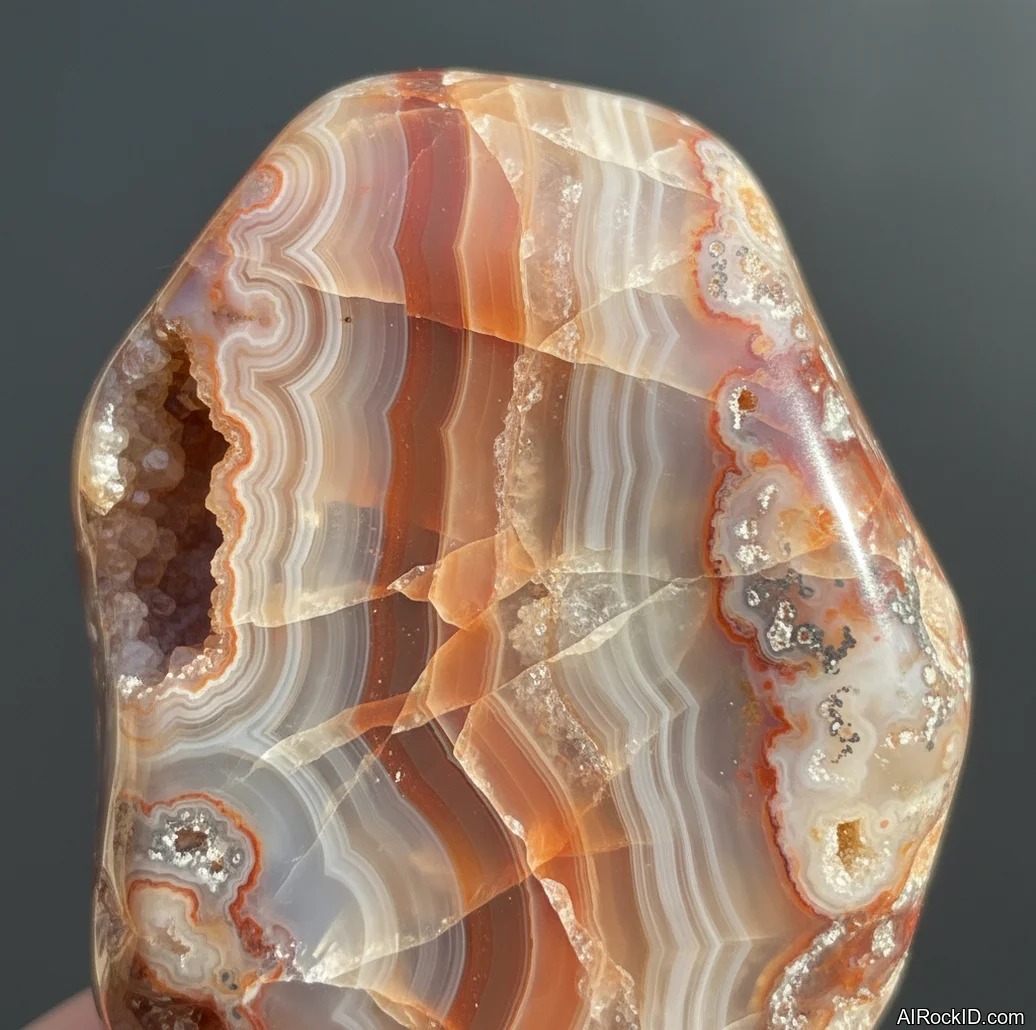
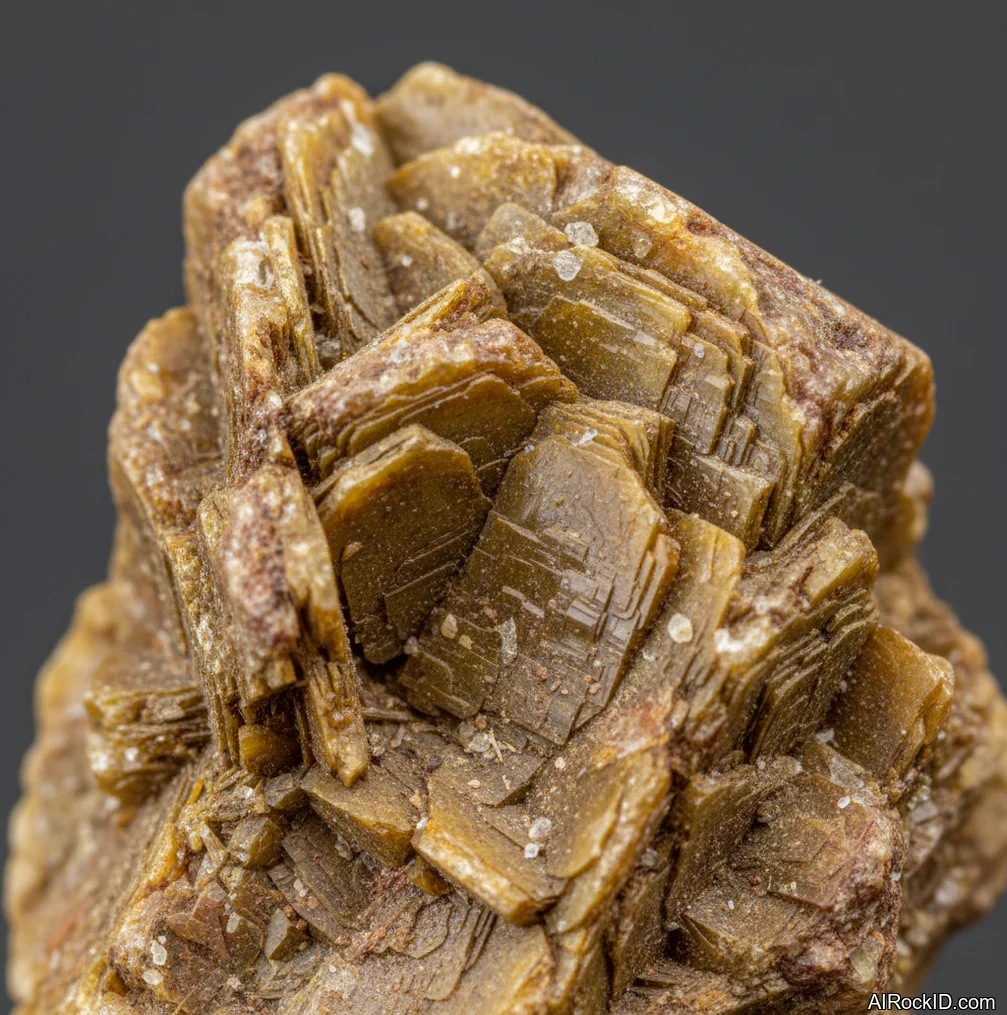
| Onyx (Black Agate) | Stability, boundary-setting, inner strength | Smooth if tumbled, with faint banding; lighter than hematite | Most onyx is dyed, check for color bleeding or banding |
How to Identify Saturn Crystals with AI Rock ID
For identifying Saturn crystals, use the AI Rock ID app by taking clear photos in natural daylight. Shoot both a full specimen shot and a close-up of any raw or broken surface, so the app can compare luster, color zoning, and texture. Upload your images, then check the AI’s guesses against streak, hardness, and weight if you have the specimen handy. This method helps spot fakes like magnetic "hematite" or dyed onyx before you buy or trade.
All Saturn Crystals (180)