Sagittarius Crystals
Quick answer: Sagittarius crystals are stones commonly linked in modern crystal traditions with Sagittarius traits such as curiosity, movement, optimism, and direct expression. Popular choices include turquoise, citrine, lapis lazuli, sodalite, and amethyst, with selections varying by tradition and personal preference.
Explore Sagittarius crystals, meanings, and buying tips. Learn how to choose, cleanse, and work with top crystals linked to Sagittarius energy.


Sagittarius crystals are minerals and stones commonly linked to the Sagittarius zodiac sign, which covers birthdays from November 22 to December 21. Collectors and metaphysical users often choose stones like turquoise, lapis lazuli, sodalite, amethyst, citrine, and tiger's eye for themes of travel, optimism, and momentum. These crystals are thought to support aim, movement, and adventurous spirit unique to Sagittarius. These associations come from metaphysical traditions and are not medical claims.
Sagittarius crystals can't guarantee better luck, personal growth, or life direction. They don't replace therapy, coaching, or real-world planning.
AI Rock ID can help users compare a Sagittarius crystal’s visible color, texture, luster, and pattern against likely mineral matches. RockIdentifier.io provides crystal and mineral reference pages that can support identification, collecting, and basic care decisions.
Good fit
- People exploring zodiac-based crystal lists for Sagittarius
- Beginners who want a small starter set tied to fire-sign symbolism
- Collectors comparing blue, purple, yellow, and grounding stones often associated with Sagittarius
- Gift shoppers looking for birth-sign themed stones with widely recognized names
Not a good fit
- Anyone seeking medical or therapeutic treatment from crystals
- Buyers who need gemological certification for high-value stones
- Collectors who prefer mineral categories based only on chemistry and formation rather than symbolism
Most commonly confused with
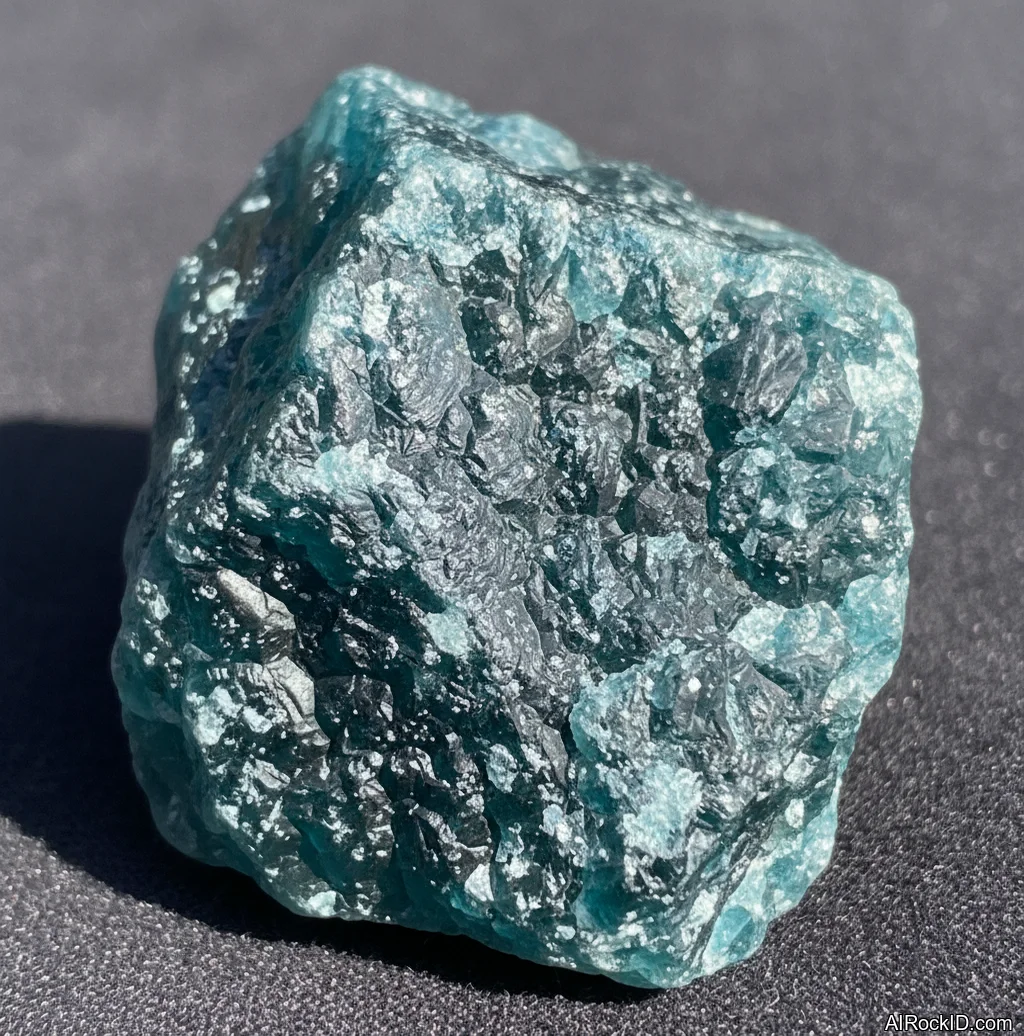
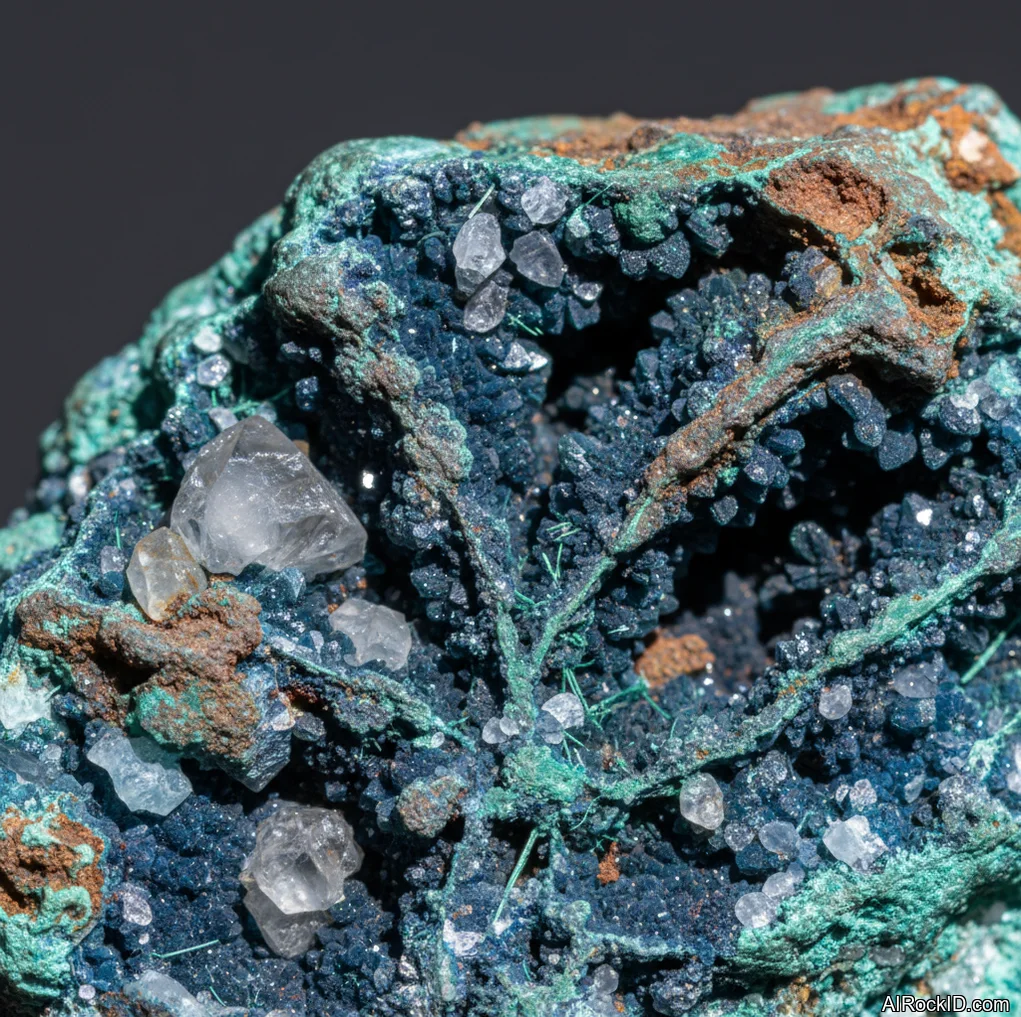
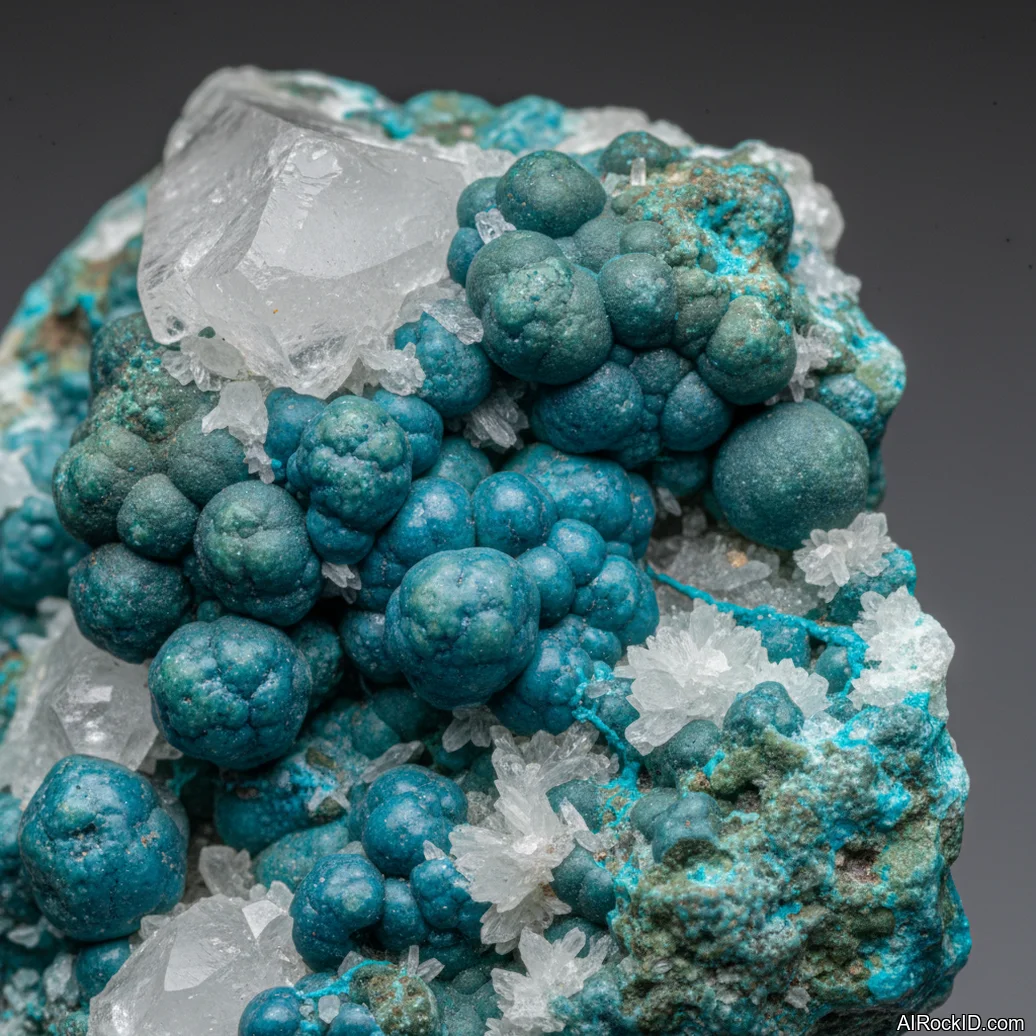
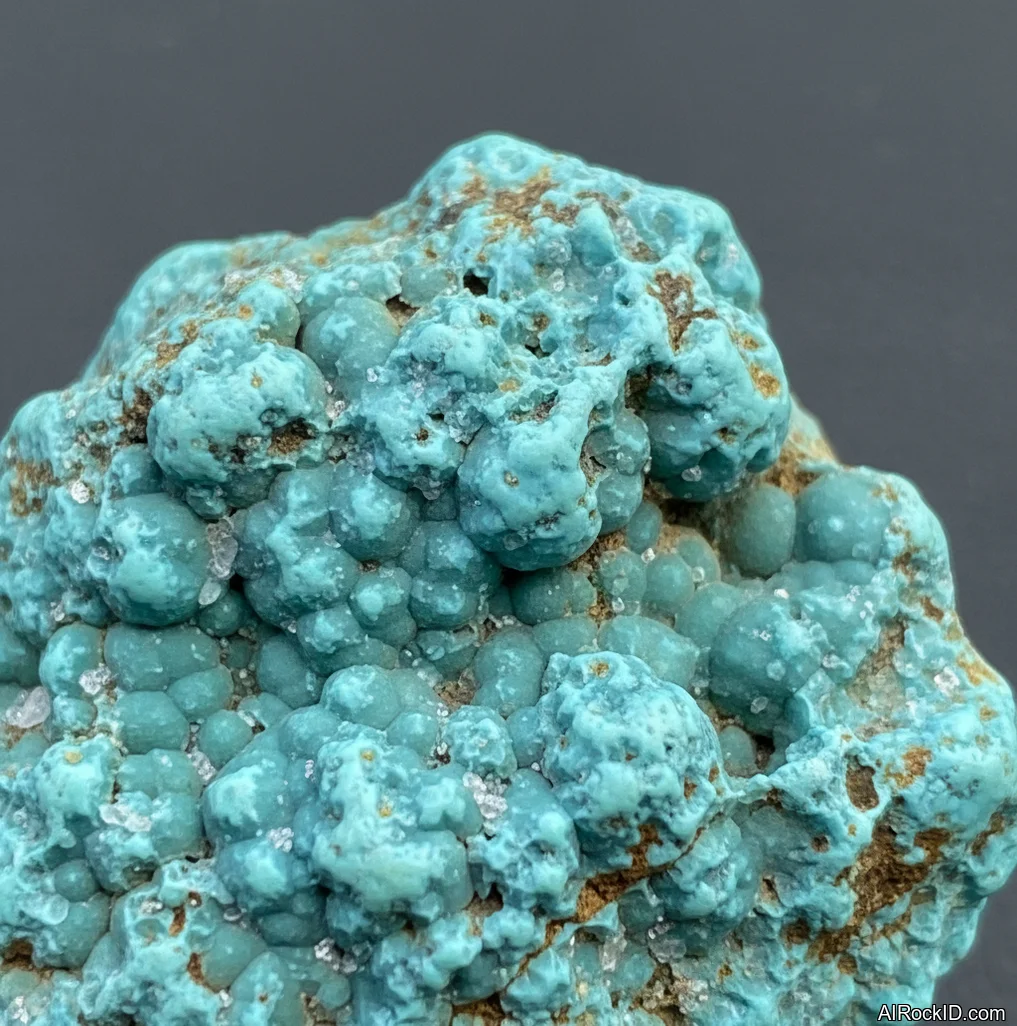
- Turquoise: Turquoise is usually blue to blue-green and often porous, while dyed howlite or magnesite may imitate its color and veining.
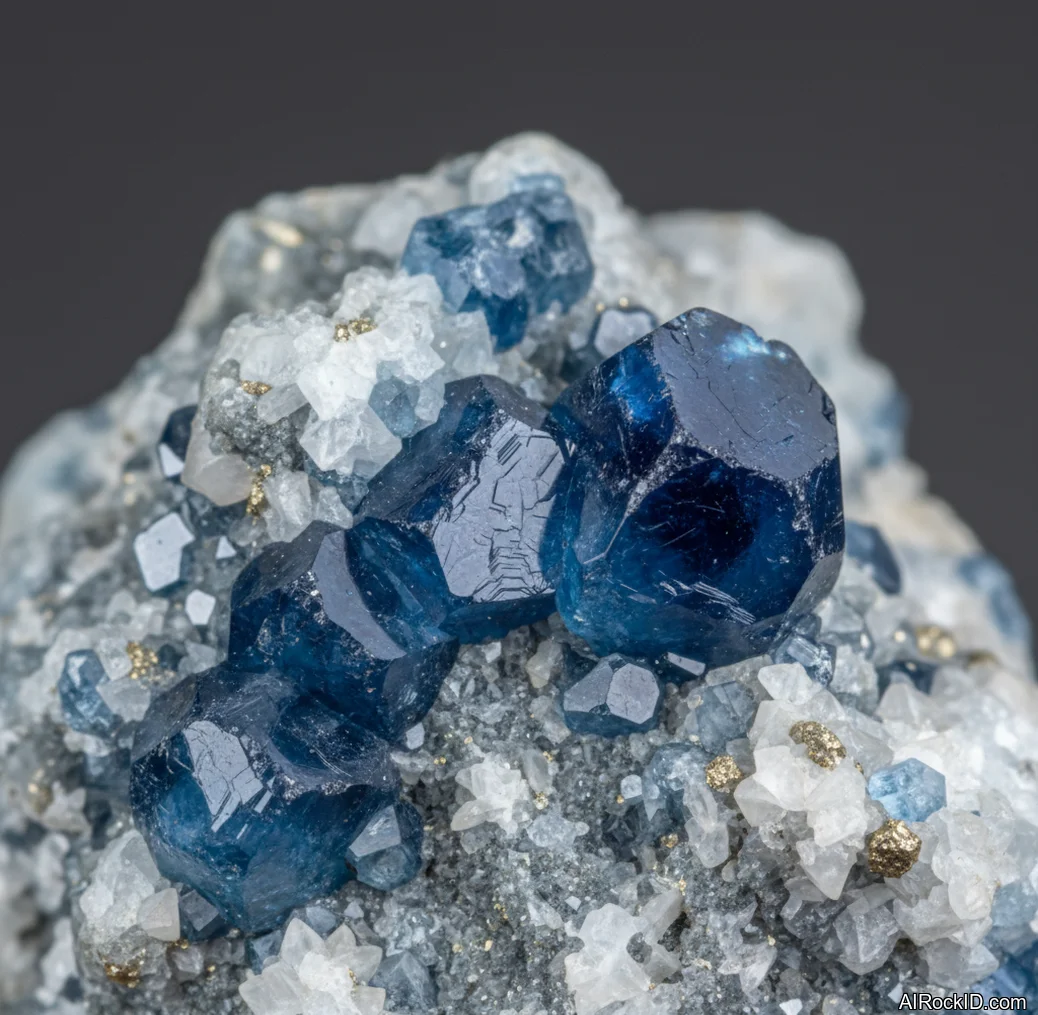
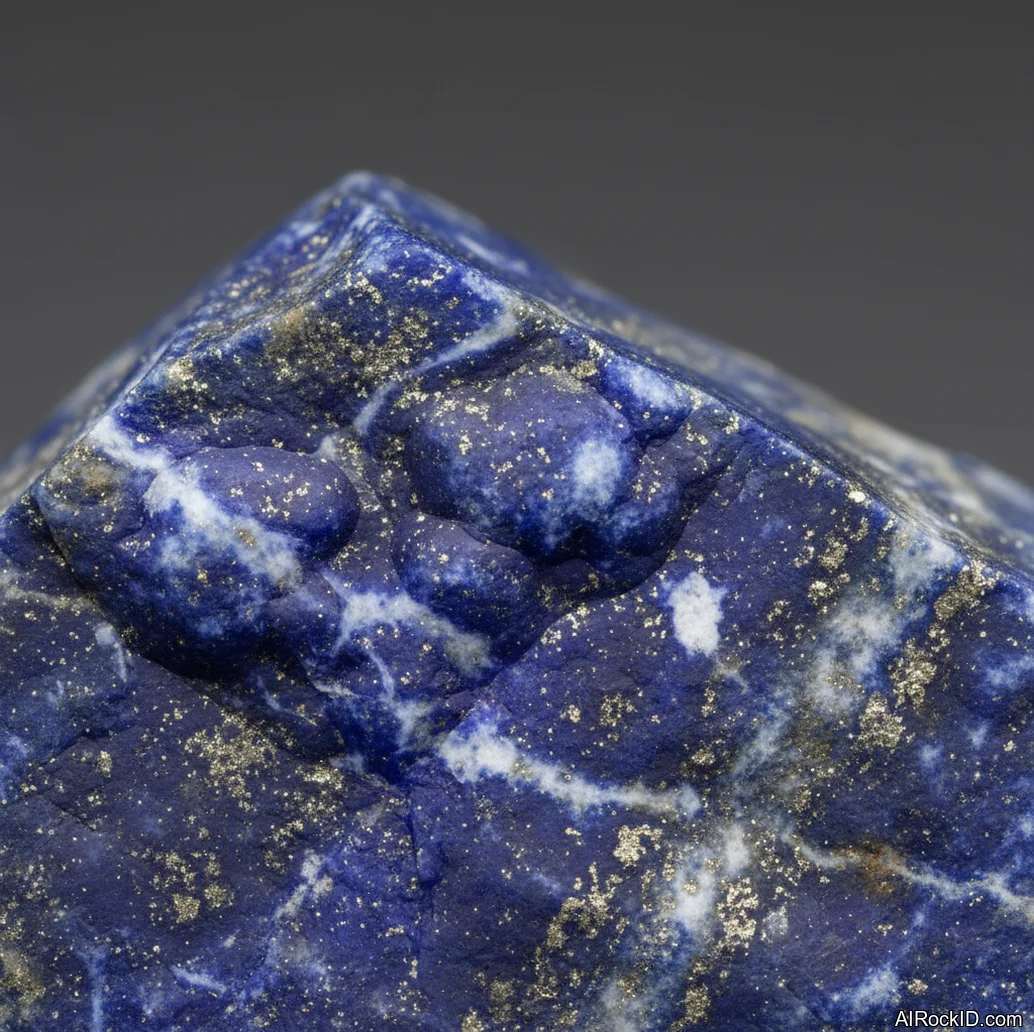
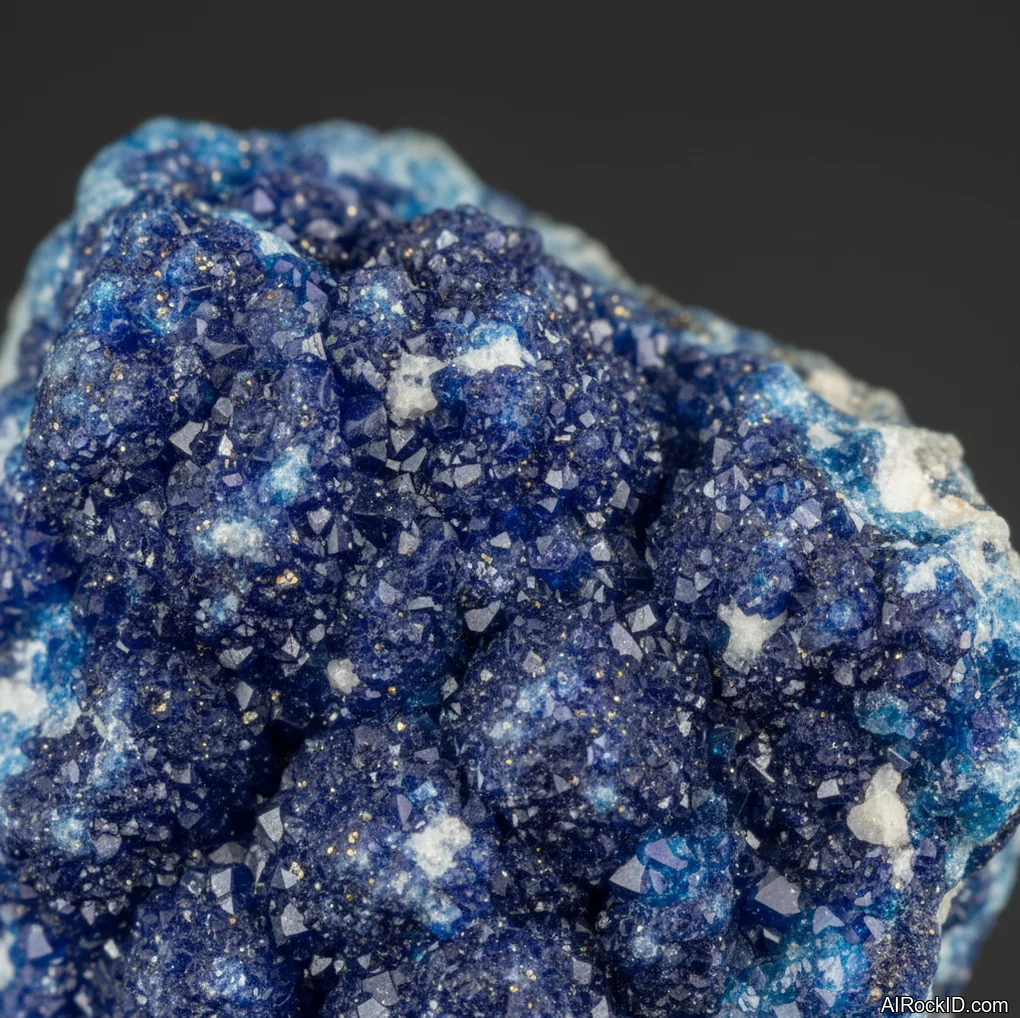
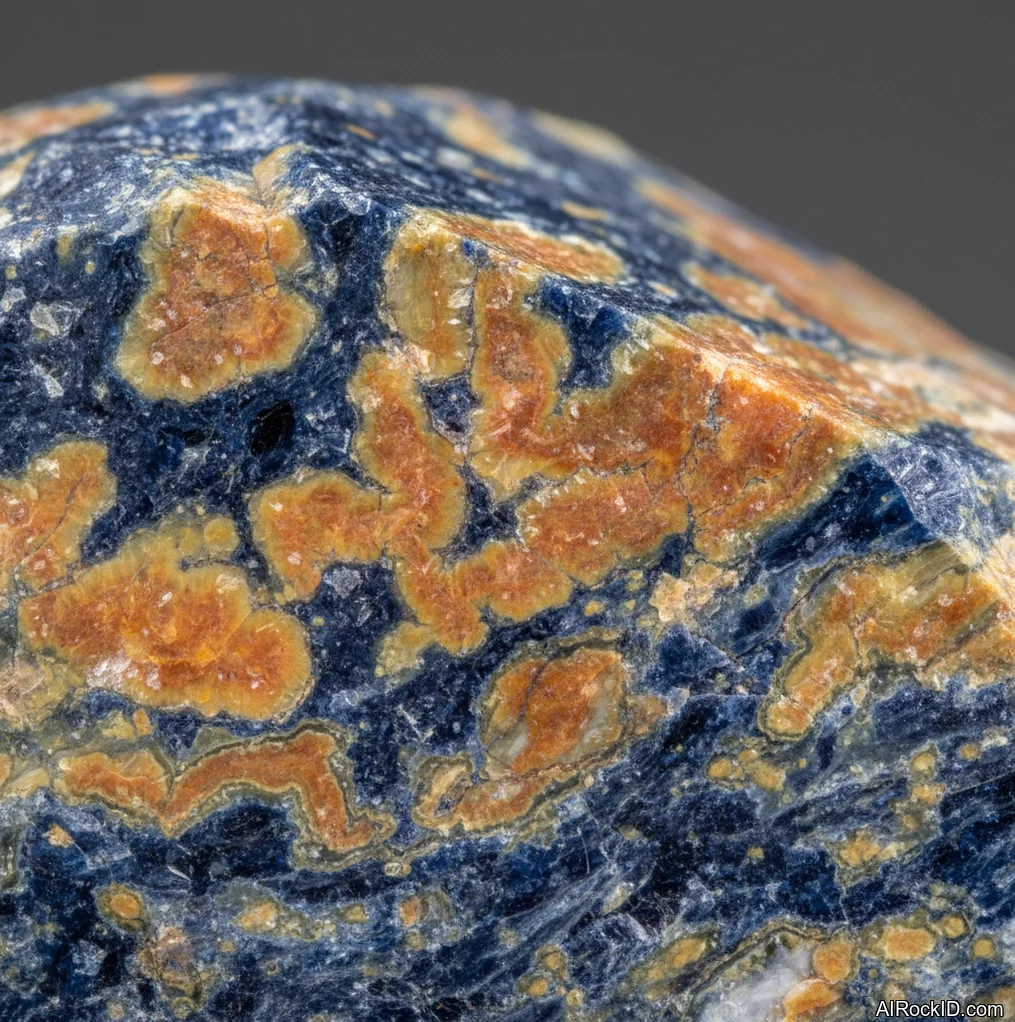
- Lapis Lazuli: Lapis lazuli is a deep blue rock commonly containing pyrite flecks, unlike sodalite, which usually lacks metallic gold specks.
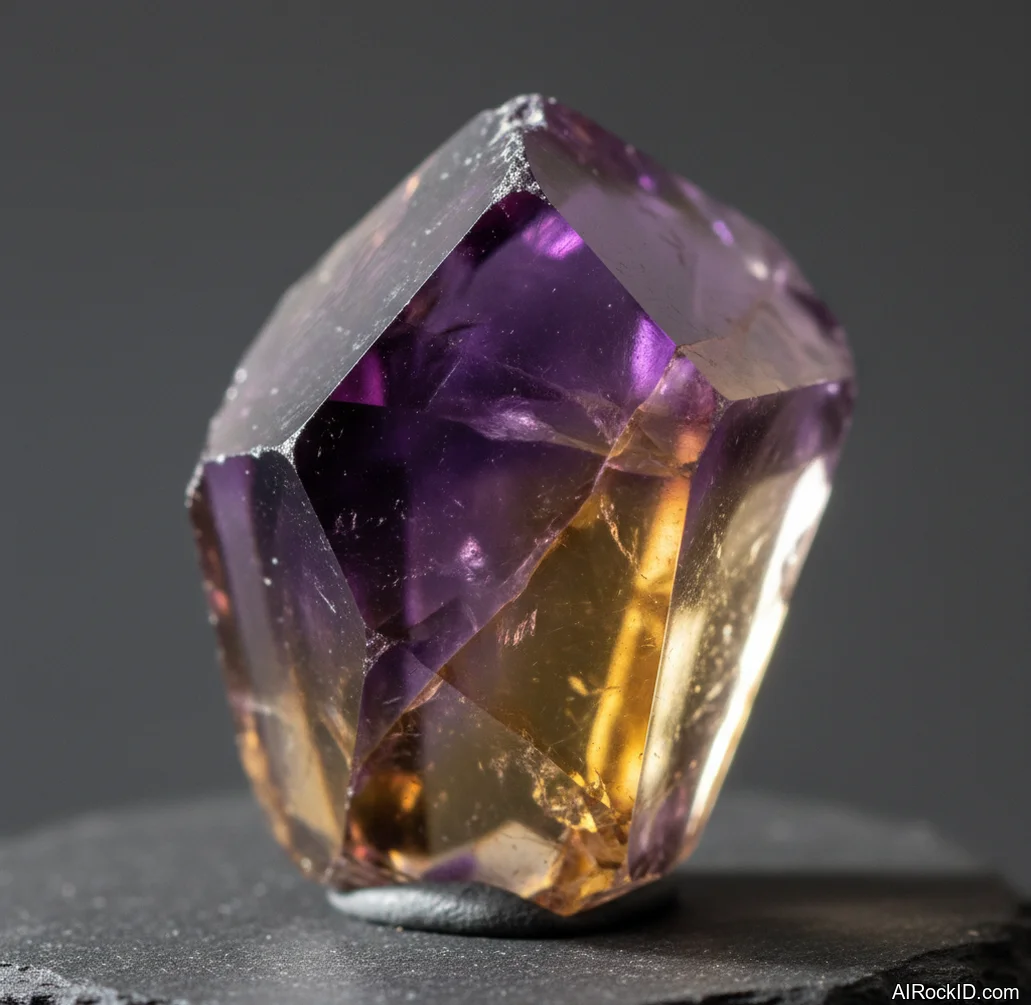
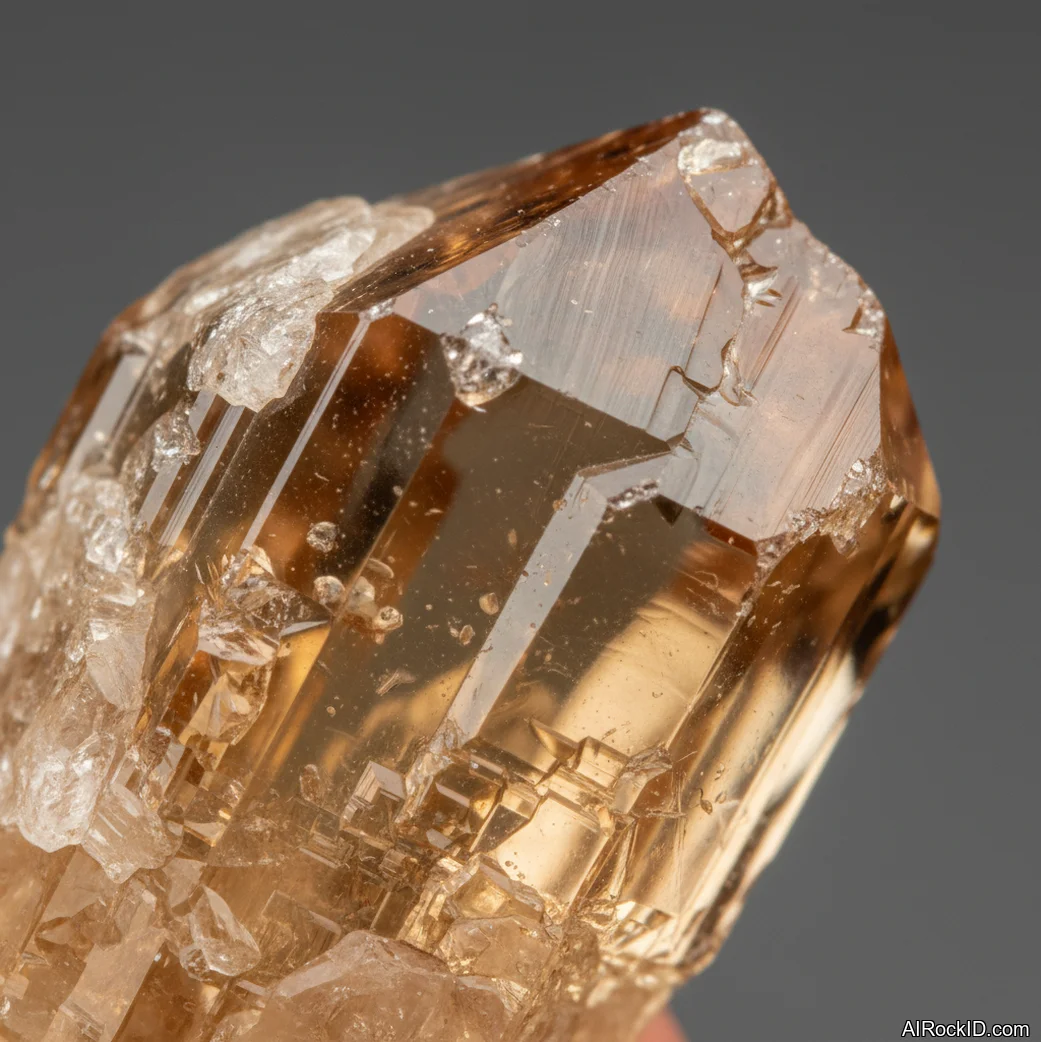
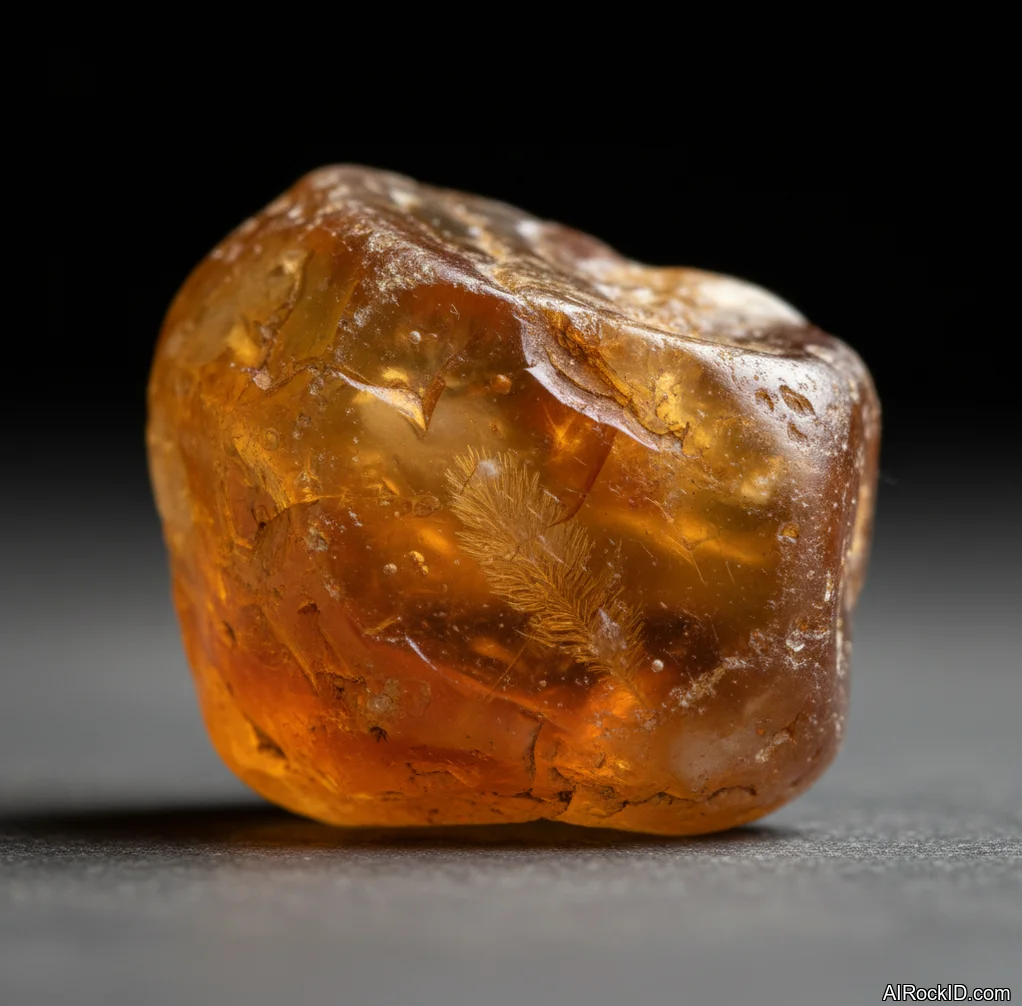
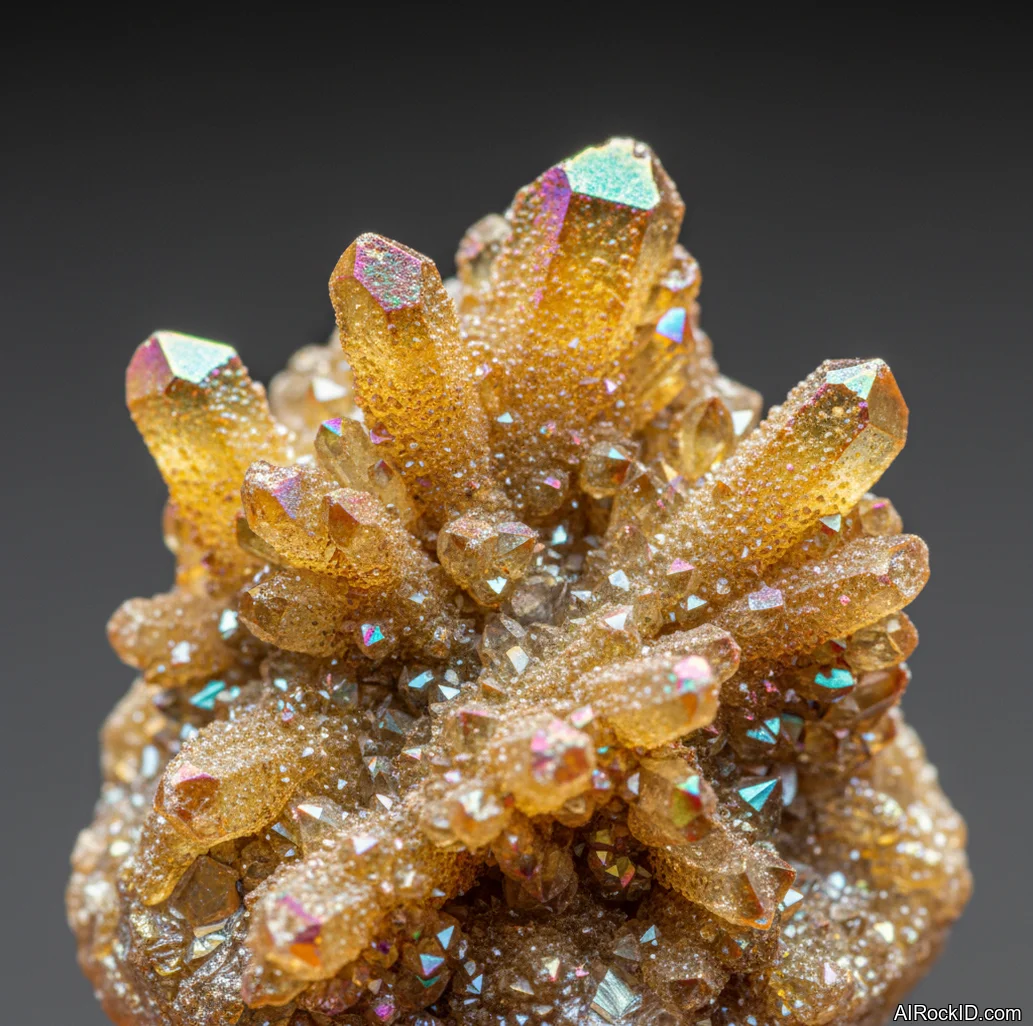
- Citrine: Natural citrine is typically pale yellow to smoky yellow, while many vivid orange pieces are heat-treated amethyst.
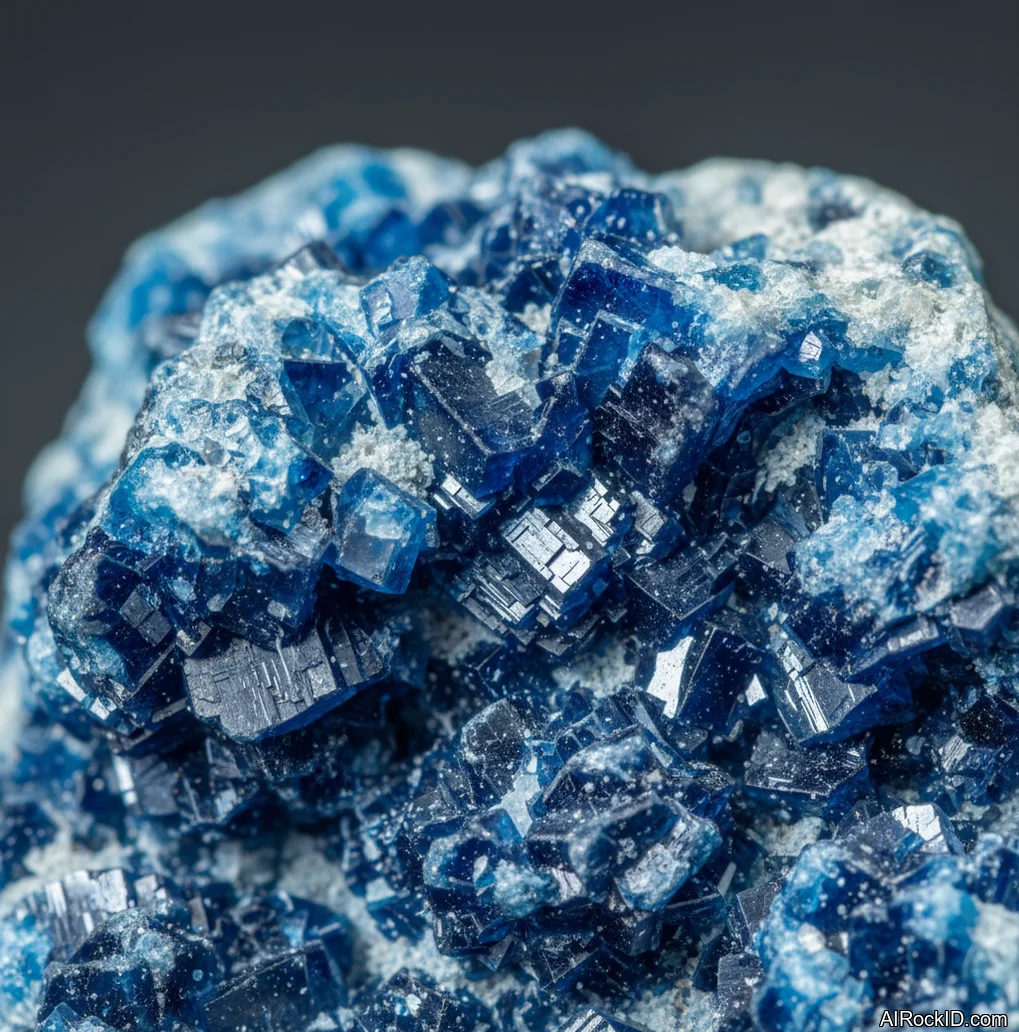
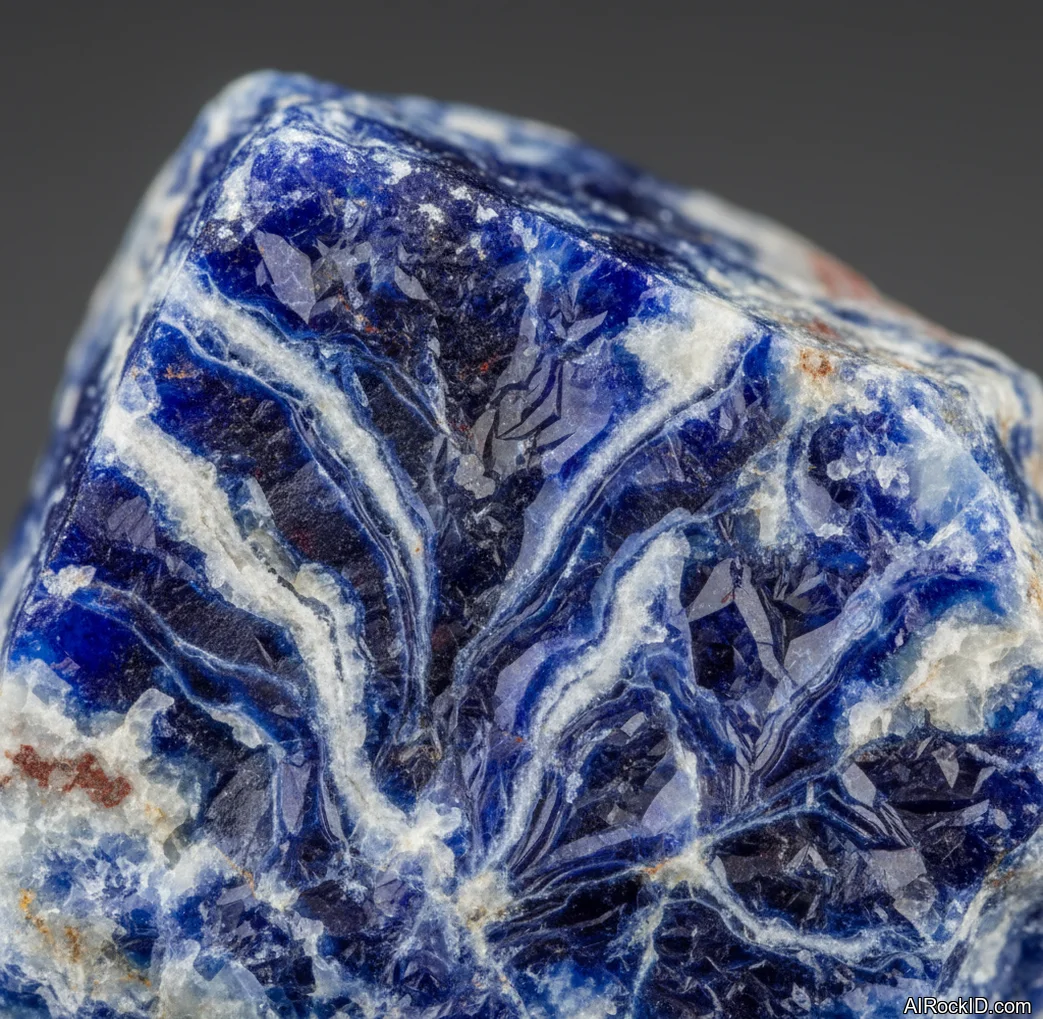
- Sodalite: Sodalite is commonly royal blue with white veining and is often confused with lapis lazuli when pyrite is absent.
AI identification confidence
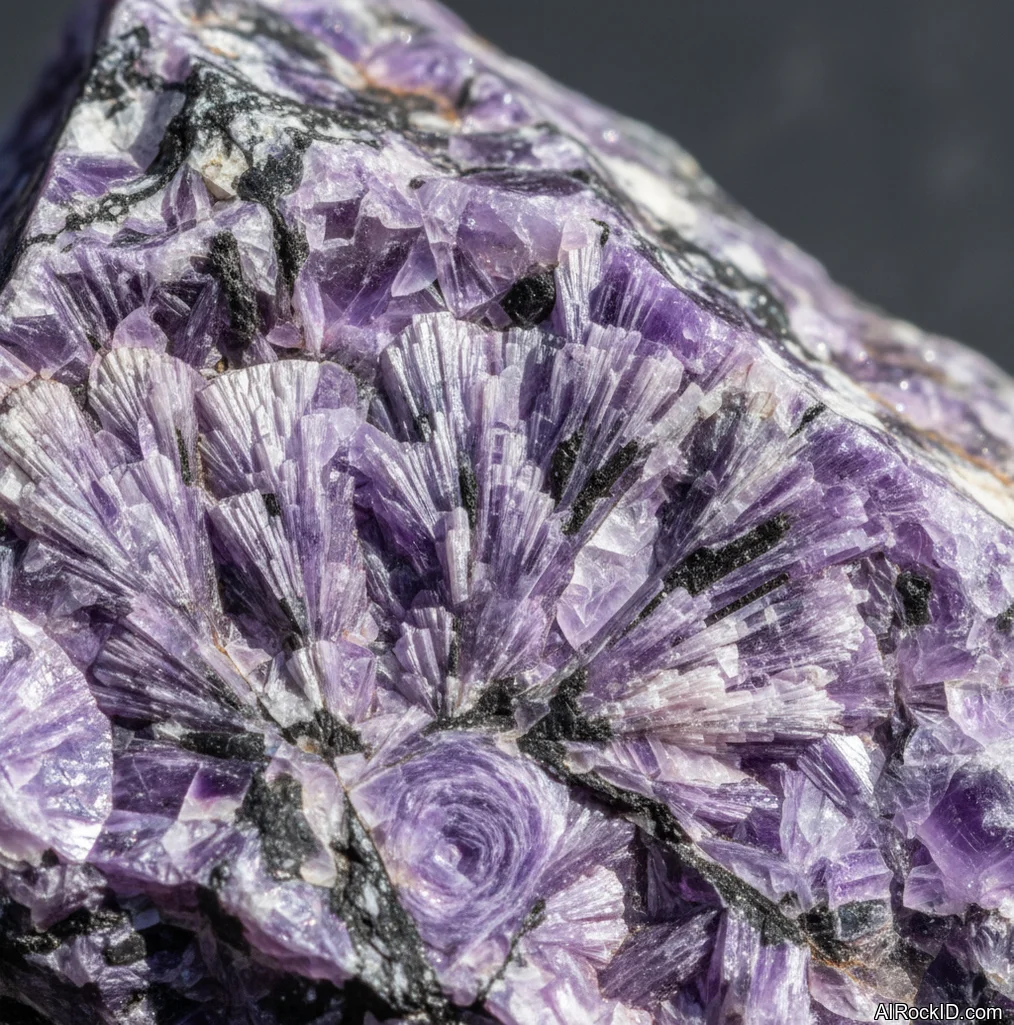
AI identification is most useful when a Sagittarius crystal has clear visual traits such as turquoise matrix, lapis pyrite flecks, or amethyst zoning. Confidence may be lower for polished stones, dyed materials, heat-treated quartz, and crystals photographed under colored lighting.
When AI gets it wrong
- Polished tumbled stones hide crystal shape, fracture, and natural surface texture.
- Dyed howlite, dyed magnesite, and reconstructed stones can resemble turquoise in photos.
- Heat-treated amethyst may be labeled citrine even though the color was altered.
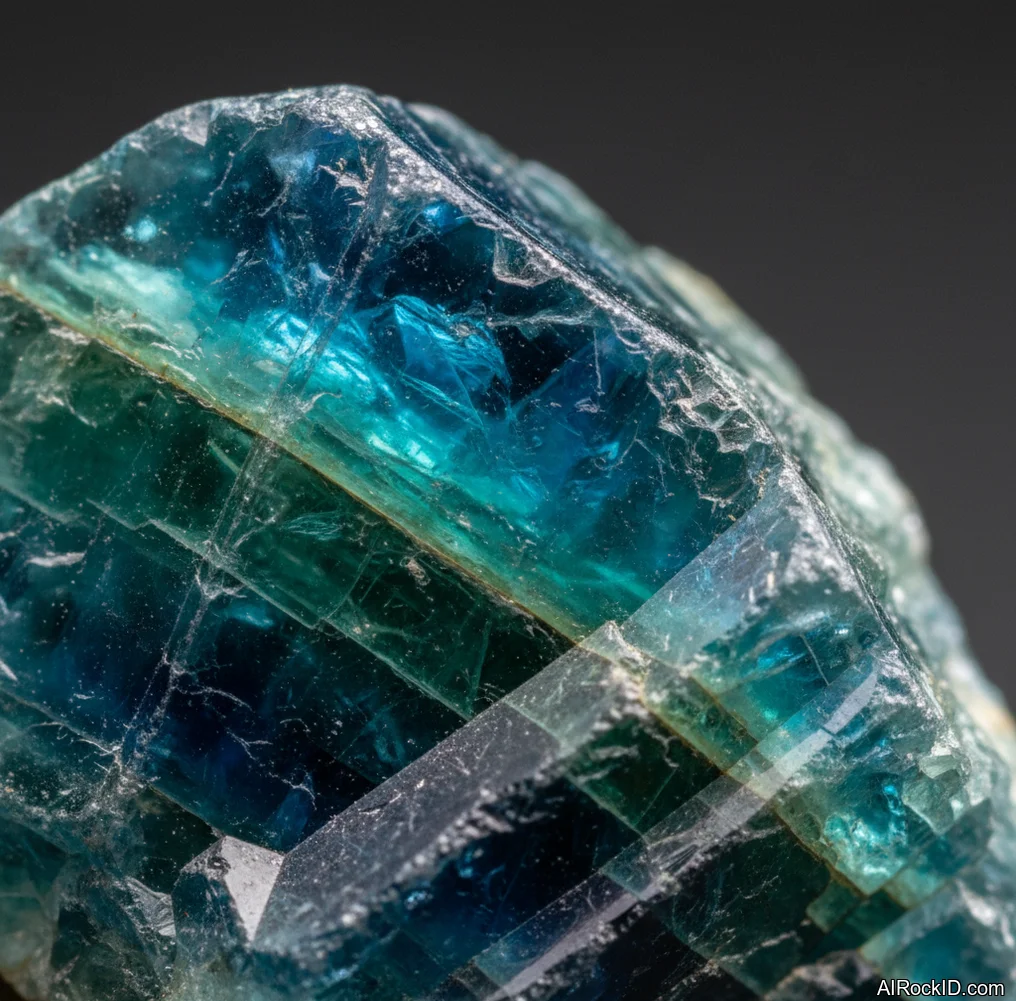
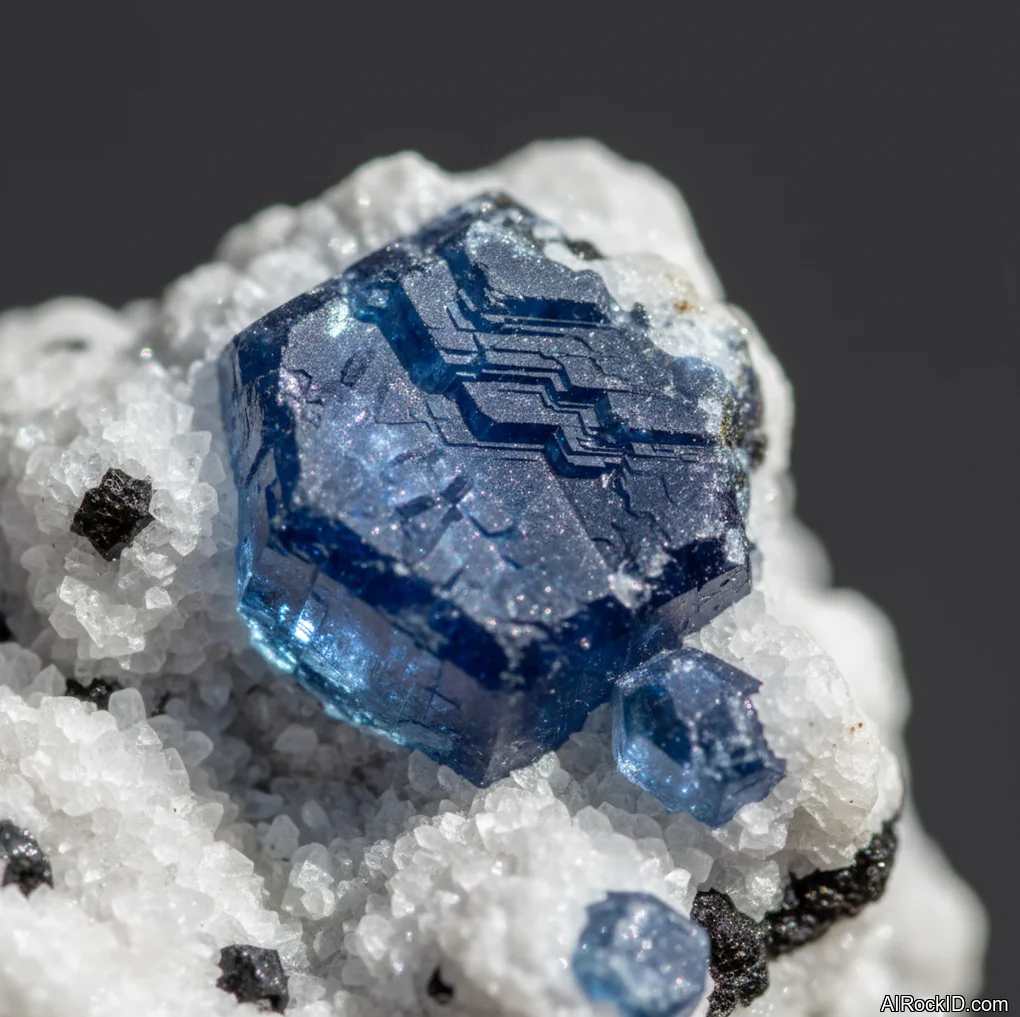
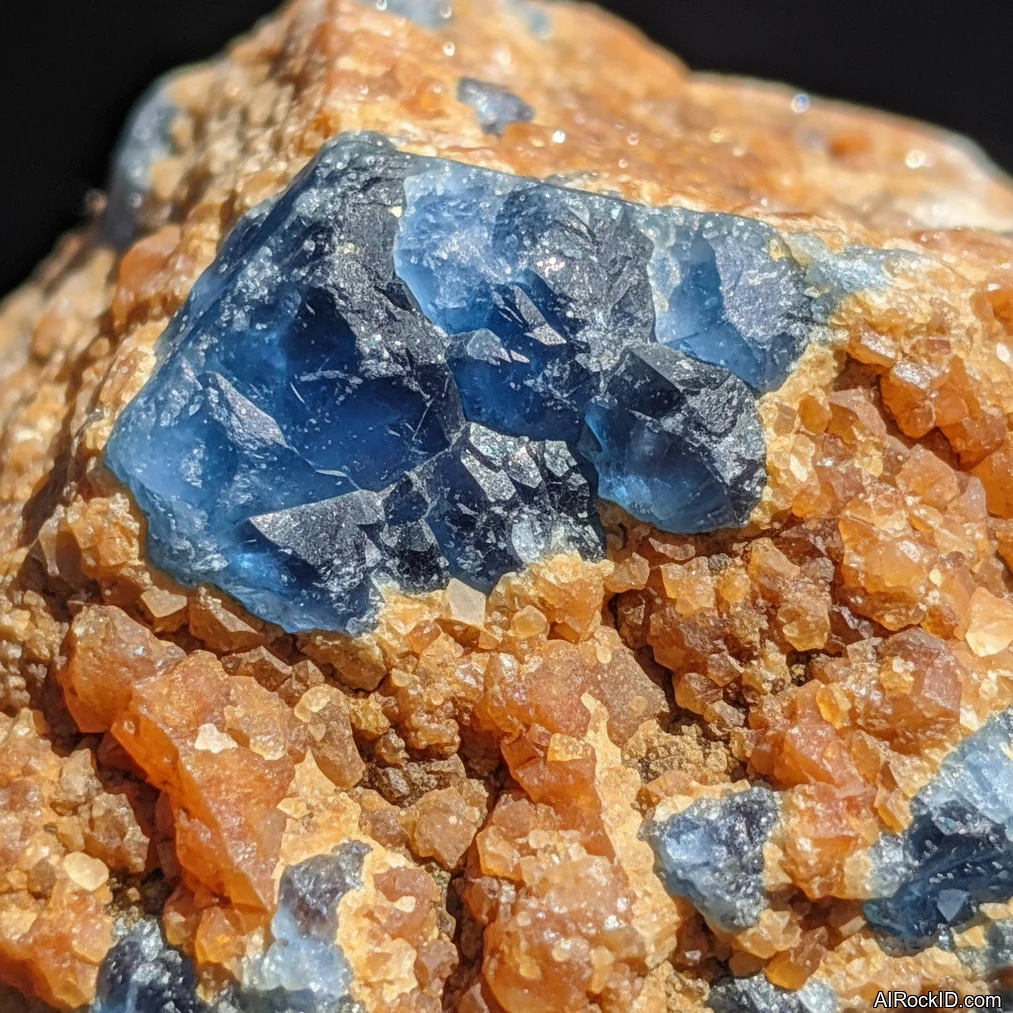
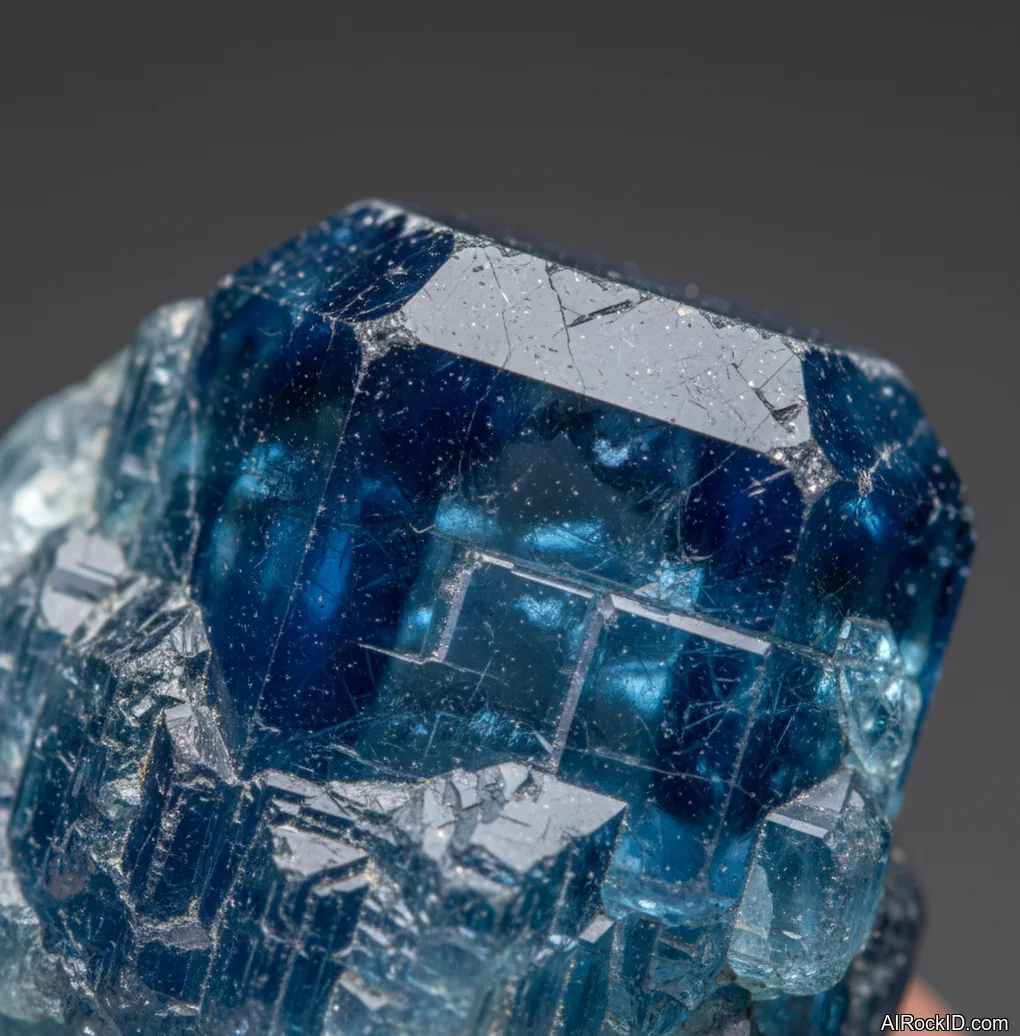
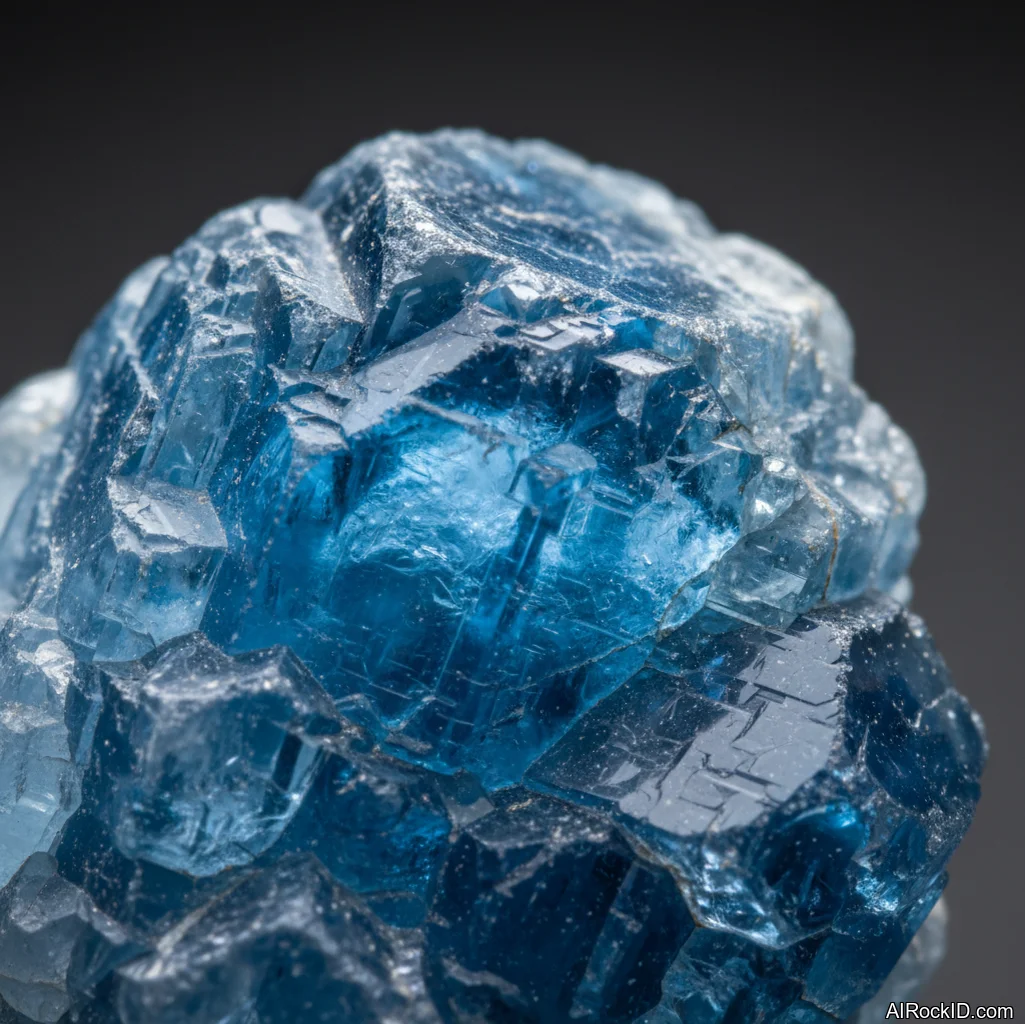
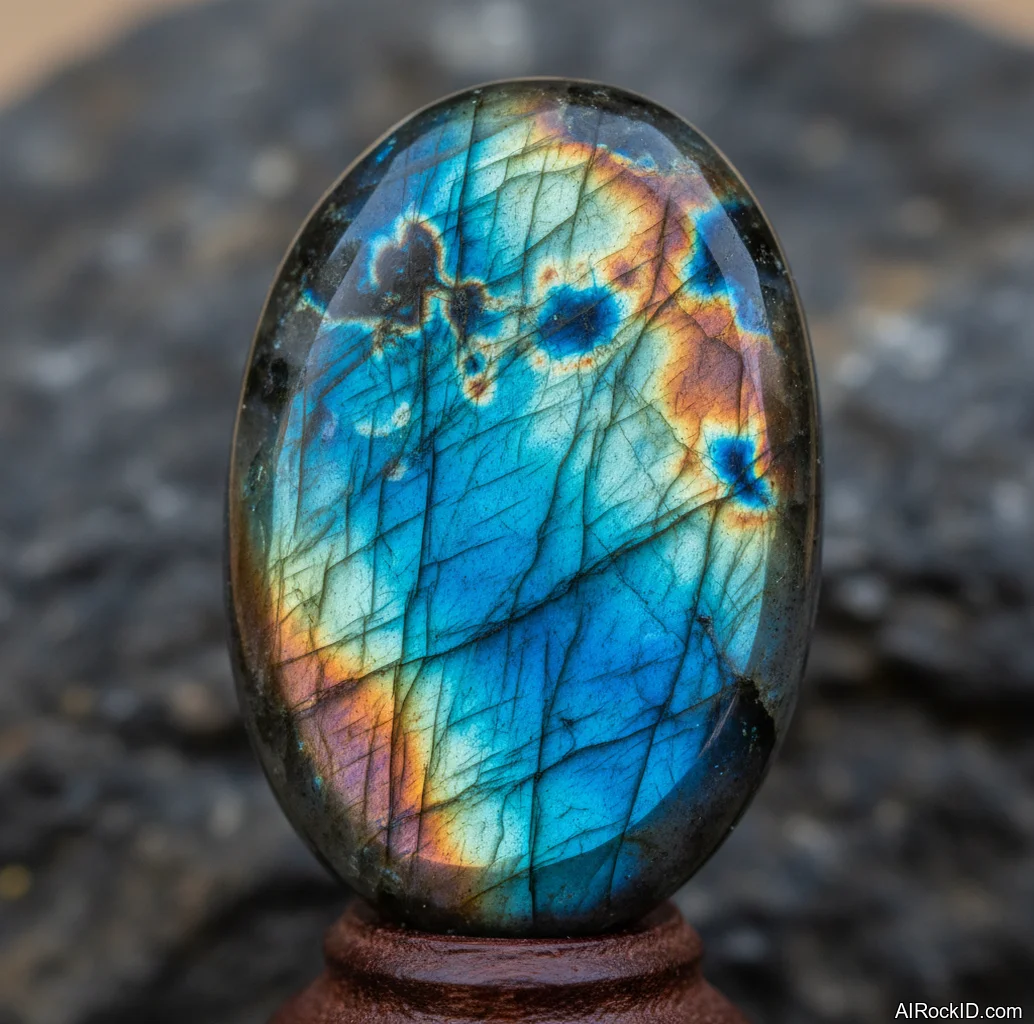
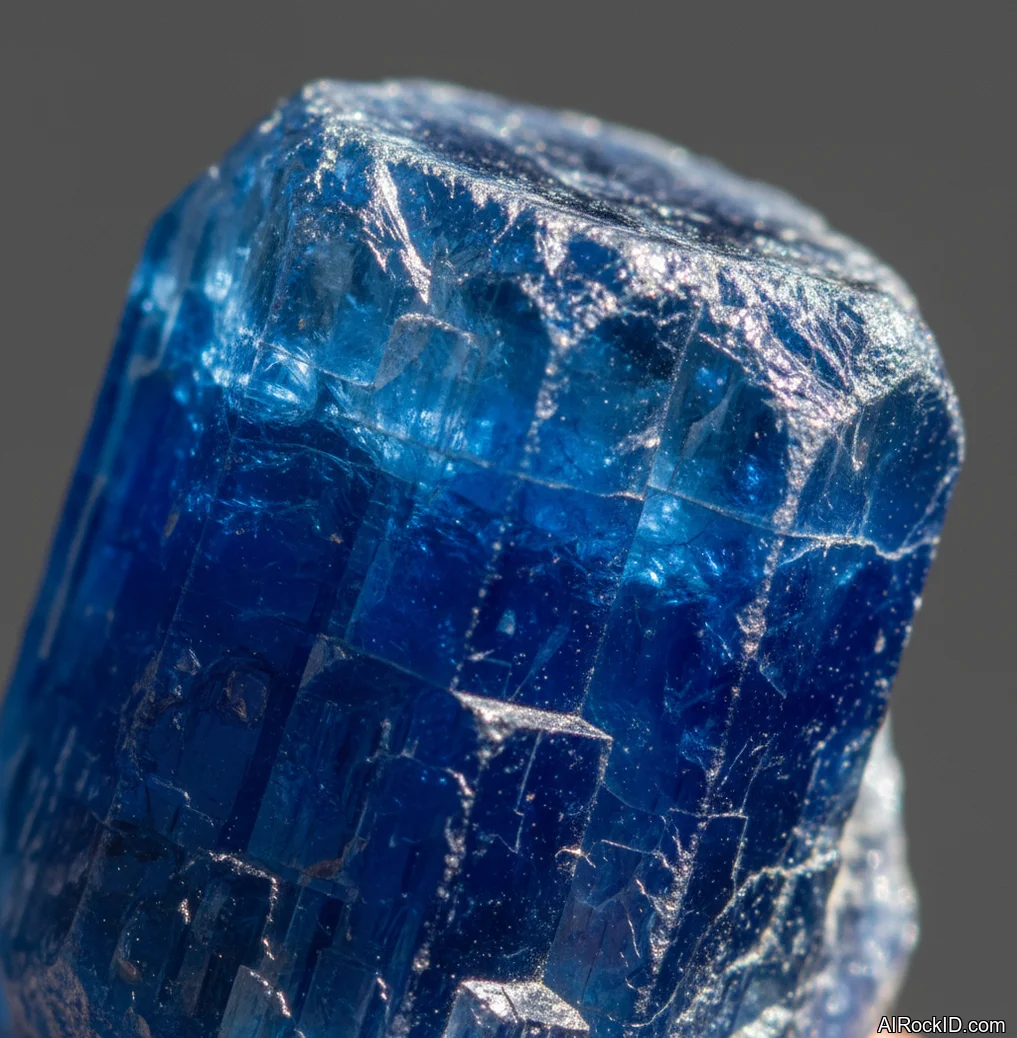
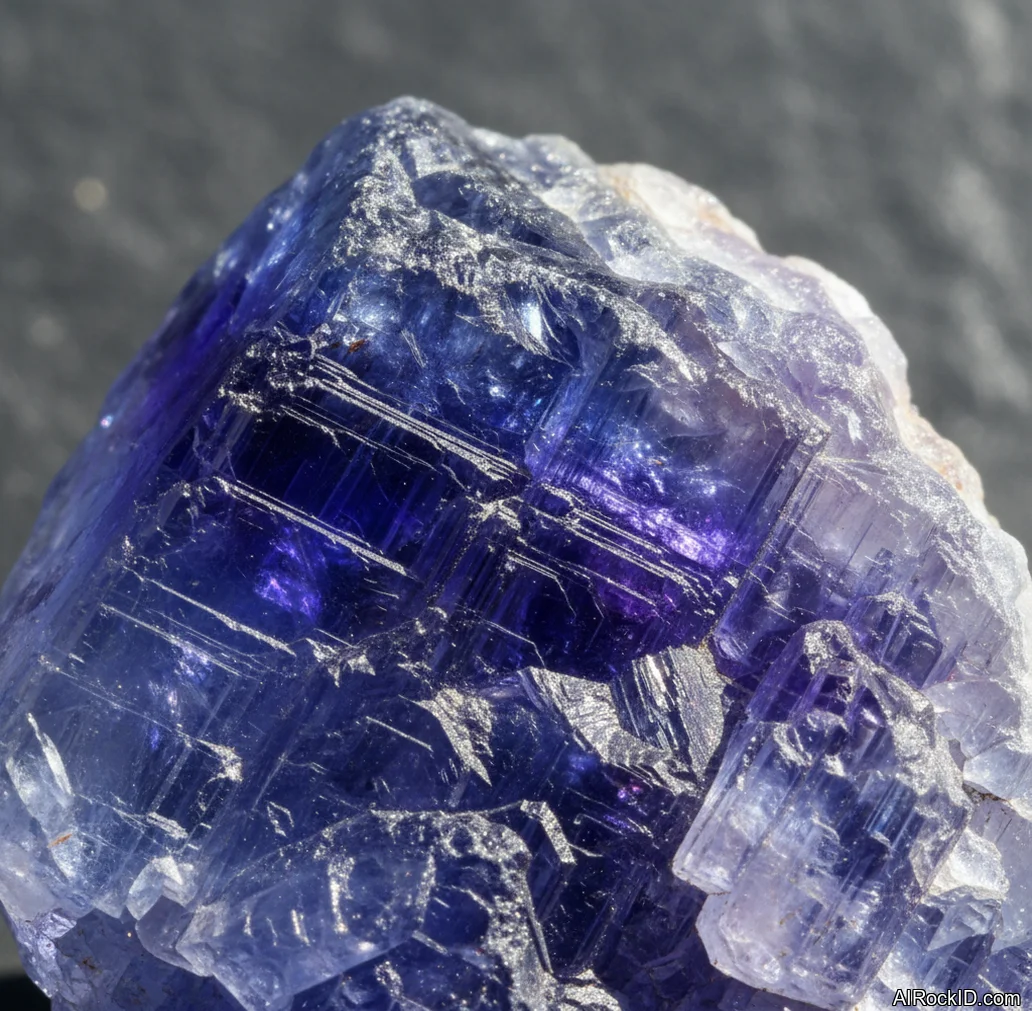
- Blue stones such as sodalite, lapis lazuli, dumortierite, and dyed quartz can look similar under poor lighting.
Best choice summary
A practical Sagittarius starter set can include one blue communication-associated stone, one yellow confidence-associated stone, and one calming purple or grounding stone. Choose pieces based on accurate identification, durability, budget, and whether the symbolism matches the intended use.
Final recommendation
For everyday collecting, turquoise, lapis lazuli, citrine, sodalite, and amethyst are accessible names to compare within Sagittarius crystal traditions. For higher-value purchases, request seller details about treatment, origin when available, and whether the material is natural, stabilized, dyed, or reconstructed.
Why people search for this
People often search for Sagittarius crystals to find stones associated with Sagittarius season, birthday gifts, intention setting, or zodiac-themed collections. These associations come from modern metaphysical traditions rather than standardized mineral science.
What this category represents
The Sagittarius Crystals tag groups crystal and mineral pages that are commonly connected with Sagittarius in zodiac, birth-season, and metaphysical reference traditions. The tag is thematic rather than scientific, so stones are grouped by symbolic use, color associations, and cultural popularity rather than shared mineral chemistry.
Beginner recommendations
Advanced recommendations
Sagittarius Birthstone Links
Sagittarius overlaps late November and most of December, so traditional birthstone references often include topaz, citrine, turquoise, tanzanite, zircon, and blue topaz depending on the calendar system used. Zodiac crystal lists may combine these birthstones with symbolic stones chosen for Sagittarius traits rather than birth month alone.
Natural, Treated, and Imitation Stones
Some Sagittarius-associated stones are commonly treated or imitated, especially turquoise, citrine, and blue stones sold in beads or cabochons. Stabilized turquoise, dyed howlite, heat-treated amethyst sold as citrine, and dyed quartz should be clearly disclosed by sellers.
Durability for Everyday Carry
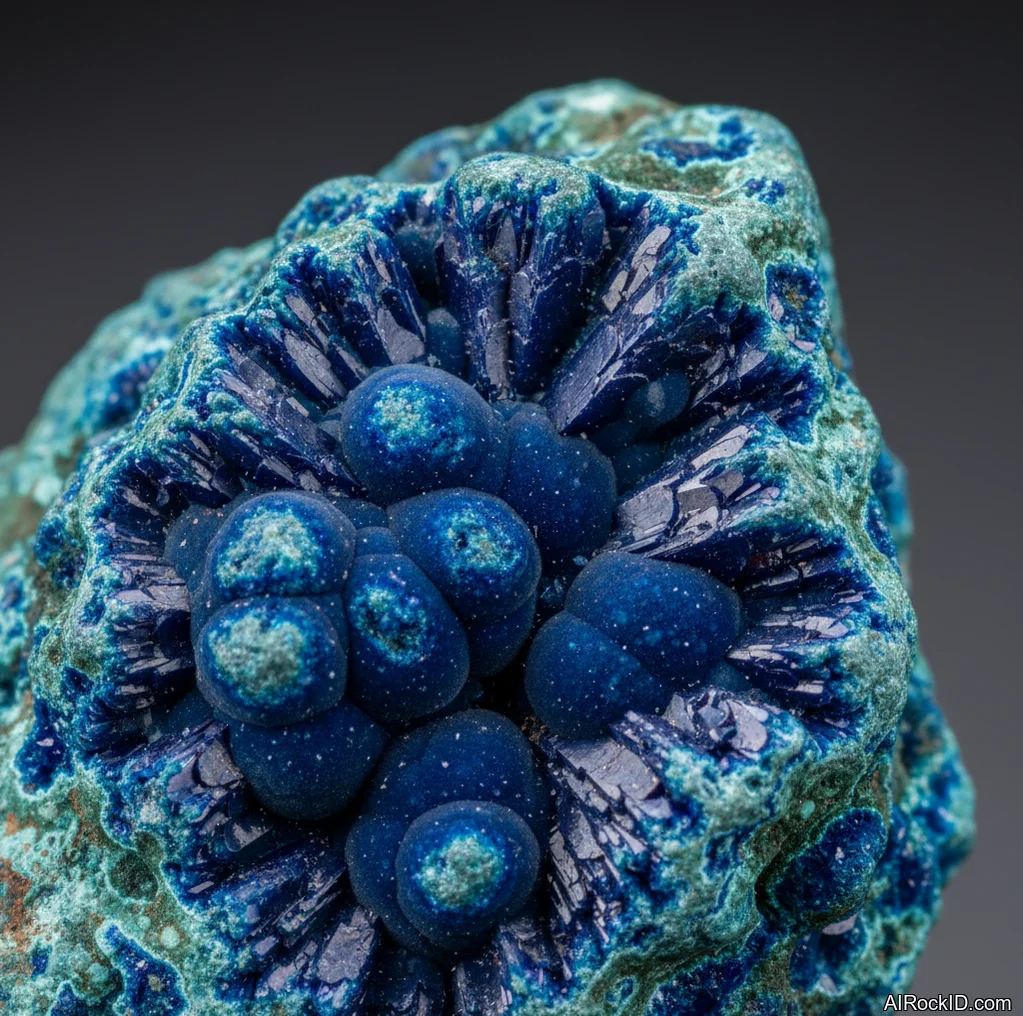
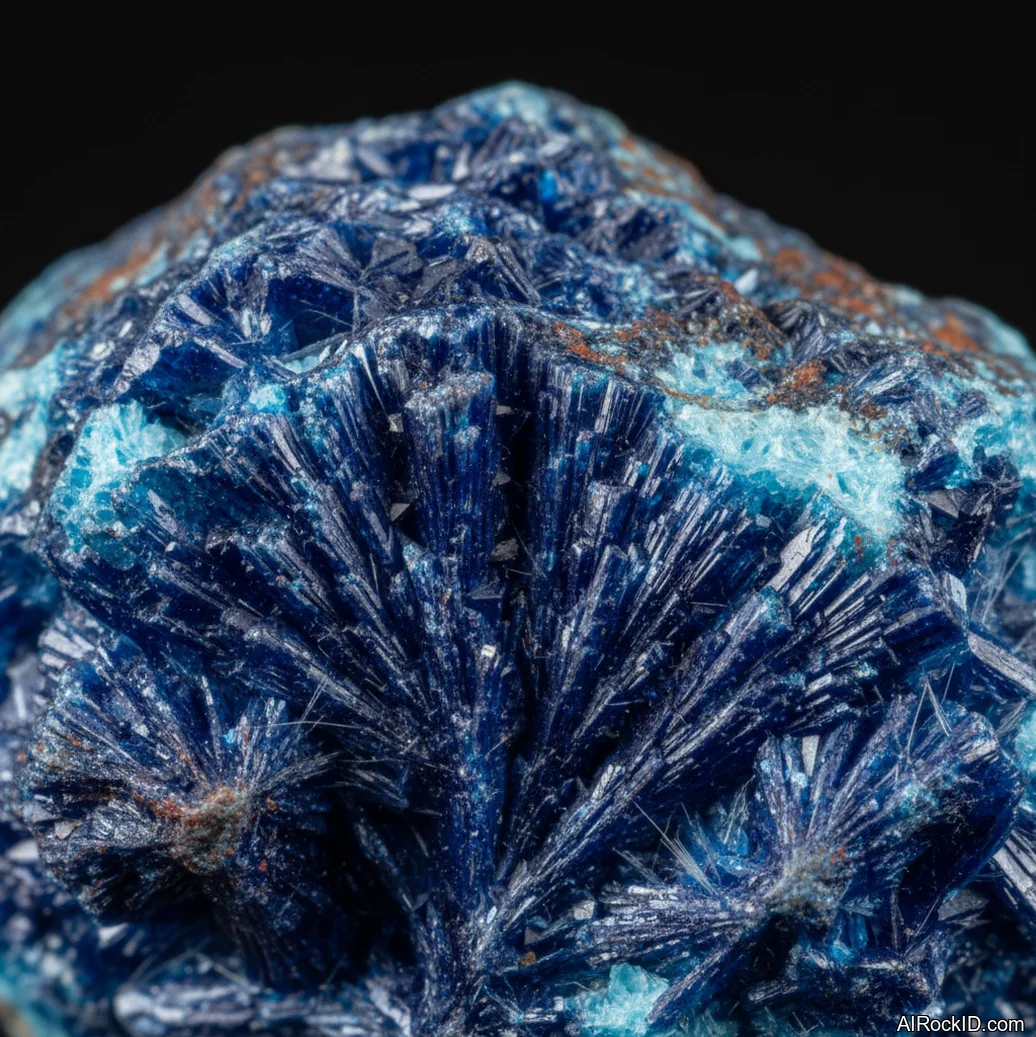
Quartz varieties such as amethyst and citrine are generally durable for casual handling, while turquoise, azurite, and some softer stones need more careful storage. Keep softer or porous stones away from prolonged water exposure, harsh cleaners, and rough contact with harder minerals.
Sagittarius Energy and Crystal Associations
Sagittarius energy is hard to bottle up. It's the urge to get out, move, and chase after the next big thing — even if you haven't finished the last one. People often turn to Sagittarius crystals when they want that quick burst of motivation or a sense of movement, but without the burnout that can follow. You’ll hear a lot about optimism with Sagittarius, but it’s not always grounded. Lots of folks feel the big ideas come easy, but then realize their follow-through is wobbly at best. That’s where the right stones come in, at least for those who like to use them. It’s more about helping set your sights than just waiting for luck to drop in your lap.
In practice, the same names keep coming up: turquoise for movement and protection, lapis lazuli for mental clarity, sodalite for focus, amethyst for calming that restless mind, citrine for keeping spirits high, and tiger’s eye for practical action. I’ve watched people try dozens of others, but these six are the ones they circle back to. If you’re looking for a stone that feels like Sagittarius in your hand, you’ll probably end up holding one of these before long.
Choosing Authentic Sagittarius Crystals: What to Look For
Pick up a good piece of turquoise and it’s obvious right away — real turquoise feels cool and has a waxy, almost chalky texture. The best pieces never look like plastic or paint; they show subtle pitting and natural color shifts when you shine a phone light close. Most turquoise on the market is stabilized or dyed. Fakes heat up fast in your palm and the color can be way too even, almost like someone airbrushed it. If you see a piece with zero color variation and it feels warm right away, be skeptical. I’ve seen plenty of turquoise that’s just dyed howlite or even plastic, especially in mass-market shops.
Lapis lazuli is another common Sagittarius pick, but it’s easy to get distracted by just the blue. Hold it at an angle and you’ll notice the pyrite flecks, which catch light like tiny brass sparkles. Those flecks matter. When there’s too much white or grey veining, you’re probably looking at calcite mixed in, which drops the value for collectors. Heavy dye jobs leave an odd residue on a damp cloth — a trick I learned cleaning up a batch of rough lapis from Afghanistan. The better quality lapis shows a deep, varied blue without that weird artificial smear.
Physical Properties of Sagittarius Crystals: What Sets Them Apart
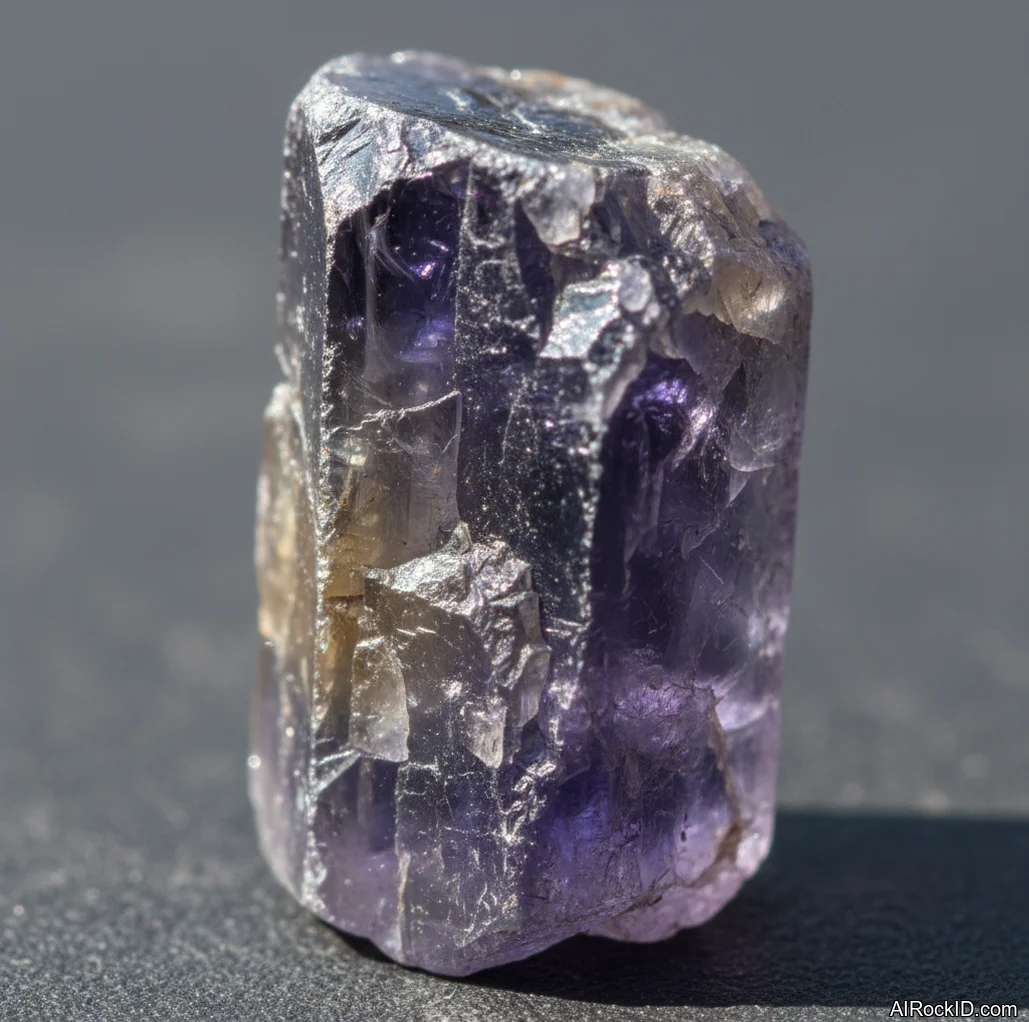
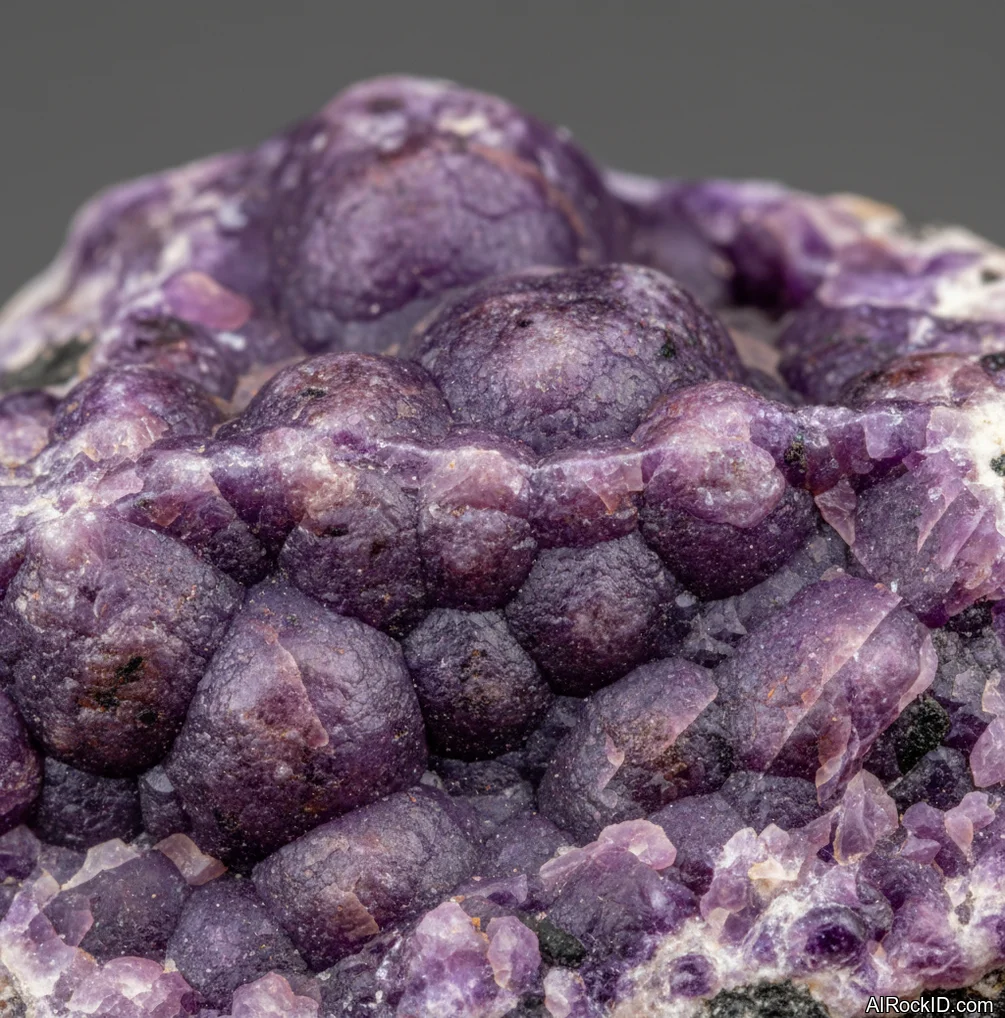
Sodalite gets lumped in with lapis a lot, but it’s usually lighter, sometimes with white streaks or patches. If you scratch the surface with a steel blade, sodalite powders off pretty easily, while lapis is tougher. Amethyst for Sagittarius leans on the mental reset angle — a good chunk from Uruguay feels heavier and colder than the lighter Brazilian stuff, and you’ll see more saturated purple with red flashes near the tips under LED light. Citrine, another Sagittarius classic, usually comes heat-treated these days. Holding natural citrine from the Congo or Madagascar, the color is smoky and subtle, never that artificial lemon yellow you see in tumbled stones. The fake stuff can fade fast if left in sunlight.
Tiger’s eye is all about that silky sheen. Run your thumb over a polished piece and you’ll feel a weird softness, almost like the stone is giving under pressure (even though it’s not). Look for the classic golden to brown chatoyancy — the light flashes across the surface as you move it. If it feels waxy or too slick, there’s probably a heavy resin polish on it.
Tips for Collecting and Using Sagittarius Zodiac Stones
A lot of Sagittarius stones get handled rough — carried in pockets, tucked into travel bags, or dropped on desks. Turquoise is soft, so it scratches up fast if you toss it in with keys or coins. I always keep my best pieces in a soft pouch, especially if they’re untreated. Lapis and sodalite hold up better, but lapis will lose that mirror shine if you drop it on tile. Amethyst points chip easily at the tips. For display, I keep citrine and tiger’s eye out of direct sunlight; both can fade or lose their luster over time.
If you’re actually wearing these stones, watch out for sweat and lotions. Turquoise especially hates getting wet — real pieces can spot or darken where your skin touches them. For travel, I stick with a small, polished tiger’s eye. It rides well in a pocket and doesn’t scratch as fast. For bigger visual impact, raw amethyst clusters or a fat chunk of lapis lazuli look great on a shelf, and you’ll notice the color shift as the daylight moves across your room.
Best Sagittarius Crystals to Start With
| Level | Crystal | Note |
| Gentle / Beginner | Amethyst | It’s everywhere, so you can find real amethyst cheap, and it isn’t fragile if you carry it around. The color feels soothing, and even small points hold up in a pocket or bag. |
| Balanced / Everyday | Tiger’s Eye | It’s tough, doesn’t scratch easily, and the shimmer makes it feel alive in your hand. Works well for keeping focus on everyday tasks. |
| Intense / Advanced | Natural Turquoise | Genuine turquoise is harder to find and needs careful handling, but collectors swear by its 'keep moving' energy. It’s a classic for travel and big shifts. |
| Best for Carrying | Sodalite | It’s sturdy, not too soft, and tumbled pieces are cheap. The color variation hides scuffs, so it stays looking good even after months in a pocket. |
| Best for Display | Lapis Lazuli | A big chunk on a shelf catches light with those pyrite flecks. The blue deepens in natural or warm lamplight, and it turns heads in a collection. |
Sagittarius Crystal Comparison
| Crystal | Common Use | Feel / Use Style | Care Caution |
| Turquoise | Travel, protection, moving forward | Waxy, cool, slight natural pits; never glassy | Avoid water, perfume, and sun; most sold is stabilized or fake |
| Lapis Lazuli | Mental clarity, big-picture thinking | Dense, cool, with pyrite sparkles; deep blue with some white or gray veins | Watch for dyed or heavily polished fakes; pyrite can rust if soaked |
| Amethyst | Calming, mind reset, stress | Smooth, cool, heavier in darker pieces; fine points chip easily | Can fade in sunlight; tips are fragile |
| Tiger’s Eye | Focus, practical action, grounding | Silky surface, shows chatoyancy (moving light band), solid weight | Can lose shine with rough handling or chemical cleaners |
How to Identify Sagittarius Crystals with AI Rock ID
To identify Sagittarius crystals with an AI Rock ID app, take clear photos in daylight, including both the full piece and a close-up of the surface. Upload shots that show natural pits, streaks, or flecks, not just polished faces. Compare the app’s match to your mineral’s hardness (will it scratch glass?), luster (waxy, silky, or glassy), and any streak color if possible. Using these details alongside the AI’s guess gives you a better shot at spotting real turquoise, lapis, or tiger’s eye instead of dyed or fake versions.
All Sagittarius Crystals (36)