Blue Jay Sapphire


Quick answer: Blue Jay Sapphire is a trade-style name for a blue sapphire, a variety of corundum colored mainly by iron and titanium. It is most often evaluated by color saturation, clarity, cut quality, carat weight, treatment status, and whether the stone is natural, synthetic, or imitation.
AI Rock ID can help screen a suspected Blue Jay Sapphire from a photo by comparing visible color, luster, transparency, and crystal or cut features. RockIdentifier.io should be used as a first-pass identification aid, while high-value sapphires still require confirmation from a qualified gemological laboratory.
Good fit
- People who want a durable blue gemstone for rings or daily-wear jewelry
- Collectors comparing natural, treated, and synthetic sapphire options
- Buyers who prefer saturated blue corundum over softer blue gemstones
- Anyone researching sapphire lookalikes before purchasing online
Not a good fit
- Buyers who need a low-cost blue stone and do not require corundum durability
- Anyone expecting a phone photo to prove natural origin or treatment status
- People who want an untreated stone without obtaining reliable documentation
Most commonly confused with
- Blue Spinel: Blue spinel is singly refractive and usually has lower hardness than sapphire.
- Blue Topaz: Blue topaz is typically lighter in tone, less hard, and commonly irradiation-treated.
- Tanzanite: Tanzanite has strong violet-blue pleochroism but is much softer than sapphire.
- Iolite: Iolite can look blue-violet but has lower hardness and often shows more grayish tones.
Blue Sapphire Lookalike Comparison
| Material | Key Visual Clue | Practical Difference | Mohs Hardness |
|---|---|---|---|
| Blue Jay Sapphire | Saturated blue with possible pleochroism | Corundum; often requires testing for treatment and origin | 9 |
| Blue Spinel | Bright blue to gray-blue, singly refractive | Usually no sapphire-like dichroism | 7.5-8 |
| Blue Topaz | Often pale to vivid sky or Swiss blue | Commonly treated; lower value than fine sapphire | 8 |
| Tanzanite | Blue to violet-blue with strong color direction | Softer and less suitable for hard daily wear | 6-7 |
| Glass Imitation | May show bubbles or overly uniform color | Not corundum and far less durable | 5-6 |
AI identification confidence
Photo-based AI identification can be moderately useful when the stone is loose, well lit, and photographed from several angles, but blue transparent gems often overlap visually. AI cannot reliably determine whether a Blue Jay Sapphire is natural, heat-treated, diffusion-treated, filled, or synthetic without gemological testing.
When AI gets it wrong
- A faceted blue stone is shown in a jewelry setting with limited visible edges or inclusions
- Lighting makes a violet, gray, or greenish stone appear sapphire-blue
- The image lacks scale, magnification, or multiple viewing angles
- Synthetic sapphire, blue spinel, topaz, and glass have similar color in the photo
Final recommendation
For jewelry, Blue Jay Sapphire is a practical choice when durability and blue color are the main priorities. For purchases with significant value, request a report from a recognized gemological laboratory and confirm treatment disclosure before buying.
How to Verify Blue Jay Sapphire Before Buying
Ask whether the stone is natural, synthetic, or imitation, and request written disclosure of treatments such as heat, lattice diffusion, fracture filling, or coating. A reputable lab report is especially important for stones sold as untreated, origin-specific, or high-value sapphire. Basic seller photos should include face-up, side, and magnified views rather than only edited beauty images.
Natural, Treated, and Synthetic Blue Jay Sapphire
Natural blue sapphire forms in geologic environments, while synthetic sapphire is grown in a laboratory with essentially the same corundum composition. Heat treatment is common in the sapphire trade and may be stable, but diffusion or filling treatments can affect disclosure, durability, and value. The name Blue Jay Sapphire does not by itself prove natural origin or untreated status.
Photo Tips for Better Identification
Photograph a suspected Blue Jay Sapphire under neutral daylight or a daylight-balanced lamp, and include a white background and a size reference. Take images from the top, side, and pavilion if the stone is loose, plus a close-up of inclusions or surface wear. Avoid heavy filters or blue-tinted lighting because they can make topaz, spinel, glass, or tanzanite appear more sapphire-like.
What Is Blue Jay Sapphire?
Blue Jay Sapphire is a blue variety of corundum (Al2O3), and the color mostly comes from iron and titanium.
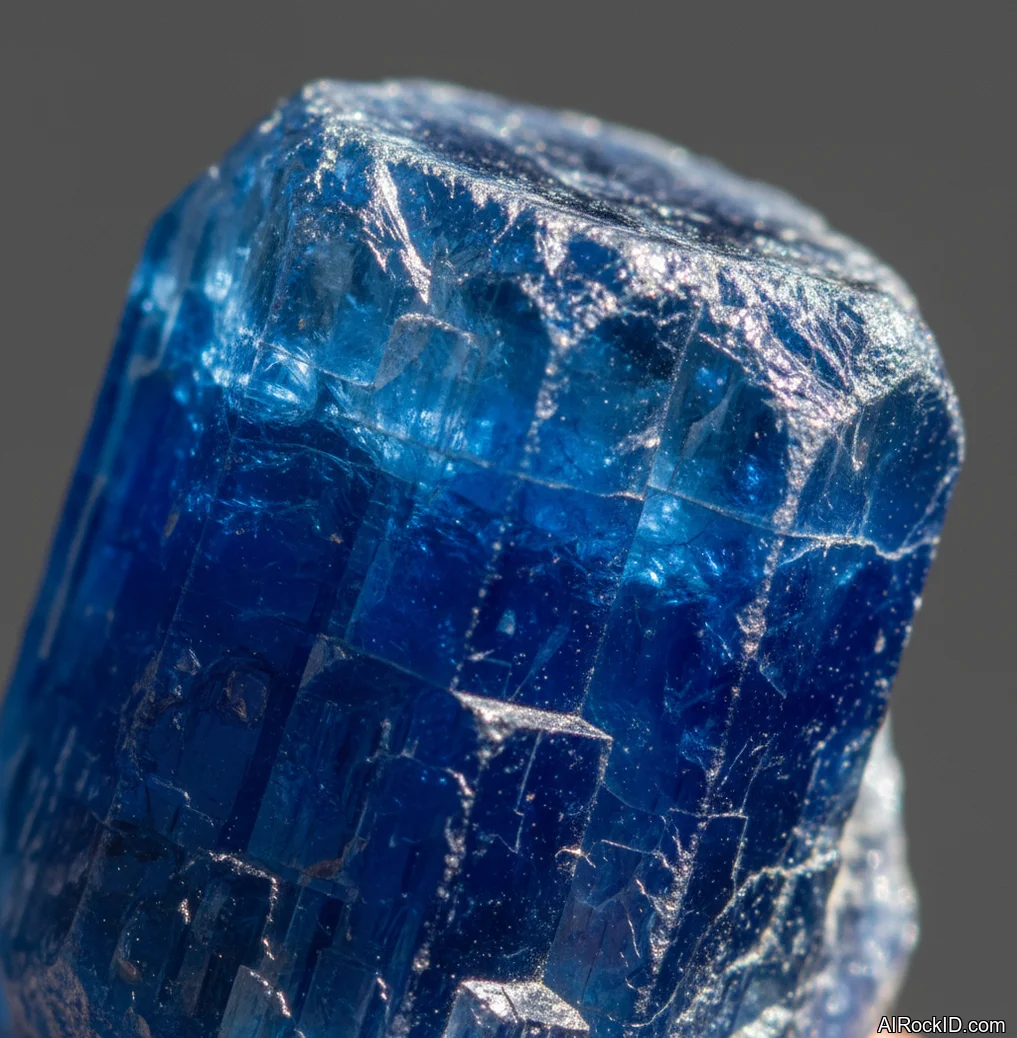
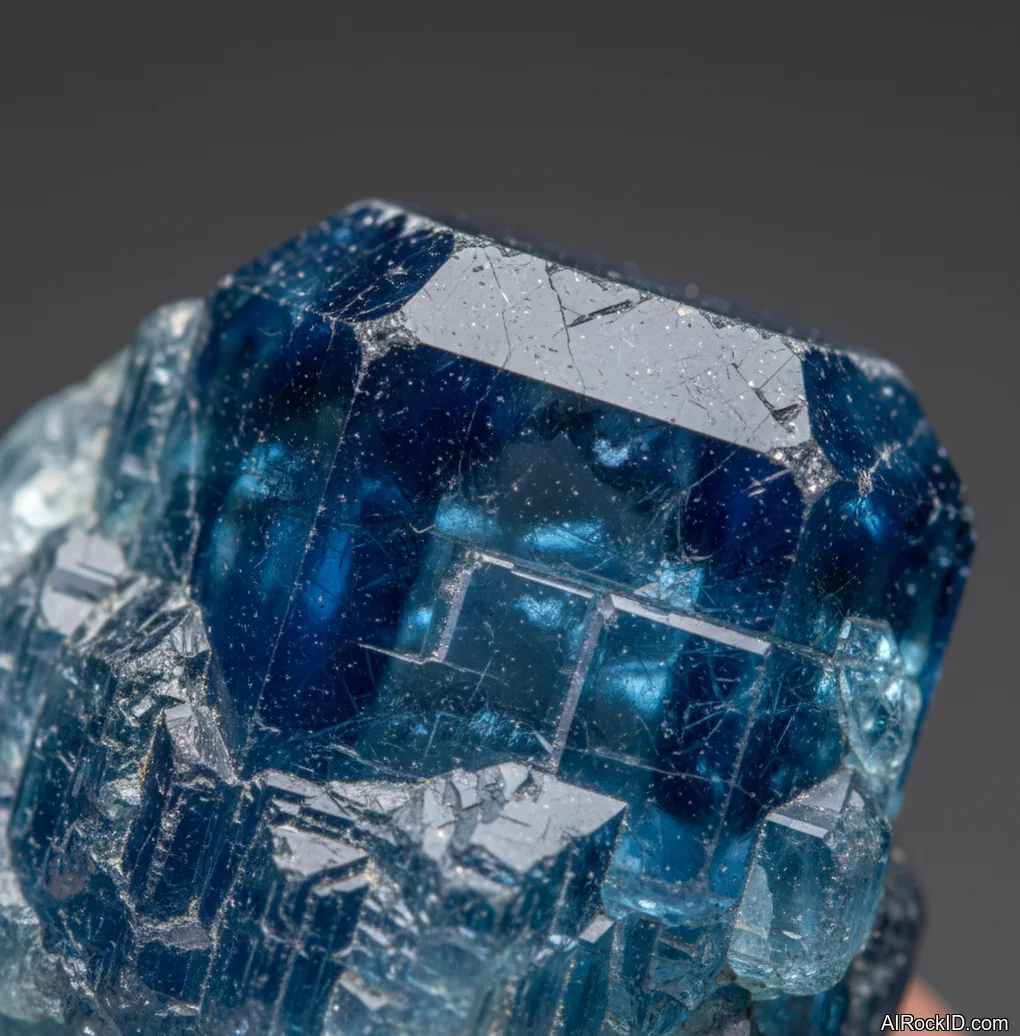
Pick up a natural sapphire crystal and the first thing you notice is the heft. It feels weirdly heavy for something that size, like it wants to sink into your palm. The surface can be slick and glassy on a fresh break, but the older growth faces have that slightly gritty, sandpapery feel where they’ve been worn down. Dealers toss around the “Blue Jay” nickname for a crisp, feather-blue color that isn’t too navy and isn’t too gray. Thing is, in real stones it’s almost never perfectly even. You’ll catch color zoning, thin inky bands, and sometimes a paler “window” that pops up when you tilt the crystal.
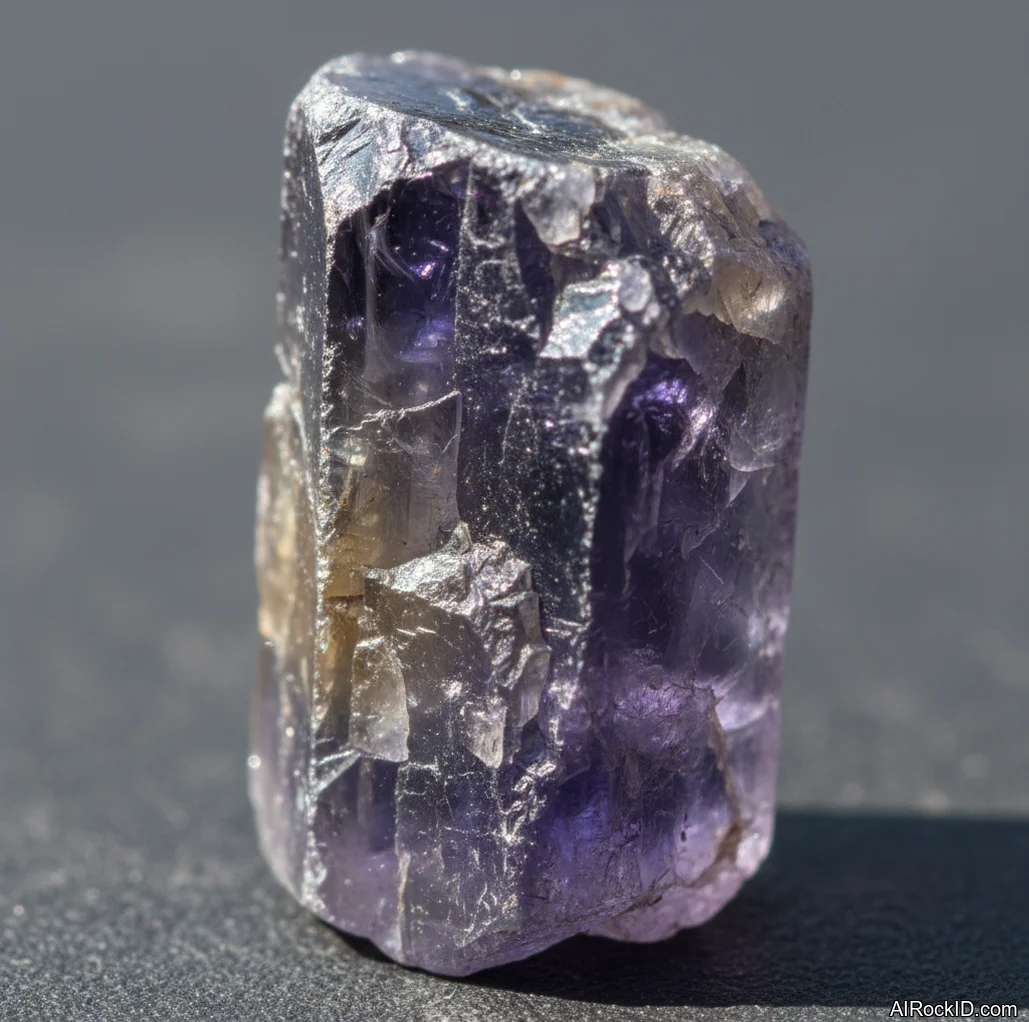
Look, shine a desk lamp on it and rotate it slowly, and the blue changes a bit as the angles shift. That’s pleochroism, and it’s one of the easiest sapphire tells once you’ve seen it in person. Some pieces throw a slightly greener blue in one direction, then swing to a more violet blue in another. But here’s the catch: a lot of “Blue Jay Sapphire” you see online is just heat-treated blue sapphire wearing a marketing name, so you really have to judge the stone itself, not the label.
Origin & History
“Sapphire” is an old word that ran through Latin and Greek before it landed where we use it now: the catch-all name for gem corundum that isn’t red. Corundum itself, as a mineral species, got formally described in 1800 by René Just Haüy, and yeah, his name shows up all over the early crystallography books.
“Blue Jay Sapphire” isn’t a scientific variety name. It’s shop-floor language. I’ve heard dealers toss it around at shows when they’re pointing at a clean, bright mid-blue stone, basically to set it apart from the darker, inky material and the pale, watery-looking ones (you know the kind). So if you’re buying, treat “Blue Jay” like a nickname for a color grade, not some promise about where it came from or whether it’s been treated.
Where Is Blue Jay Sapphire Found?
Blue sapphire turns up in both metamorphic marble-hosted deposits and basalt-related placer fields. The “Blue Jay” color description is used for stones from several of these sources, especially Sri Lanka and Madagascar in my experience.
Formation
Corundum shows up when aluminum-rich rocks get heated up and squeezed hard, but there isn’t much silica around to get in the way. So it makes sense you find sapphire in high-grade metamorphic places like marbles and gneisses, and also as crystals that later get loosened up and concentrated into gravels.
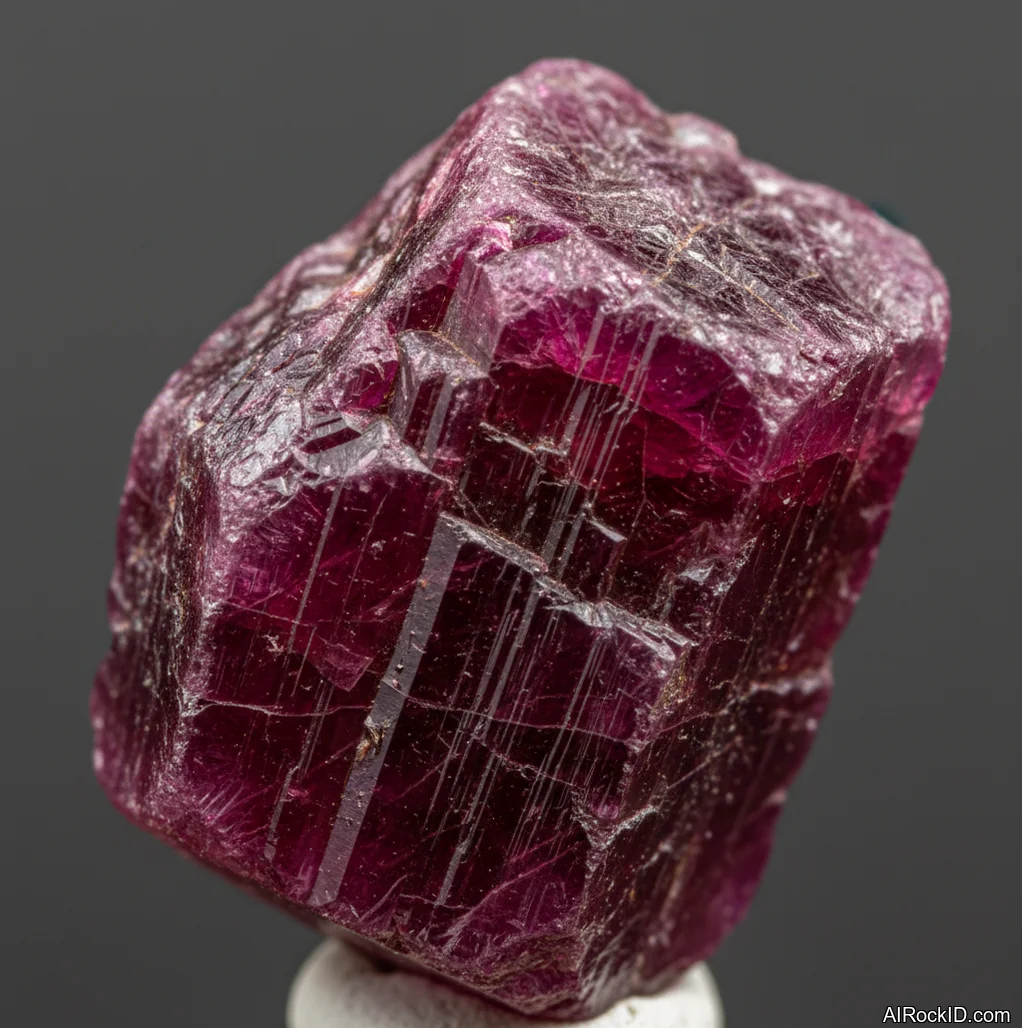
Thing is, most of the rough people actually buy comes from secondary deposits. Water does the grunt work. It chews up the host rock, and the tough, heavy corundum hangs on and drops into river gravels or those hillside gravel layers that feel crunchy under your boots. If you’ve ever panned a sapphire parcel, you know that moment: little rounded pebbles with that waxy-looking skin, then you flip one over and, on a fresh chip, there it is, the first blue flash. Who doesn’t pause for a second when that happens?
How to Identify Blue Jay Sapphire
Color: Medium to deep blue, often with inky zoning; may show greenish-blue to violet-blue shifts when rotated due to pleochroism.
Luster: Vitreous on clean faces and polished surfaces.
If you scratch it with a steel knife, the knife loses. Corundum is Mohs 9, so it’ll laugh off most pocket tests, but it will scratch glass without trying. The real test is rotation under a single light source: a natural sapphire’s pleochroism is obvious once you’ve seen it, while a lot of blue glass just stays the same flat color. And check temperature. Real sapphire stays cool in your fingers longer than cheap blue glass or plastic imitations.
Common Look-Alikes
Blue Jay Sapphire is sometimes confused with these materials:
- Blue spinel (especially darker cobalt-blue spinel sold as “sapphire” in small stones)
- Iolite (cordierite) in violet-blue, often mistaken for sapphire until you tilt it
- Blue kyanite blades or masses (people see “blue” and assume sapphire, especially in rough)
- Dyed blue quartz or dyed chalcedony (color sits in fractures and along grain lines)
- Blue glass imitations (including “Swiss blue” glass and generic blue paste)
- Synthetic sapphire (Verneuil or Czochralski) sold as natural “Blue Jay” corundum
Market Cautions & Treatments
When AI Can Get This Wrong
At first glance, phone photos mix Blue Jay Sapphire up with blue spinel and iolite all the time because the camera flattens the tone and hides zoning. Kyanite also trips AI when the rough is bladed and dusty, since both can photograph as gray-blue chunks. The real test is simple: sapphire (corundum) should laugh off a steel blade and scratch quartz, and under a loupe you’re looking for natural growth zoning or rutile silk instead of bubbles, dye lines, or that “too perfect” synthetic look.
Properties of Blue Jay Sapphire
Physical Properties
| Crystal System | Trigonal |
| Hardness (Mohs) | 9 (Very Hard (7.5-10)) |
| Density | 3.95-4.03 g/cm3 |
| Luster | Vitreous |
| Diaphaneity | Transparent to translucent |
| Fracture | Conchoidal |
| Streak | White |
| Magnetism | Non-magnetic |
| Colors | Blue, Blue-green, Violet-blue, Grayish blue |
Chemical Properties
| Classification | Oxides |
| Formula | Al2O3 |
| Elements | Al, O |
| Common Impurities | Fe, Ti, Cr, V, Mg |
Optical Properties
| Refractive Index | 1.762-1.770 |
| Birefringence | 0.008 |
| Pleochroism | Strong |
| Optical Character | Uniaxial |
Blue Jay Sapphire Health & Safety
Blue sapphire is usually fine to handle, and water isn’t an issue for it either. The real thing to watch out for is just the physical stuff, like the sharp, glassy edges you can get on a broken piece of rough (those can bite you if you’re not paying attention).
Safety Tips
If you’re grinding or drilling sapphire, put on eye protection and a respirator. And don’t do it dry, use water to keep the dust down (that fine grit gets everywhere).
Blue Jay Sapphire Value & Price
Price Range
Rough/Tumbled: $20 - $300 per piece
Cut/Polished: $150 - $3000 per carat
Most of the price comes down to color saturation, how well it’s cut, clarity, and whether the stone’s been heated. Unheated stones with lab reports usually run higher, and clean, sharp, well-shaped crystals fetch more than those rounded placer pebbles that feel like little river rocks in your hand.
Durability
Very Durable — Scratch resistance: Excellent, Toughness: Good
Sapphire is stable in normal wear, but chips can happen along sharp edges and thin girdles if it takes a hard knock.
How to Care for Blue Jay Sapphire
Use & Storage
Store it in a small box or pouch so it doesn’t rub against softer stones. Sapphire will put scratches on quartz and even topaz like it’s nothing.
Cleaning
1) Rinse with warm water and a drop of mild soap. 2) Use a soft toothbrush to clean behind settings or around crystal pits. 3) Rinse well and dry with a microfiber cloth.
Cleanse & Charge
If you do energetic cleansing, running water and a quick wipe works fine. I avoid salt bowls just because they leave crust in fractures and it’s annoying to remove.
Placement
Keep rough out of direct window sun if you care about photos and display consistency, since glare and reflections can make the color look totally different day to day. In a case with a single spotlight, tilt it until the pleochroism shows.
Caution
Skip hard knocks and ultrasonic cleaners if you’re dealing with heavily included stones or anything with fracture filling. They can take a tiny crack you can barely see (that little whitish line under the table) and make it worse, or mess up certain treatments.
Works Well With
Blue Jay Sapphire Meaning & Healing Properties
Blue sapphire gets framed as this head-clearing, truth-forward stone, and honestly, I get it. When I’m sorting parcels or stuck in paperwork hell, having a little sapphire sitting on the desk works like a visual nudge to slow down and be exact. It’s not magic. It’s closer to how a metronome keeps you honest when you’re practicing music.
Grab a cool sapphire pebble and roll it between your fingers for a minute. It’s got that satisfying heft for its size, and the surface is slick in a way that makes it easy to fidget without getting worked up (you can feel it warm up slightly in your hand, too). That by itself can make it easier to stay locked in. But look, there’s a downside. People oversell sapphire like it’s some cure-all, and it isn’t. If you’re dealing with real anxiety or sleep issues, treat crystals like comfort objects and personal rituals, not medical treatment.
A lot of modern crystal culture links blue stones with communication and insight. Sapphire slides right into that because it looks crisp and “clean,” especially in that Blue Jay color range where it doesn’t turn muddy. And if you’re the kind of person who’s sensitive to symbolism, the durability matters, too. It’s a stone you can actually wear every day without babying it. Why does that matter? Because it means the reminder stays with you.
Common mistakes
- Assuming any vivid blue transparent gemstone is sapphire
- Treating the phrase Blue Jay Sapphire as proof of mine origin or natural status
- Ignoring heat, diffusion, filling, or synthetic-growth disclosures
- Relying only on color instead of checking refractive index, inclusions, and pleochroism
- Buying an expensive stone without an independent gemological report
Identify Blue Jay Sapphire from a photo
Compare Blue Jay Sapphire traits, care tips, value clues, and common lookalikes with a clear photo.