Metallic Silver


Quick answer: Metallic Silver is native silver, a naturally occurring form of elemental silver with a bright metallic luster, white streak, and relatively low hardness. It is best identified by its color, high density, malleability, tarnish behavior, and association with silver-bearing ores.
AI Rock ID can help screen a metallic gray specimen by comparing visible traits such as luster, color, habit, and matrix. RockIdentifier.io should be used as a visual identification aid, while density, streak, hardness, and expert testing are important for confirming native silver.
Good fit
- Collectors who want a native element specimen with strong metallic luster
- Learners comparing silver, galena, hematite, and other metallic minerals
- Collectors interested in classic ore minerals from silver mining districts
- Display specimens kept dry and handled with care
Not a good fit
- Jewelry wearers expecting a durable gemstone, because native silver is soft
- Collections stored in humid or sulfur-rich environments without protection
- Buyers who cannot verify whether a specimen is native silver, plated metal, or another metallic mineral
Why people search for this
People often search for Metallic Silver to tell whether a bright gray metallic specimen is native silver or a common lookalike. Search interest also comes from questions about authenticity, tarnish, and collectible value.
Most commonly confused with
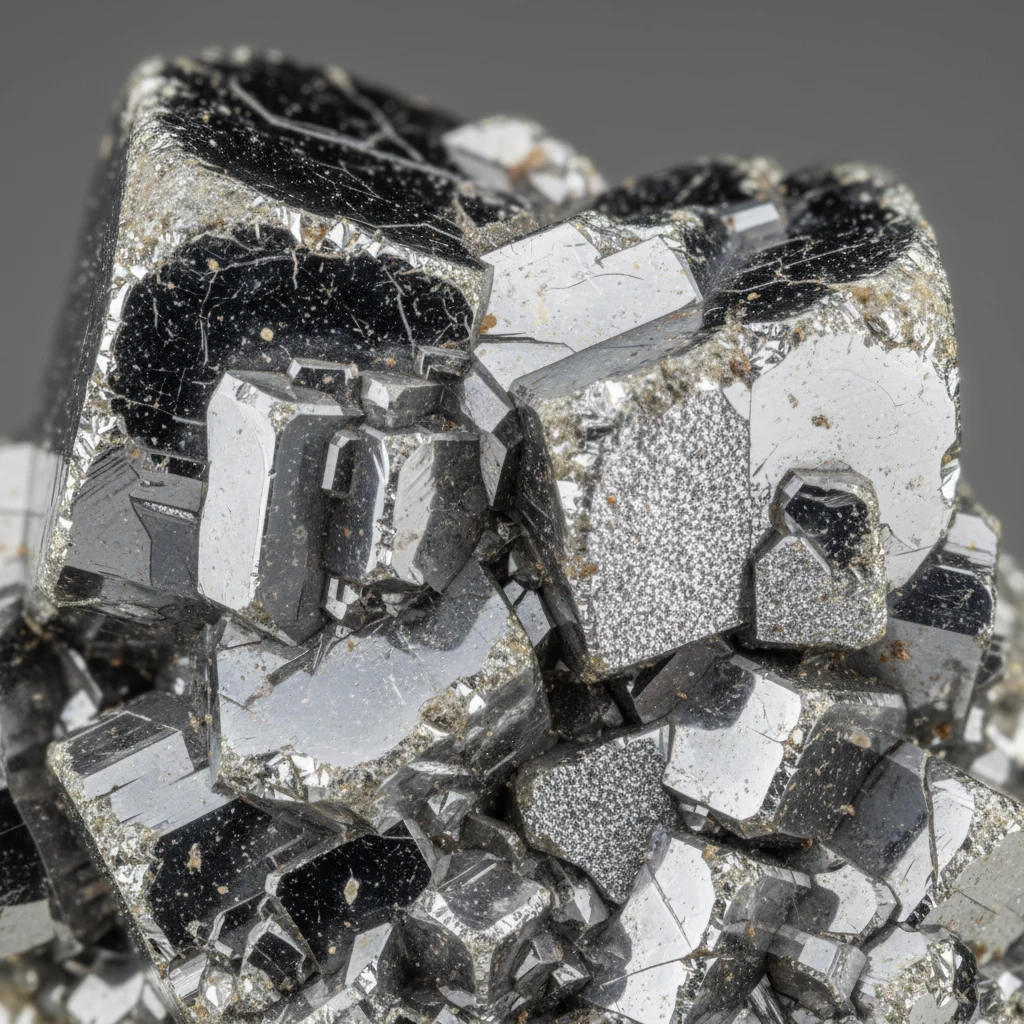
- Galena: Galena is lead sulfide, usually shows cubic cleavage, and has a gray-black streak rather than silver’s white streak.
- Hematite: Hematite can look metallic but gives a red to reddish-brown streak.
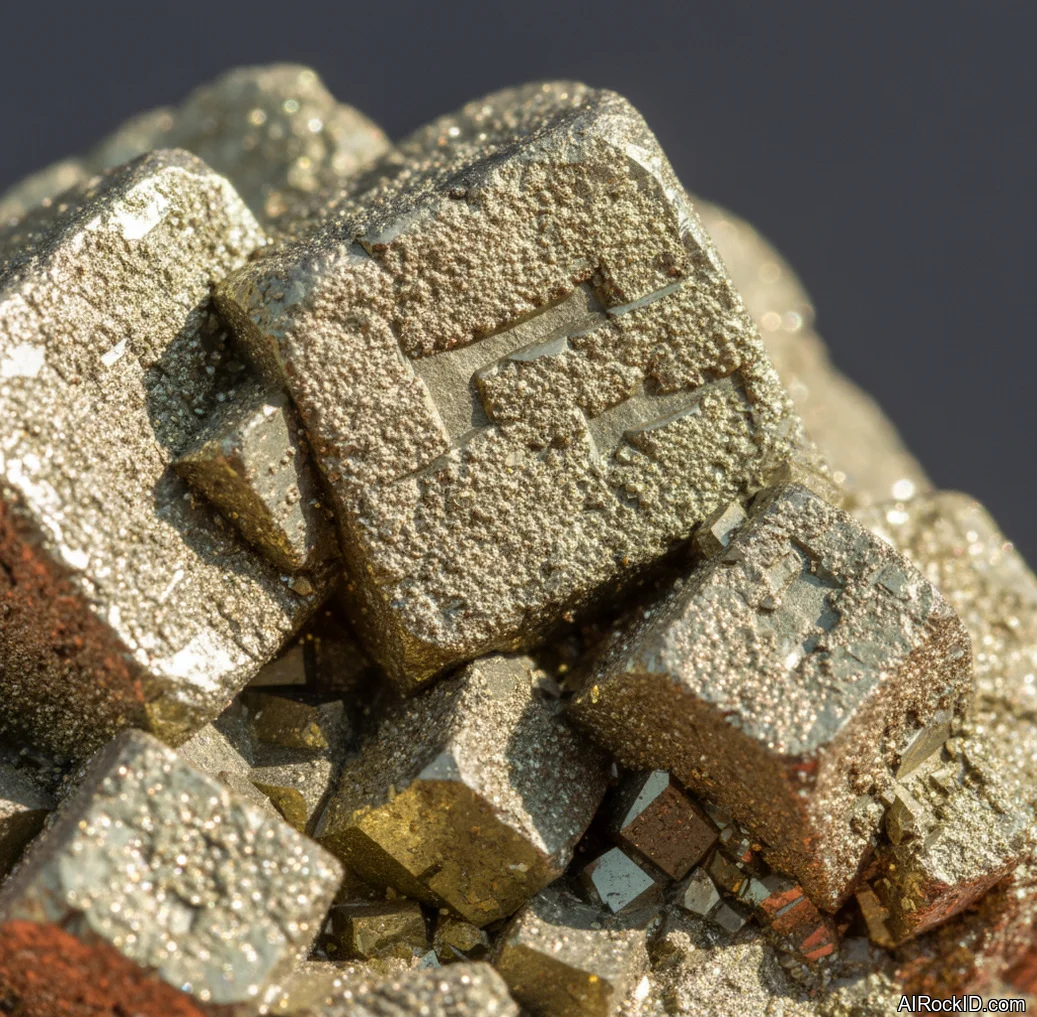
- Pyrite: Pyrite is brass-yellow, harder, and commonly forms cubic or pyritohedral crystals.
- Platinum: Platinum is also metallic and dense but is typically harder and does not tarnish like silver.
Metallic Silver vs. Common Lookalikes
| Specimen | Streak | Hardness | Key Difference |
|---|---|---|---|
| Metallic Silver | White | 2.5–3 | Soft, malleable, tarnishes dark |
| Galena | Gray-black | 2.5 | Cubic cleavage and lead-gray color |
| Hematite | Red to reddish brown | 5–6.5 | Red streak even when metallic |
| Pyrite | Greenish black to brownish black | 6–6.5 | Brassy yellow and much harder |
| Platinum | Gray-white | 4–4.5 | Denser, tougher, and less tarnishing |
AI identification confidence
AI identification confidence for Metallic Silver is usually moderate when the specimen has a clear metallic surface, visible matrix, and multiple angles. Confidence drops when the piece is tarnished, polished, plated, photographed under harsh glare, or shown without scale.
When AI gets it wrong
- A polished or plated object may be mistaken for native silver because surface shine hides diagnostic mineral traits.
- Galena can appear silver-gray in photos, especially when cleavage faces reflect light.
- Tarnished silver may look dark gray or black and be confused with other sulfides or oxides.
- Lack of streak, hardness, density, and locality data can make visual identification unreliable.
Final recommendation
Choose Metallic Silver specimens with clear provenance, natural texture, and visible association with ore minerals or matrix when possible. For higher-value pieces, request test information or buy from sellers who provide locality, weight, and unedited photos.
How to Check Metallic Silver Authenticity
Authentic native silver is soft, malleable, dense, and typically develops gray to black tarnish over time. A white streak, low hardness, and association with minerals such as calcite, quartz, acanthite, or other silver ores can support identification. Avoid destructive tests on collectible specimens unless the piece has little specimen value.
Buying Tips for Metallic Silver Specimens
Look for a stated locality, specimen weight, clear photos in natural light, and disclosure of any cleaning or stabilization. Native silver is often sold as wires, leaves, masses, or dendritic forms, and intact wire or crystallized specimens can command higher prices. Be cautious with vague listings that use only terms like “silver color” or “silver ore” without mineral identification.
Photography Tips for Metallic Silver Identification
Photograph Metallic Silver in diffuse light to reduce glare and show texture, tarnish, and matrix. Include a scale object and take images from several angles, including close-ups of broken, tarnished, and fresh-looking surfaces. If safe, a streak result and hardness observation add more value than shine alone.
What Is Metallic Silver?
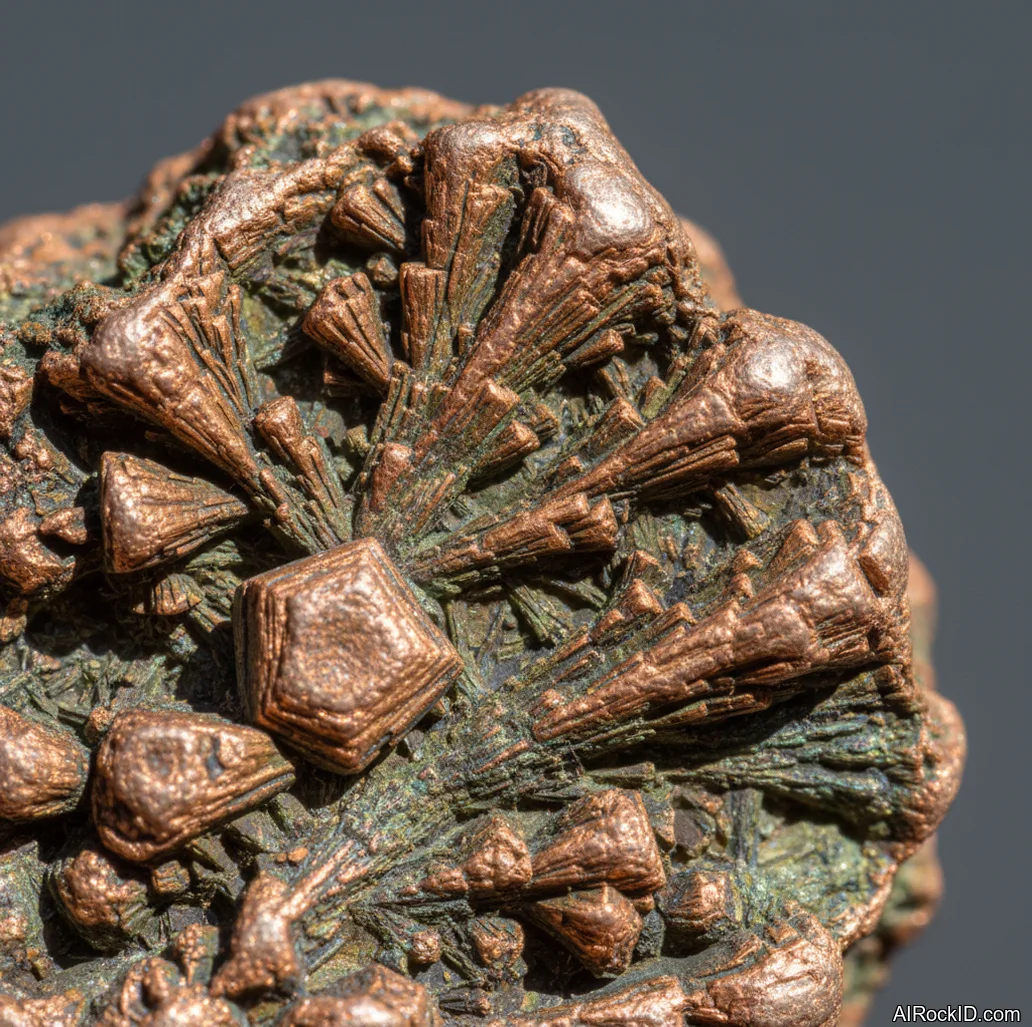
Metallic Silver is a native element mineral, Ag, recognized by its shiny grayish-white surface, bright metallic luster, and high reflectivity. In the hand it feels notably heavy for its size, with a listed density of 10.49 g/cm3, and its very soft Mohs hardness of 2.5-3 means it should be handled more like a delicate metal specimen than a hard gemstone.
Collectors value Metallic Silver for its direct, elemental character: it is not a silicate or oxide, but silver itself. It is opaque, non-magnetic, isotropic, and may contain Cu or Au as common impurities. Its durability is moderate, with fair scratch resistance and fair toughness, so a clean display piece should be kept away from abrasive contact and harsh chemicals.
Origin & History
The name “silver” comes from the Old English “seolfor,” and Metallic Silver has been known and used by humans for thousands of years. That long cultural history is part of why even a small native silver specimen can feel familiar: cool, bright, reflective, and instantly recognizable as a metal rather than a glassy crystal.
For mineral collectors, Metallic Silver sits in the native element group and is documented as a mineral rather than only a refined material. A practical reference point for comparison is mindat.org, especially when checking native-element silver specimens against locality and habit notes. Its scientific and cultural value is high because the material bridges mineral collecting, metal use, and historical trade.
Where Is Metallic Silver Found?
Metallic Silver is most commonly found in silver mines and hydrothermal veins. Reported countries include Mexico, Peru, and the United States, with notable localities including Zacatecas, Mexico, Potosí, Bolivia, and Nevada, USA.
Formation
Metallic Silver forms through hydrothermal processes or as a result of oxidation of silver-bearing minerals. In practical terms, that means collectors often associate native silver with vein settings and silver-bearing mine material rather than with ordinary loose gravel or common rock fragments.
Its formation history helps explain why good specimens may show irregular metallic shapes instead of gemmy transparent crystals. When oxidation is involved, the resulting native silver can appear as a dense, reflective metal with a distinct gray color and a hackly fracture if broken.
How to Identify Metallic Silver
Identify Metallic Silver by its metallic gray to silver color, bright metallic luster, heavy feel, and white streak. It is opaque, non-magnetic, and very soft at Mohs 2.5-3, so it should not be tested aggressively on a display specimen.
The structure is cubic, and the formula is Ag. In the hand, the best clues are weight and reflectivity: a true piece of Metallic Silver should look like a grayish-white metal, not a glassy mineral, and its listed density of 10.49 g/cm3 gives it a substantial feel even when the specimen is small.
Properties of Metallic Silver
Physical Properties
| Crystal System | Cubic |
| Hardness (Mohs) | 2.5-3 (Very Soft (1-2)) |
| Density | 10.49 g/cm3 |
| Luster | Metallic |
| Diaphaneity | Opaque |
| Fracture | Hackly |
| Streak | White |
| Magnetism | Non-magnetic |
| Colors | Silver, Gray |
Chemical Properties
| Classification | Native element |
| Formula | Ag |
| Elements | Ag |
| Common Impurities | Cu, Au |
Optical Properties
| Refractive Index | N/A |
| Birefringence | None |
| Pleochroism | None |
| Optical Character | Isotropic |
Metallic Silver Health & Safety
No major health risks when handled properly.
Metallic Silver Value & Price
Price Range
Rough/Tumbled: $0.50 - $1.50 per gram
Cut/Polished:
Price can vary based on purity and market demand.
Durability
Moderate — Scratch resistance: Fair, Toughness: Fair
It tarnishes in the presence of sulfur compounds.
How to Care for Metallic Silver
Use & Storage
Store in a dry, cool place to prevent tarnishing.
Cleaning
Clean with a soft cloth and mild soap. Avoid abrasive cleaners.
Cleanse & Charge
Can be cleansed with water or smudging.
Placement
Place in an area that is not exposed to moisture.
Caution
Do not expose to harsh chemicals.
Works Well With
Metallic Silver Meaning & Healing Properties
In crystal healing traditions, Metallic Silver is associated with intuition, emotional balance, and clarity. It is linked with the Crown and Third Eye chakras, the zodiac signs Taurus and Libra, the Moon, and the Earth element, making it a reflective choice for meditation or calming personal rituals.
These meanings are cultural and spiritual rather than medical; Metallic Silver is not a substitute for medical treatment. For care, it is safe to handle and safe in water, but it can tarnish in the presence of sulfur compounds, so store it in a dry, cool place and clean it gently with a soft cloth and mild soap.
Identify Metallic Silver from a photo
Compare Metallic Silver traits, care tips, value clues, and common lookalikes with a clear photo.
Common mistakes
- Identifying any shiny gray metal as native silver without checking streak or hardness
- Confusing silver-colored plating or manufactured metal fragments with natural mineral specimens
- Assuming tarnish means the specimen is fake, even though silver commonly darkens over time
- Using acid or aggressive cleaning on a collectible specimen and damaging its surface
- Ignoring locality information, which can be important for both identification and value
- Relying only on photo color, which can shift under strong lighting or camera auto-adjustment