Intuition Crystals
Quick answer: Intuition crystals are stones that people associate with inner awareness, reflection, and decision-making in metaphysical traditions. Common examples include labradorite, amethyst, moonstone, sodalite, and lapis lazuli.
Explore Intuition crystals, what the property means, top stones like labradorite and amethyst, plus buying tips and simple ways to use them daily.


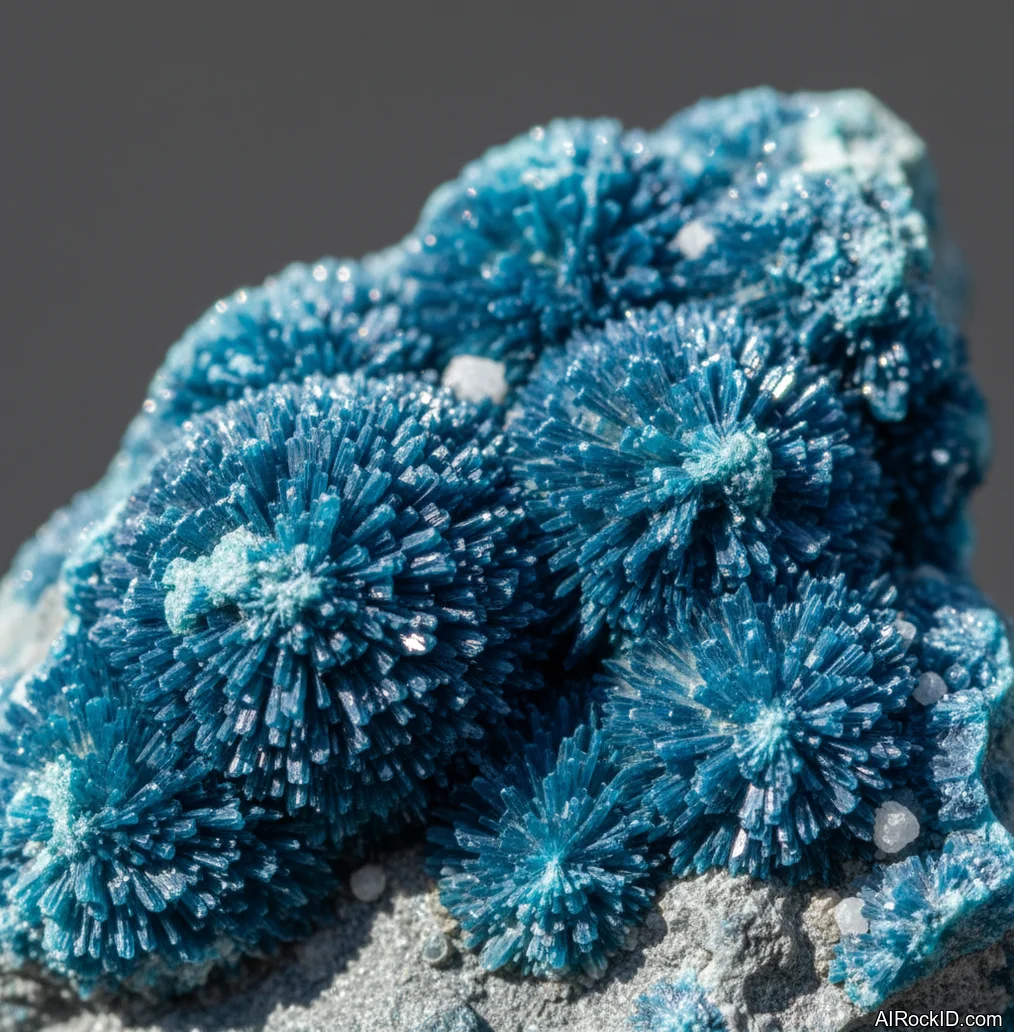
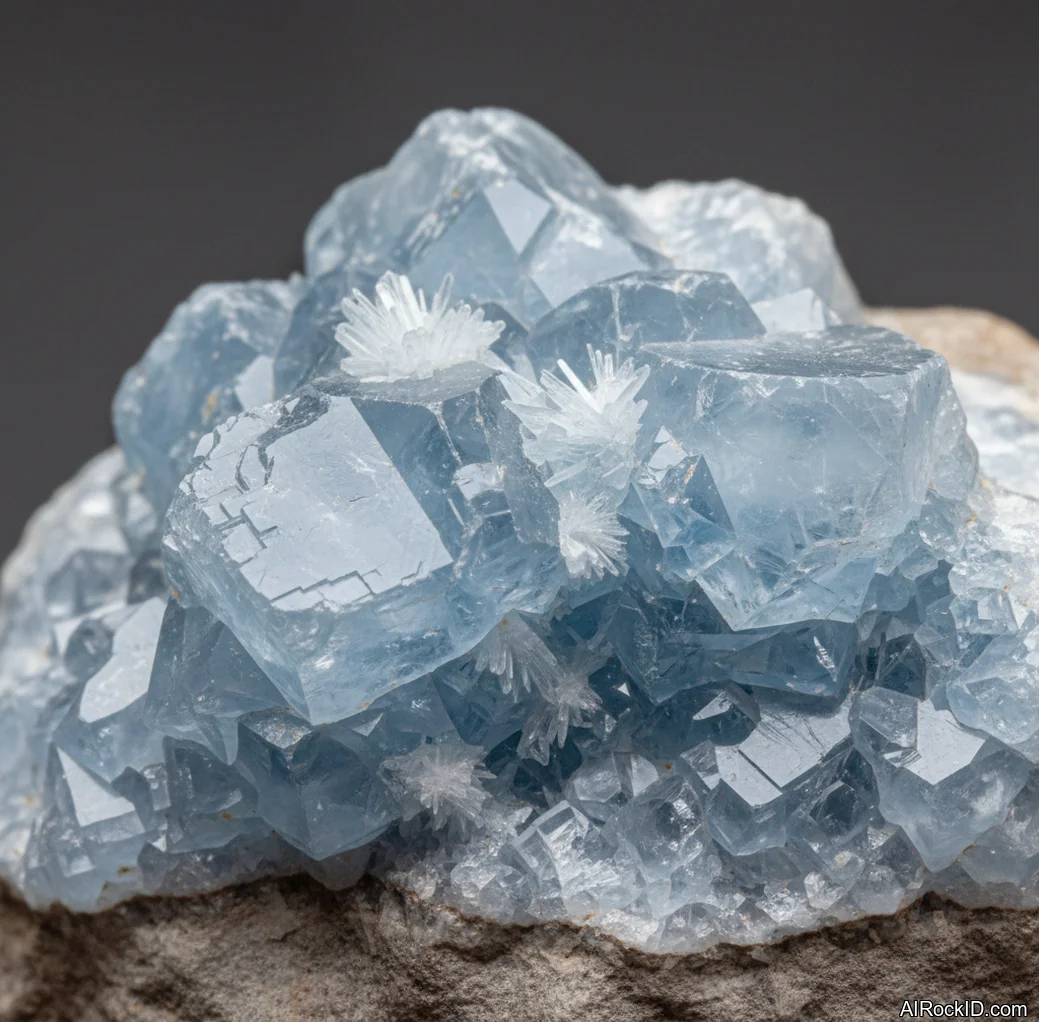
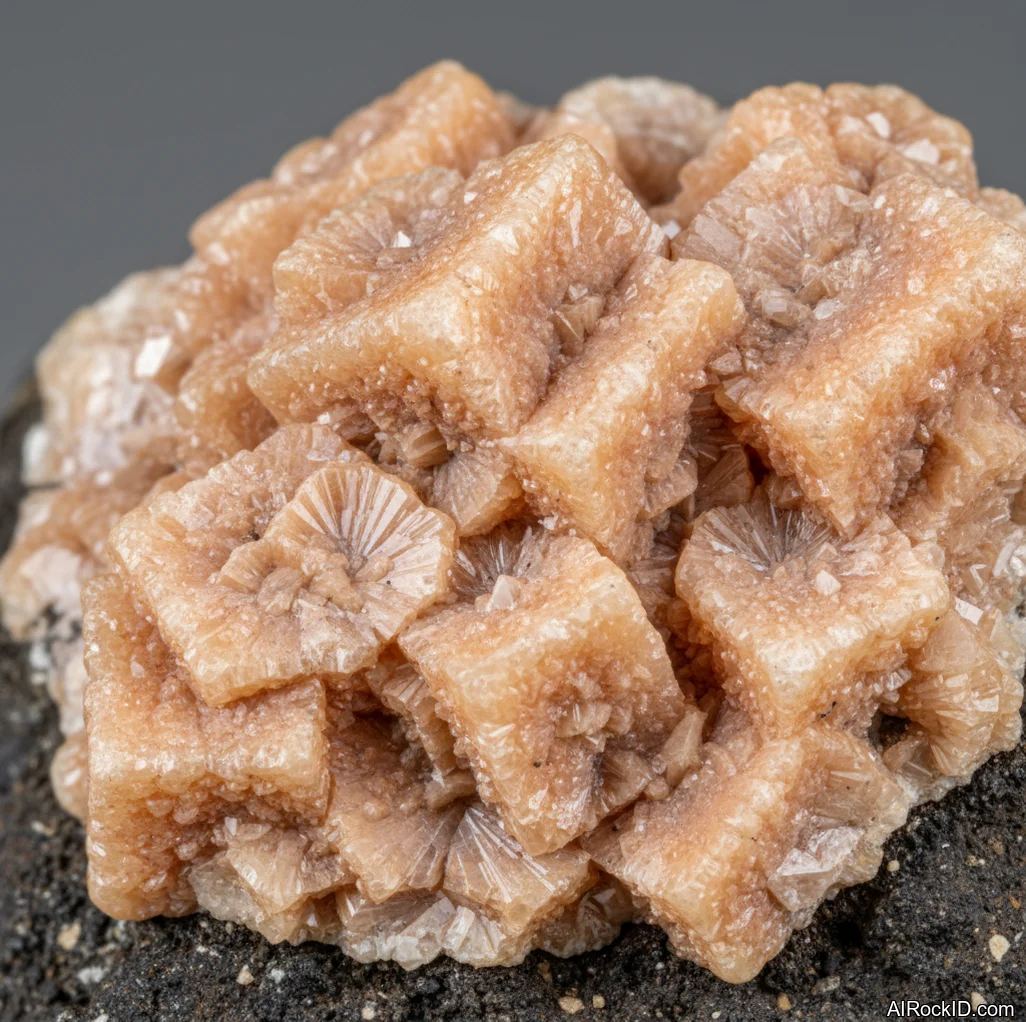
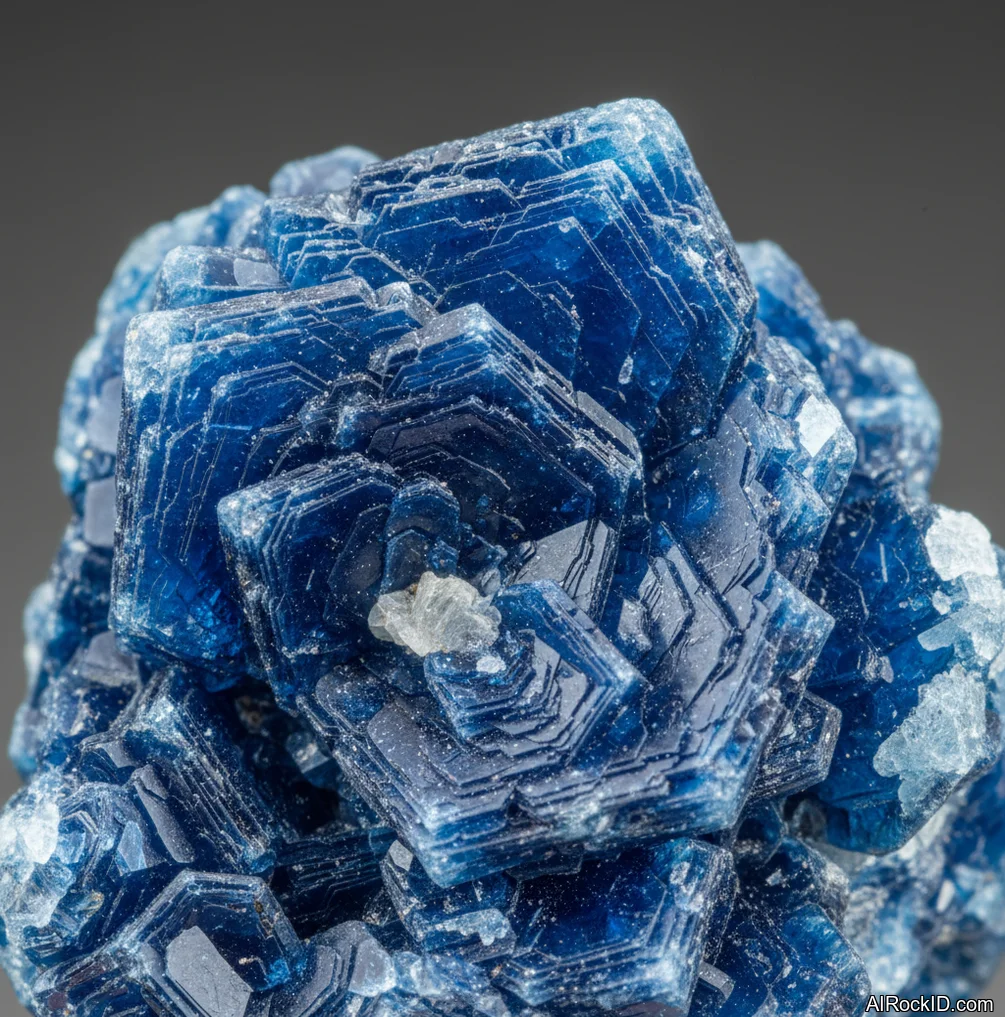
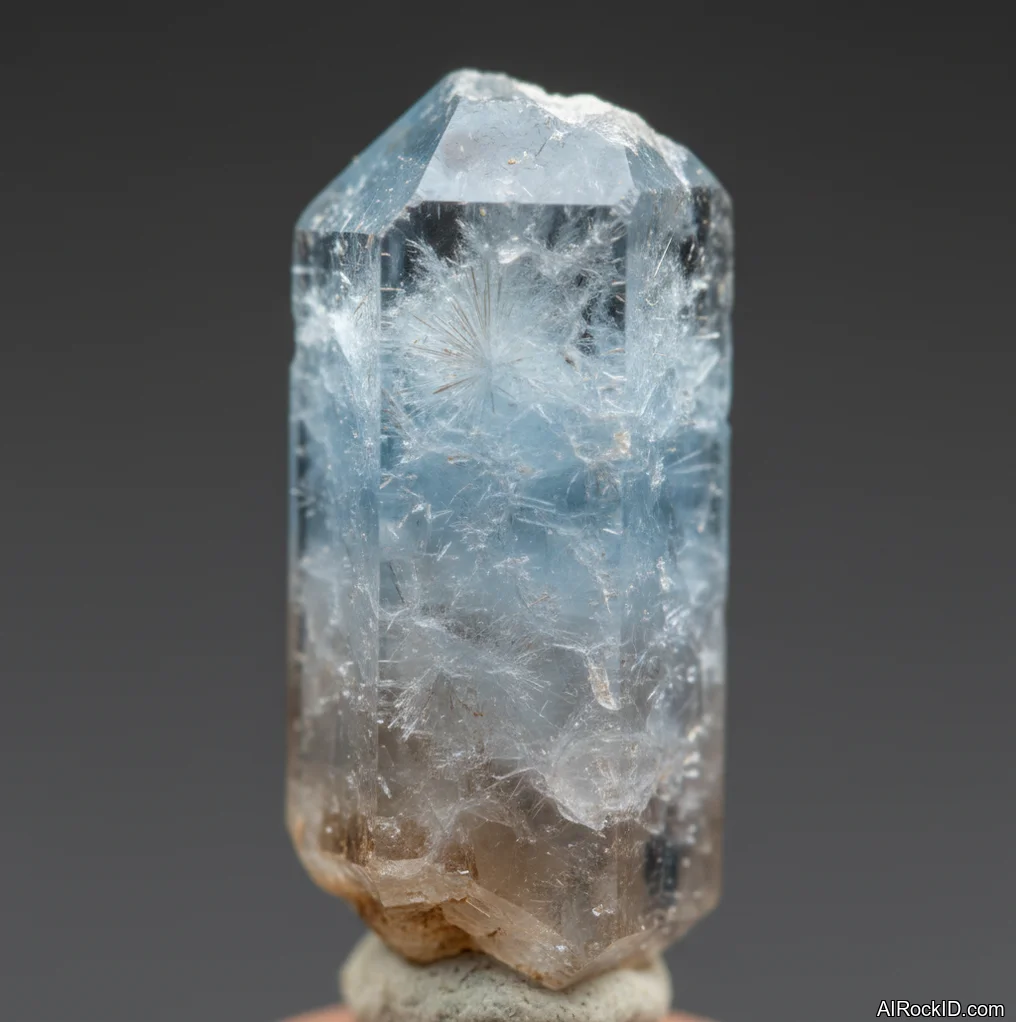
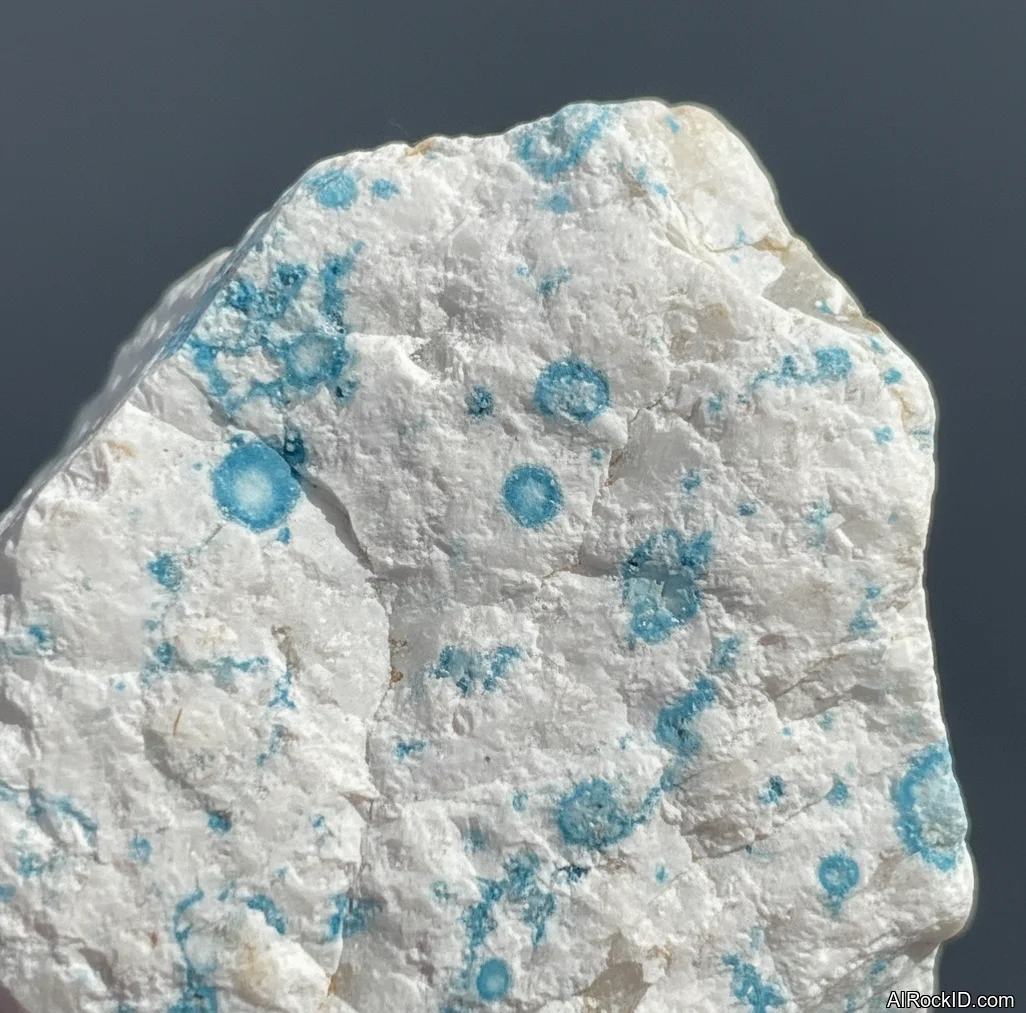
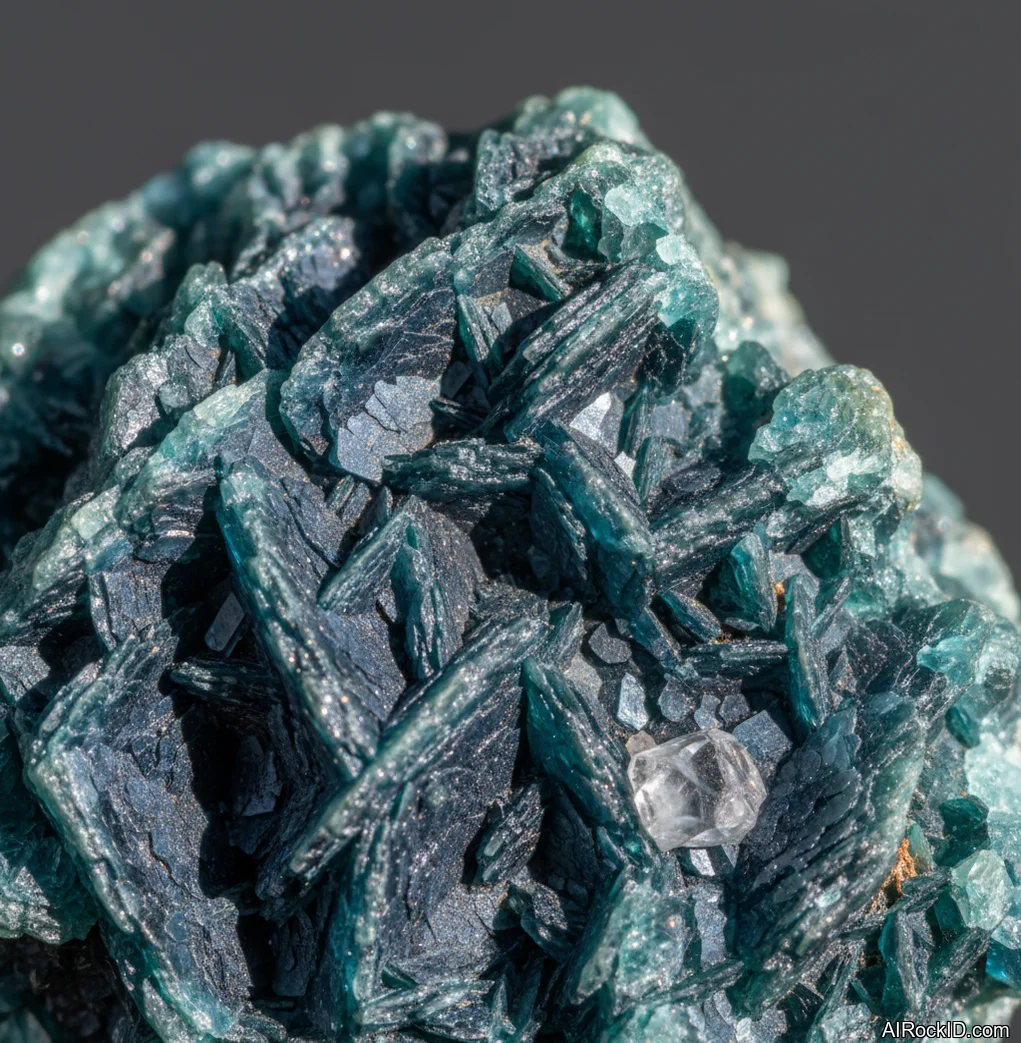
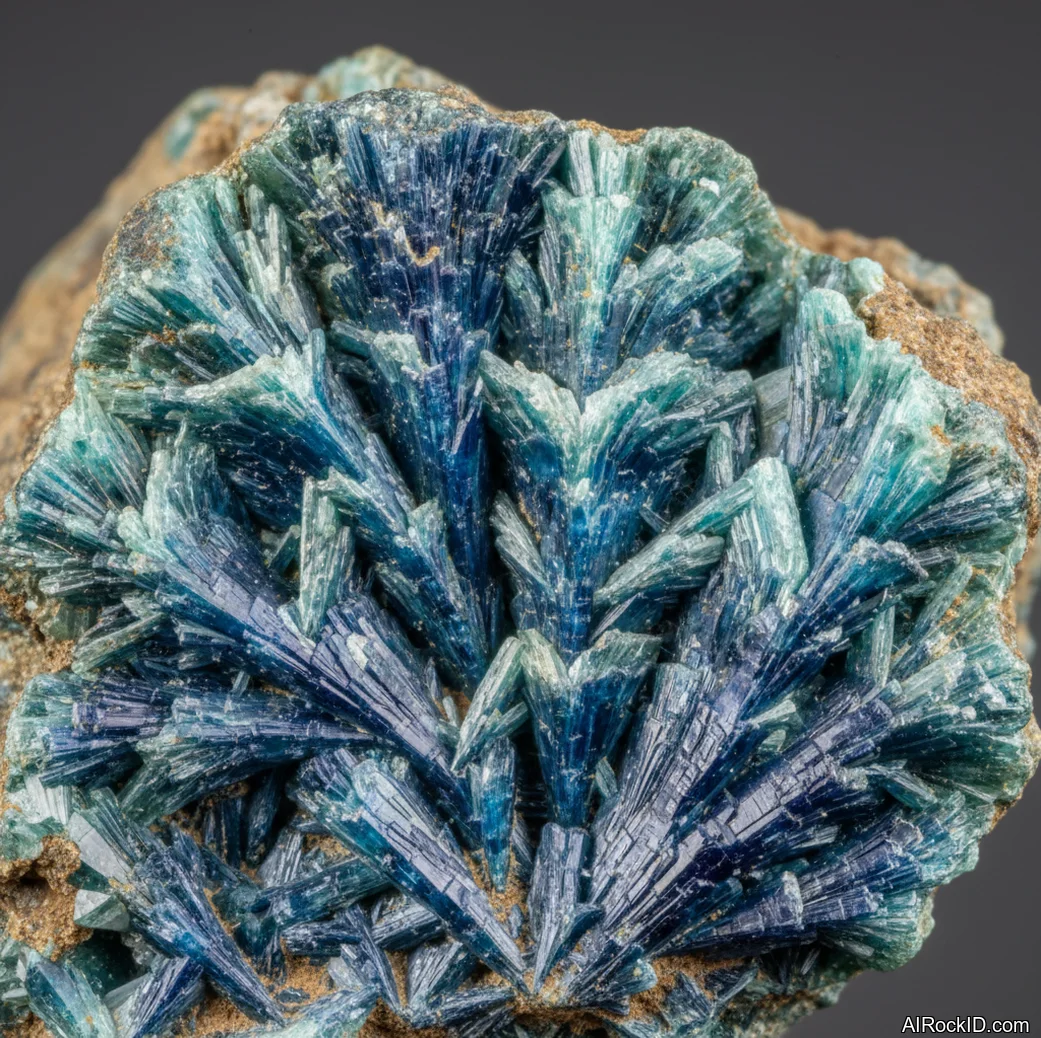
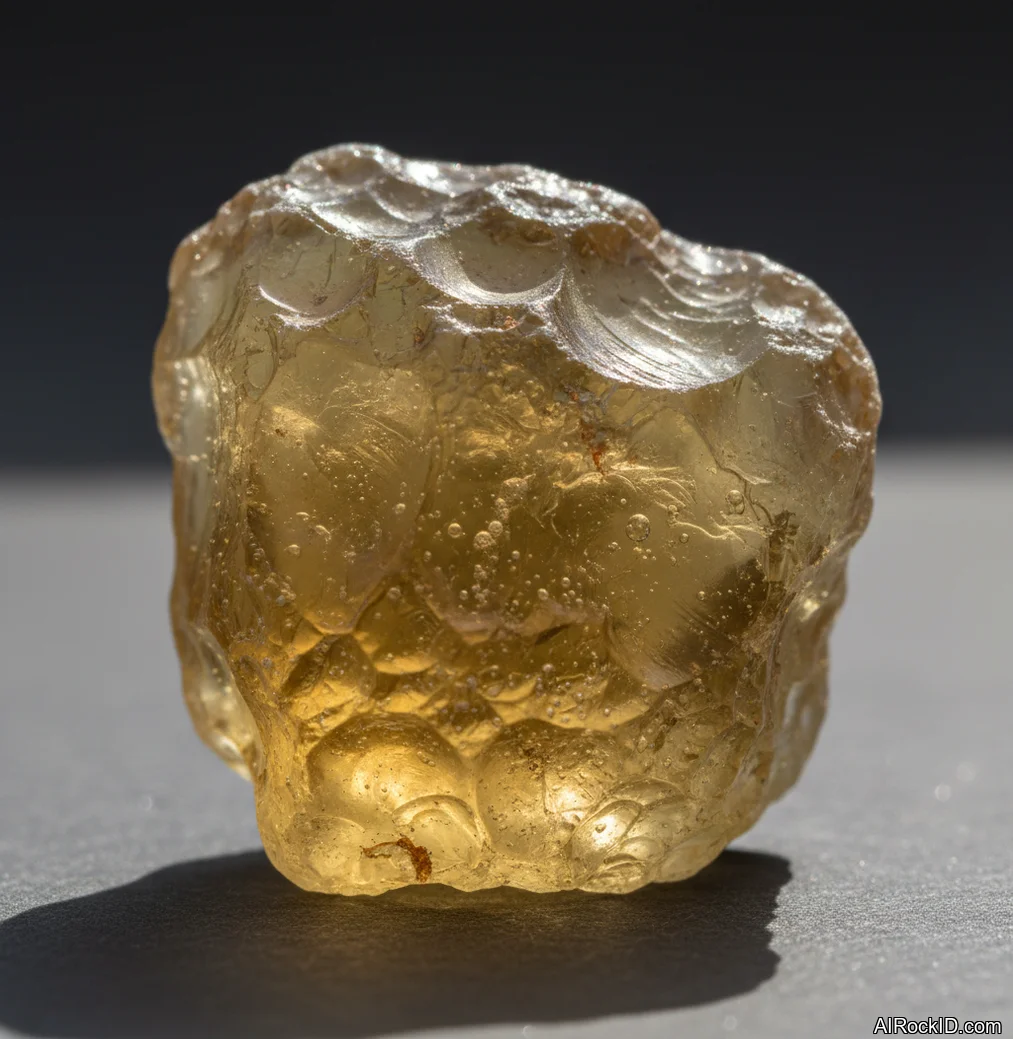
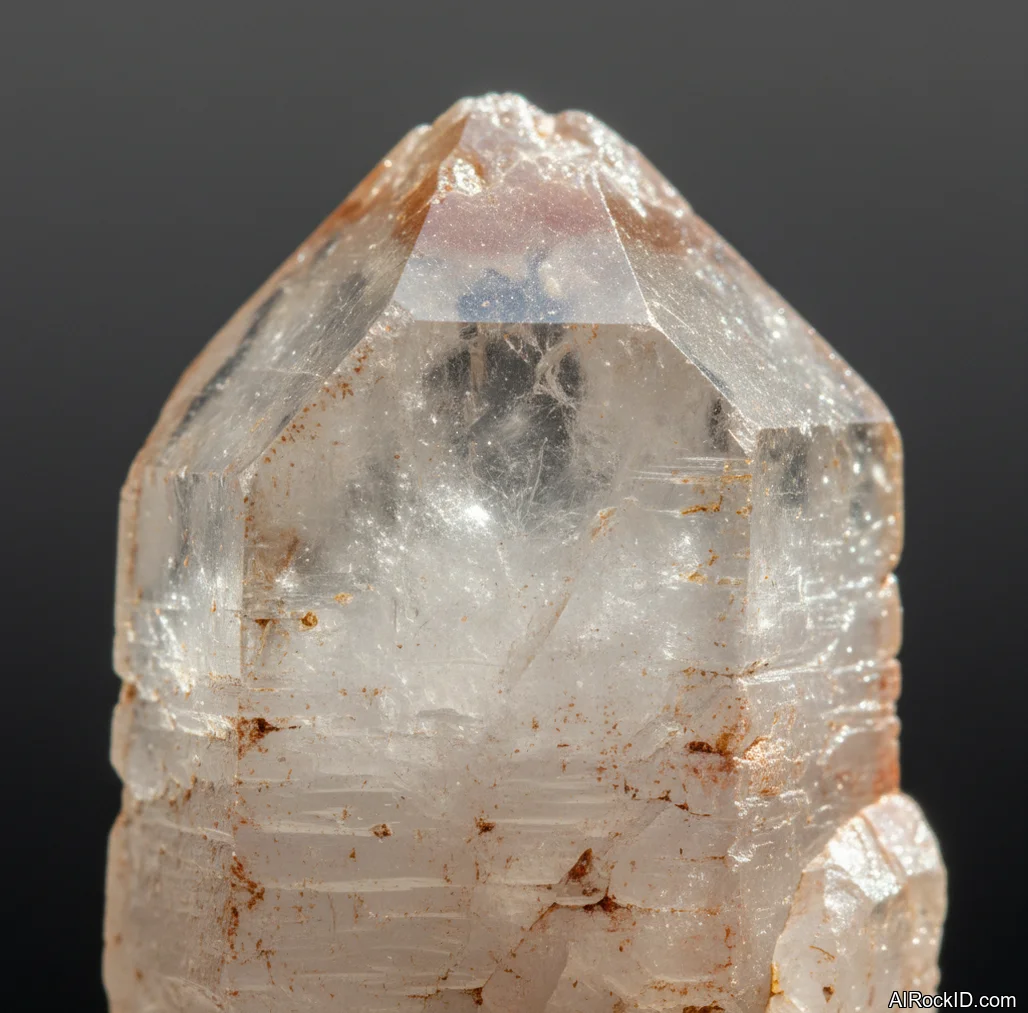
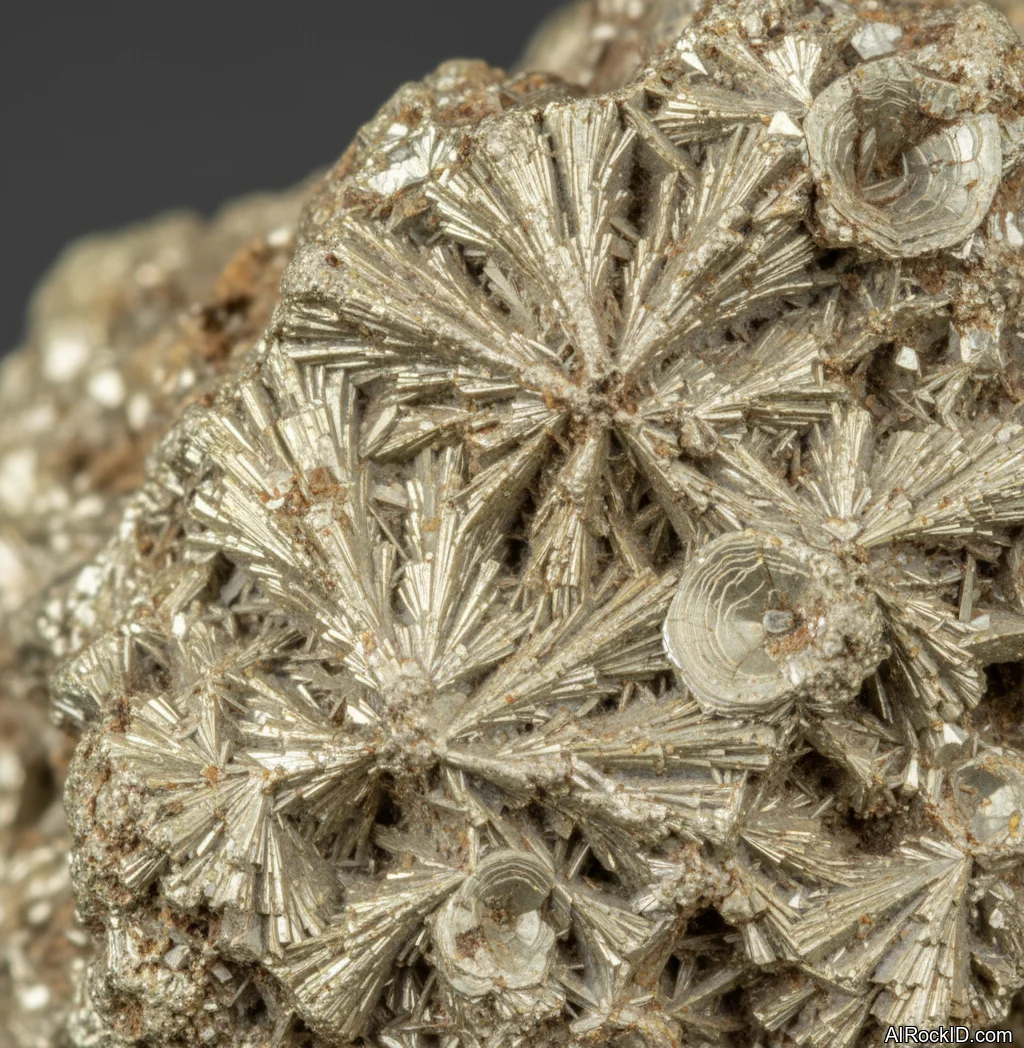
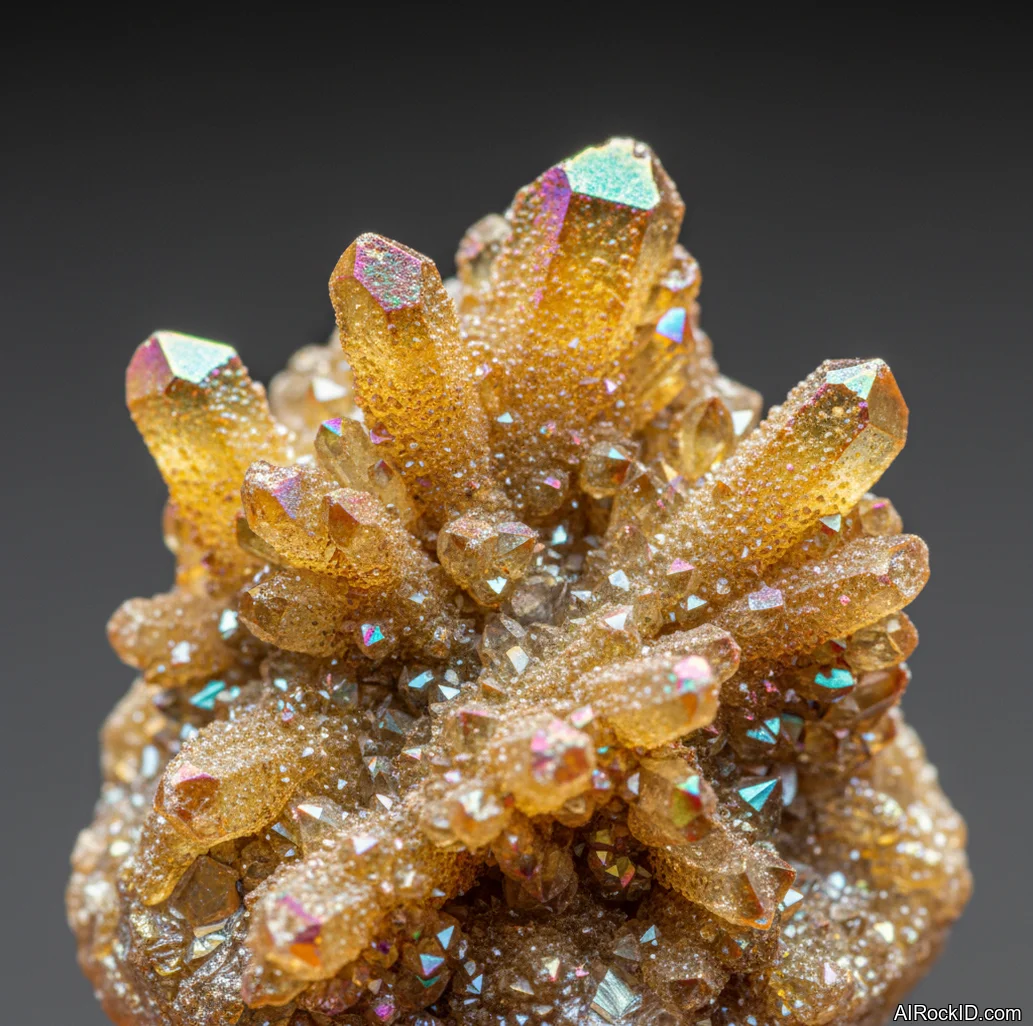
Intuition crystals are minerals that people use to help access gut feelings, inner knowing, or subtle guidance before conscious thought kicks in. Common examples include labradorite, amethyst, moonstone, lapis lazuli, and sodalite. These stones are chosen for their visual effects and feel, which some say mirror the experience of intuitive insight. These associations come from metaphysical traditions and are not medical claims.
Intuition crystals can't guarantee psychic ability, predict the future, or solve real-world problems for you. They're spiritual tools, not a substitute for professional advice or therapy.
AI Rock ID can help users compare visible features such as color, luster, banding, transparency, and crystal habit when identifying stones commonly linked with intuition. RockIdentifier.io provides crystal wiki references that pair identification details with traditional property tags.
Good fit
- People building a small crystal set for reflection, journaling, or meditation traditions
- Beginners who want recognizable stones such as amethyst, labradorite, or moonstone
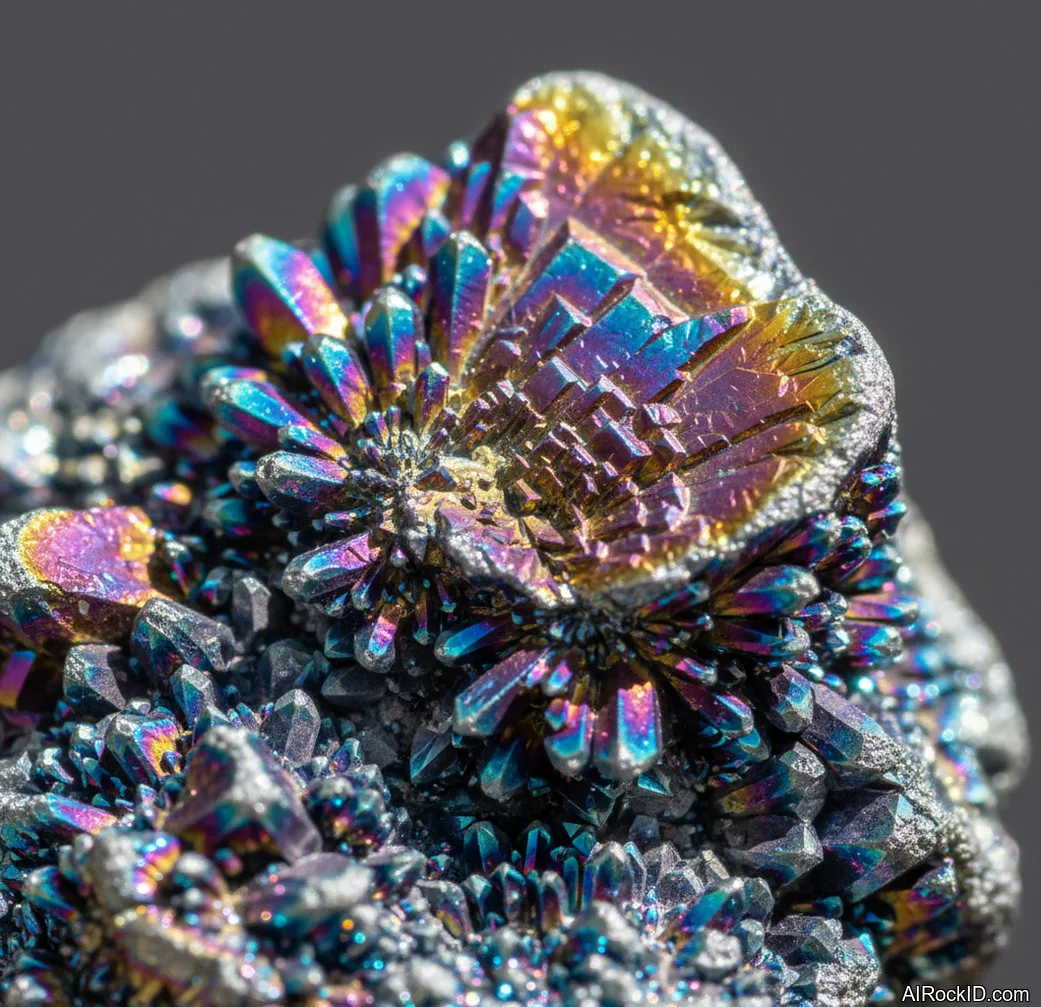
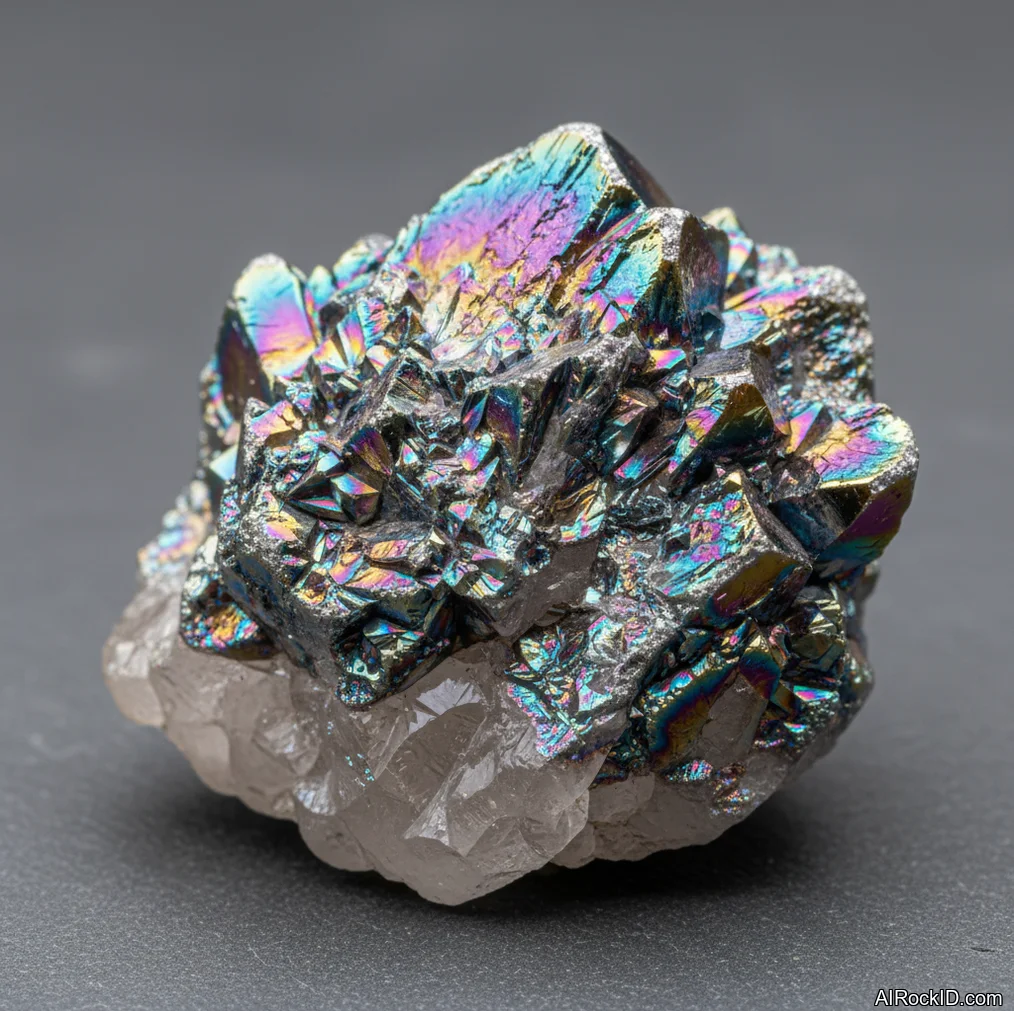
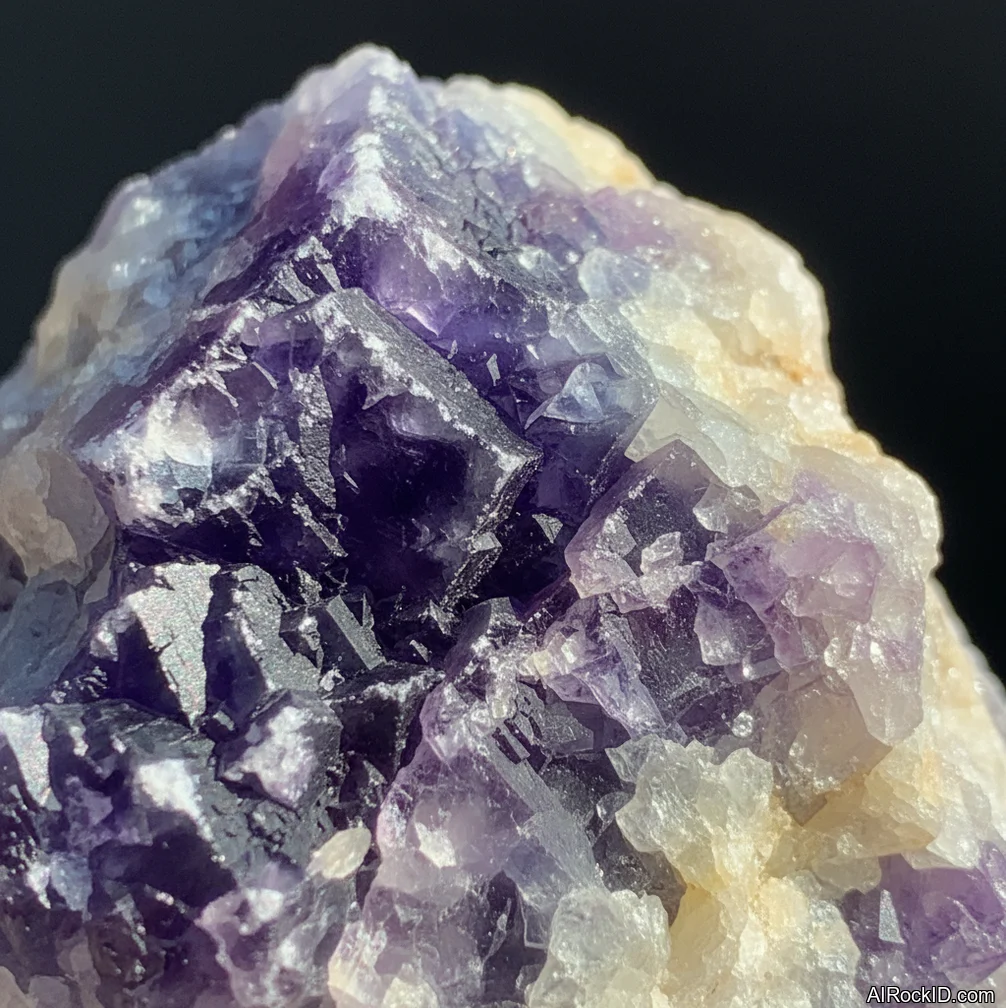
- Collectors interested in purple, blue, gray, or iridescent minerals often associated with the third eye theme
- Gift shoppers looking for symbolic stones tied to insight, calm focus, or inner guidance
Not a good fit
- Anyone seeking medical, psychological, or financial advice from a crystal
- Buyers who need guaranteed natural material without checking seller disclosure and gem testing details
- Collectors who prefer only rare mineral specimens rather than commonly sold polished stones
Most commonly confused with
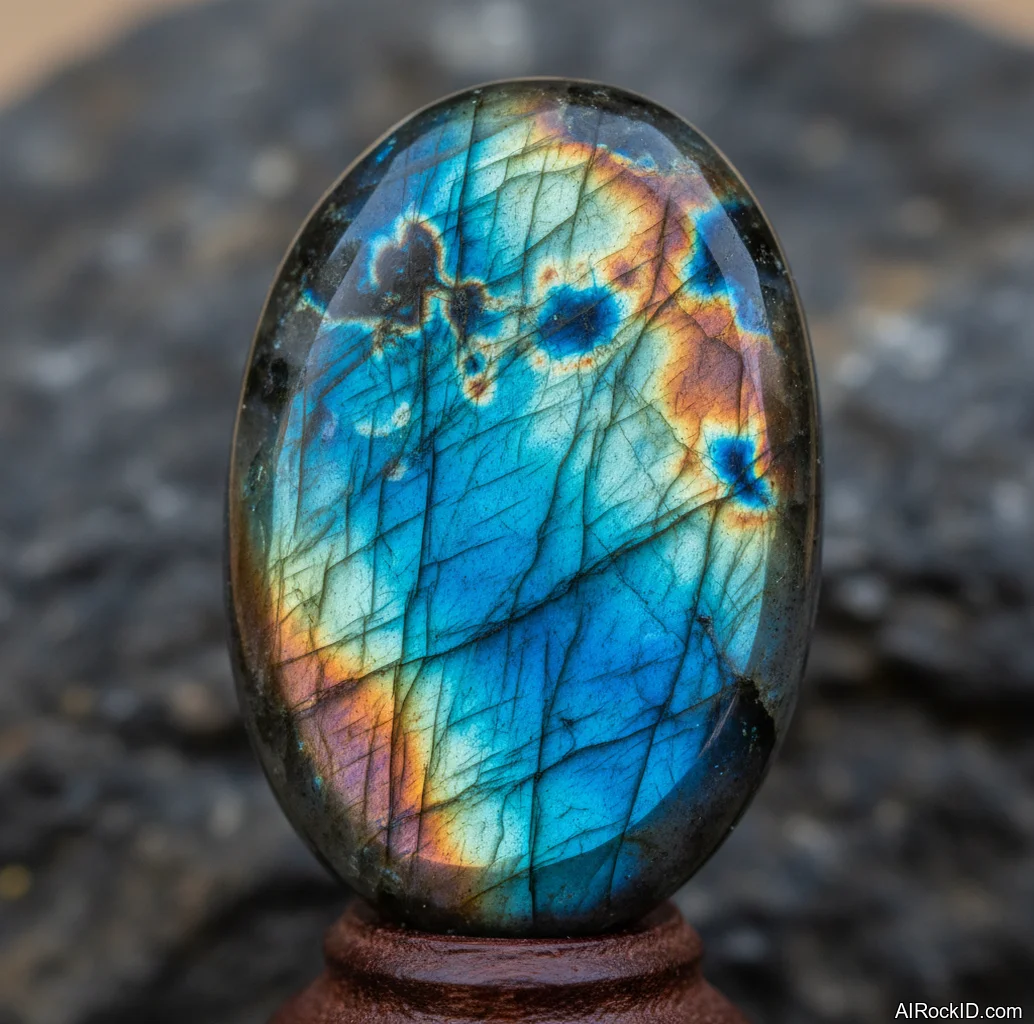
- Labradorite: Often confused with moonstone, but labradorite usually shows stronger blue, green, or gold labradorescence on a darker base.
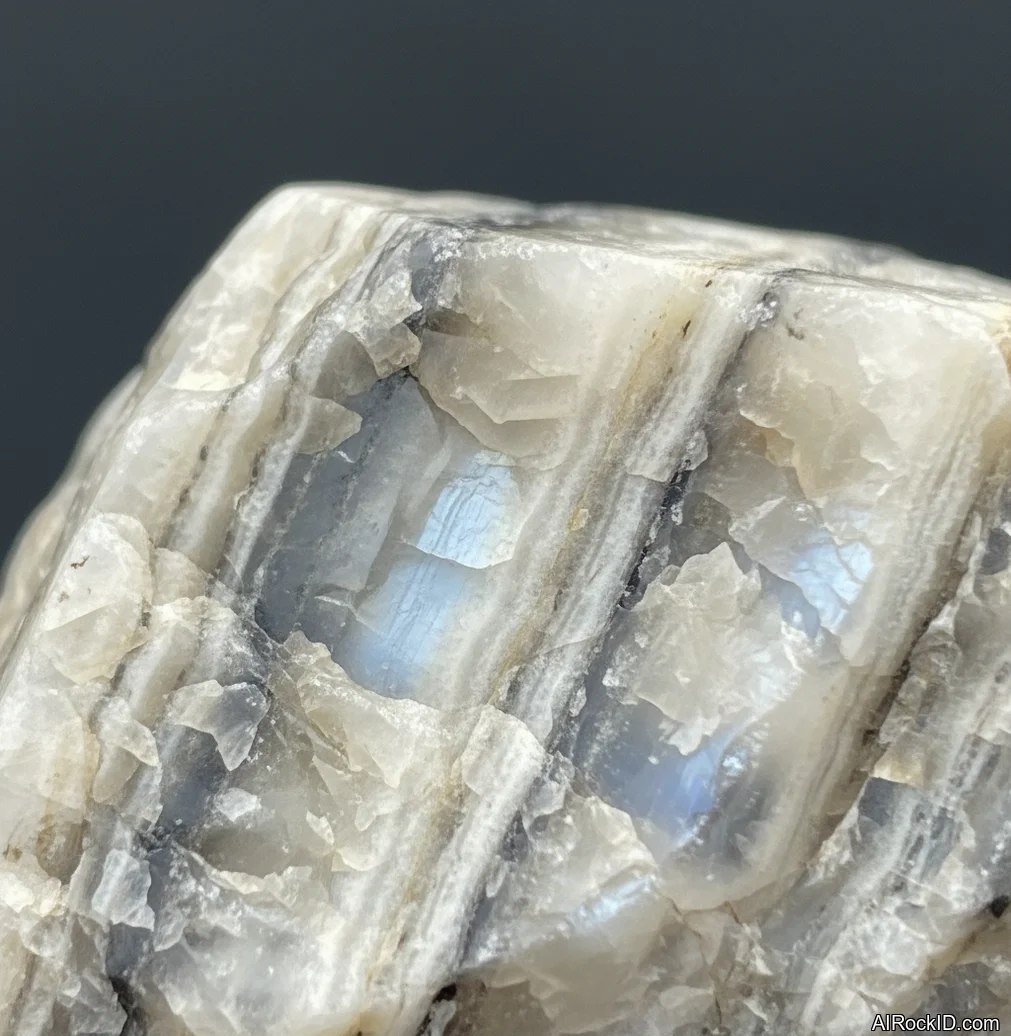
- Rainbow Moonstone: Often sold as moonstone, but many pieces are a variety of feldspar with a white body and blue flash.
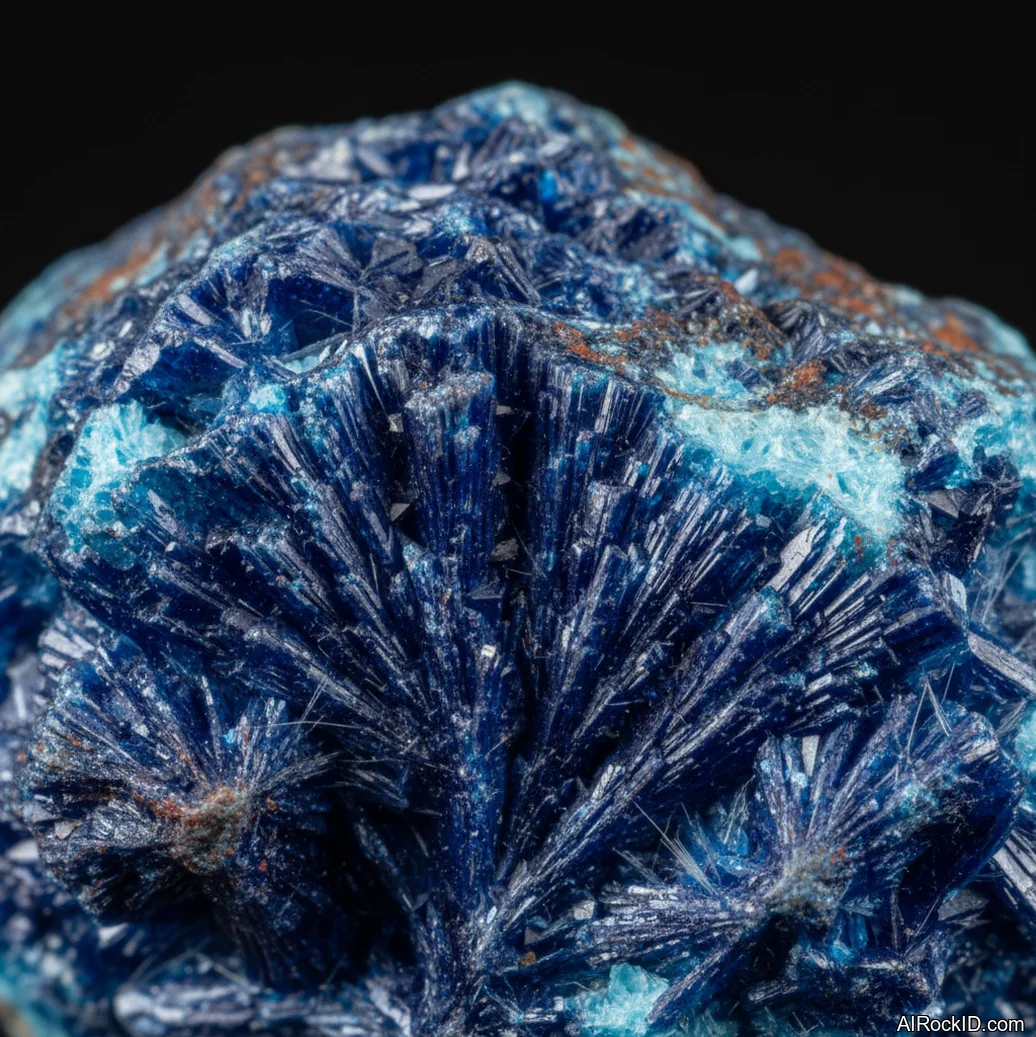
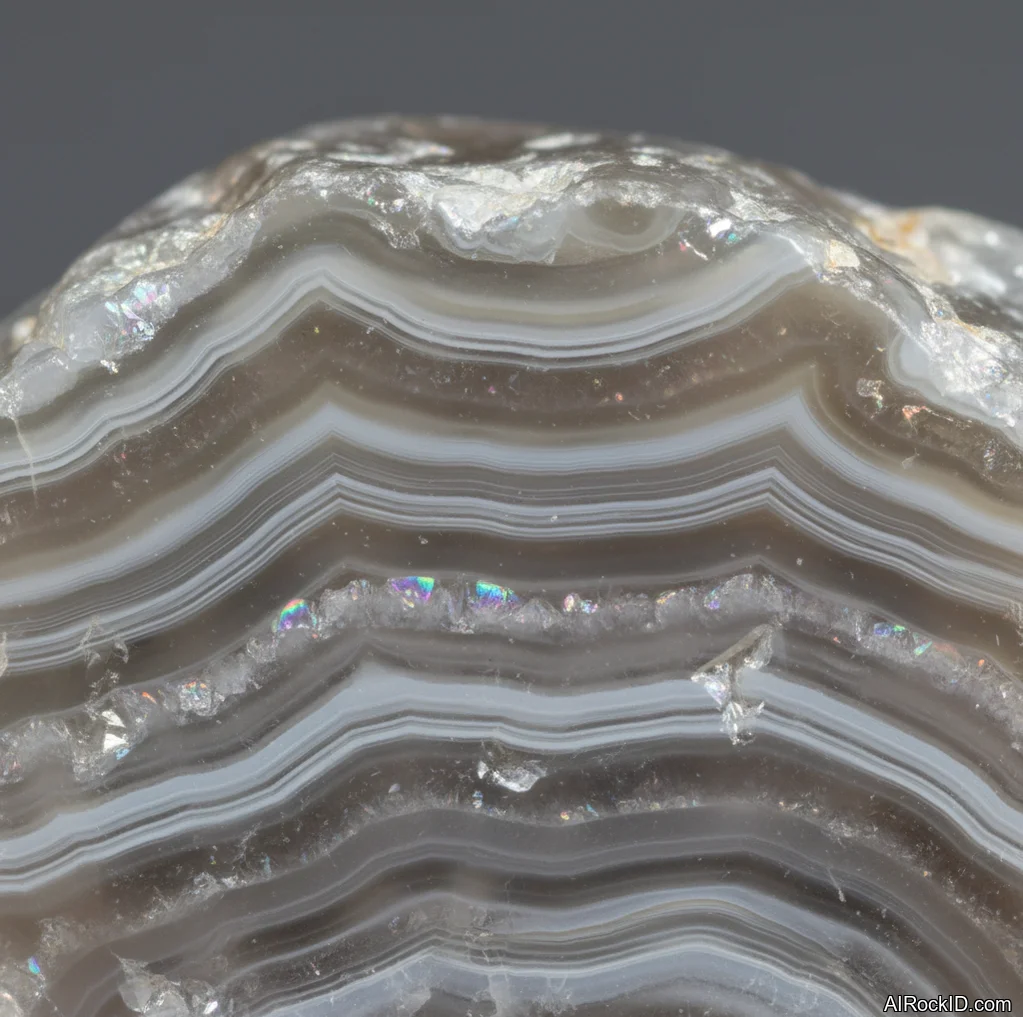
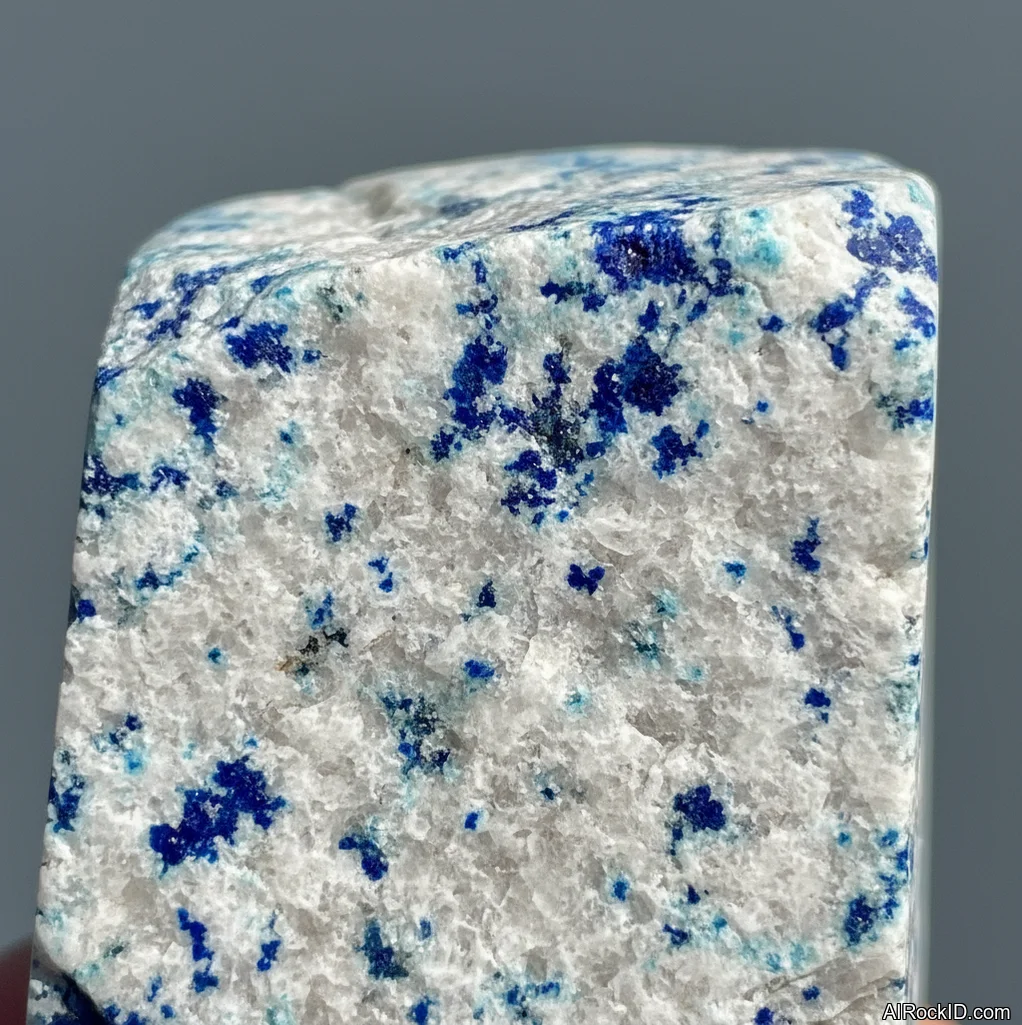
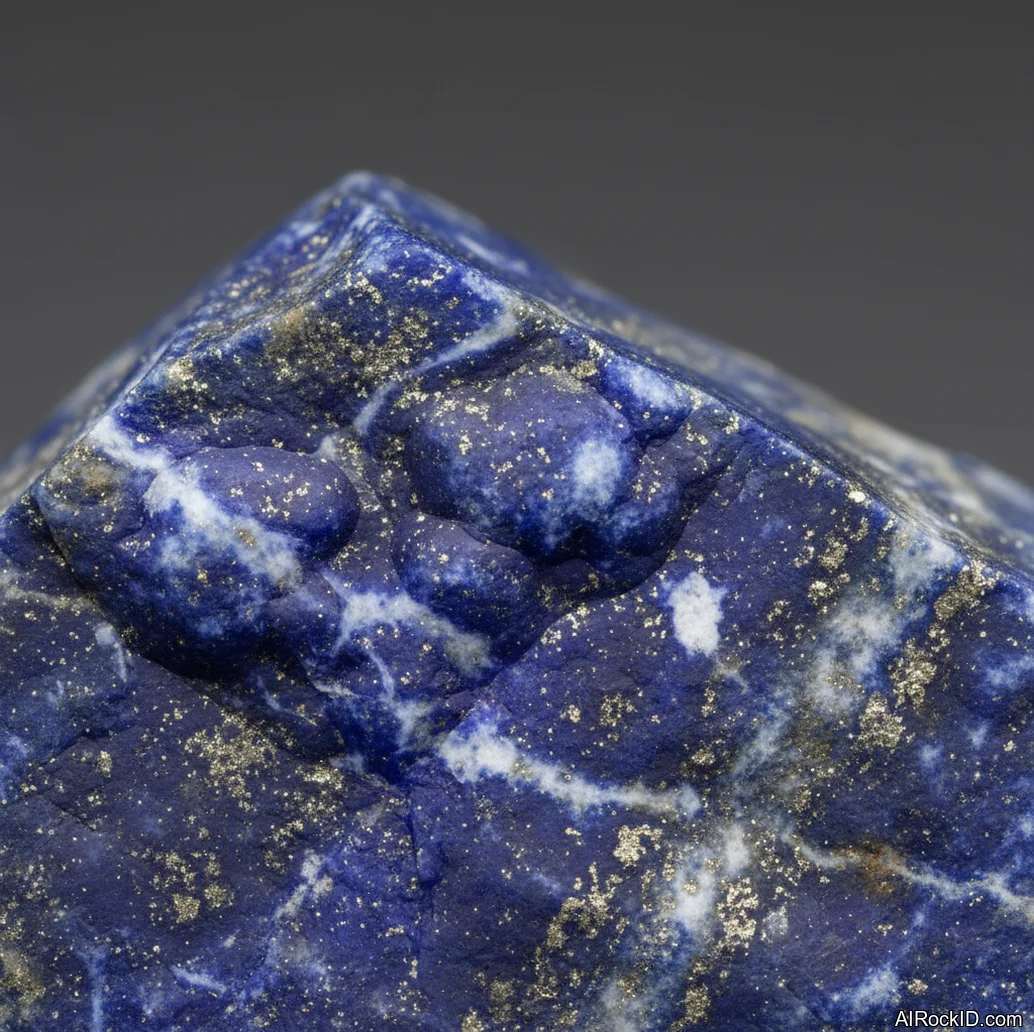
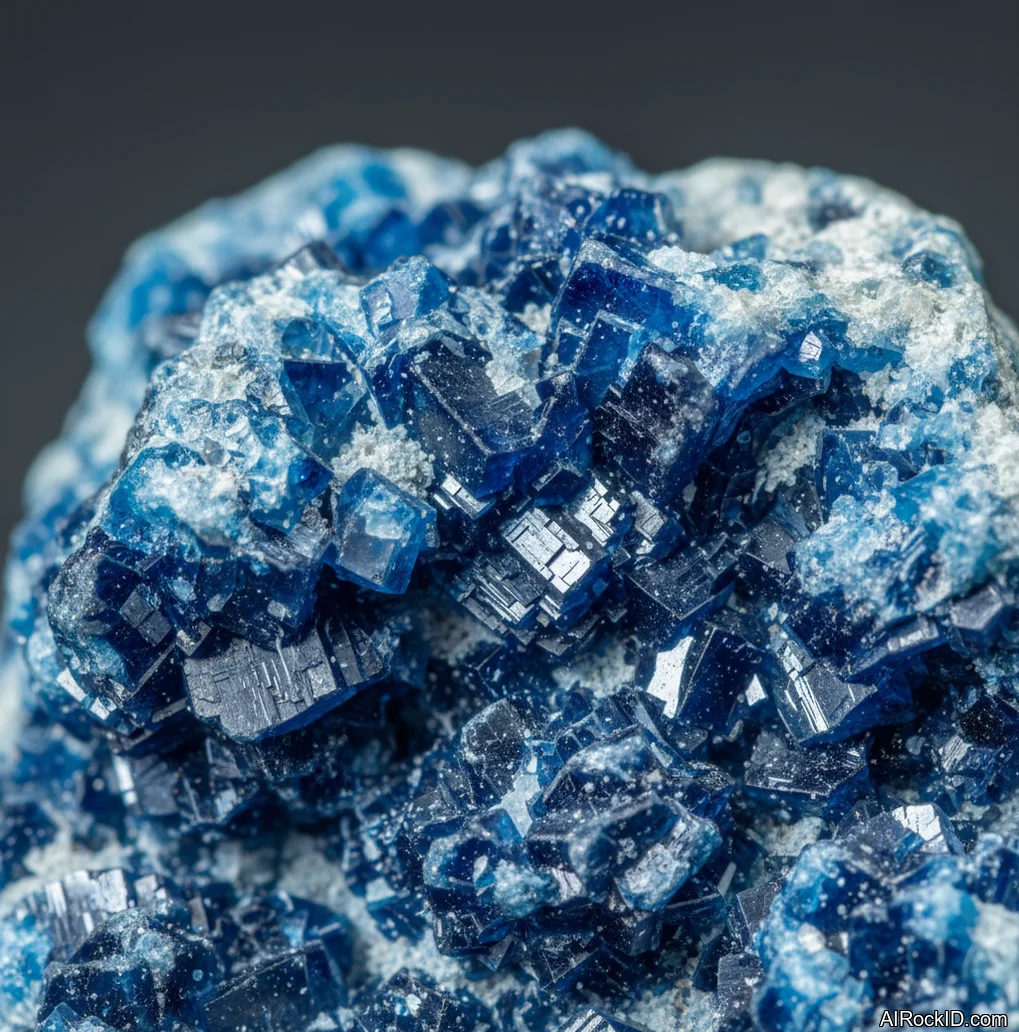
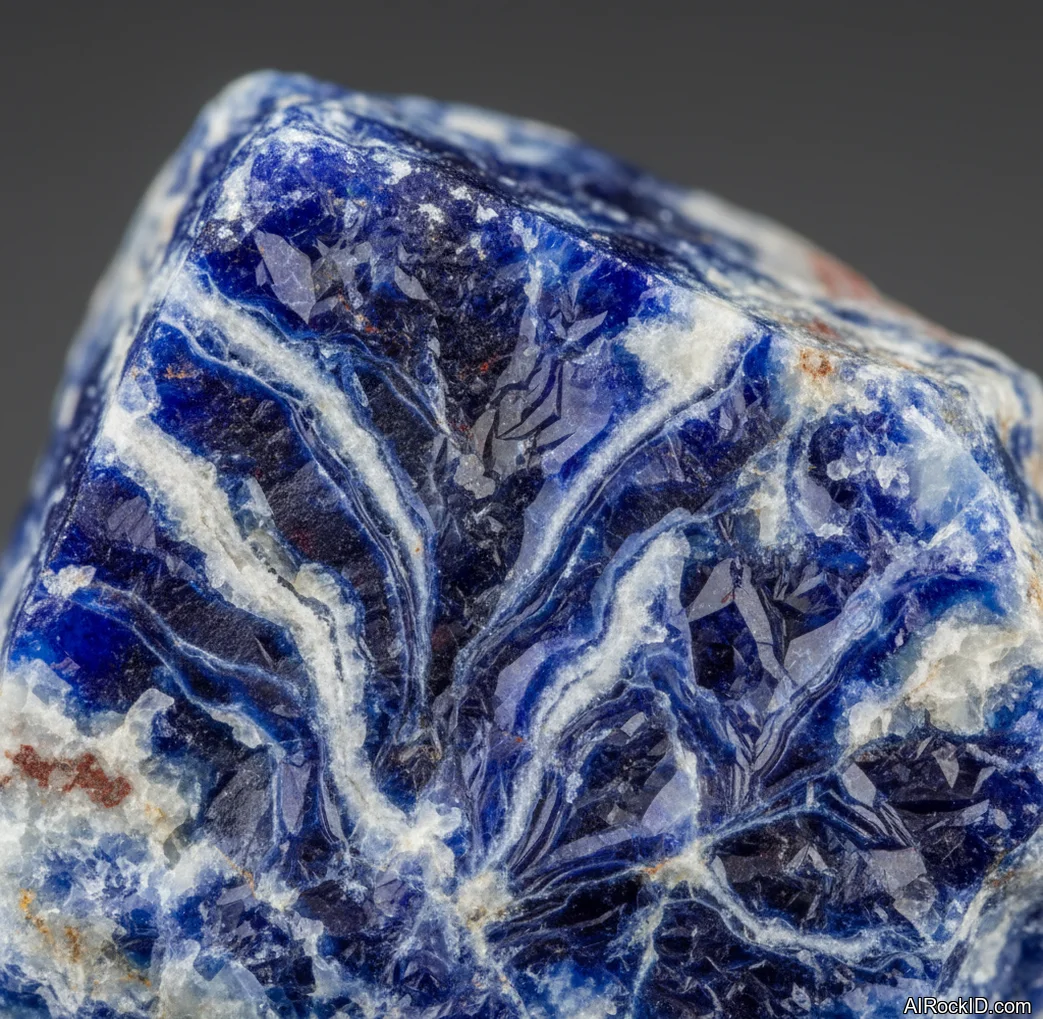
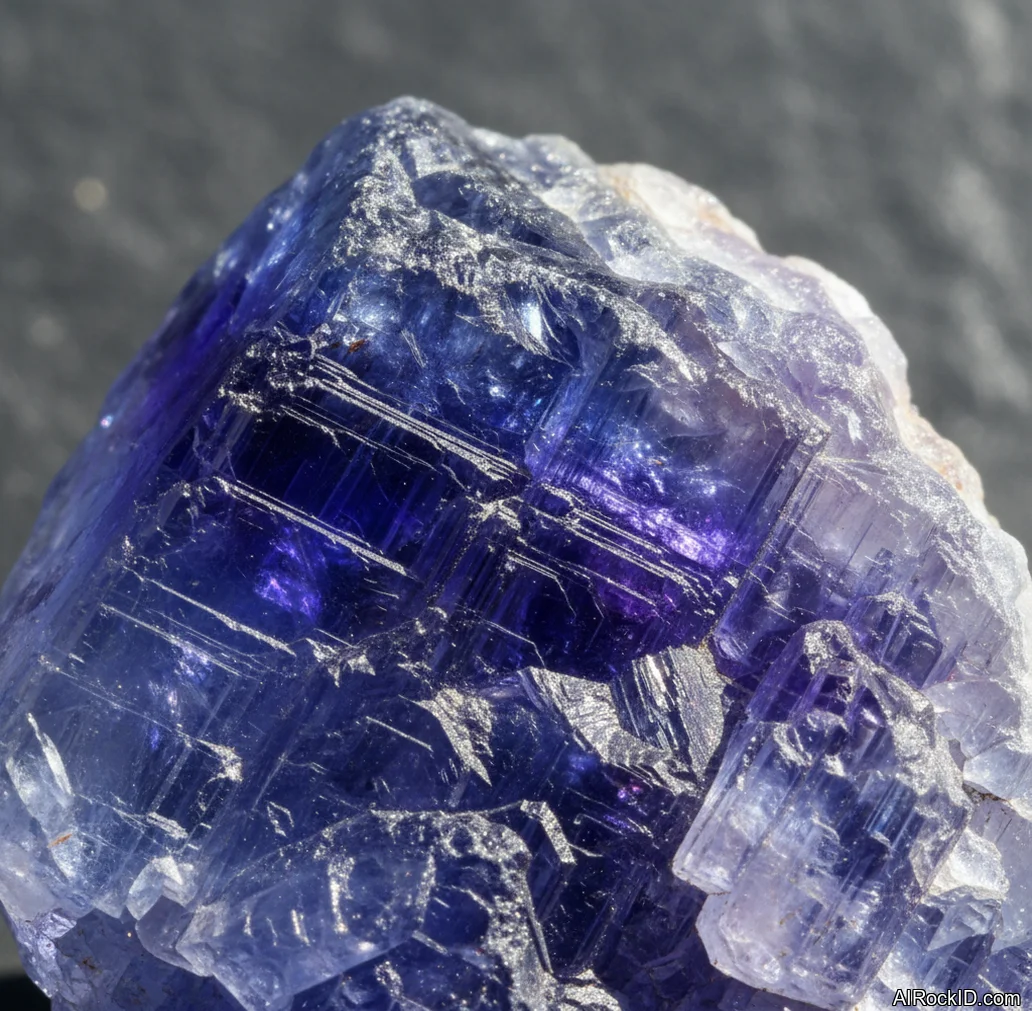
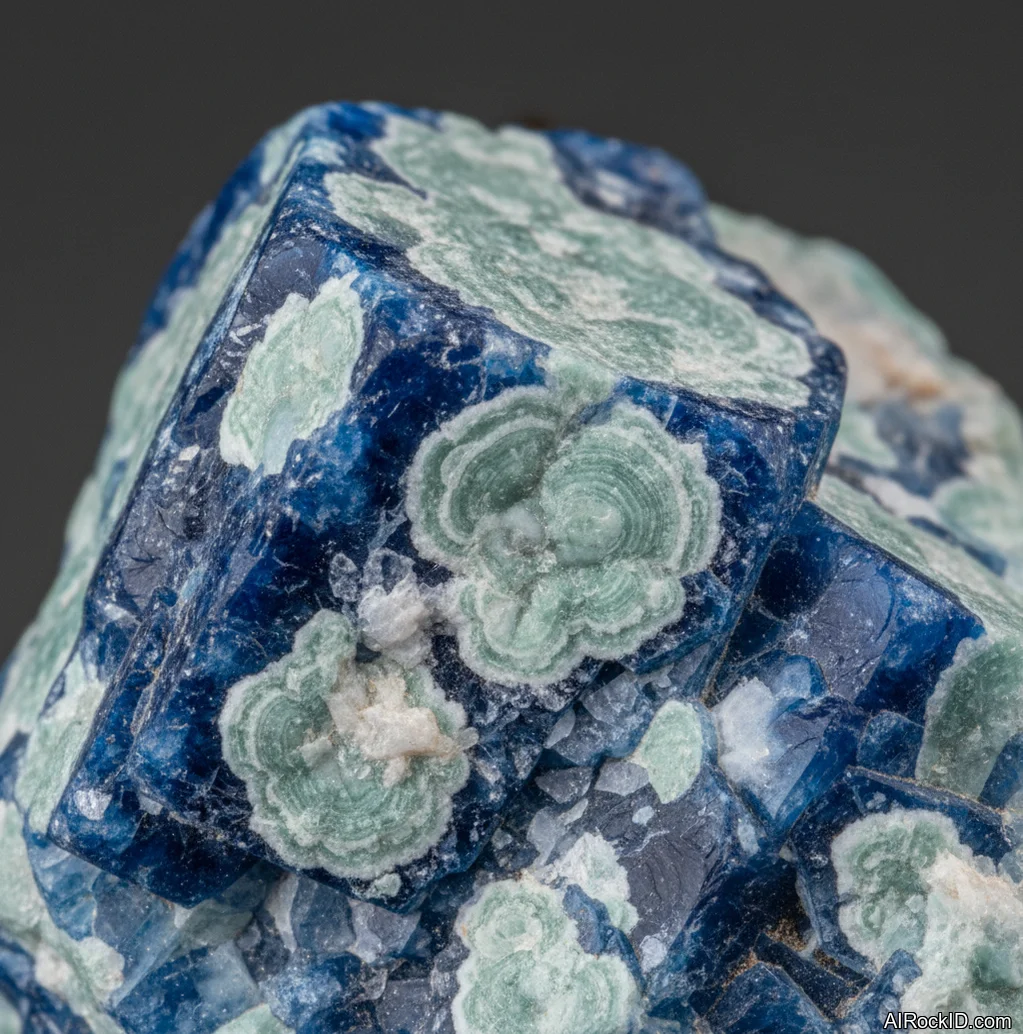
- Sodalite: Can resemble lapis lazuli, but sodalite usually lacks gold pyrite flecks and often has white veining.
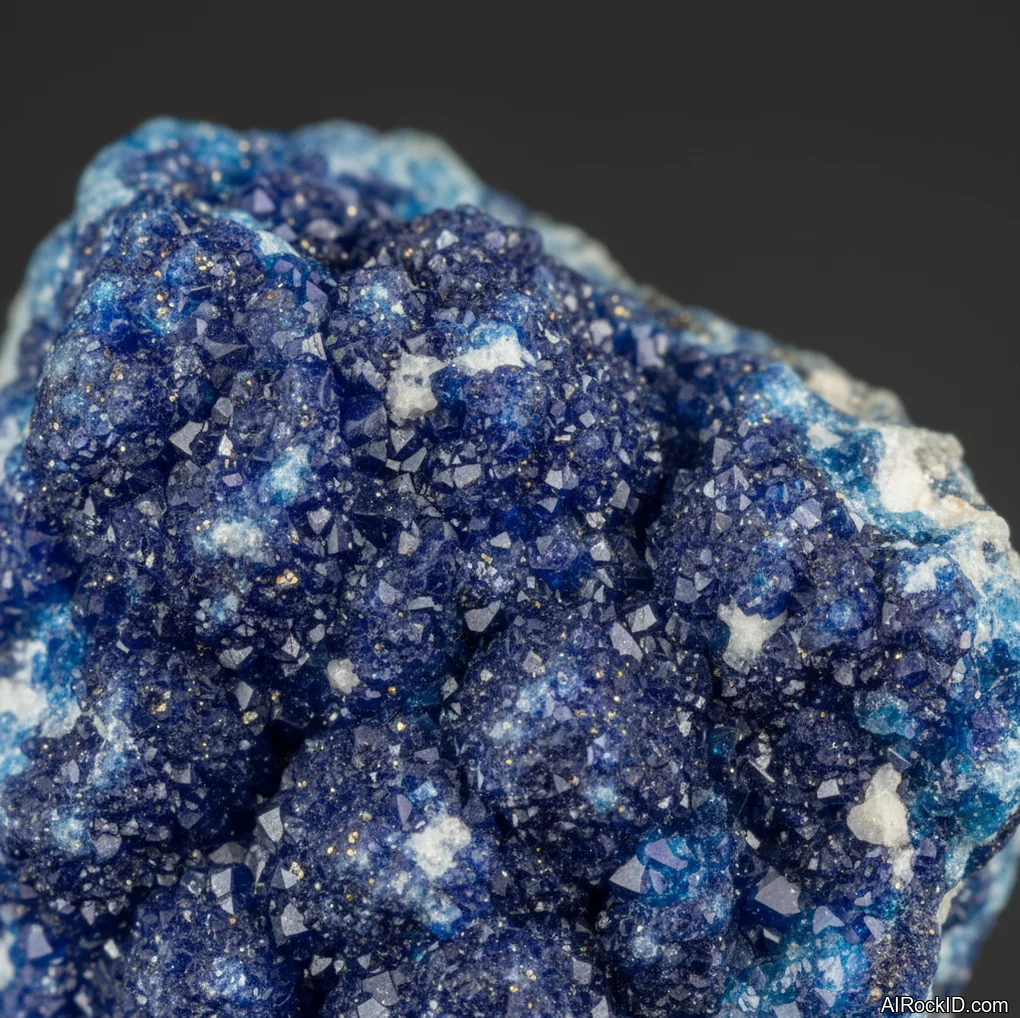
- Lapis Lazuli: Usually deeper royal blue than sodalite and may contain visible pyrite specks.
AI identification confidence
AI identification is usually more reliable when the photo shows the stone in natural light, with close-up views of texture, inclusions, and any optical flash. Polished beads, dyed stones, and similar feldspars can lower confidence because many surface clues are reduced.
When AI gets it wrong
- The stone is photographed under colored or dim lighting
- Only a single polished bead or tumbleshot is provided
- The material is dyed, coated, heat-treated, or sold under a trade name
- Several look-alike feldspars or blue stones share similar color and luster
What this category represents
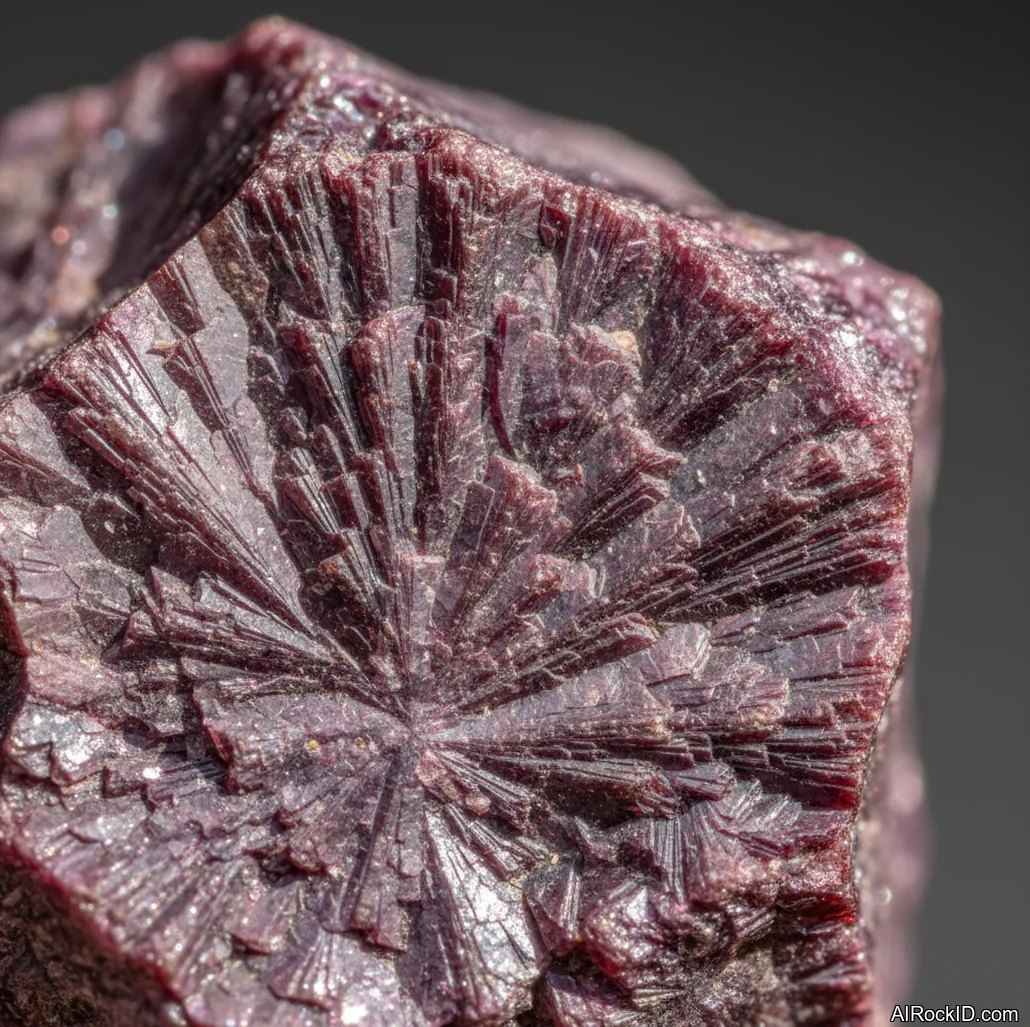
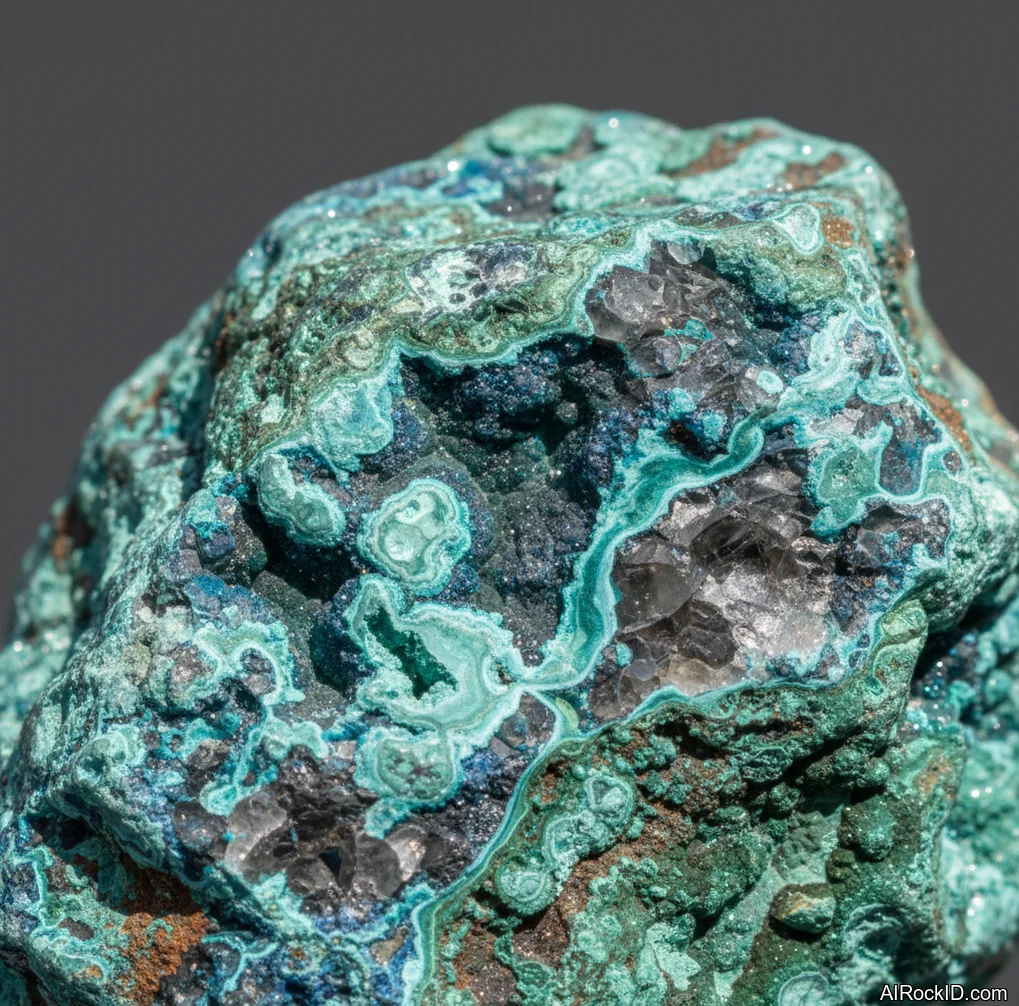
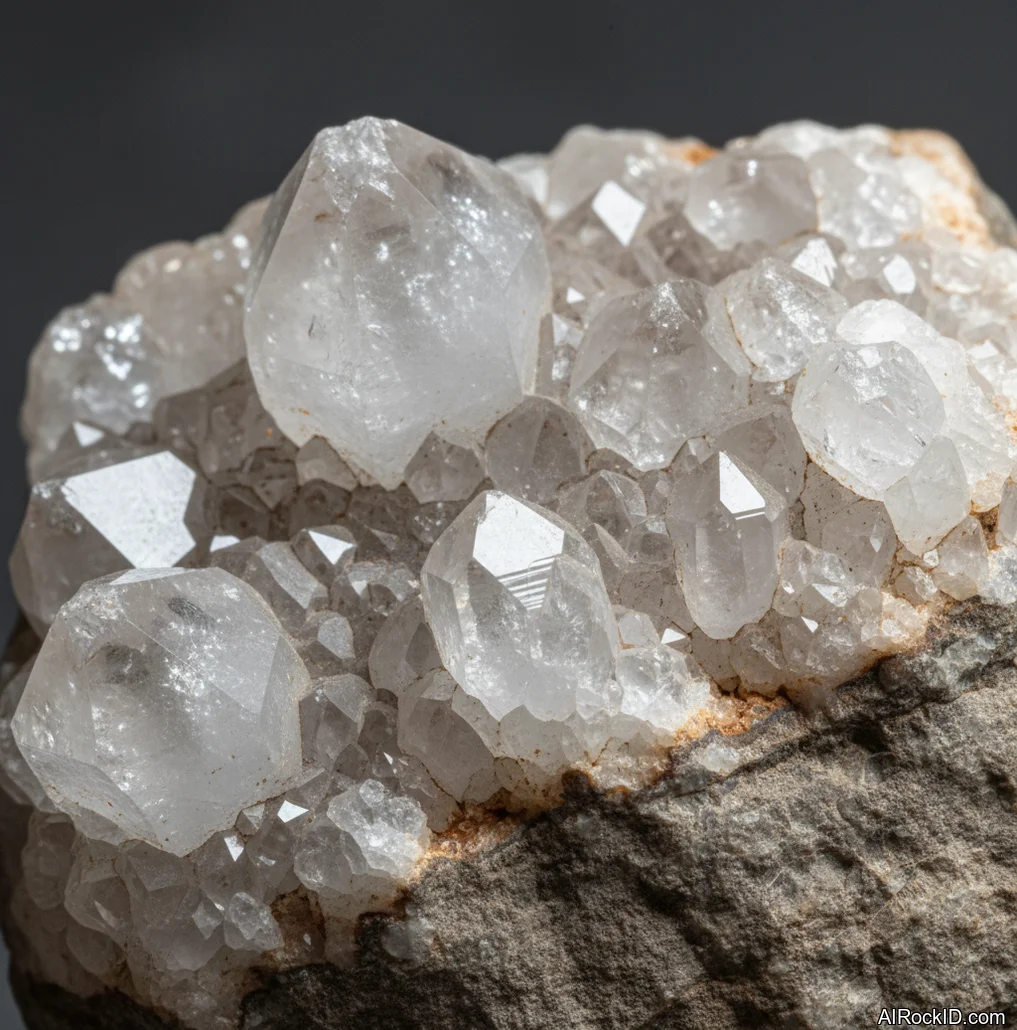
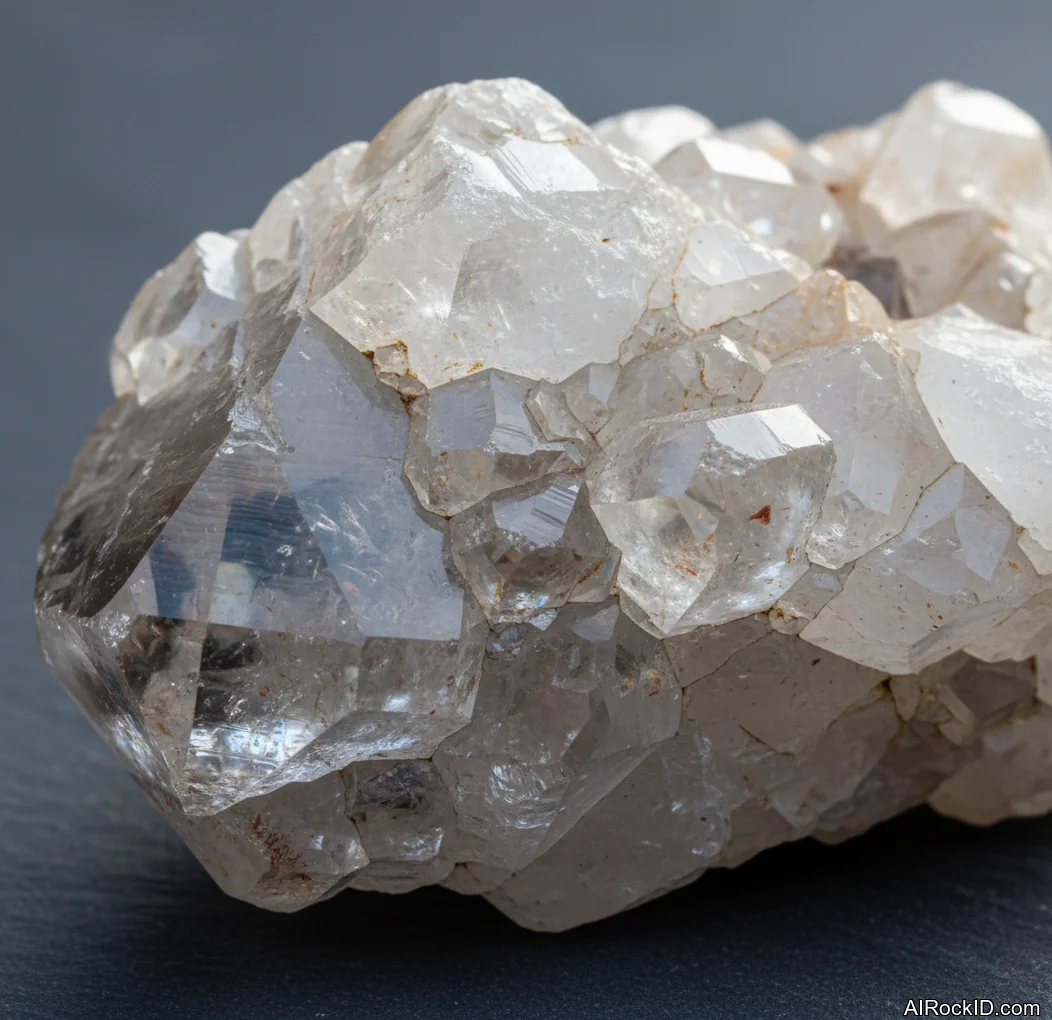
The Intuition tag groups crystals that are traditionally associated with inner guidance, insight, dreamwork, symbolic perception, or reflective decision-making. This is a metaphysical category rather than a mineralogical classification, so stones in the tag may differ widely in chemistry, hardness, color, and formation.
Beginner recommendations
Advanced recommendations
Intuition Crystals by Color Family
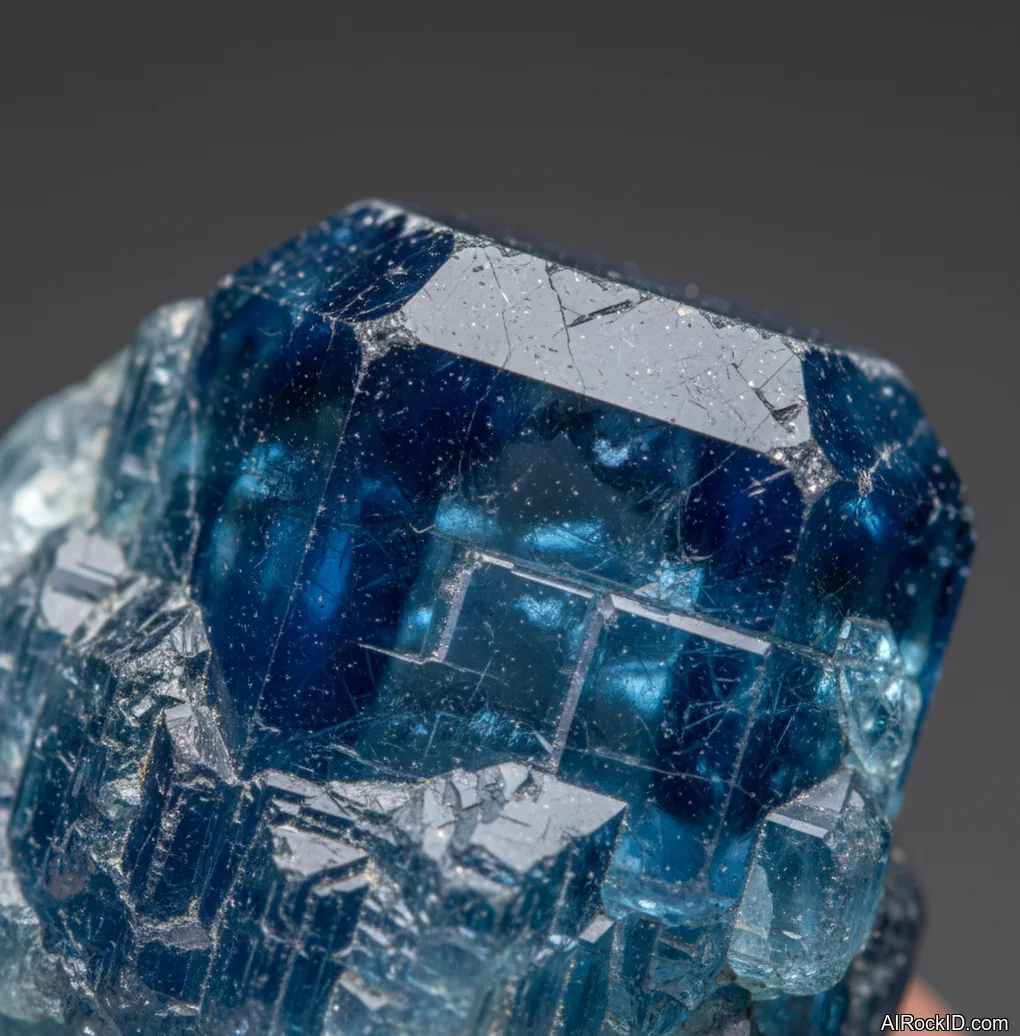
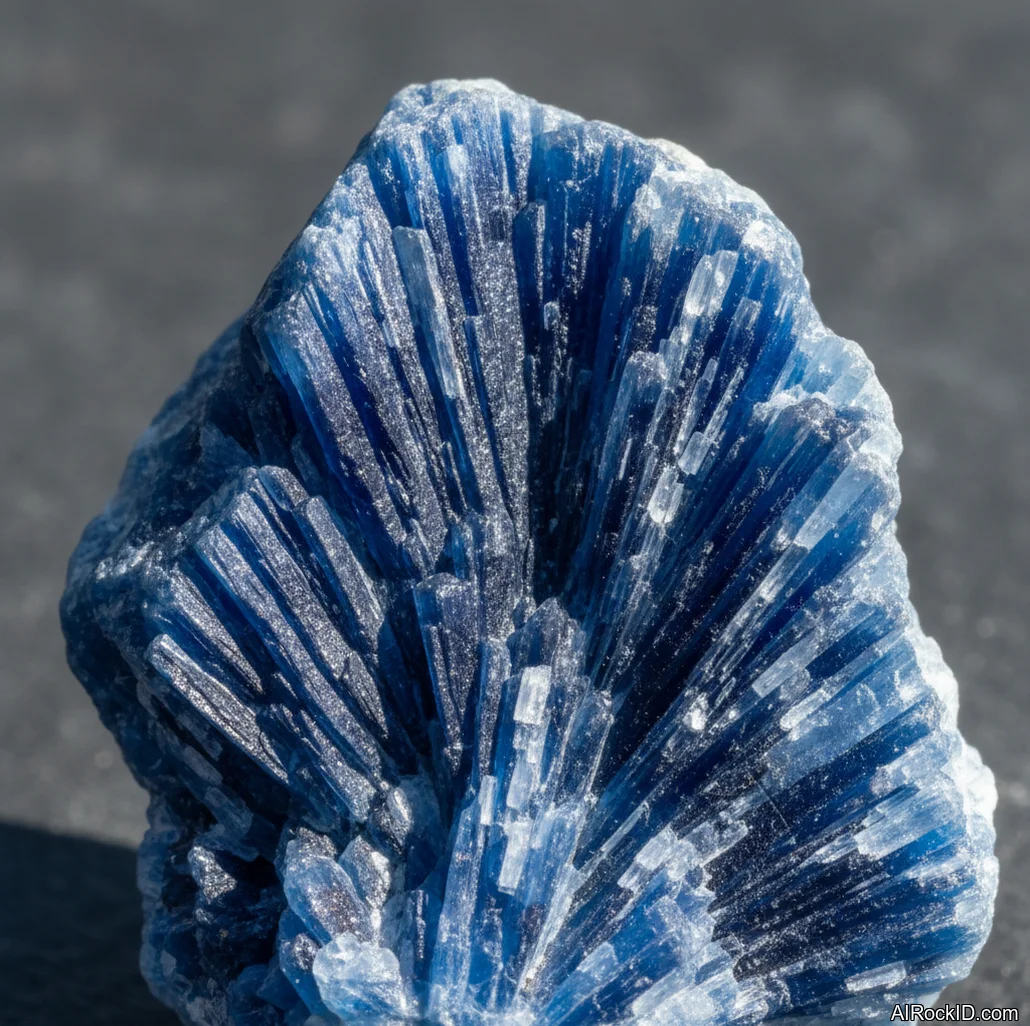
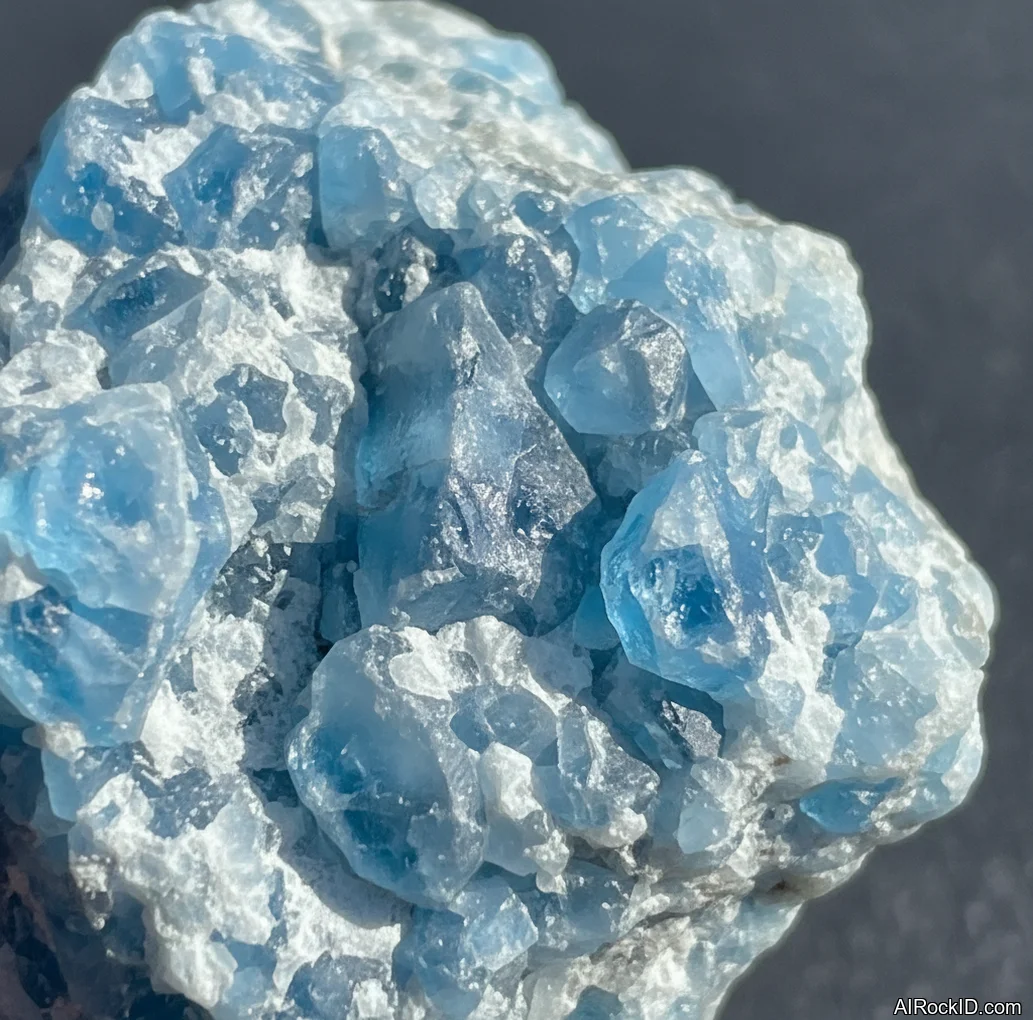
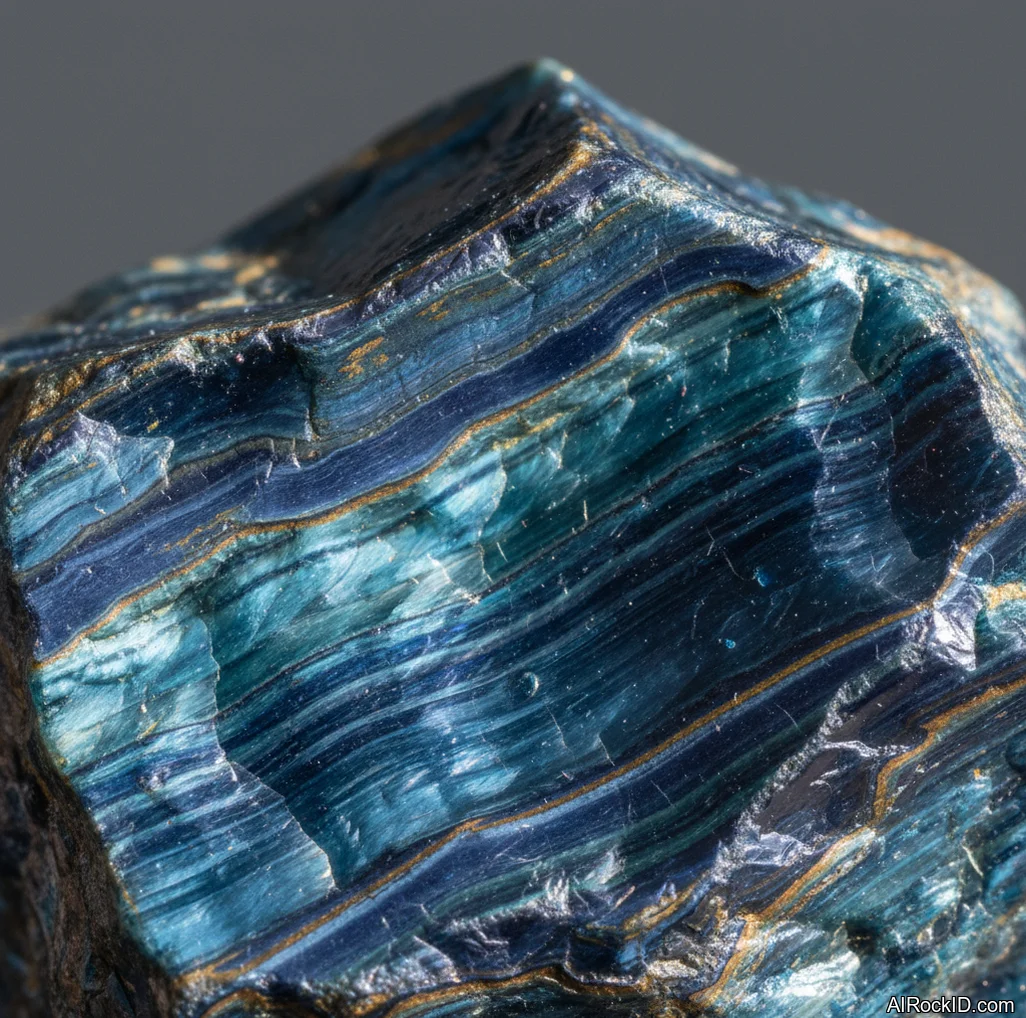
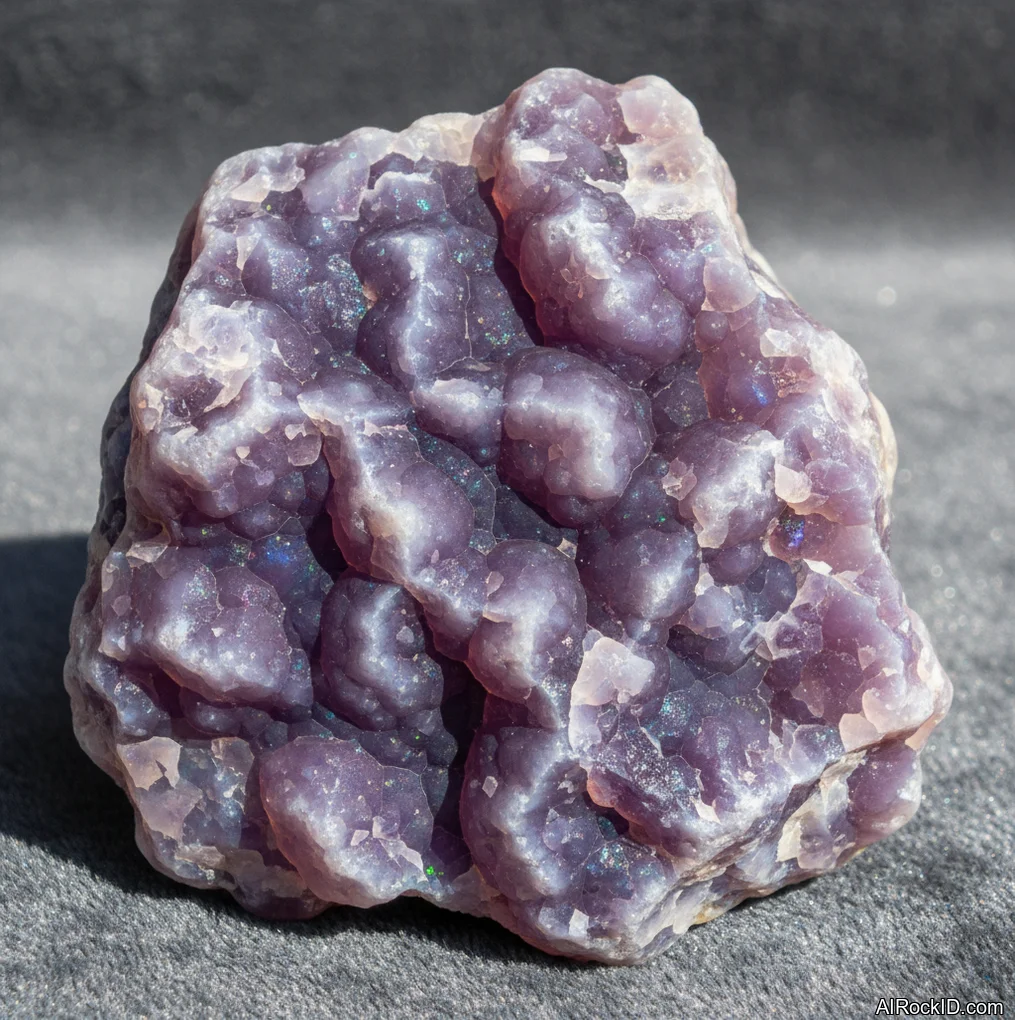
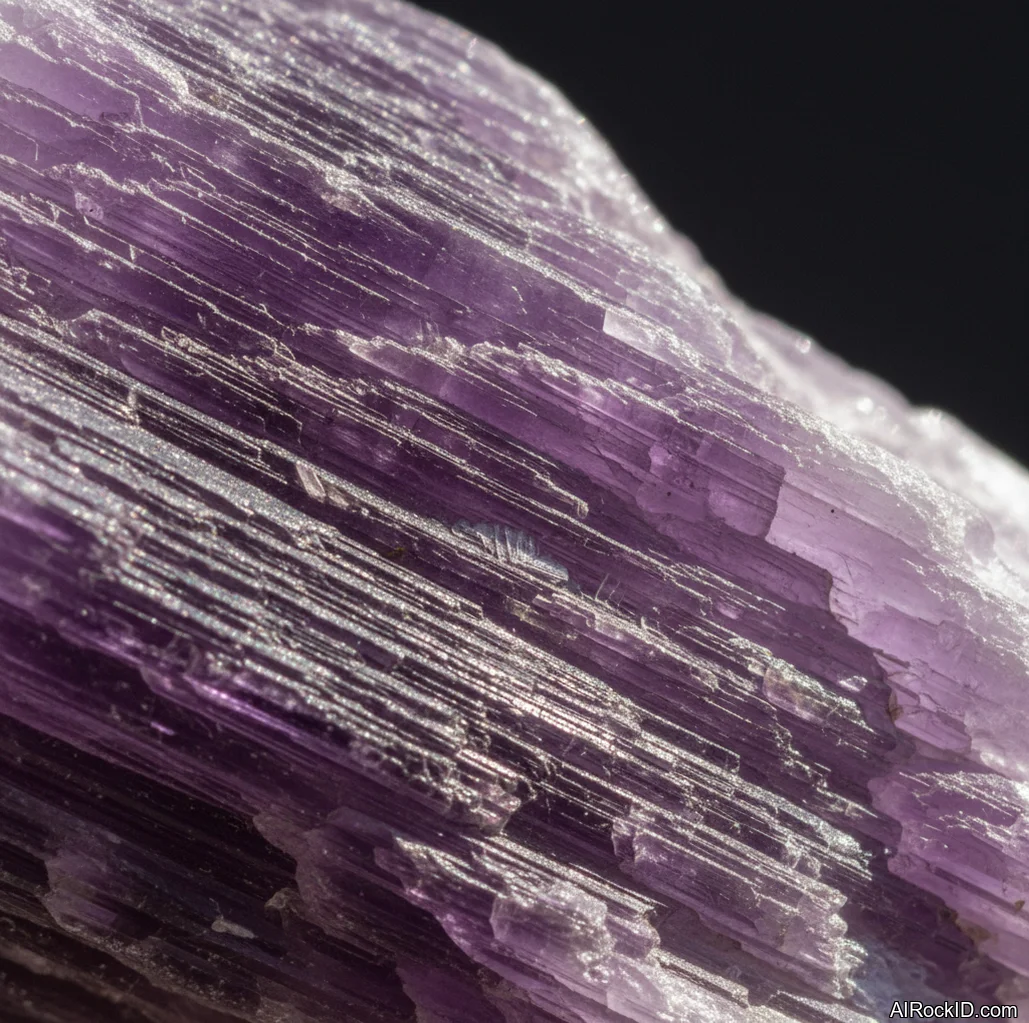
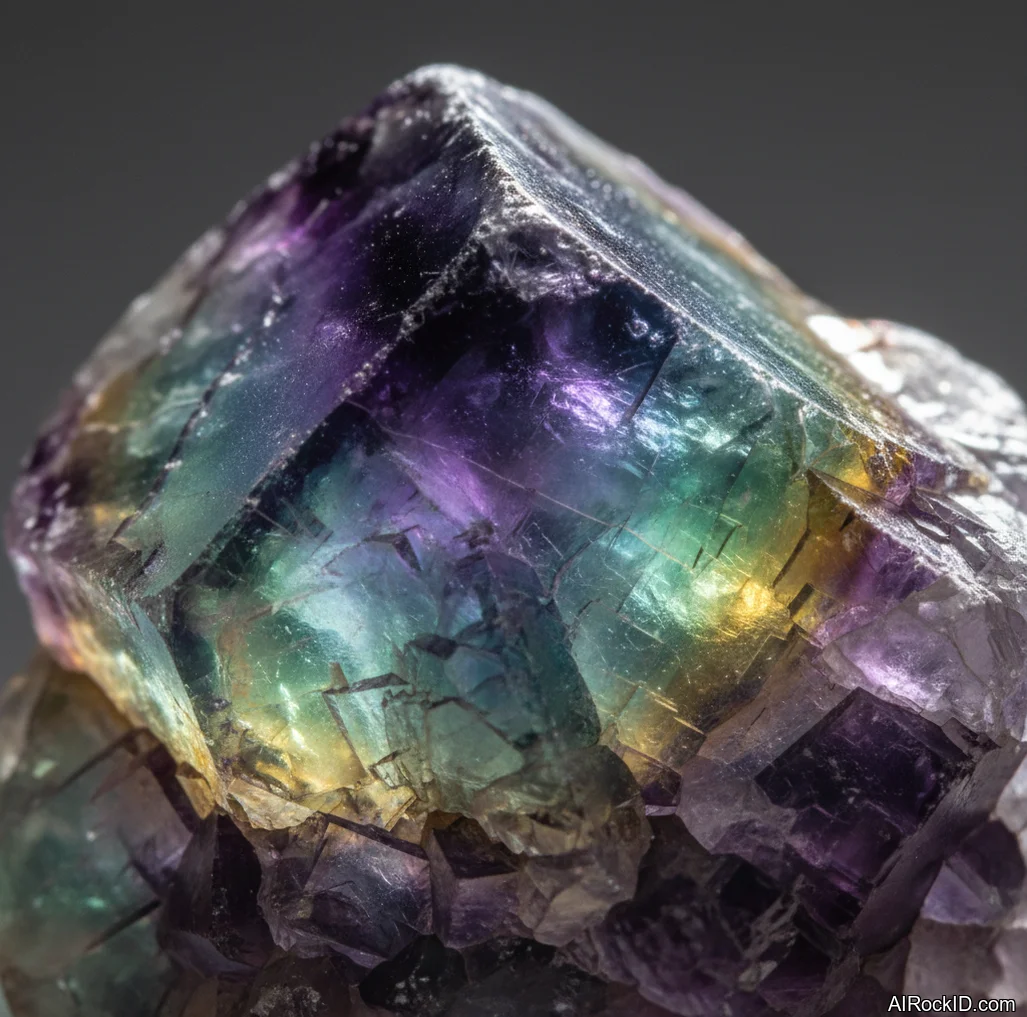
Purple stones such as amethyst are often linked with reflection and spiritual awareness in crystal traditions. Blue stones such as sodalite and lapis lazuli are commonly associated with clear thought and symbolic insight. Gray, white, and iridescent stones such as moonstone and labradorite are often chosen for dreamwork or personal transition themes.
Natural, Treated, and Trade-Name Intuition Stones
Many intuition crystals are sold in natural, dyed, heat-treated, or coated forms, and these differences can affect value and identification. Trade names may describe appearance or marketing themes rather than exact mineral species. Buyers who care about authenticity should look for clear labeling, origin details when available, and reputable seller policies.
Care Notes for Common Intuition Crystals
Amethyst, labradorite, sodalite, and lapis lazuli should be kept away from harsh chemicals and abrasive cleaners. Softer or porous stones can be damaged by long soaking, salt, or ultrasonic cleaning. A soft cloth and dry storage are usually safer for polished pieces, jewelry, and mixed-stone sets.
What Are Intuition Crystals? Inner Guidance and Stone Properties Explained
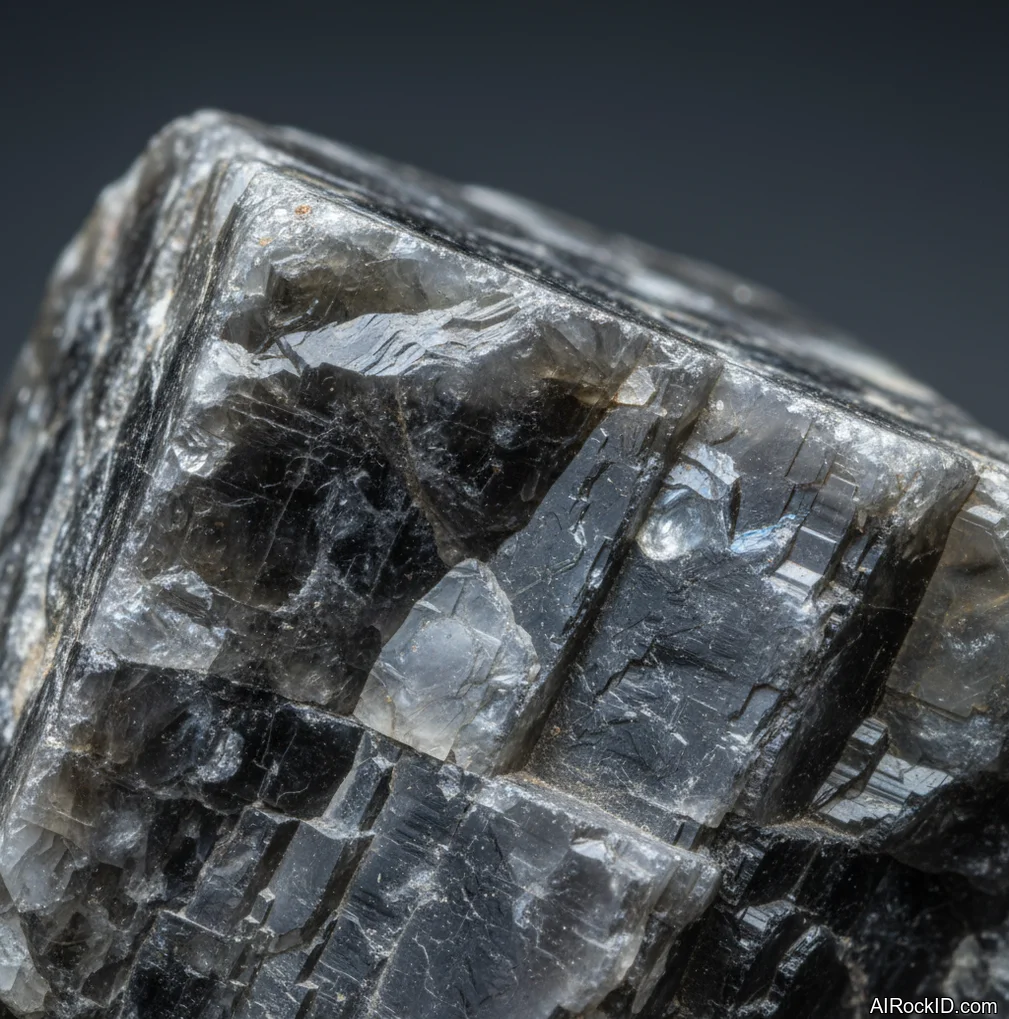
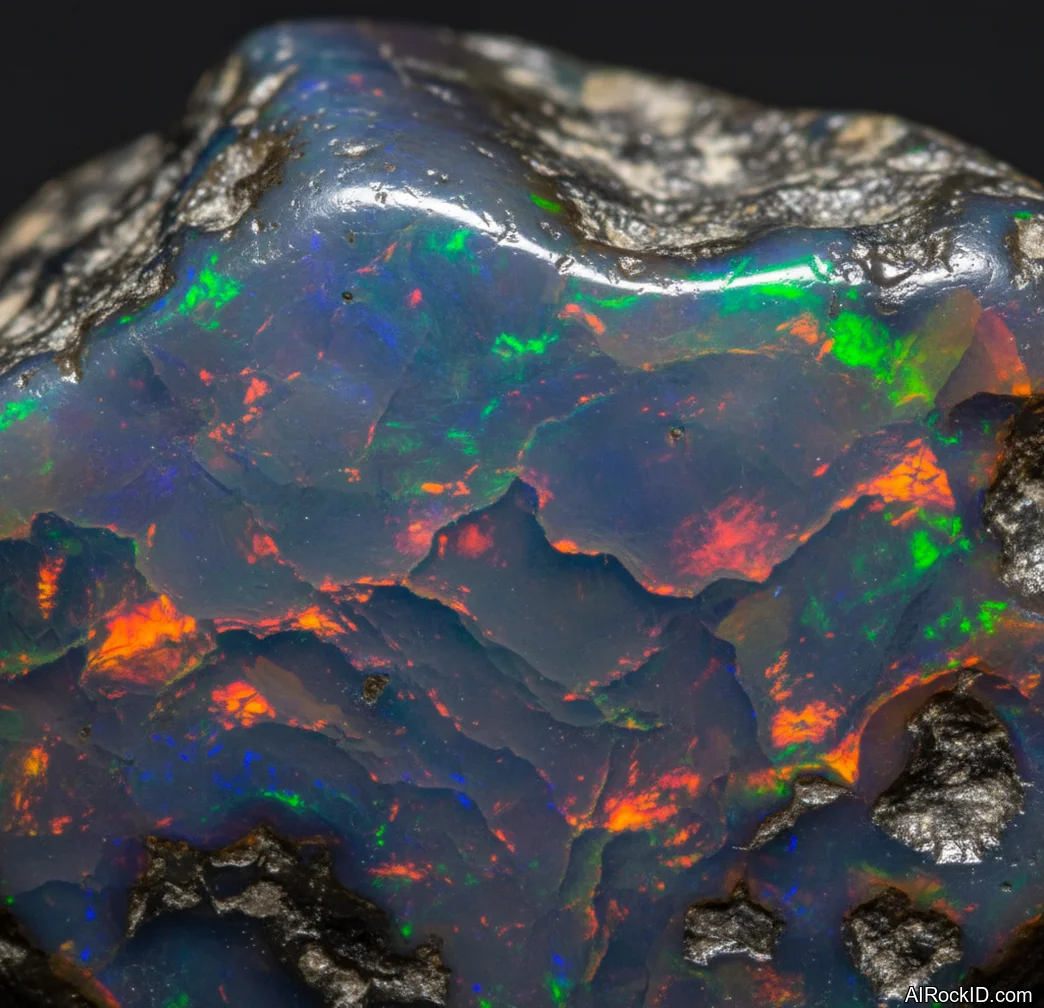
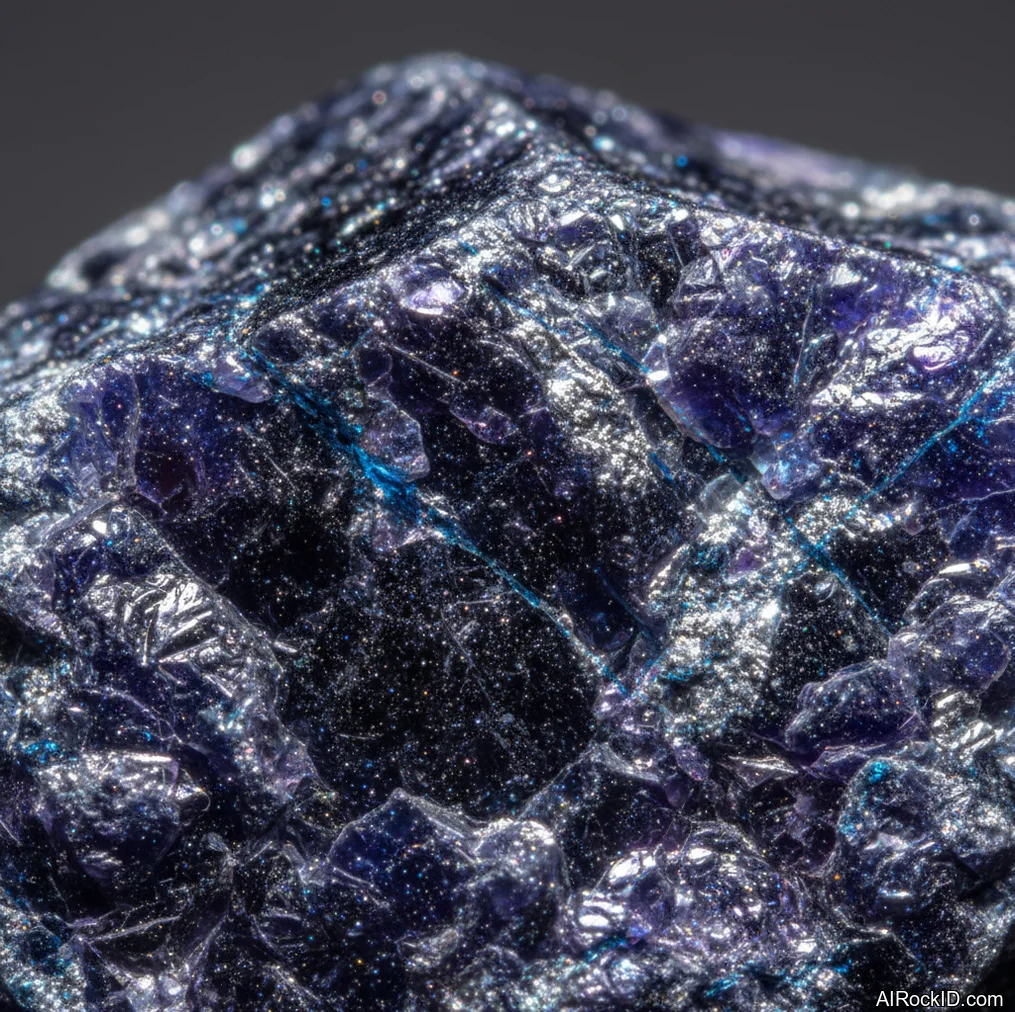
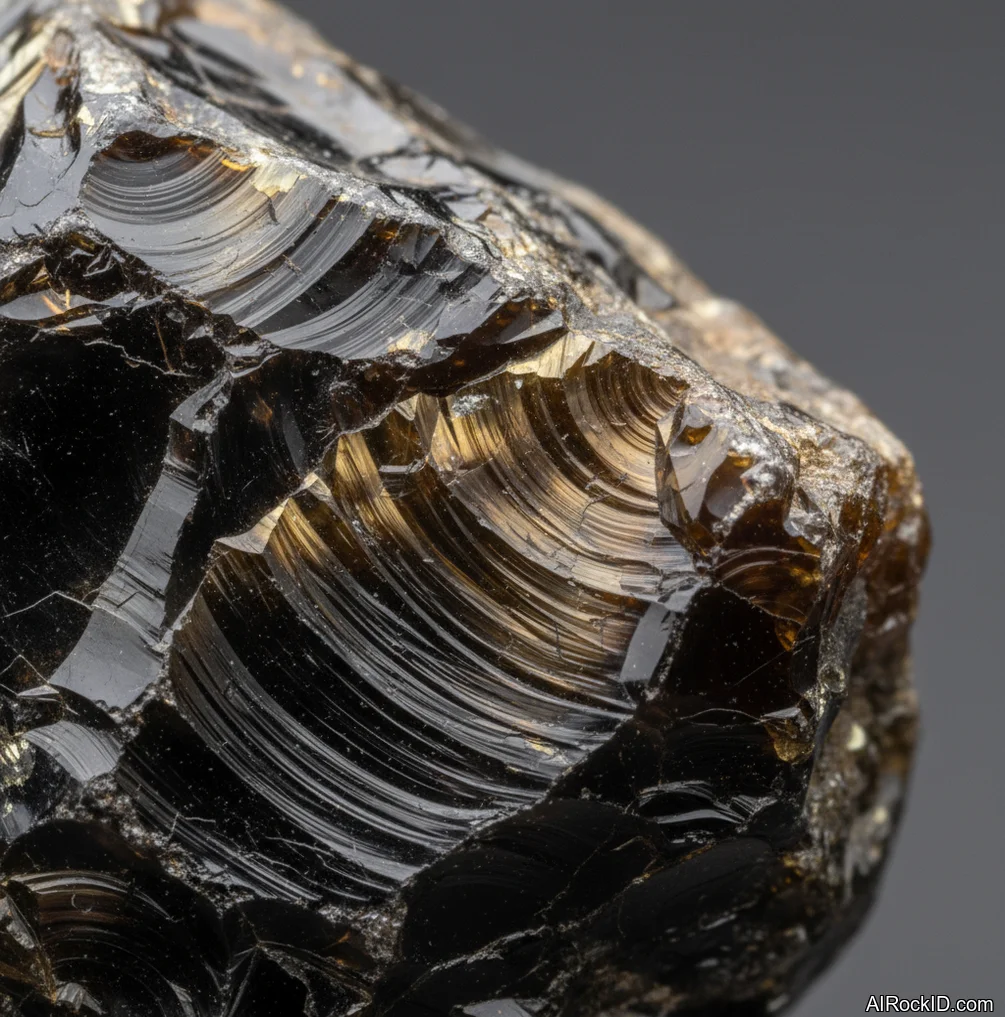
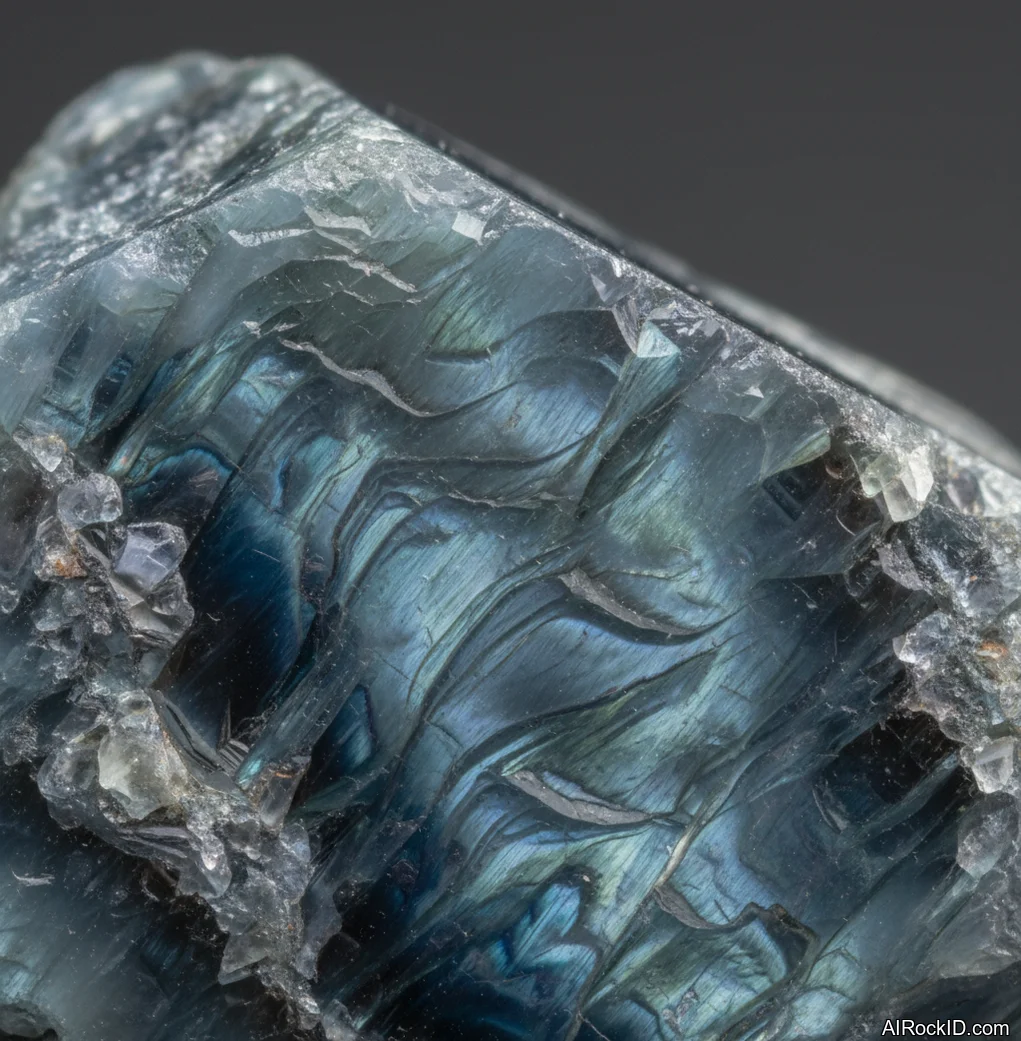
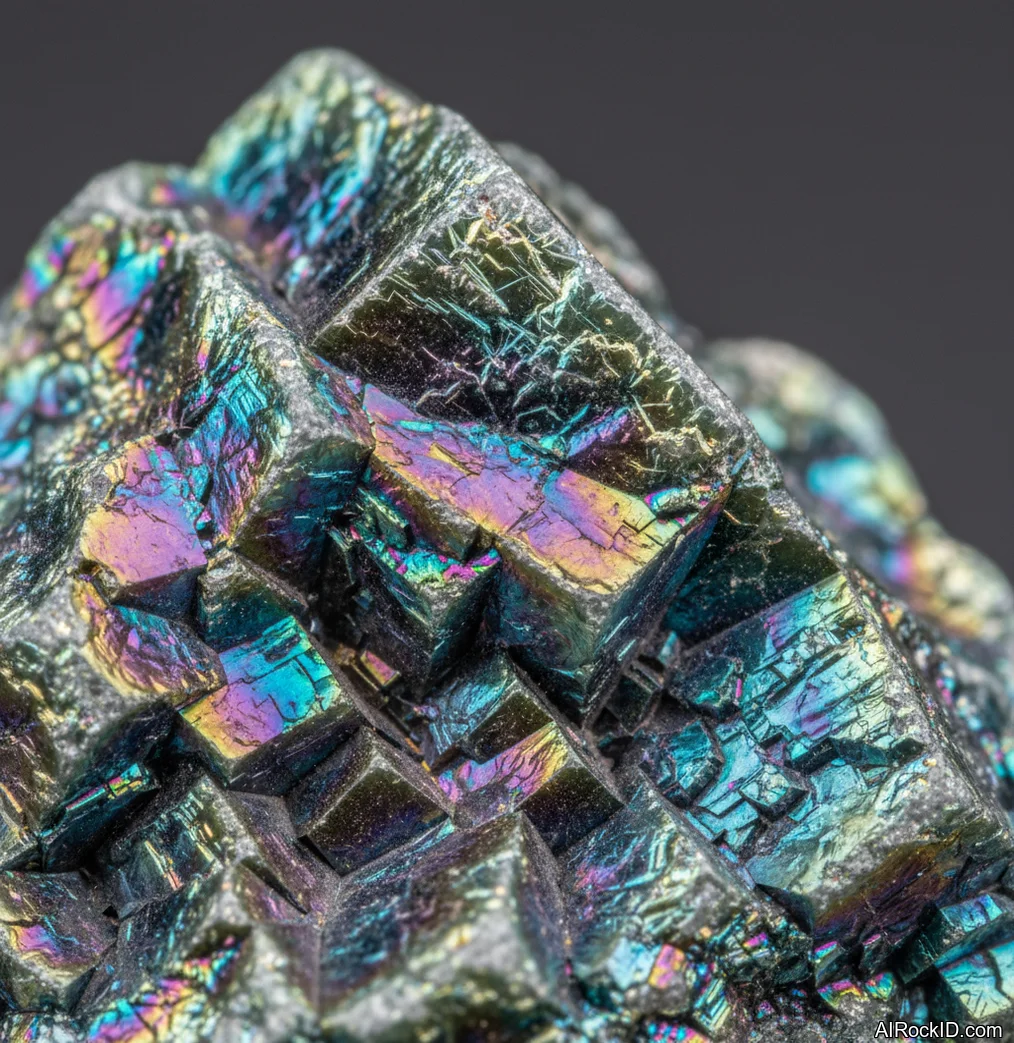
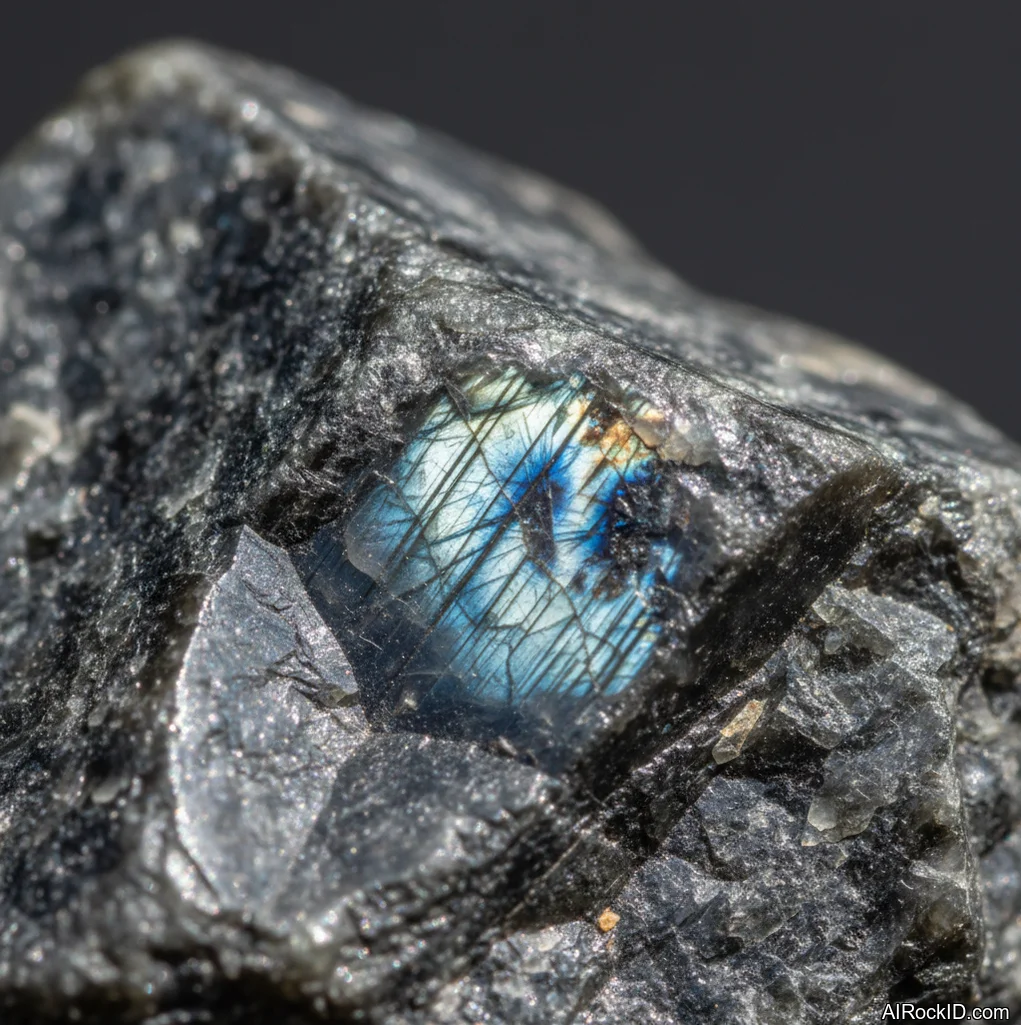
Intuition, when people talk about it in crystal circles, means that quiet signal you catch before your mind starts spinning stories. It’s not the frantic voice that kicks up anxiety. Think of it as the calm yes, no, or maybe that hits in your gut or bones before you can put it into words. Folks chase after intuition because life’s loud. There’s constant advice, judgment, and noise from every angle. Intuition cuts through that, helping you sort out what actually belongs to you versus what you’ve absorbed from everyone else. Labradorite shows up on nearly every list for intuition. Pick up a raw chunk and you’ll feel a weight that doesn’t match its size. Tilt it under any kind of light and bands of blue, green, or gold pop out, then vanish just as fast. The whole thing feels like a secret you only see at the right angle. That’s why people link it to intuition: never obvious, always shifting, and best caught sideways.
Physical Characteristics of Top Intuition Crystals: Labradorite, Amethyst, and Moonstone
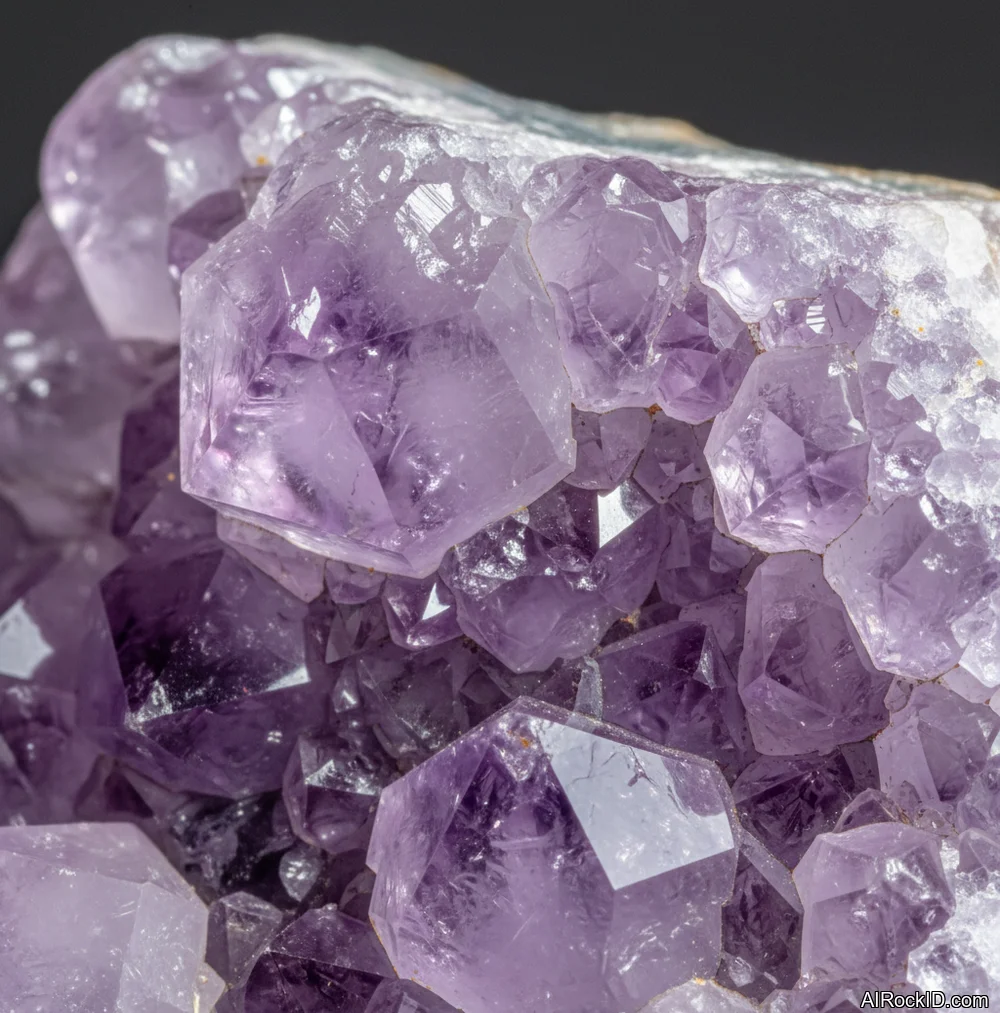
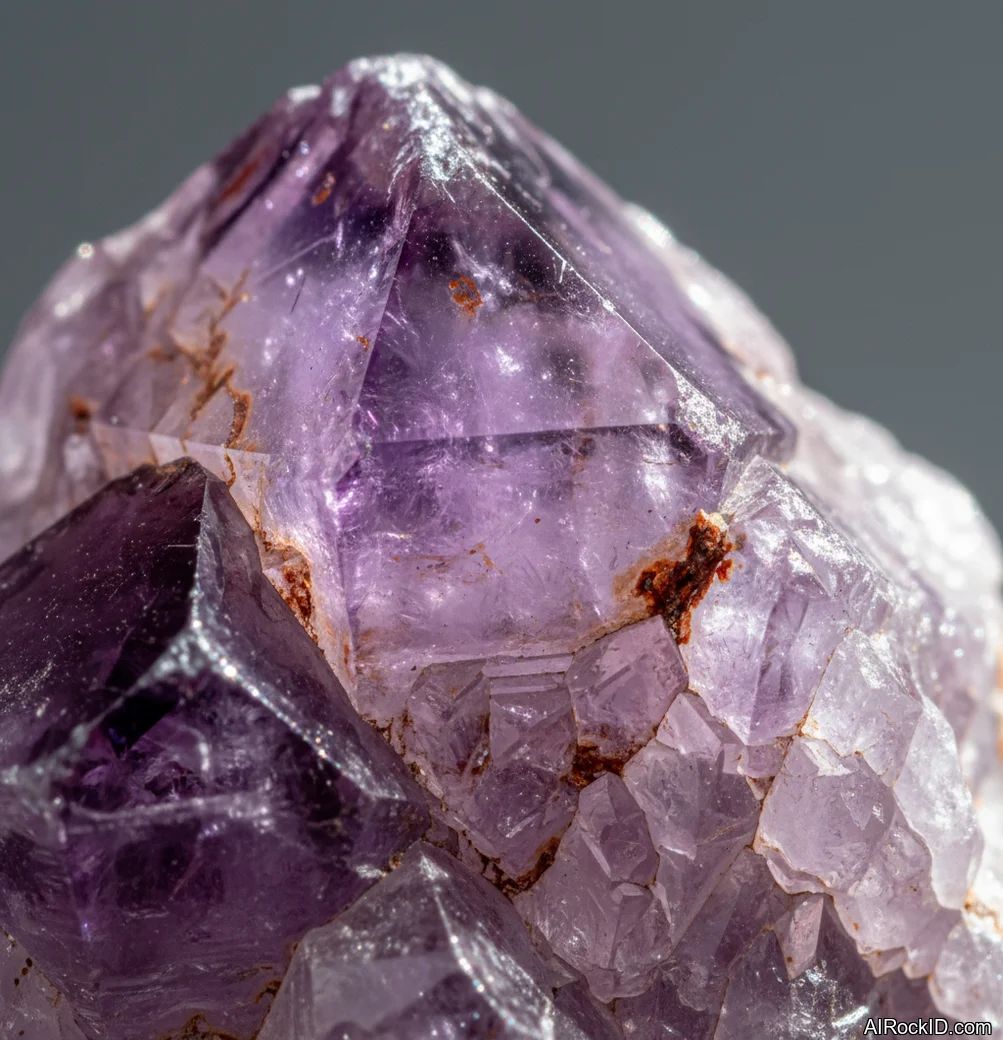
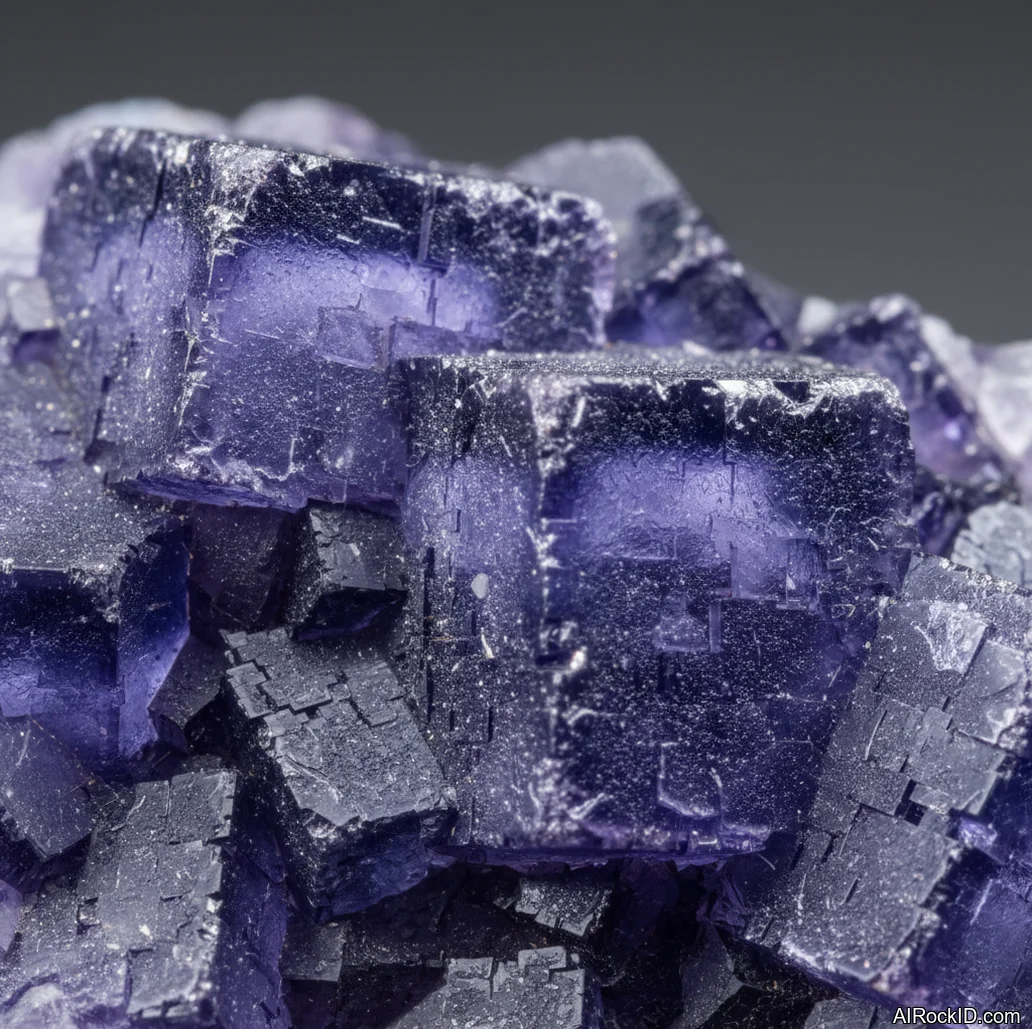
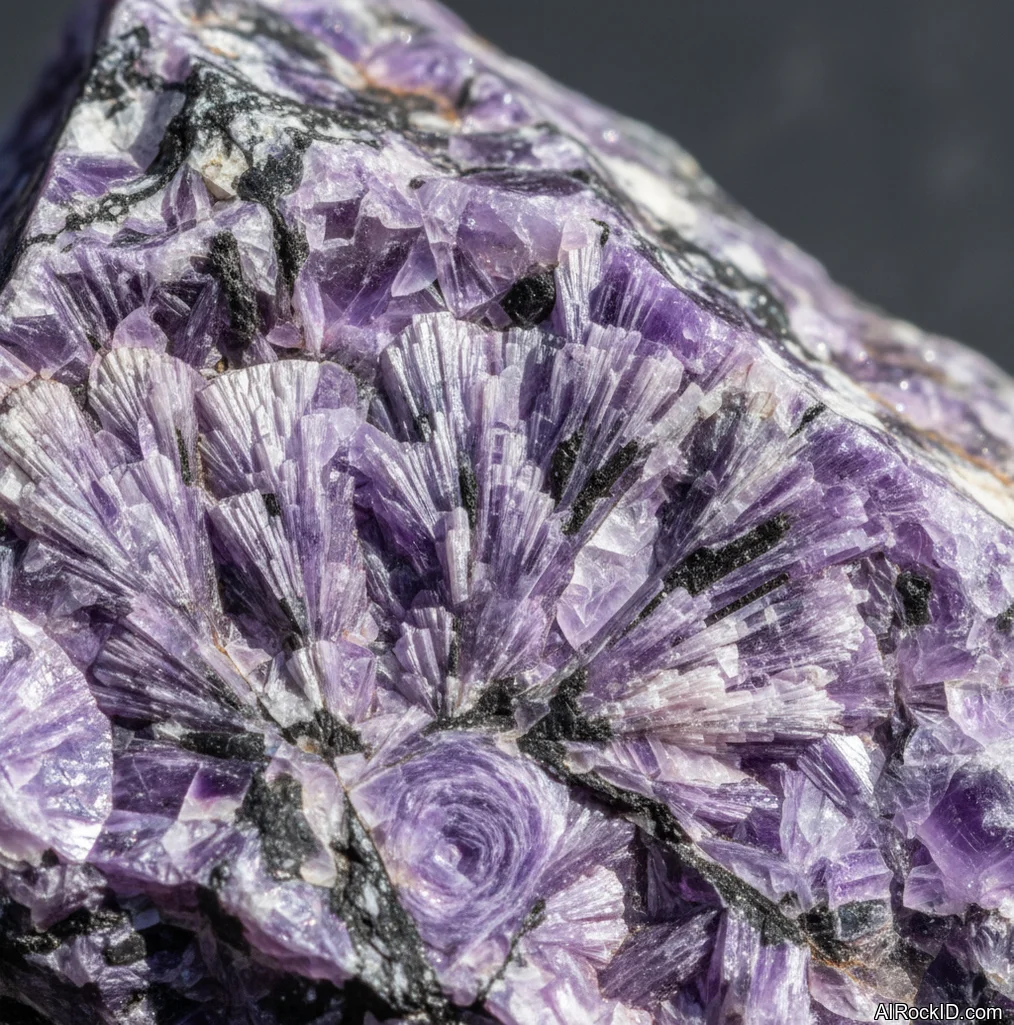
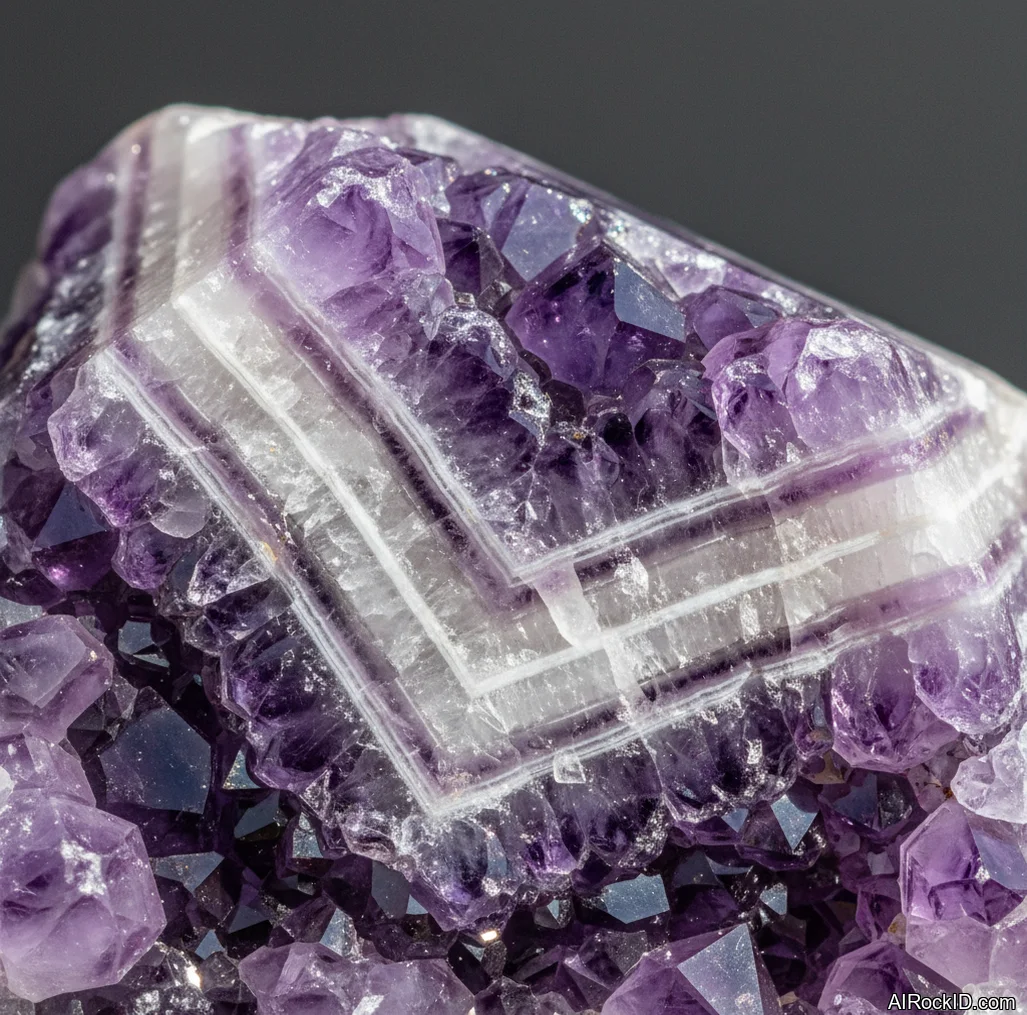
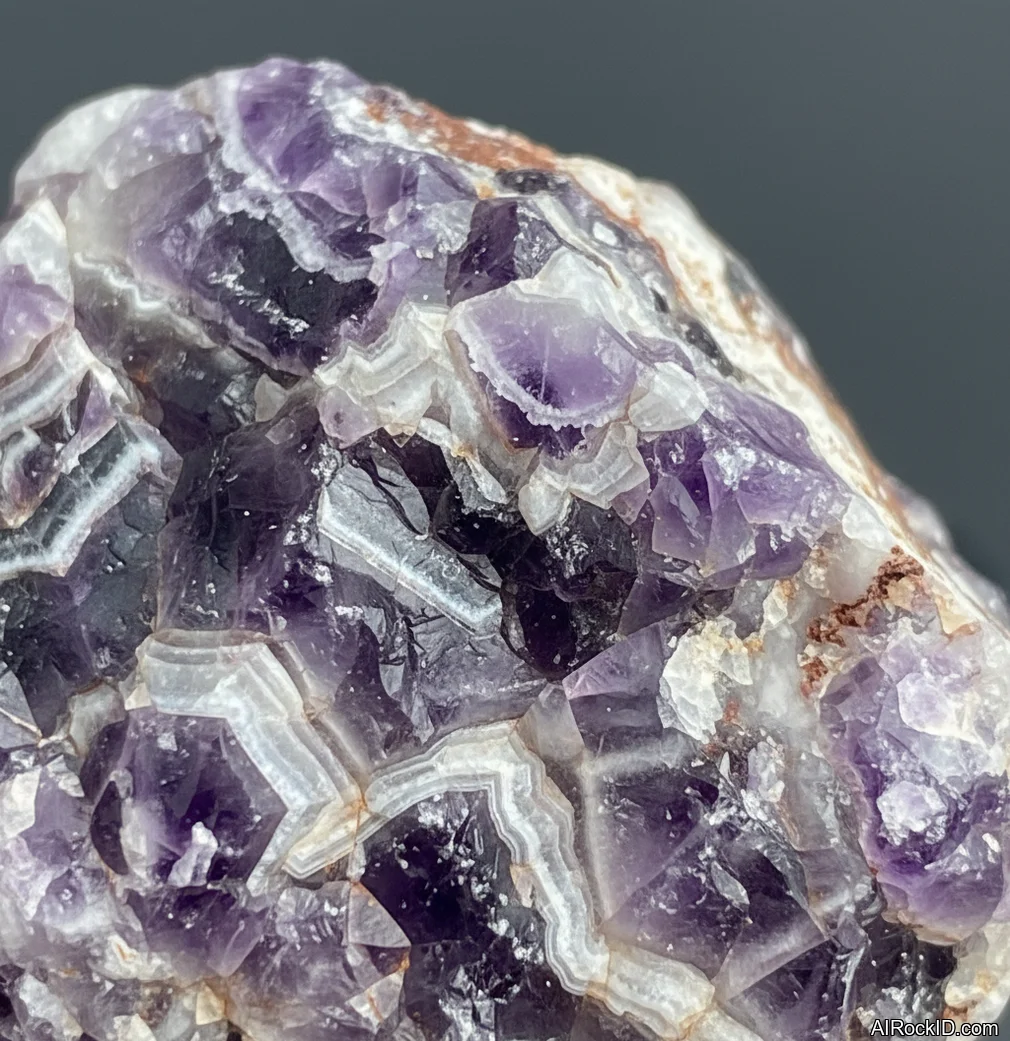
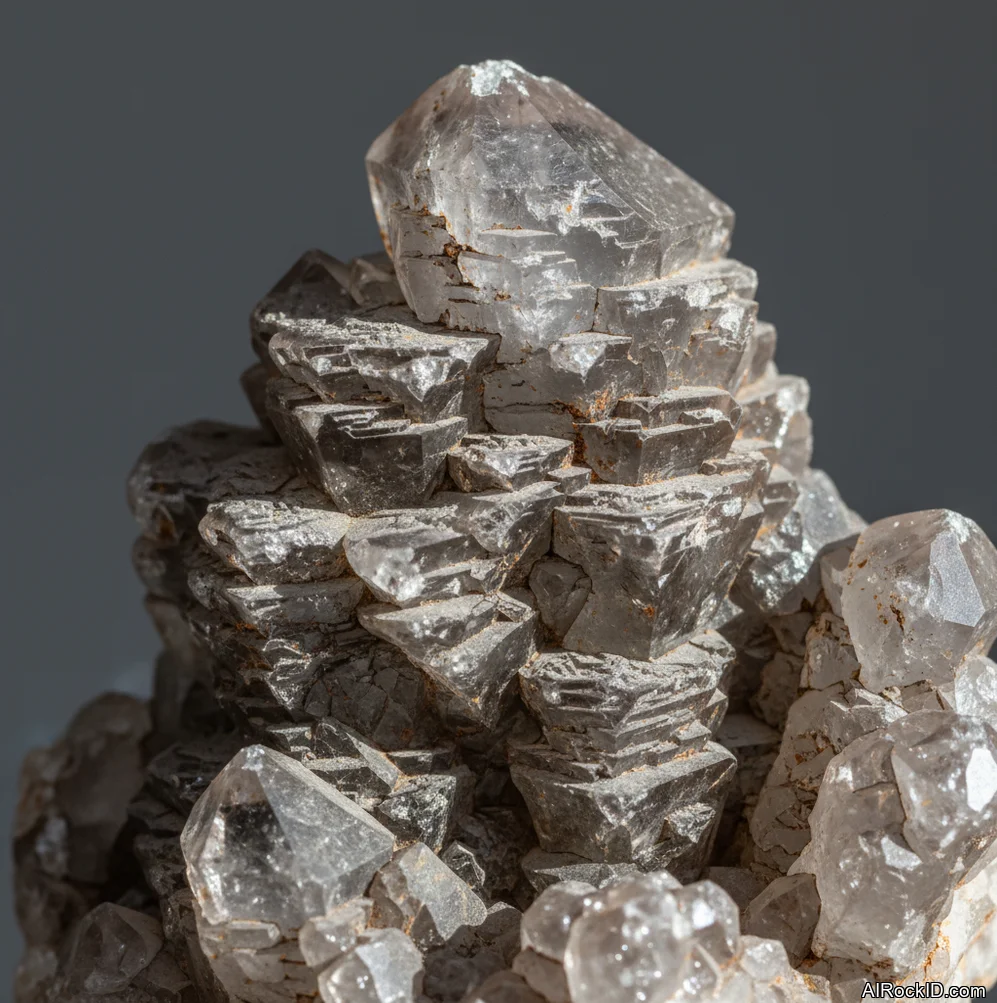
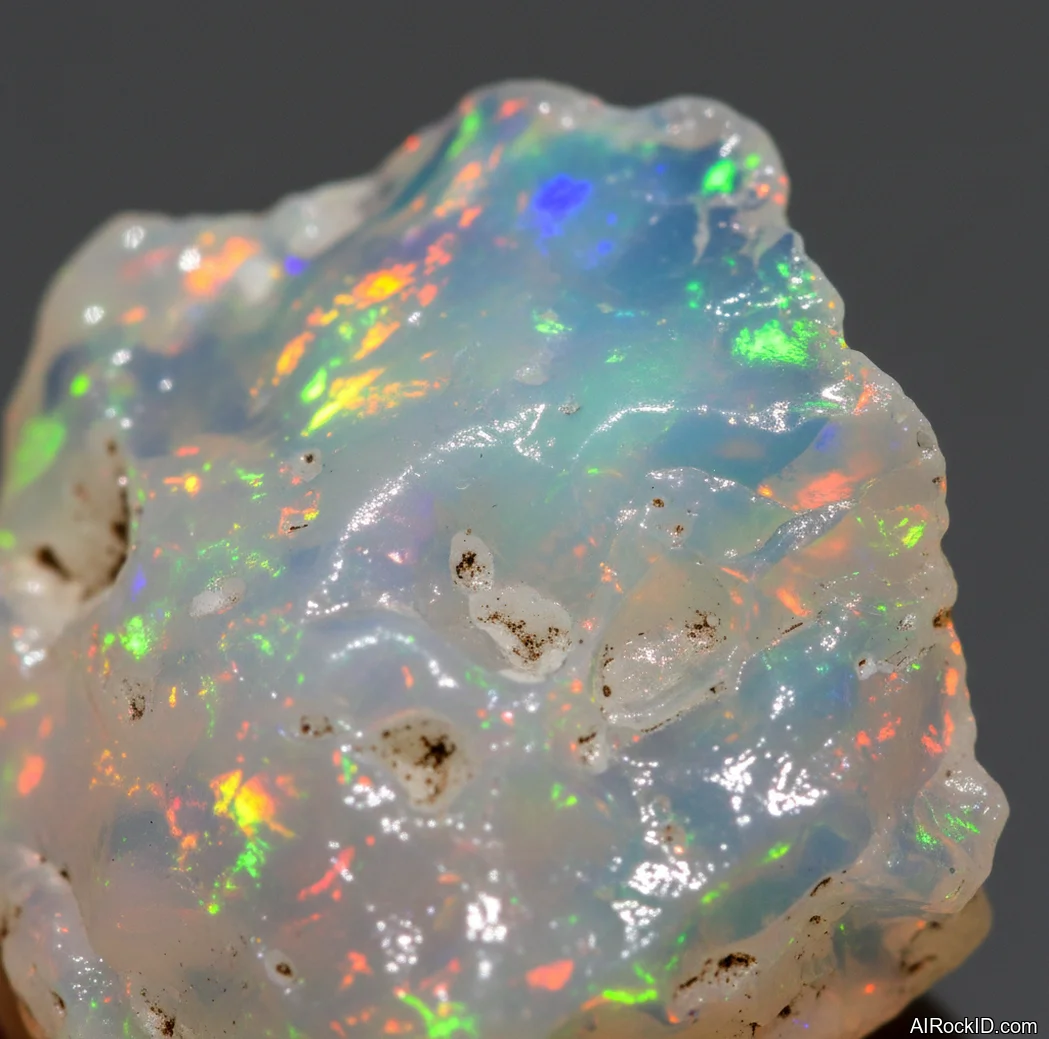
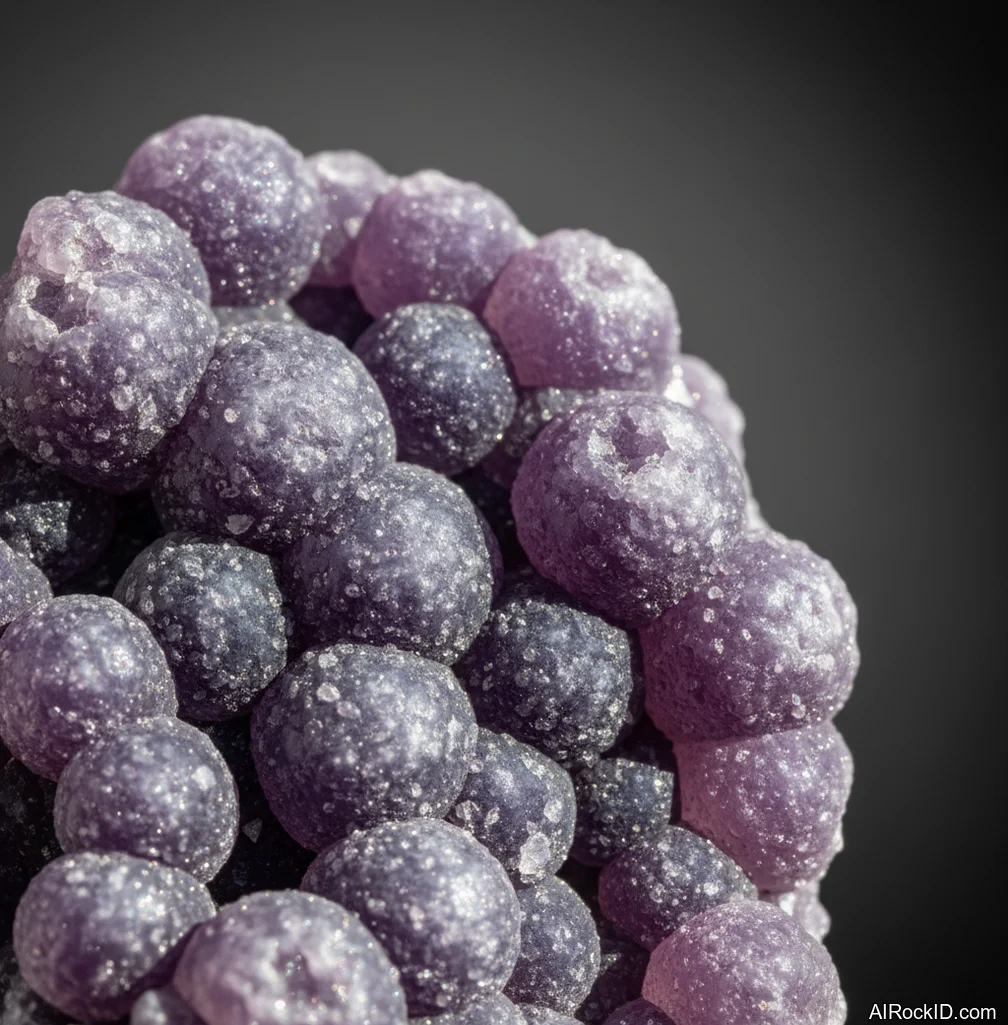
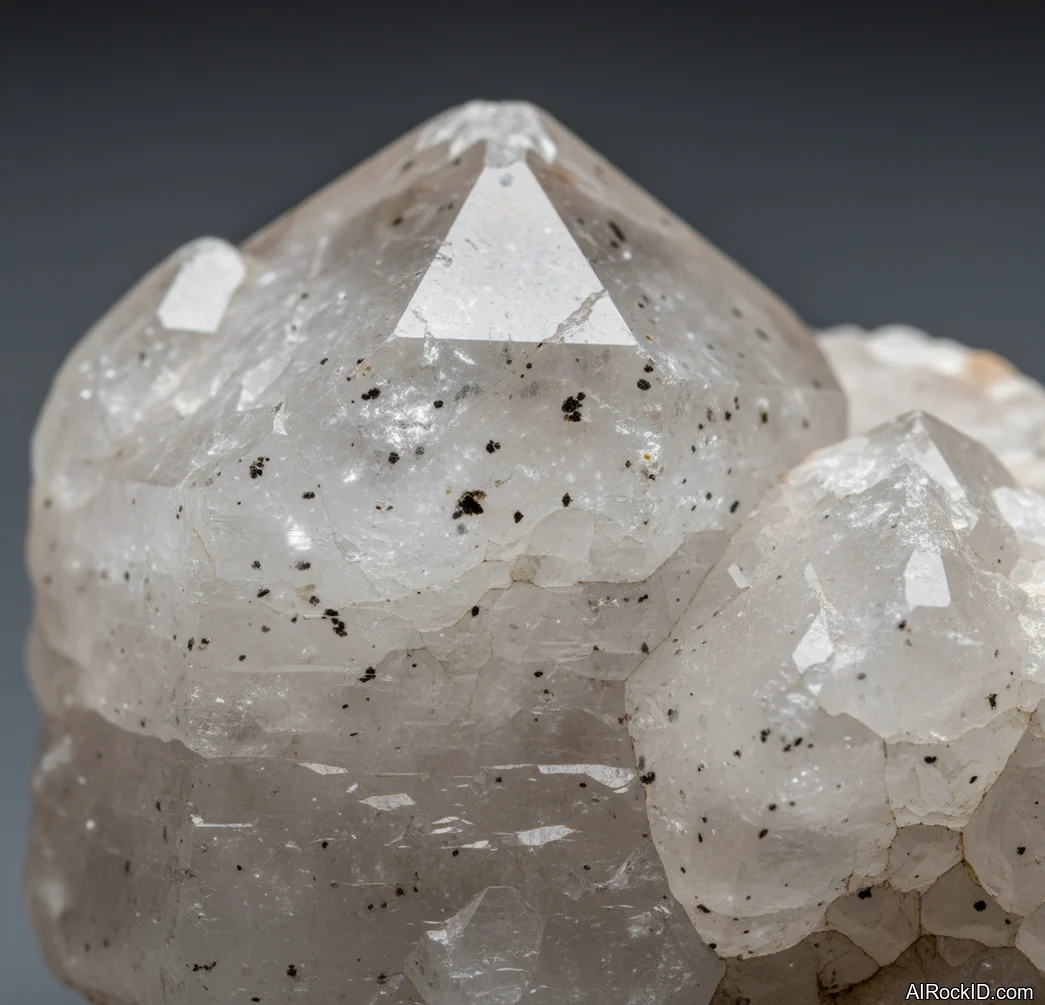
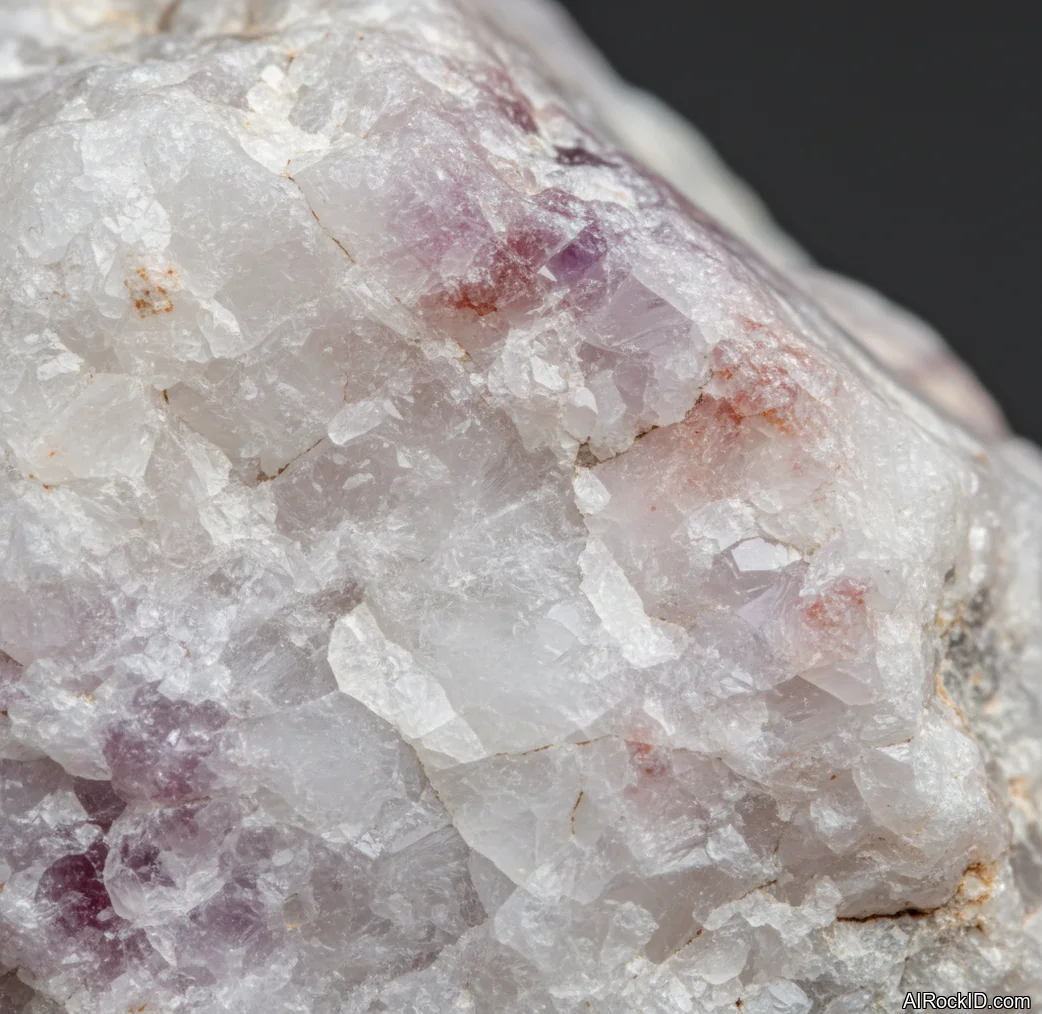
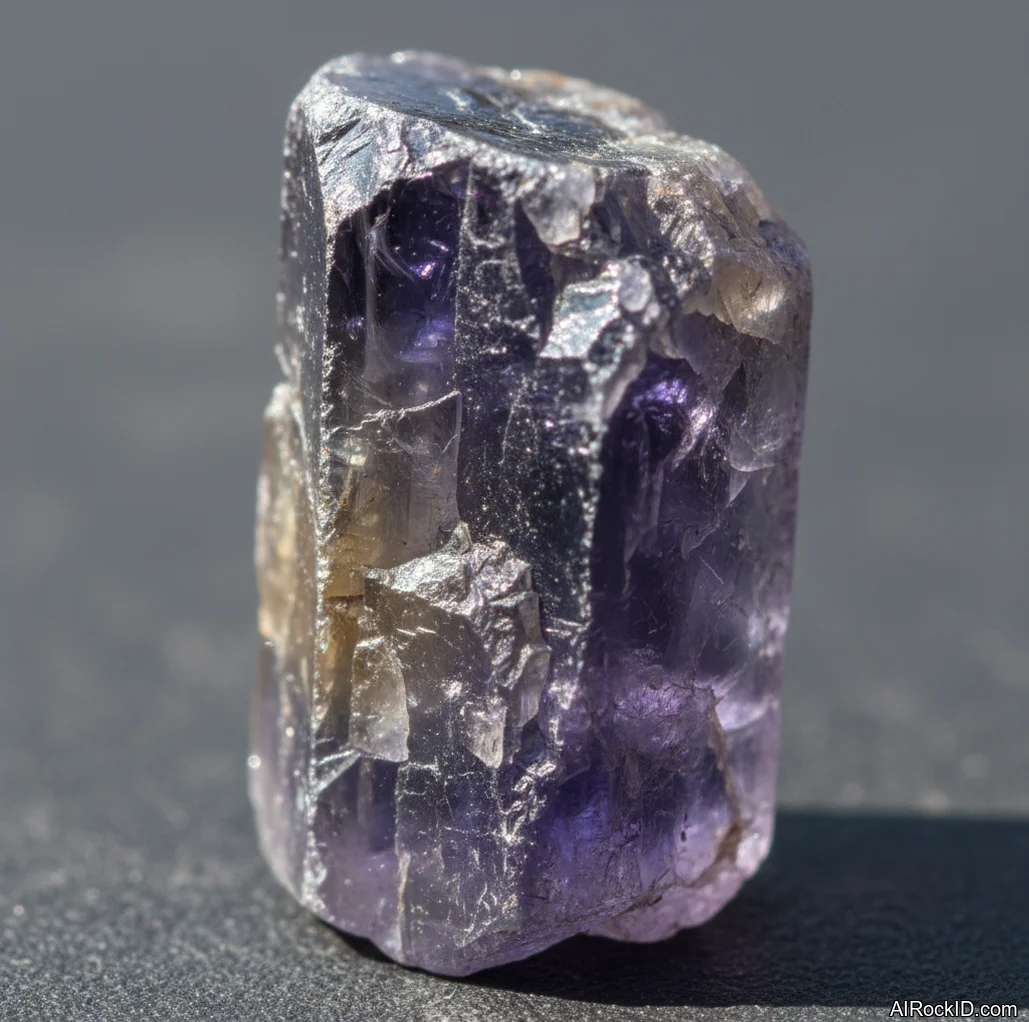
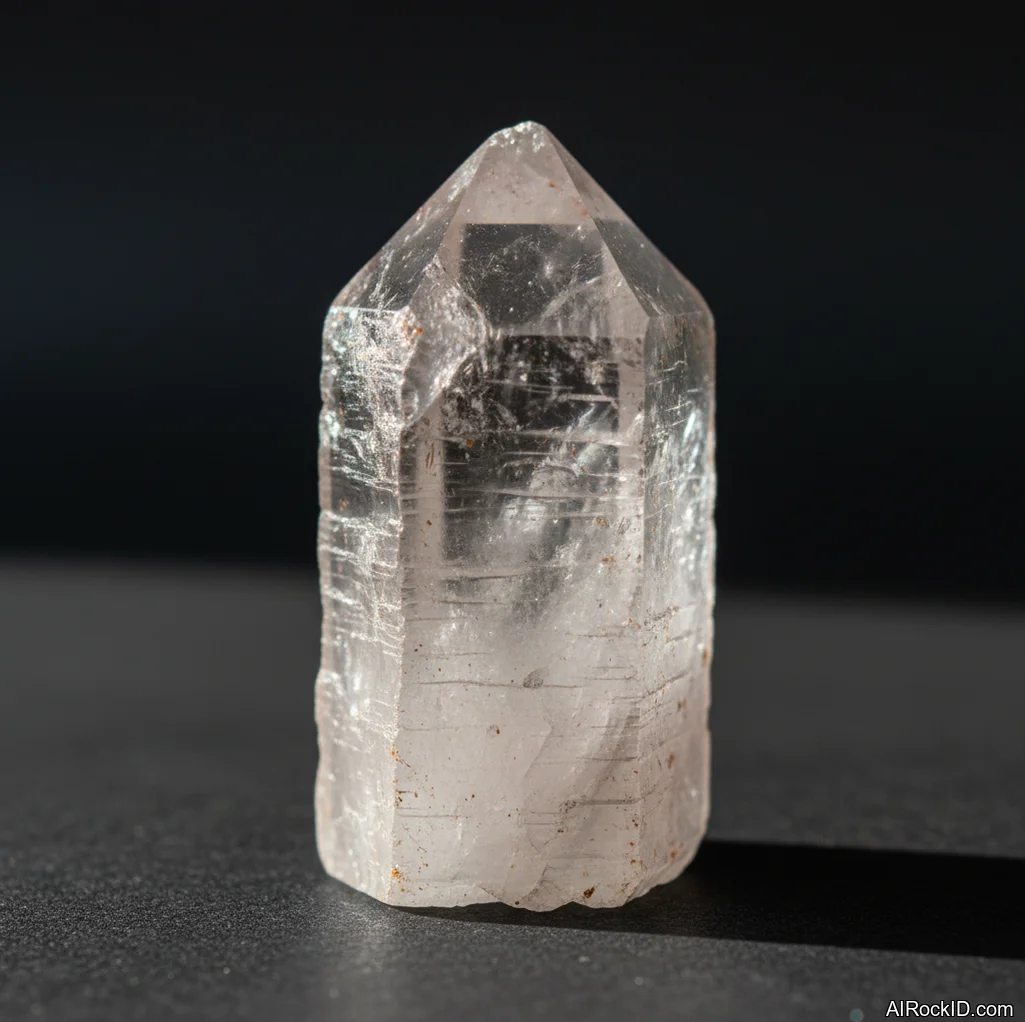
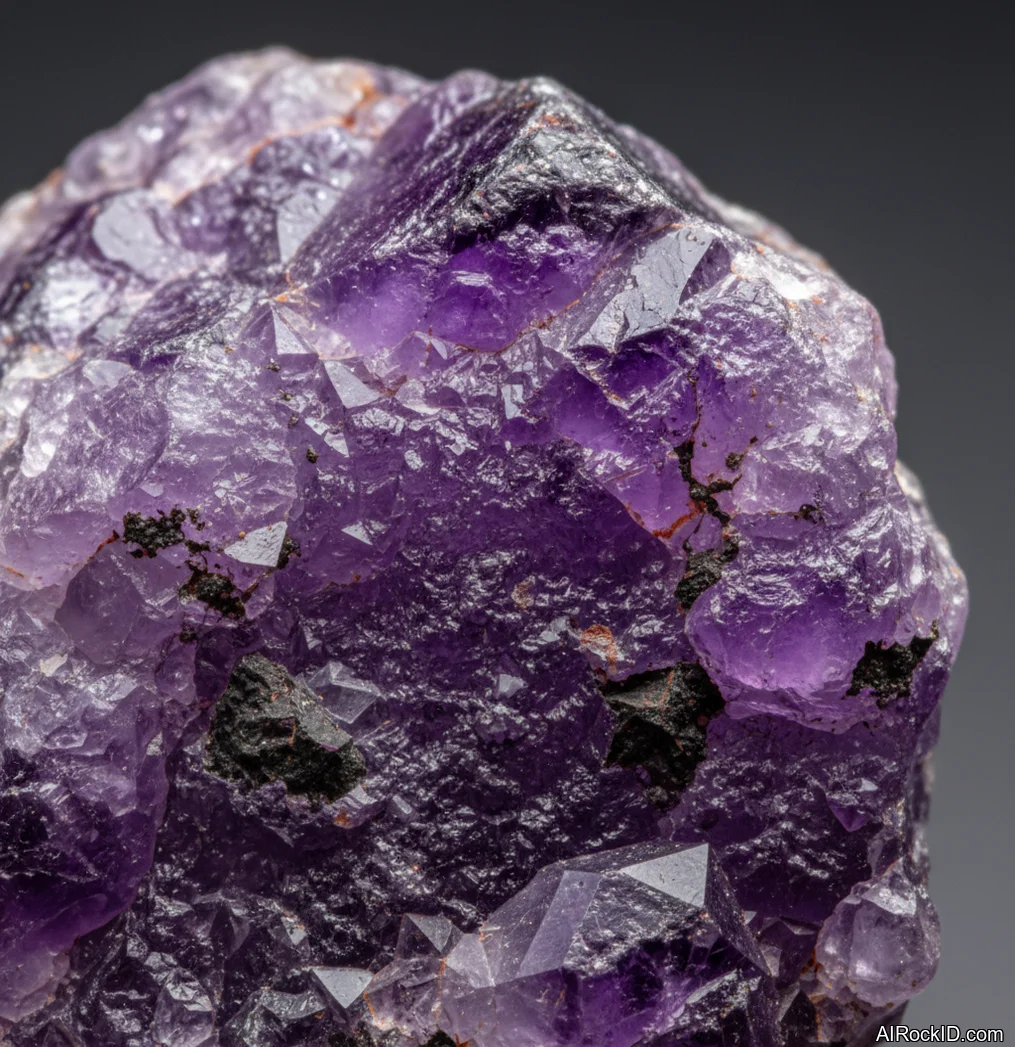
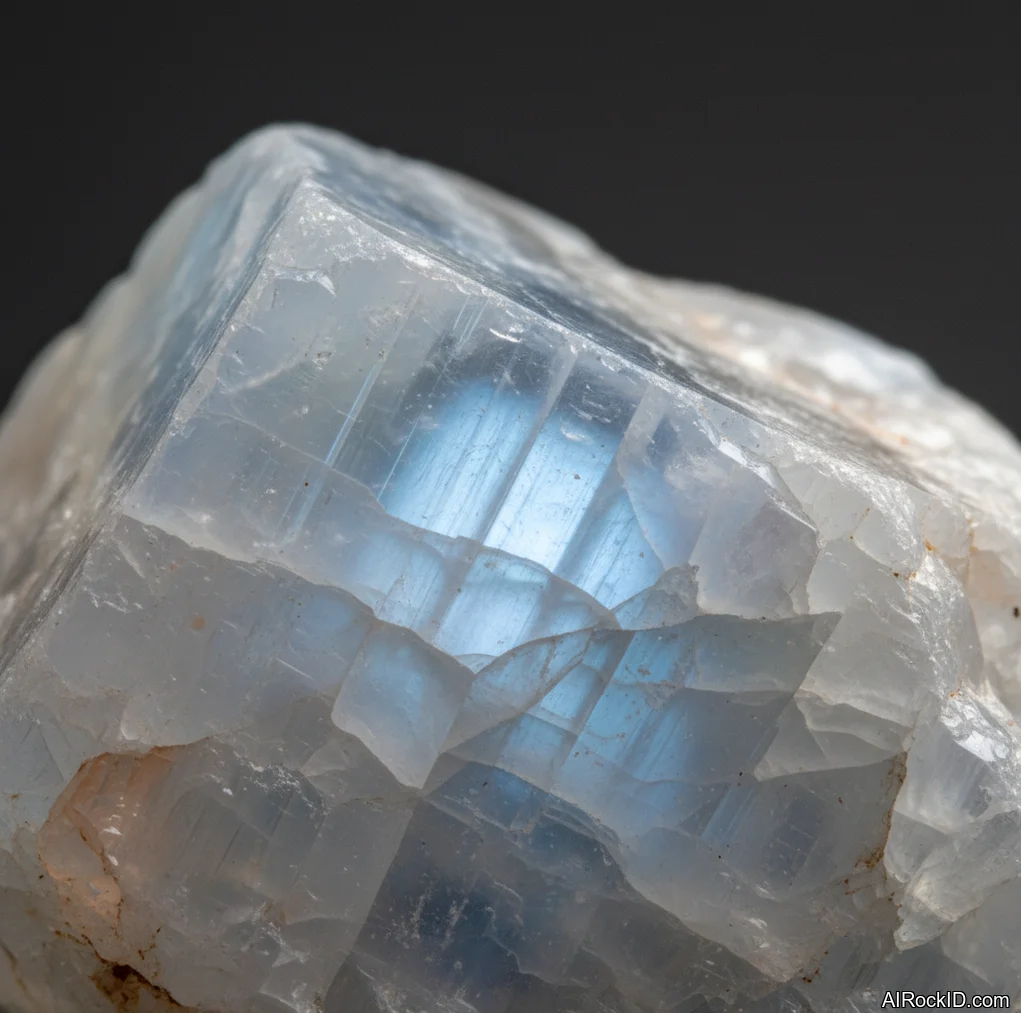
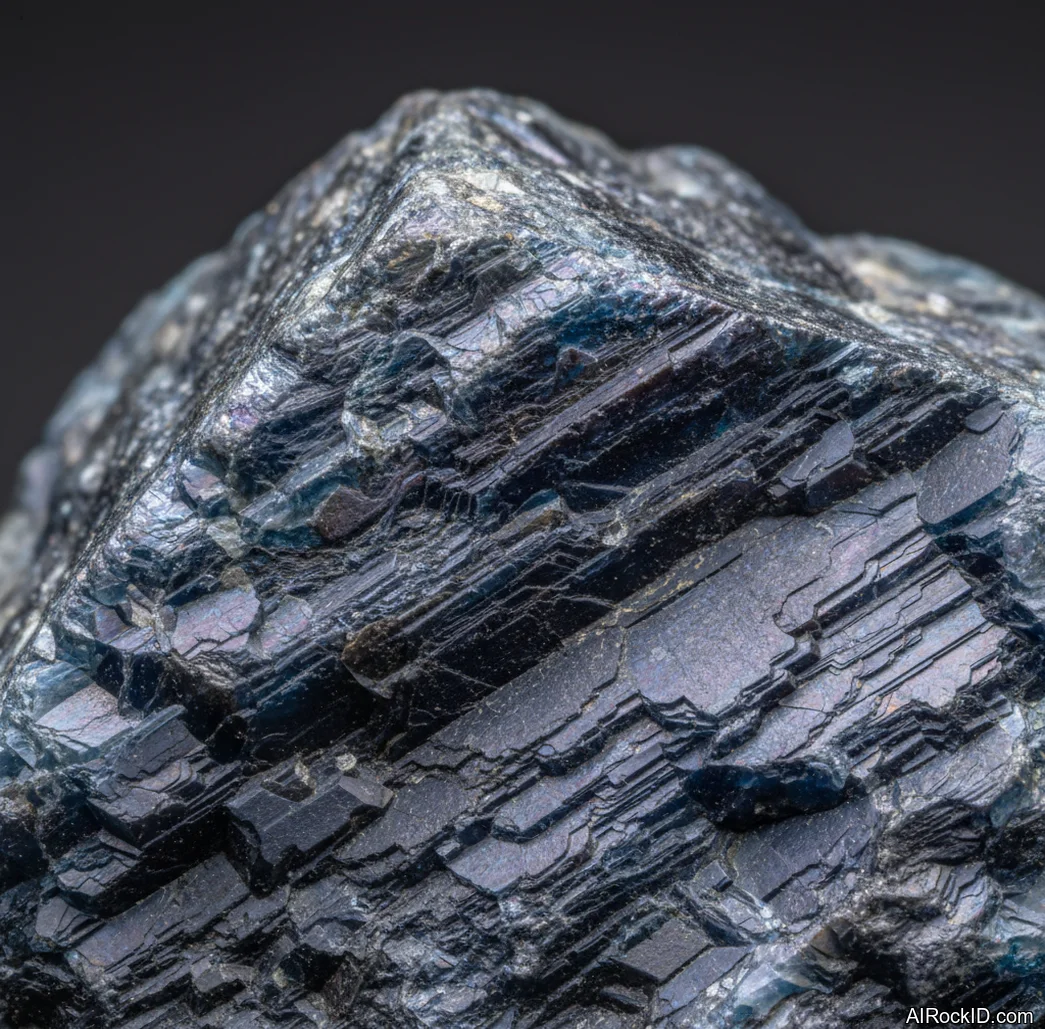
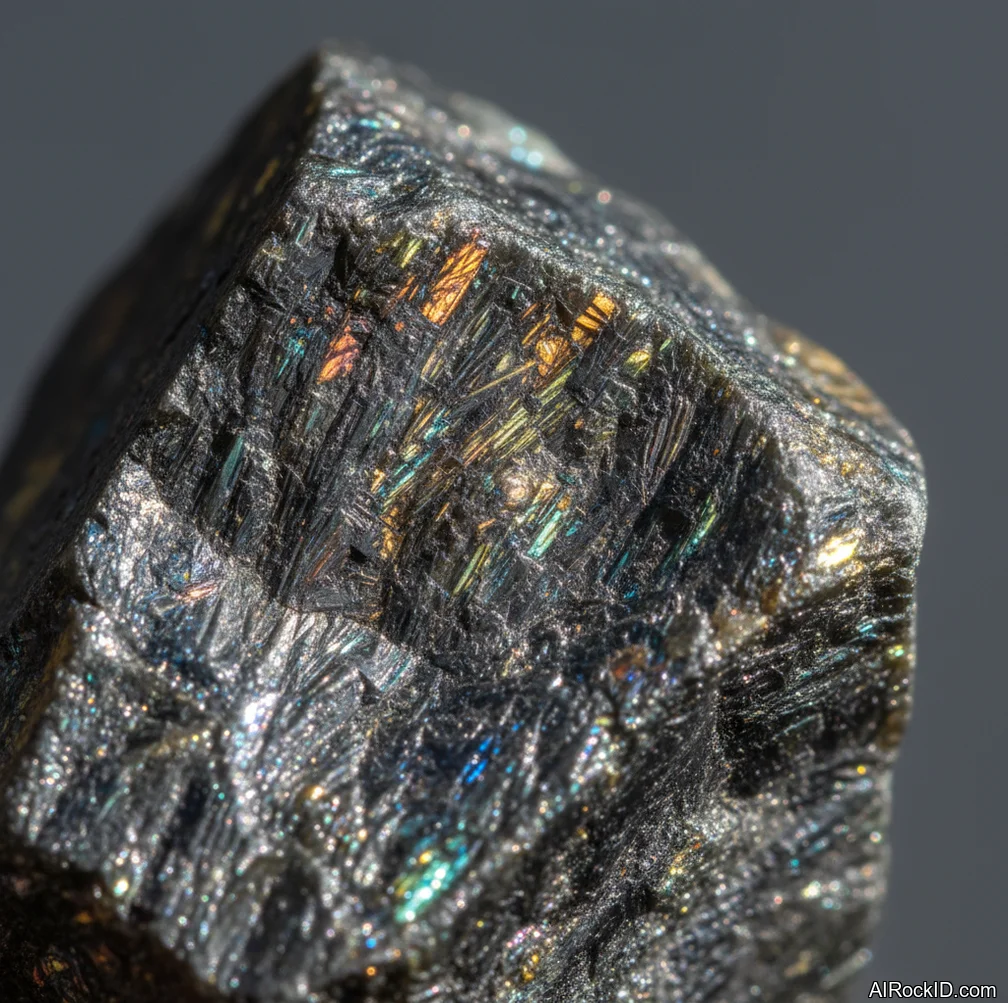
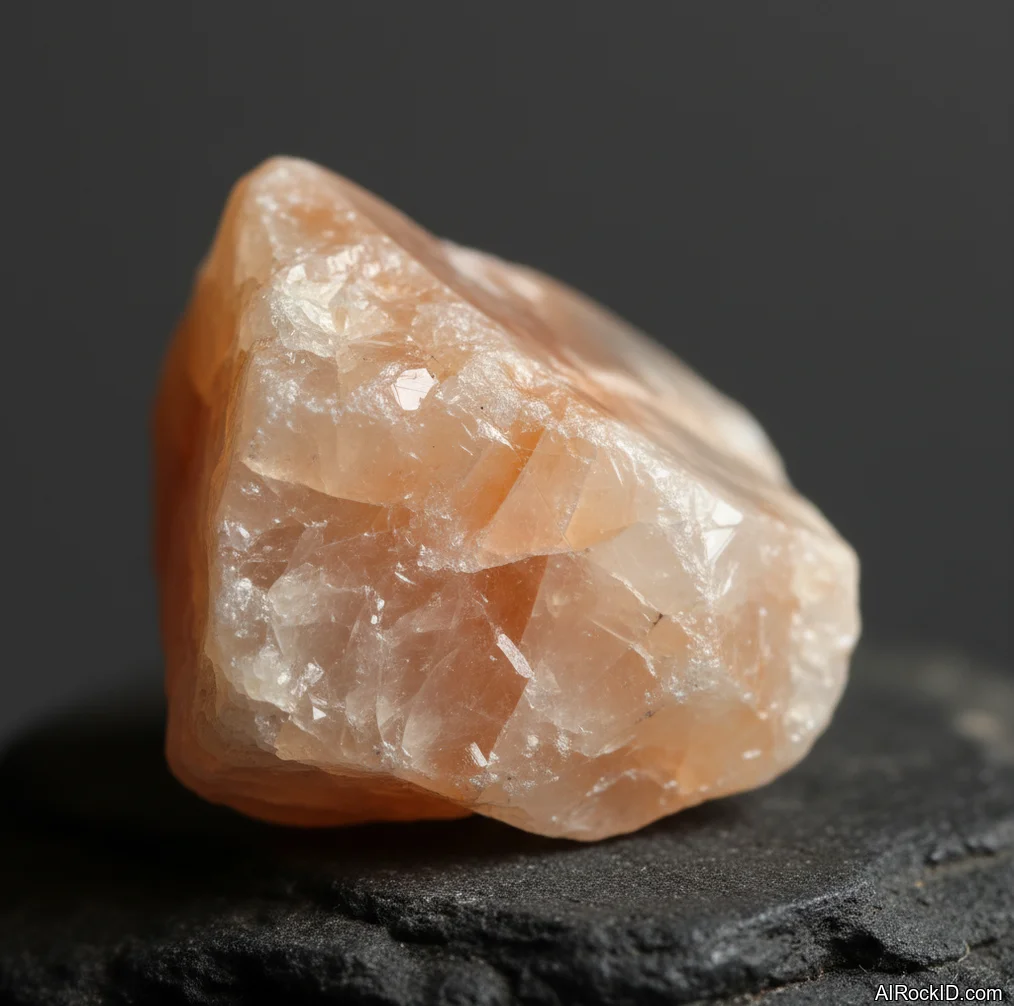
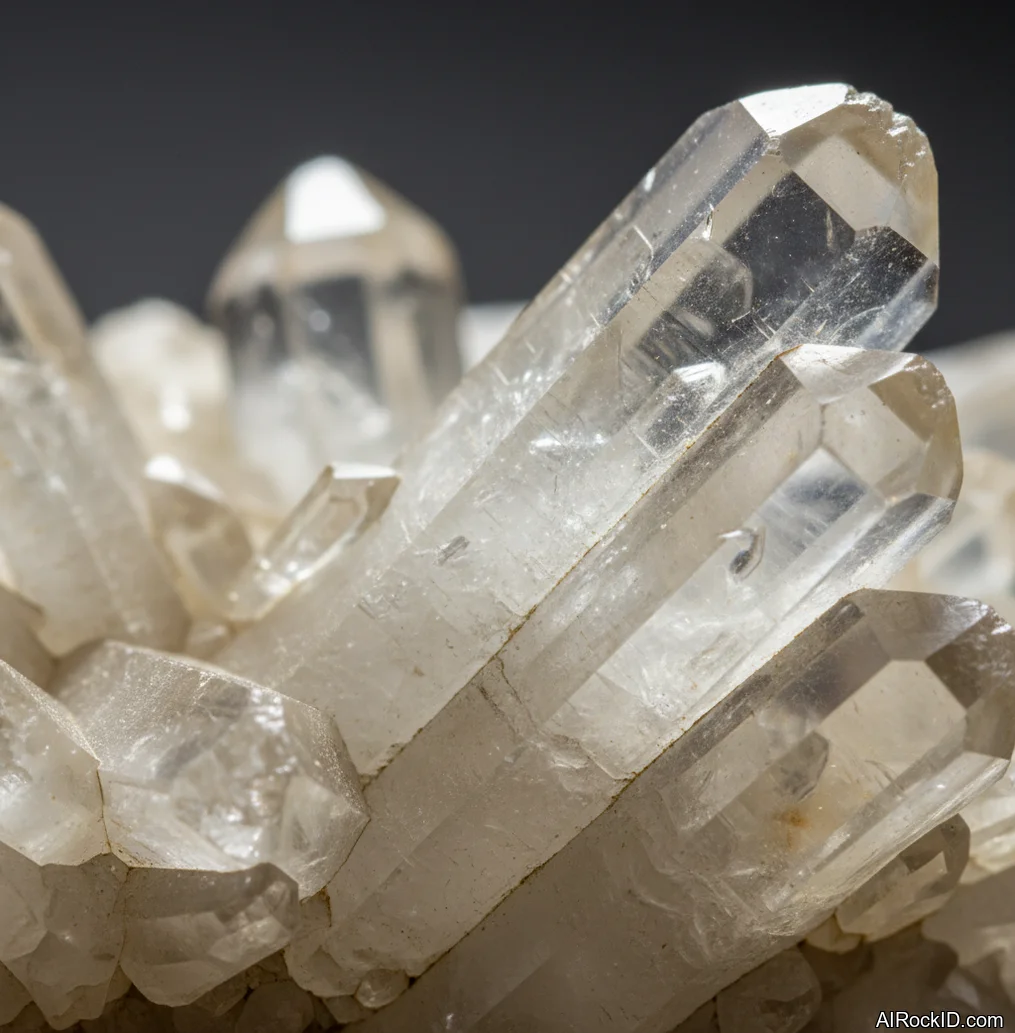
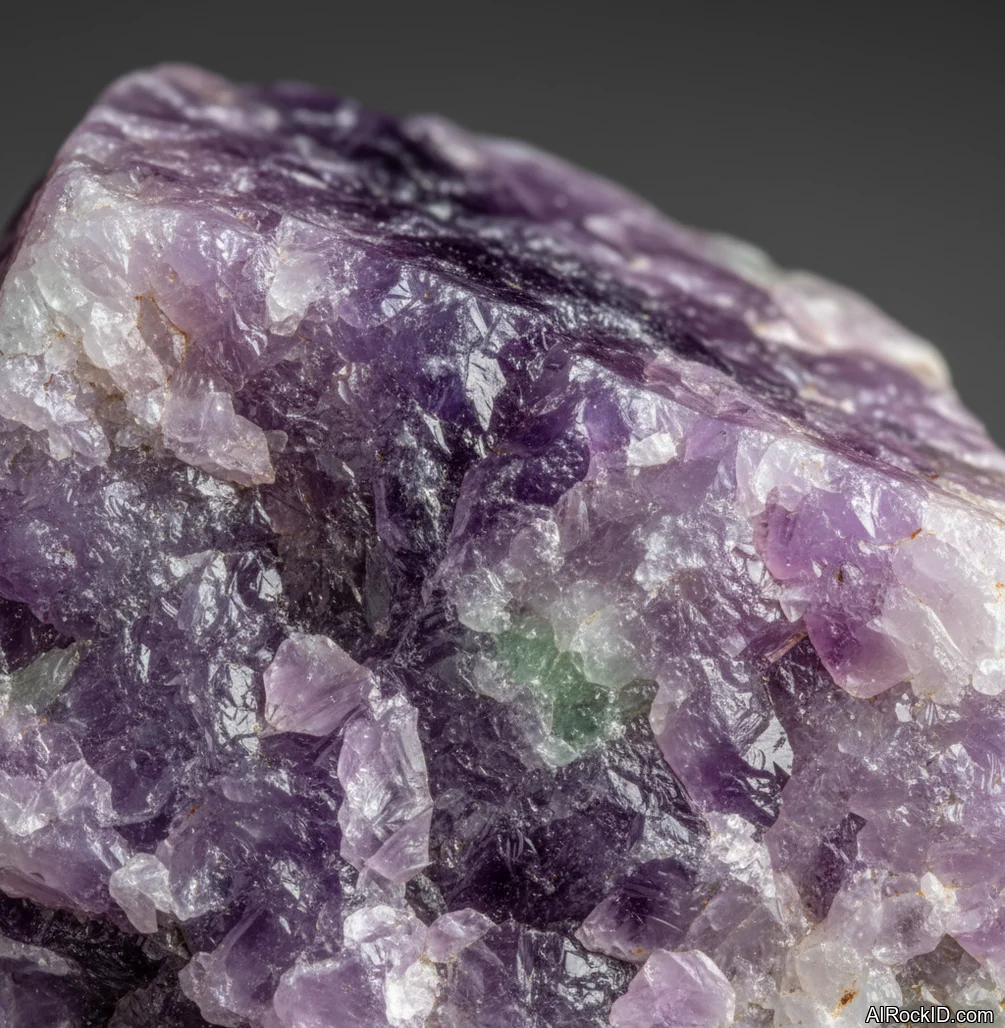
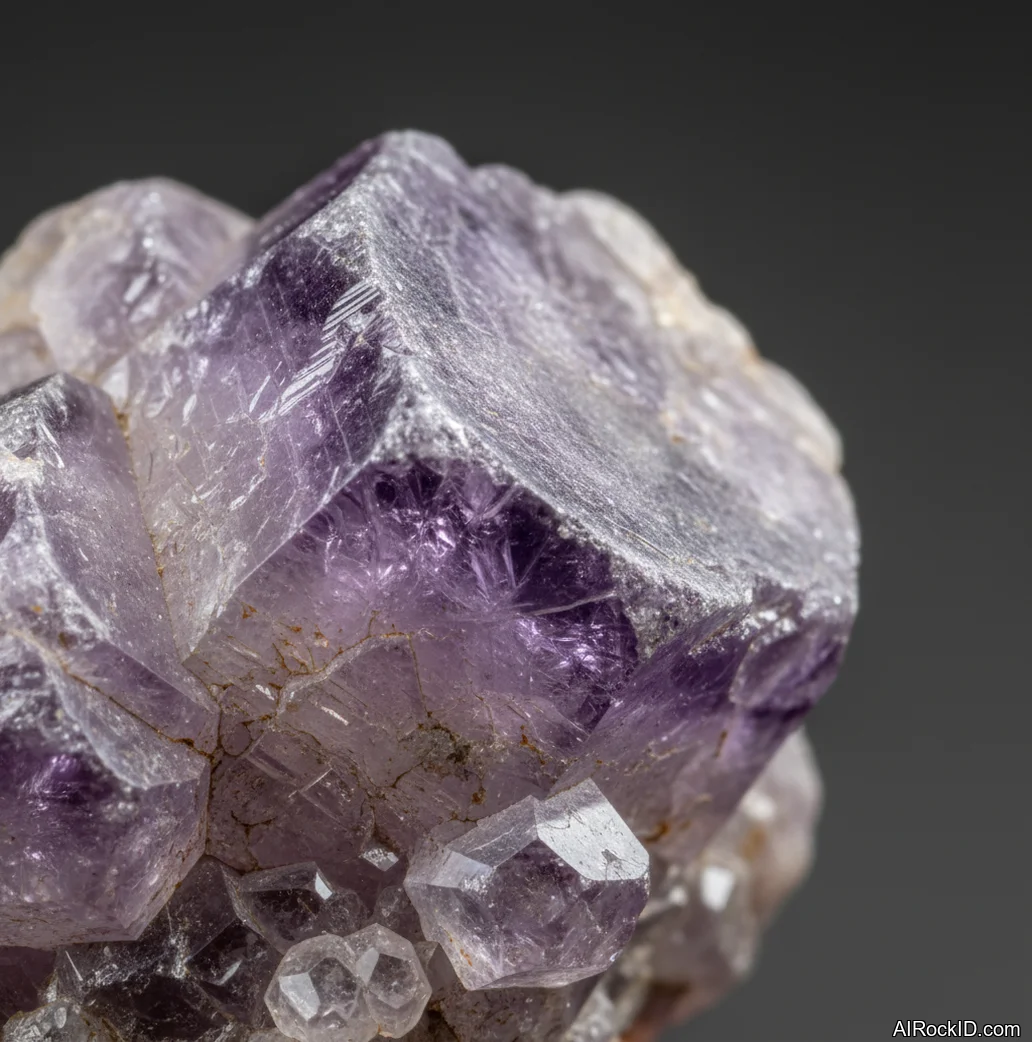
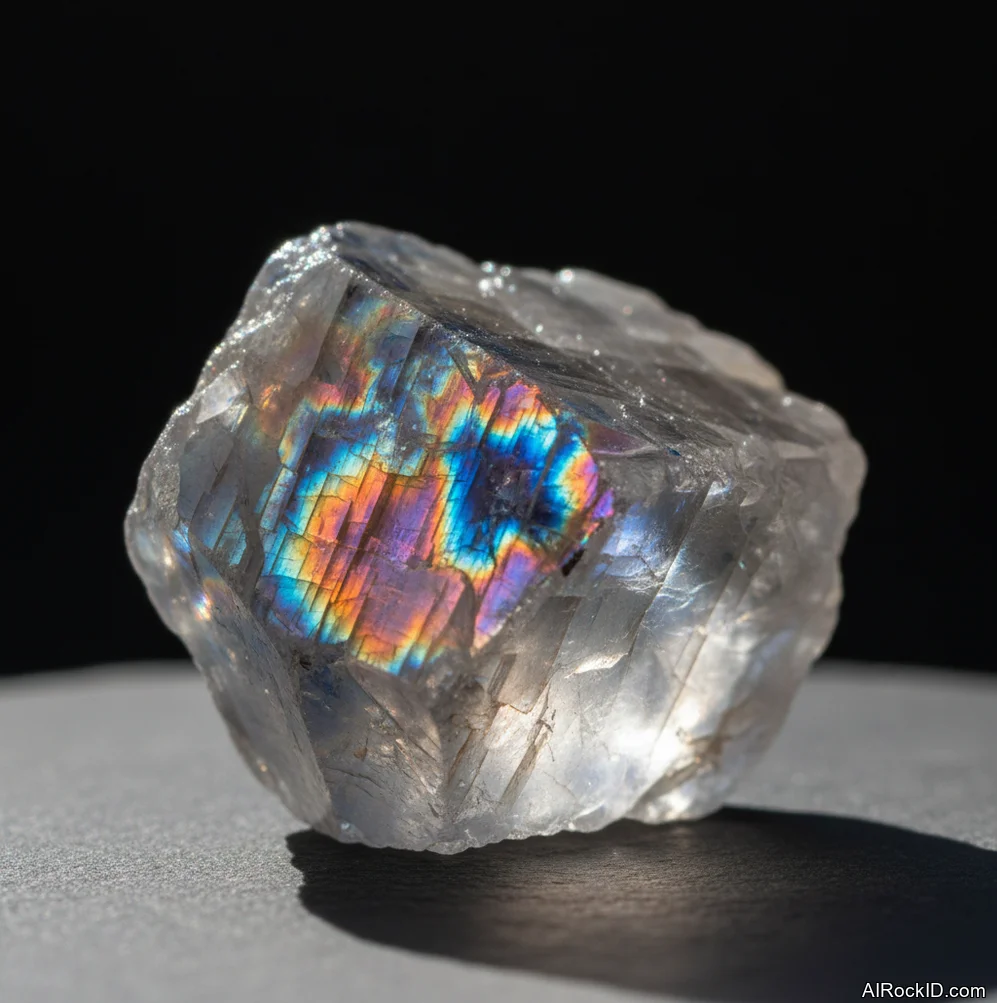
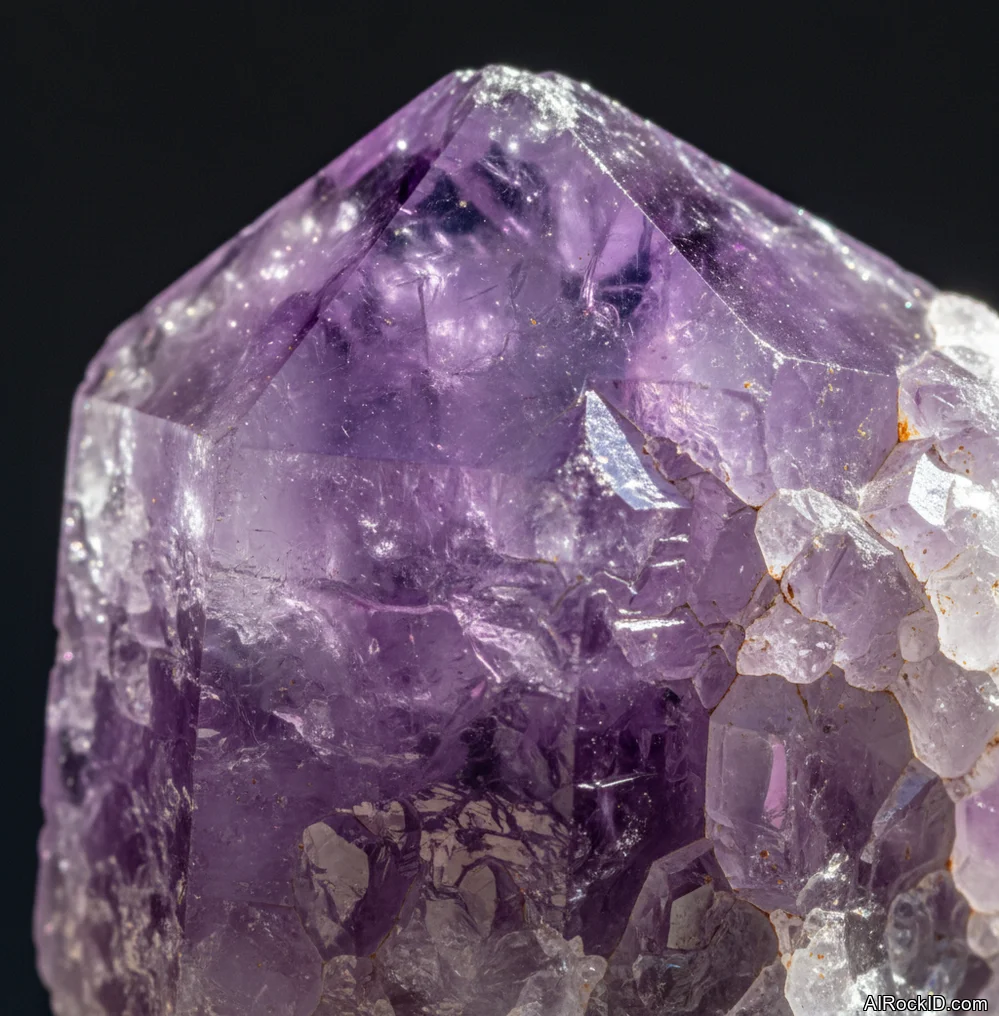
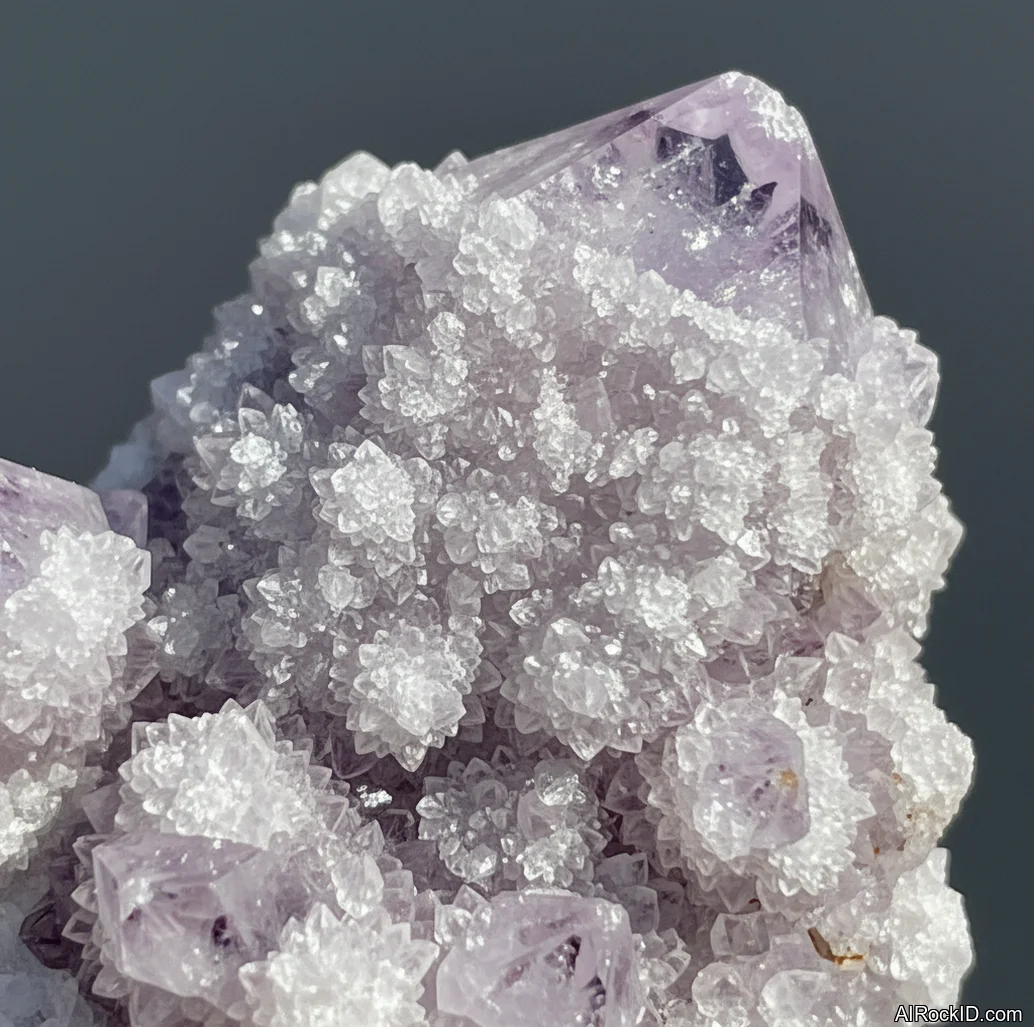
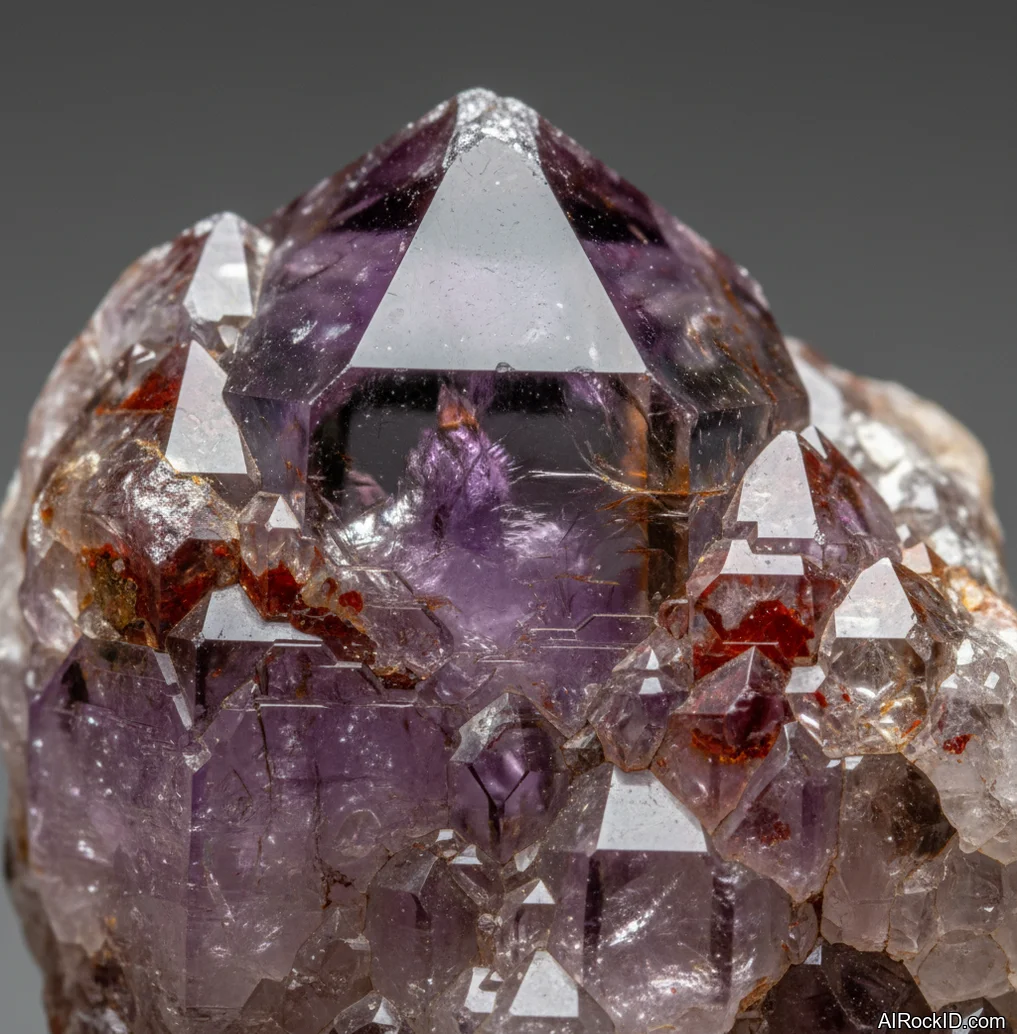
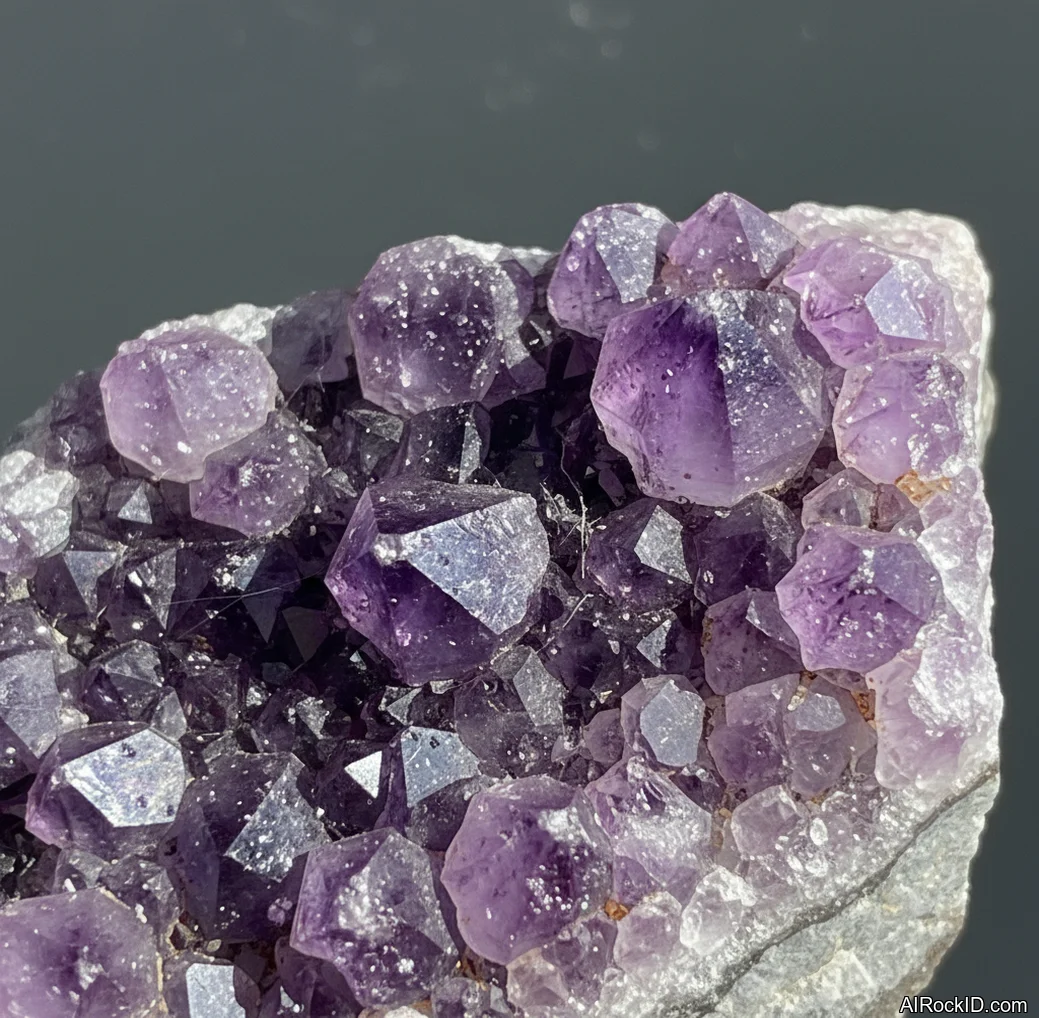
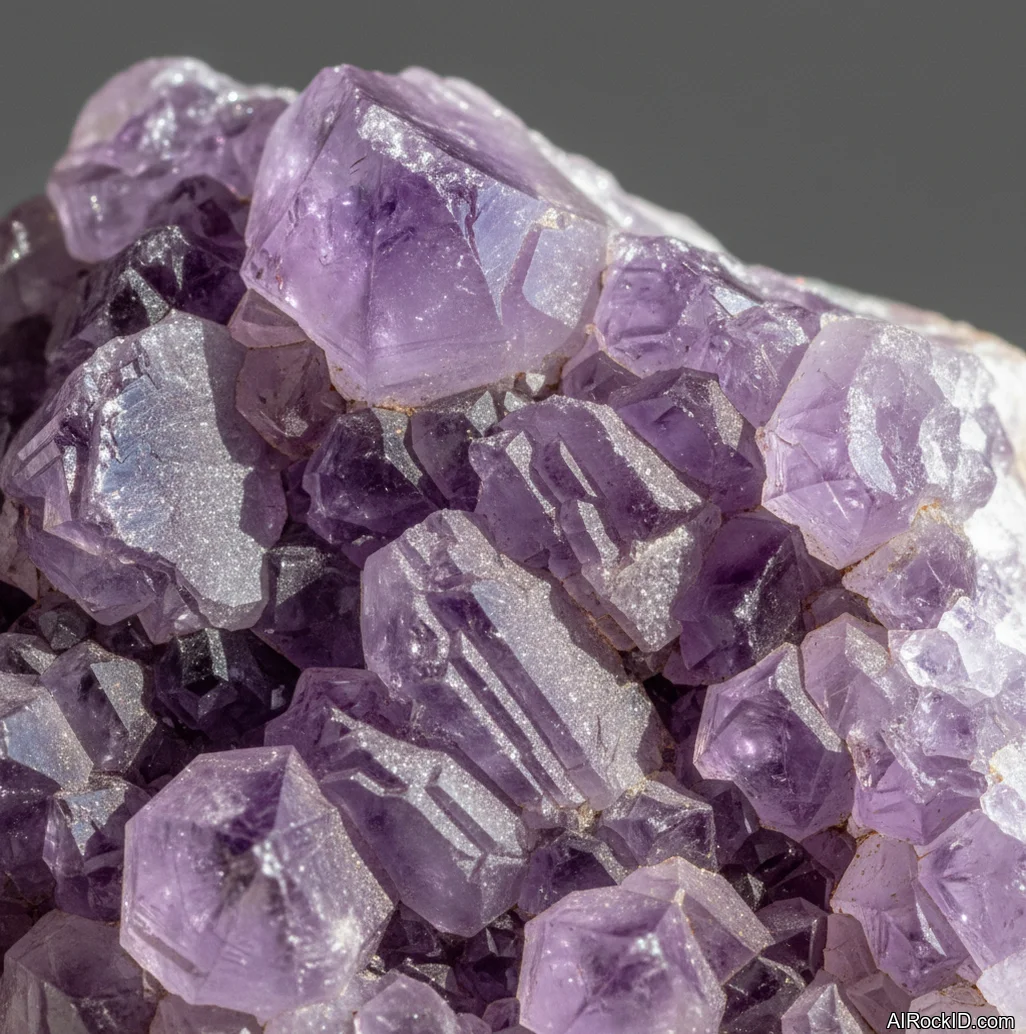
Labradorite’s flash is called labradorescence. It isn’t paint or a surface trick. It comes from thin layers inside the stone reflecting light. Some pieces are dull gray until you catch them right under a lamp, then the colors hit all at once. Amethyst works differently for intuition. Most of what’s sold is tumbled, smooth, and pocket-sized, but raw amethyst tells you more. Uruguay points show up dark, nearly black in poor lighting, but under bright bulbs you see spots of glittery druzy and sharp terminations. Brazilian amethyst usually runs milder, almost pinkish-purple, and throws reddish sparks under warm light. Amethyst doesn’t jolt you. It’s more like background noise that lets other signals float to the top. Moonstone is the old-school choice for dreams and gut feelings. The kind people want is pale with a blue glow that rolls if you rock the stone. Look close and you’ll see fractures and a cloudy body inside—totally normal. The adularescence (that rolling glow) should move, not just sit there. That’s real moonstone.
How People Use Intuition Crystals: Everyday Habits and Tough Choices
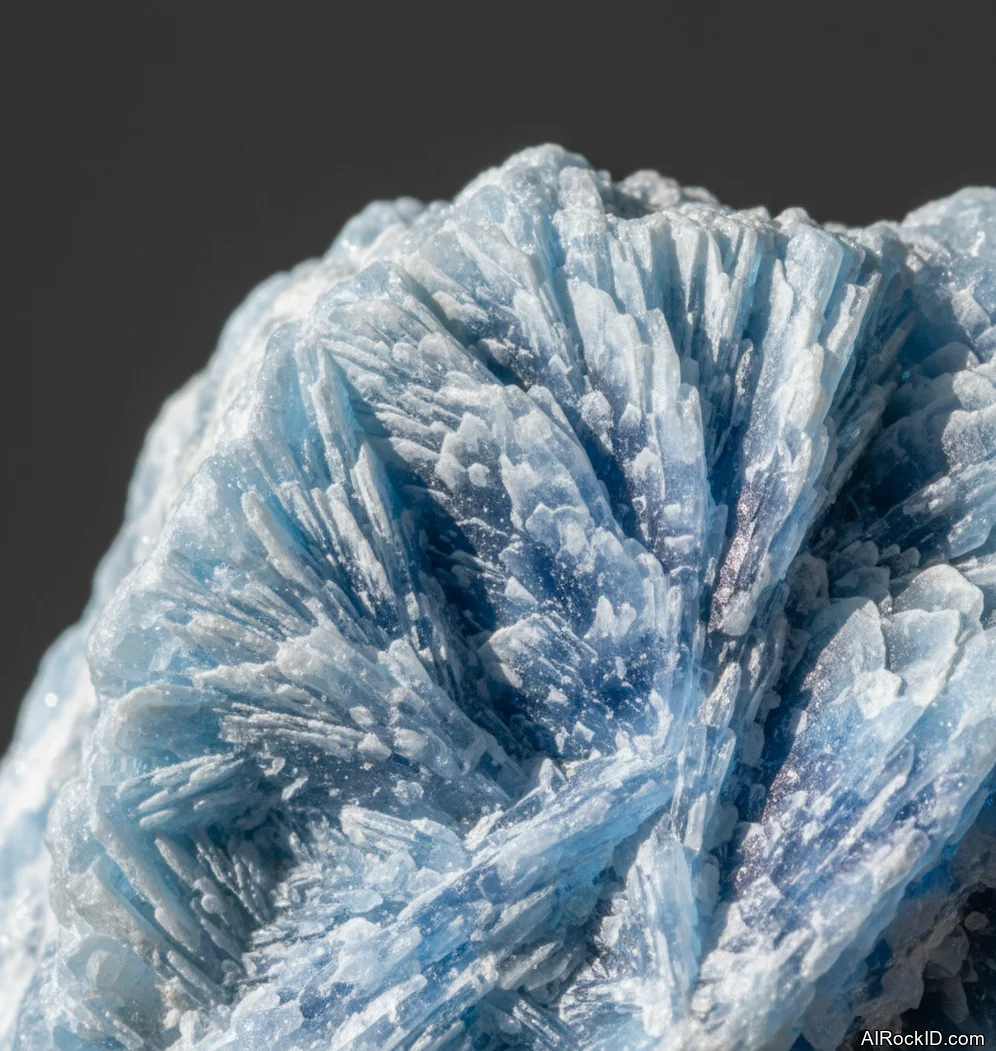
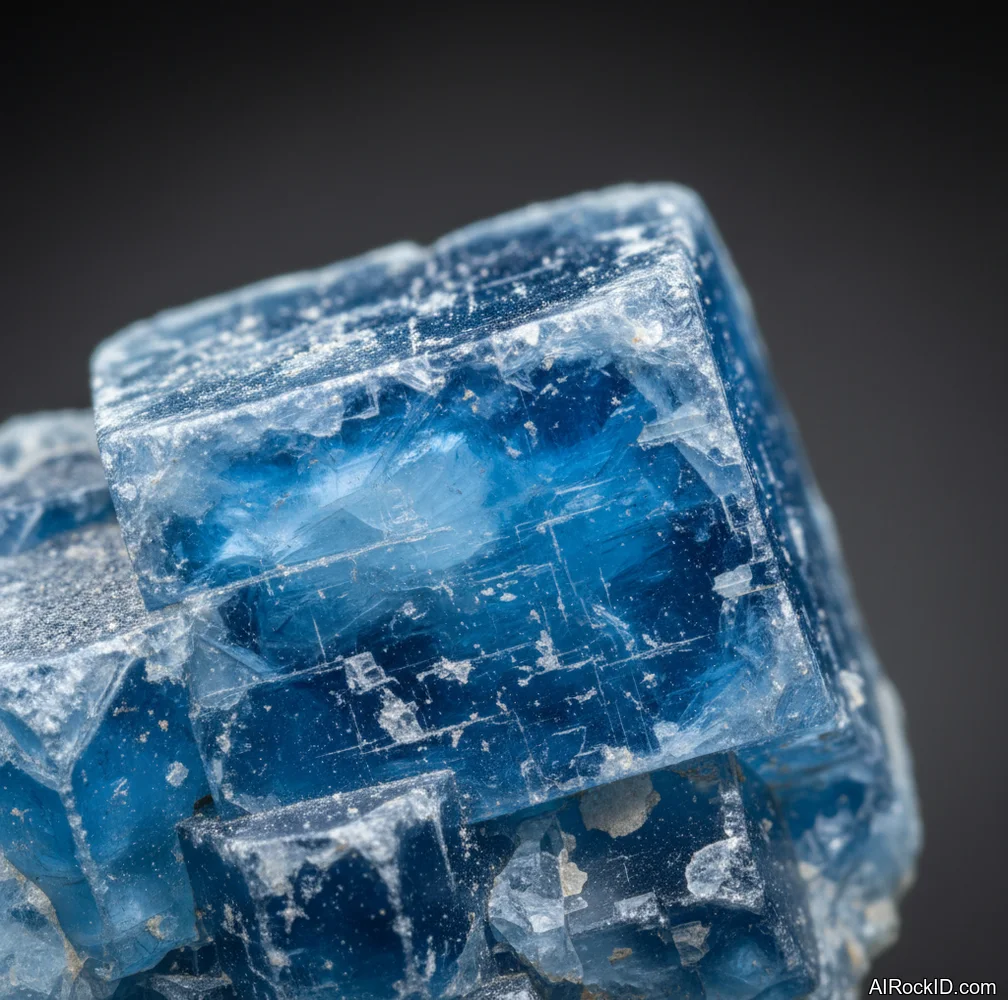
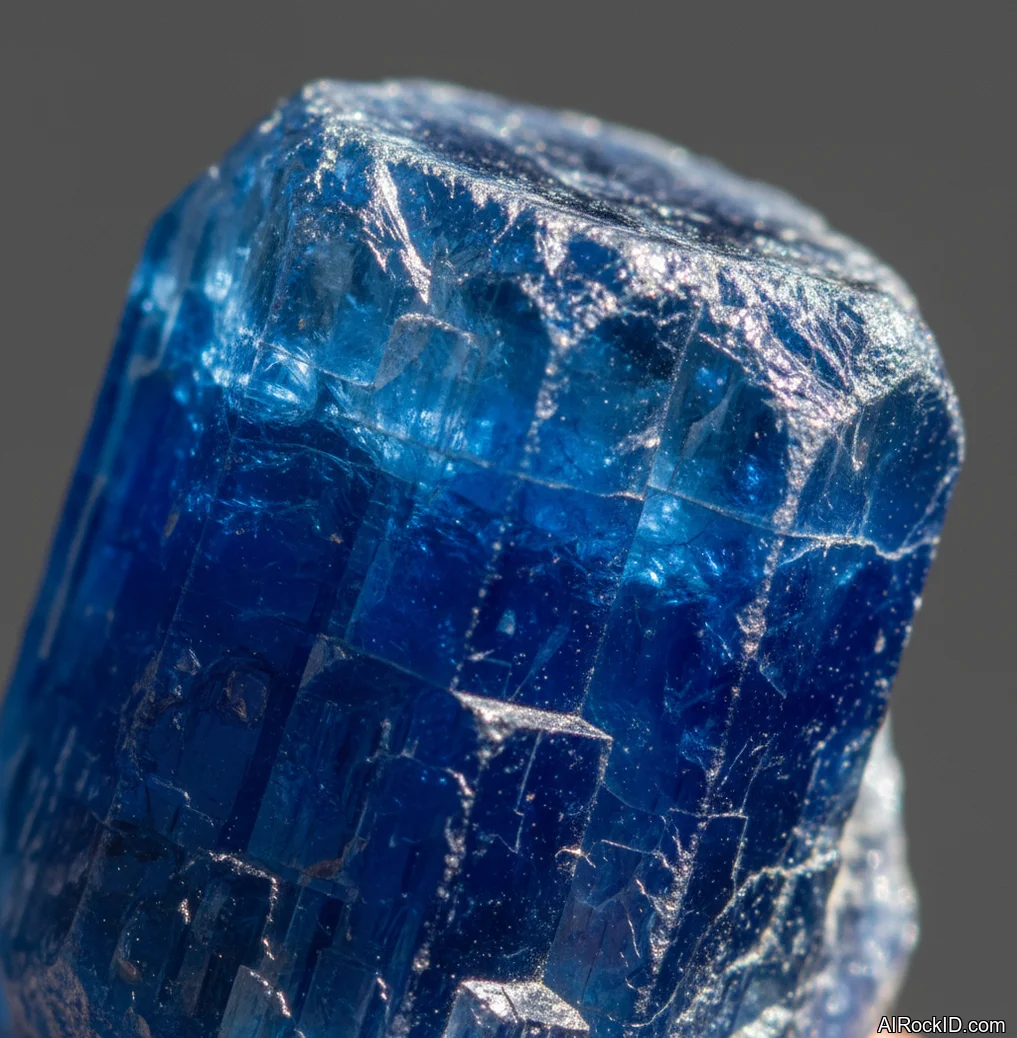
Most folks look for intuition crystals when logic hits a wall. Maybe it’s a tough relationship call, a career leap, a creative block, or even heavy stuff like grief or recovery. Some go after better dream recall or want to trust their gut in high-stakes moments. You’ll see moonstone used for dreamwork, labradorite kept on desks or nightstands, and amethyst carried for steadying nerves. Lapis lazuli gets pulled in when people want to cut through self-doubt and see what’s actually there. Pick up a piece of lapis and you’ll spot gold specks—that’s pyrite, not glitter. Sodalite, on the other hand, feels waxy and cool, with swirling blue and white that looks like clouds. Some people meditate with these stones, some keep them under pillows, some just touch them when they need a reset. The key is direct handling. You notice tiny differences—the way your hand sweats holding amethyst, or how labradorite feels colder than the room.
Real-World Buying Tips: How to Spot Quality Intuition Crystals and Avoid Fakes
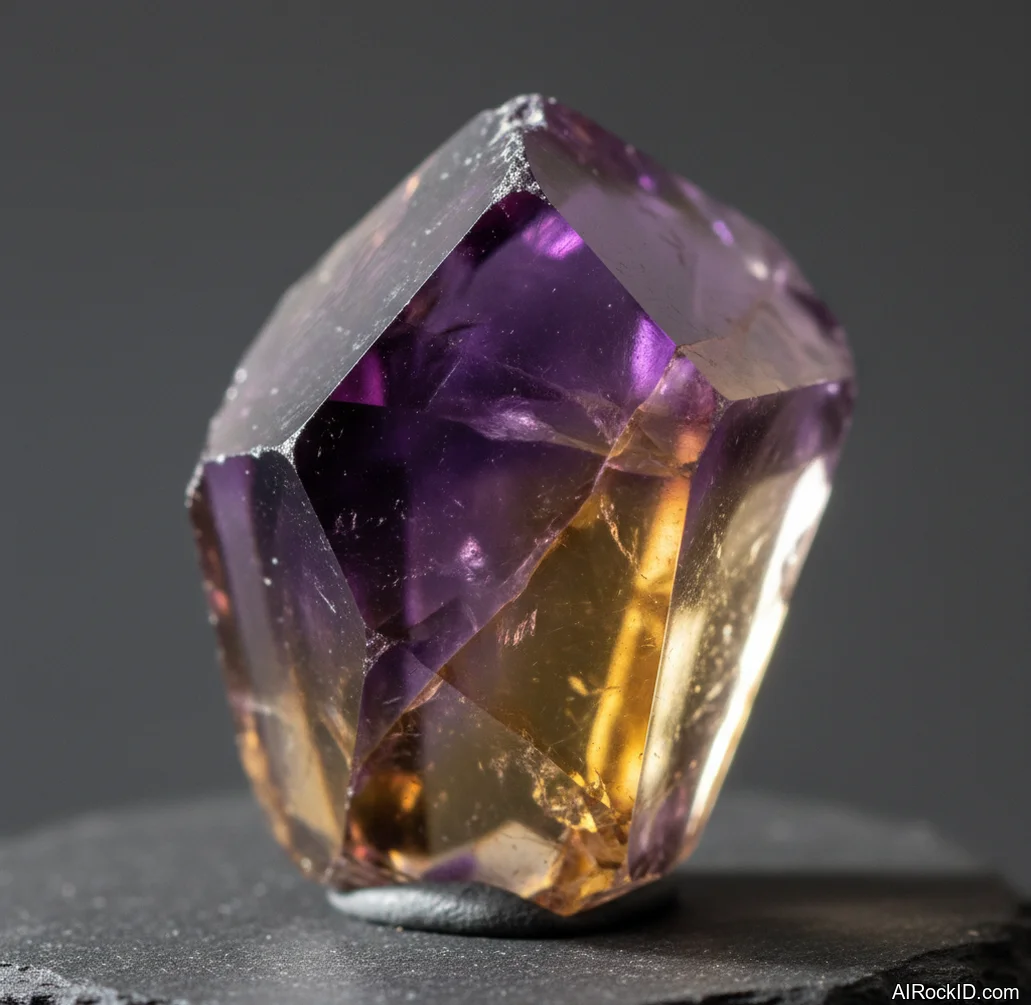
Most dealers sell labradorite from Madagascar or Finland. The Madagascar stuff tends to have brighter colors, but you’ll pay more for big flashes without cracks. Watch out for dyed or resin-coated pieces—real labradorite feels cool, not sticky. Amethyst’s main issue is heat treatment. Sellers sometimes pass off baked citrine (yellowed amethyst) as natural. If the color looks too uniform and neon, be suspicious. For moonstone, cheap fakes might be glass with a painted line. Real moonstone shows its glow moving when you roll it, and the body is never perfectly clear. Lapis lazuli from Afghanistan will have those metallic confetti bits (real pyrite). If the blue is too perfect, it’s probably dyed. Sodalite is softer than most expect. It scratches with a knife and chips easily, so don’t toss it in a pocket with keys. Always ask about source and treatment. The good stuff’s never flawless. If it looks too perfect, it probably isn’t.
Best Intuition Crystals to Start With
| Level | Crystal | Note |
| Gentle / Beginner | Amethyst | Amethyst is easy to find tumbled or raw, never feels too strong, and works for quieting mental noise without any jolt. |
| Balanced / Everyday | Moonstone | Moonstone fits pockets, sits quietly on desks, and that blue glow seems to move as your thoughts do—good for daily gut checks. |
| Intense / Advanced | Labradorite | Labradorite hits harder with flashy color bands and a dense, almost magnetic feel that some people find overwhelming at first. |
| Best for Carrying | Sodalite | Sodalite’s waxy feel doesn’t irritate skin, and its streaky blue-white pattern hides small chips from pocket use. |
| Best for Display | Lapis Lazuli | Lapis lazuli draws the eye with natural pyrite sparkles and deep blue, plus it holds color well in indirect light on a shelf. |
Intuition Crystal Comparison
| Crystal | Common Use | Feel / Use Style | Care Caution |
| Labradorite | Tuning into gut feelings, breaking mental blocks | Dense, cool, flashes blue/green/gold under light | Prone to cracks and surface chips; don’t drop or store loose |
| Amethyst | Steadying thoughts, dream recall, calming nerves | Smooth tumbled or gritty druzy; feels warm after holding | Color fades in sunlight; keep out of direct sun |
| Moonstone | Dreamwork, emotional balance, noticing signals | Milky, with blue rolling glow, cool to touch | Fractures easily; avoid hard knocks |
| Lapis Lazuli | Clarity, inner vision, cutting through doubt | Cool, heavy, pyrite specks feel gritty if exposed | Can be dyed; test with acetone if in doubt |
How to Identify Intuition Crystals with AI Rock ID
To identify intuition crystals with the AI Rock ID app, take clear photos in natural light—one showing the whole piece and one close-up. Upload both for better pattern and color detection. Compare the app's ID with your crystal’s actual hardness, luster, and any visible streak if you can test safely. The app works best when you note details like flashes, translucency, or weight in hand.
All Intuition Crystals (158)