Stability Crystals
Learn about Stability crystals, meanings, and how to use Hematite, Smoky Quartz, and Black Tourmaline for grounded, steady support.
Pick up a grounding stone and you feel it before you think. Cool. Solid. Heavy in the palm.
In crystal terms, Stability is what people reach for when life feels wobbly: scattered focus, emotional whiplash, too much noise in the head, or that jittery sense that you can’t quite land in your own body. And Stability isn’t about being flat or numb. It’s being steady enough to make the next good choice, then the next one.
Most folks shopping for Stability crystals want something practical. No fireworks. They want a stone that feels like a solid floor. In my experience working shop counters and sorting flats of rough, the ones people keep coming back to are the heavy, dark, iron-rich or smoky-looking stones. Hematite, Smoky Quartz, and Black Tourmaline. Over and over. Because even physically, they match the vibe. Dense. Grounded. Not fussy.
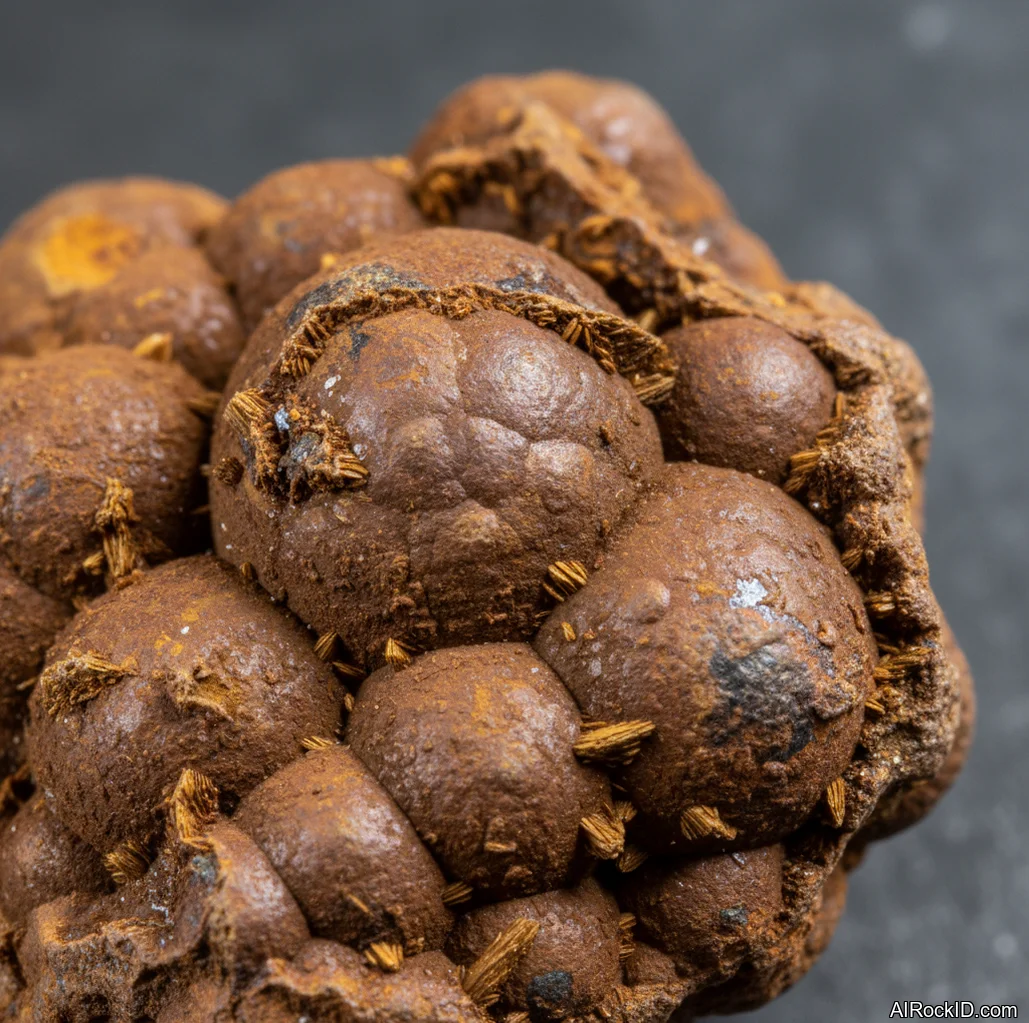
Hematite is the one I hand to people who want immediate “weight.” A good piece feels oddly hefty for its size, and it stays cool longer than you’d expect, especially in winter. Look, if you check tumbled hematite closely you’ll usually catch that steel-gray mirror flash, sometimes with faint reddish-brown hints where the polish thins near an edge. The Stability angle is simple: you can use it as a tactile anchor. Put it in your pocket, and when your mind starts sprinting, you touch that smooth, cold surface and come back to your senses. One real-world note though: hematite is softer than it looks. Toss it in a bag with keys and it’ll scuff. It just will.
Smoky Quartz feels different. Less metal, more like clear glass that got steeped in tea. The best pieces have depth. Tilt them and you’ll see internal veils or little ghostly fractures catching light in thin sheets. I’ve handled smoky points that look almost black head-on, then turn translucent brown at the edges when you hold them up to a window. That’s the kind of stone people pick for Stability when they want calm that still feels airy, not heavy. The “steady mind” version. But thing is, smoky quartz can fade if it sits in hard sun for months, especially lighter material, so don’t park it on a bright windowsill and expect the color to stay the same.
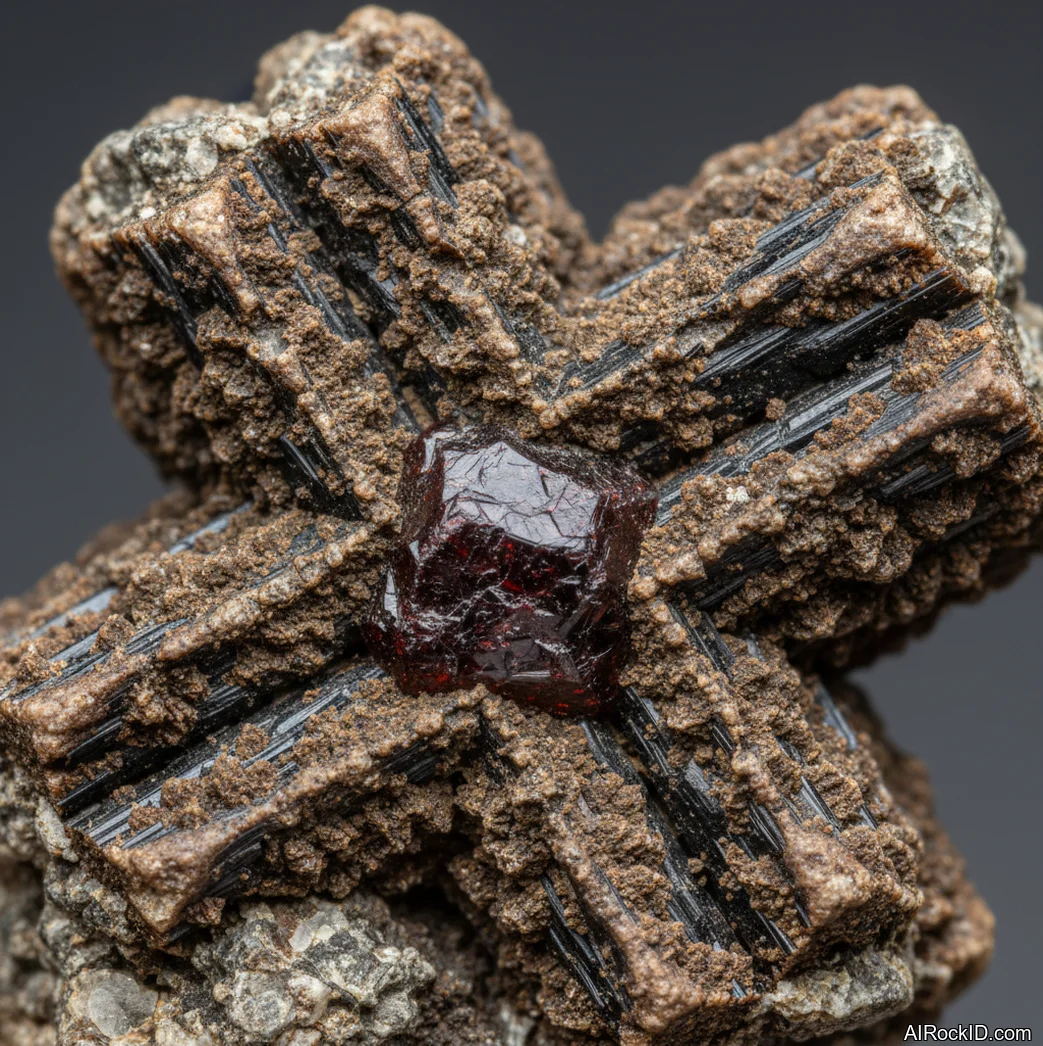
Black Tourmaline is the workhorse. Raw pieces often show up as long, striated rods, and those lengthwise grooves are a dead giveaway you’re holding the real thing. Run a fingernail along the side. You’ll feel the ridges. The ends are usually rough or broken, not clean like a quartz termination. I like it for Stability because it’s easy to use in a space. Drop a chunk near your front door, your desk, or by a bed leg. It doesn’t need to be pretty. But there’s a buying snag: tourmaline can be fragile. Those rods snap if you knock them off a shelf, and dealers don’t always warn you (annoying, right?). If you need something that can live in a pocket, a tumbled piece is safer, even if it loses that raw “electric fence post” look.
Working with Stability crystals doesn’t have to be mystical. Keep it basic. Put one stone where your hands already go. Hematite on a key tray. Smoky quartz on your desk next to the mouse. Black tourmaline by the door like a paperweight. The real test is consistency. If you only pick the stone up once a month, it’s just decor. If you touch it every time you sit down to work, you’ve built a physical cue that tells your nervous system, “We’re here now.”
So if you like routines, try this simple three-step: hold the stone, breathe out longer than you breathe in, then name one next action you can do in two minutes. That’s Stability in practice. People also use these stones in grids, but you don’t need a fancy layout. Three stones in a triangle on a shelf does the job if your goal is a steady, grounded feel in a room.
When you’re buying Stability crystals, look for honest material and good finish, not just the darkest color. With hematite, avoid anything that feels oddly light or looks like it has a paint-like coating. Some “magnetic hematite” on the market is synthetic, and it tends to feel warmer and more uniform than natural pieces. With smoky quartz, check for glassy luster and natural-looking internal features. If it looks like perfectly even brown glass with no zoning at all, ask questions. With black tourmaline, those parallel striations should be visible and you should expect little chips and pits. Perfectly smooth, jet-black rods can be carved or dyed.
Care is part of Stability too. These are stones you’ll actually handle, so keep them from getting trashed. Hematite doesn’t love water for long, so don’t soak it overnight. Tourmaline hates hard knocks. Smoky quartz is tougher, but it’s still quartz, so it can scratch softer stones in a pouch. I keep my pocket pieces in a small cloth bag, and I swap them out when the polish gets dull or the edges start to bite.
Stability isn’t a flashy goal. But it’s useful. Hematite gives you that immediate grounded weight. Smoky quartz steadies the mind without feeling heavy. Black tourmaline anchors a space and gives you something rugged to lean on. And if you pick one that feels good in your hand and you actually use it, you’ll get why these three keep ending up in people’s daily rotation.