Gold Nugget


Quick answer: Gold Nugget is naturally occurring native gold, usually recognized by its rich yellow metallic color, high density, softness, and irregular rounded or flattened shapes. It is most often confused with pyrite, chalcopyrite, mica, and gold-colored metal fragments, so weight, streak, hardness, and malleability are important checks.
AI Rock ID can help screen a suspected Gold Nugget by comparing visible traits such as color, luster, shape, and surface texture. RockIdentifier.io should be used as an identification aid, while high-value or questionable pieces should be confirmed by a qualified assayer, jeweler, or mineral laboratory.
Good fit
- Collectors who want a natural native metal specimen rather than a cut gemstone
- People comparing heavy yellow metallic grains from river gravels or alluvial material
- Buyers who can verify weight, purity, and provenance before purchasing
- Educational displays about native elements, placer deposits, or mineral identification
Not a good fit
- Anyone expecting a hard, scratch-resistant crystal for daily handling
- Buyers who cannot verify authenticity, purity, or seller reputation
- Collections stored loosely with harder minerals that may scratch soft native gold
- People seeking medical or financial guarantees from a mineral specimen
Most commonly confused with
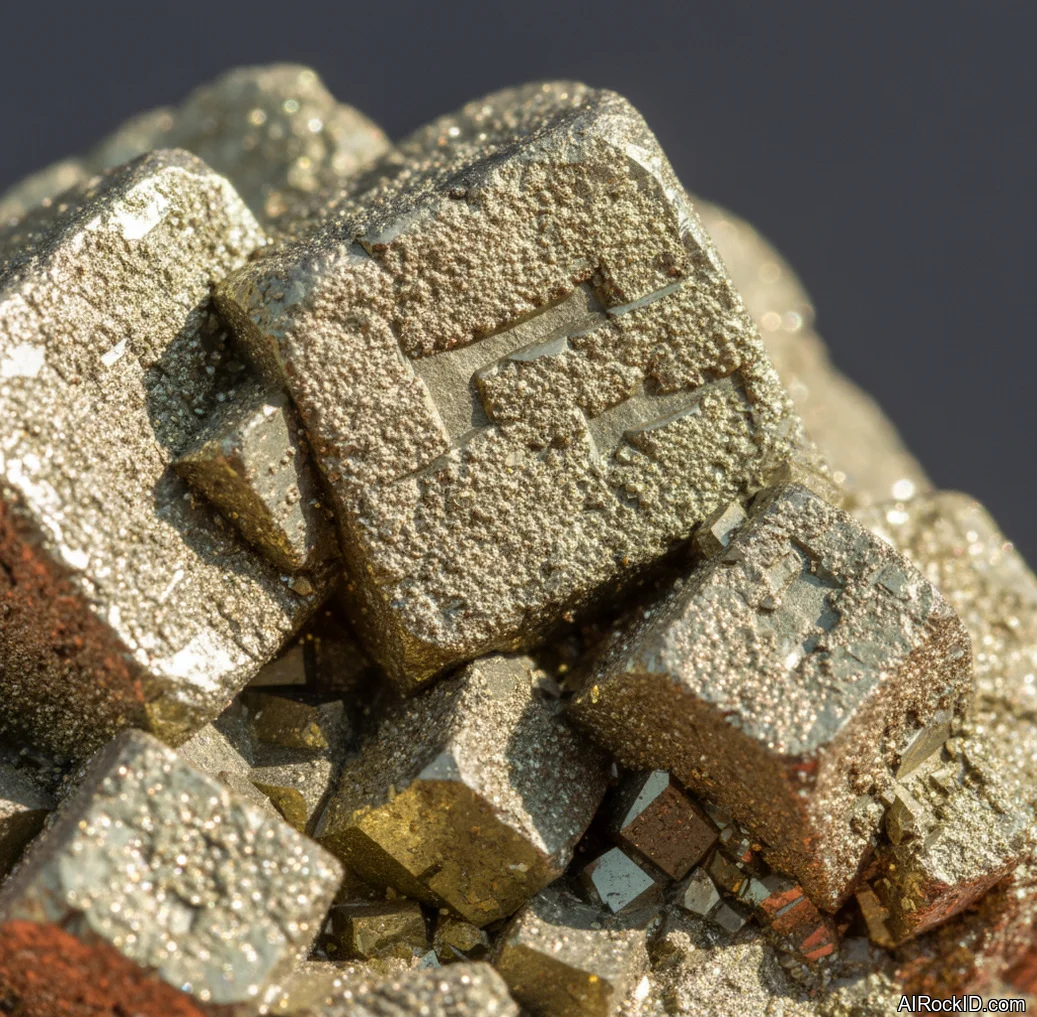
- Pyrite: Pyrite is harder, more brittle, and typically has a paler brassy color with a dark greenish-black streak.
- Chalcopyrite: Chalcopyrite is softer than pyrite but usually shows a brassy yellow color and may tarnish with iridescent surface colors.
- Mica: Gold-colored mica forms thin flexible flakes and feels very light compared with dense native gold.
- Native Copper: Native copper is reddish to brownish rather than rich yellow and often develops green or dark oxidation.
Gold Nugget vs Common Lookalikes
| Feature | Gold Nugget | Common Lookalikes |
|---|---|---|
| Color | Rich yellow to buttery metallic gold | Pyrite and chalcopyrite are usually brassy; mica can look yellow-gold in flakes |
| Density | Very heavy for its size | Most lookalikes feel noticeably lighter |
| Hardness | Soft, Mohs 2.5–3 | Pyrite is much harder; mica peels into sheets |
| Streak | Yellow metallic streak | Pyrite gives a dark greenish-black to brown-black streak |
| Behavior under pressure | Malleable and may flatten | Many lookalikes crumble, snap, or flake |
AI identification confidence
AI identification confidence for Gold Nugget is moderate when photos clearly show metallic yellow color, rounded nugget form, and scale, but images alone cannot verify density or gold content. Confidence is lower for tiny flakes, polished pieces, jewelry settings, or specimens photographed under warm lighting.
When AI gets it wrong
- A brassy pyrite crystal or broken pyrite grain is photographed without scale.
- Gold-colored mica flakes appear bright in direct sunlight but are too thin and light to be gold.
- A plated metal fragment or brass shaving has an irregular shape that resembles a nugget.
- The image lacks information about weight, streak, malleability, or where the specimen was found.
Final recommendation
Treat an apparent Gold Nugget as unconfirmed until density, streak, malleability, and provenance support the identification. For purchases or valuable finds, request assay information or professional verification rather than relying only on appearance.
How to Check a Suspected Gold Nugget
A simple first check is to compare the specimen’s weight with a similar-sized pebble; native gold should feel unusually heavy. A streak test on unglazed porcelain can help separate gold from pyrite, but the test may mark or slightly damage the specimen. Gold is malleable, so it may flatten under pressure, while many lookalikes fracture or crumble.
Buying and Authenticity Tips
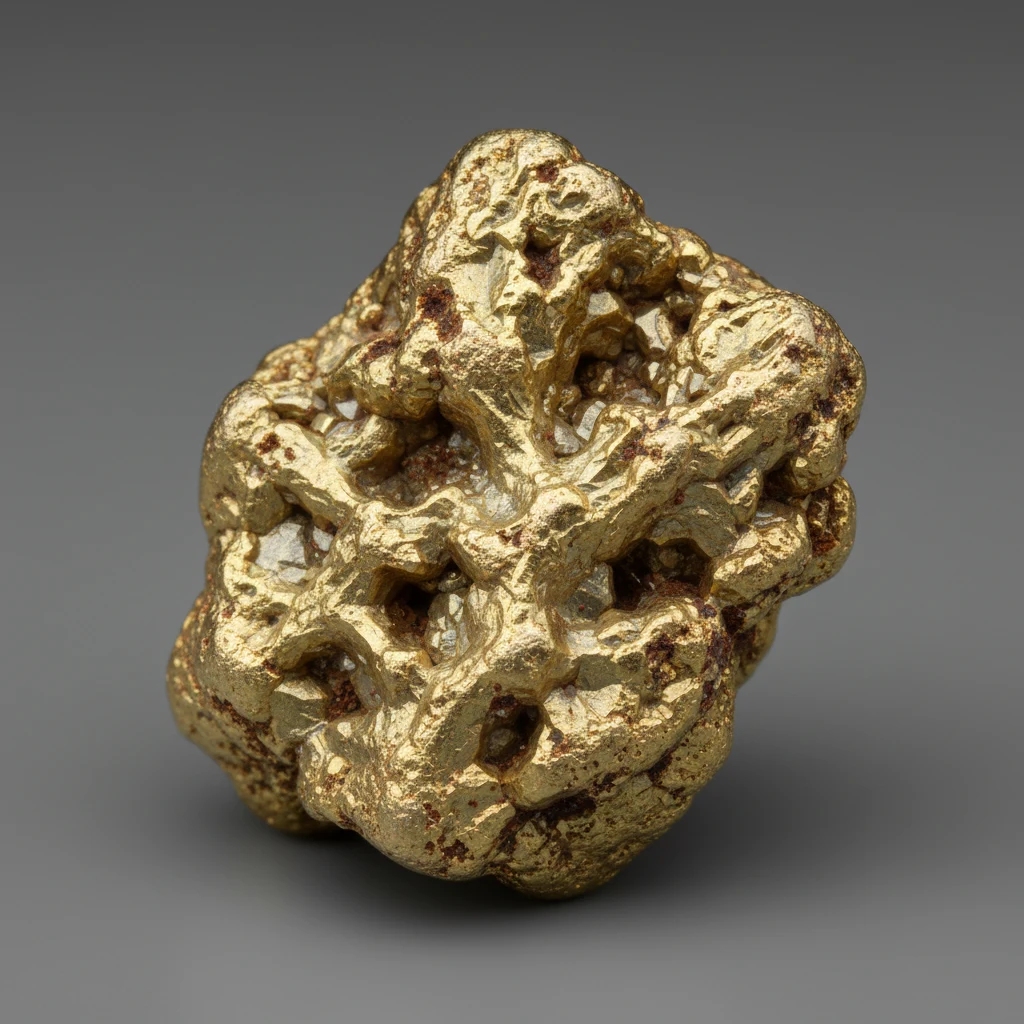
When buying a Gold Nugget, ask for the exact weight, purity estimate, locality, and whether any assay or XRF result is available. Be cautious with unusually cheap nuggets, vague origin claims, or pieces that look cast, plated, or artificially tumbled. Natural nuggets often show irregular surfaces, small pits, and wear consistent with placer transport rather than uniform manufactured texture.
Field Clues in Placer Material
Gold nuggets and flakes are commonly sought in stream gravels, black sand concentrates, and alluvial deposits where dense minerals accumulate. In a pan, gold tends to stay low because of its high density, while lighter yellow flakes may wash away more easily. Field context is useful evidence, but it does not replace physical testing or assay for valuable material.
What Is Gold Nugget?
Gold Nugget is a naturally occurring piece of native gold, classified as a Native Element mineral with the formula Au. In the hand, a genuine nugget feels notably heavy for its size, shows an unmistakable yellow to golden color, and carries a shiny metallic luster rather than a glassy or sparkly surface.
Collectors value gold nuggets because they are natural, tactile specimens rather than cut stones. They are opaque, non-magnetic, ductile, and very soft by gemstone standards at Mohs 2.5-3, so a padded container or soft cloth is the right storage choice if you want to preserve the surface.
Origin & History
The term “gold nugget” refers to gold in its natural form, especially as described in mining contexts during the mid-19th-century Gold Rush. The name is practical rather than decorative: it points to a recognizable piece of native gold found before refining, cutting, or shaping.
For collectors, provenance matters because the look of a nugget is often tied to mining history and alluvial recovery. Locality names such as Ballarat, Sierra Nevada, and Yukon Territory can be checked against mineral locality references such as mindat.org when documenting a specimen.
Where Is Gold Nugget Found?
Gold nuggets are most commonly found in riverbeds and streams, especially in alluvial deposits where dense gold has accumulated in sediment. Their weight is the field clue: gold settles where moving water can leave heavy material behind.
Formation
Gold nuggets form when gold-bearing rocks erode and native gold is released into sediment. Over time, the dense gold pieces accumulate, especially in alluvial settings such as riverbeds and streams.
This formation history explains the nugget’s feel and collector appeal: it is not a manufactured bead or a polished gem, but a naturally concentrated piece of metallic gold. The specimen’s density, golden streak, metallic luster, and ductile character all match its identity as native gold.
How to Identify Gold Nugget
Gold Nugget is identified first by its distinctive yellow to golden color and shiny metallic luster. It is opaque, non-magnetic, and has a golden yellow streak, with colors that may be described as gold, yellow, or brass.
The most useful practical test is weight: gold is much denser than most minerals, with a listed density of 15.6-19.3. It is also soft at Mohs 2.5-3 and ductile rather than brittle, so handle identification tests carefully to avoid scratching or deforming the specimen.
Properties of Gold Nugget
Physical Properties
| Crystal System | Isometric |
| Hardness (Mohs) | 2.5-3 (Very Soft (1-2)) |
| Density | 15.6-19.3 |
| Luster | Metallic |
| Diaphaneity | Opaque |
| Fracture | Ductile |
| Streak | Golden yellow |
| Magnetism | Non-magnetic |
| Colors | Gold, Yellow, Brass |
Chemical Properties
| Classification | Native Element |
| Formula | Au |
| Elements | Au |
| Common Impurities | Ag, Cu |
Optical Properties
| Refractive Index | None |
| Birefringence | None |
| Pleochroism | None |
| Optical Character | Isotropic |
Gold Nugget Health & Safety
Gold nuggets pose no significant health risks.
Gold Nugget Value & Price
Price Range
Rough/Tumbled: $50 - $200 per gram
Cut/Polished:
Price is influenced by purity, size, and market demand.
Durability
Durable — Scratch resistance: Good, Toughness: Good
Gold is chemically stable and does not tarnish.
How to Care for Gold Nugget
Use & Storage
Store in a soft cloth or padded container to avoid scratches.
Cleaning
Clean with mild soap and water, using a soft brush if necessary. Rinse thoroughly and dry with a soft cloth.
Cleanse & Charge
Place in sunlight or use sound cleansing methods.
Placement
Keep in a secure location to prevent loss.
Caution
Avoid exposure to harsh chemicals.
Works Well With
Gold Nugget Meaning & Healing Properties
In crystal healing traditions, Gold Nugget is associated with prosperity, confidence, and grounding. Practitioners commonly link it with the Solar Plexus and Root chakras, using its dense metallic presence as a focus for abundance, stability, and self-assurance.
For meditative or energetic work, Gold Nugget is often paired with quartz, amethyst, or citrine. It is considered safe to handle and safe in water, and it may be cleansed by sunlight or sound; for care, clean with mild soap and water, rinse thoroughly, and dry with a soft cloth.
Identify Gold Nugget from a photo
Compare Gold Nugget traits, care tips, value clues, and common lookalikes with a clear photo.
Common mistakes
- Assuming every bright yellow metallic grain is gold without checking density or streak
- Mistaking pyrite’s brassy sparkle for the warmer yellow color of native gold
- Ignoring mica flakes, which can look gold-colored but are thin, flexible, and lightweight
- Buying nuggets without weight, purity information, or a credible seller history
- Cleaning a nugget aggressively and removing natural surface details that support provenance
- Using only a photo-based identification for a specimen that may have significant monetary value