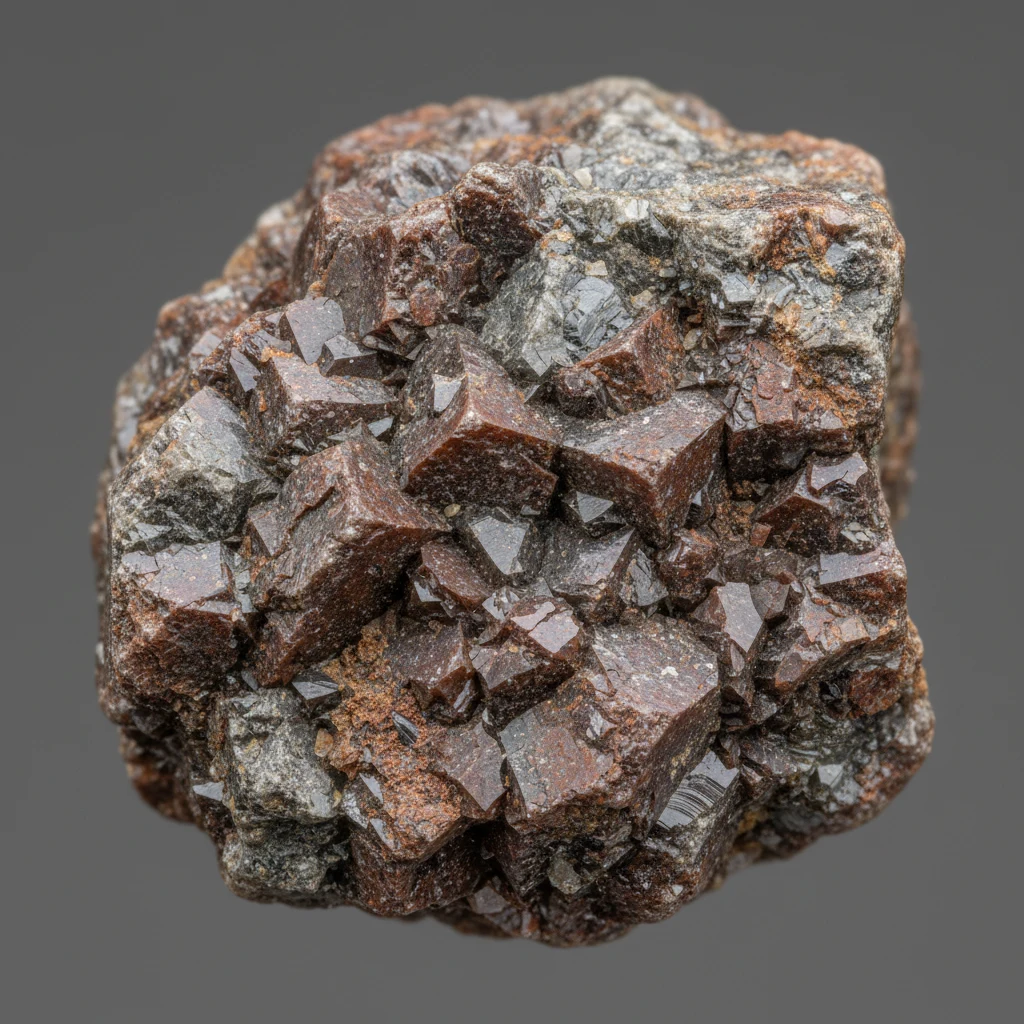
Gravel


Quick answer: Gravel is a loose aggregate of rock fragments, typically ranging from about 2 mm to 64 mm in size. It is not a single mineral or crystal, so its color, hardness, and composition depend on the source rock, such as quartz, limestone, granite, basalt, or mixed river stone.
AI Rock ID can help sort gravel-like materials by visible clues such as grain size, color mix, rounding, and texture. RockIdentifier.io treats gravel as an aggregate material rather than a single crystal species, so results may point to likely rock types within the sample.
Good fit
- Identifying common landscaping, driveway, or construction aggregate
- Comparing rounded river gravel with crushed stone
- Learning whether a sample is mostly quartz, limestone, basalt, or mixed rock
- Documenting site materials from riverbeds, beaches, trails, or garden beds
Not a good fit
- Precise mineral identification from a mixed pile without close-up inspection
- Determining engineering suitability without local standards or lab testing
- Confirming purity, origin, or contamination from appearance alone
Why people search for this
People often search for gravel to distinguish natural river gravel from crushed rock, decorative stone, or similar loose sediment. It is also commonly checked because mixed gravel can contain many recognizable rock and mineral fragments.
Most commonly confused with
- Sand: Sand has smaller grains, usually under 2 mm, while gravel consists of larger visible rock fragments.
- Conglomerate: Conglomerate is a solid sedimentary rock made of cemented rounded gravel, while gravel remains loose.
- Breccia: Breccia is a consolidated rock with angular fragments; loose angular gravel is not breccia unless cemented.
- Crushed Stone: Crushed stone is mechanically broken and angular, while natural gravel is commonly rounded by water transport.
Gravel vs Similar Materials
| Material | Typical Form | Key Difference |
|---|---|---|
| Gravel | Loose rock fragments, 2–64 mm | Mixed aggregate; may be rounded or angular |
| Sand | Loose mineral grains under 2 mm | Finer texture and smaller grain size |
| Crushed Stone | Angular broken rock pieces | Produced by mechanical crushing |
| Conglomerate | Solid rock with rounded clasts | Pebbles are cemented together |
| Breccia | Solid rock with angular clasts | Angular fragments are lithified |
AI identification confidence
AI identification of gravel is usually more reliable at the material category level than at the exact mineral or source-rock level. Clear close-up photos with a scale reference, dry surfaces, and several representative pieces improve confidence.
When AI gets it wrong
- Wet gravel may appear darker or glossier, causing misclassification as basalt, obsidian-like glass, or polished stone.
- Mixed gravel can contain several rock types, so one visible pebble may not represent the entire sample.
- Crushed concrete, slag, or ceramic fragments can resemble natural gravel in casual photos.
- Very close photos without scale may make sand, granules, and small pebbles look similar.
Final recommendation
For practical identification, treat gravel as a mixed aggregate and examine several pieces rather than relying on one pebble. If the goal is construction use, drainage performance, or safety screening, visual ID should be paired with local material specifications or professional testing.
How to Photograph Gravel for Identification
Spread a small handful of gravel on a plain, dry surface and include a coin, ruler, or fingertip for scale. Photograph the sample in natural light from directly above, then add a close-up showing grain shape, color, and any visible crystals or layering. If the gravel is mixed, include several representative pieces instead of selecting only the most colorful pebble.
Buying Gravel: What to Check
When buying gravel, the most important details are size grade, shape, material type, cleanliness, and intended use. Rounded river gravel is often chosen for decorative surfaces, while angular crushed stone is commonly preferred where compaction or stability matters. Ask whether the material is washed, screened, and locally sourced if dust, fines, or consistency are concerns.
Natural Gravel vs Man-Made Lookalikes
Natural gravel usually shows varied rock colors, rounded edges, weathered surfaces, and irregular sizes. Man-made or recycled materials such as crushed concrete, brick, ceramic, or slag may show uniform breakage, pores, mortar residue, metallic sheen, or unnatural colors. A magnet, hand lens, and vinegar spot test can provide clues, but they do not replace laboratory analysis for contamination concerns.
What Is Gravel?
Gravel is a very common clastic sedimentary rock made of small, loose rock fragments. In the hand, it reads less like a single crystal and more like a pocket of landscape: coarse, gritty, and irregular, with gray, brown, red, or more colorful pieces depending on mineral content.
Collectors identify gravel by its loose fragmental habit, dull luster, opaque appearance, and uneven broken surfaces. Its listed Mohs hardness is 6-7, with a density of 1.5-2.5 g/cm3, so it is generally durable in outdoor use. Gravel is non-magnetic, stable under varied weather conditions, and commonly valued more for practical texture, source, and size than for rarity.
Origin & History
The word gravel comes from the Old French “gravele,” meaning small stones. The material has been used since ancient times, and that long history fits what a field collector sees: gravel is not a rare specimen type, but a familiar rock material shaped by movement, breakage, and sorting.
In practical terms, gravel belongs to the working language of sedimentary rocks and loose deposits. A plain reference point is USGS sediment usage, where gravel is treated as rock-fragment material rather than a single mineral species. That distinction matters for identification: gravel’s formula and optical behavior vary because its composition varies.
Where Is Gravel Found?
Gravel is commonly found in riverbeds, beaches, and construction sites. Supplied localities include the Mississippi River in the United States, the Amazon River in Brazil, and the Yangtze River in China, all settings where loose fragments can be gathered, moved, and deposited.
Formation
Gravel forms when larger rocks weather and erode over time into smaller fragments. Those fragments may then be deposited by water, wind, or ice, producing loose accumulations that can be rounded, mixed, and sorted naturally before people collect or use them.
Because gravel is a rock-fragment material, its chemistry is not fixed: the formula varies with composition. The supplied elemental list includes silicon and oxygen, with common impurities such as iron and calcium. This is why one handful may look gray and dull, while another shows brown, red, or mixed colors.
How to Identify Gravel
Identify gravel by looking for small, loose stones with a coarse, gritty feel. The pieces are commonly gray, brown, or red, though more colorful material can appear depending on mineral content. Luster is typically dull to earthy, and the material is opaque rather than transparent.
For a quick field check, rub a few pieces between your fingers and note the gritty texture and uneven fracture surfaces. Sorting by size helps confirm the material as gravel. Its streak is listed as white or gray, magnetism is non-magnetic, and its crystal system is given as amorphous because gravel is not a single crystal species.
Properties of Gravel
Physical Properties
| Crystal System | Amorphous |
| Hardness (Mohs) | 6-7 (Medium) |
| Density | 1.5-2.5 g/cm3 |
| Luster | Dull |
| Diaphaneity | Opaque |
| Fracture | Uneven |
| Streak | White or gray |
| Magnetism | Non-magnetic |
| Colors | Gray, Brown, Red |
Chemical Properties
| Classification | Clastic sedimentary rock |
| Formula | Varies with composition |
| Elements | Si, O |
| Common Impurities | Fe, Ca |
Optical Properties
| Refractive Index | Varies |
| Birefringence | None |
| Pleochroism | None |
| Optical Character | Isotropic |
Gravel Health & Safety
Gravel poses minimal health risks when handled properly.
Gravel Value & Price
Price Range
Rough/Tumbled: $5 - $20 per ton
Cut/Polished:
Price is influenced by size, quality, and source.
Durability
Very Durable — Scratch resistance: Excellent, Toughness: Good
Gravel is stable under various weather conditions.
How to Care for Gravel
Use & Storage
Store in a dry place to prevent erosion.
Cleaning
Rinse with water to remove dirt, or use a wire brush for stubborn clumps. Avoid harsh chemicals.
Cleanse & Charge
Leave in sunlight for a few hours for cleansing.
Placement
Ideal for outdoor landscaping or decoration.
Caution
Avoid inhaling dust when handling.
Works Well With
Gravel Meaning & Healing Properties
In spiritual use, gravel is most often chosen for grounding, stability, and support. It has a plain, weighty presence: spread in a dish, garden path, or meditation area, it gives a tactile reminder of steadiness and contact with the Earth element.
Gravel is associated with the Root chakra, the zodiac signs Taurus and Virgo, and Earth as both element and planetary association. It is not intended for medical use. For care, rinse with water to remove dirt, use a wire brush for stubborn clumps, avoid harsh chemicals, and leave it in sunlight for a few hours when cleansing is desired.
Identify Gravel from a photo
Compare Gravel traits, care tips, value clues, and common lookalikes with a clear photo.
Common mistakes
- Assuming all gravel is quartz because some pebbles are pale or glassy
- Calling loose rounded gravel conglomerate even though conglomerate is cemented rock
- Identifying an entire gravel pile from one unusual pebble
- Ignoring grain size, which separates gravel from sand and cobbles
- Mistaking crushed concrete, slag, or brick fragments for natural stone
- Judging color while the sample is wet, dirty, or coated with dust