Earth Crystals
Quick answer: Earth crystals are minerals and rocks commonly associated with grounding, stability, and practical focus in crystal traditions. The tag often includes dense, opaque, dark, red, brown, or green stones such as hematite, jasper, obsidian, smoky quartz, and petrified wood.
Explore Earth crystals and their grounding properties, meanings, and buying tips. Learn how to work with hematite, jasper, obsidian, and more.


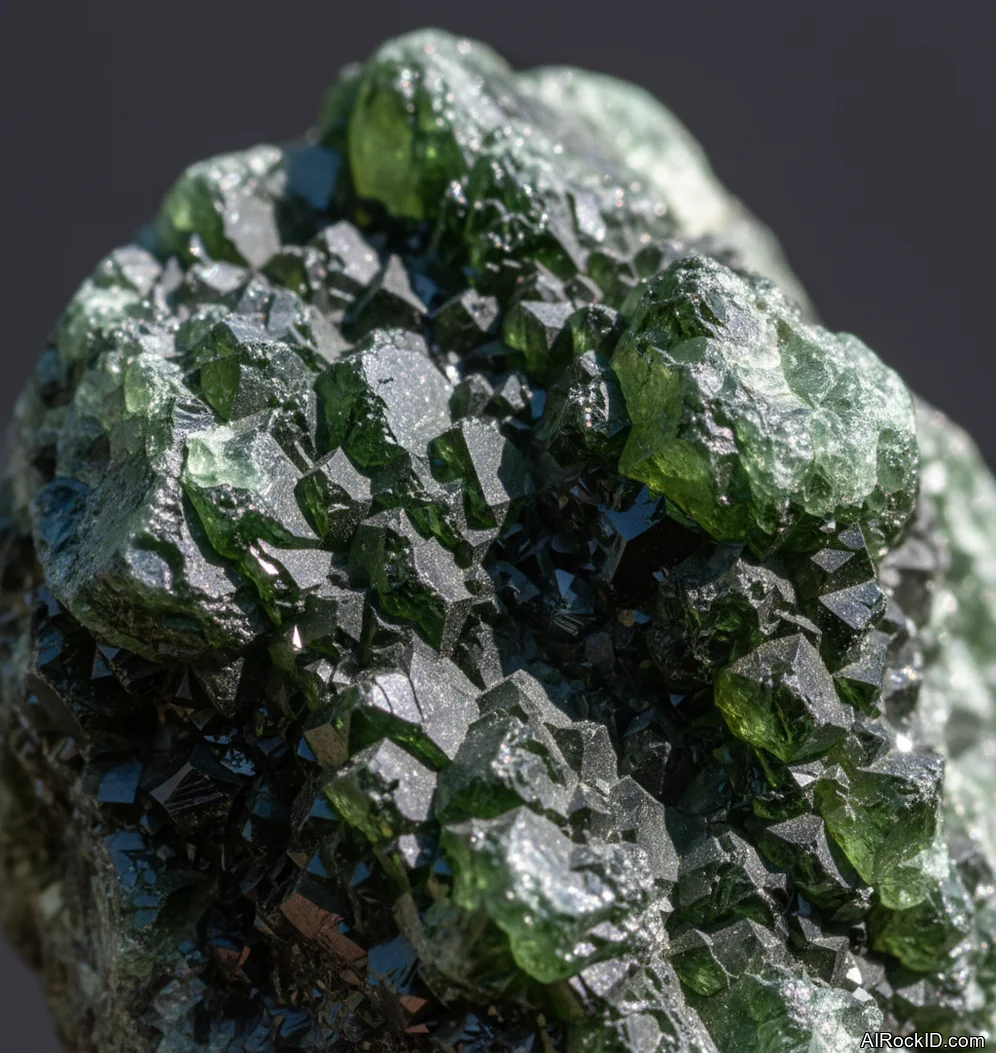
Earth crystals are stones associated with grounding, physical stability, and the dense, solid qualities of the earth element in metaphysical practice. Common examples include hematite, smoky quartz, black tourmaline (schorl), red jasper, and obsidian. These stones are recognized for their substantial heft, opaque or dark appearance, and a feeling of weight in the hand. These associations come from metaphysical traditions and are not medical claims.
Earth crystals don't actually increase physical strength, change your body chemistry, or substitute for rest and nutrition. Their grounding associations are symbolic and shouldn't replace professional medical care or advice.
AI Rock ID can help compare a photographed specimen with known visual patterns such as luster, color zoning, fracture, and crystal habit. RockIdentifier.io includes reference pages for many Earth-associated crystals so collectors can cross-check appearance, names, and basic properties.
Good fit
- Collectors who like dense, opaque, or naturally textured stones
- Beginners building a grounding-themed crystal set
- People interested in root chakra or stability symbolism in crystal traditions
- Specimen owners trying to sort dark, brown, red, or green stones by likely identity
- Buyers who prefer durable pocket stones, palm stones, or display pieces
Not a good fit
- Anyone looking for a strict mineralogical category, because “Earth crystal” is a symbolic tag rather than a formal science term
- Collectors who only want transparent, faceted, or high-sparkle crystals
- People expecting crystals to replace medical, financial, or mental health care
Most commonly confused with
- Hematite: Hematite is usually metallic to submetallic and feels unusually heavy for its size.
- Black Obsidian: Black obsidian is volcanic glass and often shows a smooth, glassy fracture rather than a grainy texture.
- Smoky Quartz: Smoky quartz is usually translucent to transparent brown or gray quartz, unlike many opaque Earth-tag stones.
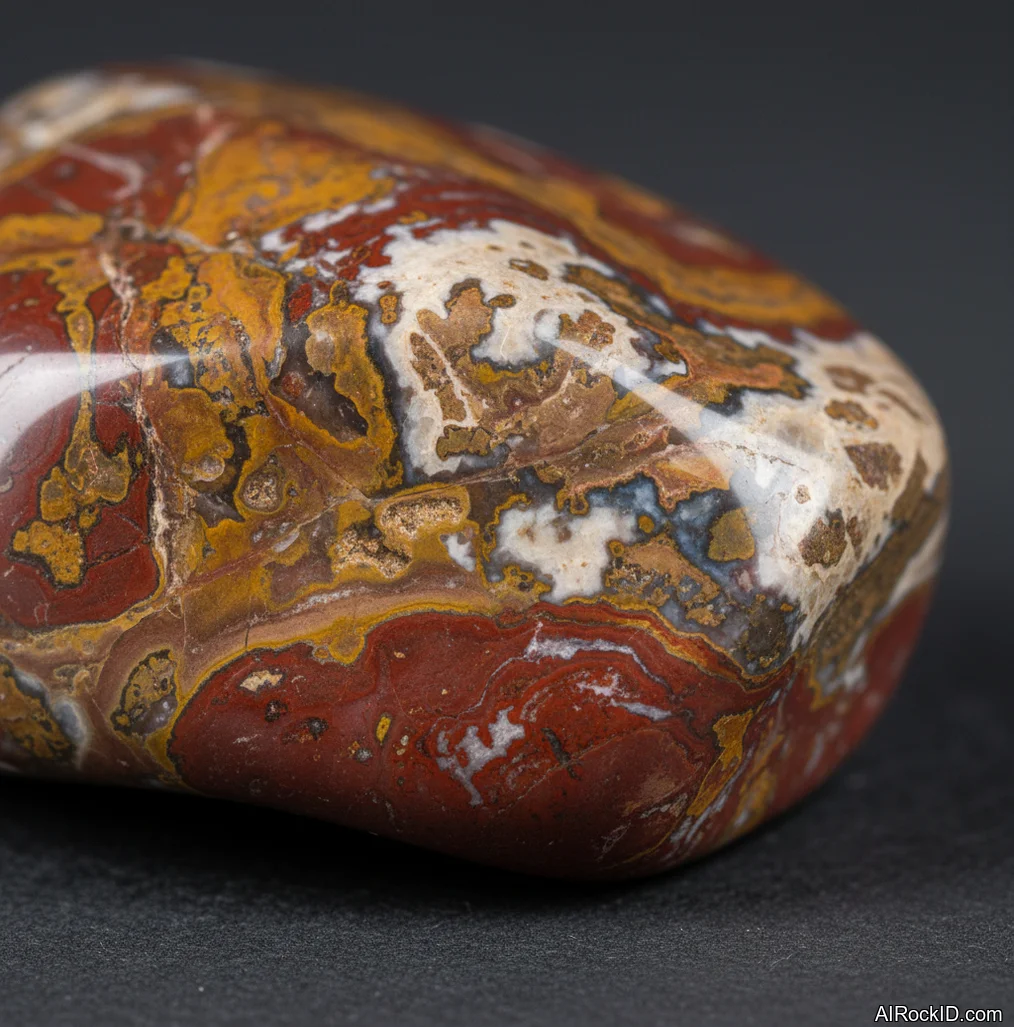
- Red Jasper: Red jasper is opaque and earthy red, while carnelian is typically more translucent and orange to reddish orange.
AI identification confidence
AI identification is often more reliable when a specimen has clear natural surfaces, visible luster, and multiple photos under neutral light. It is less certain for tumbled stones, dyed pieces, and very dark stones that hide texture or internal features.
When AI gets it wrong
- A black tumbled stone may be labeled obsidian, onyx, tourmaline, or basalt because polish hides diagnostic details.
- Dyed agate or dyed howlite can be mistaken for naturally earthy stones when color is the main clue.
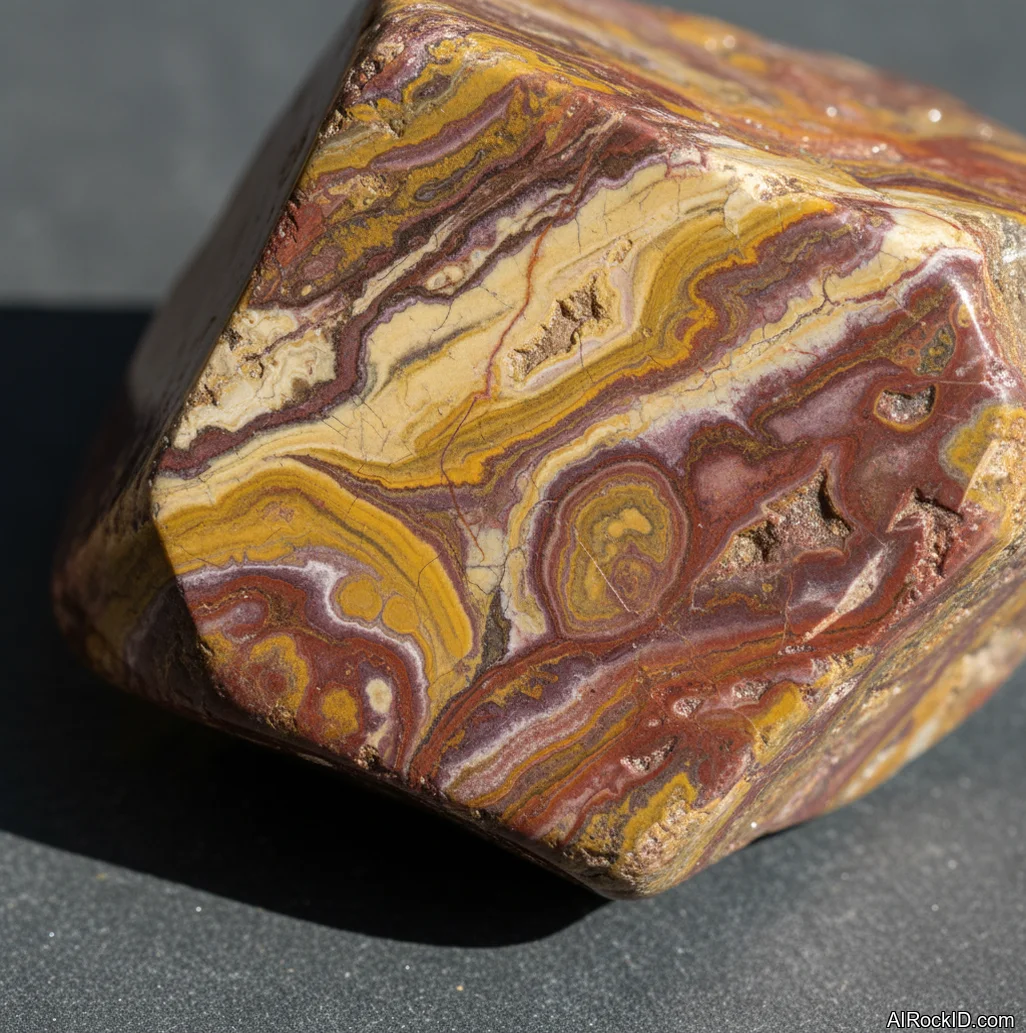
- Red jasper, brecciated jasper, and other opaque red stones can look similar in single-photo identification.
- Metallic coatings, oil, or bright reflections can make luster appear different from the actual mineral surface.
What this category represents
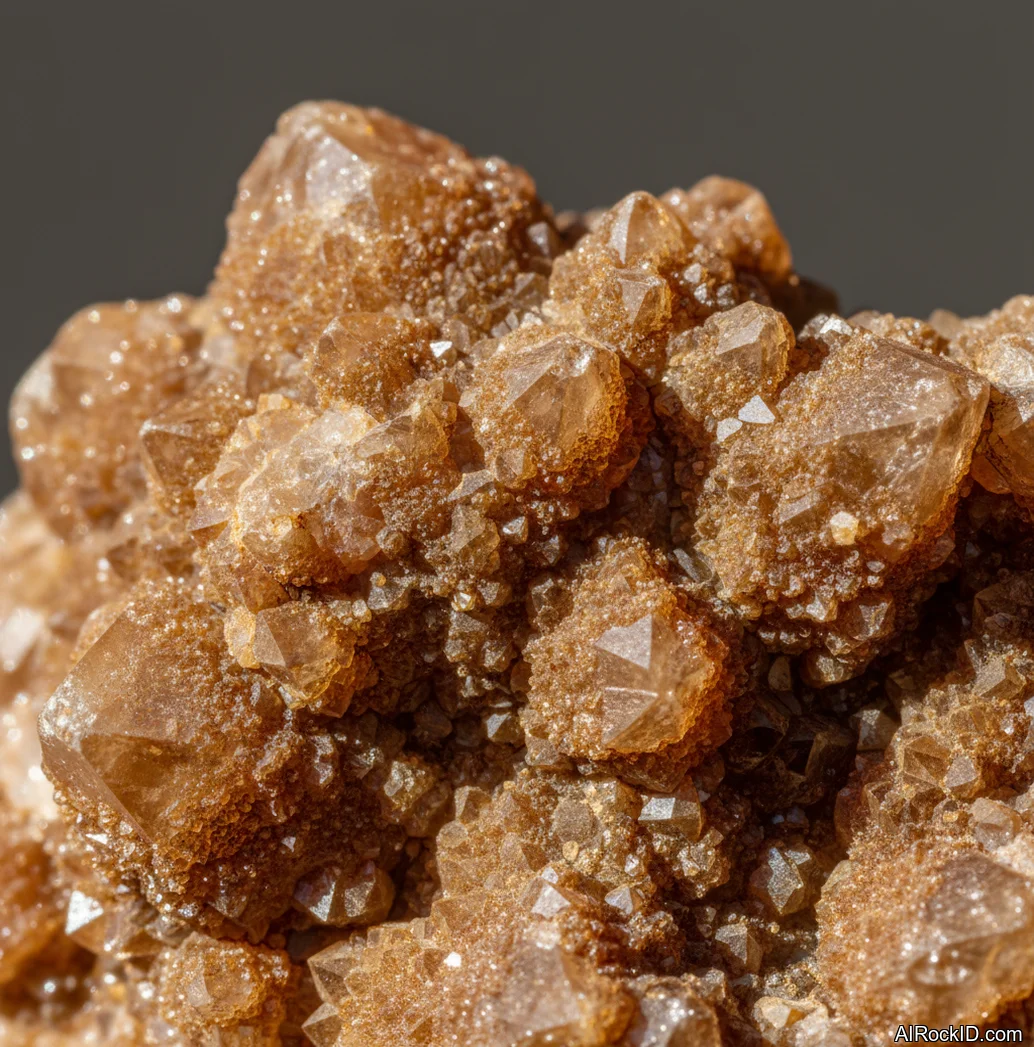
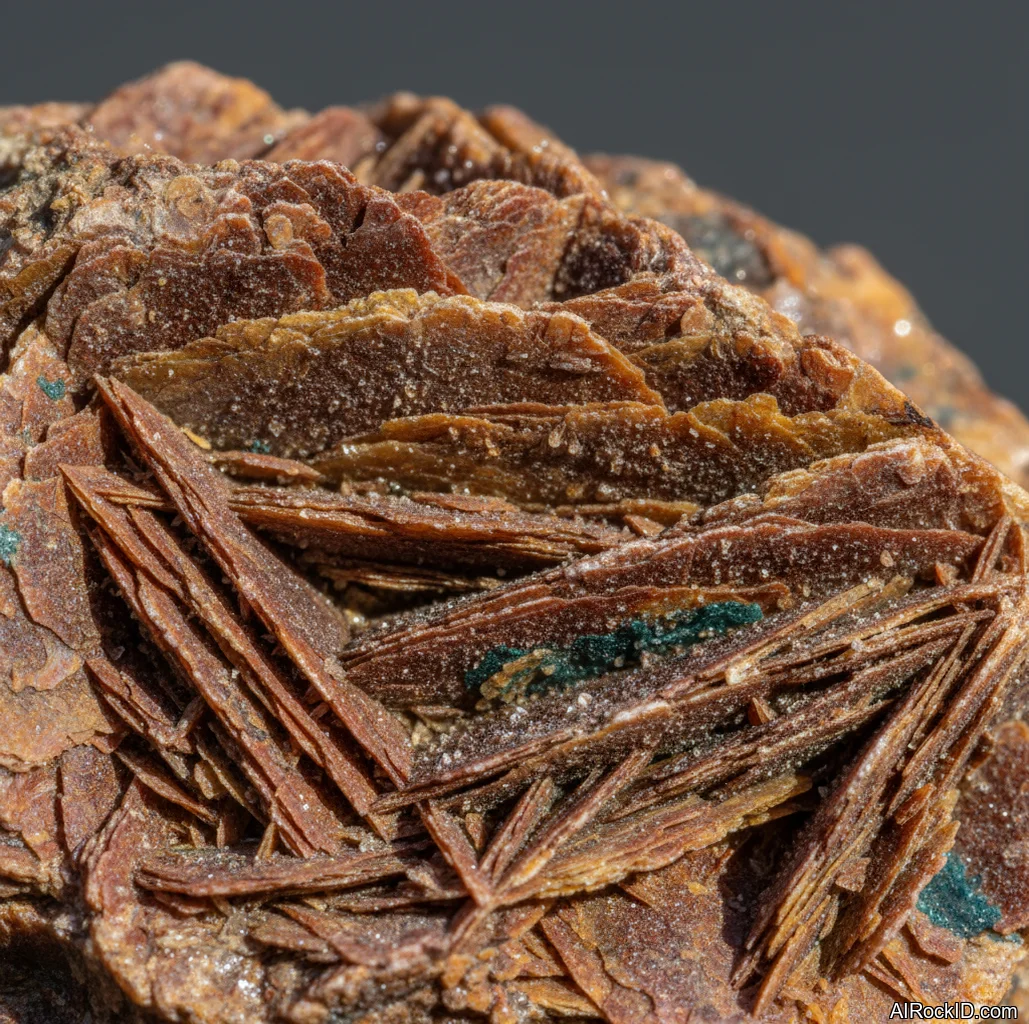
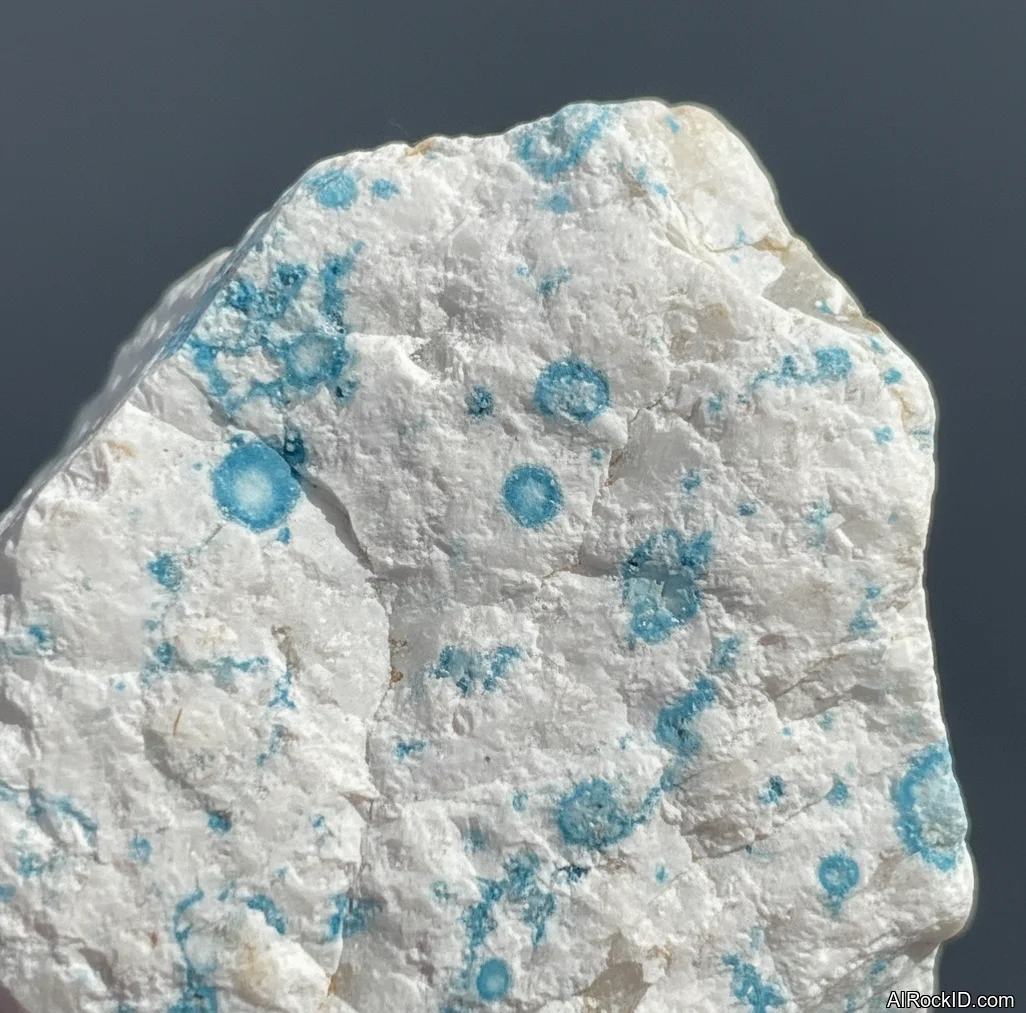
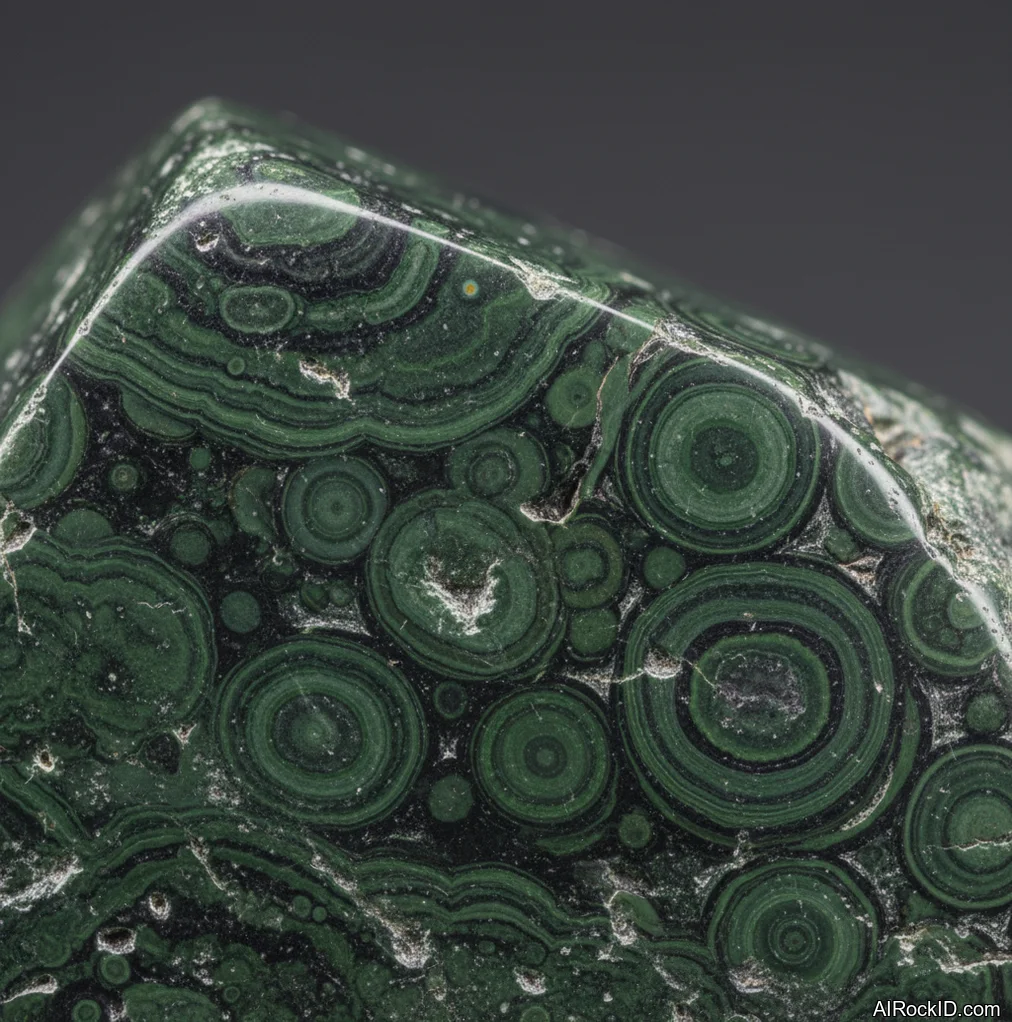
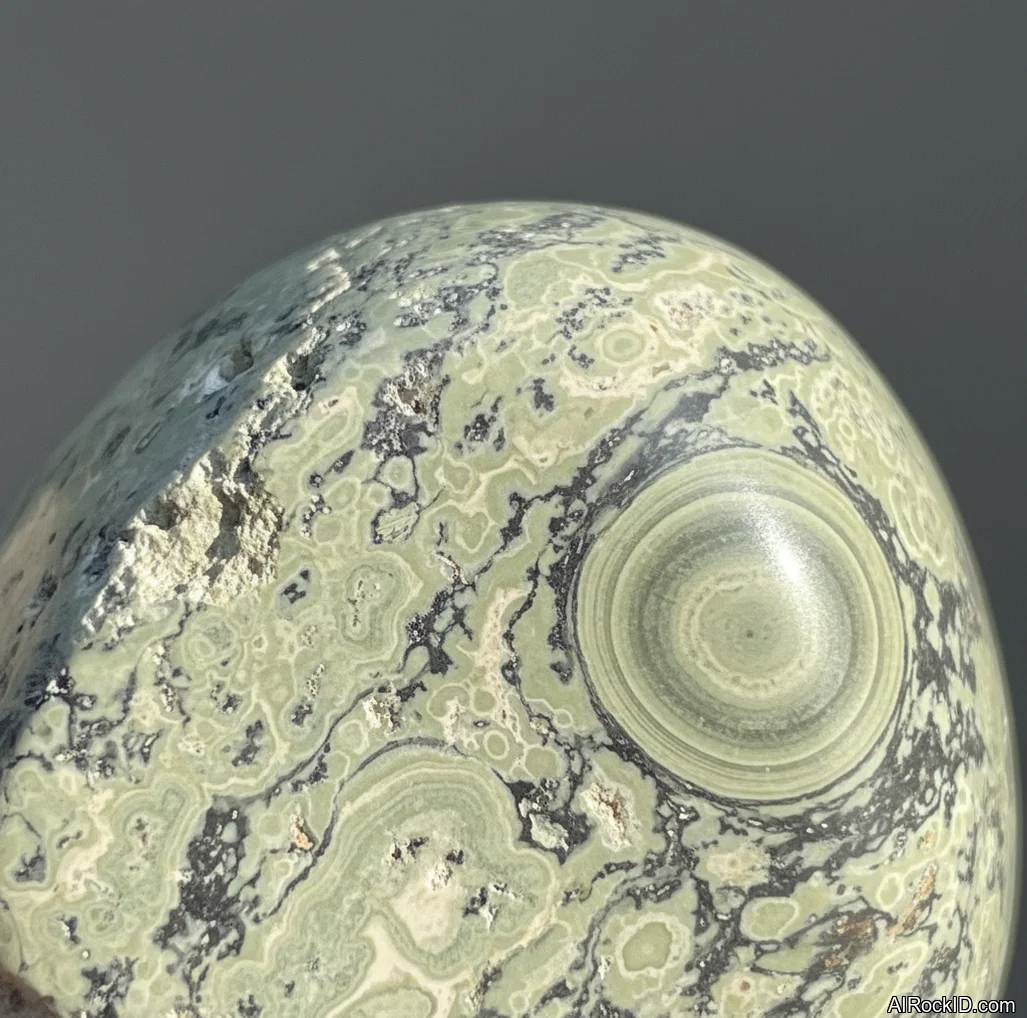
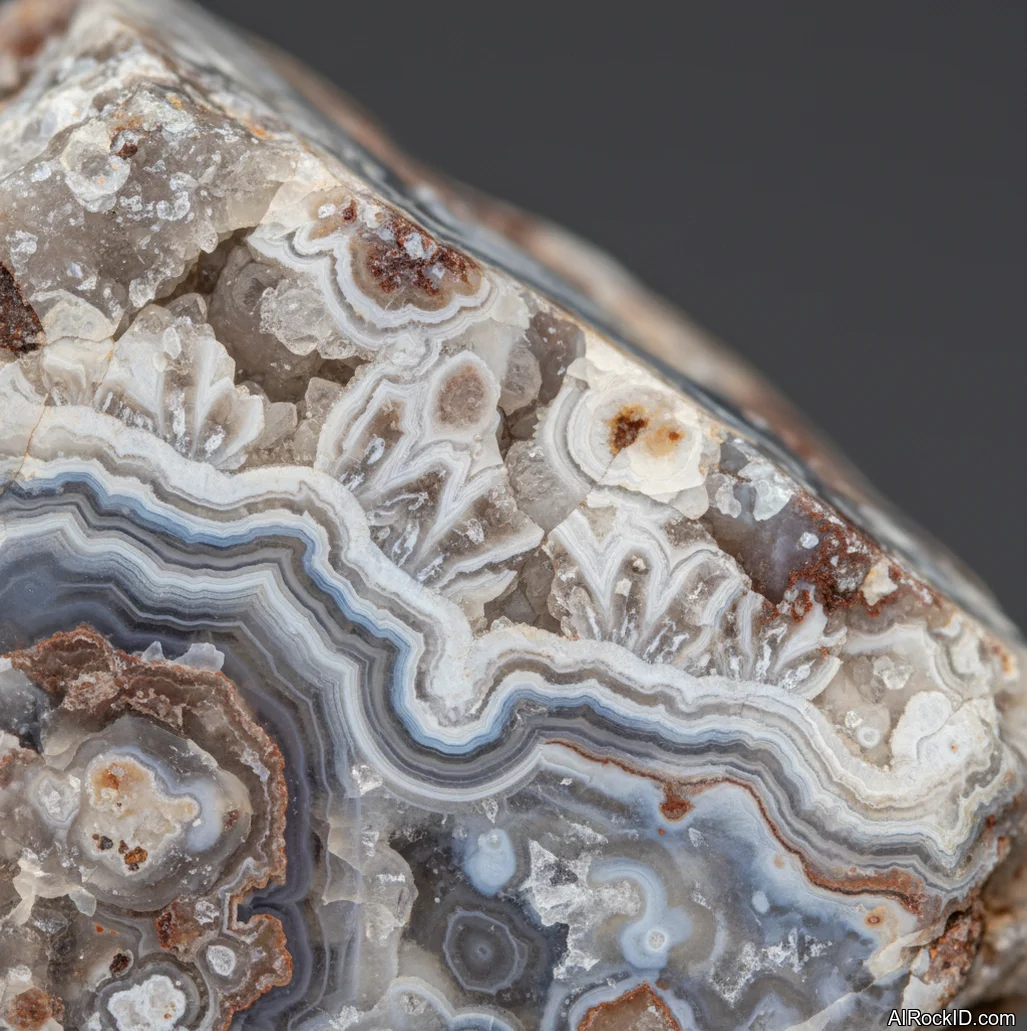
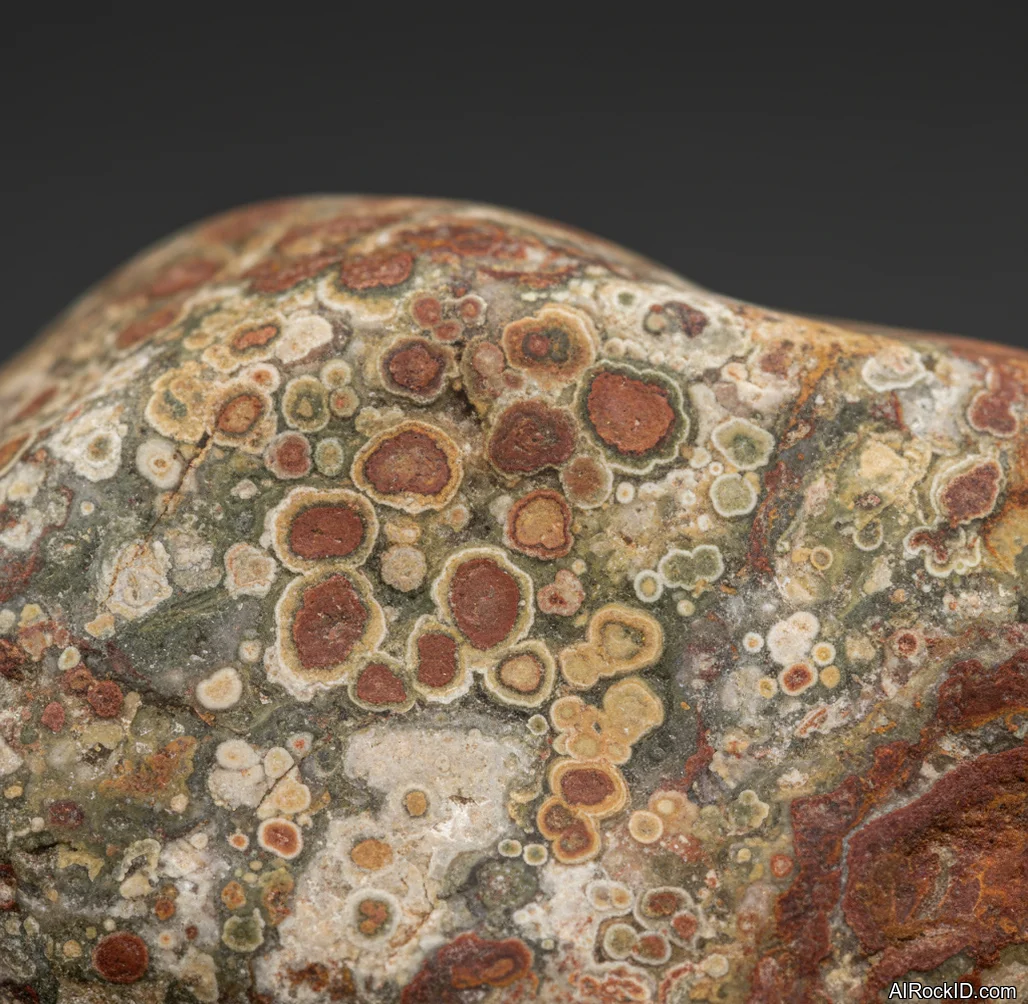
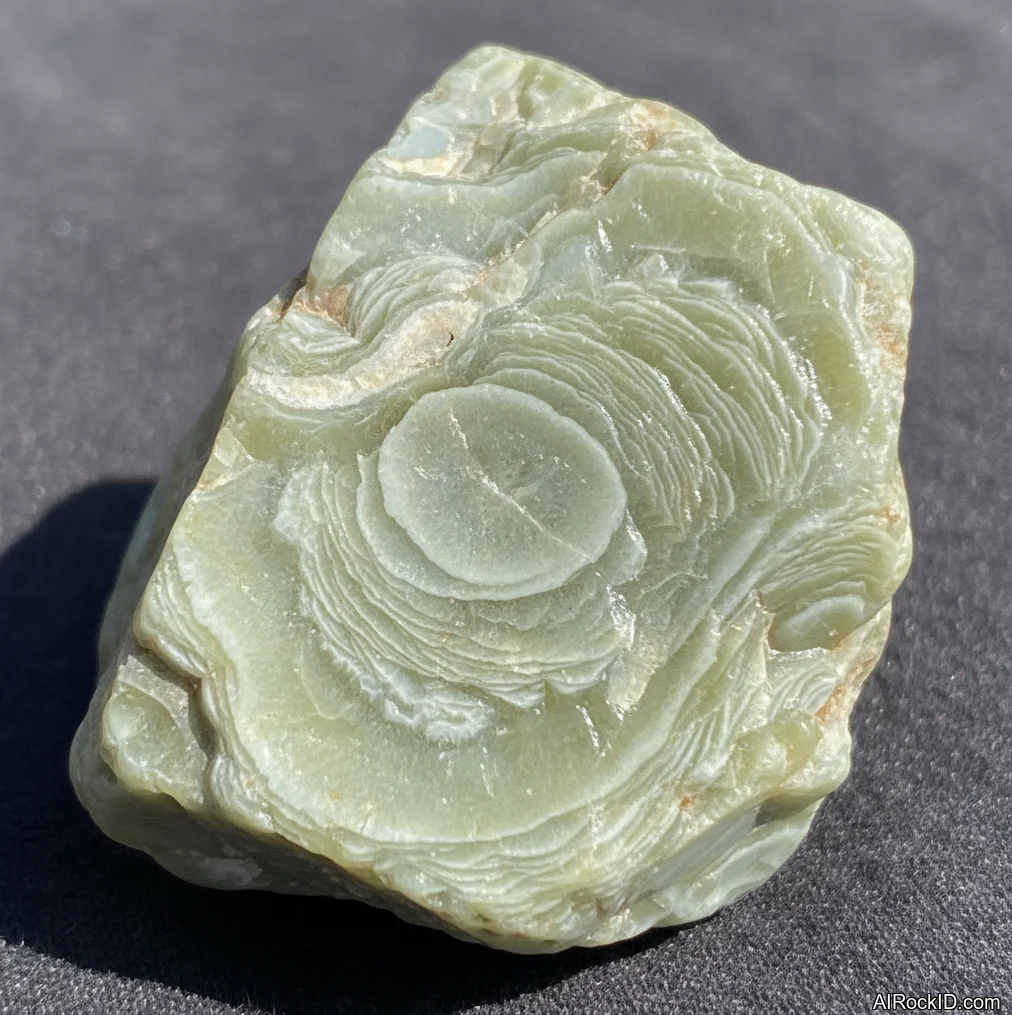
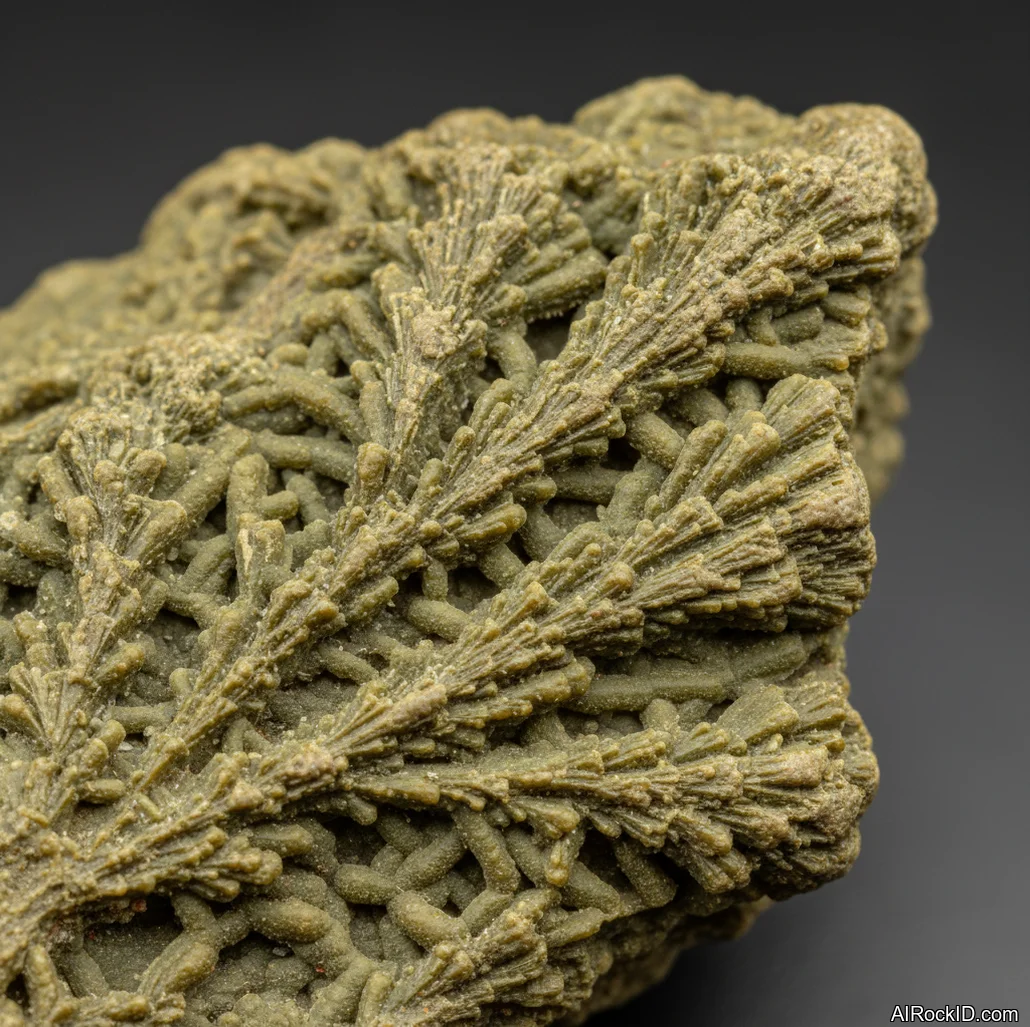
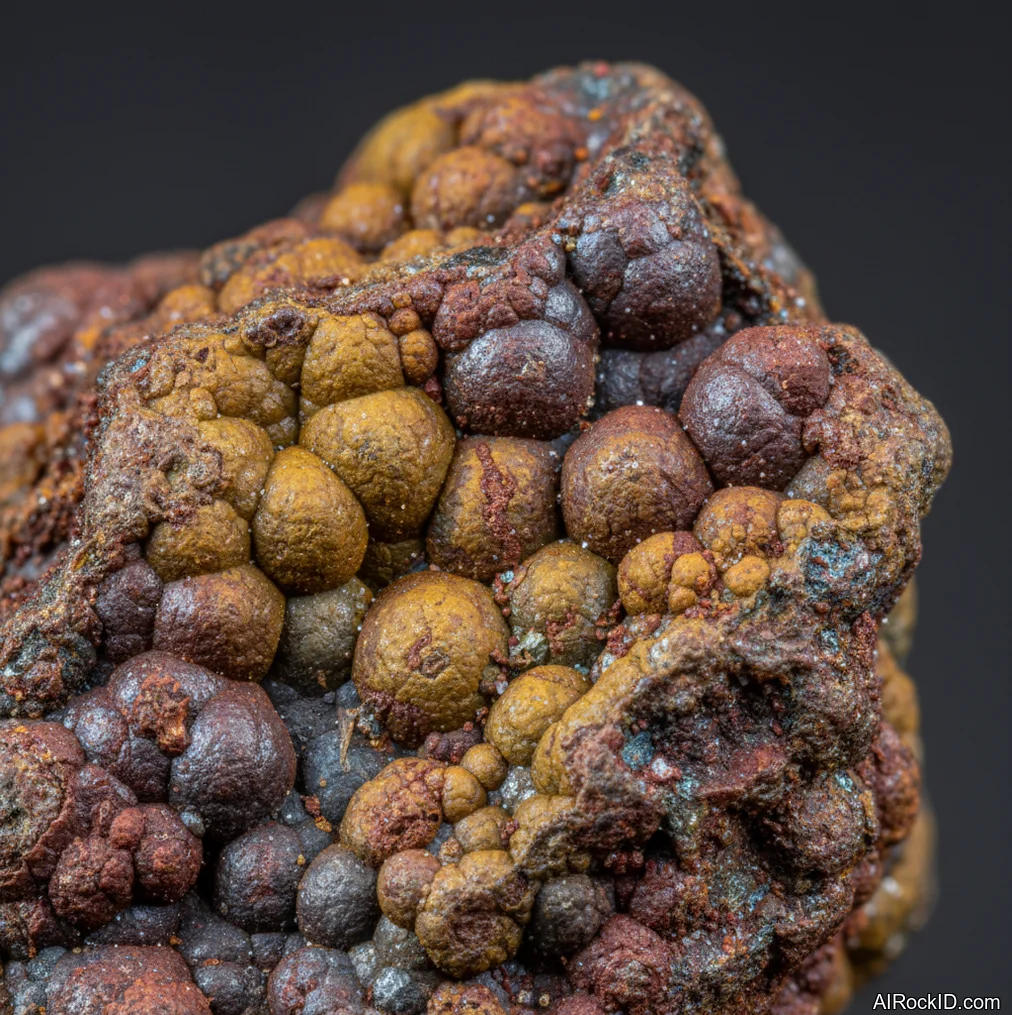
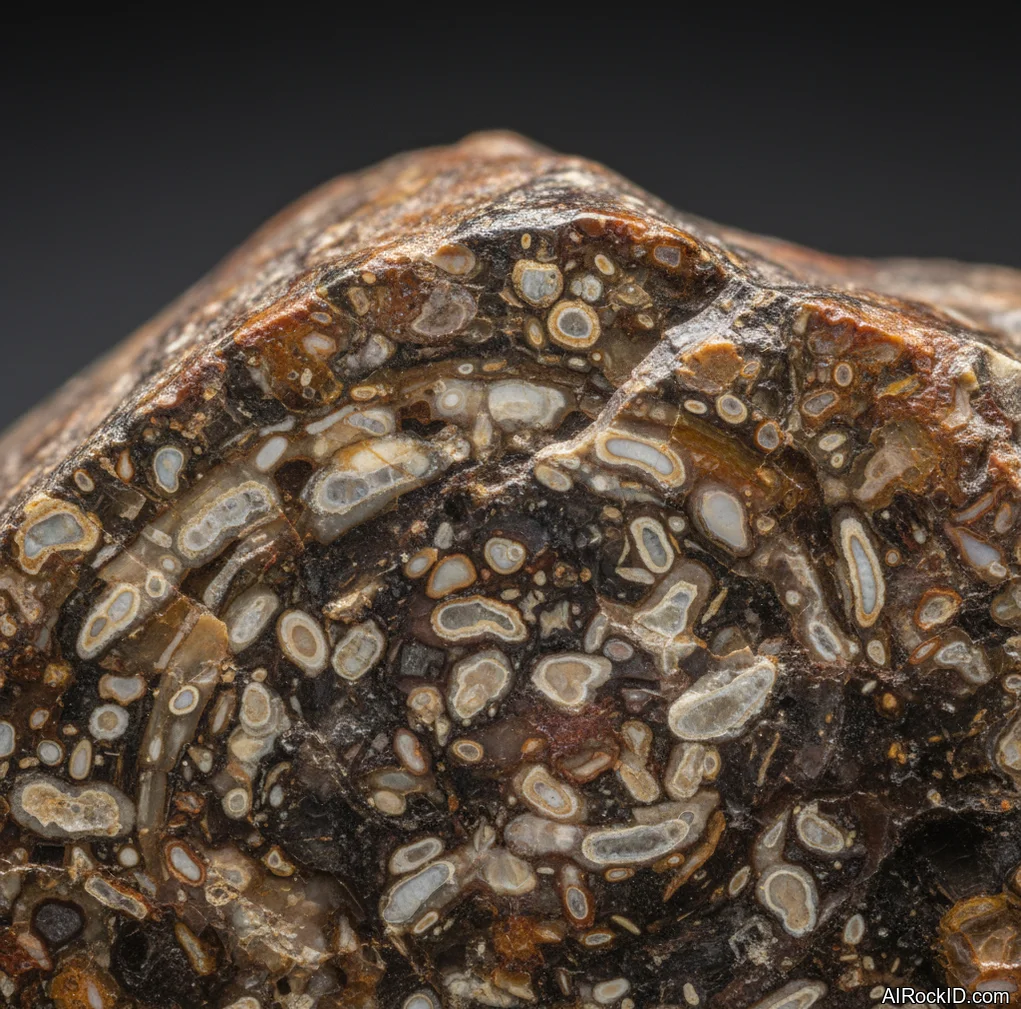
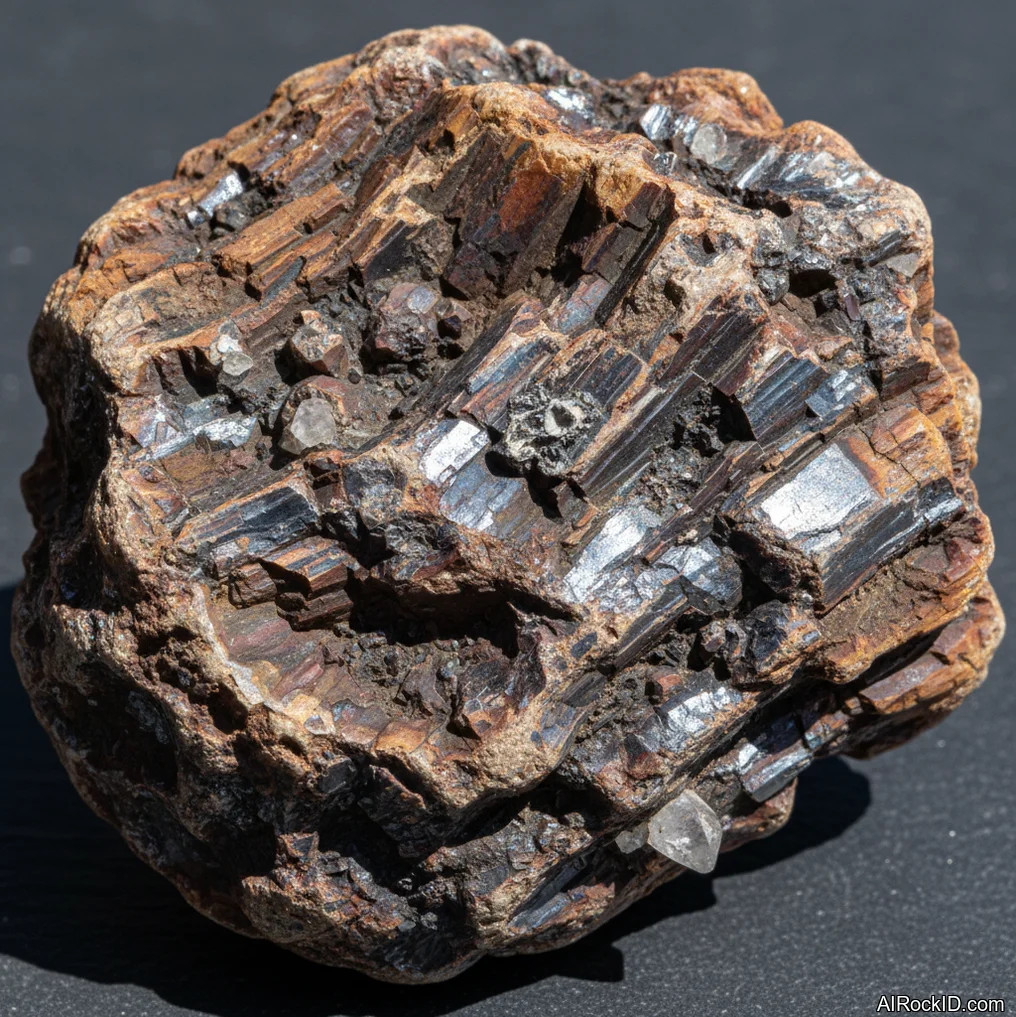
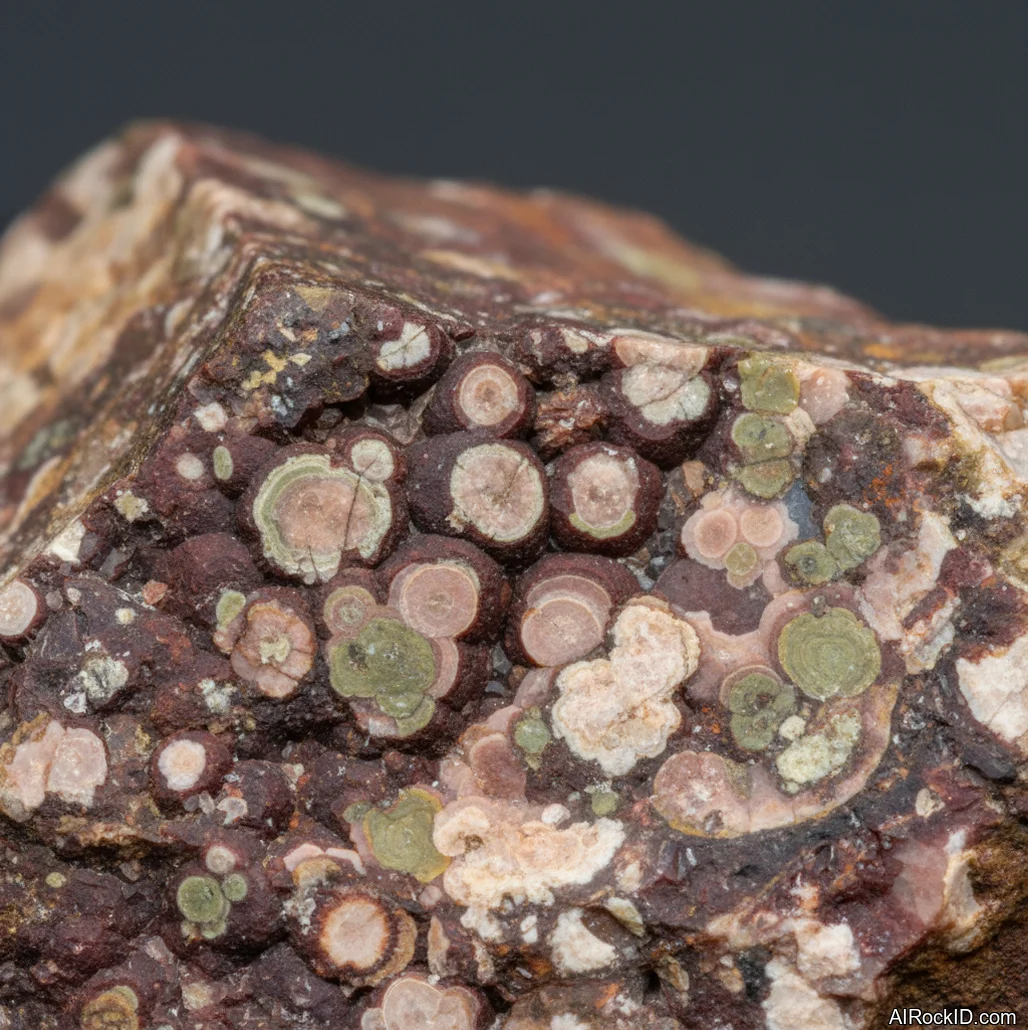
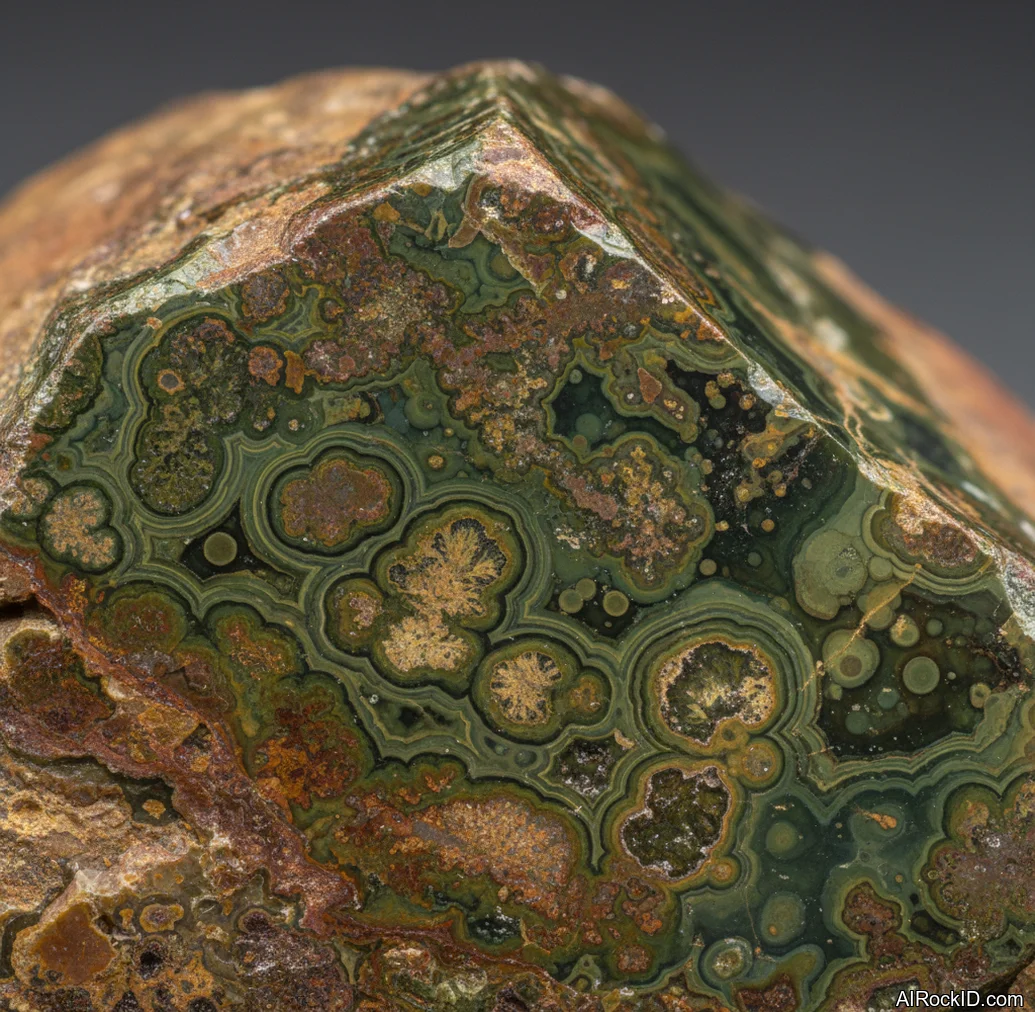
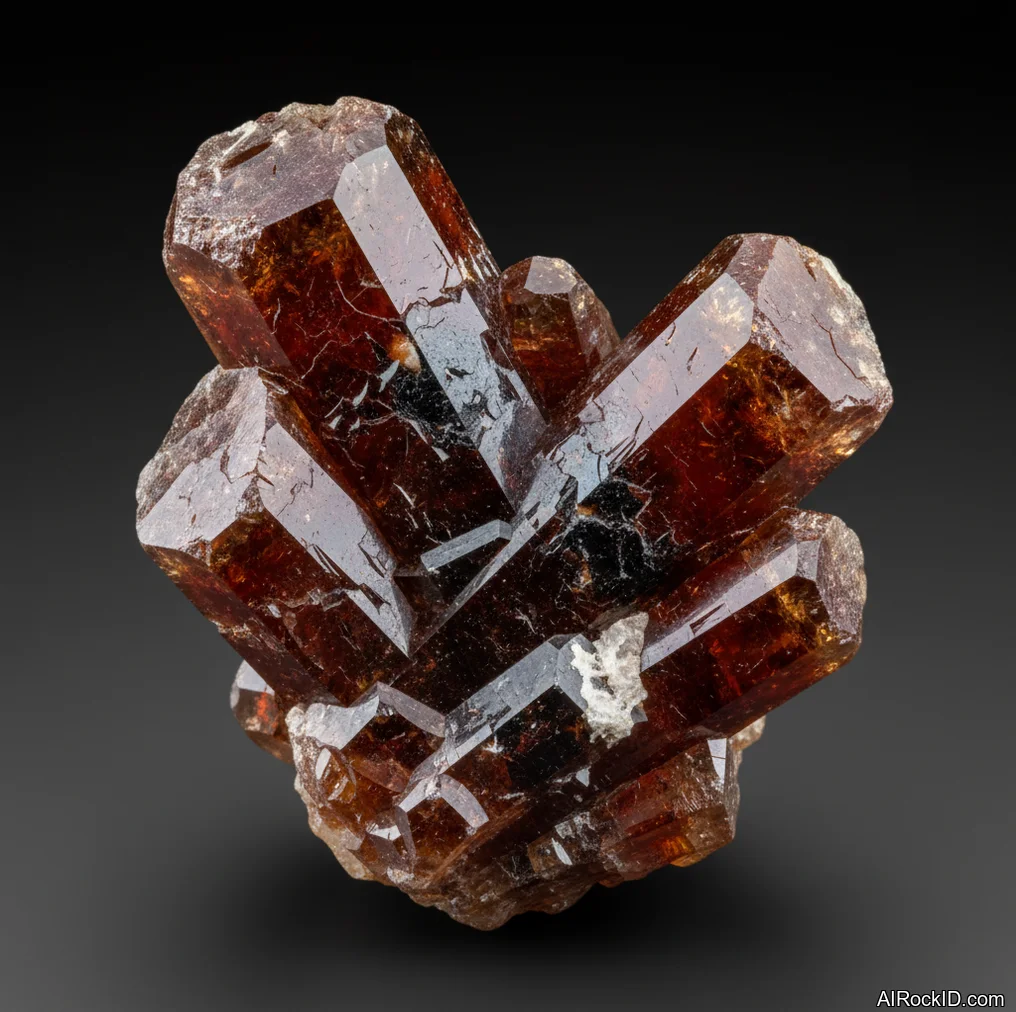
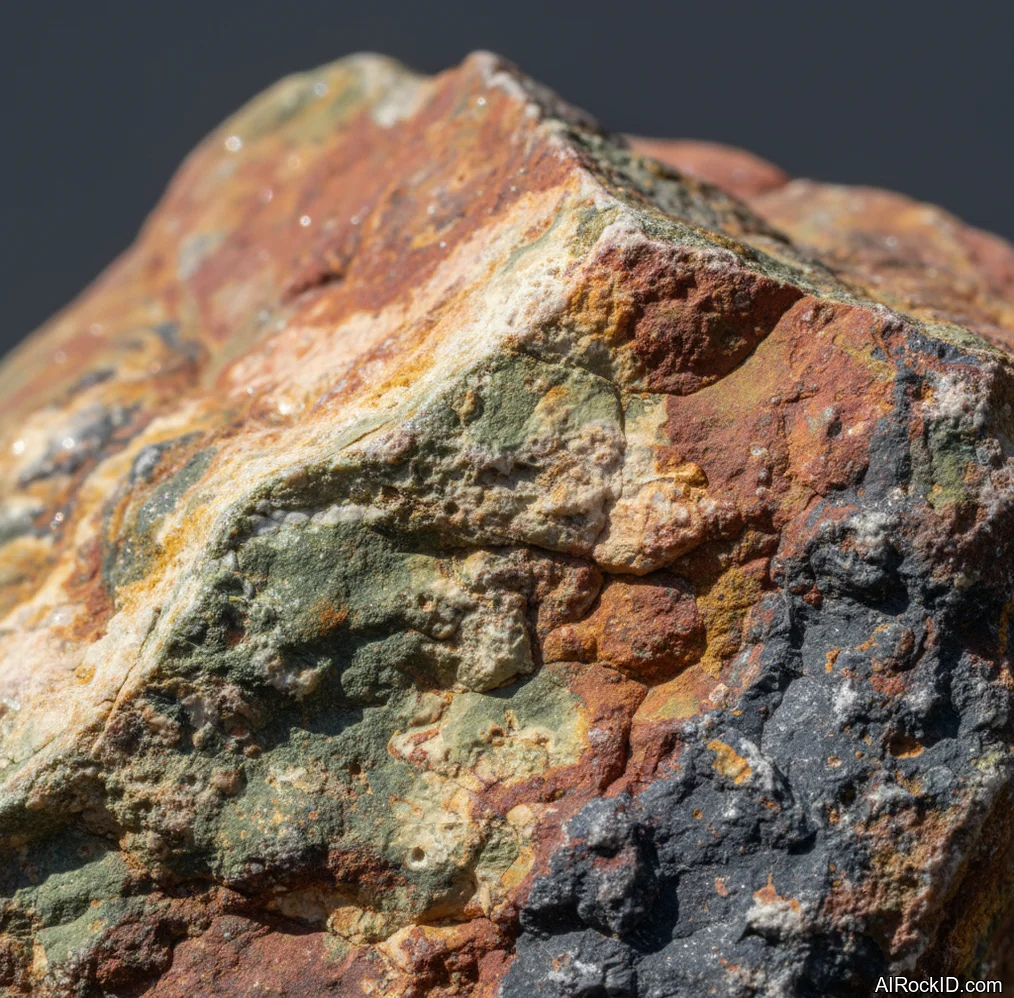
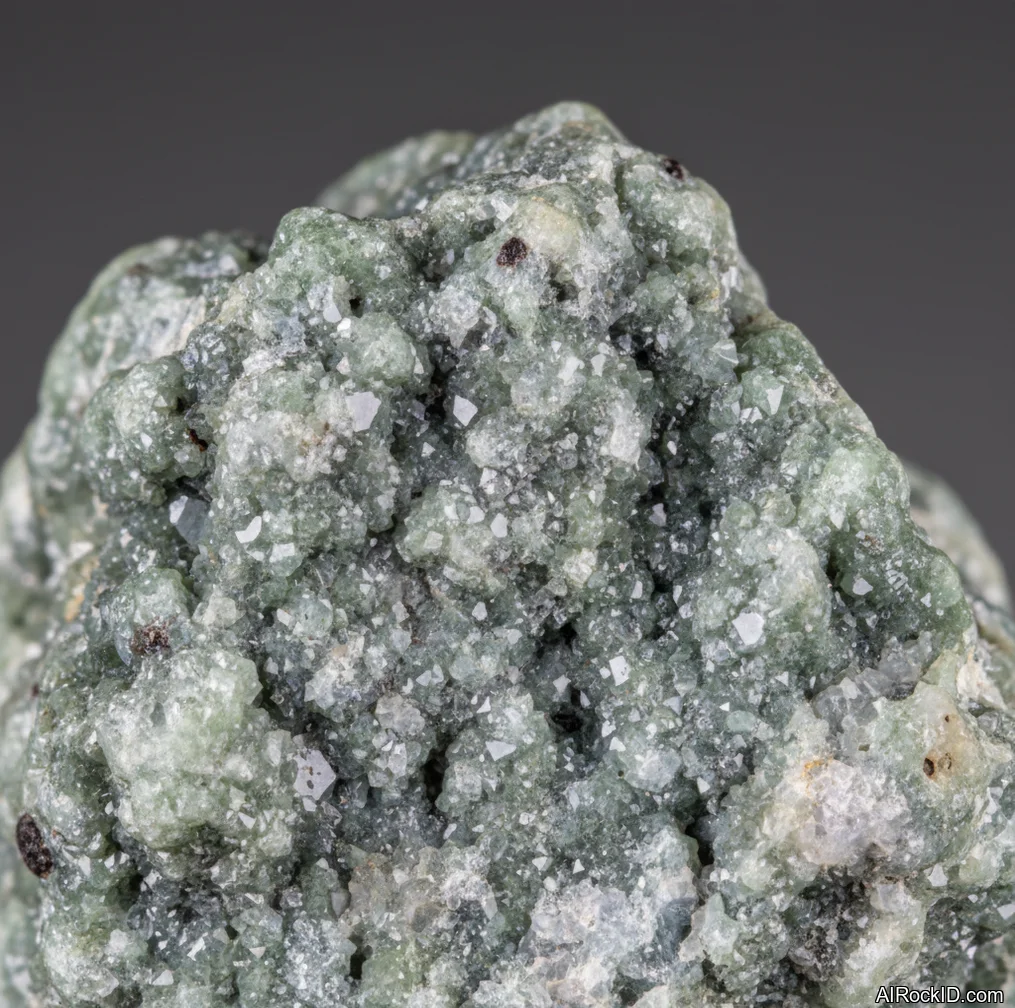
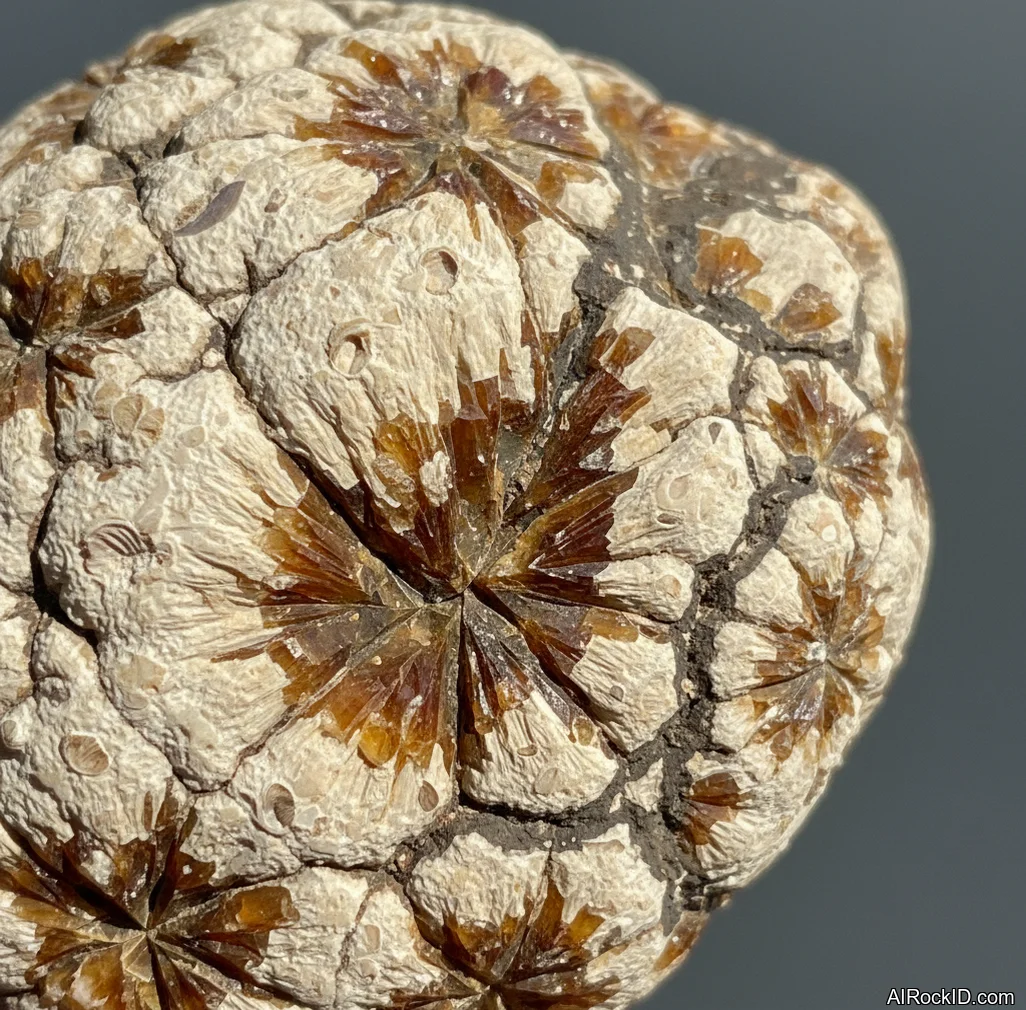
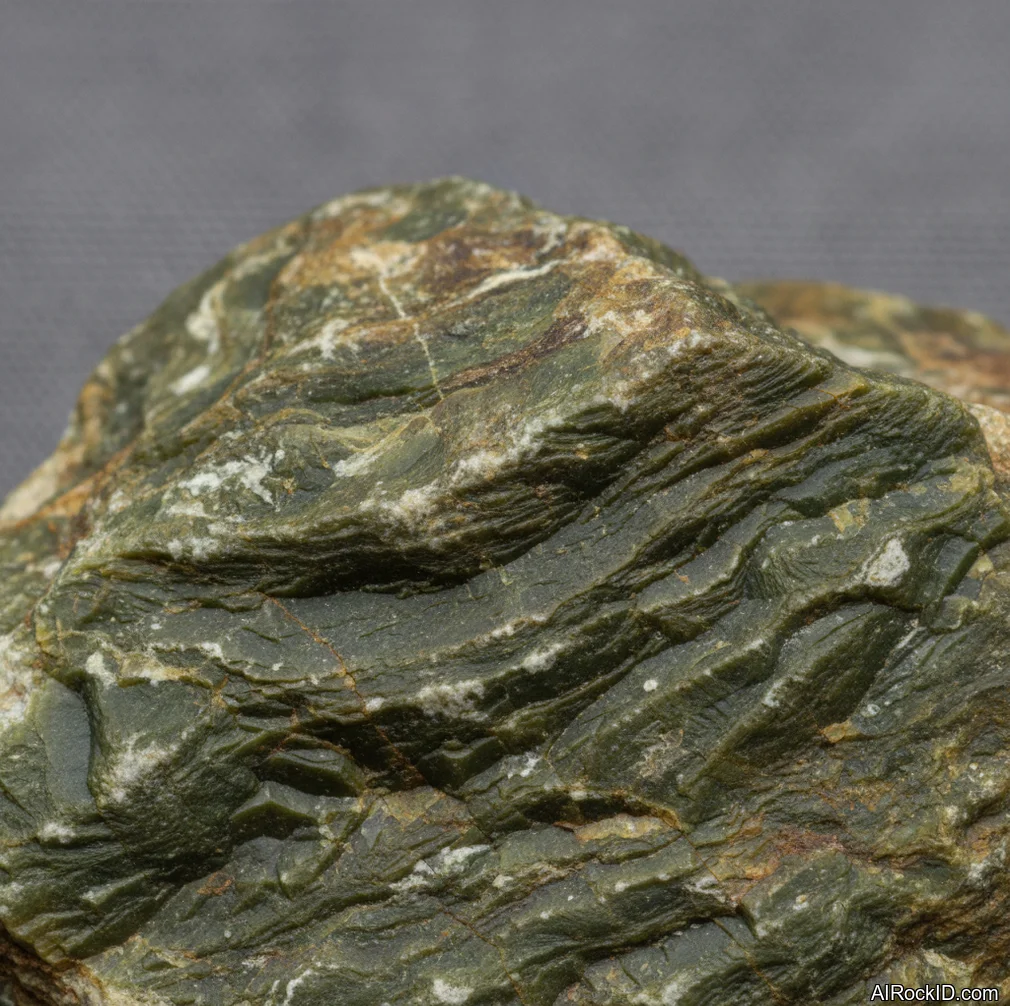
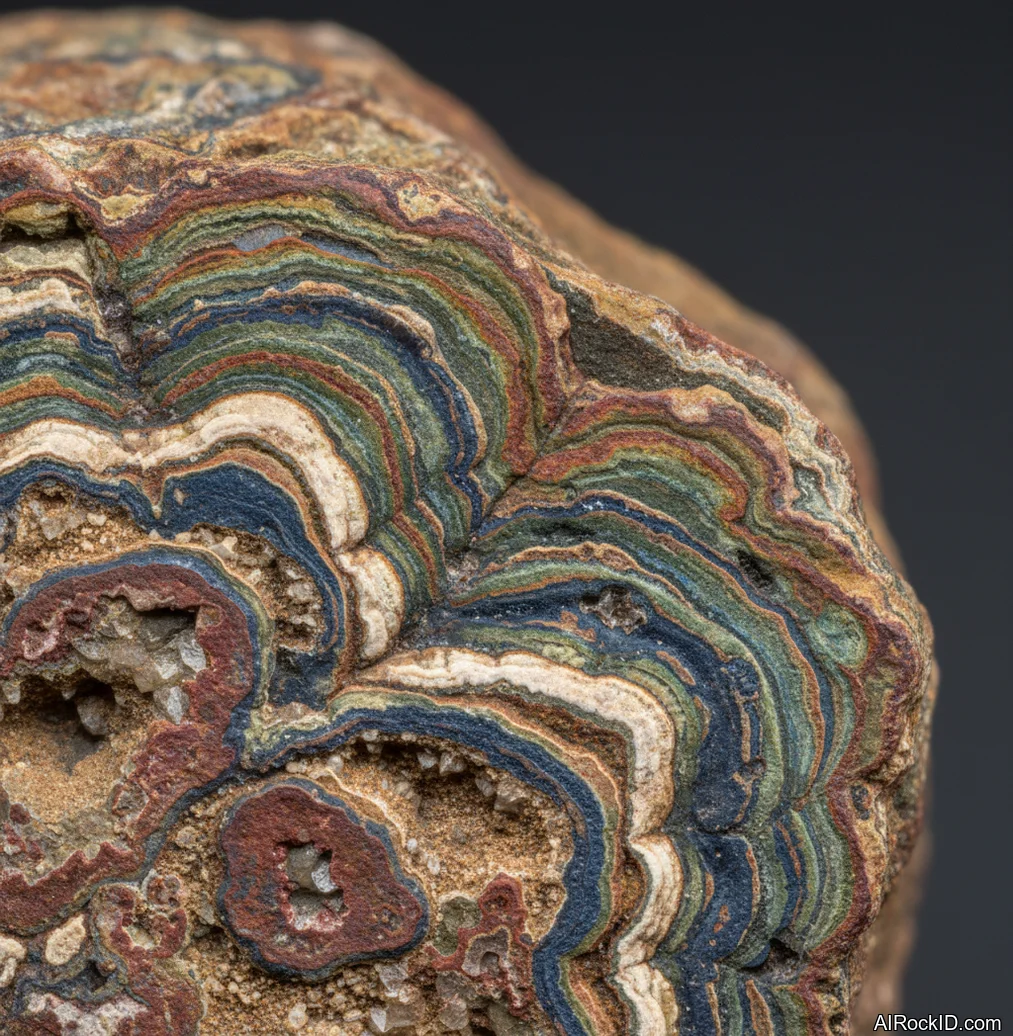
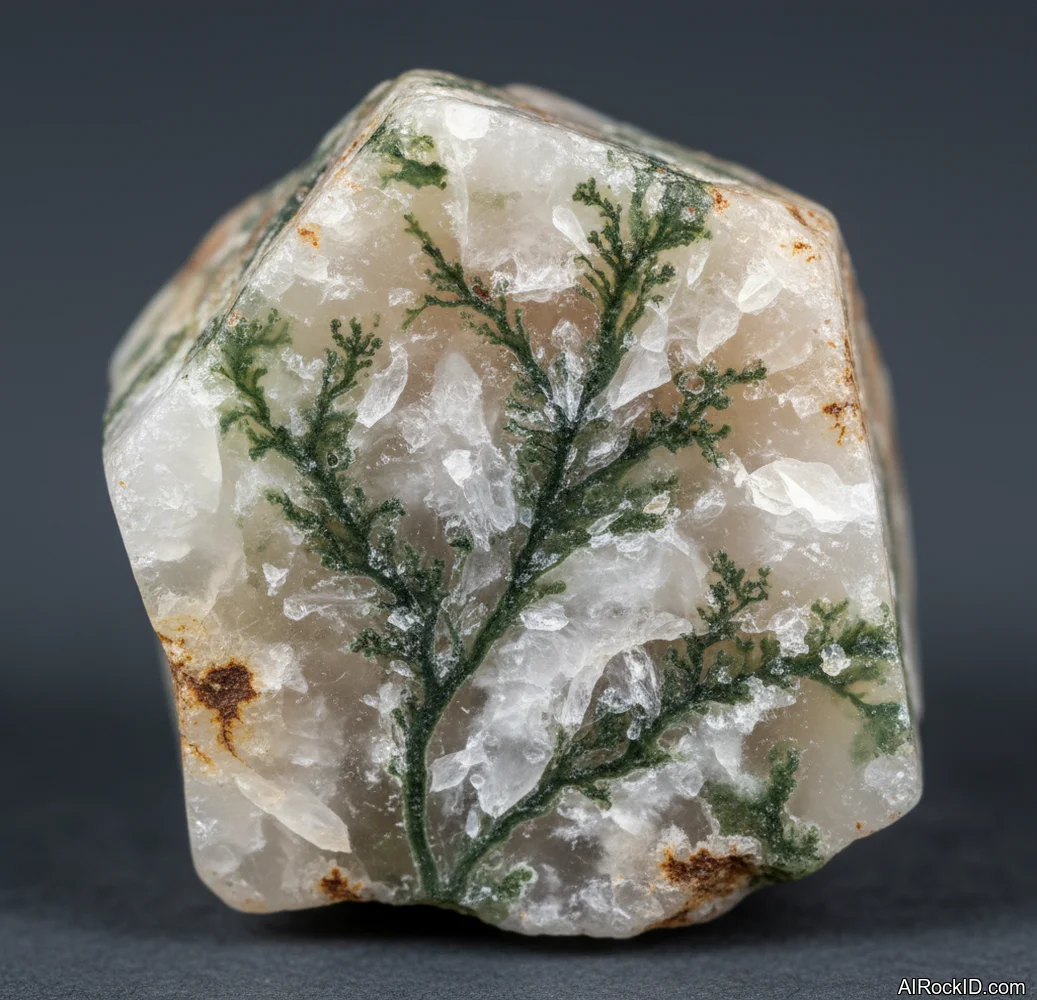
The Earth Crystals tag groups stones that collectors and crystal traditions commonly connect with grounding, steadiness, nature, roots, soil, and physical presence. It is a thematic category rather than a mineral family, so it can include quartz varieties, volcanic glass, iron-rich minerals, jaspers, fossils, and other natural materials.
Beginner recommendations
- Hematite
- Red Jasper
- Black Obsidian
Advanced recommendations
Earth Crystals as a Theme, Not a Mineral Group
An Earth crystal is not defined by chemical composition, crystal system, or a single geological origin. The label is mainly used for stones whose appearance, feel, or traditional symbolism suggests soil, stone, roots, forests, stability, or physical grounding.
Natural, Dyed, and Treated Earth Stones
Many Earth-tag stones are sold natural, but some agates, howlite, jaspers, and porous stones may be dyed or stabilized. Strongly uniform color, color concentrated in cracks, or unusually vivid tones can indicate treatment, especially in inexpensive tumbled stones.
Simple Ways to Group an Earth Crystal Collection
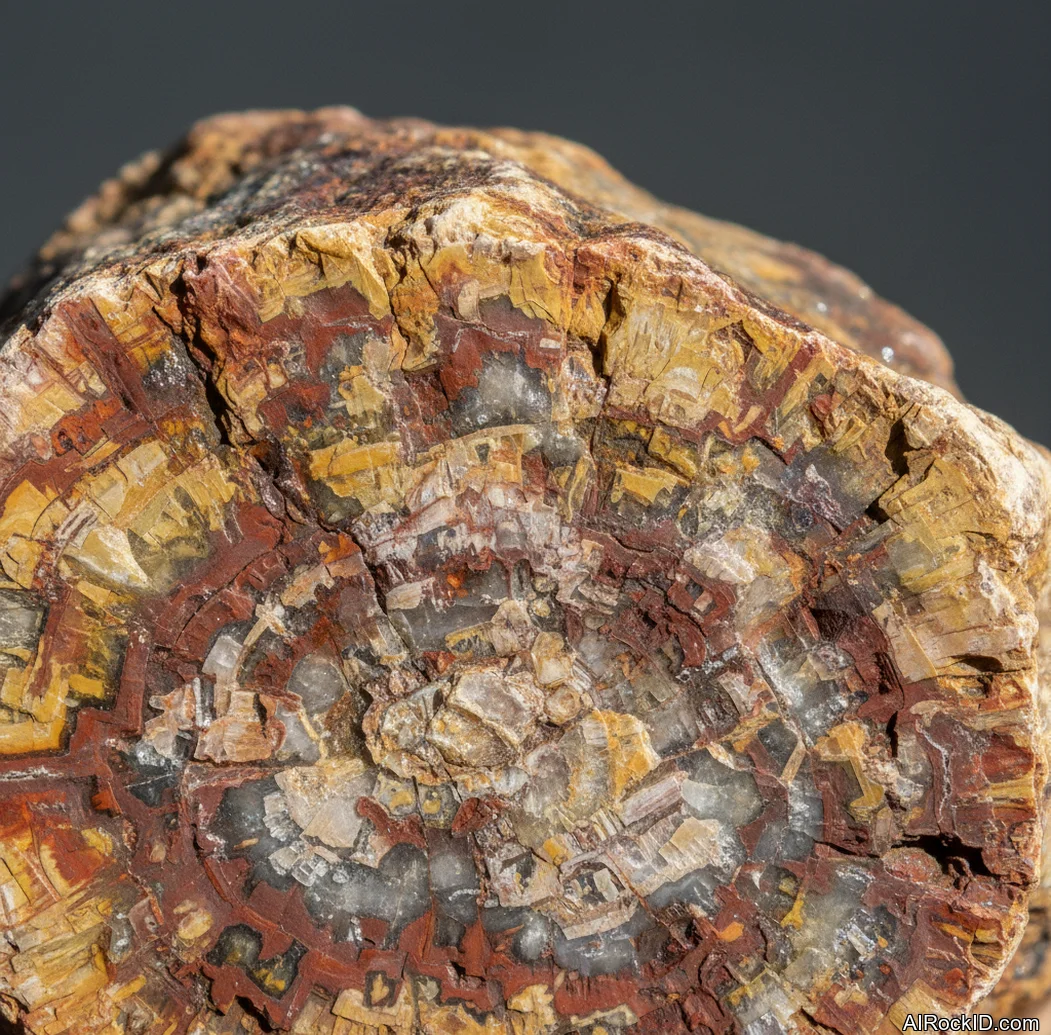
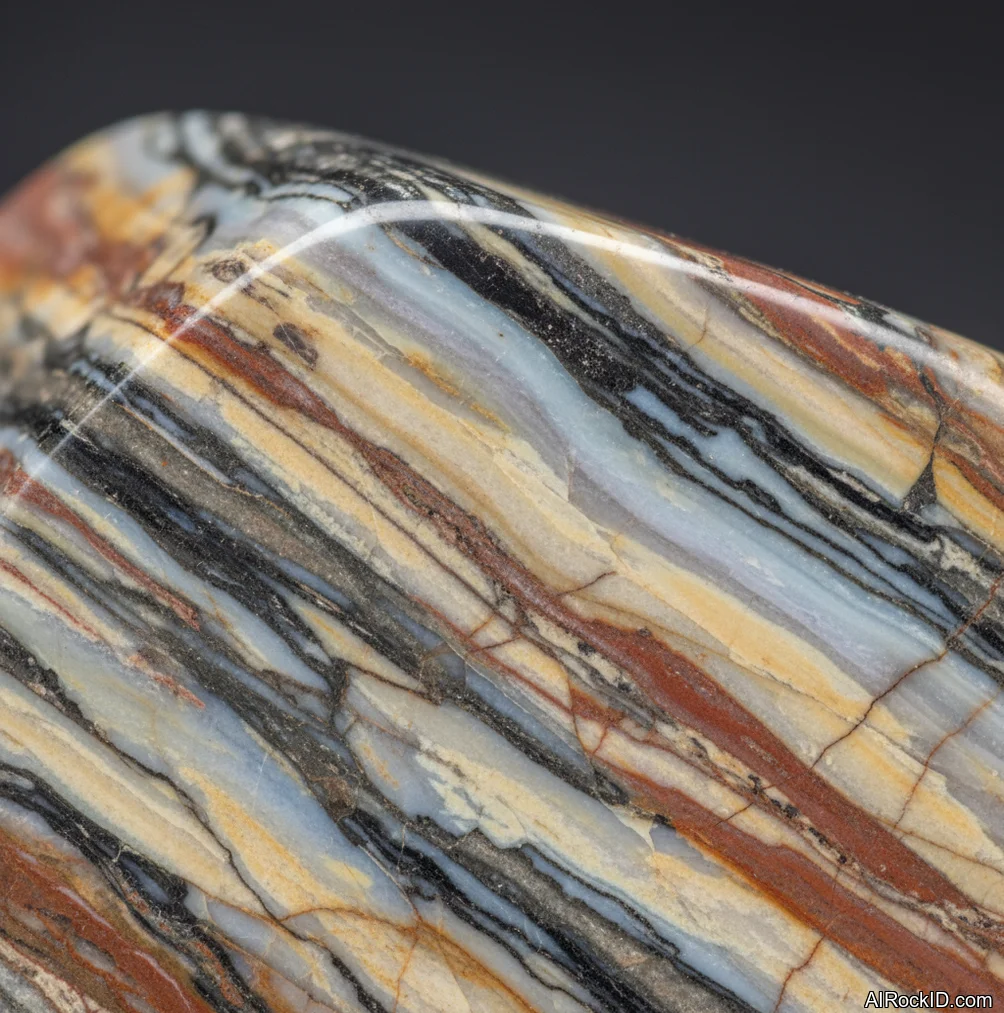
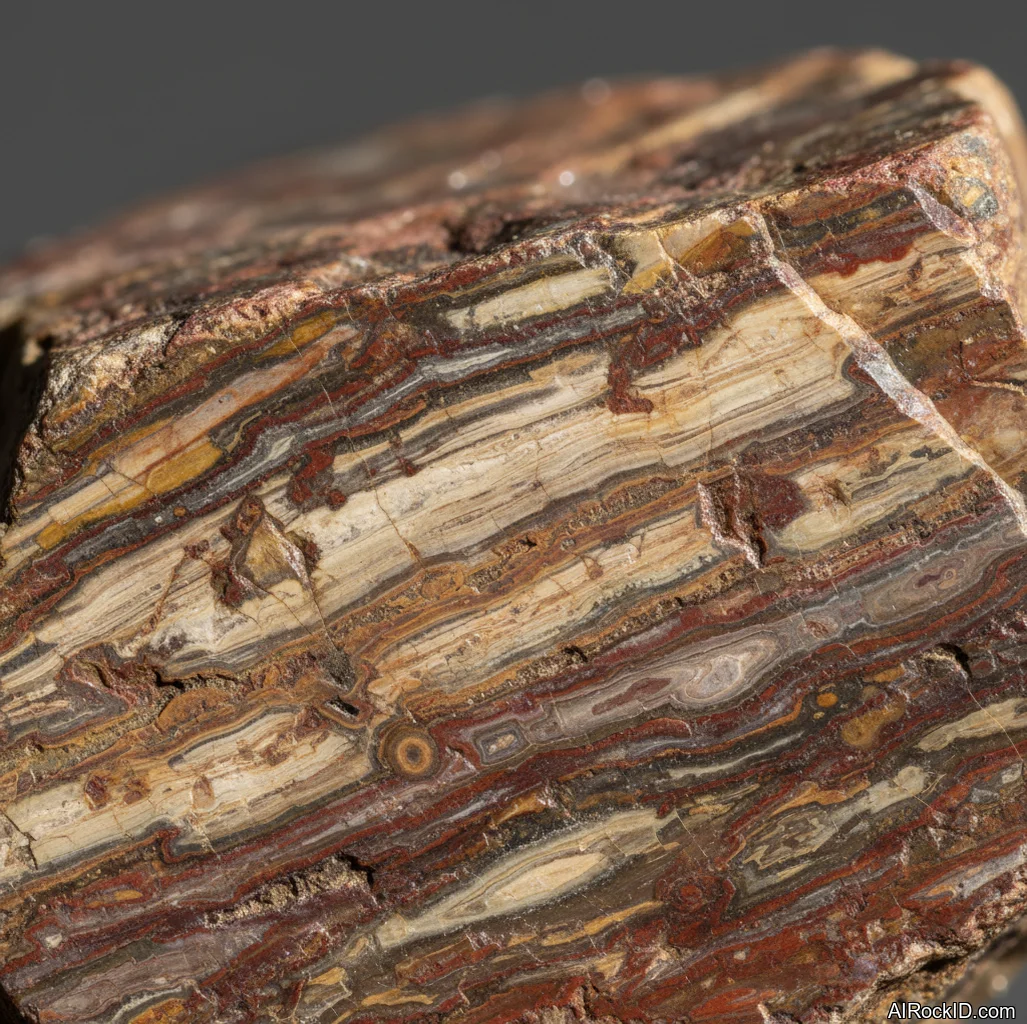
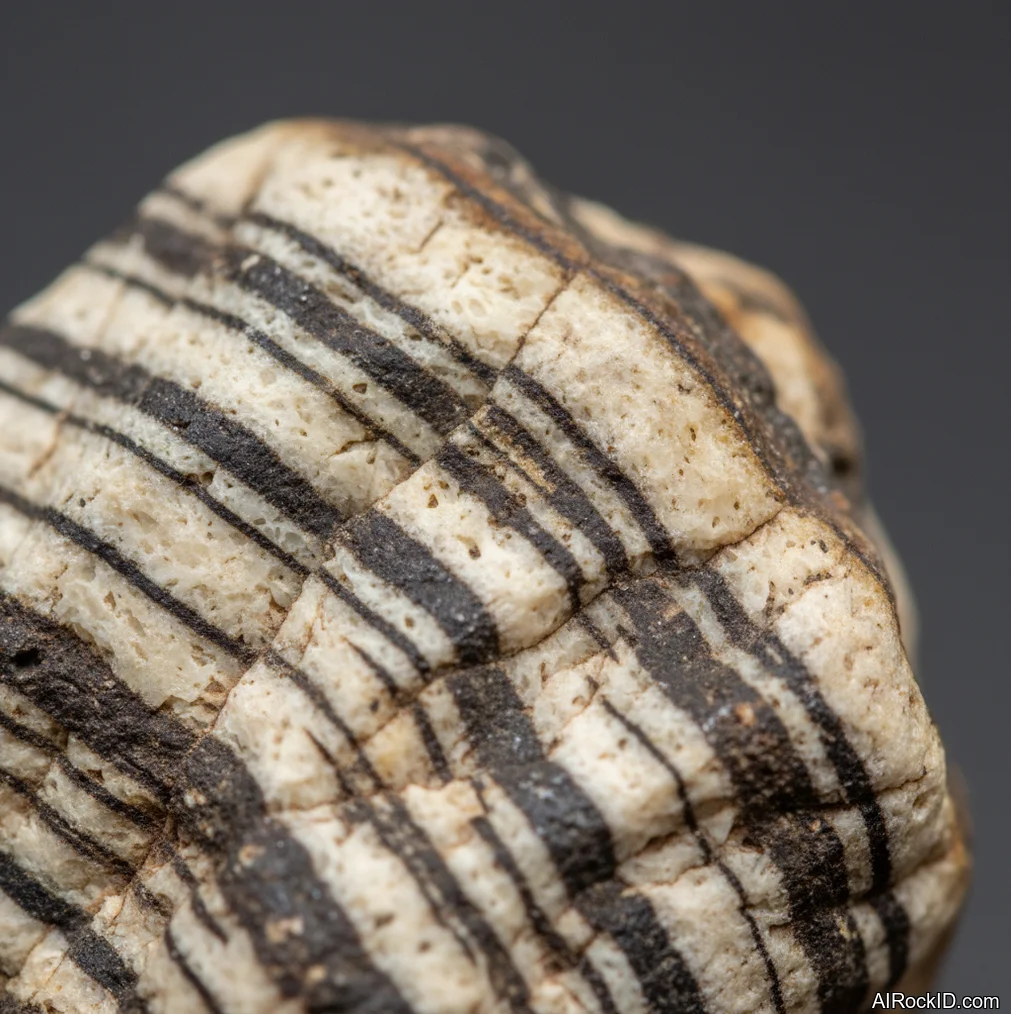
Collectors often organize Earth crystals by color family, texture, origin, or traditional use. A practical beginner layout can separate metallic stones such as hematite, glassy stones such as obsidian, opaque silica stones such as jasper, and patterned organic-looking materials such as petrified wood.
What Makes a Crystal 'Earth' in the Collector World?
Earth, when you hear it in crystal circles, isn't a planet you're orbiting—it's the shorthand for the stuff that holds you together on a rough day. It's gravity, muscle memory, clay under your fingernails, and the slow rhythm that drags you out of your head and into your body. People chase that feeling when they're scattered, anxious, or floating in their thoughts. Earth stones are the ones that feel like actual mass in your palm. Hematite's a perfect example. Pick up a chunk and notice how suddenly your hand feels heavier. Even tumbled, it looks like a little dark mirror, cold at first touch, and it will show every oily fingerprint almost instantly. That satisfying density is why people reach for it if they need to feel more present. Smoky quartz does a similar thing, just in a different flavor. It's got the glassy clearness of quartz, but the smoke running through it pulls your focus down, not up. I've seen folks skip right past clear stones and go straight for the bin of jaspers and basalt because they're after that 'down to earth' heft.
Physical Qualities of Earth Crystals: Texture, Weight, and Real-Life Feel
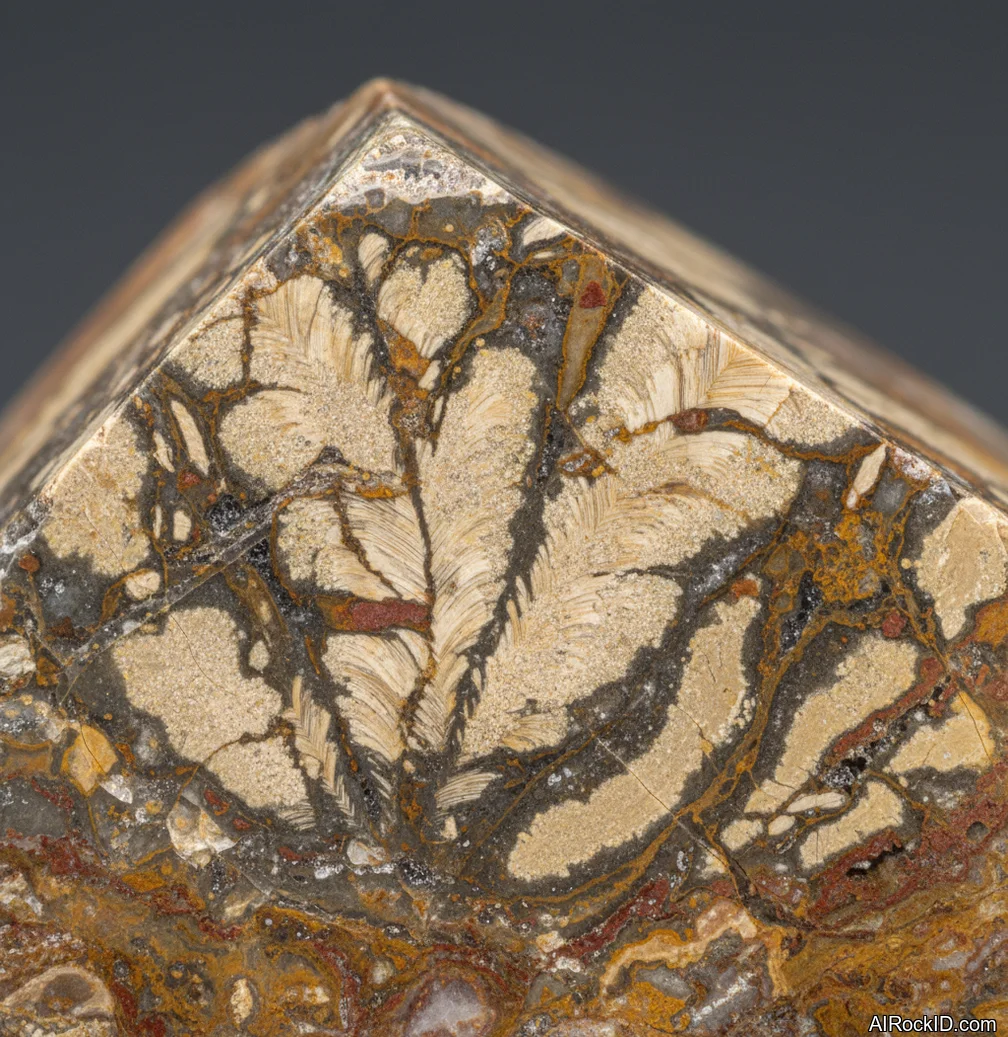
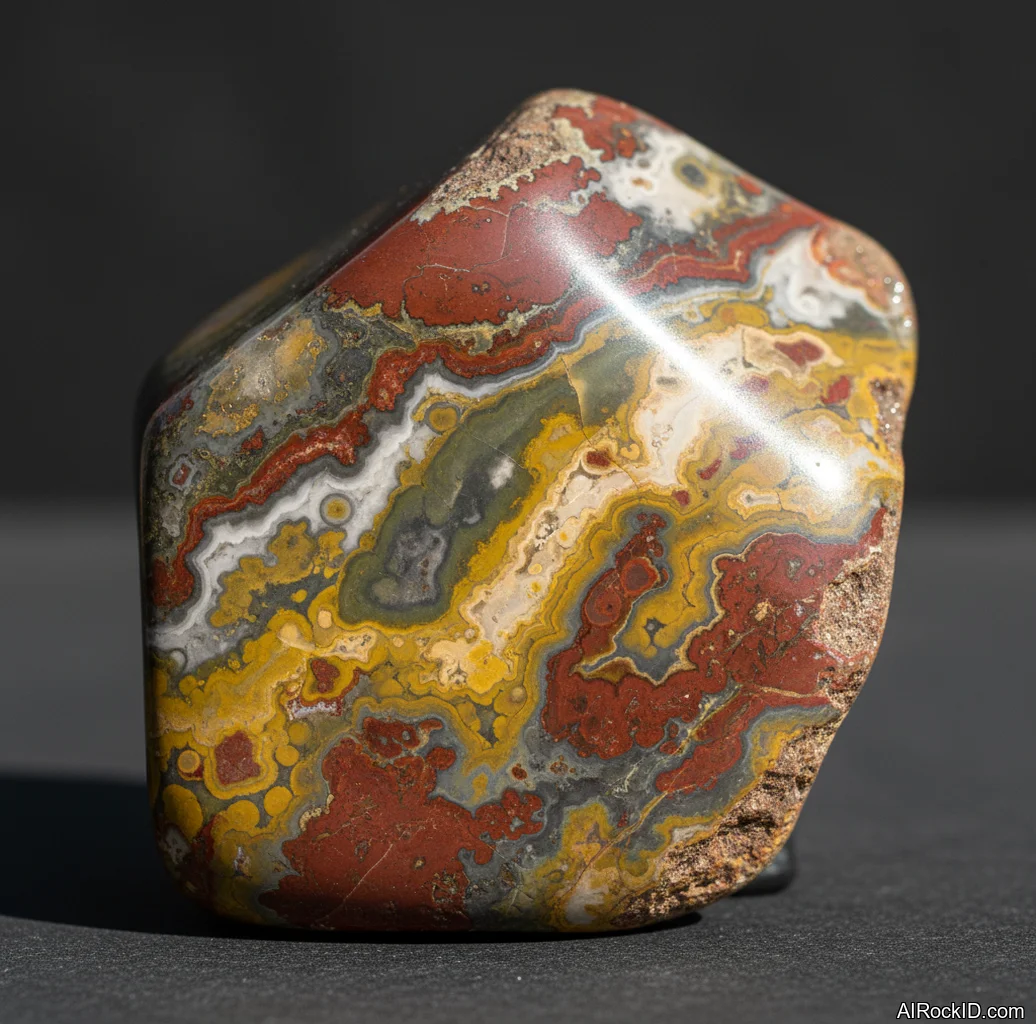
Collectors spot Earth stones with their hands first, not their eyes. Hematite, for instance, feels twice as heavy as you'd expect for its size. It doesn't warm up as fast as most stones either, so it stays cool during long handling. Red jasper is another workhorse—dense, iron-rich, not see-through at all. When polished, it picks up a soft, waxy shine that reminds me of old worn bricks fished out of a river. Picture jasper tries to paint a landscape in every polished piece: desert cliffs, muddy banks, sometimes even weird little patterns that look like trees if you squint. Obsidian's a weird one. It looks like glass because it is volcanic glass, but if you run your nail along the edge of a raw chip, it's sharp enough to cut you. Not all Earth stones are comfortable. Raw basalt is rough and unfinished, a little crumbly, and will shed grit if you toss it in your pocket. But the tradeoff is that real, physical presence. They're not flashy, but set one on your desk and you'll notice you touch it more than the shiny stuff.
Earth Crystal Energy: How and Why People Use Them
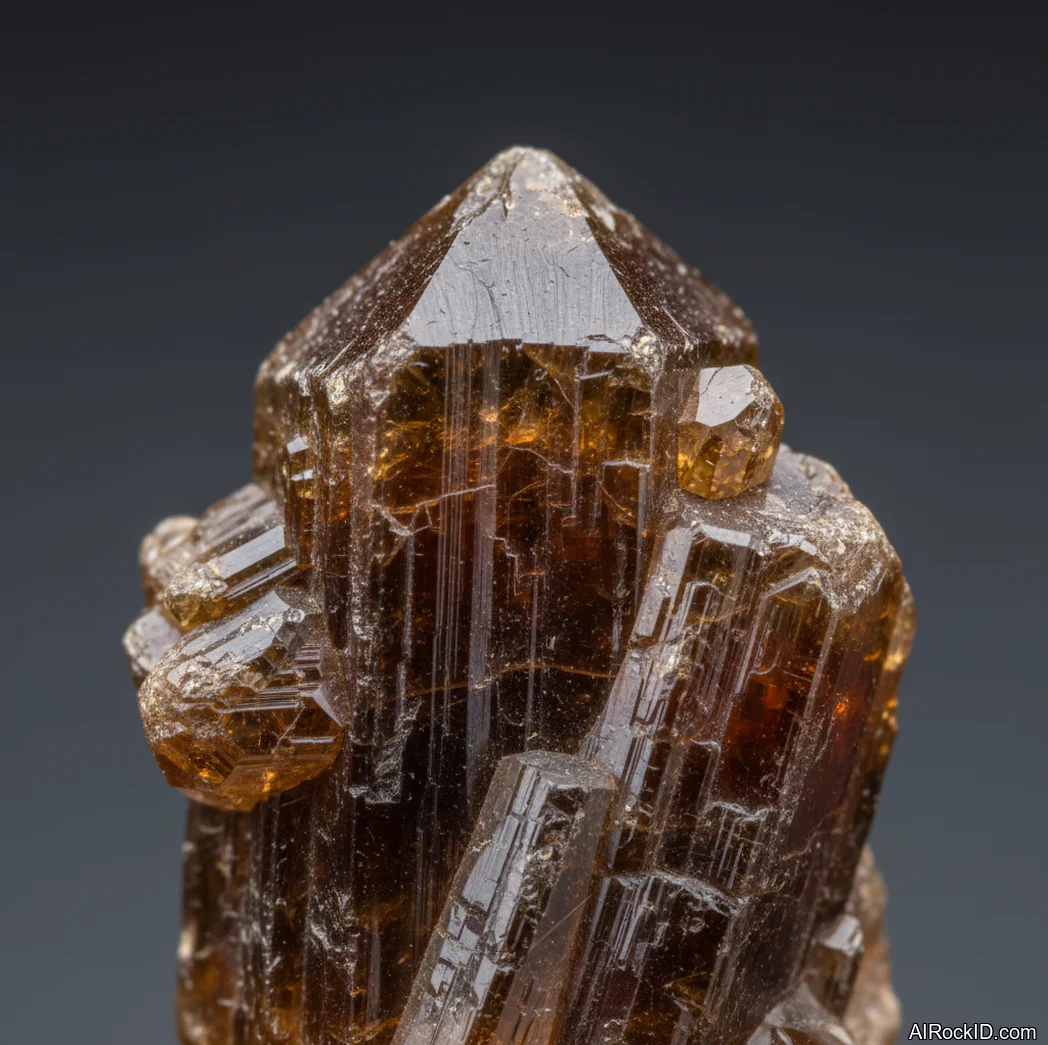
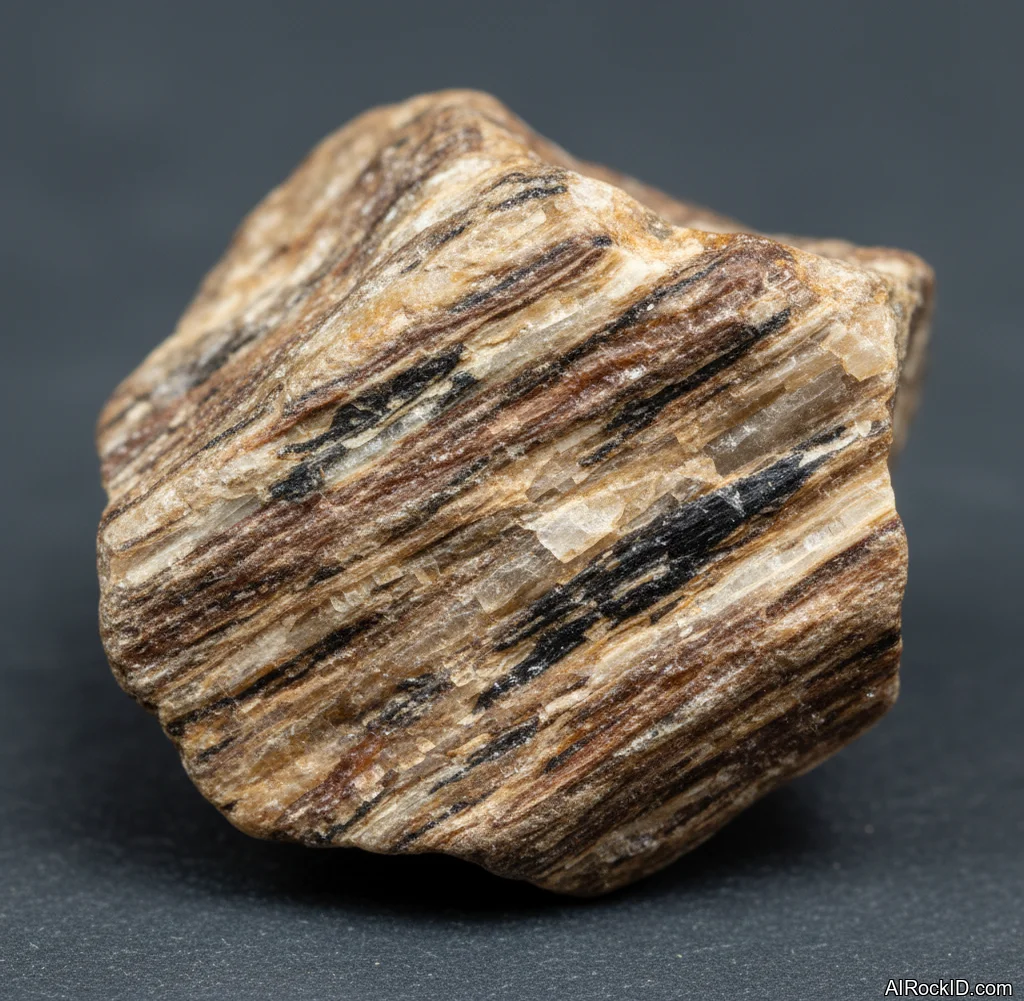
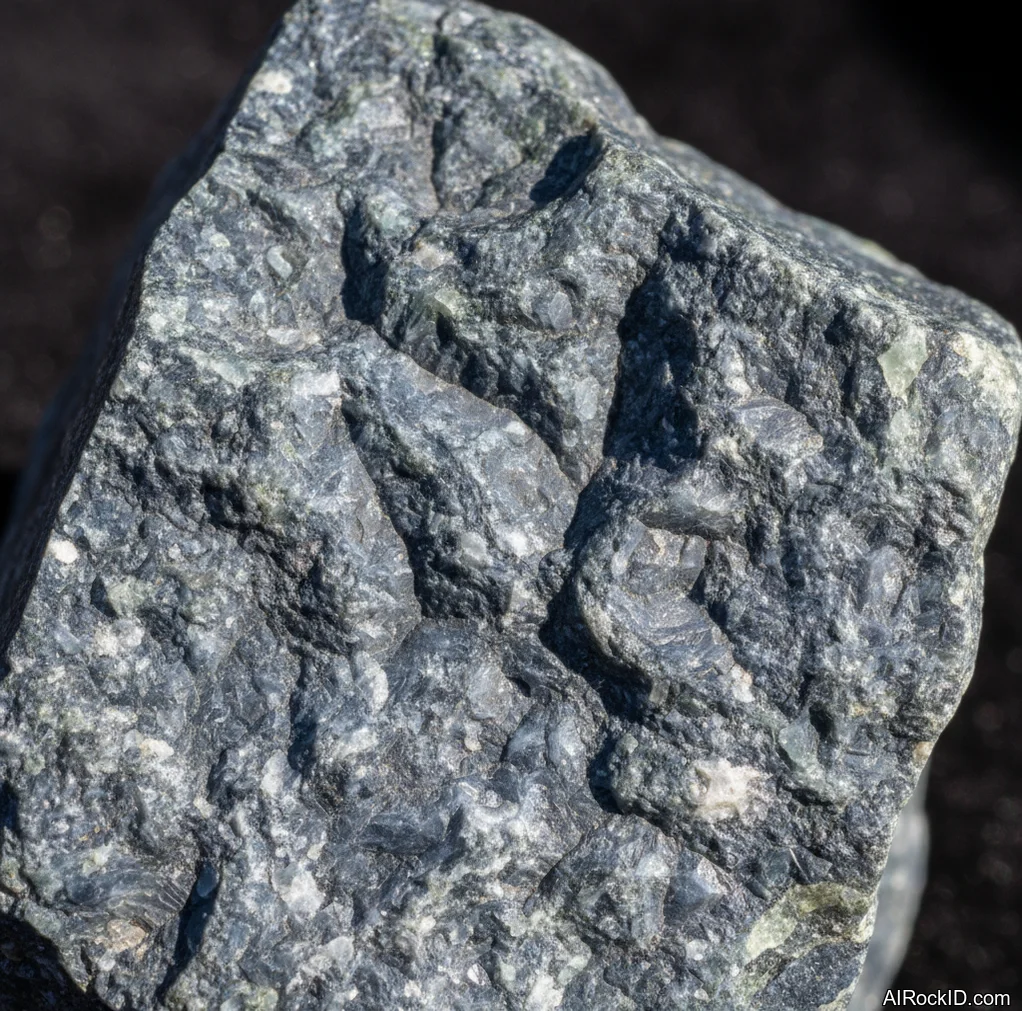
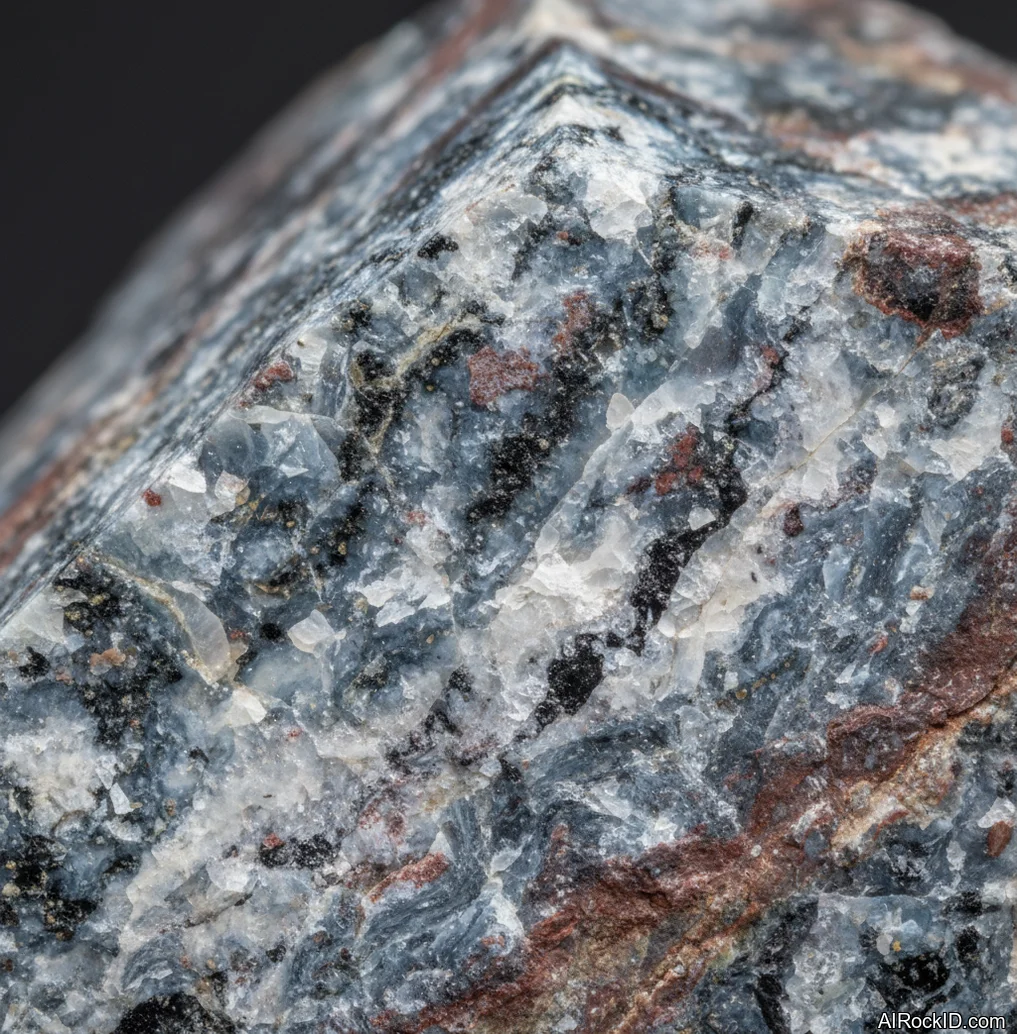
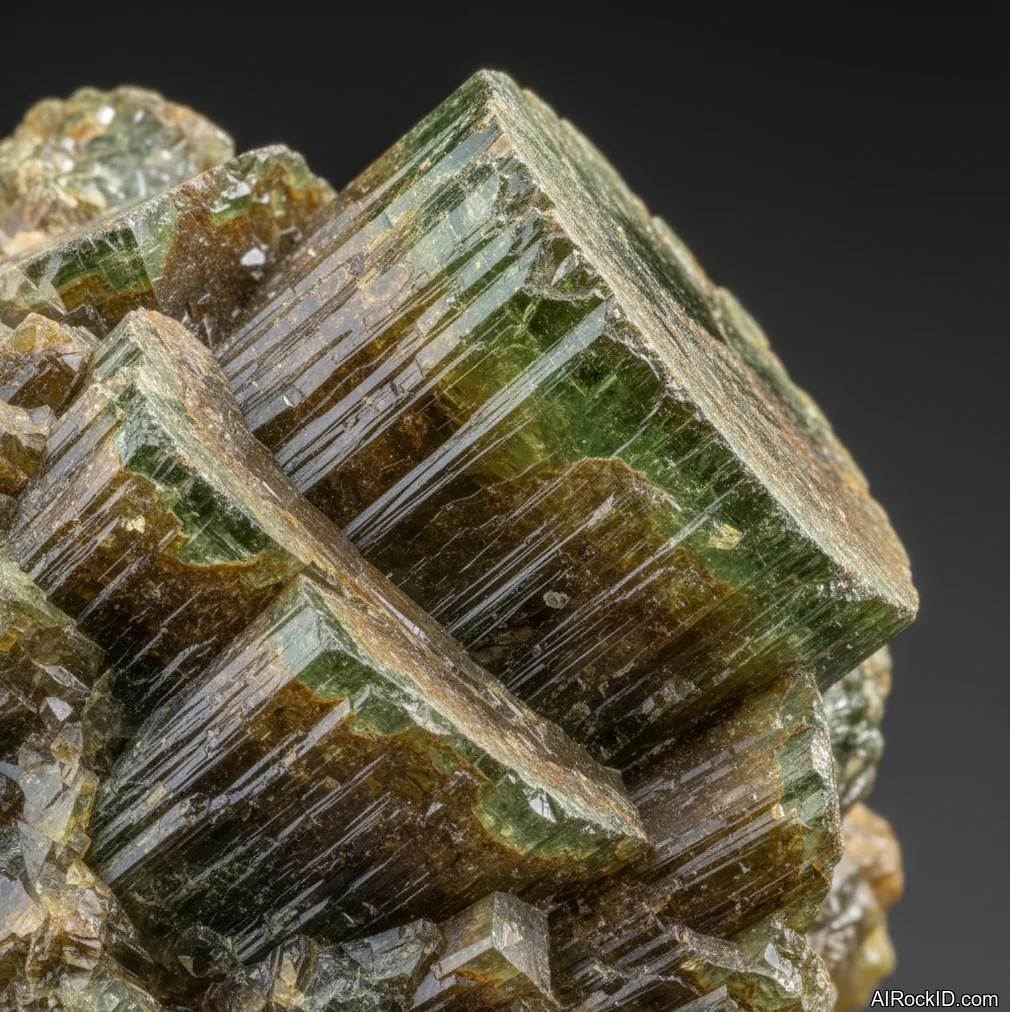
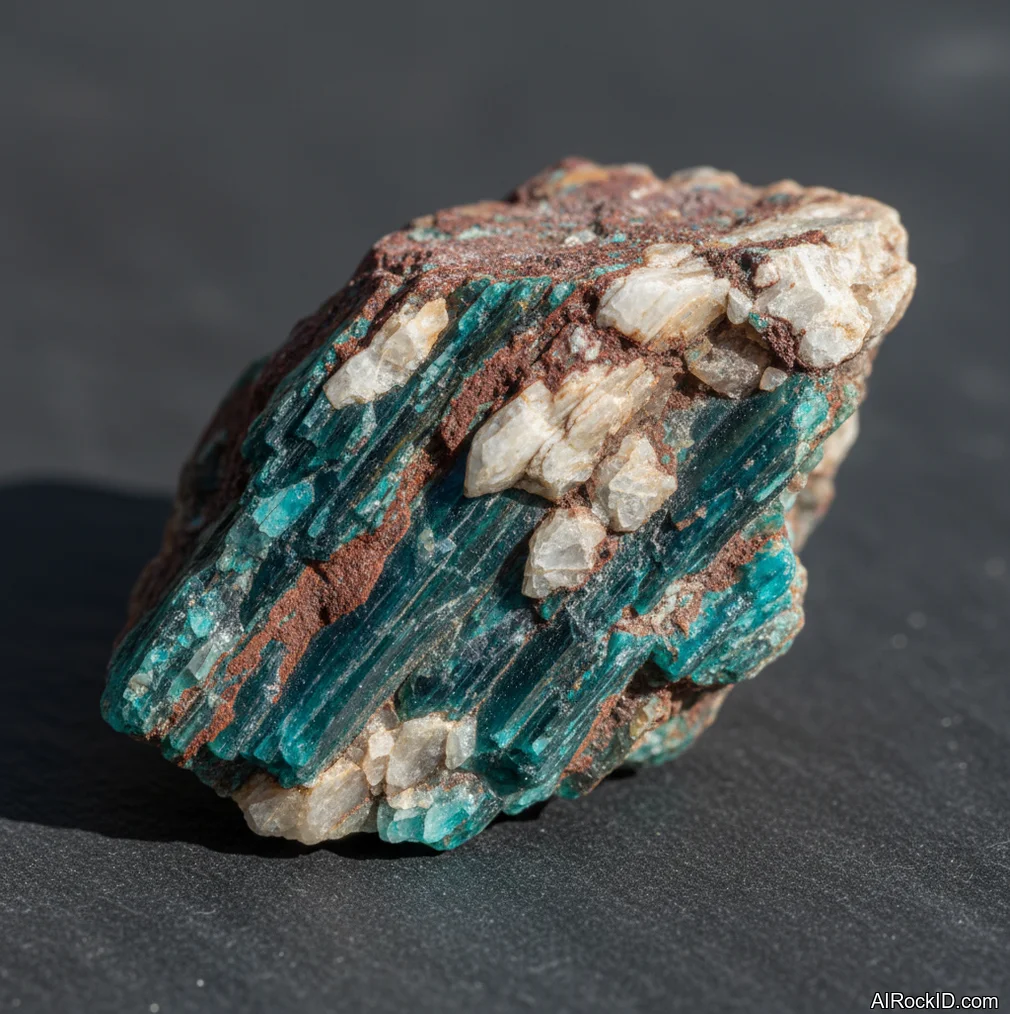
People don't reach for Earth crystals because they want a spiritual high. They want to feel less scattered, more focused, or just plain 'here.' You'll see folks coming into the shop after a long flight or a tough week of staring at screens, and they go straight for the bowl of black tourmaline or smoky quartz. Red jasper's a repeat request for anyone who admits they're overextended. It's not subtle, but sometimes you want blunt force stability. Black tourmaline (schorl) is always in demand for 'protection'—but if you actually look at the raw specimens, they're more interesting in person. Long, vertical striations run the length of each crystal, and the ends fracture unevenly. Dust clings to those grooves, so if you want it to look decent on a shelf, you'll spend some time with a soft brush. Some keep these stones by their doorway at home, others tuck them in a bag, and a few glue tiny chunks to their electronics. The real-world use isn't mystical—it's about having something weighty and solid to anchor you in the moment.
Collector Tips: Buying, Cleaning, and Handling Earth Crystals
Weight is your first clue. Hematite should feel almost unnaturally heavy for its size. If it feels light, you probably have a fake or a piece filled with resin. Red jasper and black tourmaline both show wear quickly, but in different ways. Jasper chips along the edges if you drop it, while tourmaline's striations fill up with dust or pocket lint almost overnight. A soft toothbrush and a quick rinse solve most cleaning issues, but don't leave black tourmaline soaking—it's brittle and fractures if handled roughly. Obsidian's the one I warn new collectors about: raw edges can be razor-sharp, and I've seen more than one cut finger from someone grabbing a chunk too fast out of a mixed lot. For display, earthy stones look better against muted backgrounds—skip the mirrored trays and use a piece of driftwood or slate. If you're carrying one in a pocket, stick to tumbled stones or wrapped pieces, as raw crystals can shred fabric and pick up lint fast.
Best Earth Crystals to Start With
| Level | Crystal | Note |
| Gentle / Beginner | Red Jasper | Red jasper is tough, affordable, and takes a smooth polish that feels comfortable in the hand. It doesn’t scratch easily and doesn’t have raw edges to worry about. |
| Balanced / Everyday | Smoky Quartz | Smoky quartz combines grounding with a clear look so you get both the Earth feel and some visual interest. Easy to find in tumbled or raw points. |
| Intense / Advanced | Hematite | Hematite’s weight and mirror-like polish give it a heavy, almost overwhelming physical presence. Great for grounding, but can feel intense for some. |
| Best for Carrying | Obsidian (Tumbled) | Tumbled obsidian is smooth, pocket-friendly, and tough enough to survive daily use. Avoid raw pieces unless you want shredded pockets. |
| Best for Display | Black Tourmaline (Schorl) | Raw black tourmaline crystals stand out visually with their striations. Looks great on a shelf or by a doorway, but needs regular dusting. |
Earth Crystal Comparison
| Crystal | Common Use | Feel / Use Style | Care Caution |
| Hematite | Grounding, physical focus, presence | Very heavy, cold, metallic polish, smudges easily | Wipe fingerprints often, don’t drop—it chips |
| Smoky Quartz | Stress relief, grounding, clarity | Cool, glassy, translucent with smoky tint | Fades in bright sun; wipe dust gently |
| Red Jasper | Stamina, steady energy, endurance | Dense, brick-red, smooth polish, opaque | Edges chip if dropped; use a pouch |
| Black Tourmaline (Schorl) | Protection, grounding, energetic boundaries | Striated, brittle, jet black, raw ends fracture | Brush out dust; don’t soak—breaks easily |
How to Identify Earth Crystals with AI Rock ID
To identify Earth crystals, take clear photos in natural daylight—aim for one full specimen shot and one close-up of the texture or striations. Upload these to the AI Rock ID app and check the suggested matches for key traits like heft, non-glassy luster, or streak color. Pay attention to the physical details: for example, real hematite will show metallic shine and weigh more than other stones of the same size. Comparing hardness and surface texture within the app can help you rule out lookalikes and spot fakes.
All Earth Crystals (67)