Slag Glass


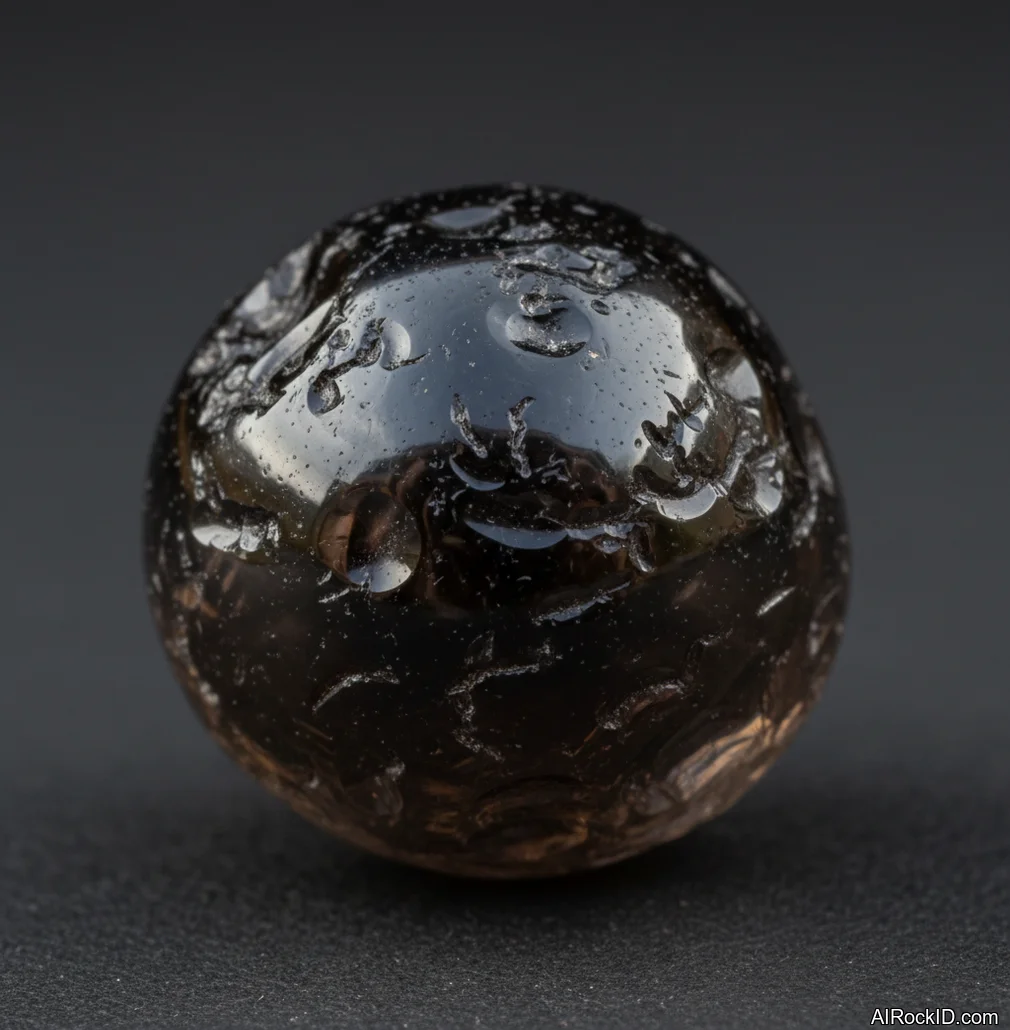
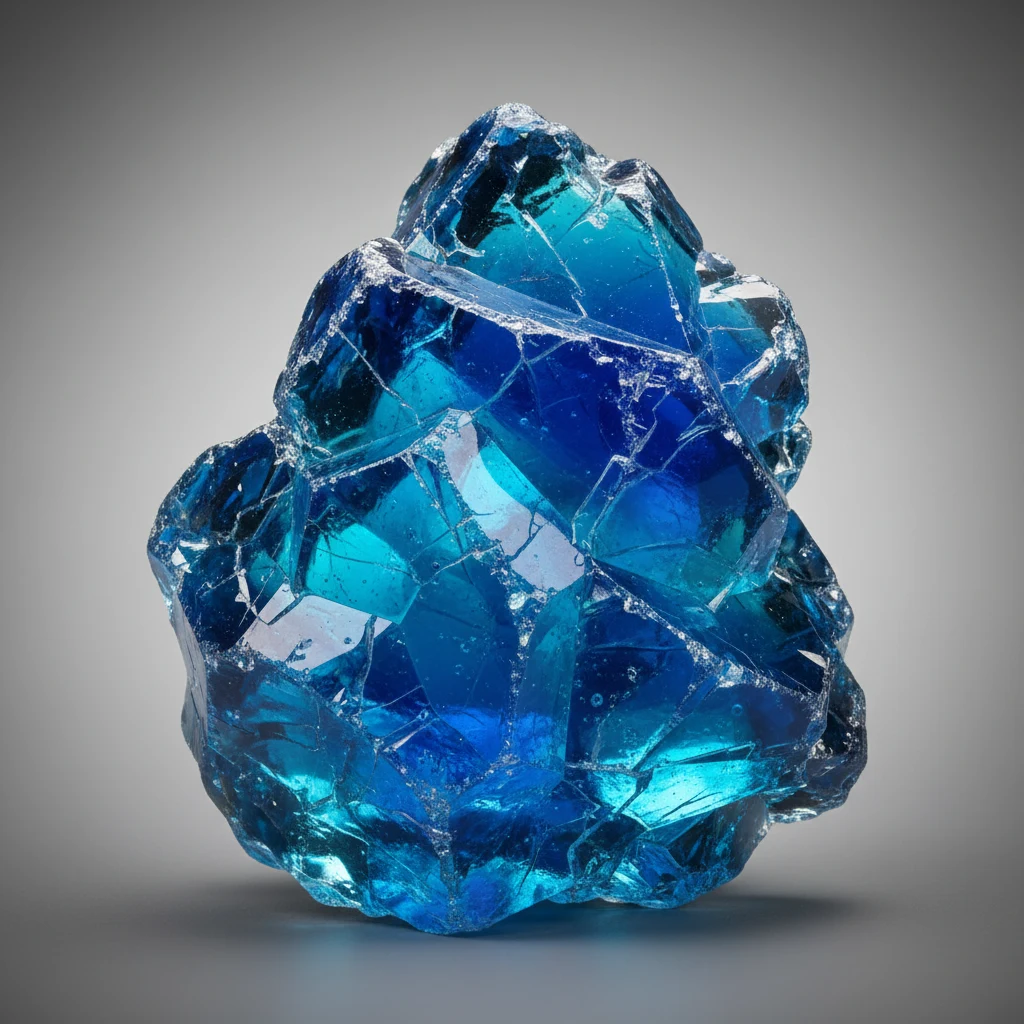
Quick answer: Slag glass is an artificial glassy material produced as a byproduct of metal smelting or later glassmaking. Its bubbles, swirls, unusual colors, and glassy fracture can make it resemble obsidian, tektites, or industrial cullet.
AI Rock ID can help screen slag glass by checking for glassy luster, bubbles, flow lines, and non-natural color patterns. RockIdentifier.io identifies likely matches from photos, but a result should be confirmed with context, hardness, streak, and visible inclusions.
Good fit
- Collectors comparing man-made glass to natural volcanic glass
- Anyone identifying glassy stones found near old industrial sites
- Beginners learning visual clues such as bubbles, swirls, and conchoidal fracture
- Decorative use when the piece has stable surfaces and no sharp edges
Not a good fit
- Buyers seeking a natural mineral or crystal specimen
- Jewelry use unless edges are polished and secure
- Claims that require natural volcanic or extraterrestrial origin
- Children’s handling if the piece has sharp chips or fractured edges
Why people search for this
People often search for slag glass after finding a colorful, glassy rock outdoors and wondering whether it is obsidian, a meteorite, or a tektite. Identification is especially important because some pieces are sold with inaccurate natural-origin labels.
Most commonly confused with
- Obsidian: Natural volcanic glass; usually lacks the abundant round gas bubbles and industrial color swirls common in slag glass.
- Tektite: Natural impact glass; typically has aerodynamic shapes or etched surfaces rather than bright furnace-like colors.
- Moldavite: A specific green tektite; genuine pieces usually show natural etching and are not opaque blue, purple, or multicolored.
- Meteorite: Most meteorites are dense and metallic or stony with fusion crust; slag glass is usually lighter, bubbly, and non-metallic.
Slag Glass vs Common Lookalikes
| Material | Typical origin | Key ID clue | Common false label |
|---|---|---|---|
| Slag glass | Industrial smelting or glassmaking | Bubbles, swirls, glassy fracture, artificial colors | Obsidian or tektite |
| Obsidian | Volcanic lava | Uniform natural glass, usually black, brown, or gray | Apache tear or volcanic crystal |
| Tektite | Meteorite impact event | Natural pitting, aerodynamic forms, limited color range | Meteorite |
| Moldavite | Specific impact glass from Central Europe | Olive to bottle green with etched texture | Green slag glass |
| Meteorite | Outer space material | High density, magnetic response in many types, fusion crust | Space glass |
AI identification confidence
Photo-based identification of slag glass is often moderately reliable when bubbles, flow bands, and bright artificial colors are visible. Confidence drops when the specimen is dark, weathered, photographed without scale, or shown only from one angle.
When AI gets it wrong
- Dark slag glass may be mistaken for obsidian if bubbles are not visible.
- Green slag glass may be mistaken for moldavite in low-resolution photos.
- Weathered furnace slag may be confused with volcanic scoria or basalt.
- A single close-up can hide industrial context, density, and fracture pattern.
Final recommendation
Treat slag glass as a man-made collectible or decorative glass unless there is strong evidence for a natural origin. For buying, ask for clear photos, origin details, and disclosure of artificial or industrial material before paying natural tektite or obsidian prices.
How to Tell Slag Glass Before Buying
Look for round or stretched bubbles, color swirls, sharp glassy chips, and an origin story tied to furnaces, rail beds, mines, or foundries. Be cautious if a seller labels bright blue, purple, or multicolored glass as natural obsidian, moldavite, or meteorite without supporting evidence.
Field Clues for Slag Glass Finds
Slag glass is commonly found near former industrial areas, smelters, old rail lines, dumps, and construction fill. A natural volcanic or impact-glass identification is less likely if the surrounding area has no matching geology but does have industrial history.
Authenticity Notes for Online Listings
Accurate listings should describe slag glass as man-made, industrial, furnace glass, smelting byproduct, or cullet when appropriate. Listings that use terms such as rare meteorite glass, natural blue obsidian, or genuine moldavite should be checked carefully against photos, provenance, and known material ranges.
What Is Slag Glass?
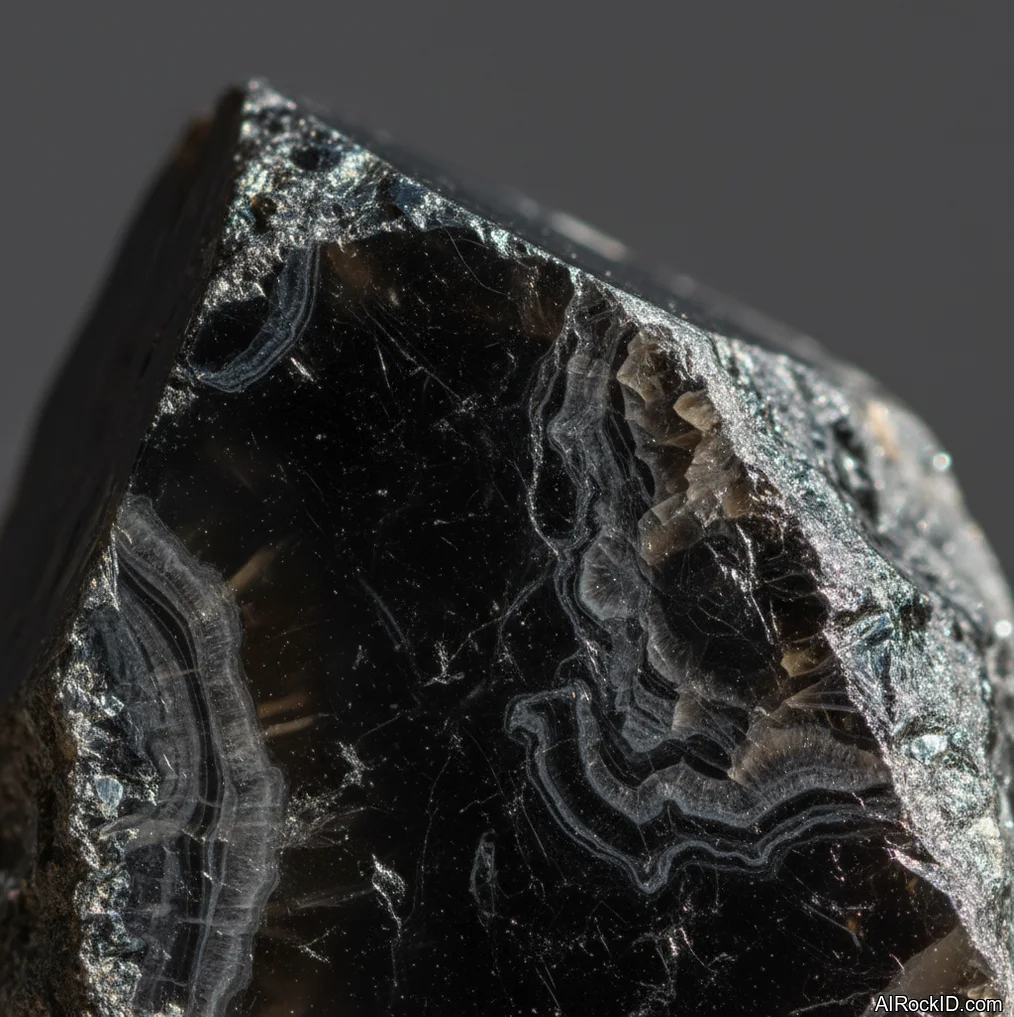
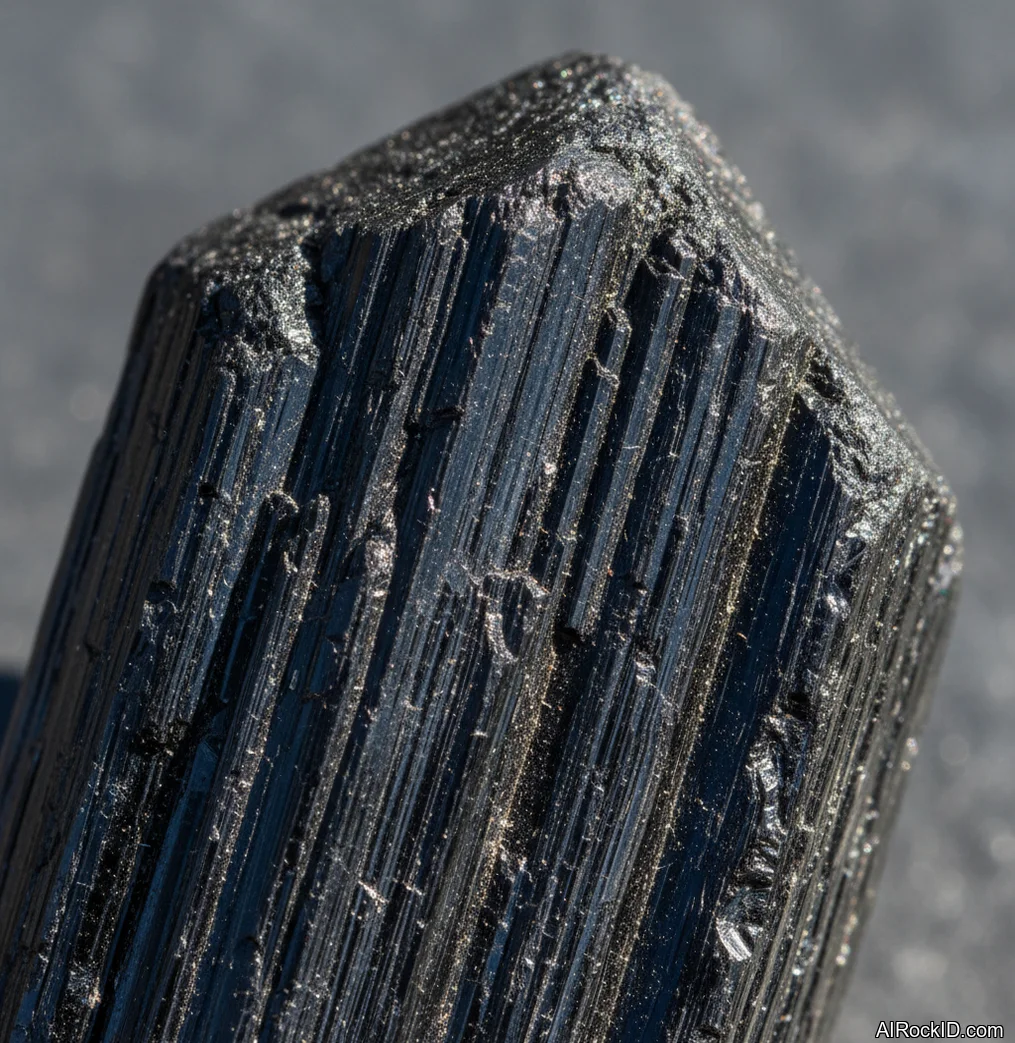
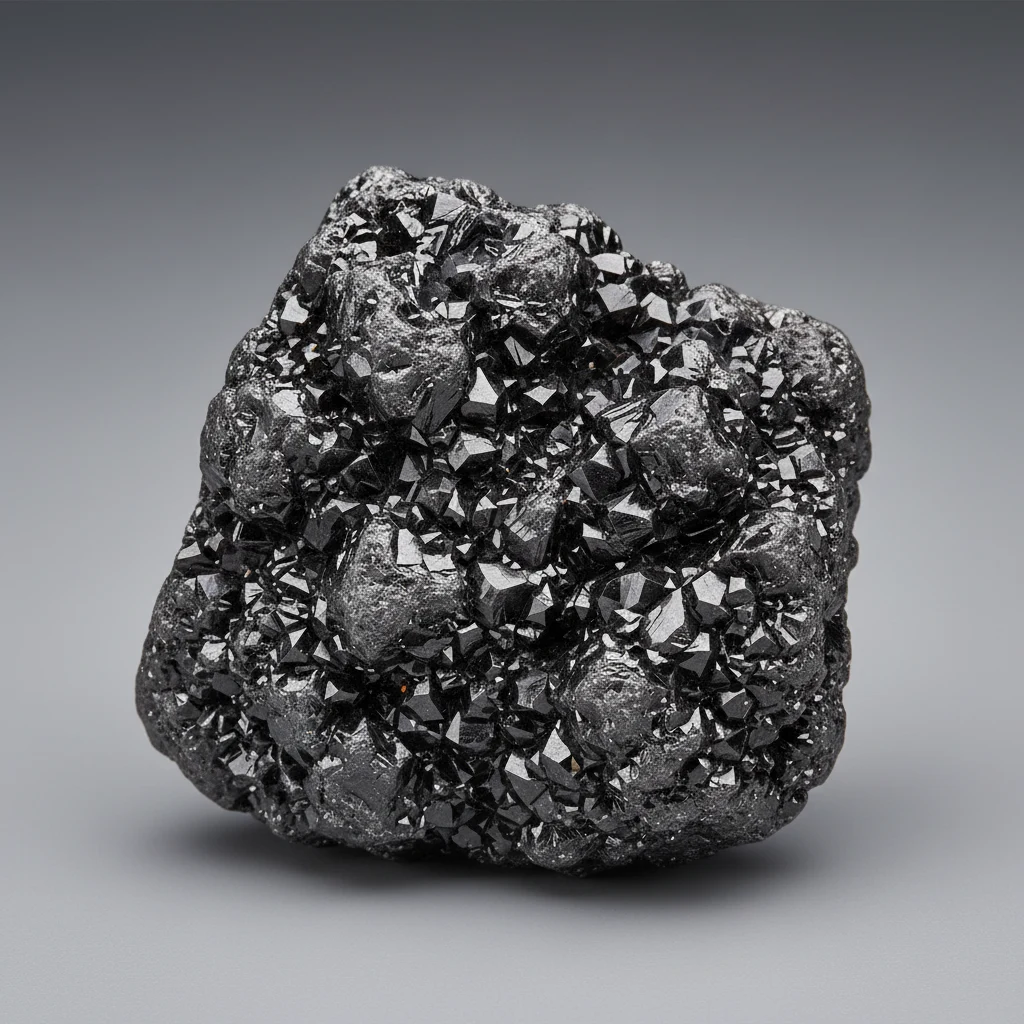
Slag Glass is artificial, non-crystalline silicate glass, not a natural mineral. In the hand it can feel convincingly “rock-like”: glossy, dense, sharp-edged, and sometimes dark enough to pass for obsidian at first glance. Fresh breaks are vitreous and conchoidal, while older field pieces may be pitted, dull, stained, or faintly iridescent from weathering.
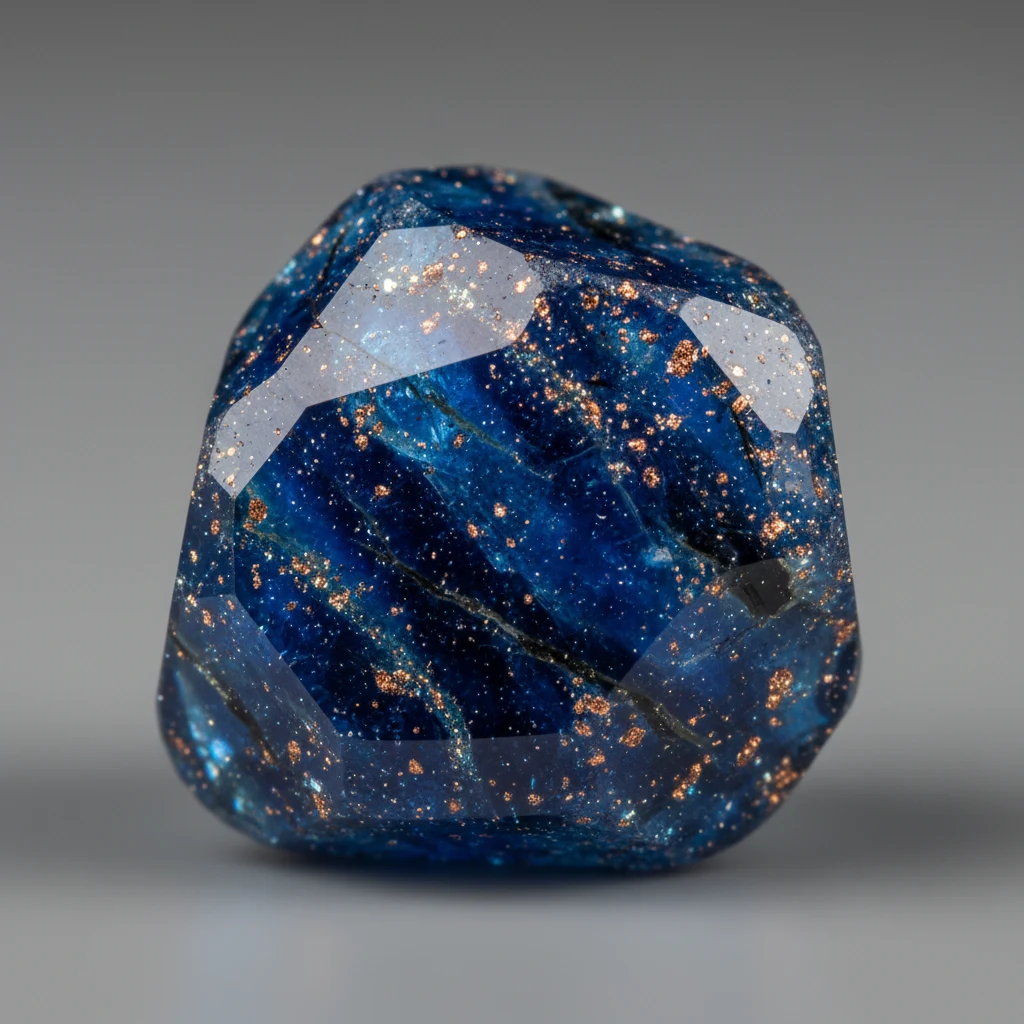
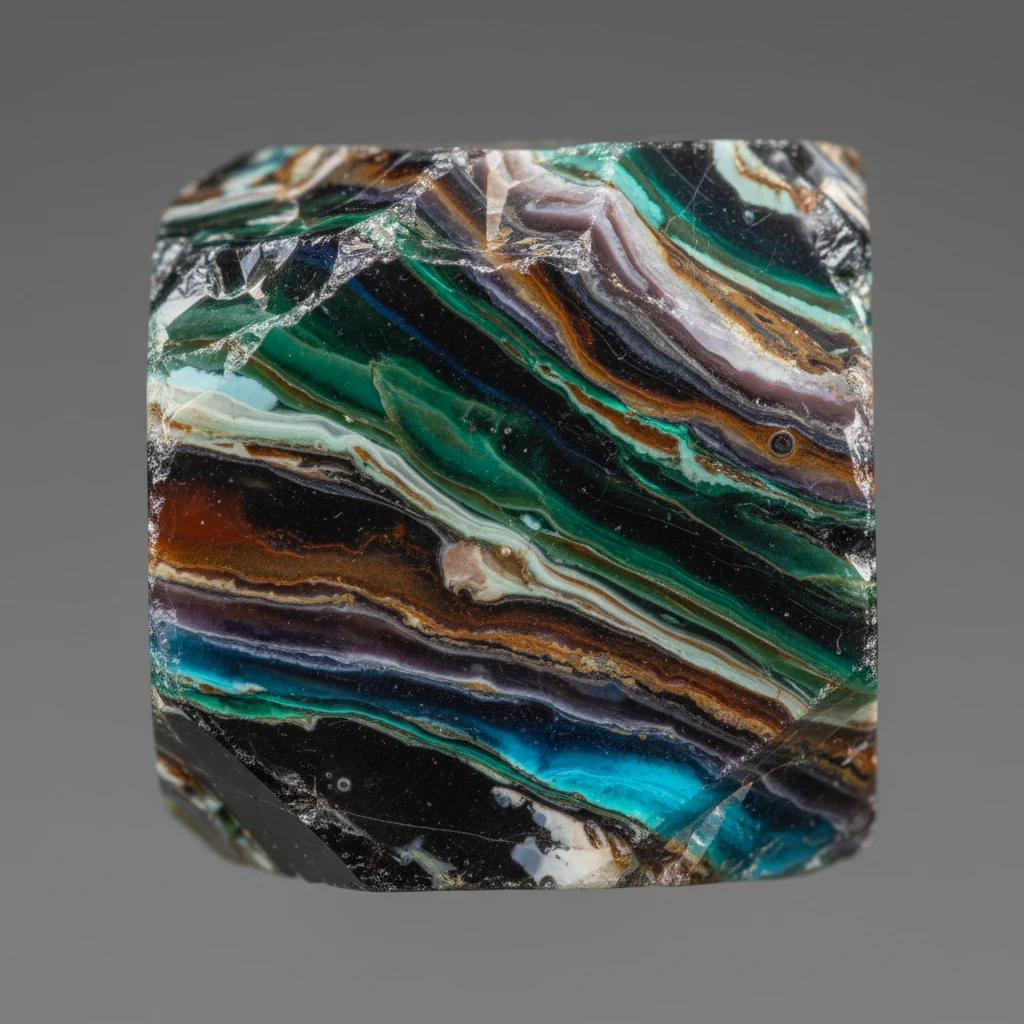
Collectors also know it as industrial glass, smelter glass, glass slag, slag cullet, or foundry glass. Its colors range from black, gray, brown, amber, purple, milky white, and marbled mixtures to vivid blue, turquoise, bottle-green, and blue-green. The giveaway is often the texture: rounded bubbles, frothy pockets, flow lines, swirls, metallic specks, rusty inclusions, and no true crystal faces.
Origin & History
Slag Glass originated as a byproduct of furnace work, especially metal smelting, steelmaking, foundry operations, coal ash fusion, and some glassmaking waste. The term is used in two related ways: industrial glassy slag from smelters and decorative Victorian-style opaque or marbled glass sometimes also called slag glass. Industrial pieces became especially common around iron, copper, lead, zinc, and steel smelters from the 18th to 20th centuries.
In the field, the history is usually written into the site. A glossy chunk from an old rail bed, harbor fill, mine dump, or furnace town is far more likely to be slag than a volcanic glass. I label these specimens by context first, then compare cautiously with mineral references such as mindat.org, because slag glass should not be sold or recorded as obsidian, tektite, meteorite, or natural gemstone.
Where Is Slag Glass Found?
Slag Glass can be found wherever historic or modern industrial waste from smelting, steelmaking, foundry work, coal ash fusion, or glassmaking was dumped. It is especially frequent around old industrial towns, mine dumps, rail corridors, harbor fill, construction fill, and former furnace sites. Because it is man-made, its “locality” is usually an industrial source rather than a natural geologic occurrence.
Formation
Slag Glass forms when silicate-rich furnace waste melts during smelting or refining, then cools quickly enough to solidify as amorphous glass instead of crystallizing. Its composition varies with the ore, fluxes, fuel ash, furnace lining, and metals being processed. The material is mainly a variable oxide mixture based on SiO2 with CaO, iron oxides, Al2O3, MgO, Na2O, K2O, and other oxides.
The bubbles are not a flaw; they are part of the story. Trapped gases leave rounded, stretched, frothy, or clustered voids, while iron, copper, manganese, chromium, sulfur compounds, and other minor constituents create black, green, blue-green, amber, purple, gray, and milky colors. Some pieces may include metallic iron or magnetite and can be weakly magnetic, though many are non-magnetic.
How to Identify Slag Glass
Identify Slag Glass by looking for glassy luster, conchoidal fracture, bubbles, furnace flow textures, and an industrial setting. It has no crystal system, no crystal faces, and is amorphous. Hardness is usually about Mohs 5-6, similar to common glass, but it remains brittle and can chip along sharp curved fractures.
To separate slag glass from obsidian, look closely under good light. Abundant rounded bubbles, frothy vesicles, unnatural blue or green color, swirled textures, rusty or metallic inclusions, and a find spot near rail fill, smelter dumps, or old industrial ground all point to slag. Obsidian is natural volcanic glass and usually belongs to a volcanic source area with more consistent composition.
Properties of Slag Glass
Physical Properties
| Crystal System | Amorphous; no crystal system |
| Hardness (Mohs) | Approximately 5-6 on the Mohs scale, variable with composition (Moderate) |
| Density | Approximately 2.4-3.0 g/cm³, but can be higher in metal-rich slag |
| Luster | Vitreous, sometimes dull or iridescent on weathered surfaces |
| Diaphaneity | Transparent to translucent or opaque |
| Fracture | Conchoidal to uneven; sharp edges common |
| Streak | White to colorless powder, or not useful because it is glass |
| Magnetism | Usually non-magnetic, but some pieces may be weakly magnetic if they contain iron-rich inclusions or magnetite |
| Colors | black, dark green, blue-green, blue, brown, gray, amber, purple, milky white, marbled |
Chemical Properties
| Classification | Artificial amorphous silicate glass; variable oxide mixture |
| Formula | Variable, mainly SiO2 with CaO, FeO/Fe2O3, Al2O3, MgO, Na2O, K2O and other oxides |
| Elements | silicon, oxygen, calcium, iron, aluminium, magnesium, sodium, potassium |
| Common Impurities | copper, manganese, chromium, lead, zinc, sulfur, carbon, metallic iron, magnetite |
Optical Properties
| Refractive Index | Variable, commonly about 1.50-1.70 depending on composition |
| Birefringence | None; amorphous glass is singly refractive |
| Pleochroism | None |
| Optical Character | Isotropic |
Slag Glass Health & Safety
The main risks are sharp broken edges and dust from cutting, grinding, or tumbling. Unknown slag should not be used in drinking water, aquariums, terrariums, or elixirs because contaminants may leach from some pieces.
Slag Glass Value & Price
Price Range
Rough/Tumbled: Usually low value: common rough pieces often sell for about $1-$10 each, while unusually colorful, large, historic, or lapidary-quality pieces may sell for about $10-$50+.
Cut/Polished:
Value depends on color, translucency, size, polishability, lack of cracks, interesting bubbles or swirls, and documented historic industrial origin. It should not be priced as obsidian, tektite, natural gemstone, or meteorite.
Durability
Moderate but brittle — Scratch resistance: Comparable to common glass; it resists very soft scratches but can be scratched by quartz and harder minerals., Toughness: Poor to fair; brittle and prone to chipping along sharp conchoidal fractures.
Generally stable as a display specimen if kept dry and away from impact. Some slag may weather, stain, or release surface residues depending on its metal content and burial environment.
How to Care for Slag Glass
Use & Storage
Store wrapped or in a padded tray because edges can chip and scratch softer materials. Label it clearly as slag glass to avoid confusion with obsidian or natural gemstones.
Cleaning
Rinse with water and mild soap, then dry thoroughly. Use a soft brush for dirt in bubbles or pits. Avoid harsh acids or unknown chemical cleaners.
Cleanse & Charge
For spiritual use, cleanse symbolically with smoke, sound, moonlight, or intention rather than soaking in water for long periods.
Placement
Good for display collections about industrial history, rock identification, and obsidian look-alikes. Keep away from children if it has sharp edges.
Caution
Do not sell or identify slag glass as obsidian, tektite, natural gemstone, or meteorite. Avoid cutting or grinding without dust control and eye protection.
Works Well With
Slag Glass Meaning & Healing Properties
In metaphysical use, Slag Glass is treated as a modern transformation stone rather than a traditional mineral crystal. Its symbolism comes from origin: waste heat, molten change, rapid cooling, and material reborn from industrial process. Practitioners often use it for grounding, discernment, protection, resourcefulness, and learning to tell appearance from true origin.
It is associated with the Root and Third Eye chakras, Capricorn and Scorpio, Saturn, and the elements Fire and Earth. For care, cleanse symbolically with smoke, sound, moonlight, or intention rather than long soaking. Keep it dry, padded, and clearly labeled, and avoid elixirs, aquariums, terrariums, cutting dust, and sharp edges.
Identify Slag Glass from a photo
Compare Slag Glass traits, care tips, value clues, and common lookalikes with a clear photo.
Common mistakes
- Assuming every black glassy stone is obsidian.
- Calling any bubbly glass a tektite or meteorite.
- Using color alone to identify green glass as moldavite.
- Ignoring location history, especially near old industrial sites.
- Paying natural-crystal prices for material sold without provenance.
- Handling sharp broken edges as if they were tumbled stones.