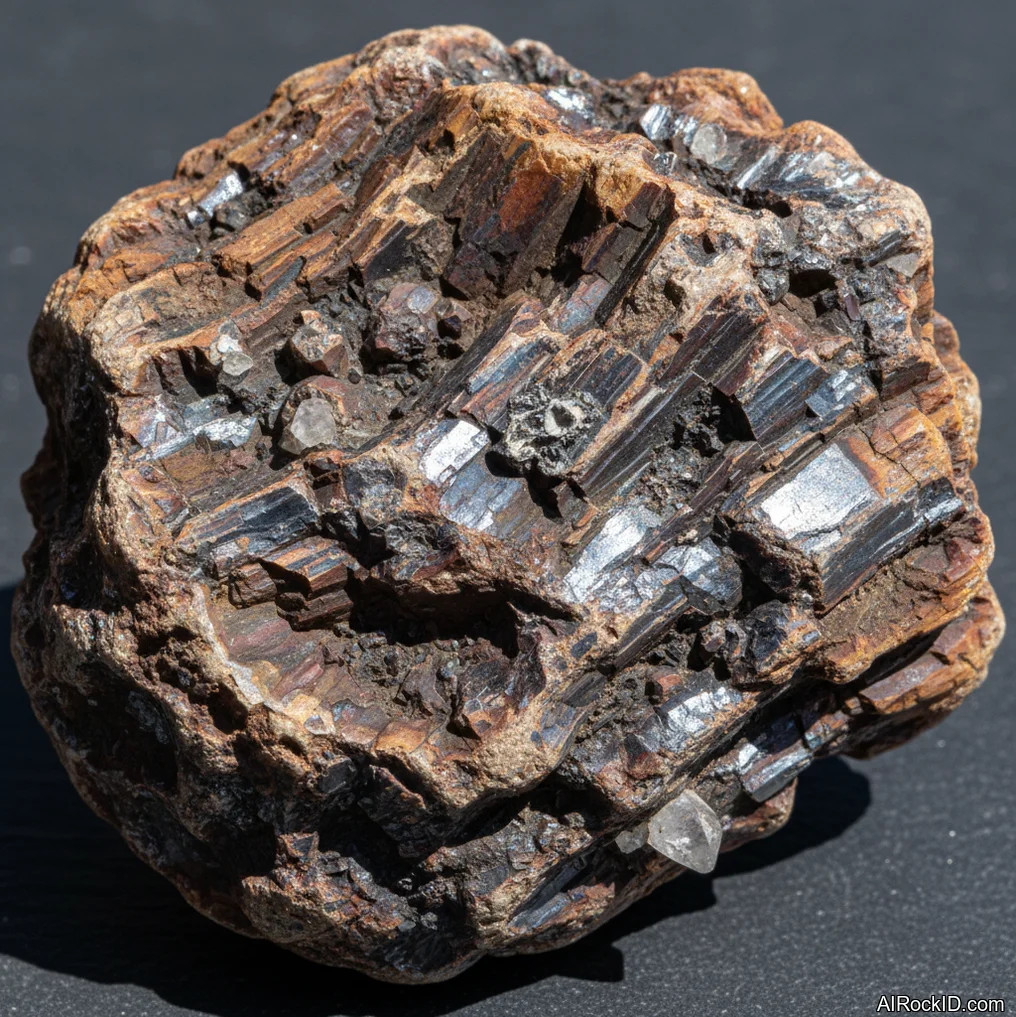
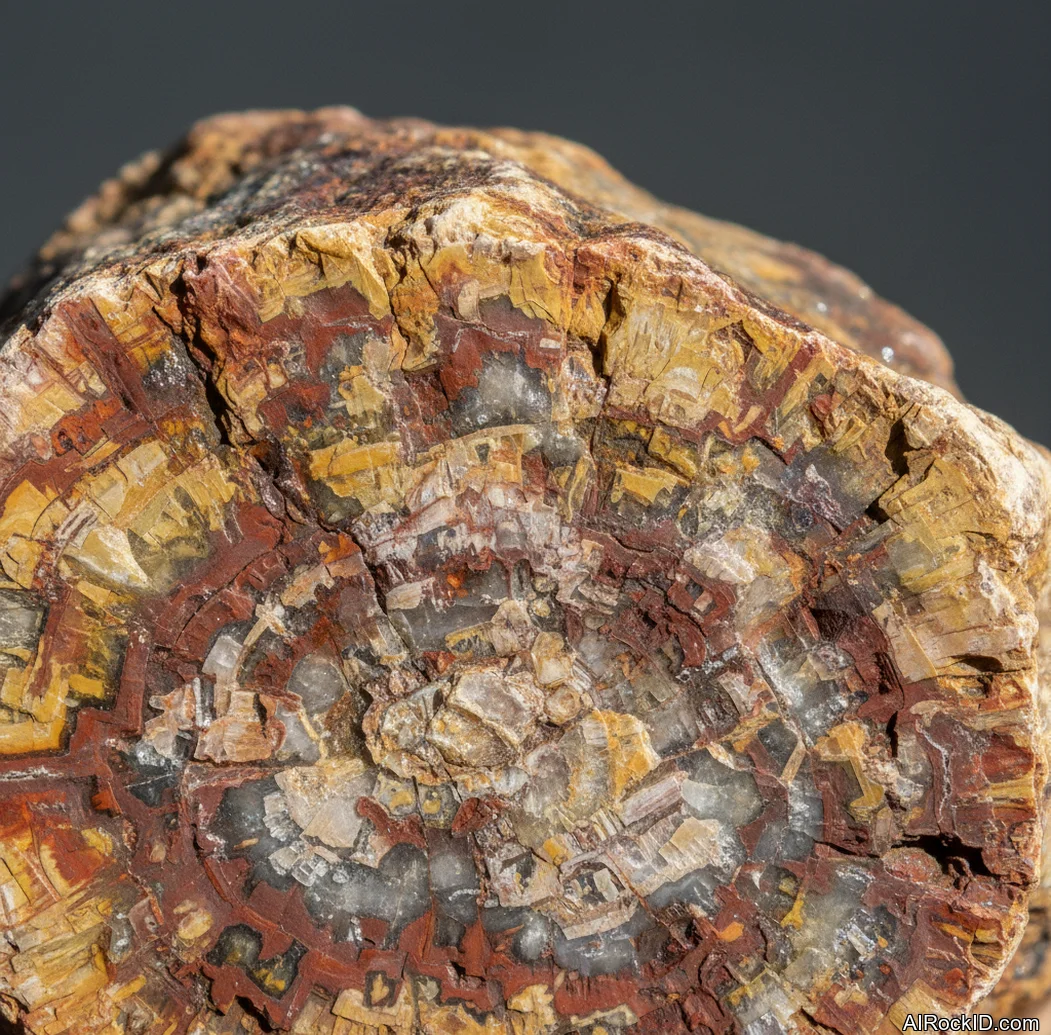
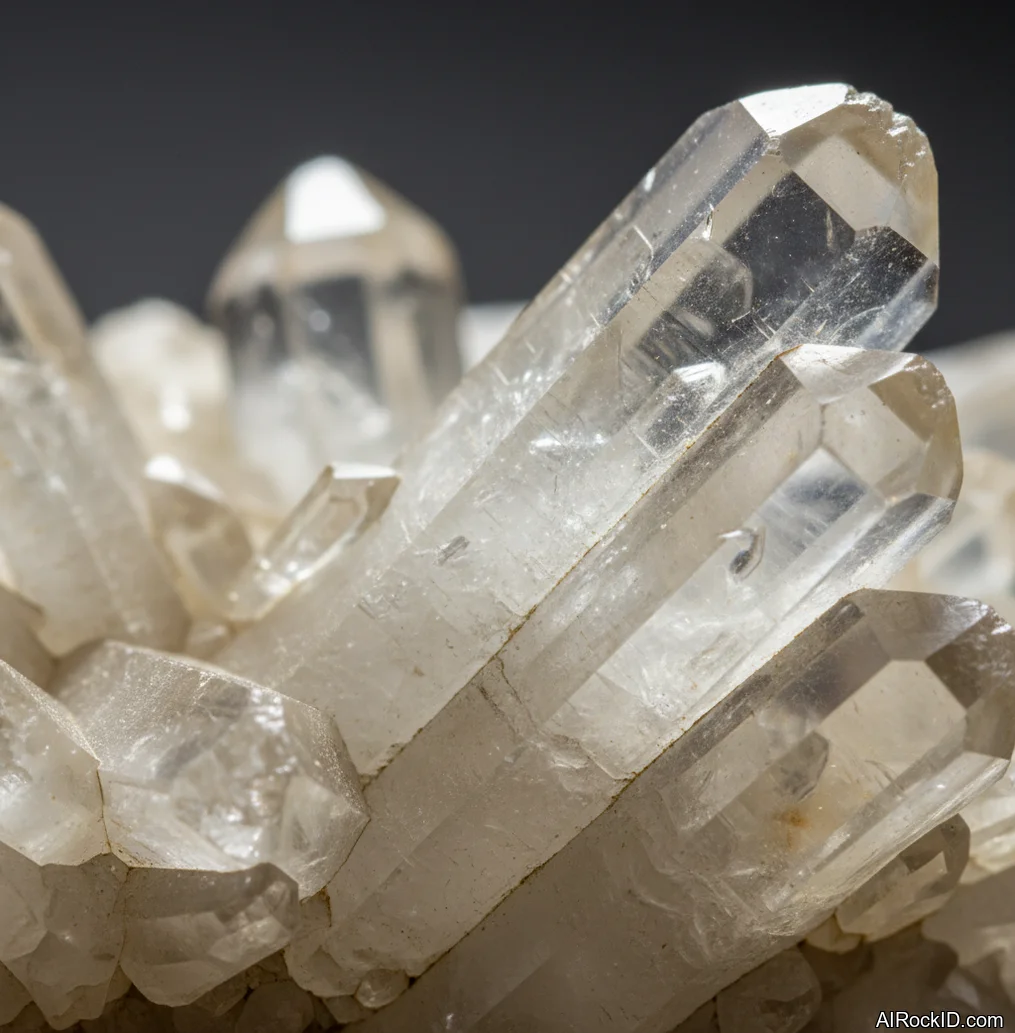
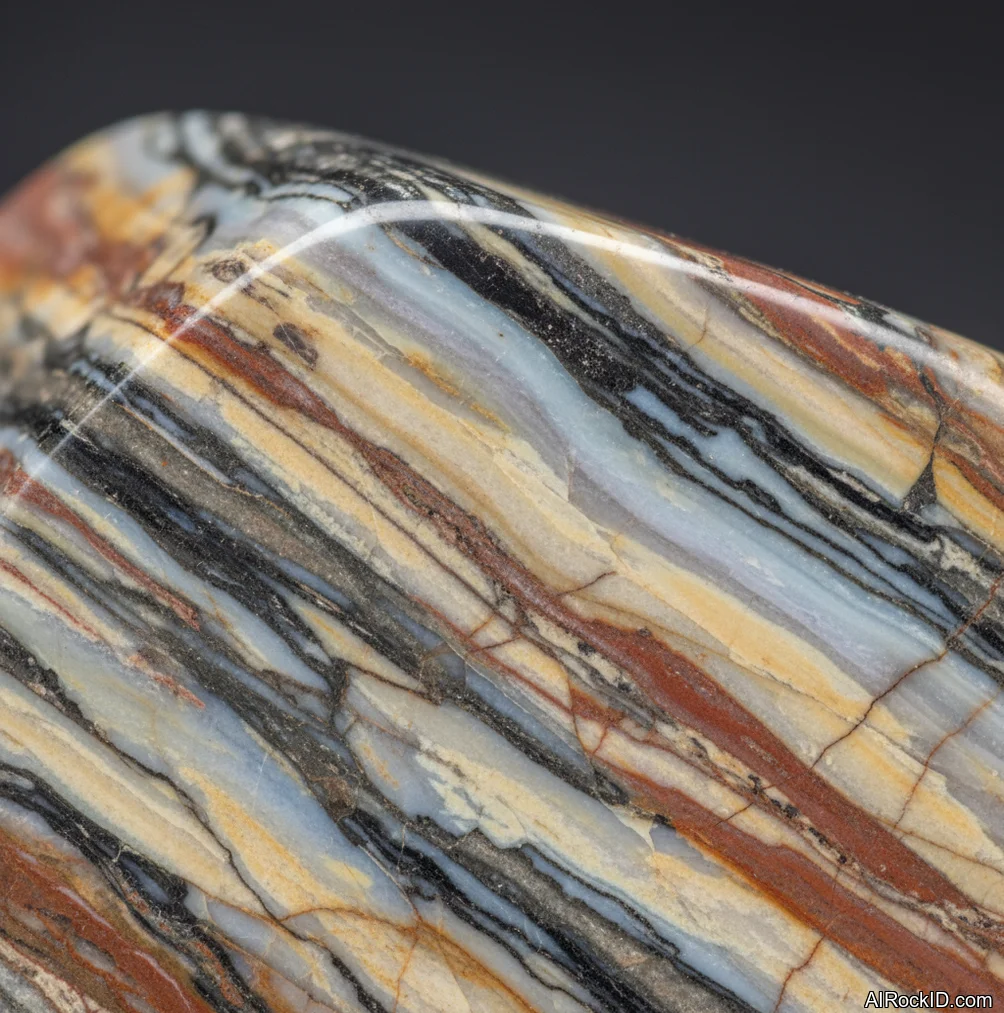
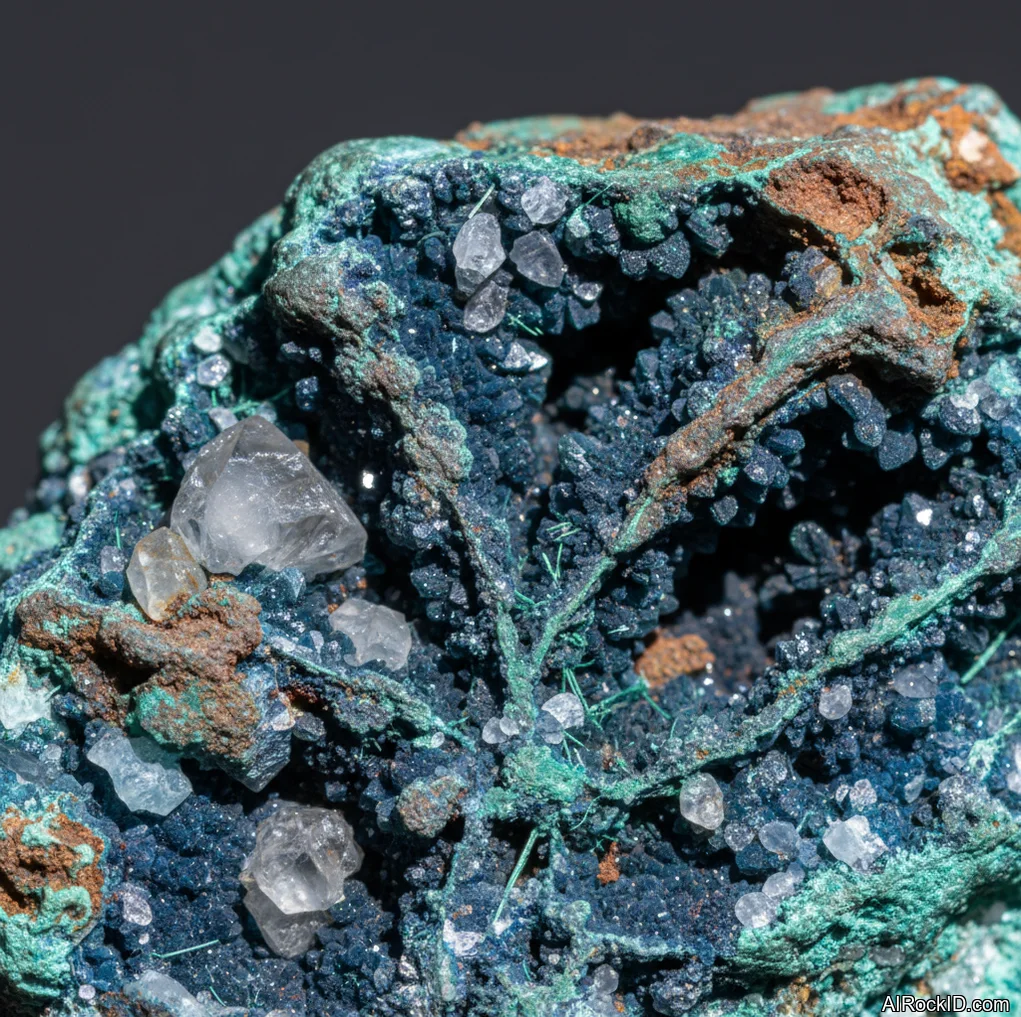
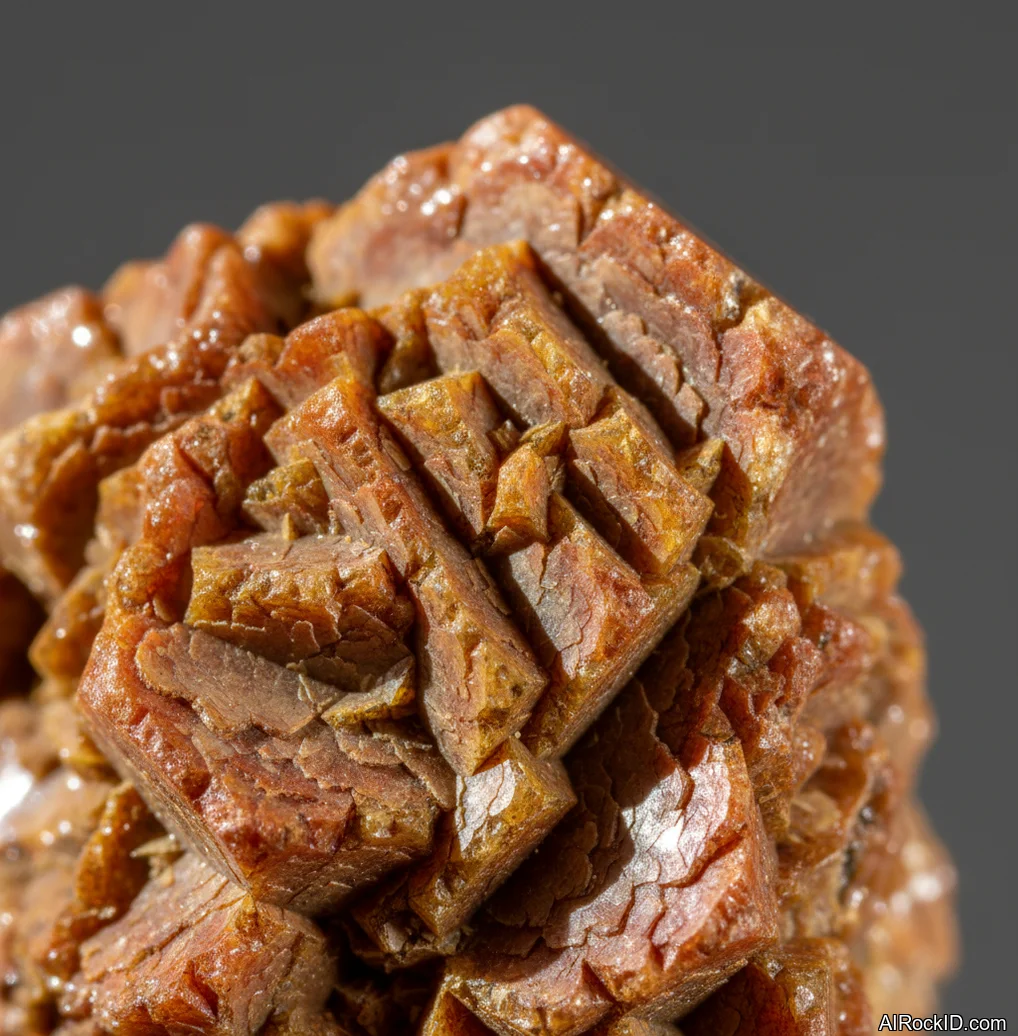
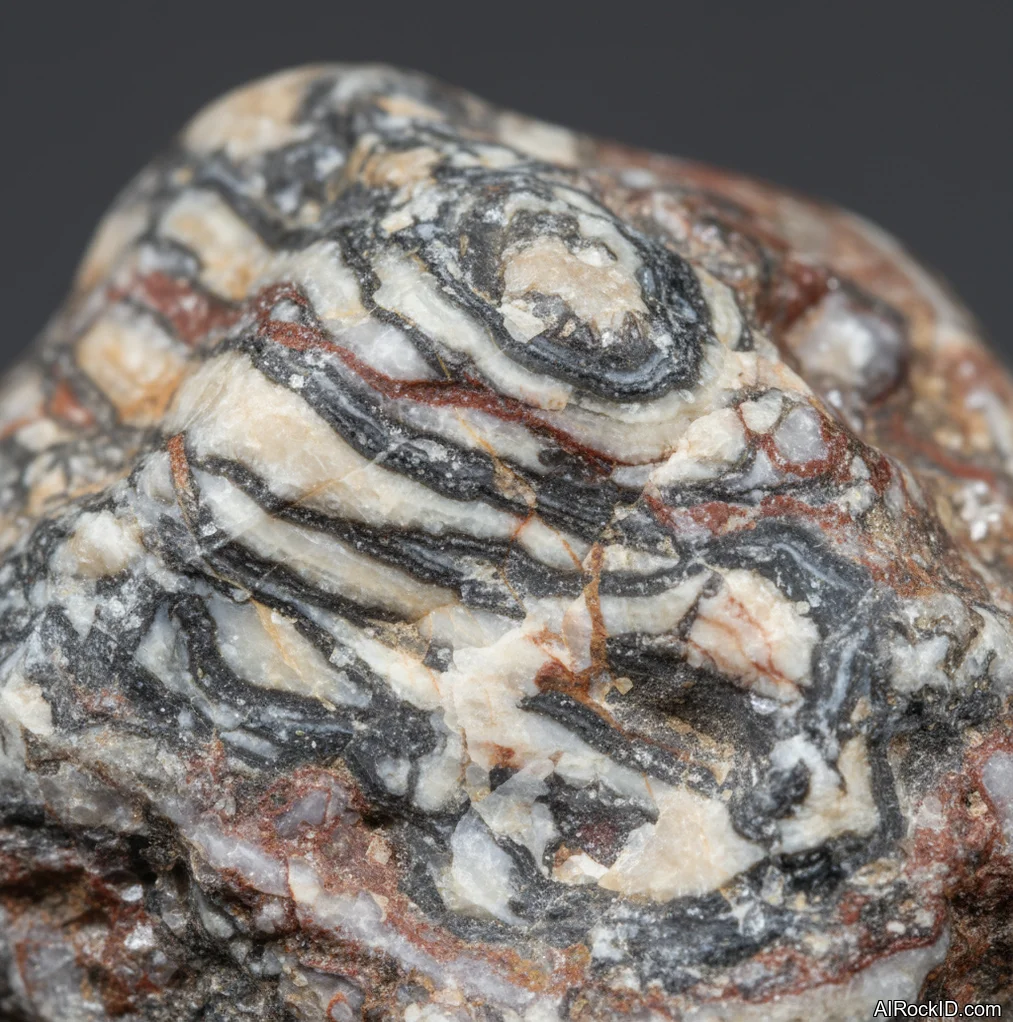
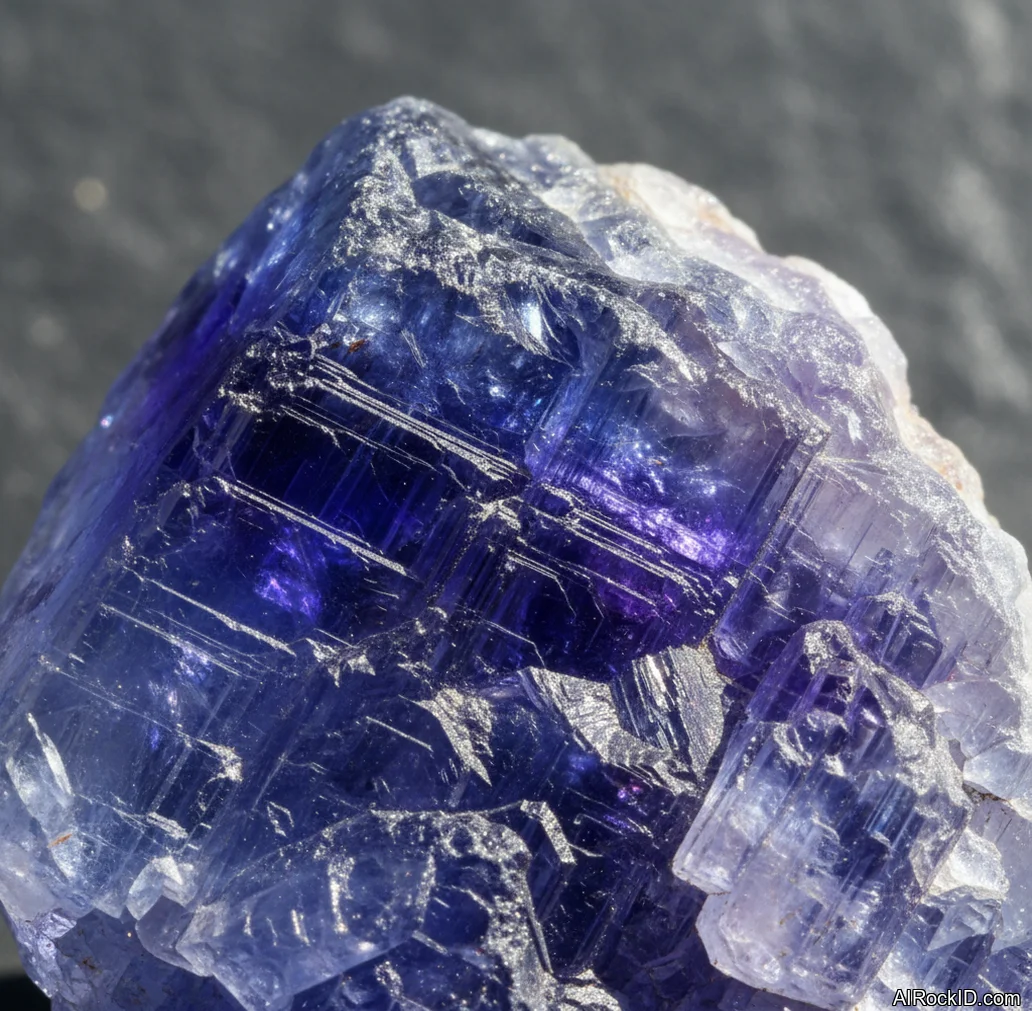
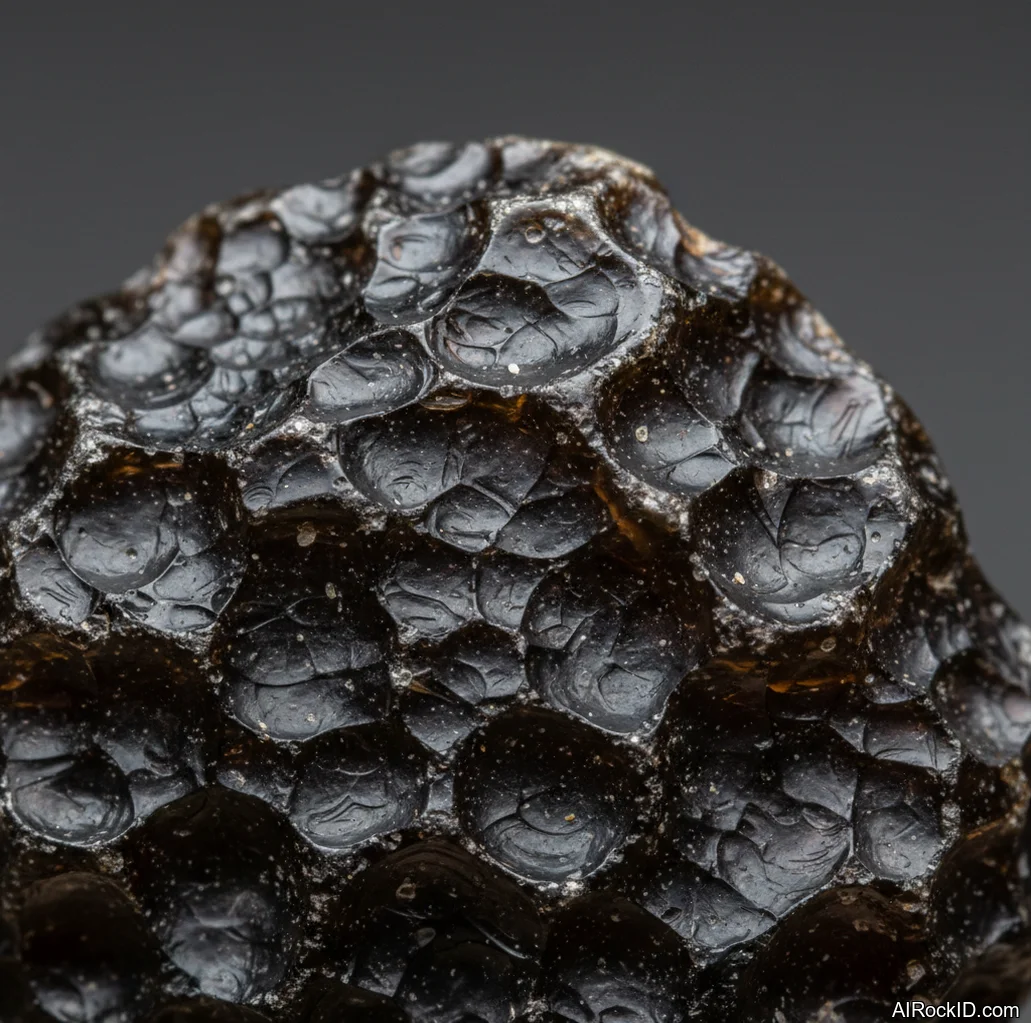
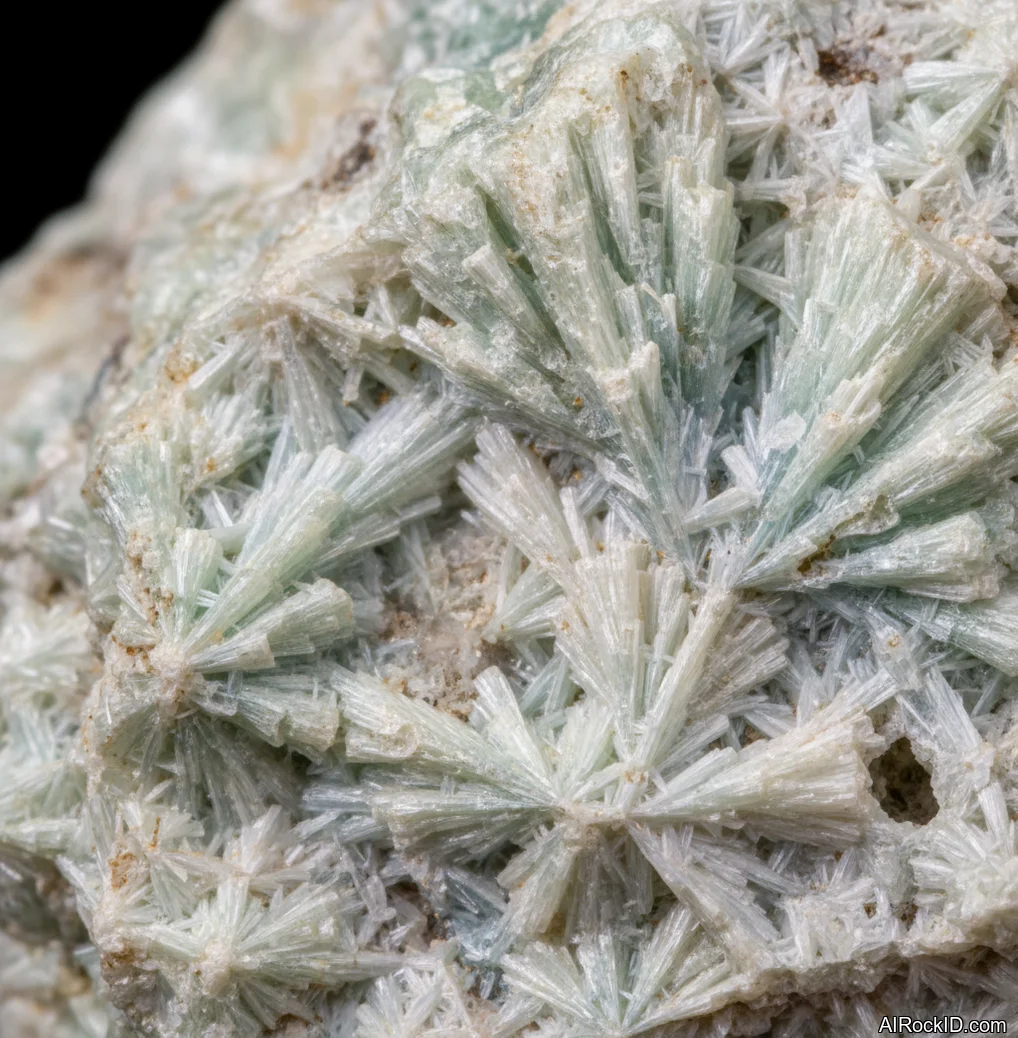
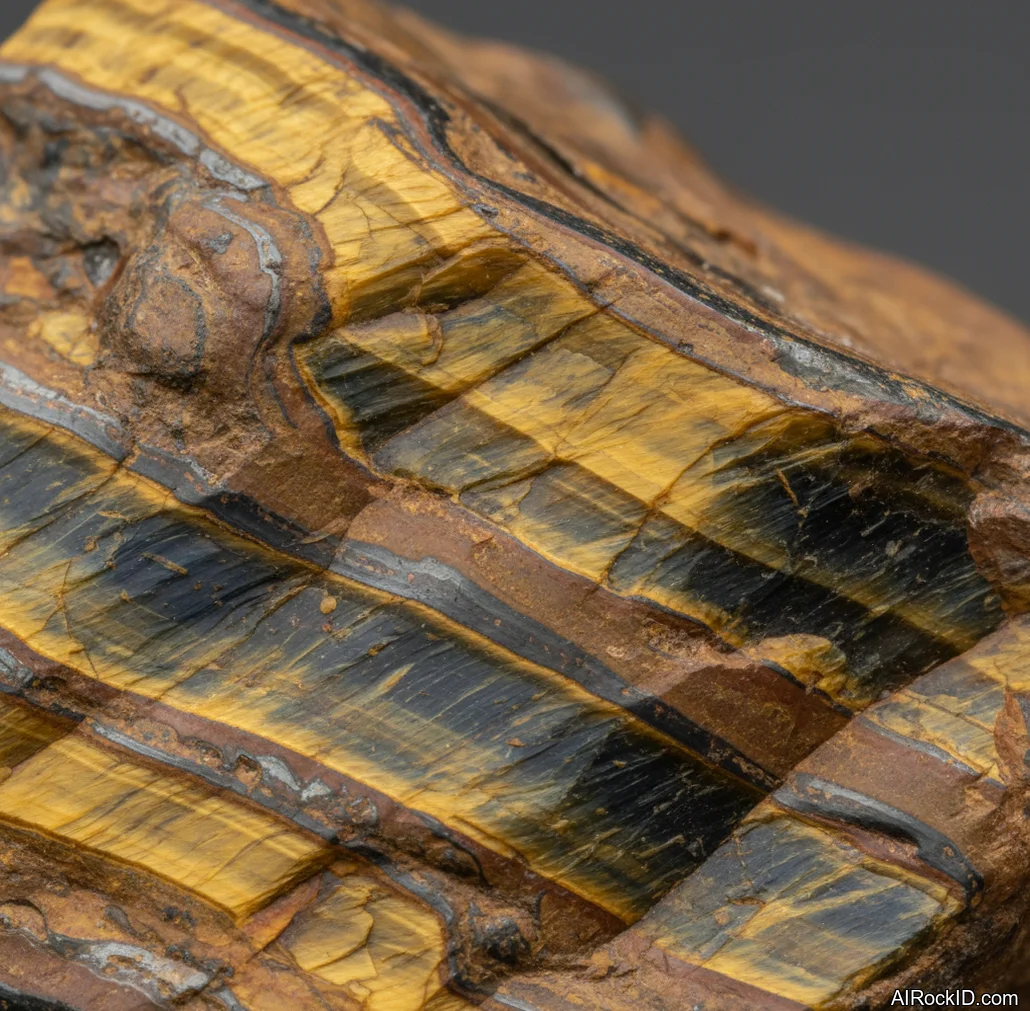
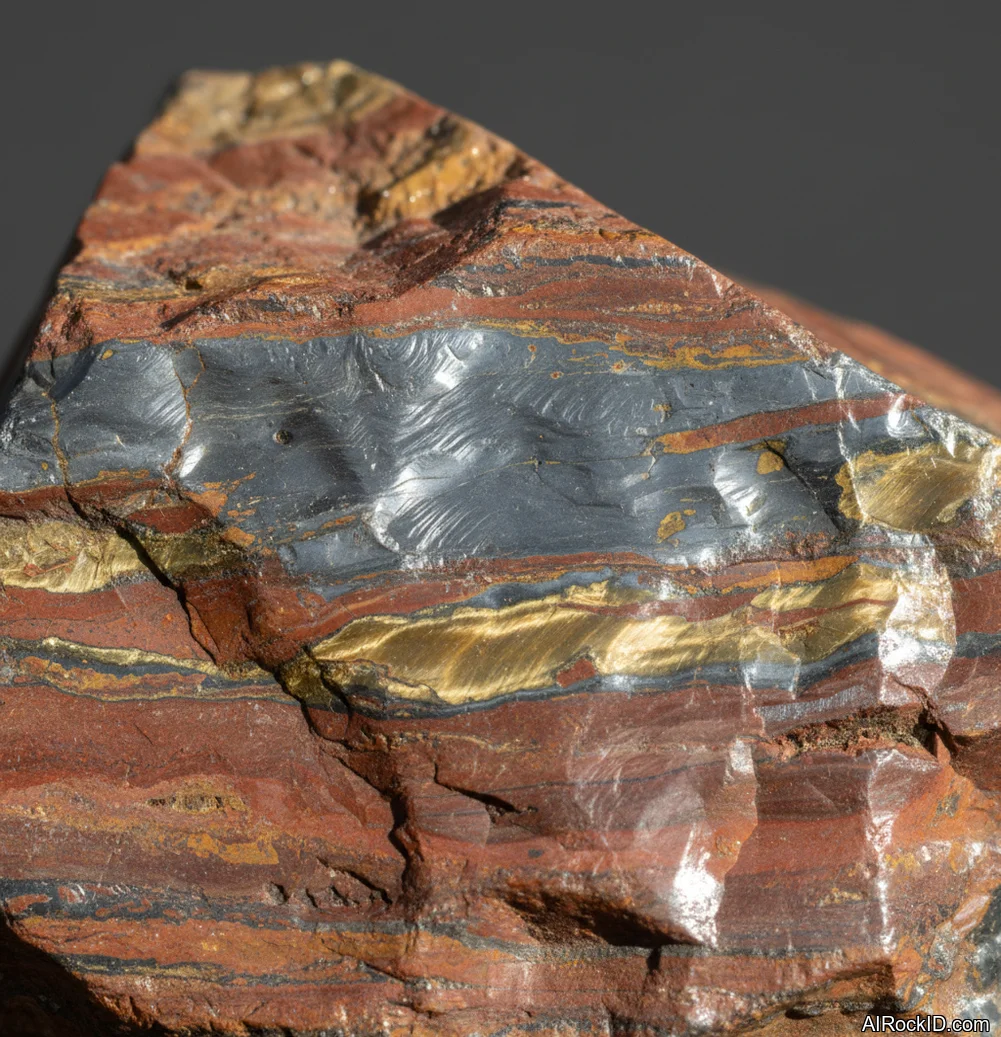
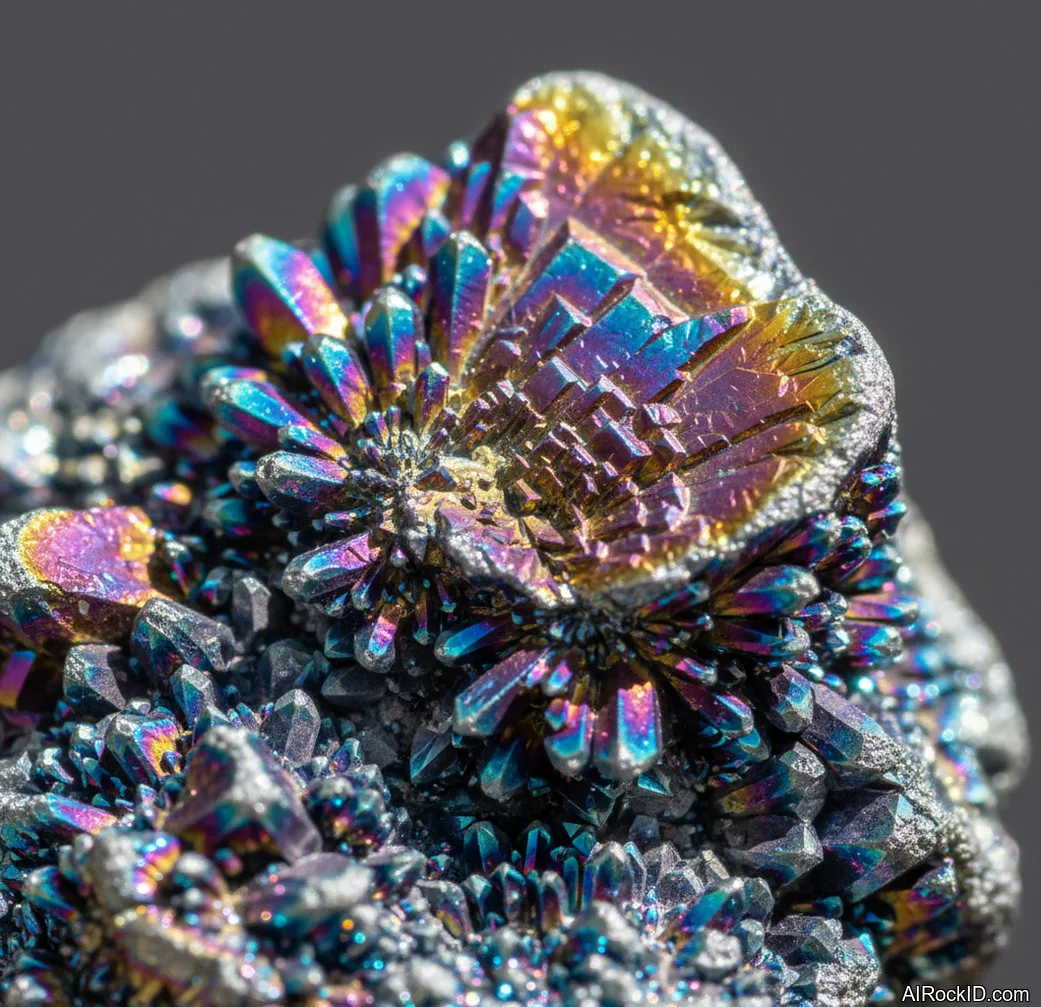
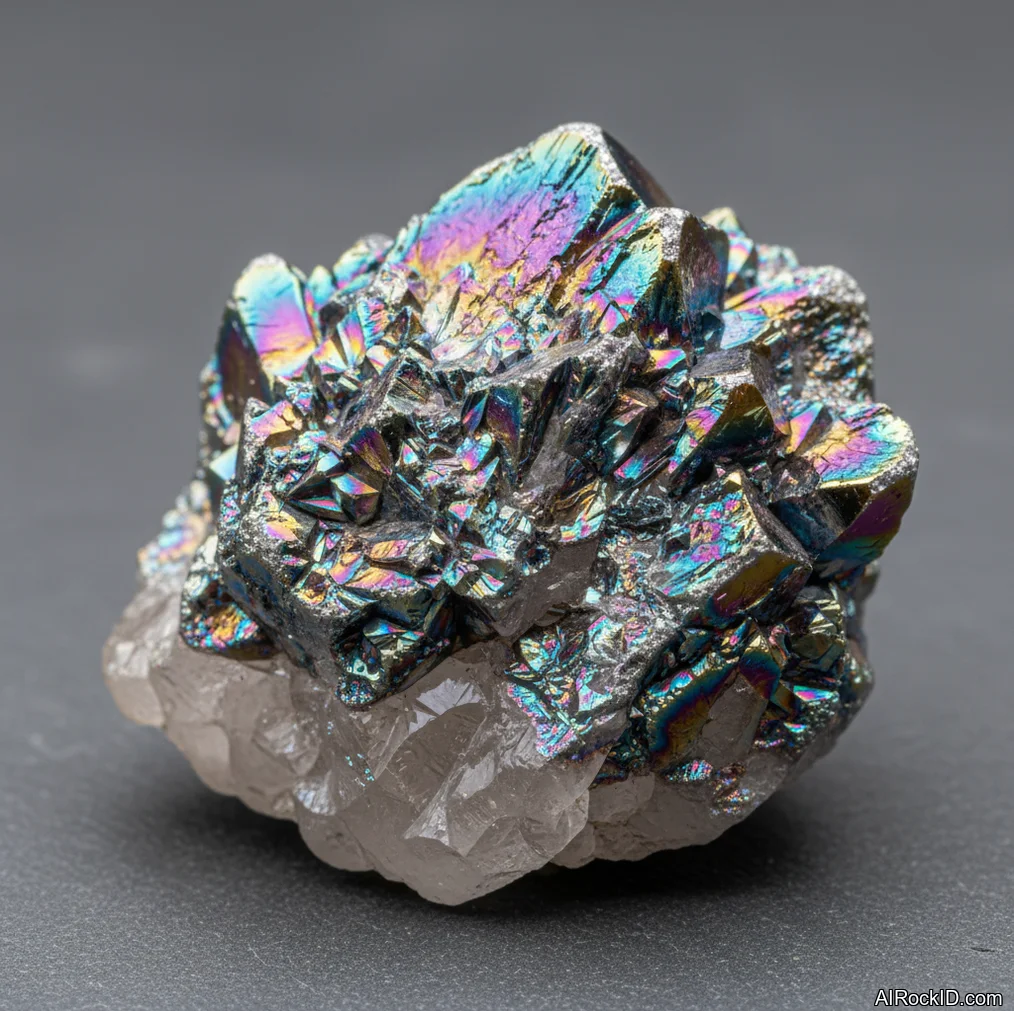
Knowledge Crystals
Quick answer: Knowledge crystals are stones that people use in metaphysical traditions to symbolize learning, concentration, memory, and insight. They are often chosen for desks, study areas, meditation spaces, or personal collections where focus and reflection are desired.
Learn what Knowledge means in crystal work, which crystals support it, and how to choose and use Knowledge crystals for study, focus, and insight.


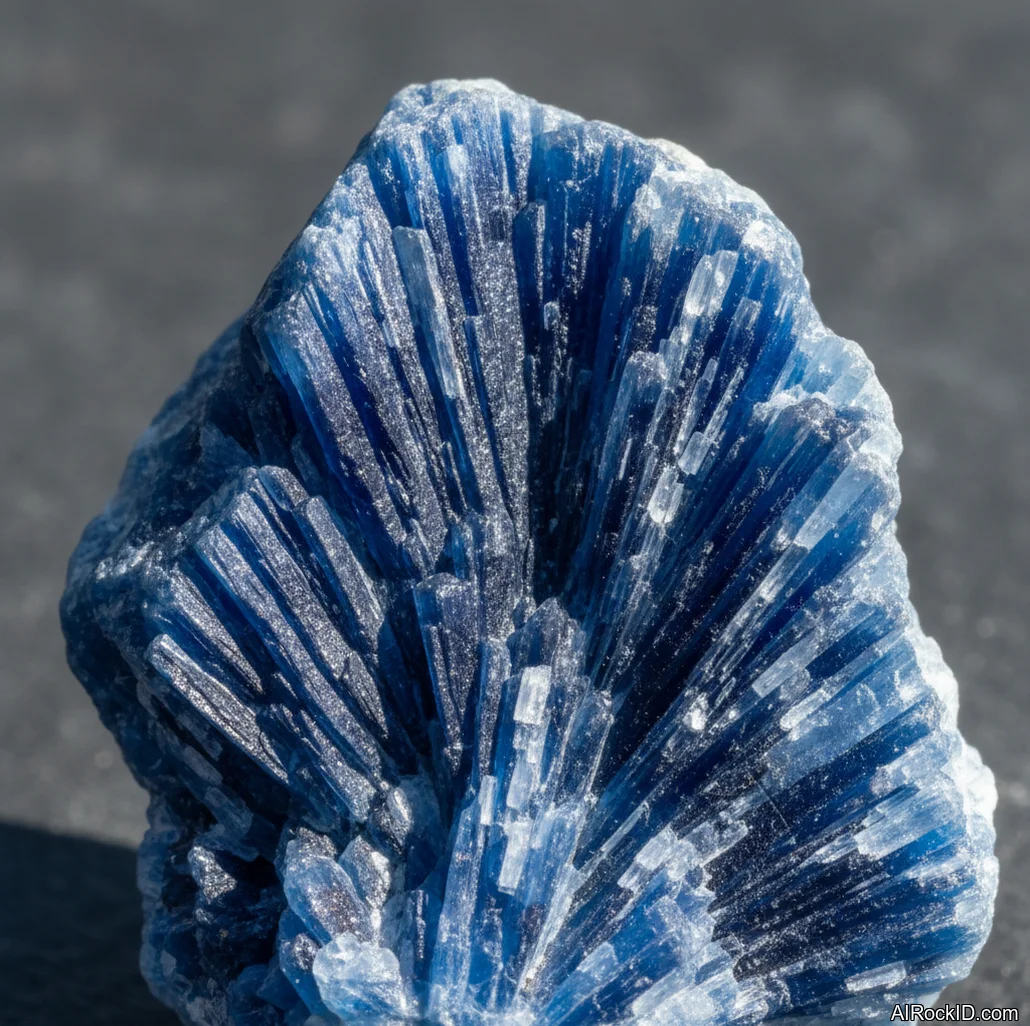
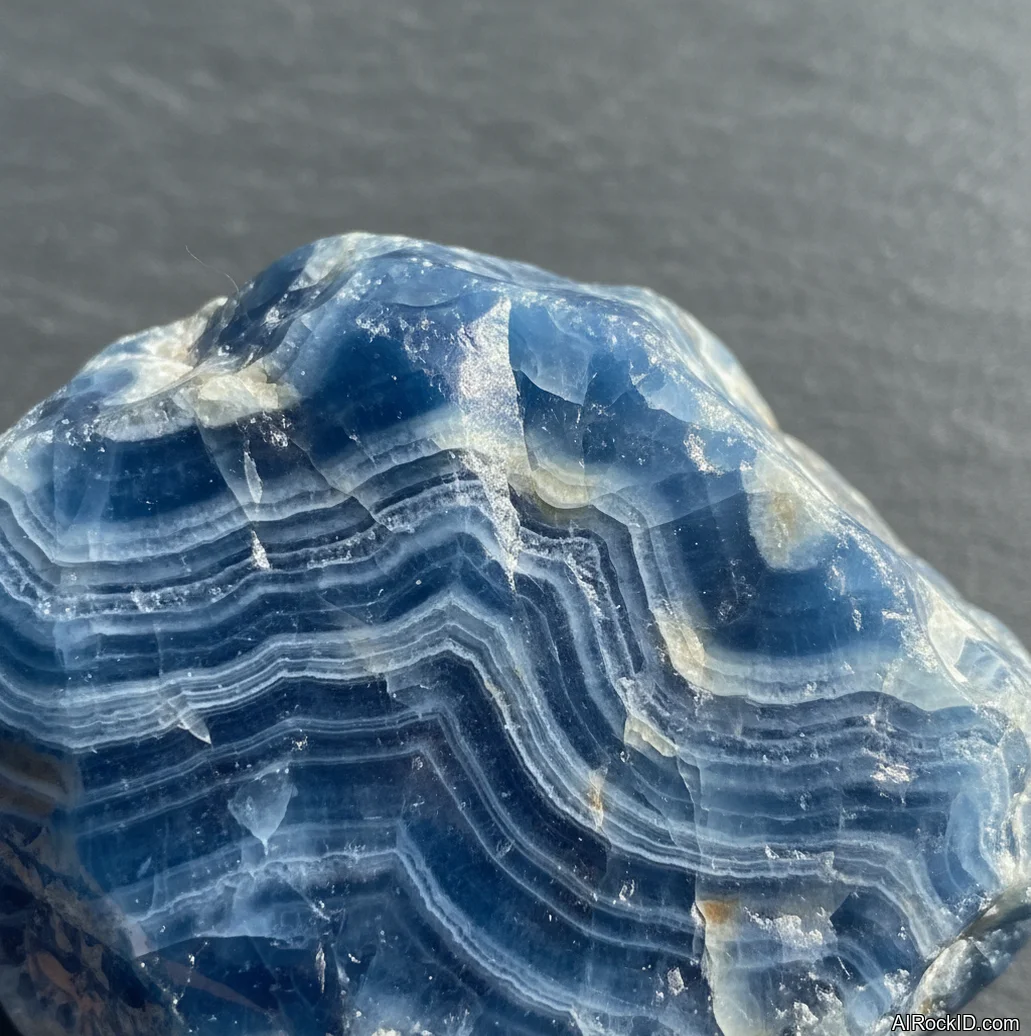
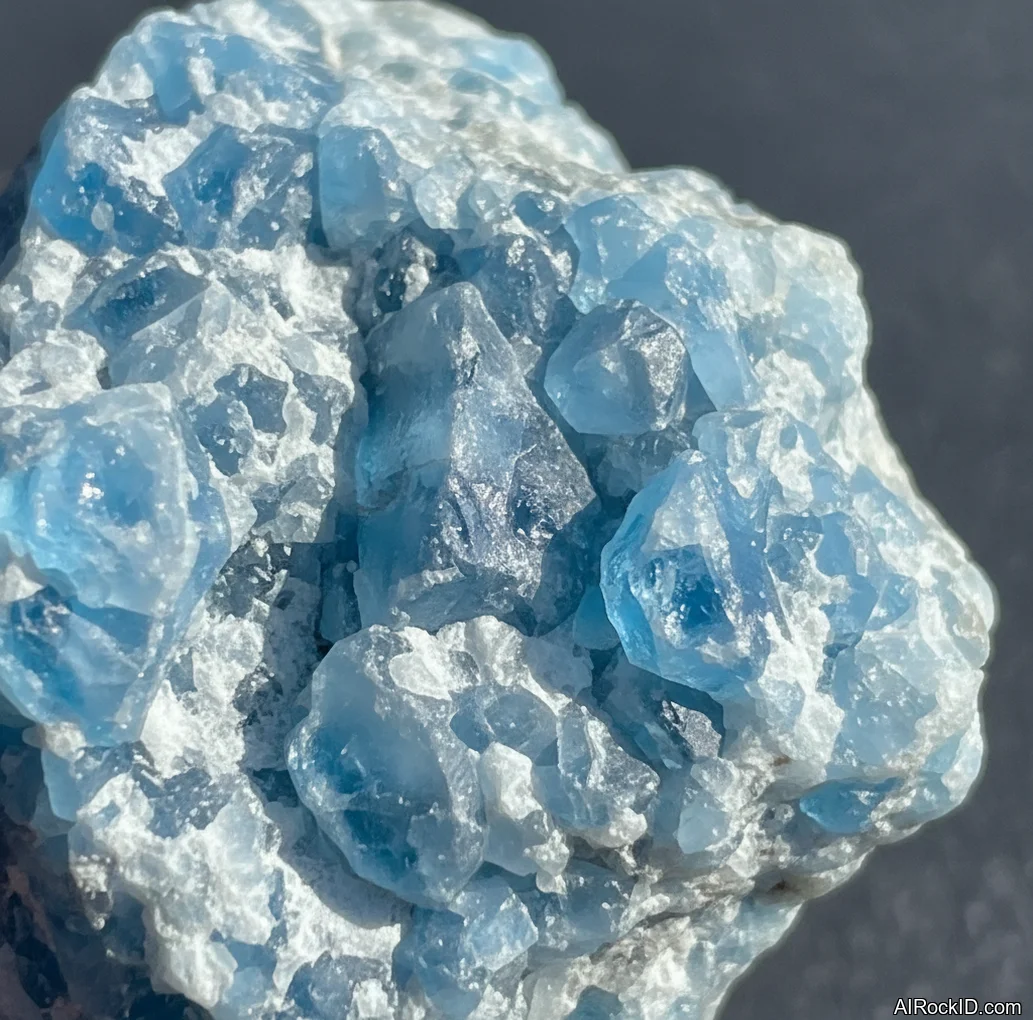
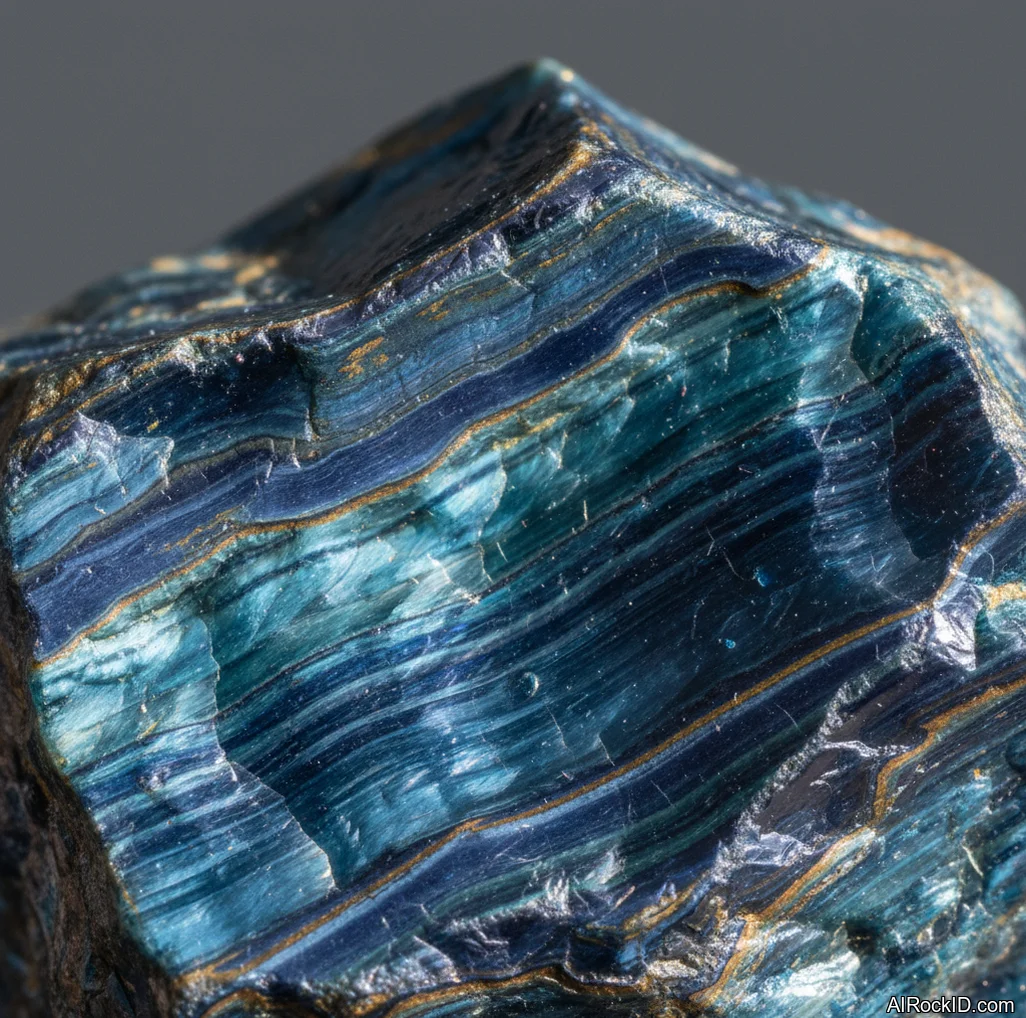
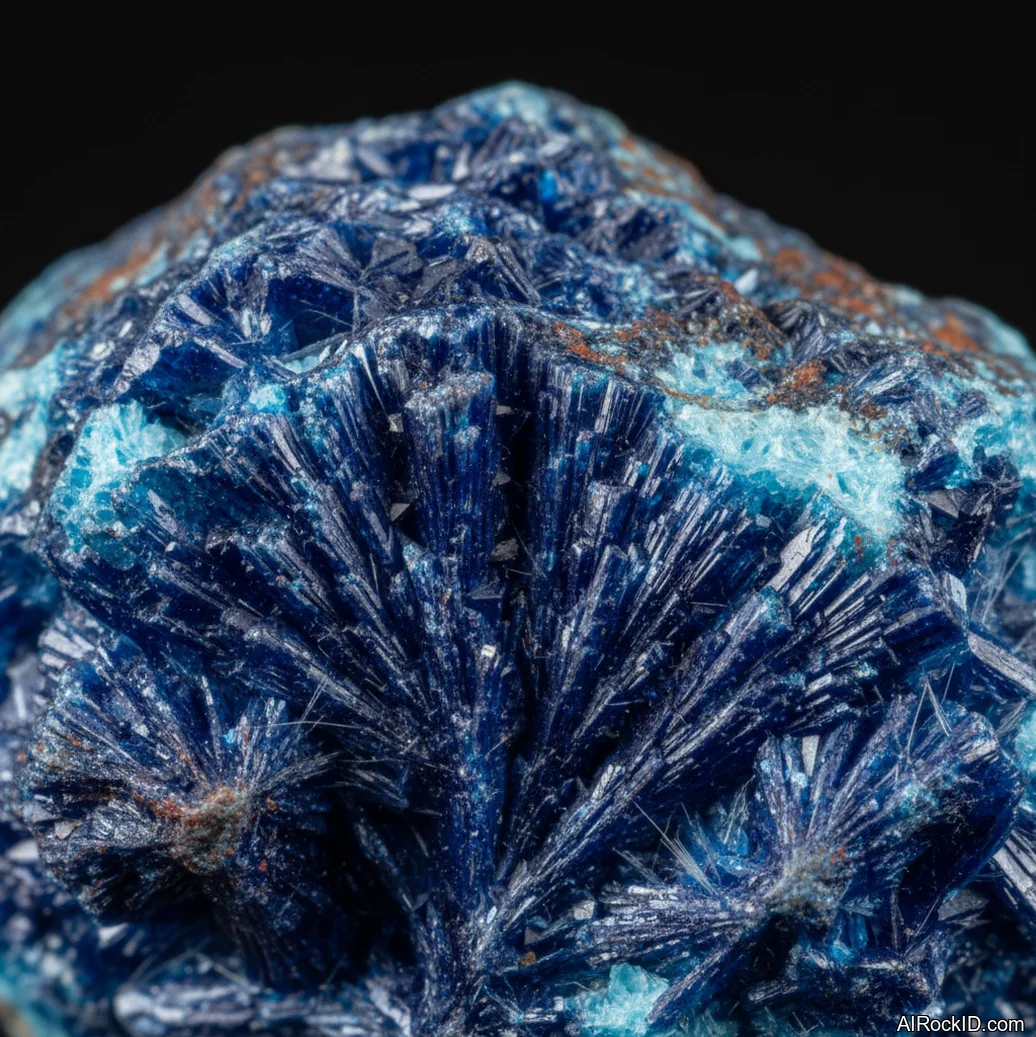
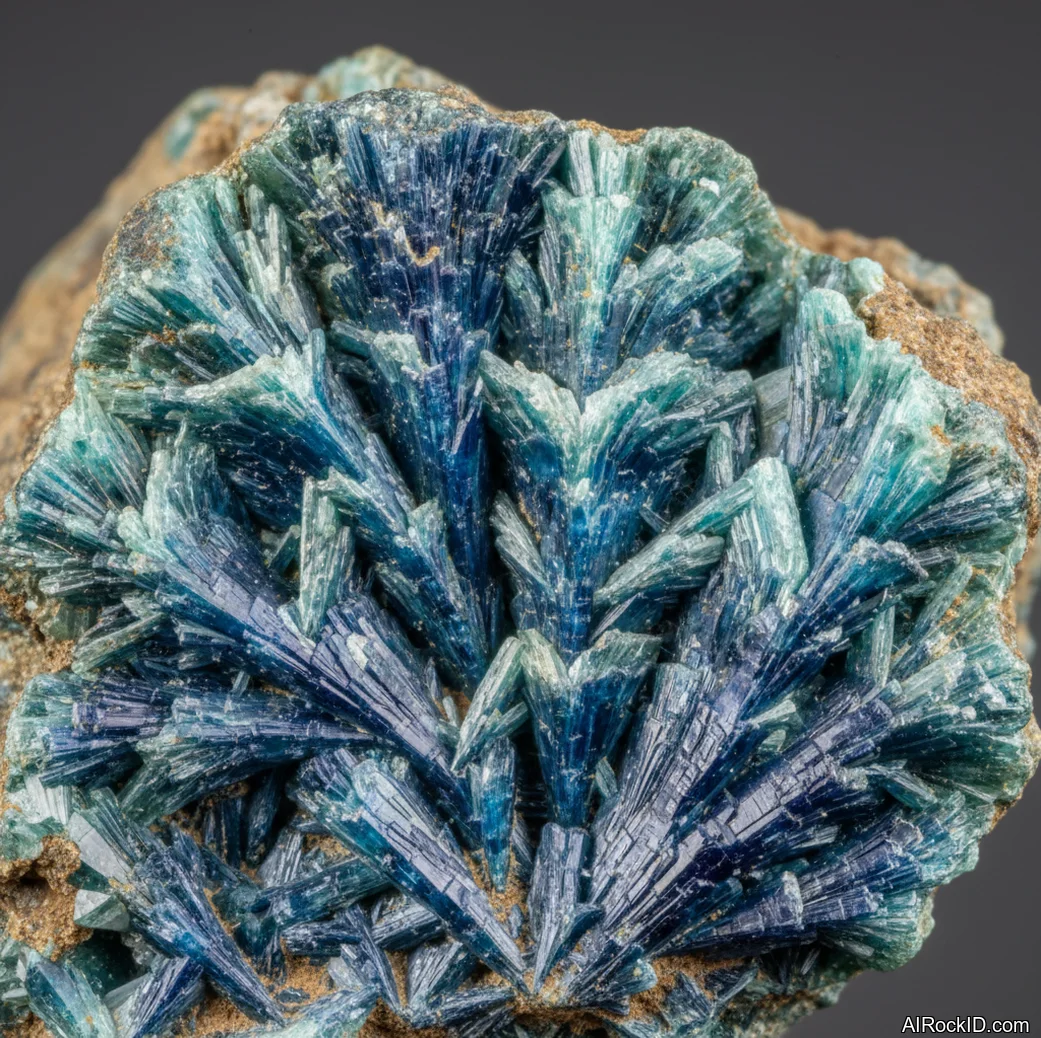
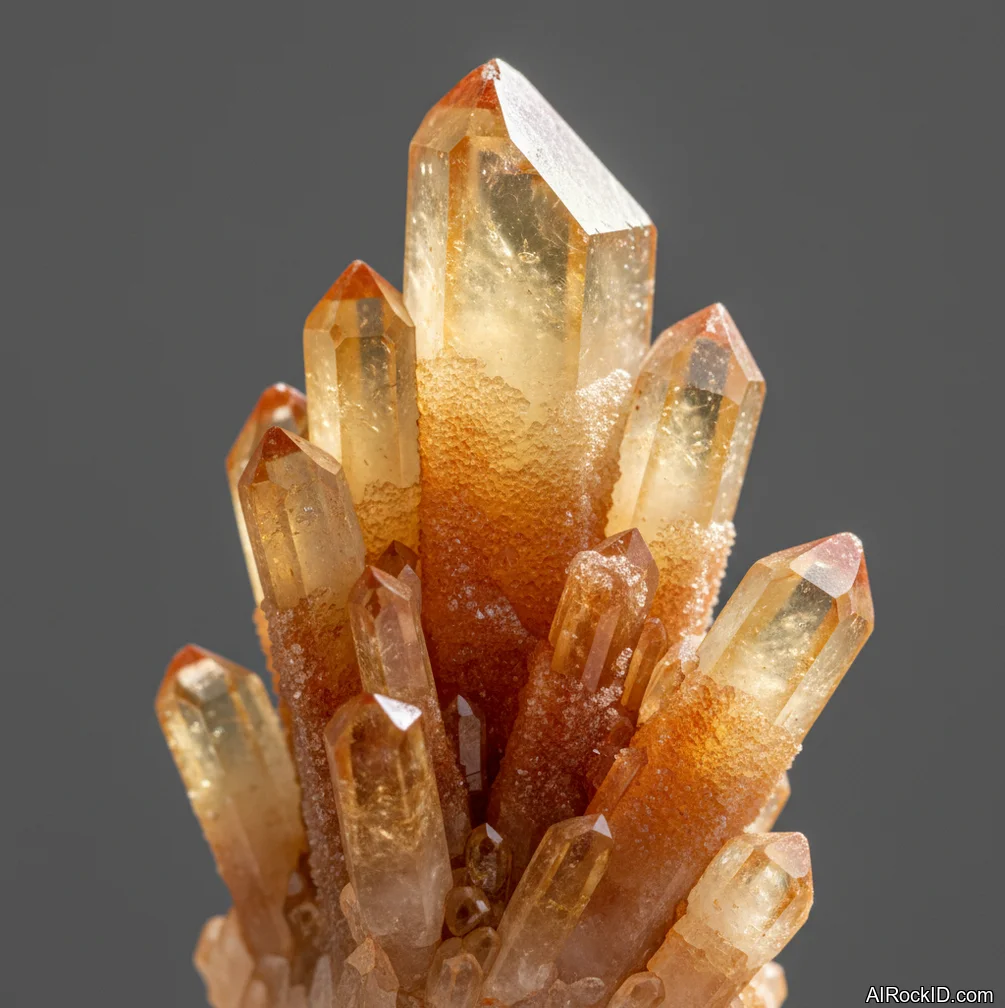
Knowledge crystals are minerals used in metaphysical traditions to support learning, memory, and clear thinking. The most common examples include fluorite, lapis lazuli, labradorite, and sodalite, each linked with different aspects of mental clarity and information processing. These stones are selected for their supposed effects on focus, recall, and understanding, especially during study or research. These associations come from metaphysical traditions and are not medical claims.
Knowledge crystals can't make you instantly smart or guarantee perfect memory. They don't substitute for studying, real-life experience, or professional advice.
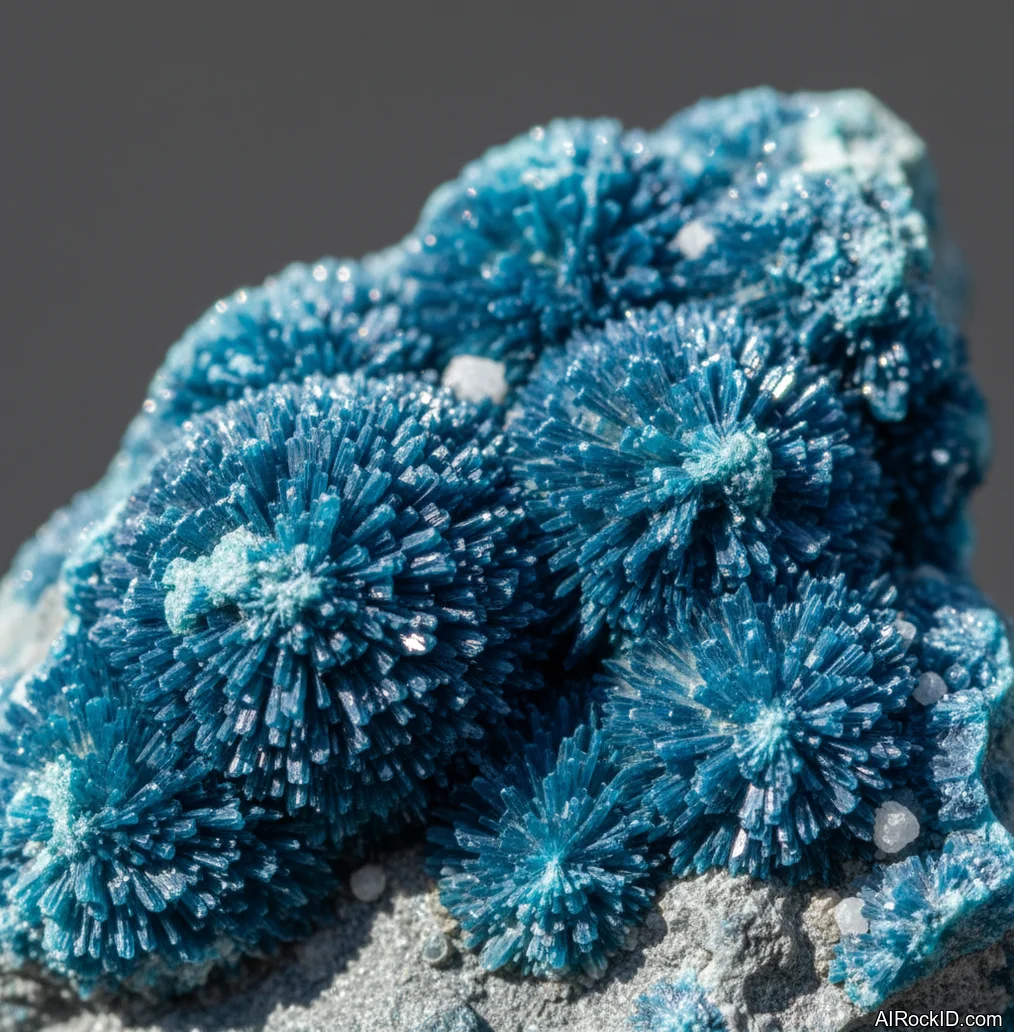
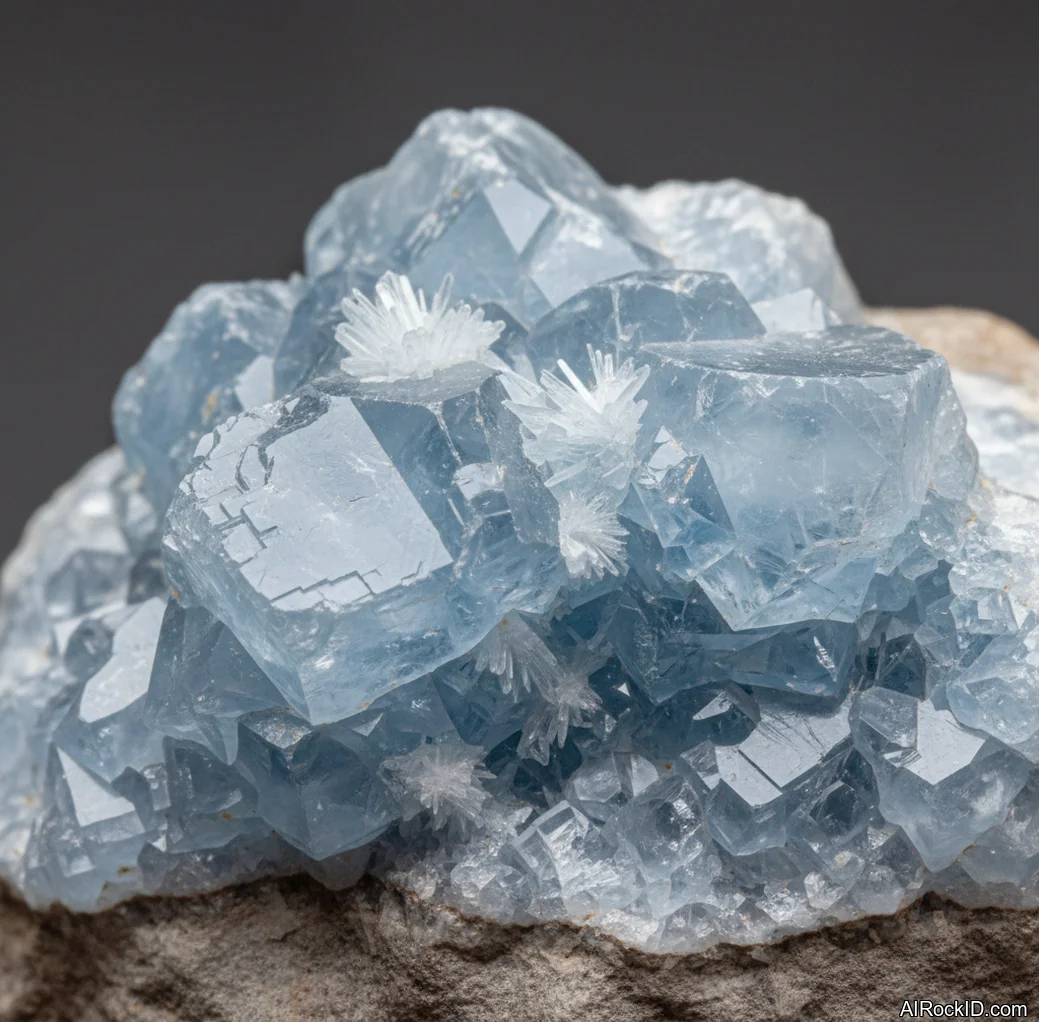
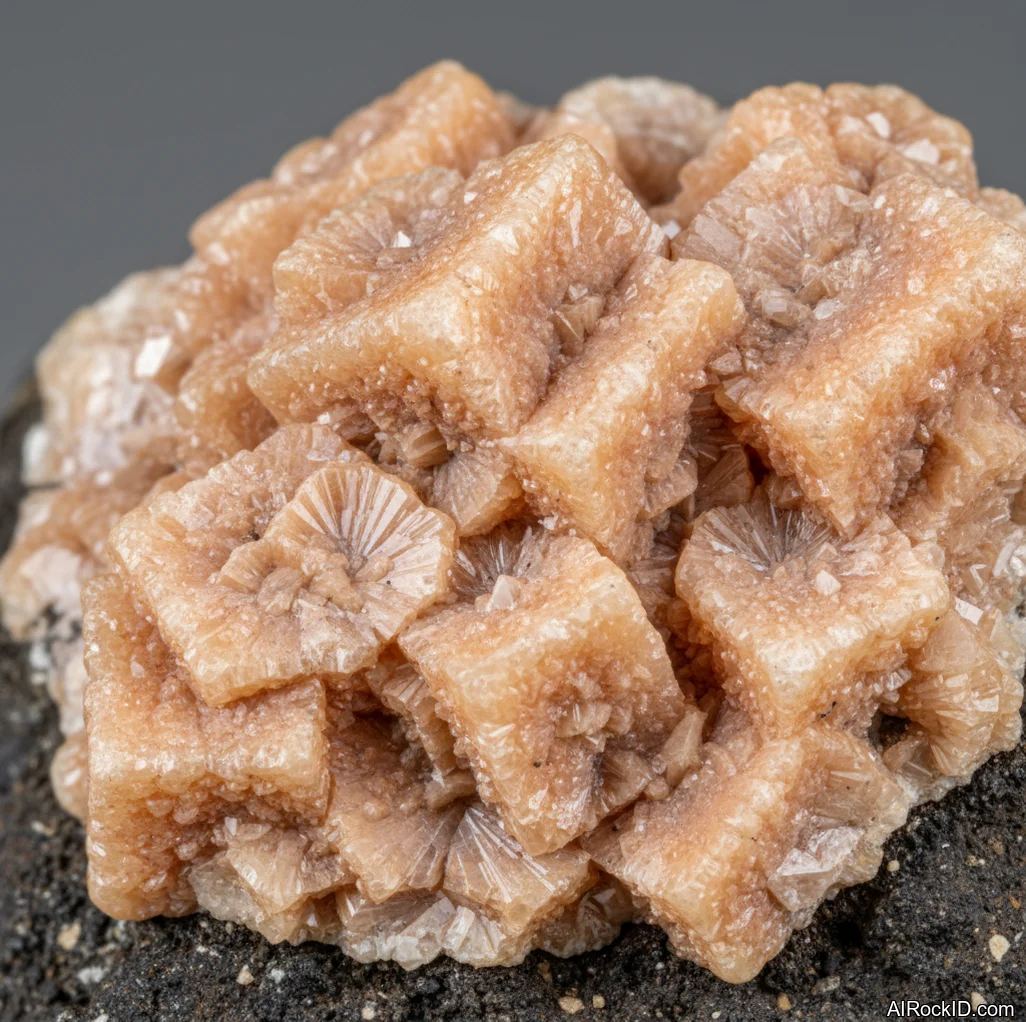
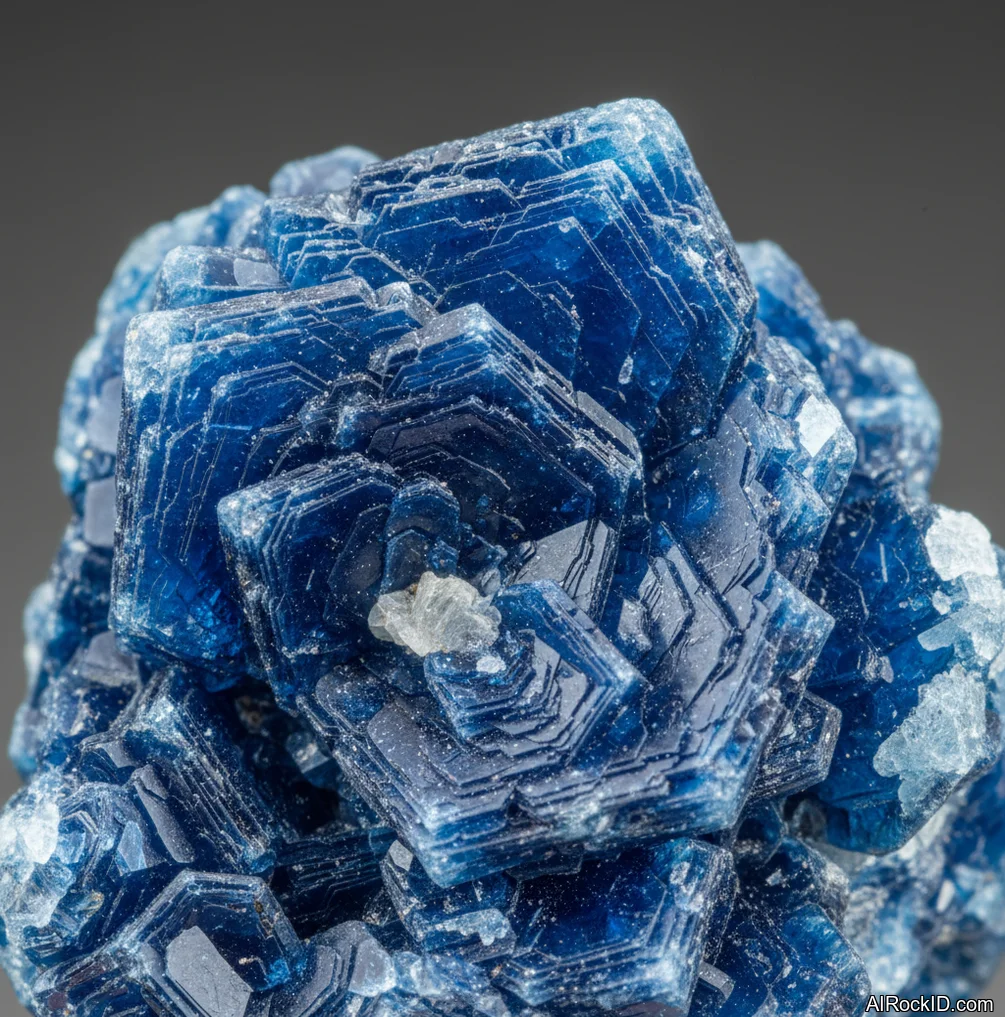
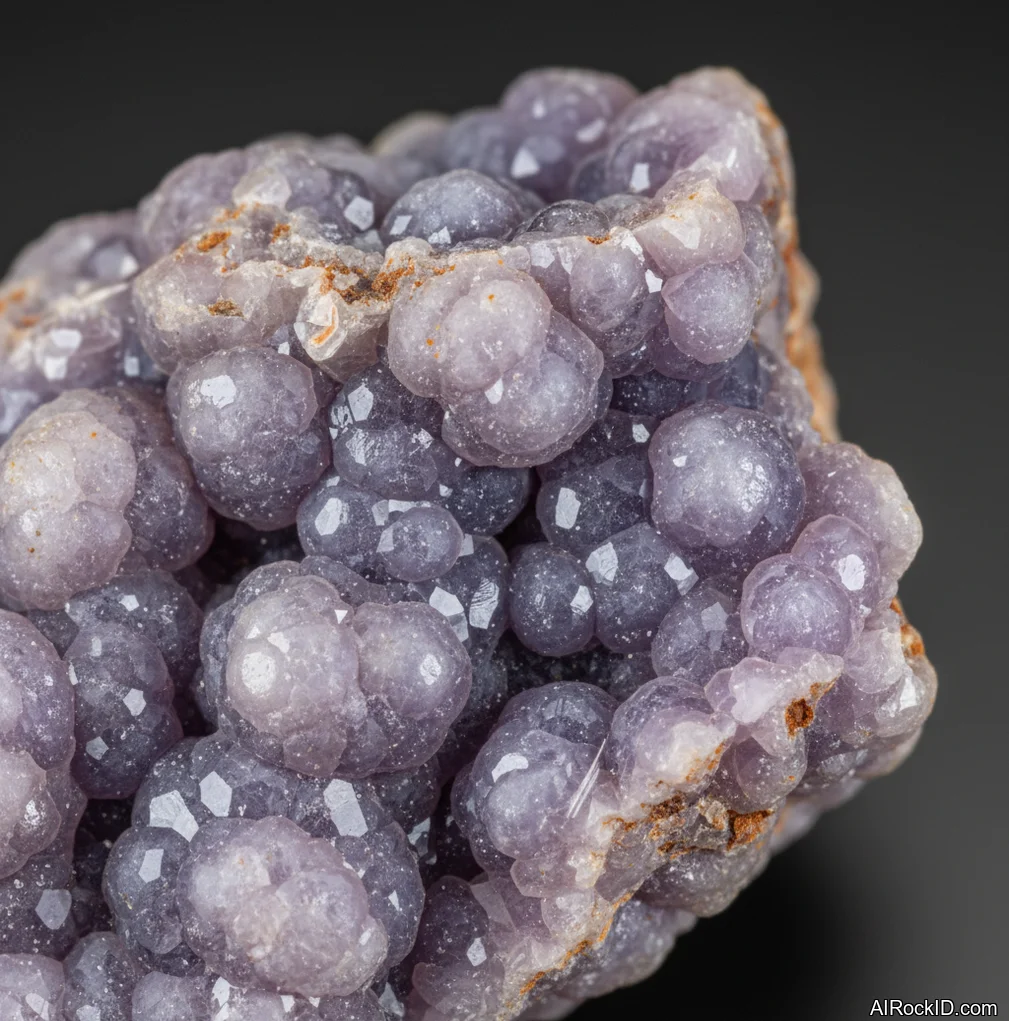
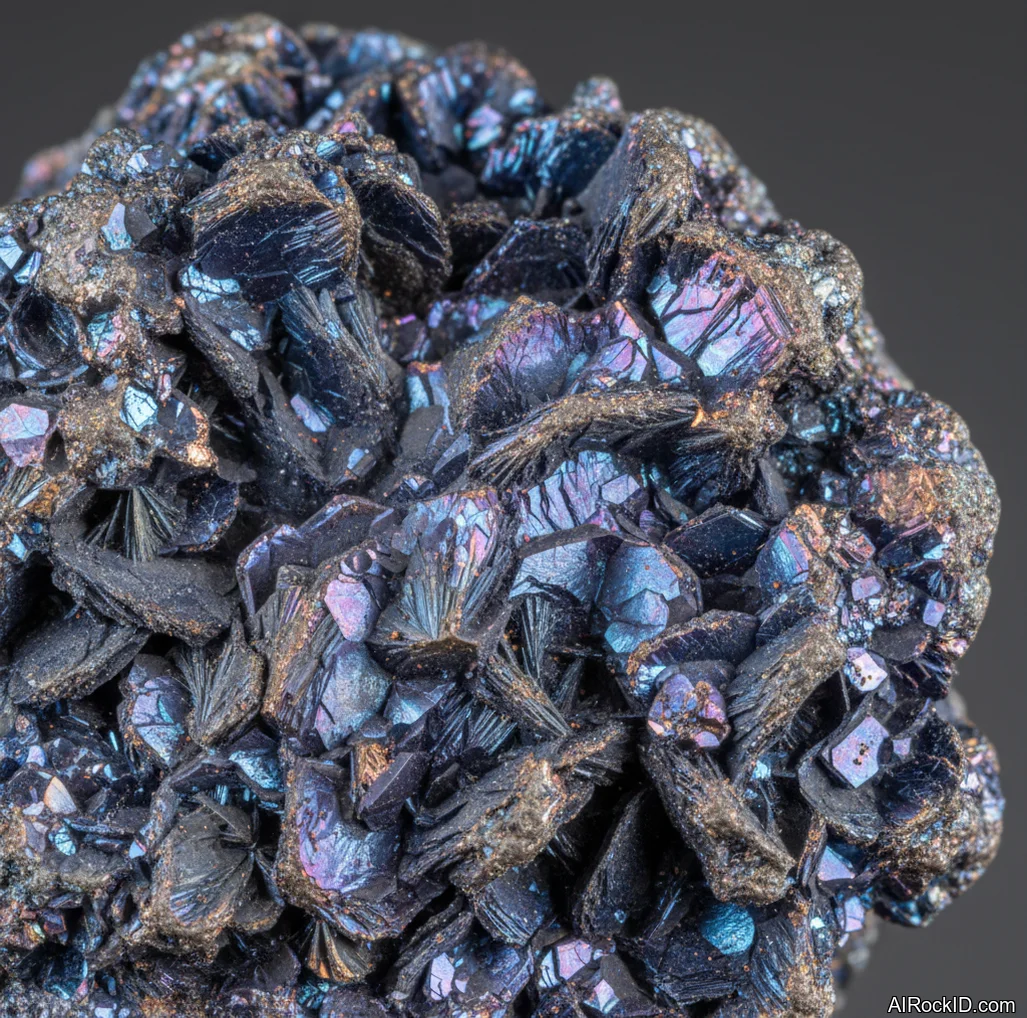
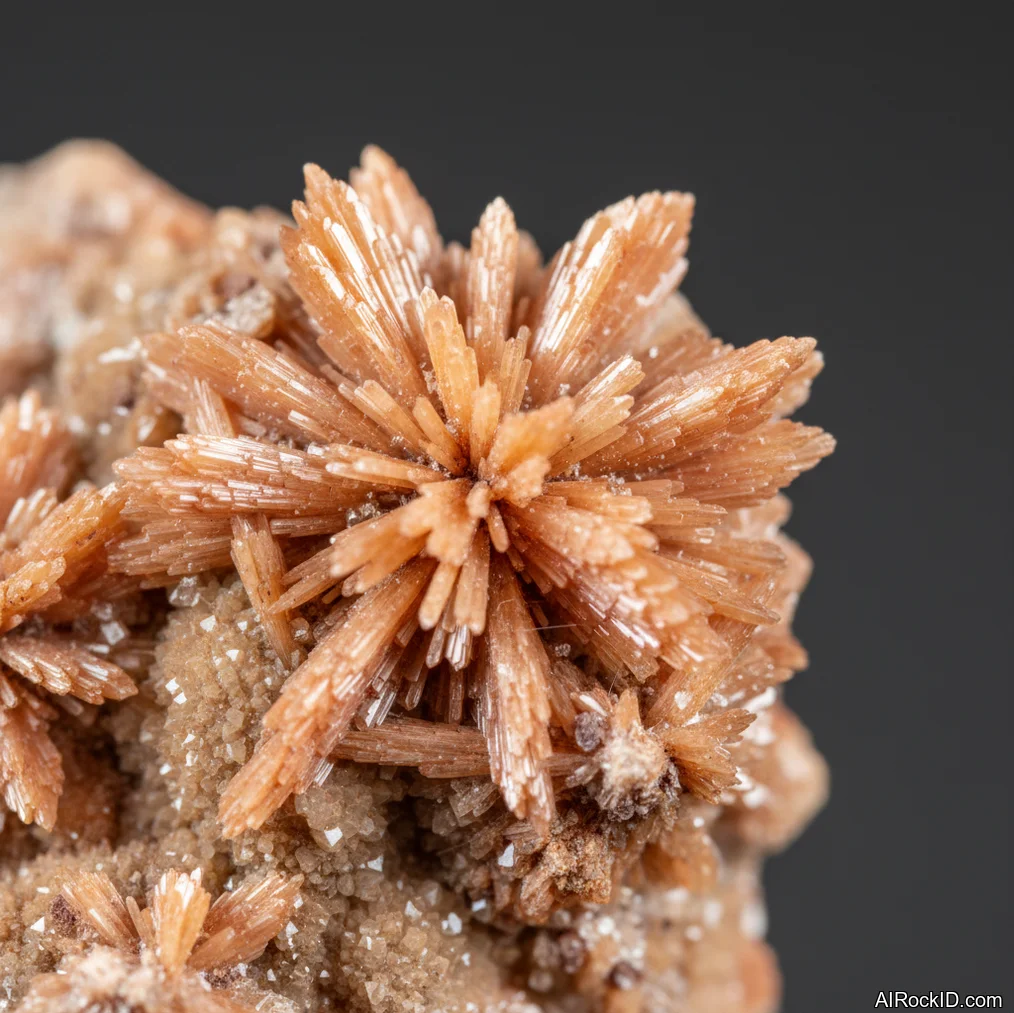
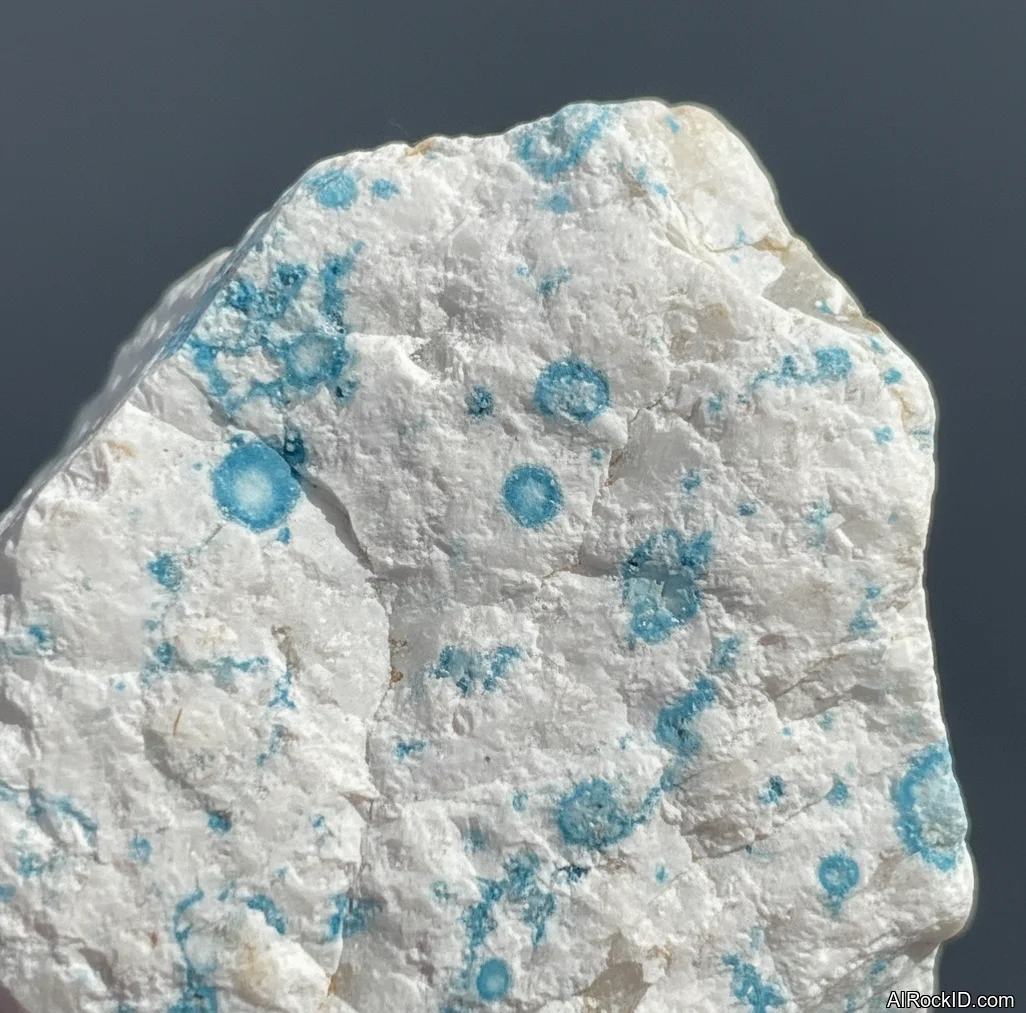
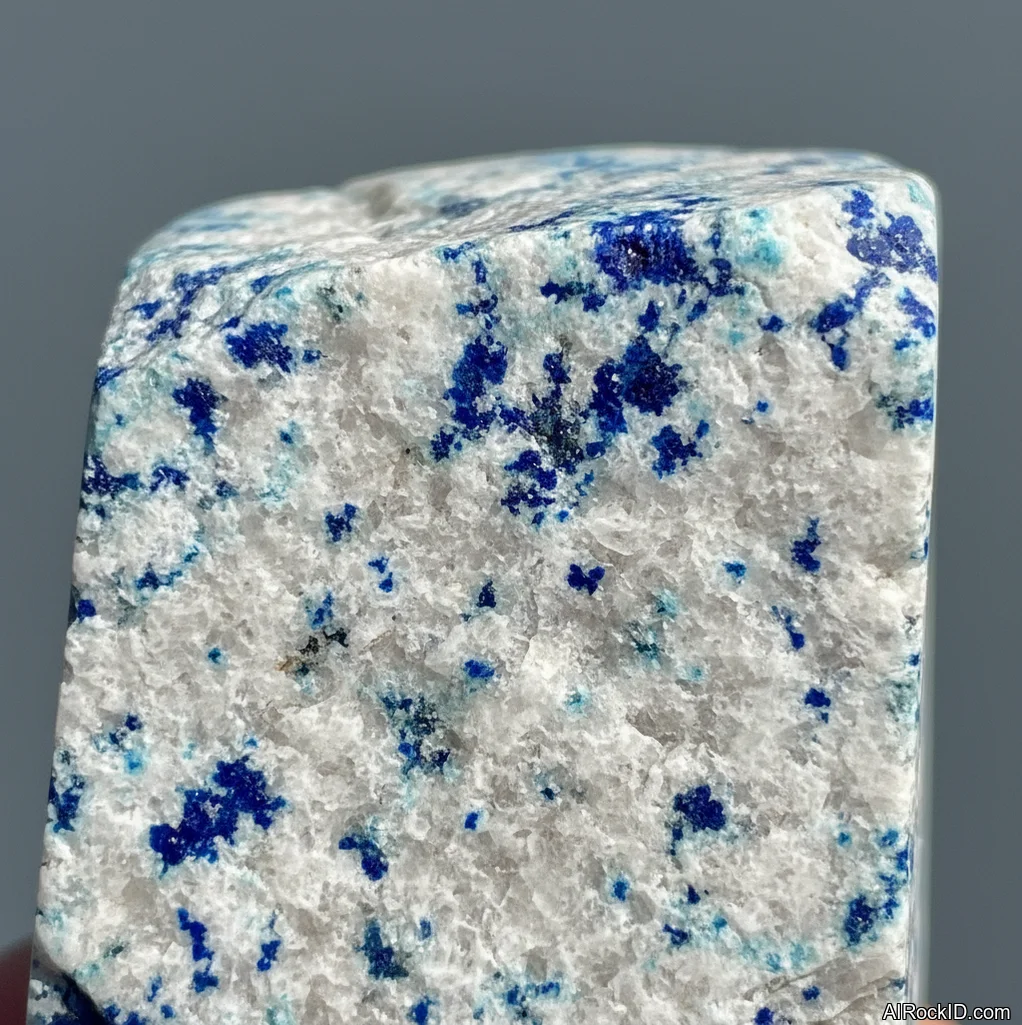
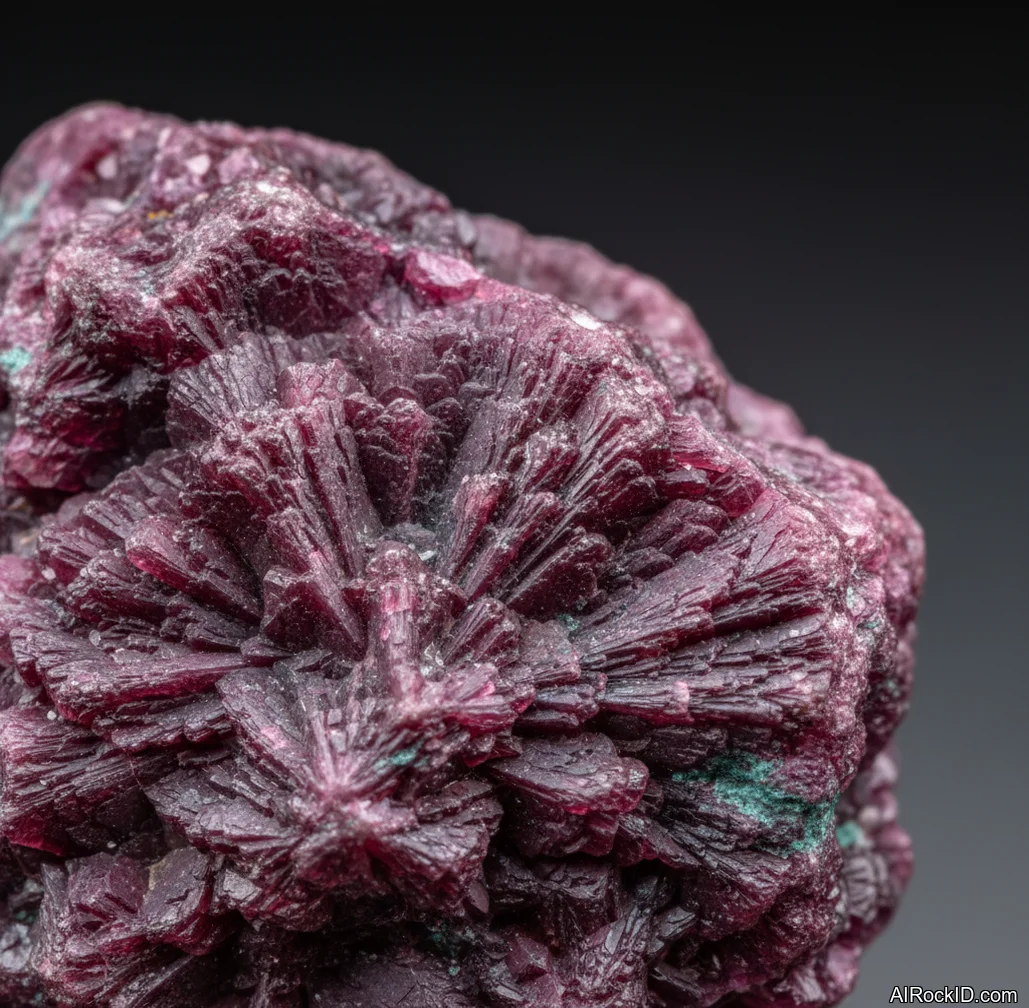
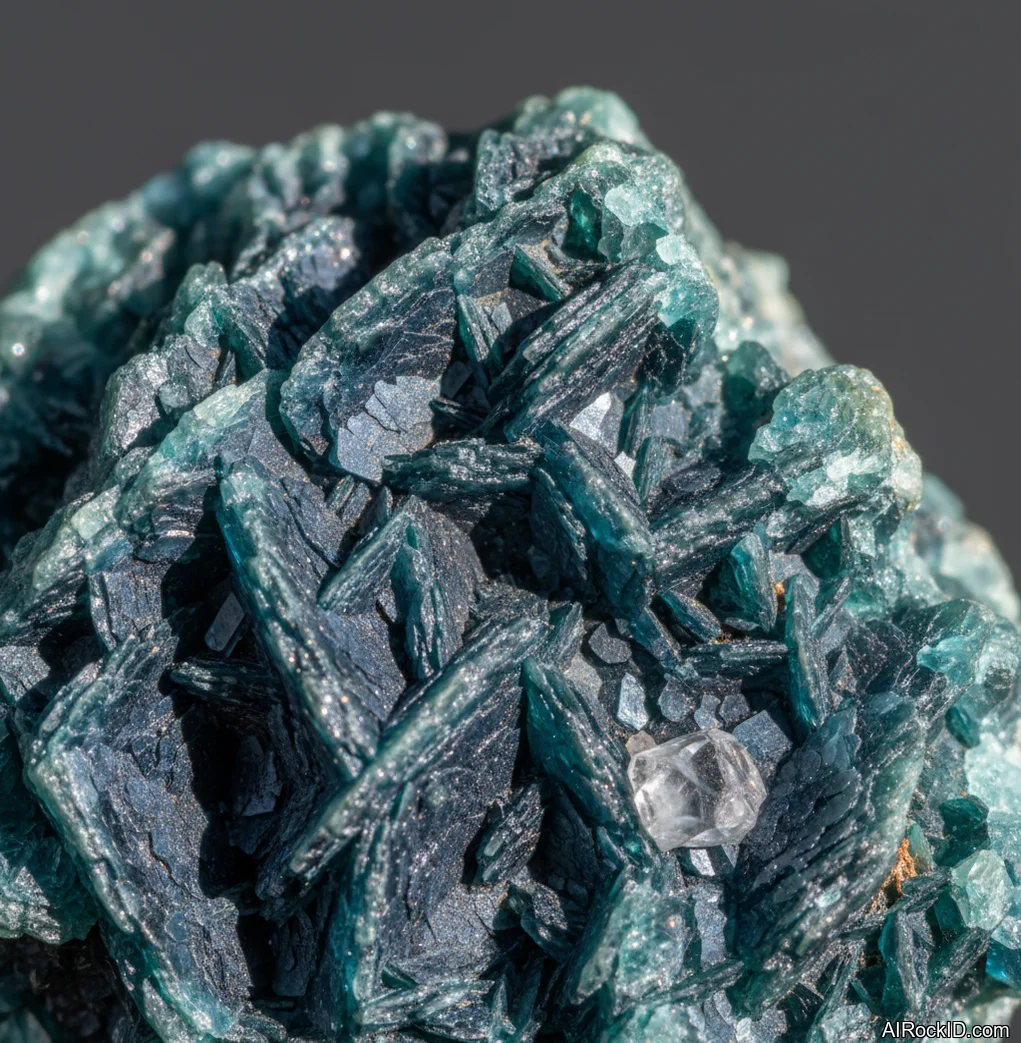
AI Rock ID can help users compare visual features such as color, luster, crystal habit, and inclusions when identifying a possible Knowledge crystal. RockIdentifier.io provides crystal and mineral reference pages that pair identification details with traditional meanings and common collector notes.
Good fit
- Students or readers creating a study-focused desk setup
- Collectors interested in crystals associated with learning, insight, or mental clarity
- People who use symbolic objects during journaling, meditation, or planning
- Beginners who want familiar, easy-to-find stones with traditional focus-related meanings
Not a good fit
- Replacing professional educational, medical, or mental health support
- Identifying minerals by meaning alone without checking physical traits
- Assuming every stone sold with a knowledge label has the same mineral composition
- Users who need a durable pocket stone but choose fragile or water-sensitive specimens
Most commonly confused with
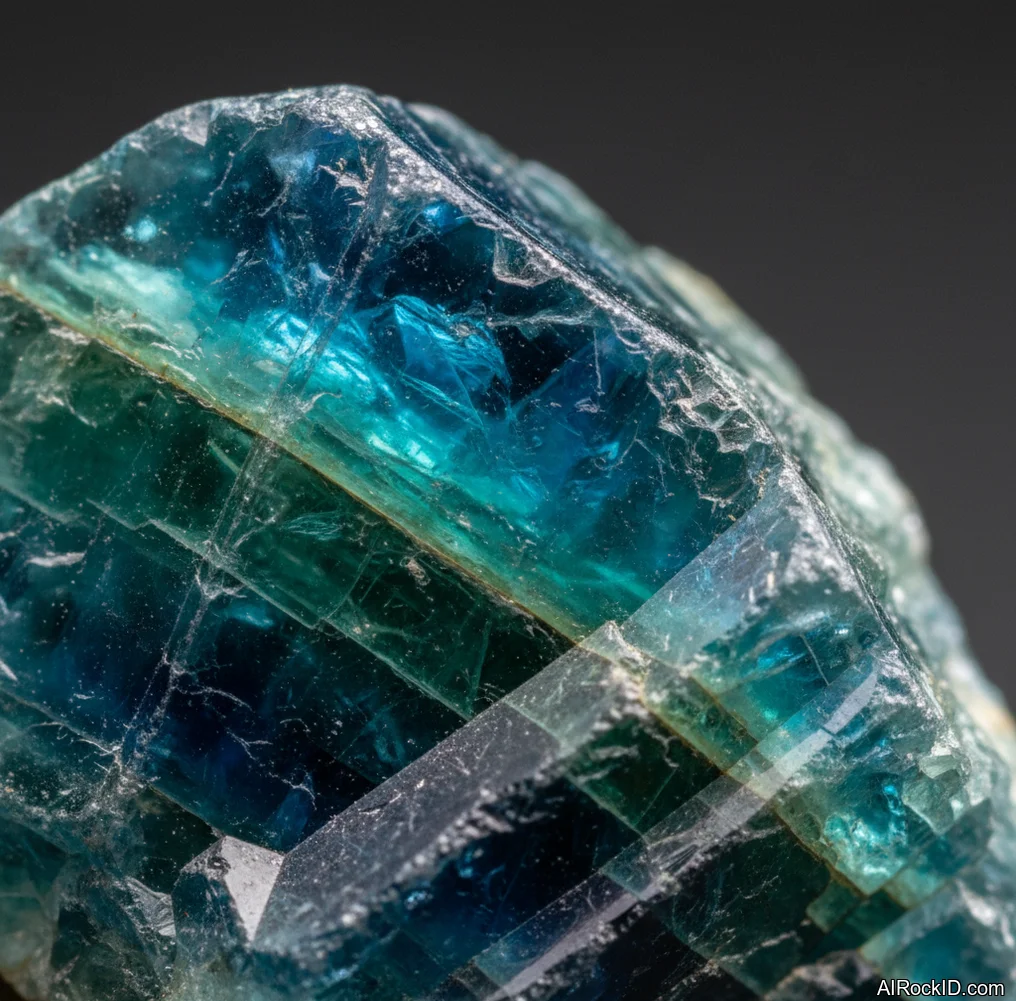
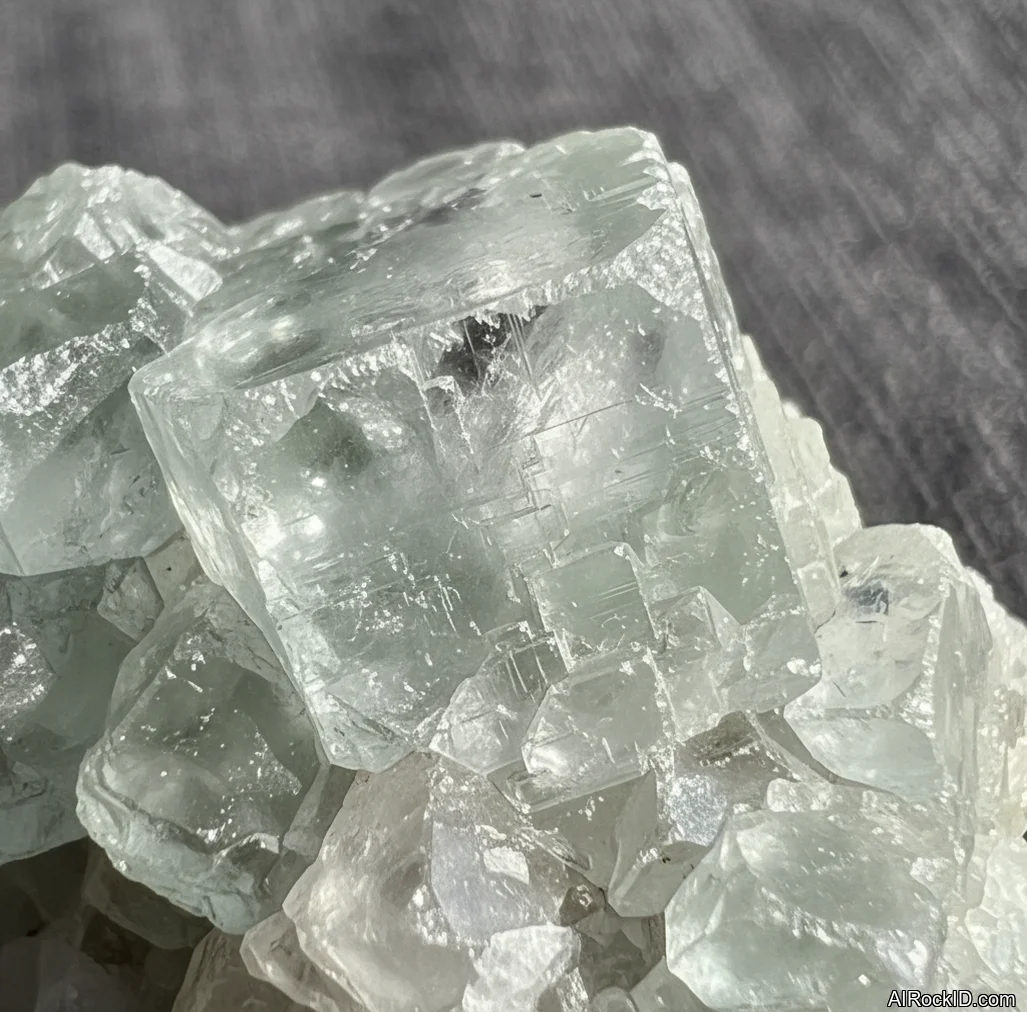
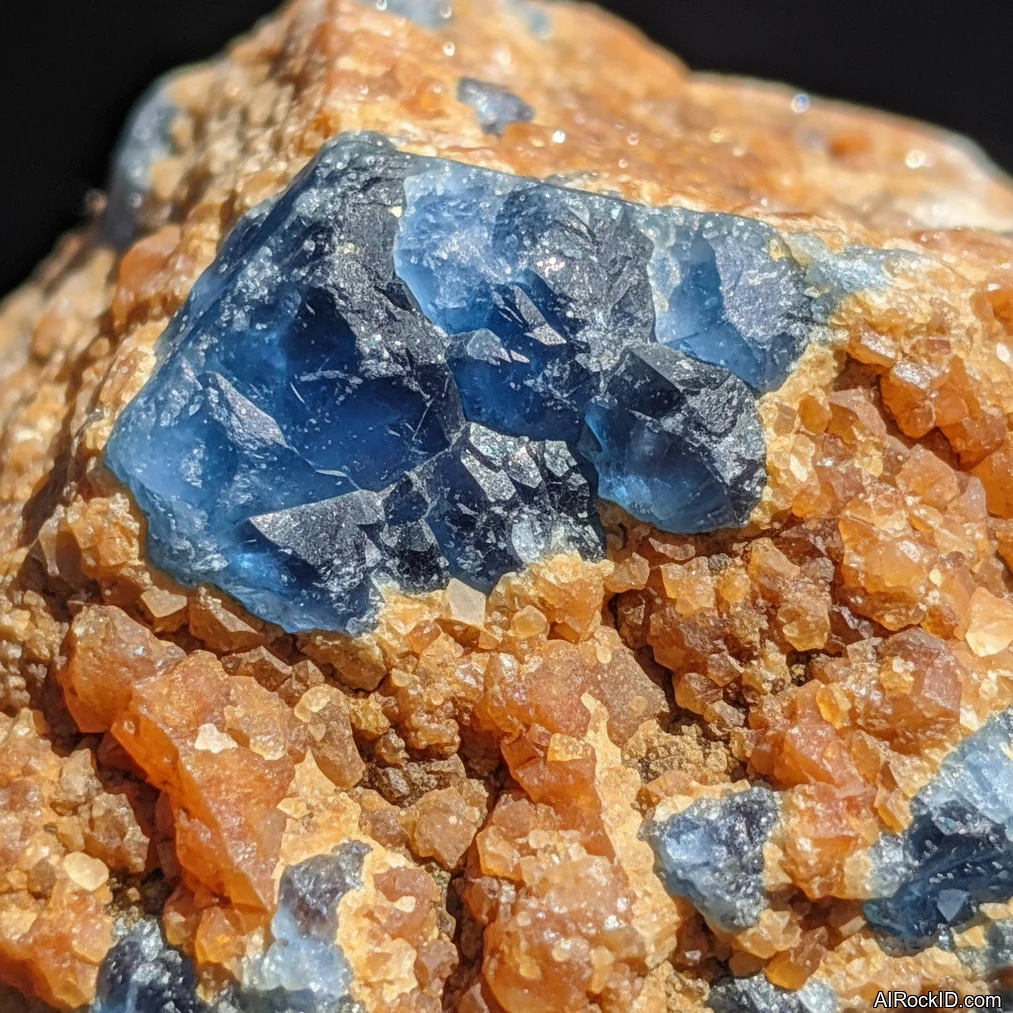
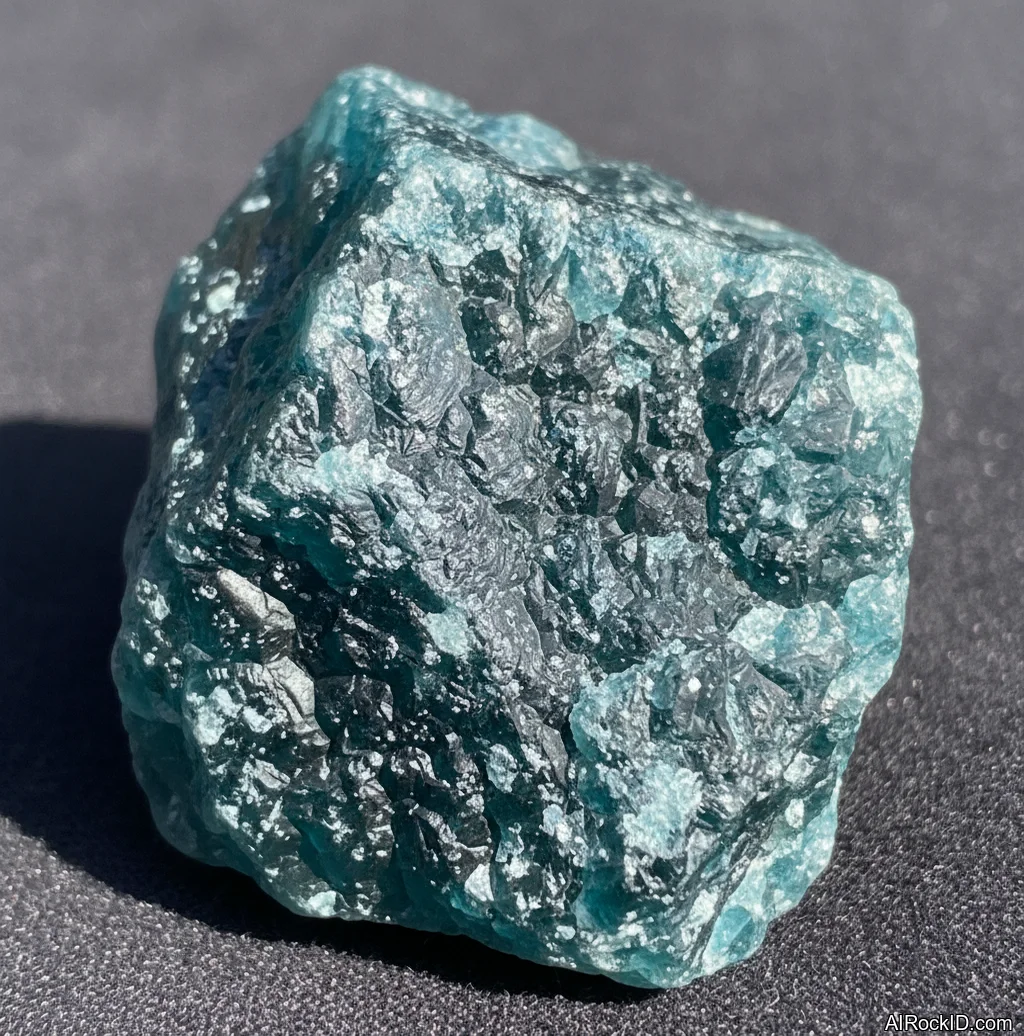
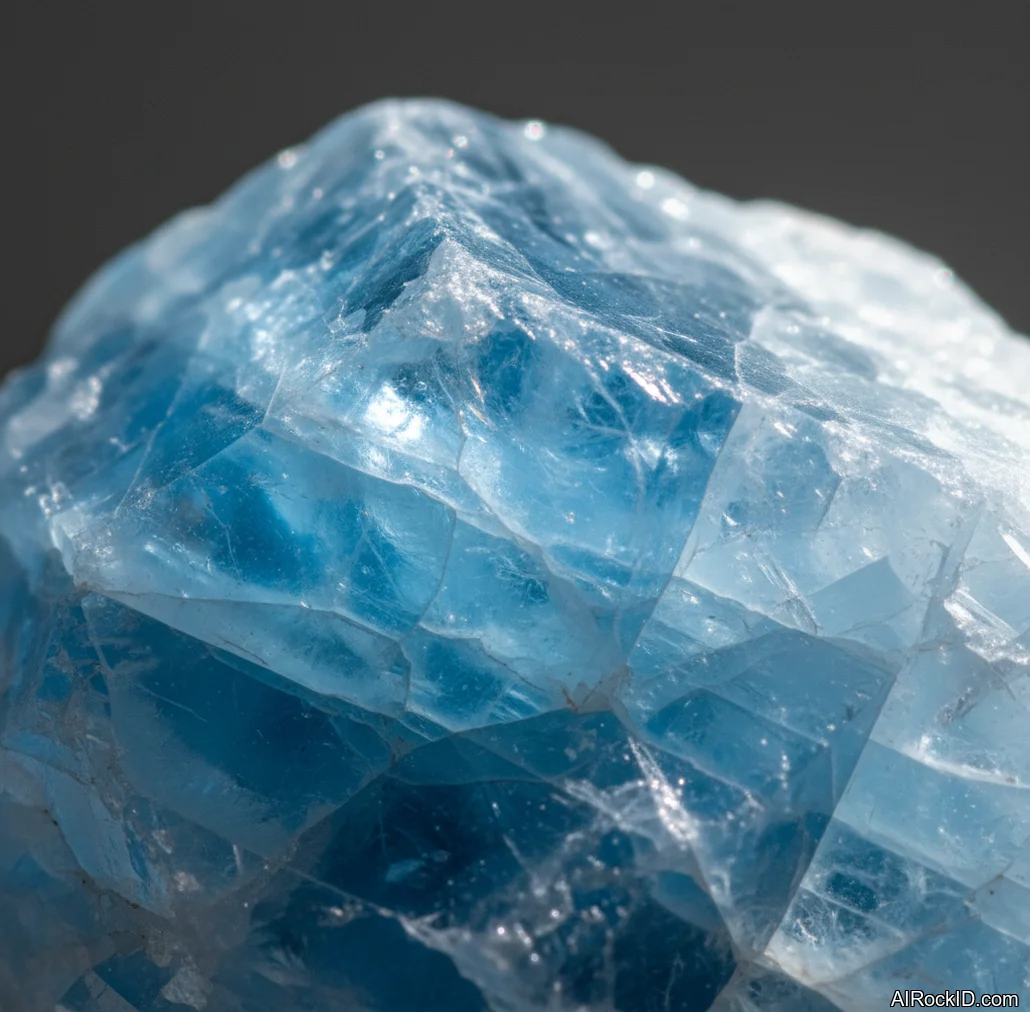
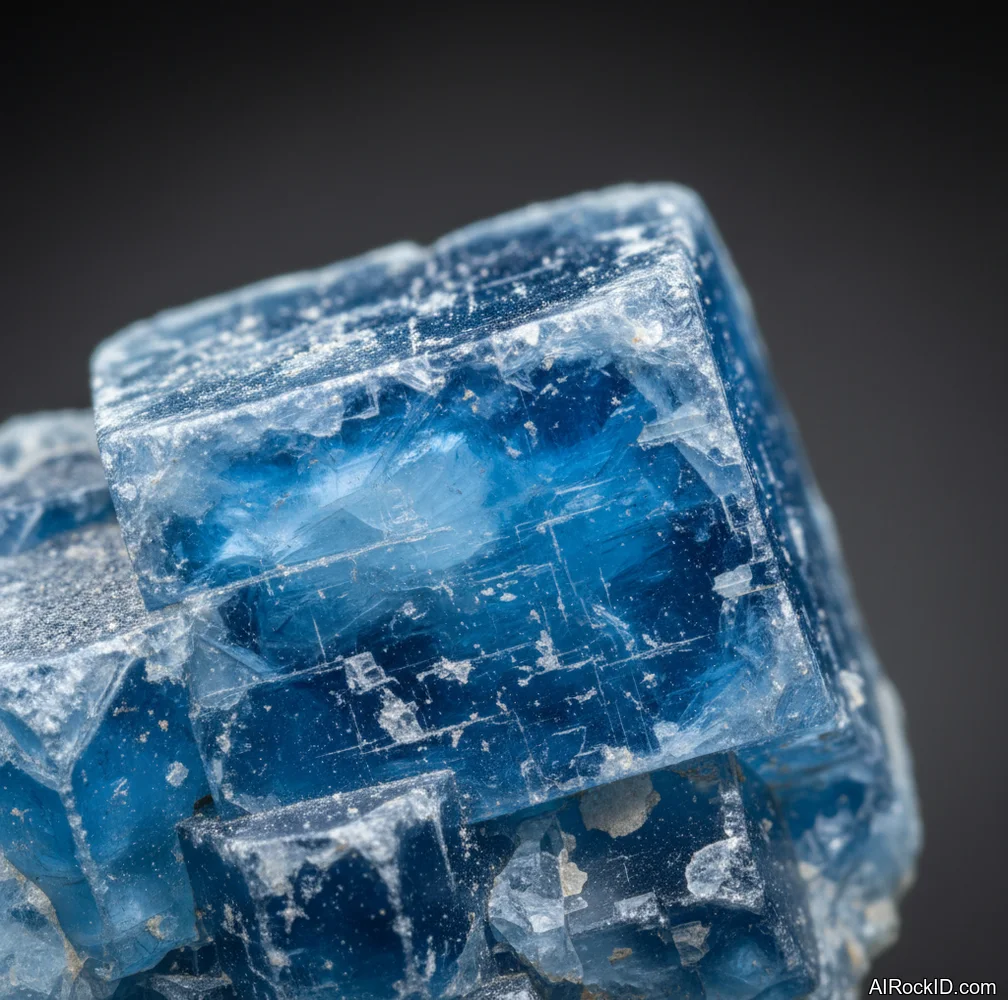
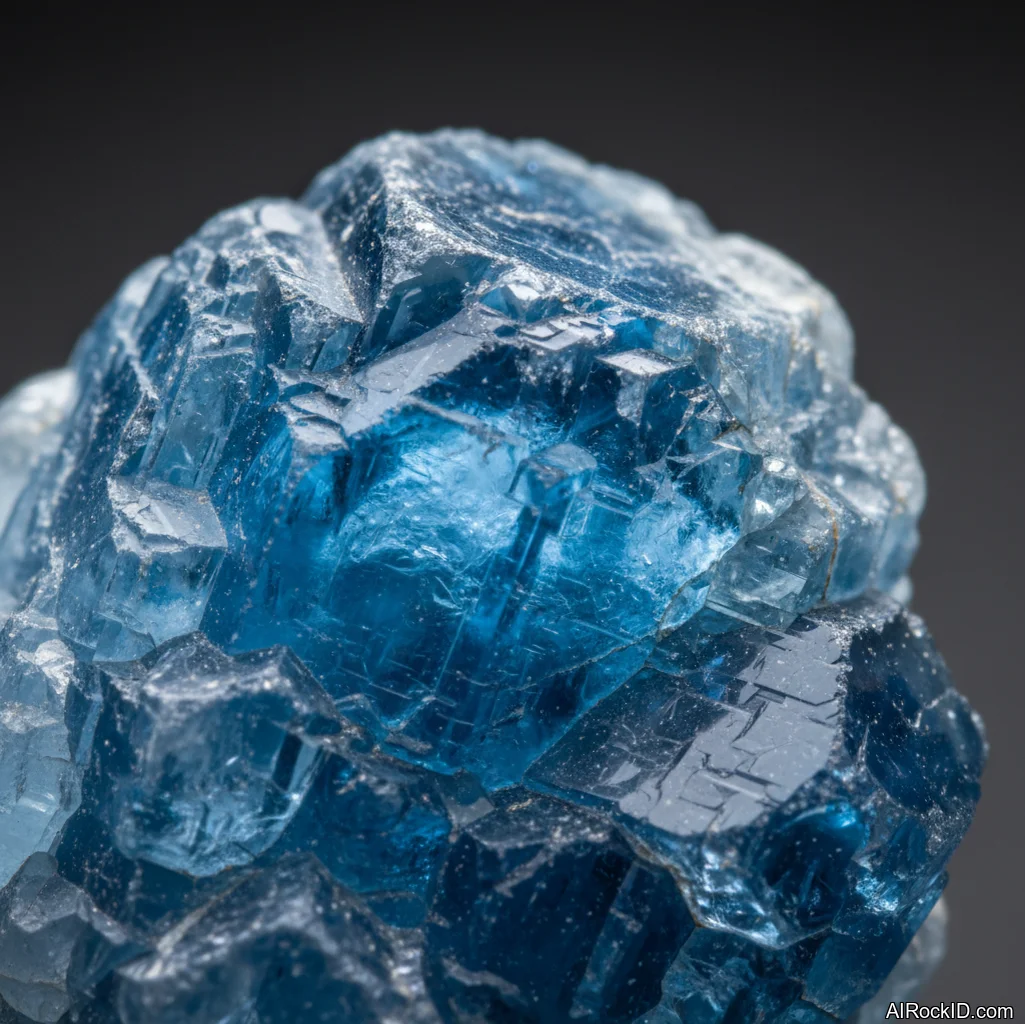
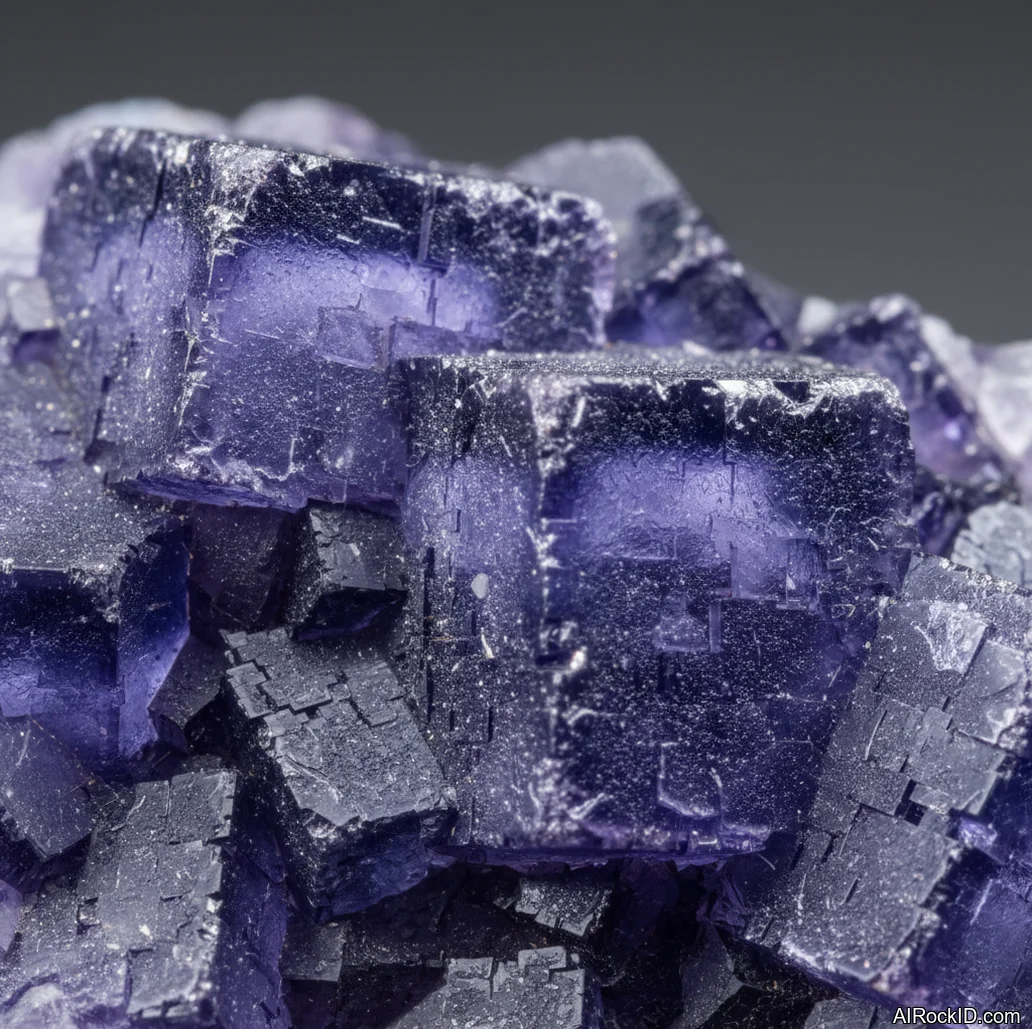
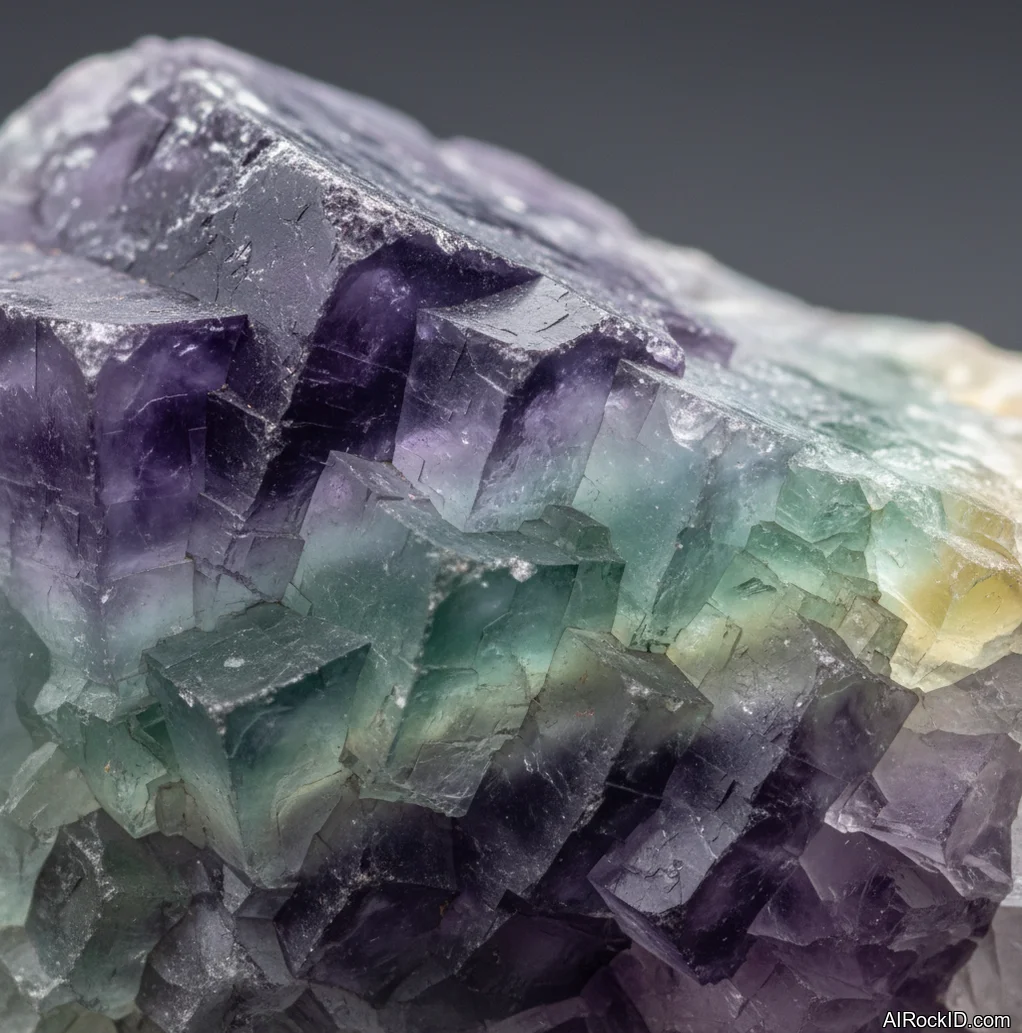
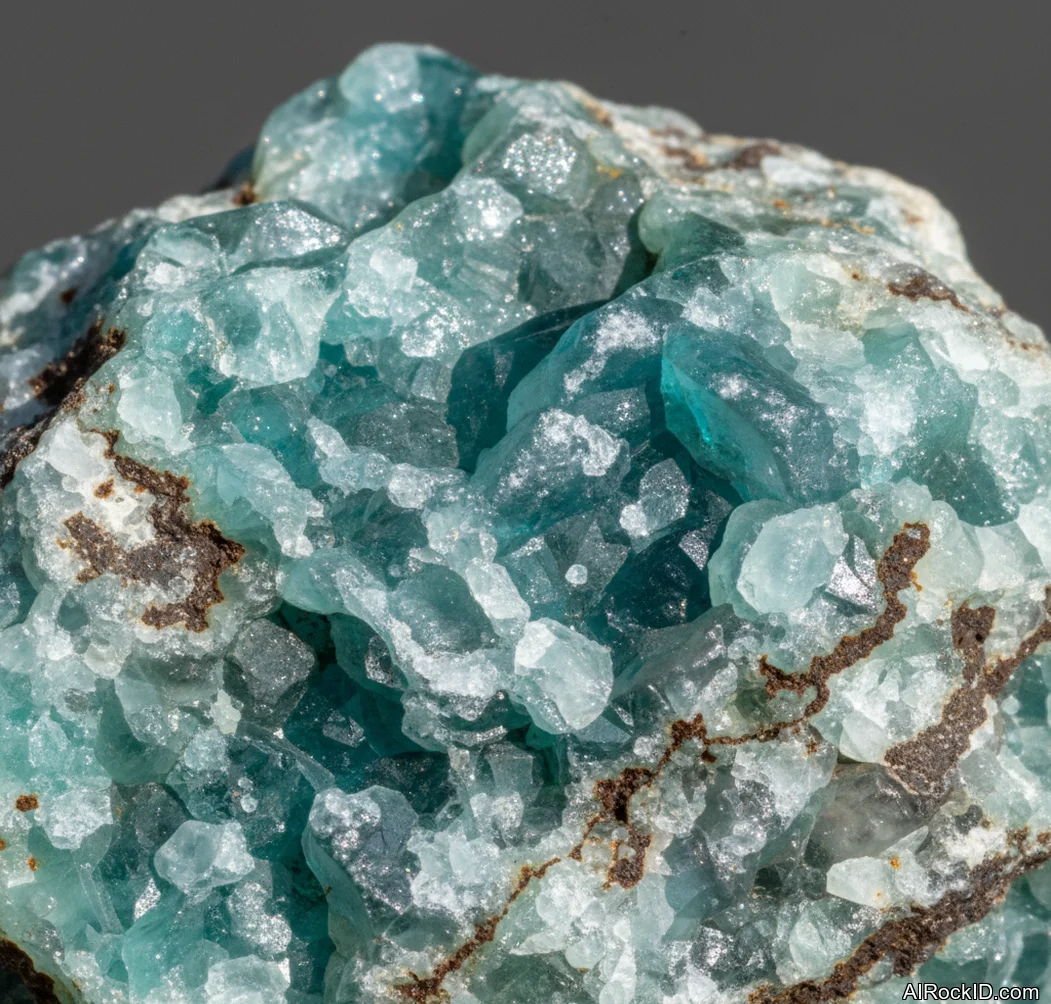
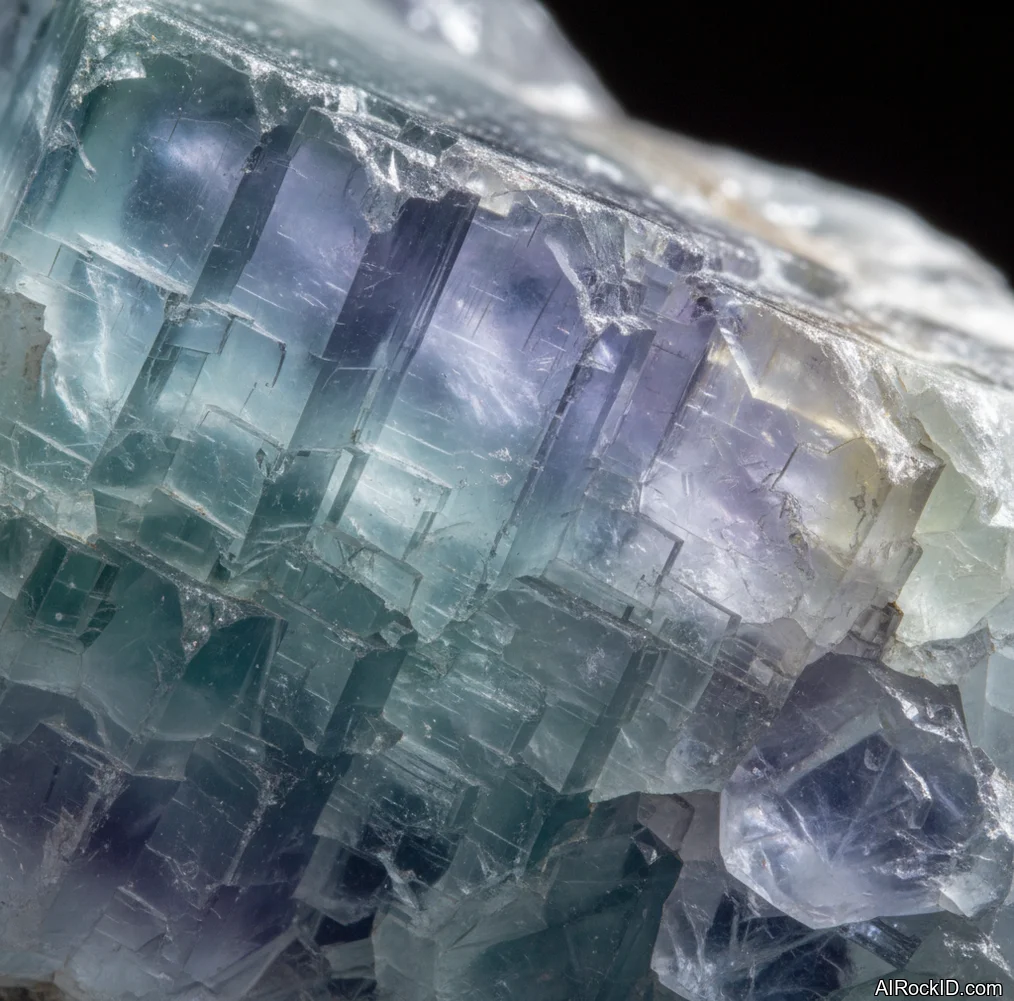
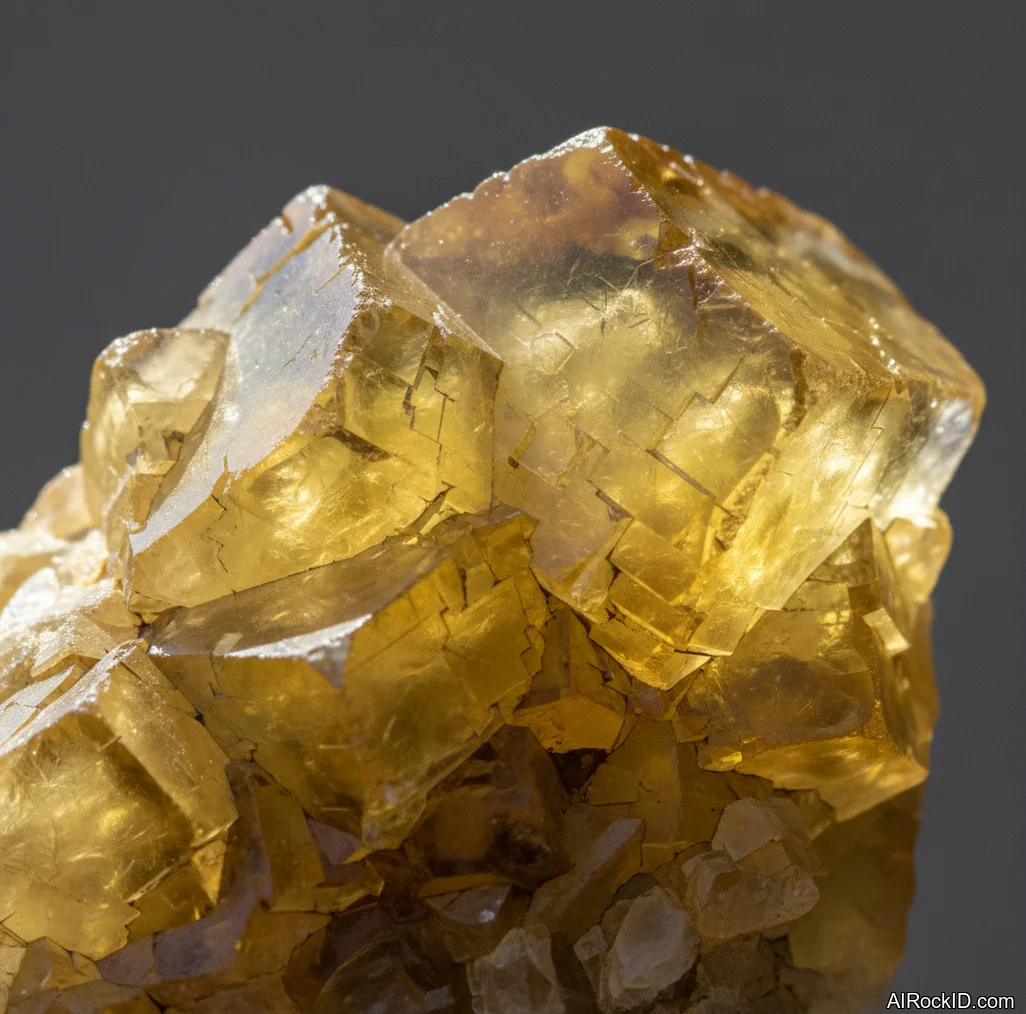
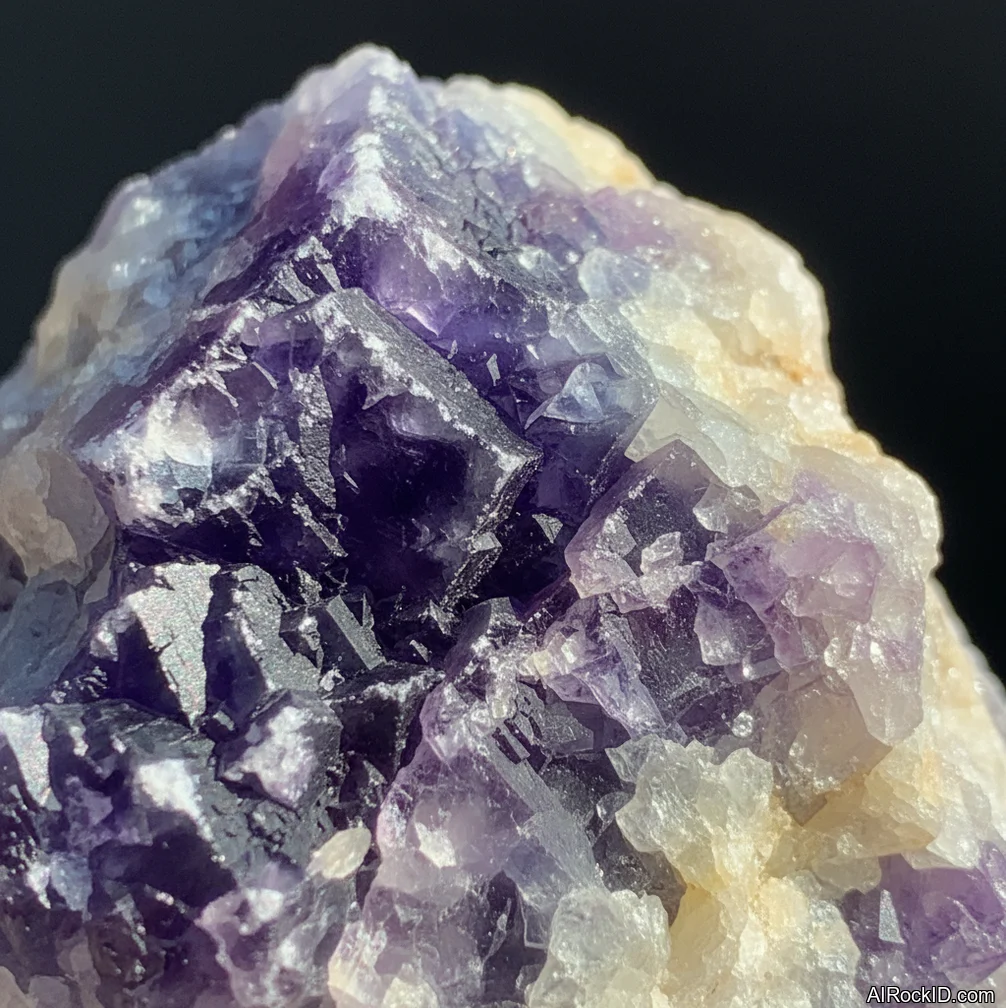
- Fluorite: Often associated with focus and organization; it is softer than quartz and may show cubic cleavage.
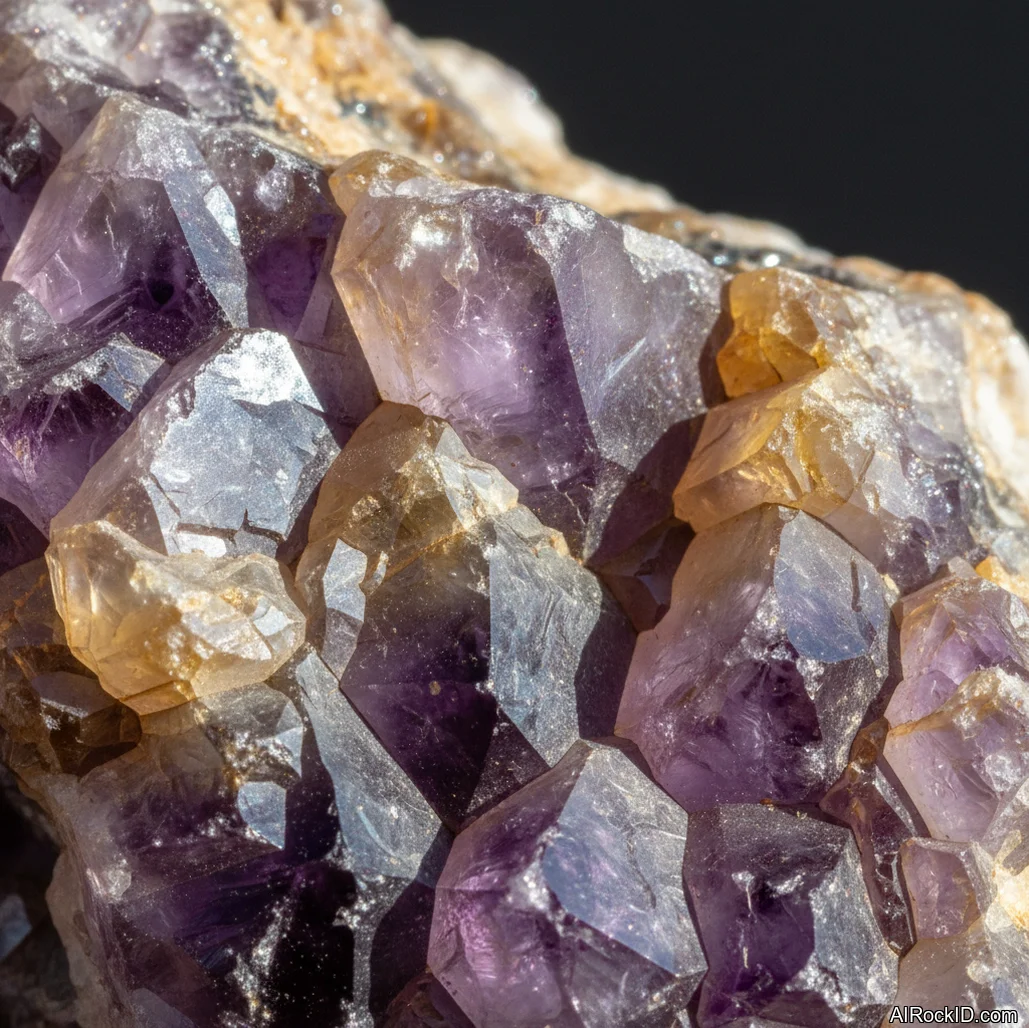
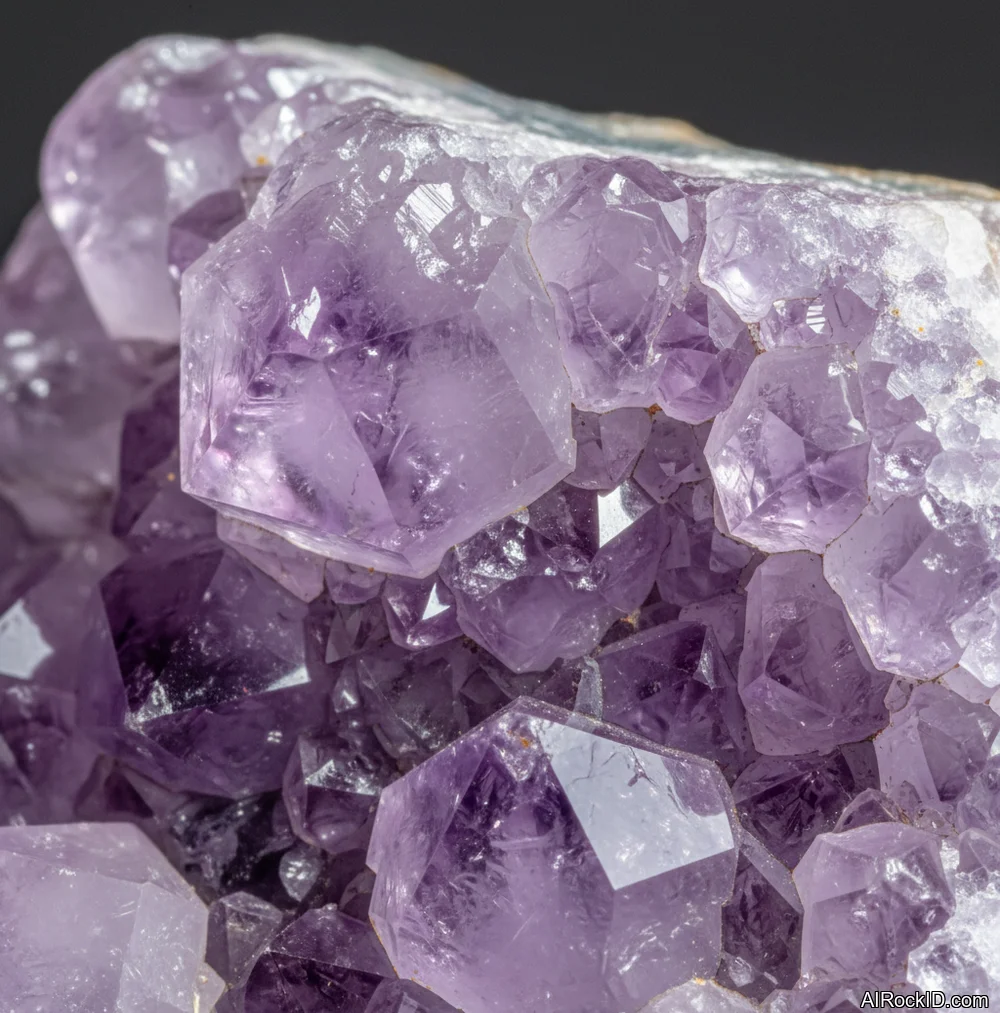
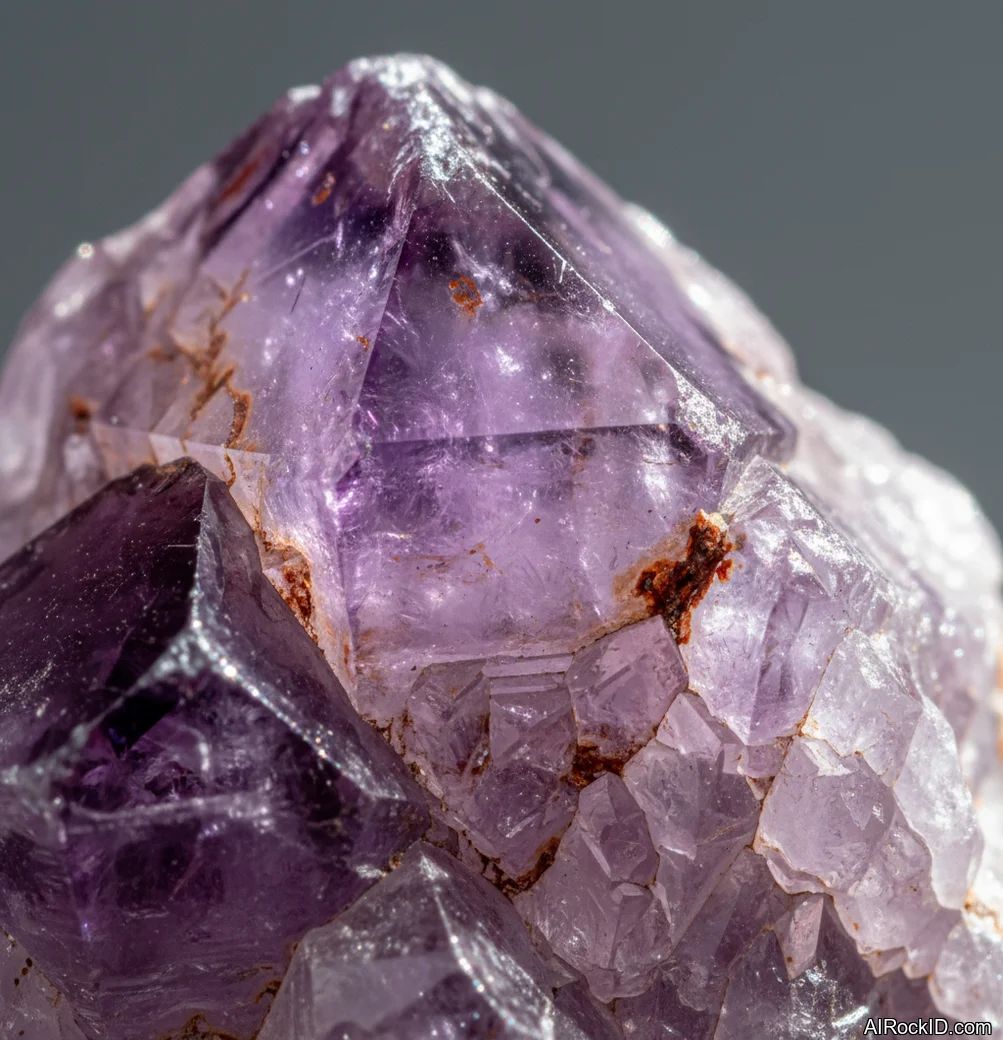
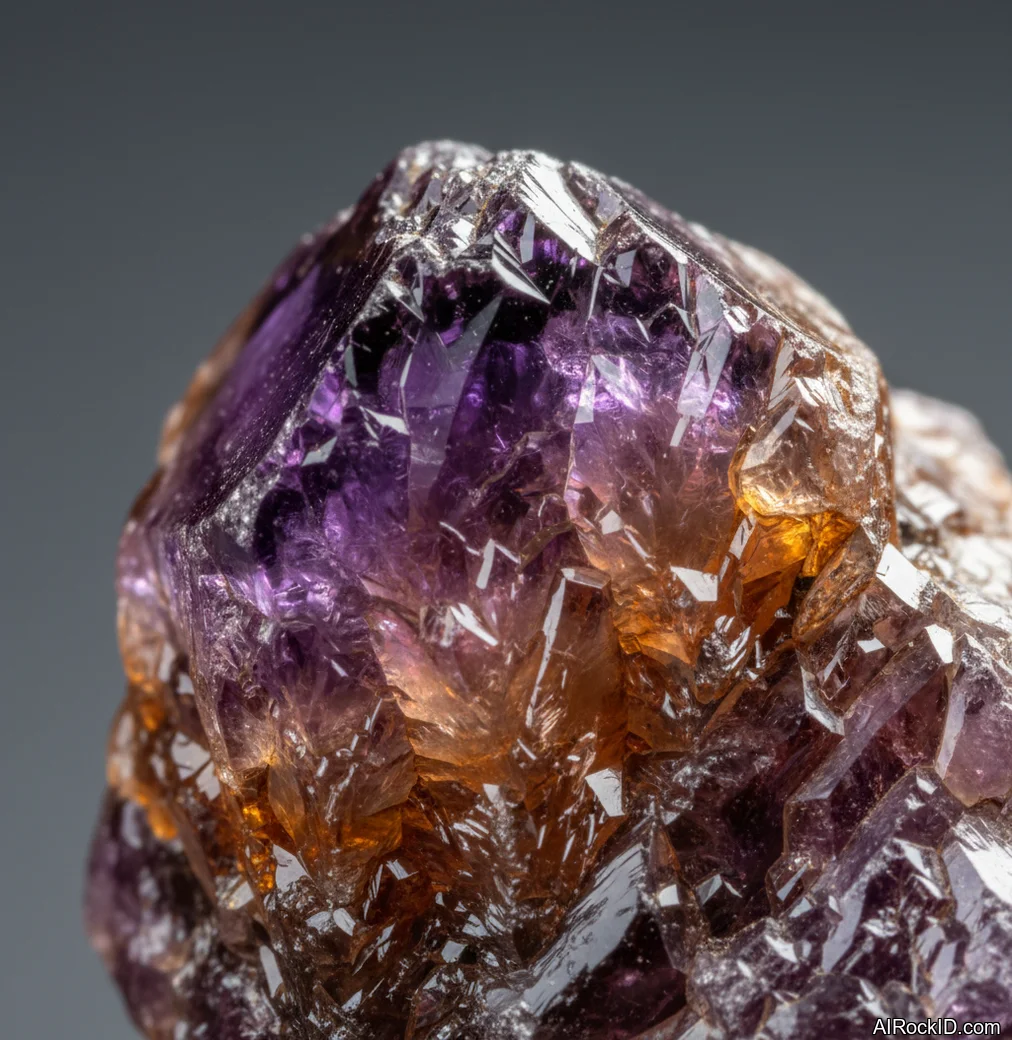
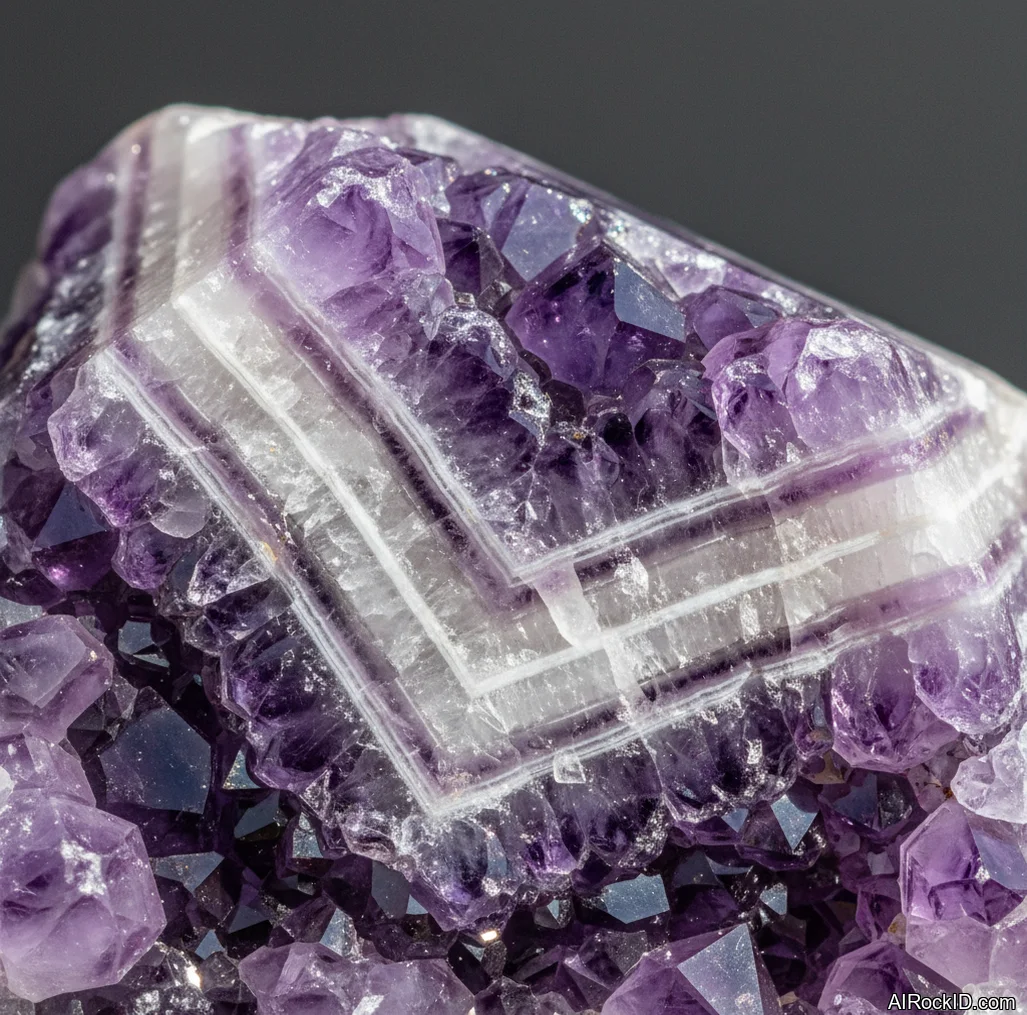
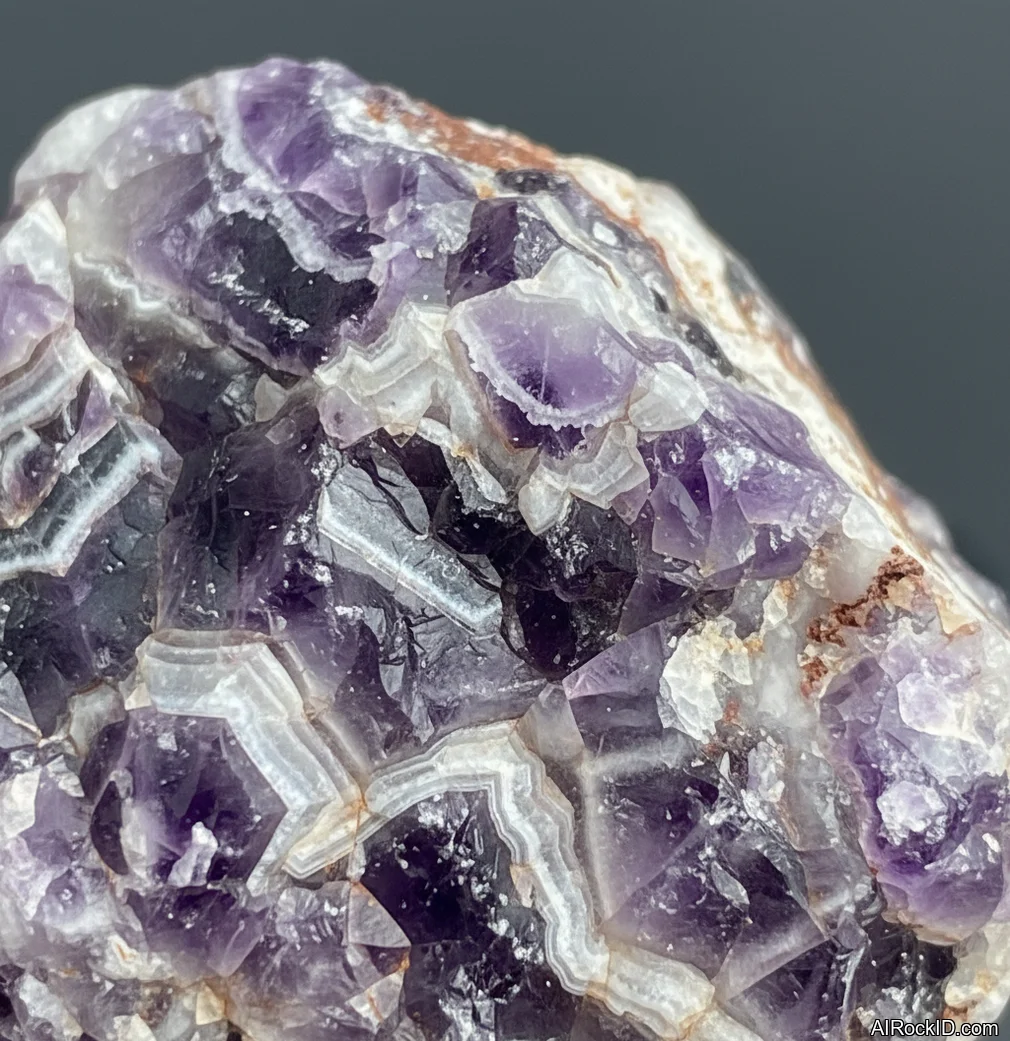
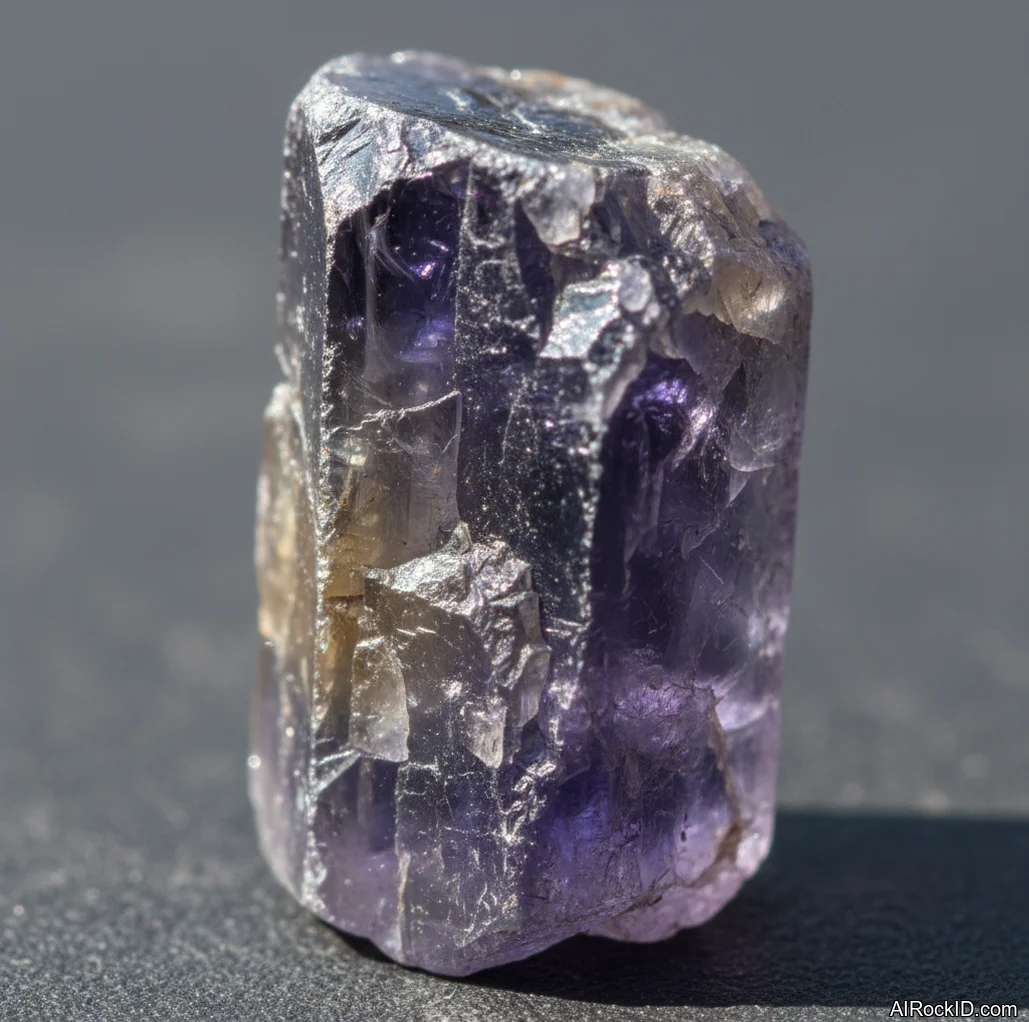
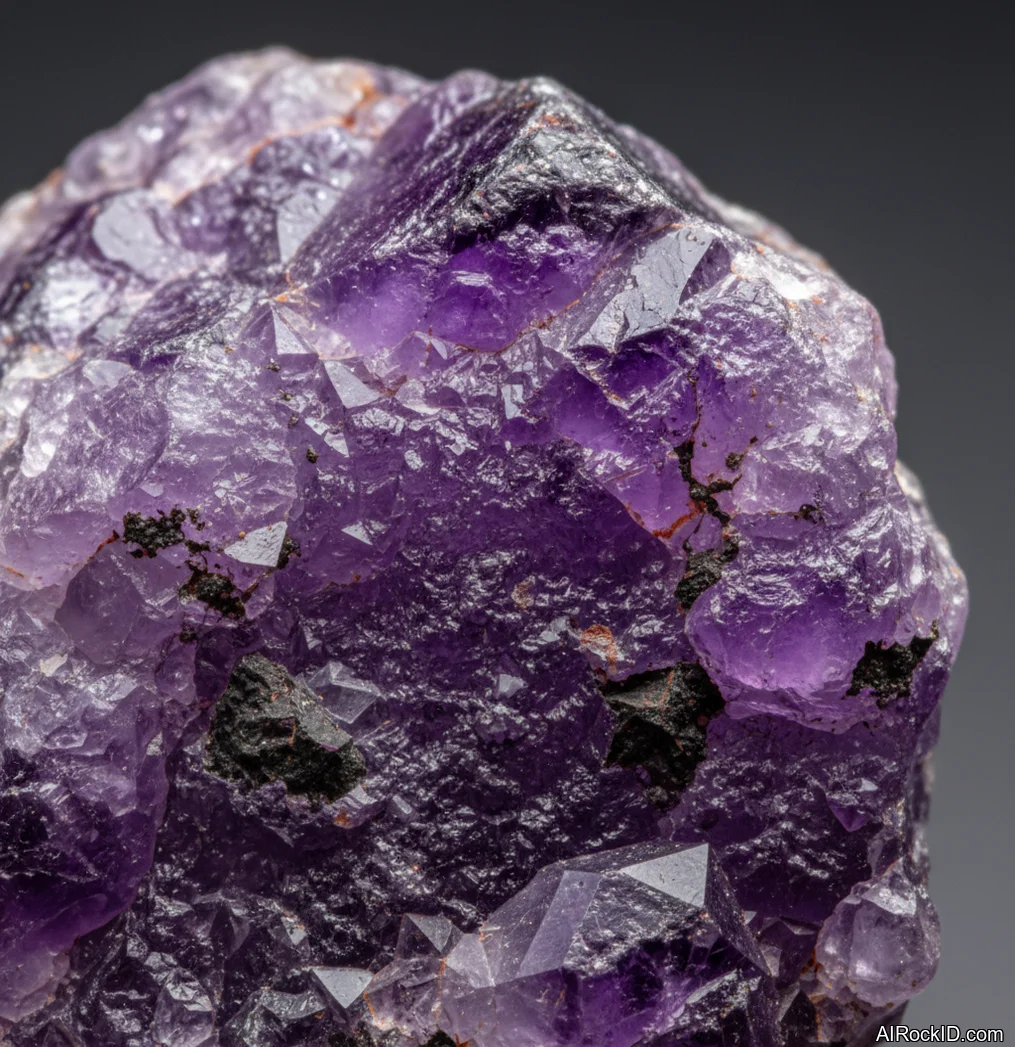
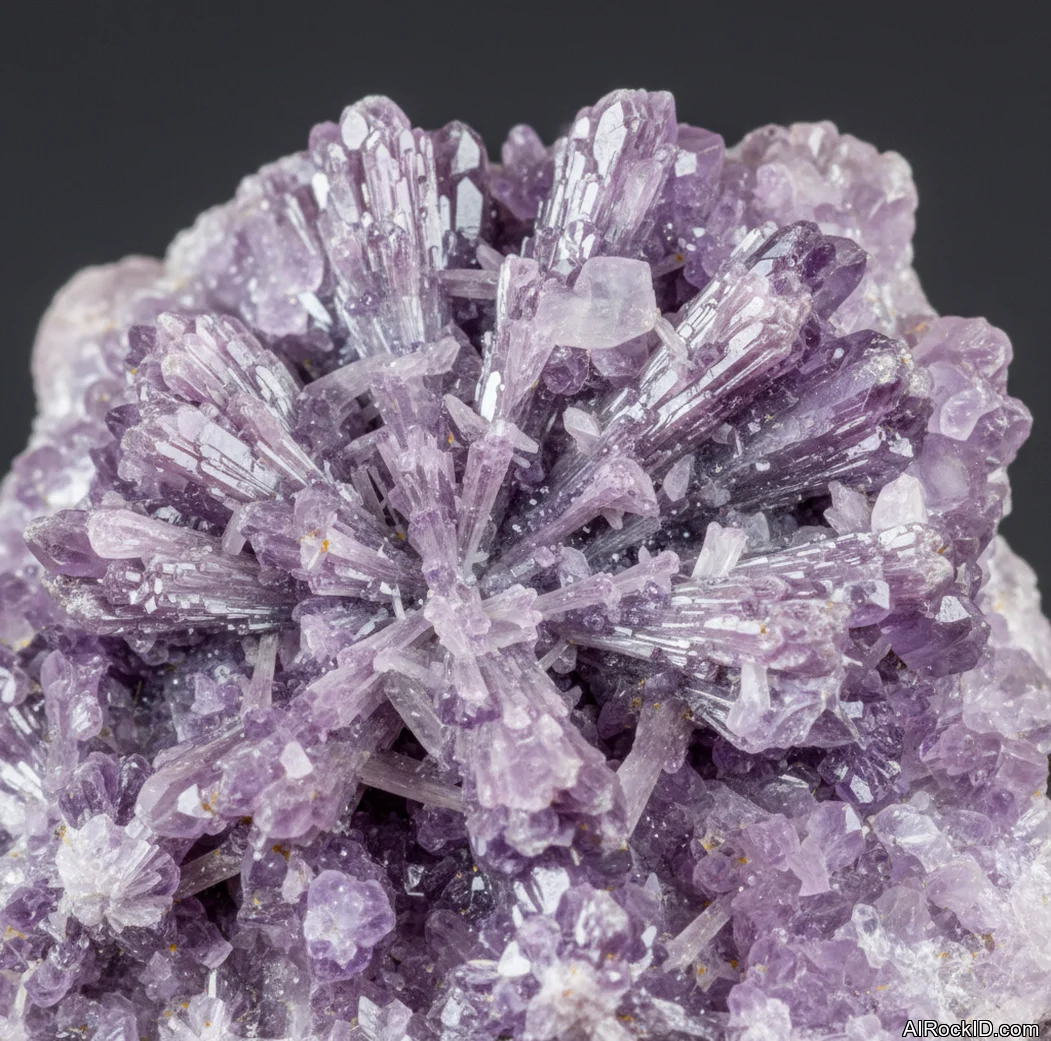
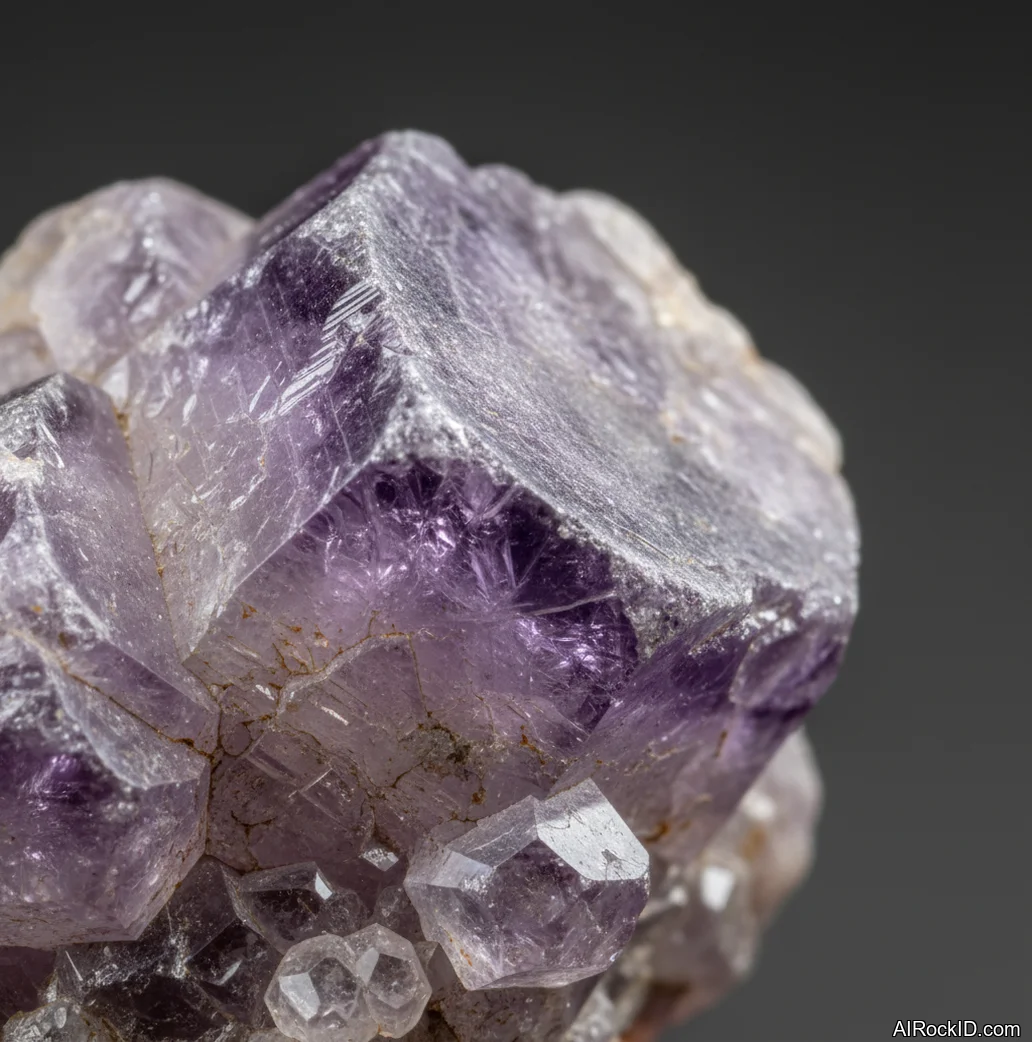
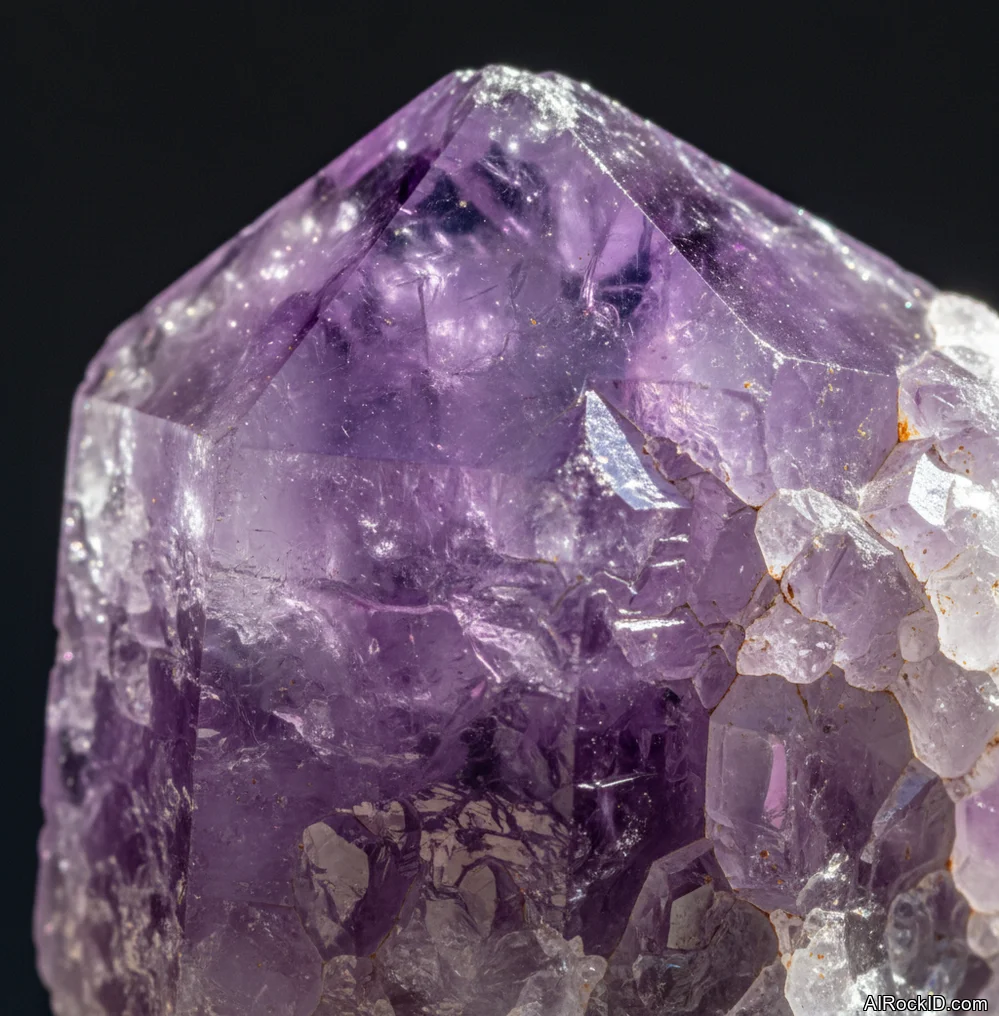
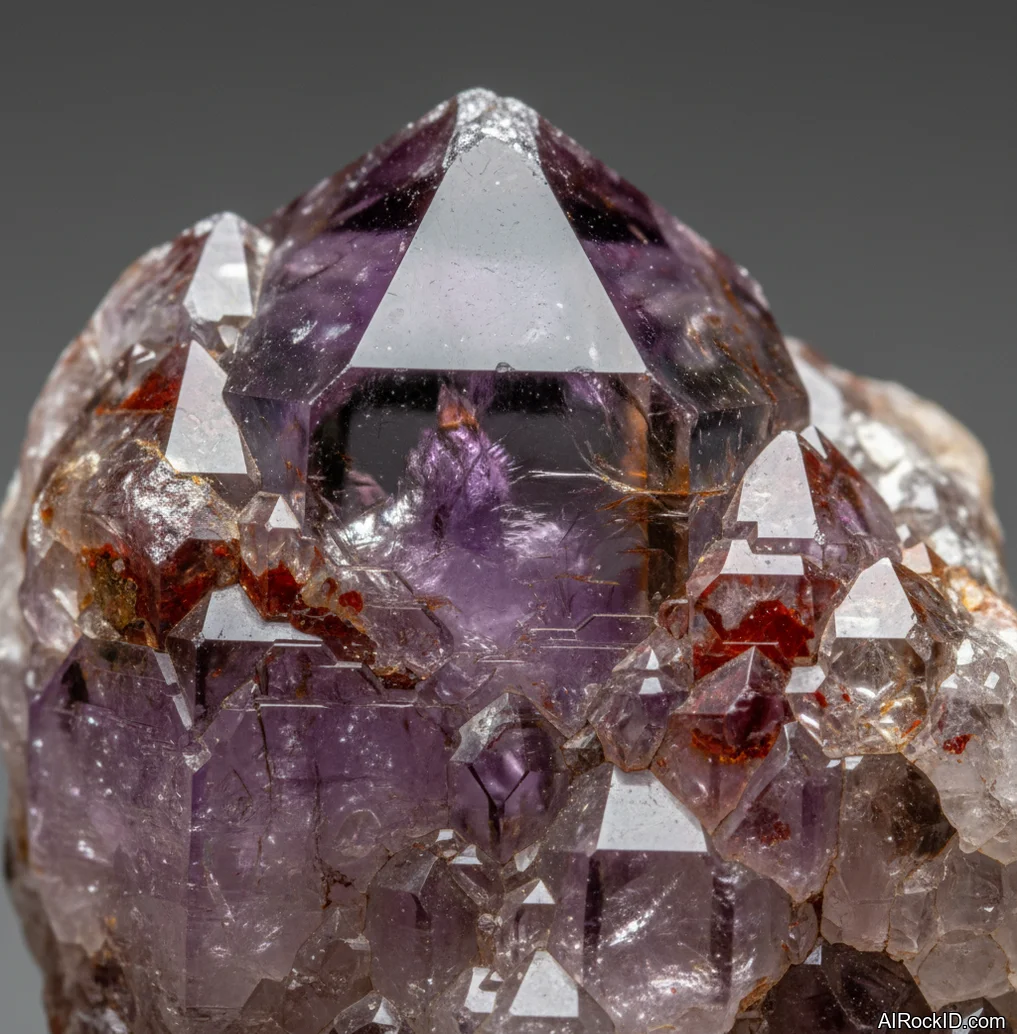
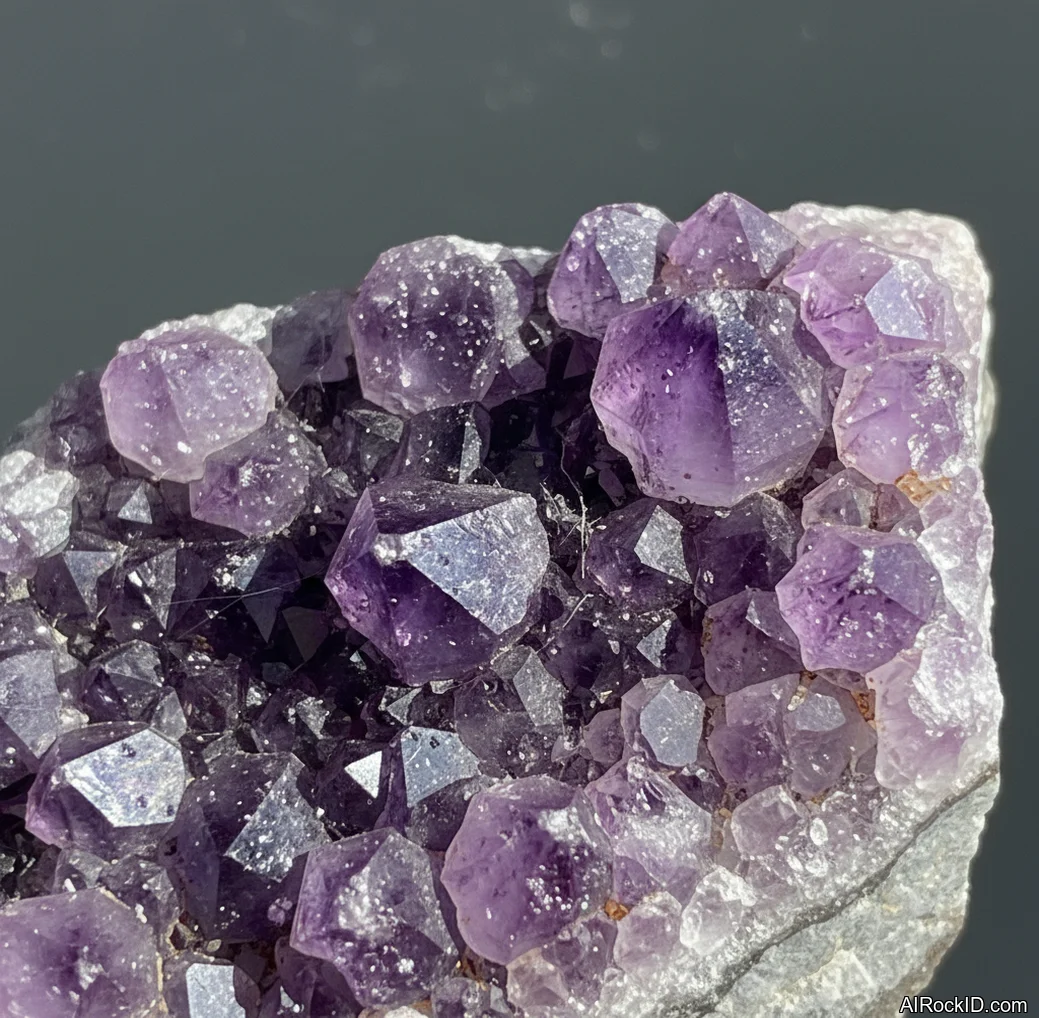
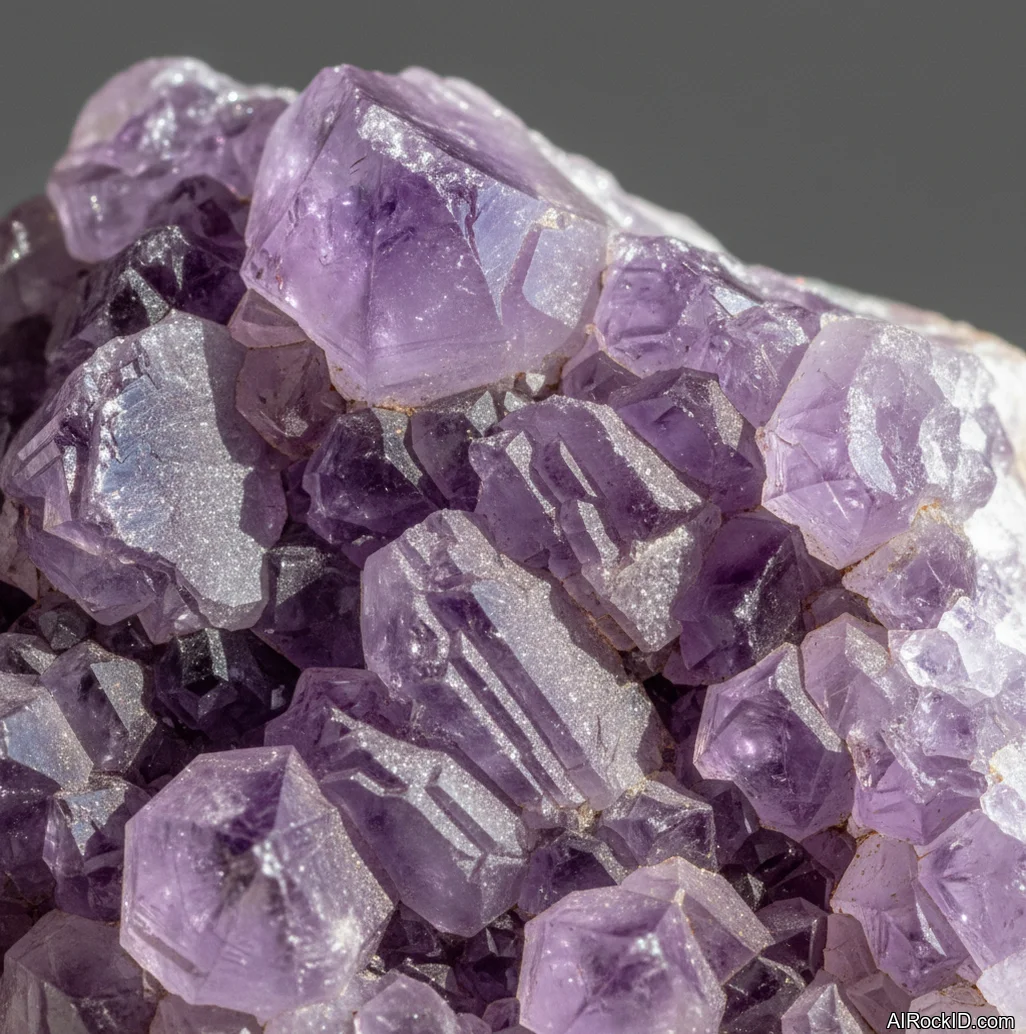
- Amethyst: Traditionally linked with calm thinking and reflection; it is a purple quartz rather than a separate mineral species.
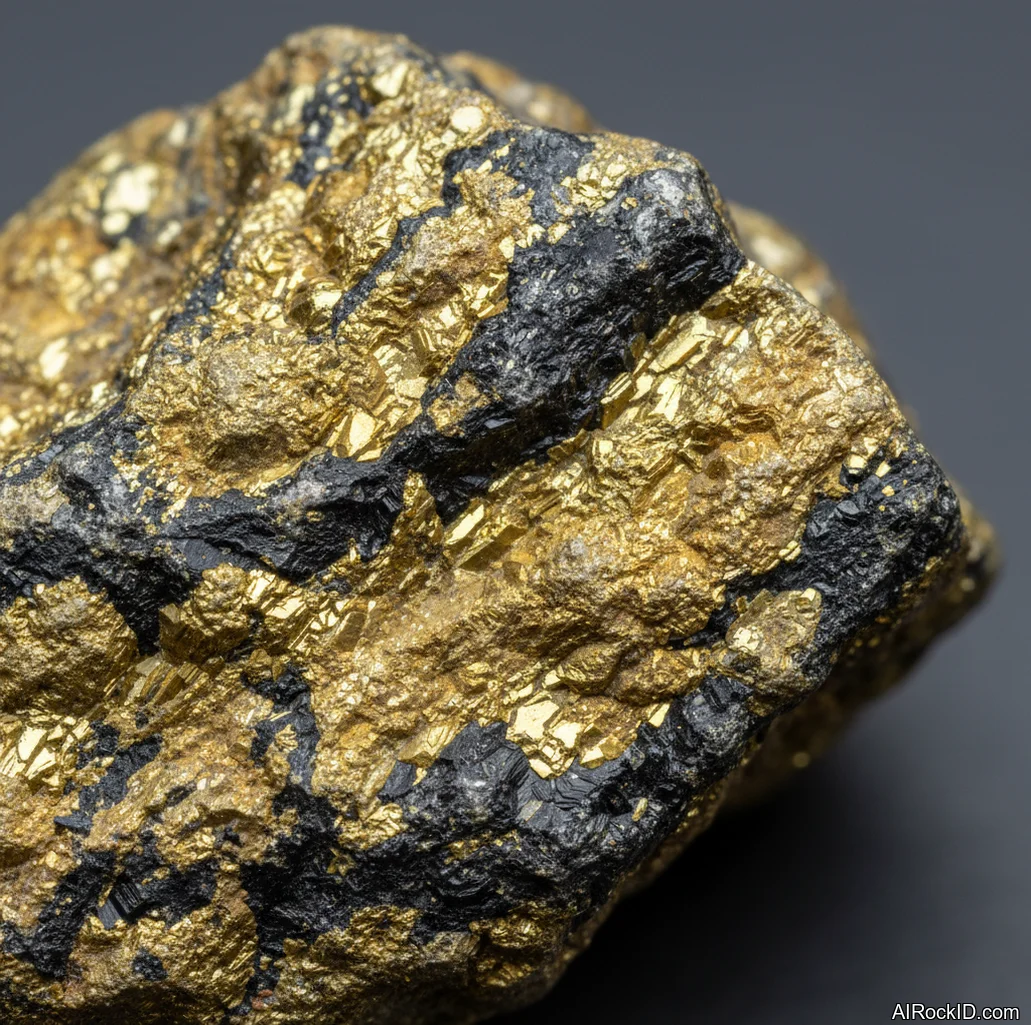
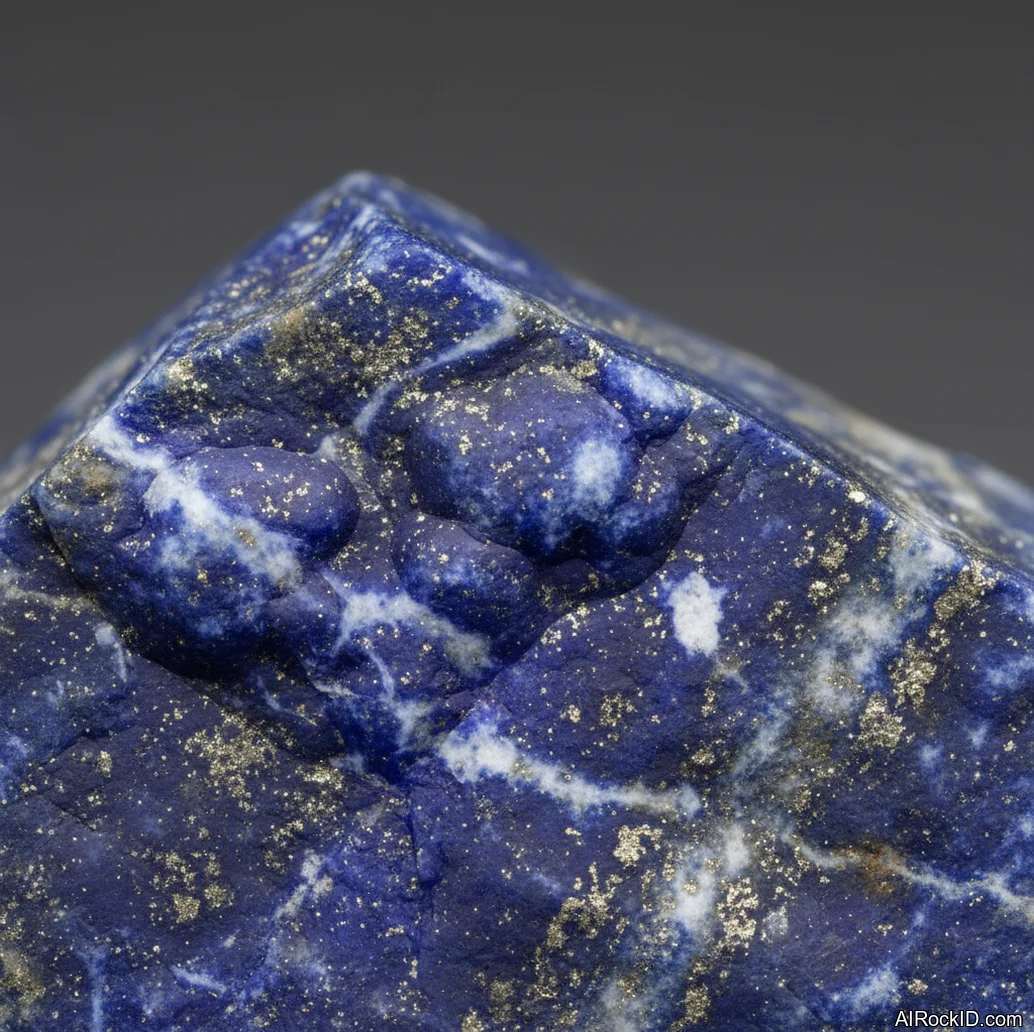
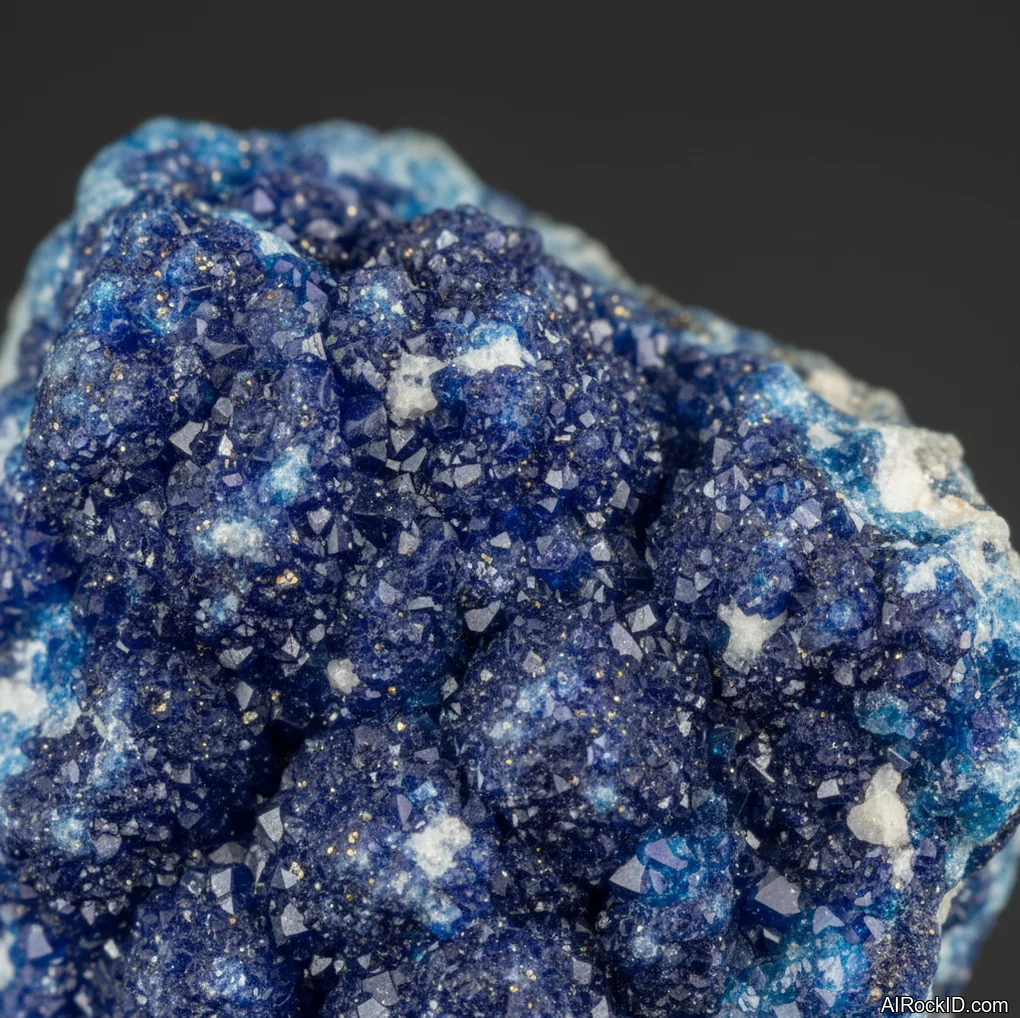
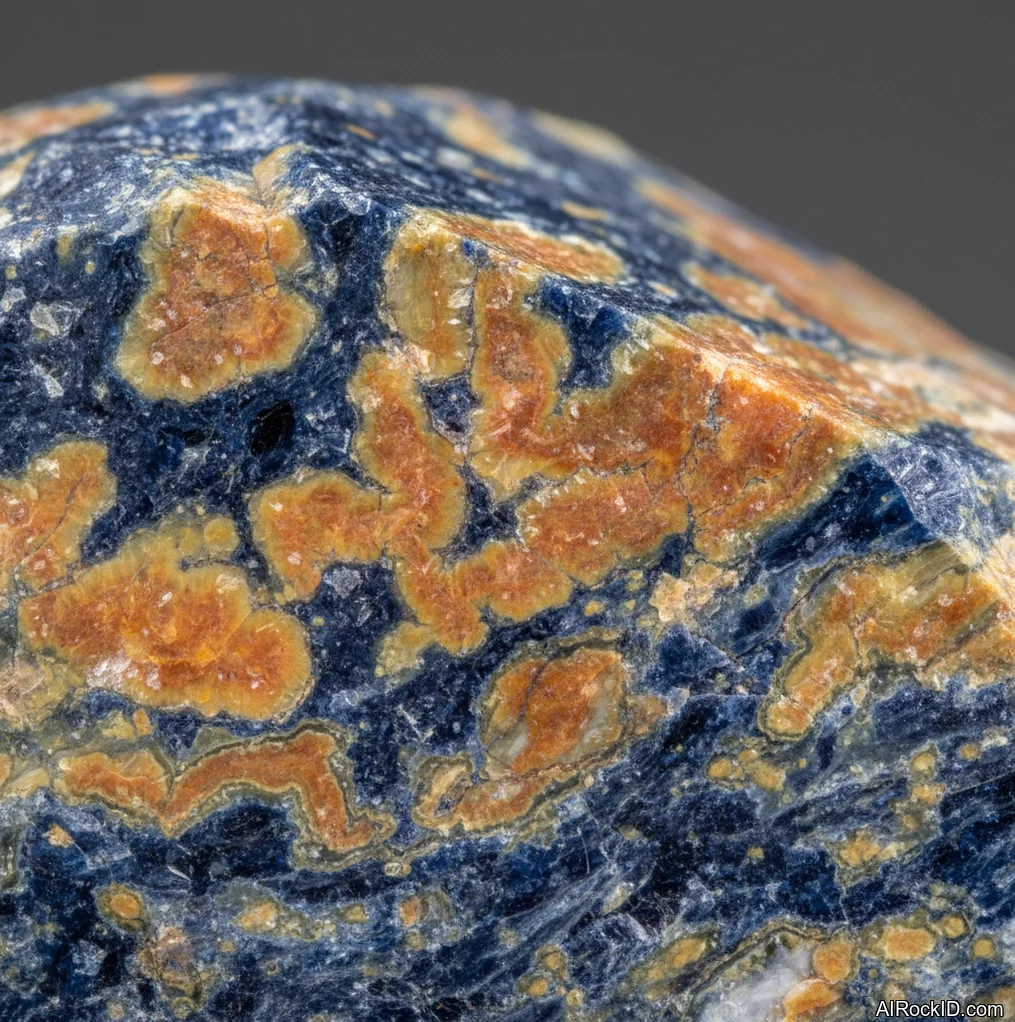
- Lapis Lazuli: Associated with wisdom and communication; it is a rock made of multiple minerals, not a single crystal species.
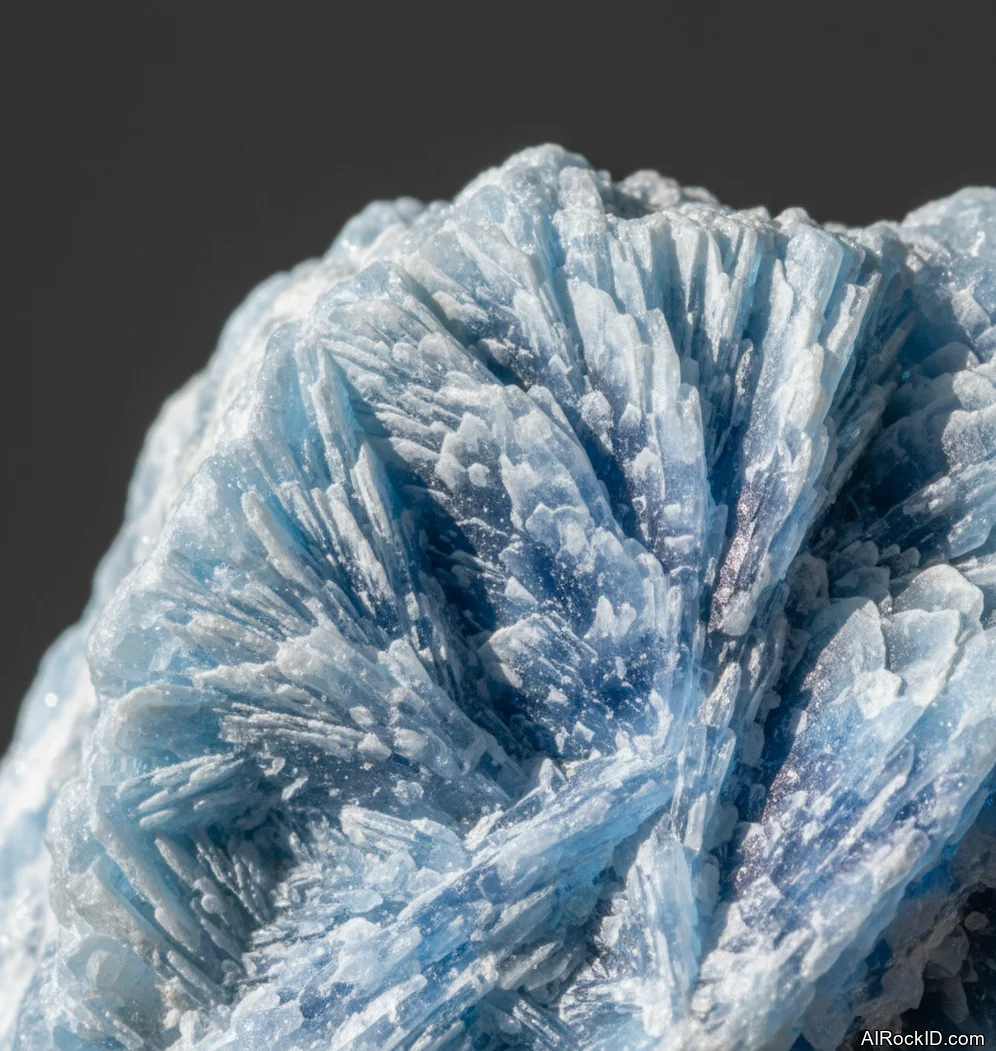
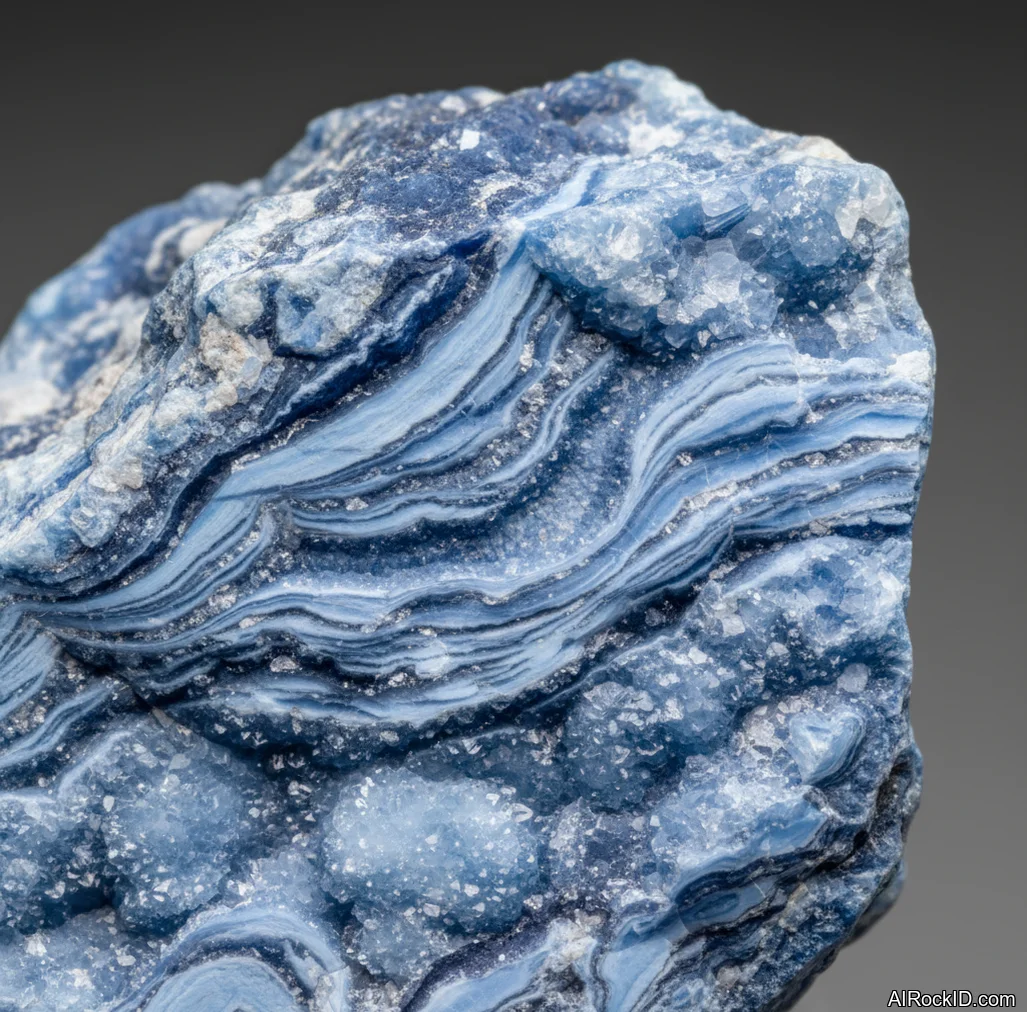
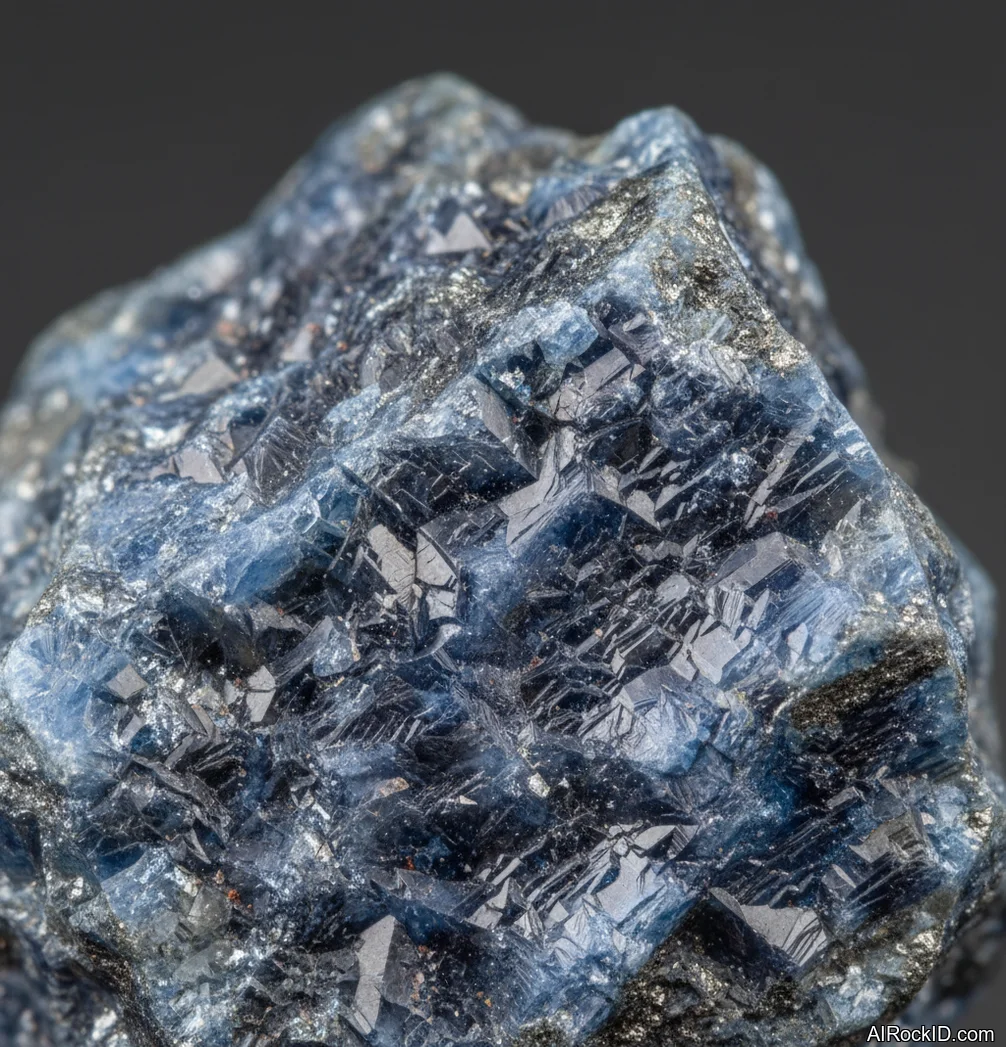
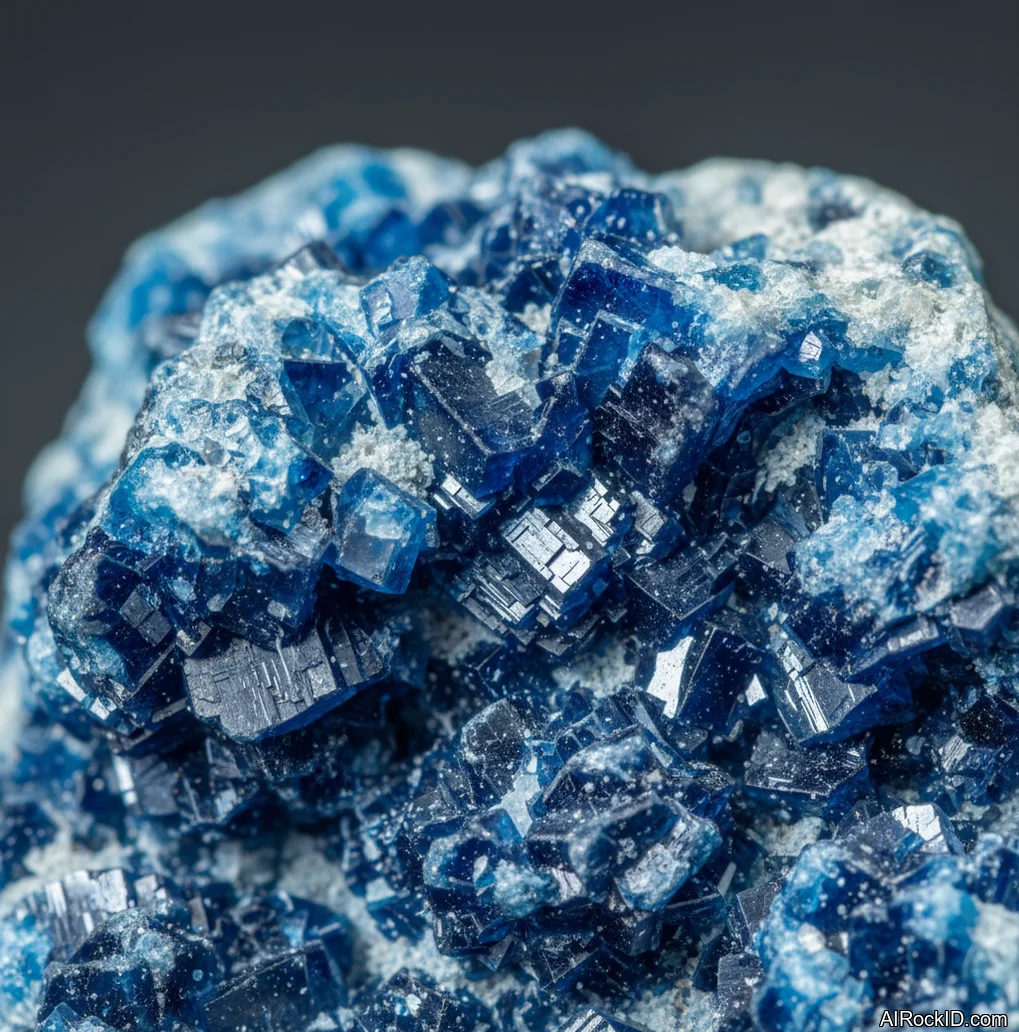
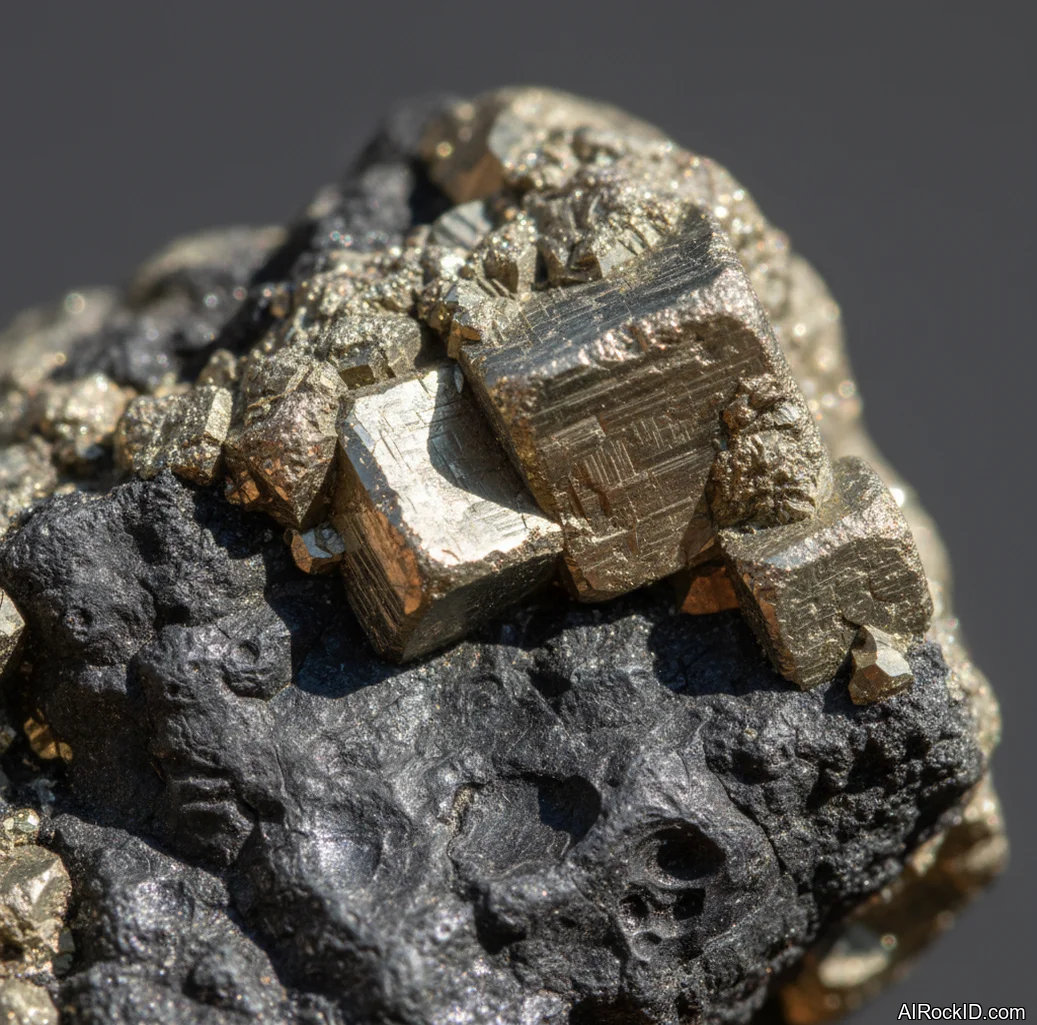
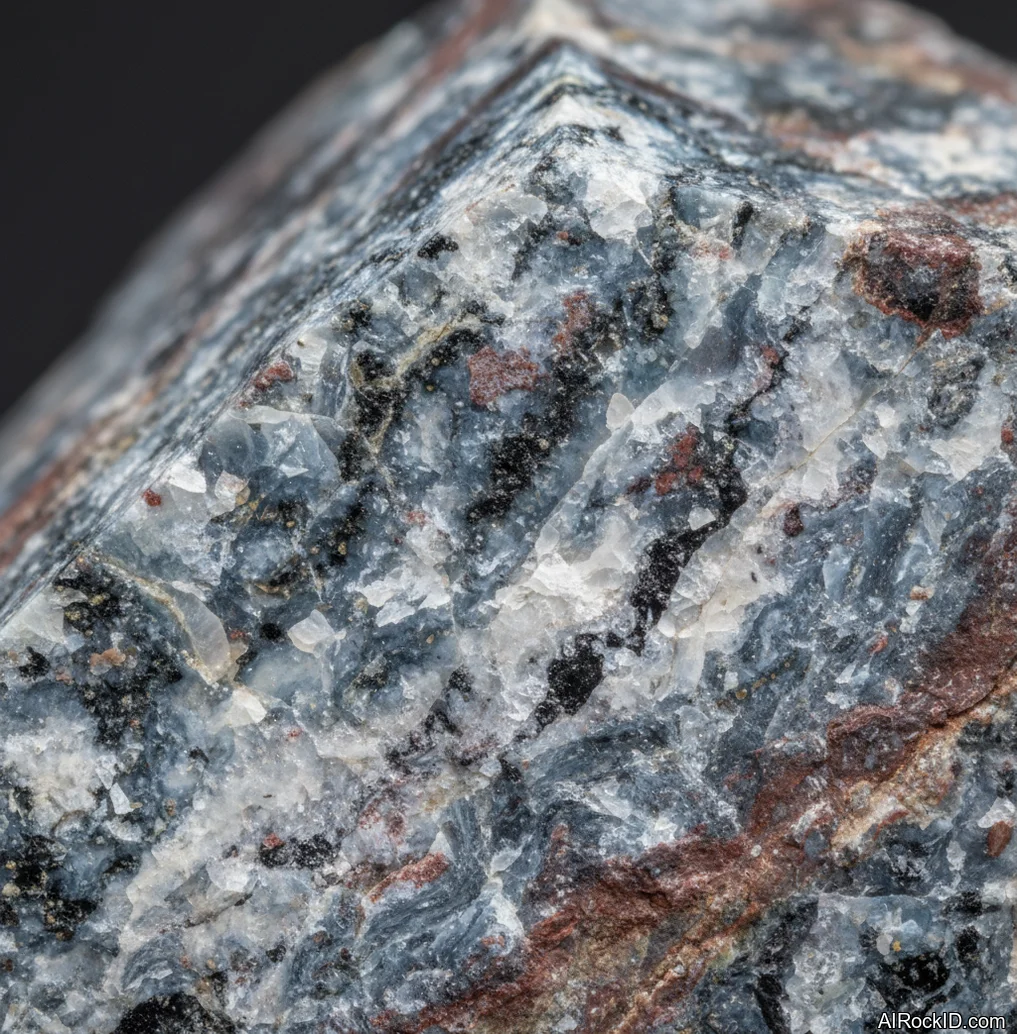
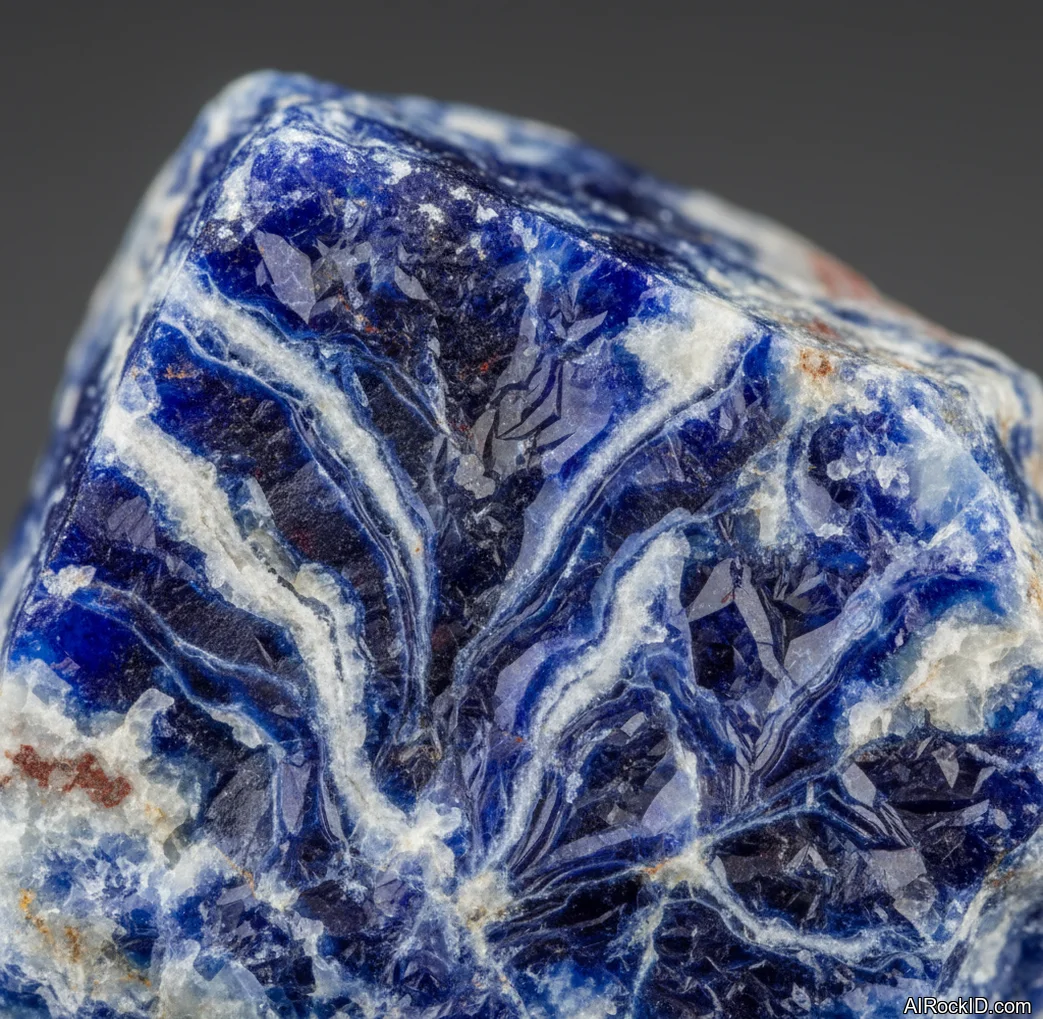
- Sodalite: Commonly connected with logic and communication; it is usually brighter blue and lacks the pyrite flecks typical of lapis lazuli.
AI identification confidence
AI identification is most useful when photos show the crystal in natural light, with close-ups of color zoning, fracture, luster, and any crystal faces. Confidence is lower for polished stones, dyed specimens, or materials that share similar colors, such as sodalite, lapis lazuli, and dyed howlite.
When AI gets it wrong
- The stone is tumbled, carved, or heavily polished, hiding natural crystal form.
- Color has been enhanced by dye, heat treatment, coating, or resin stabilization.
- The photo has strong color cast, glare, blur, or no scale reference.
- Several blue, purple, or clear minerals share similar appearance in the image.
What this category represents
The Knowledge tag groups crystals and minerals that are traditionally associated with learning, wisdom, memory, study habits, insight, and clear thinking. These meanings come from cultural, spiritual, and modern crystal-use traditions rather than from verified medical or cognitive effects.
Beginner recommendations
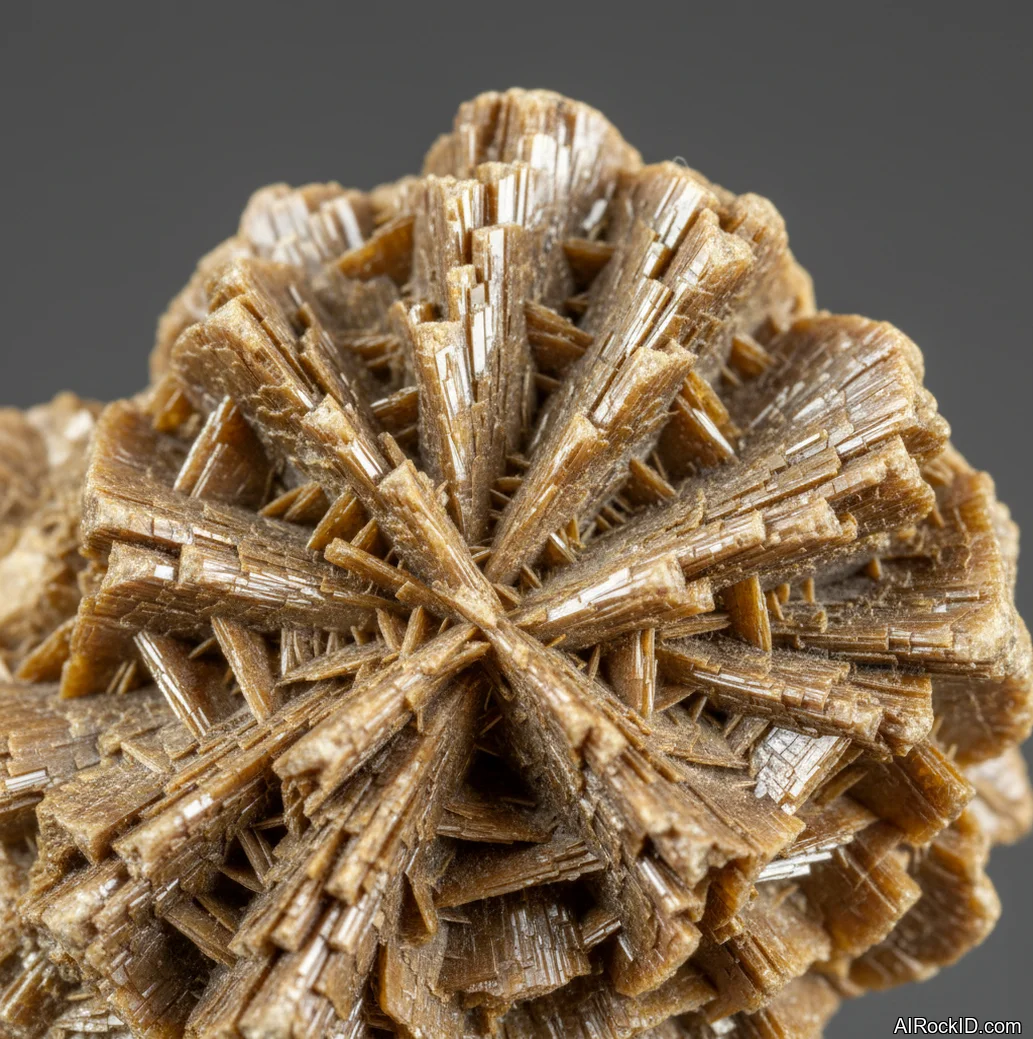
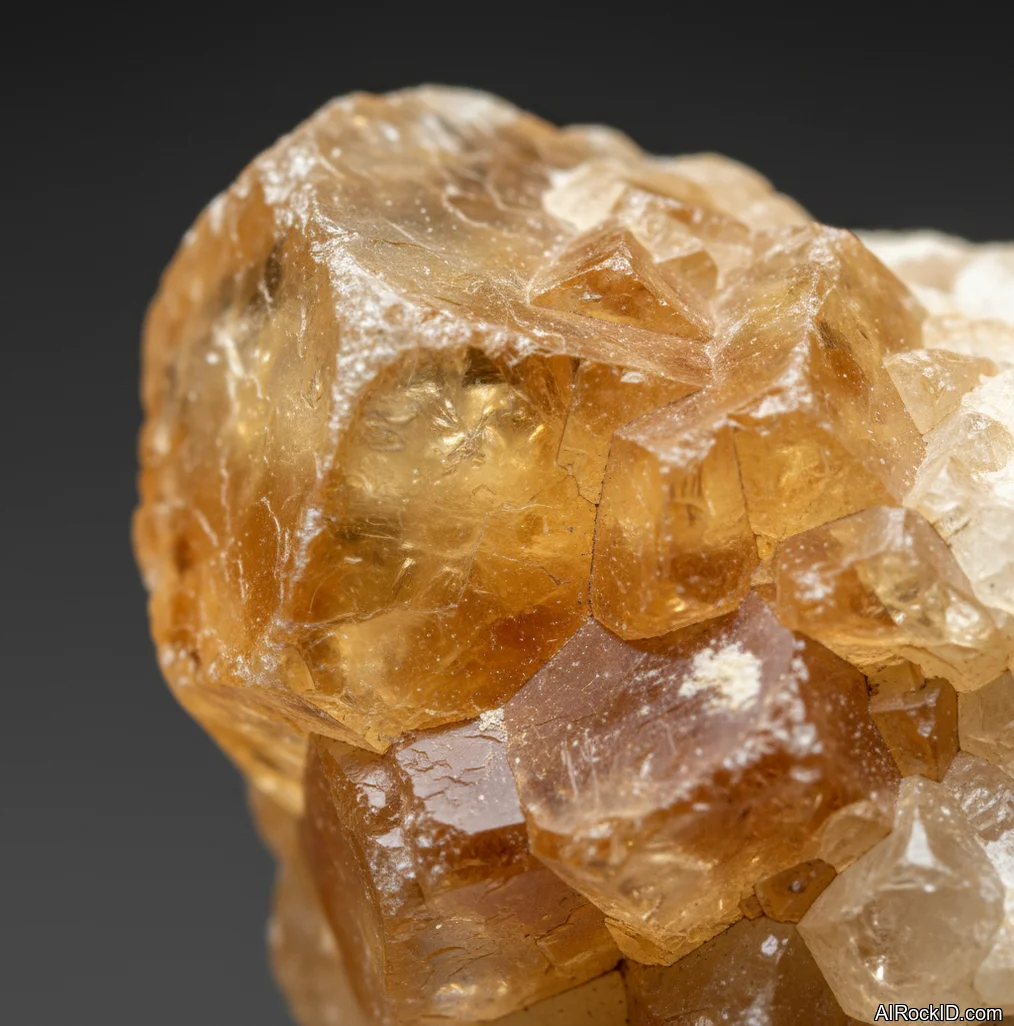
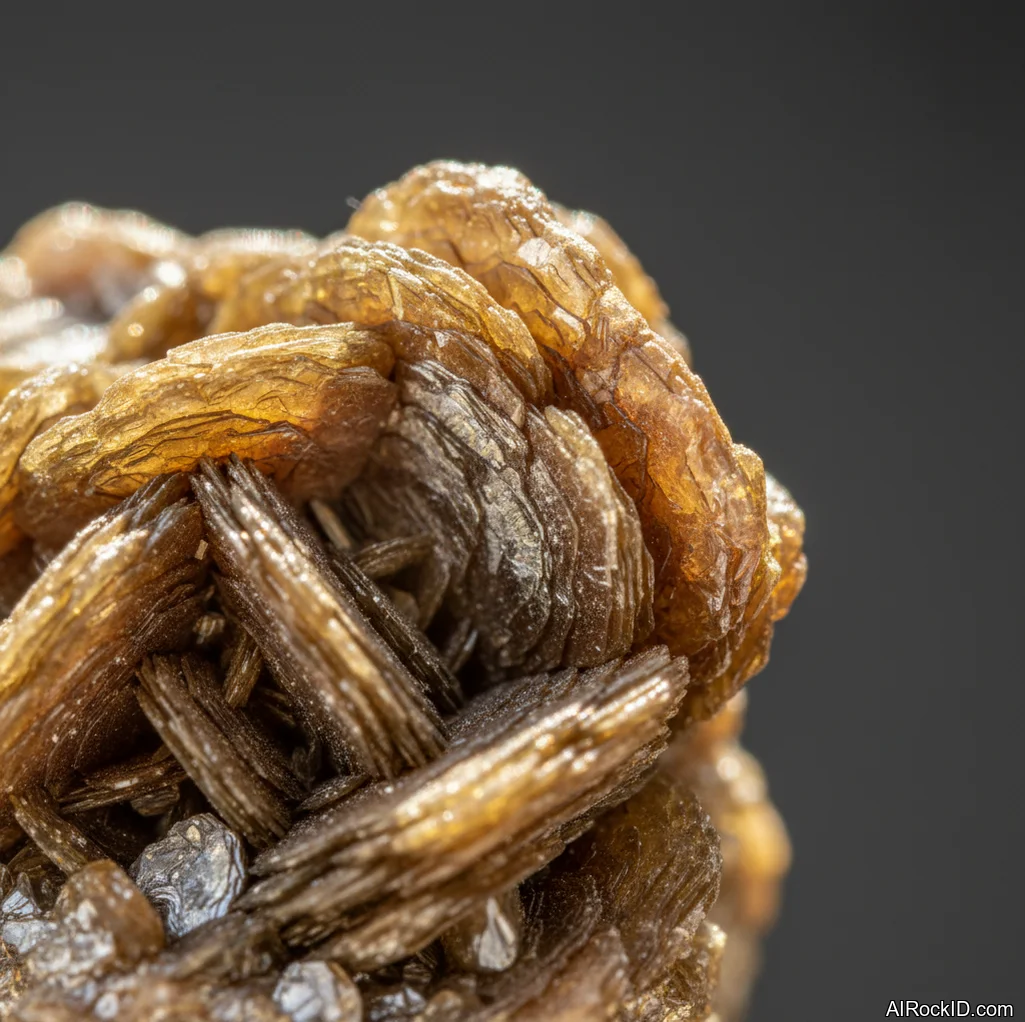
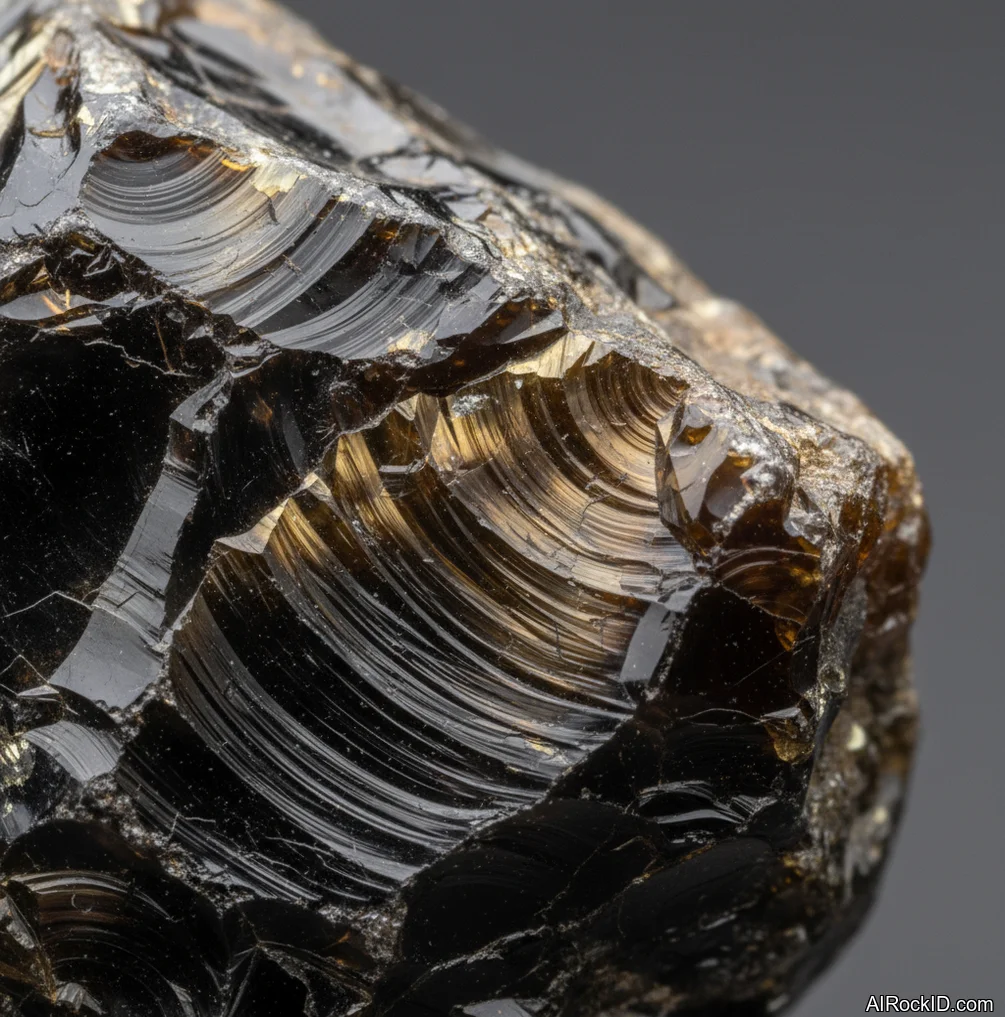
Advanced recommendations
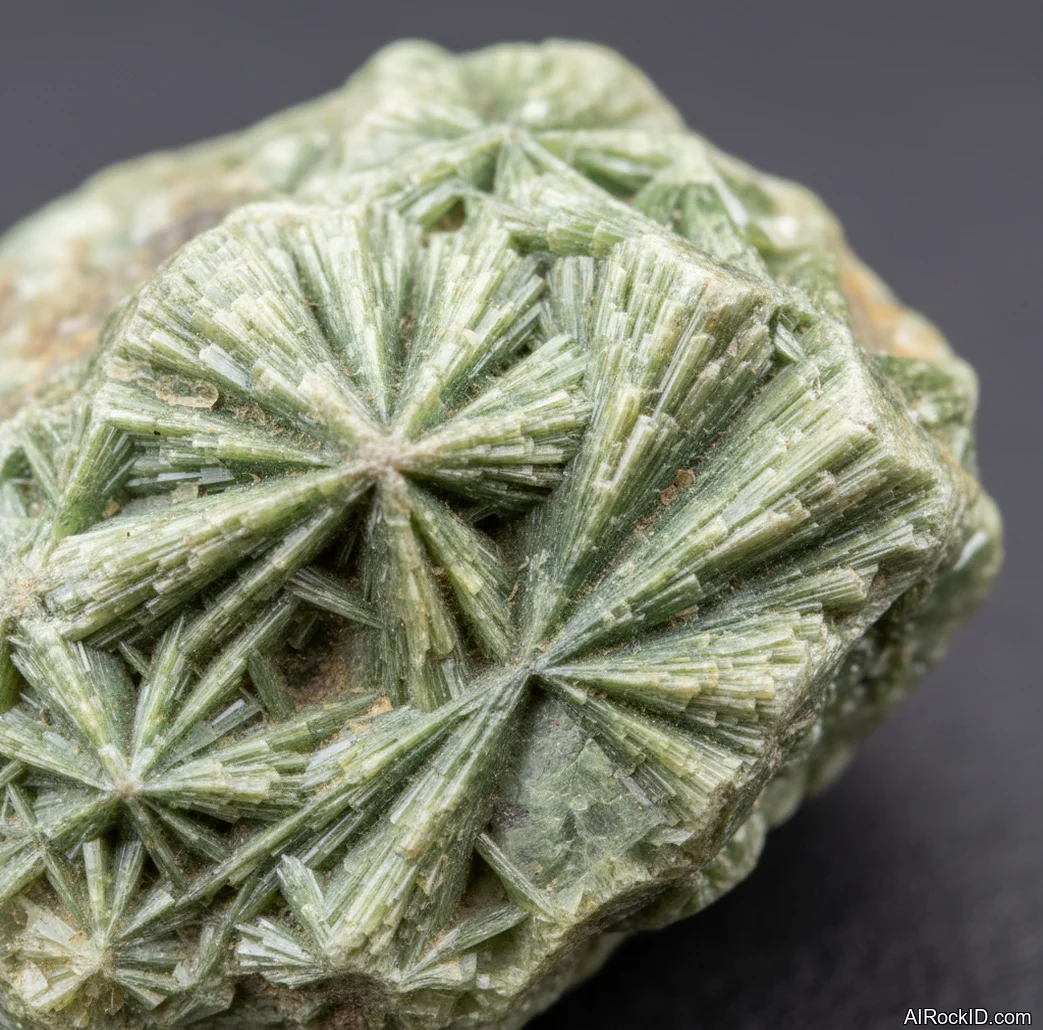
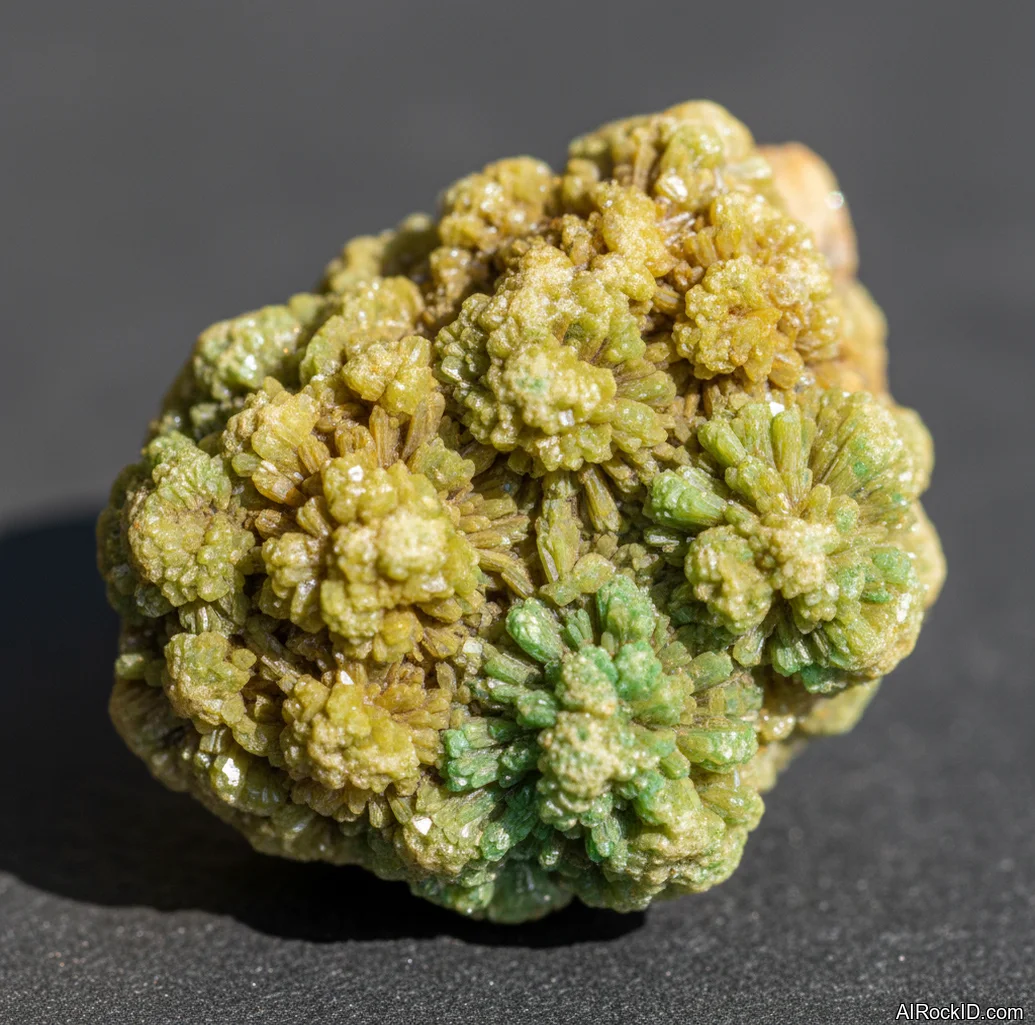
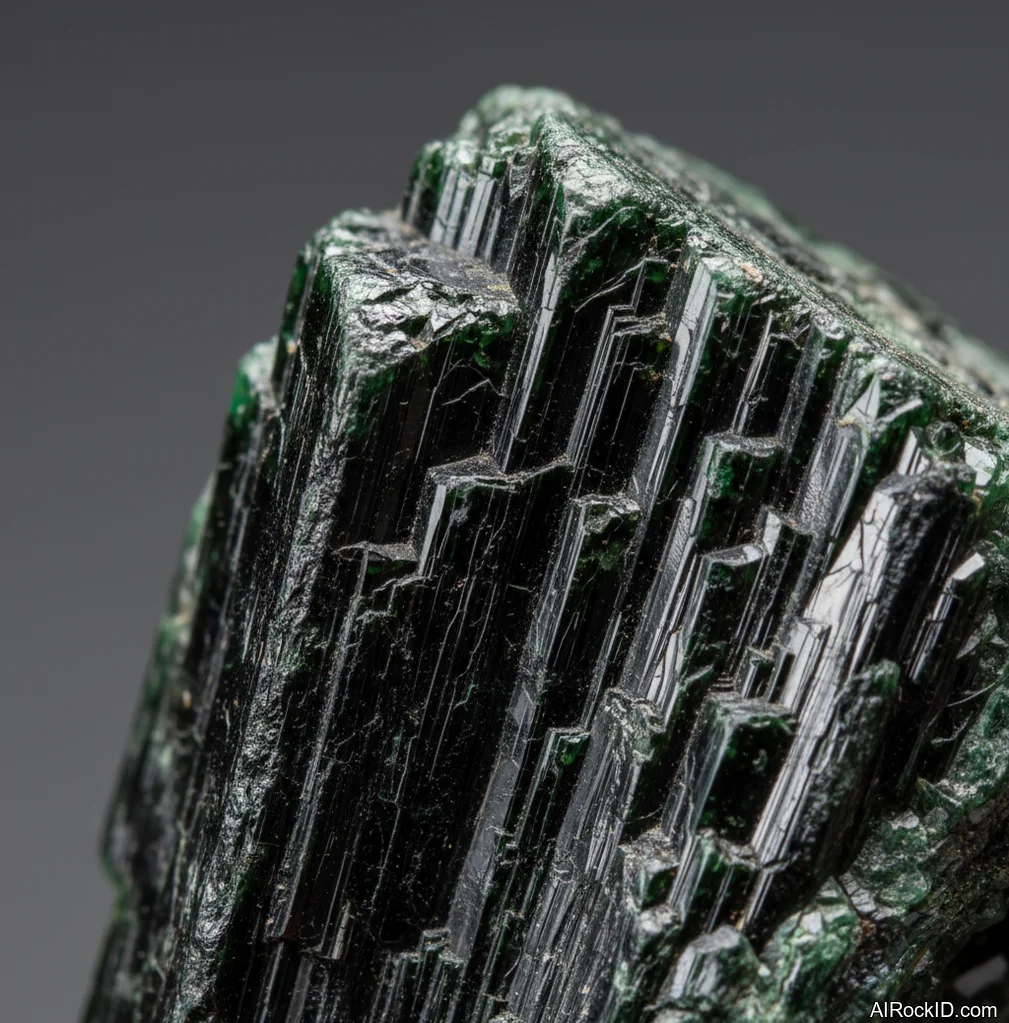
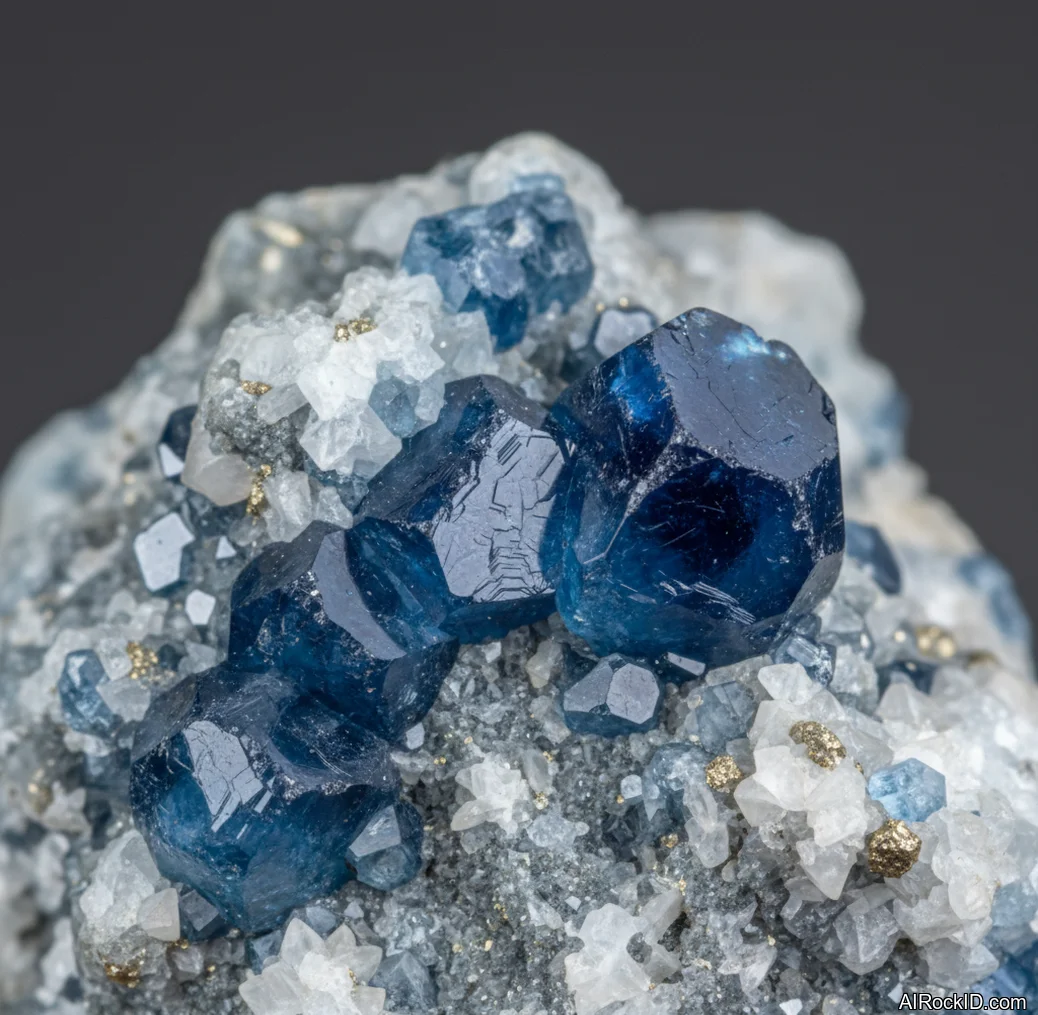
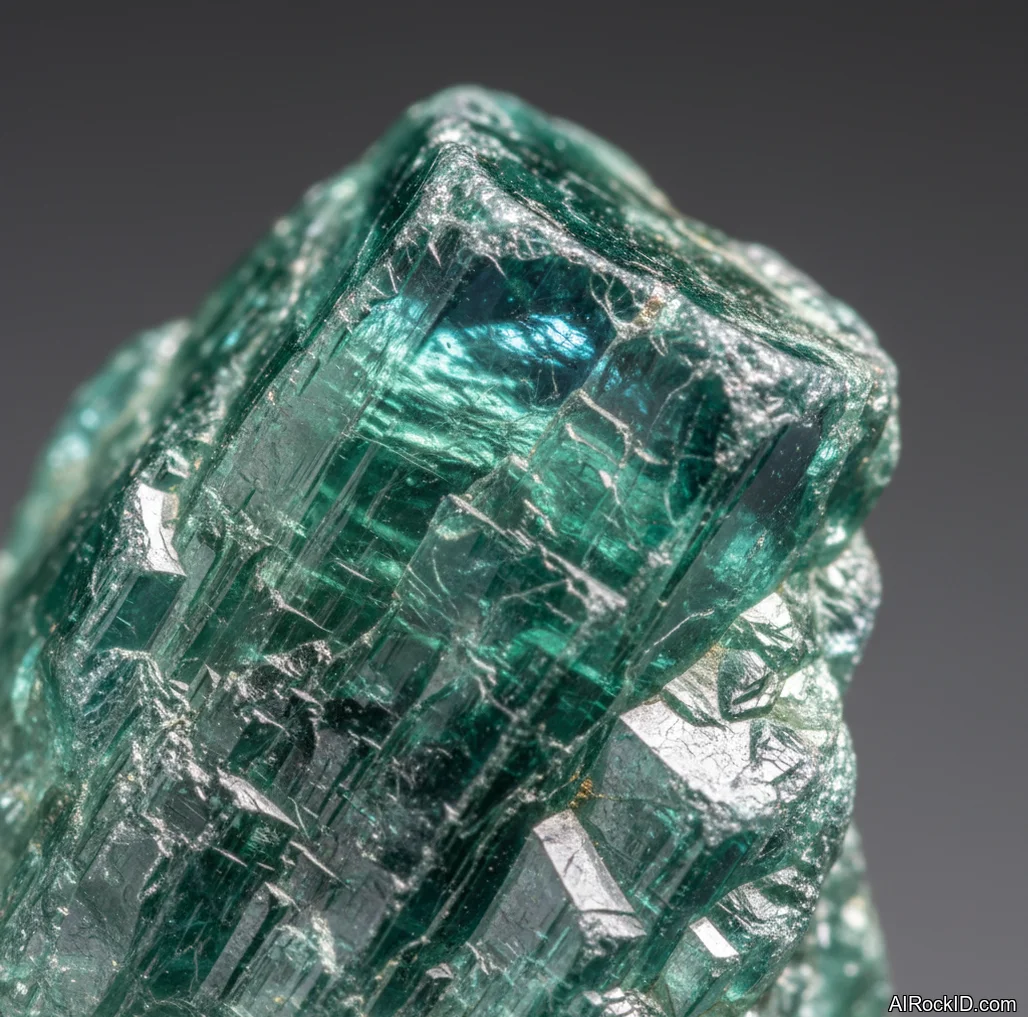
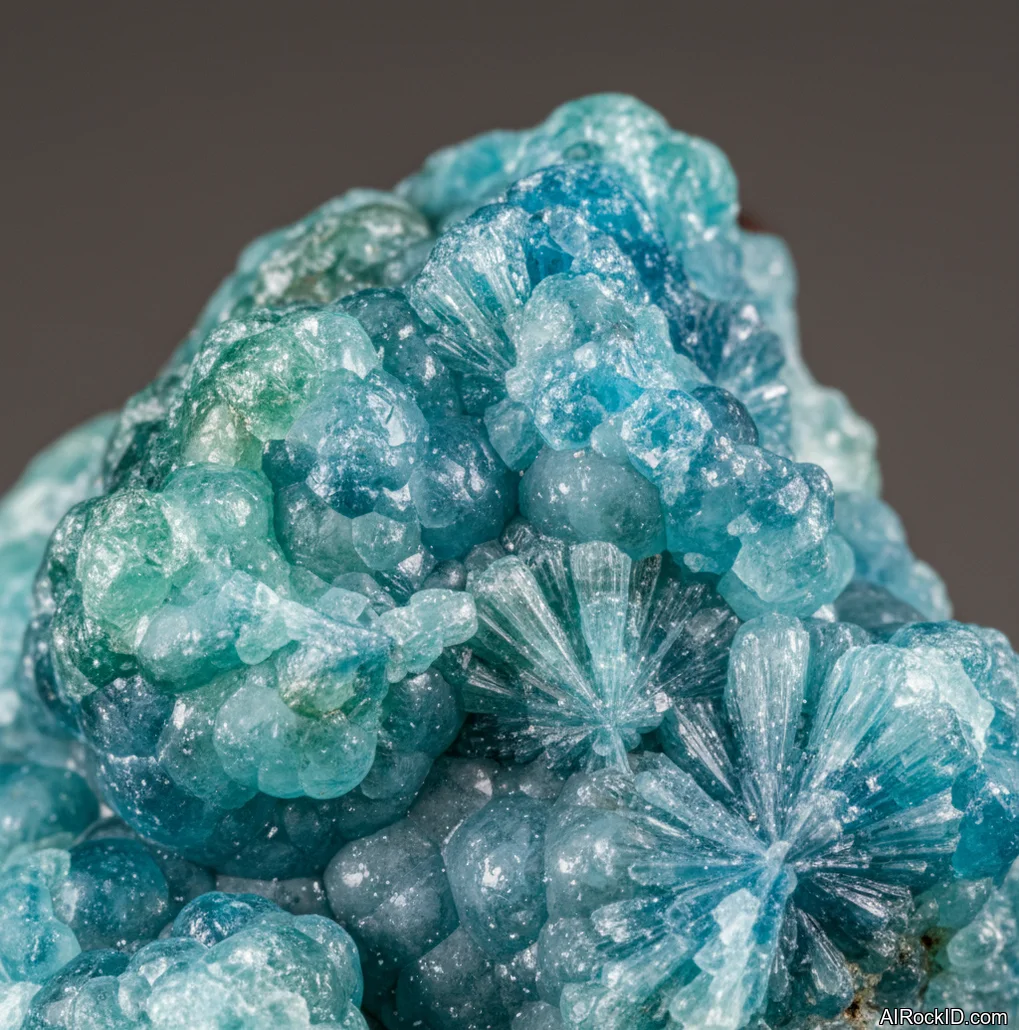
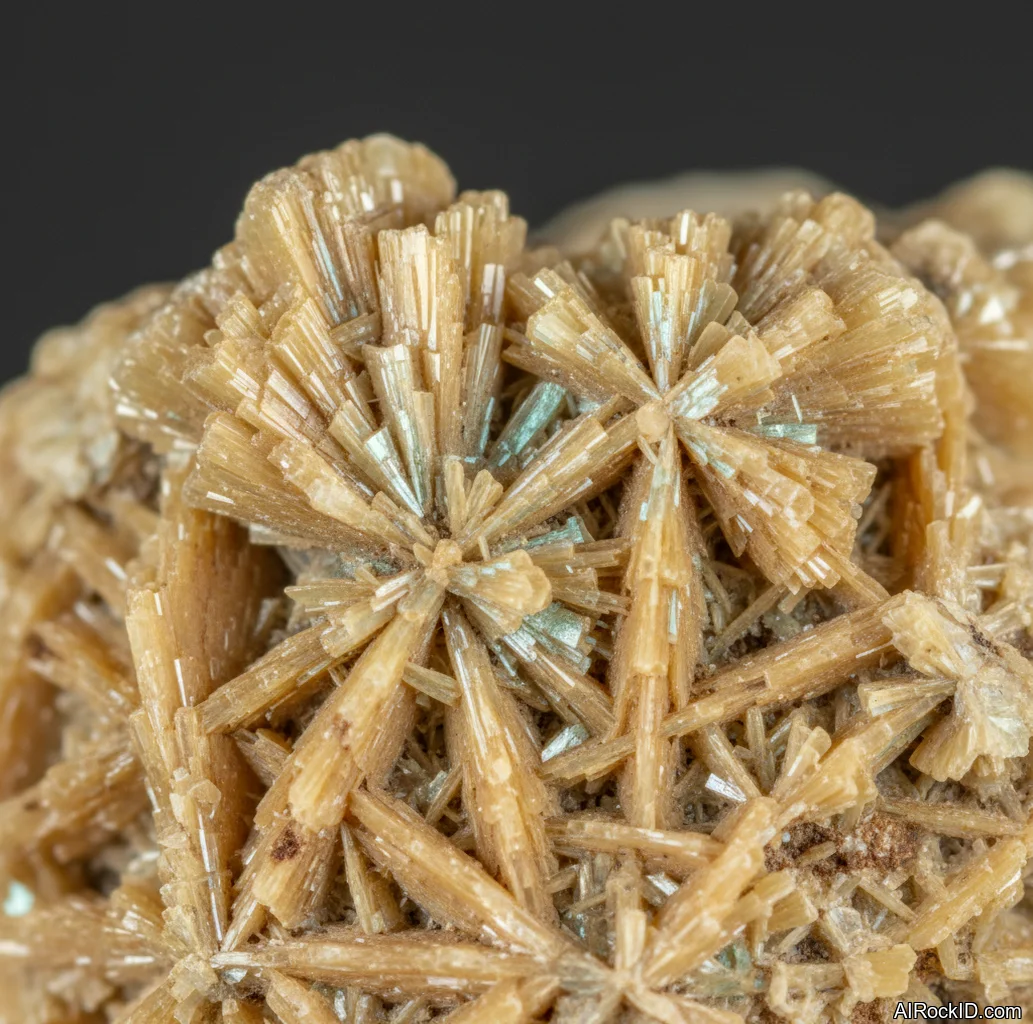
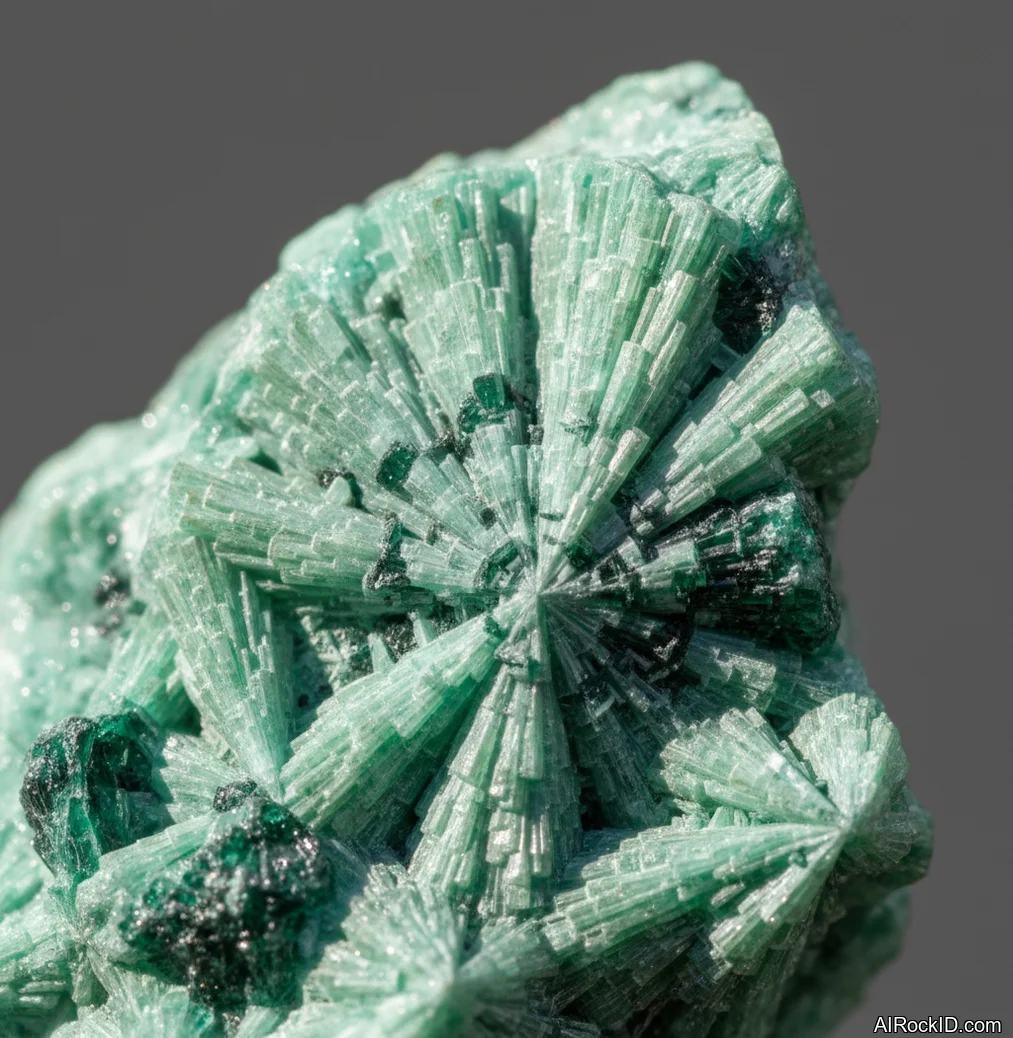
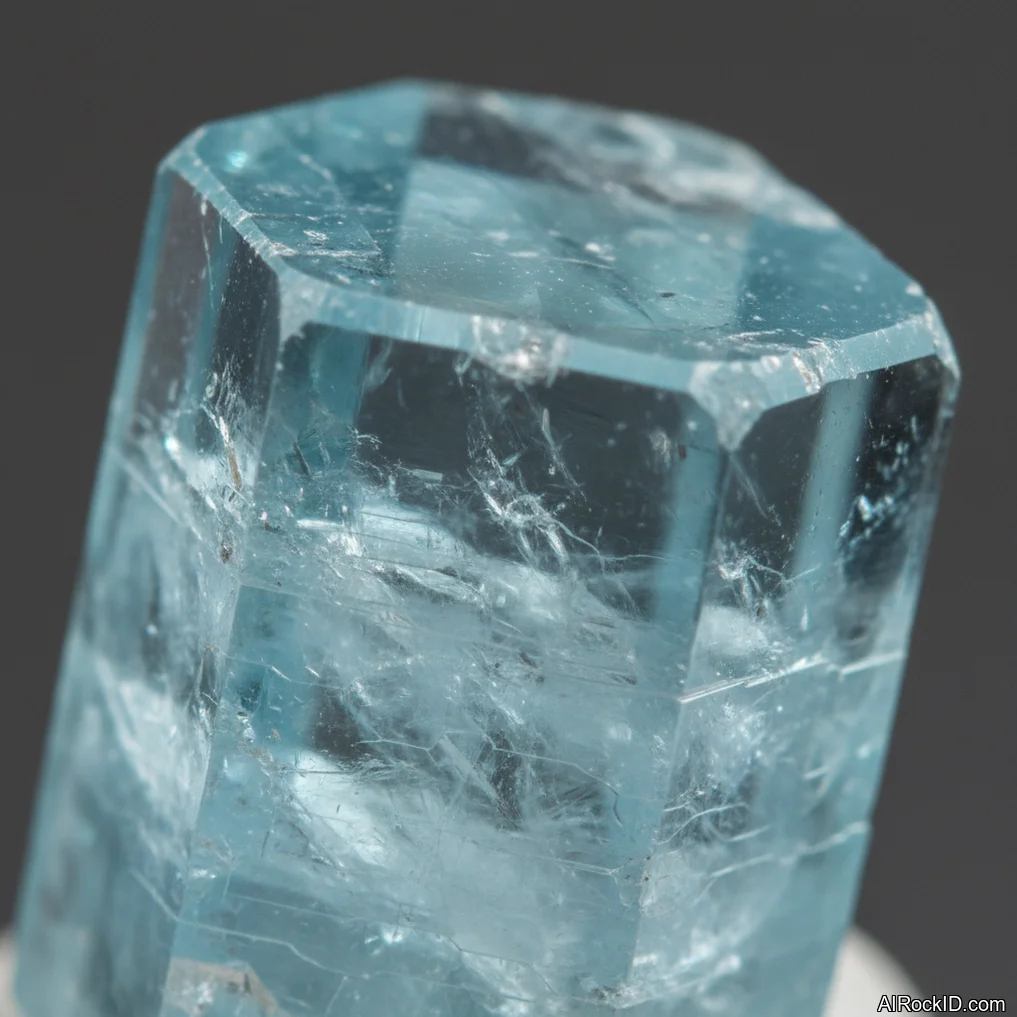
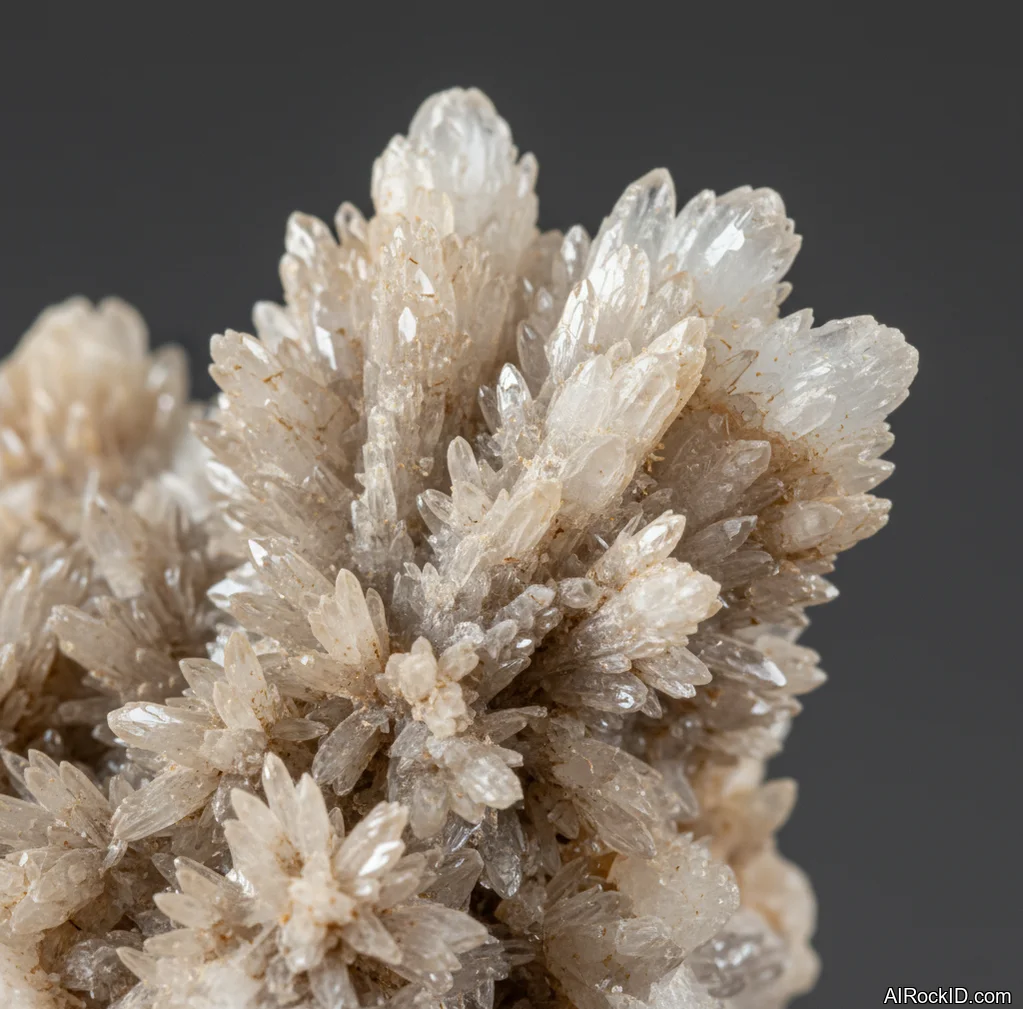
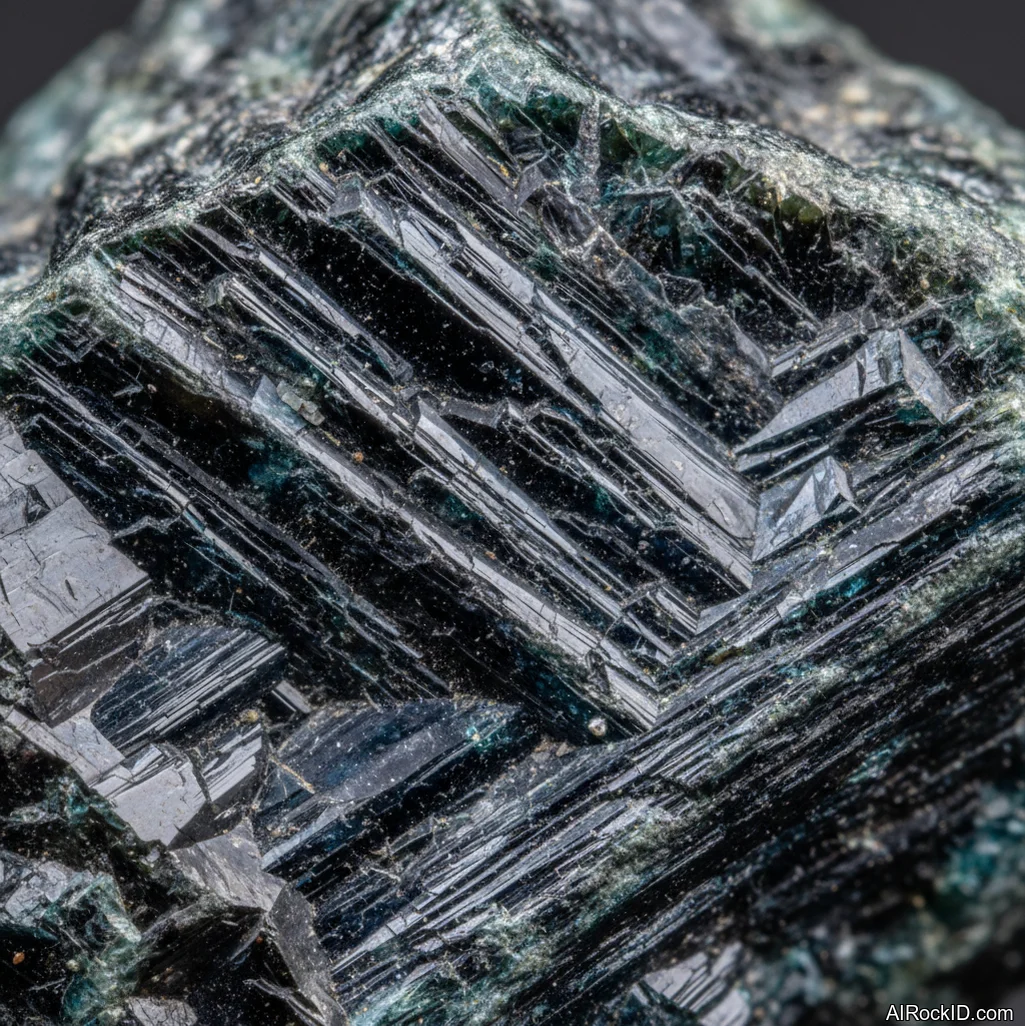
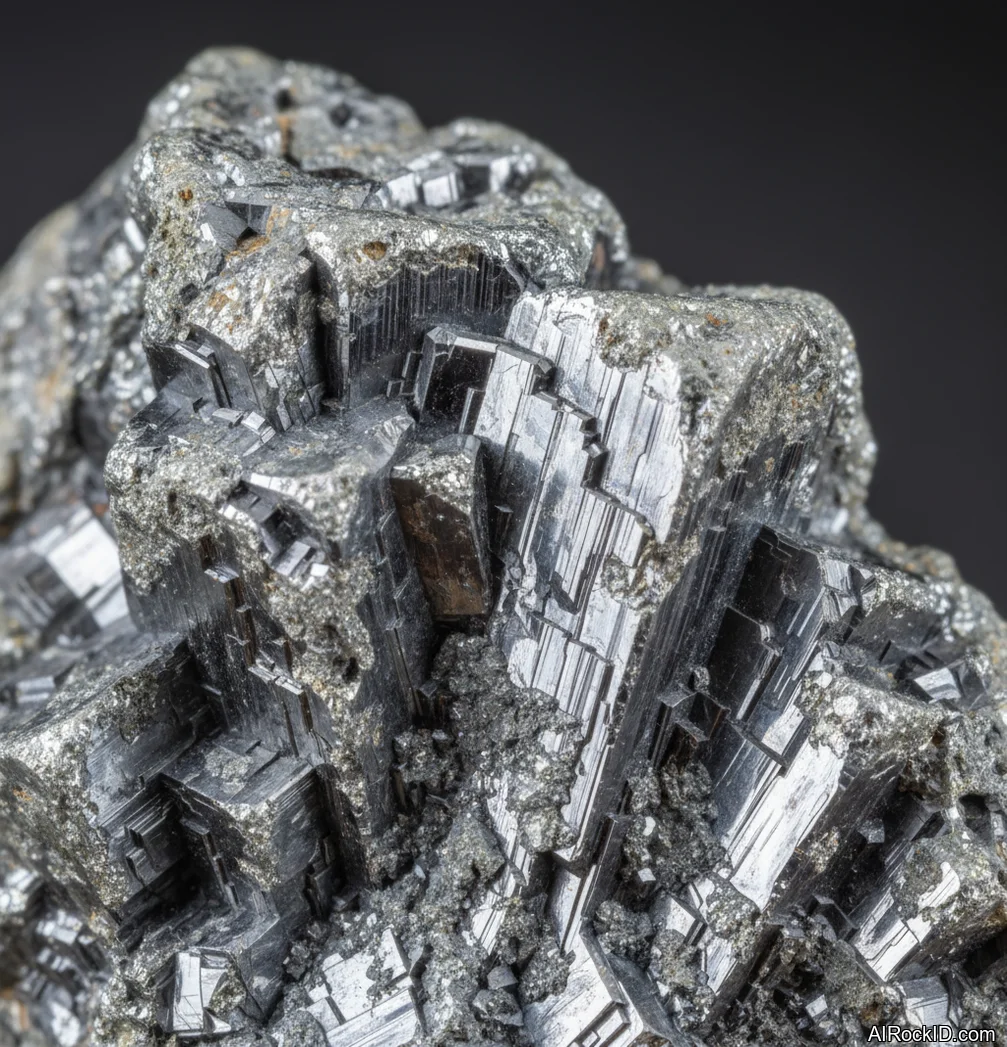
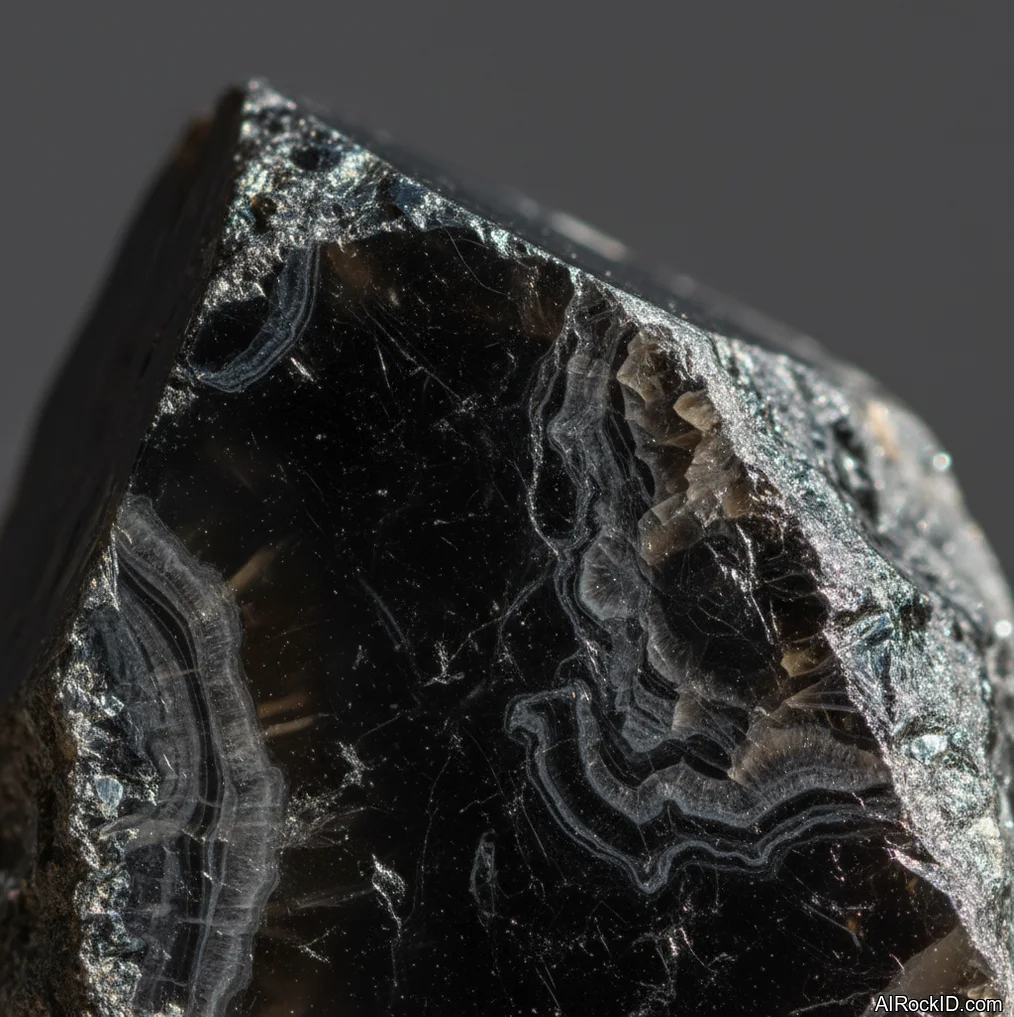
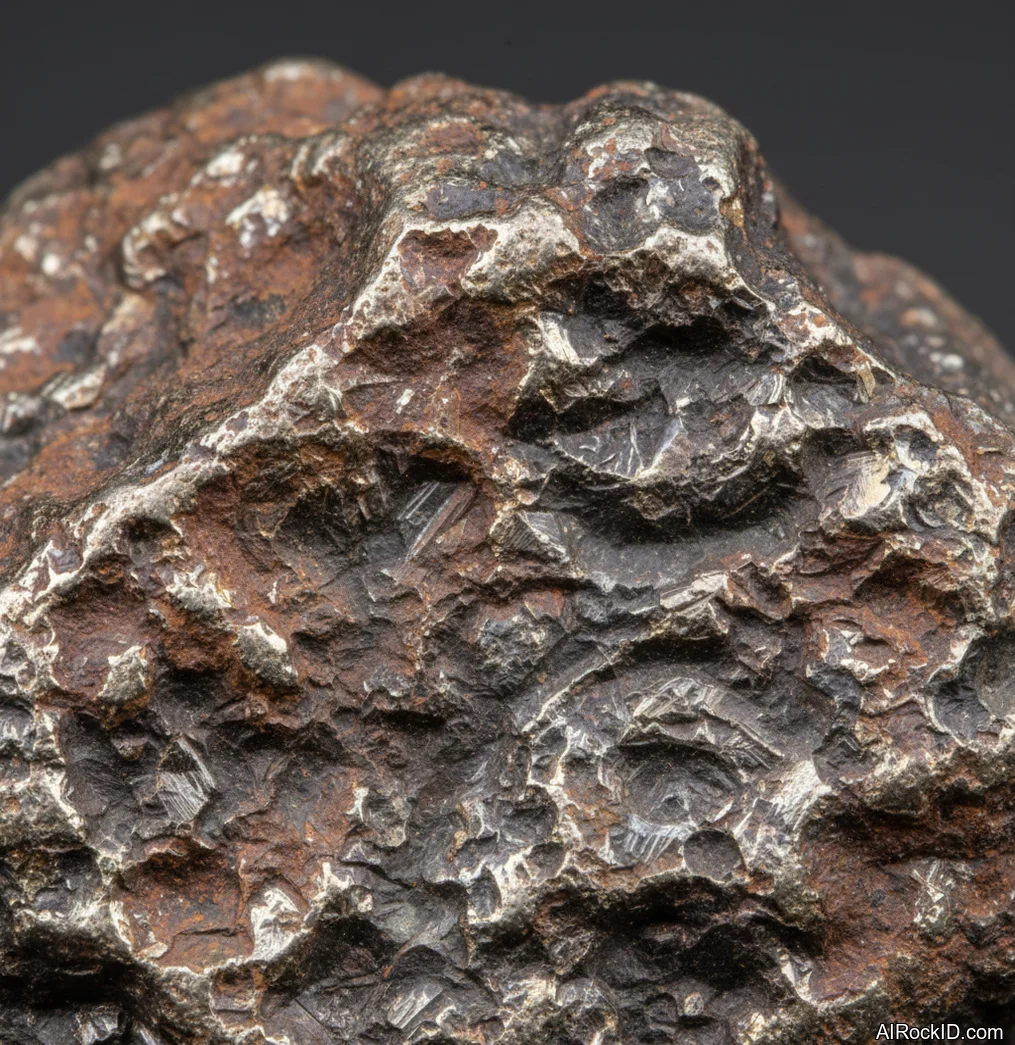
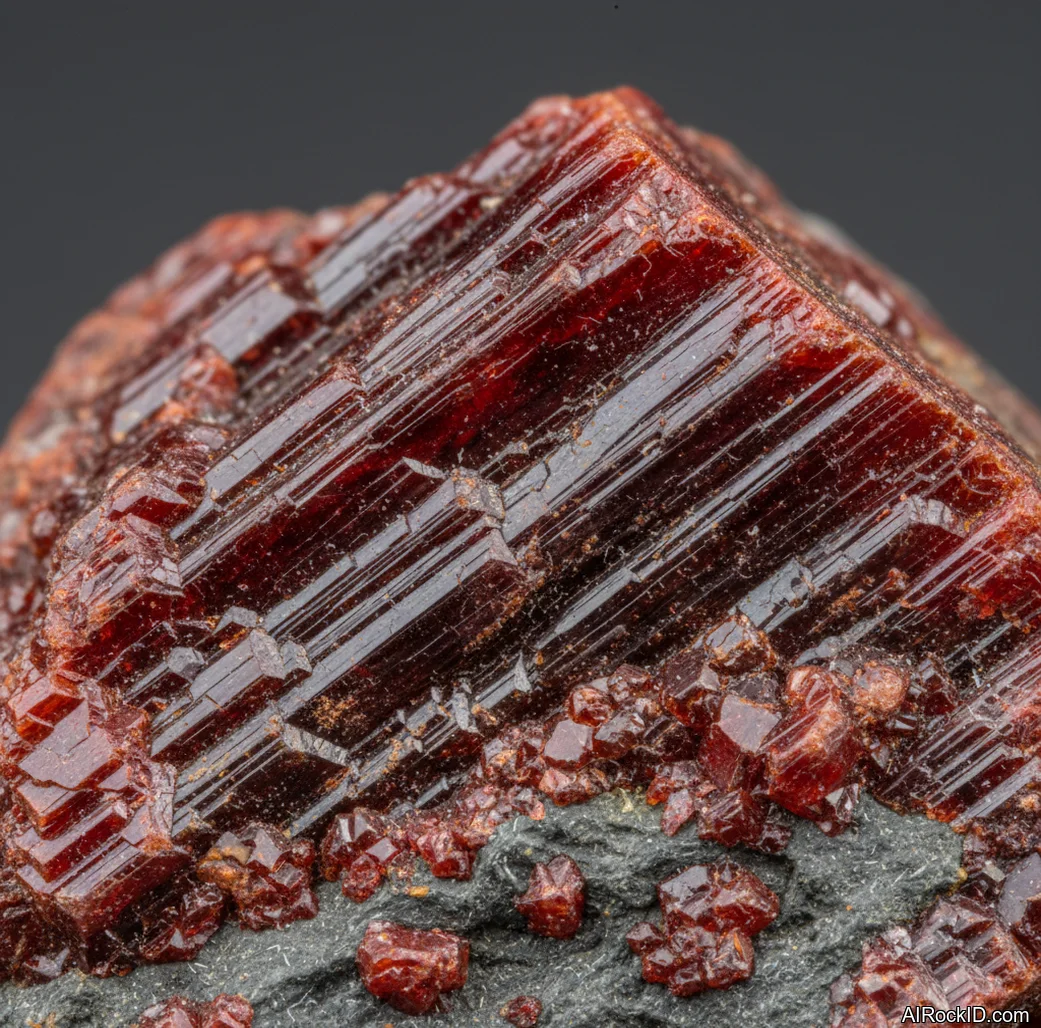
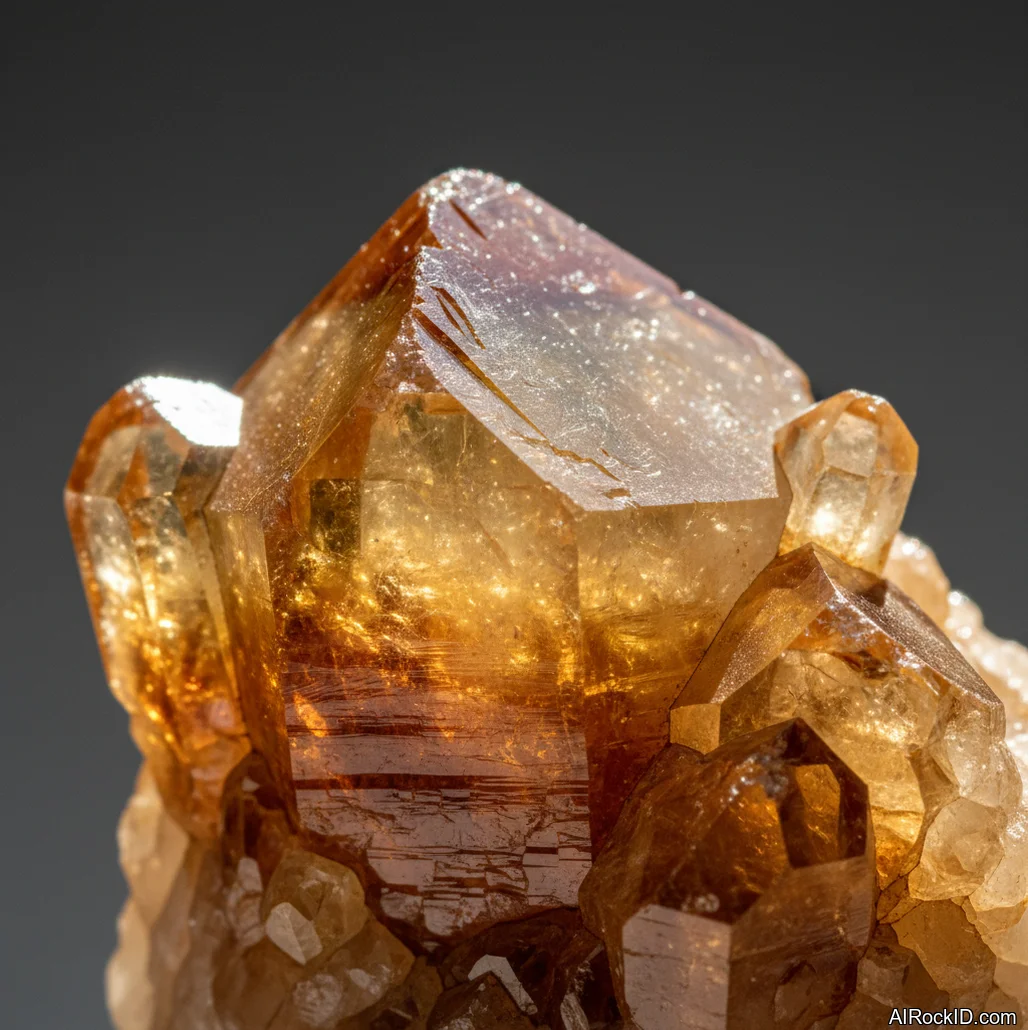
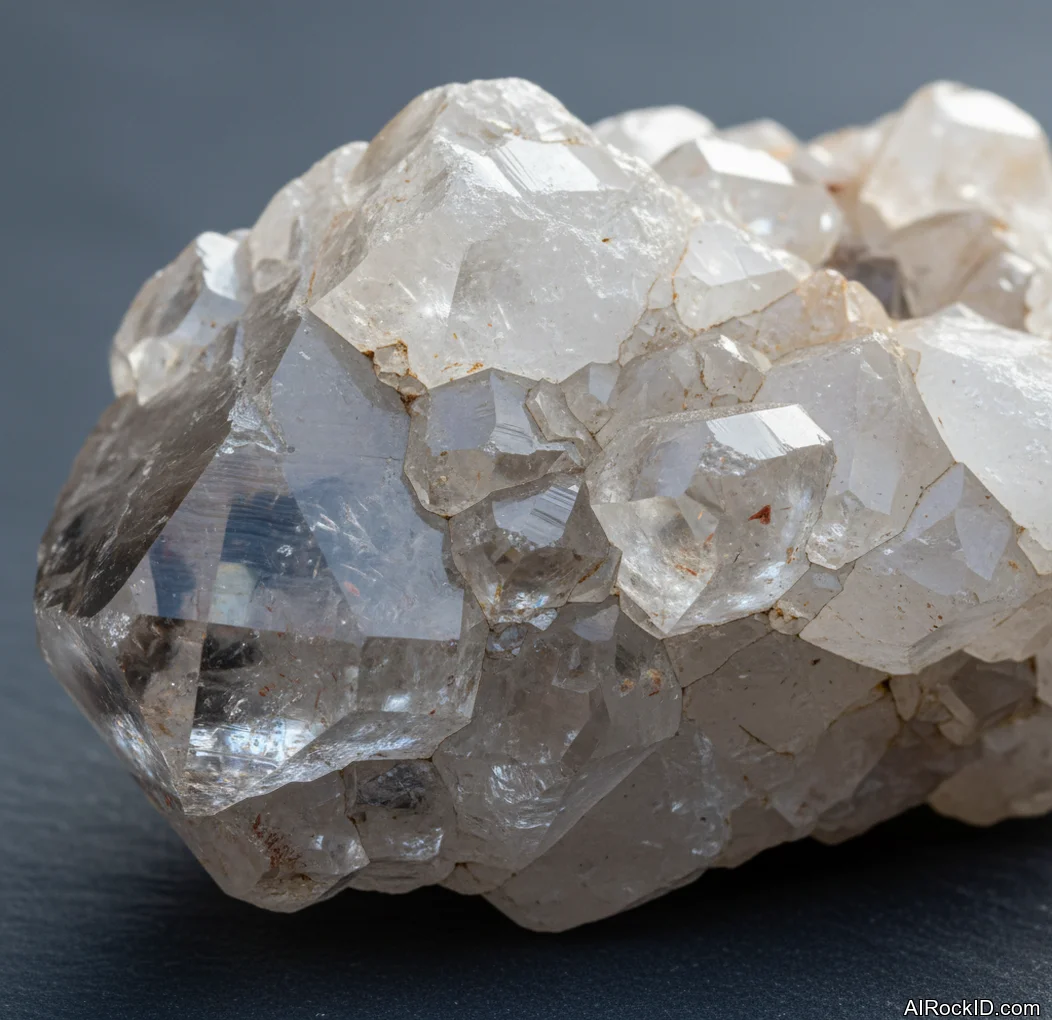
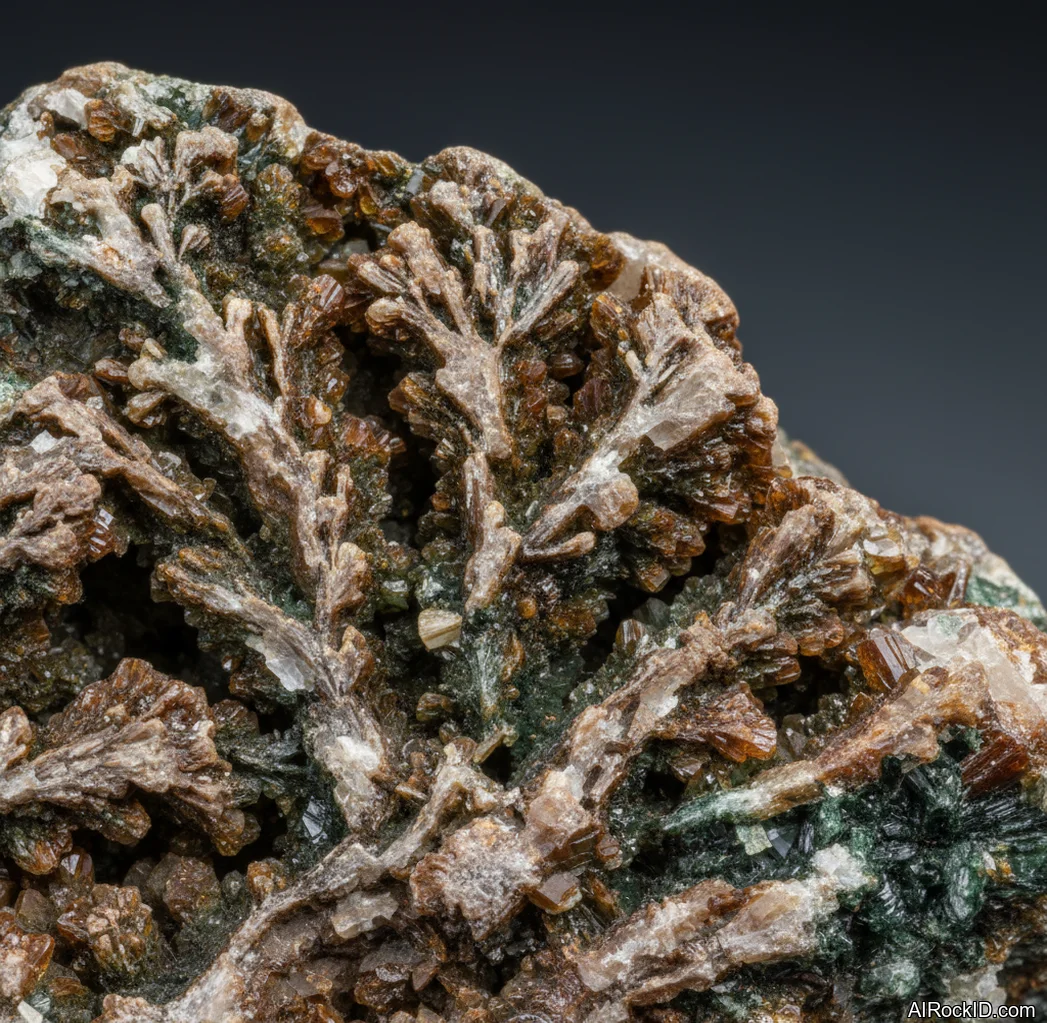
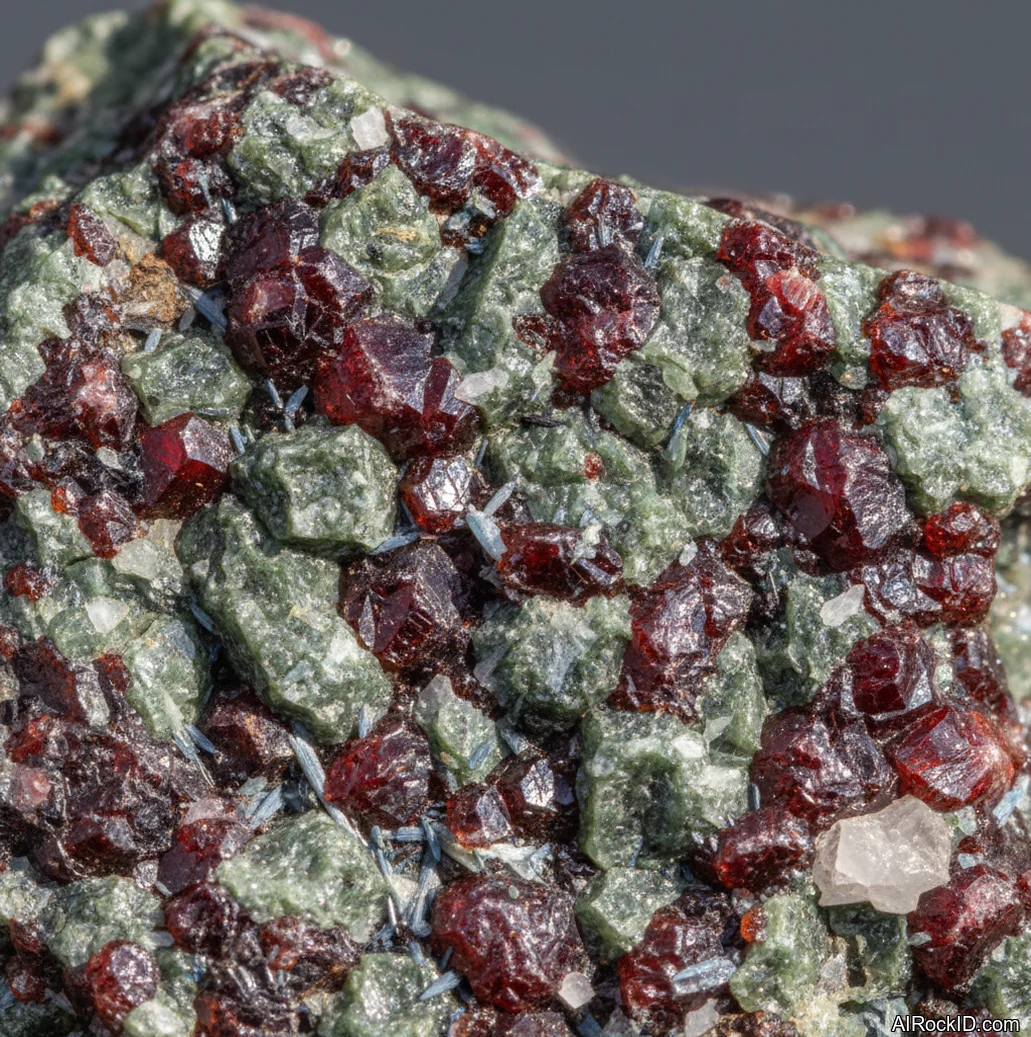
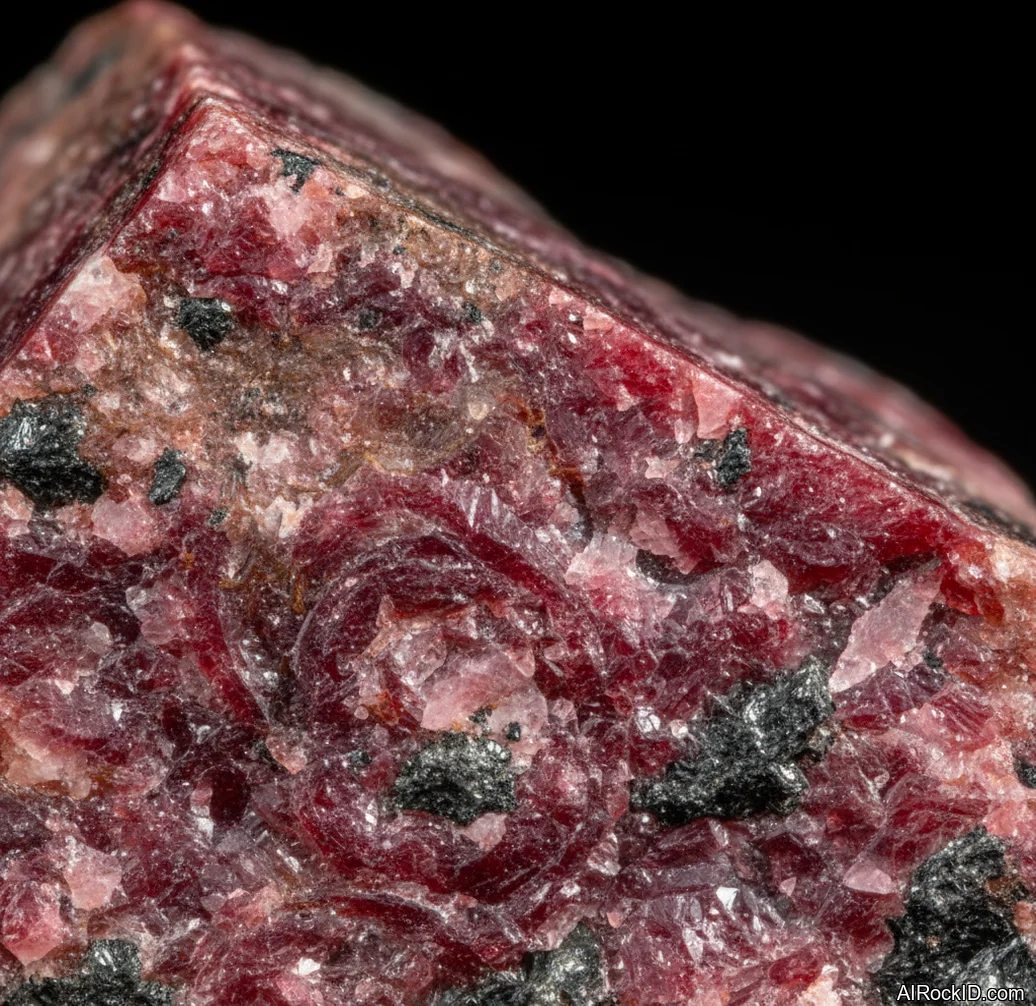
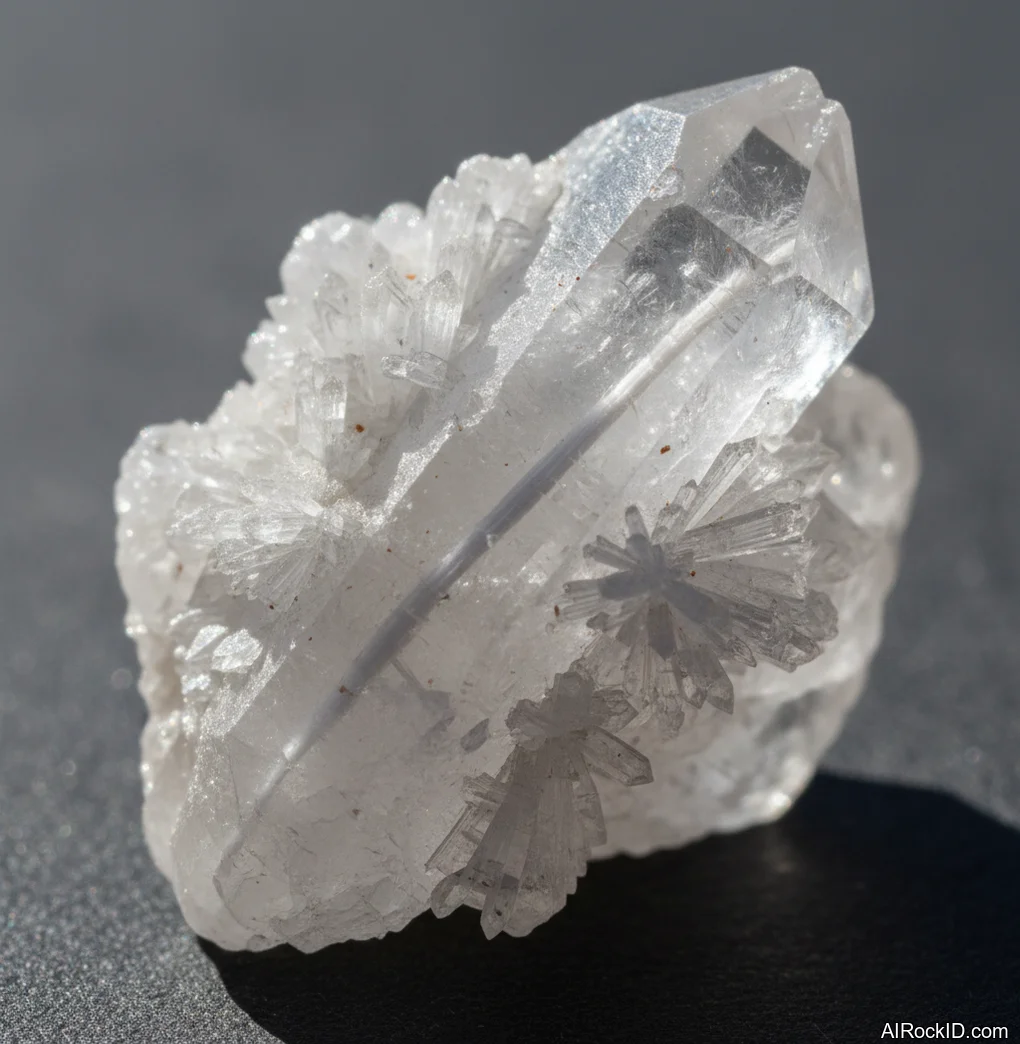
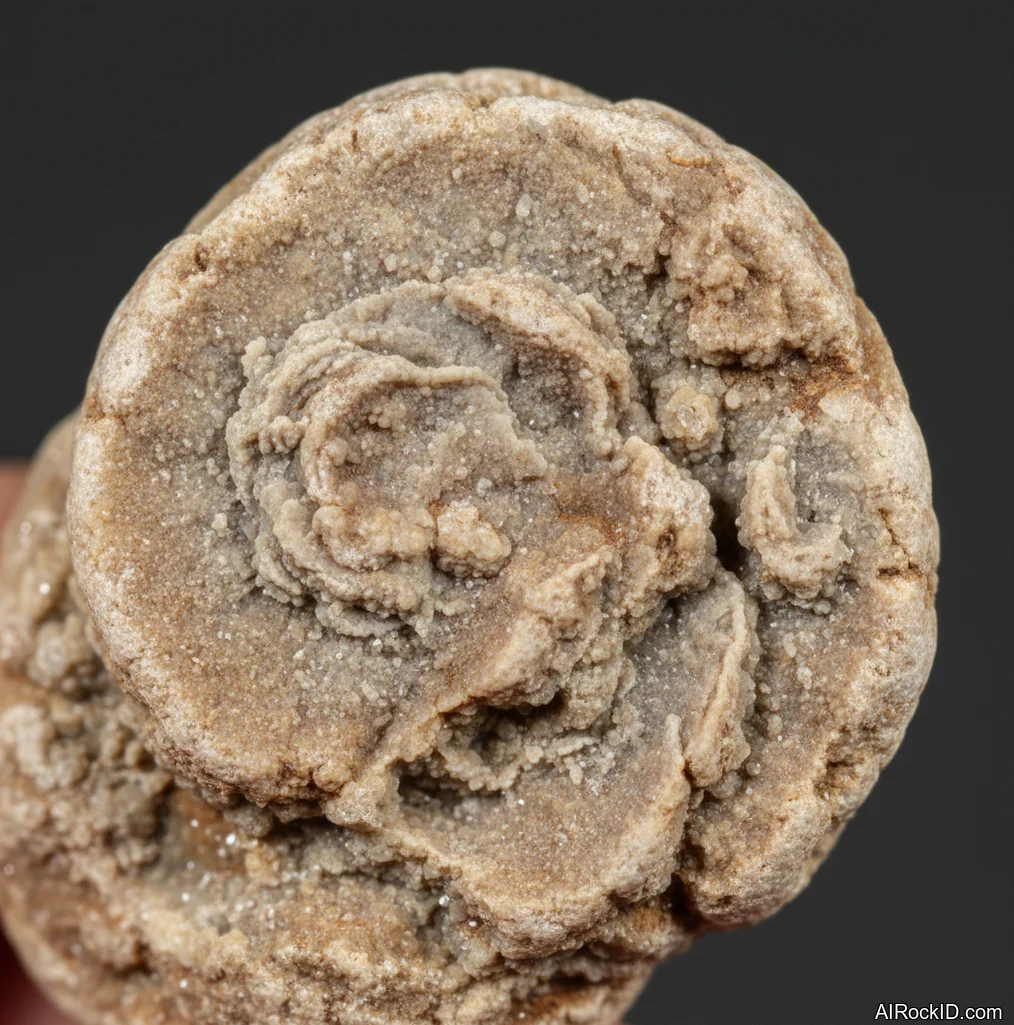
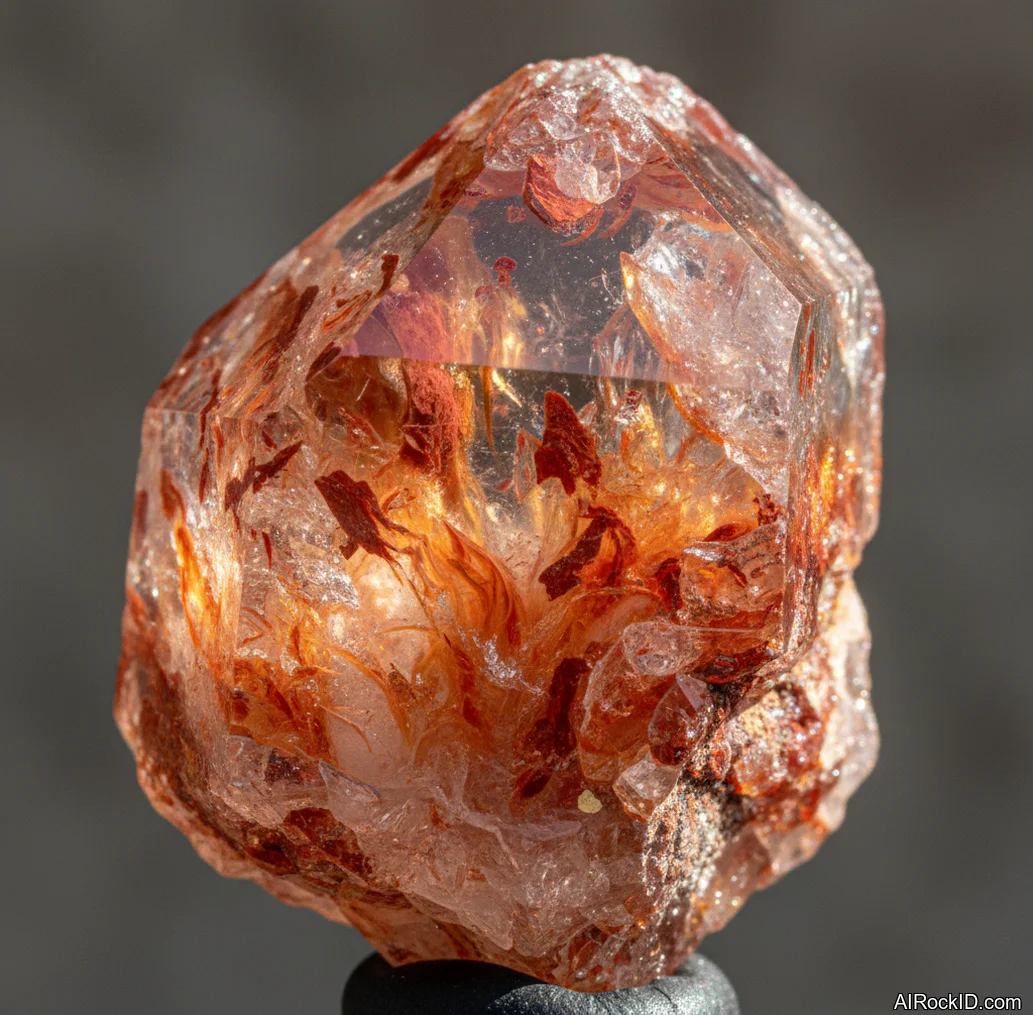
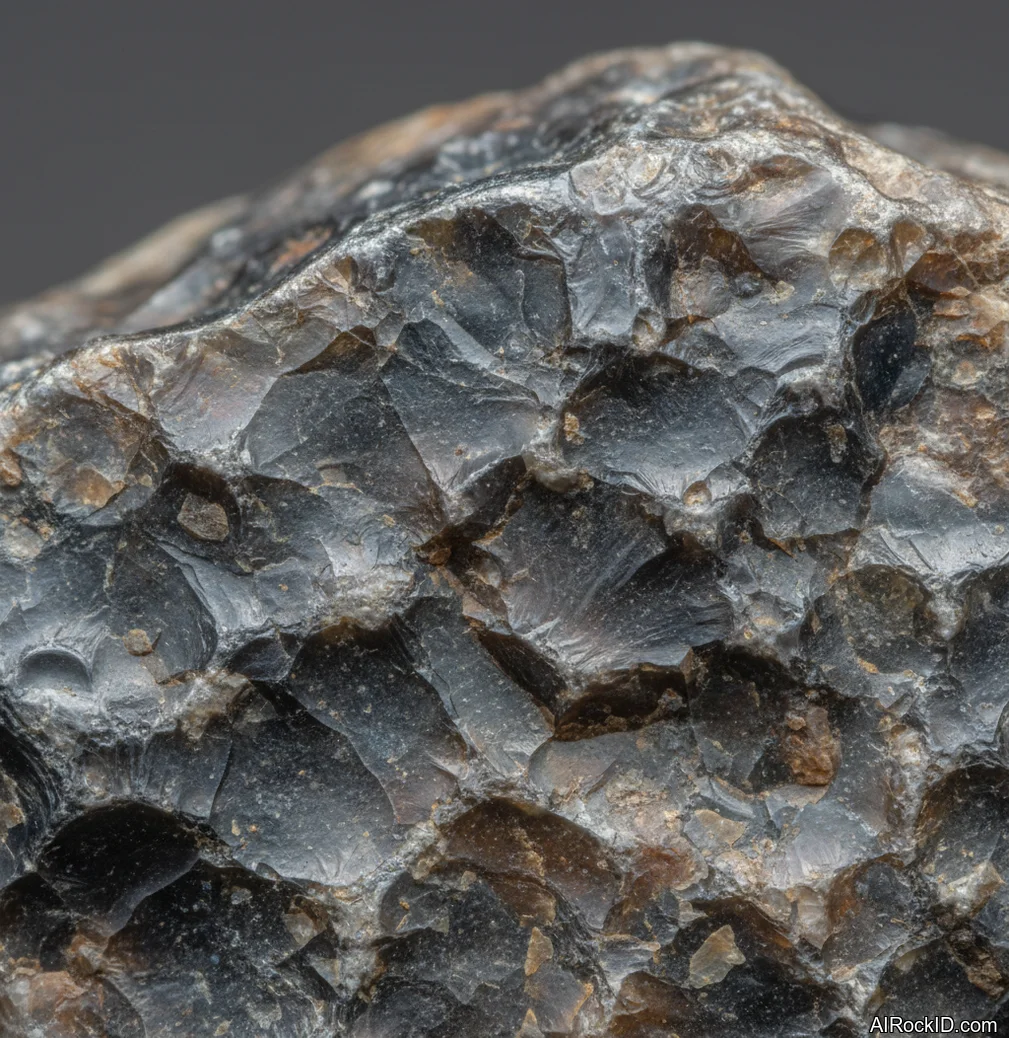
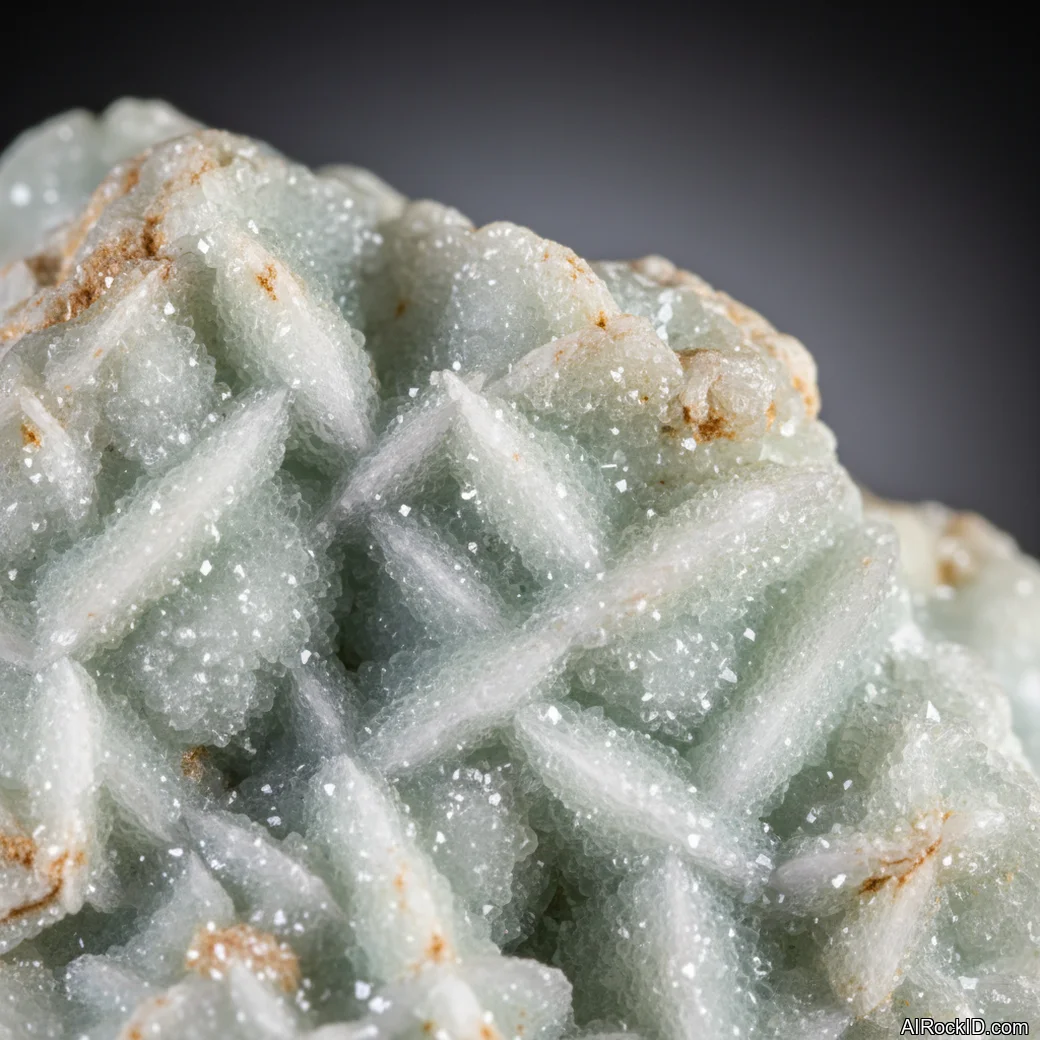
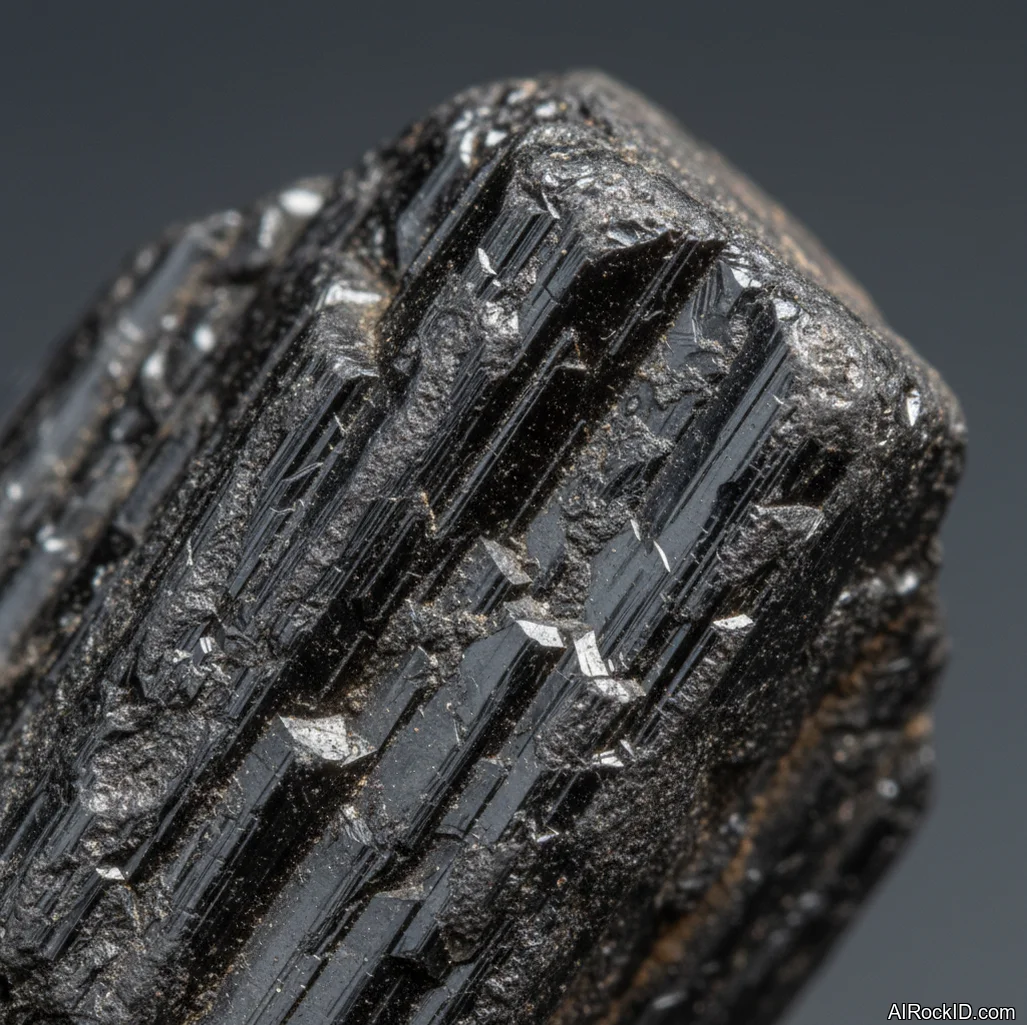
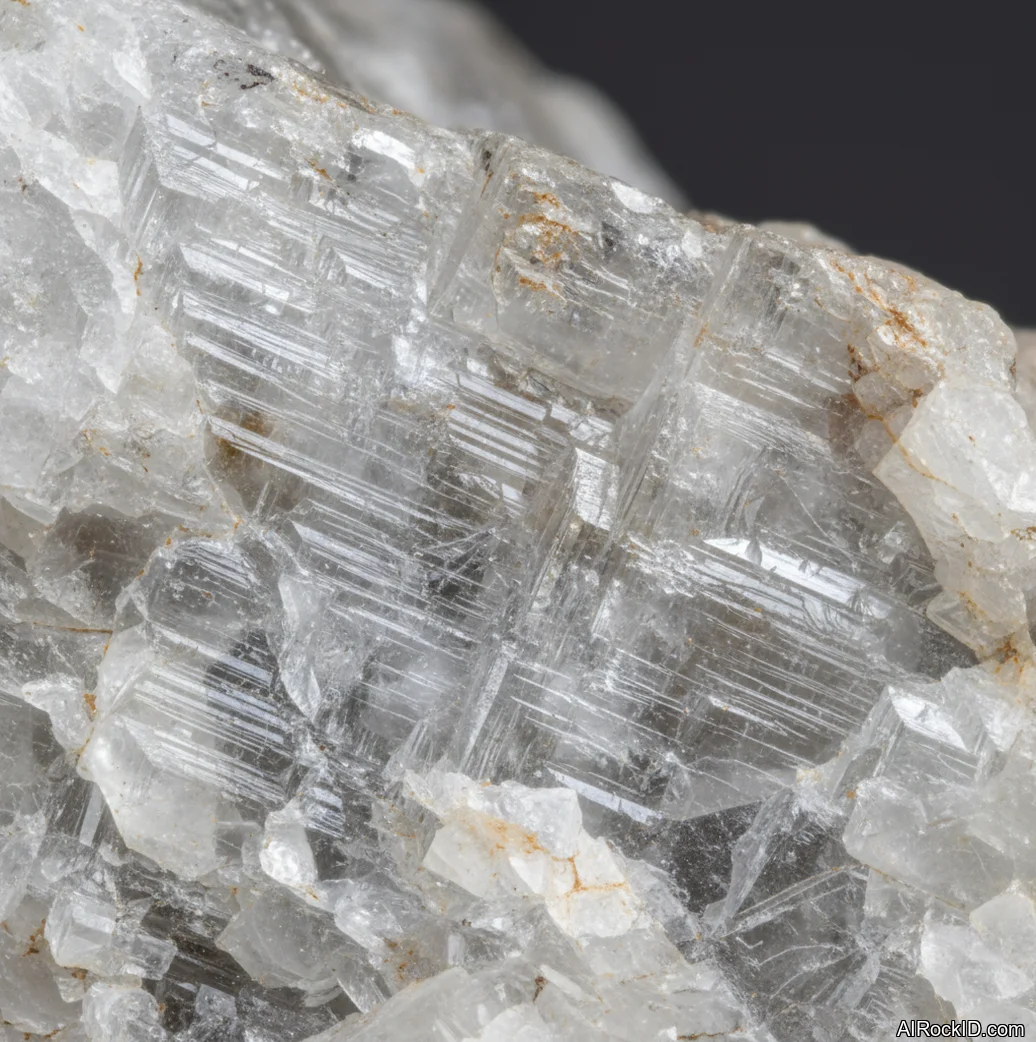
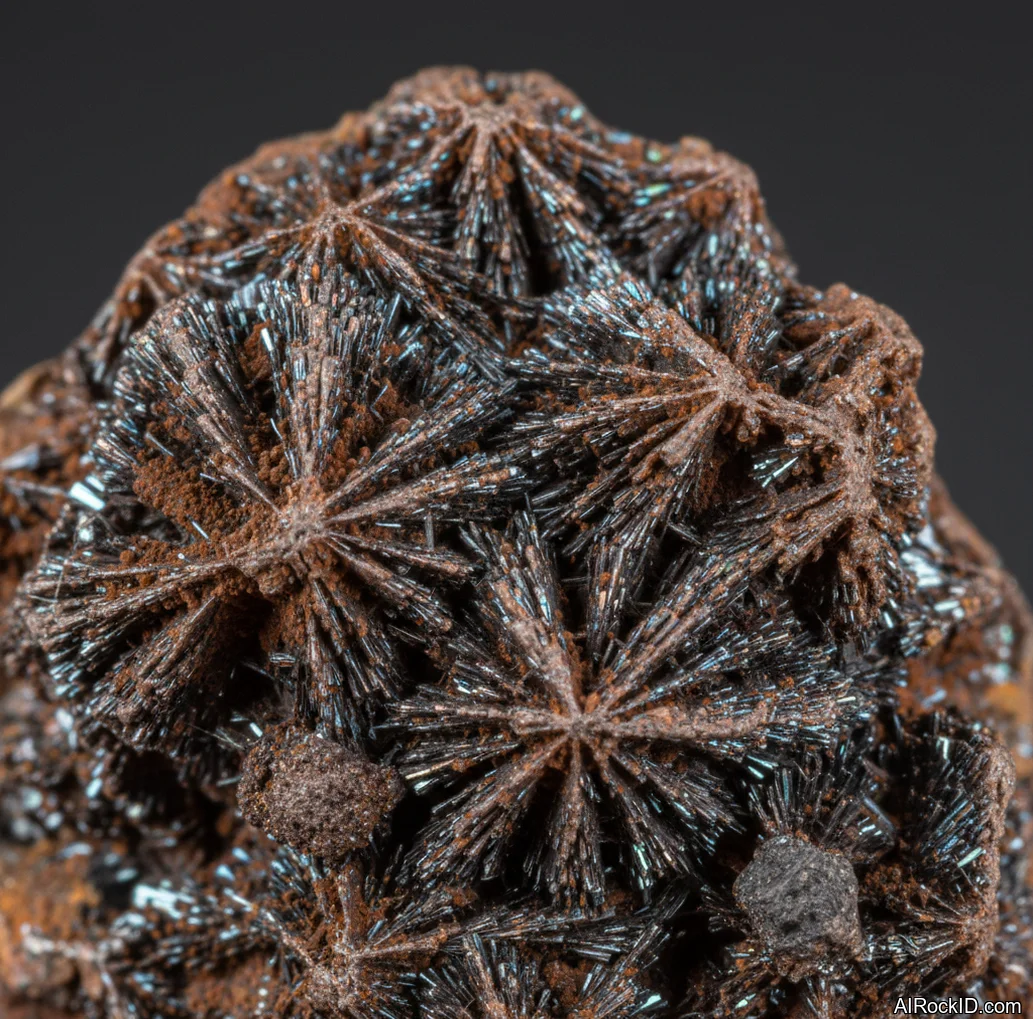
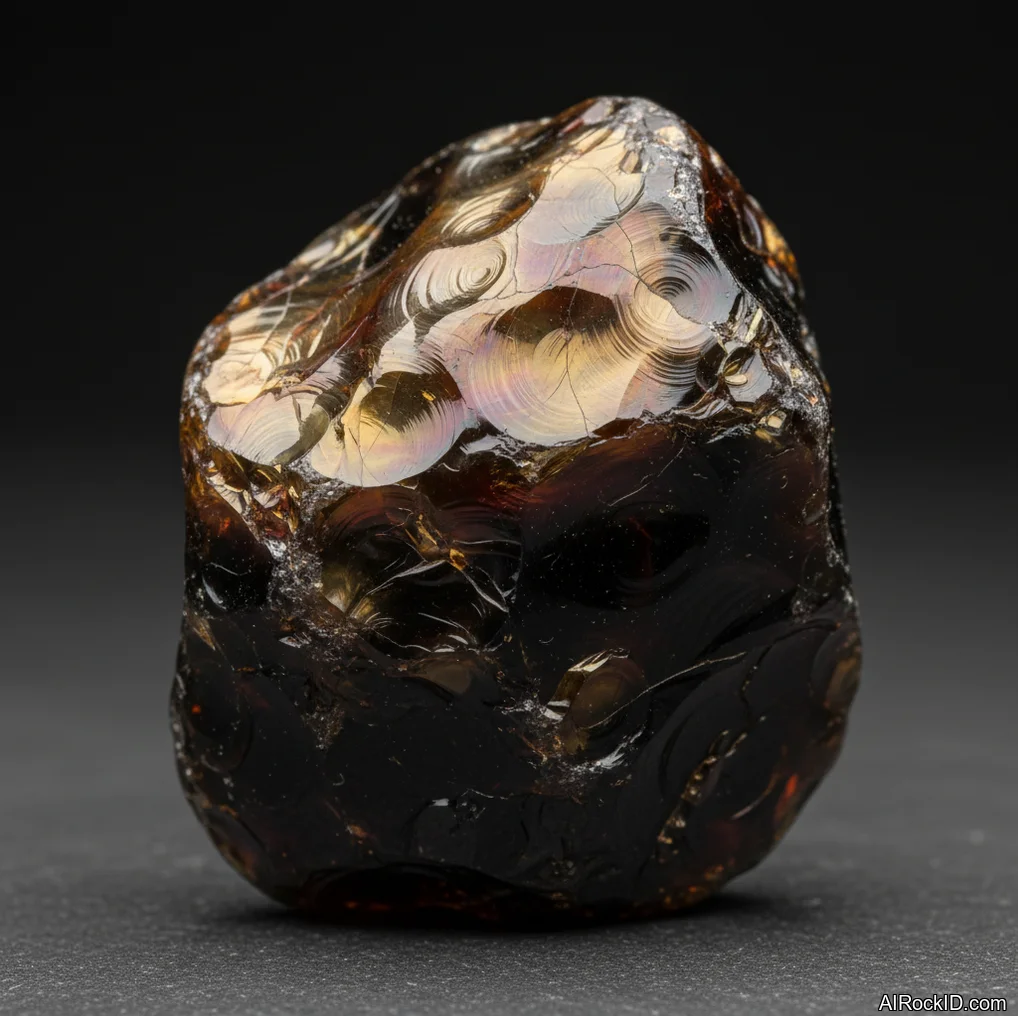
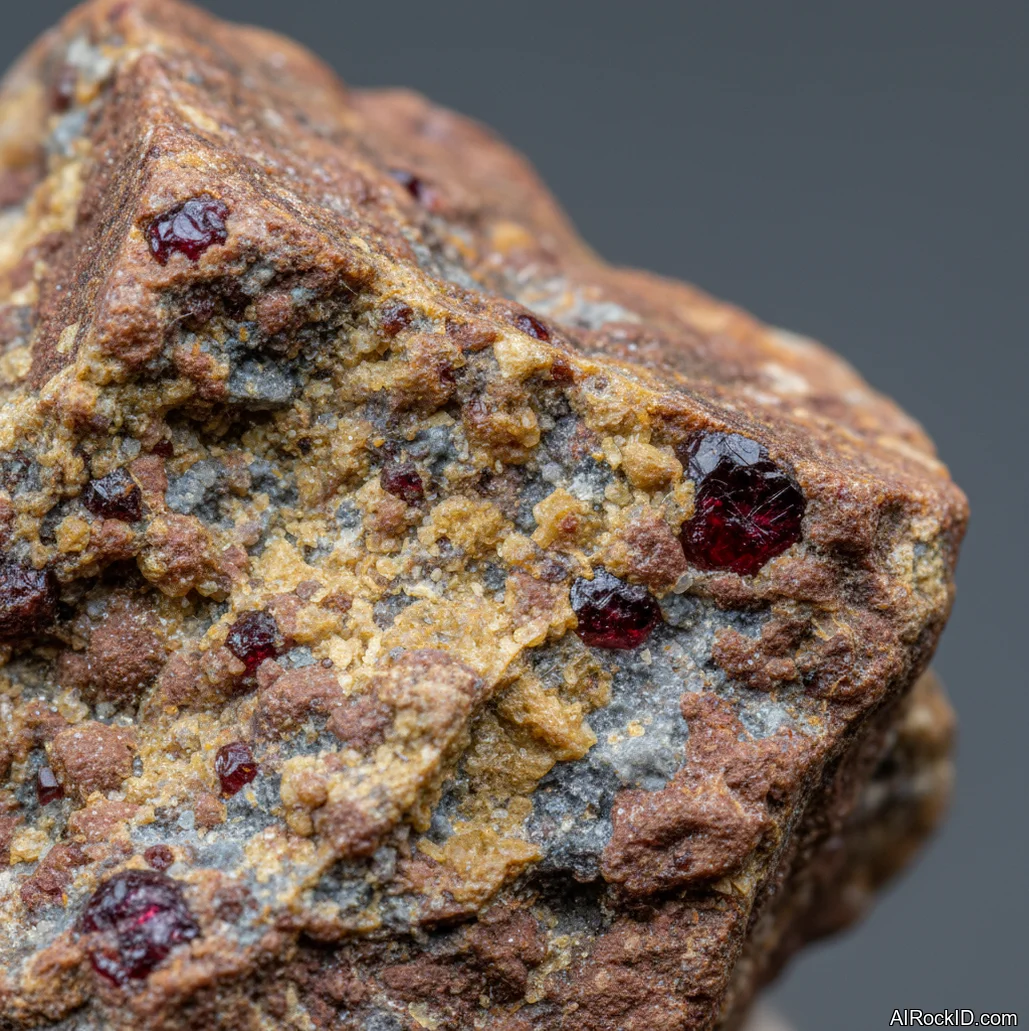
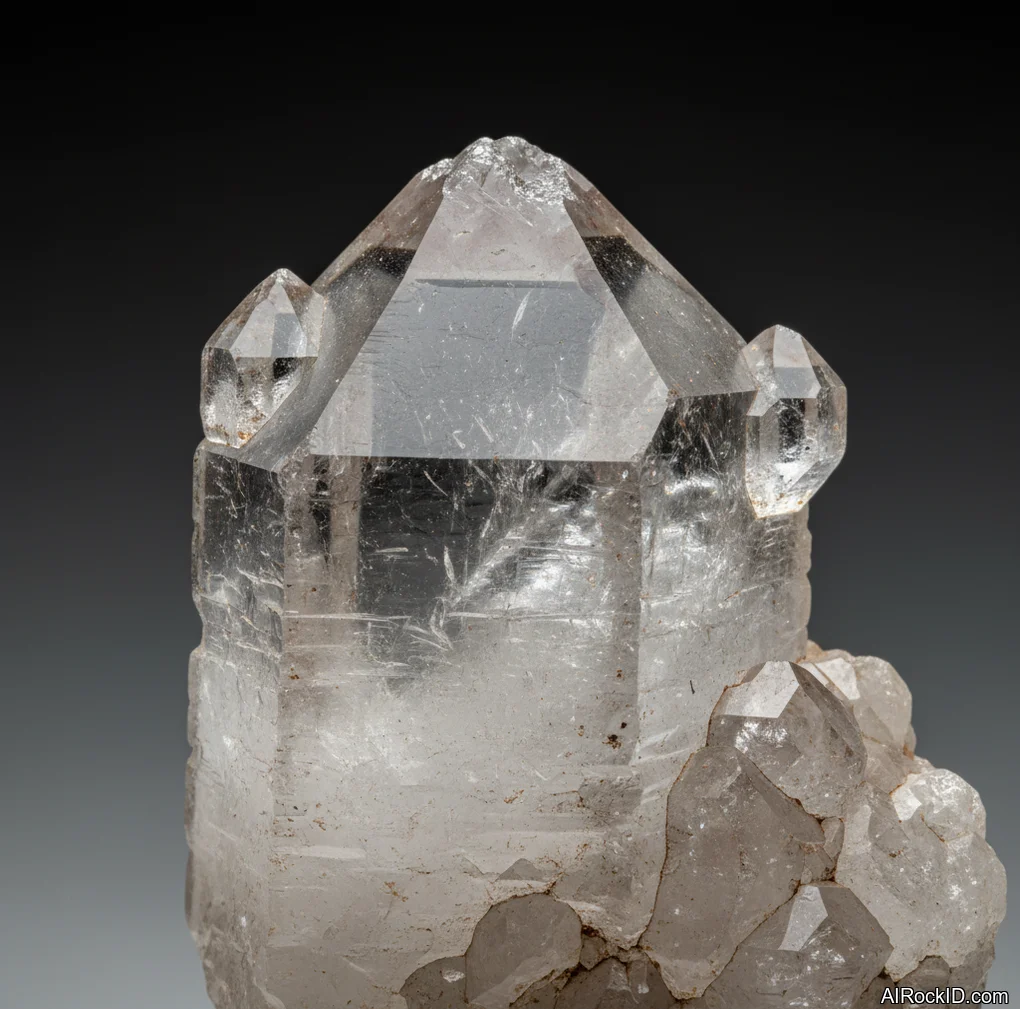
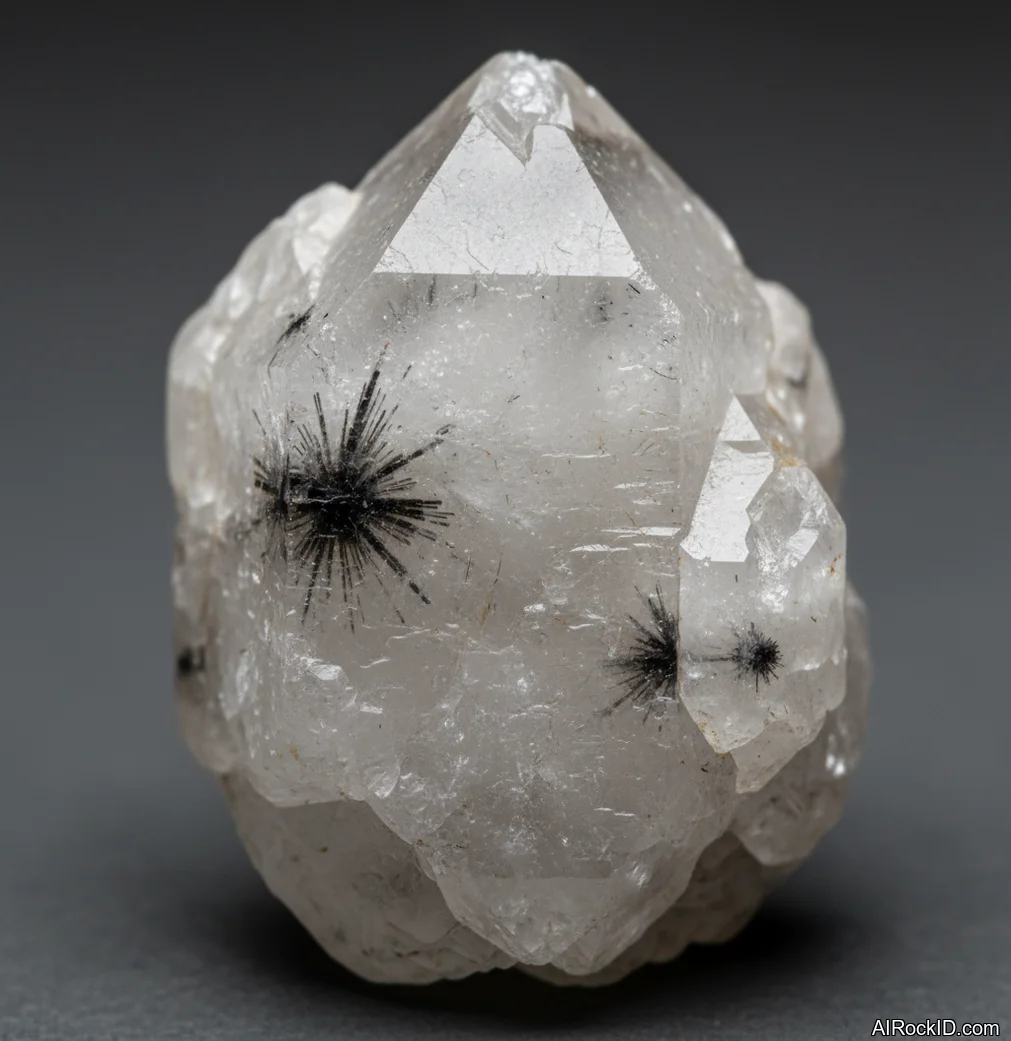
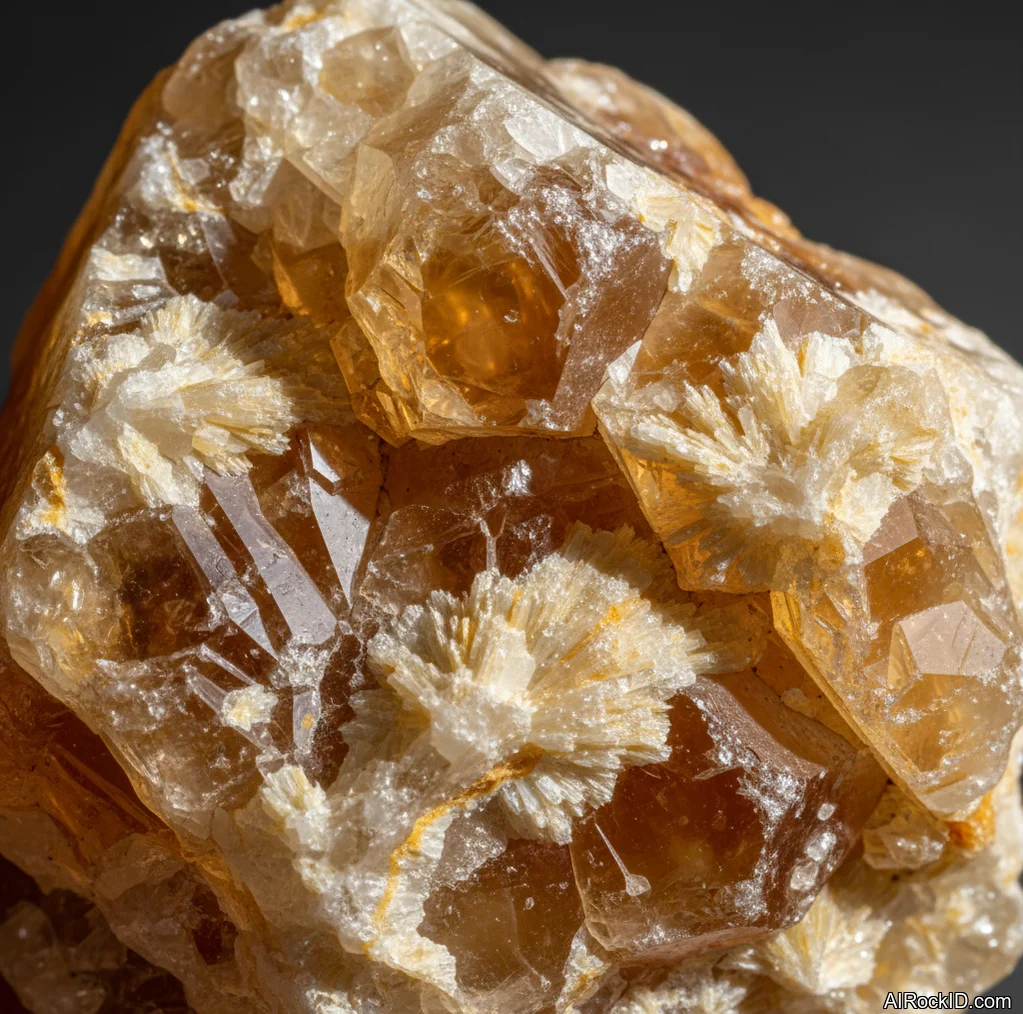
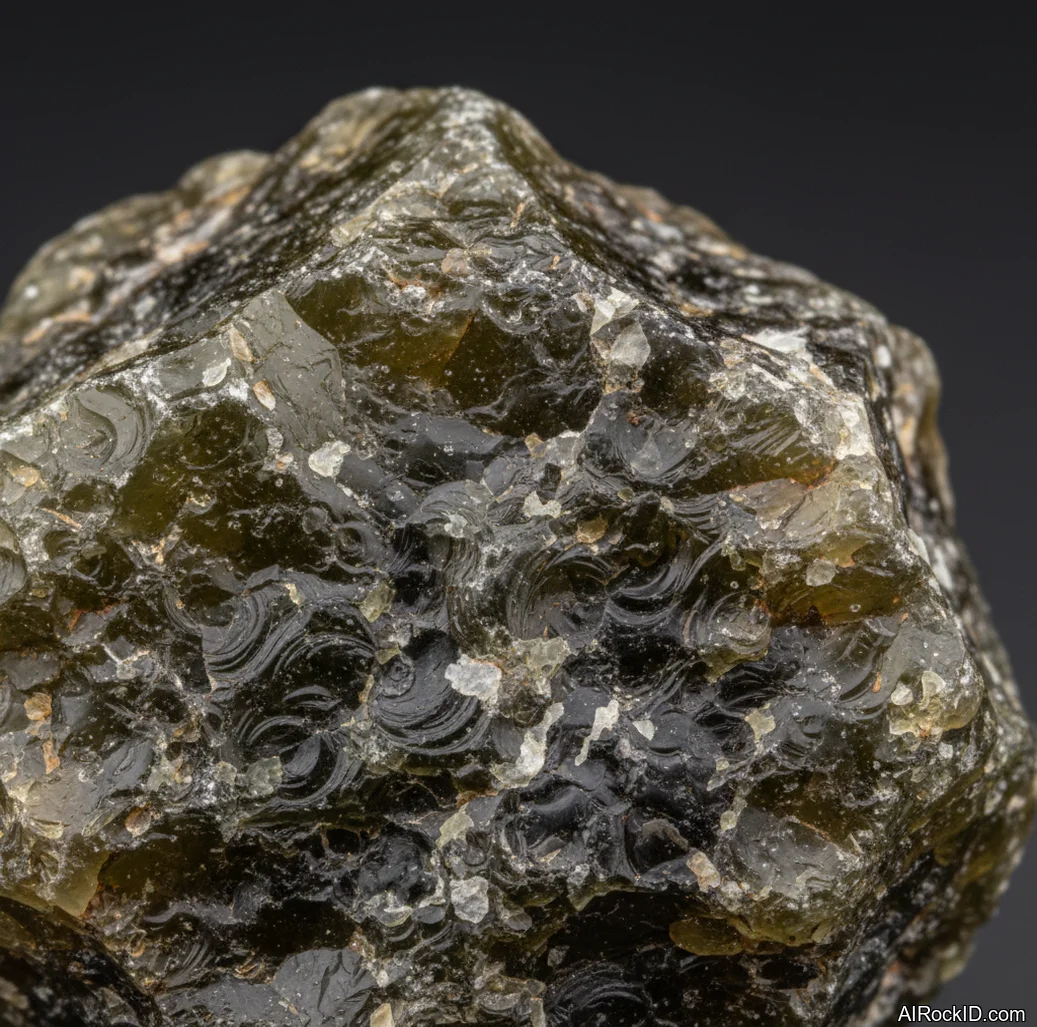
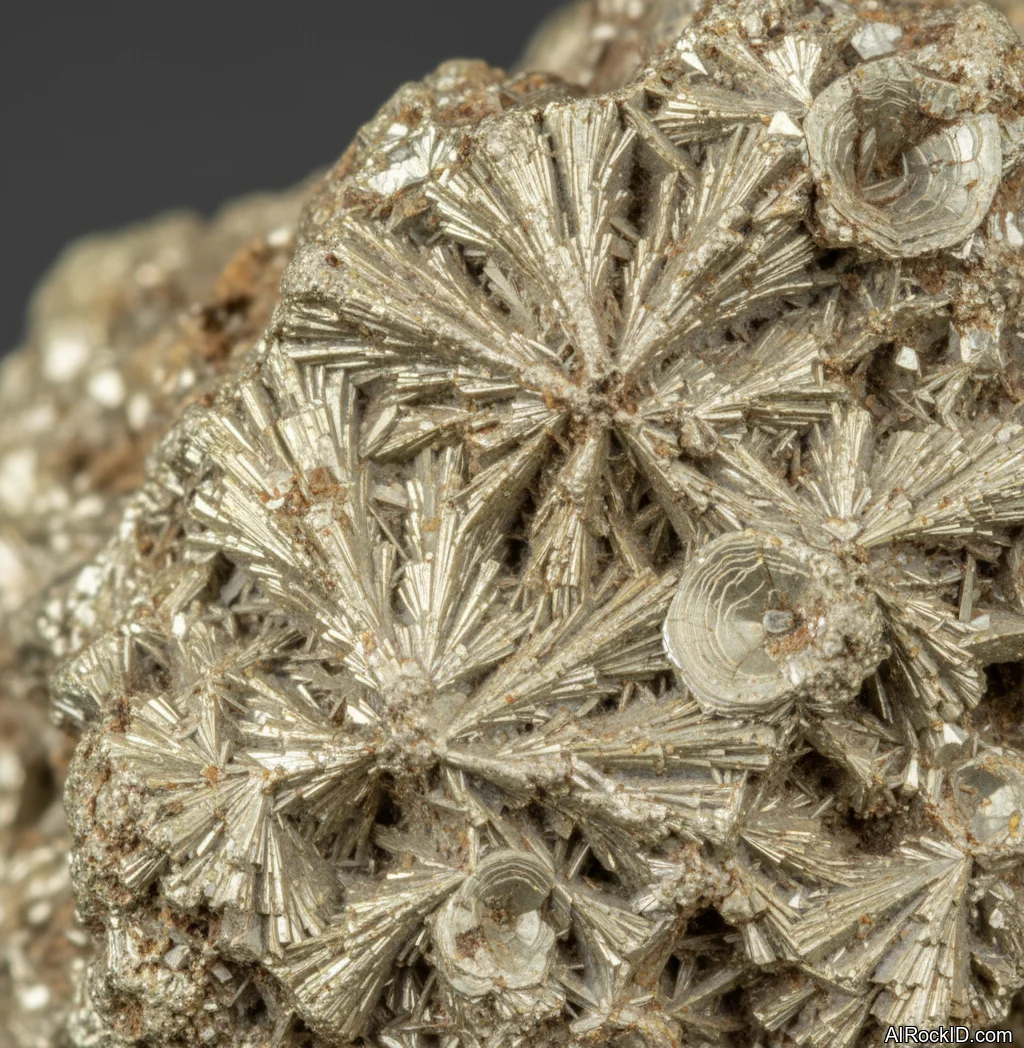
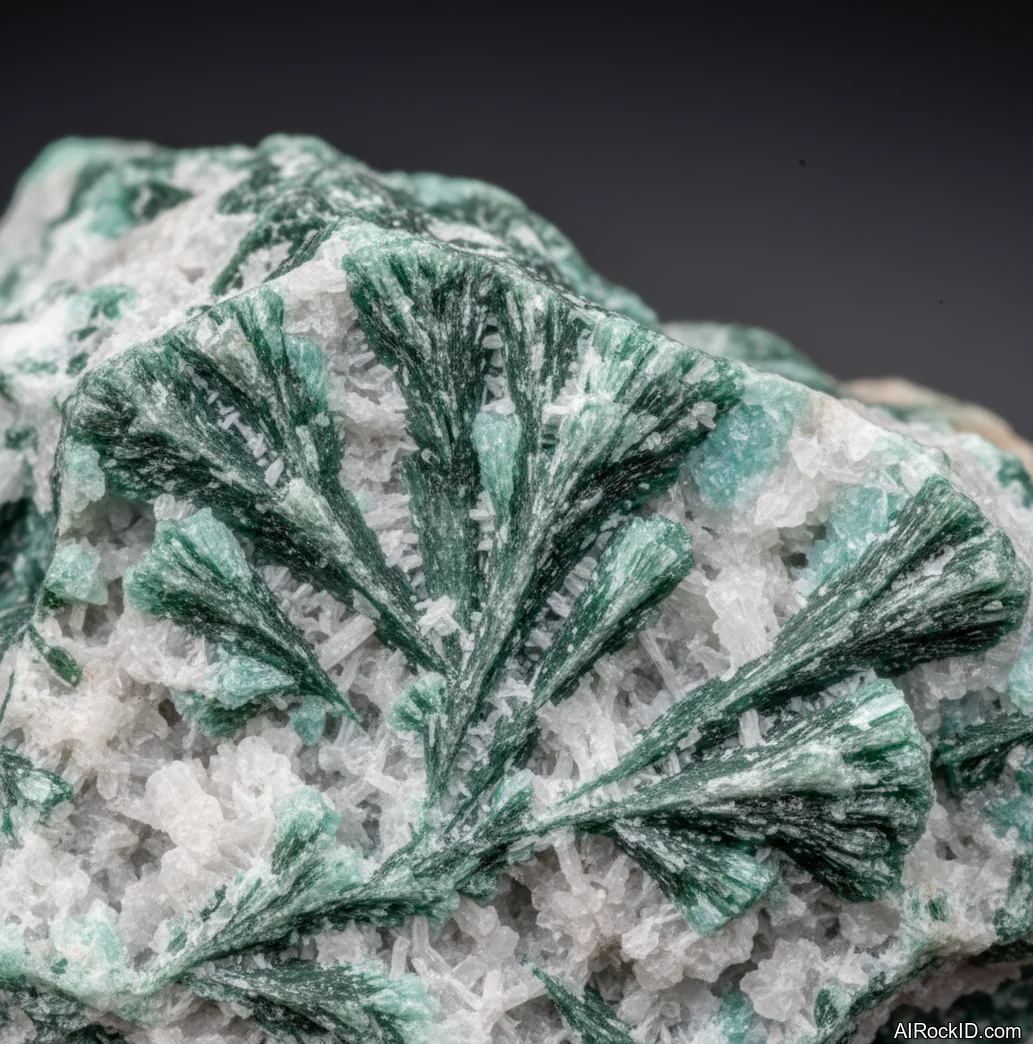
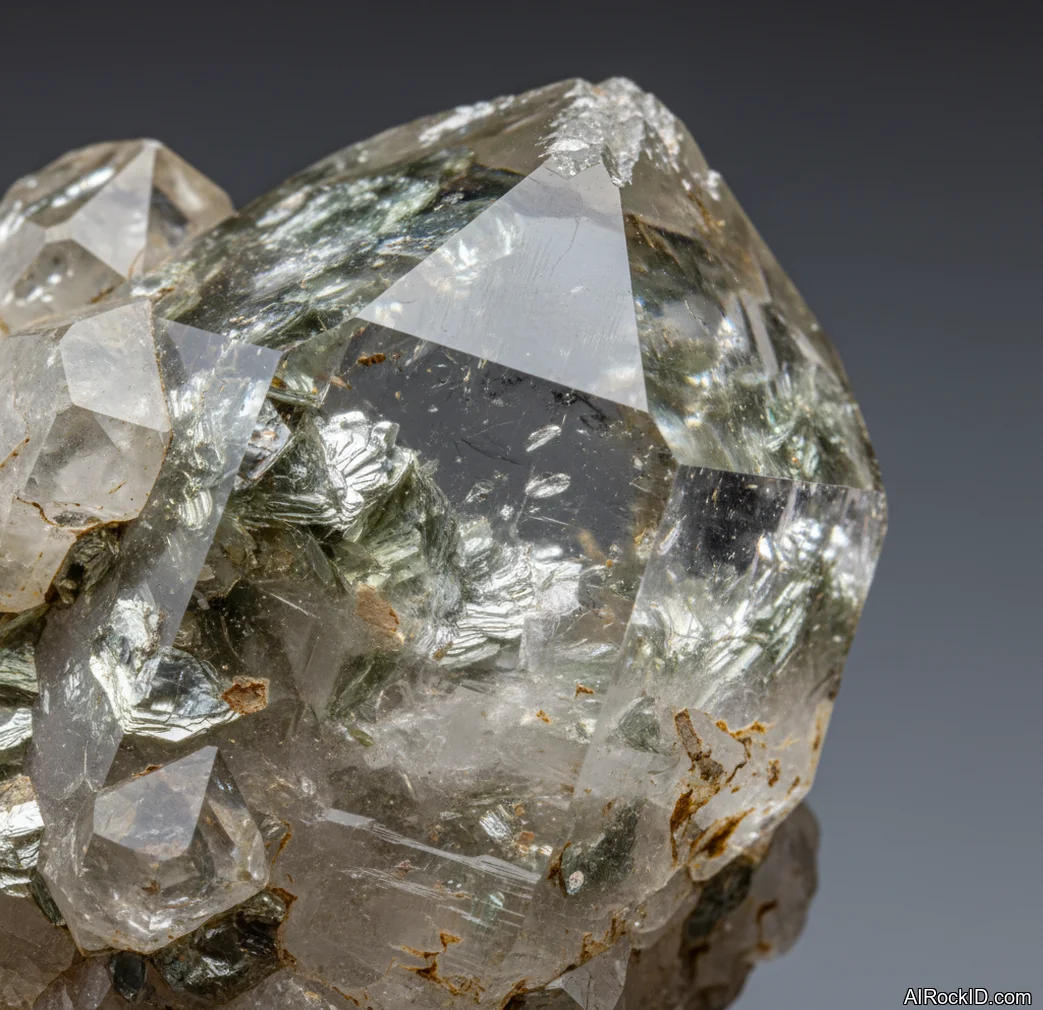
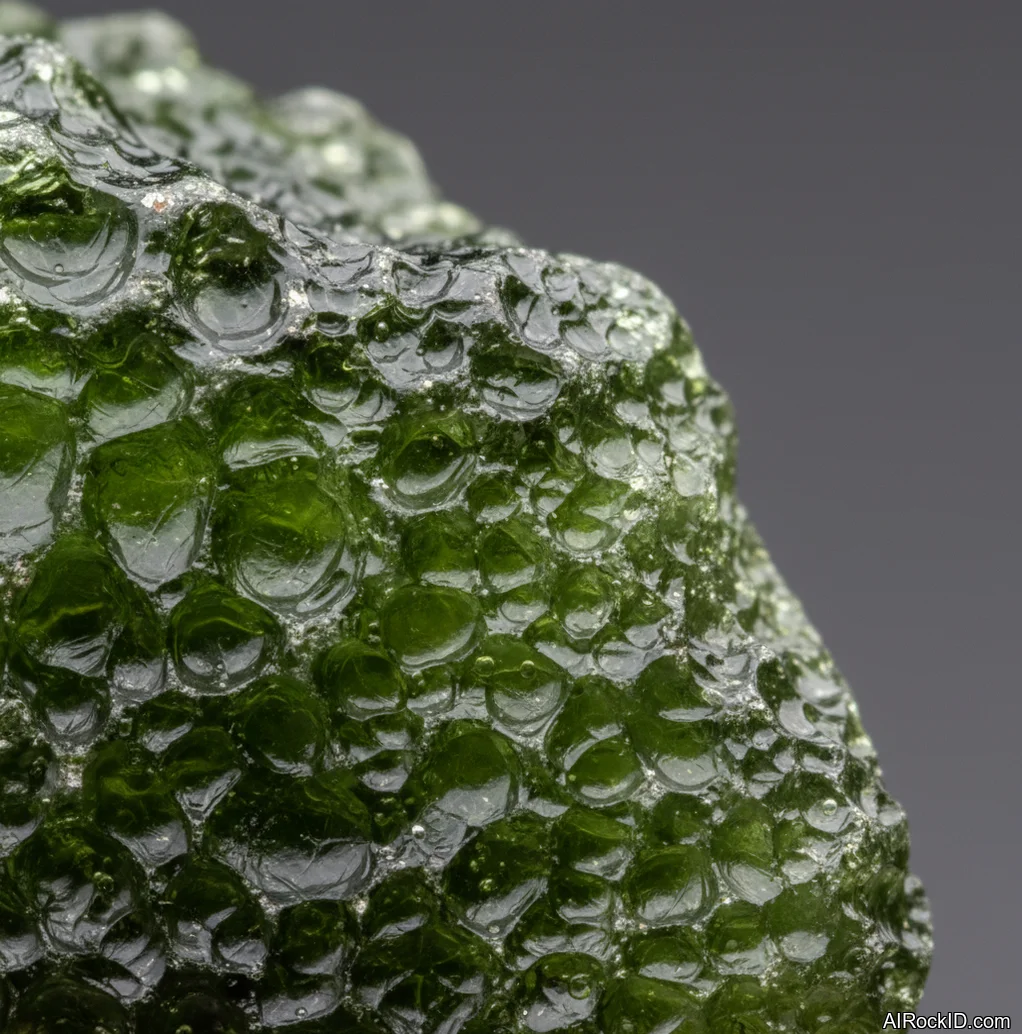
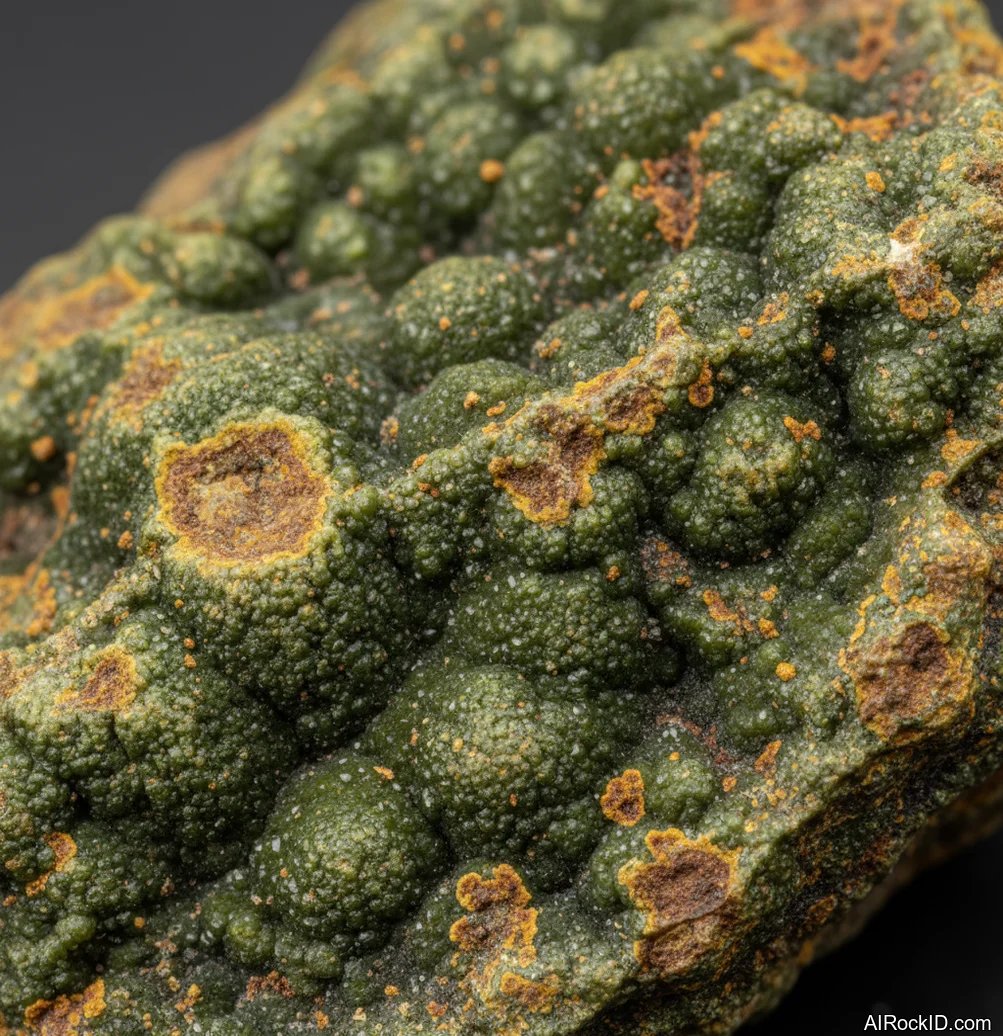
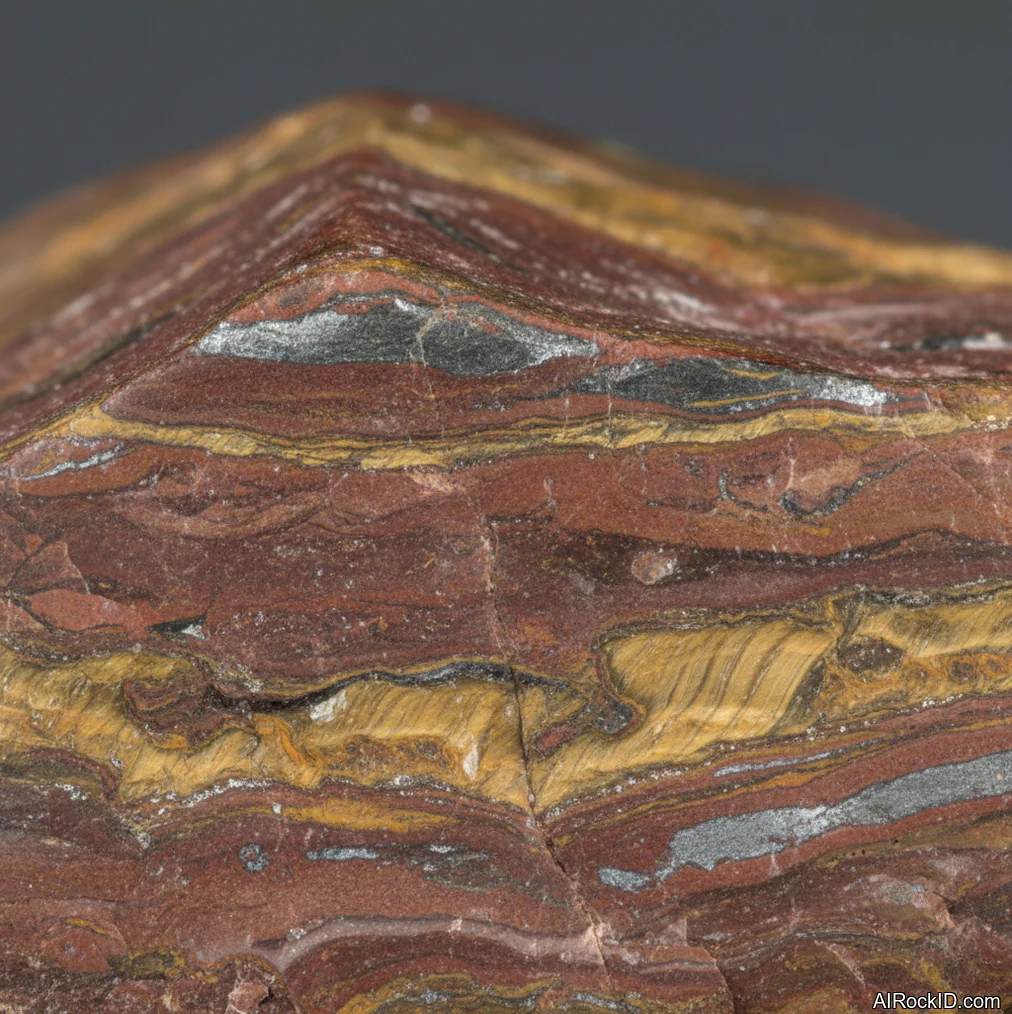
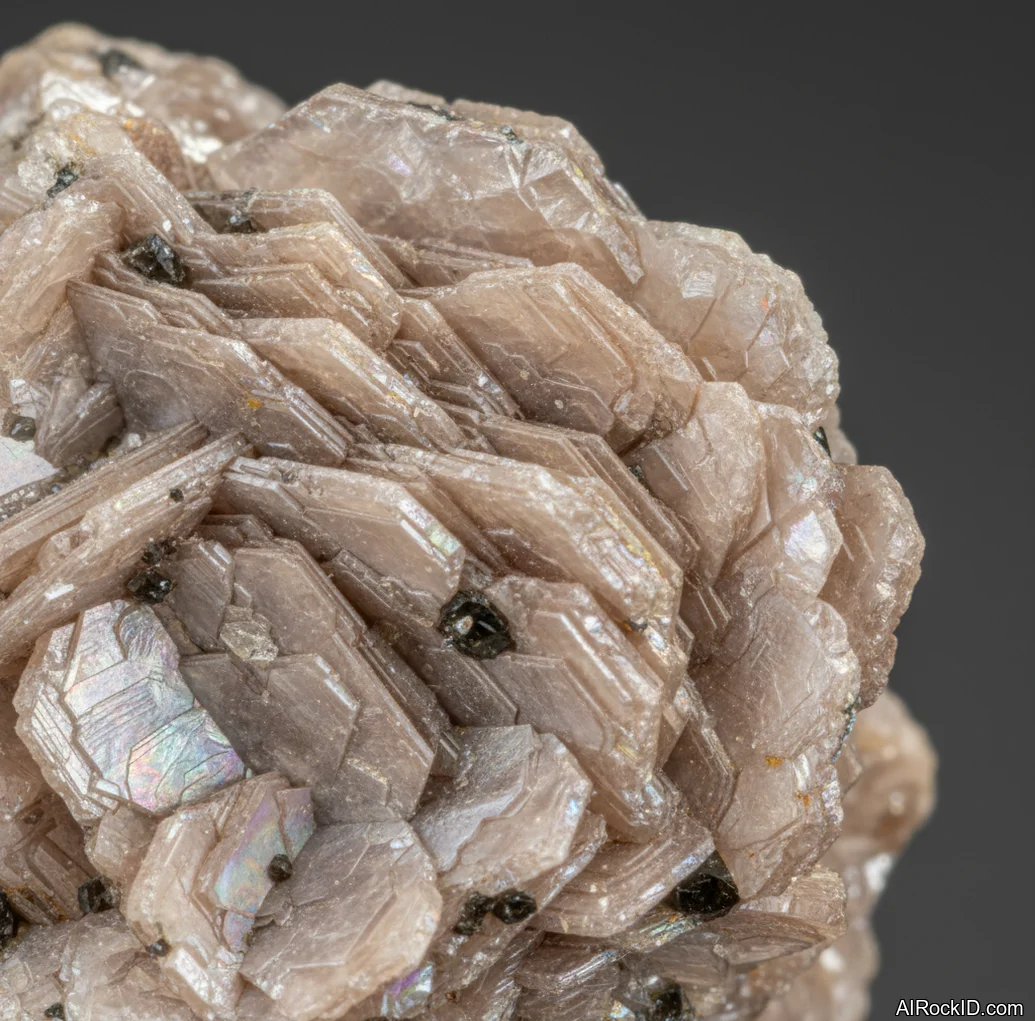
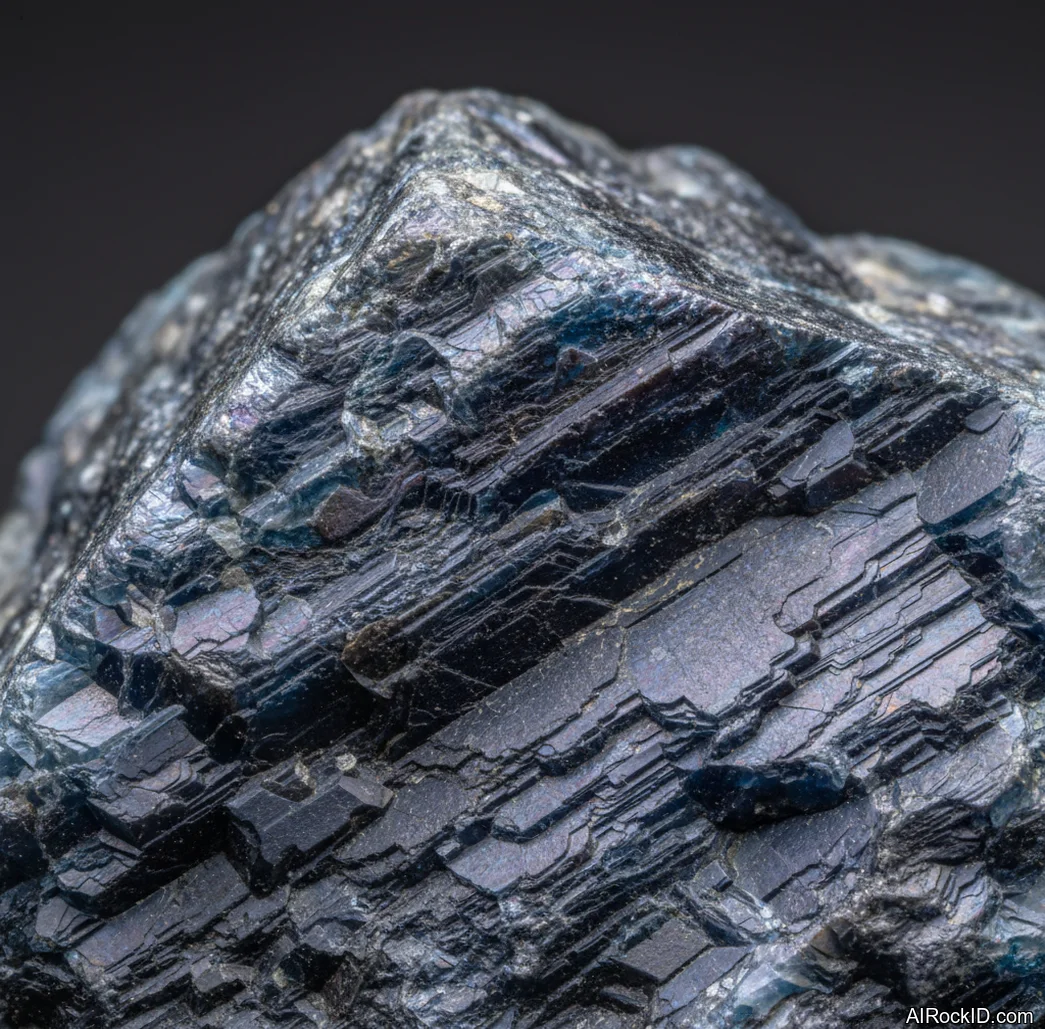
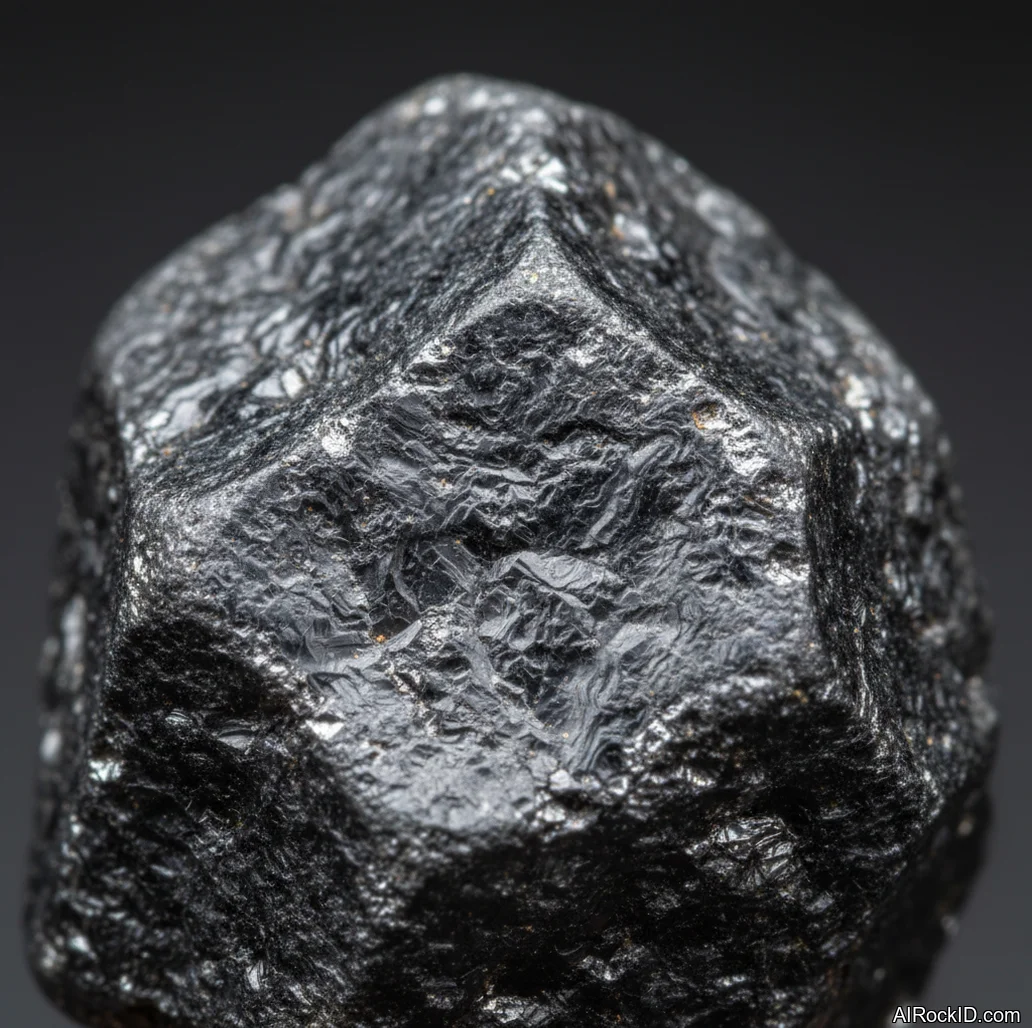
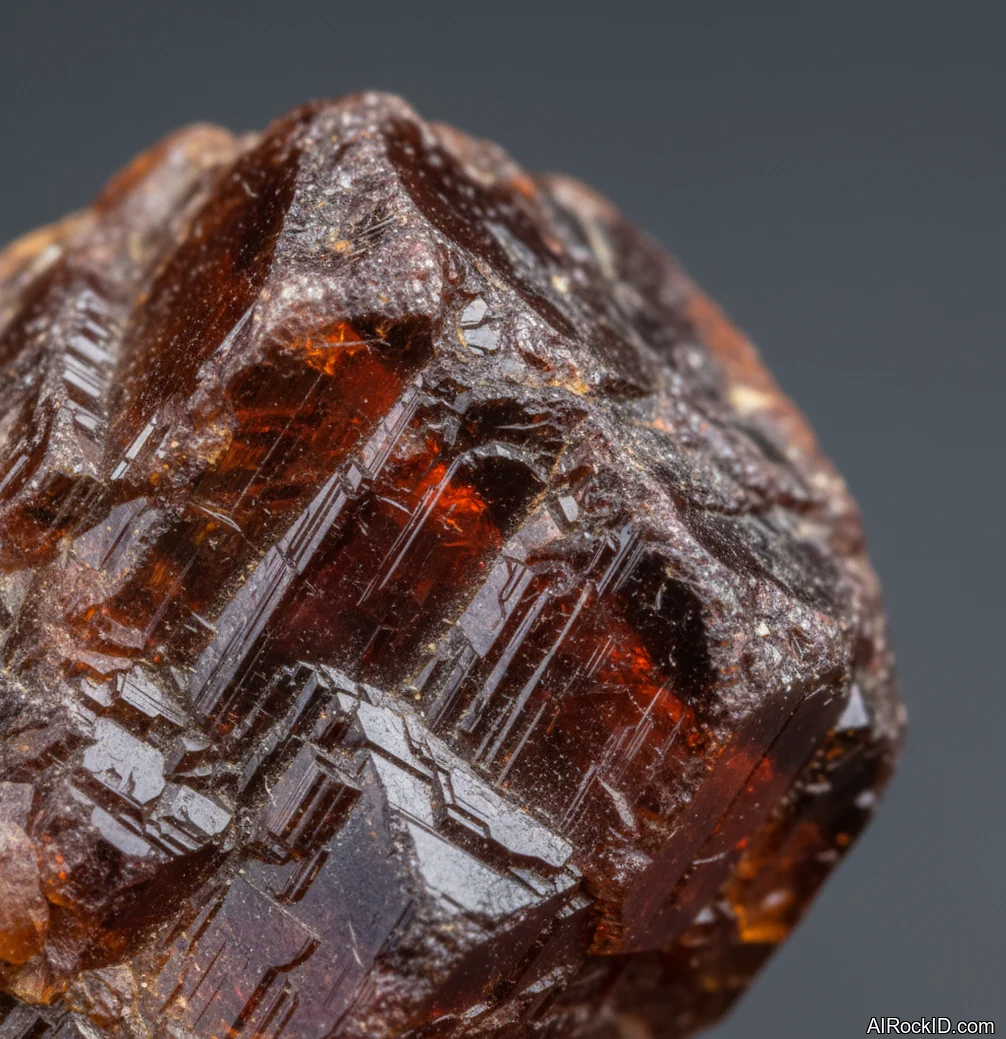
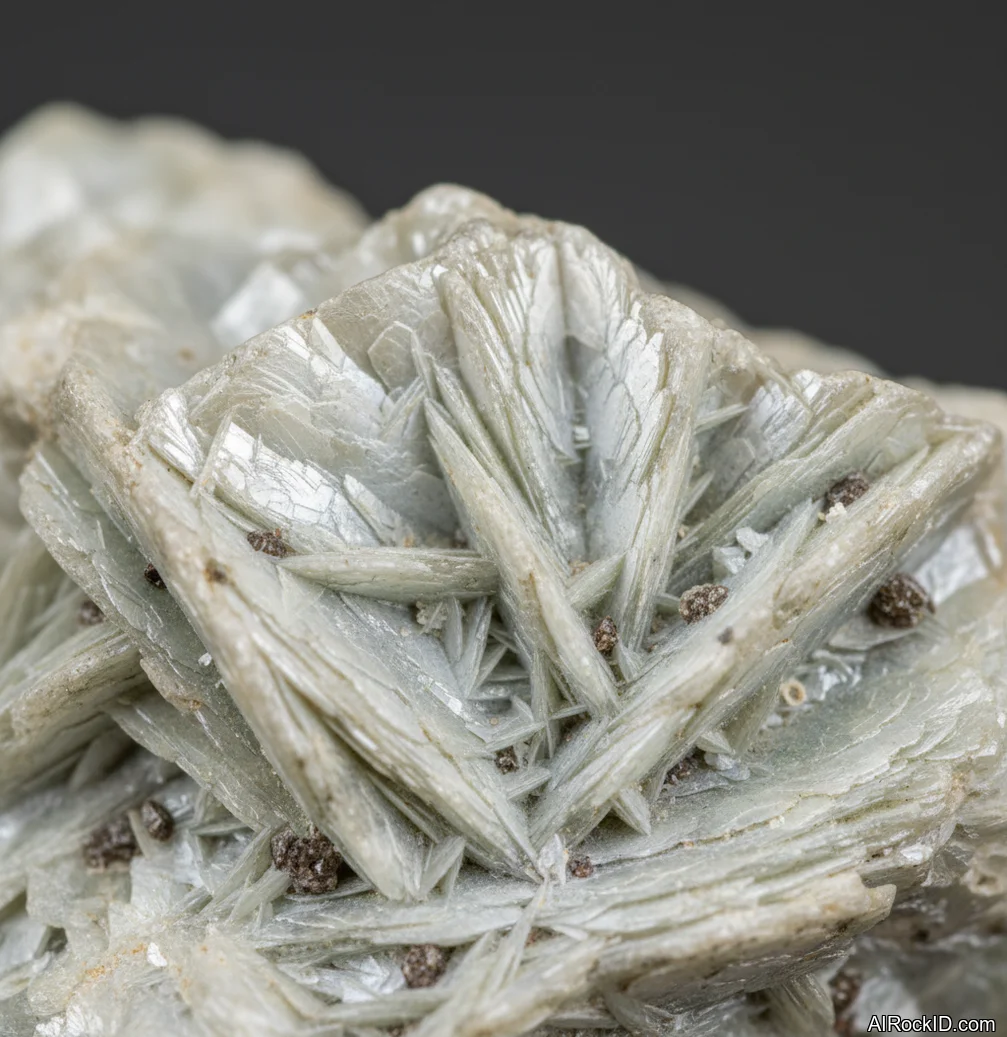
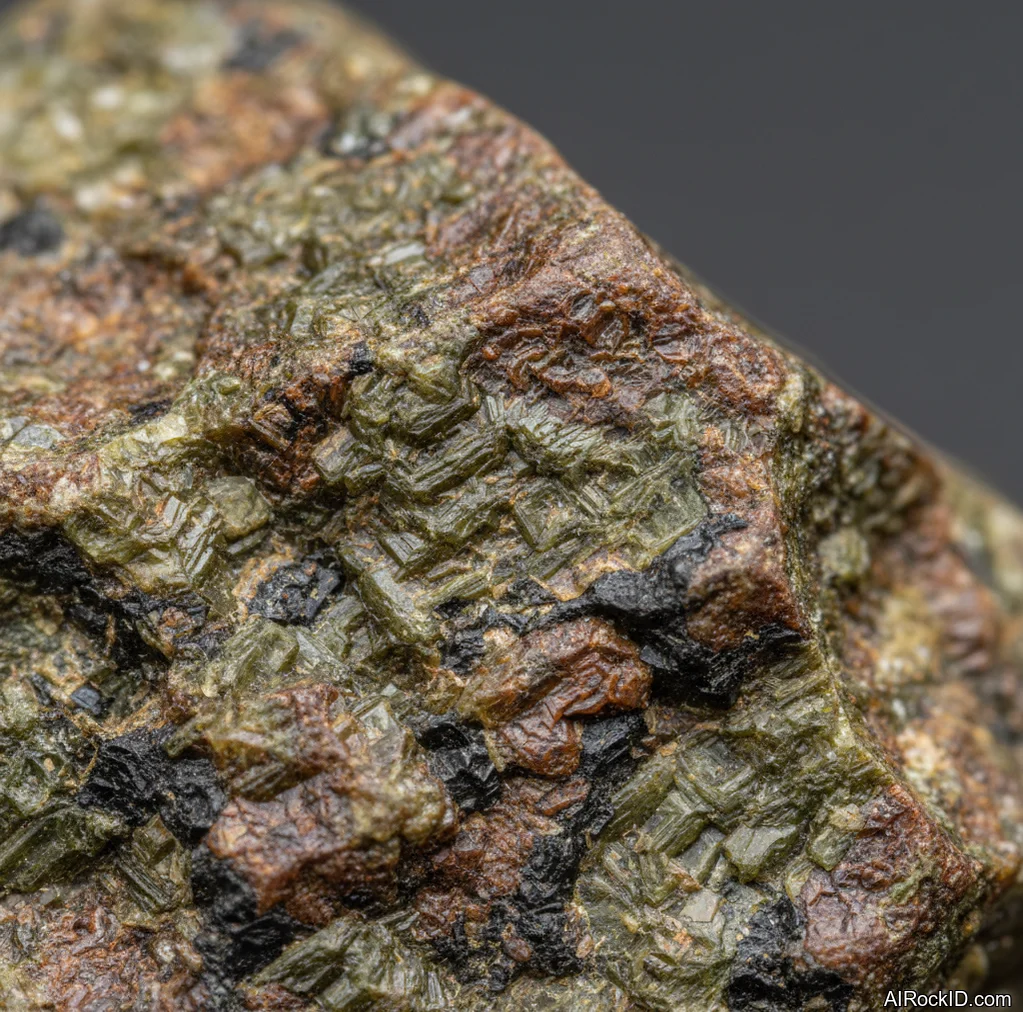
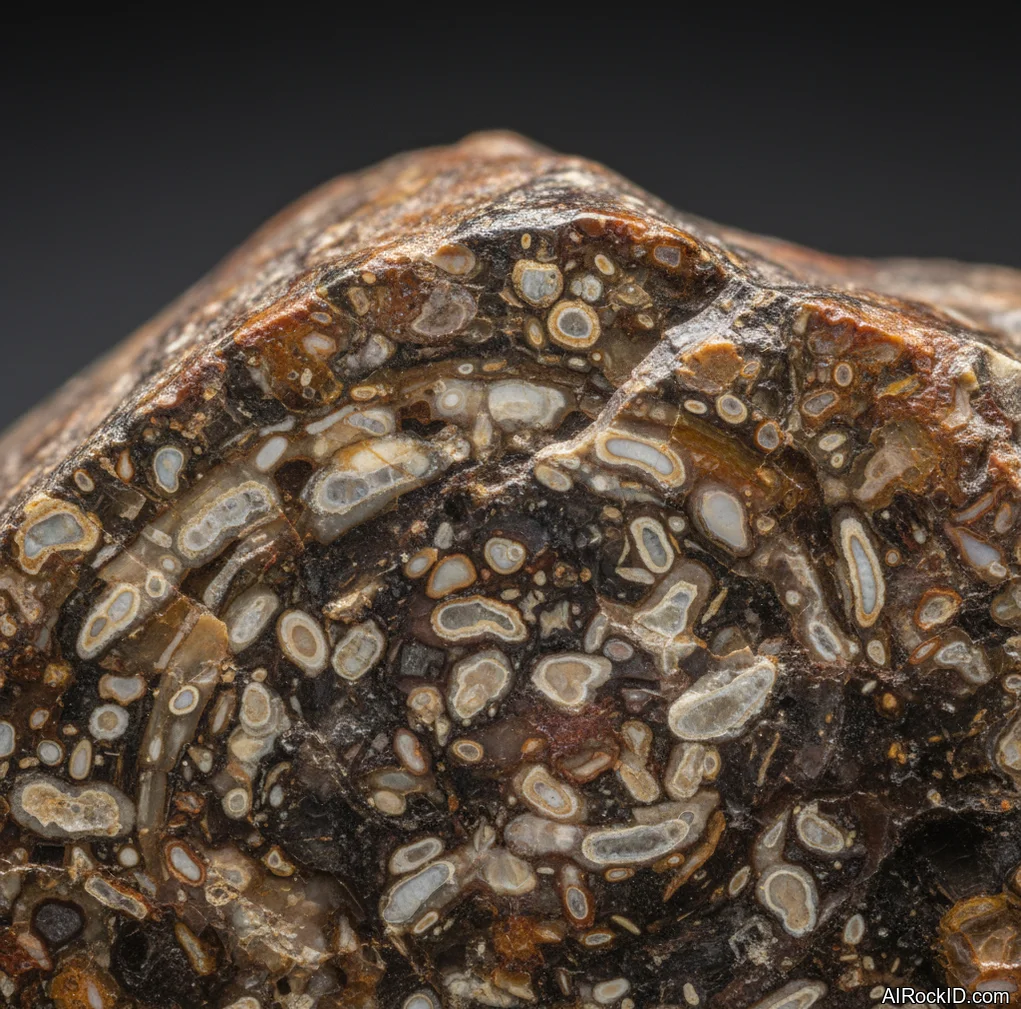
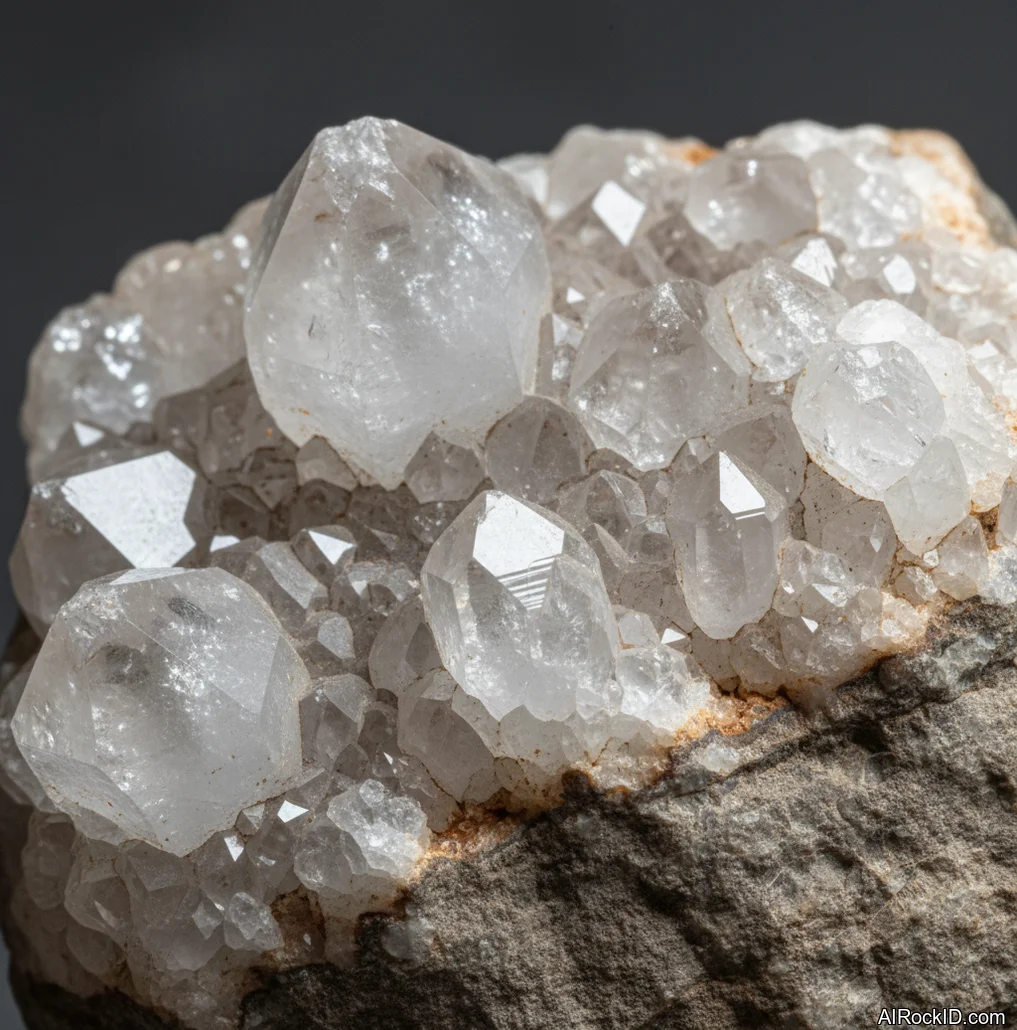
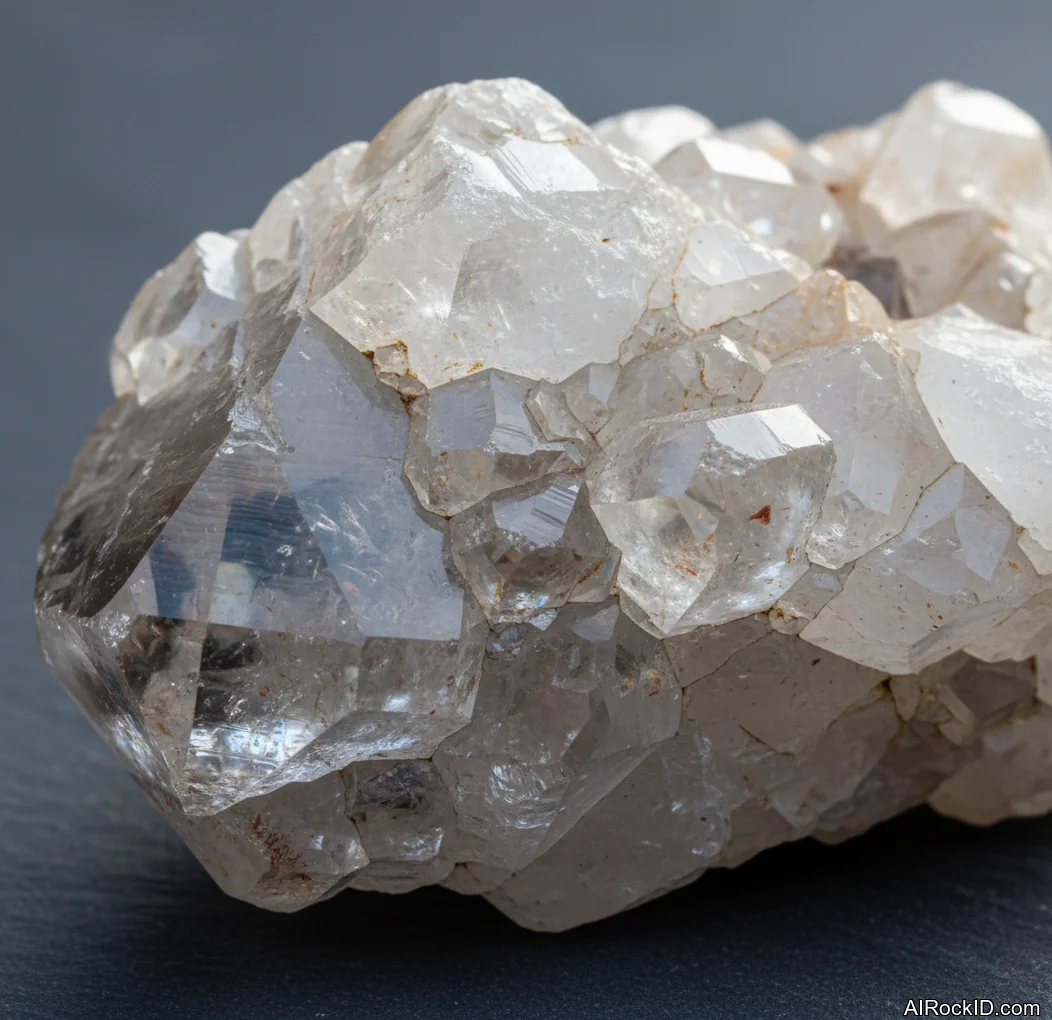
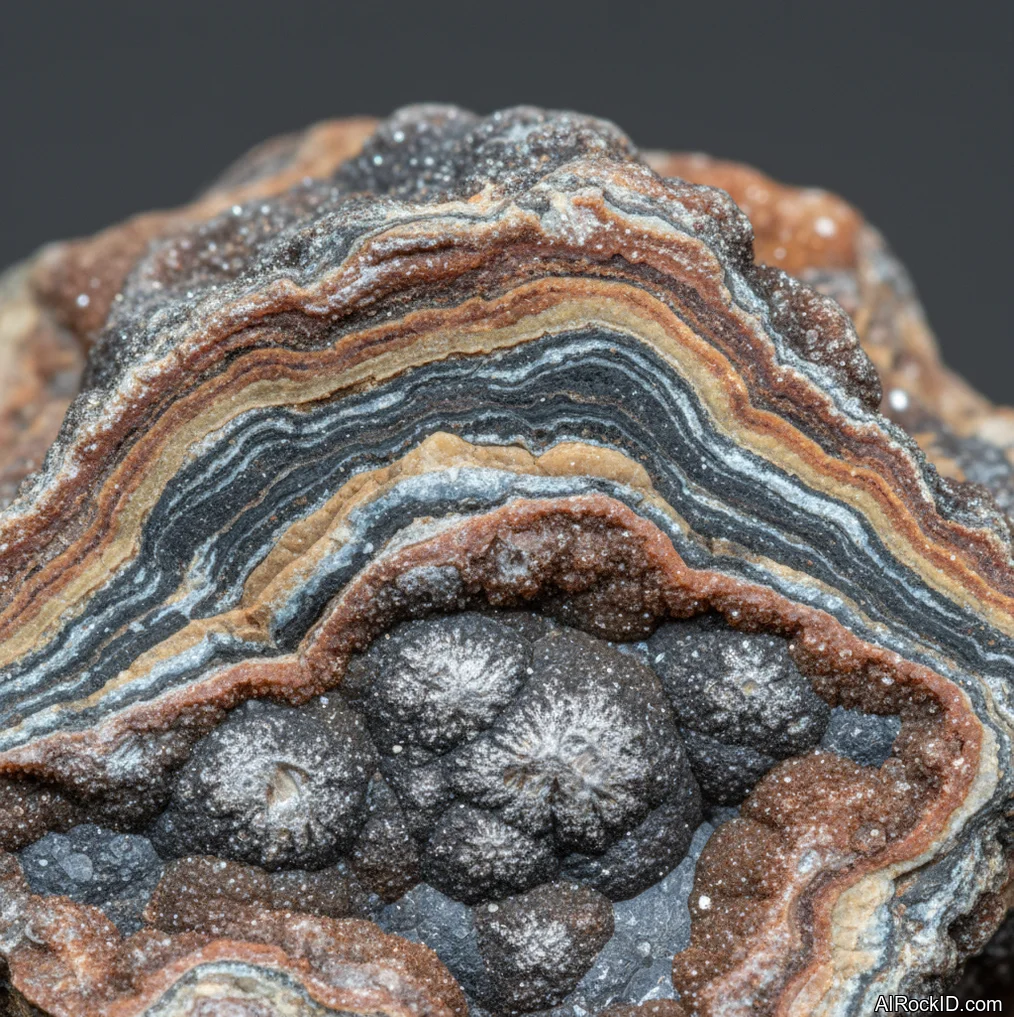
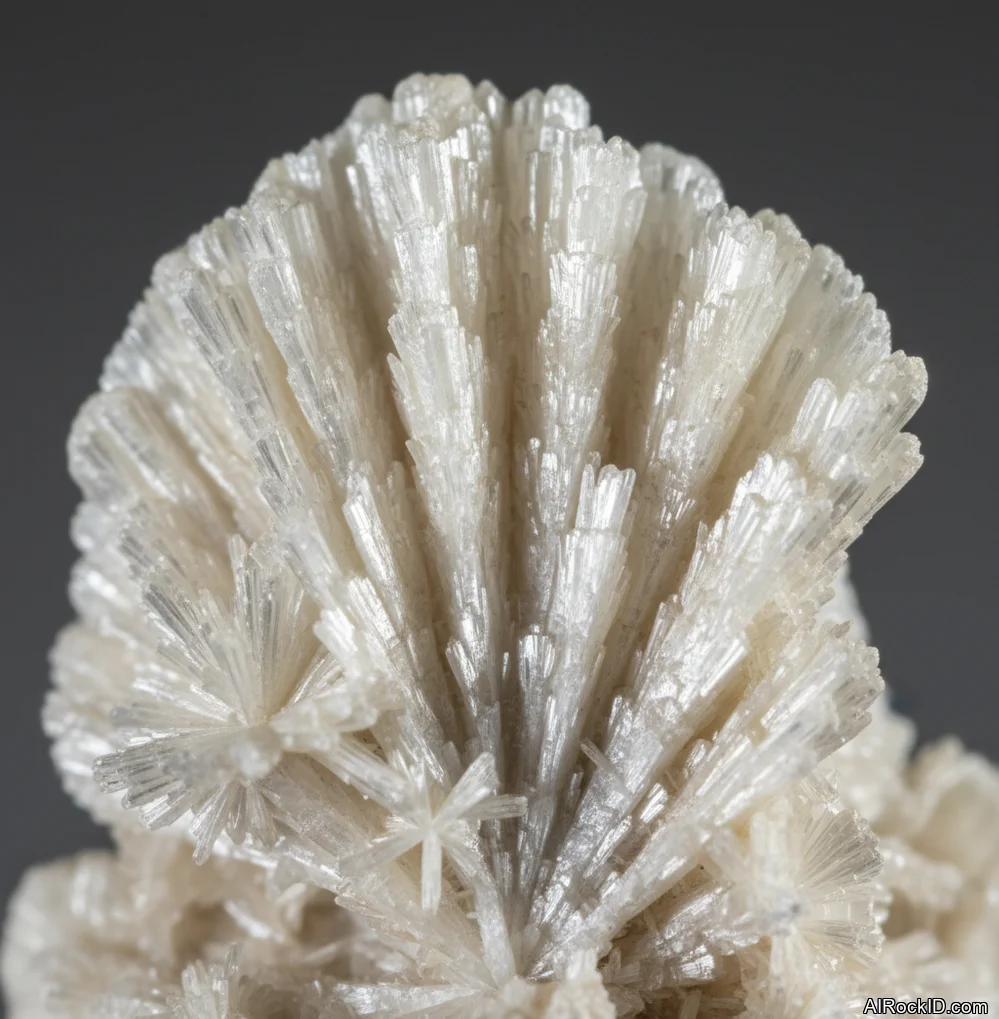
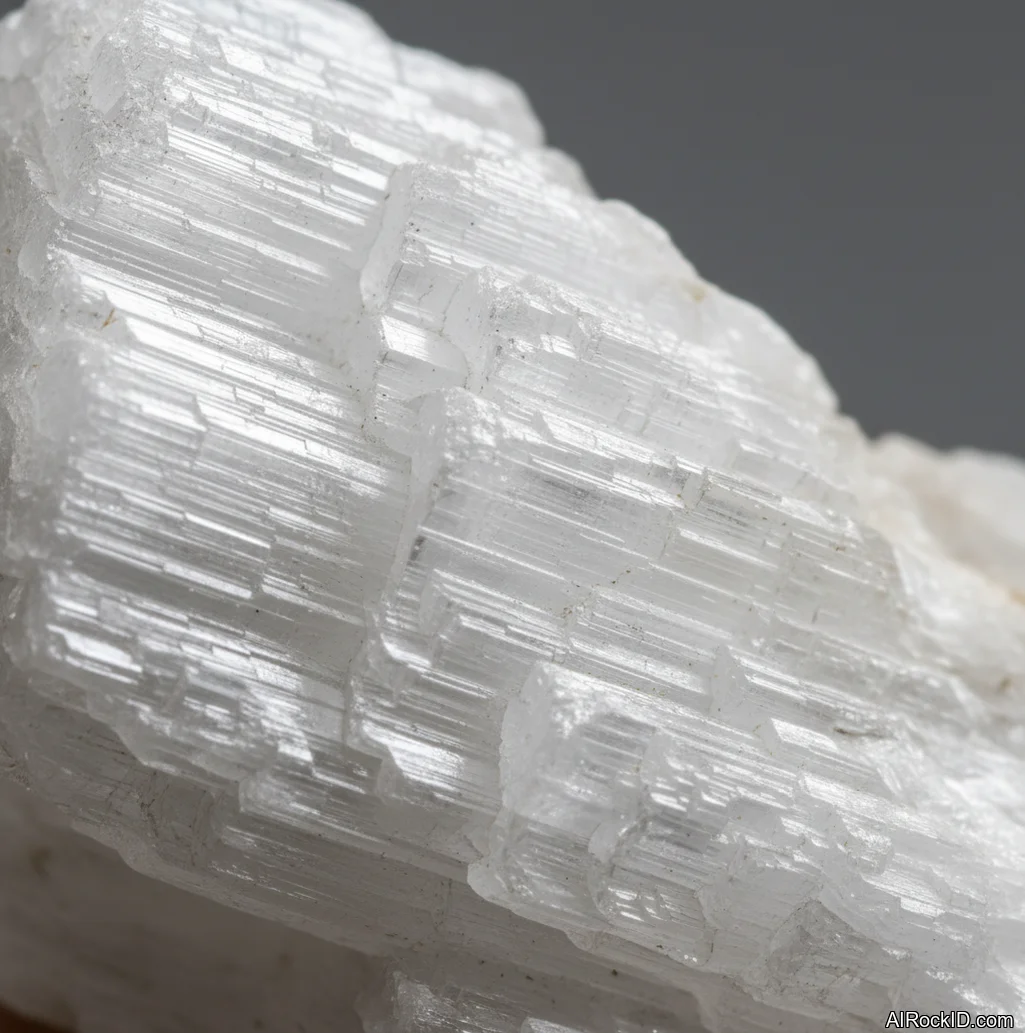
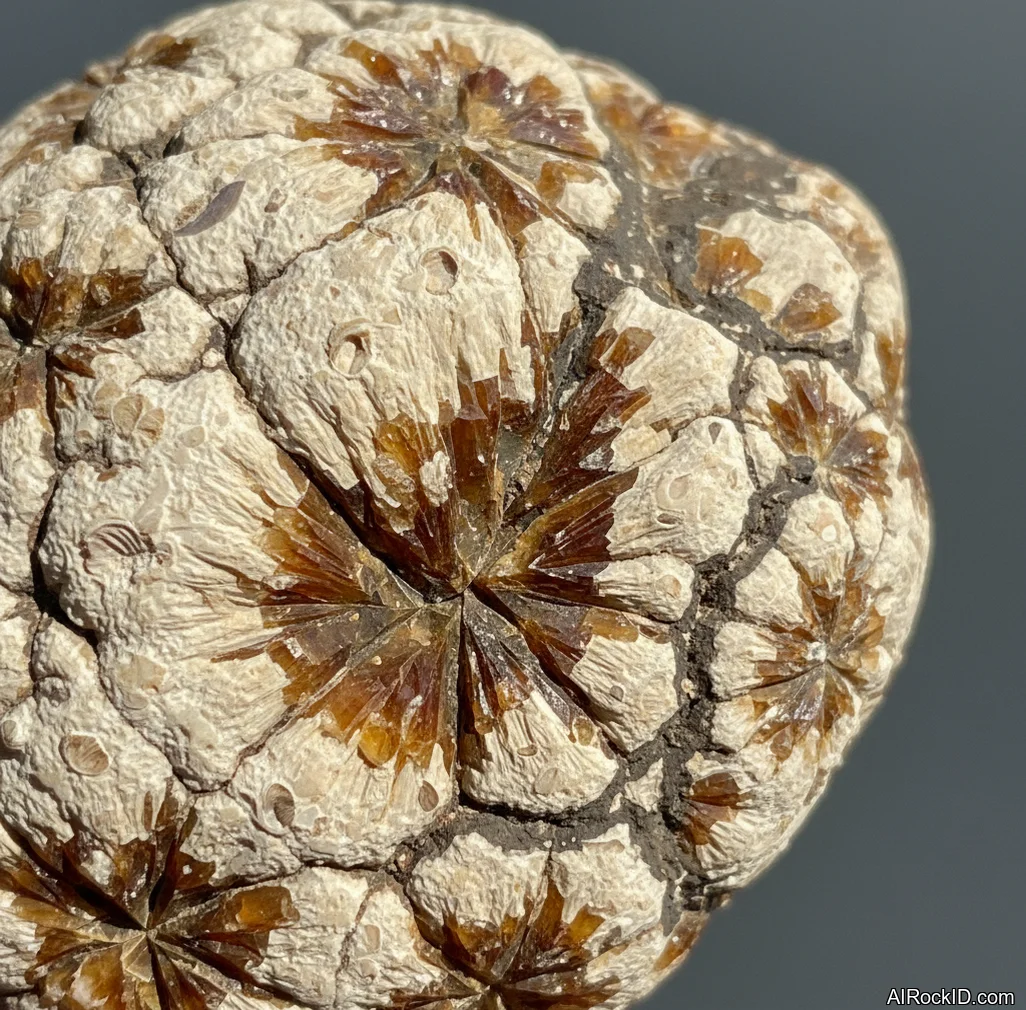
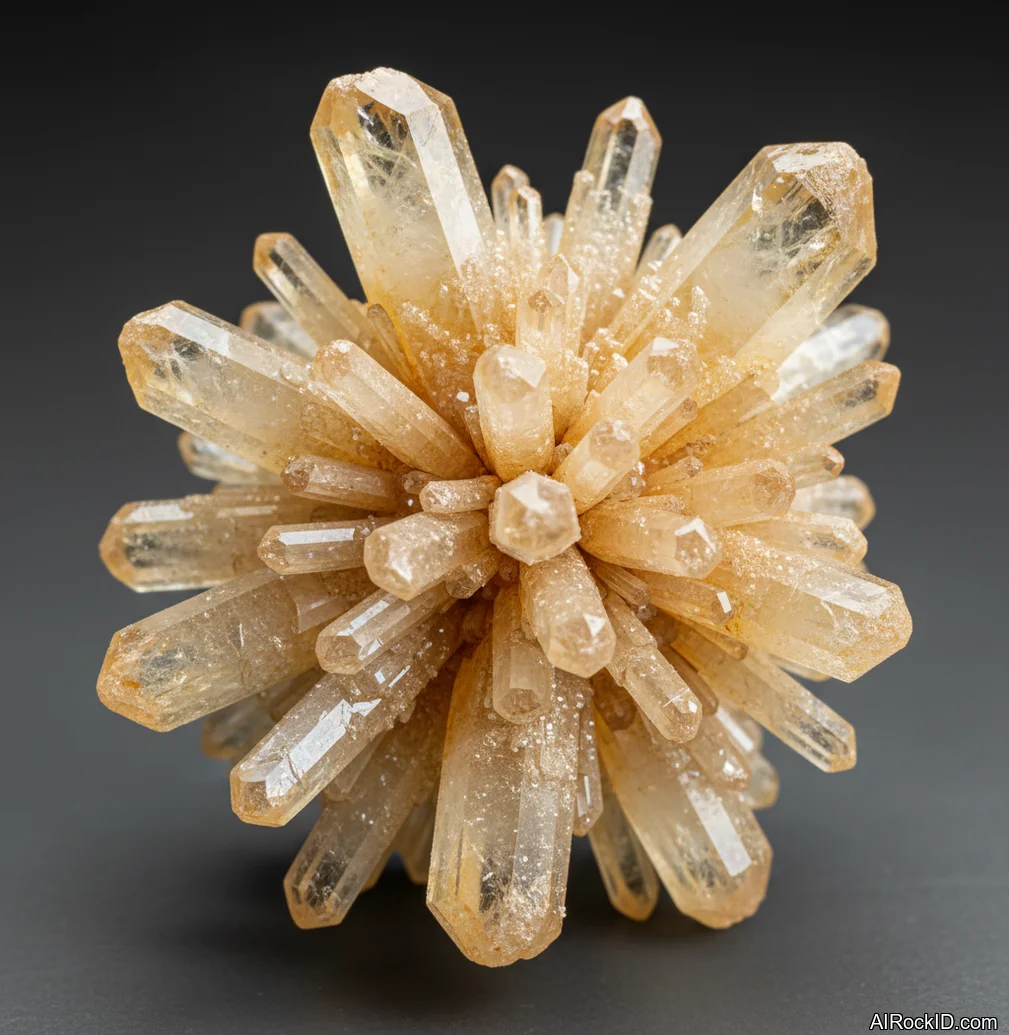
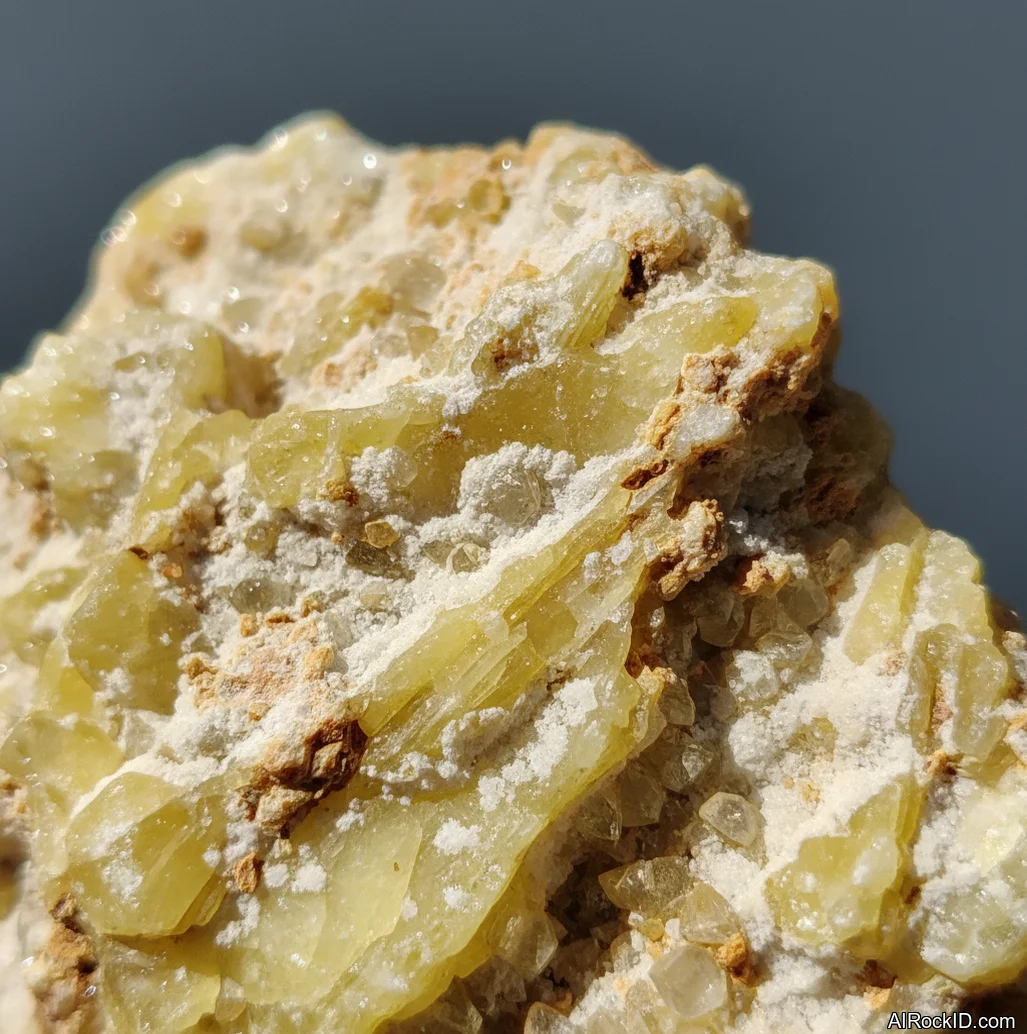
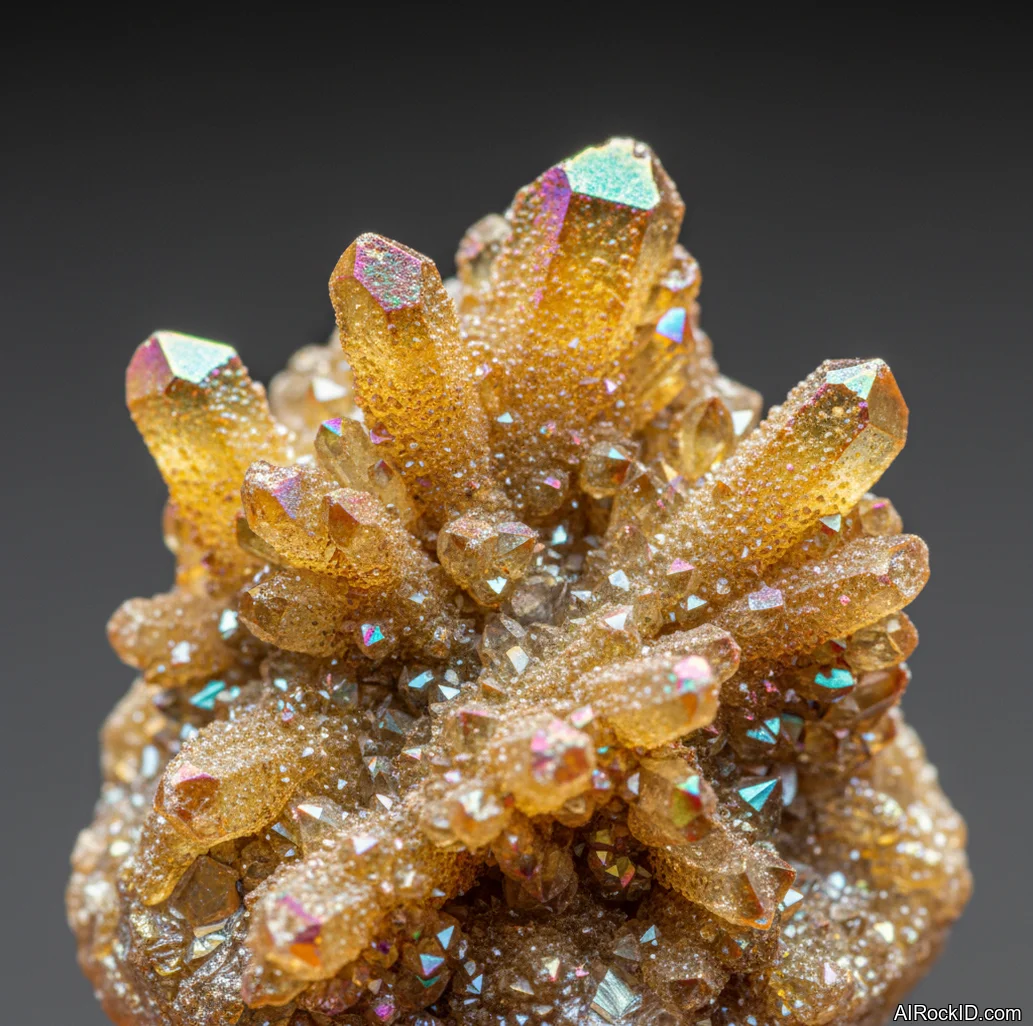
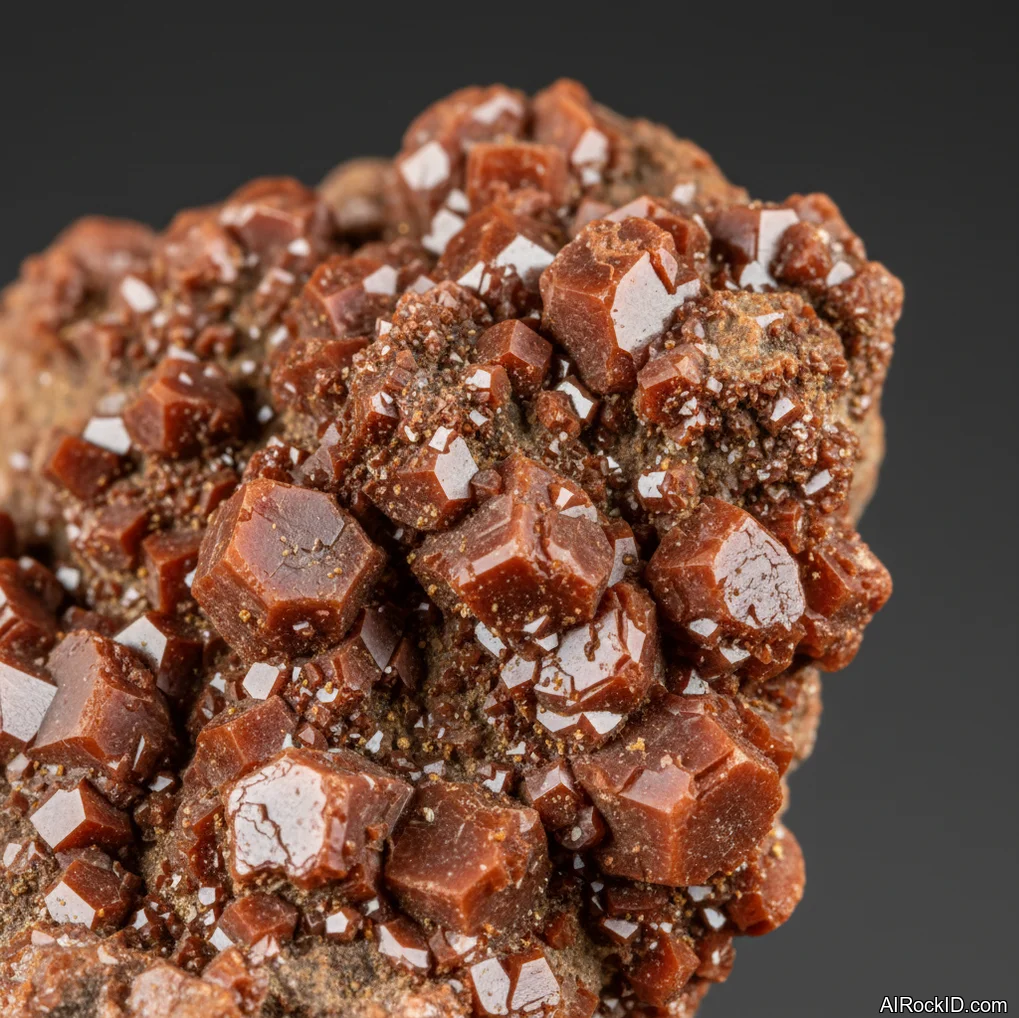
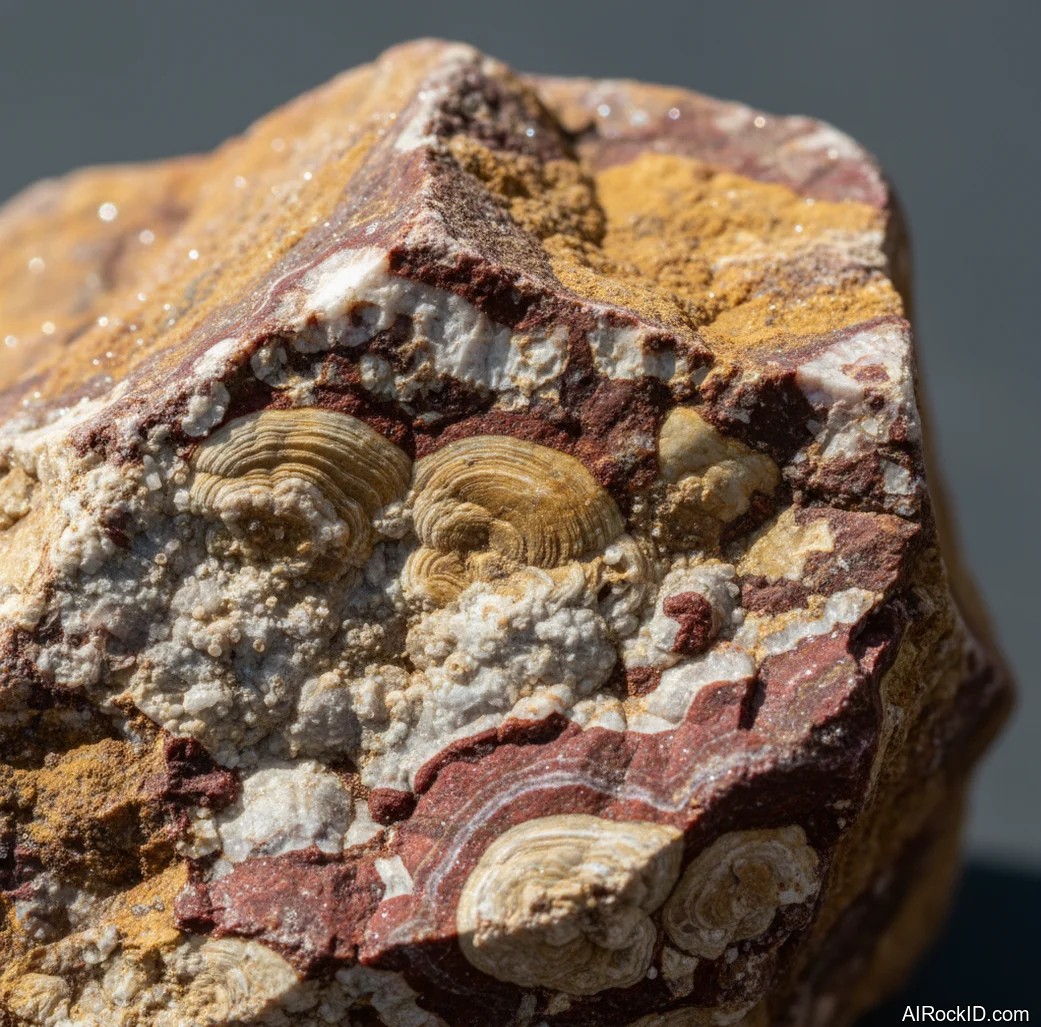
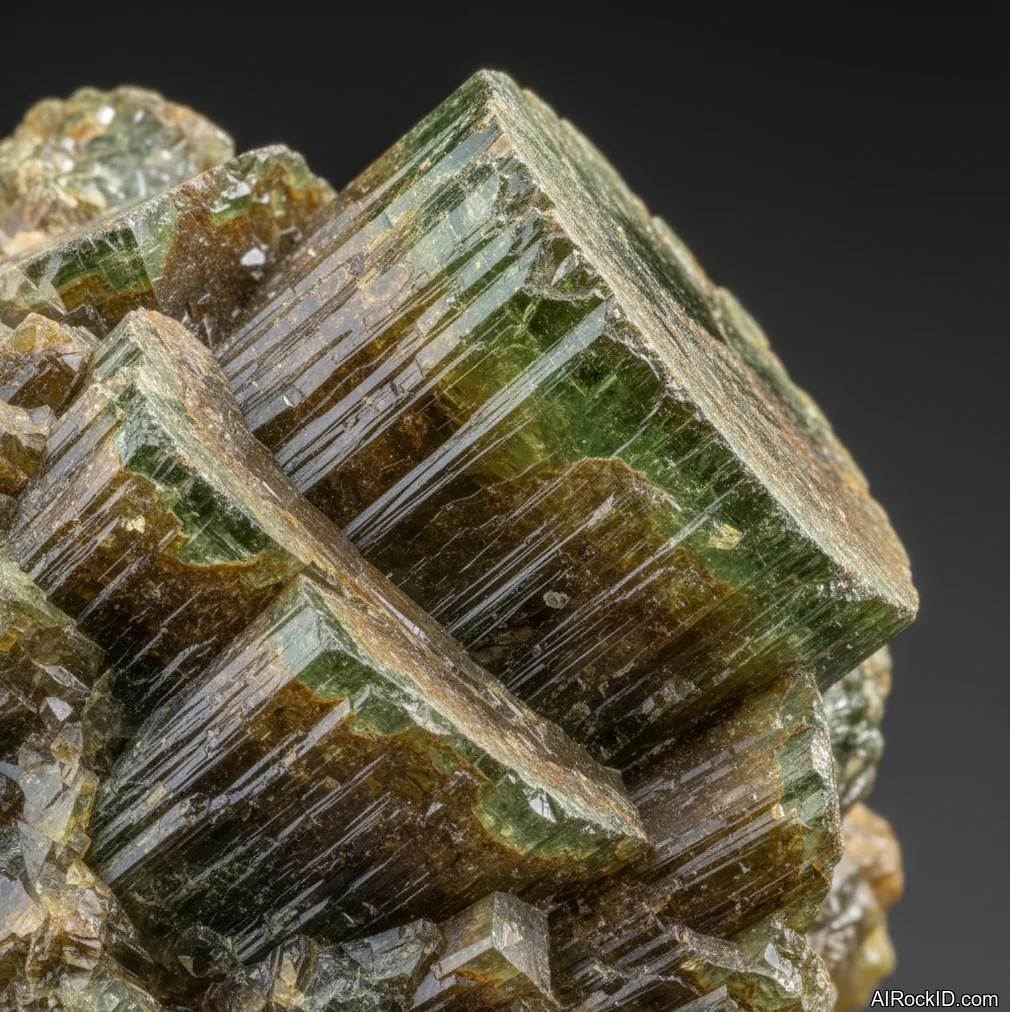
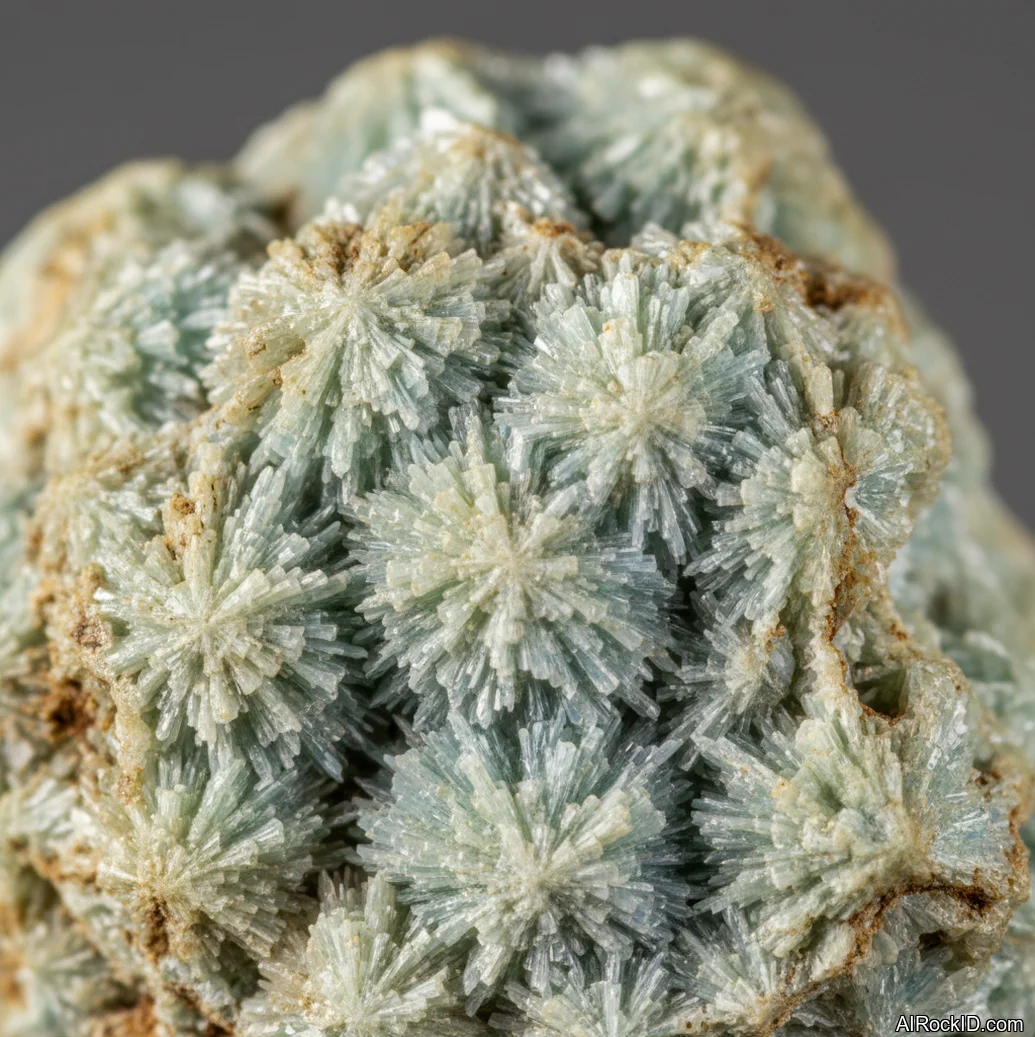
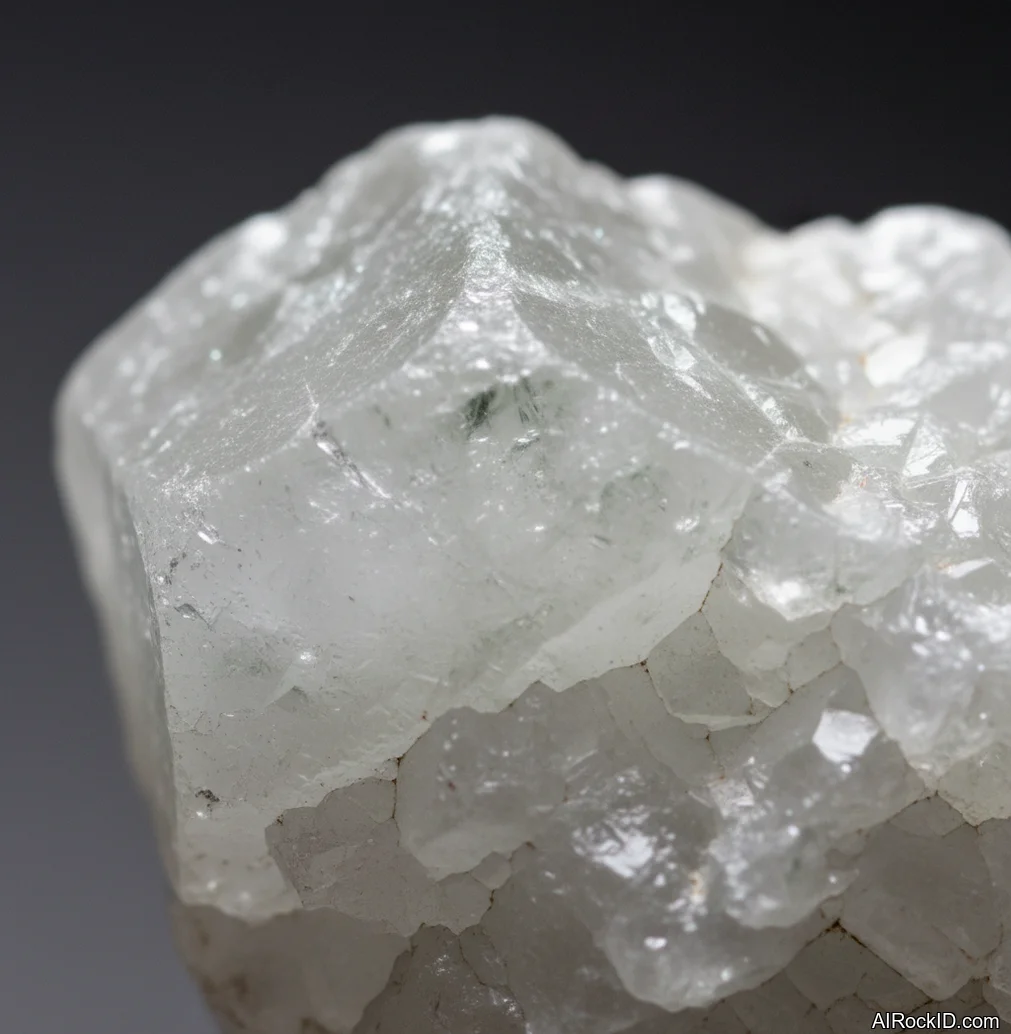
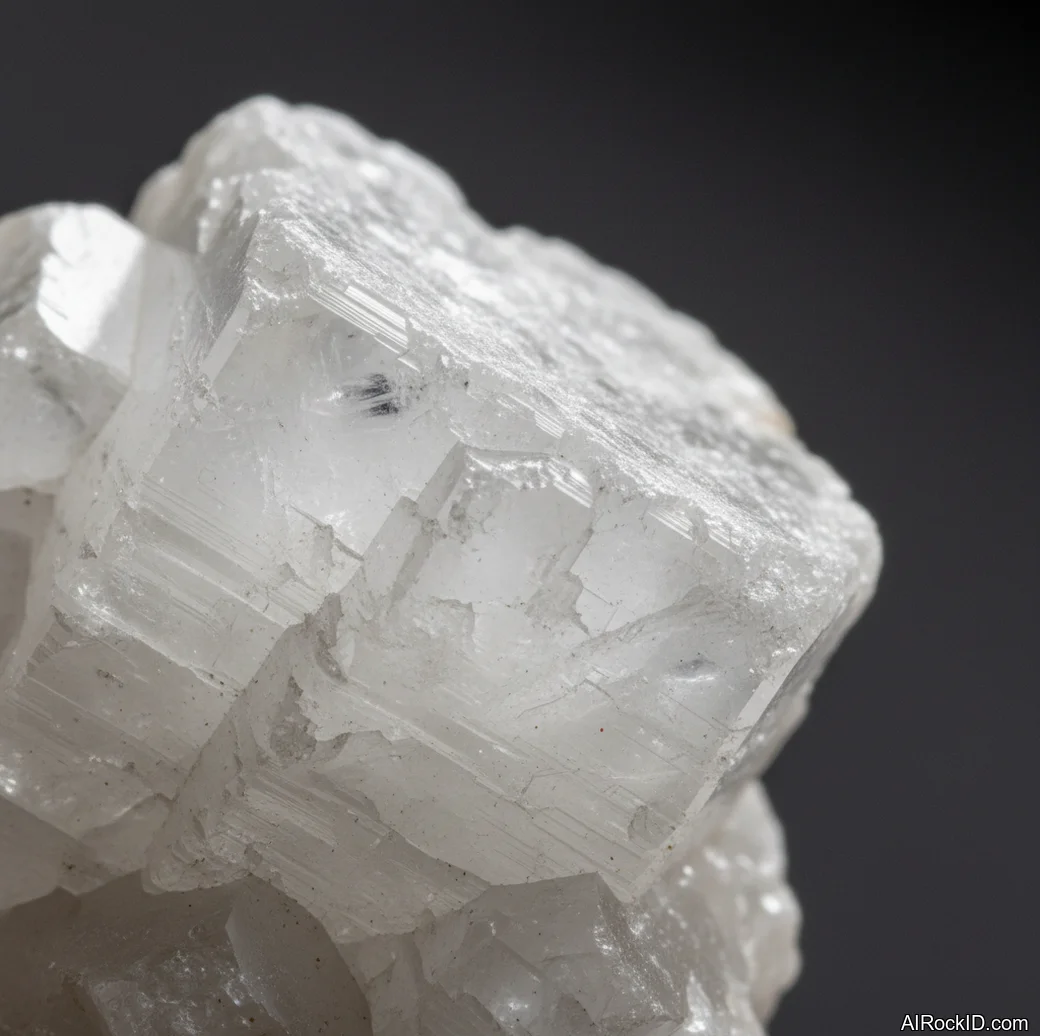
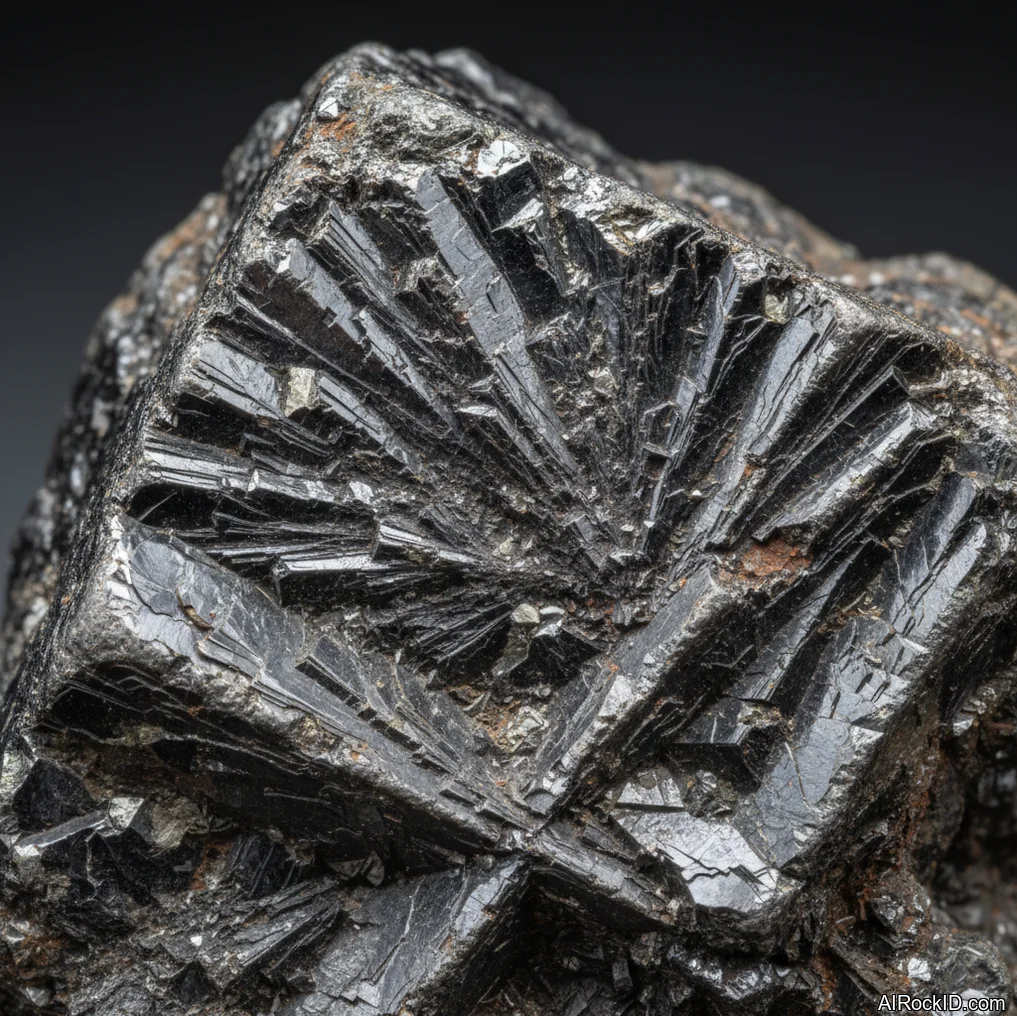
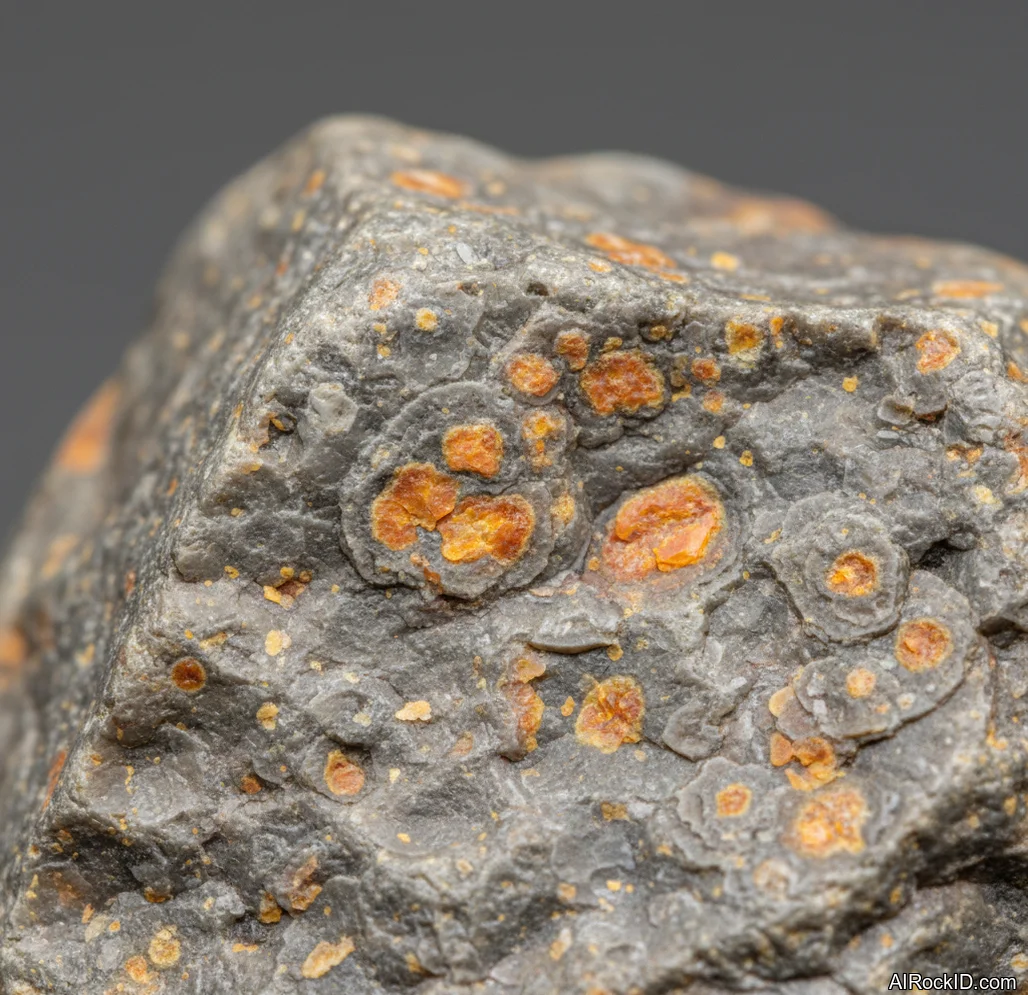
- Moldavite
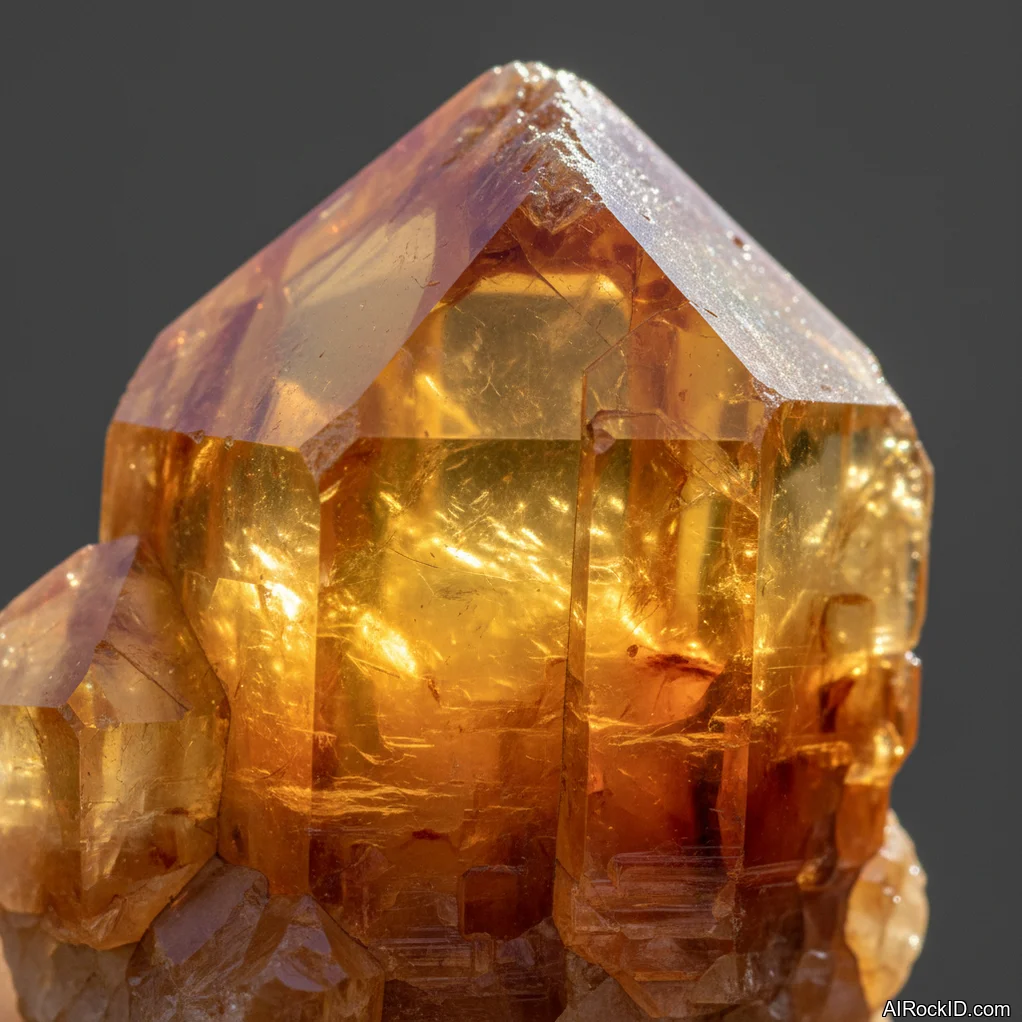
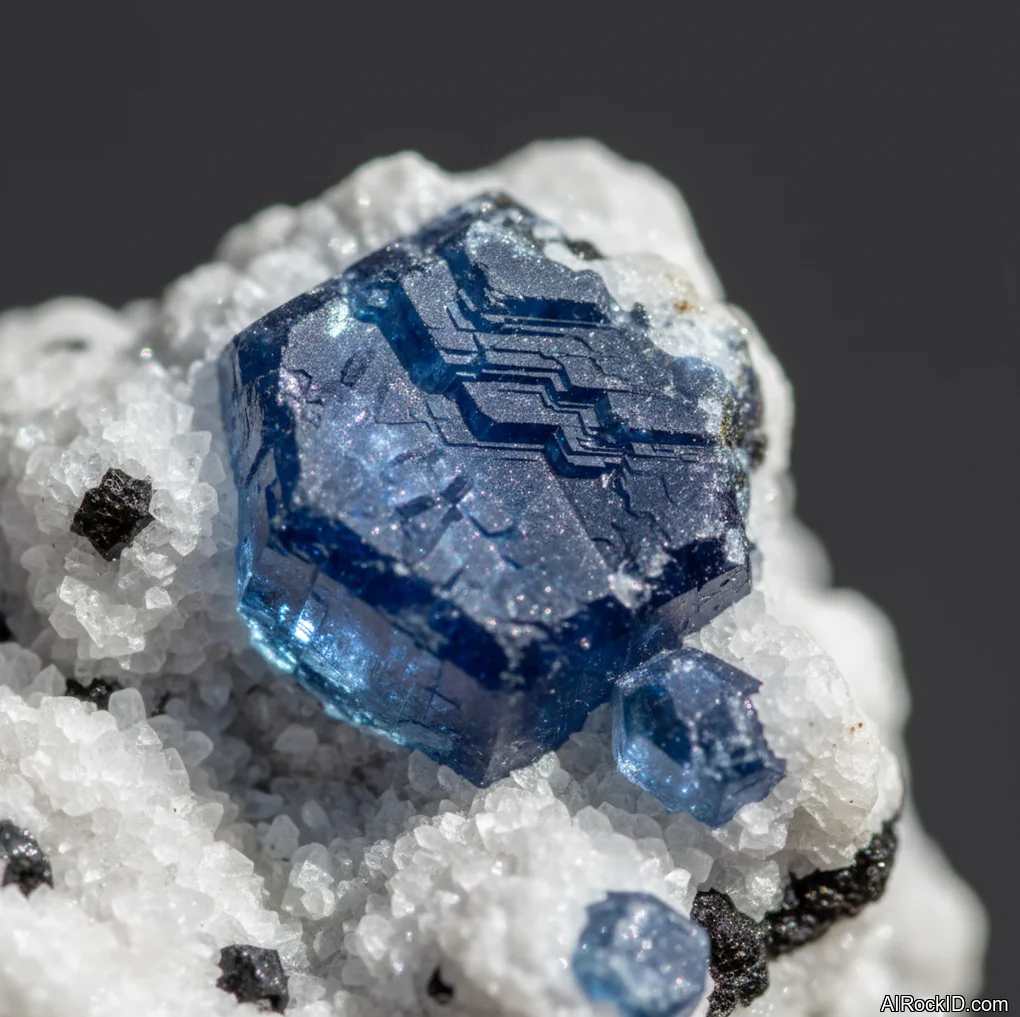
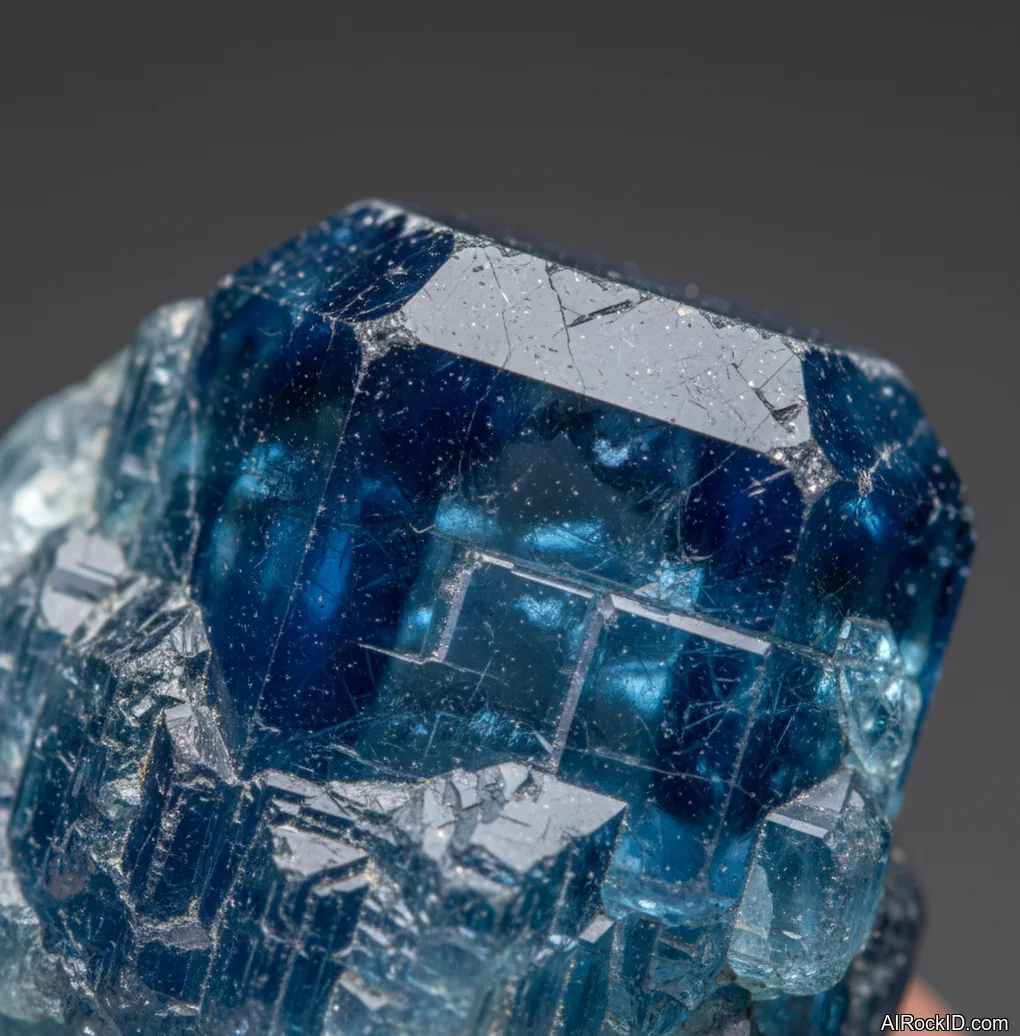
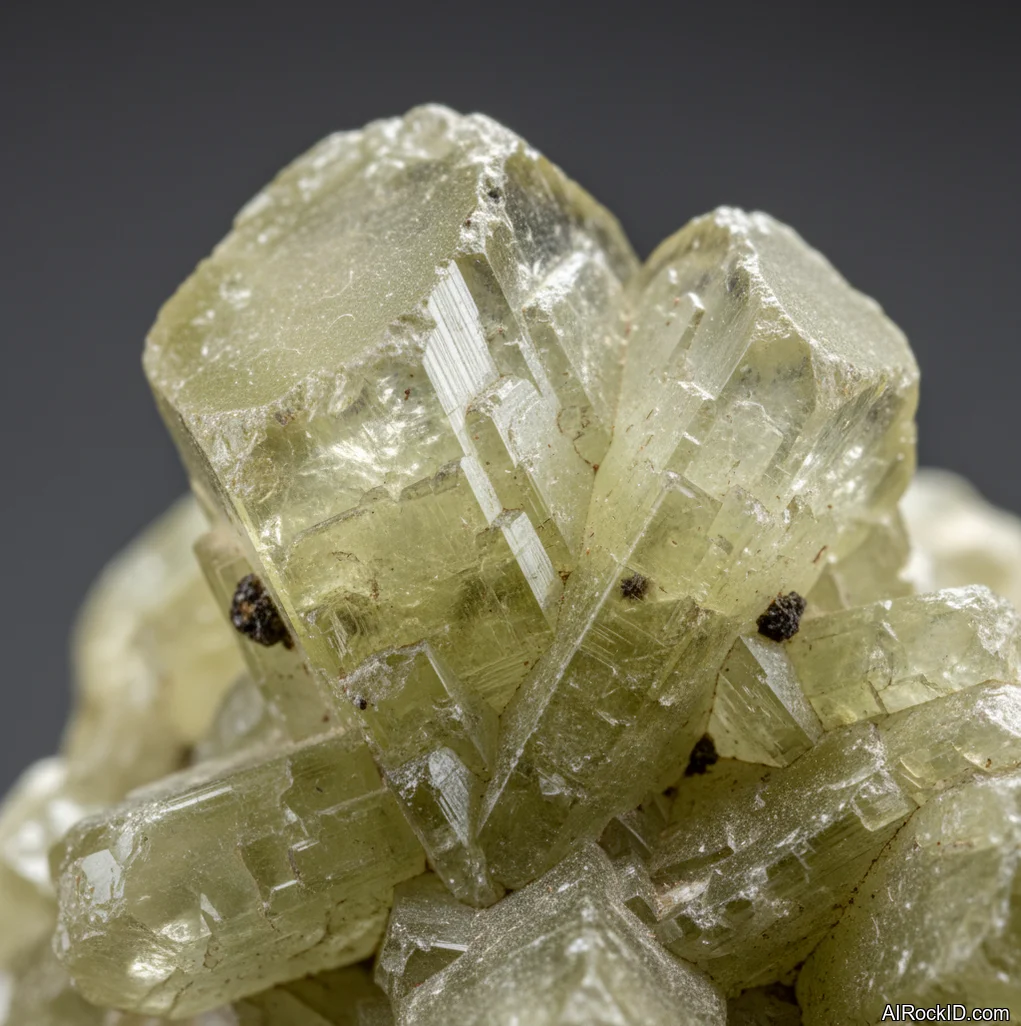
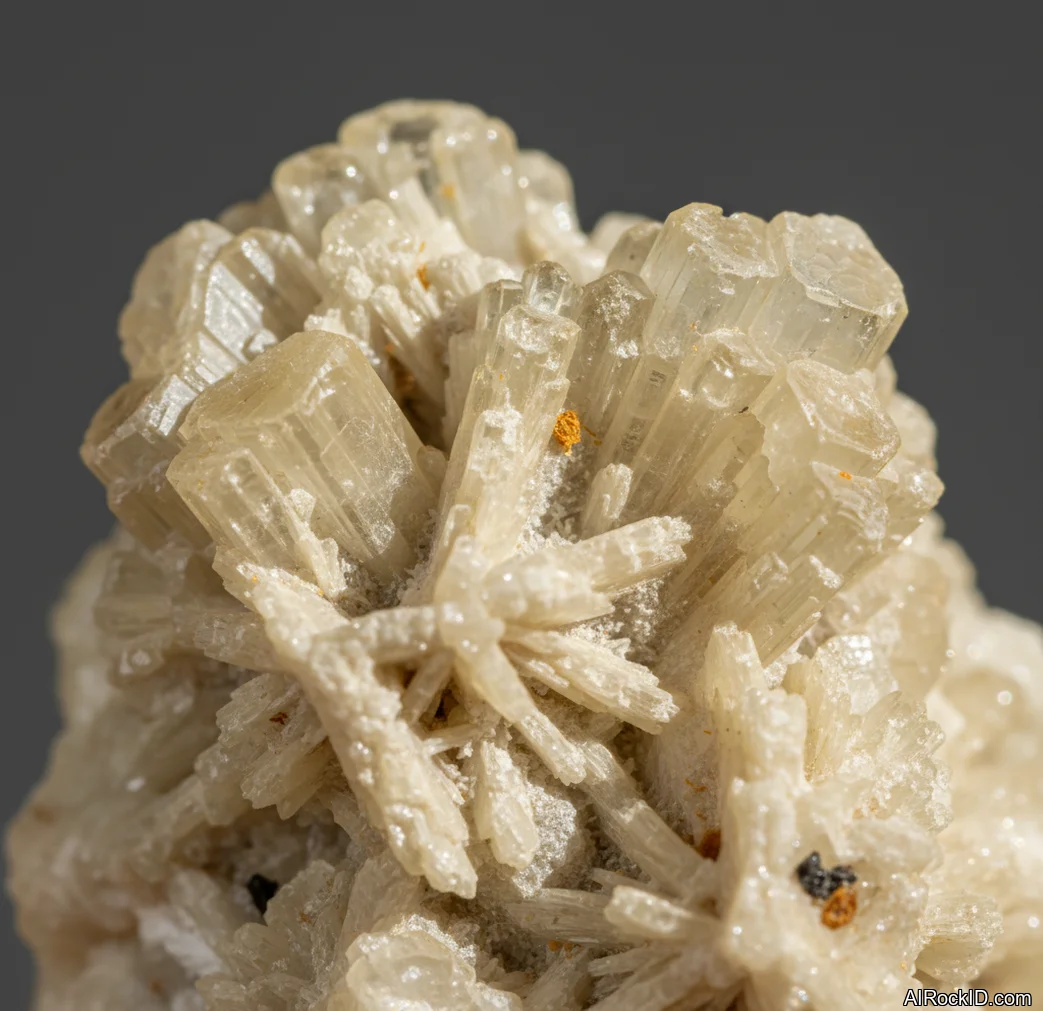
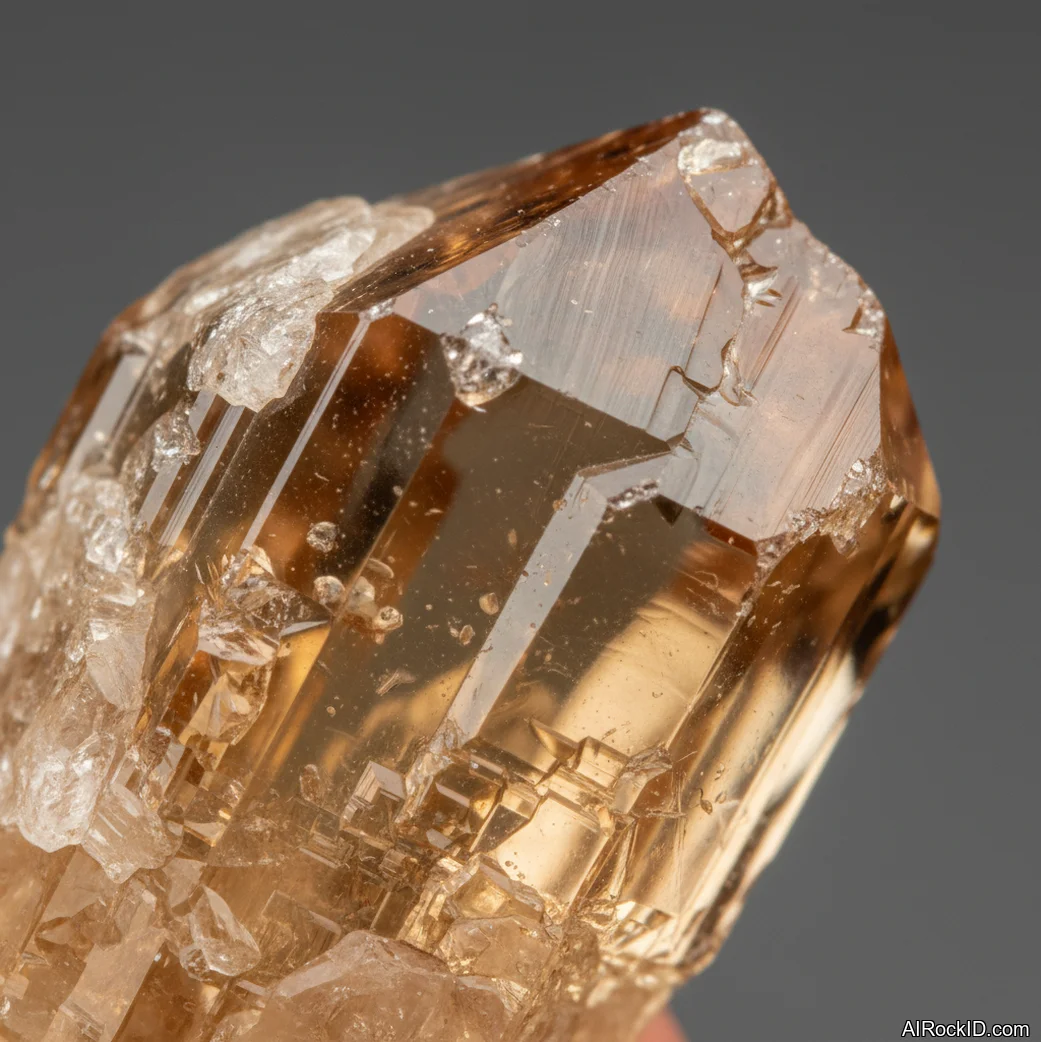
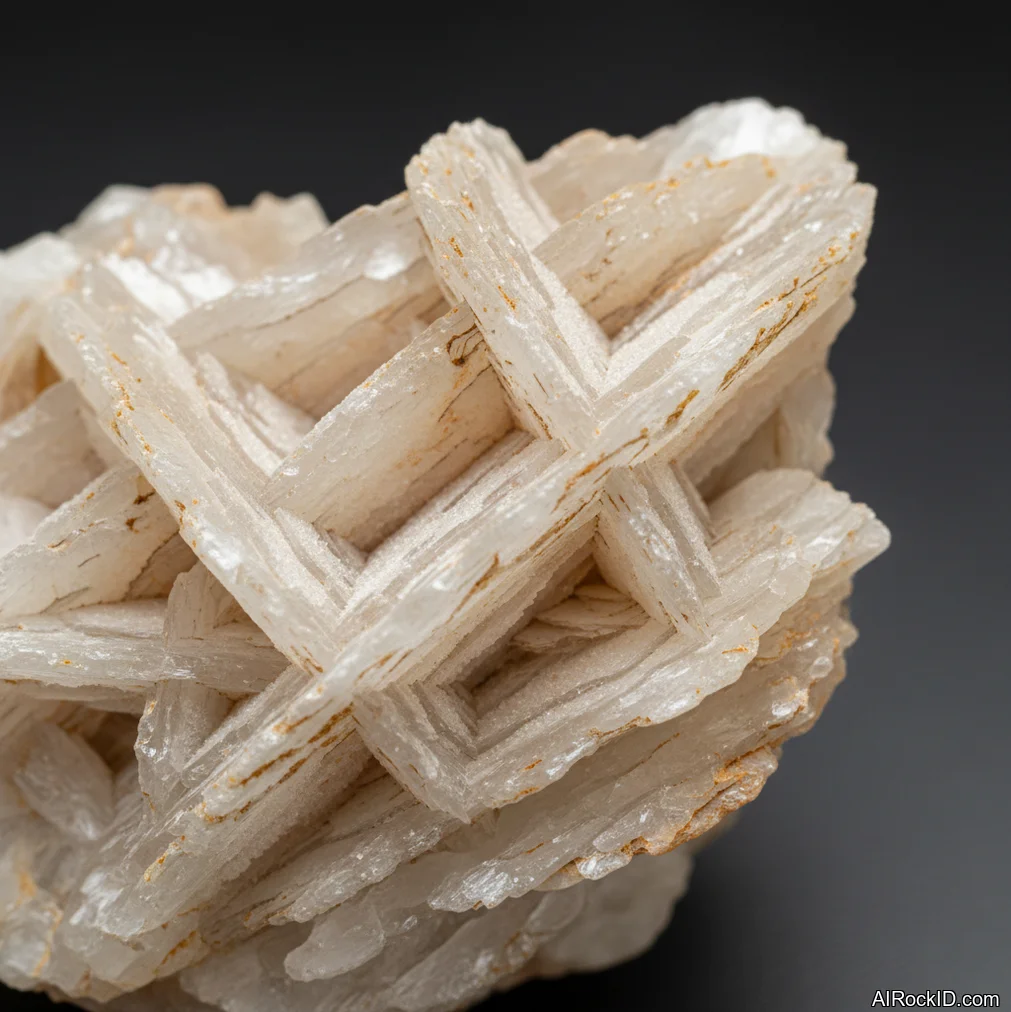
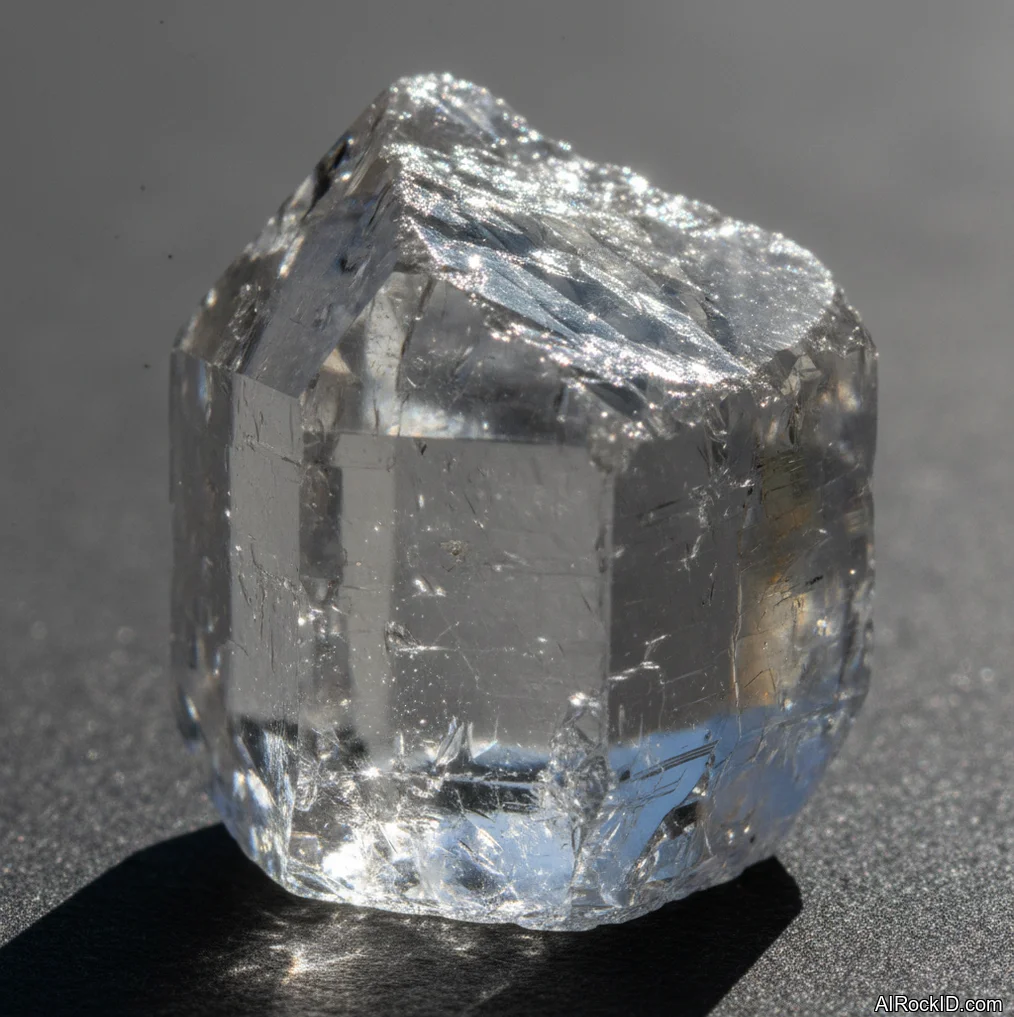
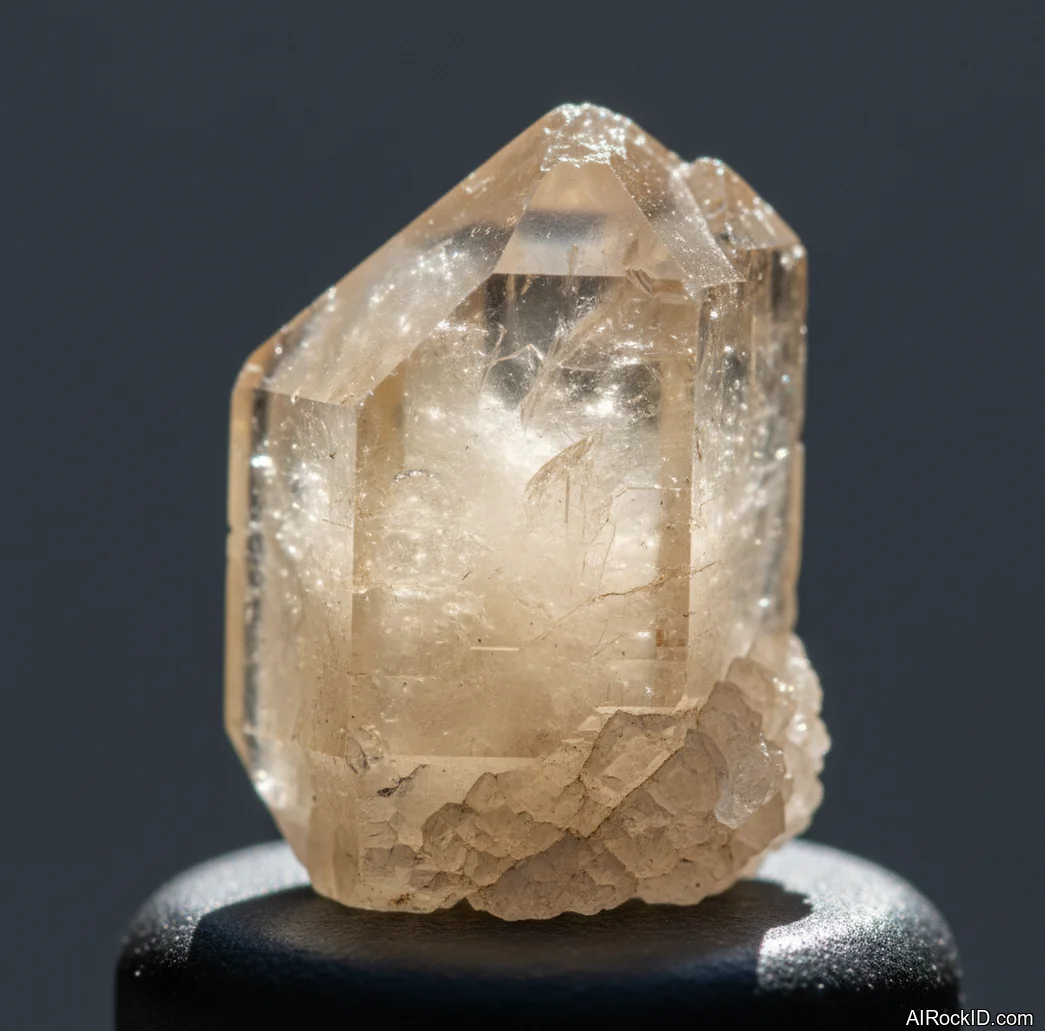
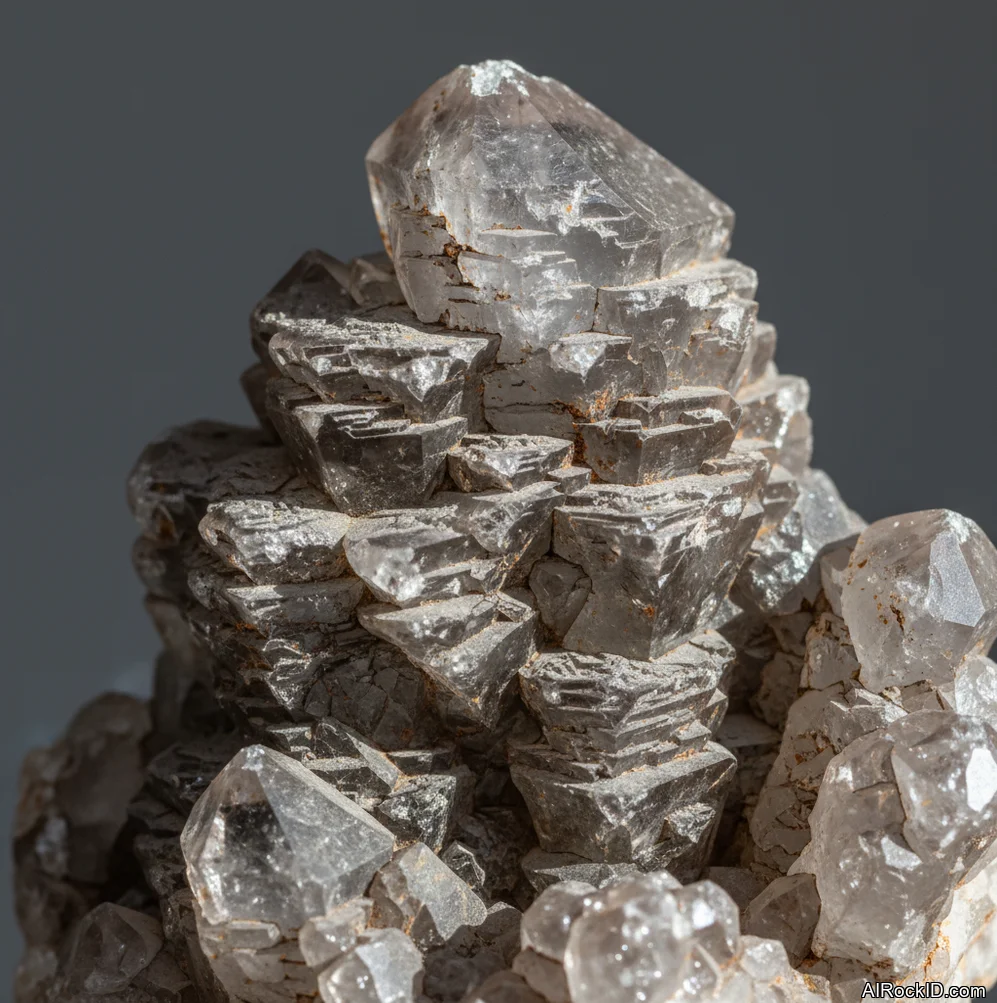
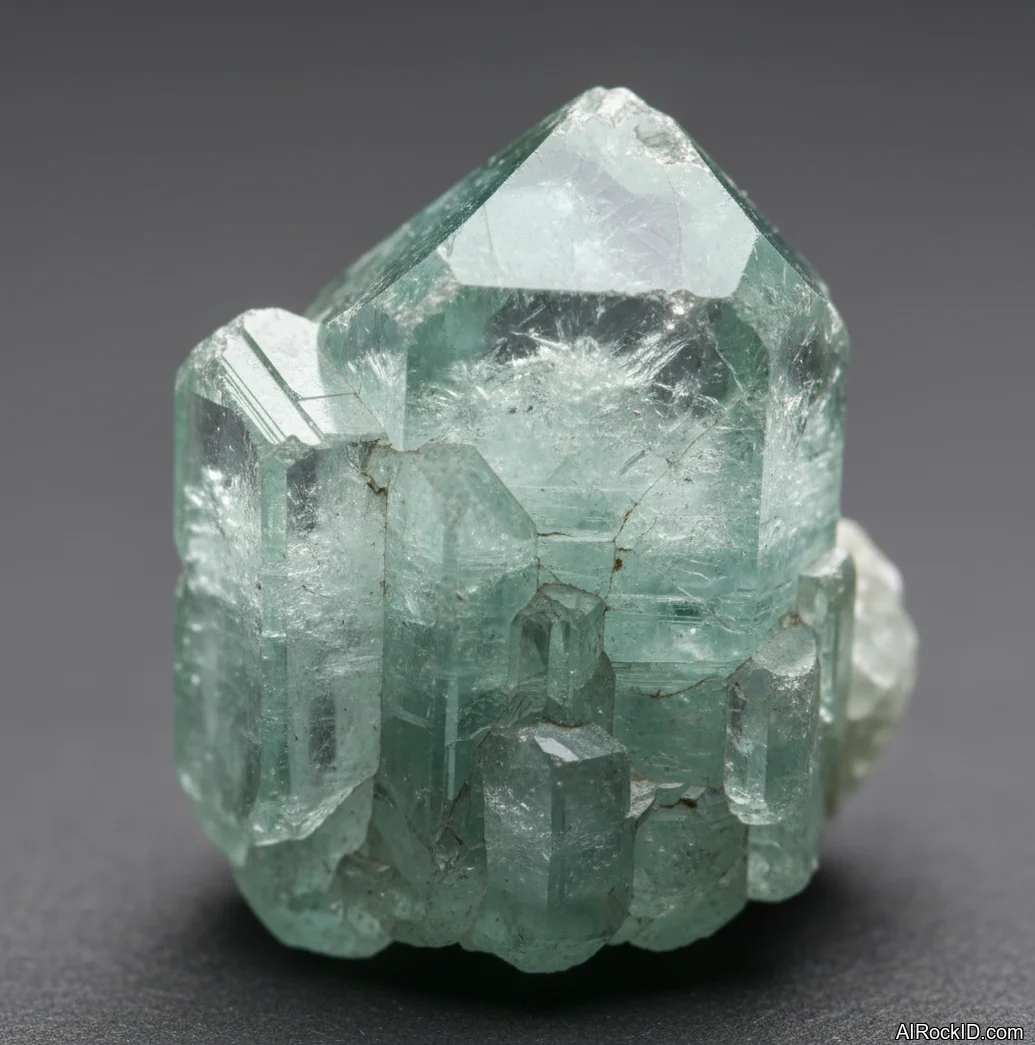
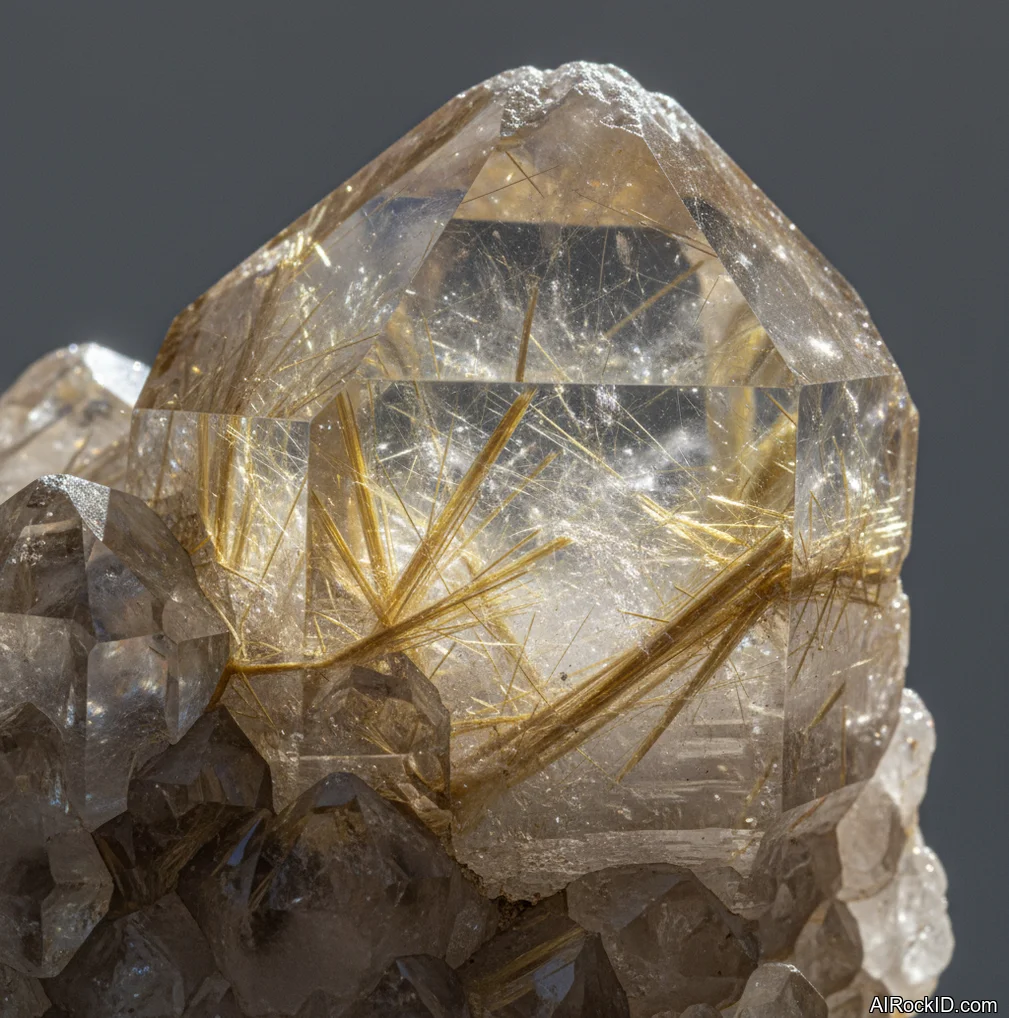
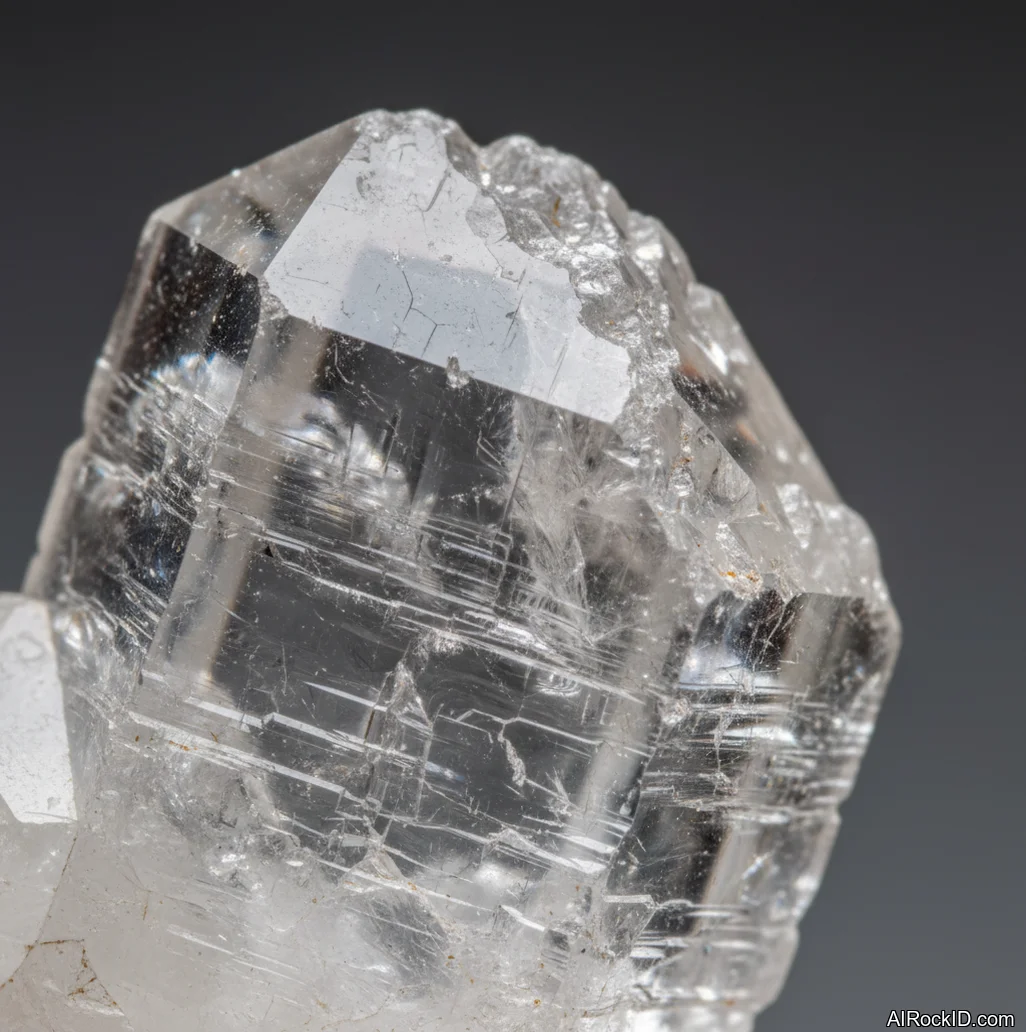
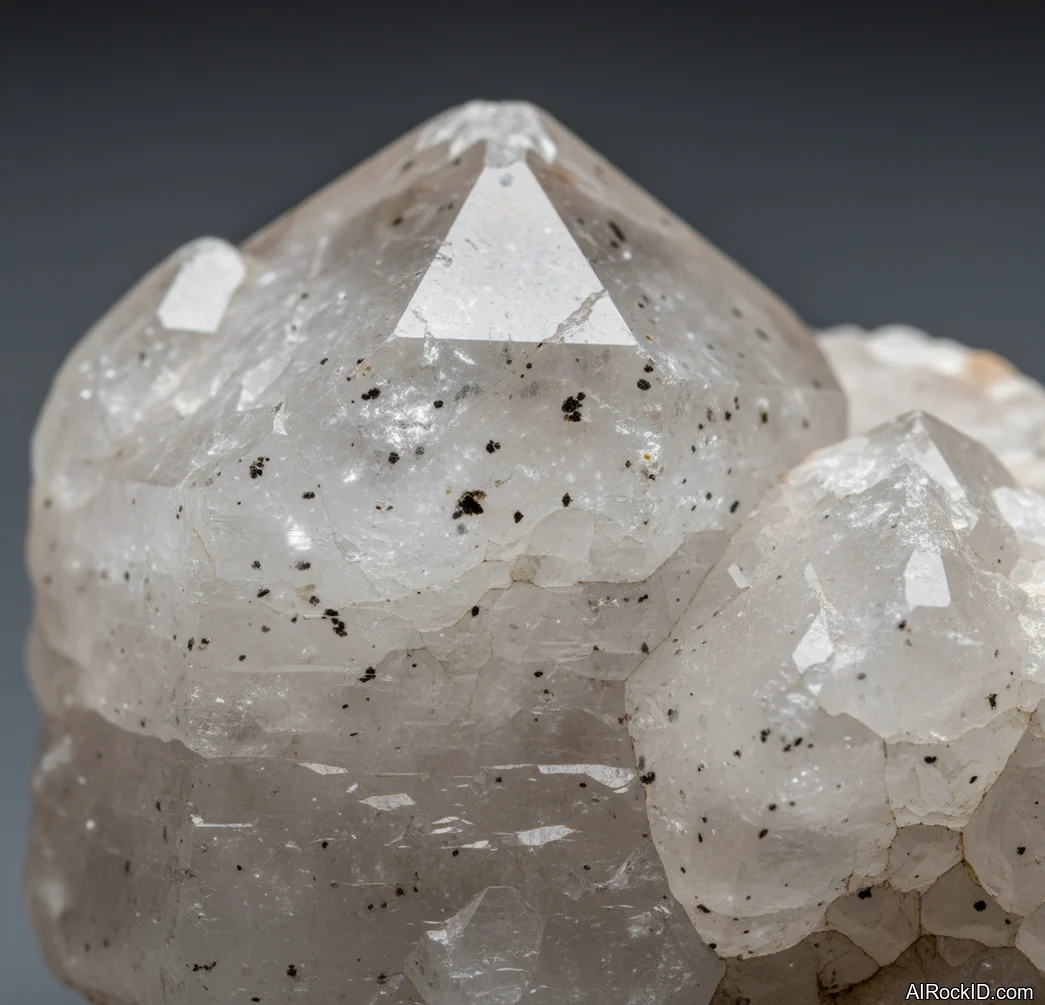
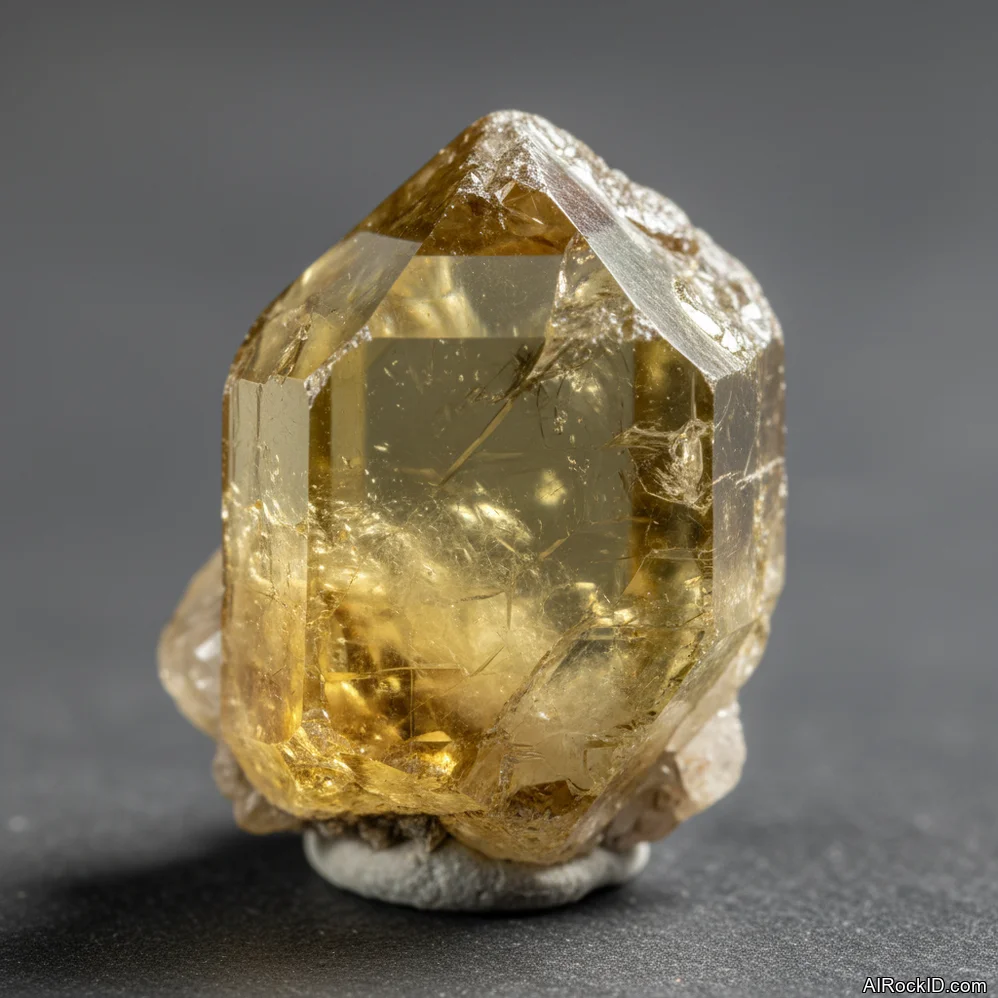
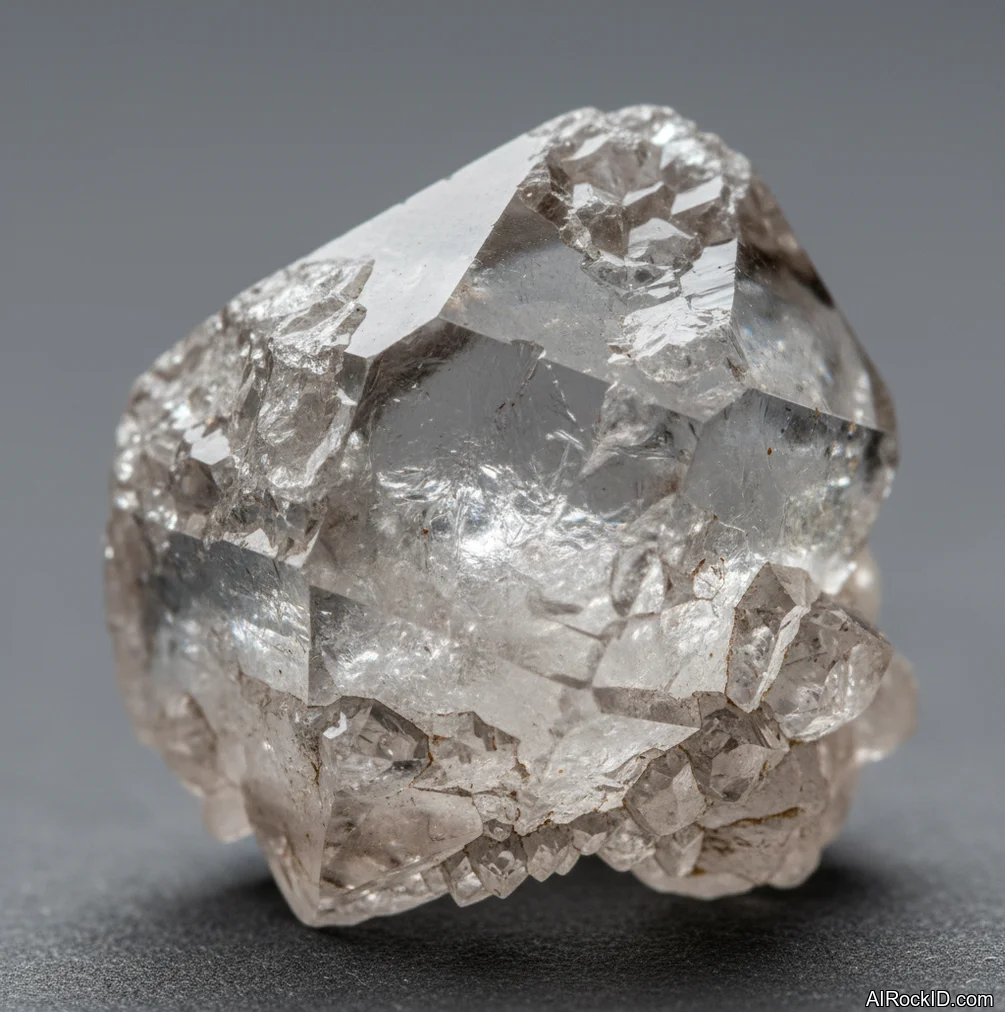
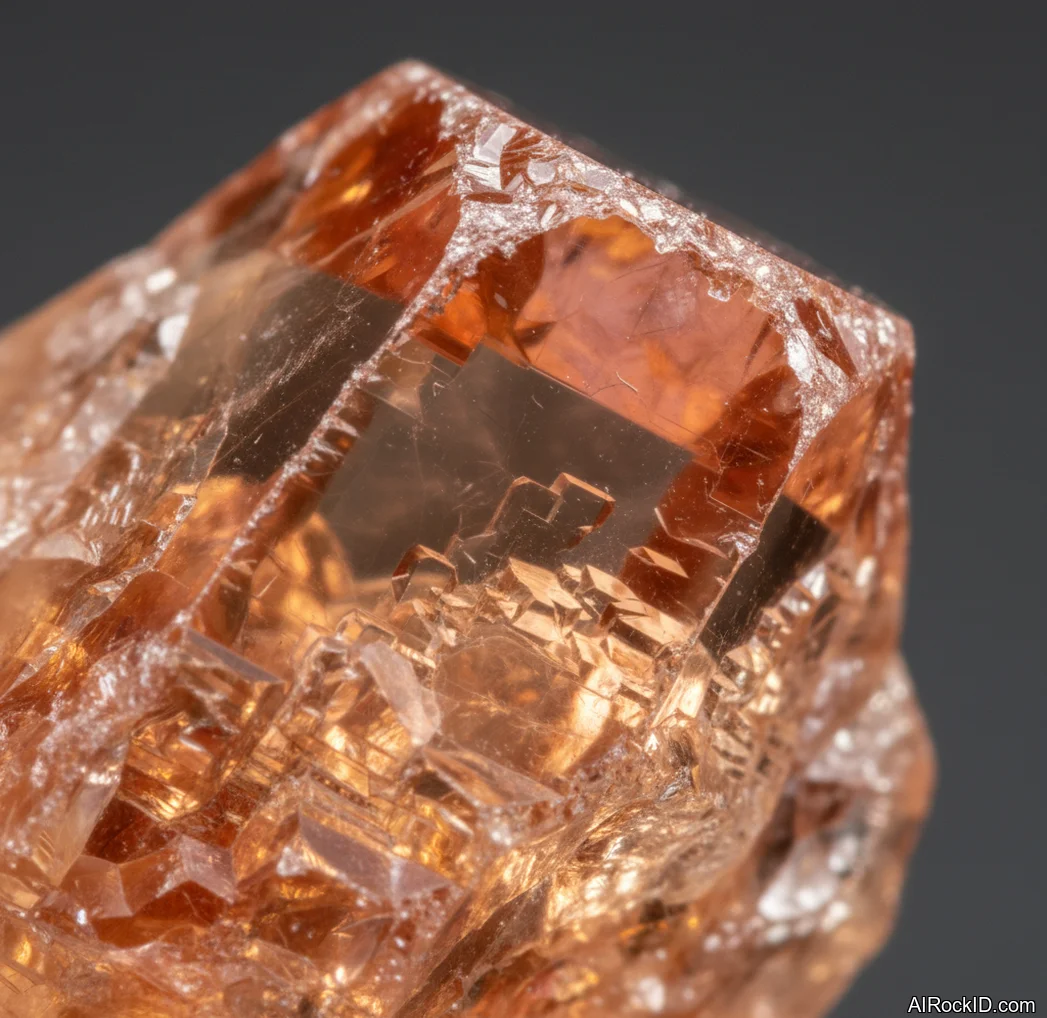
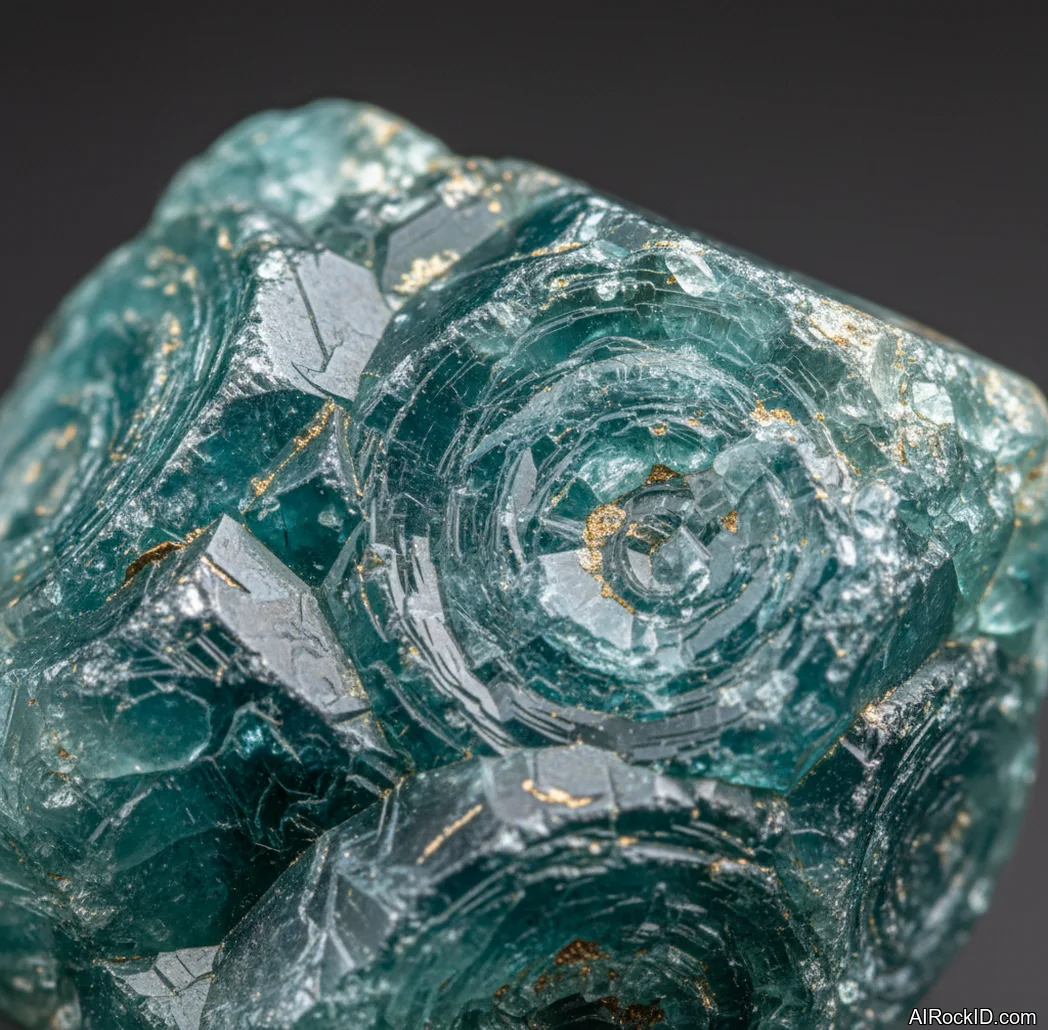
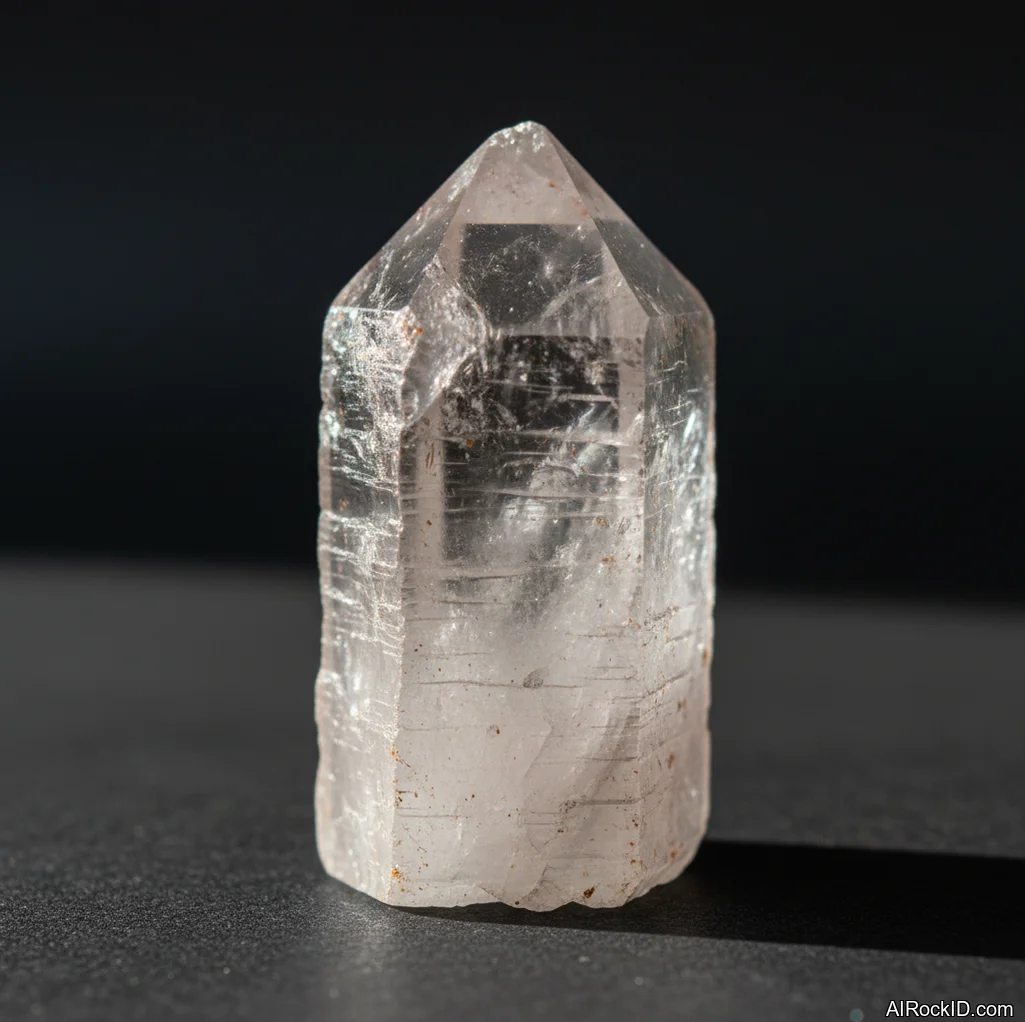
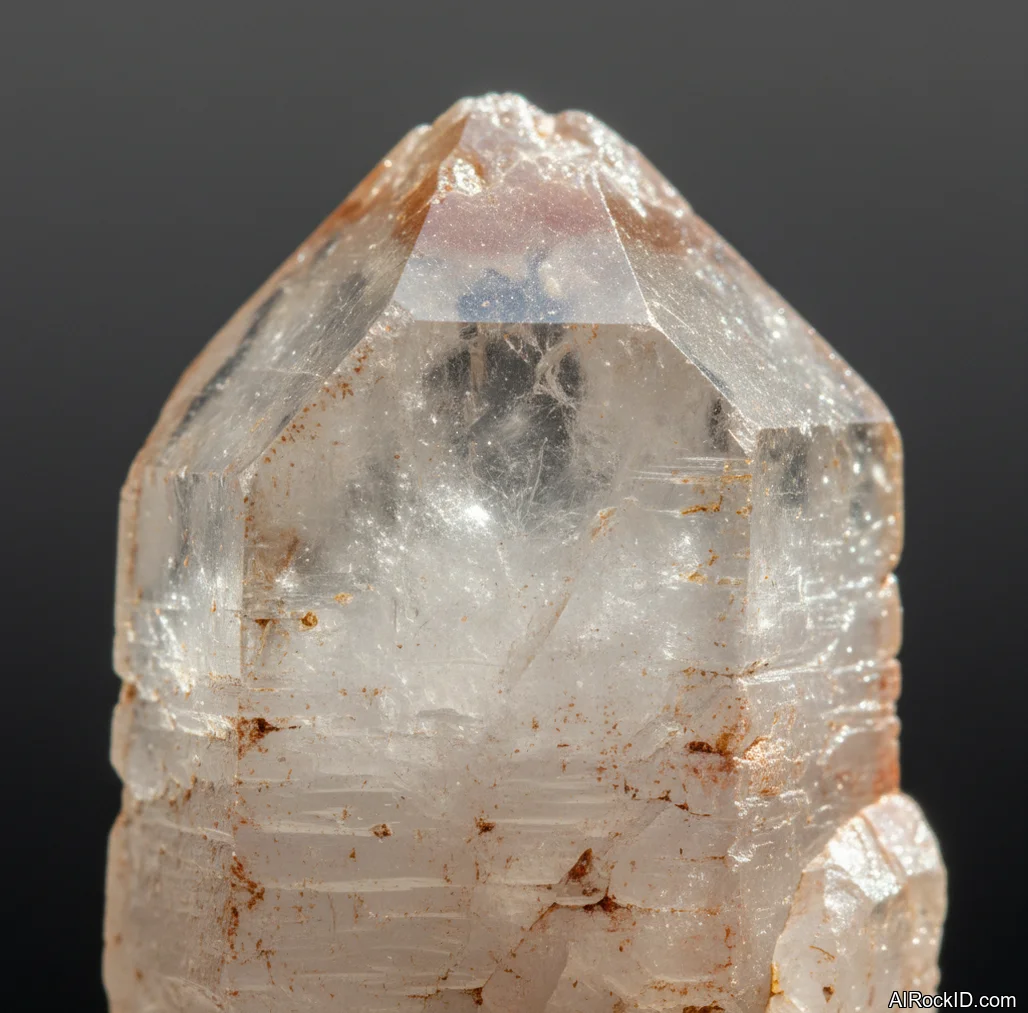
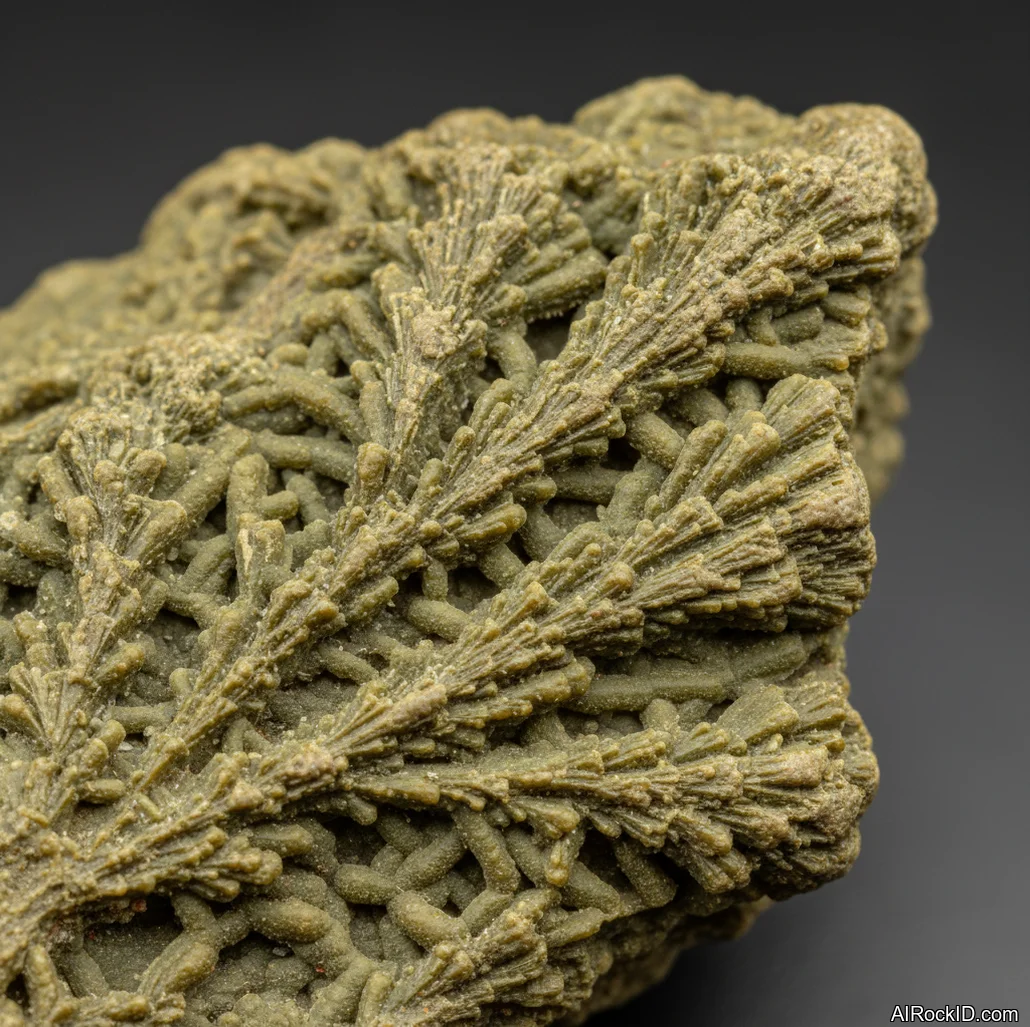
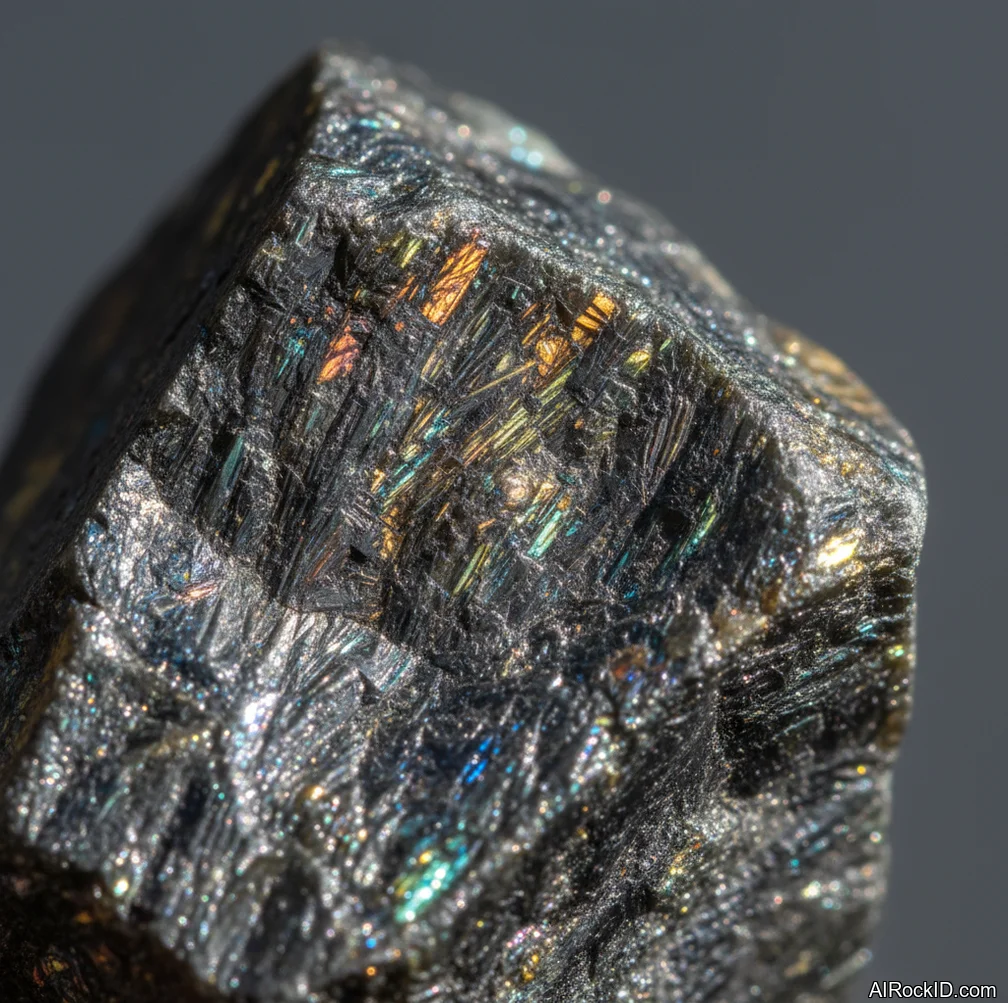
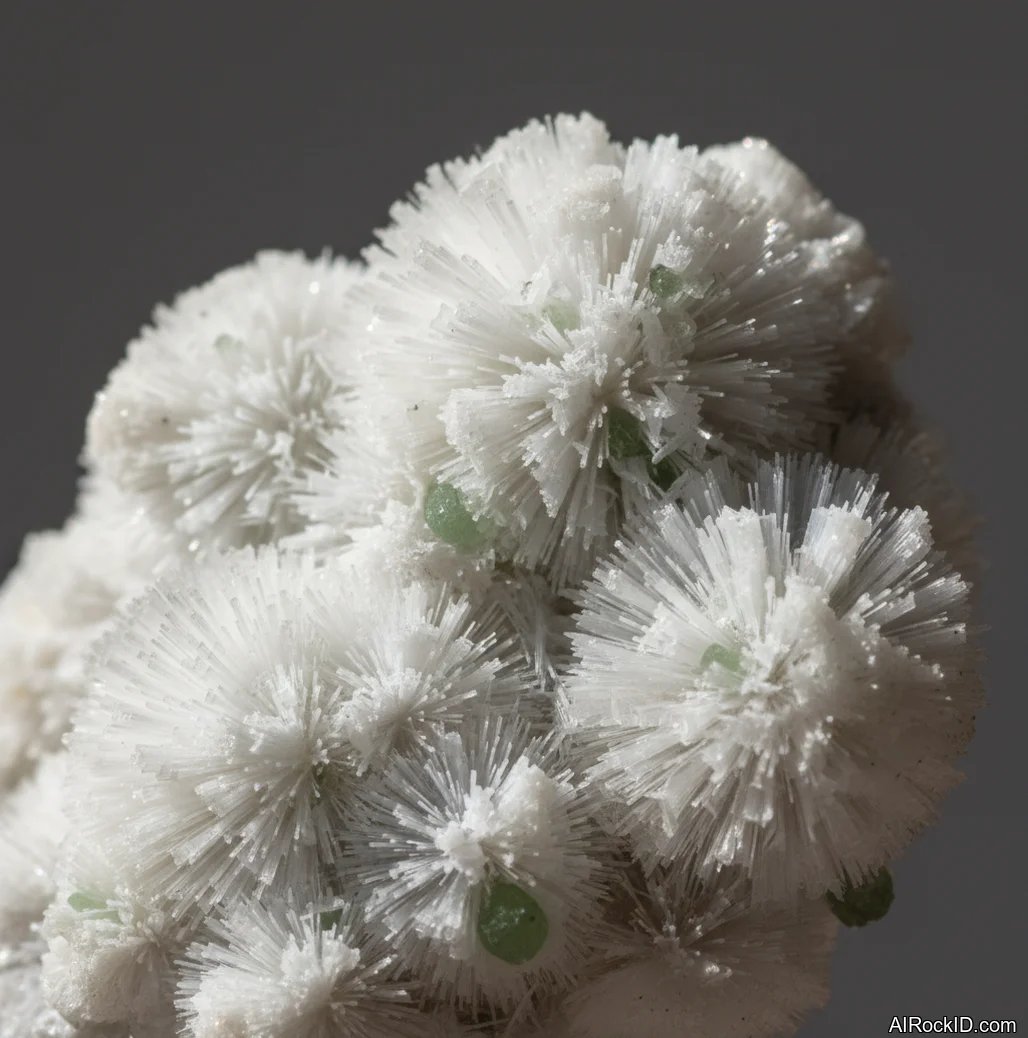
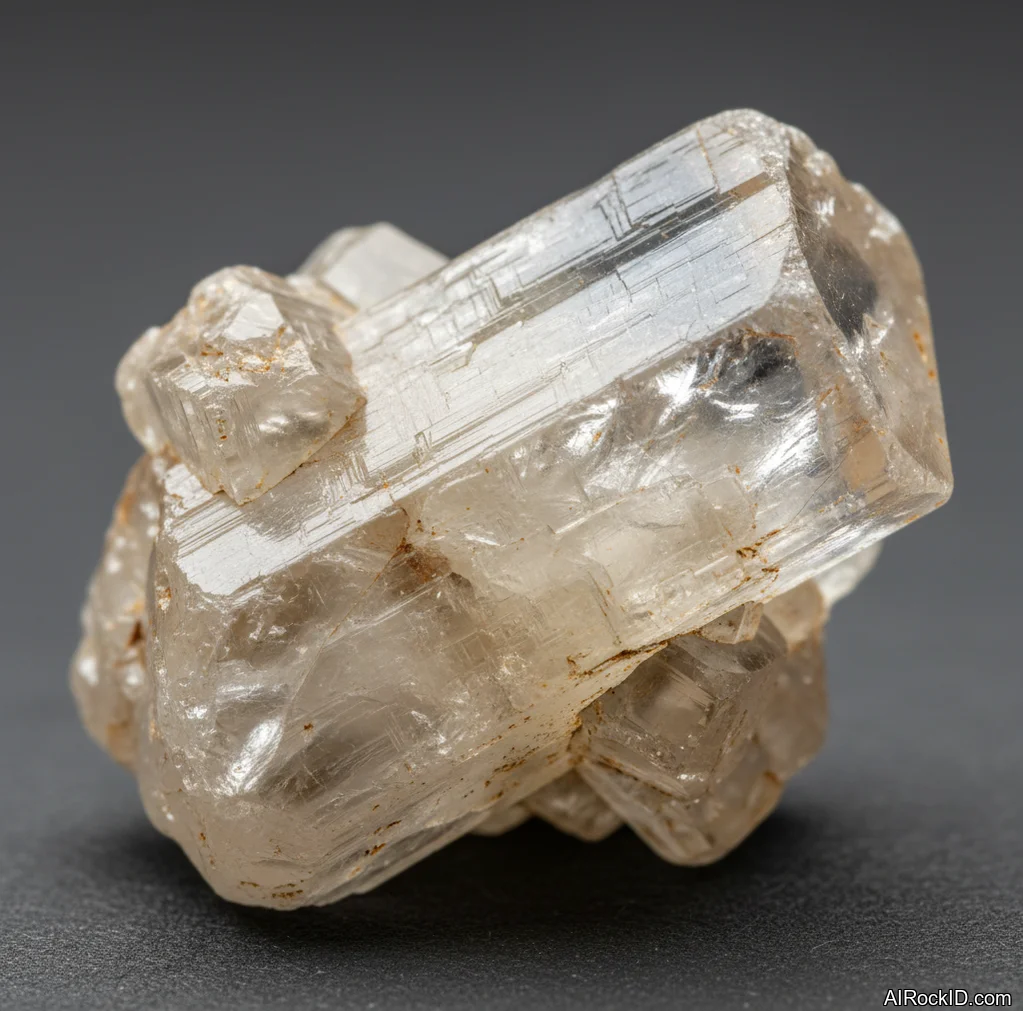
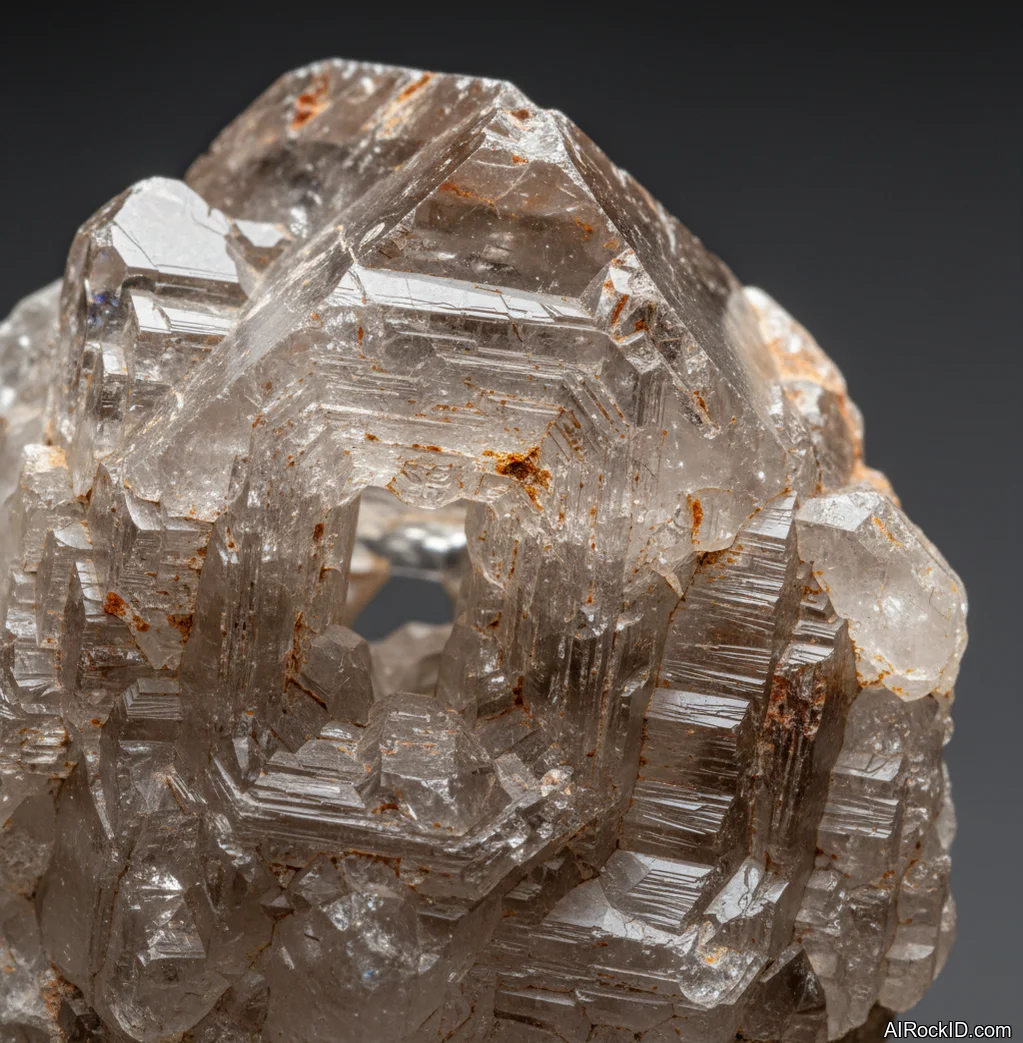
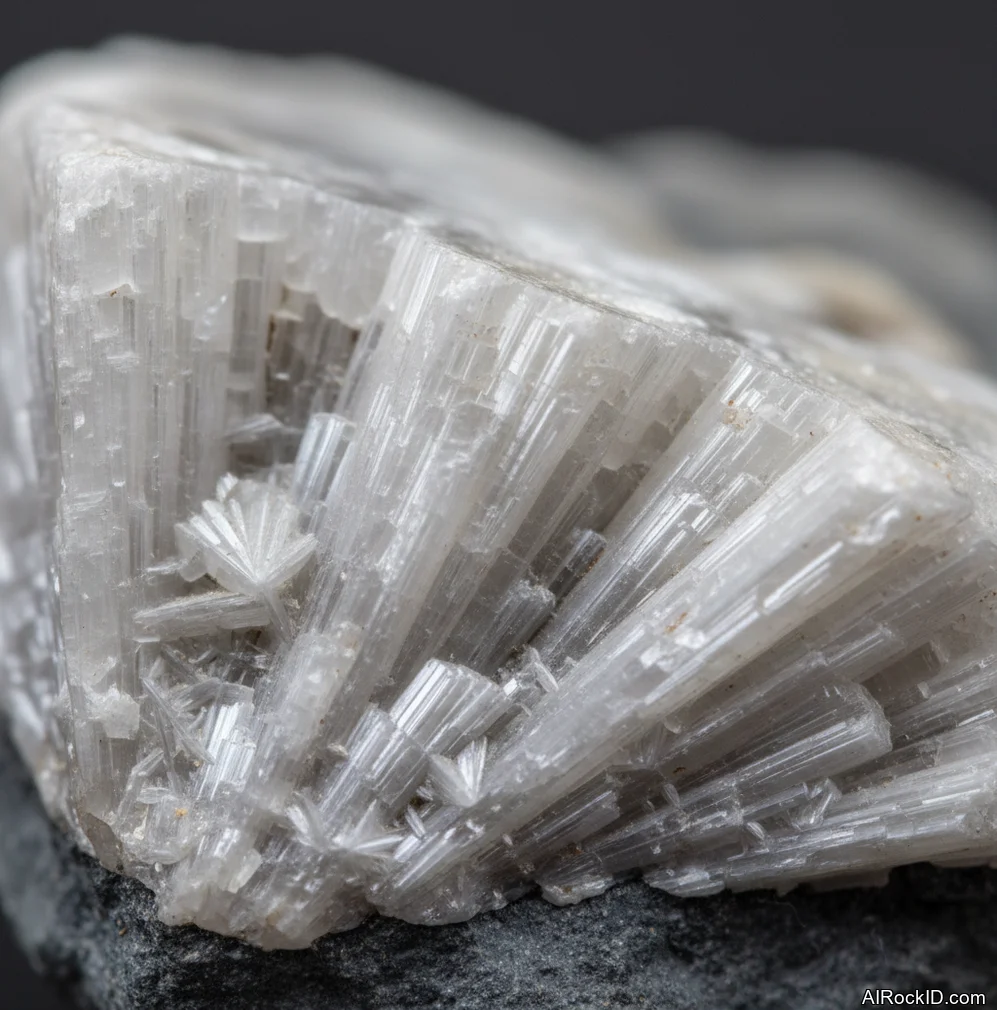
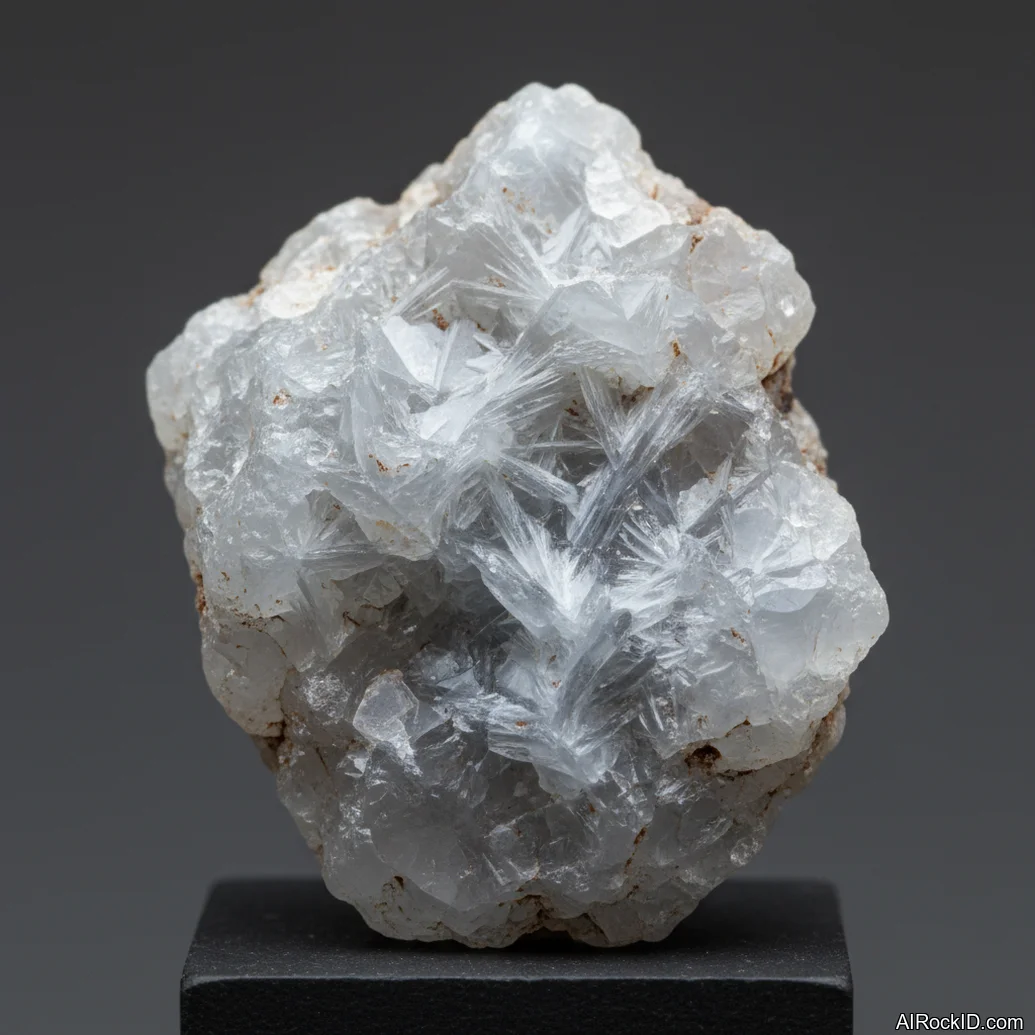
- Phenakite
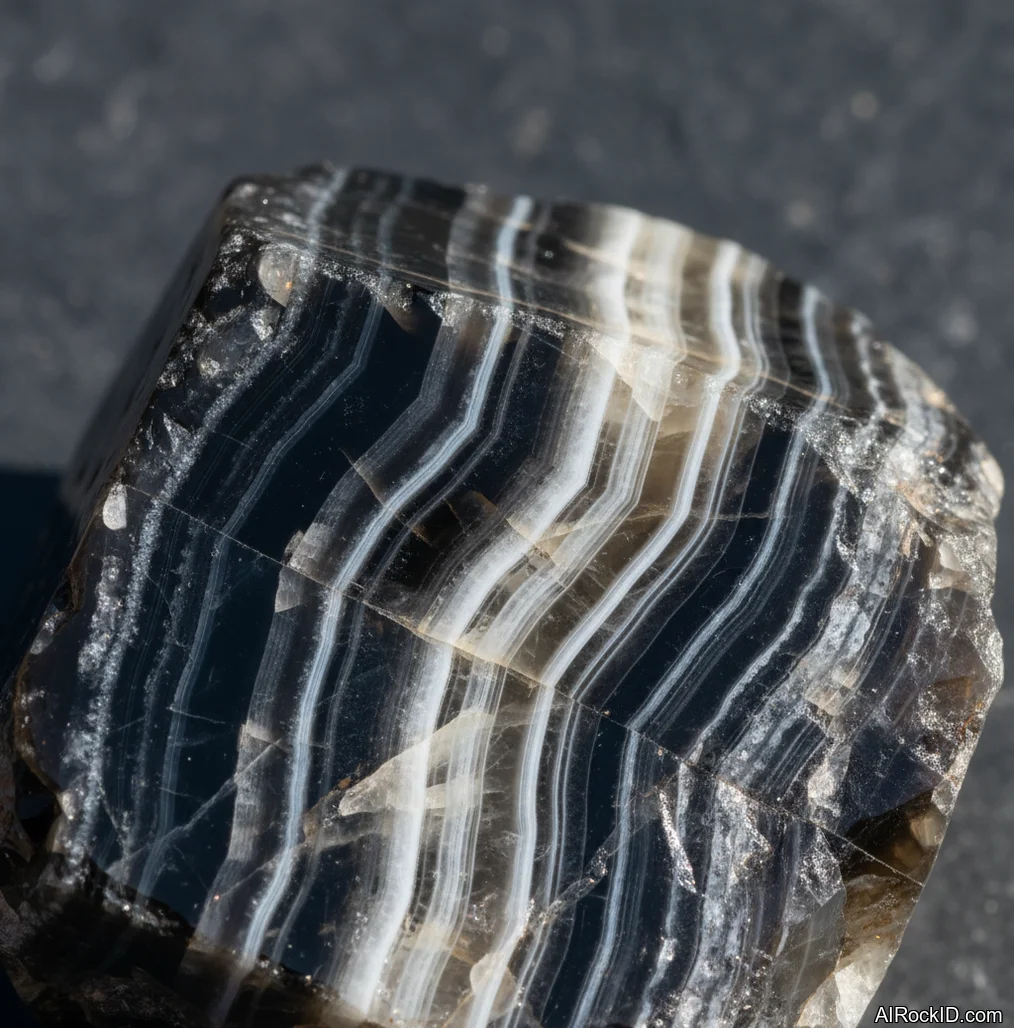
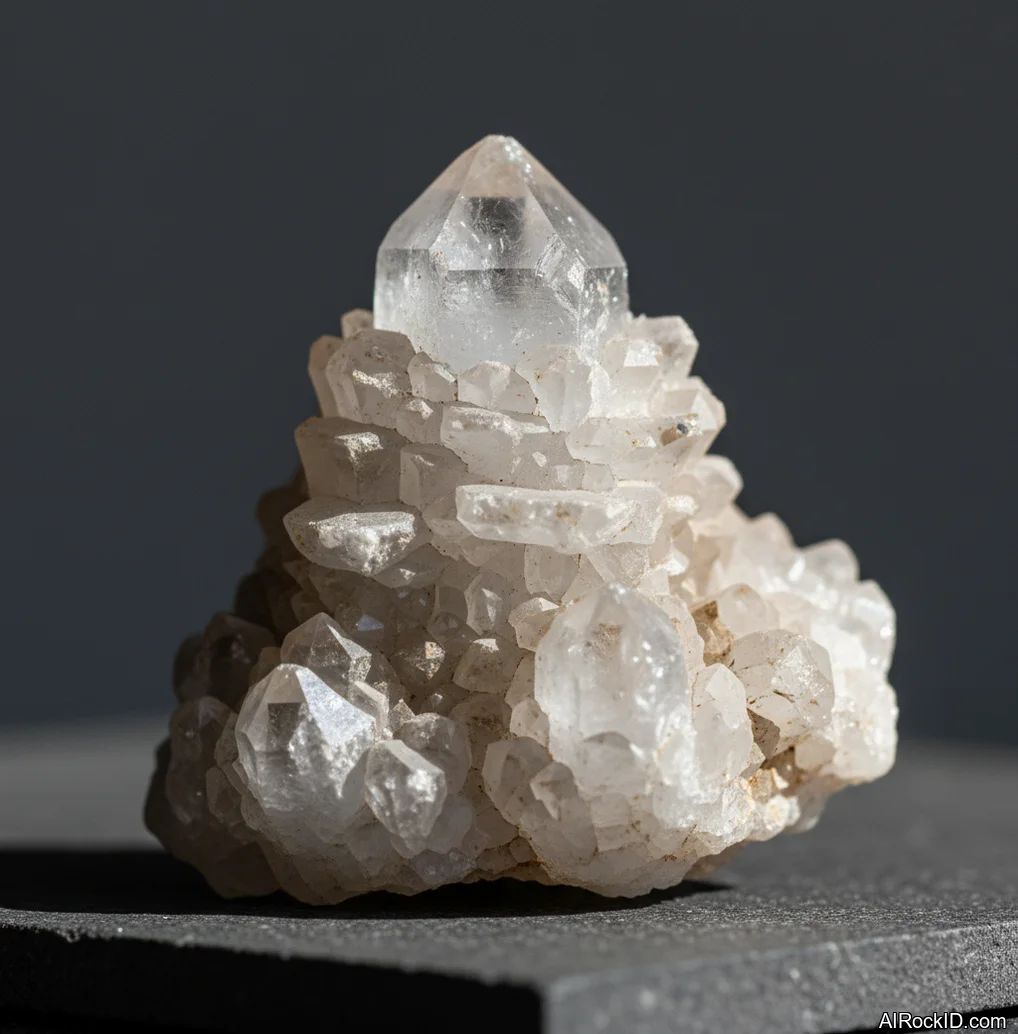
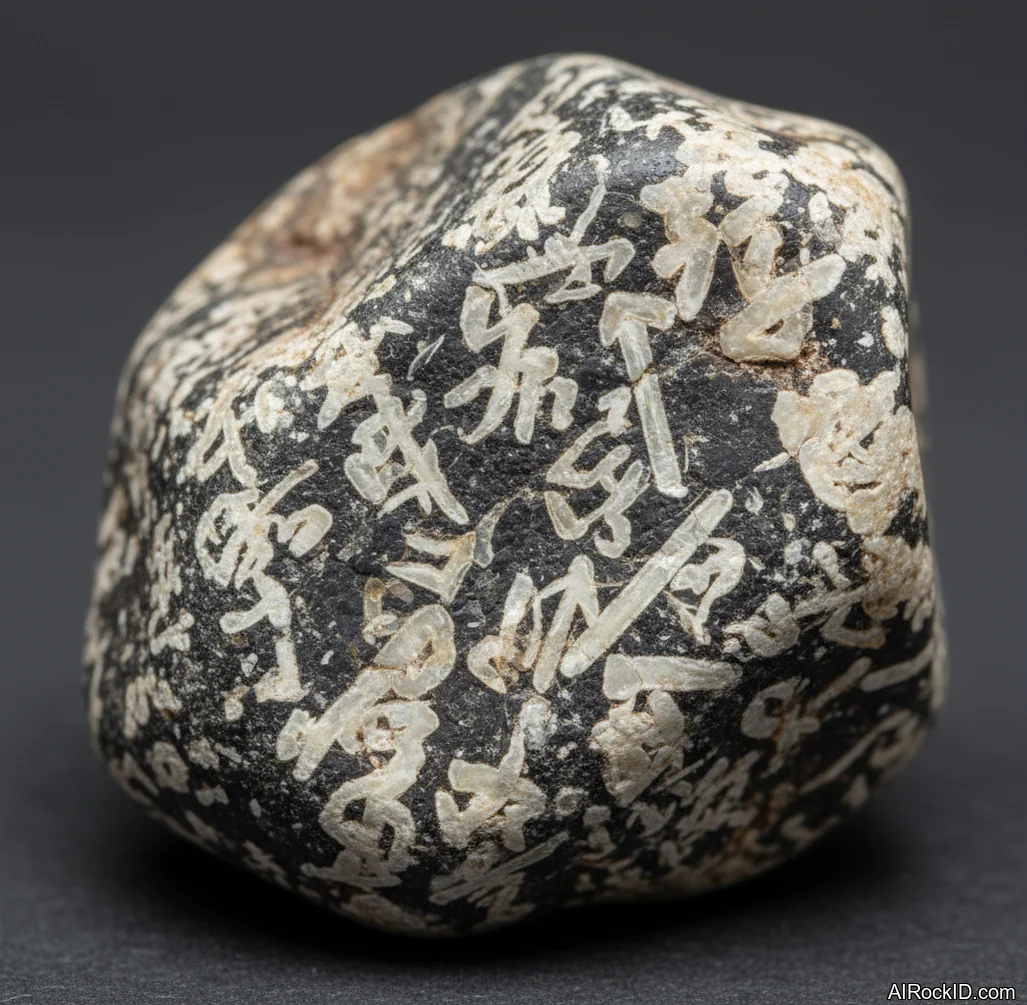
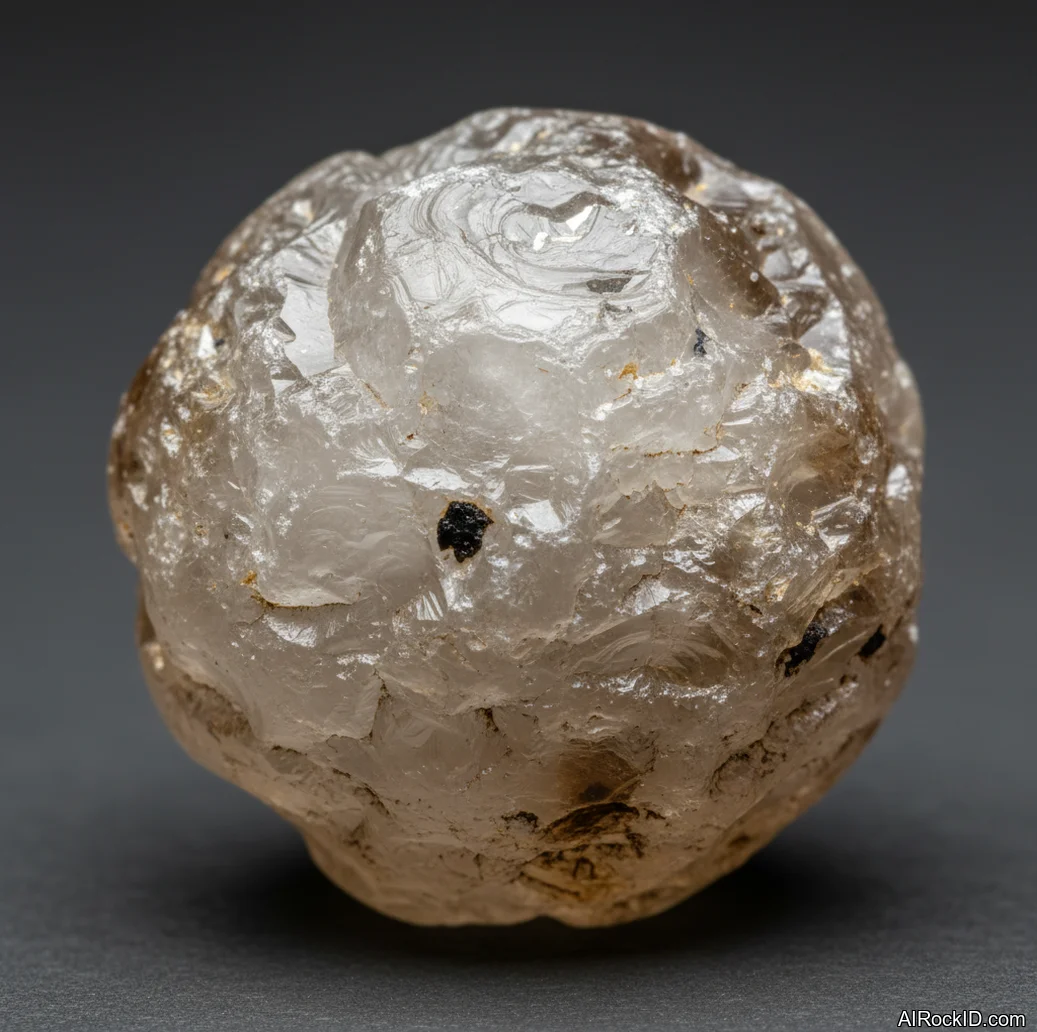
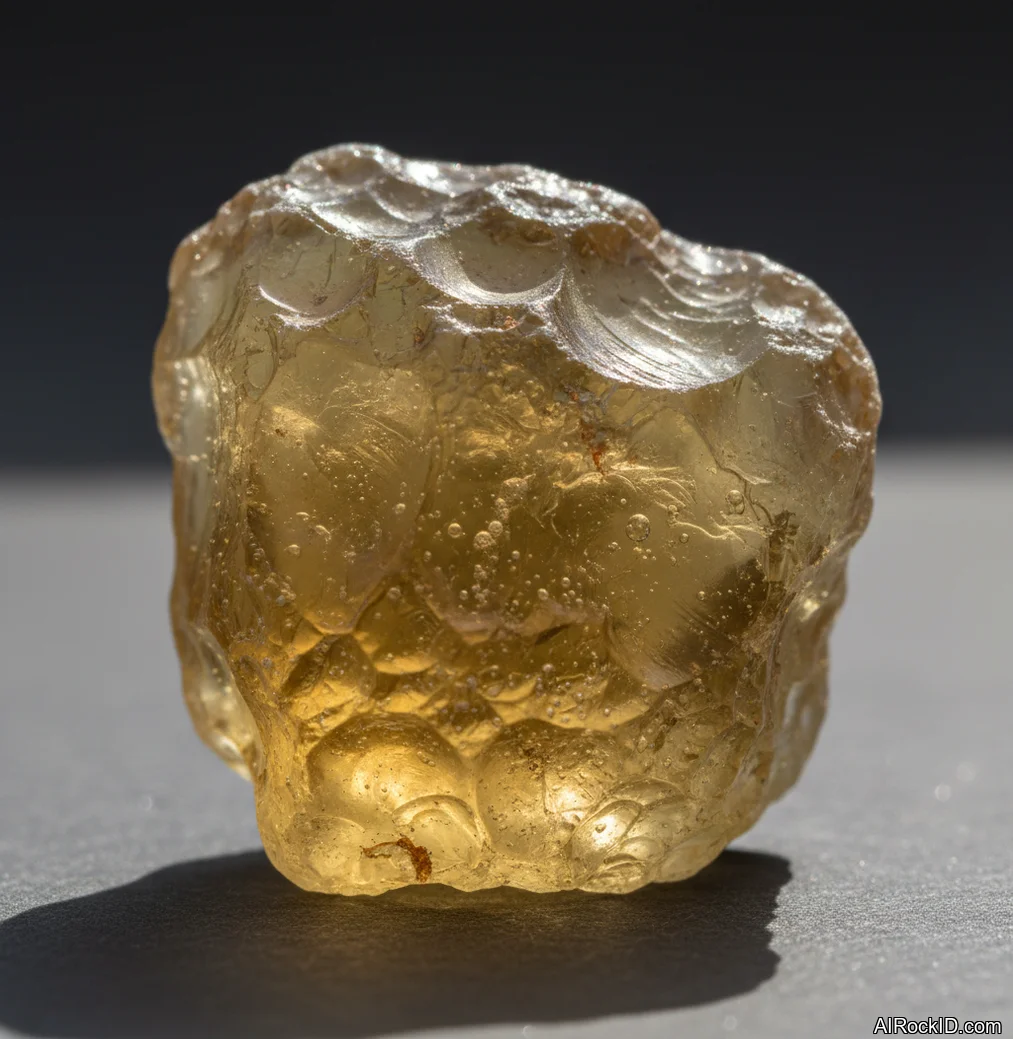
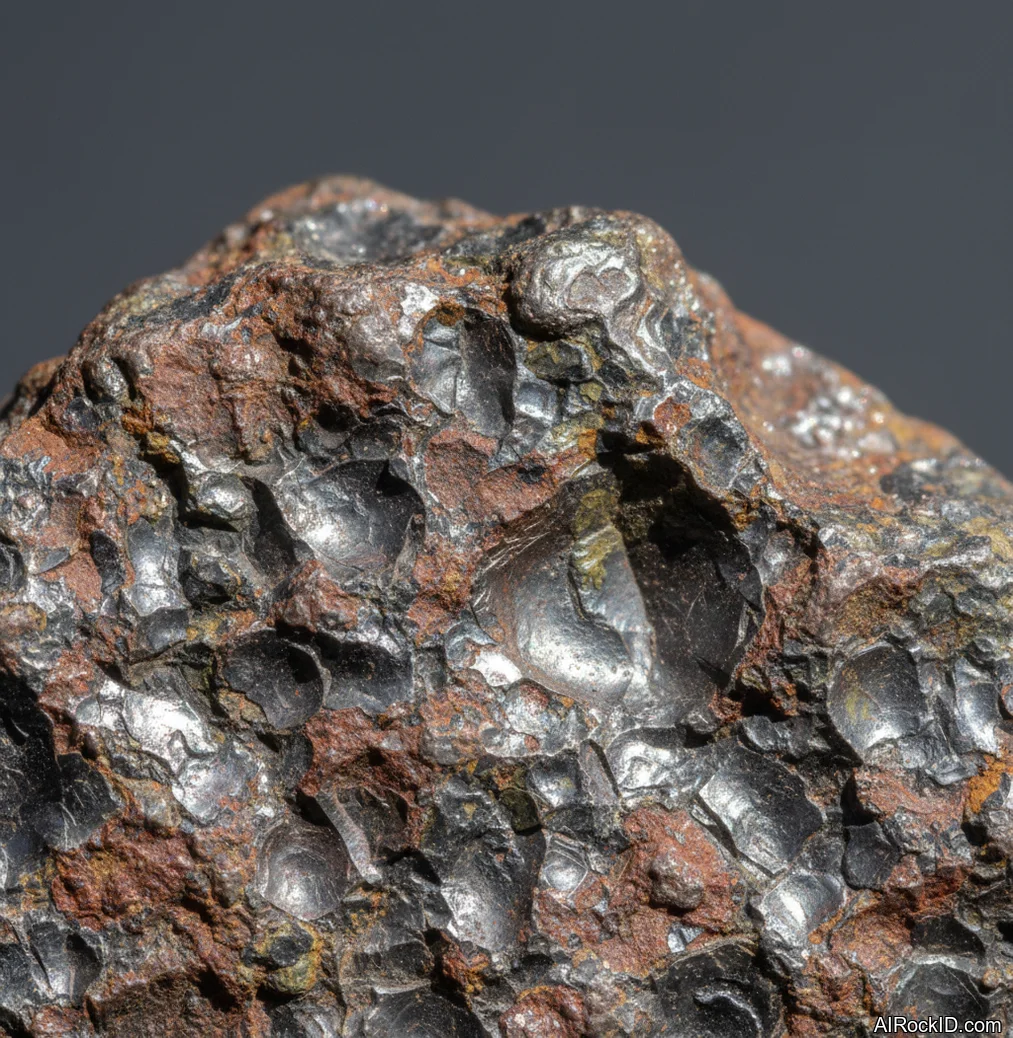
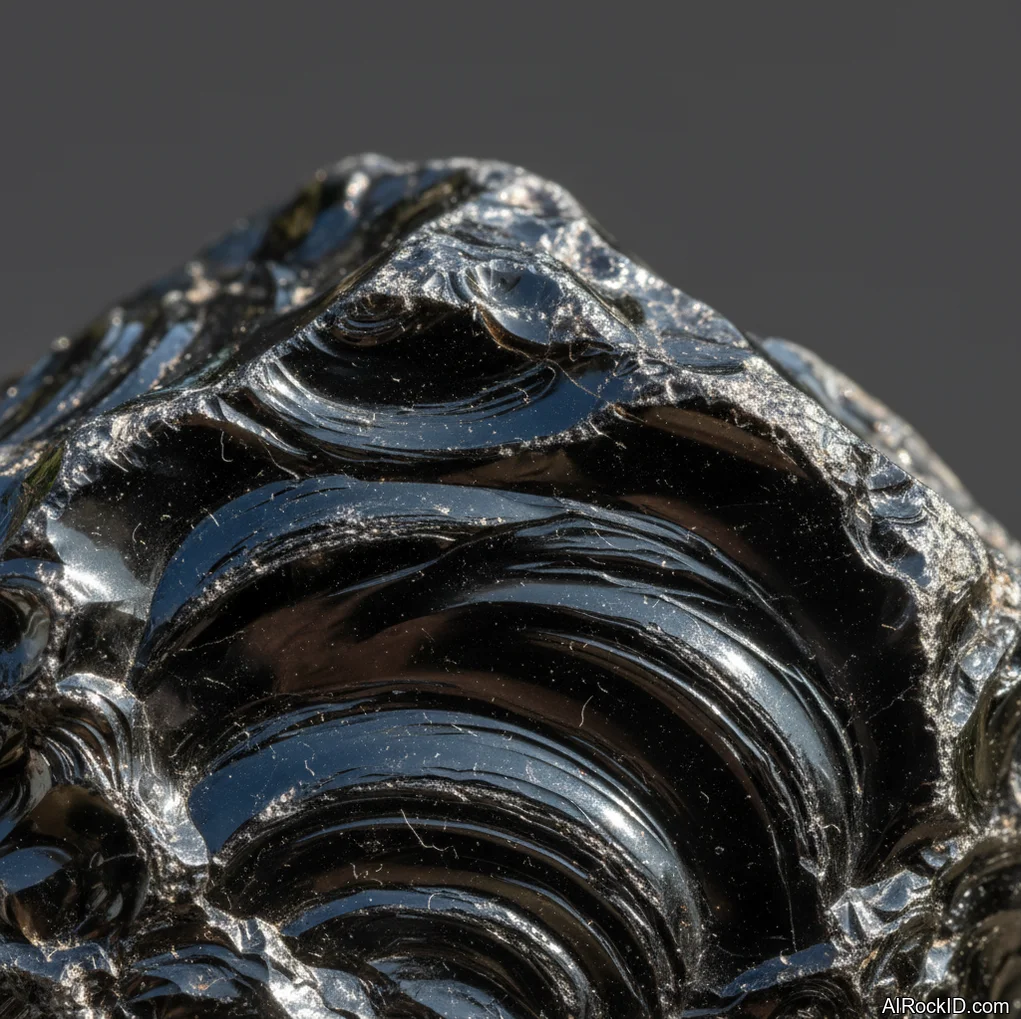
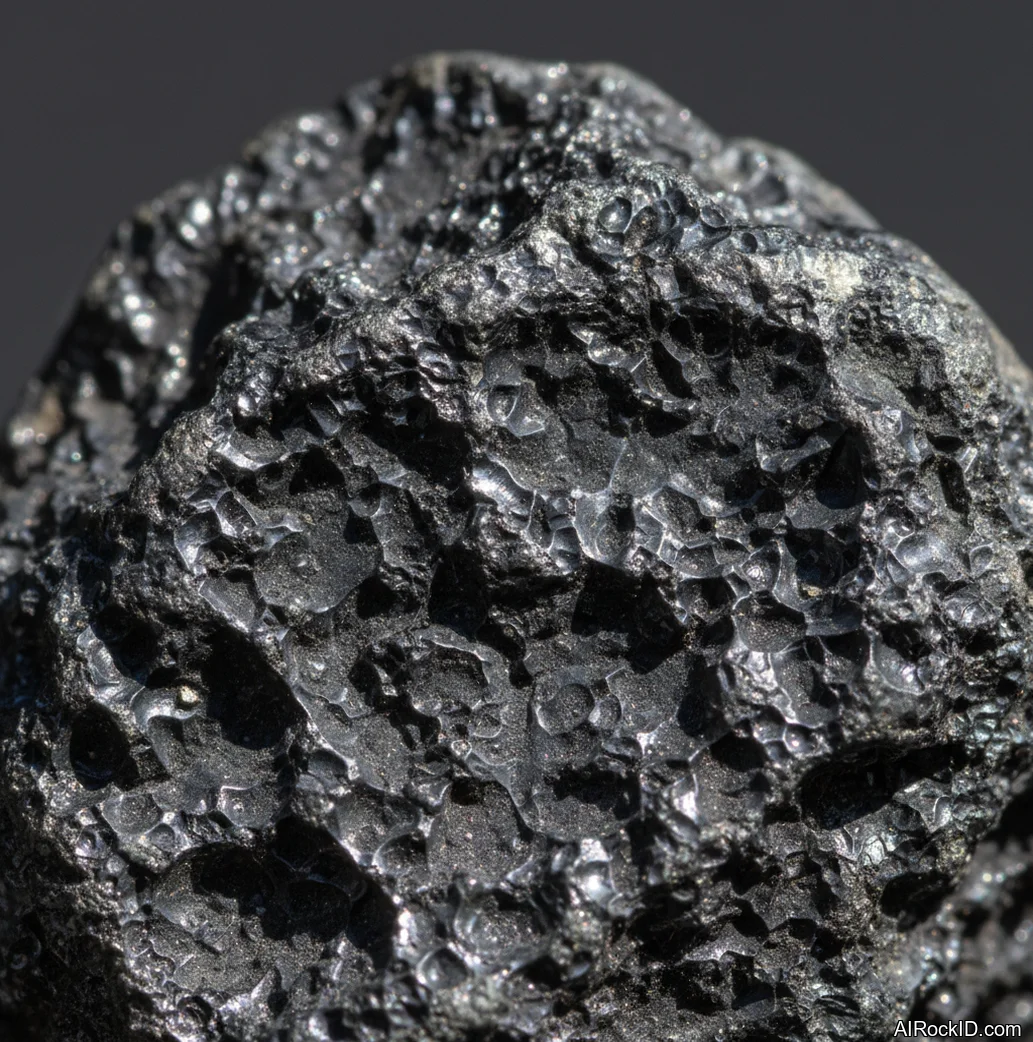
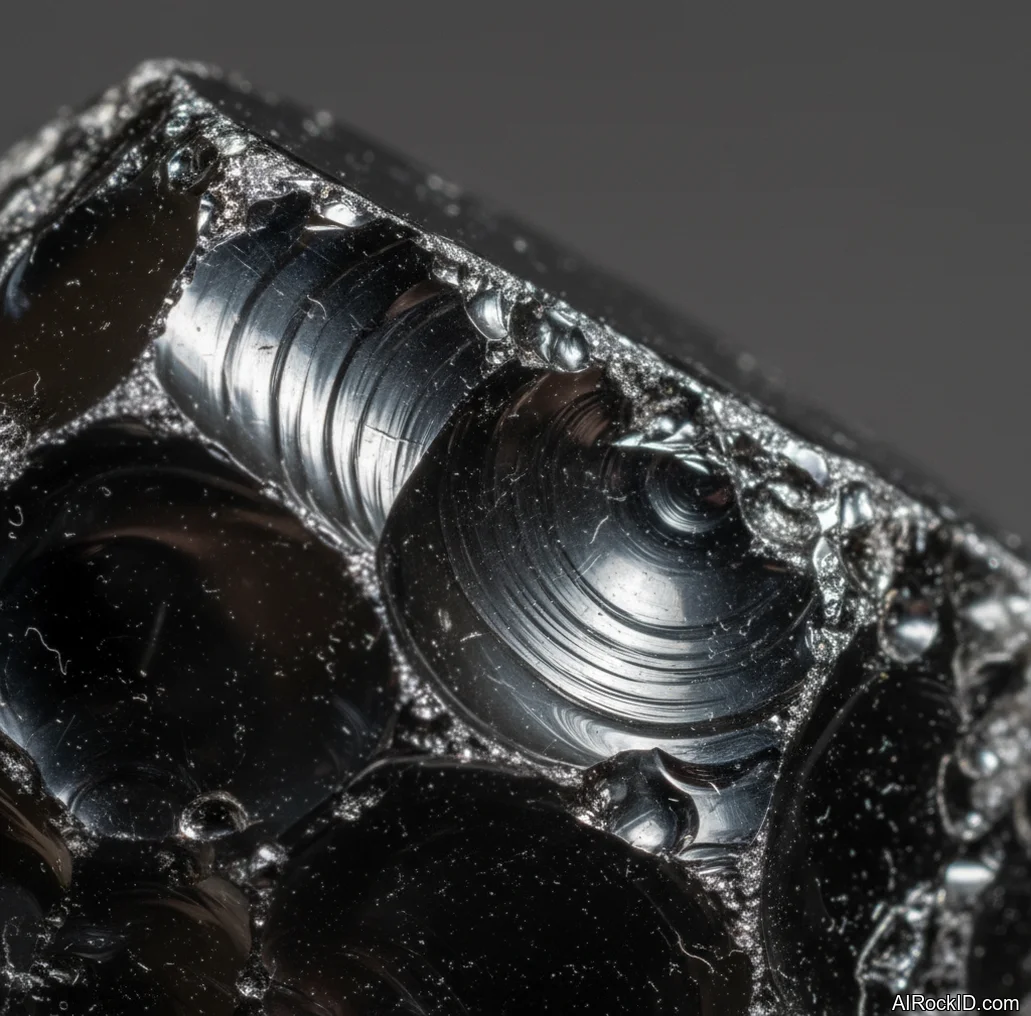
- Libyan Desert Glass
Knowledge Crystals in Different Traditions
Knowledge-related crystals are interpreted differently across crystal healing, meditation, folklore, and modern spiritual practices. Blue stones are often linked with communication and study, purple stones with reflection or intuition, and clear stones with mental organization, but these associations are symbolic rather than scientific.
Using Knowledge Crystals in a Study Space
Many people place Knowledge crystals near notebooks, books, computers, or meditation tools as visual reminders of attention and learning goals. Practical placement matters: keep softer stones away from heavy traffic areas, direct sunlight when color fading is a concern, and liquids if the mineral is porous or water-sensitive.
Natural, Treated, and Dyed Knowledge Stones
Some stones sold for knowledge or wisdom themes may be dyed, stabilized, heat-treated, or assembled from multiple materials. Treatment does not automatically make a specimen unsuitable for display, but accurate labeling is important for collectors who care about mineral identity, durability, and value.
How Knowledge Crystals Support Focus and Learning
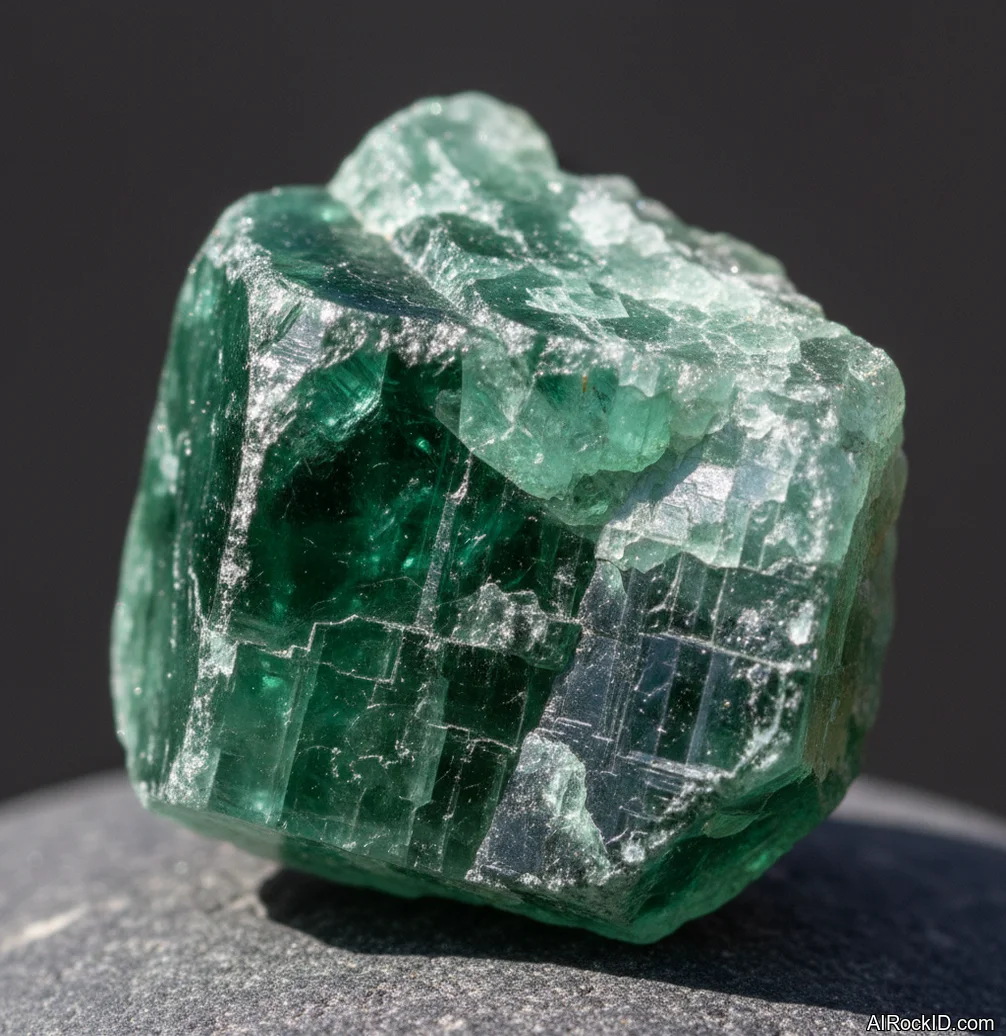
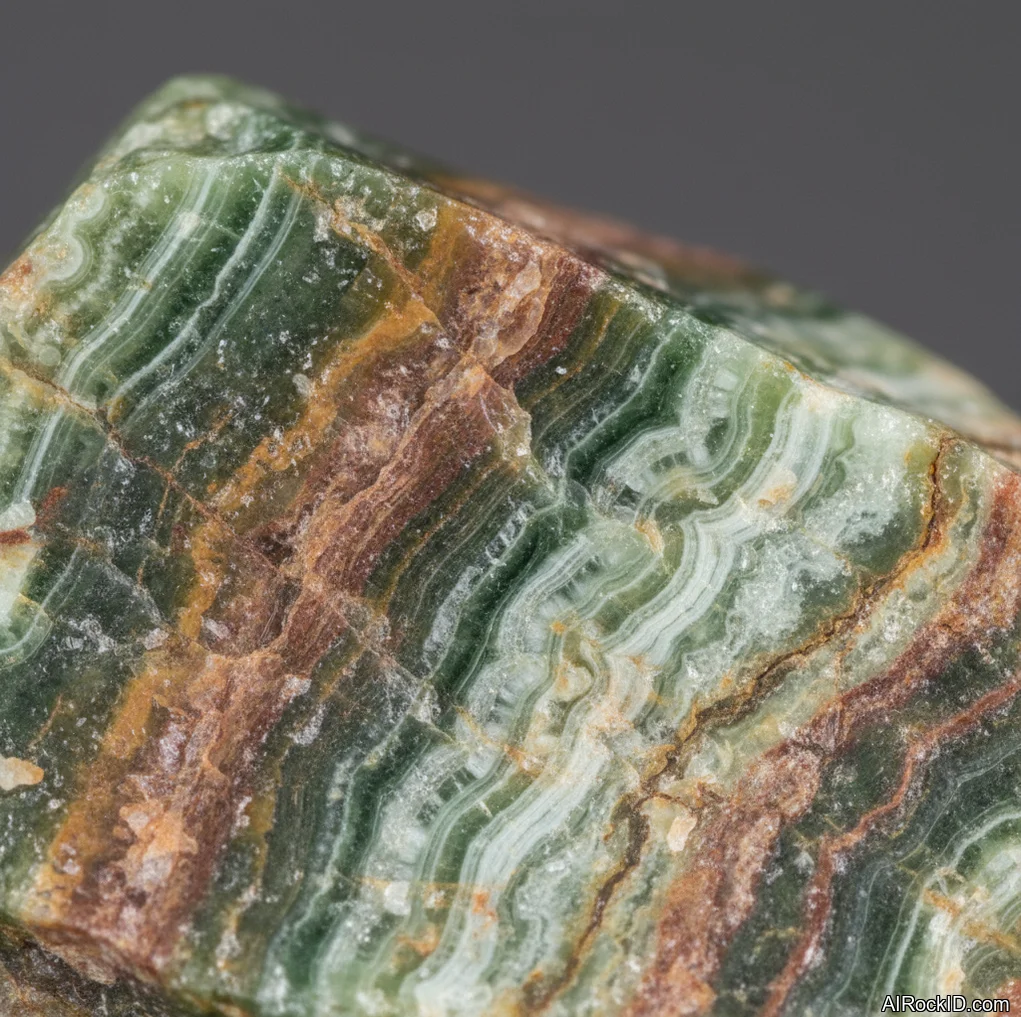
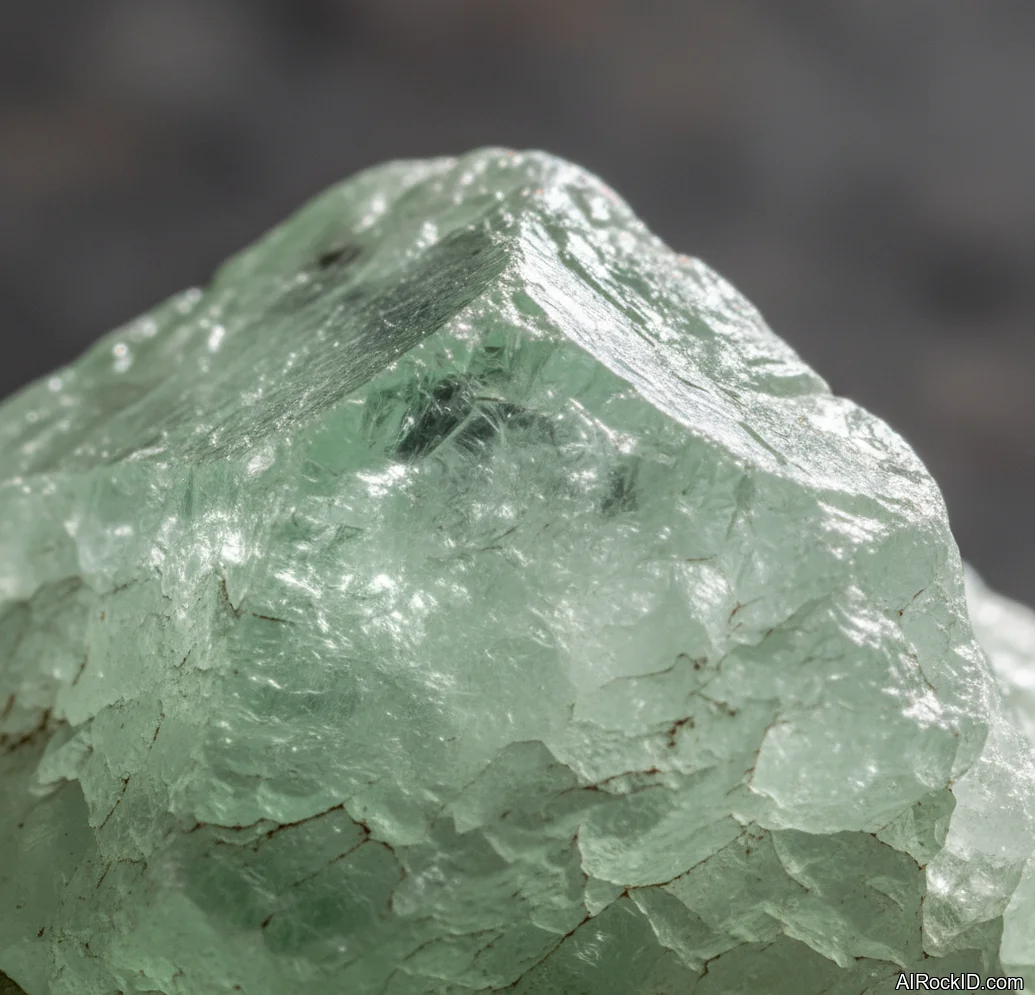
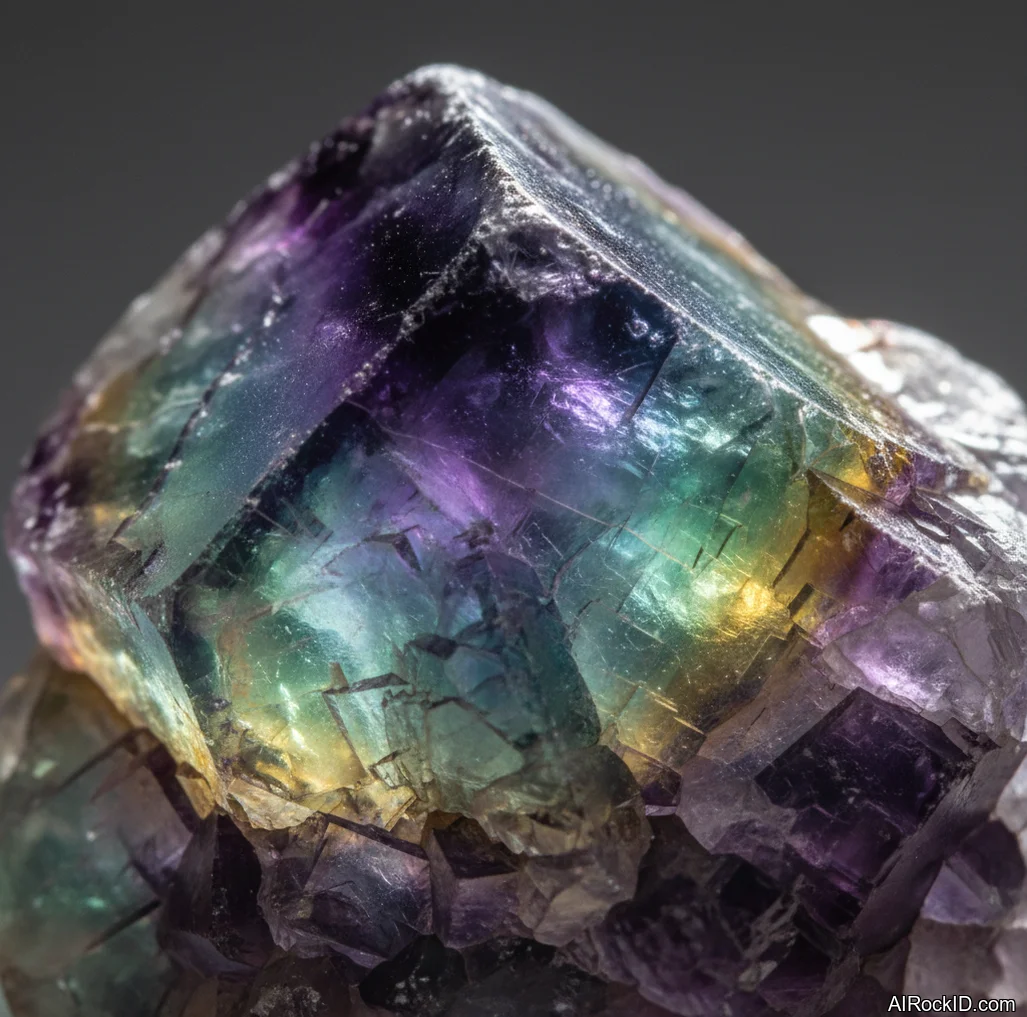
Knowledge means more than just facts on a page. In crystal work, people use certain stones to help their brains cut through clutter, hold onto details, and actually find patterns in all the noise. It's not about some magic cheat code. Think of it more like giving your mind a nudge to stay on task and not spin out. You see folks reaching for these stones during late-night study sessions, language drills, or when they're tackling a subject that just won't stick. Pick up a chunk of fluorite and you'll get why. The surface always feels colder than room temperature, and if you angle it right under a lamp, those internal stripes show up like stacks of glass. I keep a piece near my desk so I can fidget with it during tough reading. Purple-green fluorite is the classic, but blue fluorite gets pulled out for language work or anything involving writing. Don't toss it in your pocket with your keys, though. Fluorite is soft, and you'll see scratches after one day. People have their rituals, but the common thread is this: these stones are about getting your brain to cooperate, not just piling on trivia.
Physical Properties of Knowledge Crystals: What Collectors Notice
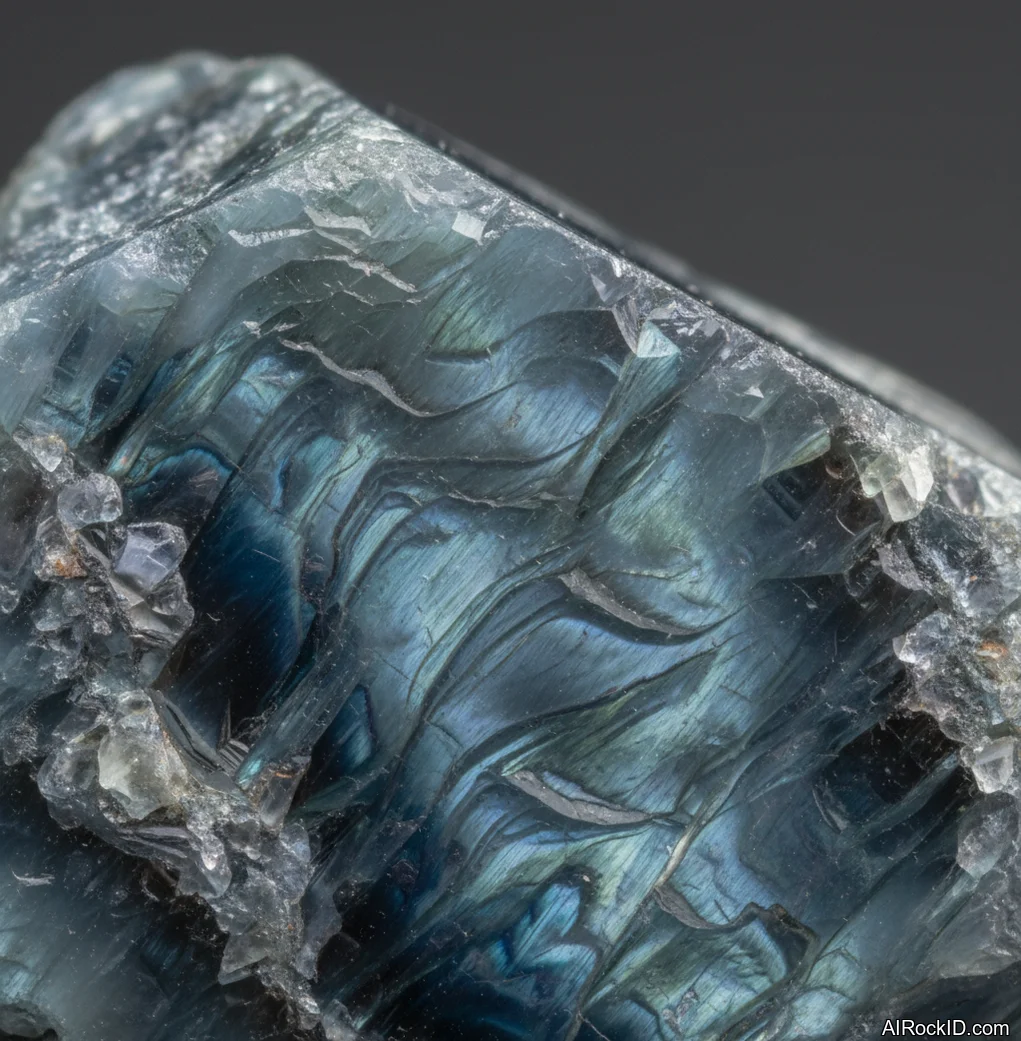
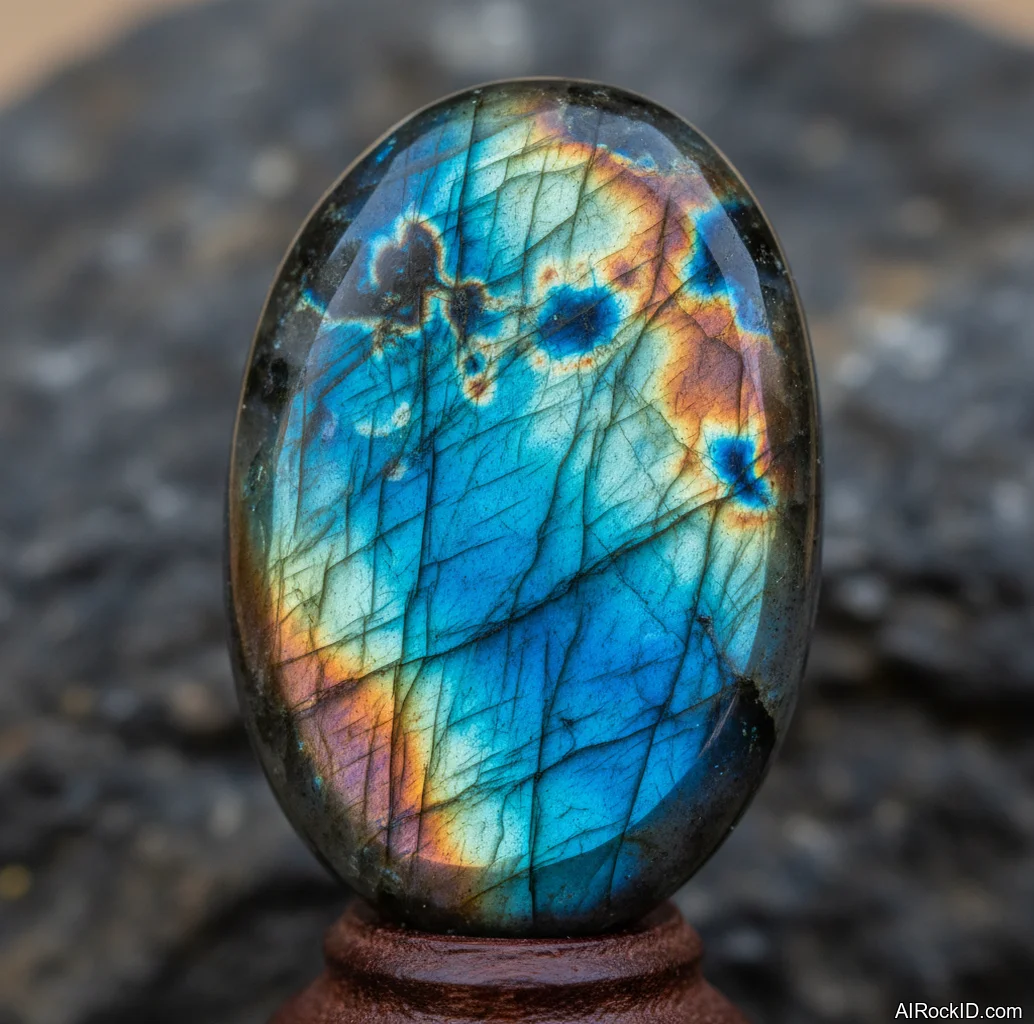
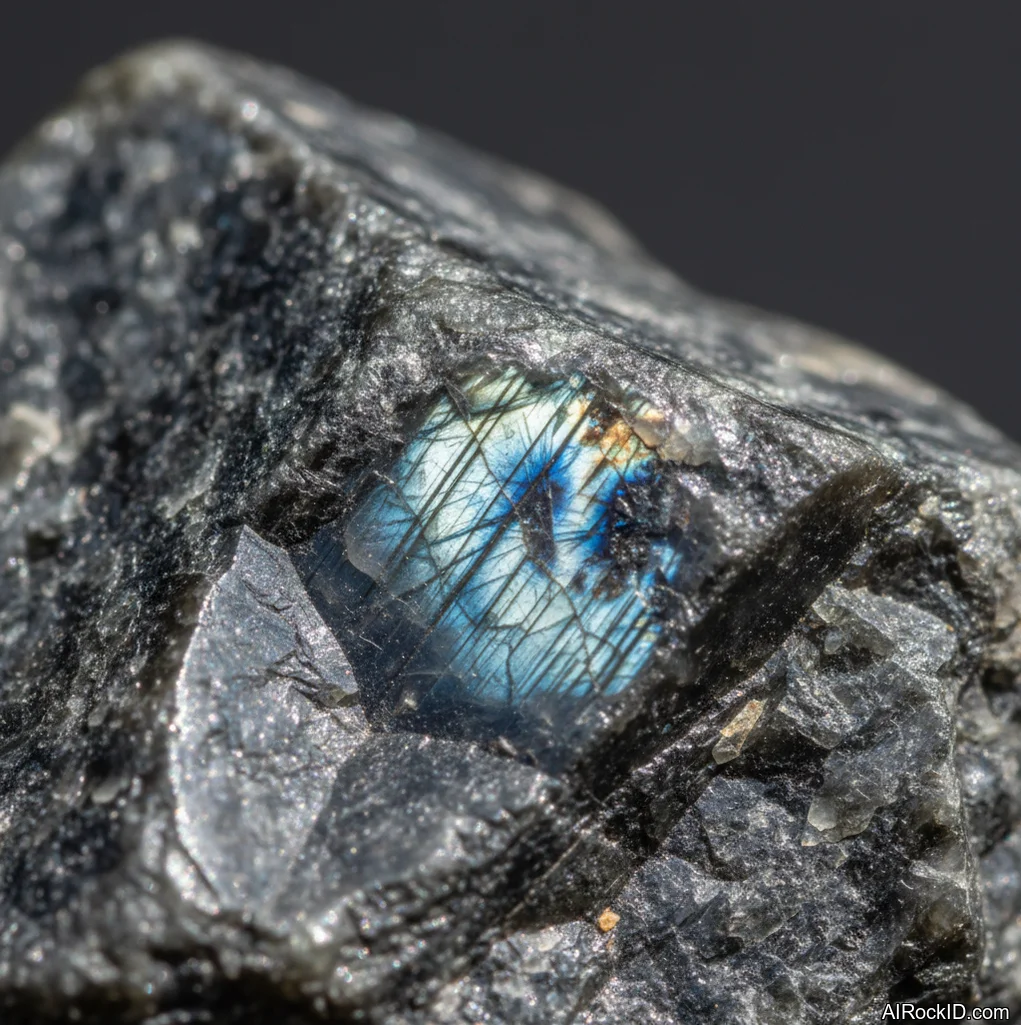
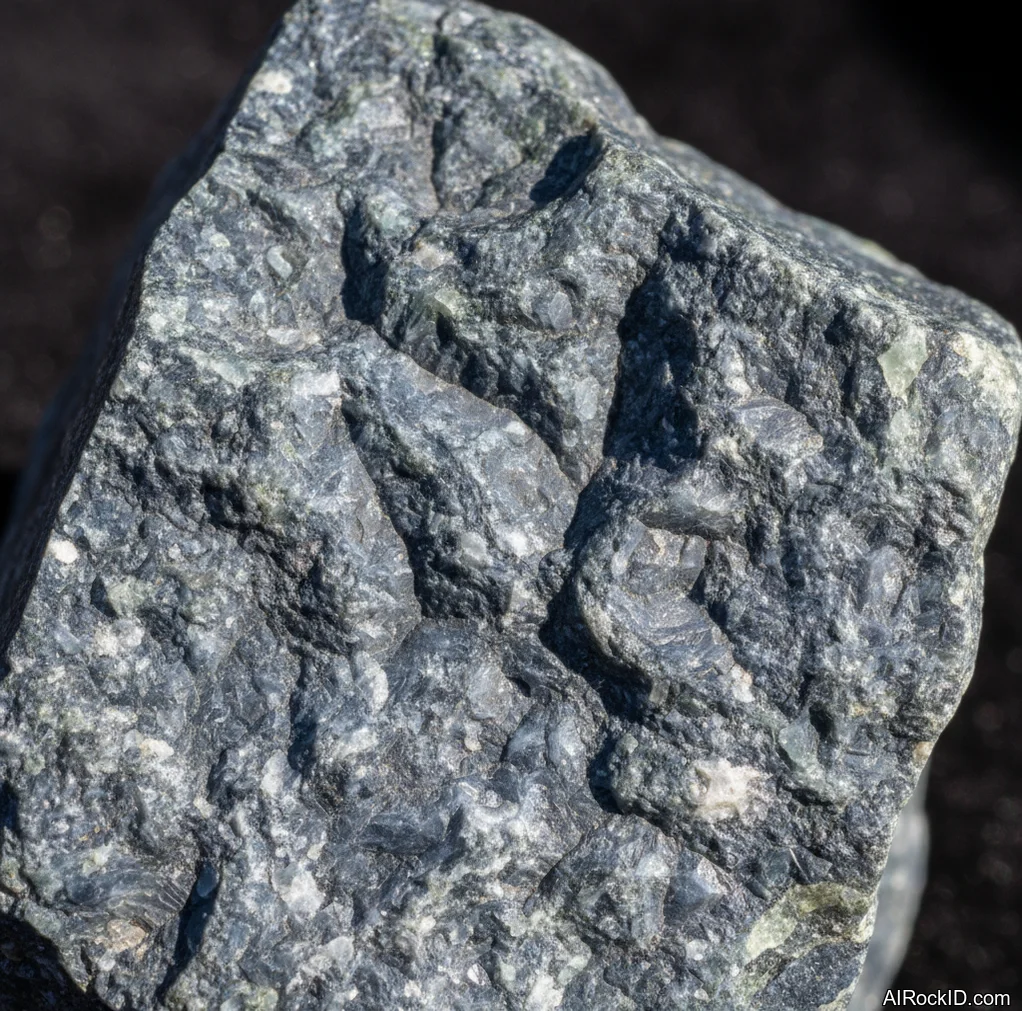
Collectors get picky about what makes a Knowledge crystal worth using or showing off. Lapis lazuli is a good example. A top-grade piece has that deep blue—think old denim—punctuated with tiny flecks of golden pyrite, and sometimes streaks of white calcite if it's natural. The blue shouldn't rub off on your hands or a paper towel; if it does, it's probably dyed. Lapis feels dense and solid in your palm. When I sort bulk material, the best ones leave your fingers a bit dusty but not stained. Fluorite, on the other hand, will chip if you look at it wrong. Raw cubes show perfect cleavage faces that catch the light at sharp angles. Labradorite is all about that flash, called labradorescence—rotate it and the blue-green sheen fires up then vanishes. Fake or low-quality pieces look painted, never shifting with the light. Sodalite looks similar to lower-end lapis but lacks pyrite. It's lighter, and the blue is streakier, sometimes veering toward gray. If you want to actually use these, hardness matters. Most can't handle a tumble with pocket change.
Choosing Knowledge Stones for Study, Memory, and Clarity
People pick Knowledge stones based on what they're tackling. If your goal is organizing a messy pile of thoughts, fluorite is the old standby. Teachers and students both tend to keep a chunk on their desks. For sorting through big ideas, like philosophy or complex research, lapis lazuli comes out—especially for anything involving truth, ethics, or writing. Labradorite gets grabbed when you want that 'aha' spark, like when you're brainstorming or need to connect the dots on a tough project. The flash acts as a little visual reset for your brain. Sodalite is for when you need steady, logical thinking. I've seen programmers keep a piece taped to their monitors. One thing to remember: none of these stones will do the work for you. They're there as reminders and focus aids, not shortcuts. If you're prepping for an exam or working on a big paper, the ritual of holding or fidgeting with one can help with nerves, but don't expect miracles.
Care, Authenticity, and Handling Issues With Knowledge Crystals
Fluorite looks tough but it's actually fragile. Scratches, chips, and even breaking in half after a light fall aren't rare. Keep it off the windowsill; direct sunlight will wash out the color. Lapis lazuli has its own problems. Most cheap options are dyed or stabilized, and you'll spot it by overly bright, uniform blue. Natural lapis sometimes leaves a little blue dust but not a stain. Labradorite can lose its flash if it's poorly cut or just dried out, so store it away from heat sources. Sodalite is harder but can still take a scratch from a steel blade. If you're shopping, ask for rough pieces when you can. Polished stones hide a lot of flaws. For display, avoid direct sunlight and humidity. For carrying, use a fabric pouch, not your jeans pocket. If it feels warm right out of the box, let it sit—real minerals hold the chill longer than resin fakes.
Best Knowledge Crystals to Start With
| Level | Crystal | Note |
| Gentle / Beginner | Sodalite | Calm energy, solid blue with white veining, and it's harder than fluorite so less likely to get scratched up by accident. |
| Balanced / Everyday | Fluorite | Go-to for organizing thoughts, with visible banding and a cool touch, but needs gentle handling. |
| Intense / Advanced | Lapis Lazuli | Deeper mental work and 'truth' moments, heavier in hand and more expensive if you want a natural, undyed piece. |
| Best for Carrying | Labradorite | Durable enough for a bag or pocket, the flash acts like a reset button for your focus. |
| Best for Display | Rainbow Fluorite Cube | The layered zoning and sharp faces look great under a desk lamp, but keep it somewhere safe from bumps. |
Knowledge Crystal Comparison
| Crystal | Common Use | Feel / Use Style | Care Caution |
| Fluorite | Sorting ideas, focus during study | Cool, slick, can feel fragile; visible banding | Scratches and chips very easily; keep away from hard objects |
| Lapis Lazuli | Big-picture thinking, clarity, writing | Heavy, dense, rough pieces may leave blue dust | Beware dyed fakes; real color may fade in sun |
| Labradorite | Creative problem-solving, idea breakthroughs | Smooth, flashes blue/green/gold when tilted | Some pieces lack good flash; avoid high heat |
| Sodalite | Logical thinking, calming mental chatter | Lighter than lapis, blue with white streaks | Still softer than quartz; avoid drops |
How to Identify Knowledge Crystals with AI Rock ID
To identify Knowledge crystals using the AI Rock ID app, start by taking clear photos of your specimen in natural light. Capture both a full view and a close-up of any zoning, flecks, or flash. Upload these to the app and check results against physical traits like banding, luster, and hardness. The app compares your photos with its database so you can spot things like fluorite's zoning or labradorite's flash, but always double-check with a streak test or by feeling the temperature and weight in your hand.
All Knowledge Crystals (320)