White Coral


Quick answer: White Coral is a white to cream organic calcium carbonate material formed by marine coral skeletons. It is soft compared with most gemstones, so identification and care should account for its porous surface, low hardness, and sensitivity to acids.
AI Rock ID can help compare a White Coral specimen against visually similar organic gems and white minerals using color, texture, branching structure, and surface features. RockIdentifier.io provides reference information to support identification, but uncertain coral, ivory, shell, or synthetic material should be checked by a qualified gemologist or relevant wildlife authority when trade legality matters.
Good fit
- Collectors studying organic gems with visible marine growth patterns
- Jewelry buyers who prefer lightweight white cabochons, beads, or carvings
- People comparing coral with shell, bone, ivory substitutes, or white minerals
- Learners interested in calcium carbonate materials from biological sources
Not a good fit
- Rings or high-wear jewelry that may scratch or absorb stains easily
- Situations where acid exposure, ultrasonic cleaning, or harsh chemicals are likely
- Buyers who cannot verify legal and ethical sourcing for coral materials
Most commonly confused with
- Mother of Pearl: Mother of pearl usually shows nacreous iridescence, while White Coral is typically matte to waxy and may show porous or branching structure.
- White Jade: White jade is much harder and tougher, with a dense mineral texture rather than an organic coral skeleton.
- Howlite: Howlite often has gray veining and a chalky mineral appearance, while coral may show natural pits, pores, or growth lines.
- Calcite: Calcite is also calcium carbonate but forms mineral crystals or masses rather than biological skeletal structures.
White Coral vs Similar White Materials
| Material | Typical Clue | Hardness / Durability | Common Issue |
|---|---|---|---|
| White Coral | Porous, waxy to matte, sometimes branching | Mohs 3–4; scratches easily | May be dyed, bleached, or legally restricted |
| Mother of Pearl | Iridescent nacre layers | Mohs about 2.5–4.5; layered | Can be confused with polished shell or coral beads |
| White Jade | Dense, smooth, non-porous look | Mohs about 6–7; tougher | Often mislabeled when color alone is used |
| Howlite | White with gray web-like veining | Mohs about 3.5 | May be dyed or sold under trade names |
| Calcite | Cleavage, crystalline or massive mineral texture | Mohs 3 | Reacts with acid and may resemble pale coral when tumbled |
AI identification confidence
AI identification of White Coral is more reliable when the photo shows natural branching, pores, growth texture, and scale. Confidence is lower for polished beads, dyed pieces, carvings, or white cabochons because many organic and mineral materials look similar after shaping.
When AI gets it wrong
- Polished round beads hide the natural coral skeleton and may resemble shell, howlite, magnesite, or plastic.
- Bleached, dyed, or stabilized coral can lose visual clues that help separate natural coral from treated material.
- Close-up photos without scale can make coral pores look like bone, limestone, or other calcium carbonate materials.
- Strong lighting may wash out nacre, veining, or surface texture needed to distinguish lookalikes.
Final recommendation
Choose White Coral only when the seller can explain the material, treatment status, and sourcing or legal compliance. For daily jewelry, consider whether a harder white material such as jade or quartz better matches the intended wear.
White Coral Buying and Authenticity Checks
Authentic White Coral may show subtle pores, growth lines, or branch-like structure, especially on unpolished surfaces. Be cautious with very uniform white beads, unusually low prices, or vague labels such as "coral stone" without treatment and origin details. Ask whether the piece is natural, bleached, dyed, compressed, stabilized, or imitation, and request documentation when the item is valuable or internationally traded.
Legal and Ethical Sourcing Notes
Coral trade can be regulated because many coral species are protected or restricted under wildlife conservation rules. Legal status depends on species, origin, age, and country of sale or import. Buyers should verify documentation before purchasing antique coral, raw branches, or items shipped across borders.
Simple At-Home Observations
A 10x loupe can reveal pores, growth texture, polish quality, dye concentration, or filled areas on White Coral. Avoid acid testing because calcium carbonate reacts with acids and the test can permanently damage the surface. A hot needle test is also not recommended because it can harm organic or plastic materials and create misleading results.
What Is White Coral?
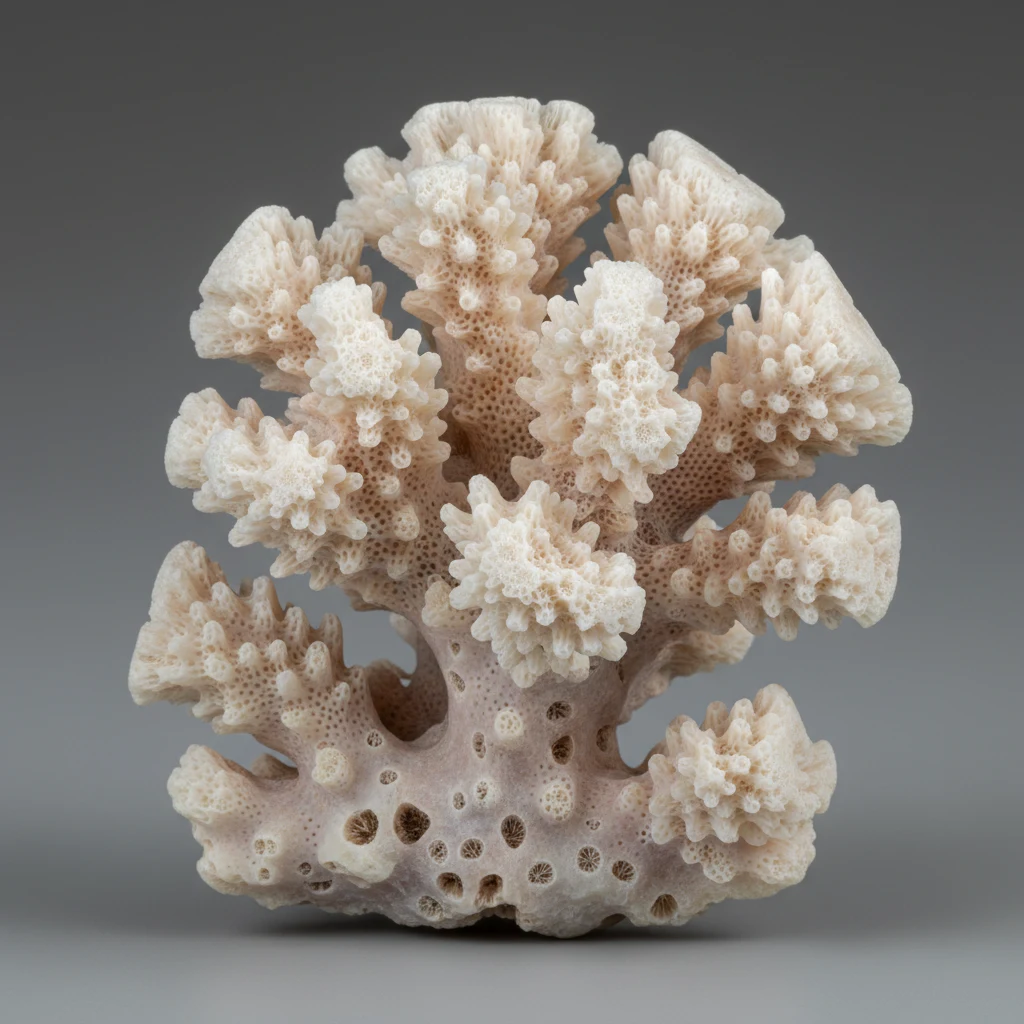
White Coral is an organic gem made from the hard skeletons of marine coral, recognized by its bright white to cream color and branching form. In hand, a good specimen feels smooth rather than glassy, with a dull to vitreous sheen that catches light softly across the surface.
Collectors value White Coral for its clean color, natural marine structure, and approachable availability. It is amorphous, opaque, non-magnetic, and has a Mohs hardness of 3-4, so it should be handled as a moderately durable material rather than a hard everyday-wear stone.
Origin & History
The name coral comes from the Greek word korallion, and White Coral has been used since ancient times. Its appeal is easy to understand when you handle it: the pale color, smooth texture, and organic branching shape give it a very different presence from crystalline minerals.
As an organic CaCO3 gem, White Coral sits at the meeting point of marine life and collectible material culture. For locality and mineral reference context, collectors commonly compare coral entries and locality data through mindat.org when checking names, forms, and reported sources.
Where Is White Coral Found?
White Coral is most commonly found in warm tropical waters. Reported countries include Japan, Italy, and the USA, with notable localities including the Mediterranean Sea in Italy, Okinawa in Japan, and the Florida Keys in the USA.
Formation
White Coral forms through the accumulation of calcium carbonate by coral polyps in reef environments. Over time, that hard CaCO3 framework becomes the solid branching material recognized in specimens and cut organic gems.
Its amorphous structure explains why it does not show the crystal faces collectors expect from many minerals. The material is opaque, has a white streak, and may show conchoidal fracture, so broken surfaces can look curved or shell-like rather than splintery.
How to Identify White Coral
Identify White Coral first by its color and structure: it is typically bright white, though cream and light pink variations occur, and it commonly shows a branching form. The surface is usually smooth with a slight sheen, ranging from dull to vitreous in luster.
Useful checks include its Mohs hardness of 3-4, white streak, opacity, non-magnetic response, and density of 2.5-3.0 g/cm3. Because it is sensitive to acids, avoid harsh chemical testing; a careful visual inspection and gentle hardness comparison are better for preserving the specimen.
Properties of White Coral
Physical Properties
| Crystal System | Amorphous |
| Hardness (Mohs) | 3-4 (Medium (4-6)) |
| Density | 2.5-3.0 g/cm3 |
| Luster | Dull to Vitreous |
| Diaphaneity | Opaque |
| Fracture | Conchoidal |
| Streak | White |
| Magnetism | Non-magnetic |
| Colors | White, Cream, Light Pink |
Chemical Properties
| Classification | Organic |
| Formula | CaCO3 |
| Elements | Ca, C, O |
| Common Impurities | Mg, Fe |
Optical Properties
| Refractive Index | 1.65 |
| Birefringence | None |
| Pleochroism | None |
| Optical Character | Isotropic |
White Coral Health & Safety
No significant health risks associated with handling.
White Coral Value & Price
Price Range
Rough/Tumbled: $10 - $50 per specimen
Cut/Polished: $20 - $100 per carat
Price depends on quality, size, and origin.
Durability
Moderate — Scratch resistance: Fair, Toughness: Fair
Sensitive to acids and should be kept dry.
How to Care for White Coral
Use & Storage
Store in a dry, cool place away from direct sunlight.
Cleaning
Clean with a soft cloth and mild soap solution. Avoid harsh chemicals.
Cleanse & Charge
Can be cleansed under running water or by using sound.
Placement
Place in areas to promote calm and tranquility.
Caution
Avoid exposing to strong acids.
Works Well With
White Coral Meaning & Healing Properties
In crystal healing traditions, White Coral is believed to promote emotional healing, calm, nurturing energy, grounding, and tranquility. Many practitioners place it in quiet areas or use it during meditation when the goal is inner peace, compassion, stress relief, and a softer emotional tone.
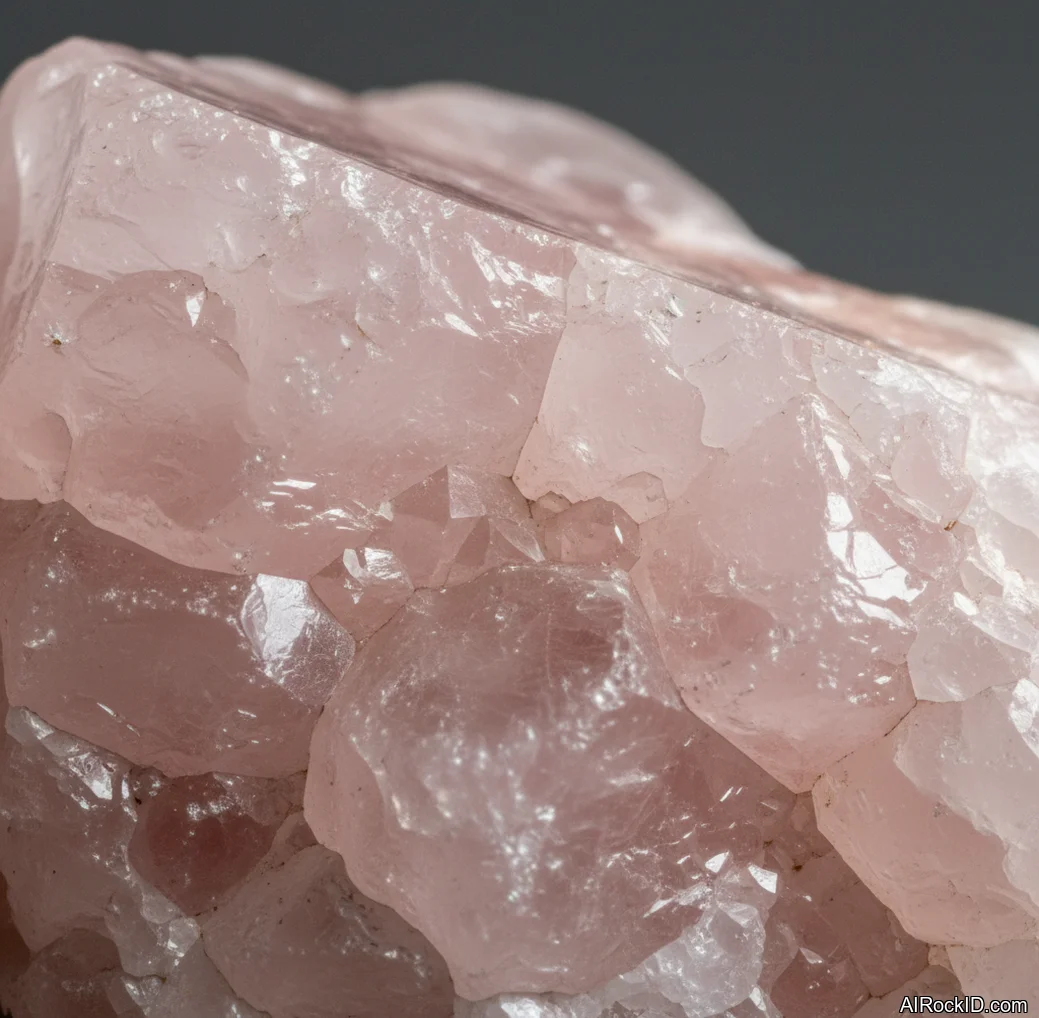
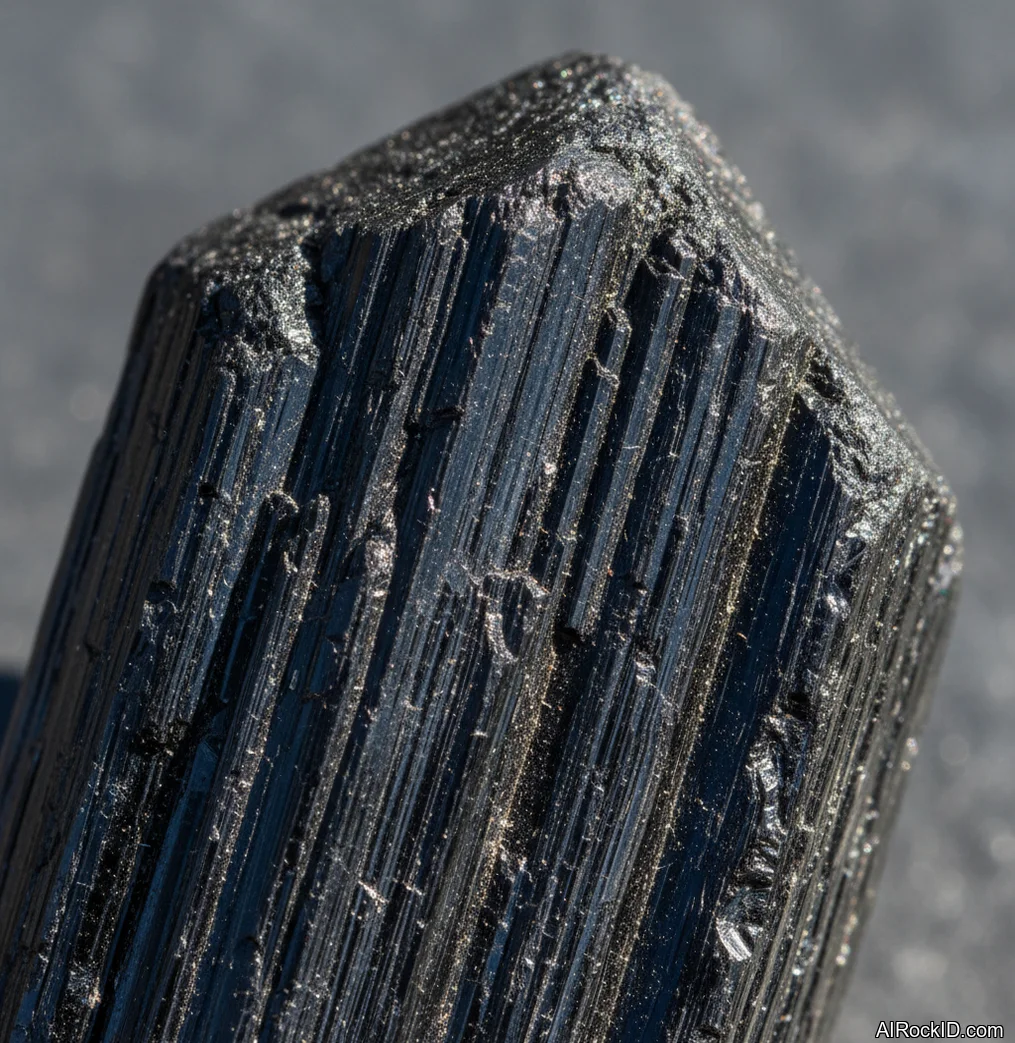
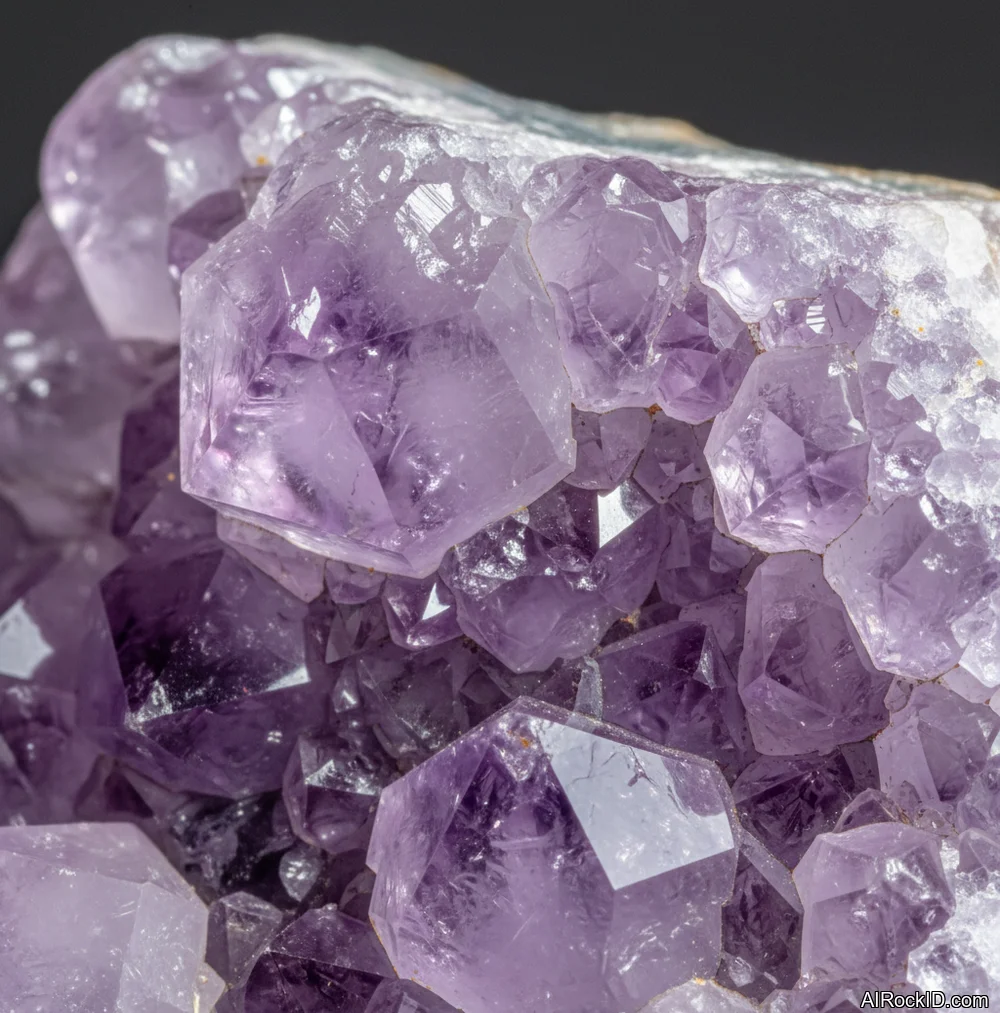
White Coral is associated with the Root and Heart chakras, the zodiac signs Cancer and Pisces, the Moon, and the Water element. It pairs well with rose quartz, amethyst, and black tourmaline, especially when a layout is built around love, calm focus, and grounded emotional support.
Identify White Coral from a photo
Compare White Coral traits, care tips, value clues, and common lookalikes with a clear photo.
Common mistakes
- Assuming every white bead labeled coral is natural coral rather than shell, howlite, magnesite, glass, or plastic.
- Using vinegar, lemon juice, or stronger acids to test authenticity and damaging the calcium carbonate surface.
- Ignoring legal restrictions when buying raw coral branches or older jewelry from another country.
- Treating White Coral like a hard gemstone and wearing it in rings or bracelets exposed to frequent abrasion.
- Mistaking a bright, uniform white color for higher quality without checking for bleaching or coating.
- Cleaning White Coral in ultrasonic cleaners, steam cleaners, or harsh detergents.