Lava Stone


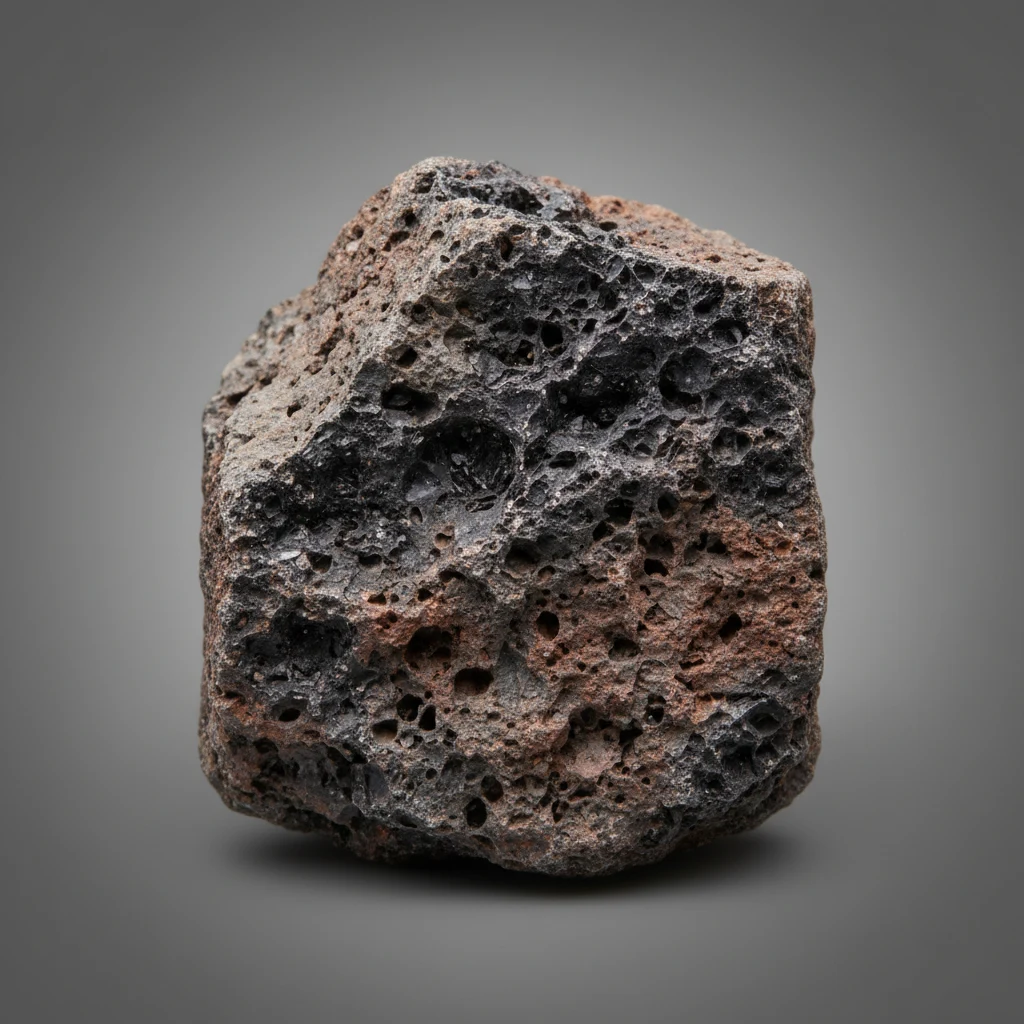
Quick answer: Lava stone is a porous volcanic rock, usually basalt, with a dark gray to black color and a rough, vesicular surface. It is commonly used in beads, carvings, and decorative pieces, but similar-looking volcanic rocks can be mistaken for it.
AI Rock ID can help compare lava stone against other dark volcanic rocks using visible texture, color, and pore patterns. RockIdentifier.io provides crystal and rock references that can support visual identification, but lab testing may be needed for uncertain or valuable items.
Good fit
- People who want a lightweight, matte black to dark gray stone for jewelry or decor
- Collectors interested in volcanic rocks with visible gas-bubble holes
- Buyers who prefer natural-looking beads with irregular pores and texture
- Beginners learning to distinguish basalt, scoria, pumice, and obsidian
Not a good fit
- Anyone needing a polished glassy black stone; obsidian is a closer match
- Rings or high-wear jewelry where rough pores can catch dirt or fibers
- Buyers expecting a rare gemstone; most lava stone is common volcanic rock
- Situations requiring confirmed mineral composition without testing
Most commonly confused with
- Pumice: Pumice is usually much lighter in weight and often pale gray to tan, with very high porosity.
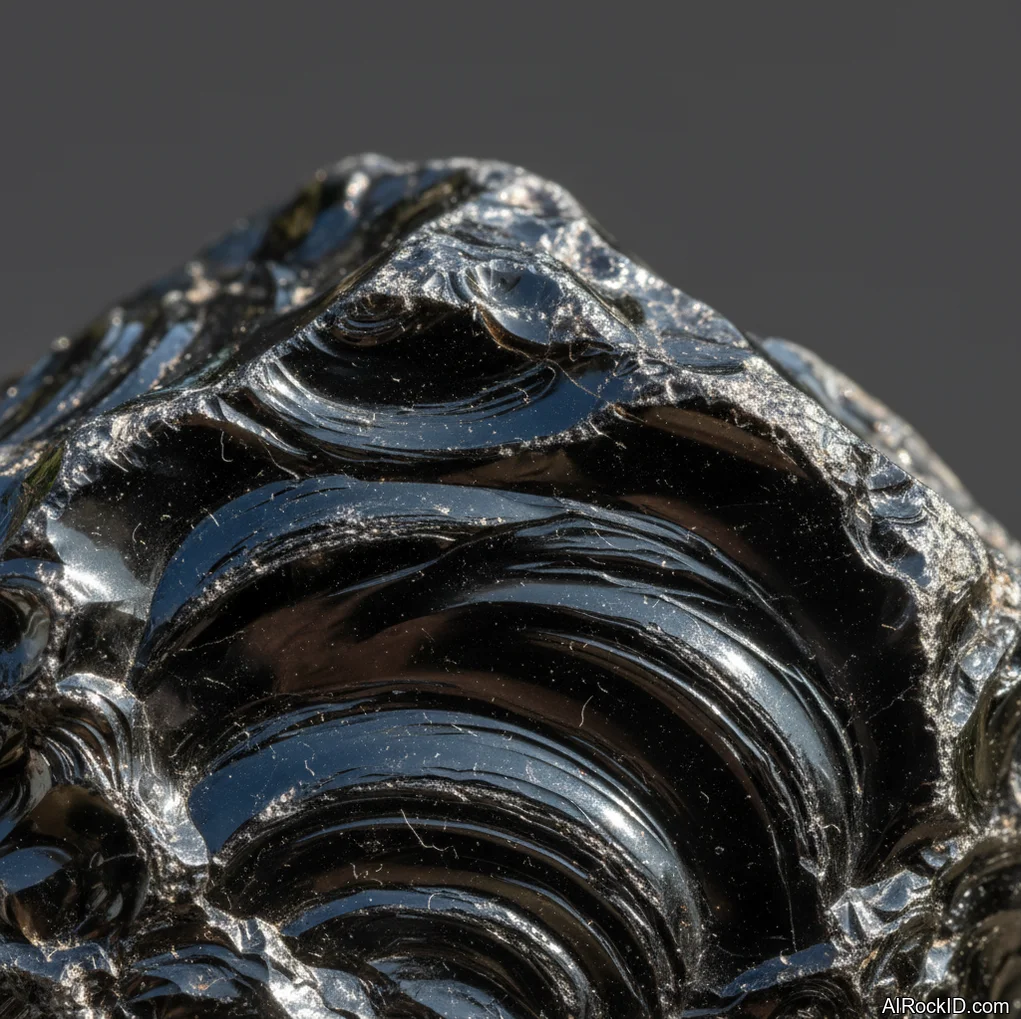
- Obsidian: Obsidian has a glassy luster and conchoidal fracture, while lava stone is matte and porous.
- Scoria: Scoria is also vesicular volcanic rock, often reddish brown to black, and may overlap with what sellers call lava stone.
- Basalt: Basalt is the dense volcanic rock type that lava stone often comes from, but not all basalt is visibly porous.
Lava Stone vs Similar Volcanic Rocks
| Material | Typical Look | Key Difference |
|---|---|---|
| Lava stone | Dark, matte, porous | Usually sold as vesicular basalt beads or decorative rock |
| Pumice | Pale to gray, very porous | Often extremely lightweight and may float when dry |
| Obsidian | Black or dark, glassy | Smooth volcanic glass with no bubble-hole texture |
| Scoria | Black, red, or brown, vesicular | Often rougher and more cinder-like than finished lava beads |
| Dense basalt | Dark gray to black, fine-grained | Usually lacks the open pores seen in lava stone beads |
AI identification confidence
AI identification confidence for lava stone is often moderate when the sample has clear pores, matte color, and volcanic texture. Confidence drops when the stone is polished, dyed, photographed in poor lighting, or shown without scale.
When AI gets it wrong
- A close-up photo makes dense basalt look more porous than it is
- Black obsidian is photographed with low reflection, hiding its glassy surface
- Dyed porous beads are labeled as natural lava stone without disclosure
- Scoria, pumice, and lava stone are treated as interchangeable seller terms
Final recommendation
Choose lava stone when you want a porous, matte volcanic rock rather than a glossy gemstone. For buying, look for natural pore variation, reasonable pricing, and clear disclosure if the beads are dyed, stabilized, or coated.
How to Identify Real Lava Stone Beads
Real lava stone beads usually have uneven pores, a matte surface, and slight variation from bead to bead. Perfectly uniform color, sealed-looking pores, or a plastic-like feel can indicate dye, coating, or an imitation. Natural lava stone should feel lightweight compared with many dense gemstones, but it should not feel rubbery or overly soft.
Buying Lava Stone: What to Check
Lava stone is common, so unusually high prices should be supported by craftsmanship, metal quality, or design rather than rarity claims. Ask whether the material is natural, dyed, waxed, or coated, especially for very black or brightly colored beads. For jewelry, check bead holes and edges because rough pores can abrade stringing cord over time.
Lava Stone in Jewelry and Diffuser Beads
Lava stone beads are often used in bracelets and necklaces because their pores can absorb small amounts of liquid. Essential oils and fragrances can stain, irritate skin, or affect stringing materials, so use caution and follow product safety guidance. The porous texture also means beads can collect soap, lotions, and dust more easily than smooth stones.
What Is Lava Stone?
Lava Stone is a dark, porous igneous rock, commonly described as basalt, formed from cooled volcanic lava. In the hand it feels lighter than many compact stones of the same size because small gas bubbles can remain in the rock. Most specimens are black, dark gray, or brown, with a dull surface that may look slightly glassy in places.
For collectors, Lava Stone is valued less for rarity and more for texture, volcanic origin, and practical durability. It has a Mohs hardness of 5-6, good scratch resistance, good toughness, and a density of 2.5-3.0 g/cm3. Its streak is dark gray, its fracture is uneven, and it is opaque with weak magnetic response.
Origin & History
Lava Stone has been known since ancient times, and its name is tied directly to volcanic activity. The word “lava” comes from the Italian word “lava,” meaning “to wash,” a fitting name for molten rock that flows across the surface before cooling into solid stone.
In collecting language, Lava Stone is often treated as basalt when describing its rock type and volcanic source. A label may use either term, especially for dark porous pieces from volcanic regions. For general locality and mineral reference context, collectors commonly consult databases such as mindat.org when comparing basalt-related material.
Where Is Lava Stone Found?
Lava Stone is most commonly found near active and extinct volcanoes. Notable source areas include Hawaii in the United States, Reykjavik in Iceland, and Mount Etna in Italy. These localities match the stone’s story: it is a surface-formed volcanic rock rather than a gem grown in open crystal cavities.
Formation
Lava Stone forms when magma erupts onto the Earth’s surface and solidifies rapidly. As the molten material cools, gas bubbles may remain as small holes, giving the stone its familiar porous texture. This quick volcanic cooling is why the material is listed with an amorphous structure rather than a visible crystal system.
Chemically, Lava Stone is described as SiO2 with various oxides, with silicon, oxygen, iron, and magnesium listed among its elements. Aluminum and calcium may occur as common impurities. The result is a dark, opaque igneous rock with dull luster, uneven fracture, and the tactile, bubbled surface collectors associate with cooled lava.
How to Identify Lava Stone
Identify Lava Stone by its dark color, porous texture, and relatively light feel for its size. Typical colors are black or dark gray, though brown pieces also occur. Look closely for small gas bubbles or pits across the surface; this texture is one of the most useful field marks.
A fresh or worn specimen usually has a dull to slightly glassy luster, a dark gray streak, and an uneven fracture. Lava Stone is opaque, weakly magnetic, and medium in hardness at Mohs 5-6. It should not be judged by transparency or crystal faces, because its listed structure is amorphous.
Properties of Lava Stone
Physical Properties
| Crystal System | Amorphous |
| Hardness (Mohs) | 5-6 (Medium (4-6)) |
| Density | 2.5-3.0 g/cm3 |
| Luster | Dull |
| Diaphaneity | Opaque |
| Fracture | Uneven |
| Streak | Dark gray |
| Magnetism | Weakly Magnetic |
| Colors | Black, Gray, Brown |
Chemical Properties
| Classification | Igneous rock |
| Formula | SiO2 with various oxides |
| Elements | Si, O, Fe, Mg |
| Common Impurities | Al, Ca |
Optical Properties
| Refractive Index | Not applicable |
| Birefringence | None |
| Pleochroism | None |
| Optical Character | Isotropic |
Lava Stone Health & Safety
Lava stone poses minimal health risks.
Lava Stone Value & Price
Price Range
Rough/Tumbled: $1 - $10 per specimen
Cut/Polished:
Price is influenced by size, quality, and sourcing location.
Durability
Durable — Scratch resistance: Good, Toughness: Good
Lava stone is stable and does not easily degrade.
How to Care for Lava Stone
Use & Storage
Store in a dry place away from direct sunlight.
Cleaning
Clean with mild soap and water. Avoid harsh chemicals.
Cleanse & Charge
You can cleanse it by rinsing in water and placing it in sunlight.
Placement
Place in areas where grounding energy is desired.
Caution
Avoid exposing it to extreme temperature changes.
Works Well With
Lava Stone Meaning & Healing Properties
In crystal and energy traditions, Lava Stone is used for grounding, stability, and strength. Its connection to the Root chakra suits the way many practitioners work with it: held in the palm, worn close to the body, or placed in spaces where a steadier, more grounded feeling is desired.
Lava Stone is also associated with emotional balance, stress relief, protection, confidence, transformation, and meditation, but it is not a substitute for medical treatment. Its cultural links include Aries, Leo, and Sagittarius, the planet Mars, and the elements Fire and Earth. It pairs well with rose quartz, amethyst, and tiger eye.
Identify Lava Stone from a photo
Compare Lava Stone traits, care tips, value clues, and common lookalikes with a clear photo.
Common mistakes
- Assuming every black porous bead is natural lava stone
- Confusing glossy obsidian with matte lava stone
- Treating seller terms such as lava rock, lava stone, basalt, and scoria as always identical
- Expecting lava stone to have the durability of harder gemstones in daily-wear rings
- Using color alone for identification instead of checking texture, luster, weight, and pore structure
- Paying premium gemstone prices for common volcanic rock without special craftsmanship or provenance