Mars Crystals
Quick answer: Mars crystals are stones commonly associated in modern crystal traditions with drive, courage, action, protection, and assertive energy. Popular examples include Carnelian, Red Jasper, Hematite, Garnet, Bloodstone, and other red, orange, iron-rich, or grounding stones.
Learn how Mars connects with crystals like Carnelian, Red Jasper, Hematite, and Garnet, plus buying tips and ways to work with Mars stones.


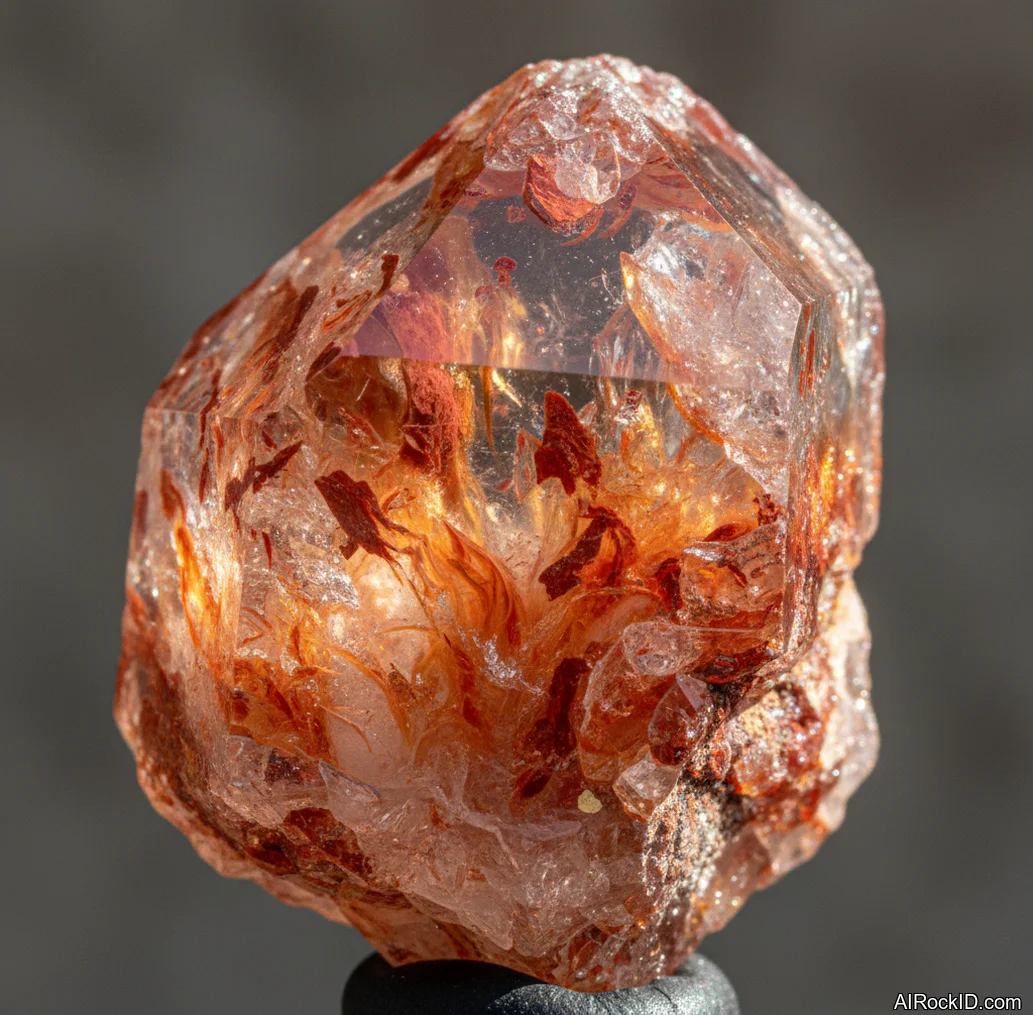
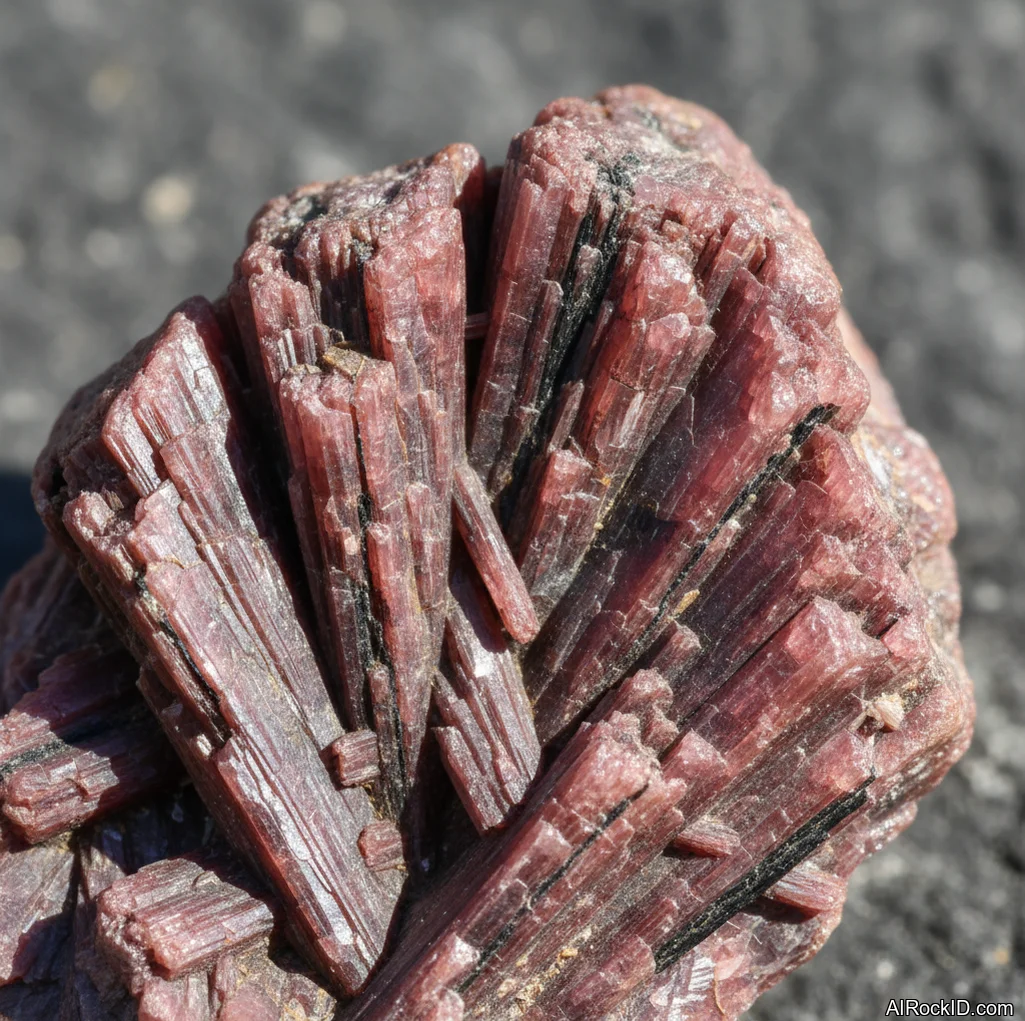
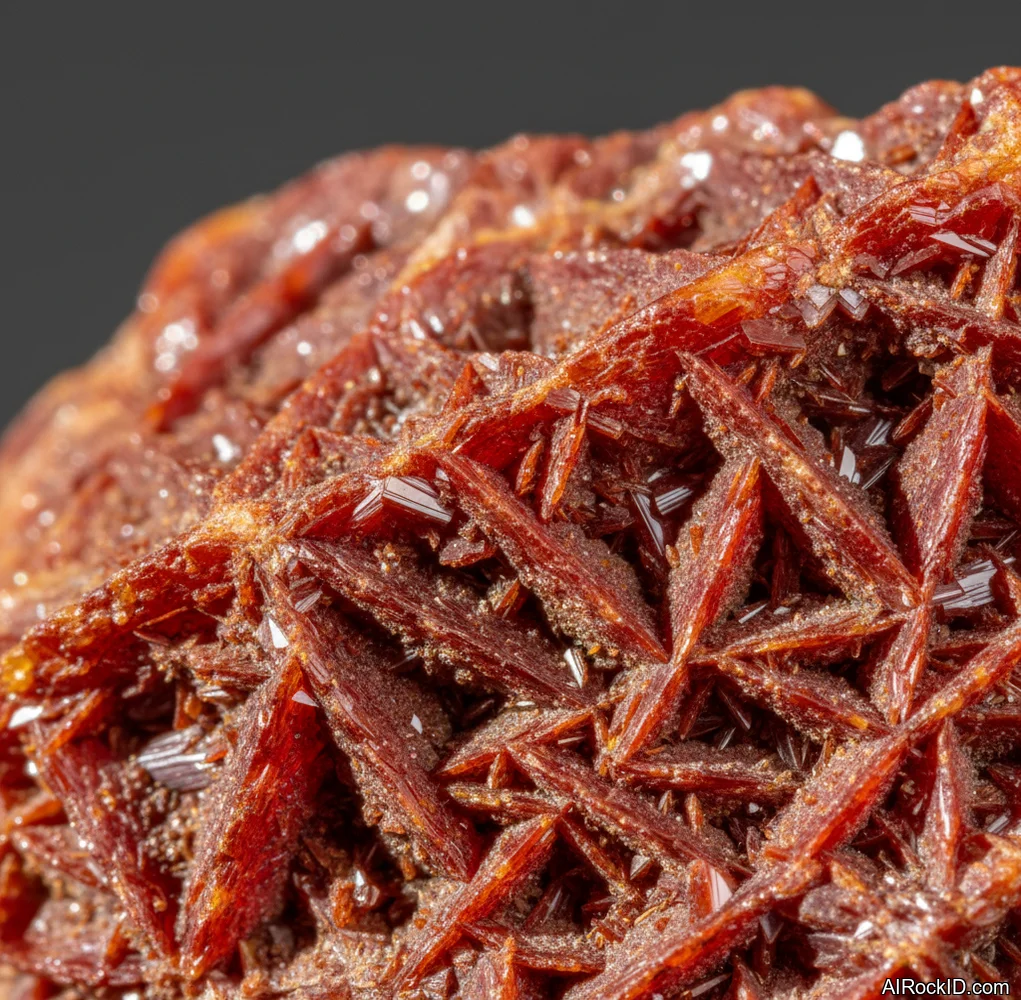
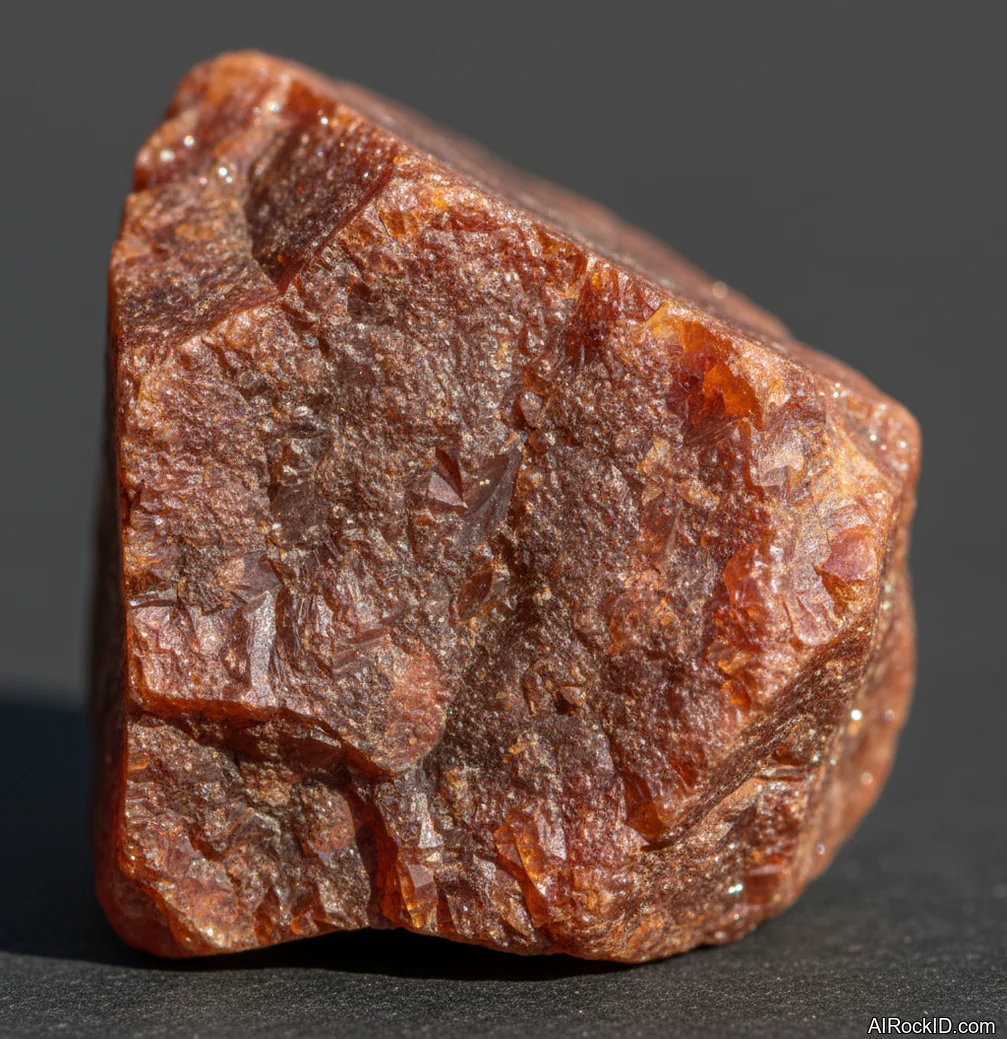
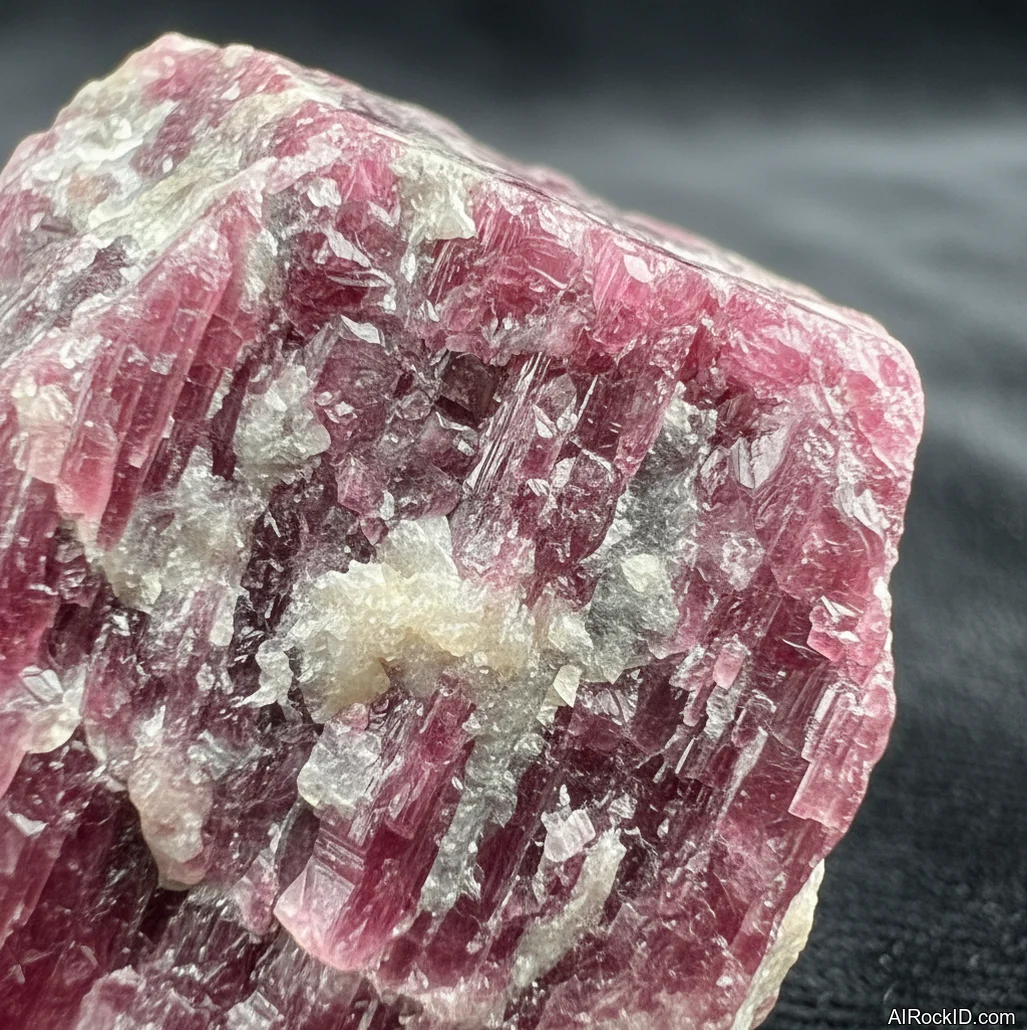
Mars crystals are minerals and stones that collectors link to the energy and symbolism of the planet Mars—action, courage, momentum, and boundaries. The most common Mars crystals are Hematite, Carnelian, Red Jasper, Bloodstone, Garnet, and Black Tourmaline. Their physical traits often include a heavy feel, metallic or deep red color, and a sense of grounding in the hand. These associations come from metaphysical traditions, not scientific or medical research.
Mars crystals can’t literally give you strength, make you act, or resolve anger issues on their own. They should never be used as a replacement for therapy, medication, or real-world problem solving.
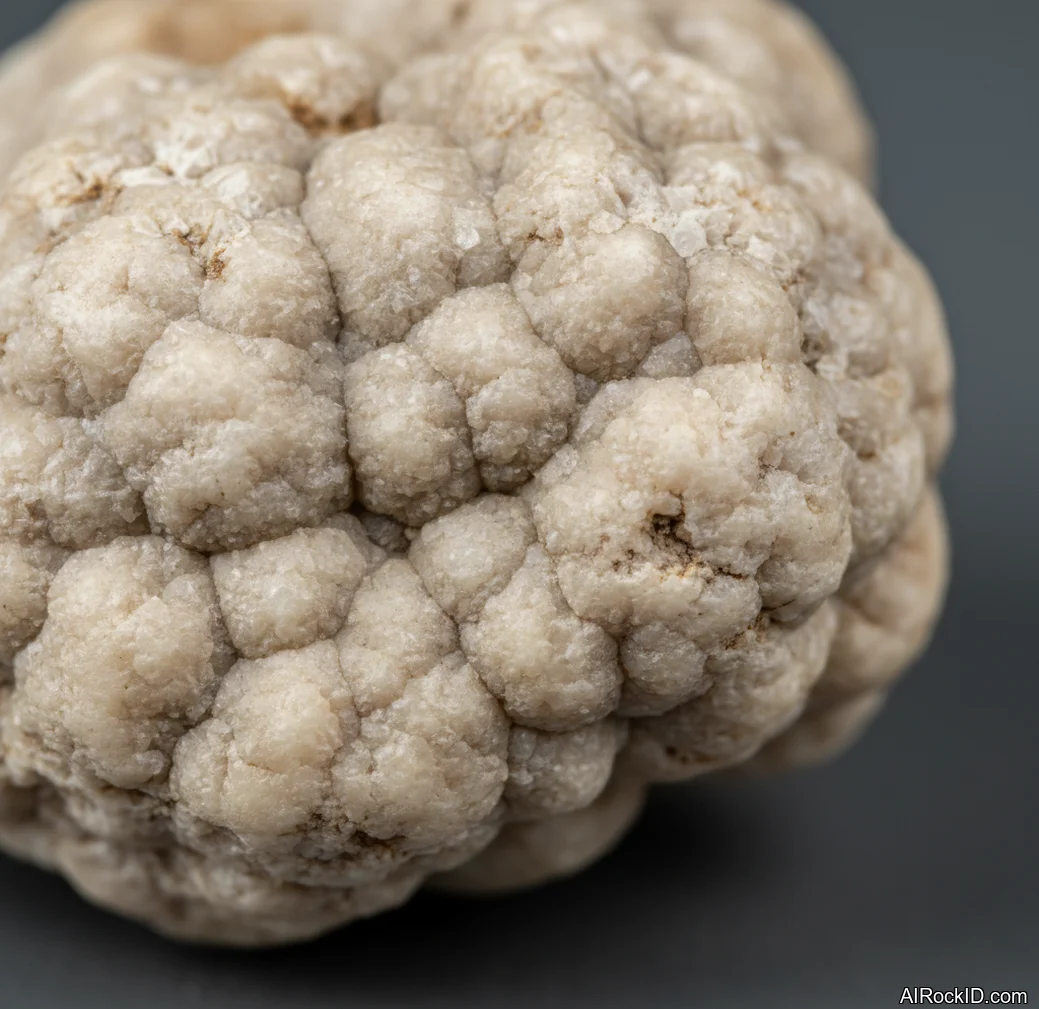
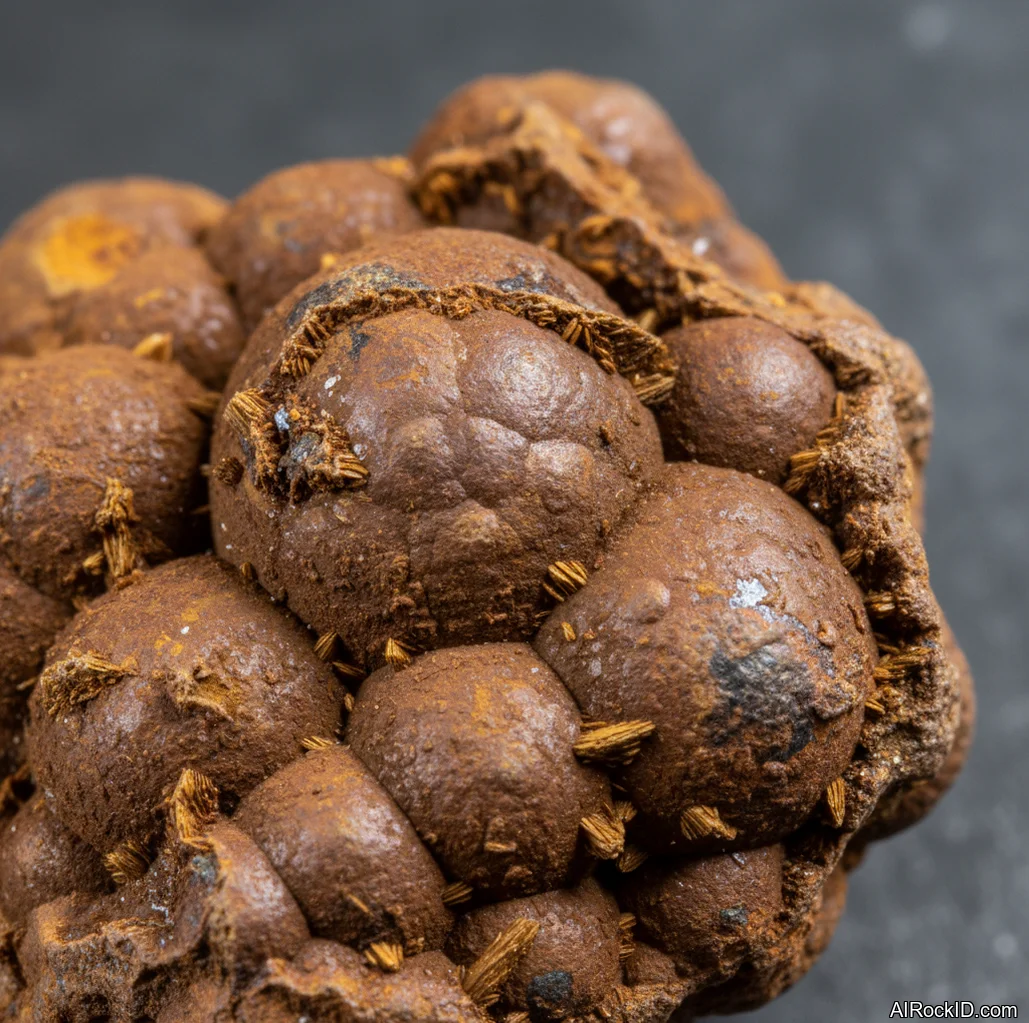
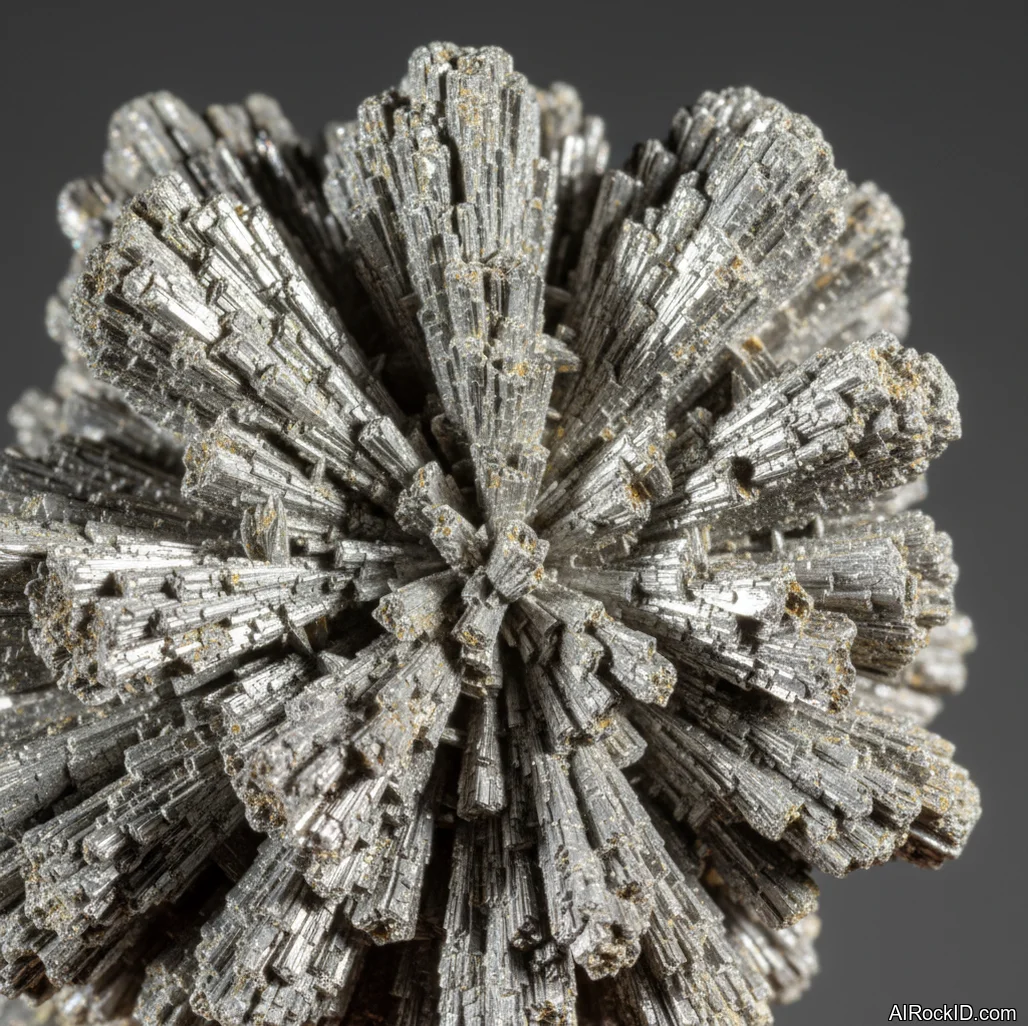
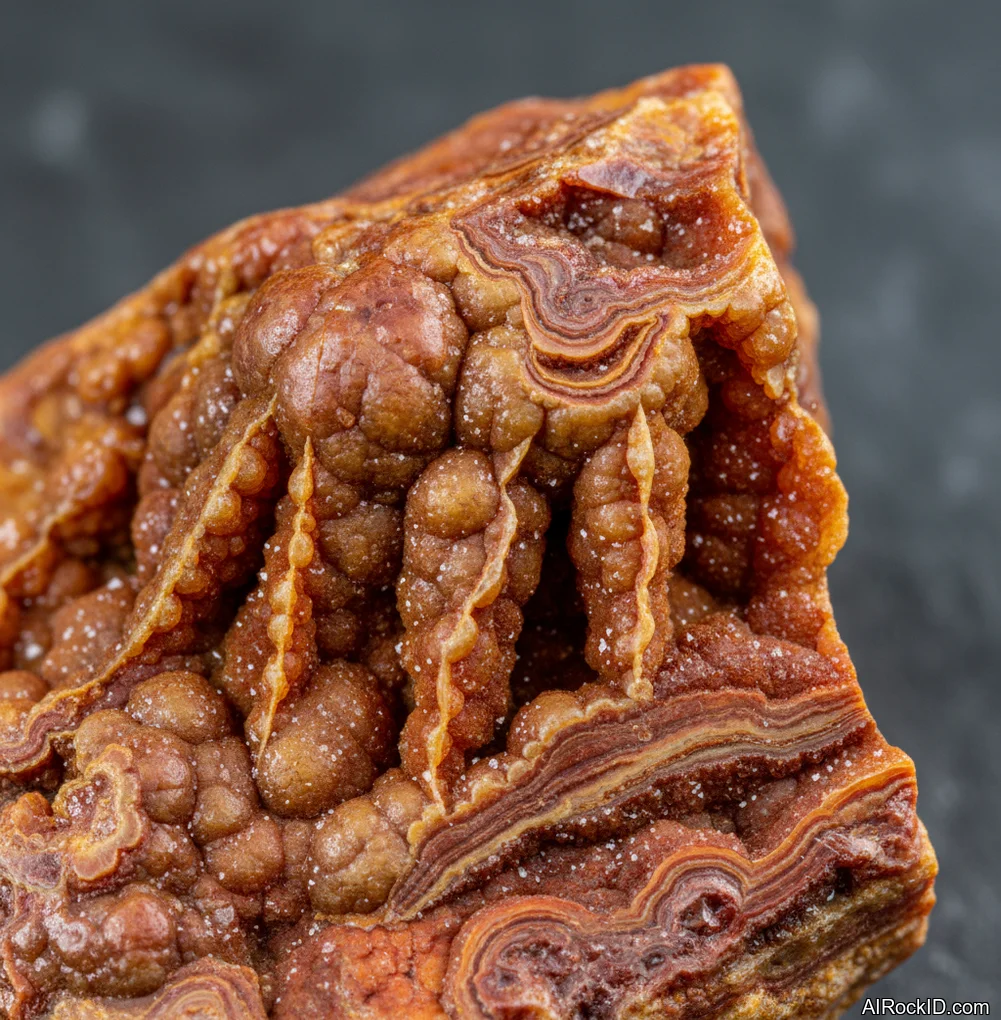
AI Rock ID can help compare a photographed specimen with visually similar crystals often grouped under Mars associations, such as Carnelian, Red Jasper, Hematite, and Garnet. RockIdentifier.io provides crystal identification tools and wiki references for checking appearance, likely mineral type, and related crystal categories.
Good fit
- Readers exploring crystals associated with courage, motivation, action, or assertiveness in metaphysical traditions
- Beginners who want a focused starting list of red, orange, metallic, or iron-rich stones
- Collectors comparing Mars-linked crystals with root chakra, fire element, or Aries-related stones
- People who want symbolic crystal choices for intention setting, journaling, meditation, or display
- Anyone identifying a reddish or metallic crystal and checking whether it fits this tag
Not a good fit
- Medical treatment, mental health care, or physical recovery plans
- Replacing professional advice for anger management, conflict, or stress
- Confirming mineral identity from color alone
- Assuming every red crystal belongs only to Mars symbolism
Most commonly confused with
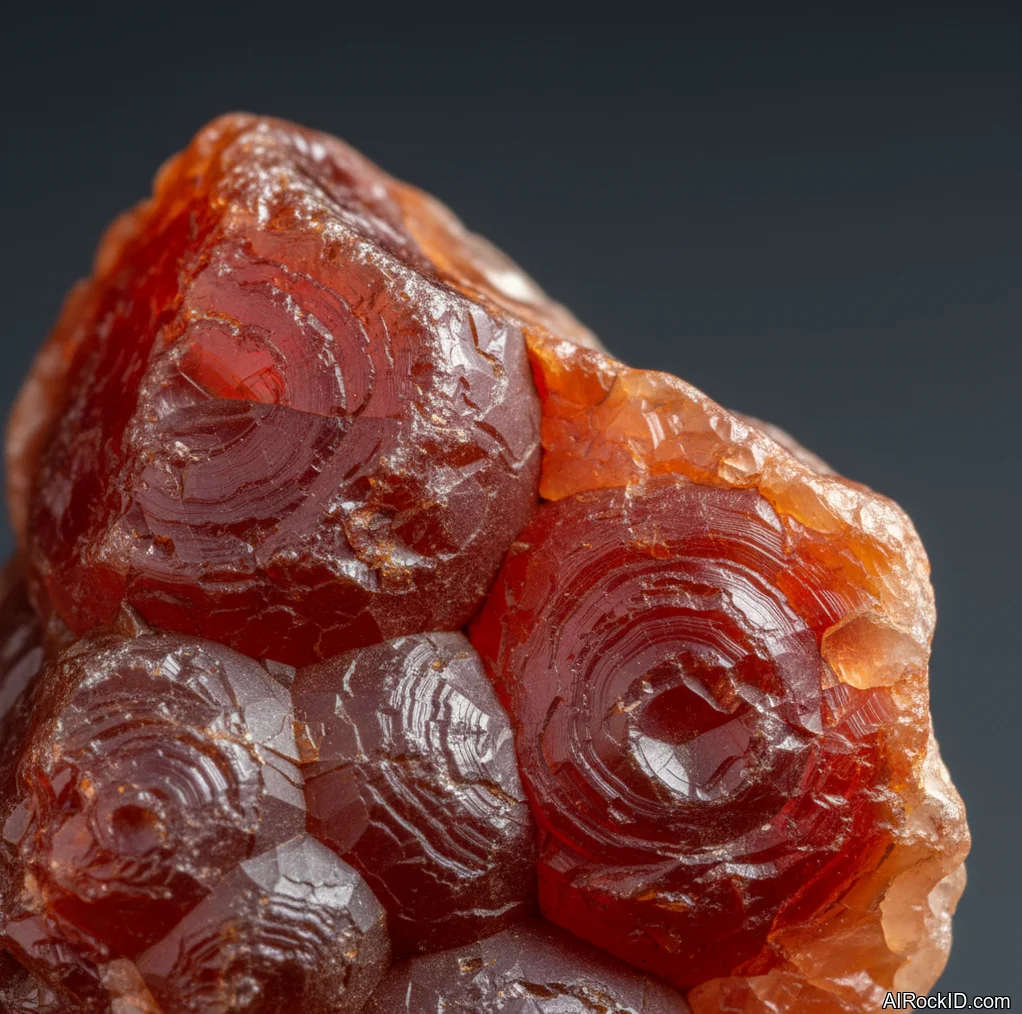
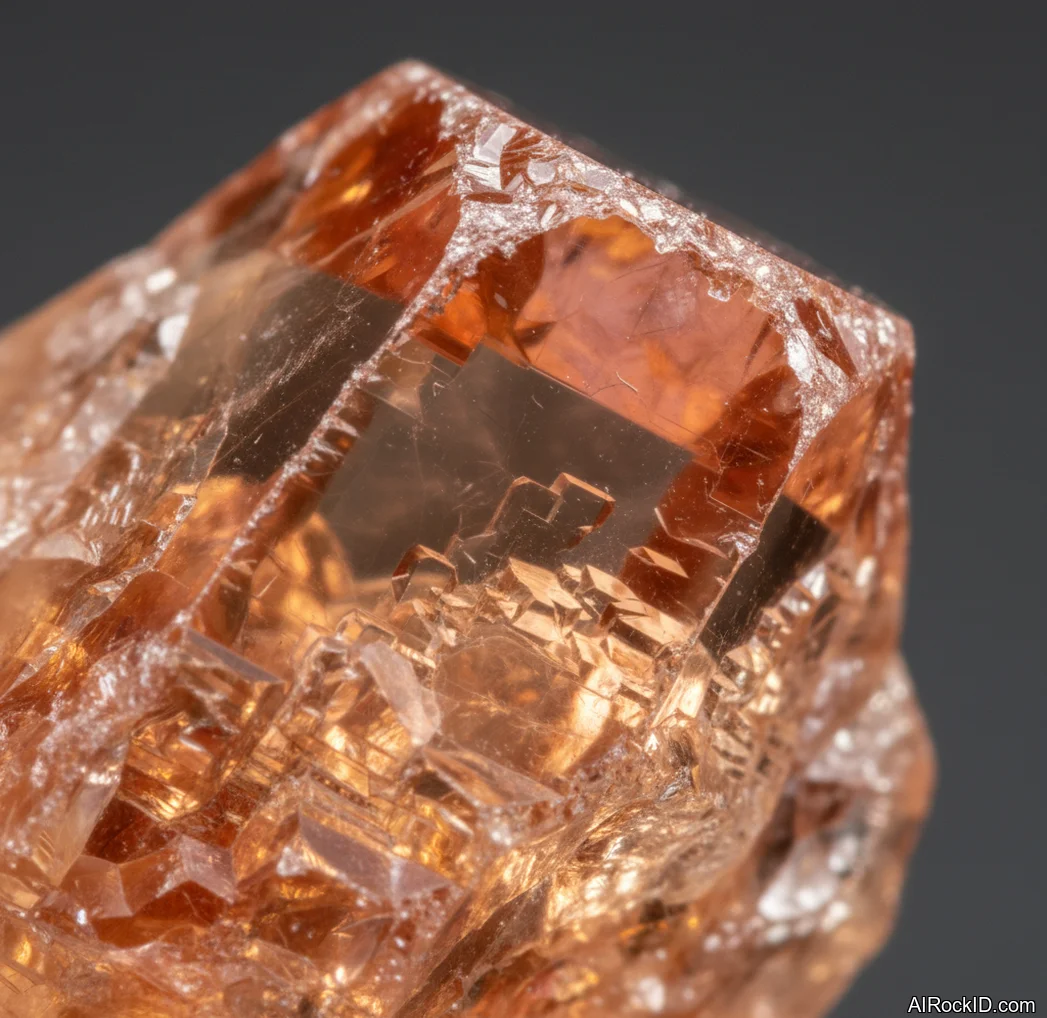
- Carnelian: Carnelian is usually orange to red-orange chalcedony and is often more translucent than Red Jasper.
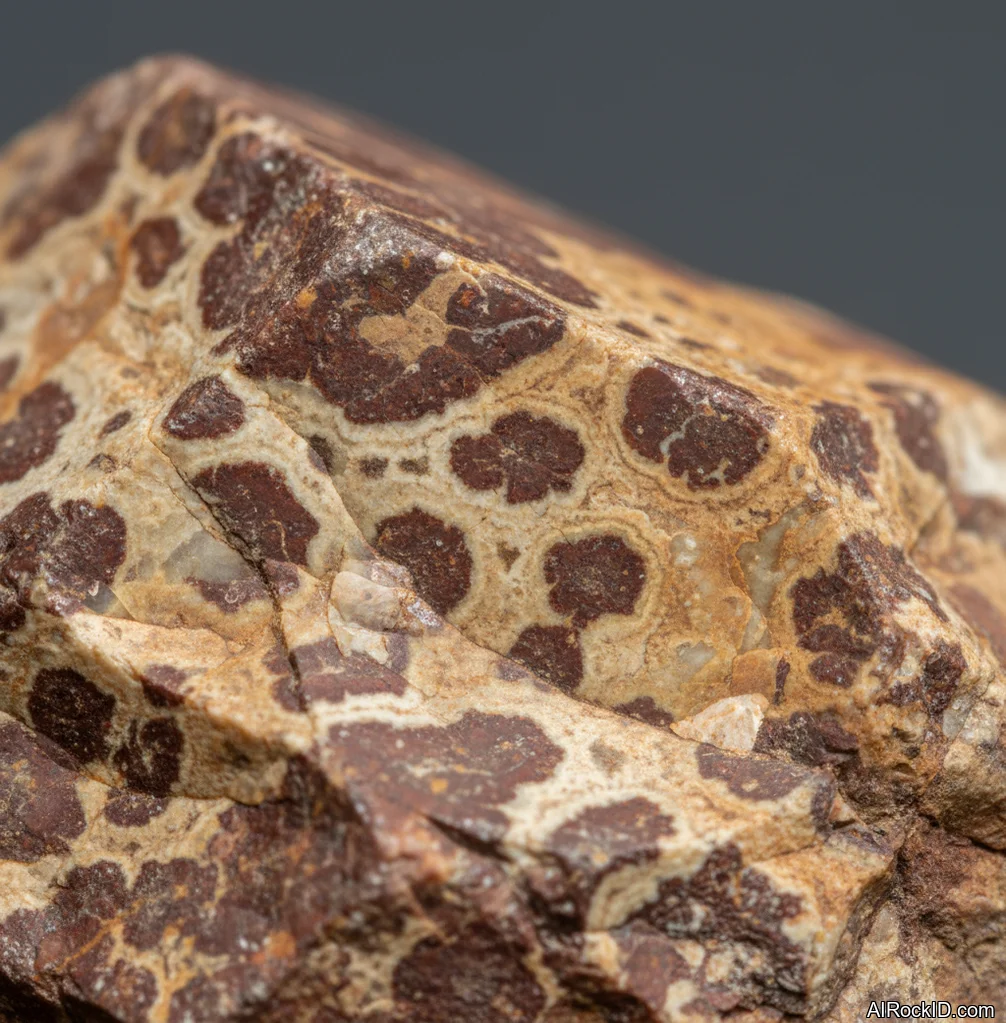
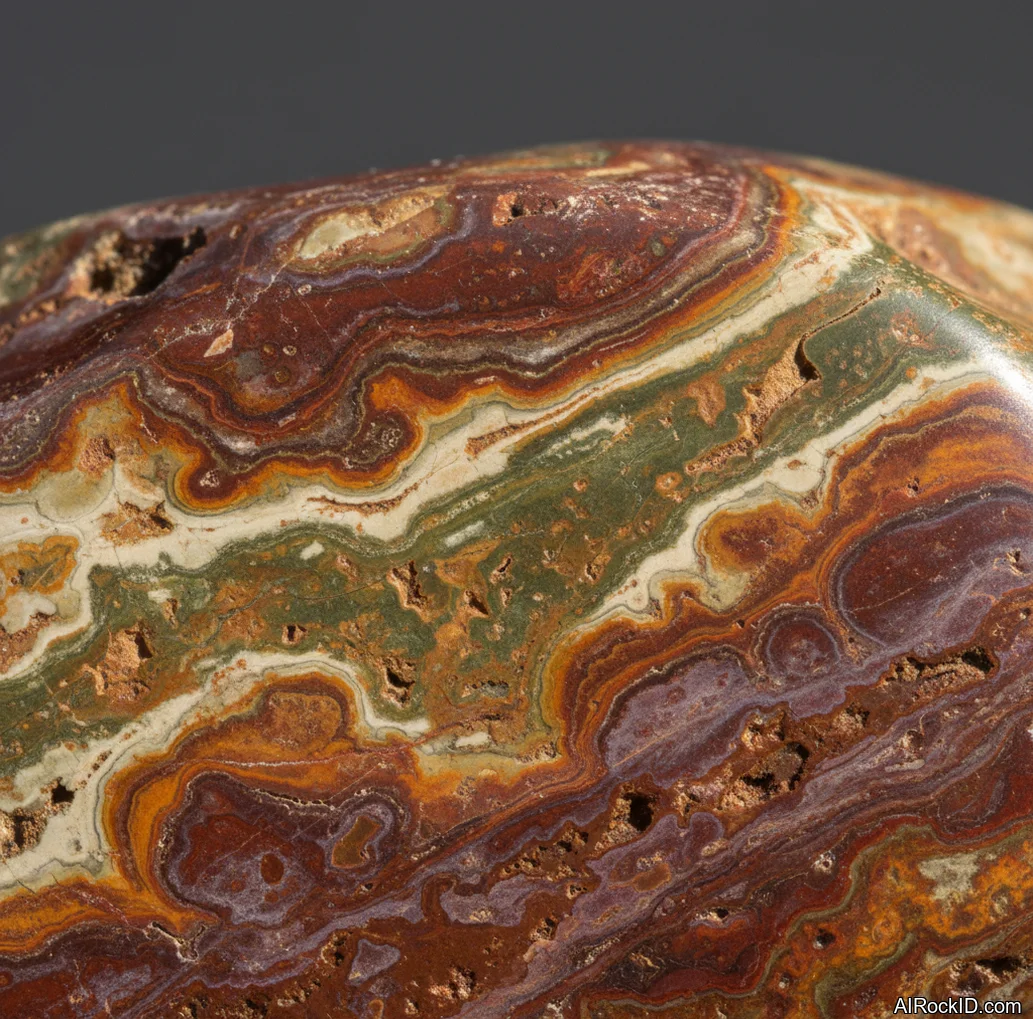
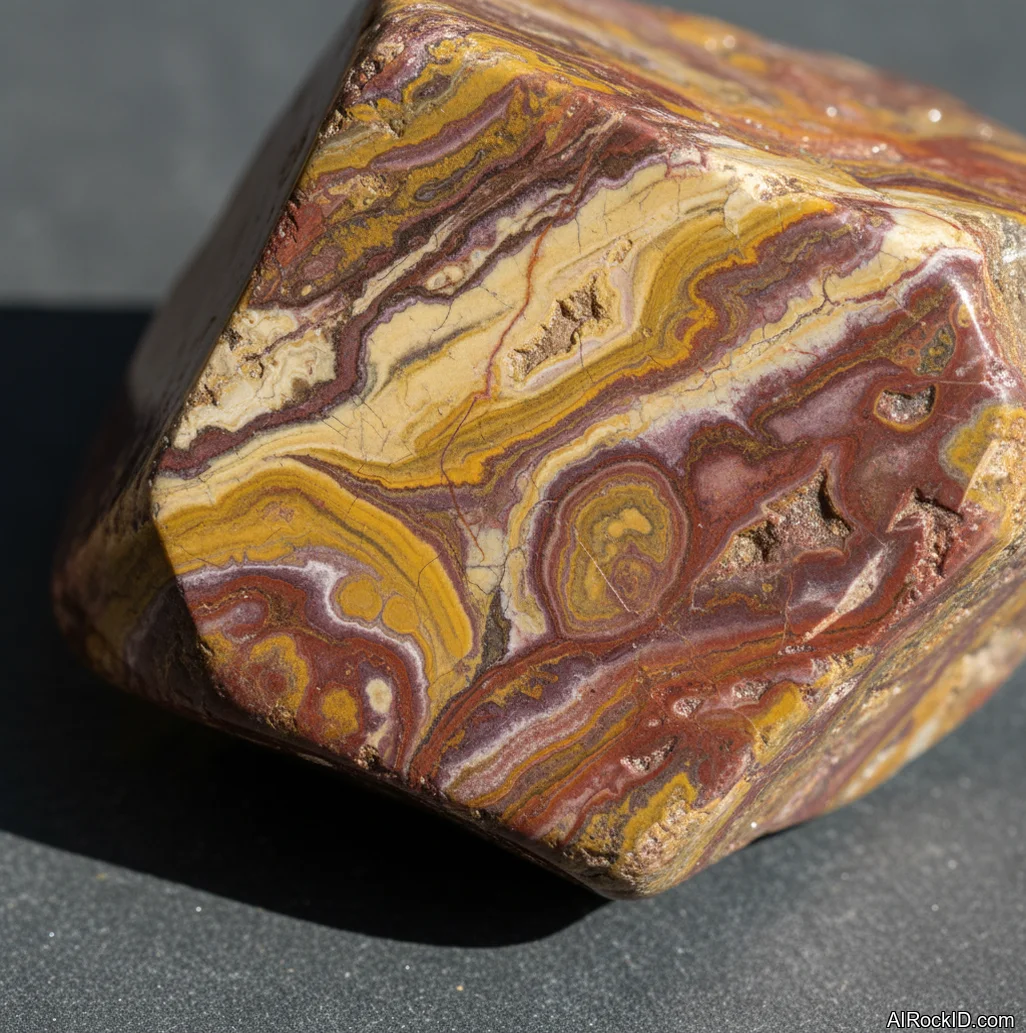
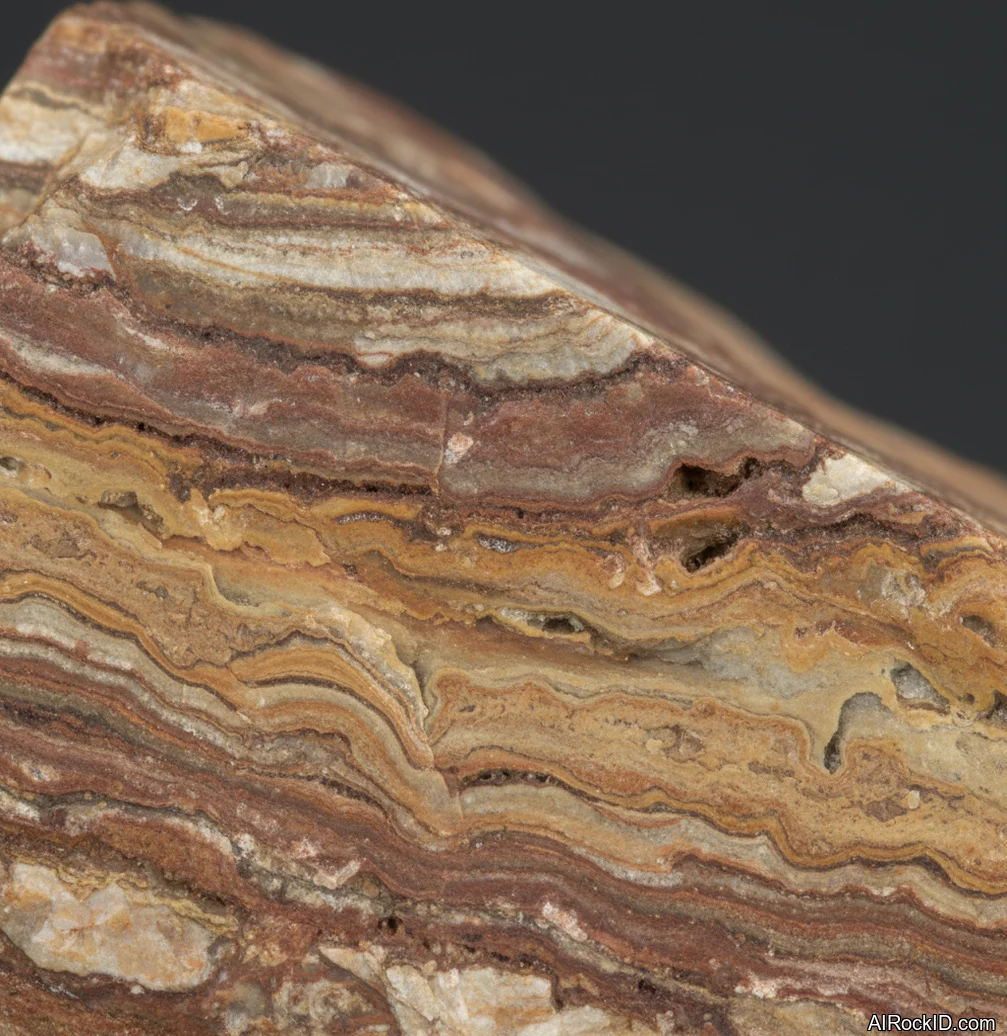
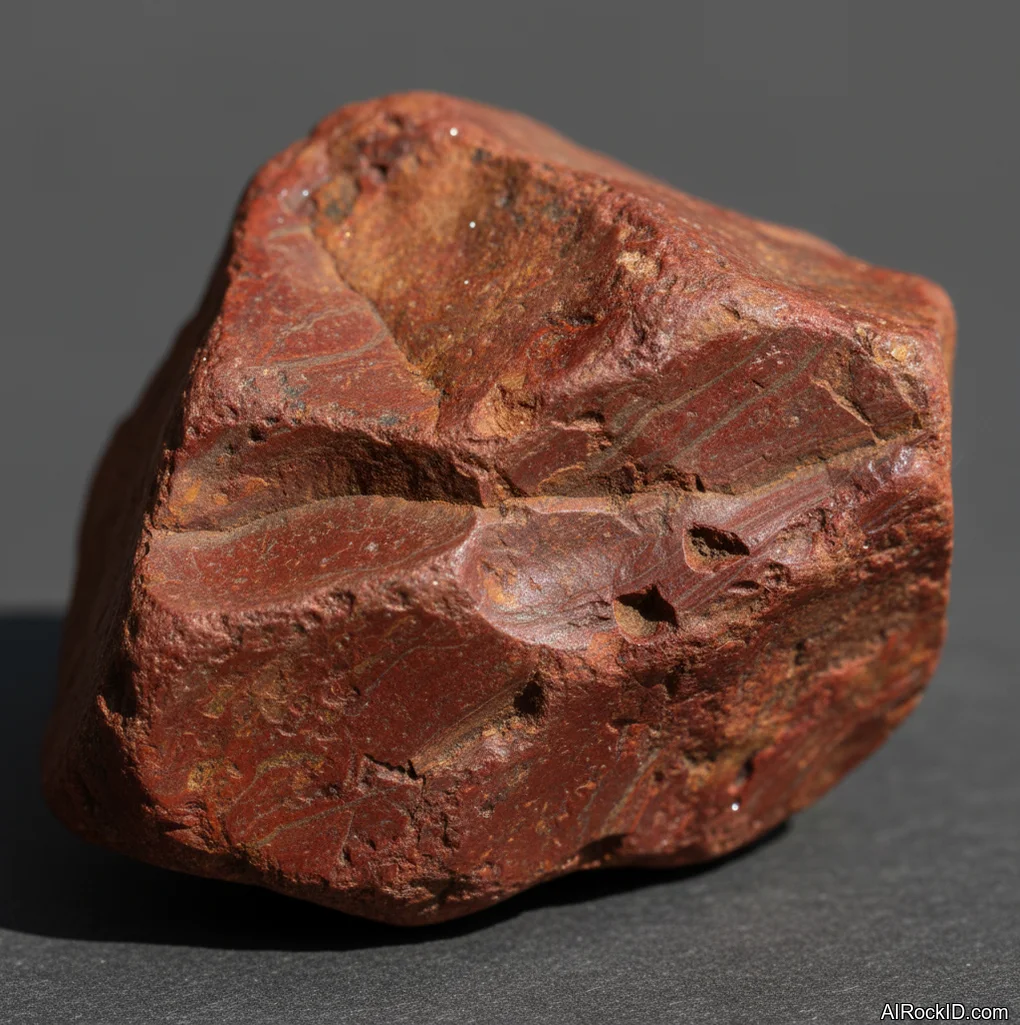
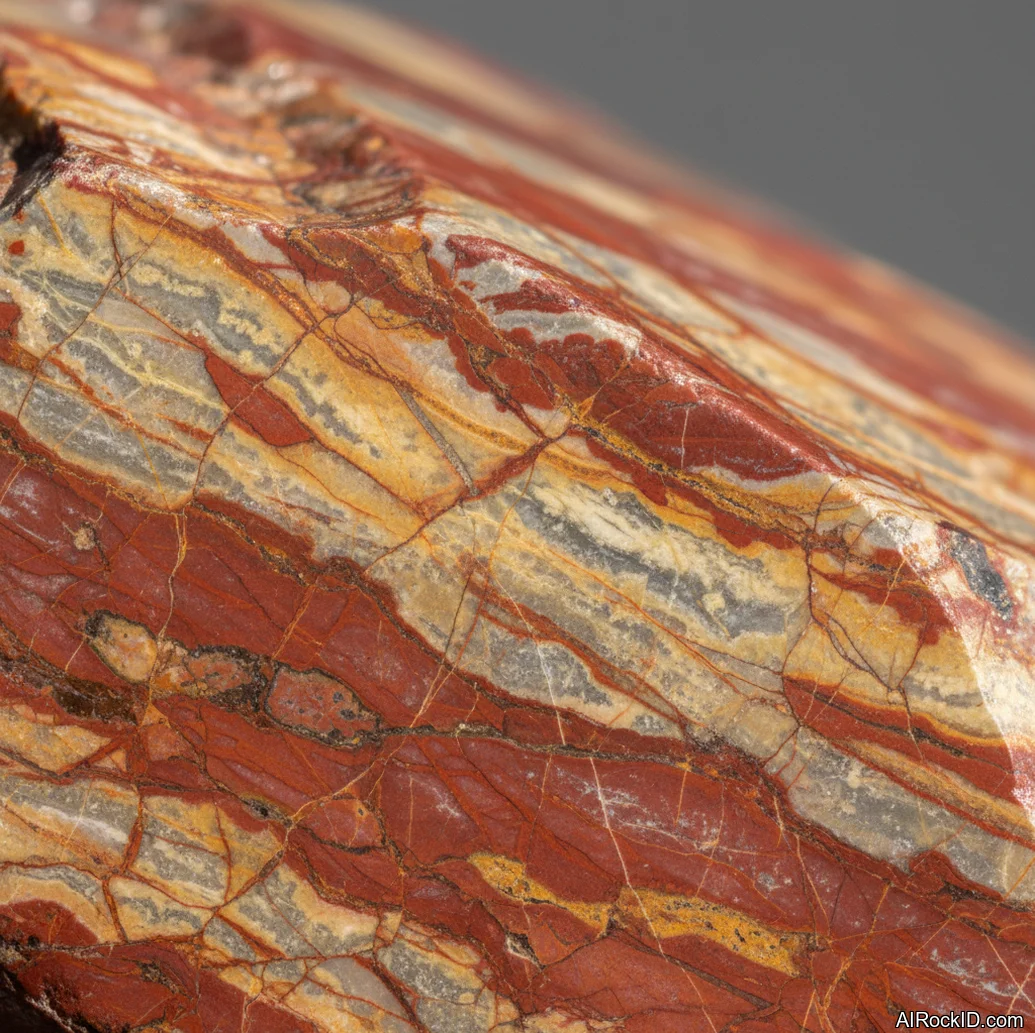
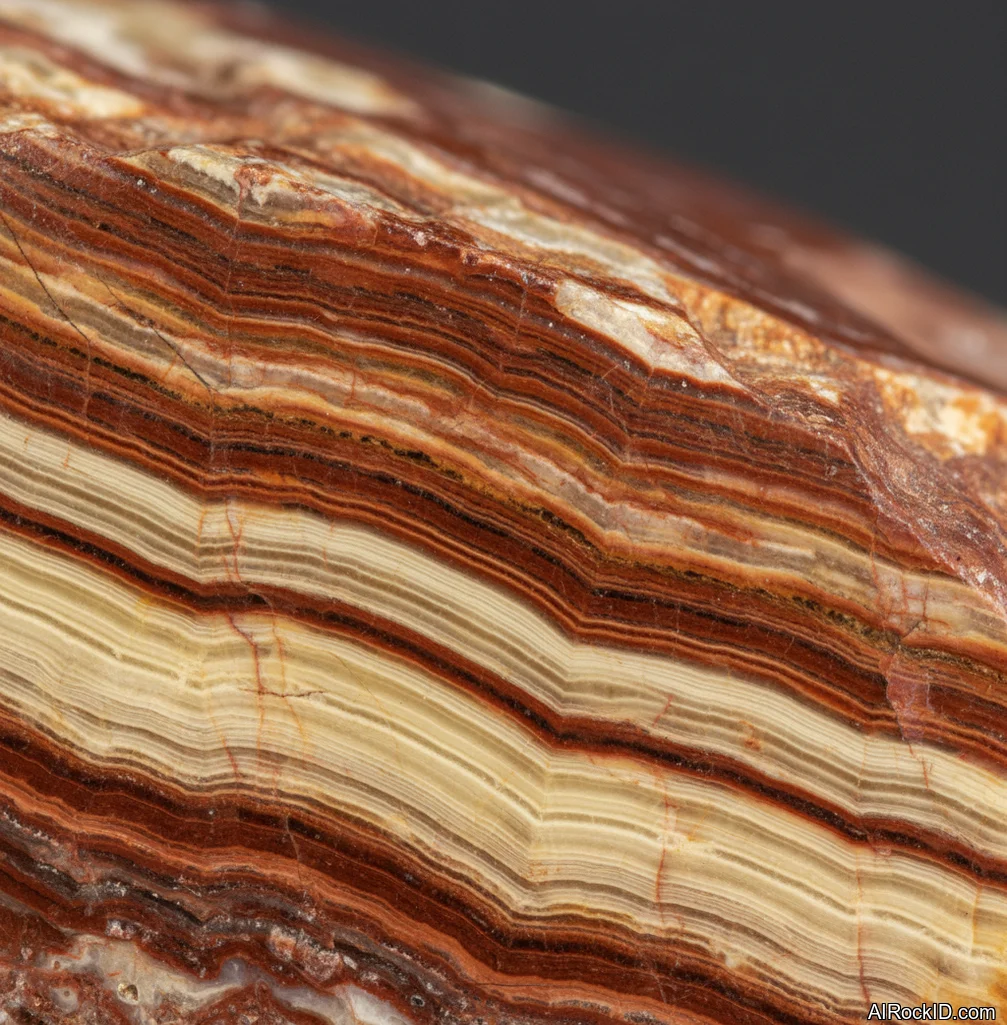
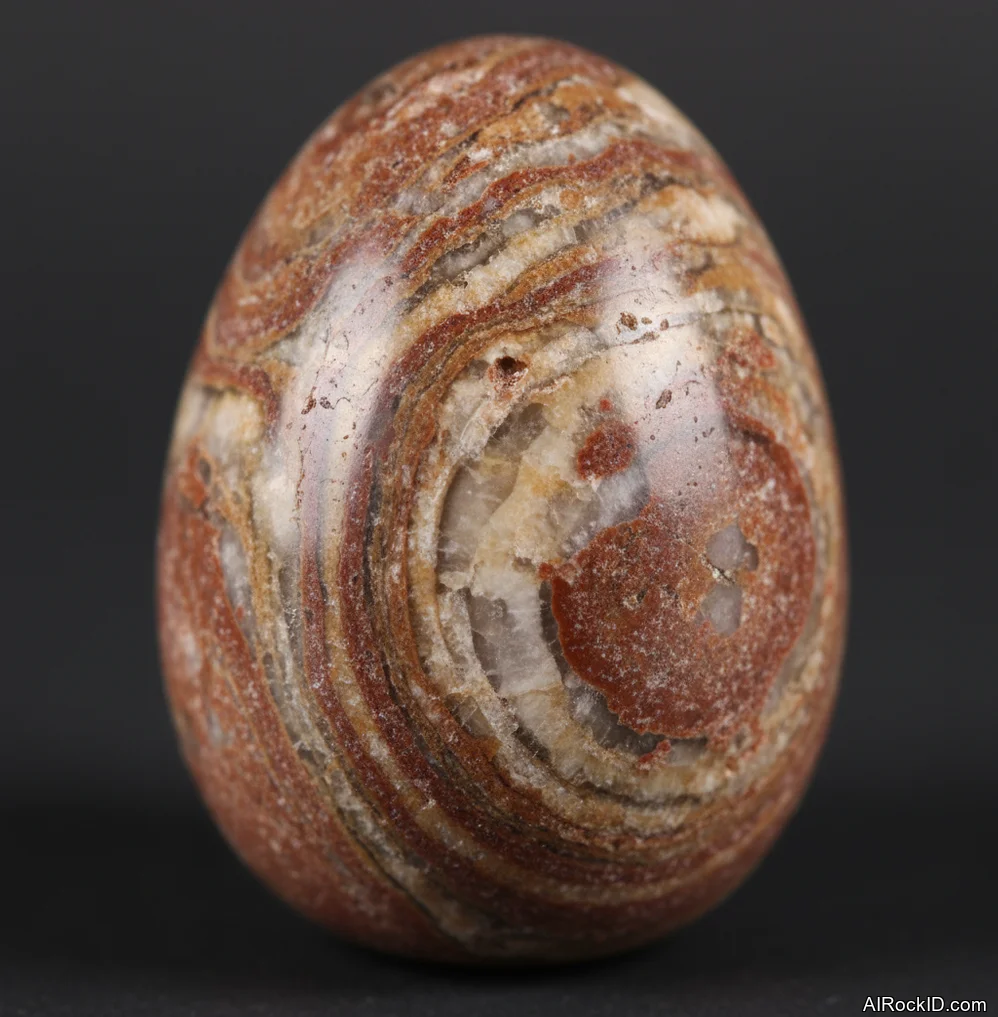
- Red Jasper: Red Jasper is typically opaque, earthy red, and may show darker streaks or inclusions.
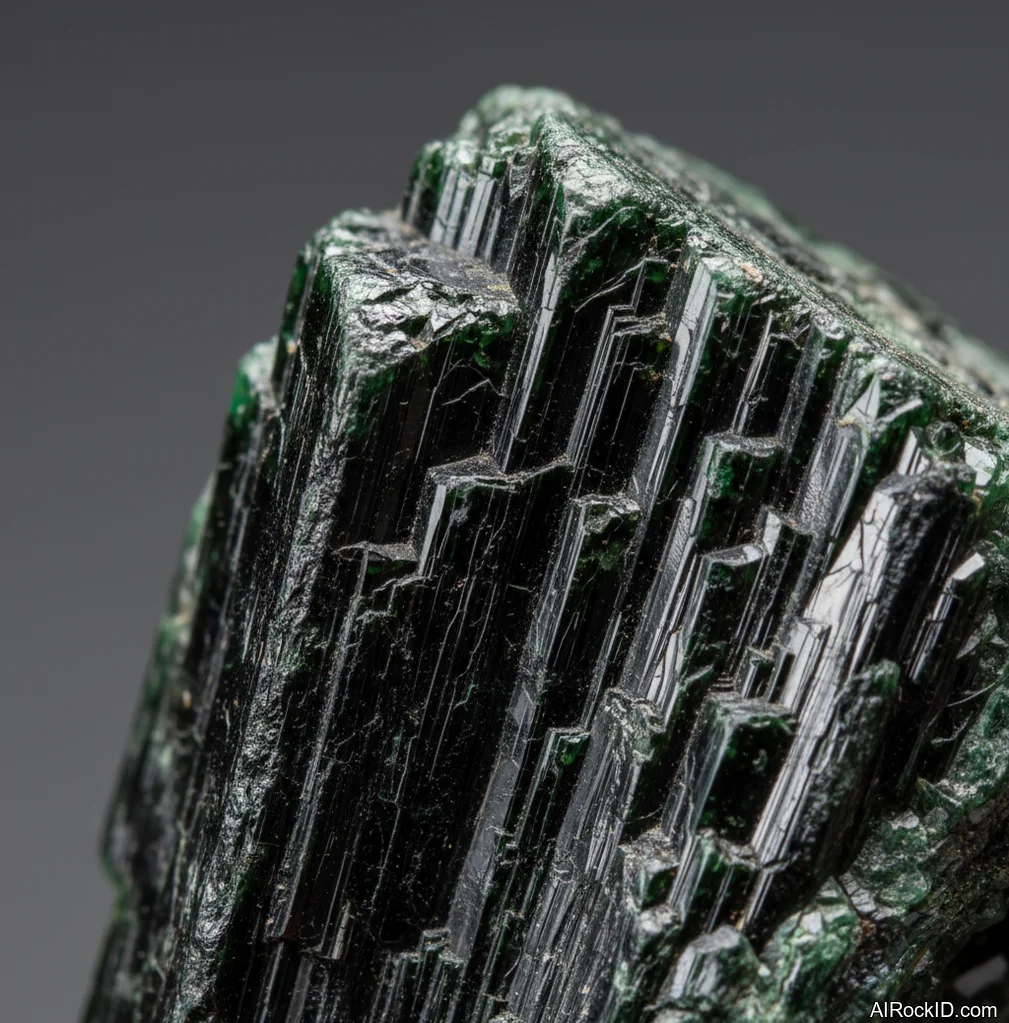
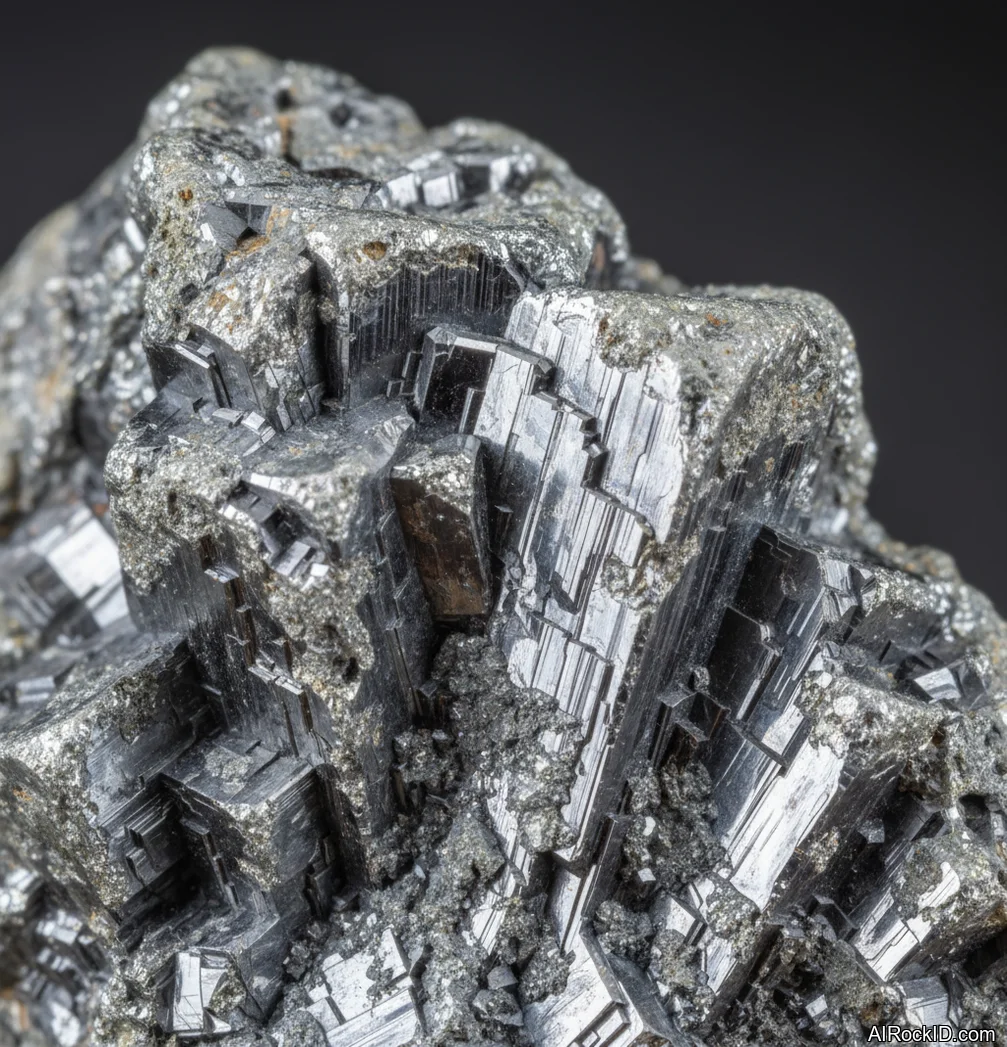
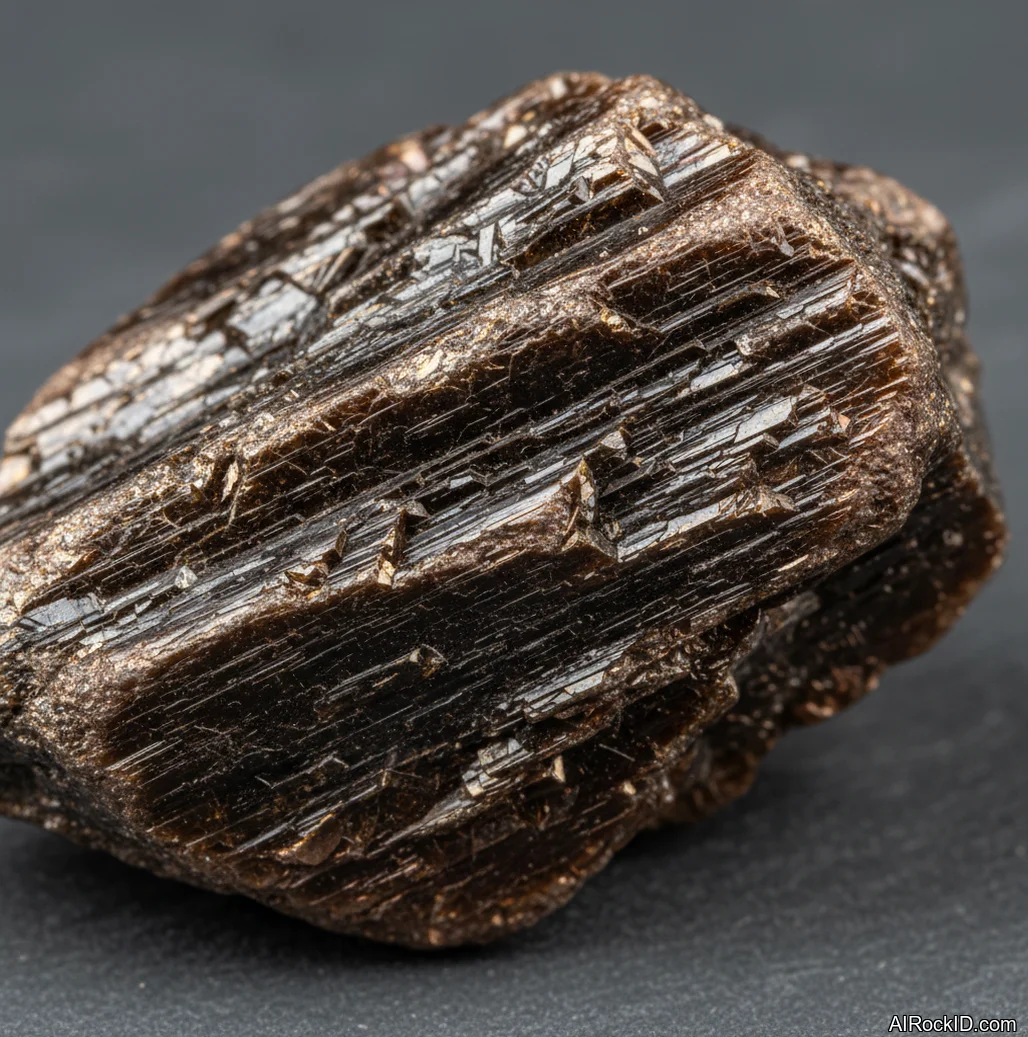
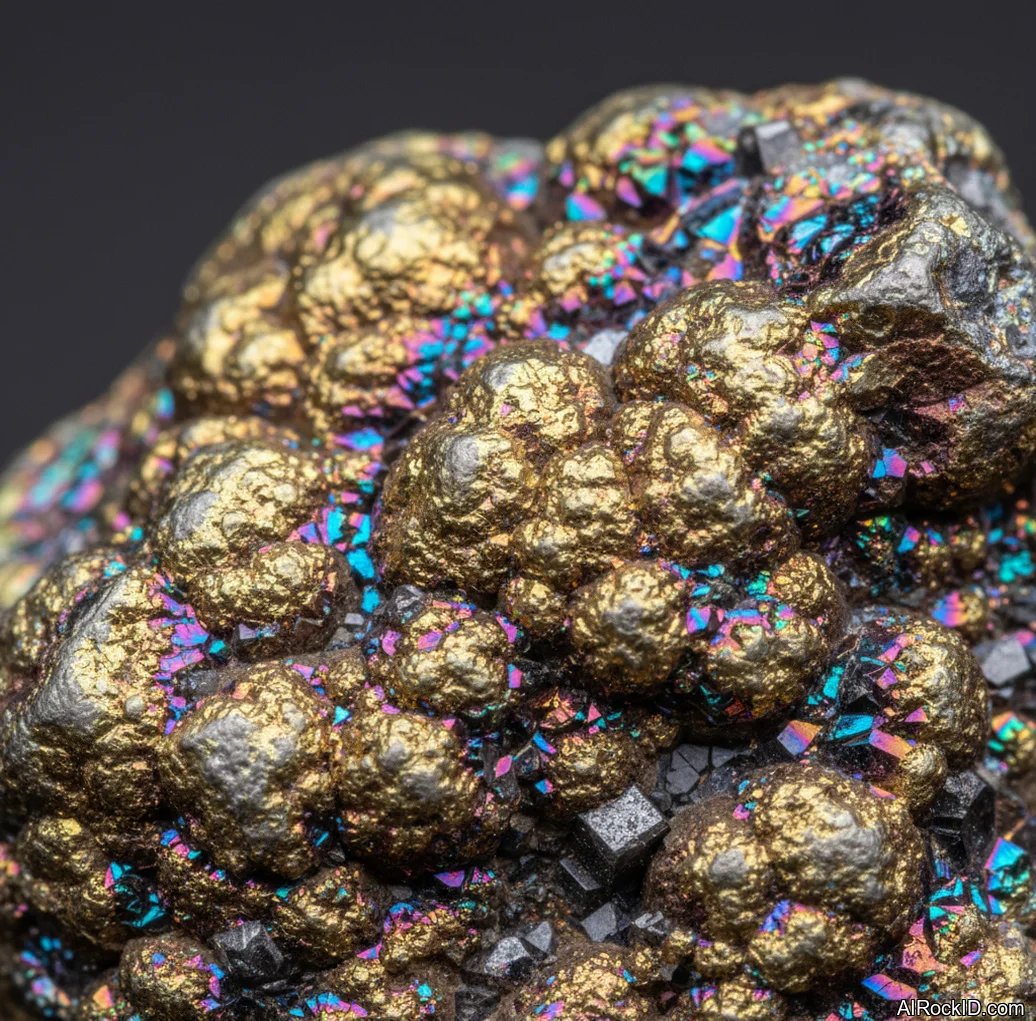
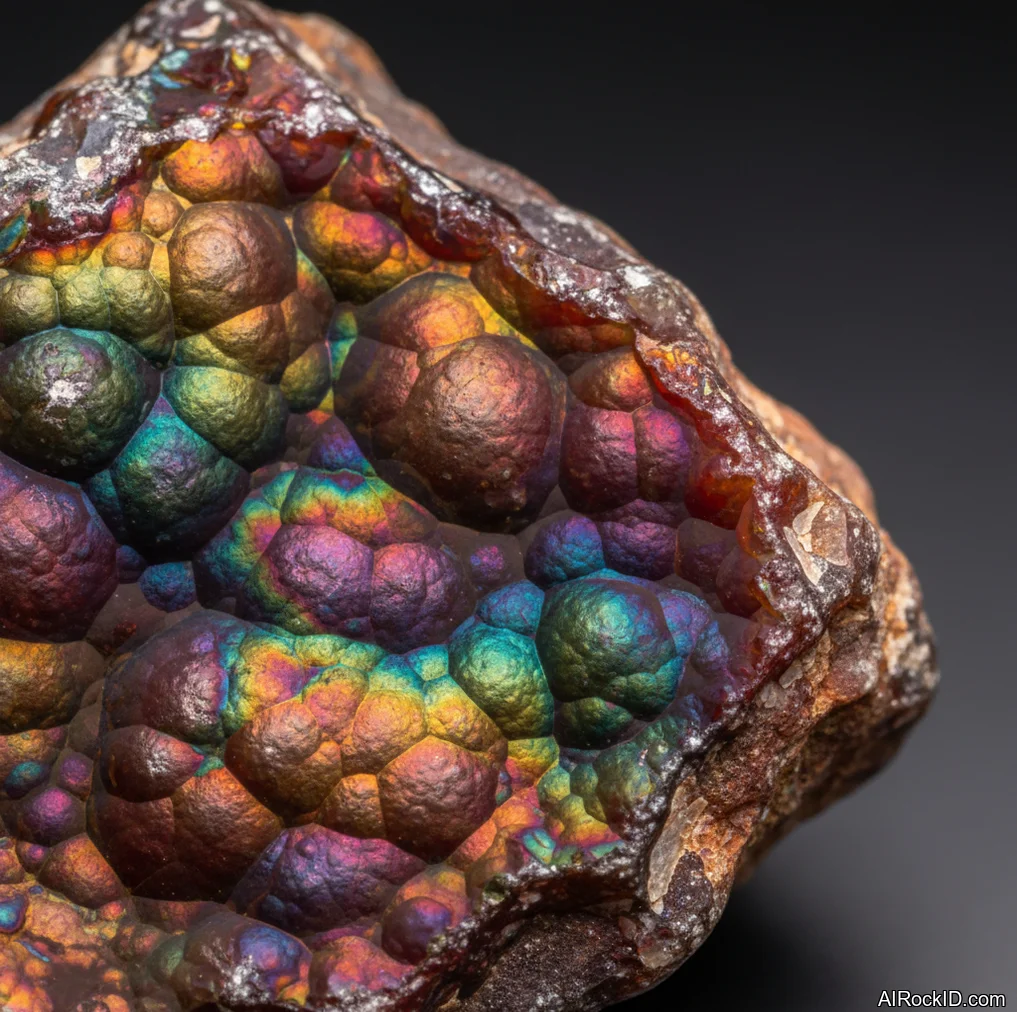
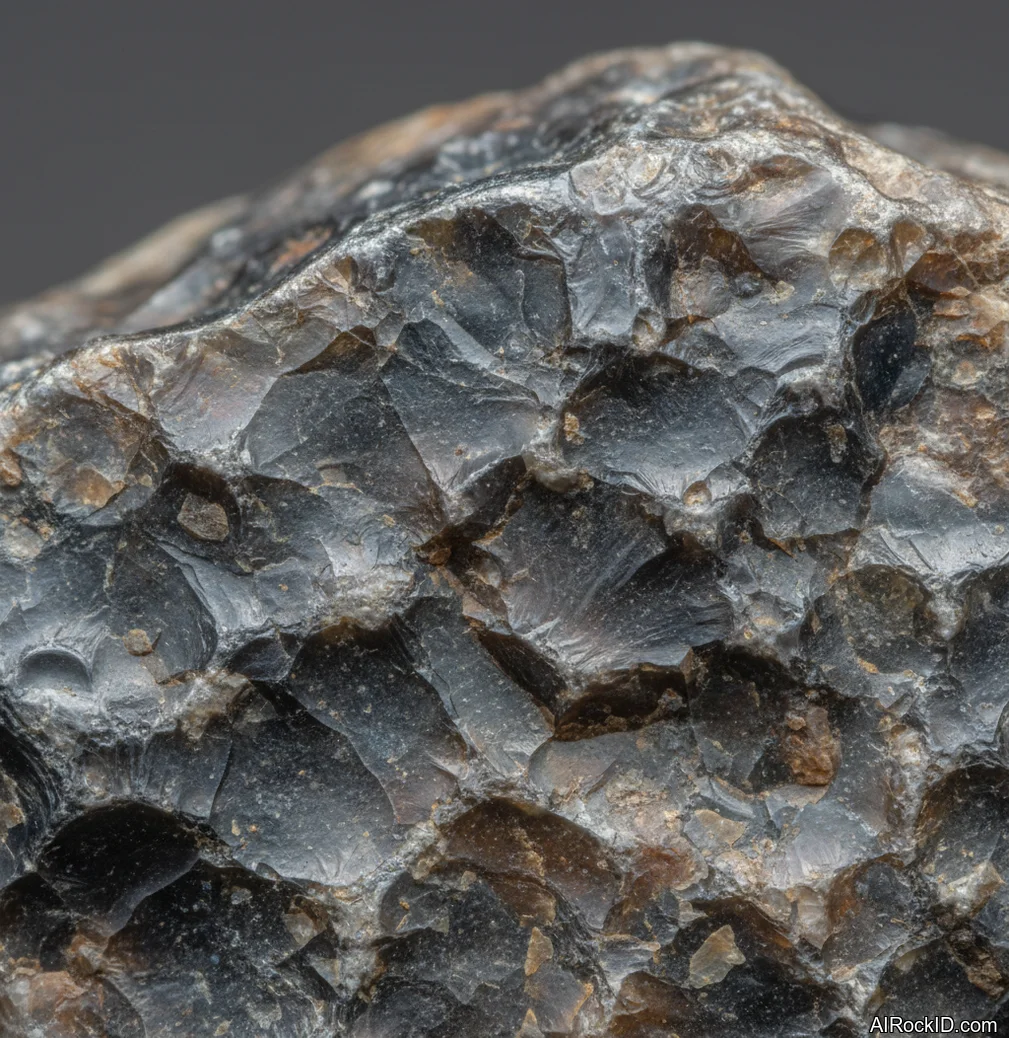
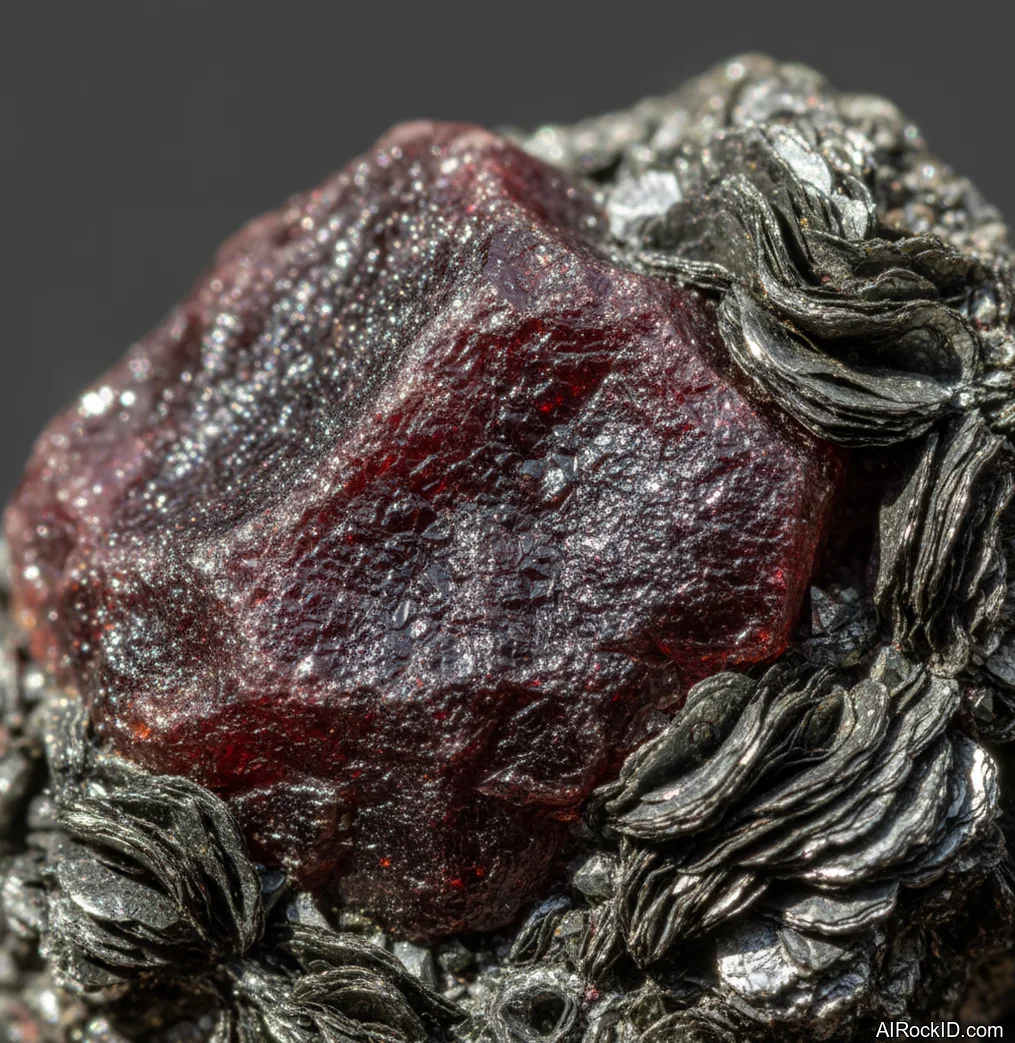
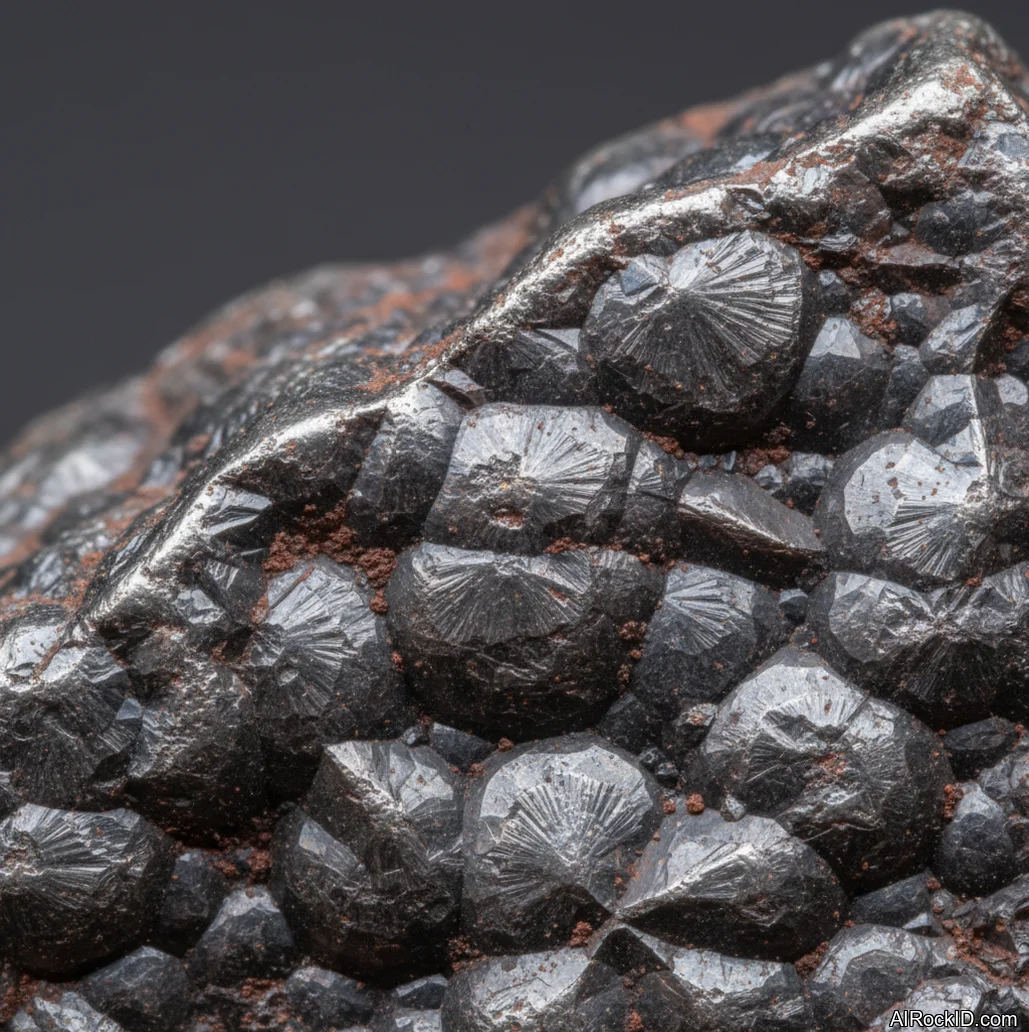
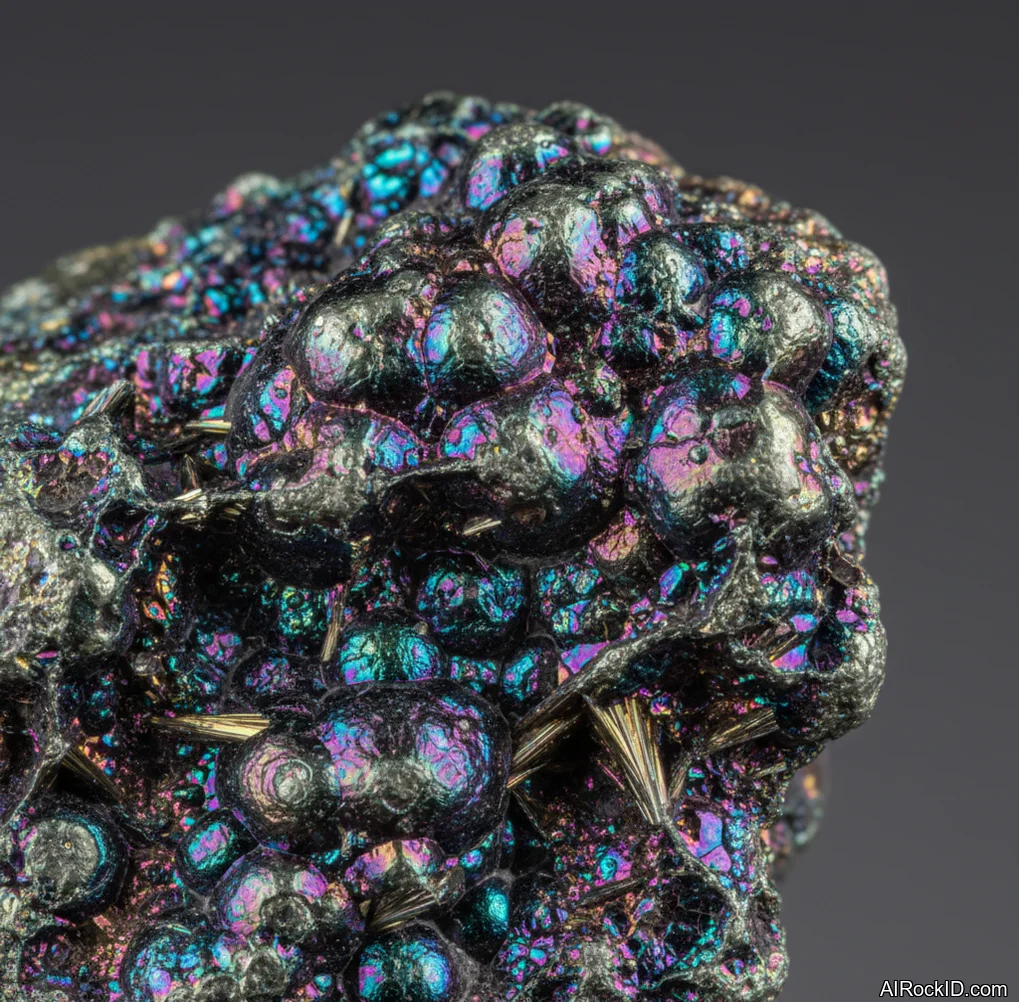
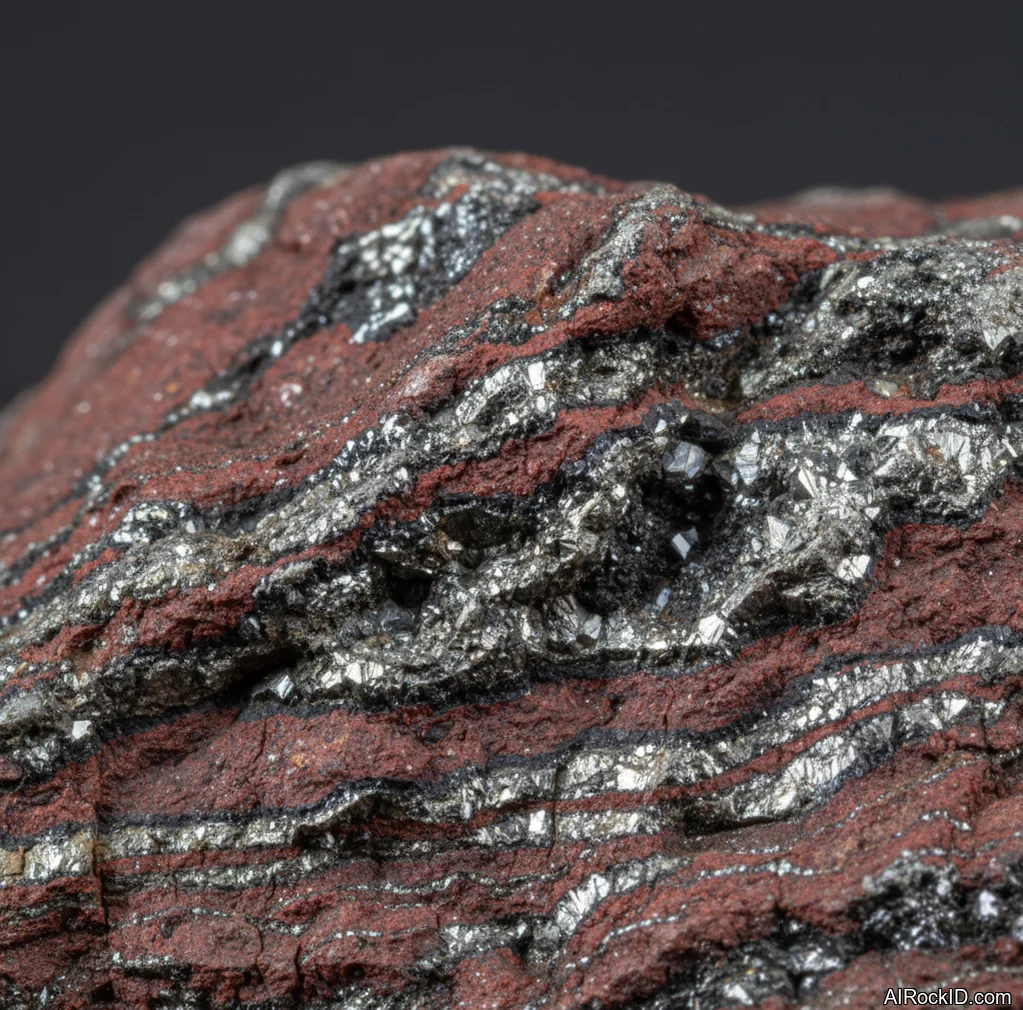
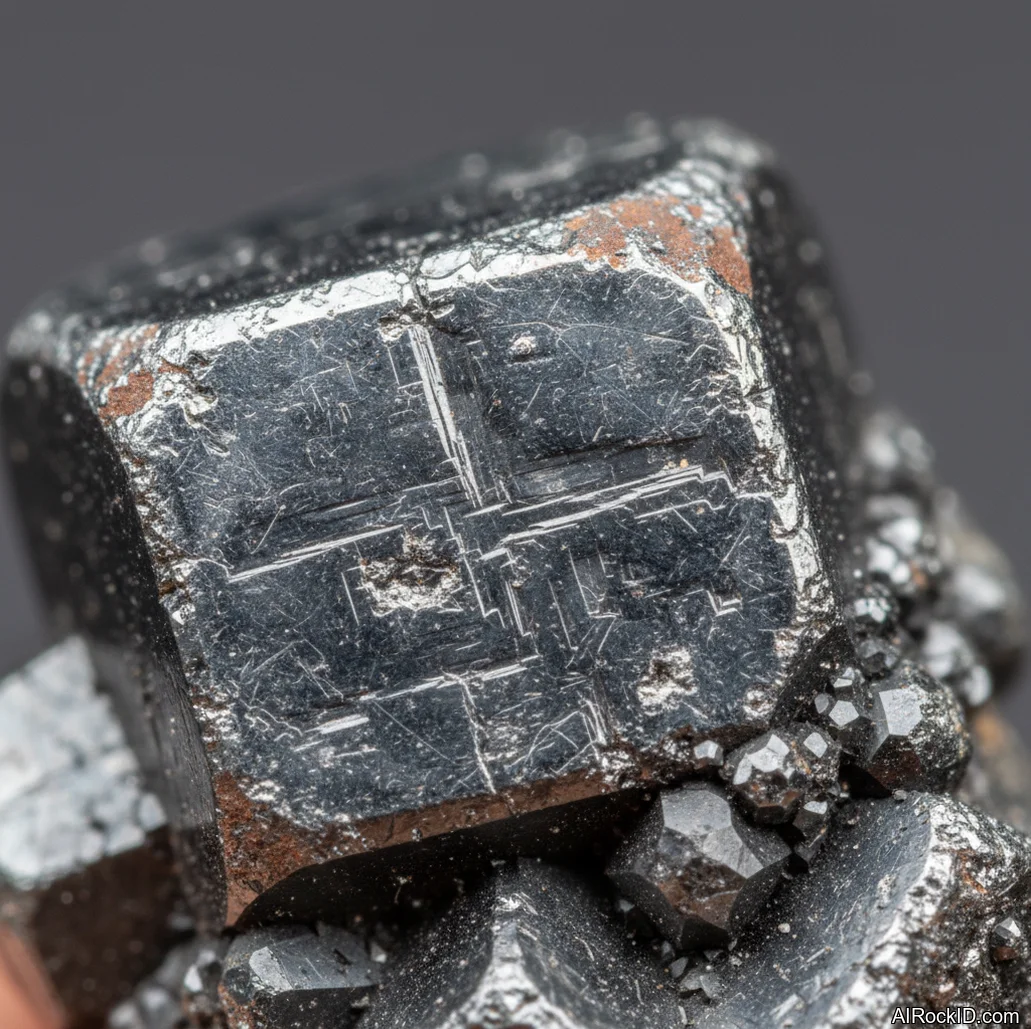
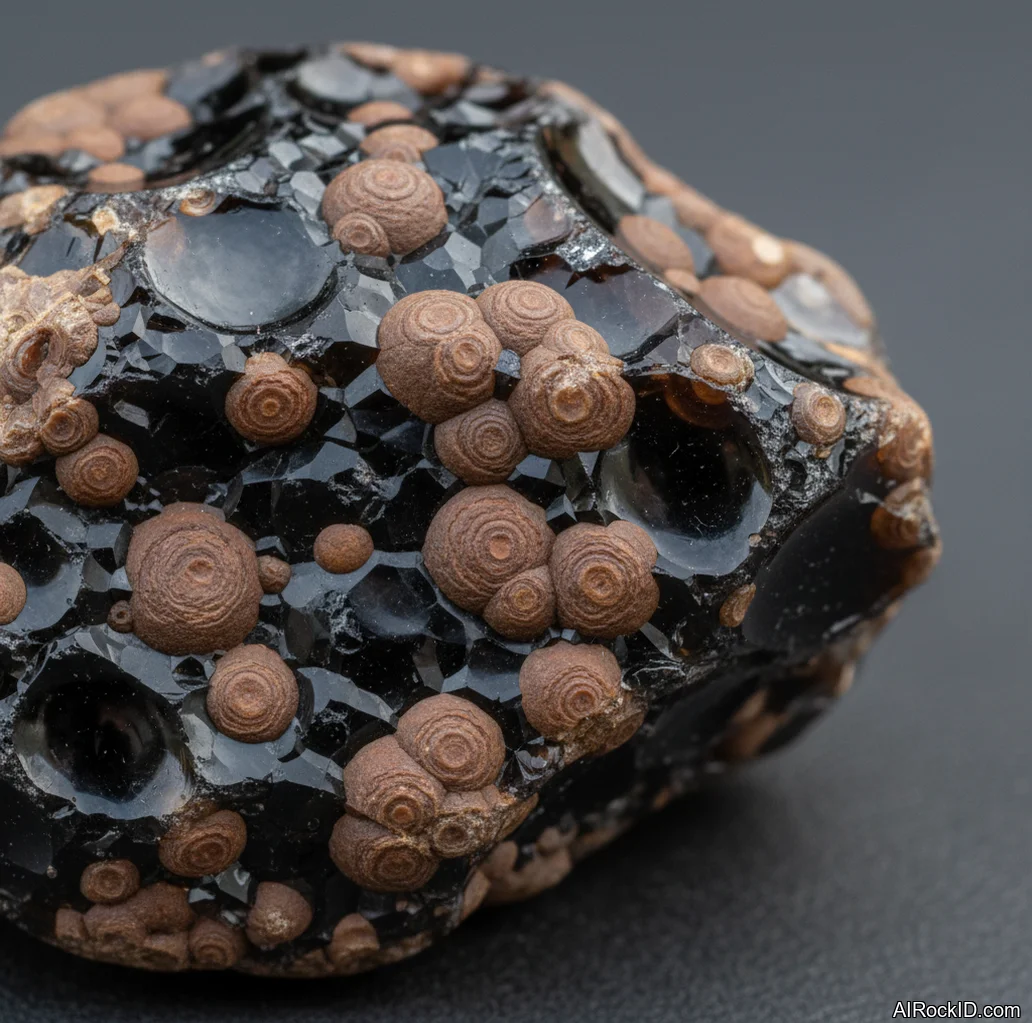
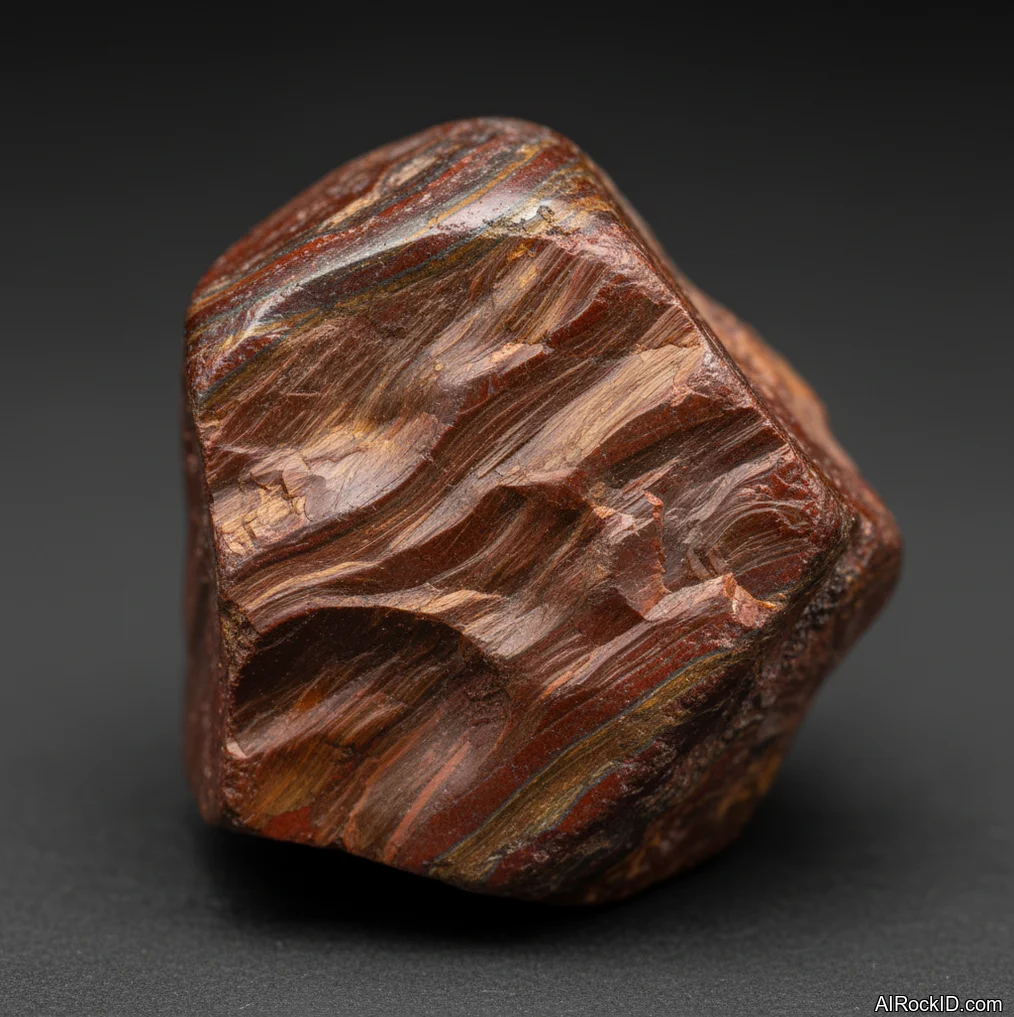
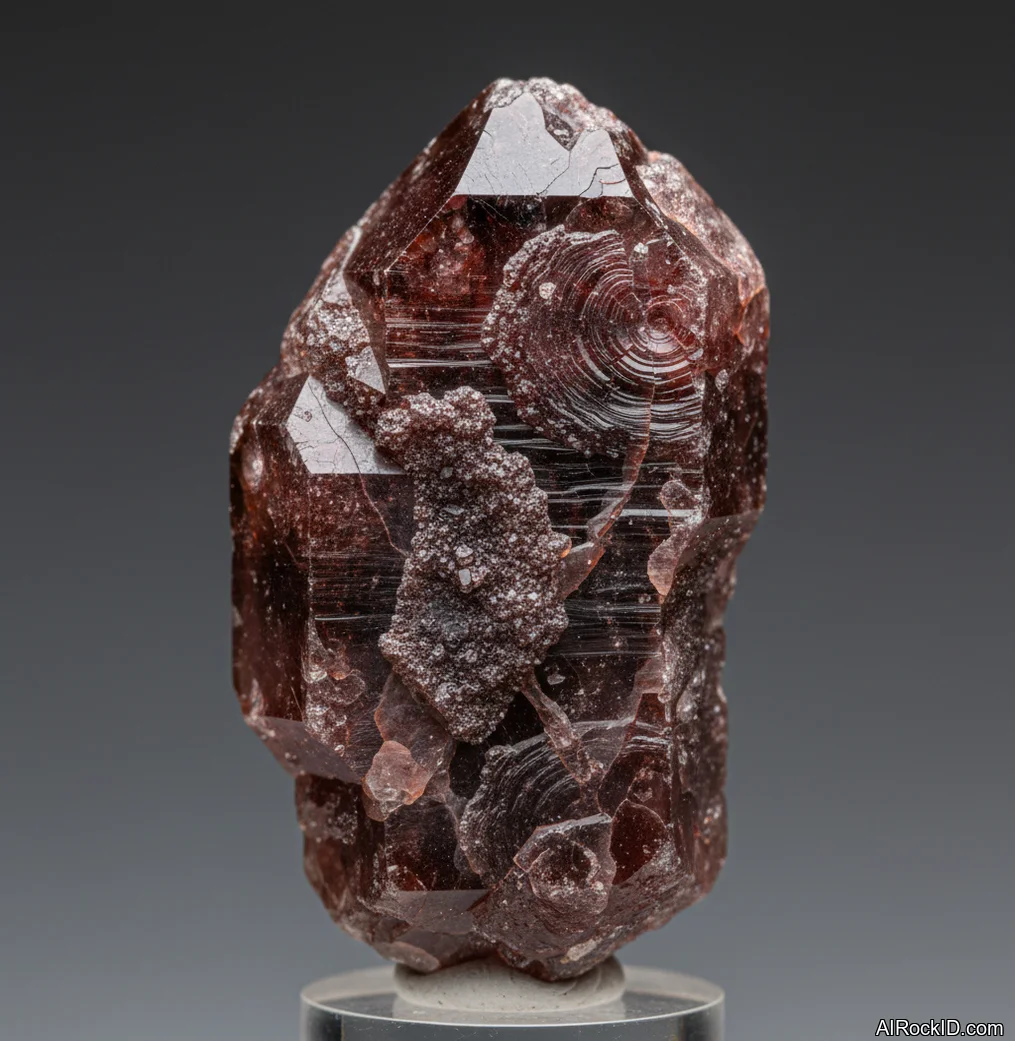
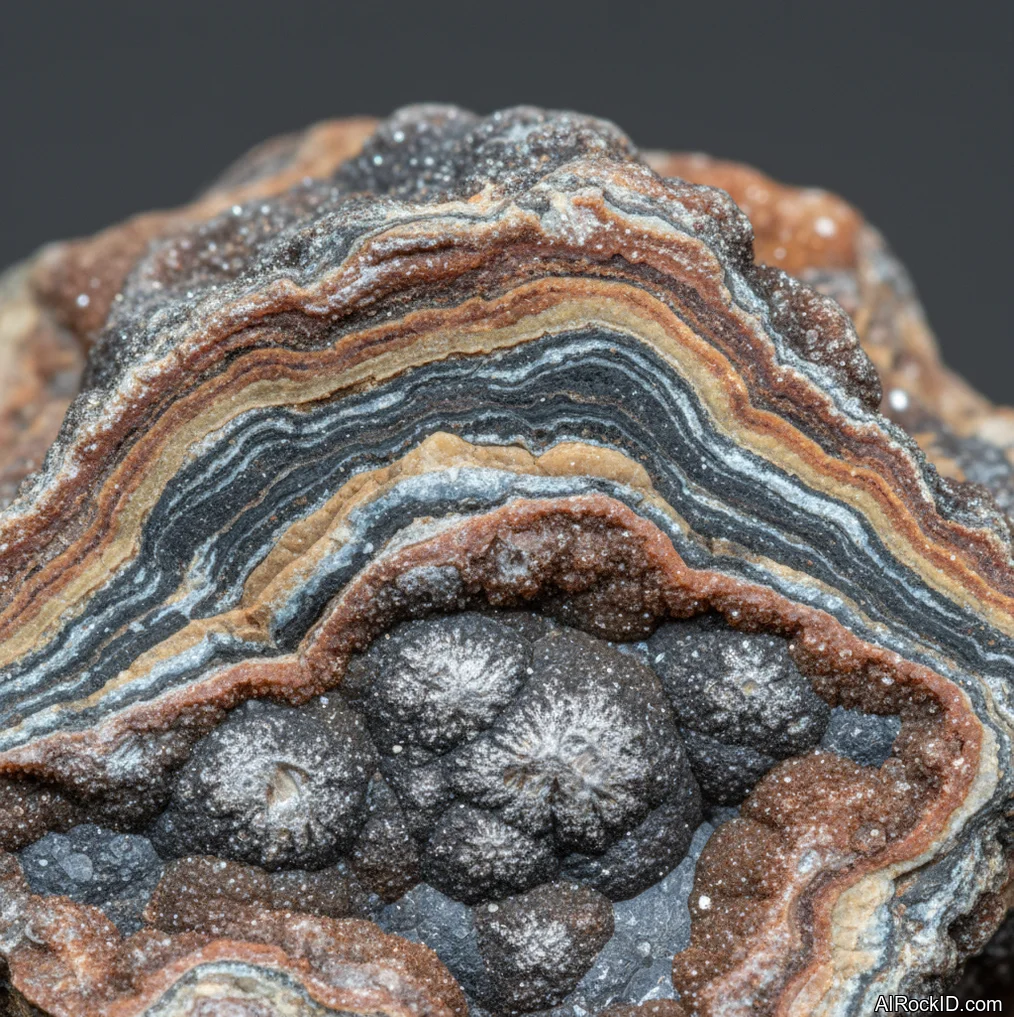
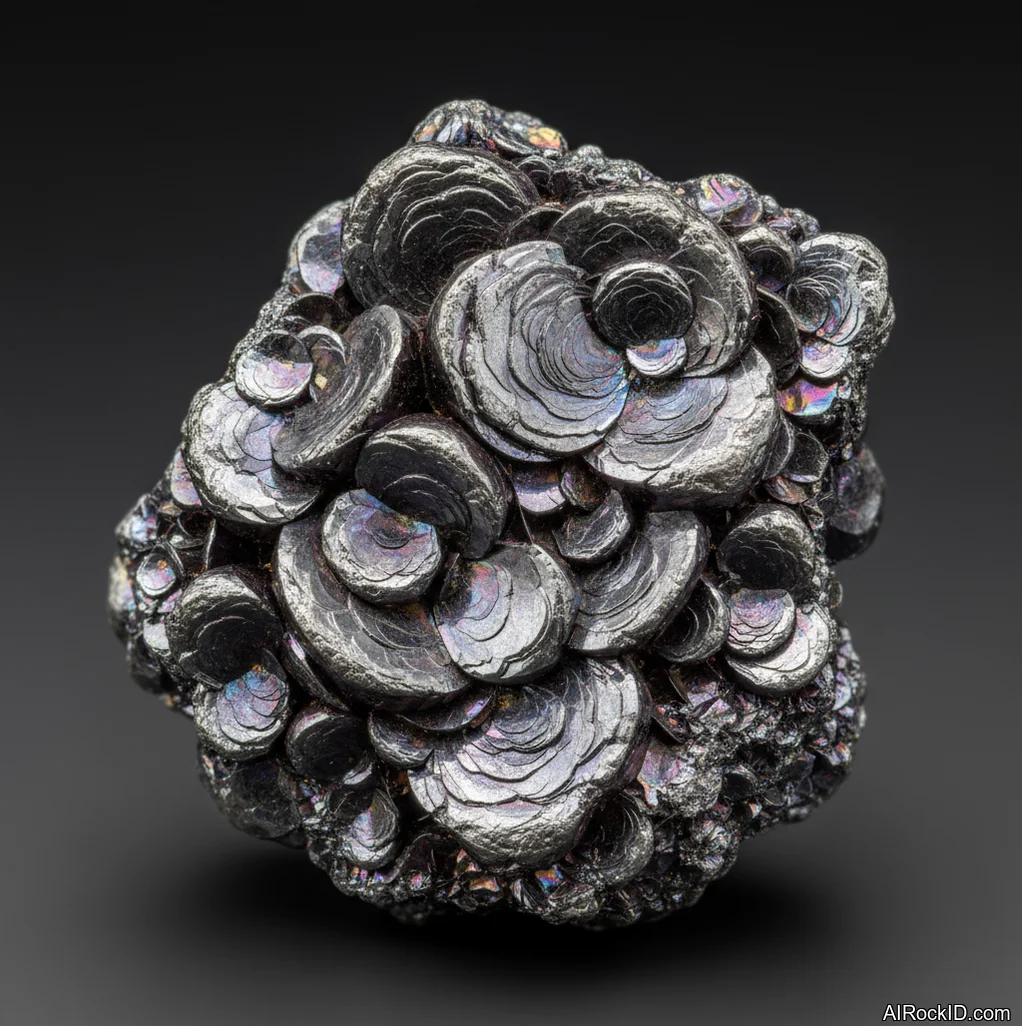
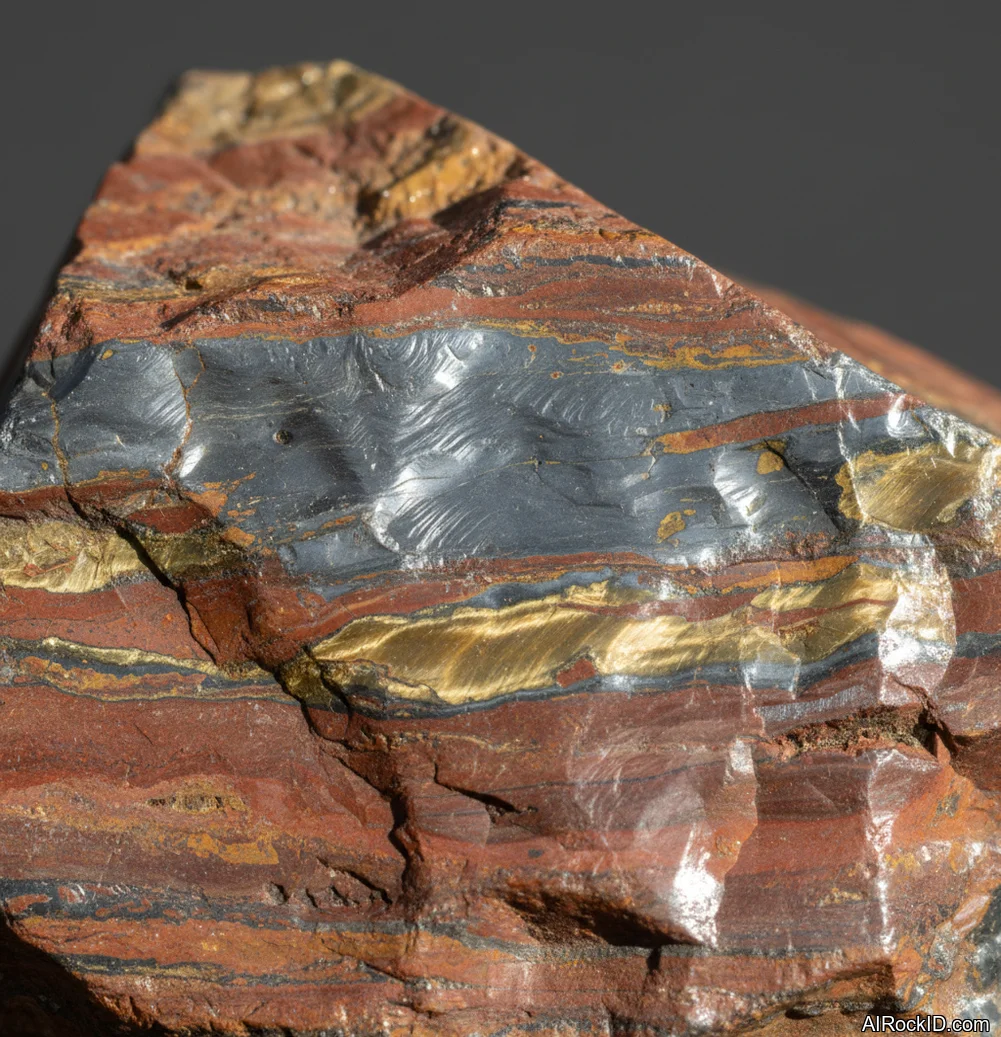
- Hematite: Hematite is metallic gray to black in many specimens and may leave a reddish-brown streak.
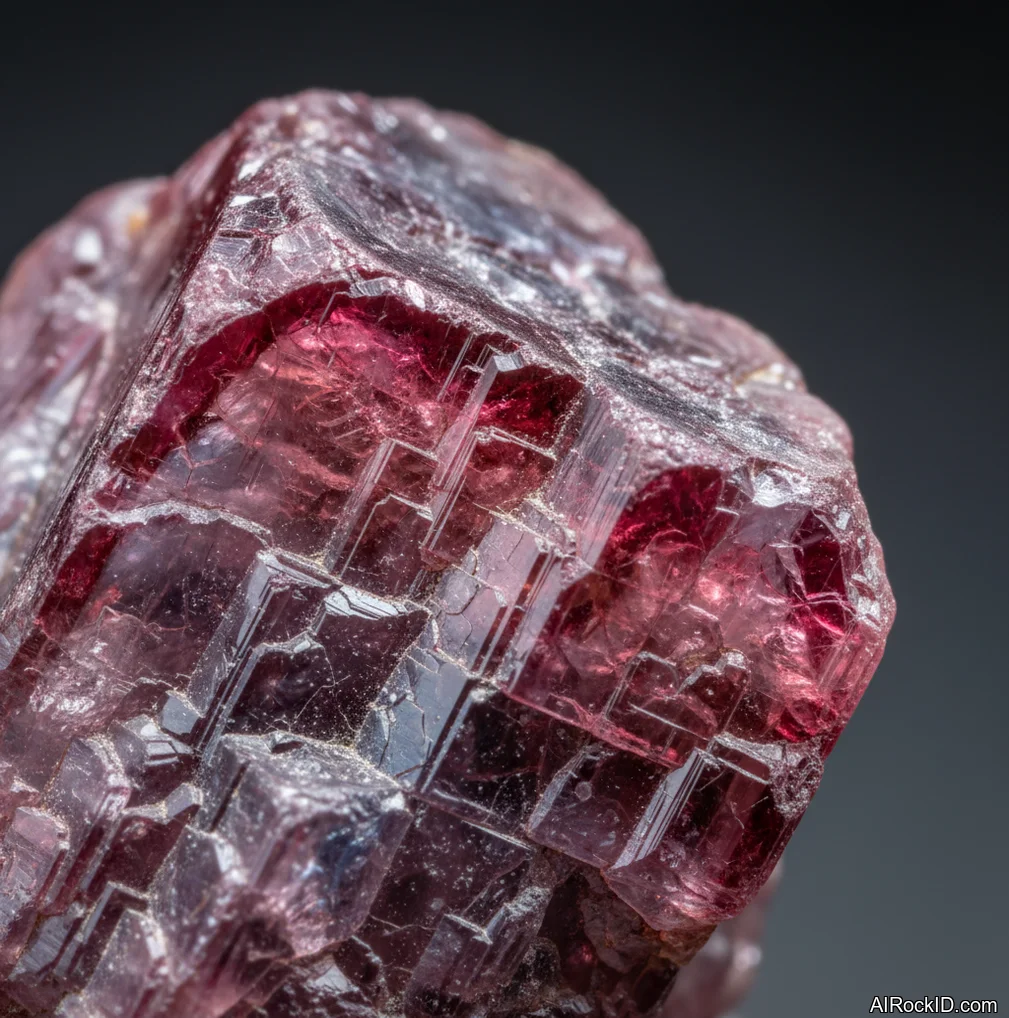
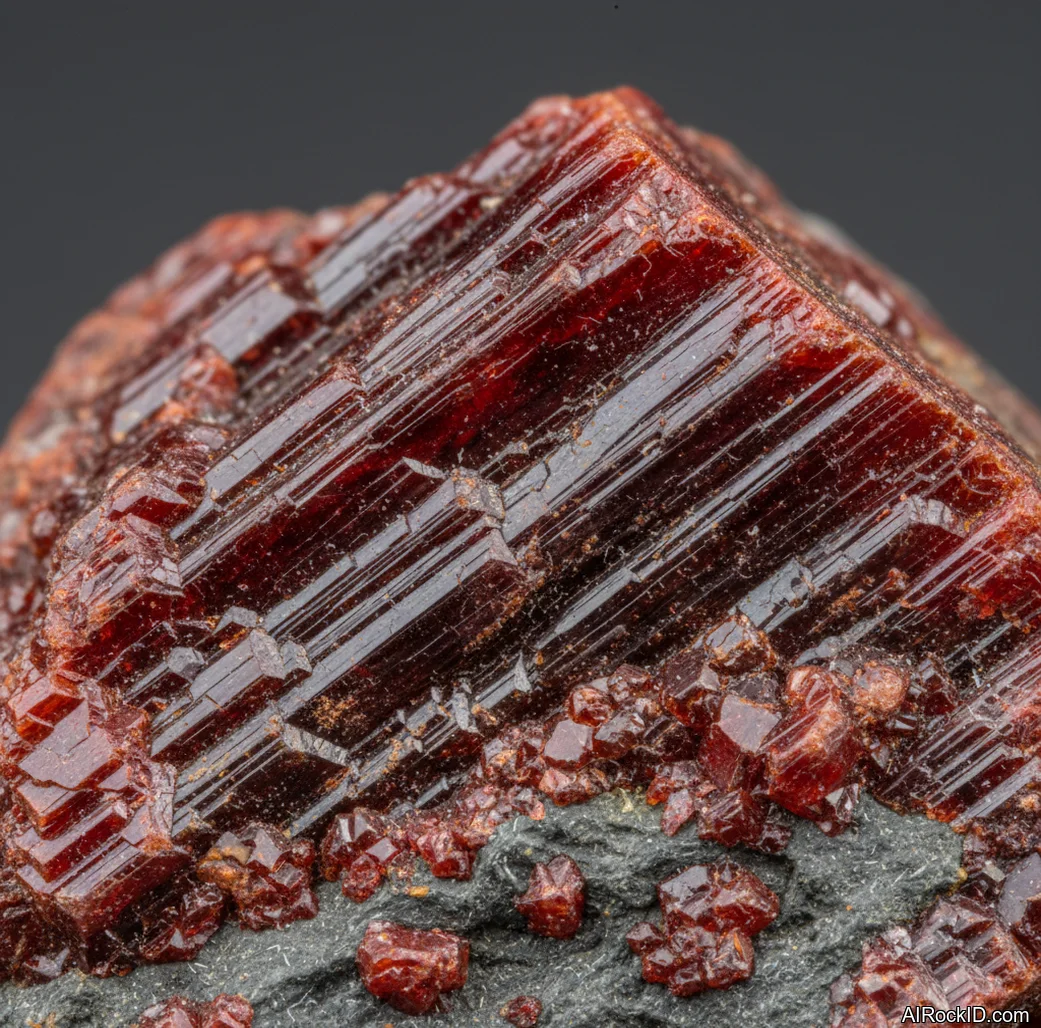
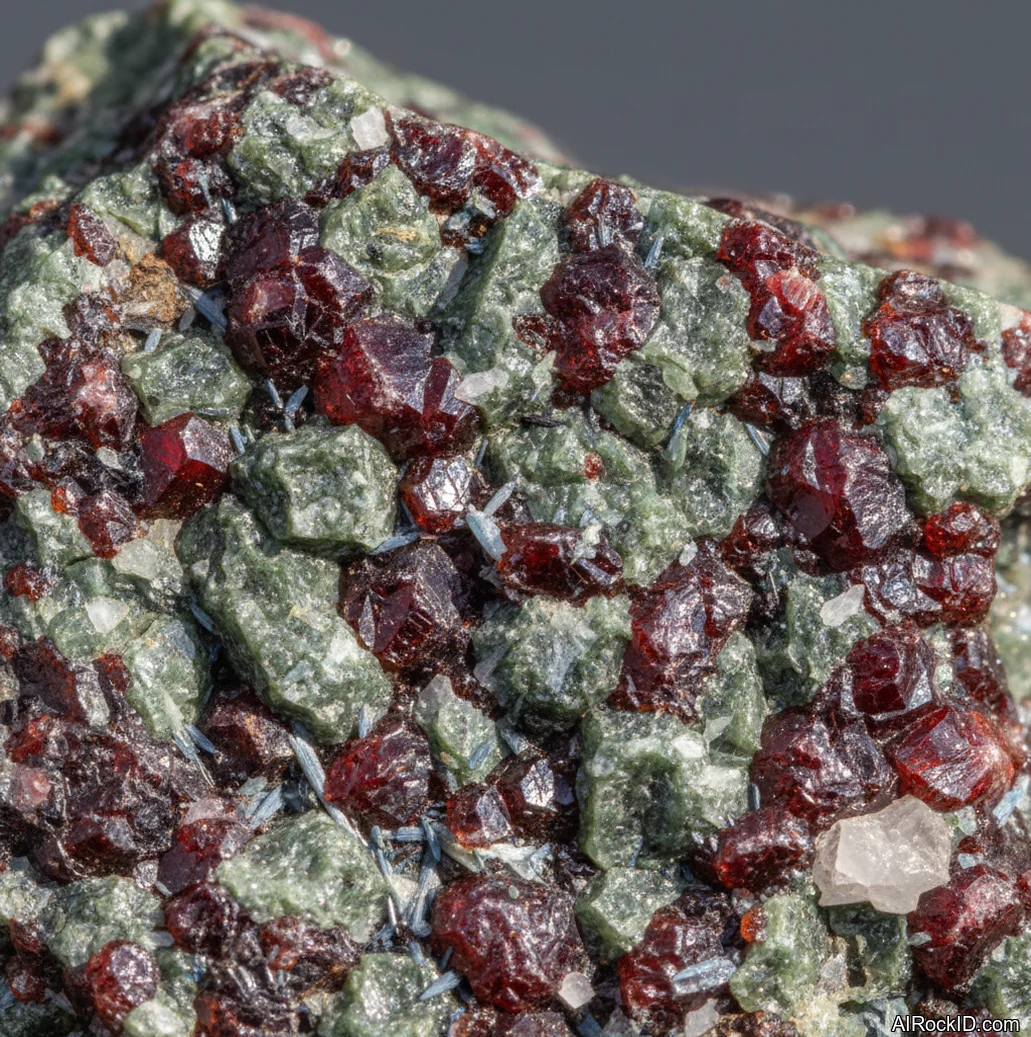
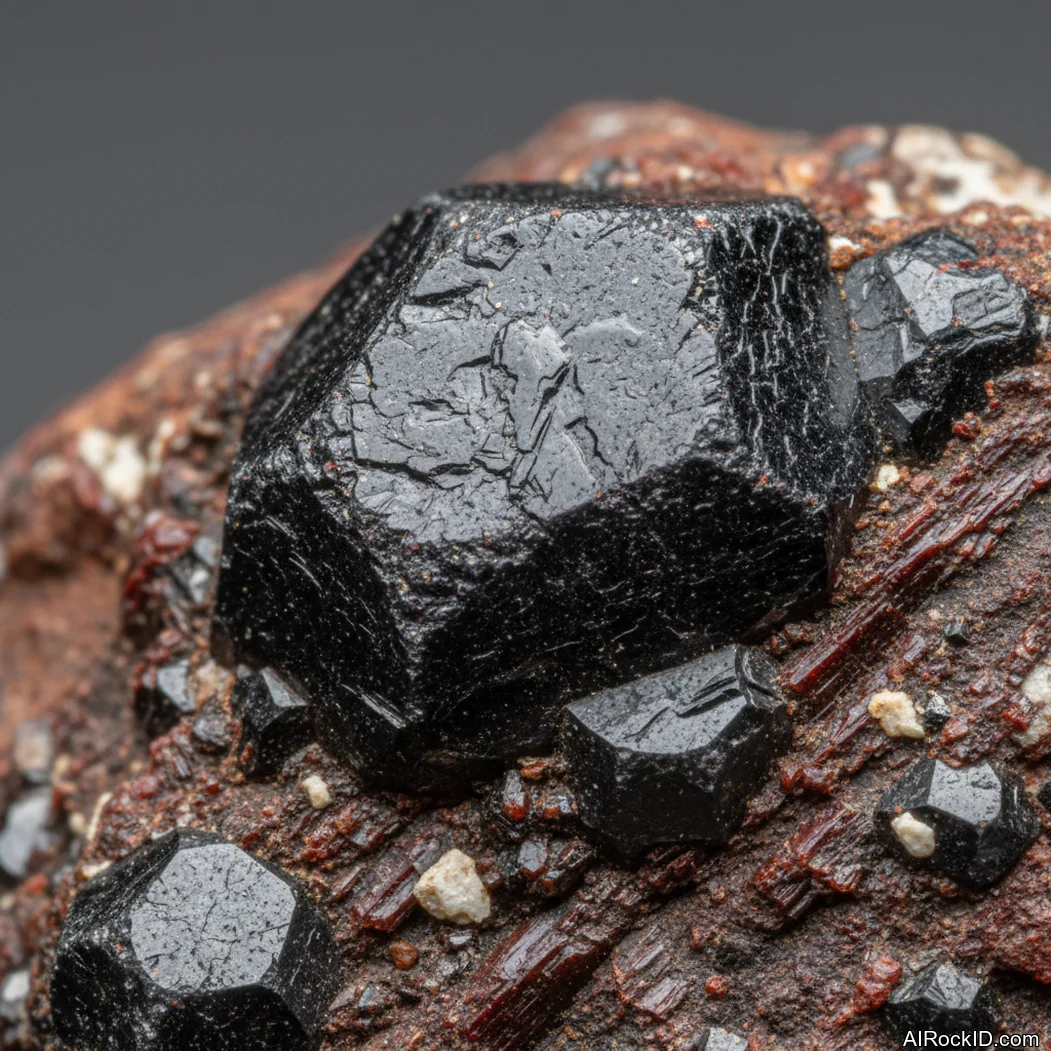
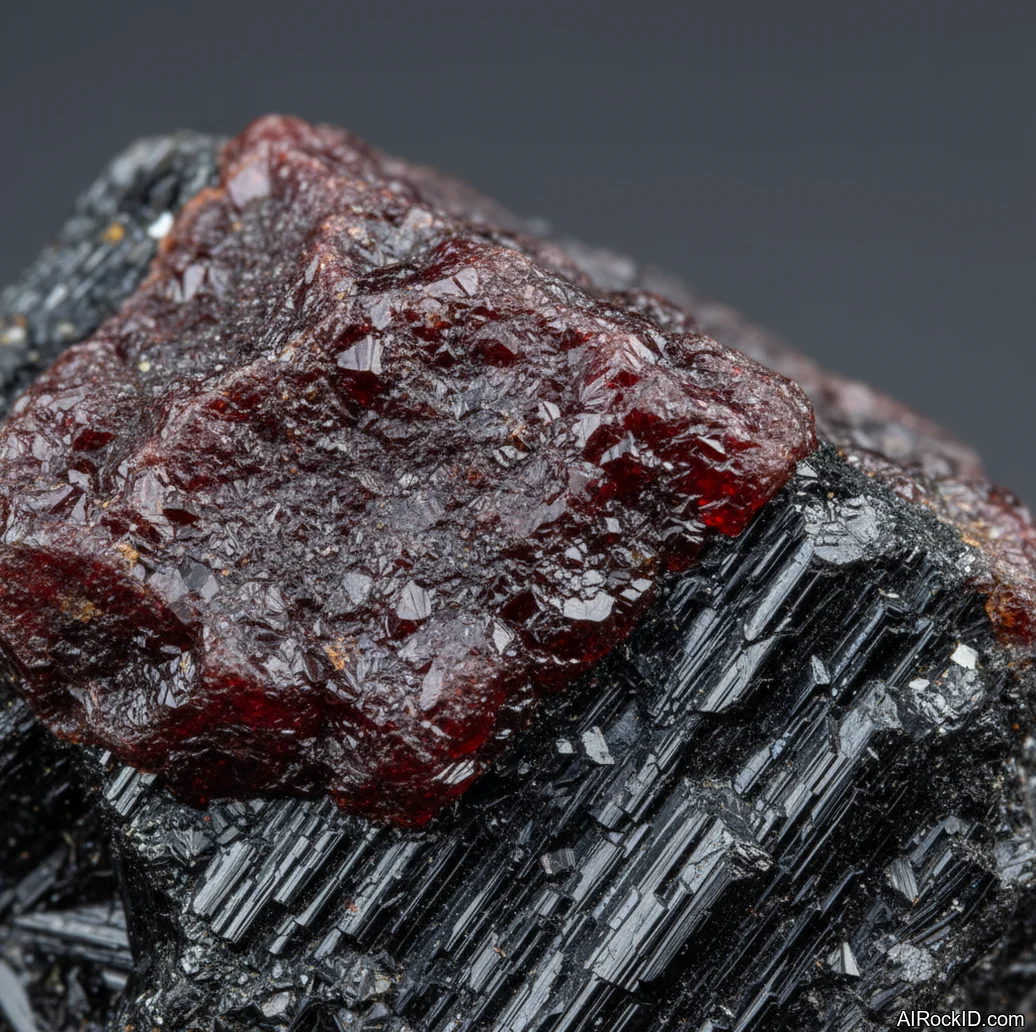
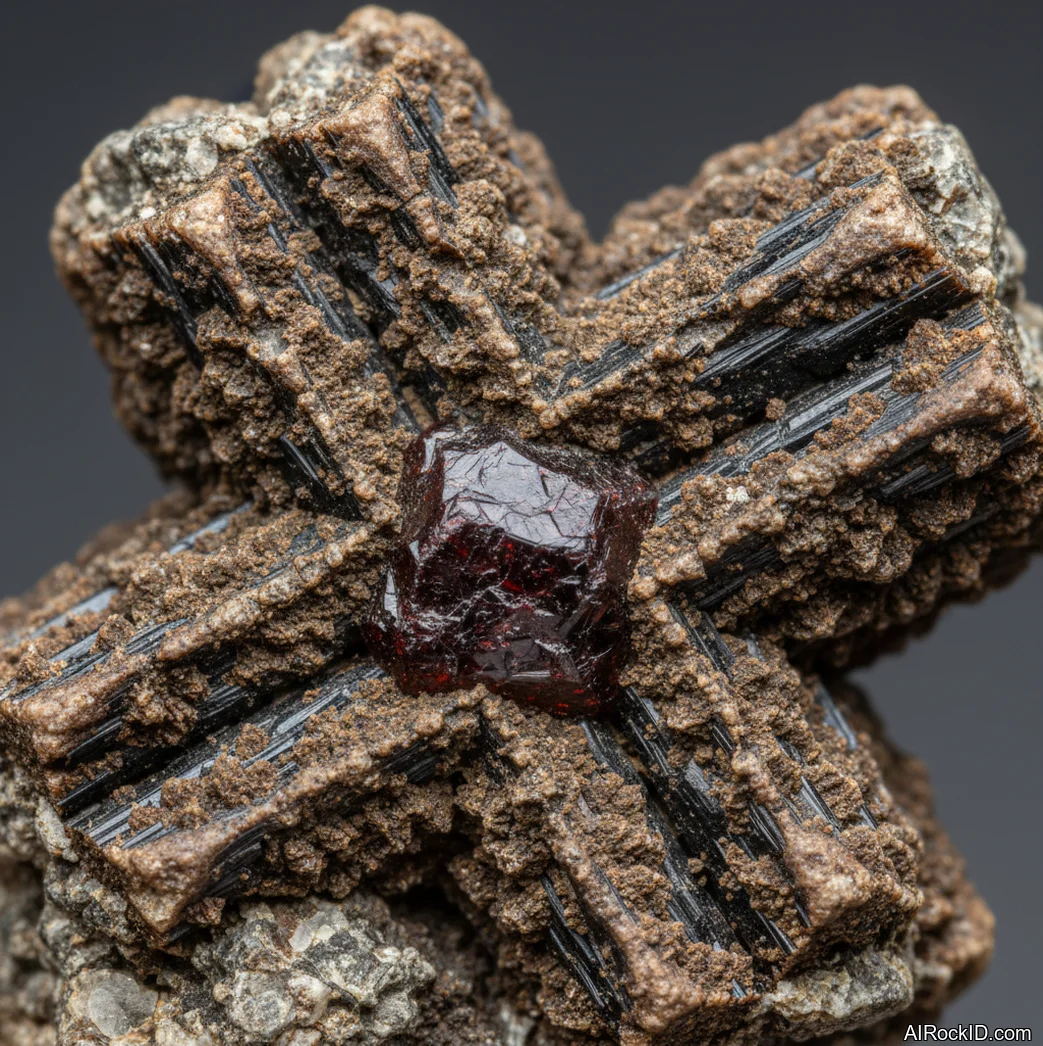
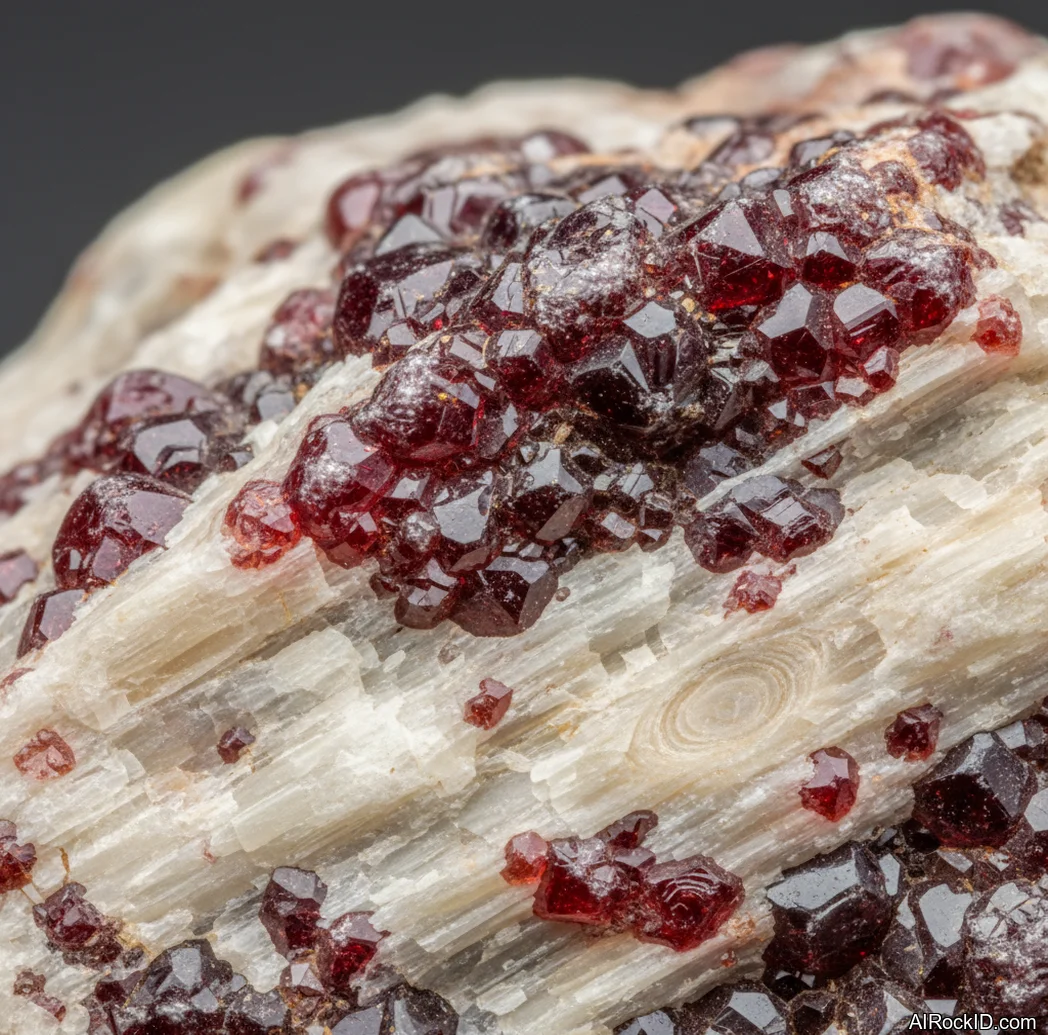
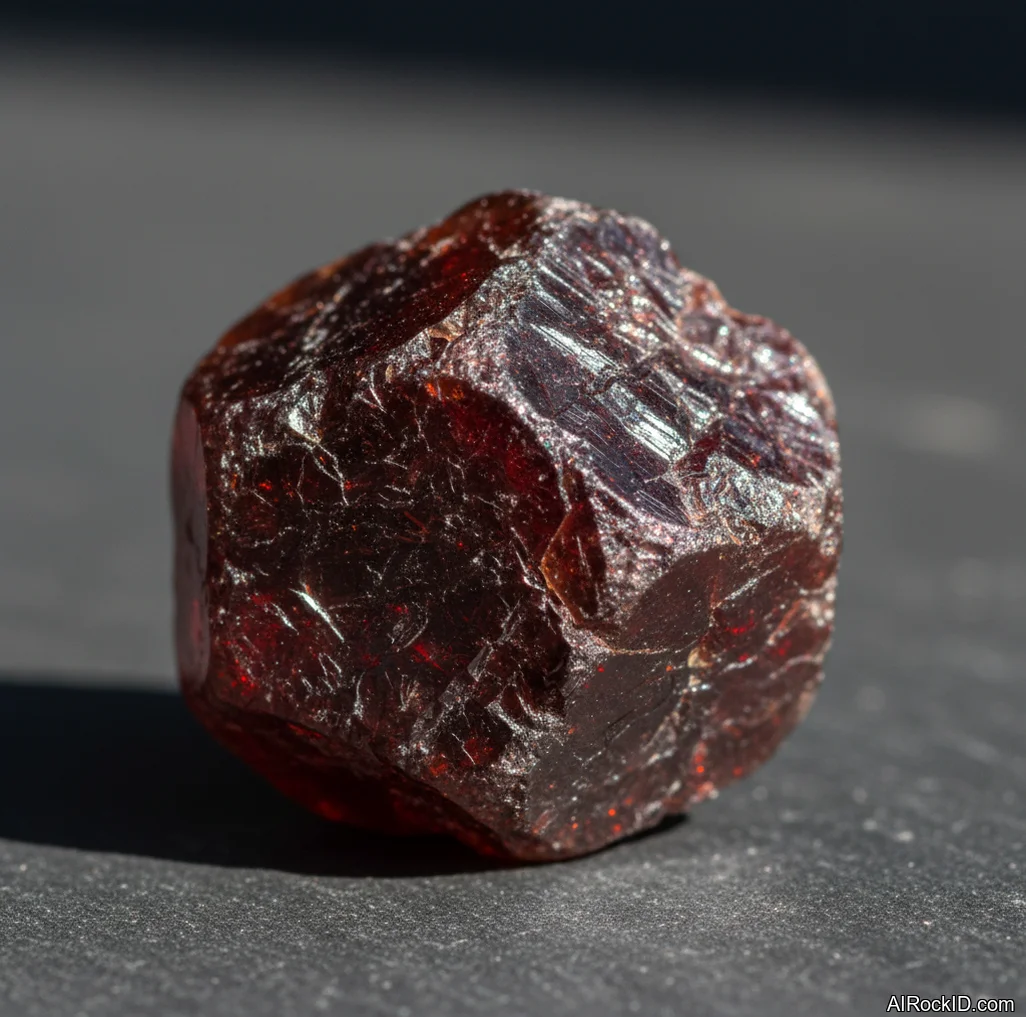
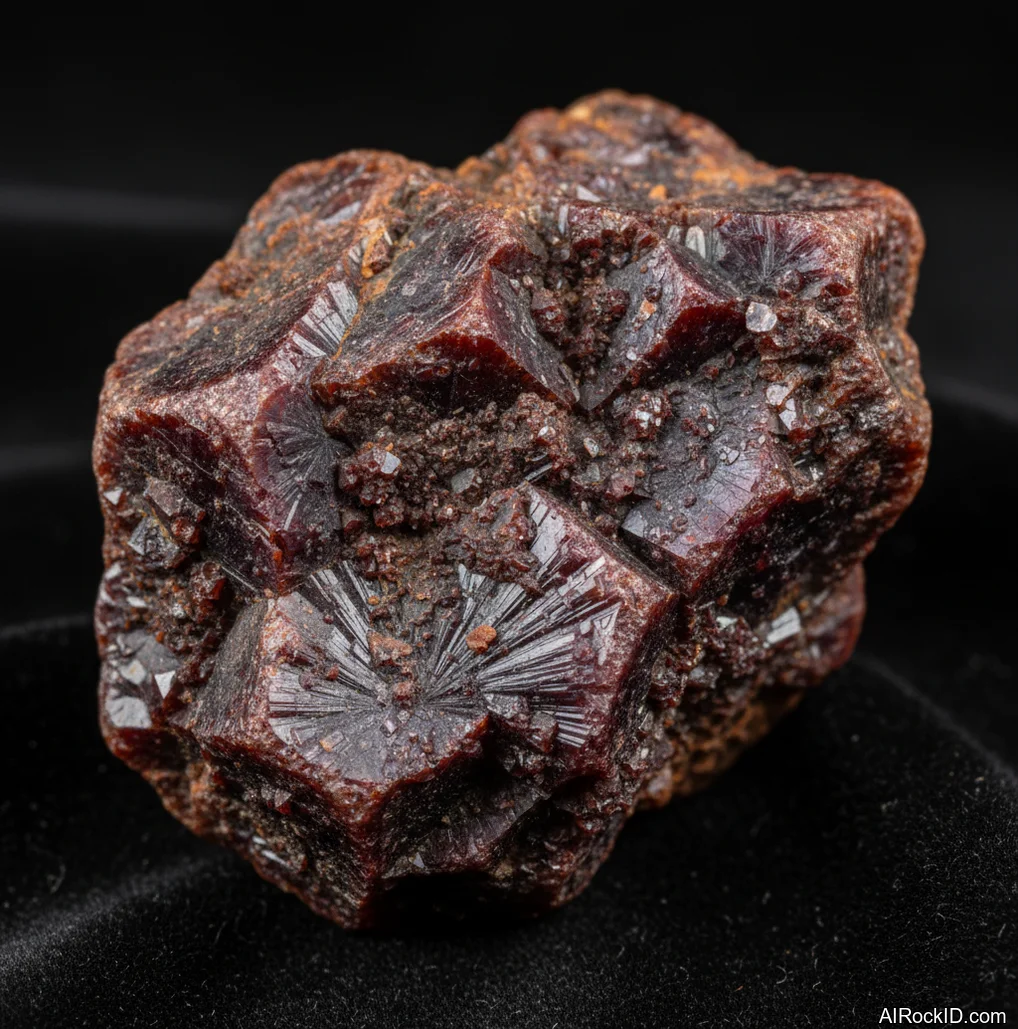
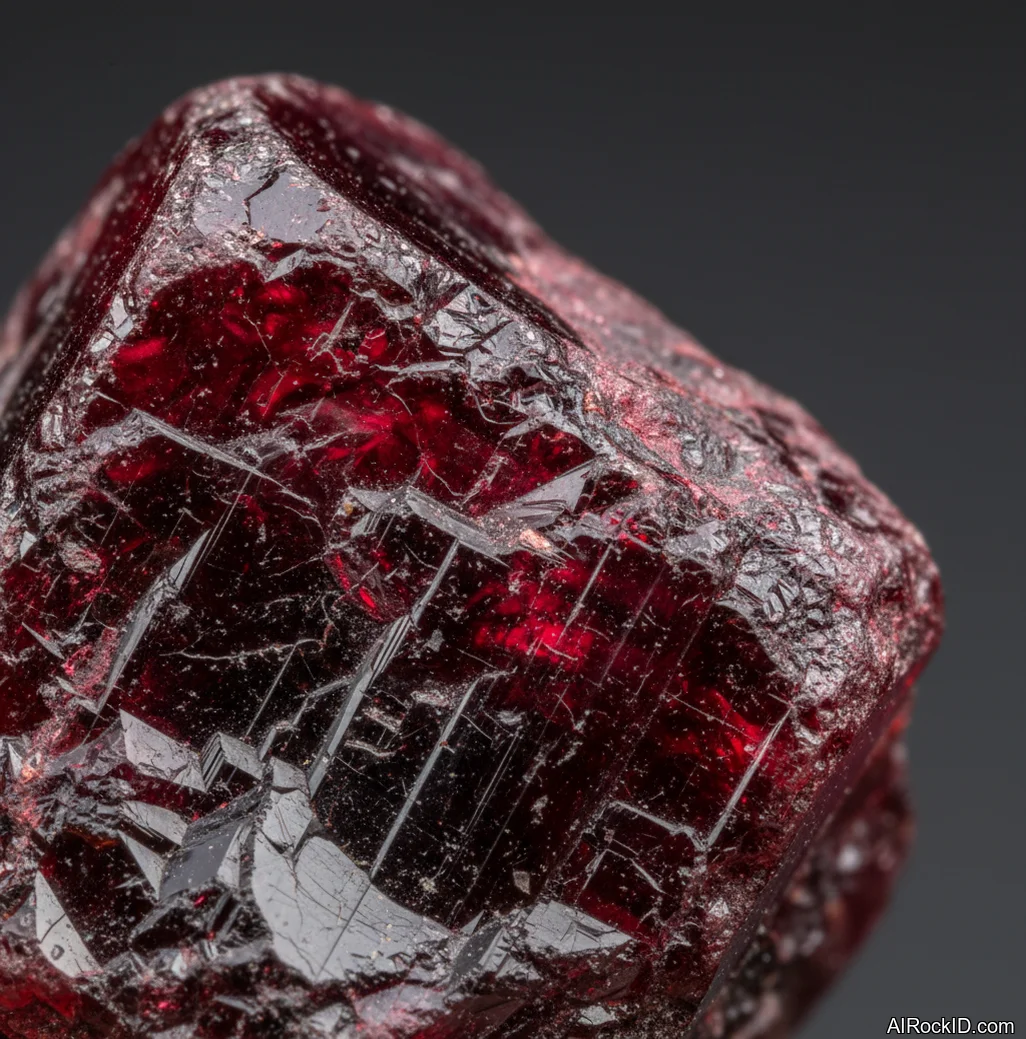
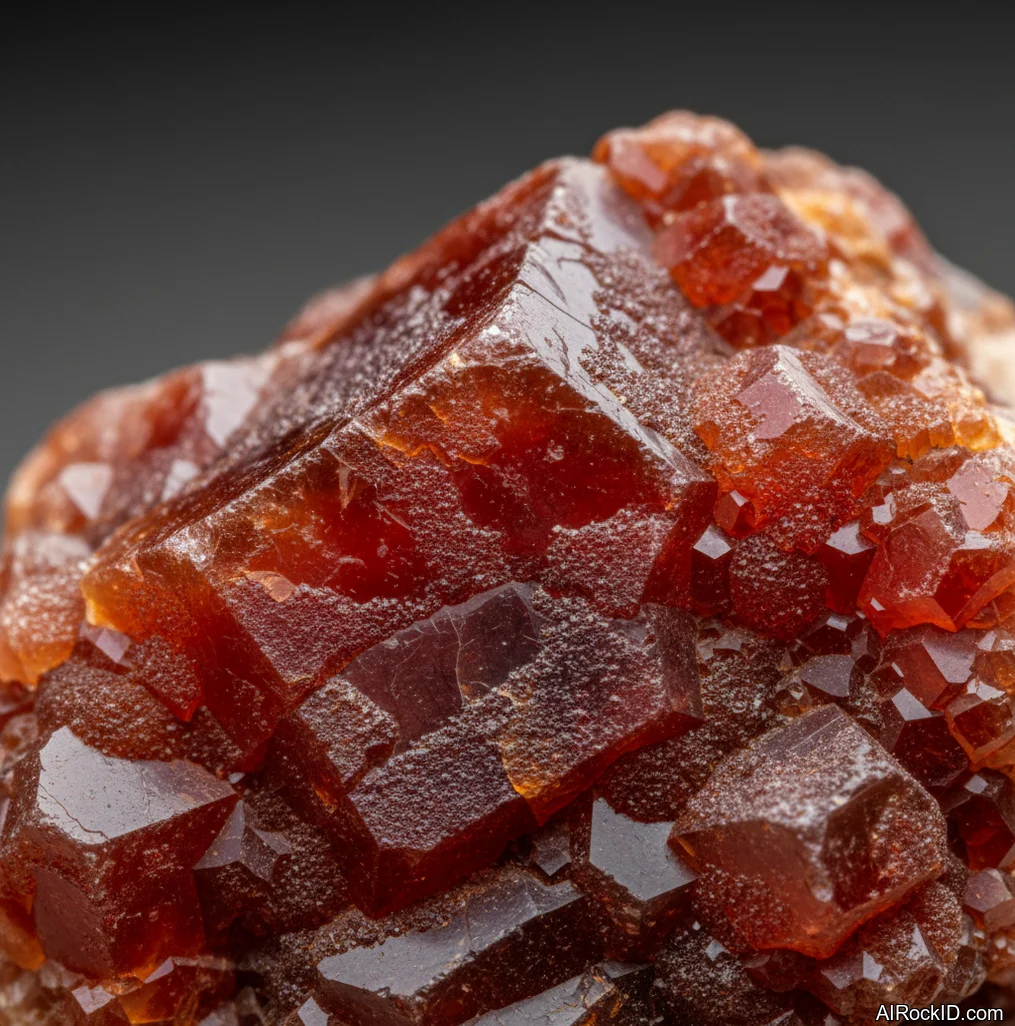
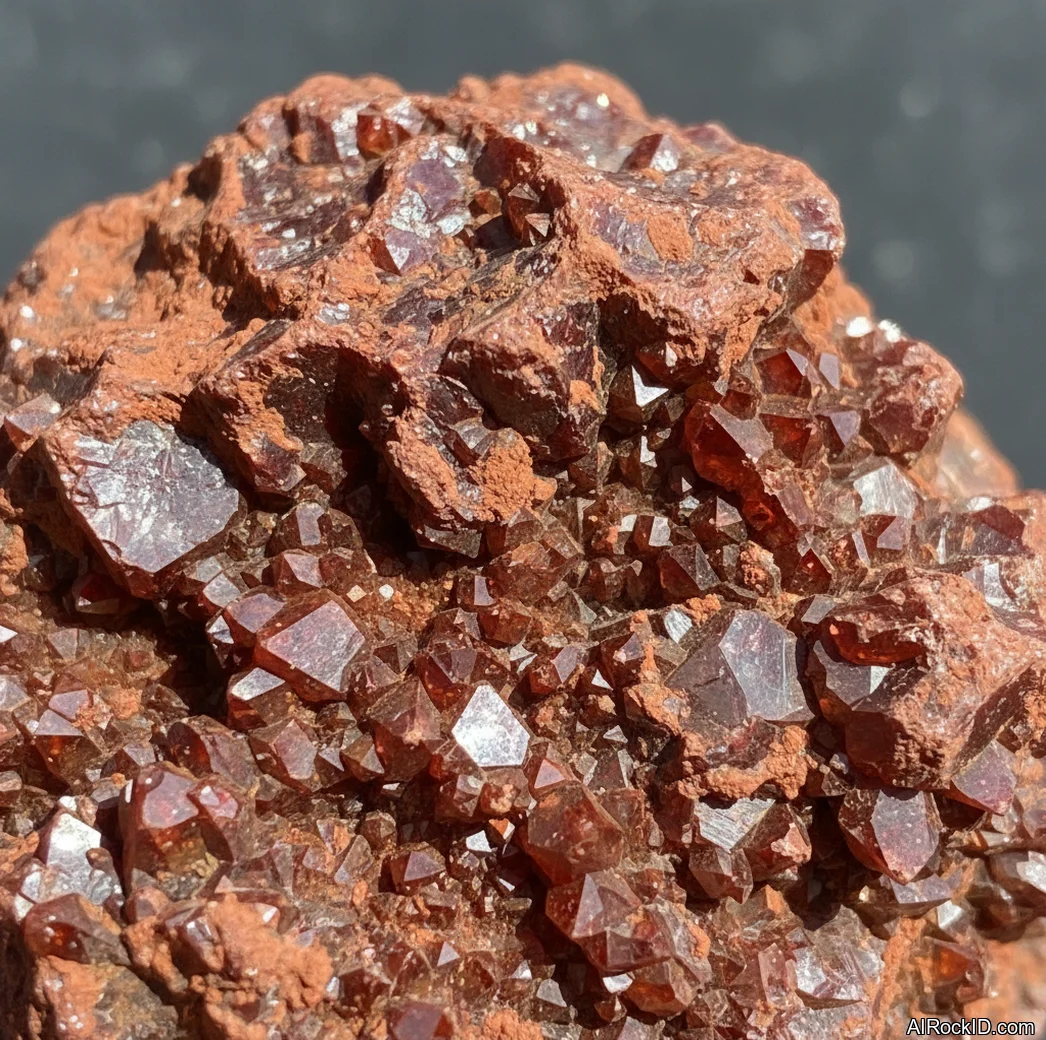
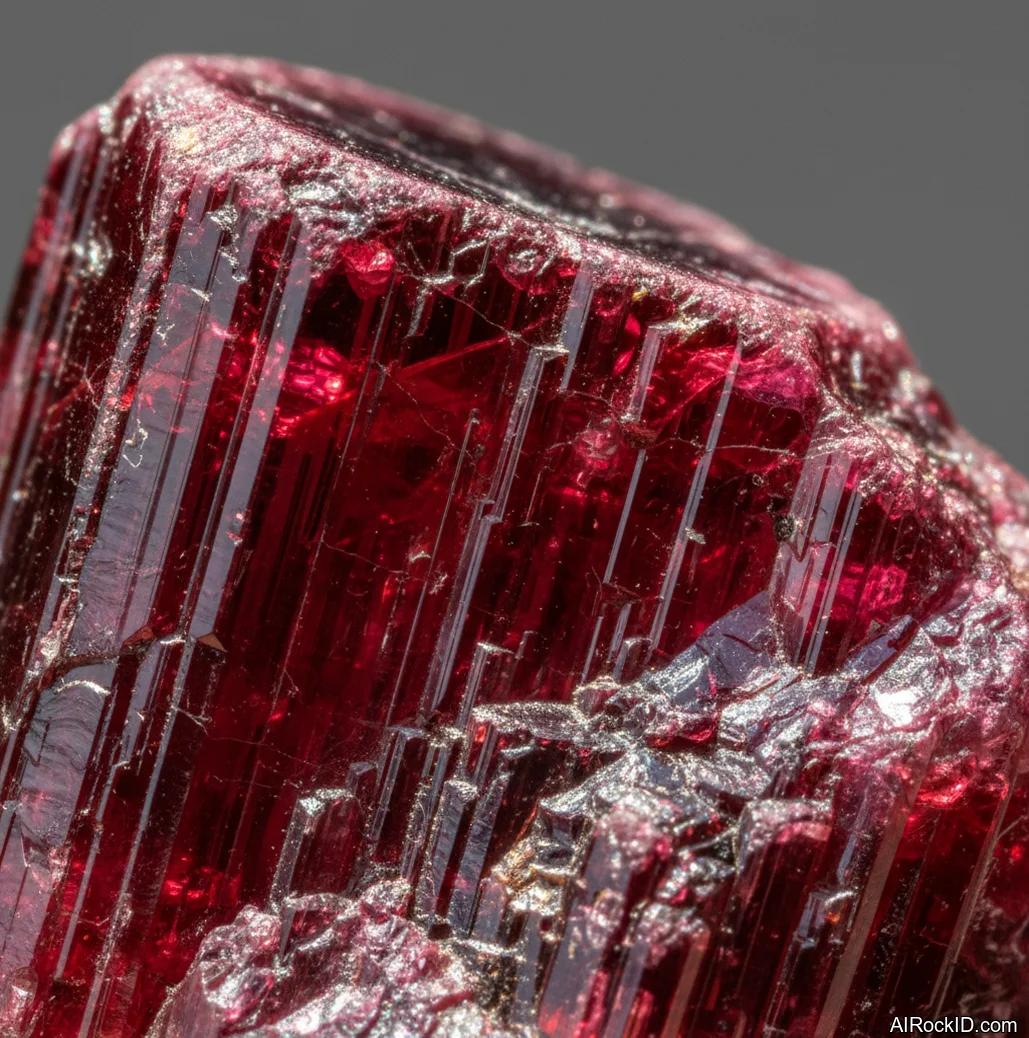
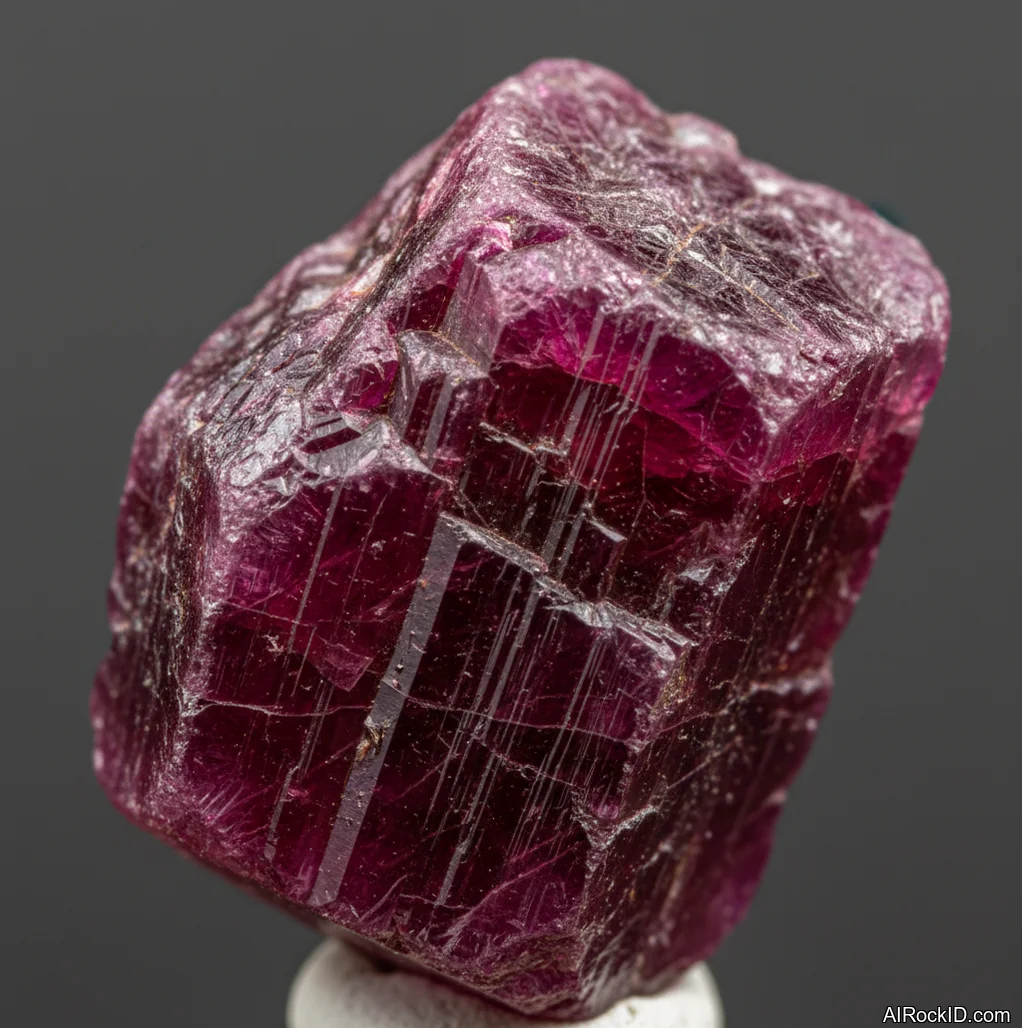
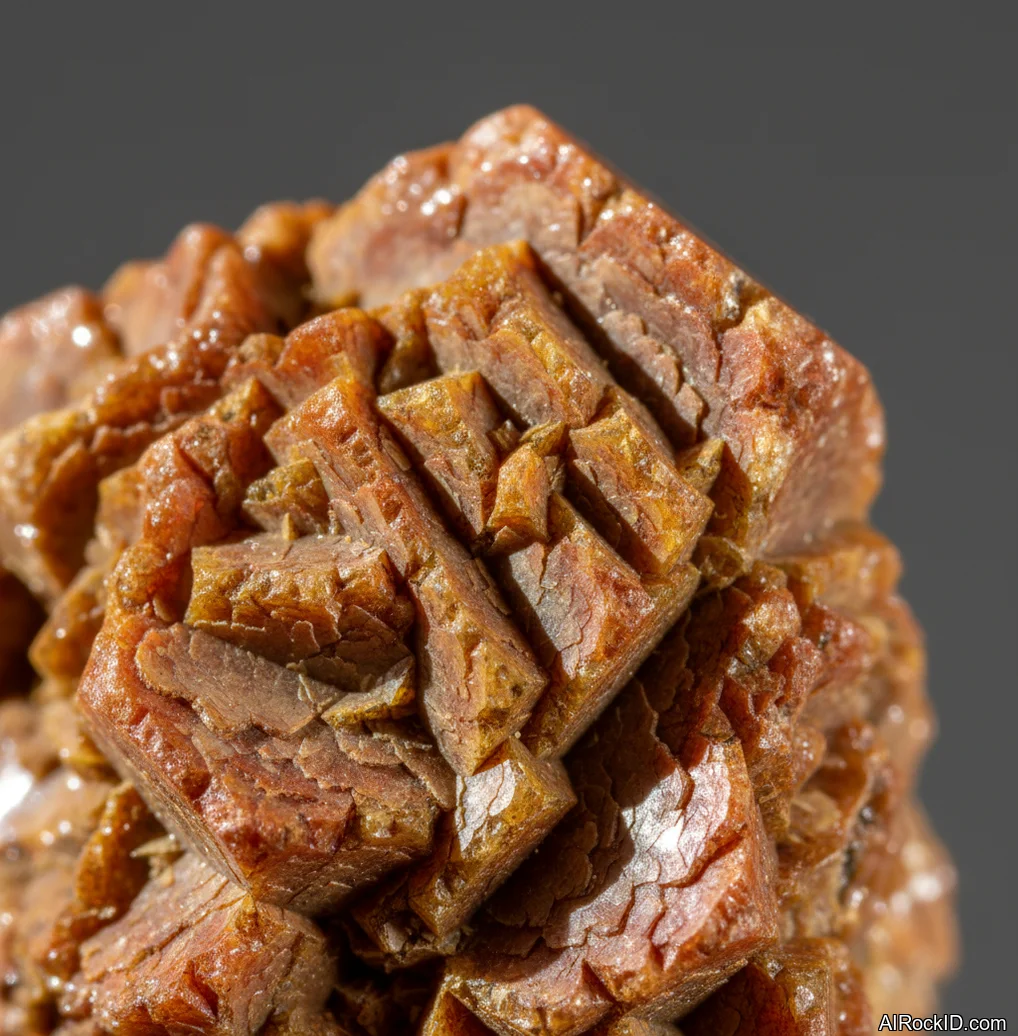
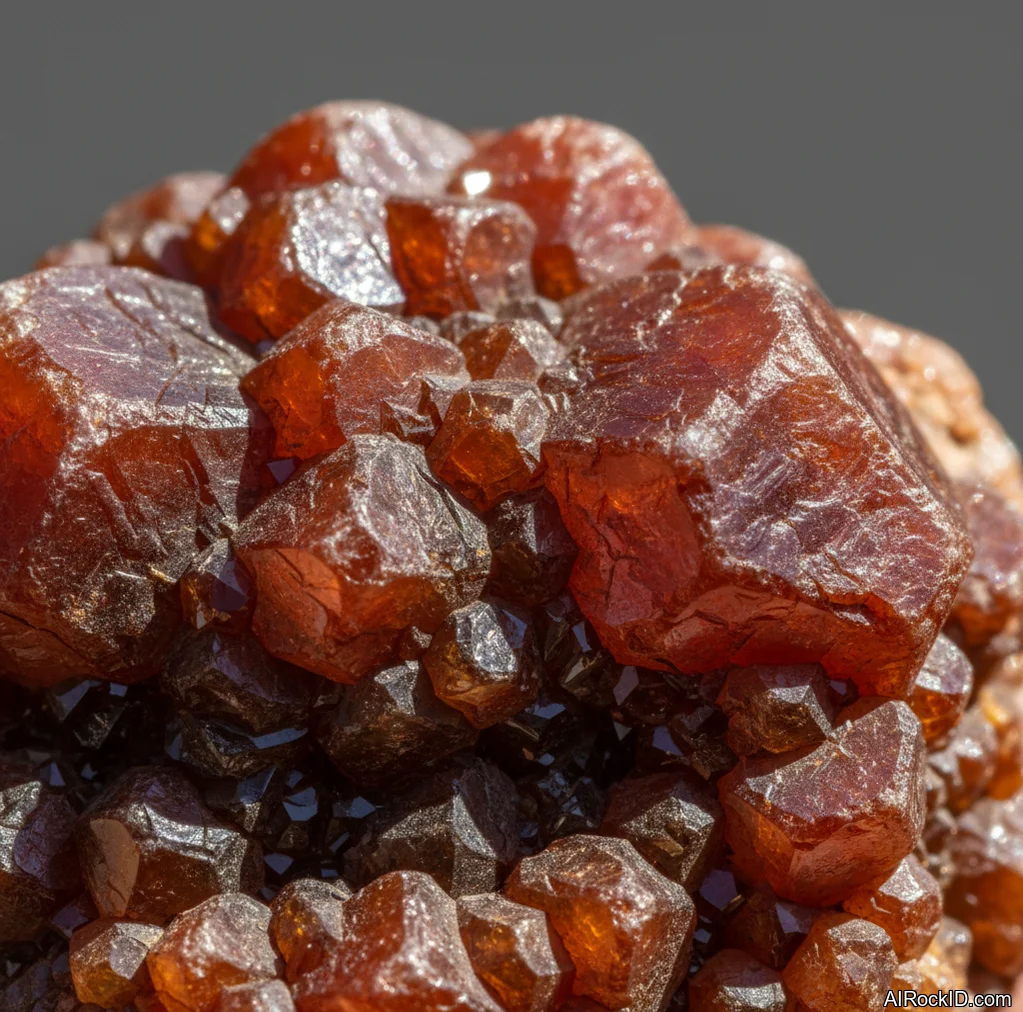
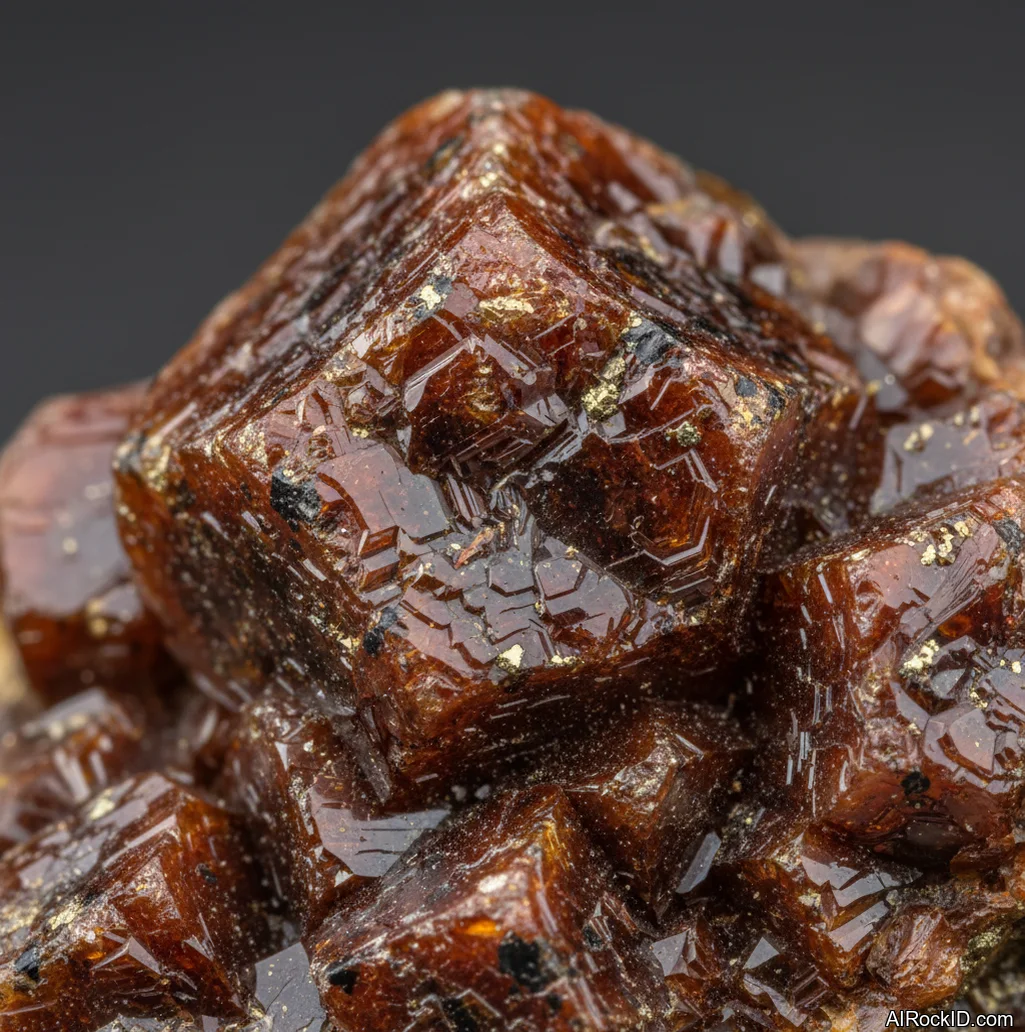
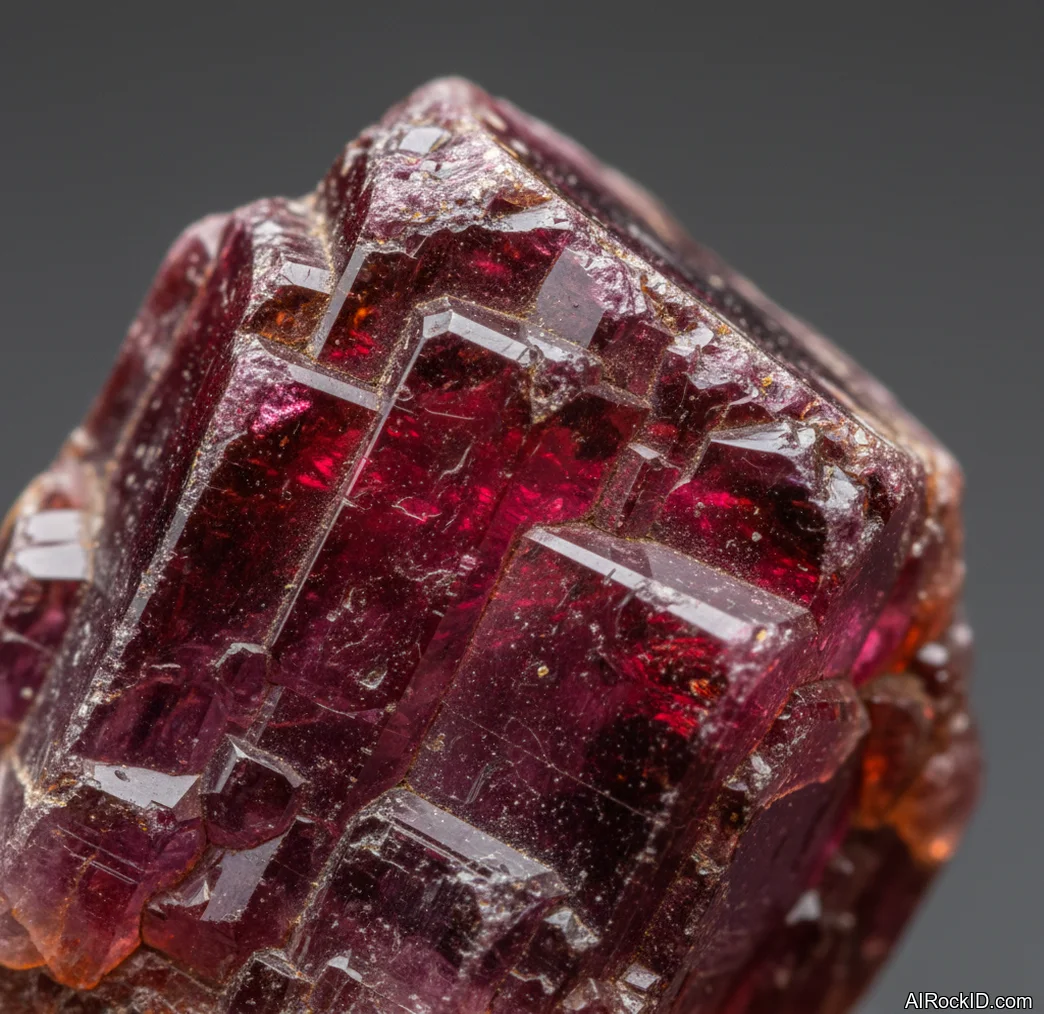
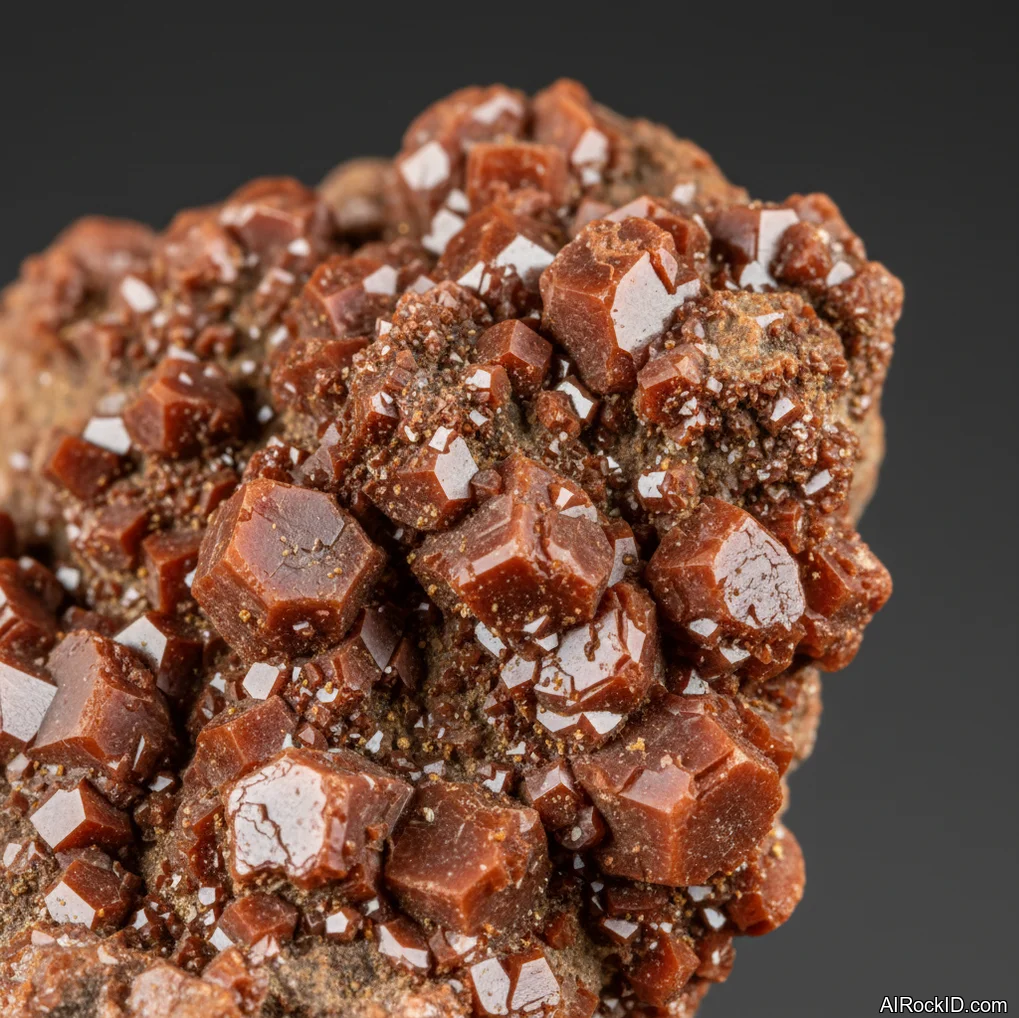
- Garnet: Garnet commonly forms deeper red to burgundy crystals and is usually harder than jasper or hematite.
AI identification confidence
AI identification is usually more reliable when the photo shows color, luster, transparency, crystal shape, and a clean close-up of the surface. For Mars-associated stones, confidence can drop when several red or brown opaque stones look similar in lighting or polish.
When AI gets it wrong
- Polished tumbled stones hide crystal shape, cleavage, and natural surface texture.
- Red Jasper, dyed agate, and Carnelian can appear similar in photos.
- Metallic glare can make Hematite, magnetite, and coated stones difficult to separate.
- Low light may make Garnet, Ruby, and dark glass look alike.
What this category represents
The Mars Crystals tag groups stones that crystal traditions connect with Mars symbolism, including action, courage, stamina, protection, heat, and decisive movement. This tag is thematic rather than strictly mineralogical, so included stones may differ widely in chemistry, hardness, color, and crystal structure.
Beginner recommendations
Advanced recommendations
Traditional Mars Correspondences
In astrology-based crystal traditions, Mars is associated with initiative, physical drive, conflict, defense, heat, and decisive action. Stones linked to Mars are often chosen for their symbolic connection to red color, iron content, metallic luster, sharp crystal forms, or historical associations with strength and protection.
Handling Mars Stones Safely
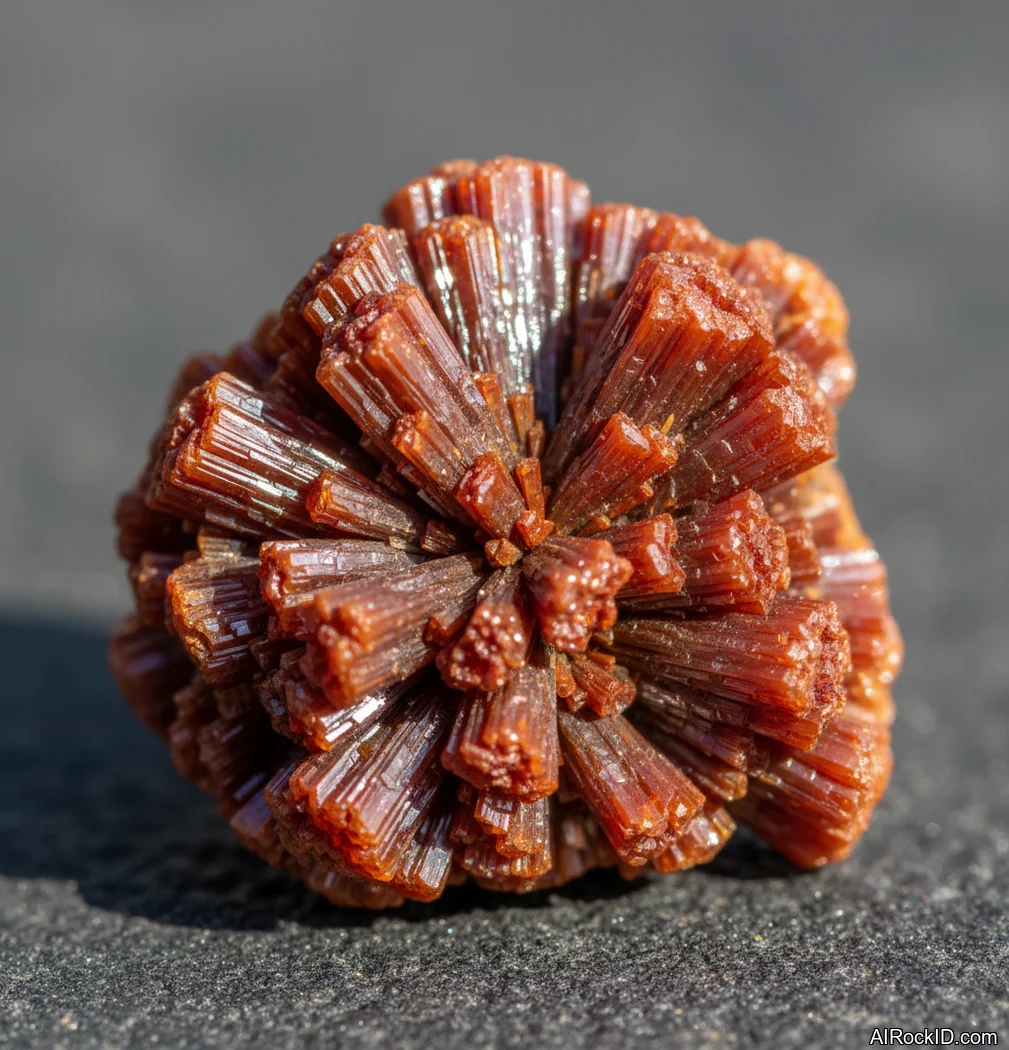
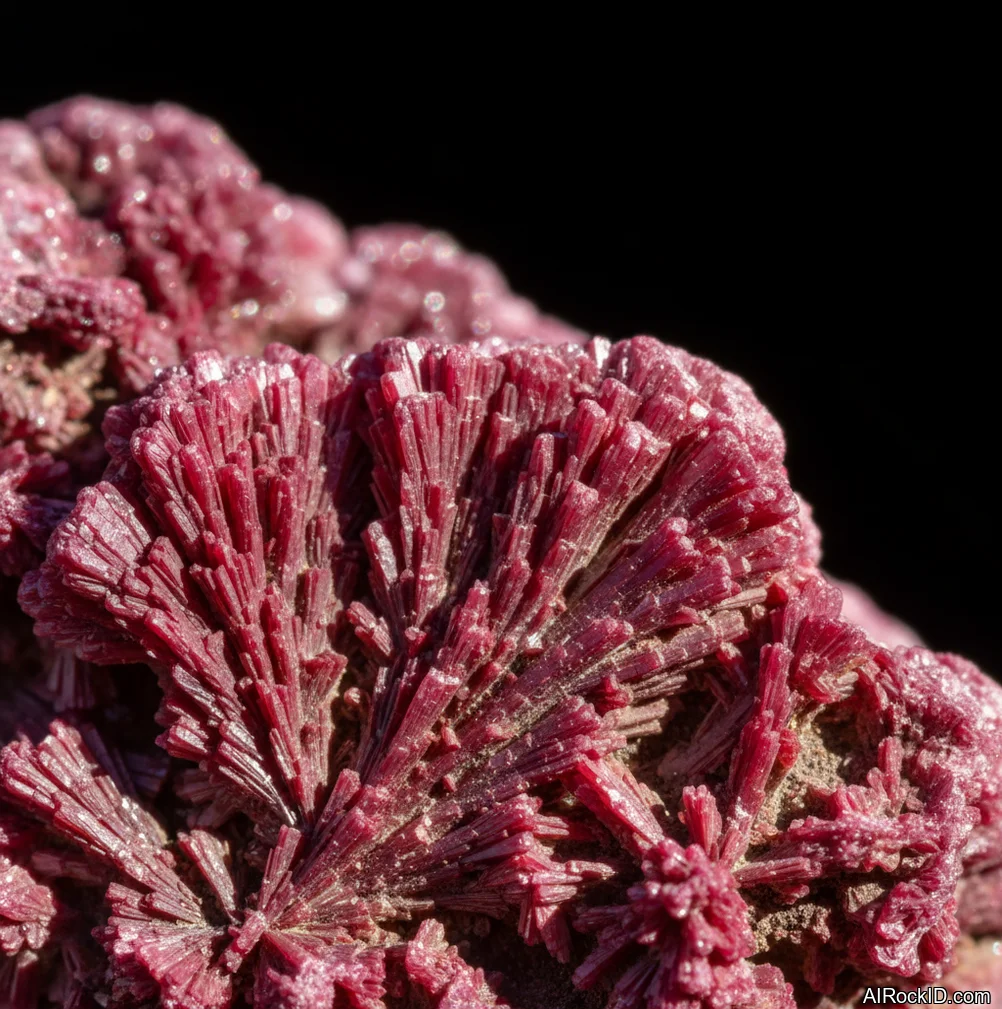
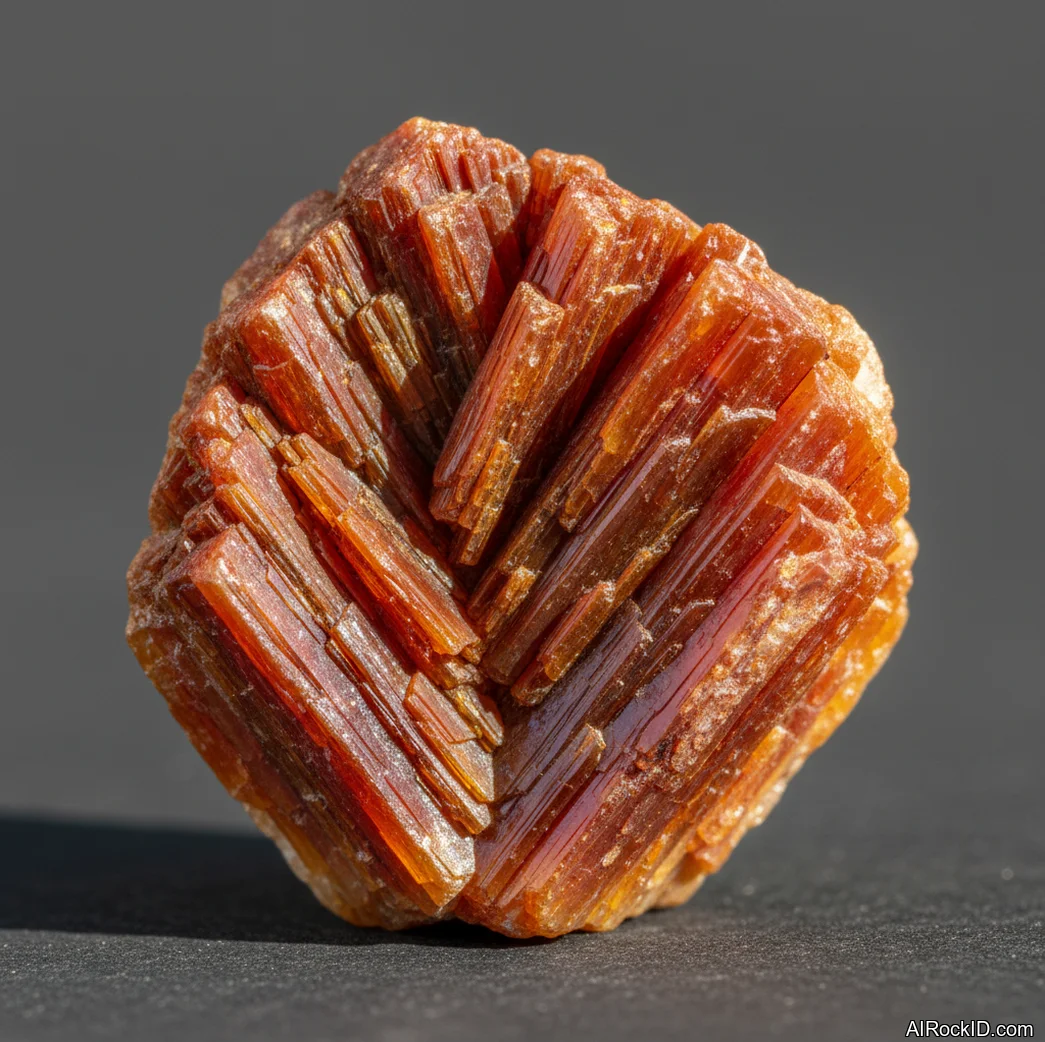
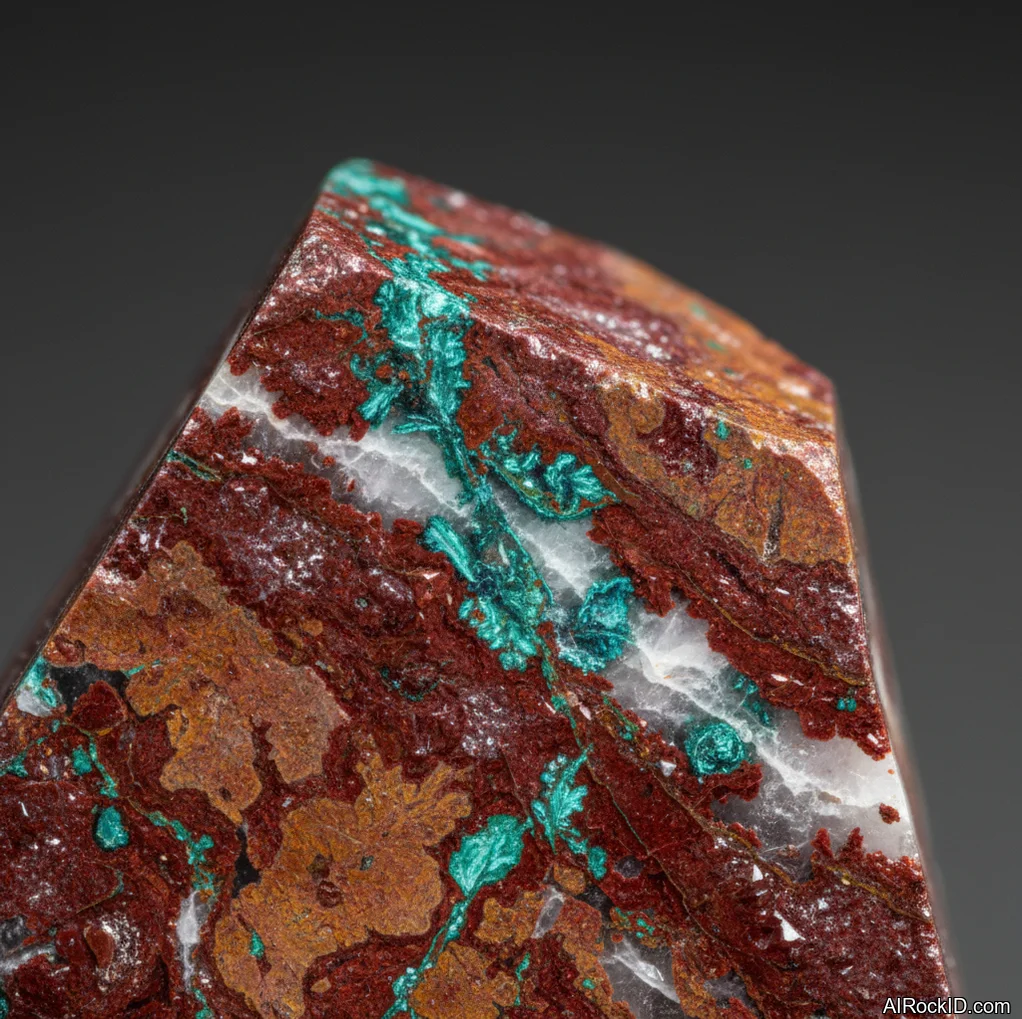
Most beginner Mars crystals, such as Red Jasper, Carnelian, Hematite, and Garnet, are safe to handle under normal conditions. More advanced collector minerals, including Cinnabar, Crocoite, and some bright red ore minerals, may require careful handling, no water exposure, and secure storage away from children and pets.
Natural, Dyed, and Treated Red Stones
Some red or orange stones sold in crystal shops may be dyed, heat-treated, coated, or stabilized. A very even color, unusually bright banding, dye concentration in cracks, or color rubbing onto a cloth can be signs that a specimen is treated rather than naturally colored.
Understanding Mars Energy in Crystals: What Collectors Notice
Mars, when you hear it in a crystal context, isn't about astronomy. It's about the kind of energy you feel when you've got to push through or say no. Heat, drive, action, sometimes even aggression. Pick up a chunk of Hematite and you get it right away. It sits heavier in your palm than most tumbled stones its size—cold, with a gunmetal shine that makes you think of machinery, not jewelry. That weight isn't just physical. Collectors use it for grounding and focus when life feels scattered or frenetic.
Carnelian comes up just as often. The top-quality stuff glows like hot coals when you catch it near a window. If you've only seen the pale, washed-out beads, you haven't really handled real Carnelian. The good pieces almost look like they're backlit. You see the Mars link right away: momentum, movement, and a sense of burning through obstacles. People don't always agree on which stones "count" as Mars crystals, but the common thread is that raw, push-forward pulse. It's practical, not just symbolic.
Common Reasons for Using Mars Crystals—Momentum, Boundaries, and Anger
Most people hunting for Mars crystals are after momentum. They're feeling stuck, overthinking, or need a physical object as a kickstart. The stones seem to anchor intent—something to grip when you're about to take action or need to stop doubting. Boundaries come next. Mars gets called the planet of 'no' just as often as 'go.' That's why Black Tourmaline and Smoky Quartz show up in Mars kits. They're for the times when you need to cut cords, stop feeling drained by others, or just hold your ground at work.
Then there's the flip side: anger, irritability, that feeling like you're about to snap over small things. Mars rules that too. Some collectors use these stones to steer the energy, not suppress it. The trick is letting Mars help you draw a line or take a stand, without letting it run wild. It's not about calming down, exactly—more like channeling the heat so it doesn't burn everything you care about.
Mars Crystal Color and Physical Traits: More Than Just Red Stones
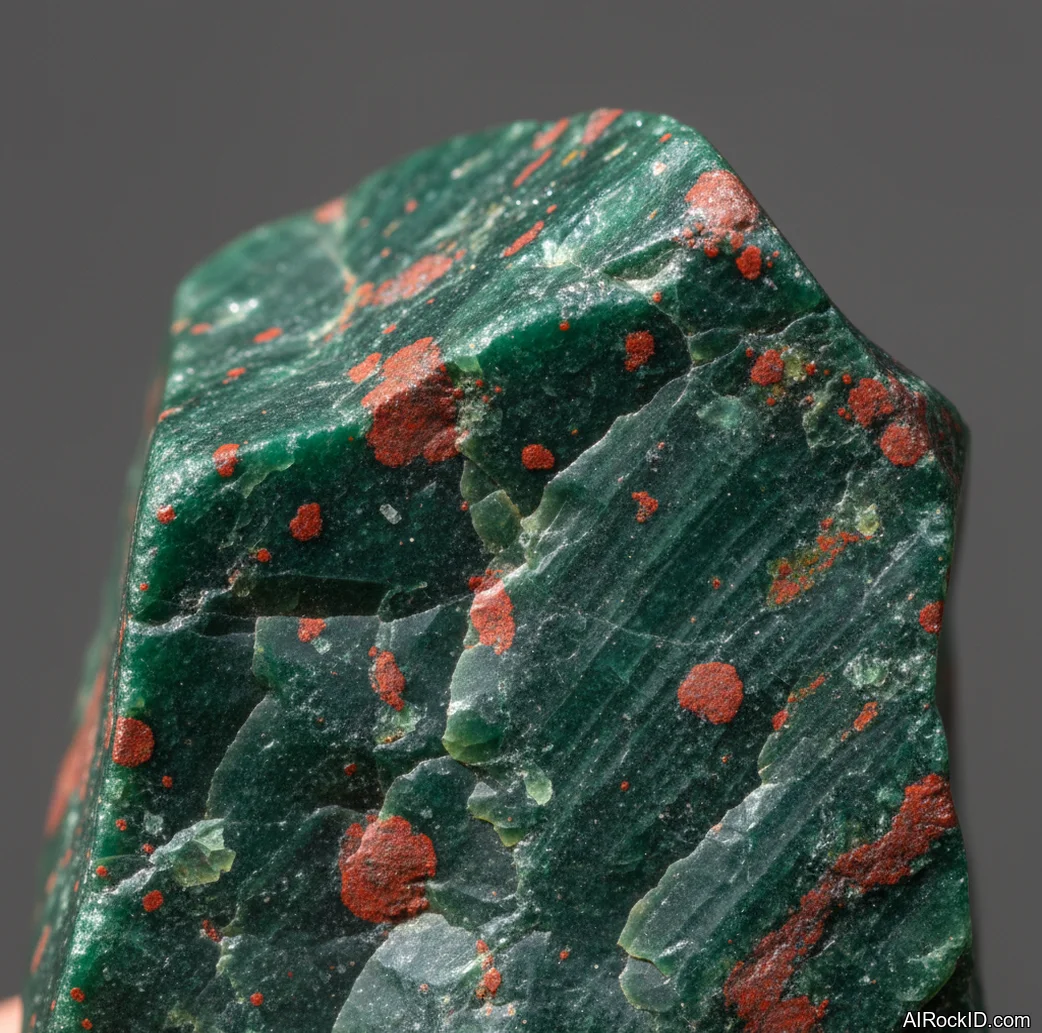
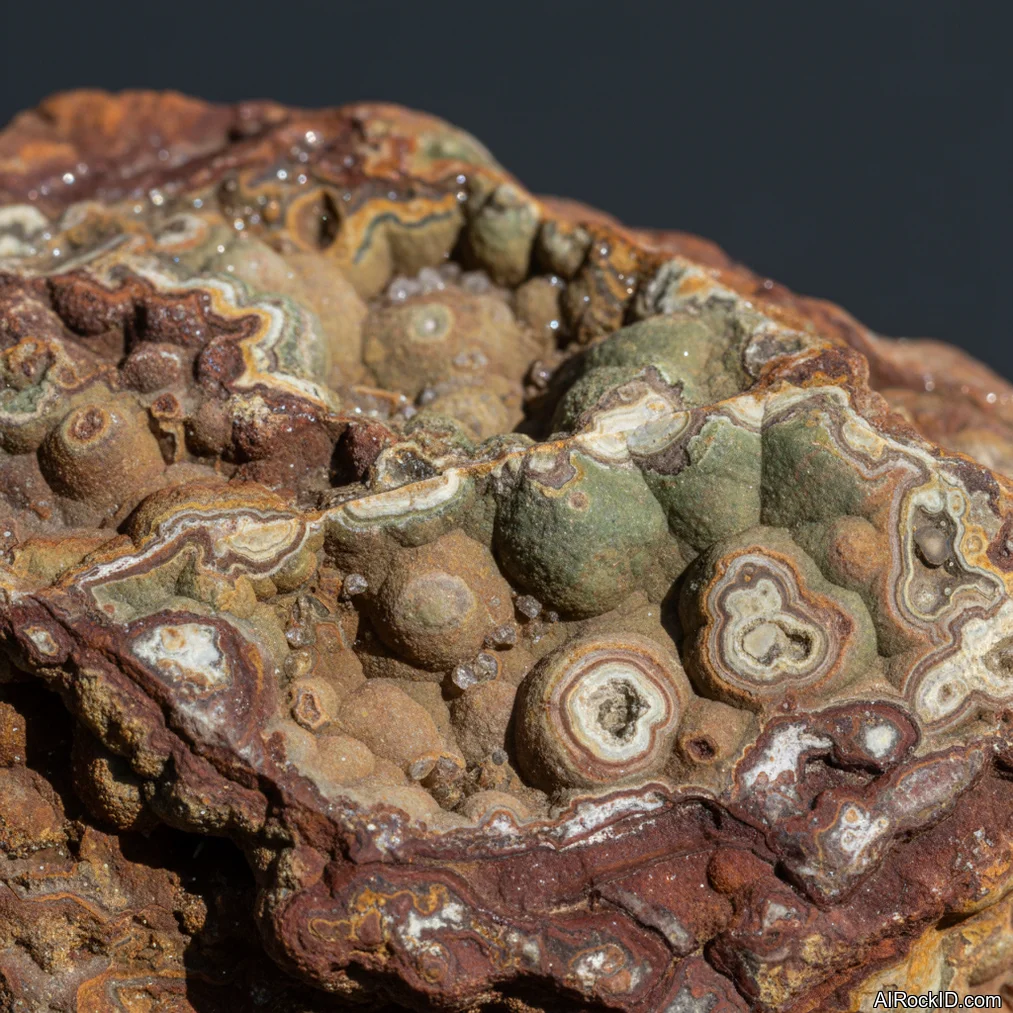
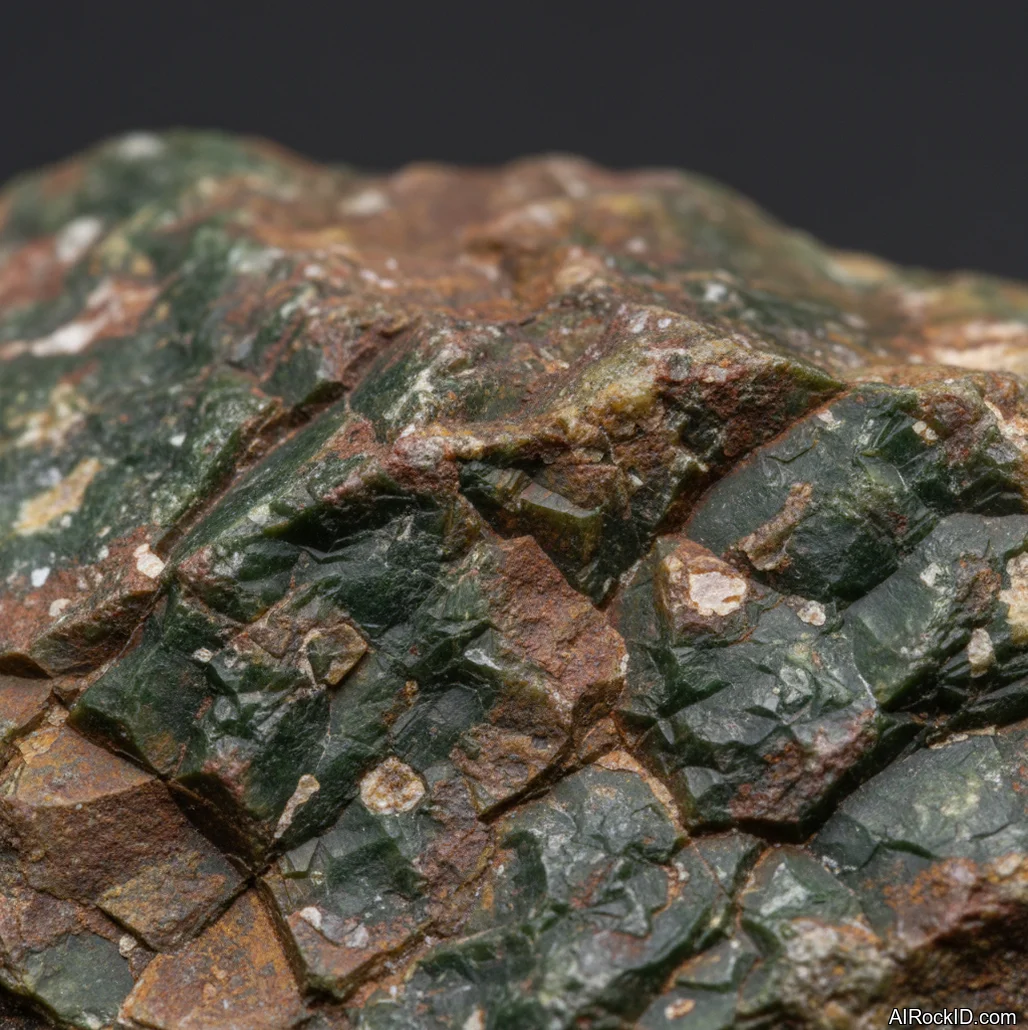
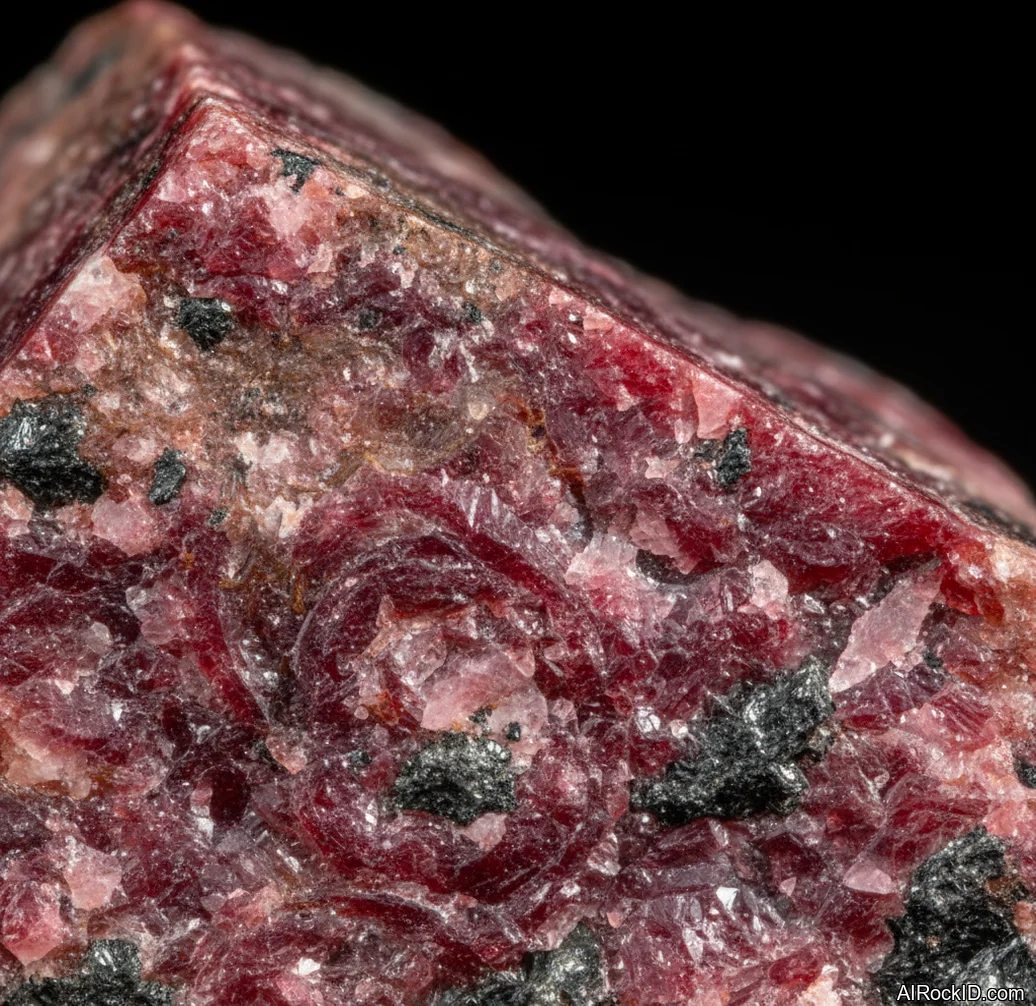
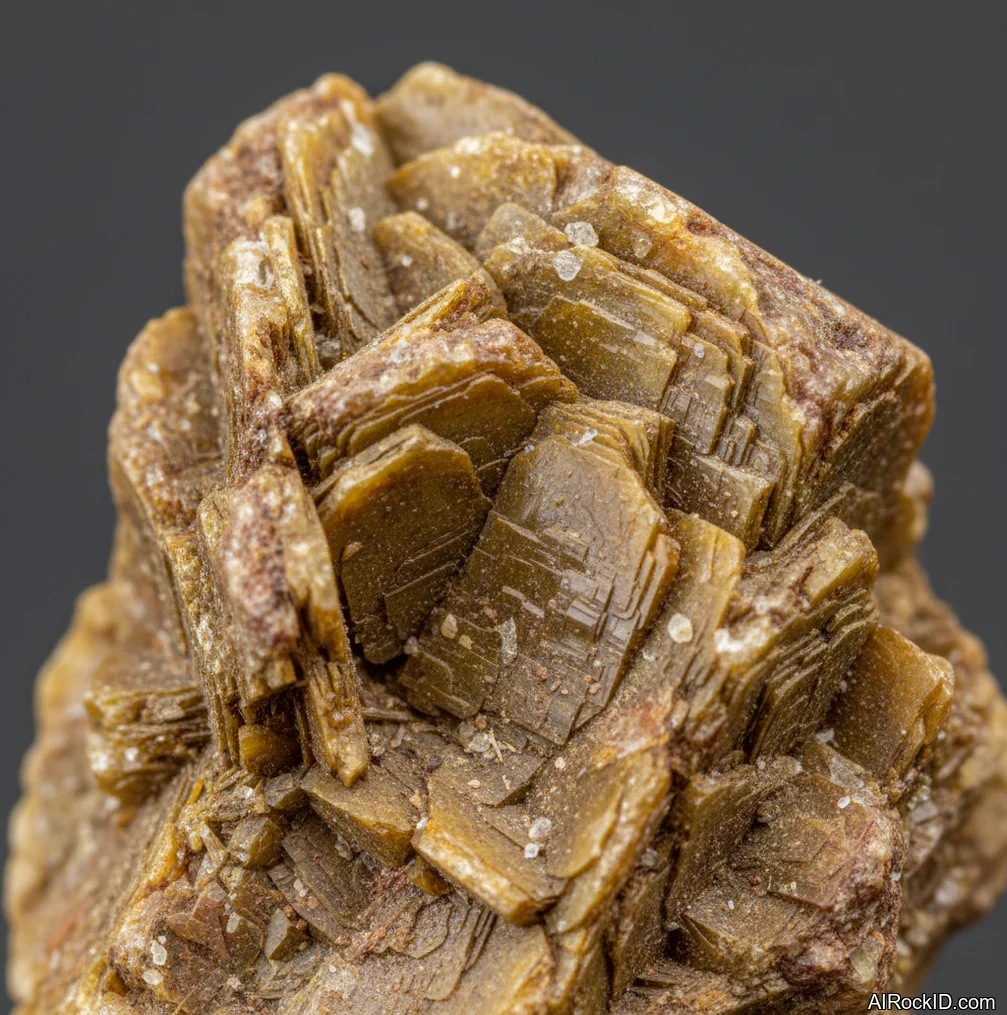
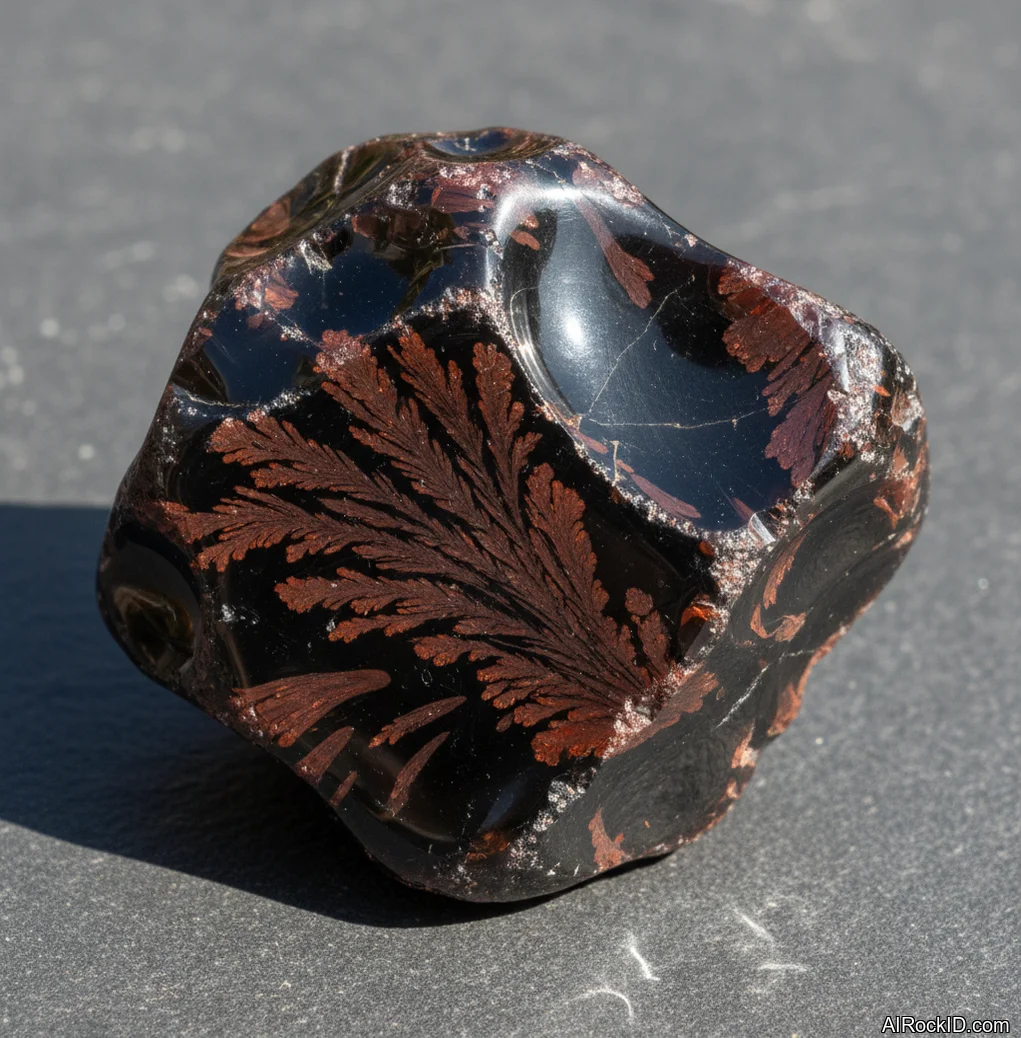
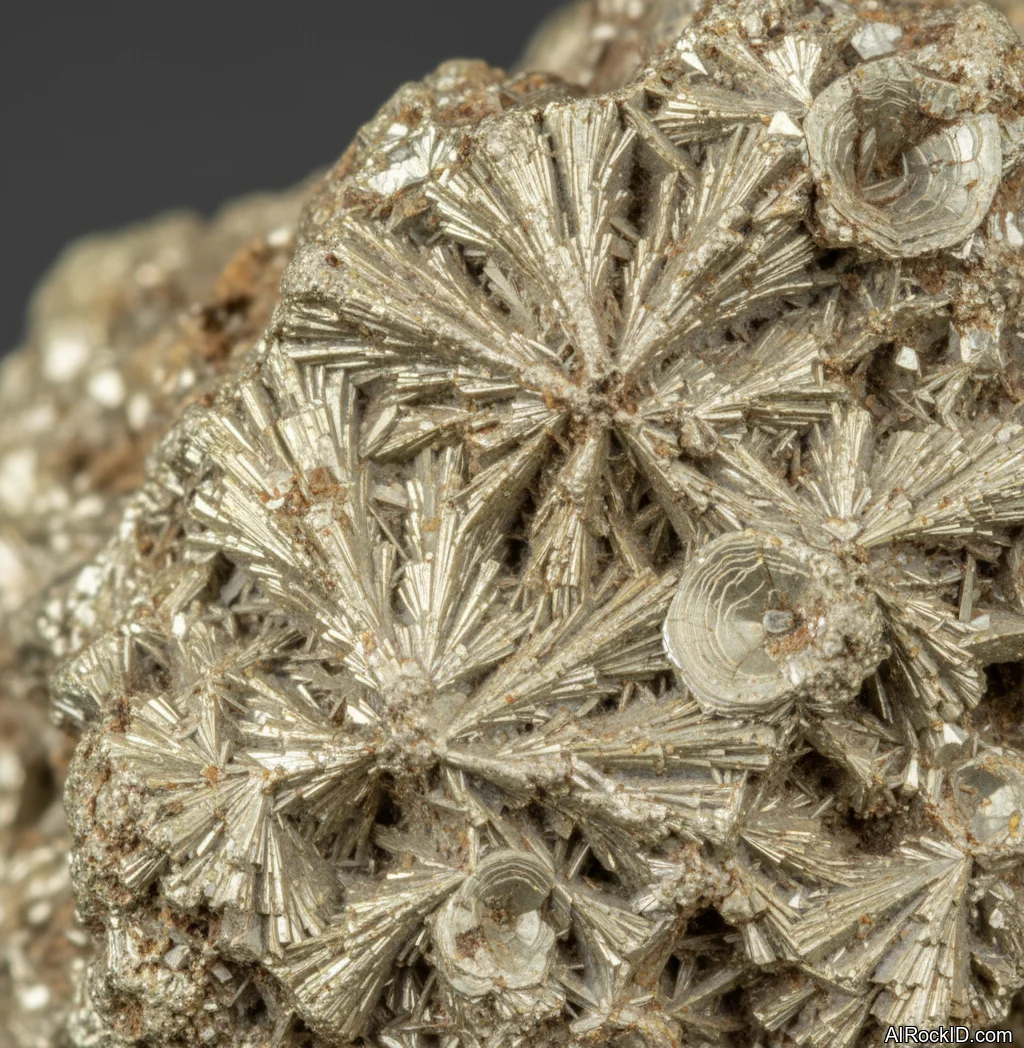
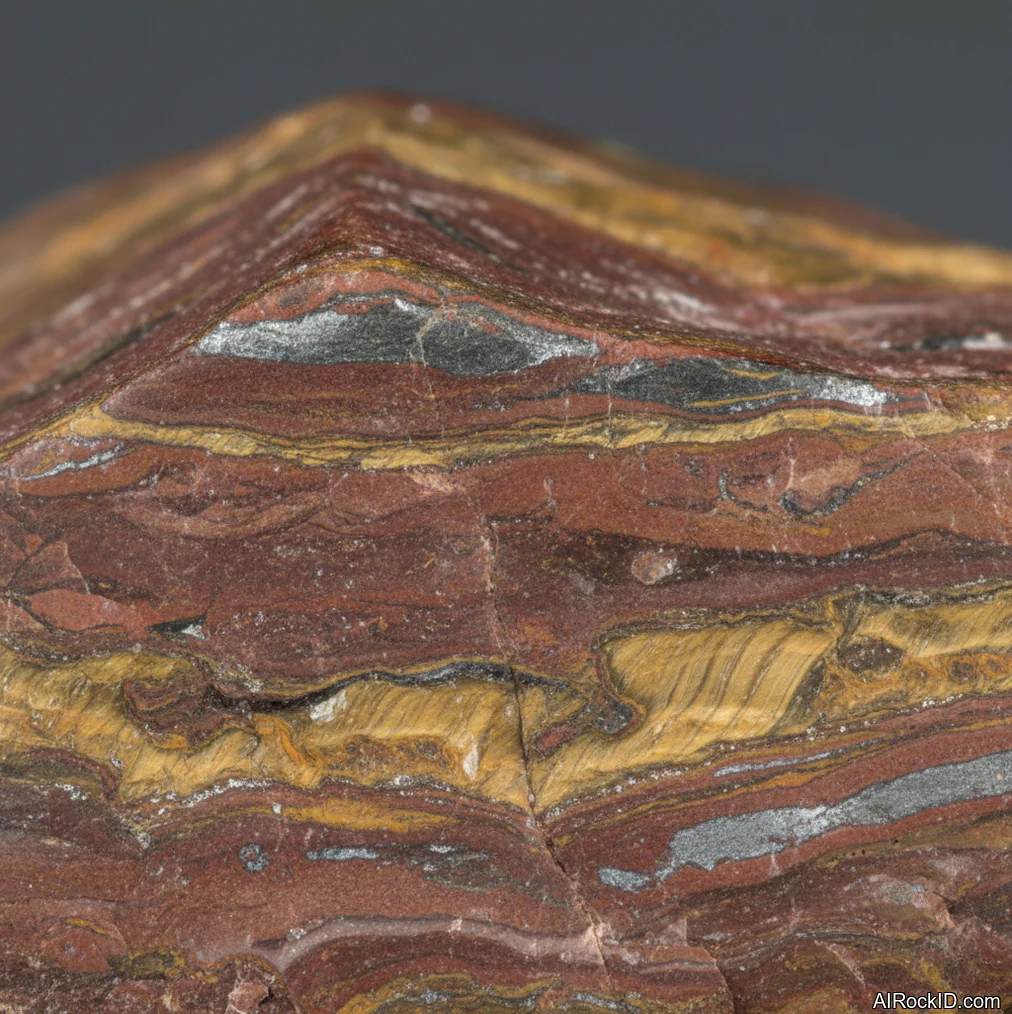
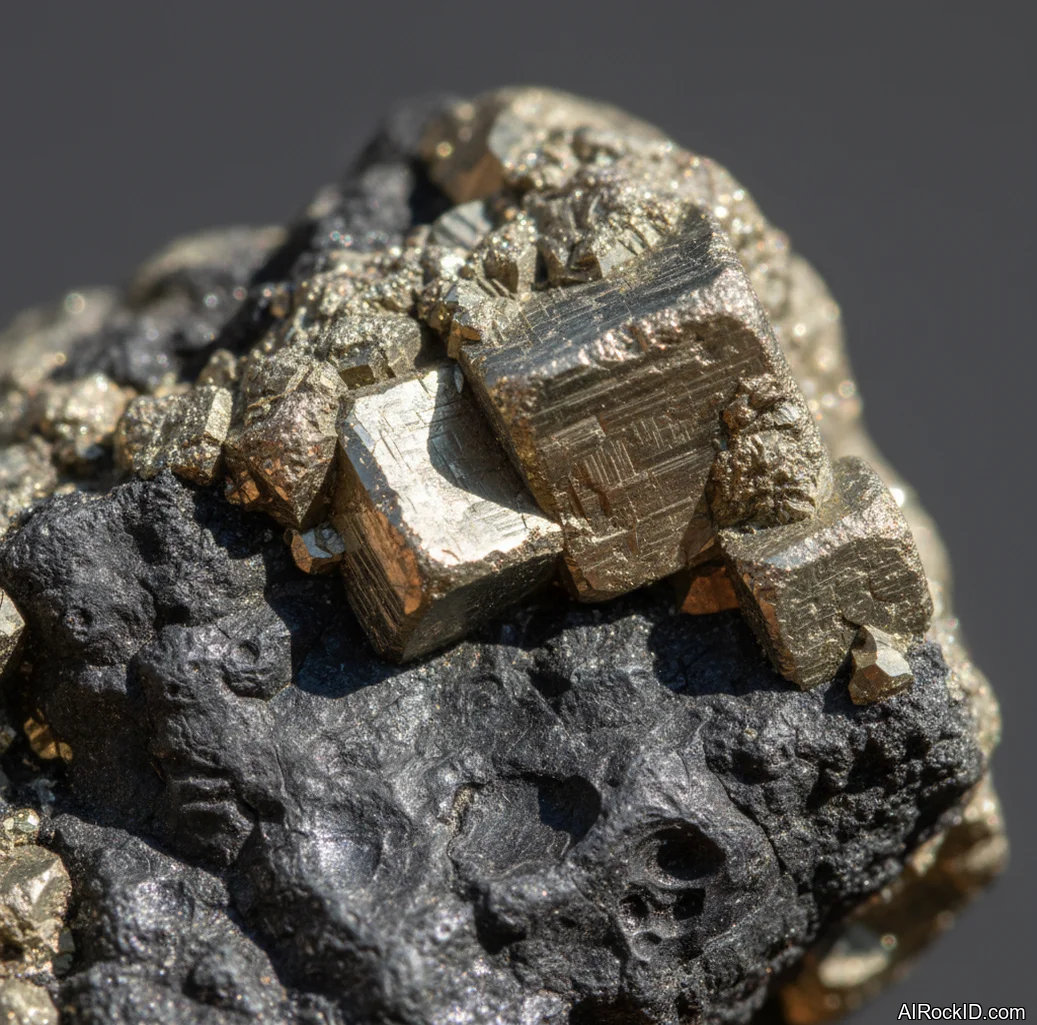
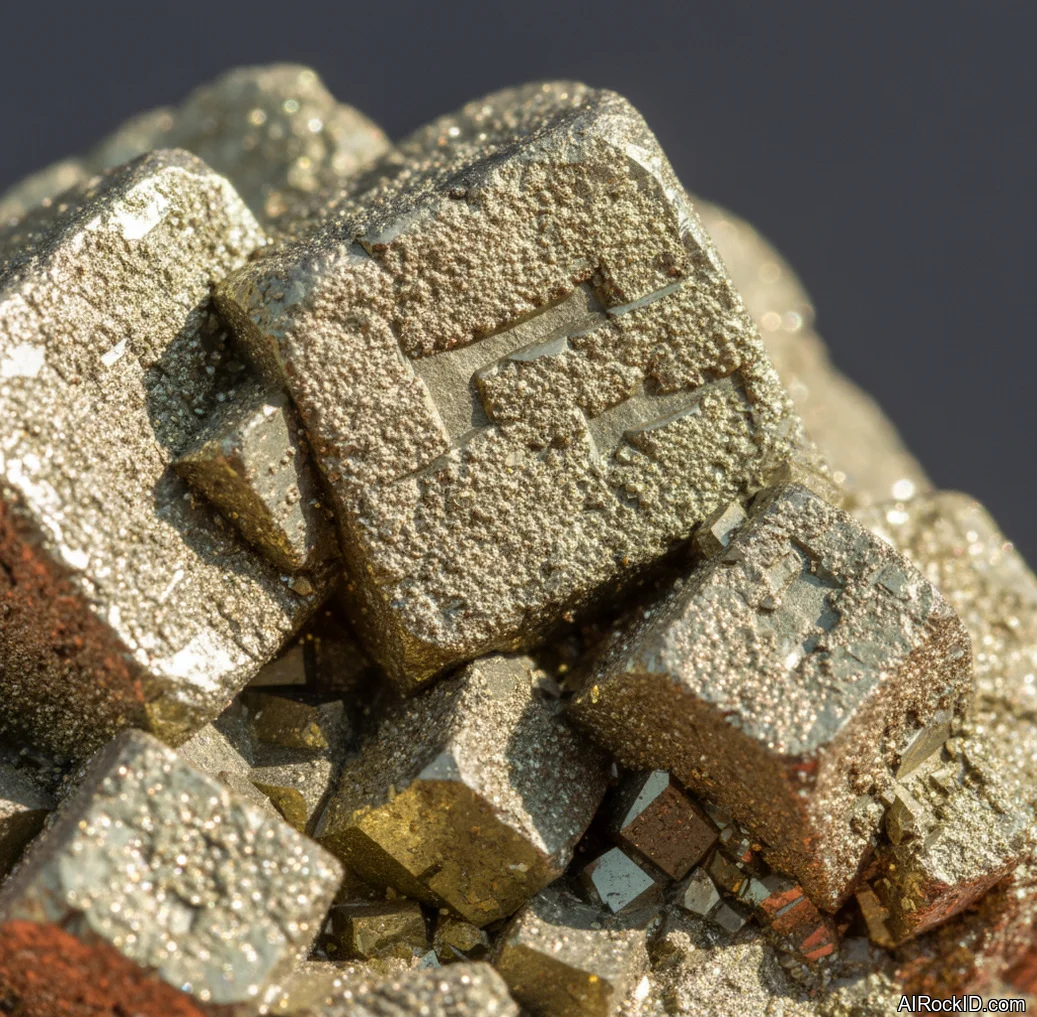
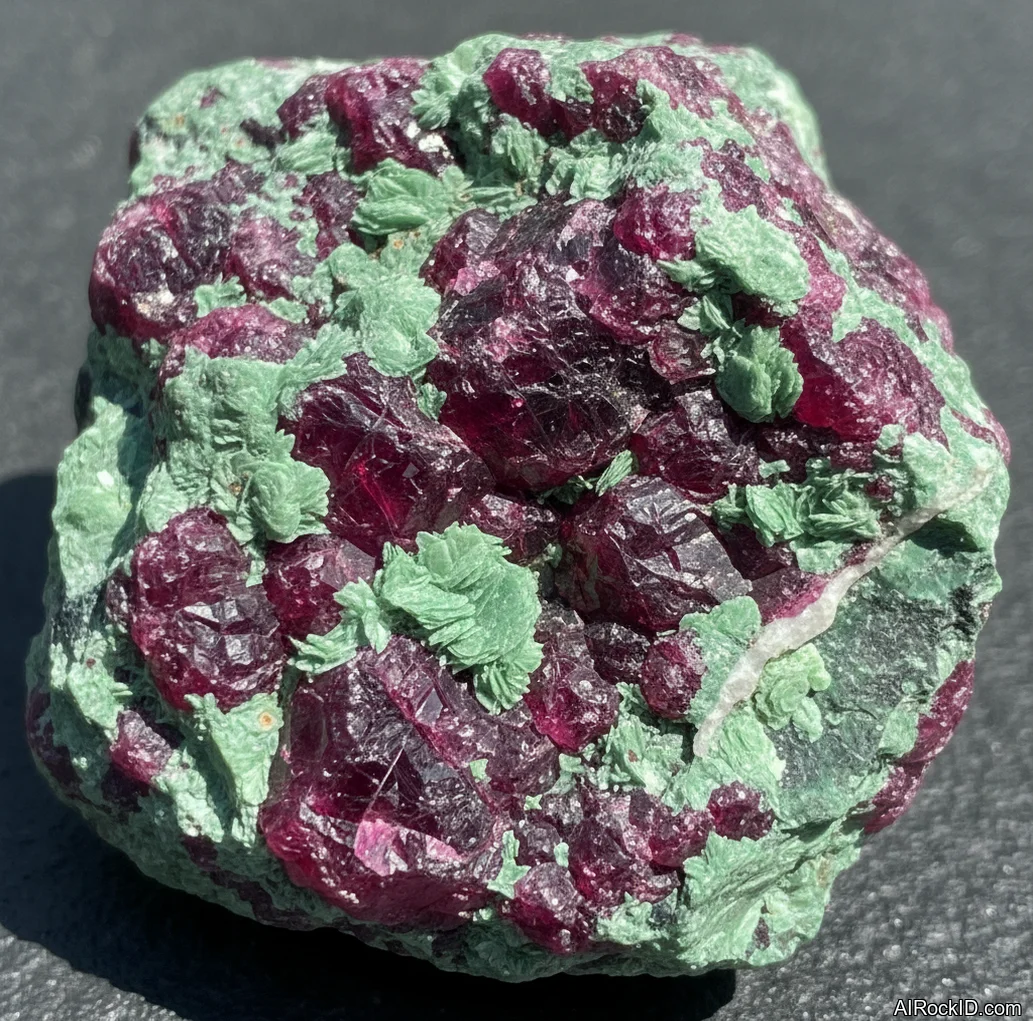
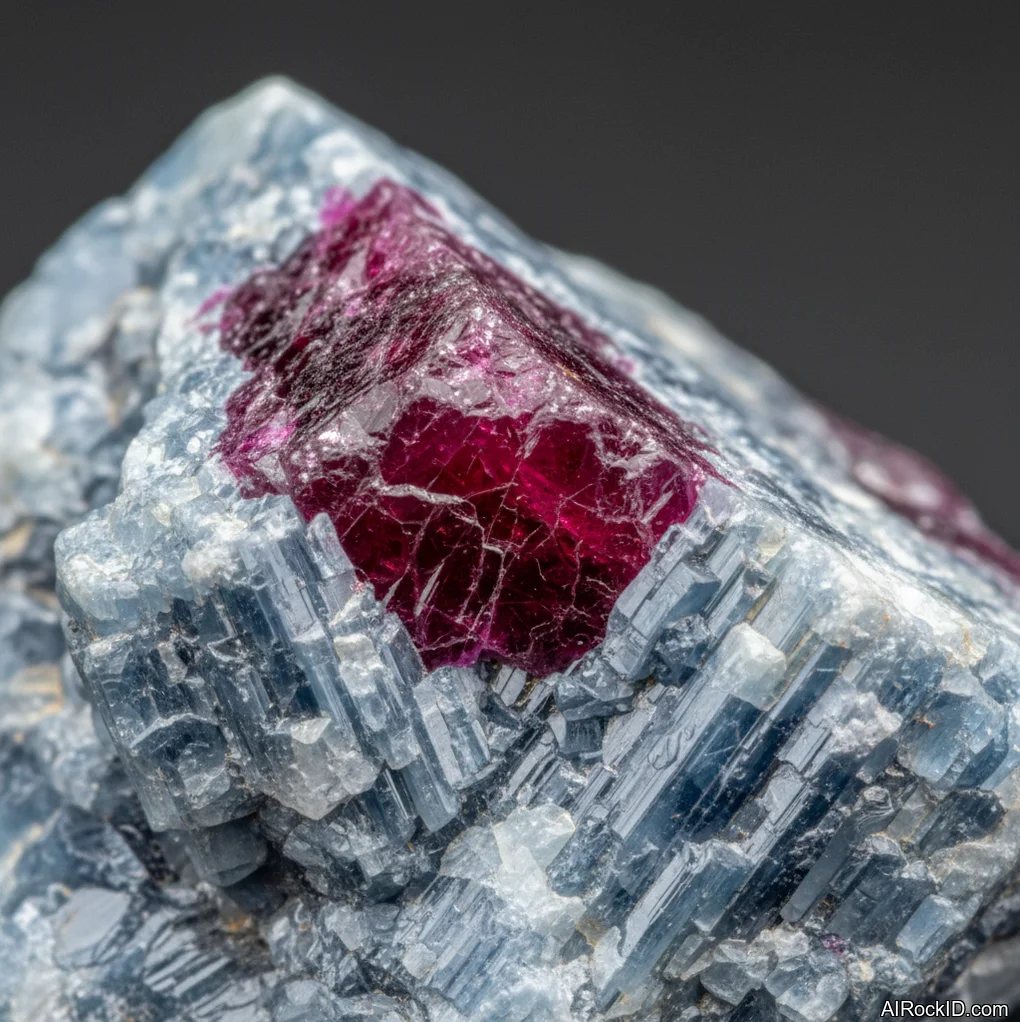
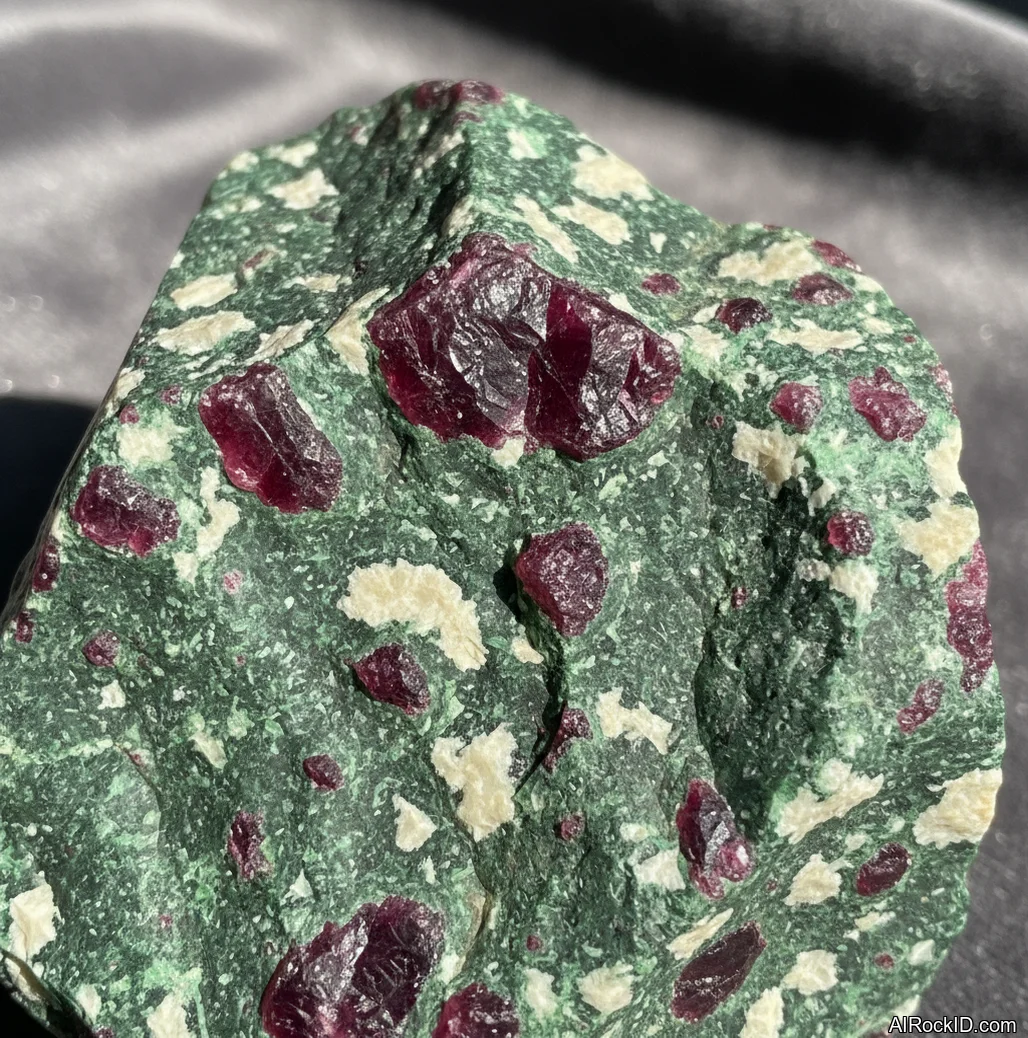
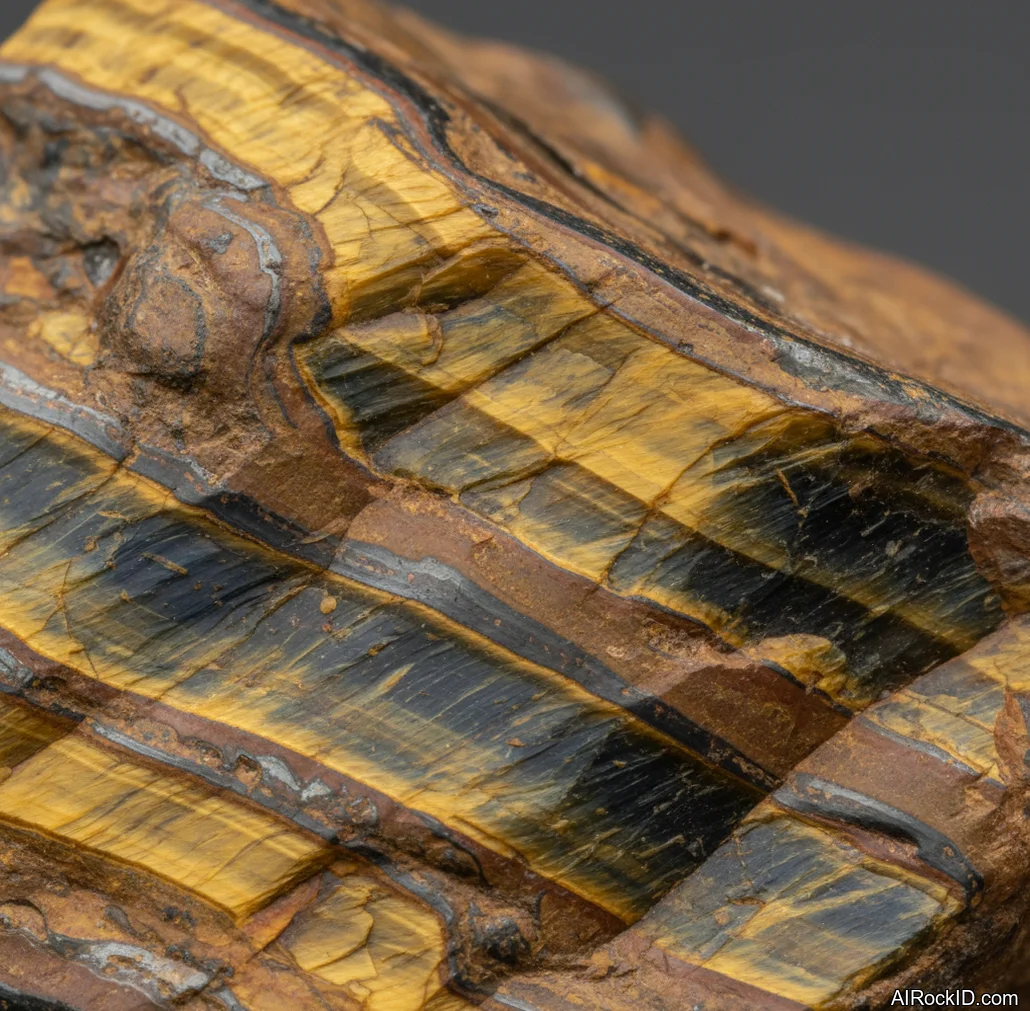
At first glance, most folks think 'Mars' means every stone has to be red. Red Jasper, Garnet, Ruby in Zoisite, Bloodstone, Red Tiger's Eye, Fire Agate—they all get tossed into the Mars pile. There's a reason for that: deep red minerals give the quick visual punch that people link to Mars. But the reality is messier. I've seen Mars collections that are more metallic and dark than red. Hematite, Magnetite, Pyrite—they've all got that heavy, cool feel and the kind of shine that never looks pink or pretty.
Color matters, but so does weight, luster, and even temperature. Some collectors swear by stones that feel cold to the touch or make a metallic sound when tapped together. Others chase that rusty, brick-red hue that shows up in rough Carnelian or the iron flecks in Bloodstone. There's no universal rule, but the best Mars stones don't just look the part—they feel it when you hold them.
Misconceptions and Practical Tips for Collecting Mars Crystals
The problem with Mars crystals is that sellers sometimes stretch the definition. Anything reddish gets tagged "Mars" at trade shows, even if it's dyed or heat-treated. Cheap Carnelian from India can look orange enough on the outside but turns out to be pale right under the skin. Real Hematite is easy to spot because it feels colder and heavier than lookalikes like Hematine (the magnetic synthetic version).
For anyone building a Mars set, I'd say start with stones that actually feel different in the hand. Don't just buy by color. Go for physical heft, natural shine, and even imperfections—like the red streak Hematite leaves if you drag it on unglazed porcelain. And don't expect miracles. Mars crystals aren't about fixing your life overnight. They're tools, reminders, and sometimes just a piece of the planet's story you can put in your pocket.
Best Mars Crystals to Start With
| Level | Crystal | Note |
| Gentle / Beginner | Smoky Quartz | Grounding without overwhelming, smooth feel, easy to find tumbled and raw. |
| Balanced / Everyday | Carnelian | Brings drive and warmth, especially in deep orange to rust pieces, but isn't too intense. |
| Intense / Advanced | Hematite | Heavy, cold, and direct—can feel almost confrontational if you're sensitive to energy. |
| Best for Carrying | Red Jasper | Dense and durable, doesn't scratch or chip easily in a pocket; earthy feel. |
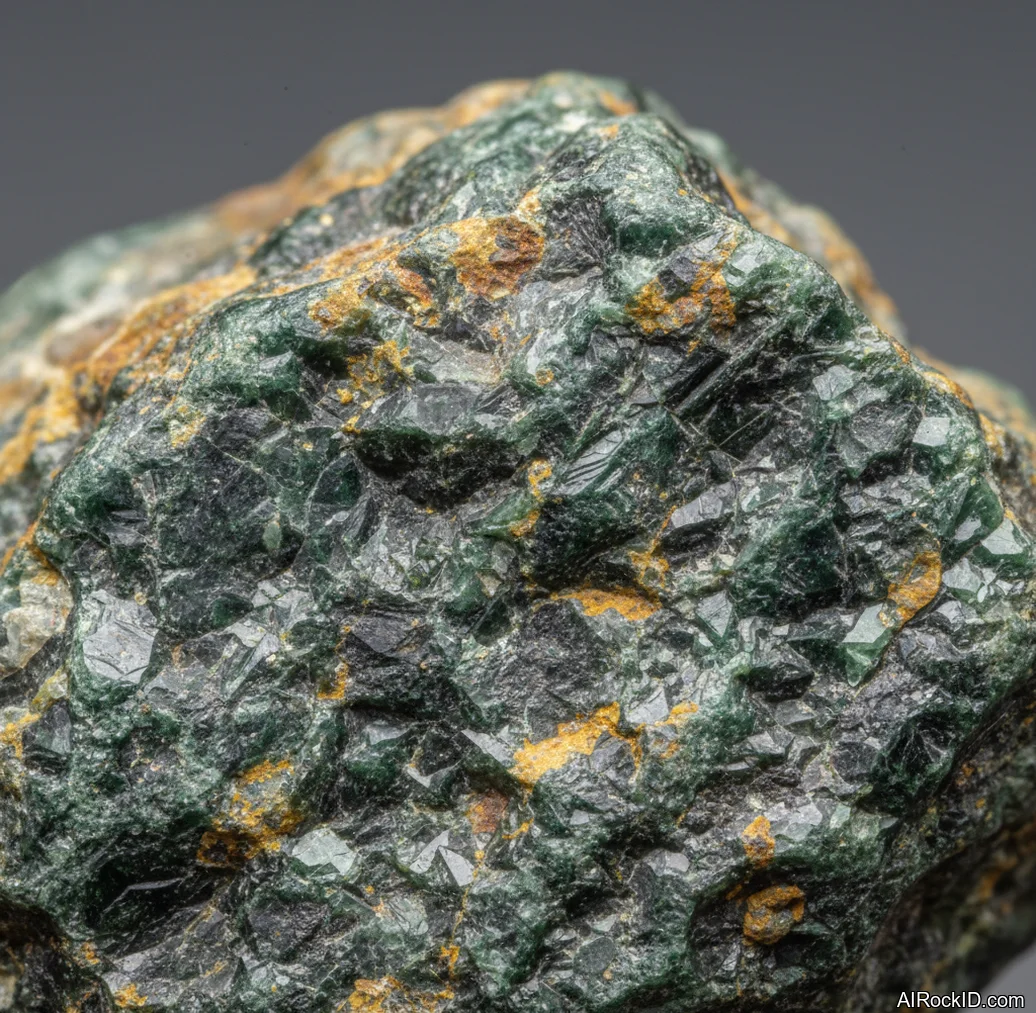
| Best for Display | Bloodstone | Deep green with red flecks draws attention; raw slabs show off natural iron spots. |
Mars Crystal Comparison
| Crystal | Common Use | Feel / Use Style | Care Caution |
| Hematite | Grounding, boundaries, mental focus | Heavy, cold, metallic shine; leaves a red streak on tile | Rusts if soaked in water; avoid salt baths |
| Carnelian | Momentum, motivation, creative action | Smooth when tumbled, glows orange-red in sunlight | Color fades in full sunlight; avoid heat exposure |
| Red Jasper | Physical strength, endurance, steady action | Matte, earthy red; very durable and chip-resistant | Can get dull if not cleaned; rinse with water, avoid acids |
| Bloodstone | Courage, athletic energy, resilience | Dark green with red spots; cool and glassy | Sensitive to harsh cleaners; clean with water only |
How to Identify Mars Crystals with AI Rock ID
To ID Mars crystals with an AI Rock ID app, start by photographing your specimen in natural daylight—avoid glare or harsh shadows. Take one wide shot and one close-up to capture details like luster and color zoning. Upload both to the app, then compare the AI’s ID to physical traits: does it feel heavy, is it cold to the touch, does it leave a colored streak? Matching hardness, luster, and streak color helps confirm if you’re holding true Hematite, Carnelian, or another Mars stone.
All Mars Crystals (91)