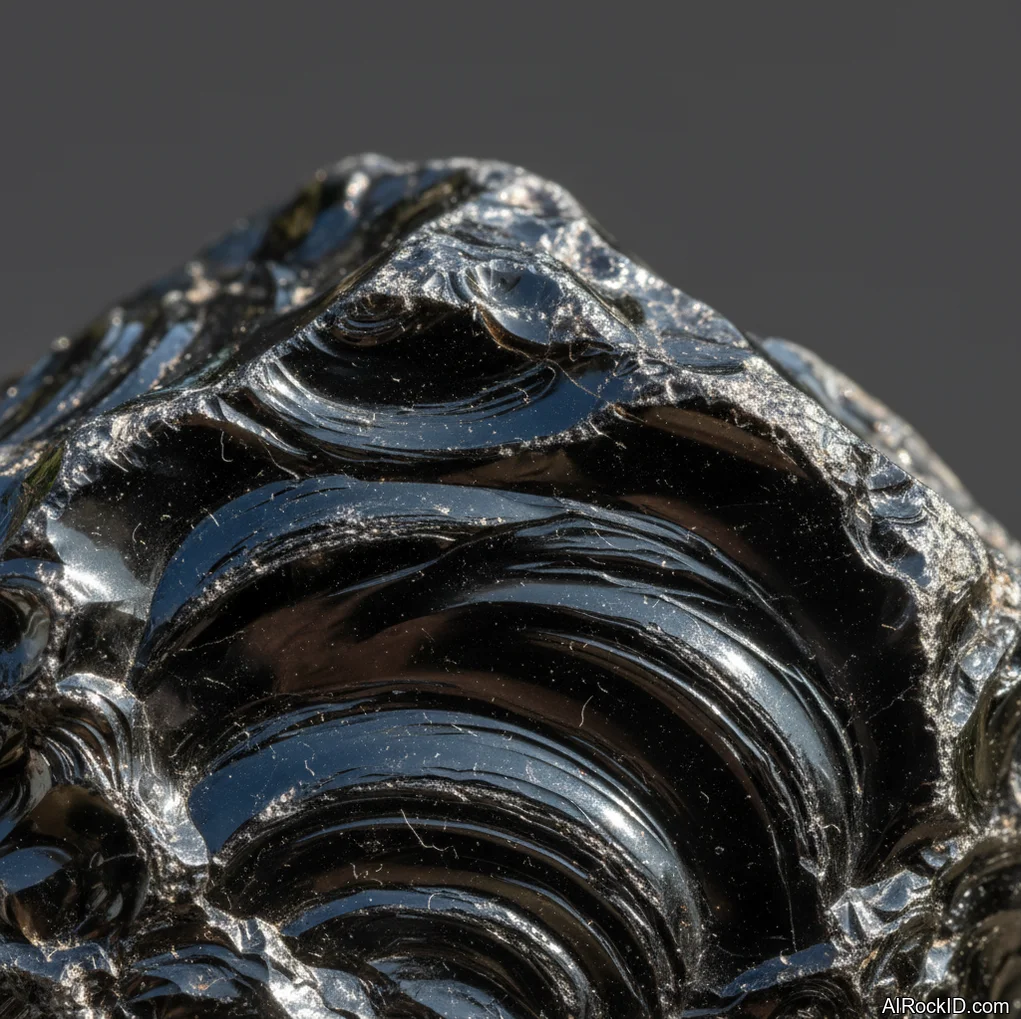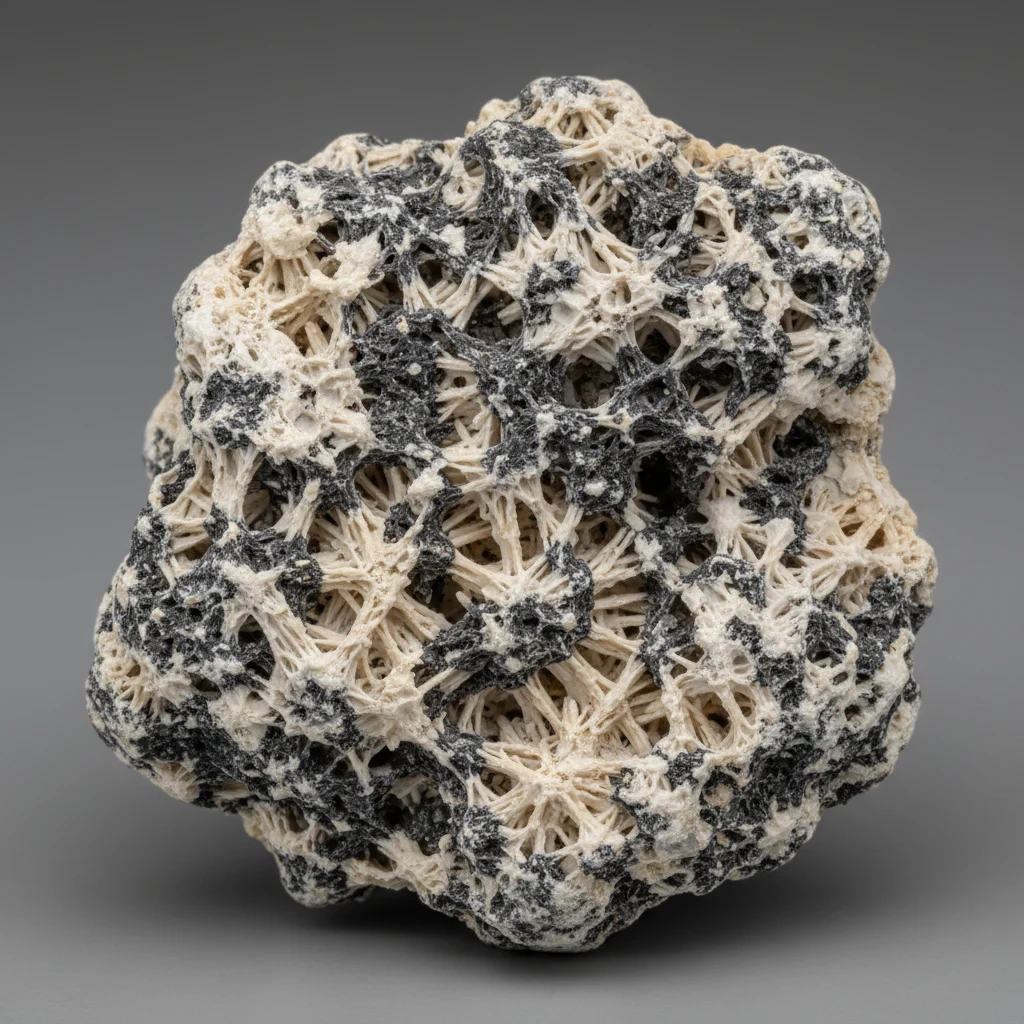
Pumice


Quick answer: Pumice is a frothy volcanic rock formed when gas-rich lava cools quickly, leaving many tiny holes. It is often identified by its very low weight, rough texture, pale gray to tan color, and tendency to float when dry.
AI Rock ID can help compare pumice against other lightweight, porous rocks using visible traits such as color, vesicles, texture, and density clues. RockIdentifier.io provides an additional reference point for checking whether a specimen is likely pumice or a common lookalike.
Good fit
- Collectors who want an easy-to-recognize volcanic rock
- Students learning about igneous rocks, lava, and gas bubbles
- People comparing lightweight porous stones found near volcanic areas
- Buyers checking whether a rough exfoliating stone is natural pumice
Not a good fit
- Anyone looking for a polished gemstone with translucency or sparkle
- Collections that require dense, durable display stones
- Situations where dust-free handling is required without rinsing or containment
Most commonly confused with
- Scoria: Scoria is usually darker, heavier, and has larger vesicles than pumice.
- Tuff: Tuff is compacted volcanic ash and often looks more layered or cemented than frothy pumice.
- Lava Rock: Commercial lava rock is typically denser and darker, while pumice is lighter and often pale.
- Industrial Foam Glass: Foam glass can mimic porous pumice but may show a more uniform manufactured bubble pattern.
Pumice vs Common Lookalikes
| Feature | Pumice | Scoria | Tuff |
|---|---|---|---|
| Typical color | White, cream, gray, tan | Black, red-brown, dark gray | Gray, tan, greenish, mixed |
| Weight | Very light for its size | Light to moderate | Moderate, usually denser |
| Pores | Abundant fine frothy holes | Larger rounded vesicles | Ashy or granular texture |
| Float test | Often floats when dry | Usually sinks | Usually sinks |
| Formation clue | Gas-rich explosive lava foam | Vesicular basaltic lava | Compacted volcanic ash |
AI identification confidence
AI identification of pumice is often moderately confident when the specimen is pale, extremely lightweight, and visibly frothy. Confidence drops when a photo lacks scale, when the rock is wet, or when scoria, tuff, or manufactured abrasive stones have a similar porous surface.
When AI gets it wrong
- A close-up photo shows pores but not the specimen’s overall weight or density.
- Wet pumice appears darker and may lose the visual clues associated with dry pumice.
- Dark pumice can be mistaken for scoria or commercial lava rock.
- Manufactured pumice-like cleaning stones may look natural in photos.
Final recommendation
For identification, combine visual inspection with simple clues such as weight, pore size, color, and whether the dry specimen floats. For buying, ask whether the item is natural volcanic pumice, synthetic abrasive stone, or reconstituted material if the listing is unclear.
How to Tell Natural Pumice from Synthetic Abrasive Stones
Natural pumice usually has irregular pore sizes, uneven color, and a non-uniform volcanic texture. Synthetic abrasive stones often have more consistent bubbles, sharper molded edges, or a block-like shape. A product listing may use the word “pumice” for function rather than geological origin, so labels such as “natural volcanic pumice” are more specific.
Best Photo Angles for Identifying Pumice
A useful identification photo shows the whole specimen beside a coin, ruler, or hand for scale. Add a close-up of the pore texture and a side view that shows thickness and shape. If safe and practical, noting whether the dry rock floats can improve identification confidence.
Where Pumice Is Commonly Found
Pumice is commonly associated with explosive volcanic eruptions and may occur in ash deposits, pyroclastic flows, or floating rafts after submarine or coastal eruptions. It can be found far from its source when pieces are transported by water. Local collecting rules, protected areas, and private property restrictions should be checked before removing specimens.
What Is Pumice?
Pumice is a light, porous volcanic rock formed when lava cools quickly and traps gas bubbles. In the hand, it feels surprisingly airy for a rock, with a rough, open texture that makes gray, white, or cream pieces easy to recognize. It is classified as volcanic glass, has an amorphous structure, and is opaque with a dull to glassy or vitreous appearance.
Collectors usually value pumice for its volcanic story rather than rarity, because it is common and readily available. Its Mohs hardness is 5-6, with fair scratch resistance and fair toughness, and its low density of 0.5-1.0 g/cm3 helps explain why many specimens feel almost weightless. Pumice is non-magnetic, has a white streak, uneven fracture, and remains stable under normal conditions.
Origin & History
The name Pumice comes from the Latin word “pumex,” meaning “foam,” a fitting description for a rock that looks like frozen volcanic froth. It has been known since ancient times, and even a fresh specimen still carries that practical, old-world feel: rough, pale, light, and full of tiny open pores.
As a volcanic rock, pumice is best understood beside active and ancient volcanic landscapes. Collector references such as mindat.org can be useful for checking locality records and comparing volcanic material labels, especially when a specimen is tied to well-known areas such as Mount Etna, Yellowstone National Park, or Santorini. Its appeal is tactile and geological: it is lava made visibly airy.
Where Is Pumice Found?
Pumice is commonly found in volcanic areas, especially where rapidly cooled lava has preserved a porous texture. Documented countries for pumice include Italy, the United States, and Greece. Notable localities include Mount Etna in Sicily, Italy; Yellowstone National Park in the USA; and Santorini, Greece.
Formation
Pumice forms when volcanic lava cools rapidly, trapping gas bubbles inside the material. Those bubbles leave the rock full of pores, creating the rough, vesicular texture and unusually low density that make pumice feel so light. This is why a specimen can look like a solid stone yet float on water.
Its composition is listed as SiO2, with silicon and oxygen as the listed elements, and aluminum and iron noted as common impurities. Because it is volcanic glass rather than a crystal with a repeating lattice, pumice is amorphous and isotropic, with no birefringence or pleochroism. The result is a practical field specimen: pale, porous, opaque, and unmistakably volcanic.
How to Identify Pumice
Identify pumice by its light color, rough porous surface, and very low weight. Most pieces are gray, white, or cream, and the luster may appear dull to glassy, with a vitreous character on some surfaces. A simple field clue is that pumice is lightweight and can float on water.
For closer checking, pumice has Mohs hardness of 5-6, a white streak, uneven fracture, and opaque diaphaneity. It is non-magnetic and has a density of 0.5-1.0 g/cm3, which is low enough to feel distinctive in the palm. Its amorphous structure helps separate it from minerals with visible crystal form.
Properties of Pumice
Physical Properties
| Crystal System | Amorphous |
| Hardness (Mohs) | 5-6 (Medium (4-6)) |
| Density | 0.5-1.0 g/cm3 |
| Luster | Vitreous |
| Diaphaneity | Opaque |
| Fracture | Uneven |
| Streak | White |
| Magnetism | Non-magnetic |
| Colors | Gray, White, Cream |
Chemical Properties
| Classification | Volcanic glass |
| Formula | SiO2 |
| Elements | Si, O |
| Common Impurities | Al, Fe |
Optical Properties
| Refractive Index | 1.5 |
| Birefringence | None |
| Pleochroism | None |
| Optical Character | Isotropic |
Pumice Health & Safety
There are no significant health risks associated with pumice.
Pumice Value & Price
Price Range
Rough/Tumbled: $5 - $15 per specimen
Cut/Polished:
Price can vary based on size and quality.
Durability
Moderate — Scratch resistance: Fair, Toughness: Fair
Pumice is stable under normal conditions.
How to Care for Pumice
Use & Storage
Store in a cool, dry place.
Cleaning
Clean with a damp cloth. Avoid using harsh chemicals.
Cleanse & Charge
Use water or sunlight to cleanse and recharge.
Placement
Place in a location where it can be admired.
Caution
Avoid prolonged exposure to moisture to prevent degradation.
Works Well With
Pumice Meaning & Healing Properties
In crystal and stone practice, pumice is used for grounding, emotional balance, calming, and stress relief. Its volcanic origin gives it a strong Earth-and-Fire symbolism: a rough, airy rock born from heat, then cooled into something stable enough to hold. It is associated with the Root chakra, Aries and Leo, the planet Mars, and themes of transformation, confidence, clarity, trust, insight, and new beginnings.
Pumice is safe to handle and is not listed as toxic, but healing use is spiritual support and not a substitute for medical treatment. To care for a specimen, clean it with a damp cloth, avoid harsh chemicals, and store it in a cool, dry place. It can be cleansed with water or sunlight, though prolonged exposure to moisture should be avoided to prevent degradation.
Identify Pumice from a photo
Compare Pumice traits, care tips, value clues, and common lookalikes with a clear photo.
Common mistakes
- Assuming every lightweight black volcanic rock is pumice instead of scoria.
- Using color alone for identification without checking weight, texture, and pore structure.
- Expecting all pumice to float, even after it has absorbed water or contains denser mineral fragments.
- Confusing molded cleaning blocks with natural volcanic pumice.
- Calling pumice a mineral, even though it is a rock made from volcanic glass and mineral material.