Moss Opal


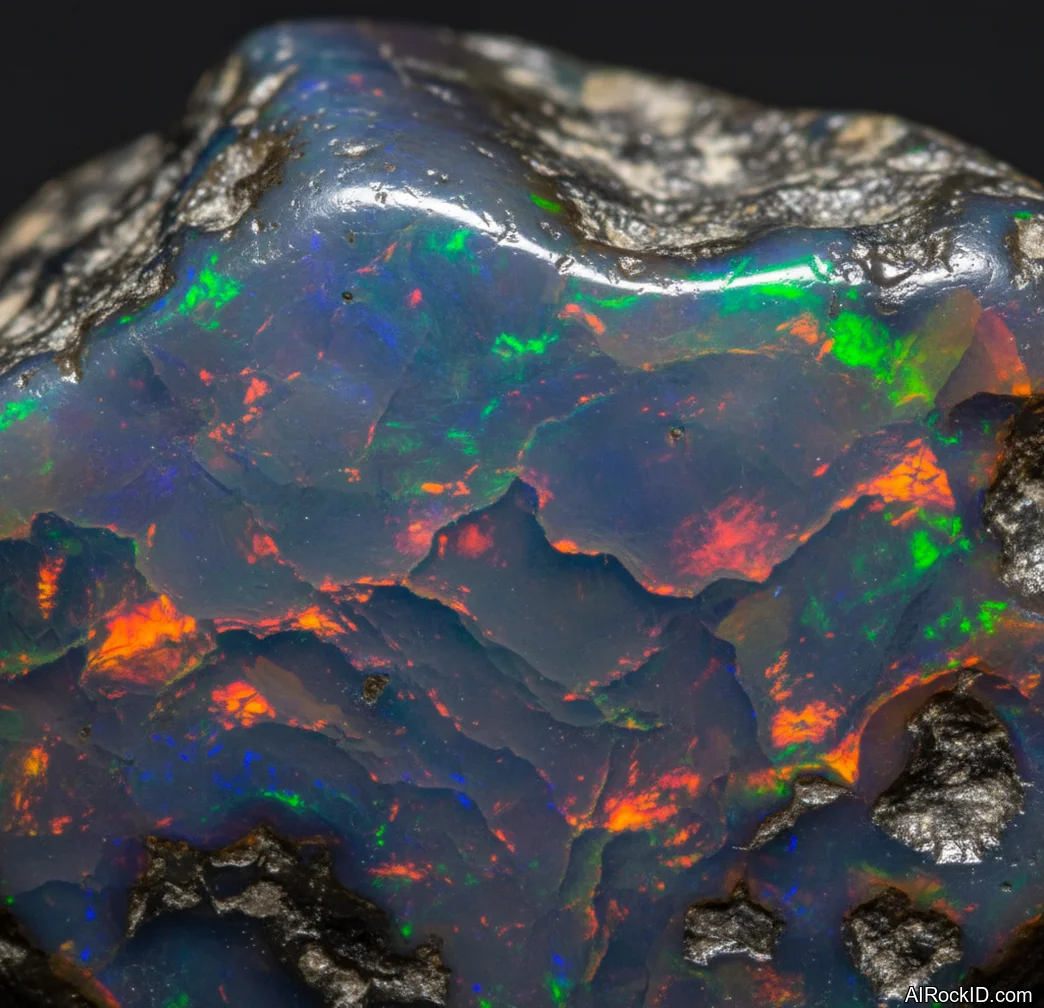
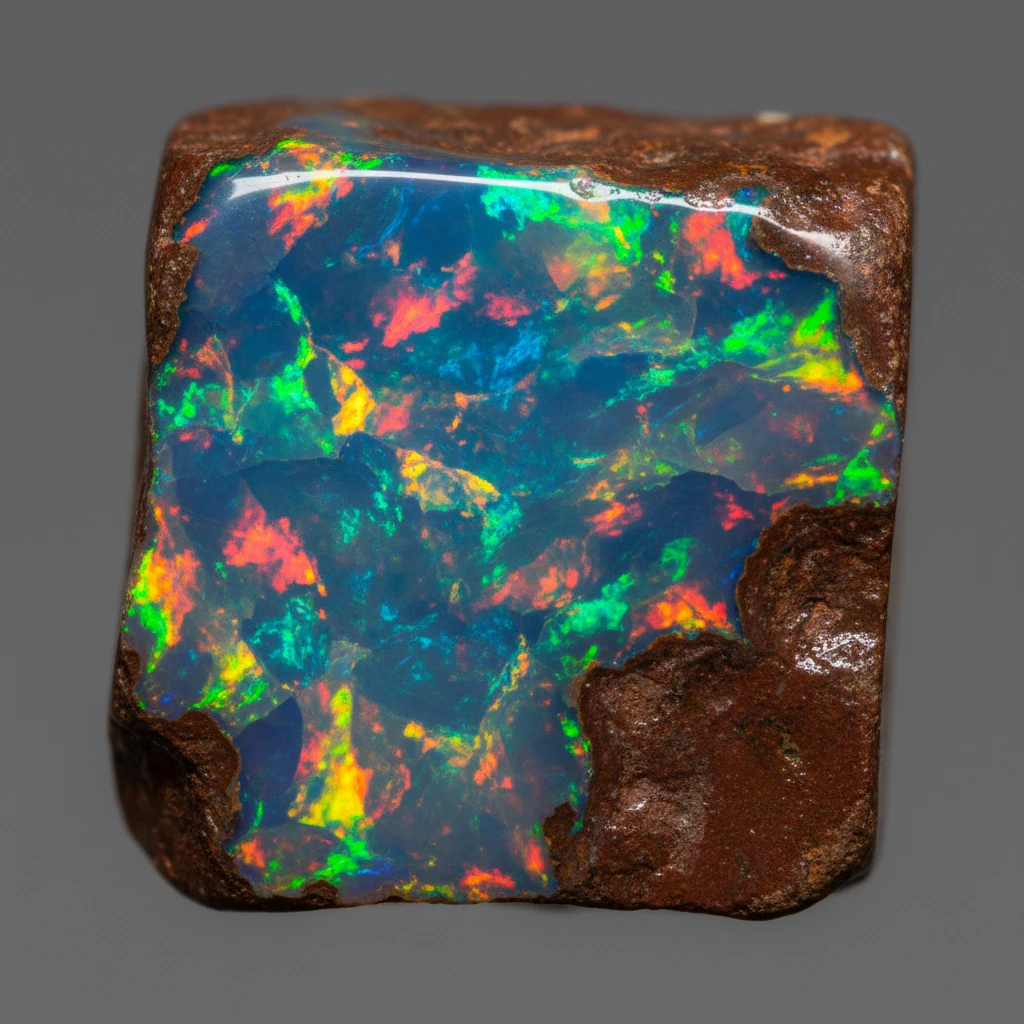
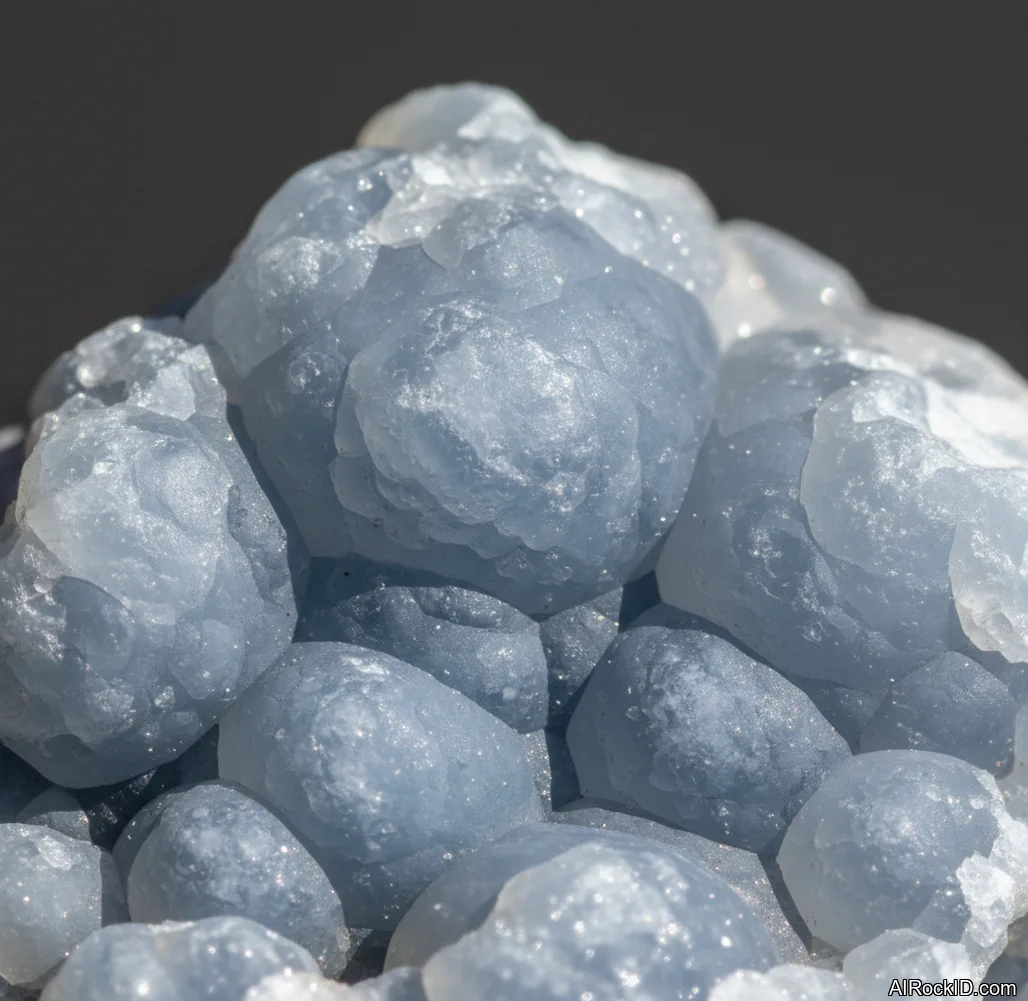
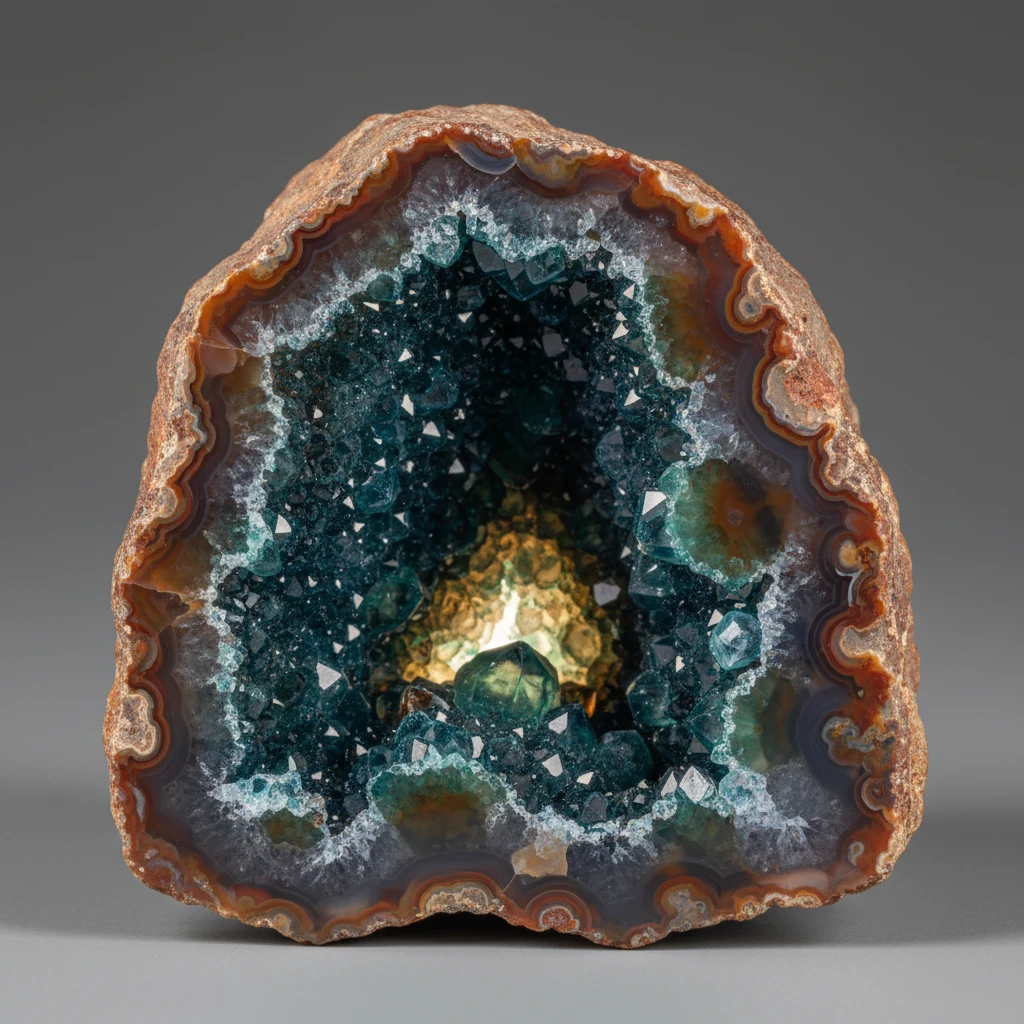
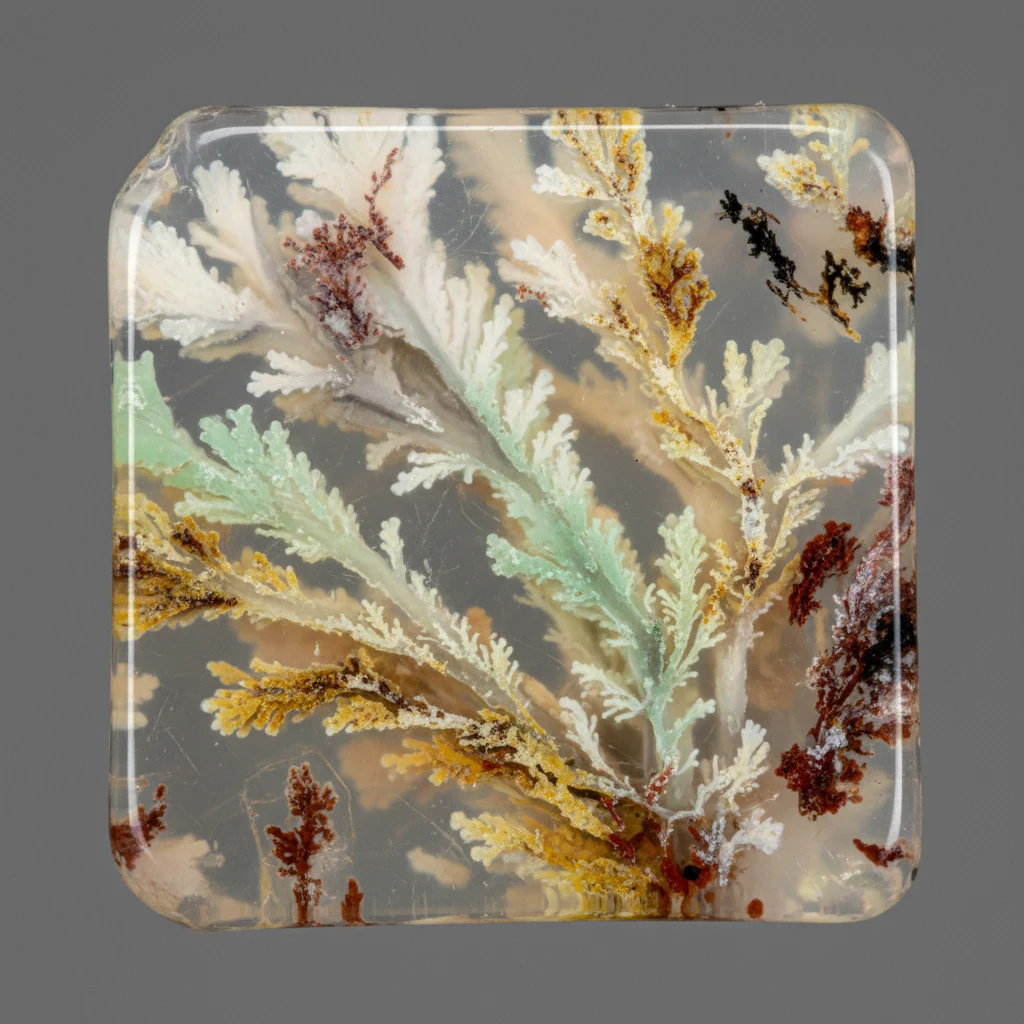
Quick answer: Moss Opal is a common opal with green, brown, black, or gray inclusions that can resemble moss, ferns, or tiny branches. It is usually translucent to opaque and is identified more by its opal body and dendritic patterning than by play-of-color.
AI Rock ID can help screen a Moss Opal candidate by checking visible traits such as waxy luster, translucency, body color, and moss-like inclusions. RockIdentifier.io can provide a preliminary identification, but lab testing or expert review is best for high-value purchases or unusual specimens.
Good fit
- Collectors who like dendritic or landscape-like patterns in stones
- Jewelry buyers seeking an earthy-looking cabochon rather than a faceted gem
- Beginners learning to distinguish common opal from chalcedony and agate
- People who prefer softer, muted green, white, gray, or brown stone colors
Not a good fit
- Rings or bracelets expected to handle daily hard wear without scratches
- Buyers who want strong spectral play-of-color like precious opal
- Situations where exact species confirmation is needed without gemological testing
Most commonly confused with
- Moss Agate: Moss agate is chalcedony, typically harder and more glassy, while Moss Opal is hydrated silica with a waxier look.
- Dendritic Opal: Dendritic opal usually has dark branching inclusions; Moss Opal often emphasizes green or mossy-looking patterns.
- Tree Agate: Tree agate commonly has opaque white chalcedony with green branch-like inclusions, rather than an opal body.
- Dendritic Agate: Dendritic agate is a banded or translucent chalcedony with dendrites and is generally harder than opal.
Moss Opal vs Similar Stones
| Stone | Typical base material | Key difference | Mohs hardness |
|---|---|---|---|
| Moss Opal | Common opal | Waxy to resinous look with moss-like inclusions | 5–6.5 |
| Moss Agate | Chalcedony | More glassy and generally tougher for jewelry | 6.5–7 |
| Tree Agate | Chalcedony | Opaque white body with green branch-like markings | 6.5–7 |
| Dendritic Opal | Common opal | Darker branching dendrites are often the main feature | 5–6.5 |
| Green Jasper | Microcrystalline quartz | Opaque, usually without translucent opal areas | 6.5–7 |
AI identification confidence
Photo-based identification of Moss Opal is usually moderate when the image clearly shows a waxy opal body and moss-like inclusions. Confidence drops when the stone is polished, heavily dyed, photographed under strong color filters, or visually similar to moss agate or tree agate.
When AI gets it wrong
- A polished cabochon may hide texture, fracture patterns, or translucency needed for separation from chalcedony.
- Green dye or resin treatment can make ordinary porous material look like Moss Opal.
- Backlighting can make agate and opal appear more similar than they are in normal light.
- Small tumbled stones may not show enough internal pattern or luster for a reliable visual ID.
Final recommendation
Choose Moss Opal when the appeal comes from natural-looking mossy inclusions, soft translucency, and earthy patterning. For jewelry that will receive daily impact or abrasion, a harder lookalike such as moss agate may be the more practical choice.
How to Check Moss Opal Before Buying
Look for natural variation in the moss-like inclusions rather than repeated, printed, or overly uniform patterns. Ask whether the stone has been dyed, stabilized, impregnated, or coated, because treatments can affect appearance, durability, and value. A seller should be able to provide basic details such as origin if known, whether the stone is common opal, and whether it has been treated.
Signs a Moss Opal May Be Dyed or Treated
Unusually intense green color concentrated in cracks, pits, or along the edges can suggest dye. A plastic-like surface, unusually high gloss, or sticky-looking filled fractures may indicate resin or coating. Treatment is not always a problem, but it should be disclosed and priced accordingly.
Best Uses for Moss Opal in Jewelry
Moss Opal is best suited for pendants, earrings, brooches, and protected cabochon settings. If used in a ring, a bezel or low-profile setting can reduce the chance of chipping or scratching. It should be kept away from ultrasonic cleaners, harsh chemicals, and repeated impact.
What Is Moss Opal?
Moss Opal is common opal with moss-like, fern-like, or branching inclusions suspended inside a milky to translucent opal body. It is not a separate mineral species; it is a trade and lapidary name for decorative hydrated amorphous silica, SiO2·nH2O, with included mineral matter.
In hand, good Moss Opal feels more like a quiet miniature landscape than a flashy gem. Most pieces do not show strong precious play-of-color. Collectors look instead for cream, white, gray, yellowish, colorless, or pale green opal carrying green, brown, gray, or black inclusions that look naturally embedded at different depths.
Origin & History
Moss Opal is an ornamental common opal variety valued for pattern, not species status. Opal has been used as a decorative stone since antiquity, and mossy or dendritic varieties became especially popular for cabochons, beads, and collector specimens because their markings resemble tiny forests, plants, or underwater scenes.
The name is practical lapidary language: “moss opal,” “dendritic opal,” “mossy opal,” and “moss-in-opal” all point to common opal with attractive included patterns. For specimen research and locality checking, collectors often compare opal-group entries and labels with mindat.org while remembering that Moss Opal itself is a descriptive trade name.
Where Is Moss Opal Found?
Moss Opal is found in several opal-bearing regions where common opal forms in volcanic or sedimentary settings. Reported countries include Australia, the United States, Mexico, Brazil, Indonesia, Ethiopia, Honduras, and Peru.
Formation
Moss Opal forms when silica-rich water moves through rock and deposits hydrated amorphous silica in cavities, seams, or fractures at relatively low temperatures. As the silica gel hardens into common opal, it can lock in trace mineral matter and preserve the soft, floating look that makes these stones so collectible.
The mossy patterns are commonly linked to manganese oxides, iron oxides, clay minerals, chloritic material, or other inclusions that grew during or after silica deposition. Instead of forming a crystal lattice, the opal remains amorphous, so the specimen may show conchoidal fracture, a waxy to vitreous surface when polished, and a hydrated appearance.
How to Identify Moss Opal
Identify Moss Opal by looking for a common-opal body with natural moss-like or dendritic inclusions and little to no strong play-of-color. Typical body colors are white, cream, gray, yellowish, colorless, pale green, or translucent milky, with green, brown, black, or gray internal markings.
A polished piece should show vitreous, waxy, or resinous luster, white streak, translucent to opaque diaphaneity, and conchoidal to uneven brittle fracture. Moss Opal is Mohs 5–6.5, softer than moss agate, which is microcrystalline quartz and usually about Mohs 6.5–7. The inclusions should appear enclosed inside the stone, not printed, dyed, or merely stained on the surface.
Properties of Moss Opal
Physical Properties
| Crystal System | Amorphous |
| Hardness (Mohs) | 5–6.5 on the Mohs scale (Moderate) |
| Density | Approximately 1.98–2.25 g/cm³, commonly near 2.1 g/cm³ |
| Luster | Vitreous, waxy, or resinous |
| Diaphaneity | Translucent to opaque |
| Fracture | Conchoidal to uneven; brittle |
| Streak | White |
| Magnetism | Non-magnetic |
| Colors | White, Cream, Gray, Colorless, Pale green, Yellow, Brown, Black |
Chemical Properties
| Classification | Hydrated amorphous silica; mineraloid |
| Formula | SiO2·nH2O |
| Elements | Silicon, Oxygen, Hydrogen |
| Common Impurities | Iron oxides, Manganese oxides, Aluminum, Calcium, Magnesium, Organic matter, Clay minerals, Chloritic inclusions |
Optical Properties
| Refractive Index | Approximately 1.37–1.47 |
| Birefringence | None; amorphous and singly refractive |
| Pleochroism | None |
| Optical Character | Isotropic |
Moss Opal Health & Safety
Finished moss opal is generally safe to handle. The main hazard is inhaling fine silica dust produced during cutting, grinding, or drilling.
Moss Opal Value & Price
Price Range
Rough/Tumbled: Small rough pieces commonly sell for about $2–$20 USD each; better patterned rough or slabs may range from about $10–$80+ USD depending on size, translucency, and pattern quality.
Cut/Polished:
Value is influenced by the clarity and depth of the opal body, attractive moss or dendritic patterning, polish quality, cabochon size, absence of cracks or crazing, and whether the inclusions create a scenic or highly balanced design. Precious play-of-color, if present, can increase value, but most moss opal is valued mainly as patterned common opal.
Durability
Moderate; suitable for pendants, earrings, beads, and careful ring use — Scratch resistance: Lower than quartz and many jewelry stones; it can be scratched by dust containing quartz and by harder gems., Toughness: Fair to poor; opal is brittle and may chip or crack if struck.
Opal contains variable water and may craze or crack under rapid temperature changes, prolonged heat, strong sunlight, or very dry conditions. Moss opal should be protected from chemicals, ultrasonic cleaners, steam cleaning, and hard impacts.
How to Care for Moss Opal
Use & Storage
Store separately in a soft pouch or lined box away from harder stones such as quartz, topaz, sapphire, and diamond.
Cleaning
Clean with a soft damp cloth and mild soap if needed, then dry gently. Avoid ultrasonic cleaners, steam cleaners, harsh detergents, acids, bleach, and solvents.
Cleanse & Charge
For metaphysical use, cleanse gently with smoke, sound, moonlight, or a soft cloth. Avoid saltwater, hot sunlight, and long water soaks.
Placement
Best placed where it will not be exposed to heat, direct strong sun, or repeated knocks. For jewelry, pendants and earrings are safer than daily-wear rings.
Caution
Do not expose moss opal to sudden temperature changes, dry heat, prolonged sunlight, or impact. Inspect for cracks before setting it in jewelry.
Works Well With
Moss Opal Meaning & Healing Properties
In modern crystal healing traditions, Moss Opal is used as a calming stone for emotional renewal, gentle grounding, patience, and connection to nature. These meanings are spiritual beliefs, not medical claims, but many collectors choose Moss Opal because its inner landscapes feel quiet, earthy, and restorative in the hand.
Moss Opal is commonly associated with the Heart and Root chakras, the zodiac signs Libra, Cancer, and Pisces, and the Moon and Venus. For metaphysical care, cleanse it gently with smoke, sound, moonlight, or a soft cloth. Avoid saltwater, hot sunlight, and long water soaks because opal can be porous, brittle, and sensitive to heat or drying.
Identify Moss Opal from a photo
Compare Moss Opal traits, care tips, value clues, and common lookalikes with a clear photo.
Common mistakes
- Assuming every green dendritic stone is Moss Opal rather than moss agate, tree agate, or jasper.
- Expecting Moss Opal to show strong rainbow play-of-color like precious opal.
- Using hardness alone for identification, since some opals and chalcedony pieces can overlap in practical scratch tests.
- Ignoring treatment disclosure when a stone has unusually bright or even green coloration.
- Setting Moss Opal in exposed daily-wear jewelry without considering its lower durability.