New Beginnings Crystals
Quick answer: New Beginnings crystals are stones associated in crystal traditions with transition, renewal, clarity, and personal reset. People often use them as symbolic reminders during moves, career changes, relationship shifts, recovery from setbacks, or the start of a new habit.
Explore New Beginnings crystals, what they mean, why people use them, and how to choose and work with stones like Moonstone, Labradorite, and Clear Quartz.


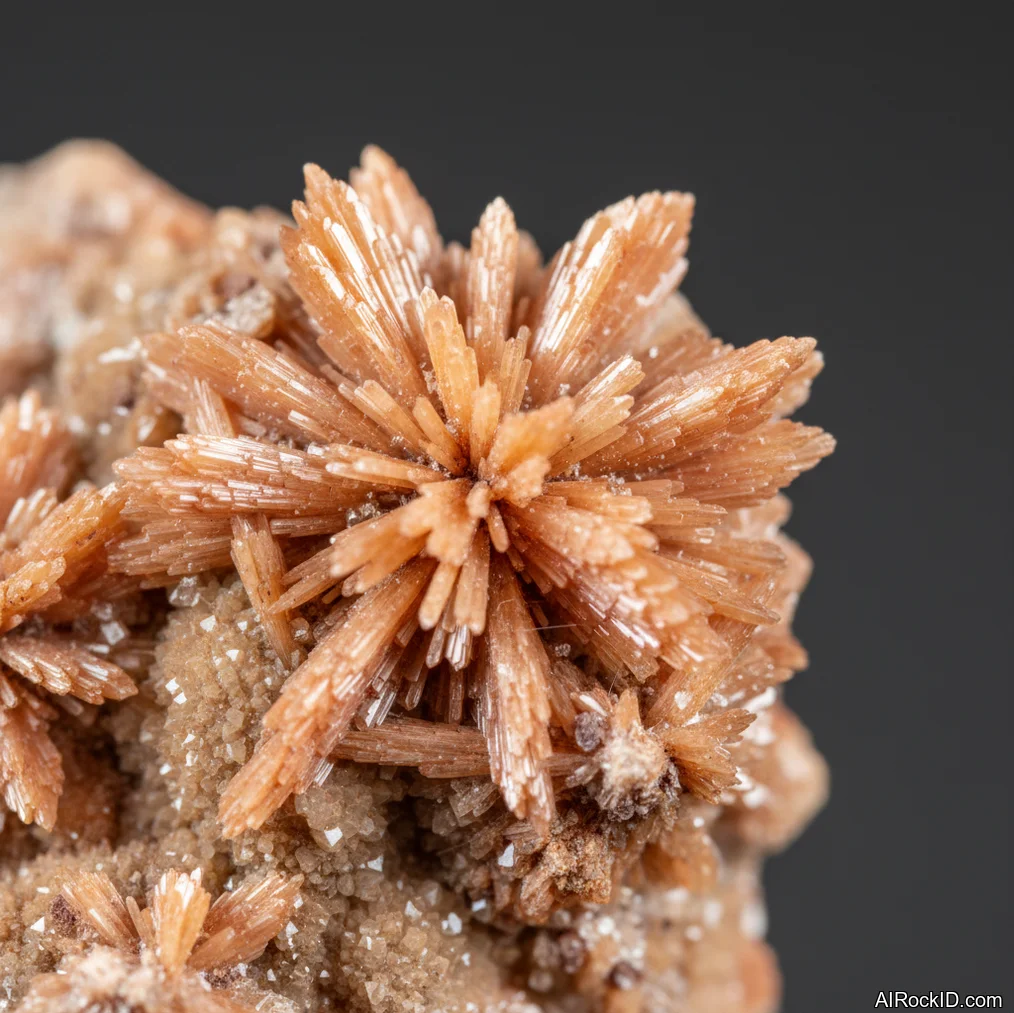
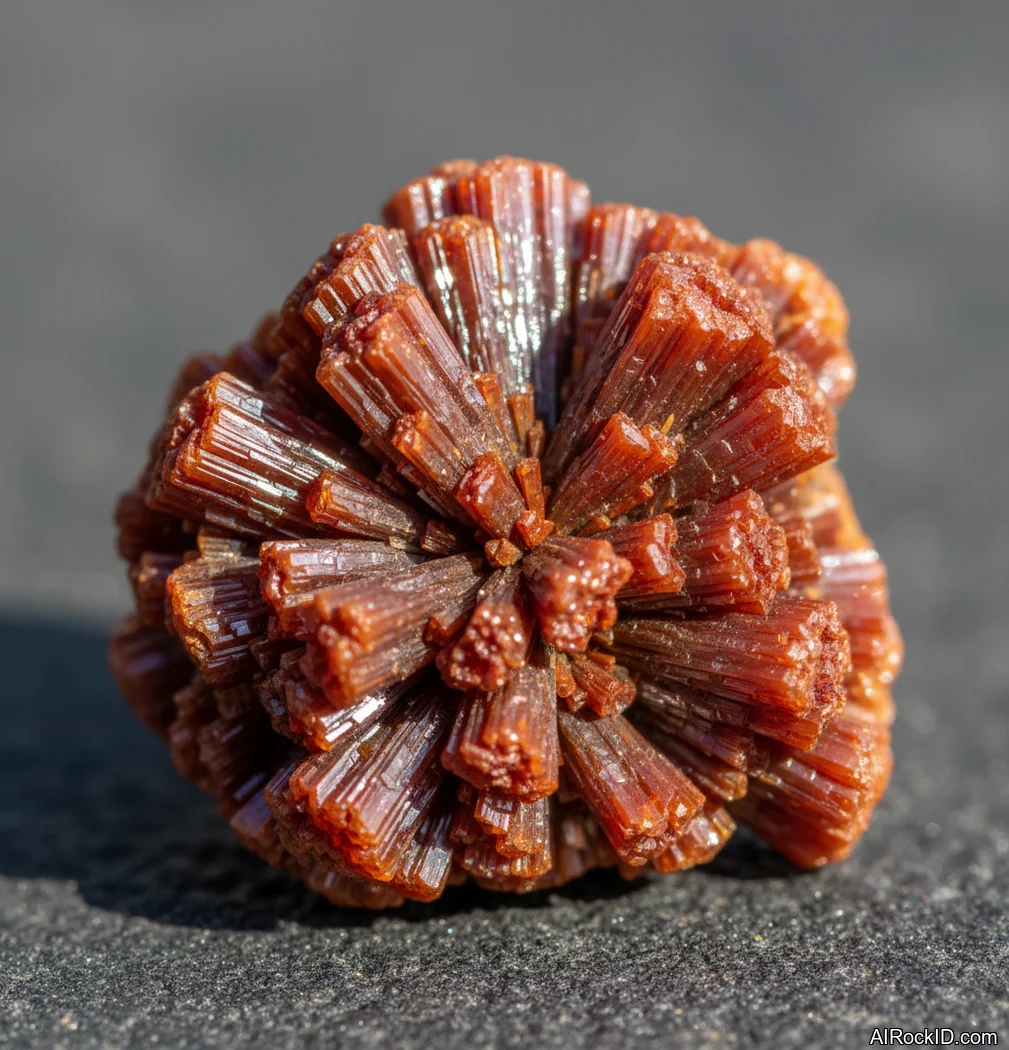
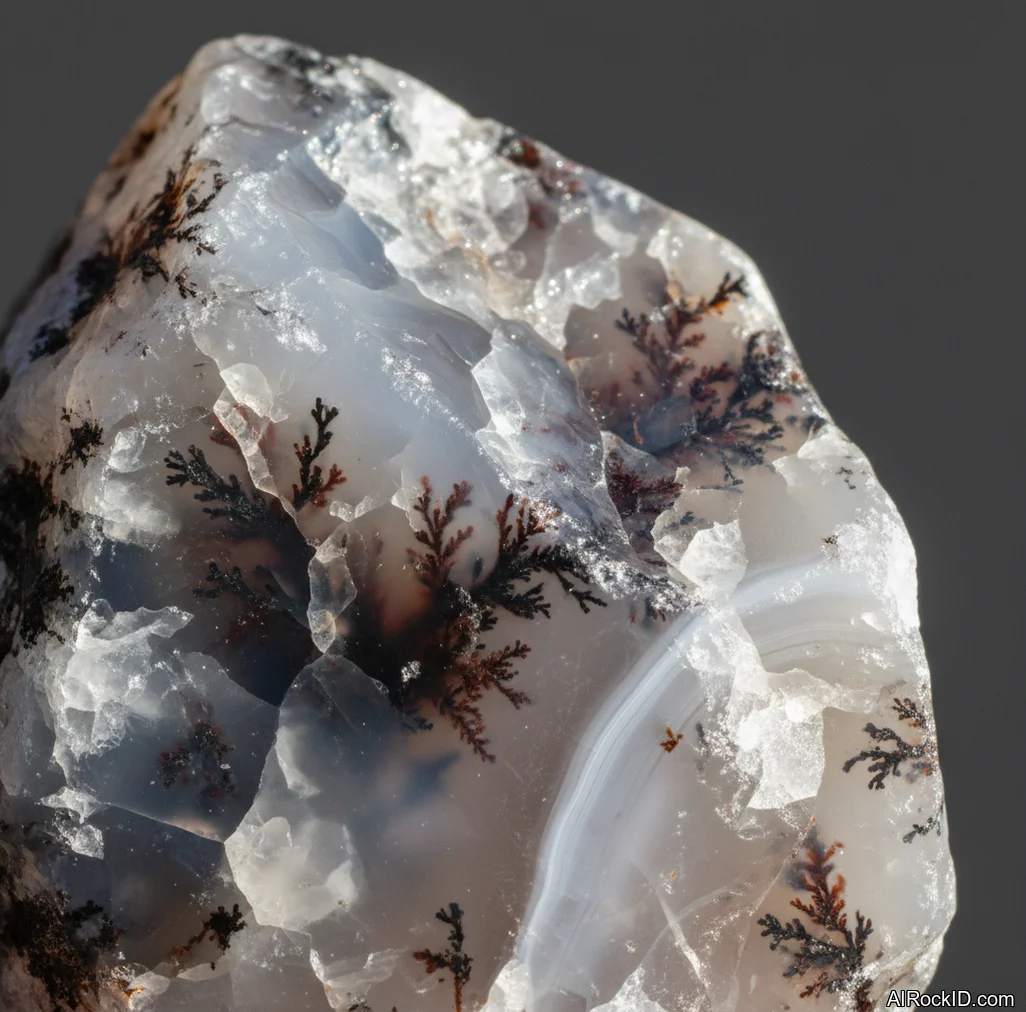
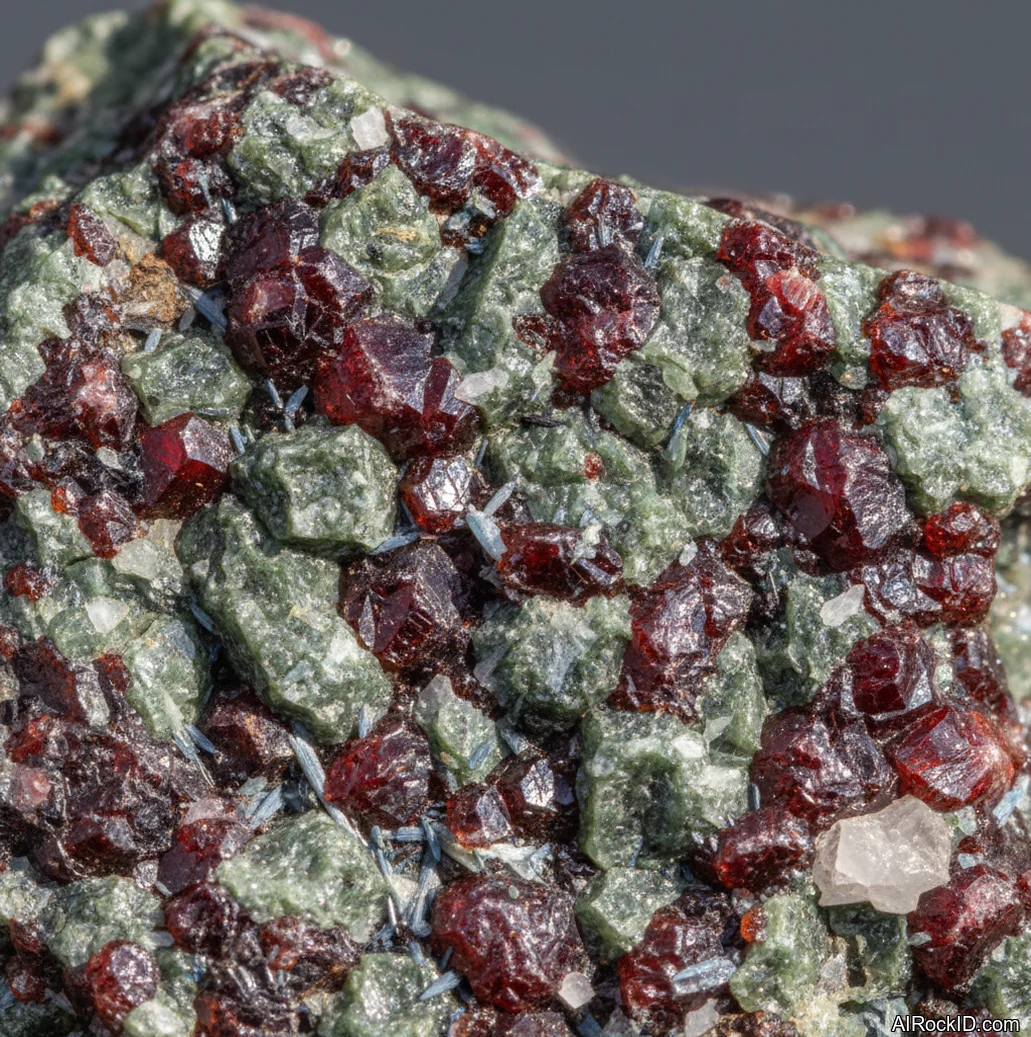
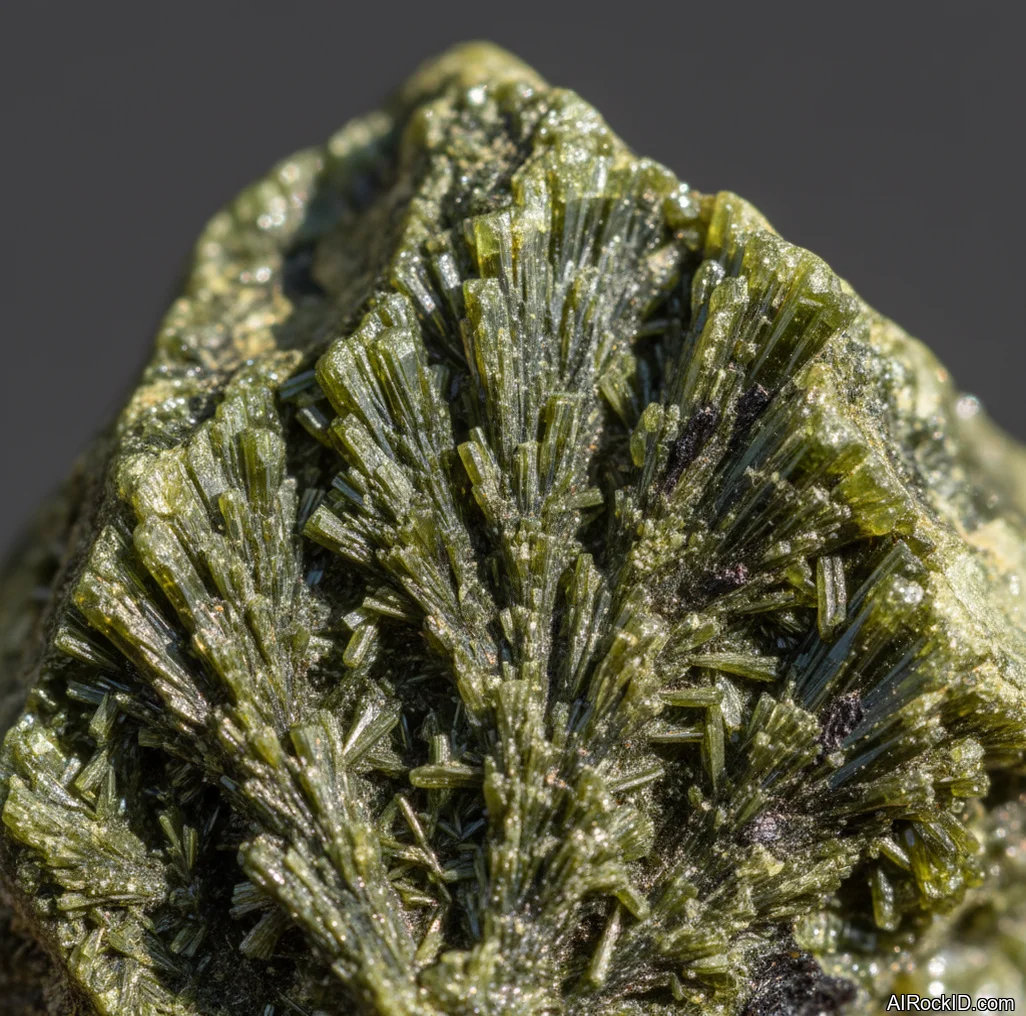
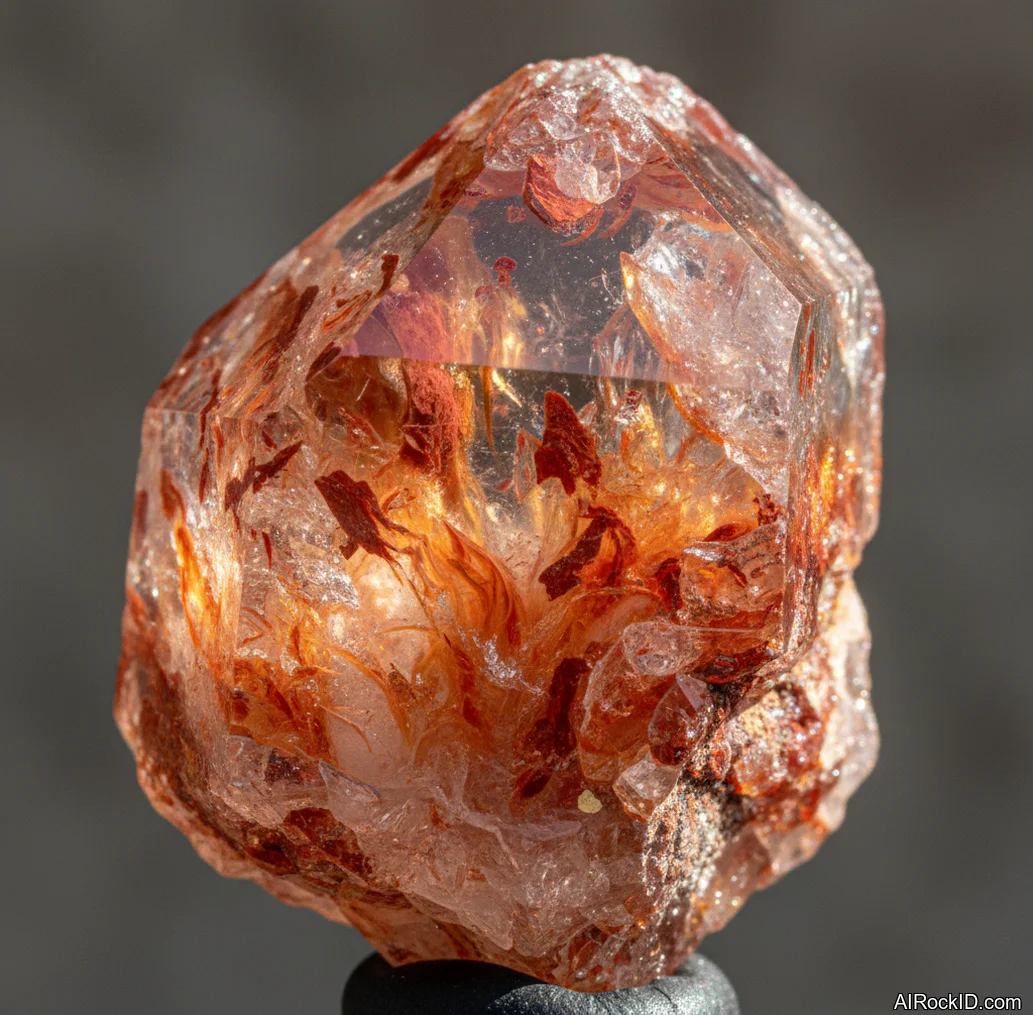
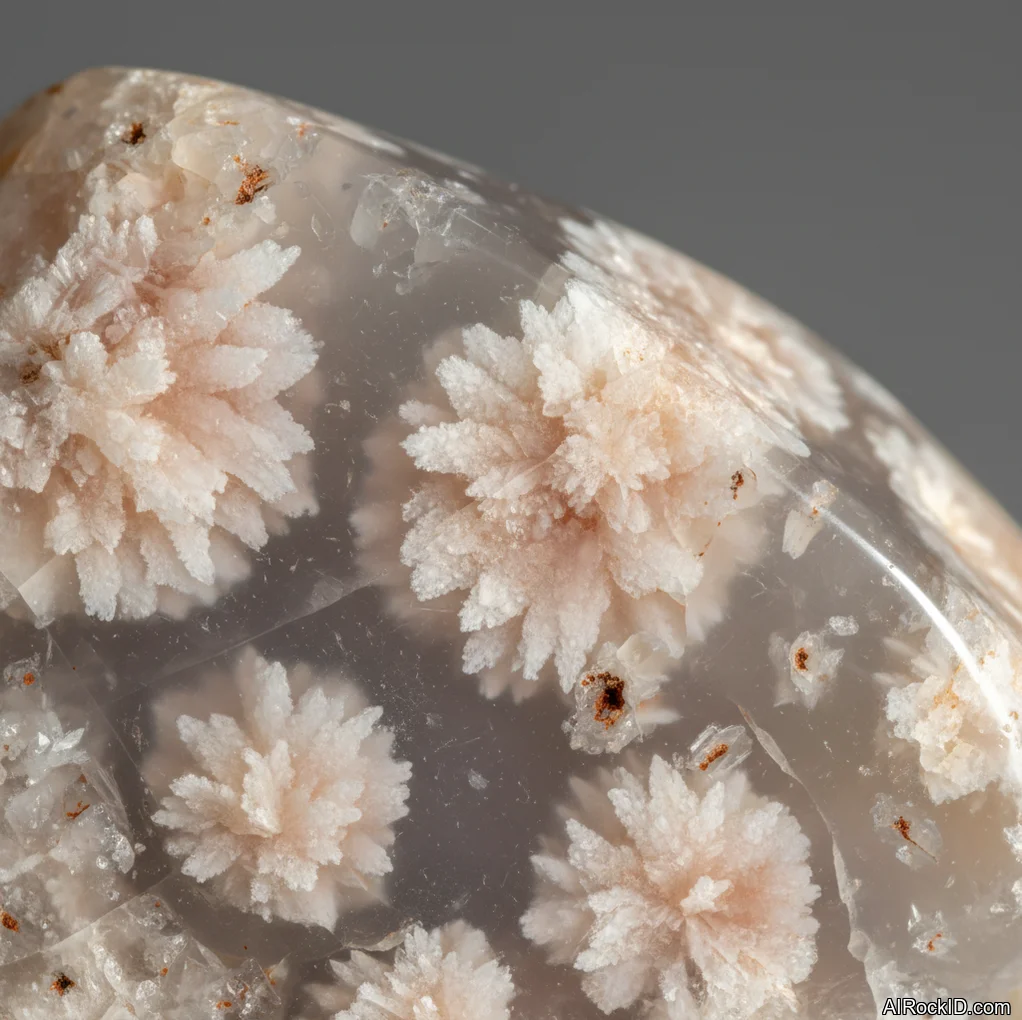
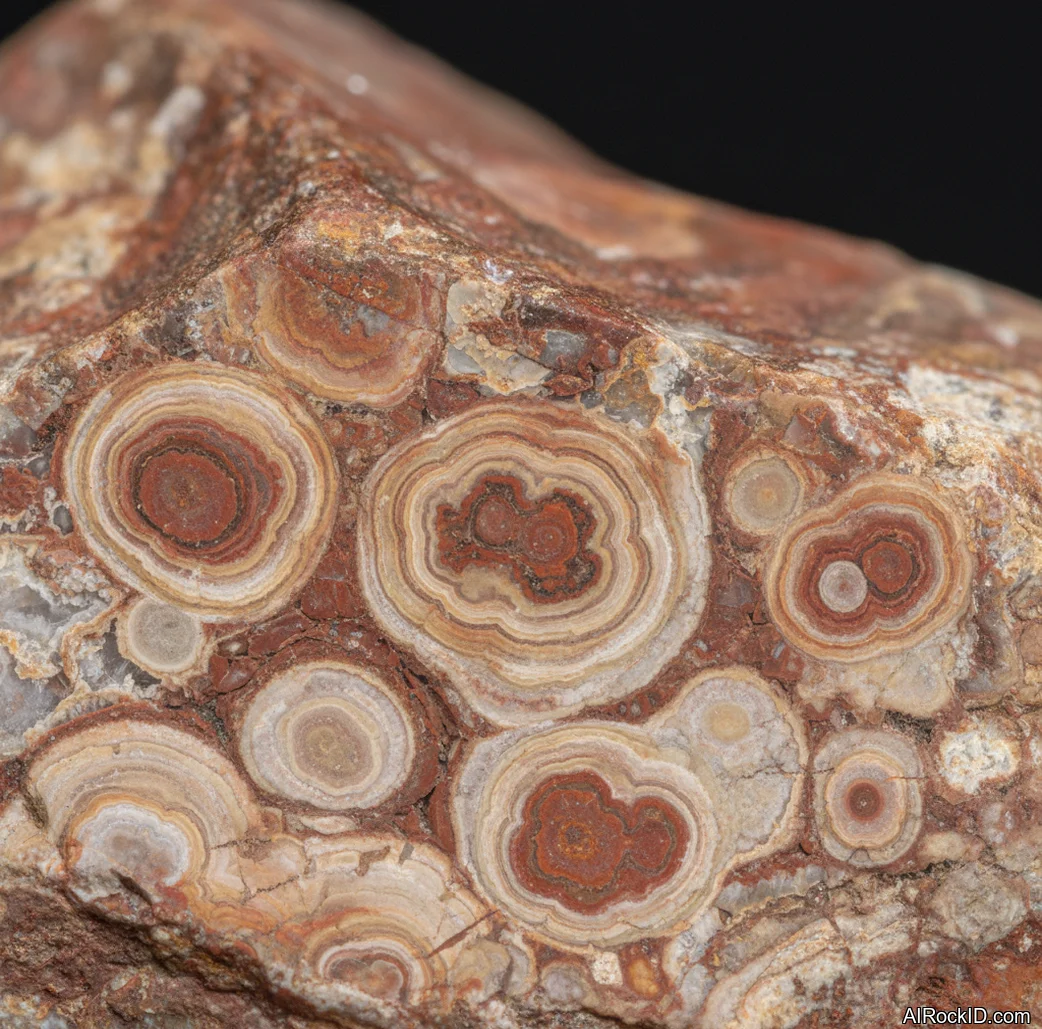
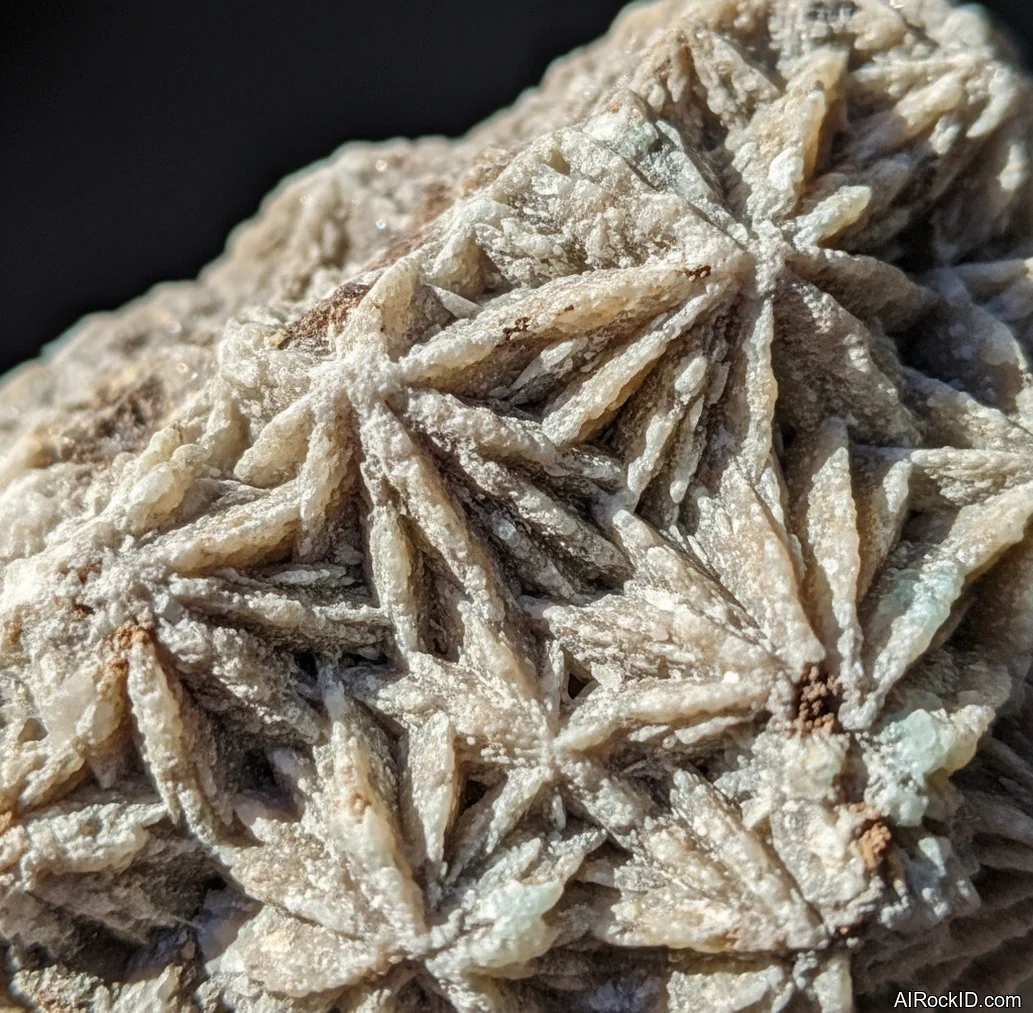
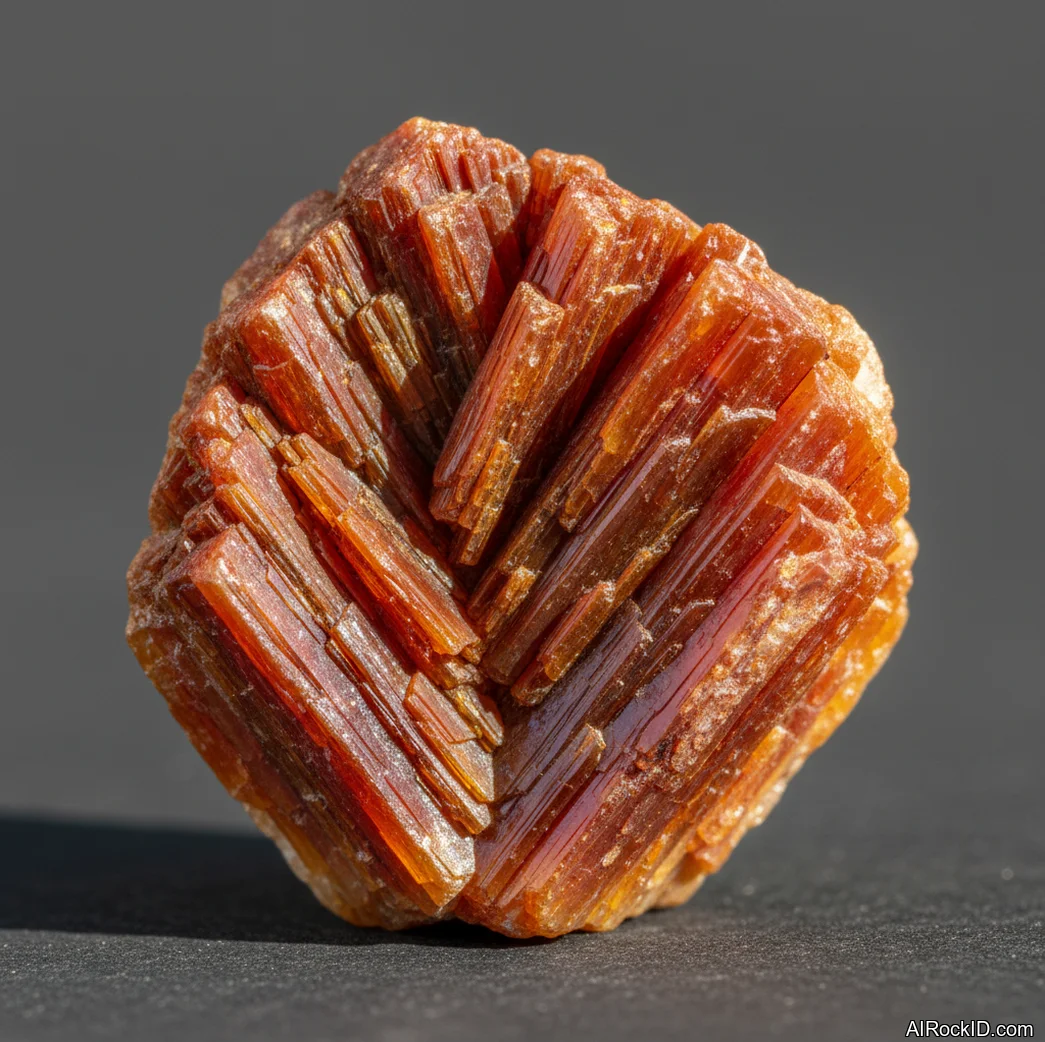
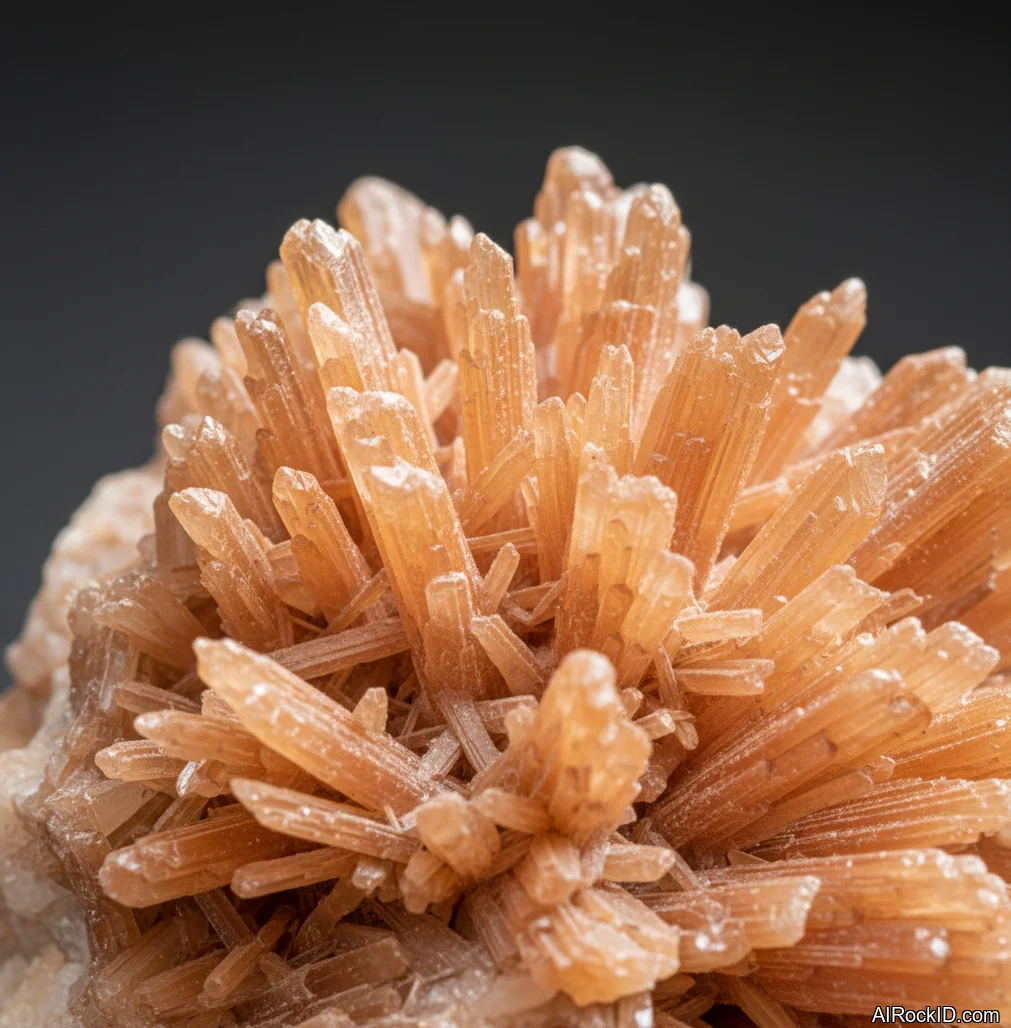
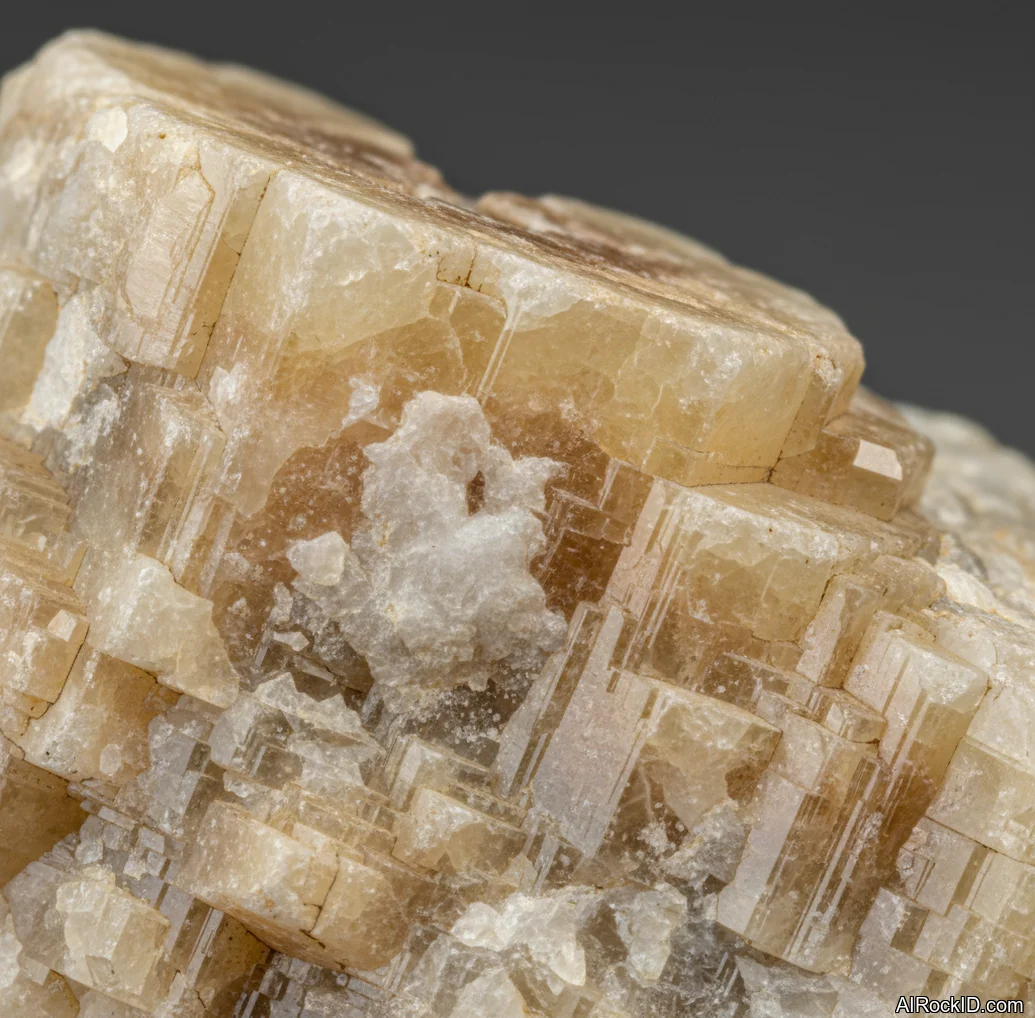
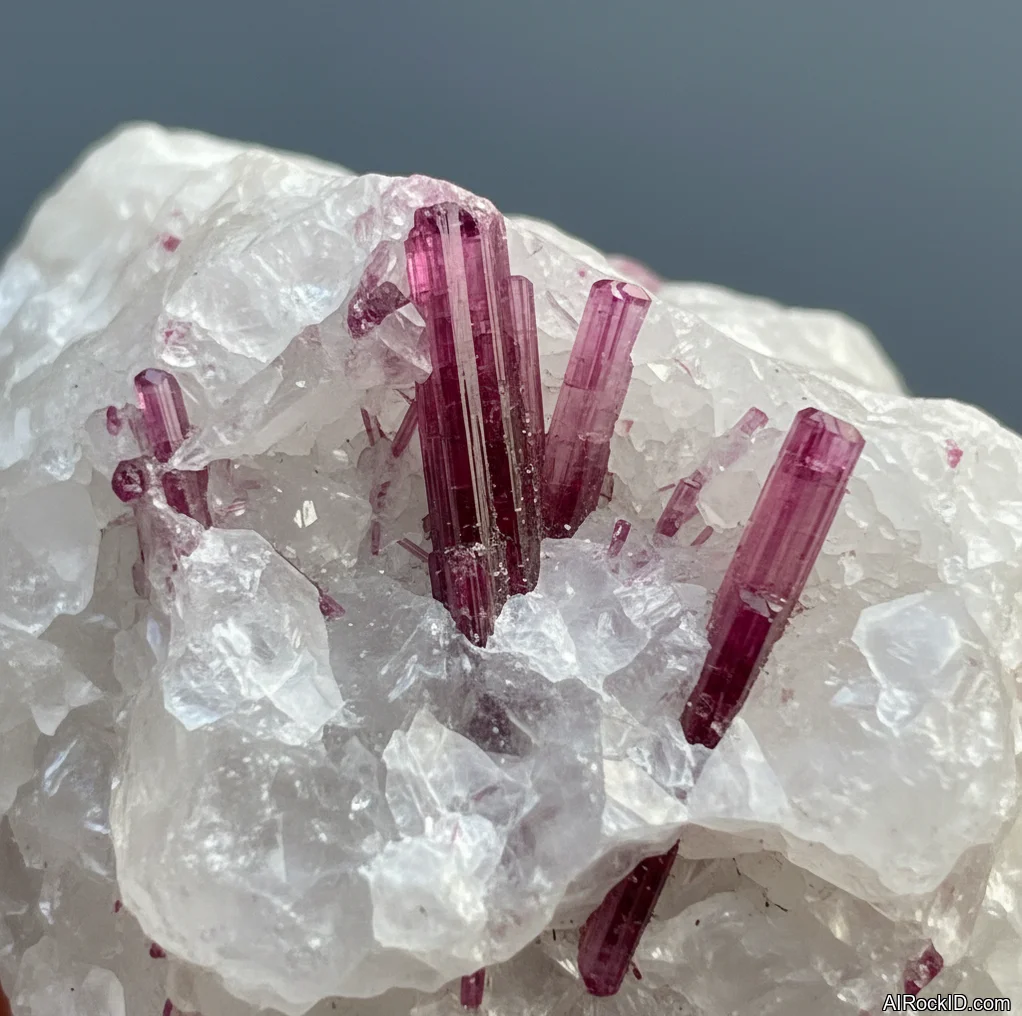
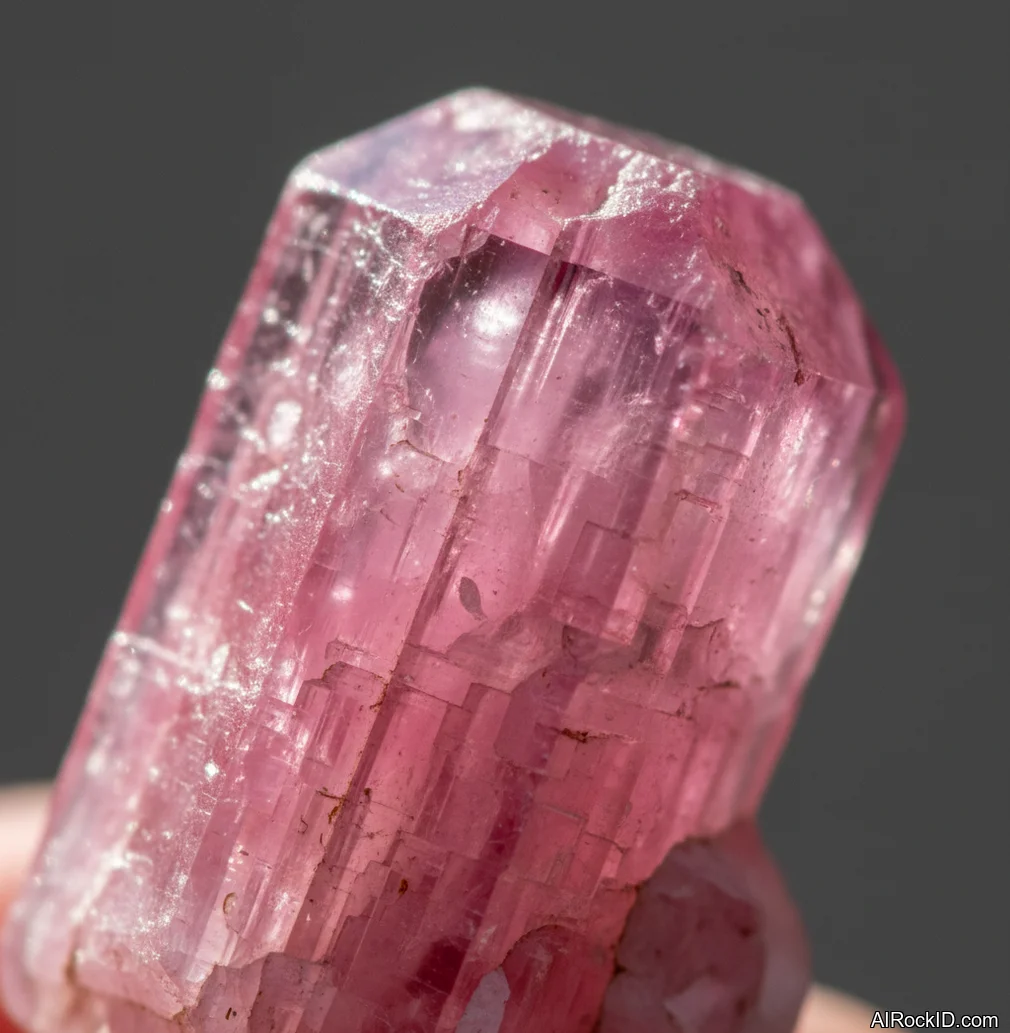
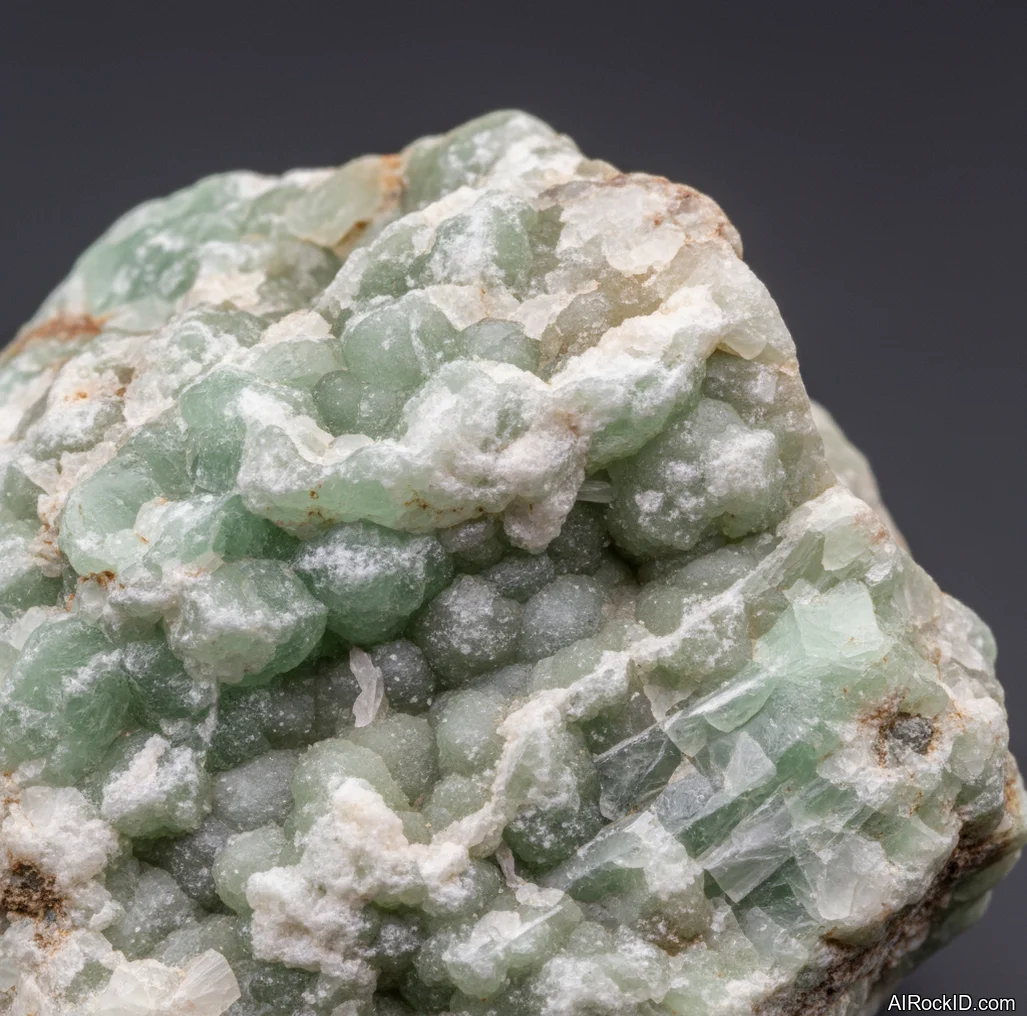
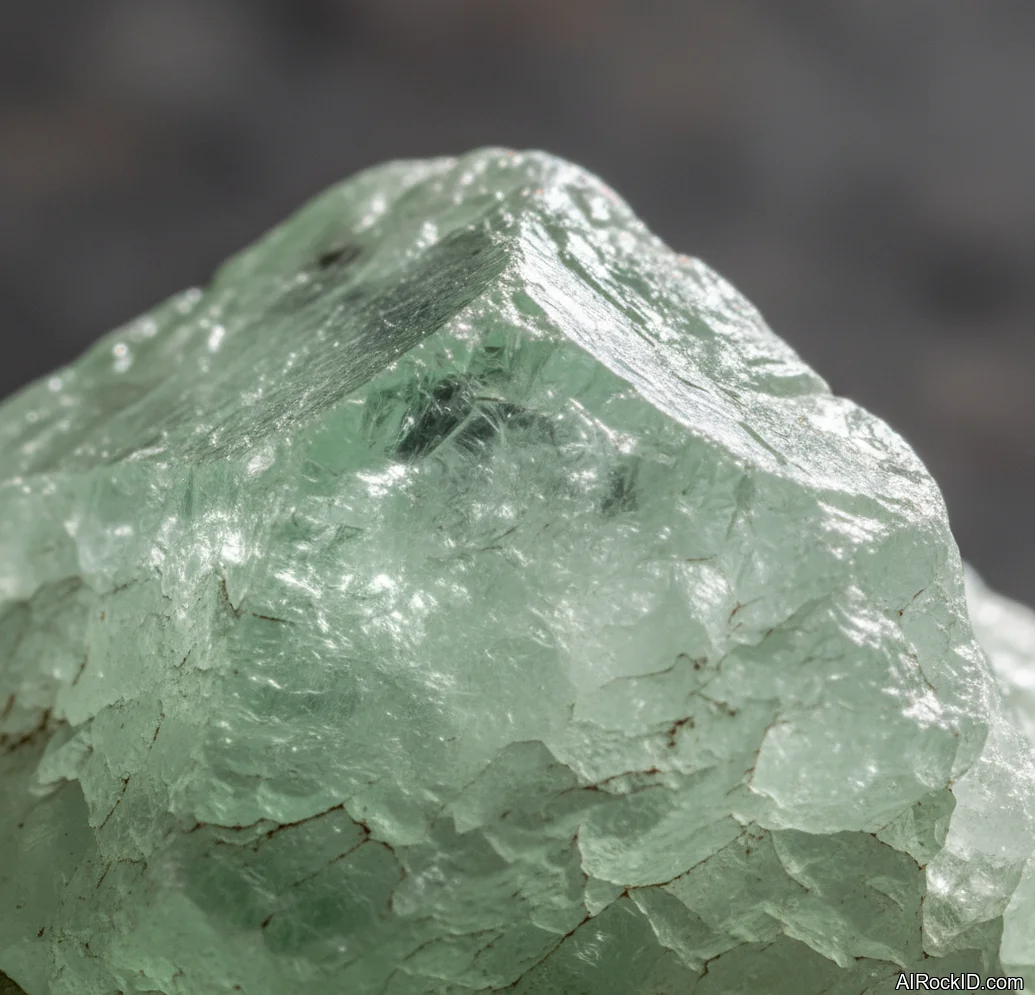
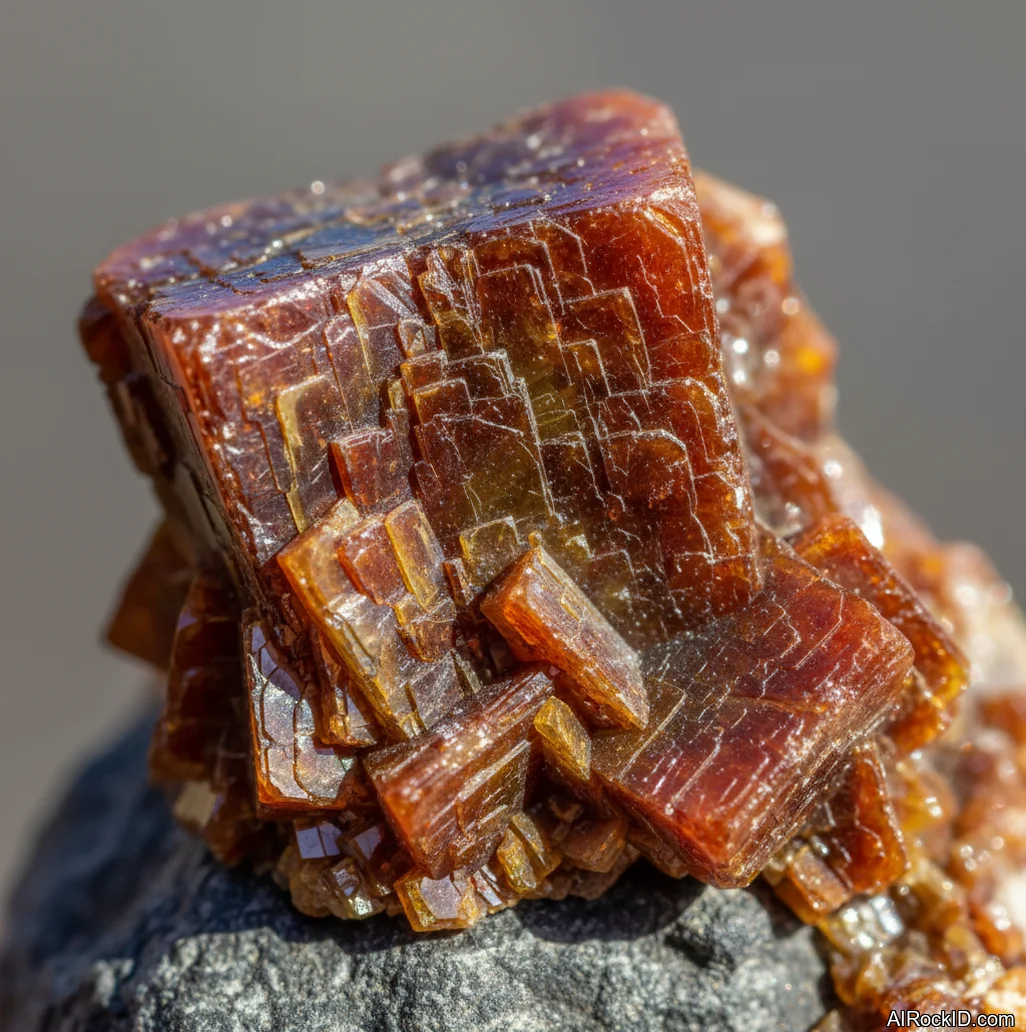
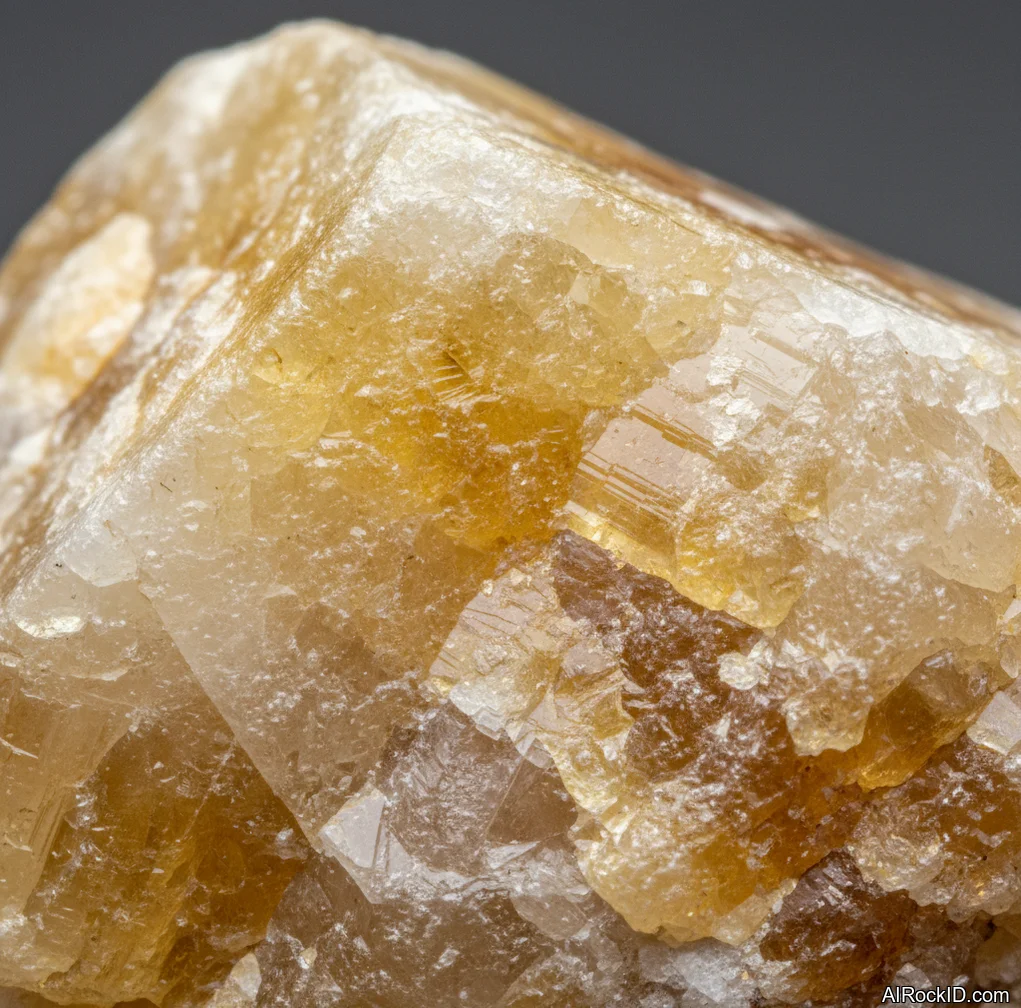
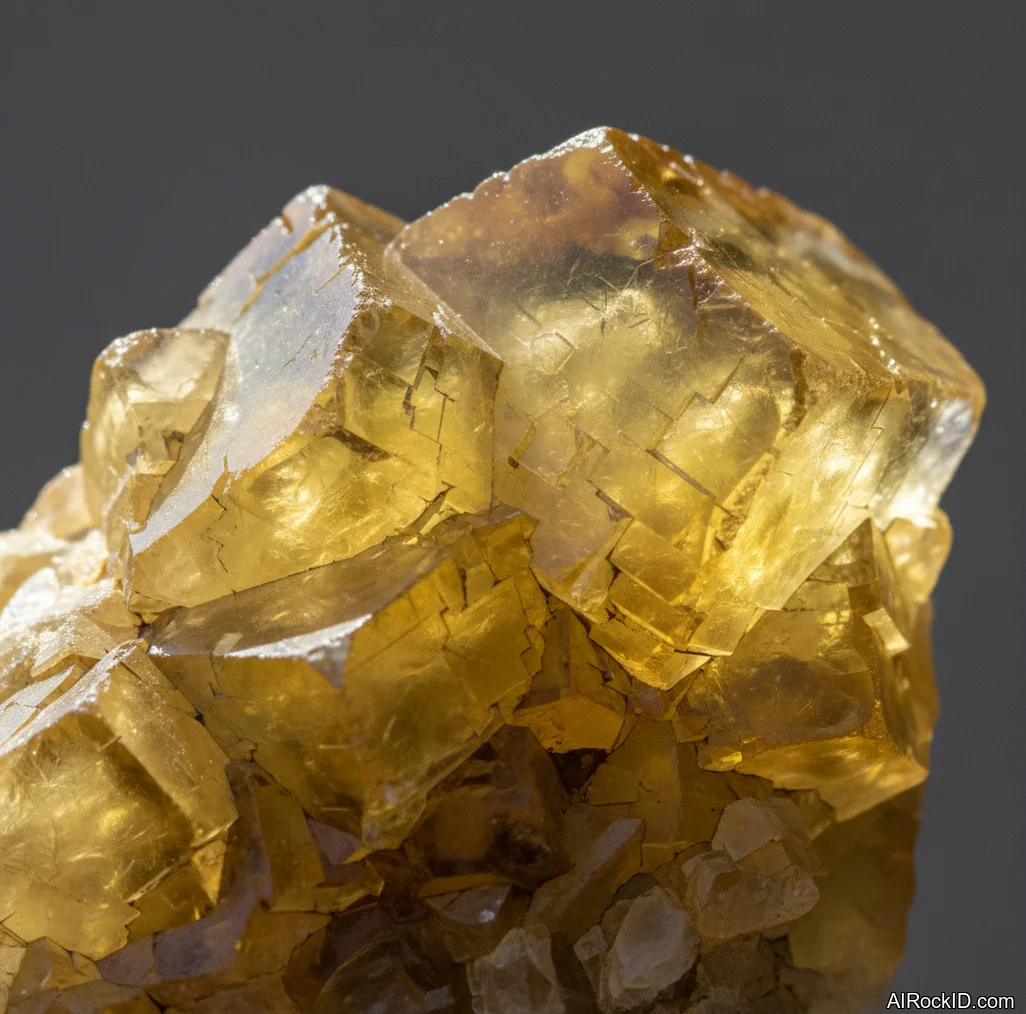
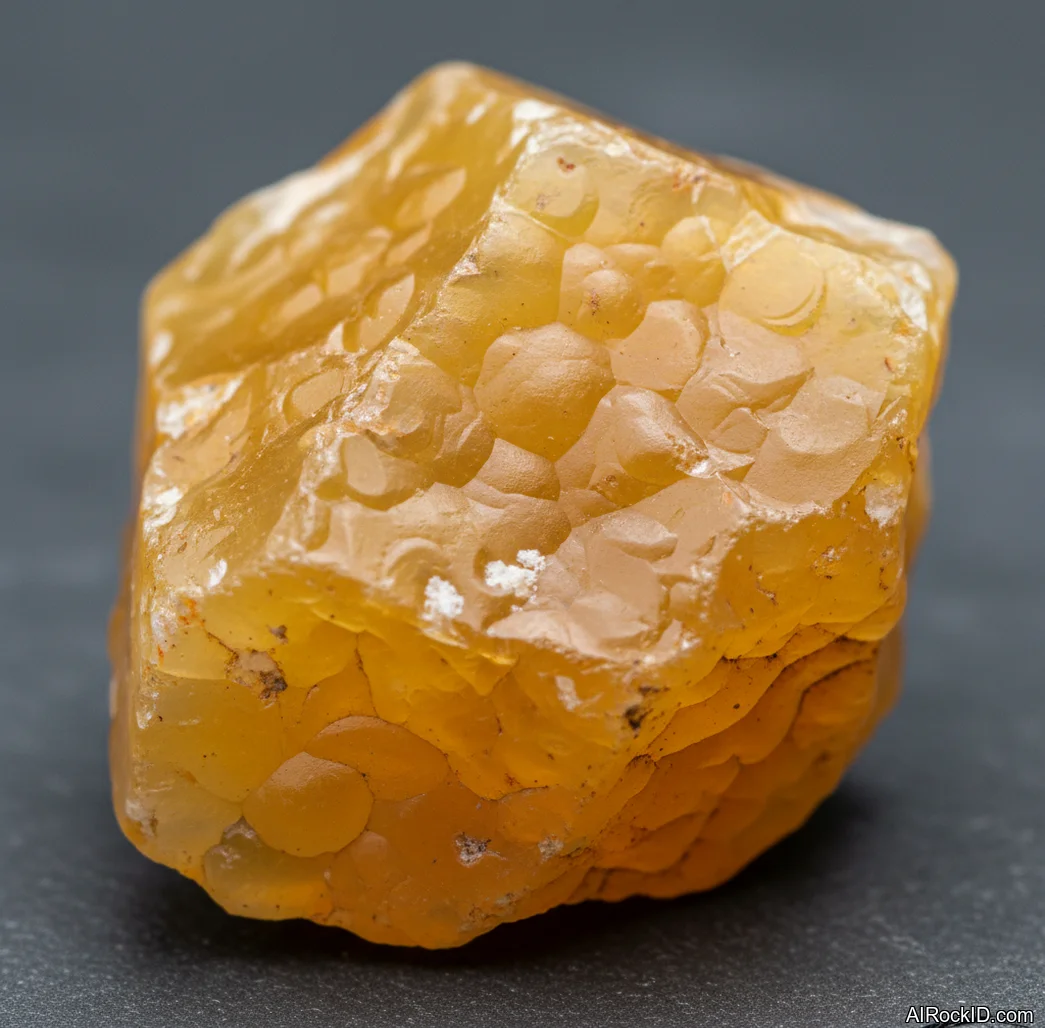
New Beginnings crystals are stones associated with fresh starts, transitions, and life resets. Collectors and practitioners often pick Moonstone, Labradorite, Clear Quartz, and Smoky Quartz for these moments because of their physical qualities and symbolic ties to cycles and change. These stones are used to support letting go of the old and stepping into something new. These associations come from metaphysical traditions and are not medical claims.
New Beginnings crystals cannot guarantee success in life changes or replace real-world action and decision-making. They are used as symbolic tools, not substitutes for professional support or therapy.
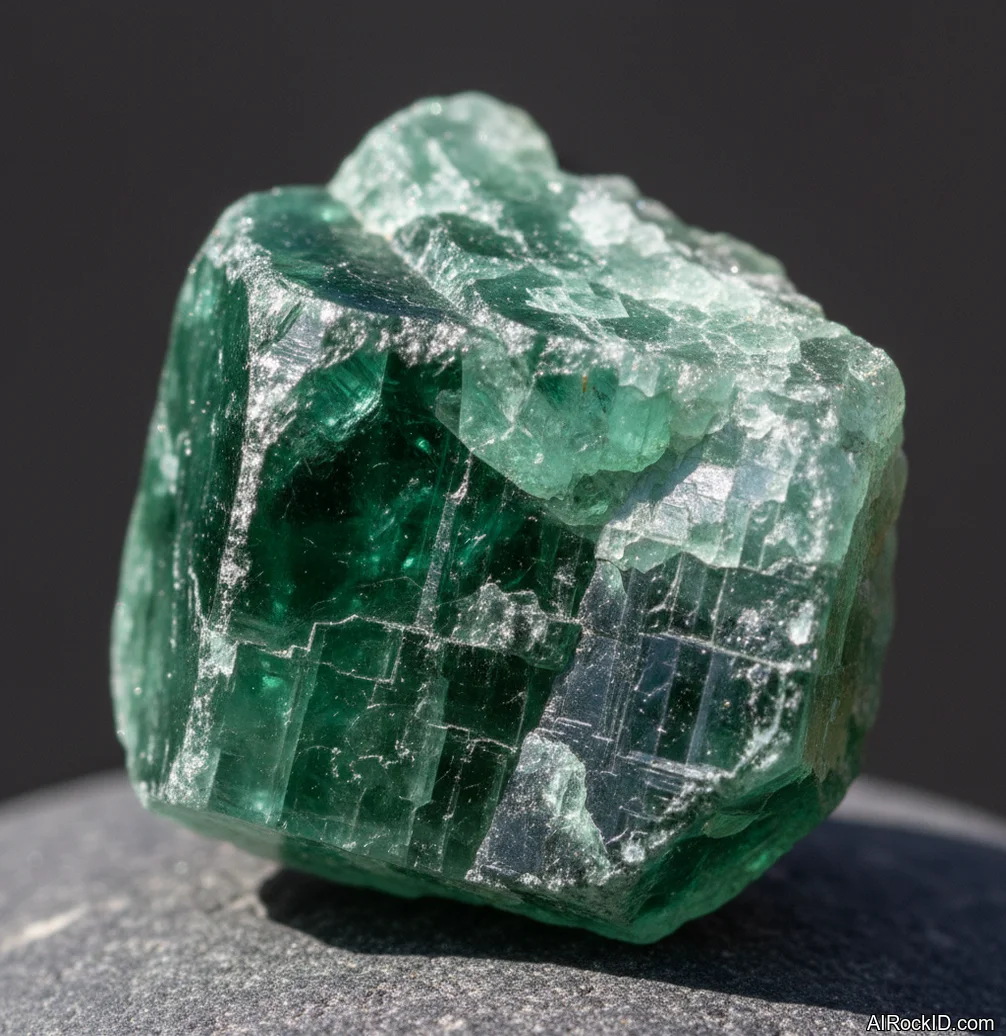
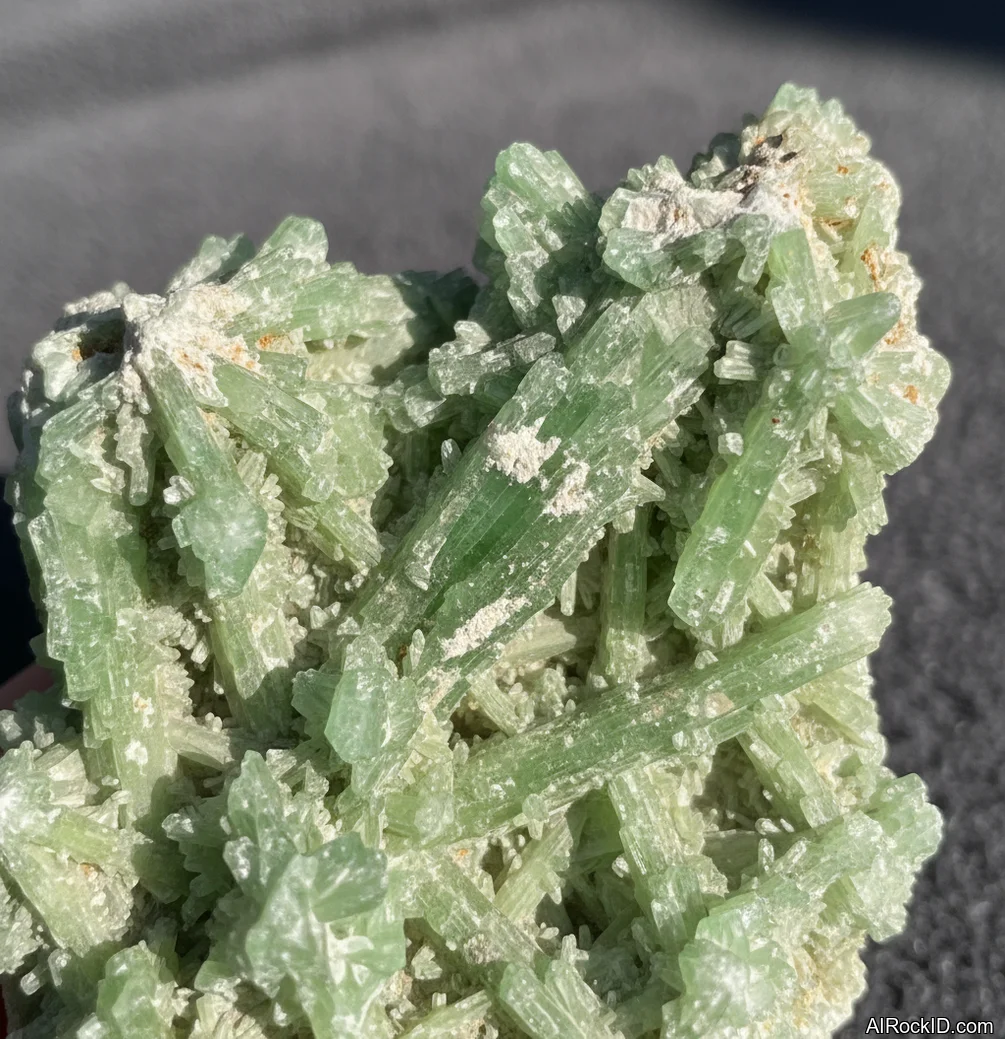
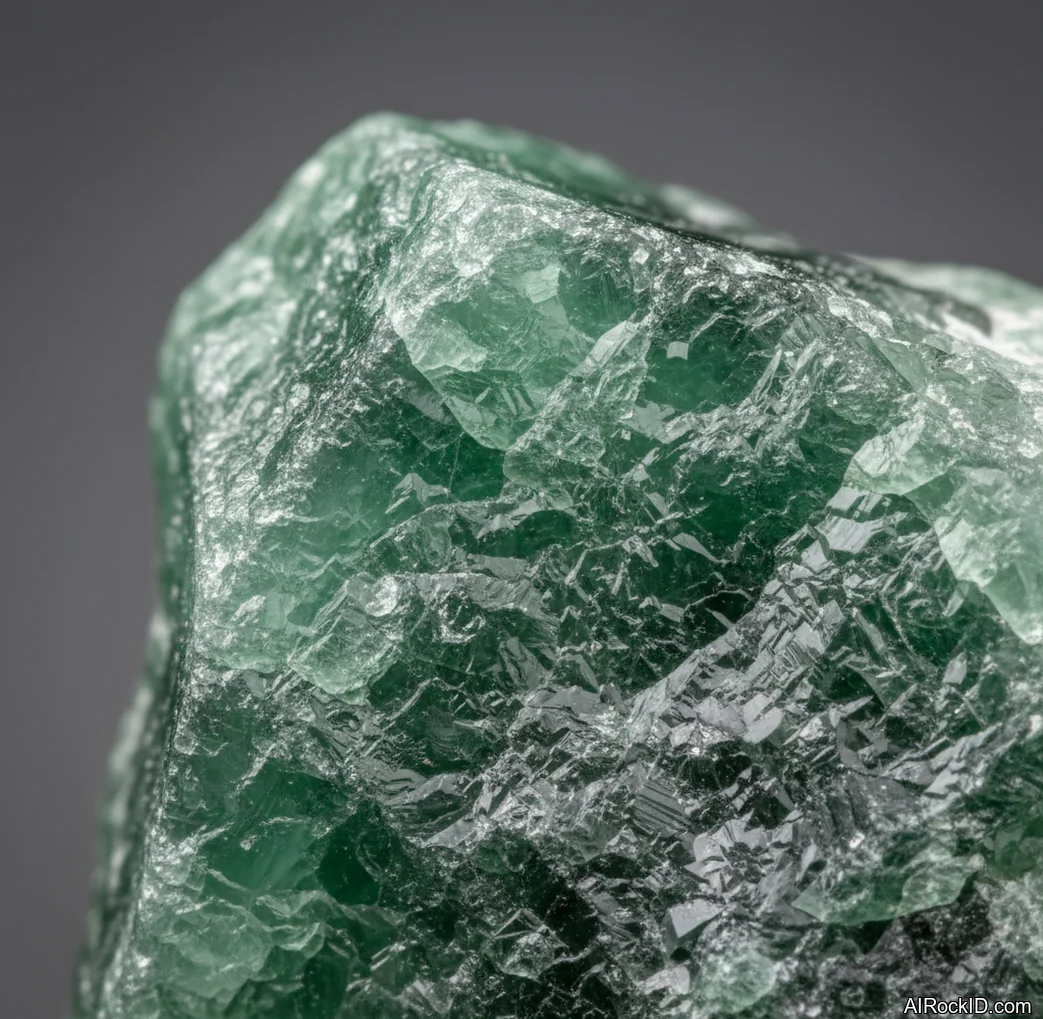
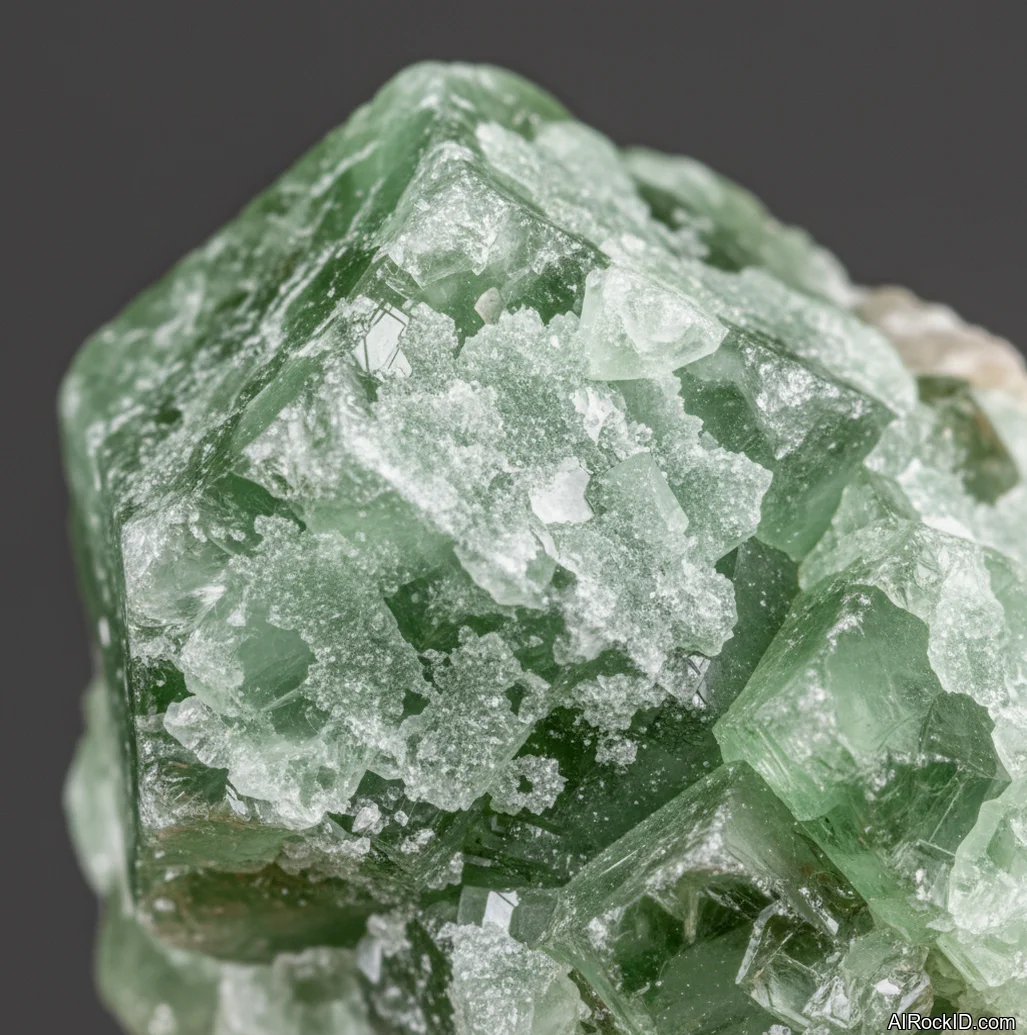
AI Rock ID can help compare a photographed specimen with visual traits of commonly listed New Beginnings crystals, such as color, luster, translucency, and crystal habit. RockIdentifier.io presents crystal and mineral information for reference, including physical identification clues and traditional meanings.
Good fit
- People choosing a symbolic stone for a move, new job, graduation, or personal milestone
- Beginners who want easy-to-find crystals with broad traditional associations
- Collectors interested in stones connected with clarity, reflection, or transformation
- Gift buyers looking for a neutral theme tied to change and fresh starts
Not a good fit
- Anyone seeking medical, financial, or psychological treatment from a crystal
- Buyers who need a scientifically verified effect beyond symbolic or traditional use
- Collectors who prefer only rare mineral specimens rather than theme-based crystal groupings
Most commonly confused with
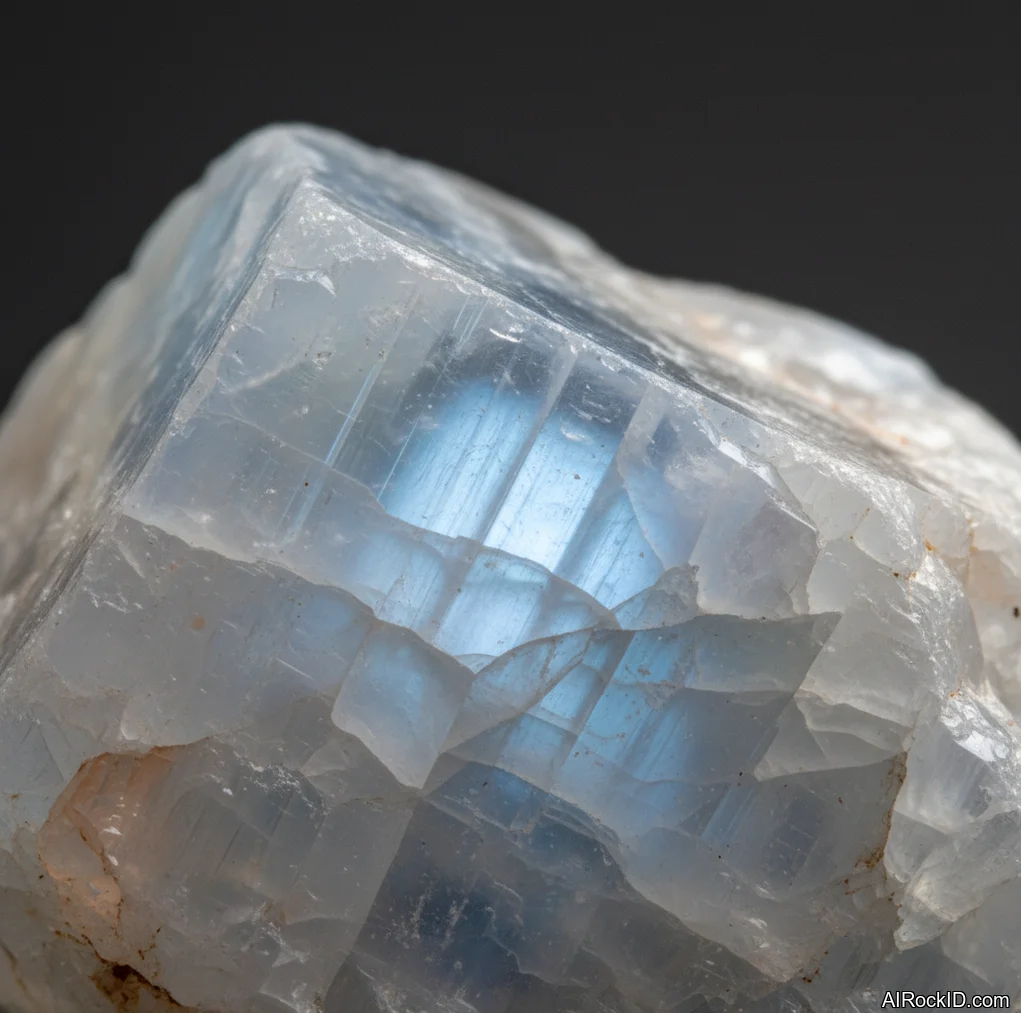
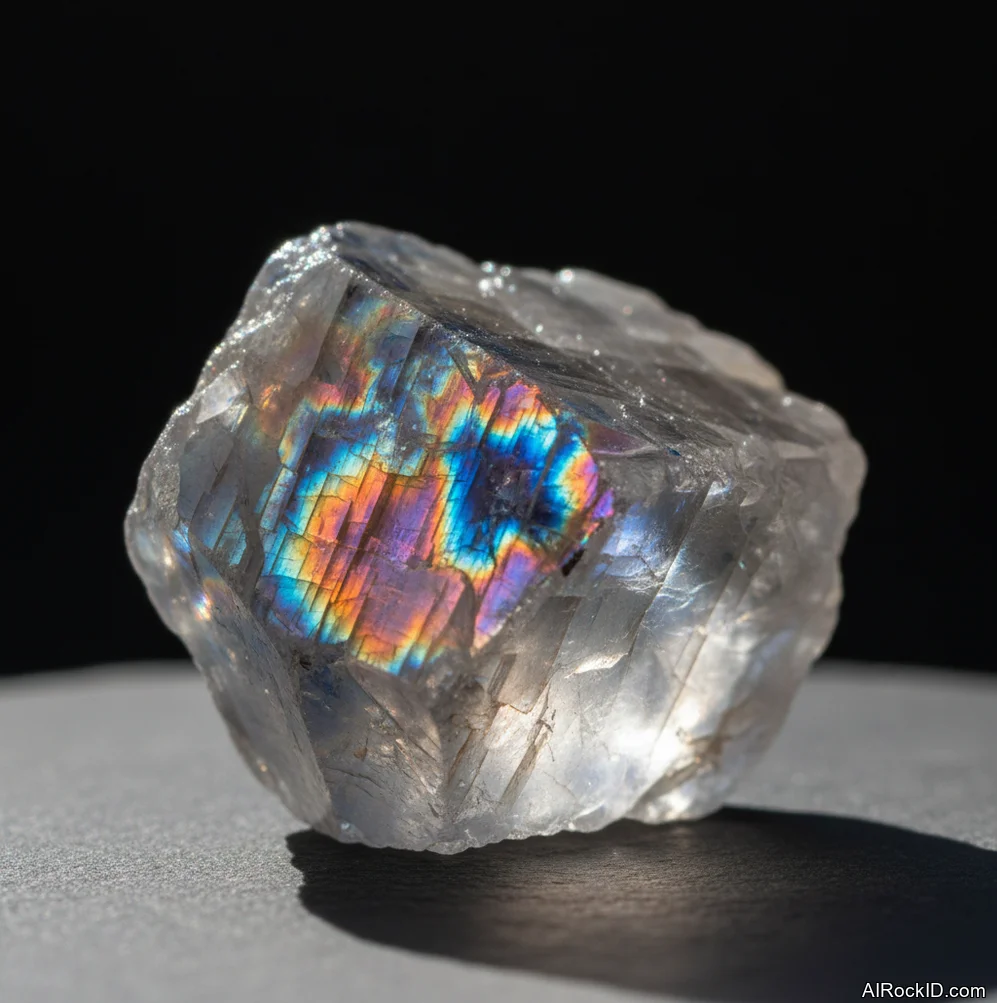
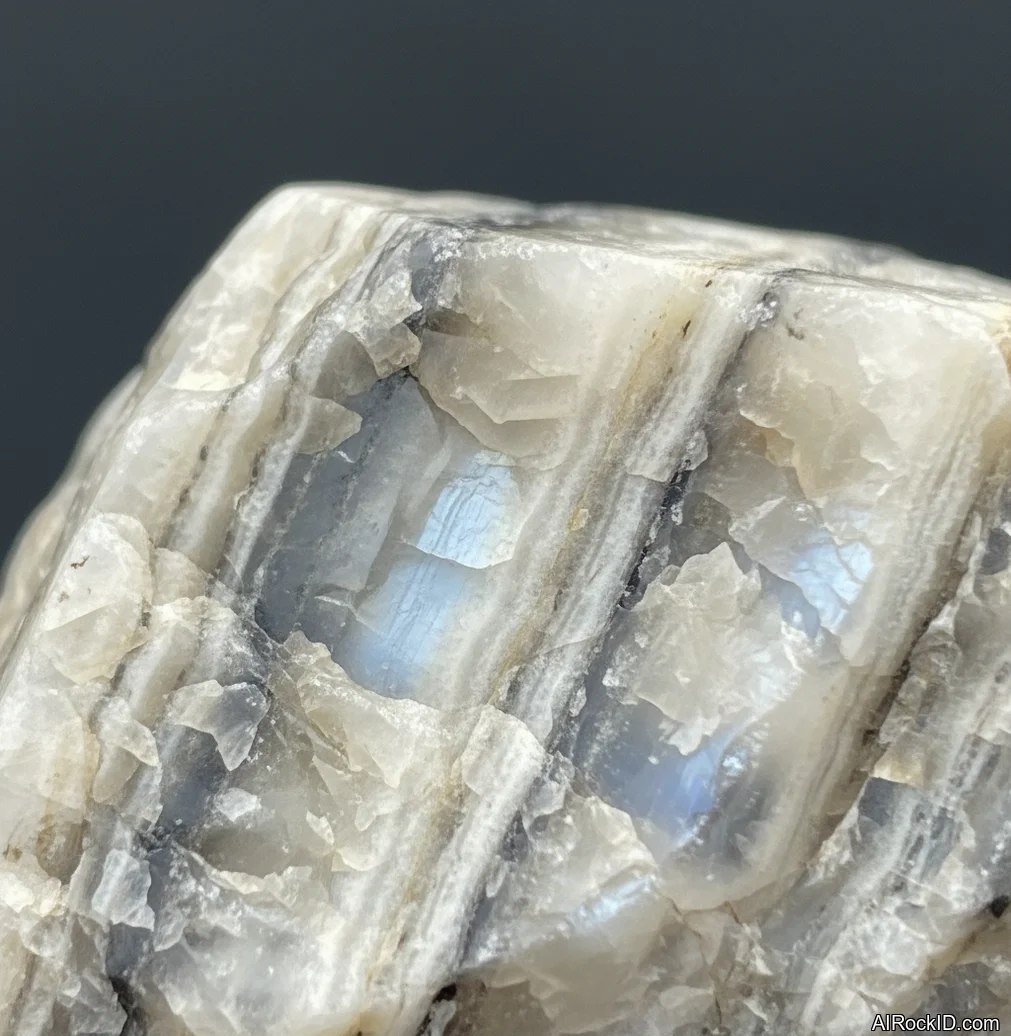
- Moonstone: Often recognized by a soft floating glow called adularescence, while similar white stones may look more uniformly cloudy.
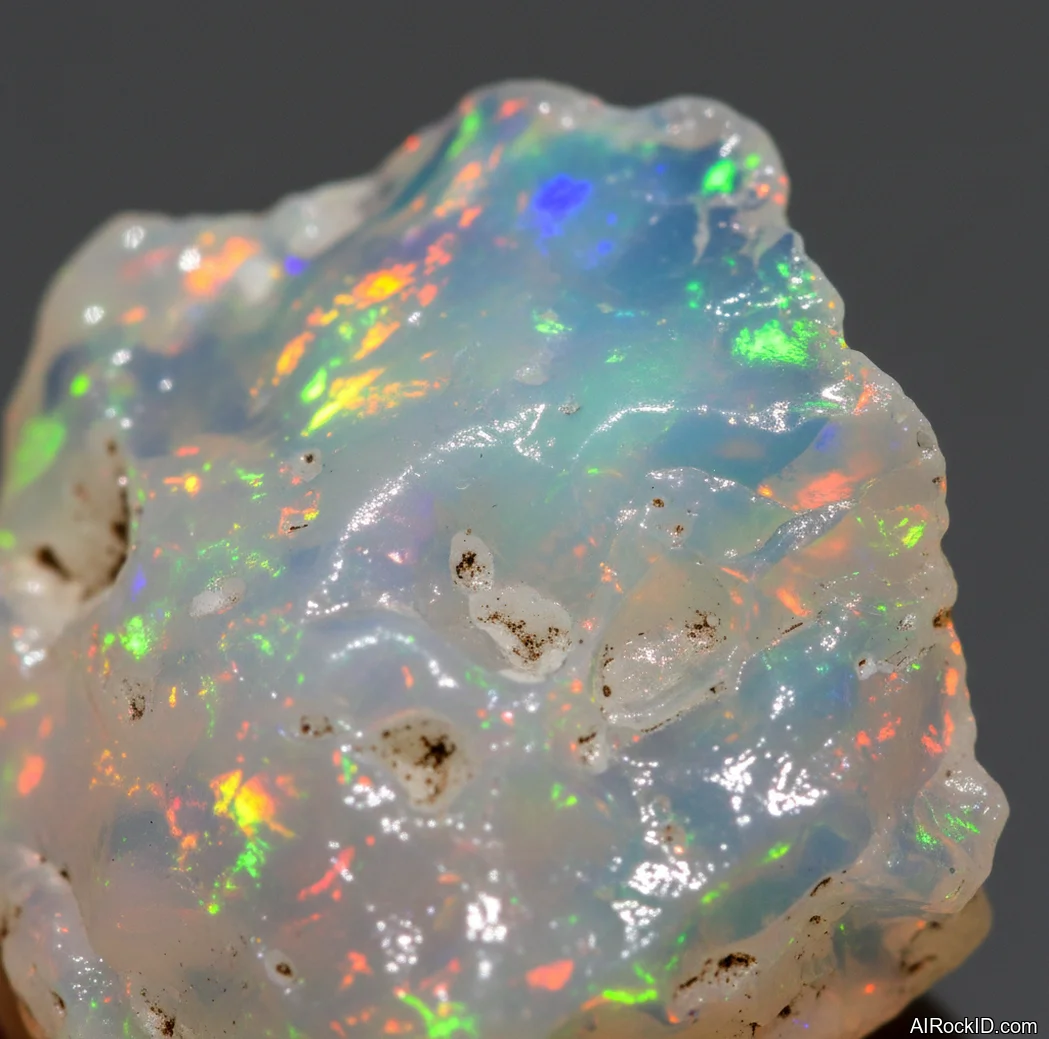
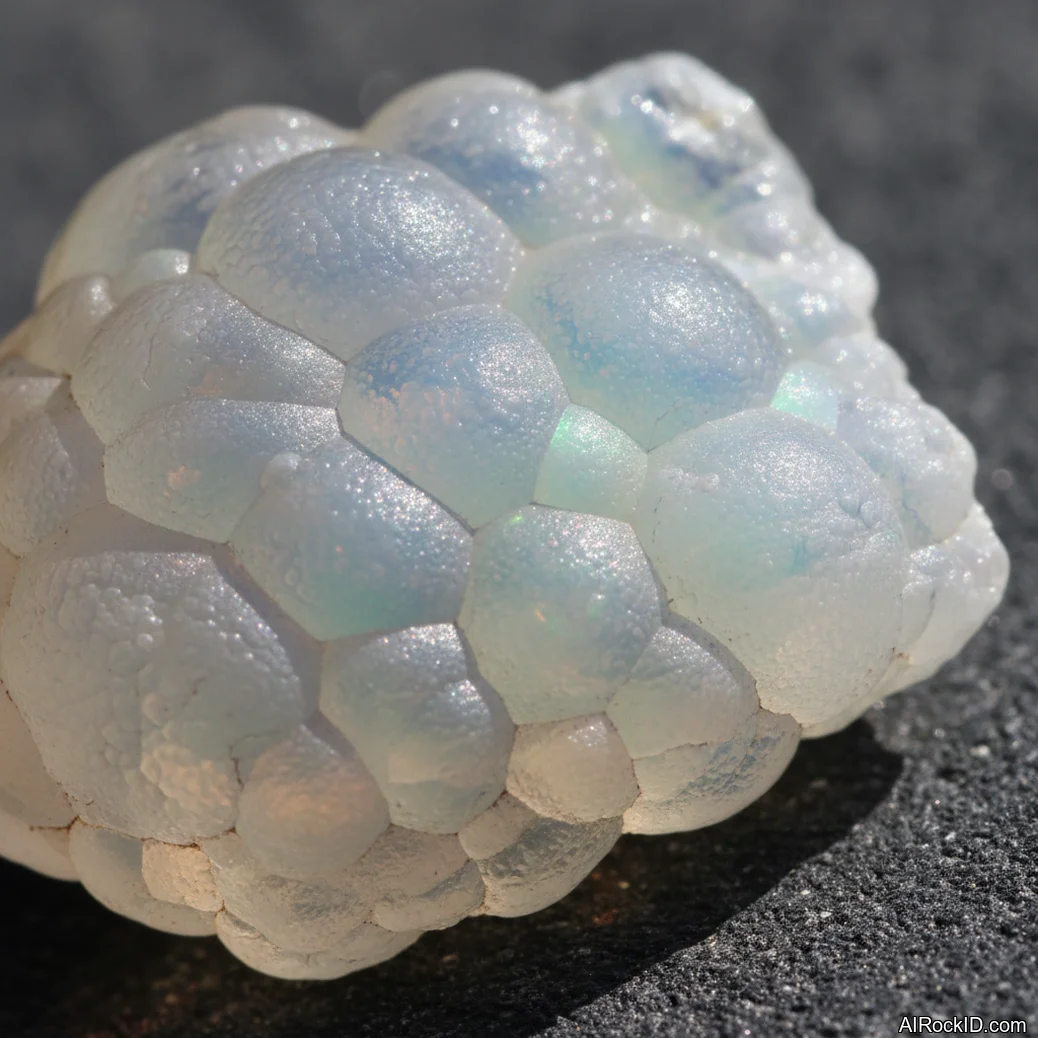
- Opalite: Commonly sold as a New Beginnings stone, but most retail opalite is man-made glass rather than a natural mineral.
- Clear Quartz: Usually harder and more glassy than selenite or calcite, and it should not scratch easily with a steel knife.
- Labradorite: Known for flashes of blue, green, or gold labradorescence, unlike gray feldspar that lacks a strong color shift.
AI identification confidence
AI identification is usually more reliable when the photo shows the stone in natural light with close-up detail, multiple angles, and no heavy filters. Confidence may be lower for polished tumbled stones because many different minerals can share similar color and shape.
When AI gets it wrong
- The stone is dyed, coated, heat-treated, or made from glass or resin
- The photo shows only a polished surface without crystal structure or matrix
- Several minerals share the same color, such as white quartz, calcite, howlite, and magnesite
- Lighting creates artificial flashes or hides diagnostic features
What this category represents
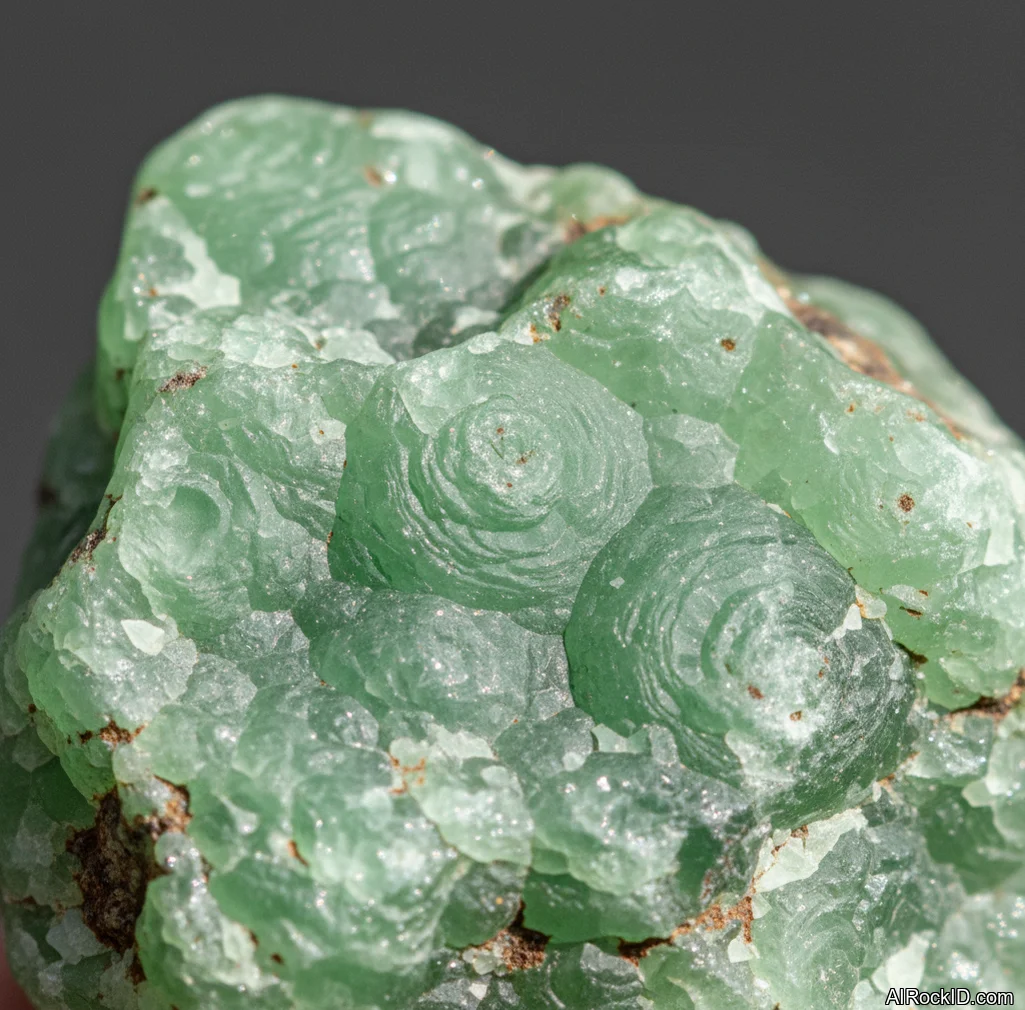
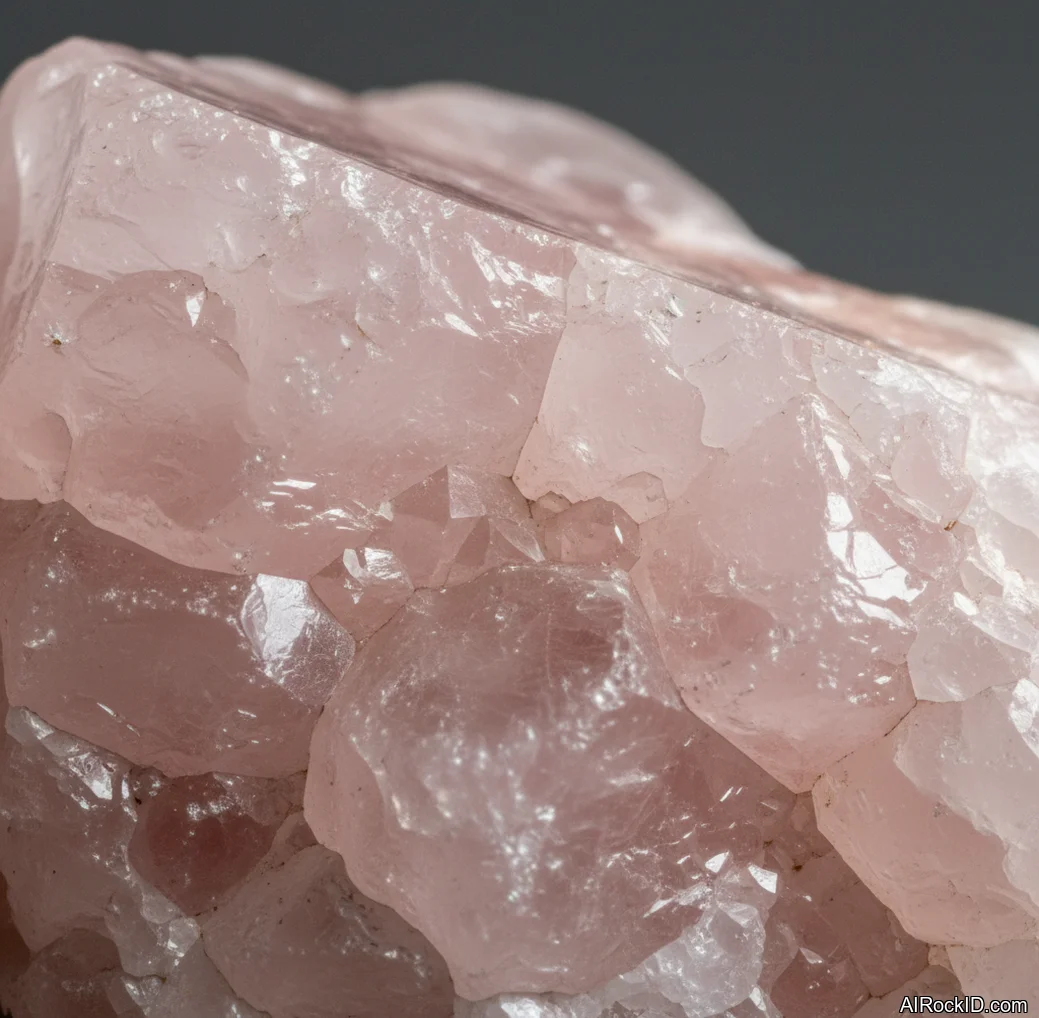
The New Beginnings tag groups crystals that are traditionally associated with fresh starts, transition, clarity, emotional reset, and personal growth. This is a theme-based category rather than a mineralogical classification, so stones in the tag may differ widely in chemistry, hardness, color, and formation.
Beginner recommendations
Advanced recommendations
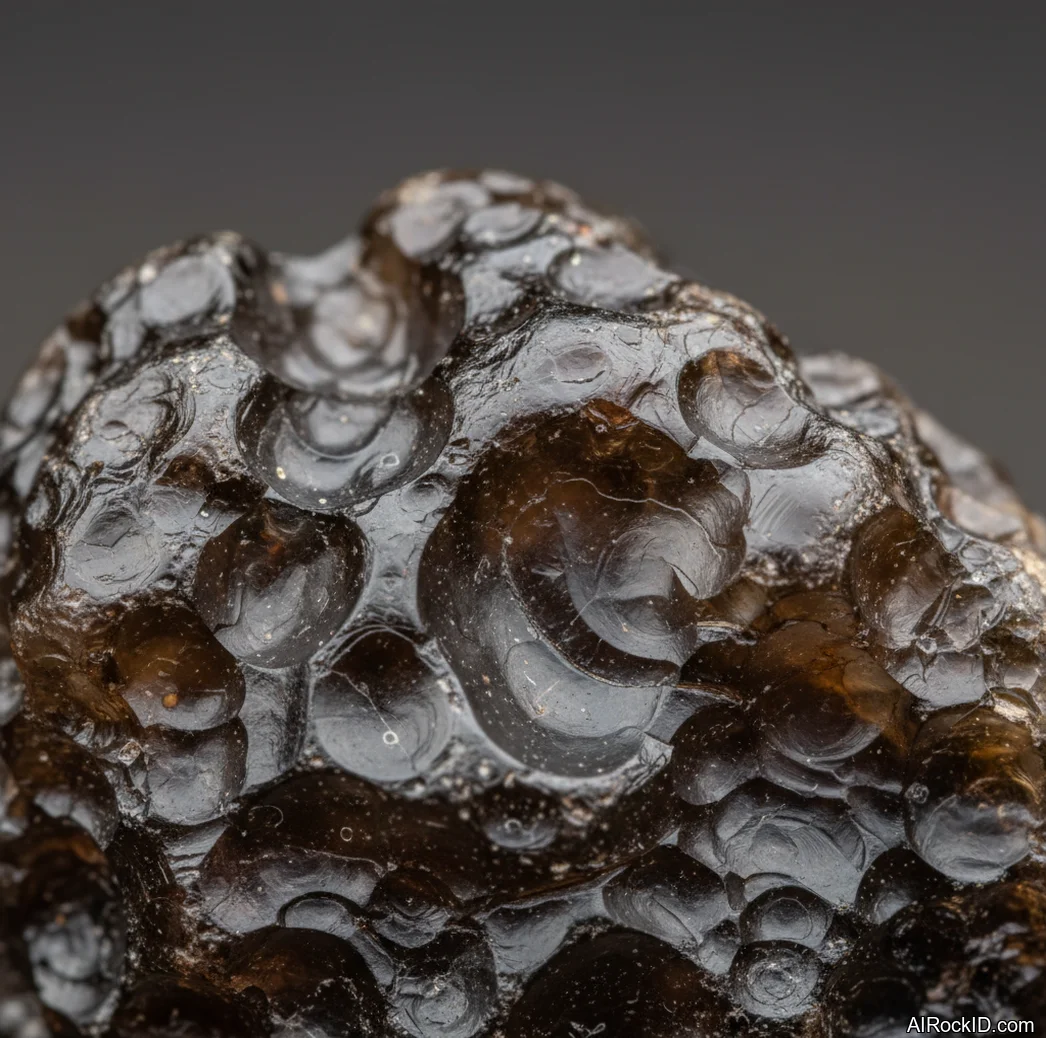
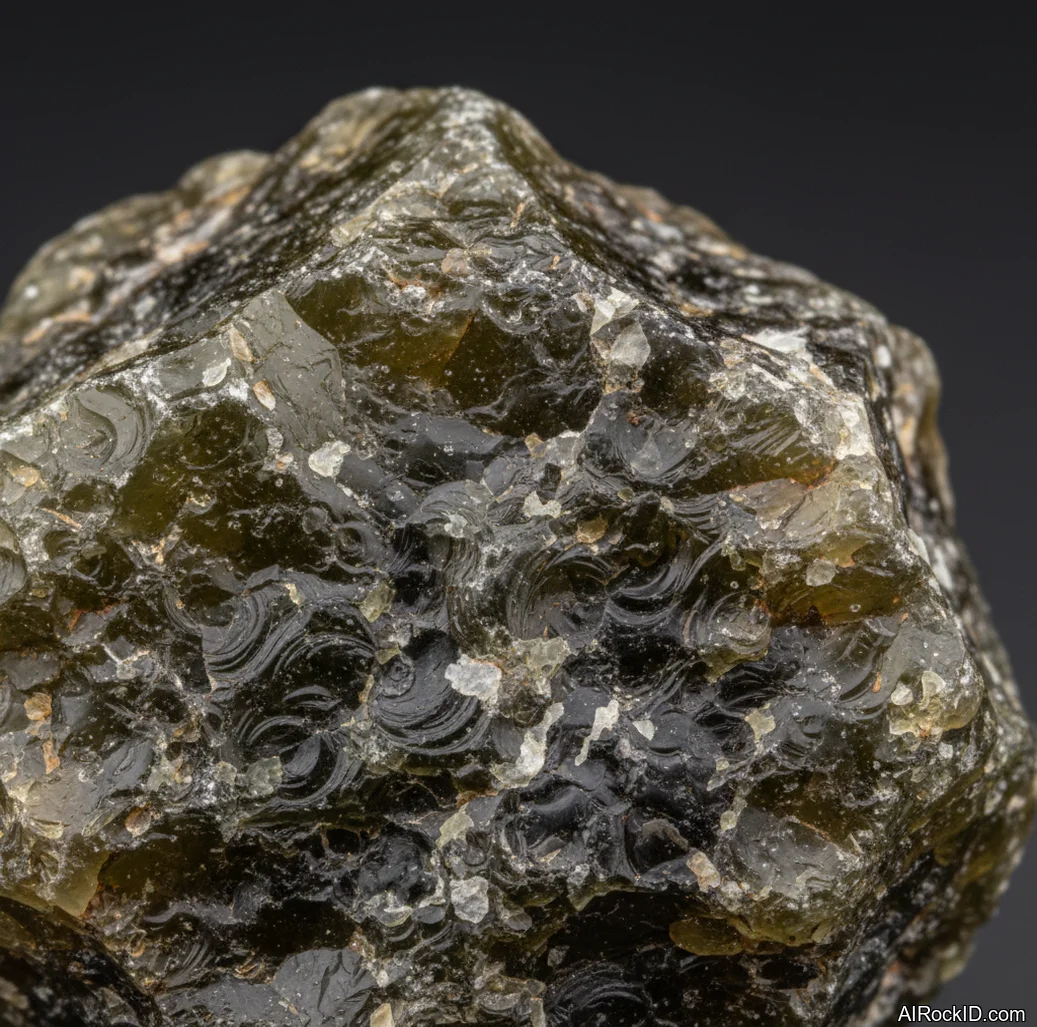
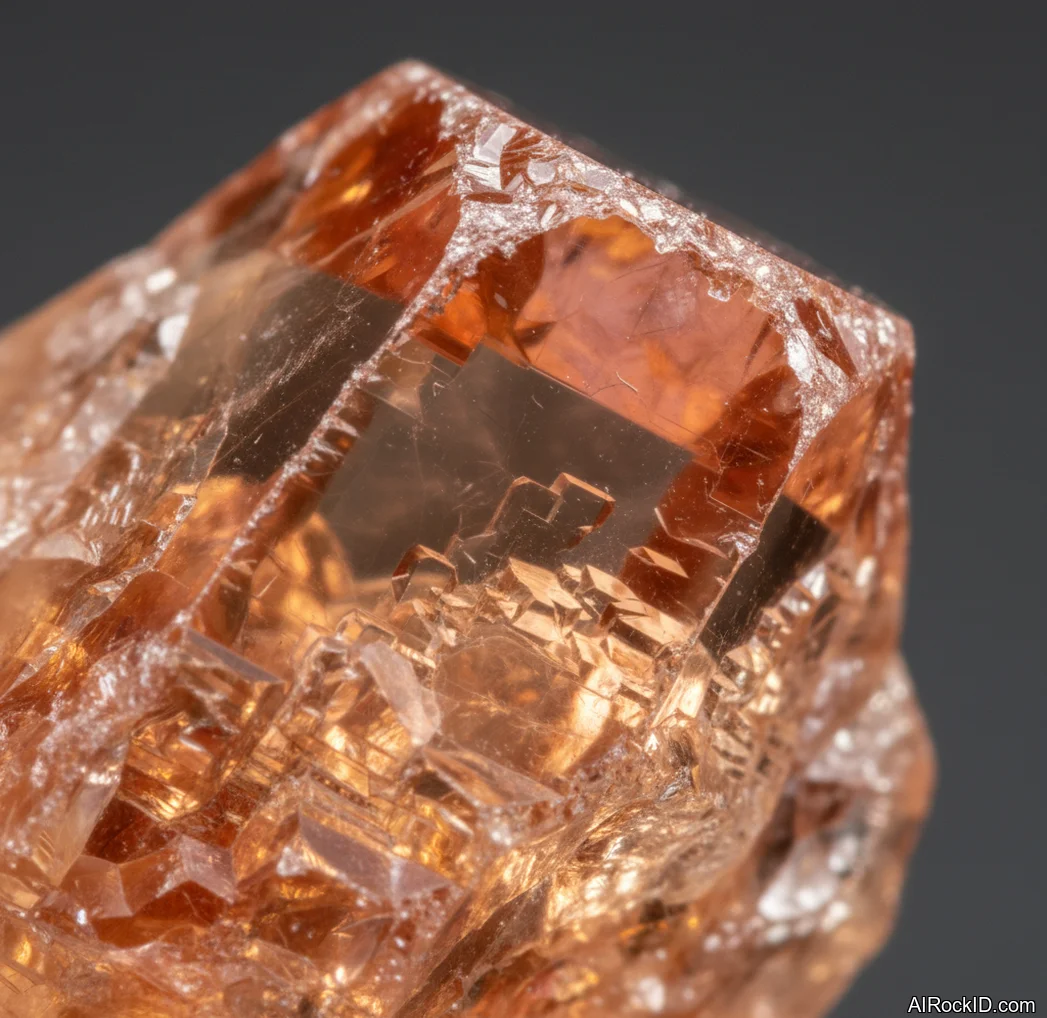
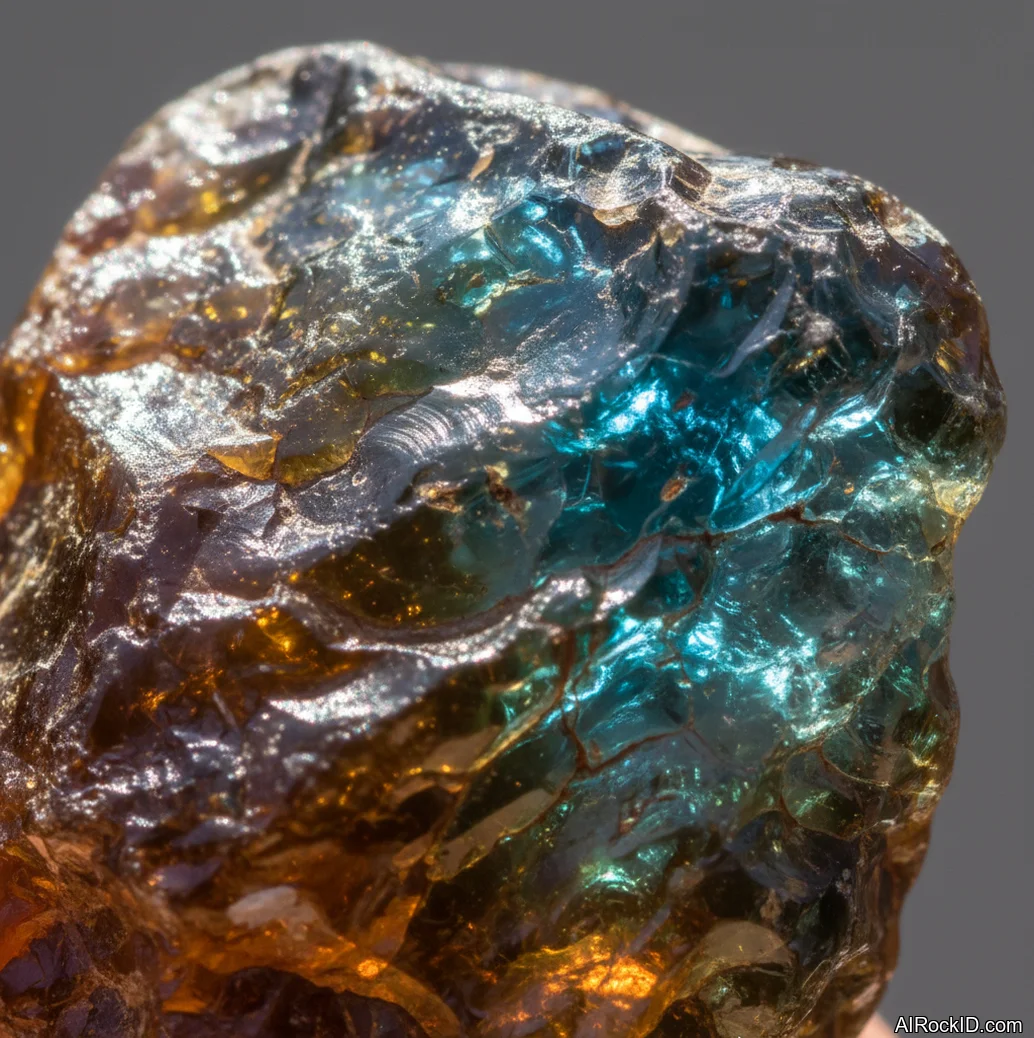
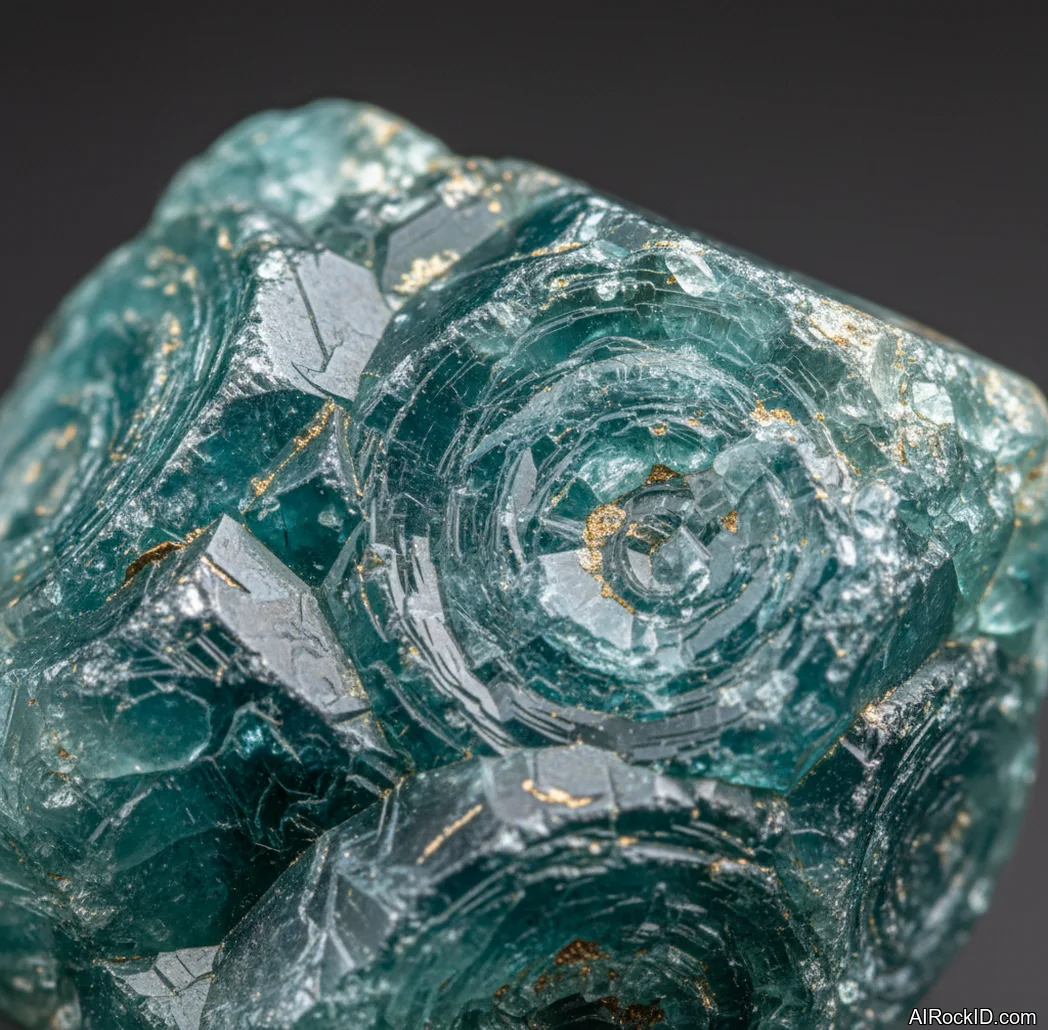
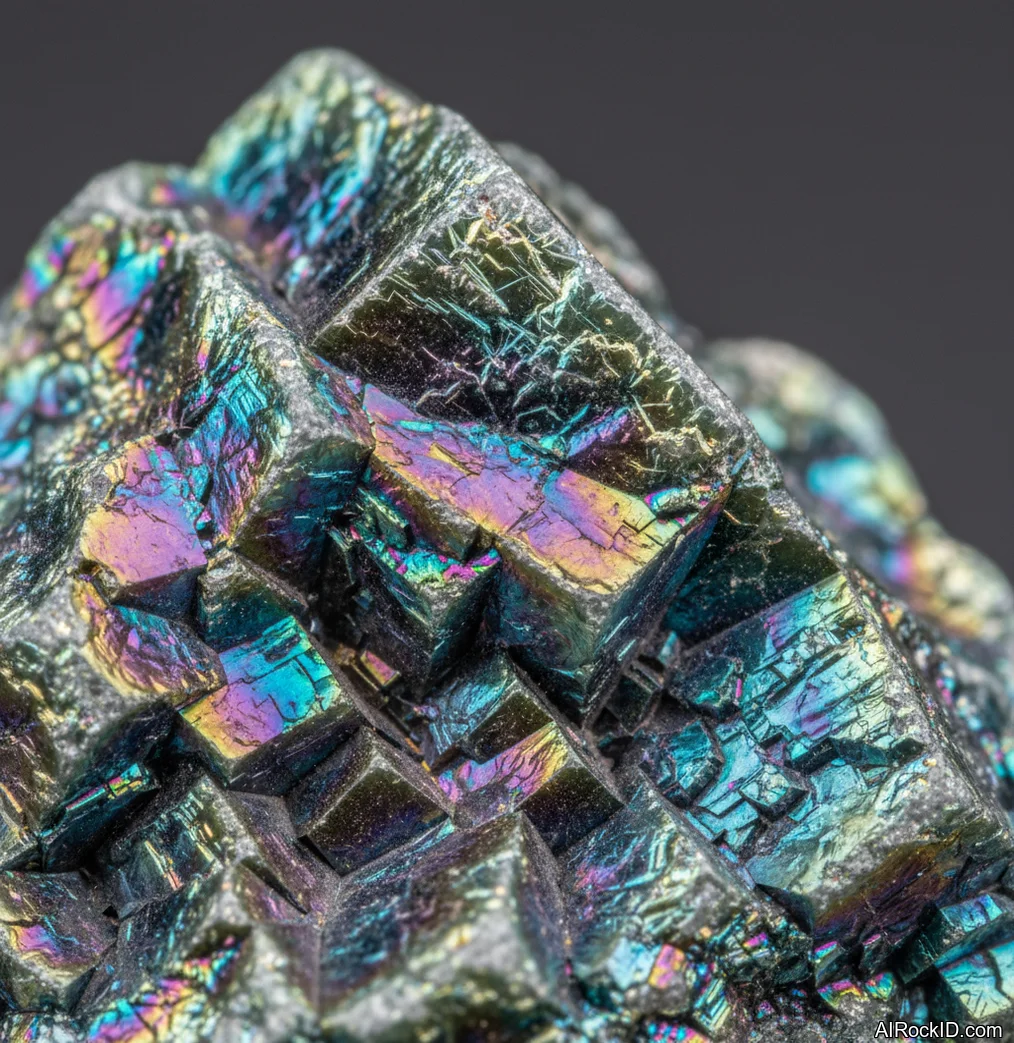
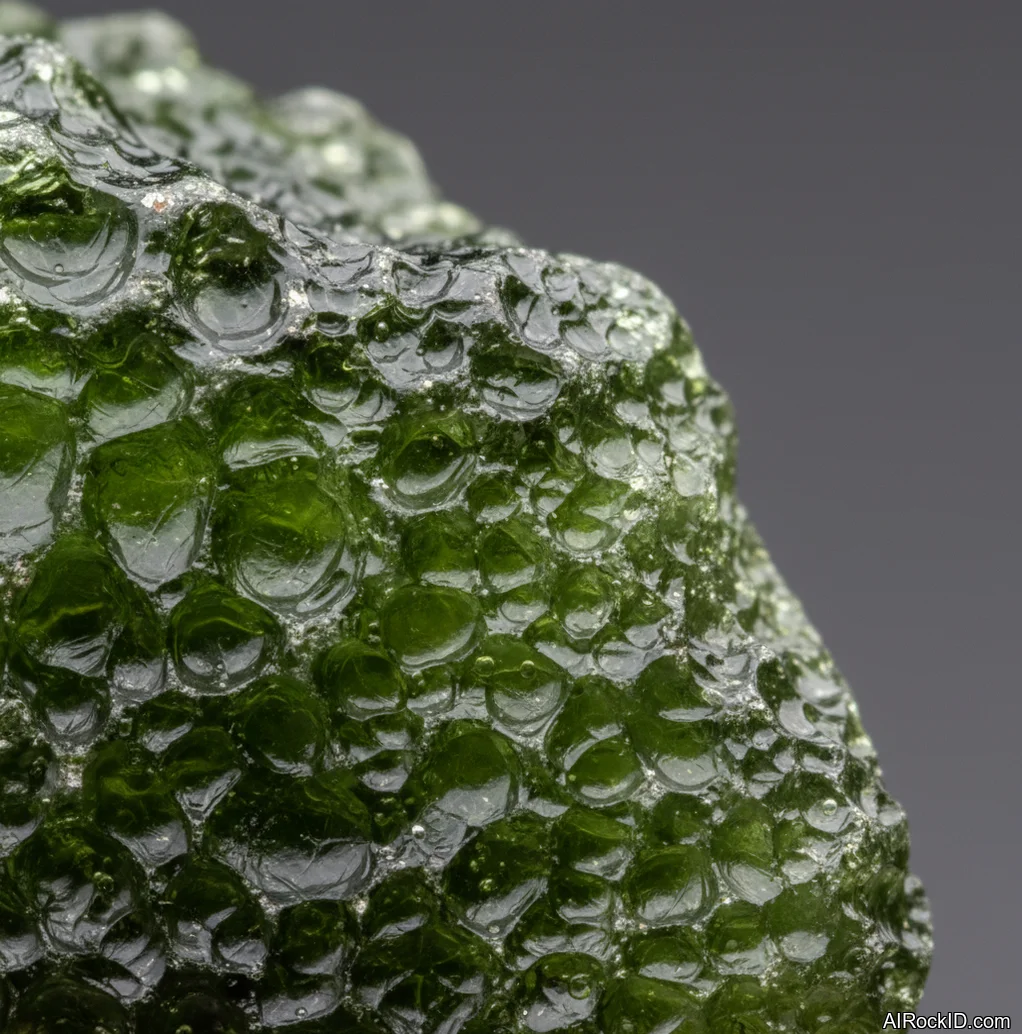
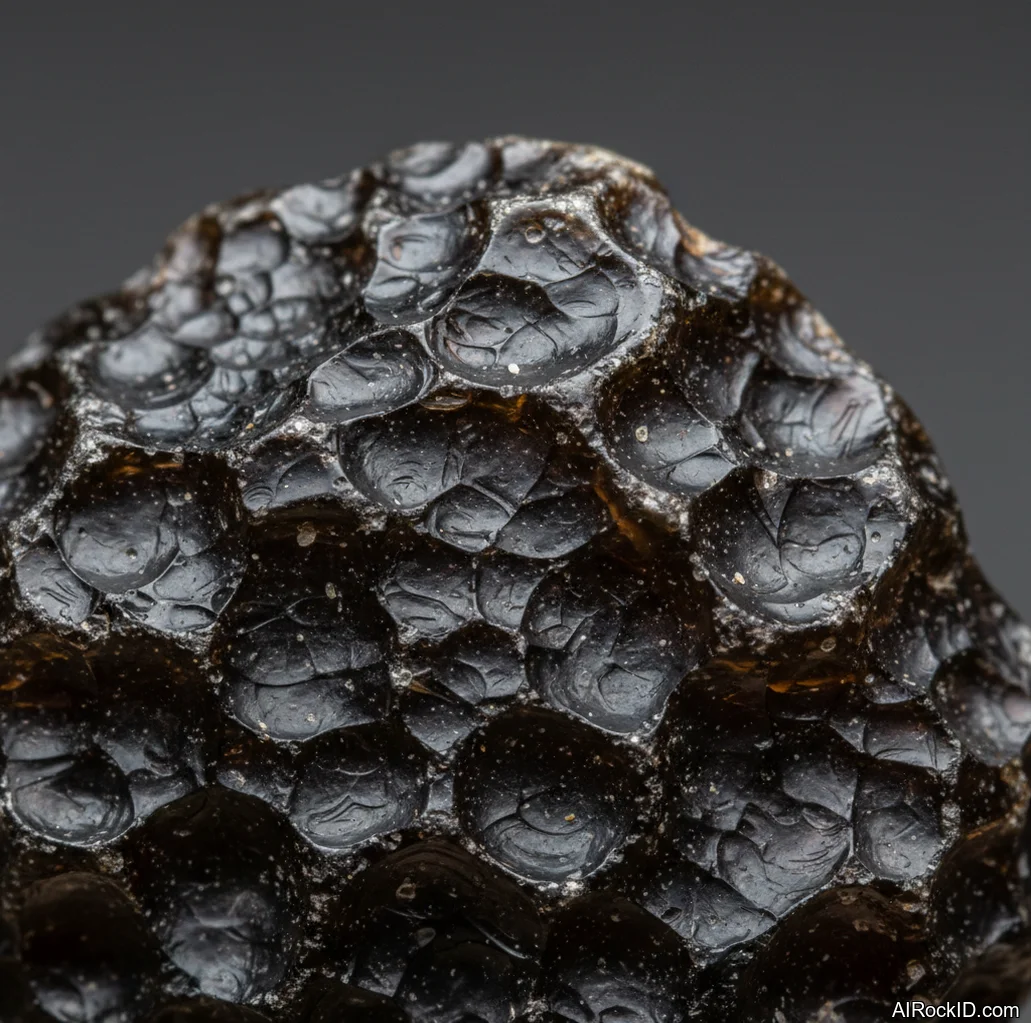
- Moldavite
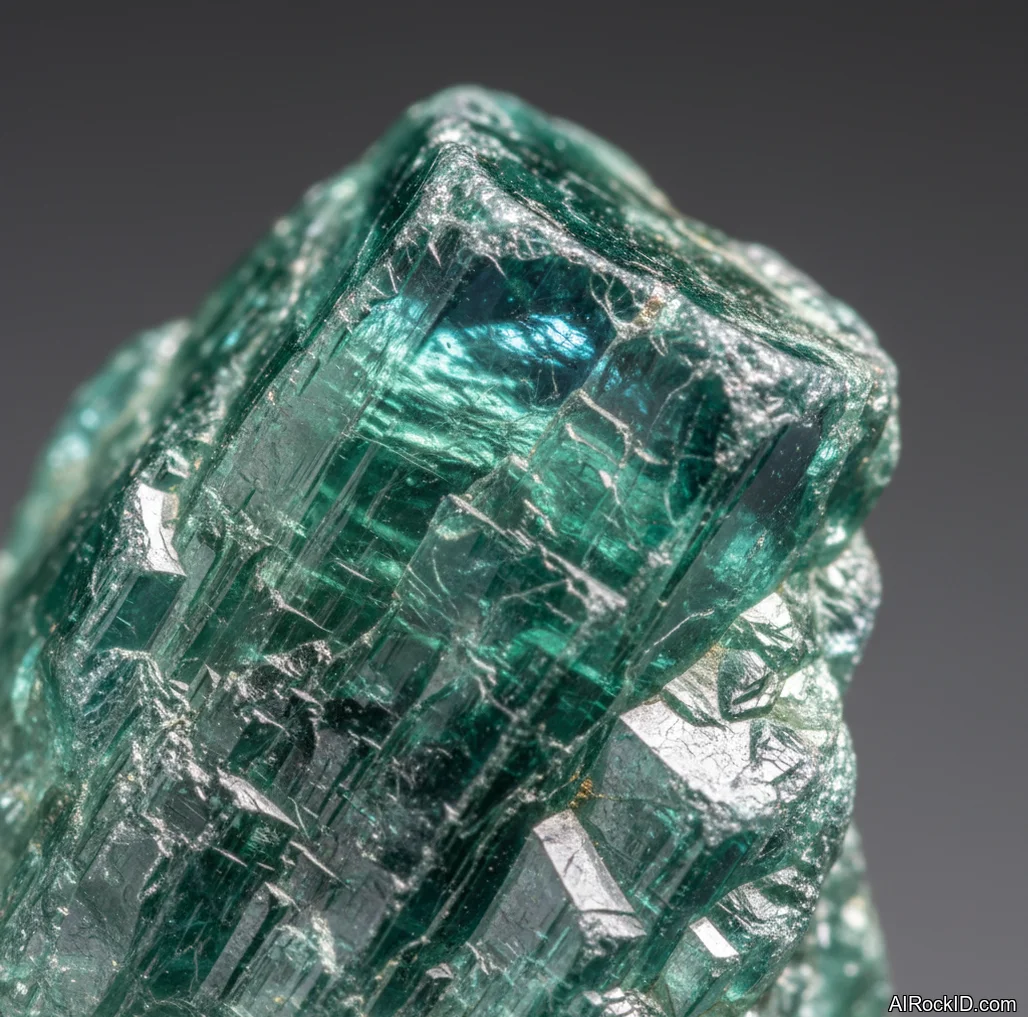
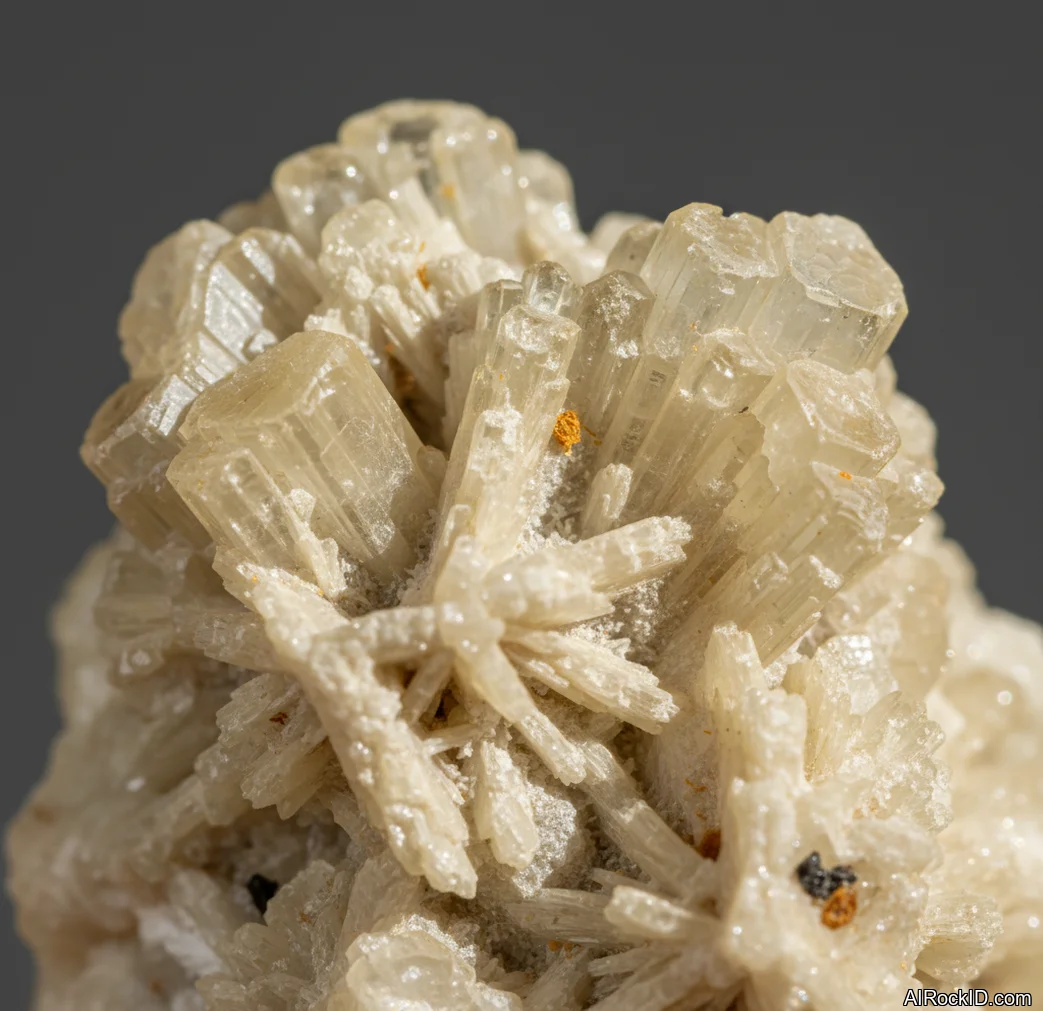
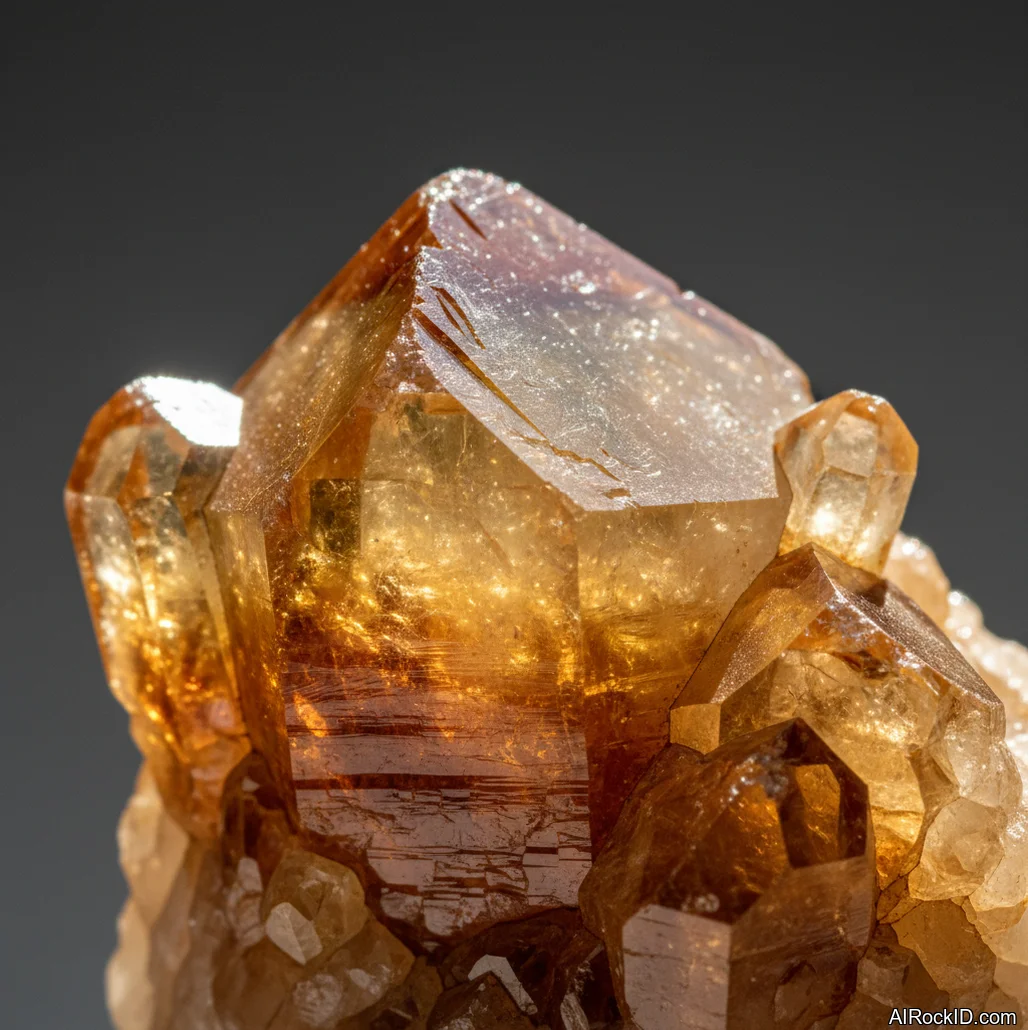
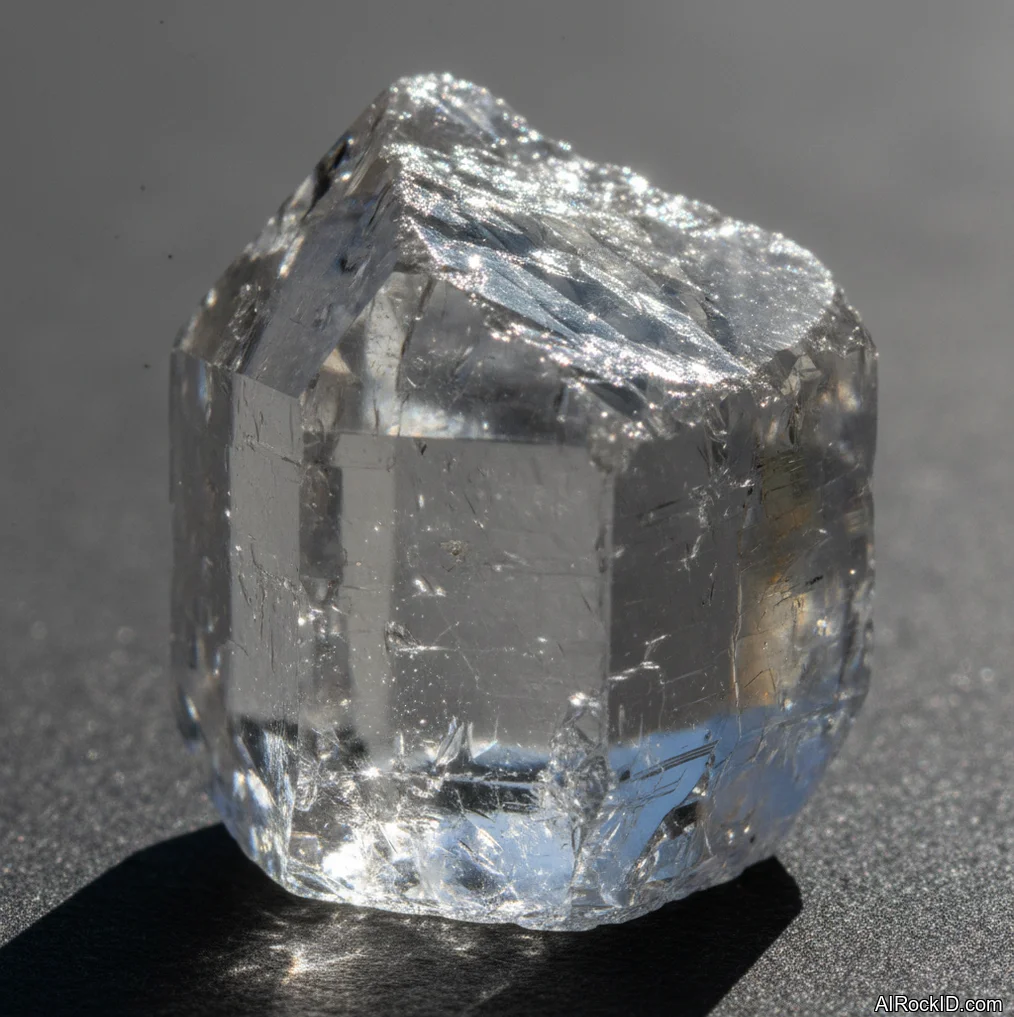
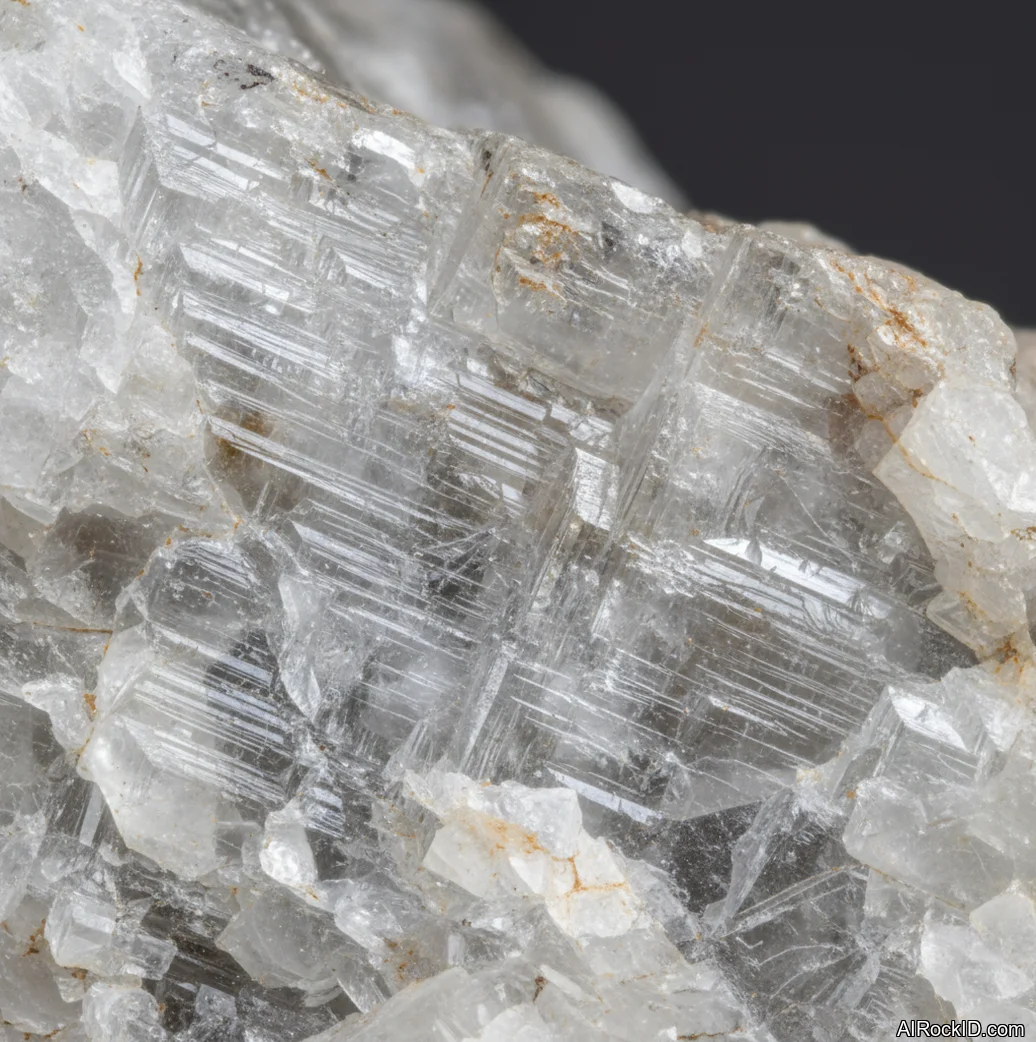
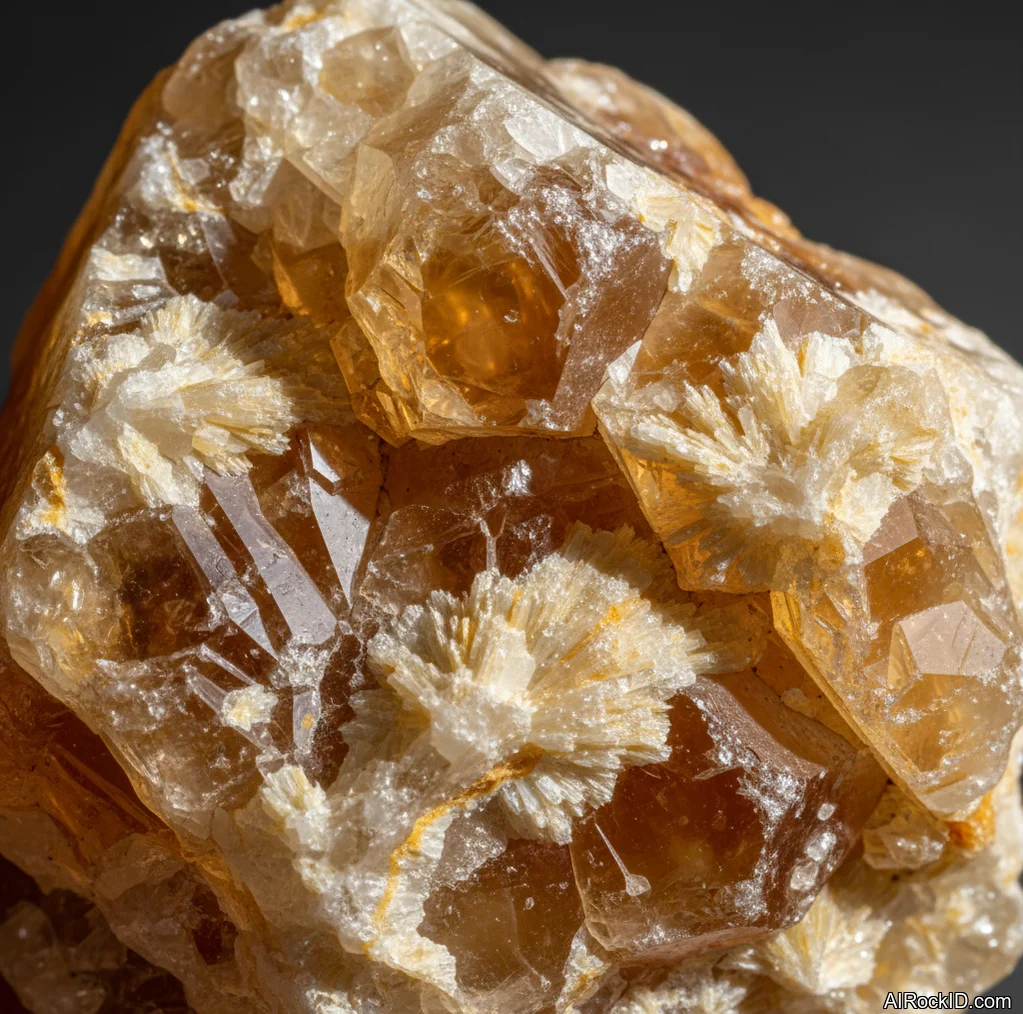
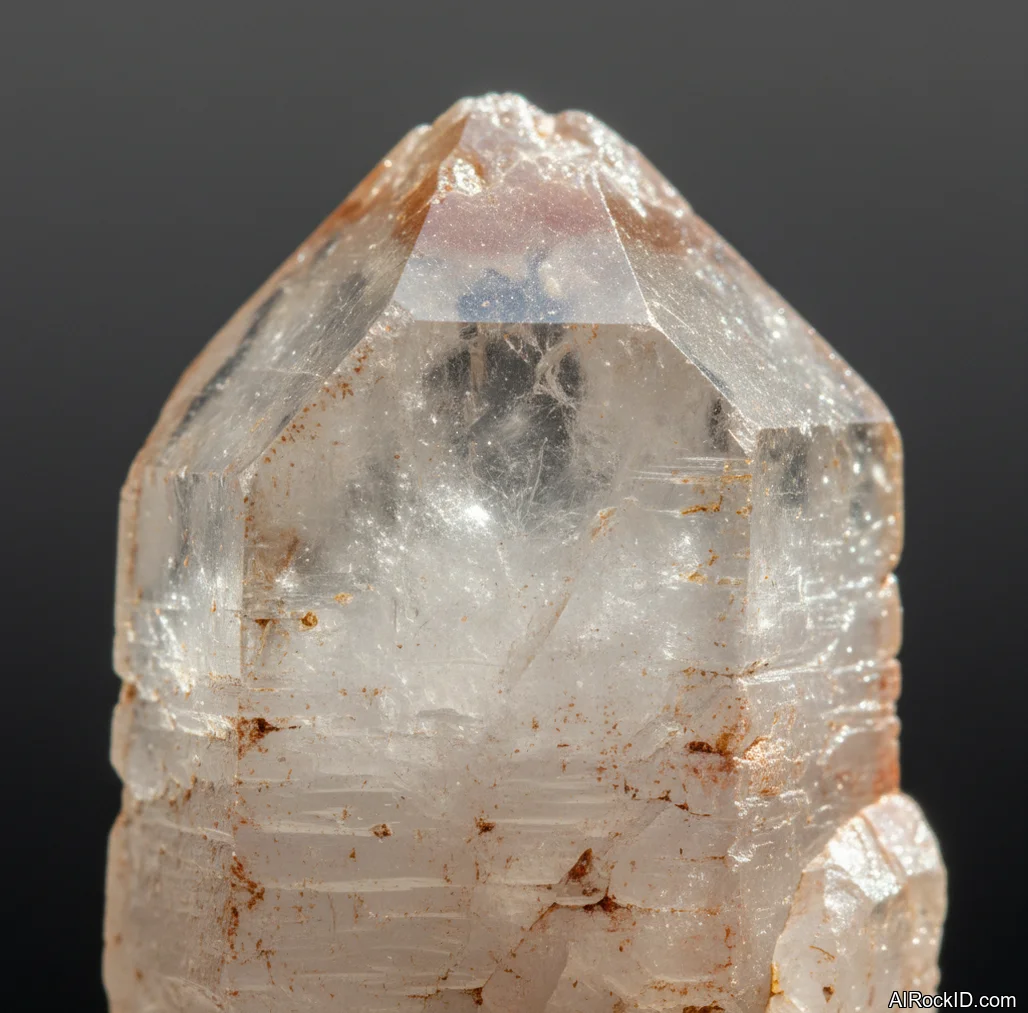
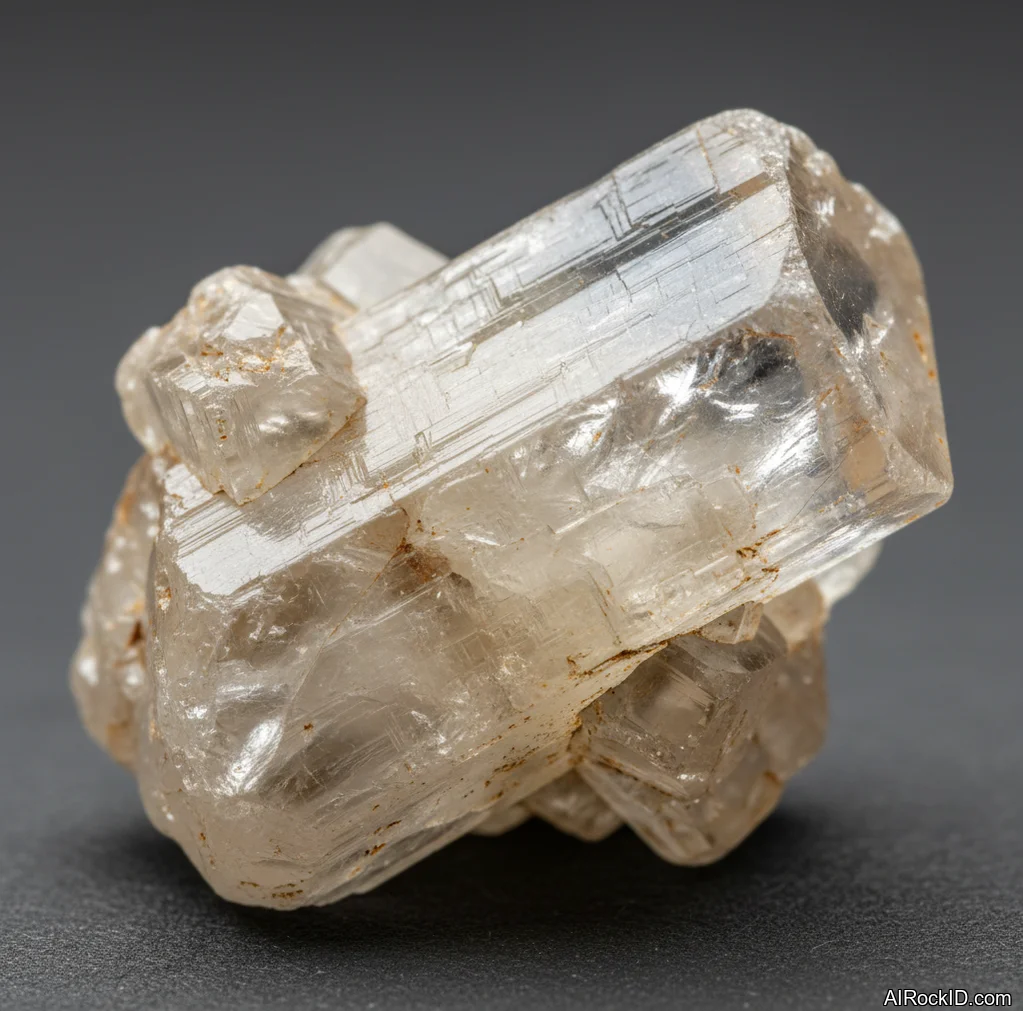
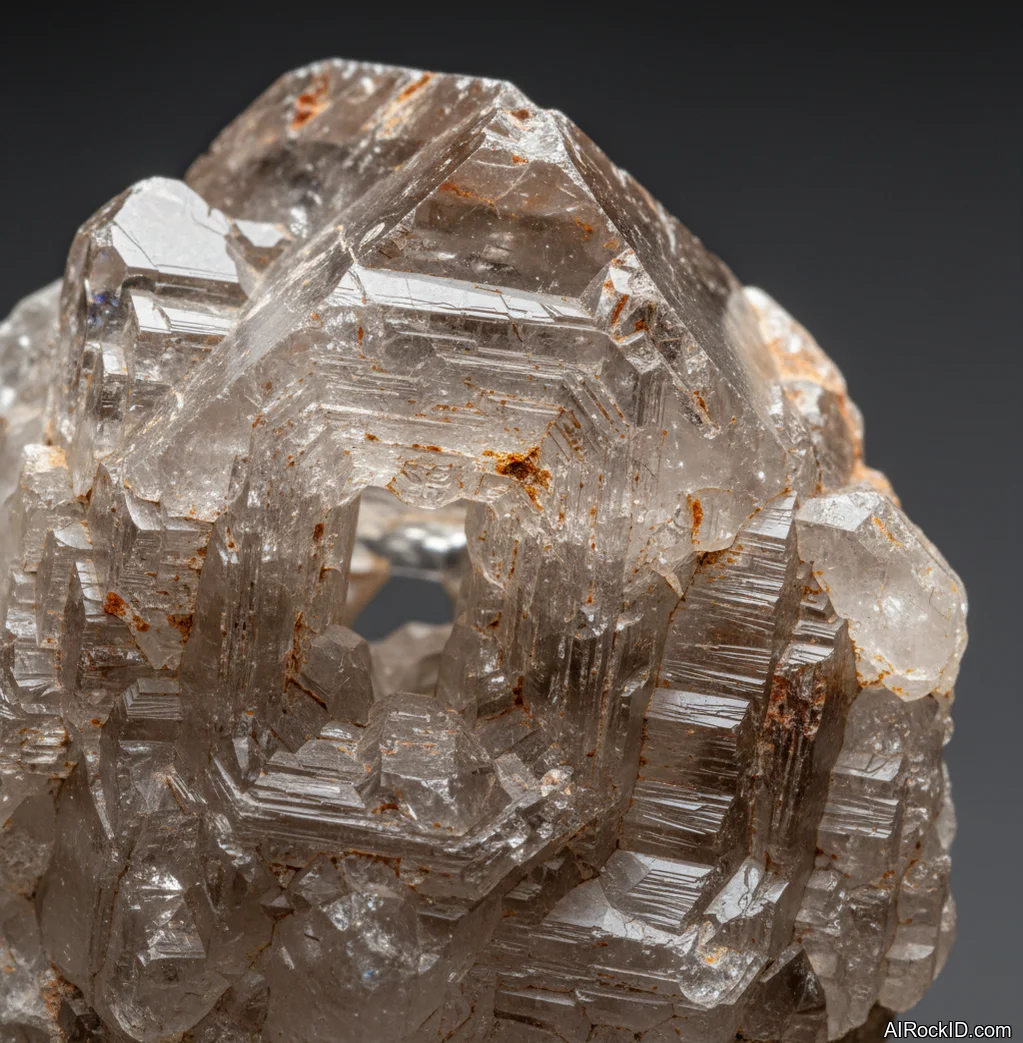
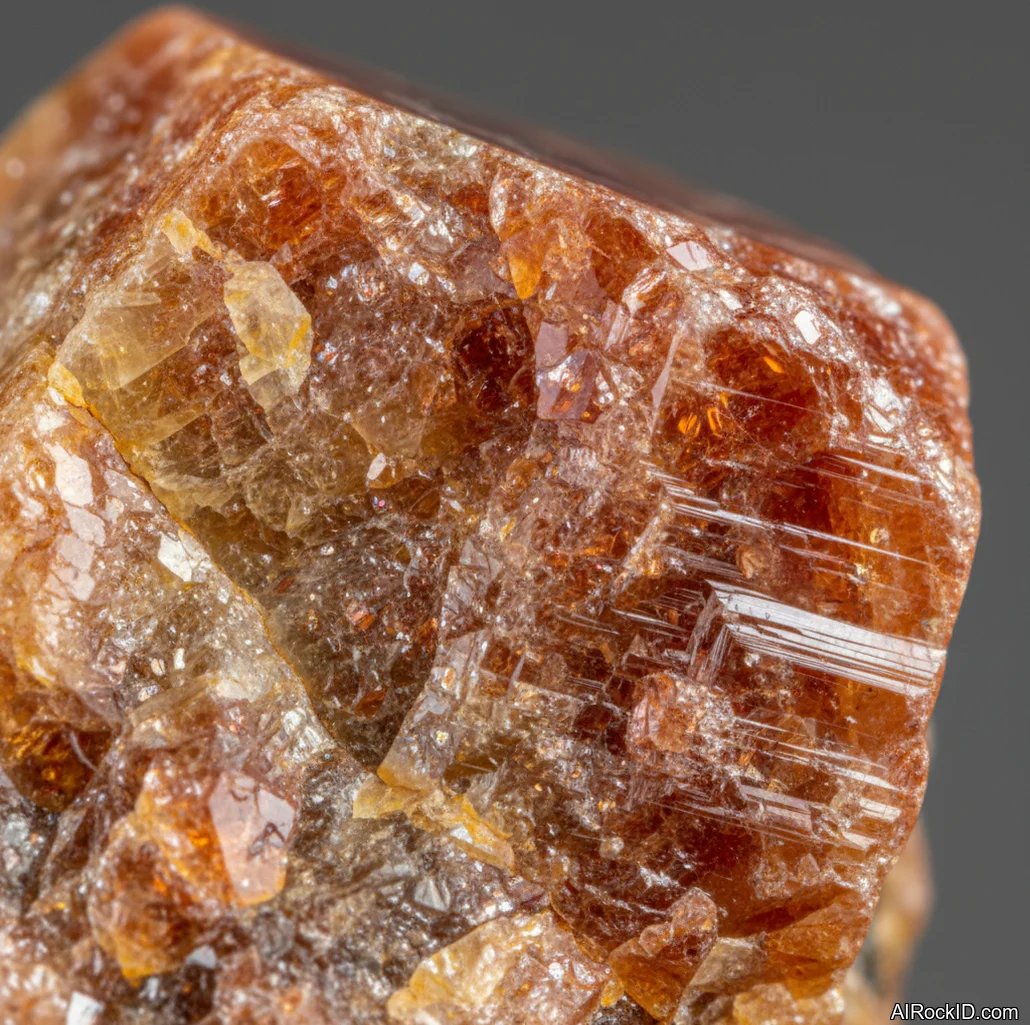
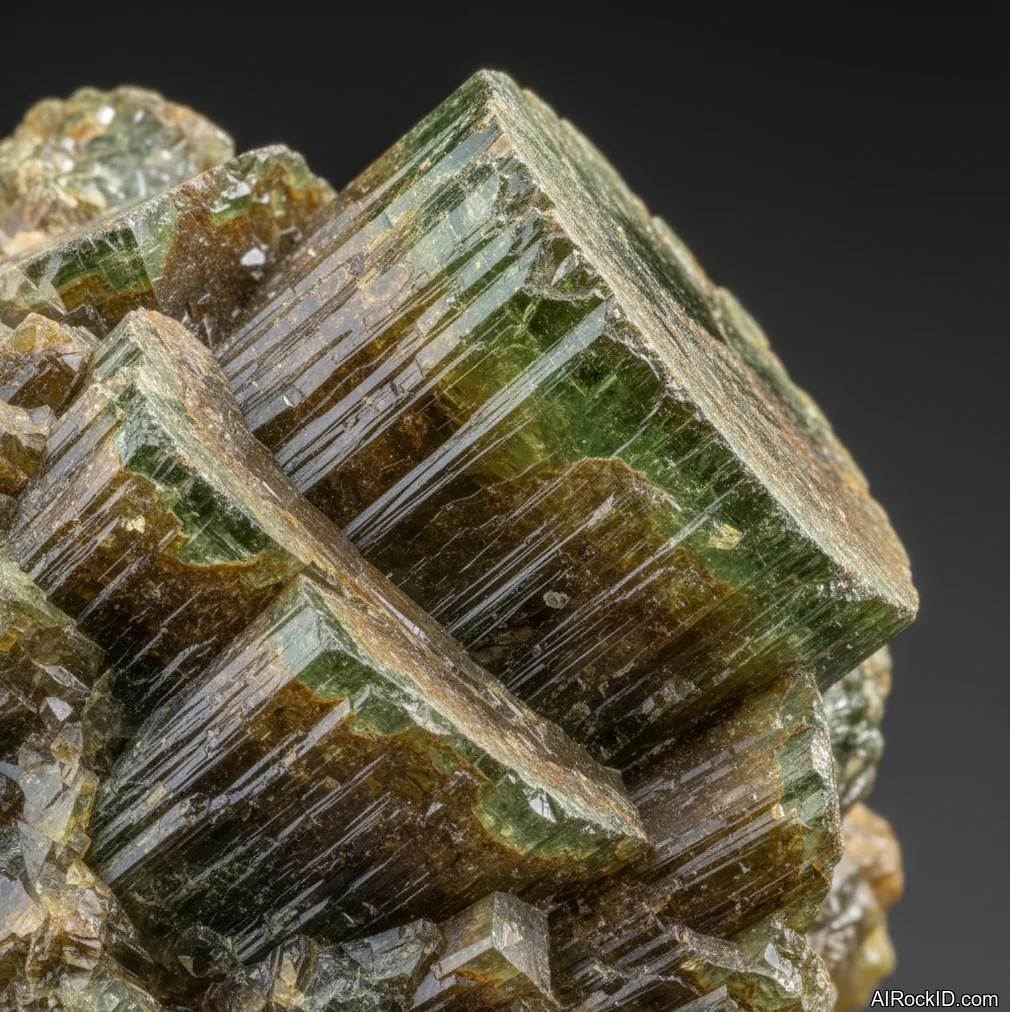
- Phenakite
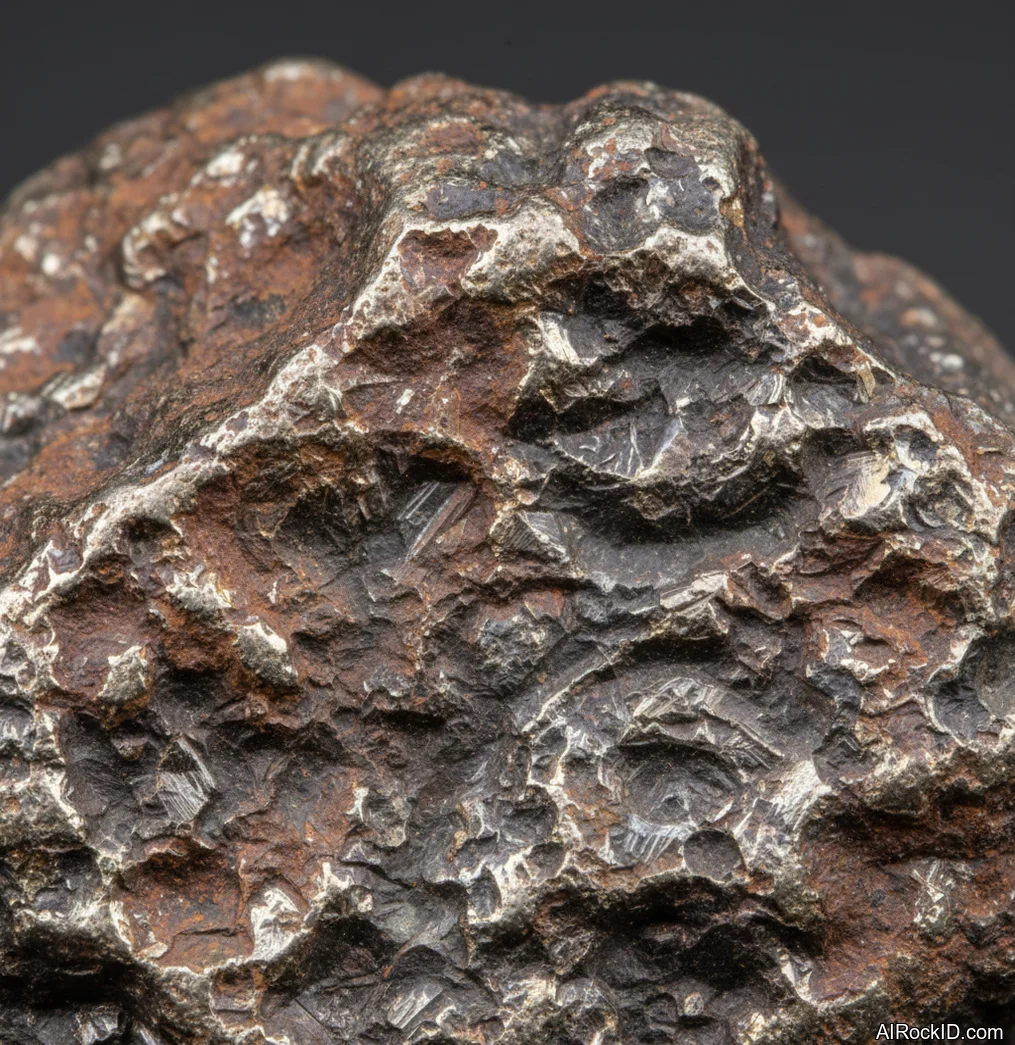
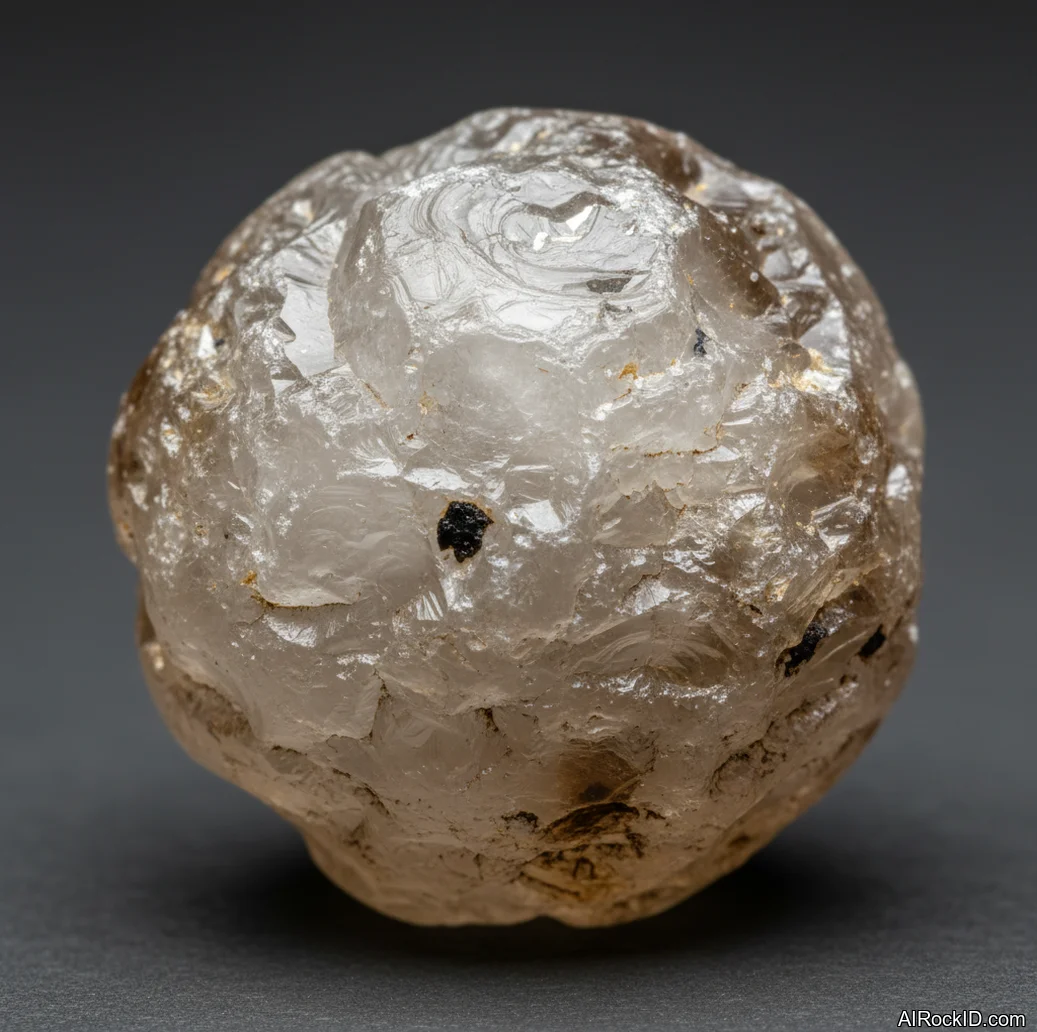
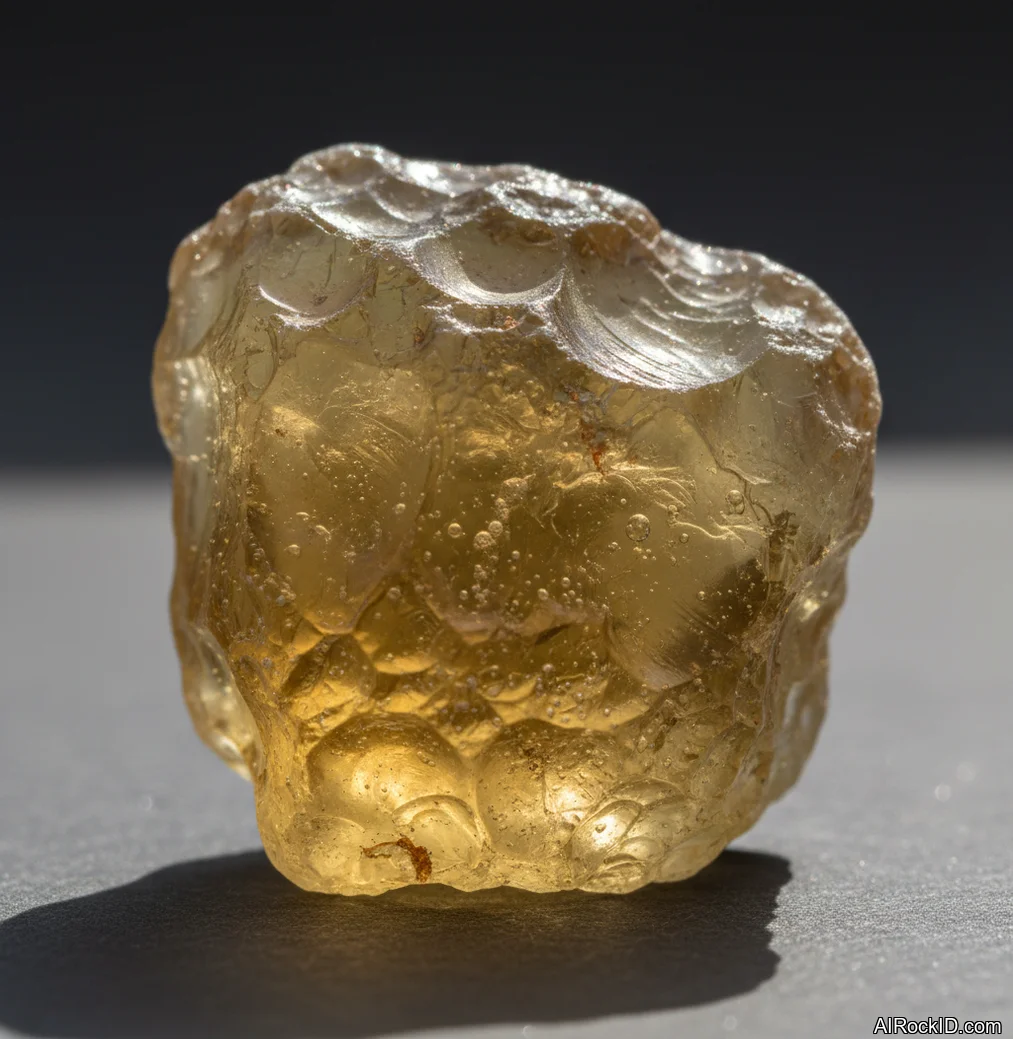
- Libyan Desert Glass
Natural, Treated, and Man-Made Stones in New Beginnings Collections
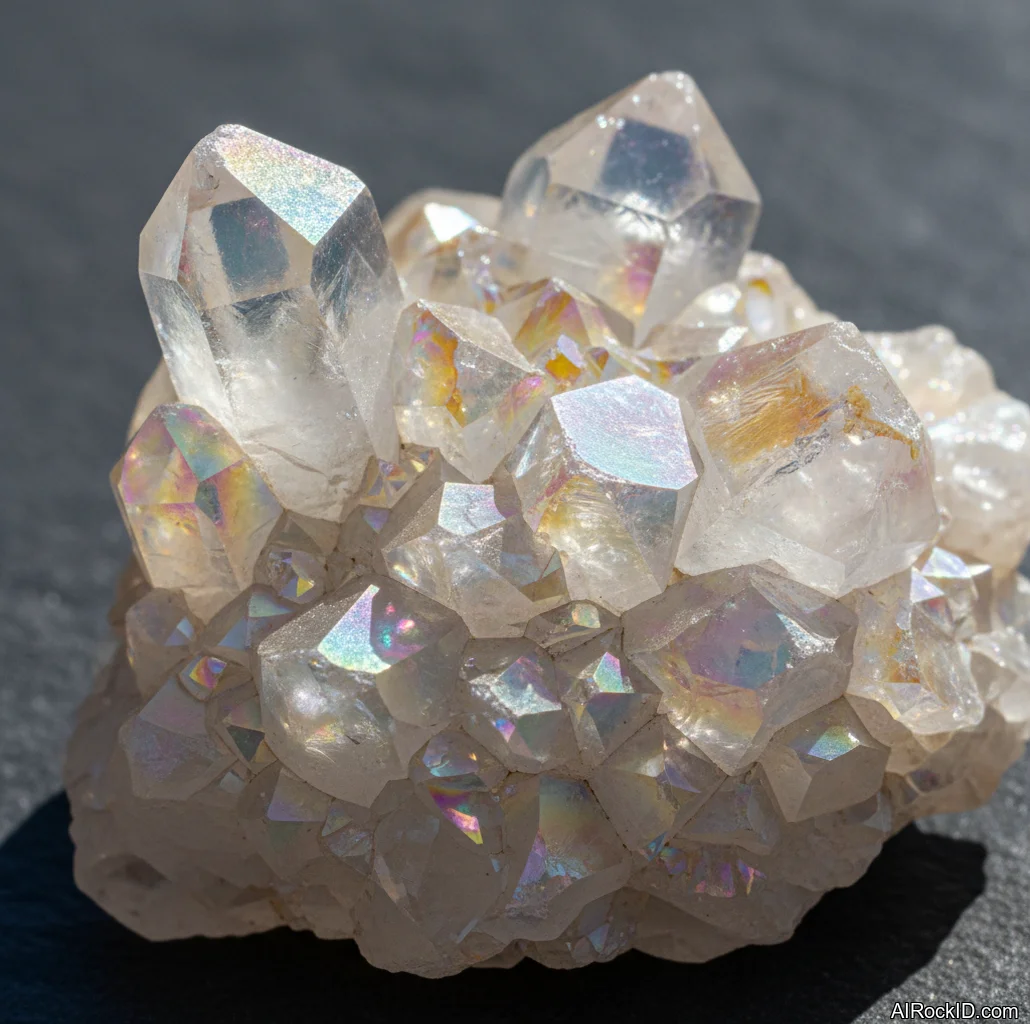
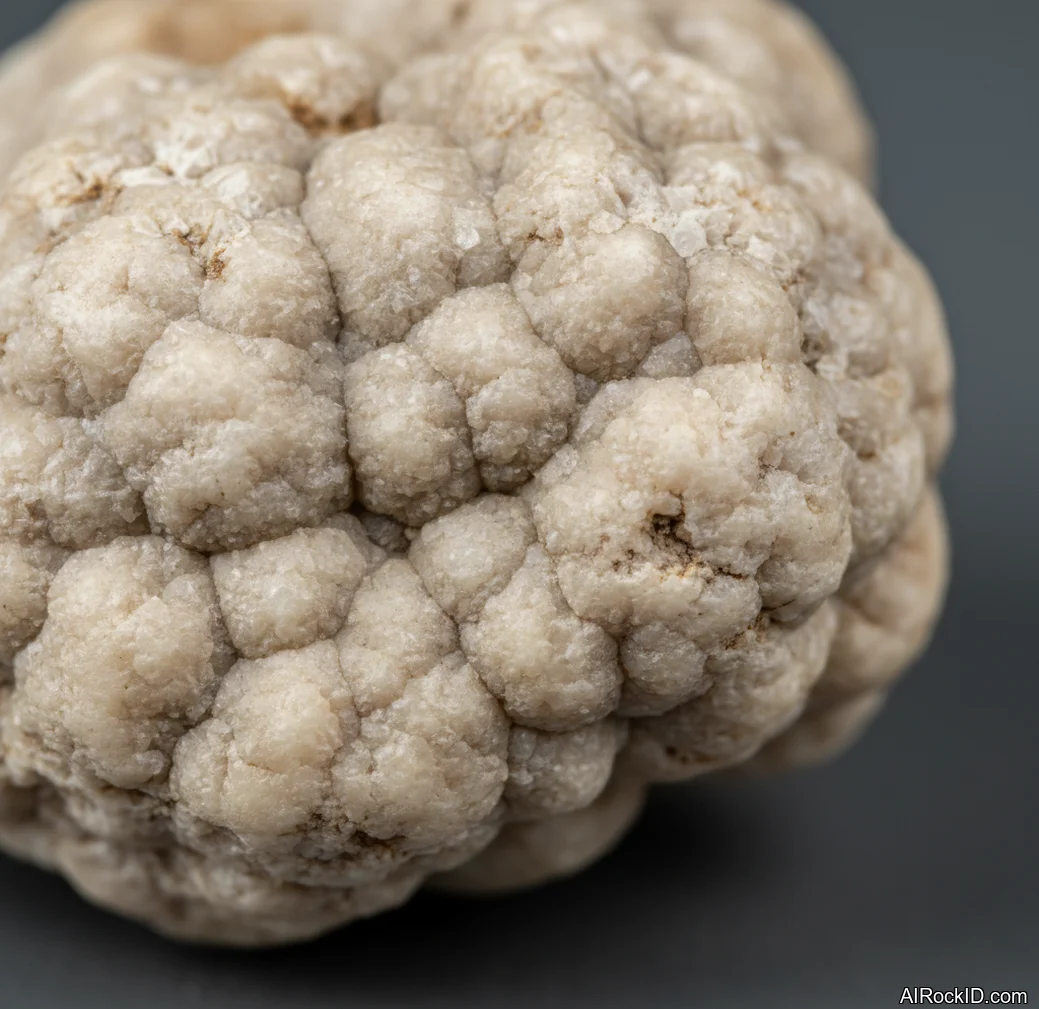
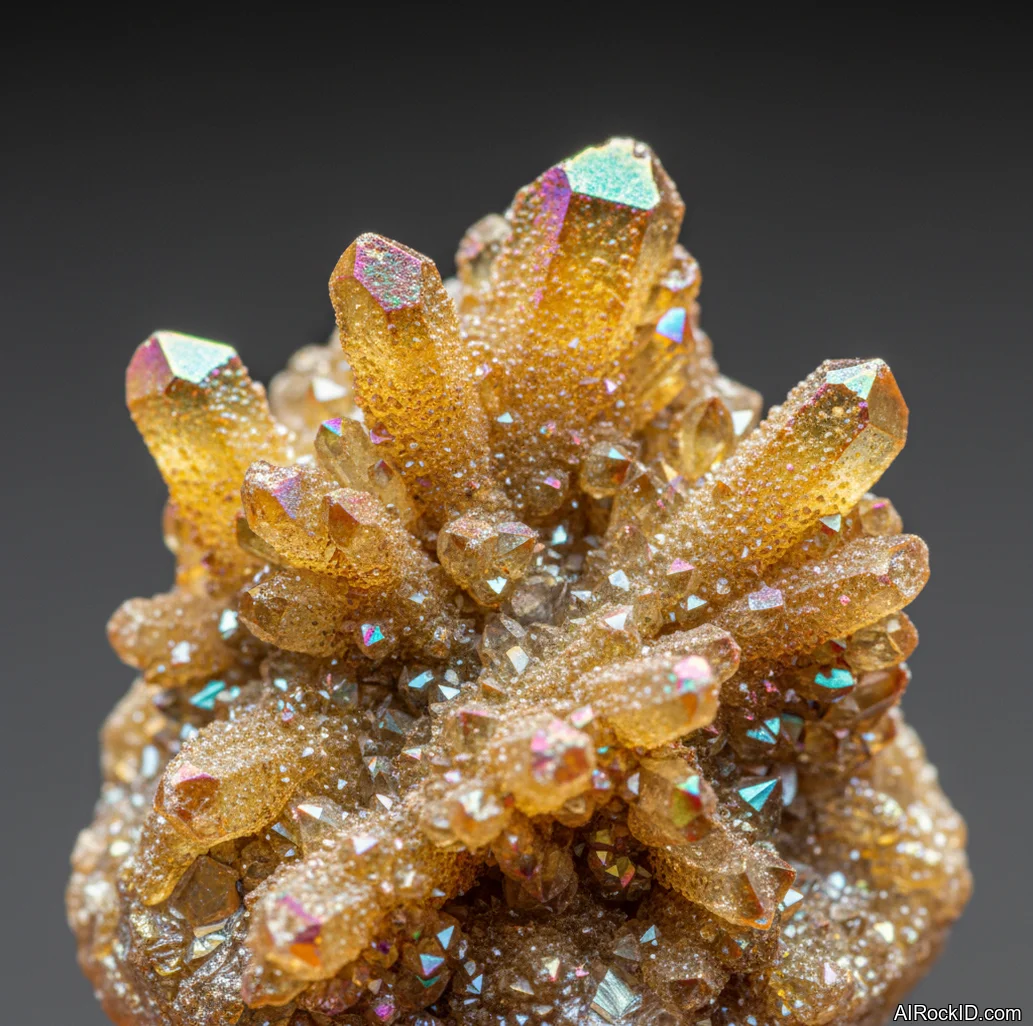
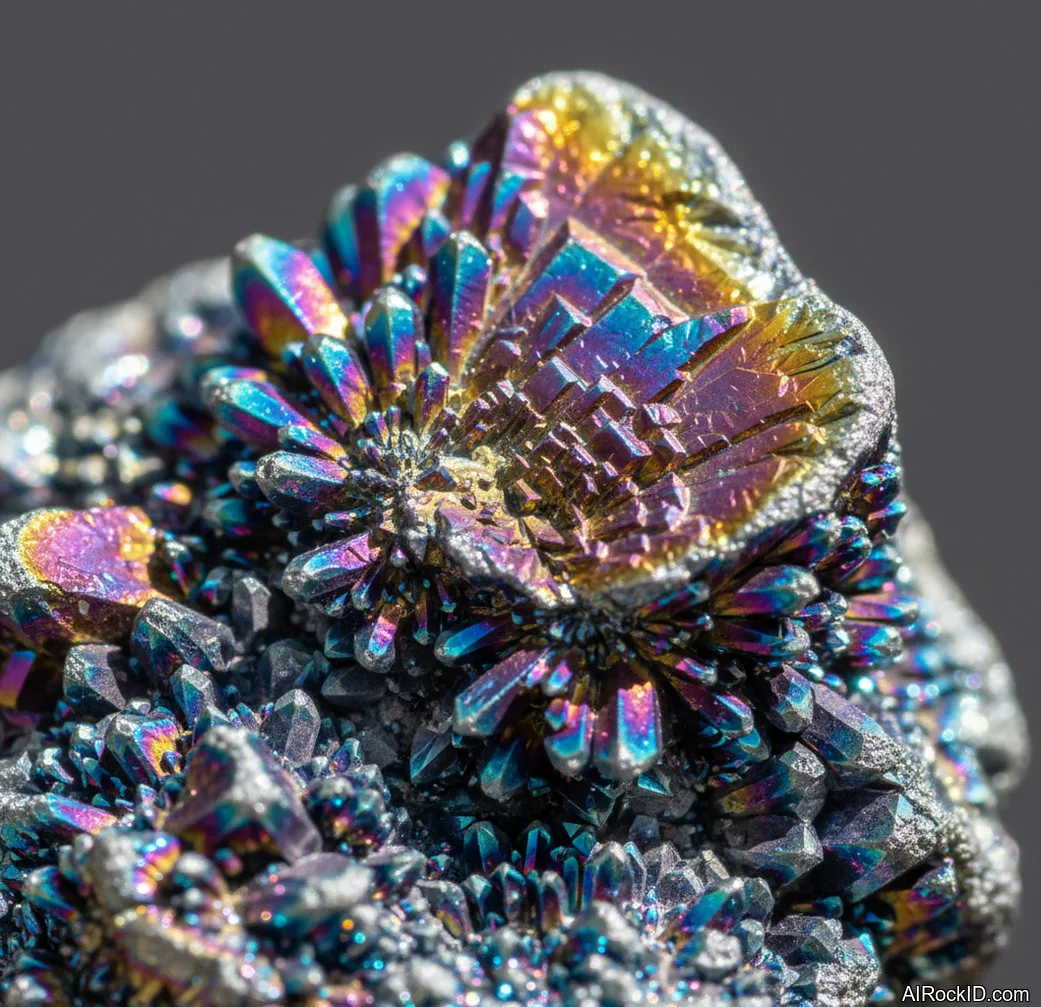
New Beginnings crystal collections may include natural minerals, treated stones, and man-made materials sold for symbolic use. Examples include heat-treated citrine, dyed agate, aura-coated quartz, and retail opalite glass. These materials can still be meaningful to some collectors, but labeling matters for accurate identification and fair pricing.
Color Themes Linked With Fresh Start Symbolism
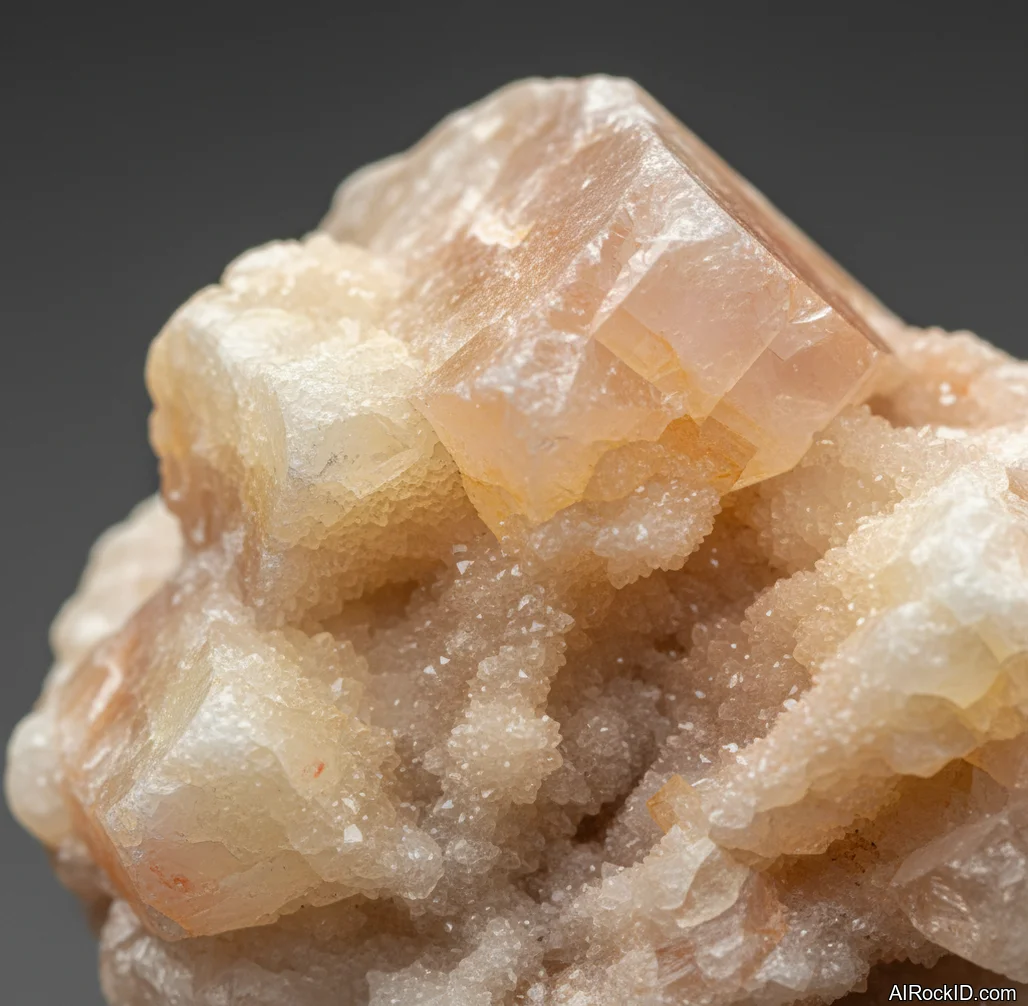
White and clear stones are often associated with clarity, cleansing, and a blank slate in crystal traditions. Blue and gray stones are commonly linked with reflection, calm, and moving through uncertainty. Green, yellow, and peach-toned stones are often chosen for growth, optimism, and renewed direction.
Questions to Ask Before Choosing a New Beginnings Crystal
A practical choice starts with whether the stone will be carried, displayed, used in meditation, or added to a mineral collection. Hardness, water sensitivity, price, and authenticity are important factors because some popular transition-themed stones are soft, fragile, or commonly imitated. Symbolic meaning can be considered alongside physical durability and personal preference.
What Are New Beginnings Crystals? Meaning and Uses
New Beginnings, in the context of crystals, is that jolt of energy you reach for when the old chapter ends and the new one hasn’t quite found its shape. People come into the shop looking for something that says, 'Start here.' It could be after a move, a job change, or even waking up one day and realizing you want a different daily routine. The emotional edge is real—you see people skip right past the 'relaxation' shelf and head for stones that practically hum with the promise of a fresh start.
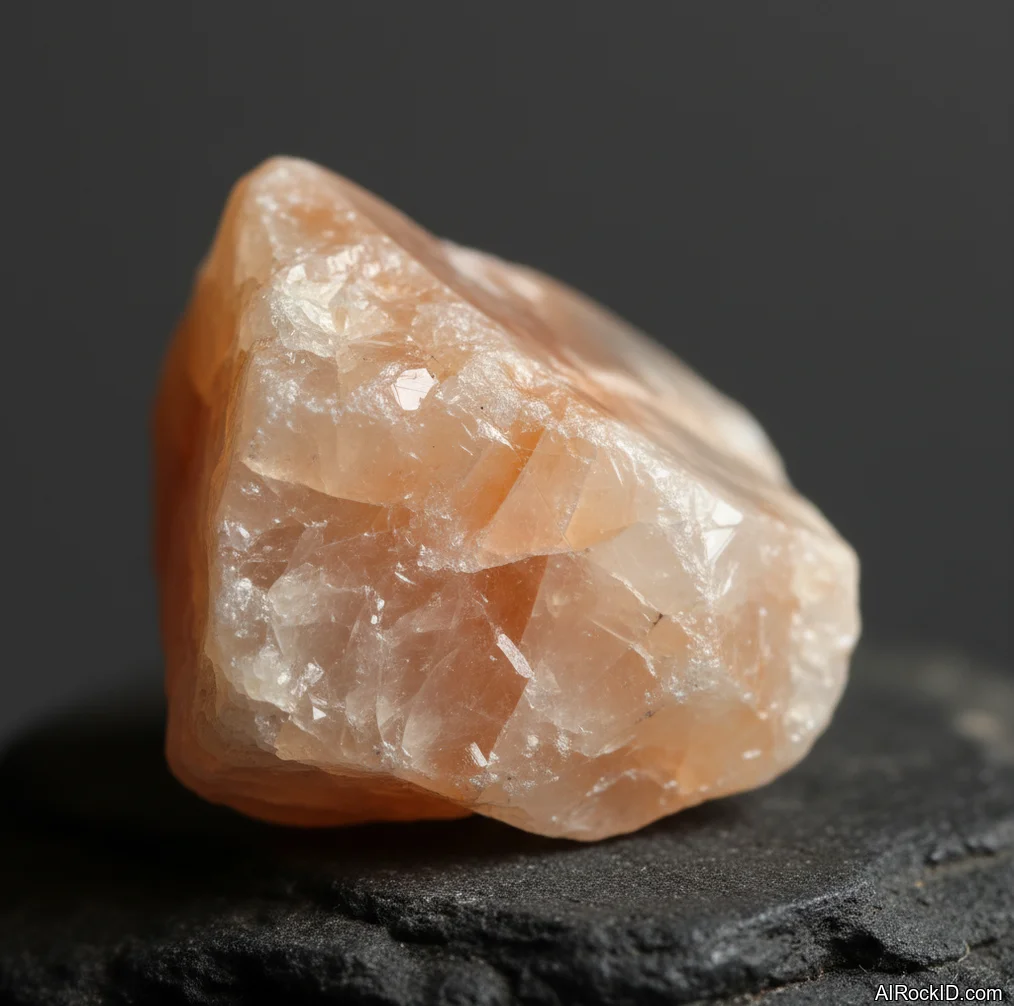
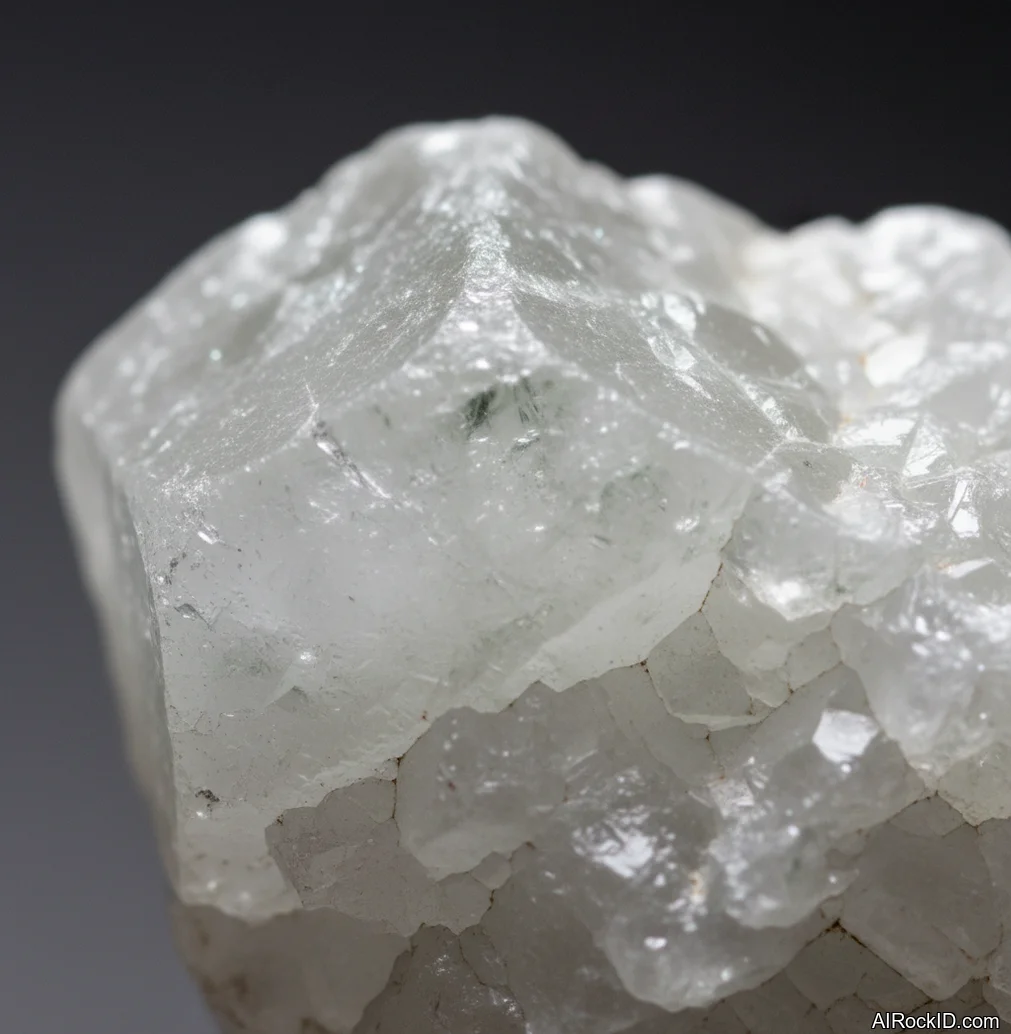
Moonstone is the first one most people grab. It’s got a milky base—sometimes almost clear, sometimes closer to cream. When you tilt it under a desk lamp, a blue flash slides across the surface, never staying put. The real stuff is cool to the touch, especially before it’s been in your hand a while. The shimmer isn’t paint or a surface trick; it’s adularescence, an optical effect you can chase around the stone if you’re patient enough. Old timers say Moonstone is about timing—catching the door when it’s half open, not when it’s locked.
In short: New Beginnings crystals aren’t just pretty. They serve a purpose for people in motion or people who want to be.
Popular New Beginnings Crystals and Their Physical Qualities
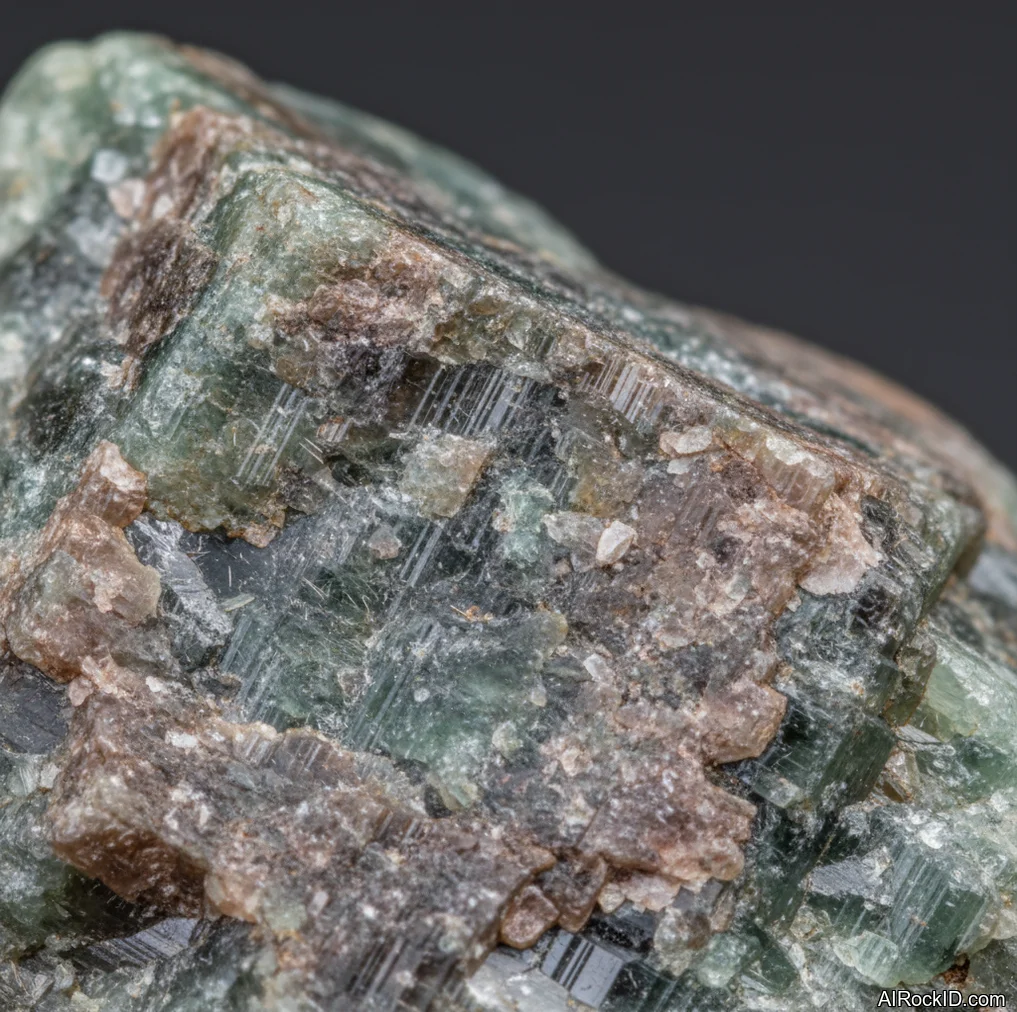
Labradorite is a classic New Beginnings stone, but most people overlook it at first glance. It just looks gray—sometimes a bit greenish, sometimes almost black. But find the right angle and the labradorescence jumps out: patches of blue, green, gold, or even rare flashes of orange. Raw pieces with a flat face show off the flash best, but it’s more subtle in tumbled stones. I’ve cracked open rough Labradorite from Madagascar that was dull on the outside and blinding on the inside. It’s that hidden color that gets people—change isn’t always obvious until you shift your perspective.
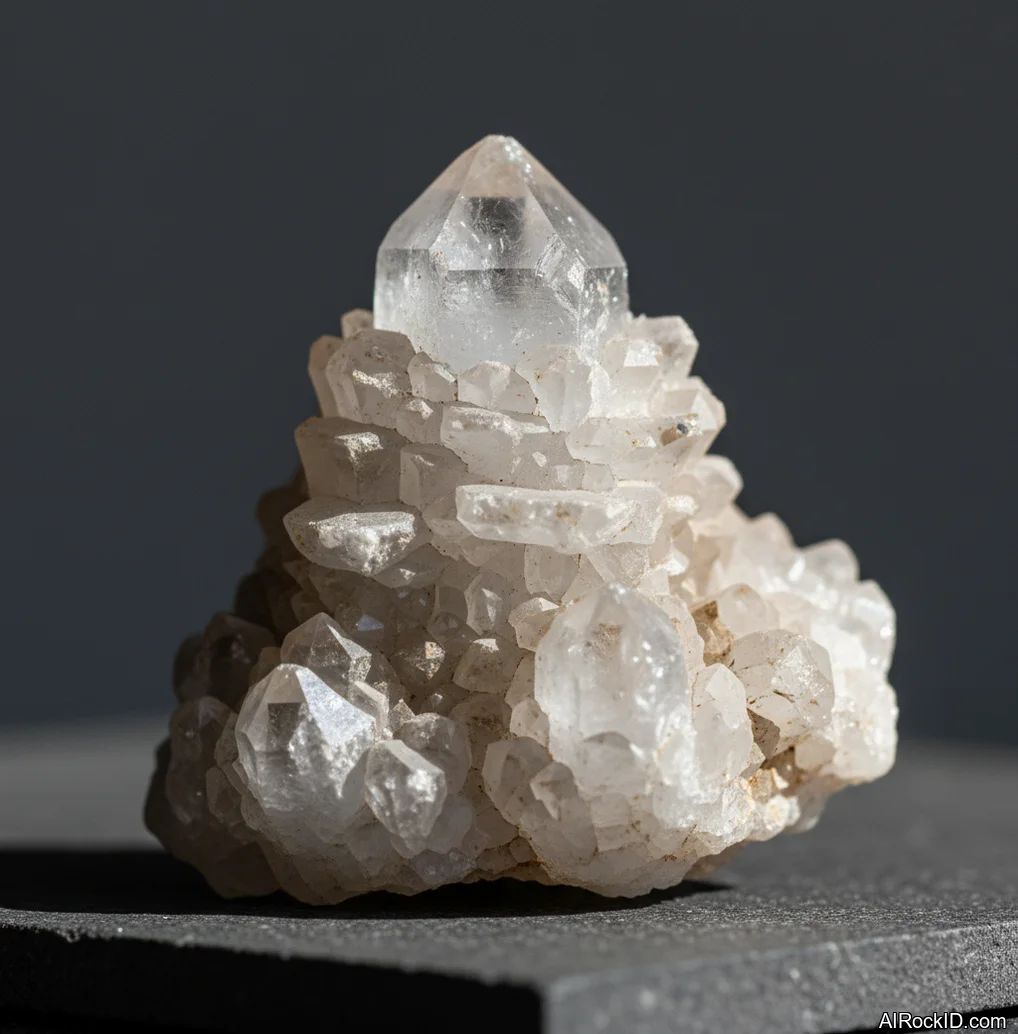
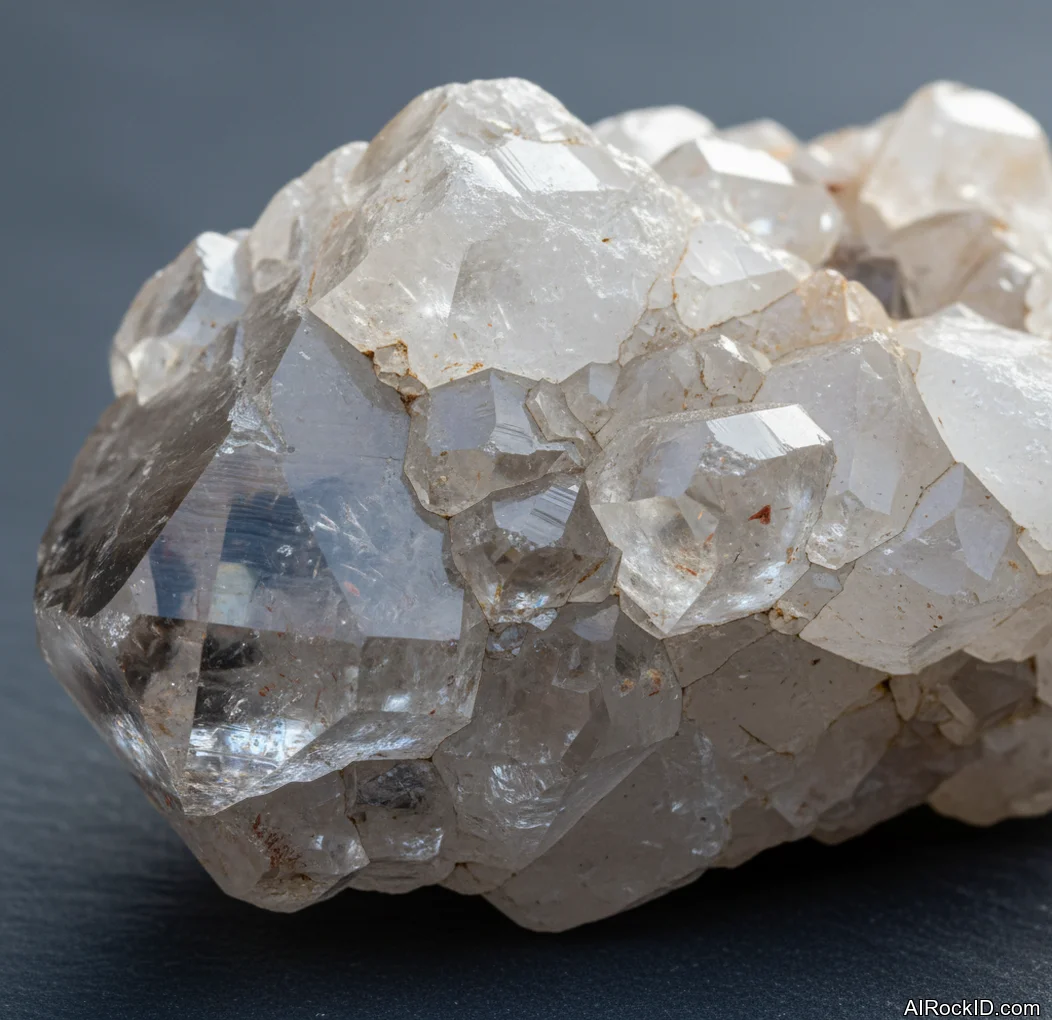
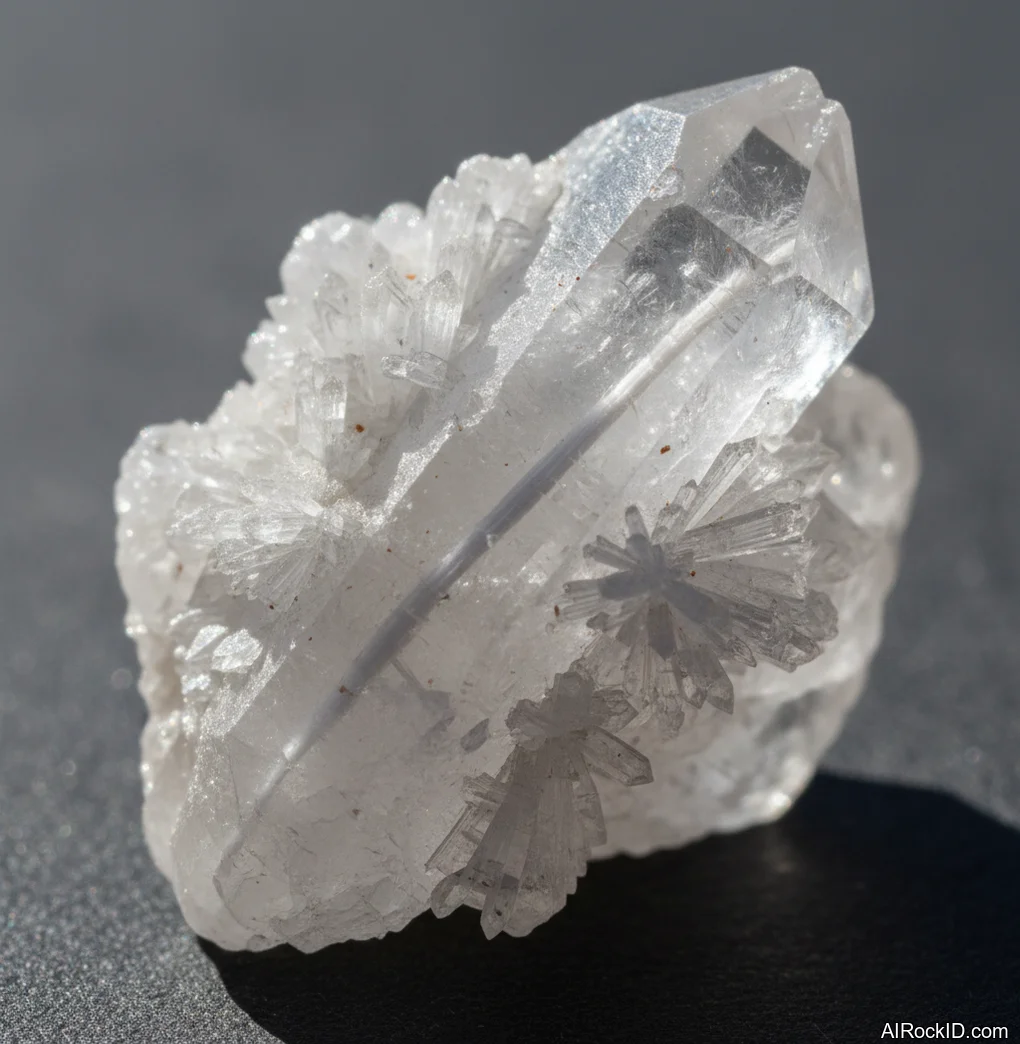
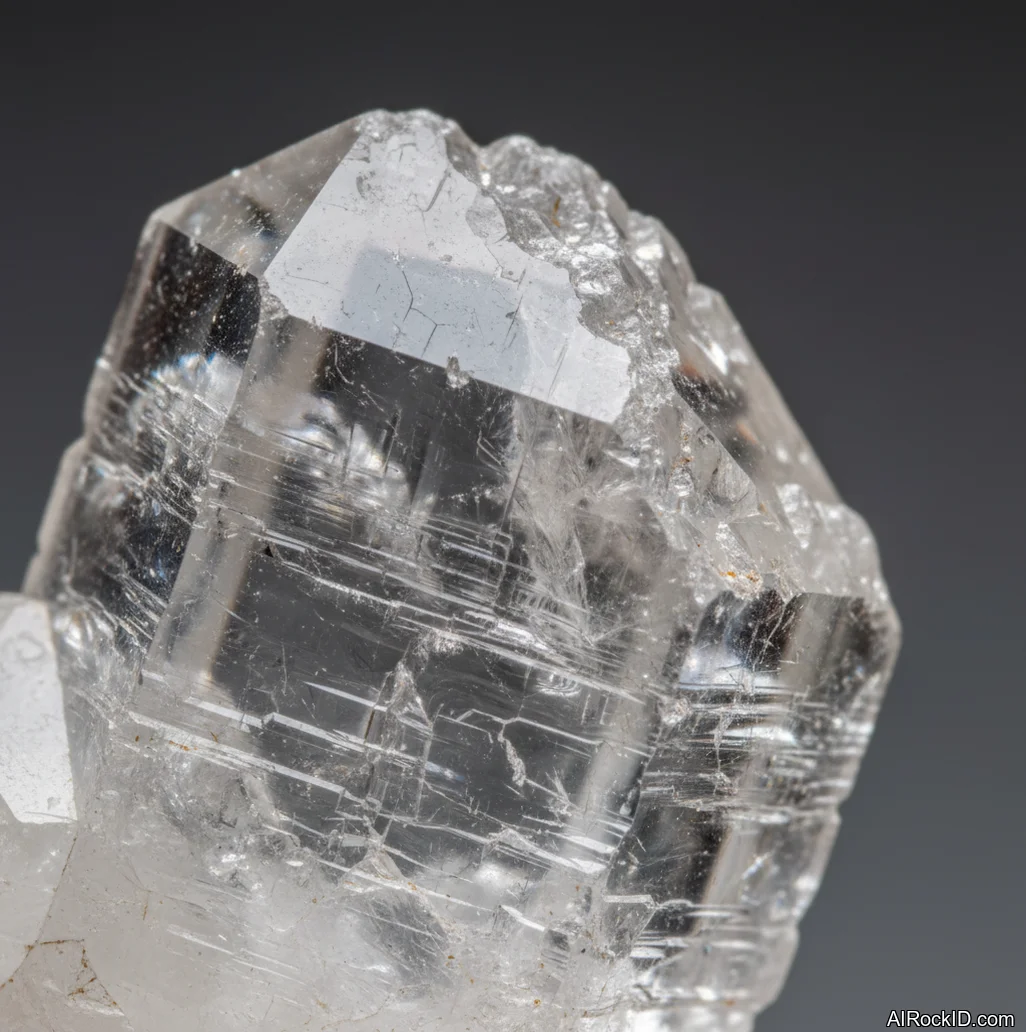
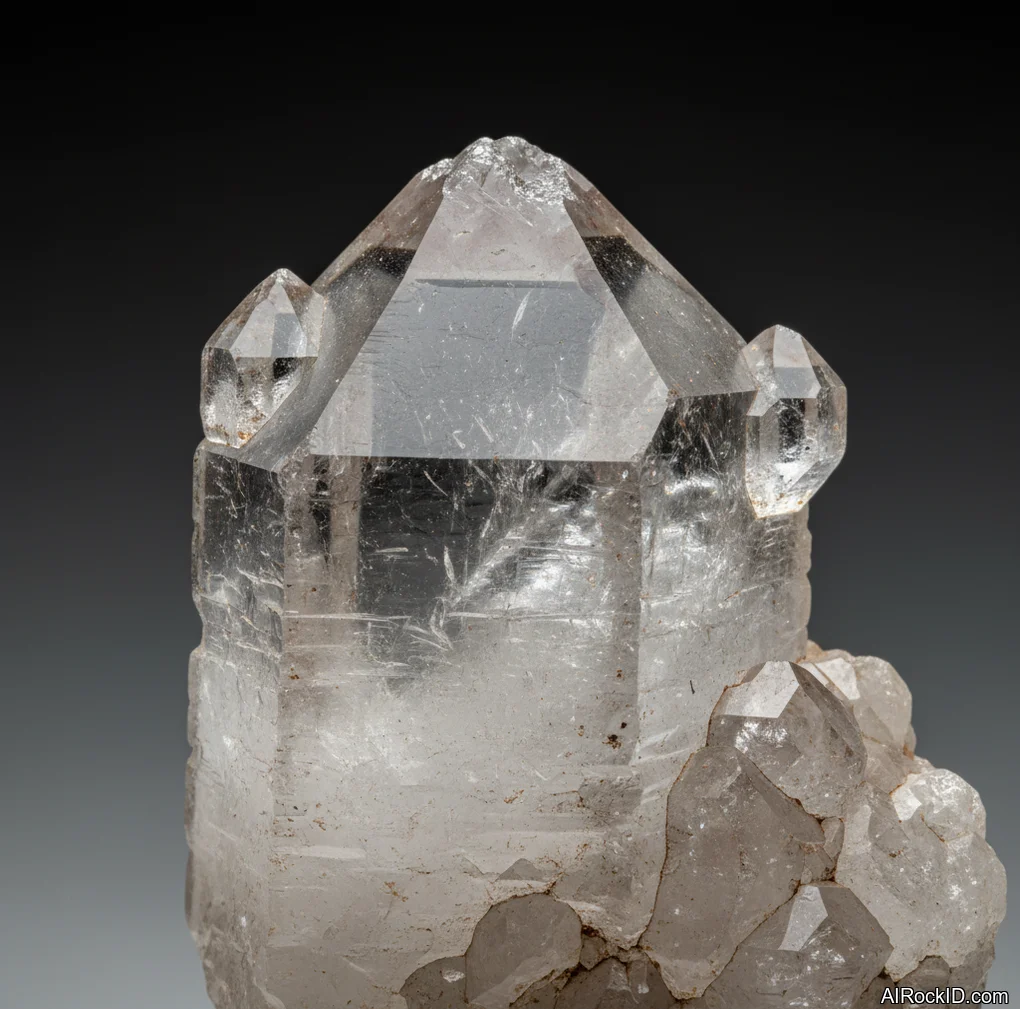
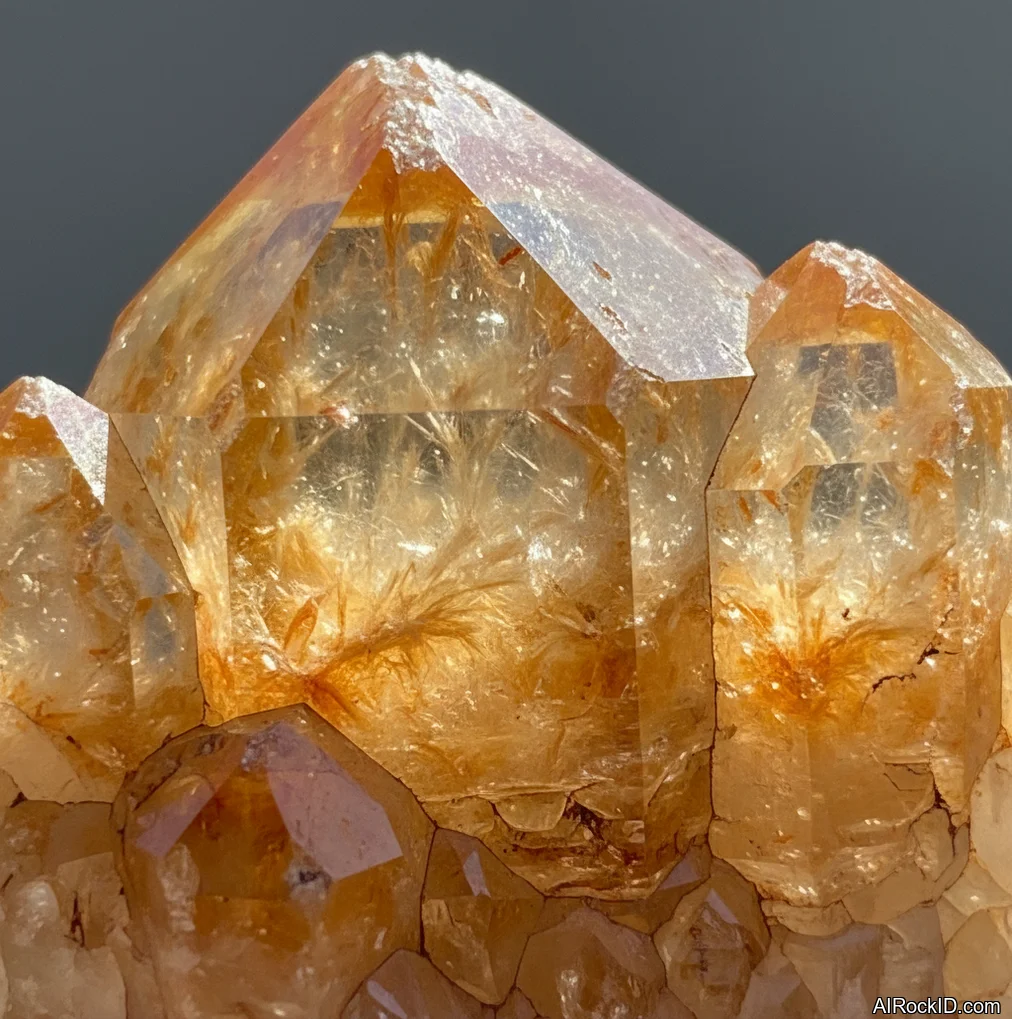
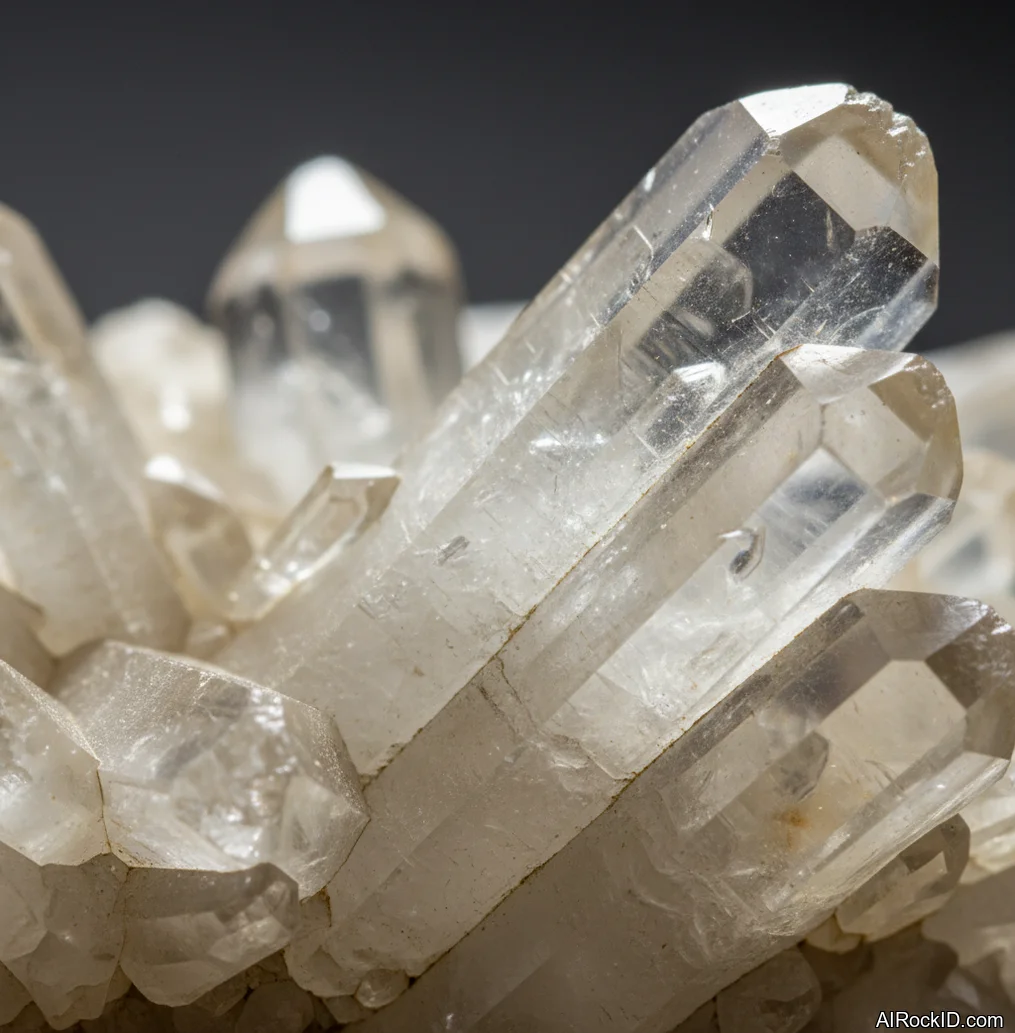
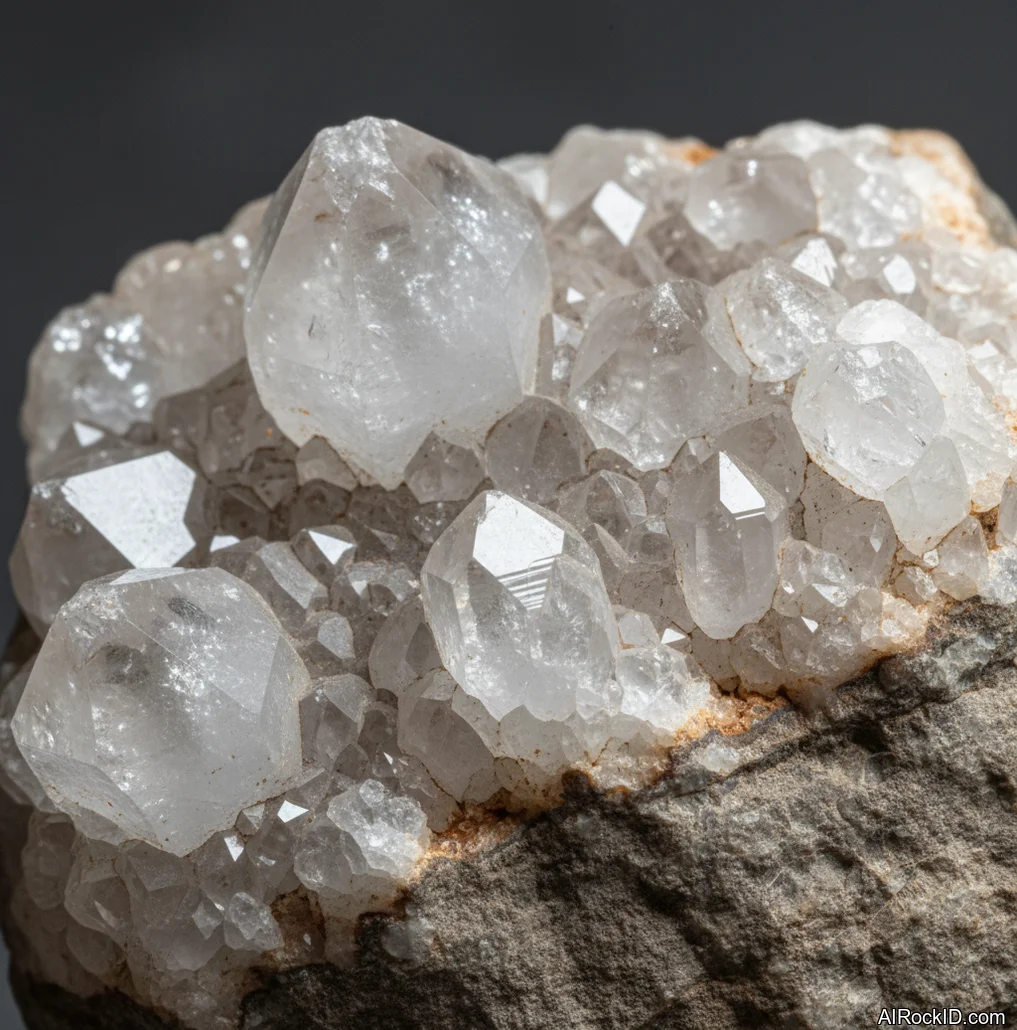
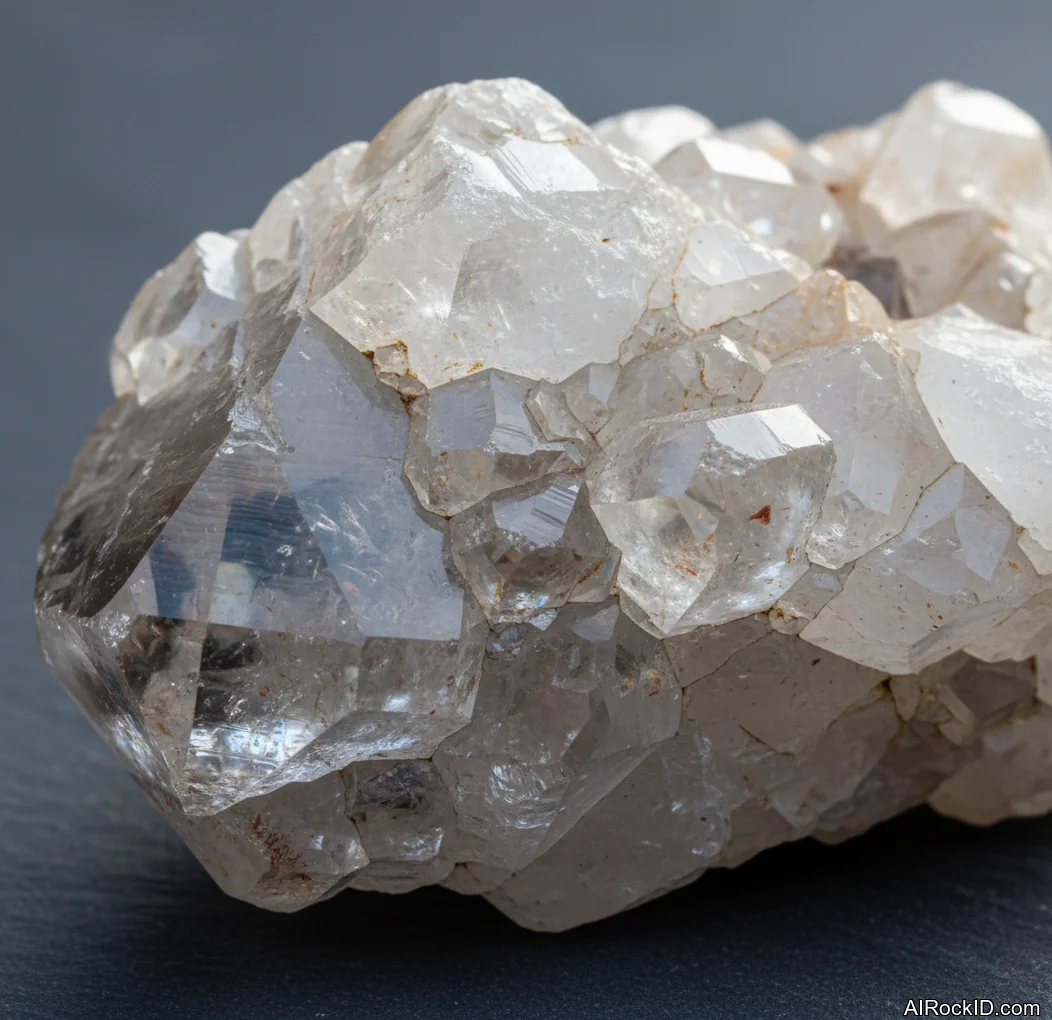
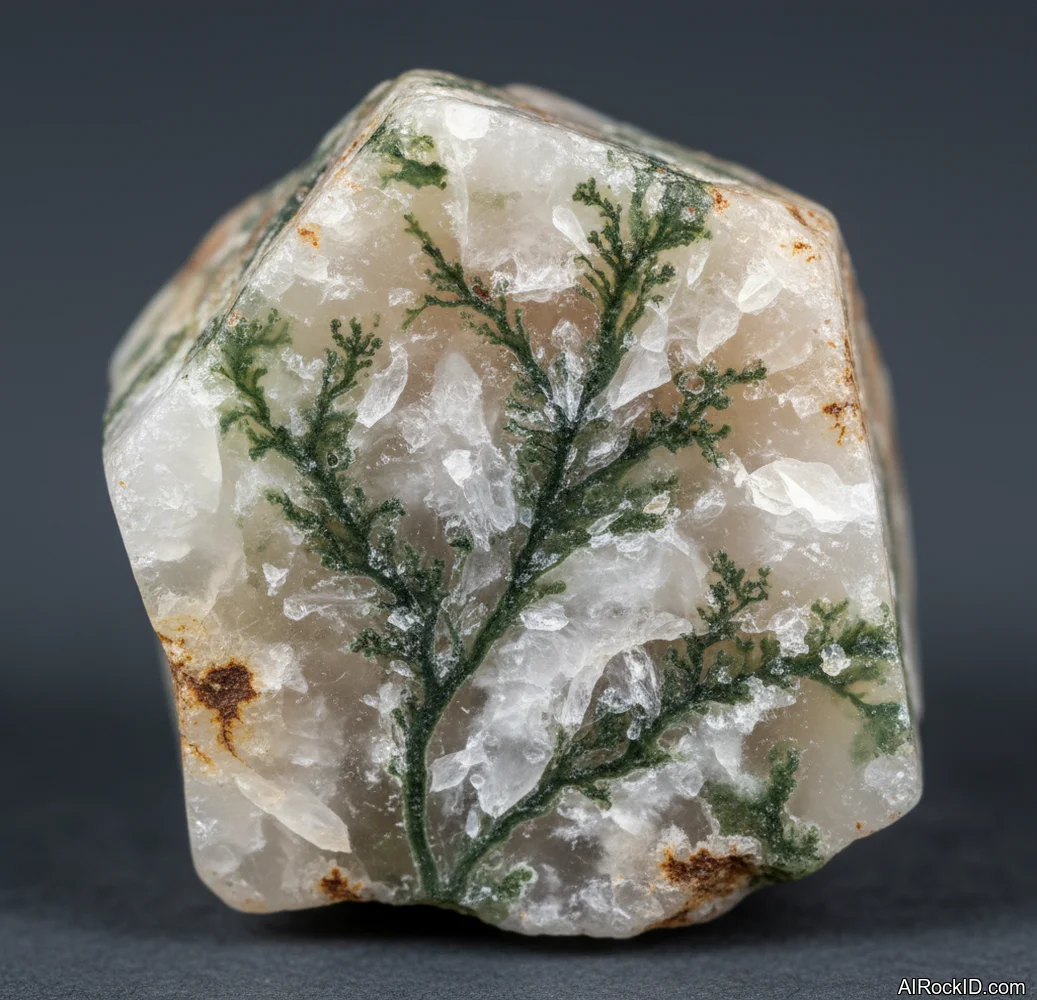
Clear Quartz is the workhorse. It won’t win any beauty contests against those flashy feldspars, but it’s everywhere—pockets, nightstands, backpacks. A single point, straight and clear, often stands in for the idea of a clean slate. If you breathe on it, you’ll see the surface fog for a second. Smoky Quartz rides shotgun for those who want to clear old patterns before stepping forward—the color ranges from pale tea to nearly opaque, but sunlight can fade it. So don’t leave it on your dashboard expecting it to stay the same.
Why Collectors Choose New Beginnings Crystals for Life Transitions
People hunt for New Beginnings crystals for two big reasons: emotional release and raw momentum. Sometimes you want something to help you cut the cord with who you were yesterday. Other times, you’re trying to push through inertia—send the awkward email, pack the boxes, just start the day differently. The stones in this category tend to be ones that feel dynamic in the hand. Labradorite feels heavier than it looks. Moonstone stays cool, almost damp, even after sitting under lights. Raw Quartz clusters can be sharp if you grab them wrong, but the geometry makes them perfect for a desk or altar—there’s a sense of direction built in.
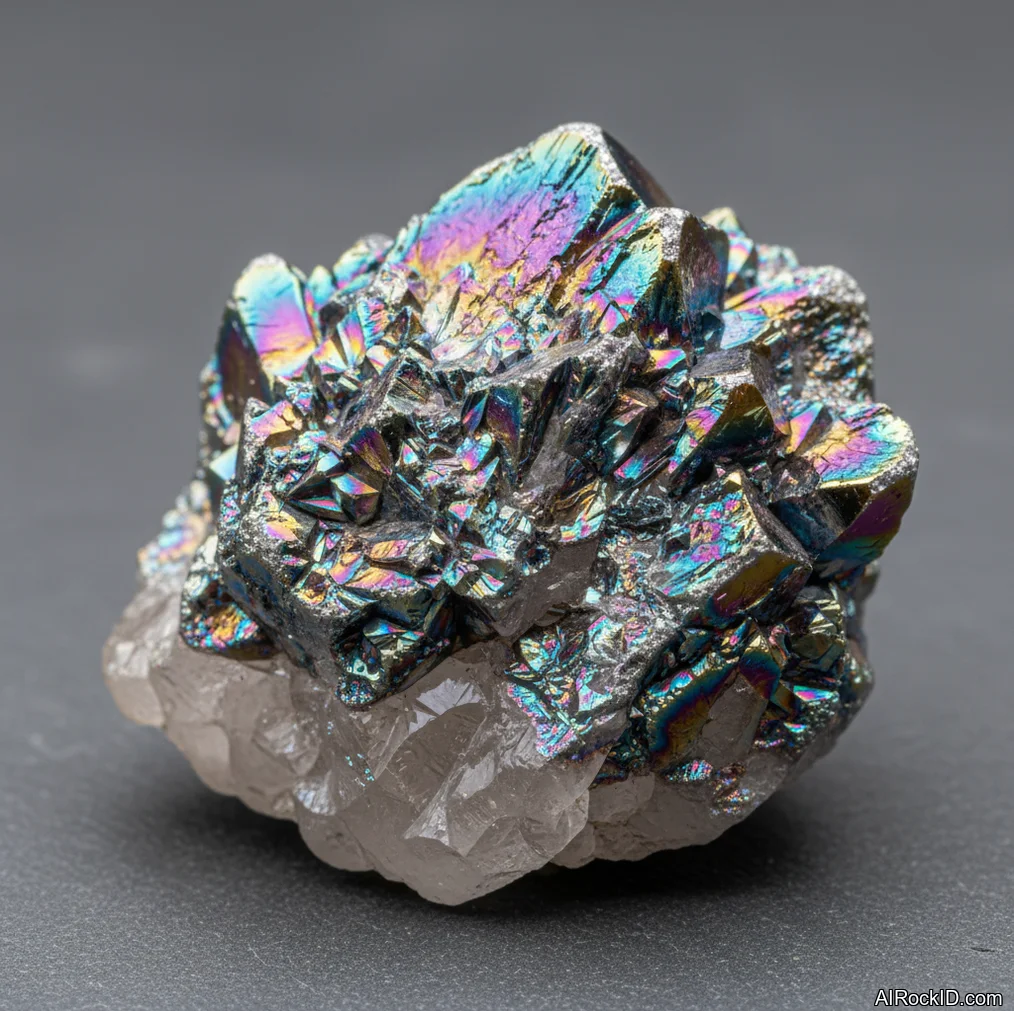
There’s a practical side, too. Most New Beginnings stones aren’t rare or prohibitively expensive. You can get a decent piece of tumbled Moonstone or a small Clear Quartz cluster for under twenty bucks in most shops. But be careful with impulse buys. Some sellers pawn off dyed glass as Moonstone or offer 'Aura Quartz' (which is just vapor-coated clear Quartz) as a fresh start crystal. If the flash doesn’t move or the color looks too fake, trust your gut and ask questions.
How to Combine and Care for New Beginnings Crystals
A lot of people don’t just buy one. They’ll mix and match—for instance, pairing Clear Quartz with something moodier like Smoky Quartz, or throwing in a piece of Amazonite for courage. Quartz is easy to program, if you’re into that, and doubles as an amplifier for whatever else you’re carrying. The main thing is to handle them regularly. Oils from your skin bring out the flash in Labradorite, but leave fingerprints on polished Quartz. If you’re displaying them, keep Smoky Quartz out of direct sun. Moonstone can chip if you drop it on tile, so pockets are risky unless it’s in a pouch.
Cleaning is simple: lukewarm water and a soft cloth for most, but avoid chemicals—Moonstone and Labradorite have cleavage planes that can split if you’re rough. If you want to reset the energy, a brief rinse or leaving them in moonlight overnight works for most people. Biggest tip? Buy from someone who lets you handle the stones before you commit. The right piece for a new beginning is the one that feels different in your hand, not what someone tells you should work.
Best New Beginnings Crystals to Start With
| Level | Crystal | Note |
| Gentle / Beginner | Rainbow Moonstone | Good for beginners because it’s easy to find tumbled, rarely overwhelming, and the flash is subtle but encouraging. |
| Balanced / Everyday | Clear Quartz | Works with almost anything, amplifies intention, and you can get a small point or cluster for under $10. |
| Intense / Advanced | Labradorite | The flash is dramatic and the energy can feel strong if you’re not used to it; best appreciated raw or as a large palm stone. |
| Best for Carrying | Amazonite | Tumbles easily slip in a pocket, feels smooth and cool, and doesn’t chip as easily as Moonstone. |
| Best for Display | Smoky Quartz Cluster | A cluster sits well on a shelf or desk, catches natural light, and the color won’t wash out if kept out of direct sun. |
New Beginnings Crystal Comparison
| Crystal | Common Use | Feel / Use Style | Care Caution |
| Moonstone | Cycles, fresh starts, emotional resets | Milky with blue flash; cool and smooth, can feel slippery when polished | Cleavage means it chips easily if dropped; avoid ultrasonic cleaners |
| Labradorite | Change, unveiling hidden potential | Heavier than expected; flash only appears at certain angles, raw faces are sharp | Can split along layers; don’t soak or drop, polish dulls with rough handling |
| Clear Quartz | Clarity, amplifying intentions, clean slates | Hard, icy, and clear; points scratch glass | Collects fingerprints fast; clusters break if knocked |
| Smoky Quartz | Grounding before starting something new | Solid and weighty, color can look smoky brown to almost black | Color fades in direct sunlight; brittle if thin |
How to Identify New Beginnings Crystals with AI Rock ID
The easiest way to identify New Beginnings crystals is with an AI Rock ID app. Take photos in natural daylight, not under harsh artificial bulbs. Snap one full view and a close-up of any flash, color zoning, or inclusion—especially for Moonstone or Labradorite, where the angle matters. Upload your images, then compare your stone’s hardness, luster, and streak to the app’s database. If the flash doesn’t shift when you move the stone, it might be dyed glass, not the real thing.
All New Beginnings Crystals (139)