Pluto Crystals
Quick answer: Pluto crystals are stones commonly linked in modern crystal traditions with transformation, shadow work, protection, and deep emotional release. Popular examples include obsidian, labradorite, smoky quartz, and garnet, though these associations are symbolic rather than medical.
Explore Pluto and crystals linked to its energy, with meanings, buying tips, and how to work with Pluto stones like obsidian and labradorite.


Pluto crystals are minerals and stones chosen for their association with deep transformation, endings, intense emotional cycles, and shadow work in metaphysical practices. The most common Pluto crystals are Black Obsidian, Smoky Quartz, Labradorite, and sometimes Jet or Moldavite. These stones are picked for work involving release, personal power, and facing the 'underworld' aspects of life. These associations come from metaphysical traditions and are not medical claims.
Pluto crystals don't directly resolve mental health crises or replace professional therapy. They're not a shortcut for grief, trauma, or any situation needing medical help.
AI Rock ID can help identify visual features such as color, luster, banding, fracture, and crystal habit when checking a possible Pluto-associated stone. RockIdentifier.io provides crystal information that can support learning about mineral traits, names, and traditional meanings.
Good fit
- People interested in crystals associated with transformation, endings, renewal, or personal change
- Beginners who want grounding or protective stones with simple care needs
- Collectors who like dark, iridescent, volcanic, or deep-toned minerals
- Practitioners who use crystals symbolically for meditation, journaling, or reflection
Not a good fit
- Anyone seeking a crystal to diagnose, treat, or prevent a health condition
- Collectors who prefer only bright pastel stones or highly transparent gems
- Users who want a single universally agreed Pluto stone across all traditions
- People who need waterproof stones, since some Pluto-associated minerals require dry care
Most commonly confused with
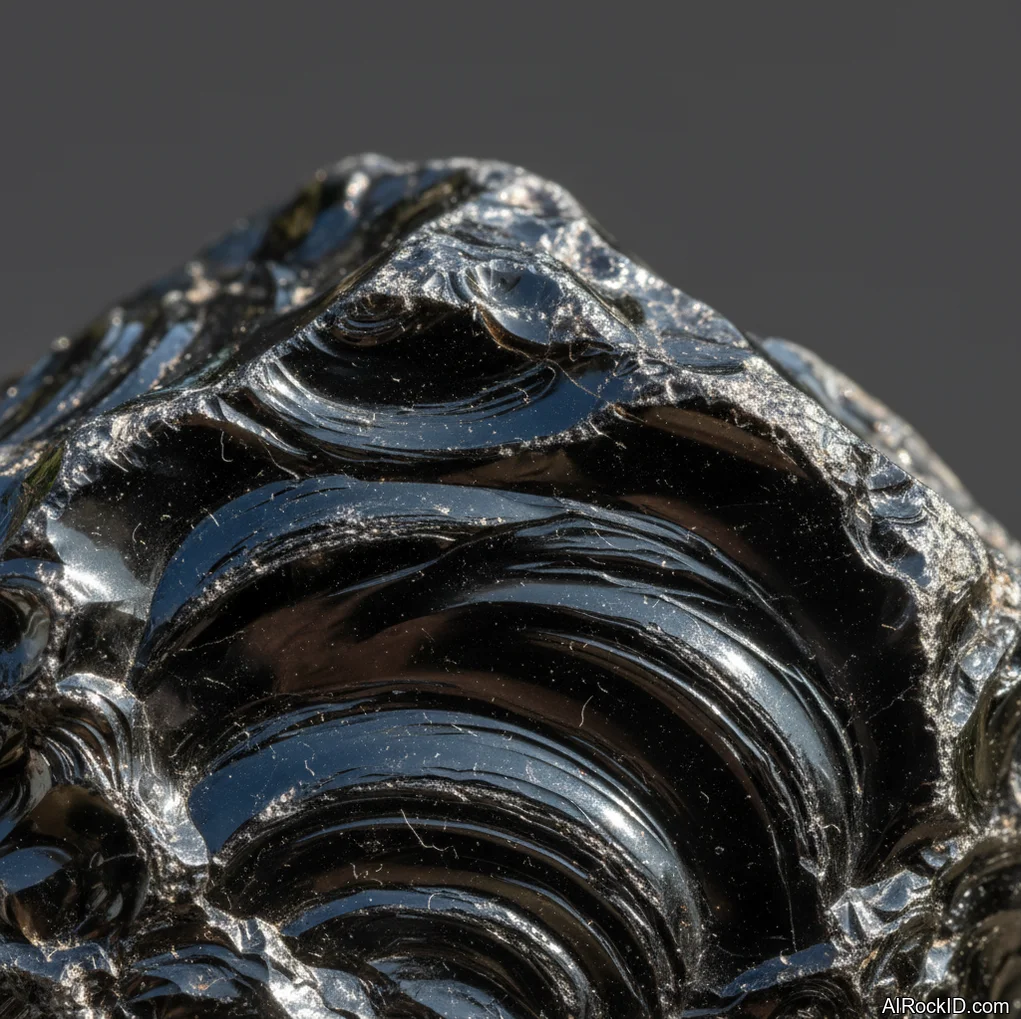
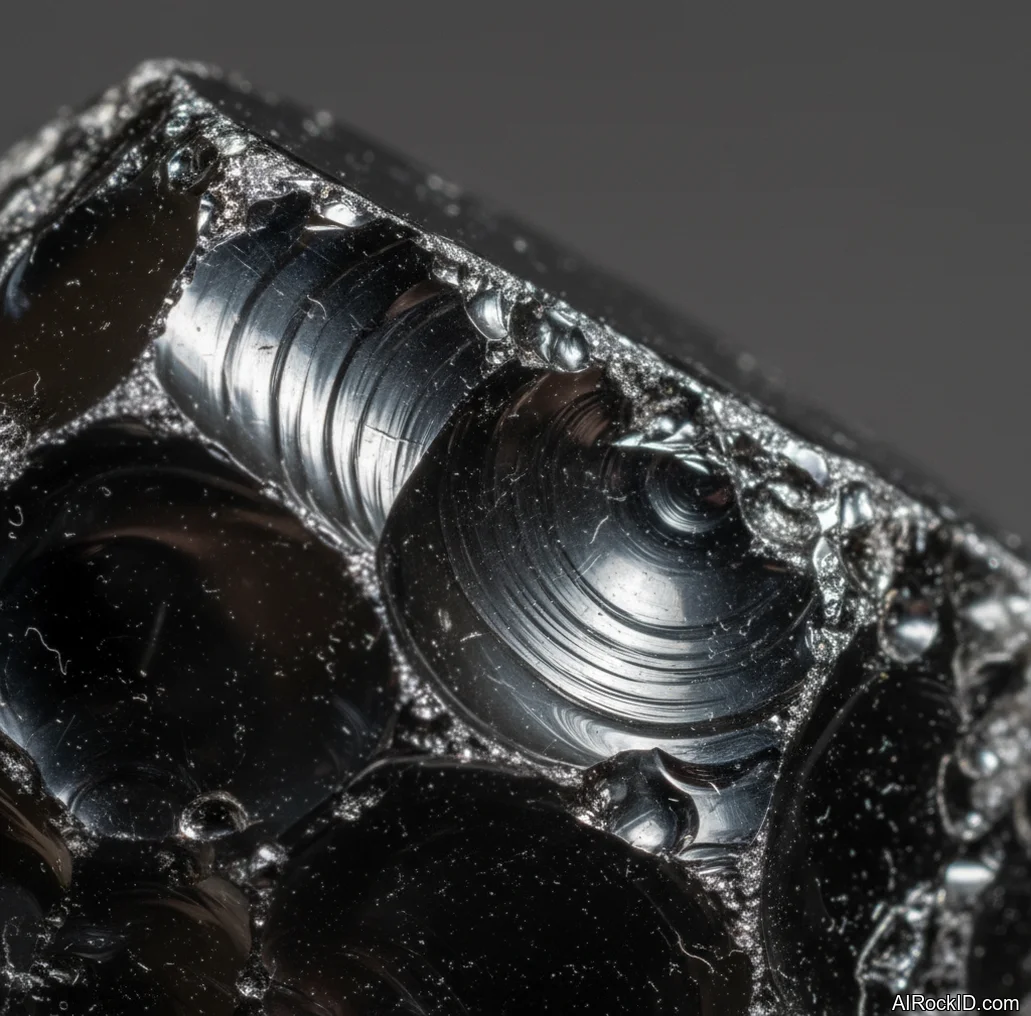
- Obsidian: Natural volcanic glass; usually has a glassy luster and conchoidal fracture rather than a crystalline habit.
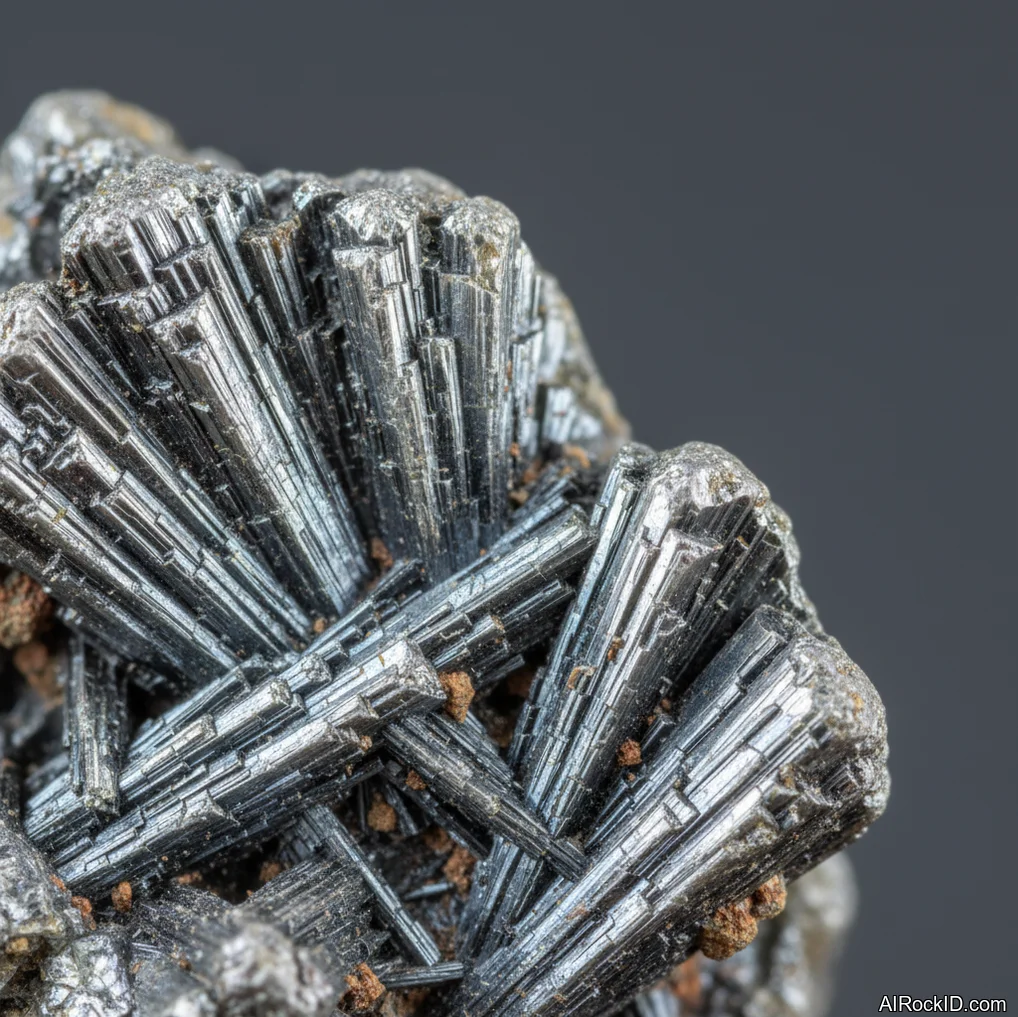
- Black Tourmaline: A crystalline borosilicate mineral that commonly shows vertical striations, unlike smooth glassy obsidian.
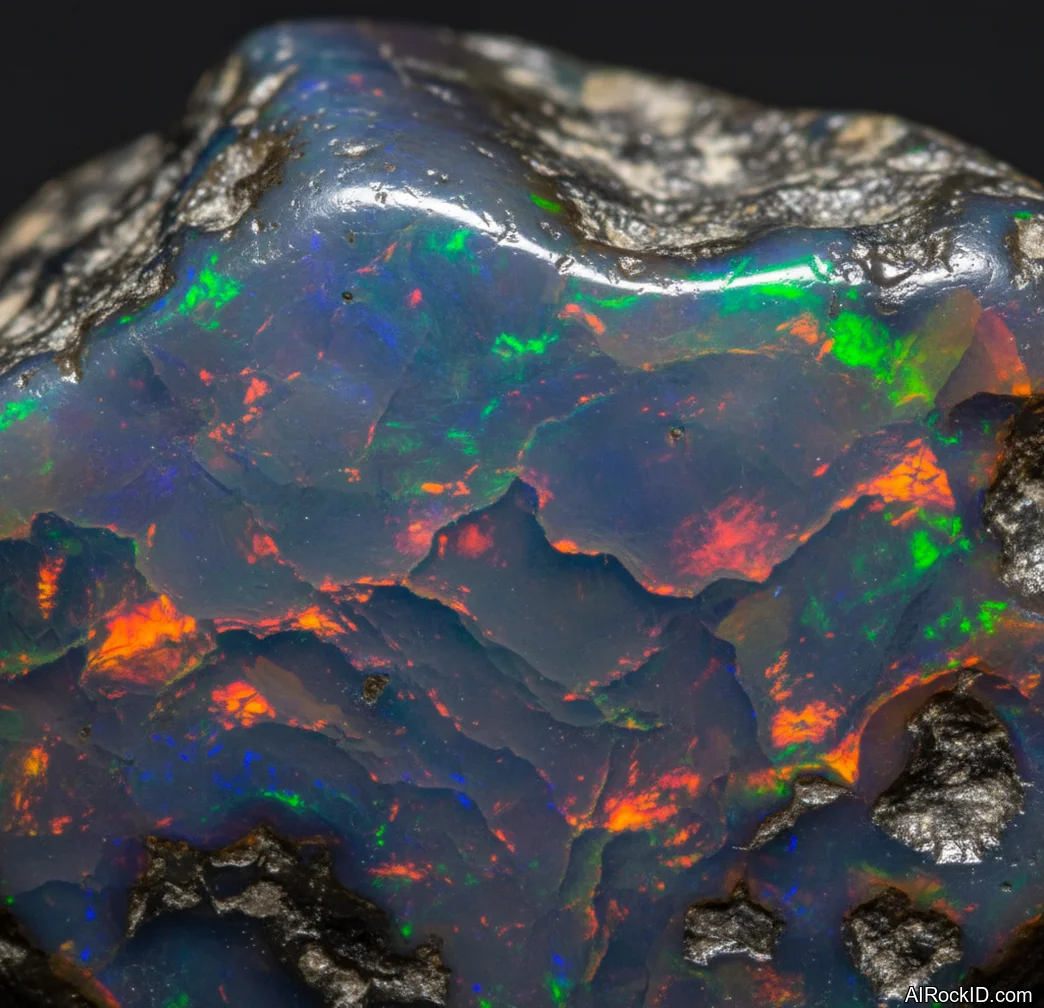
- Labradorite: A feldspar known for labradorescence, which appears as flashes of blue, green, gold, or other colors.
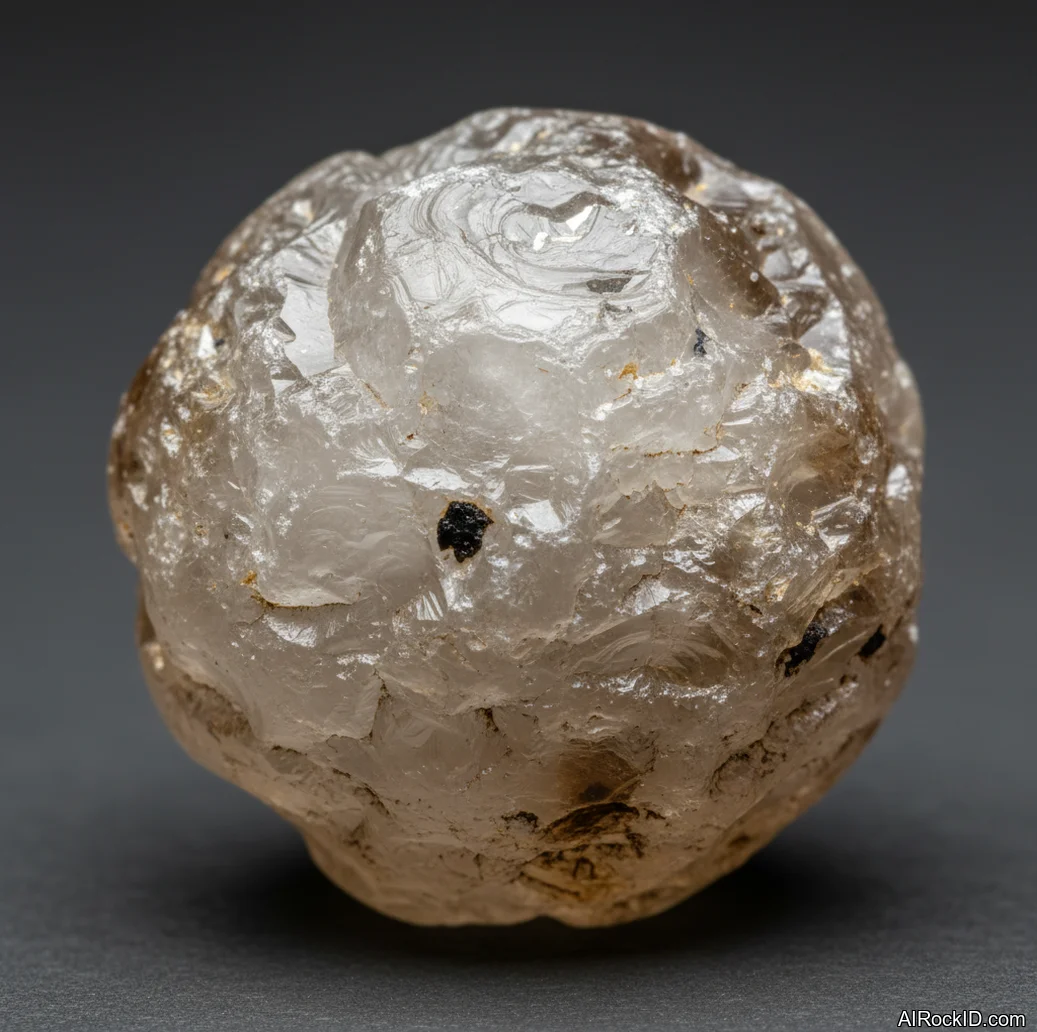
- Smoky Quartz: A quartz variety with gray to brown transparency, usually harder and more crystalline than obsidian.
AI identification confidence
AI identification is most useful for Pluto crystals with distinct visual traits, such as obsidian’s glassy fracture or labradorite’s iridescent flash. Confidence may be lower for dark tumbled stones because many minerals can appear black, gray, or brown after polishing.
When AI gets it wrong
- A polished black stone lacks visible crystal structure, fracture, or surface texture
- Lighting hides labradorite flash, sheen, banding, or translucency
- The specimen is dyed, coated, heat-treated, or sold under a trade name
- Several dark minerals share similar color and luster in a single photo
Best choice summary
For a first Pluto crystal, obsidian is a common choice because it is widely available, visually distinctive, and strongly tied to symbolic protection and shadow-work traditions. Labradorite is a good alternative for people who prefer a lighter-feeling stone with visible iridescence and transformation symbolism.
Final recommendation
Choose a Pluto crystal based on both mineral traits and the symbolic theme you want to work with, such as grounding, protection, reflection, or renewal. If identification matters, compare hardness, luster, fracture, transparency, and seller information rather than relying on color alone.
Why people search for this
People often search for Pluto crystals when exploring astrology-based crystal correspondences, especially themes of shadow work, rebirth, power, and hidden emotions. The search may also come from interest in dark protective stones such as obsidian and smoky quartz.
What this category represents
The Pluto Crystals tag groups stones associated in astrology-inspired crystal traditions with Pluto themes, including transformation, depth, hidden patterns, protection, and regeneration. This tag is a symbolic category rather than a mineralogical classification, so included stones may come from different mineral families.
Beginner recommendations
Advanced recommendations
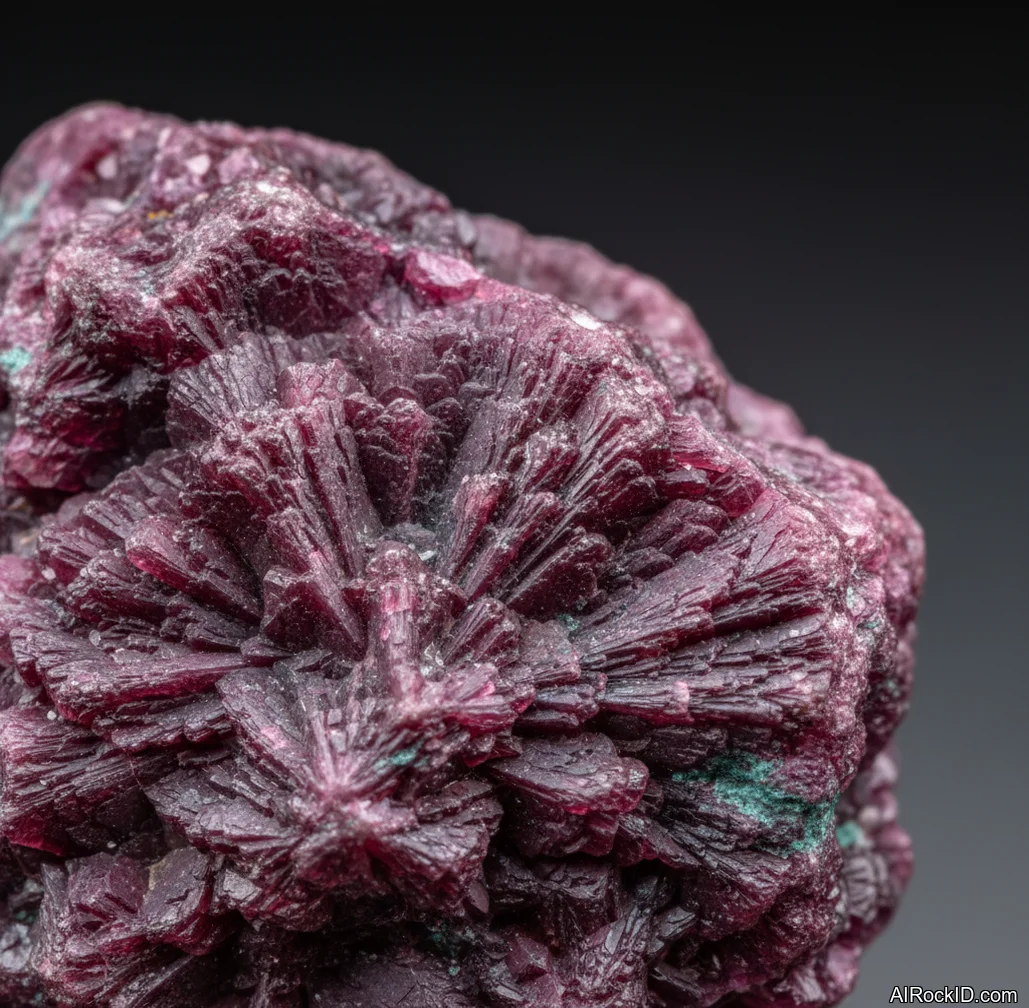
- Nuummite
- Hypersthene
- Apache Tear
Pluto Crystal Color Themes
Pluto-associated stones are often black, smoky, deep red, dark green, or iridescent because these colors are traditionally linked with depth, mystery, grounding, and renewal. Color alone does not identify a mineral, so it should be checked alongside hardness, luster, fracture, crystal habit, and known locality when possible.
Astrology Context for Pluto Stones
In modern astrology, Pluto is commonly associated with transformation, hidden forces, endings, rebirth, and psychological depth. Crystal traditions that use planetary correspondences often choose stones with dark colors, volcanic origins, strong grounding symbolism, or shifting optical effects to represent these themes.
Choosing Between Dark and Iridescent Pluto Stones
Dark Pluto stones such as obsidian and smoky quartz are often chosen in symbolic practices for grounding, boundaries, and reflection. Iridescent stones such as labradorite are often chosen for transition, perspective shifts, and working with change in a less visually heavy form.
Pluto in Crystal Healing: What Sets Pluto Crystals Apart?
Pluto doesn’t get used in crystal work the way the Sun or Moon do. It moves slower. Stranger, too. Thing is, people reach for Pluto when they’re done acting like they’re fine and want something that actually goes straight for the root. In crystal terms, Pluto gets tied to the underworld stuff: endings, purge-and-rebuild cycles, shadow work, power dynamics, obsession, grief, and the kind of personal change that doesn’t ask permission. If you’re picking Pluto crystals, you’re not after a quick mood fix. You’re looking for traction—something that’ll actually move the dirt, not just sweep the surface.
In practice, Pluto work means sitting with uncomfortable truths. Pick up a solid chunk of Black Obsidian, and you feel it immediately. It’s volcanic glass, so it stays cool in your hand much longer than something like quartz. On rough edges, I’ve nicked my thumb—obsidian doesn’t forgive carelessness. That’s Pluto energy to me. It’s about seeing what’s really there, not what you want to see.
Core Pluto Crystals: Physical Properties, Handling, and Collector Tips
Obsidian, Smoky Quartz, and Labradorite show up in almost every Pluto crystal kit. Obsidian’s jet black, glassy surface can be shiny or matte, depending on how it’s cut. When you break a piece, the fracture makes edges so sharp you could use them as a blade. Not a beginner’s stone for sleep or meditation. I’ve had people come back to the shop saying a palm stone under the pillow made their dreams too intense. Always start with Black Obsidian on a nightstand, not under your head.
Smoky Quartz is different. True, natural smoky quartz ranges from pale tan to nearly opaque brown-black, but the best pieces have a gradient—deep color at the base, lighter toward the tip. Hold a point up to the sun, and you can usually see right through the tip. Unlike softer or dyed stones, real smoky quartz holds up to pocket carry. I’ve run pieces through the wash by accident, no problem.
Working with Pluto Crystals: Emotional Impact and Ritual Use
People turn to Pluto crystals when they’re ready for serious internal work—letting go, facing grief, or dealing with cycles that need to end for good. Black Obsidian is for cutting cords, facing what’s been hidden, and protecting your energy. It’s fast, sometimes brutal. Smoky Quartz grounds you while you process heavy emotions; it doesn’t numb them, just keeps you from floating off. Labradorite is the wildcard. In the right light, labradorite flashes with blue, green, or gold. That play of color—called labradorescence—only shows up if you tilt it just right. Some people use it as a 'Pluto portal stone' for shadow work or transformational rituals, because it feels both deep and a little unpredictable.
But here’s what isn’t talked about enough: not everyone vibes with Pluto stones right away. Some folks get headaches or feel drained at first. If that happens, scale back. Use indirect contact or keep it in the room instead of holding it.
Sourcing, Authenticity, and Care for Pluto Crystals
Most Black Obsidian on the market comes from Mexico or the western US. Look for pieces with a uniform black color and glassy sheen—if it feels warm or looks cloudy, you might have cheap glass. Smoky Quartz is usually from Brazil, Switzerland, or the US Rockies. Untreated material has smoky color that fades if left in sunlight, so store it in a drawer or box. Labradorite mostly comes from Madagascar and Finland. The Finnish stuff (called spectrolite) flashes with more colors, almost rainbow-like. Be careful: labradorite chips easily, especially on the sides of thin slabs.
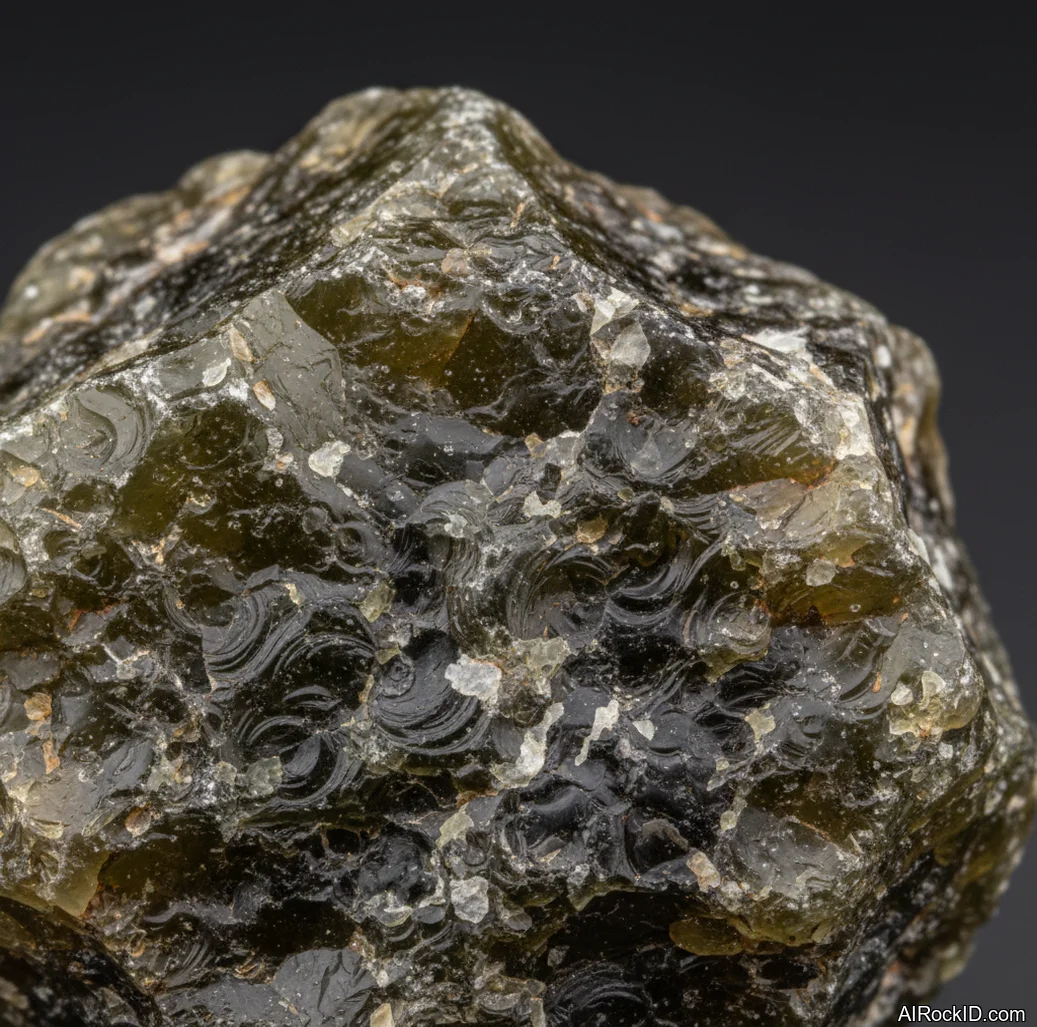
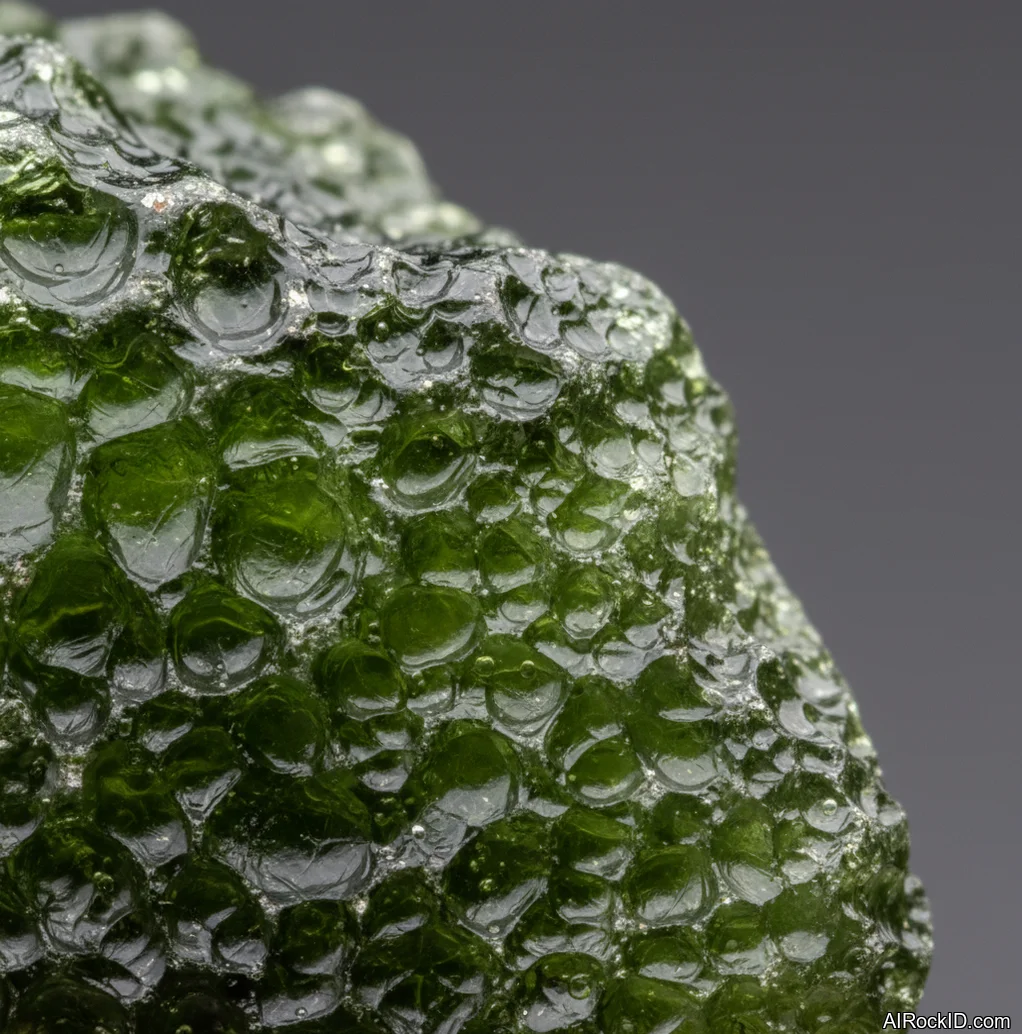
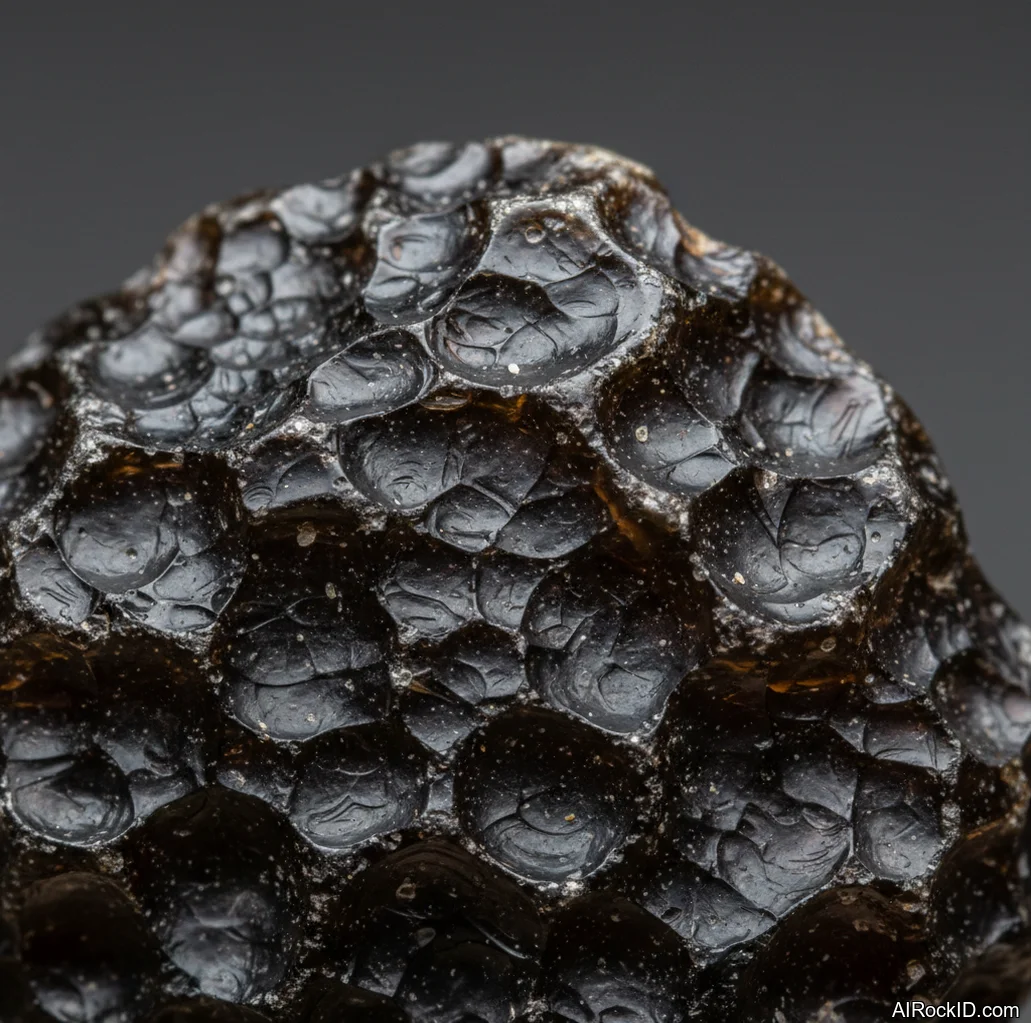
Jet, sometimes used for Pluto, is lighter than it looks—pick up a chunk and it feels almost like plastic, but it’ll scratch if you drop it. Moldavite is another option, but fakes are everywhere. Real moldavite feels pitted, like bottle glass that’s been sandblasted. If it's too smooth, be skeptical.
Best Pluto Crystals to Start With
| Level | Crystal | Note |
| Gentle / Beginner | Smoky Quartz | It’s grounding without feeling harsh, and real specimens can handle pocket or daily use without damage. |
| Balanced / Everyday | Labradorite | A good balance of Pluto depth and visual intrigue; the flashes keep things from feeling too heavy. |
| Intense / Advanced | Black Obsidian | For direct cord-cutting, shadow work, and fast energetic feedback; not gentle, so best for those who are ready. |
| Best for Carrying | Smoky Quartz | Resists scratching, doesn’t fade from body heat, and won’t chip if dropped in a bag or pocket. |
| Best for Display | Labradorite | The labradorescence is only visible in certain light and angles, so it makes a striking display piece. |
Pluto Crystal Comparison
| Crystal | Common Use | Feel / Use Style | Care Caution |
| Black Obsidian | cord cutting, shadow work, psychic protection | cool, heavy, sharp-edged, glassy black | edges can cut skin; can be too intense for sleep |
| Smoky Quartz | grounding, grief processing, ending cycles | smooth, cool, see-through brown to nearly black, weighty | color fades in sunlight |
| Labradorite | transformation, unlocking hidden insight, ritual work | flat slabs, flashes blue/green/gold when tilted, feels dense | chips on thin edges; flash can be hidden if cut poorly |
| Jet | absorbing negativity, ancestral work, mourning | very lightweight, dull black, warm to touch fast | scratches and breaks easily |
How to Identify Pluto Crystals with AI Rock ID
To identify Pluto crystals with an AI Rock ID app, take clear photos in natural daylight—avoid strong backlight or colored bulbs. Upload at least one full view and one close-up of the surface texture. Use the app’s compare feature to check hardness (like glassy obsidian vs. softer jet), luster, and color zoning. Matching the crystal’s look and feel to the app database helps spot real Pluto stones and weed out fakes.
All Pluto Crystals (12)