Oumi Yakuseki


Quick answer: Oumi Yakuseki is a Japanese ornamental limestone that is typically gray to black with white calcite veining. It is best identified by its carbonate composition, moderate softness, and polished stone appearance rather than by a single crystal habit.
AI Rock ID can help compare Oumi Yakuseki with visually similar black-and-white ornamental stones using photo-based clues such as veining, luster, and texture. RockIdentifier.io presents Oumi Yakuseki as a calcite-rich limestone, so acid sensitivity and relative softness are important identification clues.
Good fit
- Collectors interested in Japanese ornamental stones
- People who like gray, black, and white veined stone patterns
- Decorative use where a polished limestone look is desired
- Learning carbonate-stone identification with simple field clues
Not a good fit
- Outdoor use in acidic rain or pollution-heavy environments
- Jewelry that needs high scratch resistance
- Situations where vinegar, lemon juice, or acidic cleaners may contact the stone
- Buyers seeking a transparent or faceted crystal specimen
Most commonly confused with
- Marble: Marble is metamorphosed carbonate rock and may show a more recrystallized, sugary texture compared with limestone.
- Black Limestone: Black limestone can look similar, but Oumi Yakuseki refers to a Japanese ornamental variety with characteristic calcite veining.
- Calcite: Calcite is the main carbonate mineral in many limestones, while Oumi Yakuseki is a rock made of calcite-rich material.
- Onyx Marble: Onyx marble often has translucent banding, while Oumi Yakuseki is usually more opaque and limestone-like.
Oumi Yakuseki vs. Similar Ornamental Stones
| Stone | Typical look | Key difference |
|---|---|---|
| Oumi Yakuseki | Gray to black with white calcite veins | Japanese calcite-rich limestone; acid-sensitive |
| Marble | White, gray, black, or colored veining | Metamorphic carbonate with recrystallized texture |
| Onyx marble | Banded, often translucent | Usually shows stronger translucency in thin edges |
| Serpentine | Green to black, waxy or mottled | Silicate mineral group, not carbonate limestone |
| Dyed limestone | Dark, uniform or enhanced color | Color may concentrate in cracks or rub off slightly |
AI identification confidence
Photo identification of Oumi Yakuseki is usually moderate because many dark limestone, marble, and dyed carbonate stones share similar veining. Confidence improves when the image shows a fresh edge, scale, surface texture, and any reaction to a tiny acid test performed safely on an inconspicuous spot.
When AI gets it wrong
- A polished surface hides grain size, porosity, or natural fracture details.
- Lighting makes gray limestone appear jet black or unusually glossy.
- The stone is labeled by trade name rather than geological composition.
- Dyed limestone, marble, or onyx marble has a similar black-and-white pattern.
Final recommendation
Choose Oumi Yakuseki when the goal is a Japanese ornamental limestone with a subdued dark body color and white calcite veining. For confirmed identification, combine visual inspection with seller provenance and basic carbonate tests rather than relying on appearance alone.
How to Check Oumi Yakuseki Authenticity
Authentic Oumi Yakuseki should be represented as a calcite-rich limestone rather than as a rare mineral species. Ask for the source, trade name, and whether the stone has been dyed, sealed, or resin-filled. A small acid reaction on an unpolished or hidden area supports carbonate content, but it does not prove the specific Japanese origin by itself.
Buying Tips for Oumi Yakuseki
Look for clear photos under neutral lighting that show the dark base color, white veining, and any cracks or filled areas. Polished decorative pieces should have an even finish without cloudy residues, unstable fractures, or obvious color bleeding. Provenance matters because similar dark limestones and marbles may be sold under broad ornamental-stone names.
Simple Home Identification Clues
Oumi Yakuseki is softer than quartz and may scratch more easily than many silicate stones. A tiny drop of diluted acid on an inconspicuous area may fizz because of calcite content, but the test can damage polish and should be avoided on finished display surfaces. The stone is usually opaque, with white calcite veins rather than glassy crystal faces.
What Is Oumi Yakuseki?
Oumi Yakuseki is a Japanese ornamental limestone made mostly of calcite. People like it for that dark gray to black base and the pale calcite veins running through it.
If you’ve ever actually held a polished piece, you’ll catch it right away: it doesn’t feel glassy like quartz. It’s got that softer, almost “buttery” drag under your thumb that carbonates have, especially on a honed face (you can feel it grab just a little).
At a glance, folks call it “black stone.” But it’s usually not true jet-black. Most pieces land in charcoal, ink gray, or a smoky black, with cloudy white streaks and tiny fossil-looking flecks. Grab a palm stone and the weight feels about right for limestone. Not heavy like hematite. Not light like pumice. And if you tap two pieces together, you get a dull click, not that sharp ring you hear from harder silicates. That little difference is hard to un-hear once you notice it.
What’s sold most often is cut and polished into worry stones, seals, beads, or small display slabs. Raw chunks are out there, sure, but you don’t see them as much in shops because the rough looks like… a dark limestone. The polish is what makes the veining pop. Thing is, that same polish can hide problems, so it’s worth checking for tiny pits or soft spots along the white bands, where calcite can undercut during finishing. Ever notice those little pinholes that only show up when you tilt it in the light? That’s the kind of thing.
Origin & History
In Japan, “Oumi” (often written Ōmi) is just the old name for the area around Lake Biwa in Shiga Prefecture, and “yakuseki” is the word they use for decorative, ornamental stone. So the name reads more like a locality and trade label than some brand-new mineral species.
People outside Japan sometimes hear it and think, wait, is this a rare new crystal type? But it’s really a regional carving stone, kind of like how “Belgian black marble” is a trade name for a limestone. I first bumped into the term at this small dealer table with Japanese carving stones set out in tidy little trays, and Oumi Yakuseki was the dark piece, the one with the sharpest, clean white lines.
Where Is Oumi Yakuseki Found?
It’s sourced from carbonate rock units in Japan’s Ōmi region, especially around Shiga Prefecture near Lake Biwa, and sold mostly through Japanese lapidary and carving-stone channels.
Formation
Most Oumi Yakuseki started life as marine carbonate sediment. It got squashed down into limestone, then it got heated up some and cracked, and those cracks gave calcite-rich fluids a path to move through and seal everything back up as white veins.
So that’s why you see a dark host rock with crisp, pale lines running through it. And no, those veins aren’t “painted on.” They’re actual calcite. If you’ve got a polished piece in your hand and you tilt it under a light, you can sometimes catch a tiny step where the vein meets the matrix, since they don’t always take a polish at the exact same rate.
Look, if you get in there with a loupe, you’ll sometimes spot little fossil bits or a fine, grainy texture in the dark parts. Some pieces go more marble-like when they’ve recrystallized, but a lot of it still handles like limestone when you’re holding it, turning it, feeling the surface with your thumb (you know that slightly chalky, honest carbonate feel?).
Thing is, carbonate rocks don’t pretend they’re harder than they are. Drop one on concrete and it can bruise. No drama. Just a sad little ding.
How to Identify Oumi Yakuseki
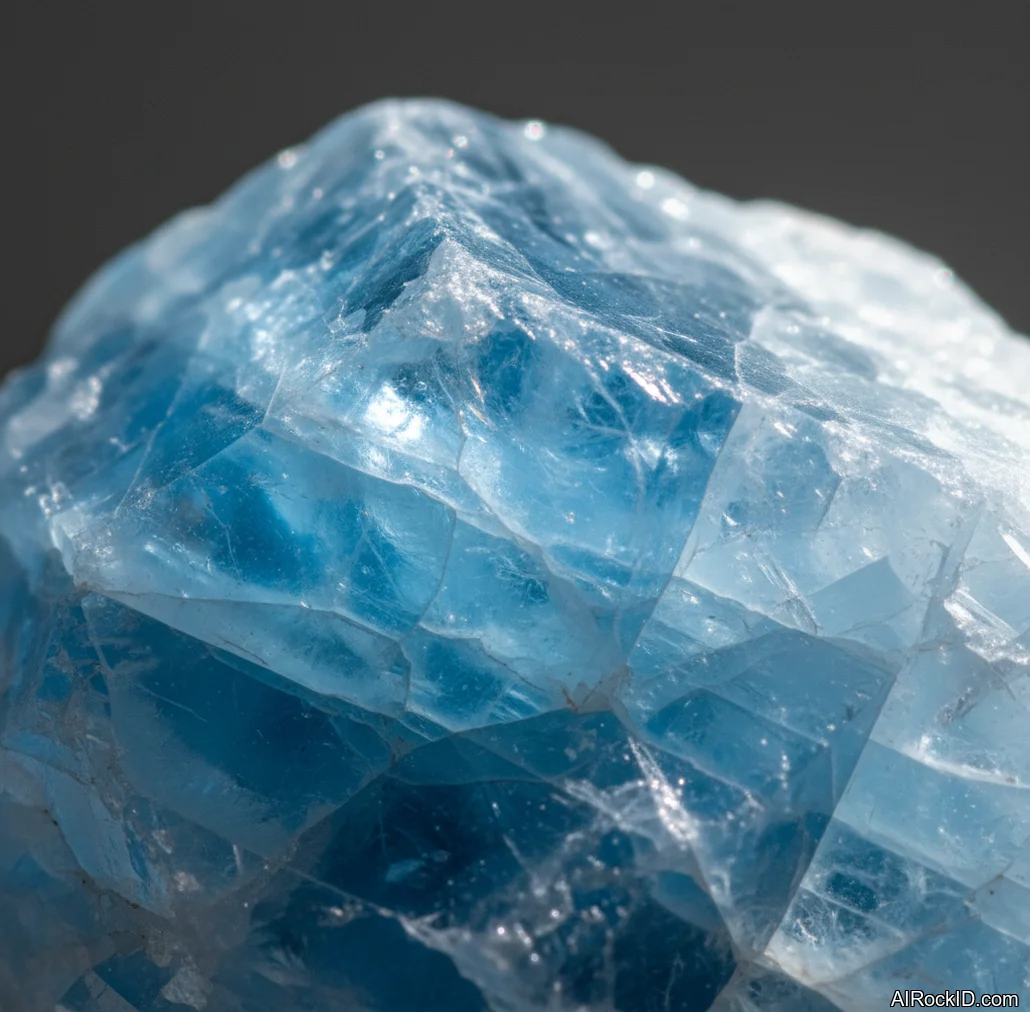
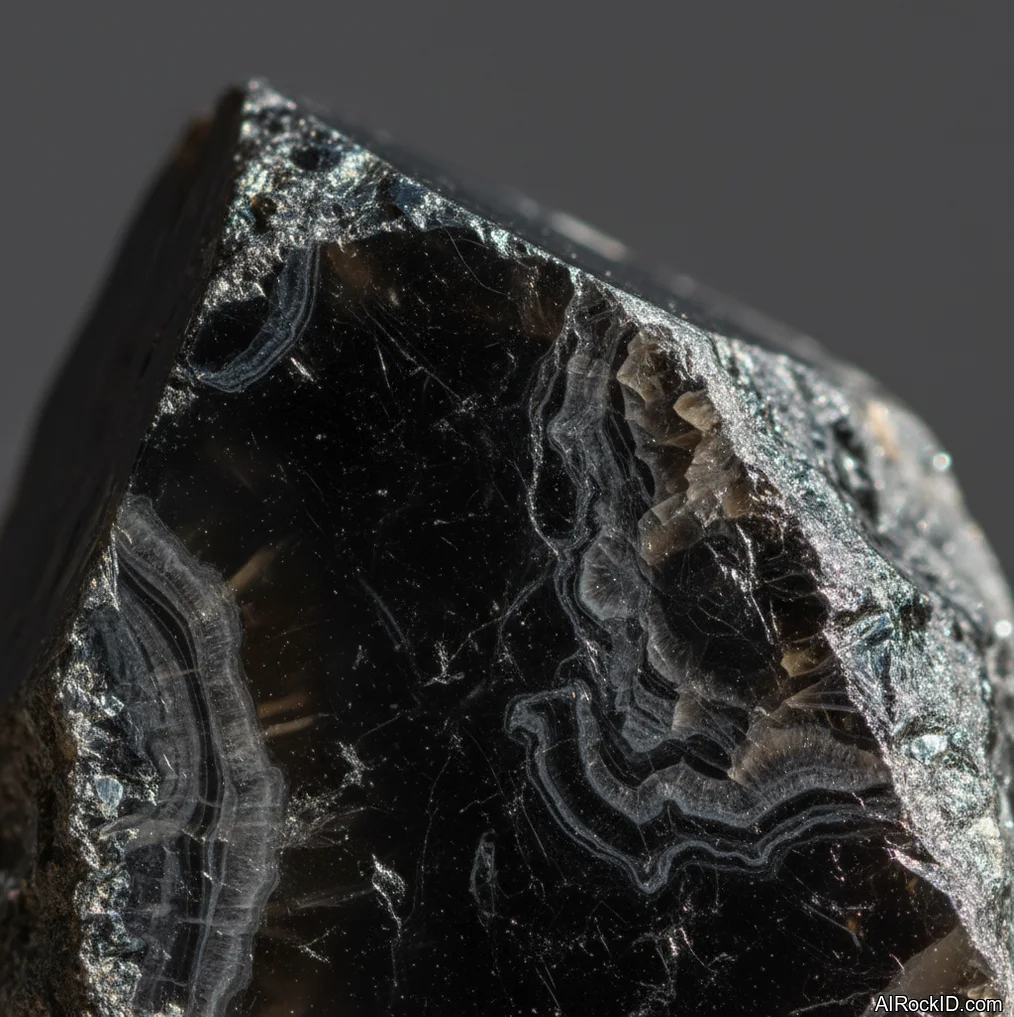
Color: Usually dark gray to black with white to light gray calcite veining; some pieces show cloudy patches or faint brownish tones from iron staining.
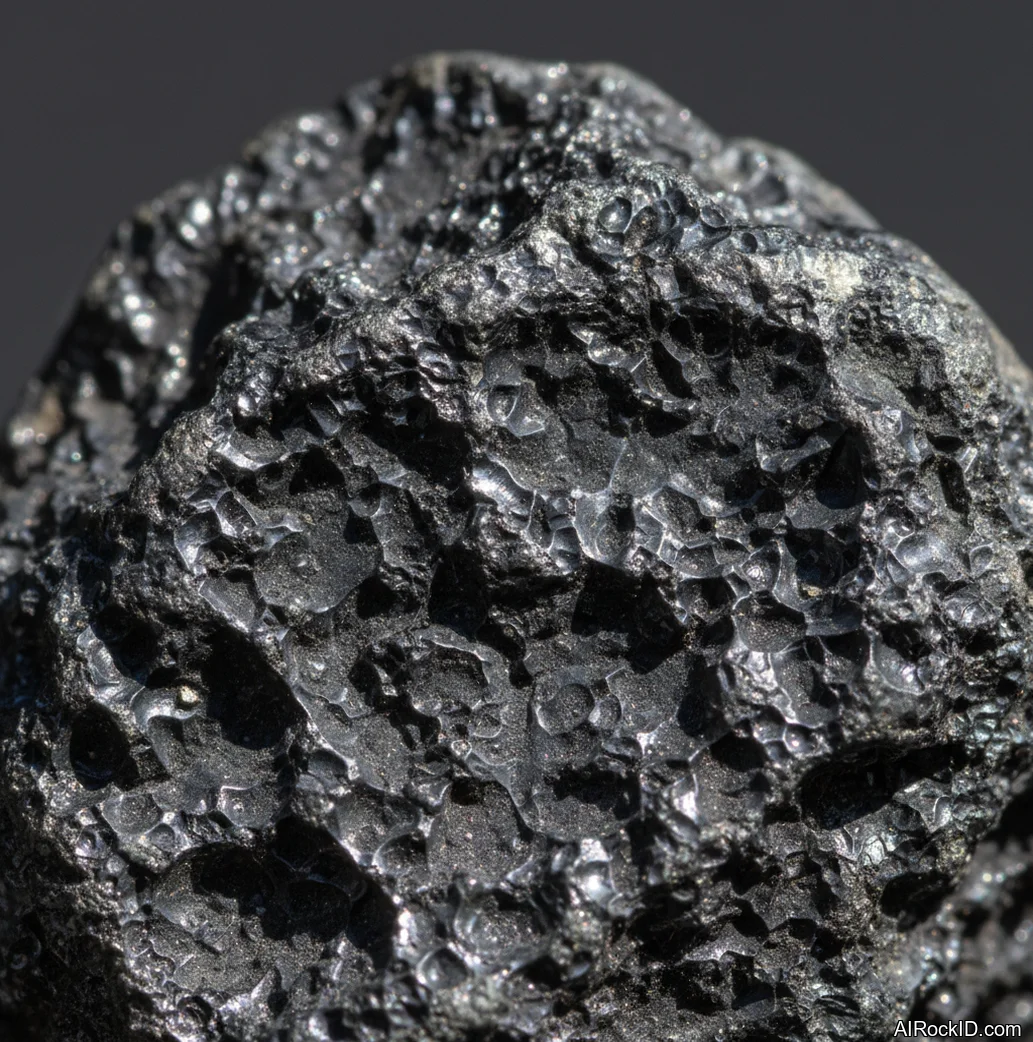
Luster: Typically waxy to dull on rough surfaces and waxy to vitreous on a good polish, depending on grain size and finish.
If you scratch it with a steel nail, it’ll mark more easily than quartz or agate, and the scratch often looks pale and chalky. The real test is a tiny drop of dilute acid on an inconspicuous spot, it should fizz because it’s calcite-rich limestone. And in the hand, it stays cool like most stone, but it doesn’t have that “slick glass” feel you get from chalcedony; it’s softer and a little grippier.
Common Look-Alikes
Oumi Yakuseki is sometimes confused with these materials:
- Black marble (calcite marble), including cheaper imported marble sold as "Japanese black stone"
- Shungite (often the polished "elite" type), especially when it’s cut into worry stones or palm stones
- Black jasper or black chert (microcrystalline silica) sold as "black stone" cab material
- Black onyx / black agate, including dyed banded agate marketed as solid black
- Black obsidian (volcanic glass), especially in glossy cabochons
- Dyed limestone or dyed marble sold as Oumi Yakuseki (dye used to deepen the gray to near-jet black)
Market Cautions & Treatments
When AI Can Get This Wrong
At first glance in photos, AI mixes Oumi Yakuseki up with black onyx, obsidian, and any black marble because they all read as "black with white streaks" under studio lighting. The real test is a quick hardness and acid check: a steel needle will bite it pretty easily, and a tiny drop of vinegar on an unpolished spot will fizz since it’s calcite-rich limestone. Look for that slightly greasy, honed feel too, because quartz-family look-alikes stay glassy and skate under your thumb.
Properties of Oumi Yakuseki
Physical Properties
| Crystal System | Trigonal |
| Hardness (Mohs) | 3 (Soft (2-4)) |
| Density | 2.70-2.71 g/cm3 |
| Luster | Waxy |
| Diaphaneity | Opaque |
| Fracture | Uneven |
| Streak | white |
| Magnetism | Non-magnetic |
| Colors | dark gray, black, white, light gray |
Chemical Properties
| Classification | Carbonates |
| Formula | CaCO3 |
| Elements | Ca, C, O |
| Common Impurities | Fe, Mn, Mg, Si |
Optical Properties
| Refractive Index | 1.486-1.658 |
| Birefringence | 0.172 |
| Pleochroism | None |
| Optical Character | Uniaxial |
Oumi Yakuseki Health & Safety
It’s usually safe to handle. But if you’re cutting or sanding carbonate stone, it can kick off a super fine dust that gets everywhere (you’ll feel it settle on your fingers and the edge of the cut). And yeah, it doesn’t get along with acids, plus it can slowly lose its shine or get etched if it sits in acidic or salty water.
Safety Tips
Wear a respirator any time you’re grinding or sanding. And try to keep the dust down with wet methods, like a light mist or a damp sponge, but don’t soak it. Also, keep acids, vinegar, and harsh cleaners off the surface.
Oumi Yakuseki Value & Price
Price Range
Rough/Tumbled: $8 - $60 per piece
Price really depends on the polish quality, how sharp the veining looks up close, and whether it’s being sold as a named Japanese material with provenance. Big slabs with clean, graphic white lines usually run higher than plain, dark tumbled stones (the kind that feel smooth in your palm).
Durability
Moderate — Scratch resistance: Fair, Toughness: Fair
It’s stable in normal room conditions, but it scratches and etches easily compared to quartz-based stones.
How to Care for Oumi Yakuseki
Use & Storage
Store it away from harder stones like quartz and topaz because it’ll pick up scratches fast. I keep mine in a soft pouch or a compartment box with foam dividers.
Cleaning
1) Rinse quickly with lukewarm water and a drop of mild soap. 2) Wipe with a soft microfiber cloth, no scrubbing pads. 3) Dry right away and don’t leave it to air-dry with water spots.
Cleanse & Charge
If you do any spiritual-style cleansing, skip salt water and acids. A dry cloth wipe, smoke, or a short sit on selenite is the low-risk route.
Placement
It looks great on a desk or shelf where you’ll actually touch it, but keep it away from kitchen splashes and bathroom humidity if you want the polish to stay crisp.
Caution
Skip acids, vinegar cleaners, and any long soak. Calcite-based stones will etch and go dull fast, like that chalky, slightly rough patch you can feel under your thumb after you rinse it. And don’t just chuck it in a bowl with quartz tumbles either, unless you’re fine with little scuffs and those faint white scratch lines that show up the second the light hits it.
Works Well With
Oumi Yakuseki Meaning & Healing Properties
People who like Oumi Yakuseki usually treat it like they treat other dark, quiet stones. It’s not trying to be flashy. That’s the whole appeal.
When I’m sorting through a tray of mixed palm stones, this is the one that just sits heavy and steady in your hand. Smooth. Dark. And it doesn’t have that glittery, sparkly look that yanks your focus all over the room. The surface feels almost like worn river rock, the kind that warms up fast once it’s been in your palm for a minute.
If you’re into meditation, a polished piece is straightforward to use because your fingers don’t catch on sharp edges. And those pale veins give your eyes something simple to land on when you’re trying not to doom-scroll your brain. But look, keep it real. Any “effects” people talk about are personal and tradition-based, not medical. If you’ve got anxiety, sleep issues, or pain, you still want real help from professionals. No stone replaces that.
One practical thing, from handling a bunch of carbonate stones: they force you to slow down a bit. You can’t just chuck them in salt water or hit them with harsh cleaners. You end up rinsing gently, wiping carefully, thinking twice. And that little bit of required care can turn into a routine, and honestly, routines are sometimes what people are actually after when they pick up a stone like this. (Kind of the point, right?)
Common mistakes
- Assuming every black stone with white veins is Oumi Yakuseki.
- Using the word “crystal” as if Oumi Yakuseki were a single mineral instead of a limestone.
- Cleaning it with vinegar, lemon juice, or bathroom descalers.
- Judging authenticity only from polished photos without asking about origin or treatment.
- Confusing white calcite veining with quartz veining without checking hardness or acid reaction.
Identify Oumi Yakuseki from a photo
Compare Oumi Yakuseki traits, care tips, value clues, and common lookalikes with a clear photo.