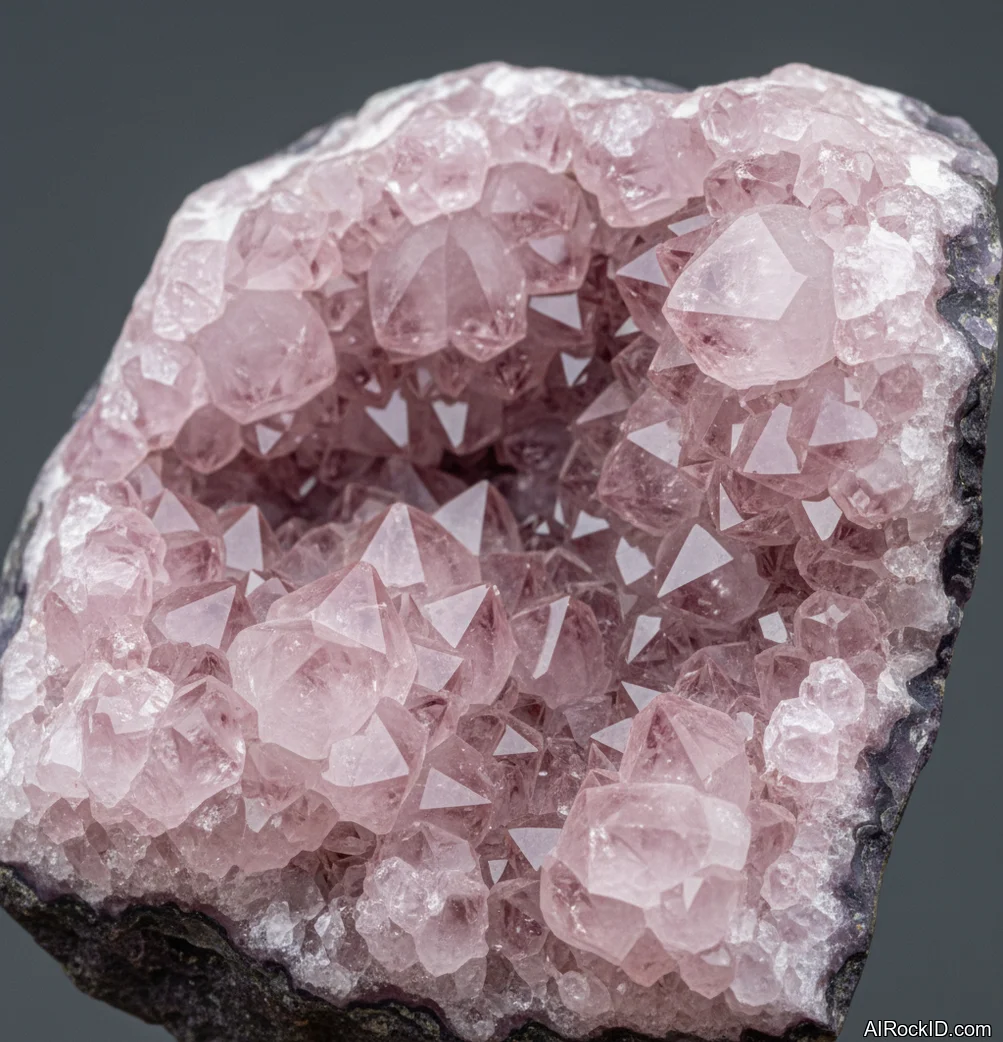
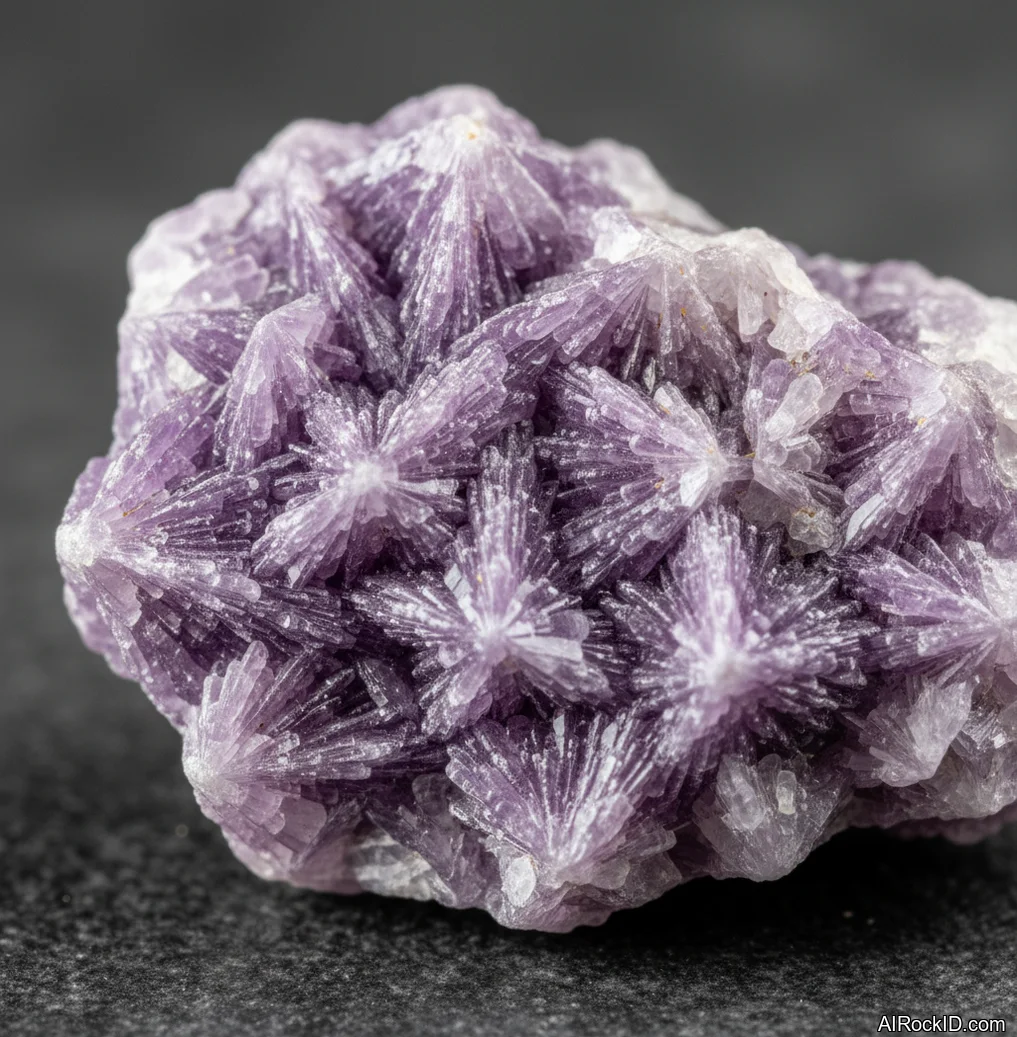
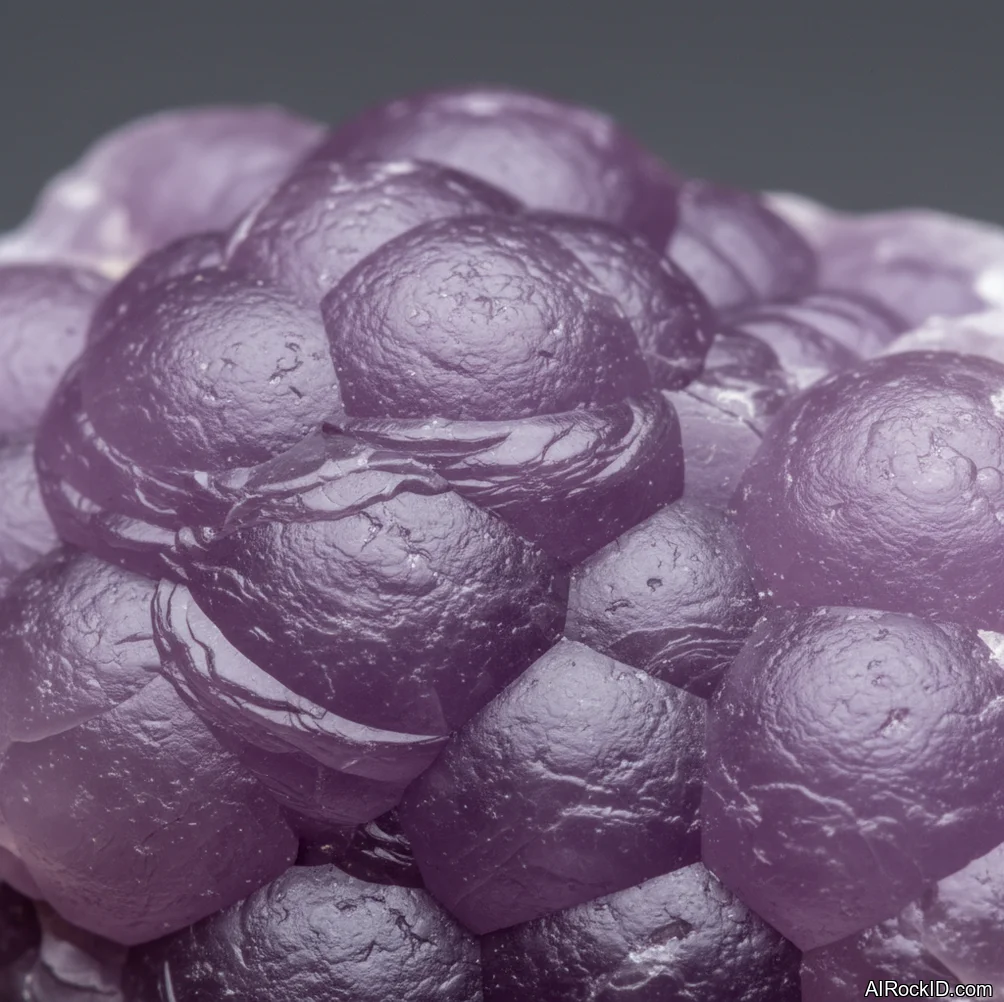
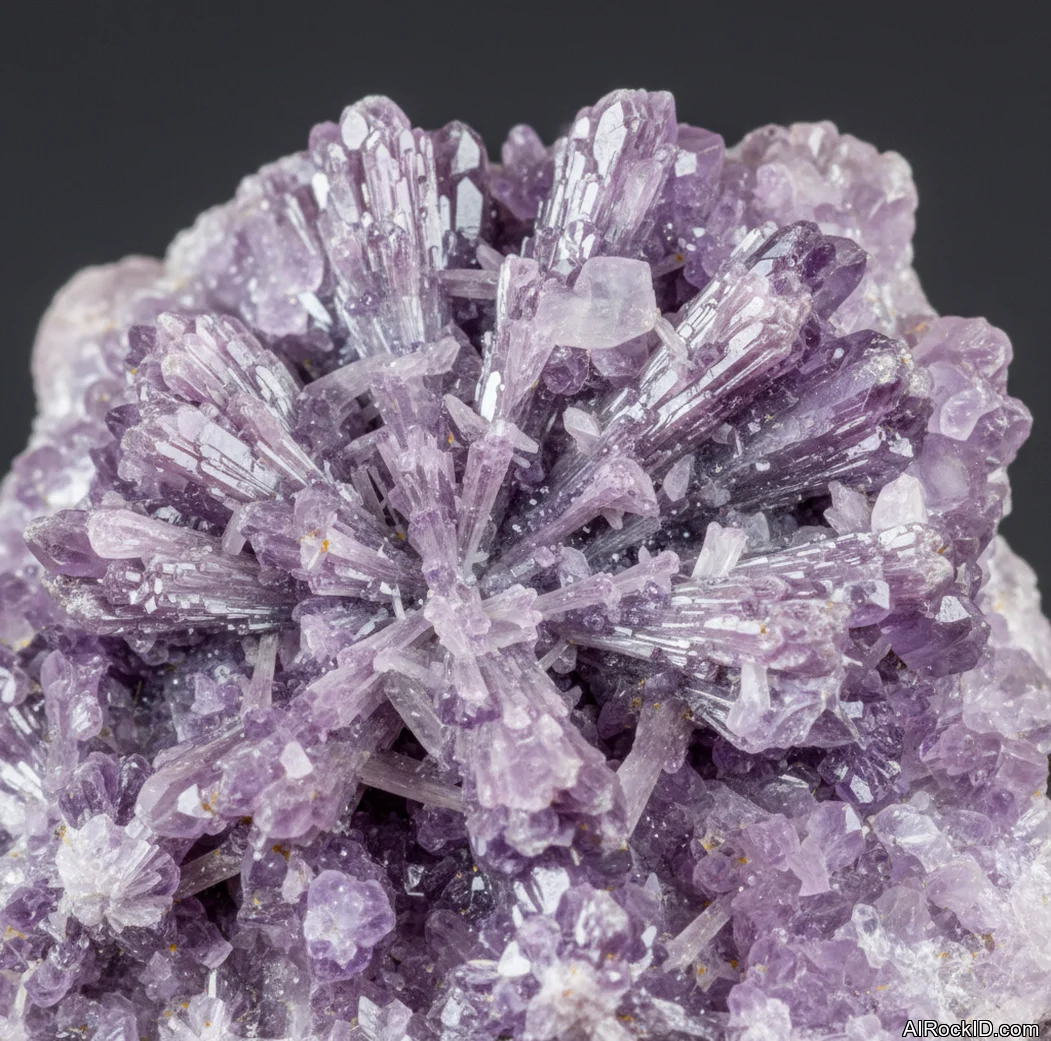
Neptune Crystals
Quick answer: Neptune crystals are stones grouped by their association with the planet Neptune in astrology-informed crystal traditions. They are commonly linked with intuition, dreams, ocean symbolism, compassion, imagination, and emotional sensitivity rather than with a single mineral family.
Learn how Neptune crystals like aquamarine, labradorite, and moonstone are used in crystal traditions, plus buying tips and care.


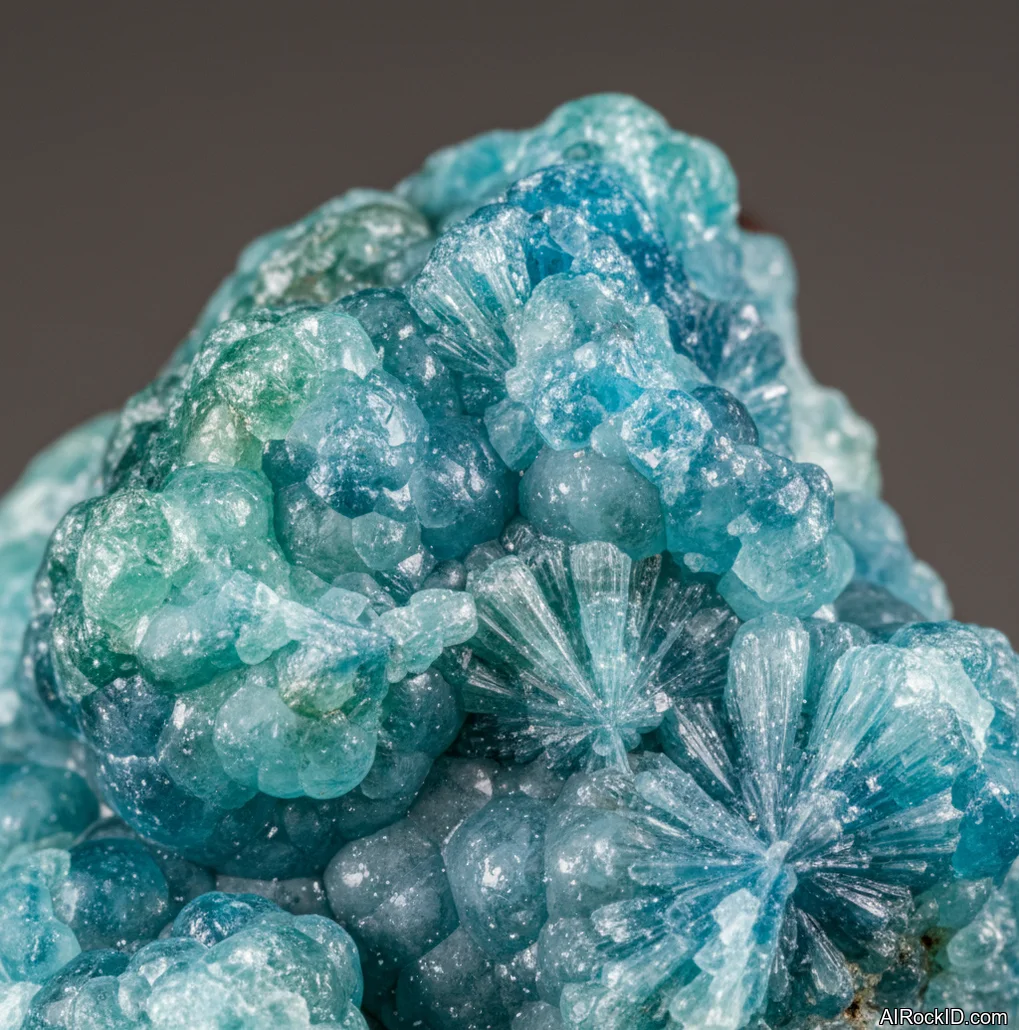
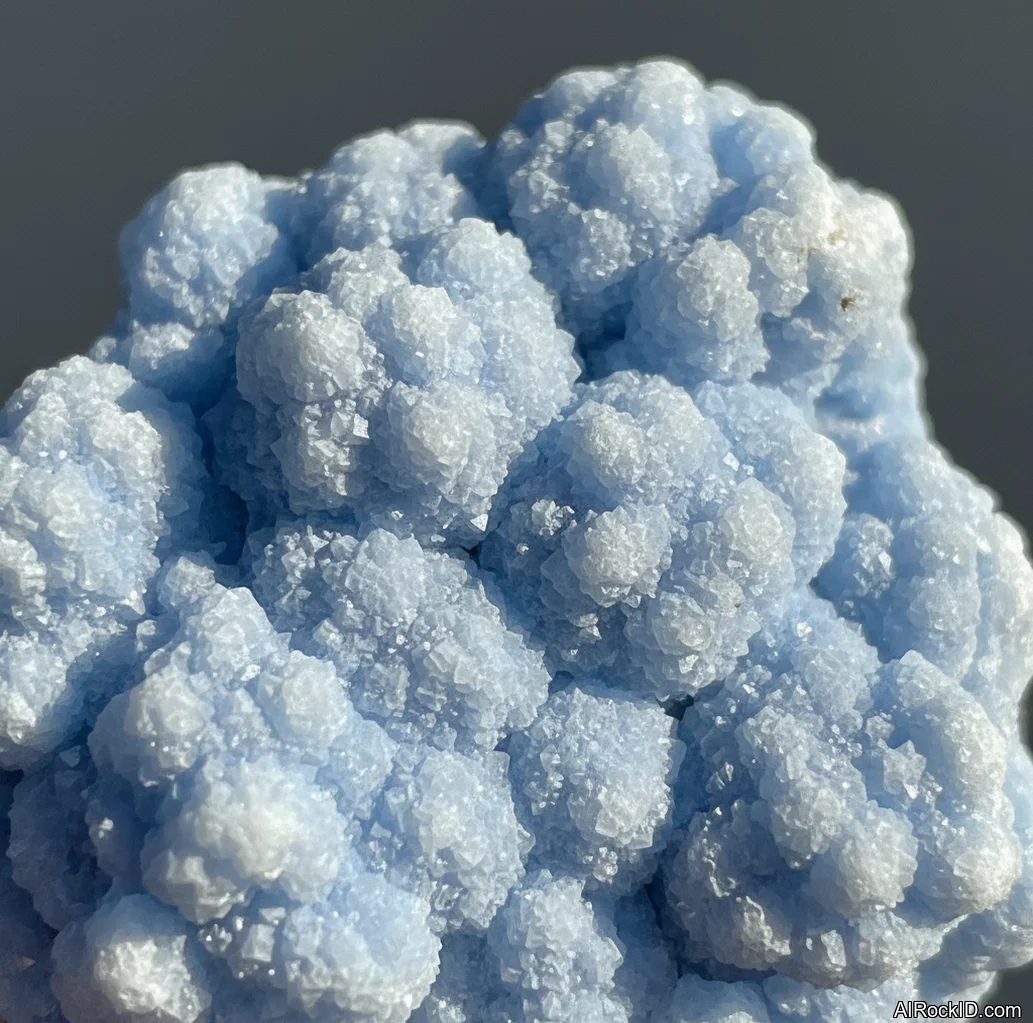
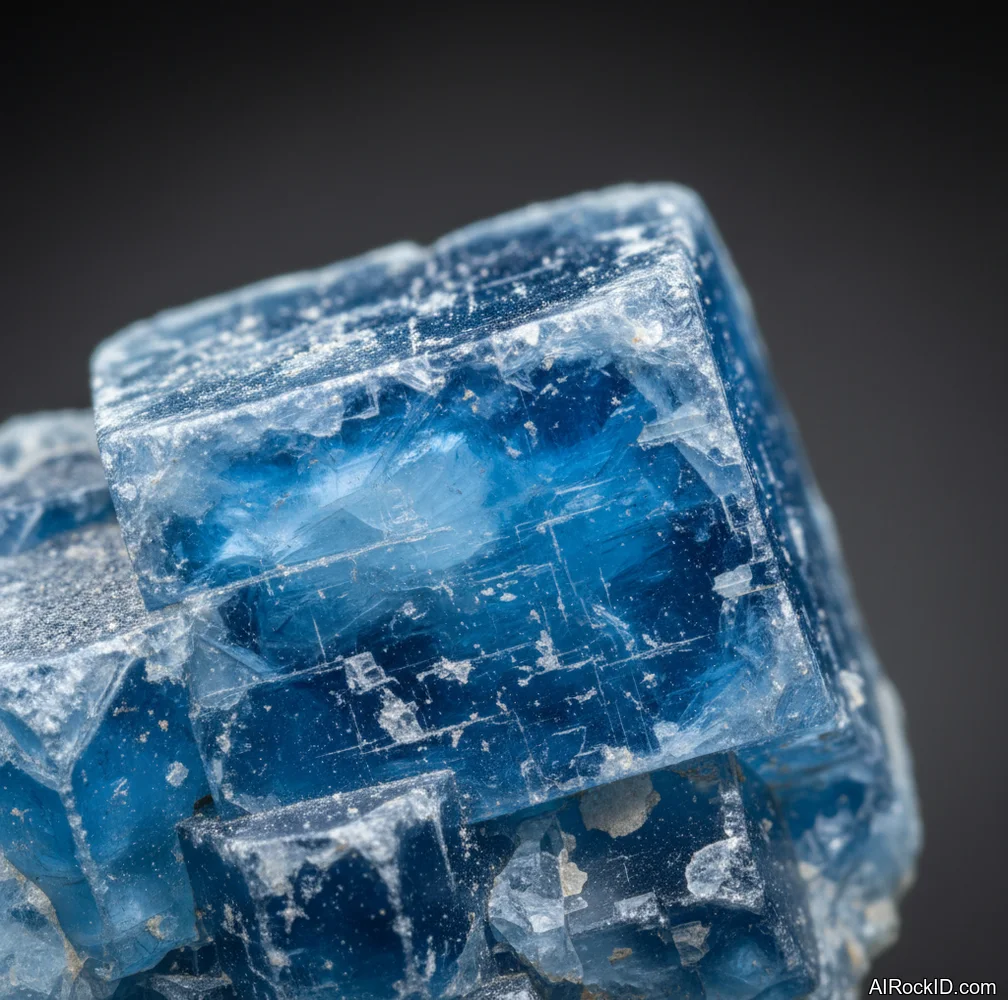
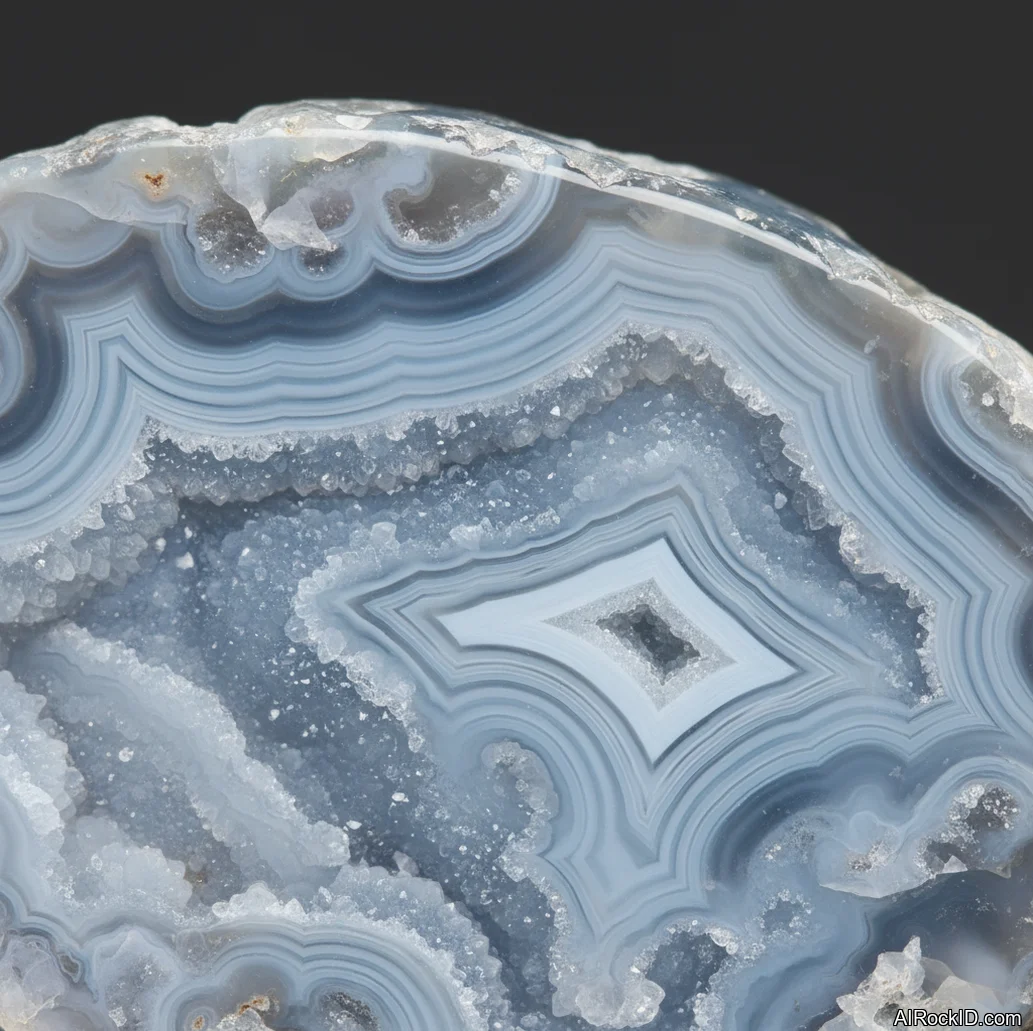
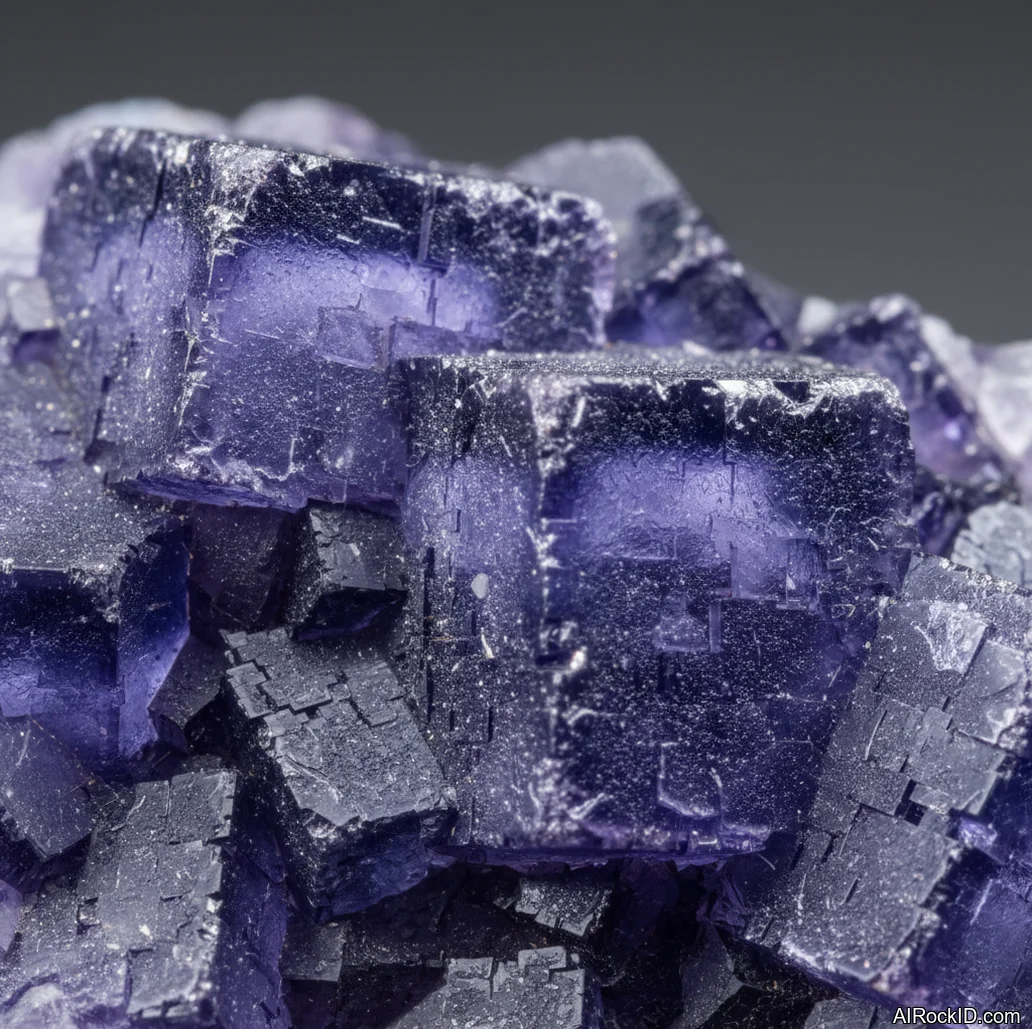
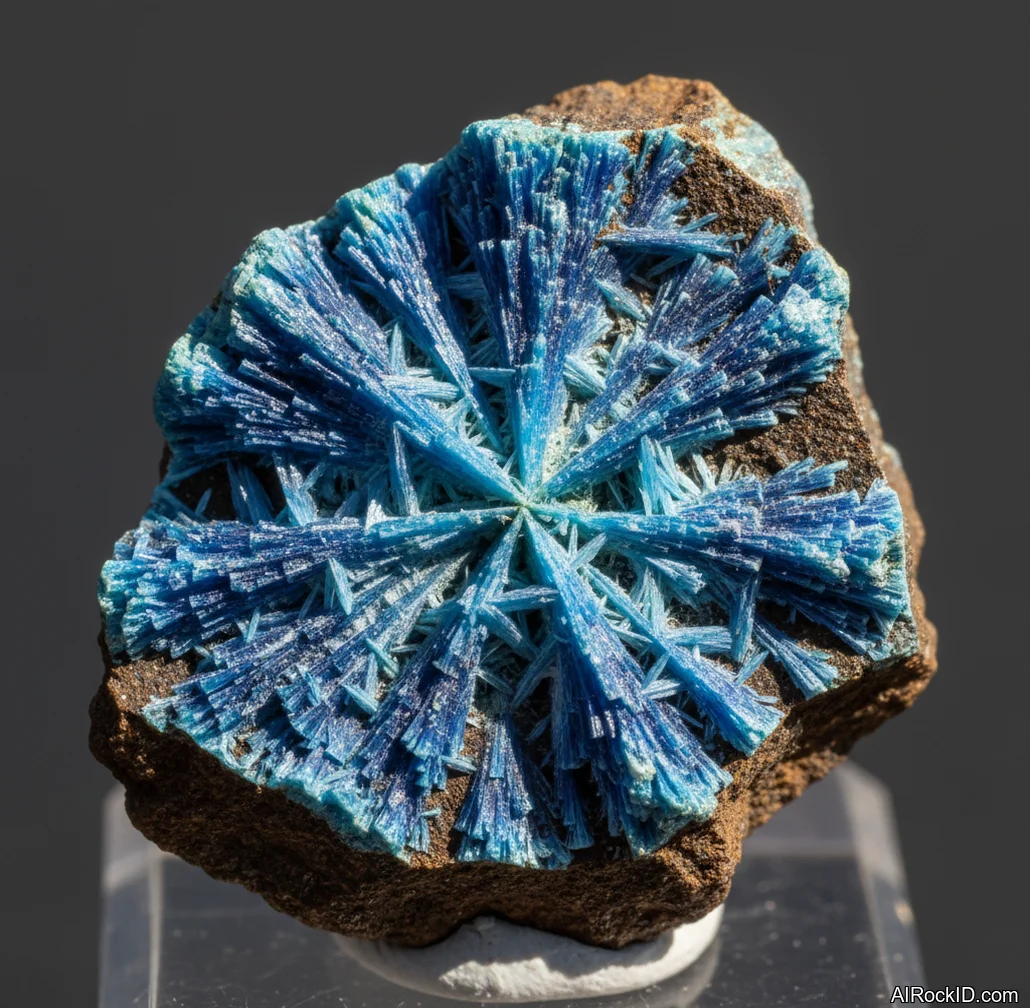
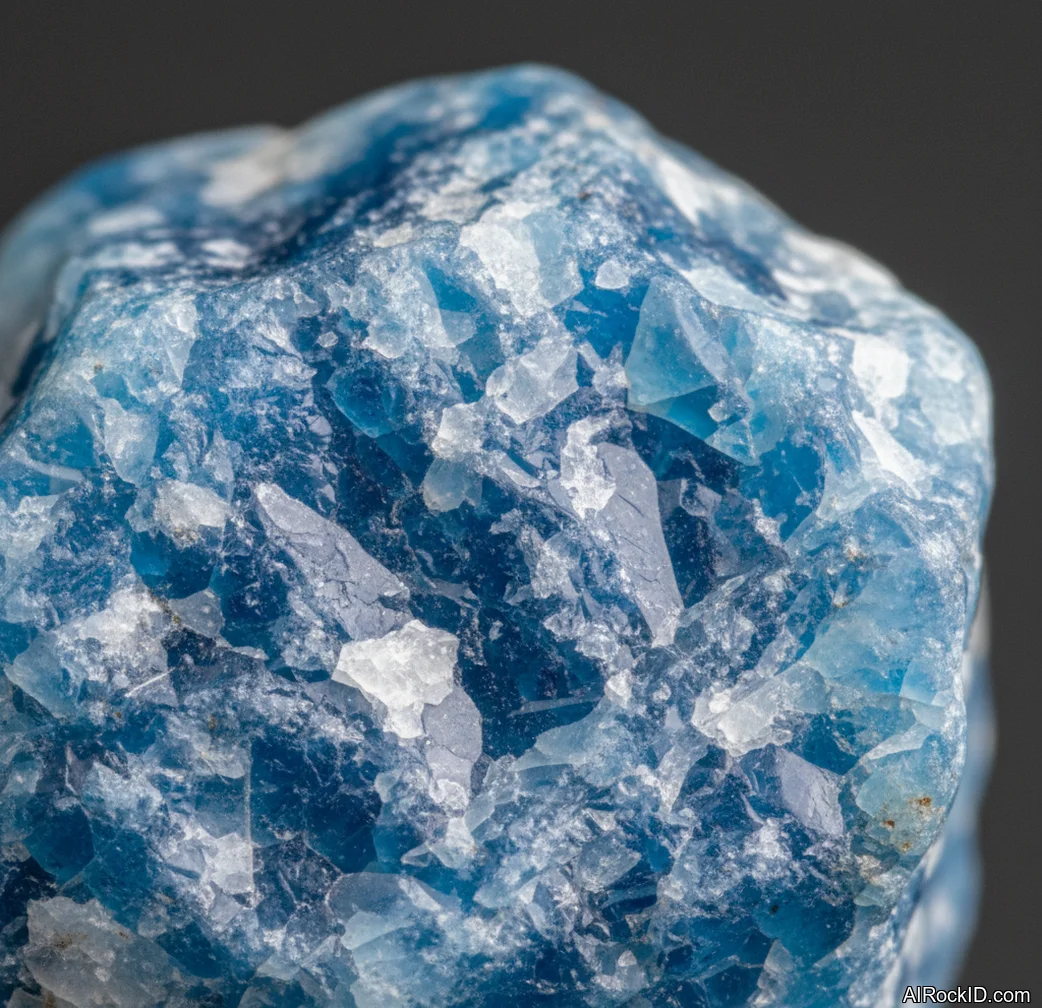
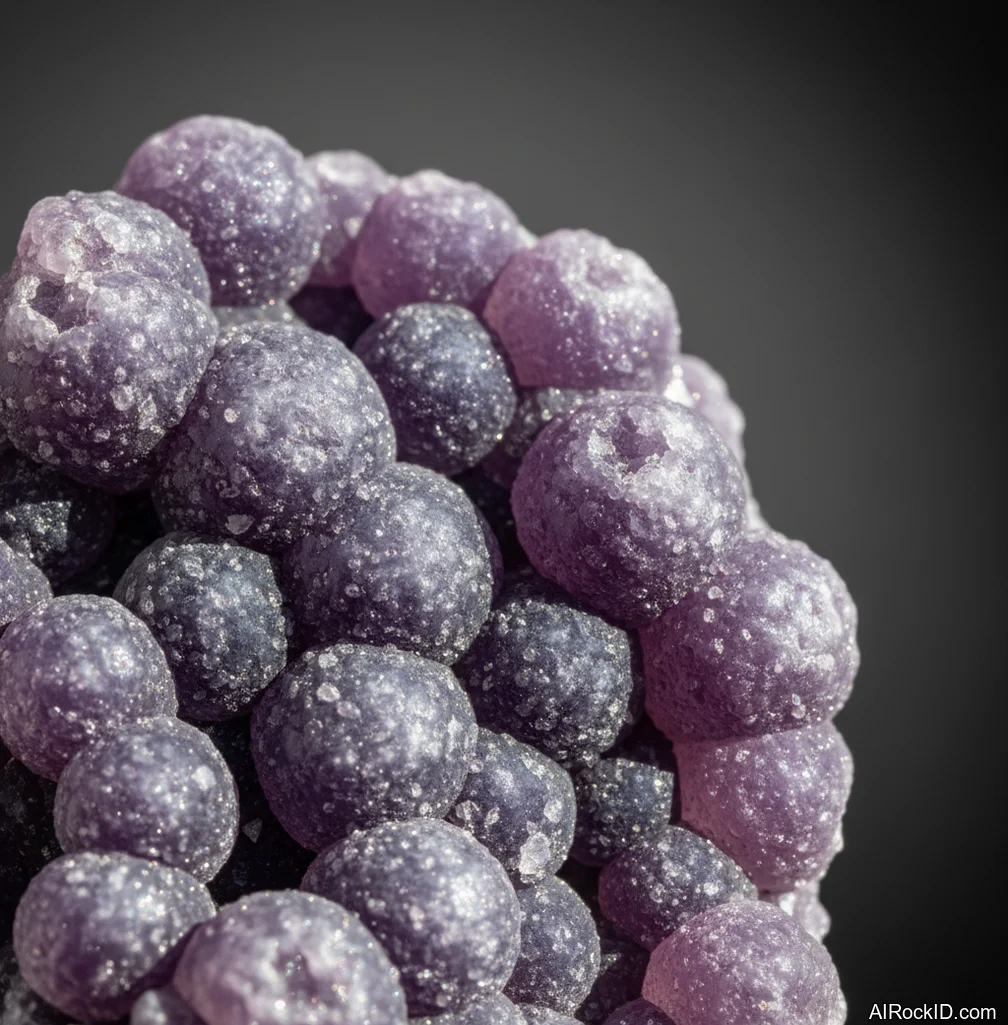
Neptune crystals are stones linked to the planet Neptune in metaphysical traditions, often chosen for emotional flow, dreamwork, and intuition. The most common examples are Aquamarine, Labradorite, Moonstone, Larimar, Blue Lace Agate, Sodalite, and sometimes Fluorite. These stones tend to have watery colors, shifting flashes, or a calming presence. These associations come from metaphysical traditions focused on Neptune's symbolism and are not medical claims.
Neptune crystals do not directly clear confusion, heal trauma, or guarantee lucid dreams. Their use is based on symbolic and spiritual associations, not scientific evidence or medical advice.
AI Rock ID can help check visible traits such as color, luster, translucency, banding, and crystal habit when comparing Neptune-associated stones. RockIdentifier.io provides crystal and mineral references that can support identification, collecting, and care decisions.
Good fit
- Readers exploring astrology-based crystal groupings
- Beginners interested in blue, green, pearly, or iridescent stones
- Collectors comparing trade names with mineral species
- People using crystals in meditation, journaling, or symbolic rituals
- Gift buyers looking for ocean- or dream-themed crystals
Not a good fit
- Anyone seeking a scientifically defined mineral category called Neptune crystals
- Buyers who need medical or therapeutic guarantees
- Collectors who require untreated specimens only without verifying seller disclosures
- People who prefer crystal lists based strictly on chemistry or geology
Most commonly confused with
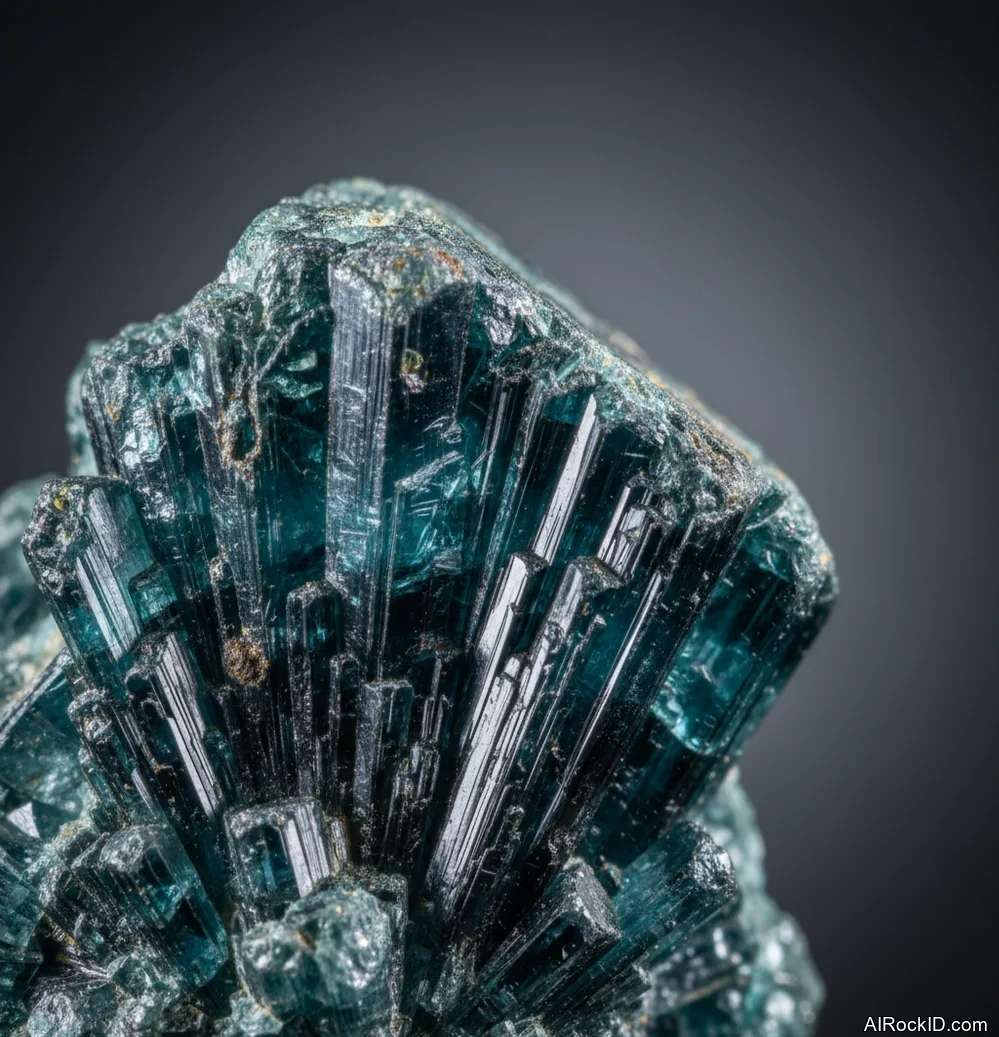
- Aquamarine: A blue to blue-green variety of beryl, often confused with blue topaz, glass, or pale fluorite in jewelry and tumbled stones.
- Labradorite: A feldspar known for labradorescence; it differs from moonstone by its darker body color and stronger blue, green, or gold flashes.
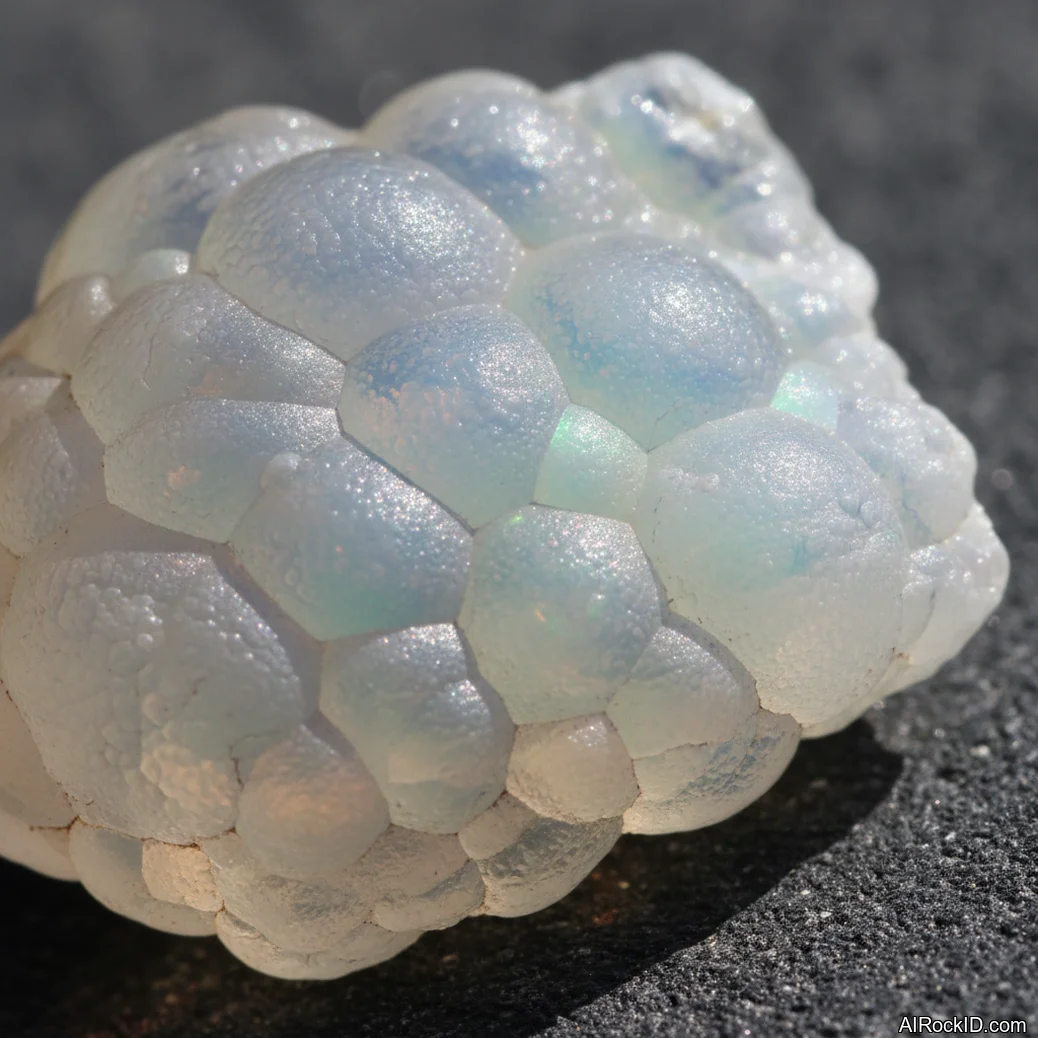
- Moonstone: A feldspar showing adularescence, usually softer and more pearly than quartz or opalite imitations.
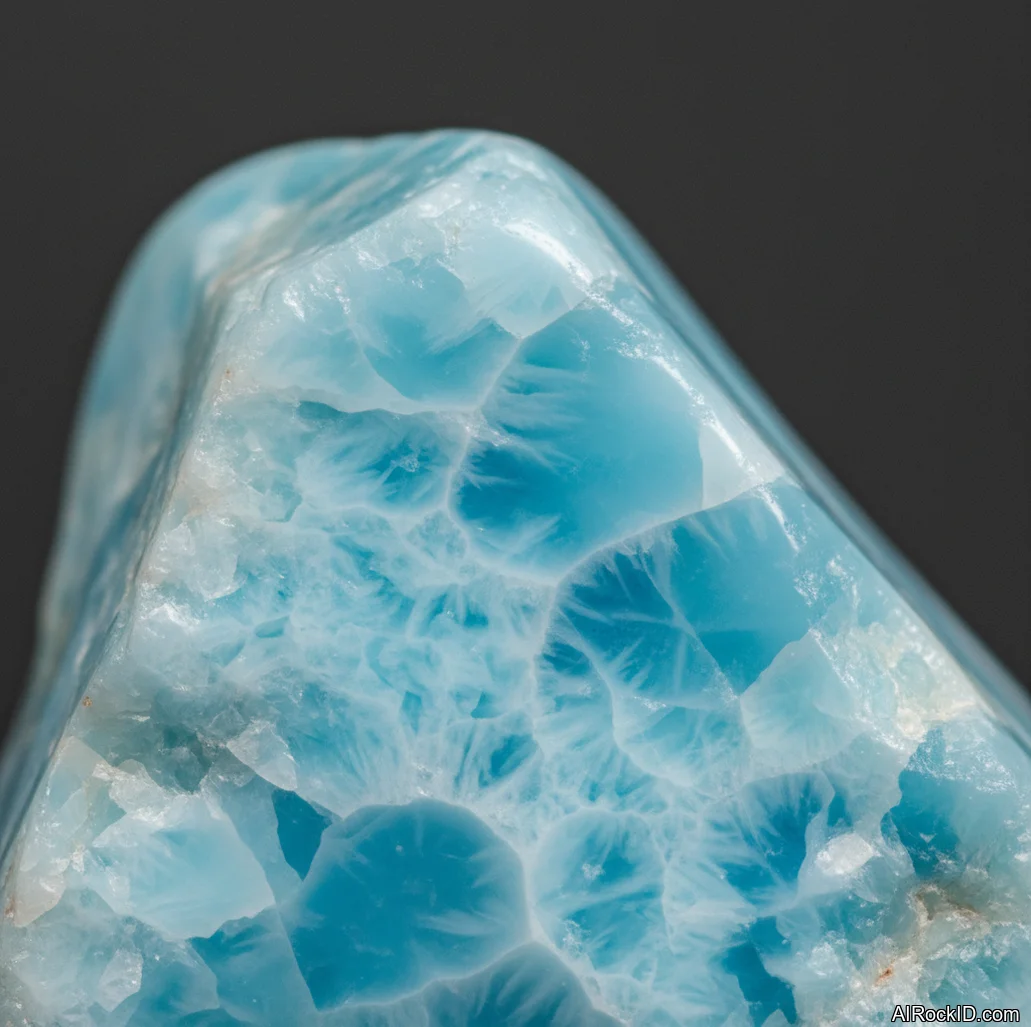
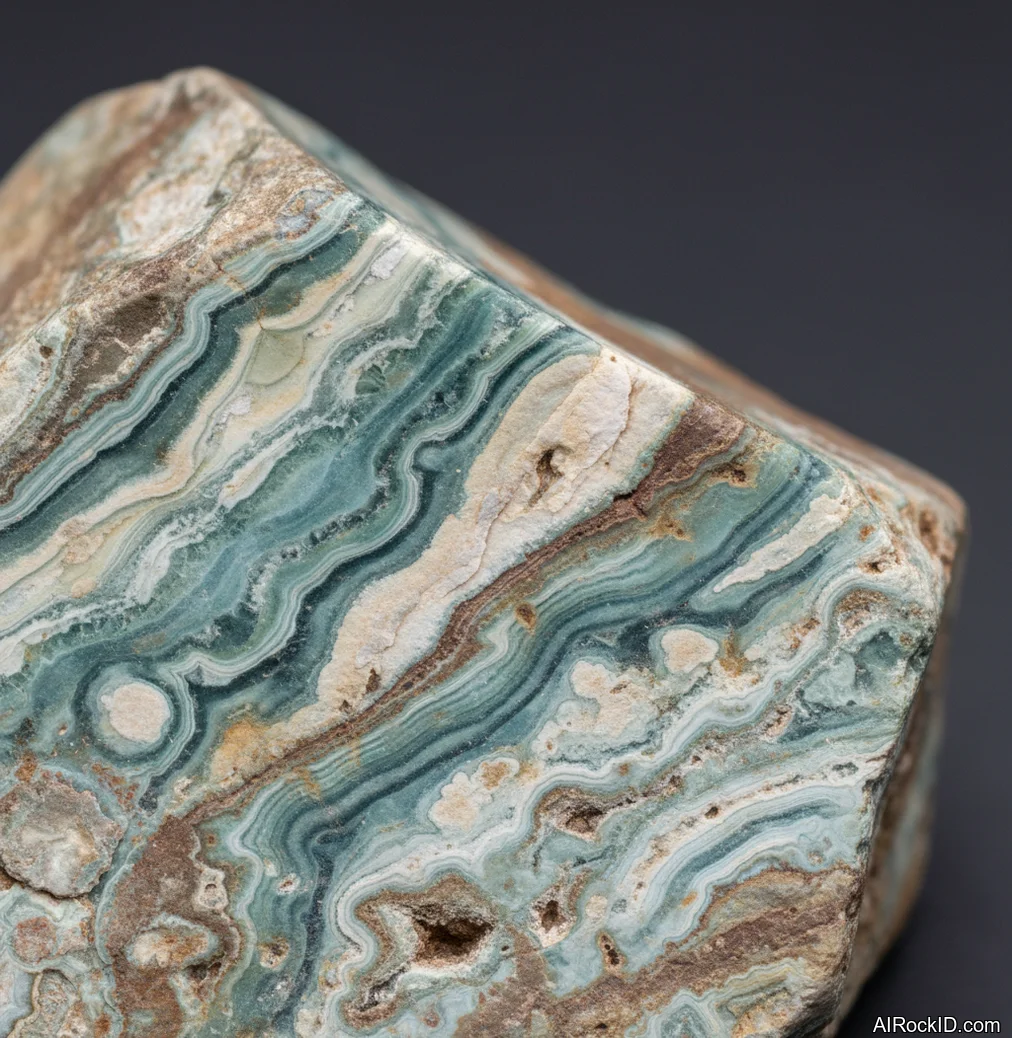
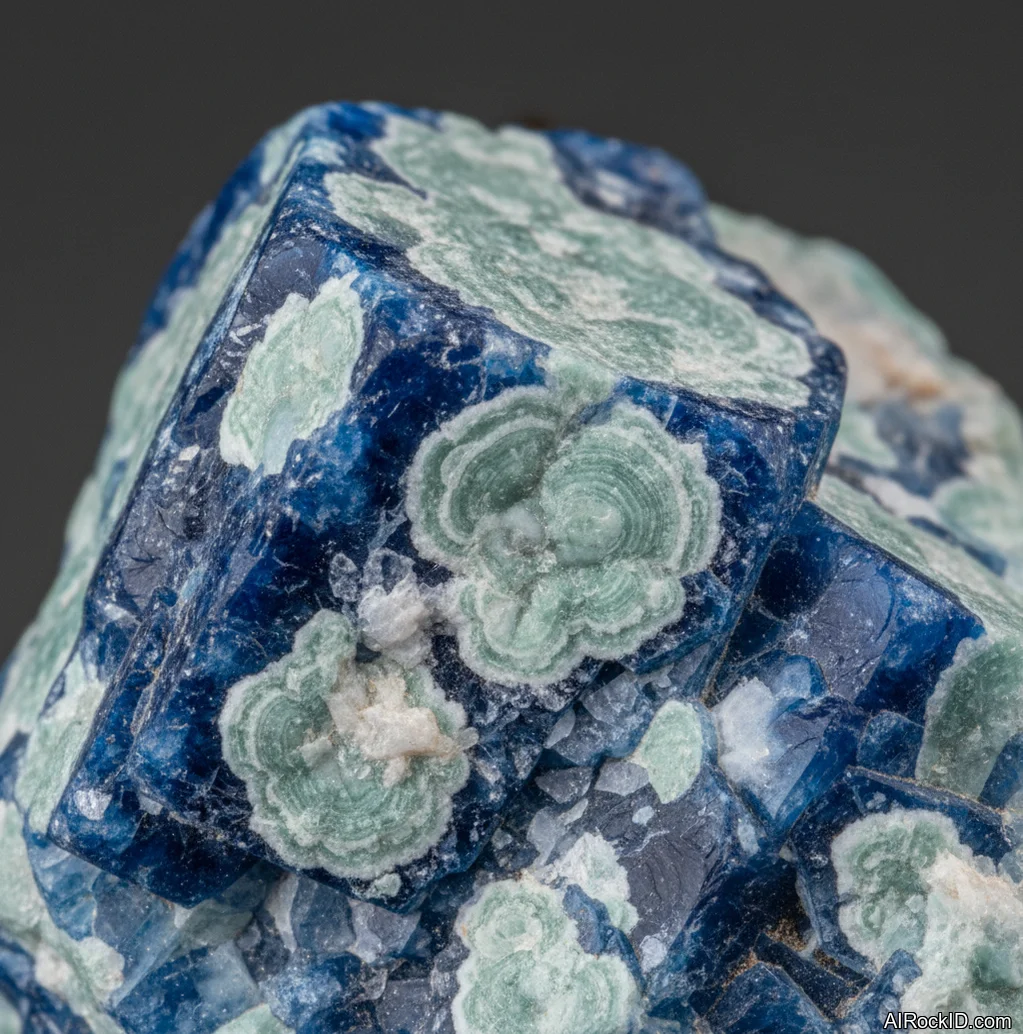
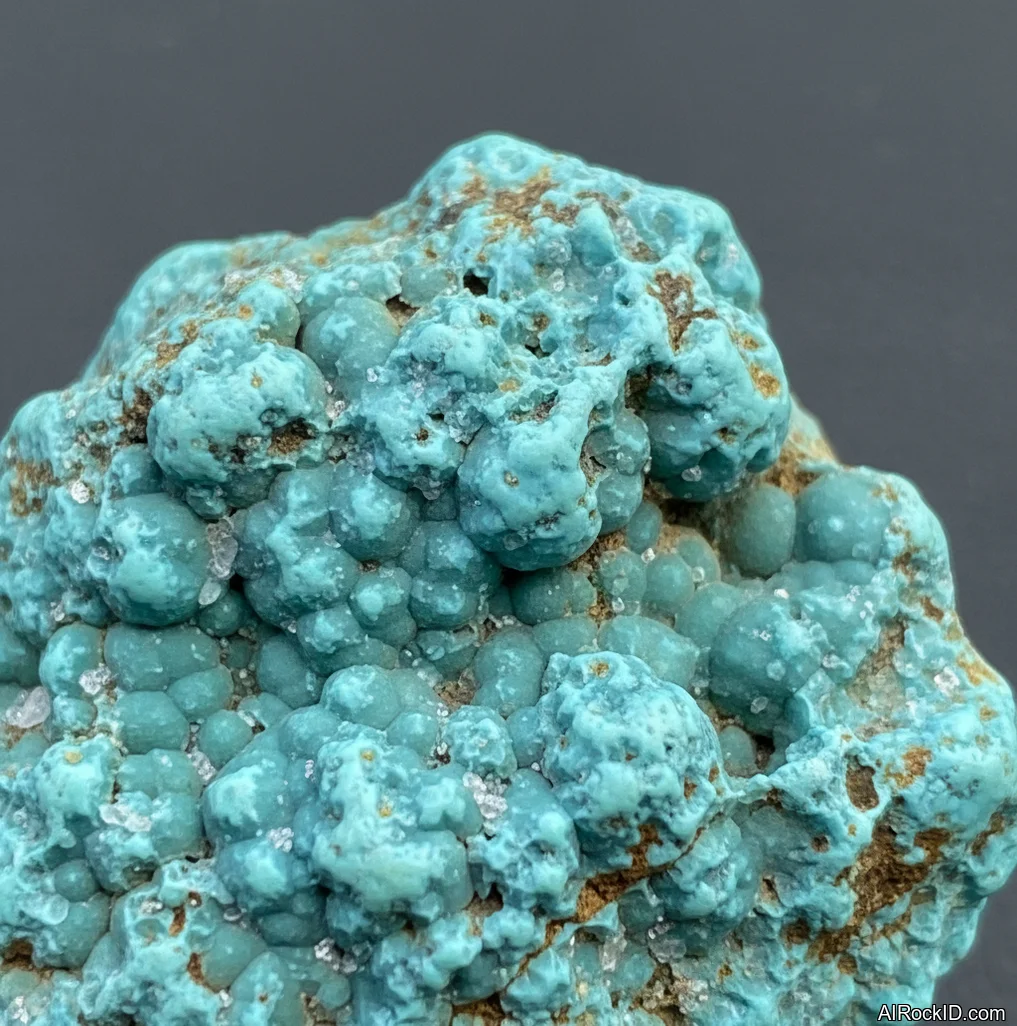
- Larimar: A blue pectolite from the Dominican Republic; its white cloud-like patterns are often imitated by dyed stones or resin.
AI identification confidence
AI identification is more reliable for Neptune-associated stones with distinctive optical effects, such as labradorite flash or moonstone sheen. Confidence is lower for pale blue or green tumbled stones because aquamarine, fluorite, calcite, glass, dyed quartz, and treated materials can look similar in photos.
When AI gets it wrong
- The stone is photographed under colored light or heavy filters
- Only one side of a tumbled or polished stone is shown
- The specimen is dyed, coated, heat-treated, or made from glass
- Important tests such as hardness, specific gravity, and refractive index are unavailable
Best choice summary
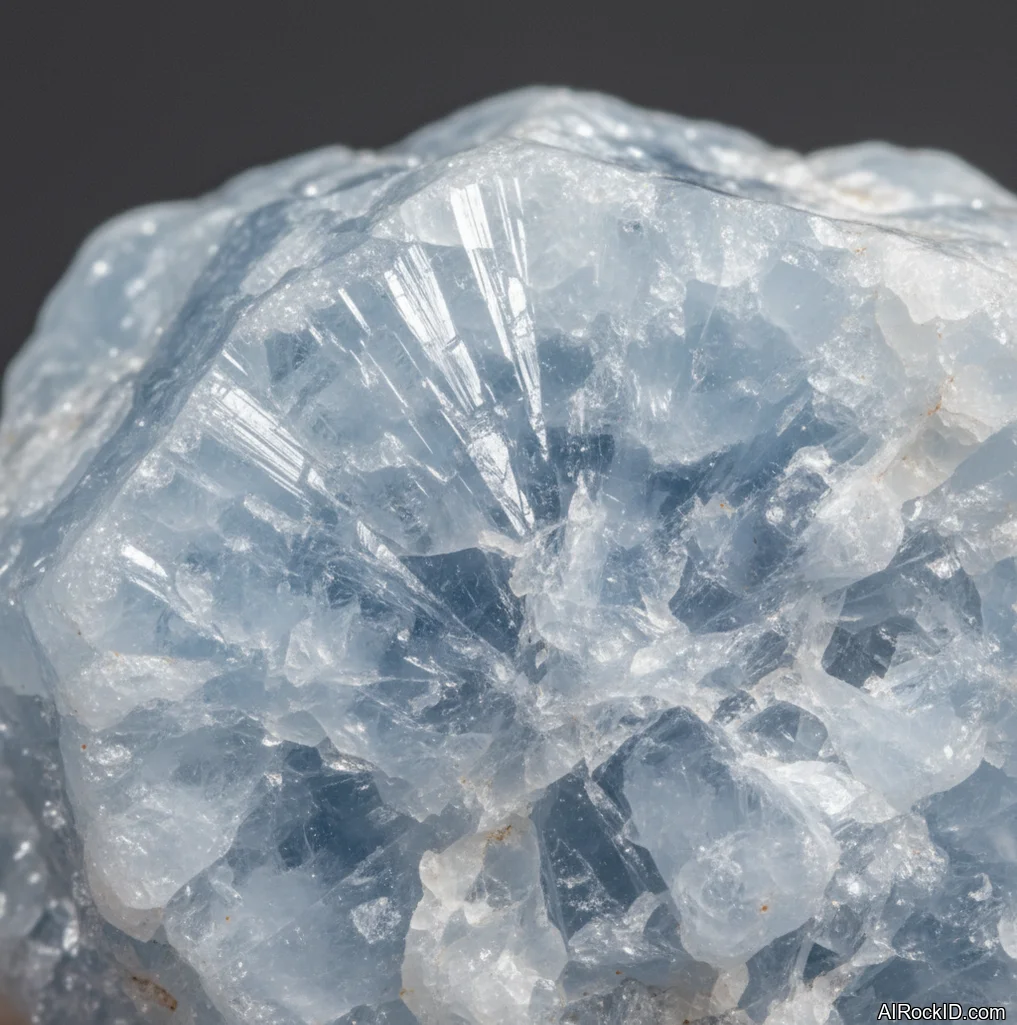
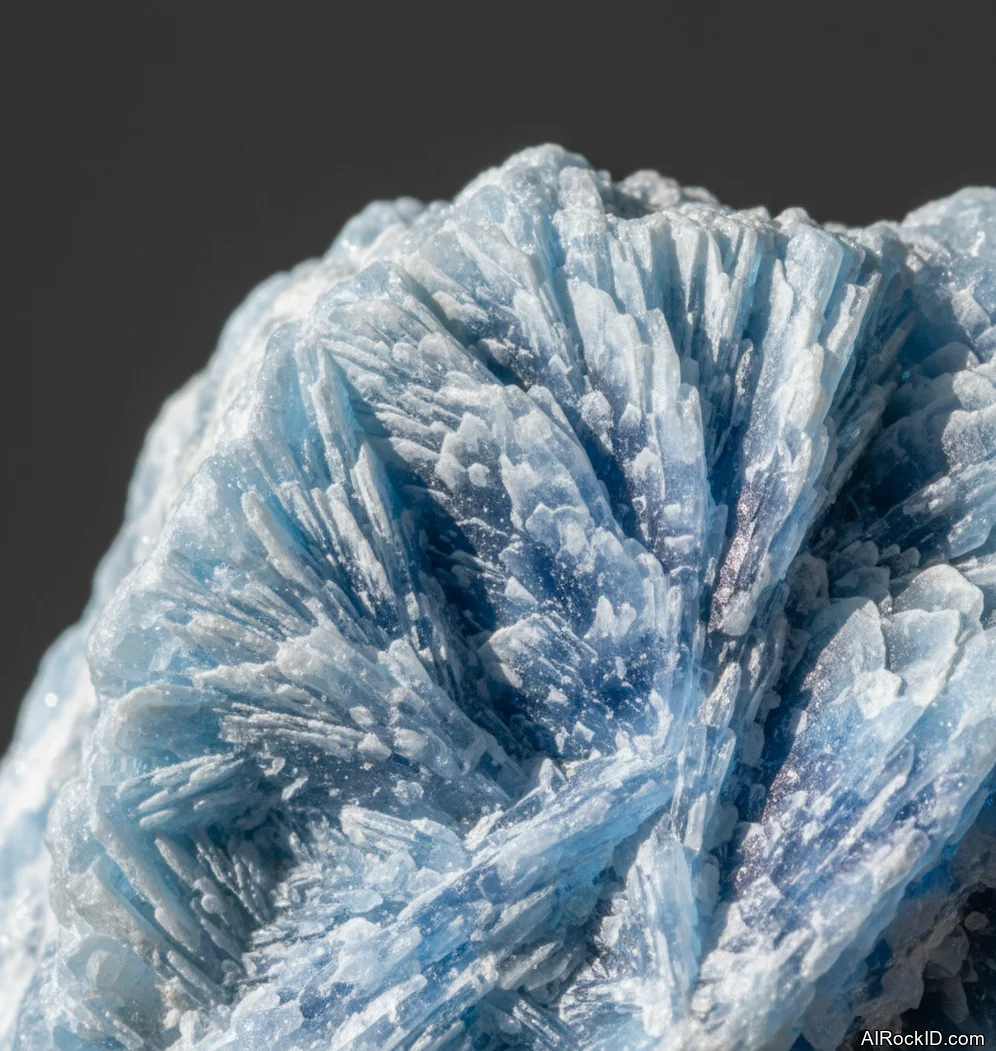
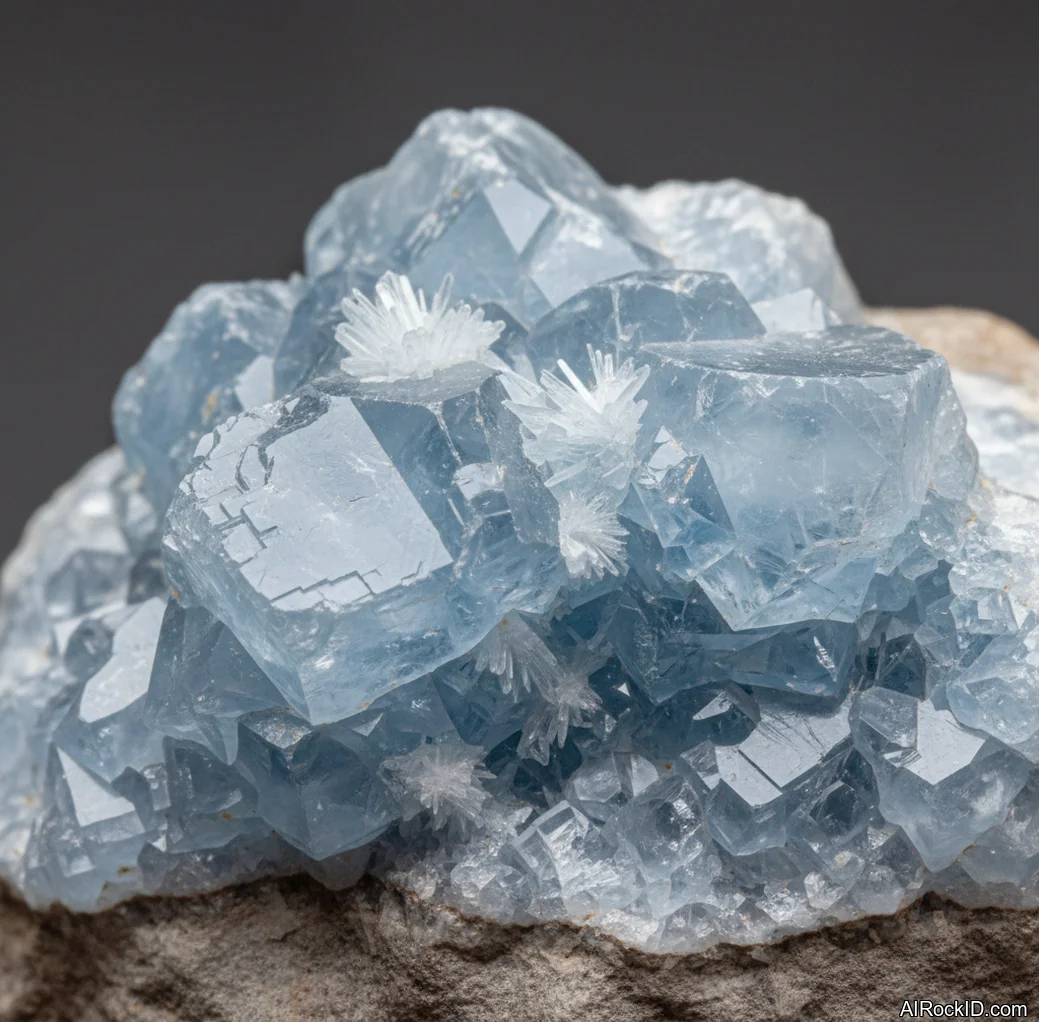
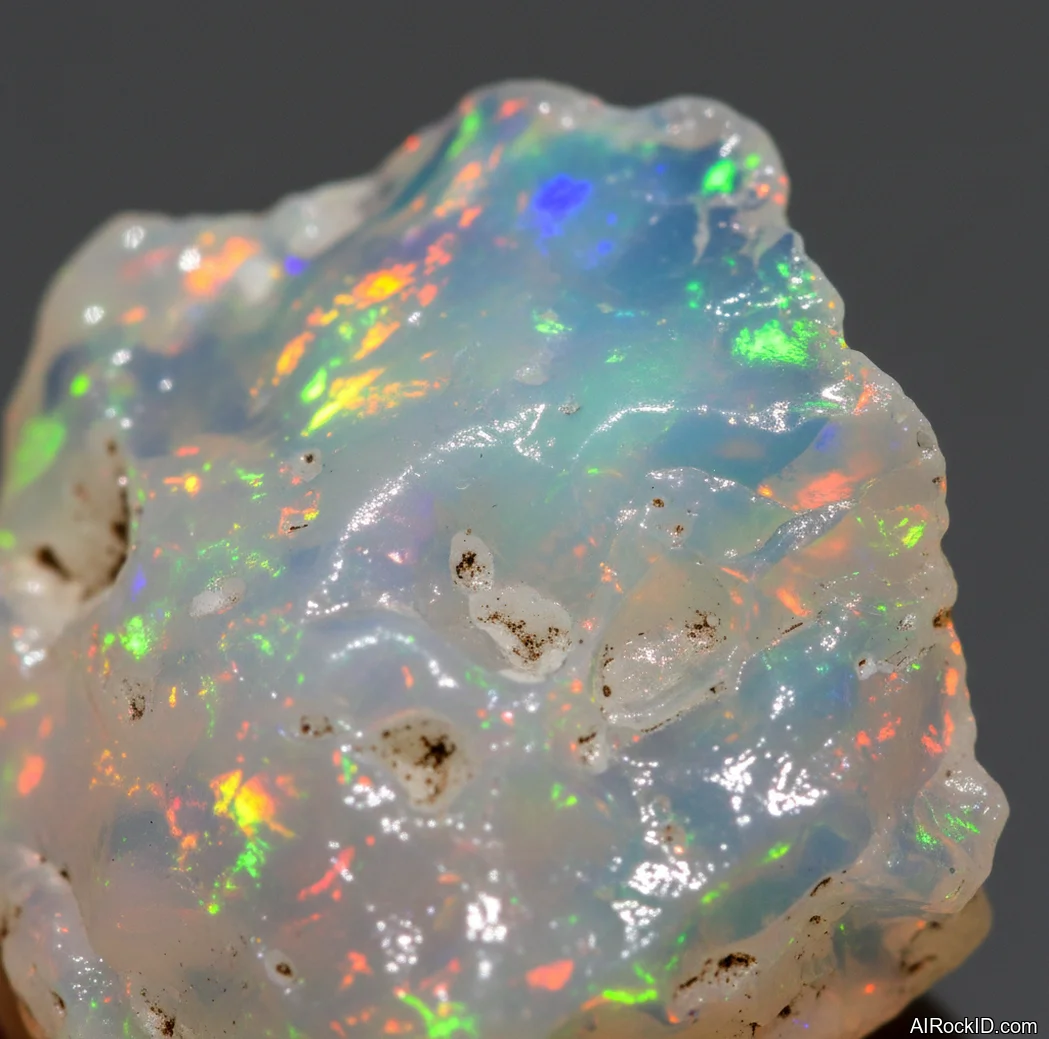
For most beginners, aquamarine, labradorite, and moonstone are practical starting points because they are widely recognized and easy to compare across sellers. Buyers who want rarer Neptune-themed options can look at larimar, natural opal, or celestite after learning their care needs and common imitations.
Final recommendation
Choose Neptune crystals by matching the tradition you follow with verifiable mineral identity, durability, and seller transparency. For jewelry, prioritize stones with suitable hardness and stable treatments; for display or ritual use, appearance and symbolism may matter more.
What this category represents
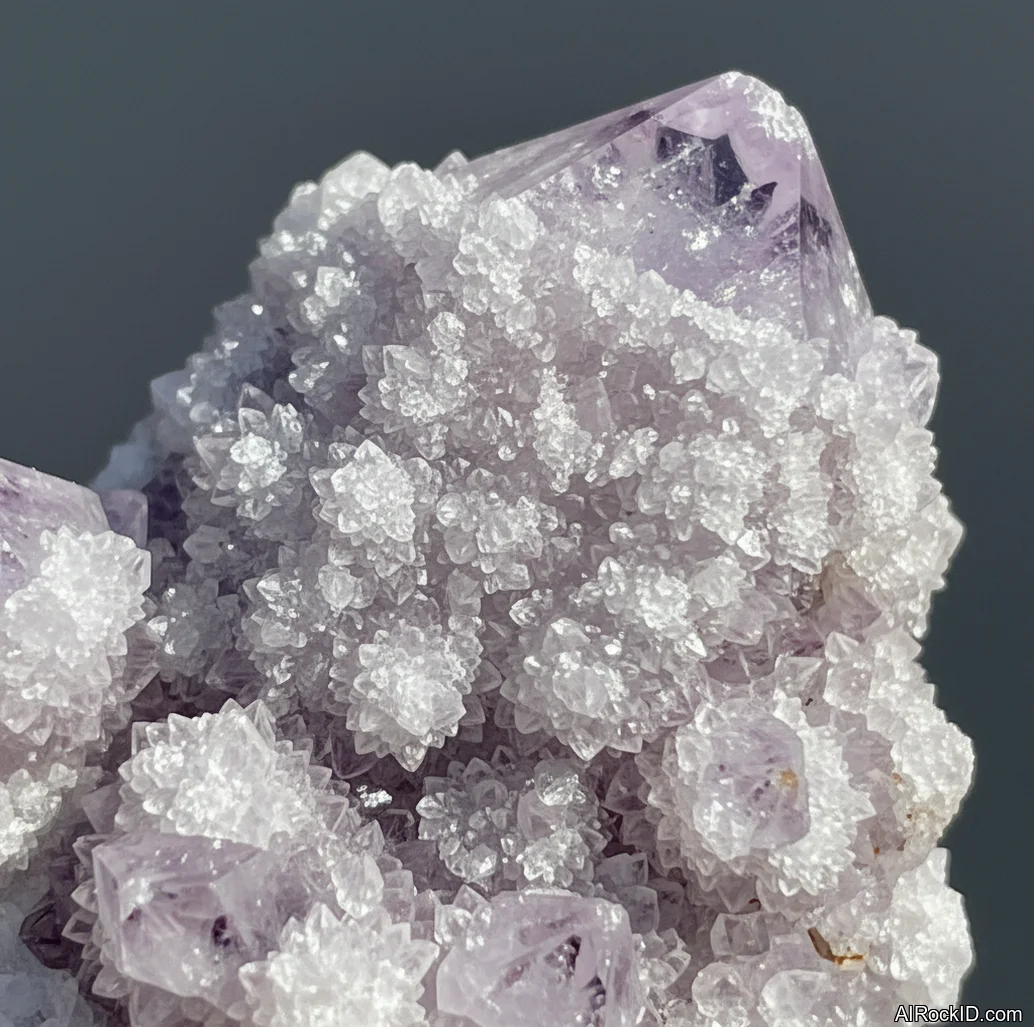
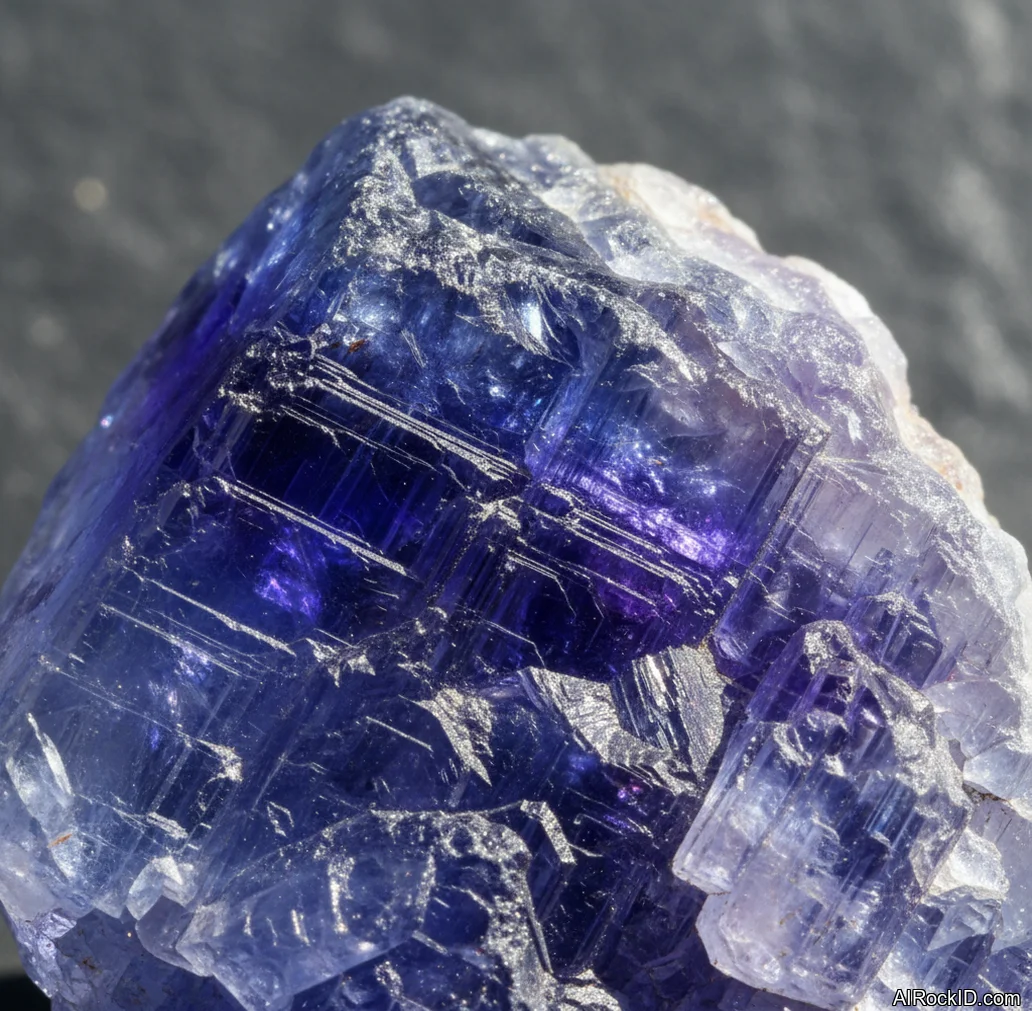
This tag groups crystals and minerals commonly associated with Neptune in astrology, metaphysical writing, ocean symbolism, dream work, and intuition-focused traditions. The grouping is symbolic and cultural, not a geological classification based on shared chemical composition or formation environment.
Beginner recommendations
Advanced recommendations
Neptune Crystals in Astrology-Based Correspondences
In astrology-based crystal traditions, Neptune is often connected with Pisces, water symbolism, imagination, spirituality, illusion, and the subconscious. Crystal assignments vary by author, so a Neptune crystal list may include minerals chosen for color, folklore, optical effects, or symbolic association rather than historical planetary rulership.
Jewelry Durability for Neptune-Themed Stones
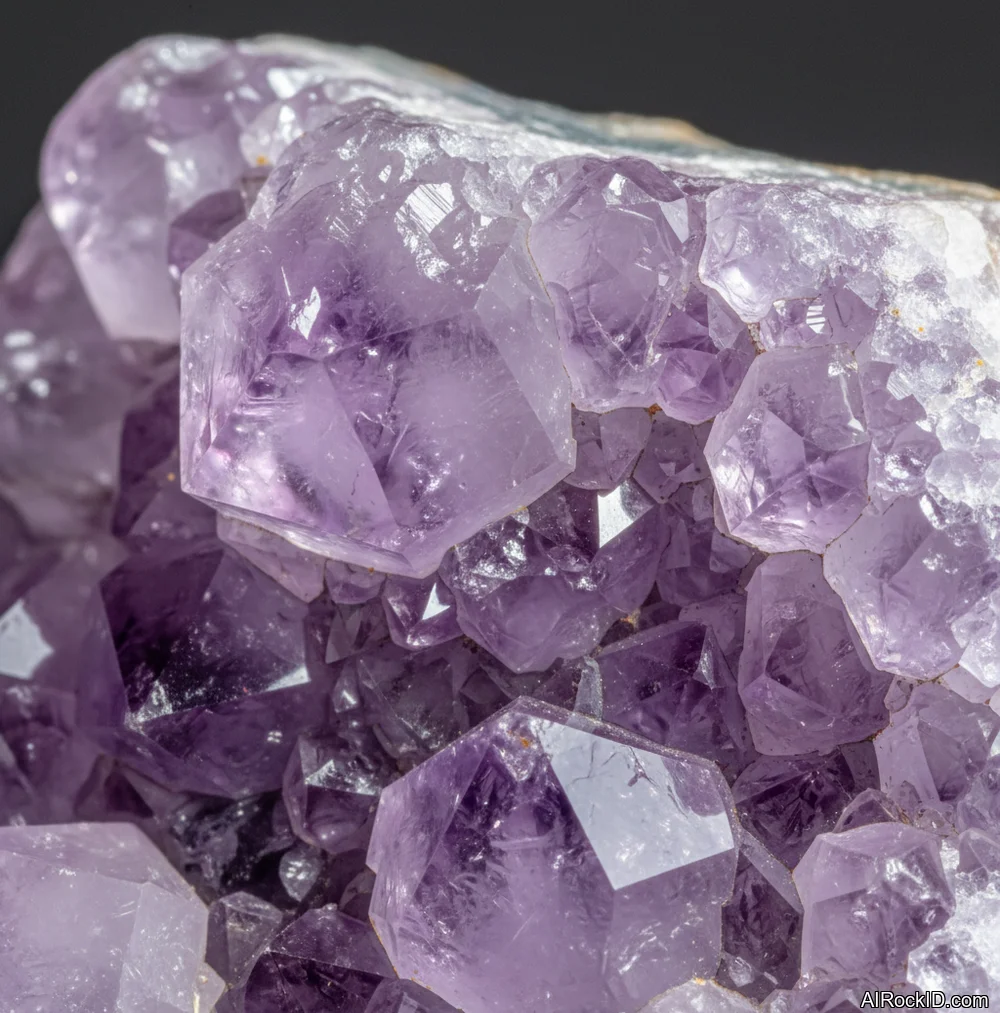
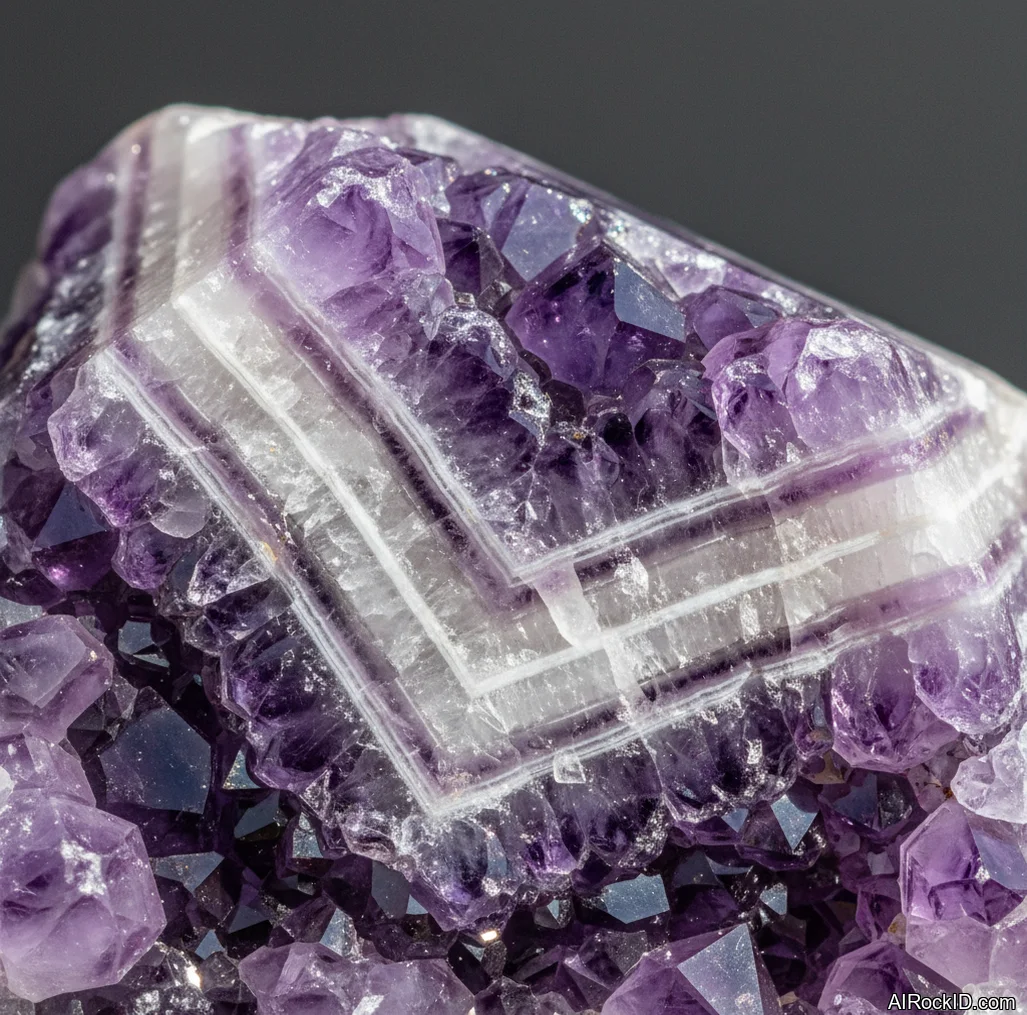
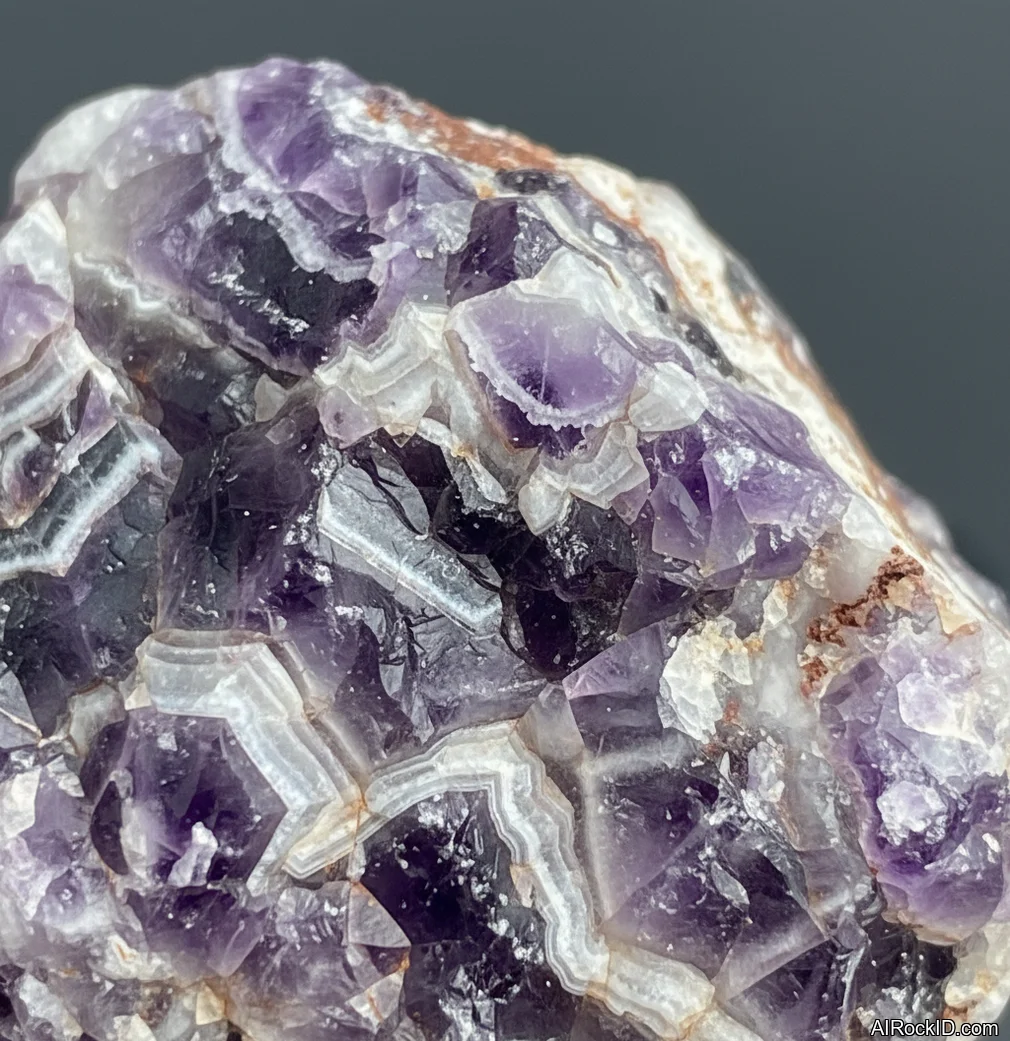
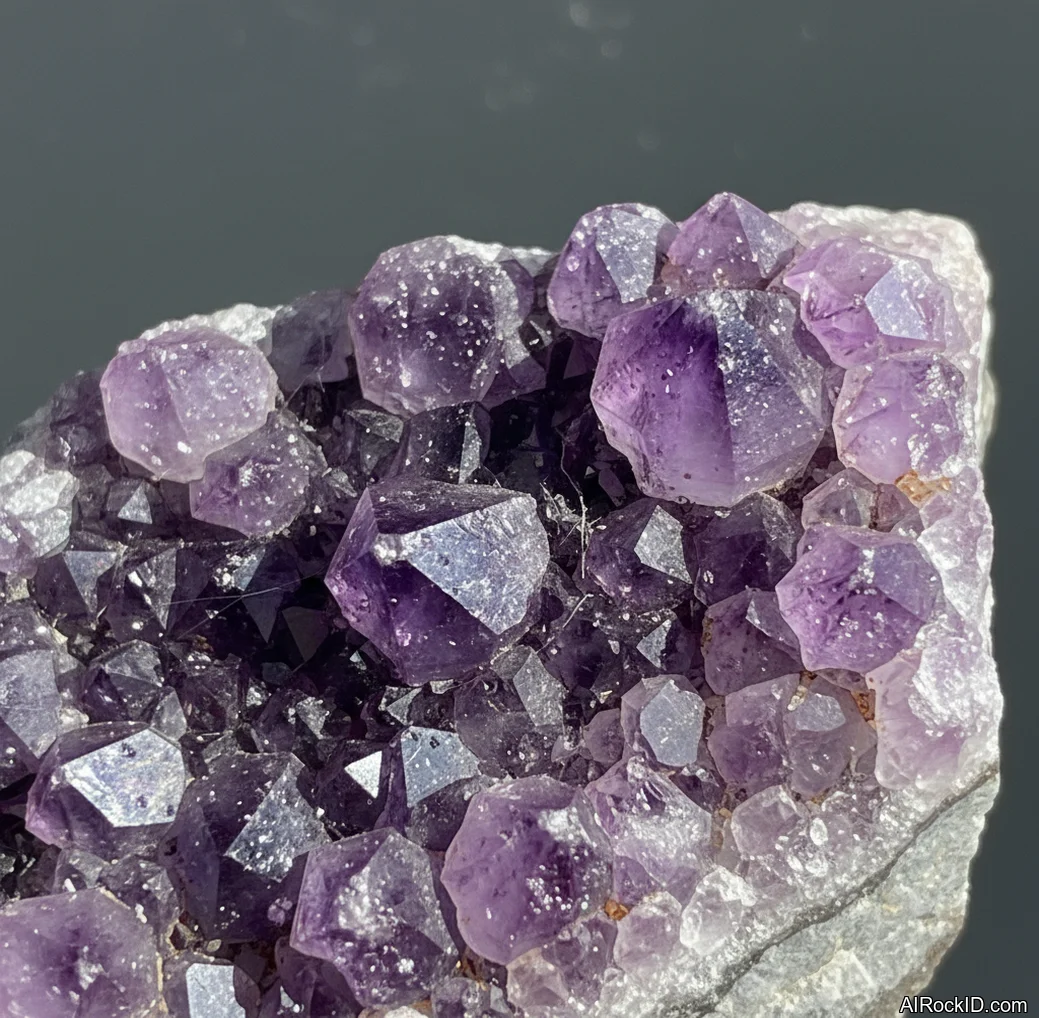
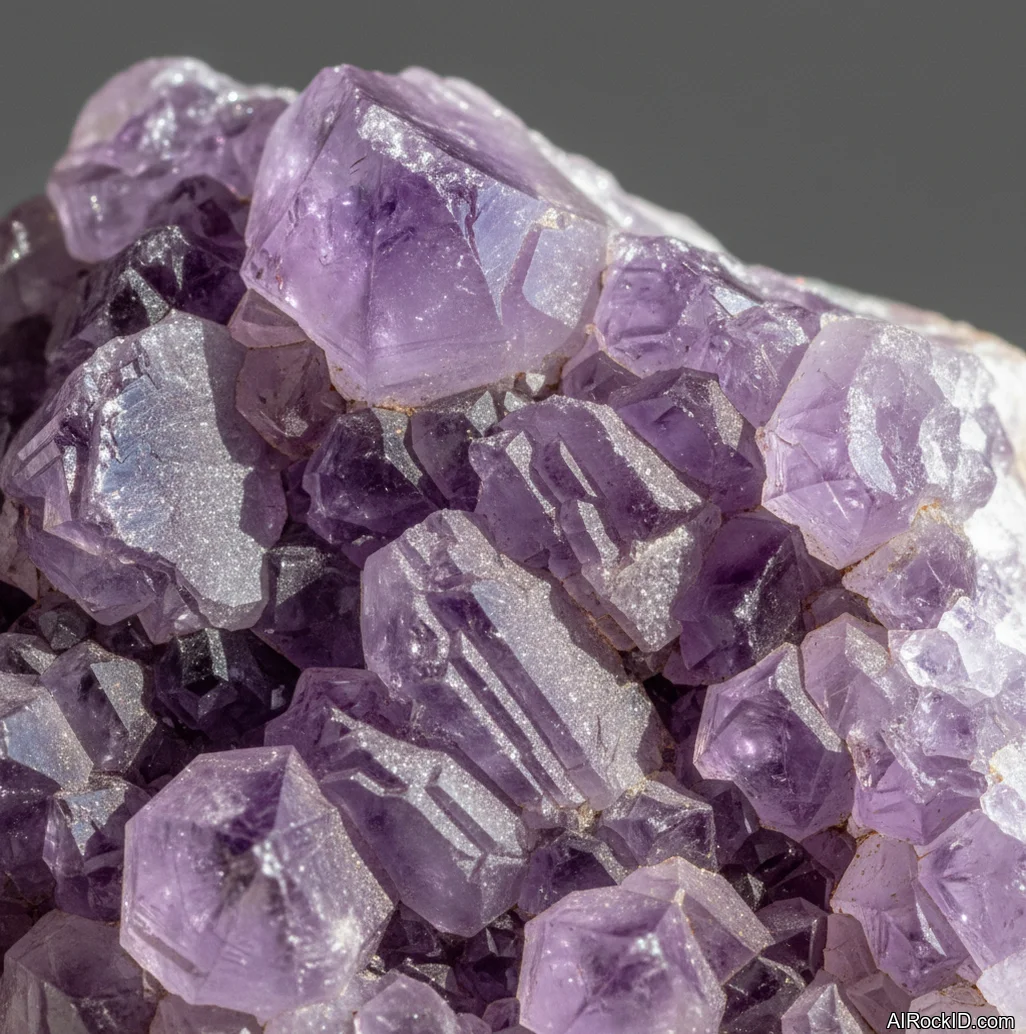
Neptune-associated stones vary widely in hardness and toughness. Aquamarine and amethyst are generally more practical for frequent jewelry wear than celestite, opal, larimar, or chrysocolla, which can be softer, porous, brittle, or sensitive to heat and chemicals.
Natural, Treated, and Man-Made Options
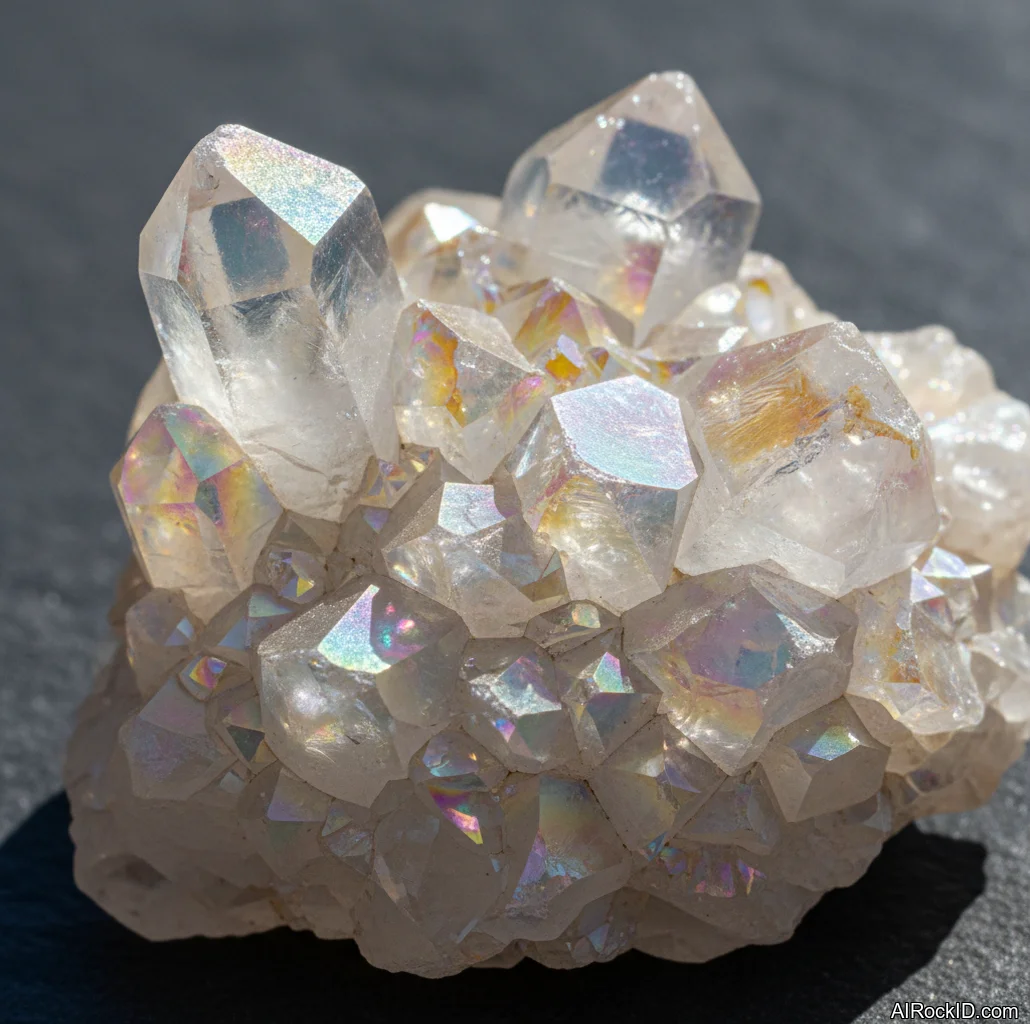
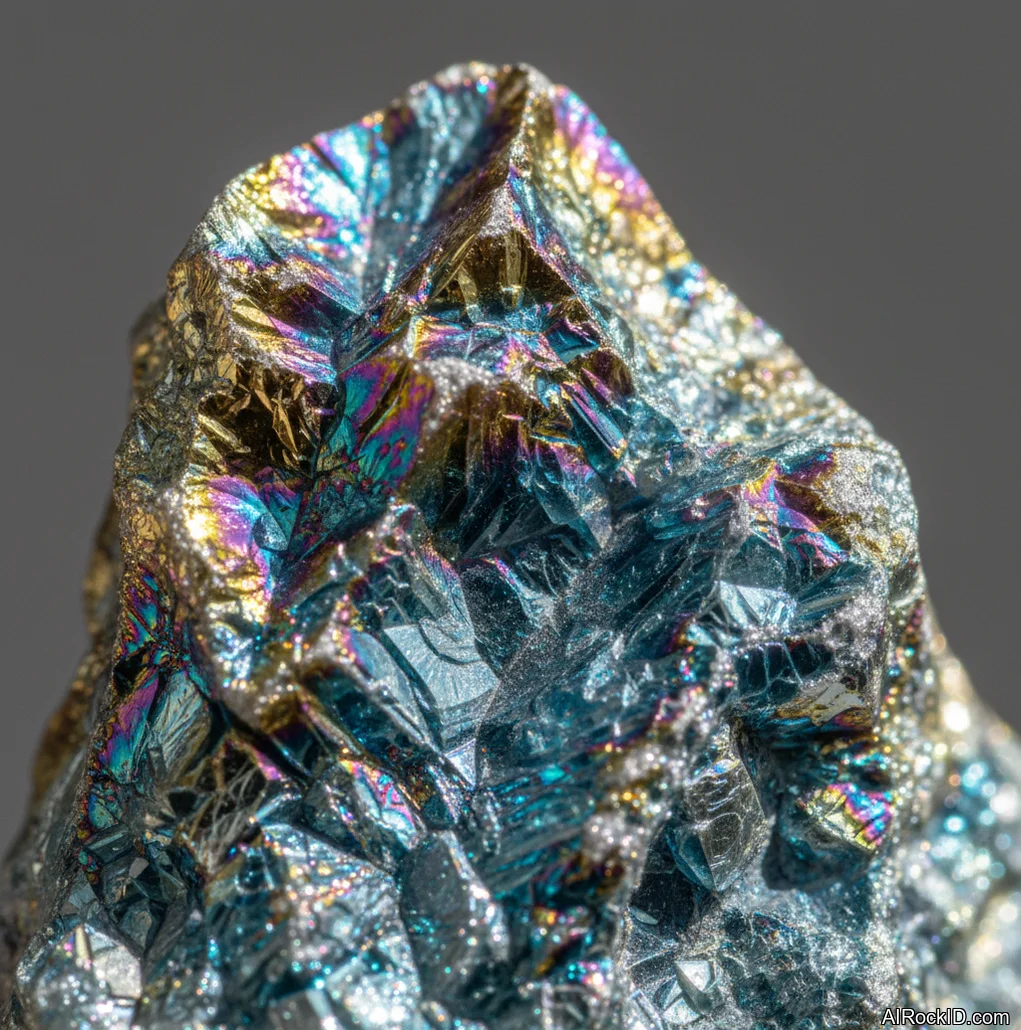
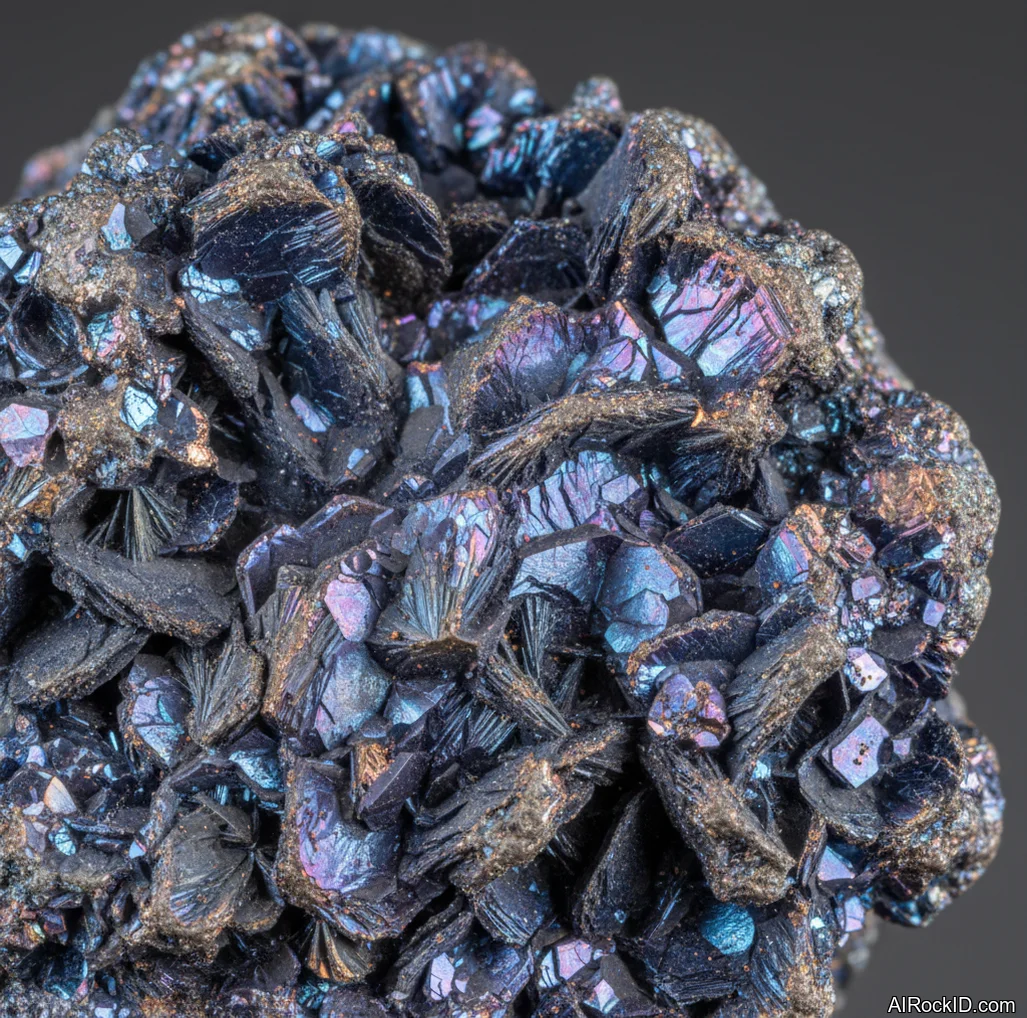
Some stones sold in Neptune-themed sets may be natural, treated, stabilized, dyed, or entirely man-made. Opalite, aqua aura quartz, dyed agate, and coated glass can fit the visual theme, but sellers should disclose their origin and treatments clearly.
Neptune Crystal Meaning and Symbolism in Metaphysical Practice
Neptune in crystal work isn't about clarity. It's about fog—literal and mental. If you've ever left a movie theater convinced the world outside is just a scene change, you've brushed up against what people call Neptune energy. It’s dreamy, slippery, hard to pin down. The feeling is nothing like Mars, all heat and drive, or Saturn, which cuts clean lines. Neptune is more like standing knee-deep in saltwater, watching the light ripple on the surface and not being sure what’s under the waves. In my experience, customers who come looking for "Neptune stones" aren't after anything flashy. They're usually overwhelmed, exhausted, or can't turn off their brains. Some want to track their dreams. Others just want to feel their feelings without being drowned by them. I get questions like, “What helps with intuition, but won’t make me even more spaced out?” That’s the balancing act. Stones tied to Neptune tend to be blue or blue-green, sometimes with a milky or shimmery quality that shifts depending on how you hold them.
Choosing Neptune Crystals for Intuition, Dreams, and Emotional Flow
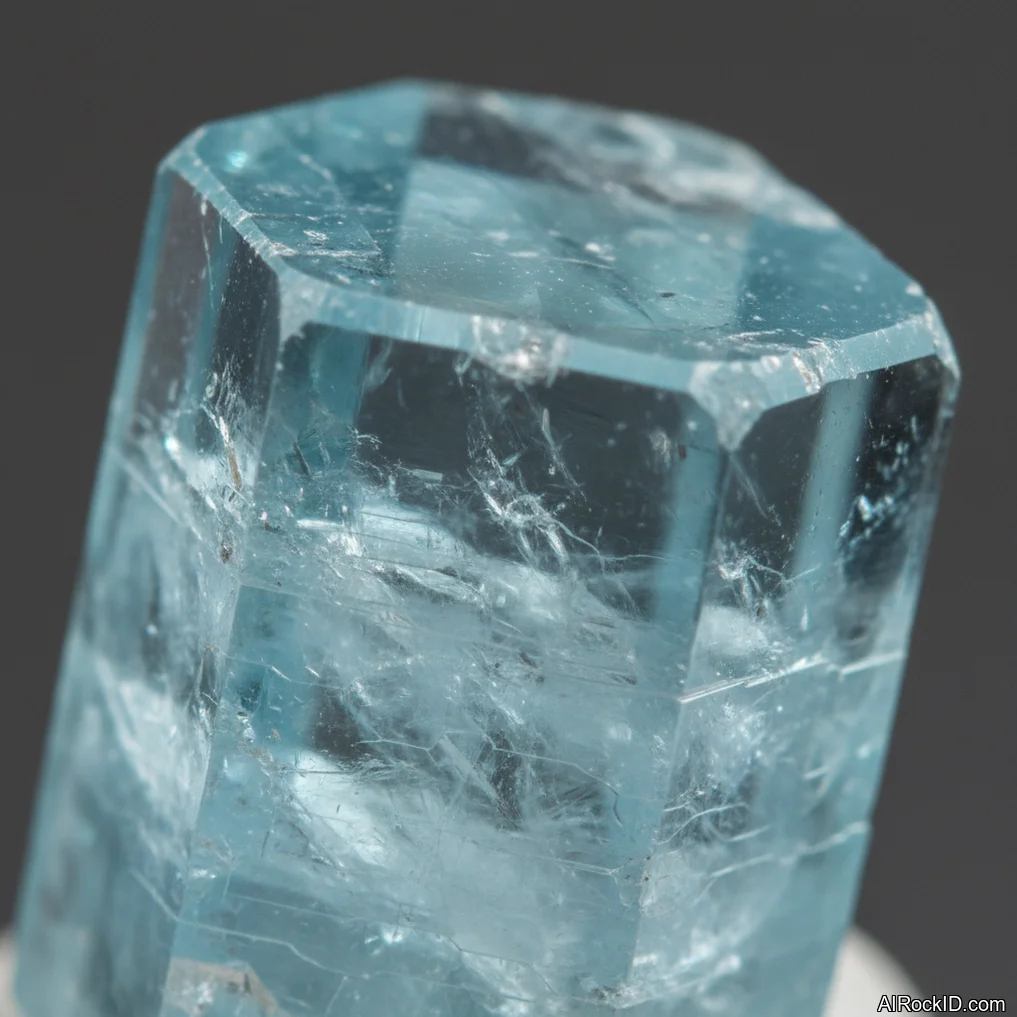
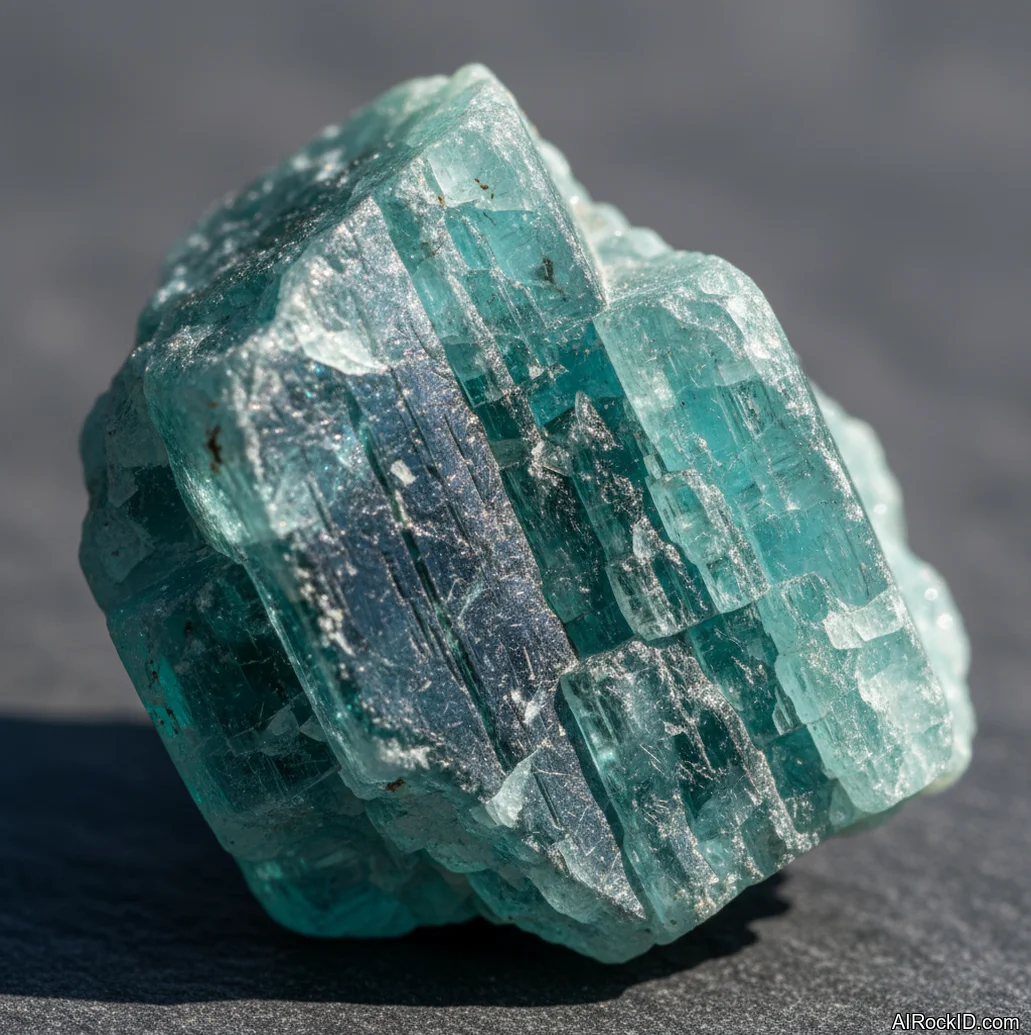
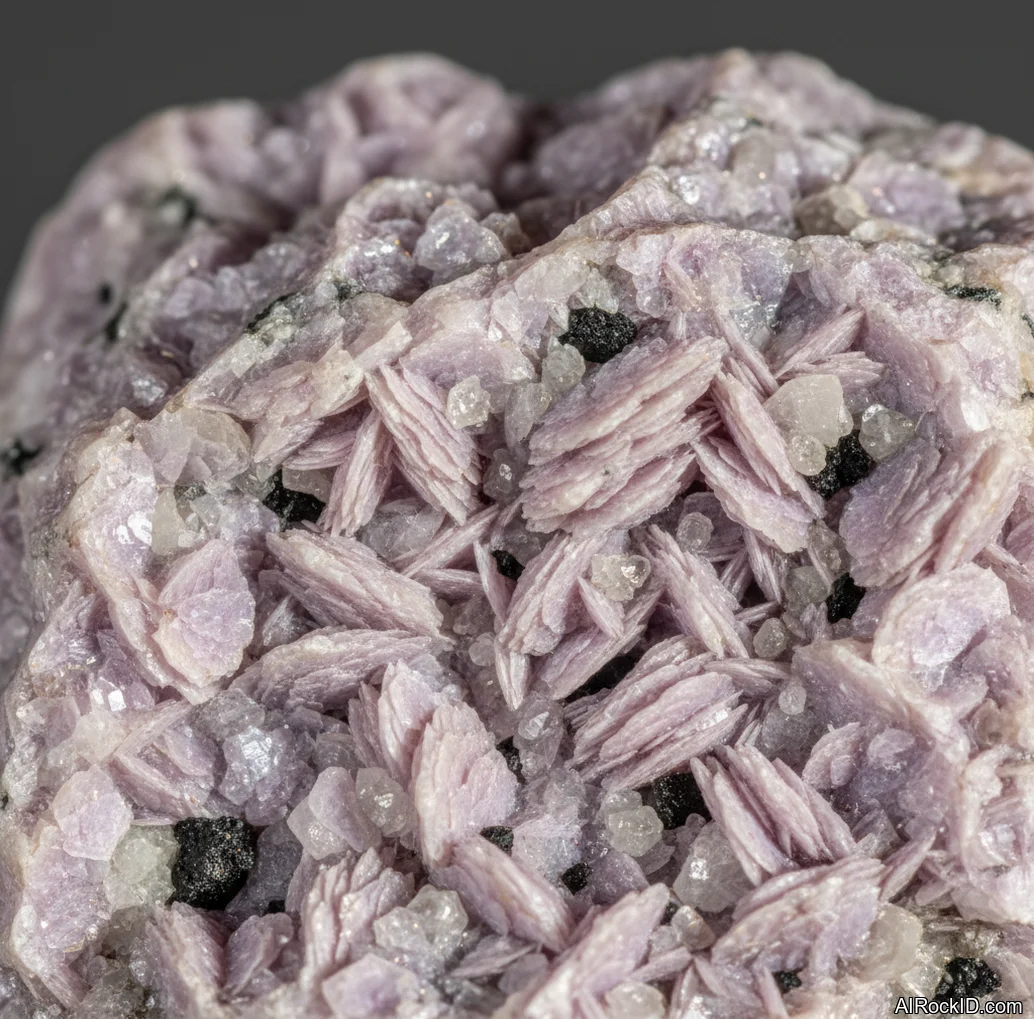
Most widely recognized Neptune stones include Aquamarine, Moonstone, Labradorite, Larimar, Blue Lace Agate, Sodalite, and sometimes Fluorite. What they have in common is a watery vibe. For example, Aquamarine often feels slick and cool, especially when polished, and its raw form grows in six-sided columns with pale blue-green coloring. The higher-grade pieces remind me of sea glass, with a wash of deeper color if you catch them in warm light. Moonstone, on the other hand, is usually soft white with blue flashes that slide across the surface, especially in the right angle. Labradorite is the wild card: it looks like a regular gray rock until you tilt it and a sudden blue or gold flash explodes out of nowhere. That effect comes from thin layers inside the stone, and sometimes you can lose the flash just by shifting your wrist half an inch. Some people find labradorite too intense, almost disorienting. Blue Lace Agate is much softer in feel—most pieces are banded and almost powdery blue, and the polish can look waxy. The common thread? They all demand you slow down and pay attention to subtle shifts.
Physical Properties and Collector Tips for Neptune-Associated Crystals
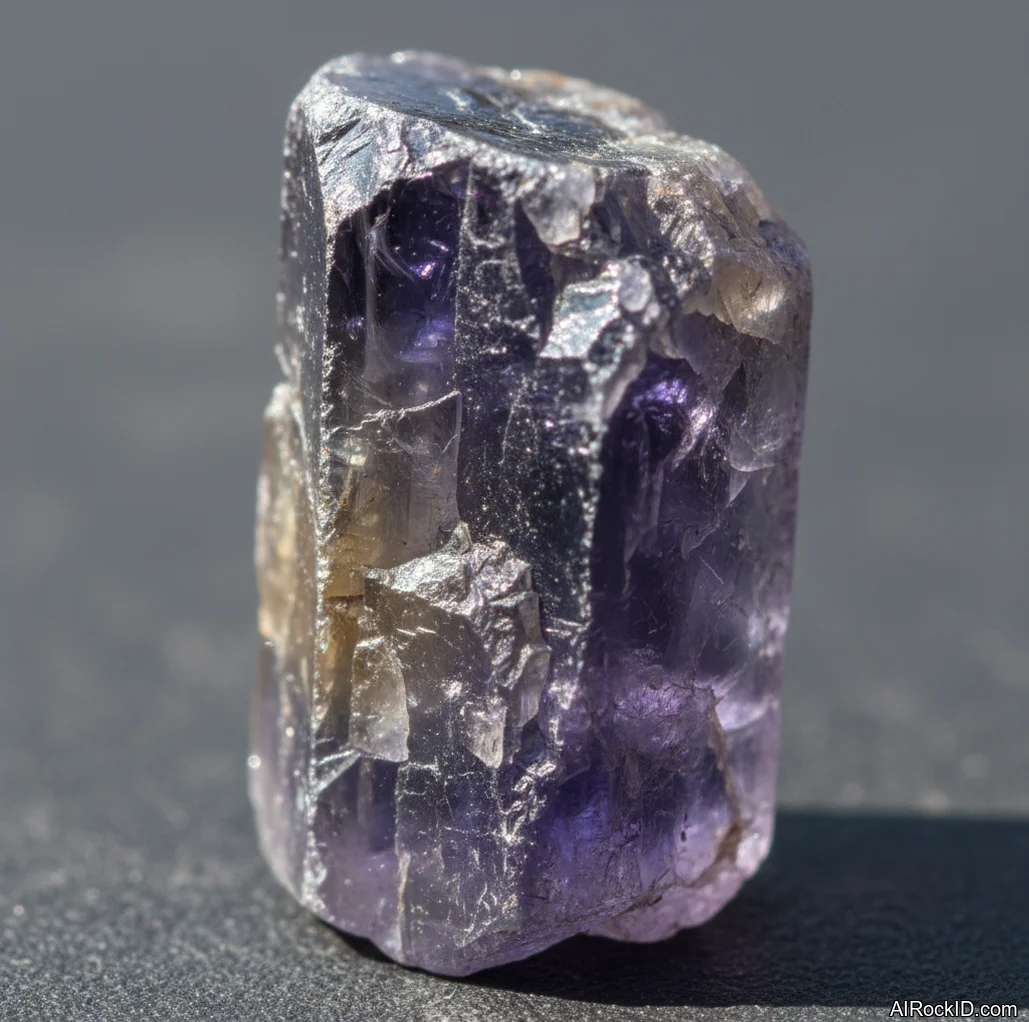
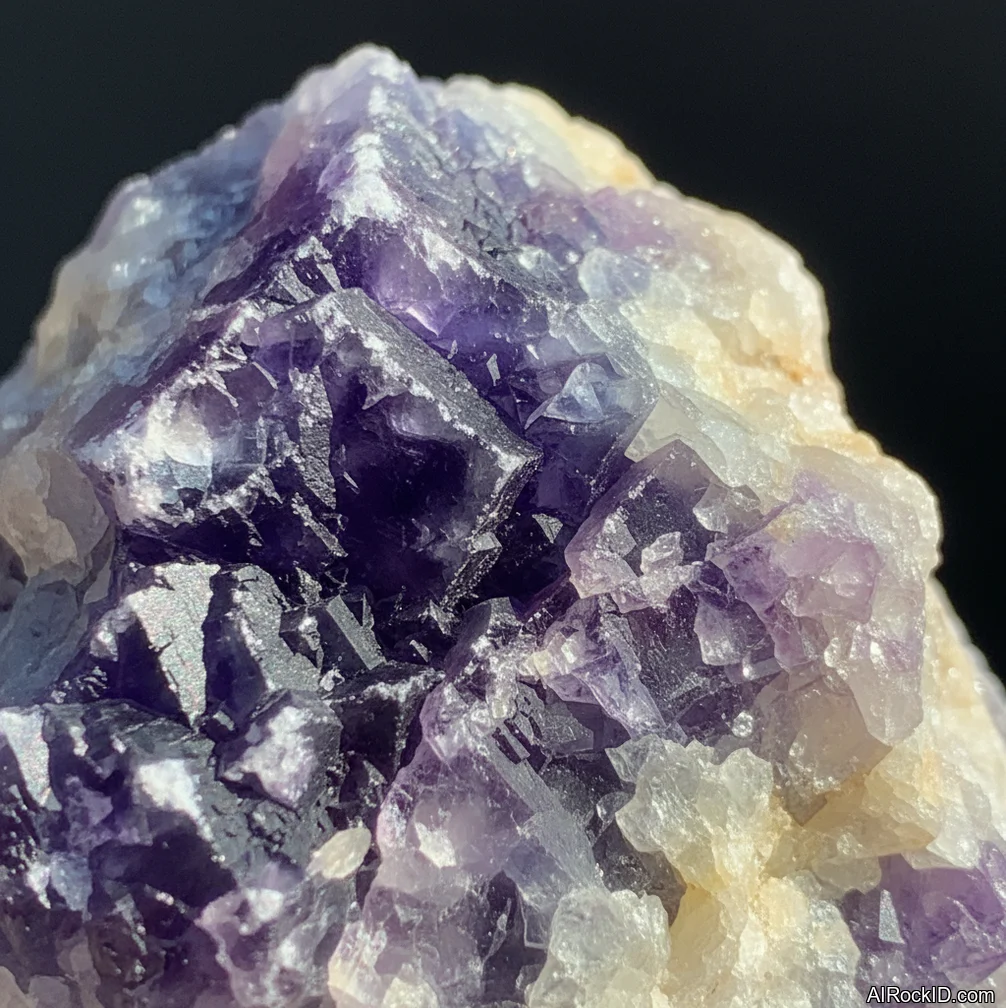
If you collect, you start noticing the texture differences right away. Aquamarine is beryl, so it’s hard—about 7.5 to 8 on Mohs—and usually has clear, straight striations along the prism faces in raw pieces. Moonstone, which is a type of feldspar, is softer at 6 to 6.5 and can get chipped if you drop it. Good moonstone has that blue adularescence, almost like a ghost moving under the surface. Labradorite's labradorescence only appears on certain faces, so rough material can look dull until cut just right. I’ve handled labradorite slabs where the whole piece goes dead gray unless you find the sweet spot with your light source. Larimar, a rare blue pectolite from the Dominican Republic, is usually cut into cabochons and has a cloudlike, almost aquatic pattern—though it scratches easily and can fade in sunlight. Fluorite is the most fragile of the bunch (4 on Mohs) and chips if you so much as drop it on tile. I always tell people: don’t leave these in direct sun, and don’t clean them with salt.
Common Pitfalls and How Dealers Mislabel Neptune Crystals
One frustration in this market is mislabeling. Sellers sometimes call blue calcite “Larimar” or even pass off dyed agate as “Neptune stone.” The difference is obvious when you hold the real thing. Larimar is cool to the touch and feels denser than it looks, while blue calcite is lighter and warmer in the palm. Some moonstone on the market is actually white labradorite—often called “rainbow moonstone”—which is technically correct but doesn’t have the same blue flash as true moonstone from Sri Lanka or India. Fluorite spheres sometimes show up labeled as meditation tools for Neptune, but they’re so soft they pick up fingerprints and scratches with any rough handling. If in doubt, check the hardness and look for natural striations or flashes. Cheap fakes feel wrong—too light, too warm, sometimes even sticky from resin.
Best Neptune Crystals to Start With
| Level | Crystal | Note |
| Gentle / Beginner | Blue Lace Agate | It’s soft, calming, and rarely overstimulates. The banded blue colors are easy on the eyes, and it feels smooth in the hand. |
| Balanced / Everyday | Aquamarine | Stays cool, resists scratches, and has a steady, clear energy. It’s also common enough that you can find affordable raw or polished pieces. |
| Intense / Advanced | Labradorite | The labradorescence can be overwhelming for some, and the visual flash is unpredictable. Good for deep dreamwork or if you want to disrupt mental fog. |
| Best for Carrying | Moonstone | Most tumbled moonstone is pocket-sized, light, and doesn’t chip easily when carried. The blue sheen shows up best in small pieces. |
| Best for Display | Larimar | Cabochons or polished slabs of larimar look stunning on a shelf. The color fades in sunlight, so keep it out of windows. |
Neptune Crystal Comparison
| Crystal | Common Use | Feel / Use Style | Care Caution |
| Aquamarine | Emotional balance, clarity, calming overstimulation | Cool, glassy, sometimes slippery in polished form | Don’t clean with salt; may fade in strong sunlight |
| Labradorite | Dreamwork, intuition, breaking mental patterns | Dense, gray until you hit the color flash angle | Prone to chipping; flashes disappear if surface is scratched |
| Moonstone | Gentle intuition, emotional flow, calming nerves | Smooth, slightly waxy, flashes blue at certain angles | Can chip if dropped; adularescence fades if surface is scratched |
| Larimar | Emotional soothing, throat and heart work | Heavier than it looks, silky finish, cloudlike patterns | Color fades in direct sunlight; soft stone, scratches easily |
How to Identify Neptune Crystals with AI Rock ID
To use an AI Rock ID app for Neptune crystals, take photos in bright, natural light and avoid harsh shadows or color distortions. Snap a full view of the specimen and at least one close-up of a fresh break or polished face. Upload images to compare with database entries, paying attention to hardness (try a scratch test if safe), luster, and any color flashes or banding. The app works best when you include physical measurements and note things like coolness to the touch or any shifting color under different angles.
All Neptune Crystals (44)