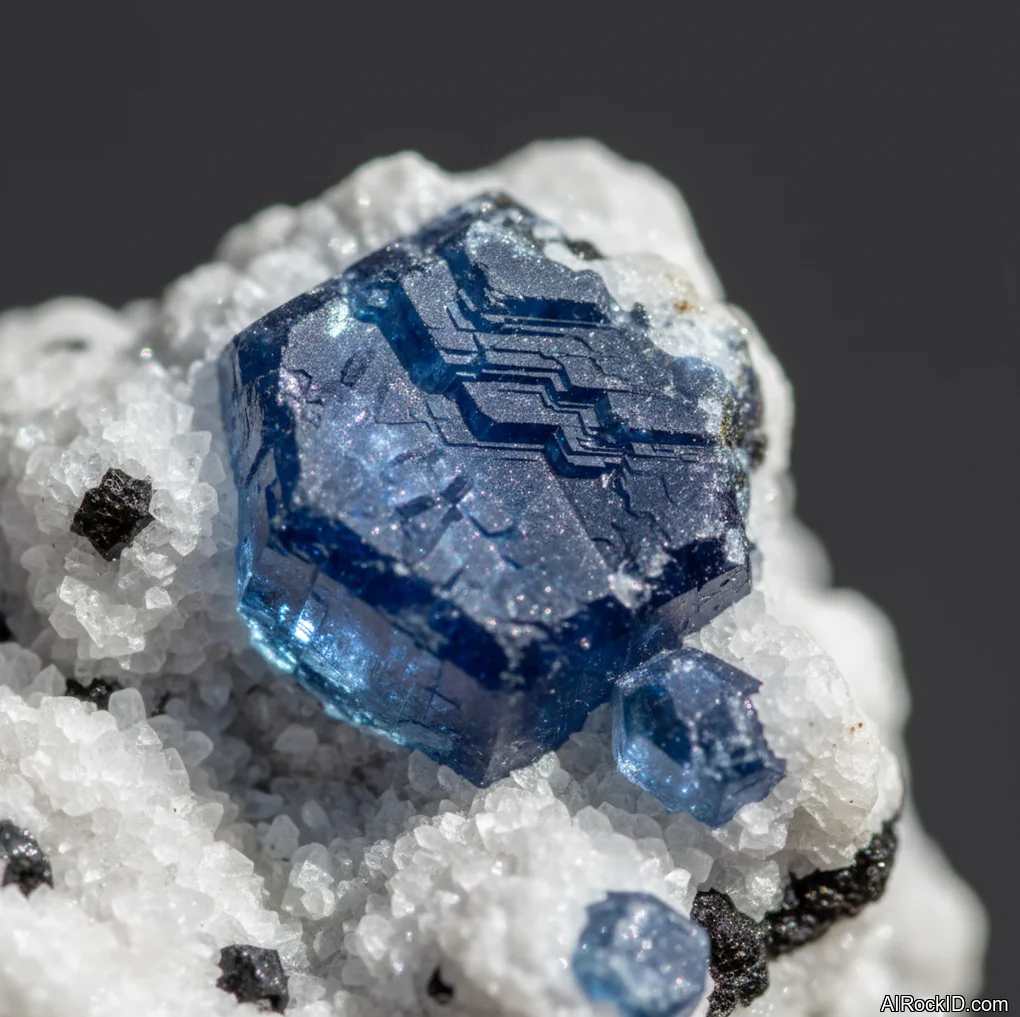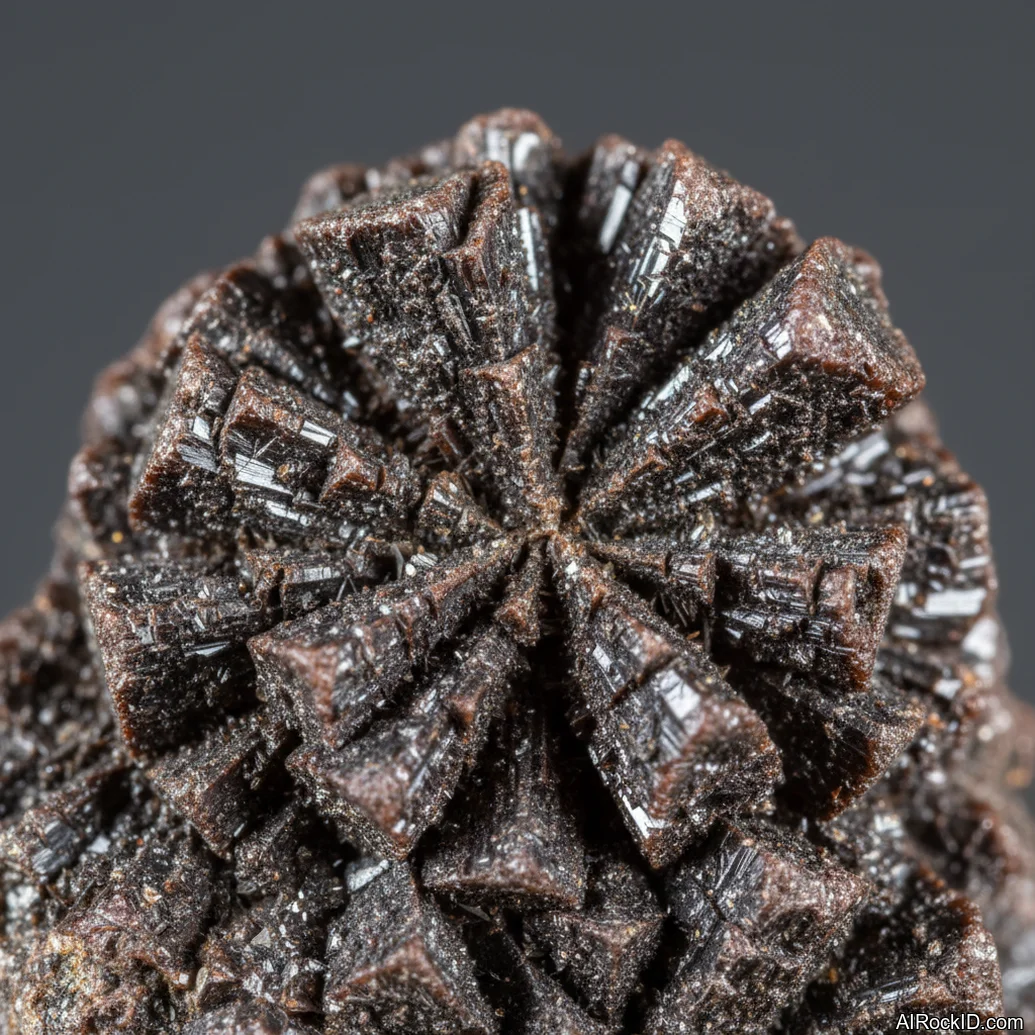
Titanite (Sphene)


Quick answer: Titanite, historically called sphene, is a calcium titanium silicate best known for wedge-shaped crystals and strong spectral dispersion. It is attractive for collectors and occasional jewelry, but its Mohs hardness of about 5–5.5 makes it less durable than many common gem materials.
AI Rock ID can help screen Titanite (Sphene) by comparing visible traits such as color, crystal habit, luster, and transparency from a photo. RockIdentifier.io can provide an identification starting point, but confirmation of valuable or faceted titanite should rely on gemological testing.
Good fit
- Collectors who like high-dispersion crystals with visible rainbow flashes
- People interested in wedge-shaped monoclinic crystal forms
- Jewelry buyers choosing protected settings, pendants, or earrings rather than daily rings
- Specimen collectors comparing green, yellow, brown, or reddish titanite varieties
Not a good fit
- Daily-wear rings or bracelets exposed to knocks and abrasion
- Buyers who want a gem that tolerates ultrasonic cleaning or rough handling
- Anyone who needs a simple visual ID without testing, because several gems can appear similar
Most commonly confused with
- Peridot: Peridot is usually more olive-green, has lower dispersion, and is harder at about Mohs 6.5–7.
- Zircon: Zircon can show strong fire, but it is usually denser and has different optical properties.
- Demantoid Garnet: Demantoid garnet is typically green, singly refractive, and belongs to the garnet group rather than the titanite mineral species.
- Chrome Diopside: Chrome diopside can look similar in green stones but generally lacks titanite’s strong dispersion.
Titanite vs. Similar Green or Fiery Gems
| Feature | Titanite (Sphene) | Peridot | Zircon |
|---|---|---|---|
| Mohs hardness | 5–5.5 | 6.5–7 | 6–7.5 |
| Typical appearance | Green, yellow, brown, or reddish with strong fire | Olive to yellow-green | Many colors; can show bright fire |
| Crystal habit | Often wedge-shaped crystals | Granular or prismatic crystals | Prismatic tetragonal crystals |
| Jewelry durability | Best in protected or occasional-wear settings | Moderate durability | Variable; brittleness can be an issue |
| Key ID clue | Very high dispersion and high refractive index | Distinctive olive color and higher hardness | High density and strong double refraction in many stones |
AI identification confidence
Photo-based identification of titanite can be moderate when wedge-shaped crystals, resinous to adamantine luster, and strong fire are visible. Confidence drops for small faceted stones, dark specimens, or images without scale, because several green or yellow gems overlap visually.
When AI gets it wrong
- A faceted titanite is photographed without visible dispersion or diagnostic inclusions.
- Lighting makes peridot, zircon, or garnet appear to have stronger fire than normal.
- A rough specimen is partly coated, weathered, or embedded in matrix.
- The image lacks scale, crystal faces, or multiple viewing angles.
Final recommendation
Choose titanite if you value unusual crystal form, strong dispersion, and collector appeal more than everyday durability. For jewelry, ask for gemological identification and select designs that protect the stone from impact and abrasion.
How to Check Titanite Authenticity
Authenticity checks for titanite usually focus on refractive index, specific gravity, birefringence, and visual dispersion rather than color alone. A gem lab or qualified gemologist can separate titanite from zircon, garnet, peridot, glass, and other lookalikes. For expensive stones, request a report that states the species and discloses any relevant treatment or uncertainty.
Titanite Buying Tips
When buying titanite, look for transparent stones with good cutting, visible fire, and no major surface-reaching fractures. Color preference varies, but bright green, yellow-green, and vivid yellow stones often attract attention. Because titanite is relatively soft, faceted stones with chipped facet edges or abraded junctions should be evaluated carefully.
Natural Specimen Clues
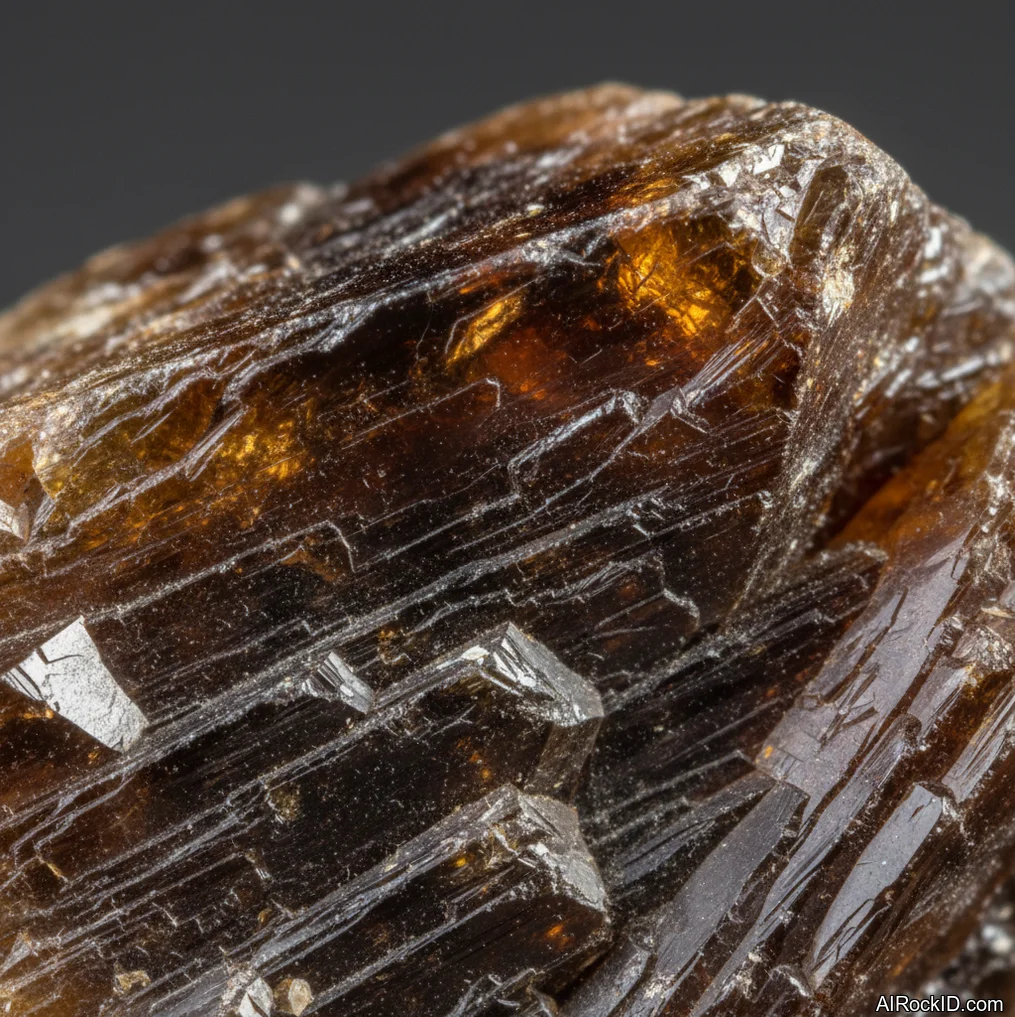
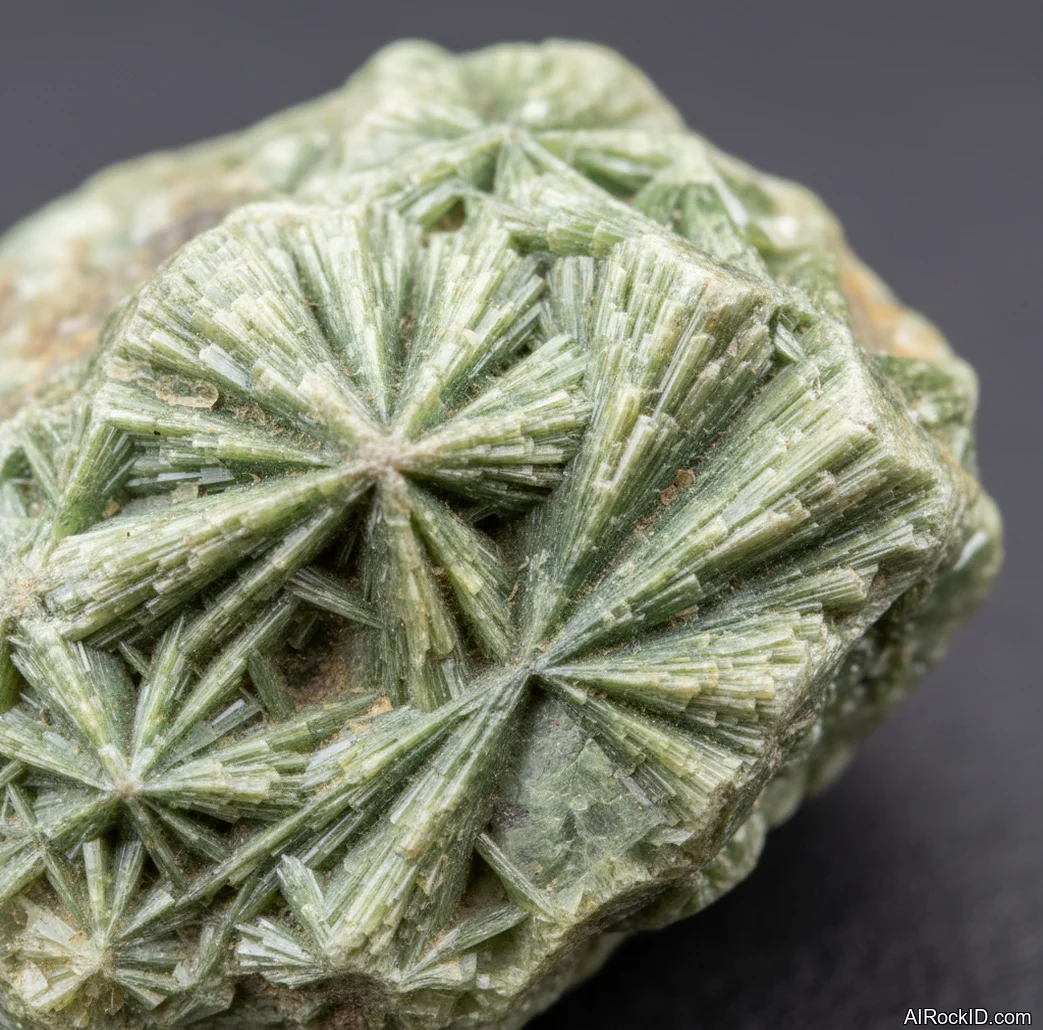
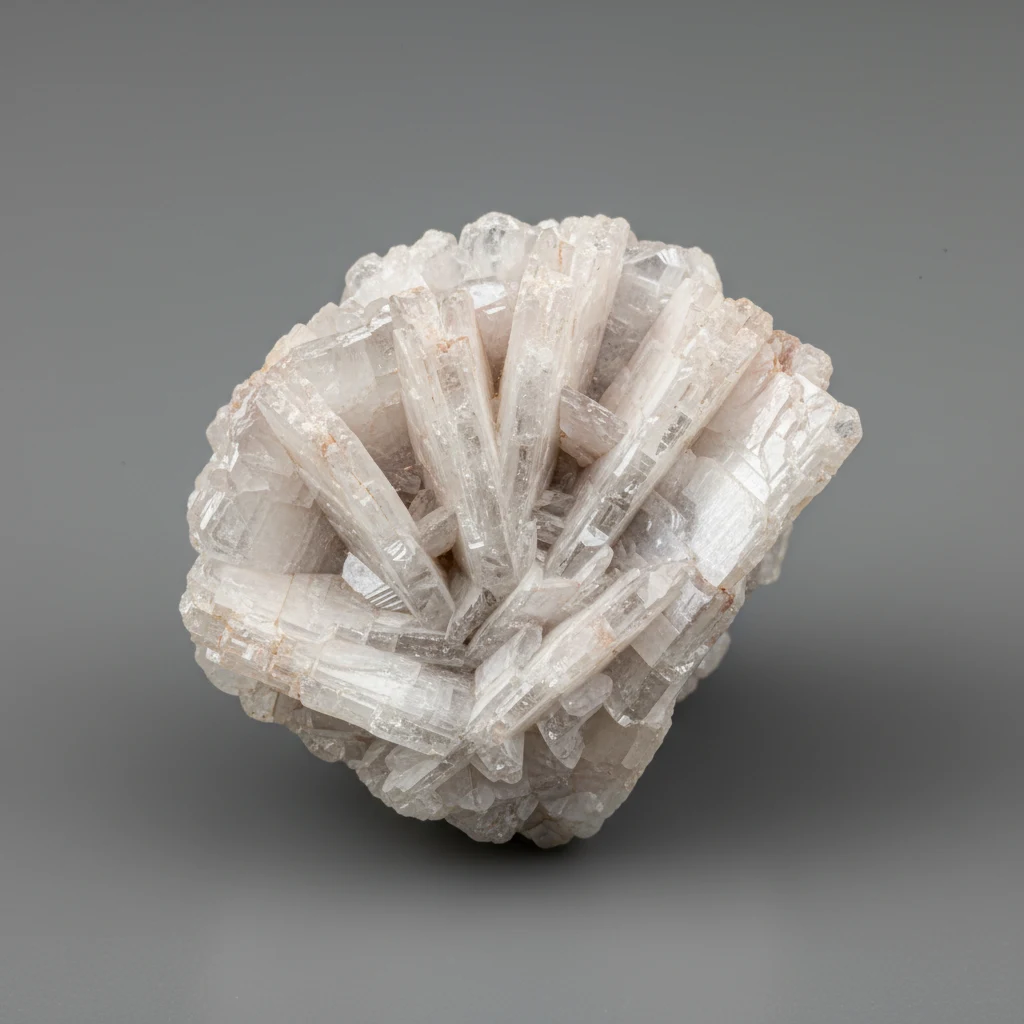
Natural titanite specimens commonly occur as wedge-shaped crystals in metamorphic and igneous rocks, sometimes associated with minerals such as quartz, feldspar, epidote, or chlorite. Well-formed crystals may show a resinous to adamantine luster and sharp, flattened forms. Matrix, locality information, and crystal habit can be helpful evidence, but they do not replace mineral testing.
What Is Titanite (Sphene)?
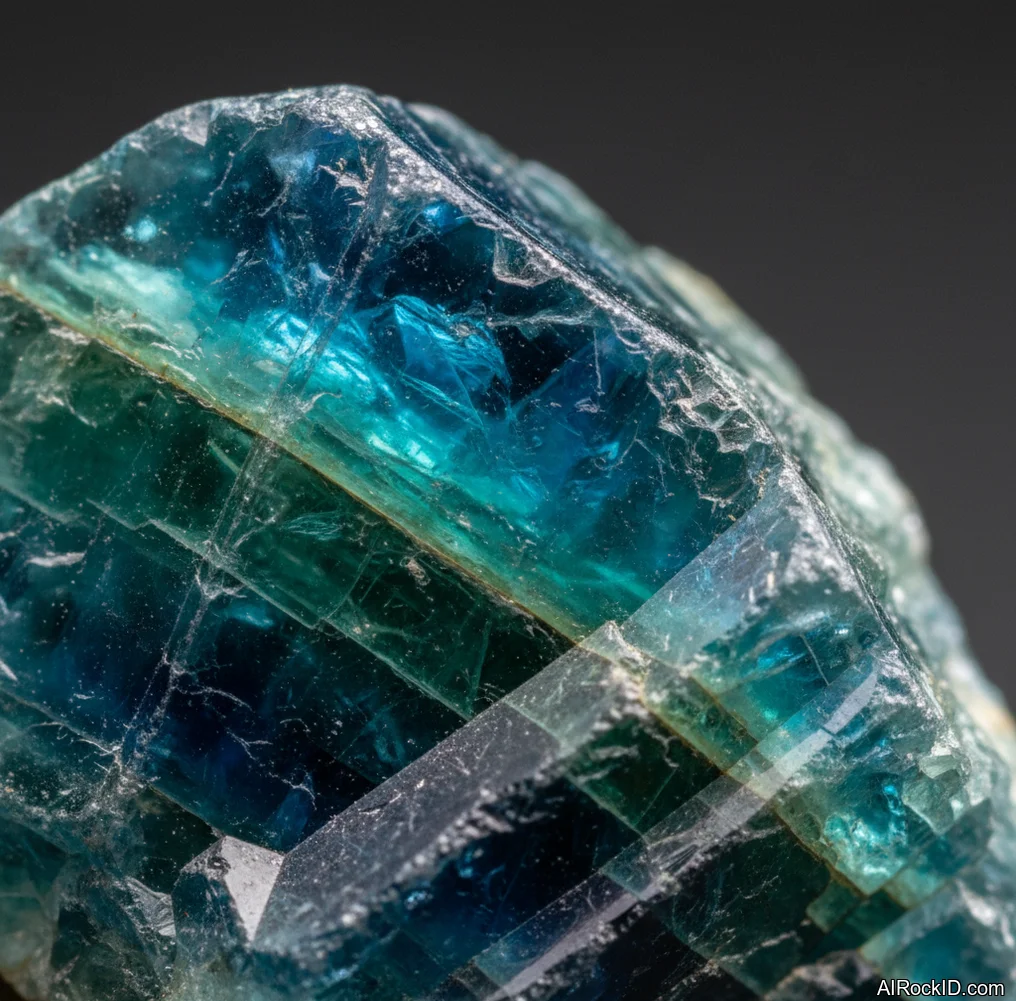
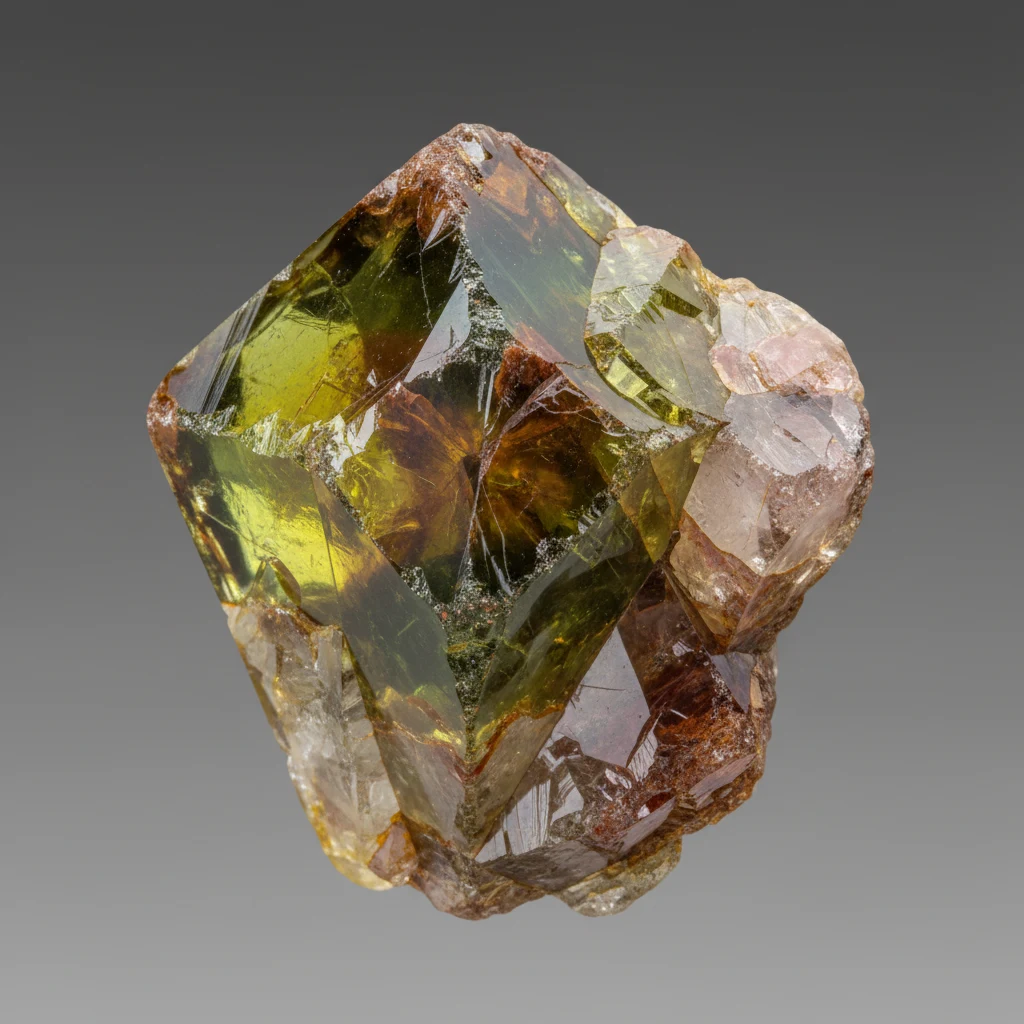
Titanite, also called sphene, is a calcium titanium silicate mineral best known for wedge-shaped crystals and unusually strong rainbow fire. In the hand, a good crystal often looks brighter than expected, with an adamantine to resinous shine and colors that range from yellow-green and olive to honey yellow, brown, reddish brown, gray, pink, or rarely nearly colorless.
Collectors value titanite because it combines sharp monoclinic form, high refractive index, and very strong dispersion. Transparent stones can flash red, orange, green, and yellow more intensely than diamond, but this is not a rugged everyday gem. With Mohs hardness 5–5.5, brittleness, and a tendency to chip if struck, titanite is best treated as a careful-display mineral or occasional-wear stone.
Origin & History
Titanite is the accepted mineralogical name, while sphene is the historic gem and collector name. The word titanite refers to its titanium content; sphene comes from the Greek word for wedge, a direct nod to the mineral’s common wedge-shaped crystal habit. Gem dealers still often say sphene, especially for faceted stones with obvious fire.
In practice, both names point to the same mineral: CaTiSiO5, a nesosilicate made of calcium, titanium, silicon, and oxygen. Mineral references such as mindat.org use titanite as the formal mineral name, while the older sphene label remains familiar on specimen trays, gem parcels, and collector tags.
Where Is Titanite (Sphene) Found?
Titanite is found worldwide in metamorphic and igneous rocks, but fine transparent crystals are uncommon. Important sources include Austria, Switzerland, Italy, Russia, Pakistan, Madagascar, Brazil, Canada, the United States, Mexico, and Norway. It may be an accessory mineral in the rock, yet only a small portion has the clarity, color, and sharpness collectors want.
Formation
Titanite forms as an accessory mineral where calcium, titanium, silica, and oxygen are available during magmatic cooling, regional metamorphism, contact metamorphism, or hydrothermal alteration. It occurs in calcium-rich igneous and metamorphic settings, including granites, syenites, gneisses, schists, amphibolites, skarns, and Alpine-type fissures.
For a collector, the formation setting often shows in the specimen style. Alpine fissure material may appear as sharp, lustrous crystals, while metamorphic and igneous occurrences may place titanite among feldspar, quartz, calcite, or other rock-forming minerals. The best pieces keep crisp wedge geometry, bright luster, and clean faces without obvious bruising.
How to Identify Titanite (Sphene)
Identify titanite by looking for wedge-shaped monoclinic crystals, a white streak, Mohs hardness of about 5–5.5, and adamantine to resinous luster. It is softer than quartz, harder than fluorite, and usually denser than common feldspar, with a density of 3.48–3.60 g/cm³. Do not scratch a good visible face; use inconspicuous testing only when appropriate.
Transparent sphene is often recognized by its extreme optical liveliness. Faceted stones can show strong doubling, very high birefringence, and vivid fire in red, orange, green, and yellow. Because it can resemble tourmaline, peridot, or demantoid garnet at a glance, serious identification should rely on optical properties rather than color alone.
Properties of Titanite (Sphene)
Physical Properties
| Crystal System | Monoclinic |
| Hardness (Mohs) | 5–5.5 (Moderate) |
| Density | 3.48–3.60 g/cm³ |
| Luster | Adamantine to resinous, sometimes vitreous |
| Diaphaneity | Transparent to translucent, rarely opaque |
| Fracture | Subconchoidal to uneven; brittle |
| Streak | White |
| Magnetism | Not magnetic |
| Colors | yellow-green, green, olive, yellow, brown, reddish brown, gray, pink, colorless |
Chemical Properties
| Classification | Nesosilicate; calcium titanium silicate |
| Formula | CaTiSiO5 |
| Elements | Calcium, Titanium, Silicon, Oxygen |
| Common Impurities | Iron, Aluminum, Fluorine, Niobium, Tantalum, Manganese, Rare earth elements |
Optical Properties
| Refractive Index | nα about 1.843–1.950, nβ about 1.870–2.034, nγ about 1.943–2.110 |
| Birefringence | Very high, commonly about 0.100–0.192 |
| Pleochroism | Usually weak to distinct; yellow, green, brown, or reddish tones depending on body color |
| Optical Character | Biaxial positive; very strong dispersion, about 0.051 |
Titanite (Sphene) Health & Safety
Titanite is not considered toxic for normal handling or display. The main practical risk is nuisance mineral dust if it is cut, ground, drilled, or polished.
Titanite (Sphene) Value & Price
Price Range
Rough/Tumbled: Small common rough or thumbnail specimens may sell for a few dollars to tens of dollars. Fine, sharp, lustrous crystals or transparent gem rough can range from tens to several hundred dollars, with exceptional specimens or large clean crystals reaching higher collector prices.
Cut/Polished:
Value depends on transparency, color, crystal sharpness, luster, size, damage, locality, and visible dispersion. Bright green, golden, or reddish transparent material is desirable, especially if clean enough for faceting. For specimens, undamaged wedge-shaped crystals on attractive matrix are especially valued.
Durability
Moderate to delicate — Scratch resistance: Hardness 5–5.5 means titanite scratches more easily than quartz, topaz, sapphire, and many common jewelry gems., Toughness: Brittle, with cleavage and a tendency to chip if struck.
Generally stable under normal display conditions, but it should be protected from hard knocks, abrasive contact, ultrasonic cleaning, steam cleaning, and harsh chemicals.
How to Care for Titanite (Sphene)
Use & Storage
Store titanite separately from harder minerals and gemstones. Wrap crystals or faceted stones in a soft cloth or place them in a padded box to prevent scratches and chips.
Cleaning
Clean gently with lukewarm water, mild soap, and a soft brush. Dry with a soft cloth. Avoid ultrasonic cleaners, steam cleaners, acids, and abrasive powders.
Cleanse & Charge
For metaphysical use, cleanse by gentle smoke, sound, moonlight, or placing near clear quartz. Avoid saltwater, harsh sunlight for prolonged periods, and rough handling.
Placement
Best displayed in a protected cabinet or used in pendants, earrings, or occasional-wear jewelry where impact risk is low. Rings should have protective settings and be worn carefully.
Caution
Do not test titanite by scratching visible faces. Its luster and fire are attractive, but it is softer and more brittle than many jewelry stones.
Works Well With
Titanite (Sphene) Meaning & Healing Properties
In modern crystal-healing traditions, titanite or sphene is associated with clarity, learning, confidence, creativity, mental focus, and seeing multiple possibilities. These meanings are cultural and spiritual, not scientifically proven, but many collectors choose it when they want a bright, stimulating stone with a lively visual presence.
Titanite is commonly linked with the Solar Plexus, Heart, and Third Eye chakras, and with Gemini, Leo, and Sagittarius. For gentle metaphysical care, cleanse it with smoke, sound, moonlight, or by placing it near clear quartz. Avoid saltwater, prolonged harsh sunlight, and rough handling, because the mineral is moderately hard but brittle.
Identify Titanite (Sphene) from a photo
Compare Titanite (Sphene) traits, care tips, value clues, and common lookalikes with a clear photo.
Common mistakes
- Assuming every green, fiery faceted stone is titanite without gemological testing
- Using the name sphene as if it describes a separate mineral species from titanite
- Choosing titanite for a daily ring without considering its modest hardness
- Cleaning titanite with ultrasonic or steam methods that may worsen fractures
- Judging value by color alone while ignoring clarity, cut quality, size, and damage
- Relying on a single photo when crystal habit, scale, and luster are unclear