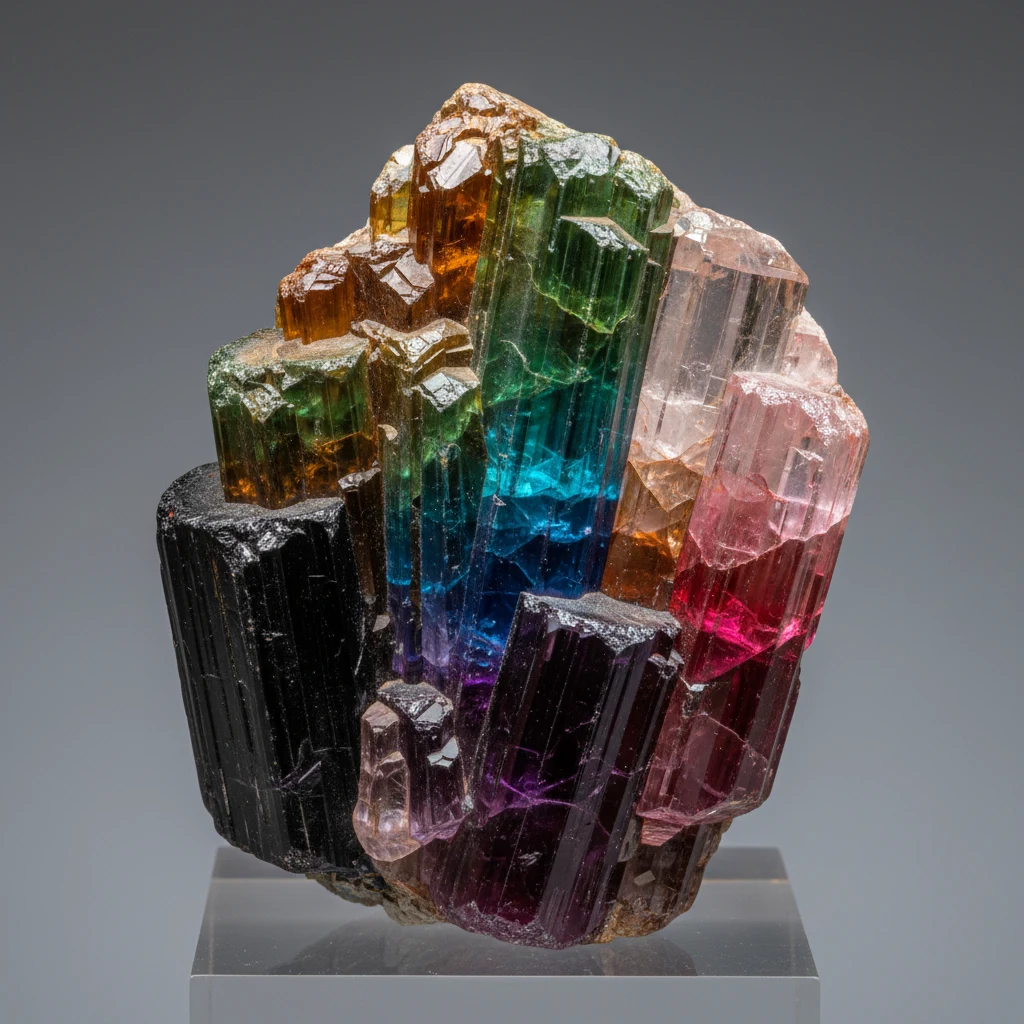
Tourmaline


Quick answer: Tourmaline is a borosilicate mineral group that appears in many colors, including black, pink, green, blue, and multicolor zoning. Its striated crystal habit, hardness of 7–7.5, and strong pleochroism in some varieties can help separate it from common lookalikes.
AI Rock ID can help compare a Tourmaline photo against visual traits such as color zoning, crystal shape, luster, and surface striations. RockIdentifier.io provides crystal identification support, but uncertain or high-value specimens should be checked by a qualified gemologist or mineral lab.
Good fit
- Collectors who want a single mineral group with many color varieties
- Jewelry buyers looking for a durable gemstone with a Mohs hardness around 7–7.5
- Beginners learning to recognize vertical striations and prismatic crystal shapes
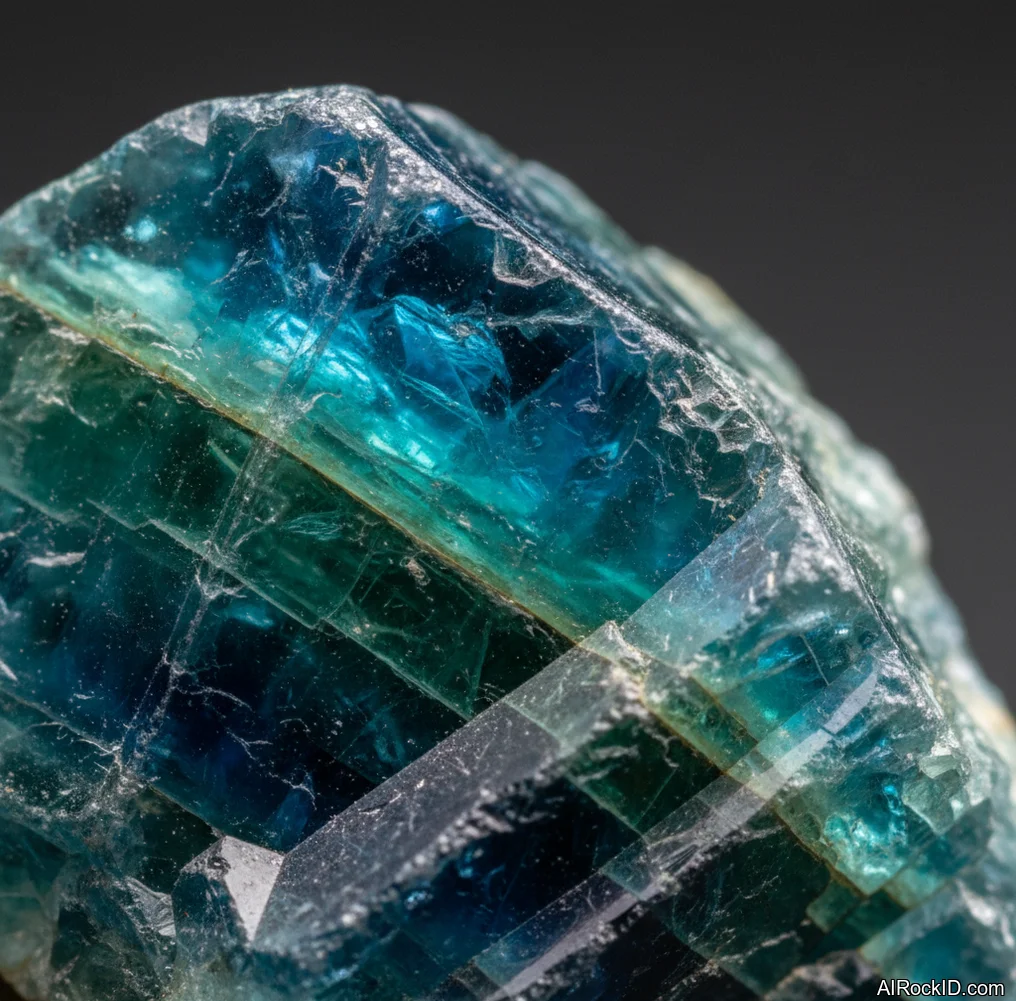
- Specimen collectors interested in color zoning, including watermelon Tourmaline
Not a good fit
- Buyers who need a gem that is easy to identify by color alone
- Collectors avoiding stones that may be treated, filled, or imitation in jewelry markets
- People seeking a crystal for medical or guaranteed healing effects
Most commonly confused with
- Beryl: Beryl can form hexagonal prisms, while Tourmaline commonly has triangular cross-sections and stronger vertical striations.
- Quartz: Quartz is usually less strongly color-zoned and lacks Tourmaline’s typical triangular prism habit.
- Garnet: Garnet often forms equant dodecahedral crystals, while Tourmaline is commonly elongated and striated.
- Topaz: Topaz has perfect basal cleavage and different crystal habits, while Tourmaline usually shows long prismatic crystals.
Tourmaline vs. Common Lookalikes
| Feature | Tourmaline | Common Lookalike |
|---|---|---|
| Crystal habit | Elongated prisms, often triangular in cross-section | Quartz and beryl may form hexagonal prisms |
| Surface texture | Distinct lengthwise striations are common | Topaz and quartz may show smoother crystal faces |
| Color pattern | Strong zoning is common in some specimens | Dyed quartz or glass may show unnatural or surface-level color |
| Hardness | Mohs 7–7.5 | Fluorite is much softer at Mohs 4 |
| Cleavage | Poor to indistinct cleavage | Topaz has perfect basal cleavage |
AI identification confidence
AI identification confidence for Tourmaline is usually higher when the photo shows the full crystal shape, vertical striations, and natural color zoning. Confidence is lower for polished beads, cabochons, dark stones, and jewelry settings where diagnostic crystal faces are hidden.
When AI gets it wrong
- Black Tourmaline may be confused with other dark minerals such as hornblende, schorl-like amphiboles, or obsidian in low-detail photos.
- Pink or green polished Tourmaline may resemble colored quartz, beryl, glass, or synthetic material without gem testing.
- Watermelon-style color zoning can be imitated by dyed stones or assembled jewelry pieces.
- Lighting, saturation, and surface reflections can make pleochroism or zoning appear stronger than it is.
Final recommendation
For casual collecting, look for natural striations, believable color zoning, and a seller who clearly labels the variety and any treatments. For expensive faceted Tourmaline, especially Paraíba-type, rubellite, or indicolite, request a reputable gemological report.
How to Spot Authentic Tourmaline
Authentic rough Tourmaline often shows long prismatic crystals, vertical striations, and uneven natural terminations. In polished stones, authenticity is harder to judge by appearance alone, so buyers should look for transparent treatment disclosure, realistic pricing, and lab reports for valuable gems. Color zoning can support identification, but it is not proof by itself because dyed and assembled materials can imitate zoning.
Tourmaline Varieties to Know
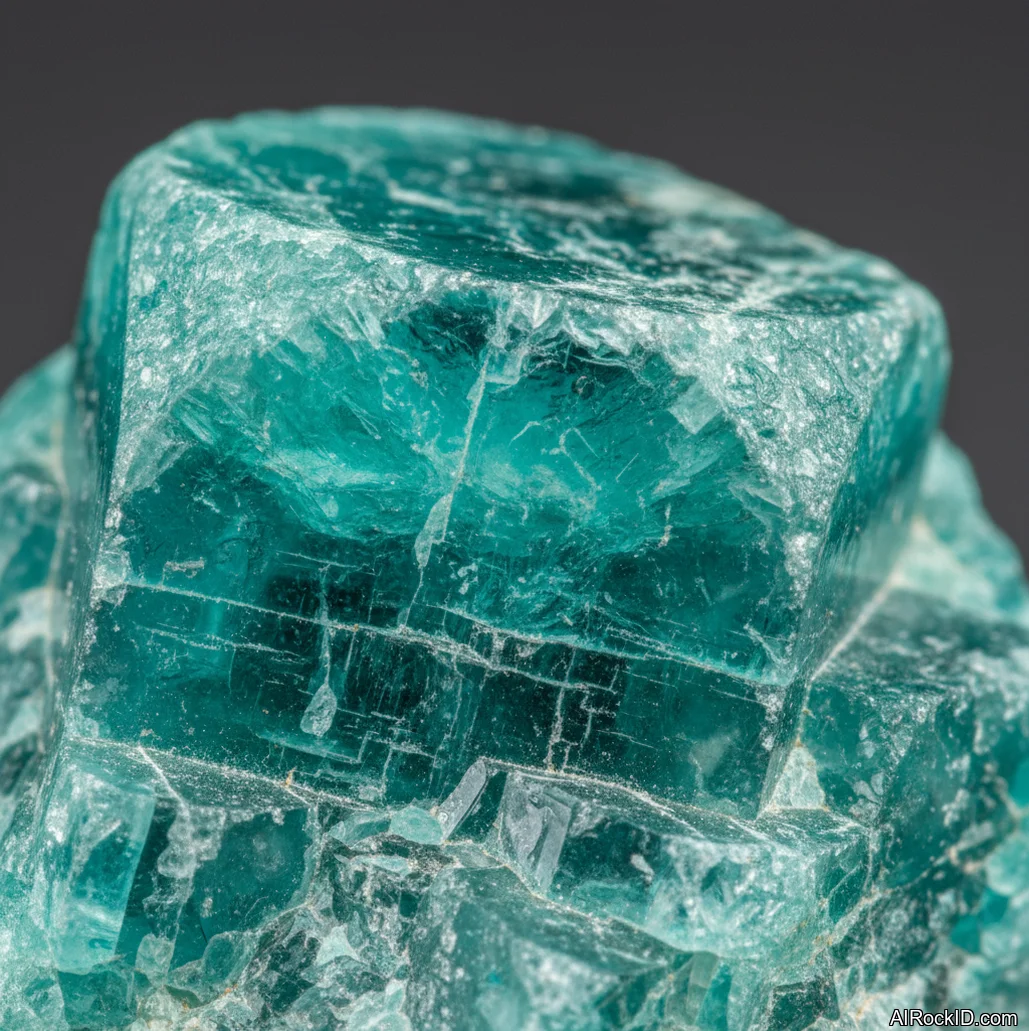
Common Tourmaline variety names are often based on color or composition. Schorl refers to black Tourmaline, elbaite includes many gem colors, rubellite is pink to red, indicolite is blue, and verdelite is green. Paraíba-type Tourmaline is known for vivid blue to green colors caused by copper and manganese, and it usually requires laboratory confirmation for high-value sales.
Buying Tourmaline Online
Clear photos should show the stone from multiple angles, including close views of inclusions, zoning, and surface condition. Listings should state whether the item is natural, treated, synthetic, assembled, or dyed, especially for beads and bright multicolor pieces. For faceted stones, carat weight, dimensions, clarity, origin claims, and any gem lab report are more useful than color names alone.
What Is Tourmaline?
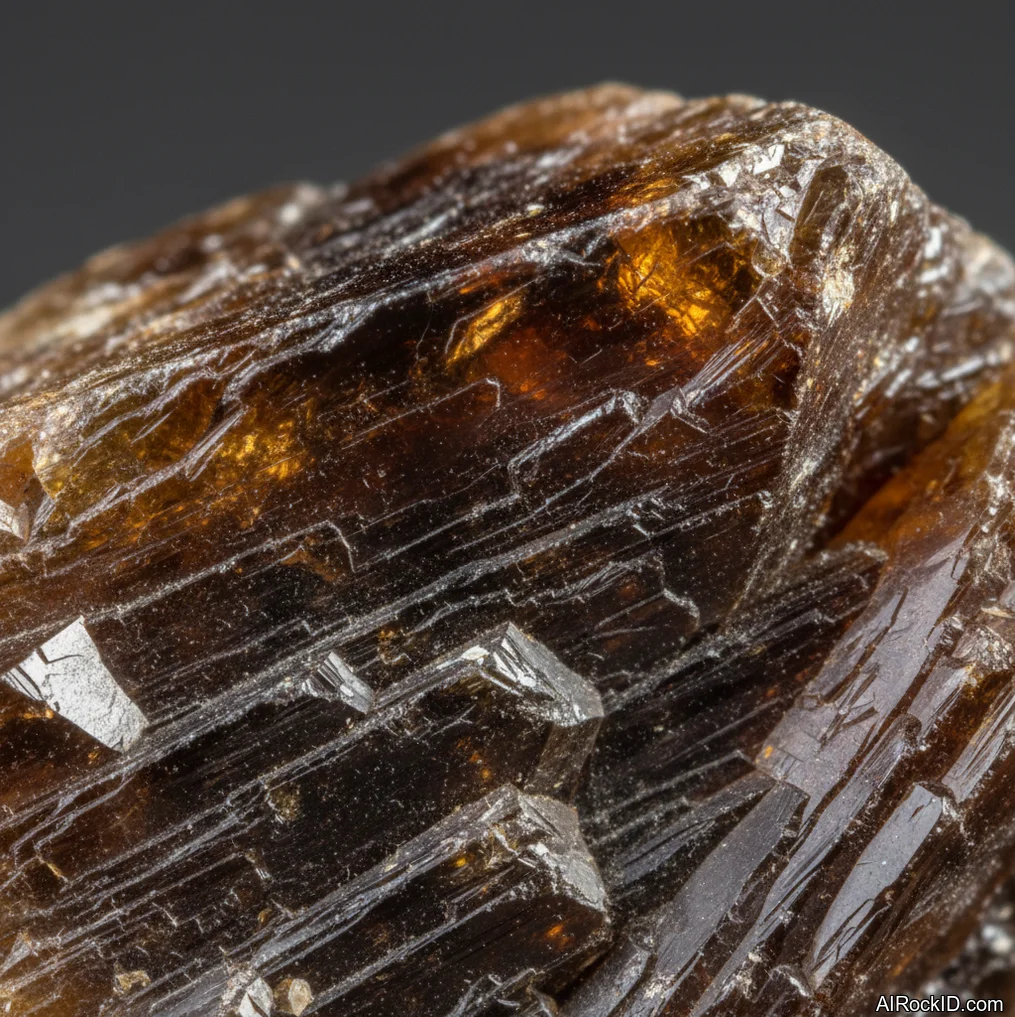
Tourmaline is an uncommon gemstone group of complex borosilicate minerals, not one single simple mineral. In the hand, a good crystal often feels like a hard, glassy prism: long, vertically striated, and commonly triangular to rounded-triangular across the end. The group includes black schorl, brown to magnesium-rich dravite, colorful lithium-rich elbaite, calcium-rich uvite, and related species.
Collectors prize tourmaline because it can be black, brown, green, blue, pink, red, yellow, orange, violet, colorless, or multicolored in the same crystal. It has vitreous to slightly resinous luster, no true cleavage, and Mohs hardness of 7–7.5, so gem material wears well with normal care. Strong pleochroism is common, making some crystals shift color as you turn them under light.
Origin & History
The name tourmaline comes from the Sinhalese words turmali or toramalli, historically used in Sri Lanka for mixed colored gems. Dutch traders carried the name into Europe in the 1700s, where these bright, varied stones became known in trade before their mineral chemistry was fully understood.
Modern mineralogy recognizes tourmaline as a chemically complex mineral group rather than a single species. That explains why a black schorl crystal, a pink rubellite-style elbaite, and a brown dravite can all be sold under the tourmaline name. For locality and species data, collector databases such as mindat.org treat tourmaline through its individual group members and occurrences.
Where Is Tourmaline Found?
Tourmaline is found worldwide, especially in granitic pegmatites, greisens, metamorphic rocks, and some hydrothermal veins. Important source countries include Brazil, the United States, Afghanistan, Pakistan, Madagascar, Mozambique, Nigeria, Namibia, Sri Lanka, Russia, Myanmar, and Australia.
Formation
Tourmaline forms in boron-rich geological settings. It commonly crystallizes in granitic pegmatites, where volatile-rich late-stage fluids concentrate boron, lithium, fluorine, and other elements into pockets that can grow long prismatic crystals. It can also form in greisens, hydrothermal veins, altered granitic rocks, and during regional or contact metamorphism of boron-bearing sediments.
Its color range comes from chemical substitution inside the tourmaline structure. Sodium, calcium, iron, magnesium, lithium, aluminum, manganese, chromium, and vanadium can occupy different structural sites, producing black schorl, brown dravite, vivid elbaite colors, calcium-rich uvite, and multicolored zoning such as watermelon tourmaline.
How to Identify Tourmaline
Identify tourmaline first by form and feel: hard, glassy to resinous prismatic crystals with strong vertical striations and no true cleavage. Many crystals show a triangular or rounded triangular cross-section, a useful clue when you can see the termination or broken end. The streak is white to very pale, and broken surfaces are uneven to conchoidal because tourmaline is brittle.
Color alone is not enough, because tourmaline ranges from opaque black to transparent pink, green, blue, red, yellow, orange, violet, colorless, and multicolored. Black tourmaline is usually schorl, while vivid pink, green, and blue gem crystals are commonly elbaite. Strong pleochroism, transparent-to-opaque diaphaneity, Mohs hardness of 7–7.5, and a trigonal crystal system support the identification.
Properties of Tourmaline
Physical Properties
| Crystal System | Trigonal |
| Hardness (Mohs) | 7–7.5 (Hard) |
| Density | About 2.9–3.3 g/cm³, varying by species and iron content |
| Luster | Vitreous to resinous |
| Diaphaneity | Transparent to opaque |
| Fracture | Uneven to conchoidal; brittle |
| Streak | White to very pale |
| Magnetism | Usually non-magnetic to weakly magnetic; iron-rich black schorl may show weak attraction to a strong magnet |
| Colors | black, brown, green, blue, pink, red, yellow, orange, purple, colorless, multicolored |
Chemical Properties
| Classification | Complex borosilicate mineral group, cyclosilicate |
| Formula | General tourmaline group formula: XY3Z6(T6O18)(BO3)3V3W, where X may include Na, Ca or vacancies; Y may include Li, Mg, Fe, Mn, Al, Cr or V; Z commonly includes Al, Mg, Fe or Cr; T is mainly Si with possible Al or B; V and W include OH, O or F |
| Elements | Sodium, Calcium, Lithium, Magnesium, Iron, Manganese, Aluminum, Chromium, Vanadium, Silicon, Boron, Oxygen, Hydrogen, Fluorine |
| Common Impurities | Titanium, Potassium, Trace transition metals |
Optical Properties
| Refractive Index | Approximately 1.610–1.650, varying by species and composition |
| Birefringence | About 0.014–0.032 |
| Pleochroism | Commonly strong; colors may differ noticeably along different crystal directions |
| Optical Character | Uniaxial negative |
Tourmaline Health & Safety
Tourmaline is generally safe to handle and wear. The main hazard is inhaling fine mineral dust during cutting, grinding or drilling.
Tourmaline Value & Price
Price Range
Rough/Tumbled: Common black tourmaline rough may sell for a few dollars per piece, while good crystal specimens and colorful gem rough can range from tens to hundreds of dollars. Fine rubellite, indicolite and especially copper-bearing Paraiba-type tourmaline rough can be much more expensive.
Cut/Polished:
Value depends on species, color, saturation, transparency, crystal size, termination quality, damage, locality and whether material is gem-grade. Vivid neon blue to green copper-bearing Paraiba-type tourmaline, fine rubellite, clean indicolite and attractive multicolor crystals command the highest prices.
Durability
Good for jewelry with normal care — Scratch resistance: Hardness 7–7.5 gives good resistance to scratching from everyday wear, though it can still be scratched by corundum, diamond and some abrasives., Toughness: Fair to good; tourmaline is brittle and can chip if struck, especially along fractures or at facet edges.
Tourmaline is generally stable to light and normal household conditions. Avoid sudden temperature changes, hard knocks, steam cleaning and ultrasonic cleaning for fractured or included stones.
How to Care for Tourmaline
Use & Storage
Store tourmaline separately from softer stones to prevent scratching and away from harder gems that could scratch it. Wrap faceted stones or crystals with delicate terminations individually.
Cleaning
Clean with lukewarm water, mild soap and a soft brush or cloth. Rinse well and dry gently. Avoid harsh chemicals, steam cleaners and ultrasonic cleaners for included, fractured or treated stones.
Cleanse & Charge
For spiritual use, cleanse gently with smoke, sound, moonlight or a dry cloth. Short water rinses are usually safe for solid tourmaline, but avoid soaking specimens attached to fragile matrix.
Placement
Display out of high-traffic areas where crystals can be knocked over. Transparent gem crystals show best under soft directional light that reveals pleochroism and color zoning.
Caution
Tourmaline is durable but brittle. Protect it from sharp impact, sudden temperature change and abrasive cleaners.
Works Well With
Tourmaline Meaning & Healing Properties
In modern crystal healing traditions, tourmaline is used symbolically for grounding, protection, emotional balance, clarity, and energetic alignment. Black tourmaline is commonly associated with protection and grounding, pink tourmaline with compassion, green tourmaline with growth, and blue tourmaline with throat-centered expression. These are cultural and spiritual meanings, not medical claims.
For practical use, tourmaline is easy to handle and generally safe to wear. Clean it with lukewarm water, mild soap, and a soft brush or cloth, then dry gently. For spiritual cleansing, use smoke, sound, moonlight, or a dry cloth; short rinses are usually safe for solid pieces, but avoid soaking fractured stones or specimens attached to fragile matrix.
Identify Tourmaline from a photo
Compare Tourmaline traits, care tips, value clues, and common lookalikes with a clear photo.
Common mistakes
- Identifying Tourmaline by color alone, even though the group occurs in many colors and overlaps visually with other gems.
- Assuming every black striated crystal is black Tourmaline without checking crystal habit, luster, and associated minerals.
- Treating color-zoned or watermelon-style stones as automatically natural without considering dyeing or assembled imitations.
- Using a scratch test on finished jewelry or valuable specimens, which can damage the stone or setting.
- Accepting Paraíba, rubellite, or indicolite labels without documentation when the price is high.
Tourmaline FAQ
Related Crystals
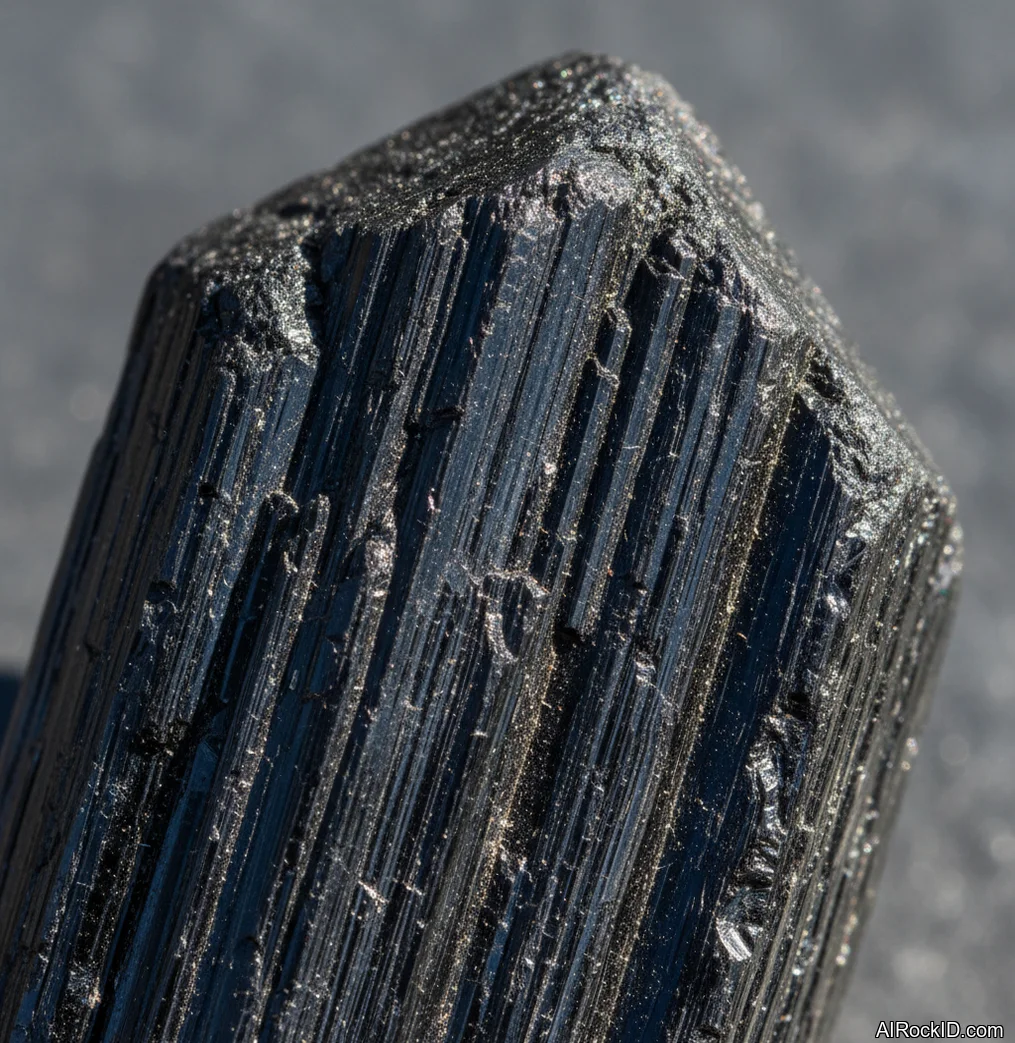
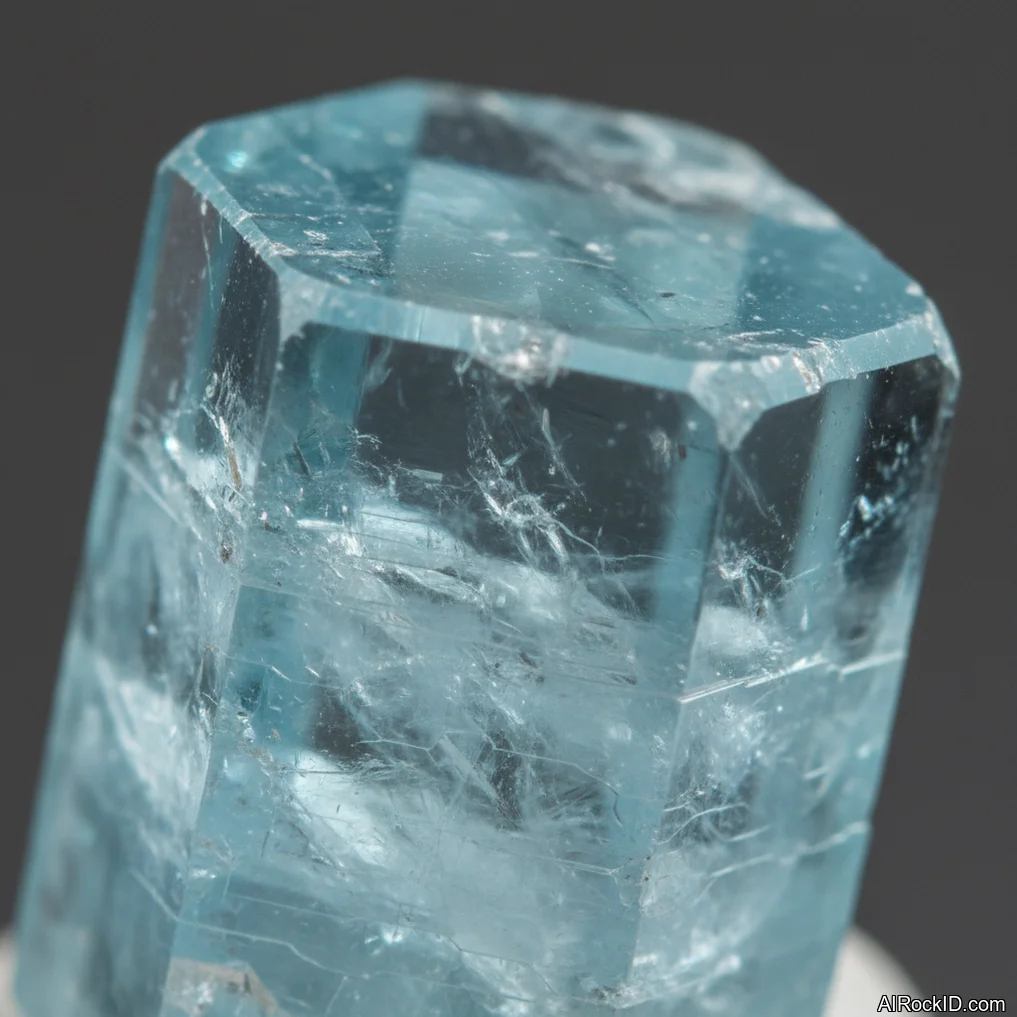
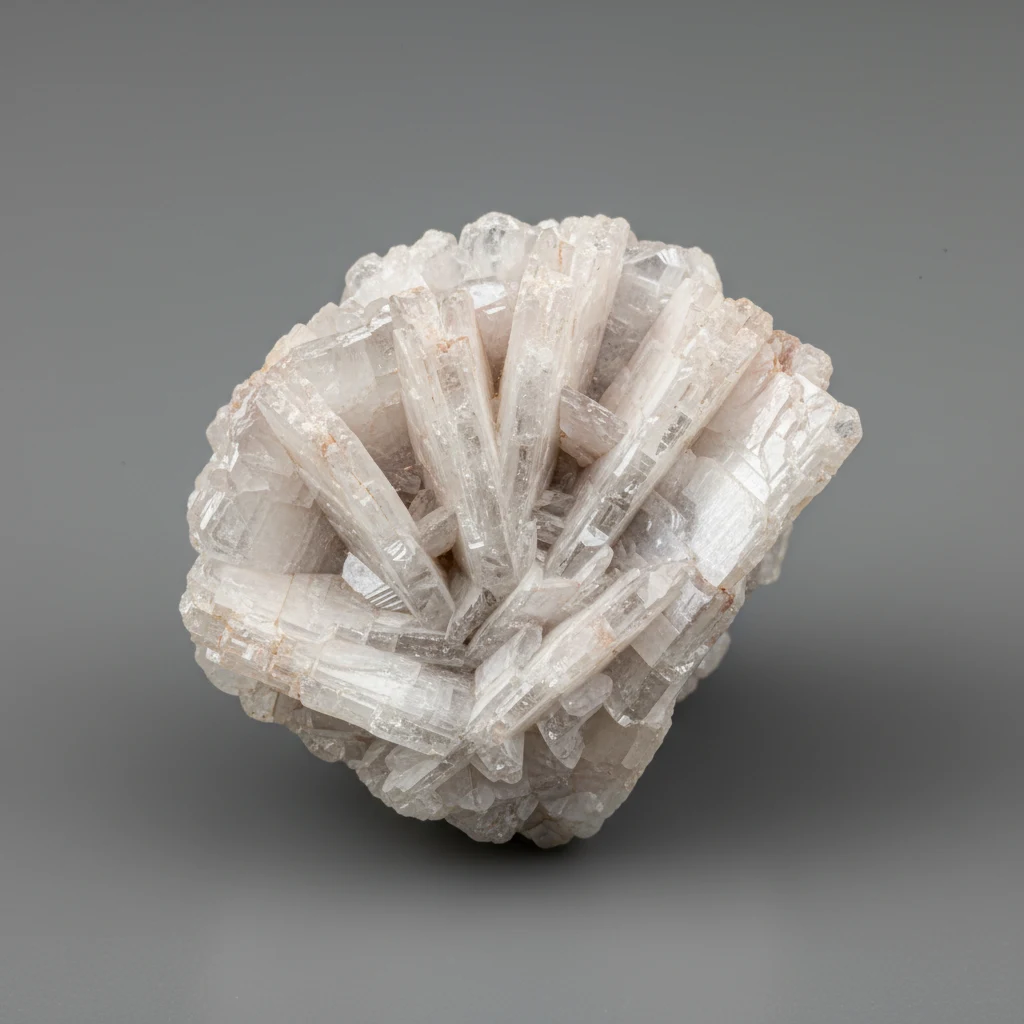
Related pages: Schorl · Elbaite · Golden Tourmaline · Multi-Color Tourmaline