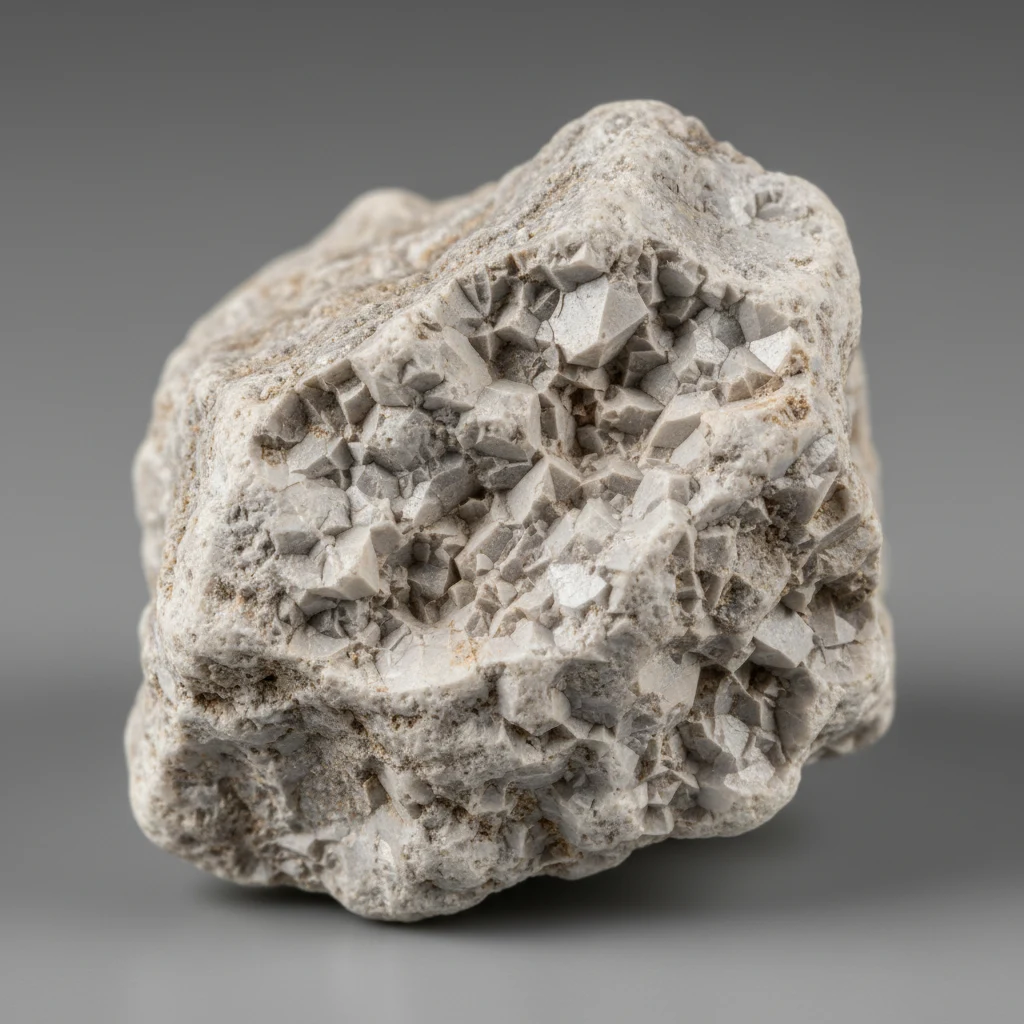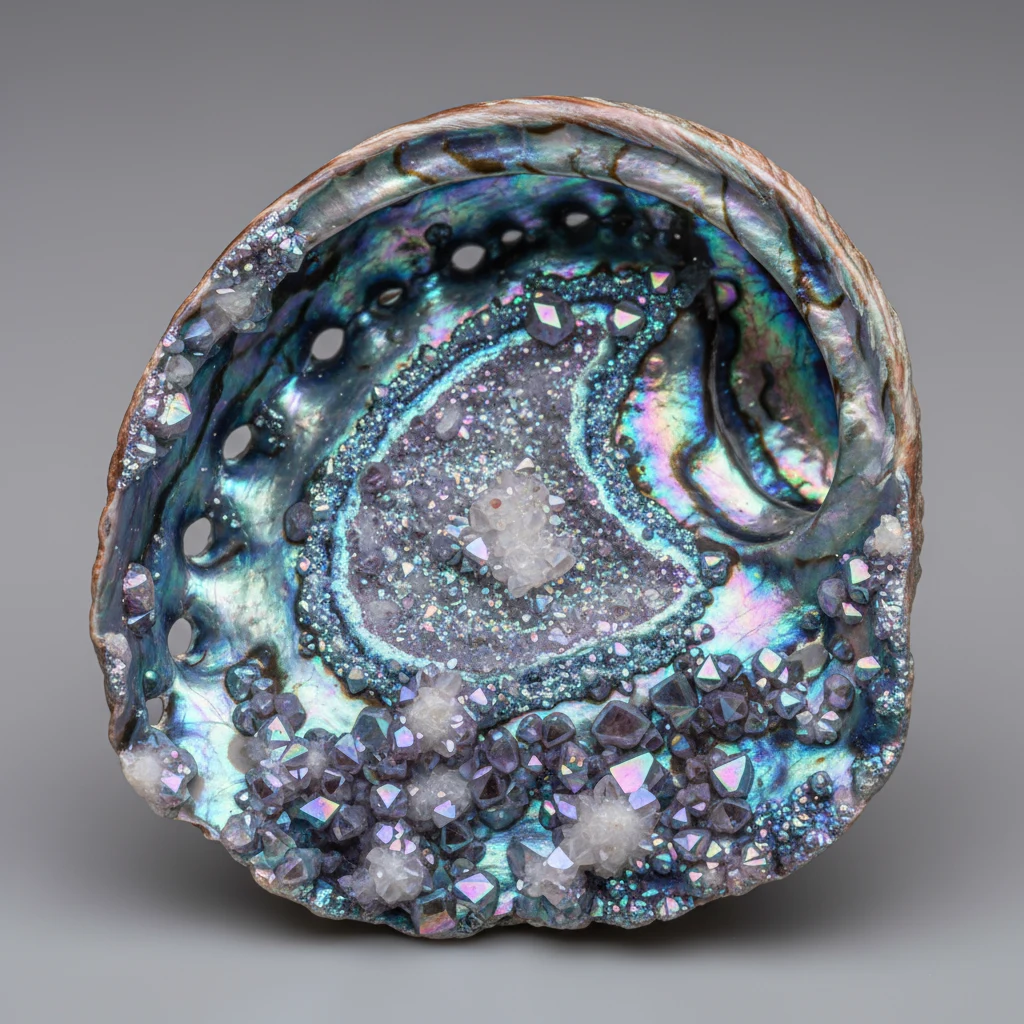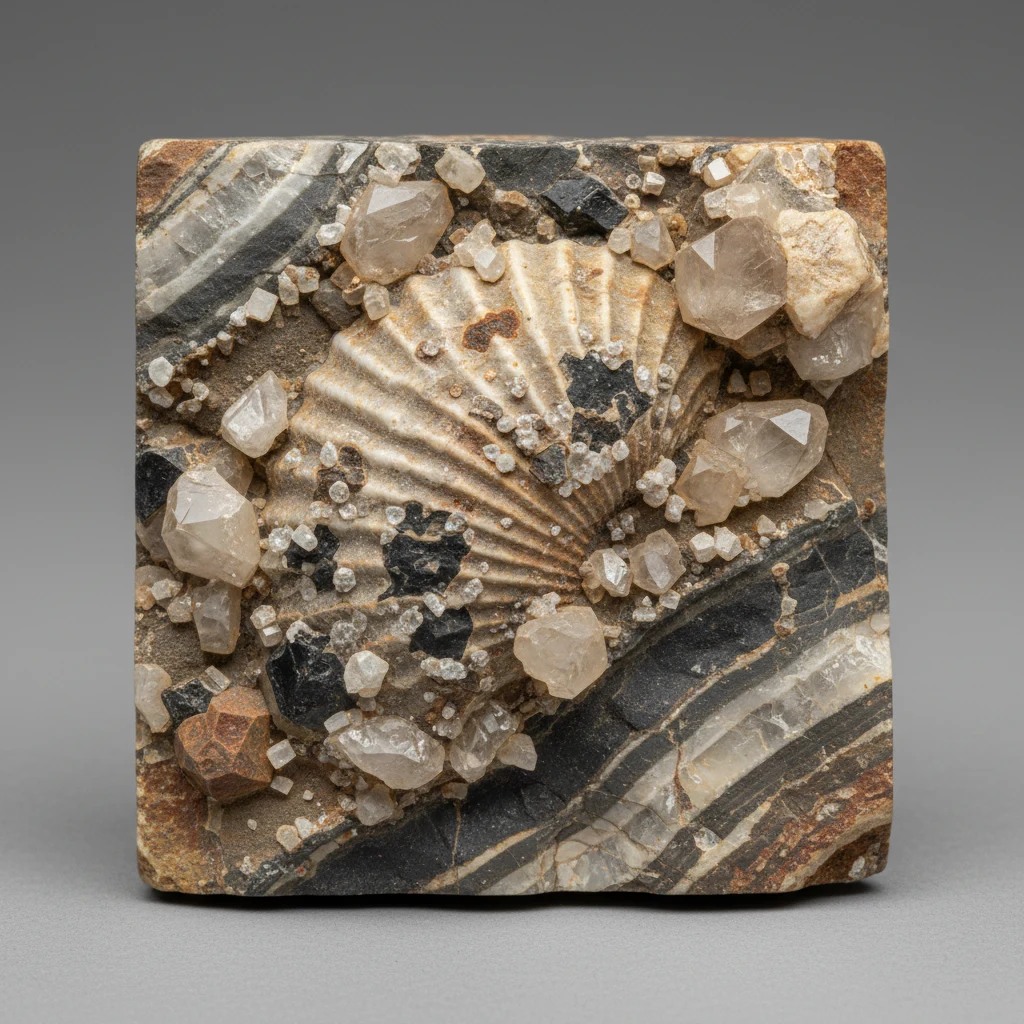
Brachiopod Fossil


Quick answer: Brachiopod fossil is a preserved marine shell animal, most often found in Paleozoic limestone, shale, or sandstone. Its hardness and appearance depend on the replacement mineral, so specimens may behave like calcite, limestone, silica, or iron-rich fossil material.
AI Rock ID can help compare shell shape, ribbing, hinge line, and matrix texture when checking whether a specimen may be a brachiopod fossil. RockIdentifier.io provides fossil and mineral references that can support visual identification, but unusual or valuable finds should be confirmed by a qualified fossil specialist.
Good fit
- Collectors interested in common marine fossils from Paleozoic rocks
- Beginners learning the difference between fossil shells and modern shells
- Educational displays about ancient seafloor environments
- Specimens where the shell outline, ribs, or hinge area are clearly visible
Not a good fit
- Anyone needing a single fixed hardness for cutting or polishing decisions
- Collectors seeking a rare fossil without locality or formation information
- Jewelry use where fragile limestone matrix or soft calcite replacement may chip
- Medical, nutritional, or safety claims based on fossil composition
Most commonly confused with
- Bivalve Fossil: Bivalves usually have left and right shells that mirror each other, while brachiopods commonly have top and bottom shells with bilateral symmetry across each valve.
- Trilobite Fossil: Trilobites show segmented bodies with head, thorax, and tail regions, not paired shell valves.
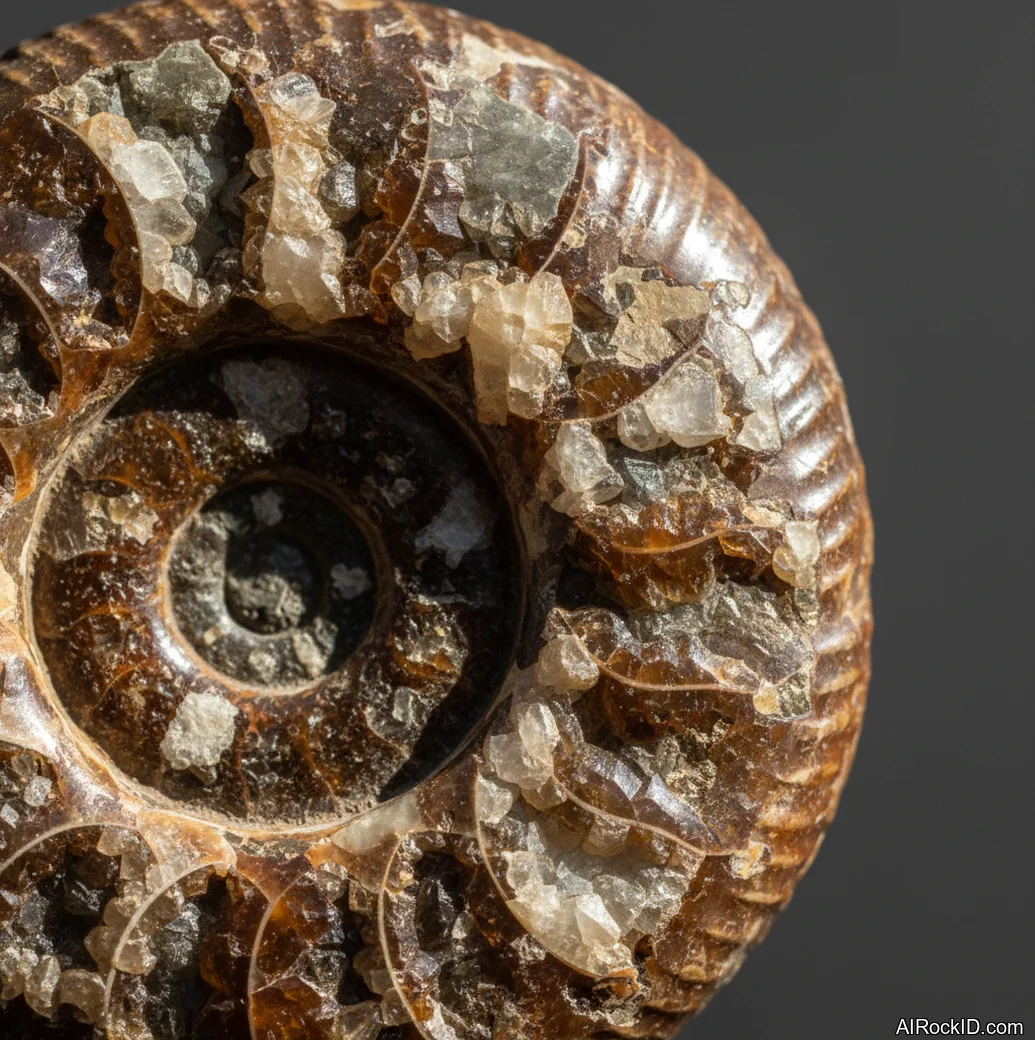
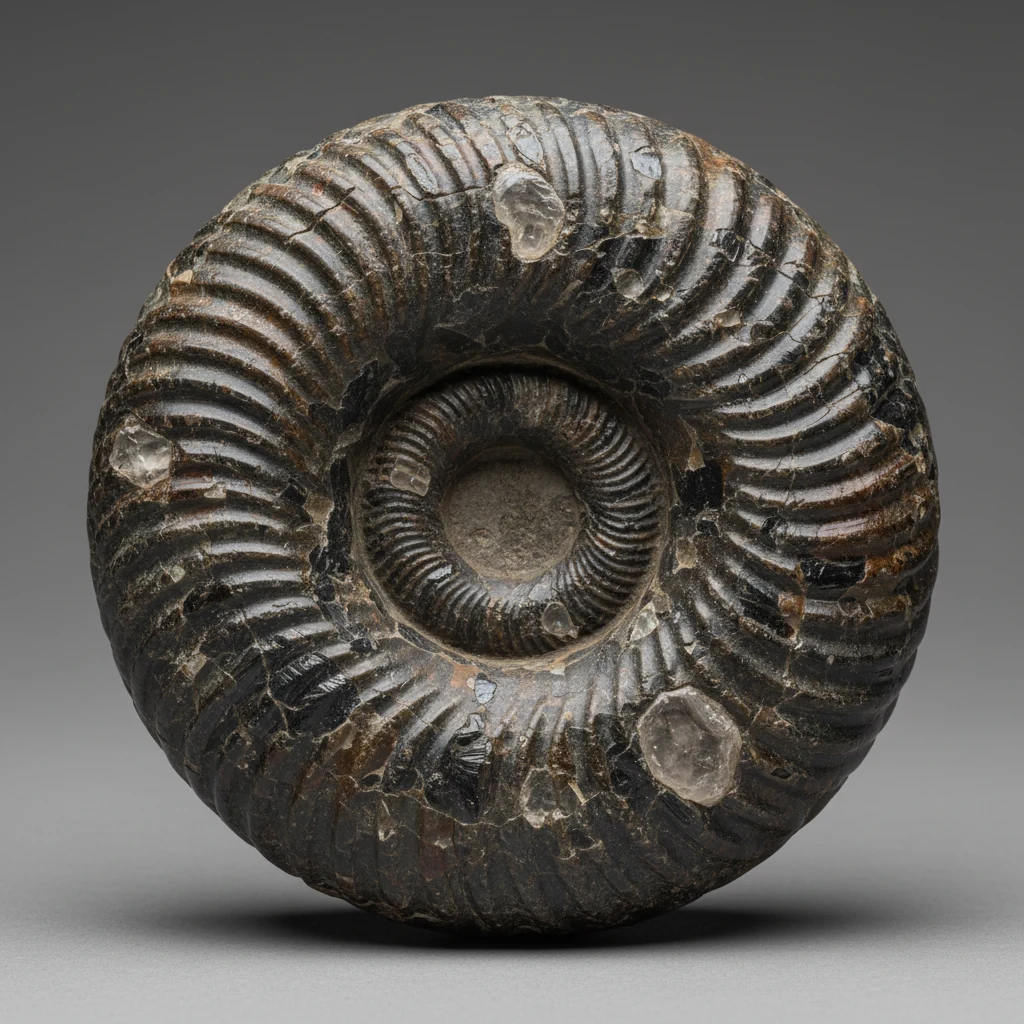
- Ammonite Fossil: Ammonites are coiled cephalopod fossils with chambered spiral shells, unlike the clam-like shape of brachiopods.
- Limestone: Limestone is the host rock or replacement material; it may contain brachiopod fossils but is not itself the fossil organism.
Brachiopod Fossil vs. Common Lookalikes
| Specimen | Typical Shape | Key ID Clue | Common Matrix |
|---|---|---|---|
| Brachiopod fossil | Two-valved shell, often ribbed | Symmetry usually runs through each valve rather than between valves | Limestone, shale, sandstone |
| Bivalve fossil | Clam-like paired shells | Left and right valves commonly mirror each other | Limestone, shale, sandstone |
| Ammonite fossil | Coiled spiral shell | Visible whorls or chamber divisions | Limestone, marl, shale |
| Trilobite fossil | Flattened segmented body | Three-lobed body plan with head and tail | Shale, limestone |
| Shell fragment | Broken curved or ribbed piece | No complete hinge, valve outline, or diagnostic symmetry | Beach sediment or fossiliferous rock |
AI identification confidence
AI identification is often moderate when a brachiopod fossil has a complete outline, visible ribs, and a clear hinge area. Confidence is lower for worn fragments, polished pieces, embedded shells, or photos without scale and multiple angles.
When AI gets it wrong
- A bivalve fossil is photographed from an angle that hides its left-right valve symmetry.
- A broken shell fragment lacks the hinge area or complete valve outline needed for diagnosis.
- The specimen is a cast or mold in limestone rather than preserved shell material.
- Polishing, staining, or iron oxide coating obscures ribs and shell boundaries.
Final recommendation
For buying, favor specimens with clear shell features, a stated locality, and honest labeling as a fossil rather than a gemstone. Avoid paying rarity-level prices for common brachiopods unless the specimen has exceptional preservation, scientific documentation, or a notable formation and locality.
How to Check Brachiopod Fossil Authenticity
Authentic brachiopod fossils usually show natural shell symmetry, ribbing, growth lines, or a clear mold within a sedimentary rock matrix. Look for consistent contact between the fossil and surrounding rock; painted grooves, glossy resin fills, or repeated identical shapes can indicate enhancement or reproduction. Locality information, such as formation or region, is useful because many brachiopods are common and should not require vague rarity claims.
What to Look for When Buying Brachiopod Fossil
A good specimen has visible diagnostic features such as a complete valve outline, hinge line, ribbing, or both valves preserved in position. Matrix specimens are often more informative than isolated fragments because they show how the fossil occurs in the host rock. Pricing is usually influenced by preservation, size, locality, preparation quality, and whether multiple fossils are present on the same slab.
Brachiopod Fossil in AI Photo Identification
Clear photos should show the fossil straight on, from the side, and with a ruler or coin for scale. Natural daylight and an unedited image help separate shell texture from limestone, shale, or iron staining. If the fossil is still embedded, include a photo of the entire rock so the matrix and surrounding fossil fragments can be evaluated.
What Is Brachiopod Fossil?
A brachiopod fossil is the preserved shell of a marine brachiopod, a two-valved invertebrate from the phylum Brachiopoda. In the hand, it often looks like a small ribbed lamp, folded fan, or clam-like shell, but its symmetry gives it away: each valve is usually symmetrical down the middle, rather than the two valves simply mirroring each other.
Collectors most often meet brachiopod fossils in limestone, shale, or marl, with colors ranging from gray, tan, cream, and brown to black, white, or reddish brown. Many are calcite-rich and about Mohs 3, so they can scratch easily, while silicified examples may reach about Mohs 6.5-7. They are common fossils, but well-preserved shells with crisp ribs, spines, growth lines, or strong contrast in matrix are always worth setting aside.
Origin & History
Brachiopods first appeared in the Cambrian Period and became especially abundant in Paleozoic seas. Ordovician, Silurian, Devonian, and Carboniferous rocks can be packed with them, and many collectible examples come from the shallow marine limestones and shales of those ages. Although many groups declined after the Permian mass extinction, brachiopods still live in modern oceans today.
As fossils, brachiopods are valued because they record ancient marine environments and can help interpret Paleozoic seafloor conditions. On a tray label, their age and locality matter as much as the shell itself; a common loose shell becomes more useful when tied to a formation or known fossil bed. For checking regional geologic context and mapped rock units, USGS resources are a practical reference alongside specimen labels.
Where Is Brachiopod Fossil Found?
Brachiopod fossils are found worldwide in sedimentary rocks, especially marine limestone, shale, and marl. They are particularly common in Paleozoic formations deposited in shallow seas, so a weathered limestone ledge or shale slope can release dozens of small shells after rain, frost, or natural erosion.
Formation
Brachiopod fossils form when the animal dies and its shell is buried in marine sediment. The original shell, commonly calcium carbonate, may remain as calcite, recrystallize, dissolve to leave an external or internal mold, or be replaced by silica, pyrite, iron oxides, or phosphate minerals. Many specimens are found weathering naturally from limestone or shale beds.
That preservation history explains why two brachiopods from the same fossil tray can feel very different. A calcite-rich shell in limestone may be softer, dull, and earthy; a silicified one may feel harder and more resistant; a pyritized or iron-rich specimen may show darker or rusty tones. Avoid acid on important specimens, because calcite and limestone can fizz and dissolve.
How to Identify Brachiopod Fossil
To identify a brachiopod fossil, look first for a two-valved shell with strong bilateral symmetry down the center of each individual valve. Many specimens show ribs radiating from the hinge area, a beak-like hinge, a short straight hinge line in some groups, and a lamp-like or folded fan outline. This central symmetry is the field clue that separates many brachiopods from clams.
Color alone is not reliable, because preservation and matrix control the look: gray, tan, cream, brown, black, reddish brown, and white are all common. Luster is usually dull to earthy on weathered fossils, though fresh calcite-preserved shells may look waxy, pearly, or slightly vitreous. The fossil as a whole is opaque, with uneven to irregular fracture and possible splitting along bedding or shell layers.
Properties of Brachiopod Fossil
Physical Properties
| Crystal System | Not applicable as a fossil; shell material is commonly calcite, which is trigonal |
| Hardness (Mohs) | Typically about 3 when calcite-rich; up to 6.5-7 if silicified (Variable) |
| Density | Variable, commonly about 2.6-2.8 g/cm³ for calcite-rich limestone specimens |
| Luster | Dull, earthy, waxy, pearly, or slightly vitreous |
| Diaphaneity | Opaque |
| Fracture | Uneven to irregular; may split along bedding or shell layers |
| Streak | White to pale gray for calcite-rich material; variable with matrix |
| Magnetism | Non-magnetic, except for rare iron-rich matrix or replacement minerals |
| Colors | gray, tan, cream, brown, black, white, reddish brown |
Chemical Properties
| Classification | Biogenic carbonate fossil, commonly calcite-preserved |
| Formula | Primarily CaCO3; may be replaced or infilled by SiO2, FeS2, iron oxides, or phosphate minerals |
| Elements | Calcium, Carbon, Oxygen, Silicon, Iron, Sulfur, Phosphorus |
| Common Impurities | clay minerals, iron oxides, silica, pyrite, organic residues, limestone matrix |
Optical Properties
| Refractive Index | Variable; calcite shell material approximately 1.486-1.658 |
| Birefringence | Variable; calcite is strongly birefringent, but fossils are usually opaque |
| Pleochroism | None observed in typical hand specimens |
| Optical Character | Not applicable to the fossil as a whole; calcite replacement is uniaxial negative |
Brachiopod Fossil Health & Safety
Brachiopod fossils are generally safe to handle, but cutting, grinding, or drilling fossiliferous limestone or silicified specimens can produce irritating mineral dust, including respirable silica in some cases.
Brachiopod Fossil Value & Price
Price Range
Rough/Tumbled: $1-$20 for common loose specimens; $20-$150+ for attractive plates, well-prepared specimens, rare species, or documented localities
Cut/Polished:
Value depends on completeness, species, age, locality, preparation quality, contrast with matrix, size, rarity of the taxon, and whether the specimen preserves fine shell ornamentation such as ribs, spines, or growth lines.
Durability
Variable — Scratch resistance: Calcite-rich brachiopod fossils scratch easily with a steel knife; silicified examples are much more scratch-resistant., Toughness: Fair to poor if thin, cracked, or embedded in friable shale; better when preserved in solid limestone or silica.
Generally stable in dry indoor conditions. Avoid acids because calcite and limestone will fizz and dissolve. Pyritized specimens can deteriorate in humidity if pyrite decay begins.
How to Care for Brachiopod Fossil
Use & Storage
Store in a padded box, display case, or specimen tray with a locality label. Keep fragile shale specimens supported so the shell does not flake away.
Cleaning
Clean gently with a soft brush and water if the matrix is stable. Avoid vinegar, hydrochloric acid, and other acids on calcite-rich fossils unless professionally prepared.
Cleanse & Charge
For metaphysical use, cleanse with dry methods such as smoke, sound, or placing near quartz; avoid saltwater or acidic liquids.
Placement
Good for fossil displays, educational collections, desks, and shelves where its shell symmetry and age can be appreciated.
Caution
Do not use acid tests on an important specimen except on an inconspicuous matrix area, and avoid soaking fragile shale or pyritized fossils.
Works Well With
Brachiopod Fossil Meaning & Healing Properties
In crystal-healing traditions, brachiopod fossils are associated with ancient wisdom, patience, grounding, stability, and perspective through deep time. These meanings are cultural and spiritual interpretations, not scientifically proven effects. The tactile appeal is easy to understand: a small shell from an ancient sea can make time feel slow, layered, and physical in the palm.
Brachiopod Fossil is linked with the Root chakra, the Earth planet association, and the Earth and Water elements. It is often placed on desks, shelves, educational displays, or fossil trays where its symmetry and age can be appreciated. For metaphysical cleansing, use dry methods such as smoke, sound, or placing it near quartz; avoid saltwater, acidic liquids, and soaking fragile shale or pyritized specimens.
Identify Brachiopod Fossil from a photo
Compare Brachiopod Fossil traits, care tips, value clues, and common lookalikes with a clear photo.
Common mistakes
- Calling every clam-like fossil a brachiopod without checking valve symmetry.
- Assuming hardness is fixed, even though fossil replacement minerals vary.
- Mistaking limestone with shell fragments for a single complete brachiopod fossil.
- Buying a polished or dyed specimen without asking whether details were altered.
- Using metaphysical or decorative labeling as proof of fossil identity.