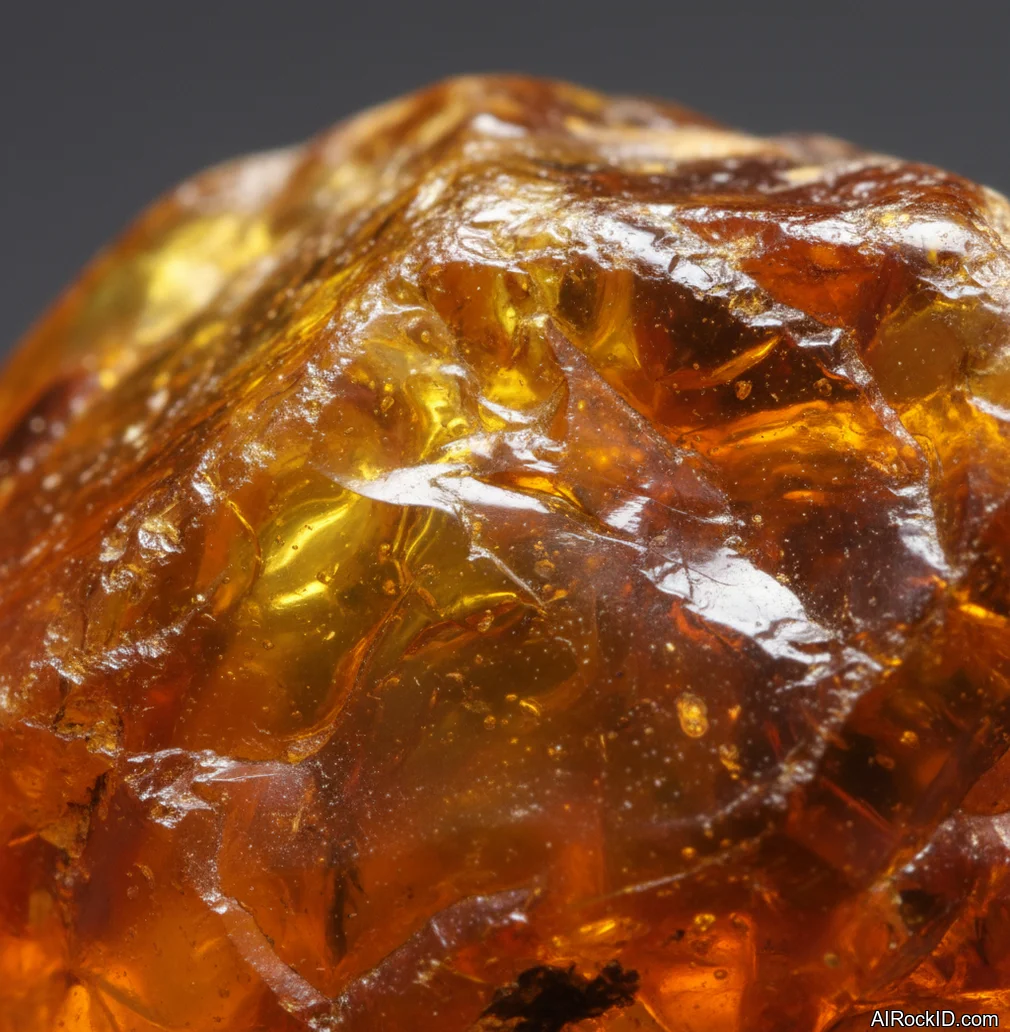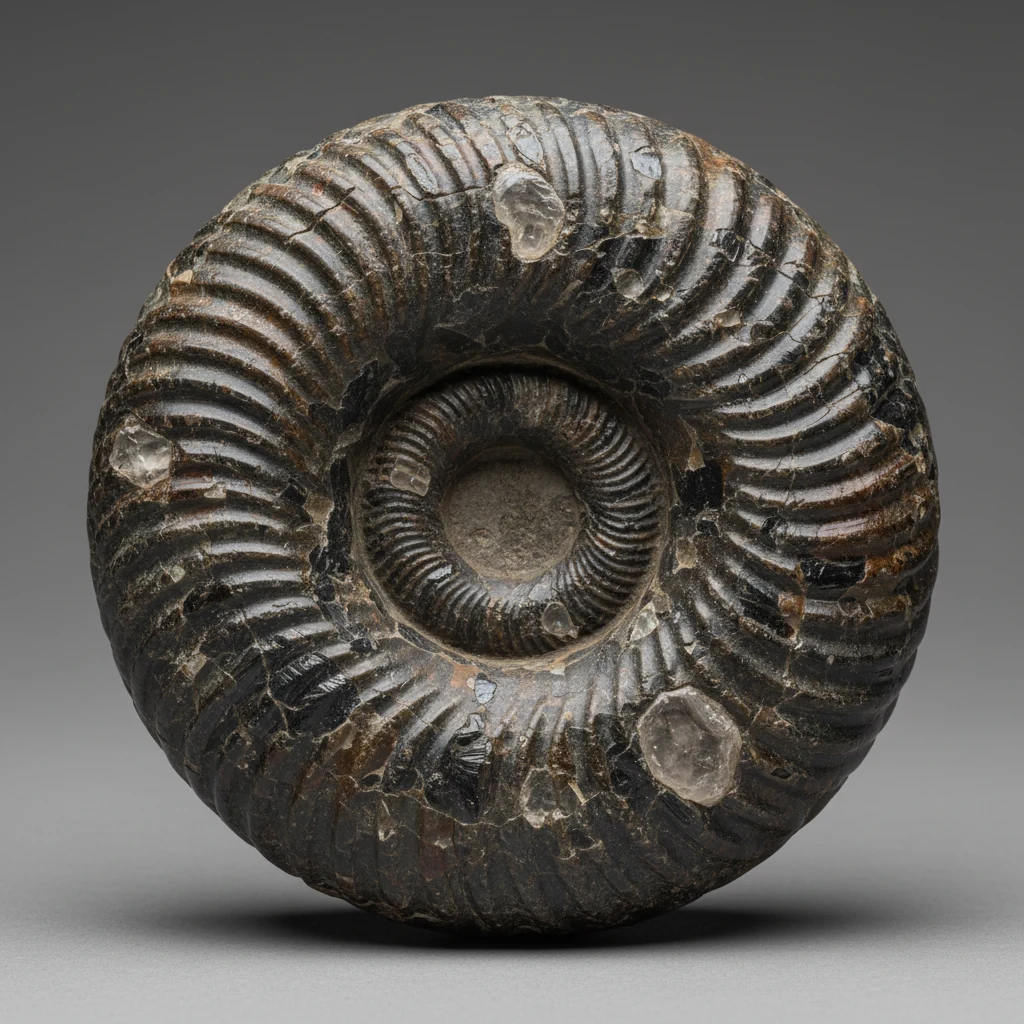
Cephalopod fossil


Quick answer: Cephalopod fossil is a preserved remnant of ancient marine mollusks such as ammonites, nautiloids, or orthocerids. It is typically identified by chambered shell patterns, curved or straight shell sections, and a hardness around Mohs 3–4 depending on mineral replacement.
AI Rock ID can help compare a cephalopod fossil photo against common fossil forms, especially when chamber lines or shell geometry are visible. RockIdentifier.io supports fossil and mineral identification by combining image-based clues with observable features such as pattern, luster, hardness, and shape.
Good fit
- Collectors who like visible fossil structure and natural shell patterns
- Beginners learning to recognize chambered marine fossils
- Decorative stone buyers who want an organic-patterned specimen
- People comparing ammonite, orthoceras, and nautiloid fossils
Not a good fit
- Rings or daily-wear jewelry that may be exposed to knocks or abrasion
- Buyers who need a rare specimen without verifying species, locality, and preparation details
- Acid-cleaning projects, because carbonate-rich fossils can react with acids
- Outdoor display in wet or freeze-thaw conditions
Most commonly confused with
- Ammonite: Ammonite is a specific coiled cephalopod fossil, while cephalopod fossil is a broader category.
- Orthoceras: Orthoceras-style fossils are usually straight, cone-like cephalopod shells with segmented chambers.
- Nautilus fossil: Nautilus fossils may show a coiled chambered shell but belong to a different cephalopod lineage than ammonites.
- Crinoid fossil: Crinoids often show stem disks or star-like segments rather than continuous shell chambers.
Cephalopod Fossil Lookalikes
| Specimen | Typical Pattern | Key Difference |
|---|---|---|
| Cephalopod fossil | Chambered shell, straight or coiled | Preserved mollusk shell structure |
| Ammonite | Coiled spiral with chamber lines | Specific extinct coiled cephalopod group |
| Orthoceras | Long straight shell with segments | Straight conical cephalopod form |
| Crinoid fossil | Circular stems or star-like pieces | Marine animal stem segments, not a shell |
| Coral fossil | Honeycomb or flower-like colonies | Colonial coral skeleton pattern |
AI identification confidence
AI identification is more reliable when the fossil shows clear chamber walls, a complete shell outline, or a distinctive spiral or straight cone form. Confidence is lower for polished slabs, fragments, dyed pieces, or fossils embedded in patterned limestone with multiple fossil types.
When AI gets it wrong
- A polished slab shows only partial curved lines without a clear shell outline
- Crinoid, coral, or shell fragments are mixed in the same matrix
- The fossil has been dyed, coated, or heavily polished, obscuring natural texture
- The photo lacks scale, side views, or close-up detail of chamber boundaries
Final recommendation
Choose a cephalopod fossil with visible chamber structure, stable matrix, and clear seller information about fossil type and origin. For higher-value specimens, request multiple photos and confirm whether the piece is natural, restored, filled, or dyed.
How to Spot Authentic Cephalopod Fossil
Authentic cephalopod fossils usually show consistent shell chambers, natural matrix contact, and mineral-filled internal structure rather than a printed or painted surface. Look for small irregularities, natural fractures, and depth in the chamber lines. Very uniform black-and-white contrast can occur in polished fossils, but extremely sharp surface-only patterns may need closer inspection.
Buying Checklist for Cephalopod Fossil
Ask whether the specimen is an ammonite, orthoceras-type nautiloid, or another cephalopod fossil, because the label affects expectations and value. Check for repairs, resin fills, dye, glued breaks, and whether both sides are polished or only one face is prepared. A reliable listing should include size, origin when known, and clear photos in natural light.
Photo Tips for Identification
Photograph cephalopod fossil in bright, indirect light with a ruler or coin for scale. Include a close-up of the chamber lines, a full view of the specimen, and a side view if the fossil is in matrix. Wet surfaces, glare, and heavy filters can hide important texture used for identification.
What Is Cephalopod fossil?
Cephalopod fossil is the preserved remains of an ancient marine animal such as a squid or octopus, valued for its shell shapes and visible patterns. In hand, a typical specimen feels more like a dense piece of old seabed than a bright crystal: opaque, gray to brown or black, and usually dull with only a slight shine on some surfaces.
Collectors treat cephalopod fossils as organic gems and fossils rather than standard faceted gemstones. They are common, approachable specimens with Mohs hardness 3-4, fair scratch resistance, good toughness, and moderate durability, so they suit display, study, and careful handling rather than rough daily wear.
Origin & History
The word “cephalopod” comes from Greek words meaning “head” and “foot,” a direct reference to the body plan of these marine animals. Cephalopod fossils have been recognized since the 18th century, and they remain popular because the shell form often preserves a clear, readable trace of ancient sea life.
For a collector, the appeal is both scientific and tactile: each piece can show fine shell structure, a curved or chambered-looking outline, or a weathered surface that still carries marine character. When checking locality labels and comparing fossil entries, a plain reference such as mindat.org is useful alongside the specimen’s own label.
Where Is Cephalopod fossil Found?
Cephalopod fossils are commonly found in sedimentary rock formations, especially marine sedimentary deposits. Reported countries in this guide include the USA, Canada, and Germany, with notable localities listed as Montana, USA; Alberta, Canada; and Bavaria, Germany.
Formation
Cephalopod fossils form when shells are mineralized over millions of years. The material varies by species, but it is often based on calcium carbonate, with carbon, calcium, and oxygen listed among the elements and possible silicon or iron impurities.
These fossils are associated with marine sedimentary deposits, which explains their muted, stone-like feel and earthy color range. The finished specimen is amorphous rather than a crystal with a regular crystal system, opaque in diaphaneity, non-magnetic, and typically white in streak.
How to Identify Cephalopod fossil
Identify a cephalopod fossil by looking first for distinct shell shapes and patterns. Colors commonly range from gray to brown and black, sometimes with iridescent hues; the luster is usually dull to slightly shiny, and fine shell detail may be visible on better-preserved pieces.
On the physical side, cephalopod fossil is Mohs 3-4 with a density of 2.5-3.0 g/cm3, conchoidal fracture, and a white streak. It is opaque, isotropic, has no birefringence or pleochroism, and its refractive index is not applicable, which keeps identification focused on fossil structure rather than gem optics.
Properties of Cephalopod fossil
Physical Properties
| Crystal System | Amorphous |
| Hardness (Mohs) | 3-4 (Medium) |
| Density | 2.5-3.0 g/cm3 |
| Luster | Dull |
| Diaphaneity | Opaque |
| Fracture | Conchoidal |
| Streak | white |
| Magnetism | Non-magnetic |
| Colors | Gray, Brown, Black |
Chemical Properties
| Classification | Organic material |
| Formula | Varies by species, often based on calcium carbonate |
| Elements | C, Ca, O |
| Common Impurities | Si, Fe |
Optical Properties
| Refractive Index | Not applicable |
| Birefringence | None |
| Pleochroism | None |
| Optical Character | Isotropic |
Cephalopod fossil Health & Safety
There are no significant health risks associated with handling cephalopod fossils.
Cephalopod fossil Value & Price
Price Range
Rough/Tumbled: $10 - $100 per specimen
Cut/Polished:
Price is influenced by condition, size, and locality.
Durability
Moderate — Scratch resistance: Fair, Toughness: Good
They can be sensitive to extreme environmental conditions.
How to Care for Cephalopod fossil
Use & Storage
Store in a cool, dry place away from direct sunlight.
Cleaning
Gently clean with a soft brush and mild soap. Rinse with water and dry thoroughly.
Cleanse & Charge
Place under moonlight to cleanse and charge.
Placement
Display in a stable location to avoid damage.
Caution
Handle with care to prevent breakage.
Works Well With
Cephalopod fossil Meaning & Healing Properties
In crystal healing traditions, cephalopod fossil is believed to support intuition, creativity, protection, insight, transformation, relaxation, and calming. Its associations are the Third Eye and Crown chakras, Pisces and Scorpio, the planet Neptune, and the Water element.
Practically, many people use it as a quiet meditation or desk piece because the fossil pattern invites slow looking. These meanings are cultural and spiritual associations only; cephalopod fossil is not a substitute for medical treatment, and there are no significant health risks listed for normal handling.
Identify Cephalopod fossil from a photo
Compare Cephalopod fossil traits, care tips, value clues, and common lookalikes with a clear photo.
Common mistakes
- Calling every coiled cephalopod fossil a nautilus instead of checking whether it is ammonite or another group
- Assuming all straight black fossil sections sold as orthoceras are the exact genus Orthoceras
- Using vinegar or acidic cleaners on carbonate-rich fossil material
- Judging authenticity only by color rather than shell structure, matrix, and surface texture
- Overlooking resin fills or repaired breaks in polished decorative pieces