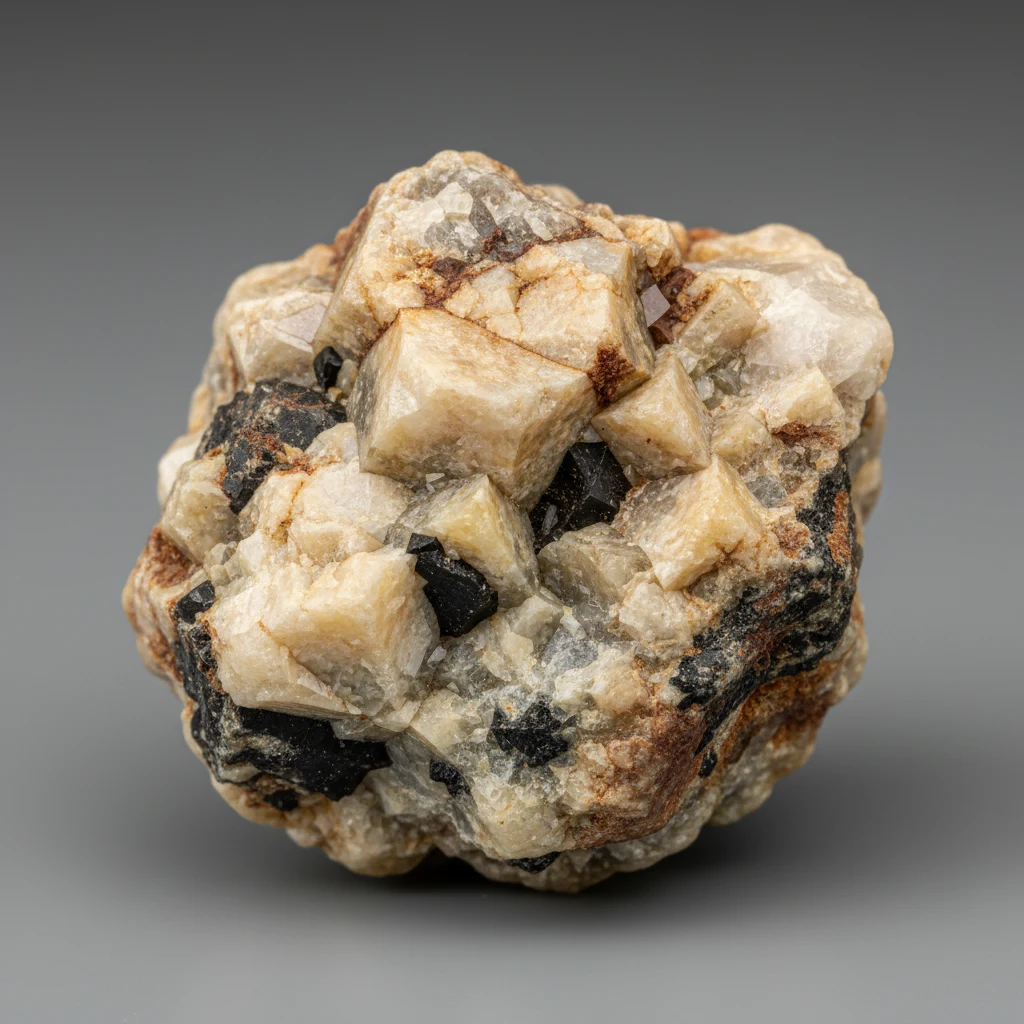
Limestone


Quick answer: Limestone is a calcium carbonate-rich sedimentary rock that is often identified by its pale colors, fossil fragments, and strong fizzing reaction with dilute acid. It can be confused with marble, chalk, dolostone, and some sandstones, so texture and acid reaction are important clues.
AI Rock ID can help compare a limestone specimen against visually similar carbonate rocks using color, grain size, fossils, and surface texture. RockIdentifier.io provides identification support, but acid reaction, hardness, and geologic context are still useful for confirming limestone.
Good fit
- Collectors who want a common sedimentary rock with visible fossils or shell fragments
- Students learning how acid reaction helps identify carbonate rocks
- People interested in marine depositional environments and sedimentary geology
- Garden, building, or landscape users who need to recognize limestone-based material
Not a good fit
- Anyone looking for a hard, scratch-resistant mineral specimen
- Collectors who need a water-safe display stone for aquariums without chemistry checks
- People who want a rare crystal with distinct crystal faces
- Projects exposed to strong acids or acid rain
Most commonly confused with
- Marble: Marble is metamorphosed limestone and usually has interlocking calcite crystals rather than obvious sedimentary layers or fossils.
- Dolomite: Dolomite and dolostone react more weakly with cold dilute acid unless powdered or scratched.
- Chalk: Chalk is a soft, powdery variety of limestone made mostly from microscopic marine remains.
- Sandstone: Sandstone is usually gritty and silica-rich, and most non-calcareous sandstone does not fizz strongly with acid.
Limestone vs. Common Lookalikes
| Material | Typical texture | Acid reaction | Key clue |
|---|---|---|---|
| Limestone | Fine to coarse, sometimes fossil-rich | Strong fizz with dilute acid | Sedimentary layers or shell fragments may be visible |
| Marble | Crystalline, sugary, or massive | Strong fizz with dilute acid | Interlocking calcite crystals; no original fossils |
| Dolostone | Fine to crystalline carbonate rock | Weak unless scratched or powdered | Harder acid confirmation than limestone |
| Chalk | Soft, powdery, very fine-grained | Strong fizz with dilute acid | Marks easily and feels dusty |
| Sandstone | Gritty, sand-sized grains | None to weak unless cement is calcite | Sand grains are usually visible or felt |
AI identification confidence
AI photo identification for limestone is usually moderate because many pale carbonate rocks look similar in casual images. Confidence improves when the photo shows fresh broken surfaces, fossils, grain texture, scale, and any observed acid reaction.
When AI gets it wrong
- Polished limestone may be mistaken for marble because surface texture and sedimentary structures are hidden.
- Dolostone can look nearly identical to limestone in photos without an acid test.
- Calcareous sandstone may be labeled limestone if the image does not show gritty sand-sized grains.
- Weathered concrete, mortar, or manufactured stone can resemble natural limestone in color and porosity.
Final recommendation
For the most reliable limestone identification, combine visual clues with a hardness check and a small acid test on an inconspicuous fresh surface. If the specimen is polished, coated, or part of a building material, identification may require closer inspection of grain texture and composition.
How to Tell Real Limestone from Concrete or Cast Stone
Natural limestone often shows fossils, shell fragments, bedding, or irregular carbonate textures. Concrete and cast stone may contain mixed aggregate, air bubbles, uniform molded surfaces, or cement paste between grains. Both can react with acid, so the fizz test alone does not always separate natural limestone from manufactured material.
Buying Limestone Specimens
When buying limestone for a collection, look for clear labels that describe the locality, fossil content, or variety such as fossiliferous limestone, oolitic limestone, or travertine. Polished pieces should be checked for coatings or dyes, especially if color appears unusually uniform. For fossil-bearing limestone, confirm whether the fossil is naturally embedded rather than glued into a cut slab.
Field Identification Tips
A small drop of dilute hydrochloric acid or vinegar can help identify limestone by producing bubbles from calcium carbonate. Freshly broken surfaces usually react more clearly than weathered outer surfaces. Limestone is also relatively soft and can often be scratched by a steel knife, but it will not scratch glass.
What Is Limestone?
Limestone is a common sedimentary carbonate rock made mainly of calcium carbonate, usually the mineral calcite. In the hand it often feels soft, pale, and earthy rather than glassy, with colors ranging from white, cream, buff, and gray to brown, black, yellowish, or reddish tones. Many pieces show shells, coral fragments, lime mud textures, veins, or granular calcite-rich breaks.
For collectors, limestone is less a single “look” than a family of textures. A chalky piece may rub dusty on the fingers, while a compact quarry stone may feel dense and fine-grained. Its most reliable practical clue is reactivity: calcite-rich limestone fizzes strongly with dilute hydrochloric acid, and it may bubble more slowly with household vinegar on a fresh scratch or powdered spot.
Origin & History
Limestone has been used since antiquity as building stone, lime for mortar and plaster, agricultural lime, and a raw material for cement. Its working character is part of its appeal: calcite-rich limestone is soft enough to shape compared with many harder rocks, yet compact varieties can serve as durable architectural stone. Ancient Egyptian structures used Tura limestone, and many European cathedrals and public buildings were built from limestone.
Scientifically, limestone is one of the great record-keepers of shallow marine environments. Fossils, shell debris, coral pieces, and carbonate textures can preserve evidence of ancient seas, while limestone bedrock can host caves, karst landscapes, and petroleum reservoirs. For checking locality names and specimen labels against published occurrence records, collectors commonly consult mindat.org alongside quarry, museum, or field notes.
Where Is Limestone Found?
Limestone is found on every continent, especially in regions that were once covered by warm, shallow seas. It forms major bedrock units, cliffs, caves, sinkhole plains, fossil beds, and quarry districts. Important limestone-producing or limestone-bearing countries include the United States, United Kingdom, Ireland, France, Germany, Italy, Egypt, China, India, Australia, Mexico, and Canada.
Formation
Most limestone forms when calcium carbonate accumulates on the seafloor as shell debris, coral fragments, skeletal grains, lime mud, or carbonate ooids. Warm, shallow marine settings are especially common environments. Calcium carbonate can also precipitate directly from mineral-rich water in caves, springs, lakes, and some marine settings, producing carbonate deposits that later become rock.
After burial, compaction and cementation turn loose carbonate sediment into limestone. Recrystallization can produce a denser limestone with more visible calcite texture, while metamorphism can transform limestone into marble. This formation history explains why a hand specimen may contain fossils, feel chalky or granular, show sugary calcite on a fresh break, or react vigorously with dilute acid because its dominant chemistry is CaCO3.
How to Identify Limestone
To identify limestone, start with a fresh surface and test for carbonate reaction. Calcite-rich limestone usually fizzes strongly with dilute hydrochloric acid; household vinegar may give weaker, slower bubbling, especially on a freshly scratched or powdered spot. Do not use acid on a valuable polished or fossil specimen except on a tiny inconspicuous area, because acid permanently etches limestone.
Use texture and hardness as supporting evidence. Limestone is commonly around Mohs 3 when calcite-rich, softer than a steel knife or glass in many cases, and it leaves a white to light gray streak. Weathered surfaces are usually dull, earthy, or chalky, while fresh breaks may look granular, sugary, or slightly vitreous where calcite crystals show. Do not rely on color alone, because limestone can resemble sandstone, dolostone, shale, or marble.
Properties of Limestone
Physical Properties
| Crystal System | Not applicable as a rock; main mineral calcite is trigonal |
| Hardness (Mohs) | Approximately 3 on Mohs for calcite-rich limestone; may be higher if siliceous or dolomitic impurities are present (Soft to moderately soft) |
| Density | Typically about 2.3-2.7 g/cm3 |
| Luster | Dull, earthy, granular, or slightly vitreous on fresh calcite-rich surfaces |
| Diaphaneity | Opaque; thin chips may be translucent in very pure crystalline varieties |
| Fracture | Uneven, granular, earthy, or subconchoidal depending on texture and cementation |
| Streak | White to light gray |
| Magnetism | Non-magnetic |
| Colors | white, cream, buff, tan, gray, brown, black, yellowish, reddish |
Chemical Properties
| Classification | Sedimentary carbonate rock |
| Formula | Dominantly CaCO3 |
| Elements | Ca, C, O |
| Common Impurities | Mg, Si, Al, Fe, clay minerals, quartz, organic matter, fossil fragments, dolomite |
Optical Properties
| Refractive Index | Not normally measured for the rock; calcite component is about nω 1.658 and nε 1.486 |
| Birefringence | Rock property not applicable; calcite has very high birefringence of about 0.172 |
| Pleochroism | None to not applicable |
| Optical Character | Aggregate rock; calcite is uniaxial negative |
Limestone Health & Safety
Solid limestone is generally safe to handle, but limestone dust can irritate eyes, skin, and lungs. Some limestone contains silica-bearing impurities, so avoid breathing dust from cutting, grinding, or drilling.
Limestone Value & Price
Price Range
Rough/Tumbled: Common field pieces are usually free to a few dollars; decorative, fossiliferous, architectural, or polished limestone pieces may range from a few dollars to tens of dollars depending on size and quality.
Cut/Polished:
Value depends on fossil content, color, polishability, locality, historical significance, carving quality, and whether the specimen shows distinctive textures such as oolites, shells, coral, or stromatolites. Ordinary construction limestone has low specimen value because it is very abundant.
Durability
Moderate for display, low for jewelry — Scratch resistance: Low; calcite-rich limestone scratches easily with a knife and can be scratched by harder household materials., Toughness: Variable; compact limestone can be fairly tough as a building stone, while chalky, porous, or weathered limestone is crumbly.
Stable in dry indoor conditions, but it reacts with acids and can be etched by vinegar, lemon juice, acidic cleaners, acid rain, or soil acids. Porous limestone can absorb water and stains.
How to Care for Limestone
Use & Storage
Store dry and separate from harder minerals that could scratch it. Keep labeled specimens in a stable, low-humidity display area.
Cleaning
Clean with water, a soft brush, and mild soap if needed. Avoid vinegar, lemon juice, hydrochloric acid, and acidic household cleaners because they dissolve and etch limestone.
Cleanse & Charge
For metaphysical use, cleanse by dry methods such as smoke, sound, moonlight, or placing near selenite; avoid saltwater or acidic liquids.
Placement
Good for educational displays, fossil collections, rock-identification kits, garden specimens, and architectural stone examples. Keep porous pieces away from oils, dyes, and acidic spills.
Caution
Do not use acid tests on valuable polished or fossil specimens except on a tiny inconspicuous spot, because acid will permanently etch the surface.
Works Well With
Limestone Meaning & Healing Properties
In modern crystal-healing traditions, limestone is used as a grounding stone connected with ancient Earth memory, patience, stability, and gentle emotional support. These meanings are cultural and spiritual interpretations, not scientifically verified effects. The appeal is easy to understand in the hand: many pieces are literally built from old shells, coral fragments, lime mud, and fossil traces, giving the stone a quiet sense of deep time.
Metaphysical users often associate limestone with the Root and Earth Star chakras, the Earth and Water elements, and the zodiac signs Capricorn and Cancer. For this kind of use, cleanse limestone by dry methods such as smoke, sound, moonlight, or placing it near selenite. Avoid saltwater, vinegar, lemon juice, hydrochloric acid, and acidic cleaners, since limestone reacts with acids and porous pieces can absorb water or stains.
Identify Limestone from a photo
Compare Limestone traits, care tips, value clues, and common lookalikes with a clear photo.
Common mistakes
- Calling any pale, soft rock limestone without checking for carbonate fizz
- Assuming polished limestone is marble based only on shine
- Using acid on a valuable fossil or finished surface without testing a hidden spot first
- Ignoring dolostone when a carbonate rock fizzes weakly or only after scratching
- Mistaking concrete, mortar, or cast stone for natural limestone
- Assuming all limestone is safe for aquariums or terrariums without considering water chemistry
Limestone FAQ
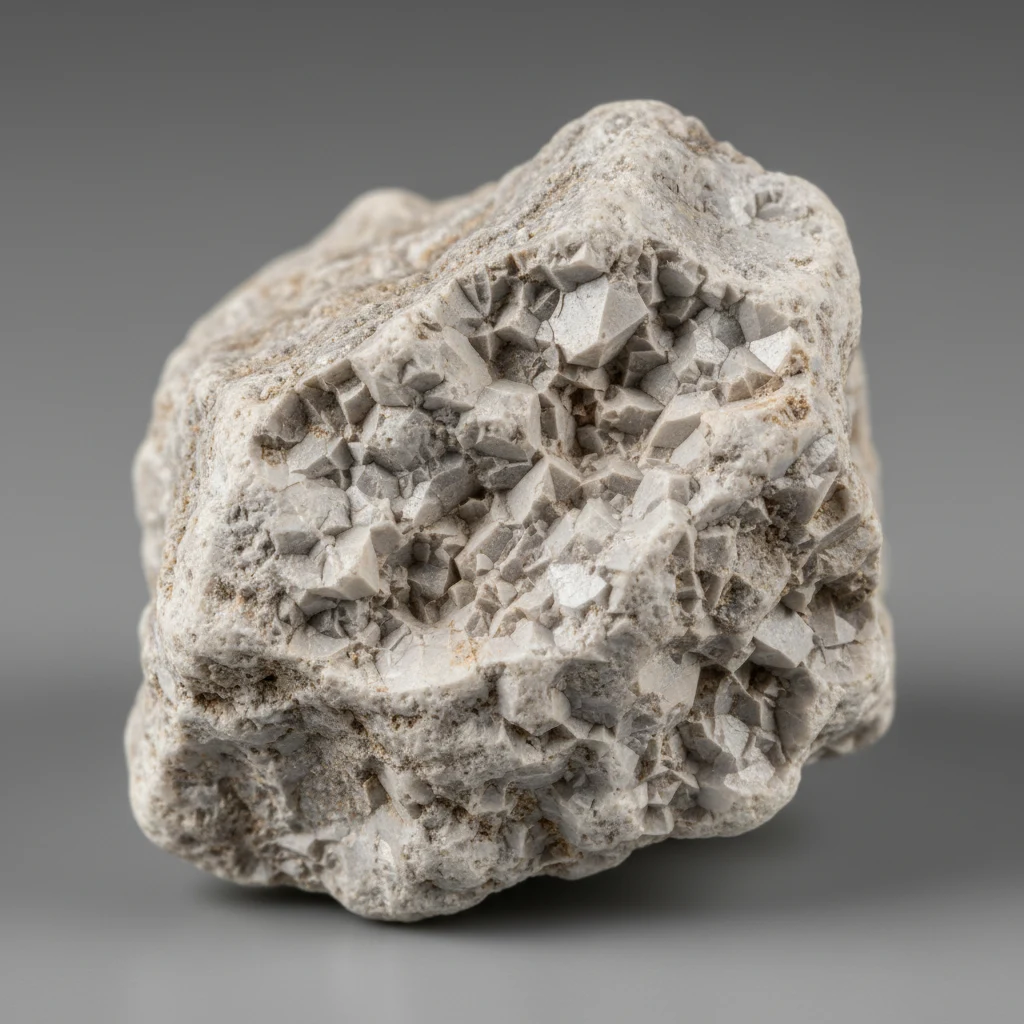
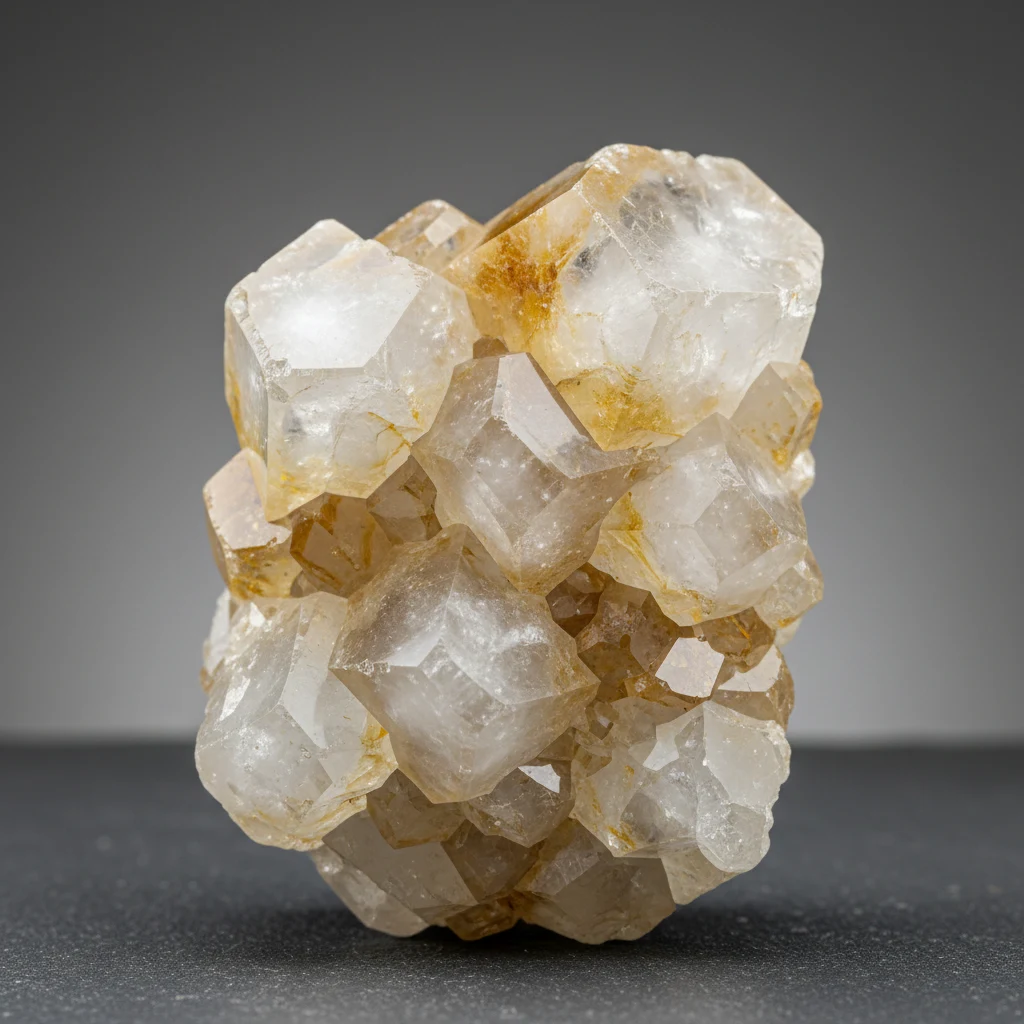
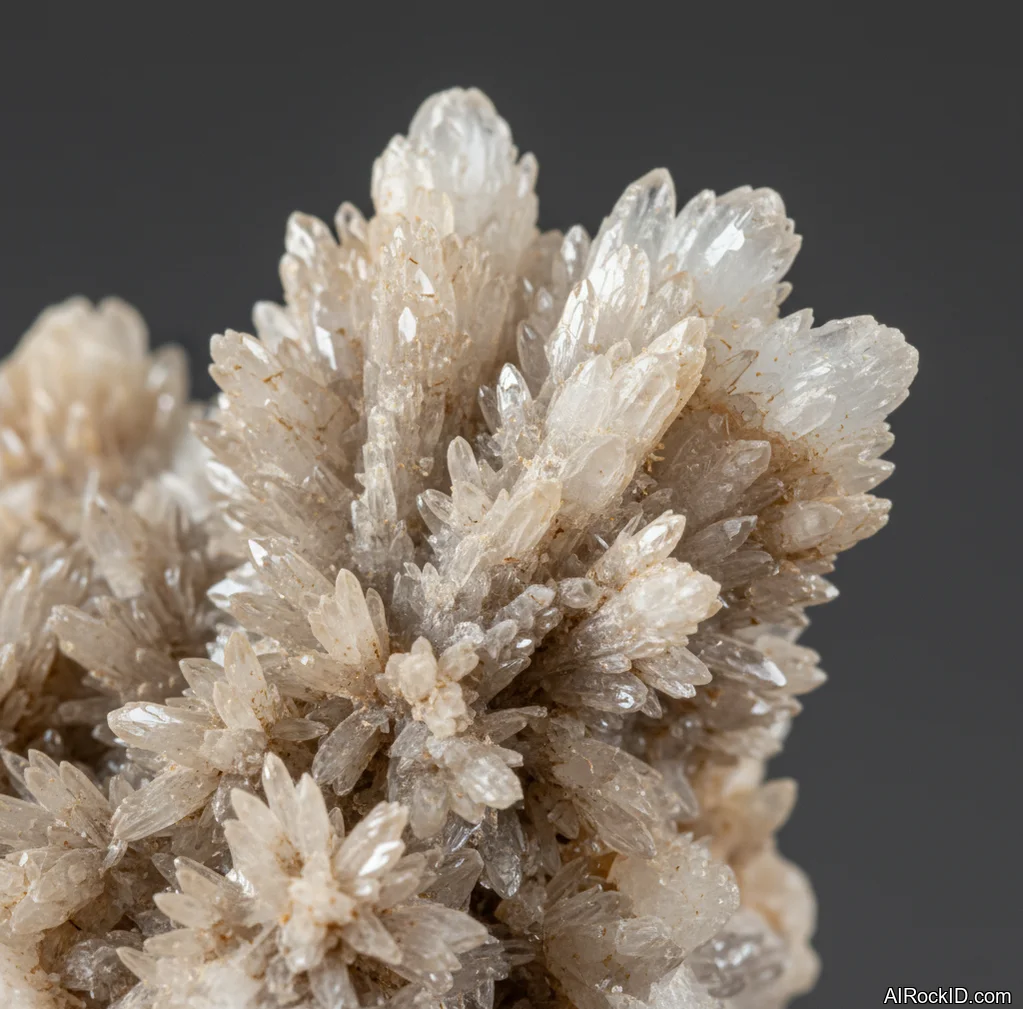
Related Crystals
Related pages: Miriam Stone