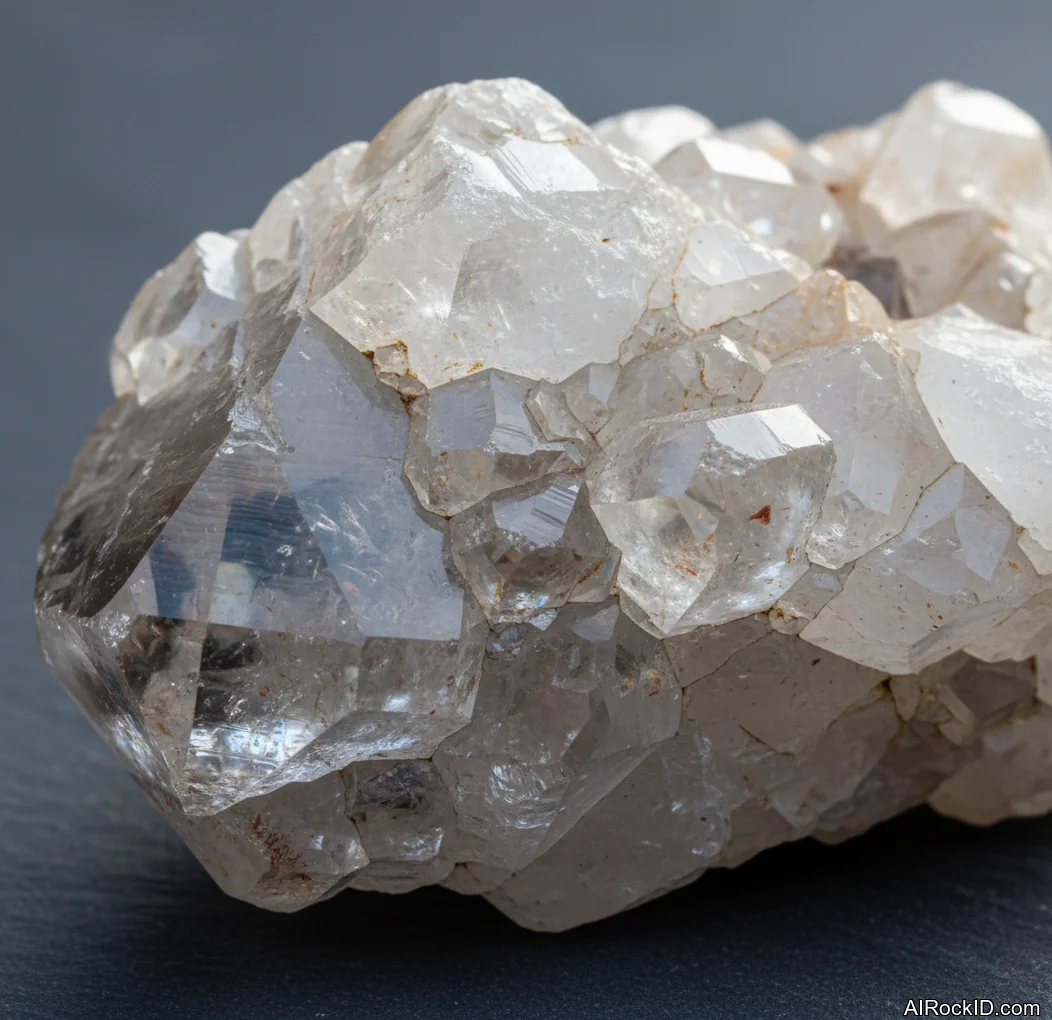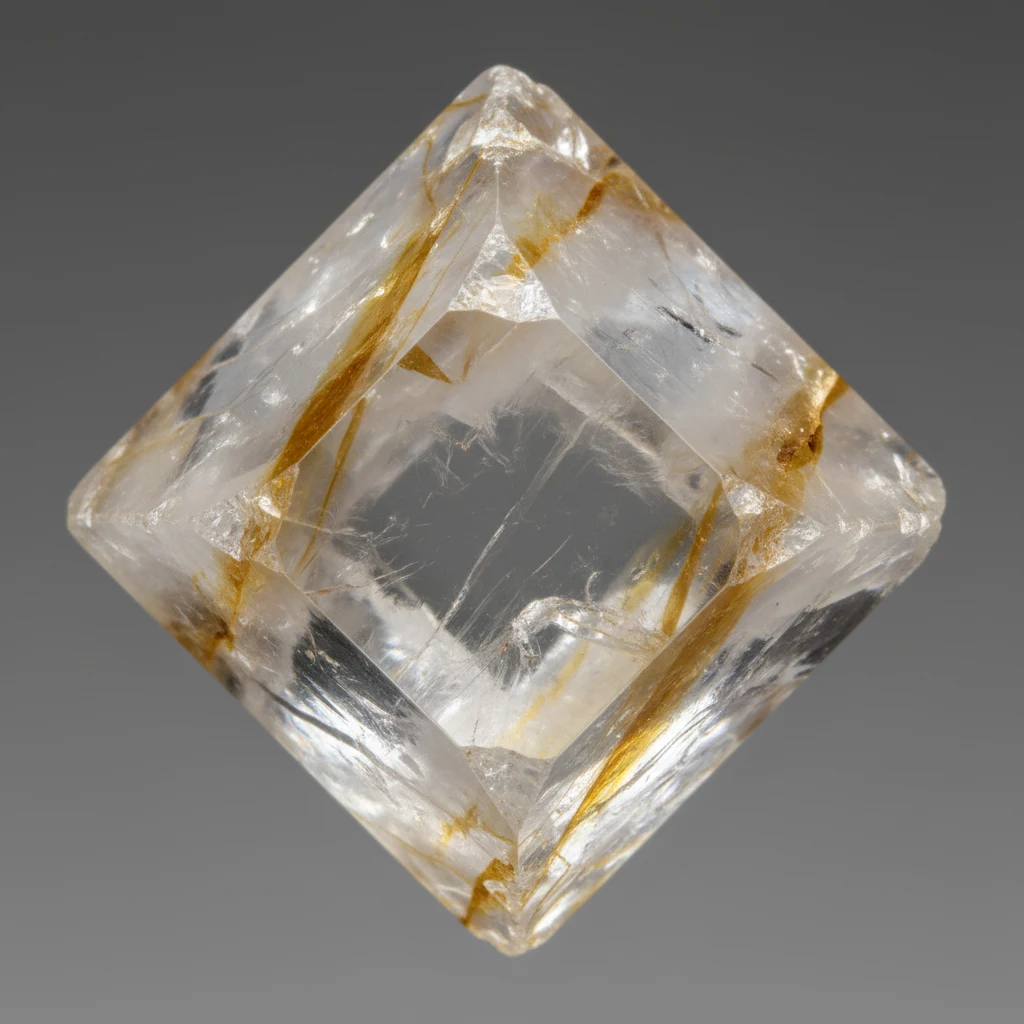
Calcite (specifically, a variety known as 'Iceland Spar')


Quick answer: Iceland Spar is a transparent, optically clear variety of calcite known for strong double refraction, which makes a line or text appear doubled when viewed through the crystal. It is calcium carbonate with Mohs hardness 3, so it is easy to scratch and should be handled gently.
AI Rock ID can help screen a clear calcite specimen by checking visible traits such as rhombohedral cleavage, transparency, and apparent double refraction. RockIdentifier.io can be used as a starting point for identification, but hardness, acid reaction, and optical tests are useful for confirming Iceland Spar.
Good fit
- Collectors who want a transparent calcite variety with visible optical behavior
- Students learning about double refraction, cleavage, and carbonate minerals
- Specimen owners who can store soft crystals away from harder stones
- Buyers who prefer natural-looking mineral specimens over faceted gems
Not a good fit
- Daily-wear jewelry, because calcite is soft and cleaves easily
- Aquariums or wet displays, especially where water chemistry matters
- People looking for a scratch-resistant clear stone like quartz or topaz
- Cleaning routines that use vinegar, acids, ultrasonic cleaners, or steam
Most commonly confused with
- Quartz: Quartz is much harder at Mohs 7 and does not show calcite’s strong rhombohedral cleavage.
- Halite: Halite can be clear but has cubic cleavage and a salty taste; tasting minerals is not recommended for safety.
- Selenite: Selenite is softer, commonly fibrous or bladed, and lacks calcite’s classic acid fizz.
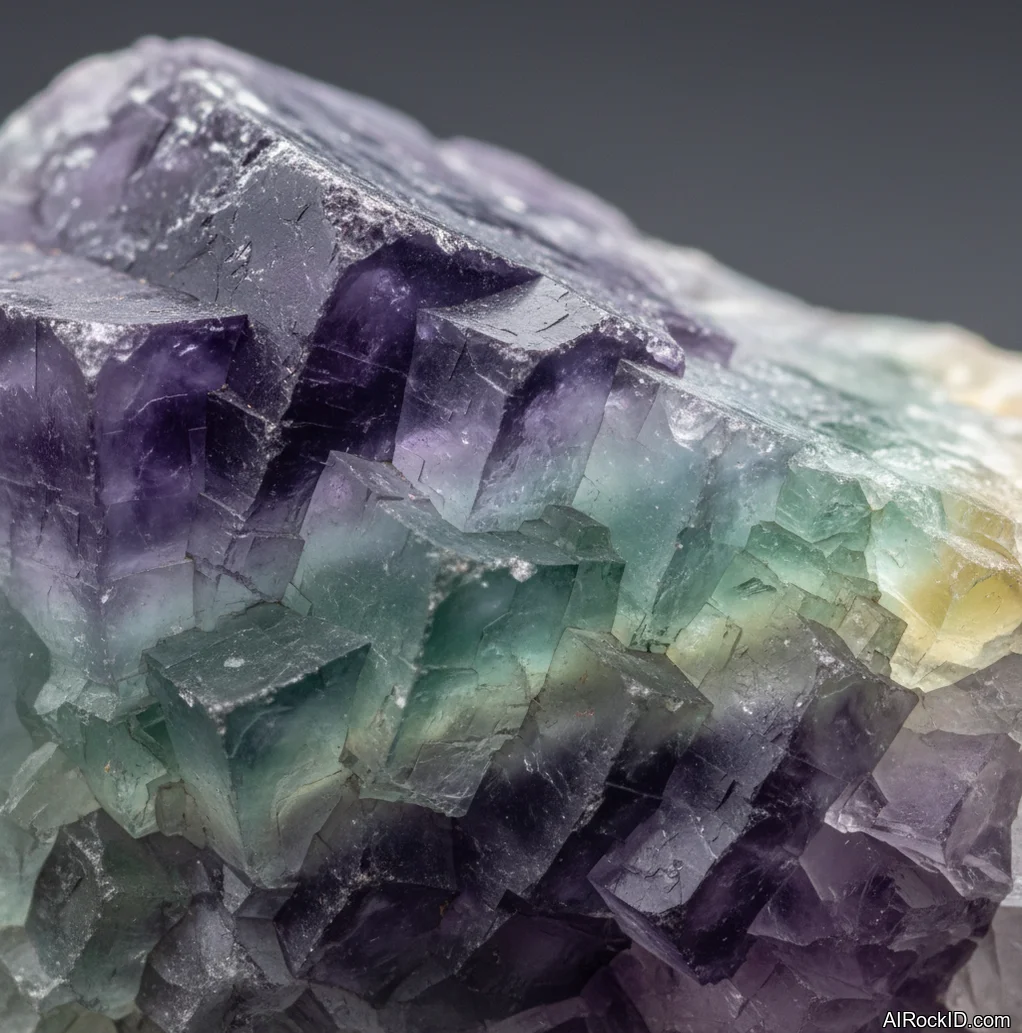
- Fluorite: Fluorite is harder than calcite, often colored, and typically cleaves in octahedral directions rather than rhombohedra.
Iceland Spar vs. Common Clear Lookalikes
| Material | Hardness | Key Difference | Typical ID Clue |
|---|---|---|---|
| Iceland Spar calcite | Mohs 3 | Strong double refraction and rhombohedral cleavage | Fizzes with dilute acid |
| Clear quartz | Mohs 7 | No rhombohedral cleavage | Scratches glass easily |
| Halite | Mohs 2.5 | Cubic cleavage | Dissolves readily in water |
| Selenite | Mohs 2 | Very soft gypsum mineral | Can be scratched with a fingernail |
| Fluorite | Mohs 4 | Octahedral cleavage | Often shows purple, green, or blue zoning |
AI identification confidence
AI identification confidence is often moderate to high for clear Iceland Spar when photos show a rhombohedral crystal shape and a doubled line or printed text through the specimen. Confidence drops when the image lacks scale, shows only a polished piece, or does not include a cleavage face or optical test.
When AI gets it wrong
- A polished clear piece may be mistaken for quartz, glass, or fluorite if cleavage is not visible.
- Overexposed photos can hide internal doubling and make the specimen look like ordinary clear glass.
- Small chips without crystal faces may be difficult to separate from other transparent minerals.
- Colorless fluorite or halite can look similar in photos without hardness, water-solubility, or acid-reaction context.
Final recommendation
Choose Iceland Spar when the goal is to observe calcite’s optical properties in a natural mineral specimen. For durability, daily handling, or jewelry use, a harder transparent mineral such as quartz is usually more practical.
How to Check Double Refraction at Home
Place the transparent calcite over a single dark line, printed letter, or grid on white paper. If it is Iceland Spar, the line may appear doubled when viewed through the crystal, especially through a clear cleavage face. Rotate the specimen slowly to see the separation change with orientation.
Buying Tips for Iceland Spar
Look for transparent pieces with clean cleavage faces and visible doubling through the crystal. Minor chips are common because calcite cleaves easily, but heavy surface bruising, cloudy interiors, or glued repairs can reduce display and study value. Ask sellers for photos over printed text if optical clarity is important.
Authenticity Checks
Natural Iceland Spar should match calcite traits: Mohs hardness around 3, rhombohedral cleavage, and reaction with dilute acid. A clear material that scratches glass easily is unlikely to be calcite. Acid testing should be done cautiously on an inconspicuous spot because it can etch the surface.
What Is Calcite (specifically, a variety known as 'Iceland Spar')?
Iceland Spar is a transparent variety of calcite, best known for its strong double refraction. In the hand it often looks clean, glassy, and almost water-clear, though some pieces lean white, yellow, or brown. Its vitreous luster gives a bright surface shine, while its softness at Mohs 3 means it should be handled as a display or study mineral rather than a hard-wearing gem.
Mineralogically, Iceland Spar is calcite: a carbonate mineral with the formula CaCO3. It is transparent, non-magnetic, has a white streak, and belongs to the trigonal crystal system. Collectors value it less for rarity and more for the immediate optical effect—place it over print and the letters appear doubled, making even a small specimen feel like a pocket demonstration of mineral optics.
Origin & History
The name Iceland Spar comes from Iceland, where this transparent calcite variety was first described in the 17th century. The historic name still fits the material well: “spar” refers to a bright, cleavable-looking mineral appearance, and “Iceland” preserves the locality that made the optical variety famous among collectors and students of mineral light behavior.
In a collection drawer, Iceland Spar usually earns its label by performance rather than color. Its uniaxial optical character, refractive index range of 1.658–1.686, and birefringence of 0.172 make its double refraction unusually easy to see. For locality and mineral-reference checking, collectors commonly compare entries through mindat.org alongside specimen labels.
Where Is Calcite (specifically, a variety known as 'Iceland Spar') Found?
Iceland Spar is a transparent variety of calcite, best known for its strong double refraction. In the hand it often looks clean, glassy, and almost water-clear, though some pieces lean white, yellow, or brown. Its vitreous luster gives a bright surface shine, while its softness at Mohs 3 means it should be handled as a display or study mineral rather than a hard-wearing gem.
Formation
Iceland Spar forms by the precipitation of calcium carbonate in sedimentary environments. In practical collector terms, that means the mineral grows from CaCO3-rich conditions rather than from a high-temperature gemstone setting. Its common link with limestone deposits reflects this carbonate origin and helps explain why it is often discussed with other calcite specimens.
The finished specimen can feel deceptively delicate: transparent, bright, and optically active, yet only Mohs 3 and sensitive to acids. That contrast is central to its identity. USGS resources commonly treat limestone and related carbonate materials as calcium carbonate-rich rocks, which matches the sedimentary setting given for Iceland Spar formation.
How to Identify Calcite (specifically, a variety known as 'Iceland Spar')
Iceland Spar is a transparent variety of calcite, best known for its strong double refraction. In the hand it often looks clean, glassy, and almost water-clear, though some pieces lean white, yellow, or brown. Its vitreous luster gives a bright surface shine, while its softness at Mohs 3 means it should be handled as a display or study mineral rather than a hard-wearing gem.
Mineralogically, Iceland Spar is calcite: a carbonate mineral with the formula CaCO3. It is transparent, non-magnetic, has a white streak, and belongs to the trigonal crystal system. Collectors value it less for rarity and more for the immediate optical effect—place it over print and the letters appear doubled, making even a small specimen feel like a pocket demonstration of mineral optics.
Properties of Calcite (specifically, a variety known as 'Iceland Spar')
Physical Properties
| Crystal System | Trigonal |
| Hardness (Mohs) | 3 (Soft (2-4)) |
| Density | 2.71 g/cm3 |
| Luster | Vitreous |
| Diaphaneity | Transparent |
| Fracture | Conchoidal |
| Streak | White |
| Magnetism | Non-magnetic |
| Colors | Colorless, White, Yellow |
Chemical Properties
| Classification | Carbonate |
| Formula | CaCO3 |
| Elements | Ca, C, O |
| Common Impurities | Fe, Mn |
Optical Properties
| Refractive Index | 1.658 - 1.686 |
| Birefringence | 0.172 |
| Pleochroism | None |
| Optical Character | Uniaxial |
Calcite (specifically, a variety known as 'Iceland Spar') Health & Safety
Calcite is generally safe to handle and poses no significant health risks.
Calcite (specifically, a variety known as 'Iceland Spar') Value & Price
Price Range
Rough/Tumbled: $5 - $20 per specimen
Cut/Polished:
Price can vary based on clarity, size, and locality.
Durability
Moderate — Scratch resistance: Fair, Toughness: Fair
Calcite can be sensitive to acids and may scratch easily.
How to Care for Calcite (specifically, a variety known as 'Iceland Spar')
Use & Storage
Store in a dry place away from direct sunlight.
Cleaning
Clean with warm soapy water and a soft cloth. Avoid harsh chemicals.
Cleanse & Charge
Cleanse by placing it under running water or using a smudging technique.
Placement
Place in areas where clarity and focus are desired.
Caution
Avoid exposure to strong acids.
Works Well With
Calcite (specifically, a variety known as 'Iceland Spar') Meaning & Healing Properties
In crystal practice, Iceland Spar is used as a stone of clarity, insight, focus, and self-discovery. Its appeal is easy to understand when you hold it over text and watch one line become two; many practitioners use that visible optical split as a meditation cue for perspective, reflection, and careful observation.
It is associated with the Crown and Third Eye chakras, the zodiac signs Cancer and Libra, and the planetary links Moon and Venus. It is also described through Earth and Water qualities, with traditional themes of calming, emotional healing, trust, transformation, and grounding. These uses are spiritual or personal practices, not substitutes for medical treatment.
Identify Calcite (specifically, a variety known as 'Iceland Spar') from a photo
Compare Calcite (specifically, a variety known as 'Iceland Spar') traits, care tips, value clues, and common lookalikes with a clear photo.
Common mistakes
- Assuming every clear calcite crystal is high-quality Iceland Spar; optical clarity varies widely.
- Testing with vinegar or acid on a display face and permanently dulling the surface.
- Storing Iceland Spar with quartz, topaz, or other harder minerals that can scratch it.
- Buying a polished clear stone without checking for double refraction, cleavage, or calcite reaction.
- Using water or humid storage for long periods without considering surface dulling or associated minerals.
- Expecting calcite to hold up like quartz in rings, bracelets, or pocket carry.