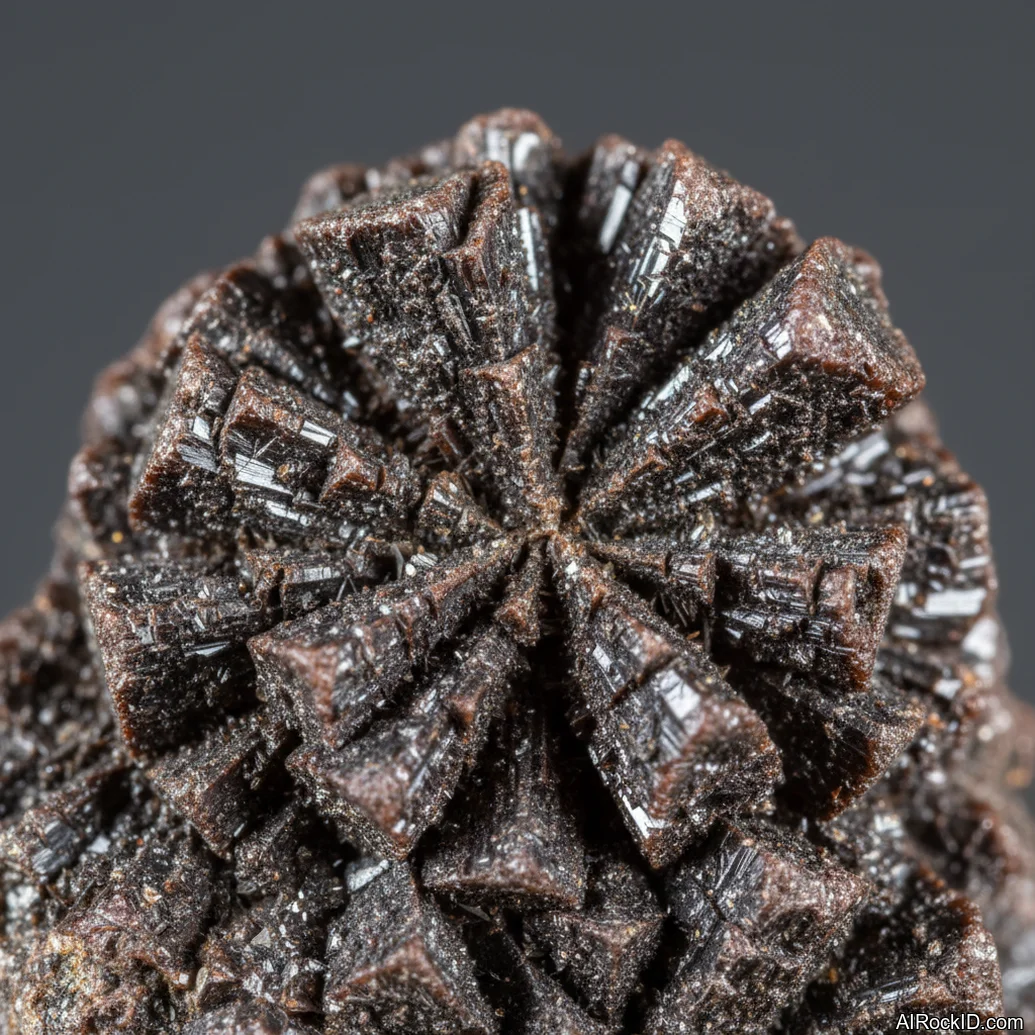
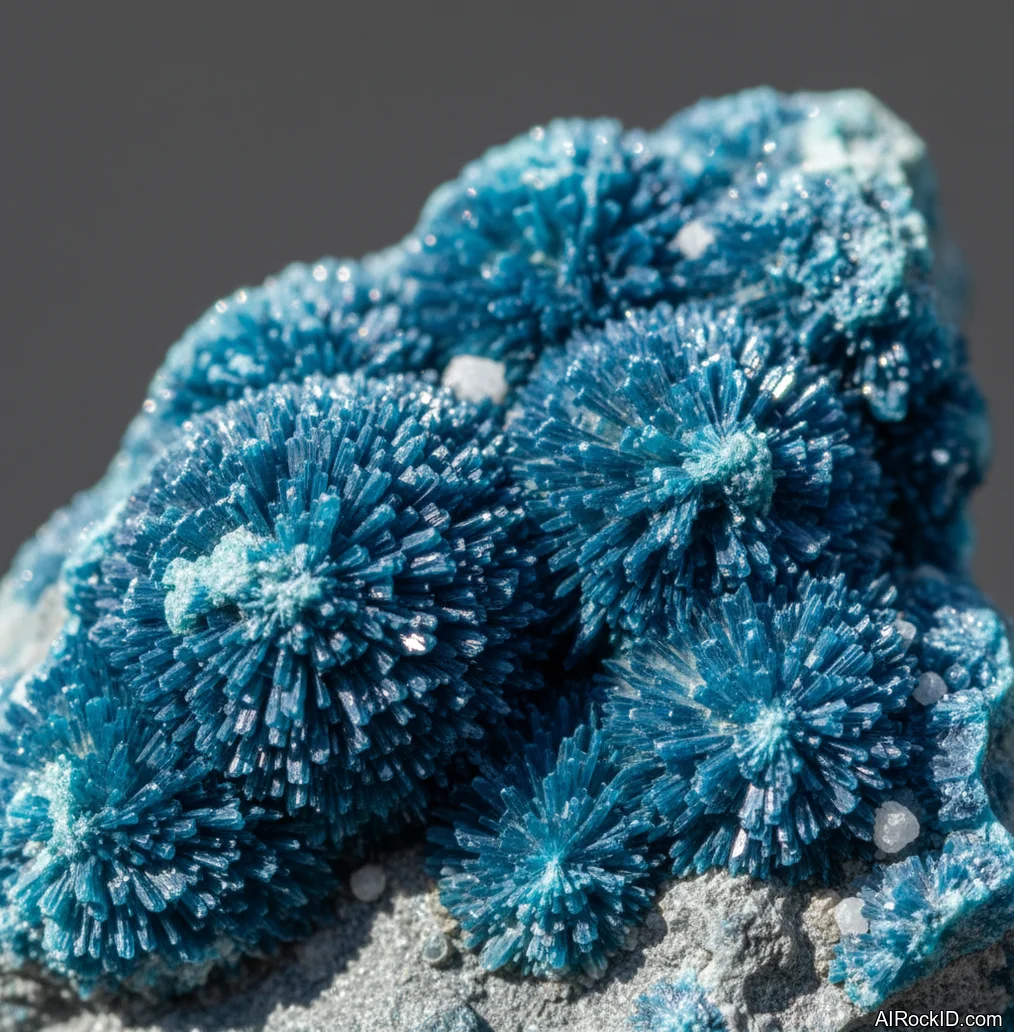
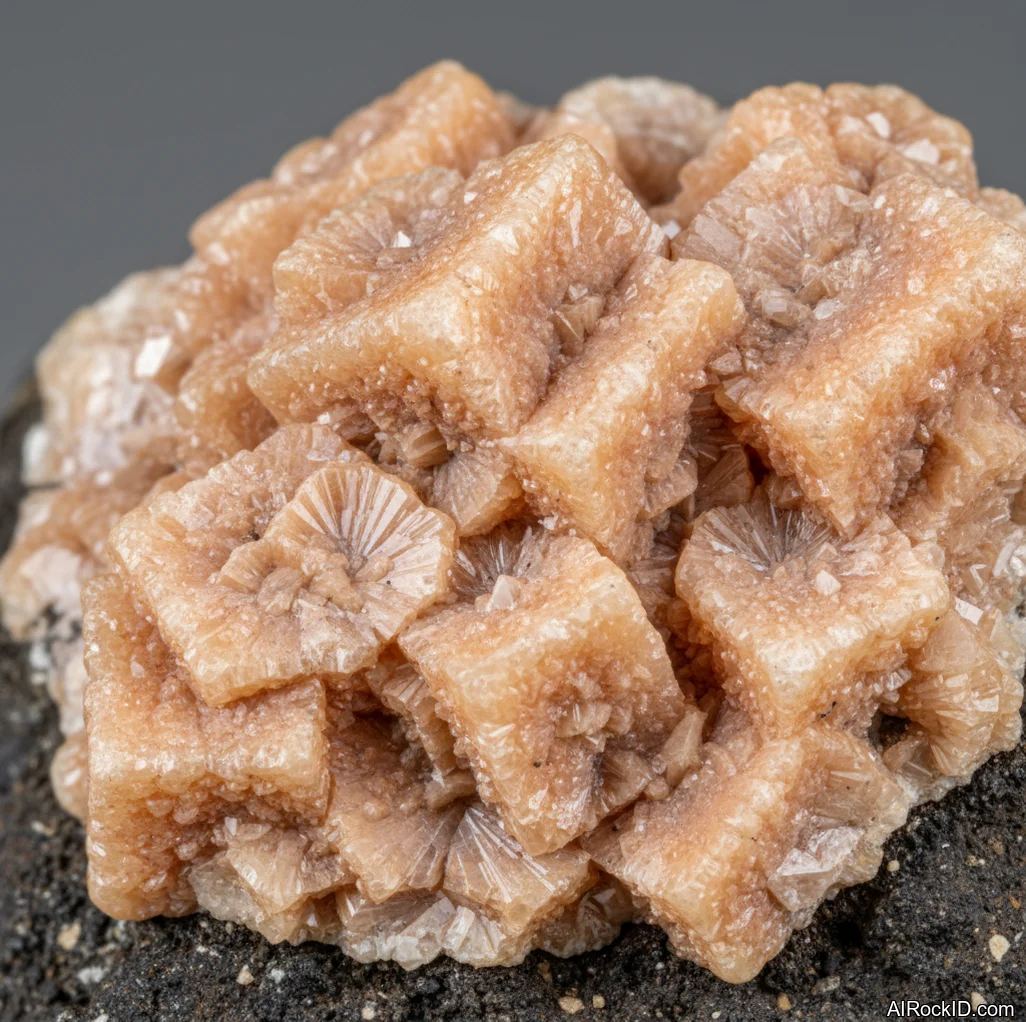
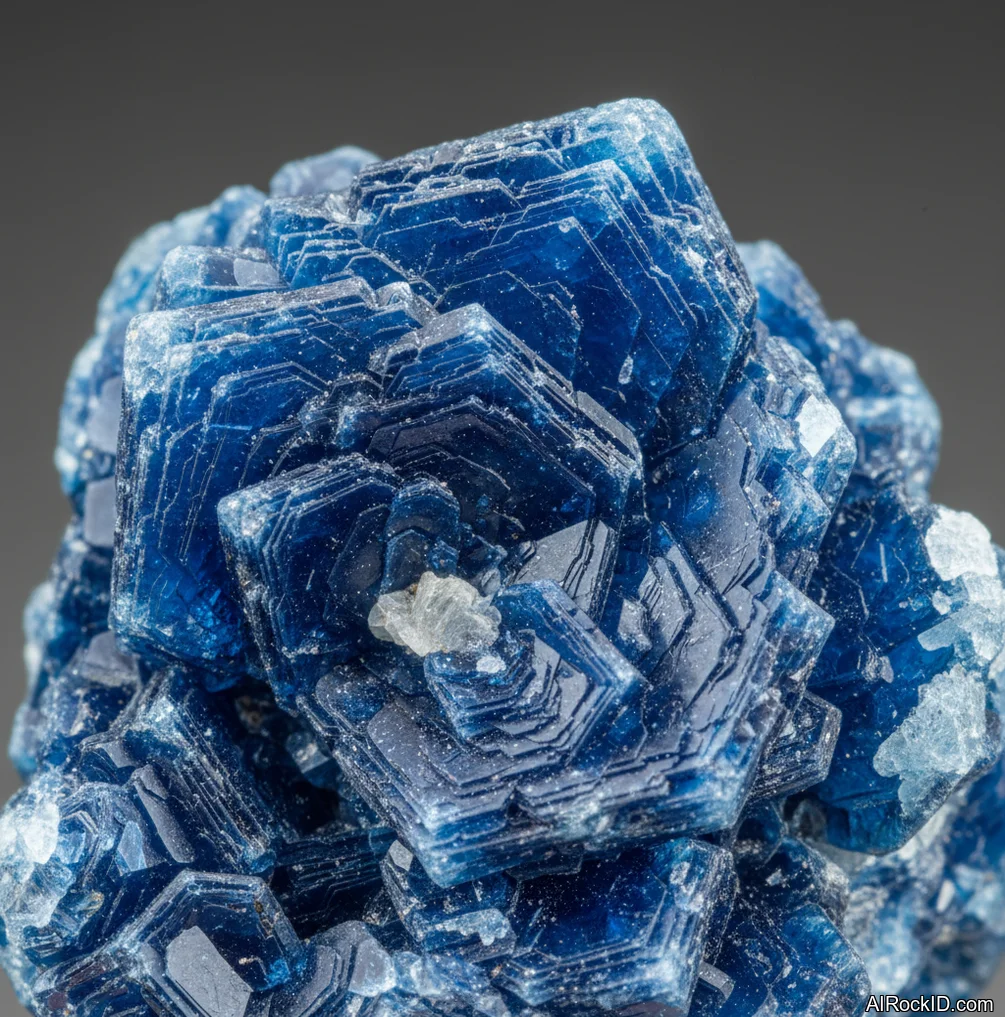
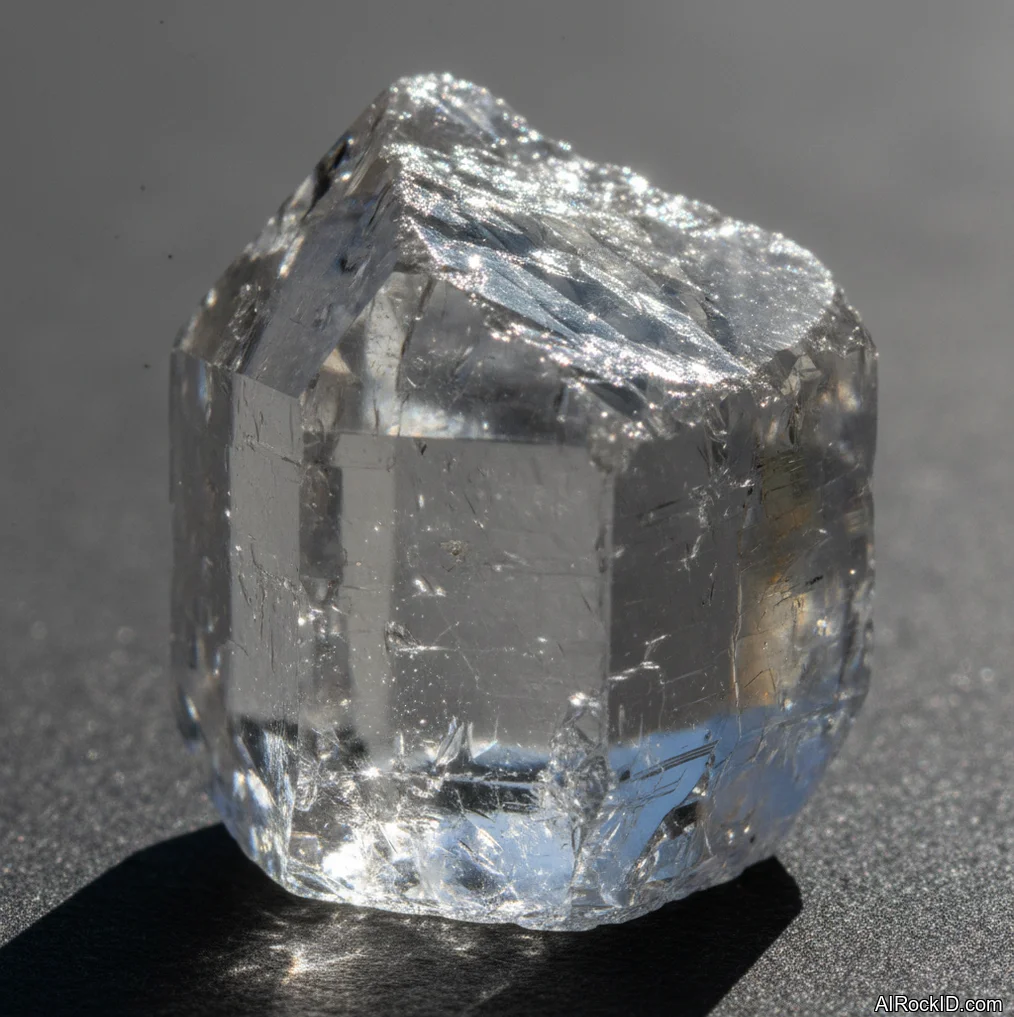
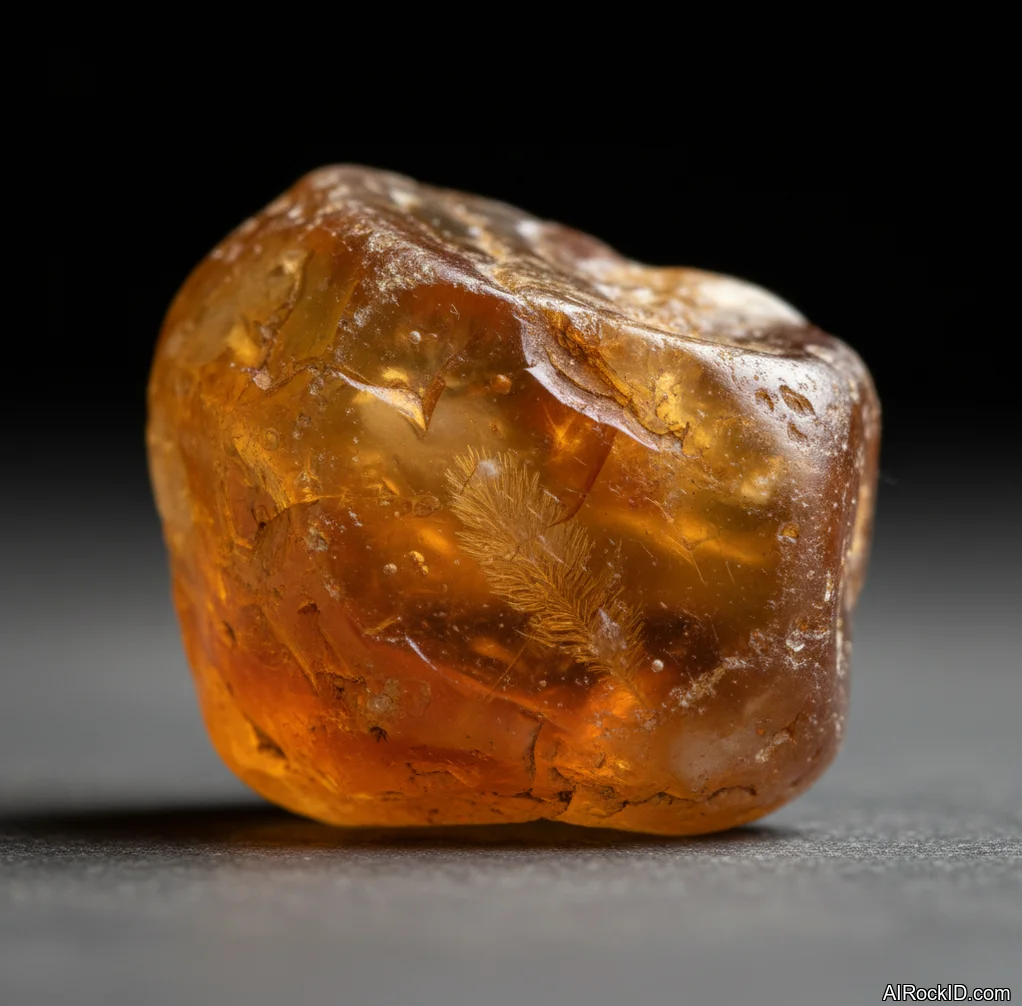
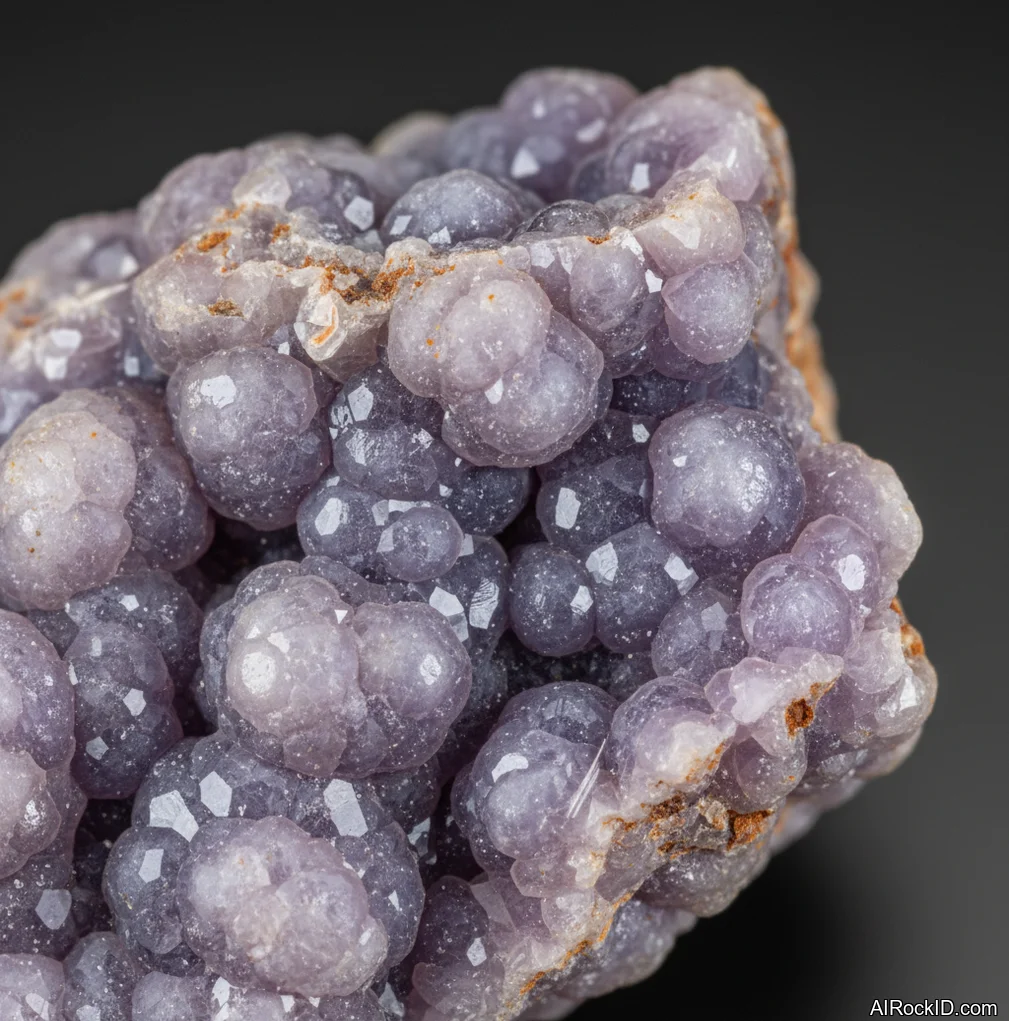
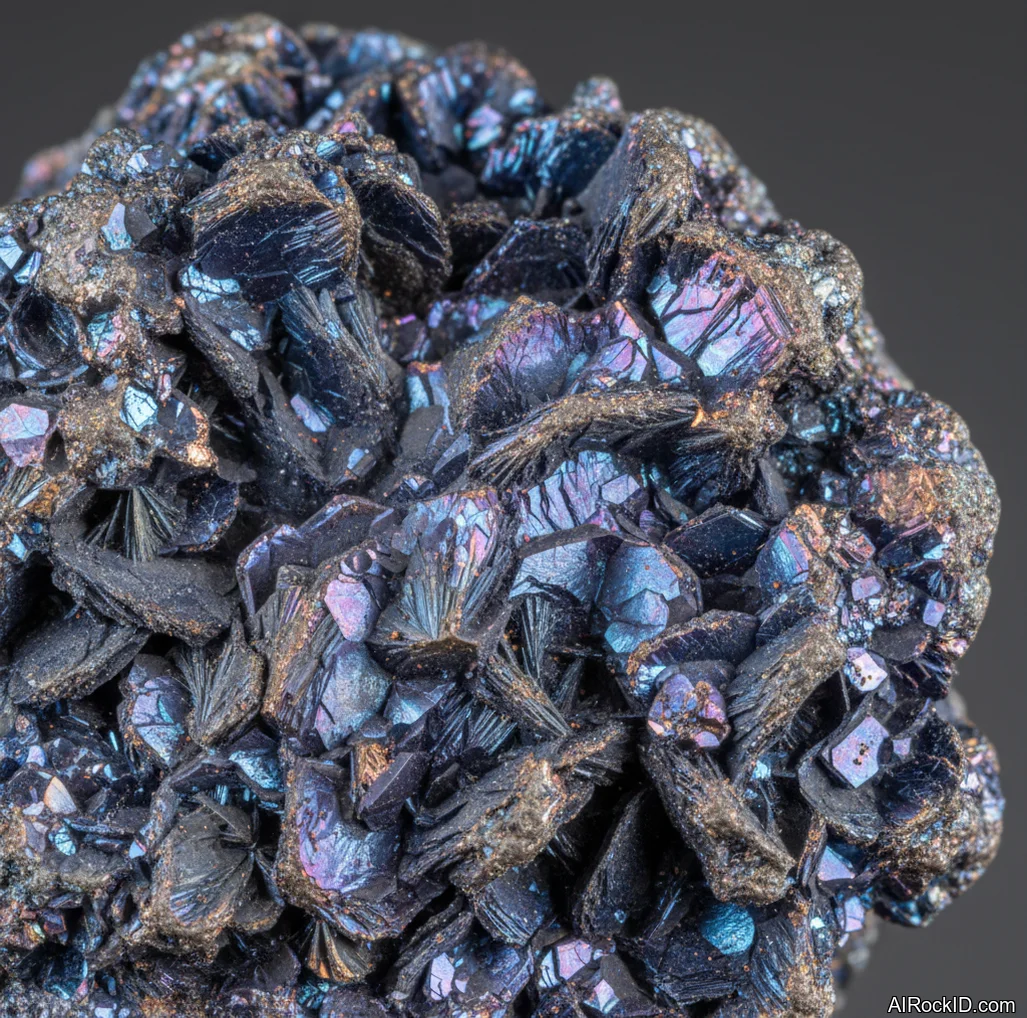
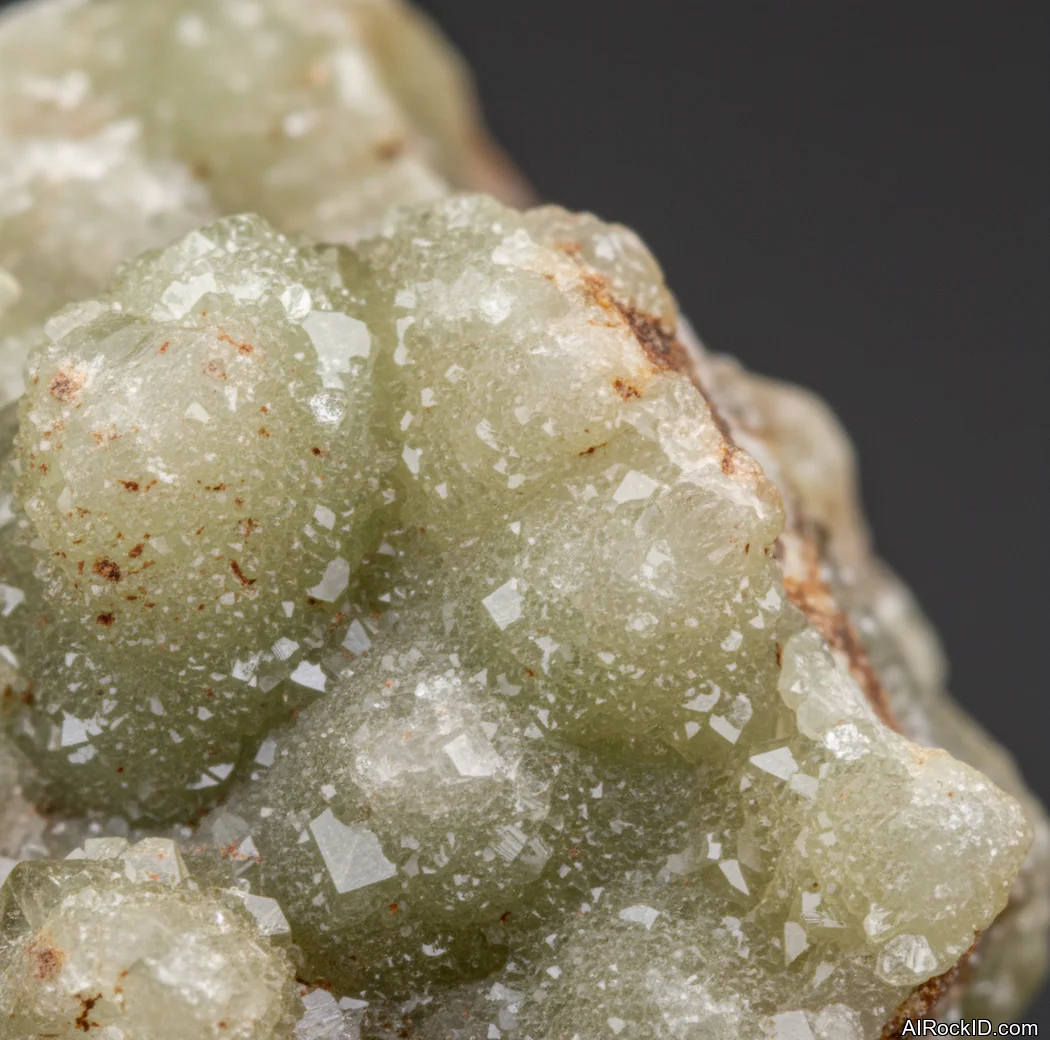
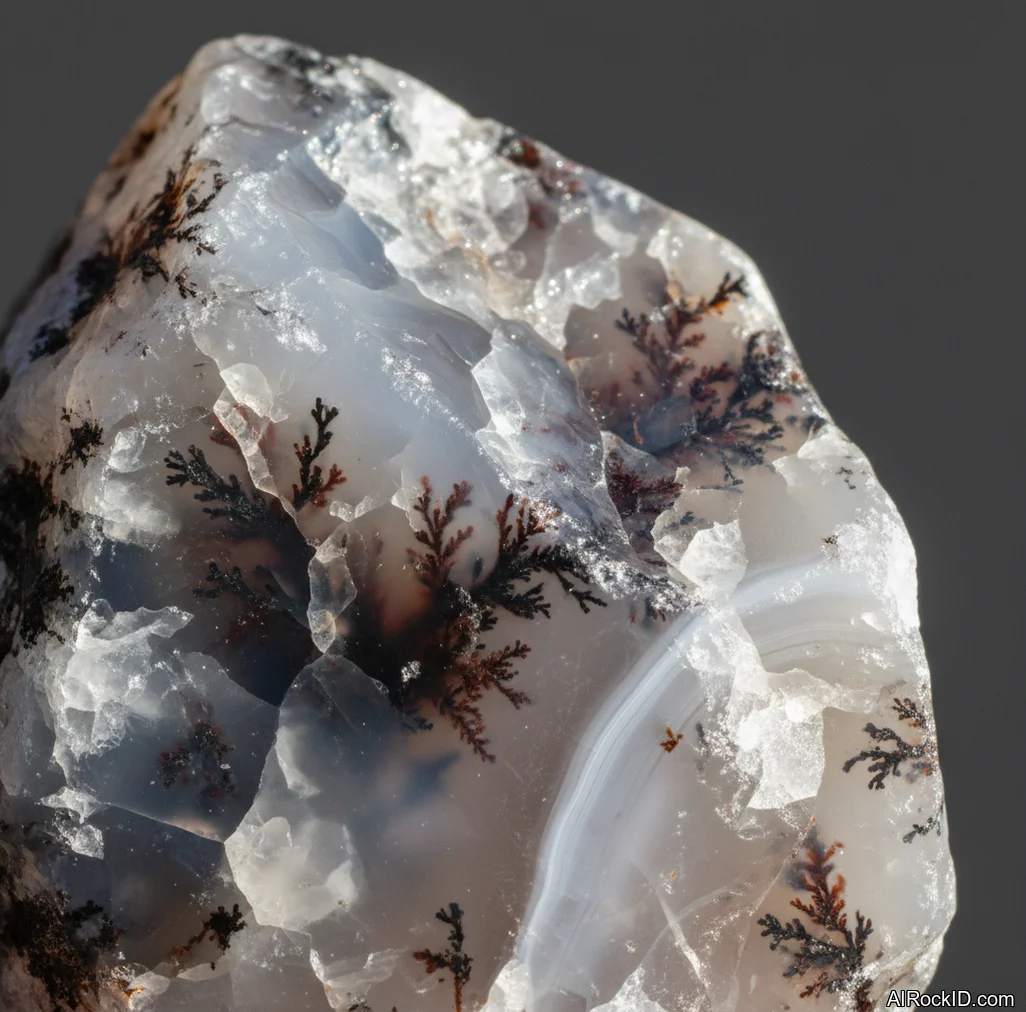
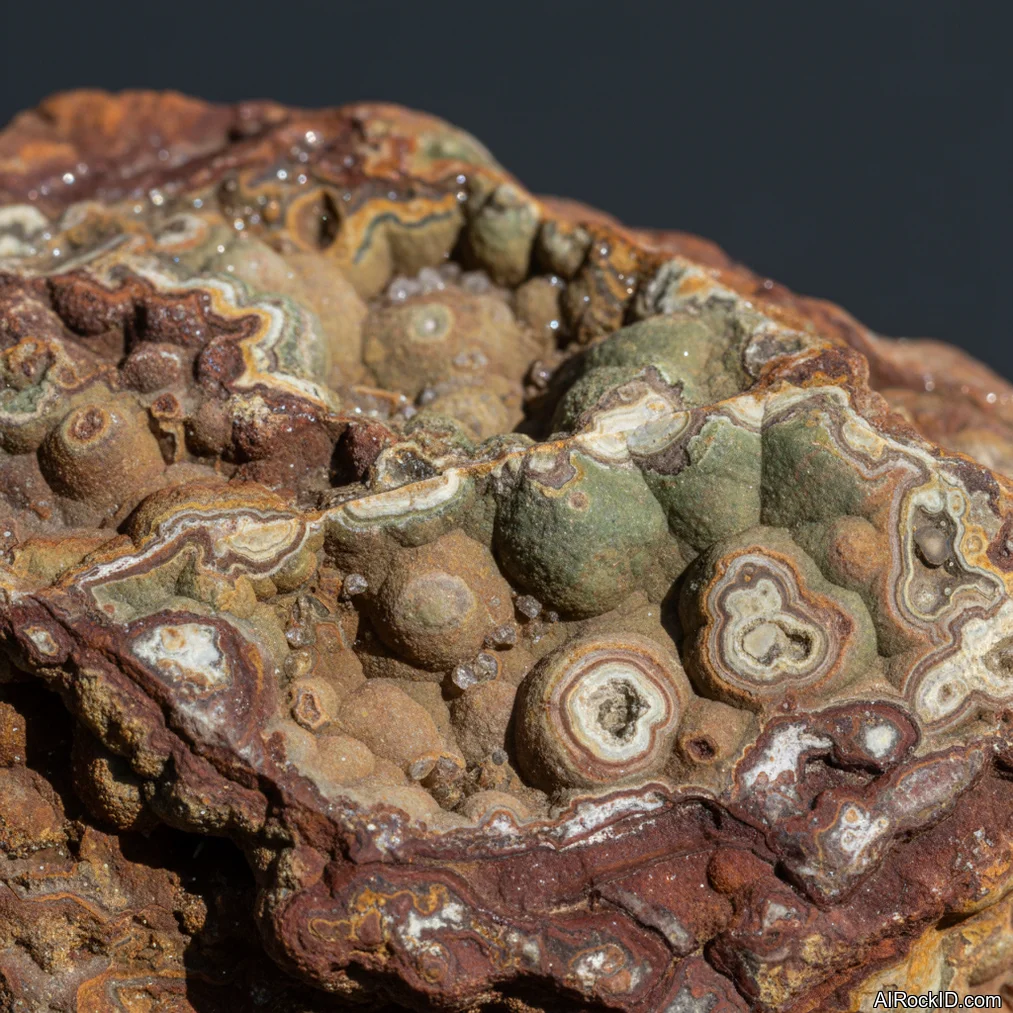
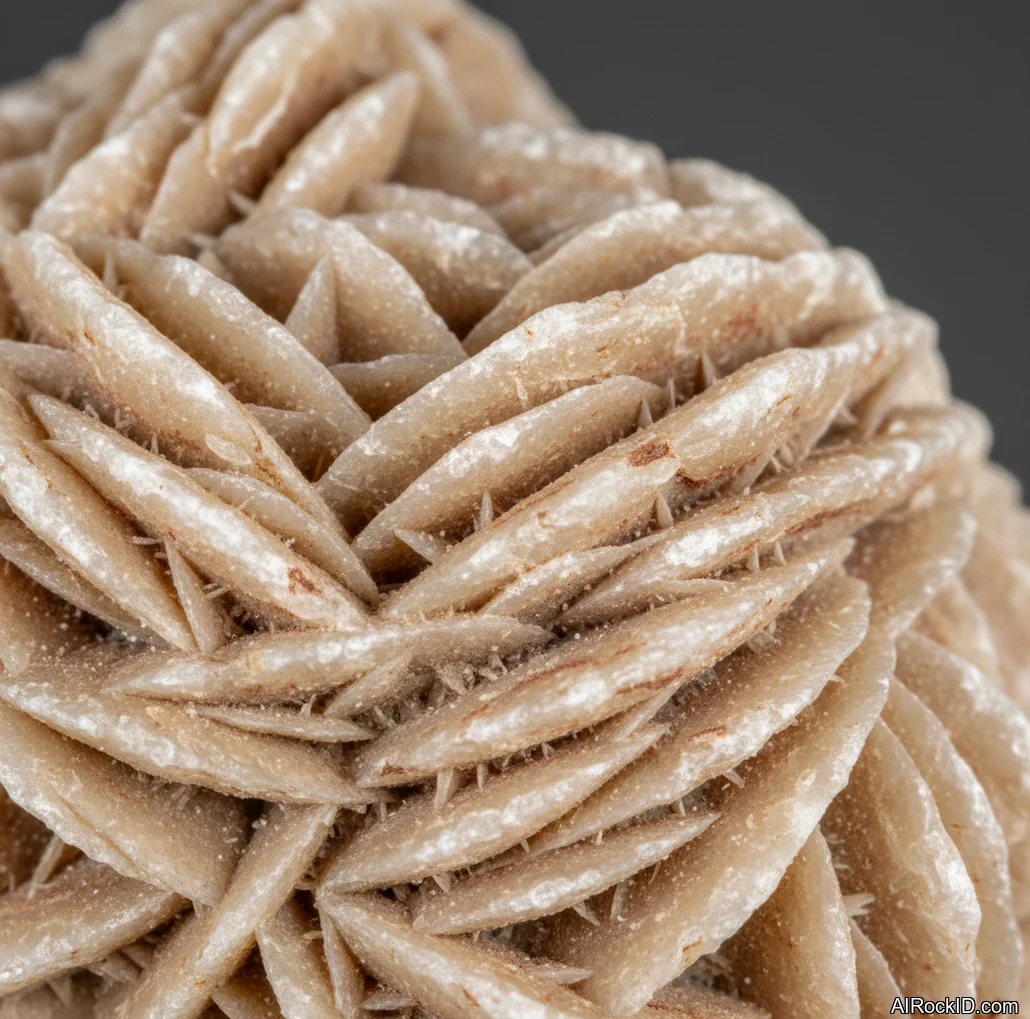
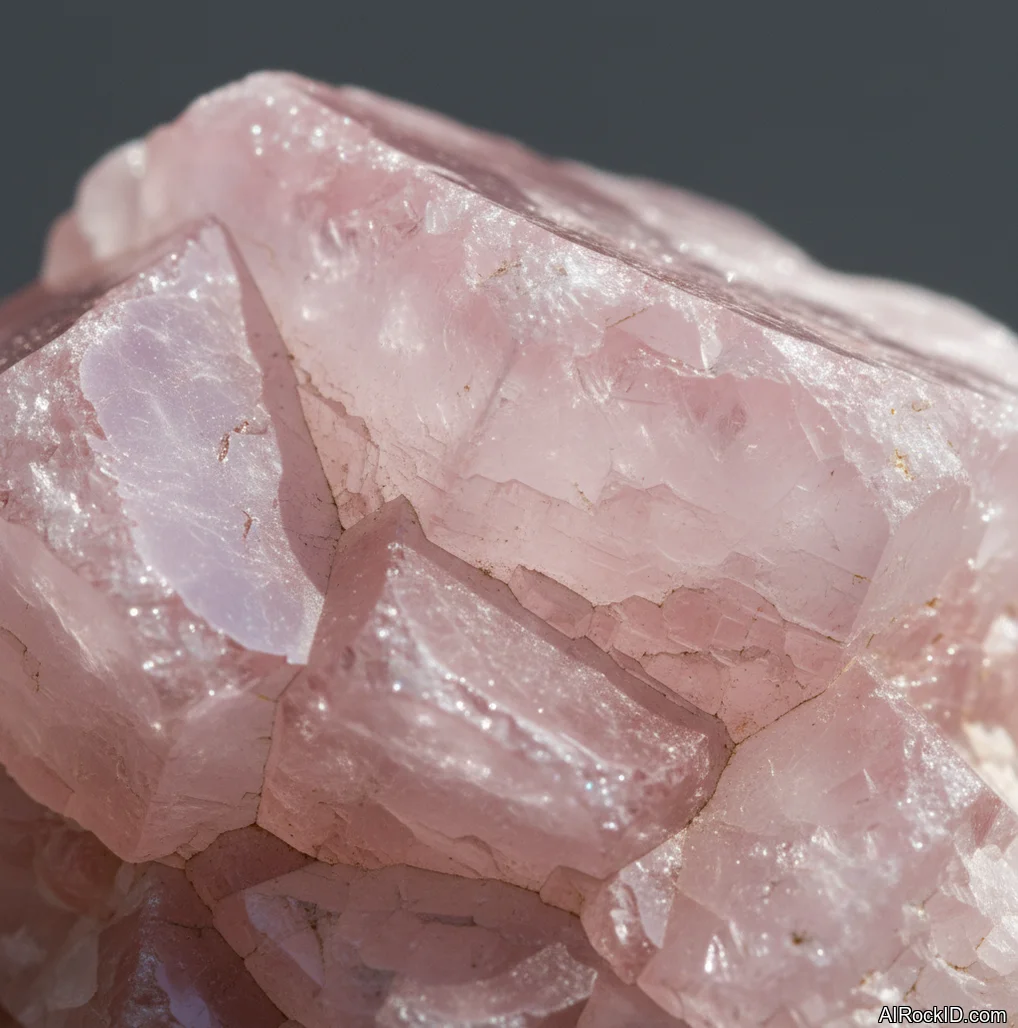
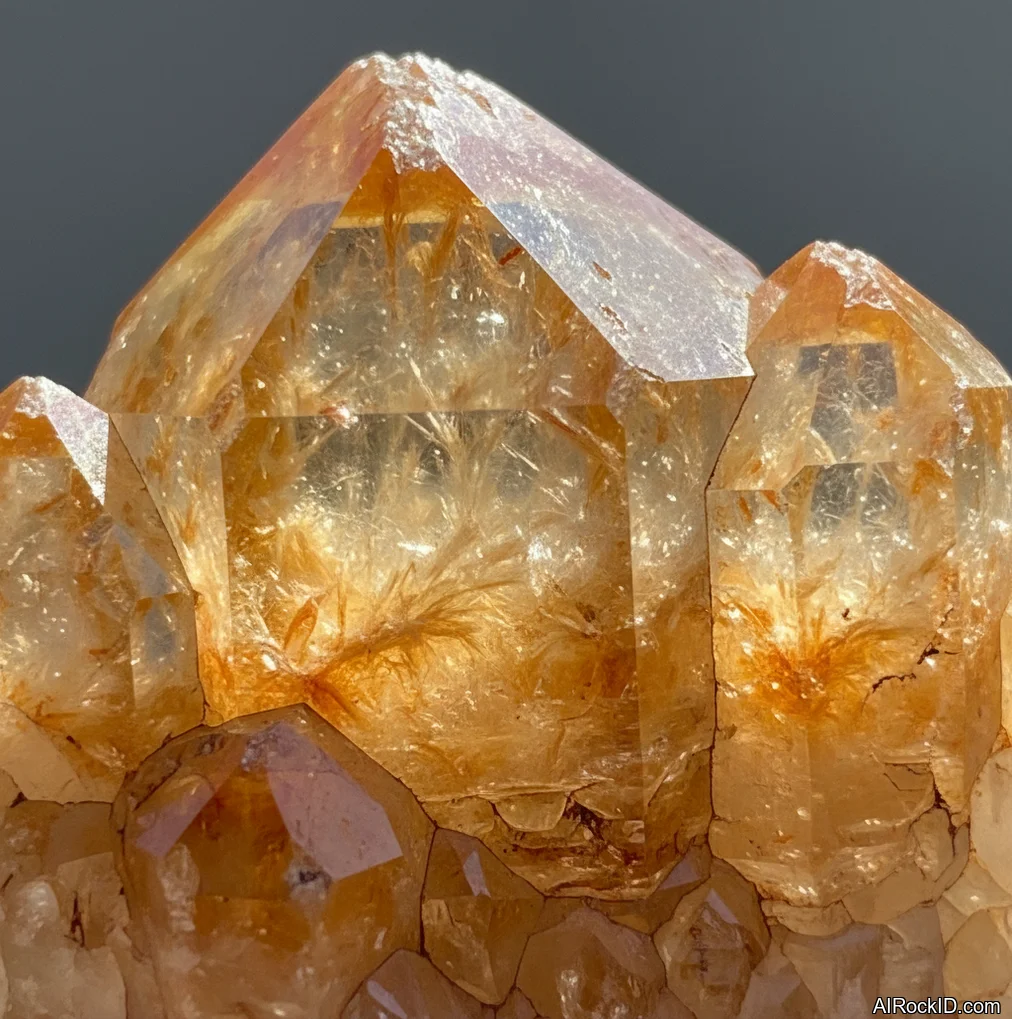
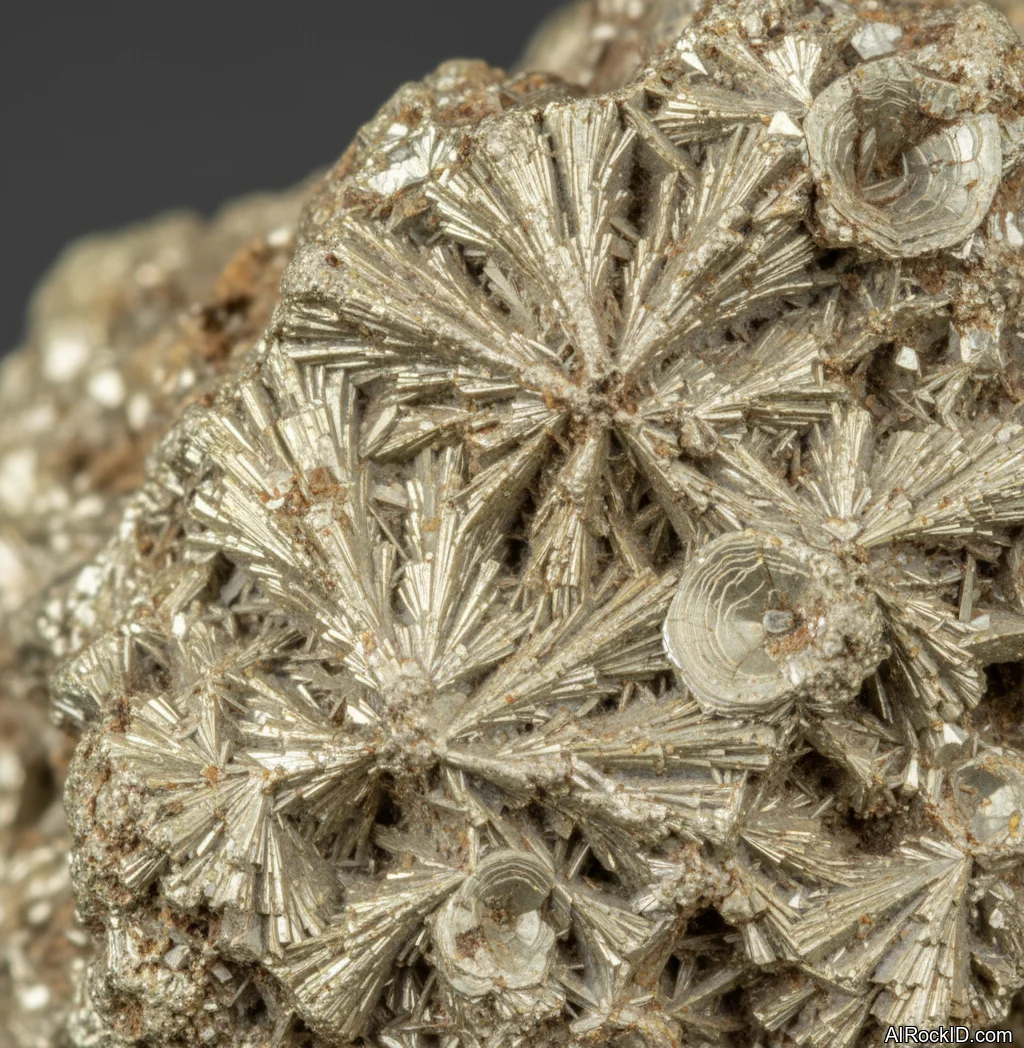
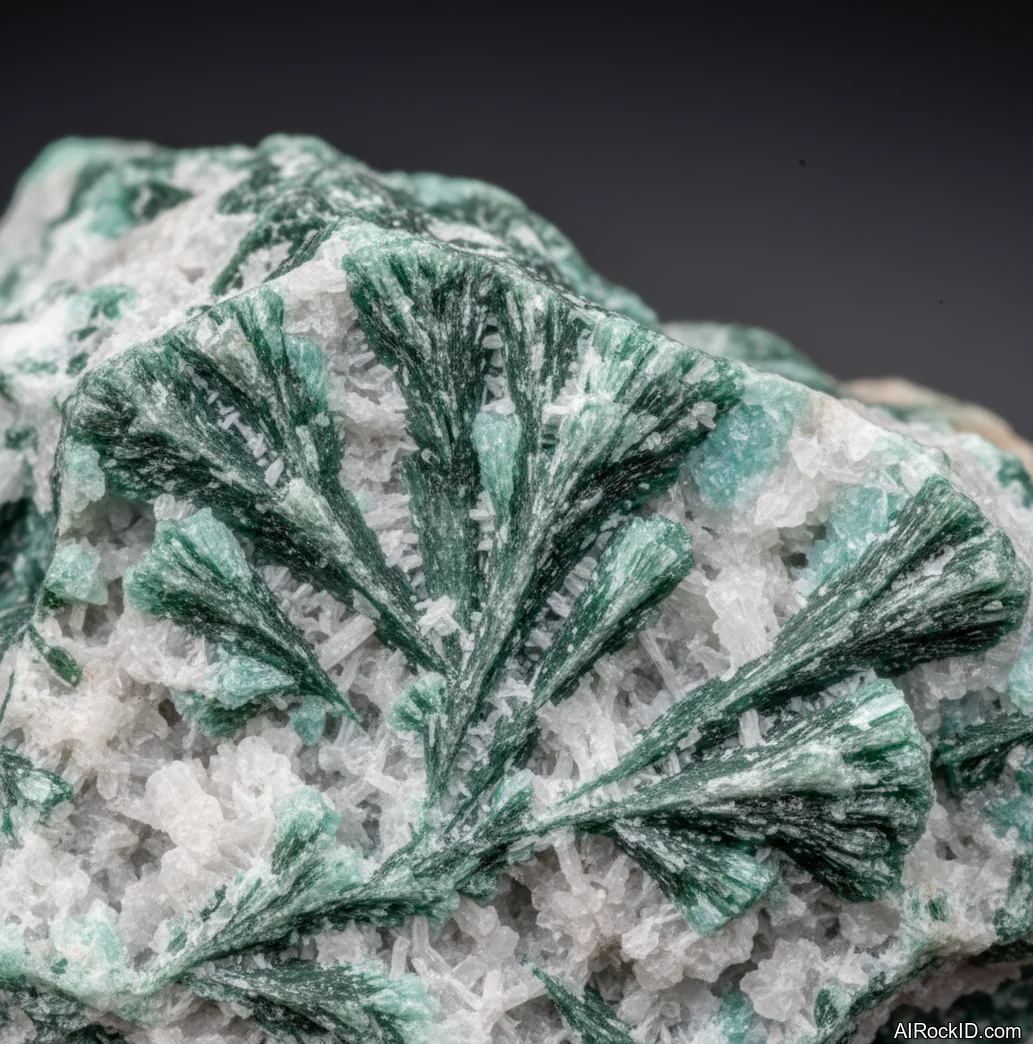
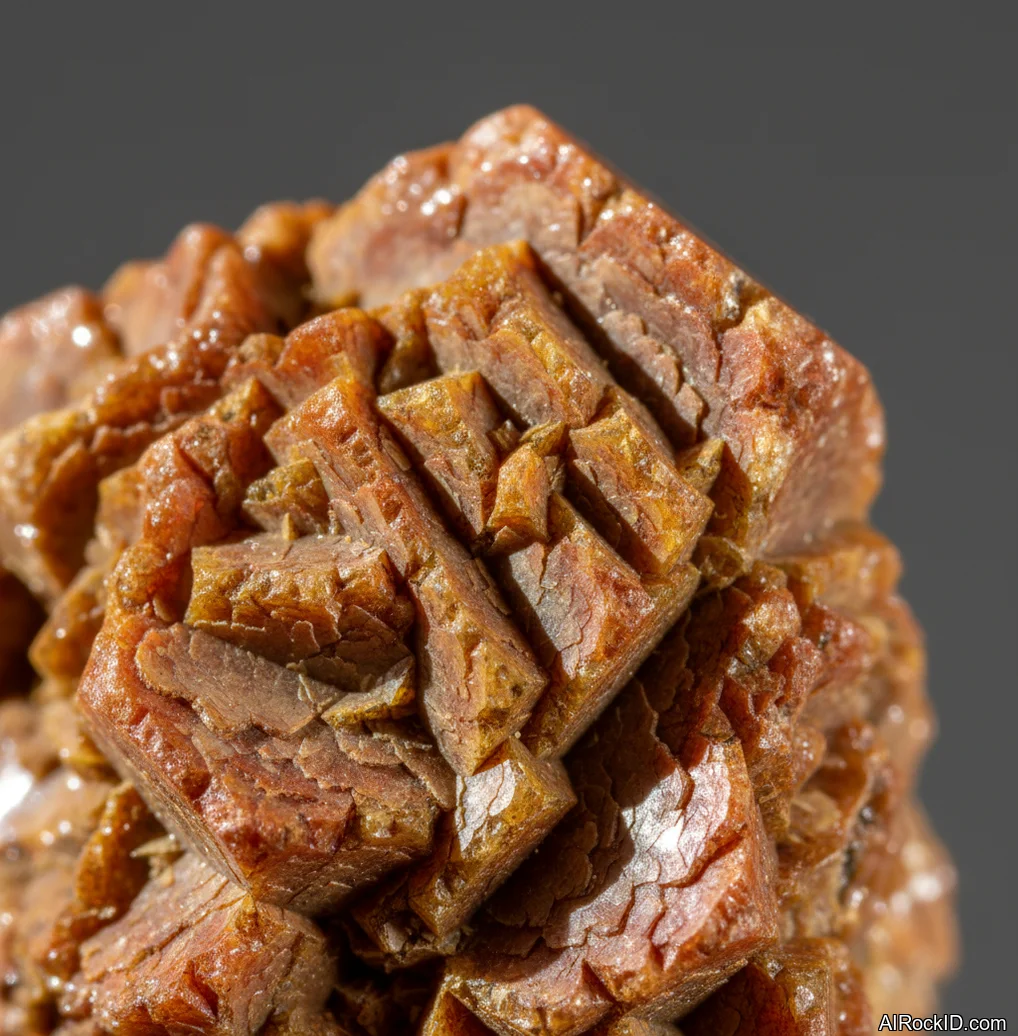
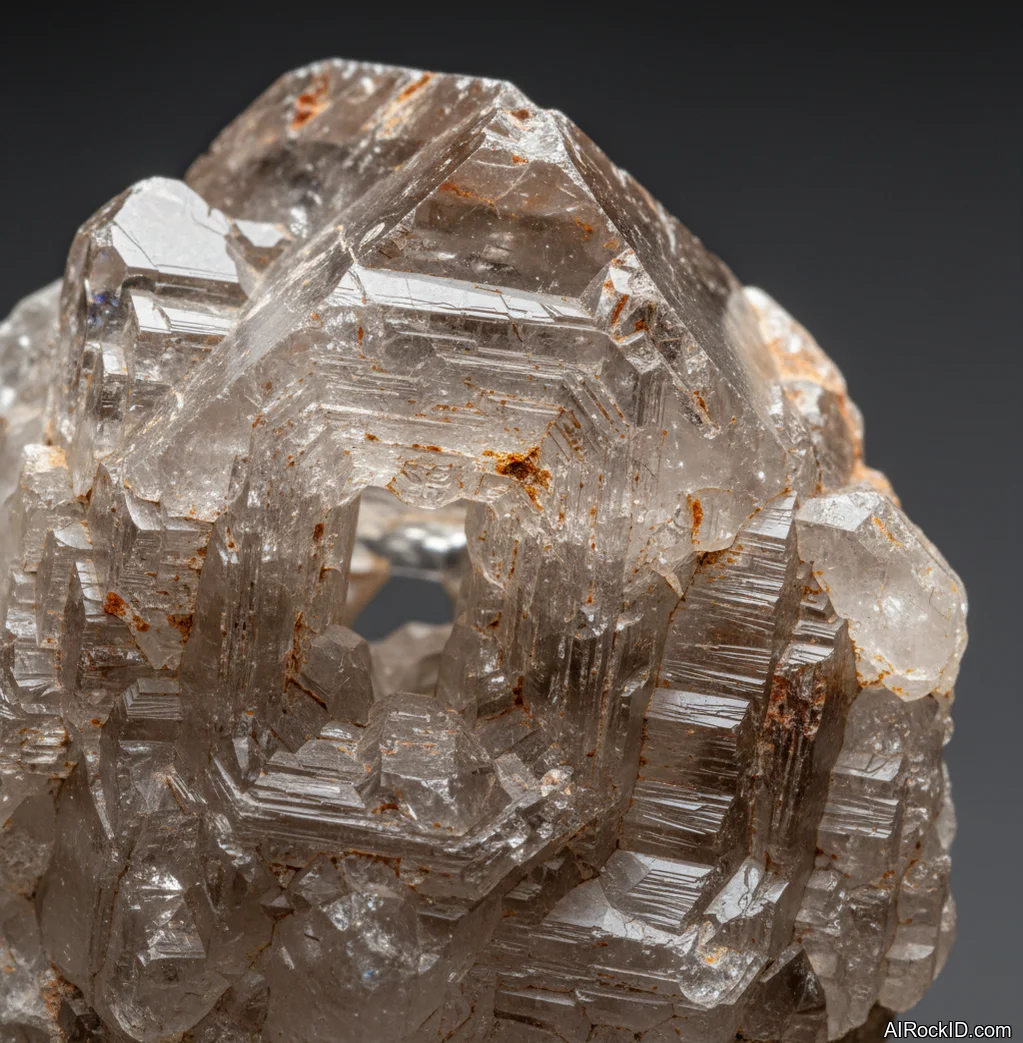
Self-Discovery Crystals
Quick answer: Self-discovery crystals are stones that people traditionally associate with reflection, emotional honesty, intuition, and personal growth. They are often used as symbolic tools for journaling, meditation, intention-setting, or mindful collecting rather than as substitutes for professional guidance.
Explore Self-Discovery crystals, meanings, and practical tips for choosing and using stones like labradorite, moonstone, and fluorite.


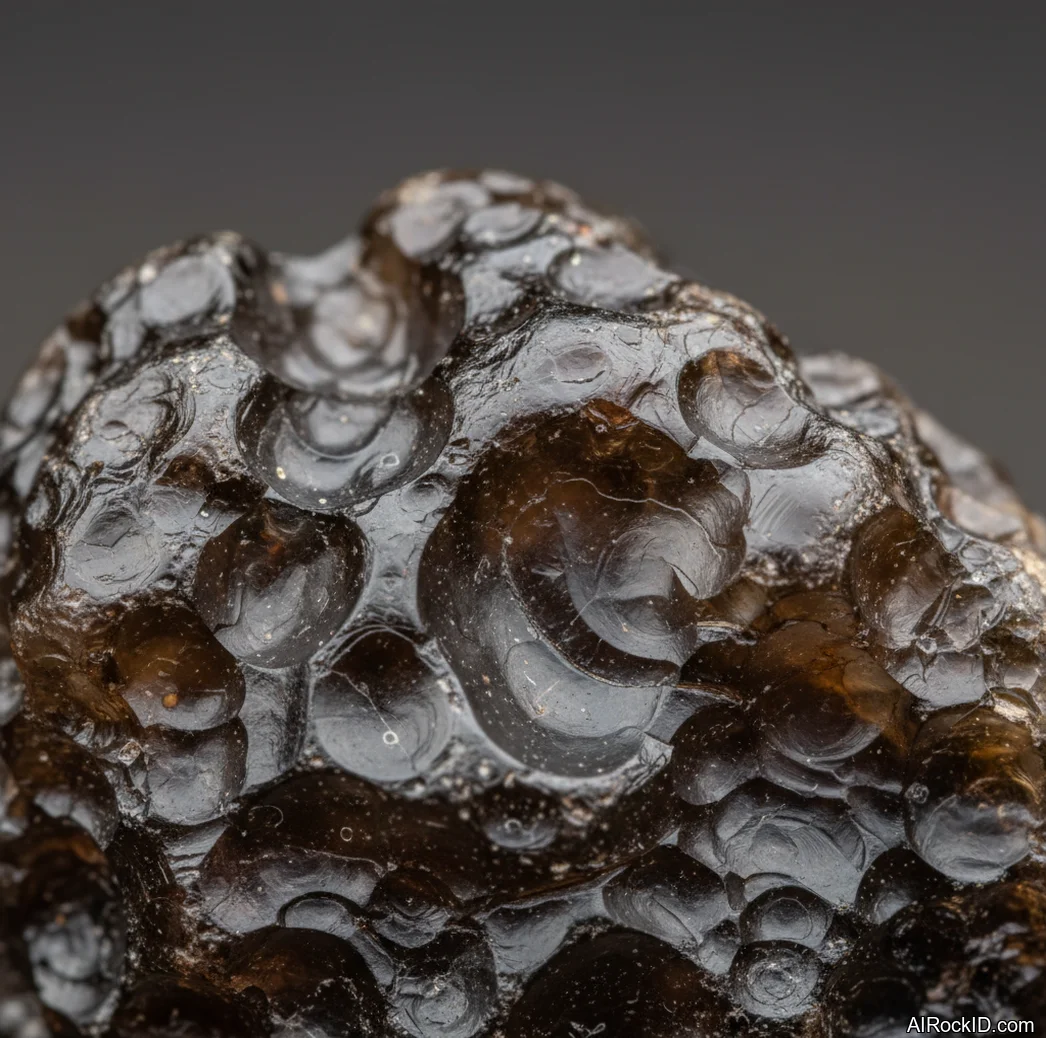
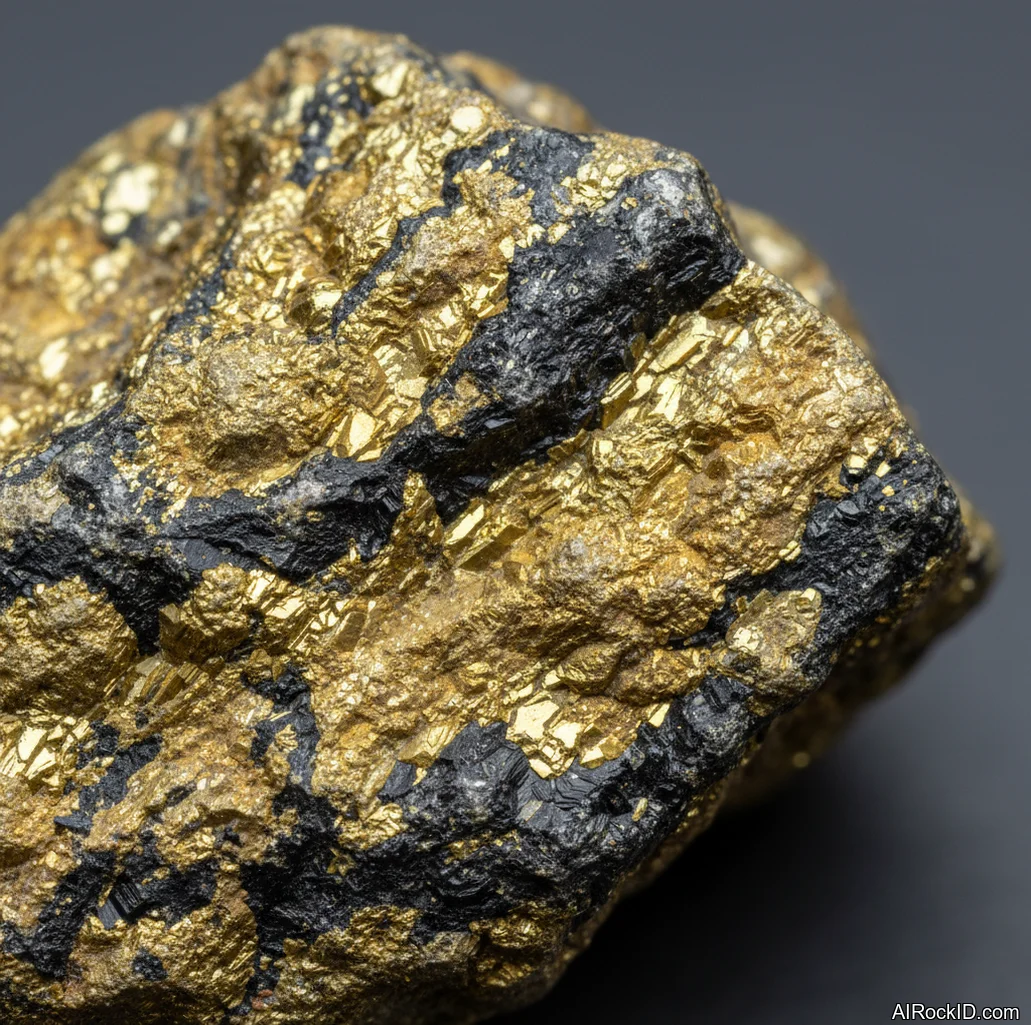
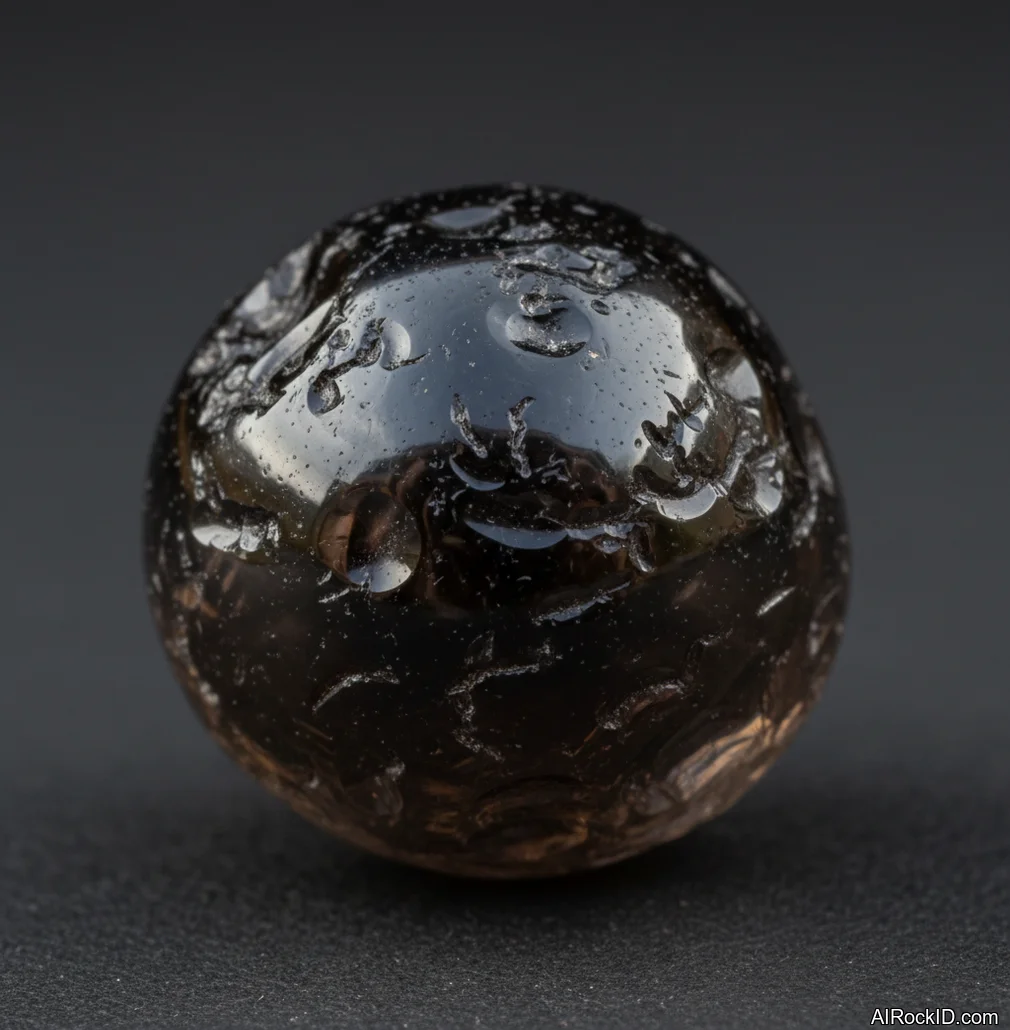
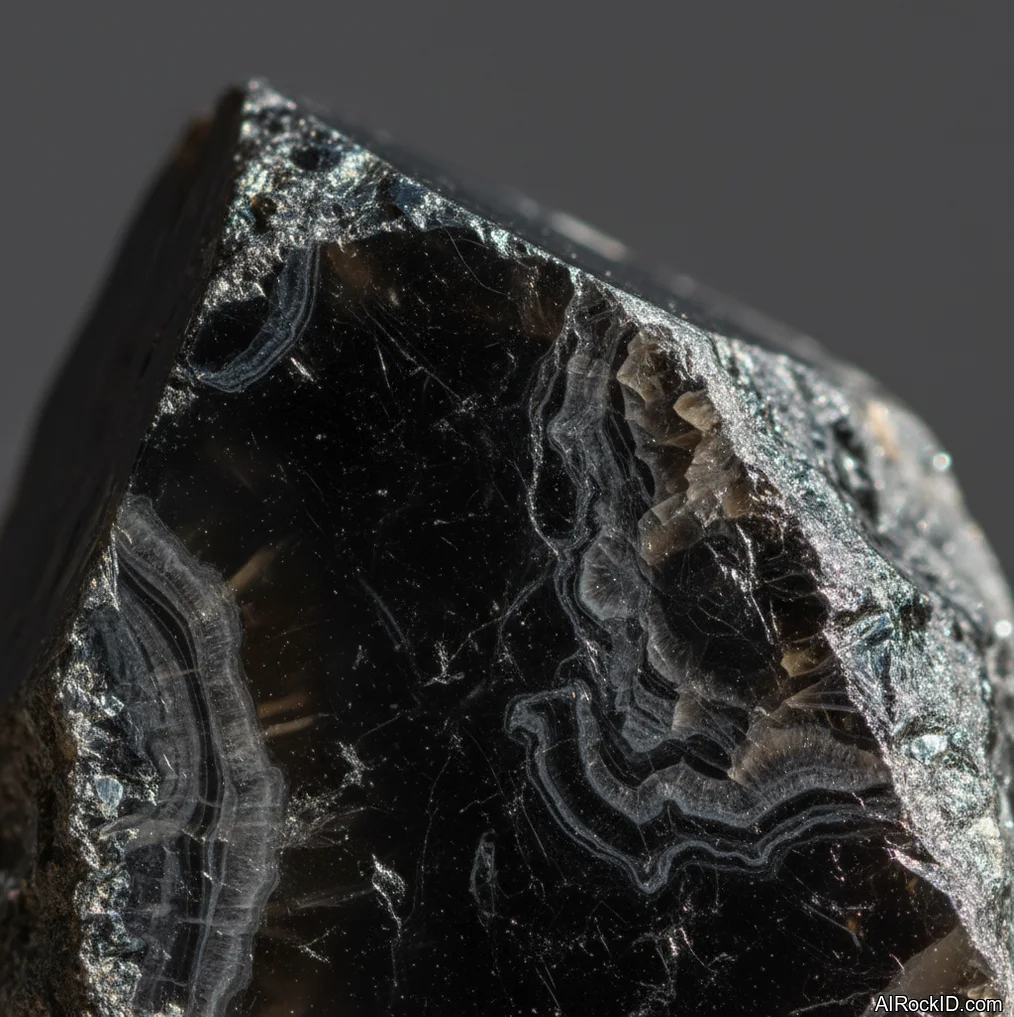
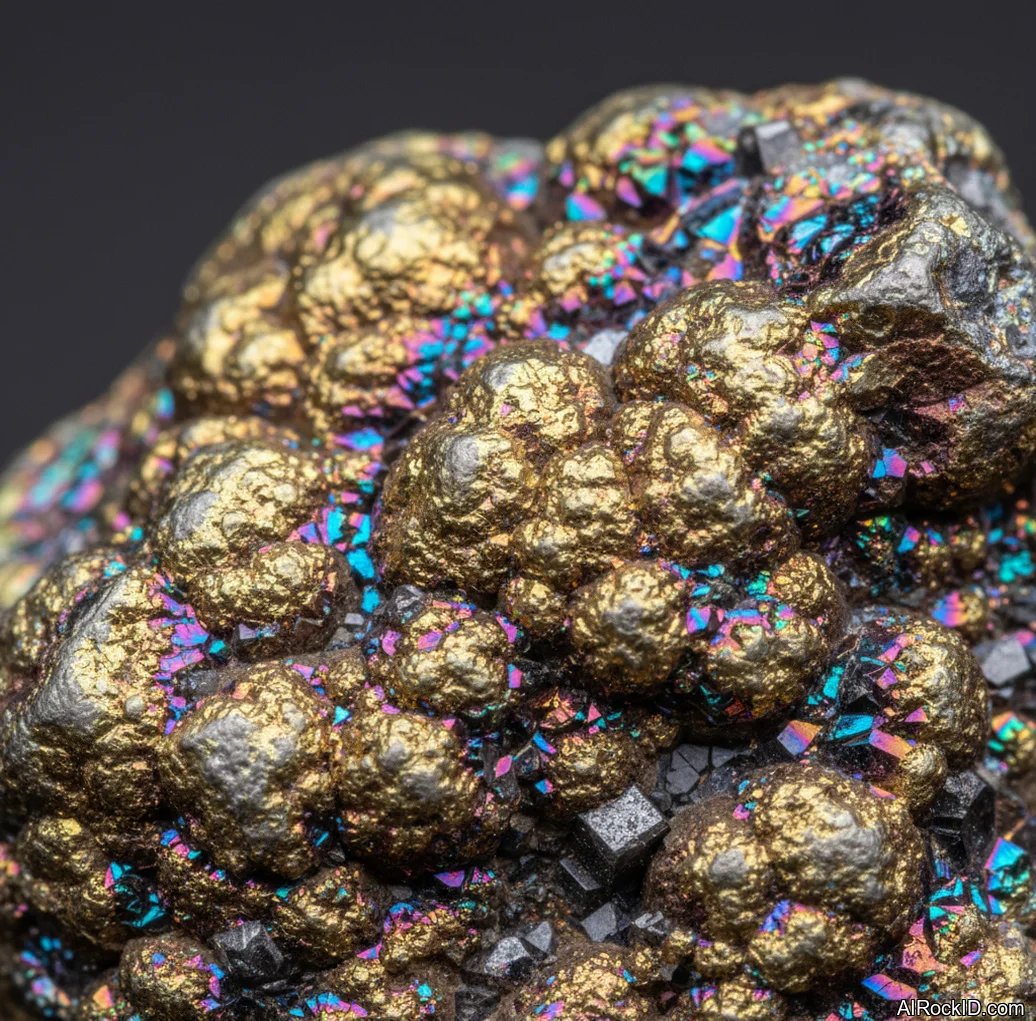
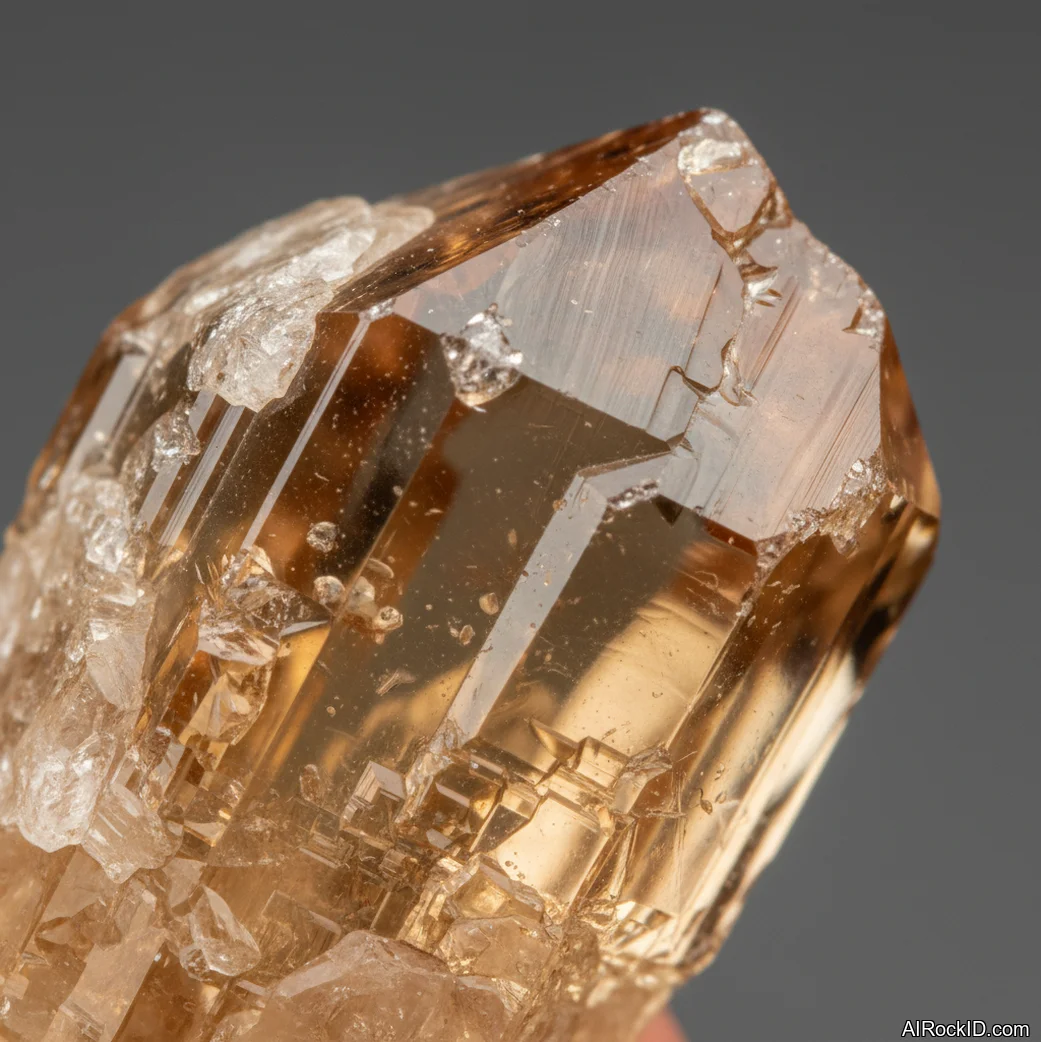
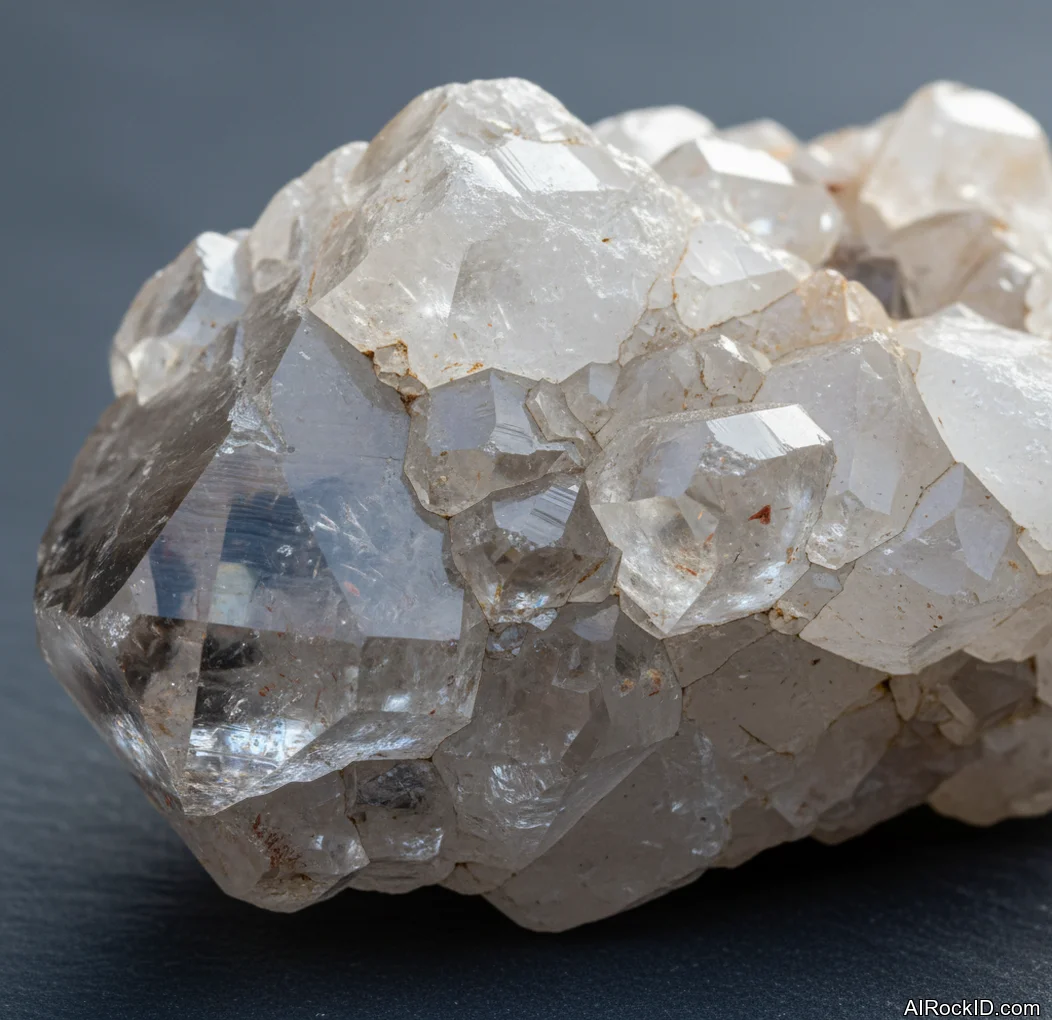
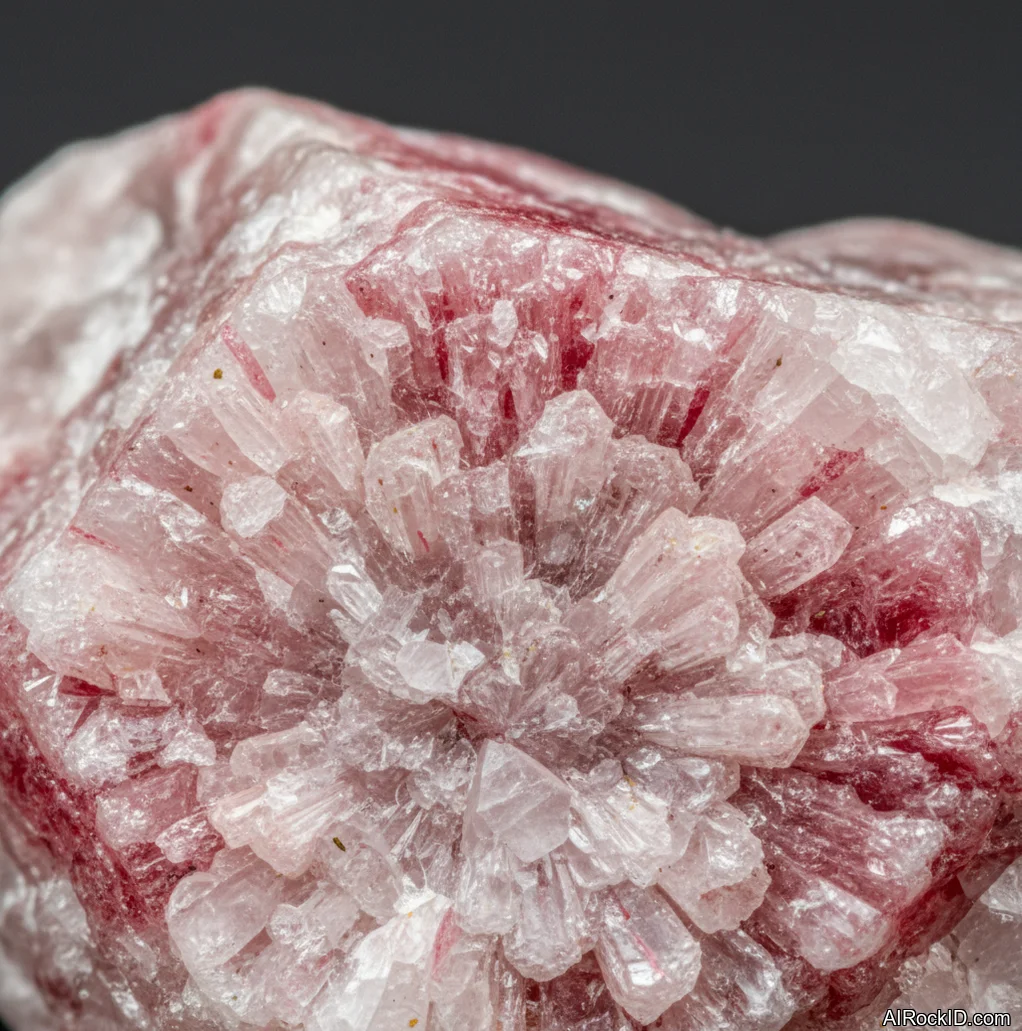
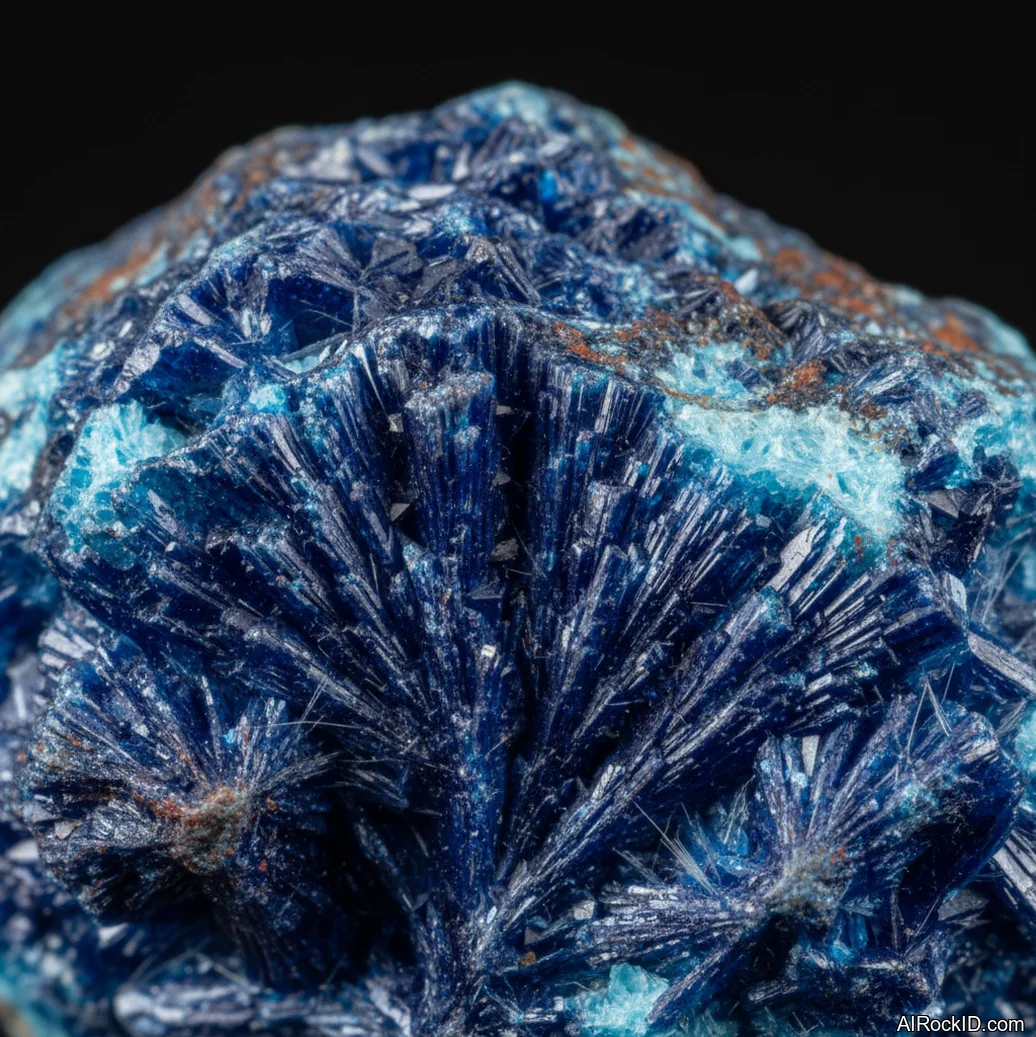
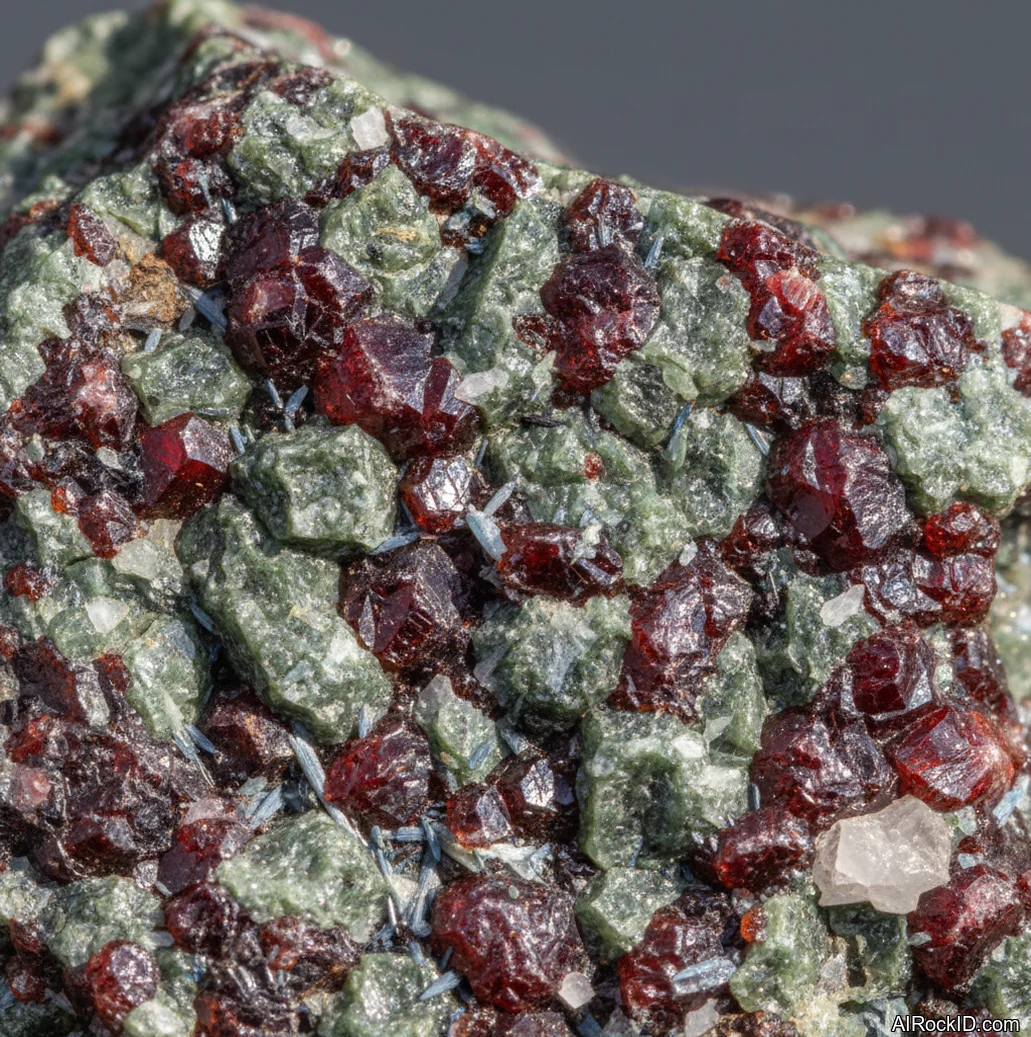
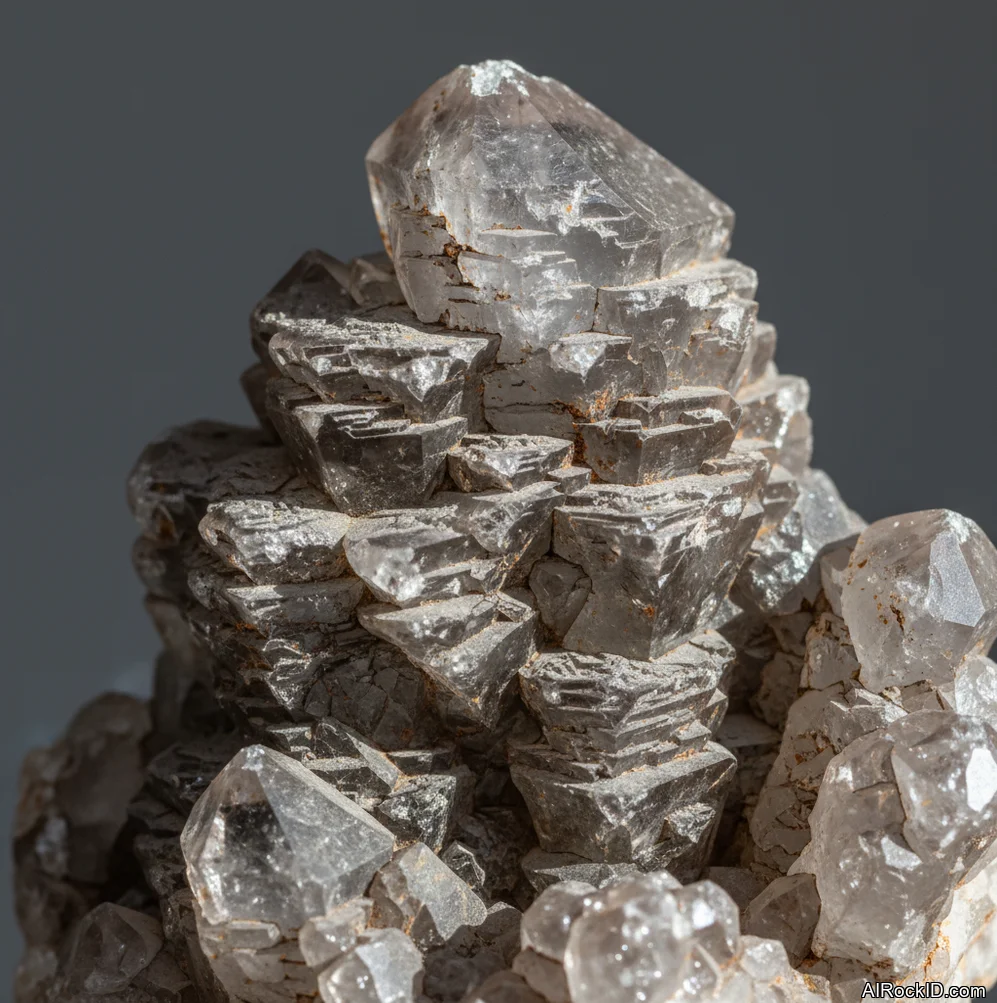
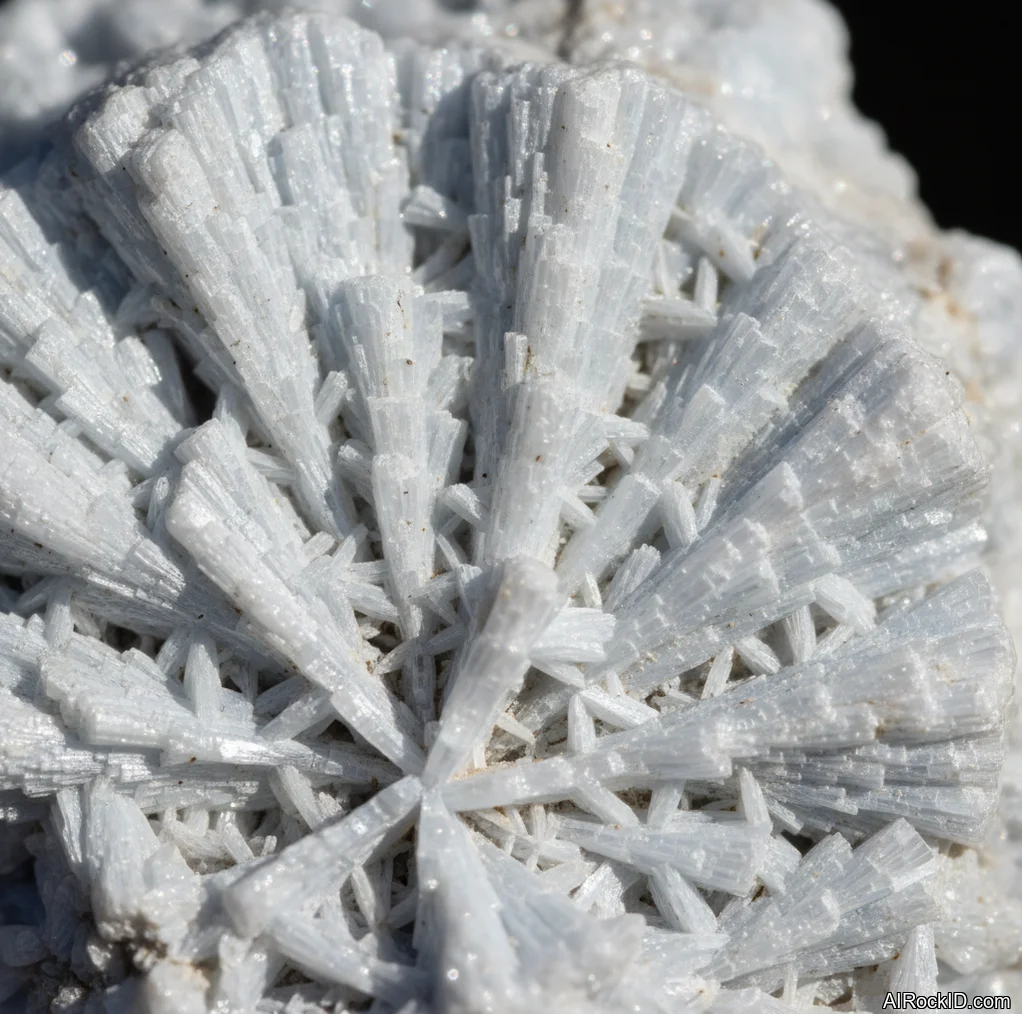
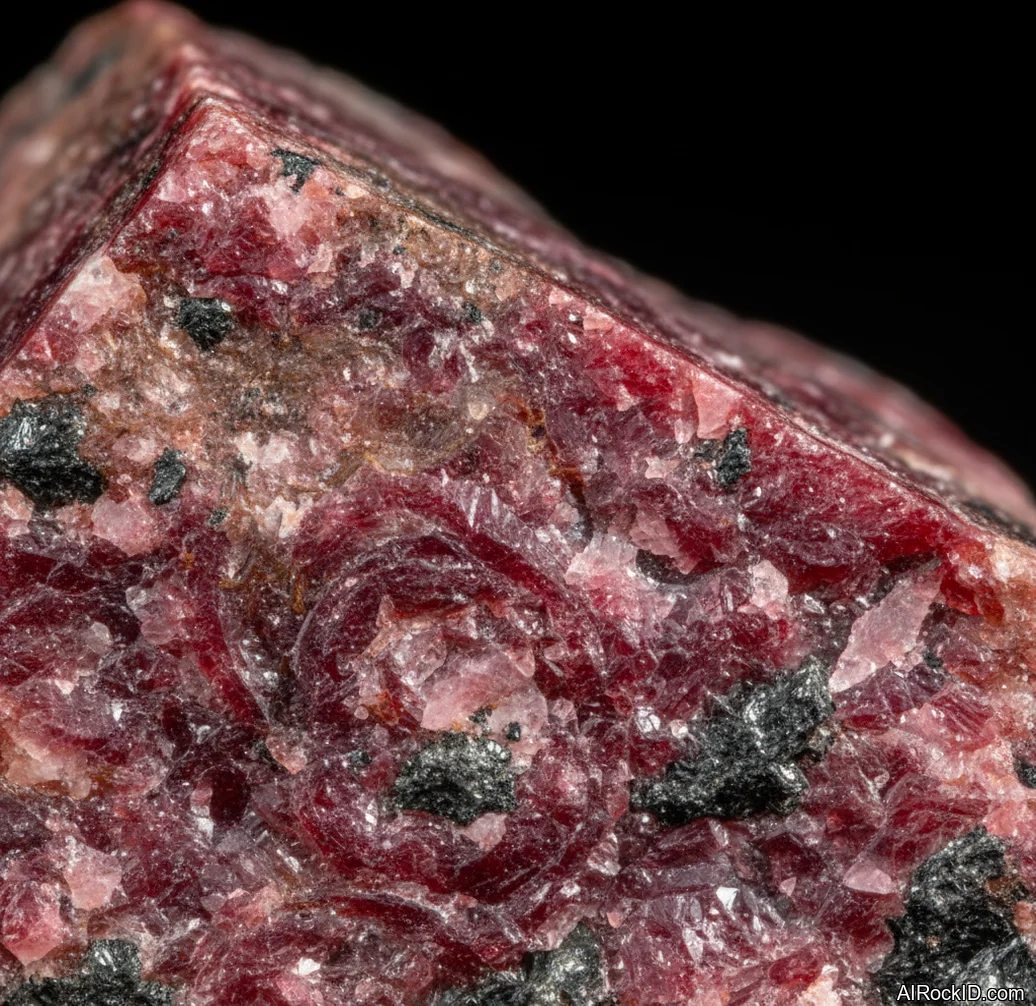
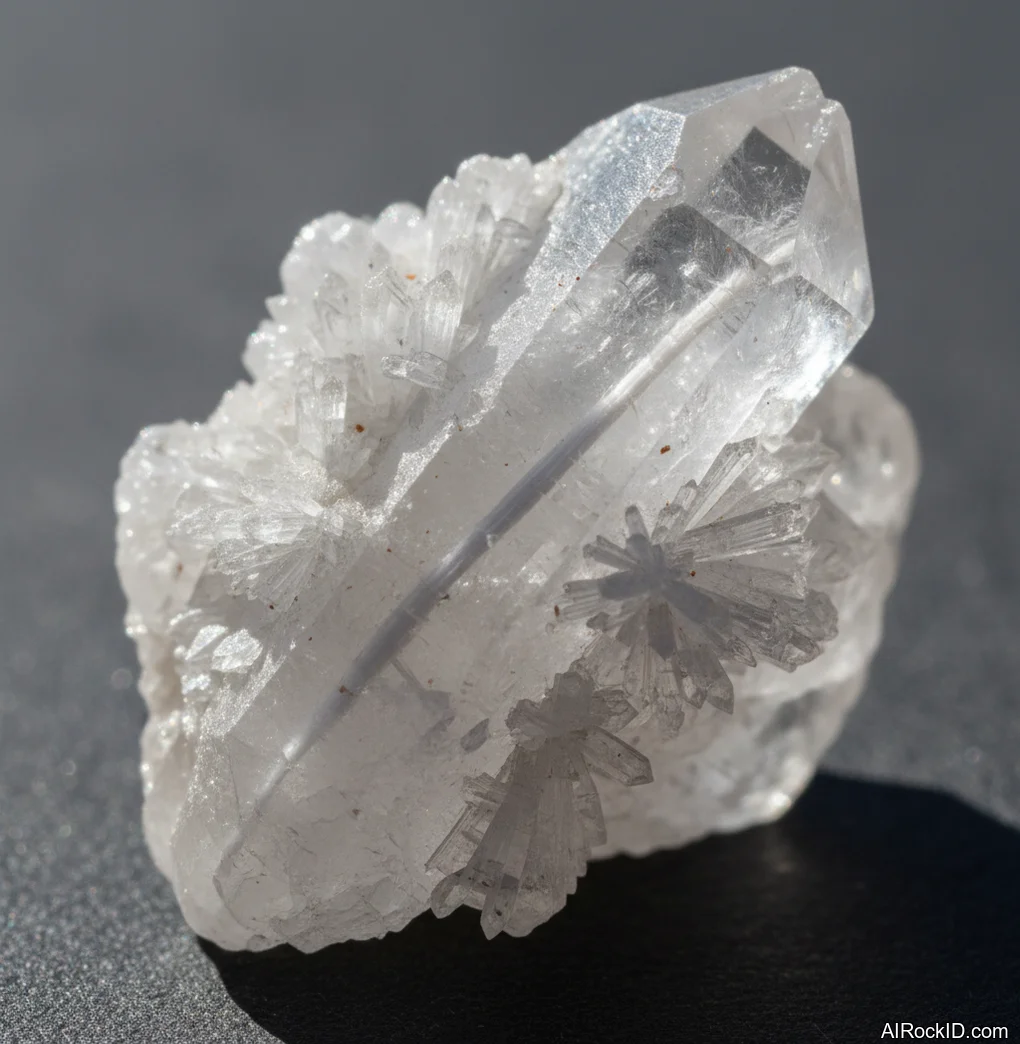
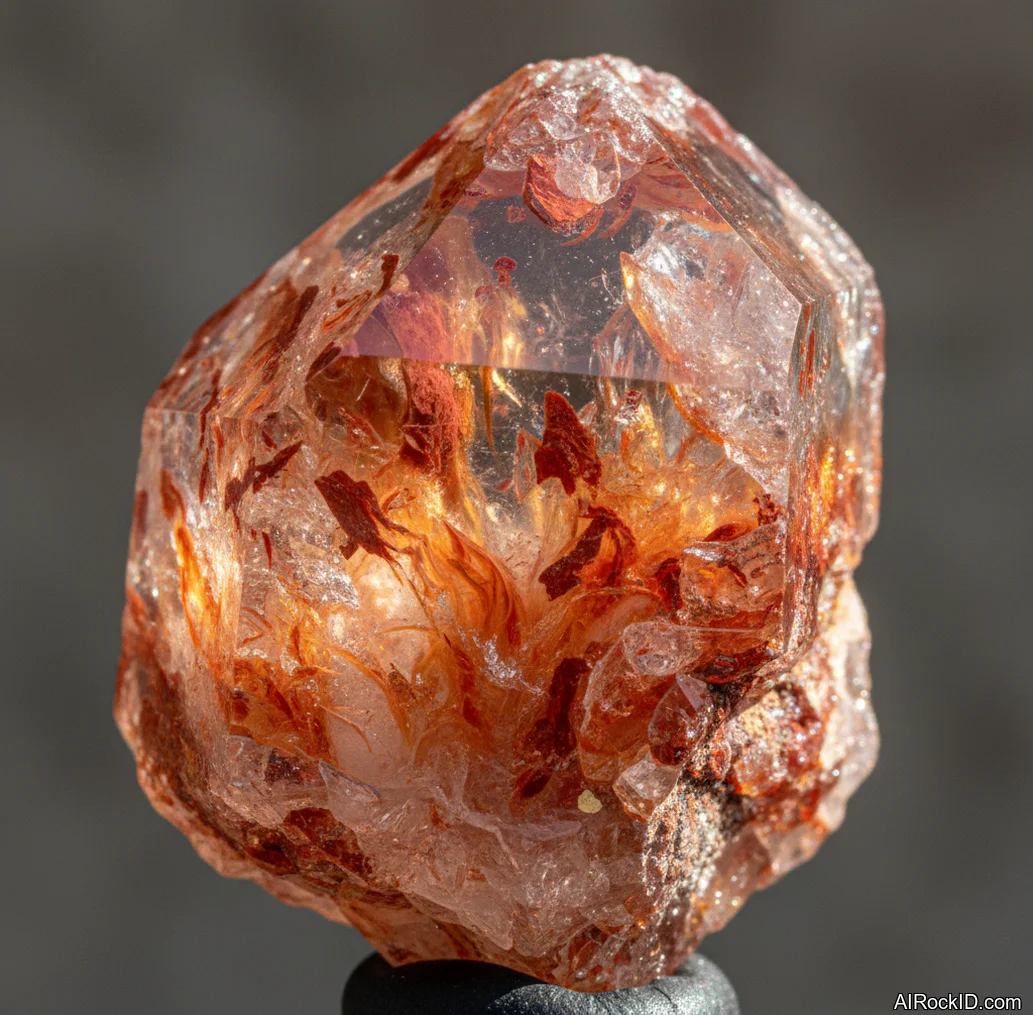
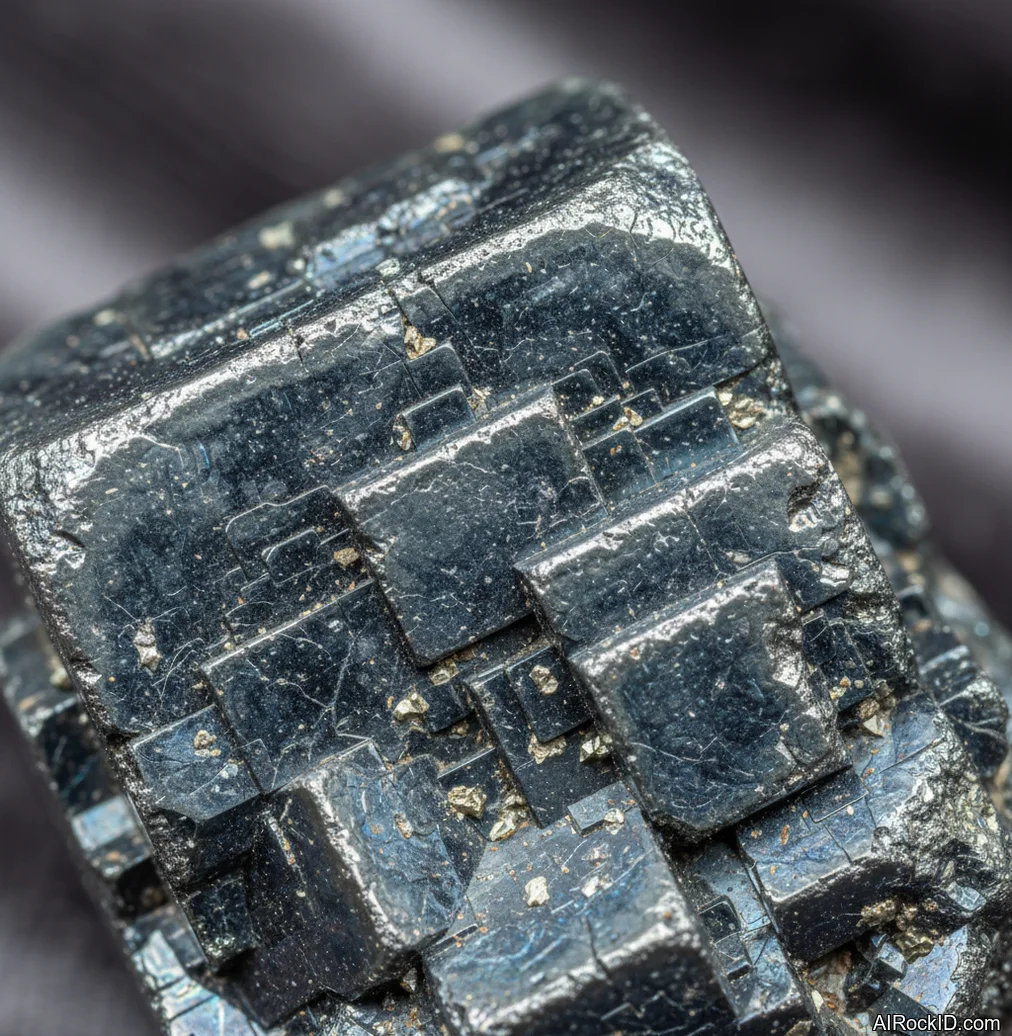
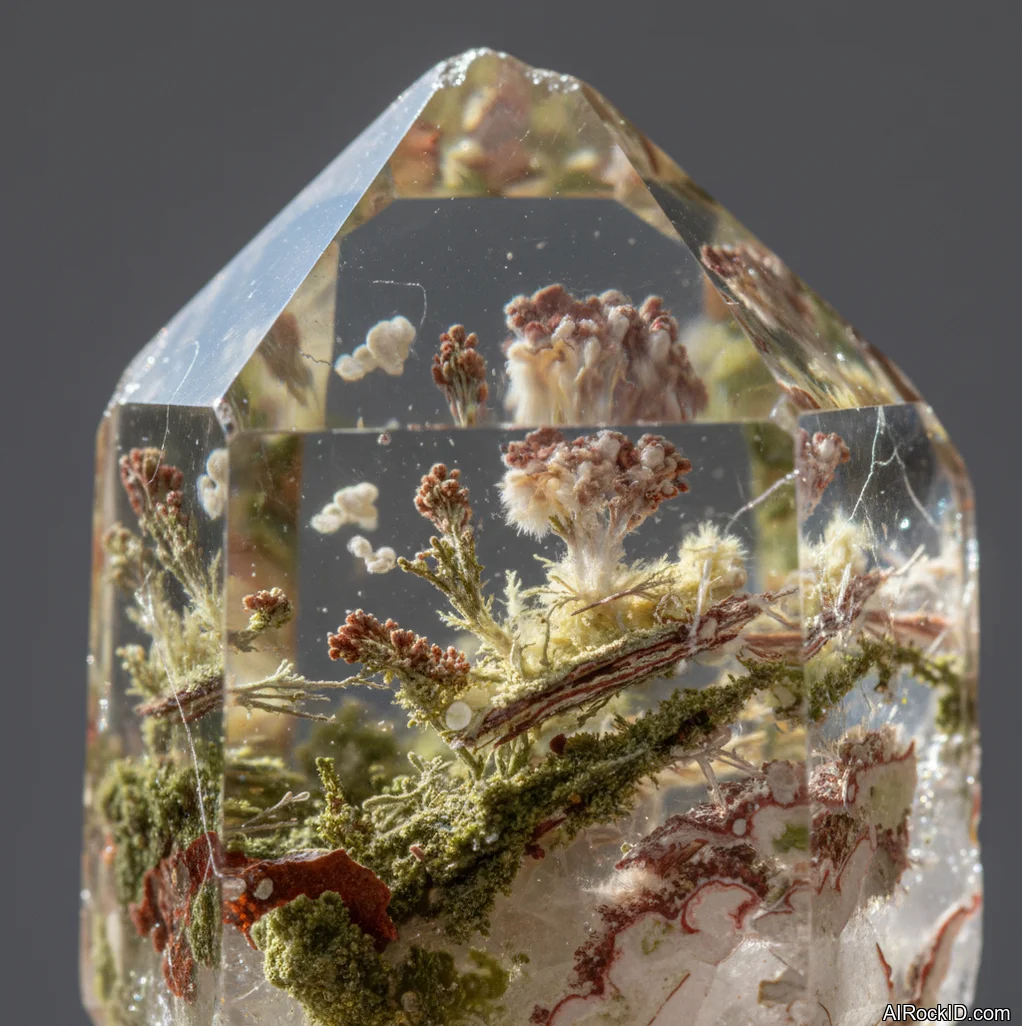
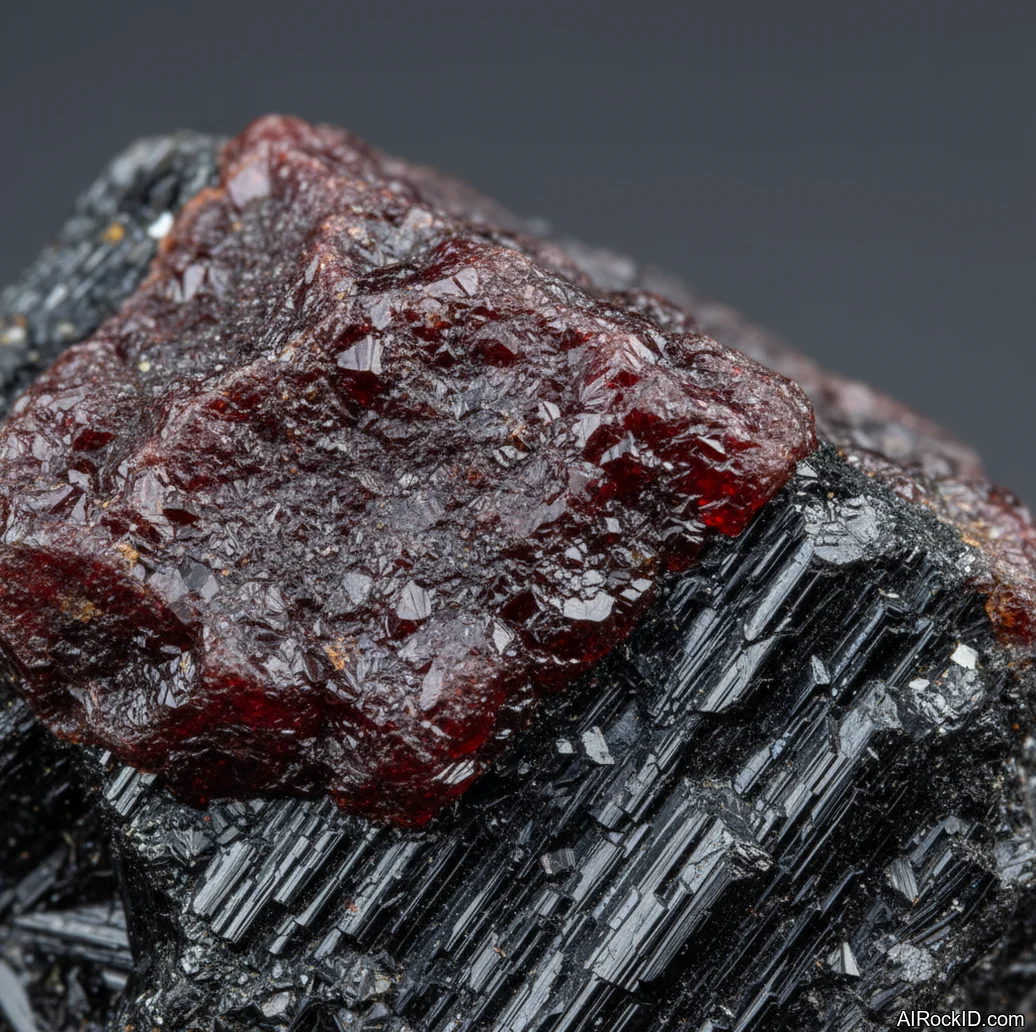
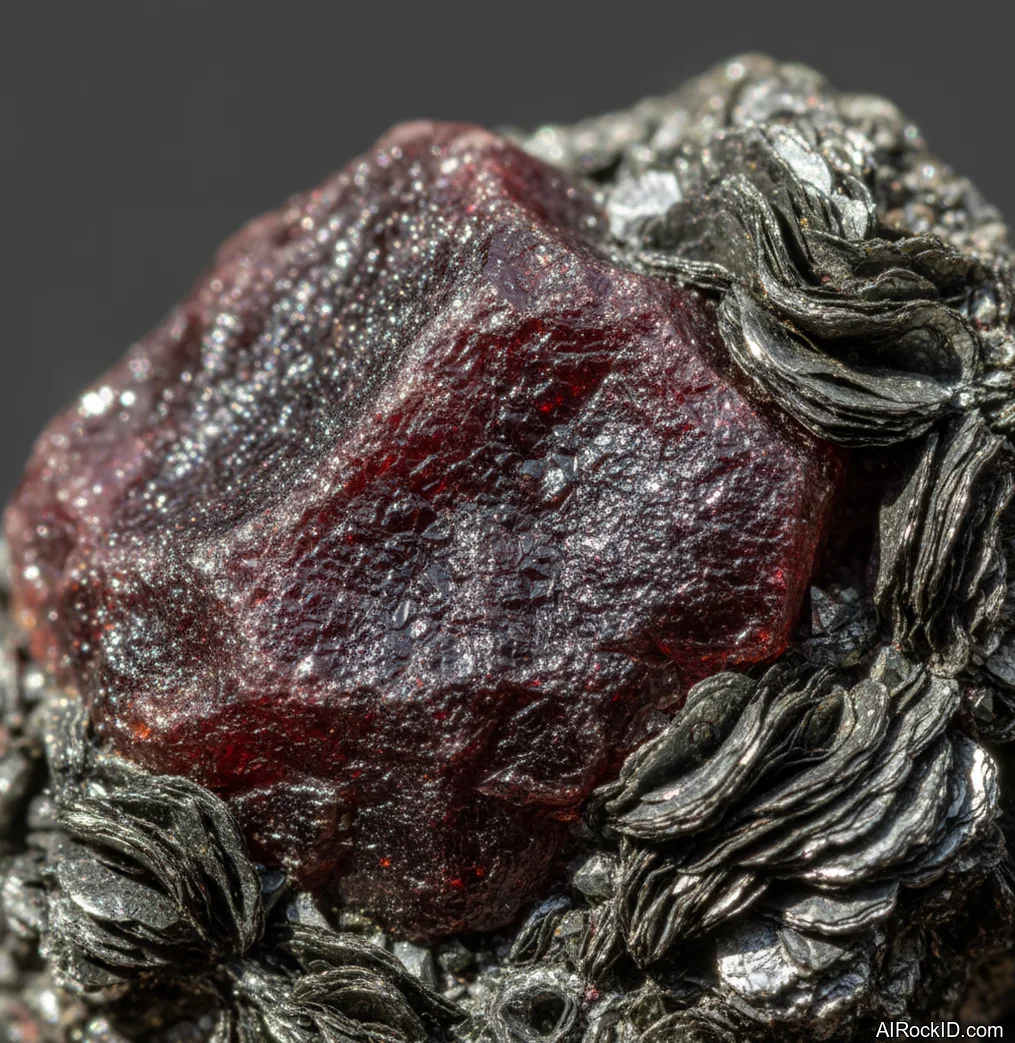
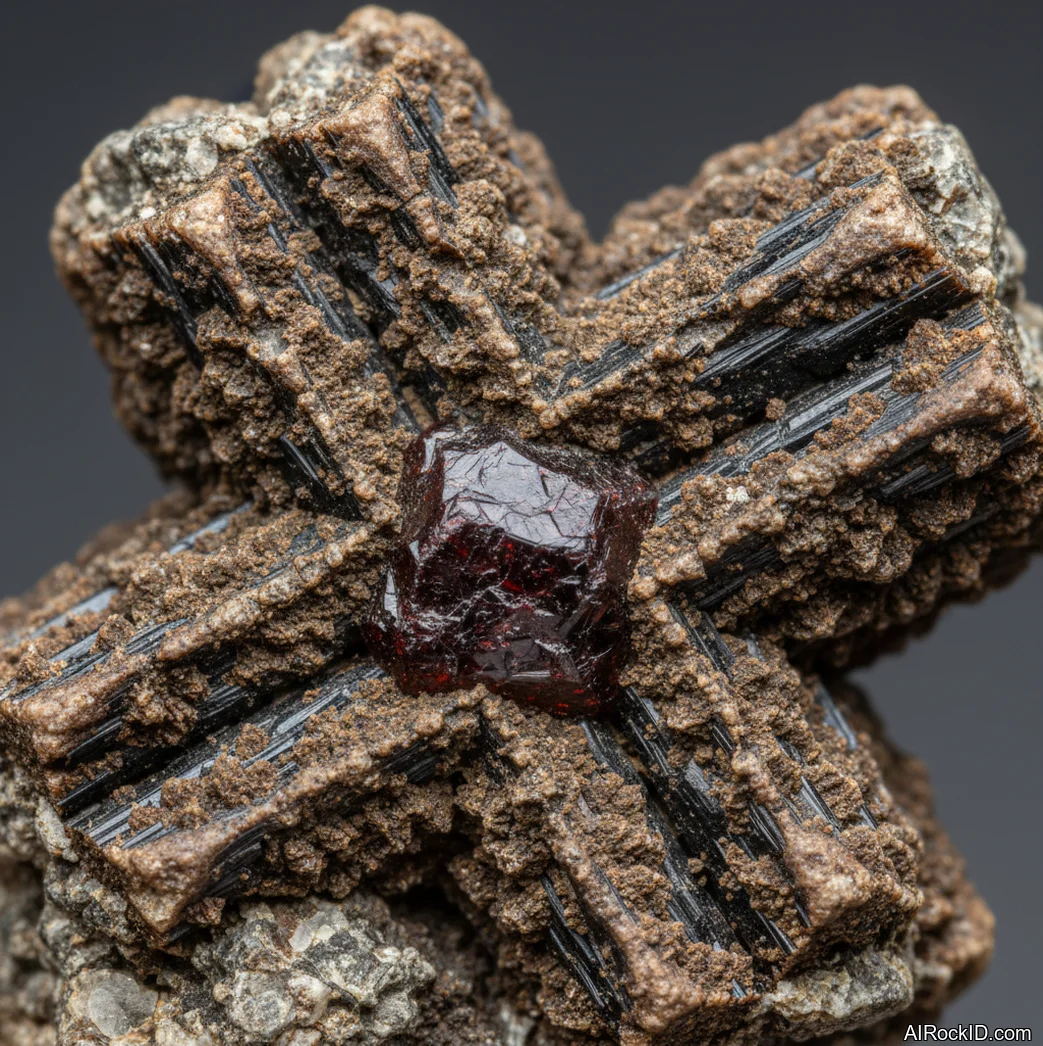
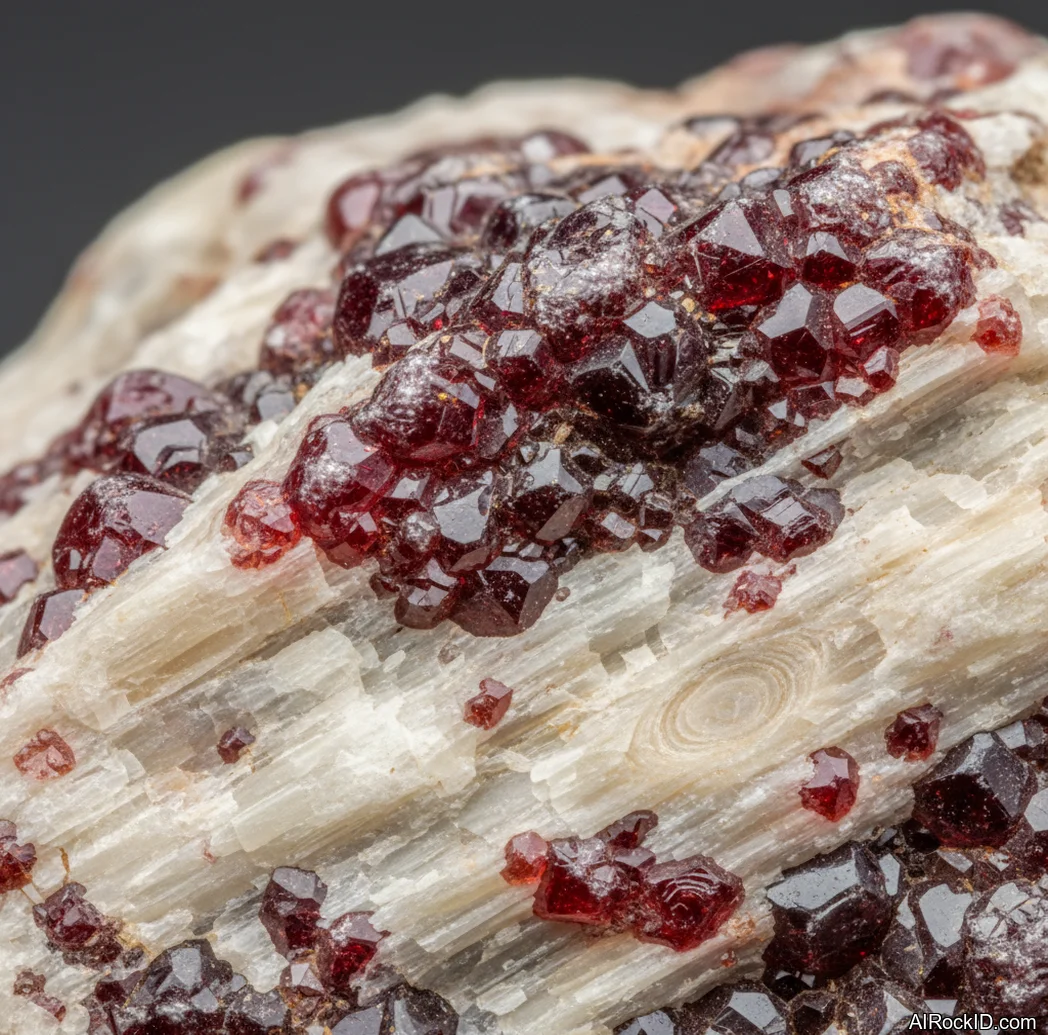
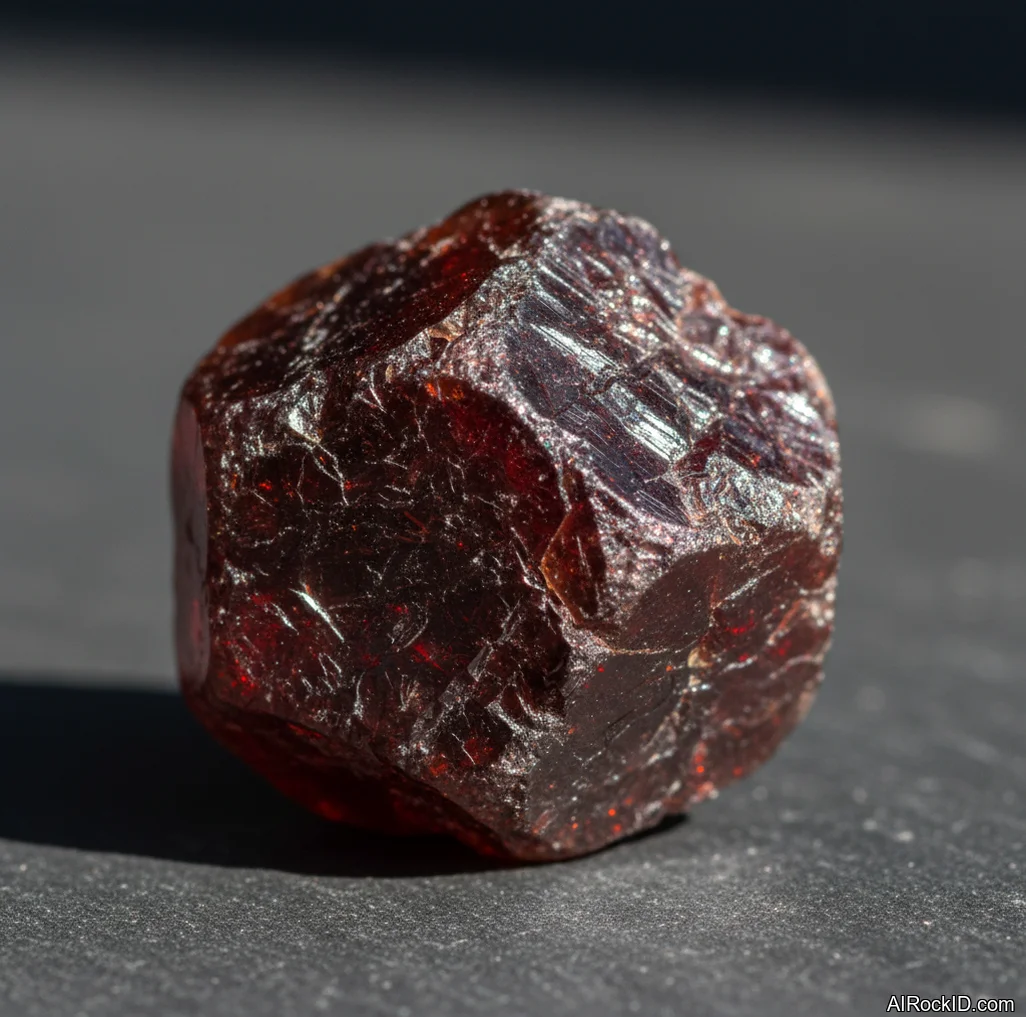
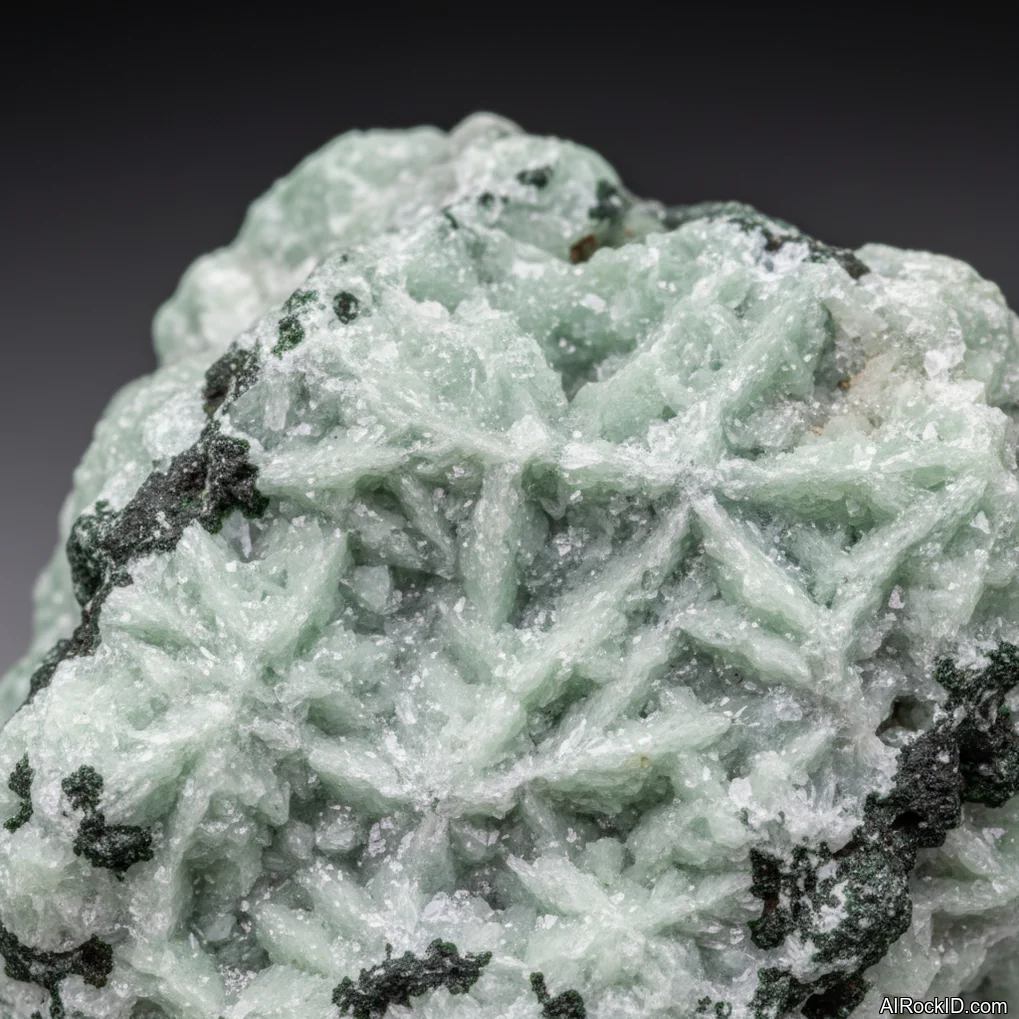
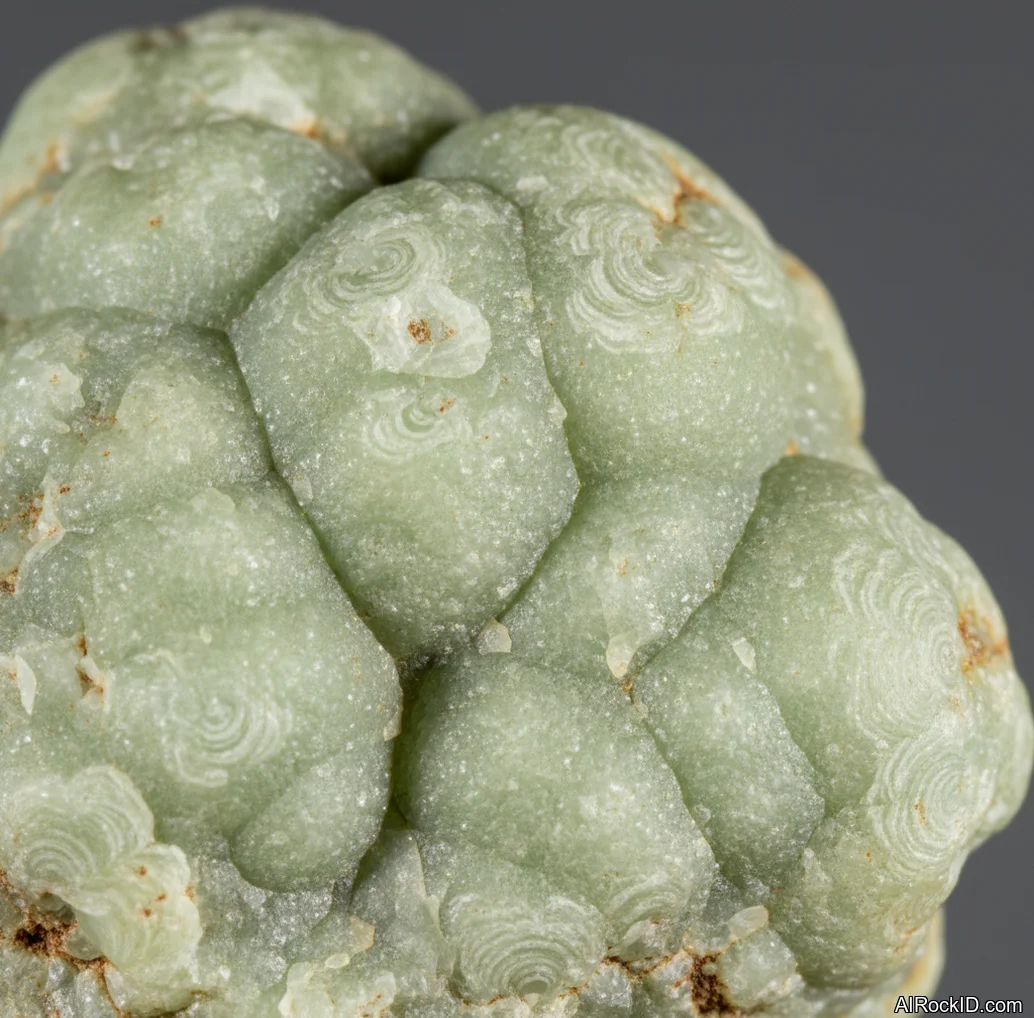
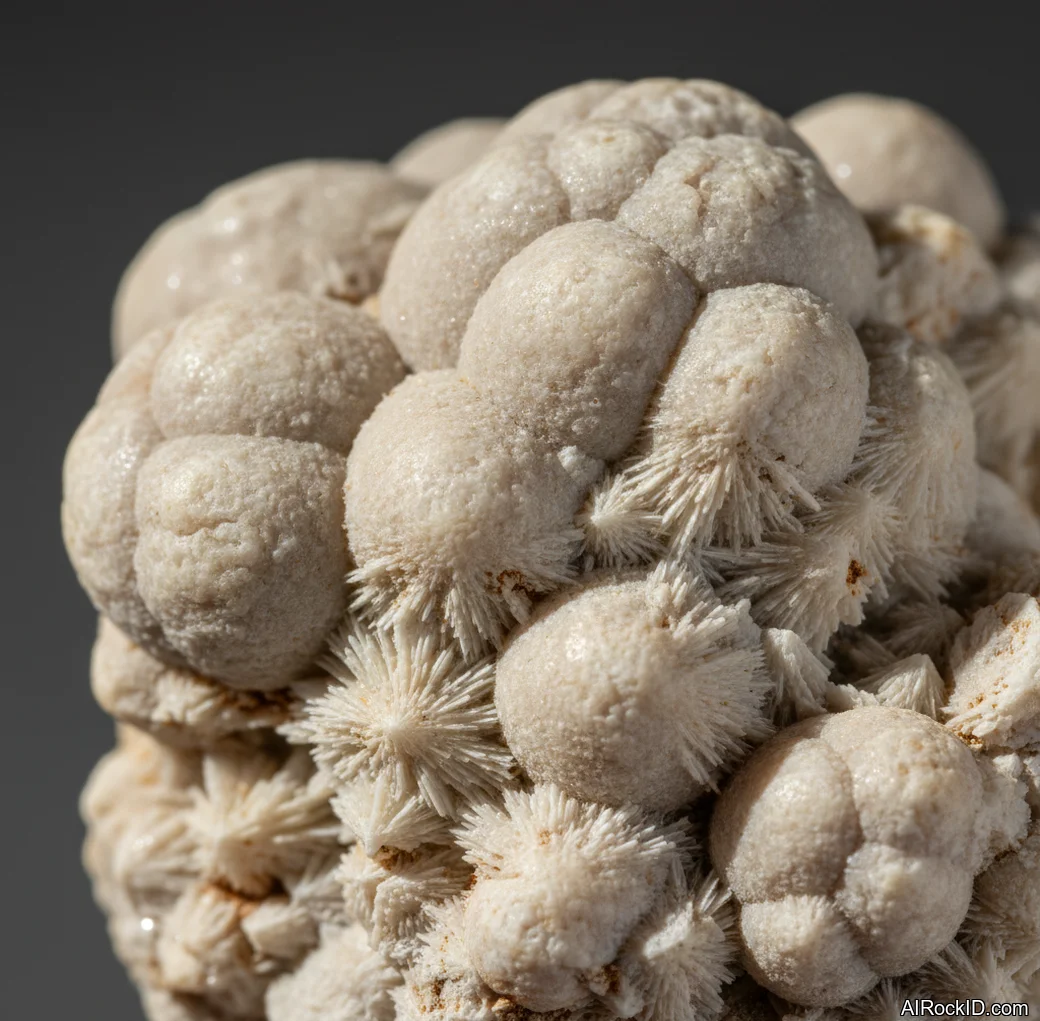
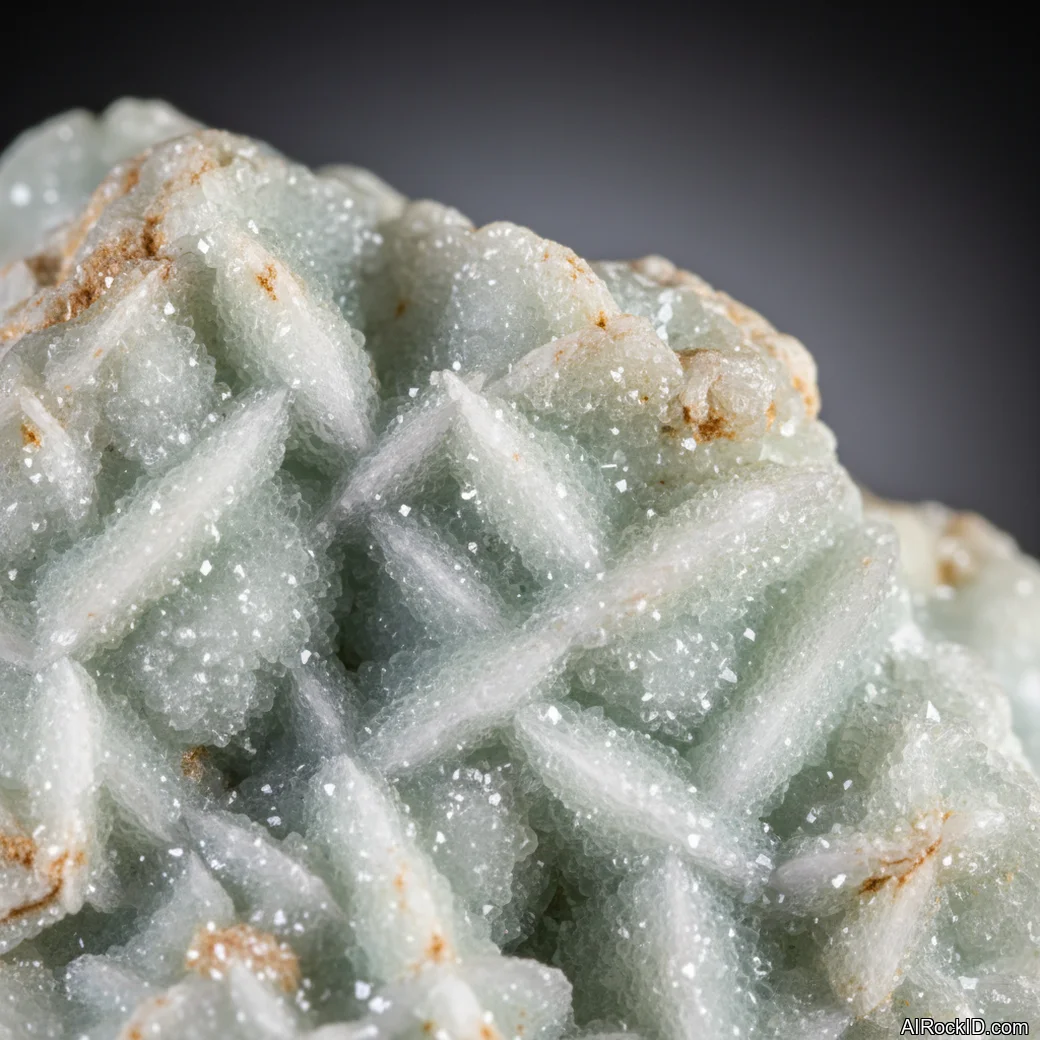
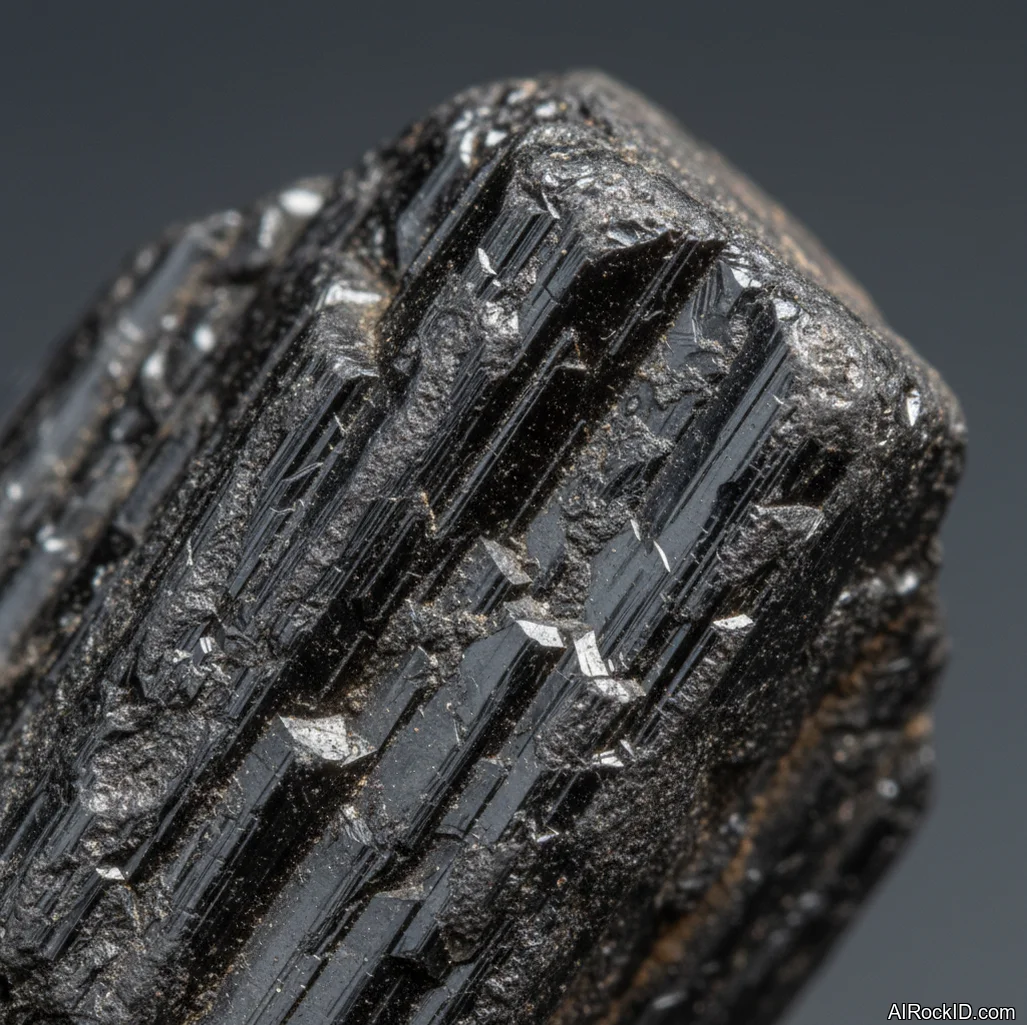
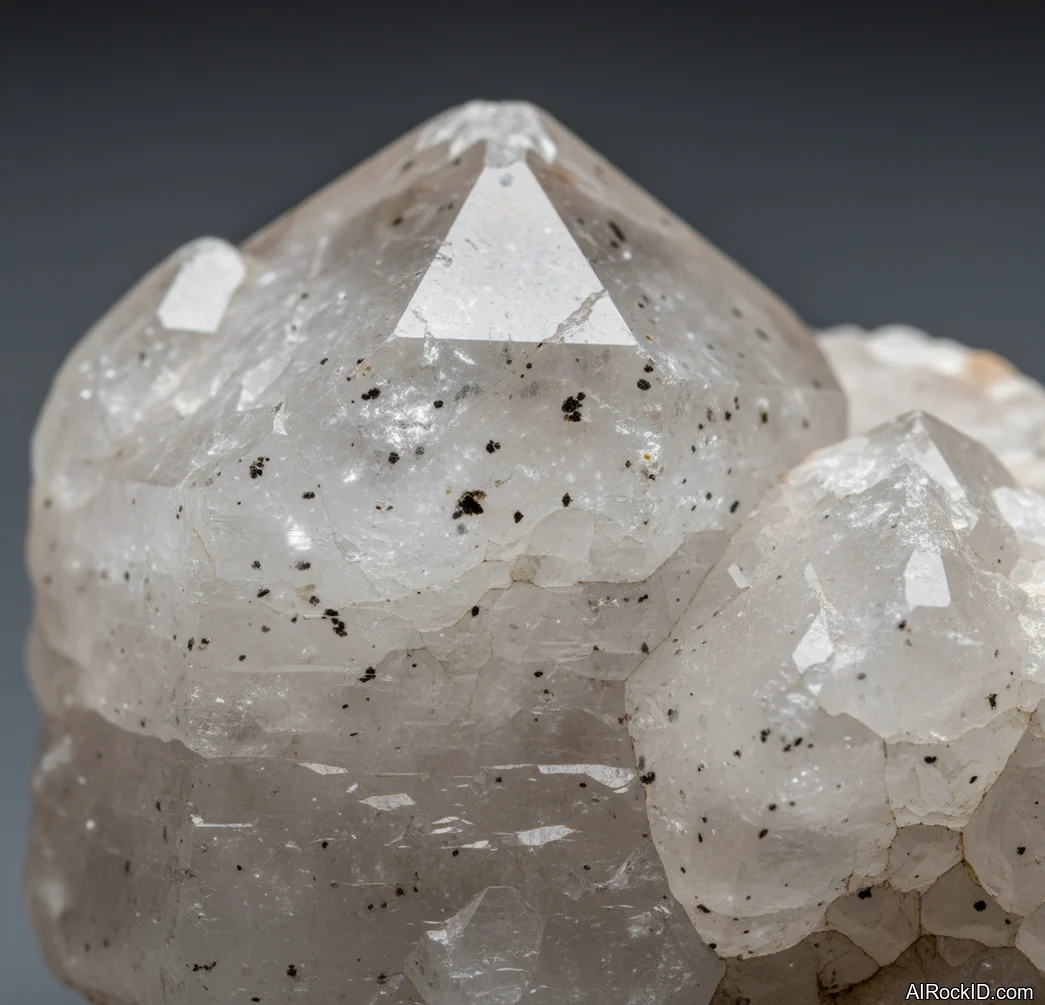
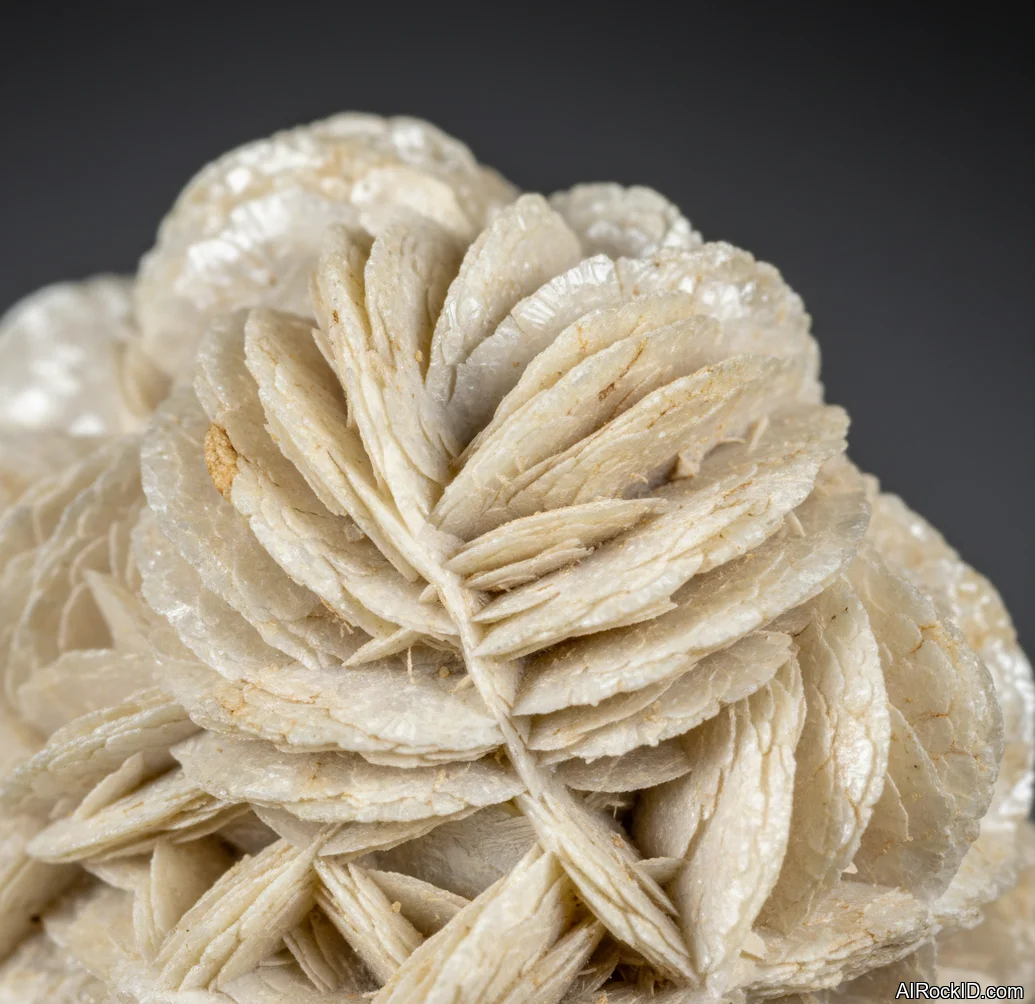
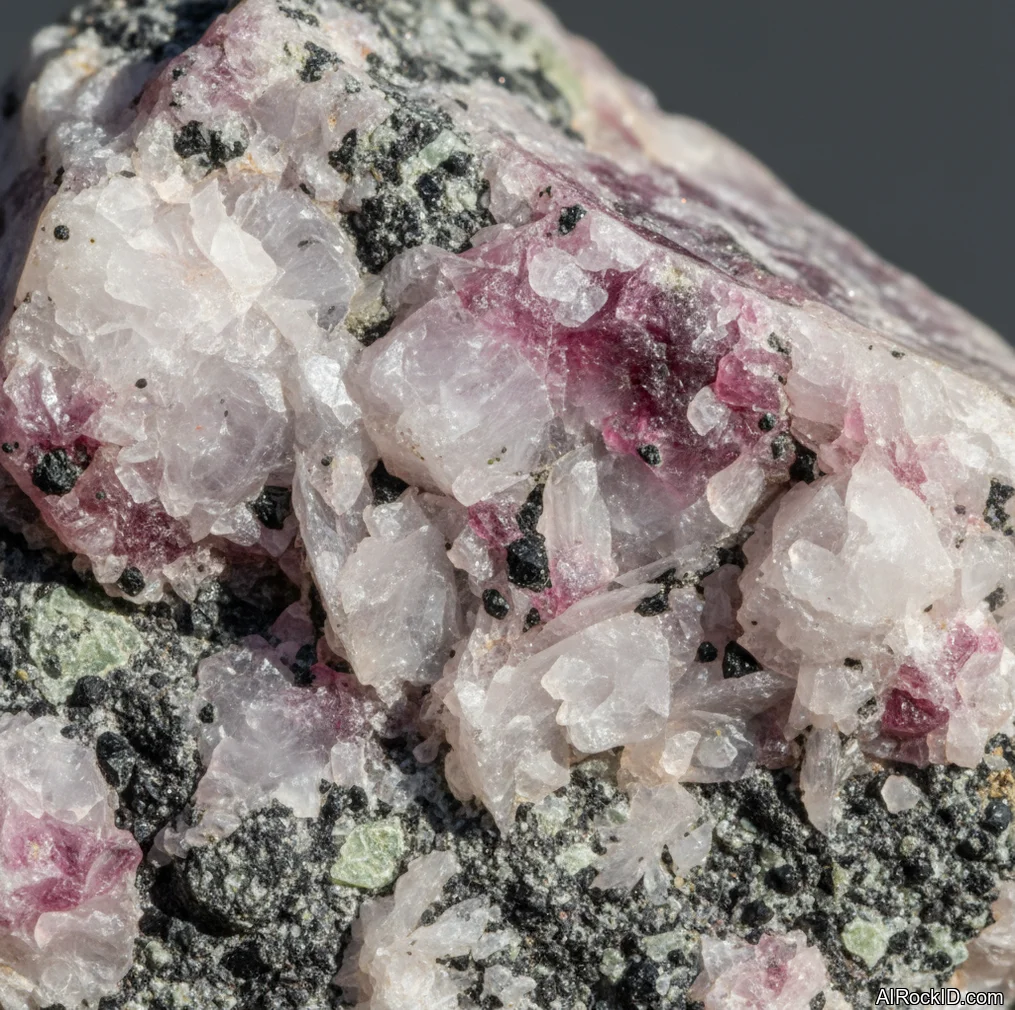
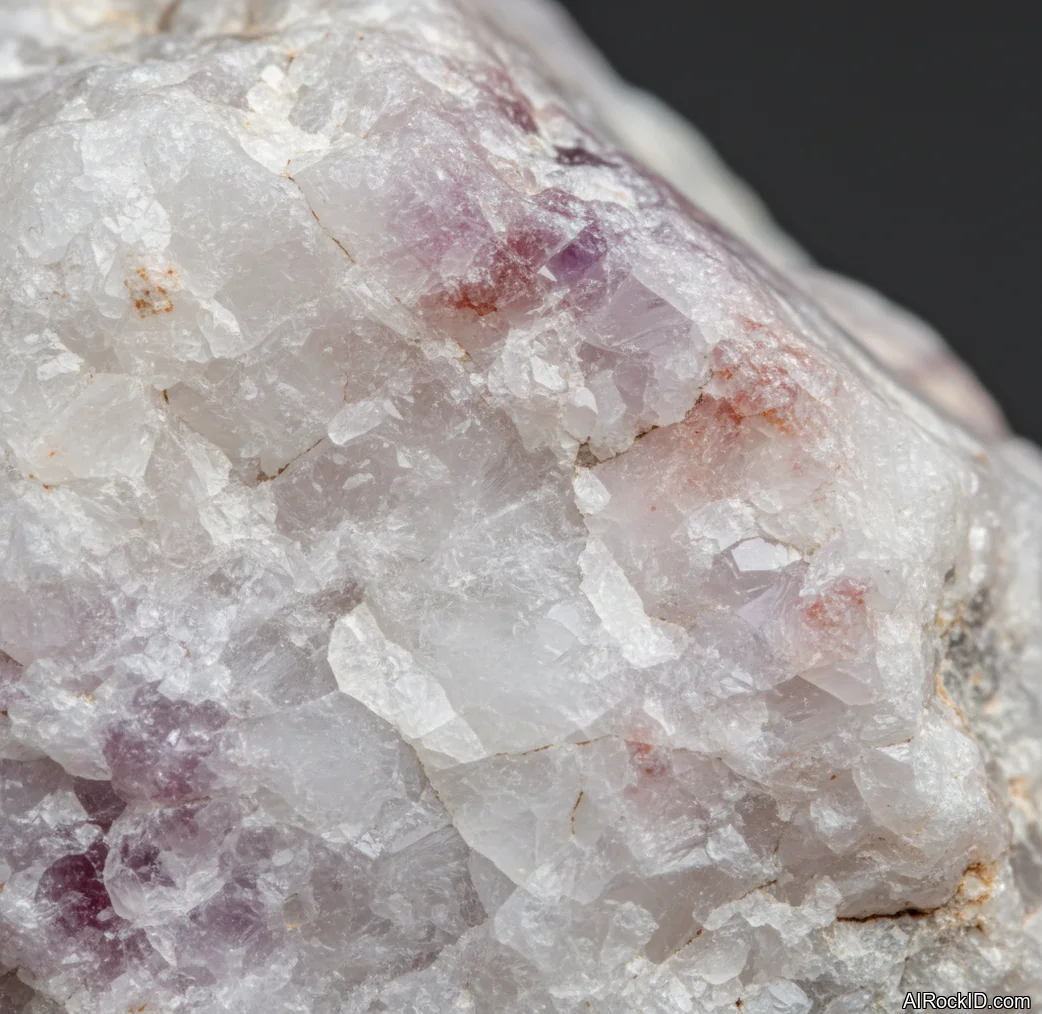
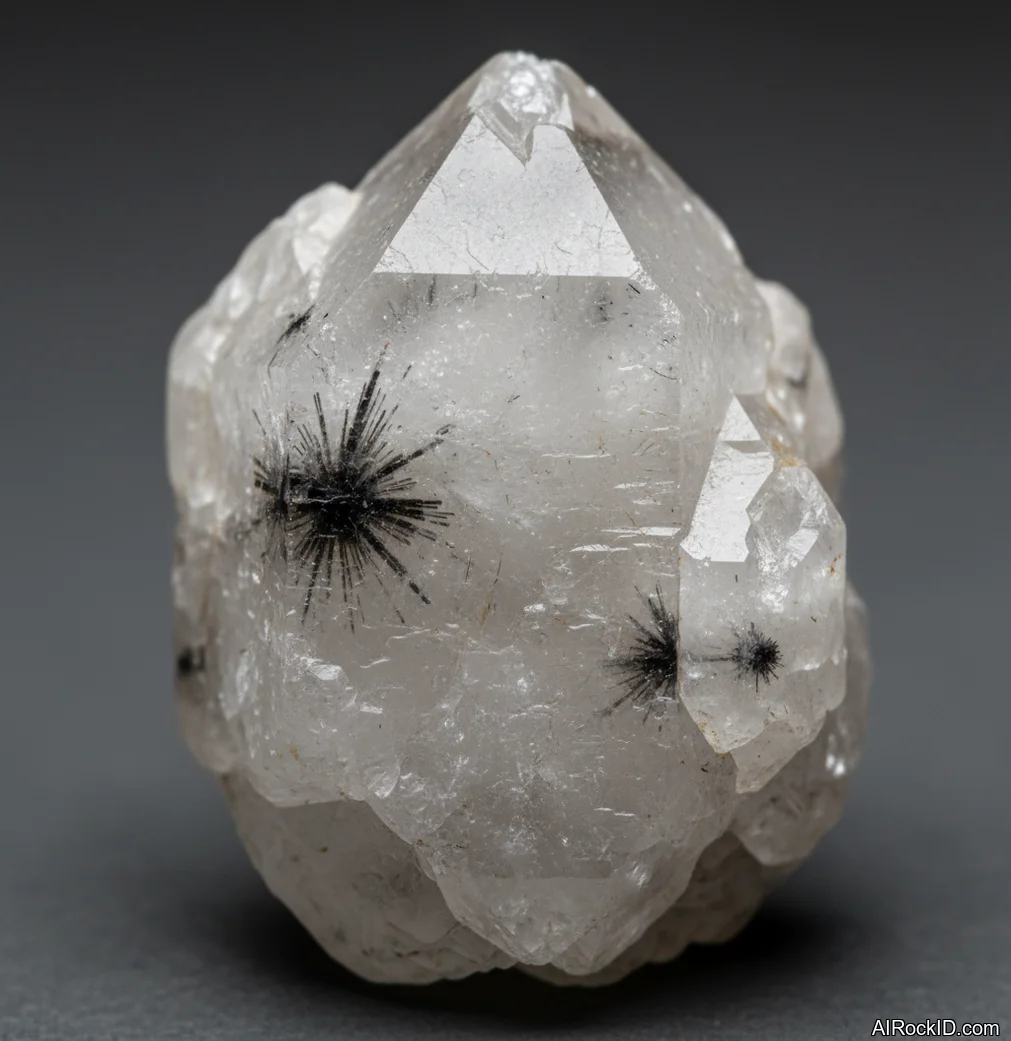
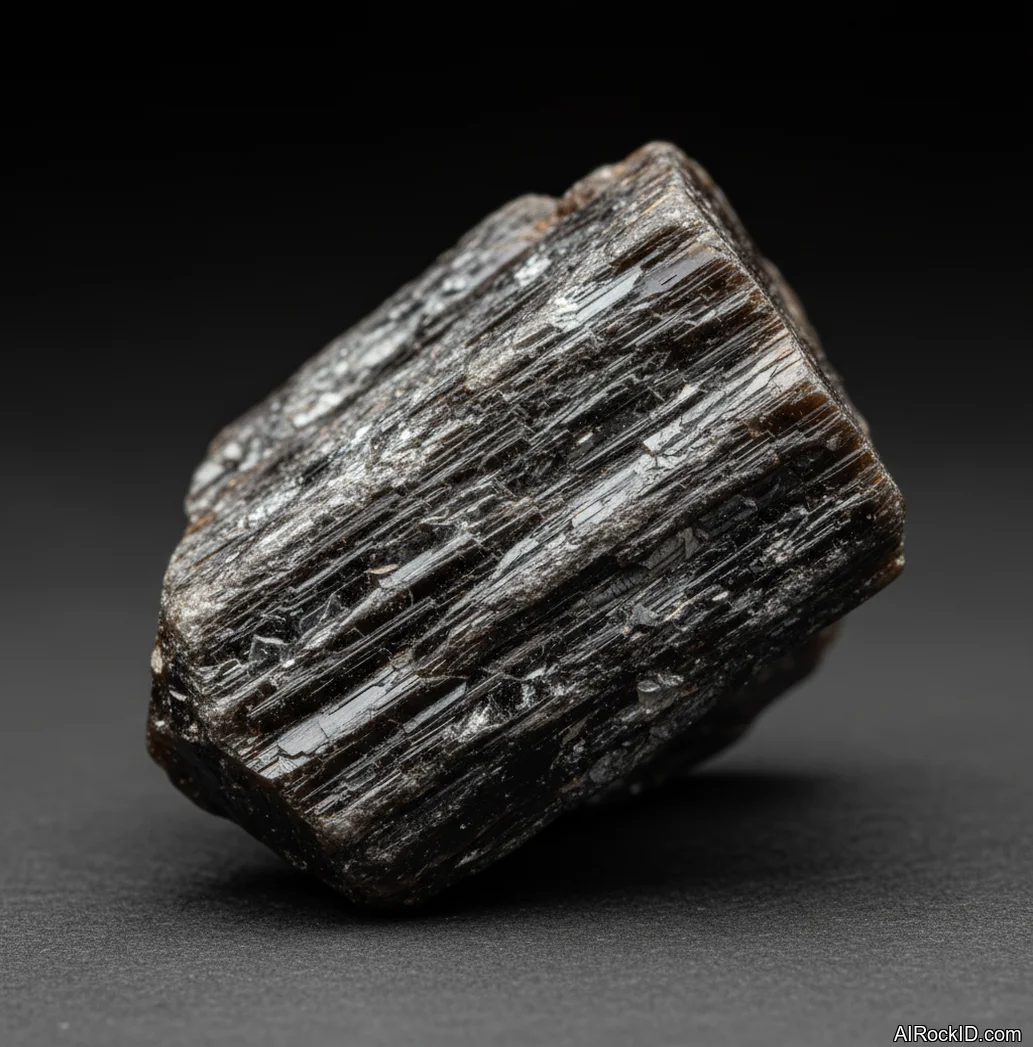
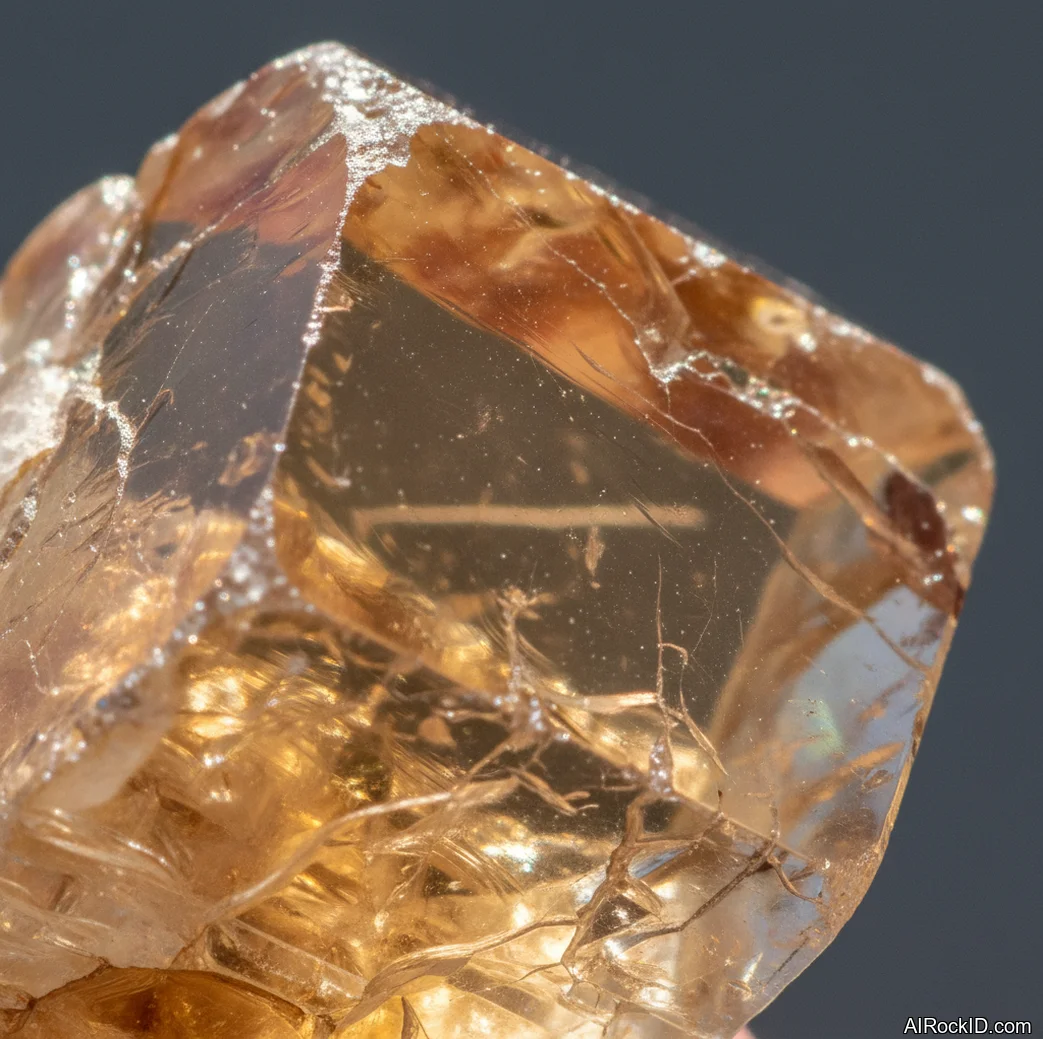
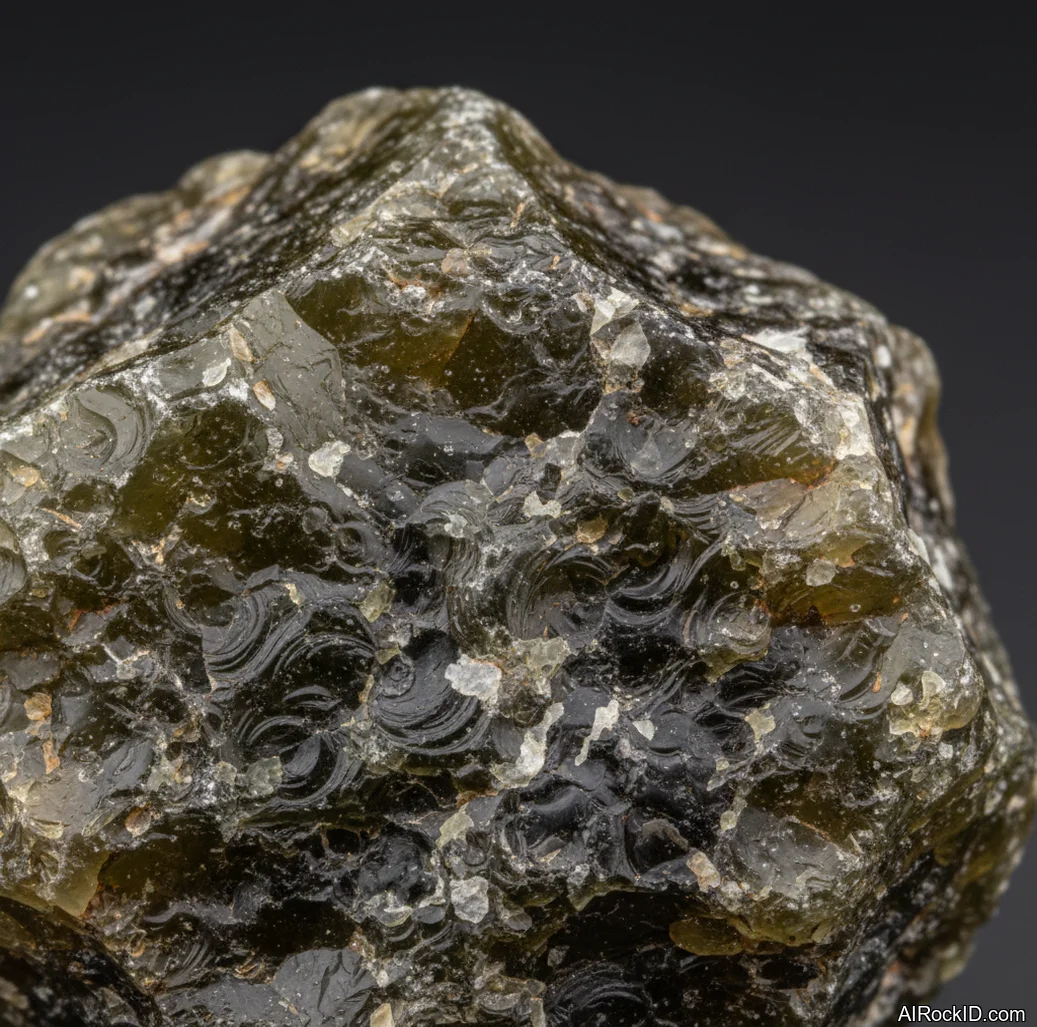
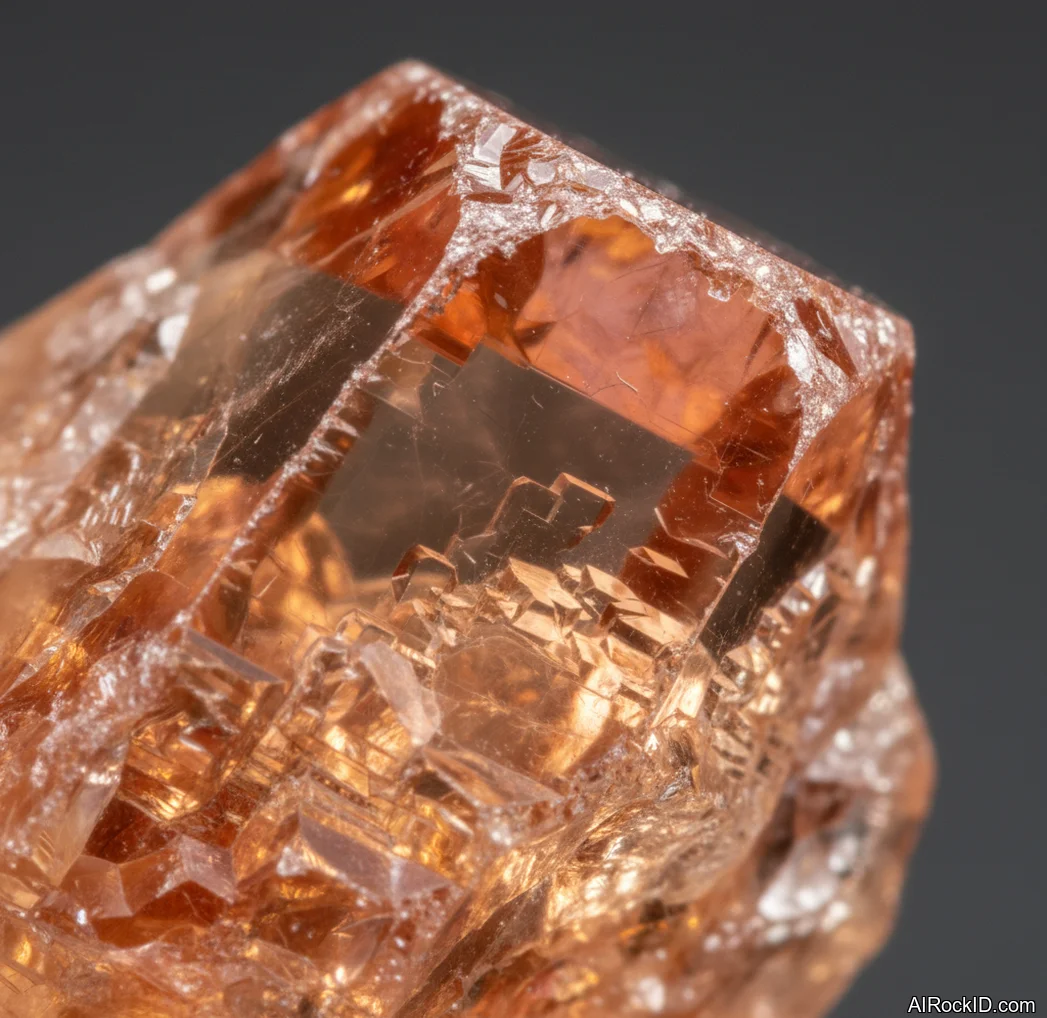
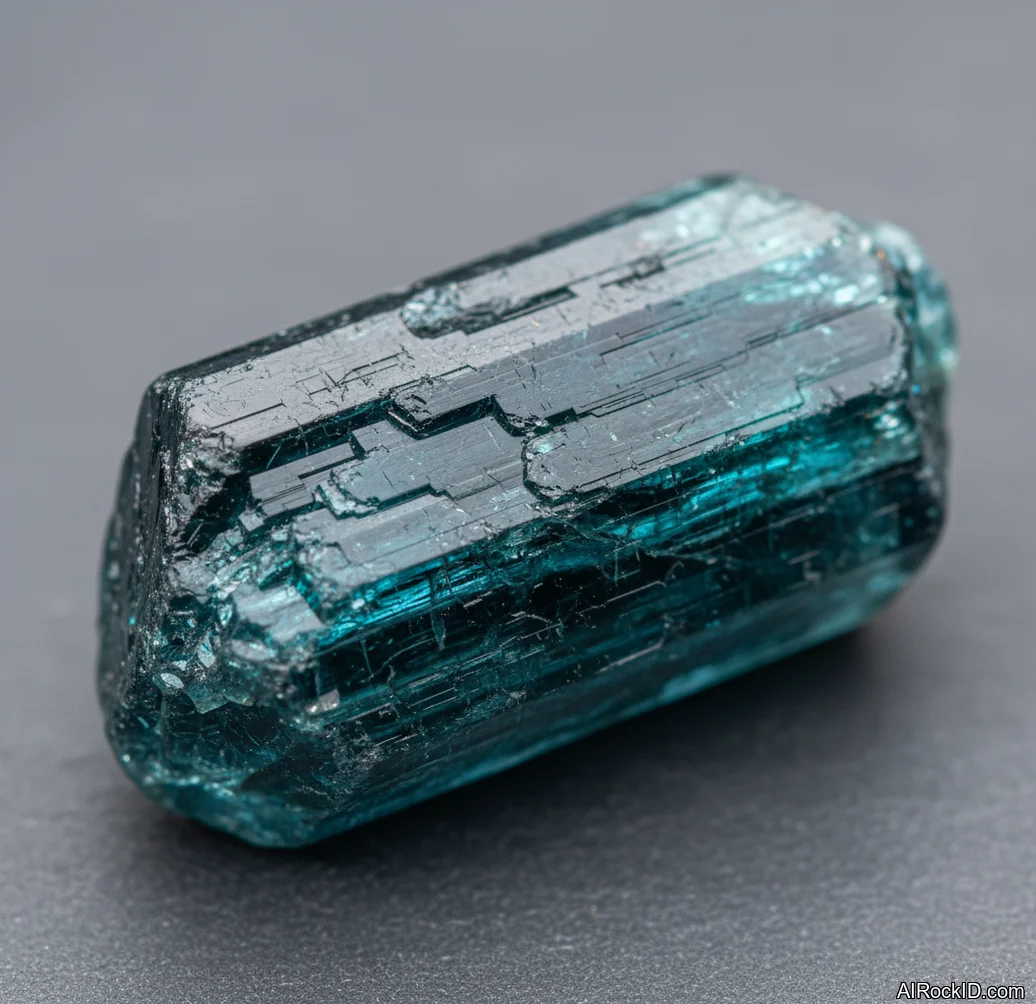
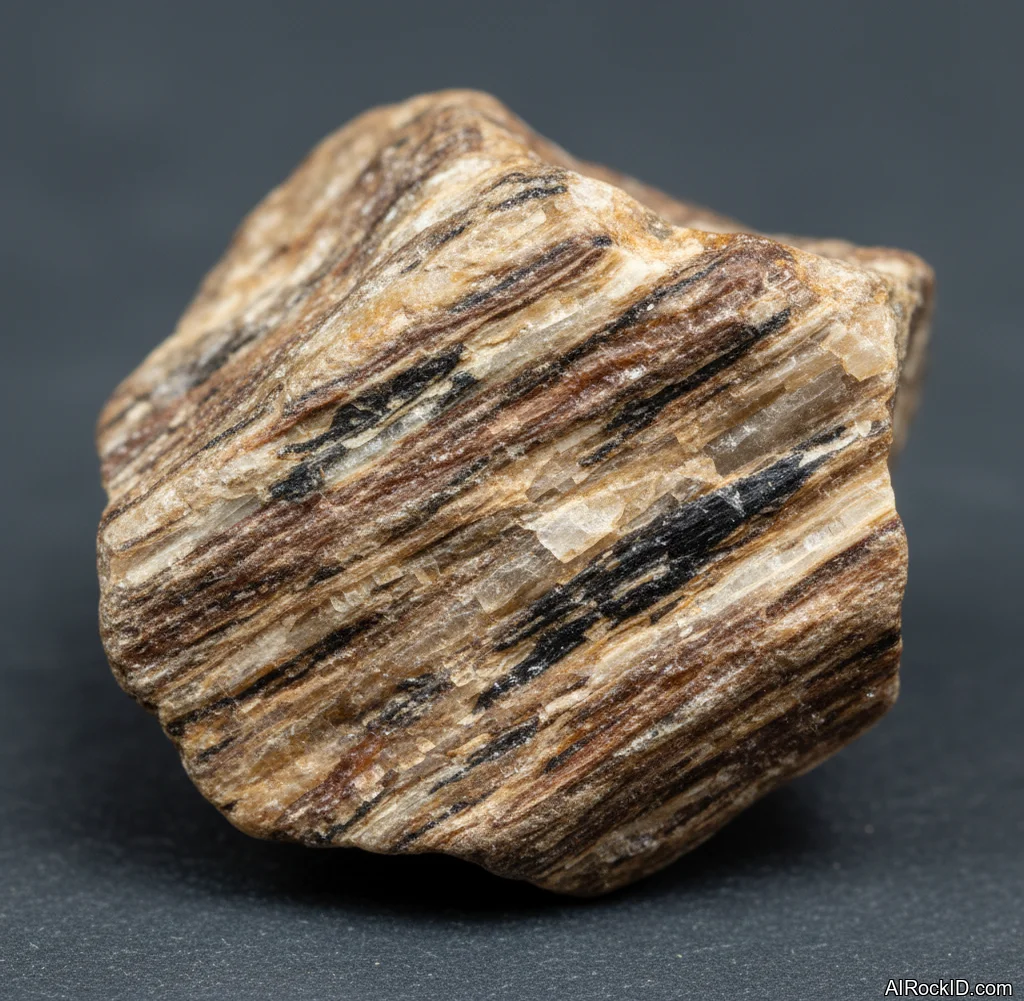
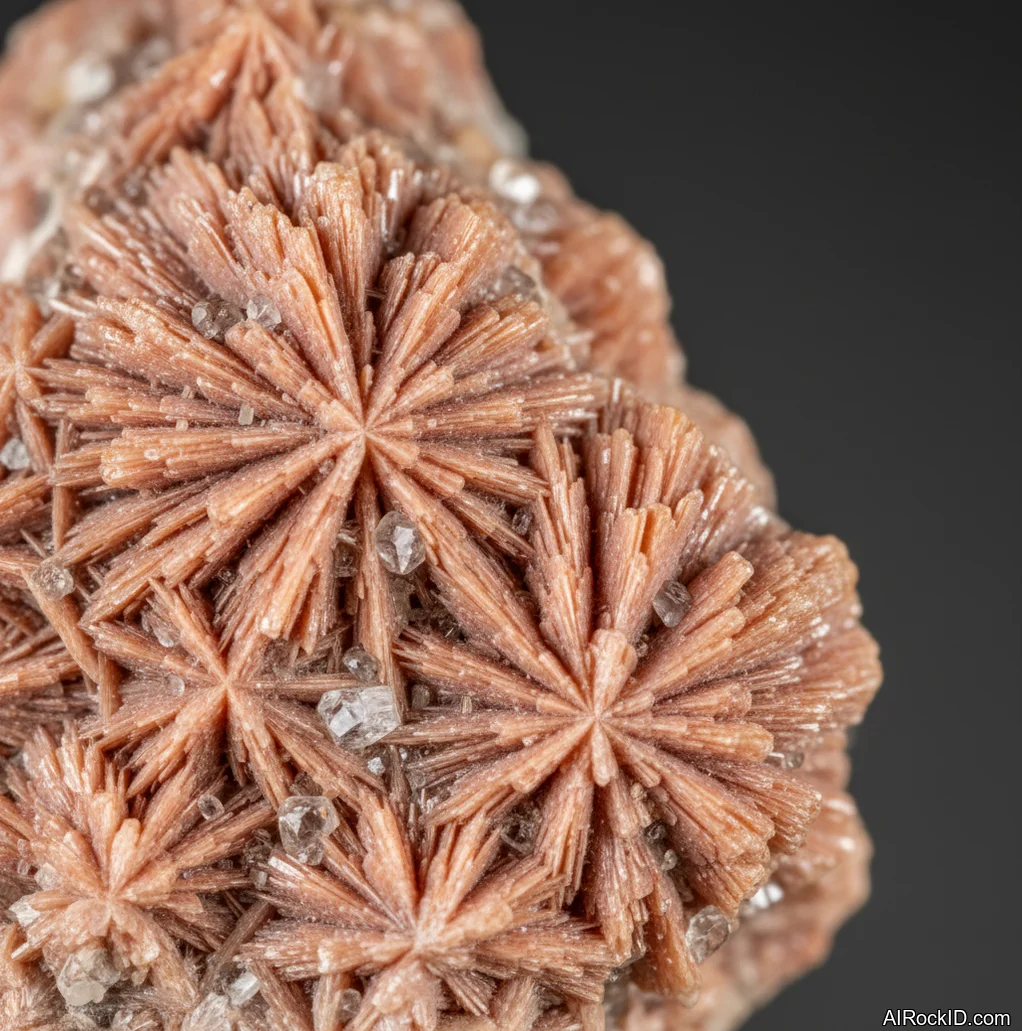
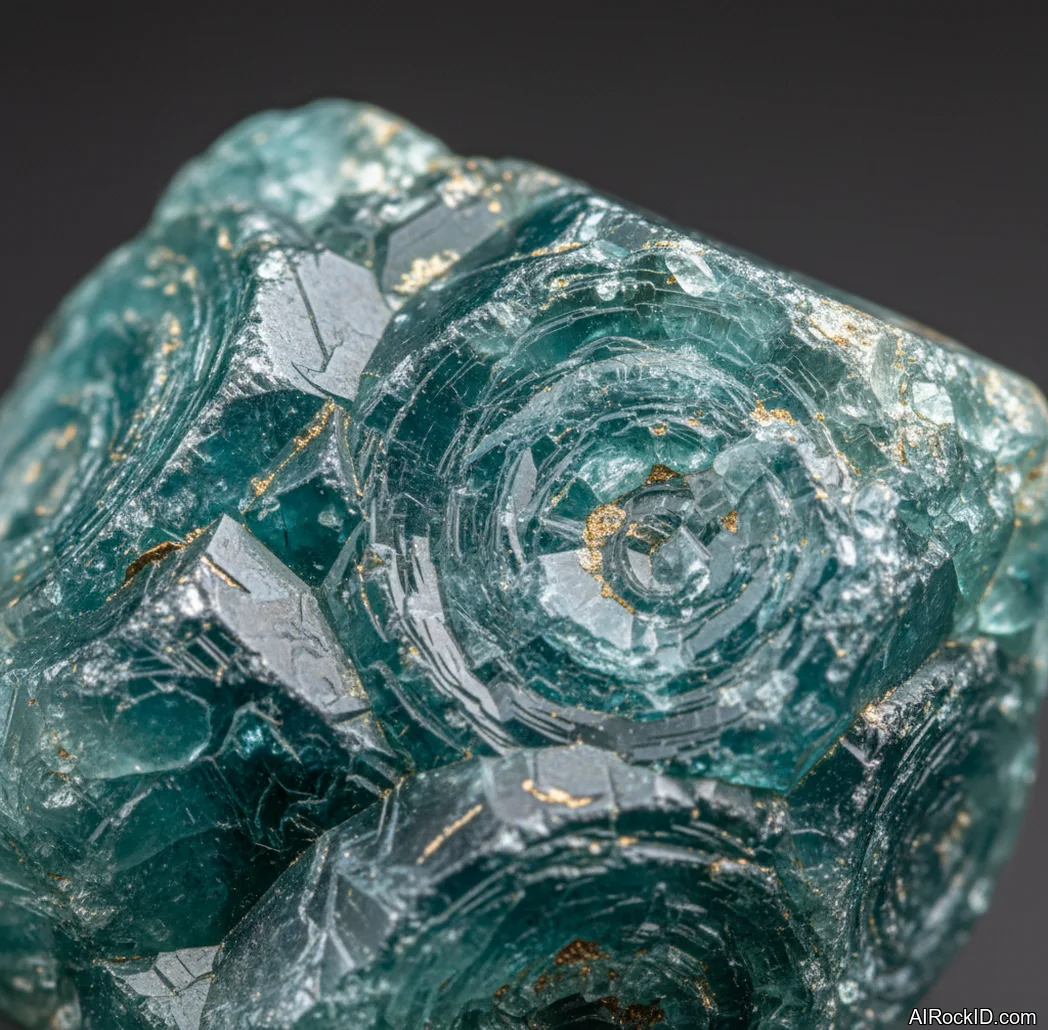
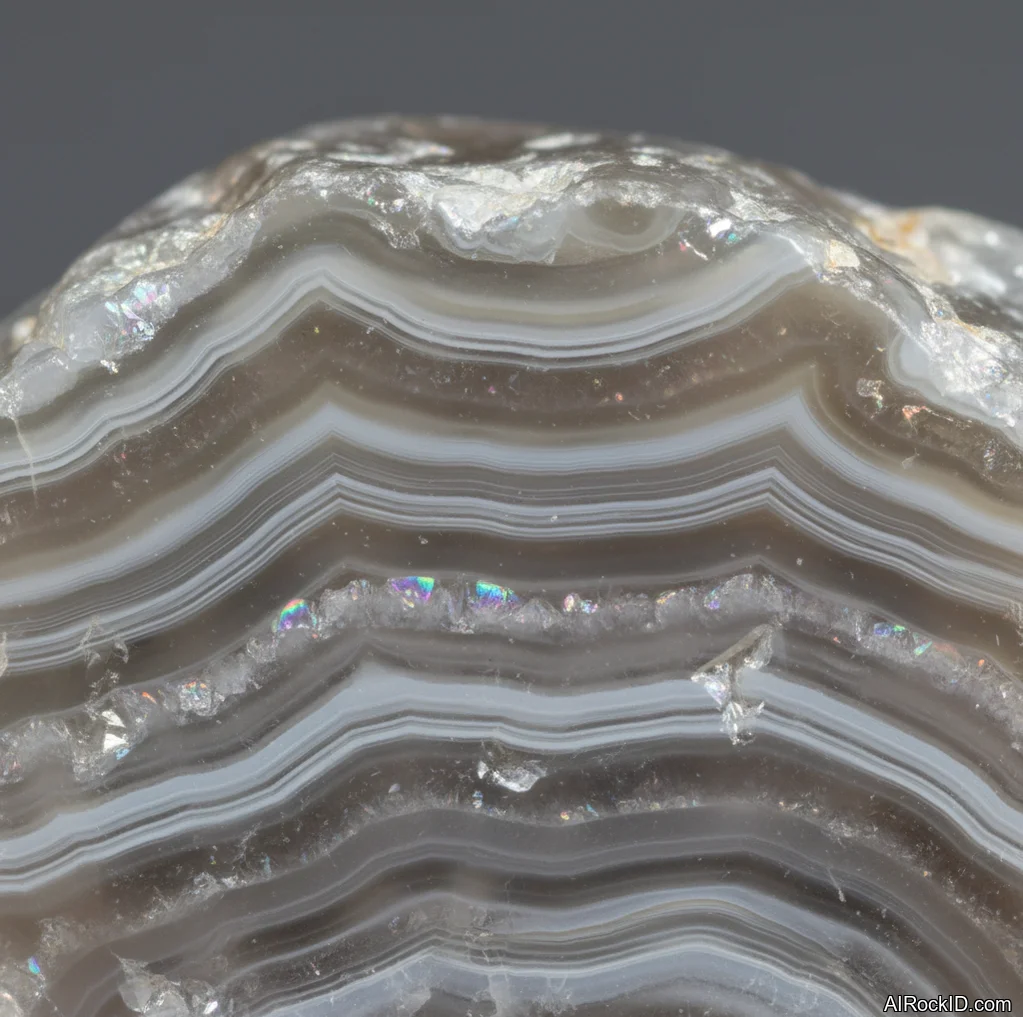
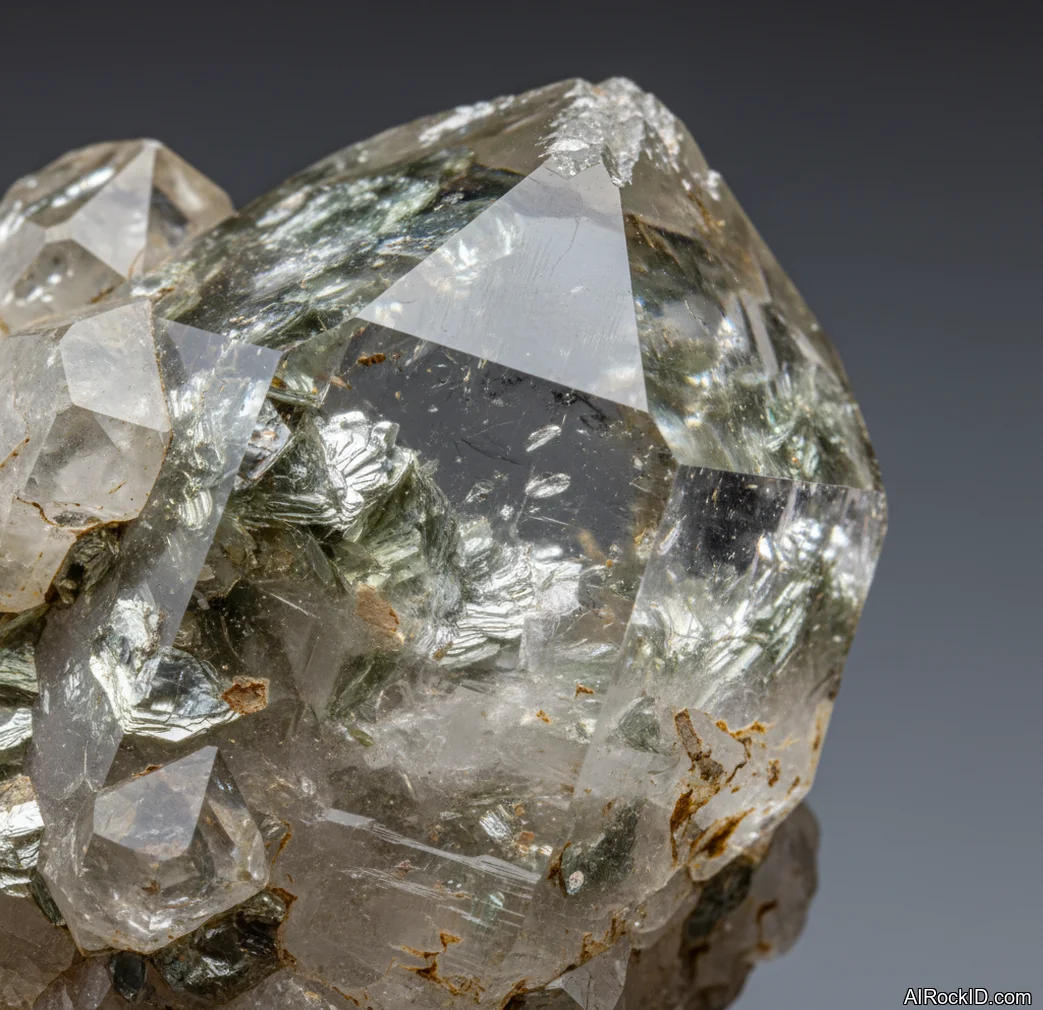
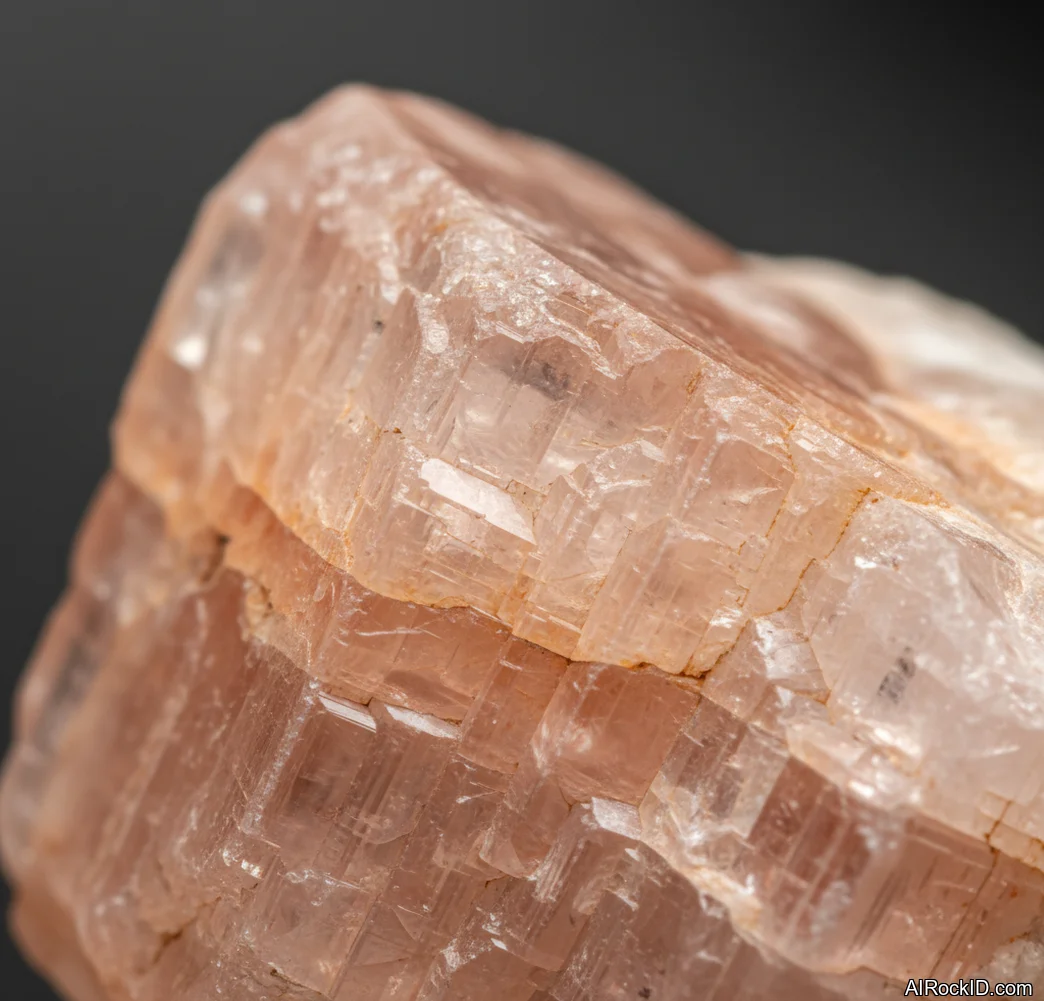
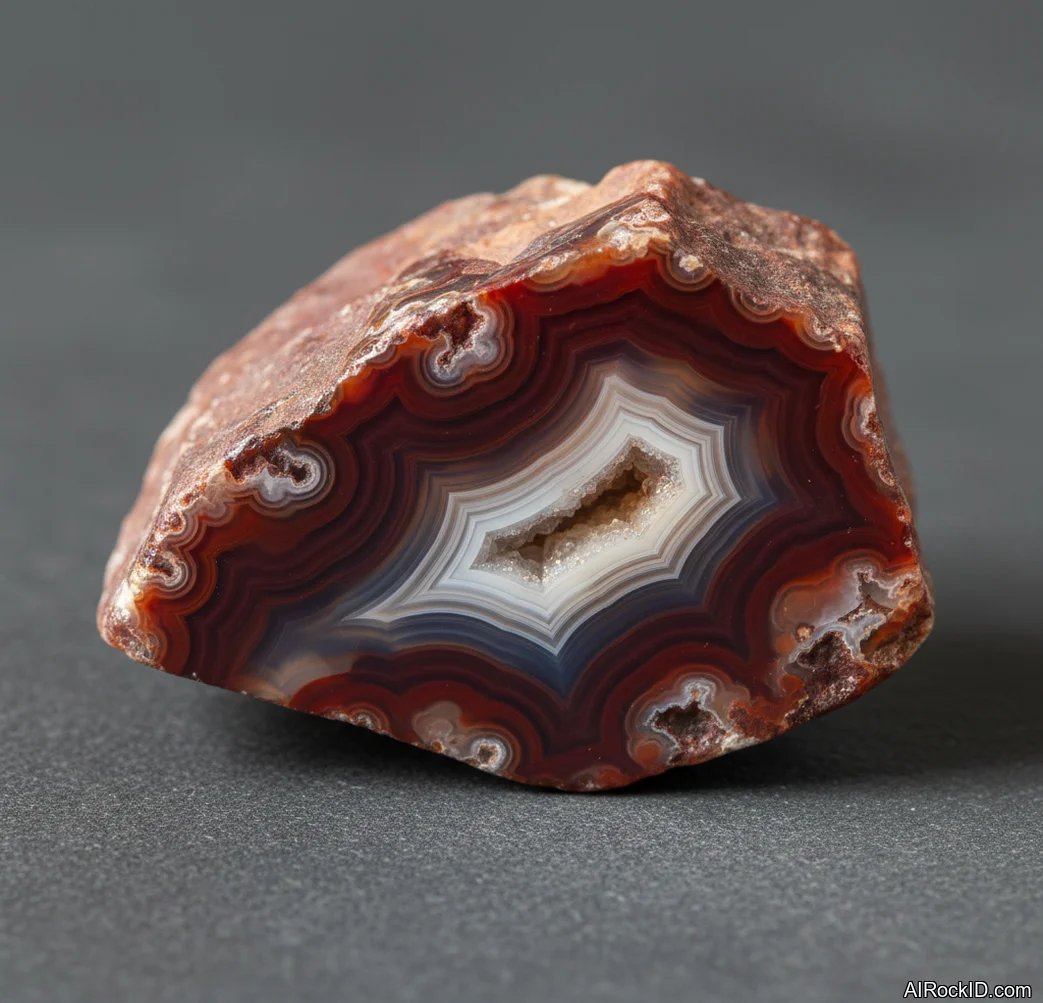
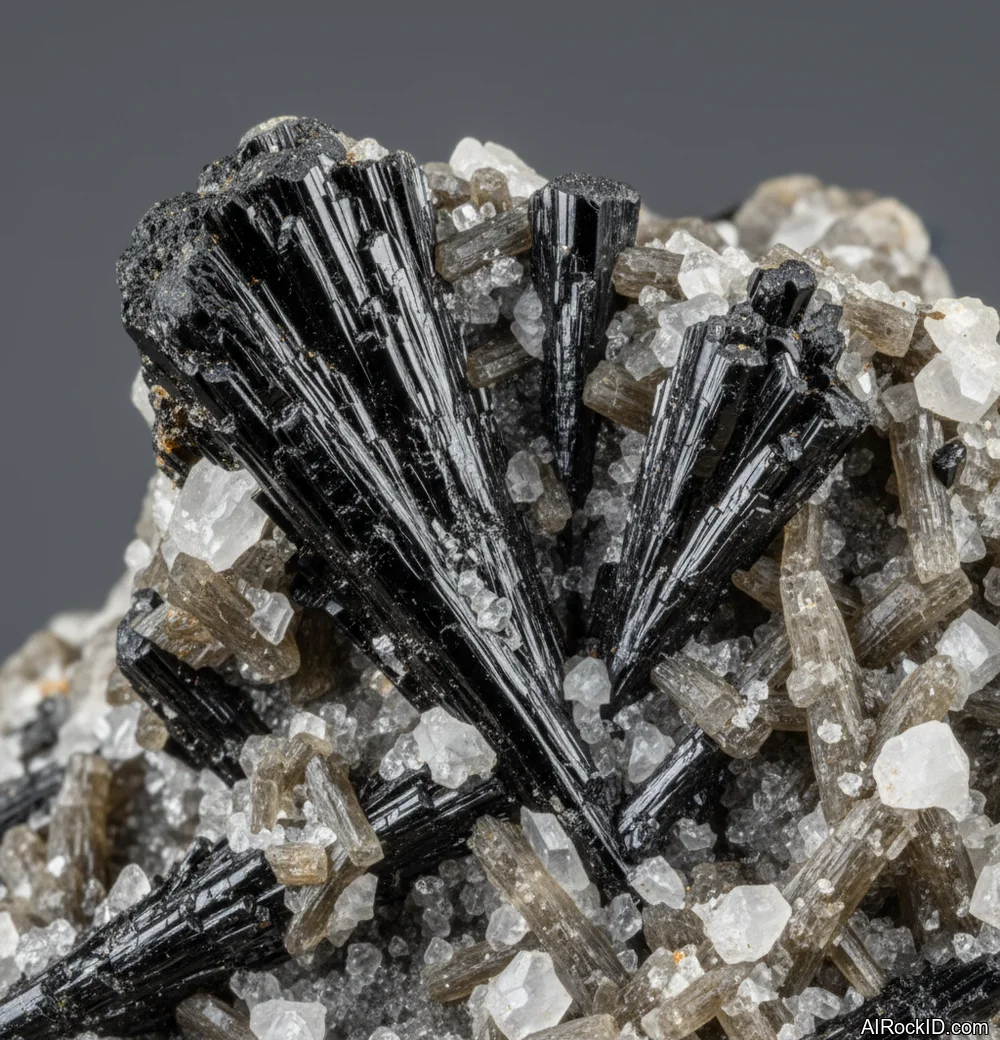
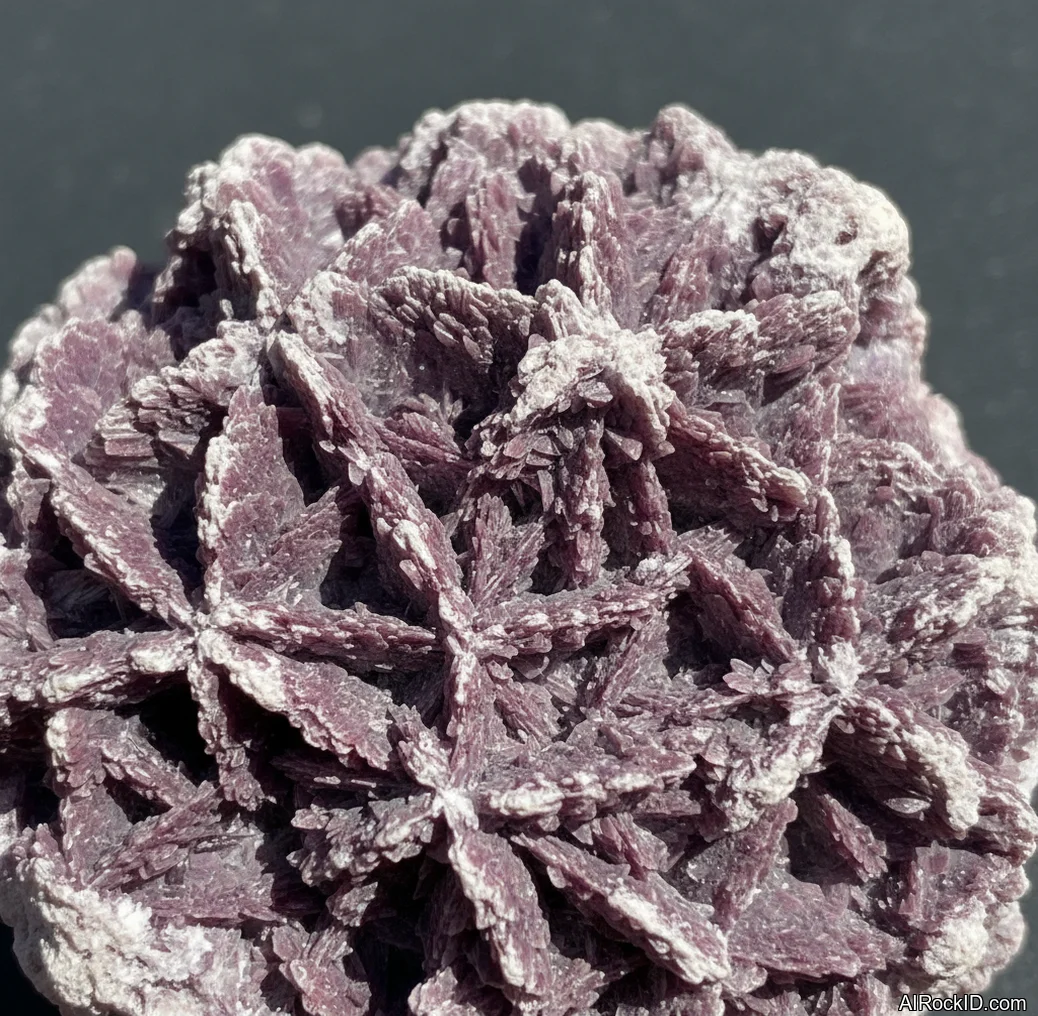
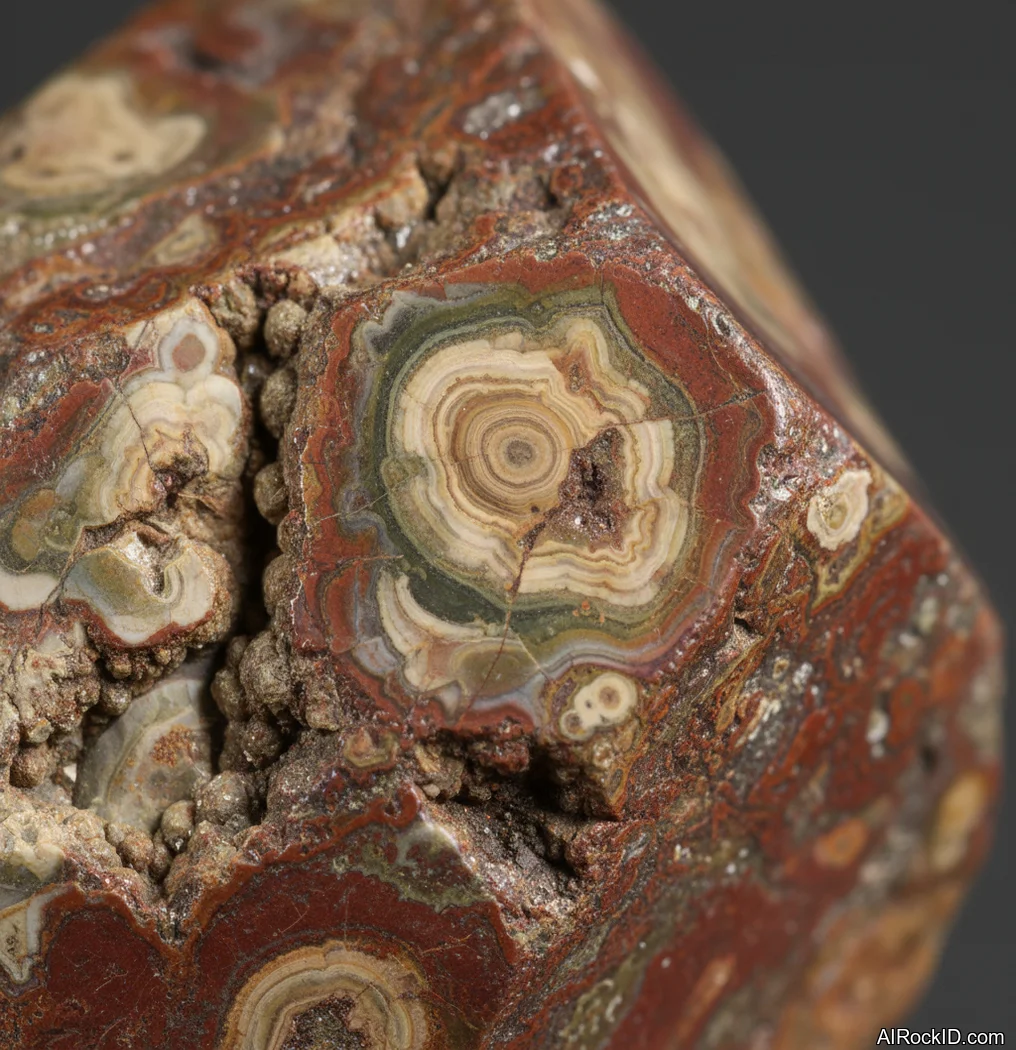
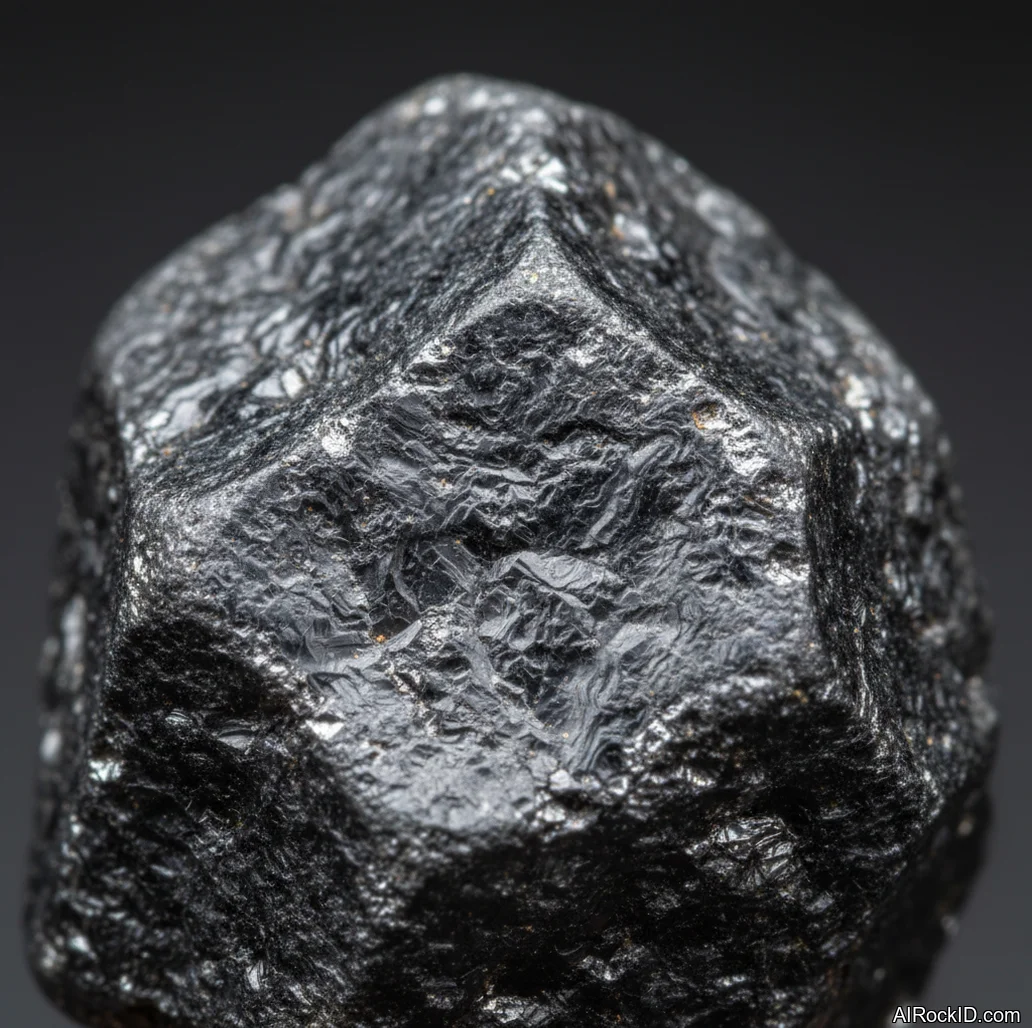
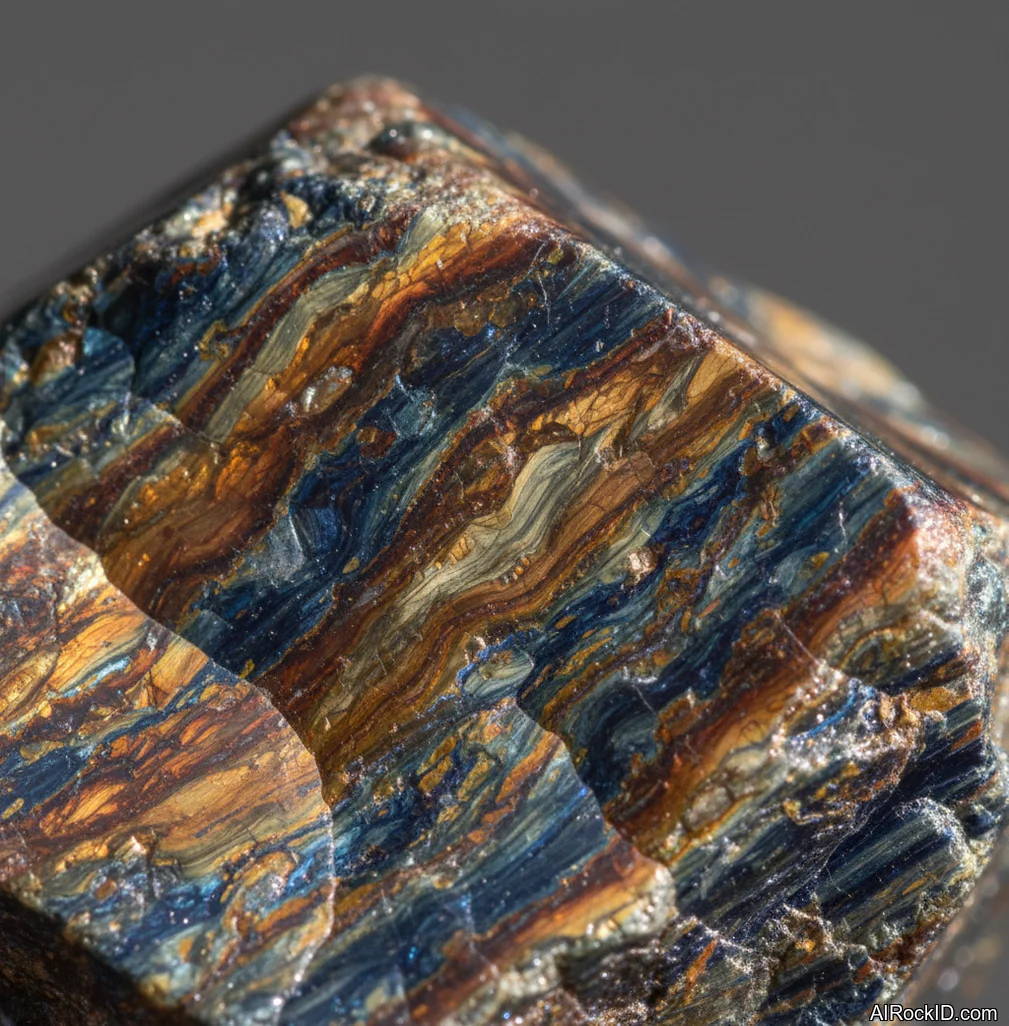
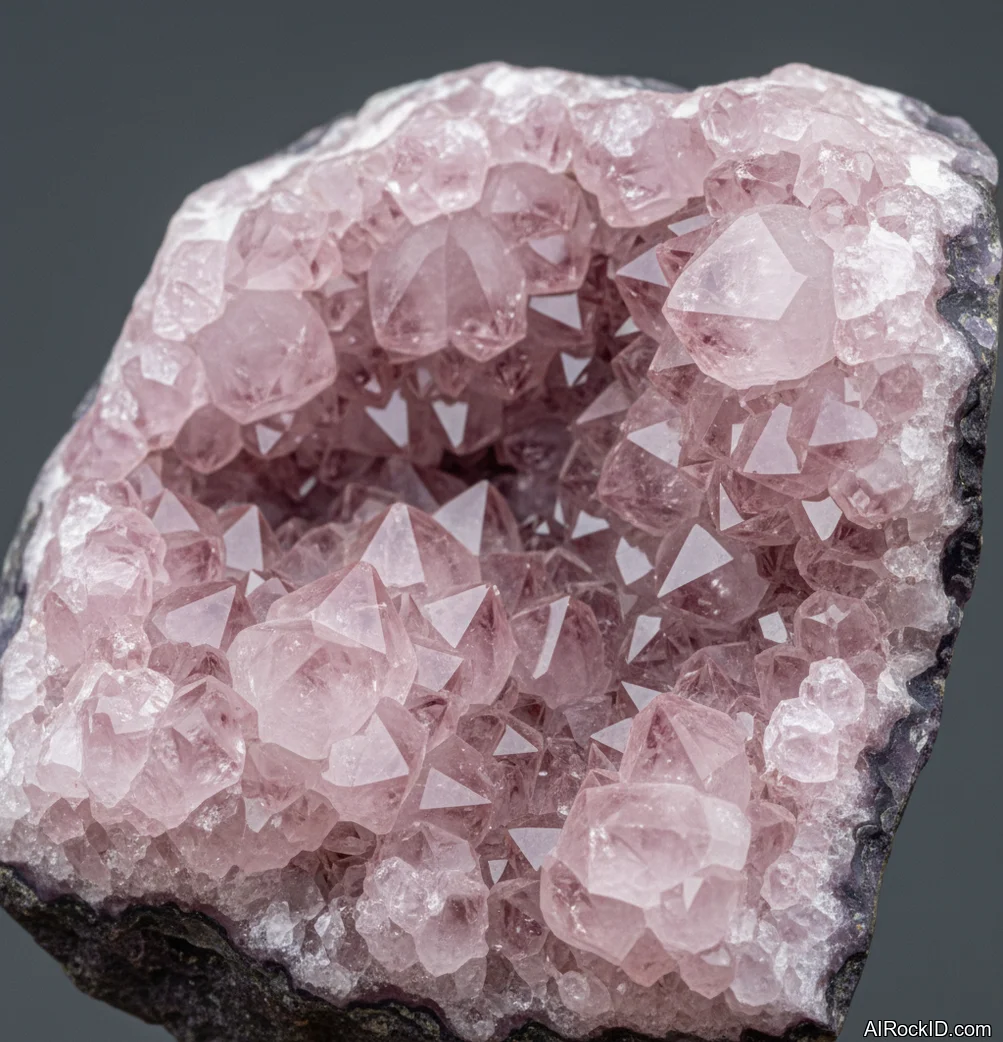
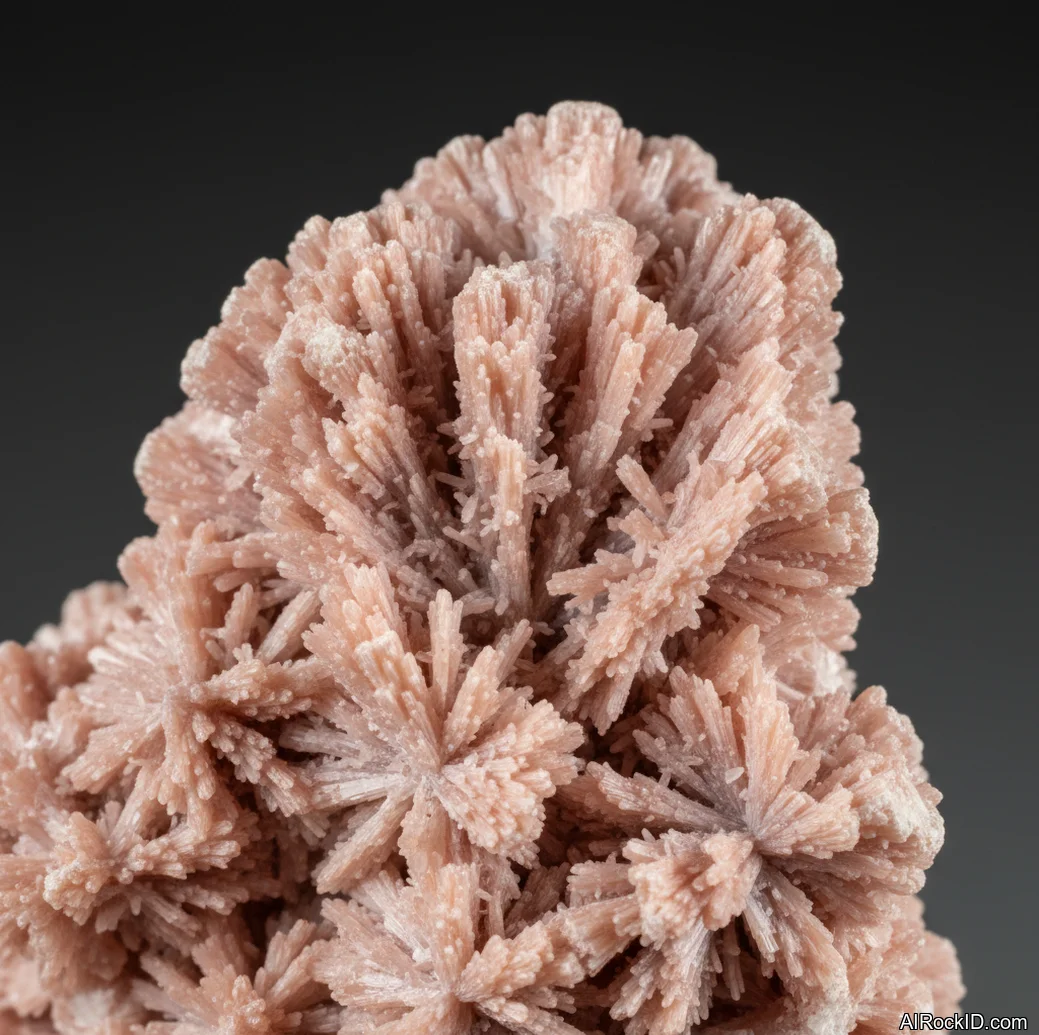
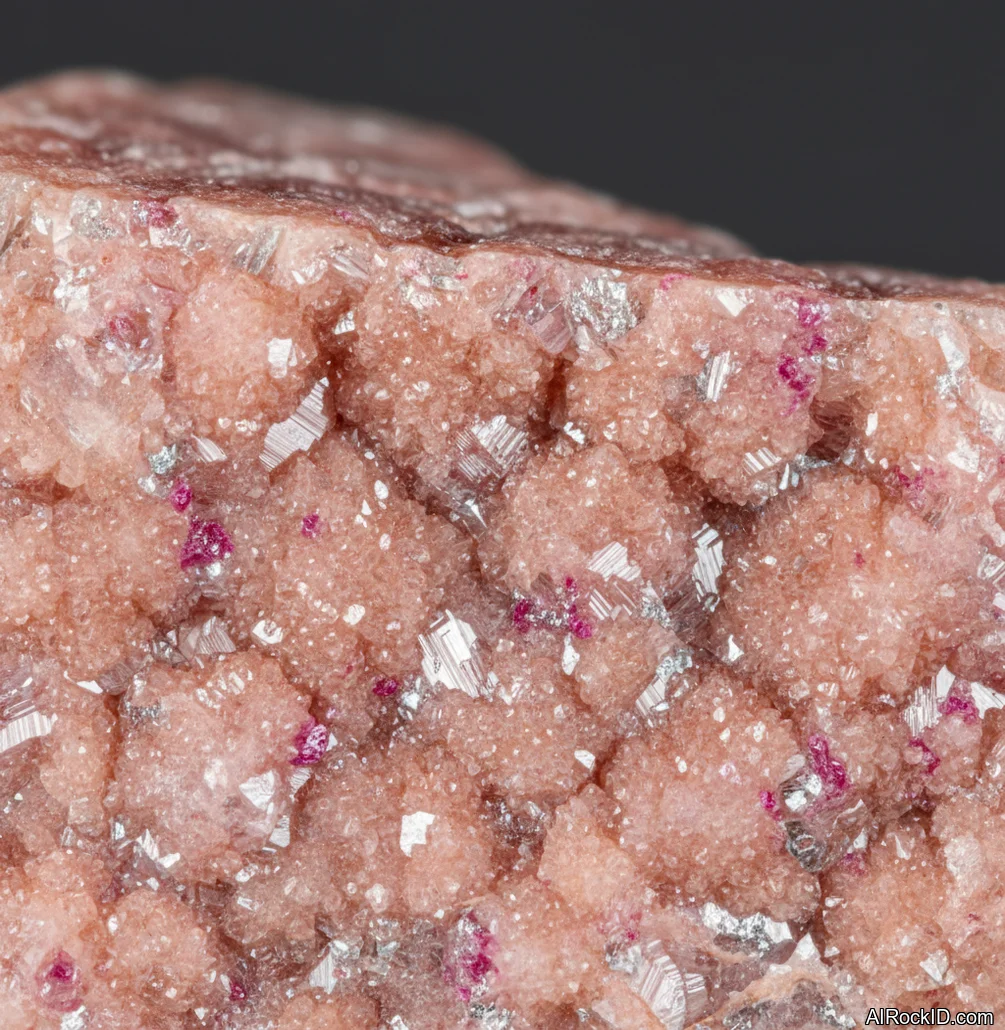
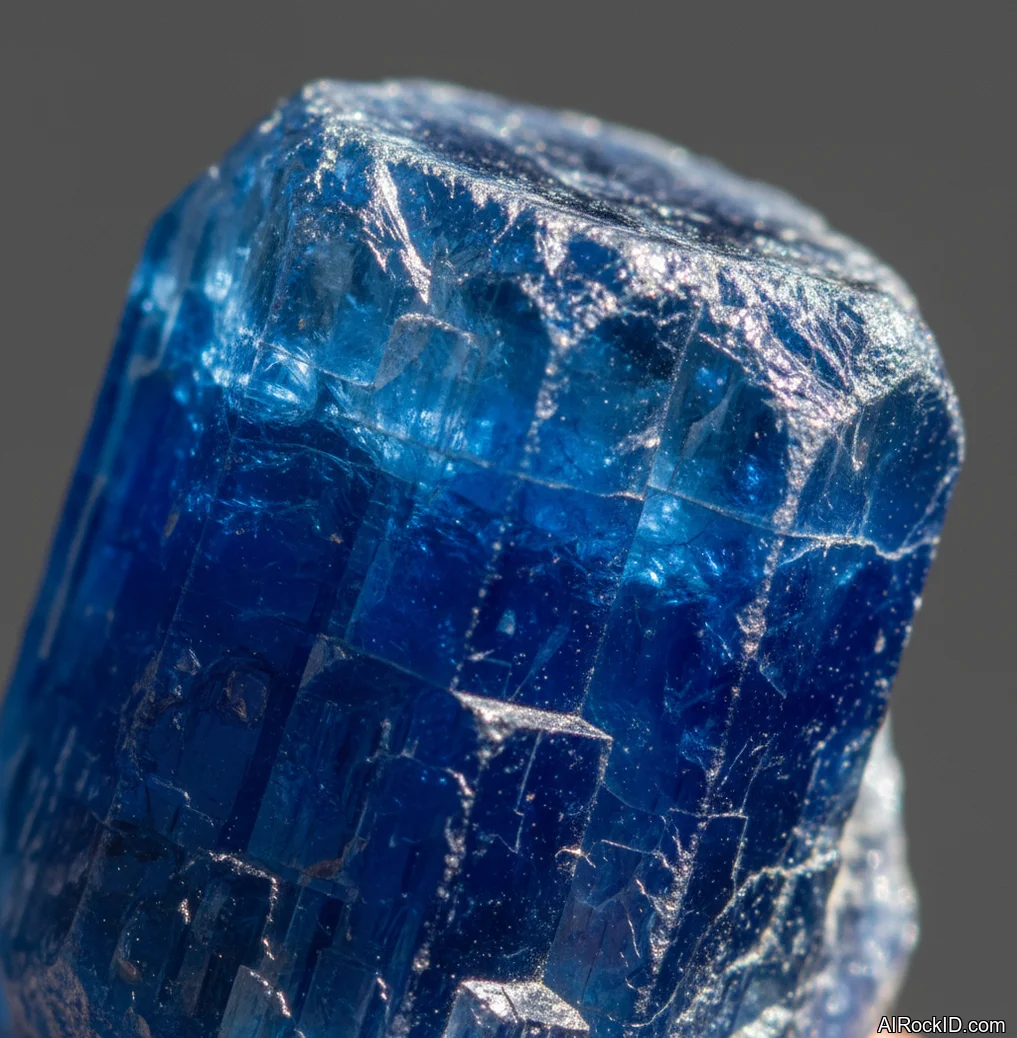
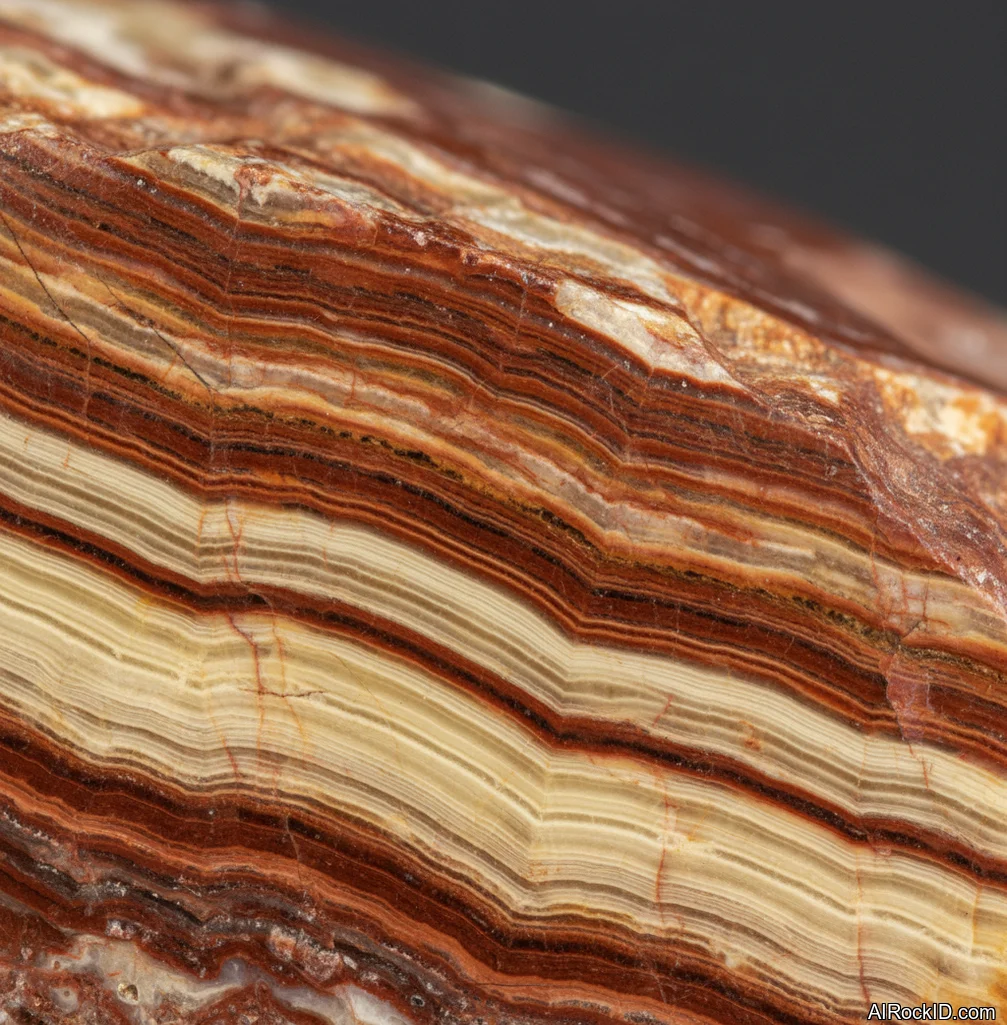
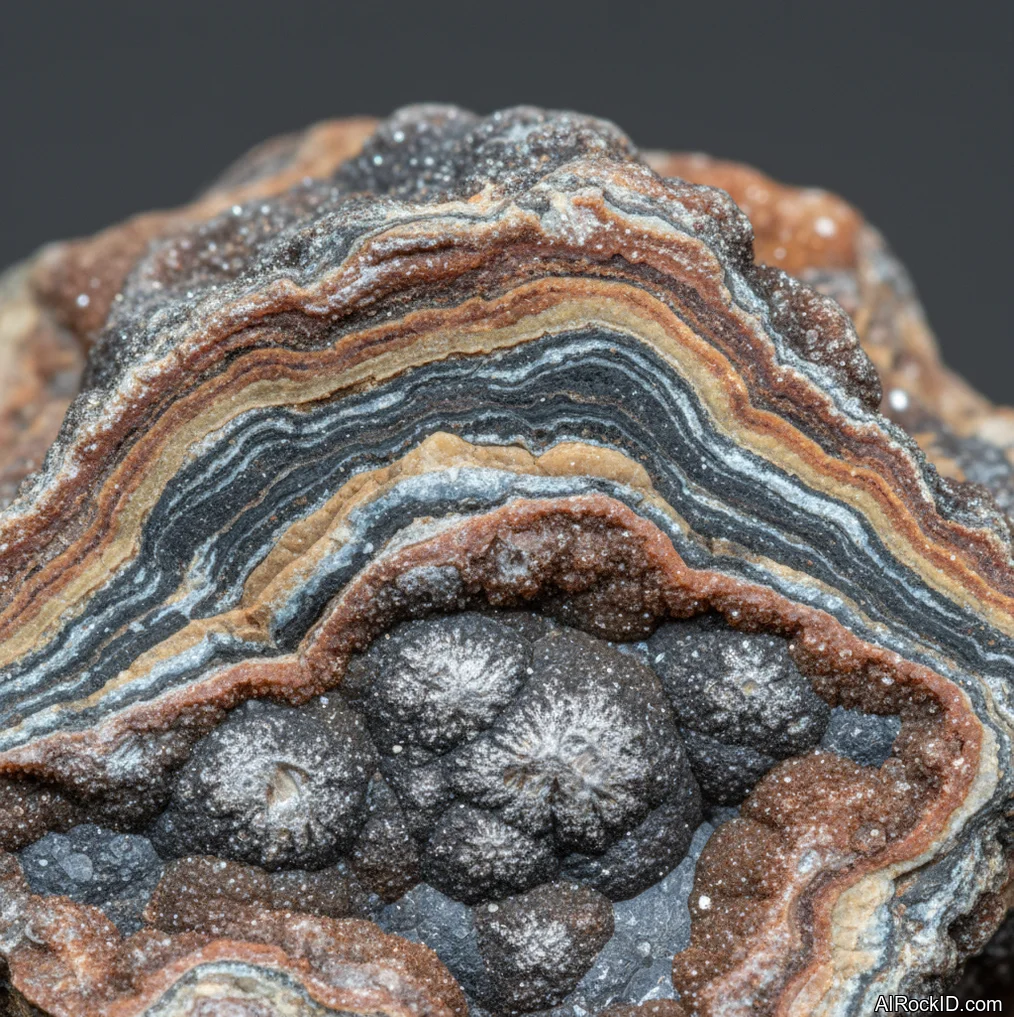
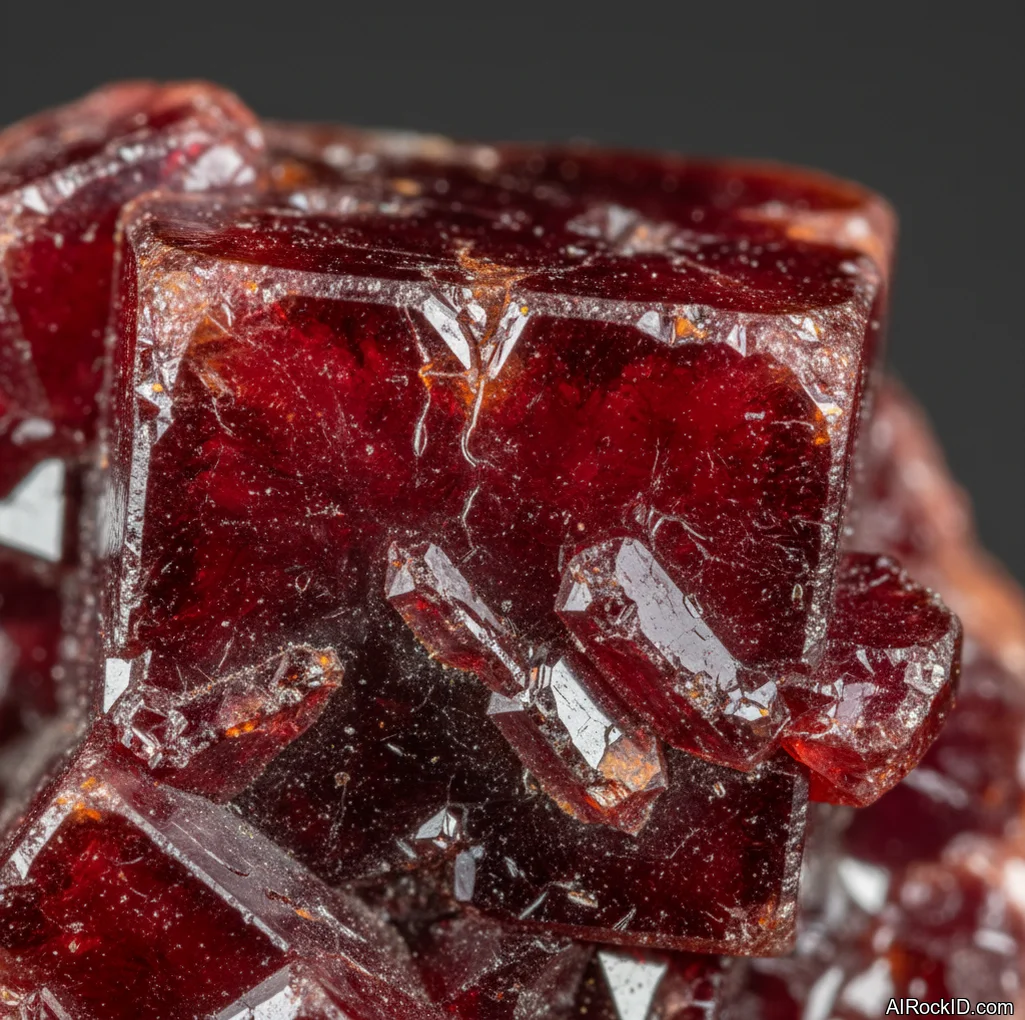
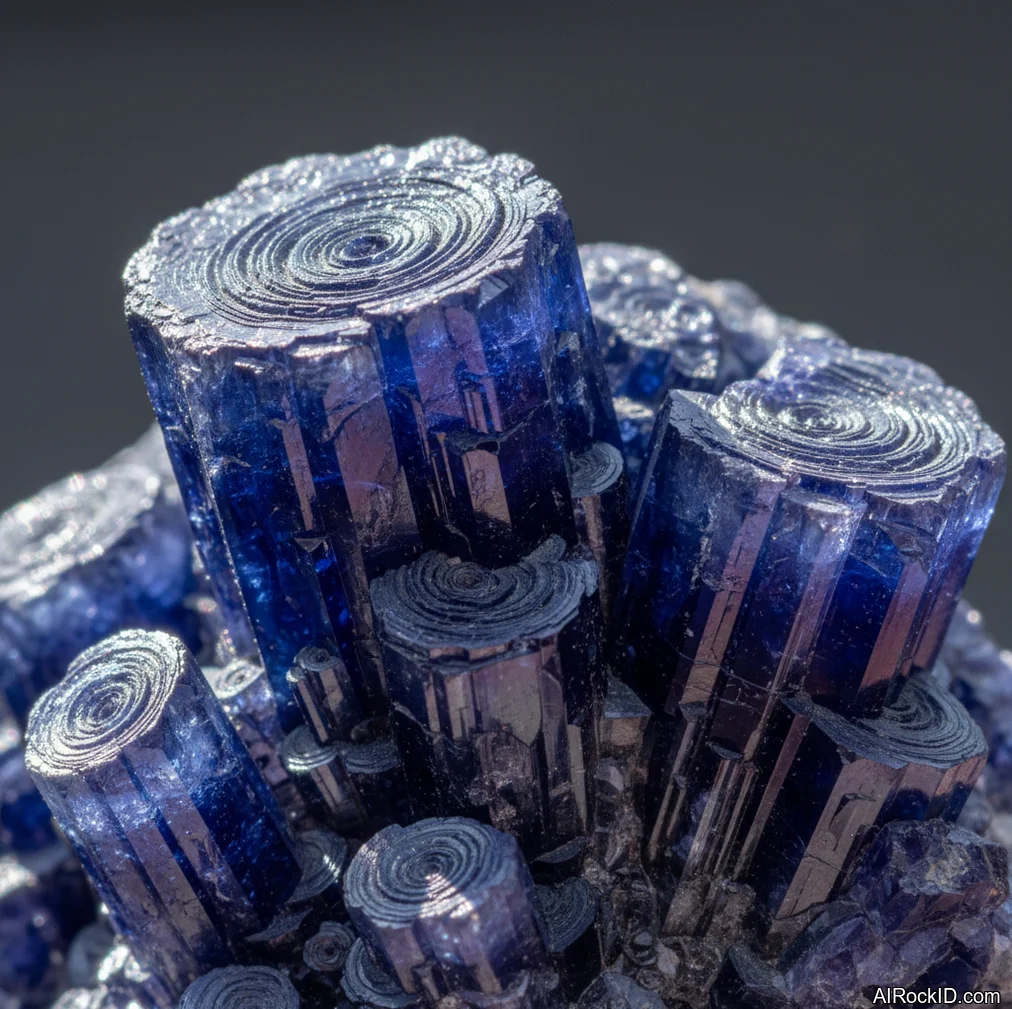
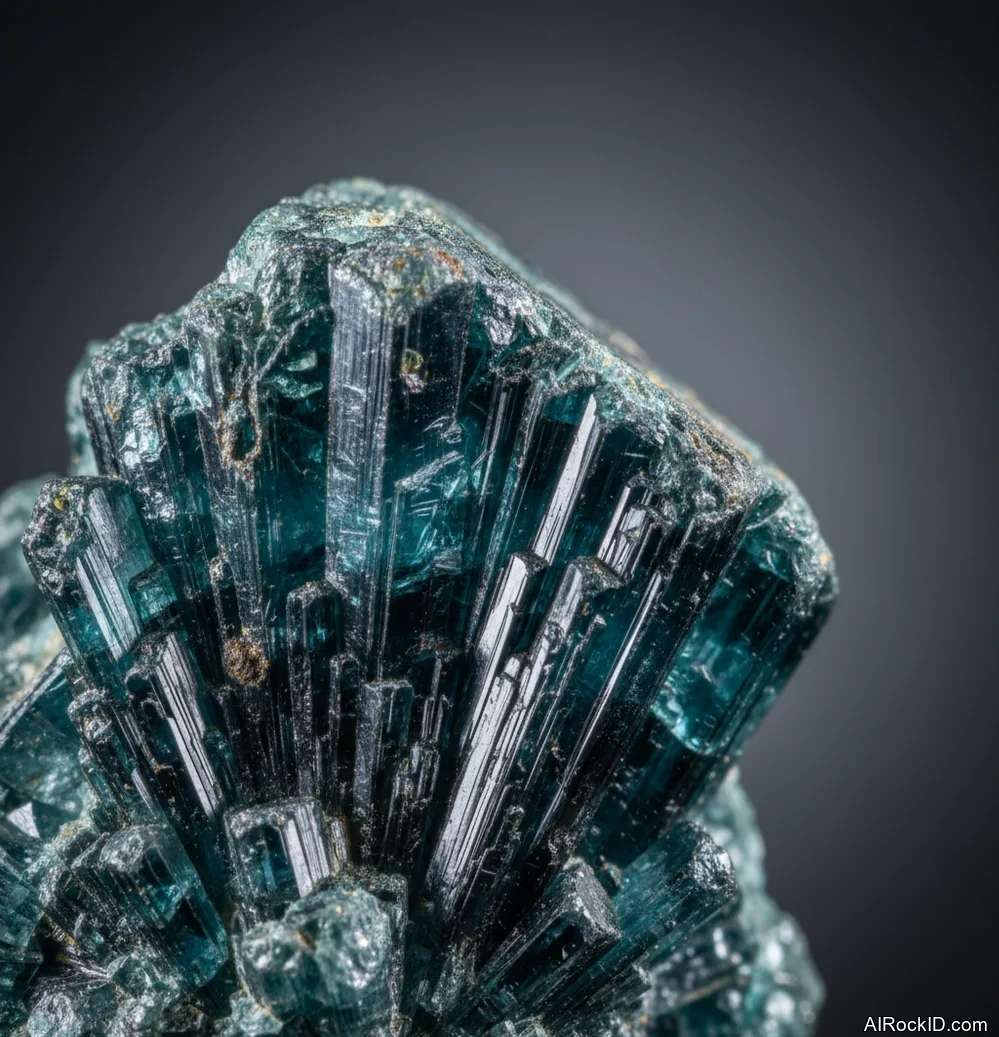
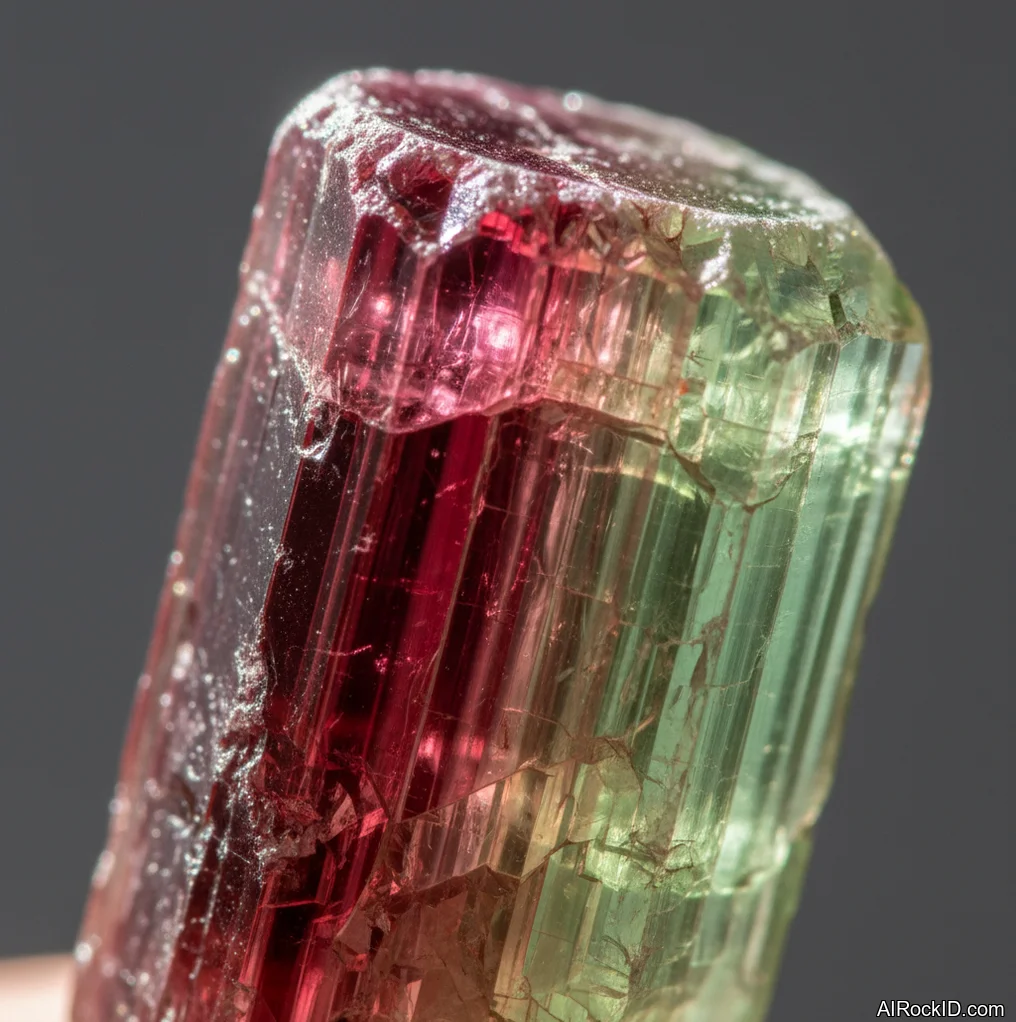
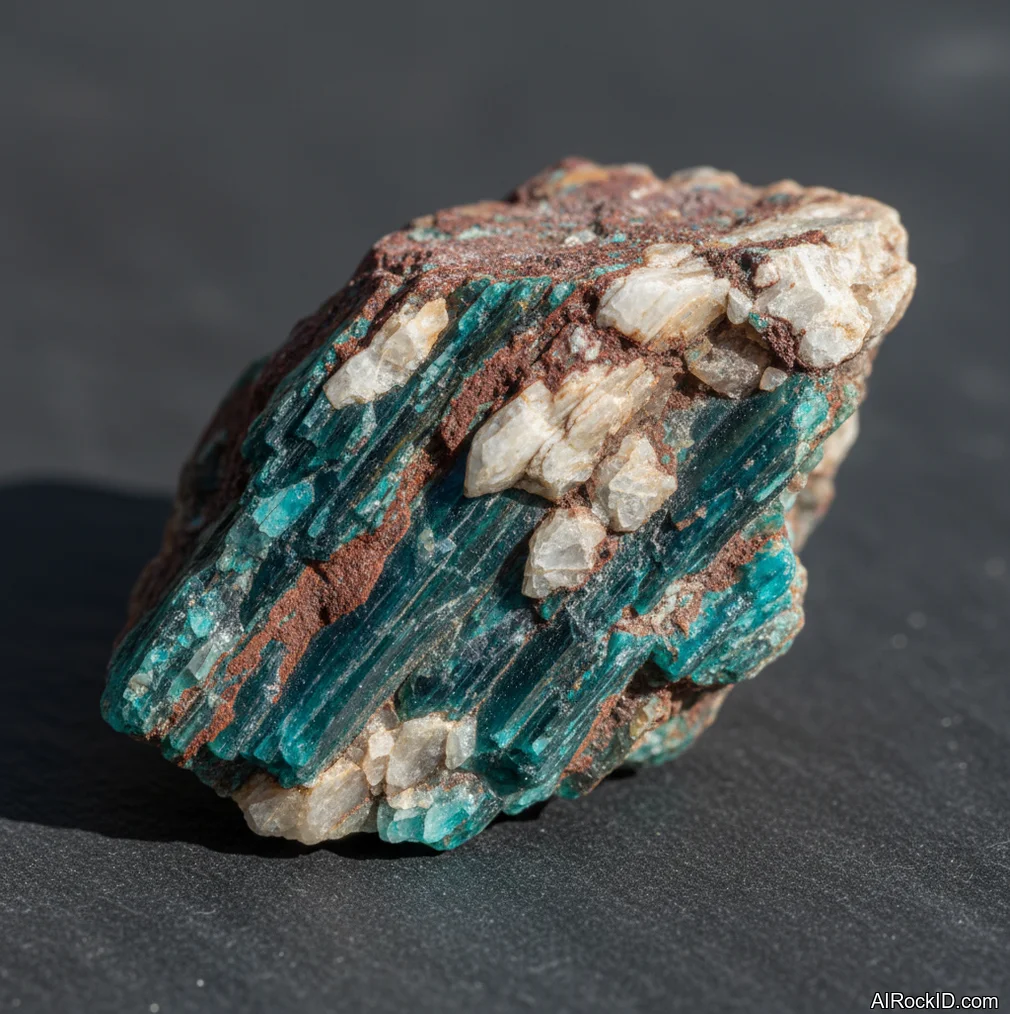
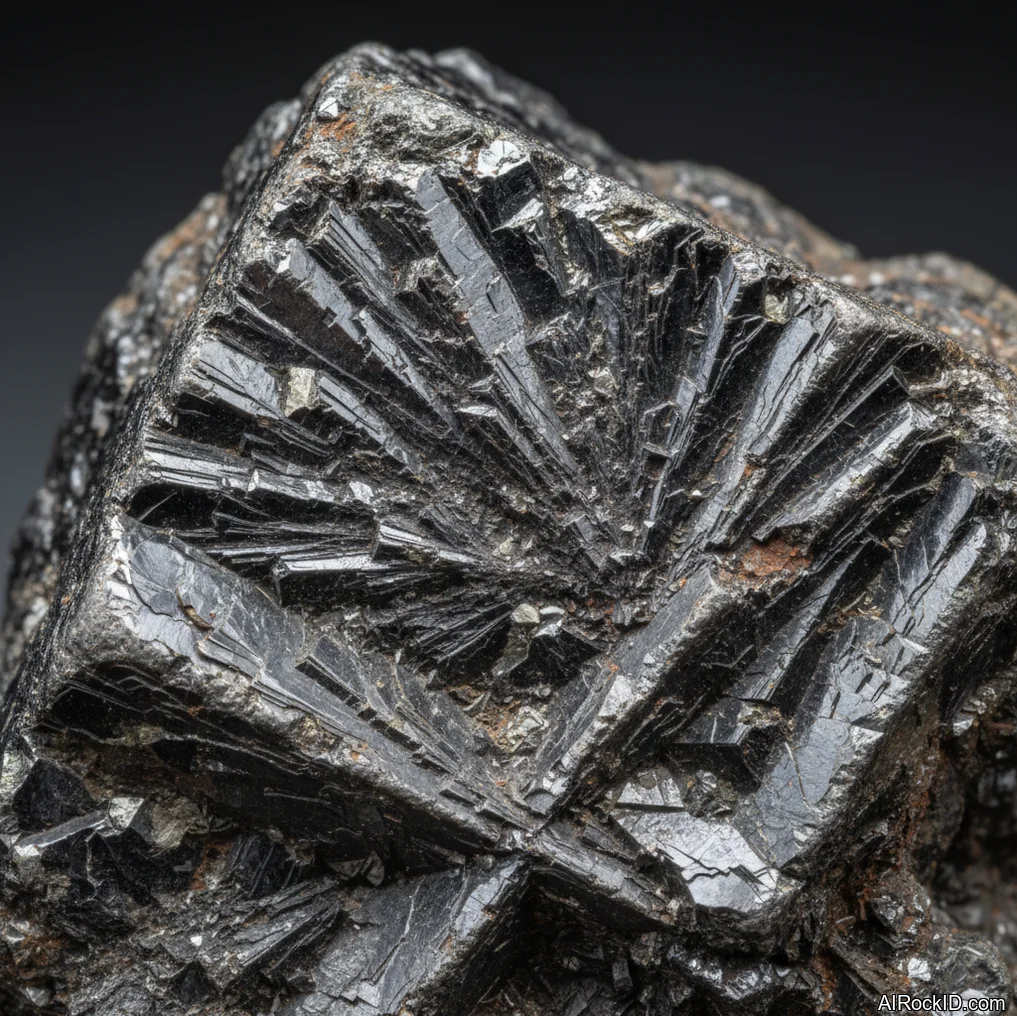
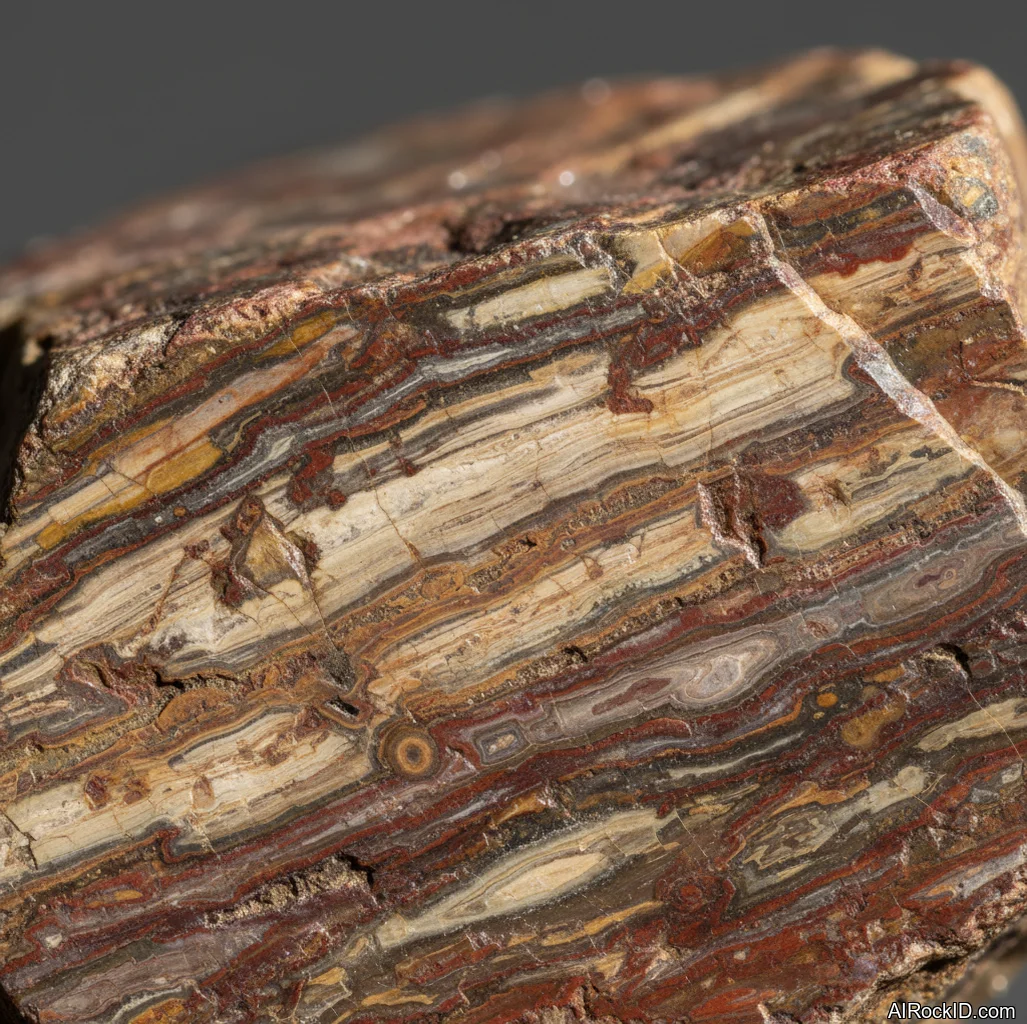
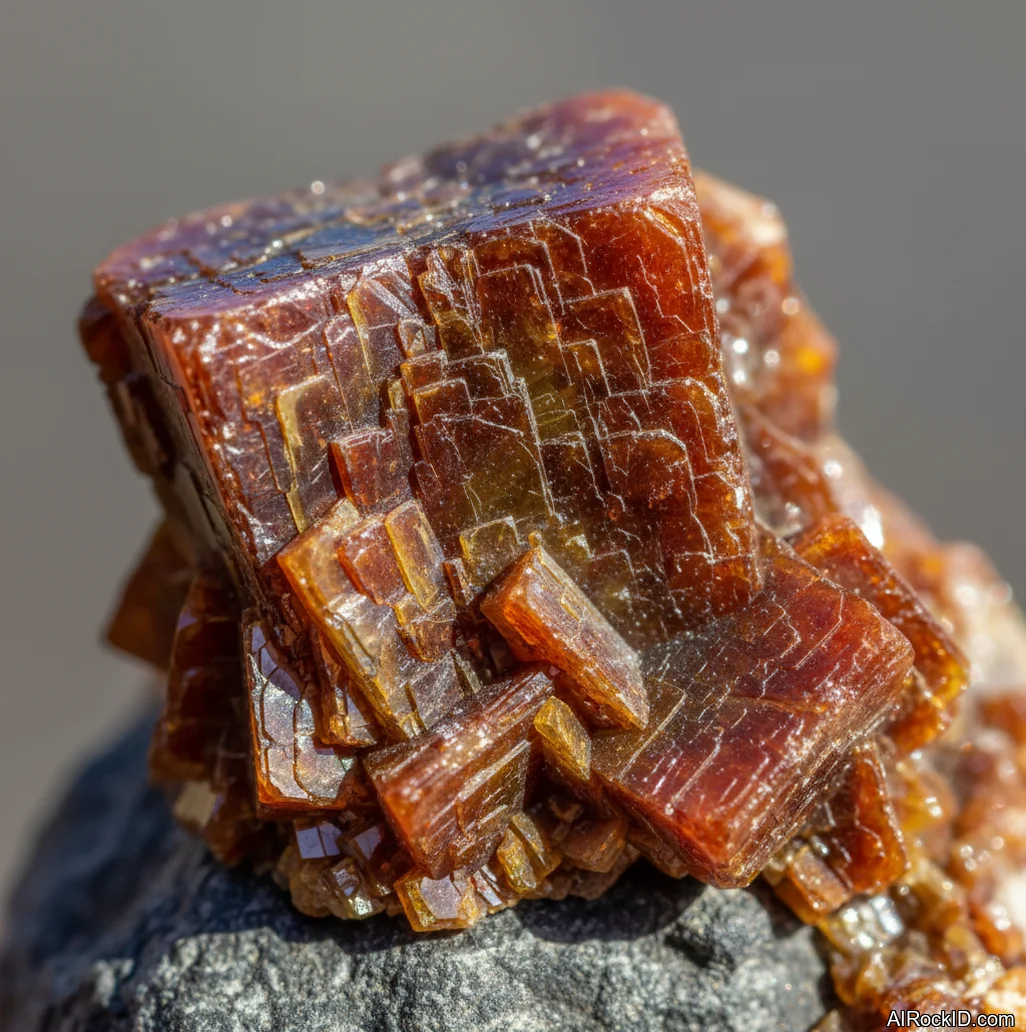
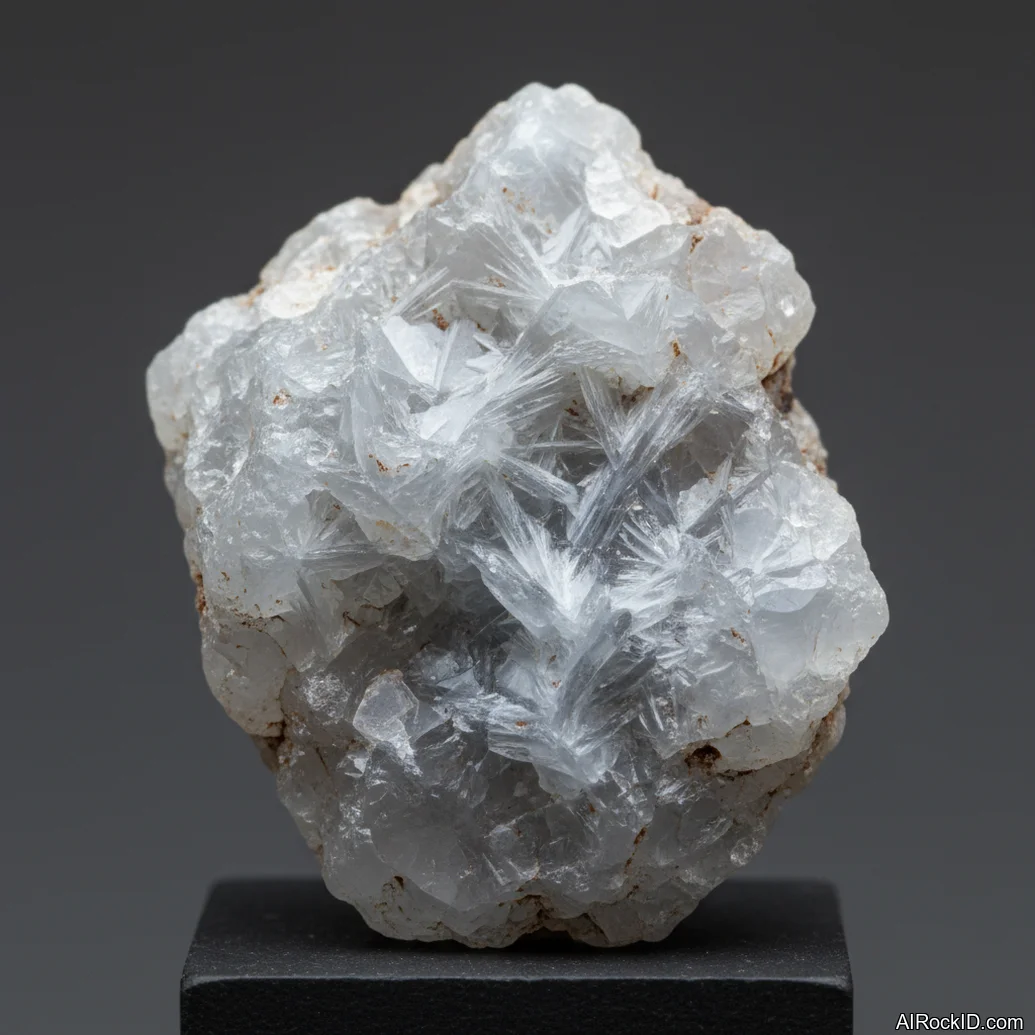
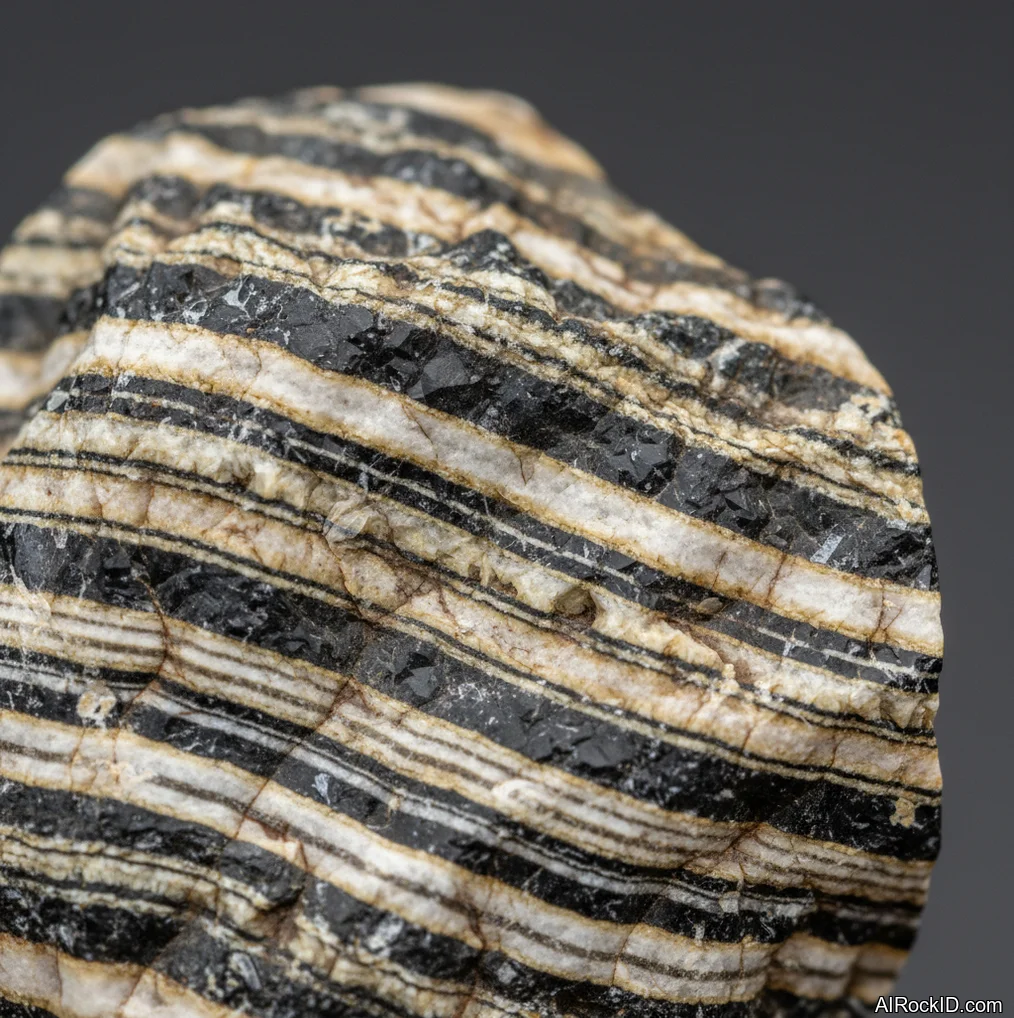
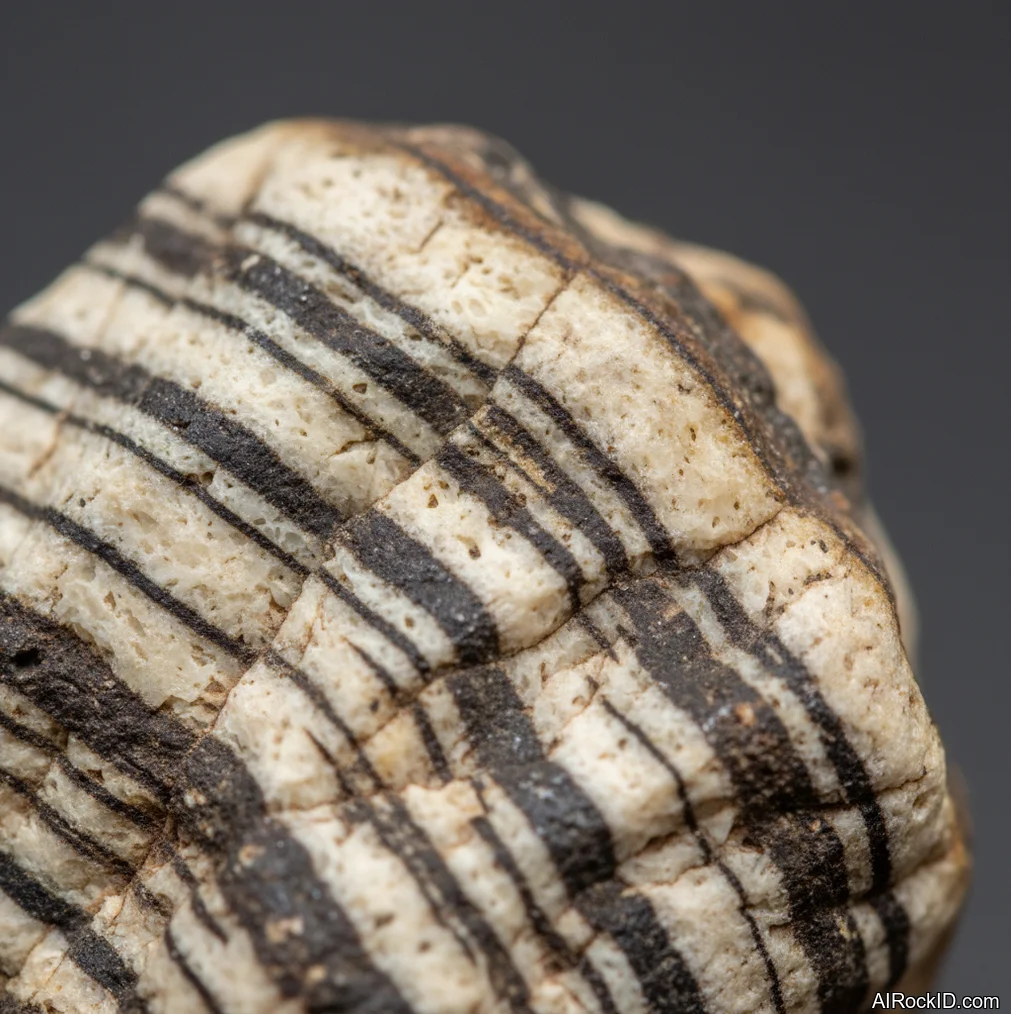
Self-Discovery crystals are minerals that collectors, healers, and spiritual seekers use to support honest self-examination and deeper personal insight. Common examples include labradorite, fluorite, moonstone, and sunstone. These stones are chosen for their physical qualities—like shifting colors or layered growth—that mirror the process of self-reflection and gradual clarity. These associations come from metaphysical traditions and are not medical claims.
Self-Discovery crystals can help with self-reflection or personal clarity for some, but they cannot replace therapy, counseling, or address diagnosed mental health issues. Use these stones as tools for awareness, not as solutions for deep psychological distress.
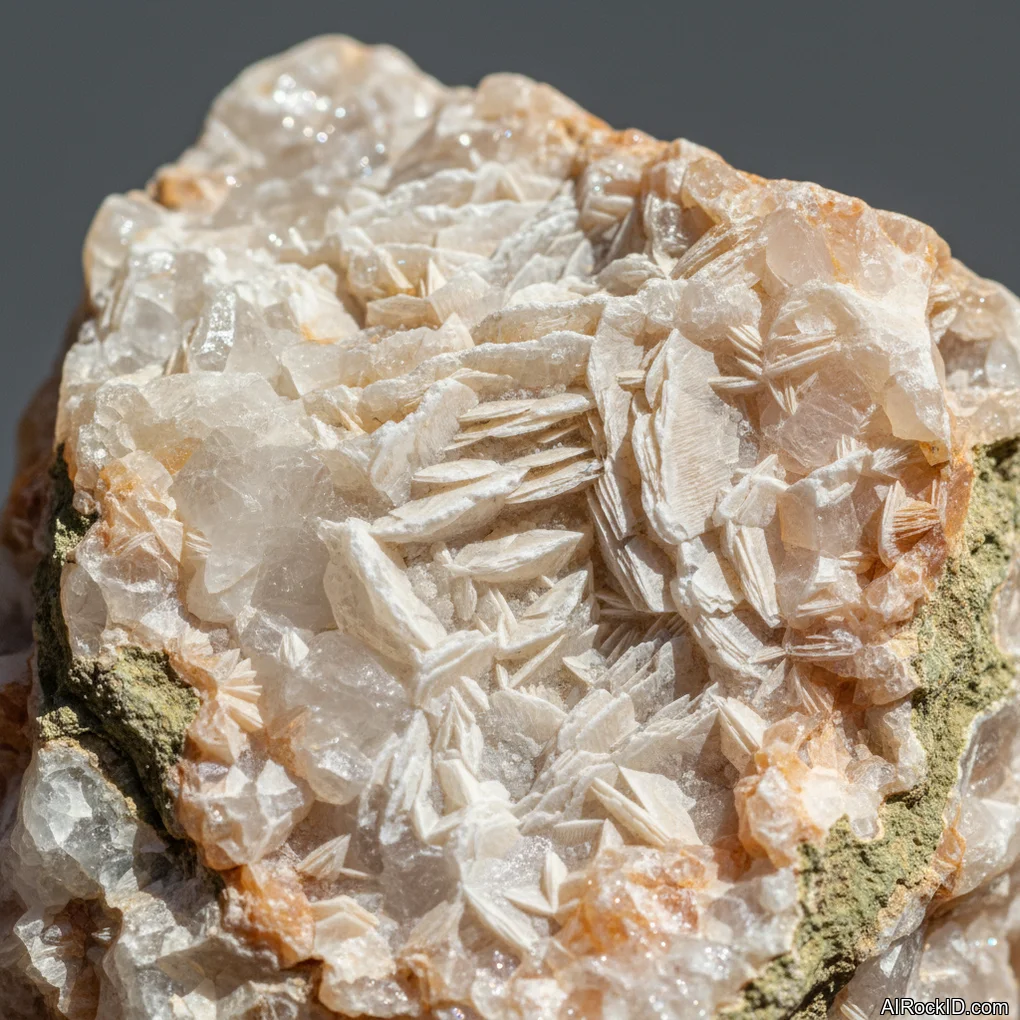
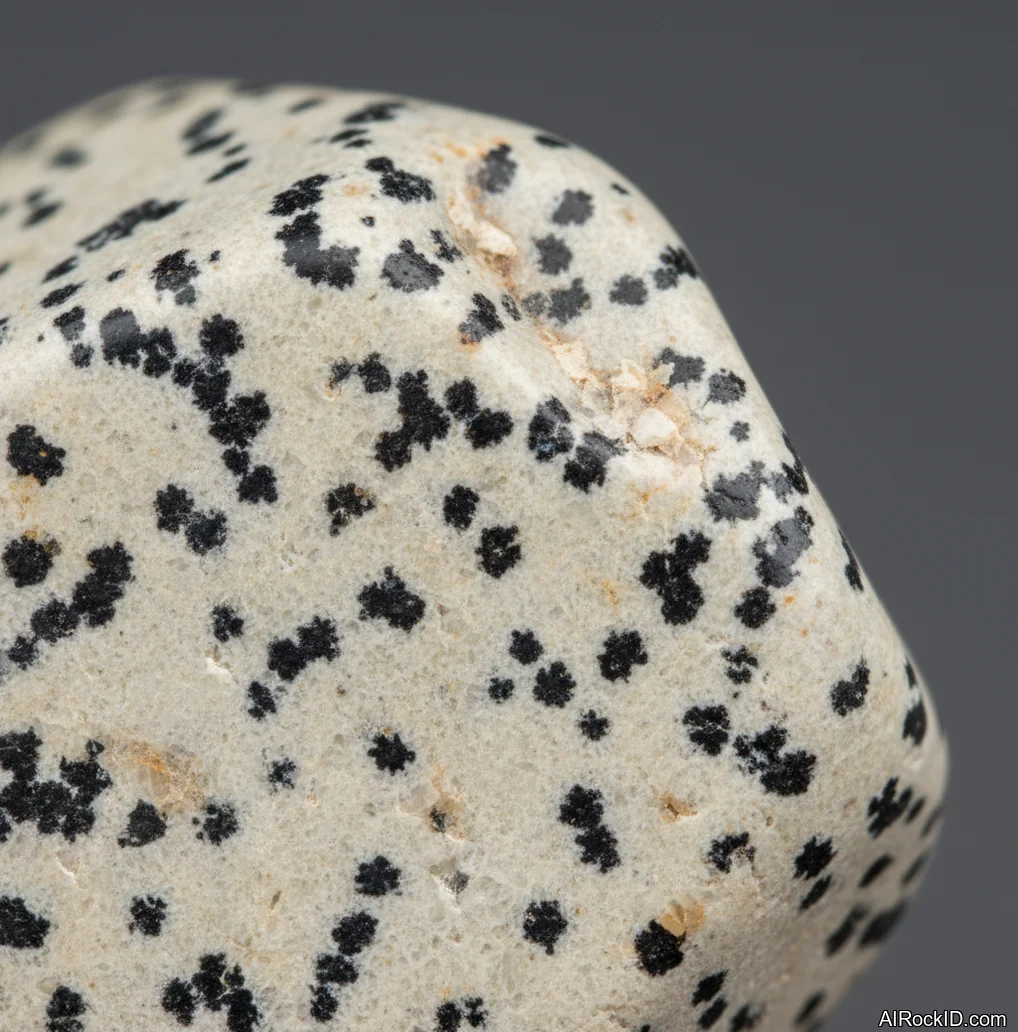
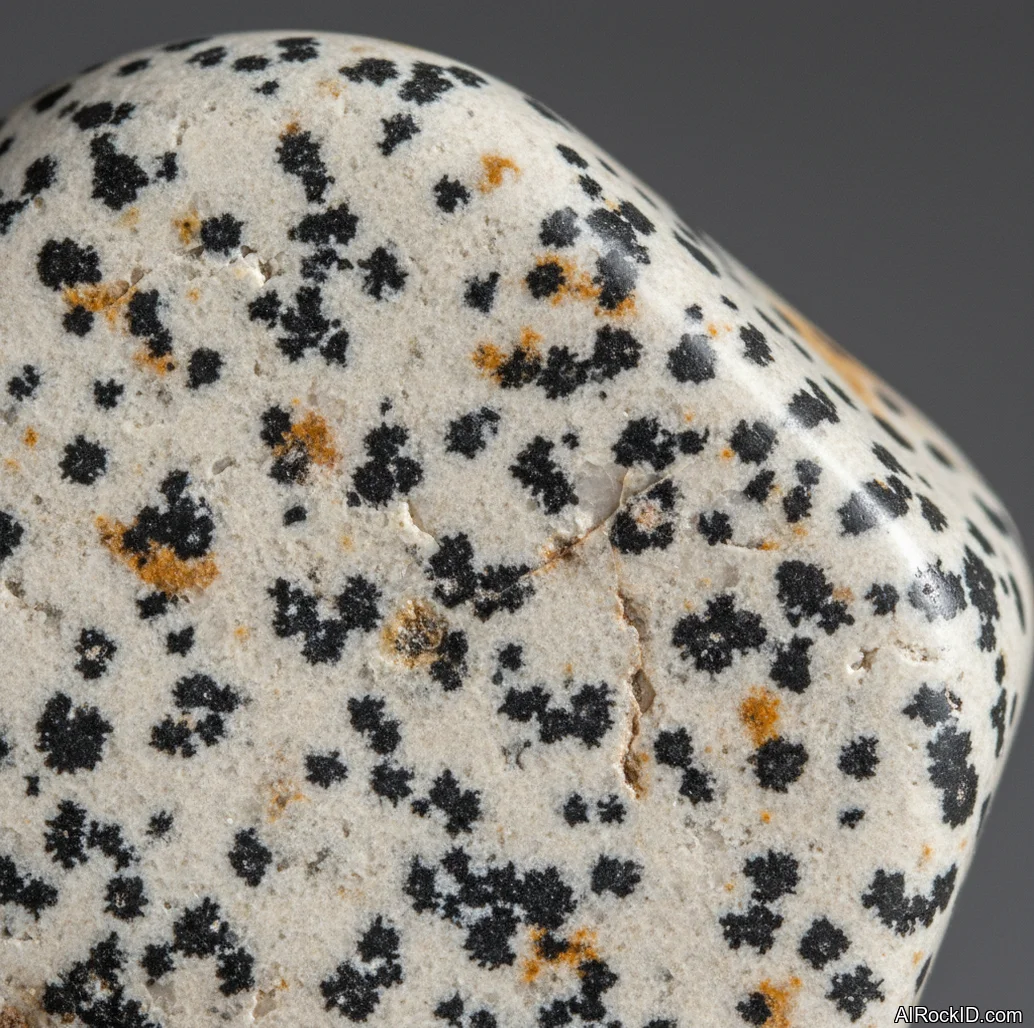
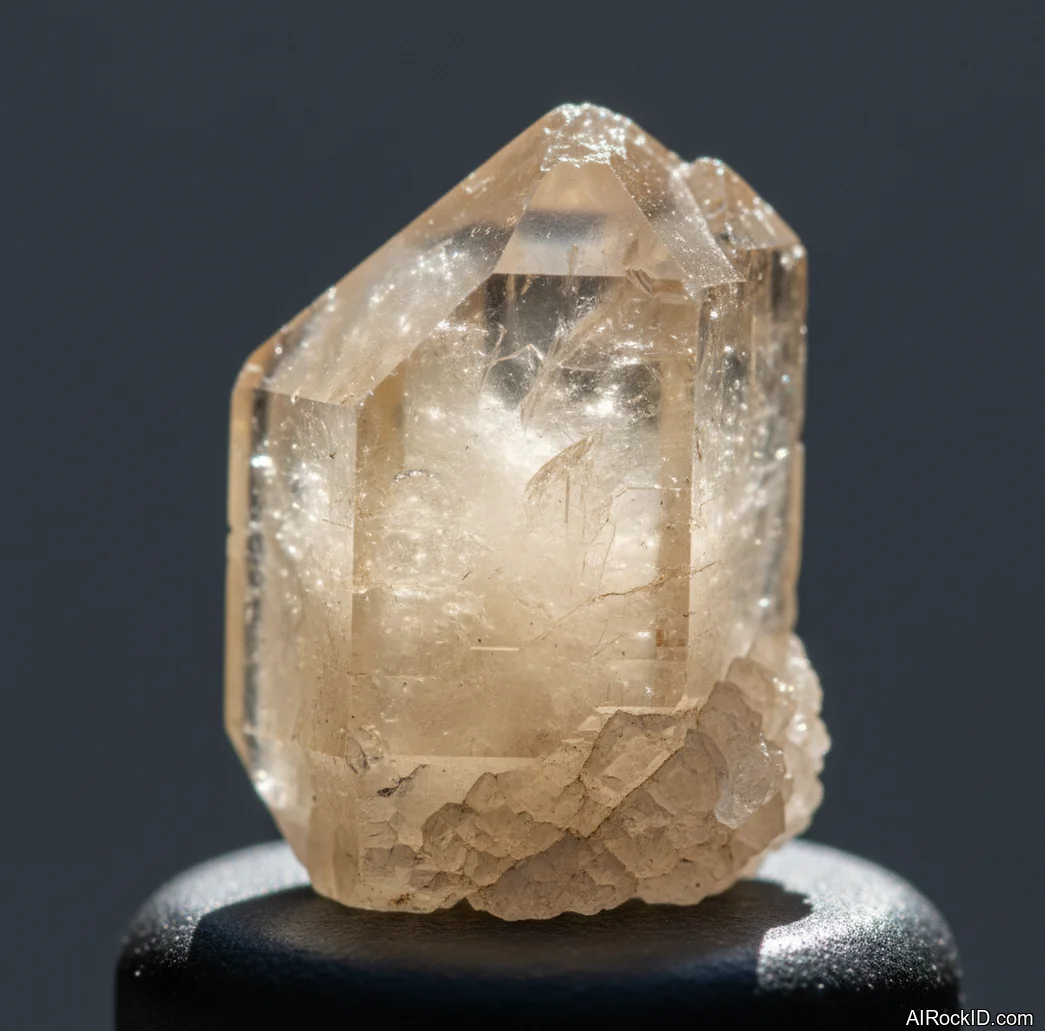
AI Rock ID can help identify visual features such as color, luster, banding, cleavage, and crystal habit when comparing a specimen to known minerals. RockIdentifier.io offers crystal and mineral information that can support learning about both geological traits and traditional meanings.
Good fit
- Beginners who want stones commonly linked with reflection, intuition, and self-awareness
- Collectors building a themed set around personal growth or inner work traditions
- People who use journaling, meditation, or intention-setting and want a tactile object for focus
- Anyone comparing minerals by both physical traits and symbolic associations
Not a good fit
- Anyone expecting a crystal to diagnose, treat, or cure mental or physical health conditions
- Collectors who want only rare, investment-grade mineral specimens
- Users who prefer purely geological categories with no metaphysical context
Most commonly confused with
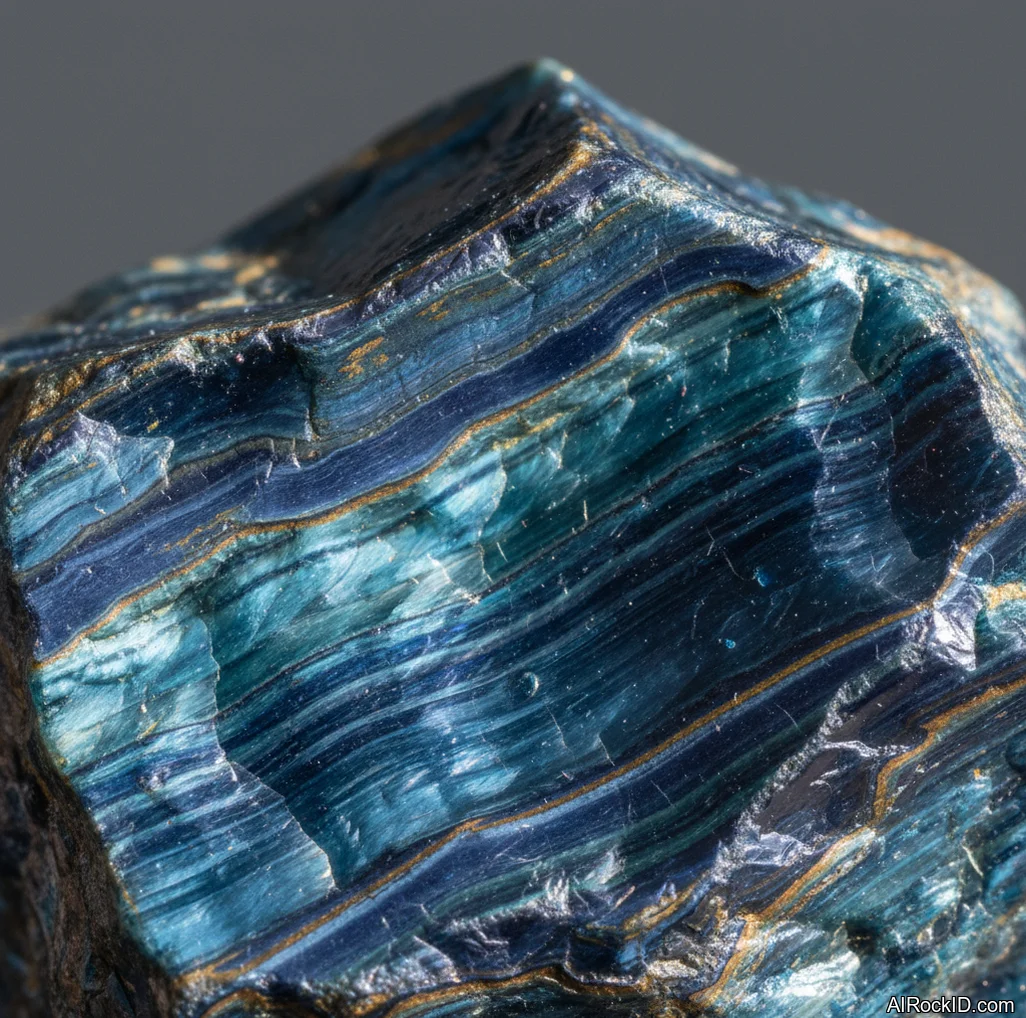
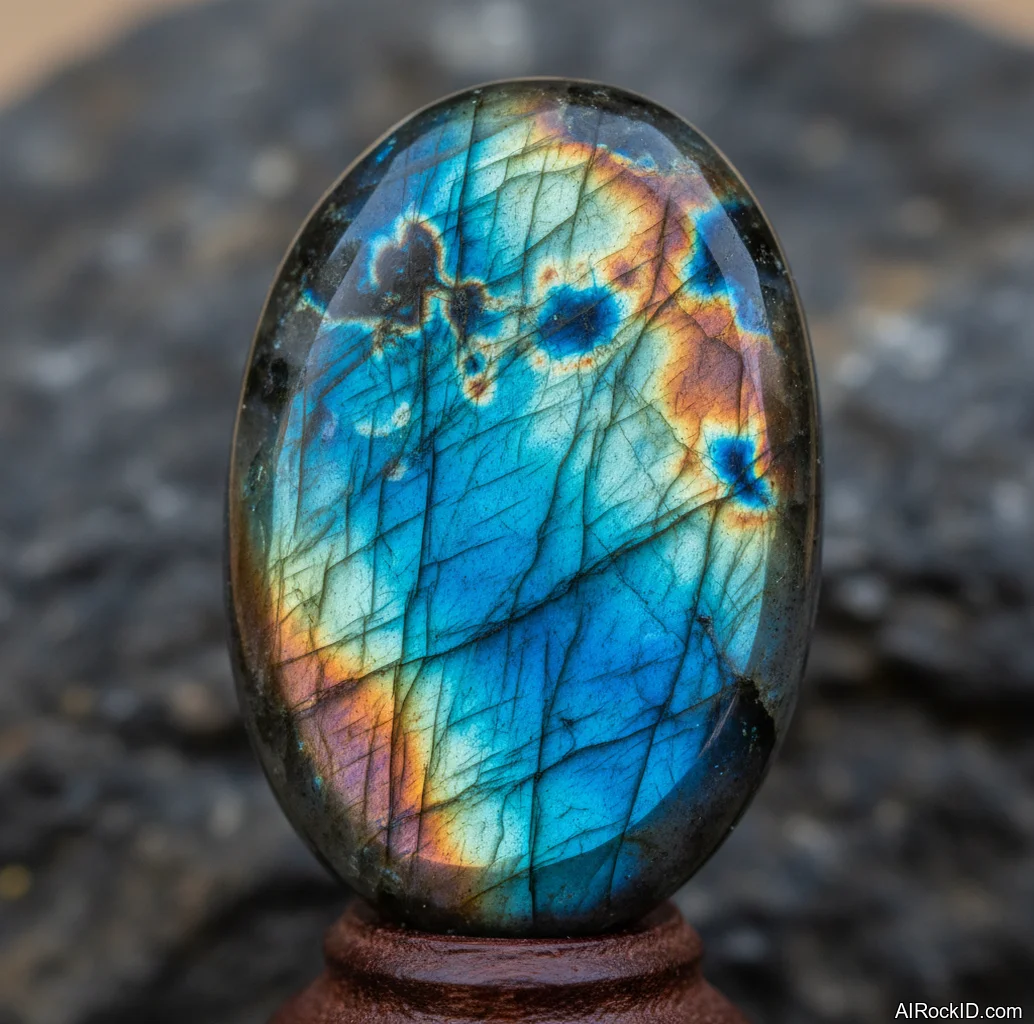
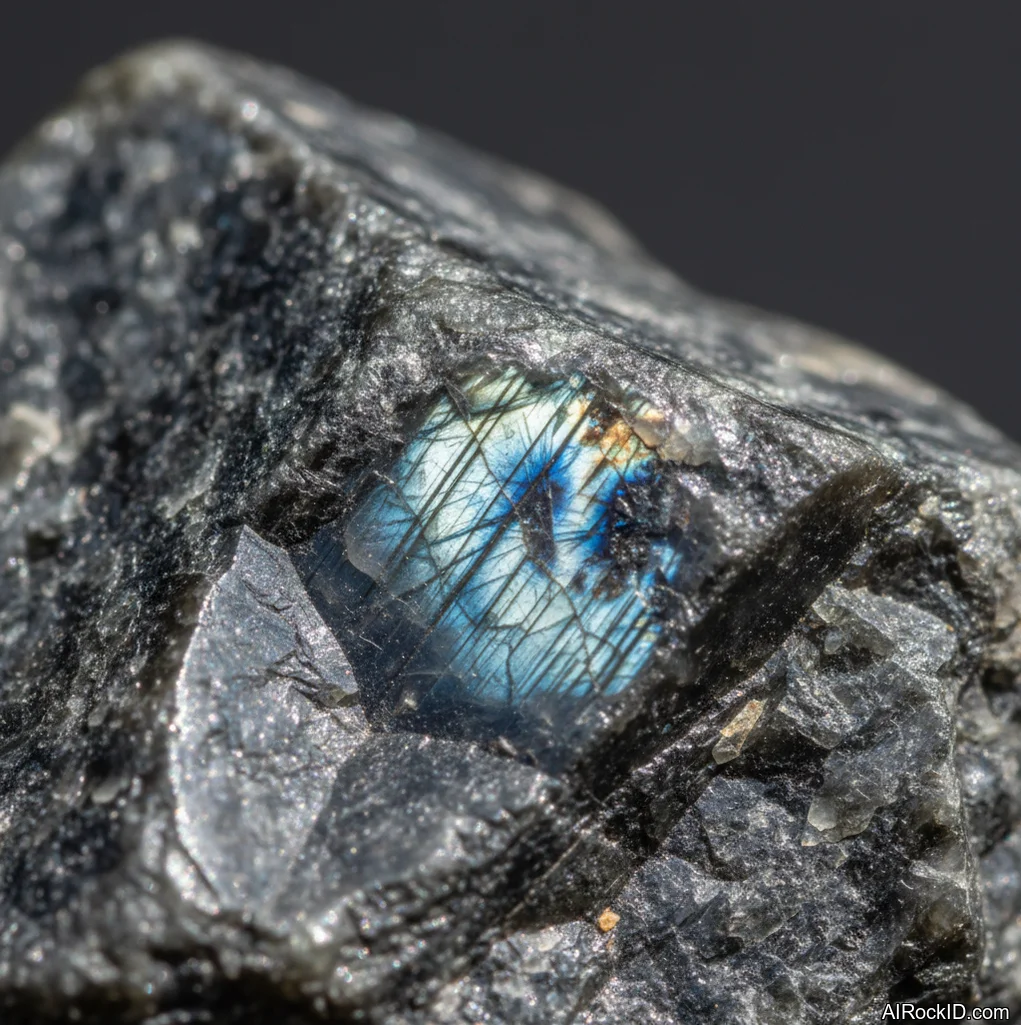
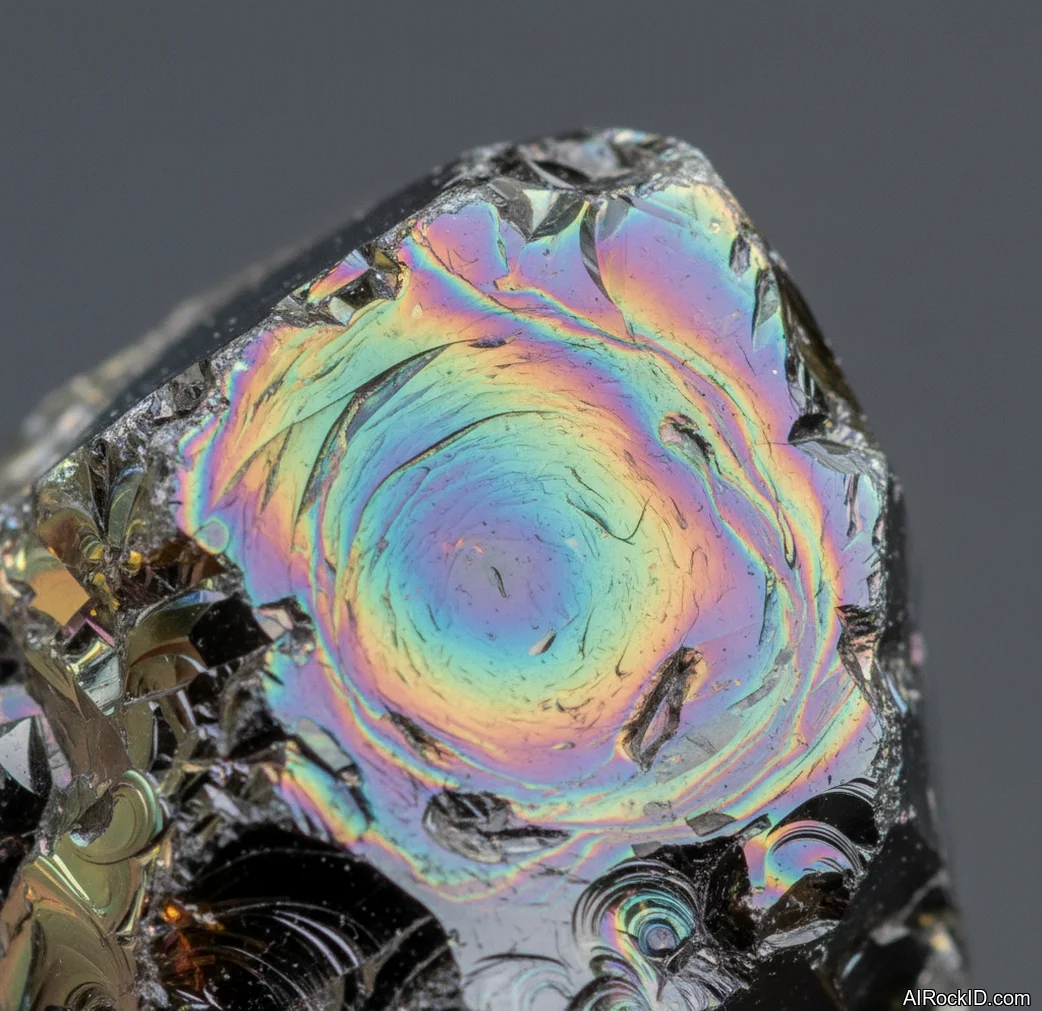
- Labradorite: Often chosen for intuition and transformation themes; identified by labradorescence rather than simple gray color.
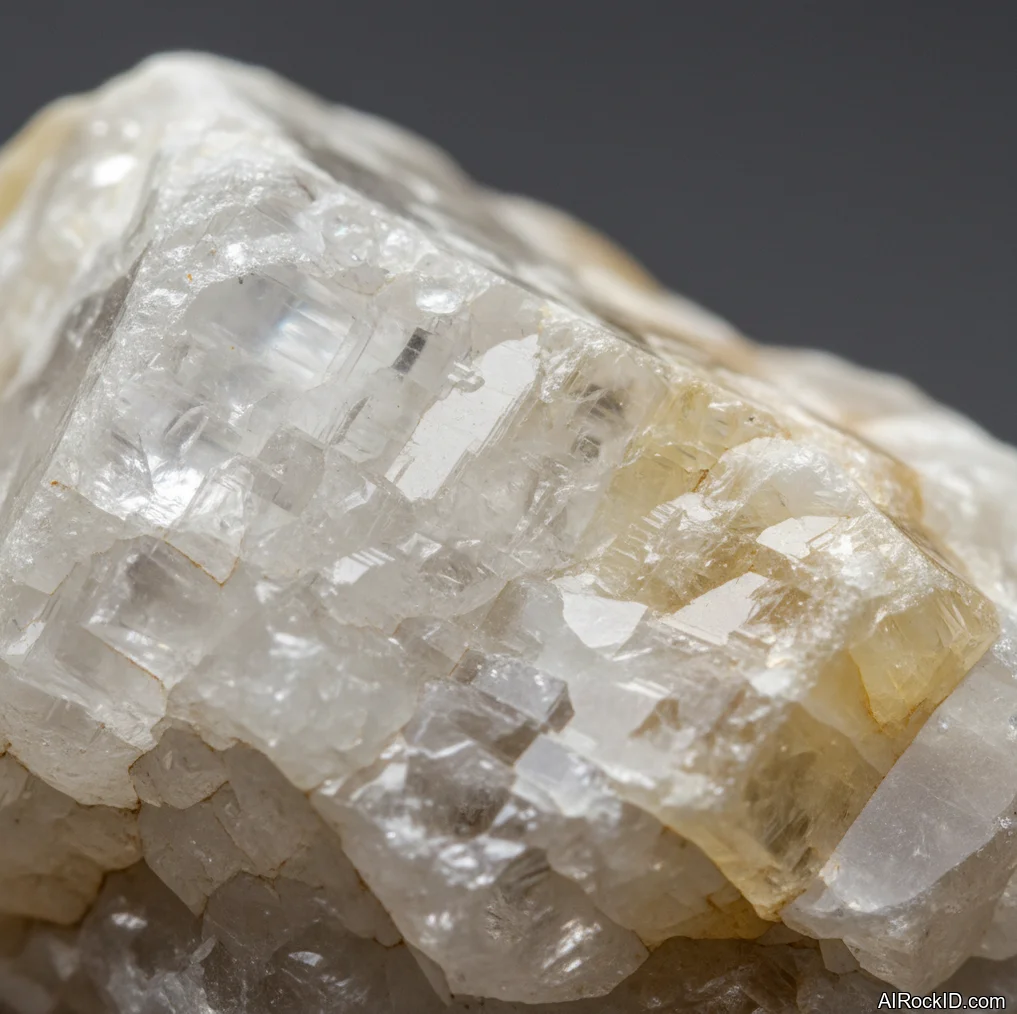
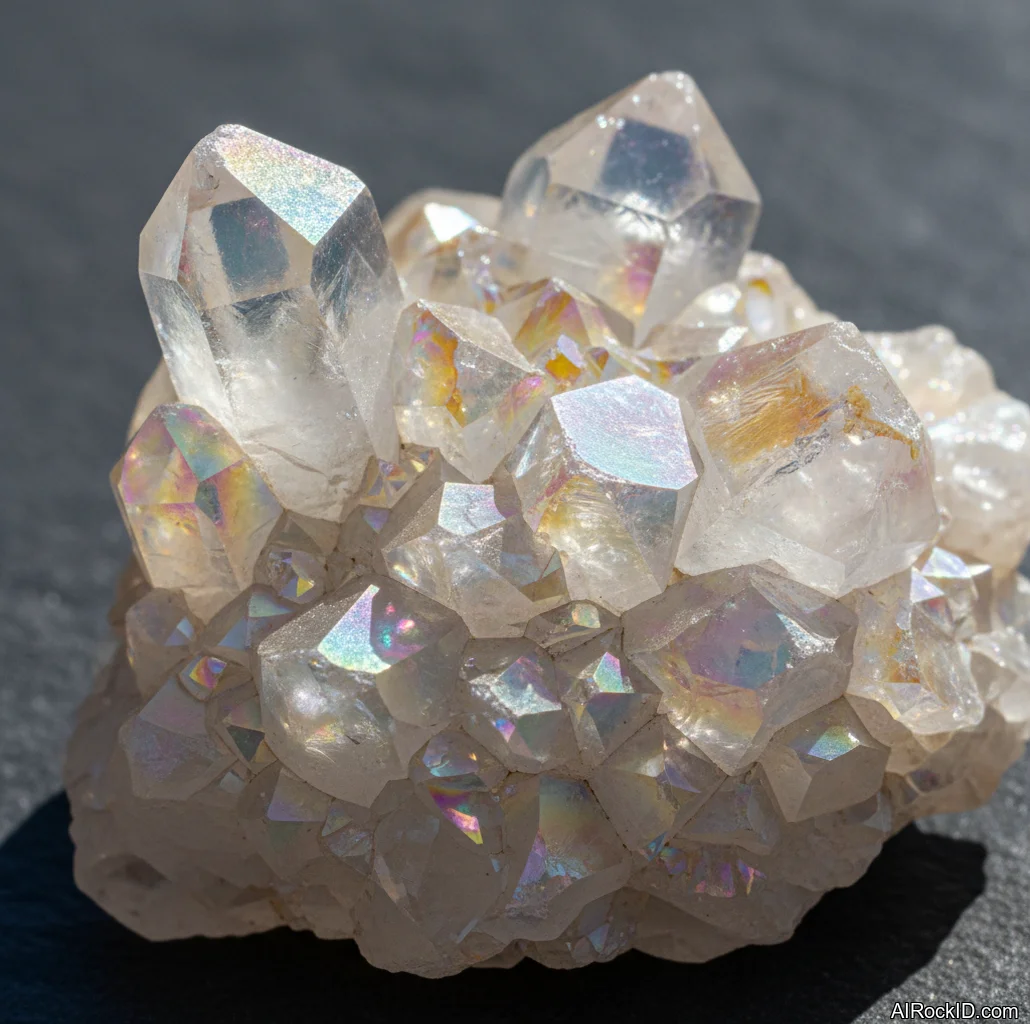
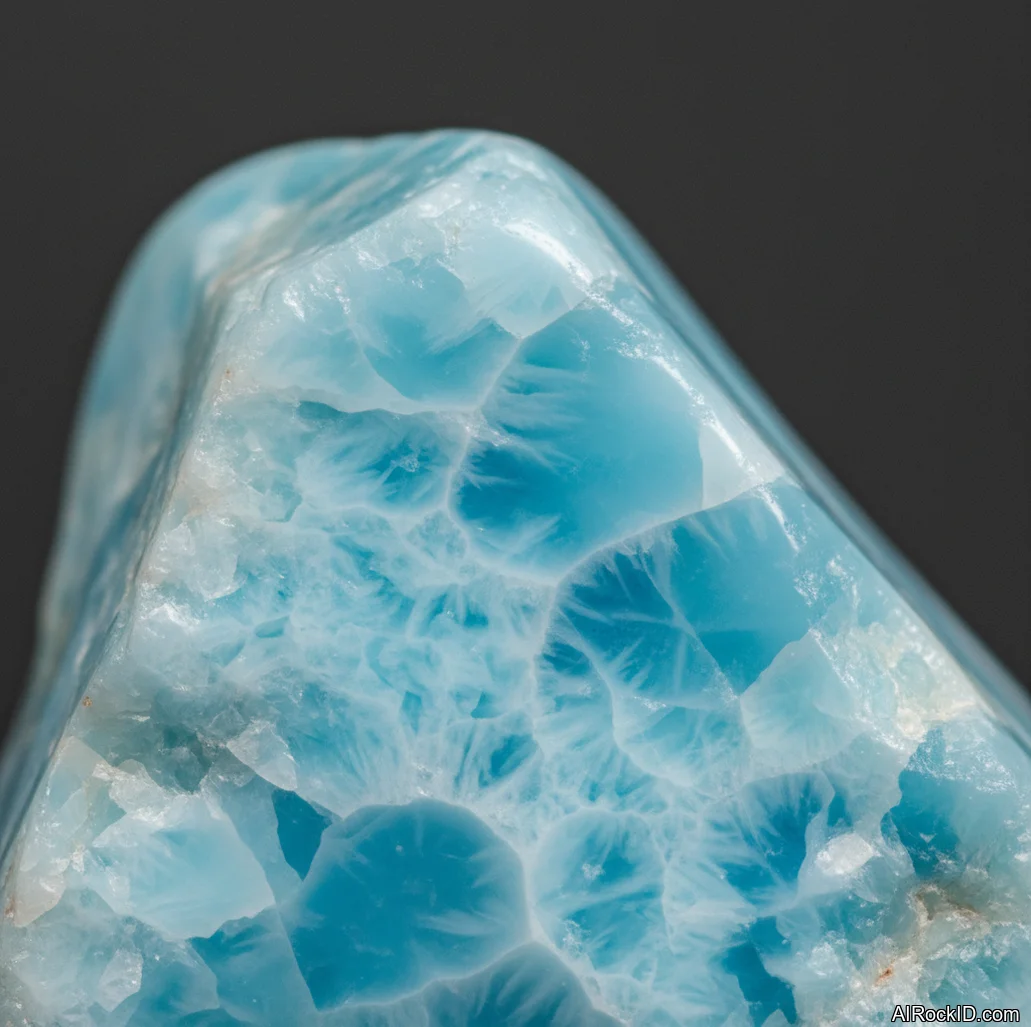
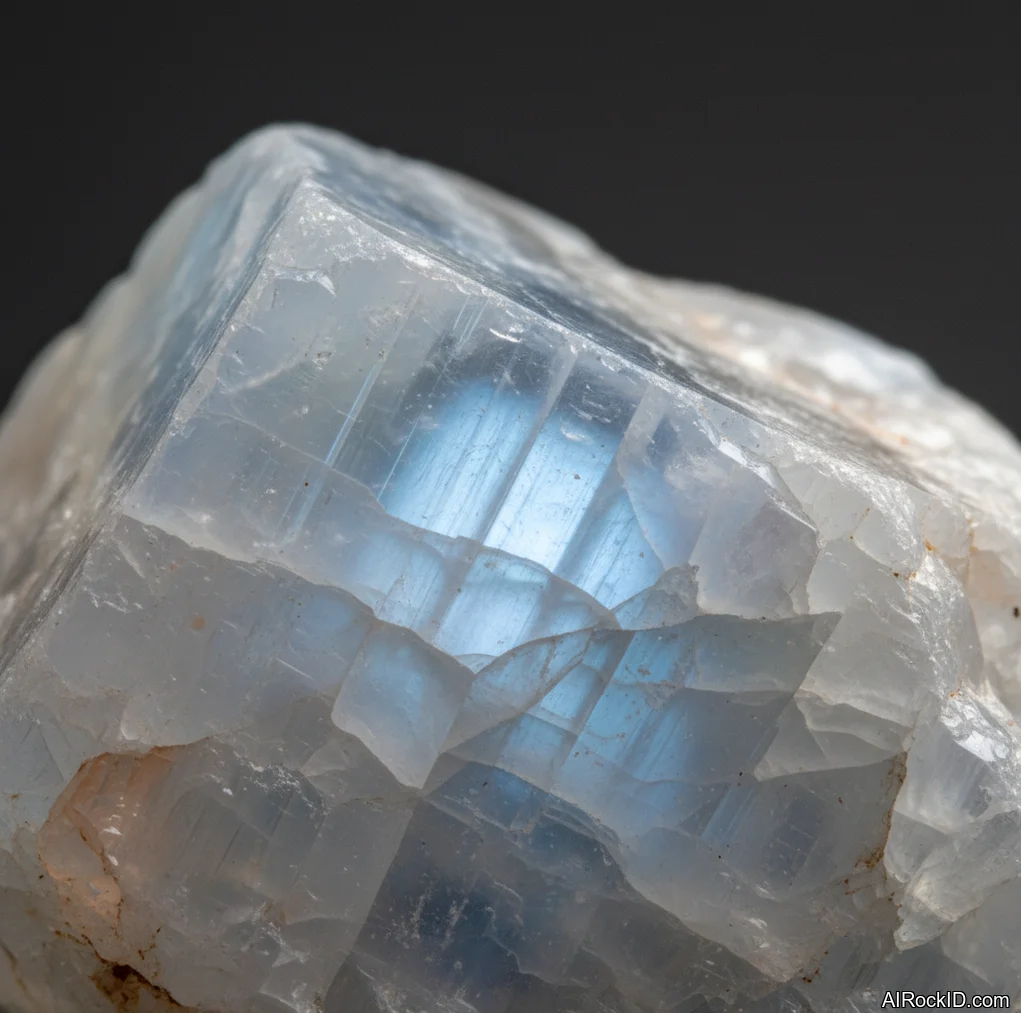
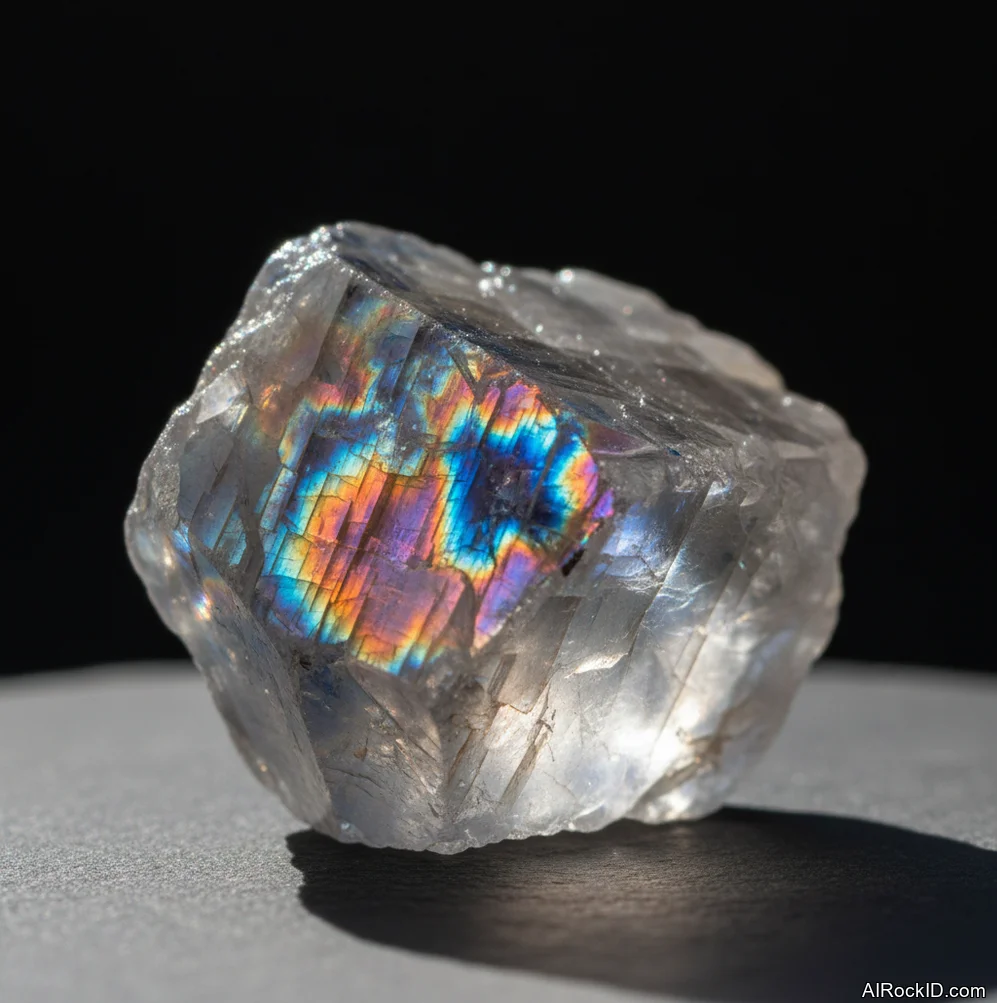
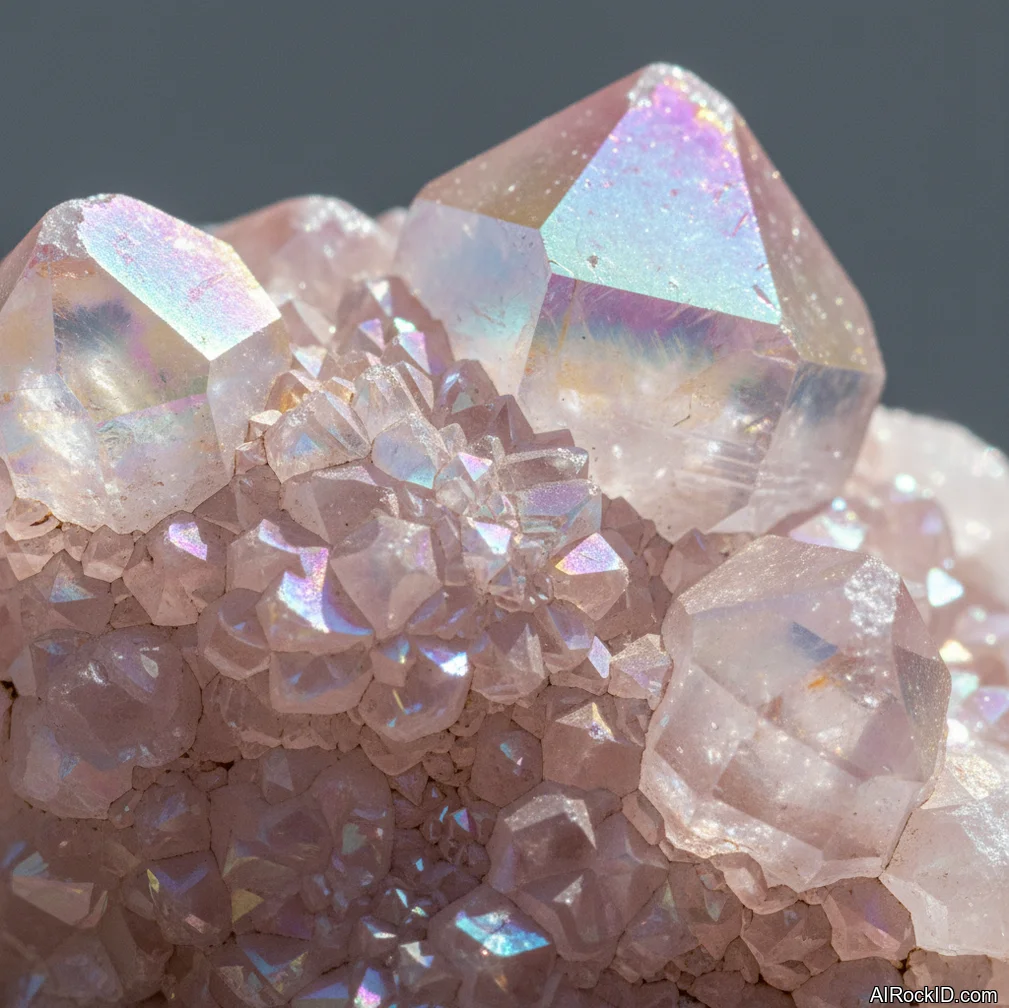
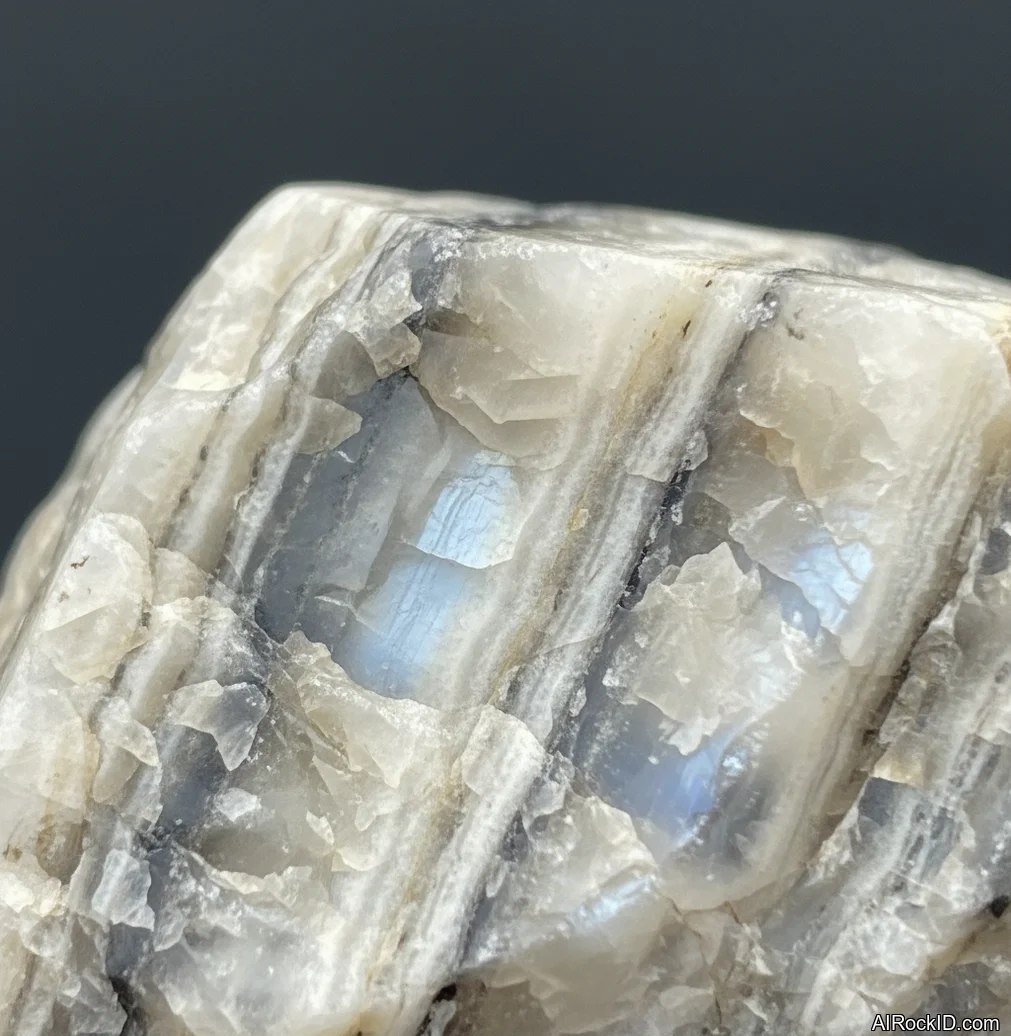
- Moonstone: Traditionally linked with cycles and inner awareness; commonly shows adularescence, a soft floating glow.
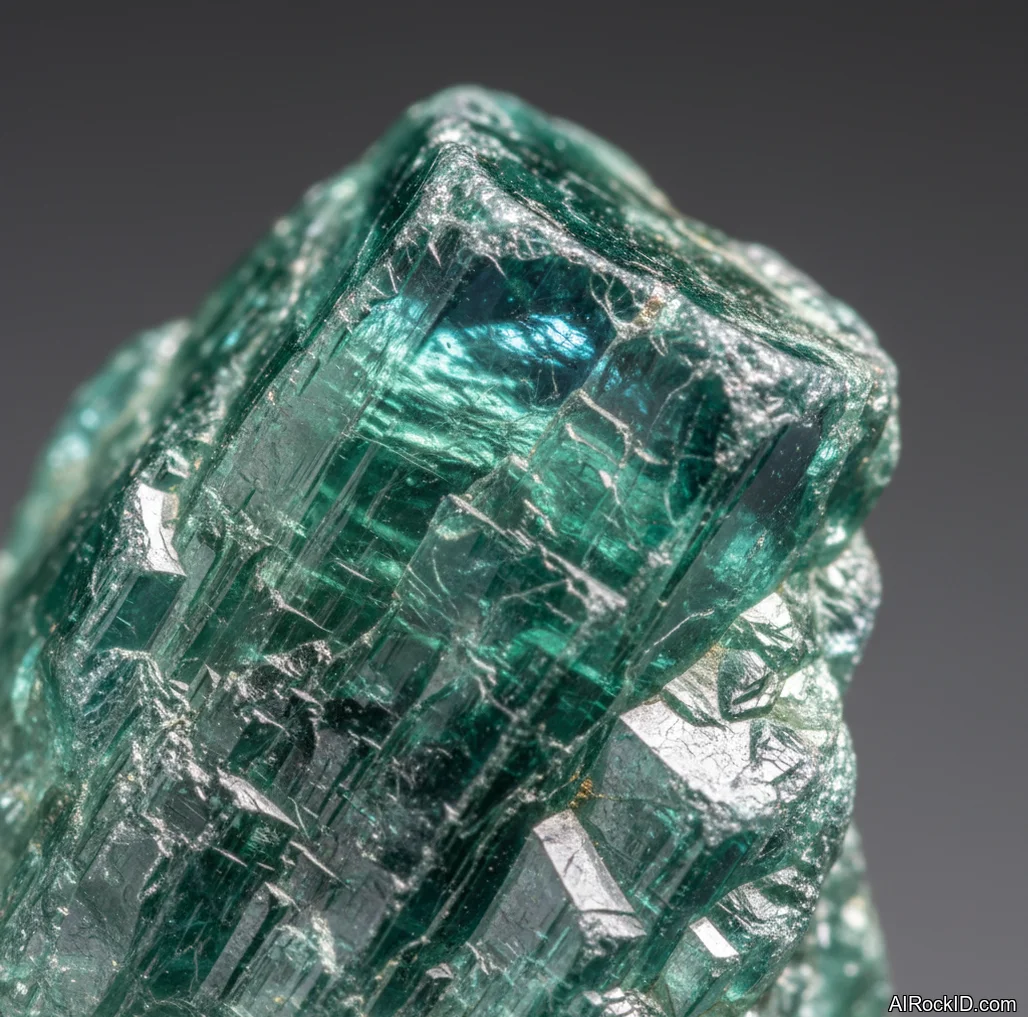
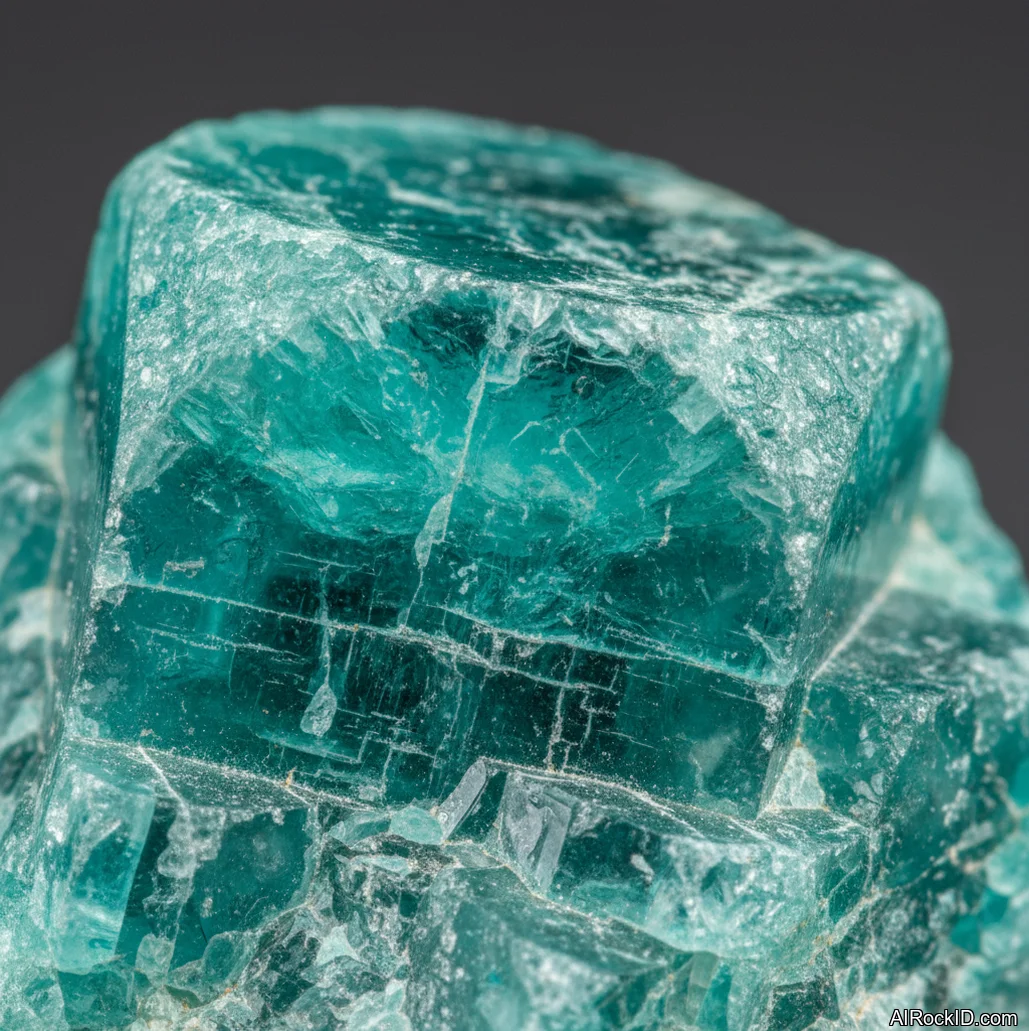
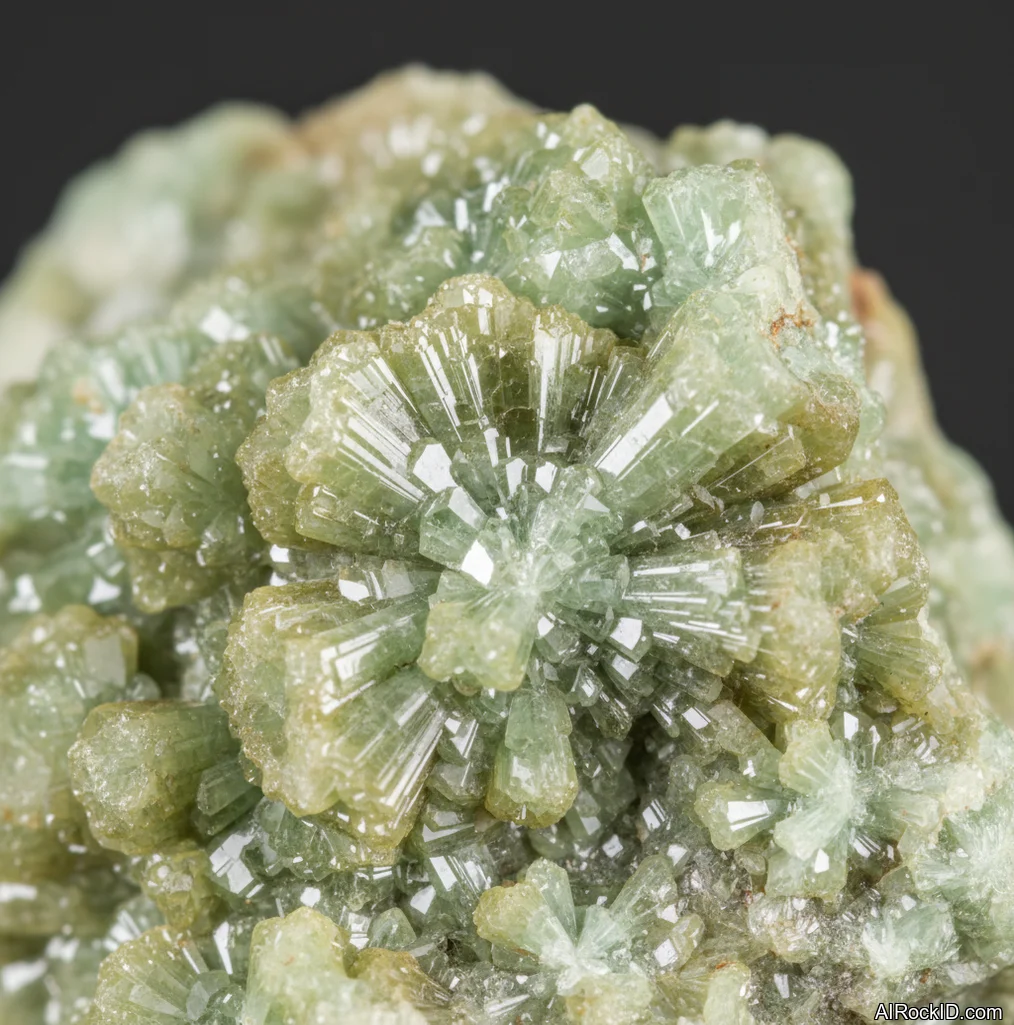
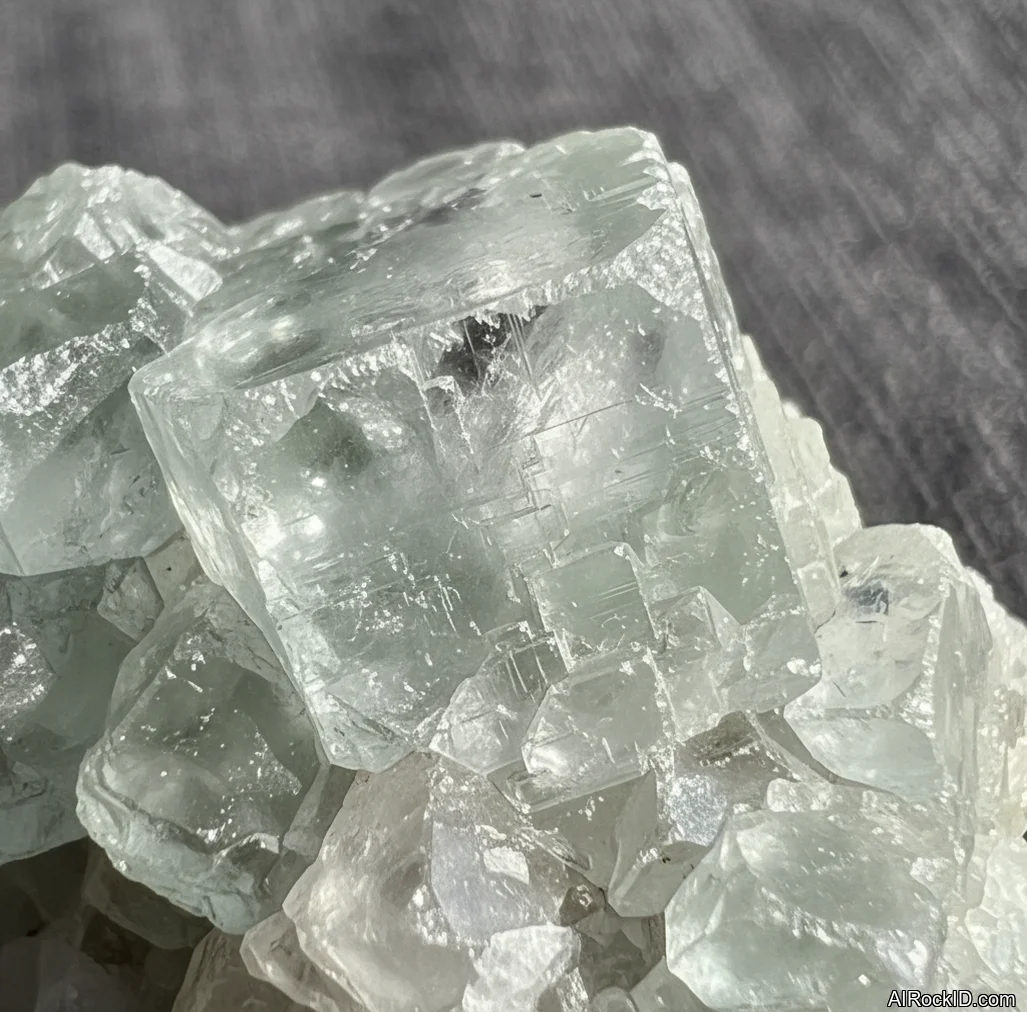
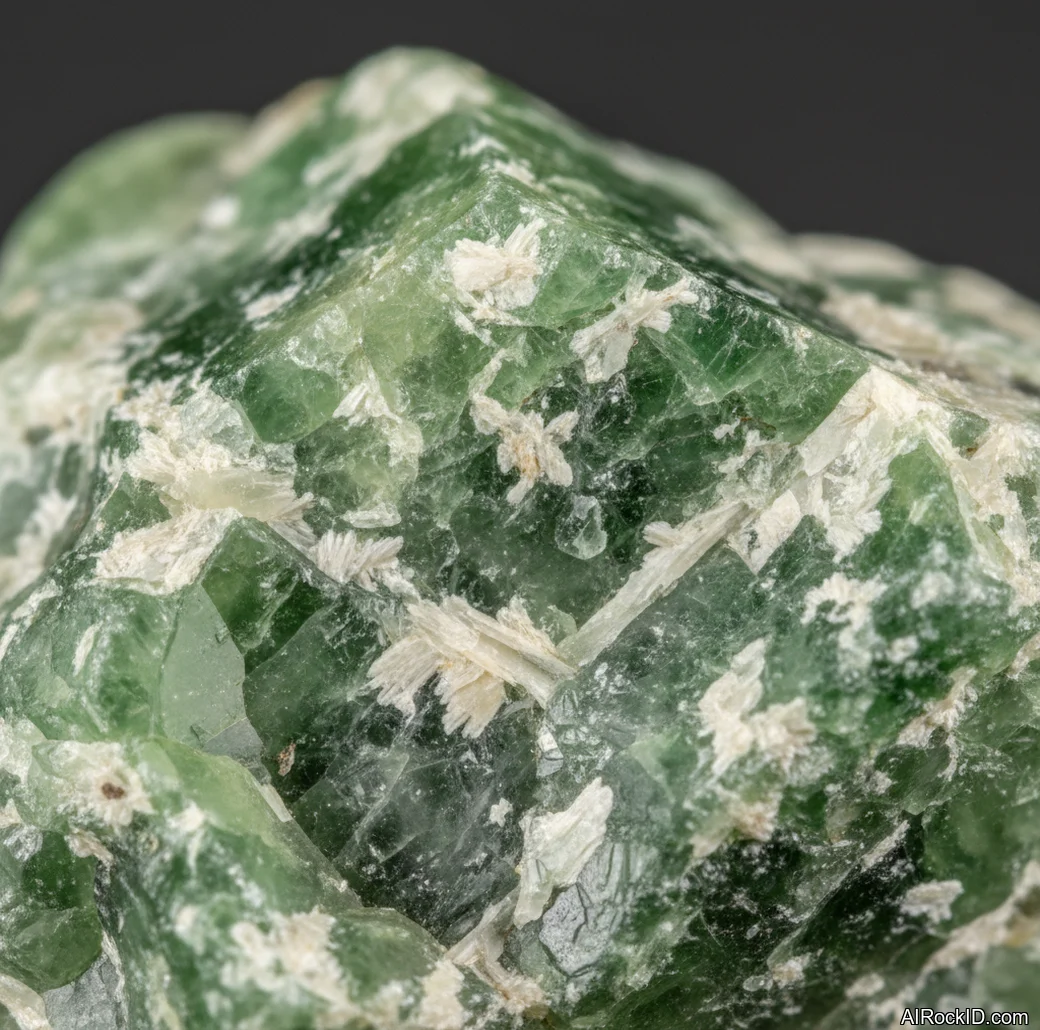
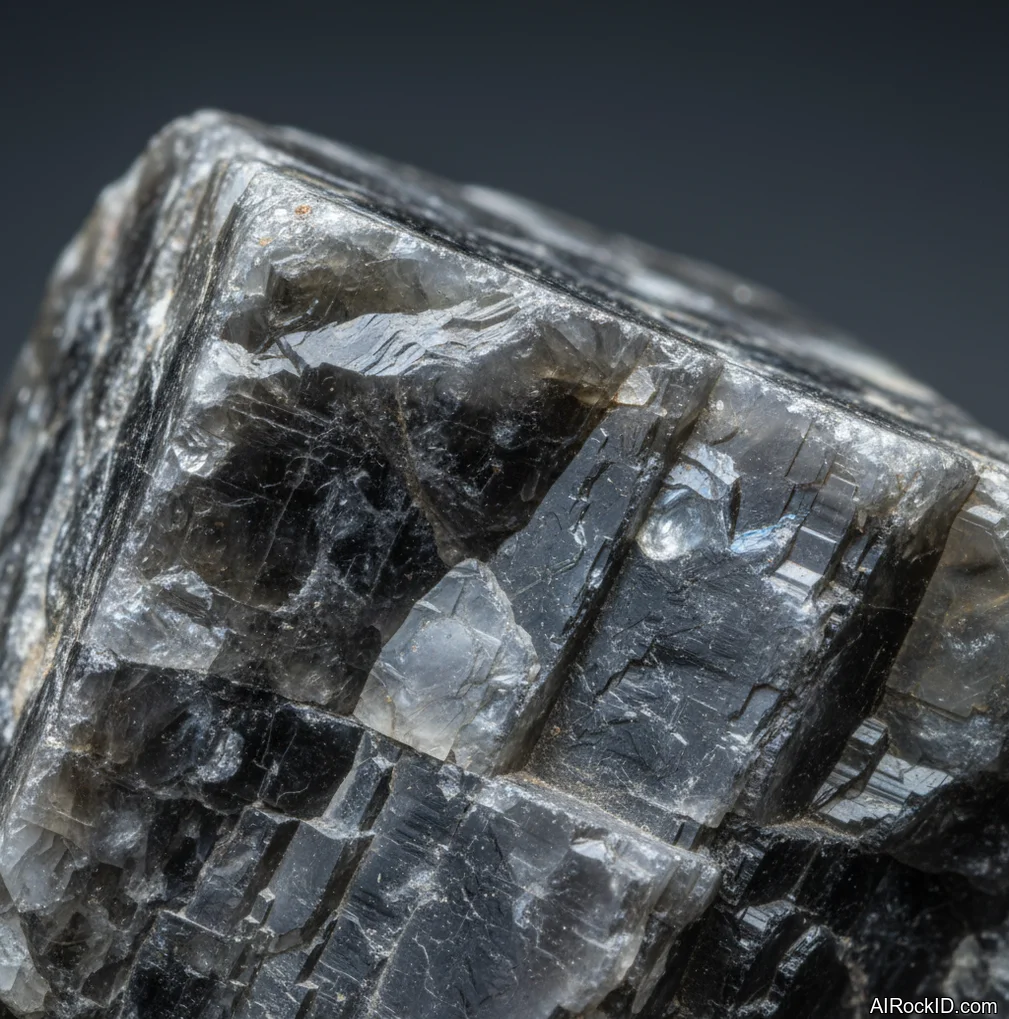
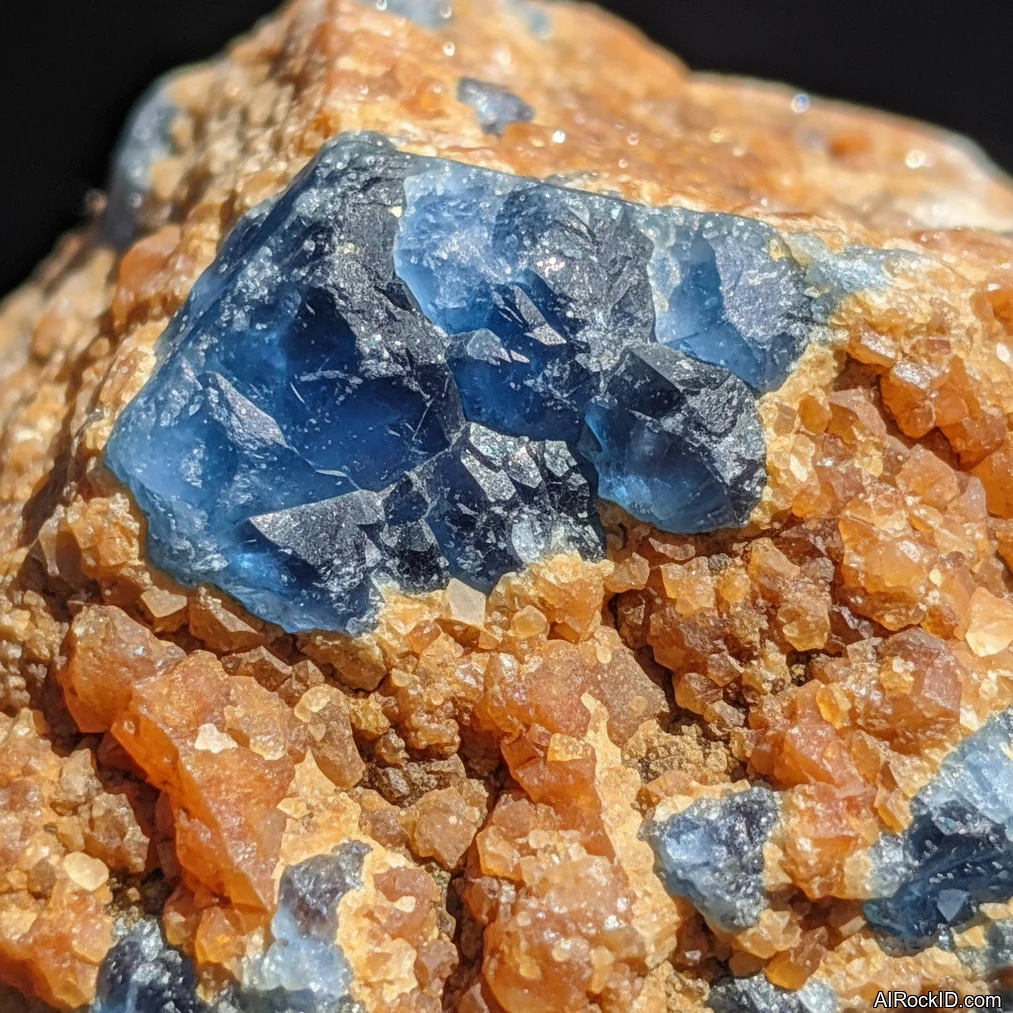
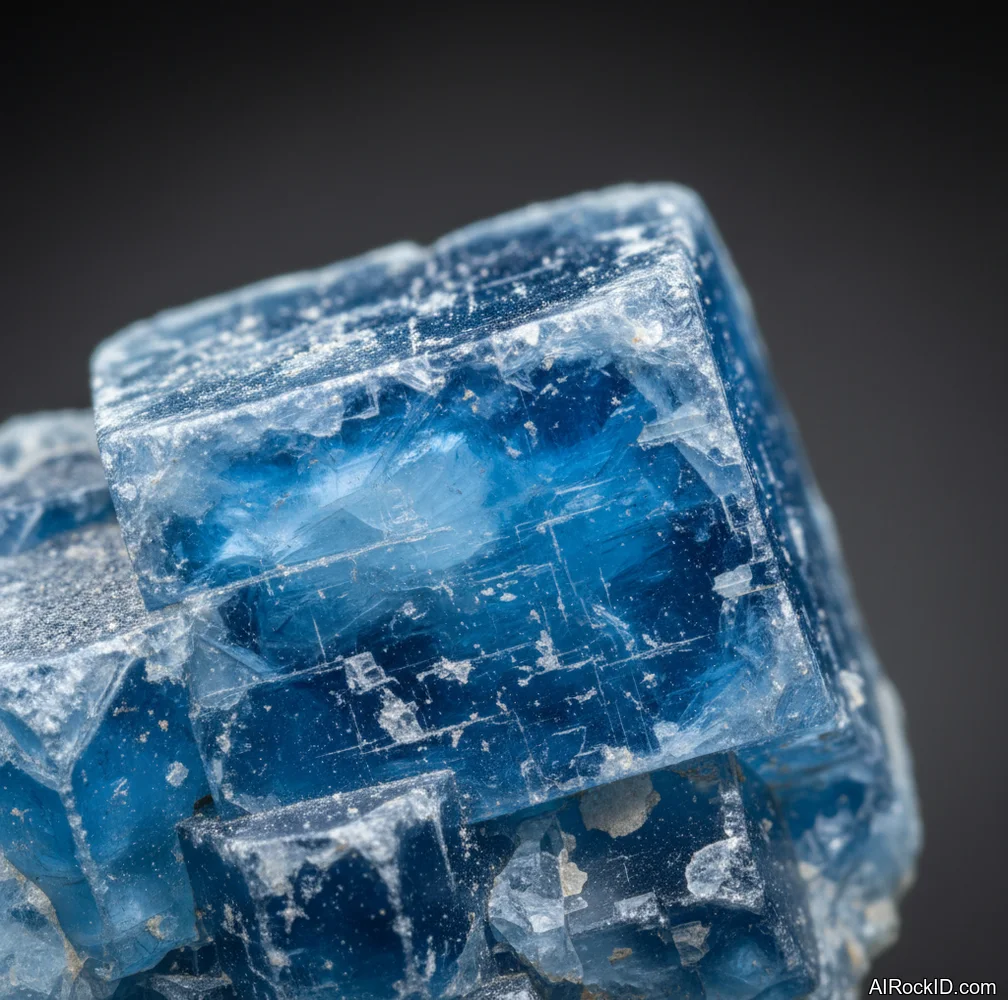
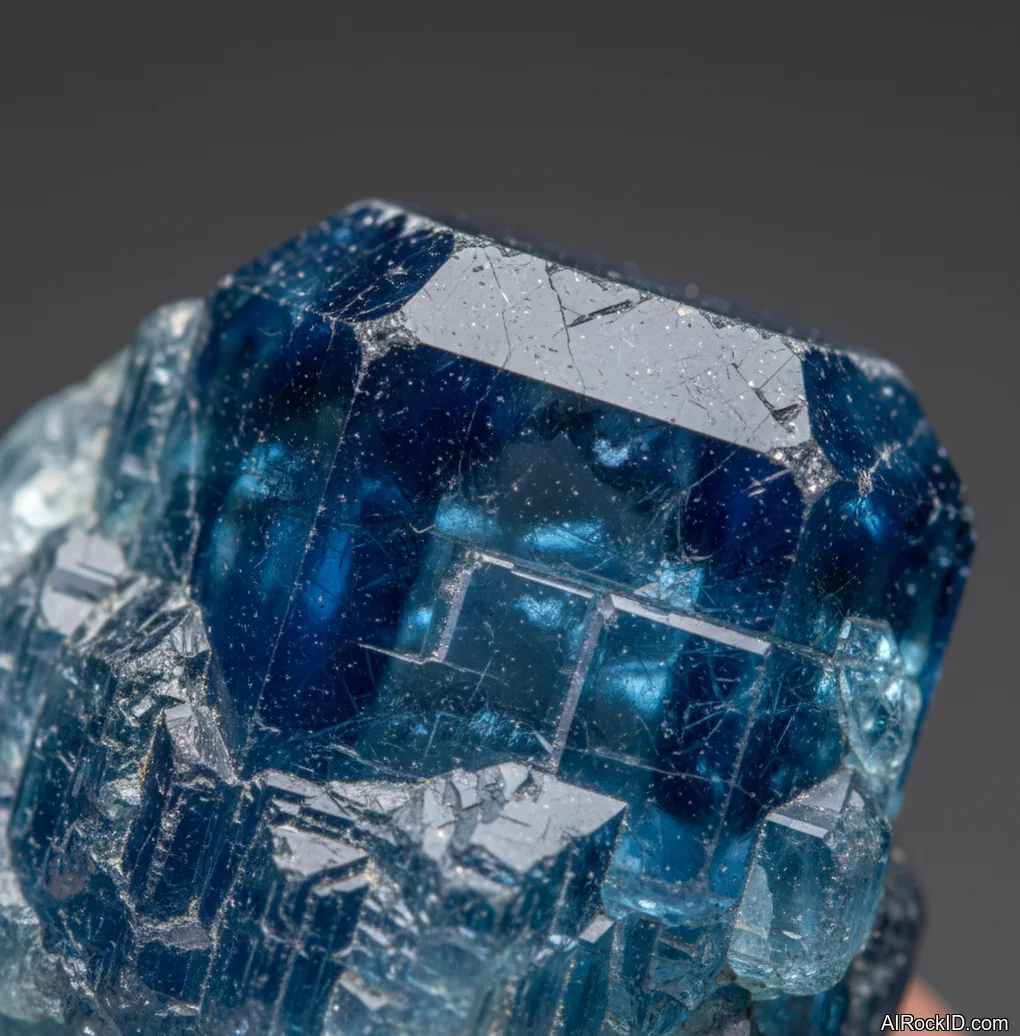
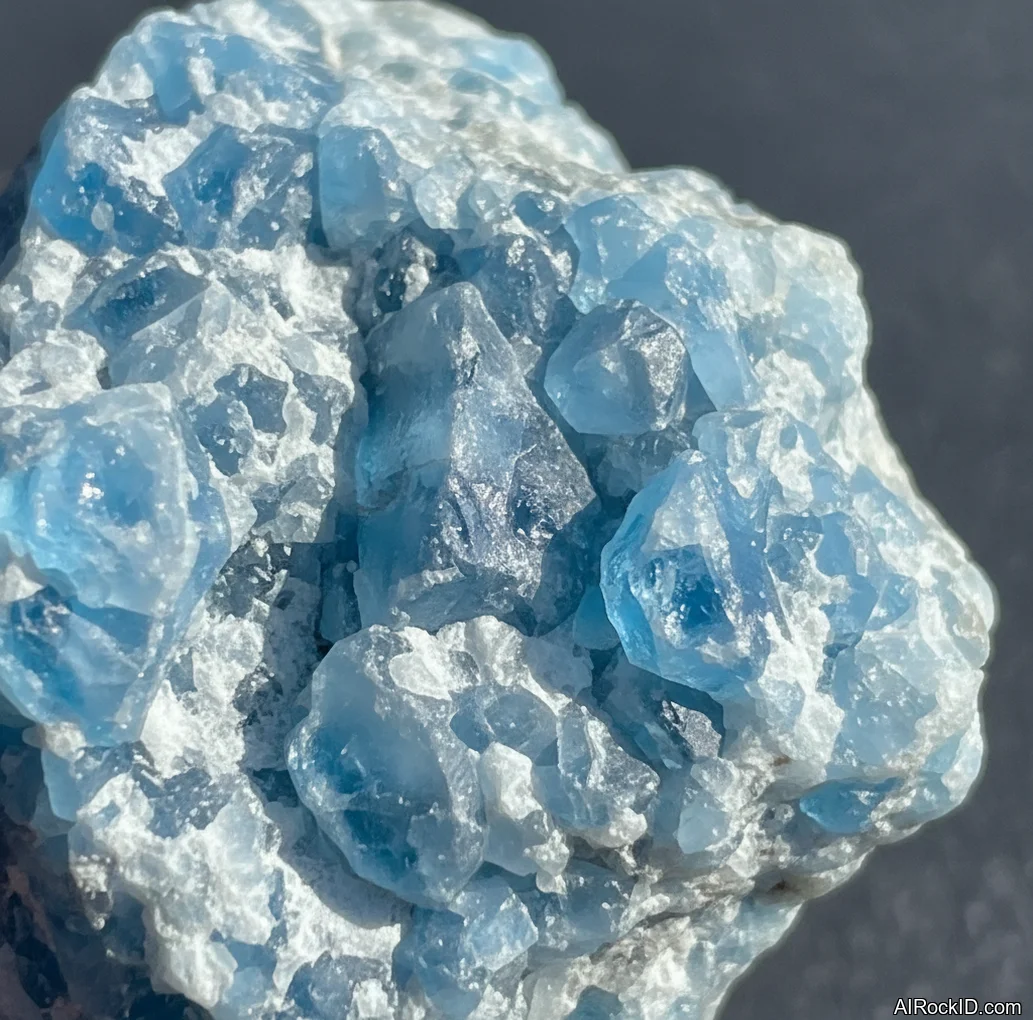
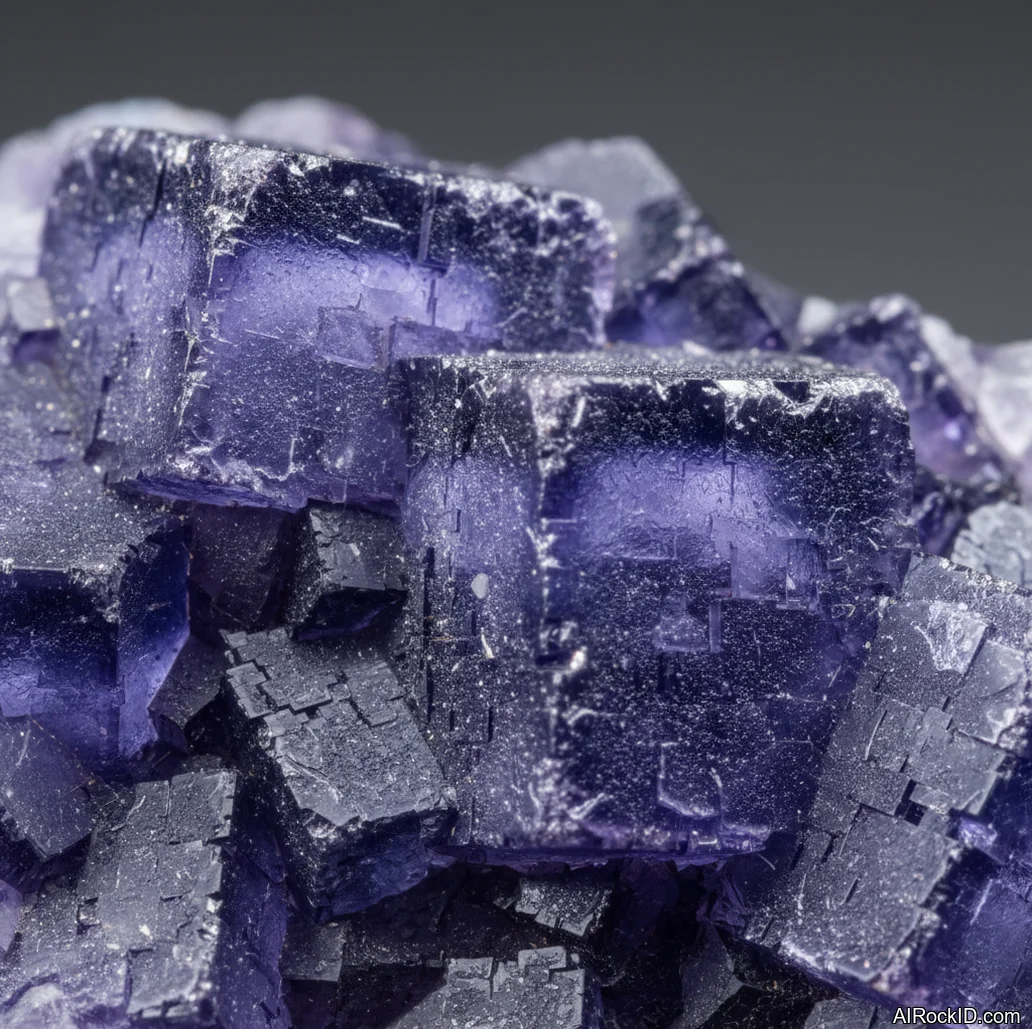
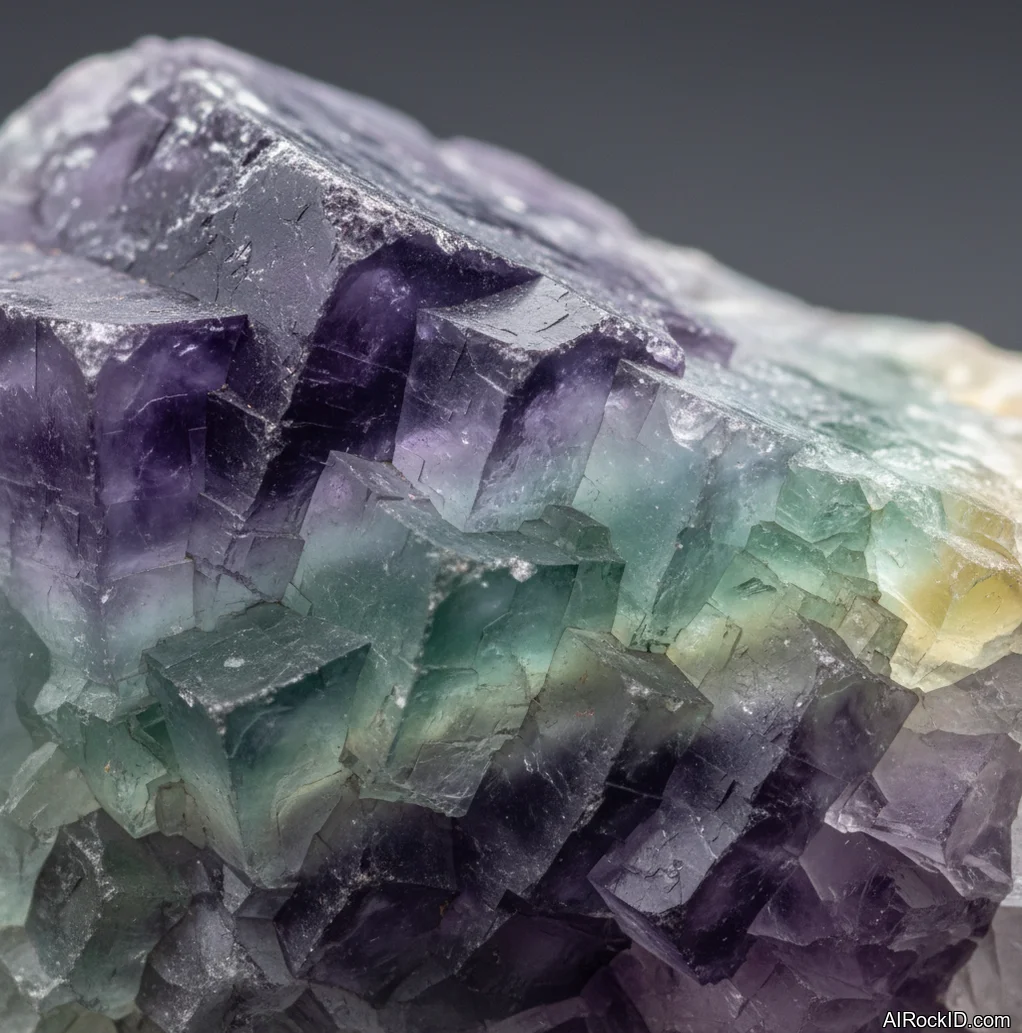
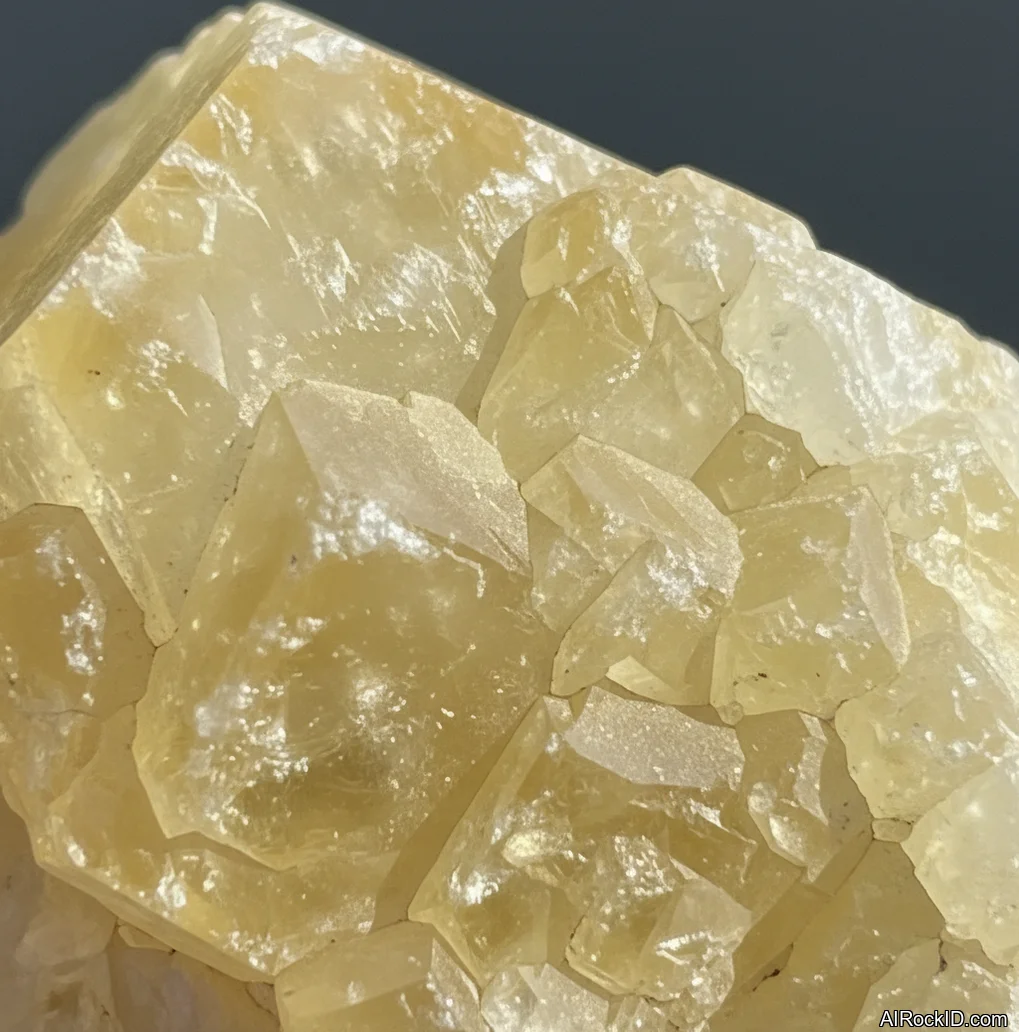
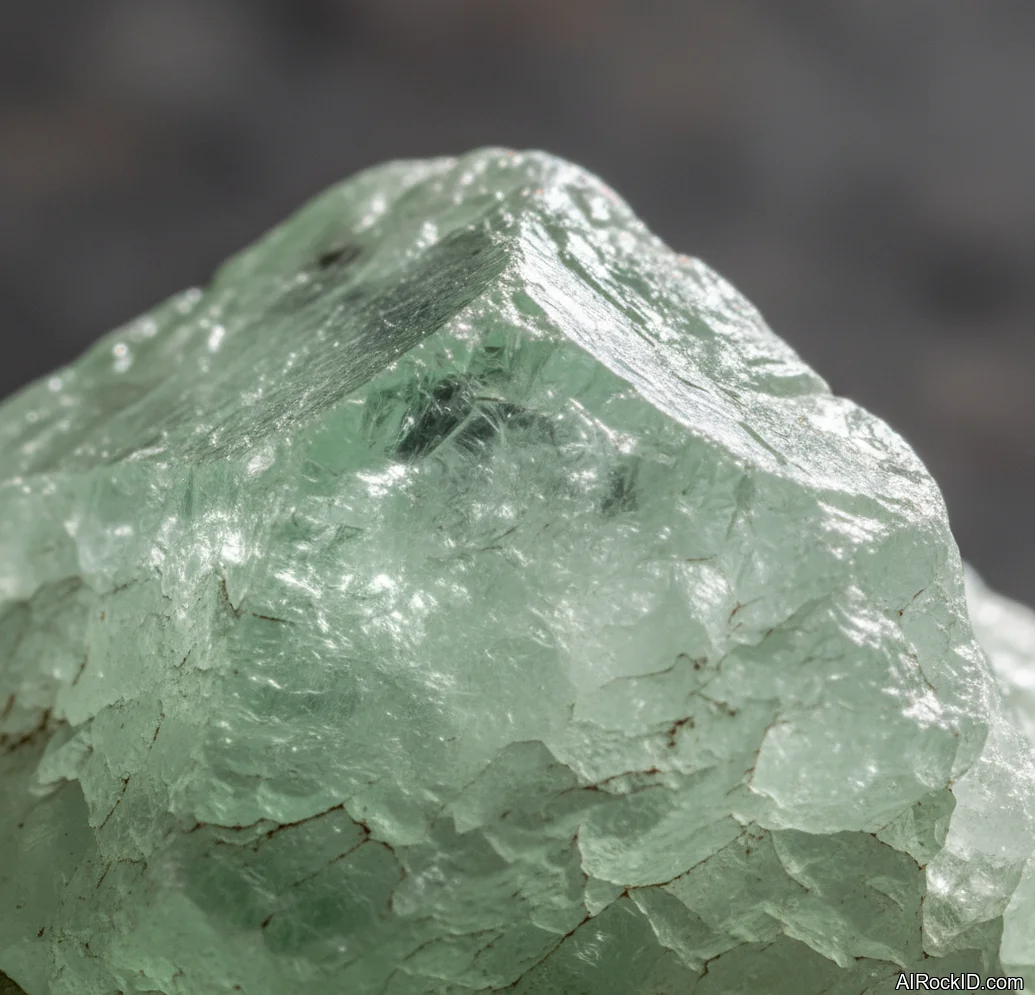
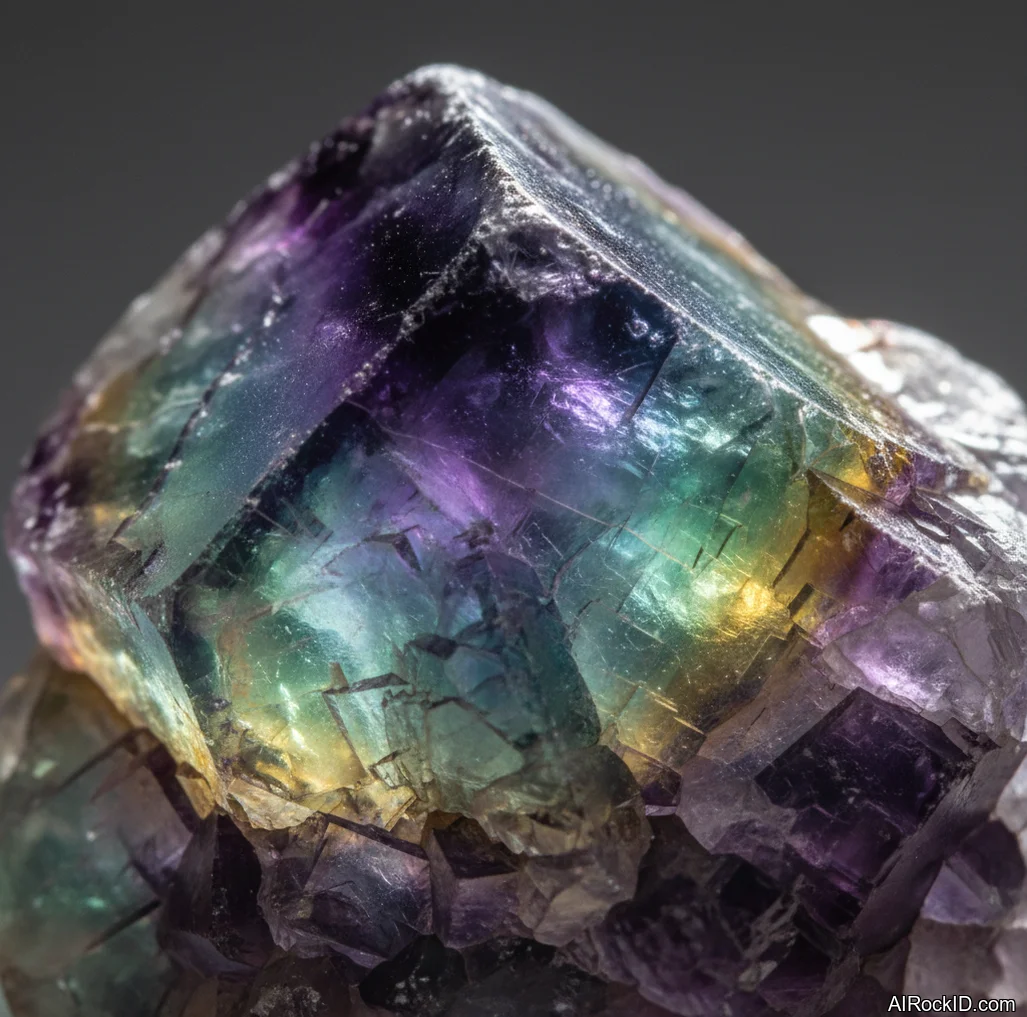
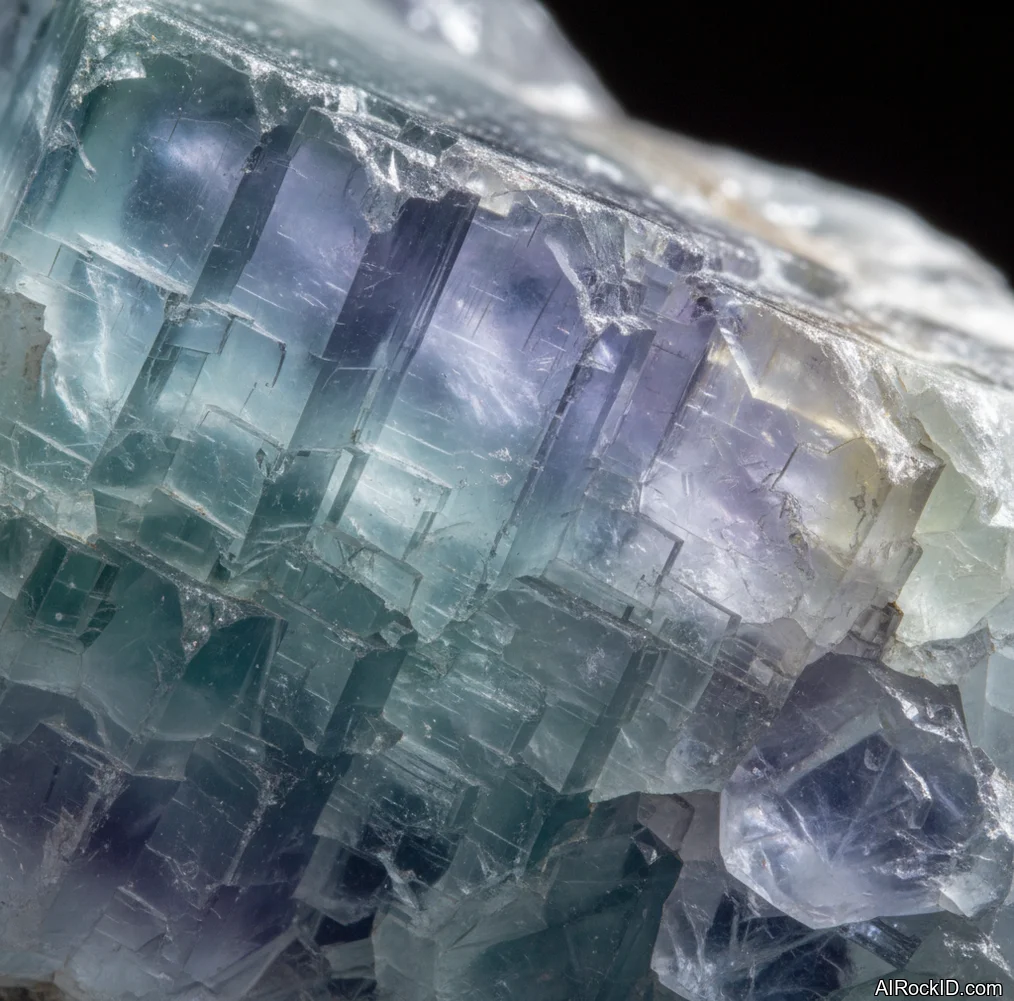
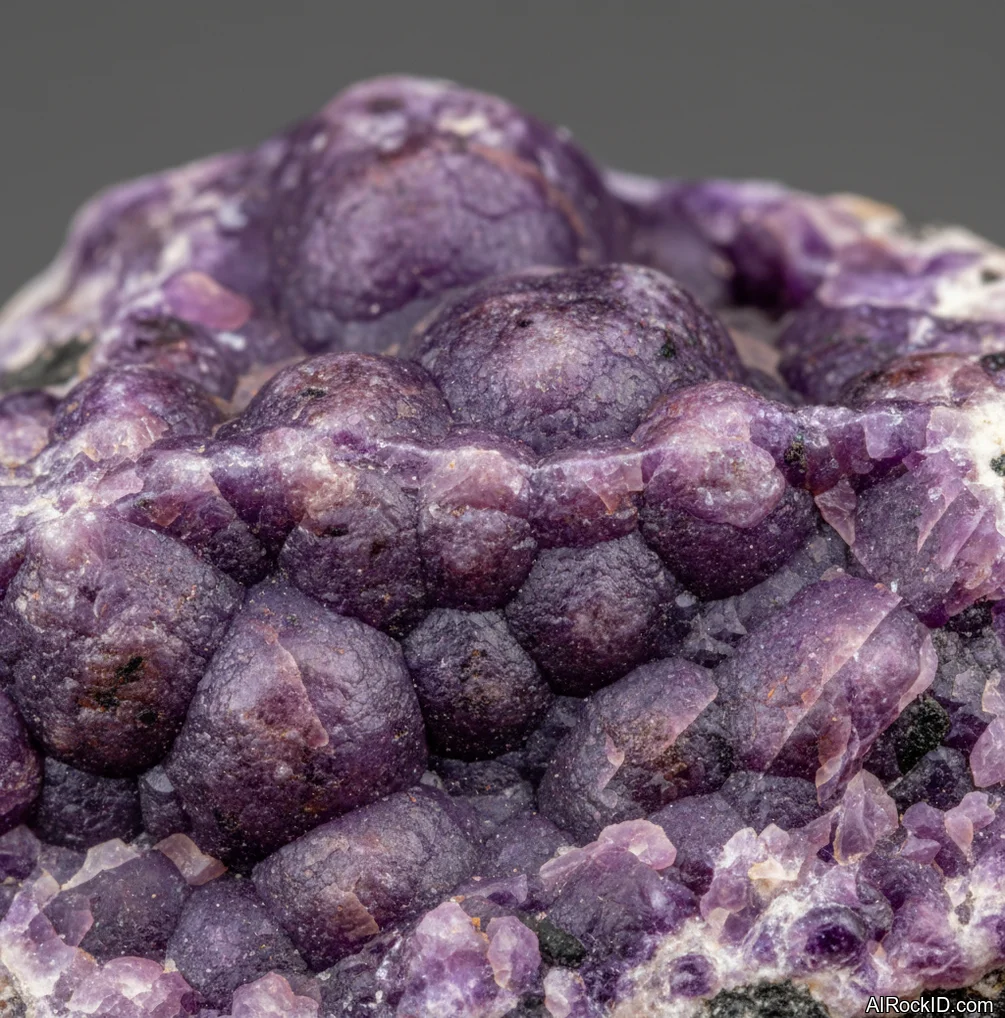
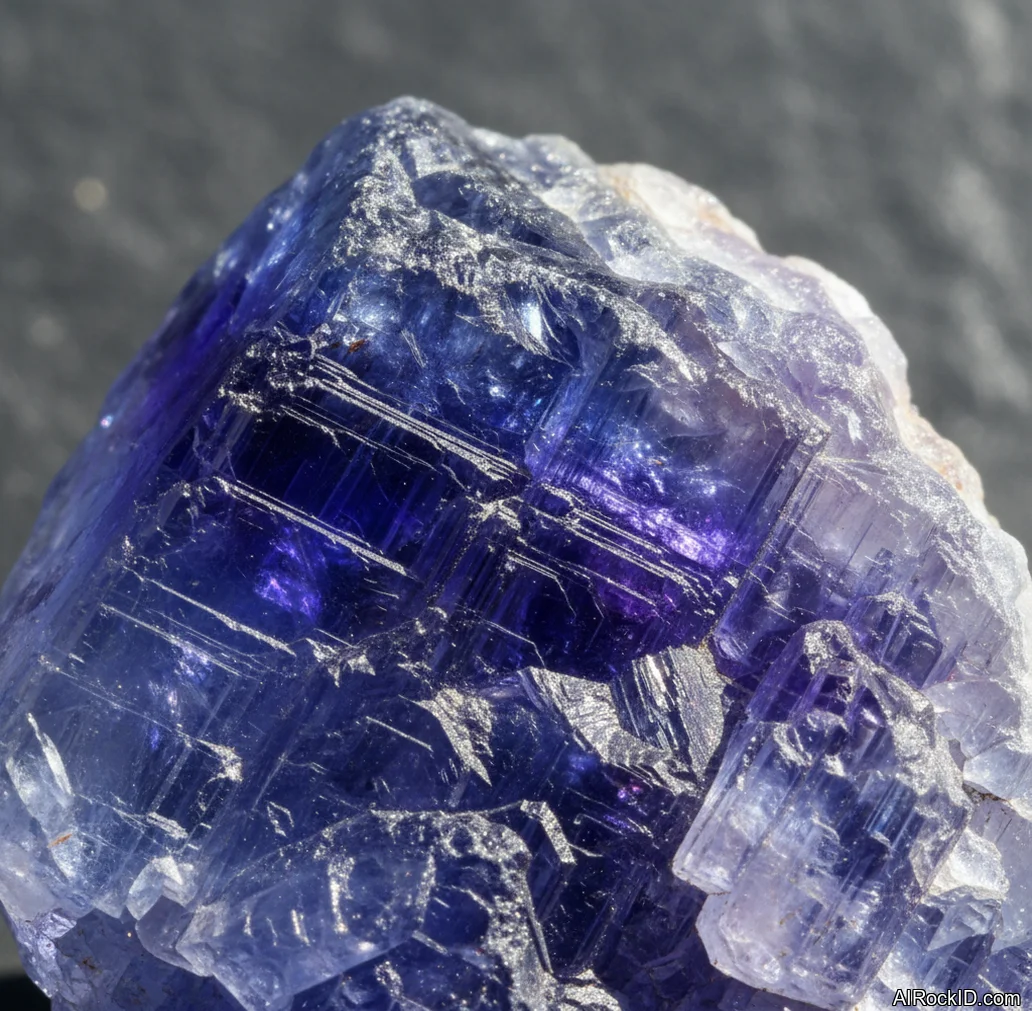
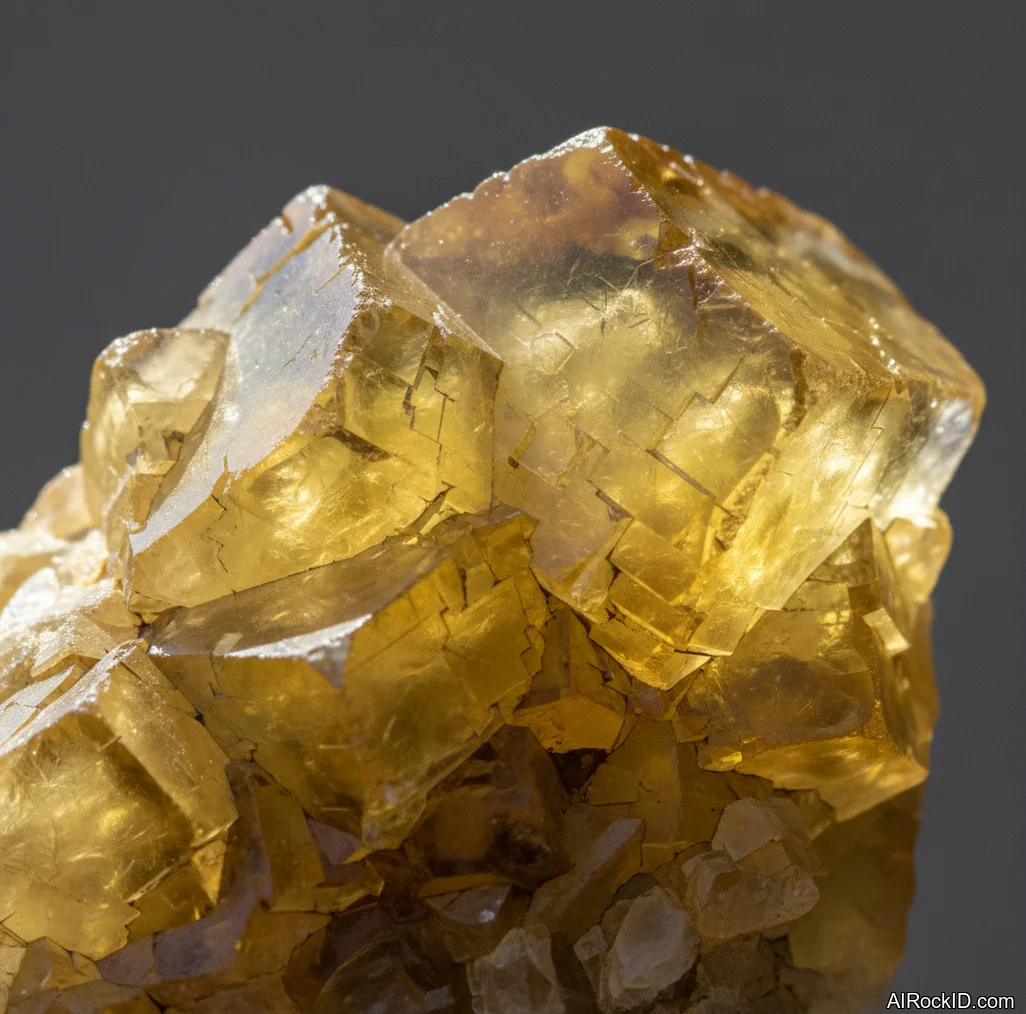
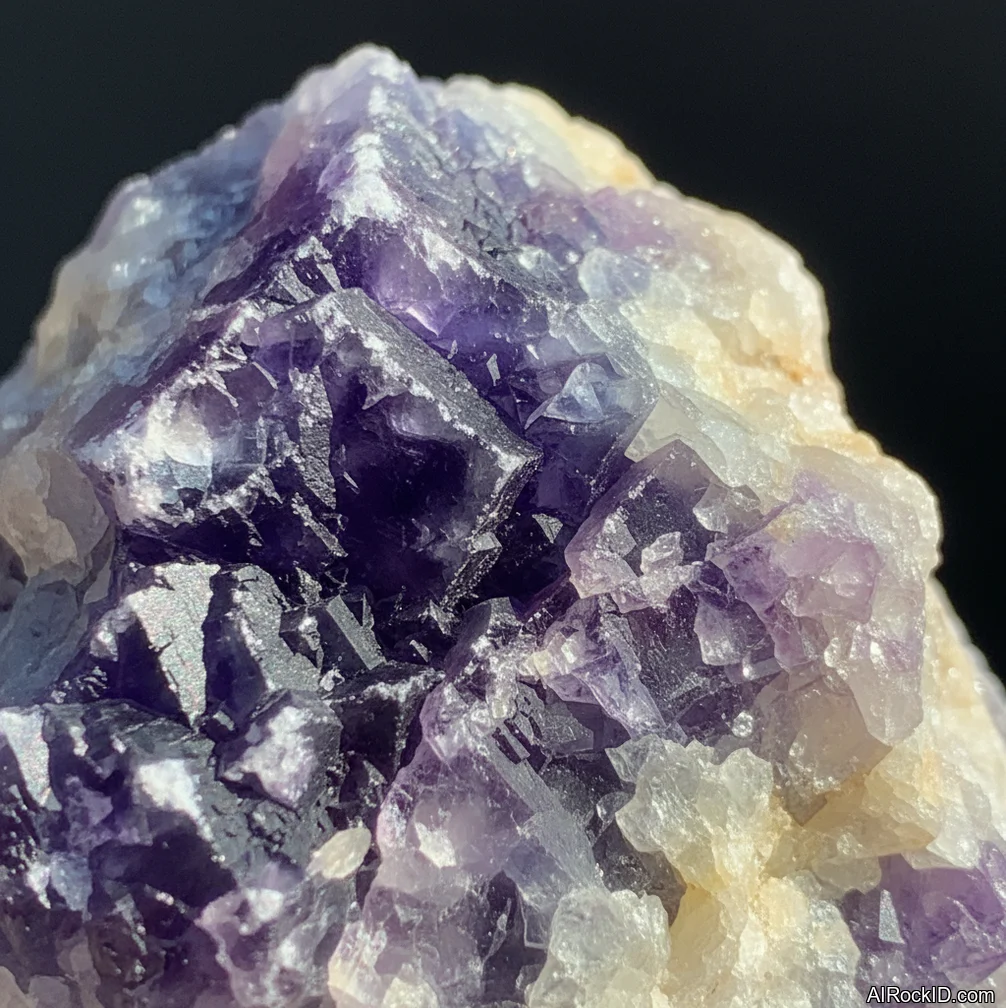
- Fluorite: Often associated with mental clarity and organization; typically has cubic cleavage and may appear in purple, green, blue, or banded forms.
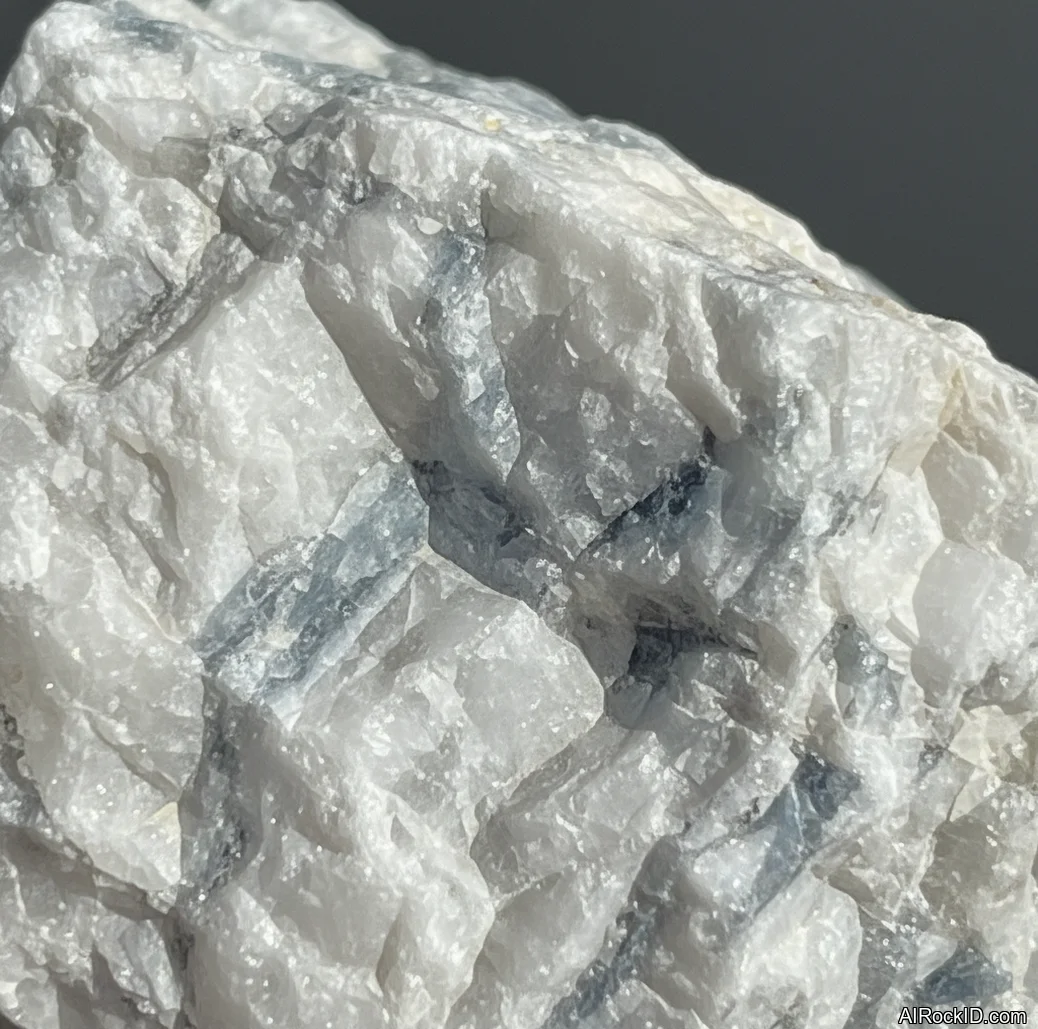
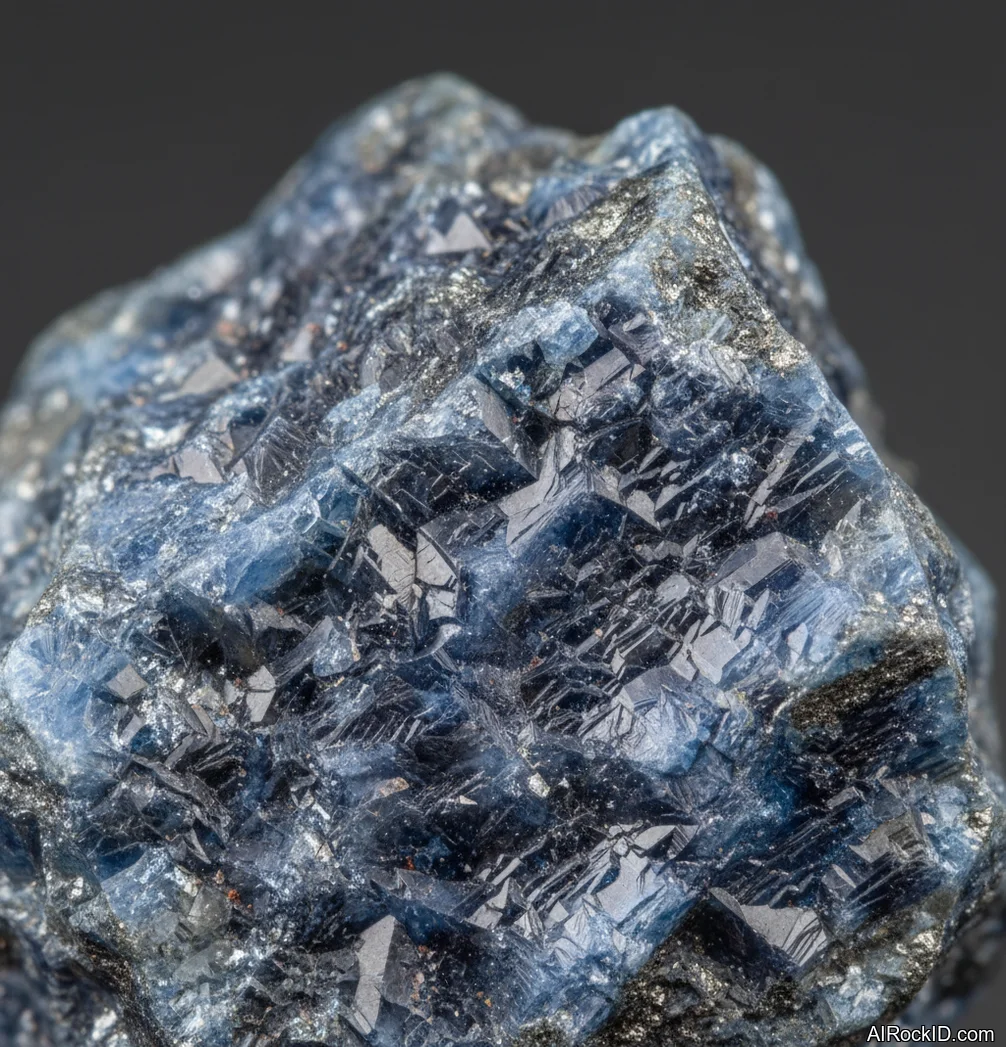
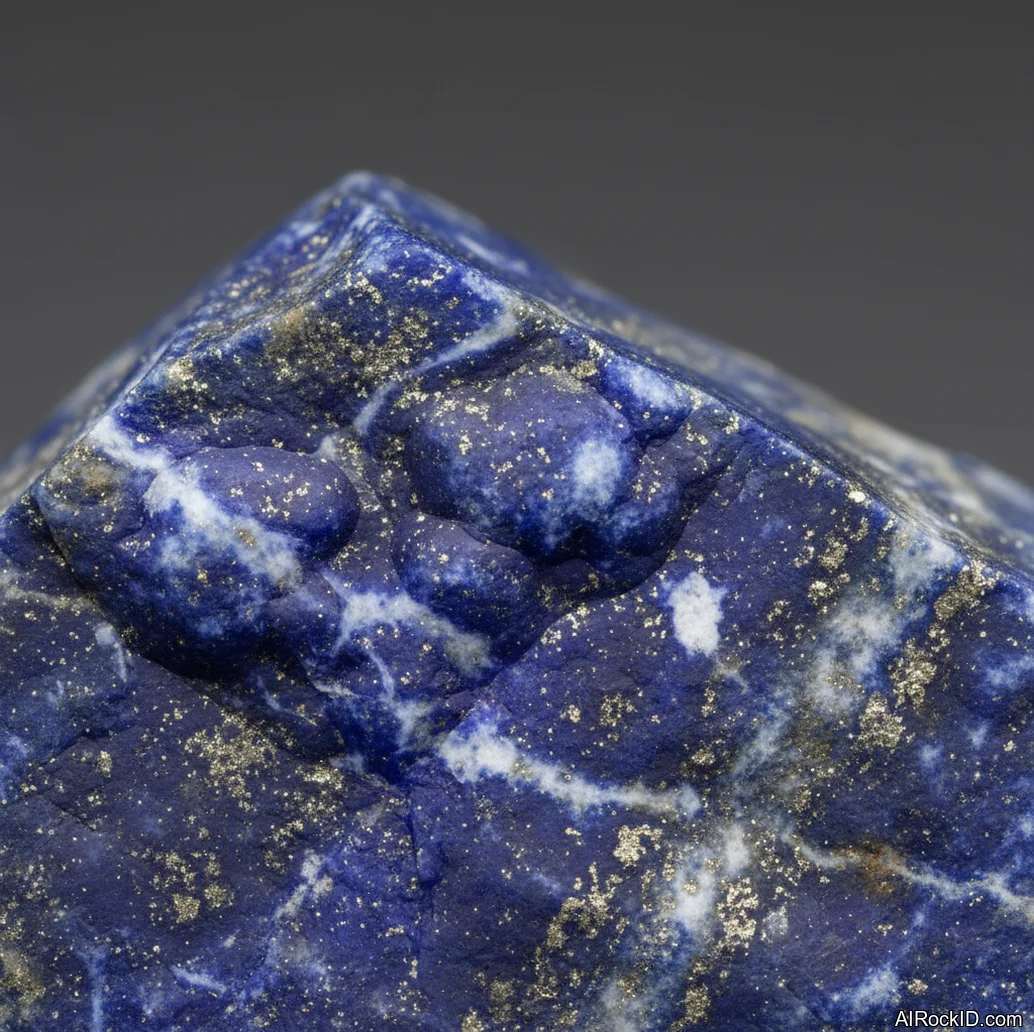
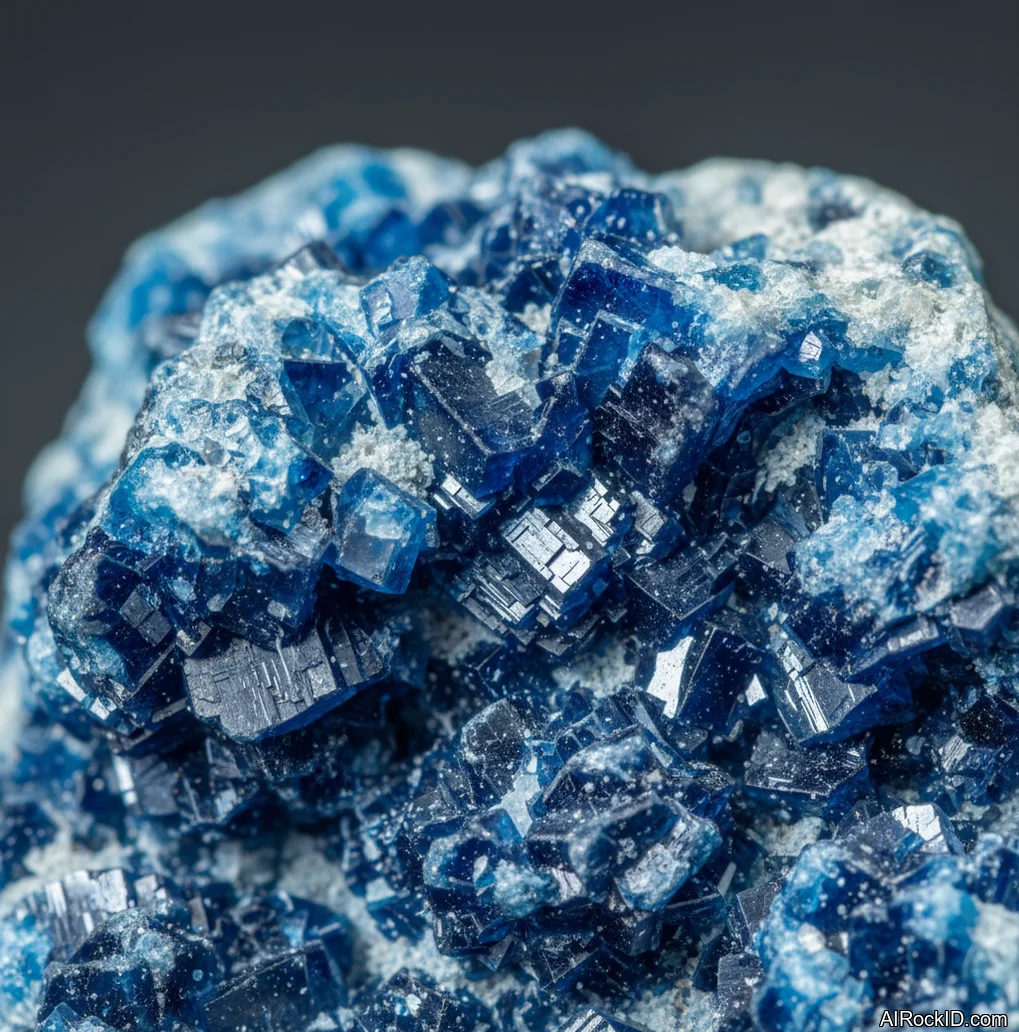
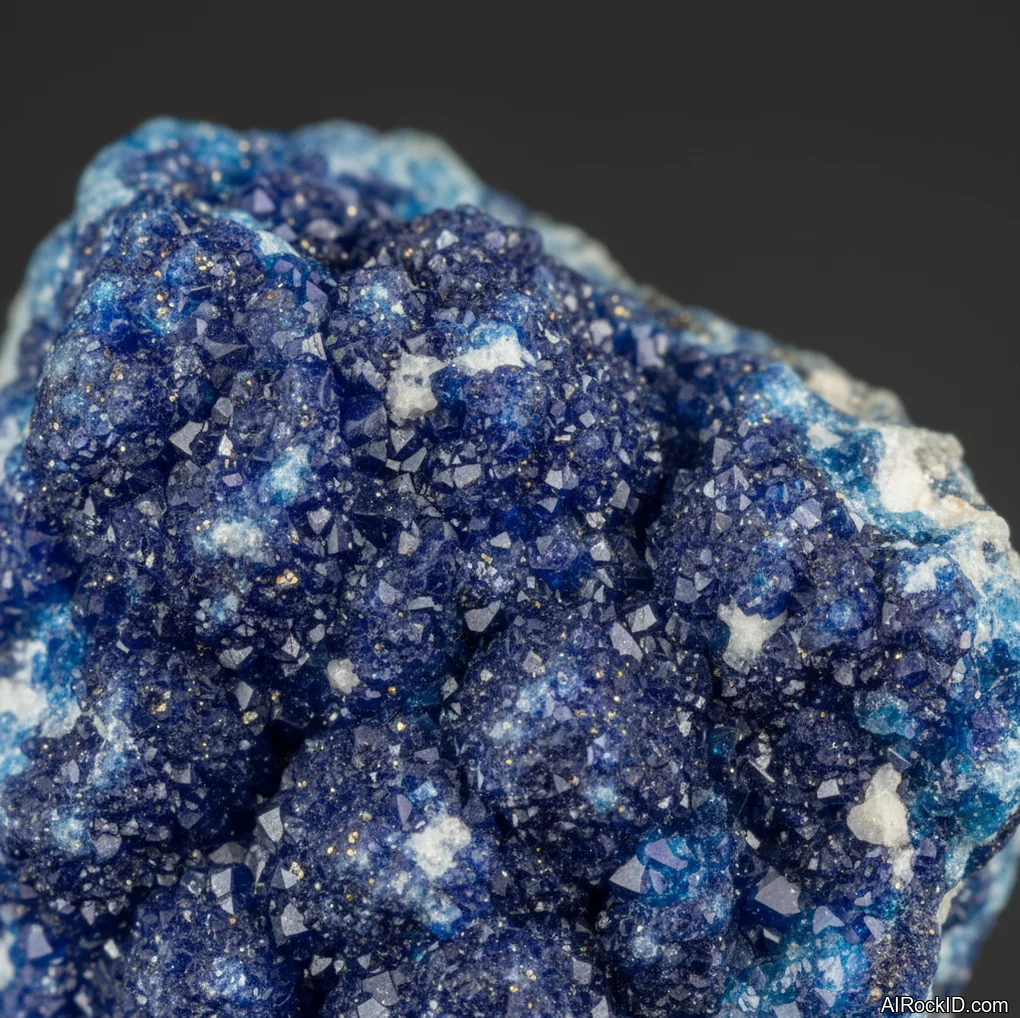
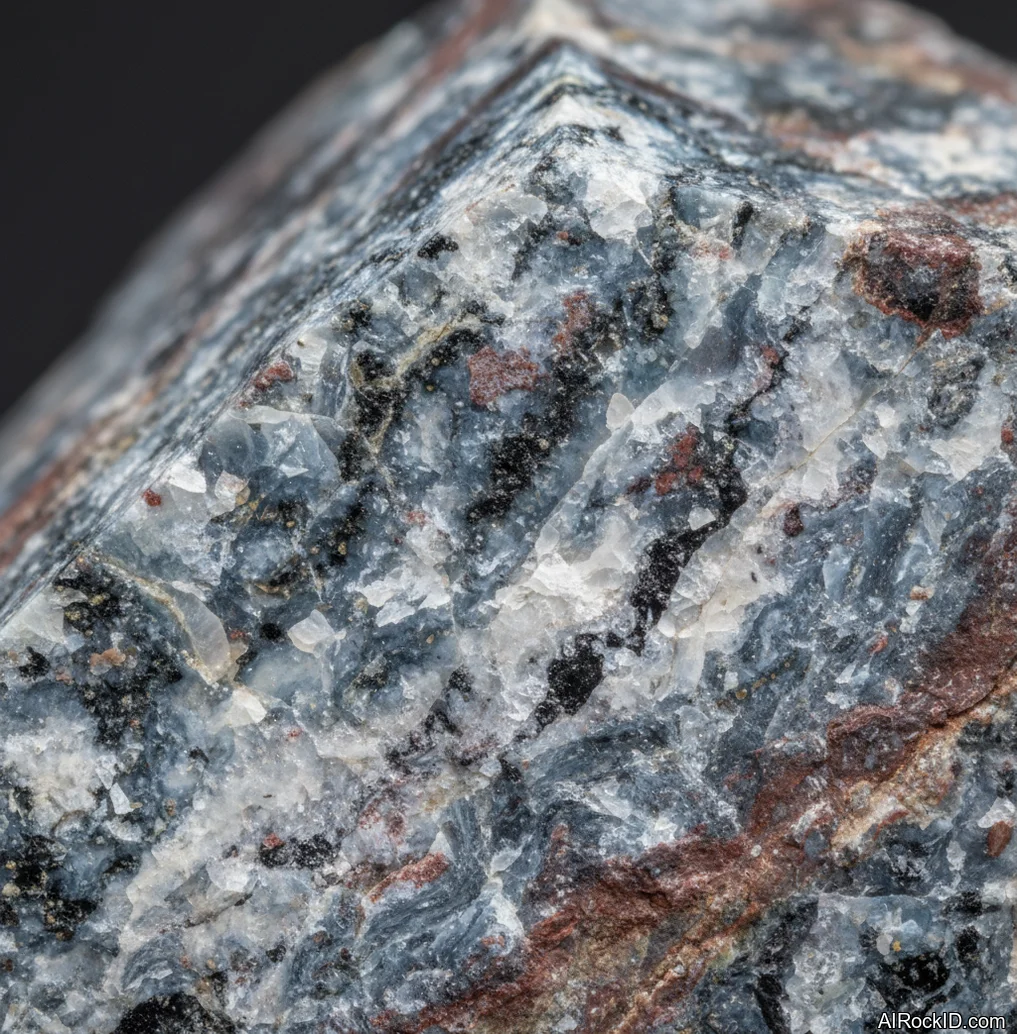
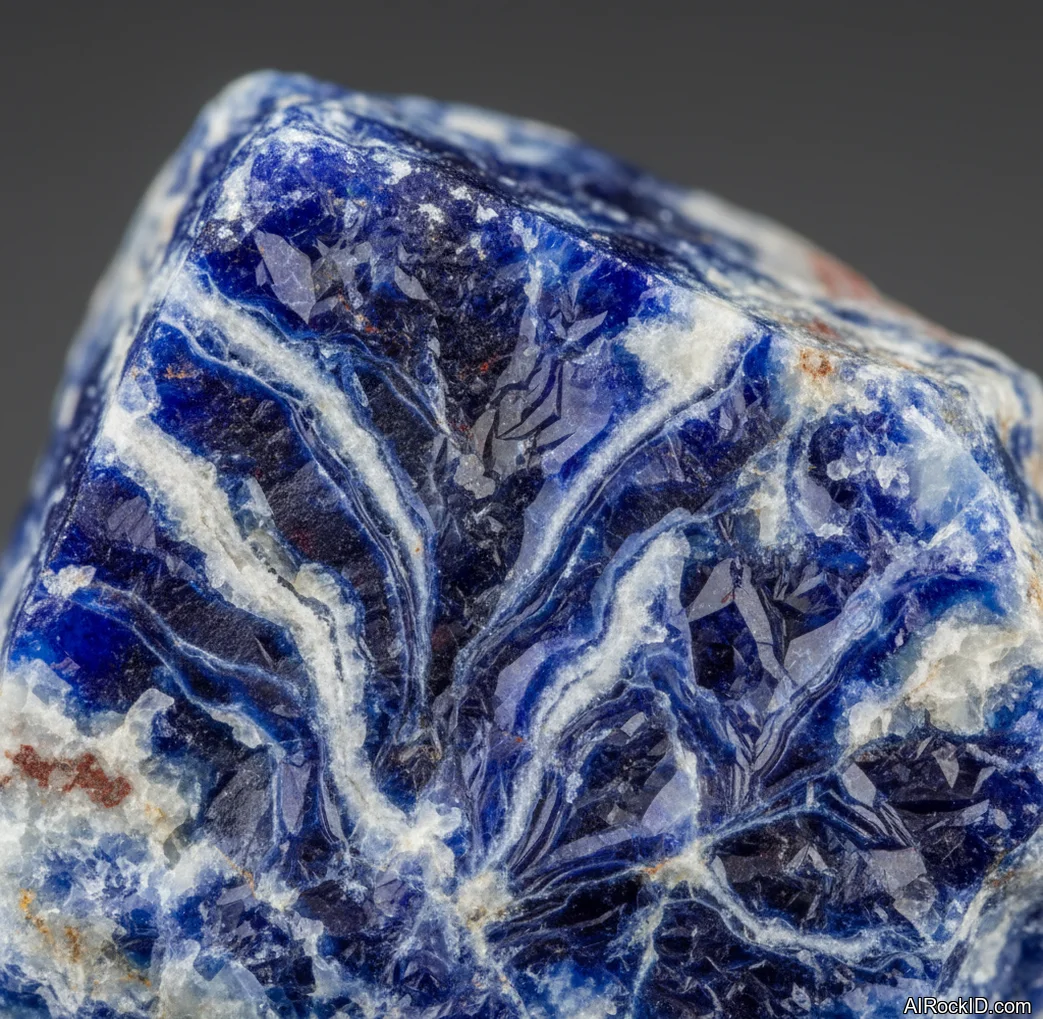
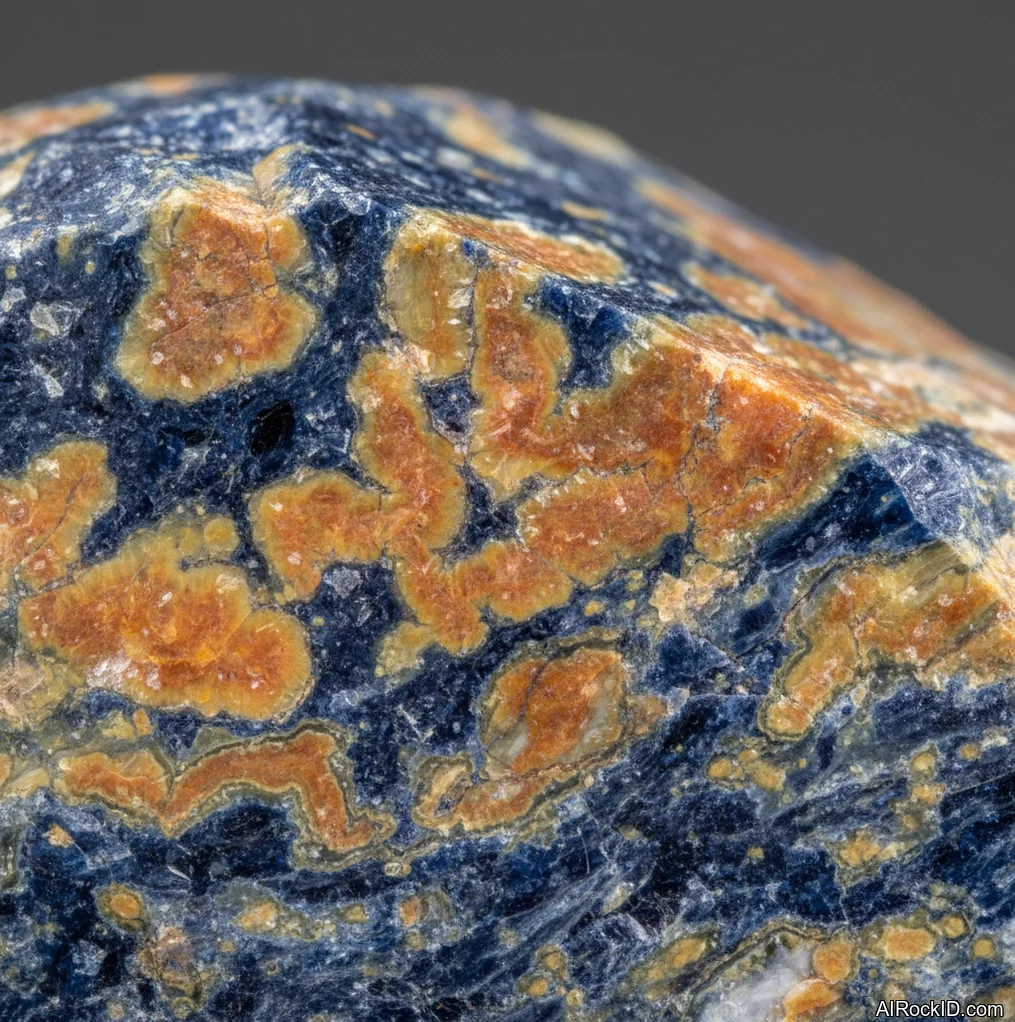
- Sodalite: Frequently used for self-expression and rational reflection; usually blue with white veining and lacks the pyrite flecks of lapis lazuli.
AI identification confidence
AI identification is usually more reliable when the photo shows natural color, surface texture, crystal habit, and any distinctive optical effect. Confidence may be lower for polished stones, dyed material, mixed tumbled lots, or specimens photographed under colored lighting.
When AI gets it wrong
- A polished or tumbled stone hides cleavage, crystal form, or matrix details.
- Strong filters, flash glare, or colored lighting distort the stone’s natural appearance.
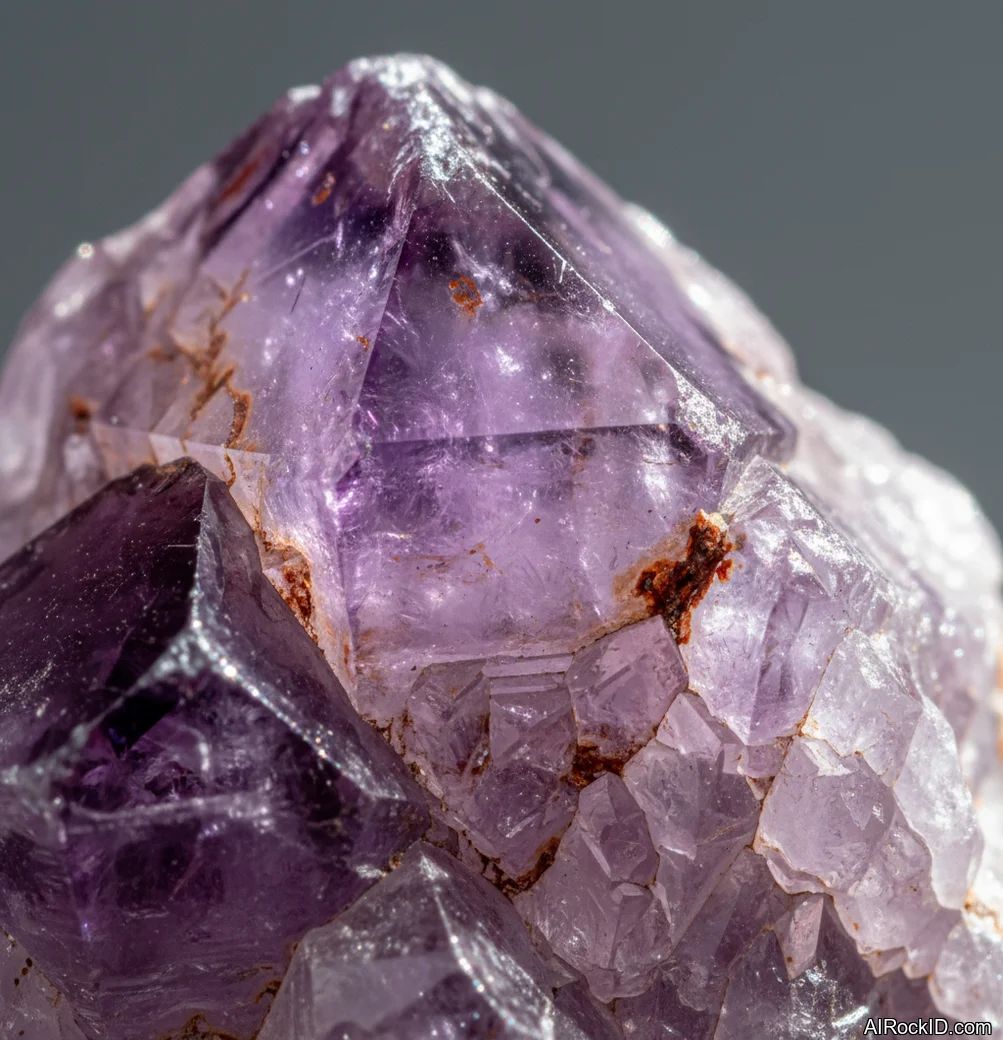
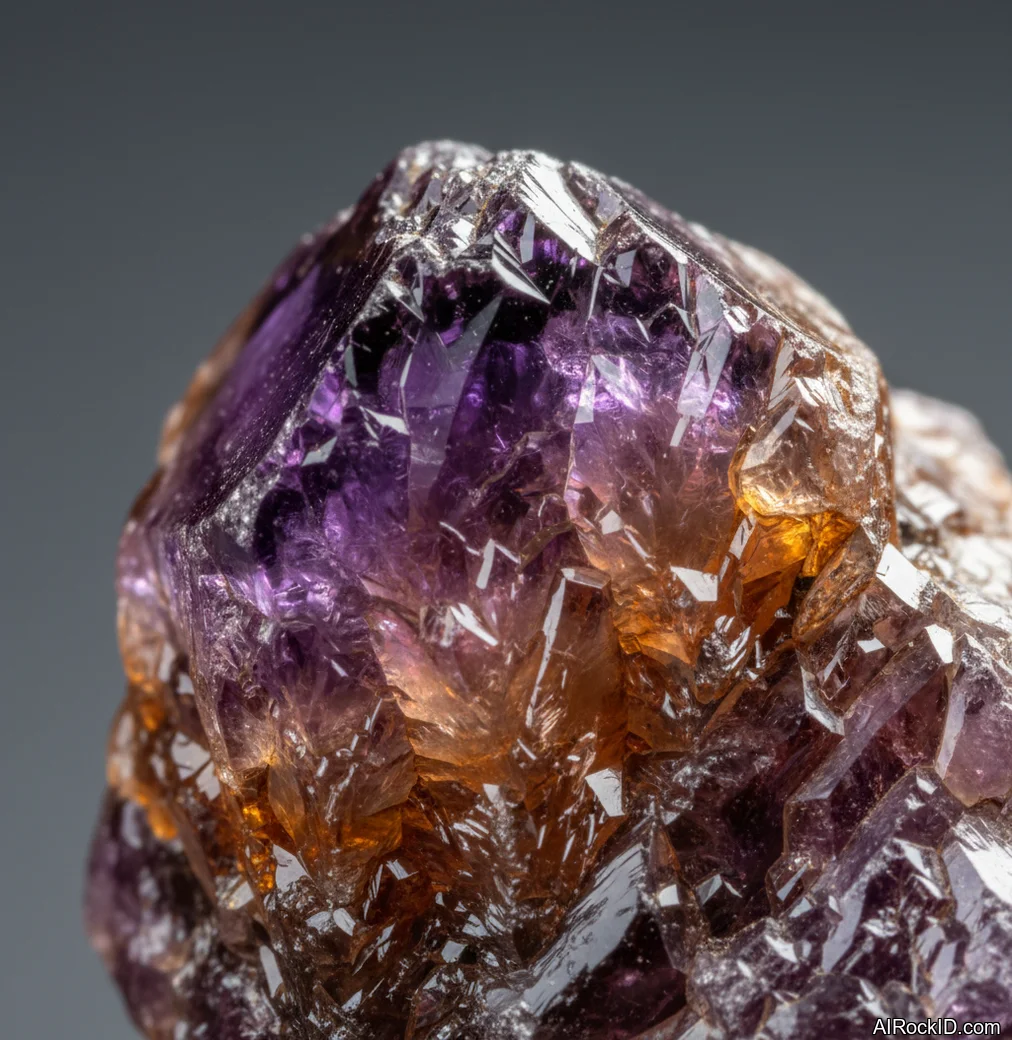
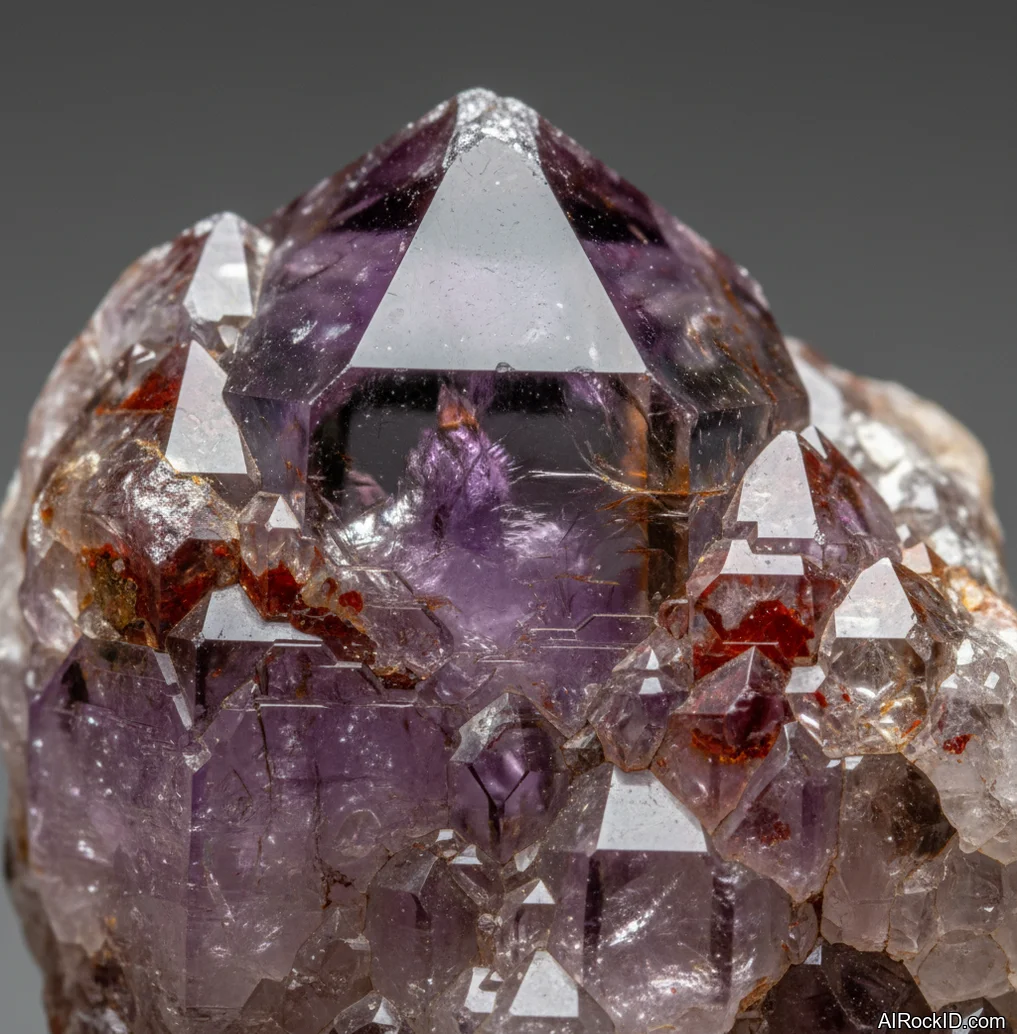
- Two minerals share similar colors, such as sodalite and lapis lazuli or amethyst and purple fluorite.
- The specimen is dyed, heat-treated, coated, or sold under a trade name.
Best choice summary
For a simple starter set, many people choose labradorite, moonstone, and fluorite because they represent different self-discovery themes: intuition, emotional cycles, and mental clarity. Select stones by verified identity, durability, and personal meaning rather than by name alone.
Final recommendation
Use self-discovery crystals as reflective objects that support habits such as journaling, meditation, or mindful observation. For accurate collecting, pair traditional meanings with physical identification details such as hardness, luster, cleavage, inclusions, and optical effects.
Why people search for this
People often search for self-discovery crystals when choosing stones for reflection, decision-making, emotional awareness, or life transitions. The term usually points to traditional associations rather than a strict mineralogical category.
What this category represents
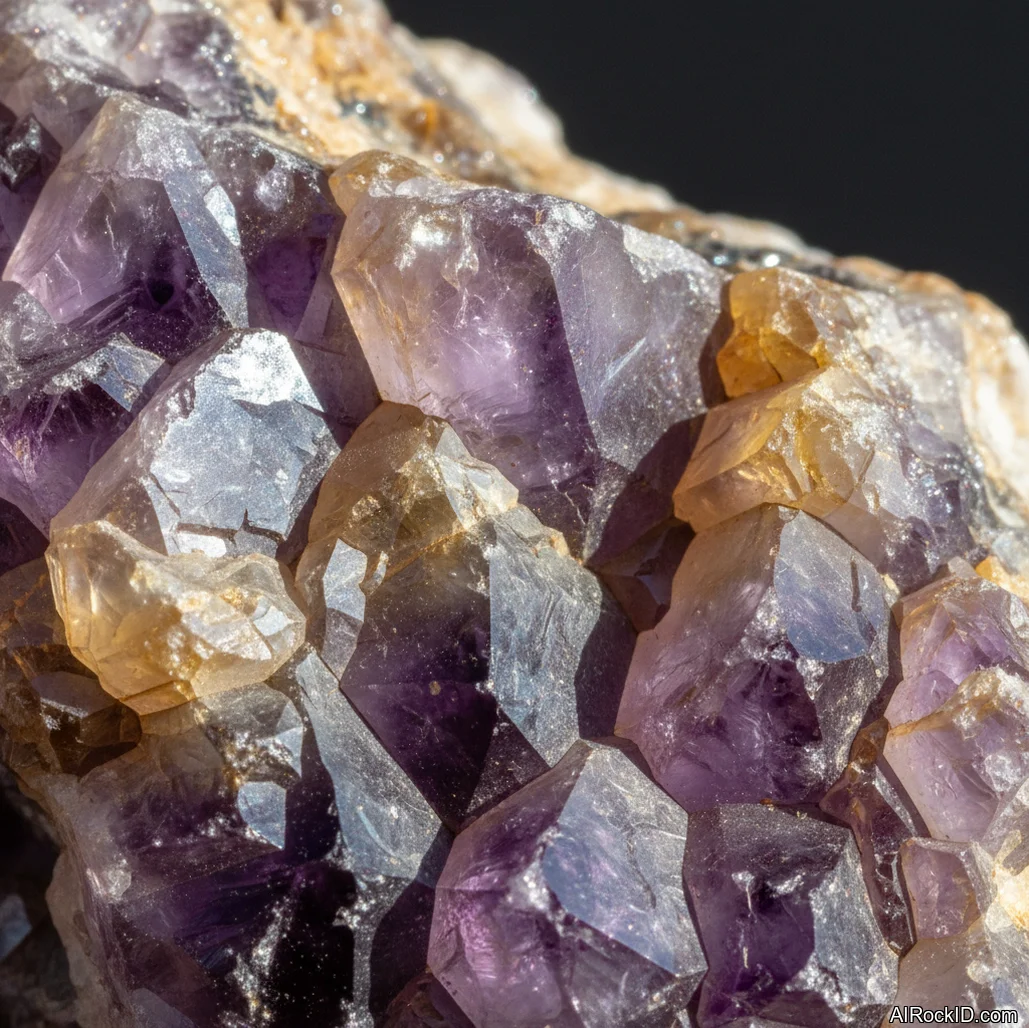
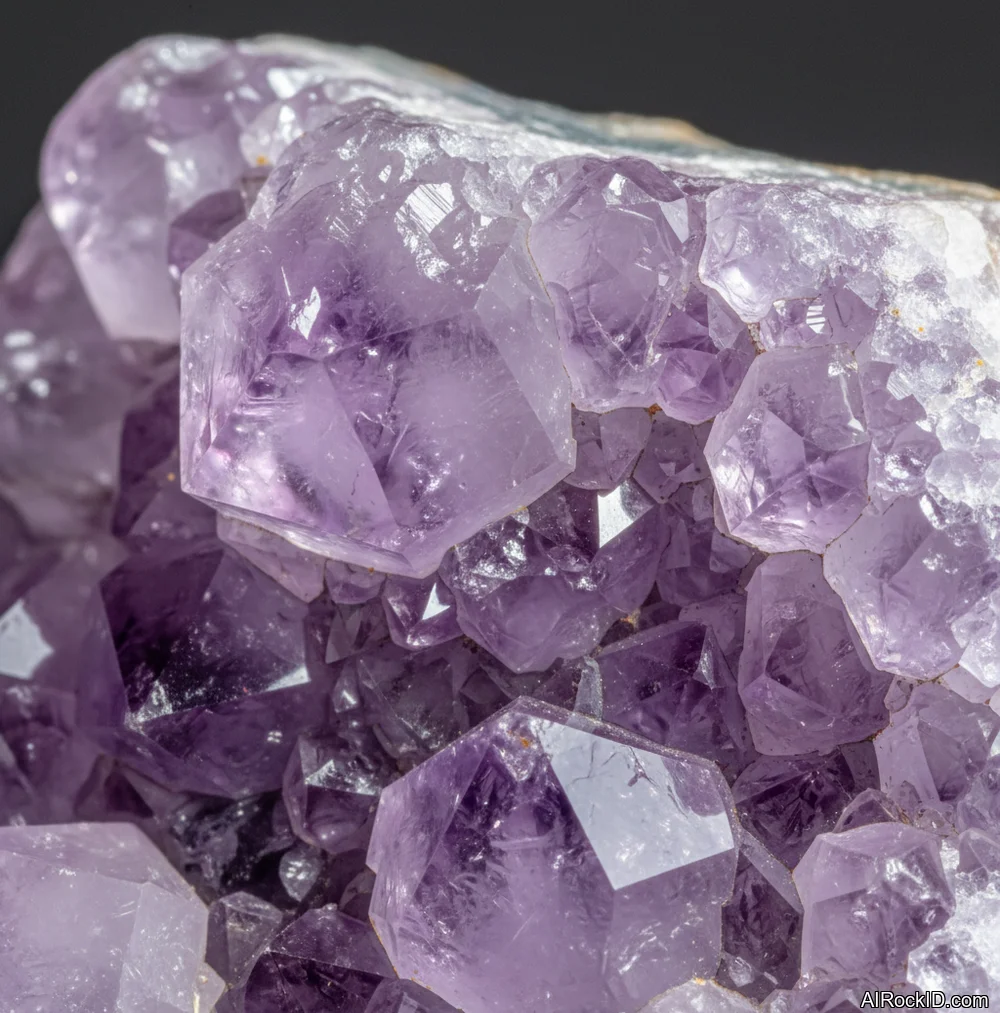
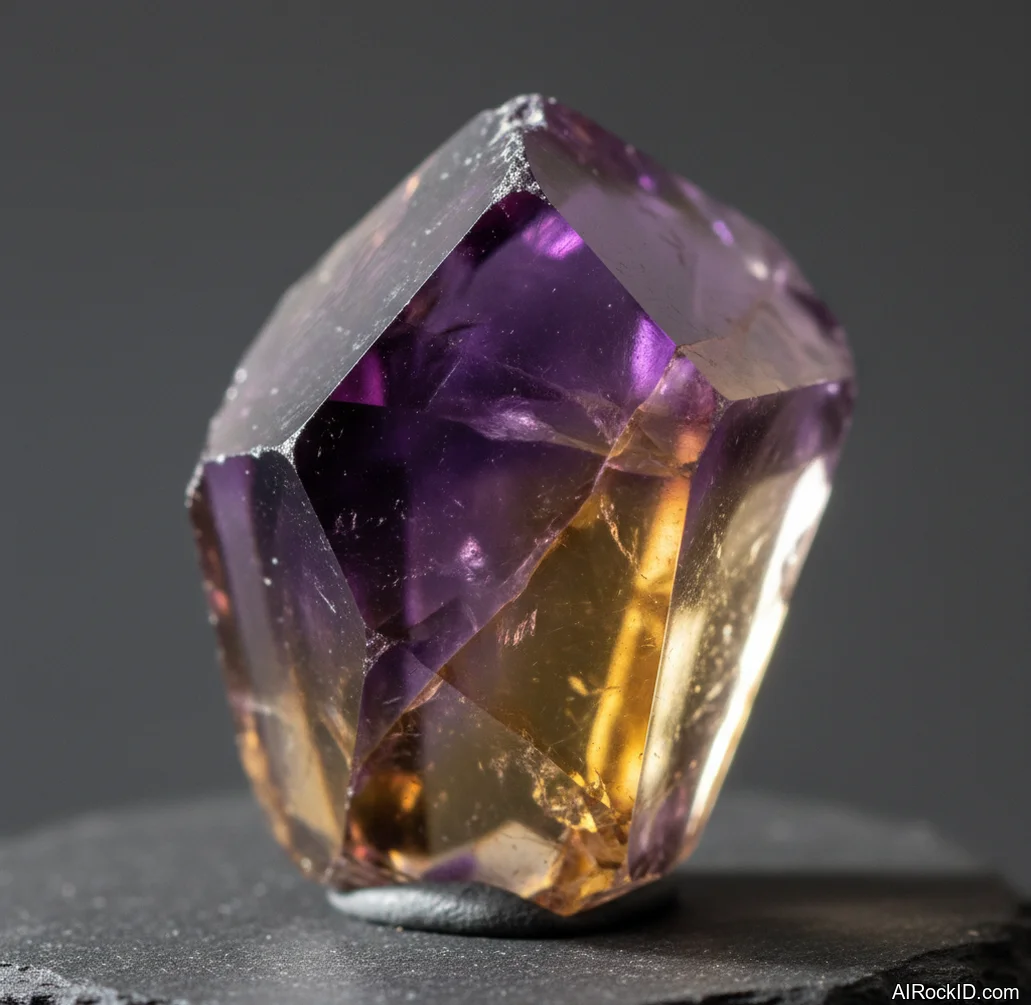
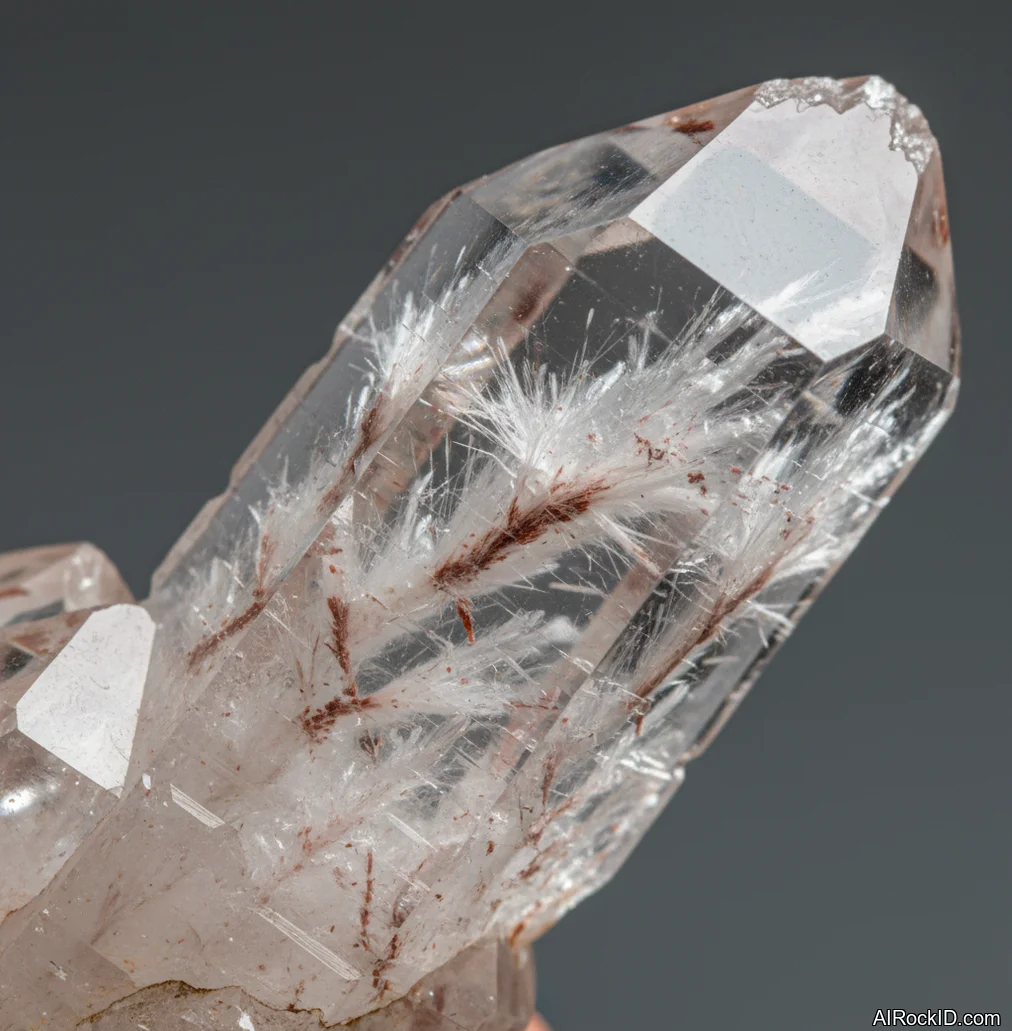
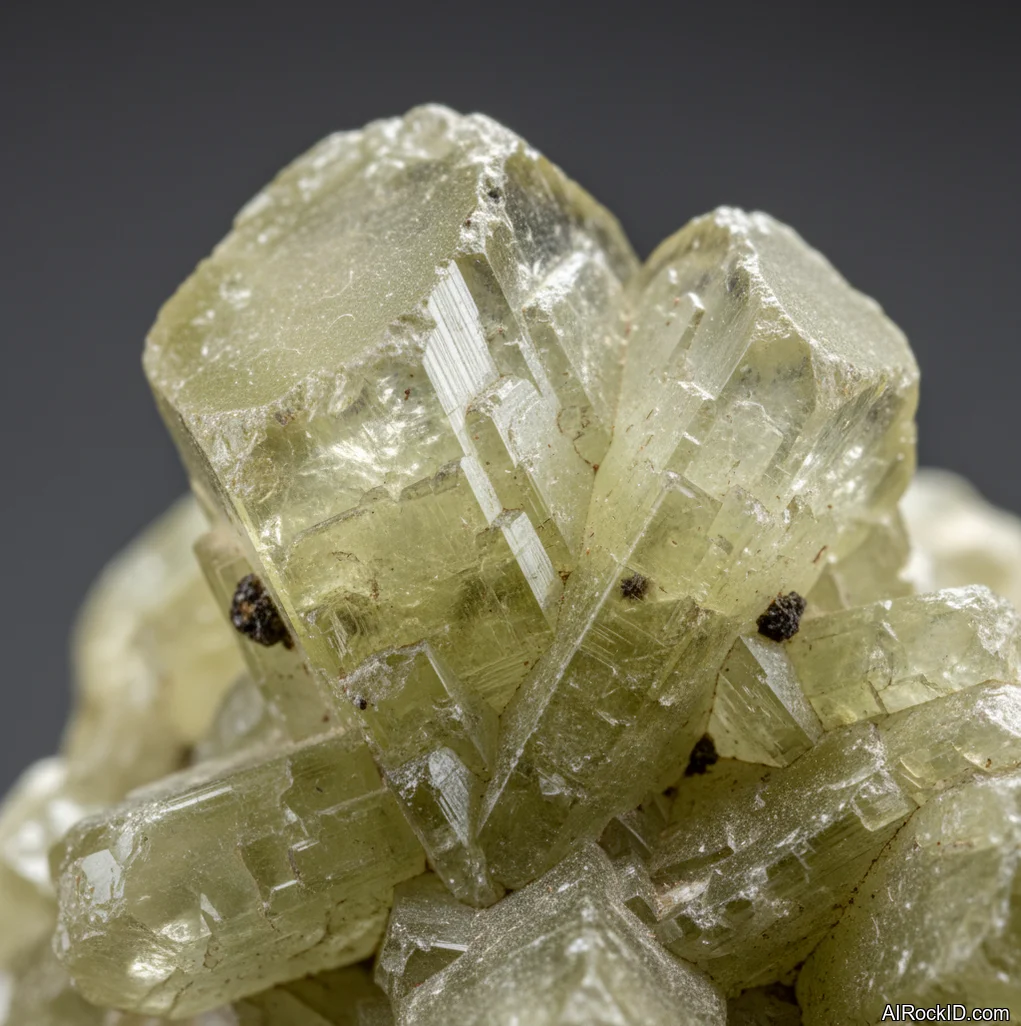
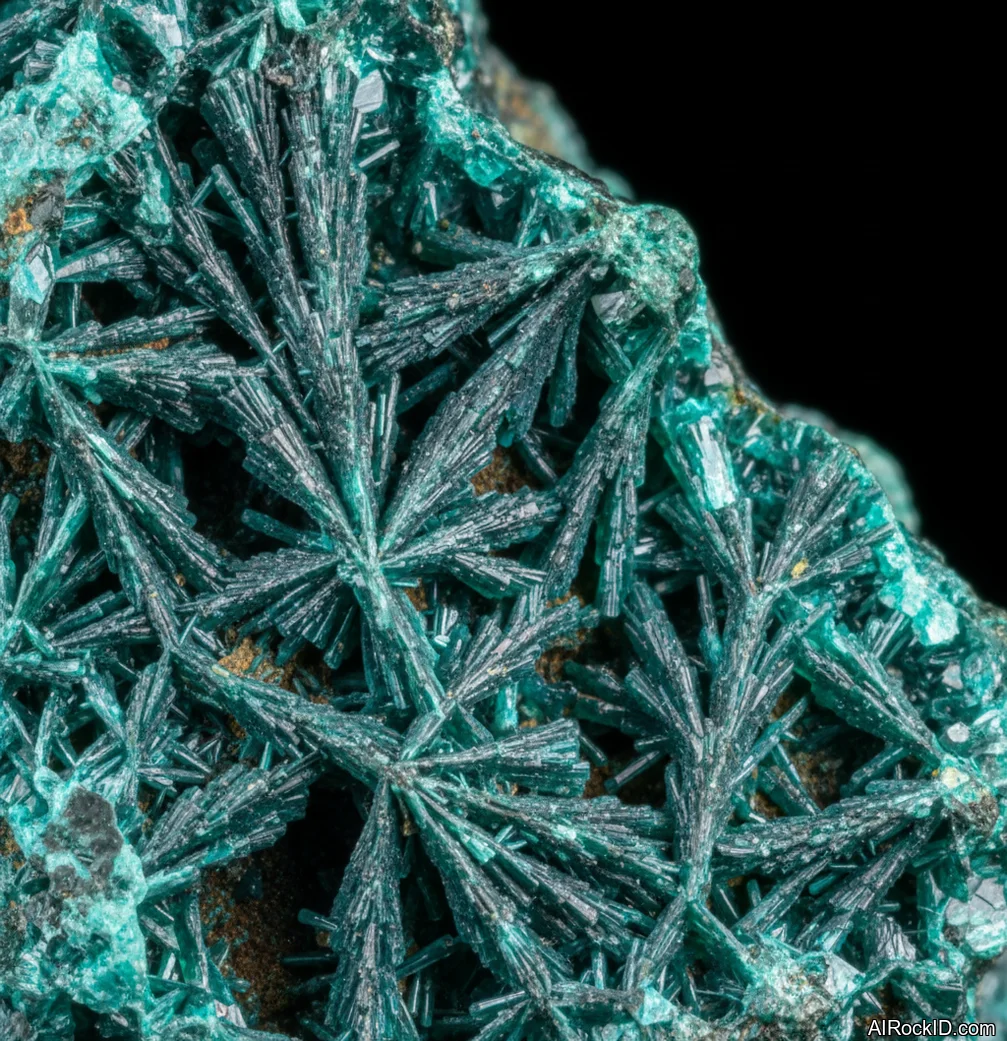
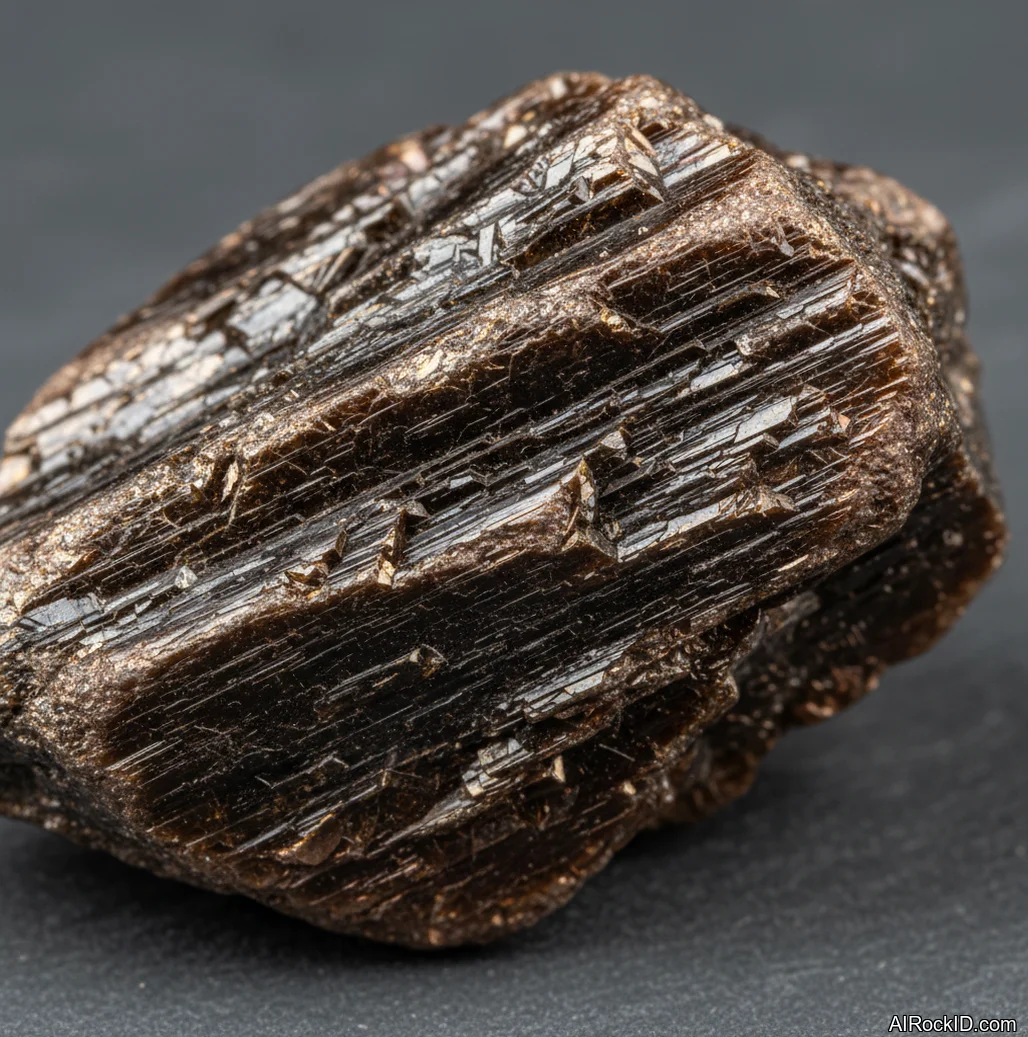
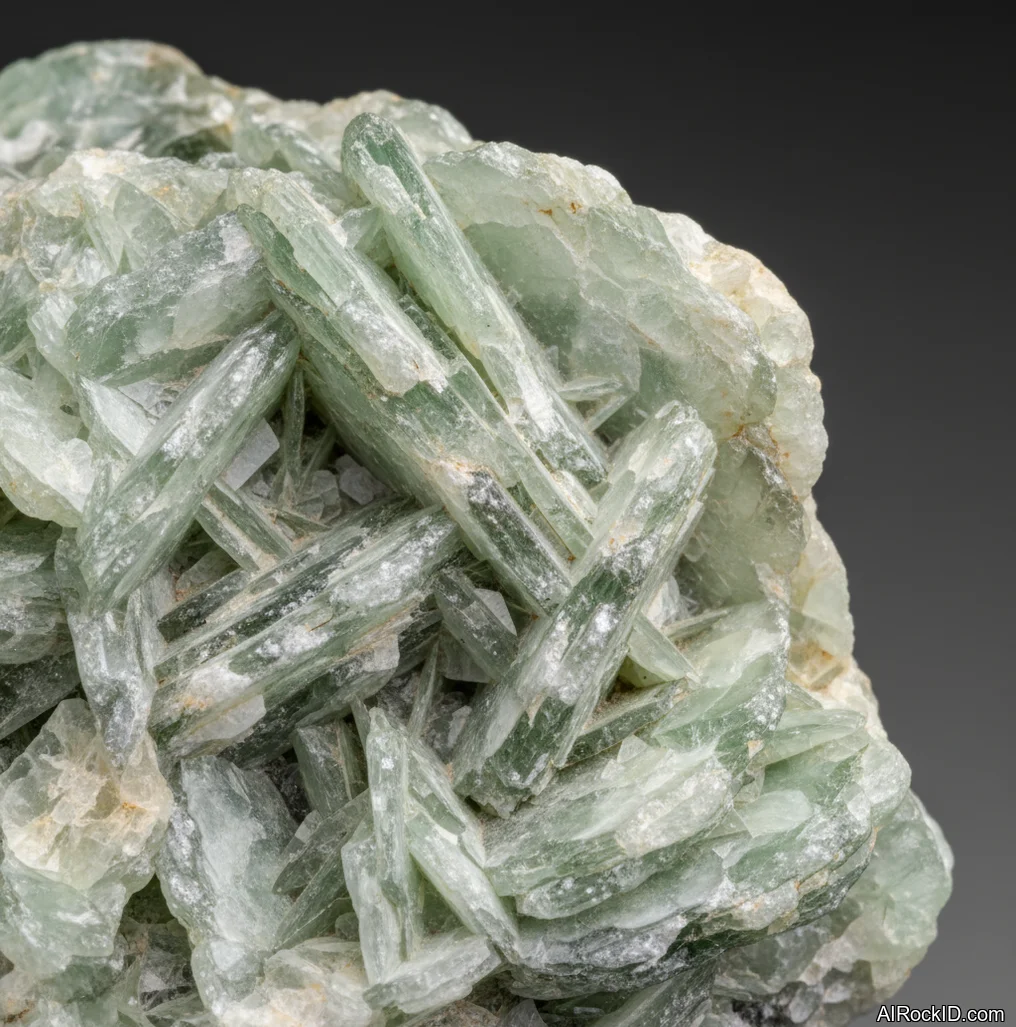
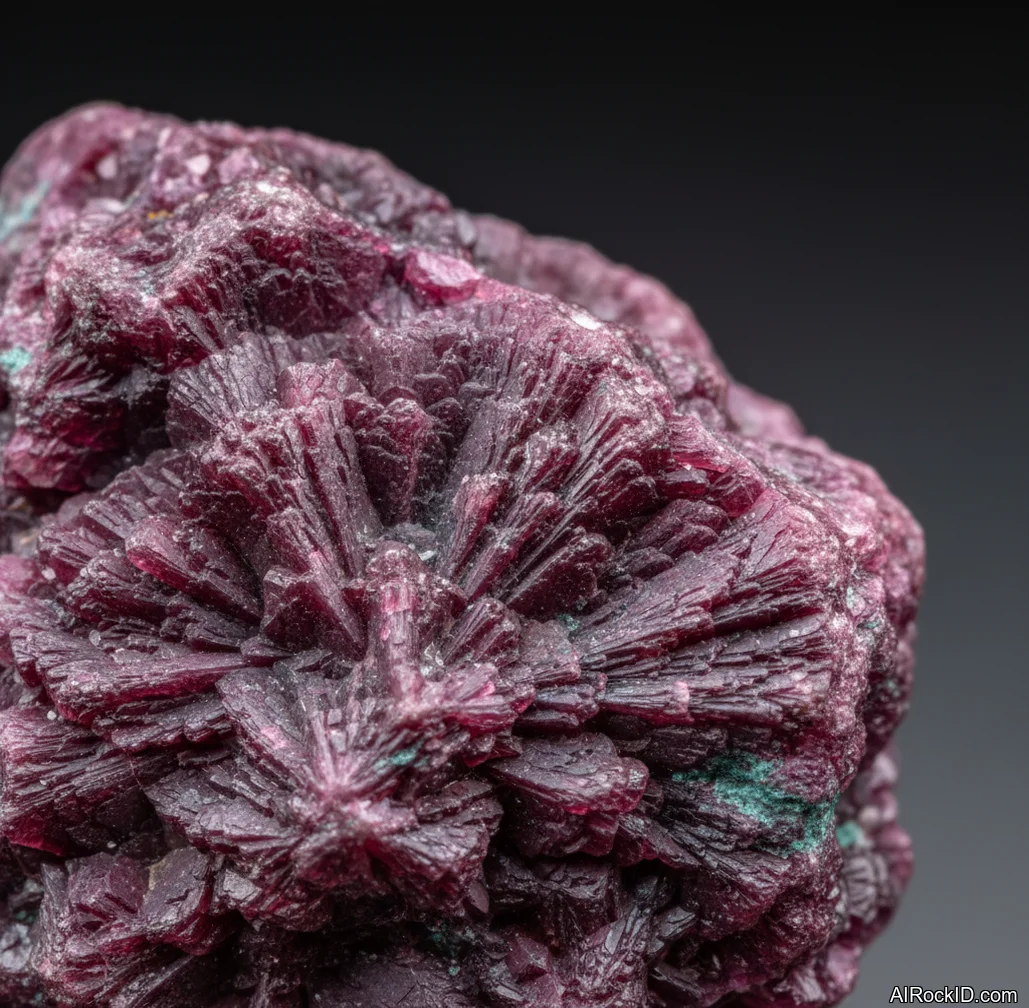
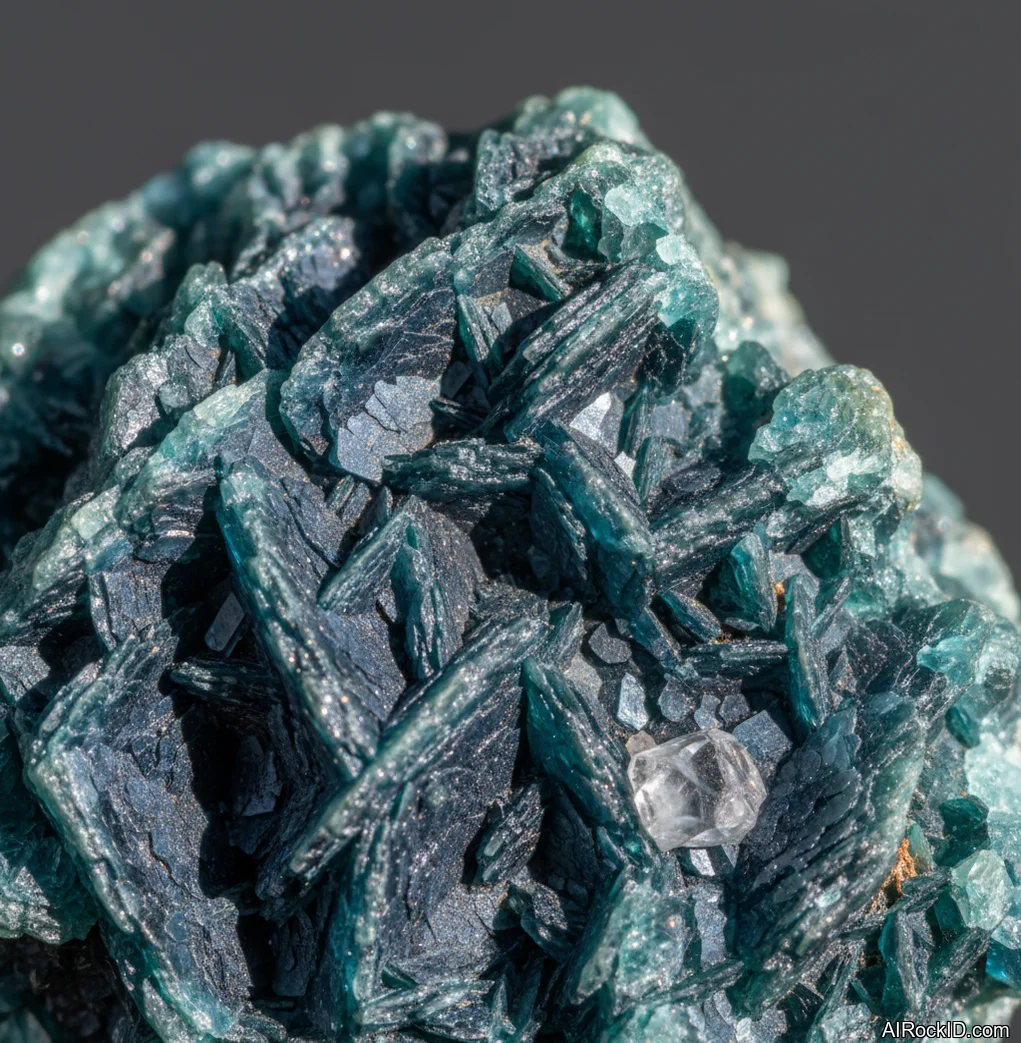
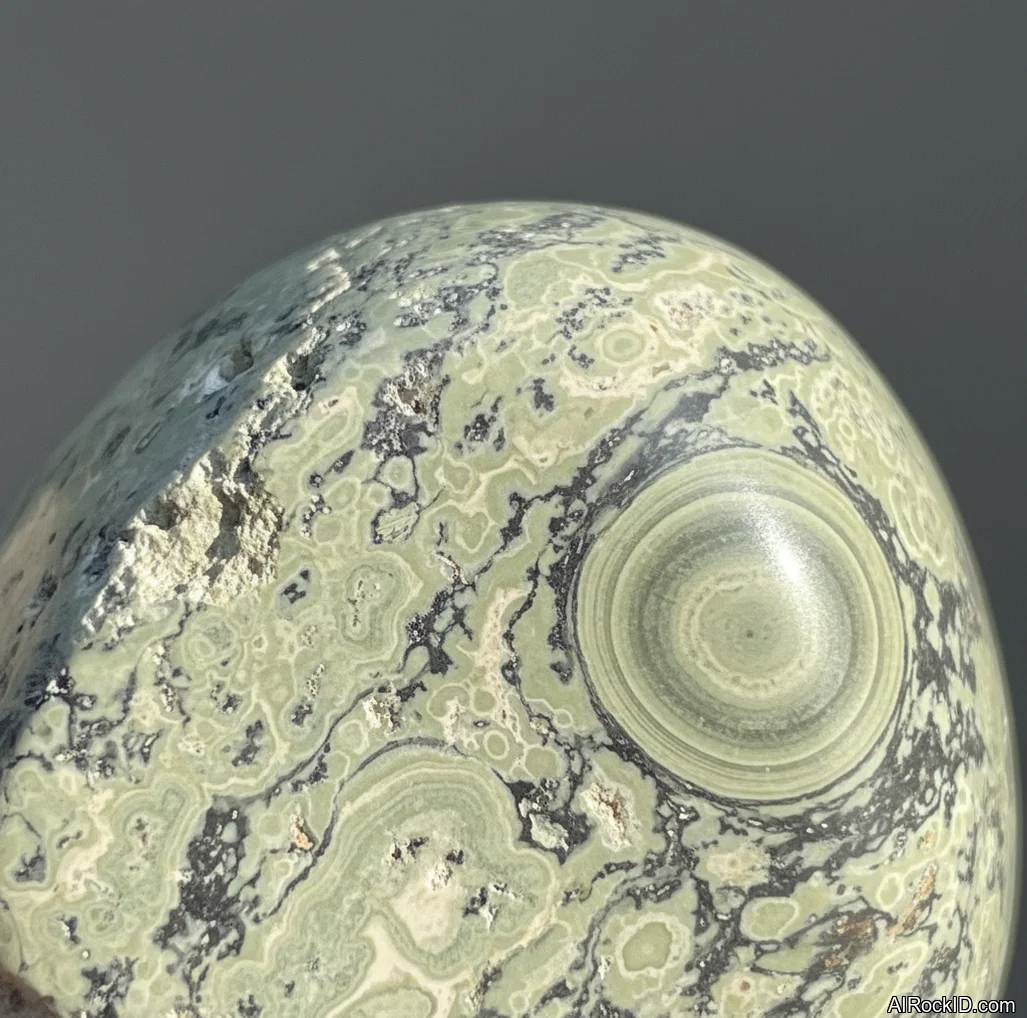
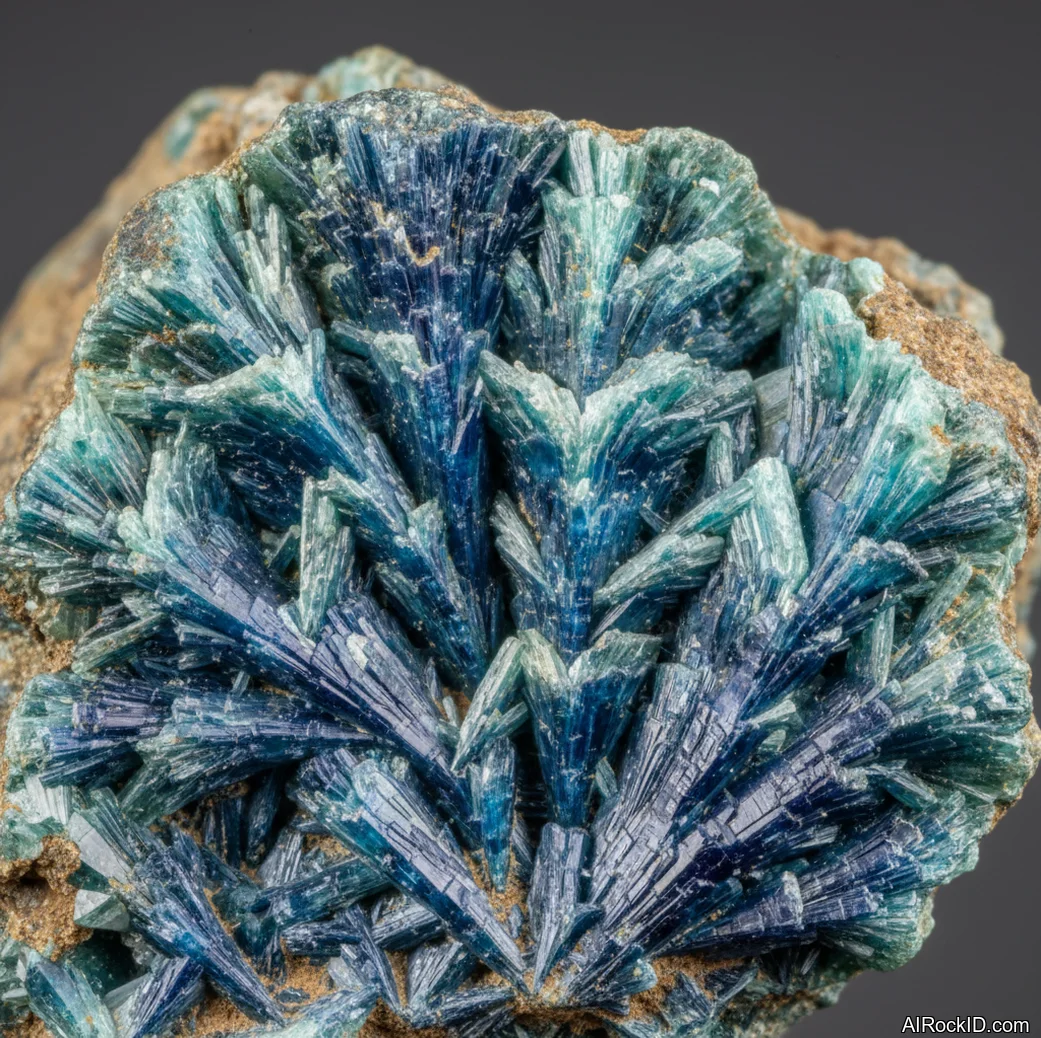
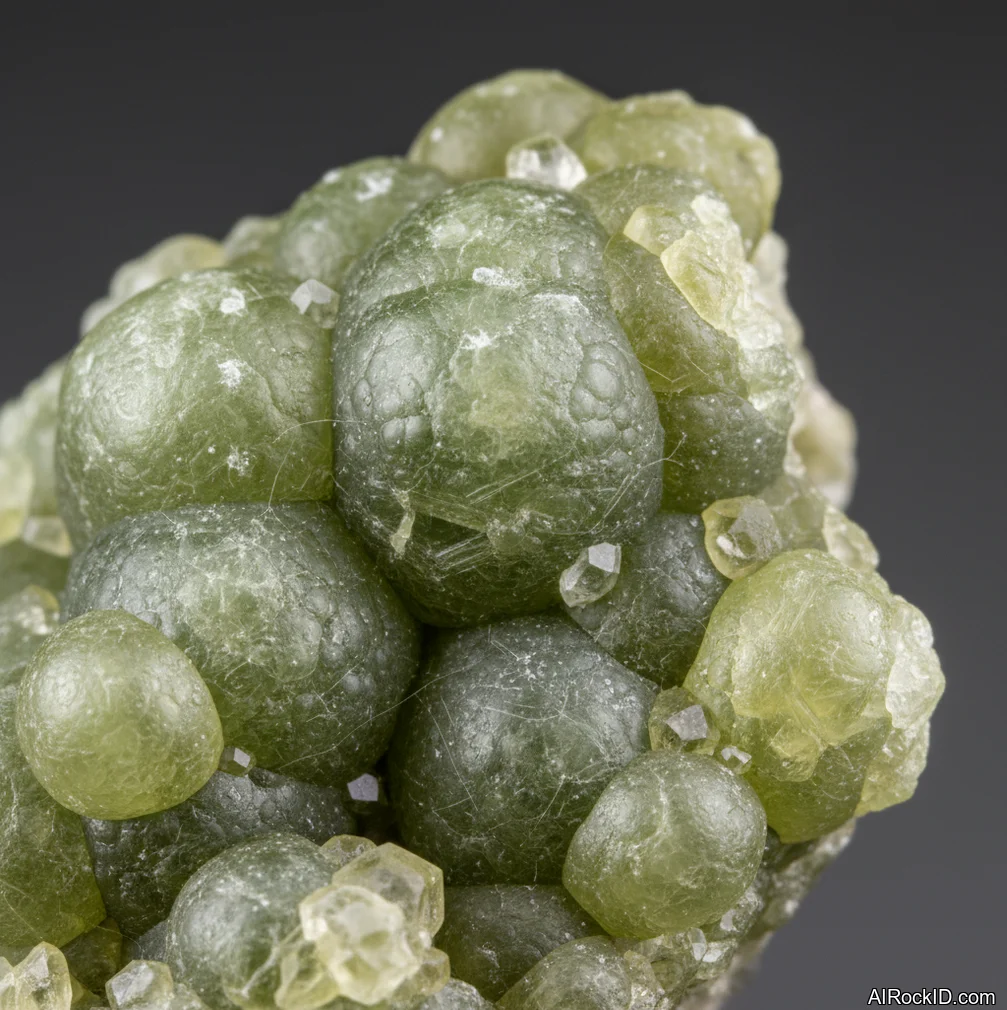
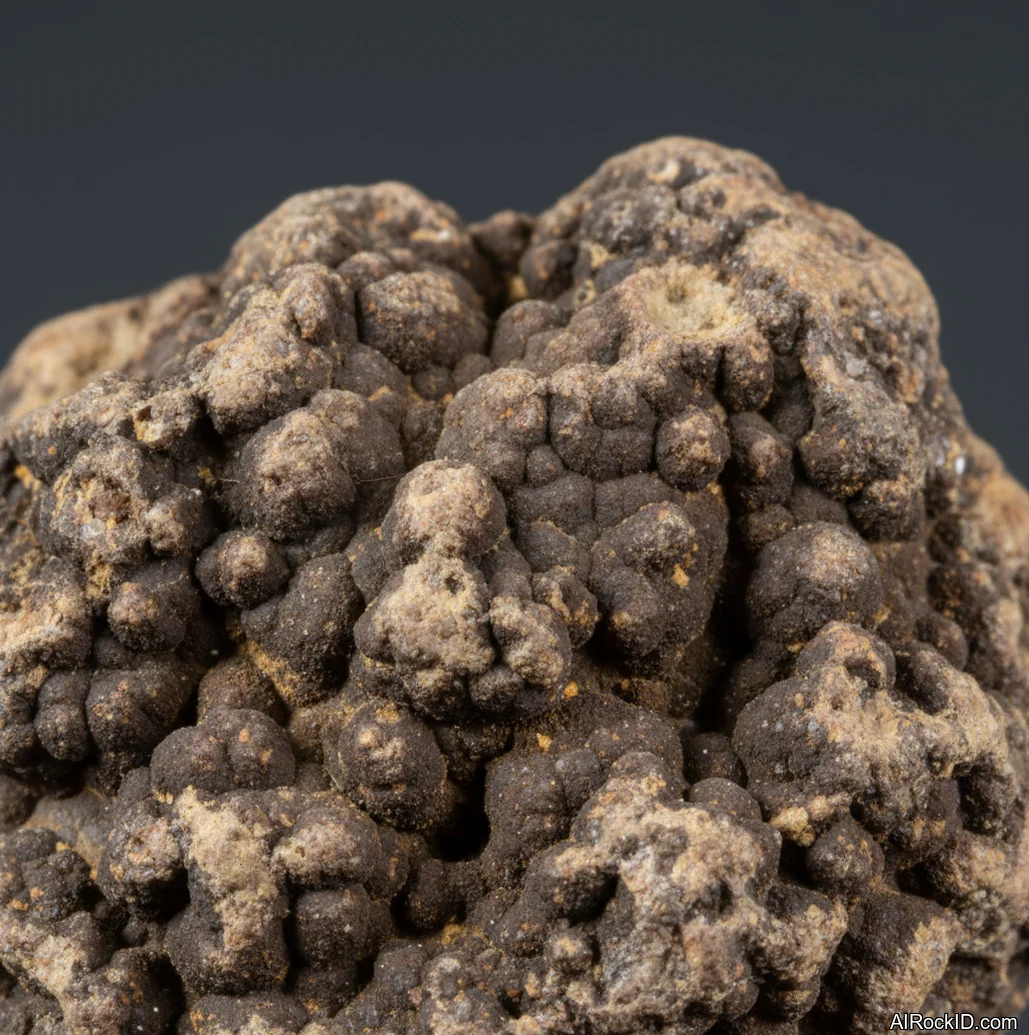
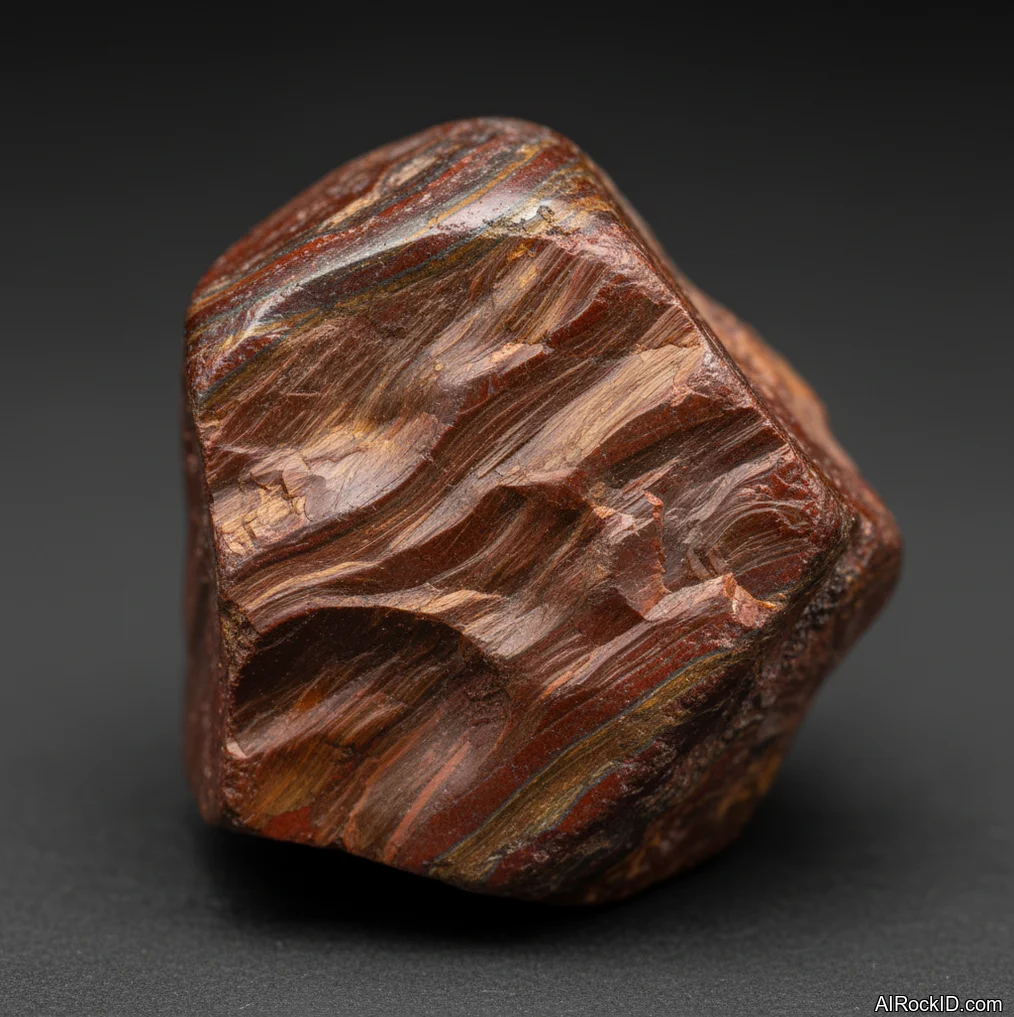
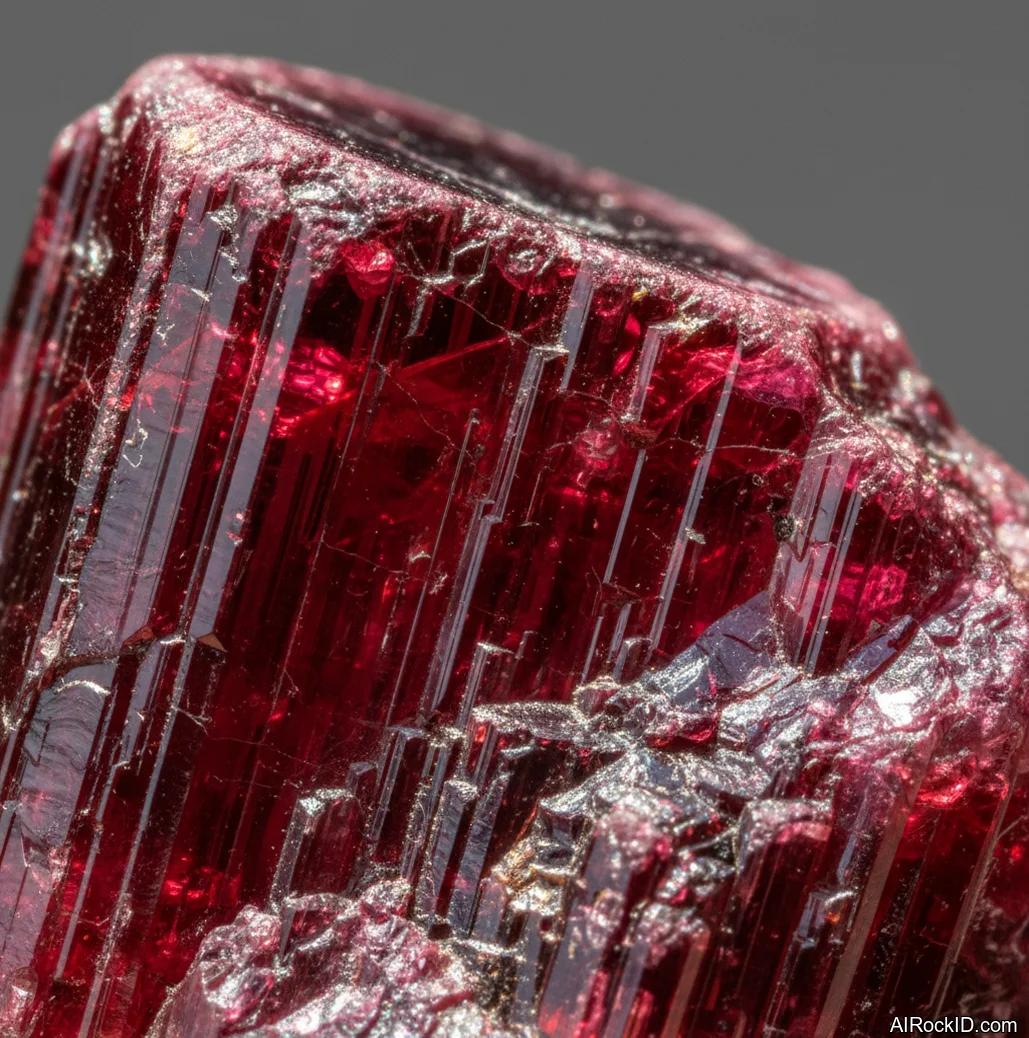
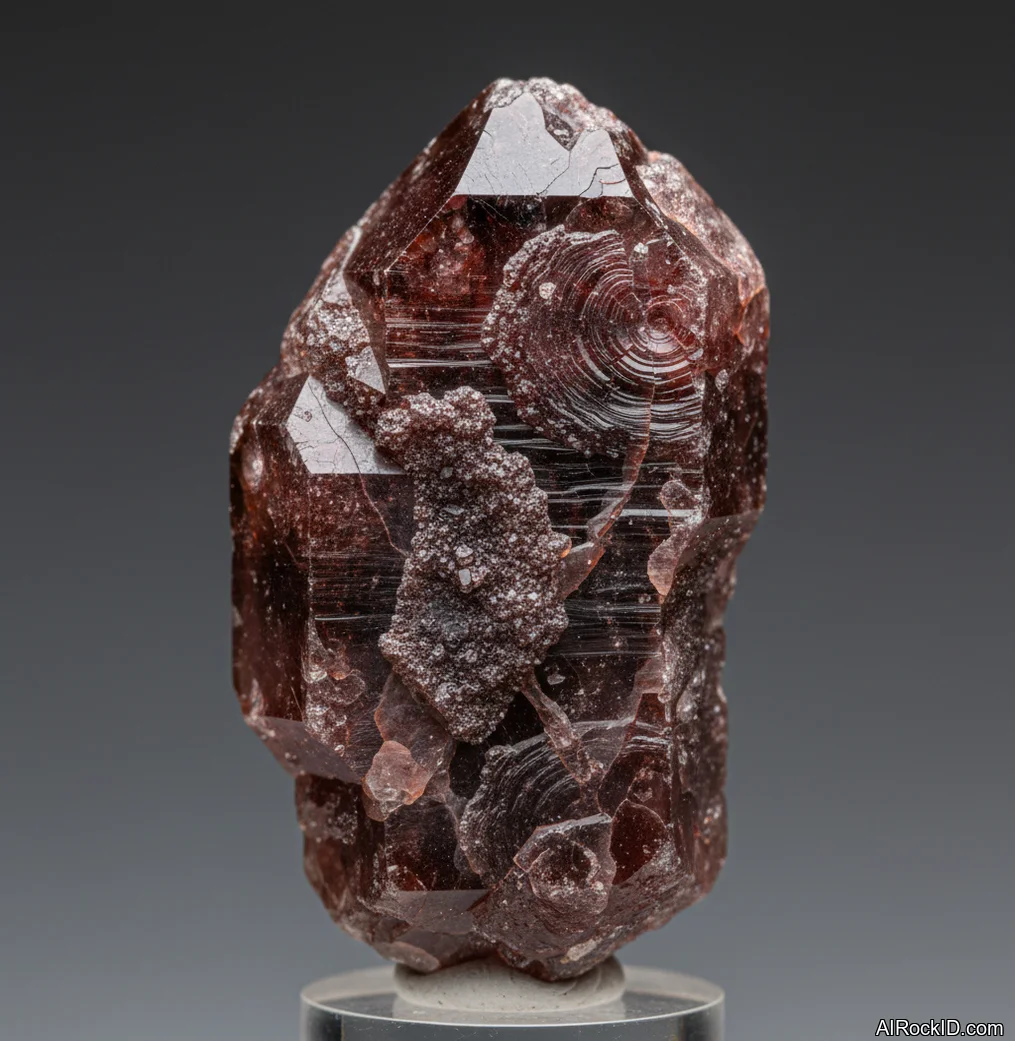
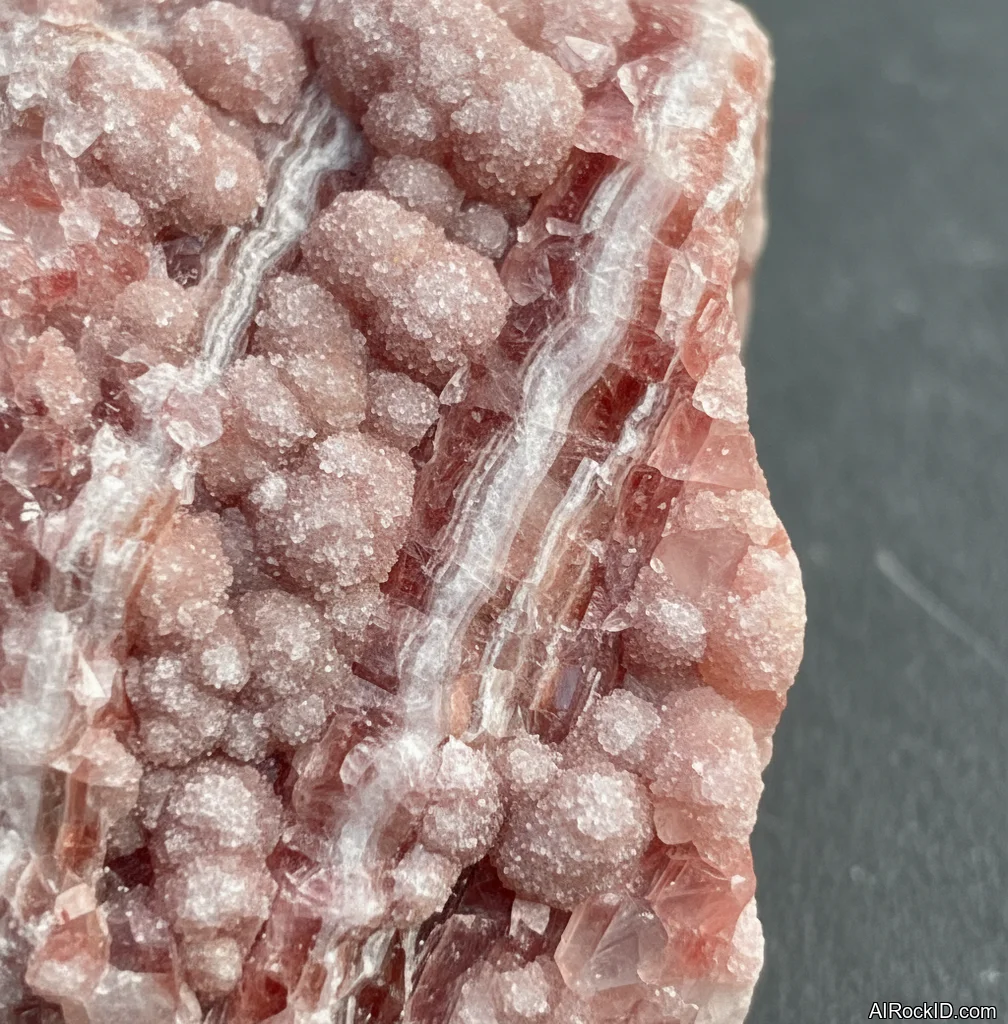
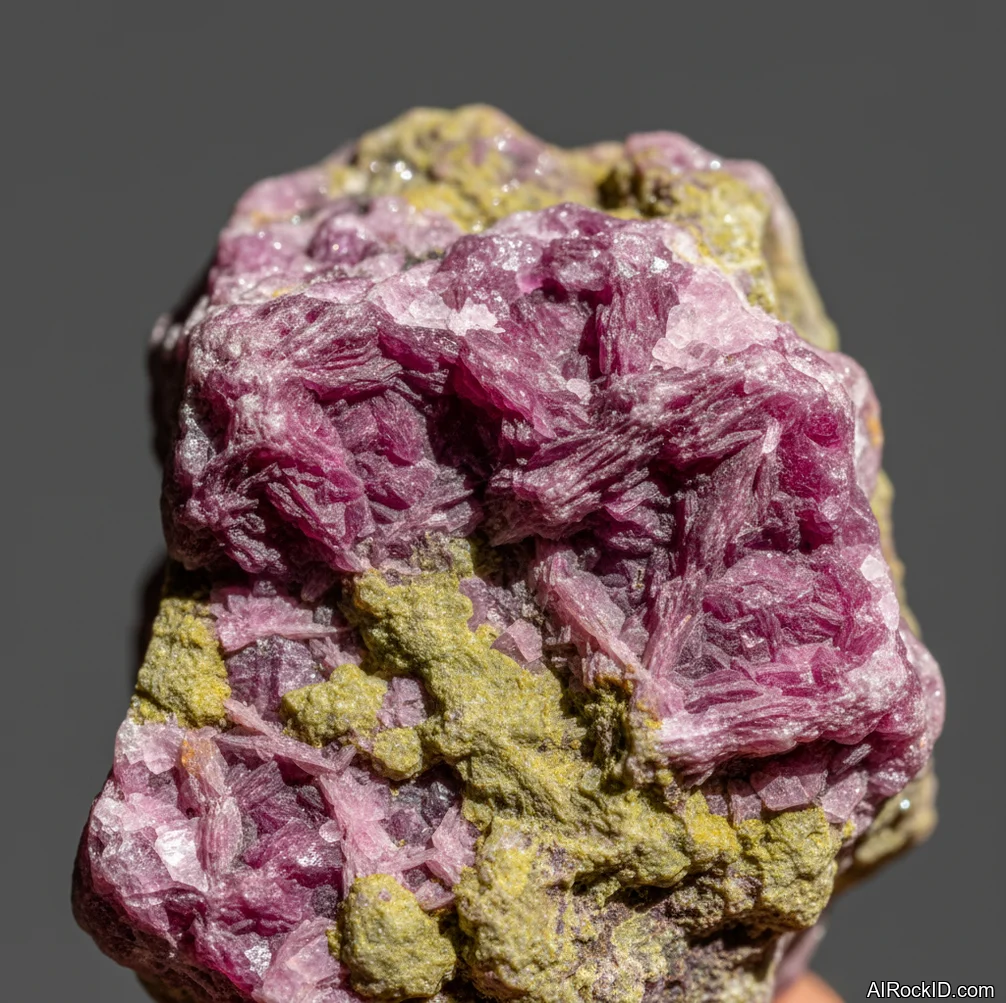
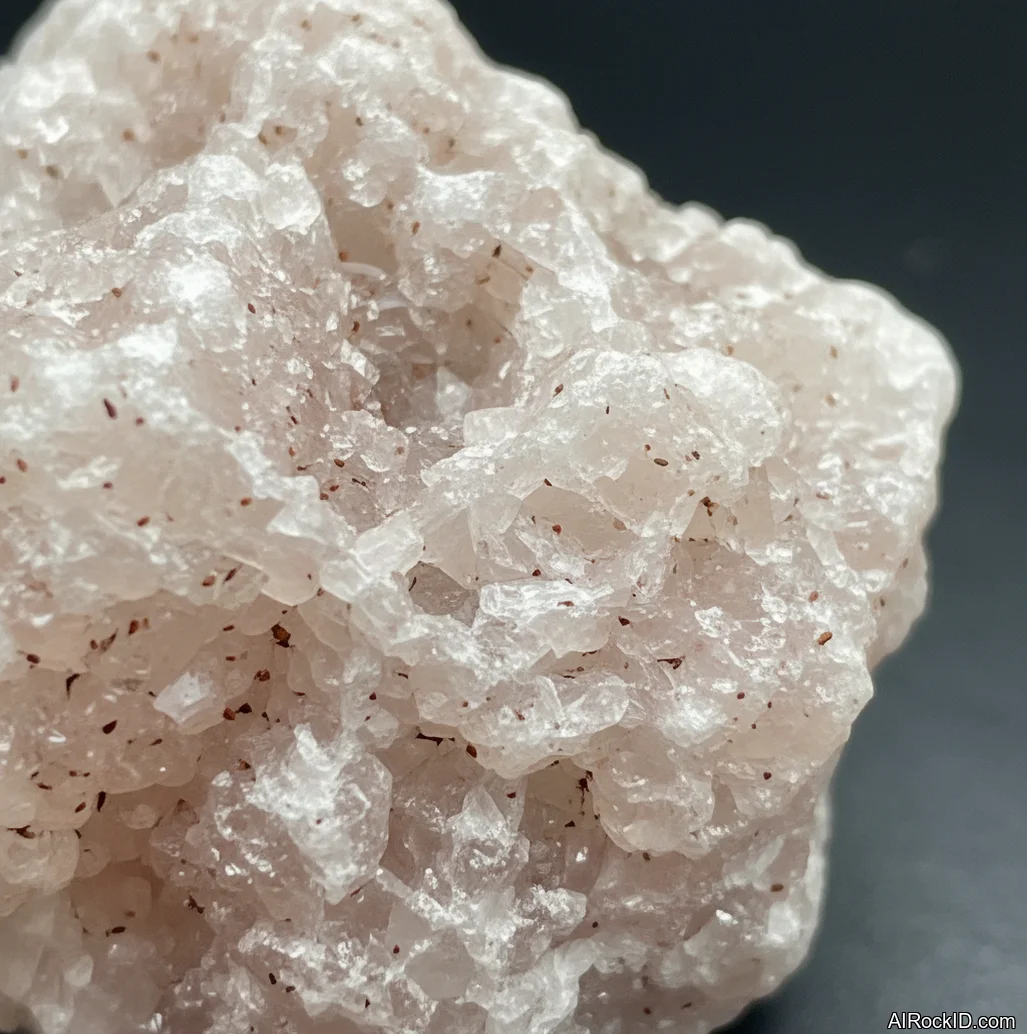
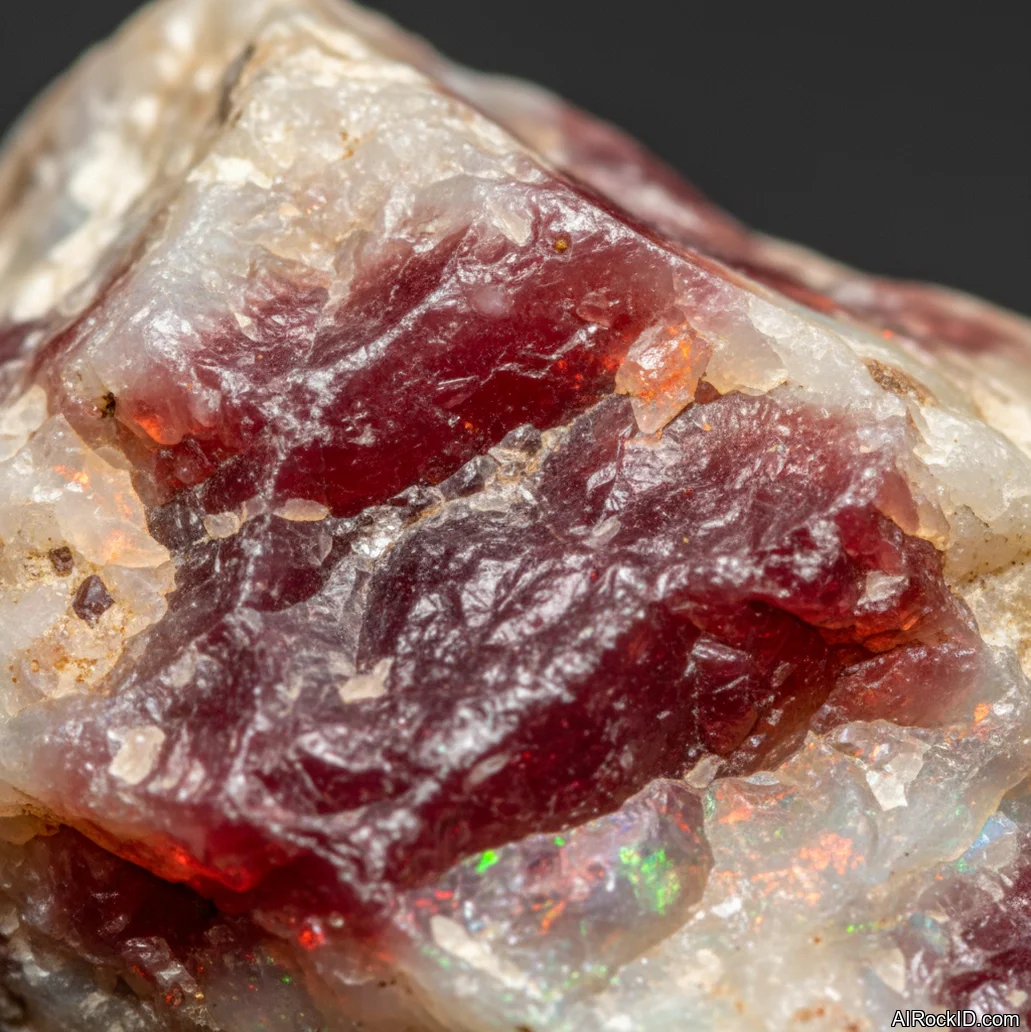
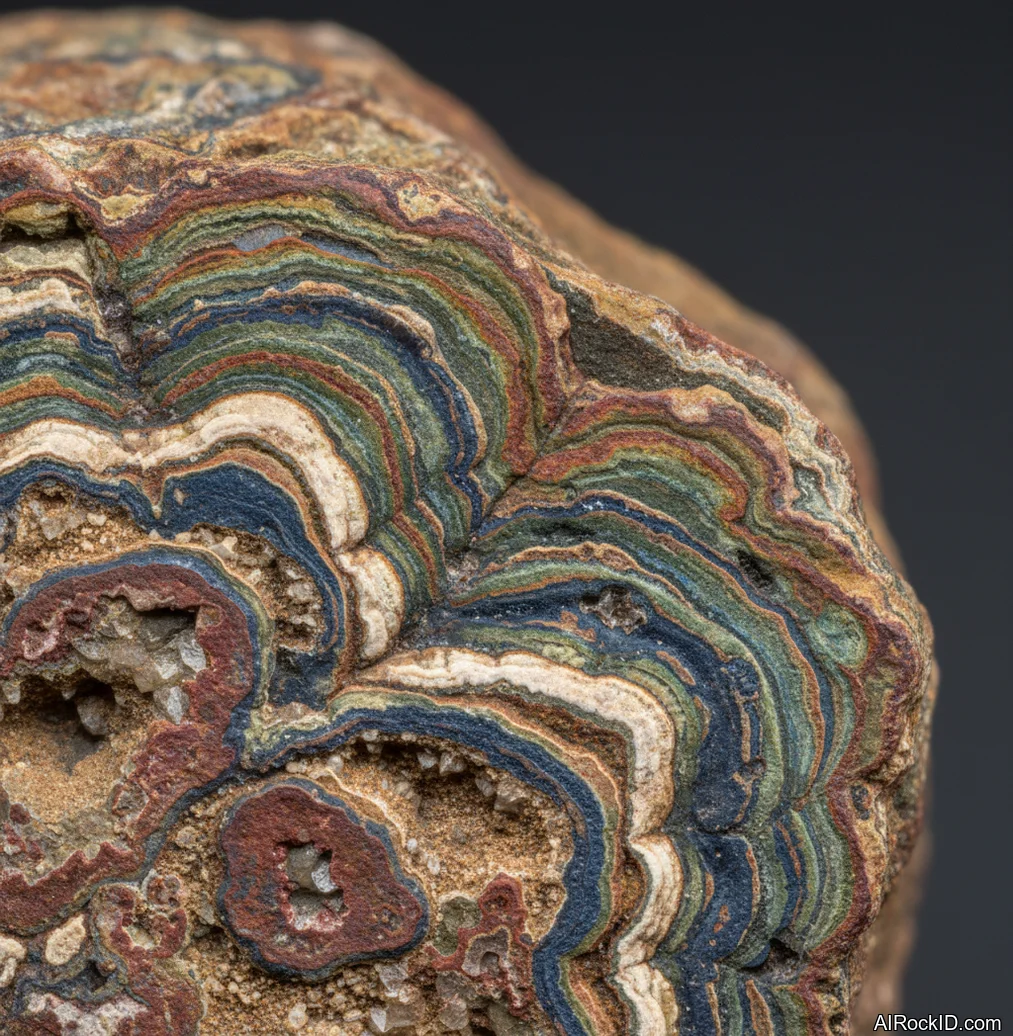
The Self-Discovery Crystals tag groups minerals and gemstones that are traditionally associated with reflection, inner awareness, intuition, identity, and personal growth. It is a symbolic and cultural category, not a scientific mineral class or a medical recommendation.
Beginner recommendations
Advanced recommendations
Self-Discovery Crystals by Intention
Different traditions group self-discovery stones by the type of reflection they are meant to support. Labradorite is often used for change and intuition, moonstone for emotional cycles, fluorite for mental organization, and sodalite for honest communication.
Geology Still Matters in a Meaning-Based Category
A self-discovery label does not identify a mineral species by itself. Checking hardness, cleavage, specific optical effects, and common treatments helps separate genuine mineral identification from trade names or appearance-based assumptions.
Ethical and Practical Buying Notes
Buyers can ask sellers for the mineral name, treatment status, origin when available, and whether the stone is natural, dyed, stabilized, or synthetic. Clear labeling is especially useful for polished stones because many different minerals can look similar after tumbling or carving.
Understanding Self-Discovery Crystals: Honest Growth, Not Quick Fixes
Self-Discovery, in the context of crystals, is about getting real with yourself. There's no instant transformation here—no matter what a feel-good meme says. The process is awkward sometimes. You might catch patterns in your thinking, notice what you actually want, or spot those little lies you use to get through the day. Crystals in this group can act a bit like a mirror, showing you what’s actually there, not just what’s convenient to see. People start reaching for Self-Discovery stones when they’re stuck on repeat, starting over after burnout, or trying to filter their own voice out from everyone else’s opinions.
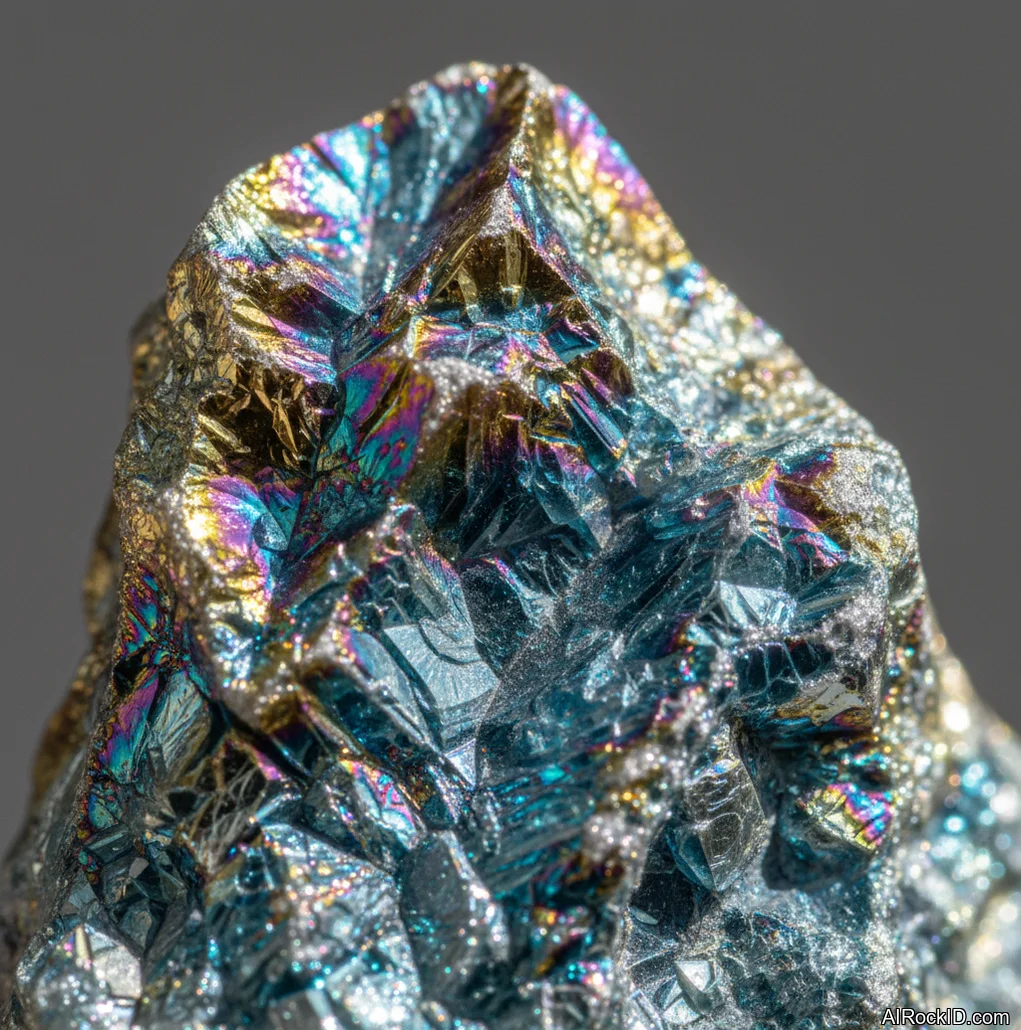
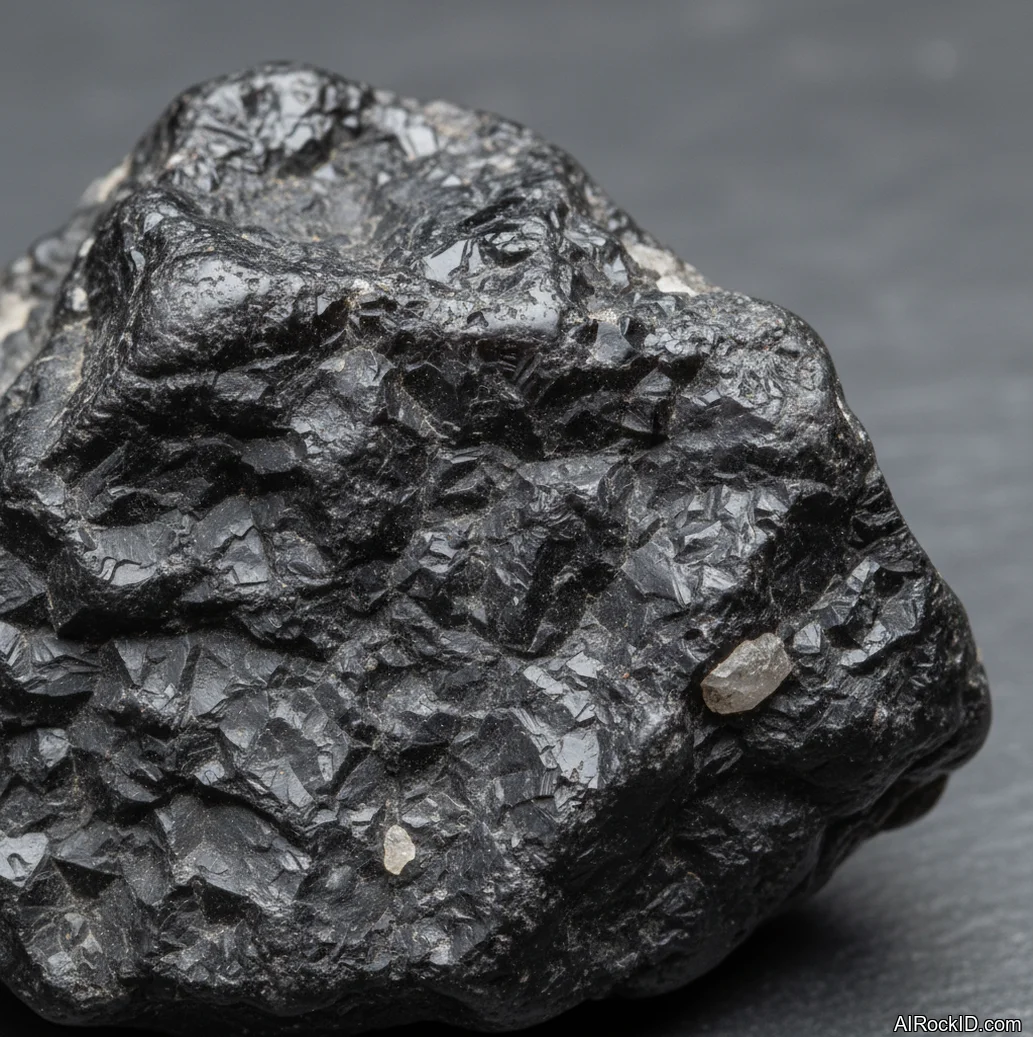
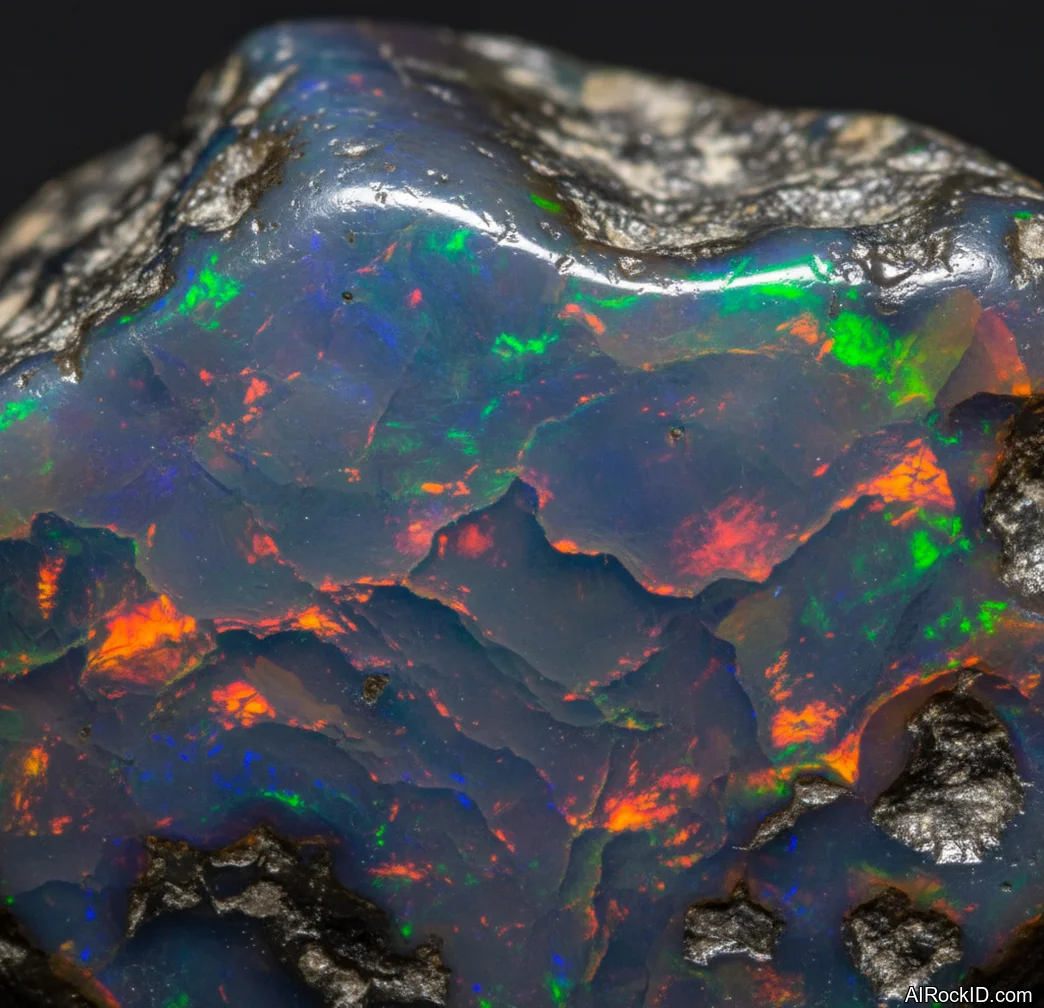
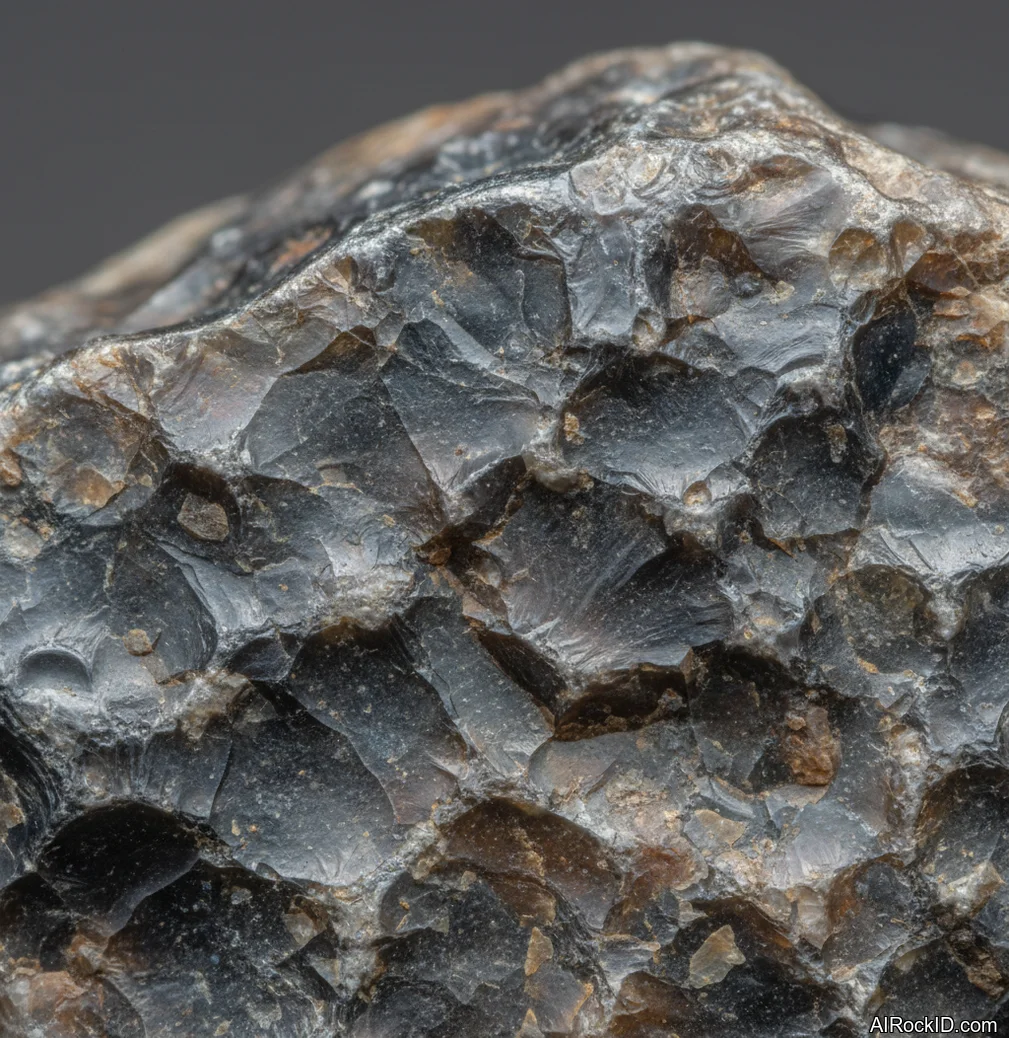
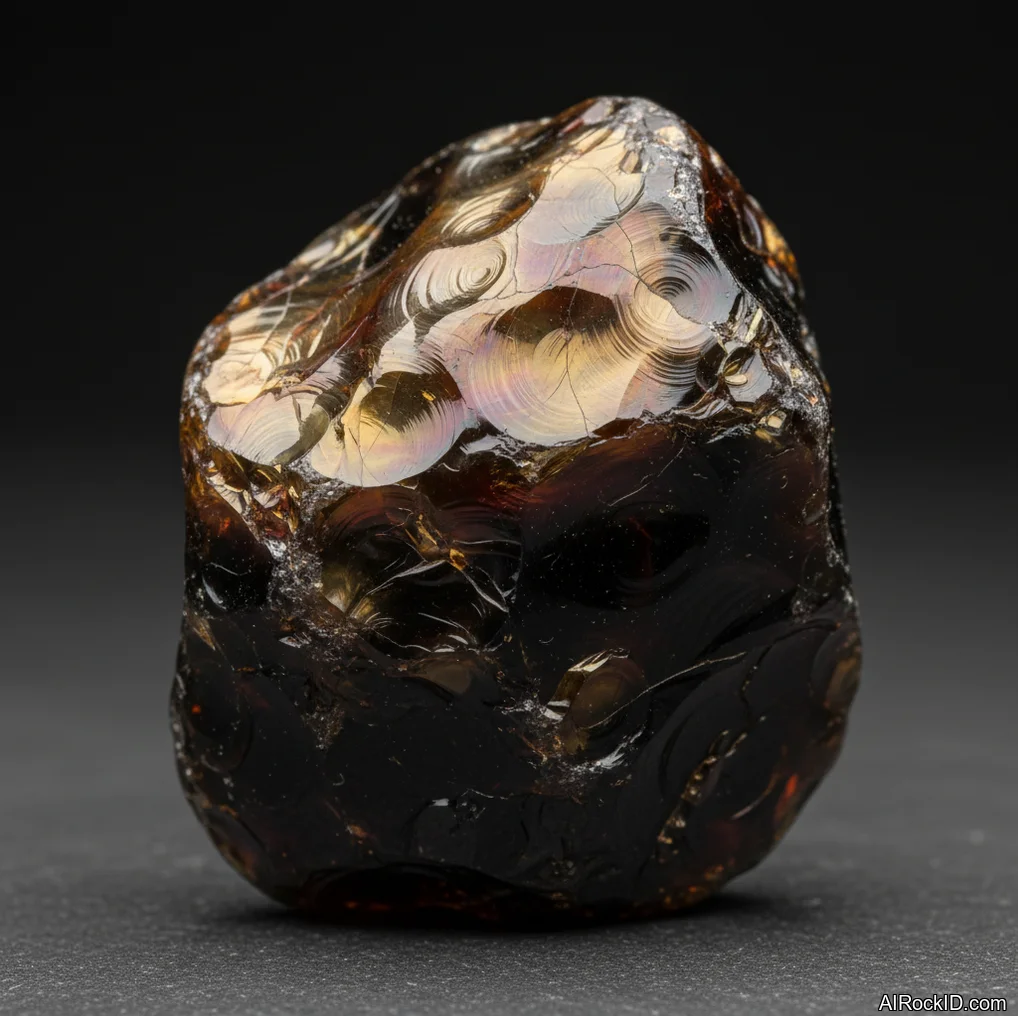
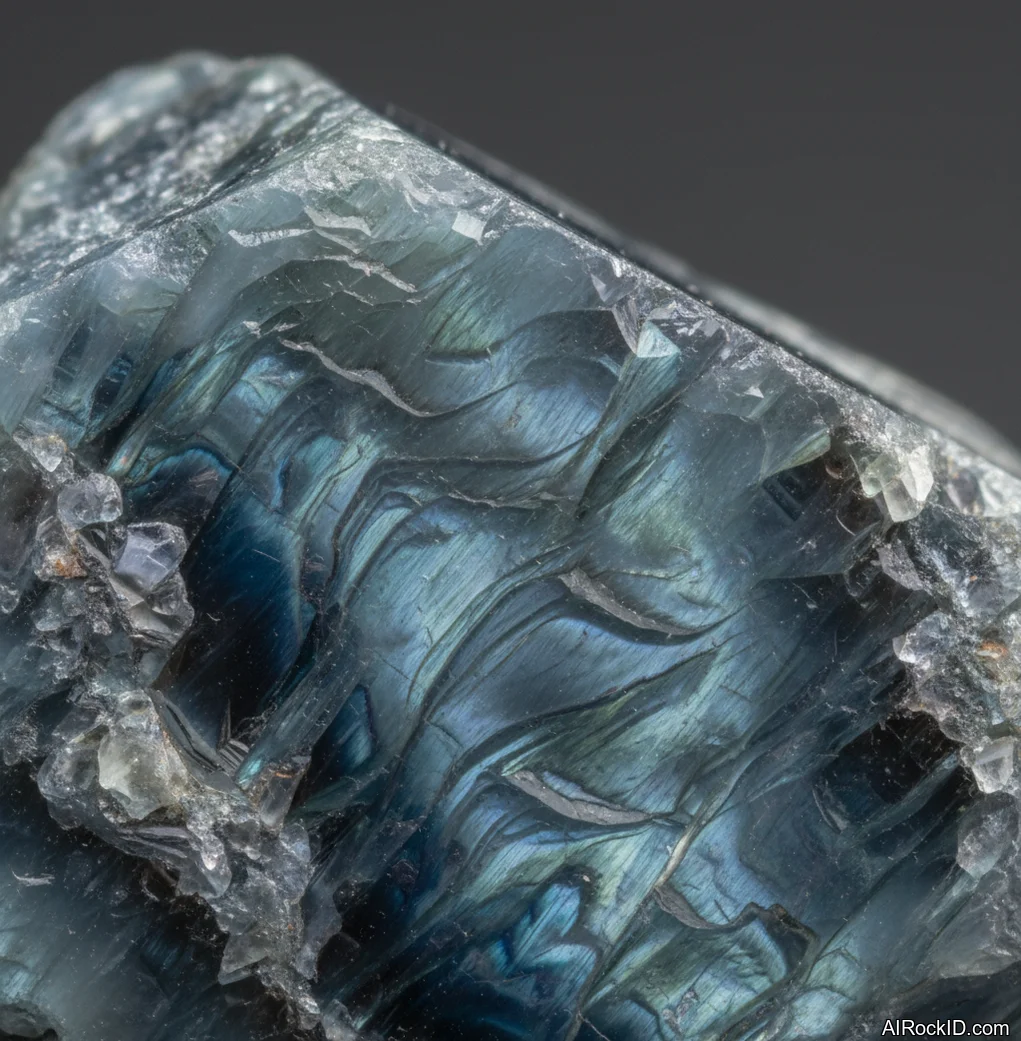
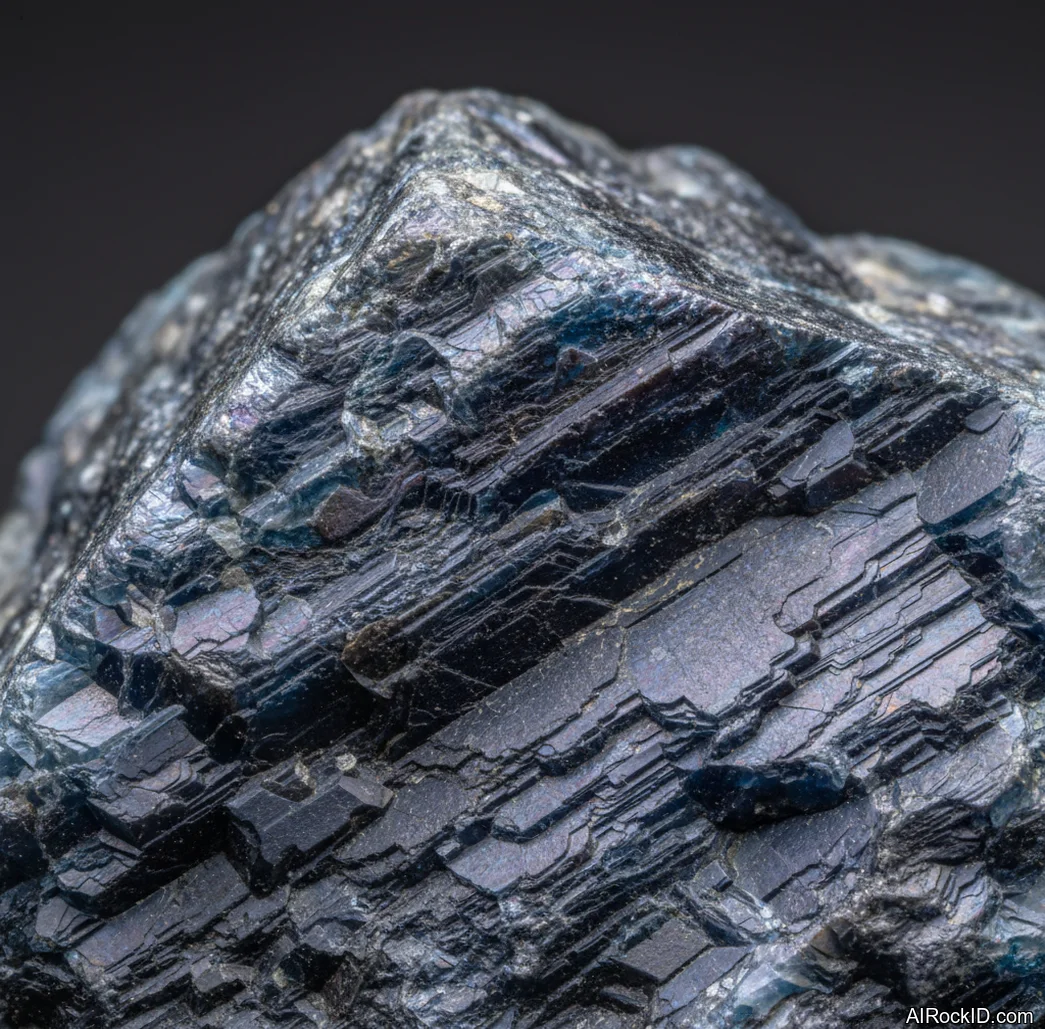
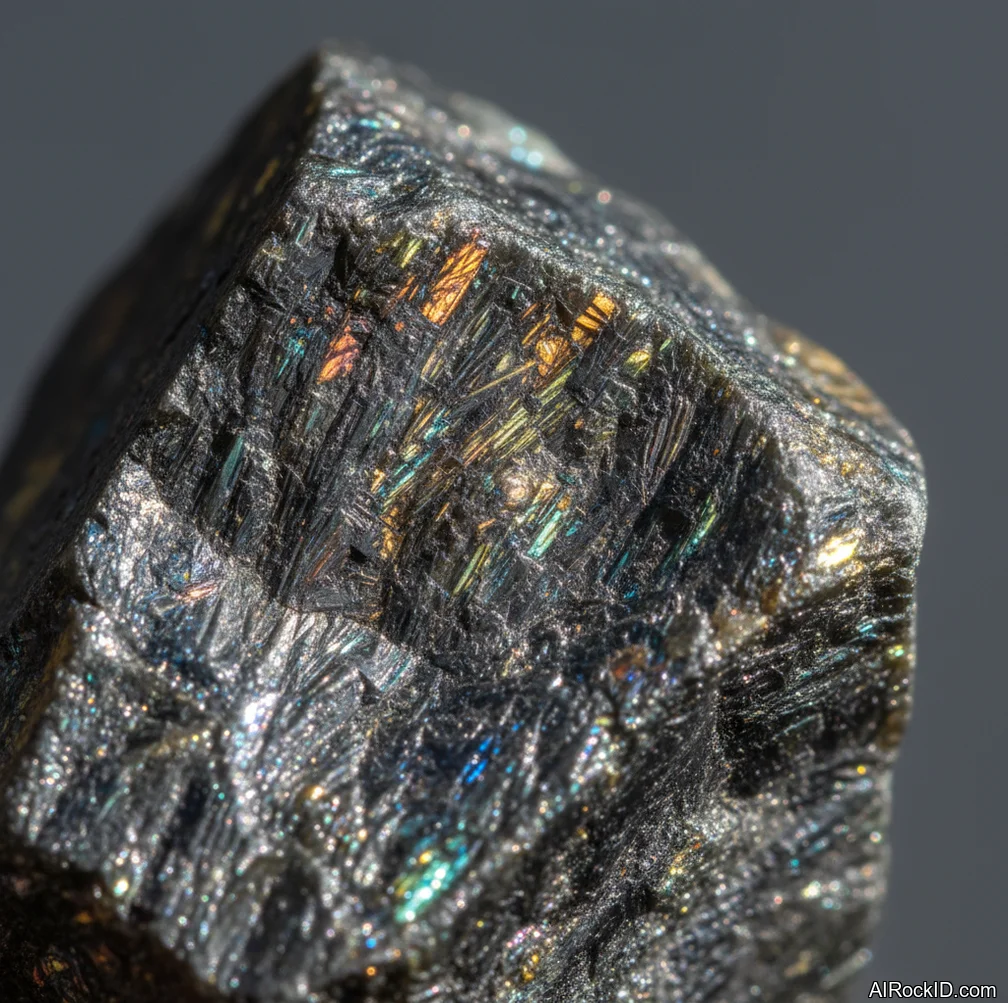
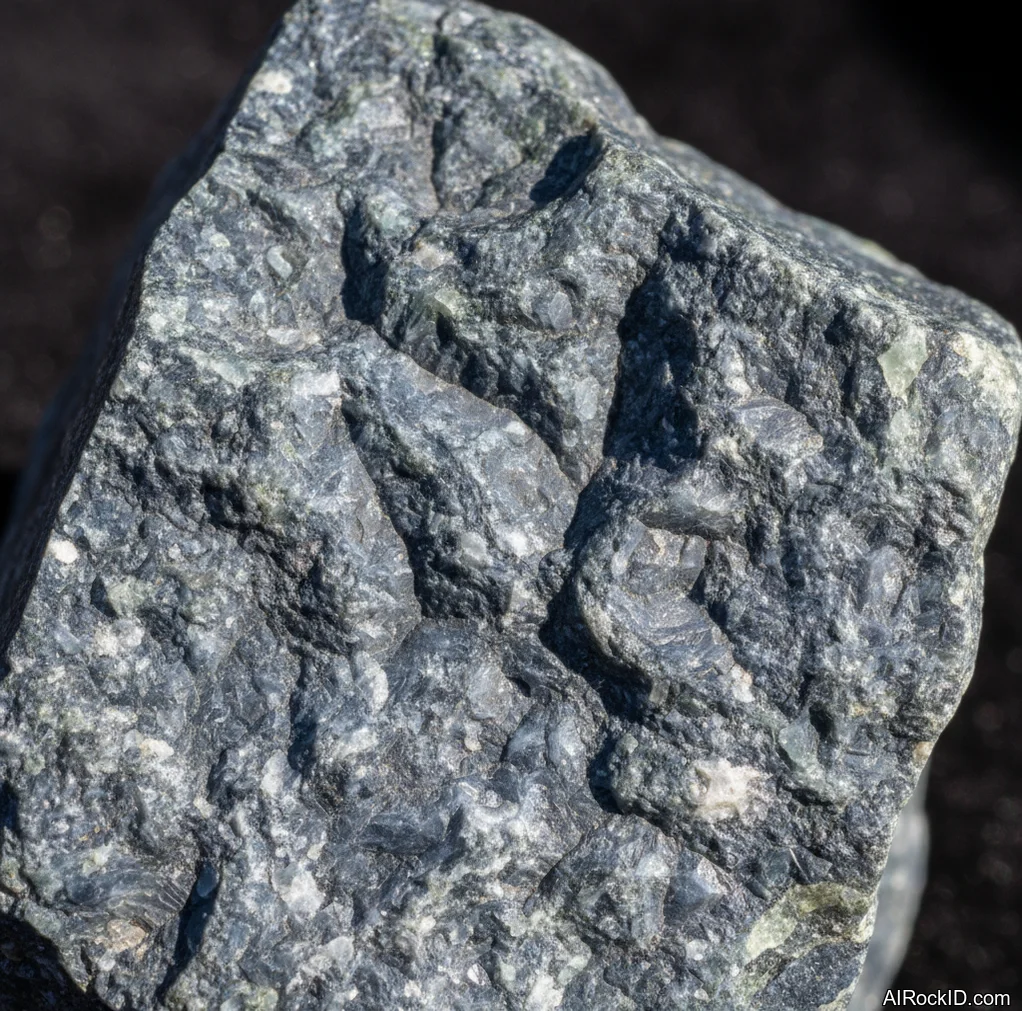
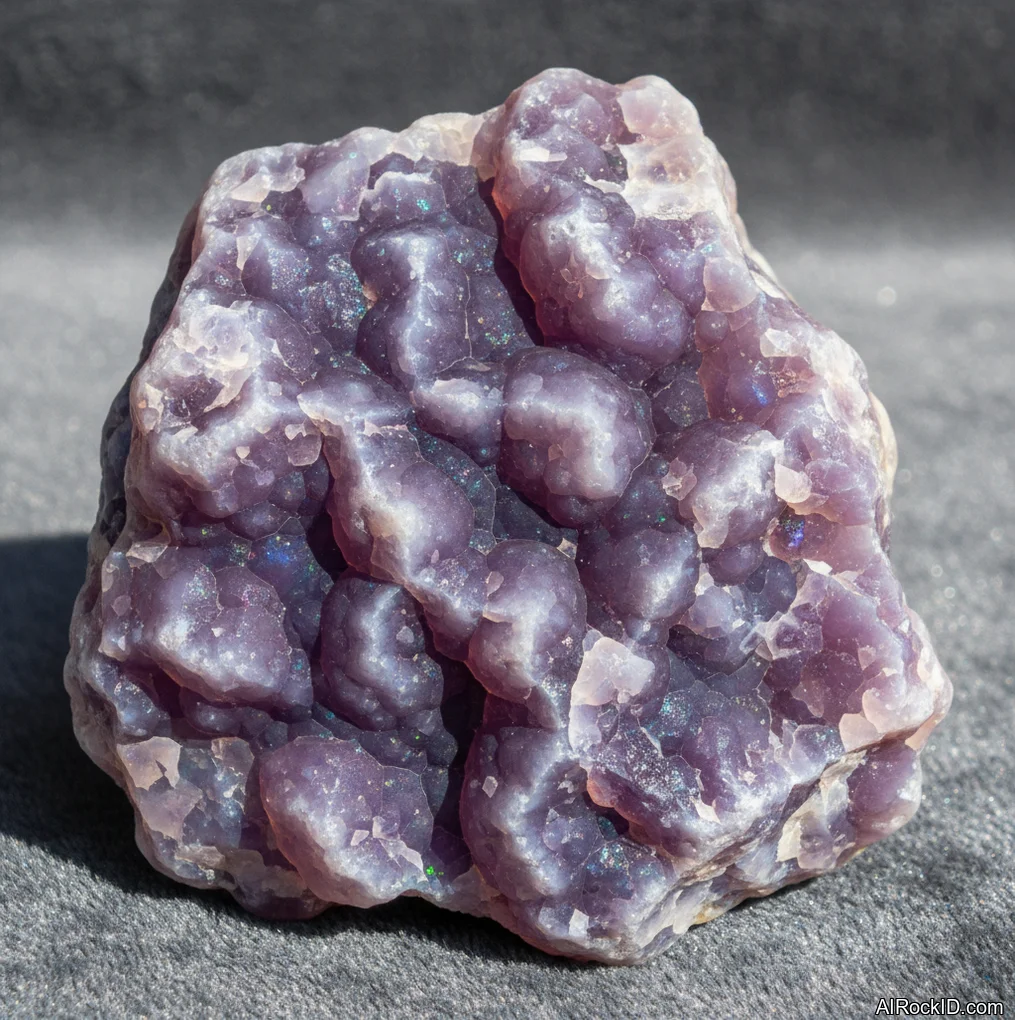
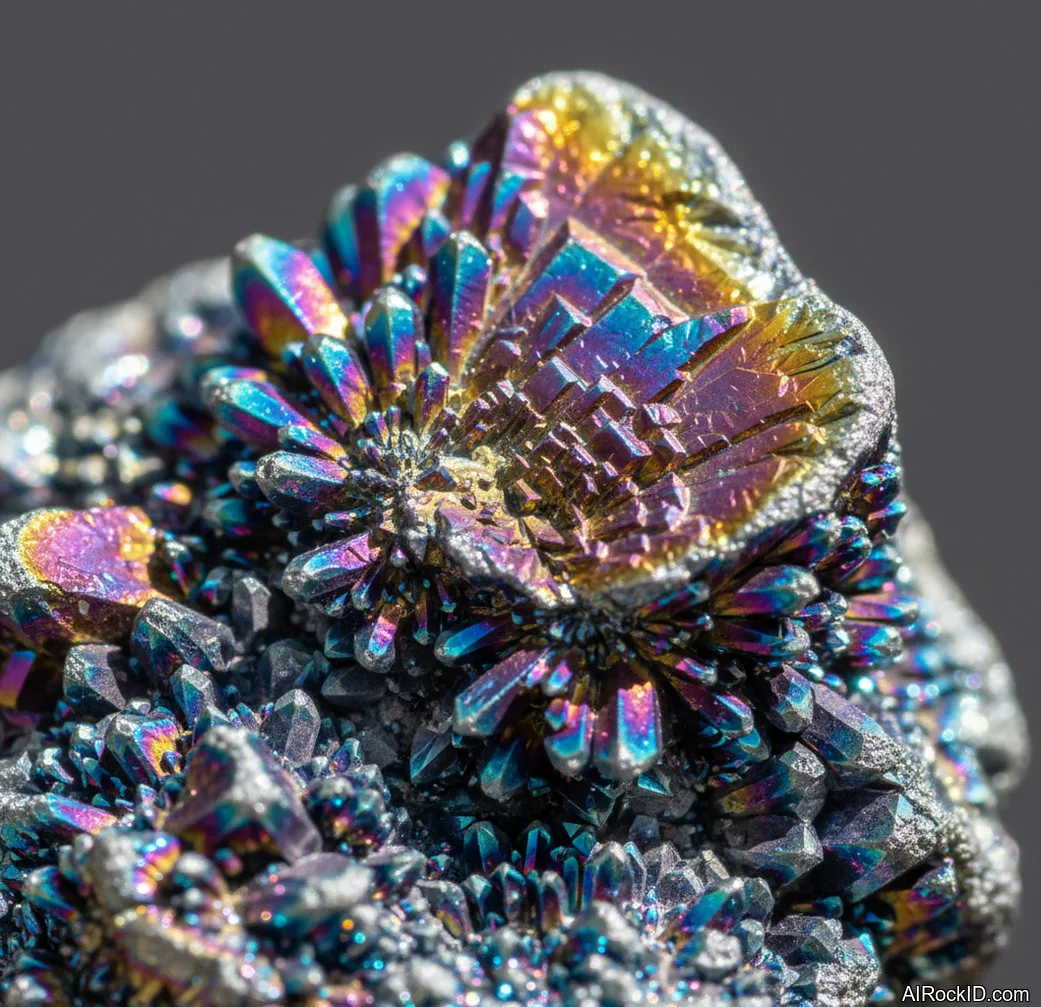
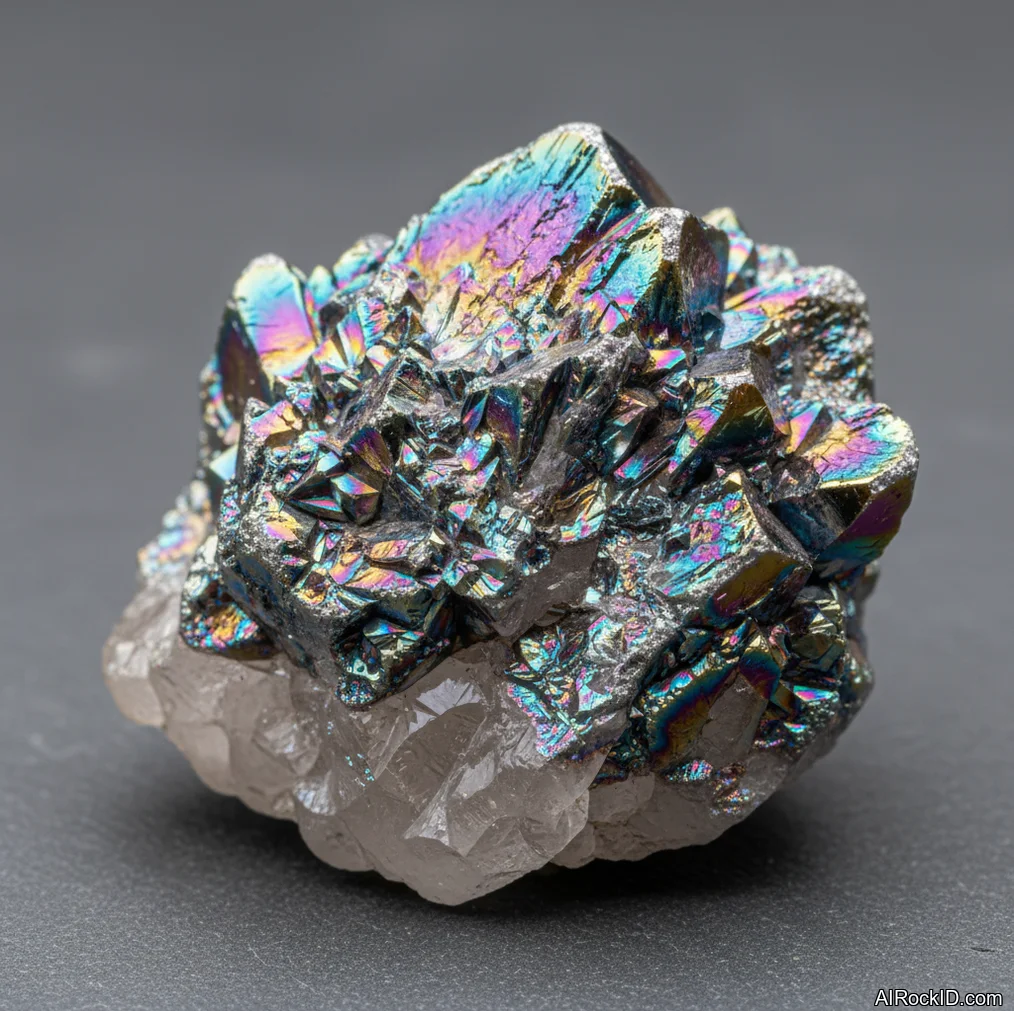
Labradorite is a textbook pick for this category. Tilt a piece and sometimes it looks totally plain until that flash of blue or green fires across a cleavage face—it’s there, then gone. Once, I handled a slab that looked like dirty driveway gravel until it caught the afternoon sun and went full peacock. That’s the vibe: you can’t force clarity, you have to catch the angle. The moment you see what was hidden, it’s like it was always there. That’s what draws people to these stones.
Physical Properties of Self-Discovery Crystals and How They Reflect the Process
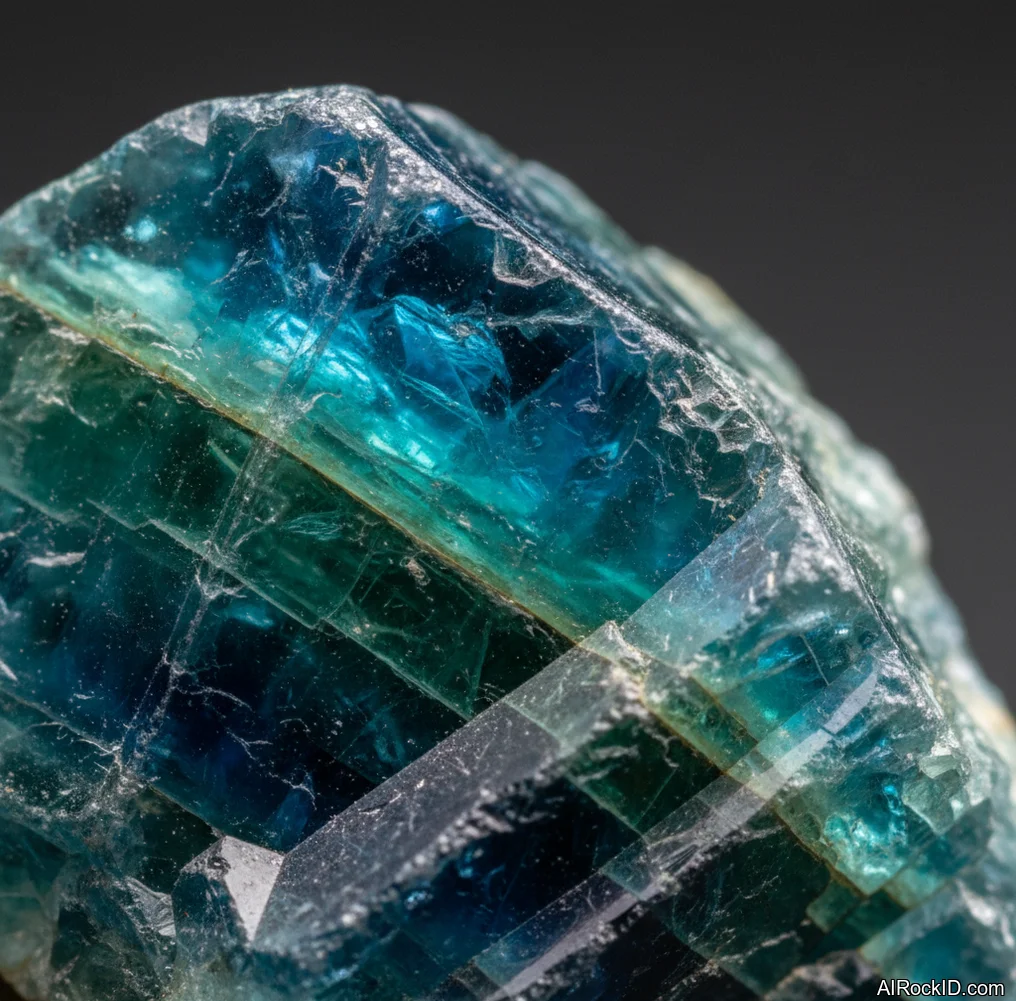
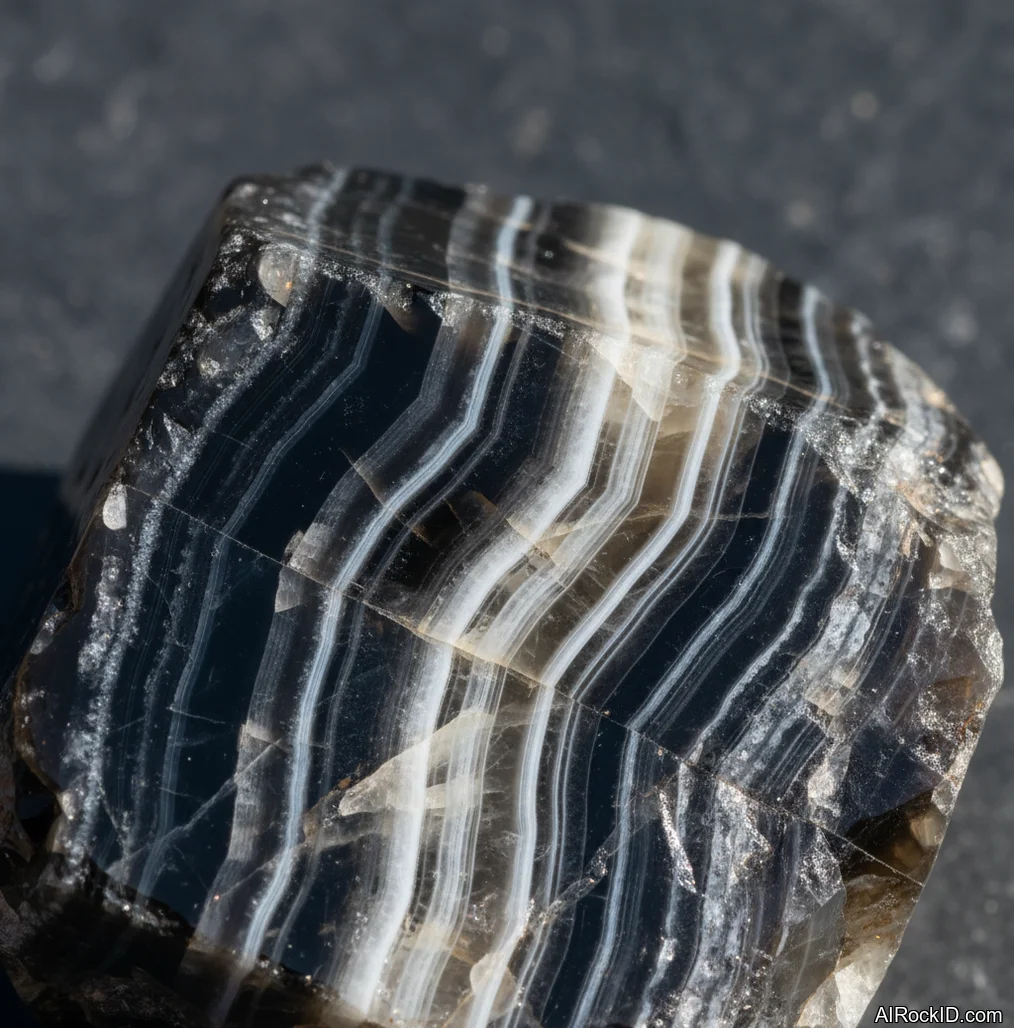
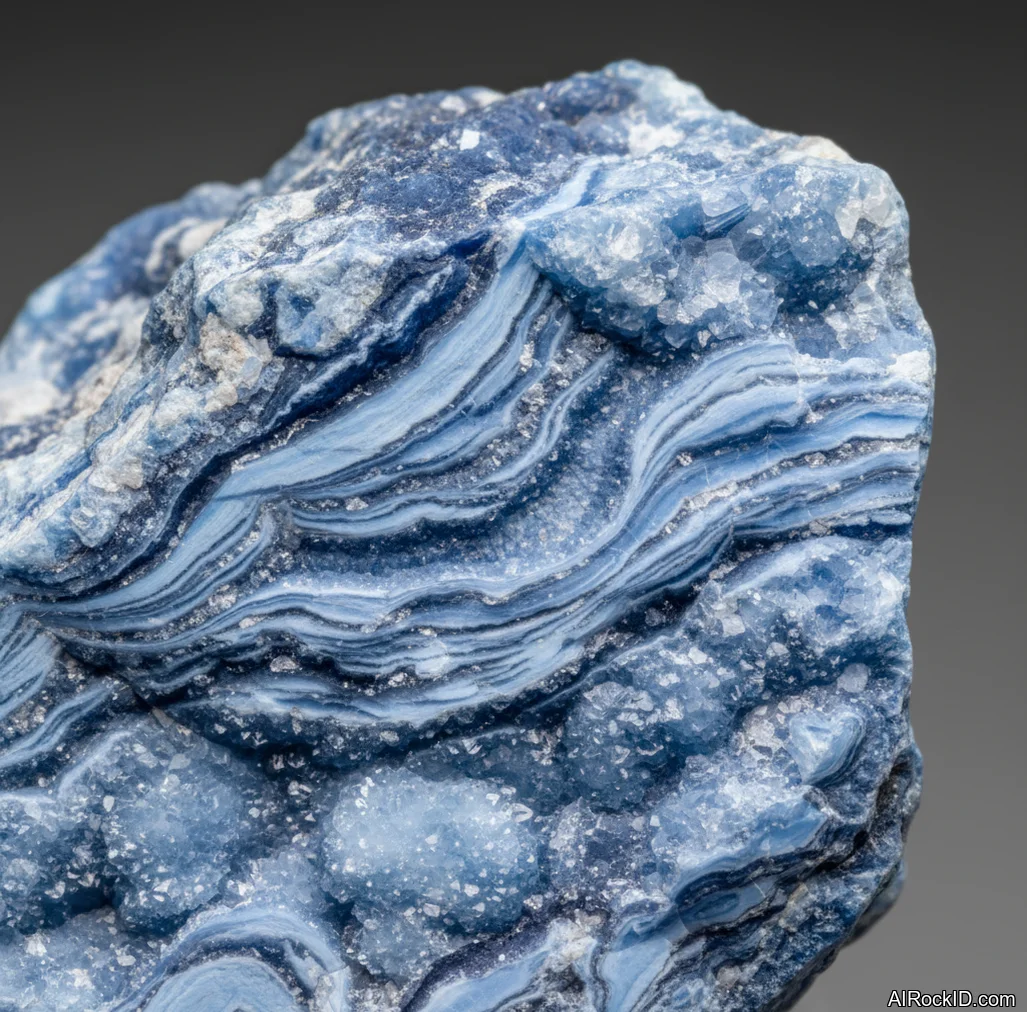
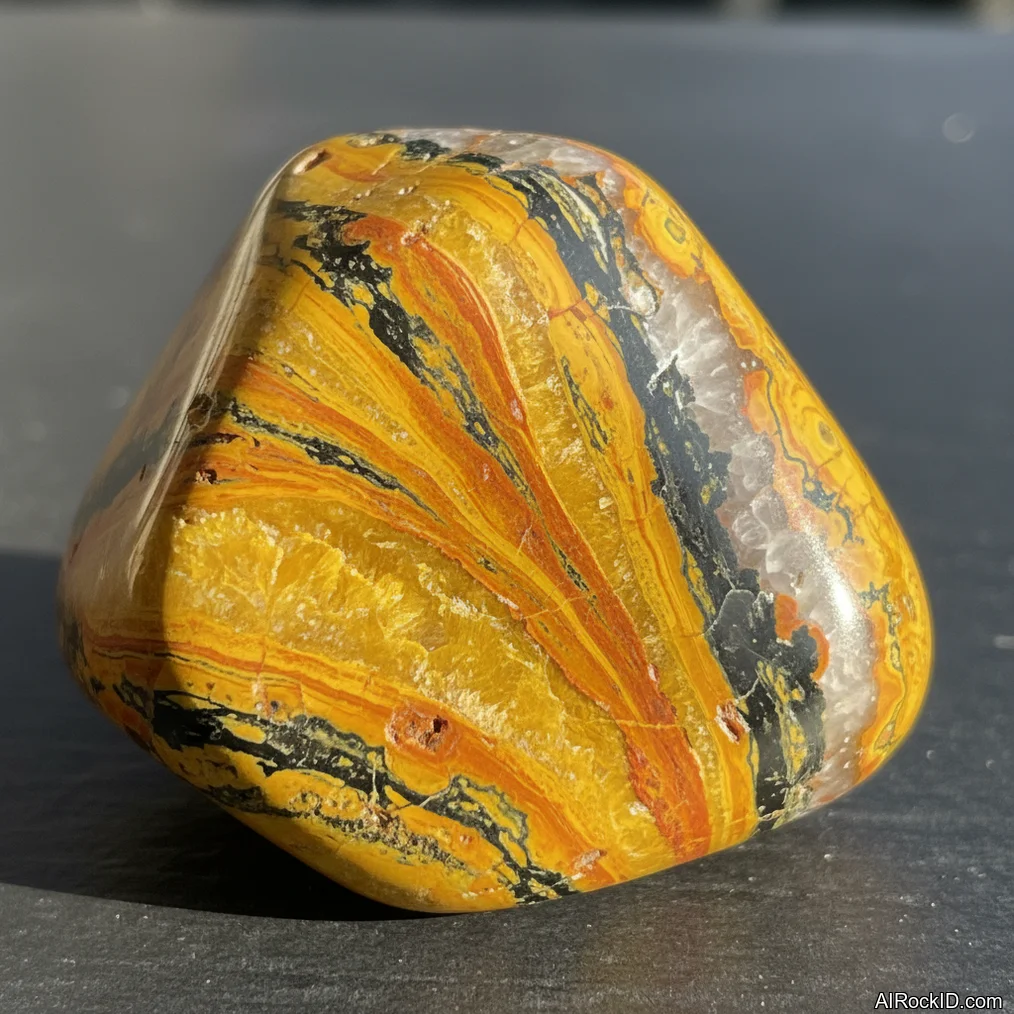
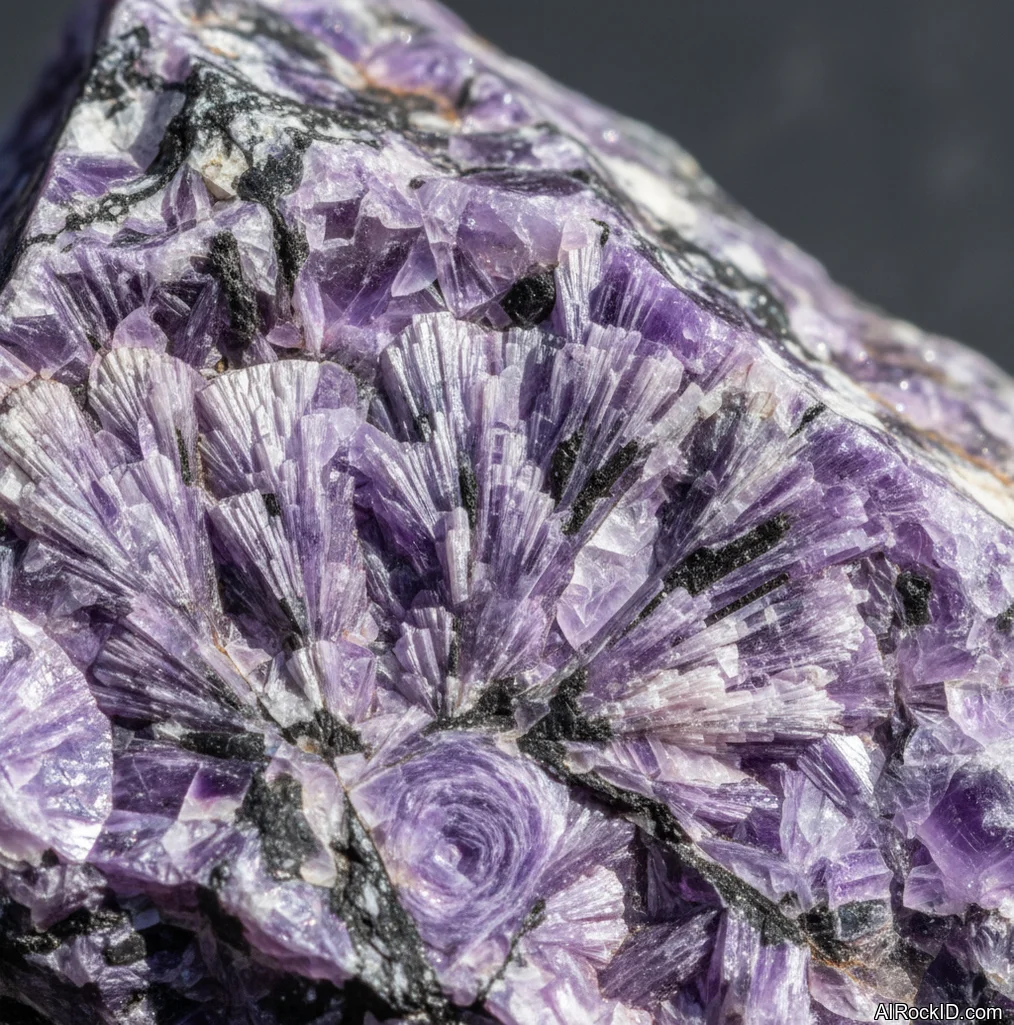
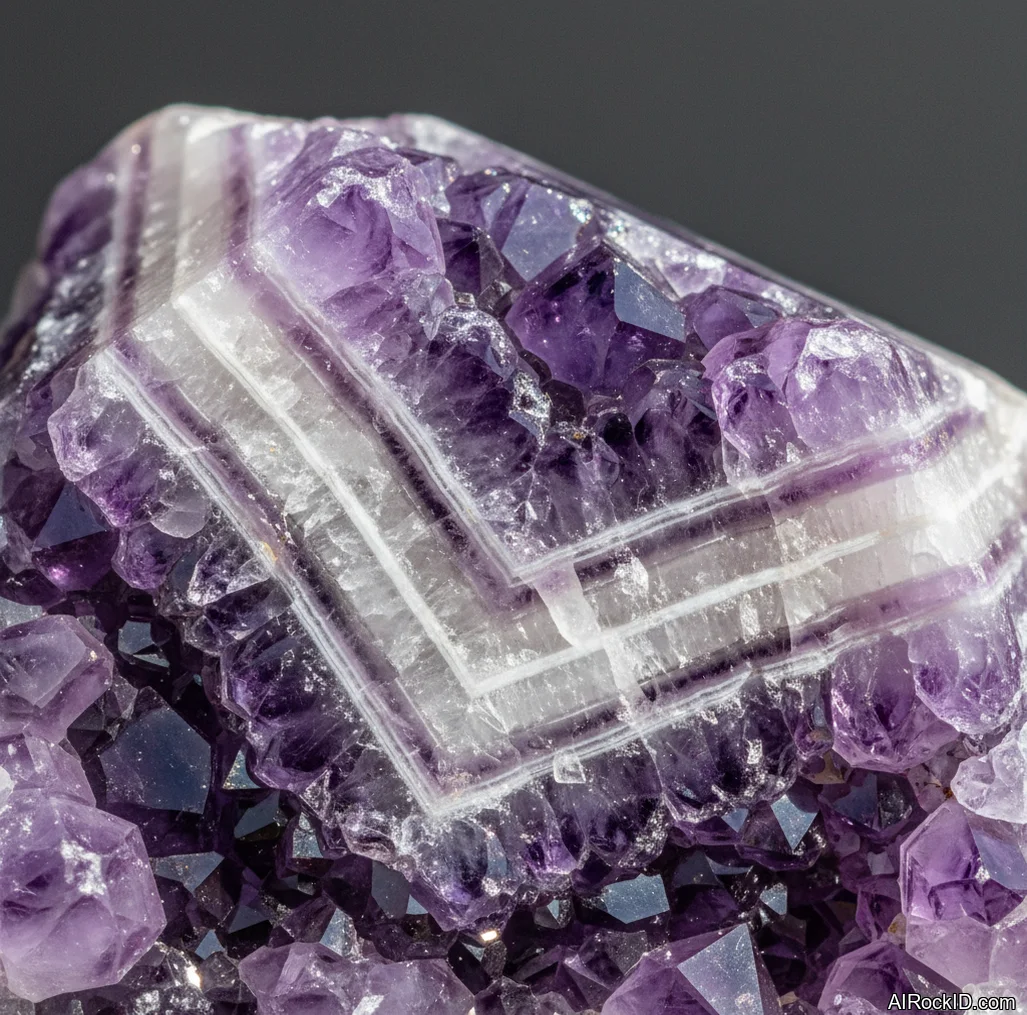
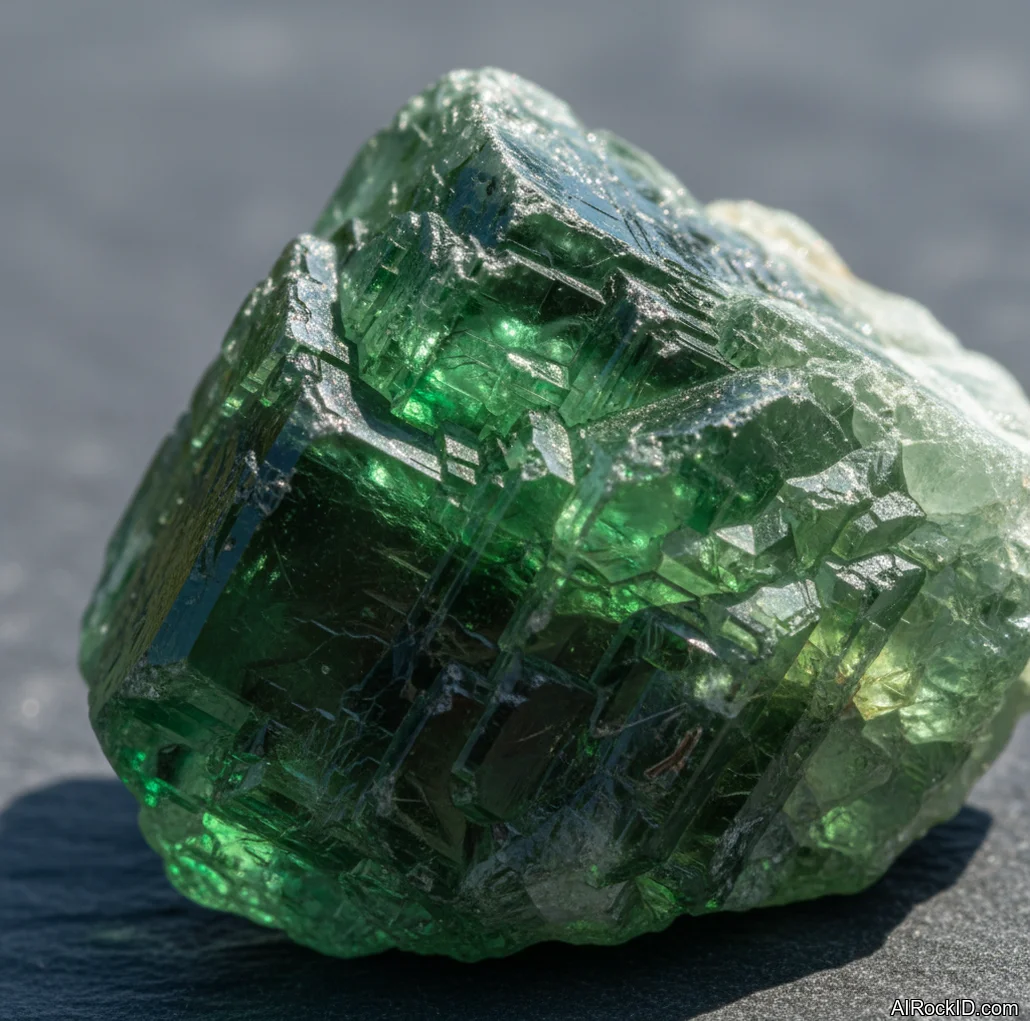
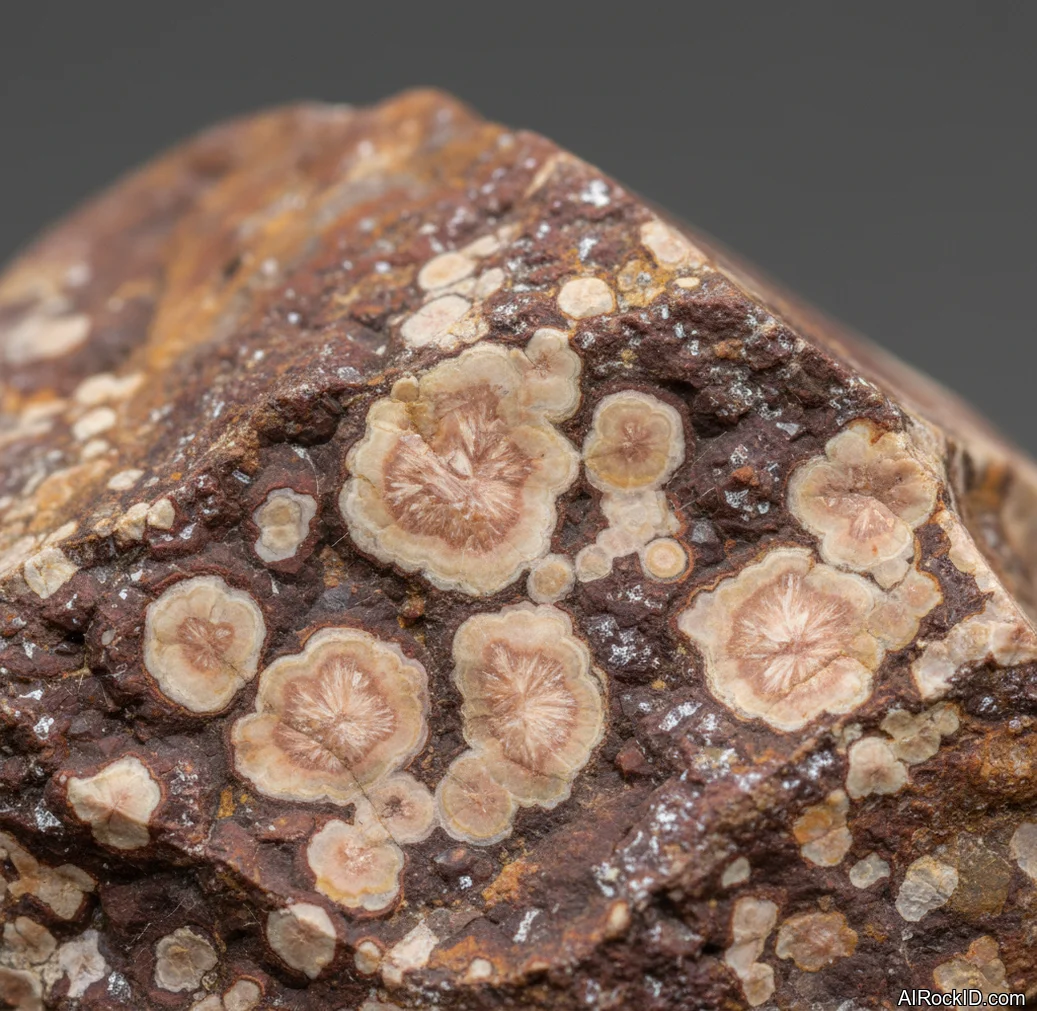
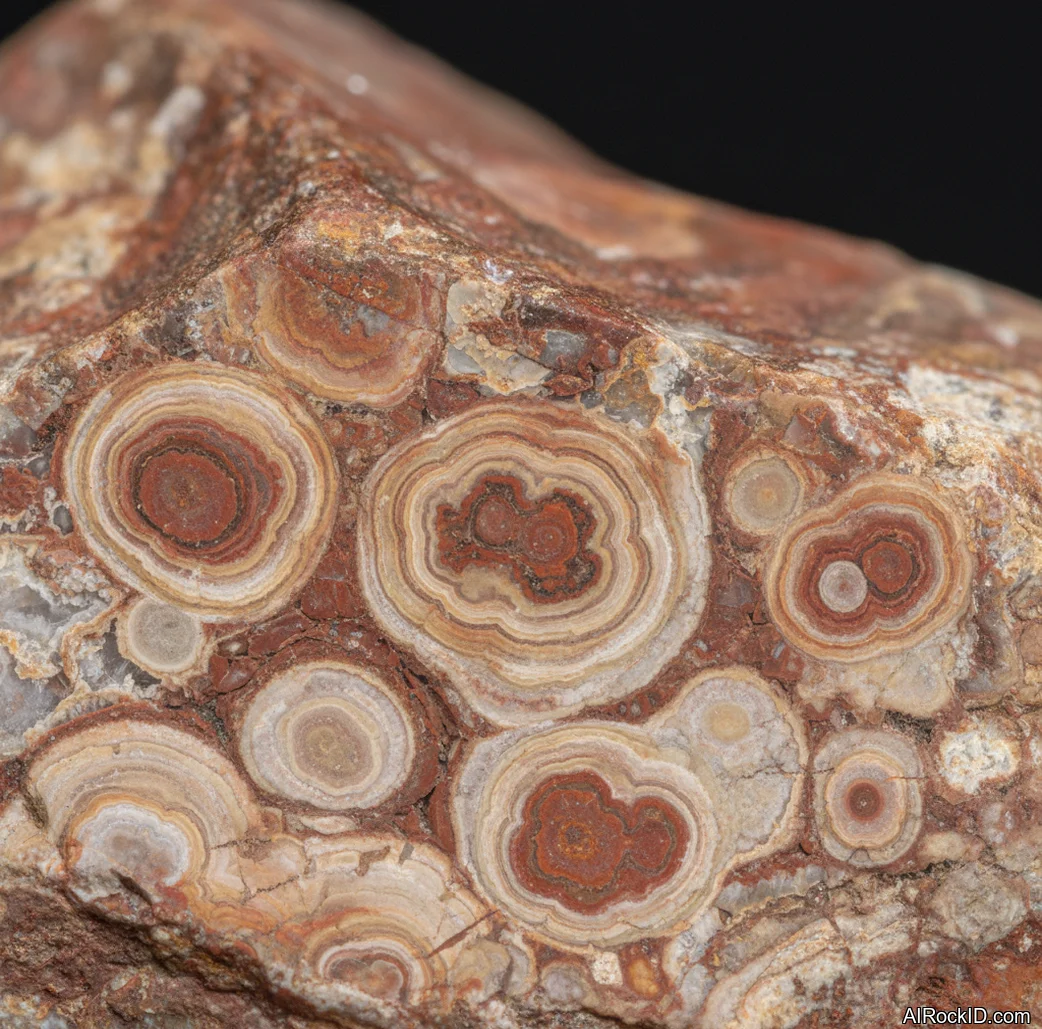
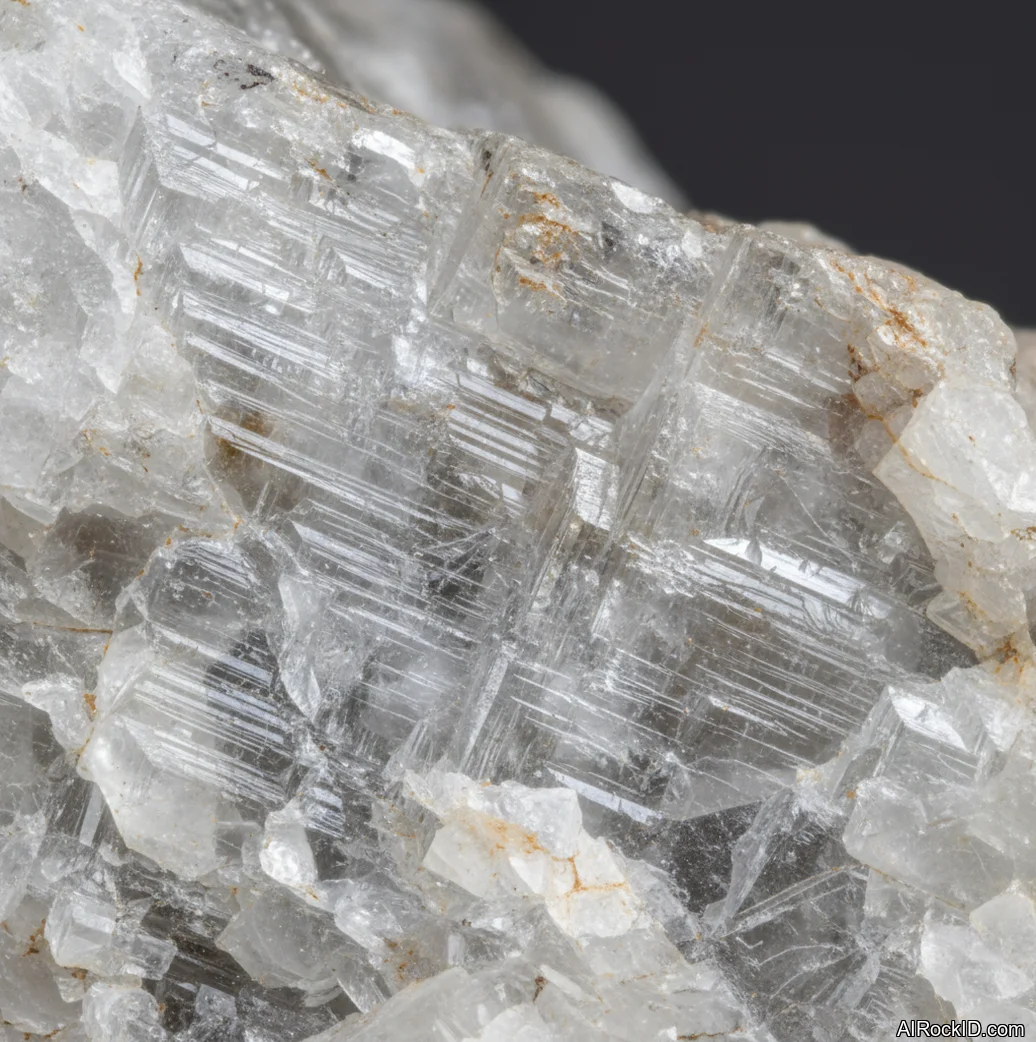
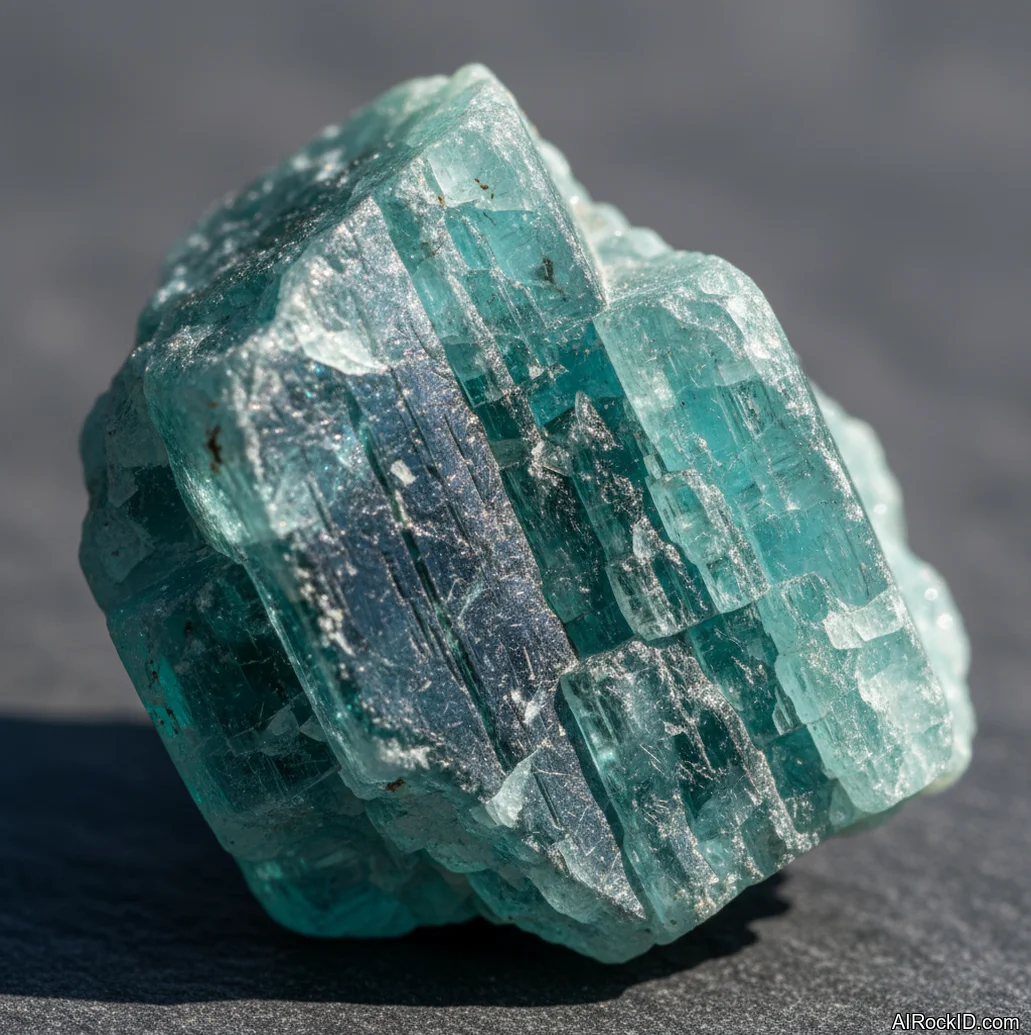
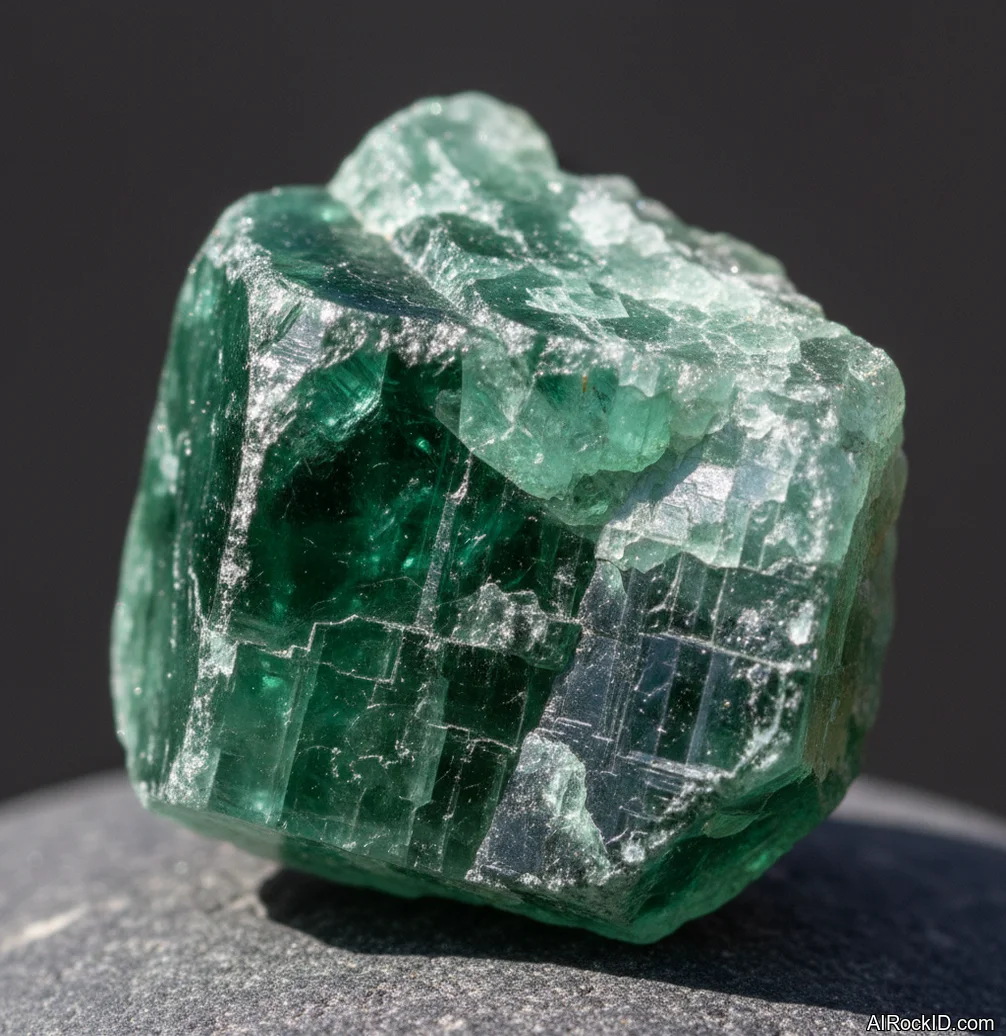
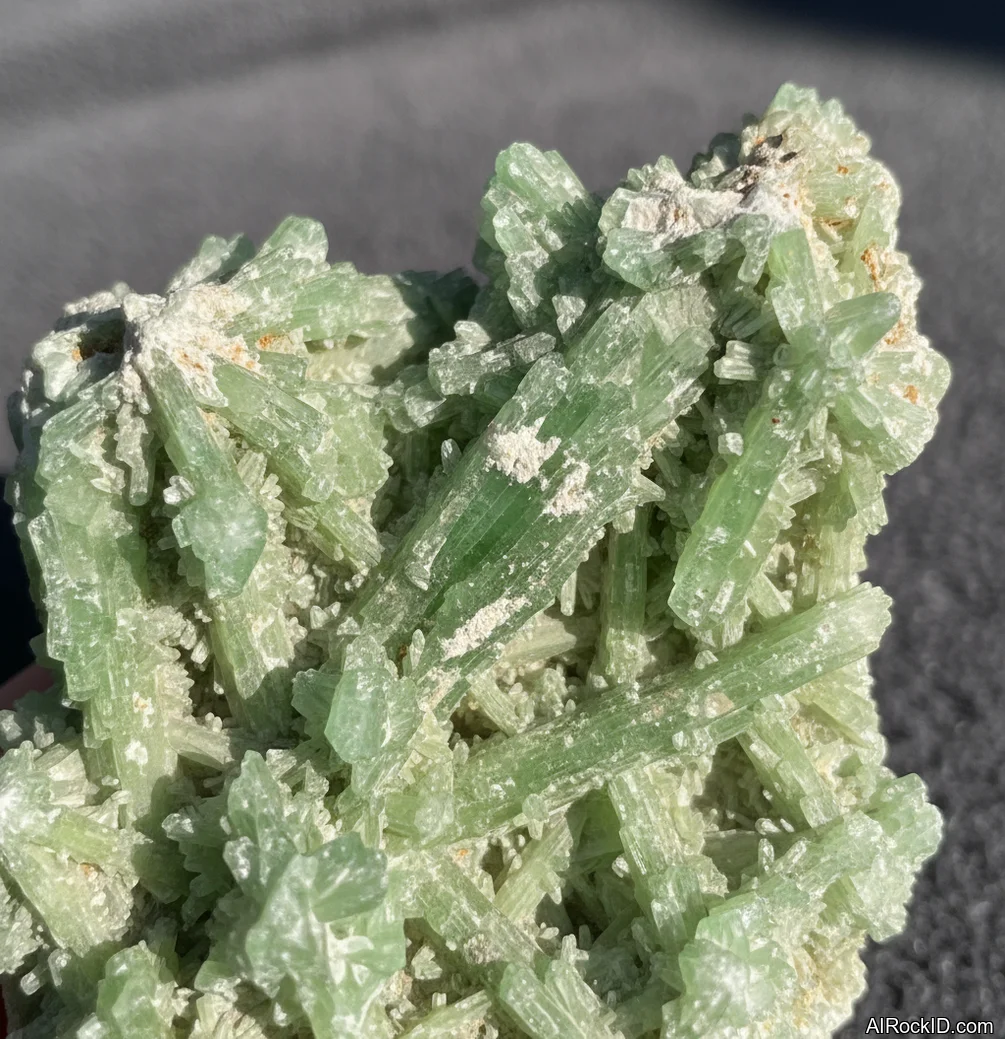
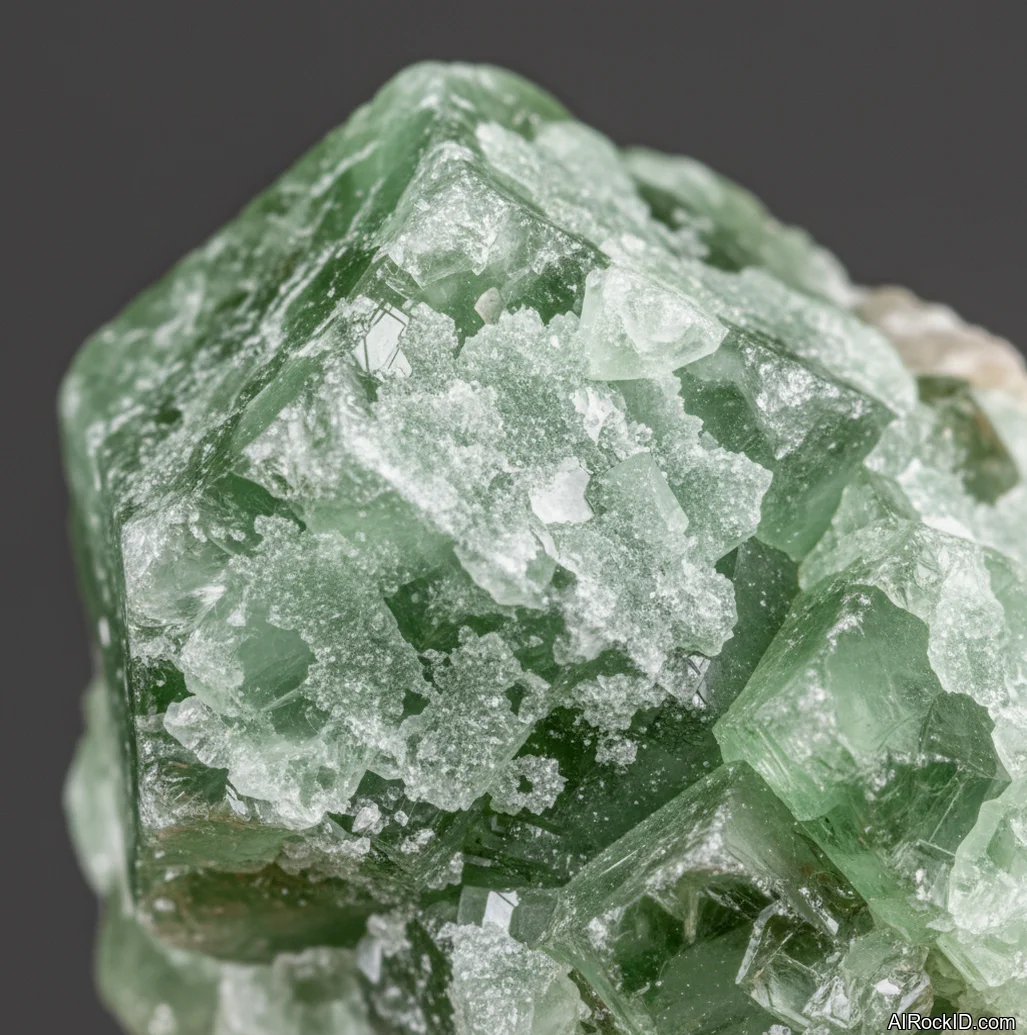
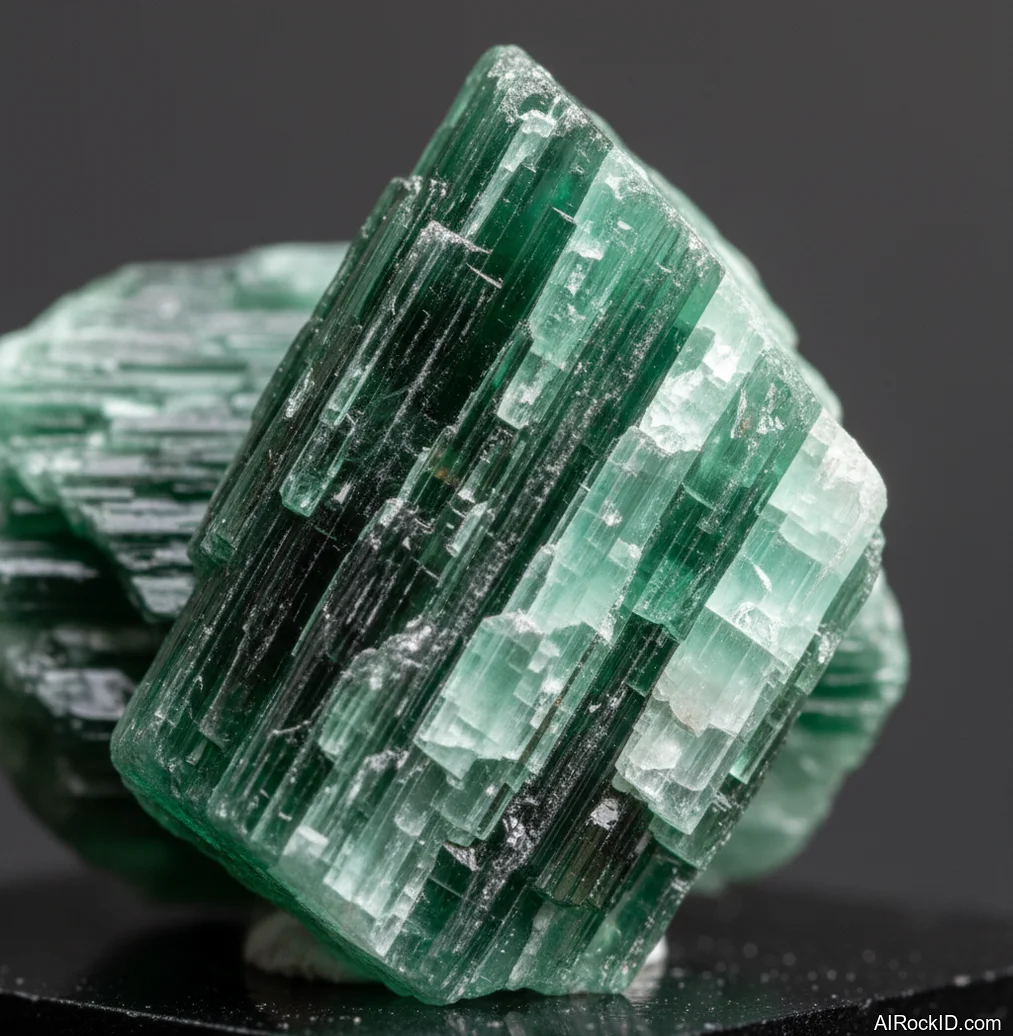
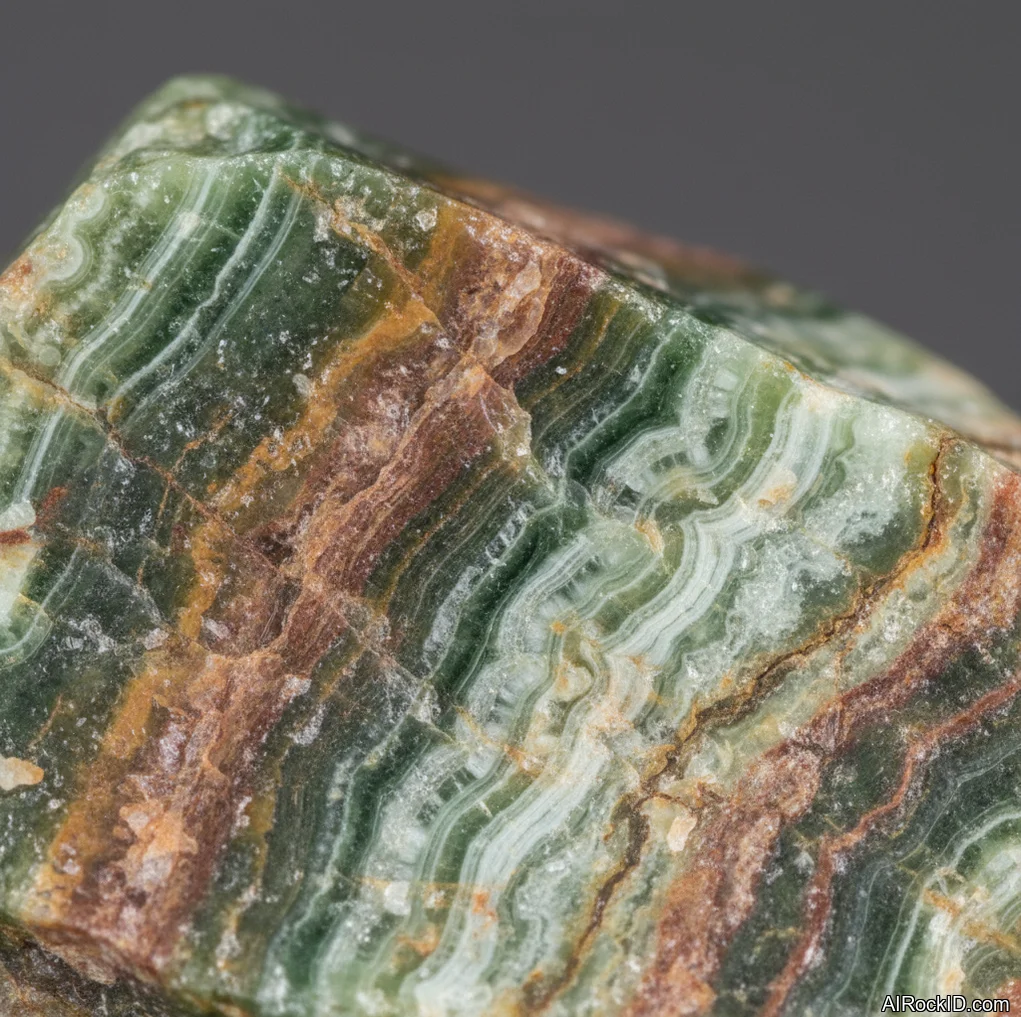
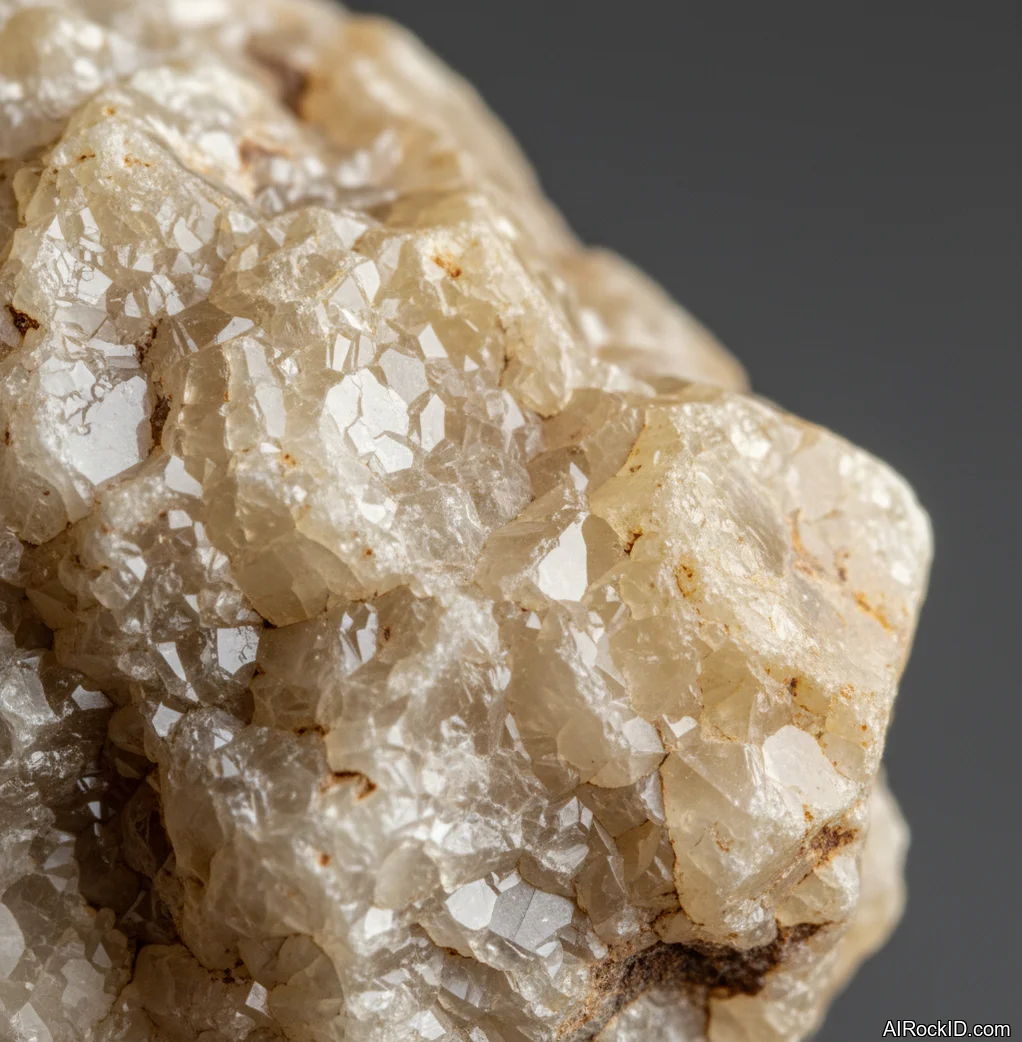
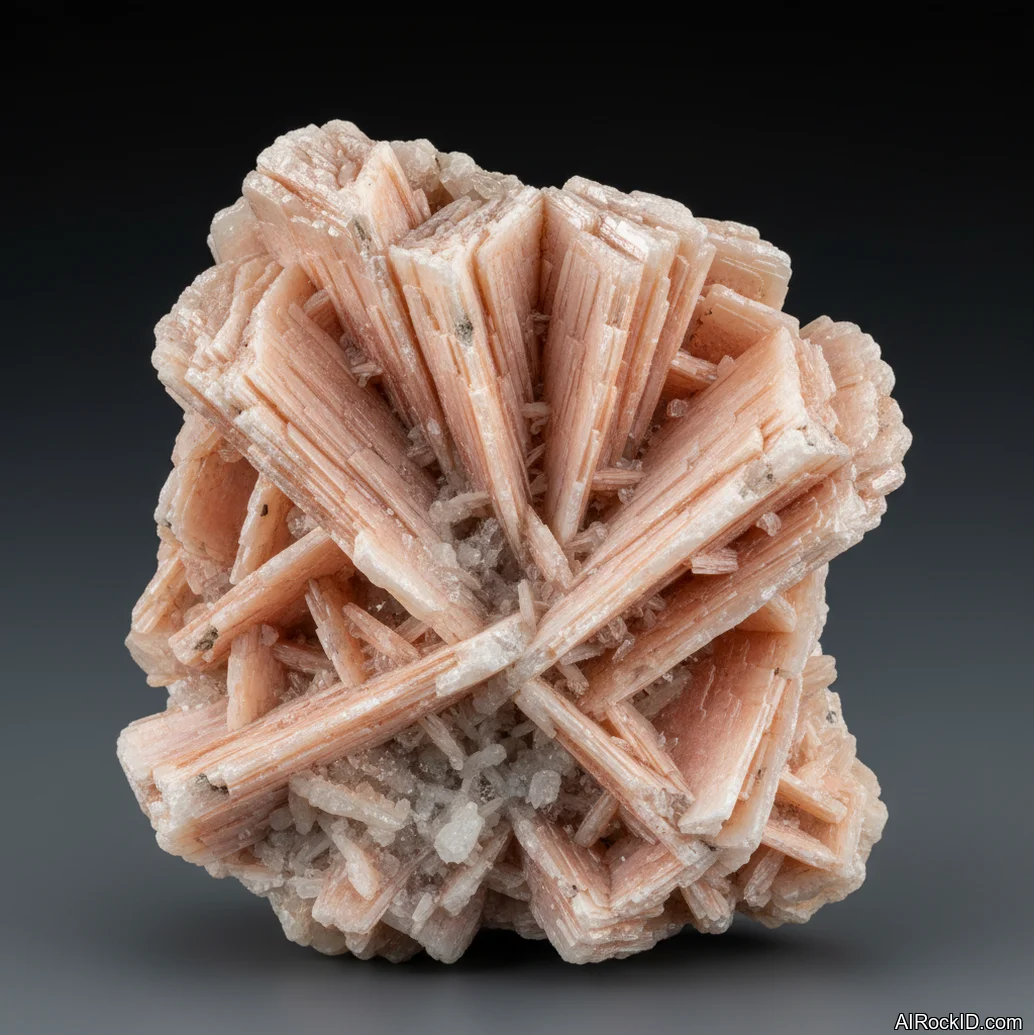
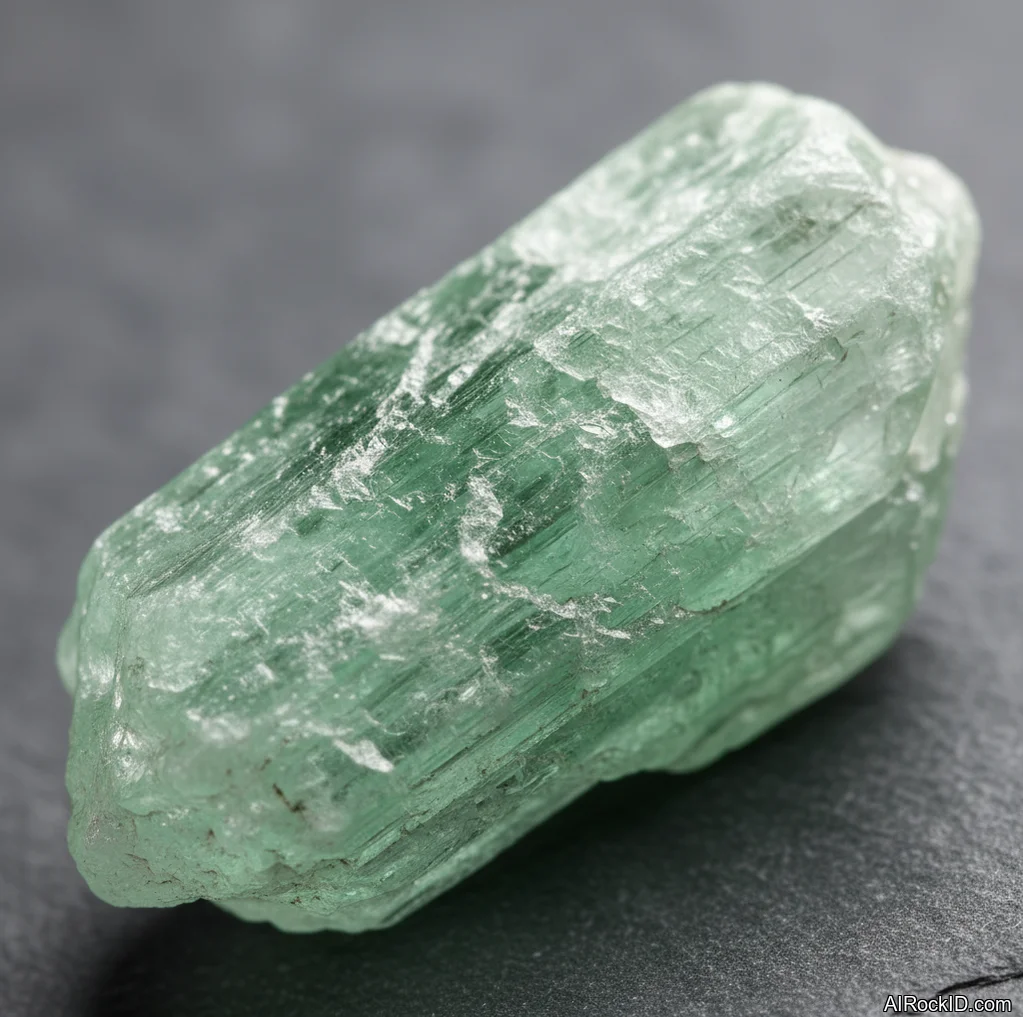
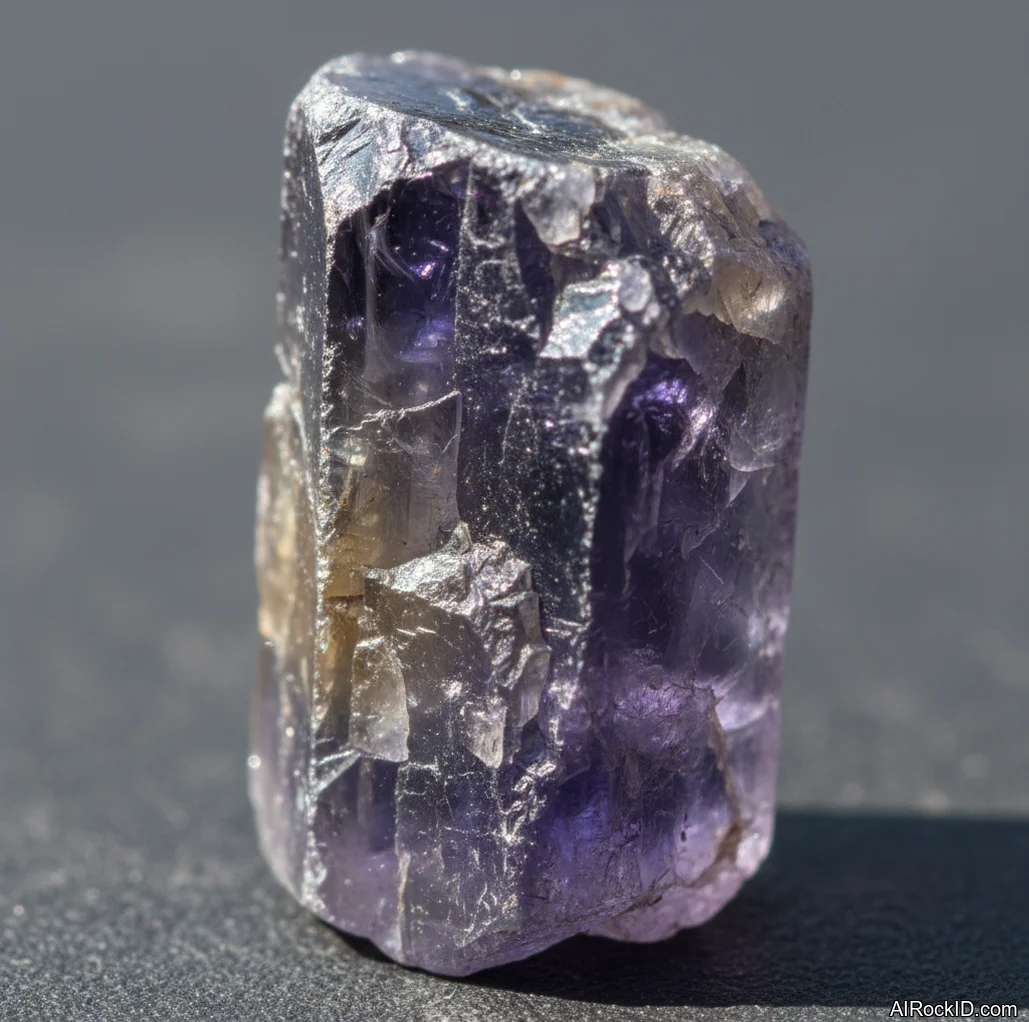
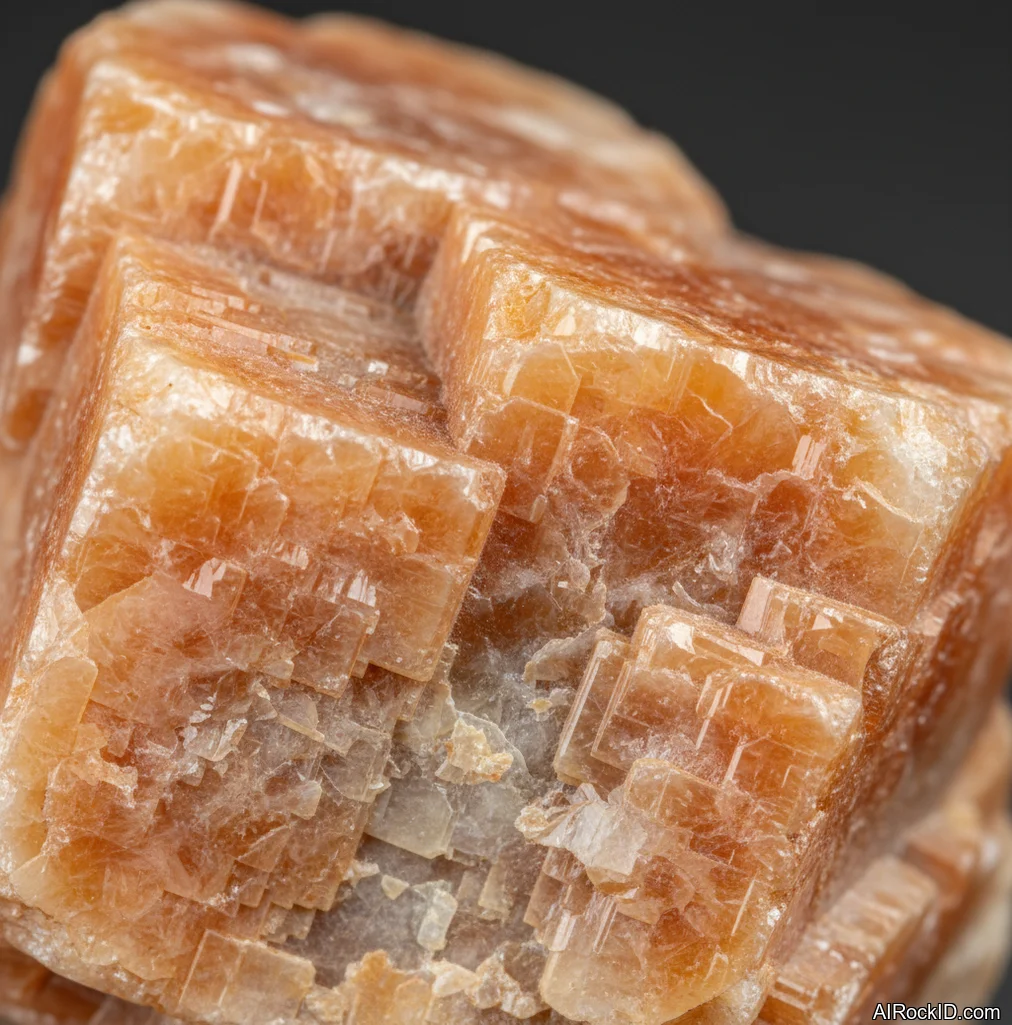
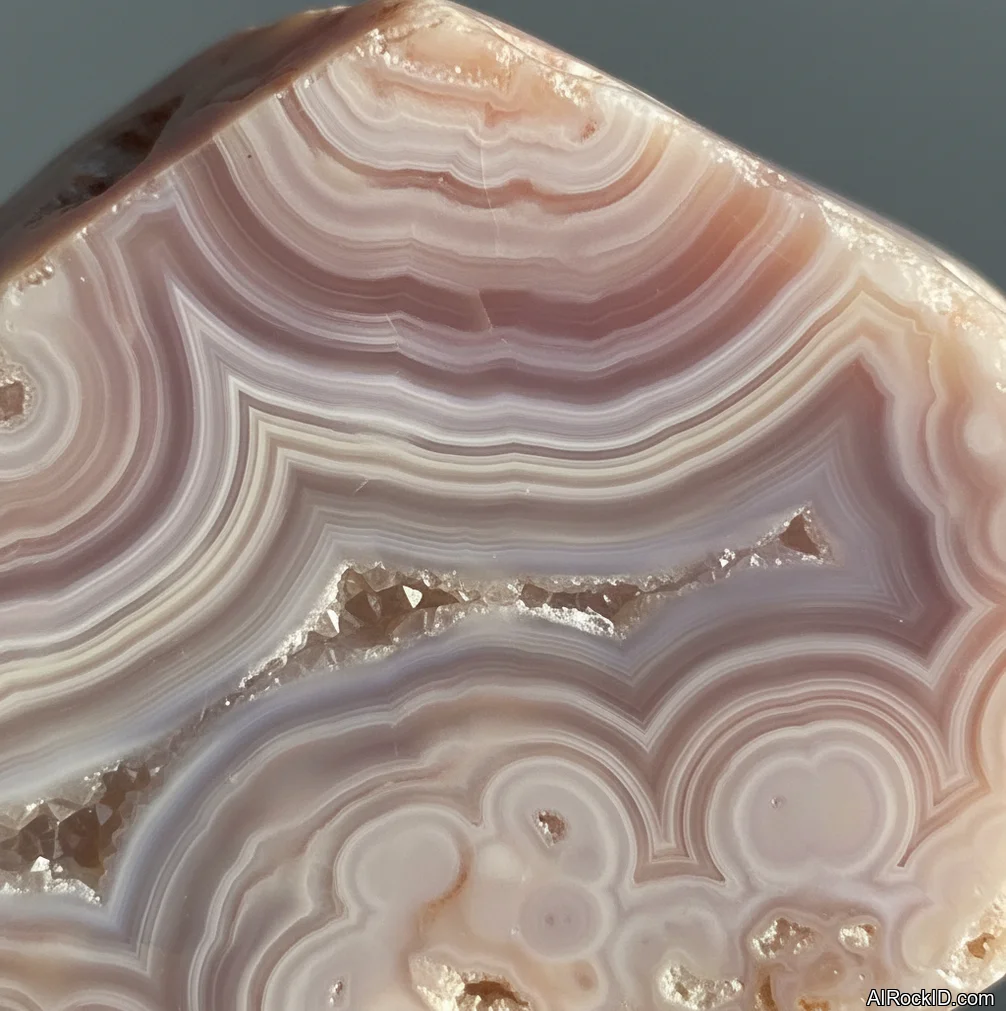
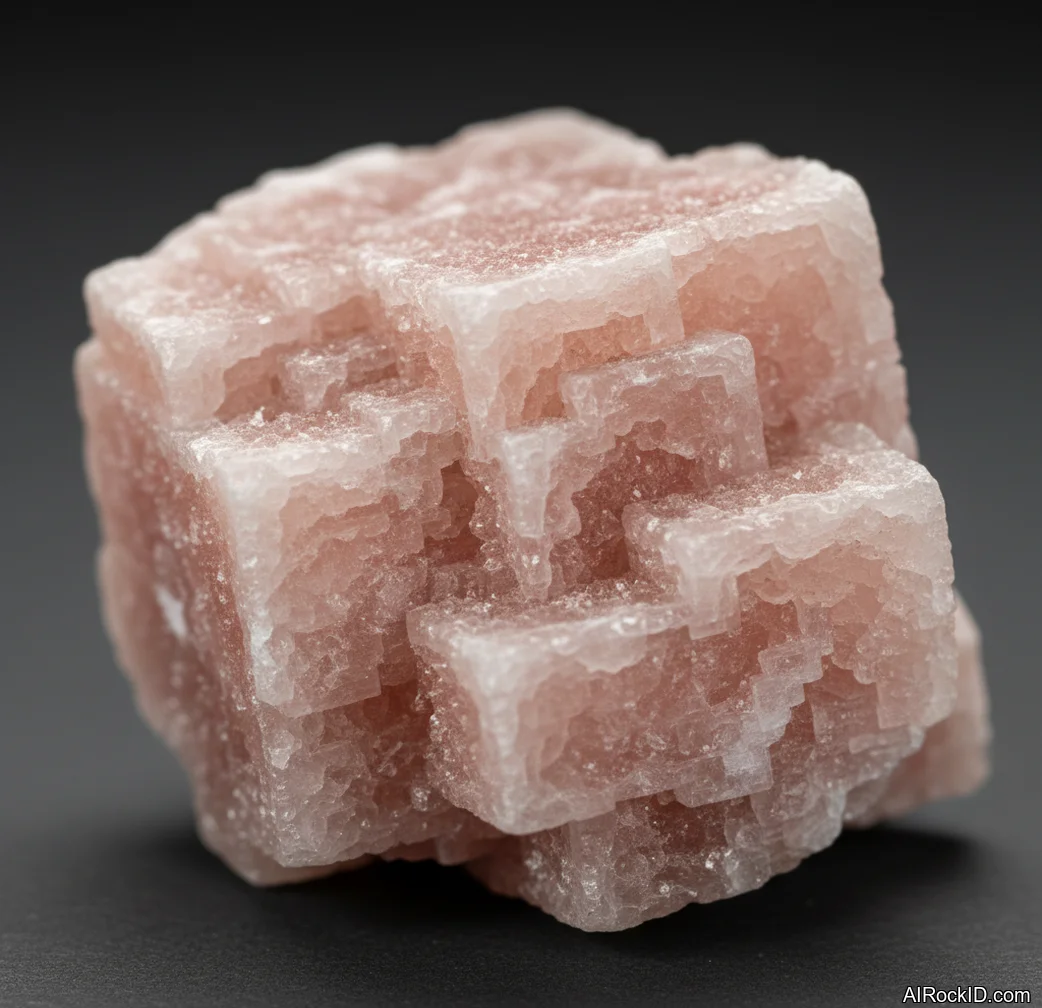
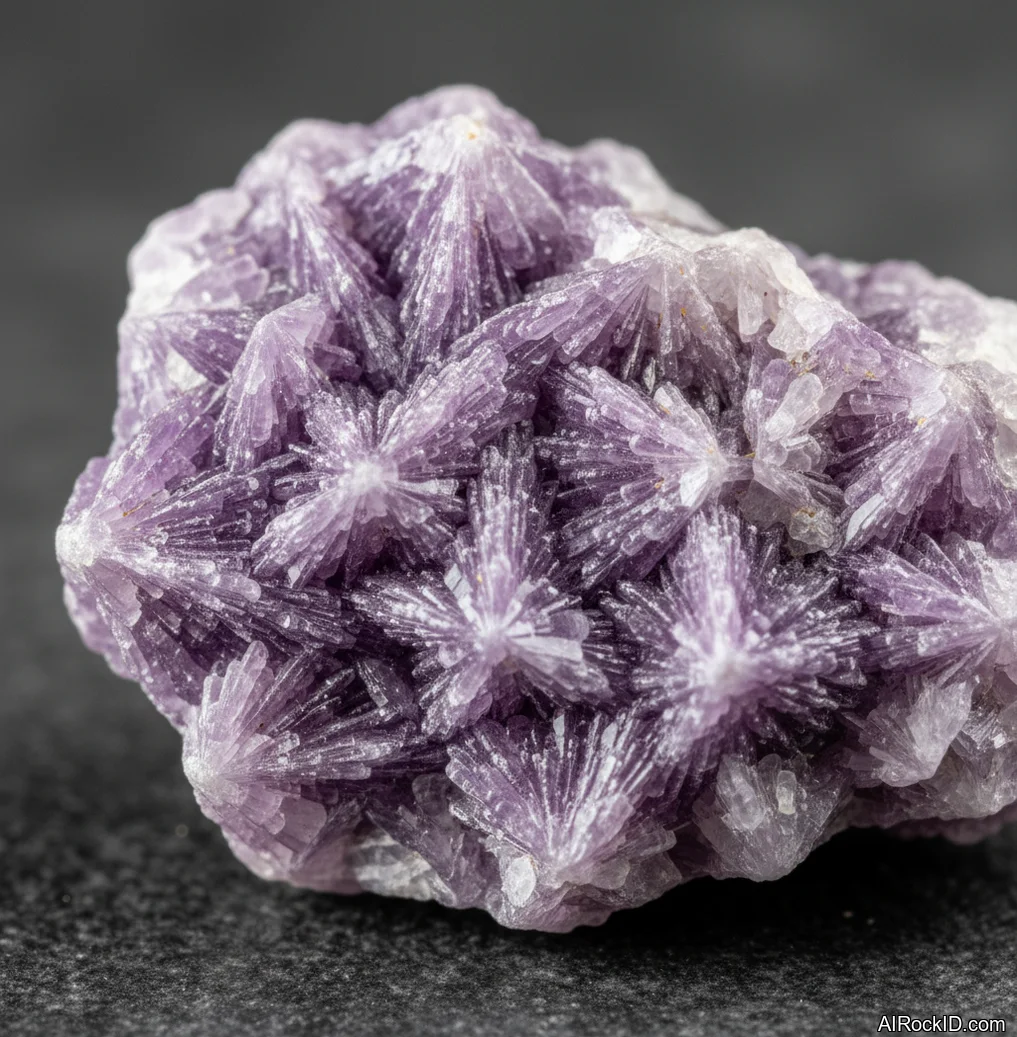
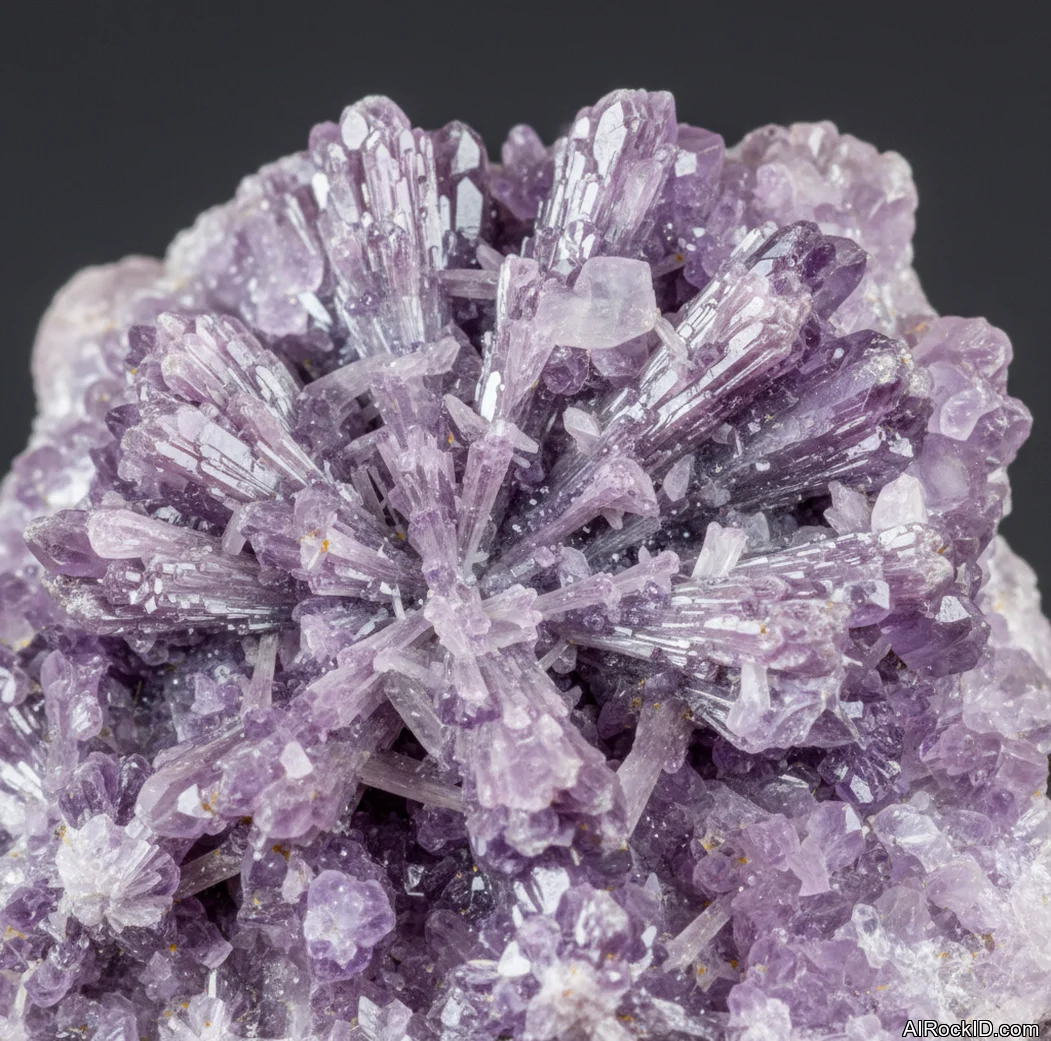
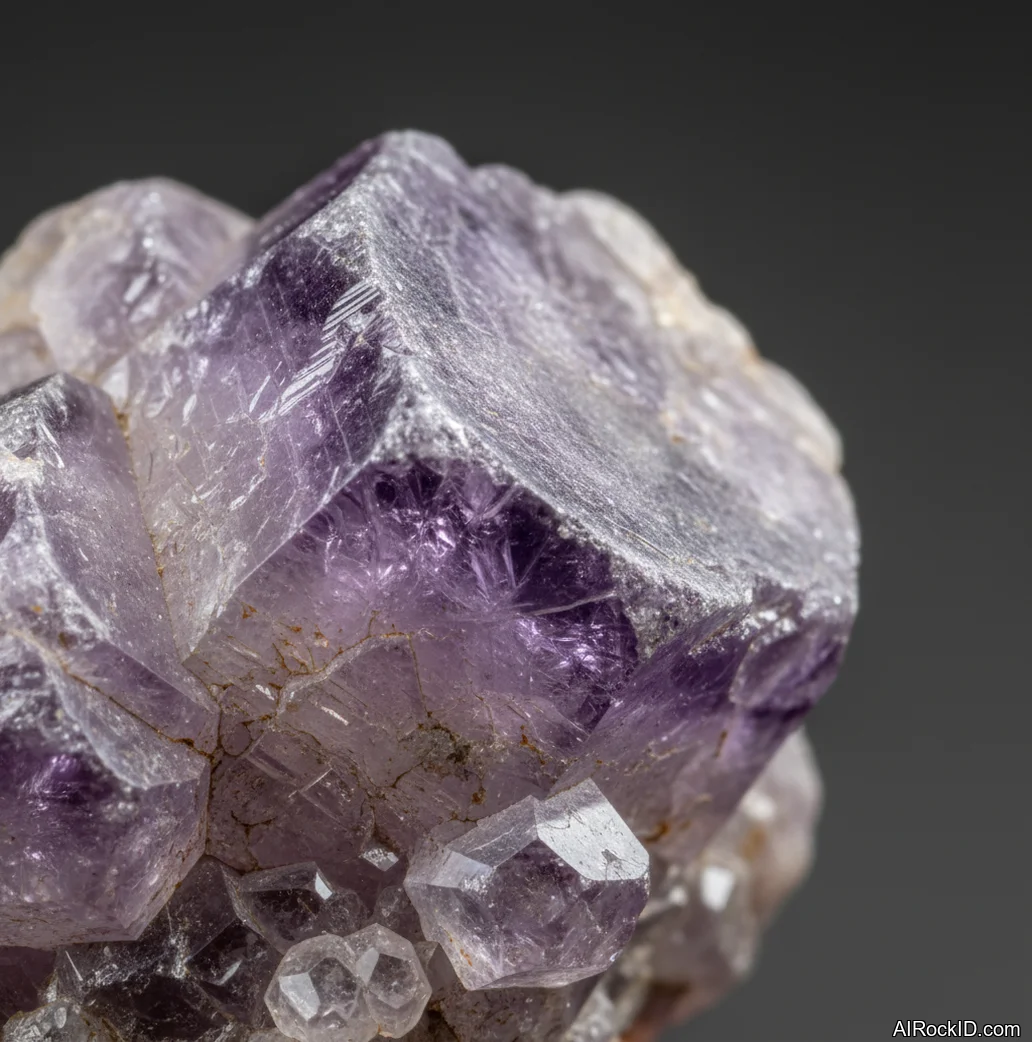
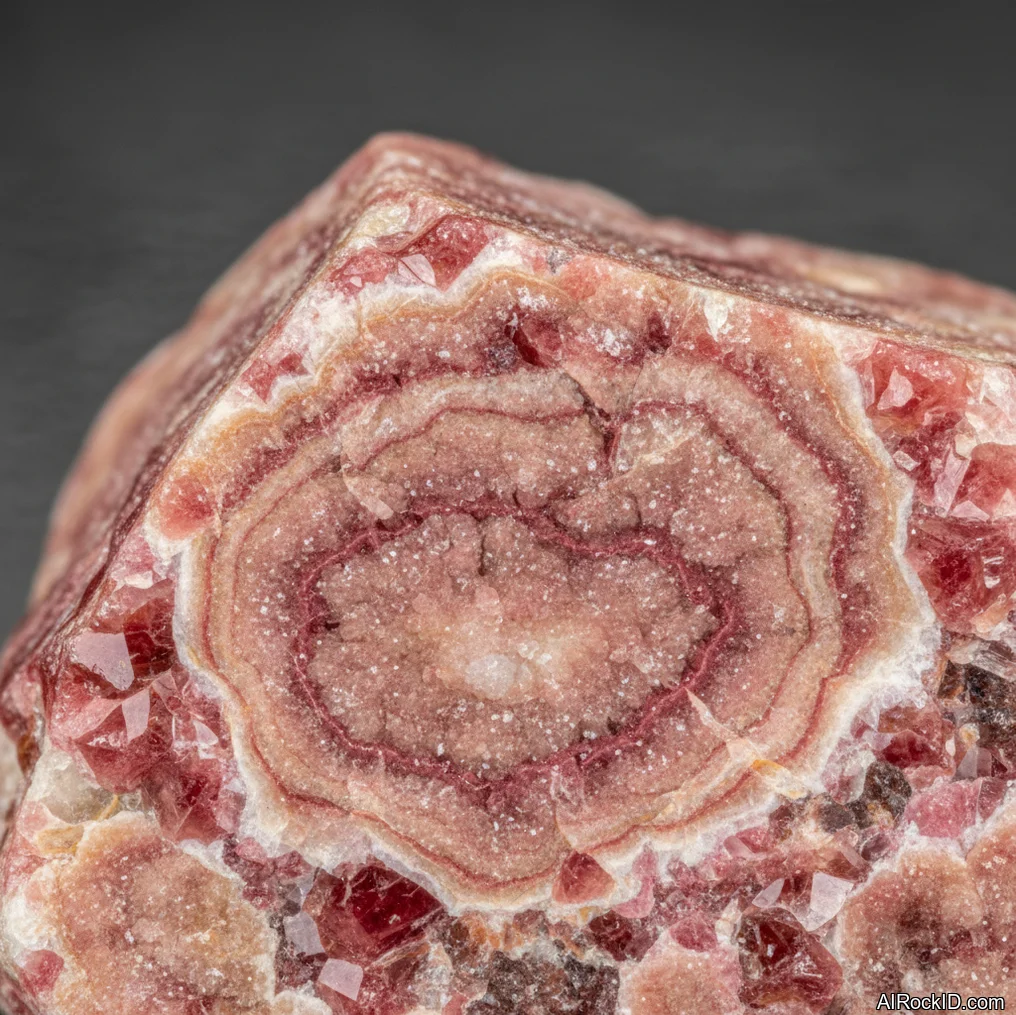
Fluorite gets a lot of attention for Self-Discovery because it literally grows in layers and color bands. Pick up a chunk from the UK or Mexico and hold it to strong light—those stripes, purple fading to green or clear, show how the crystal built itself over time. It matches the way people work through layers of habits or beliefs. But, fluorite’s soft—Mohs 4—so if you toss it in a pocket with keys, expect new scratches by the end of the week. That’s a physical reminder that constant work without breaks leads to wear.
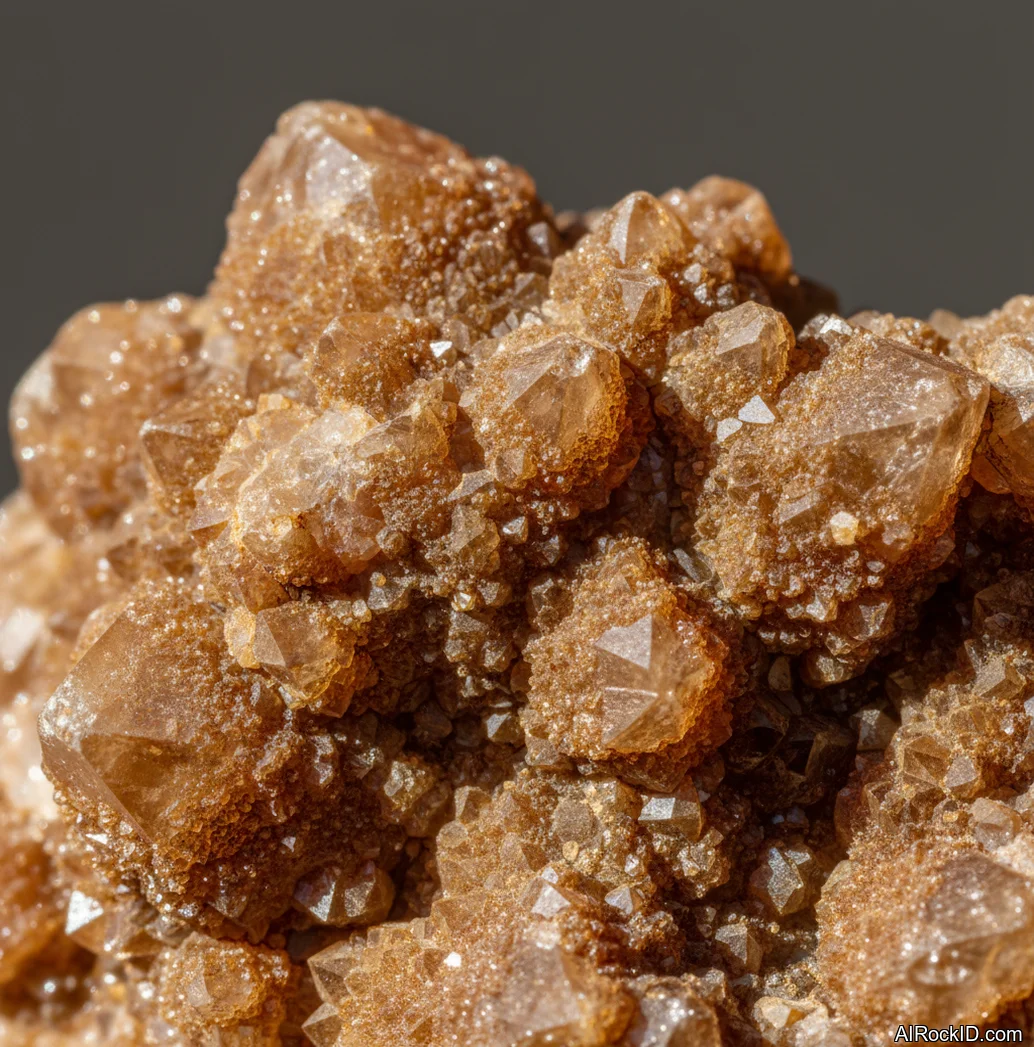
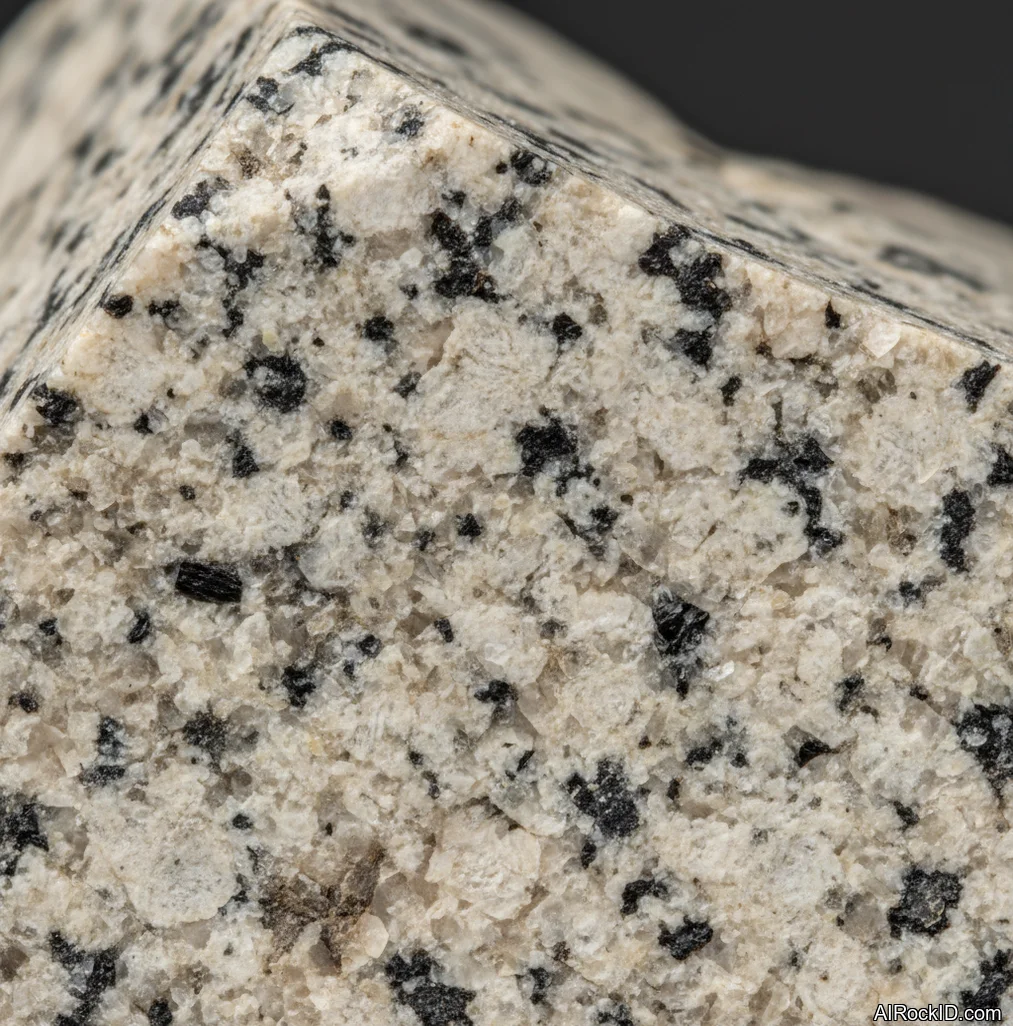
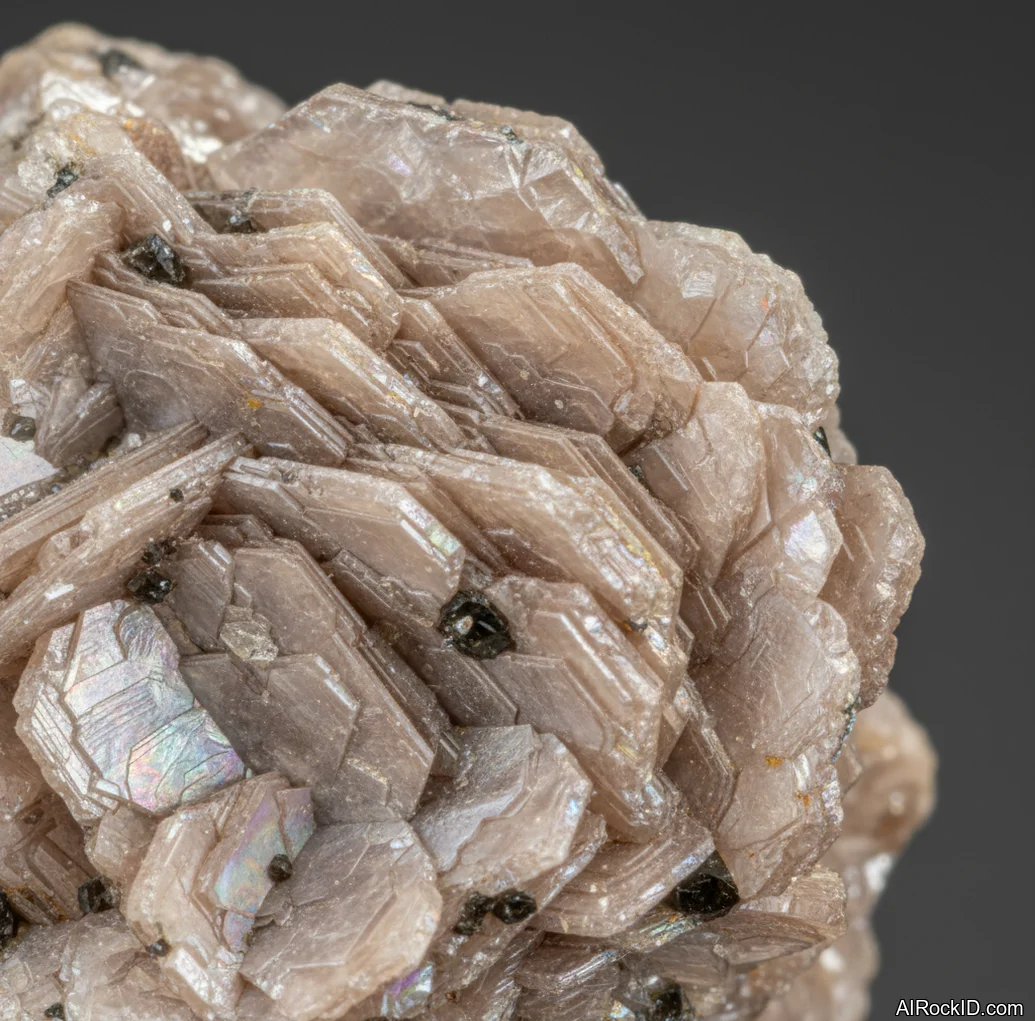
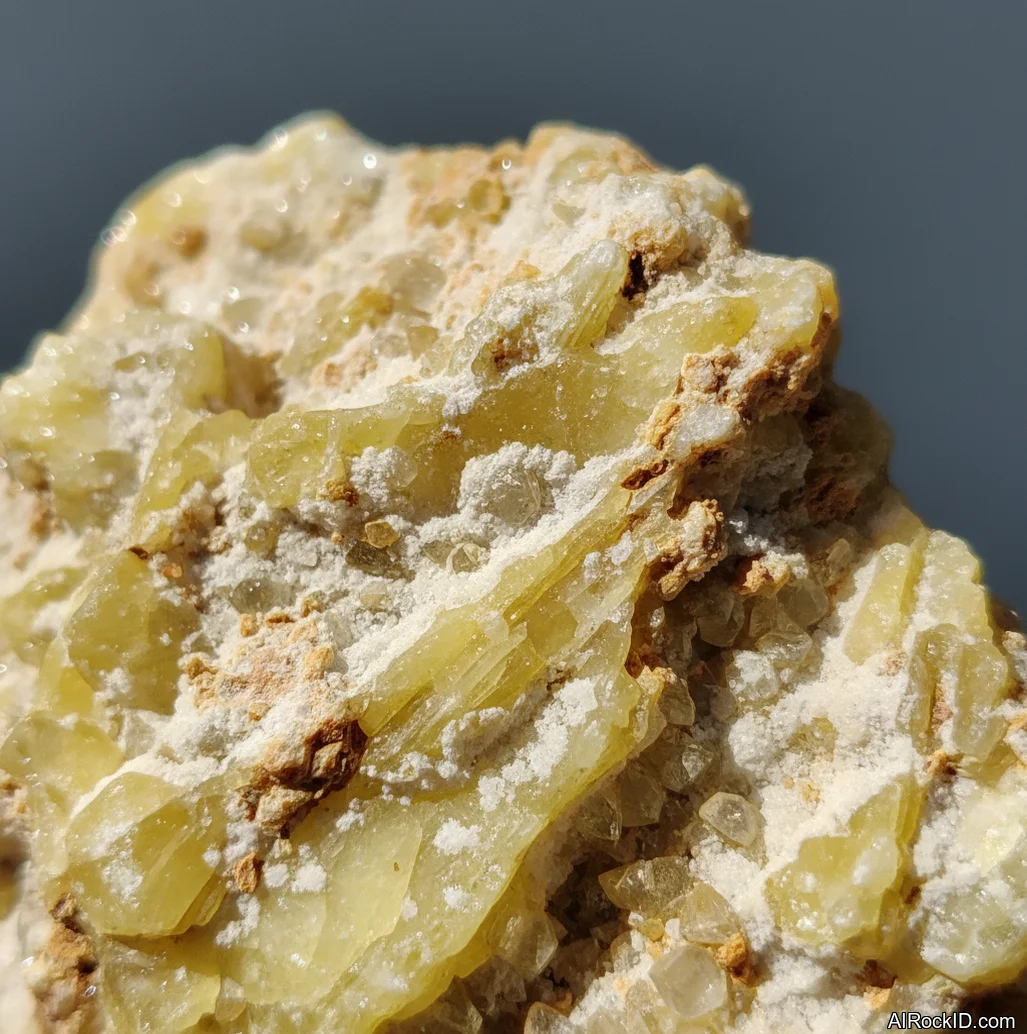
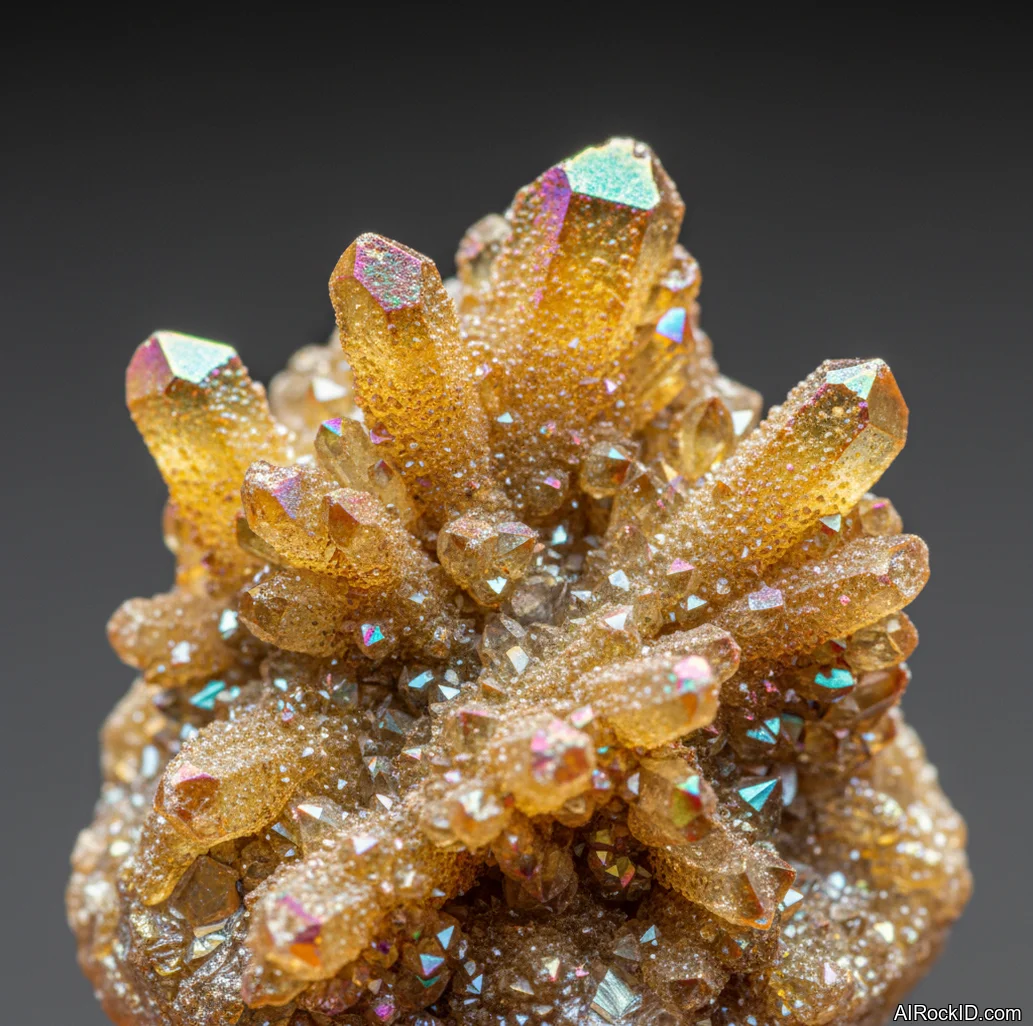
Moonstone joins the Self-Discovery group when people are sorting out feelings from facts. The sheen isn’t just cosmetic. It’s called adularescence and is strongest on dome-shaped cabochons, but only when cut on the right axis relative to its internal structure. I’ve seen poorly cut moonstone that looks foggy and dead, even though the rough was fine. Sunstone goes the other way—good pieces have copper or hematite flecks that throw sparkles when you move them. Shine a phone flashlight sideways and the glitter jumps out. Both stones are feldspars, but the mood they set couldn’t be more different.
How Collectors Use Self-Discovery Crystals: Rituals, Habits, and Physical Details
Most collectors pick Self-Discovery crystals based on how they feel in the hand, not just looks. Labradorite slabs tend to sit cool and heavy on the skin, especially on a humid day. Fluorite chunks are lighter but chip if you handle them roughly. People keep these stones on desks, in pockets, or under pillows—places where they’ll pick them up without thinking and get a little outside reminder to do the inner work.
There’s debate among collectors about raw versus polished. Raw labradorite can look like nothing until you accidentally drop it and catch a flash across a clean break. Polished moonstone and sunstone cabs show their optical effects best, but the backs are often flat to save weight. Sometimes dealers sell rainbow moonstone (technically a variety of labradorite) as regular moonstone—real moonstone has a subtler, milky glow, more blue-white than rainbow. Physical details matter when you’re aiming for honest self-assessment. If a stone feels fake or overhyped, skip it.
Choosing and Caring for Self-Discovery Crystals: What to Expect Over Time
With daily use, self-discovery crystals will show signs of wear—fluorite loses its shine, moonstone may pick up fine scratches, and labradorite can get chipped edges if dropped. Some collectors like this; a scratched stone reminds them that growth isn’t clean or pretty. Others prefer to keep their favorites in a soft pouch or display case, only handling them during intentional rituals. Sunstone’s glitter can fade if left in direct sunlight for months. I’ve seen tumbled sunstone go almost chalky after a summer on a windowsill. When cleaning, skip harsh chemicals—warm water and a soft cloth work best. For clarity work, some people keep a journal with their stones, tracking which ones they reach for and when. Over time, the physical changes in the stones can reflect shifts in your own approach to self-examination.
Best Self-Discovery Crystals to Start With
| Level | Crystal | Note |
| Gentle / Beginner | Moonstone | Good for emotional self-discovery, easy to find tumbled pieces, and its soft glow isn't overwhelming for new users. |
| Balanced / Everyday | Fluorite | Color zoning helps with mental clarity without being too intense; works well on desks or in small pockets. |
| Intense / Advanced | Labradorite | The flash can be unpredictable and confronting, pushing deeper self-questioning for those ready for it. |
| Best for Carrying | Rainbow Moonstone | Tougher than classic moonstone and usually cabbed for pocket carry, with a flash that appears when you need a quick check-in. |
| Best for Display | Sunstone | Aventurescence looks great in a sunlit spot, and large pieces sparkle from across the room. |
Self-Discovery Crystal Comparison
| Crystal | Common Use | Feel / Use Style | Care Caution |
| Labradorite | Seeking hidden insights, breaking old patterns | Heavy, cool, surface flash only at certain angles | Edges chip easily; avoid dropping |
| Fluorite | Sorting thoughts, mental clarity, decision fatigue | Light, often banded or cubic; soft to the touch | Scratches and chips quickly, Mohs 4 |
| Moonstone | Emotional self-discovery, untangling feelings | Smooth when polished, floating blue-white sheen (adularescence) | Prone to fine scratches; avoid sharp impacts |
| Sunstone | Building confidence, reconnecting after burnout | Sandy or glassy, coppery glitter (aventurescence) under direct light | Color may fade in strong sunlight over months |
How to Identify Self-Discovery Crystals with AI Rock ID
To identify Self-Discovery crystals with an AI Rock ID app, start by photographing your stone in natural daylight. Take both a full specimen shot and a close-up of any flash, banding, or inclusions. Upload these to the app and compare the result against known hardness, luster, and streak for candidates like labradorite, fluorite, or moonstone. If the flash only appears at certain angles or the surface scuffs easily, include that in your notes—apps sometimes miss these details unless you point them out.
All Self-Discovery Crystals (426)