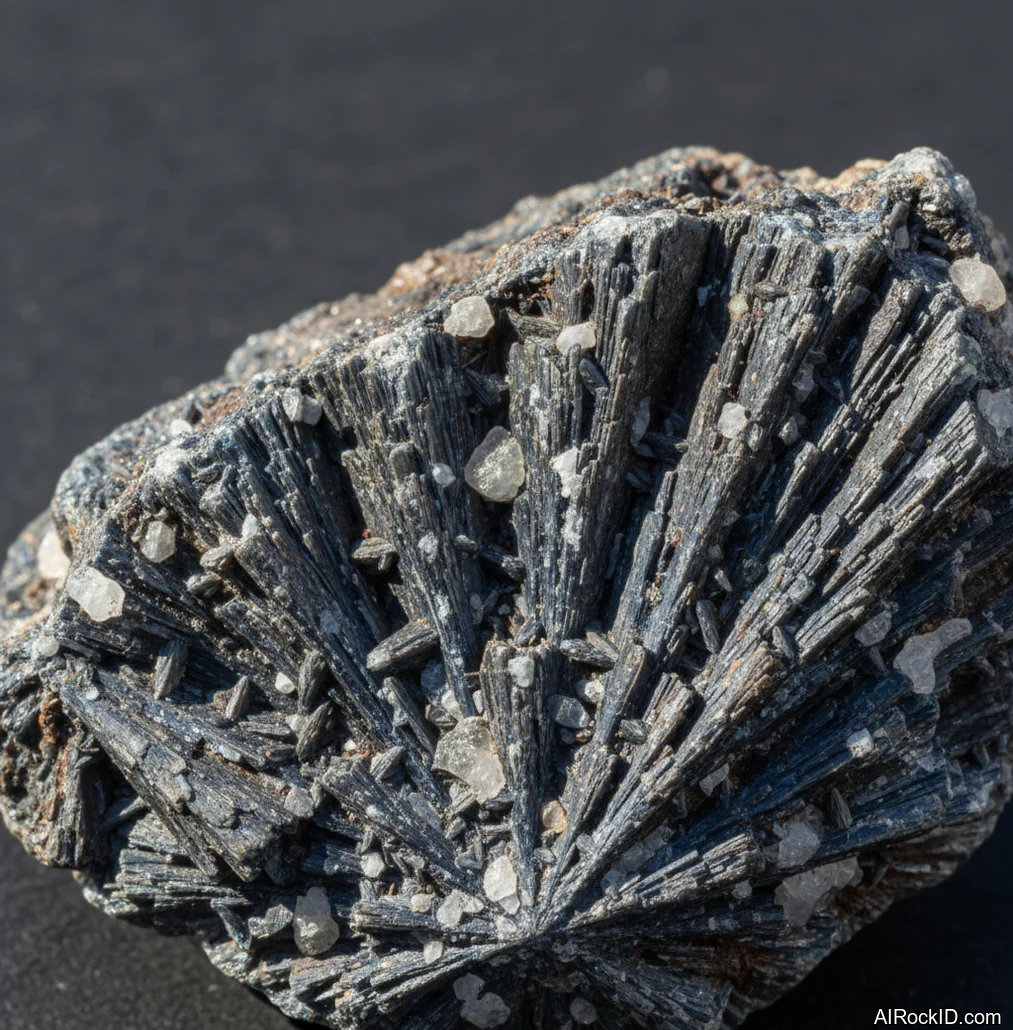
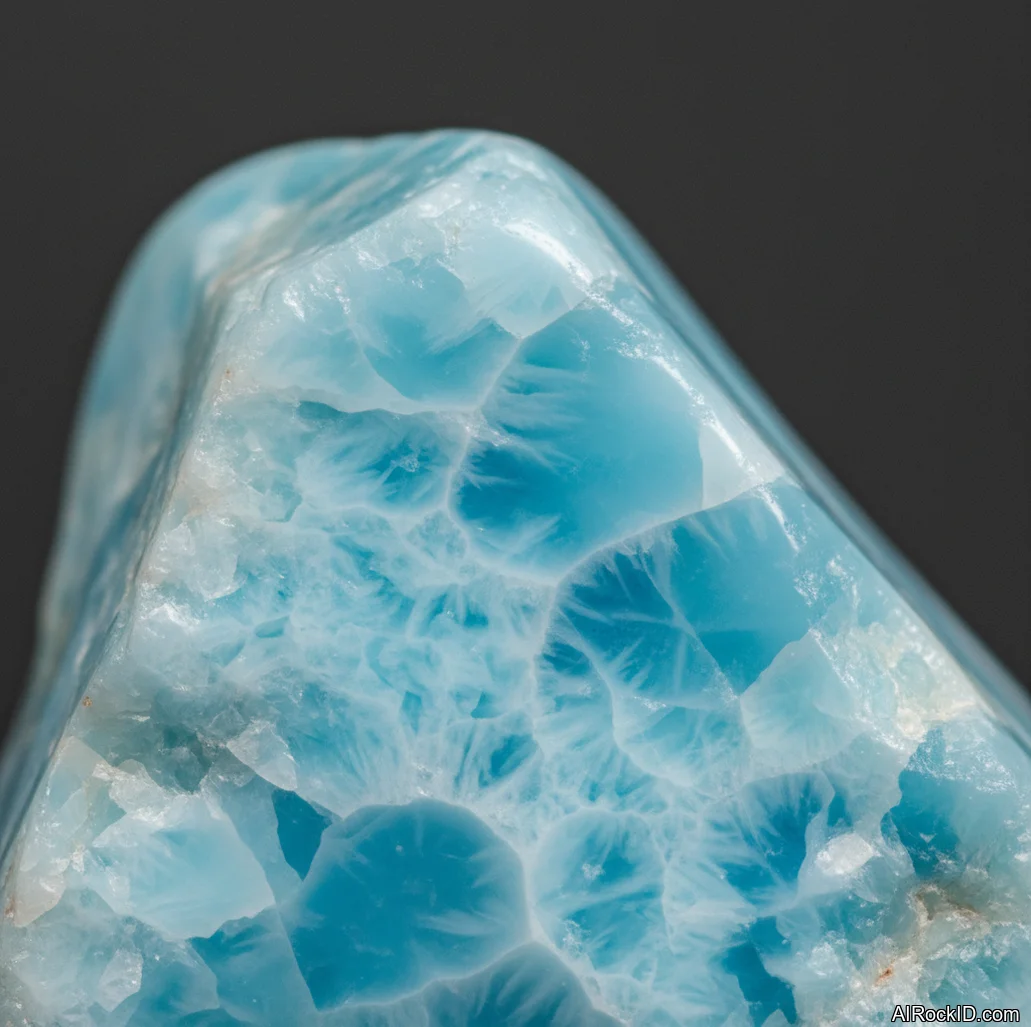
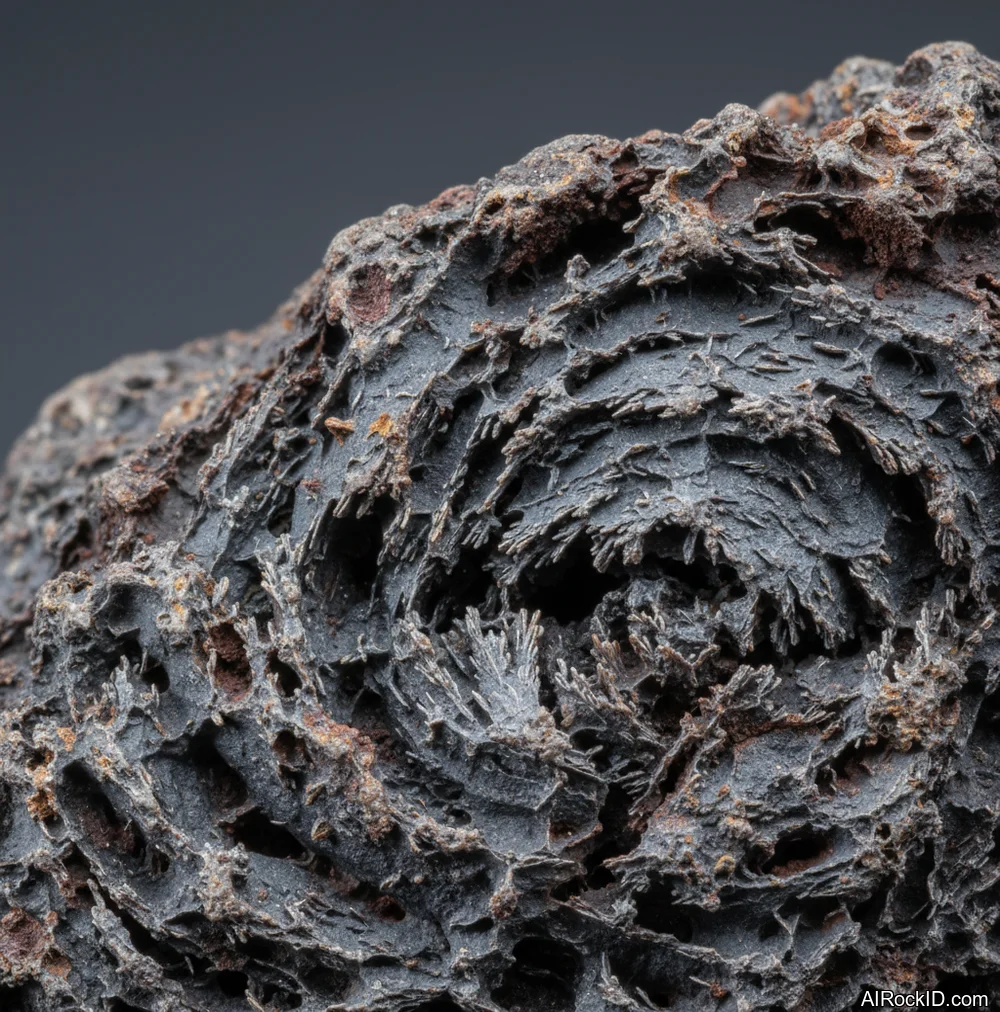
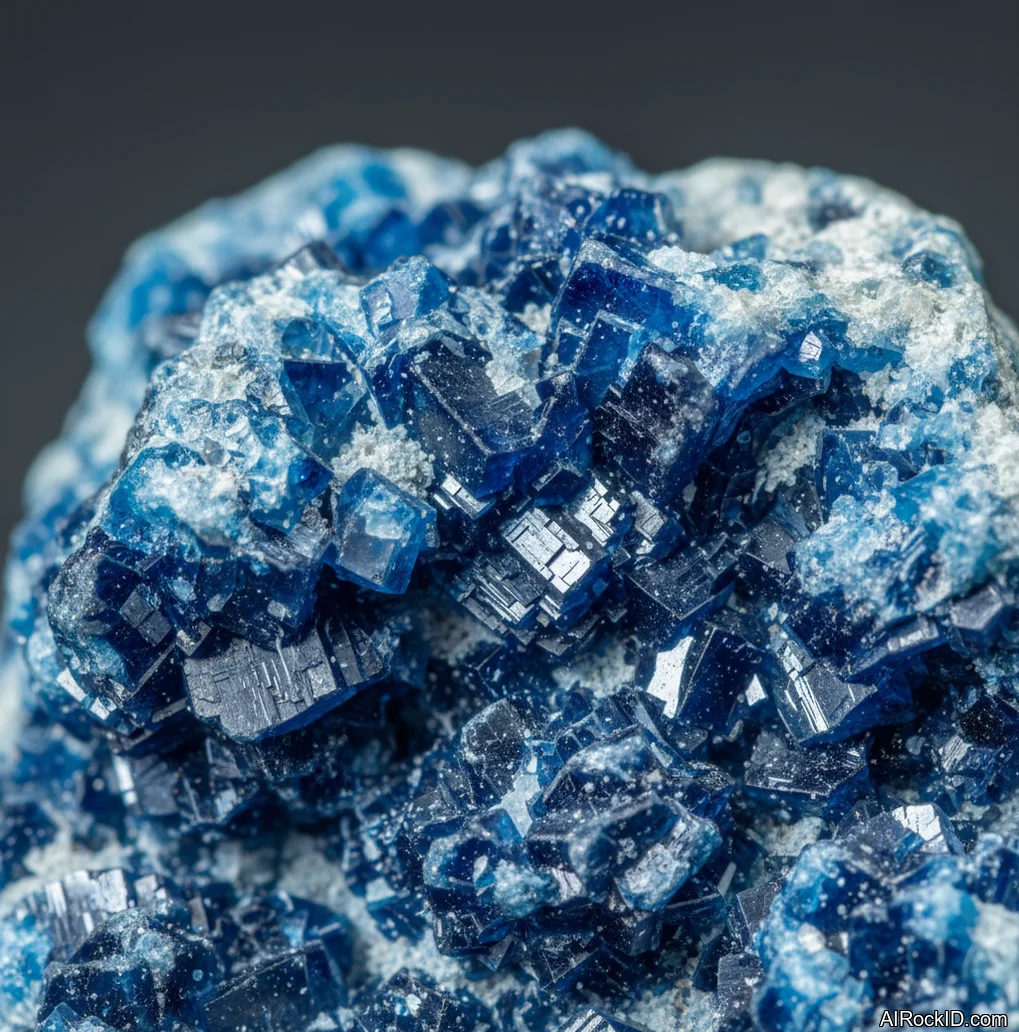
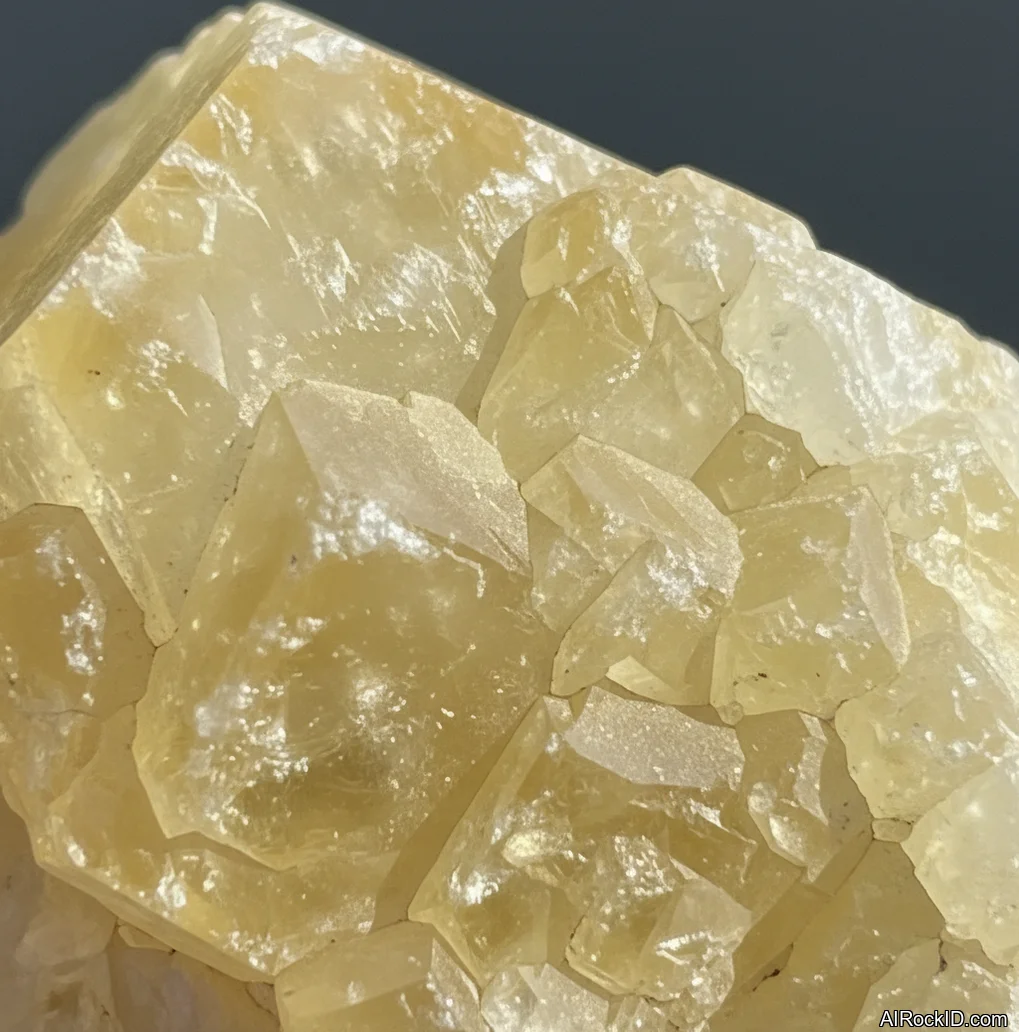
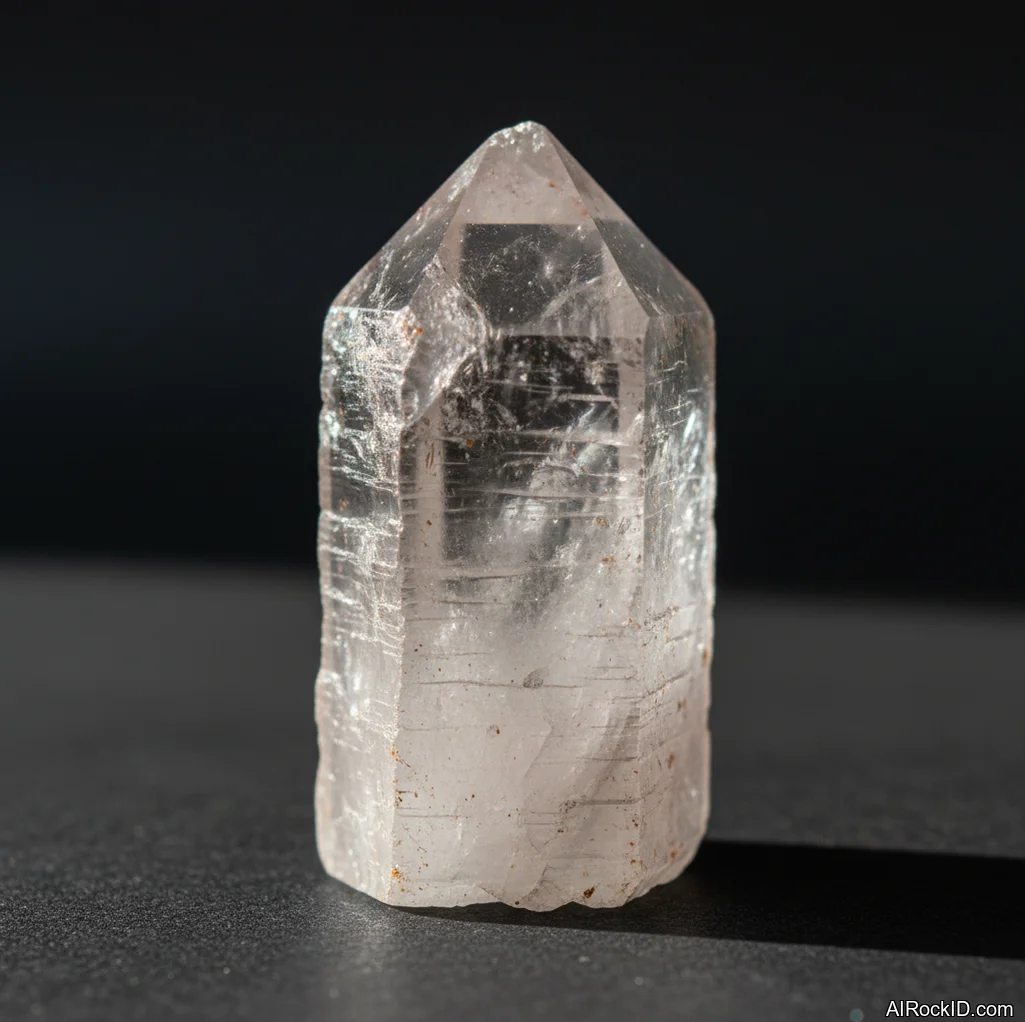
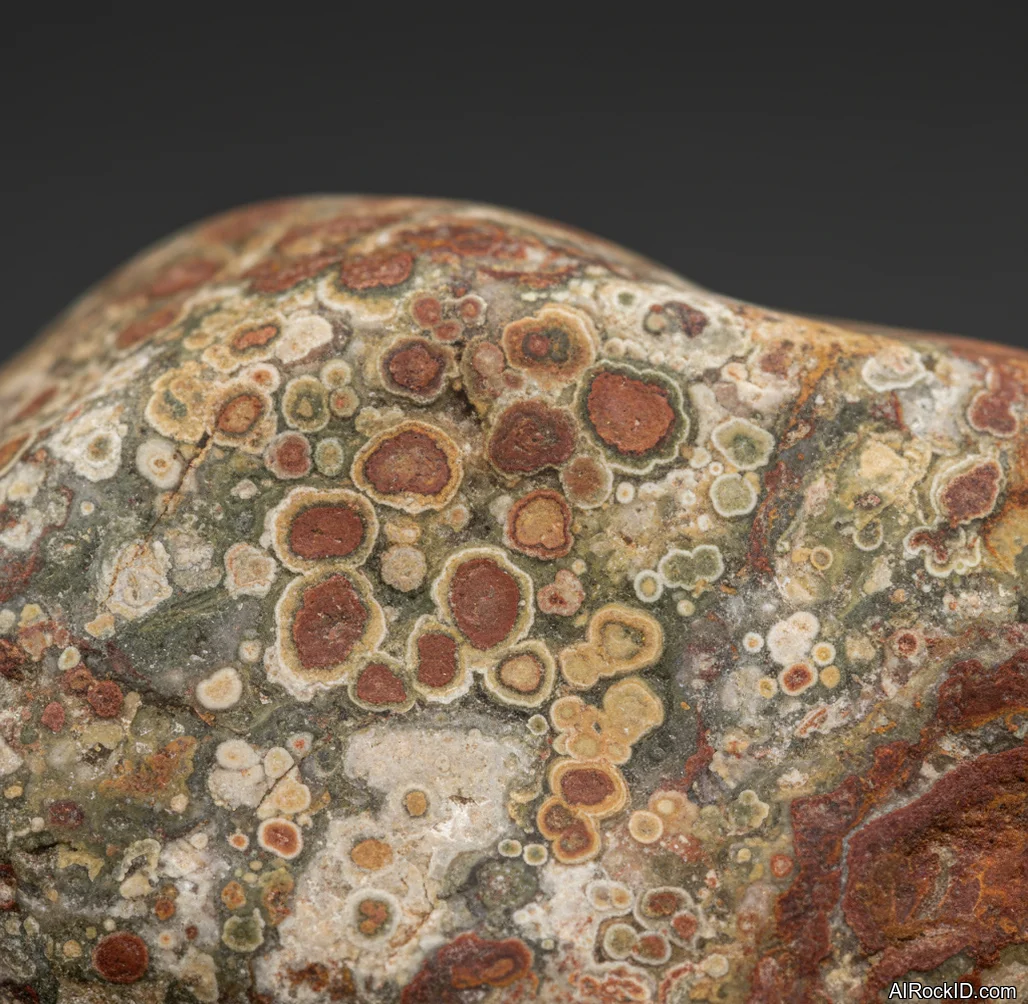
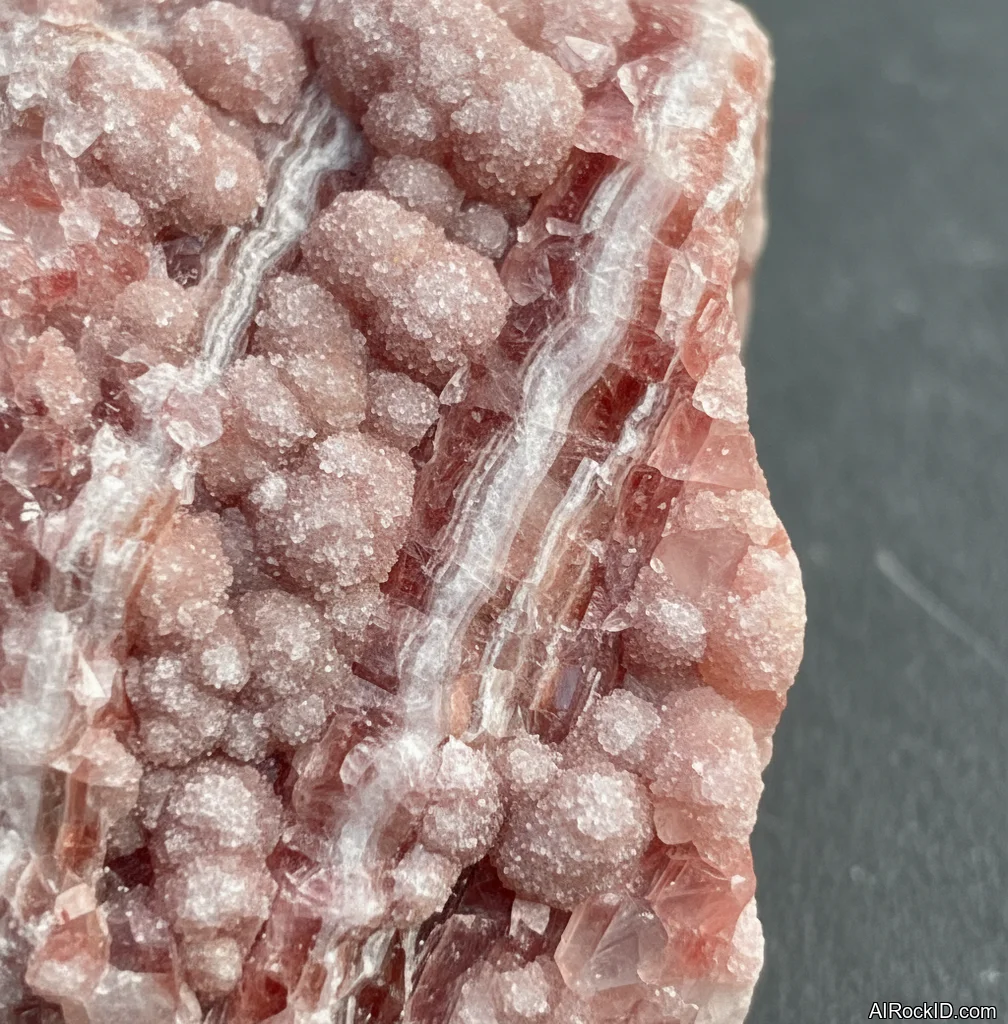
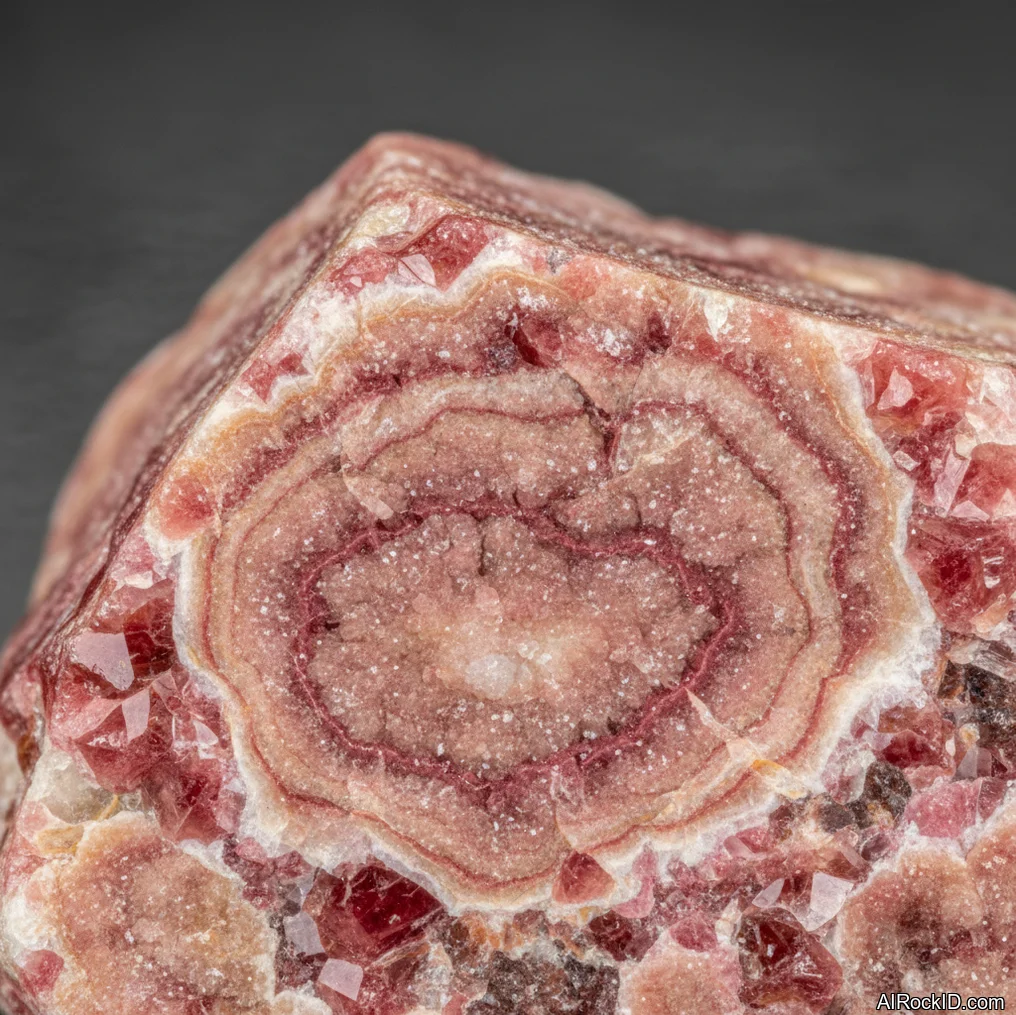
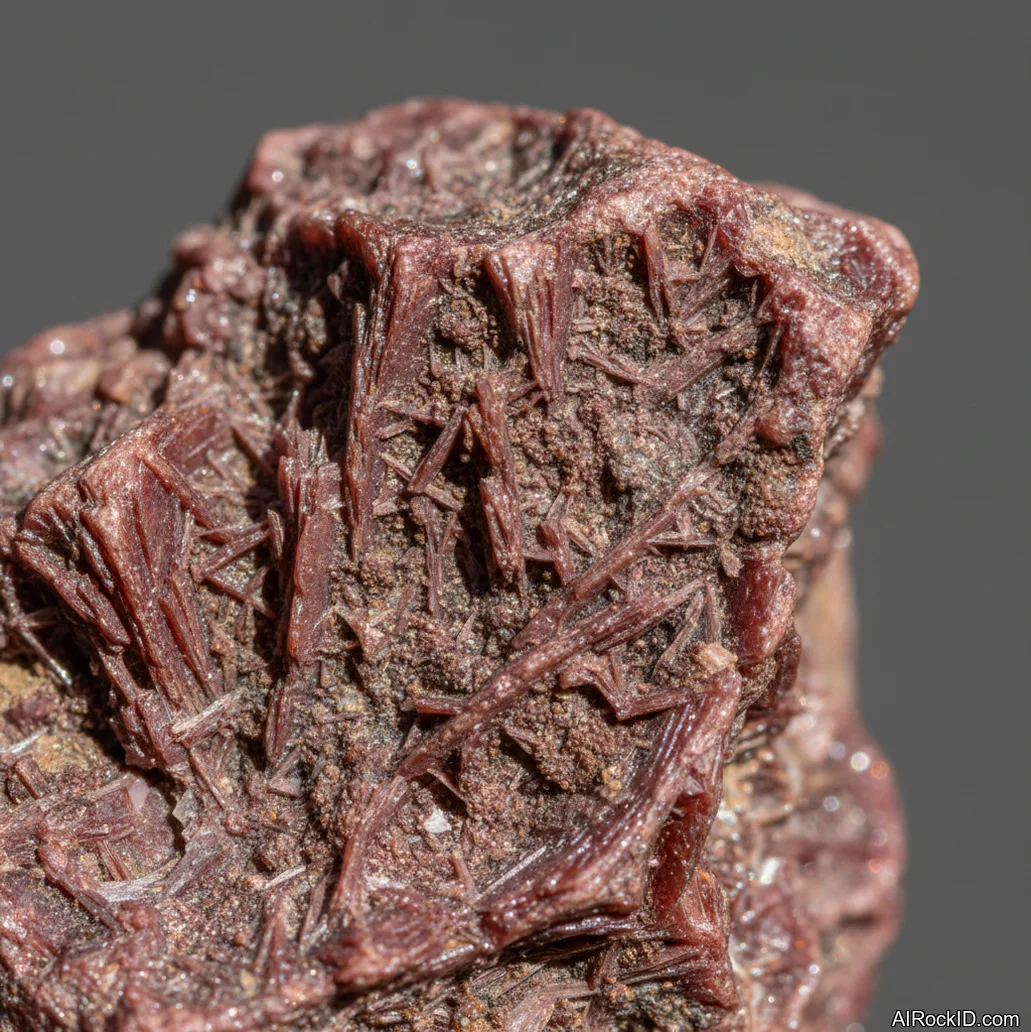
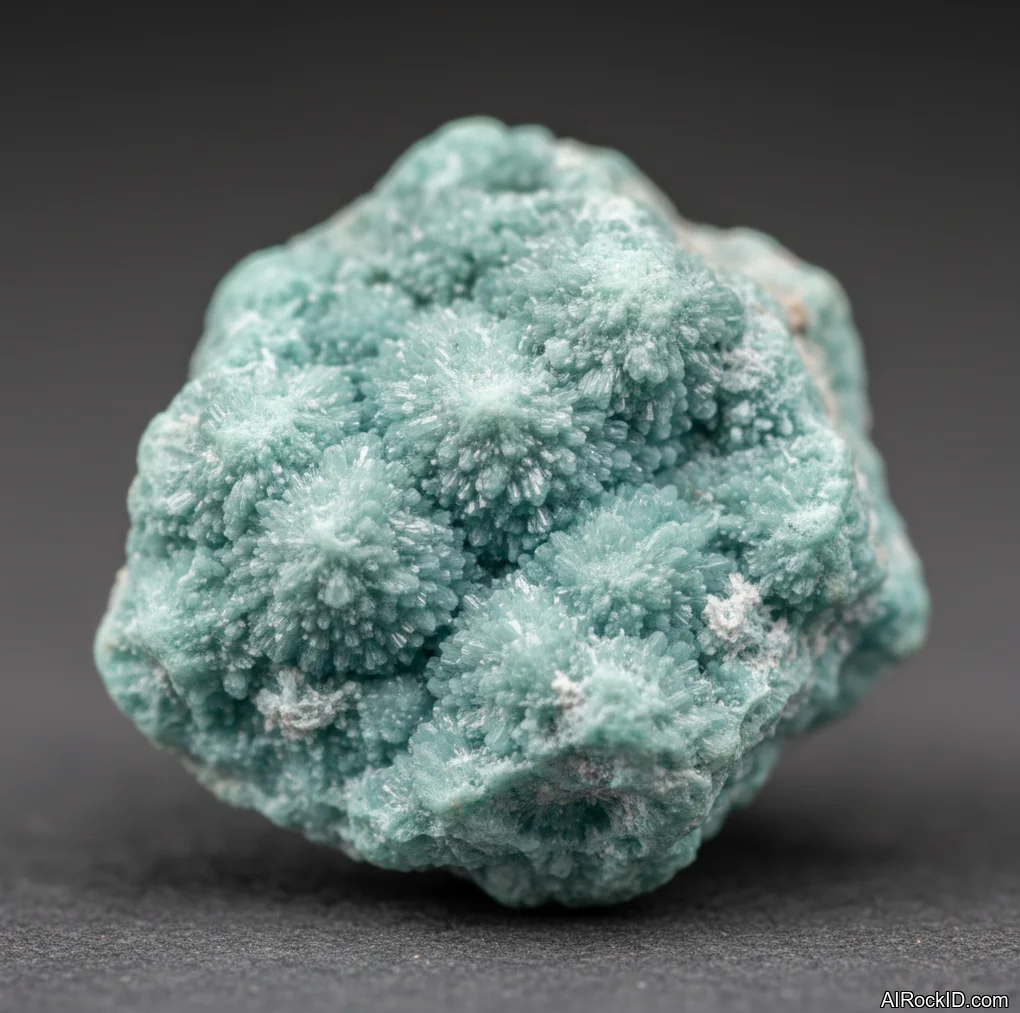
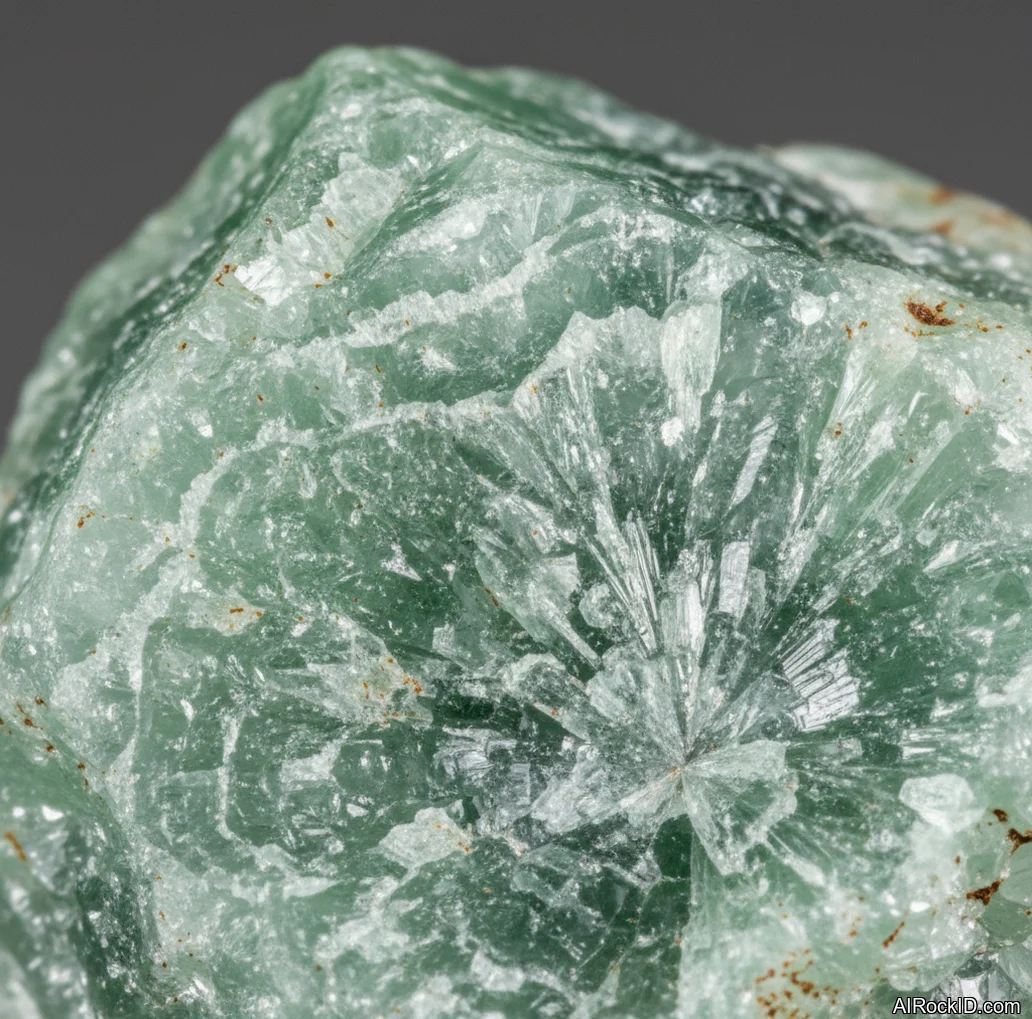
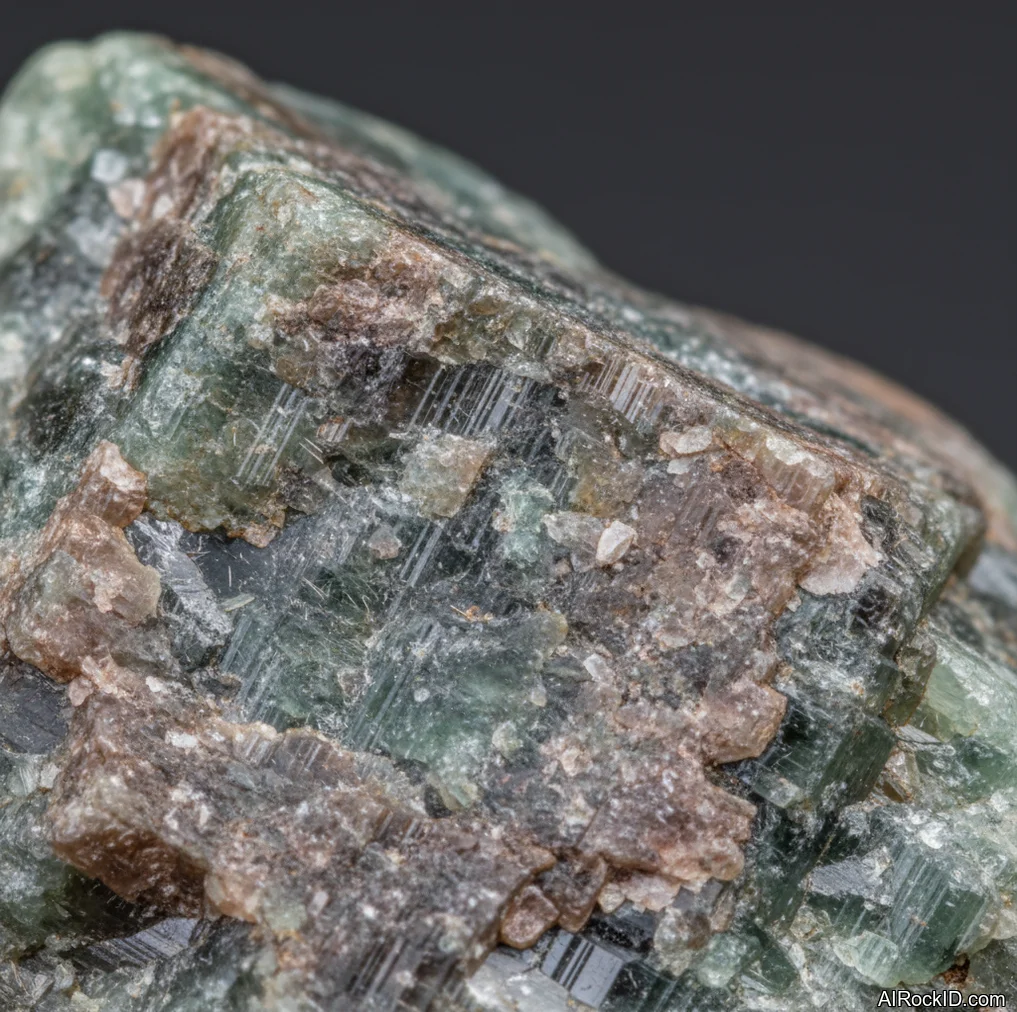
Relaxation Crystals
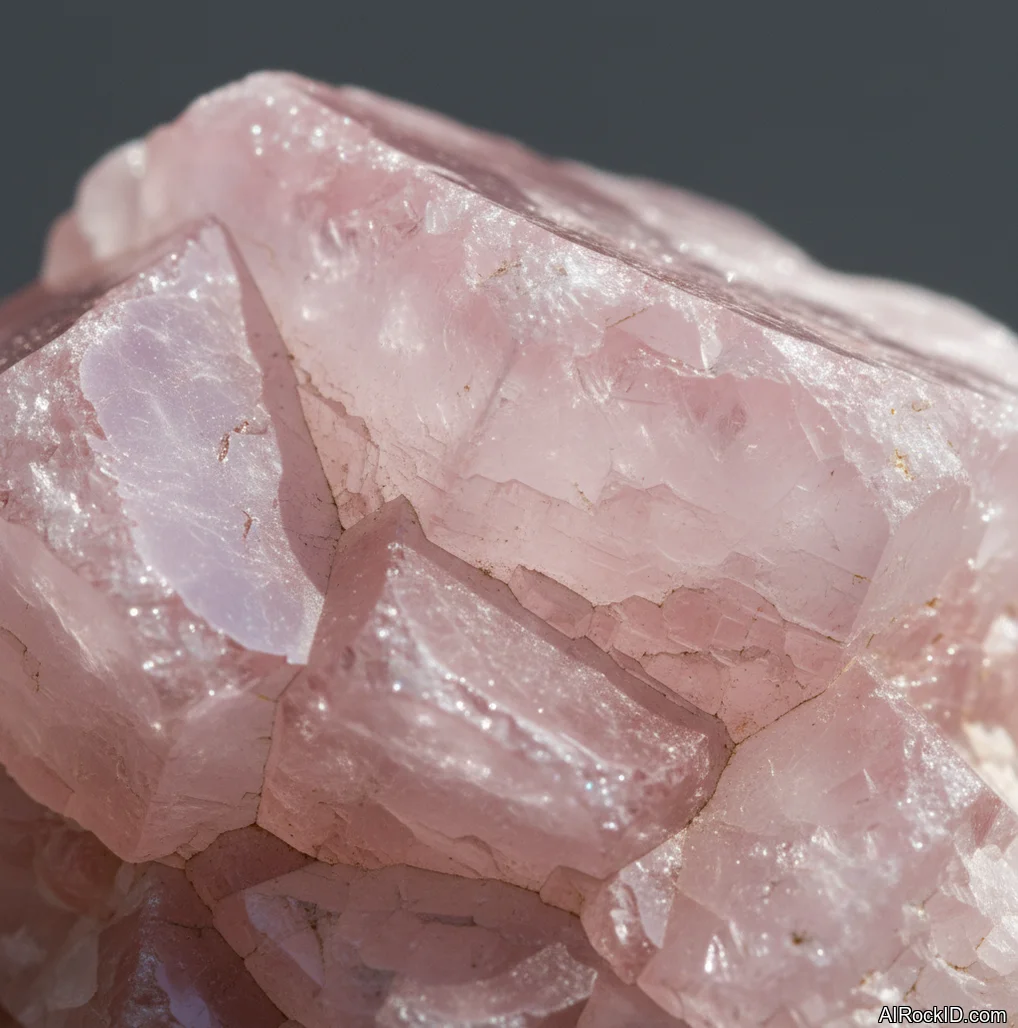
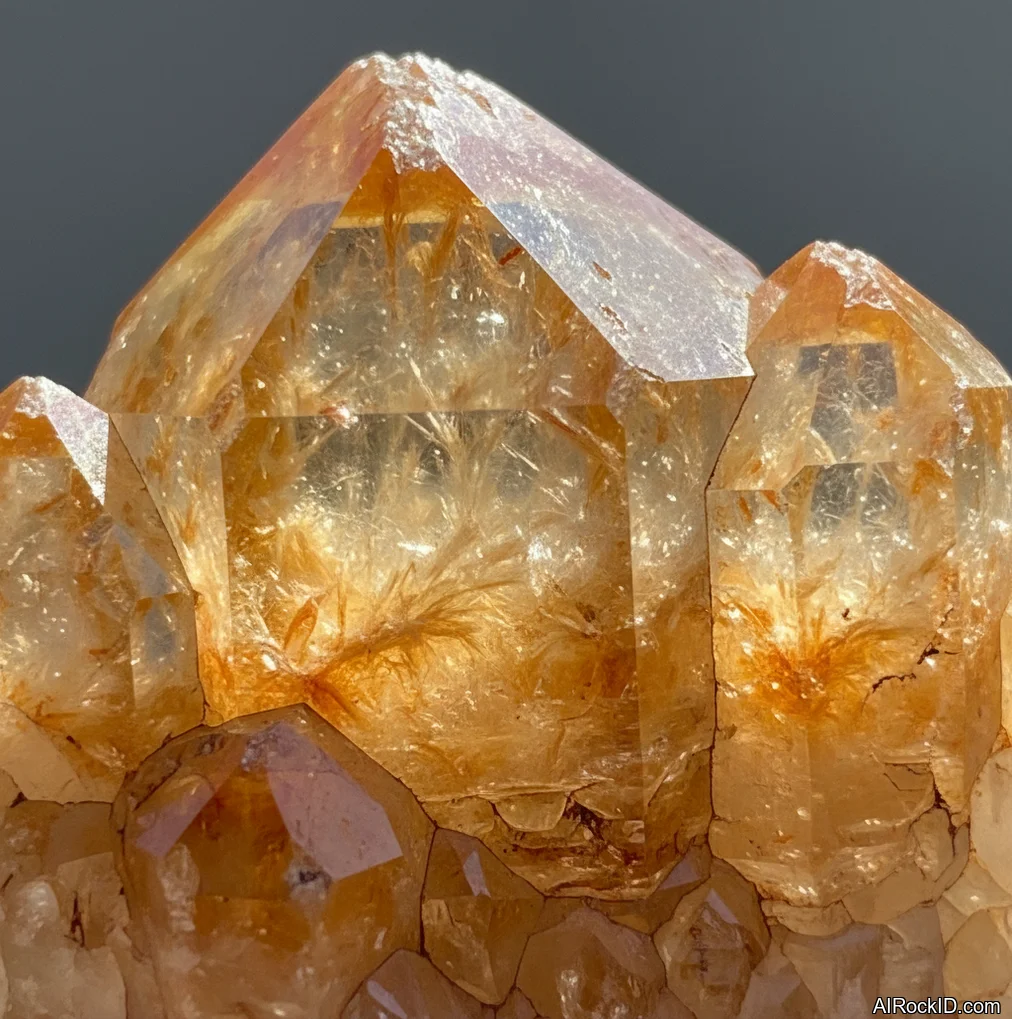
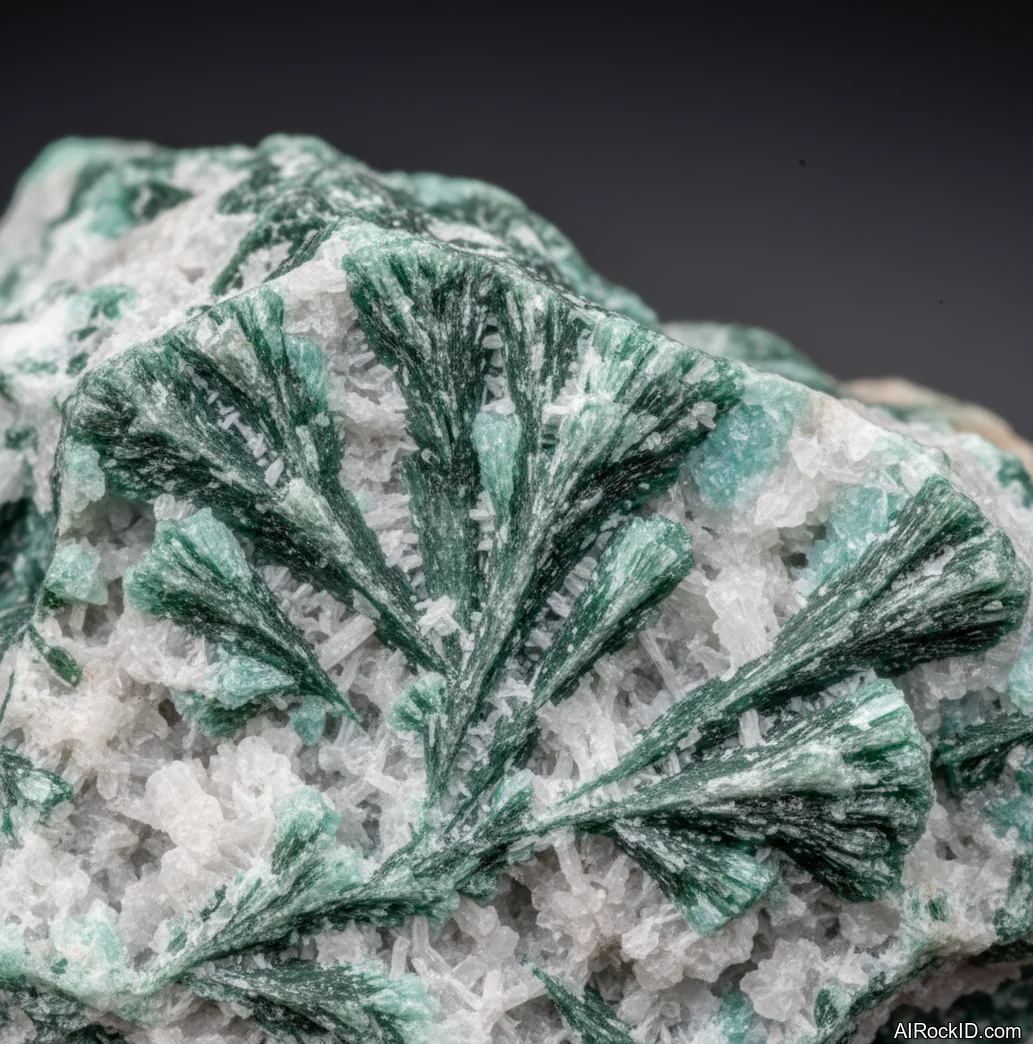
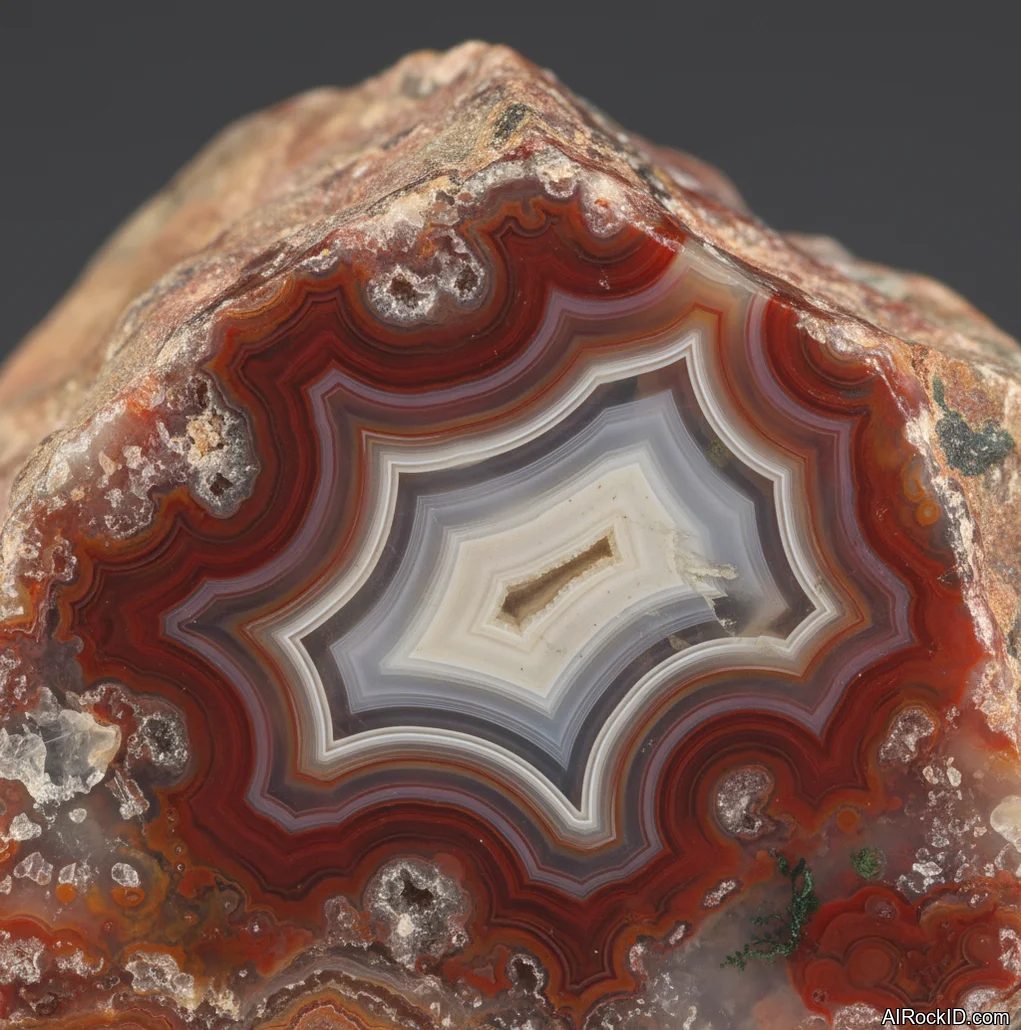
Quick answer: Relaxation crystals are stones that many people use as calming objects in meditation, décor, or evening routines. Popular examples include amethyst, lepidolite, blue lace agate, howlite, and rose quartz, with uses based on tradition and personal preference rather than medical treatment.
Learn how Relaxation crystals are used, what to buy, and practical ways to work with calming stones like amethyst, lepidolite, and blue lace agate.


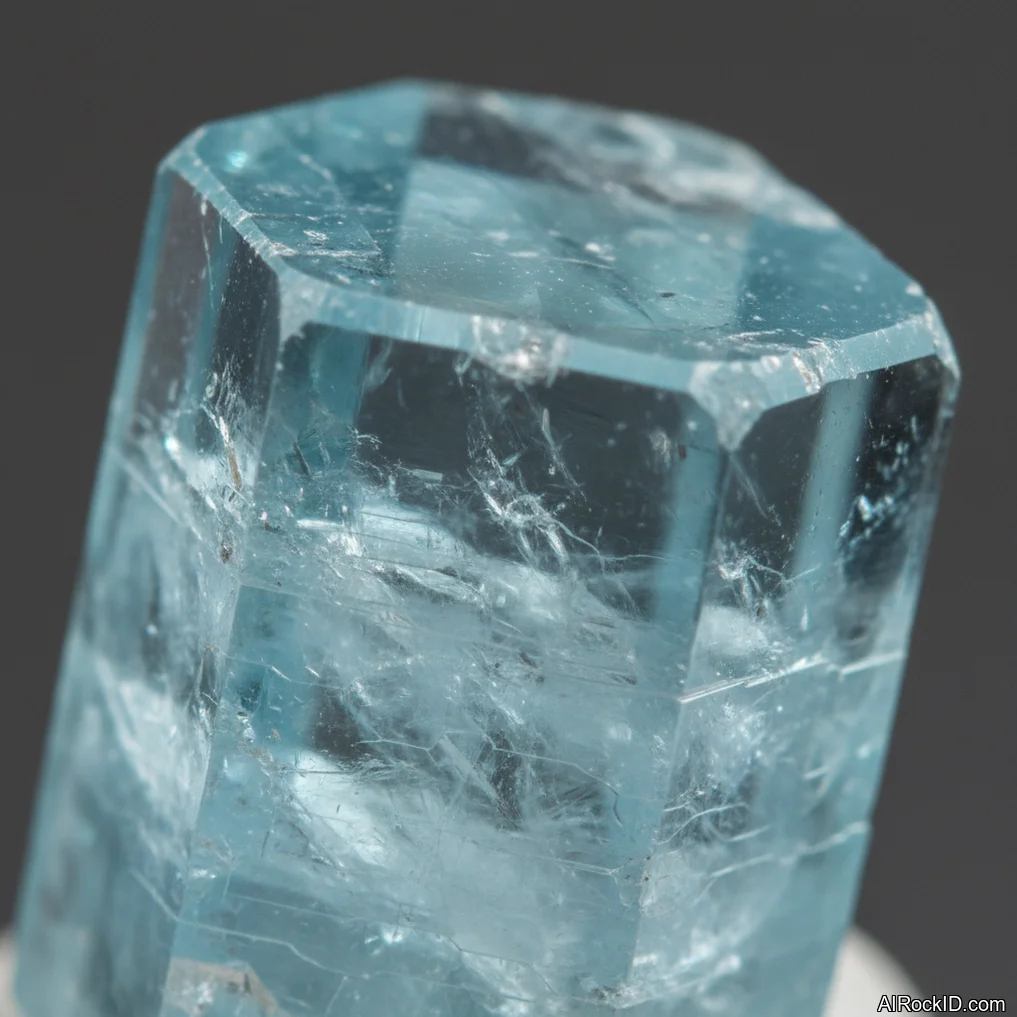
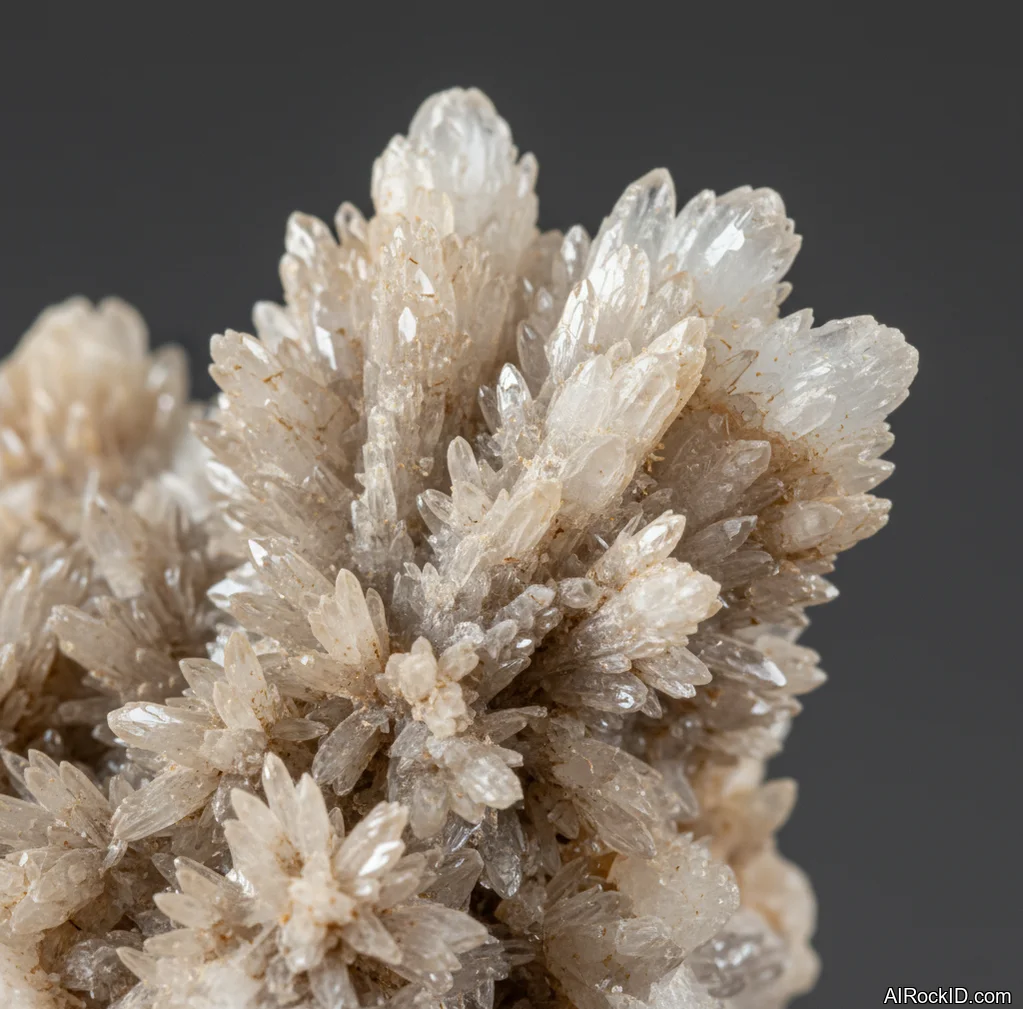
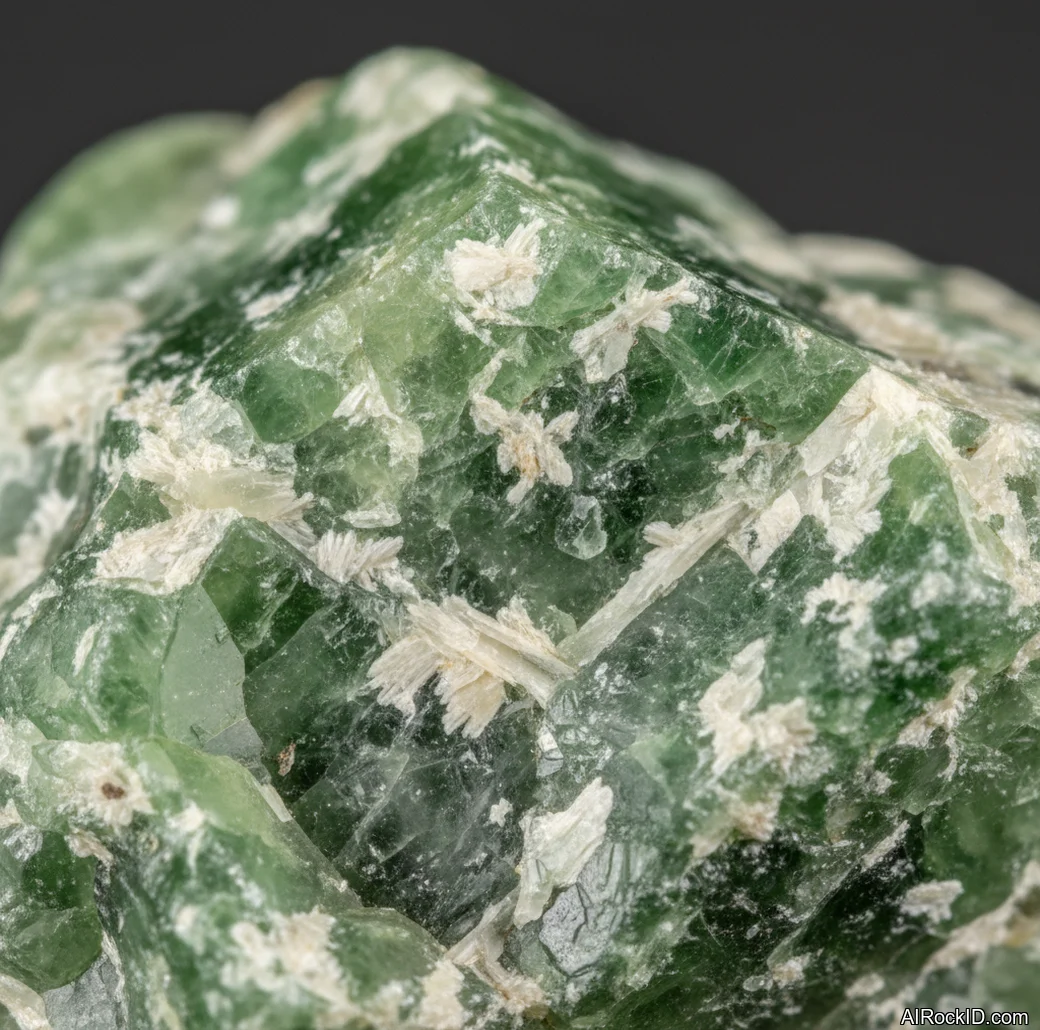
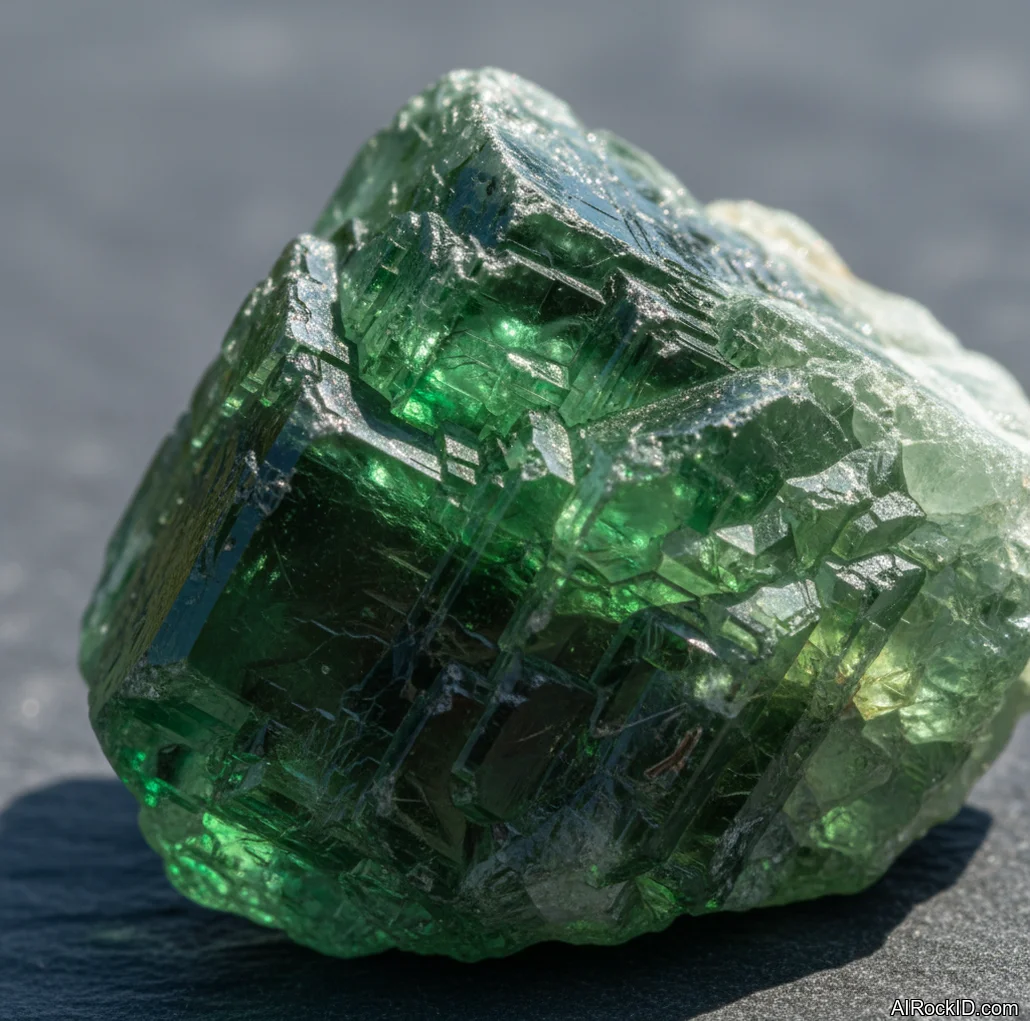
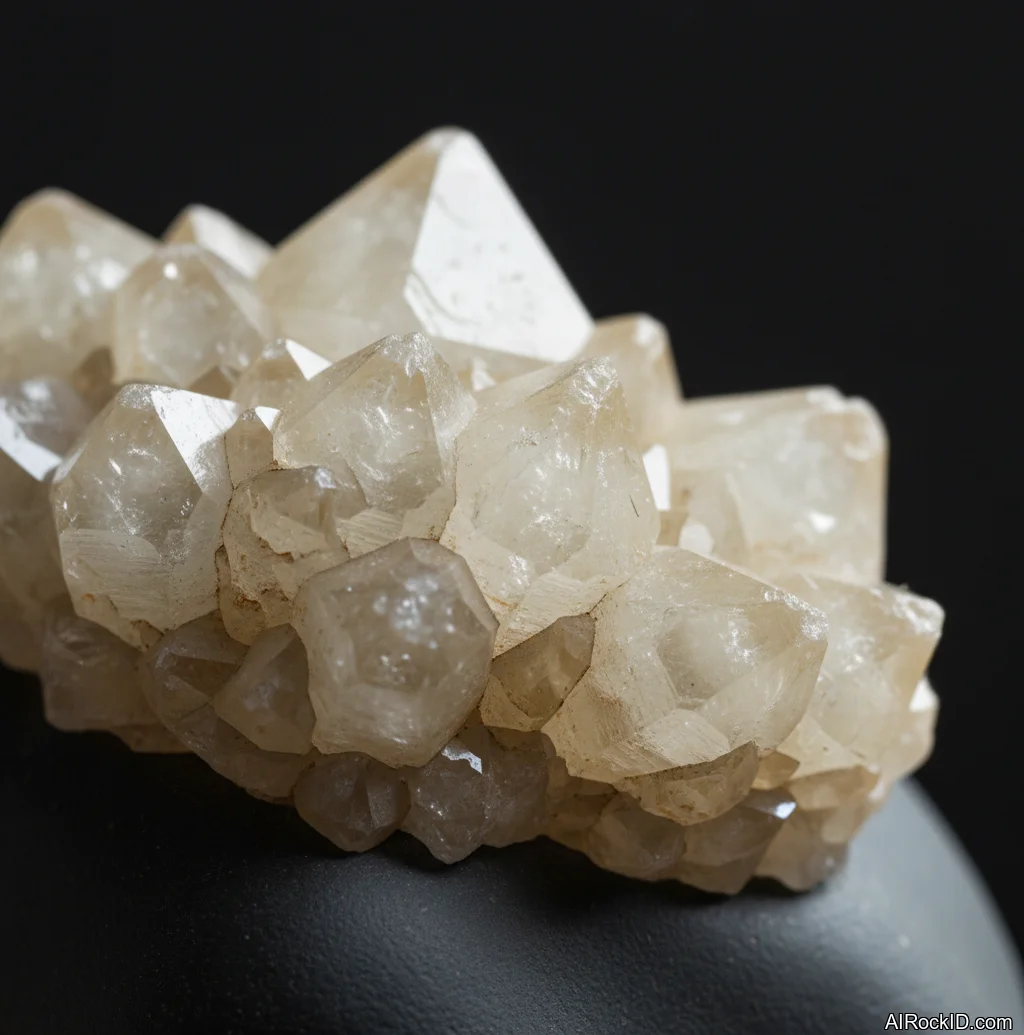
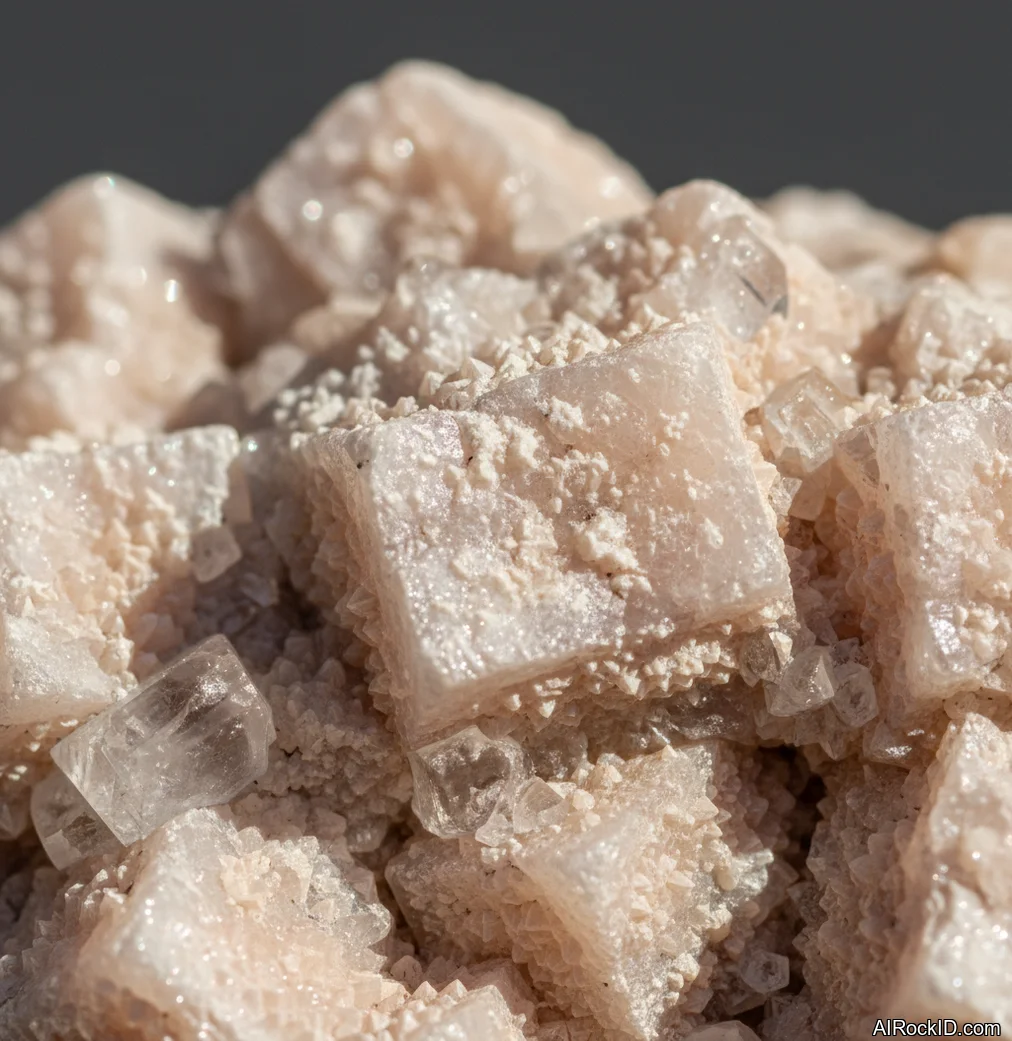
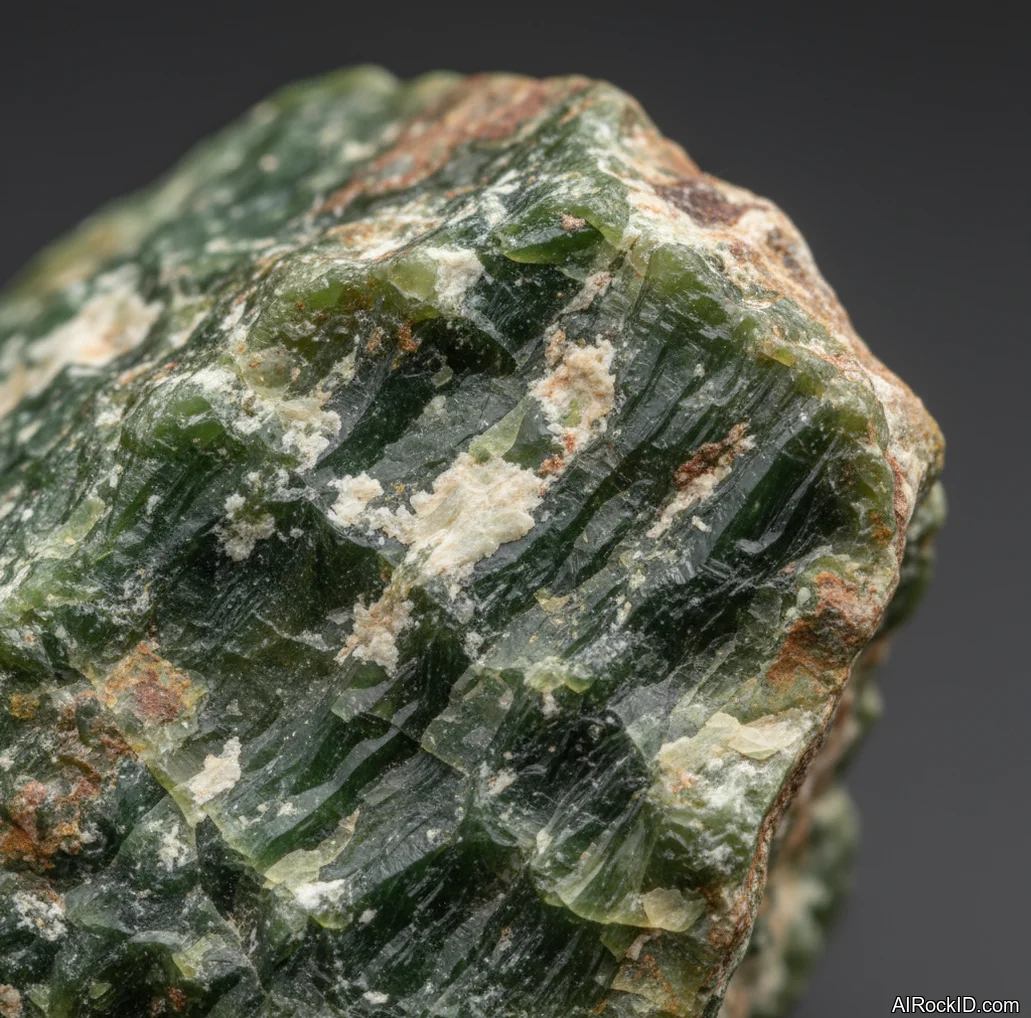
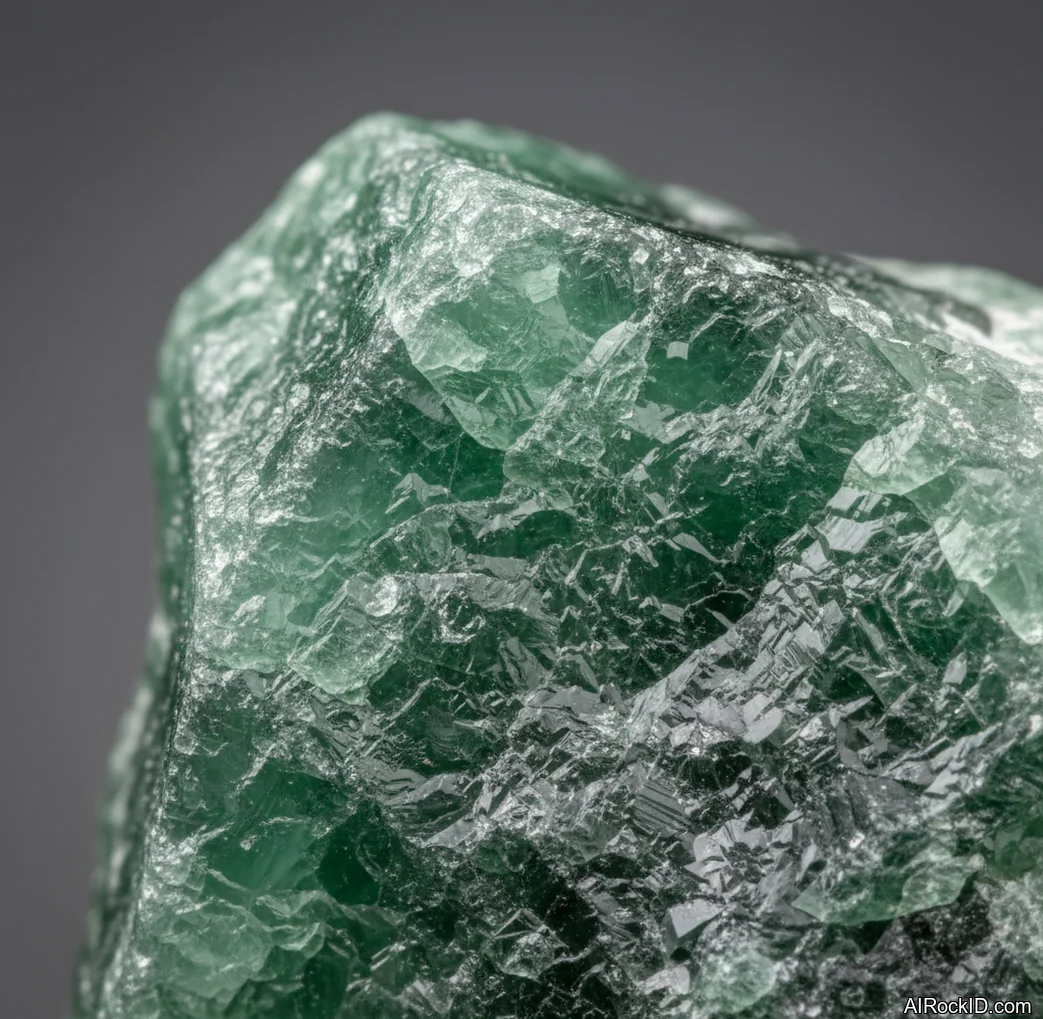
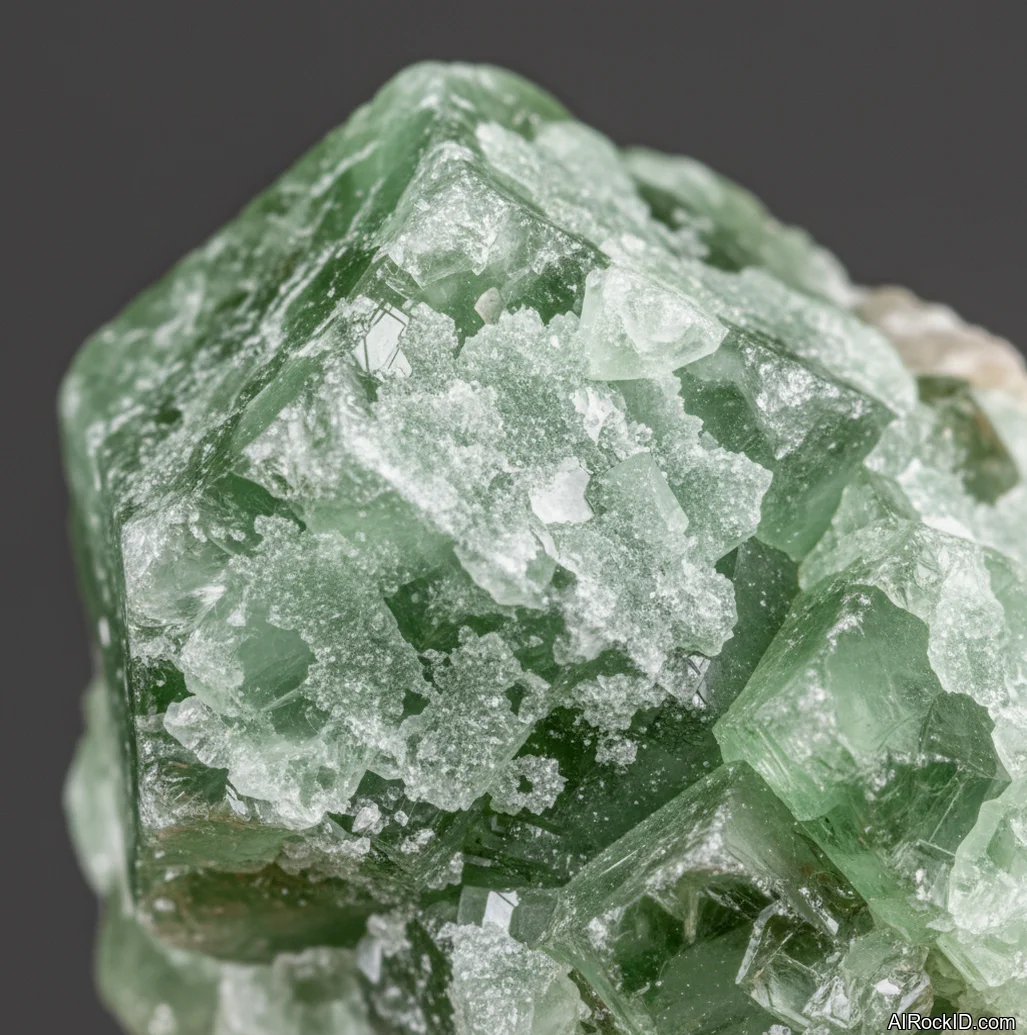
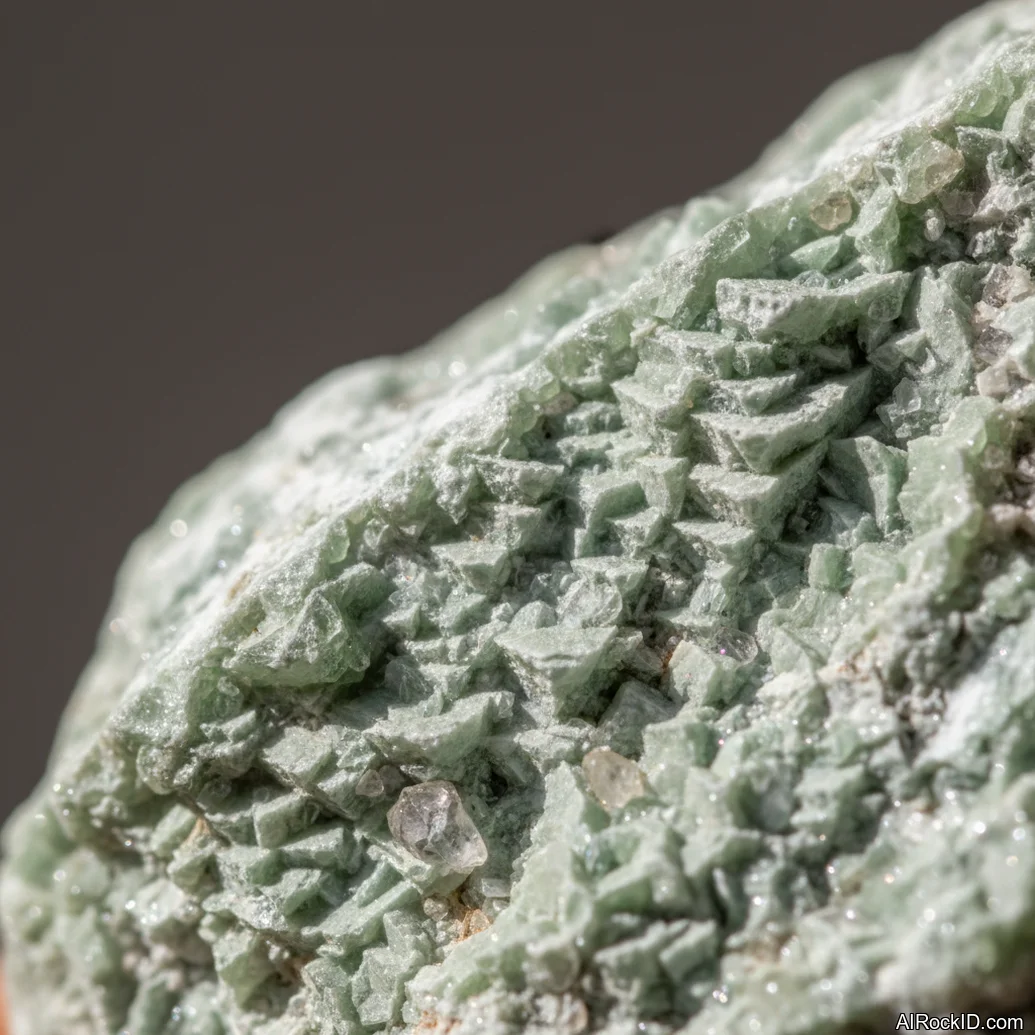
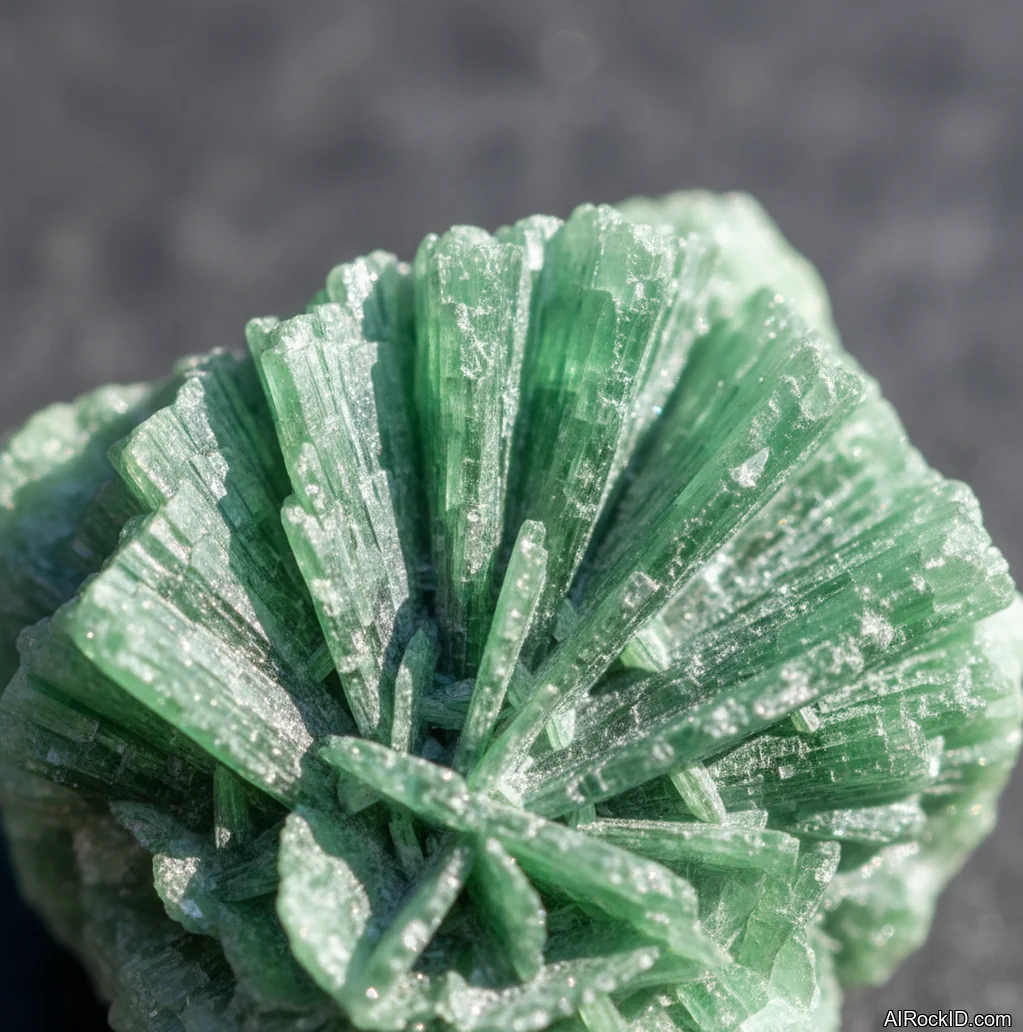
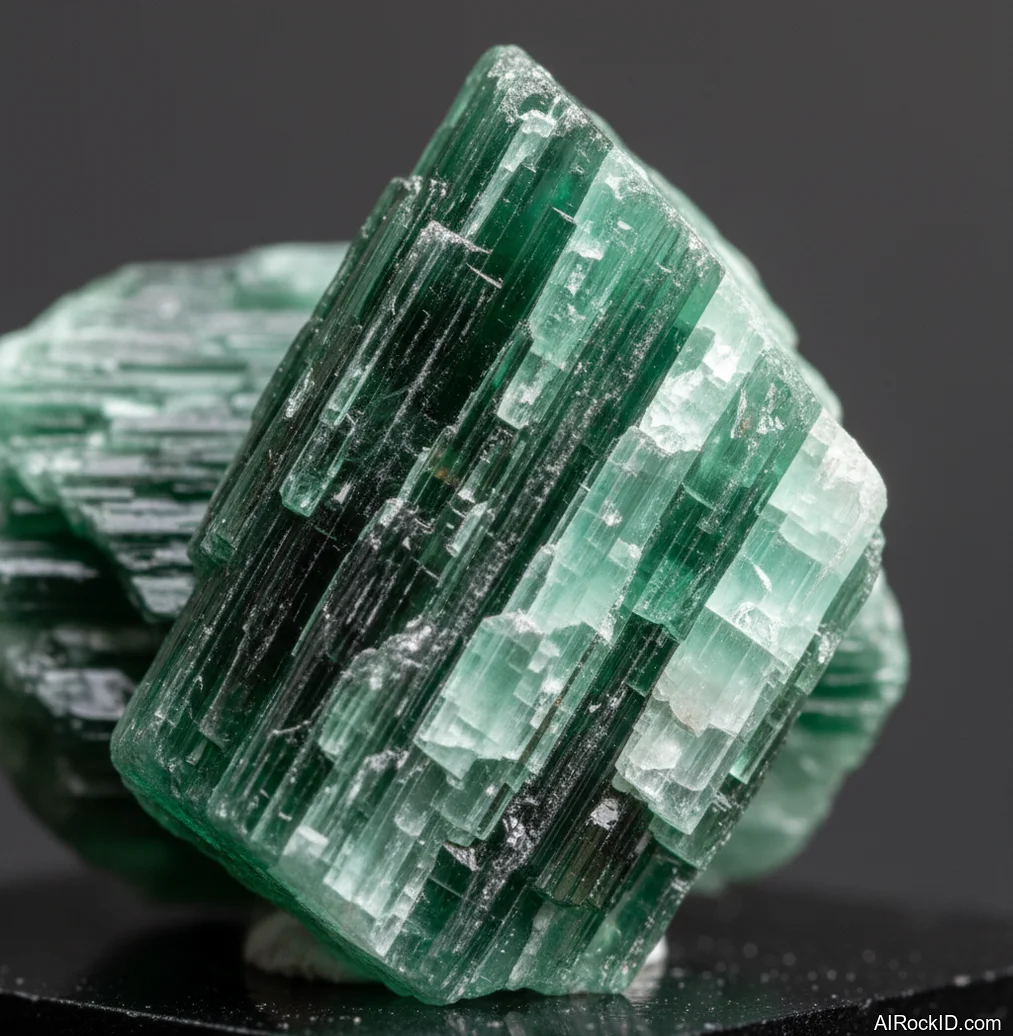
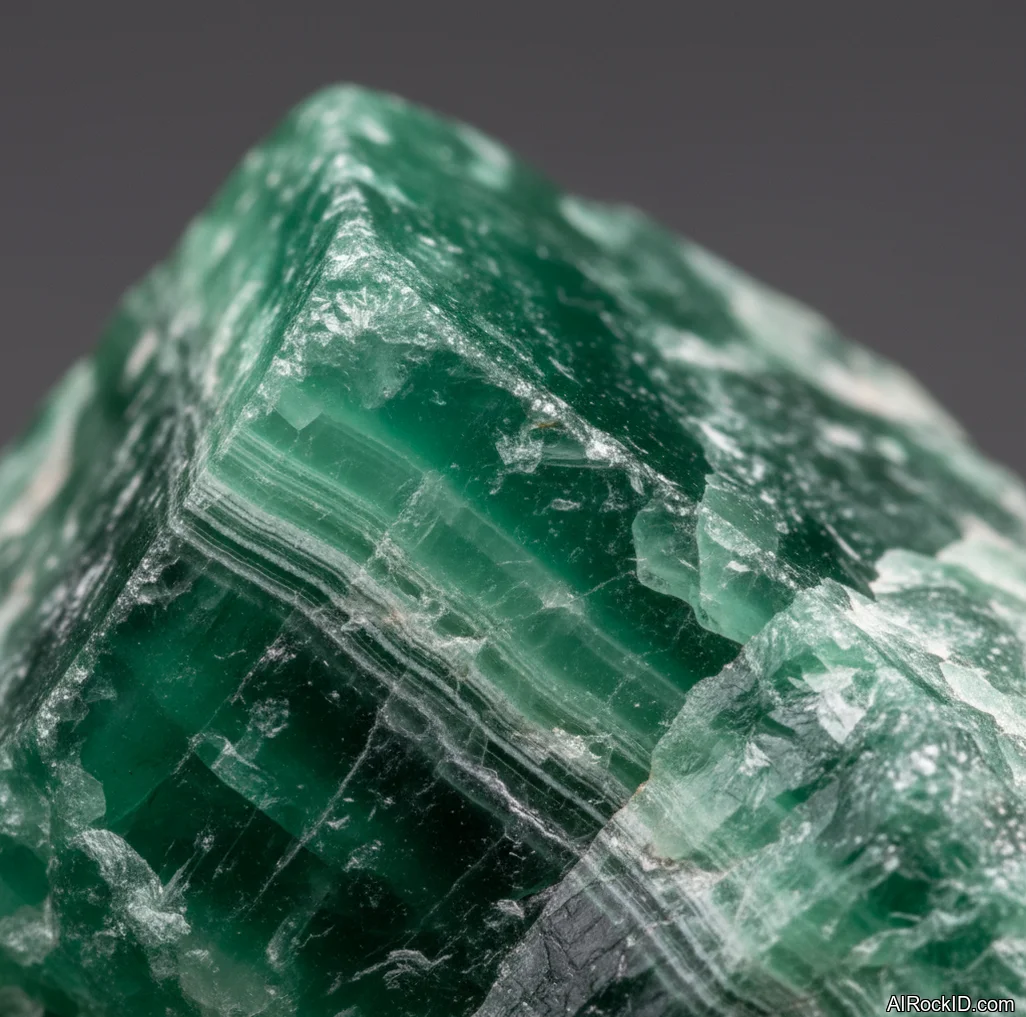
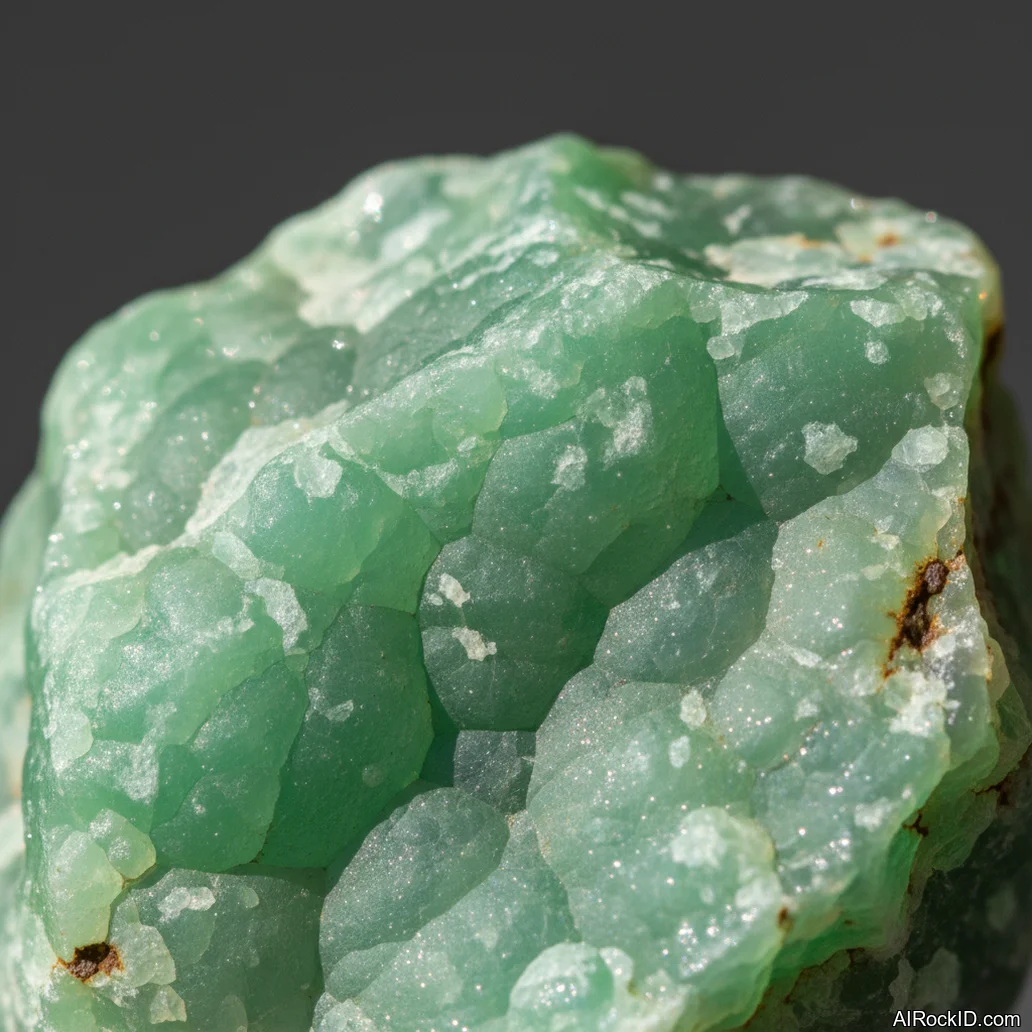
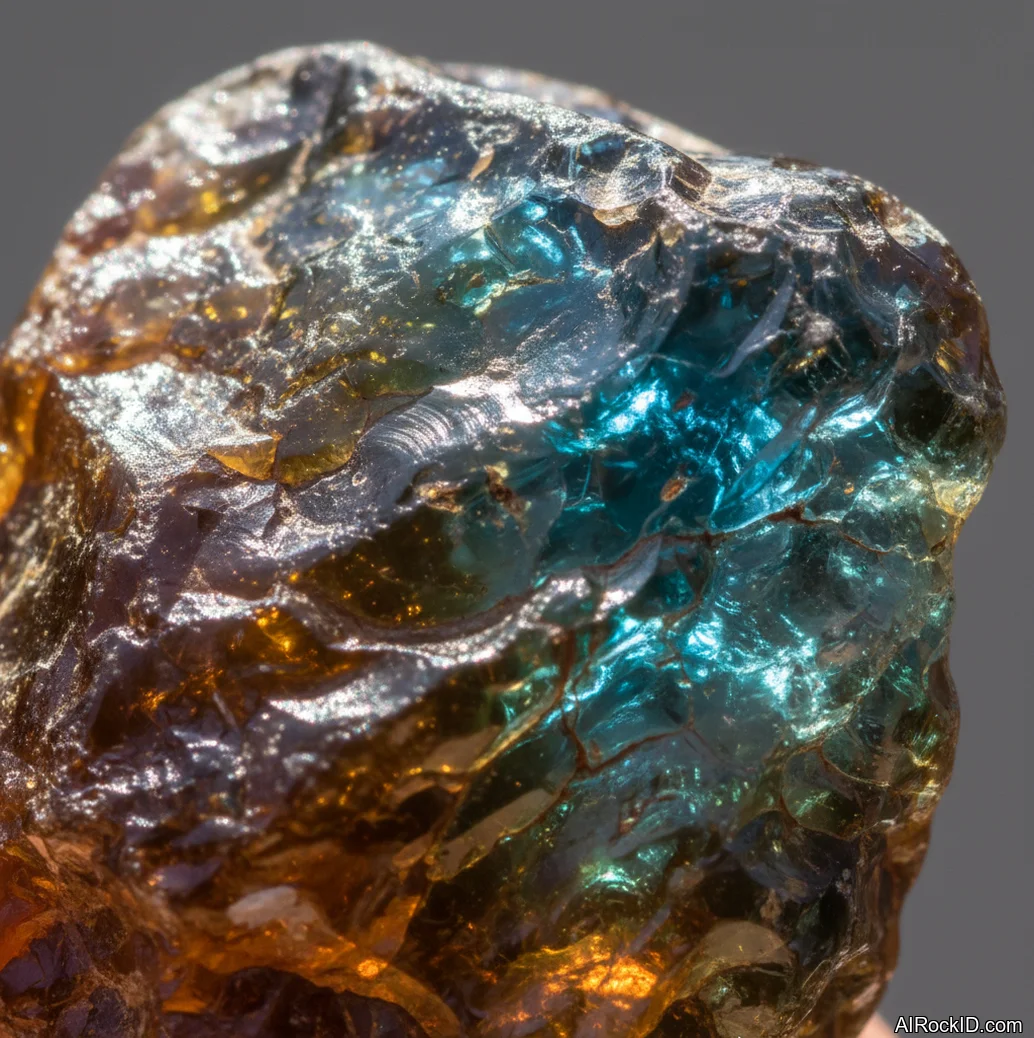
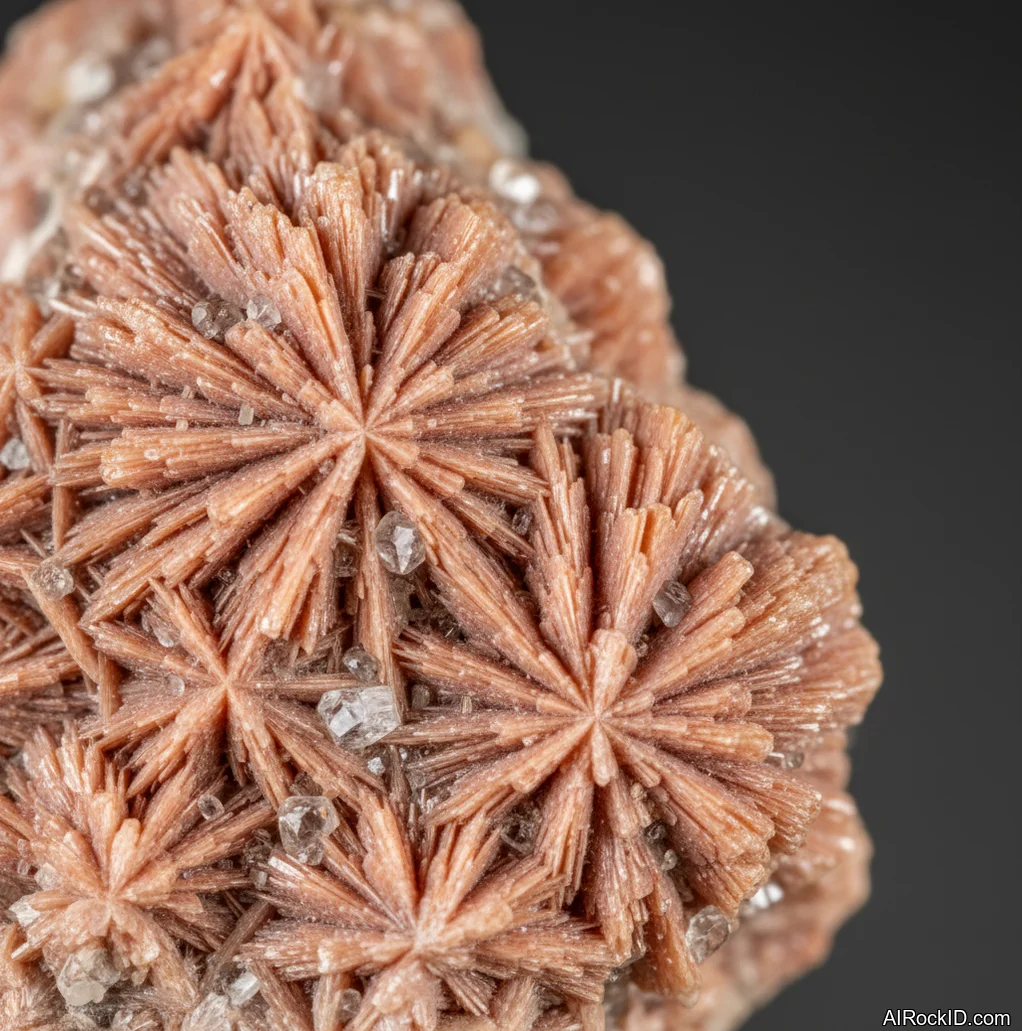
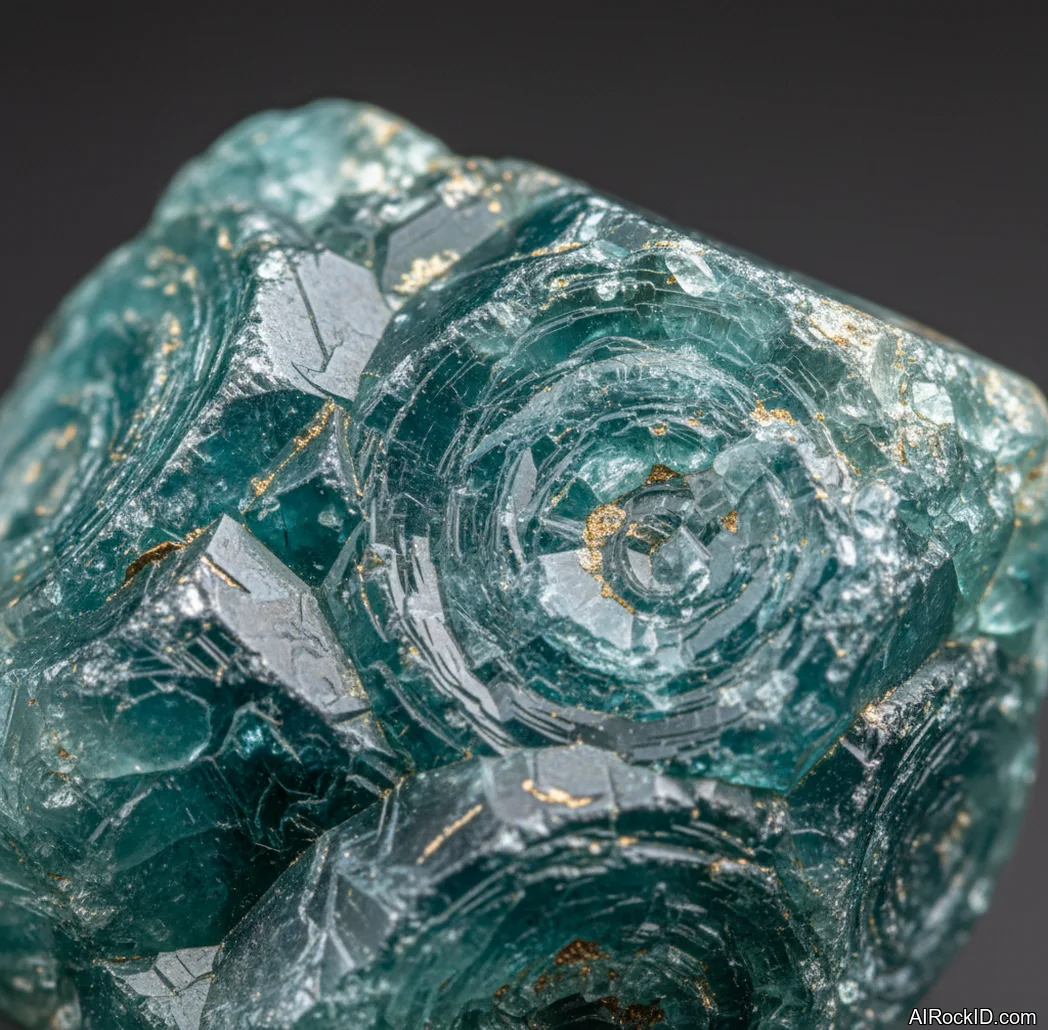
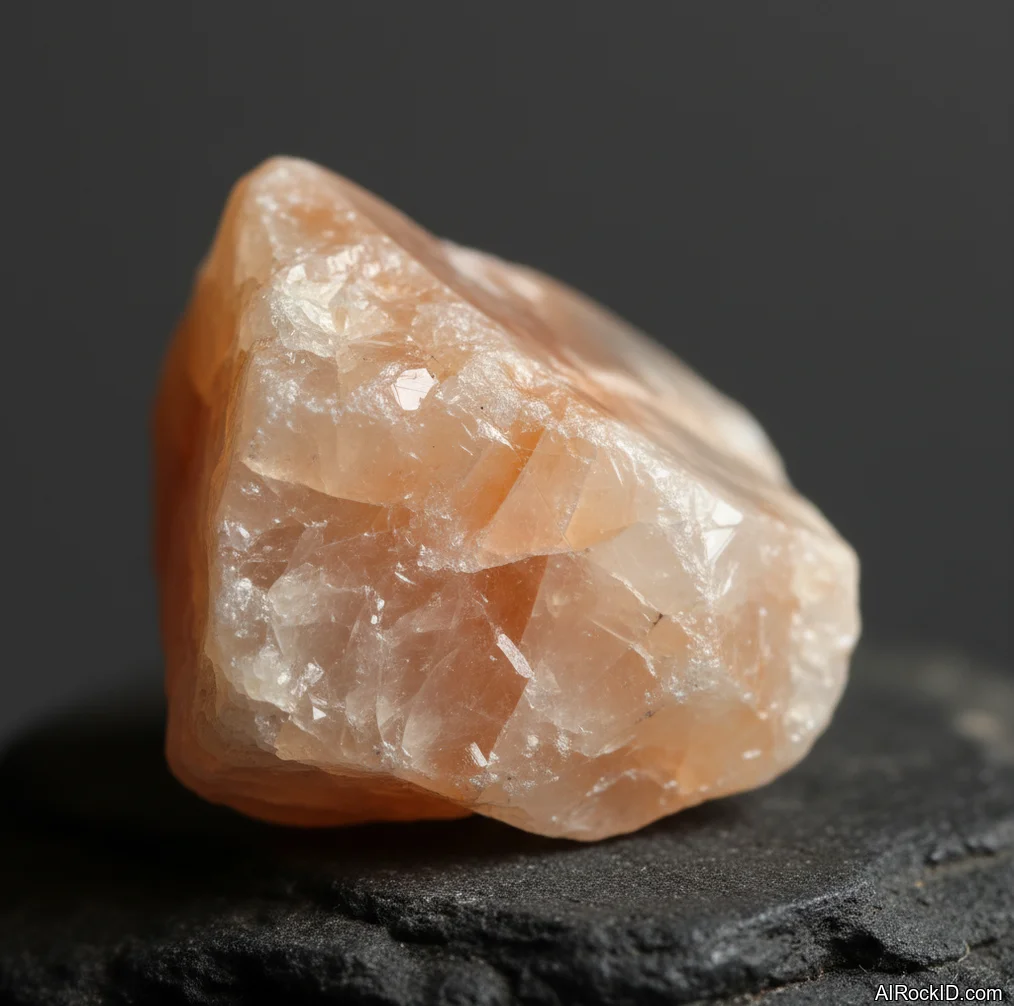
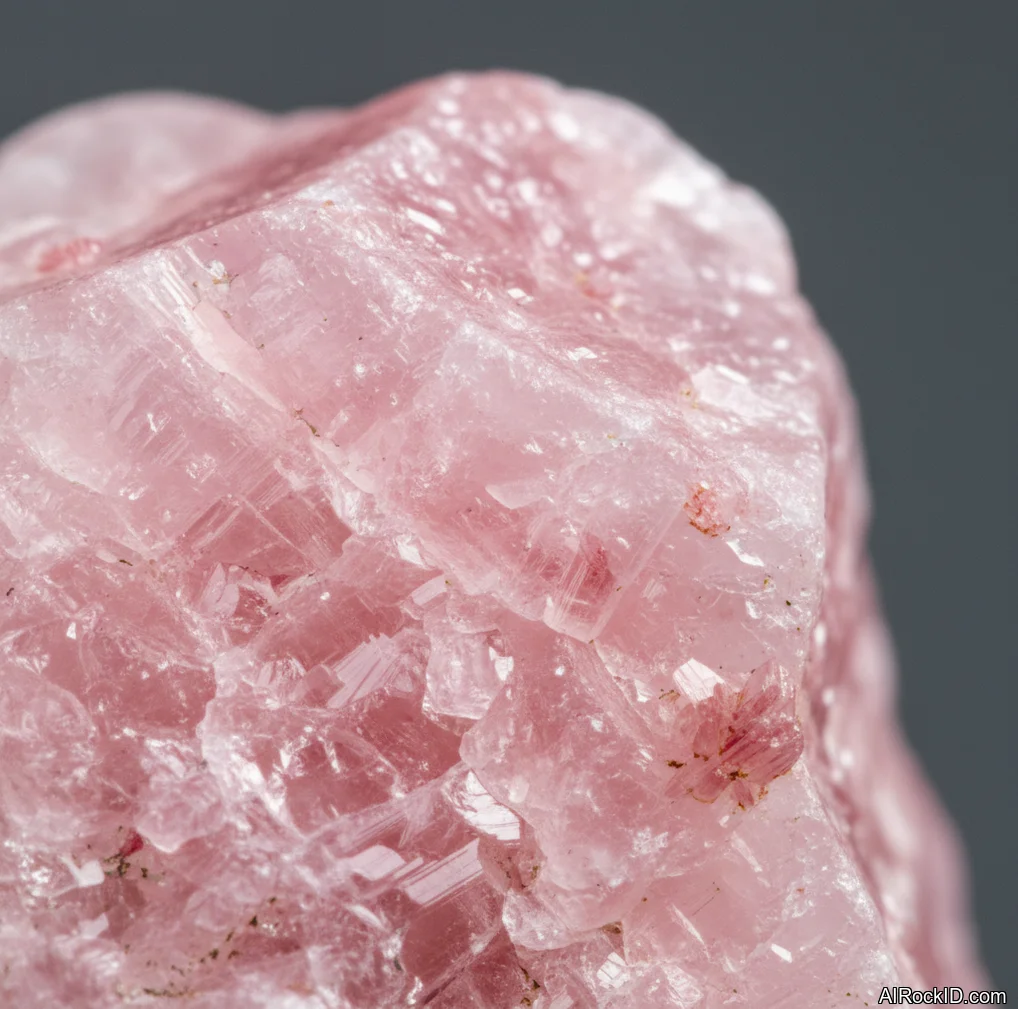
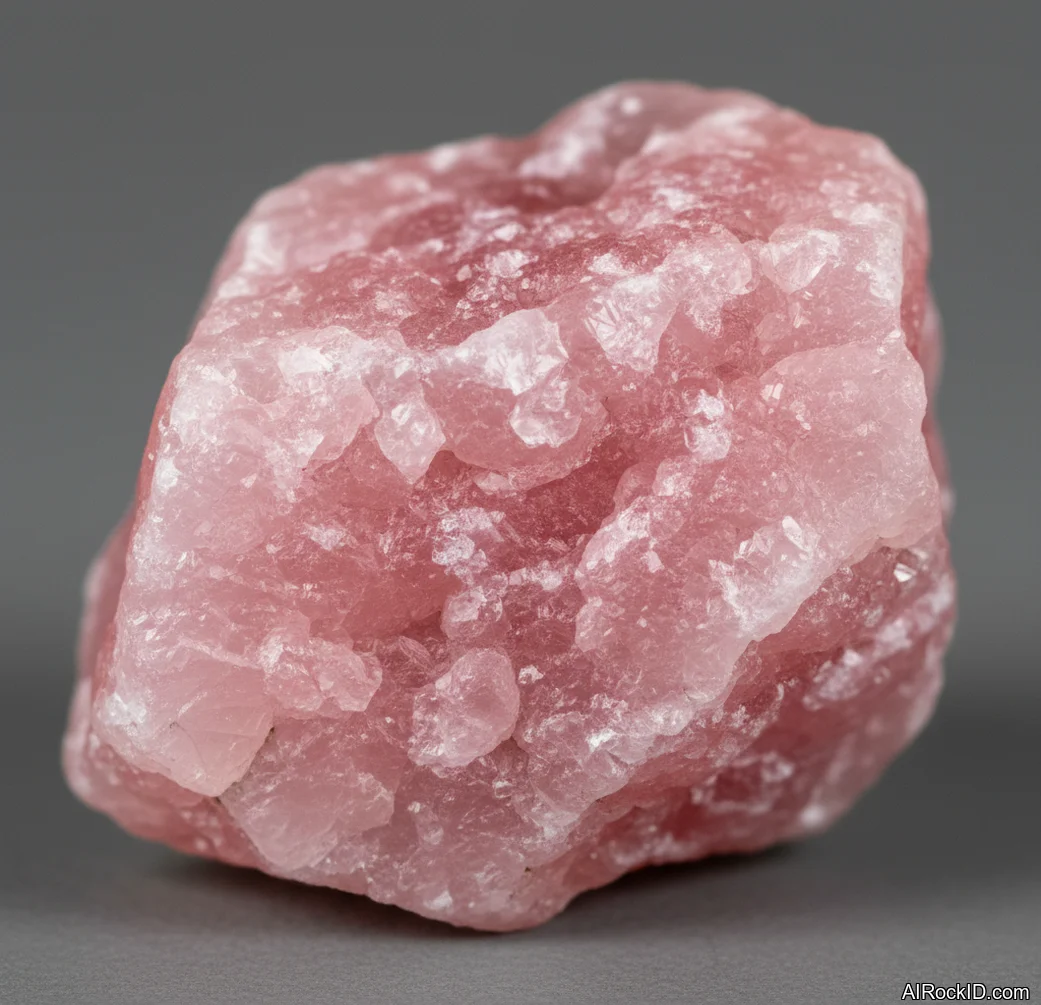
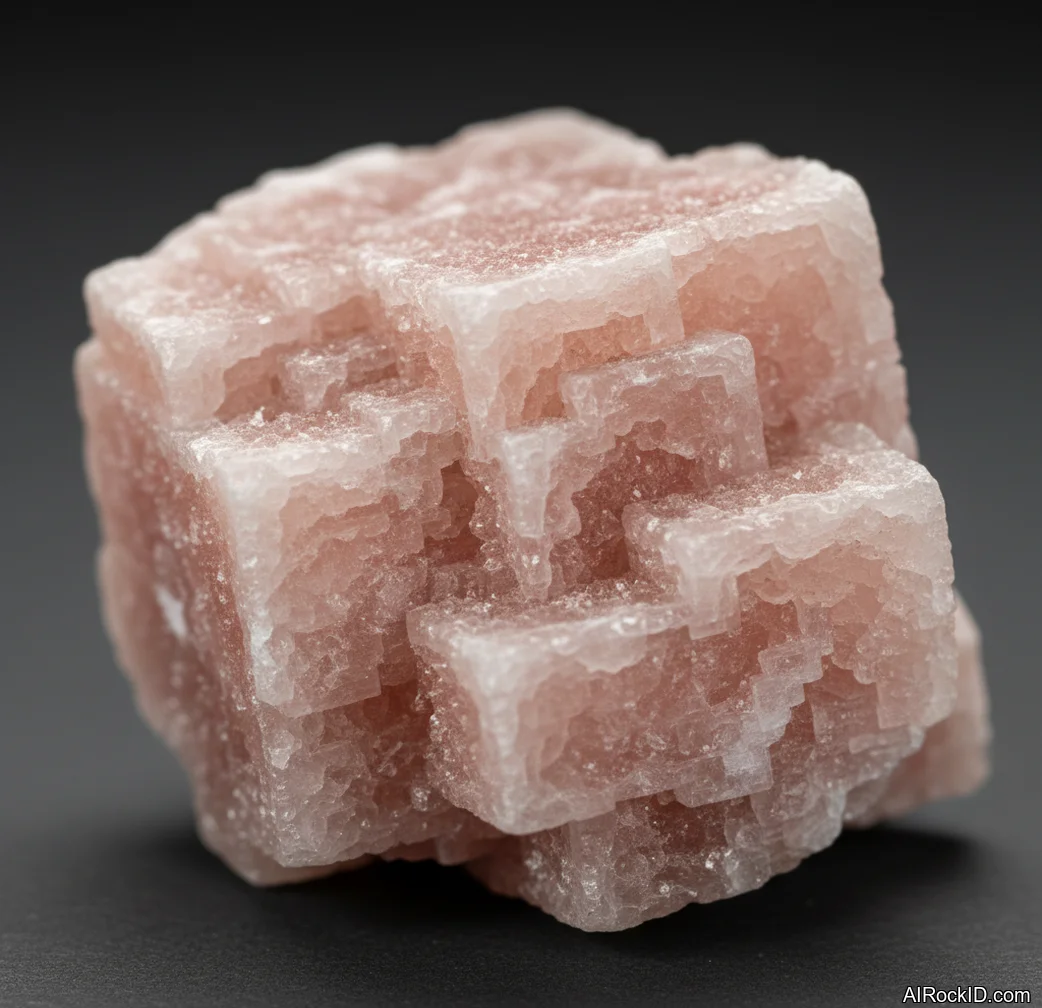
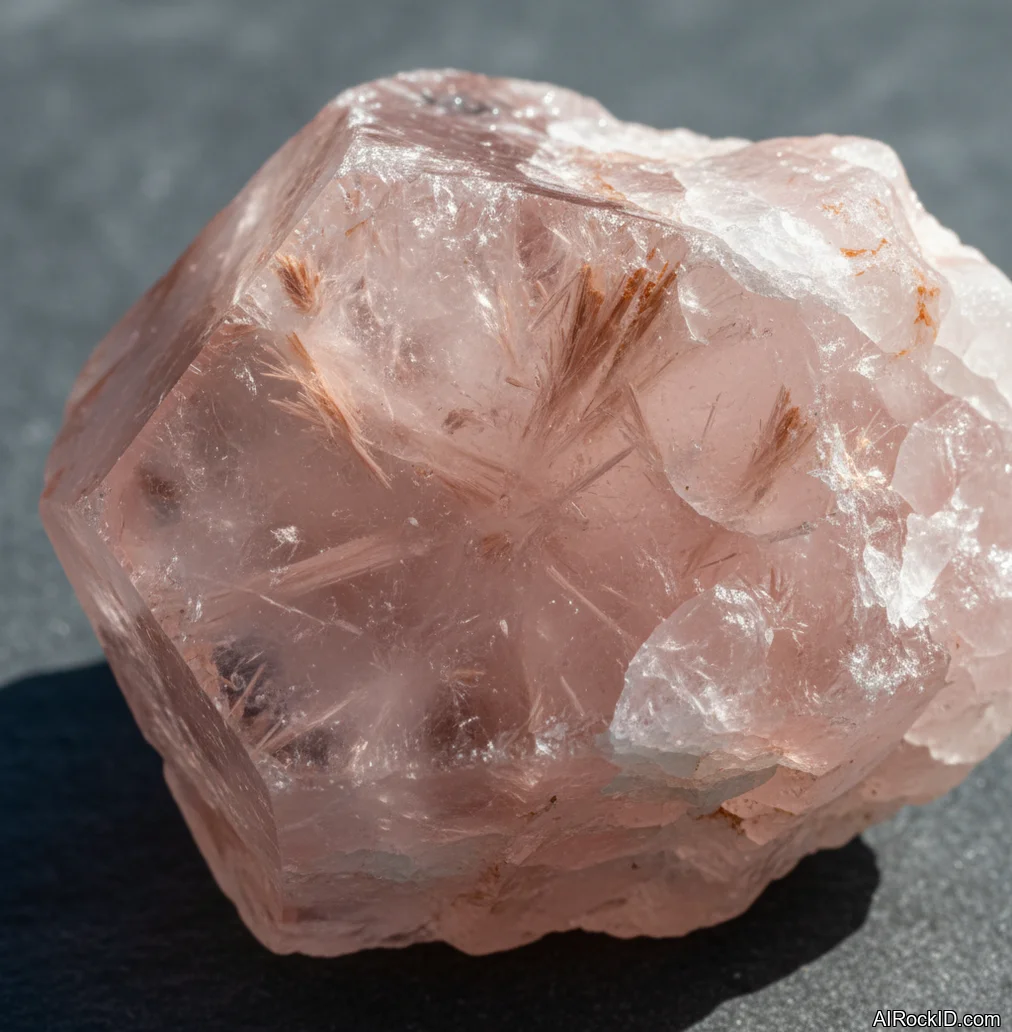
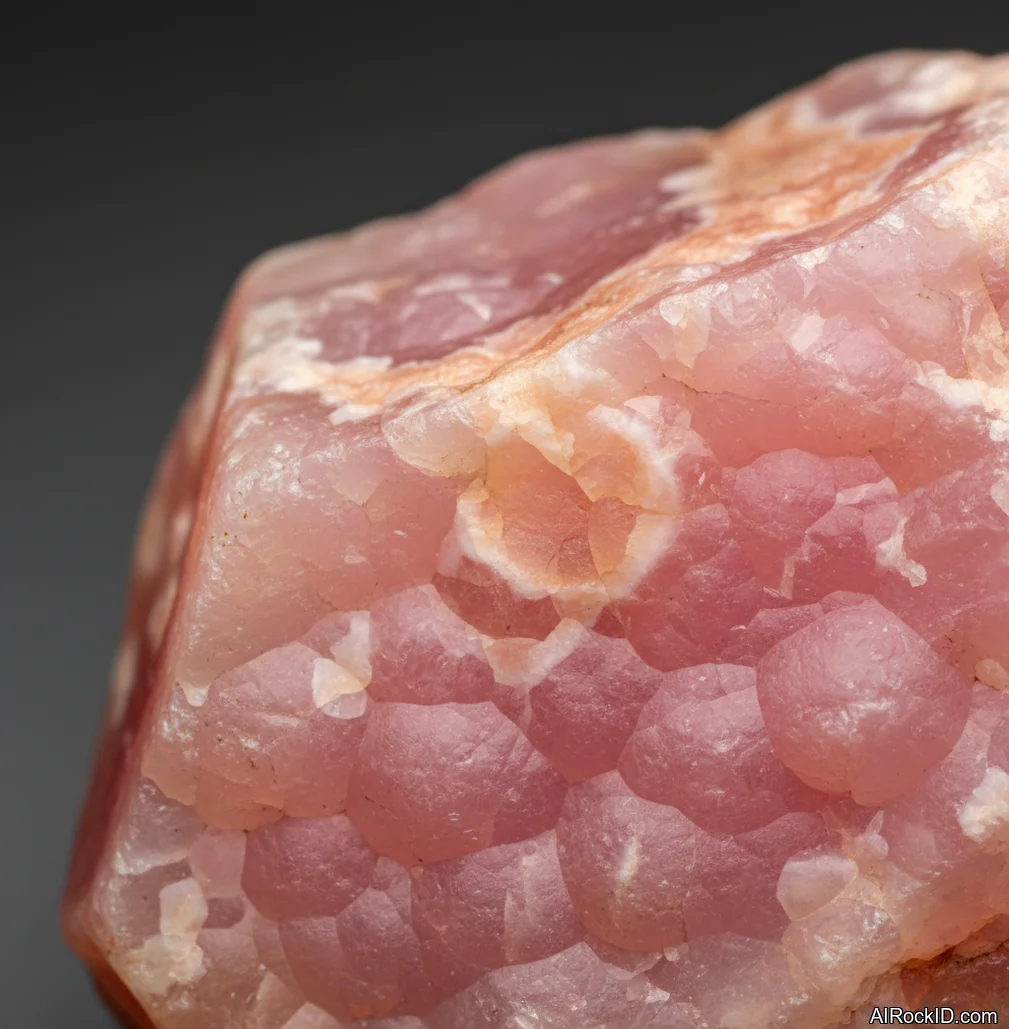
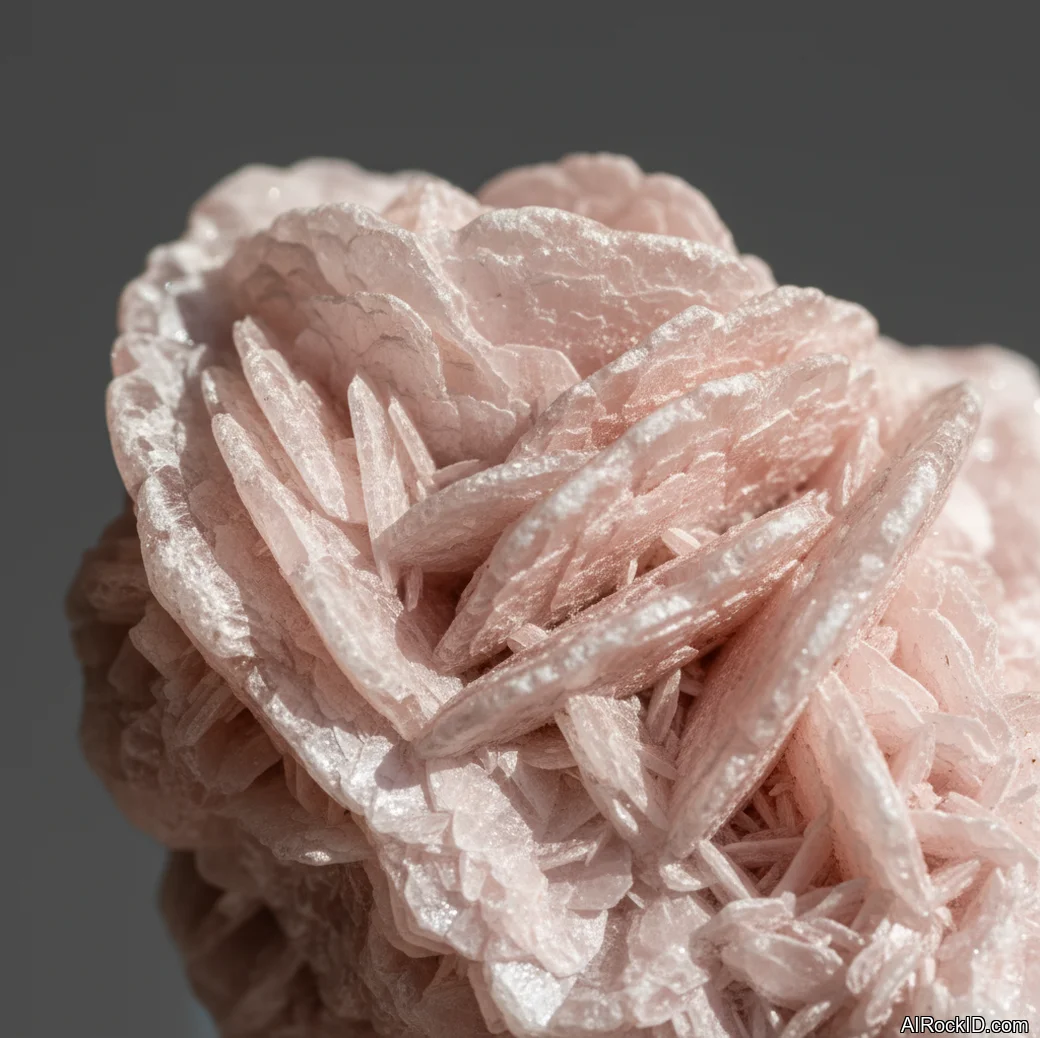
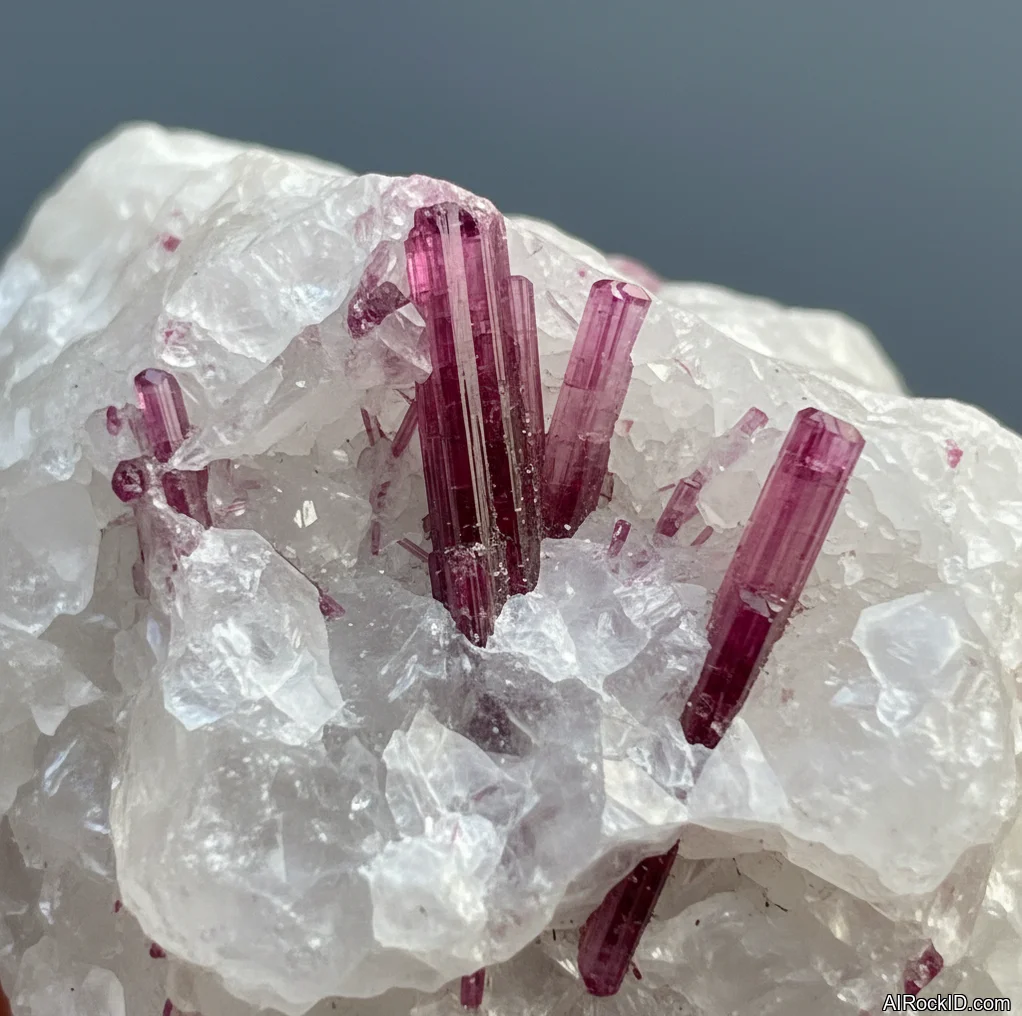
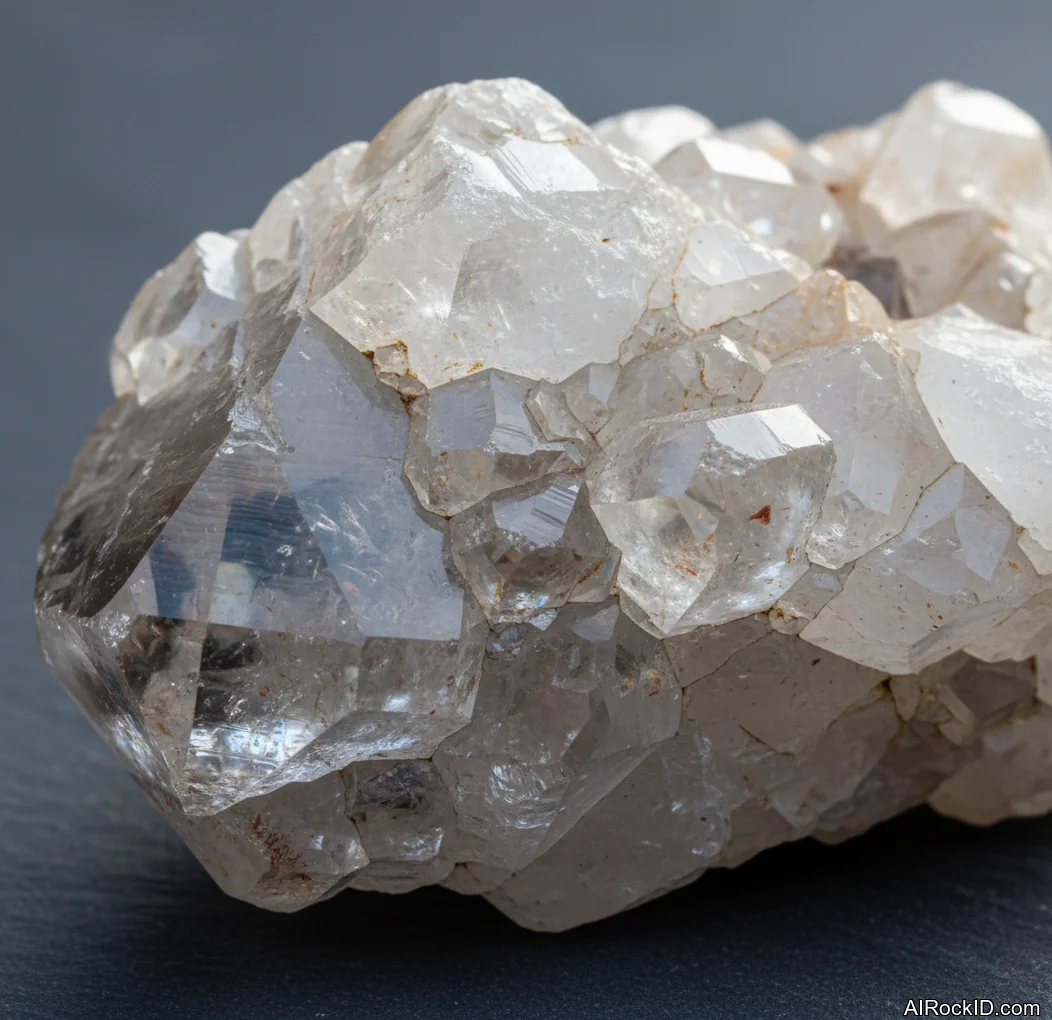
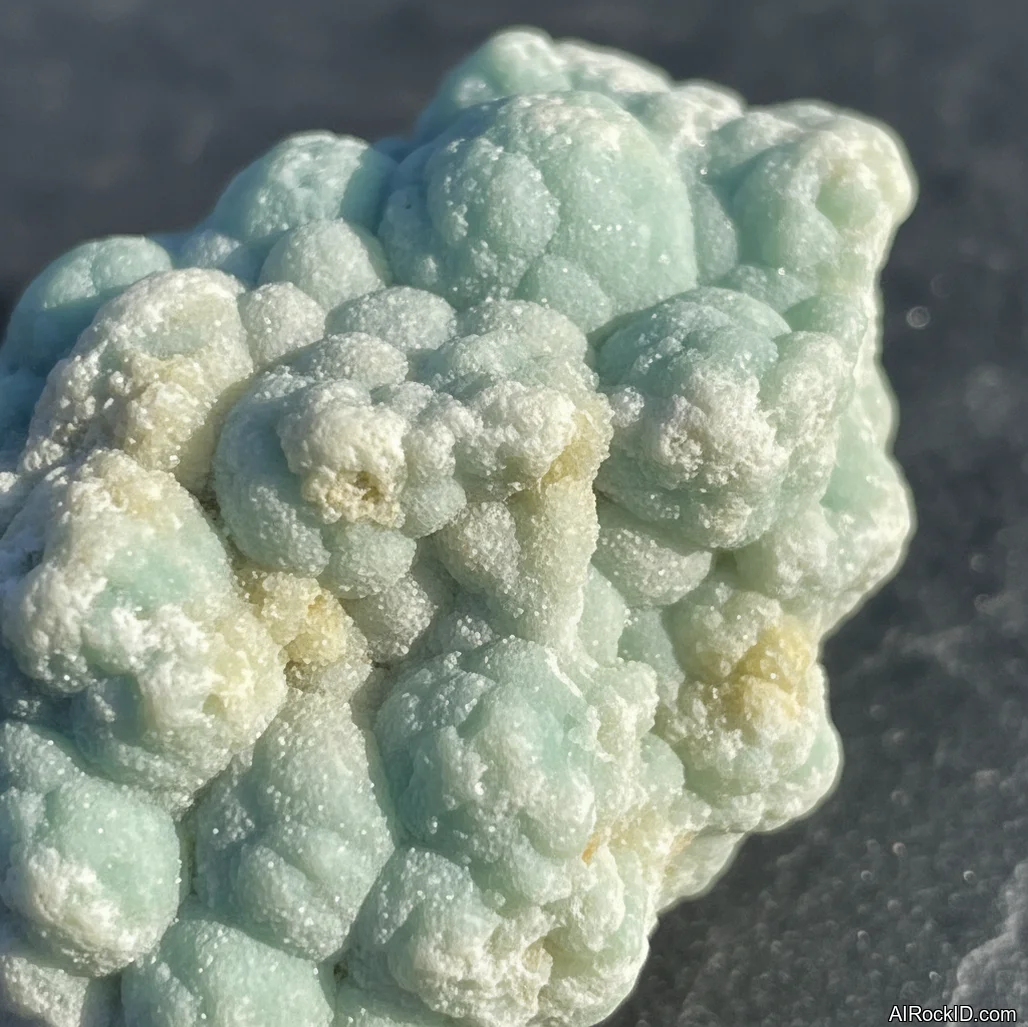
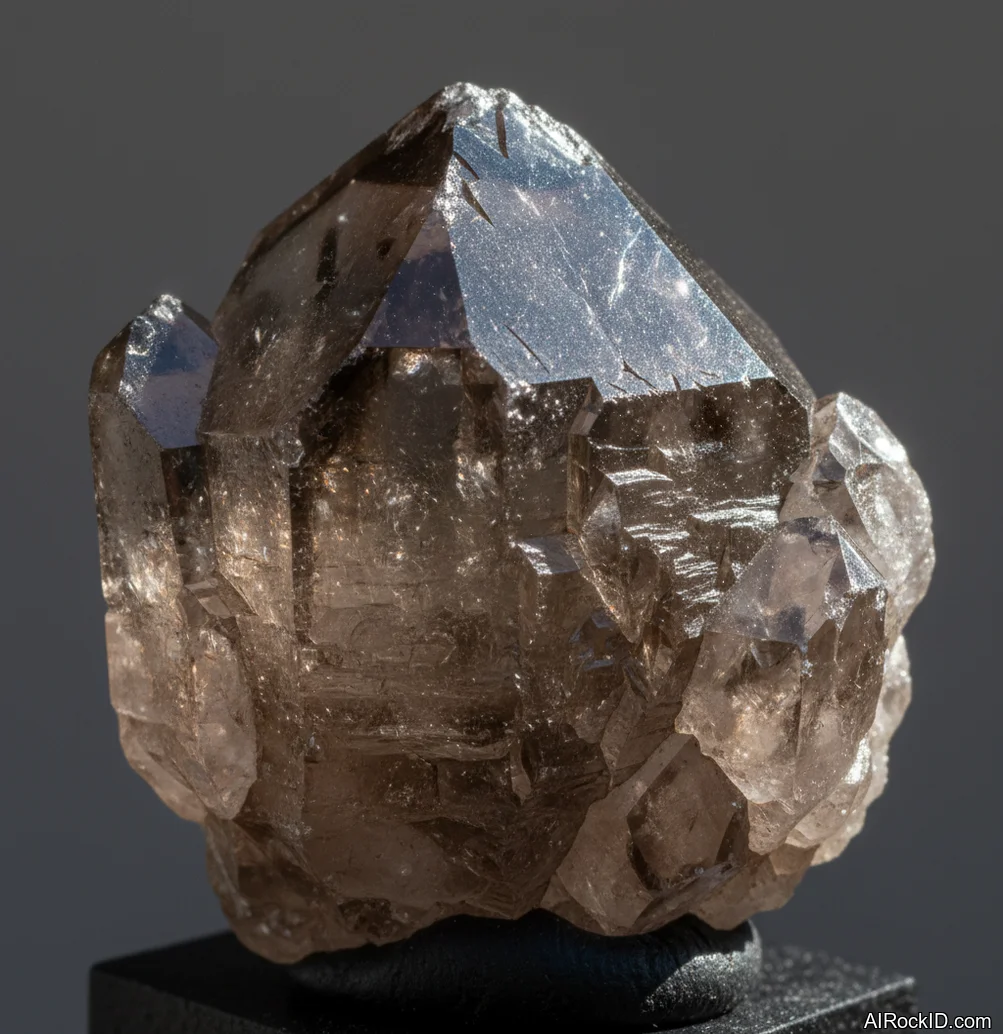
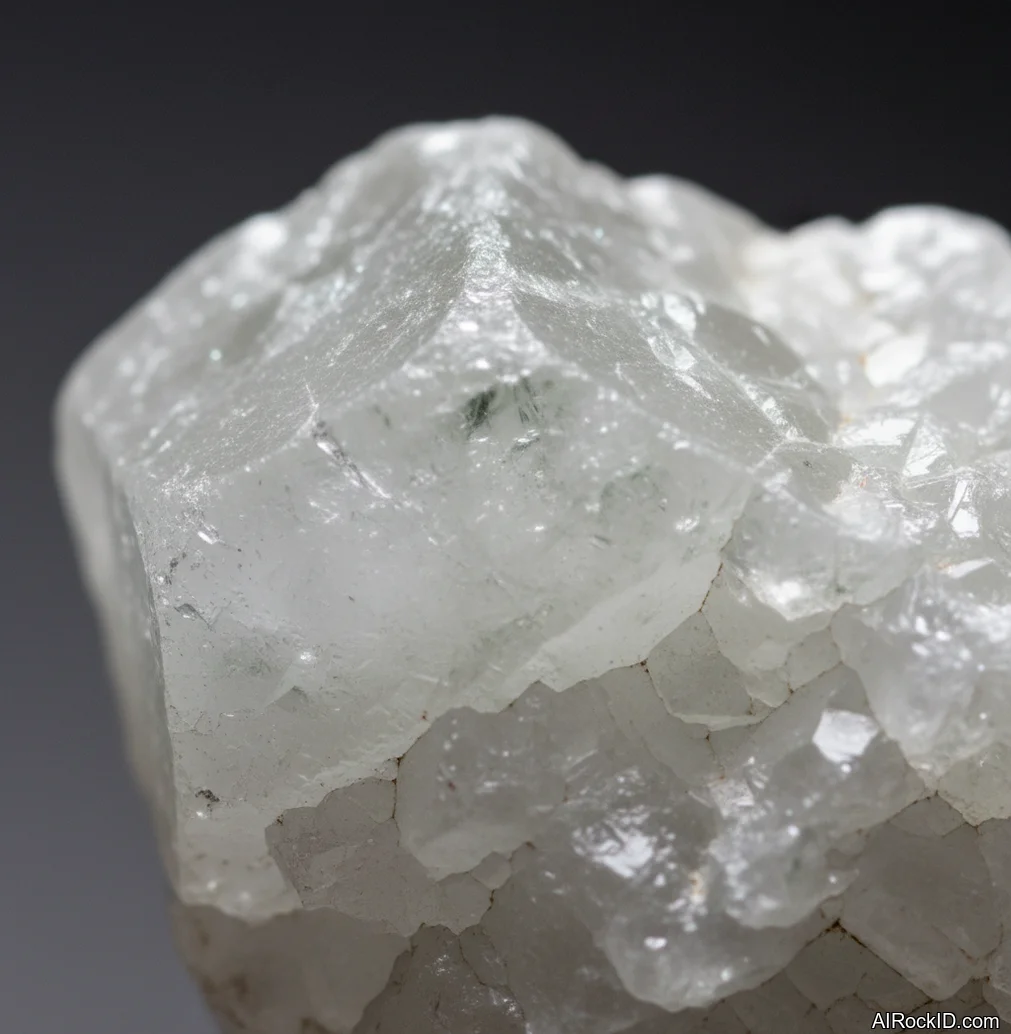
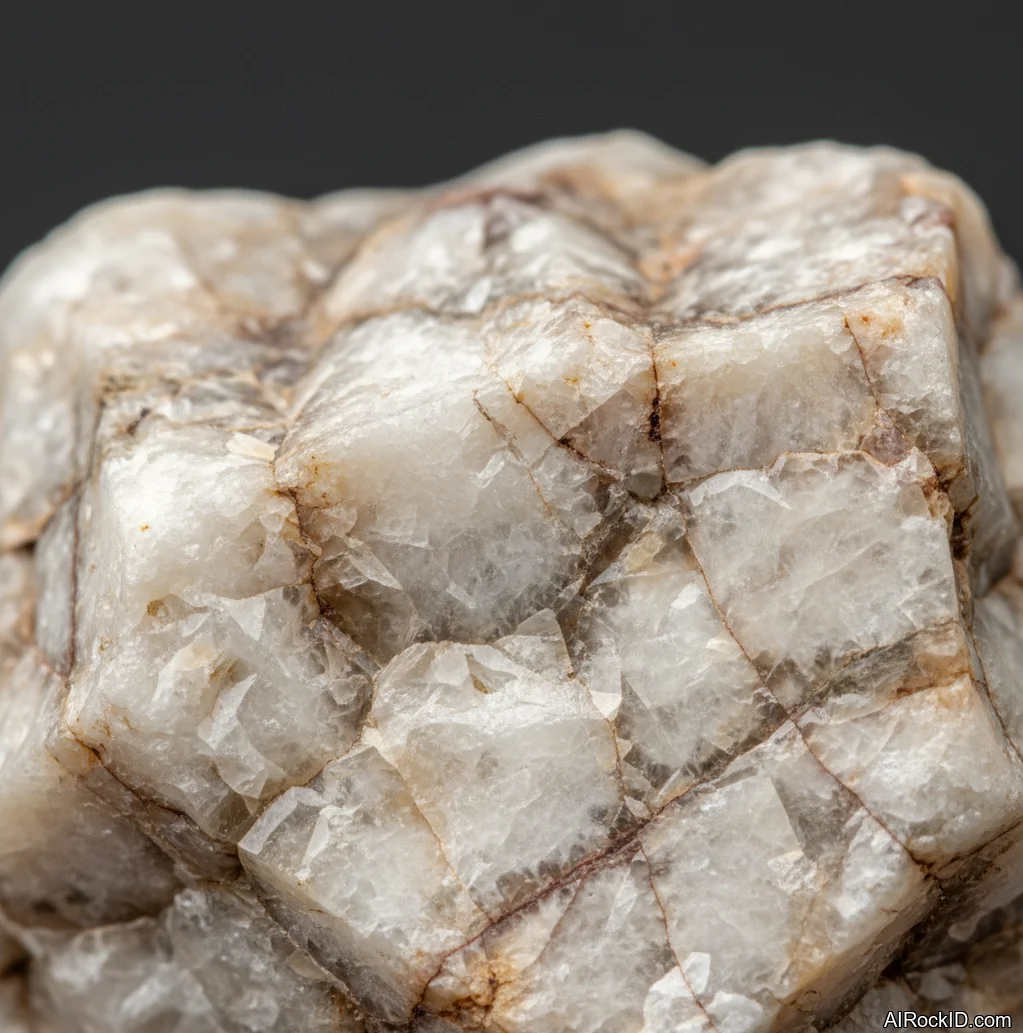
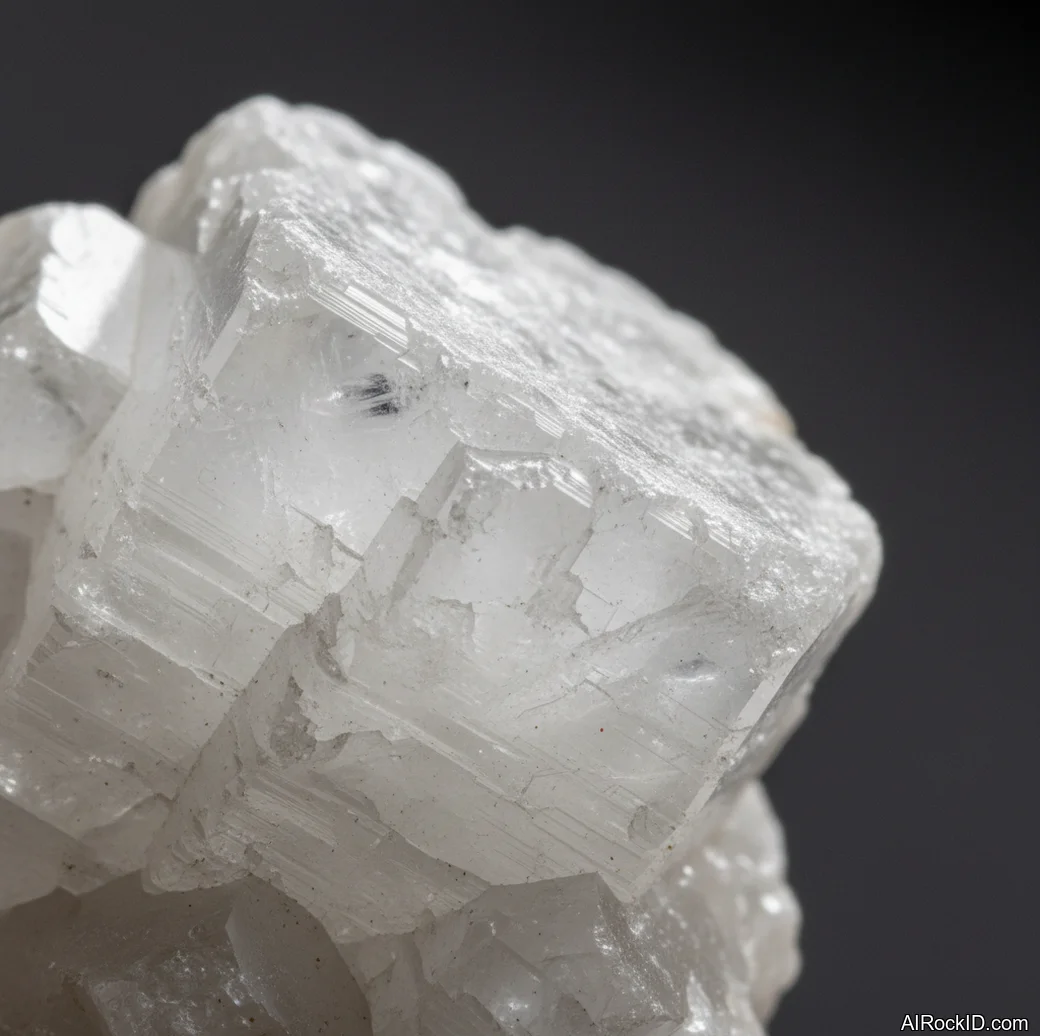
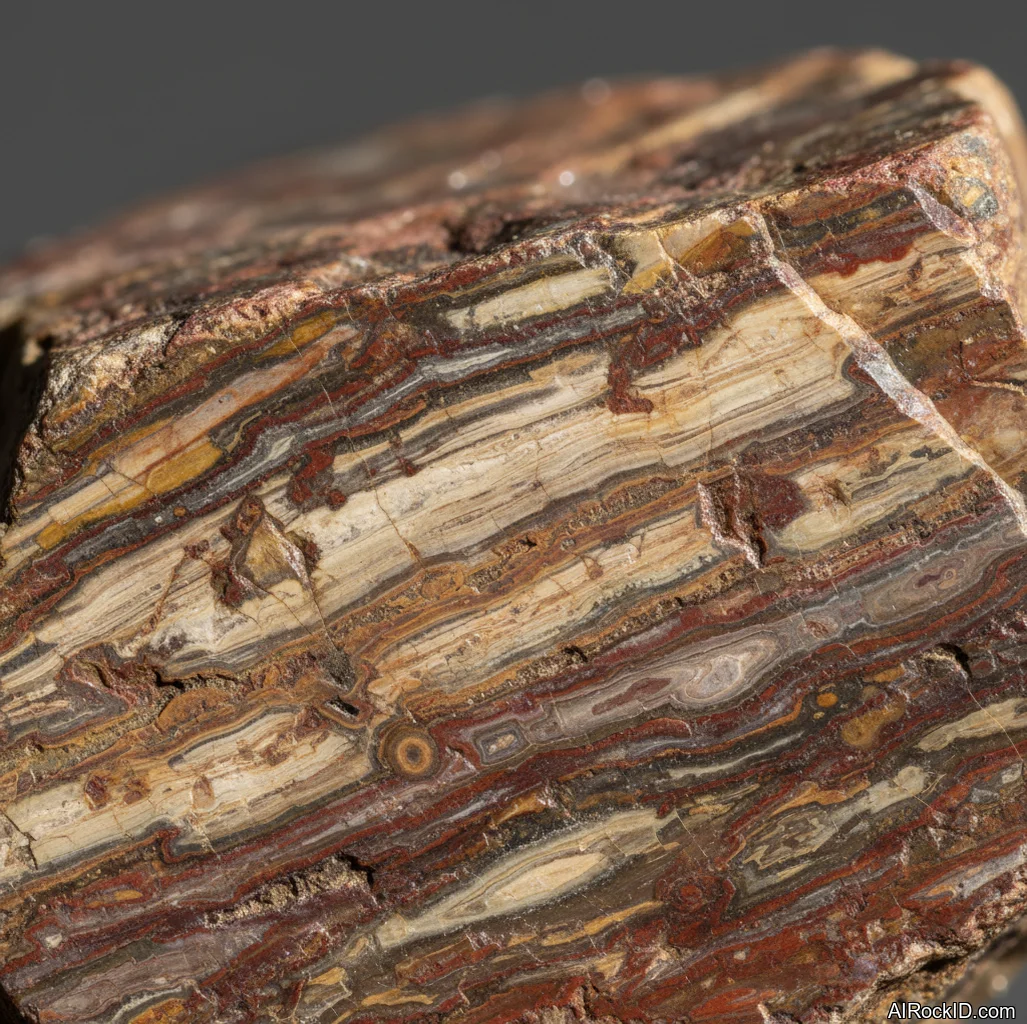
Relaxation crystals are minerals and stones chosen for their association with calming tension, easing overactive thoughts, and helping with physical unwinding. Common examples include amethyst, lepidolite, blue lace agate, and selenite. Collectors often use these for winding down before sleep, clearing stressful energy from a room, or simply having something soothing to hold. These associations come from metaphysical traditions and are not medical claims.
Relaxation crystals don’t replace stress management, mental health treatment, or sleep support from a doctor. They can’t directly treat anxiety, insomnia, or physical tension.
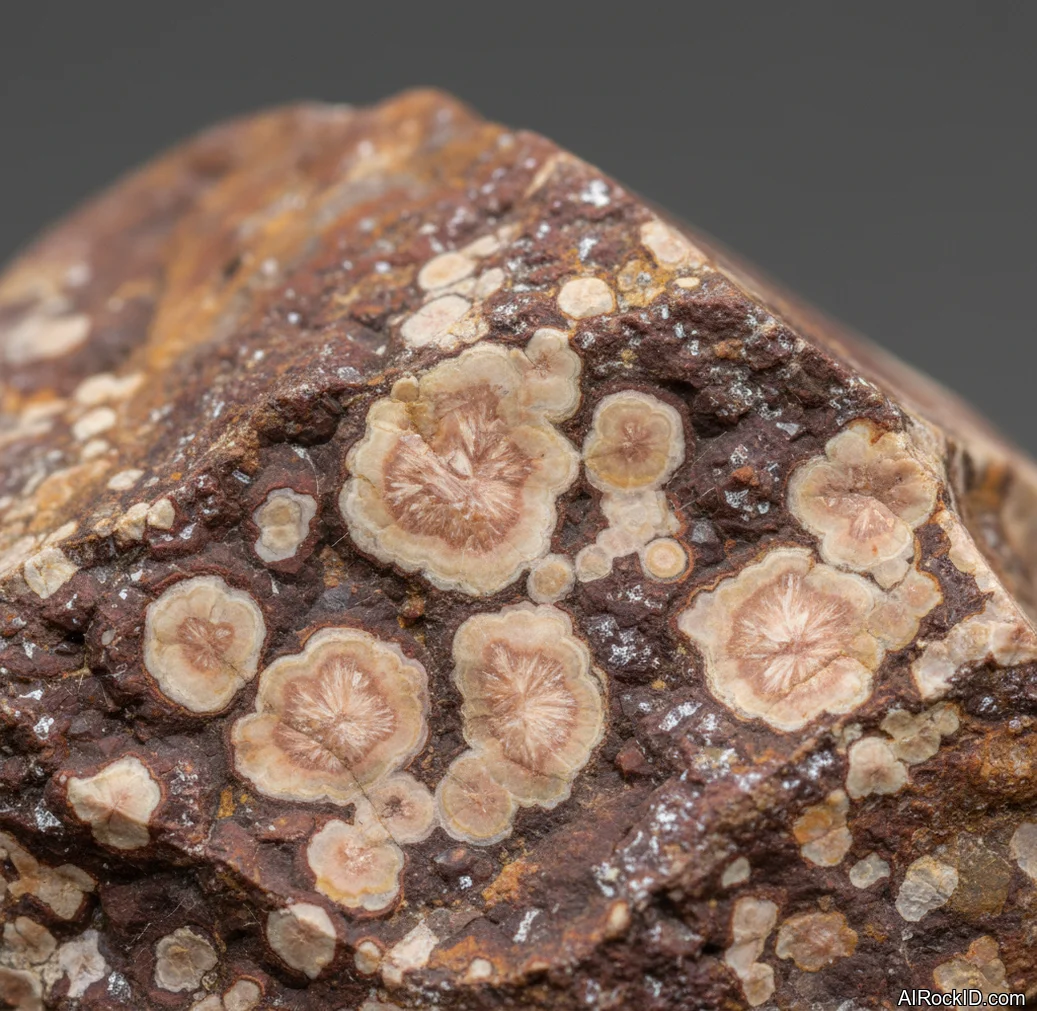
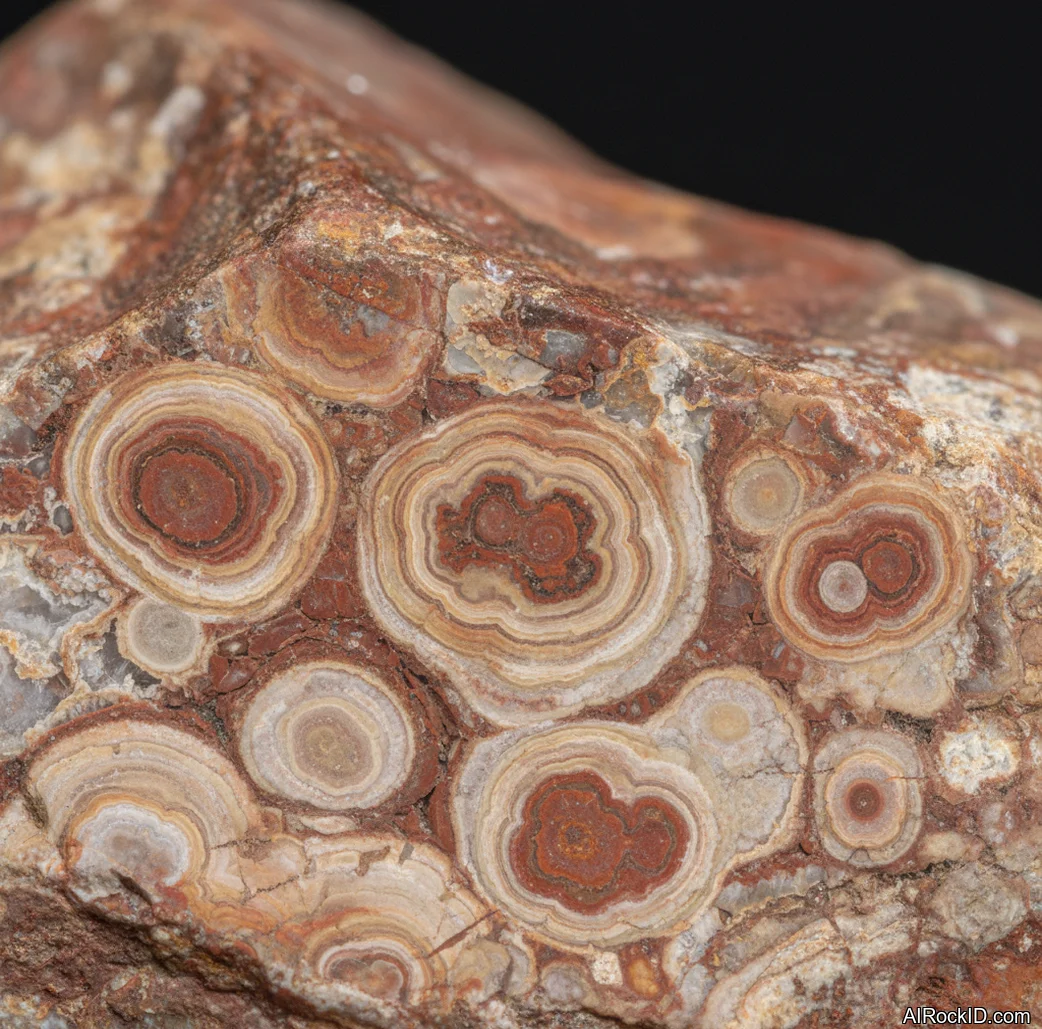
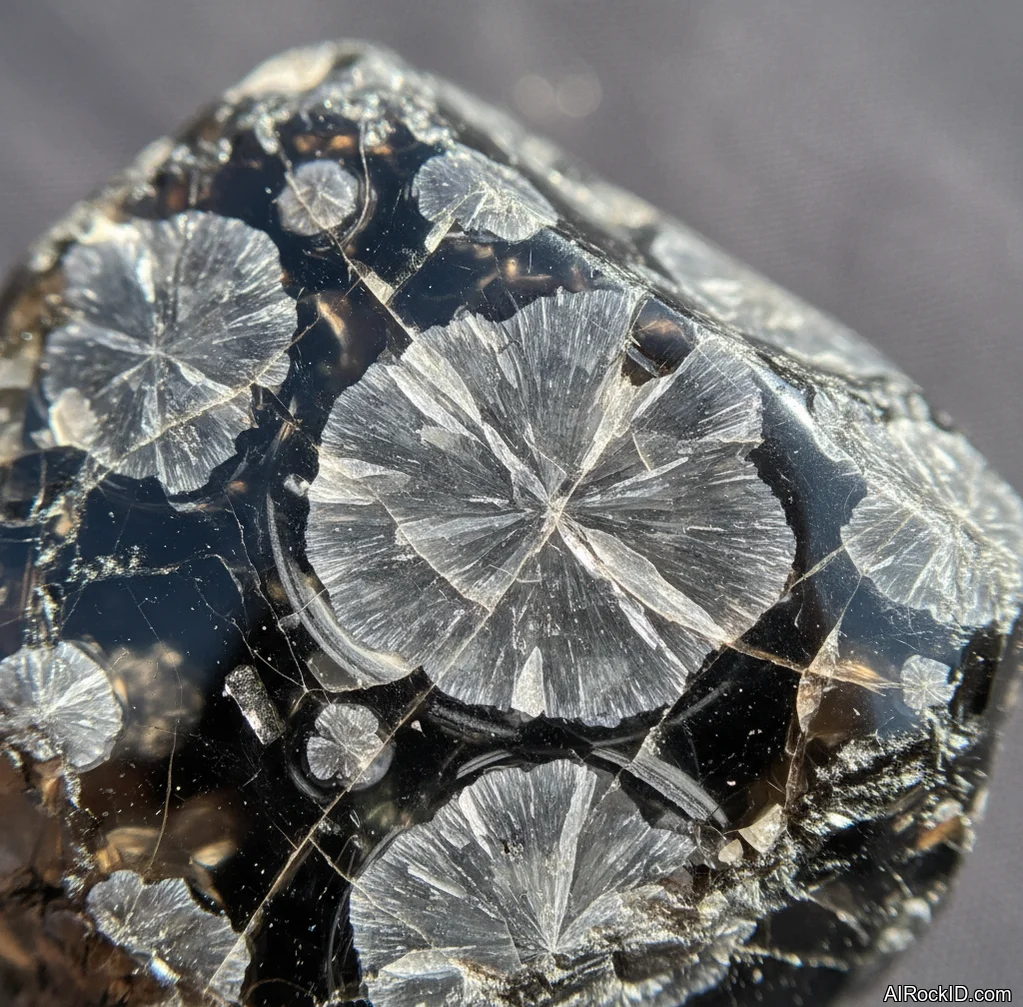
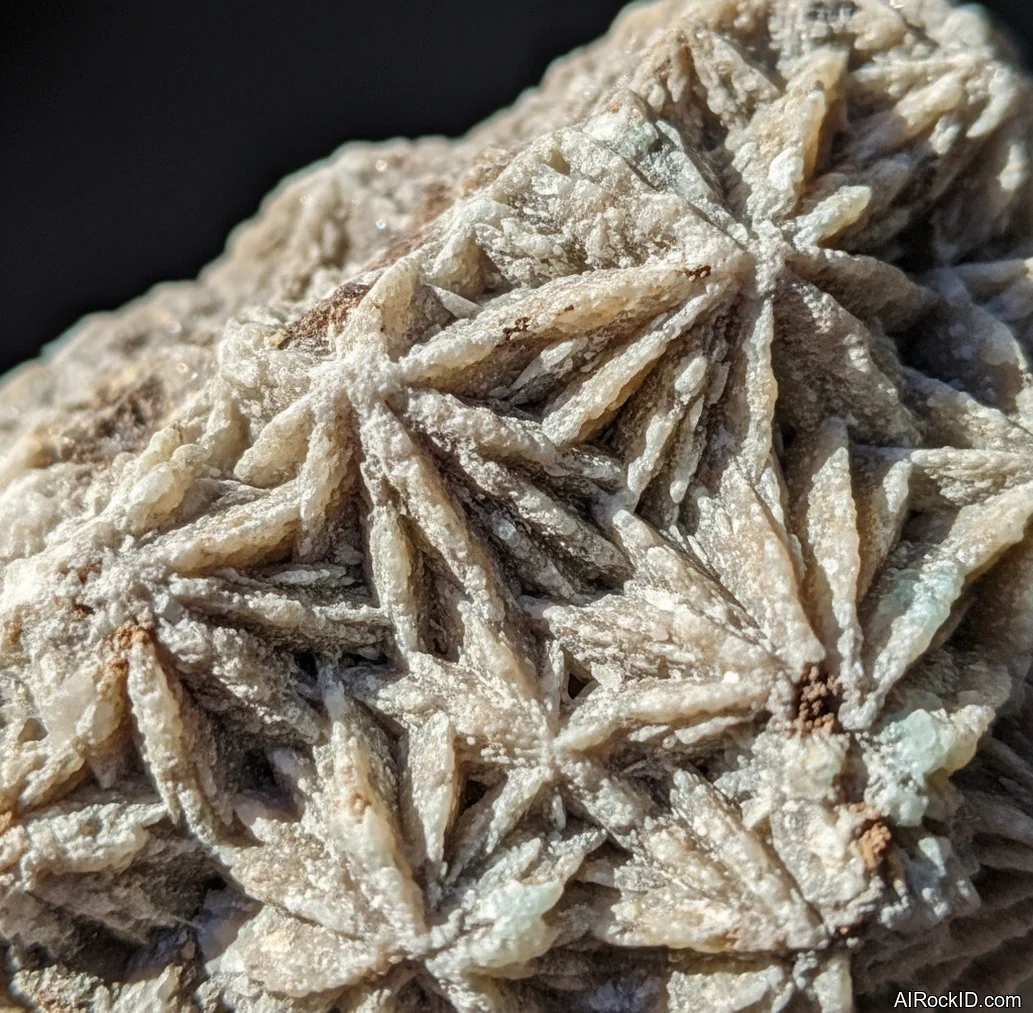
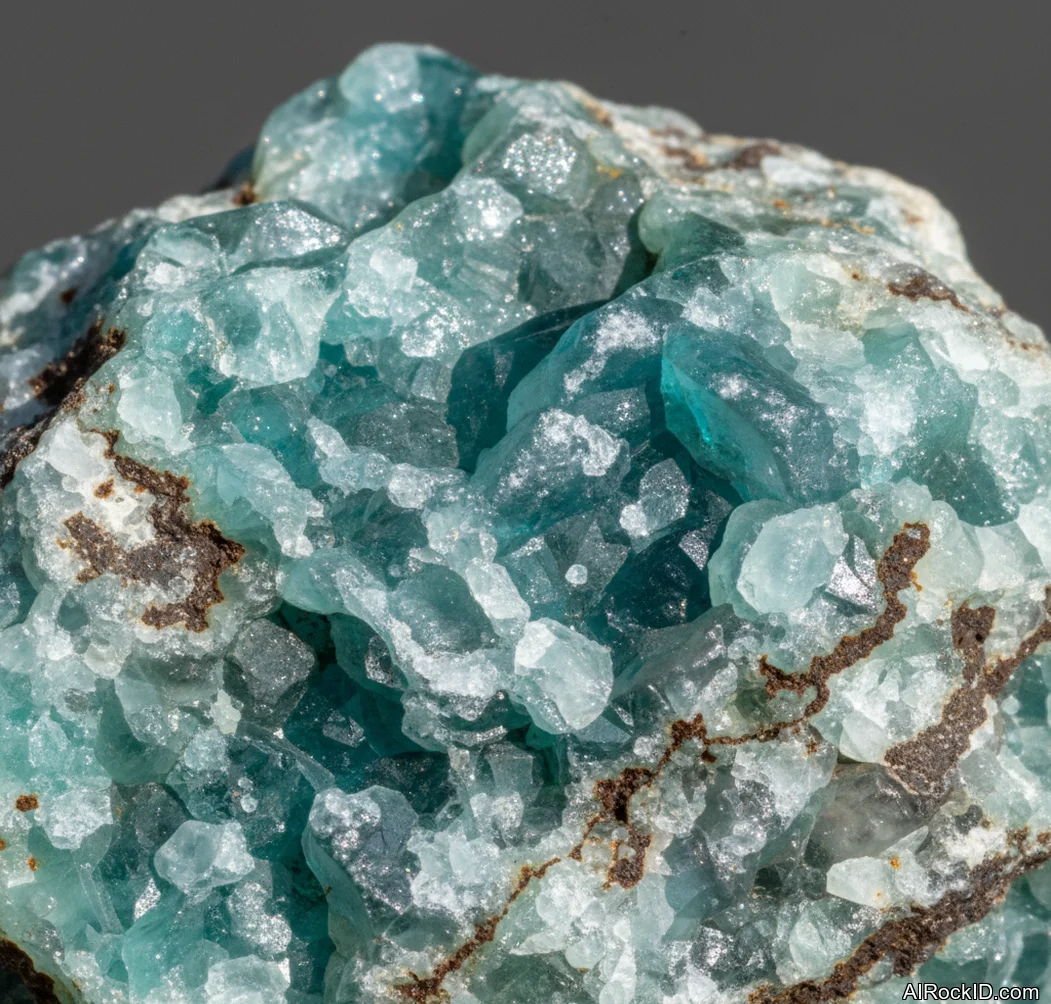
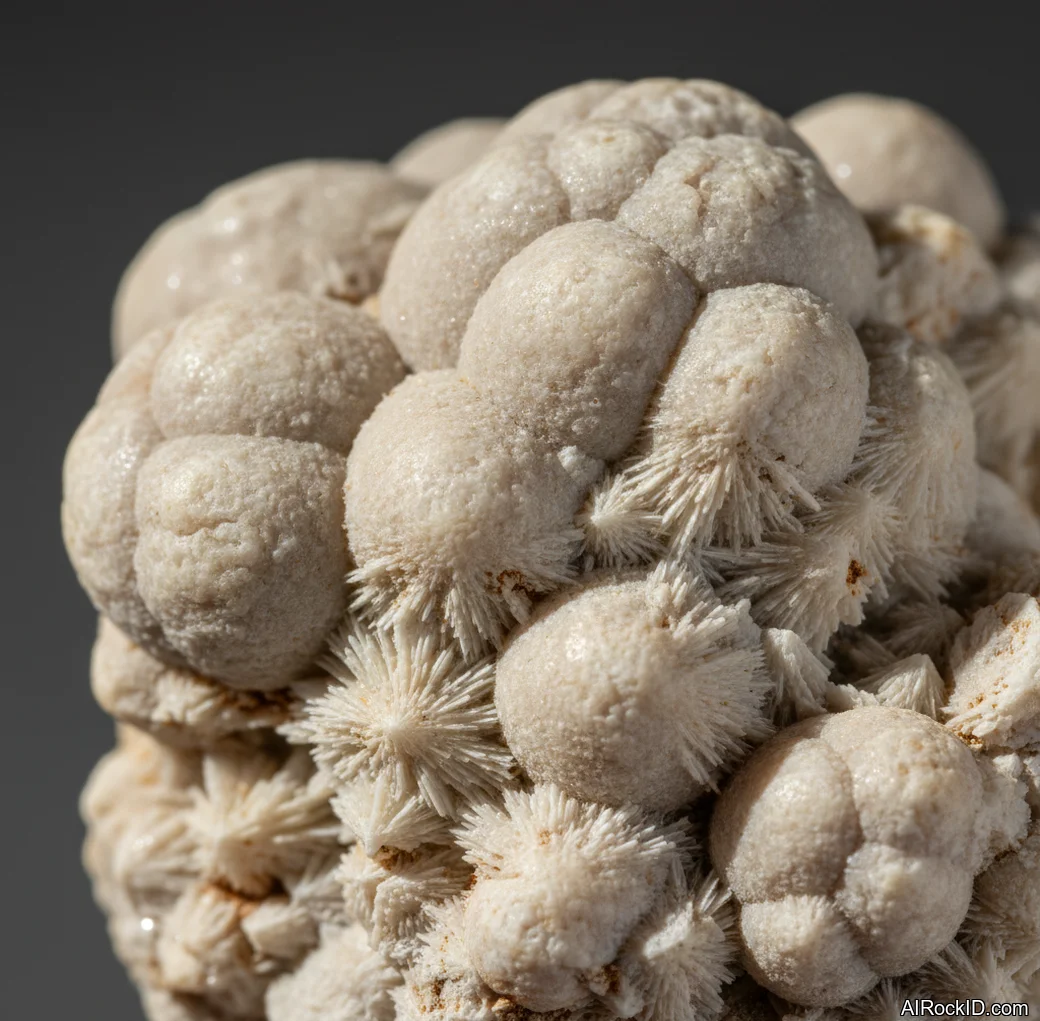
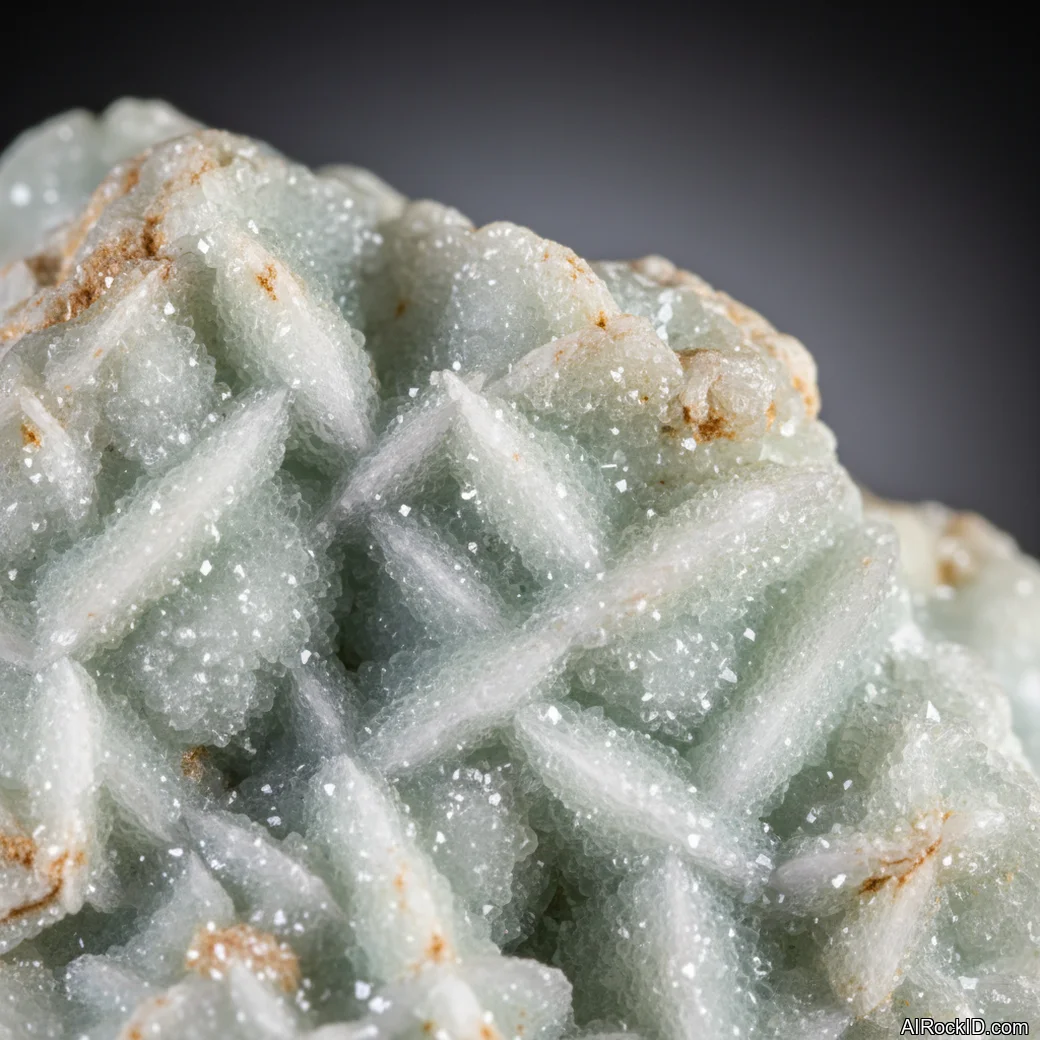
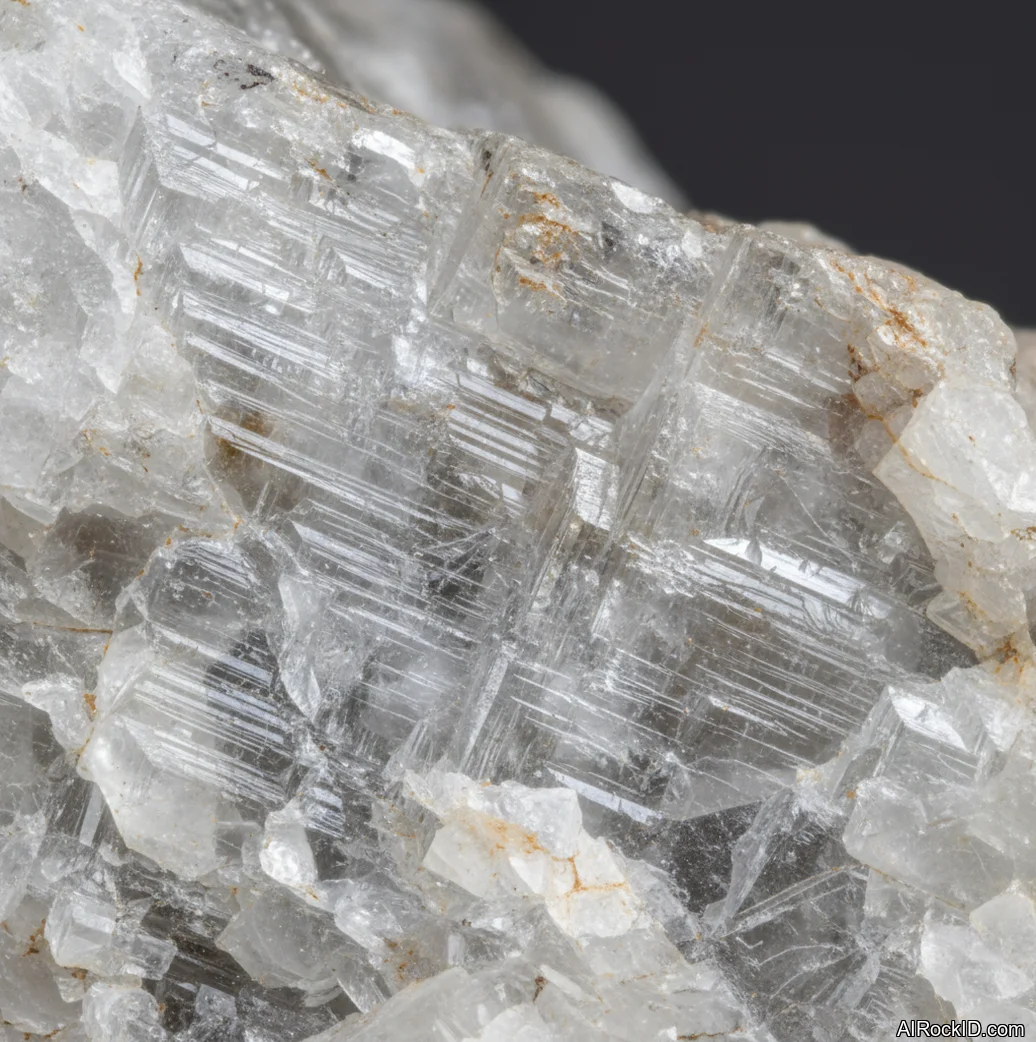
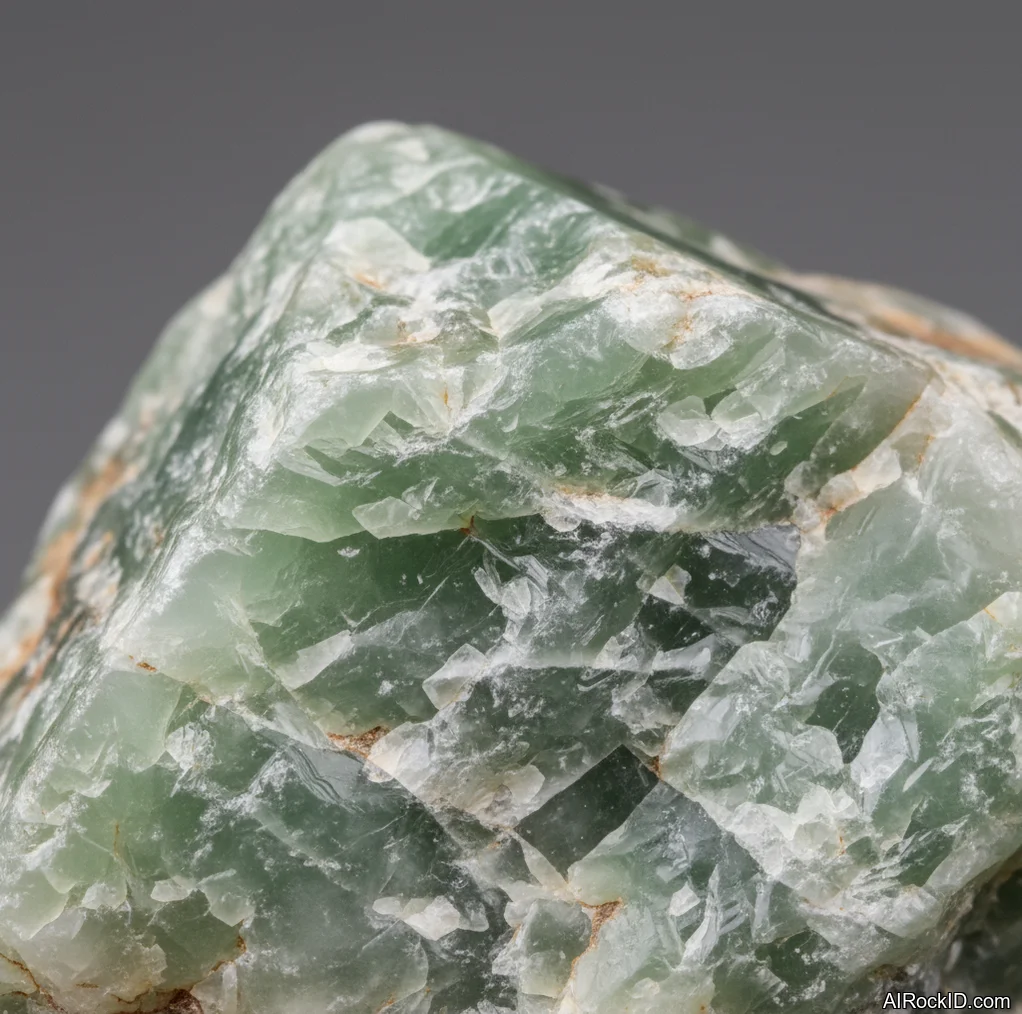
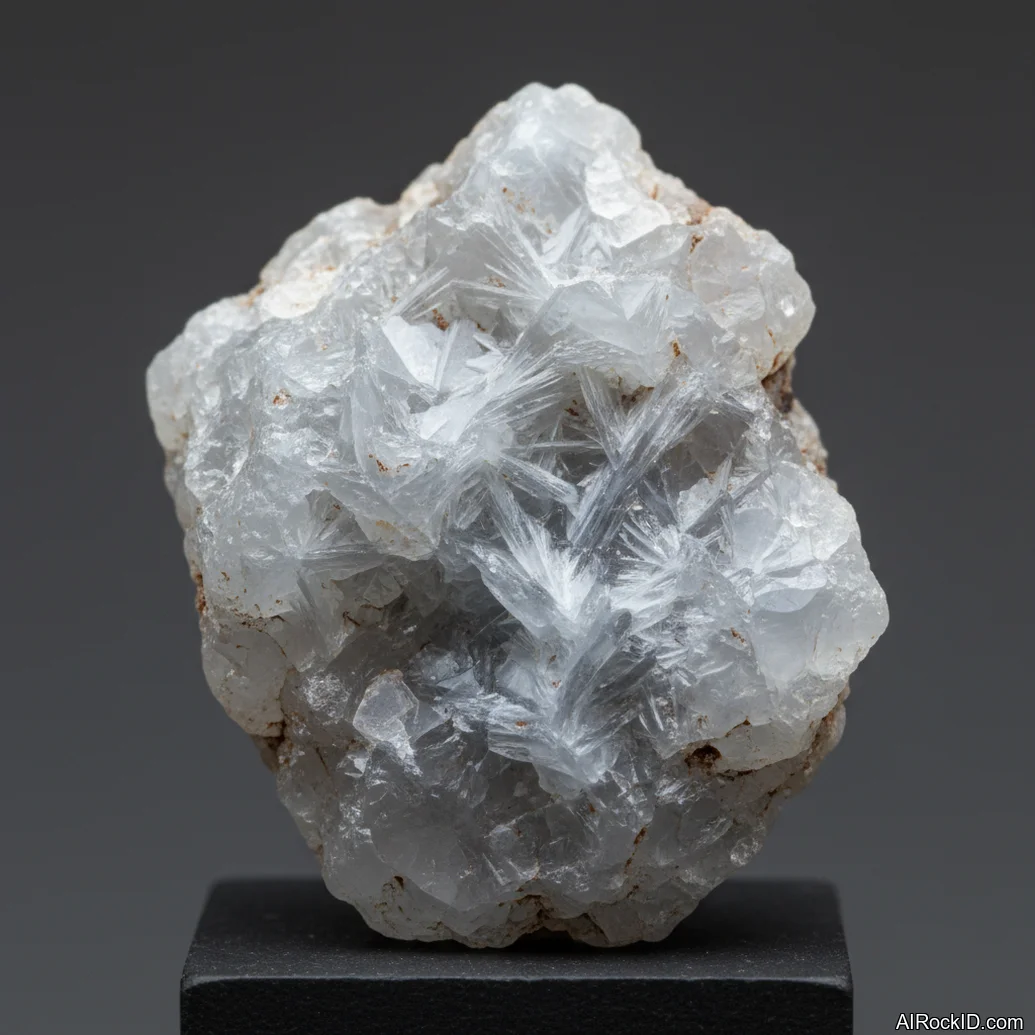
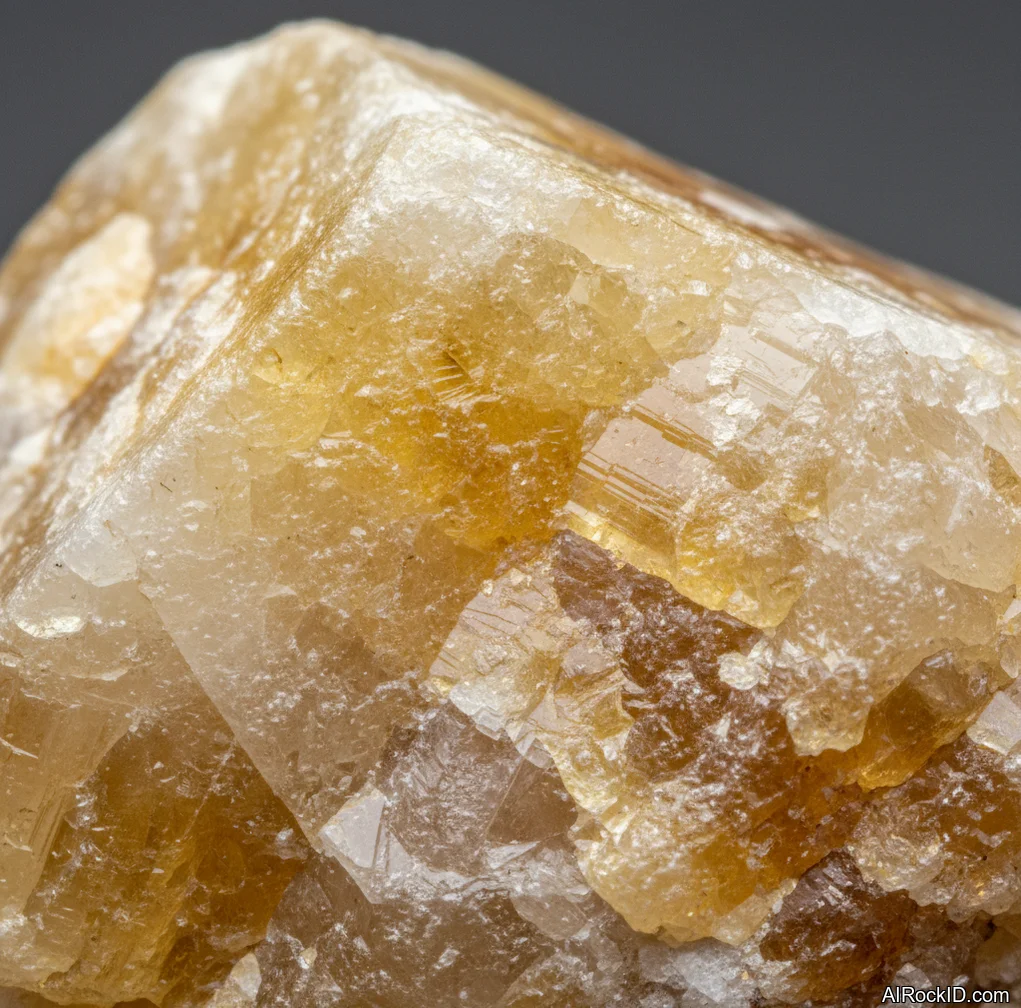
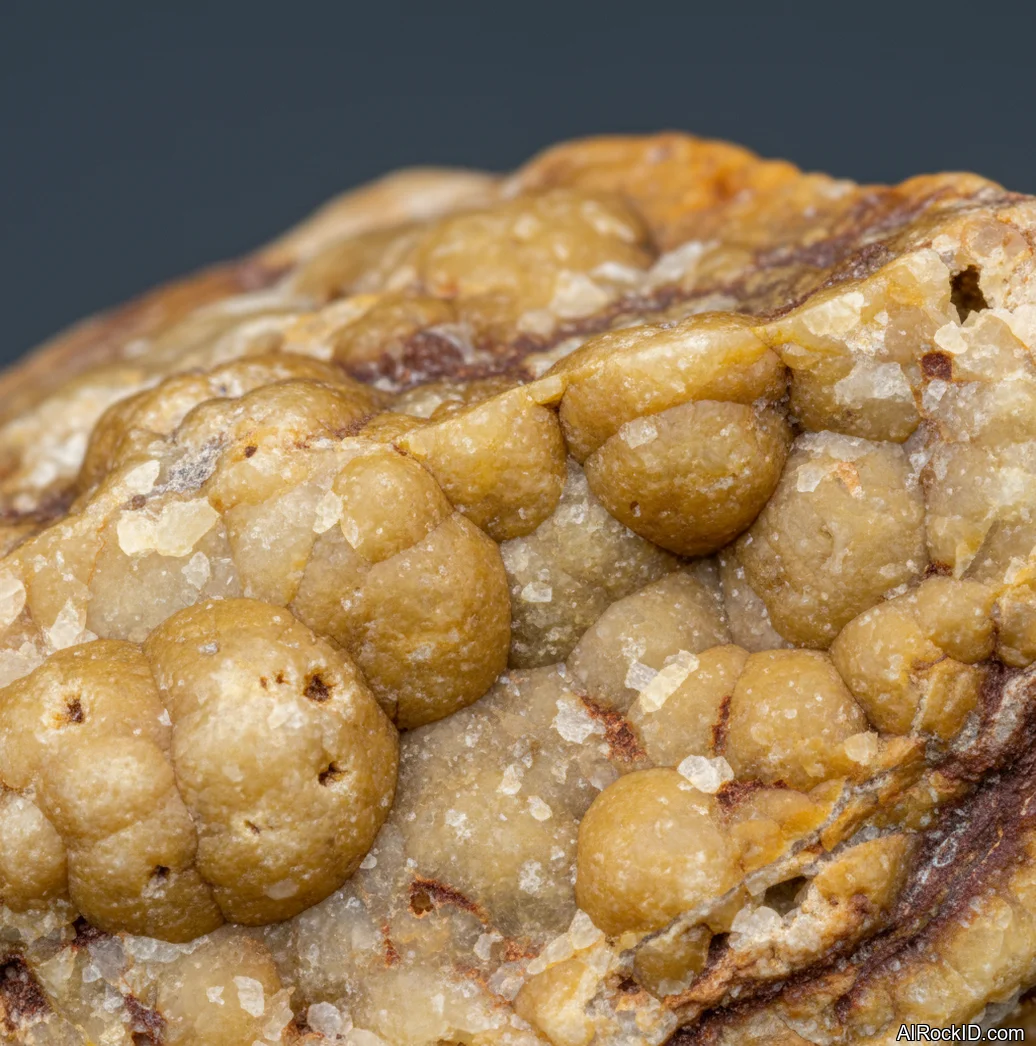
AI Rock ID can help compare a photographed specimen with known crystal appearances, colors, and textures. RockIdentifier.io provides crystal reference pages that can support naming, collecting, and organizing relaxation-related stones.
Good fit
- Beginners who want familiar, easy-to-find crystals with calming associations
- Collectors building a theme around soft colors, smooth textures, or meditation stones
- People who enjoy using stones as visual reminders during journaling, breathing practice, or quiet routines
- Gift buyers looking for common crystals with gentle symbolic meanings
Not a good fit
- Replacing medical, psychological, or sleep-related care
- Identifying minerals by metaphysical category alone
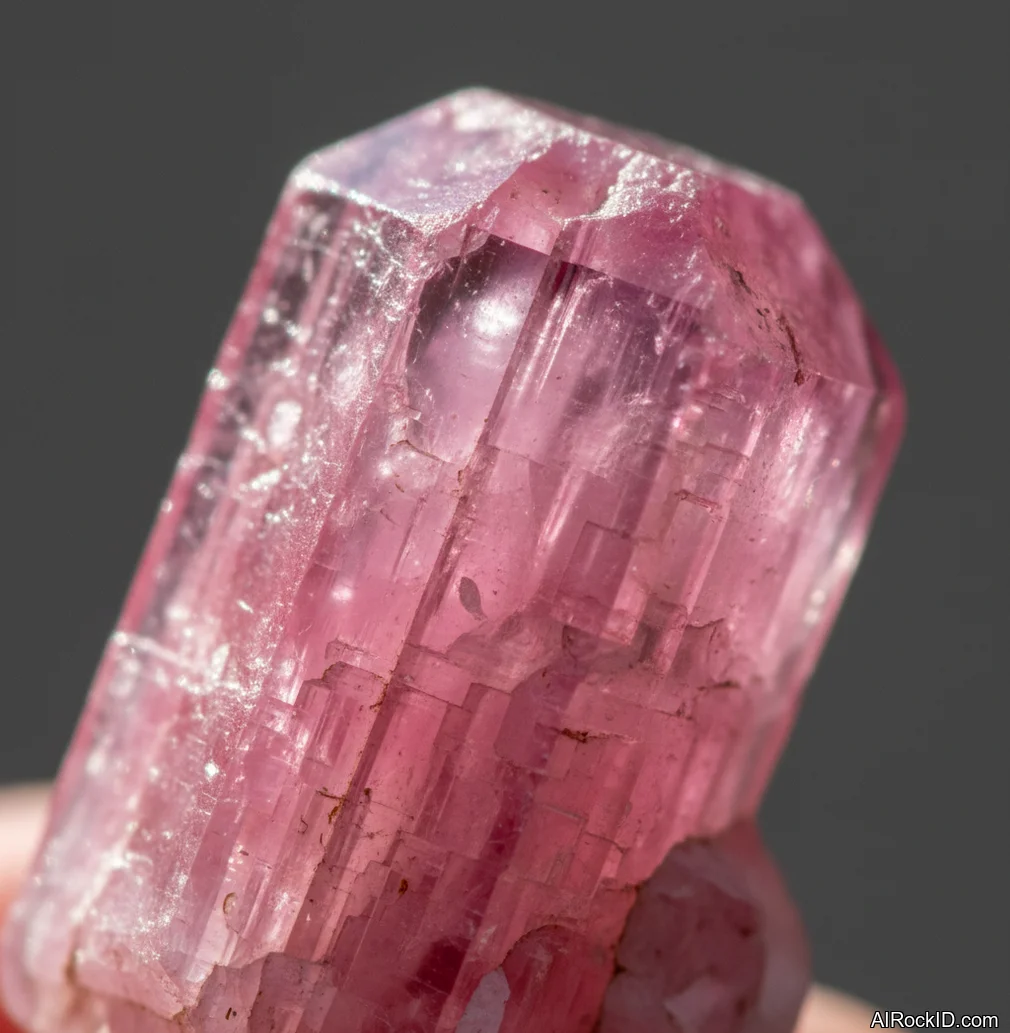
- Assuming every purple, blue, or pink stone has the same mineral identity
- Buying expensive specimens without checking material, treatment, and seller details
Most commonly confused with
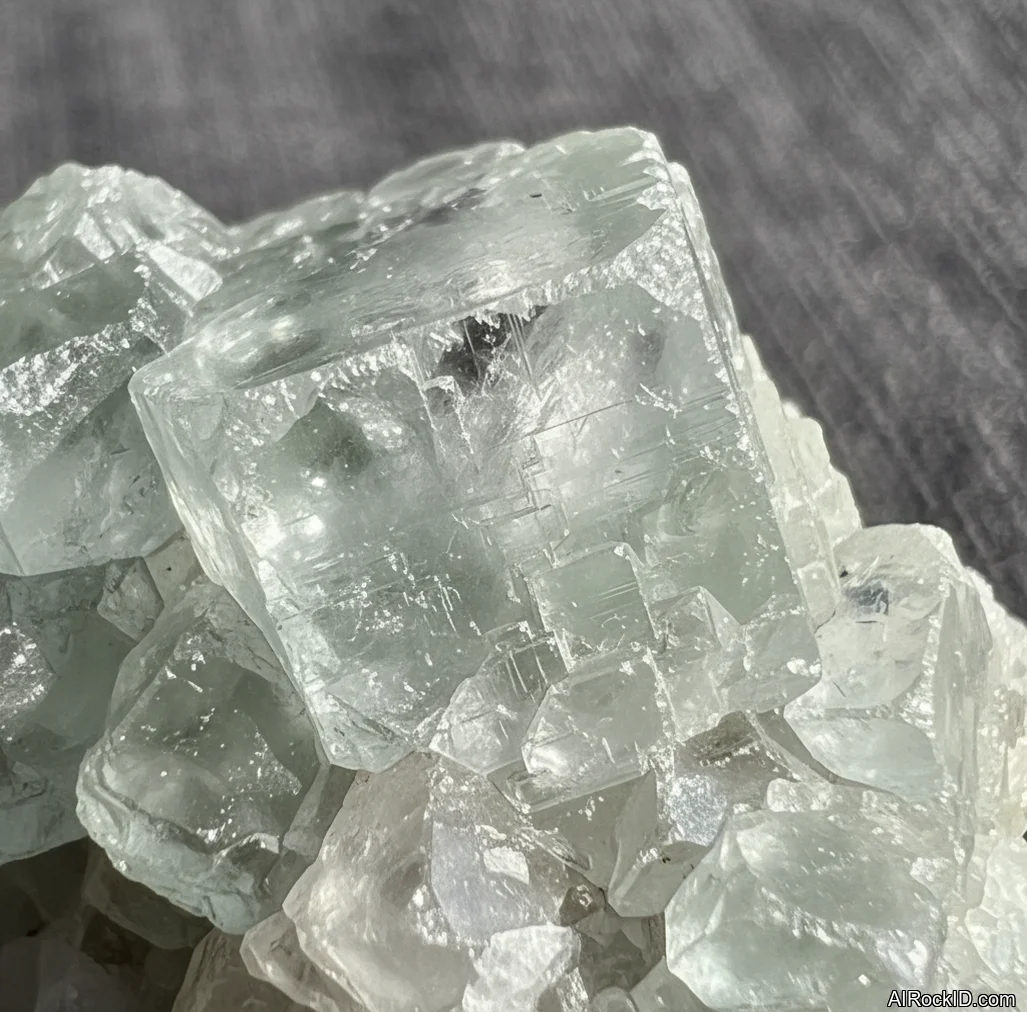
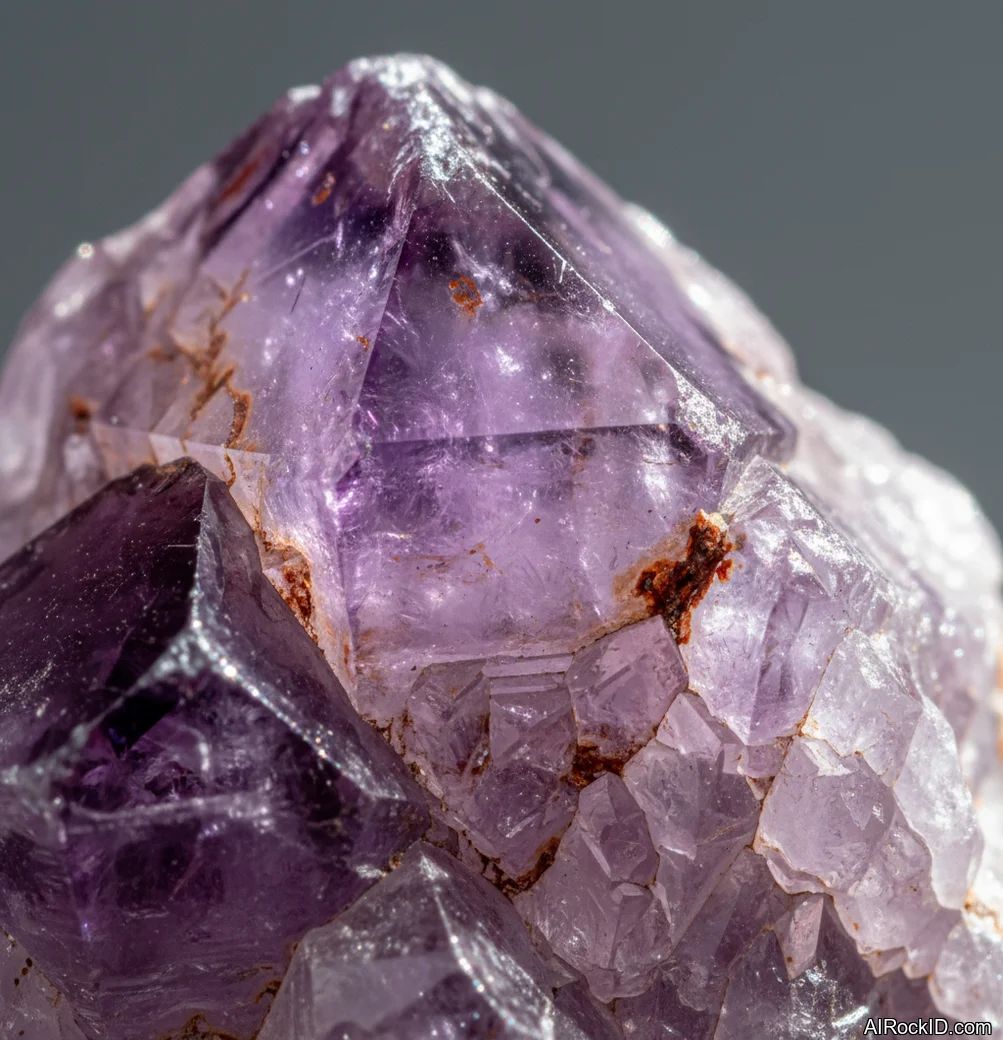
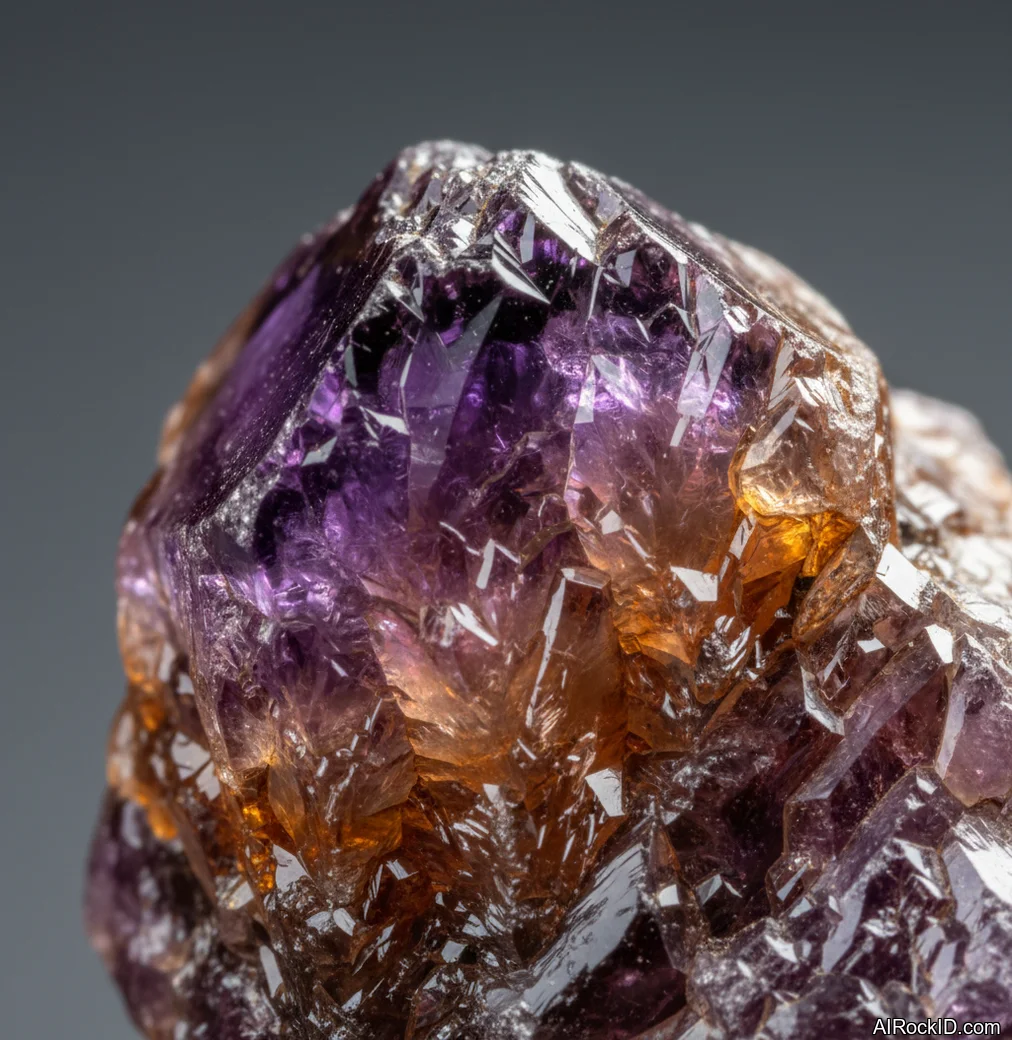
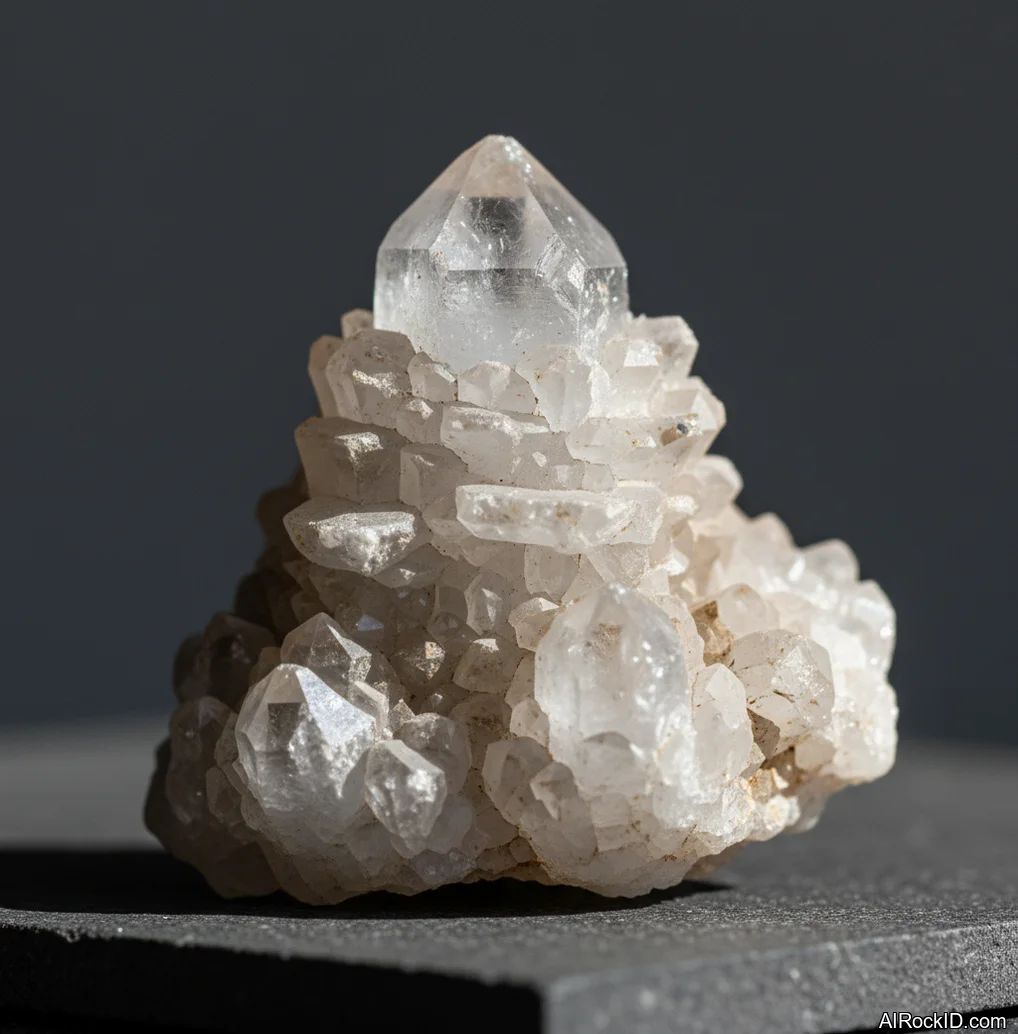
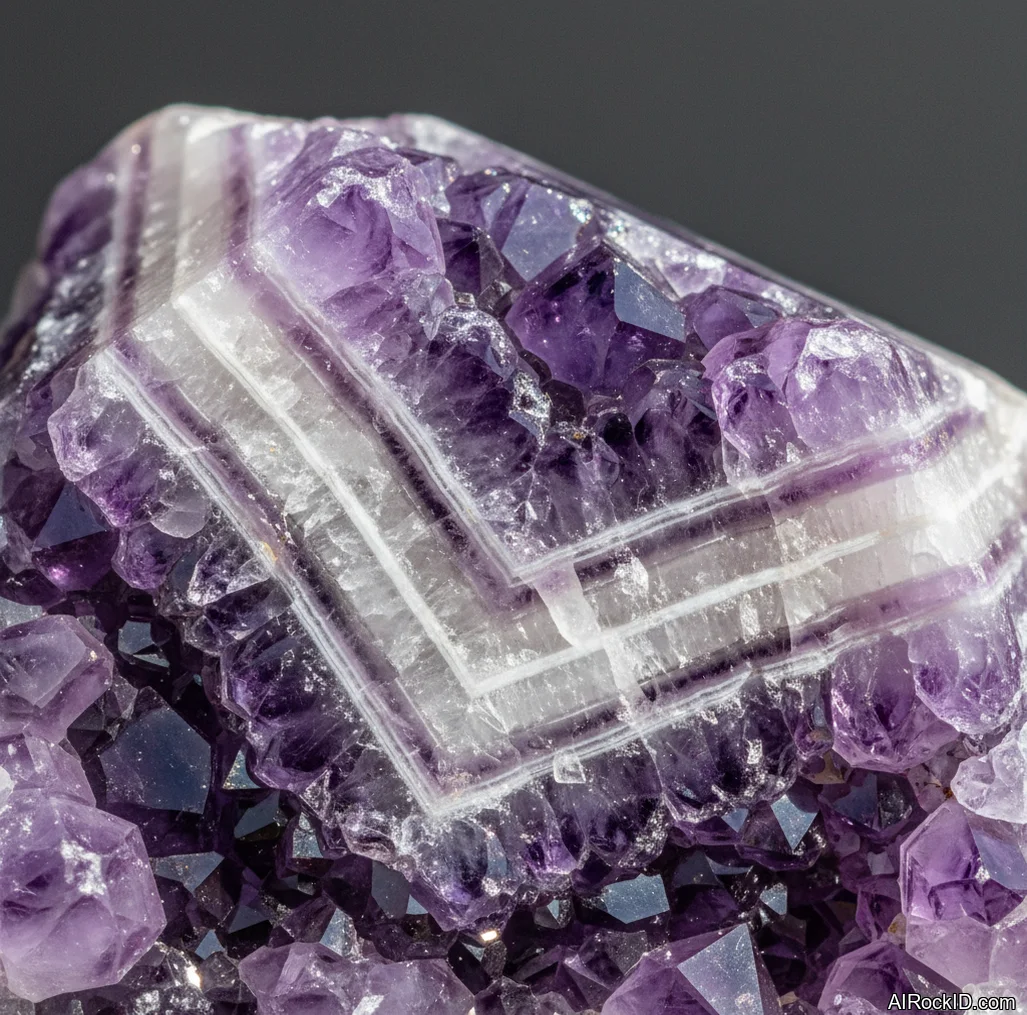
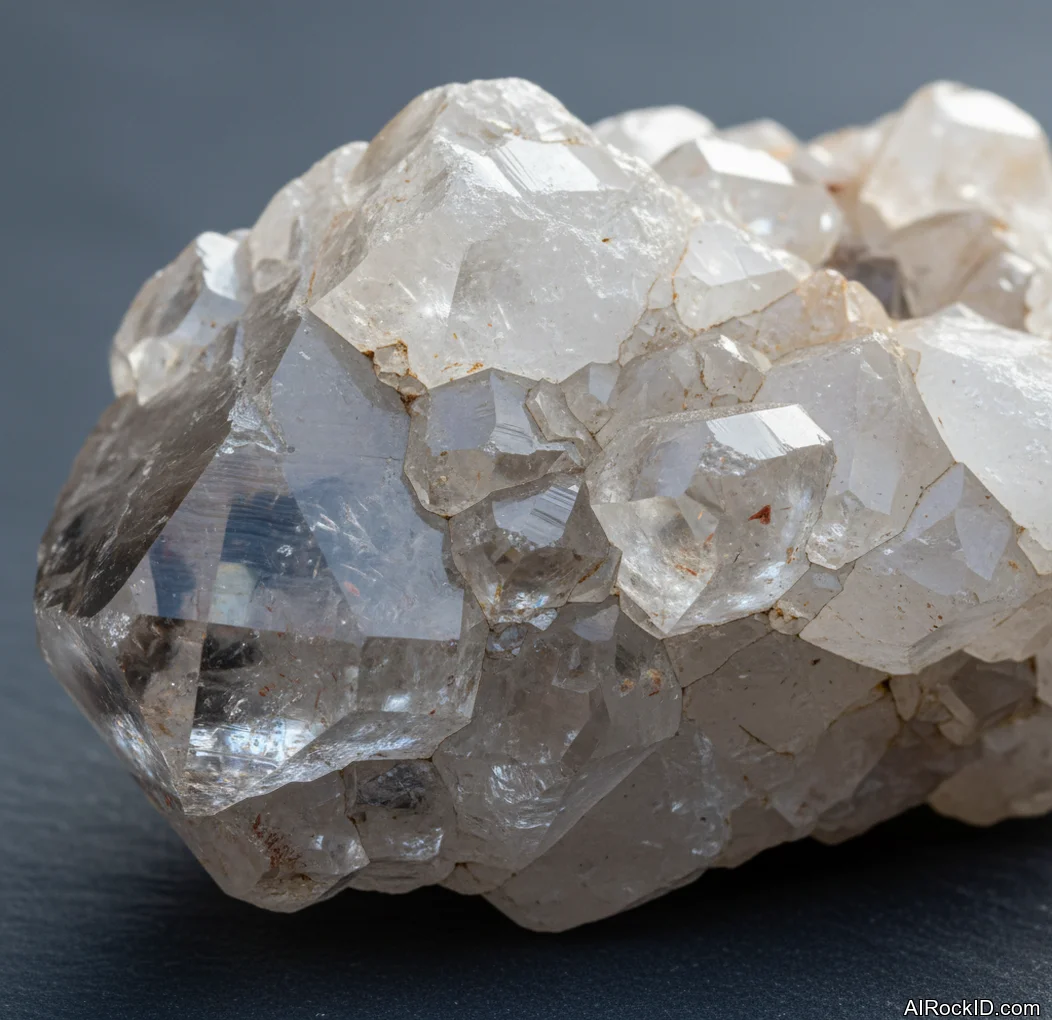
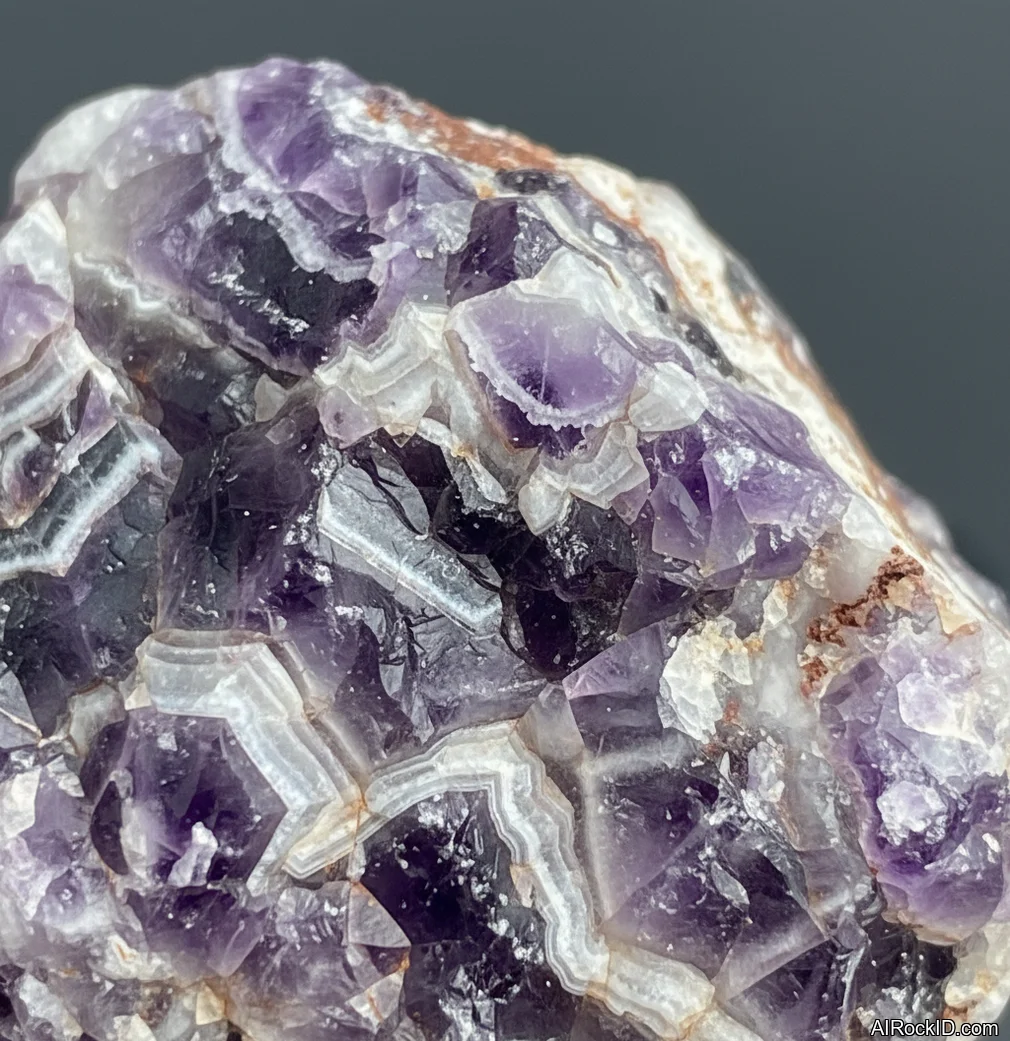
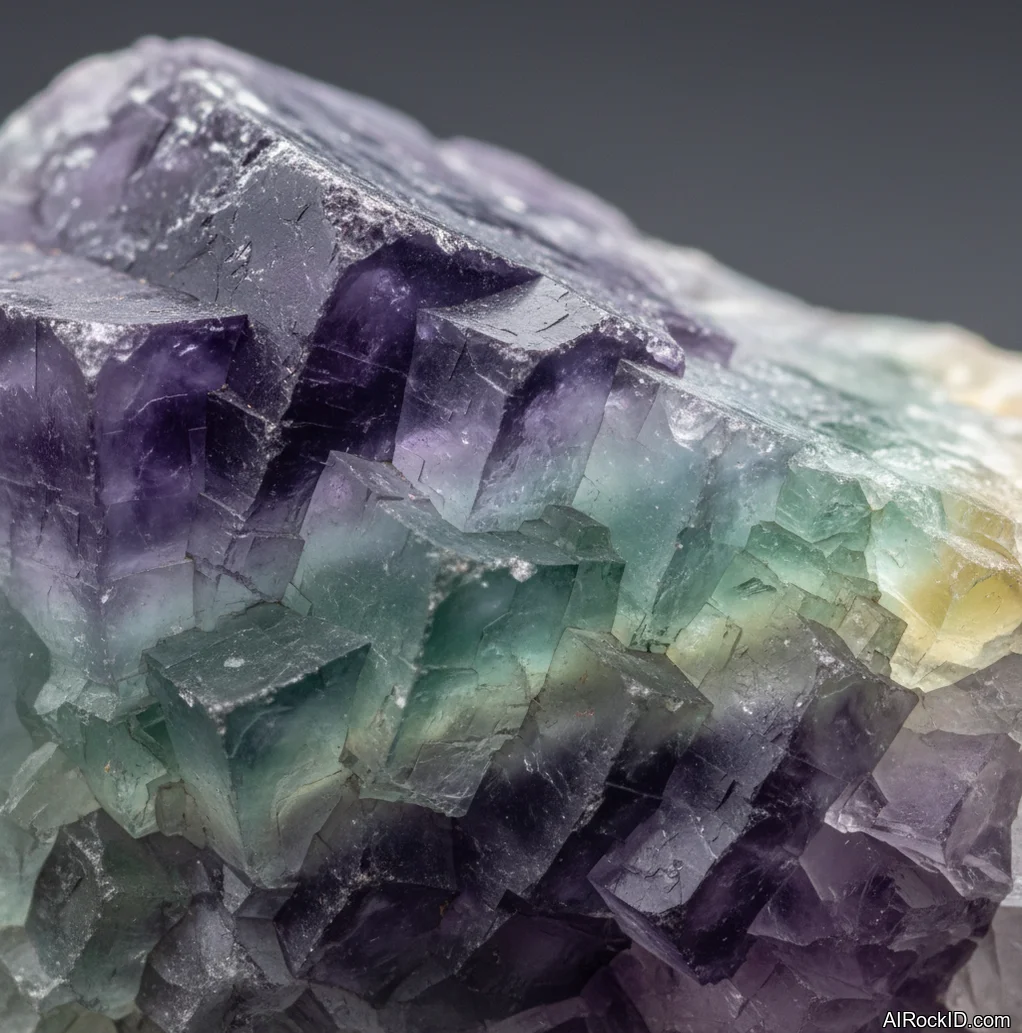
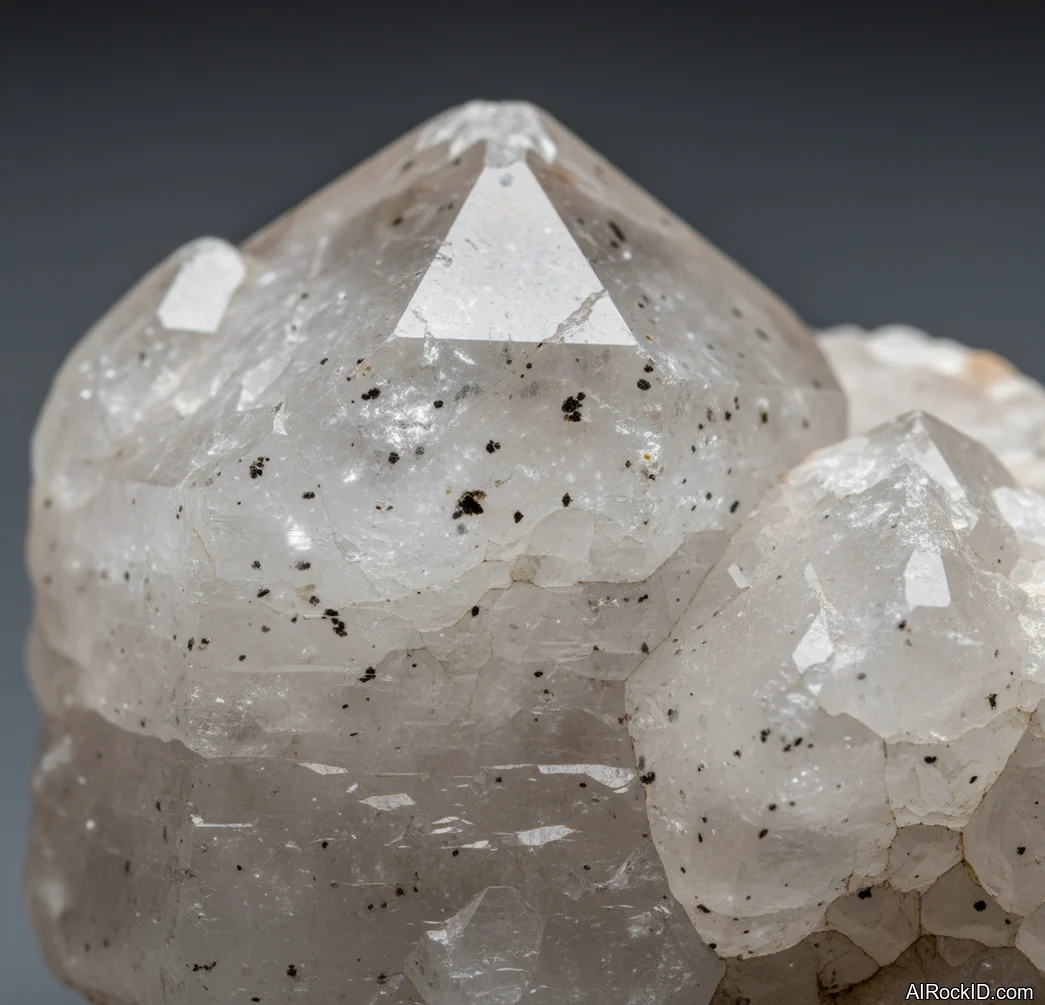
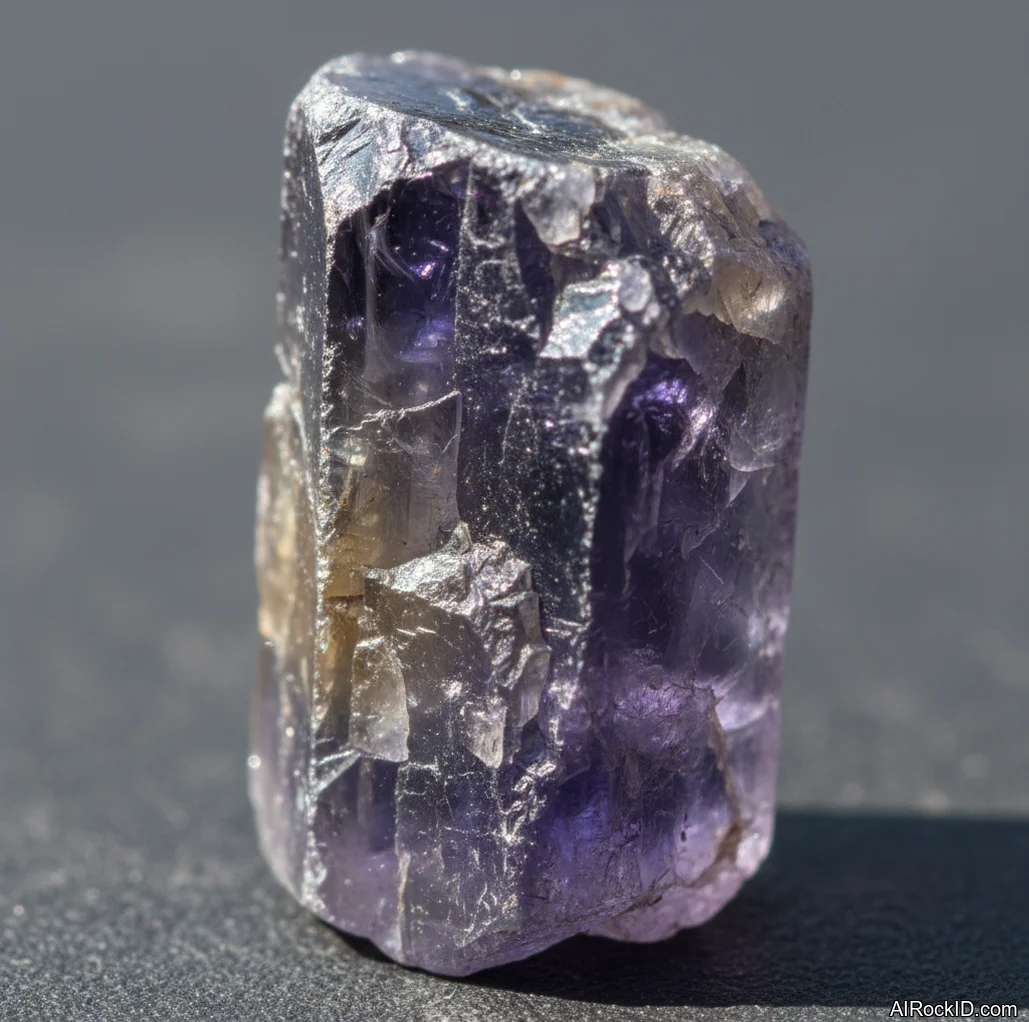
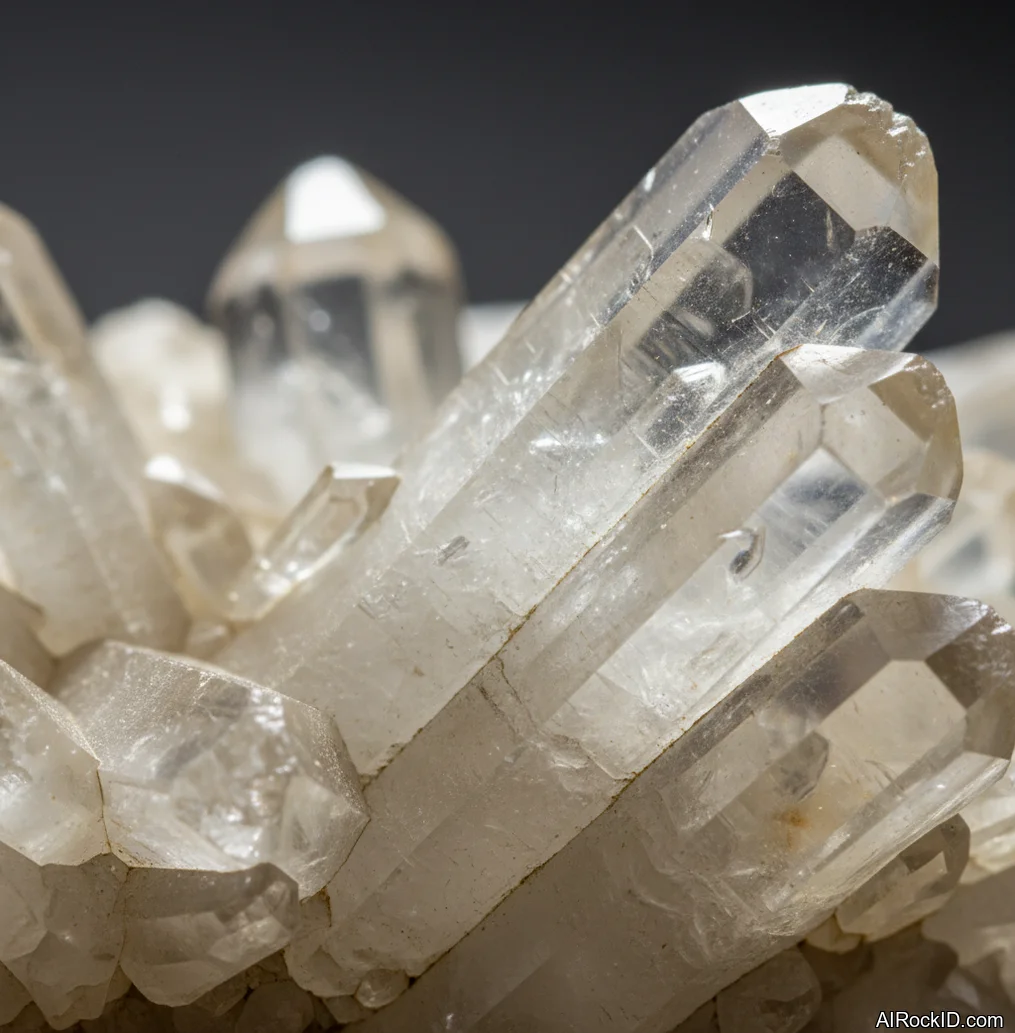
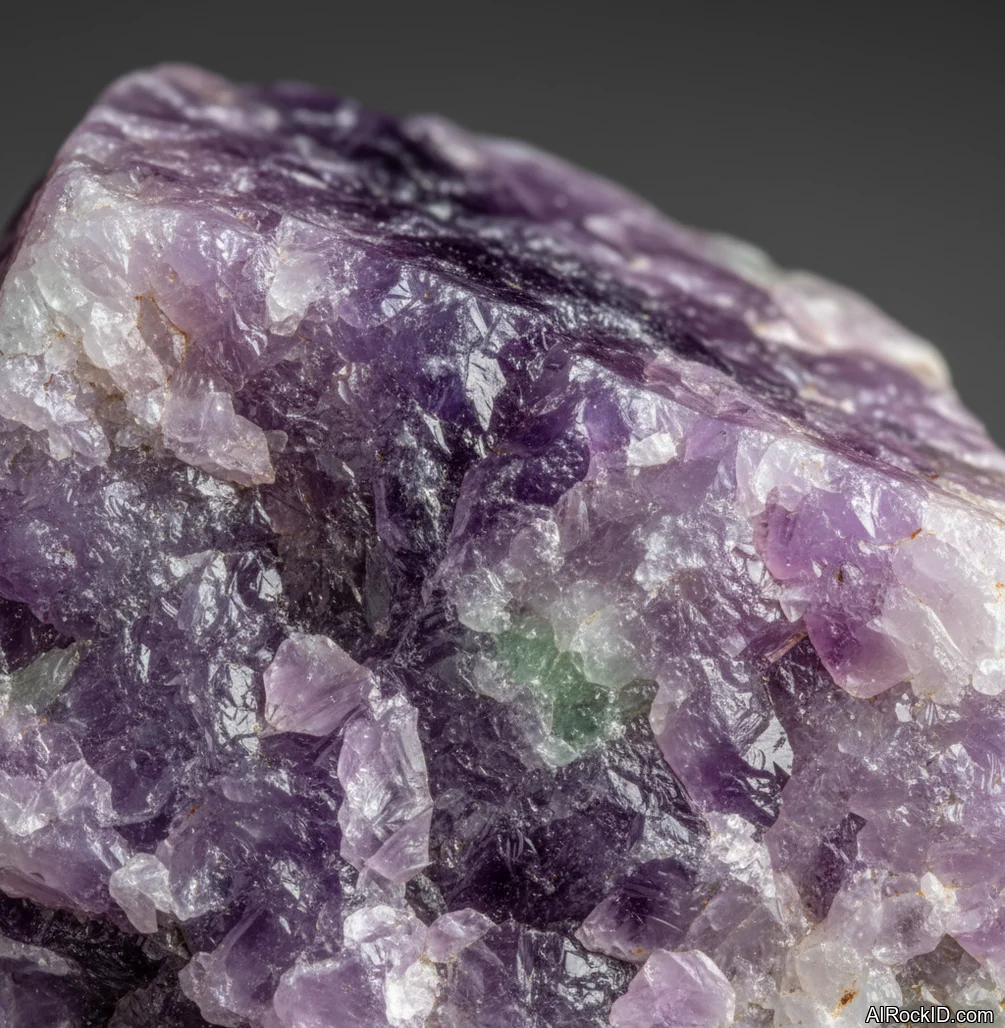
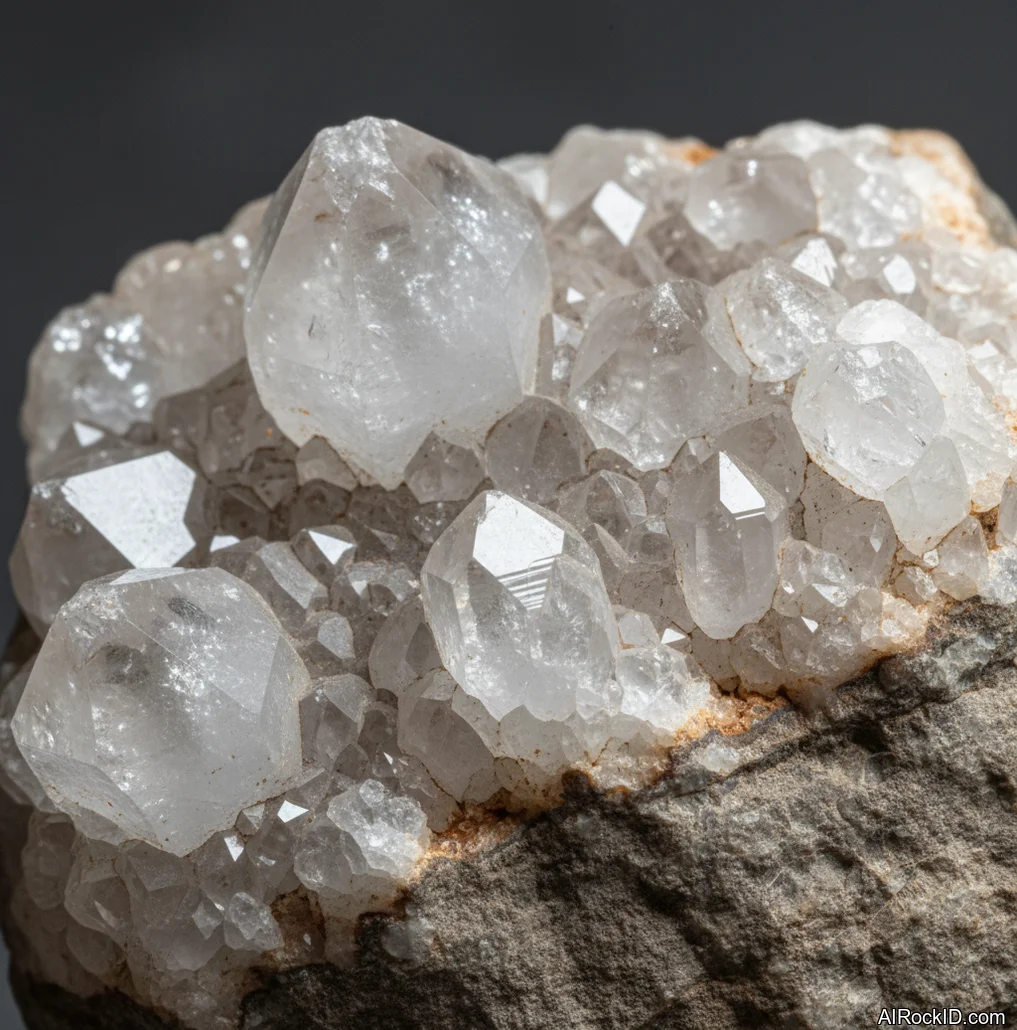
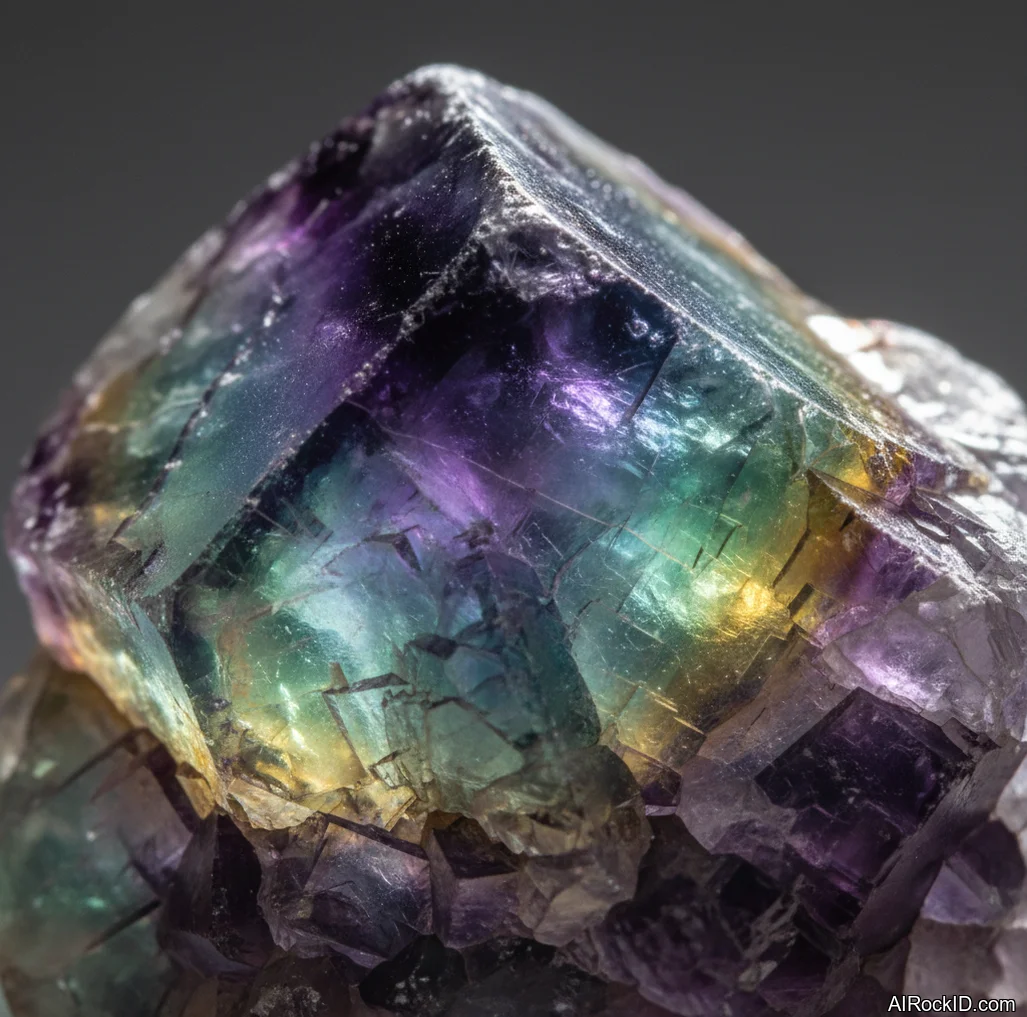
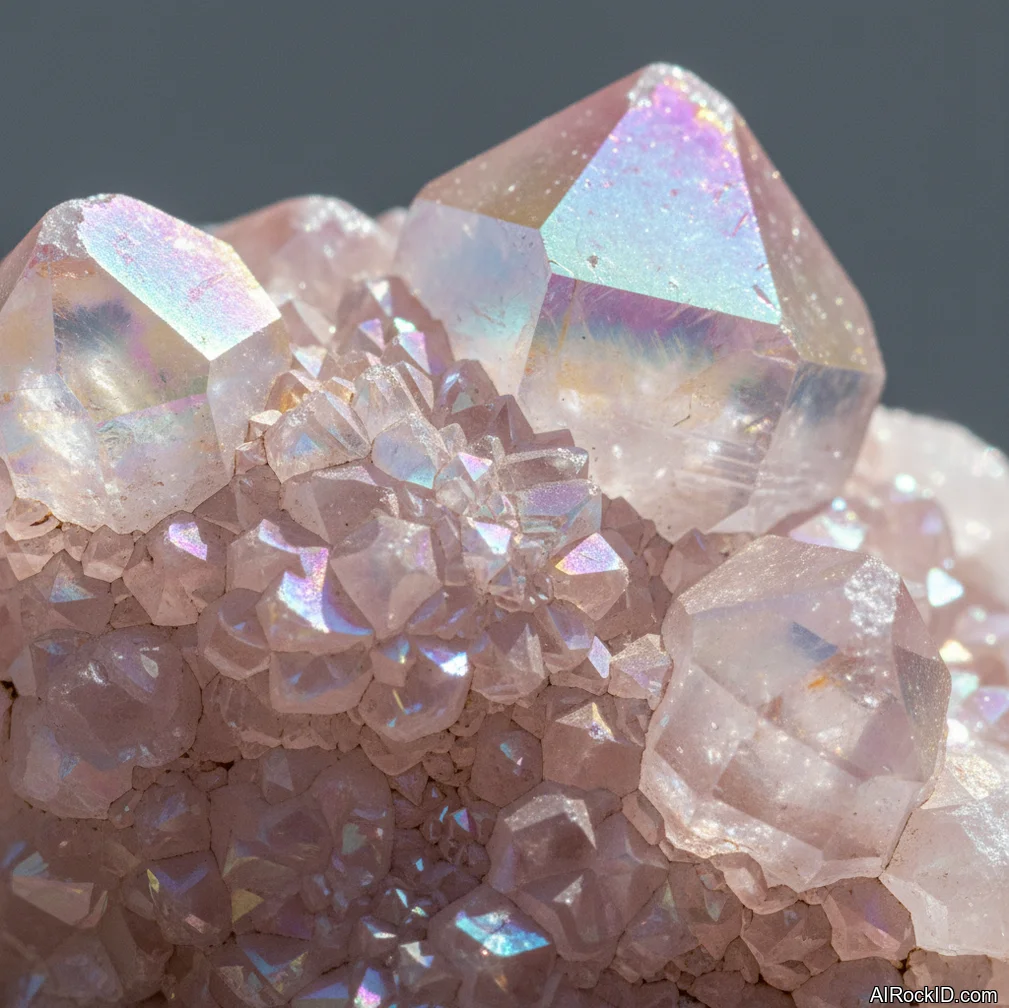
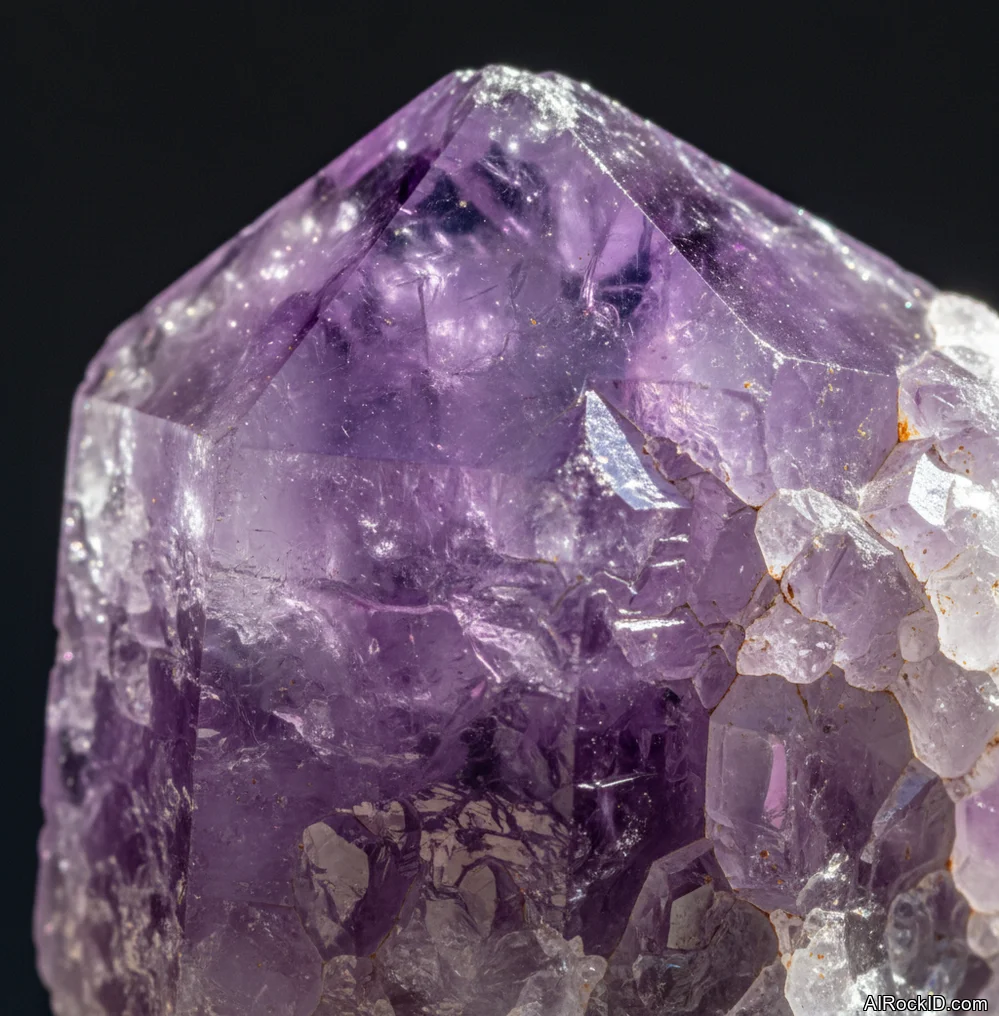
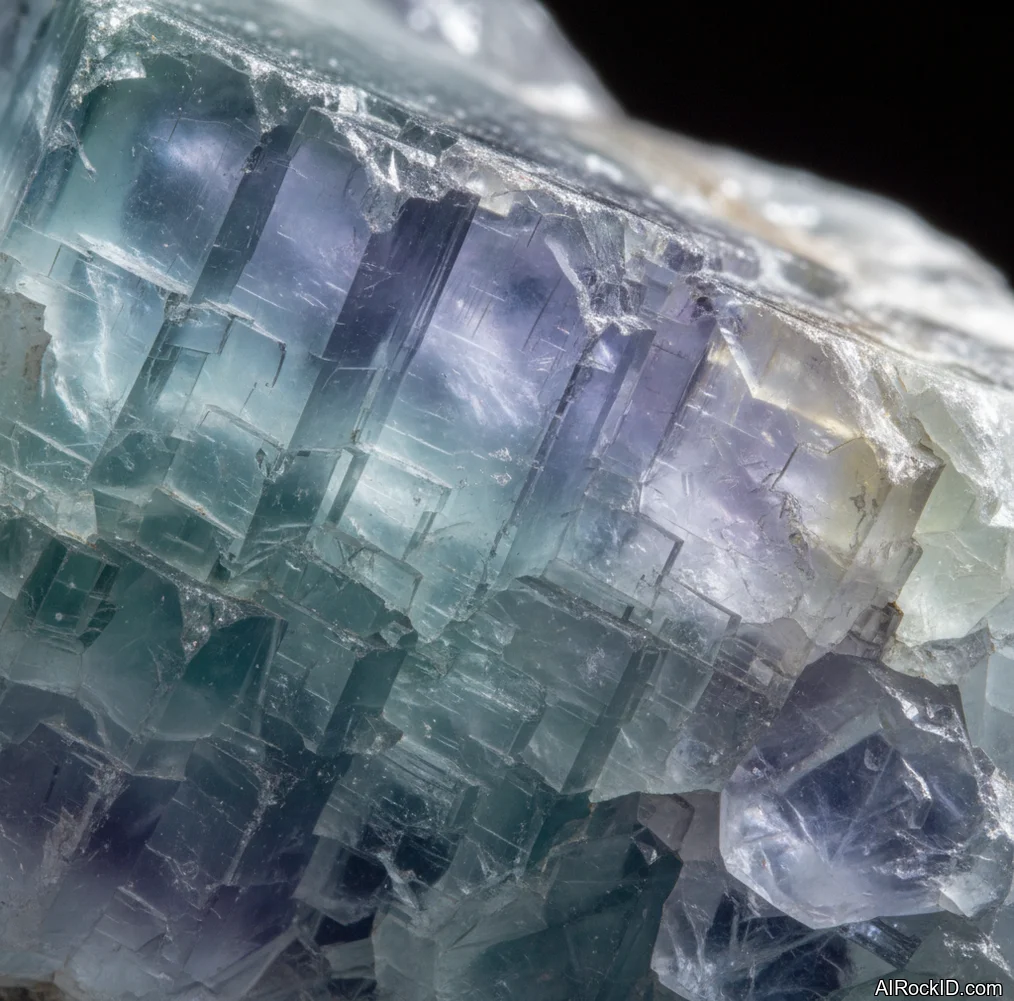
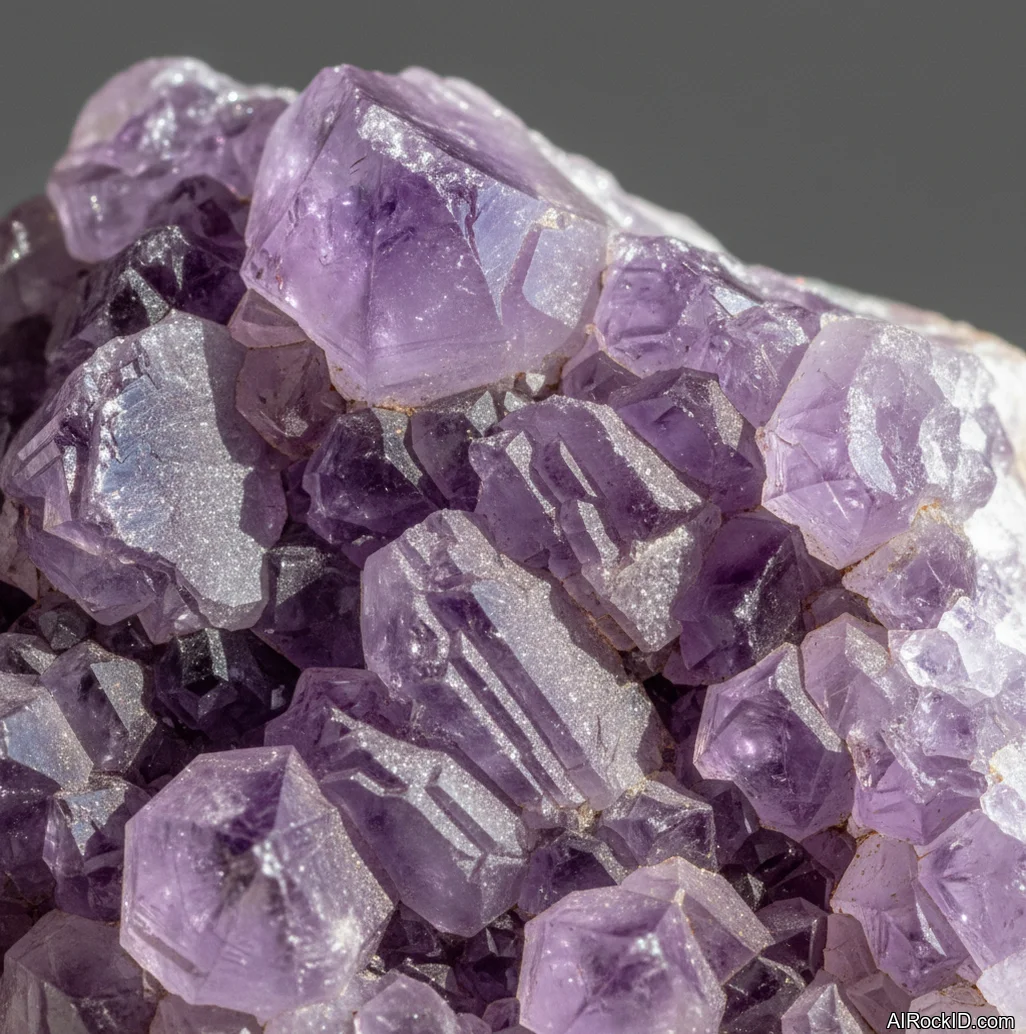
- Amethyst: Purple quartz; often confused with fluorite or dyed quartz when color zoning is unclear.
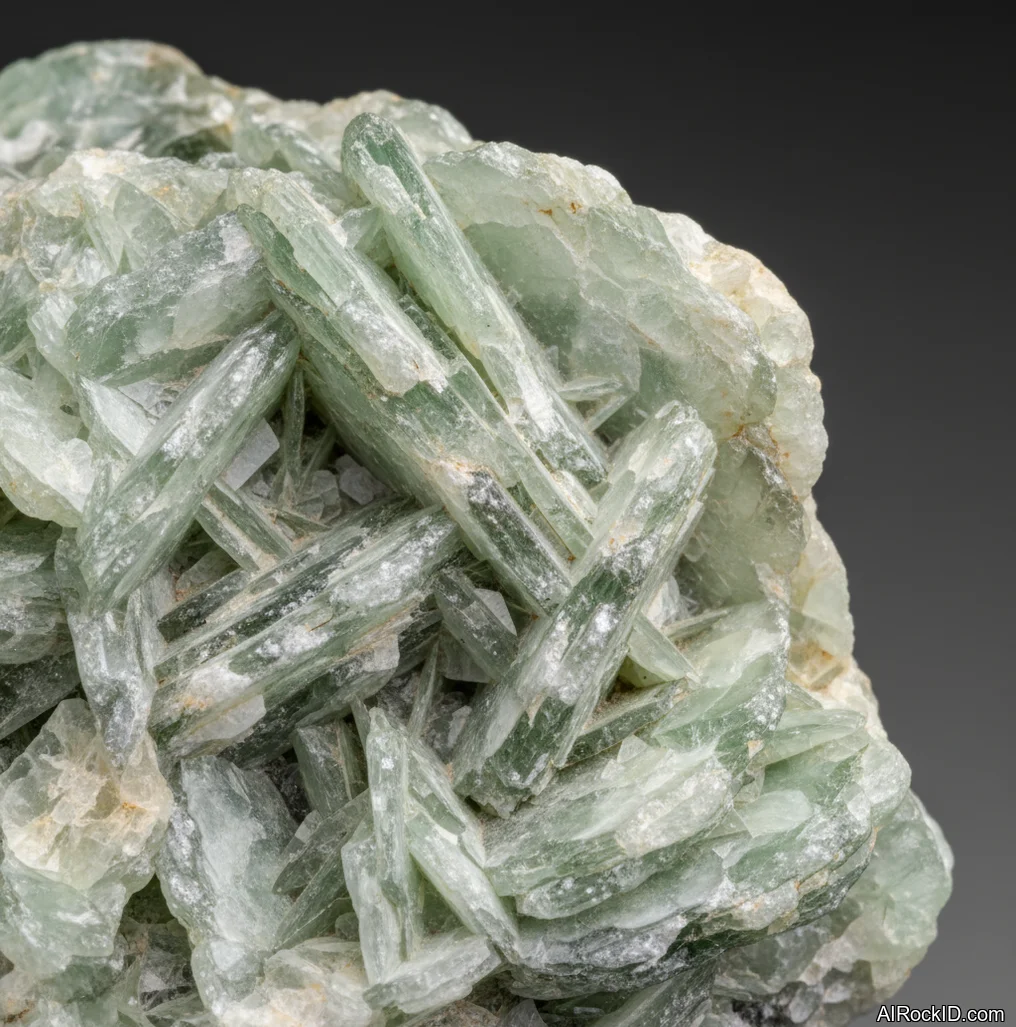
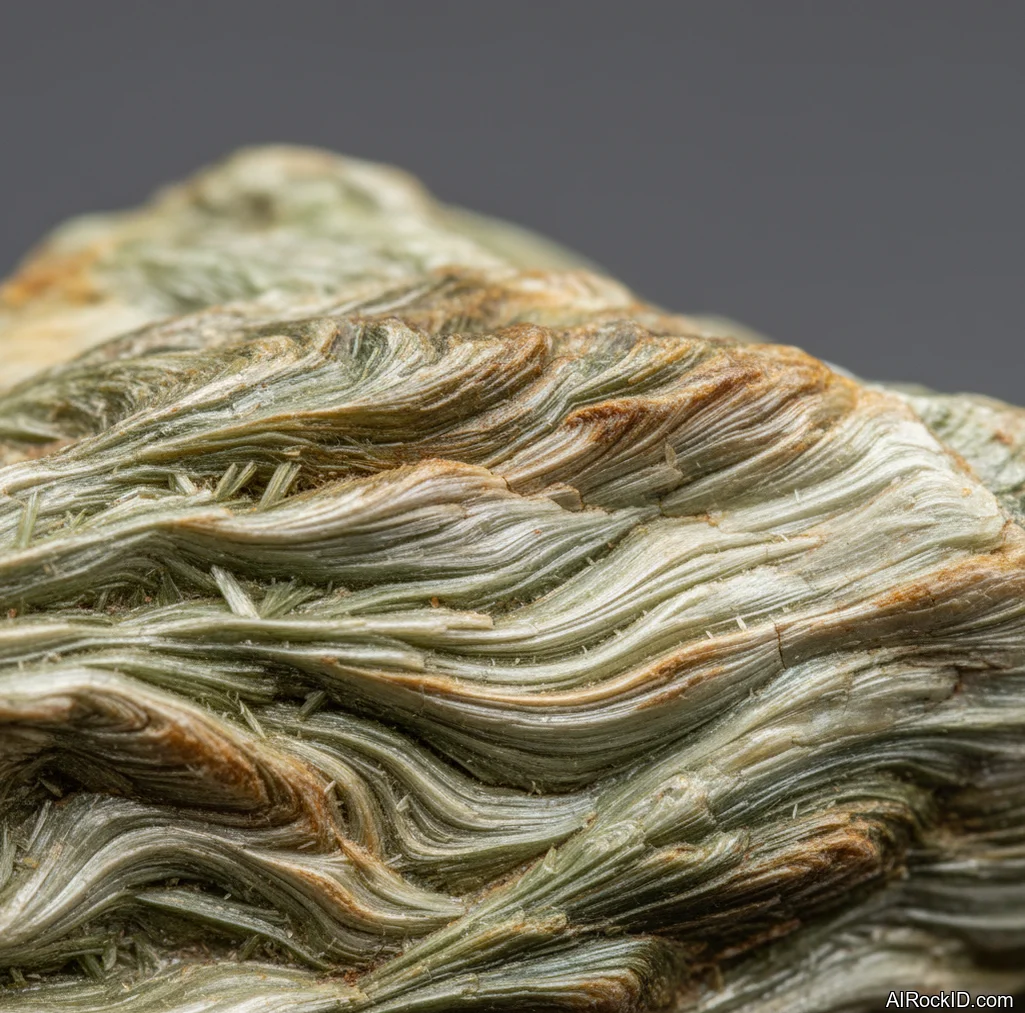
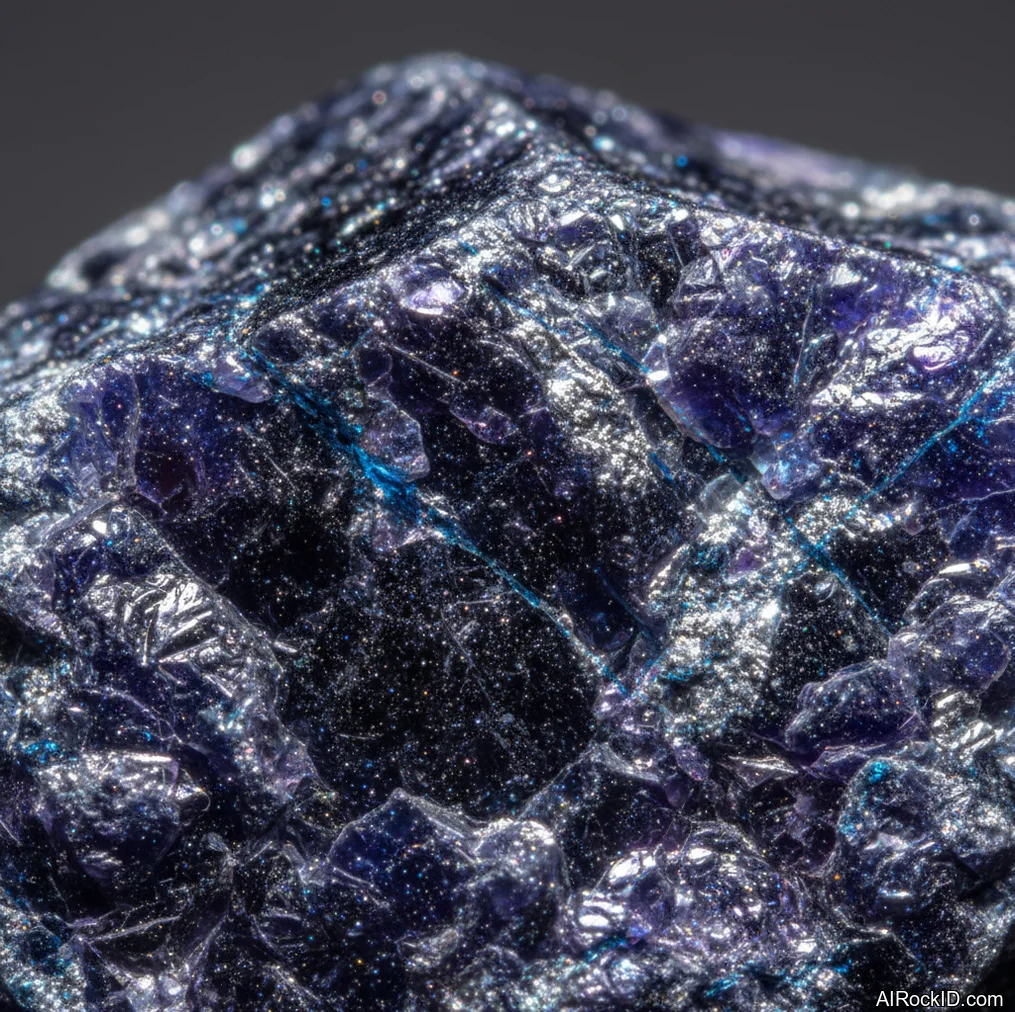
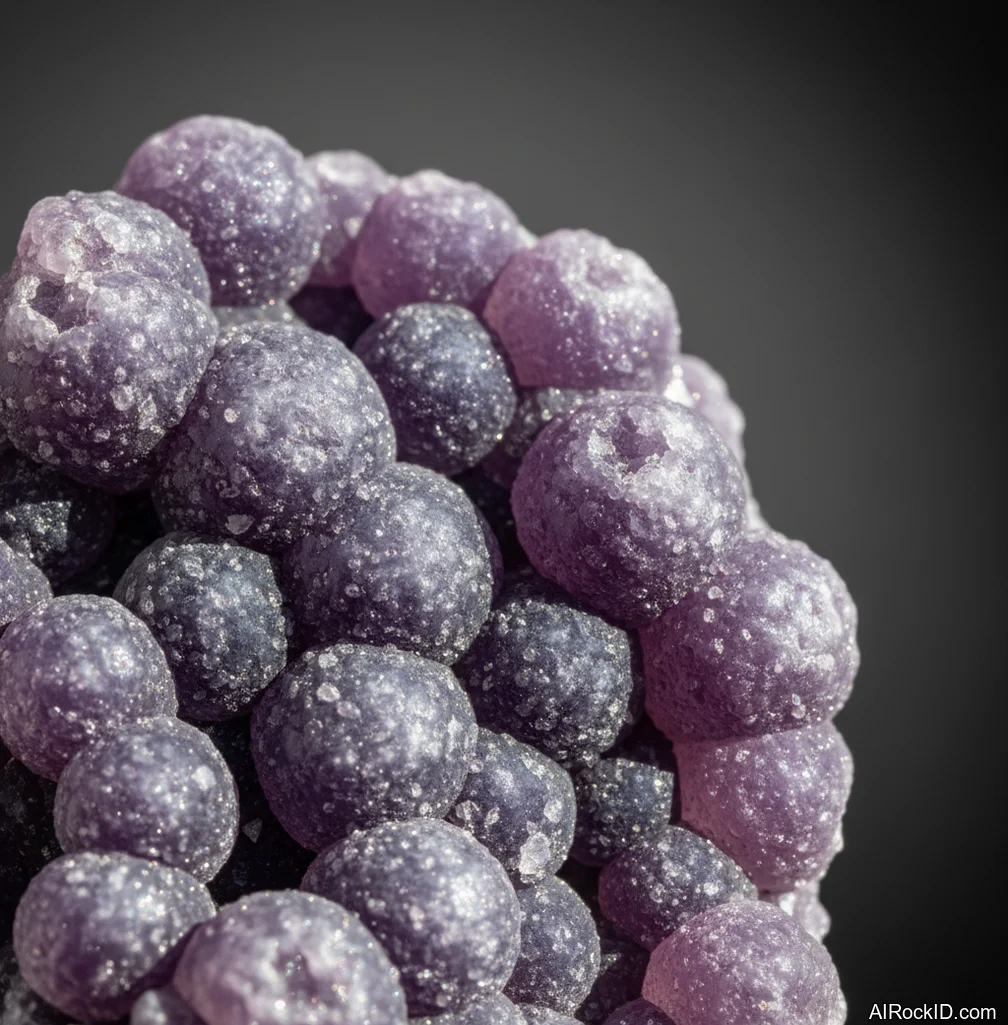
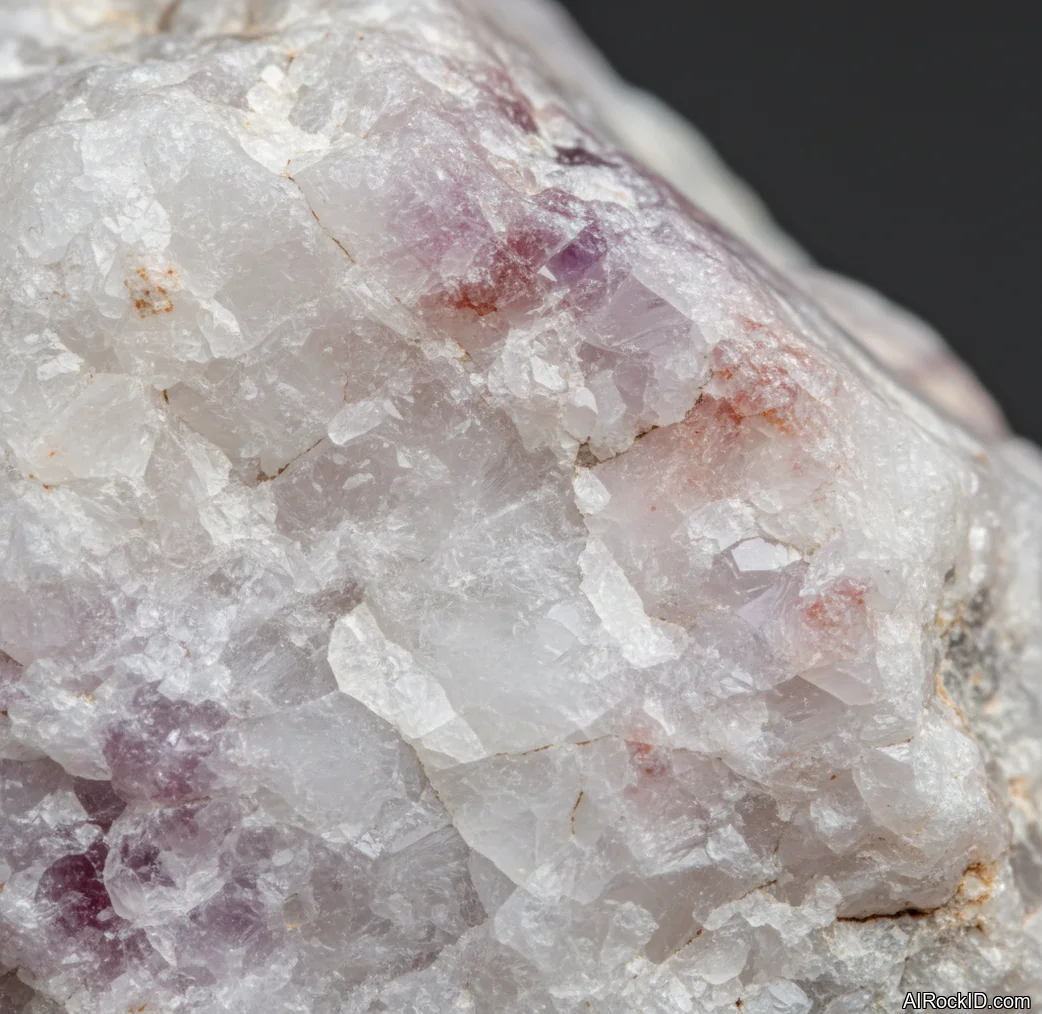
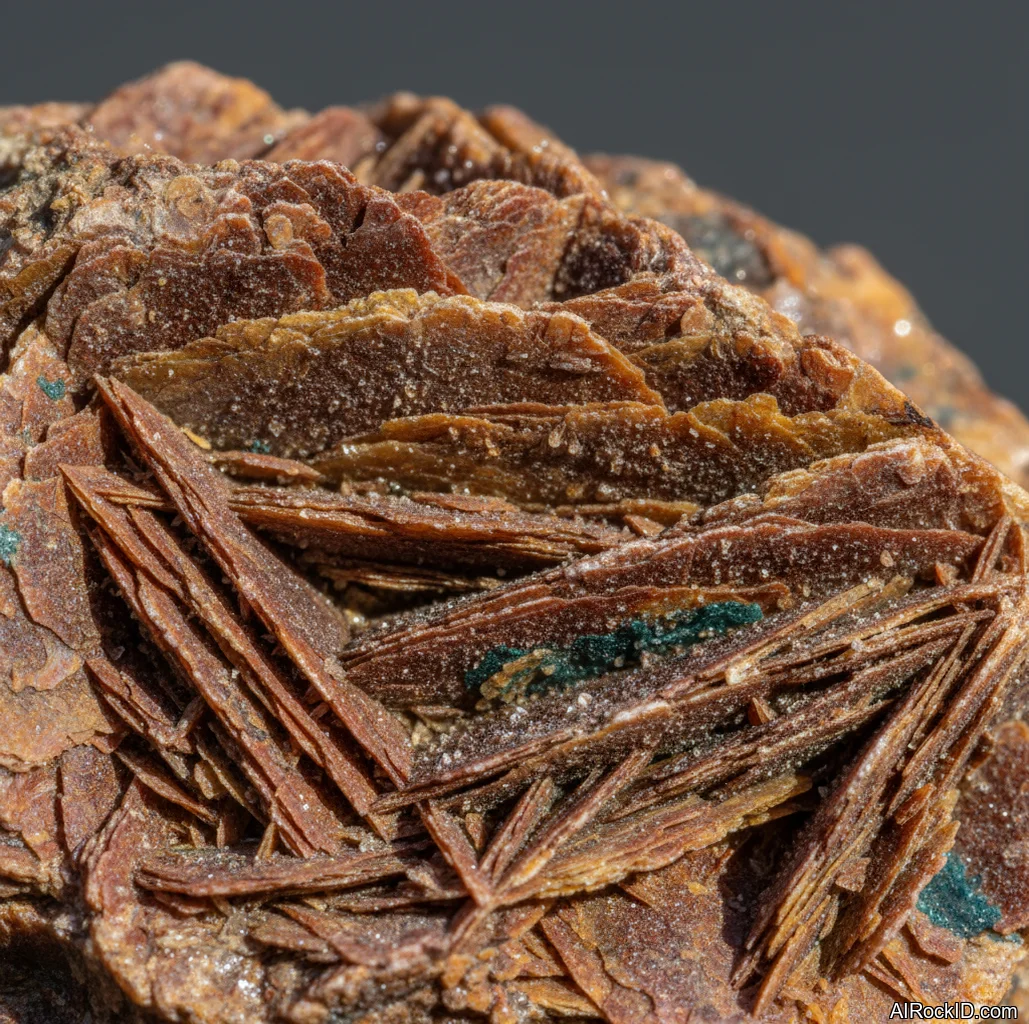
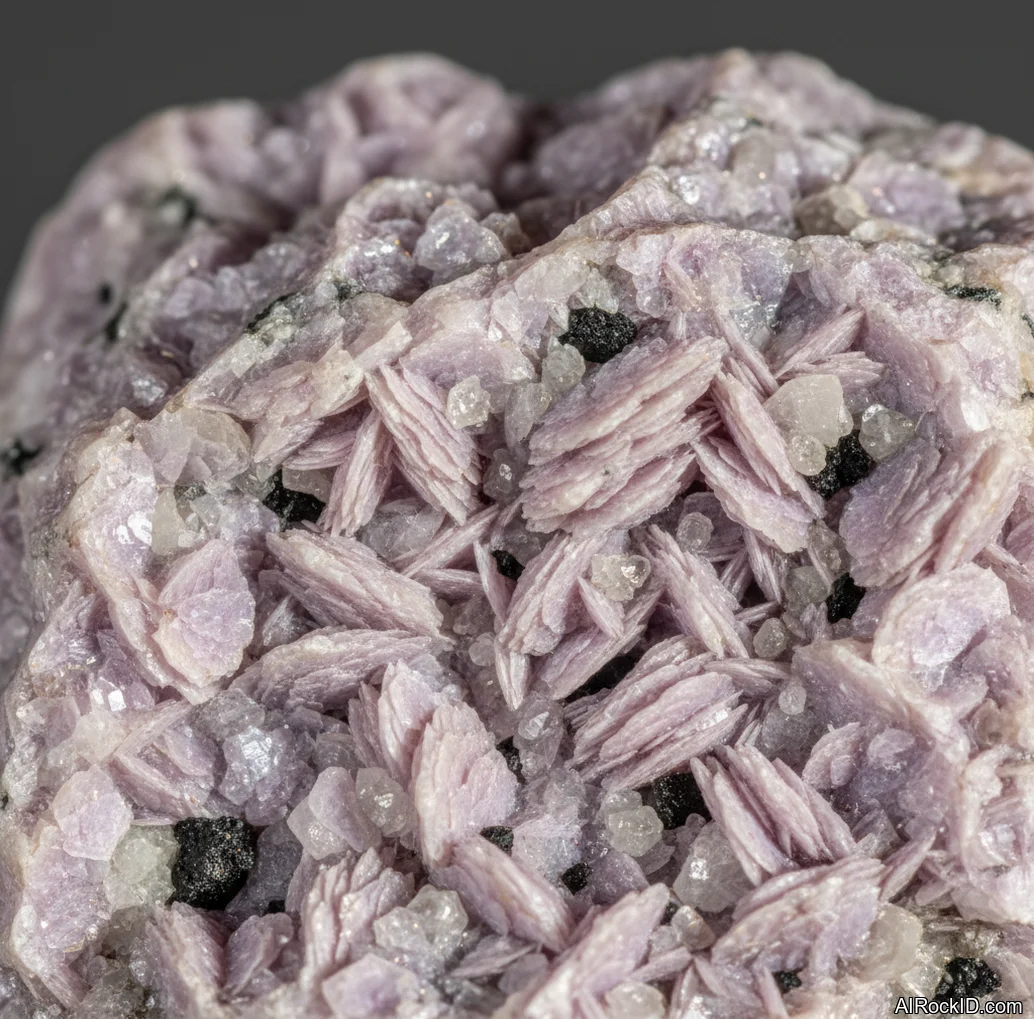
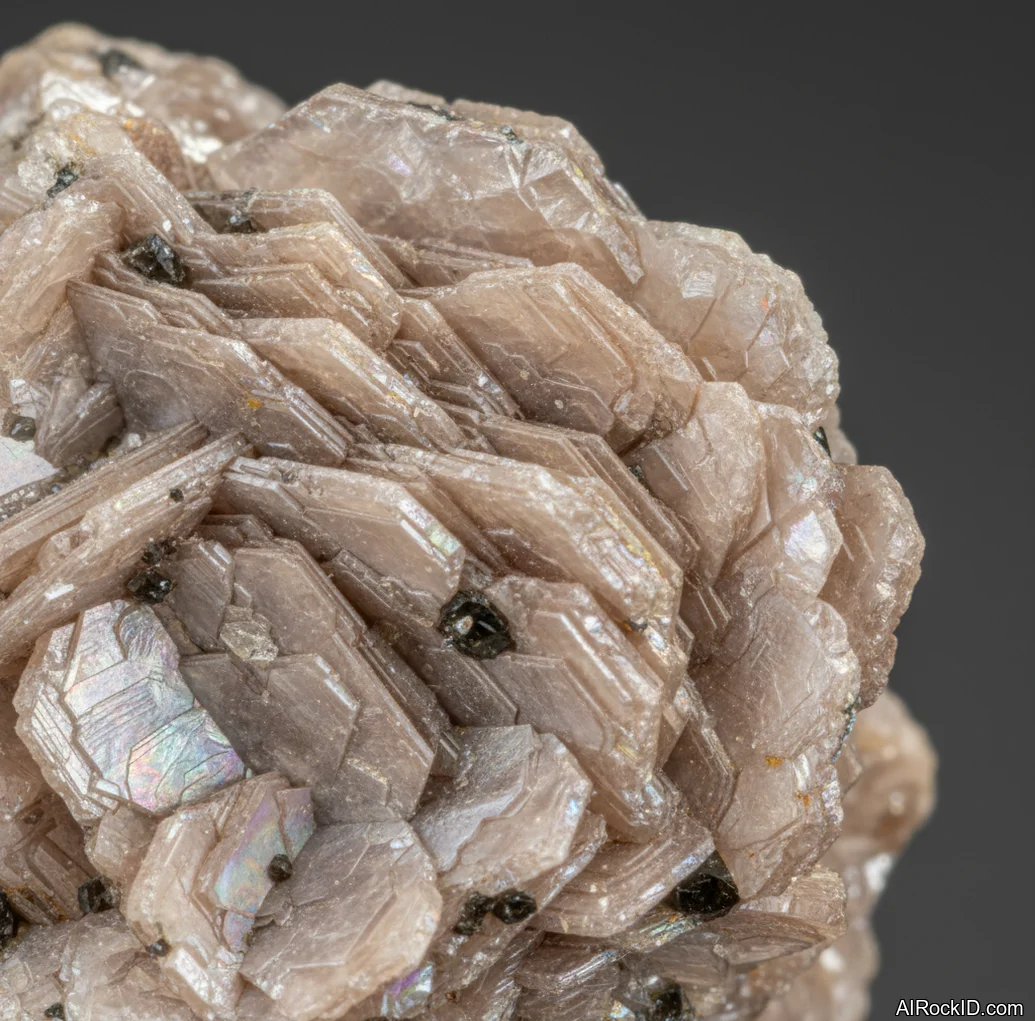
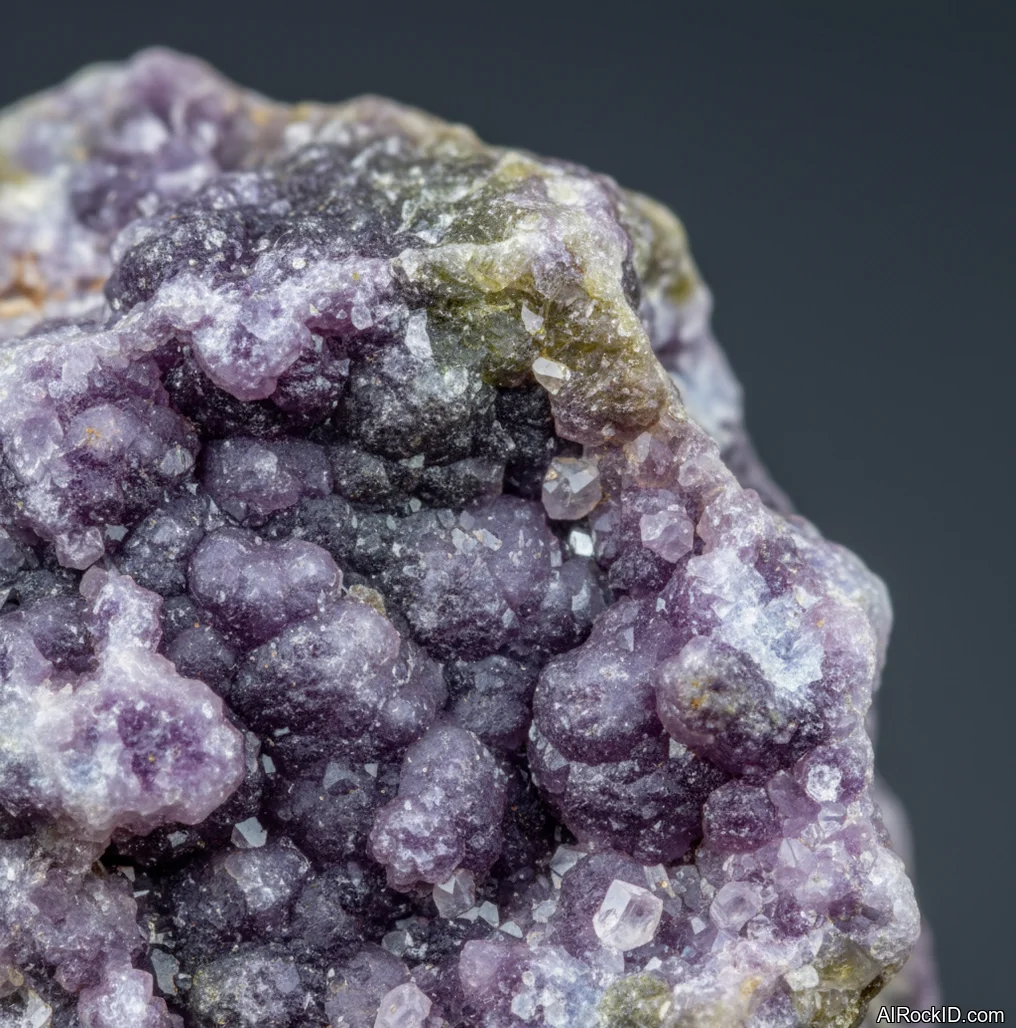
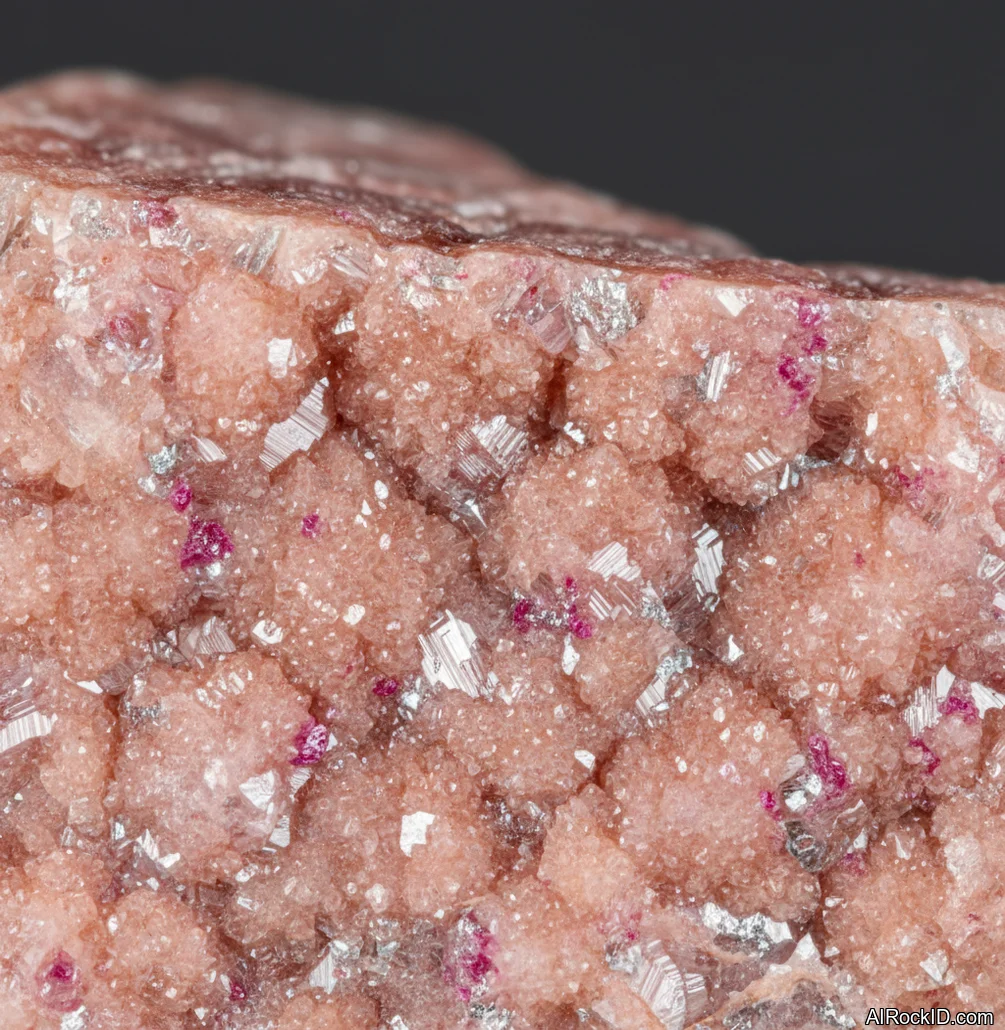
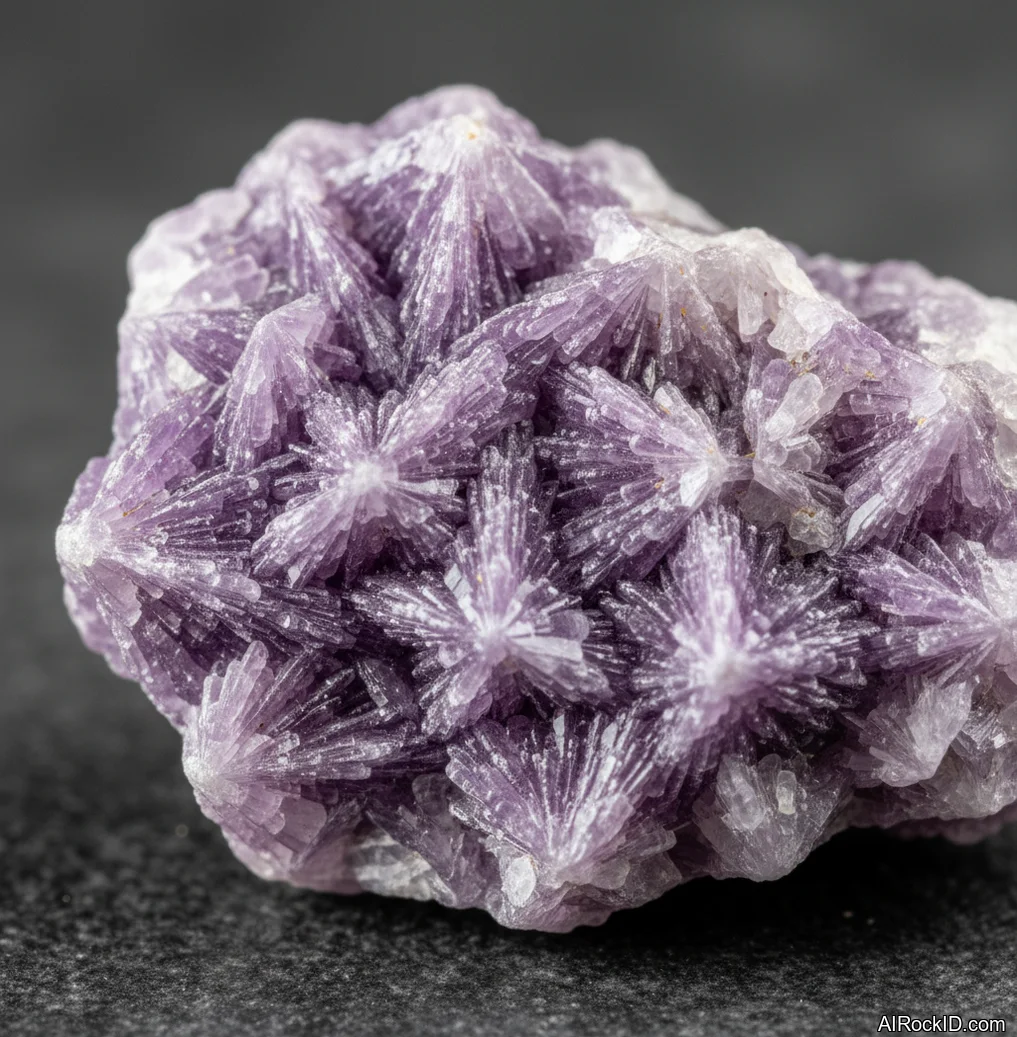
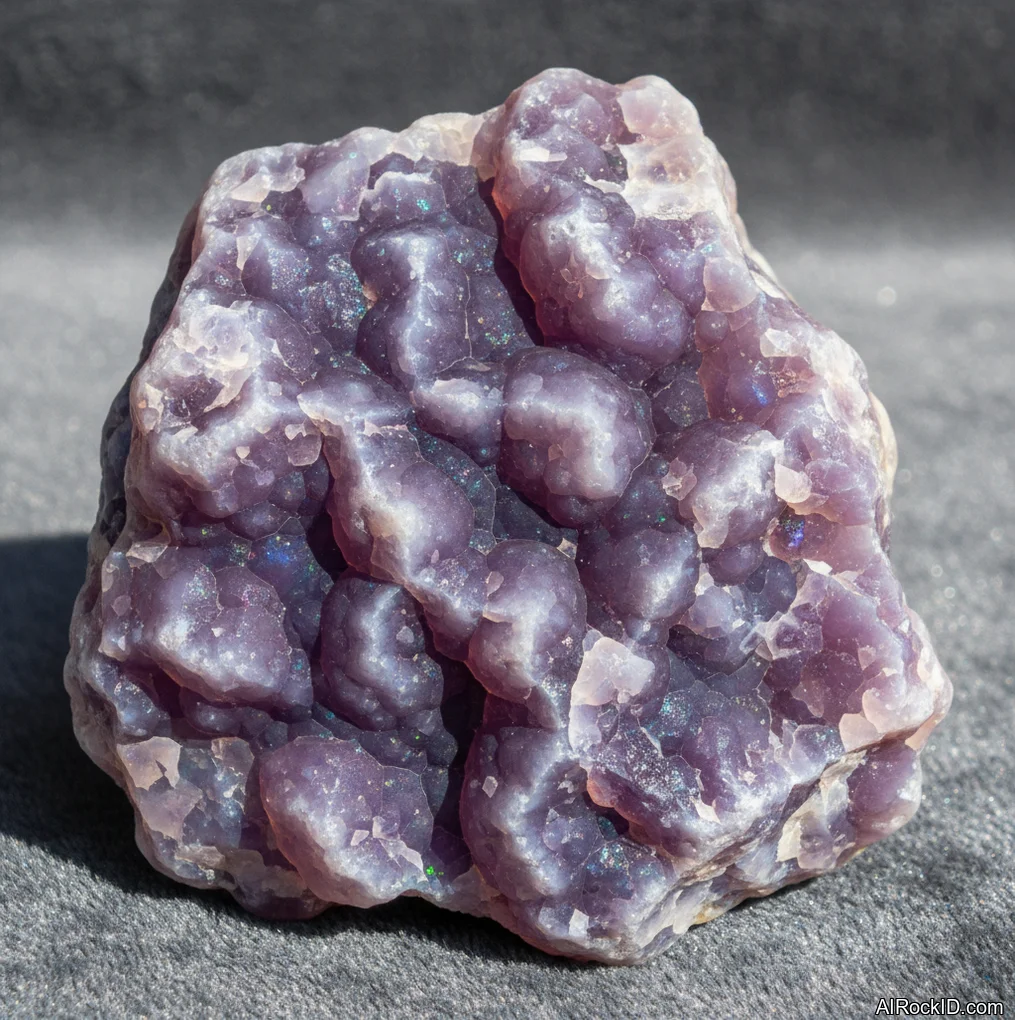
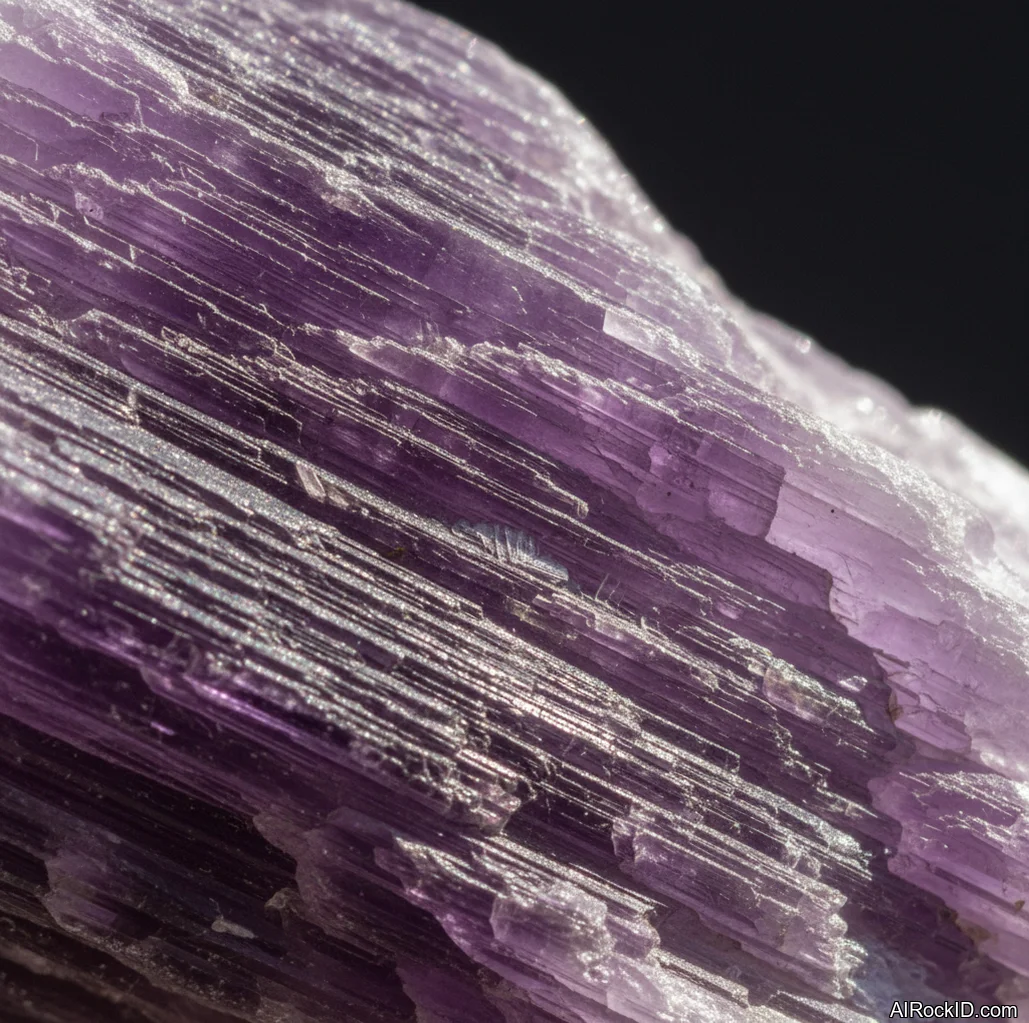
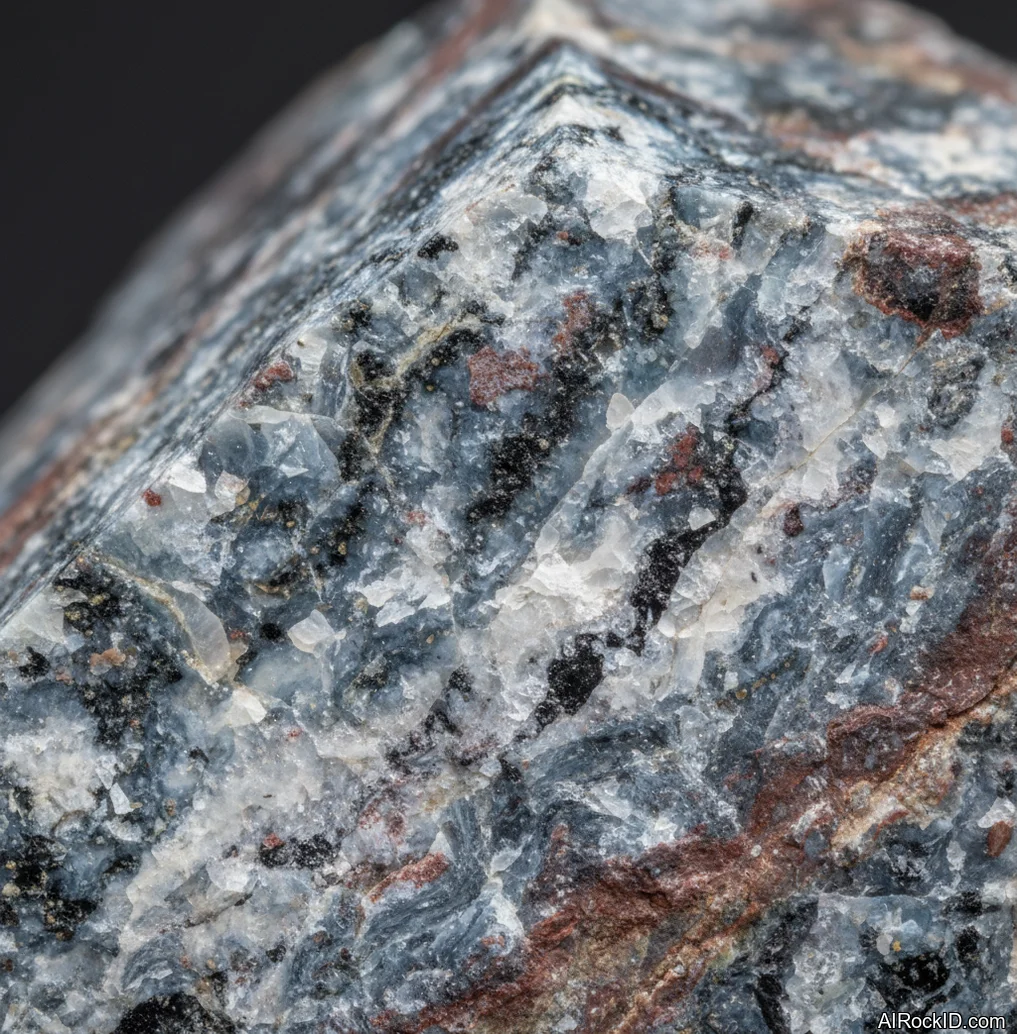
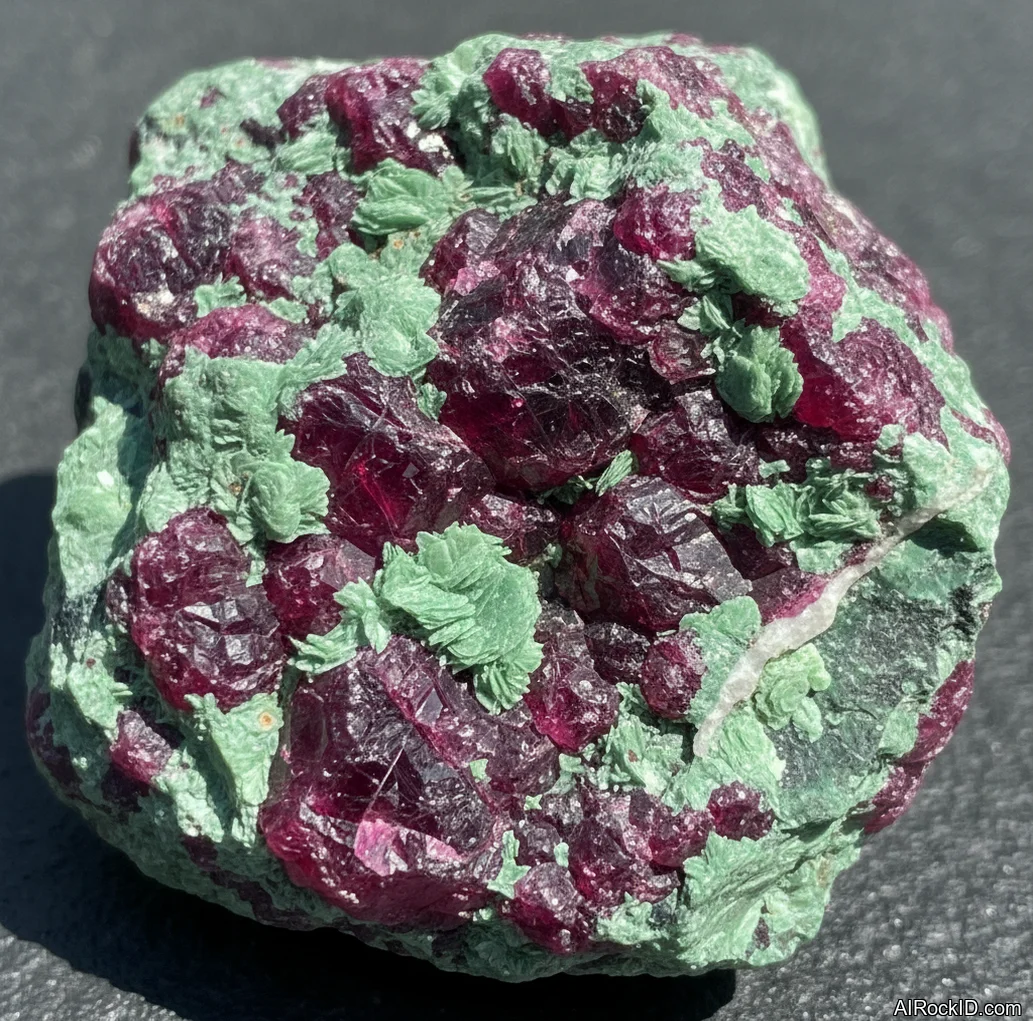
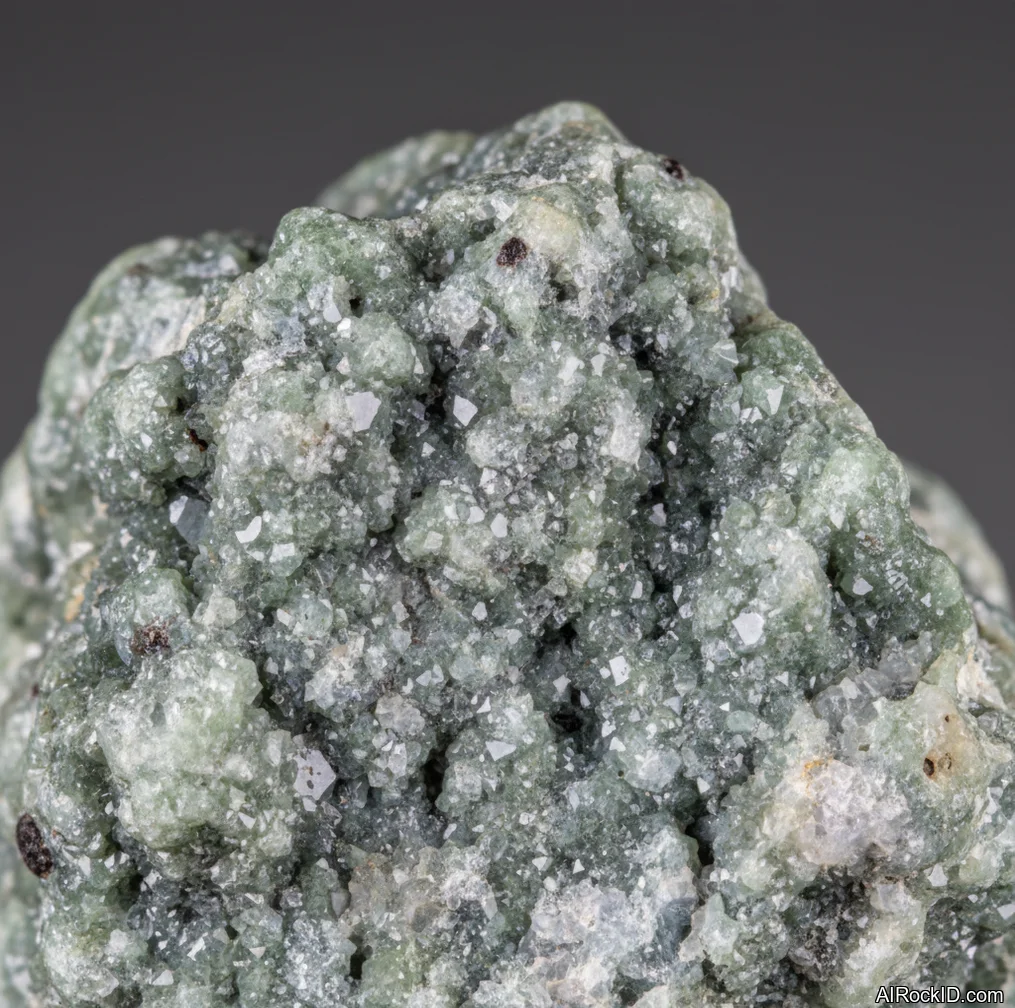
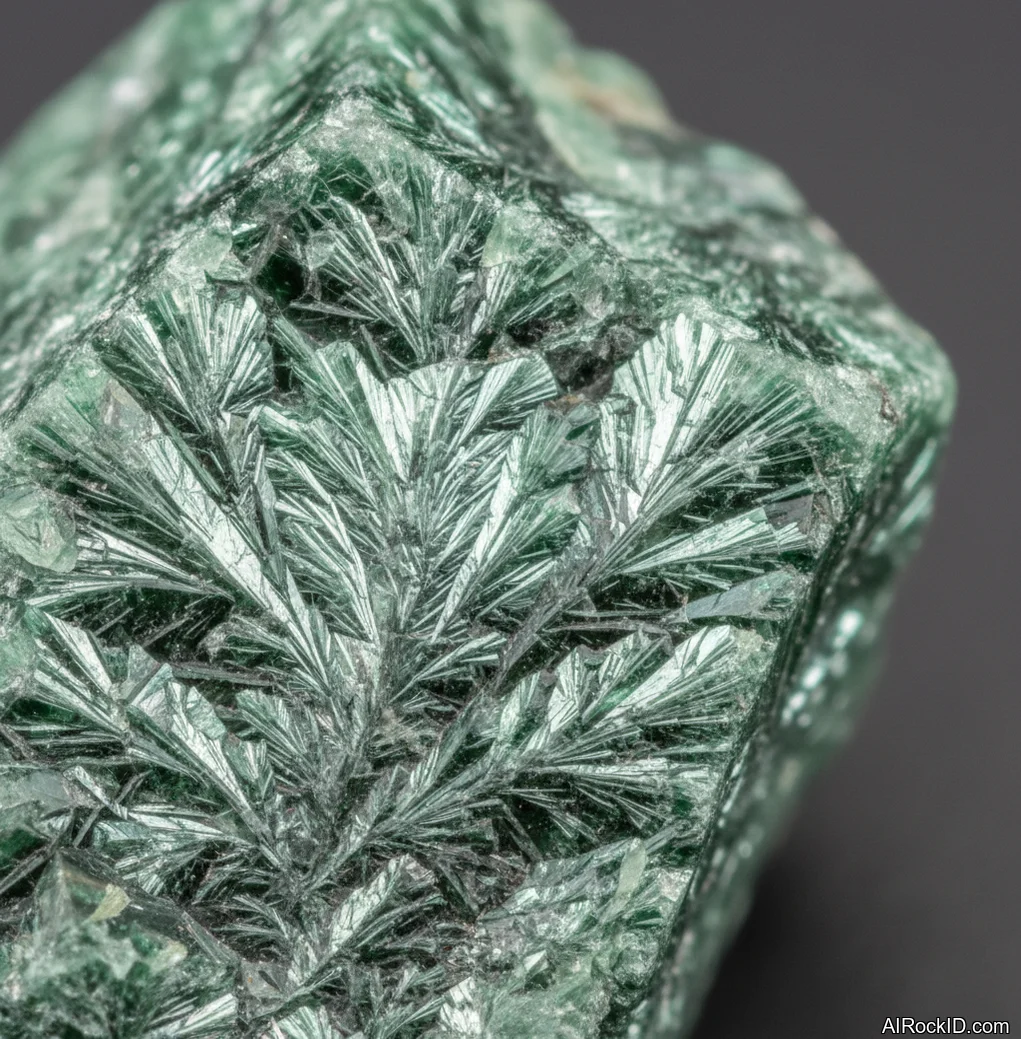
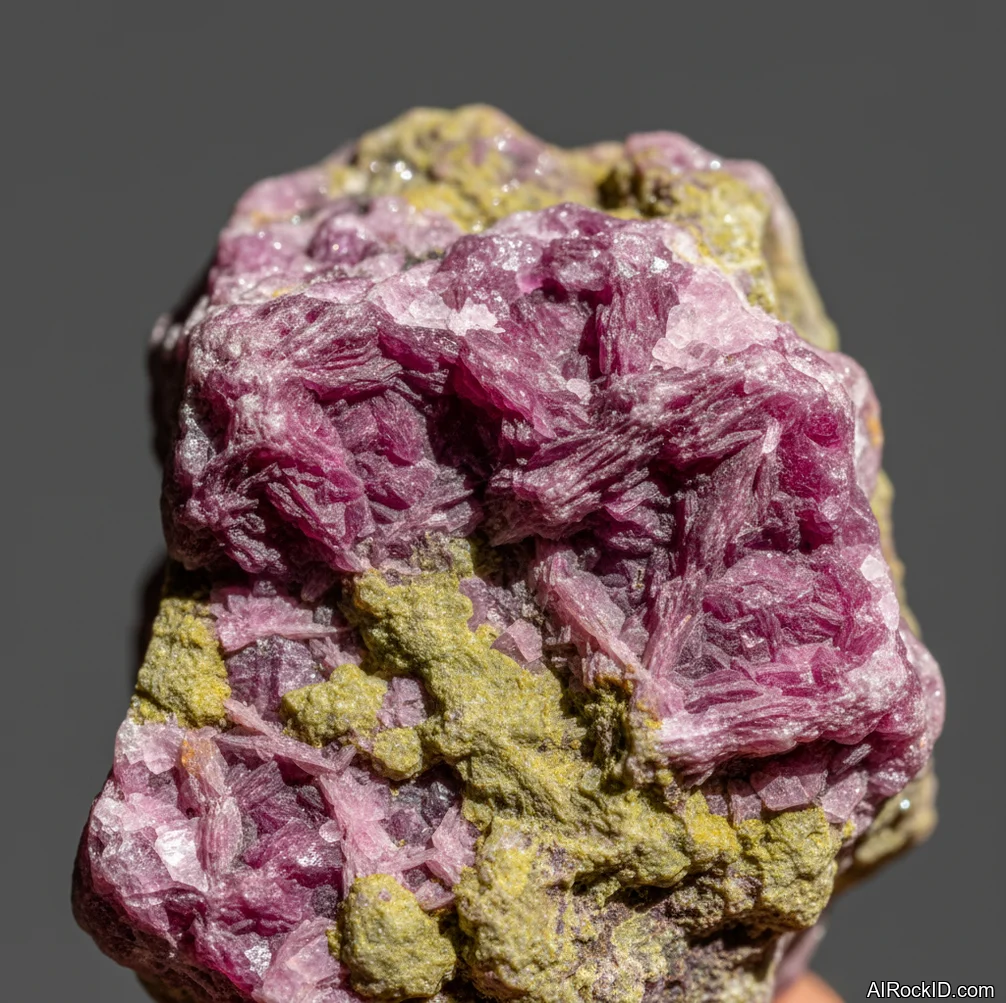
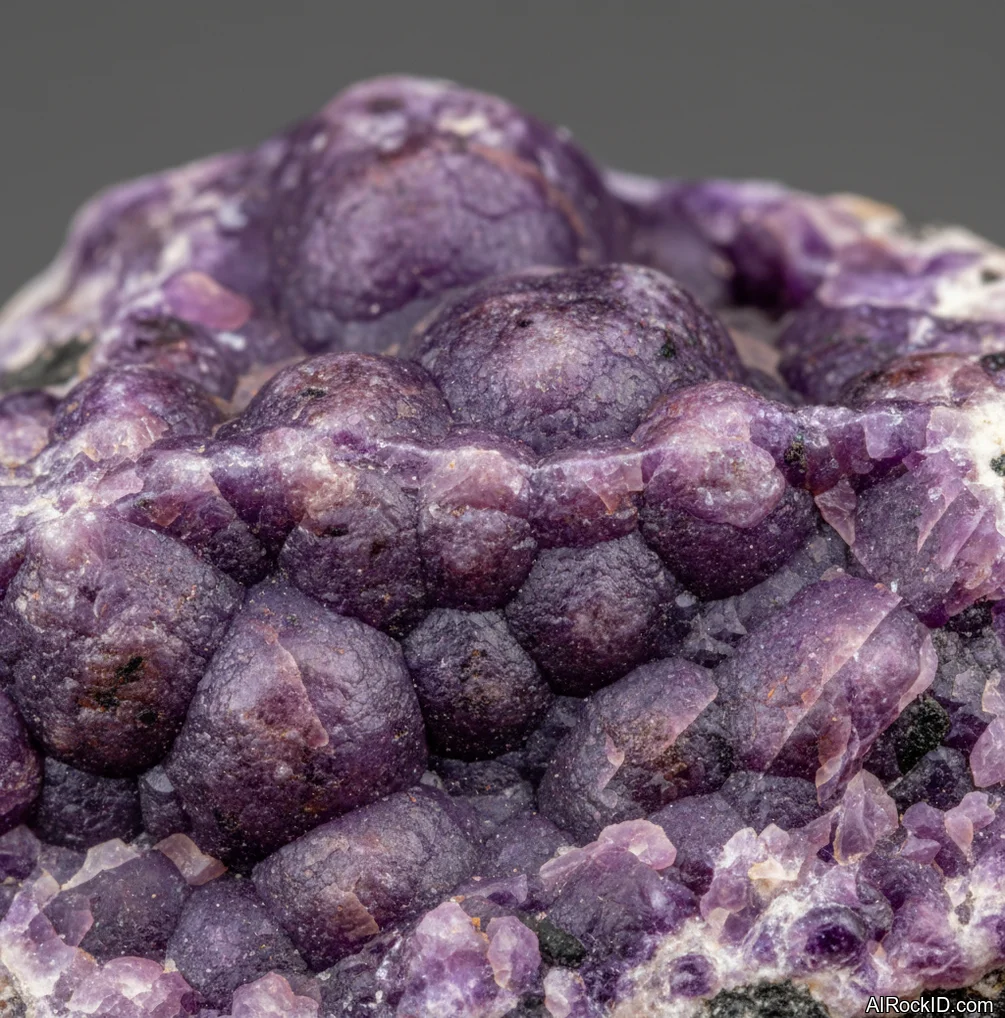
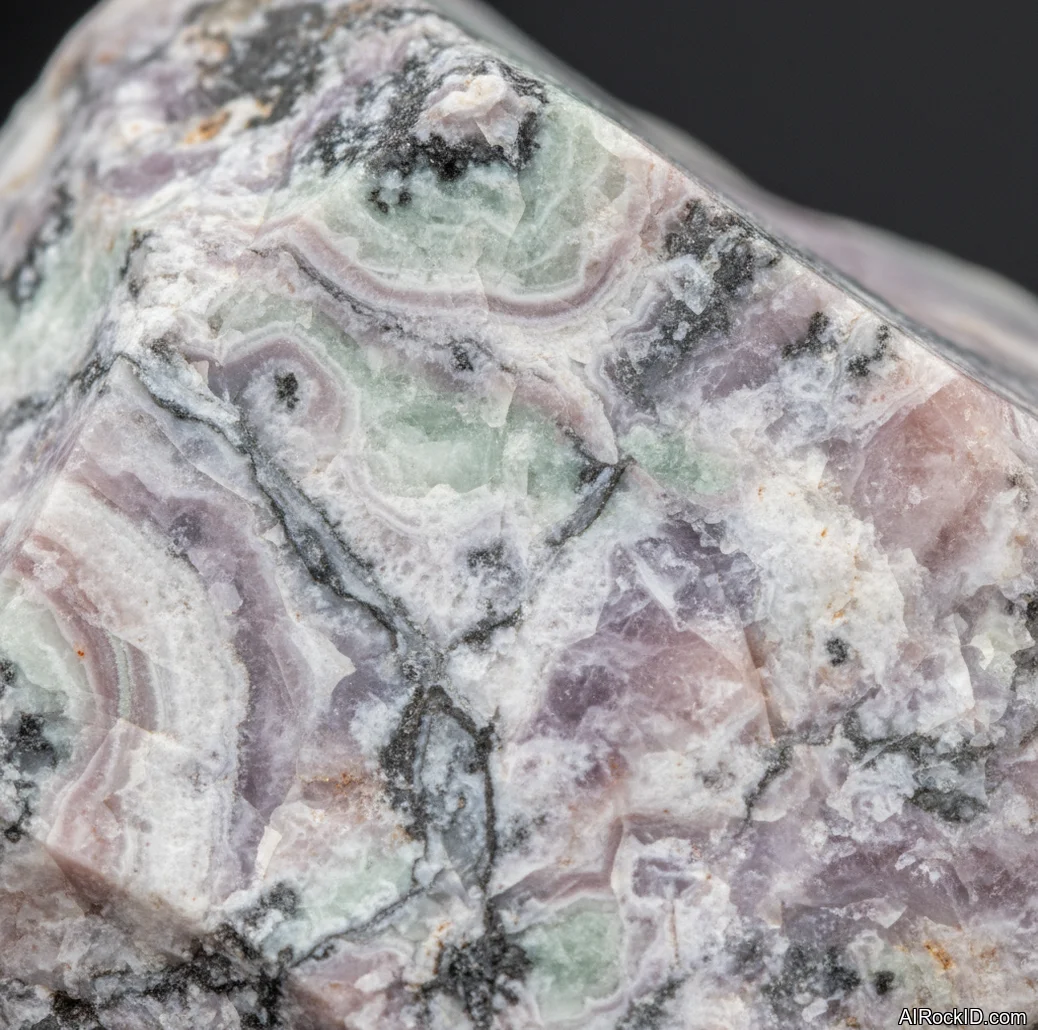
- Lepidolite: Lithium-rich mica; has a flaky or micaceous texture that differs from glassy purple stones.
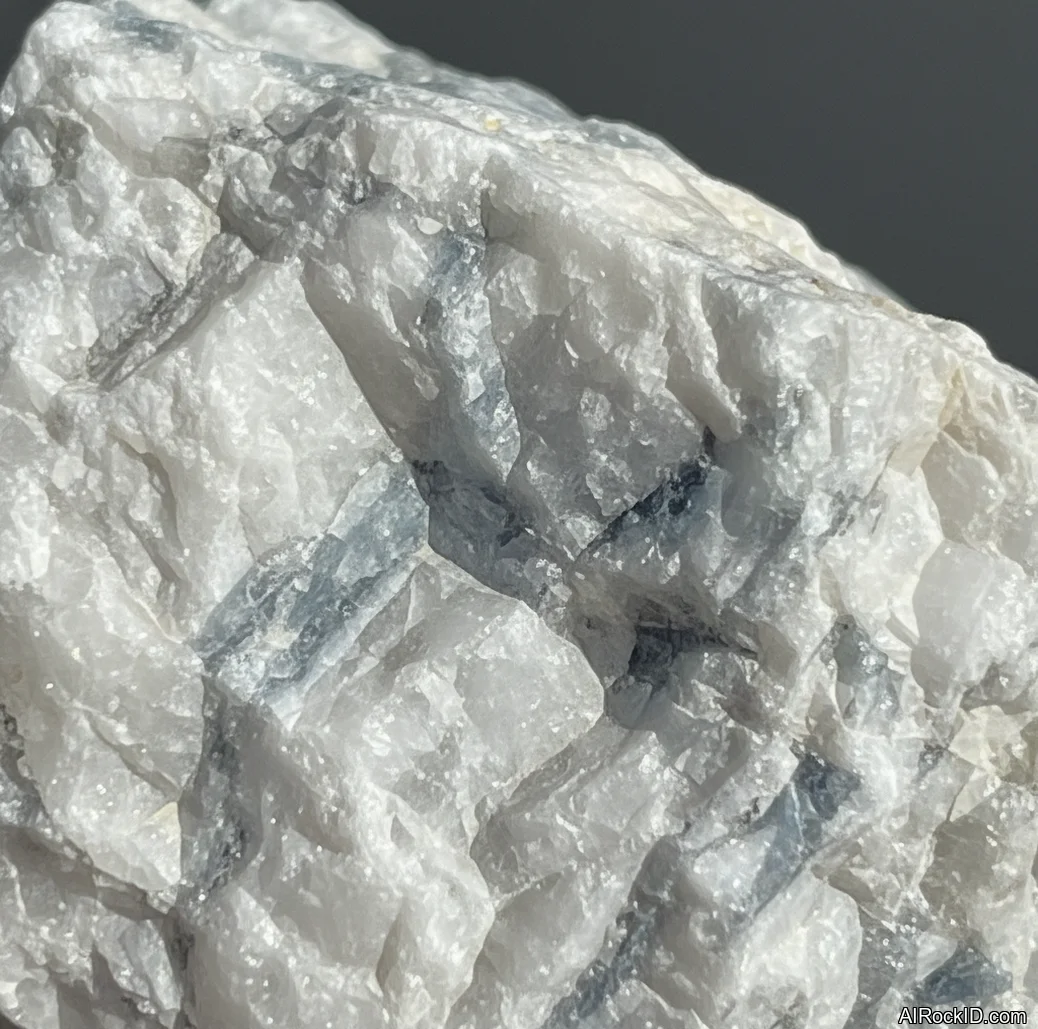
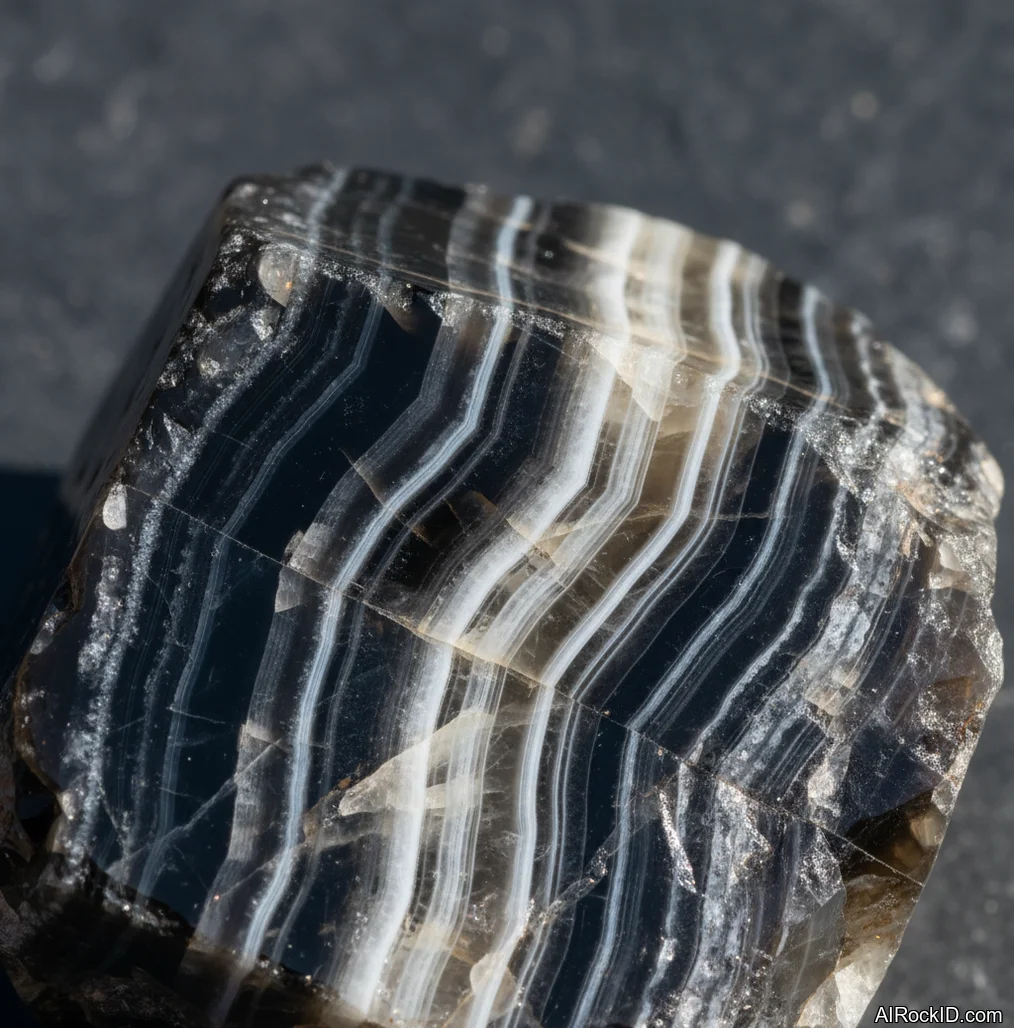
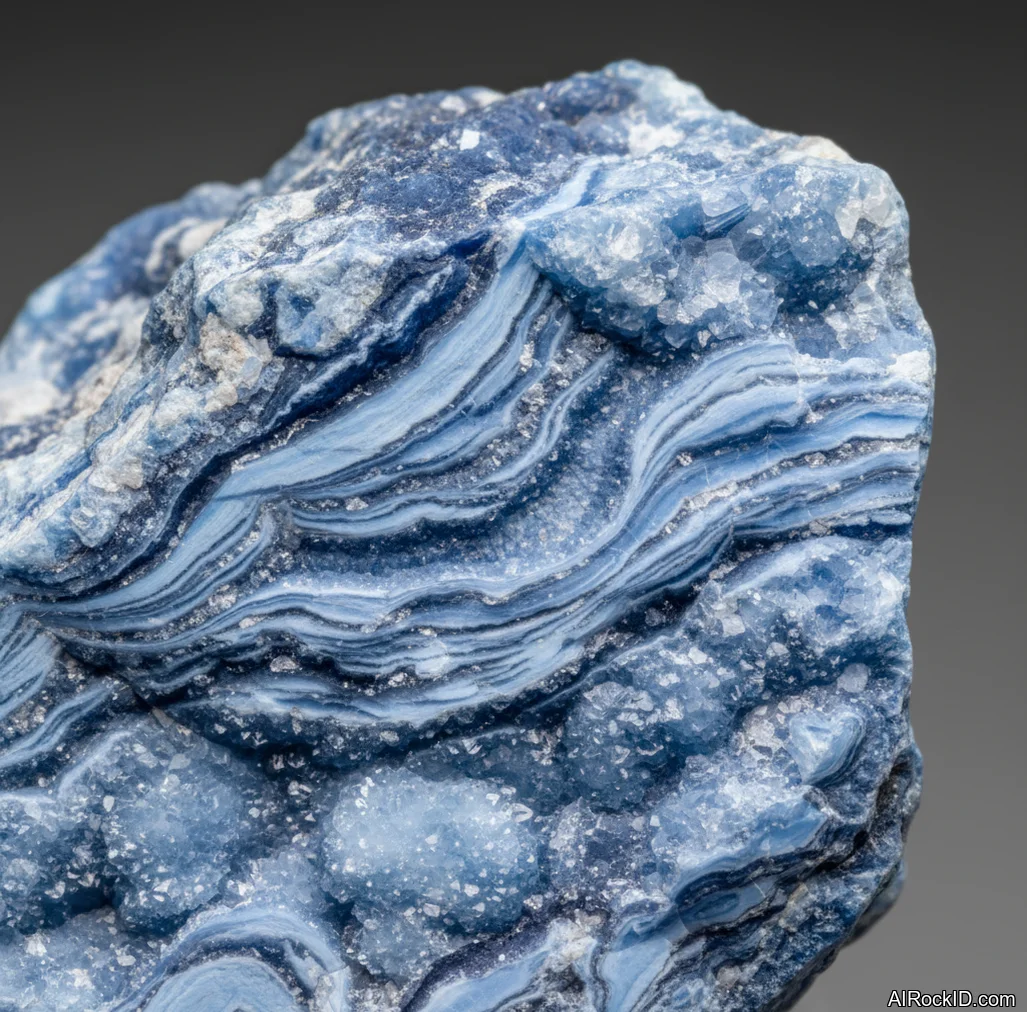
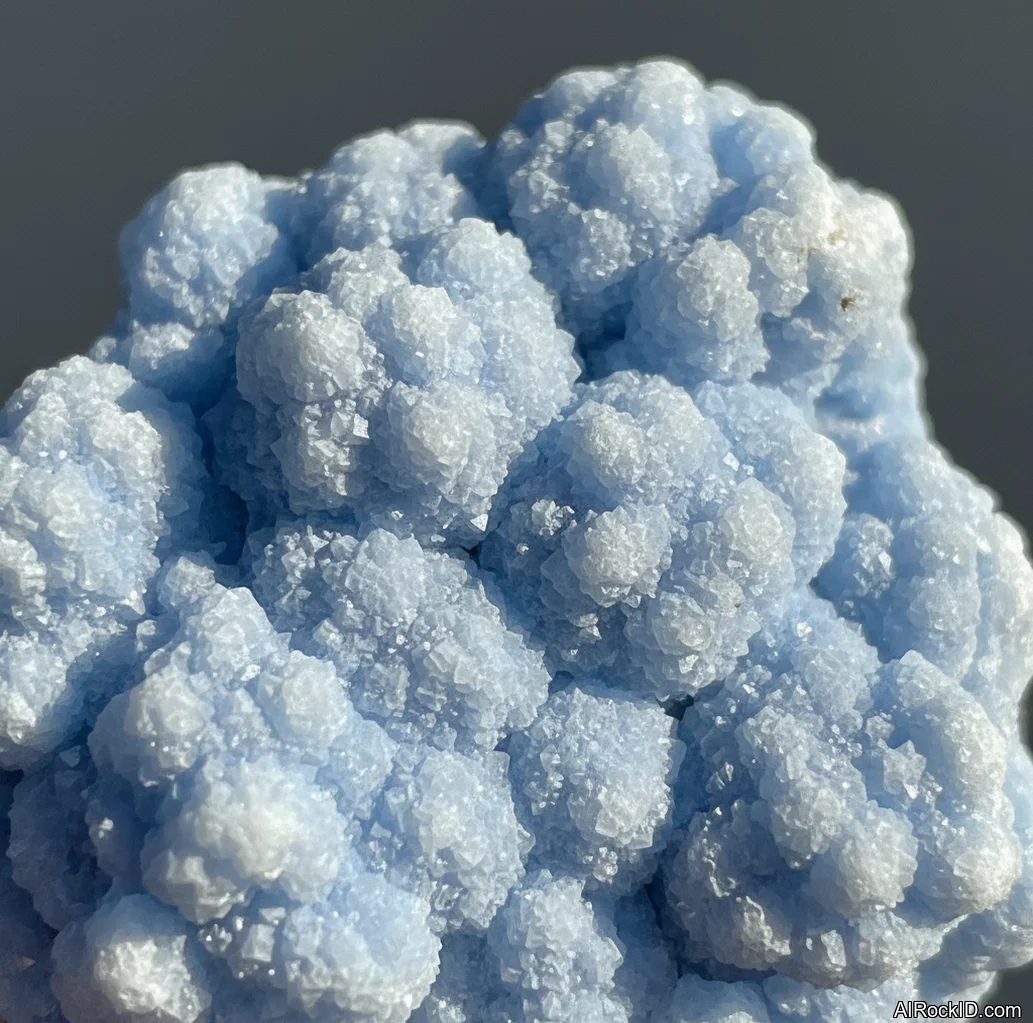
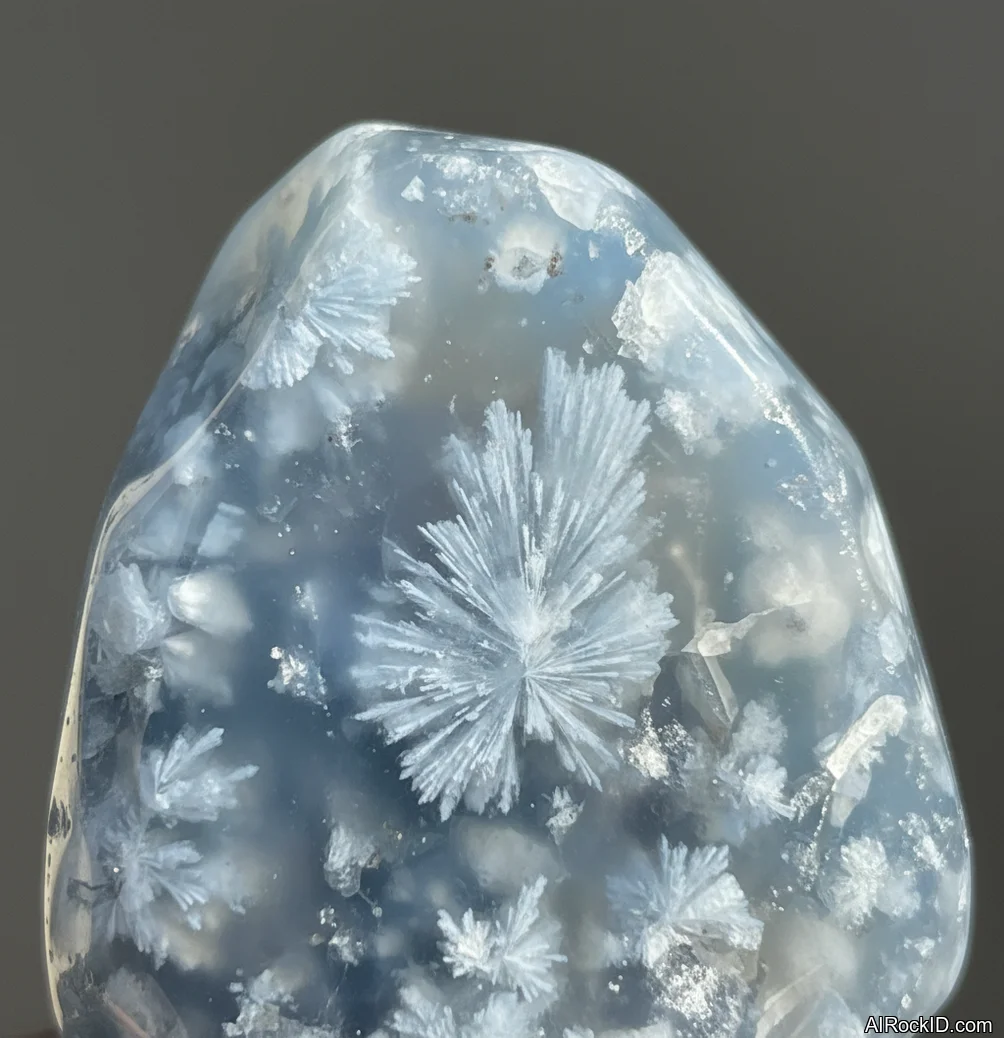
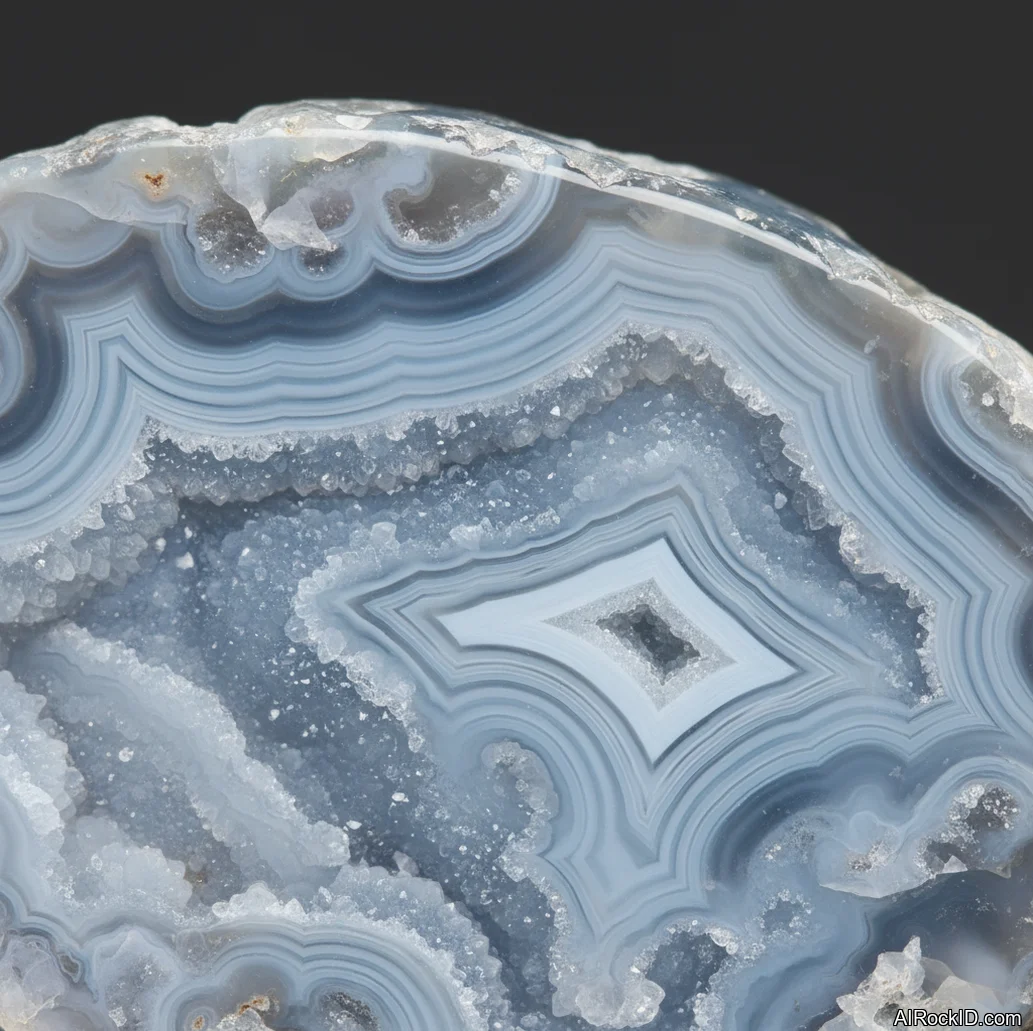
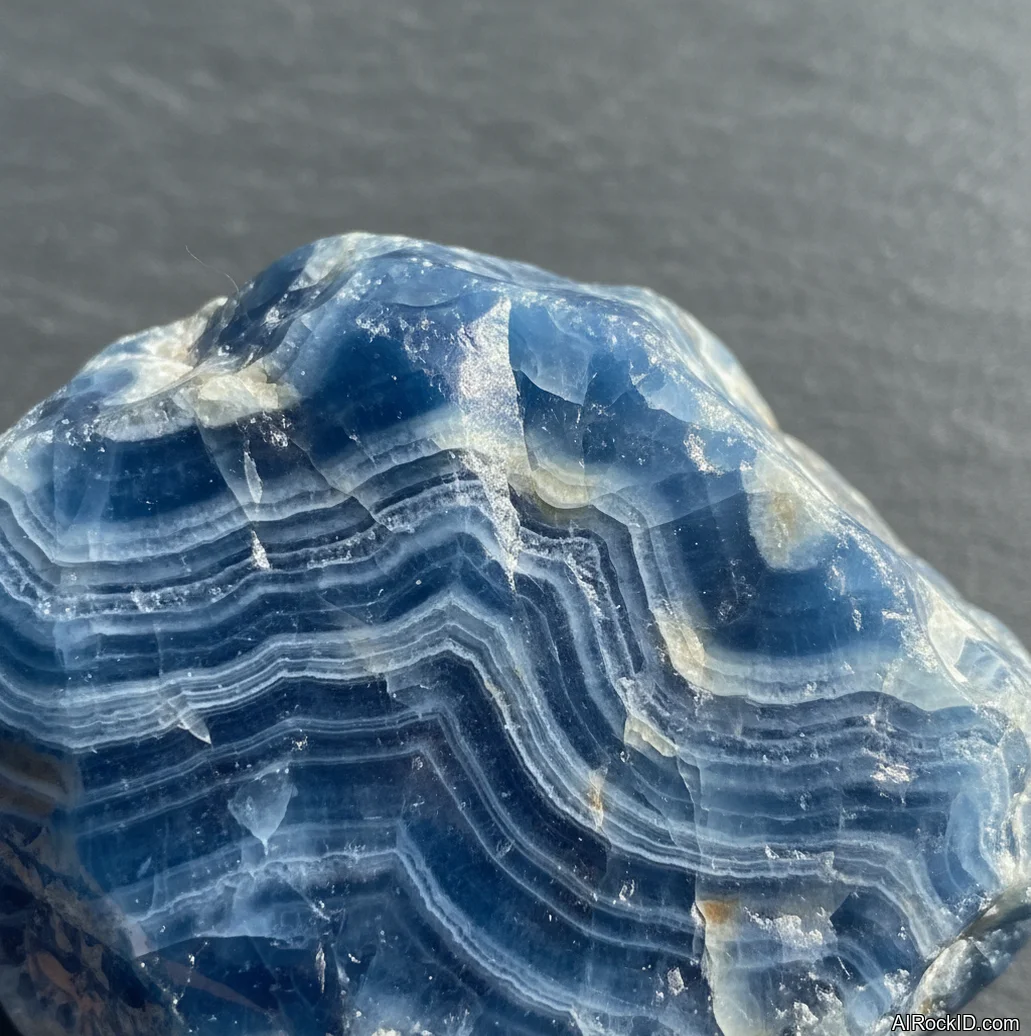
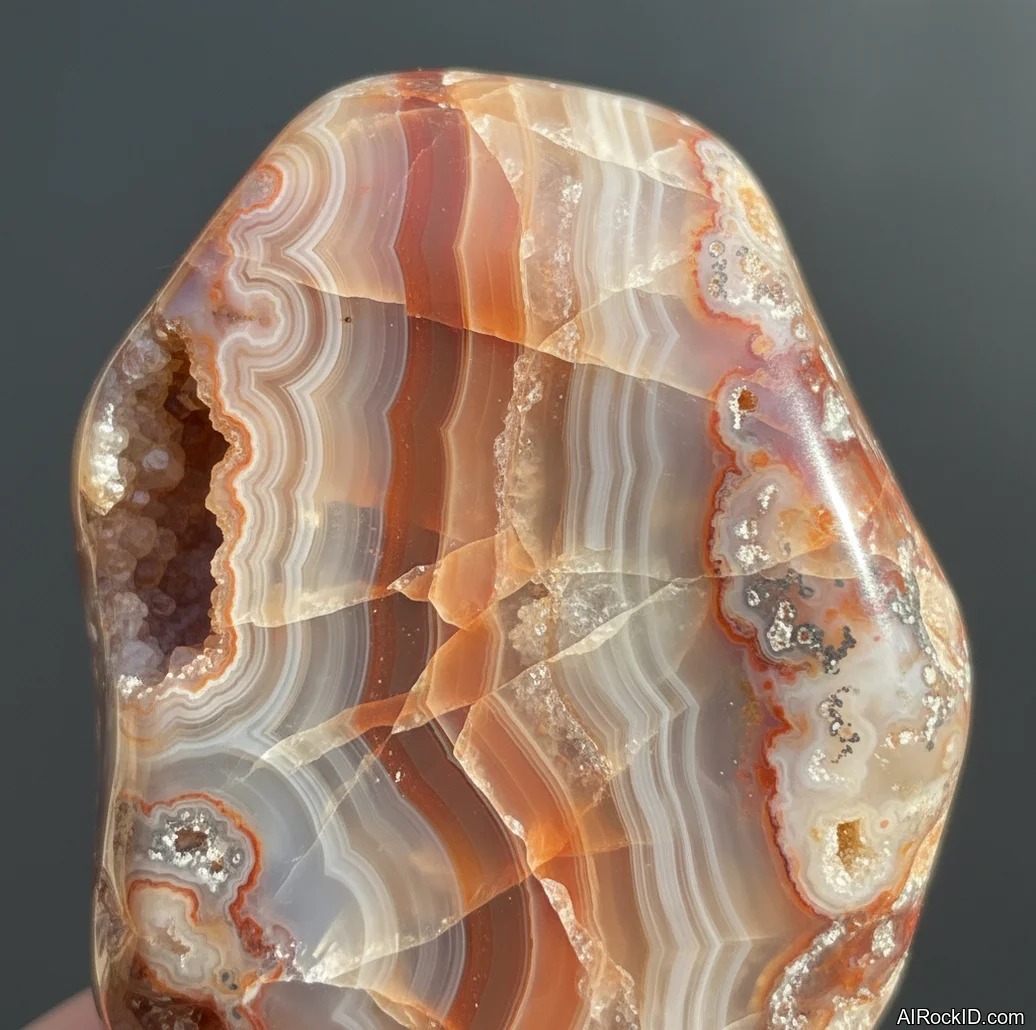
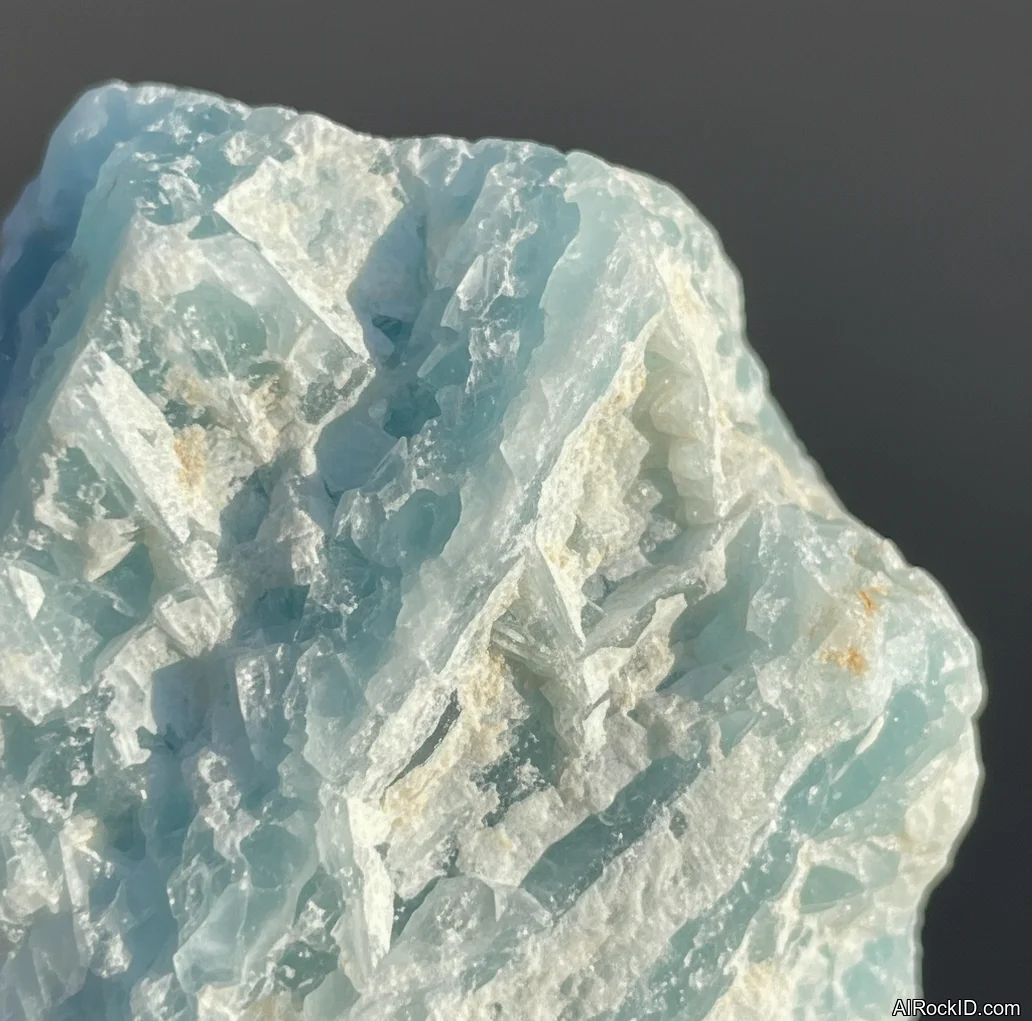
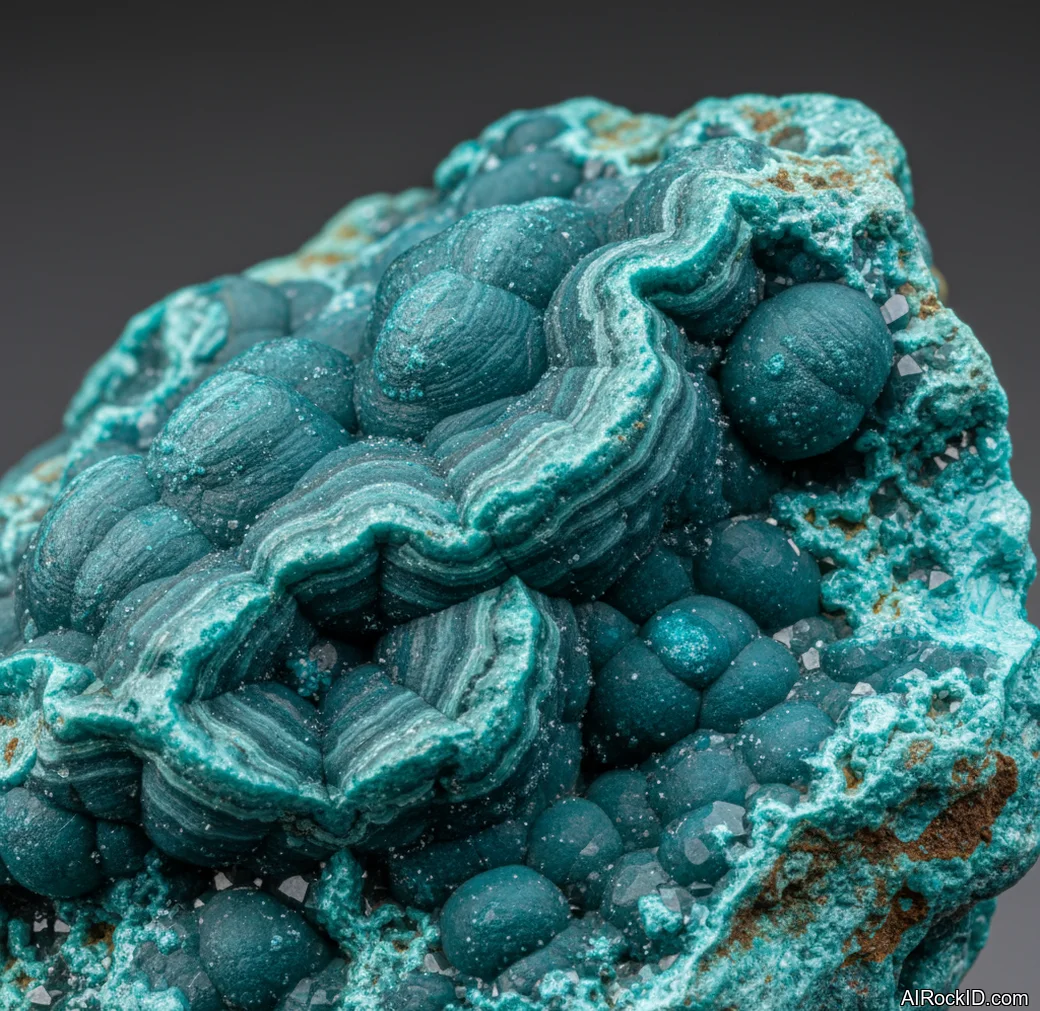
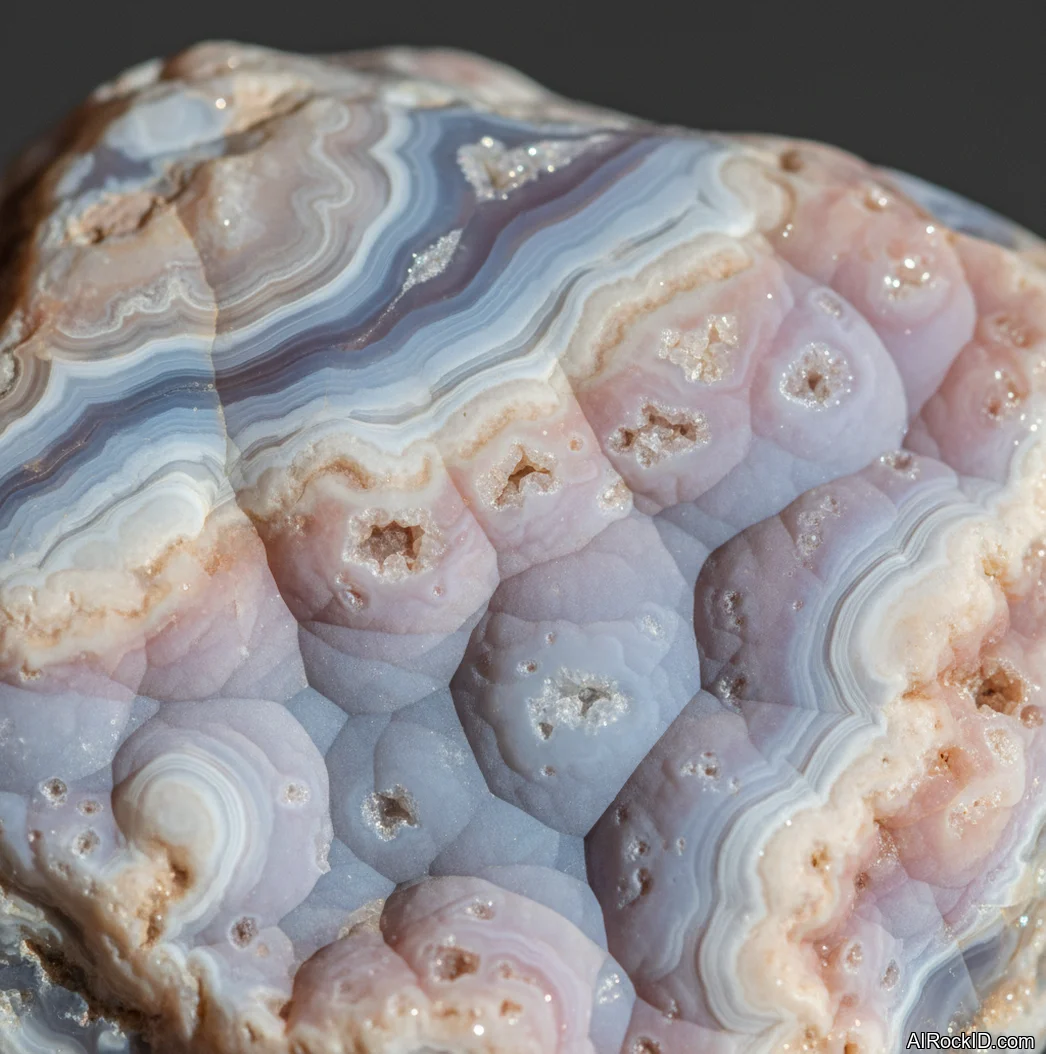
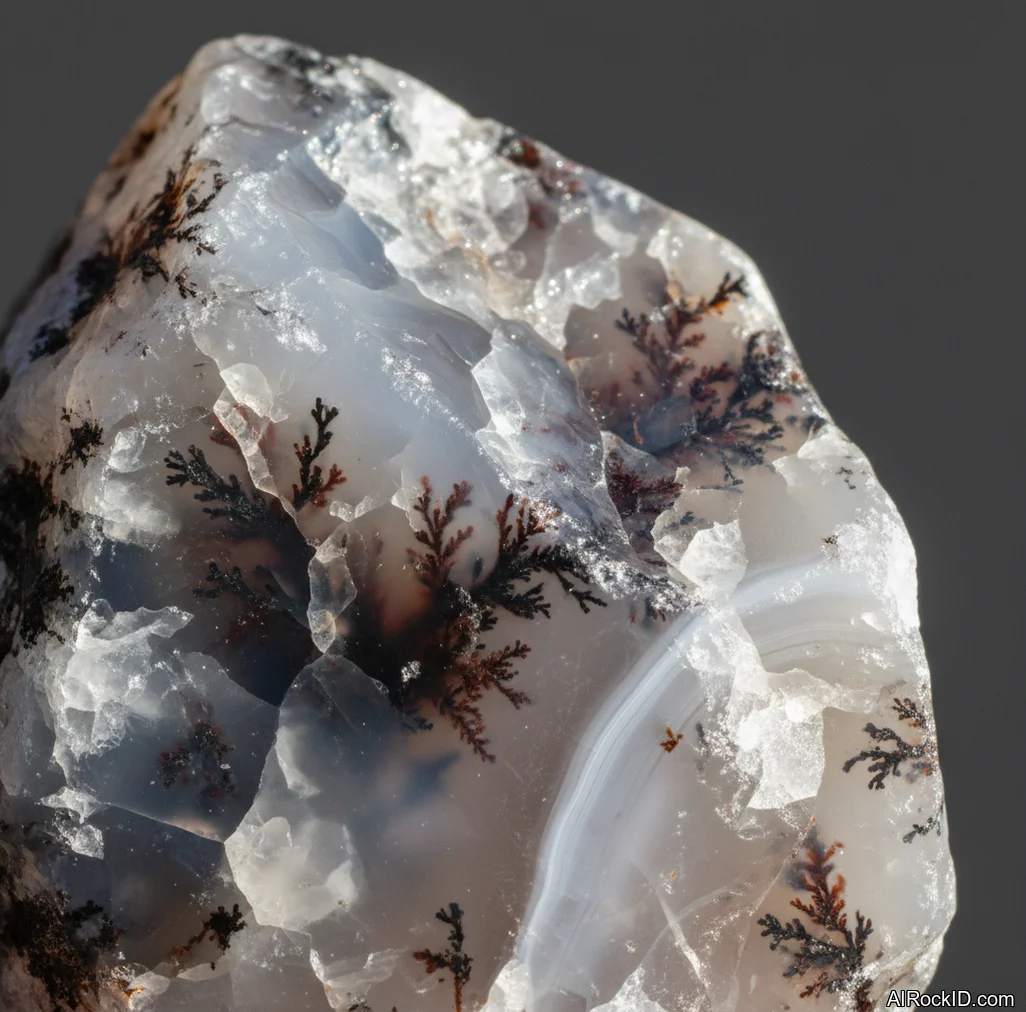
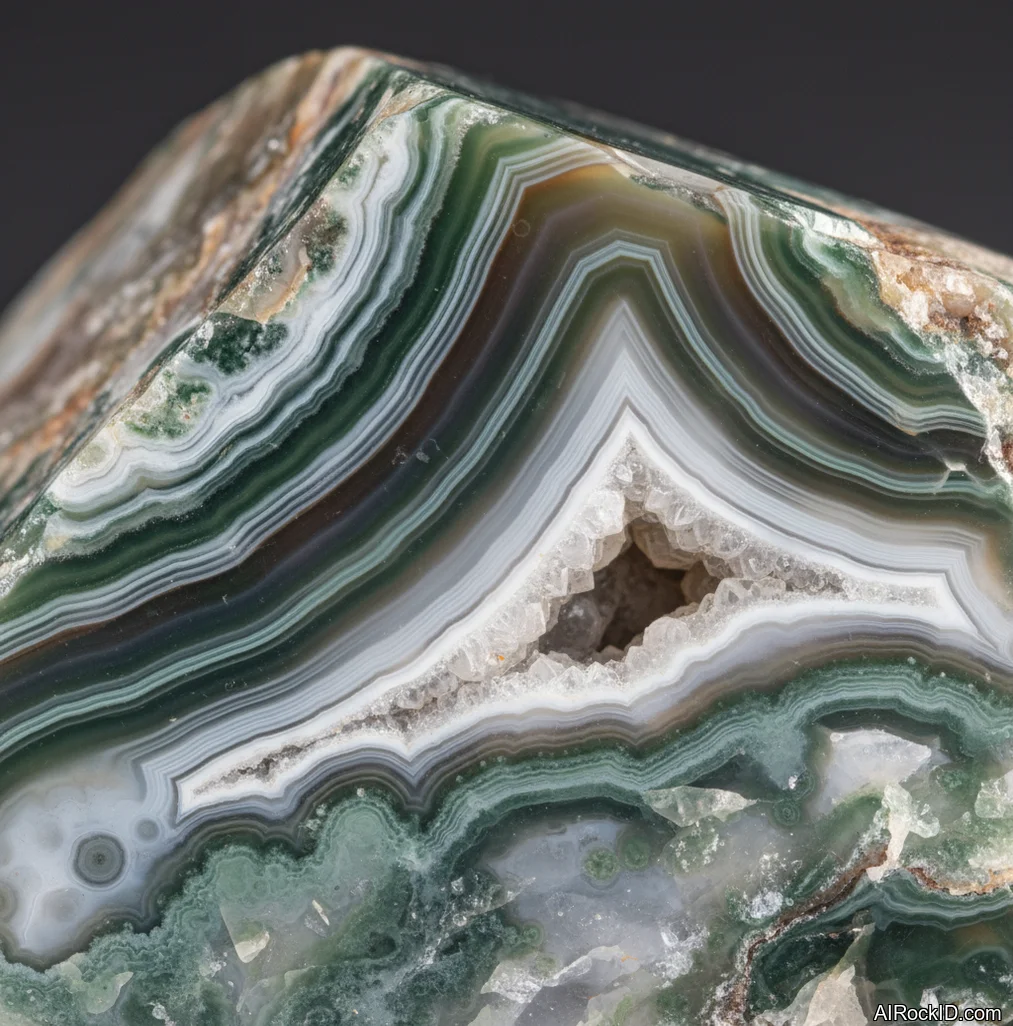
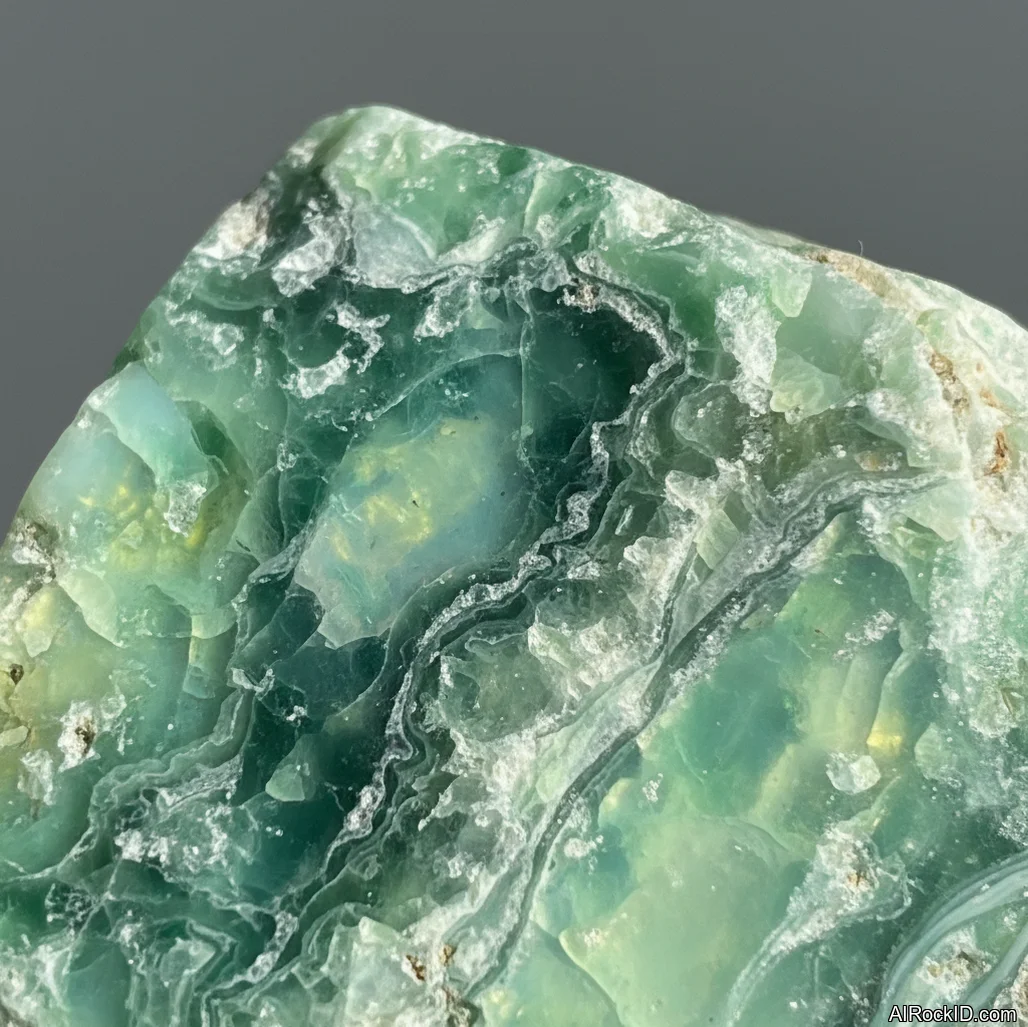
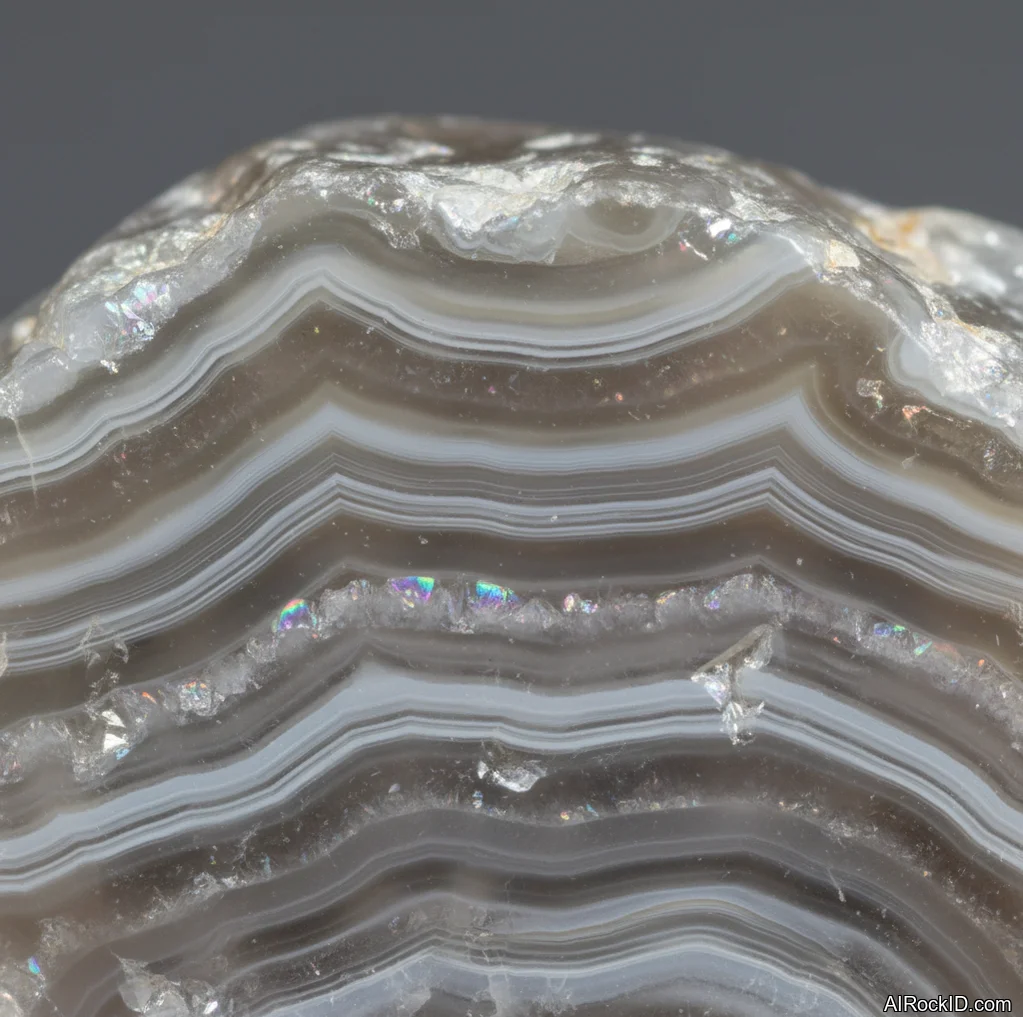
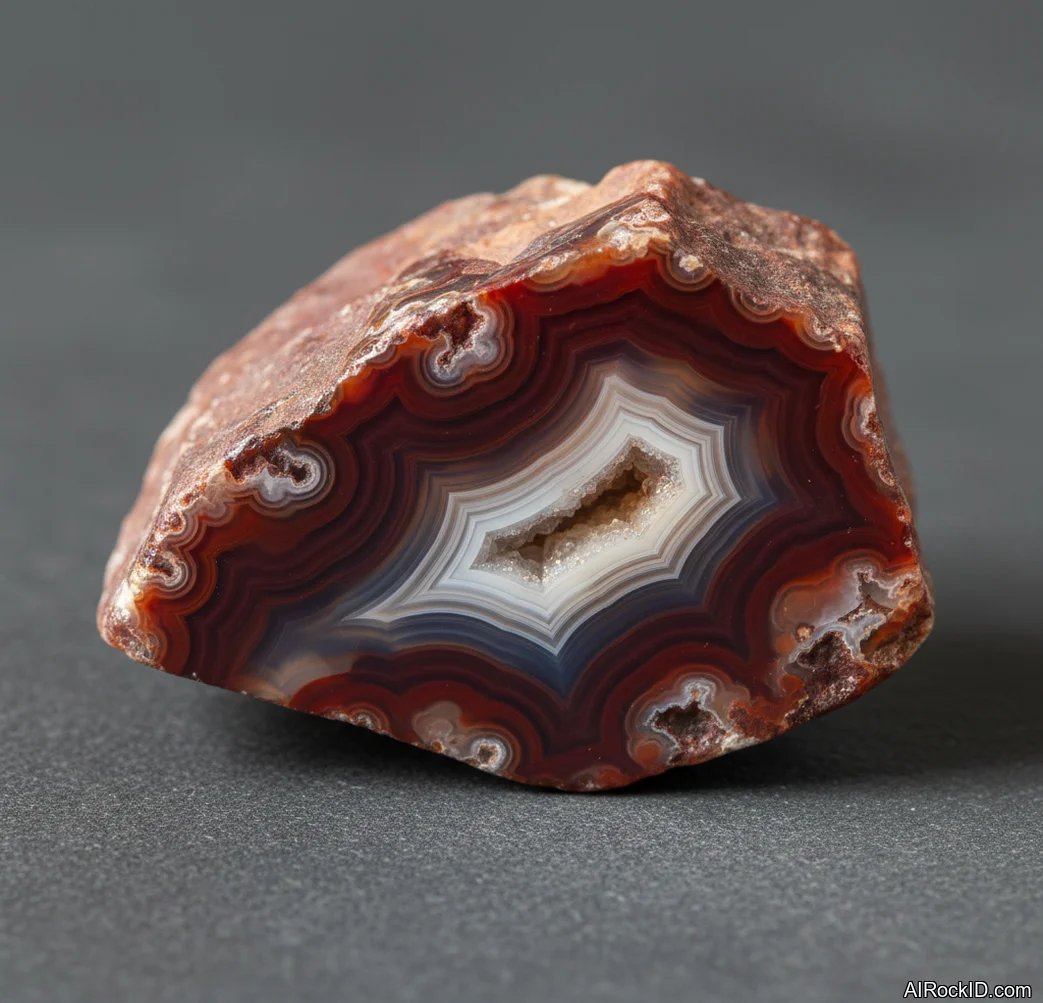
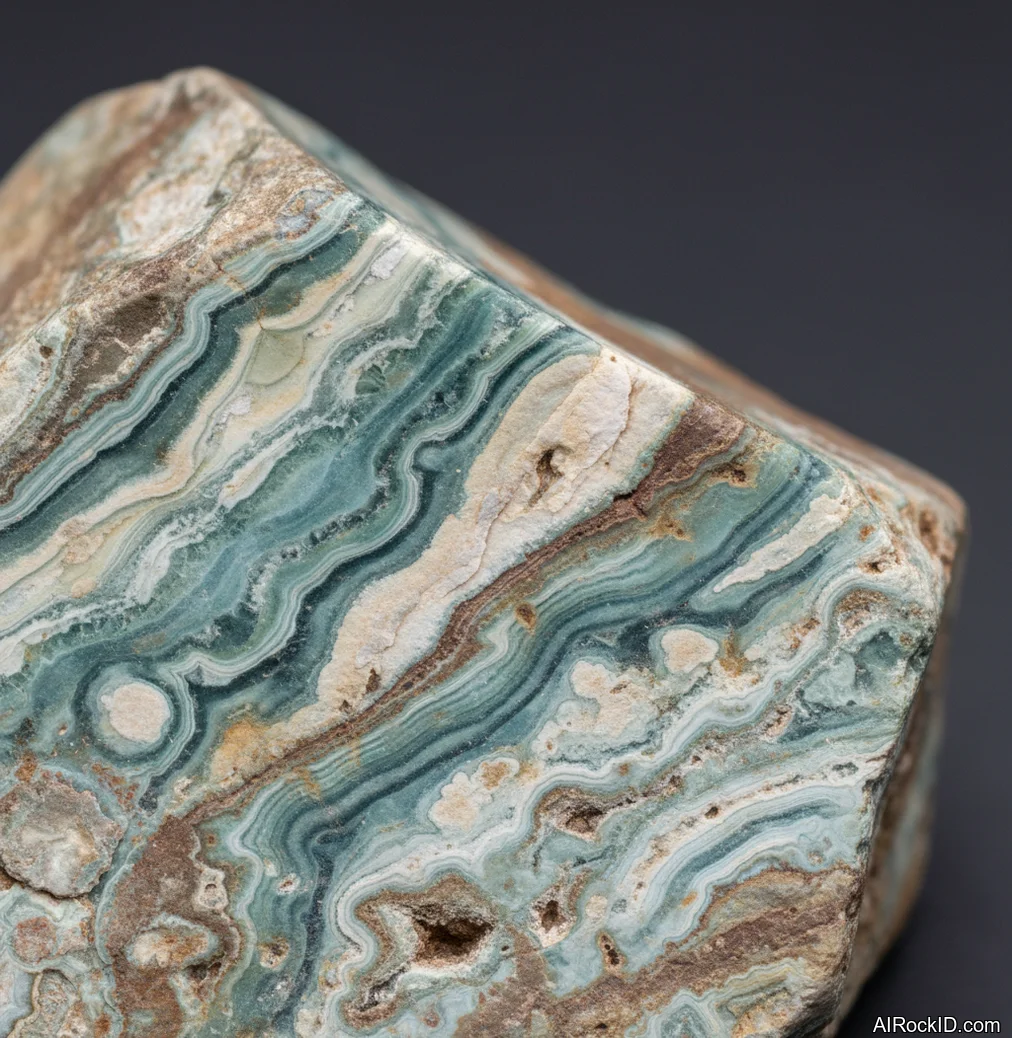
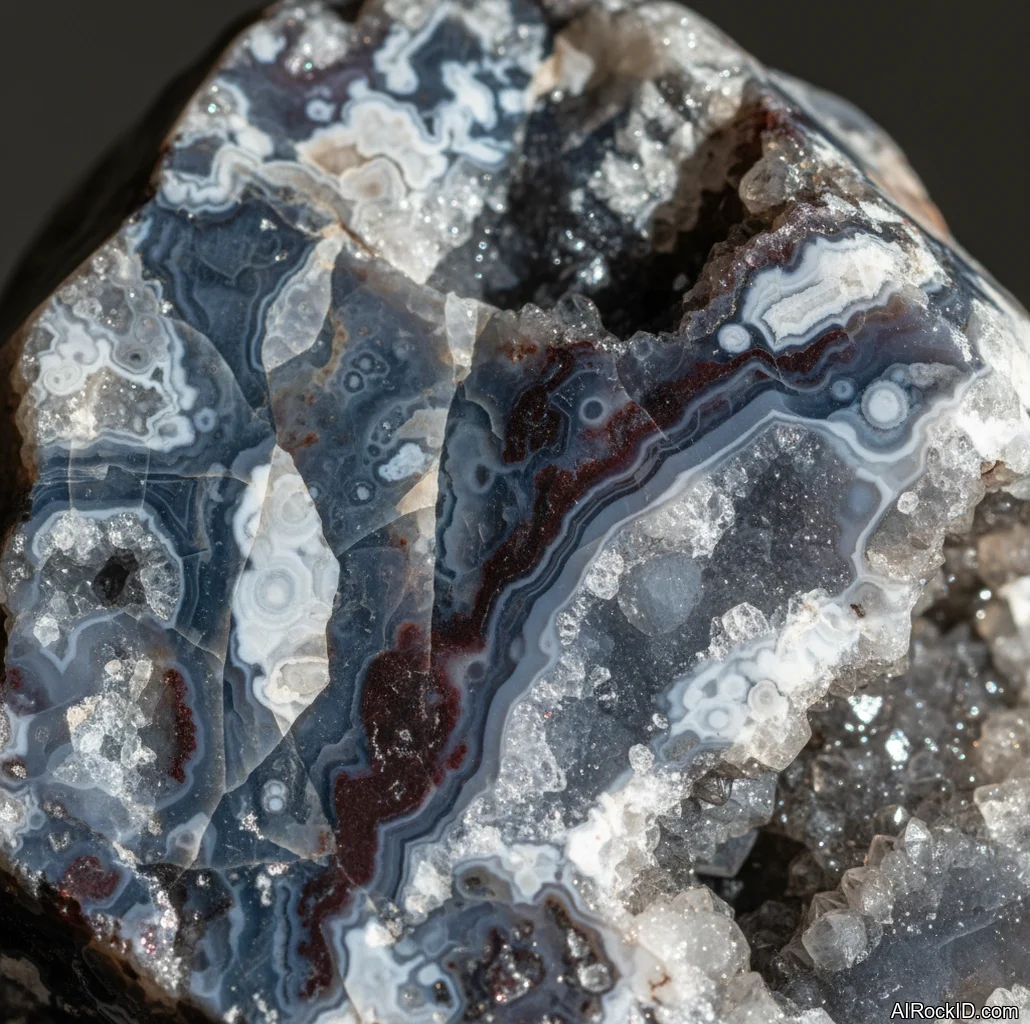
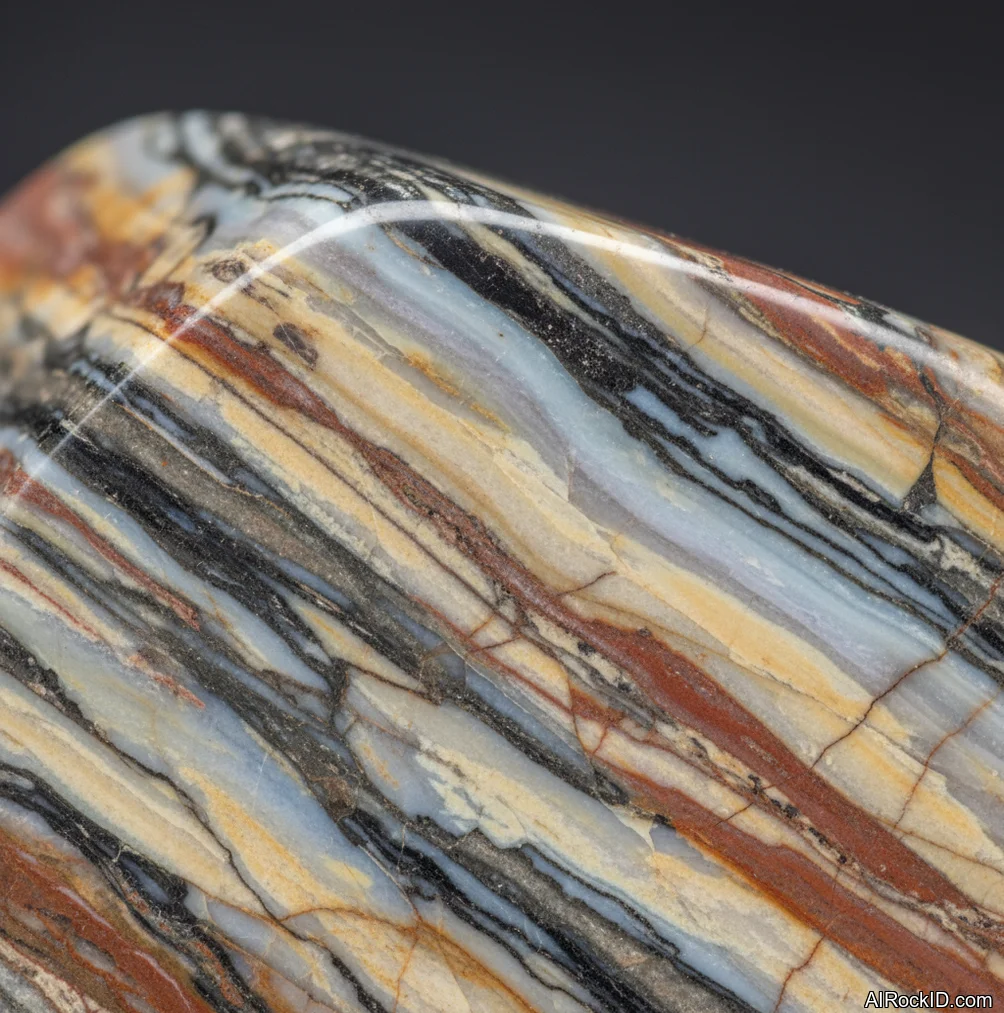
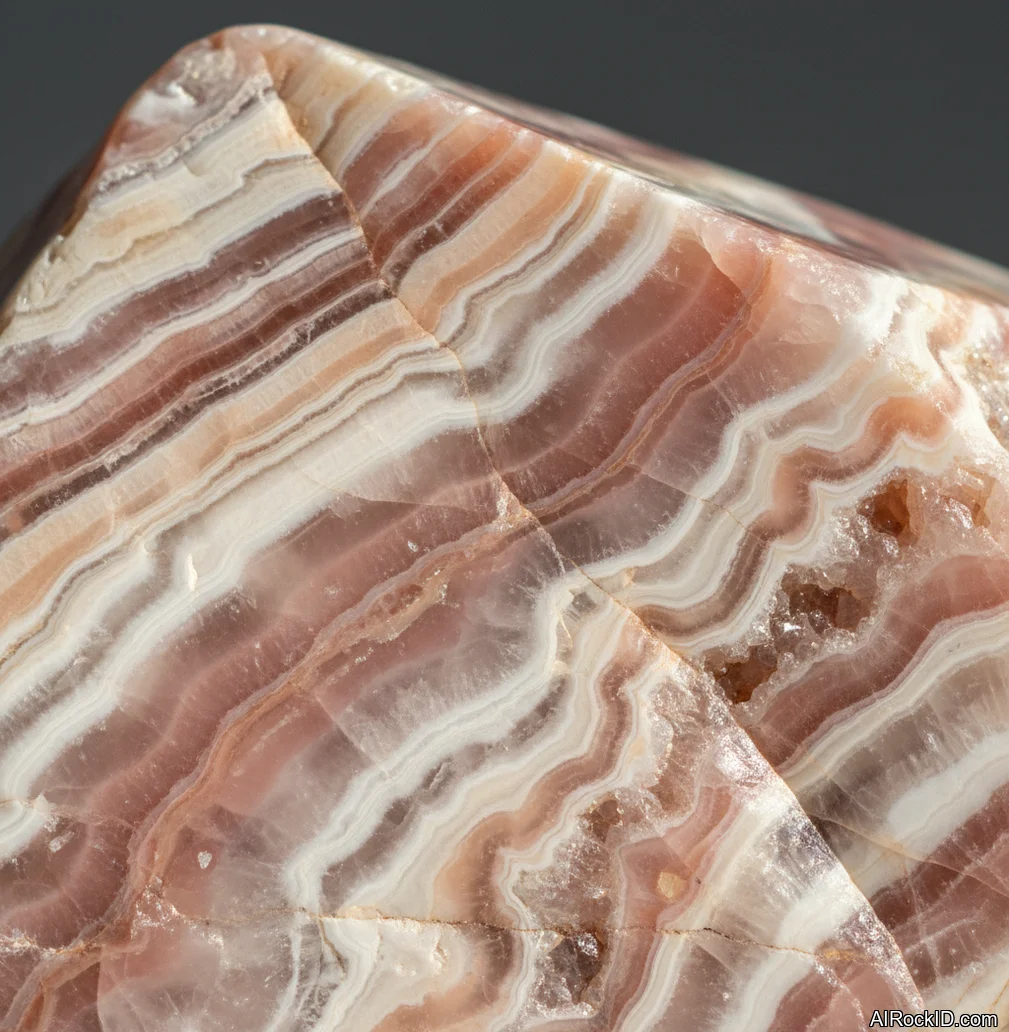
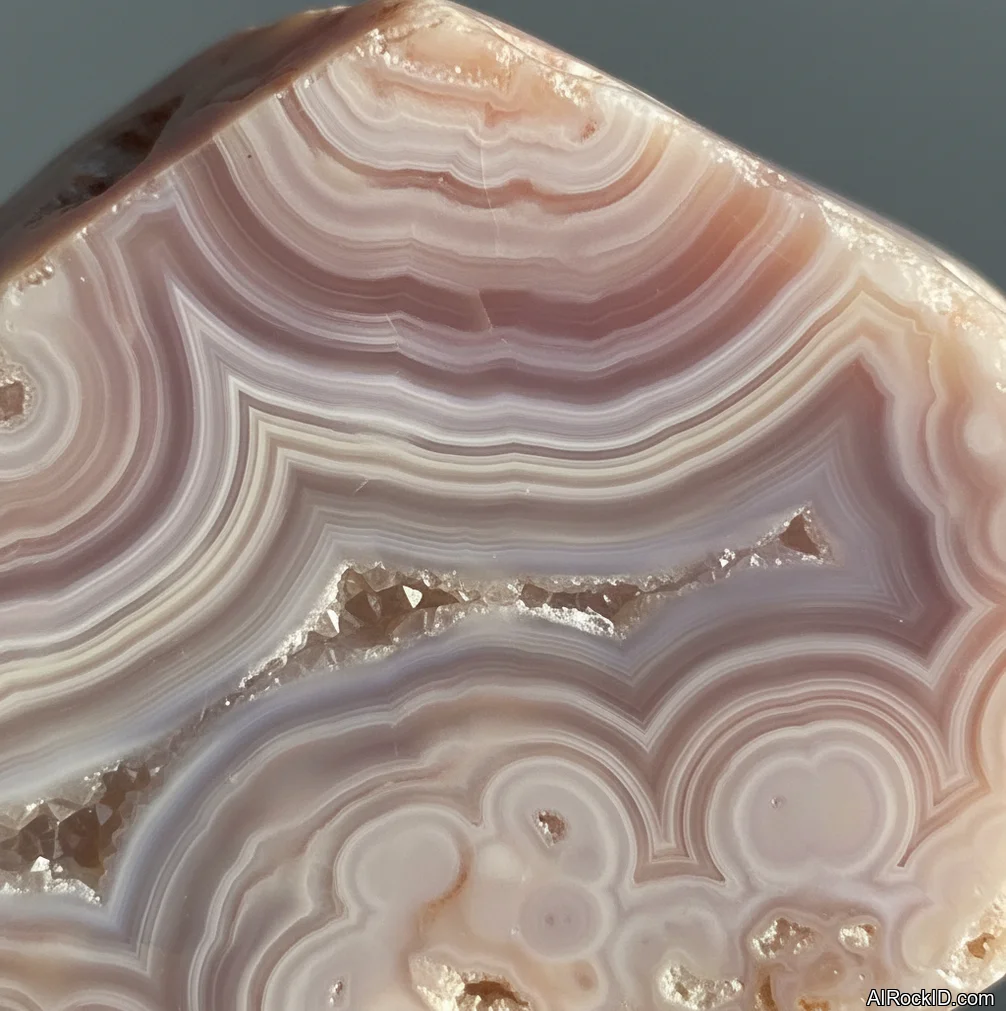
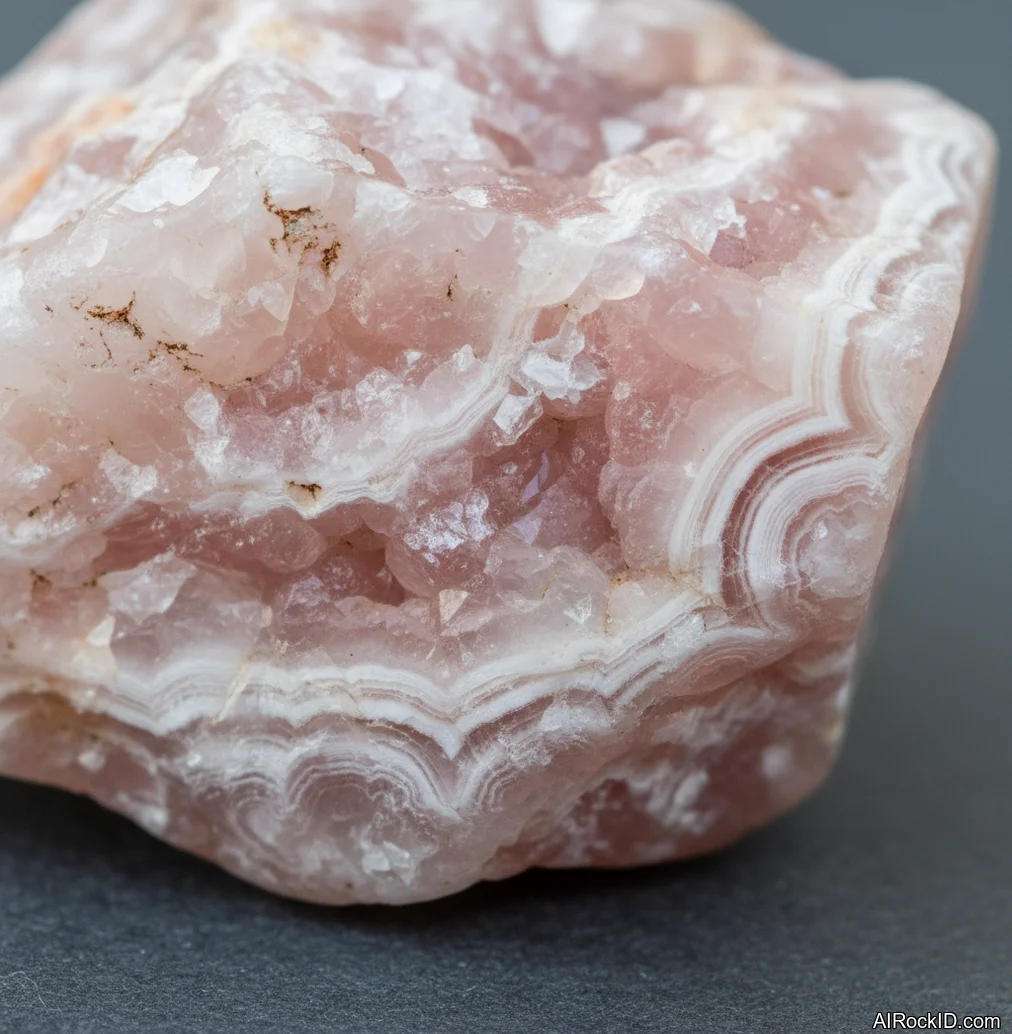
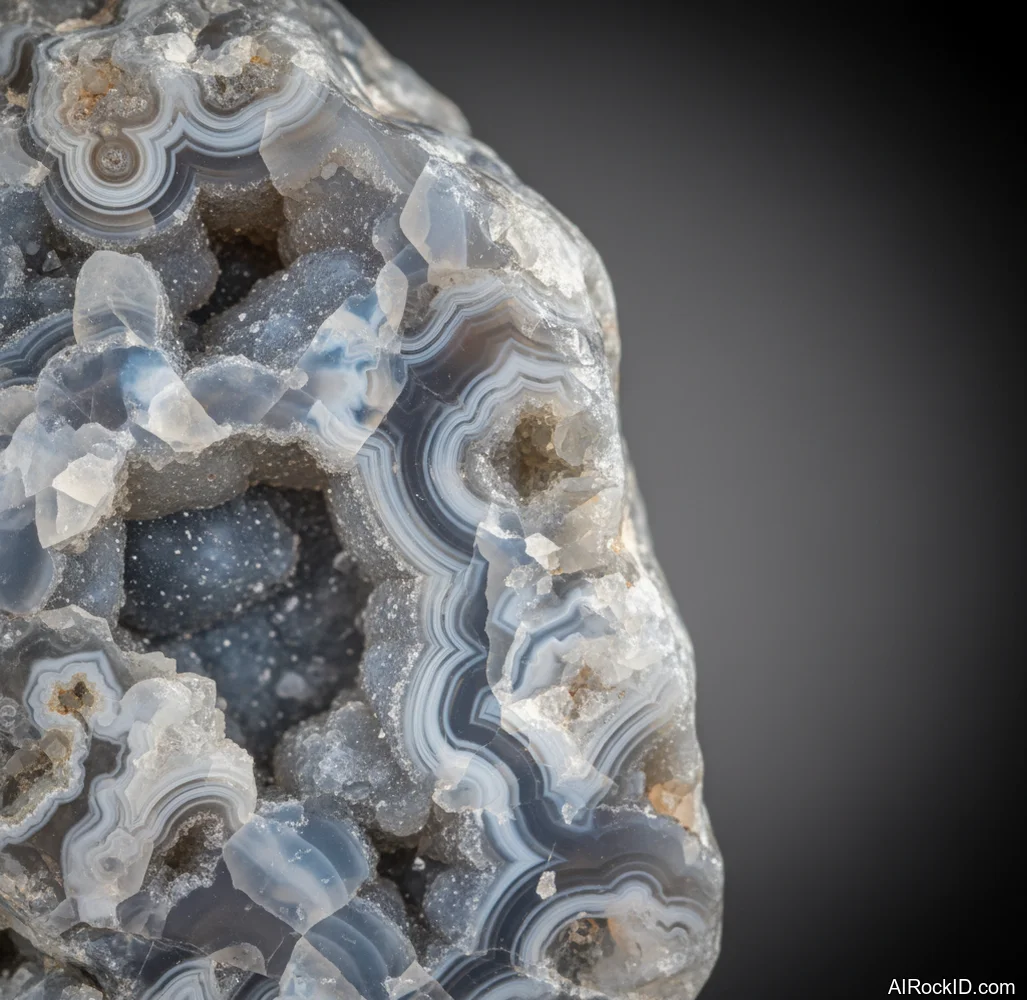
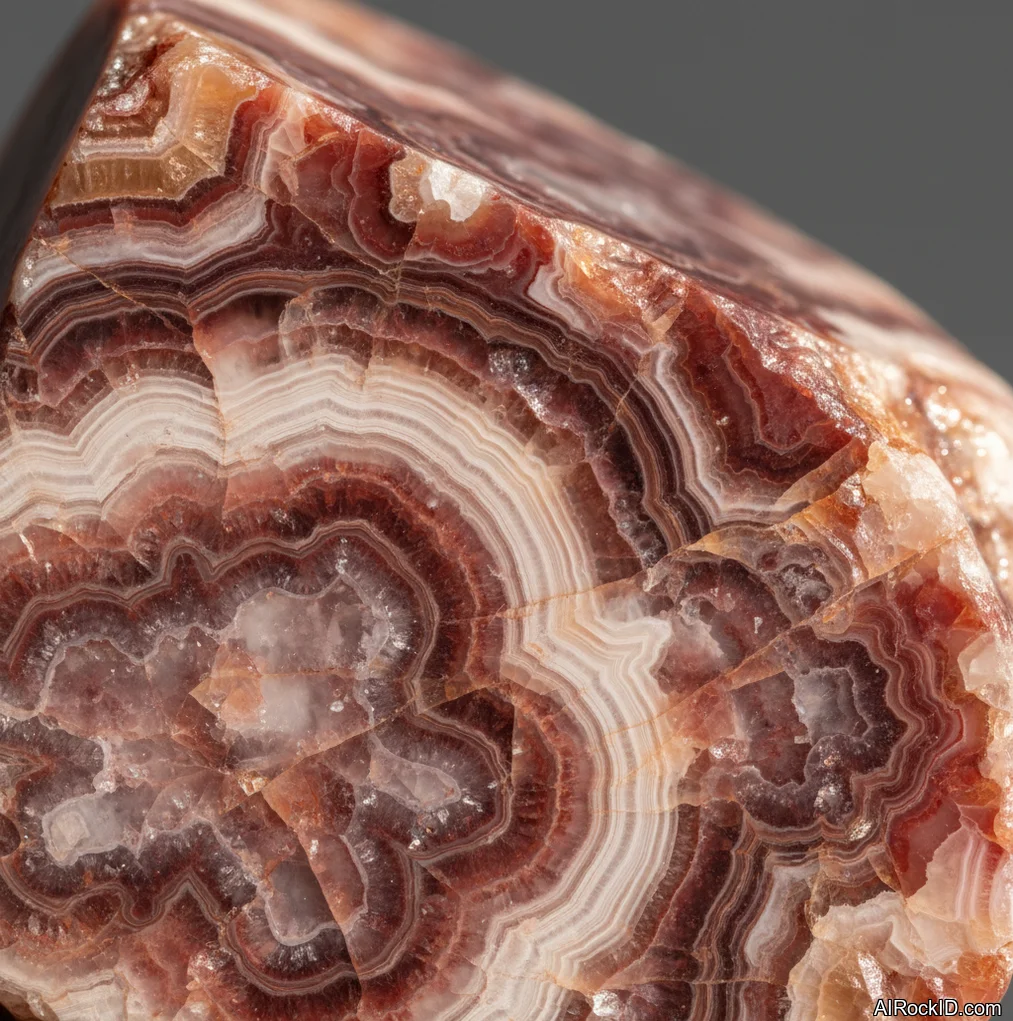
- Blue Lace Agate: Banded chalcedony; usually shows soft blue and white layers rather than a uniform blue color.
- Howlite: White stone with gray veining; commonly dyed blue and sold in ways that can be mistaken for turquoise.
AI identification confidence
AI identification is often more confident when a crystal has visible color zoning, banding, crystal habit, or surface texture. Tumbled stones, dyed materials, and look-alike varieties may require additional checks such as hardness, streak, weight, or seller documentation.
When AI gets it wrong
- The stone is polished, tumbled, or photographed under colored lighting
- The specimen is dyed, heat-treated, coated, or mislabeled by a seller
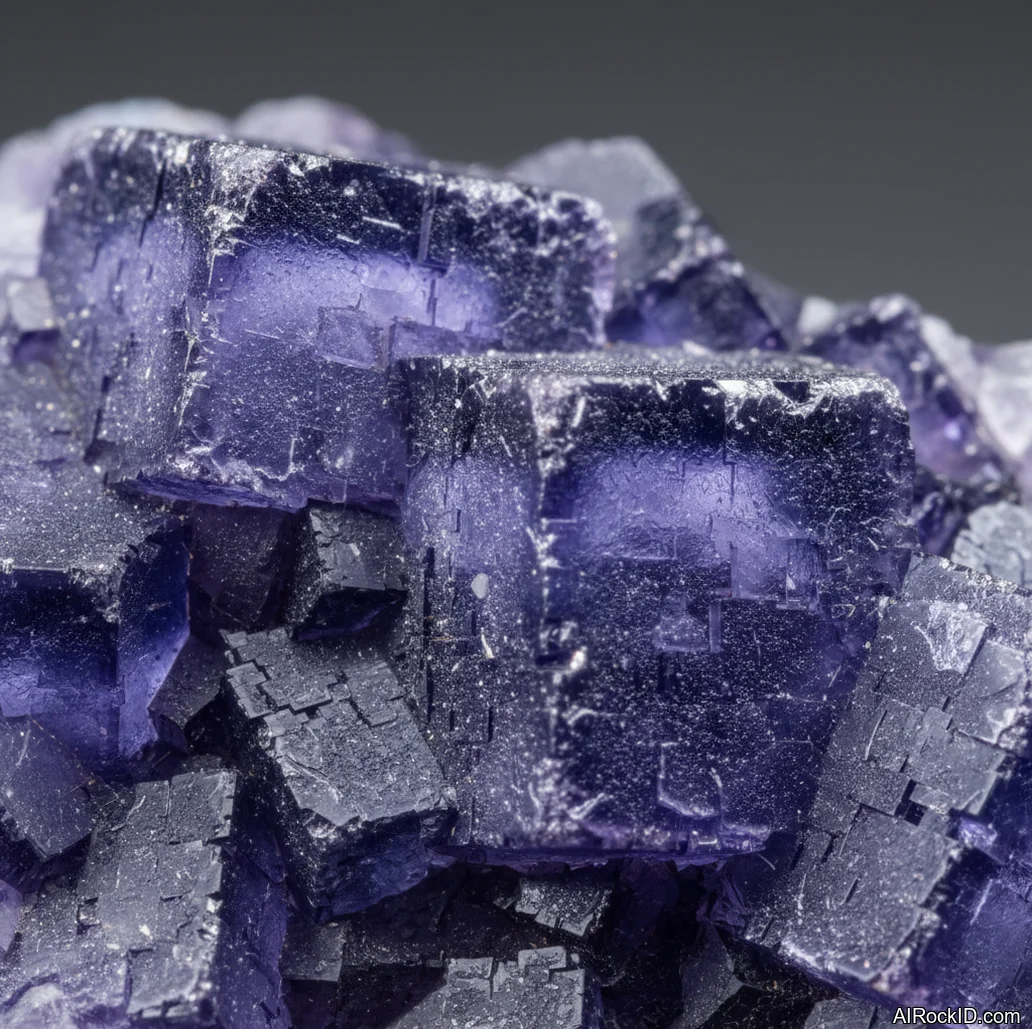
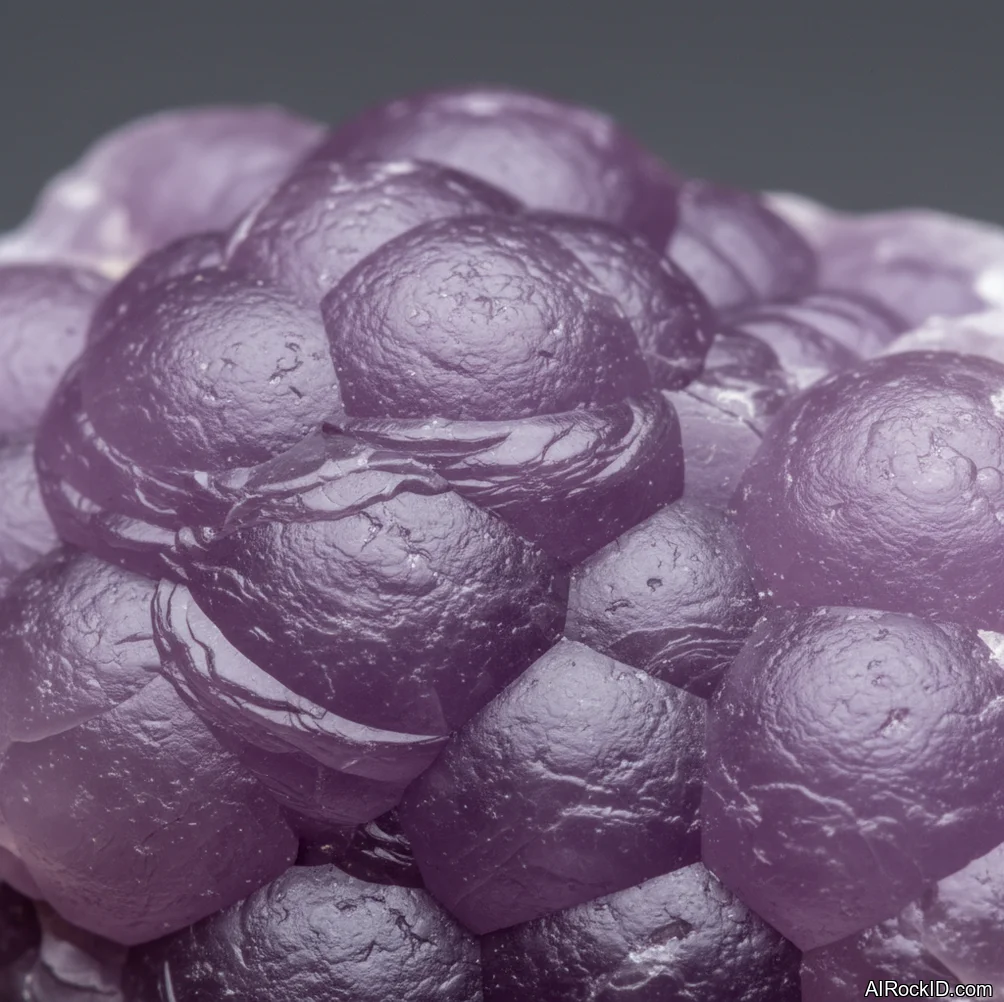
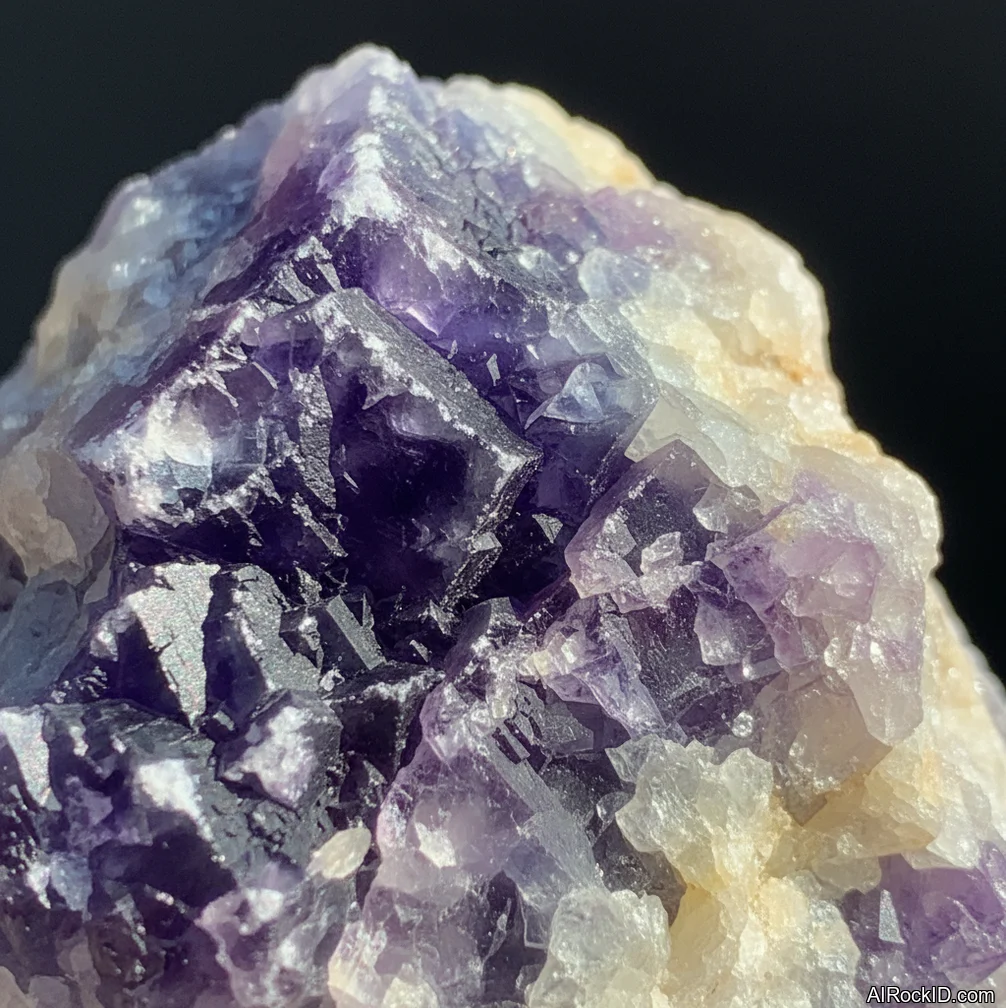
- Several minerals share the same color, such as purple fluorite, amethyst, and lepidolite
- The image lacks scale, close-up texture, or multiple angles
Final recommendation
Choose relaxation crystals by combining appearance, durability, budget, and accurate identification. Treat calming meanings as cultural or personal associations, not as evidence of medical effects.
What this category represents
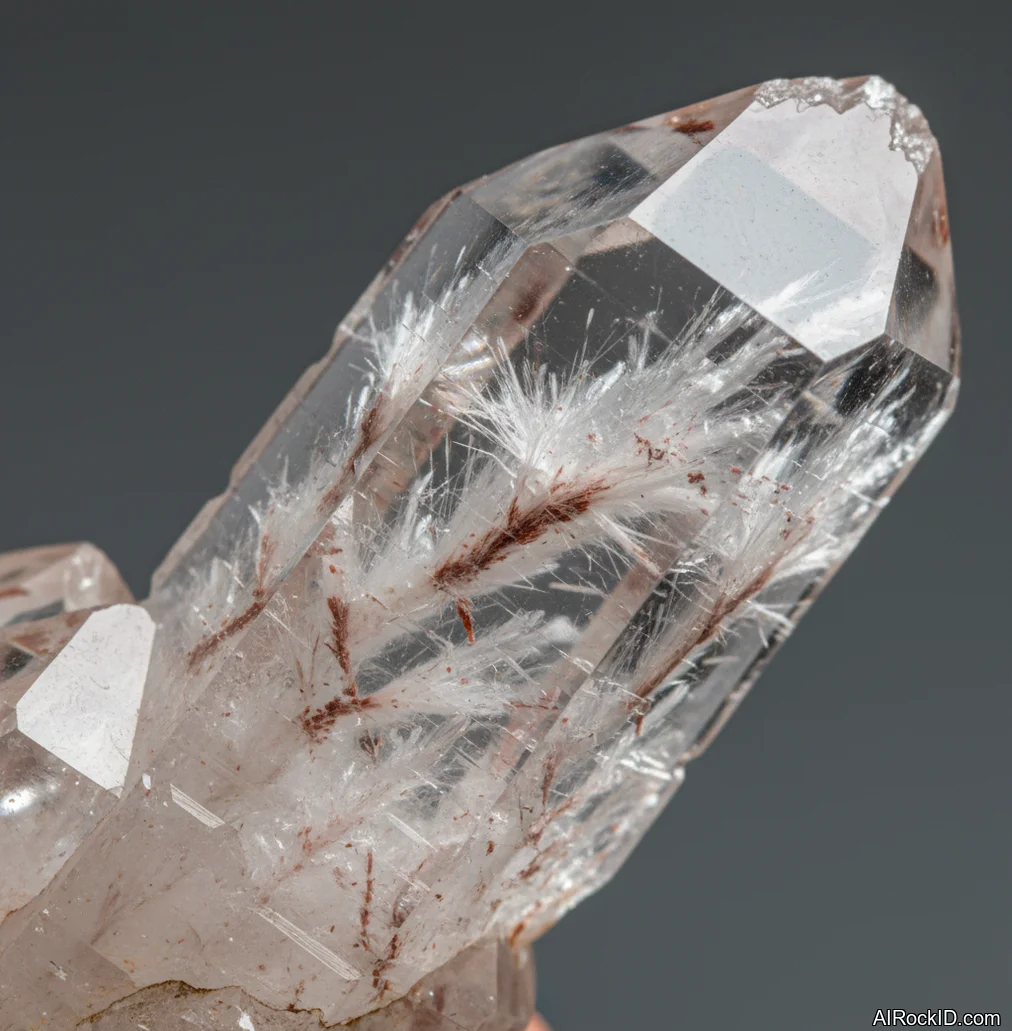
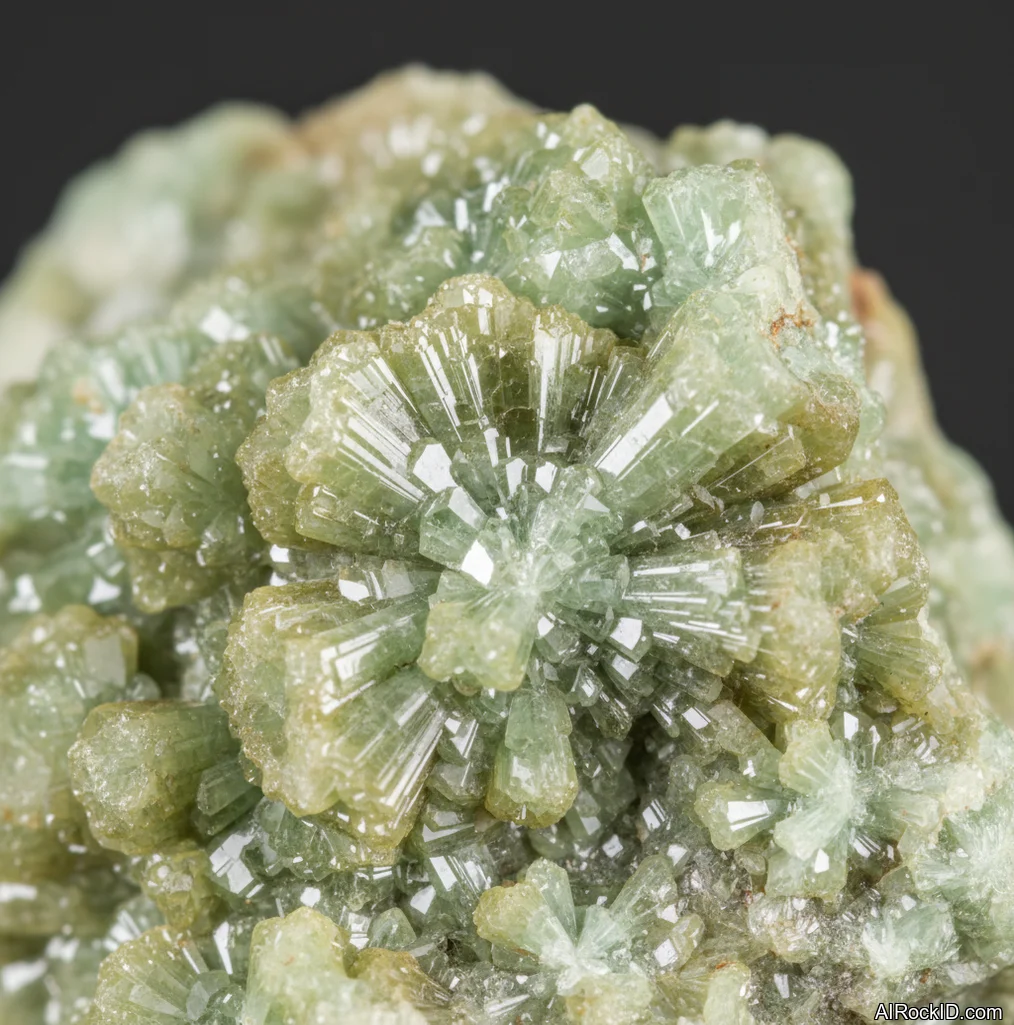
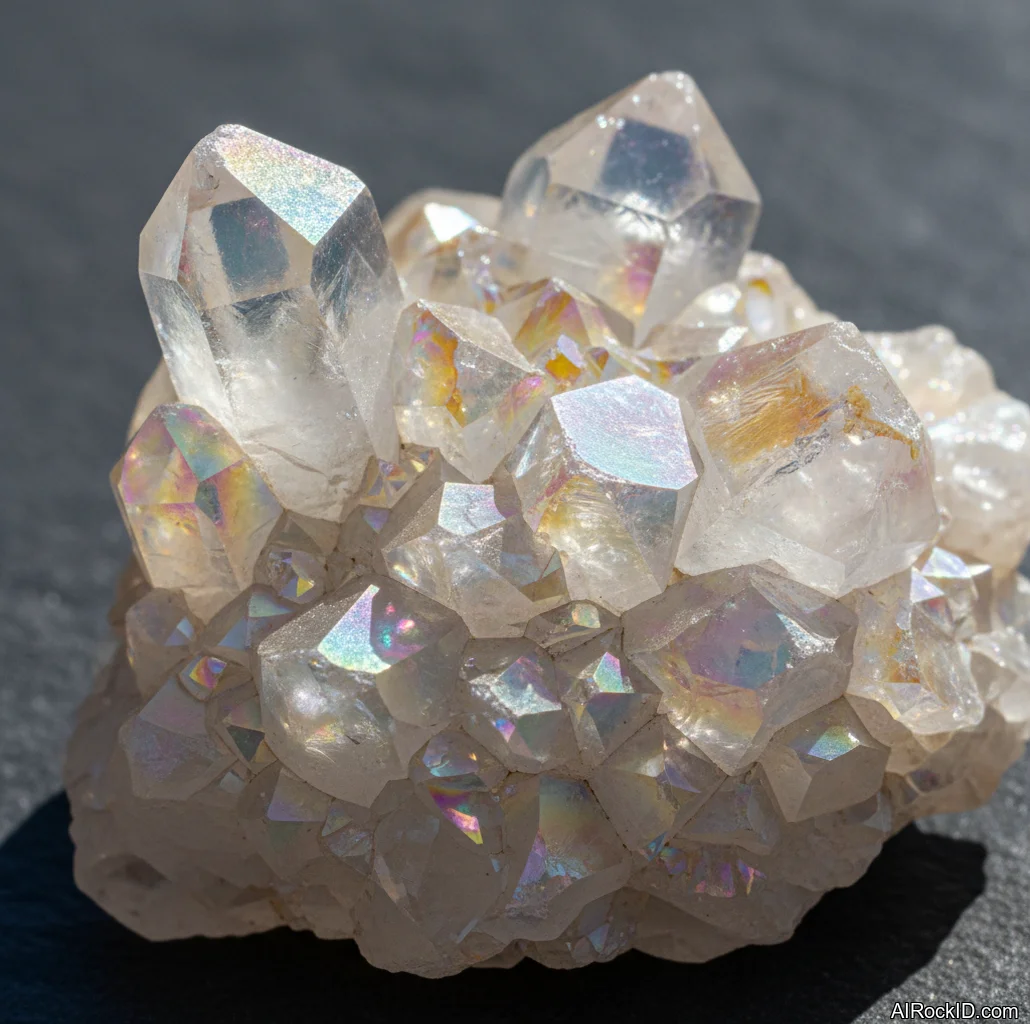
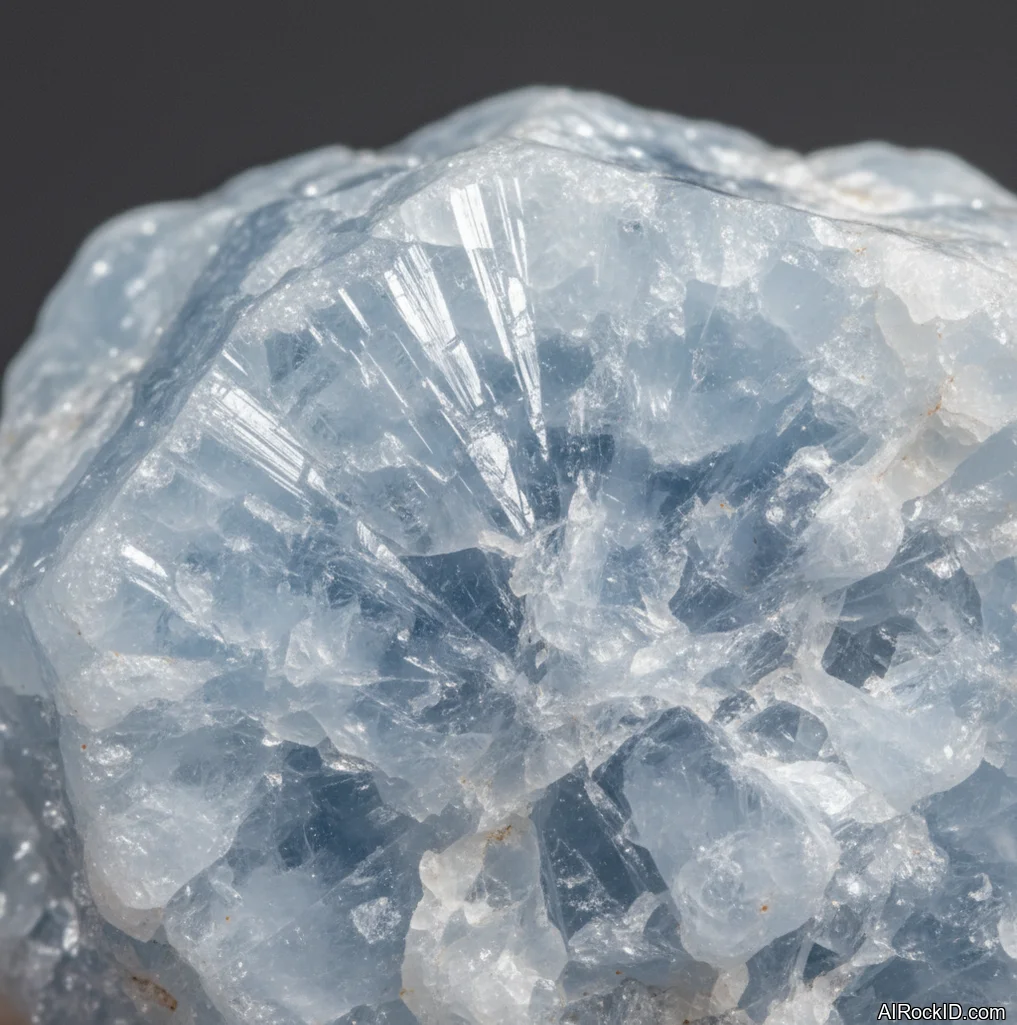
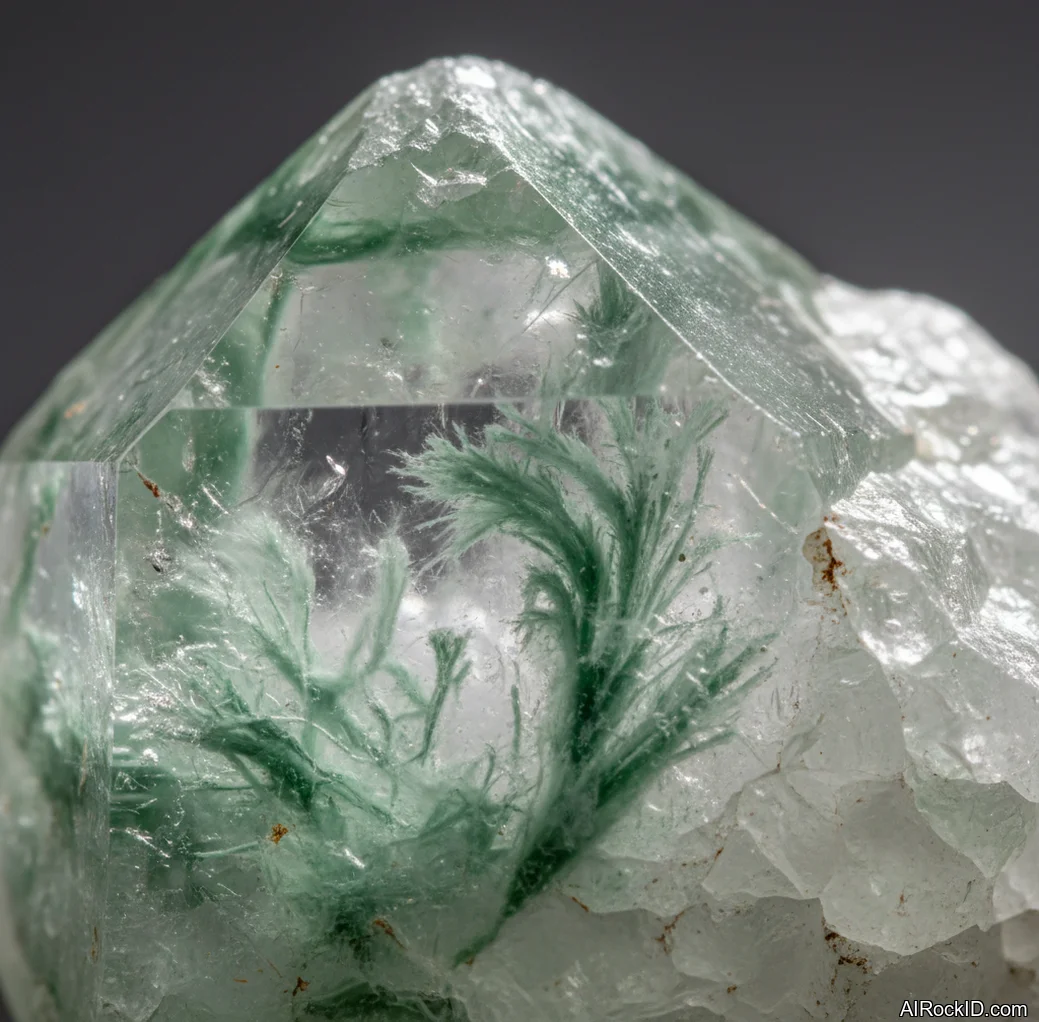
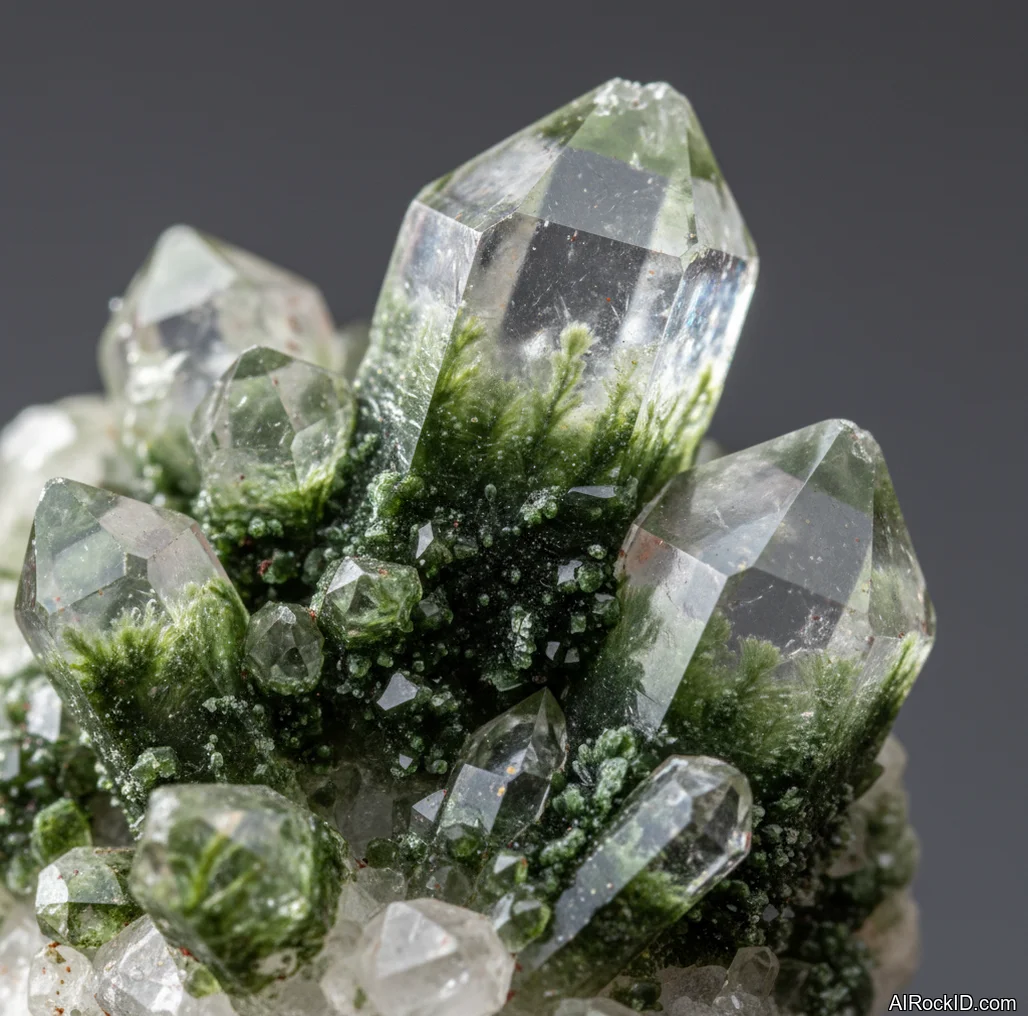
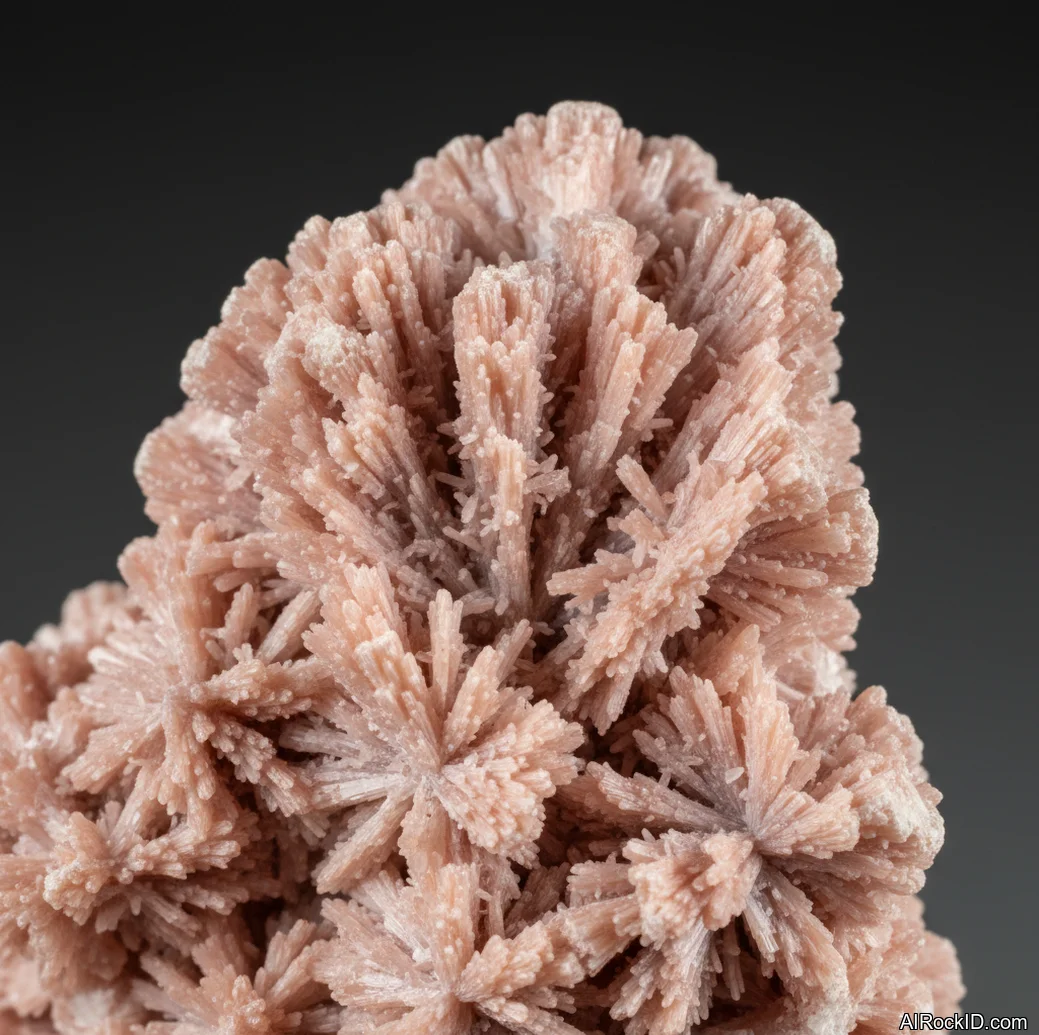
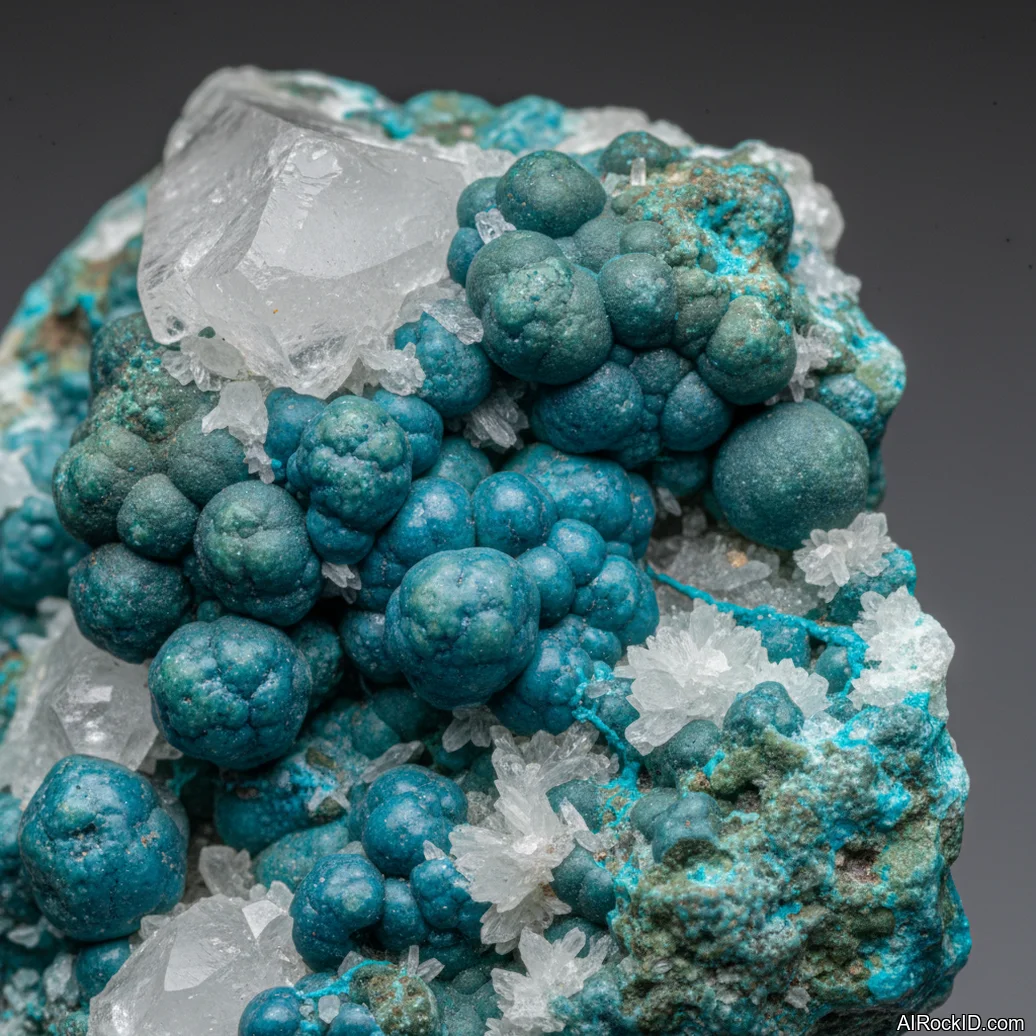
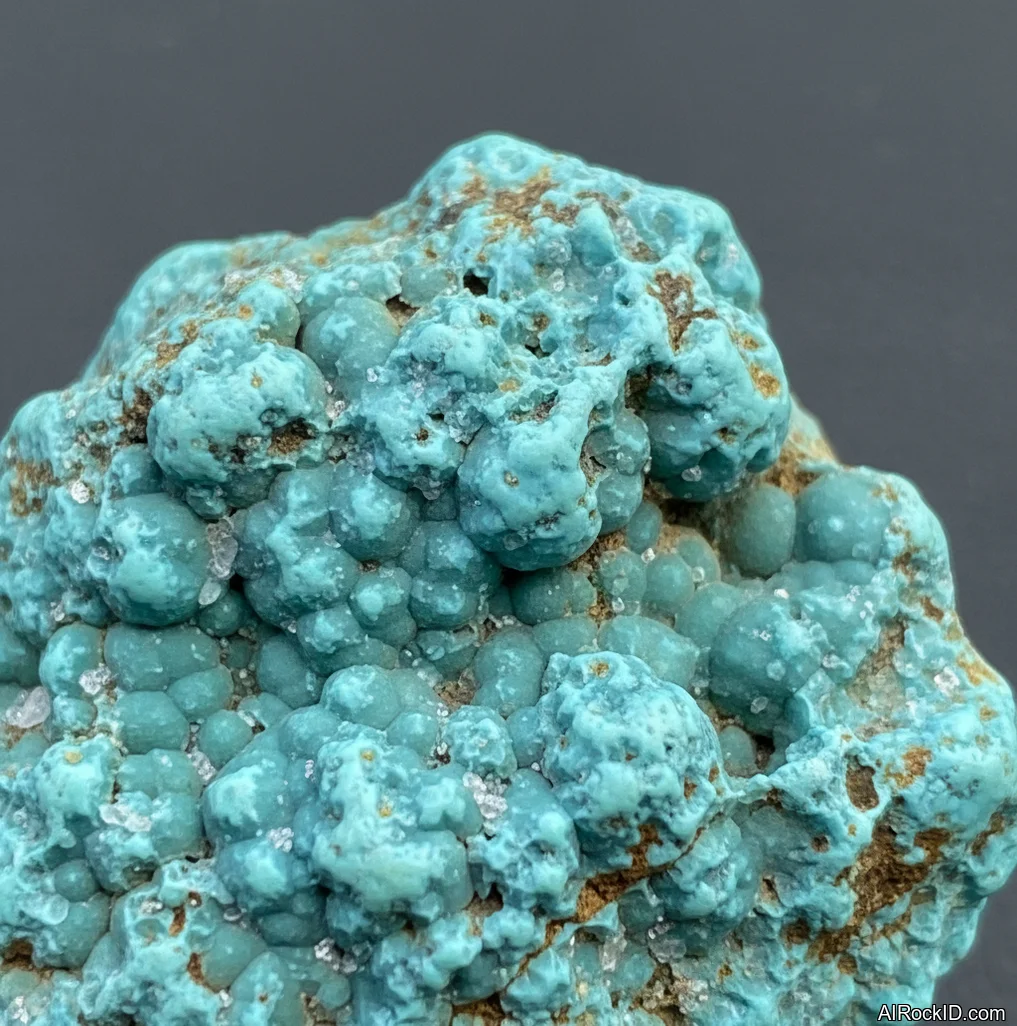
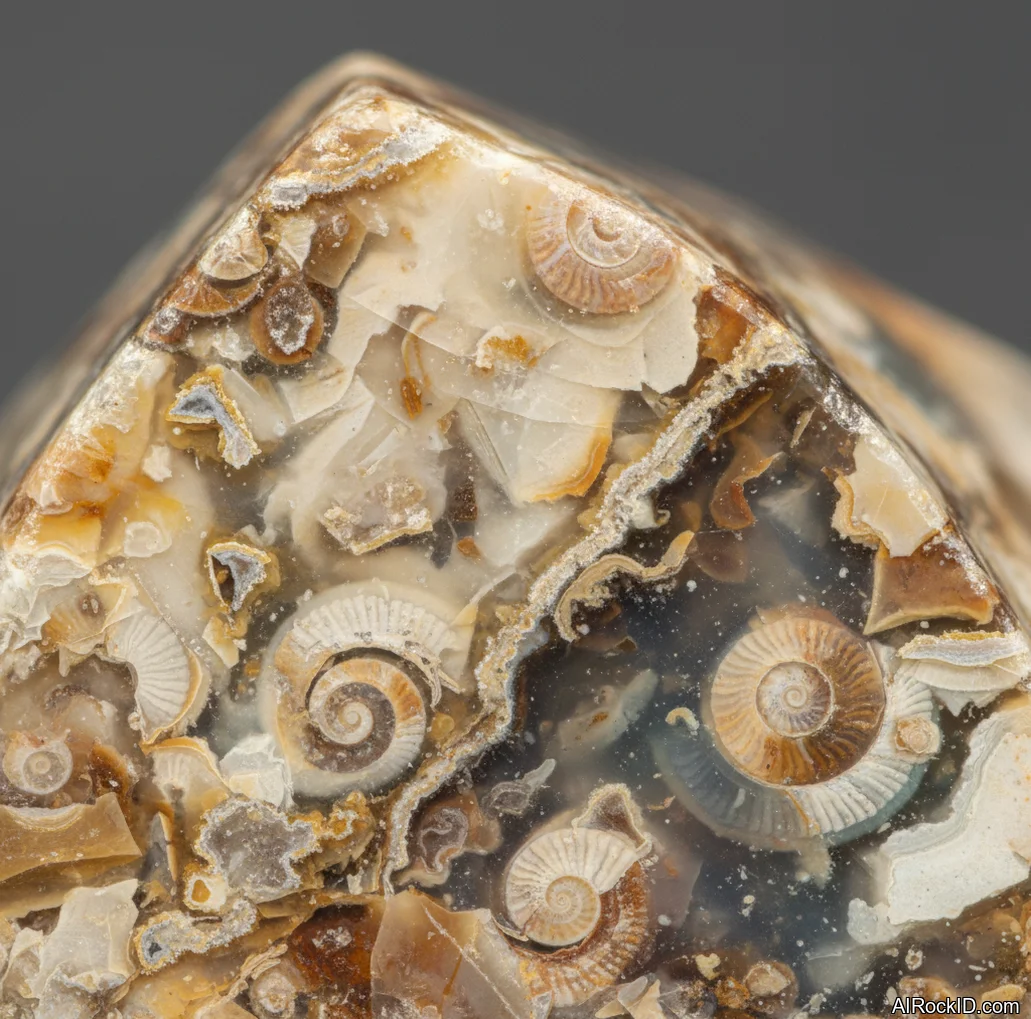
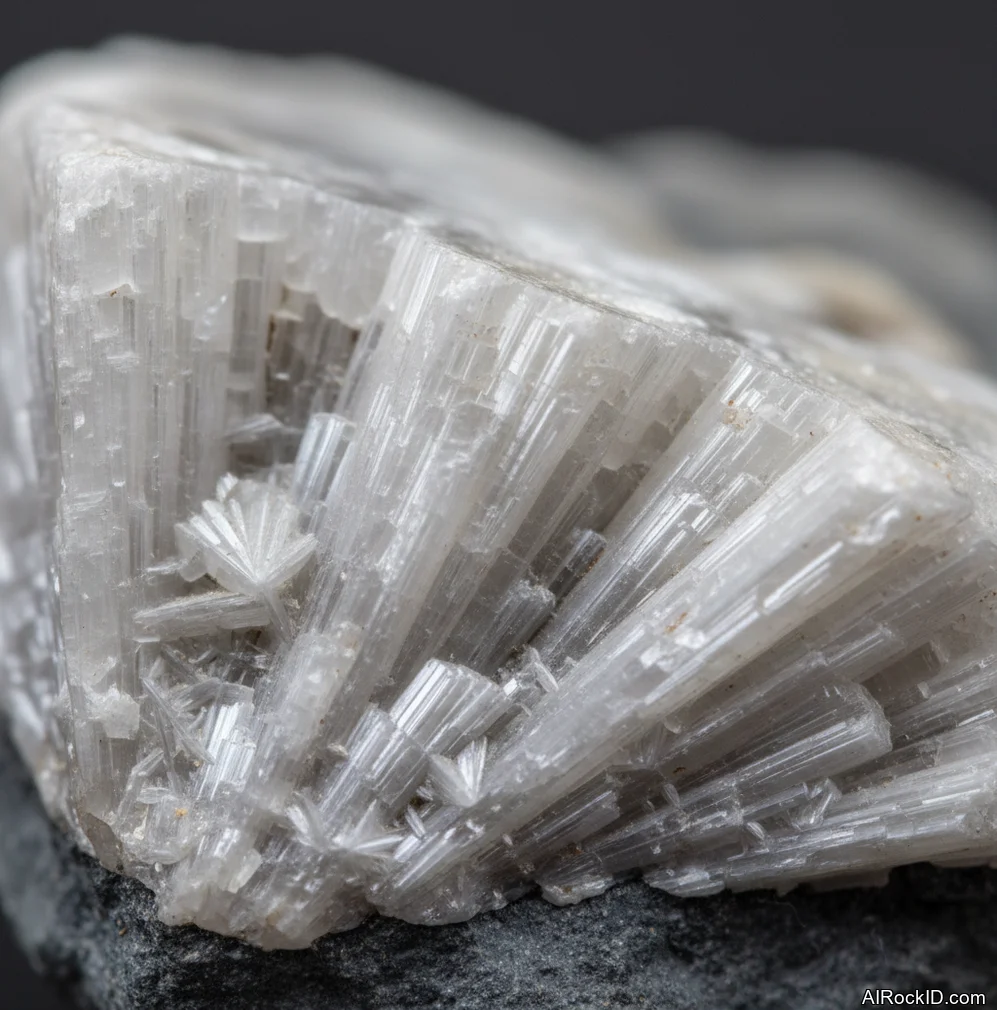
The Relaxation Crystals tag groups minerals and stones commonly associated in crystal traditions with calm, rest, gentle focus, or emotional settling. It is a thematic category, so stones may differ widely in mineral family, hardness, origin, rarity, and care needs.
Beginner recommendations
Advanced recommendations
Safe Placement for Relaxation Stones
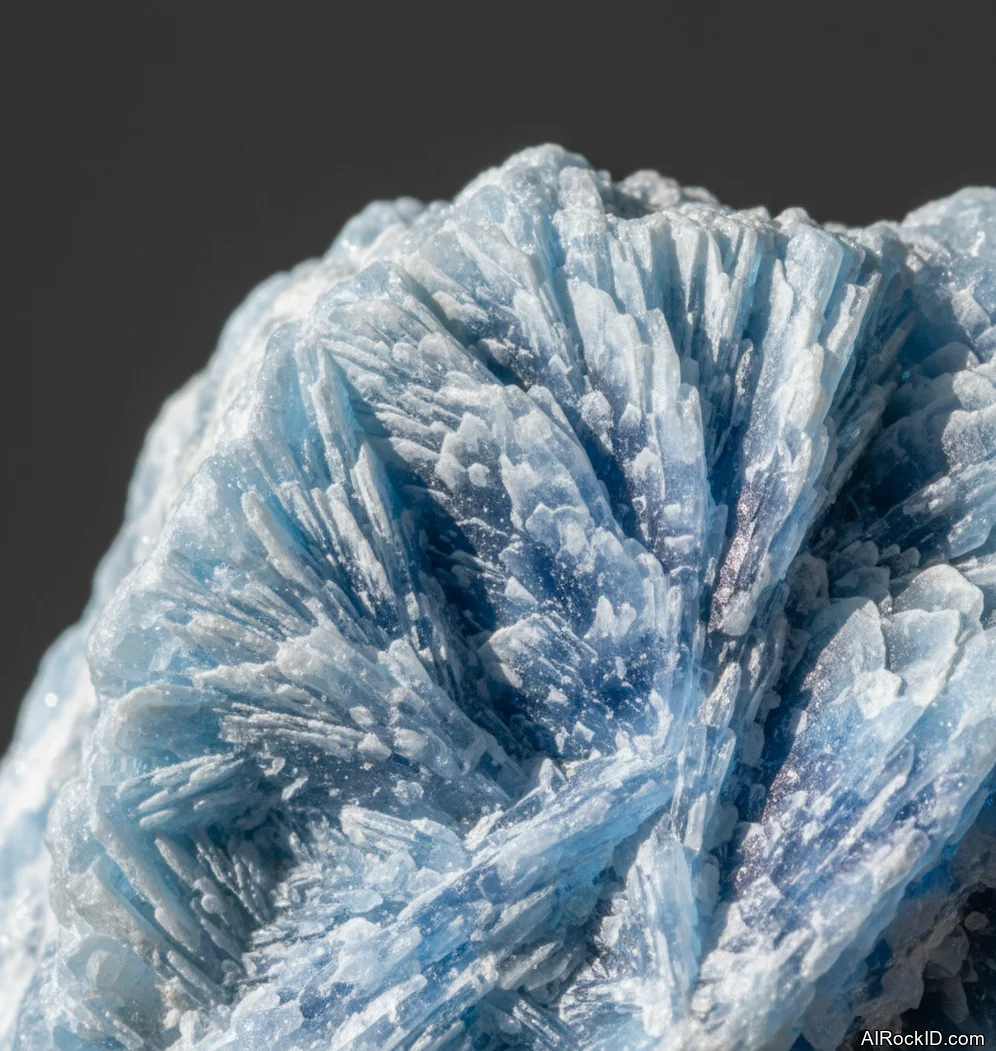
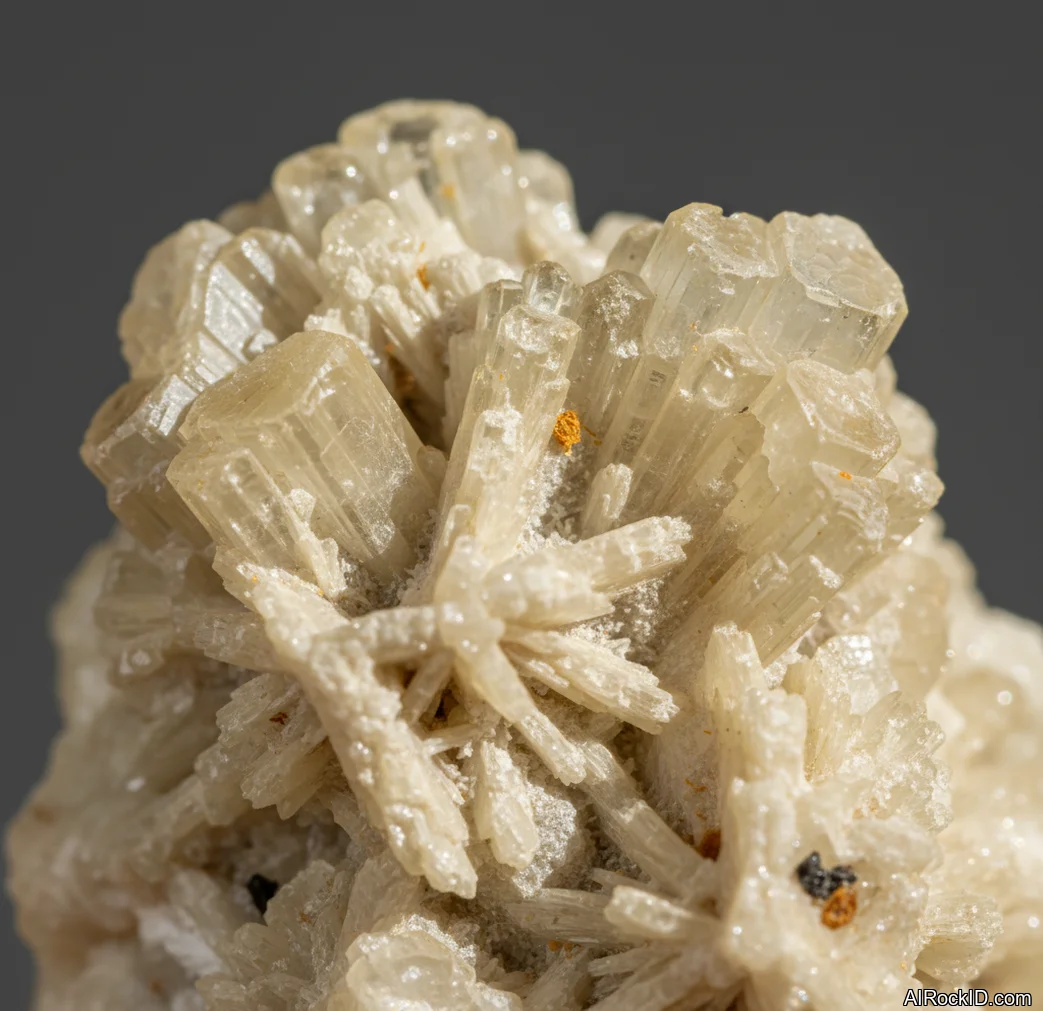
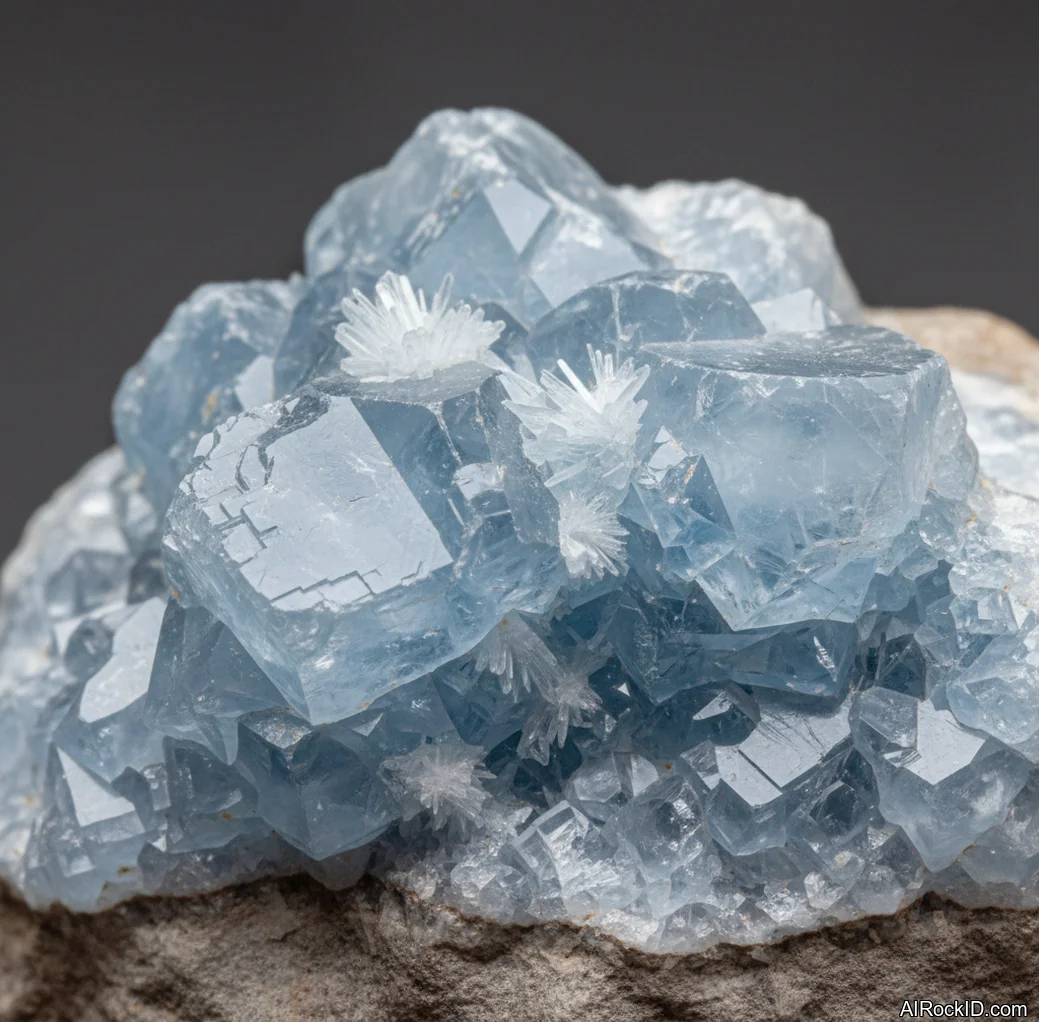
Place crystals where they will not fall, scratch furniture, or be handled by small children or pets. Some specimens, such as celestite or selenite, are soft or brittle and are better kept on shelves, trays, or display stands rather than carried daily.
Natural, Treated, and Imitation Materials
Relaxation-themed stones are often sold as polished points, palm stones, beads, and dyed decorative pieces. Check whether the material is natural, dyed, reconstructed, glass, or resin, especially when color is unusually bright or the price is inconsistent with the named stone.
Using Relaxation Crystals in Non-Medical Routines
Many crystal traditions use stones as tactile or visual cues for meditation, journaling, breathwork, or quiet spaces. These practices can be personal rituals, but crystals should not be presented as a substitute for professional care, medication, or evidence-based treatment.
What Are Relaxation Crystals? Physical Properties and Everyday Use
‘Relaxation’ isn’t just a word collectors toss around for fun. It’s the moment your jaw unclenches and you finally breathe from your belly instead of your chest. That feeling is the bullseye, and people chase it for all sorts of reasons. Some want to sleep better. Others just don’t want to bring work stress home. When you reach for a relaxation crystal, you’re really picking out a physical anchor—a thing you can hold, fidget with, or put beside your pillow.
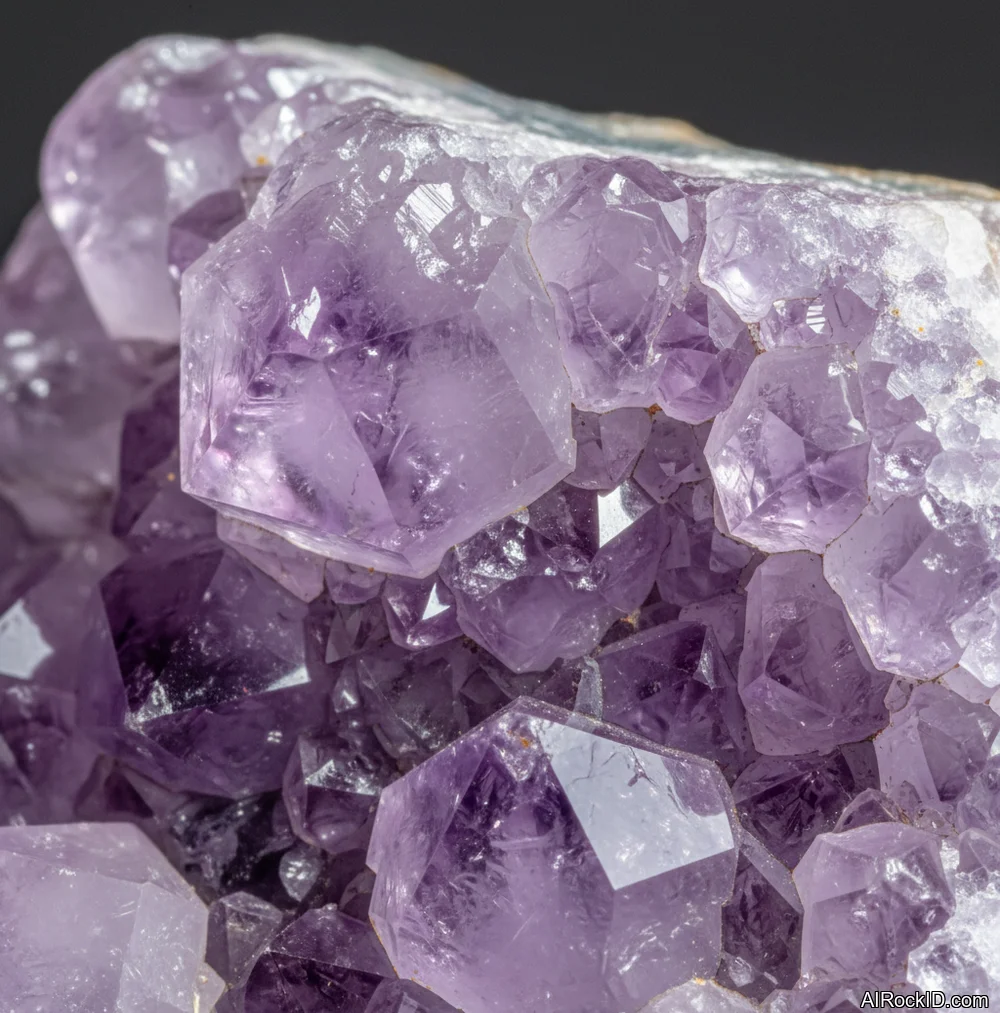
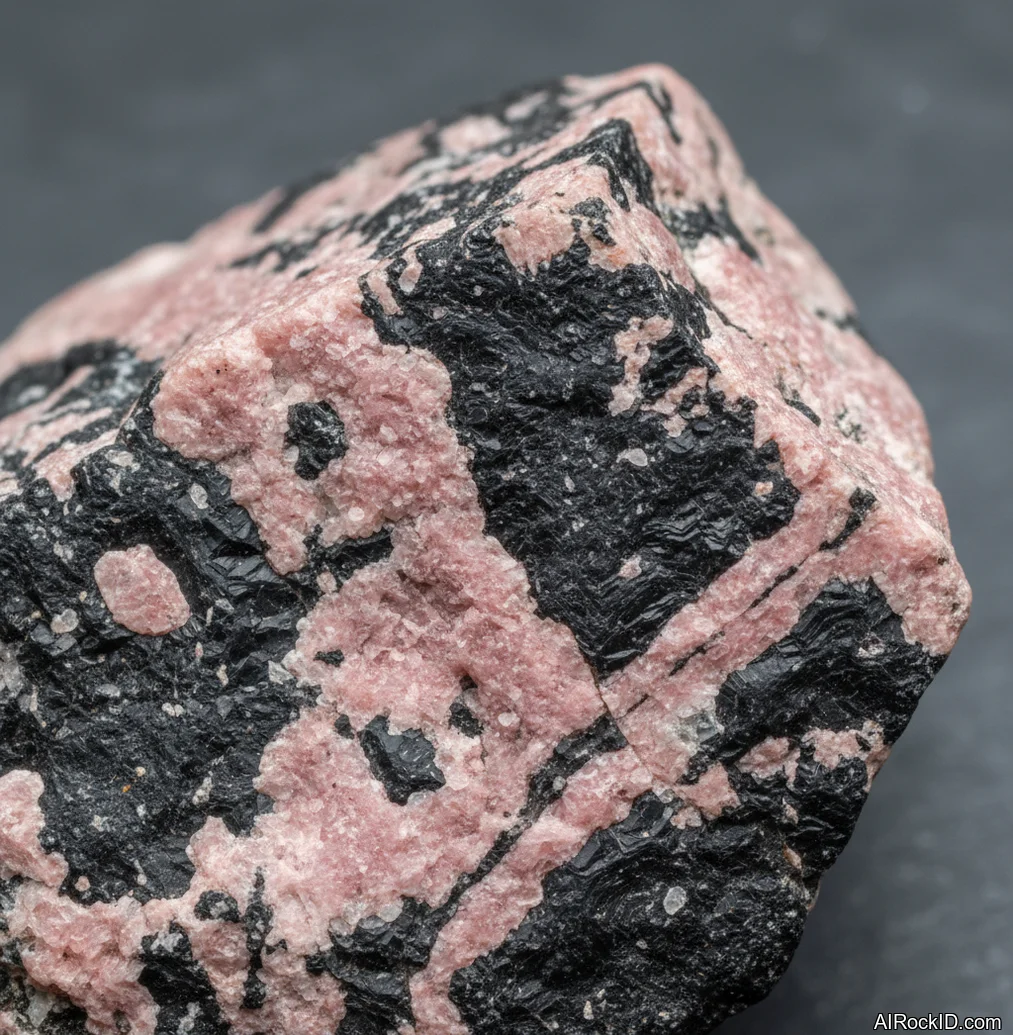
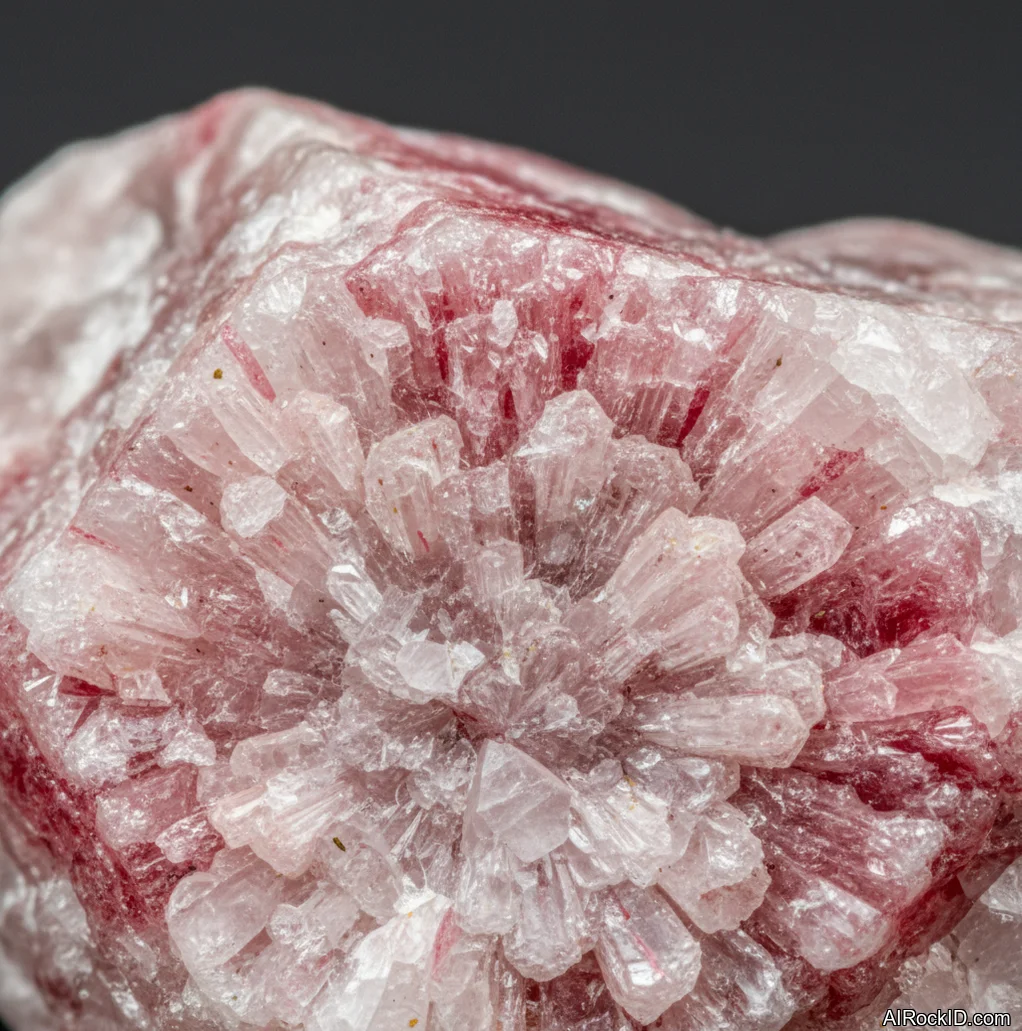
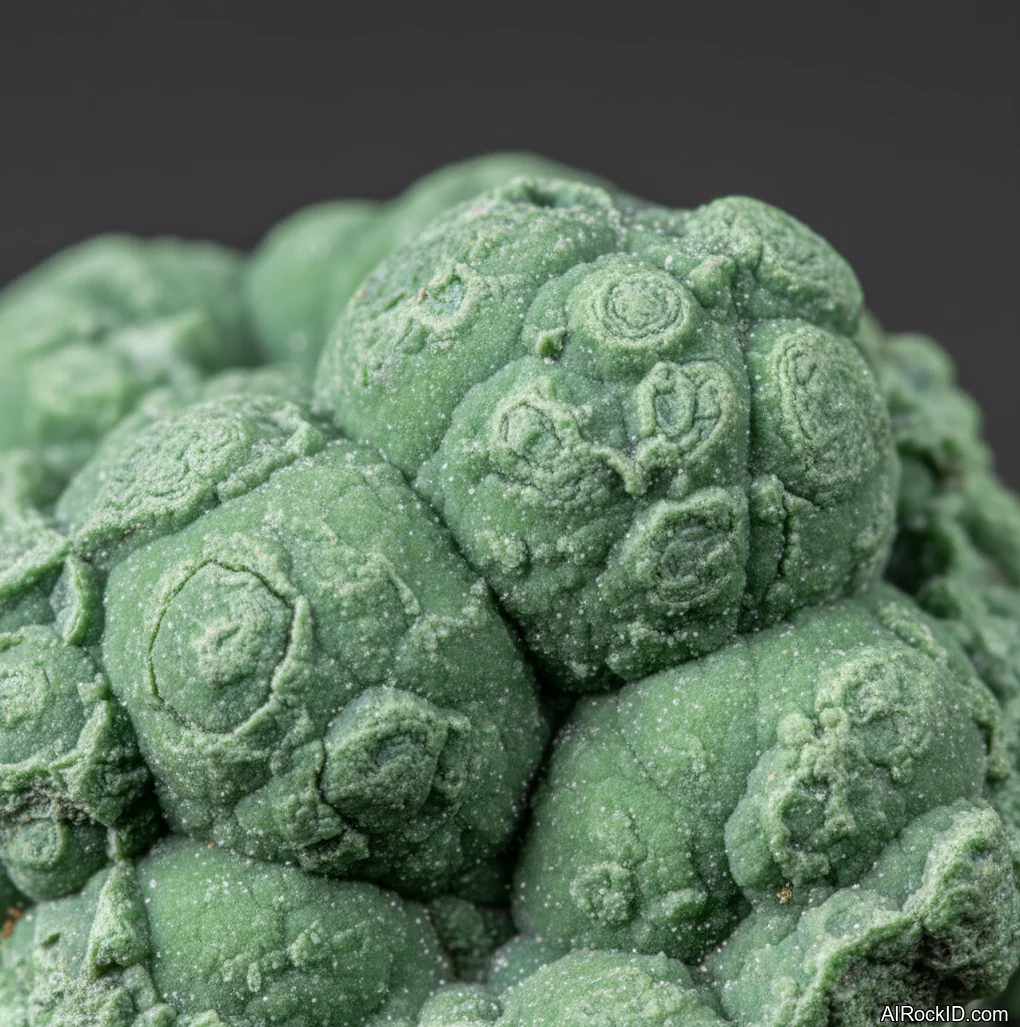
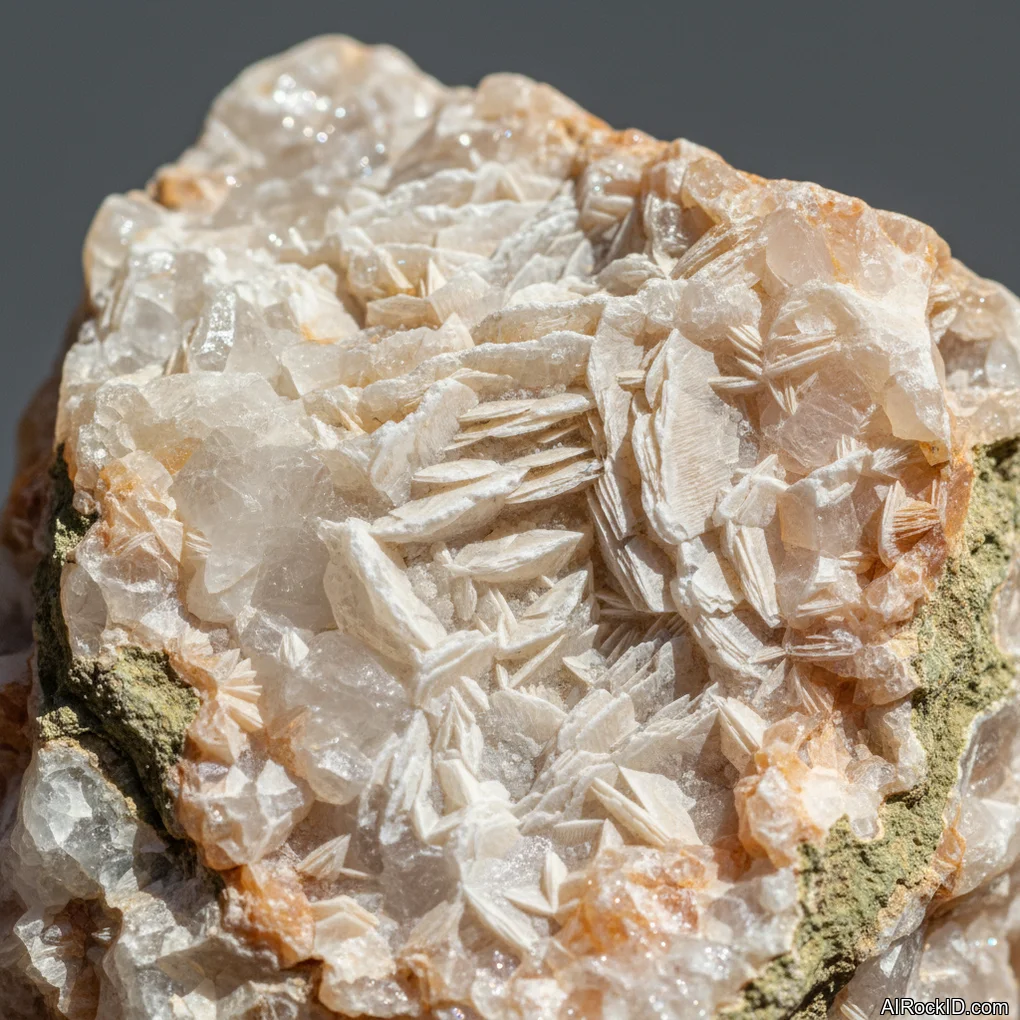
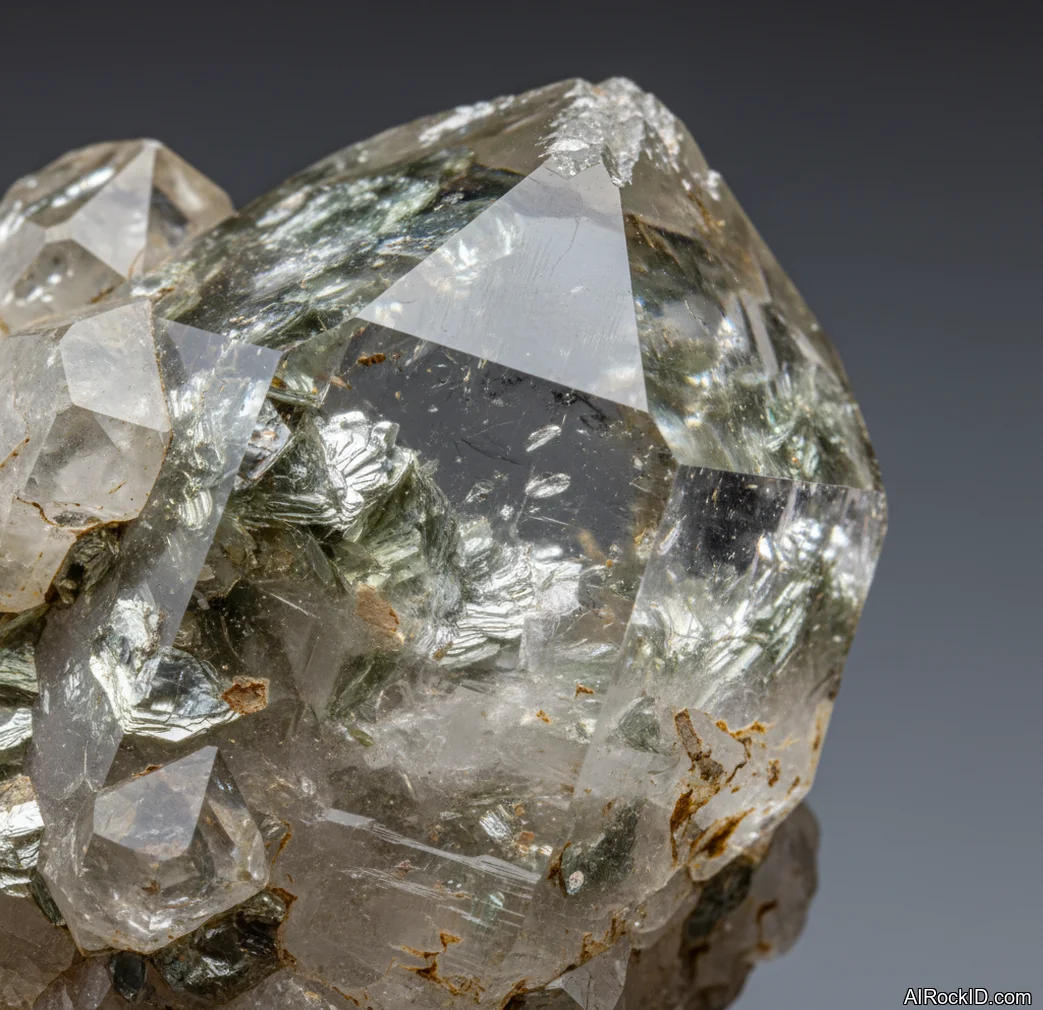
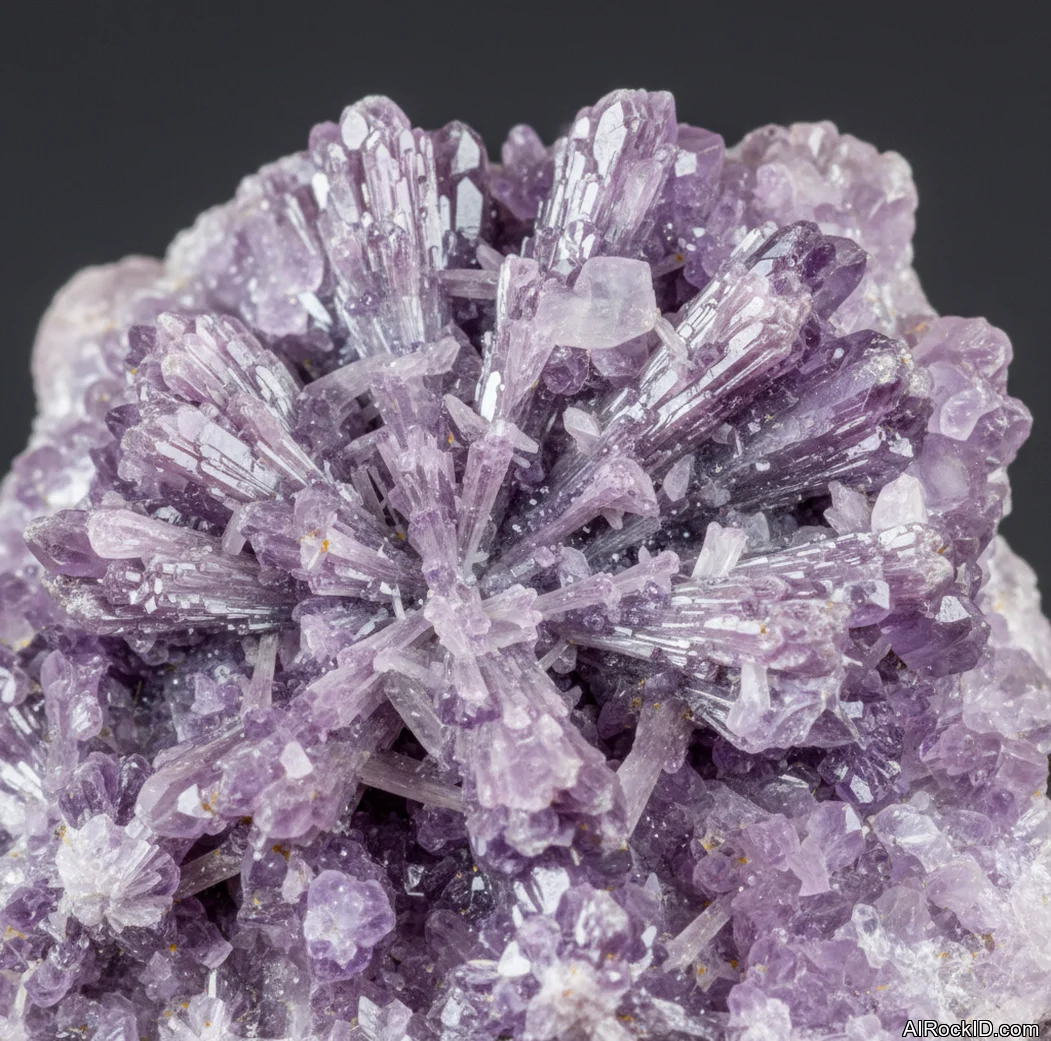
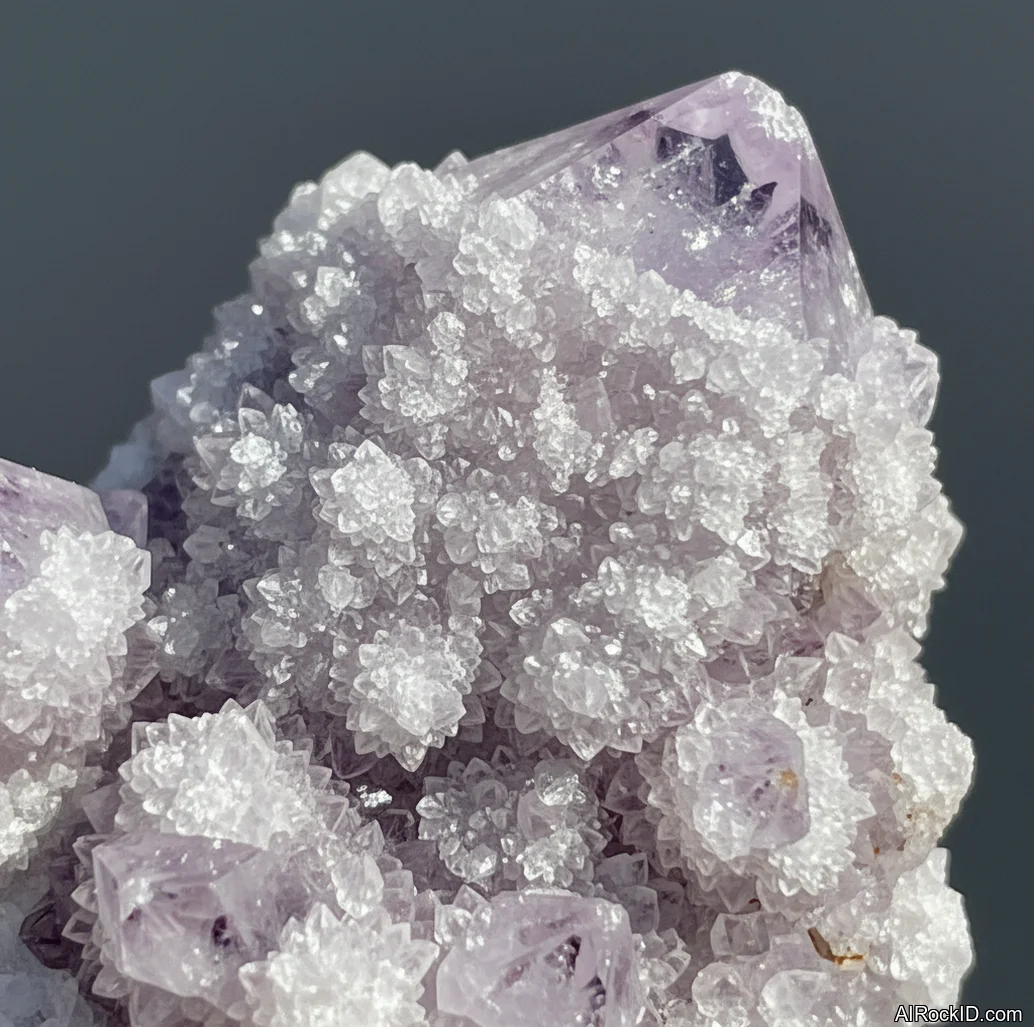
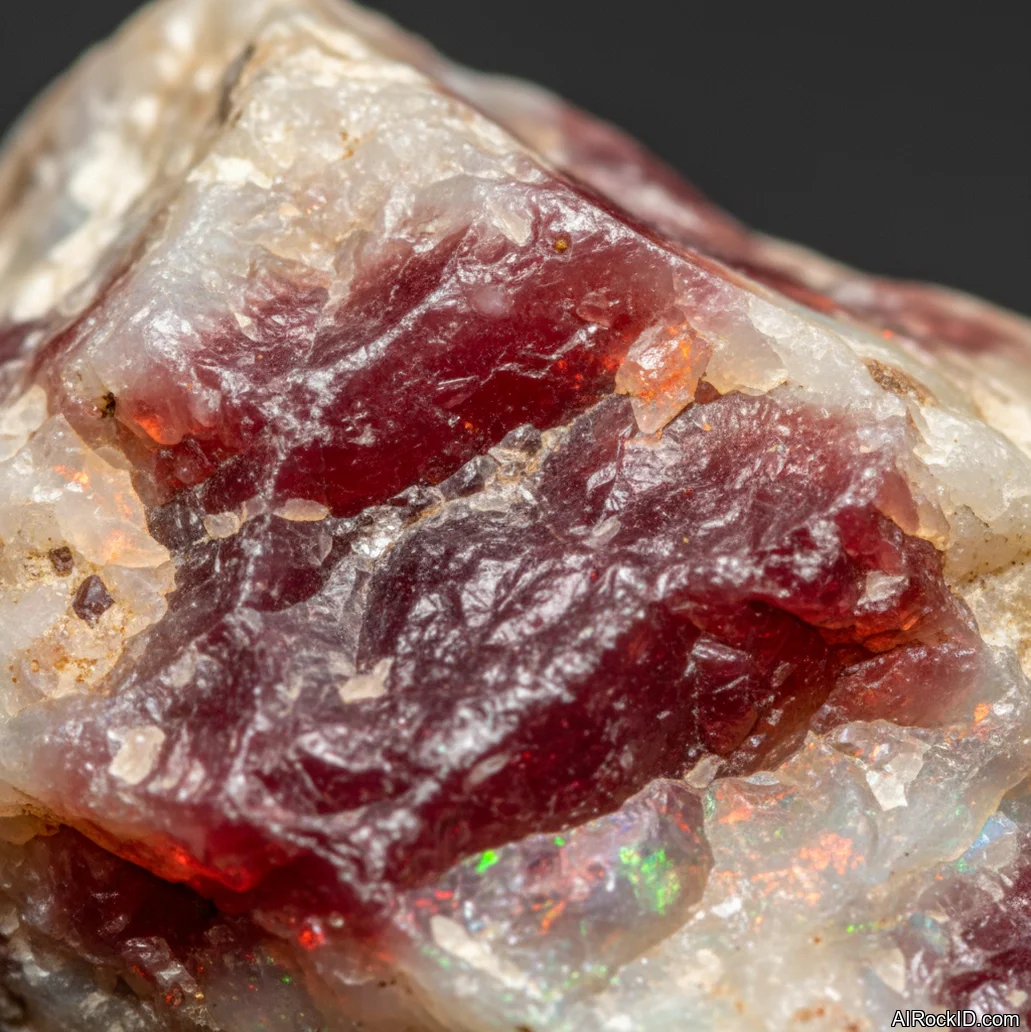
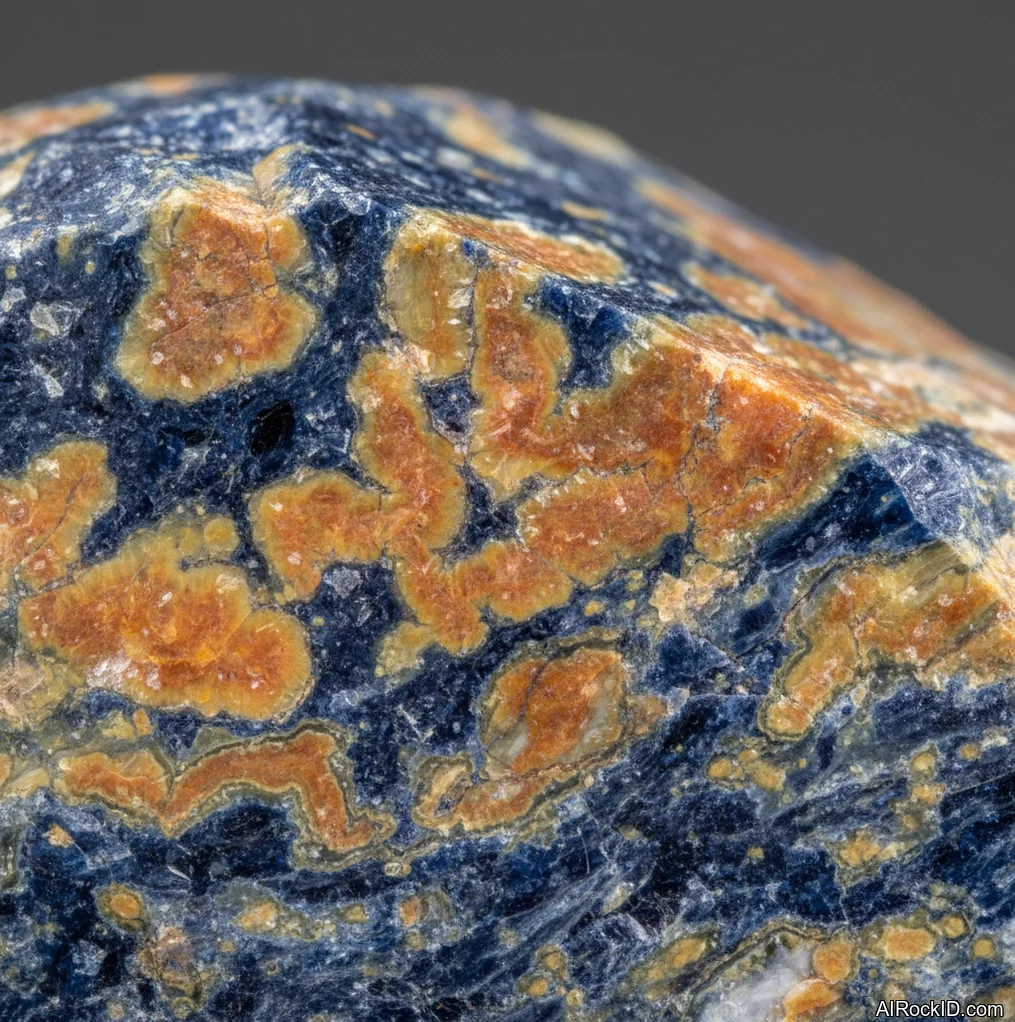
Crystals like lepidolite and amethyst come to mind first. Lepidolite feels flaky, almost like cardboard if you catch a rough piece. It’s cool and a bit slippery, the mica layers catching the light. Amethyst has its own vibe. Raw clusters have sharp little points that dig into your palm at first, but polished palm stones go silky. Both cool down any frantic energy. Selenite’s a favorite too, especially in wand form. You can almost hear the squeak under your fingers. None of these stones are fragile if you’re gentle, but most will scratch or chip if you toss them around with keys. In my own box, the ones I actually use are a mix of tumbled and raw—texture matters as much as color.
How Collectors Choose Relaxation Crystals: Color, Texture, and Source Tips
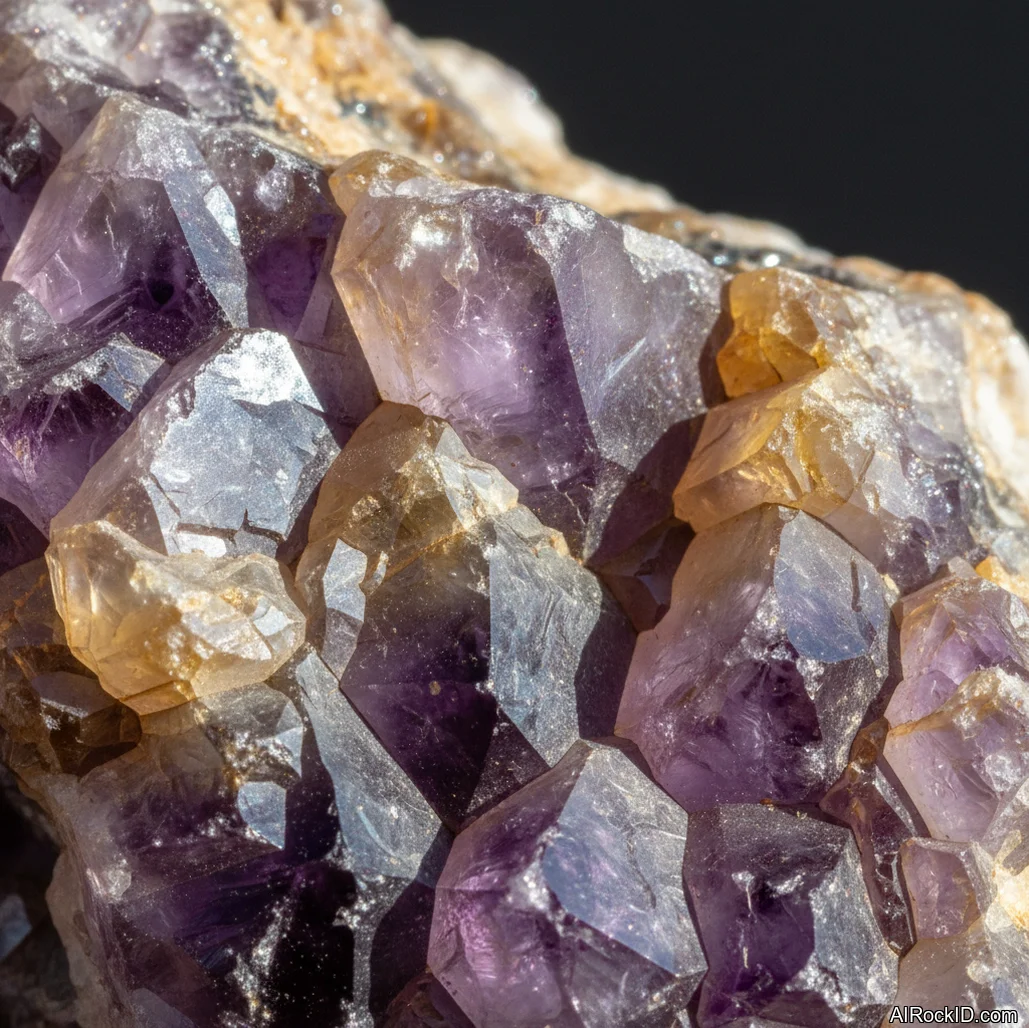
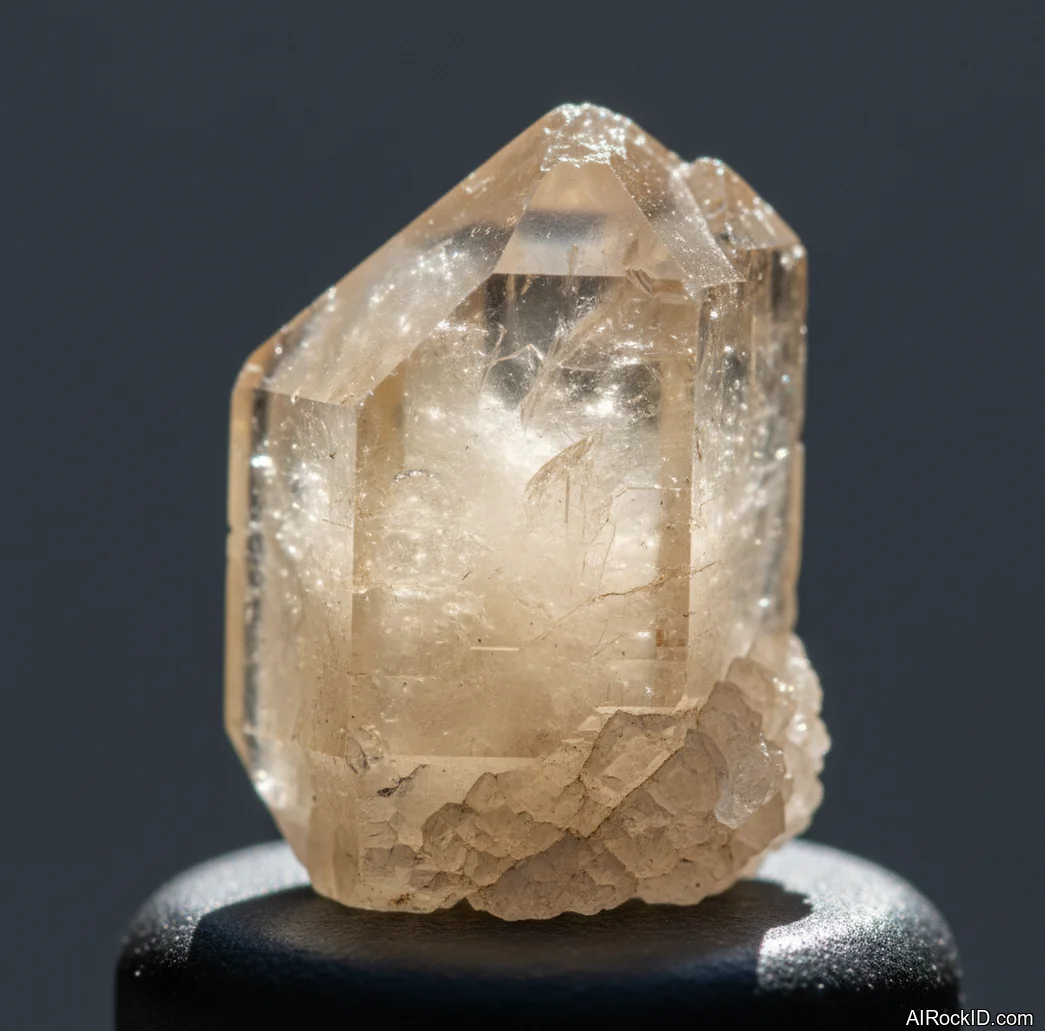
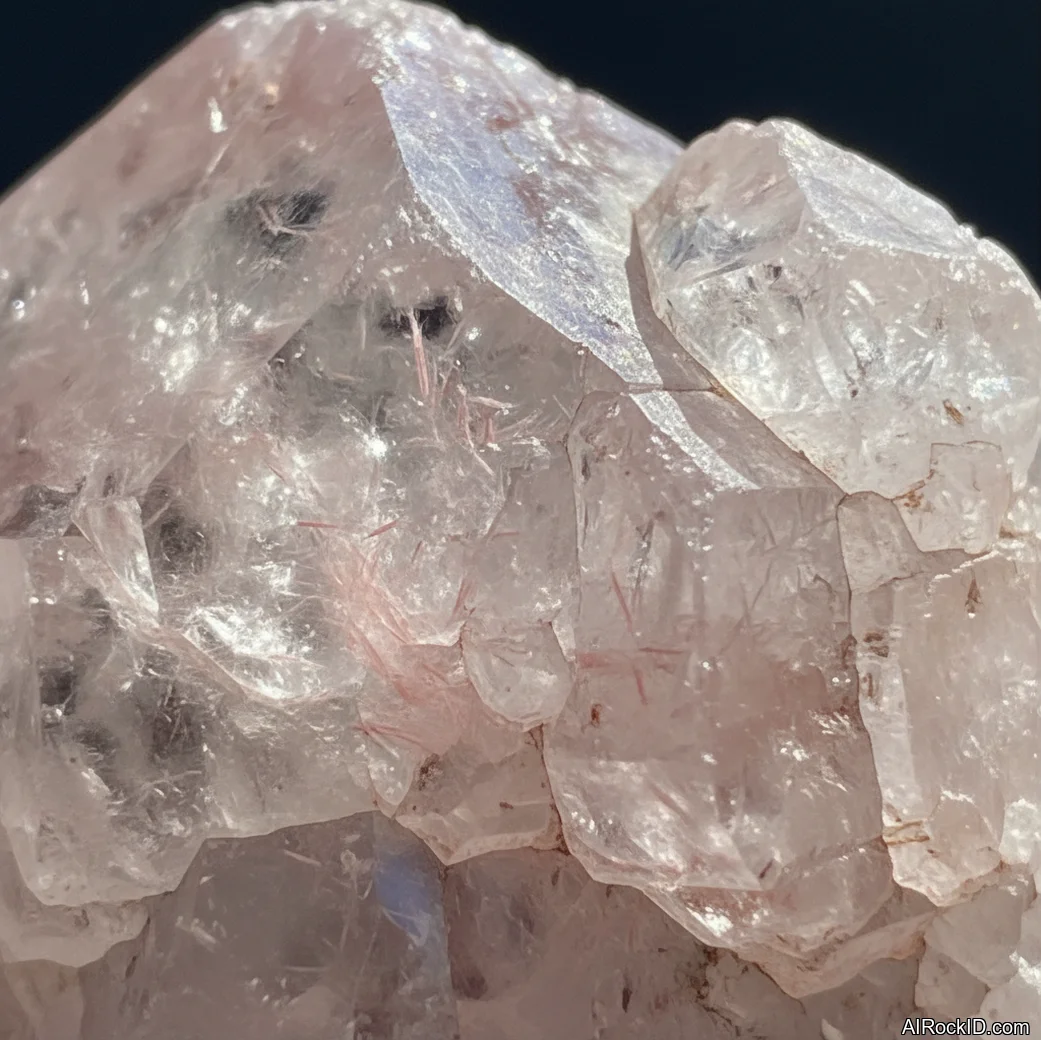
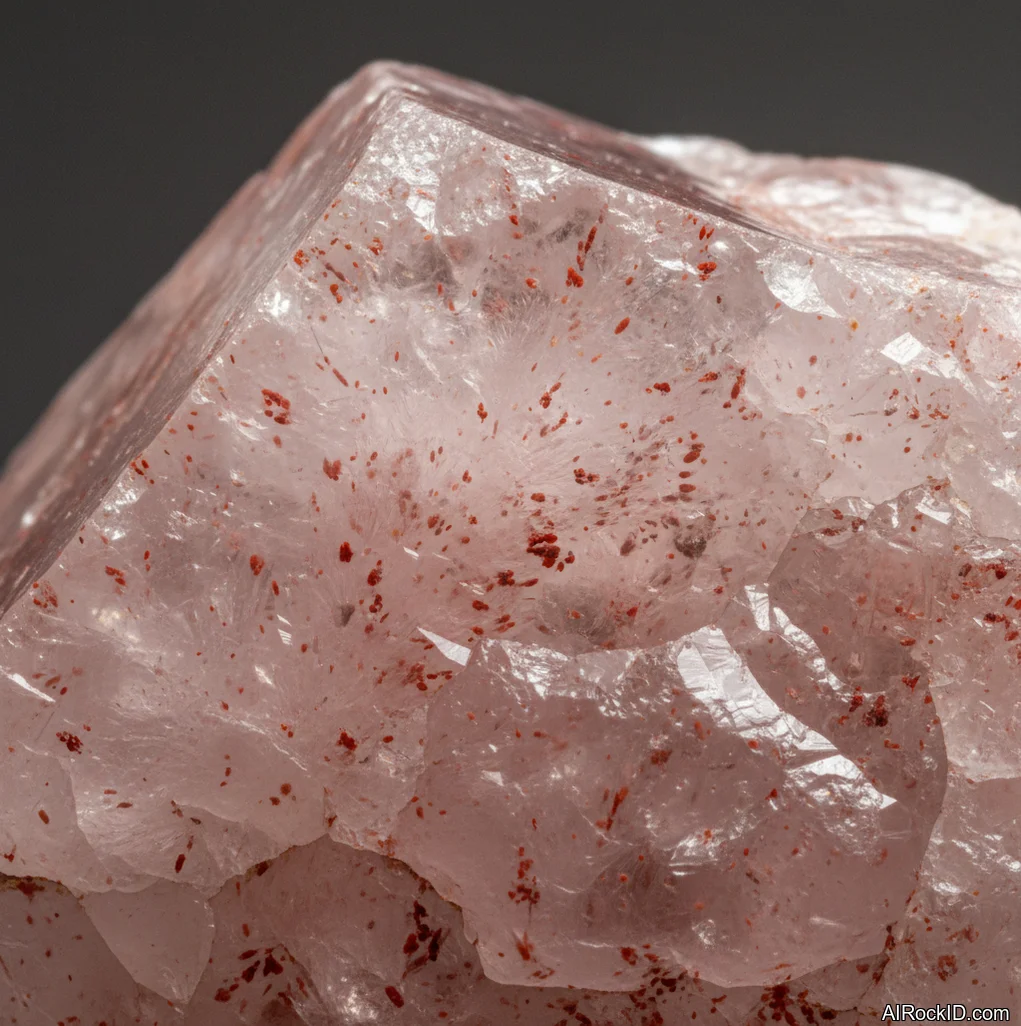
Pick up a chunk of lepidolite and you’ll get why it’s a classic. The lavender shimmer isn’t just for show—it’s mica, stacked like paper, and feels smooth but weirdly soft. If you close your eyes, you’ll notice the layers with your fingers. Amethyst’s appeal isn’t just about purple, either. Uruguayan specimens go deep grape, almost black in the center, and always come as spiky clusters. Brazilian amethyst is paler, sometimes with smoky patches if you tilt it under a desk lamp. That color shift shows it’s real—not dyed.
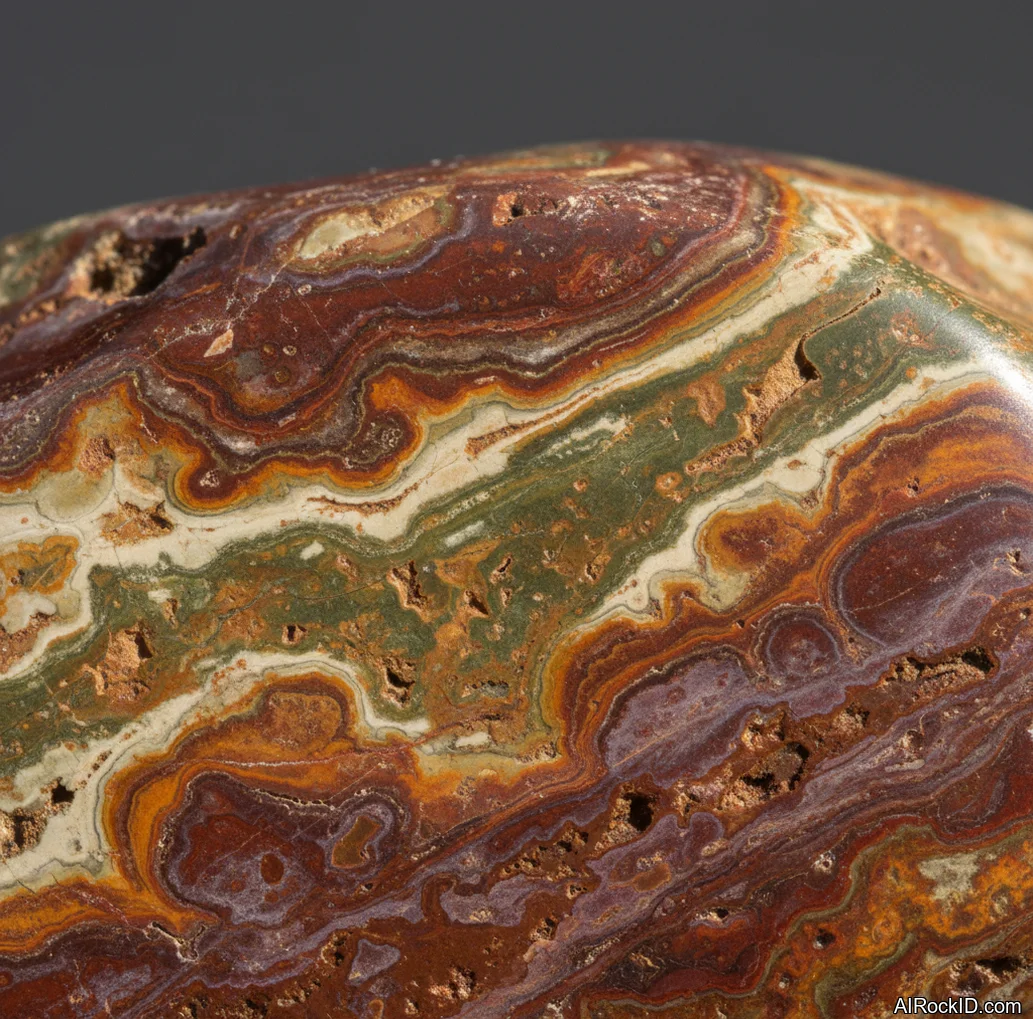
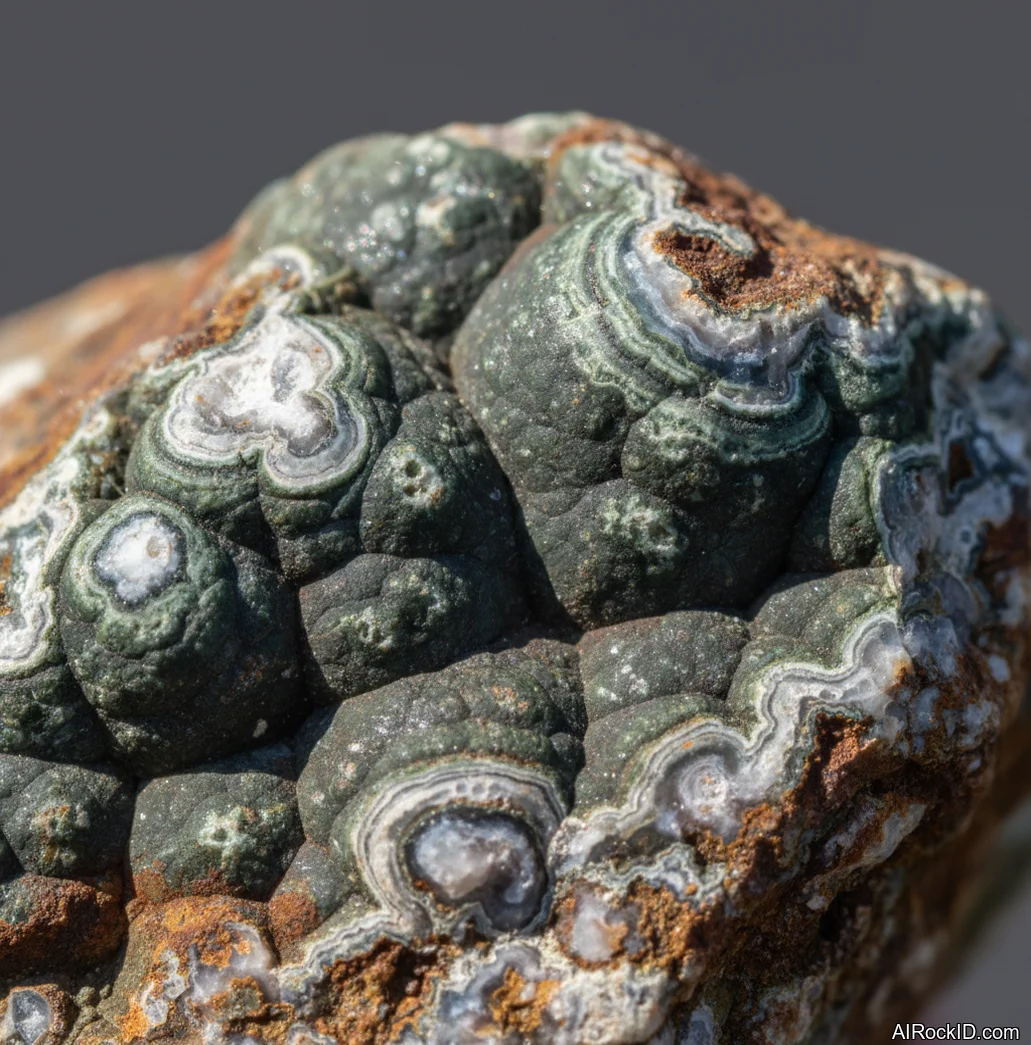
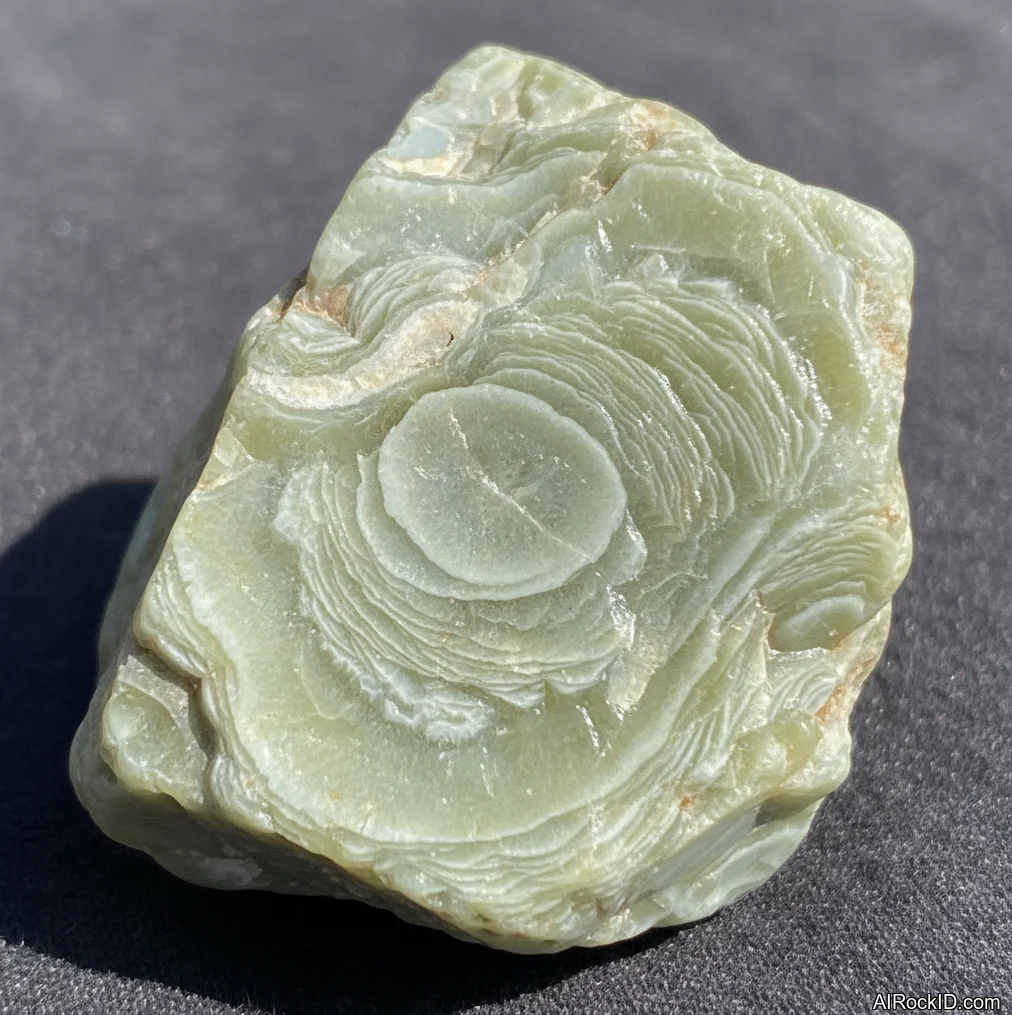
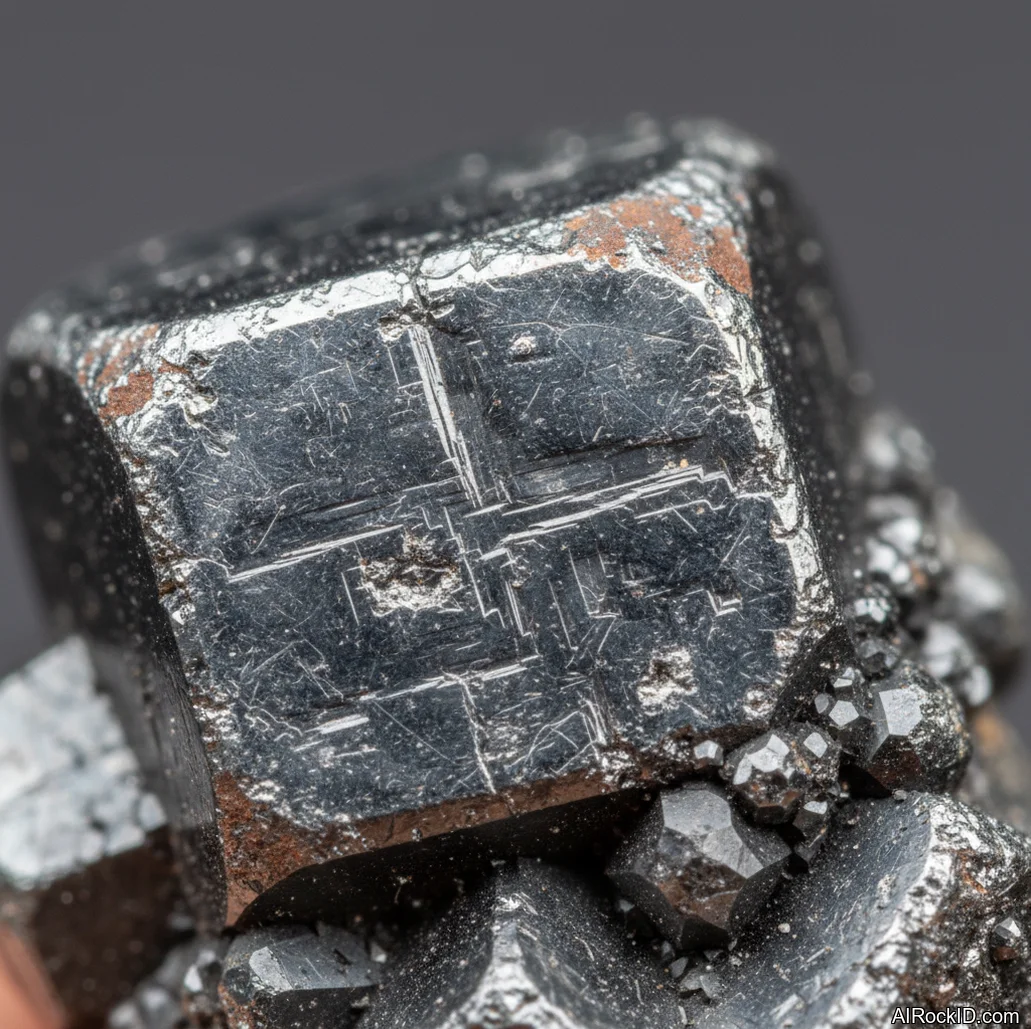
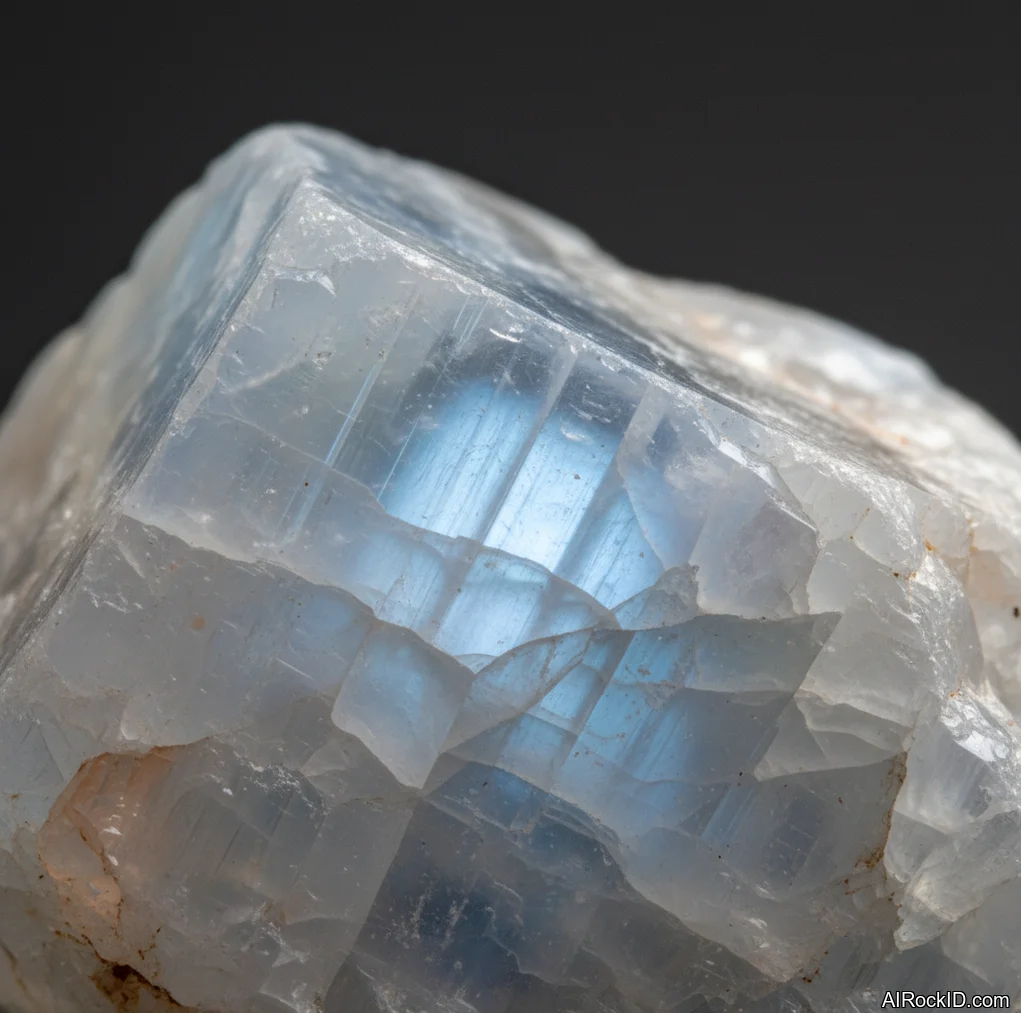
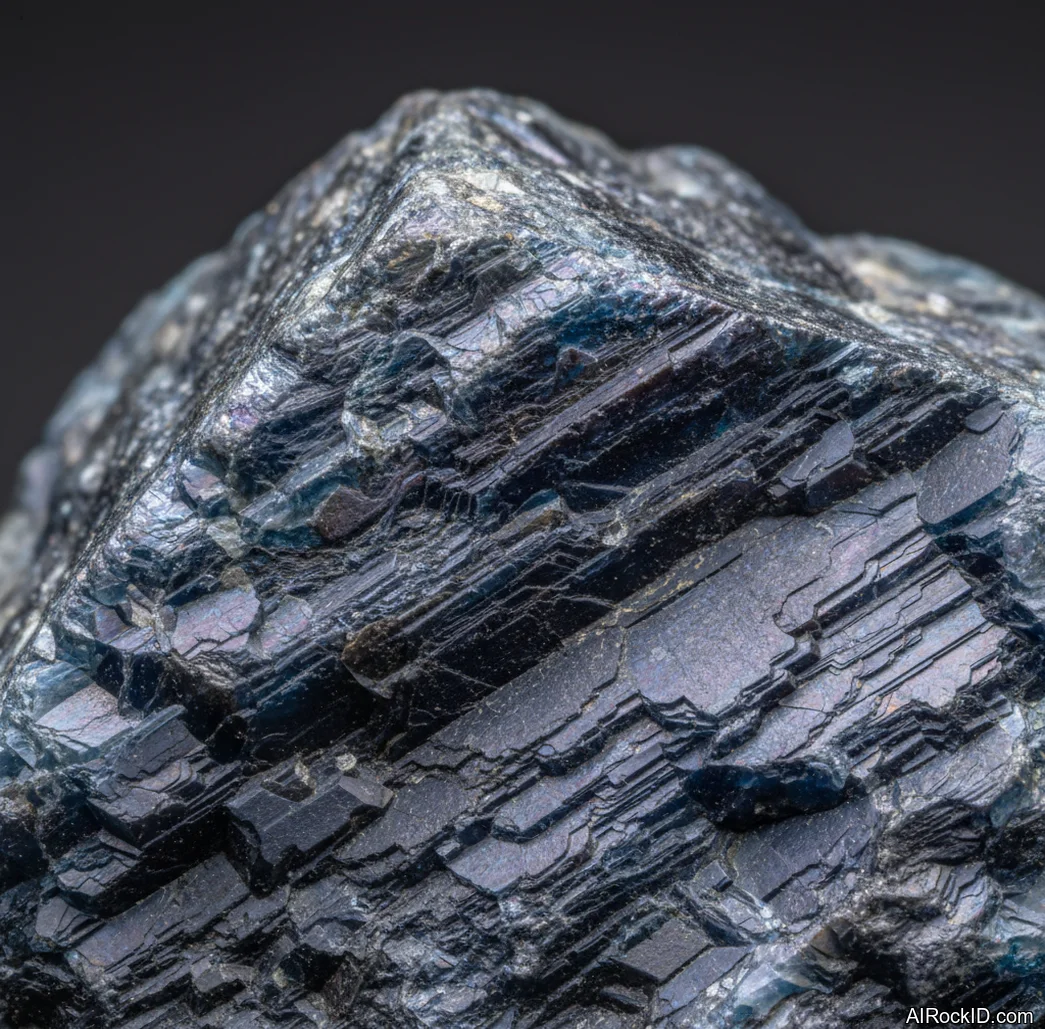
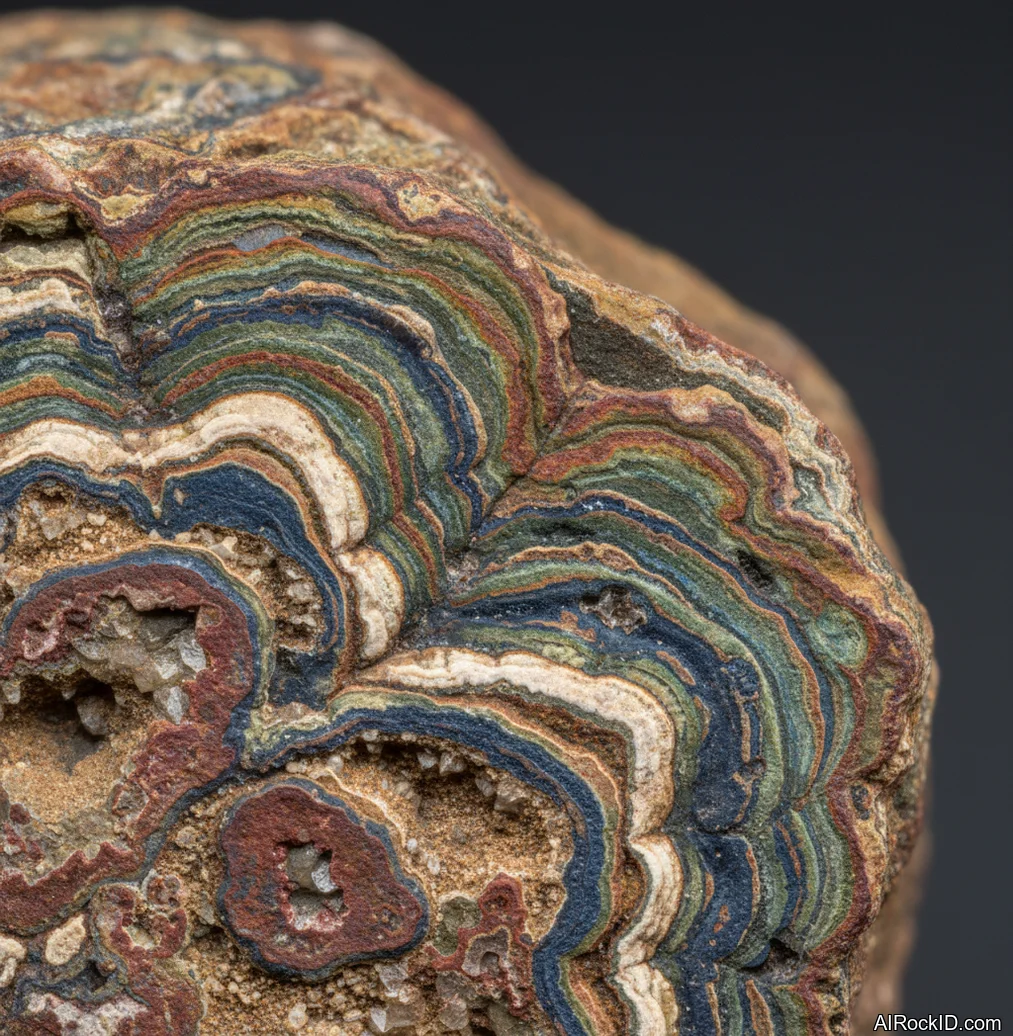
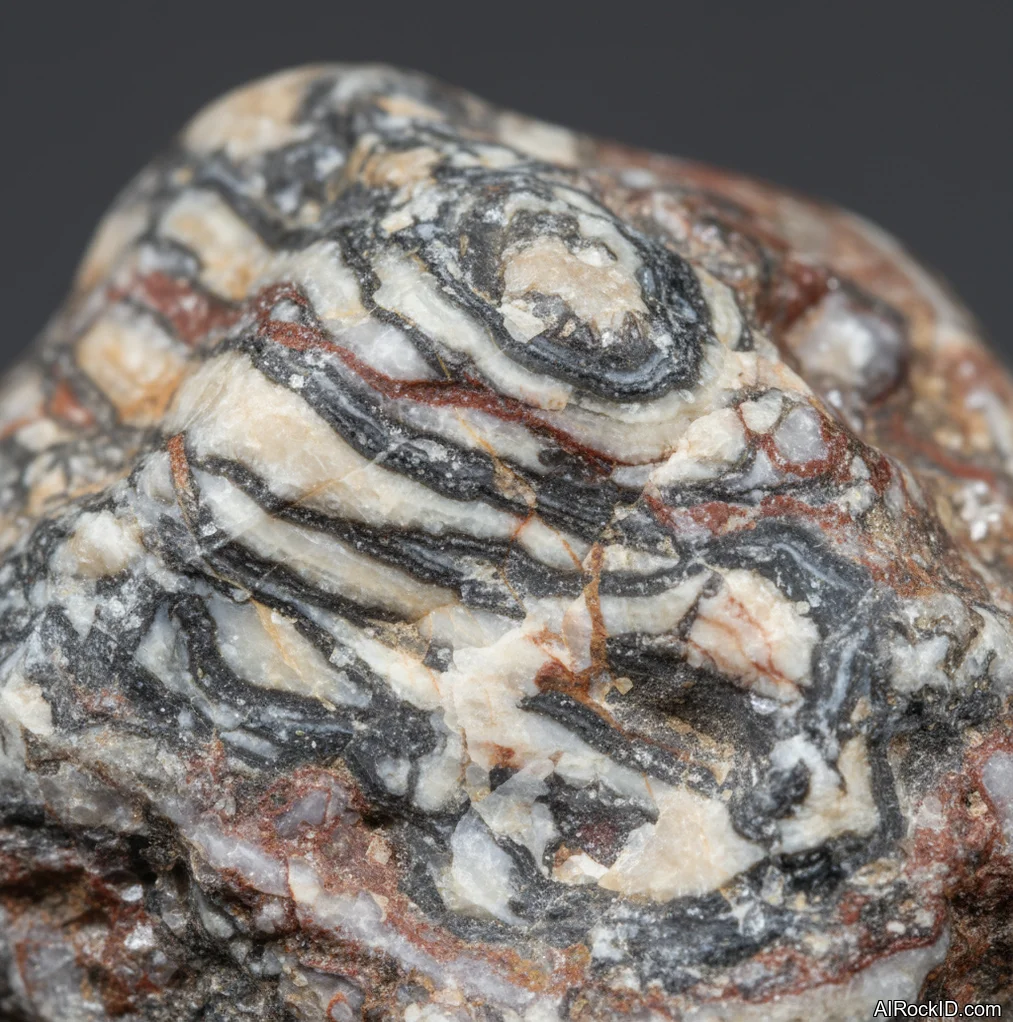
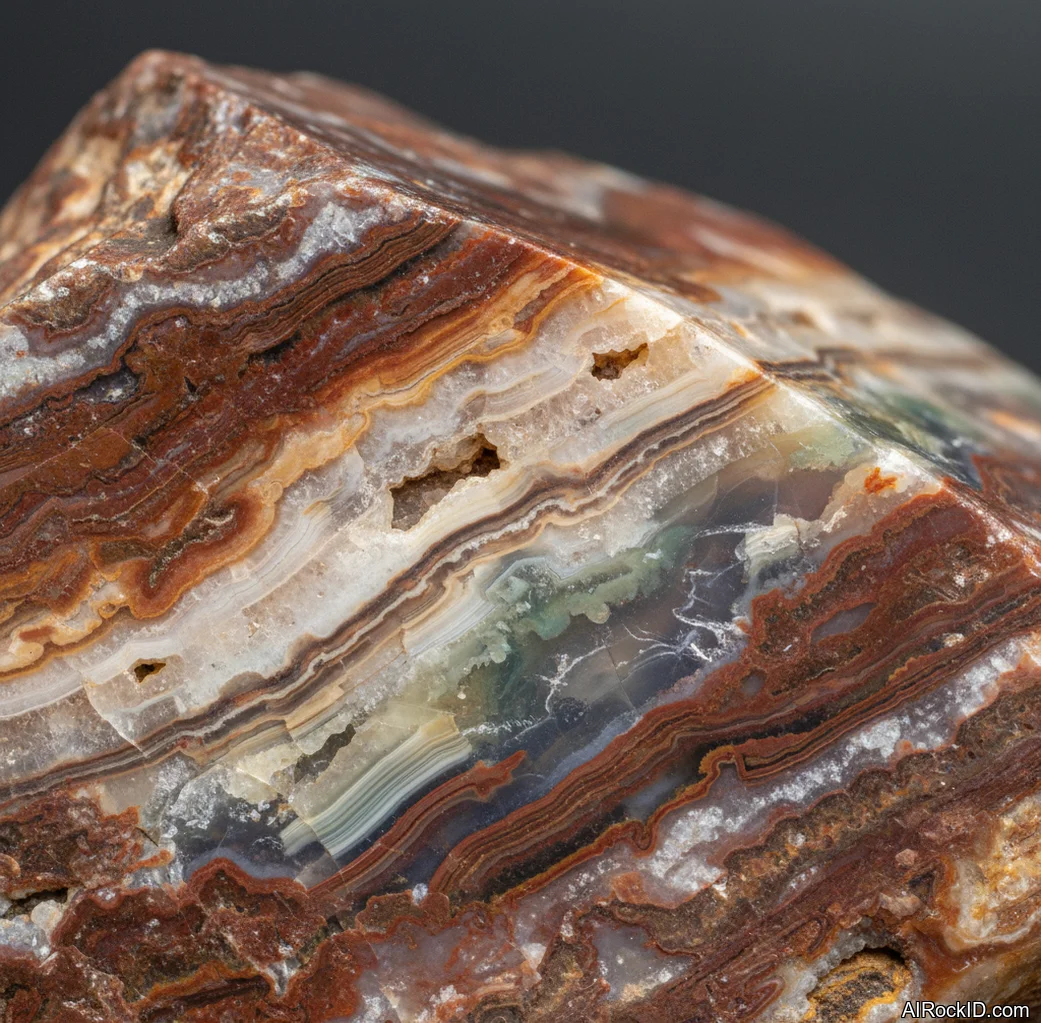
Blue lace agate is another relaxation staple. Dealers usually sell it polished, since the best banding gets lost in rough chunks. You want wavy, cloudy bands, not ones that look like a kid drew them on. Selenite always feels a bit waxy, almost greasy, compared to quartz. It’s so soft you can scratch it with a fingernail, so don’t keep it in your pocket with loose change. Texture, color, and even weight all matter. Hematite’s cool heaviness helps some folks focus, but it’s not everyone’s go-to for sleep. Each piece really does hit differently.
Common Myths and Things to Watch Out For With Relaxation Crystals
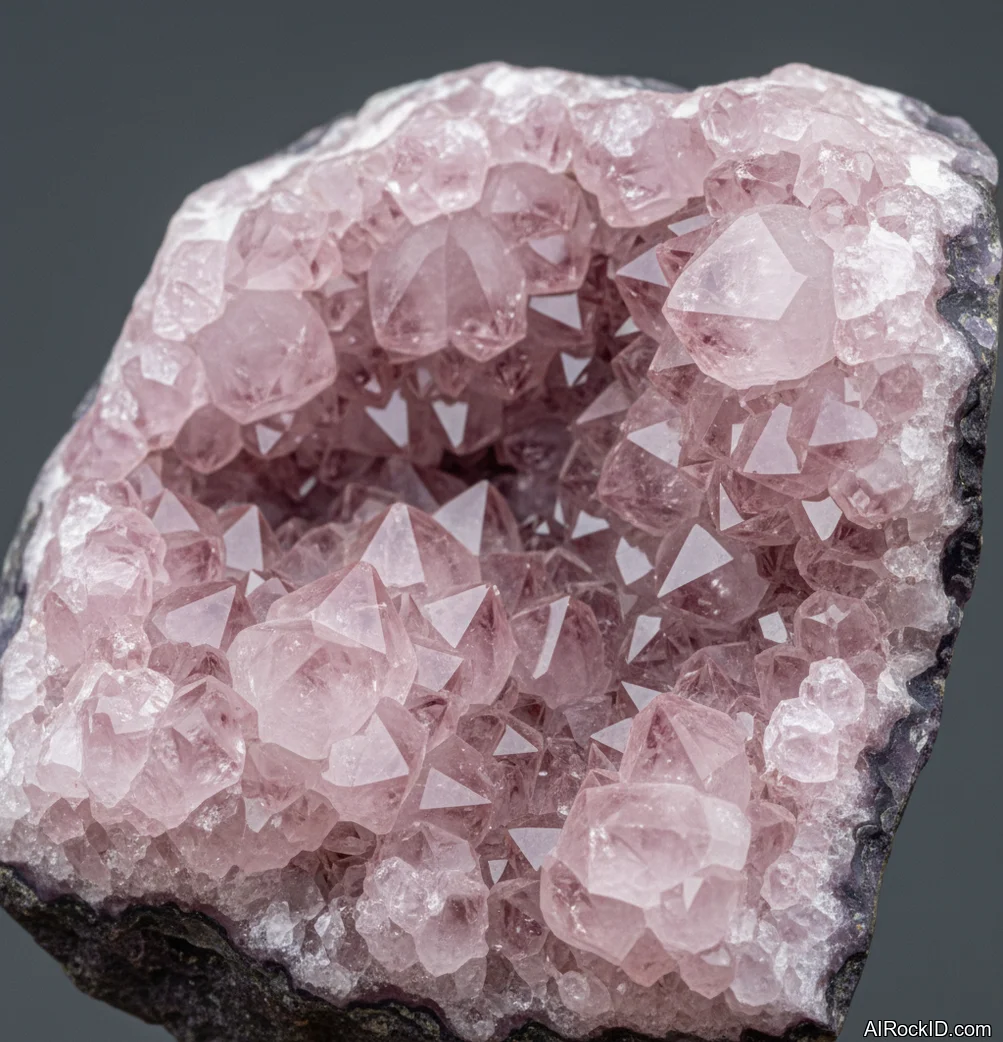
Most collectors keep a few relaxation stones within arm’s reach—by the bed, in a jacket pocket, or on a desk. Amethyst clusters are the classic bedside pick. They’re small enough to fit in your palm but spiky enough to remind you they’re real mineral, not plastic. I usually grab a palm stone or a worry stone (with a thumb groove) if my hands are restless during a late Zoom call. Selenite wands work best if you want to ‘comb’ your energy down, running the stone from your forehead to your chest. Some people set a piece under their pillow, but don’t use heavy stones like hematite or you’ll wake up with a bruise if you toss at night.
The trick? Find a stone you actually want to touch. Texture beats color, in my book. You might love the cold snap of a polished lepidolite in the summer, and reach for a chunky blue lace agate when you want something solid and smooth. If you’re using crystals for relaxation in a room, set them near a lamp or window but out of direct sun to avoid fading. Clean them with a quick rinse and a soft cloth, but skip water for selenite—it’ll dissolve.
Common Myths and Things to Watch Out For With Relaxation Crystals
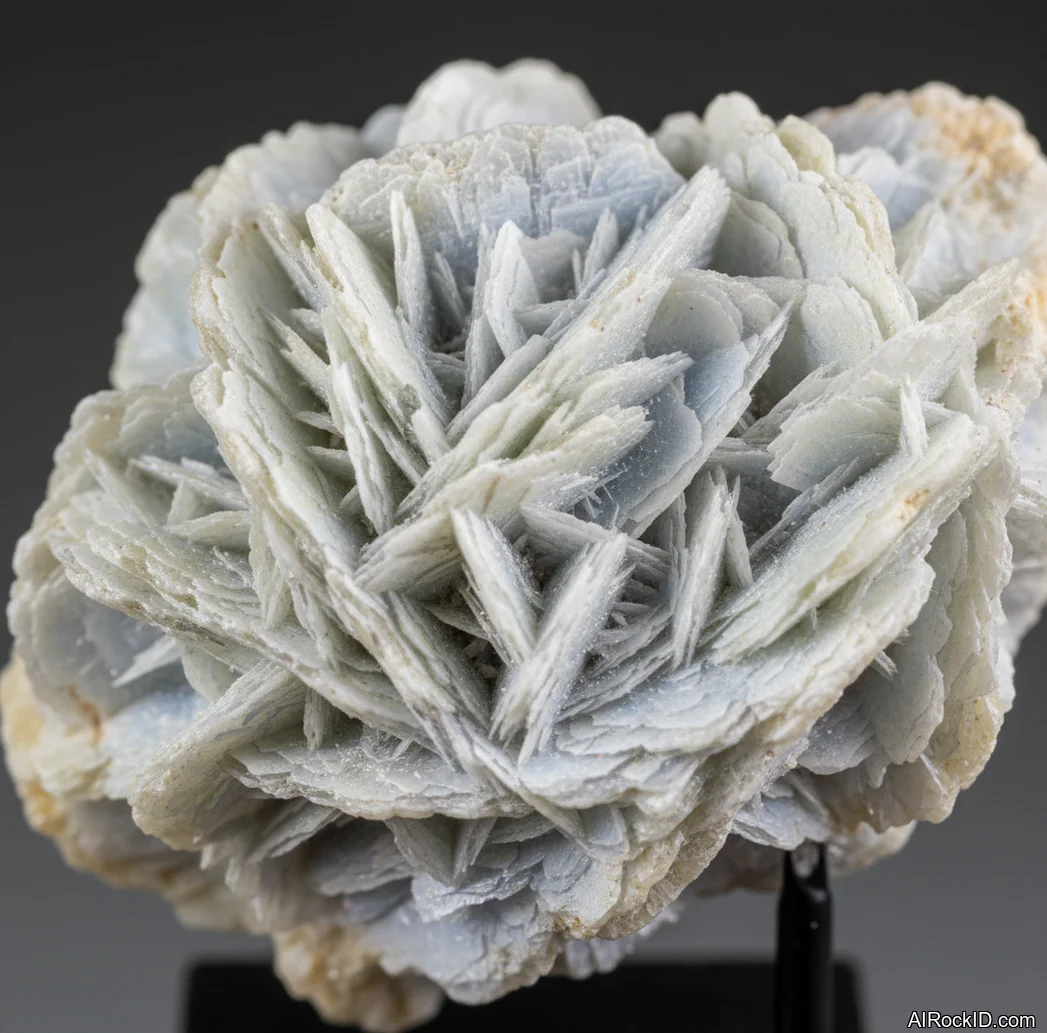
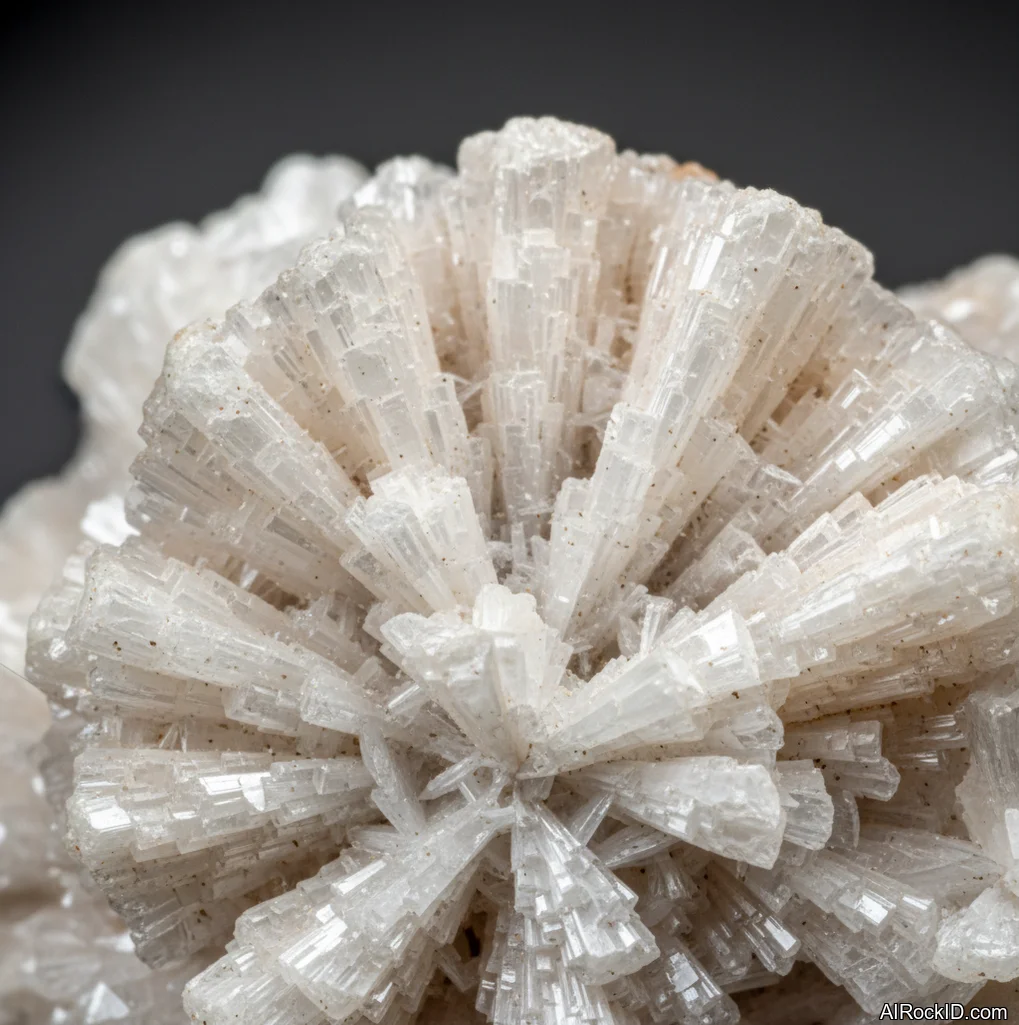
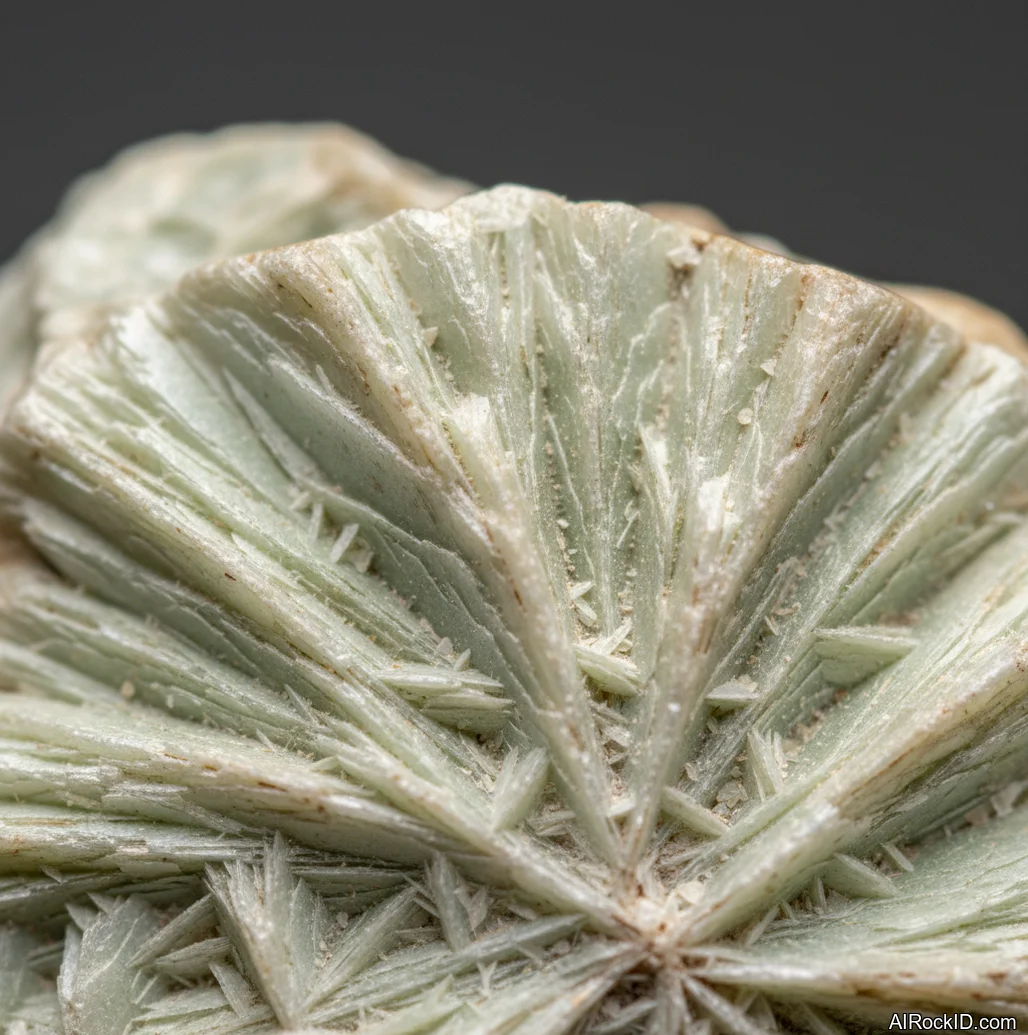
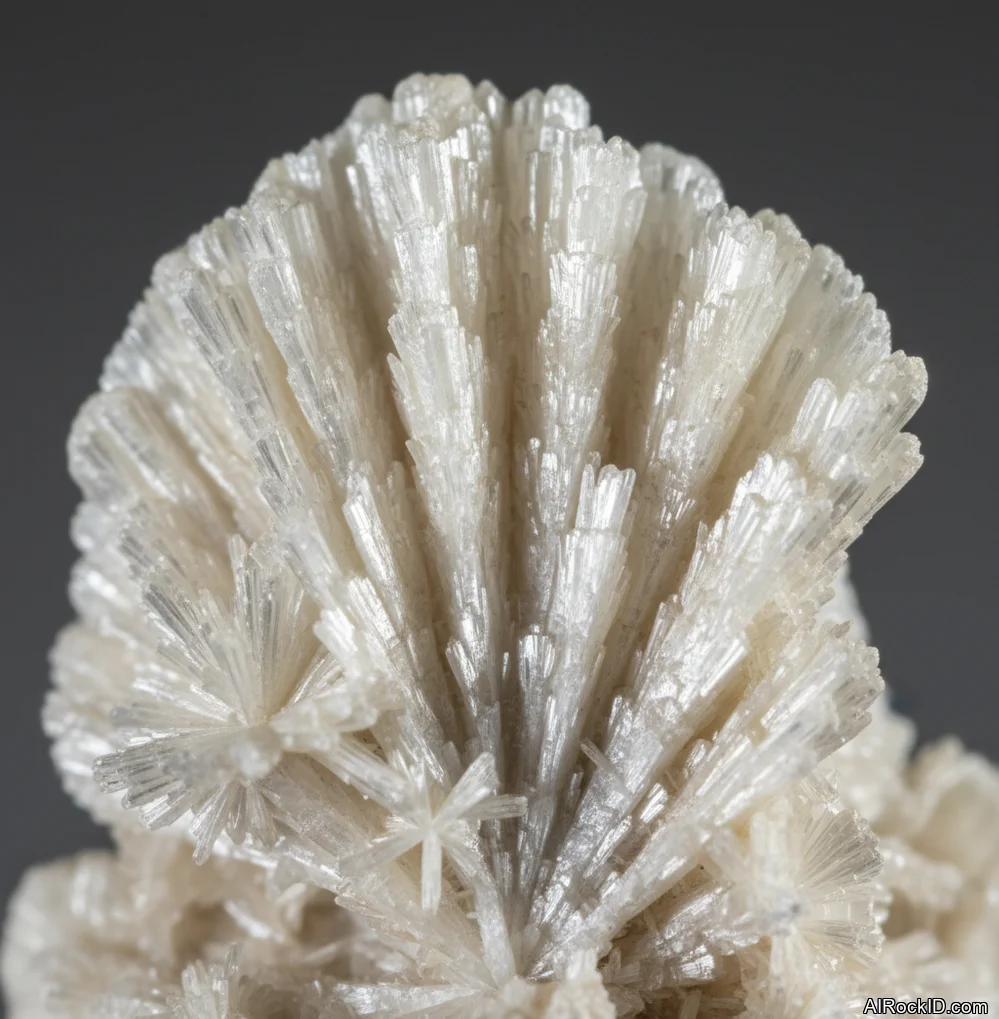
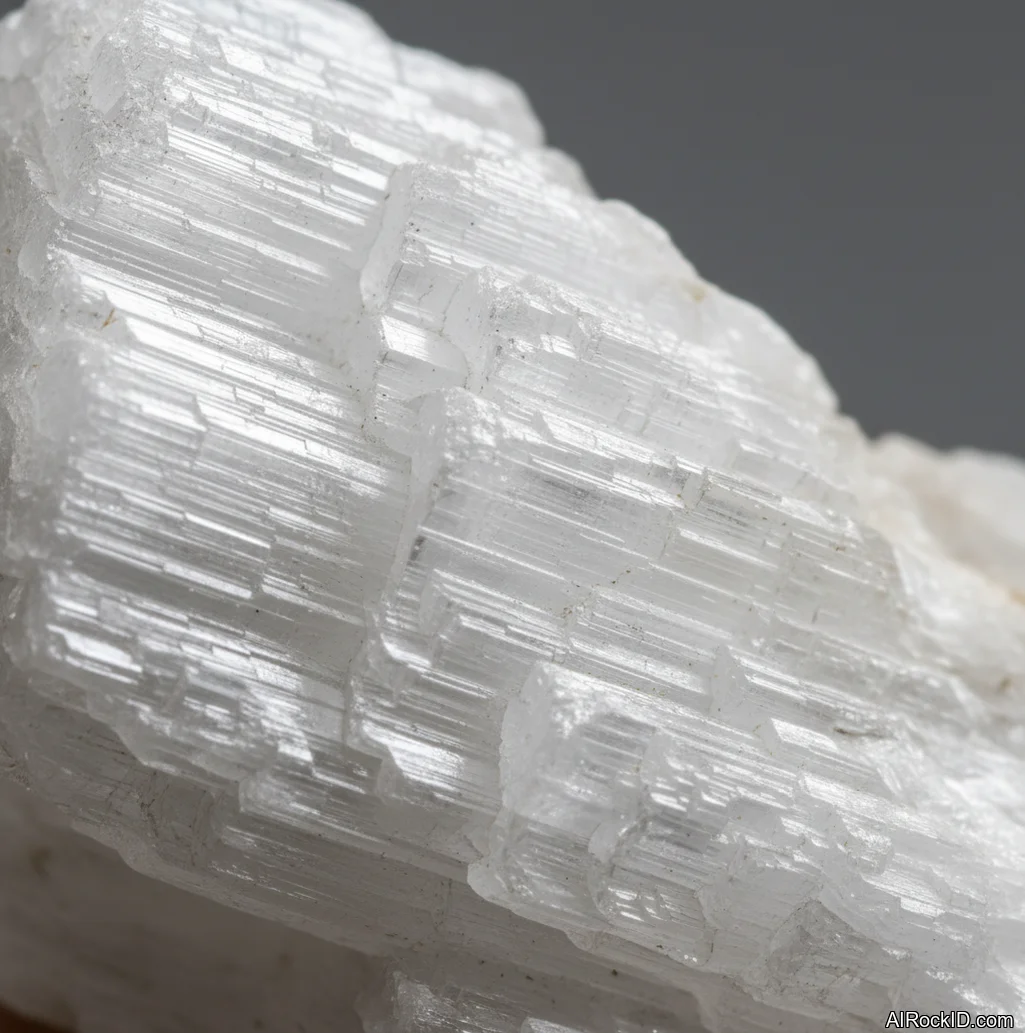
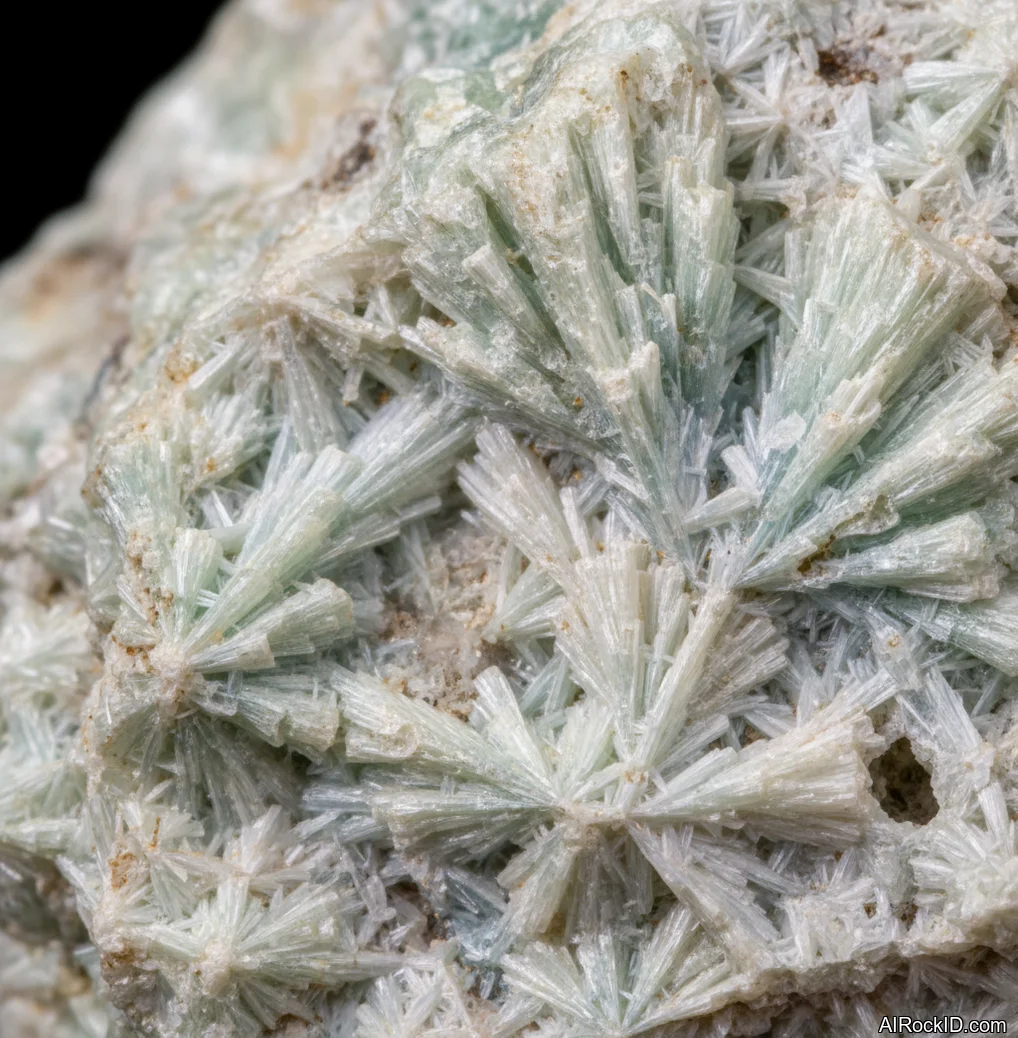
There’s plenty of hype around relaxation stones, but not all advice holds up. Some sellers push dyed agates as ‘soothing’ crystals, but the neon colors are just marketing. Blue lace agate should look pale and banded, not electric blue. Heat-treated amethyst sometimes gets sold as ‘relaxation citrine’—there’s no such thing. Look for uneven color and natural inclusions, not glassy perfection. Selenite sometimes gets mixed up with satin spar—both are gypsum varieties, but real selenite feels slicker and is usually clear or milky, never fibrous.
Storage matters if you don’t want your collection to fade or chip. Don’t leave amethyst or blue lace agate in a sunlit window—they lose color fast. Selenite dissolves if it gets wet, so no water cleansing. Hematite rusts if left damp, especially if there’s iron in the matrix. Fakes are common. If a stone feels warm immediately, it might be glass or dyed resin. Trust your hand first, not just what the vendor says.
Best Relaxation Crystals to Start With
| Level | Crystal | Note |
| Gentle / Beginner | Blue Lace Agate | Smooth, soft bands and a cool hand-feel make it easy to use for stress relief without overwhelming energy. Small tumbled pieces are affordable and not easily chipped. |
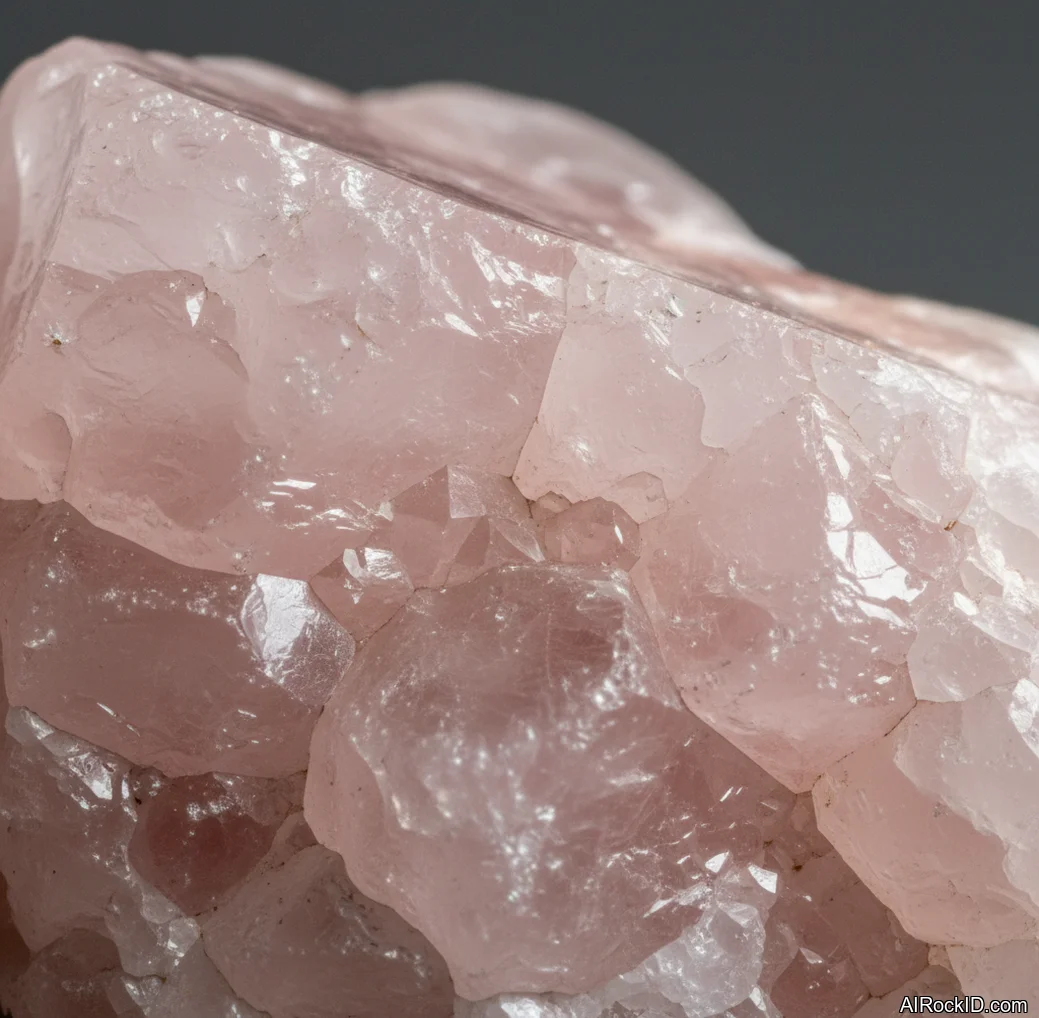
| Balanced / Everyday | Amethyst | Works for winding down at night, and you can find both clusters and palm stones to match your preference. Raw pieces are durable enough for a bedside table. |
| Intense / Advanced | Lepidolite | The high lithium content gives it a calming reputation, and the flaky, layered texture appeals to those who want a more engaging physical anchor. |
| Best for Carrying | Howlite | Lightweight, chalky texture, and rounded tumbled stones won’t scratch phone screens or keys in a pocket. |
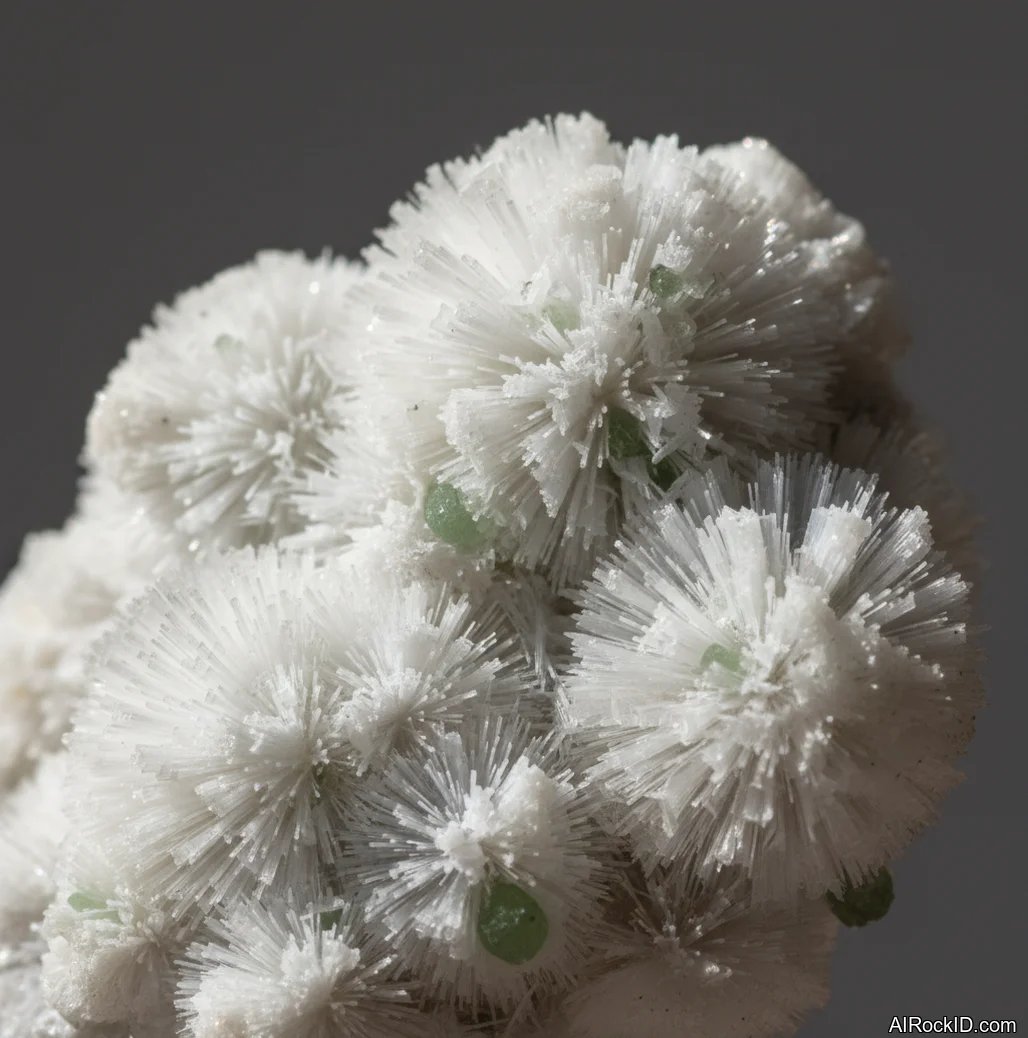
| Best for Display | Selenite | Large wands and plates catch light with a satin sheen and don’t fade in low indoor lighting, but must stay dry. |
Relaxation Crystal Comparison
| Crystal | Common Use | Feel / Use Style | Care Caution |
| Amethyst | Nighttime relaxation, reducing overthinking | Cool, smooth, can be spiky in clusters or silky in palm stones | Color fades with long sun exposure |
| Lepidolite | Calming nerves, physical relaxation | Flaky, micaceous, sometimes sparkly in the light | Soft, layers can peel if dropped or carried loose |
| Blue Lace Agate | Soothing stress, gentle energy for sensitive people | Polished pieces are waxy and cool, bands look cloudy not harsh | May crack with sharp temperature changes |
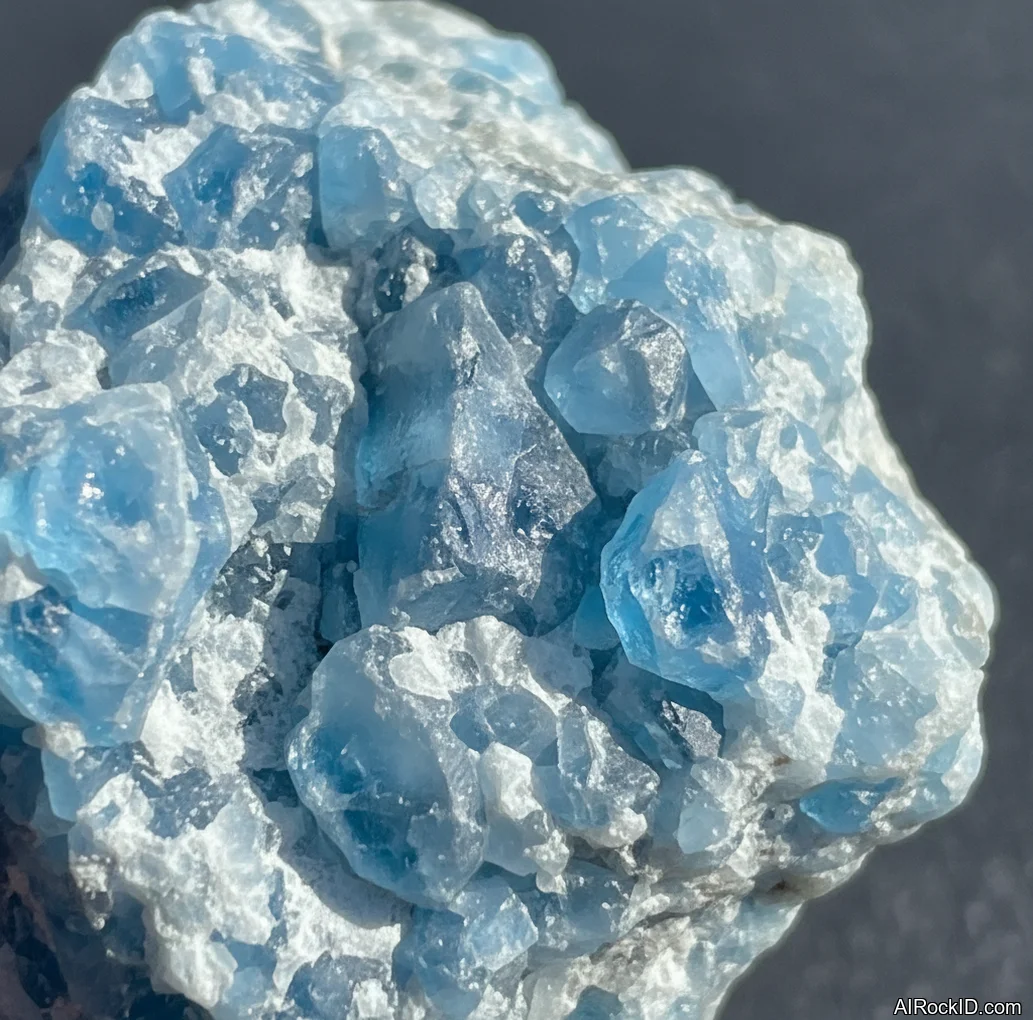
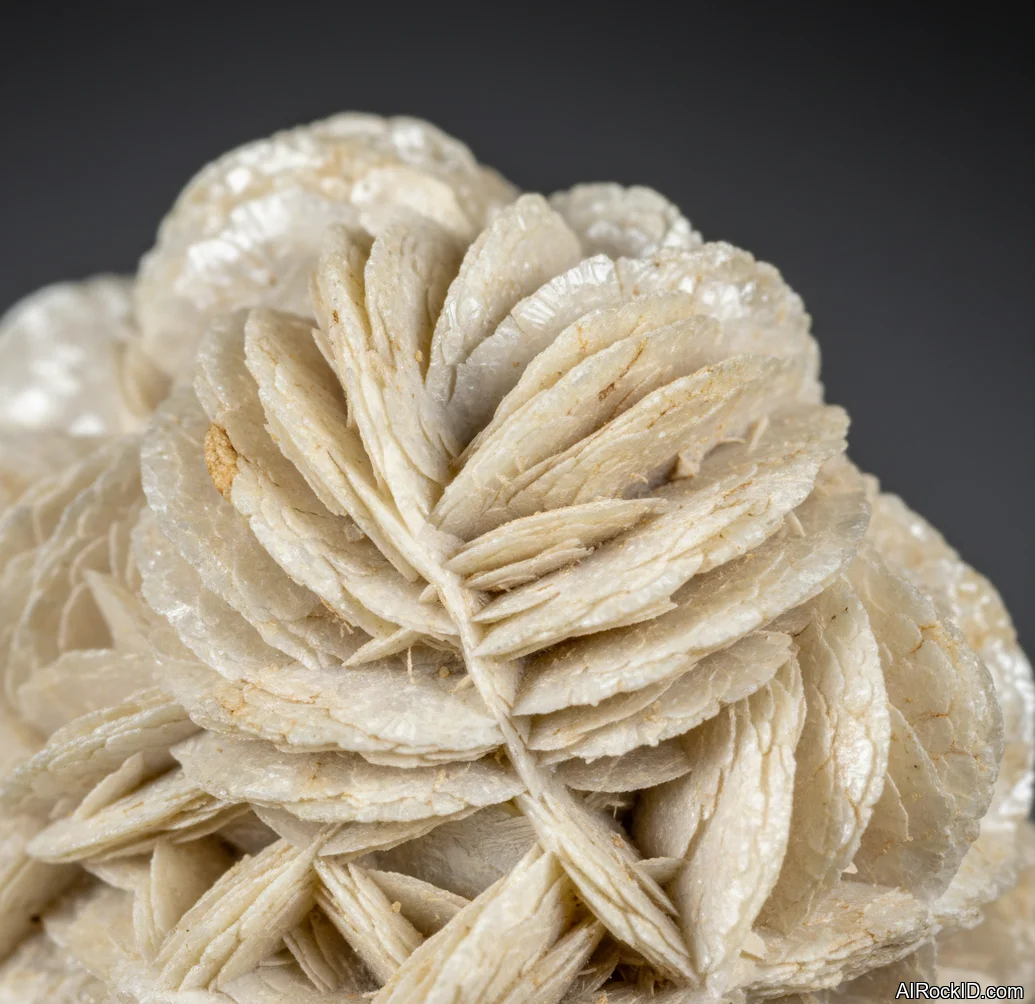
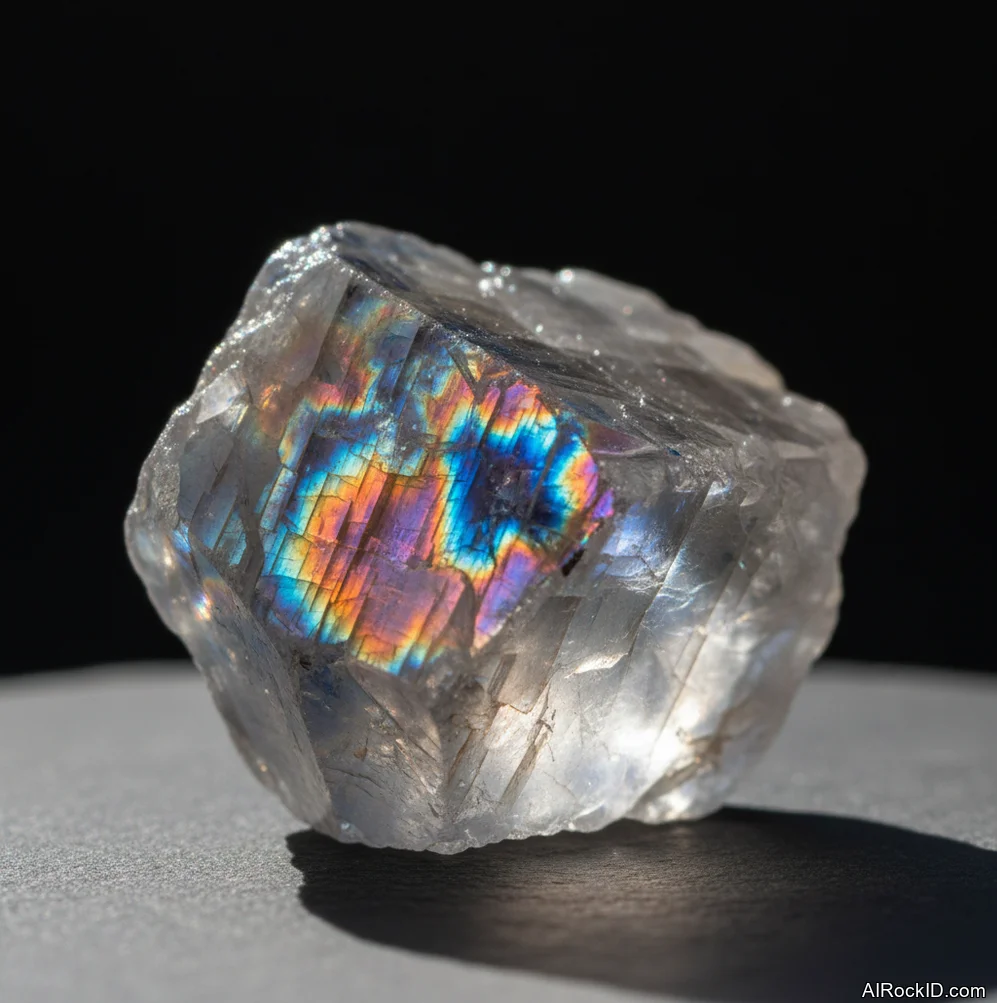
| Selenite | Clearing energy, relaxing spaces | Waxy, satiny, can scratch easily with a fingernail | Dissolves in water, keep dry |
How to Identify Relaxation Crystals with AI Rock ID
To identify relaxation crystals with the AI Rock ID app, take a well-lit photo in natural daylight and upload both a full specimen shot and a close-up of the surface. The app checks color, banding, and luster, so be sure to capture those details clearly. Compare the app’s result with hardness (like a scratch test) and how the crystal feels in your hand. For lepidolite or blue lace agate, look for signature banding or flaky layers to confirm the match.
All Relaxation Crystals (322)