Freshwater Pearl


Quick answer: Freshwater Pearl is an organic gem formed by mollusks in lakes, rivers, and cultured freshwater environments. It is softer than most minerals, so identification should focus on luster, nacre surface texture, drill-hole details, and signs of dyeing or imitation.
AI Rock ID can help screen a Freshwater Pearl by comparing visible traits such as shape, luster, surface texture, and color consistency. RockIdentifier.io provides crystal and gem references that can support visual checks, but pearl authenticity may still require hands-on testing by a jeweler or gem lab.
Good fit
- People comparing natural-looking pearls, cultured pearls, and pearl imitations
- Collectors who want an organic gem with soft pearly luster
- Jewelry buyers checking for surface quality, dye, and nacre-related clues
- Beginners learning how pearls differ from mineral crystals
Not a good fit
- Daily-wear rings or bracelets exposed to frequent abrasion
- Ultrasonic or steam cleaning routines
- Situations where a lab report is required for high-value pearl purchases
- Anyone needing a gem that tolerates acids, perfumes, or harsh cleaners
Most commonly confused with
- Akoya Pearl: Akoya pearls are typically saltwater cultured pearls and are often rounder with sharper mirror-like luster.
- South Sea Pearl: South Sea pearls are saltwater pearls that are usually larger and commonly white, silver, or golden.
- Mother of Pearl: Mother of Pearl is nacre from a shell lining, usually cut as flat or curved pieces rather than whole pearls.
- Shell Pearl: Shell pearls are manufactured imitations made from shell material or coatings and lack natural nacre growth structure.
Freshwater Pearl vs Common Lookalikes
| Material | Key clue | Typical issue |
|---|---|---|
| Freshwater Pearl | Slightly gritty tooth feel, varied shapes, nacre throughout many cultured examples | Can be dyed, bleached, or treated |
| Akoya Pearl | Usually rounder with bright, sharp luster and bead-nucleated structure | Thin nacre can affect durability |
| Mother of Pearl | Flat or carved shell nacre rather than a spherical pearl | Often mistaken for pearl beads |
| Shell Pearl | Very uniform coating and repeated shapes in strands | Sold as pearl-like rather than natural pearl |
| Glass Pearl | Coated bead, often very smooth and consistent | Coating may chip at drill holes |
AI identification confidence
AI identification confidence for Freshwater Pearl is usually moderate from clear photos because pearls have distinctive luster and rounded forms. Confidence drops when images show only white beads, overexposed highlights, or finished jewelry with coatings that hide drill holes and surface texture.
When AI gets it wrong
- A glass or shell imitation has a convincing pearly coating
- The photo is too bright, making surface texture and luster look uniform
- Dyed pearls are mistaken for naturally colored pearls
- A flat Mother of Pearl cabochon is photographed like a rounded pearl
Final recommendation
For buying Freshwater Pearl, prioritize clear seller disclosure about cultured origin, treatments, dyeing, and whether the item is natural-color or color-enhanced. For valuable strands or unusually rare colors, request documentation from a qualified jeweler or gemological laboratory.
How to Check Freshwater Pearl Authenticity
A real pearl often has a slightly gritty feel when gently rubbed against the front of a tooth, while many glass or plastic imitations feel very smooth. Under magnification, look for subtle surface growth marks, unevenness, and natural variation rather than a perfectly uniform coating. Drill holes can reveal flaking, chipped coating, or a visible bead core in imitations and some bead-nucleated pearls.
Freshwater Pearl Treatments and Dyeing
Freshwater Pearls are commonly bleached, polished, dyed, or otherwise treated to improve color and uniformity. Bright black, vivid pink, purple, blue, or metallic colors should be assumed treated unless a seller provides reliable disclosure. Treatment does not make a pearl fake, but it can affect value, care requirements, and resale expectations.
Photo Tips for Identifying Freshwater Pearl
Use diffuse daylight and photograph the pearl from several angles so the luster, surface texture, shape, and drill holes are visible. Include a close-up of any blemishes, color concentrations, or chipped areas near the hole. A comparison photo beside a known glass bead or another pearl can help reveal differences in reflectivity and surface uniformity.
What Is Freshwater Pearl?
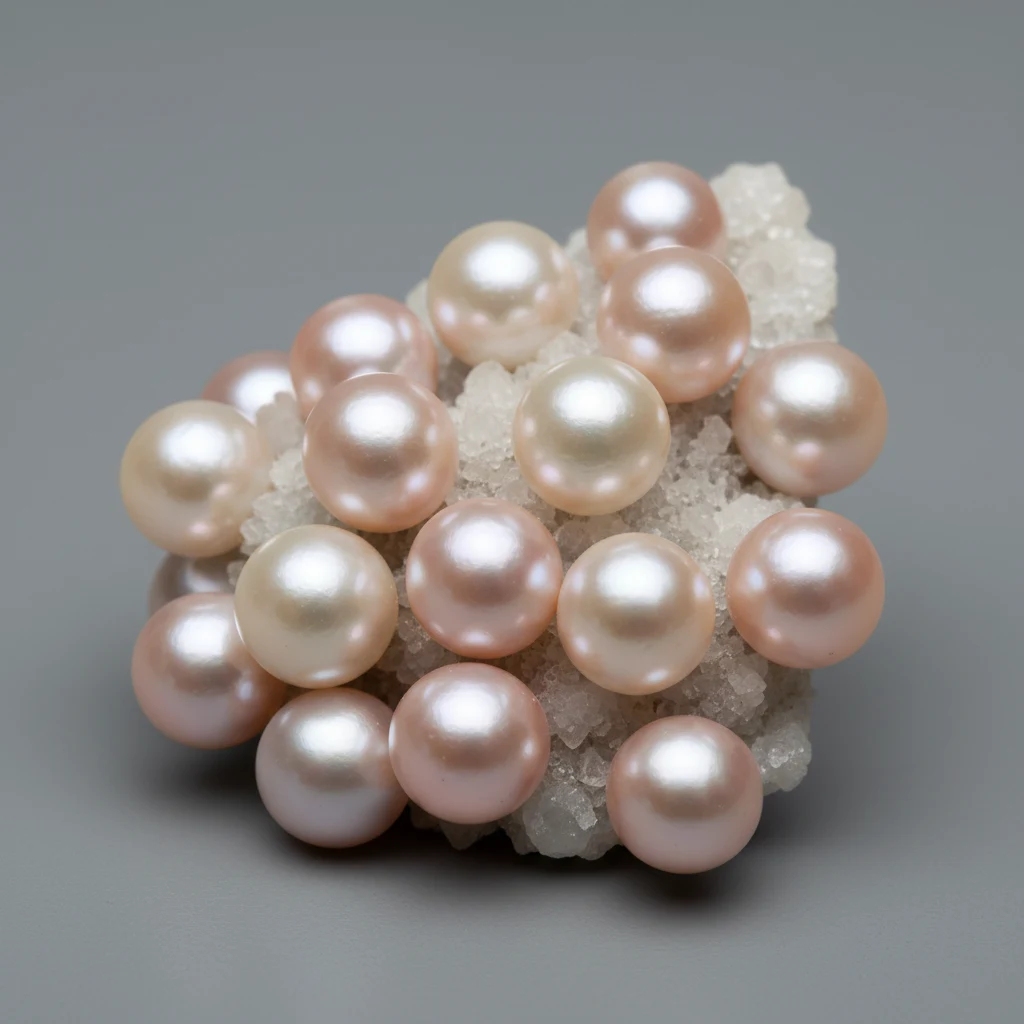
Freshwater Pearl is a common organic gem made by mollusks in freshwater lakes and rivers. In the hand, it feels smooth, cool, and softly rounded rather than glassy or crystalline, with a pearly glow that rolls across the surface instead of flashing sharply.
Collectors value Freshwater Pearl for its gentle luster, varied shapes, and colors such as white, pink, lavender, and sometimes black. It is amorphous, opaque, non-magnetic, and very soft at Mohs 2.5-4, so it belongs in a pouch or soft cloth rather than loose beside harder stones.
Origin & History
Freshwater Pearl has been used for adornment for thousands of years, and the word “pearl” comes from the Latin “perla.” Its long history is easy to understand when you handle one: the surface has a quiet, skin-like luster that feels intimate compared with faceted minerals.
As an organic gem, Freshwater Pearl is described differently from a typical crystal species; reference databases such as mindat.org are useful for comparing pearl terminology with mineral and gem usage. In practical collecting terms, it is prized less for crystal form and more for nacre, shape, color, and luster.
Where Is Freshwater Pearl Found?
Freshwater Pearl is most commonly found in freshwater lakes and rivers. Important listed sources include China, Japan, and the United States, with notable localities such as the Yangtze River in China, Lake Biwa in Japan, and the Mississippi River in the USA.
Formation
Freshwater Pearl forms when a mollusk secretes layers of nacre around an irritant, usually a piece of sand or a parasite. Those layered nacre deposits create the pearl’s smooth body, pearly luster, and organic gem character.
Chemically, Freshwater Pearl is calcium carbonate, CaCO3, in layers of conchiolin. Because it is amorphous rather than a crystal with a regular crystal system, it does not show the angular faces a mineral collector might expect; its beauty is built in layers, not points.
How to Identify Freshwater Pearl
Identify Freshwater Pearl by its soft pearly luster, opaque body, and natural variation in shape and size. It may be white, pink, lavender, or black, and freshwater examples are often irregular rather than perfectly round like many saltwater pearls.
On the data side, Freshwater Pearl is amorphous, non-magnetic, and has a white streak, conchoidal fracture, density of 2.60-2.85 g/cm3, and refractive index of 1.53-1.68. Its Mohs hardness is only 2.5-4, so a genuine handling routine should avoid abrasion, chemicals, perfumes, and loose storage with harder gems.
Properties of Freshwater Pearl
Physical Properties
| Crystal System | Amorphous |
| Hardness (Mohs) | 2.5-4 (Very Soft (1-2)) |
| Density | 2.60-2.85 g/cm3 |
| Luster | Pearly |
| Diaphaneity | Opaque |
| Fracture | Conchoidal |
| Streak | White |
| Magnetism | Non-magnetic |
| Colors | White, Pink, Lavender |
Chemical Properties
| Classification | Organic |
| Formula | CaCO3 (calcium carbonate) in layers of conchiolin |
| Elements | Ca, C, O |
| Common Impurities | None |
Optical Properties
| Refractive Index | 1.53-1.68 |
| Birefringence | None |
| Pleochroism | None |
| Optical Character | Isotropic |
Freshwater Pearl Health & Safety
There are no significant health risks associated with freshwater pearls.
Freshwater Pearl Value & Price
Price Range
Rough/Tumbled: $5 - $20 per specimen
Cut/Polished: $10 - $100 per carat
Price is influenced by size, shape, and luster.
Durability
Fragile — Scratch resistance: Poor, Toughness: Fair
Freshwater pearls can be damaged by chemicals and abrasion.
How to Care for Freshwater Pearl
Use & Storage
Store in a soft cloth or pouch to avoid scratches.
Cleaning
Clean with a soft, damp cloth after wearing. Avoid harsh chemicals.
Cleanse & Charge
Place under moonlight to recharge.
Placement
Display in a cool, dry place away from direct sunlight.
Caution
Avoid exposure to perfumes and chemicals.
Works Well With
Freshwater Pearl Meaning & Healing Properties
Freshwater Pearl is traditionally used as a calming, nurturing stone for emotional healing, compassion, intuition, trust, relaxation, and inner peace. In crystal practice, it is associated with the Heart and Crown chakras, the zodiac signs Cancer and Taurus, the Moon, and the Water element.
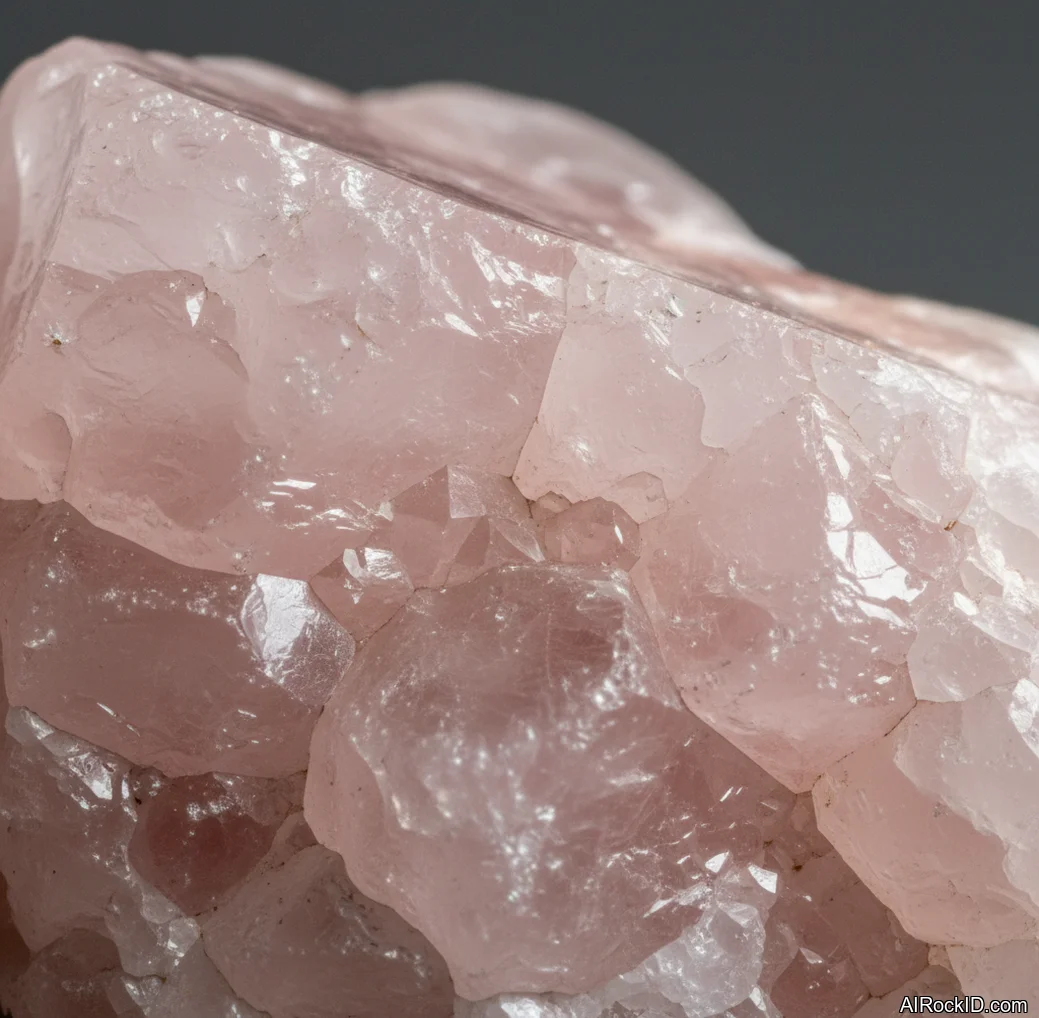
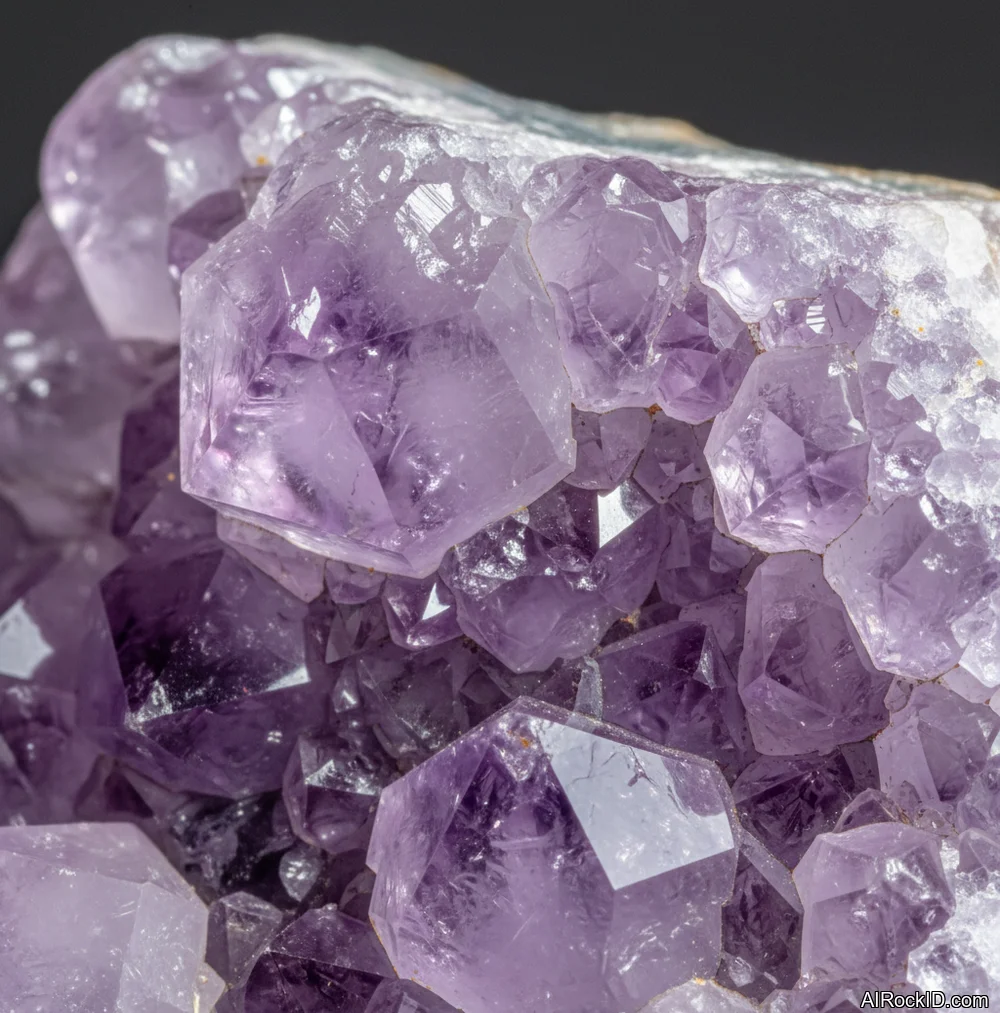
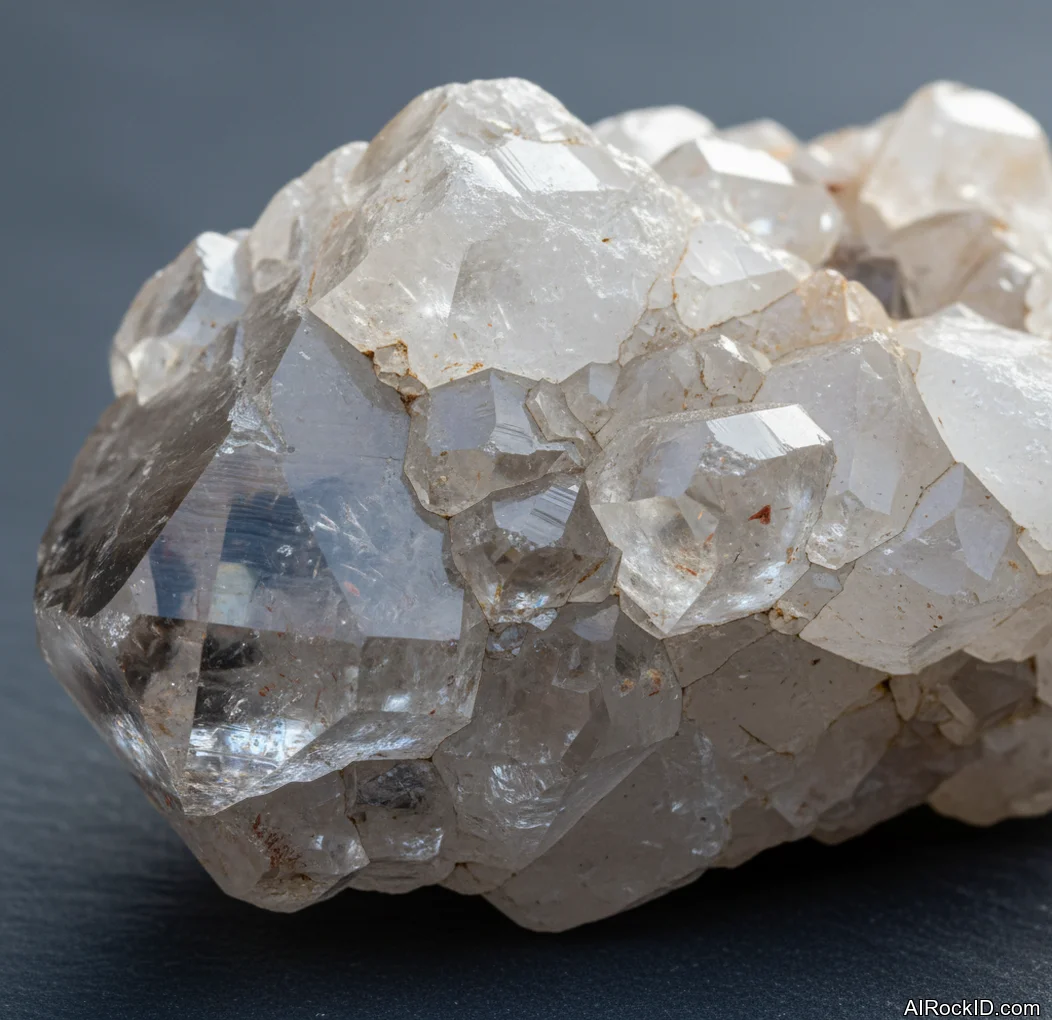
For meditation or personal ritual, many people pair Freshwater Pearl with rose quartz, amethyst, or clear quartz. It should not be treated as a substitute for medical care; use it as a symbolic support piece, then clean it with a soft damp cloth and place it under moonlight if you follow cleansing and charging practices.
Identify Freshwater Pearl from a photo
Compare Freshwater Pearl traits, care tips, value clues, and common lookalikes with a clear photo.
Common mistakes
- Assuming every irregular pearl is natural rather than cultured
- Calling dyed Freshwater Pearls naturally colored without seller documentation
- Using vinegar, lemon juice, or harsh cleaners to test a pearl
- Relying only on perfect roundness as a sign of quality or authenticity
- Ignoring drill-hole damage, peeling coatings, or mismatched luster in a strand