Lignite


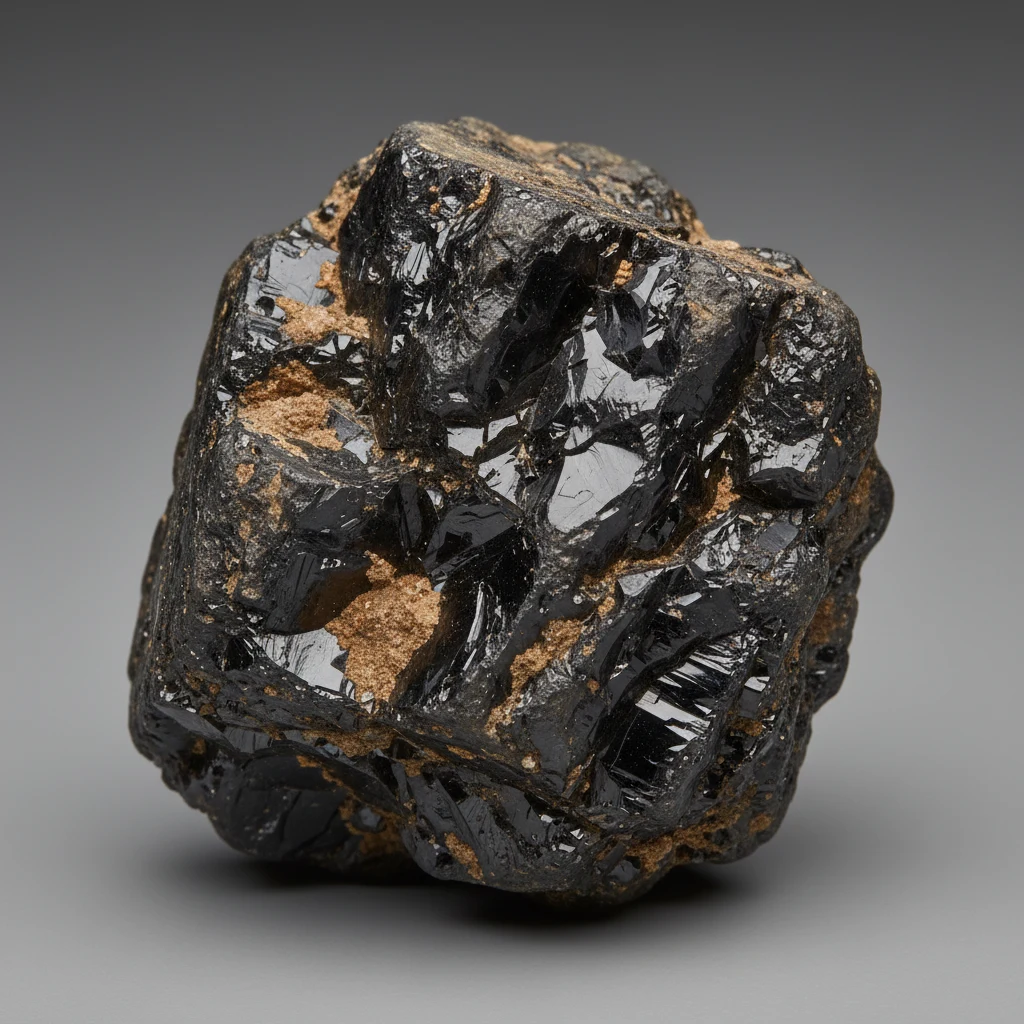
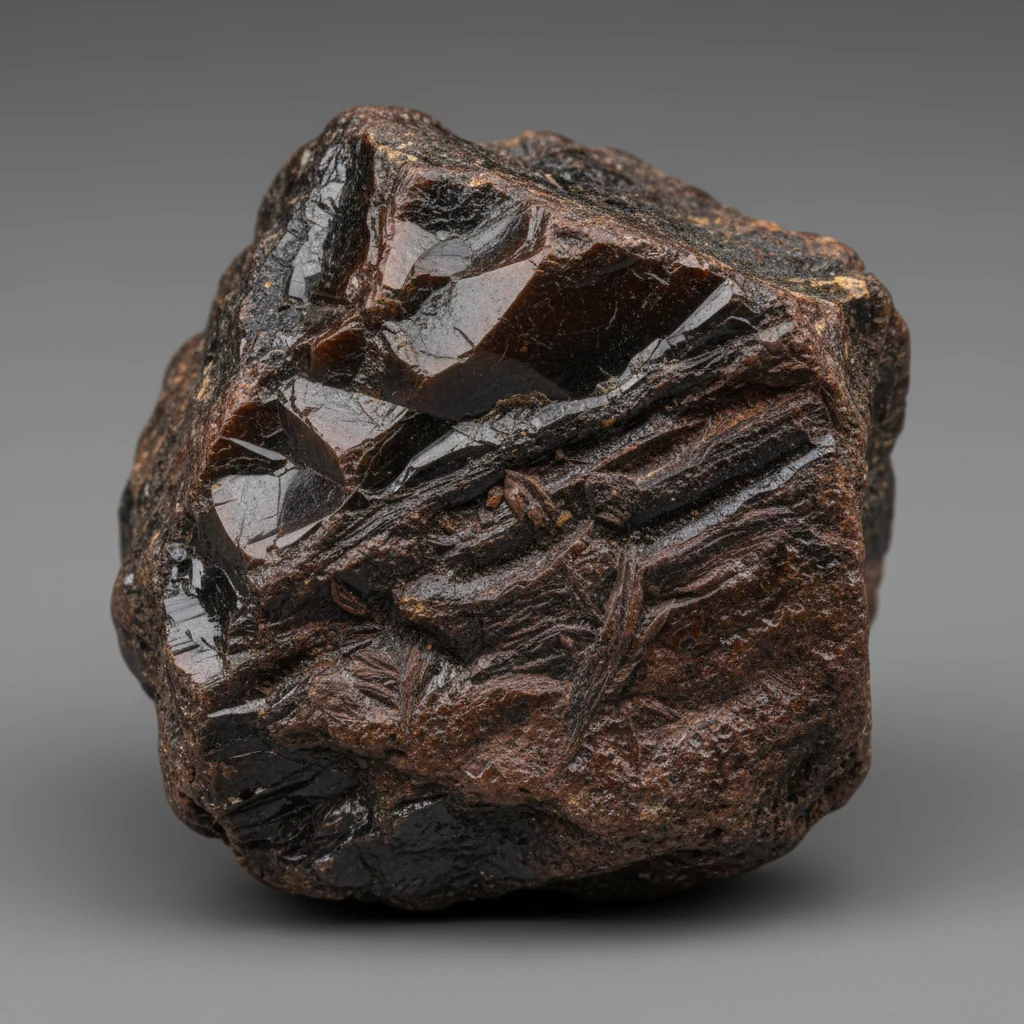
Quick answer: Lignite is a soft, brown to black coal formed from compressed plant material at an early stage of coalification. It is best identified by its low hardness, dull to earthy luster, brown streak, light weight, and occasional woody or layered texture.
AI Rock ID can help compare a lignite specimen against visually similar dark materials using color, texture, luster, and surface details. RockIdentifier.io provides photo-based identification support, but a final ID should consider hardness, streak, weight, and whether the piece leaves dark residue.
Good fit
- Collectors who want an example of a common organic sedimentary material
- Educational displays about coal formation, fossils, or sedimentary rocks
- Specimens with visible woody texture or plant-like layering
- Beginners practicing basic tests such as hardness, streak, and luster observation
Not a good fit
- Jewelry or pocket carry, because lignite is soft and can crumble or shed dust
- Water cleansing, soaking, or ultrasonic cleaning
- Buyers looking for a durable polished stone
- Situations where coal dust or fragile fragments would be a concern
Most commonly confused with
- Jet: Jet is a harder, more compact form of lignite that can take a smooth polish and is often used in antique jewelry.
- Bituminous Coal: Bituminous coal is typically denser, blacker, higher in carbon, and more compact than lignite.
- Shungite: Shungite is usually black to silvery-black with a more mineral-like feel and may show a metallic or submetallic sheen.
- Obsidian: Obsidian is volcanic glass with a glassy luster and much greater hardness than lignite.
Lignite vs. Common Lookalikes
| Material | Typical Luster | Key Difference |
|---|---|---|
| Lignite | Dull, earthy, or slightly waxy | Soft brown-black coal with low density and possible woody texture |
| Jet | Waxy to polished | More compact and polishable; often used in carved pieces |
| Bituminous coal | Dull to shiny | Usually blacker, denser, and higher rank than lignite |
| Shungite | Matte to submetallic | More mineral-like appearance and often black with silvery tones |
| Obsidian | Glassy | Volcanic glass that is much harder and breaks with sharp conchoidal edges |
AI identification confidence
Photo identification of lignite is usually moderate when the specimen shows brown-black color, dull luster, crumbly edges, or woody texture. Confidence drops when the image shows only a dark polished surface, because jet, shungite, anthracite, and black glass can appear similar in photos.
When AI gets it wrong
- A polished jet carving may be labeled as ordinary lignite if the photo lacks scale or surface detail.
- Black glass or obsidian may be confused with coal if the glassy luster is not visible.
- Anthracite or bituminous coal may be grouped with lignite when only color is visible.
- Soil-stained wood, asphalt, or industrial carbon materials can resemble lignite in low-light photos.
Final recommendation
Choose lignite for study, display, or comparison rather than for wear or handling. For a more durable coal-related collectible, compact jet or a stable polished specimen is usually easier to maintain.
How to Check Lignite Authenticity
Authentic lignite is very soft, lightweight, and often leaves a brown to dark streak or residue on unglazed porcelain or paper. Natural pieces may show fibrous, woody, or layered textures from plant material. Be cautious with glossy black pieces sold as lignite, because polished jet, anthracite, shungite, or black glass may need closer testing.
Where Lignite Is Commonly Found
Lignite occurs in sedimentary basins where plant-rich deposits were buried and compressed but did not reach the higher coal ranks. It is associated with coal seams, clay-rich sediments, and fossil plant environments. Major deposits are known from parts of the United States, Germany, Russia, Australia, India, and other regions with coal-bearing strata.
Photography Tips for Lignite Identification
Photograph lignite in bright, indirect light to show whether the surface is dull, earthy, waxy, or layered. Include a scale object and one close-up of any woody texture, crumbly edge, or streak mark. Avoid wetting the specimen for photos, because water can darken the surface and hide useful identifying details.
What Is Lignite?
Lignite is a common brownish-black coal and organic sedimentary rock, known for its low carbon content and soft, lightweight feel. In the hand, it is not gemmy or glassy; it is opaque, dull to waxy, and often looks like dark compressed wood. Its Mohs hardness is only 1-2, so a specimen can scratch and crumble far more easily than most collector minerals.
Collectors usually approach lignite as a geological material rather than a durable display stone. Its formula is listed as C, with common impurities including H2O and S, and it is amorphous rather than crystalline. A good piece may show brown, dark brown, or black color, an uneven fracture, and a brown streak that quickly separates it from harder black rocks.
Origin & History
The name lignite comes from the Latin word lignum, meaning wood, which fits the way many pieces look and break. It was first described in the 19th century, and that wood-rooted name still makes sense when you handle a fragment with a fibrous or woody texture. Unlike polished gemstones, lignite carries the feel of altered plant material and early coal formation.
Historically, lignite has been valued mainly as a fuel source, not as an ornamental stone. In a collection, it is most useful as a teaching specimen for coalification, softness, and organic sedimentary rocks. For locality checks and specimen-label comparison, collectors often consult mindat.org alongside their own field notes.
Where Is Lignite Found?
Lignite is most commonly found in areas with significant coal deposits. Important listed countries include Germany, the United States, and Russia, with notable localities including the Rhineland in Germany, North Dakota in the USA, and Siberia in Russia. Because it is labeled common, the collector challenge is less about rarity and more about finding a stable, well-shaped piece with clear brown-to-black color and recognizable woody texture.
Formation
Lignite forms from the compaction and alteration of peat over millions of years. It represents an early stage in the coalification process, so it still carries a softer, more moisture-sensitive character than more durable rocks. That origin explains why many pieces feel light, fragile, and somewhat earthy rather than dense or crystalline.
As an organic sedimentary rock, lignite is tied to accumulated plant material that has been compressed and changed through time. Its listed density is only 1.1-1.5 g/cm3, and its stability notes are important: lignite is sensitive to moisture and may degrade quickly. Store it dry, avoid high humidity, and treat loose powder with care because lignite dust can irritate the respiratory system.
How to Identify Lignite
Lignite is identified by its brown to black color, dull to waxy luster, brown streak, and very soft hardness of 1-2. It is lightweight, opaque, non-magnetic, and often breaks easily with an uneven fracture. When a specimen shows a woody texture and leaves a brown mark, it fits the practical field profile of lignite.
Under optical description, lignite has no refractive index, no birefringence, no pleochroism, and is listed as isotropic. That means collectors should rely on hand-specimen traits rather than crystal faces or optical sparkle. Handle it gently, keep it away from high humidity, and use a mask when handling powdered material because dust can irritate the respiratory system.
Properties of Lignite
Physical Properties
| Crystal System | Amorphous |
| Hardness (Mohs) | 1-2 (Very Soft (1-2)) |
| Density | 1.1-1.5 g/cm3 |
| Luster | Dull |
| Diaphaneity | Opaque |
| Fracture | Uneven |
| Streak | Brown |
| Magnetism | Non-magnetic |
| Colors | Brown, Black, Dark Brown |
Chemical Properties
| Classification | Organic sedimentary rock |
| Formula | C |
| Elements | C |
| Common Impurities | H2O, S |
Optical Properties
| Refractive Index | None |
| Birefringence | None |
| Pleochroism | None |
| Optical Character | Isotropic |
Lignite Health & Safety
Dust from lignite can irritate the respiratory system.
Lignite Value & Price
Price Range
Rough/Tumbled: $10 - $30 per specimen
Cut/Polished:
Price is influenced by quality and location of extraction.
Durability
Nondurable — Scratch resistance: Poor, Toughness: Poor
Lignite is sensitive to moisture and may degrade quickly.
How to Care for Lignite
Use & Storage
Store in a dry place away from moisture.
Cleaning
Clean with a damp cloth to avoid damage. Avoid using chemicals.
Cleanse & Charge
Place under sunlight or moonlight for cleansing.
Placement
Keep in a well-ventilated area.
Caution
Avoid exposure to high humidity.
Works Well With
Lignite Meaning & Healing Properties
In crystal-healing traditions, lignite is said to offer grounding energy, stability, and energy support. Its associations are the Root chakra, Capricorn, Saturn, and the Earth element, which suit its heavy, dark, coal-like presence. This use is cultural and spiritual, not a replacement for medical treatment.
Practically, lignite is best worked with in a dry, well-ventilated space. It can be cleansed by sunlight or moonlight, and physical cleaning should be limited to a damp cloth without chemicals. Because it is nondurable, with poor scratch resistance and poor toughness, it is better kept as a handled-with-care grounding specimen than worn or carried loose.
Identify Lignite from a photo
Compare Lignite traits, care tips, value clues, and common lookalikes with a clear photo.
Common mistakes
- Assuming every lightweight black specimen is lignite without checking hardness or streak
- Calling polished jet jewelry ordinary lignite without considering polish quality and compactness
- Using water or oil to clean lignite, which can weaken or stain fragile material
- Confusing glassy black obsidian with coal when broken edges and luster are not examined
- Handling crumbly specimens over fabric or paper that can be stained by coal dust
- Expecting lignite to be stable enough for daily jewelry or pocket carry