Lunar Meteorite


Quick answer: Lunar meteorite is a rock from the Moon that reached Earth after an impact ejected lunar material into space. Visual identification can suggest a candidate, but confirmation requires laboratory testing such as oxygen isotope analysis, mineral chemistry, and comparison with known lunar samples.
AI Rock ID can help screen a possible lunar meteorite by comparing visible texture, fusion crust, breccia features, and mineral appearance. RockIdentifier.io should be used as an identification aid, not as proof of lunar origin or market authenticity.
Good fit
- Collectors who want a scientifically significant extraterrestrial specimen
- People willing to buy only from sellers with laboratory documentation
- Advanced meteorite collectors comparing lunar breccias, basalts, and anorthositic material
- Educational displays about planetary geology and impact processes
Not a good fit
- Buyers looking for a low-cost beginner crystal
- Anyone expecting visual inspection alone to prove Moon origin
- Collectors who cannot verify paperwork, provenance, or specimen history
- People seeking a durable everyday pocket stone
Why people search for this
People often search for lunar meteorite to learn how Moon rocks differ from ordinary terrestrial stones and other meteorites. Search interest is also driven by authenticity concerns because genuine lunar meteorites are rare and commonly imitated or misidentified.
Most commonly confused with
- Basalt: Terrestrial basalt can look dark and fine-grained, but it lacks the lab-confirmed lunar chemistry required for identification.
- Tektite: Tektites are natural impact glass from Earth impacts, while lunar meteorites are rocky material from the Moon.
- Obsidian: Obsidian is volcanic glass with glassy fracture, whereas most lunar meteorites are crystalline rocks or breccias.
- Ordinary Chondrite: Ordinary chondrites commonly contain metal and chondrules; lunar meteorites usually lack chondrules and have lunar mineral chemistry.
Lunar Meteorite vs Common Lookalikes
| Material | Typical clue | Key confirmation |
|---|---|---|
| Lunar meteorite | Brecciated, basaltic, or anorthositic rock; weak to no magnetism | Laboratory lunar oxygen isotopes and mineral chemistry |
| Terrestrial basalt | Dark fine-grained volcanic rock | Earth-origin chemistry and field context |
| Ordinary chondrite | Magnetic rock with metal grains and possible chondrules | Meteorite classification showing chondrules and metal |
| Tektite | Black, green, or brown natural glass | Glass chemistry tied to terrestrial impact events |
| Slag | Bubbly, glassy, or metallic industrial material | Industrial composition and artificial texture |
AI identification confidence
AI identification confidence for lunar meteorite should be treated as low to moderate from photos alone because many dark rocks, slags, and meteorites share similar surface features. A high-confidence result still cannot replace laboratory classification or documented provenance.
When AI gets it wrong
- A weathered terrestrial basalt has a dark exterior that resembles fusion crust.
- Industrial slag has bubbles, glass, or metallic areas that mimic unusual meteorite textures.
- An ordinary chondrite is mistaken for lunar material because it is a real meteorite.
- A cut or polished specimen lacks enough exterior texture for visual screening.
Final recommendation
Treat any unclassified Moon-rock claim with caution unless it includes credible laboratory data and traceable provenance. For collecting, a small documented specimen is preferable to a larger piece with uncertain origin.
Advanced recommendations
- Lunar Meteorite
- Chondrite
- Tektite
How Lunar Meteorites Are Authenticated
Authentication usually relies on laboratory comparison with known lunar materials. Common tests include oxygen isotope analysis, electron microprobe mineral chemistry, bulk composition, and petrographic study under a microscope. A seller’s label or visual match is not enough to establish lunar origin.
Buying Checklist for Lunar Meteorite
A reliable lunar meteorite listing should include an official classification name, specimen weight, provenance, and documentation from a recognized meteorite laboratory or database. Buyers should check whether the specimen is a whole stone, slice, end cut, or fragment because form affects price and durability. Claims such as “found near a crater” or “NASA Moon rock” should be verified carefully.
Legal and Ethical Notes
Privately owned lunar meteorites are typically specimens found on Earth, often in desert environments, not Apollo mission samples. Apollo and Luna mission samples are government-controlled scientific materials and are not ordinary commercial collectibles. Collection and export laws vary by country, so provenance and legal transfer records matter.
What Is Lunar Meteorite?
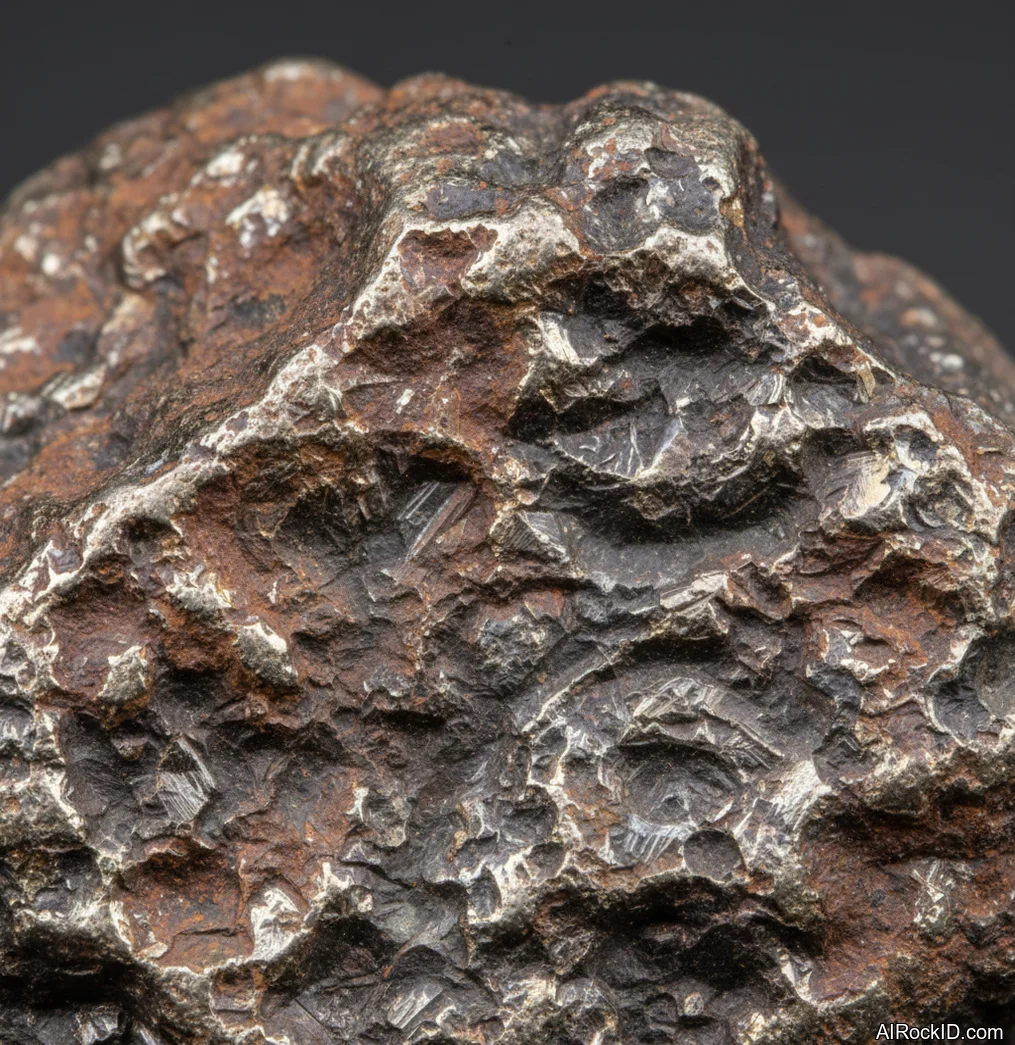
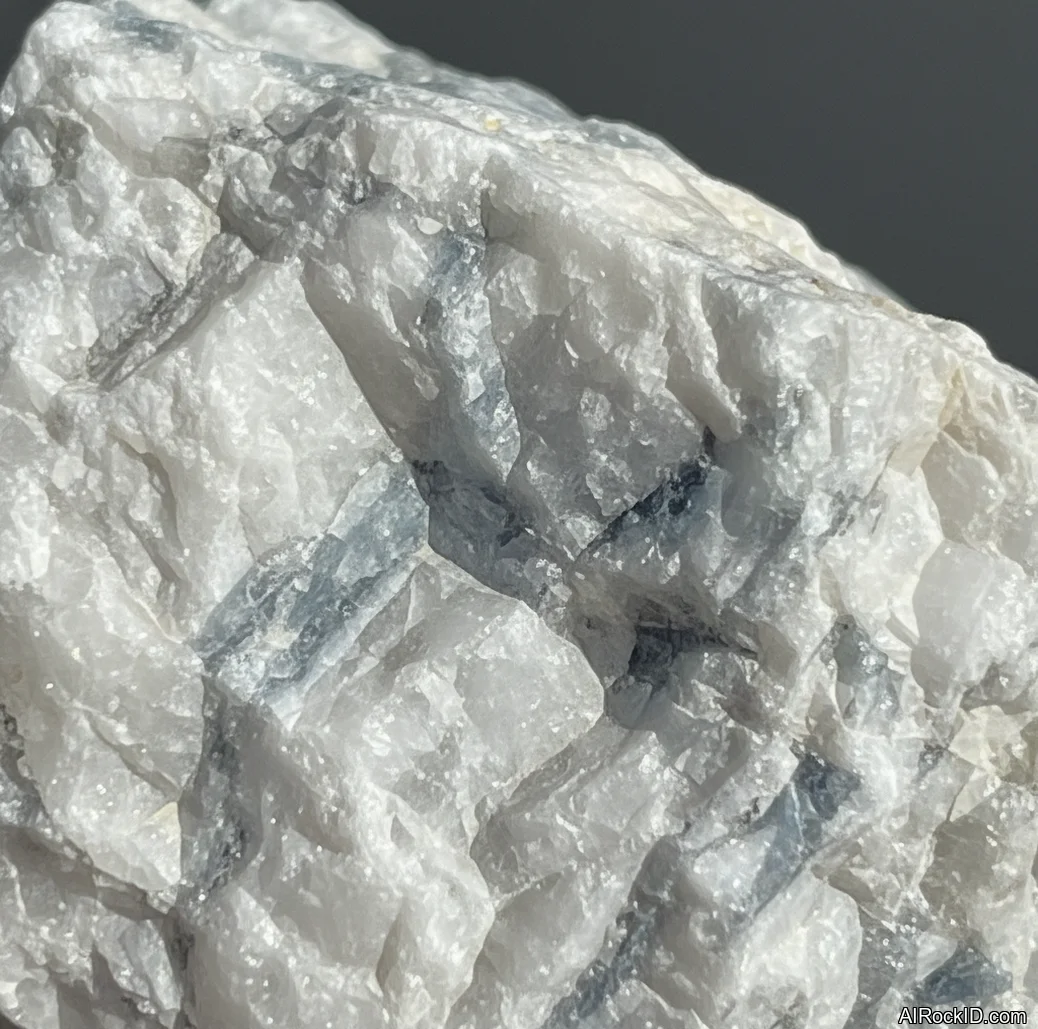
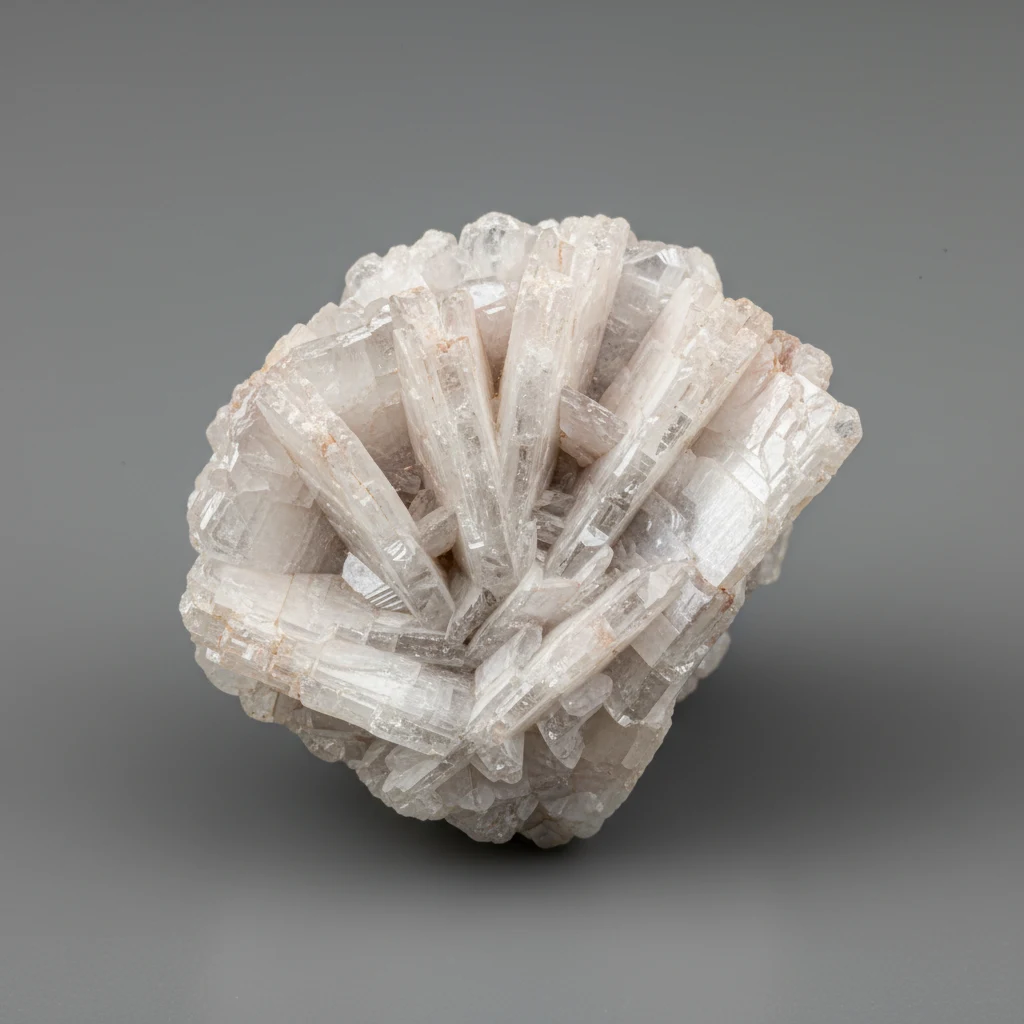
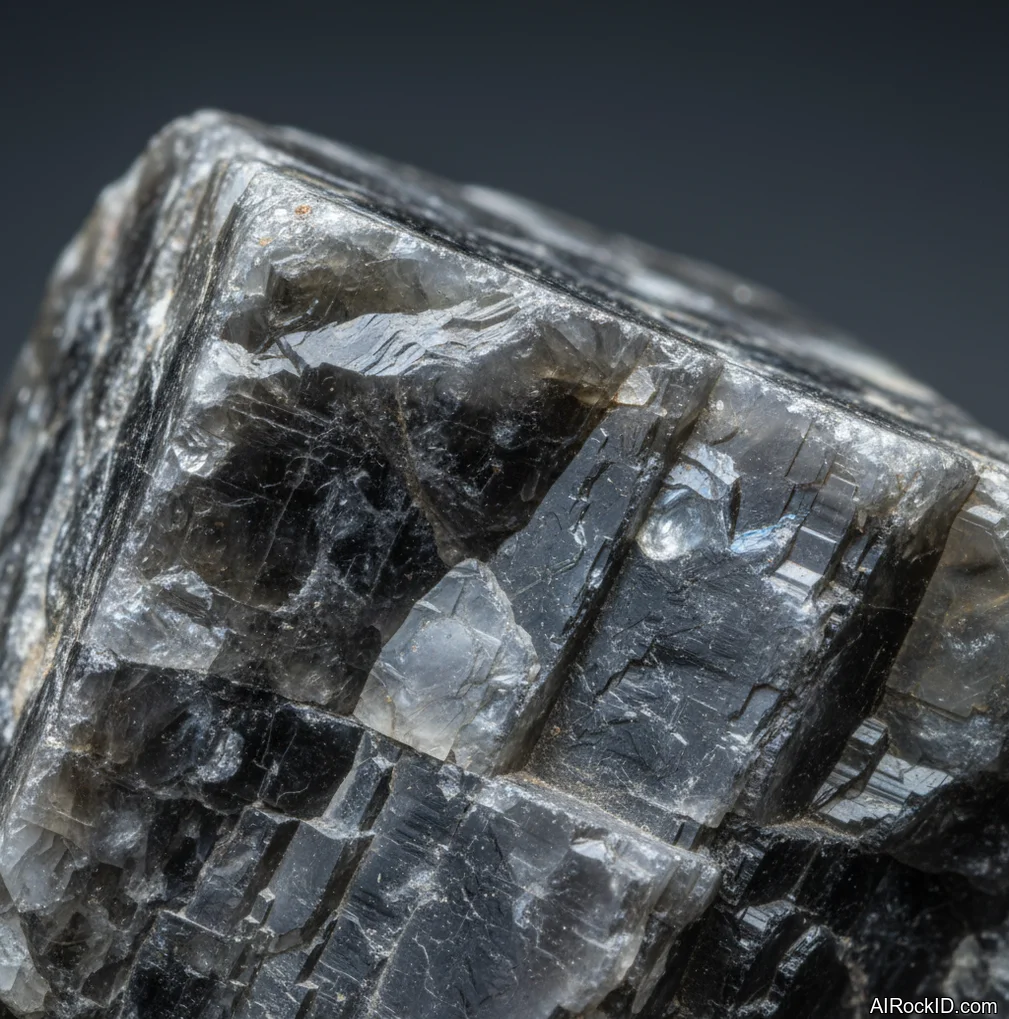
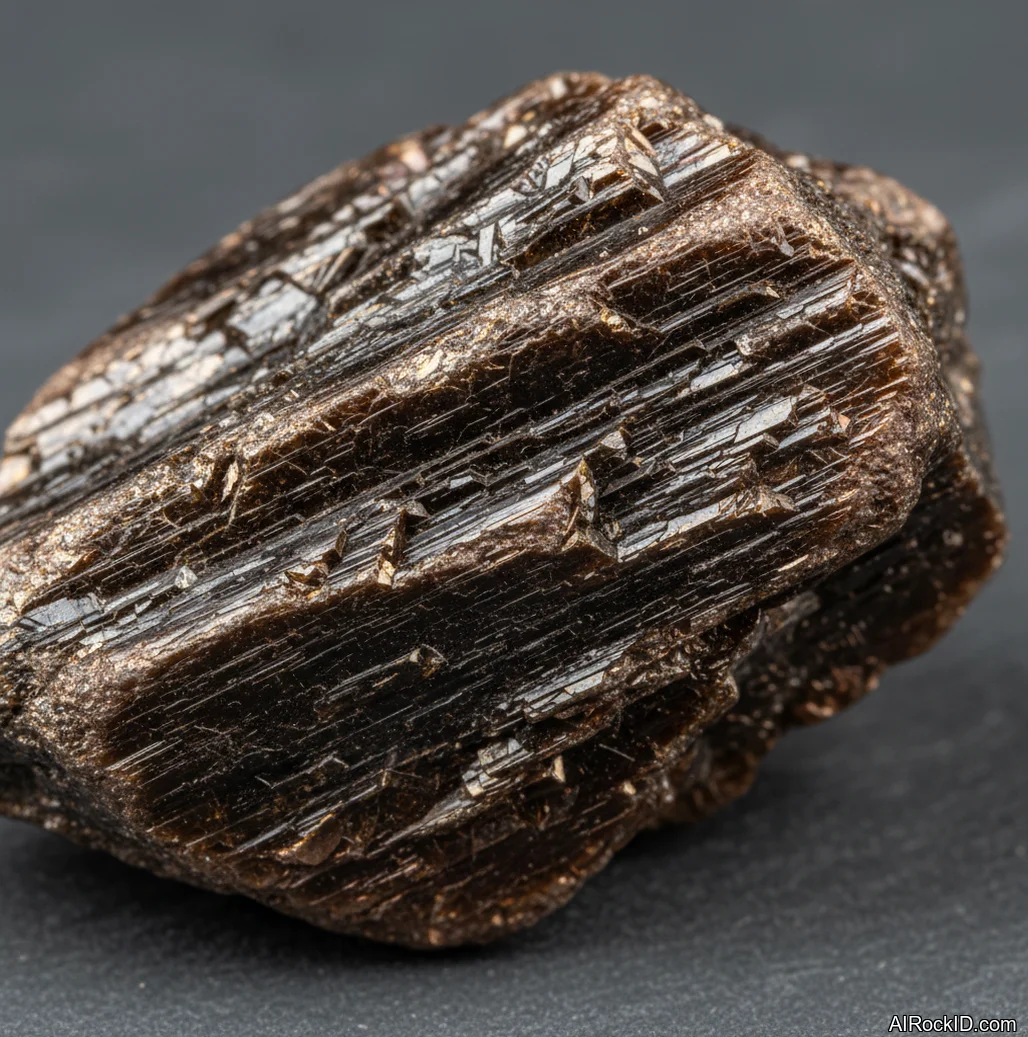
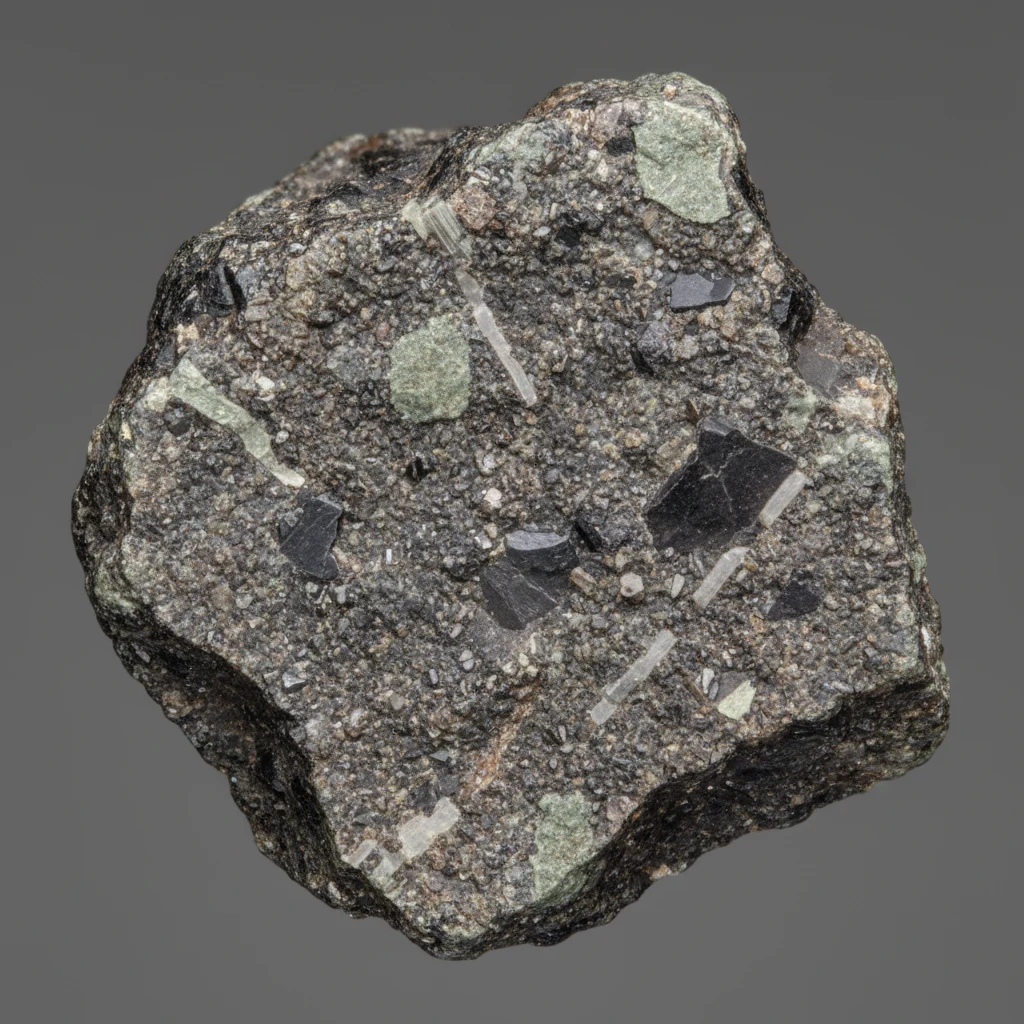
A lunar meteorite is a natural fragment of the Moon that was blasted into space by an impact, crossed Earth’s orbit, survived atmospheric entry, and landed as a meteorite. In the hand it is usually gray, dark gray, black, brownish gray, or pale feldspathic gray, with a dull to subvitreous granular surface rather than a flashy gem look.
Collectors value lunar meteorites because they are real lunar rock and because they can sample parts of the Moon not visited by Apollo or Luna missions. They are achondritic stony meteorites, not single minerals, so their Mohs hardness is variable, about 5–7 depending on mineral content, and their structure is a mix of plagioclase, pyroxene, olivine, ilmenite, silica phases, and accessory minerals.
Origin & History
The first recognized lunar meteorite was Allan Hills 81005, found in Antarctica in 1982. Since then, additional lunar meteorites have been recovered from Antarctica and from hot deserts such as Northwest Africa and Oman, where dark stones are easier to spot and slower weathering can leave collectible material intact.
Lunar origin is not assigned by appearance alone; it is confirmed by similarities to Apollo Moon rocks, including mineral assemblages, chemistry, cosmic-ray exposure history, and oxygen isotope ratios. Reference: USGS. For a collector, that means the label, classification, and laboratory documentation matter as much as the small gray stone itself.
Where Is Lunar Meteorite Found?
Lunar meteorites are found on Earth in places where meteorites can be seen, recovered, and preserved. Reported countries include Antarctica, Morocco, Oman, Libya, Algeria, Australia, and the United States, with notable localities such as Allan Hills in Antarctica, Northwest Africa strewn fields, the Dhofar region of Oman, Dar al Gani in Libya, and the Nullarbor Plain in Australia.
Formation
Lunar meteorites began as Moon rocks: anorthositic highland breccias, basaltic mare rocks, impact-melt breccias, or mixed regolith breccias. Large impacts on the Moon excavated and ejected fragments fast enough to escape lunar gravity, sending broken lunar material into solar orbit.
Some of those fragments later encountered Earth and formed a thin fusion crust during atmospheric entry. Fresh exteriors may show a matte black to brown crust, while cut faces can reveal angular clasts, pale anorthositic fragments, darker basaltic areas, or glassy impact-melt patches.
How to Identify Lunar Meteorite
A true lunar meteorite cannot be confirmed by eye, magnet, streak, or scratch test. Useful field clues include weak magnetism, absence of chondrules, very little metallic iron-nickel, brecciated texture, a weathered surface, or a thin fusion crust, but these clues only point toward further testing.
Proper identification requires laboratory work such as thin-section petrography, electron microprobe mineral chemistry, bulk chemistry, low volatile element patterns, and oxygen isotope testing. Avoid dragging magnets, acids, flame tests, or streak plates across a suspected specimen; lunar meteorites are rare, brittle, and scientifically valuable.
Properties of Lunar Meteorite
Physical Properties
| Crystal System | Not applicable; polymineralic rock composed mainly of triclinic plagioclase, monoclinic/orthorhombic pyroxene, and orthorhombic olivine |
| Hardness (Mohs) | Variable, about 5–7 depending on mineral content (Moderately hard to hard) |
| Density | Approximately 2.8–3.4 g/cm³; basaltic lunar meteorites may be denser than feldspathic breccias |
| Luster | Dull, earthy, subvitreous, or granular; fusion crust may be matte black to brown |
| Diaphaneity | Opaque |
| Fracture | Irregular, granular, brittle; breccias may break around clasts |
| Streak | Gray to pale gray, but streak testing is not recommended for valuable specimens |
| Magnetism | Usually weakly magnetic to nearly non-magnetic because lunar rocks contain very little metallic iron-nickel compared with many ordinary chondrites |
| Colors | gray, dark gray, black, brownish gray, pale gray, greenish gray |
Chemical Properties
| Classification | Achondritic stony meteorite; lunar feldspathic breccia, basalt, gabbro, norite, or impact-melt breccia depending on specimen |
| Formula | No single formula; commonly contains plagioclase feldspar ((Ca,Na)(Al,Si)4O8), pyroxene ((Ca,Mg,Fe)SiO3), olivine ((Mg,Fe)2SiO4), silica phases, ilmenite (FeTiO3), and accessory minerals |
| Elements | oxygen, silicon, aluminum, calcium, magnesium, iron, titanium, sodium, potassium, chromium, manganese |
| Common Impurities | terrestrial weathering products, iron oxides, clay alteration, carbonate veining, desert varnish |
Optical Properties
| Refractive Index | Not applicable as a rock; component minerals commonly range from about 1.53 for plagioclase to about 1.76 for pyroxene and olivine |
| Birefringence | Variable by mineral grain; plagioclase is low, pyroxene and olivine are moderate |
| Pleochroism | Variable; pyroxene and olivine may show weak pleochroism in thin section |
| Optical Character | Aggregate of multiple minerals; individual grains may be biaxial positive or biaxial negative |
Lunar Meteorite Health & Safety
Authenticated lunar meteorites are safe to handle under normal conditions, but cutting, grinding, or sanding can create respirable silicate dust. Water exposure is not recommended because it can damage fragile or weathered specimens and reduce collector value.
Lunar Meteorite Value & Price
Price Range
Rough/Tumbled: Common small authenticated fragments often sell for about $50–$500 per gram, while attractive slices, fresh falls, rare lunar lithologies, or specimens with strong provenance can sell for several hundred to several thousand dollars per gram.
Cut/Polished:
Value depends on confirmed classification, published meteorite name or NWA number, total known weight, lunar lithology, freshness, fusion crust, slice quality, scientific importance, provenance, and whether documentation from a reputable meteorite dealer or laboratory is included.
Durability
Moderate — Scratch resistance: Individual minerals are generally moderately scratch-resistant, but brecciated specimens can be fragile and should not be rubbed, scratched, or streak-tested., Toughness: Variable; compact basalts may be tougher, while feldspathic breccias and weathered stones can be crumbly or prone to edge chipping.
Lunar meteorites are generally stable in dry indoor conditions, but desert-weathered specimens may contain alteration minerals and cracks. Avoid water, humidity, ultrasonic cleaning, acids, and repeated handling of unprotected surfaces.
How to Care for Lunar Meteorite
Use & Storage
Store in a dry display box, membrane box, gem jar, or sealed container with silica gel. Keep labels, certificates, and classification information with the specimen.
Cleaning
Do not wash or soak. Remove loose dust only with a soft dry brush or air blower. For valuable pieces, consult a meteorite specialist before any cleaning.
Cleanse & Charge
For metaphysical use, choose non-contact methods such as moonlight, dry selenite plates, or intention-based cleansing. Avoid salt, water, soil burial, smoke residue, or abrasive methods.
Placement
Display away from humidity, direct handling, kitchen oils, bathrooms, and direct sunlight that may heat the case. A dry cabinet or sealed display case is ideal.
Caution
Do not perform scratch tests, acid tests, flame tests, or magnet dragging on a lunar meteorite. Strong magnets can disturb scientific magnetic records and may scratch or contaminate the specimen.
Works Well With
Lunar Meteorite Meaning & Healing Properties
In modern crystal and meteorite traditions, lunar meteorite is used as a symbolic stone for intuition, emotional reflection, dream work, calm, and cosmic connection. These meanings are cultural and spiritual rather than scientifically proven, but many collectors appreciate the quiet, tactile presence of a real Moon fragment in meditation or display.
It is associated with the Third Eye and Crown chakras, the zodiac signs Cancer, Pisces, and Aquarius, the Moon, and the elements Air and Water. For metaphysical care, use non-contact methods such as moonlight, dry selenite plates, or intention-based cleansing, and avoid water, salt, soil burial, smoke residue, humidity, and abrasive handling.
Identify Lunar Meteorite from a photo
Compare Lunar Meteorite traits, care tips, value clues, and common lookalikes with a clear photo.
Common mistakes
- Assuming any gray or black meteorite is lunar without laboratory classification
- Confusing weak magnetism with proof of Moon origin
- Buying a specimen based only on a certificate from the seller
- Mistaking slag, basalt, or tektite for a lunar meteorite
- Ignoring the official meteorite name, classification, and database record
- Expecting every lunar meteorite to look like Apollo display samples