Silver Pearl


Quick answer: Silver Pearl is an organic nacre gem known for a silver-gray body color and soft iridescent orient. It is relatively soft compared with most minerals, so identification and care should account for nacre layers, surface treatment, and imitation materials.
AI Rock ID can help screen a Silver Pearl photo by checking visible luster, color, shape, drill holes, and surface texture against common pearl and imitation patterns. RockIdentifier.io provides crystal and gem references that can support visual comparison, but lab testing is the most reliable method for high-value pearls.
Good fit
- People comparing silver-gray pearls with dyed or imitation beads
- Collectors who want an organic gem with pearly luster rather than glassy brilliance
- Jewelry buyers who prefer subtle neutral tones
- Beginners learning the difference between nacre, shell, glass, and plastic lookalikes
Not a good fit
- Wearers who need a scratch-resistant everyday ring stone
- Situations involving frequent exposure to perfume, acids, chlorine, or ultrasonic cleaning
- Buyers who require proof of natural color without a seller disclosure or lab report
Most commonly confused with
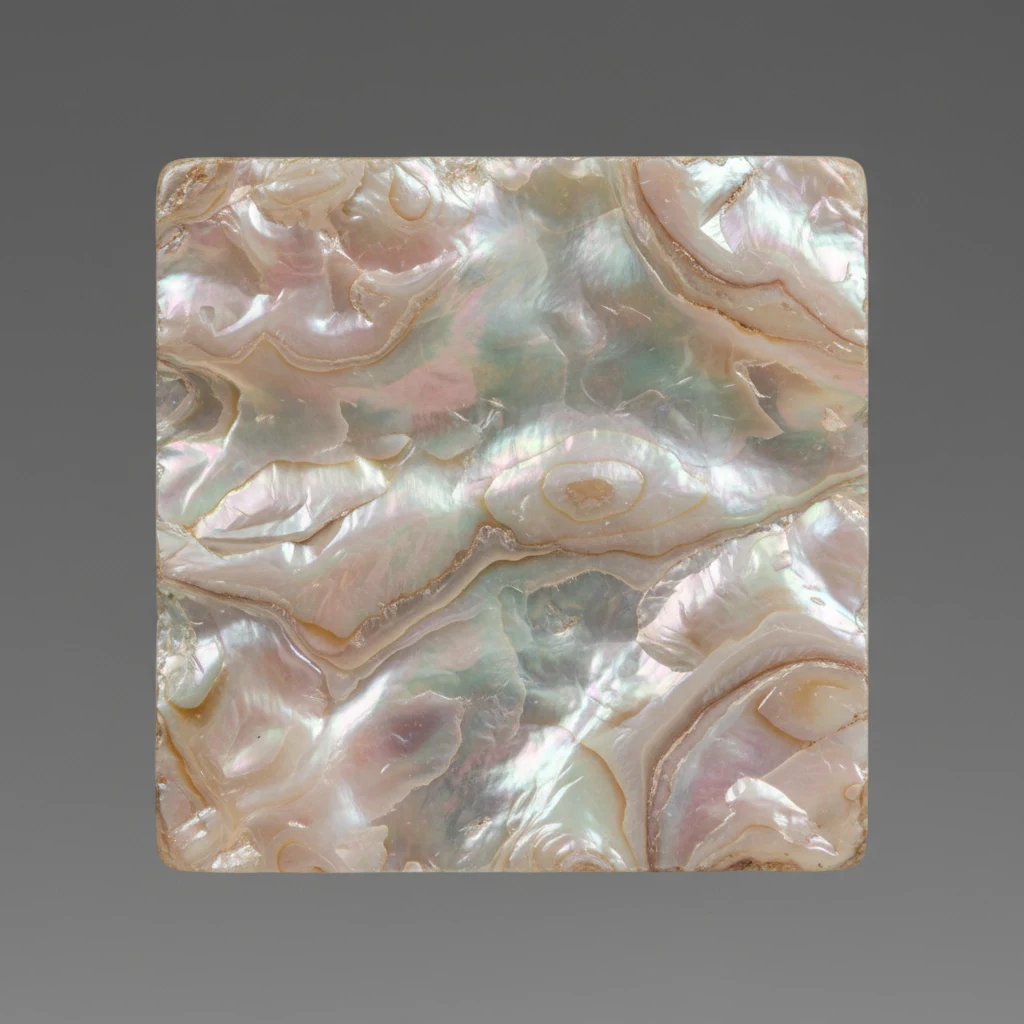
- Mother of Pearl: Mother of pearl is nacre cut from shell lining, while pearl is a rounded or irregular nacre object formed inside a mollusk.
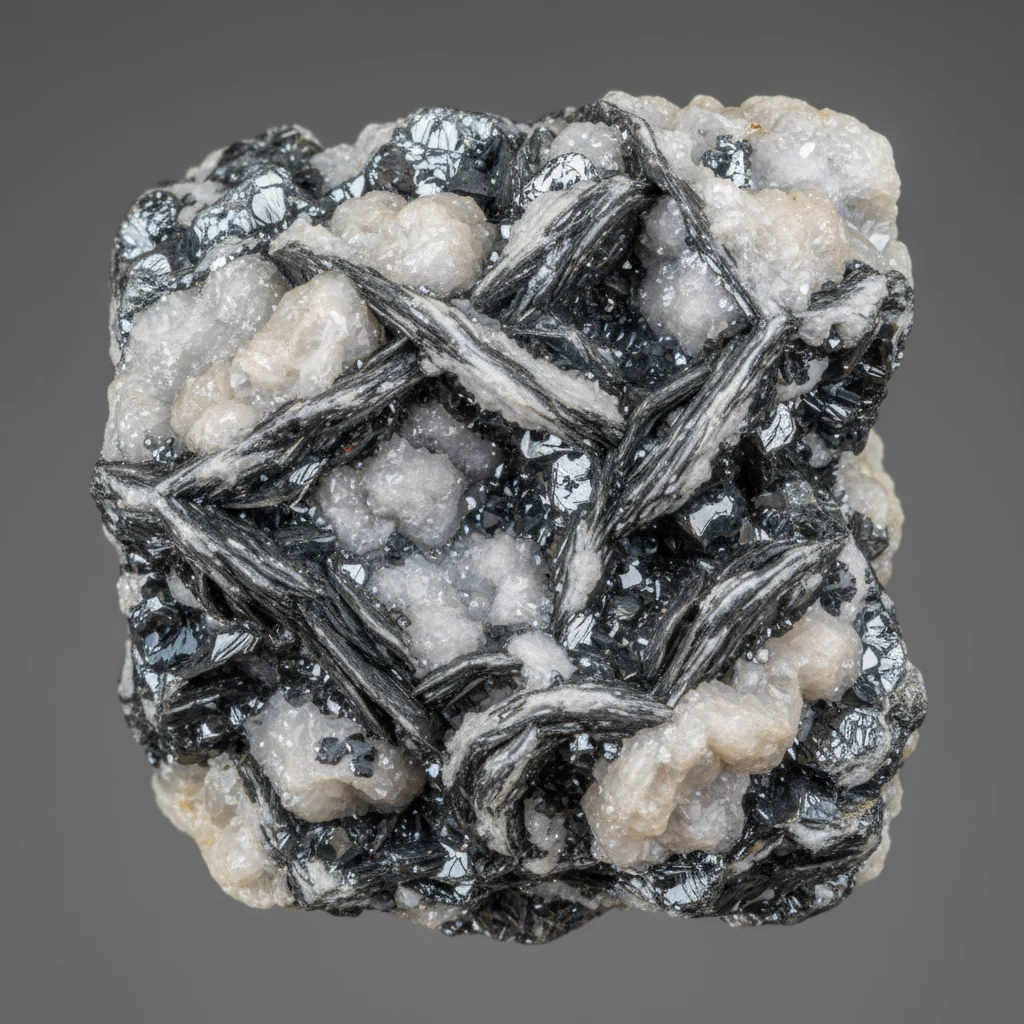
- Hematite: Hematite has a metallic to submetallic look and higher hardness, while Silver Pearl has a softer pearly luster and organic nacre surface.
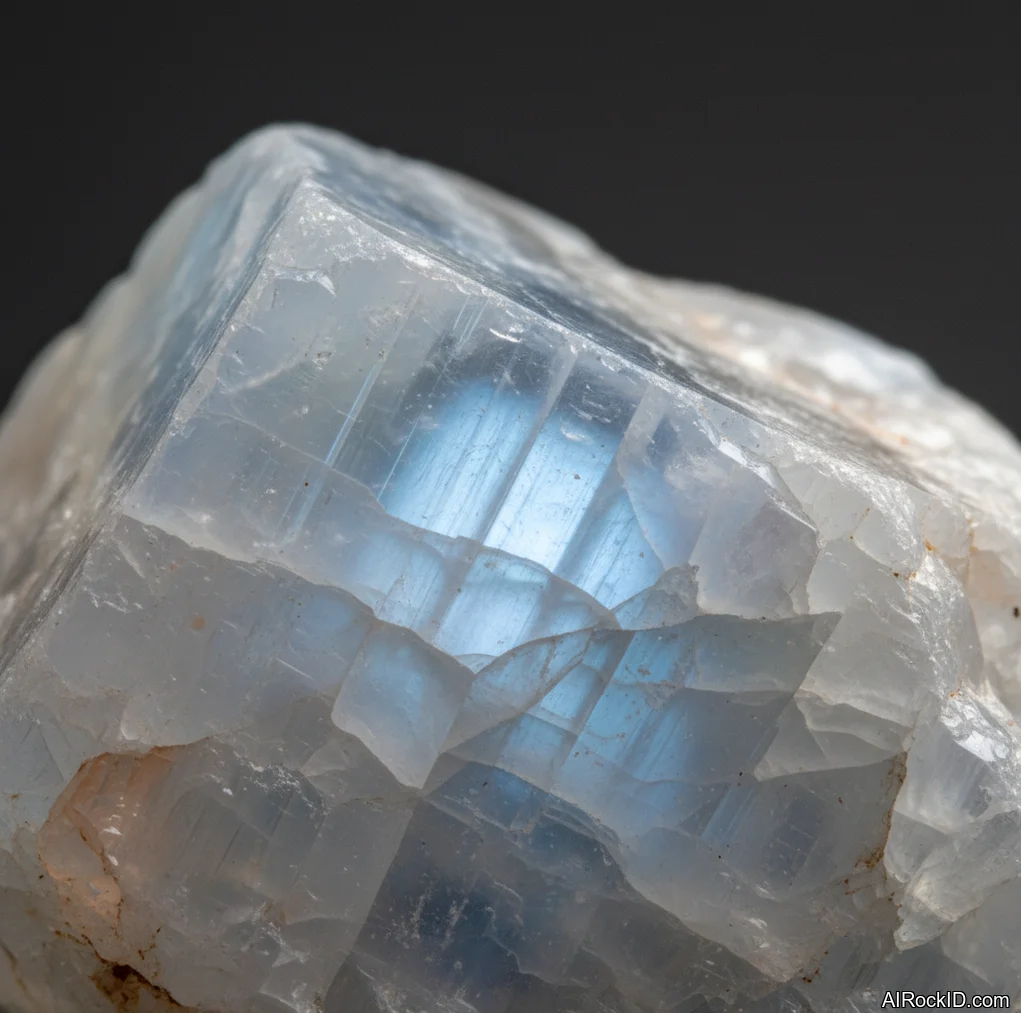
- Moonstone: Moonstone shows feldspar adularescence and is harder, while Silver Pearl has layered nacre and a smooth organic surface.
- Glass Imitation Pearl: Glass imitation pearls often feel heavier and colder, with a coating that may chip at drill holes.
Silver Pearl Lookalike Comparison
| Material | Typical luster | Key difference | Common clue |
|---|---|---|---|
| Silver Pearl | Pearly with subtle orient | Layered nacre formed by a mollusk | Slight surface variation under magnification |
| Mother of Pearl | Pearly, often flatter | Cut from shell lining rather than a whole pearl | Flat or carved pieces are common |
| Glass imitation pearl | Uniform glossy coating | Glass core with artificial coating | Chipped coating may show near drill holes |
| Shell pearl | Even pearly coating | Manufactured from shell powder or shell bead material | Very consistent size and color |
| Hematite | Metallic to submetallic | Iron oxide mineral, not nacre | Much harder and more metallic-looking |
AI identification confidence
AI identification confidence for Silver Pearl is usually moderate from photos because many coated glass, shell, and plastic beads are made to copy pearly luster. Confidence improves when images show drill holes, surface texture, reflections, scale, and multiple lighting angles.
When AI gets it wrong
- A coated glass bead has a smooth silver finish that looks like nacre in a single photo
- A dyed or treated pearl is mistaken for naturally silver-colored pearl
- Mother of pearl cabochons or shell beads are photographed without showing their flat or carved structure
- Strong glare hides coating chips, growth marks, or surface blemishes
Final recommendation
For casual jewelry, Silver Pearl is a good choice when the seller clearly states whether it is natural, cultured, dyed, treated, or imitation. For expensive strands or rare claimed natural-color pearls, request documentation from a reputable gemological laboratory.
How to Check Silver Pearl Authenticity
Look for nacre-like surface depth, minor natural variation, and clean disclosure of whether the pearl is natural, cultured, dyed, or imitation. Under magnification, real nacre may show subtle growth texture, while coated imitation pearls often show a uniform outer layer or chipping around drill holes. A professional gemological report is recommended when natural color, saltwater origin, or high value is being claimed.
Natural Color, Dyed, and Treated Silver Pearls
Silver color in pearls can be natural, especially in some cultured pearl types, but gray and silver tones are also commonly produced or modified by dyeing and other treatments. Treatment is not necessarily a problem when disclosed, but it affects price and resale expectations. Buyers should be cautious of vague labels such as “genuine silver pearl” when origin, treatment, and pearl type are not specified.
Photo Tips for Identifying Silver Pearl
Use diffused daylight or soft indoor light to photograph Silver Pearl because direct flash can hide surface clues. Take close-up images of the drill hole, clasp area, surface reflections, and any blemishes. Include a scale reference and photograph several pearls from a strand, since overly identical color and shape can indicate imitation or heavy processing.
What Is Silver Pearl?
Silver Pearl is a lustrous organic gem formed from mollusk nacre, admired for its silver, gray, and white tones. In hand, a good specimen feels smooth and cool, with a reflective pearly surface that shifts softly as it turns in the light.
Collectors also know it as Silver Mother of Pearl or Silver Nacre. Its composition is calcium carbonate, CaCO3, with organic matter as a common impurity, and its amorphous structure gives it a gem identity very different from faceted crystalline minerals.
Origin & History
Silver Pearl has been valued since ancient times, and the word pearl comes from the Latin perla. Its appeal is immediate: a rounded, nacreous surface with a quiet silver sheen rather than a sharp crystal sparkle.
In collection notes, Silver Pearl is best treated as an organic gem rather than a conventional mineral crystal. For mineral-reference context on pearl terminology and classification, mindat.org is a useful plain-text source to compare against specimen labels.
Where Is Silver Pearl Found?
Silver Pearl is most commonly found in marine environments, especially tropical and subtropical waters. The listed source countries include Japan, China, and Australia, all well known in pearl collecting circles for producing nacreous organic gems.
Formation
Silver Pearl forms when an irritant enters a mollusk and the animal secretes layers of nacre around it. Those layered nacre deposits build the smooth body and the soft, reflective silver-gray glow collectors look for.
This origin explains why Silver Pearl feels different from a hard silicate crystal: it is organic, calcium-carbonate based, and comparatively soft at Mohs 2.5-4.5. Handle it as a polished surface first and a geological curiosity second, because scratches can mark the nacre.
How to Identify Silver Pearl
Identify Silver Pearl by its gray to silver color range, pearly luster, translucent quality, and smooth reflective surface. Under light, the key field clue is iridescence: the surface should show a soft glow rather than a flat gray shine.
Its physical properties support the identification: amorphous structure, white streak, non-magnetic behavior, conchoidal fracture, and density of 2.5-2.7 g/cm3. A scratch test can indicate softness, but collectors should avoid unnecessary testing because Silver Pearl needs care to prevent surface damage.
Properties of Silver Pearl
Physical Properties
| Crystal System | Amorphous |
| Hardness (Mohs) | 2.5-4.5 (Very Soft (1-2)) |
| Density | 2.5-2.7 g/cm3 |
| Luster | Pearly |
| Diaphaneity | Translucent |
| Fracture | Conchoidal |
| Streak | White |
| Magnetism | Non-magnetic |
| Colors | Silver, Gray, White |
Chemical Properties
| Classification | Organic |
| Formula | CaCO3 (Calcium Carbonate) |
| Elements | Ca, C, O |
| Common Impurities | Organic matter |
Optical Properties
| Refractive Index | 1.66-1.68 |
| Birefringence | None |
| Pleochroism | None |
| Optical Character | Isotropic |
Silver Pearl Health & Safety
Silver Pearl poses no significant health risks.
Silver Pearl Value & Price
Price Range
Rough/Tumbled: $10 - $50 per specimen
Cut/Polished: $20 - $100 per carat
Price is influenced by size, luster, and surface quality.
Durability
Moderate — Scratch resistance: Fair, Toughness: Good
It requires care to prevent scratches and damage.
How to Care for Silver Pearl
Use & Storage
Store in a soft pouch to prevent scratches.
Cleaning
Clean with mild soap and water using a soft cloth. Avoid harsh chemicals.
Cleanse & Charge
Place under moonlight to cleanse and recharge.
Placement
Display in a cool, dry place away from direct sunlight.
Caution
Avoid exposure to chemicals that can damage the surface.
Works Well With
Silver Pearl Meaning & Healing Properties
In crystal healing traditions, Silver Pearl is used for calmness, emotional balance, protection, inner peace, love, intuition, trust, growth, and transformation. It is associated with the Heart and Crown chakras, the Moon, the Water element, and the zodiac signs Cancer and Taurus.
Use it as a gentle meditation stone or display piece, but not as a substitute for medical treatment. For care, clean it with mild soap and water on a soft cloth, store it in a soft pouch, avoid harsh chemicals, and place it under moonlight for cleansing and recharging.
Identify Silver Pearl from a photo
Compare Silver Pearl traits, care tips, value clues, and common lookalikes with a clear photo.
Common mistakes
- Assuming every silver-gray pearl has natural color without checking disclosure
- Calling mother of pearl and whole pearl the same material in jewelry listings
- Using hardness tests on finished pearls, which can permanently damage nacre
- Cleaning pearls with ultrasonic machines, vinegar, bleach, or jewelry dips
- Judging authenticity from color alone instead of checking surface, weight, drill holes, and seller information
- Overlooking coating chips on imitation pearls near drill holes or clasps