Sea Shell


Quick answer: Sea shell is an organic calcium carbonate material formed by marine mollusks, often showing pearly, chalky, or layered surfaces. It is relatively soft compared with many minerals, so identification should consider texture, growth lines, weight, and reaction to acid rather than color alone.
AI Rock ID can help compare a sea shell specimen against visually similar organic and carbonate materials using photos and observable features. RockIdentifier.io provides crystal and mineral reference information that can support, but not replace, hands-on checks such as hardness, luster, and surface structure.
Good fit
- Collectors who want an organic gem material with clear marine origin
- Beginners learning the difference between shells, pearls, coral, and calcite
- Jewelry buyers checking for natural shell versus plastic or dyed substitutes
- Decorative collections where soft materials can be kept away from abrasion
Not a good fit
- Rings or bracelets expected to tolerate daily impact and scratching
- Specimens that will be cleaned with vinegar, bleach, or ultrasonic cleaners
- Buyers who need a rare mineral species rather than an organic material
Most commonly confused with
- Mother of Pearl: Mother of pearl is the nacreous inner shell layer, while a sea shell may include both nacreous and non-nacreous outer layers.
- Pearl: Pearl forms as a rounded nacreous body inside a mollusk, while sea shell is the protective external structure.
- Coral: Coral is built by coral polyps and often has a branching or porous structure, while shells usually show mollusk growth lines or spiral forms.
- Calcite: Calcite is a mineral form of calcium carbonate, while sea shell is an organic biogenic structure made mostly of aragonite or calcite.
Sea Shell Lookalike Comparison
| Material | Typical Clue | Key Difference |
|---|---|---|
| Sea shell | Layered growth lines, marine form, calcium carbonate | Natural shell structure with possible chalky and pearly zones |
| Mother of pearl | Strong iridescent nacre | Usually the inner nacre layer rather than the full shell |
| Pearl | Rounded bead-like form | Forms inside the mollusk instead of as the outer shell |
| Coral | Branching, porous, or skeletal texture | Produced by coral colonies, not mollusks |
| Plastic imitation | Uniform color, mold lines, low density | Synthetic material without carbonate layering |
AI identification confidence
AI identification of sea shell is often moderately reliable when the photo shows growth lines, spiral form, nacre, or broken layered edges. Confidence drops when the object is polished, dyed, carved, photographed in poor light, or shown without scale.
When AI gets it wrong
- A polished shell cabochon may be labeled as mother of pearl, pearl, or opal-like material.
- Bleached or dyed shells can look like plastic, bone, or coral in photos.
- Small shell fragments may be mistaken for calcite, aragonite, or limestone.
- Highly worn beach pieces may lose the growth lines needed for visual identification.
Final recommendation
Choose sea shell when the goal is a recognizable organic marine material with natural layering and pearly or chalky textures. For jewelry, select protected settings and verify that color treatments, coatings, or plastic substitutes are disclosed.
How to Spot Natural Sea Shell
Natural sea shell commonly shows uneven growth lines, layered edges, and small variations in thickness or color. A loupe may reveal nacreous platelets, chalky outer layers, or subtle surface pits rather than perfectly repeated molded texture. Because shell is calcium carbonate, acid can damage it, so destructive acid testing is not recommended for finished pieces.
Buying Sea Shell Jewelry
Sea shell jewelry should be checked for cracks, thin edges, glued backing, and coatings that may peel with wear. Dyed shell is common and should be disclosed when color is unusually bright or uniform. Be cautious with items sold as rare natural shell if the pattern repeats across multiple pieces.
Ethical and Legal Considerations
Some shells come from protected species or regulated marine environments, so origin matters for collecting and trade. Vintage, farmed, or byproduct shell materials may have different documentation needs than newly harvested wild shells. Local beach collecting rules can also limit removal of shells, especially in protected coastal areas.
What Is Sea Shell?
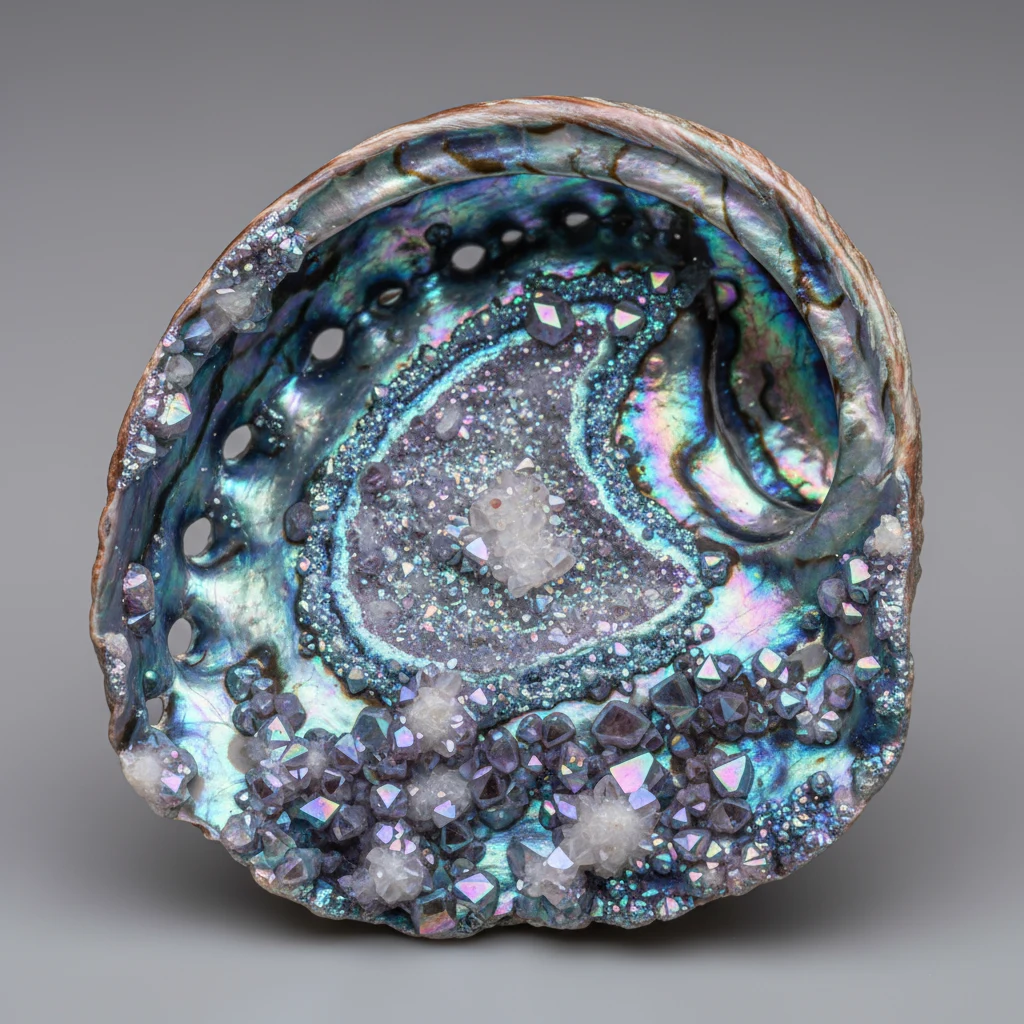
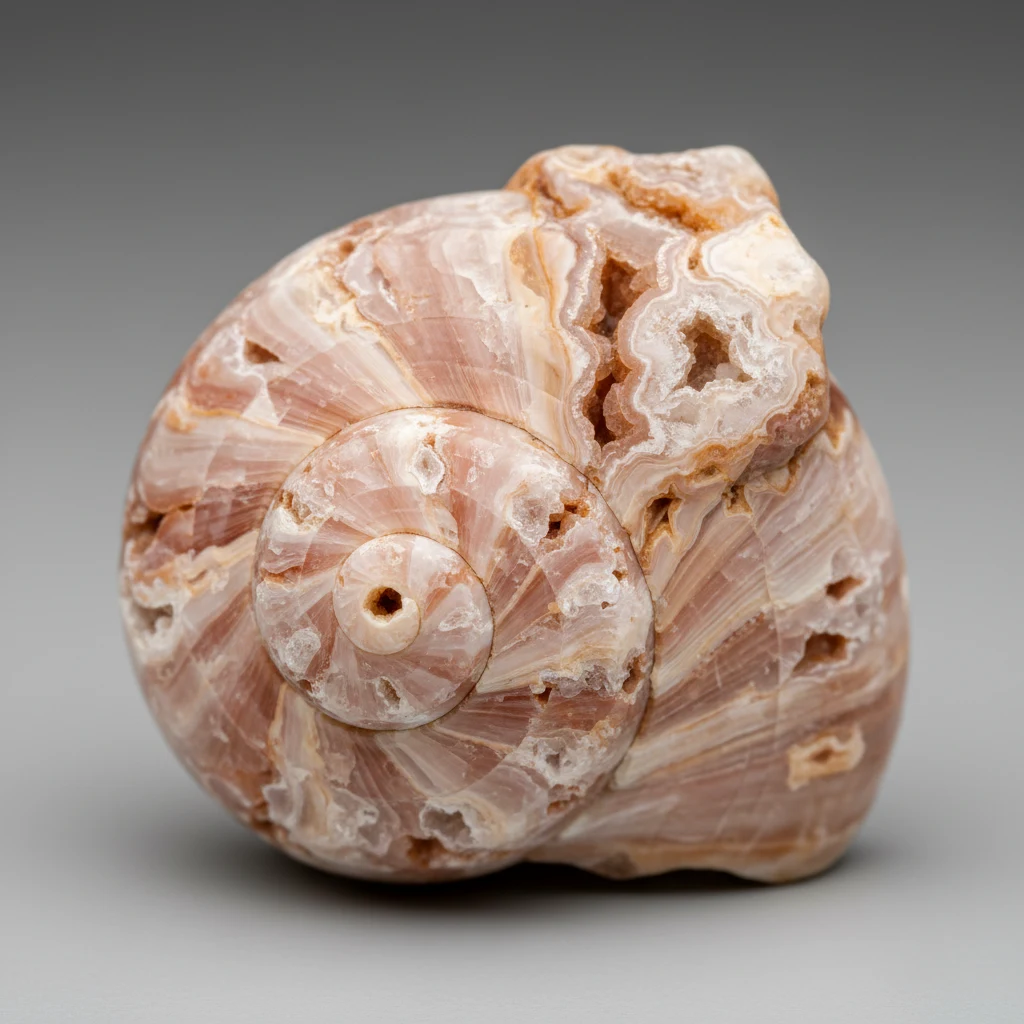
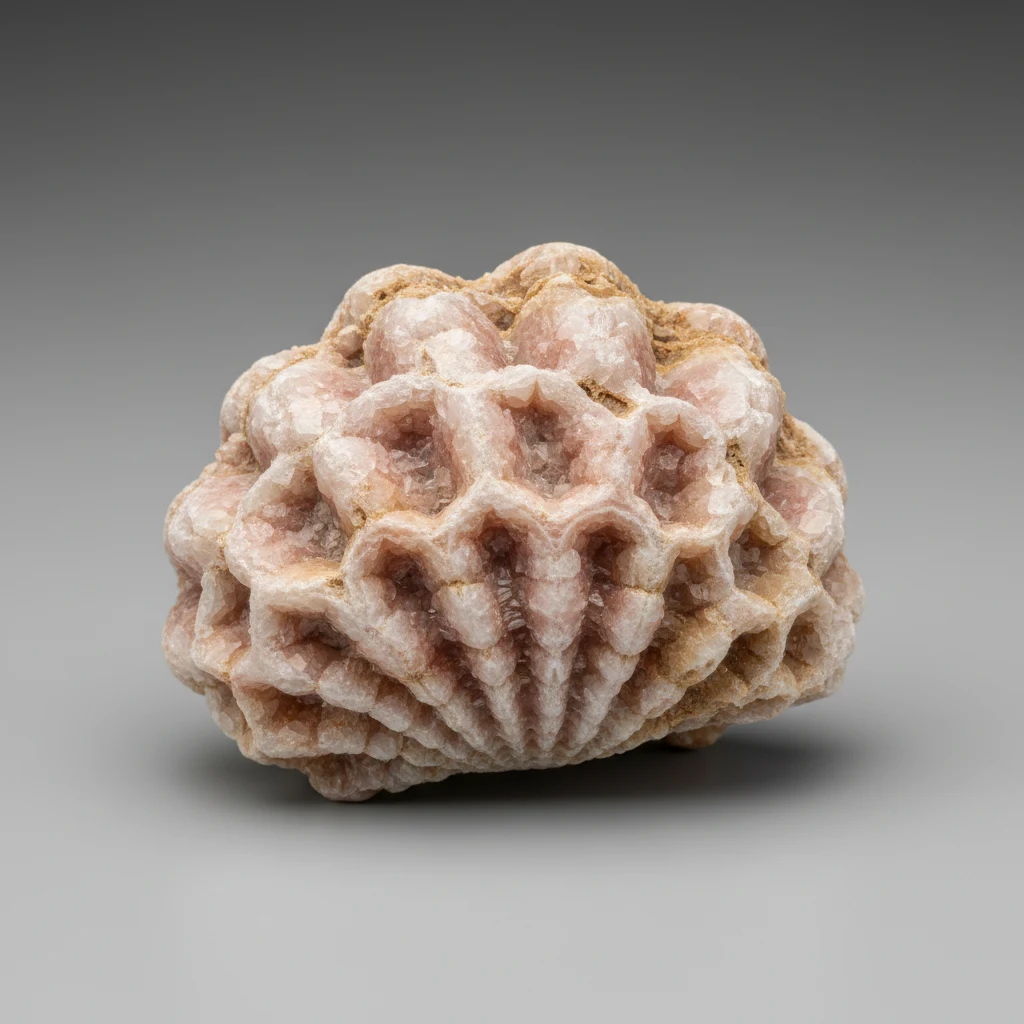
Sea Shell is a common organic gem made mainly of calcium carbonate, the hard outer covering produced by marine organisms. In hand, a good shell feels light but firm, with a pearly to glossy surface that can show white, tan, or pink color. It is not magnetic, is opaque, and has a Mohs hardness of 3-4, so it feels sturdy enough for display but can still scratch or chip if handled roughly.
Collectors value sea shells for shape, surface condition, and pattern more than for rarity. The material is classified as a carbonate with the formula CaCO3, and common impurities may include Mg and Fe. Most specimens are inexpensive, but a clean, intact shell with attractive color and an undamaged lip or edge will usually feel more desirable in a tray than a worn or chemically dulled example.
Origin & History
Sea Shell has an ancient human history because the term refers broadly to shells from marine mollusks, a material people have picked up, traded, displayed, and used across many cultures. Its appeal is immediate: the hand recognizes the protective curve, the pearly luster, and the intricate natural form before any label is read. That mix of biology, beauty, and durability is why shells remain familiar to both beachcombers and collectors.
As an organic gem, Sea Shell sits between natural history specimen and decorative collectible. Its mineral substance is calcium carbonate, but its identity comes from the marine organism that made it. For mineral reference context, mindat.org catalogs calcium carbonate materials and carbonate mineral data, which helps place shell material beside related carbonate specimens while still recognizing its organic origin.
Where Is Sea Shell Found?
Sea Shell is most commonly found along coastlines and sandy beaches. The listed countries include the USA, Australia, and Japan, with notable localities such as Florida, the Great Barrier Reef, and Okinawa. In the field, look for shells where water, sand, and shoreline sorting naturally concentrate loose marine material.
Formation
Sea Shell forms when mollusks secrete calcium carbonate to build a protective outer layer. As the organism matures, the shell grows over time, adding material into a hard covering that preserves the animal’s life pattern in shape, thickness, color, and surface texture. This is why two shells can share the same chemistry yet look quite different in the hand.
The shell’s material is carbonate, with the formula CaCO3 and a density range of 2.5-2.9 g/cm3. It is described as amorphous, opaque, and pearly in luster, with conchoidal fracture and a white streak. These properties explain the collector experience: Sea Shell feels solid but not hard like quartz, and it should be protected from harsh chemicals and extreme conditions.
How to Identify Sea Shell
Identify Sea Shell by its organic form, opaque body, pearly or glossy luster, and natural color range of white, tan, and pink. The most useful field clue is shape: sea shells show distinctive outlines and patterns created by marine mollusks rather than flat crystal faces. A tactile check can reveal texture differences across the surface, which often helps separate one shell type from another.
For a specimen table, note Mohs hardness 3-4, white streak, non-magnetic behavior, and conchoidal fracture if broken. Its optical data are refractive index 1.65-1.66, no birefringence, no pleochroism, and isotropic optical character. Handle gently during identification; the shell has moderate durability, fair scratch resistance, good toughness, and can be affected by harsh chemicals or extreme conditions.
Properties of Sea Shell
Physical Properties
| Crystal System | Amorphous |
| Hardness (Mohs) | 3-4 (Medium (4-6)) |
| Density | 2.5-2.9 g/cm3 |
| Luster | Pearly |
| Diaphaneity | Opaque |
| Fracture | Conchoidal |
| Streak | White |
| Magnetism | Non-magnetic |
| Colors | White, Pink, Tan |
Chemical Properties
| Classification | Carbonate |
| Formula | CaCO3 |
| Elements | Ca, C, O |
| Common Impurities | Mg, Fe |
Optical Properties
| Refractive Index | 1.65-1.66 |
| Birefringence | None |
| Pleochroism | None |
| Optical Character | Isotropic |
Sea Shell Health & Safety
Sea shells pose minimal health risks when handled properly.
Sea Shell Value & Price
Price Range
Rough/Tumbled: $1 - $50 per specimen
Cut/Polished:
Price is affected by size, rarity, and condition.
Durability
Moderate — Scratch resistance: Fair, Toughness: Good
Sea shells can be sensitive to harsh chemicals and extreme conditions.
How to Care for Sea Shell
Use & Storage
Store in a cool, dry place away from direct sunlight.
Cleaning
Clean with gentle soap and water. Rinse thoroughly and dry completely.
Cleanse & Charge
Place in sunlight or moonlight for a few hours.
Placement
Display in a stable location to avoid damage.
Caution
Avoid exposing to harsh chemicals.
Works Well With
Sea Shell Meaning & Healing Properties
In crystal healing practice, Sea Shell is most often used for calm, protection, balance, and nurturing emotional support. Its water element and Moon association give it a soothing feel in a space, especially when placed where it will not be knocked over or exposed to direct sunlight for long storage. Many people work with it during meditation, stress relief, and inner peace practices.
Sea Shell is associated with the Sacral and Solar Plexus chakras and with the zodiac signs Cancer and Pisces. It pairs well with rose quartz, amethyst, and clear quartz when building a gentle display or intention set. For care, clean it with gentle soap and water, rinse thoroughly, dry completely, and avoid harsh chemicals; for energetic cleansing, place it in sunlight or moonlight for a few hours.
Identify Sea Shell from a photo
Compare Sea Shell traits, care tips, value clues, and common lookalikes with a clear photo.
Common mistakes
- Assuming every iridescent shell piece is pearl rather than mother of pearl or nacreous shell
- Using vinegar or acidic cleaners, which can etch calcium carbonate surfaces
- Judging authenticity by color alone, since natural, dyed, bleached, and plastic pieces may look similar
- Wearing thin shell jewelry in high-impact settings where it can chip or crack
- Overlooking molded seams or repeated patterns that suggest plastic imitation