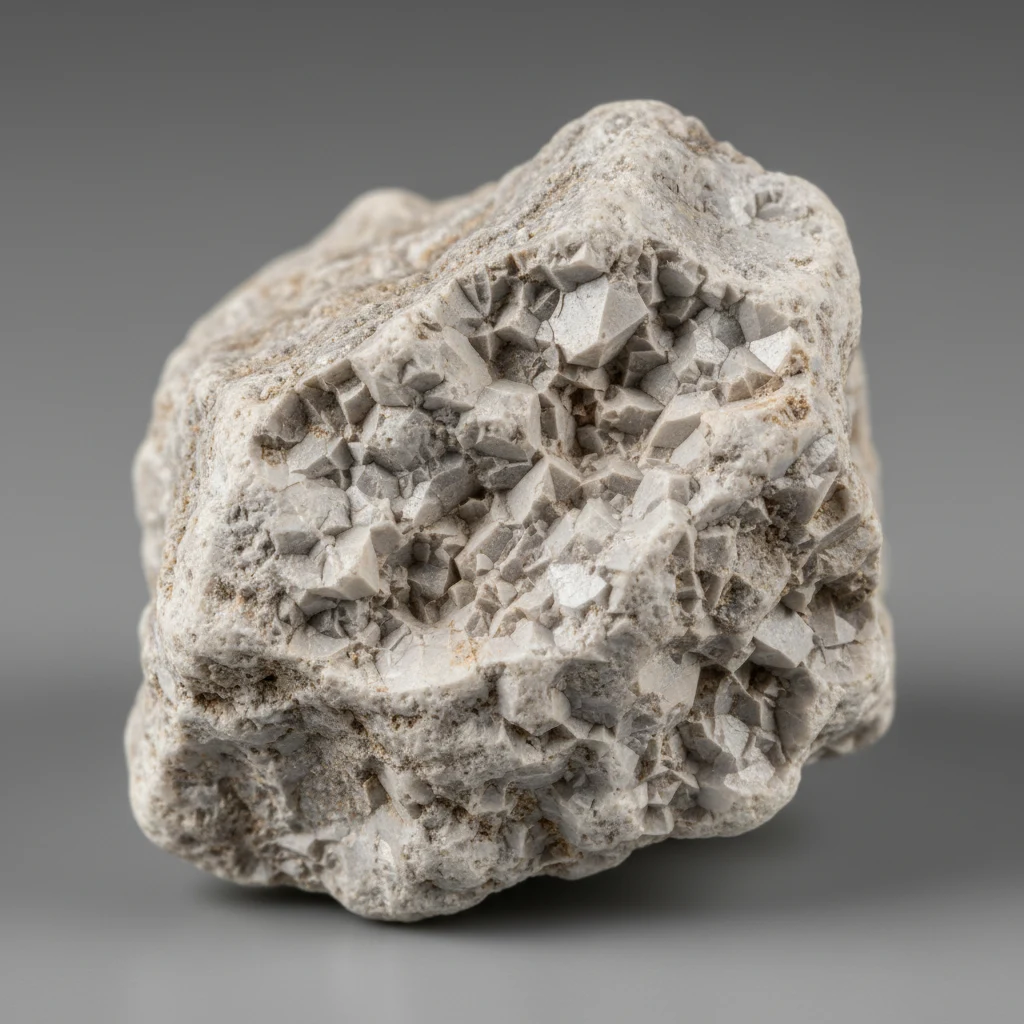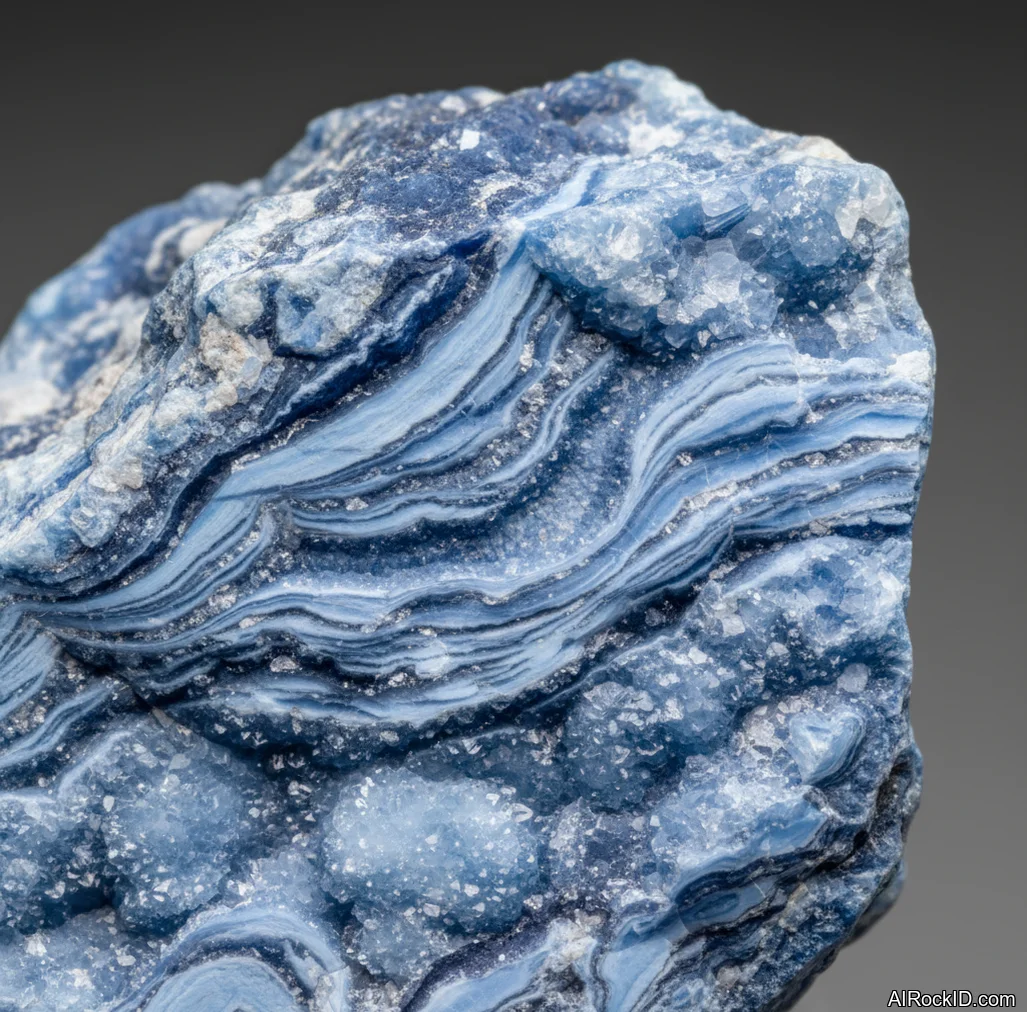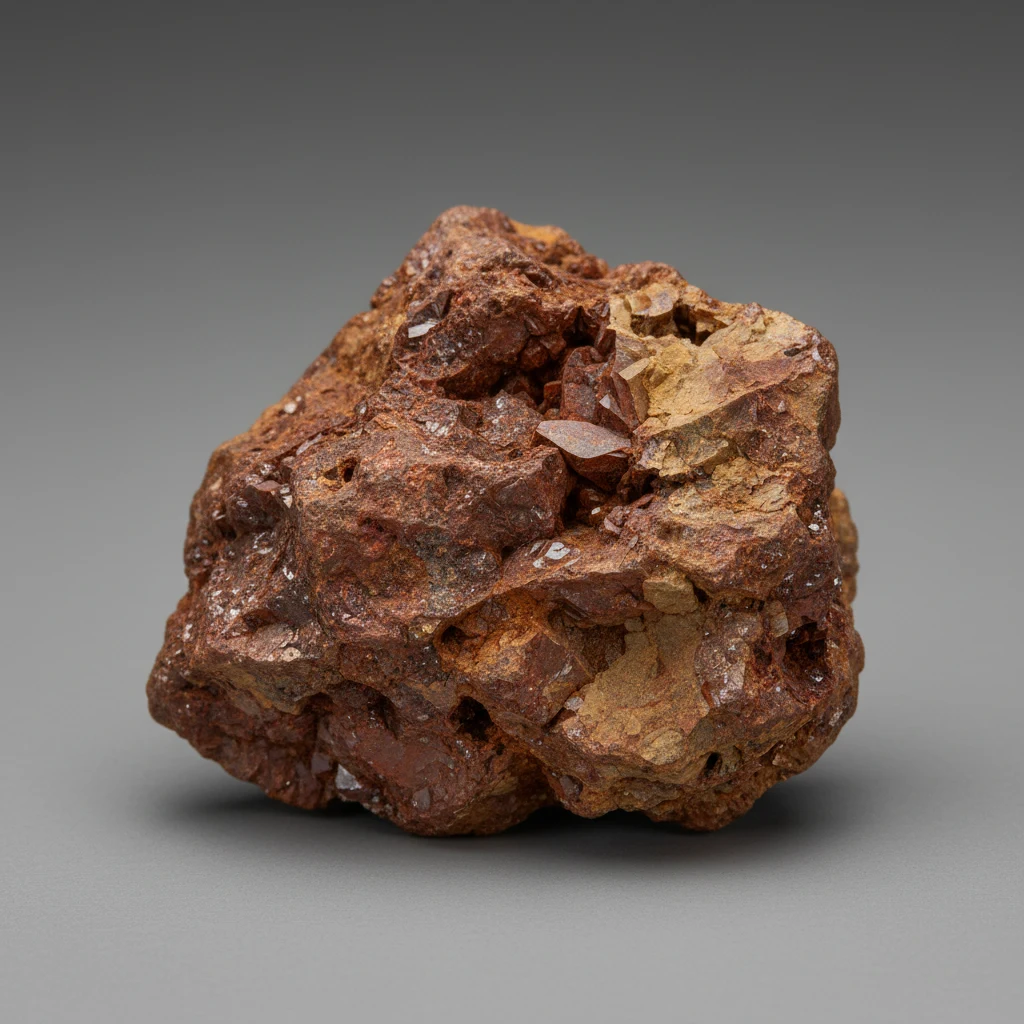
Shale


Quick answer: Shale is a fine-grained sedimentary rock made from compacted clay, silt, and mineral particles. It is usually identified by its layered, fissile structure, dull surface, and tendency to split into thin sheets rather than break into glassy or blocky pieces.
AI Rock ID can help screen shale by checking visible layering, grain size, color, and fracture style from a clear photo. RockIdentifier.io can provide a preliminary identification, but field context and simple tests such as hardness, streak, and reaction to acid may still be needed.
Good fit
- Learners comparing common sedimentary rocks
- Collectors who want labeled local geology specimens
- Classroom kits focused on clay-rich rocks and bedding
- People identifying layered rocks found near roadcuts, creek beds, or quarries
Not a good fit
- Jewelry use, because shale is soft and can flake
- Aquariums or terrariums unless the exact composition is known
- Outdoor display where freeze-thaw cycles may split the rock
- Handling without dust control when cutting, drilling, or sanding
Most commonly confused with
- Slate: Slate is metamorphosed and typically harder, denser, and more durable than shale.
- Mudstone: Mudstone is also fine-grained but usually lacks the strong sheet-like splitting seen in shale.
- Siltstone: Siltstone feels slightly gritty and contains more silt-sized particles than typical shale.
- Schist: Schist is a metamorphic rock with visible mica-rich sparkle and stronger foliation.
Shale Lookalike Comparison
| Rock | Typical texture | Key difference |
|---|---|---|
| Shale | Very fine-grained, layered, often dull | Splits into thin sheets due to fissility |
| Slate | Fine-grained, flat cleavage, denser | Metamorphic and usually harder than shale |
| Mudstone | Very fine-grained, massive or blocky | Does not split into thin sheets as readily |
| Siltstone | Fine-grained with slight gritty feel | Contains more silt and less clay than shale |
| Schist | Foliated with visible mica or mineral flakes | Shows metamorphic sparkle and coarser mineral alignment |
AI identification confidence
AI identification of shale is often moderate when photos clearly show thin layering, dull surfaces, and very fine grain size. Confidence drops when the specimen is wet, weathered, coated with soil, or photographed without a fresh broken edge.
When AI gets it wrong
- A close-up photo hides scale, making shale look like slate, mudstone, or schist.
- Weathered shale may crumble or stain, obscuring its original bedding.
- Dark shale can be mistaken for coal or basalt if fissility is not visible.
- Polished or cut pieces may lose the natural surface clues used for identification.
Final recommendation
For identification, prioritize a fresh edge, visible layering, and whether the rock splits into thin sheets. For collecting or buying, choose specimens with a known locality and avoid pieces sold as durable decorative stone unless the seller clearly describes the material as shale.
How to Check Shale Authenticity When Buying
Authentic shale should usually show very fine grain size, dull to slightly earthy luster, and visible bedding or fissile layers. A seller should be able to describe the locality or formation when the specimen is sold for education or collecting. Be cautious if a piece labeled shale is glossy, very hard, highly polished, or marketed like a gemstone without geological context.
Best Photos for Shale Identification
Use natural light and photograph the flat bedding surface, a broken edge, and the side profile of the layers. Include a coin, ruler, or fingertip for scale because shale can resemble several other fine-grained rocks in close-up images. A dry surface is usually easier to interpret than a wet surface, which can darken colors and hide texture.
Field Clues That Support a Shale ID
Shale is commonly found in layered sedimentary sequences with sandstone, limestone, siltstone, or coal. It may occur as thin beds that break into plates or chips along bedding planes. A very fine texture, earthy odor when damp, and weak resistance to scratching can support the identification, but mineral content varies by locality.
What Is Shale?
Shale is a fine-grained fissile sedimentary rock made from compacted clay, silt, and very fine mineral particles. In the hand, it usually feels dull, smooth to slightly gritty, and layered rather than crystalline. Its key field mark is fissility: it breaks along parallel bedding planes into thin plates or sheets.
Collectors often meet shale as gray, black, brown, green, red, tan, purple, or yellow rock in sedimentary sequences. It is a rock, not a single mineral, so its composition varies with clay minerals, quartz, feldspar, carbonate, iron oxides, pyrite, and organic matter. On the Mohs scale it is typically about 2-4, soft to moderately soft.
Origin & History
Shale is the geologist’s name for laminated, fissile mudrock derived from ancient muds. It records quiet-water settings where fine particles could settle without being swept away, including lake bottoms, floodplains, deltas, lagoons, continental shelves, and deep marine basins.
Organic-rich black shale is especially important because it can preserve fossils and act as a petroleum source rock. For specimen labels and named formations, collectors often compare localities such as the Marcellus Shale, Burgess Shale, and Kimmeridge Clay Formation with references such as mindat.org.
Where Is Shale Found?
Shale is found worldwide in sedimentary basins on every continent. It is especially abundant in ancient marine basins, lake deposits, deltaic successions, and floodplain sediments, where mud and silt accumulated in quiet water before being buried and hardened.
Formation
Shale forms when clay and silt settle from suspension in low-energy water such as lakes, offshore marine settings, lagoons, or floodplains. As more sediment buries the mud, pressure compacts it, drives out water, and lithifies it into rock.
The familiar sheet-like break comes from thin bedding and the alignment of clay minerals during compaction. Black, organic-rich shale forms where oxygen-poor conditions preserve plant, algal, or microbial organic matter, sometimes alongside tiny pyrite crystals.
How to Identify Shale
Identify shale by its very fine grain, dull earthy luster, and tendency to split into thin flat pieces. Individual grains are usually not visible without magnification, and fresh breaks may smell earthy when moistened or newly snapped.
Color helps with clues but not final identification. Black shale may contain organic matter or tiny pyrite crystals, while red shale commonly reflects oxidized iron minerals. Most shale is opaque, non-magnetic, and has a white, gray, brown, or earthy streak depending on composition.
Properties of Shale
Physical Properties
| Crystal System | Not applicable; shale is a sedimentary rock composed of microscopic mineral grains |
| Hardness (Mohs) | Approximately 2-4 on Mohs, variable with quartz, carbonate, and cement content (Soft to moderately soft) |
| Density | Typically about 2.2-2.8 g/cm³ |
| Luster | Dull to earthy, rarely slightly silky on bedding surfaces |
| Diaphaneity | Opaque |
| Fracture | Splintery, uneven, or earthy; characteristically fissile along bedding |
| Streak | White, gray, brown, or earthy depending on composition |
| Magnetism | Usually non-magnetic; weak response is possible if iron oxides or other magnetic minerals are present |
| Colors | gray, black, brown, tan, green, red, purple, yellow |
Chemical Properties
| Classification | Siliciclastic sedimentary rock, commonly clay-rich with variable quartz, feldspar, carbonate, iron oxides, pyrite, and organic matter |
| Formula | Mixture; mainly clay minerals and quartz, commonly represented by aluminosilicate minerals plus SiO2 and variable impurities |
| Elements | O, Si, Al, Fe, K, Mg, Ca, Na, C, S |
| Common Impurities | quartz, feldspar, calcite, dolomite, mica, chlorite, pyrite, iron oxides, organic matter |
Optical Properties
| Refractive Index | Not applicable as a rock; constituent minerals vary |
| Birefringence | Not applicable for the rock as a whole; clay minerals and quartz may show birefringence in thin section |
| Pleochroism | Not applicable for hand specimens; some individual minerals may be pleochroic microscopically |
| Optical Character | Aggregate; not a single optical crystal |
Shale Health & Safety
Shale is generally safe to handle, but cutting, grinding, or breaking it can produce fine dust that may contain crystalline silica and clay particles. Some black or pyrite-bearing shales can release staining residues or acidic weathering products over time.
Shale Value & Price
Price Range
Rough/Tumbled: Common field pieces are usually inexpensive, often under $5-$20; fossiliferous, polished, or locality-specific specimens may range from about $10-$100 or more depending on preservation and provenance.
Cut/Polished:
Value depends on fossil content, famous locality, unusual color, pyrite or mineral inclusions, educational quality, stability, and whether the specimen represents a scientifically important formation such as the Burgess Shale or Marcellus Shale.
Durability
Low to moderate — Scratch resistance: Generally low; clay-rich shale can be scratched by a knife and sometimes by harder fingernails or metal tools depending on cementation., Toughness: Often brittle and prone to splitting, flaking, or crumbling along bedding planes.
Stable when kept dry, but some shale slakes, swells, or breaks apart when repeatedly wetted and dried. Pyrite-bearing shale may weather to form iron oxides and acidic sulfate residues.
How to Care for Shale
Use & Storage
Store shale dry and supported, preferably in a tray or box if it is thinly laminated or fossil-bearing.
Cleaning
Clean gently with a soft dry brush. Use minimal water only on stable pieces, and avoid soaking because many shales soften, flake, or split when wet.
Cleanse & Charge
For metaphysical use, cleanse with smoke, sound, or a dry cloth rather than water or salt. Place near selenite or in indirect moonlight if desired.
Placement
Best used as an educational, fossil, or geology display specimen. Keep away from high humidity and avoid locations where vibration or handling may cause layers to shed.
Caution
Do not tumble most shale; it is typically too soft and fissile. Avoid acids on carbonate-bearing shale and avoid prolonged moisture exposure.
Works Well With
Shale Meaning & Healing Properties
In modern crystal and earth-based traditions, shale is used as a grounding stone tied to patience, stability, reflection, and connection to deep time. These meanings are cultural and spiritual interpretations, not medical claims, but the rock’s layered texture makes it a fitting symbol for memory and gradual change.
For metaphysical handling, keep shale dry and gentle. Use smoke, sound, a dry cloth, selenite, or indirect moonlight rather than water or salt. Its associated chakra is the Root, with Earth and Saturn correspondences and zodiac links to Capricorn, Taurus, and Virgo.
Identify Shale from a photo
Compare Shale traits, care tips, value clues, and common lookalikes with a clear photo.
Common mistakes
- Calling every thin, flat rock shale when slate or schist may be present.
- Using color alone, because shale may be gray, black, brown, red, greenish, or tan.
- Assuming black shale is coal without checking weight, streak, and layering.
- Testing only a weathered surface instead of a fresh edge.
- Buying polished decorative pieces as shale without verifying that the material has not been mislabeled.