White Chalcedony


Quick answer: White Chalcedony is a microcrystalline quartz variety that typically appears milky white to pale gray with a waxy to dull luster. It is often confused with white agate, opalite glass, milky quartz, and howlite, so texture, translucency, hardness, and banding are useful identification clues.
AI Rock ID can help compare a photo of White Chalcedony against visually similar stones by checking color, texture, luster, and pattern clues. RockIdentifier.io provides crystal identification support and reference information for users who want to verify a specimen before labeling or buying it.
Good fit
- Collectors who want a subtle white to gray quartz-family stone
- Beginners looking for a durable specimen with simple care needs
- Buyers comparing unlabeled white stones, tumbled pieces, or beads
- People who prefer neutral-colored minerals for display or jewelry
Not a good fit
- Anyone needing a rare or high-value collector mineral
- Buyers looking for strong natural banding like many agates
- People who want a fully transparent white gemstone
- Anyone relying on crystal use as a substitute for medical care
Most commonly confused with
- White Agate: White agate is also chalcedony but usually shows more obvious banding or layered structure.
- Milky Quartz: Milky quartz is crystalline quartz and often has a glassier luster and more granular or fractured look.
- Howlite: Howlite is softer and commonly shows gray veining, while white chalcedony is harder and usually smoother.
- Opalite: Opalite sold in beads is usually man-made glass with a bluish glow and lower hardness than chalcedony.
White Chalcedony Lookalike Comparison
| Stone | Typical Clue | Hardness |
|---|---|---|
| White Chalcedony | Waxy, smooth, translucent to opaque white-gray | 6.5-7 |
| White Agate | Banded chalcedony with visible layers or curved zones | 6.5-7 |
| Milky Quartz | Glassier crystalline quartz with cloudy internal fractures | 7 |
| Howlite | White with gray veining; scratches more easily | 3.5 |
| Opalite glass | Bluish iridescent glow; man-made glass in most beads | 5-6 |
AI identification confidence
AI identification confidence is usually moderate for White Chalcedony because many white minerals and treated materials share a smooth, pale appearance in photos. Clear images in daylight, close-ups of surface texture, and photos beside a scale can improve results.
When AI gets it wrong
- Overexposed photos can make banded agate, milky quartz, and chalcedony look nearly identical.
- Tumbled stones may lose natural texture clues that help separate chalcedony from glass or howlite.
- Dyed, bleached, or polished beads can obscure natural color and fracture patterns.
- A hardness test or gemological inspection may be needed for valuable or disputed pieces.
Final recommendation
Choose White Chalcedony if you want a durable, understated white quartz-family stone with a smooth waxy appearance. For buying, look for consistent photos, accurate labeling, and disclosure of treatments or whether a bead is natural stone, glass, or dyed material.
How to Identify White Chalcedony in Photos
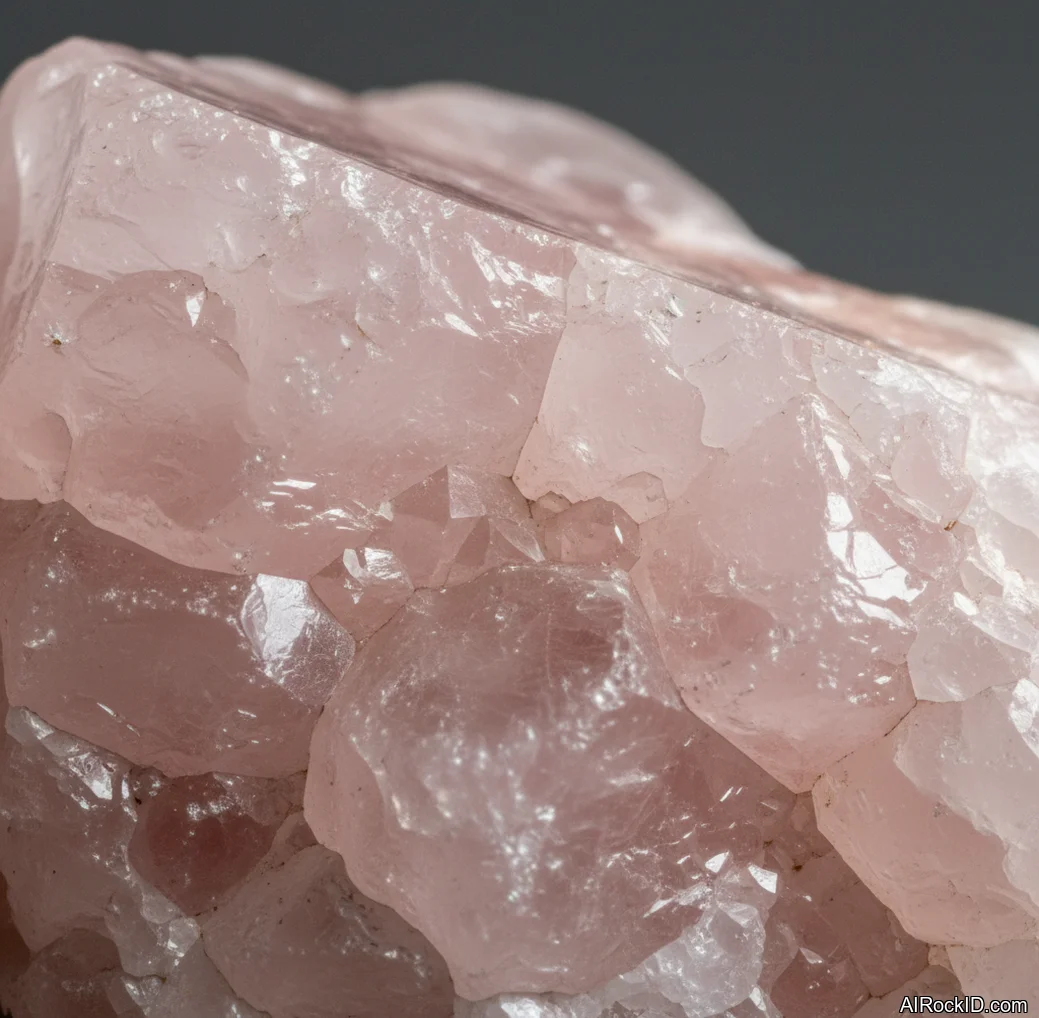
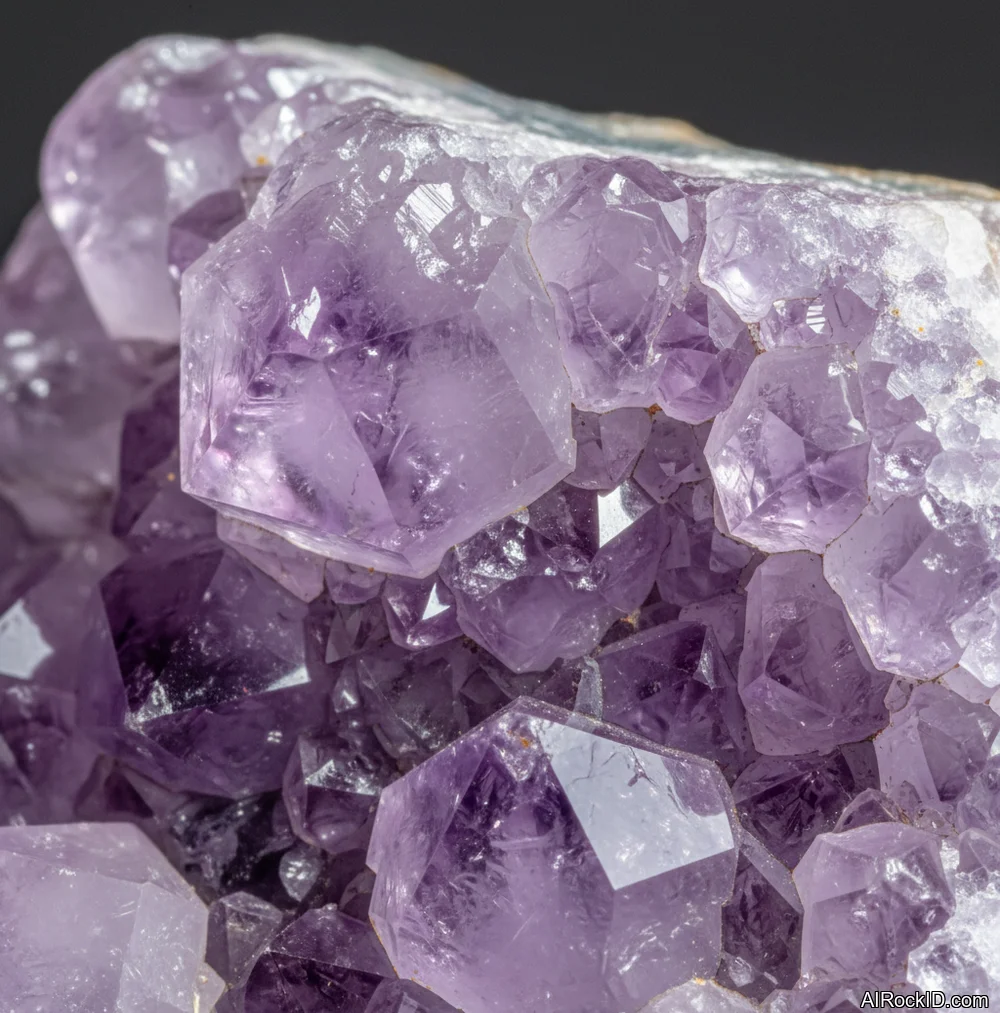
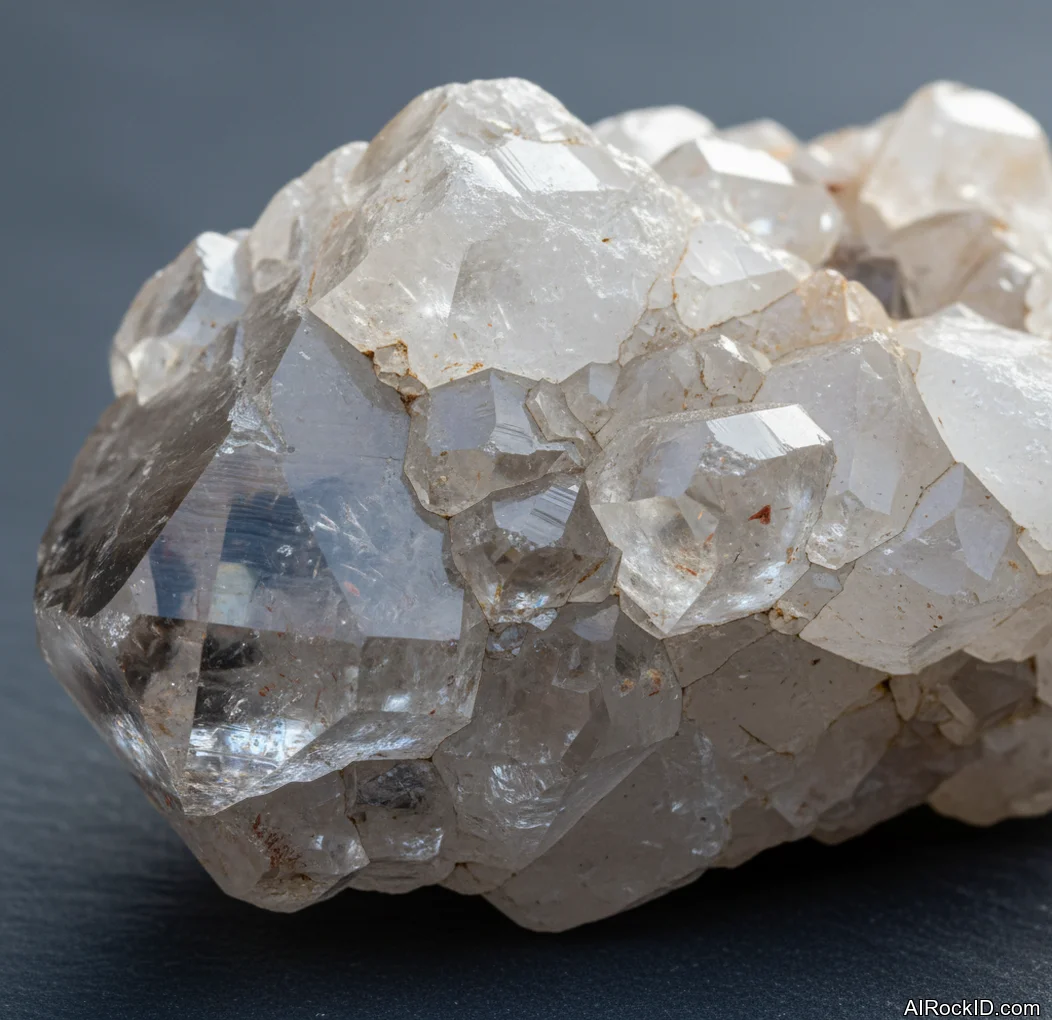
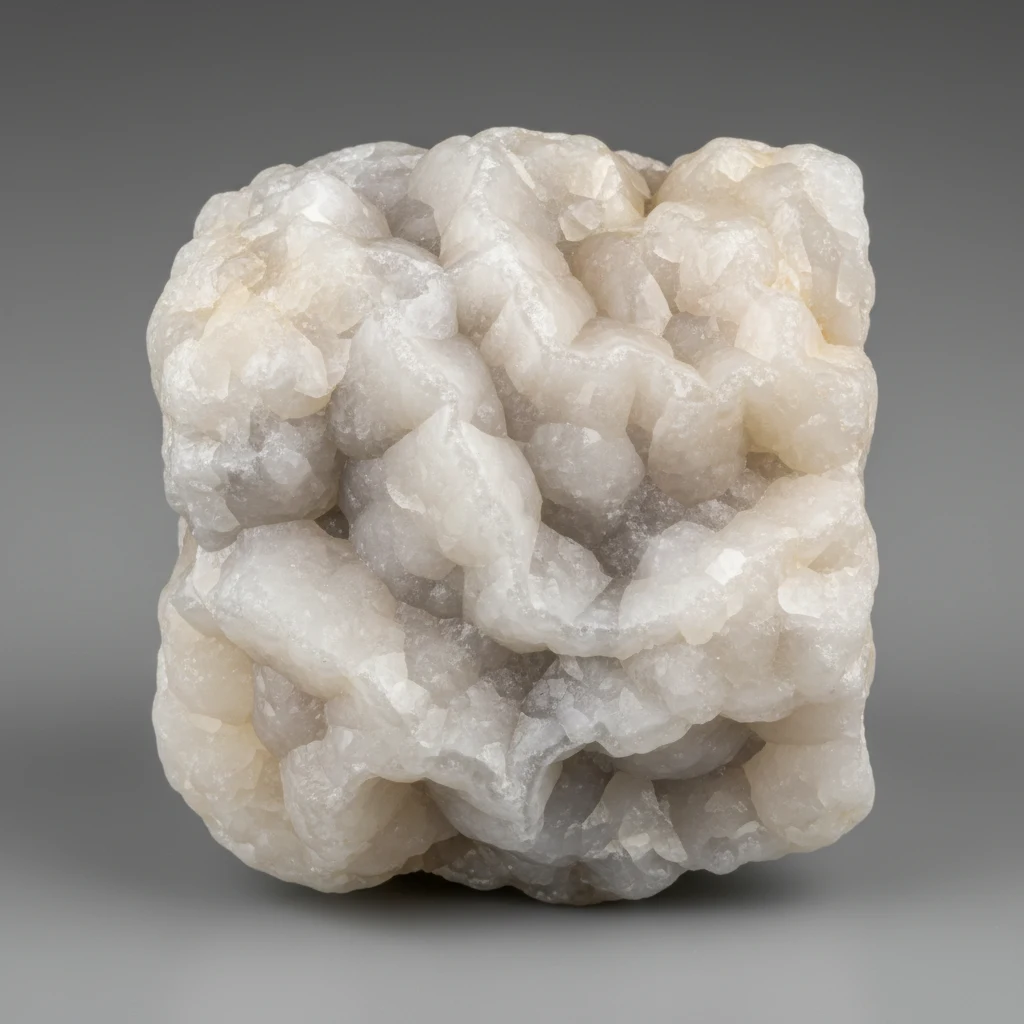
White Chalcedony usually appears as a smooth, milky white to pale gray stone with soft translucency near thin edges. In photos, look for a waxy rather than glassy luster, a lack of obvious crystal faces, and an even microcrystalline texture. Strong banding may indicate white agate, while gray web-like veining may point to howlite.
Buying White Chalcedony: Authenticity Checks
When buying White Chalcedony, ask whether the stone is natural, dyed, bleached, or stabilized, especially for beads and decorative carvings. Natural pieces may show slight color variation, cloudy zones, or subtle translucency rather than a perfectly uniform plastic-like surface. Very low-priced strands labeled as rare or premium should be checked carefully because opalite glass and other substitutes are common in the market.
Natural White Chalcedony vs. Treated Material
White Chalcedony can occur naturally, but some commercial material may be whitened, dyed, coated, or sold under broad trade names. Treatments are not always a problem if disclosed, but they can affect value and identification. A reputable seller should provide clear photos and avoid presenting glass, resin, or dyed howlite as natural chalcedony.
What Is White Chalcedony?
White Chalcedony is a common, semi-precious quartz variety and a cryptocrystalline form of silica, SiO2. In hand, it is usually white to light gray or cream, with a smooth surface, waxy luster, and soft translucence rather than visible crystal faces.
Collectors value it for its calm, clean look and dependable durability. With Mohs hardness 6-7, good scratch resistance, good toughness, conchoidal fracture, and stable behavior under normal environmental conditions, it works well as a handled specimen, cut stone, or quiet display piece.
Origin & History
The name “chalcedony” comes from the ancient port city of Chalcedon, and the material has been known since antiquity. White Chalcedony carries that older lapidary feel: smooth, pale, and waxy, the kind of stone that looks simple until light catches its slight translucence.
As a collector’s name, White Chalcedony is best understood as a white to light gray chalcedony within the broader quartz family. For locality cross-checking and specimen records, mindat.org is a useful plain-text reference point alongside the label information that comes with a specimen.
Where Is White Chalcedony Found?
White Chalcedony is found in Brazil, India, and the USA, and it is described as common rather than rare. It is commonly associated with volcanic and sedimentary rock formations, so labels often connect it with cavities, coatings, or silica-rich host environments.
Formation
White Chalcedony forms when silica precipitates from water. In the field and in cut surfaces, that origin explains its smooth, continuous look: instead of showing large obvious crystals, it often fills cavities in rocks or appears as a coating.
Its chemistry is silica, SiO2, classified here as a tectosilicate, with silicon and oxygen as the listed elements and possible iron or manganese impurities. The finished specimen may look understated, but its waxy luster and translucent body record a slow silica-deposition process.
How to Identify White Chalcedony
Identify White Chalcedony by its white to light gray color, smooth surface, waxy to vitreous luster, and slight translucence. A key field clue is the lack of obvious crystal structure to the eye, even though its listed crystal system is hexagonal.
It has a white streak, density of 2.58-2.64 g/cm3, and conchoidal fracture, and it is non-magnetic. Optical data listed for this material include refractive index 1.54-1.55, no birefringence, no pleochroism, and isotropic optical character.
Properties of White Chalcedony
Physical Properties
| Crystal System | Hexagonal |
| Hardness (Mohs) | 6-7 (Medium (4-6)) |
| Density | 2.58-2.64 g/cm3 |
| Luster | Waxy |
| Diaphaneity | Translucent |
| Fracture | Conchoidal |
| Streak | White |
| Magnetism | Non-magnetic |
| Colors | White, Gray, Cream |
Chemical Properties
| Classification | Tectosilicate |
| Formula | SiO2 |
| Elements | Si, O |
| Common Impurities | Fe, Mn |
Optical Properties
| Refractive Index | 1.54-1.55 |
| Birefringence | None |
| Pleochroism | None |
| Optical Character | Isotropic |
White Chalcedony Health & Safety
There are no significant health risks associated with handling white chalcedony.
White Chalcedony Value & Price
Price Range
Rough/Tumbled: $5 - $15 per specimen
Cut/Polished: $10 - $30 per carat
Price is influenced by color, clarity, and size.
Durability
Durable — Scratch resistance: Good, Toughness: Good
It is stable under normal environmental conditions.
How to Care for White Chalcedony
Use & Storage
Store in a soft pouch to avoid scratches.
Cleaning
Clean with mild soap and warm water. Rinse thoroughly and dry with a soft cloth.
Cleanse & Charge
It can be cleansed with water or by placing it in sunlight.
Placement
Place in a space where you seek calm and clarity.
Caution
Avoid harsh chemicals that could damage the surface.
Works Well With
White Chalcedony Meaning & Healing Properties
In crystal healing traditions, White Chalcedony is believed to support calm, balance, clarity, emotional healing, trust, grounding, meditation, inner peace, compassion, stress relief, focus, and communication. It is most often linked with the throat and crown chakras.
Its cultural associations include Gemini and Cancer, the Moon, and the elements of Water and Air. These uses are spiritual or symbolic only; White Chalcedony is not a substitute for medical treatment, but many people place it where they want calm and clarity.
Identify White Chalcedony from a photo
Compare White Chalcedony traits, care tips, value clues, and common lookalikes with a clear photo.
Common mistakes
- Assuming every white, waxy stone is White Chalcedony without checking hardness or texture.
- Confusing white agate with White Chalcedony; agate is a banded form of chalcedony rather than a separate mineral species.
- Identifying opalite glass as natural chalcedony because both can be pale and translucent.
- Using only color for identification, even though many minerals can appear white or gray.
- Ignoring seller disclosure about dyeing, bleaching, coatings, or imitation materials.