Imperial Jade


Quick answer: Imperial Jade is a trade name for the finest vivid green, highly translucent jadeite jade. Because color-treated jade, dyed quartz, glass, and other green stones can resemble it, careful identification and documentation are important before buying.
AI Rock ID can help compare a photo of a green jade-like stone with common visual features of jadeite and its lookalikes. RockIdentifier.io provides crystal and mineral reference information, but high-value Imperial Jade should be confirmed by a qualified gem laboratory.
Good fit
- Collectors comparing premium green jadeite with other jade varieties
- Buyers who want to understand lookalikes before purchasing jade jewelry
- Anyone checking whether a vivid green stone may need laboratory testing
- Readers learning the difference between jadeite, nephrite, and imitations
Not a good fit
- Confirming high-value jade without gemological testing
- Identifying treatment status from photos alone
- Using metaphysical traditions as a substitute for medical care
Most commonly confused with
- Nephrite Jade: Nephrite is generally tougher and more fibrous, while Imperial Jade refers specifically to high-quality green jadeite.
- Serpentine: Serpentine can be green and waxy but is usually softer and less dense than jadeite.
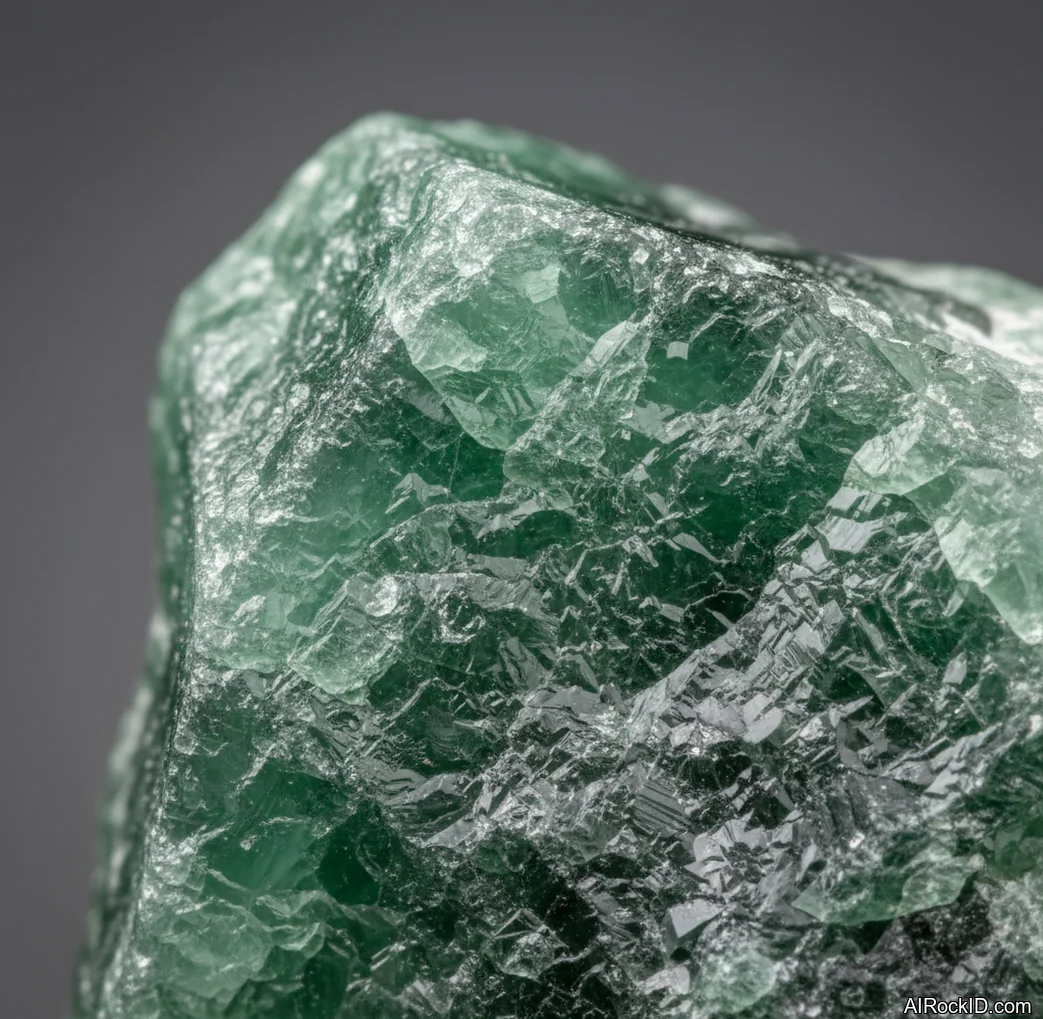
- Aventurine: Green aventurine is quartz with sparkly mica inclusions, unlike jadeite’s compact granular texture.
- Chrysoprase: Chrysoprase is a nickel-colored chalcedony and typically shows a more uniform, slightly sugary translucency.
Imperial Jade vs Common Green Lookalikes
| Material | Typical Clue | Key Difference |
|---|---|---|
| Imperial Jade | Vivid emerald green with fine texture and translucency | High-quality jadeite, not nephrite or glass |
| Nephrite Jade | Greasy to waxy luster, often more muted green | Different mineral group with fibrous structure |
| Serpentine | Soft, waxy, sometimes mottled green | Lower hardness than jadeite |
| Green Aventurine | Sparkly mica flecks may be visible | Quartz variety, not jade |
| Dyed Jadeite | Very even or concentrated green in cracks | Color is artificially enhanced |
AI identification confidence
AI identification can be moderately useful for separating obvious jade lookalikes, especially when the photo shows color, luster, texture, and translucency clearly. It cannot reliably confirm Imperial Jade quality, natural color, polymer impregnation, or market value from an image alone.
When AI gets it wrong
- The stone is photographed under strongly green, yellow, or low light
- The surface is polished so highly that texture and inclusions are hidden
- The sample is dyed, filled, or coated to imitate fine jadeite
- The image shows a finished carving or bead without scale, weight, or context
Final recommendation
For purchases described as Imperial Jade, ask for a reputable gemological report that identifies jadeite and discloses treatment status. Visual checks are useful for screening, but they should not replace testing for expensive jade.
Buying Checklist for Imperial Jade
A reliable listing should state that the material is jadeite and should disclose whether it is untreated, dyed, bleached, or polymer-impregnated. Ask for photos in daylight, close-ups of the surface, and a laboratory report for expensive pieces. Be cautious with vague terms such as “natural jade,” “old mine jade,” or “A-grade color” when no independent report is provided.
Treatment Grades and Trade Terms
In jade trading, “A jade” usually means natural jadeite with no dye or polymer impregnation, although wax on the surface may be present. “B jade” is commonly bleached and polymer-filled, while “C jade” is dyed; “B+C jade” has both filling and dye. These terms are trade shorthand, so a gem report is the clearest way to confirm treatment status.
Simple At-Home Screening Clues
At-home checks can help flag possible imitations but cannot prove Imperial Jade. Look for natural-looking color distribution, fine texture, and a cool, dense feel, while avoiding destructive scratch or hot-pin tests. Bubbles, painted-looking color, or dye concentrated in cracks are reasons to seek professional testing.
What Is Imperial Jade?
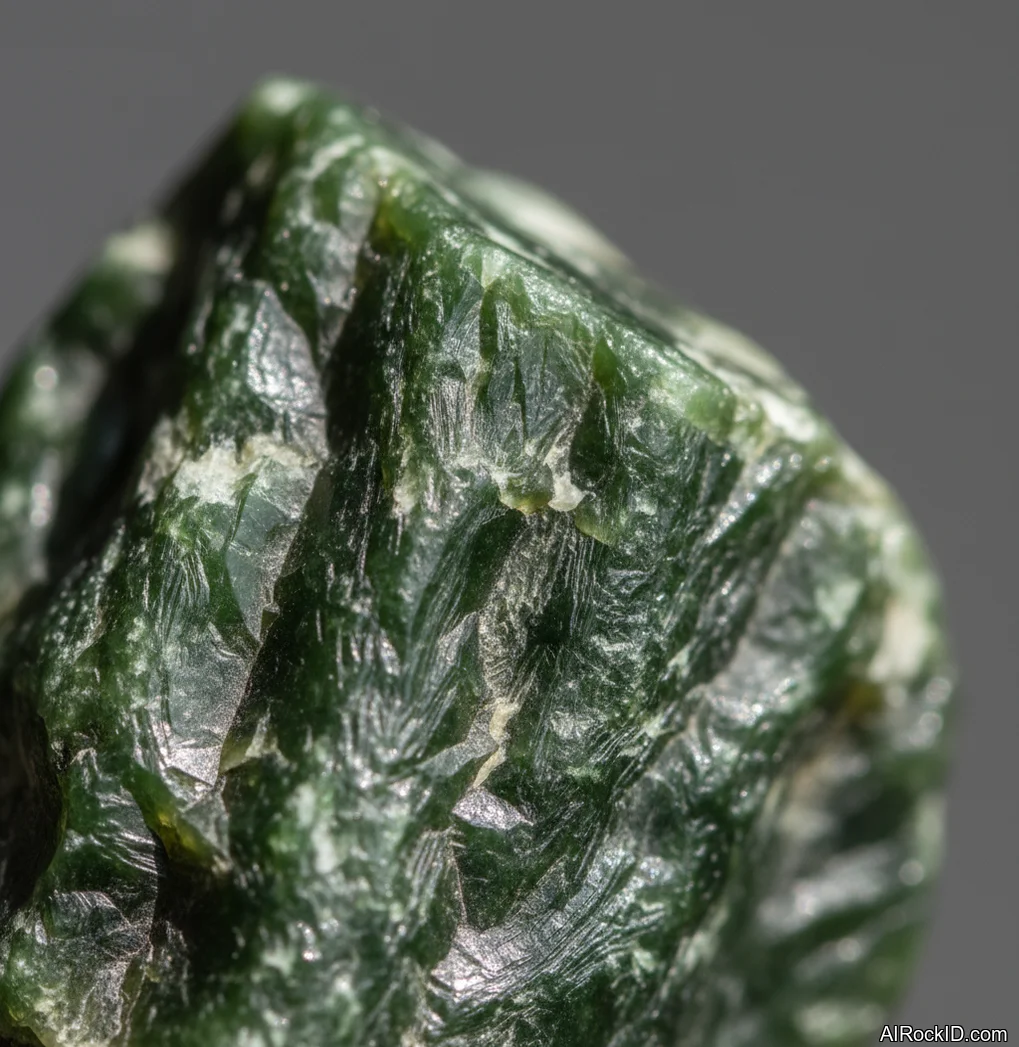
Imperial Jade is the top-shelf, vivid emerald-green kind of jadeite jade. People chase it for its fine grain, strong translucency, and that deep, saturated color.
Hold a really good piece in your hand and you feel it immediately. It’s heavy for its size, and it stays cool longer than you expect, even after it’s been sitting in your palm for a minute. And when the polish is done right, it doesn’t have that hard, glassy shine you see on quartz. It’s more of a slick, almost oily surface, like light dips under the skin a bit and then floats back out.
Thing is, a lot of folks call any green stone “jade,” and the market can get pretty sloppy about it. Real Imperial is jadeite, and it has a very particular look: clean, even color that doesn’t swing too blue or too yellow, plus that watery translucency you can catch when you hold it up near a flashlight. But the word “imperial” gets stamped on mid-grade material all the time, especially online, so you end up judging the texture and that soft glow just as much as the color. Who hasn’t seen a listing like that?
Origin & History
“Jade” started out as a trade word, and it got stuck to two different materials way before mineralogy came along and sorted the mess out. The name itself goes back to the Spanish “piedra de ijada,” basically “stone of the flank,” because people carried it around for kidney pain (like a worry stone you’d keep in a pocket). But that’s just the umbrella label. It’s not the “imperial” bit.
Jadeite, specifically, didn’t get pinned down as its own mineral species until the 1800s. You’ll see Alexis Damour in the old references, and the date that shows up is 1863. “Imperial jade” came later as a gem-trade grade term, tied to the very finest Burmese jadeite, the kind of intense green that people in China linked with high status. Dealers still use it kind of like wine people use “grand cru.” It’s a grade signal. And sometimes, yeah, it’s a sales pitch.
Where Is Imperial Jade Found?
Top-grade imperial material is classically linked to Myanmar, especially the Hpakan area. Jadeite also occurs in Guatemala and Japan, with smaller occurrences in places like Russia and California.
Formation
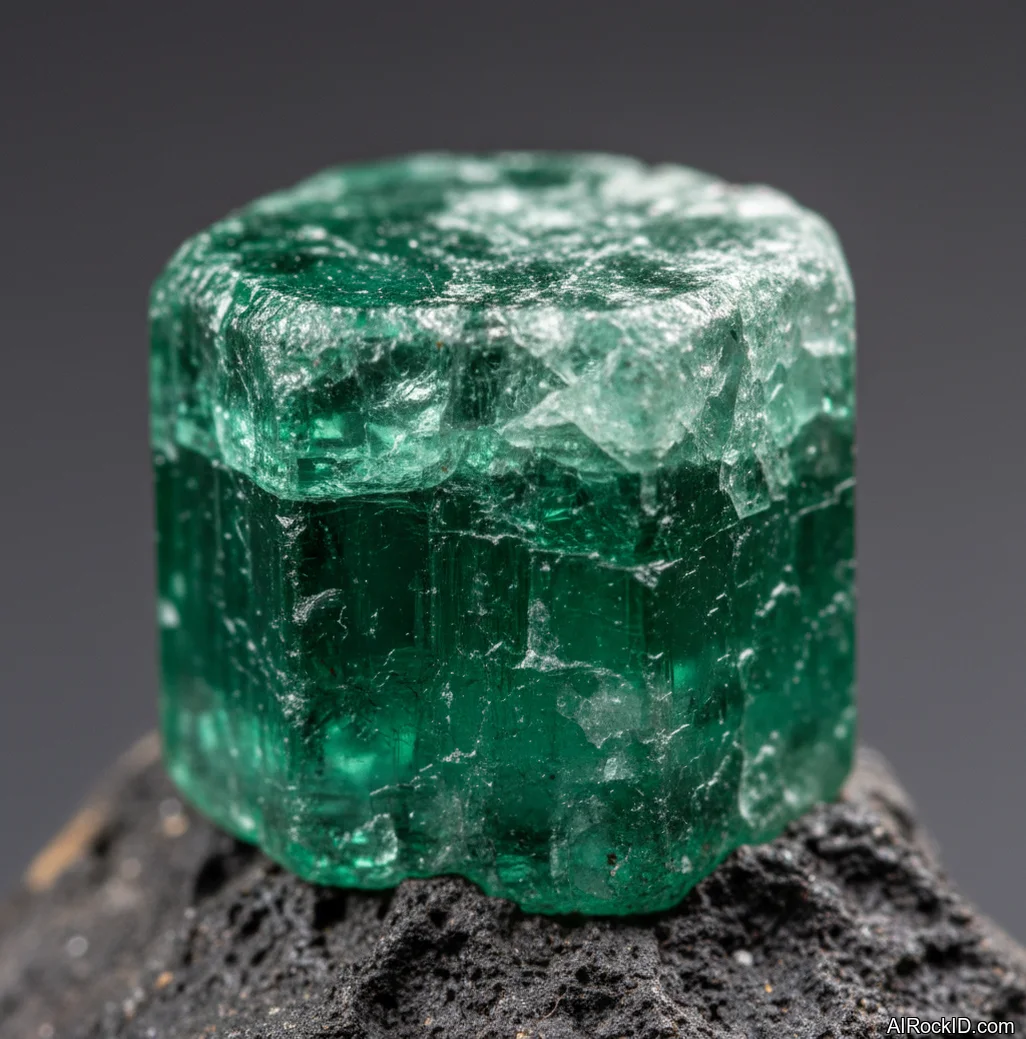
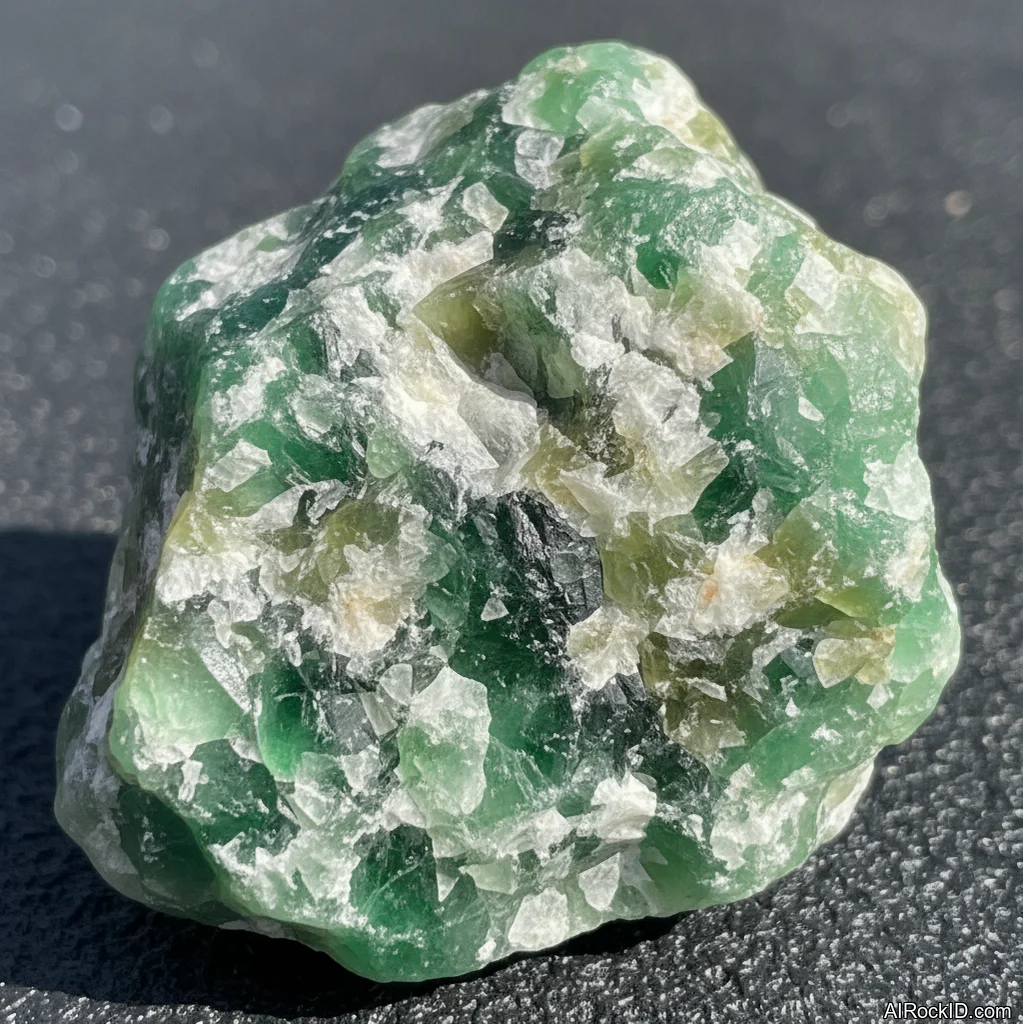
Raw pieces from jadeite deposits don’t show up looking like some neat little crystal you can pluck out of a vug. Most of the time you’re staring at stubborn boulders and rounded cobbles, the kind that feel almost greasy-smooth in spots but still beat up your hands when you try to move them. And they come from high-pressure, relatively low-temperature conditions, basically where oceanic crust got shoved and mangled in subduction zones. Serpentinite belts. Mélange zones. Just straight-up geologic chaos.
Quartz gives you faces and points. Jadeite doesn’t really bother with that. It’s all about texture, a tight, interlocking aggregate (more like a compact mass than a showy crystal), and that microstructure is exactly why it’ll take a killer polish and why it holds up so well in use. But the color, especially that imperial green people chase, isn’t just luck. Chemistry’s in the driver’s seat there. Chromium is usually the culprit behind the top green, and the best material has a fine grain with even color spread, not those blotchy patches that jump out the second light hits it.
How to Identify Imperial Jade
Color: Imperial jade shows a saturated emerald to “apple-emerald” green with an even spread of color and a soft glow rather than harsh brightness. The best pieces stay green in different lighting instead of swinging wildly yellow or gray.
Luster: Polished jadeite has a waxy to greasy luster rather than a sharp vitreous shine.
Look closely at the texture: real jadeite tends to have a tight, sugary to fibrous-looking grain under a loupe, not a perfectly smooth glassy interior like many imitations. Pick up a piece and feel it. Good jadeite feels cool and hefty for its size, and the polish feels slick, not plasticky. The real test is a lab report if big money is involved, because polymer-impregnated “B-jade” can look convincing until you check it properly.
Common Look-Alikes
Imperial Jade is sometimes confused with these materials:
- Nephrite jade (often sold as “jade” without saying which kind)
- Dyed quartzite sold as “jade” (commonly called “new jade” in the trade)
- Green serpentine (easy to confuse when it’s waxed and highly polished)
- Green glass or “jade glass” cabochons (sometimes with tiny bubbles)
- Dyed or polymer-impregnated jadeite (B/C jade marketed as high grade)
- Korean jade / bowenite (a serpentine variety that gets mislabeled as imperial)
Market Cautions & Treatments
When AI Can Get This Wrong
In photos, AI mixes Imperial Jade up with nephrite, dyed quartzite, and even green glass because the camera just sees “saturated green plus polish.” At first glance a well-lit cab can make glass look just as clean as jadeite, especially when the seller cranks saturation. The real test is in-hand: jadeite’s tight grain and cool, heavy feel are hard to fake, and a loupe check for dye concentration in fractures or tiny bubbles in glass clears up a lot fast.
Properties of Imperial Jade
Physical Properties
| Crystal System | Monoclinic |
| Hardness (Mohs) | 6.5-7 (Hard (6-7.5)) |
| Density | 3.30-3.38 g/cm3 |
| Luster | Waxy |
| Diaphaneity | Translucent to opaque |
| Fracture | Uneven |
| Streak | White |
| Magnetism | Non-magnetic |
| Colors | emerald green, apple green, green with slight blue tone, green with slight yellow tone |
Chemical Properties
| Classification | Silicates |
| Formula | NaAlSi2O6 |
| Elements | Na, Al, Si, O |
| Common Impurities | Cr, Fe, Ca, Mg |
Optical Properties
| Refractive Index | 1.66-1.68 |
| Birefringence | 0.012 |
| Pleochroism | Weak |
| Optical Character | Biaxial |
Imperial Jade Health & Safety
Imperial jadeite is safe to handle and wear. Thing is, if you’re cutting it or grinding it, treat it like any other stone in the shop and stick to normal lapidary precautions.
Safety Tips
If you’re sanding or drilling jadeite, keep it wet and wear a proper respirator. That fine, silica-bearing dust gets everywhere, and you really don’t want it in your lungs.
Imperial Jade Value & Price
Price Range
Rough/Tumbled: $50 - $50,000+ per piece
Cut/Polished: $50 - $10,000+ per carat
Prices jump fast once the grain gets tighter, the translucency bumps up, and you get that clean, even “emerald” tone with no gray or brown muddying it. But treatments and provenance count for a ton too, and a respected lab report can move the number more than the size ever will.
Durability
Very Durable — Scratch resistance: Good, Toughness: Excellent
Jadeite is stable for everyday wear, but surface polish can dull if it’s knocked around with harder stones like sapphire or diamond.
How to Care for Imperial Jade
Use & Storage
Store it in a soft pouch or a separate compartment so it doesn’t get scuffed by corundum, diamond, or even gritty quartz. And don’t toss bangles in a drawer where they can clack together.
Cleaning
1) Rinse with lukewarm water. 2) Use a mild soap and a soft toothbrush to get skin oils out of carvings. 3) Rinse well and dry with a clean microfiber cloth.
Cleanse & Charge
For a simple reset, rinse and wipe it down, then leave it somewhere calm and out of direct sun for a bit. If you’re into smoke cleansing, keep the piece moving so soot doesn’t build up in carved details.
Placement
I keep nicer jade on a stable shelf, not a windowsill. Bright sun won’t “ruin” jadeite the way it can fade some gems, but it does make you miss that deep indoor glow that good material has.
Caution
Skip ultrasonic cleaners and anything too harsh, especially if you’re not sure the jade was polymer-impregnated (some of it is, and you can’t always tell by eye). And watch bangles around tile floors. Jade feels tough in your hand, kind of cool and slick at first, but tough isn’t the same as unbreakable. Drop it once and that hard “click” can turn into a crack.
Works Well With
Imperial Jade Meaning & Healing Properties
Most dealers will tell you jade is a “feel-good” stone, and yeah, that tracks once you’ve actually held it. It doesn’t flash cold like some gems. It warms up slow, stays slick, and it’s the kind of stone you catch yourself rubbing with your thumb while you’re talking to someone (without even realizing you’re doing it). That touch part matters. When I’m standing at a show with a tray of cabochons in front of me, jadeite is the one that makes me pause, tilt it under the lights, and keep it in my fingers a little longer.
In crystal circles, imperial jade gets tied to steadiness, generosity, and this calm, grounded confidence. Not the hypey “instant luck” vibe. More like staying levelheaded when money stuff, family stuff, or long-term plans are sitting right in front of you. But look, I’ll say the quiet part out loud: none of that is medical care. If you’re stressed, you still need sleep and food, and maybe a real therapist. Jade can just be a physical reminder you can literally hold in your hand.
And there’s a real-world snag here. A lot of the cheap “healing jade” out there is treated, or it isn’t jadeite at all, and that kind of thing messes with people’s trust fast. If you want the experience people talk about, buy something you honestly like the feel of, even if it’s small. A tiny, honest cab with a good, waxy texture beats a big dyed bangle that goes neon under the shop lights. Who wants that?
Common mistakes
- Assuming every vivid green jade piece is Imperial Jade
- Confusing jadeite with nephrite because both are sold as jade
- Relying on color alone instead of checking translucency, texture, and treatment disclosure
- Treating seller terms such as “Type A” or “natural” as proof without documentation
- Using scratch tests on finished jewelry, which can damage the piece
- Assuming an old carving is untreated simply because it has age or patina
Identify Imperial Jade from a photo
Compare Imperial Jade traits, care tips, value clues, and common lookalikes with a clear photo.